Invalid Date
Episode 434 Kela's Redemptive HBA2C with a 9.5lb Baby + Cervical Scar Massage During Labor
Kela is an inspiring mama who joins us today sharing her HBA2C story! All three of Kela’s pregnancies were planned home births, yet her first two ended in cesarean after long labors labeled “failure to progress”, concerns of chorio, tachycardia, and fever. Though the odds were stacked against her, Kela never let go of the dreamy home birth she knew in her bones was possible. With the support of an incredibly skilled and VBAC-supportive midwife, Kela achieved an incredible home birth after two cesareans! This birth included over nine hours of pushing, continuity of care, and manual cervical scar tissue work during labor. Meagan and Kela dive into more details about cervical scar tissue, something that definitely isn’t talked about very much! Kela says, “I knew deep down I could have the vaginal birth I always desired. And I did. It was the farthest thing from easy, but I couldn’t have done it without my incredible midwife who owns In Due Season Birth Center. She specializes in VBACs and she believed in me the whole way.” Needed Website: Code VBAC for 20% Off The Ultimate VBAC Prep Course for Parents Online VBAC Doula Training Support this podcast at — https://redcircle.com/the-vbac-link/donations Advertising Inquiries: https://redcircle.com/brands
Invalid Date
Episode 433 Anna from Sacred Birth International: Daring to Birth Differently
“Peace on earth begins with birth.” In this powerful episode, Meagan sits down with Anna Lundqvist, founder of Sacred Birth International. Anna is a seasoned midwife from Sweden whose work has evolved into educating birthing families, doulas, and birth professionals on how to protect birth as a sacred, primal, and physiological event. Drawing from years of attending births around the world, Anna now focuses on teaching how to reclaim the innate design of birth, preserve reverence throughout the process, and support mothers in advocating for their autonomy. Her philosophy is rooted deeply in trauma-informed care and physiological birth wisdom. Meagan and Anna let the conversation flow naturally as they dive into induction, cervical checks, trauma, and the harsh realities many families face within the medical system. Anna offers heartfelt insight on processing fears, discerning intuition from anxiety, and why she often encourages VBAC at home for those who feel aligned with that path. Thank you for joining us today, @sacredbirthinternational for a very special conversation!! Content warning: This episode includes frank discussion of birth after sexual abuse and trauma. Please listen with care. Needed Website: Code VBAC for 20% Off The Ultimate VBAC Prep Course for Parents Online VBAC Doula Training Support this podcast at — https://redcircle.com/the-vbac-link/donations Advertising Inquiries: https://redcircle.com/brands
Invalid Date
Episode 432 Air Force Officer Sarah's VBA2C During an OCONUS PCS + Nitrous Oxide
Women of Strength, you won’t want to miss this one!! In today’s episode of The VBAC Link Podcast, we welcome Sarah, a mom of three boys, an active duty Air Force officer (AND a spouse to one as well!) about her incredible VBA2C during an overseas PCS move from South Korea to Florida. Sarah’s first birth was a c-section for breech presentation. Her second was a scheduled c-section timed around her husband’s deployment. Her third pregnancy brought navigating prenatal care in a foreign country, a huge move with two toddlers in tow, and the stress of finding a completely new birth team. After Sarah’s water broke unexpectedly at 37 weeks while visiting family in Kentucky, and with all their belongings either in Arizona or on a boat in the Pacific, she was induced so she could labor while a VBAC-supportive doctor was on call. After 11 hours on Pitocin, she delivered her baby vaginally, finished the move and arrived in Florida when her newborn was just one week old. Sarah & Meagan also share tips about using nitrous oxide in labor and important Tricare resources for military families. Though there were wild twists and turns, Sarah got her especially redemptive moment of being fully present for the moment she introduced her new baby to her other boys. We are so proud of you, Sarah!! Nitrous Oxide Article Needed Website: Code VBAC for 20% Off The Ultimate VBAC Prep Course for Parents Online VBAC Doula Training Support this podcast at — https://redcircle.com/the-vbac-link/donations Advertising Inquiries: https://redcircle.com/brands
Invalid Date
Episode 431 Catie's VBAC with Hyperemesis Gravidarum + Cholestasis
Catie, a pediatric physical therapist from Northern Kentucky, joins Meagan on the podcast today sharing her three birth stories– a vaginal delivery, c-section, and VBAC! Catie struggled with hyperemesis gravidarum (among other complications) during all three pregnancies but wasn’t officially given the diagnosis until she was hospitalized with her third. By that time, she had researched hard and was ready to proactively manage it, even though her doctor wasn’t up-to-date on all of the ways to do that. Catie shares what she did and how it made a world of difference for that third pregnancy. In regards to her births, Catie talks about her first induced vaginal birth, her long, traumatic second labor that ended in an urgent c-section, a PTSD diagnosis, and her healing VBAC that was medically induced at 37 weeks due to Cholestasis. After her traumatic second birth, Catie really fought for healing. Women of Strength, we cannot stress enough how important this is. Through EMDR, pelvic floor therapy, exercise, and more, Catie gained back the confidence and trust she needed in her body to absolutely rock her VBAC! ICP Care Cholestasis Article The VBAC Link Blog: Kick Counts Needed Website: Code VBAC for 20% Off The Ultimate VBAC Prep Course for Parents Online VBAC Doula Training Support this podcast at — https://redcircle.com/the-vbac-link/donations Advertising Inquiries: https://redcircle.com/brands
Invalid Date
Episode 429 Lily Nichols, RDN Returns + Nutrition Before, During & After Pregnancy
We are so excited to welcome back our favorite registered dietician and bestselling author, Lily Nichols! Lily is here to chat with us about her third book, Real Food for Fertility. She explains how while the title focuses on fertility, this book goes far beyond that, diving into how nutrition supports hormone health and overall well-being at every stage of life. Meagan and Lily talk about nutrition before pregnancy, during pregnancy, and even how diet can sometimes (but not always!) affect a baby’s size. Lily also shares her hopes for future research on nutrition recommendations and the important reminder that even small, consistent changes in how we eat can make a meaningful difference. It’s truly never too late to start. Is it Too Late to Make Nutrition Changes in Pregnancy? Needed Website: Code VBAC for 20% Off Is it Too Late to Make Nutrition Changes in Pregnancy? Institute for Prenatal Nutrition Website Lily’s Books Lily’s Freebies Lily’s Instagram Needed Website: Code VBAC for 20% Off The Ultimate VBAC Prep Course for Parents Online VBAC Doula Training Support this podcast at — https://redcircle.com/the-vbac-link/donations Advertising Inquiries: https://redcircle.com/brands
Invalid Date
Episode 428 Kari's Induced VBAC with Preeclampsia after Her First Induction Didn't Go to Plan + Info on Preeclampsia
Kari joins us today from Huntsville, Alabama sharing her story of two induced but very different births. Her first was an unplanned Cesarean after a 39-week induction and the second was a medically induced VBAC due to preeclampsia. With her second baby, Kari saw a new provider who was VBAC supportive, hired a doula, and went to a chiropractor. She also found out that she had a velamentous cord insertion and signs of preeclampsia. Although she was planning for a spontaneous, unmedicated labor, Kari was able to have an empowering experience with Pitocin, an epidural, a delivery, magnesium, a 3rd-degree tear, and a blood transfusion, Kari found deep healing and pride in her VBAC experience. She and Meagan talk about blood pressure numbers, preeclampsia, the ARRIVE study, how epidurals can help or hinder progress, and navigating the emotions that come when birth unfolds differently than planned. Kari reminds us that birth can be beautiful and healing no matter what twists and turns come about! The VBAC Link Blog: VBAC With Preeclampsia ACOG Article: Preeclampsia and Blood Pressure During Pregnancy Needed Website: Code VBAC for 20% Off The Ultimate VBAC Prep Course for Parents Online VBAC Doula Training Support this podcast at — https://redcircle.com/the-vbac-link/donations Advertising Inquiries: https://redcircle.com/brands
Invalid Date
Episode 427 Abbie's VBAC After Loss + Advanced Maternal Age
“I want to be the light I wish I’d had in my darkest moments.” As we close out Pregnancy and Infant Loss Awareness Month, we are sharing Abbie’s two birth stories and honoring the memory of her firstborn, Rowan. Rowan was born prematurely via emergency Cesarean at 29 weeks during the height of COVID and passed several weeks later in the NICU. Abbie shares what it was like to come home from the hospital without a baby, the weight of overwhelming grief, and how self-care has helped her find healing. Her second pregnancy was labeled advanced maternal age and considered high risk. With the support of her care team, Abbie went on to have a healthy and empowering VBAC birth at 41 weeks that was filled with joy and deep healing. Professionally, Abbie is a massage therapist. She shares her tips around things like herbal support, massage therapy, and acupuncture. Abbie wants Women of Strength to know that acknowledging fear doesn’t mean we have to act on it. “Be afraid when you’re afraid, but do it anyway— whatever it is. Different baby, different birth.” Needed Website: Code VBAC for 20% Off The Ultimate VBAC Prep Course for Parents Online VBAC Doula Training Support this podcast at — https://redcircle.com/the-vbac-link/donations Advertising Inquiries: https://redcircle.com/brands
Invalid Date
Episode 426 Rachel's Three VBAC Stories + VBAC With Gastroschisis
We are so excited to welcome back our friend, Rachel! She shared her first precipitous VBAC story all the way back in Episode 56. This time, she joins us again to talk about her next two VBACs— one of which included an unexpected diagnosis of gastroschisis and the other surprisingly beginning with PROM (premature rupture of membranes). Rachel opens up about navigating gastroschisis and how her care team supported her through it. Though she wasn’t sure she’d be able to have another vaginal birth, her provider actually encouraged it as the safest option for baby. Rachel achieved her second VBAC, but had to watch her baby be intubated immediately after birth, hemorrhaged, and was left alone when her husband went to be with their baby. She was thankful for her VBAC, but also deeply traumatized by the scary circumstances. With her fourth, Rachel decided to give birth in the hospital. She experienced PROM for the first time, back labor with an OP baby, and had her first sweet baby girl. From the prep before to the processing after, each of Rachel’s births were truly their own story. Women of Strength, you are strong enough to handle whatever birth throws your way, and Rachel is a beautiful example of just that. Gastroschisis Article Episode 56 Rachel’s First VBAC Story Needed Website: Code VBAC for 20% Off The Ultimate VBAC Prep Course for Parents Online VBAC Doula Training Support this podcast at — https://redcircle.com/the-vbac-link/donations Advertising Inquiries: https://redcircle.com/brands
Invalid Date
Episode 425 Kelie’s VBA4C + VBAMC Facts (REBROADCASTED)
Today we’re revisiting one of our earliest episodes — Episode 13 Kelie’s VBA4C in Utah! Our audio quality has come a long way since those early days 😅, but Kelie’s story is still one of our most inspiring. “Kelie’s VBA4C section story is one of many awe-inspiring moments! She truly has been through it all with each of her cesareans and her VBAC. Her first baby was born weighing less than two pounds, and you will NEVER guess what her doctor did to her during her third C-section that leads to secondary infertility after her fourth birth. You will be laughing, crying, and gasping along with Julie as she reacts to the story. Then, we discuss VBAMC facts, information, and studies that you can find referenced on our blog at www.thevbaclink.com/blog • fb.me/thevbaclink for Facebook • @thevbaclink on Instagram • Follow and subscribe!! Please note, to get stories from all over the country and even other countries, we record using phone lines. For this reason, audio quality may vary between episodes and speakers.” VBAMC Article Needed Website: Code VBAC for 20% Off The Ultimate VBAC Prep Course for Parents Online VBAC Doula Training Support this podcast at — https://redcircle.com/the-vbac-link/donations Advertising Inquiries: https://redcircle.com/brands
Invalid Date
Episode 424 Chloe's 65-hour VBA2C in Canada to a 9-lb Baby After a CPD Diagnosis + Placenta Previa
About her VBA2C, Chloe says, “I’ve been dreaming of my VBAC for 8 years. When my HBAC turned into a scheduled CBAC, I wasn’t even sure I’d get the option to have a VBA2C. It took a lot of planning & hard work & I knew as a first time labouring mom that it would be a longer labor but I completely underestimated just how long… Dreams came true New Years Eve as fireworks went off & my husband & I welcomed our daughter!” Chloe’s first birth was a scheduled Cesarean due to a partial placenta previa. For her second, she was planning an HBAC, but after going overdue with no signs of labor, concerns about her baby’s size, and a CPD diagnosis, she had another scheduled Cesarean. For her VBA2C baby, Chloe went all in. She connected with supportive providers, leaned into physical prep, and was so inspired from other women’s stories on The VBAC Link Podcast. Chloe labored hard for almost 3 days and was progressing veryyy slowly. Though it wasn’t what she thought she’d want at 3 cm, she got an epidural and AROM which ended up being incredibly helpful! Her midwife even said that she pushed as though she had delivered five babies. Take that, CPD! 💥 After a long 65-hour labor, she pushed for just 15 minutes. We are so proud of you, Chloe!! Fear Release Activity Video Needed Website: Code VBAC for 20% Off The Ultimate VBAC Prep Course for Parents Online VBAC Doula Training Support this podcast at — https://redcircle.com/the-vbac-link/donations Advertising Inquiries: https://redcircle.com/brands
Invalid Date
Episode 423 Brianna's Redemptive Maternal Assisted Cesarean (MAC) + Making Big Changes in a Small Town
Women of Strength, we are making waves. We are so excited to be sharing our second Maternal Assisted Cesarean story on the podcast today! There are so many beautiful details within Brianna’s entire episode that you will not want to miss. In the small town of Crosby, Minnesota with a population of less than 3,000, Brianna was the first MAC under a brand-new policy. About her birth, she says: “While I didn’t get my VBAC, I did get a redemptive and healing birth. It just goes to show that acceptance, advocacy, and will power go a long way! I never thought I’d be happy to be writing my testimonial after experiencing all C-section births. My first birth was in August of 2020 where she was breech. It was in the week following her birth that I jumped into all things VBAC. My second birth was complicated by preeclampsia where what was supposed to be my redemptive VBAC turned CBAC when my blood pressure wouldn’t cooperate. This birth was traumatic and gave me more grief than my first birth experience. This leads me to my third and final birth story where I changed providers at 20 weeks. I was active and proactive in my own mental and physical health. I ultimately decided that I wanted a Maternal Assisted C-section after seeing Paige’s story on The VBAC Link. I thought it would be nearly impossible in small-town Minnesota, but ended up finding my voice and a provider who was extremely supportive. In May 2025, my daughter was born in my hands in the OR. While my grief of not getting a vaginal birth isn’t gone, it is much quieter. And despite not getting my VBAC experience, I have found extreme peace and healing in the autonomy and active participation of my maternal assisted cesarean. I encourage all women who are experiencing grief with their birthing experience to get educated, find a supportive provider, keep an open mind, and to not give up.” The VBAC Link Podcast Episode 357 Paige’s MAC The VBAC Link Podcast Episode 220 Dr. Natalie Elphinstone How to Cope When You Don’t Get Your VBAC How to Heal a Bad Birth Book Needed Website: Code VBAC20 for 20% Off The Ultimate VBAC Prep Course for Parents Online VBAC Doula Training Support this podcast at — https://redcircle.com/the-vbac-link/donations Advertising Inquiries: https://redcircle.com/brands

Invalid Date
Episode 422 Elisabeth's VBAC + Navigating Resources, Research, & Different Personalities
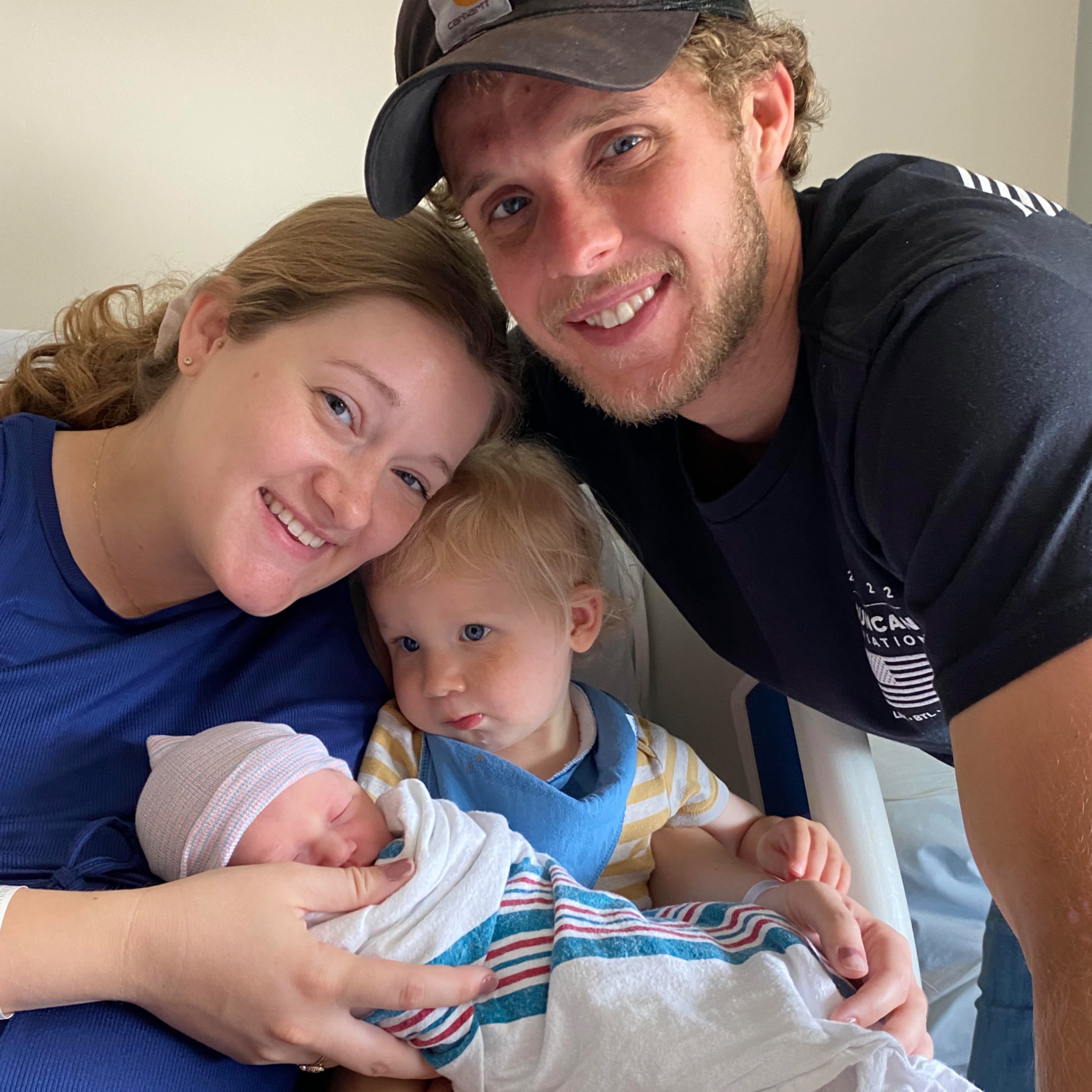
Why is it that most avenues of healthcare delay preventative intervention, but when it comes to birth, there is so much more of a fear-based “just in case” mindset? Elisabeth, her doula (and our TVL team member!) Ashley Marg, and Julie Francom talk about how most of the time we can trust the physiological process of birth, yet providers often don’t. Elisabeth’s first birth was a whirlwind. After pushing at 9.5cm for 4 hours and feeling extremely exhausted with a swollen cervix, she consented to a Cesarean. But in the OR, her fetal ejection reflex kicked in and the doctor realized she was complete— minutes after the spinal block had already been given. She managed one more push, then the numbness took over and contractions stopped. Baby was too high for a vacuum, yet low enough that her doctor needed to push baby back up for the Cesarean. As you can imagine, her recovery was difficult, but her fire to educate herself all about birth was ignited. Elisabeth knew things could be different and fought for a redemptive VBAC! Discussion topics: Post-dates, evidence-based info, fetal ejection reflex, swollen cervix, induction, membrane sweep, artificial rupture of membranes, birth tub, preeclampsia misdiagnosis, spinal block, doula Needed Website: Code VBAC20 for 20% Off The Ultimate VBAC Prep Course for Parents Online VBAC Doula Training Support this podcast at — https://redcircle.com/the-vbac-link/donations Advertising Inquiries: https://redcircle.com/brands
Invalid Date
Episode 421 Jennifer's Special Scar (Inverted T) VBA2C with Gestational Diabetes & Signing an AMA + Faith Over Fear
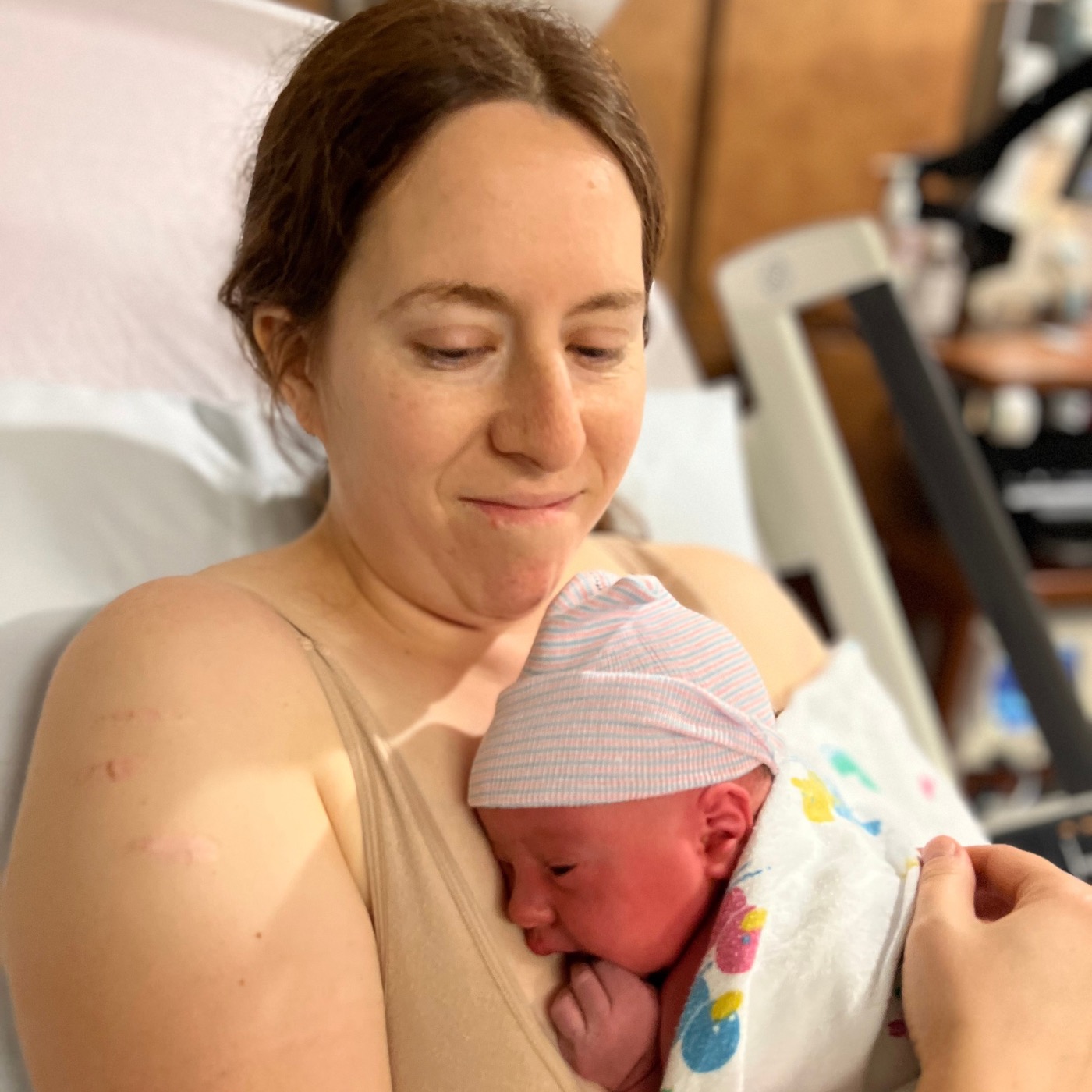
Jennifer is a mom to three boys, each born in a different decade. Her first birth started out spontaneously but, after going to the hospital early and experiencing many interventions, ended in an emergency Cesarean under general anesthesia with an inverted T incision. For her second birth, Jennifer was excited to try for a VBAC but learned about her special scar and, trusting her doctor’s advice, scheduled a repeat Cesarean. By the time her third baby came along, Jennifer was older, wiser, and ready to fight for the birth she knew was possible. With insulin-controlled gestational diabetes, she went into labor spontaneously and even left one hospital AMA to find the support she needed. Her determination paid off when she went on to have her VBA2C! Jennifer’s story is full of faith, courage, and the reminder that instead of being fear-based, our decisions should be ones that bring us the most peace. Discussion Topics: gestational diabetes, VBAC, special scars, inverted T, repeat Cesarean, VBA2C, general anesthesia, spontaneous labor, AMA, changing providers, operative reports, faith affirmations, baby aspirin, fast dilation, fetal scalp electrode, tachycardia, fever, decels, advanced maternal age, pitocin, epidural Needed Website: Code VBAC20 for 20% Off The Ultimate VBAC Prep Course for Parents Online VBAC Doula Training Support this podcast at — https://redcircle.com/the-vbac-link/donations Advertising Inquiries: https://redcircle.com/brands
Invalid Date
Episode 420 Diana’s VBAC + Complicated Postpartum Recoveries & Support Options
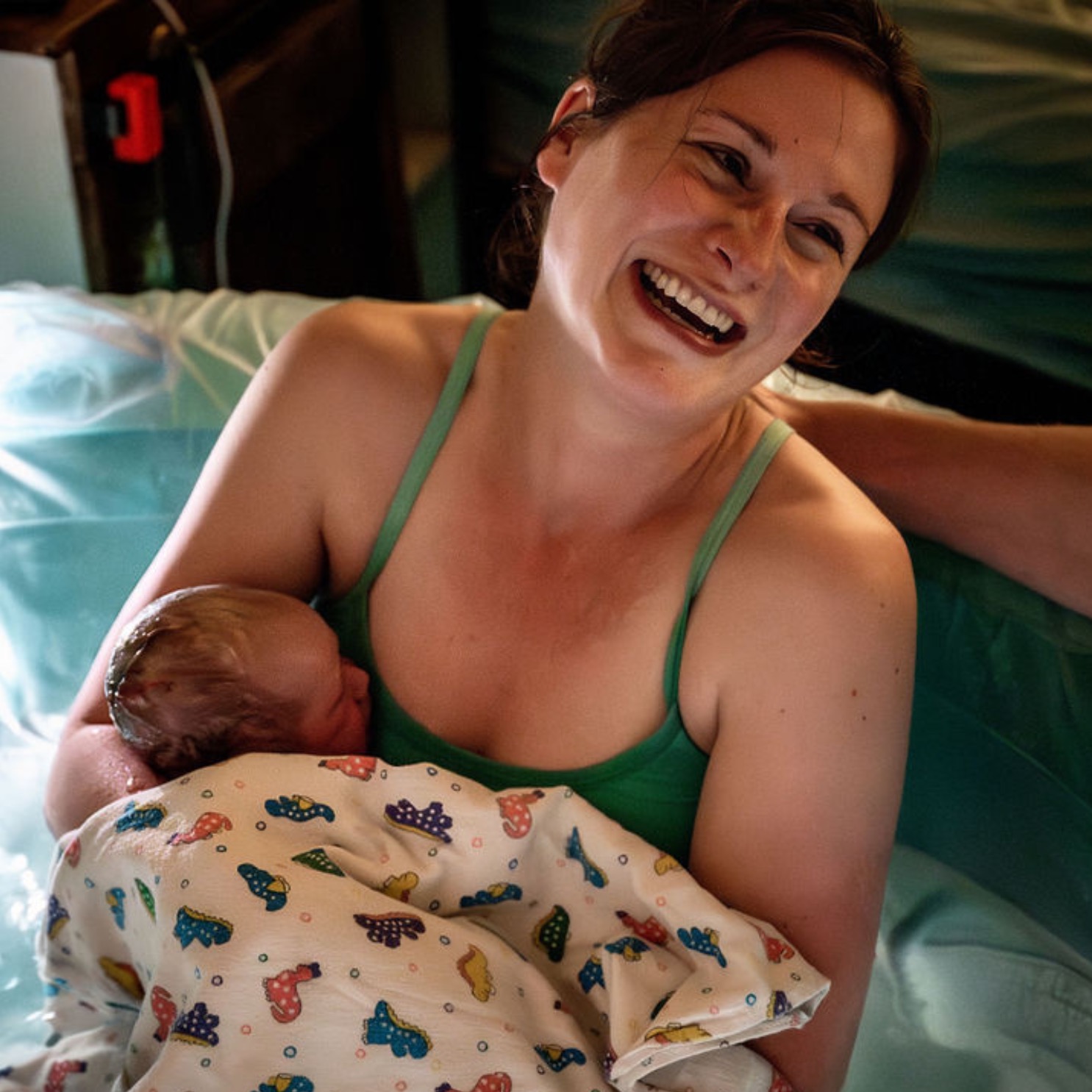
In today’s episode, Julie Francom talks with Diana, who shares her Cesarean and two very different VBAC stories. Diana’s journey began with a Cesarean birth including a velamentous cord insertion and a long, difficult recovery complicated by painful breastfeeding abscesses. For her second baby, she planned a home birth VBAC and euphorically welcomed her baby at home—only to need a hospital transfer for repair of a third-degree “starfish” tear. With her third, Diana prepared for another home birth and experienced her dream waterbirth VBAC with no tearing at all. While Diana’s third birth was physically healing, she faced unexpected emotional struggles afterward. She opens up about her experience with postpartum anxiety and depression, reminding us that healing is not only physical, but mental and emotional too. This episode brings important awareness to postpartum mental health and the resources available for support. Julie and Diana discuss the importance of community, professional help, and breaking the silence around postpartum mood disorders. If you had an unexpectedly tough recovery after your VBAC, know that you are not alone! Postpartum Support International The Postpartum Stress Center Postpartum University Needed Website: Code VBAC20 for 20% Off The Ultimate VBAC Prep Course for Parents Online VBAC Doula Training Support this podcast at — https://redcircle.com/the-vbac-link/donations Advertising Inquiries: https://redcircle.com/brands
Invalid Date
Episode 419 VBAC 101 & Doula Talk With Meagan, Lily, & Paige
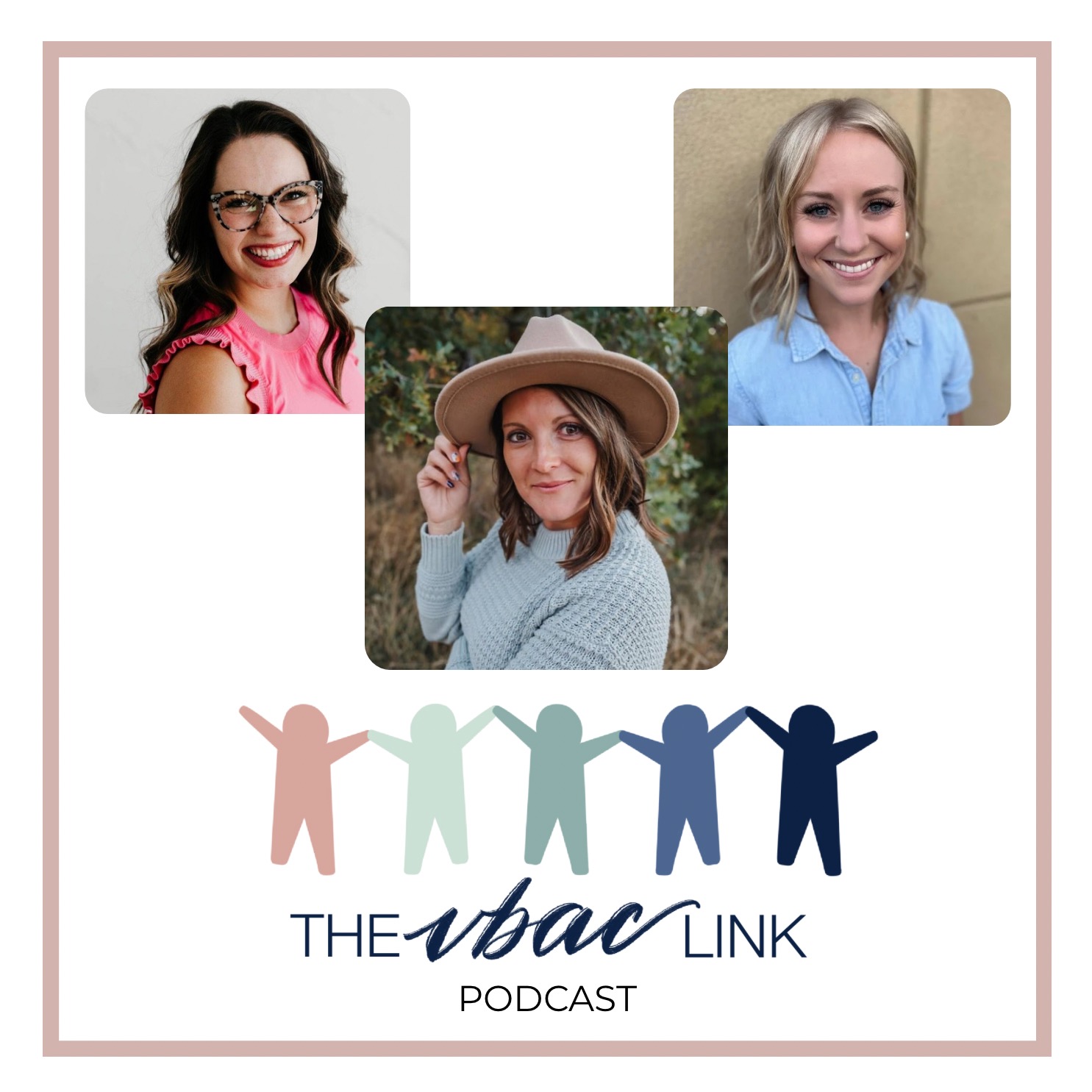
Did you know that The VBAC Link is made up of a whole team of VBAC doulas? Our Co-founder and Owner, Meagan Heaton, is joined today on the pod by TVL team members Lily (Director of Social Media & Community Engagement) and Paige (Production Admin & Community Liason) chatting all about questions we see from you in our community— topics like induction methods, providers, where to find info, prepping for VBAC, and the “why” behind everything we do! Needed Website: Code VBAC20 for 20% Off The Ultimate VBAC Prep Course for Parents Online VBAC Doula Training Support this podcast at — https://redcircle.com/the-vbac-link/donations Advertising Inquiries: https://redcircle.com/brands
Invalid Date
Episode 418 Lindsay’s VBAC + Preparing for VBAC (188 REBROADCAST)
Today we are revisiting another one of our favorite episodes! Episode 188 featured Lindsay’s amazing story of preparation and perseverance through doubt during her COVID VBAC. Lindsay’s first birth was a planned home birth which ultimately resulted in a hospital transfer and emergency C-section. She was left feeling unprepared and unheard and committed to fighting for a VBAC next time. Lindsay worked for months preparing for a VBAC both physically and emotionally. Once labor started, she was coping extremely well with her intense contractions. She arrived to the hospital at 10 centimeters, ready to have her baby! Until…her contractions completely stopped. Lindsay shares with us how she overcame ultimate doubt when pushing continued for over FOUR hours! Doubt can creep in at any time on your VBAC journey. Trust yourself and your preparation. Lean into your supportive birth team. We know you can do this! Needed Website: Code VBAC20 for 20% Off The Ultimate VBAC Prep Course for Parents Online VBAC Doula Training Support this podcast at — https://redcircle.com/the-vbac-link/donations Advertising Inquiries: https://redcircle.com/brands
Invalid Date
Episode 417 Hannah's Two VBACs + Failure to Progress + Labor & Shoulder Dystocia + Close Duration
In today’s episode, Meagan chats with our friend, Hannah, who is a mom to three little ones under the age of 4. Hannah has had two VBACs that were both unique in their own ways. Her first birth was an induction that led to an unplanned Cesarean. She was induced for the convenience of avoiding the upcoming holidays and to prevent her baby from getting too big if she chose to wait for spontaneous labor. While her Cesarean was straightforward and a positive birth, avoiding another tough recovery was the biggest reason why she wanted to have a VBAC. Hannah’s second birth included late onset gestational diabetes, PROM (premature rupture of membranes), and a VBAC with a 3rd-degree tear in every direction. With her third birth, she also had late onset gestational diabetes, spontaneous labor, a stall, a scary shoulder dystocia, and a VBAC with a 2nd-degree tear. Hannah says that even with the complications during her VBACs, she would choose those recoveries over her Cesarean recovery every time. We know the choice to VBAC is deeply personal, but an easier recovery is often a huge benefit to having a VBAC! Discussion Topics: shoulder dystocia, 18-month duration, close pregnancy duration, two VBAC stories, labor dystocia, calcium bicarbonate, TUMs, Pitocin, induction, uterine receptors, PROM (premature rupture of membranes), holidays, Cesarean recovery, perineal tears, late onset gestational diabetes, epidural, hospital VBAC, backup doula, unavailable provider, failure to progress Needed Website: Code VBAC20 for 20% Off The Ultimate VBAC Prep Course for Parents Online VBAC Doula Training Support this podcast at — https://redcircle.com/the-vbac-link/donations Advertising Inquiries: https://redcircle.com/brands
Invalid Date
Episode 416 Heather’s Induced VBAC at 39 Weeks + Hypertension + Processing Infertility
Our co-founder, Julie Francom, hosts today’s episode with Heather from Sioux Falls, South Dakota. Heather talks today about her journey with IVF for her first pregnancy and conceiving spontaneously with her second. Heather’s first birth involved infertility, ovulation inducers, IUI’s (including a chemical pregnancy), solo appointments during COVID, and a C-section due to fetal tachycardia. She conceived naturally with her second, and also talks about the power of a chiropractor and the details of her positive VBAC induction at 39 weeks at only 1cm and 10% effaced due to gestational hypertension. Heather had a Foley bulb, Pitocin, lots of movement, Fentanyl, an epidural, peanut ball, AROM, pushed for a few hours, and met her sweet baby! The Fertility Docs Uncensored Podcast Needed Website: Code VBAC20 for 20% Off The Ultimate VBAC Prep Course for Parents Online VBAC Doula Training Support this podcast at — https://redcircle.com/the-vbac-link/donations Advertising Inquiries: https://redcircle.com/brands
Invalid Date
Episode 415 Deb Flashenberg from Yoga Birth Babies + Benefits of Yoga + 360° Breathing
We are so excited to have Deb Flashenberg on the podcast today! She is the founder and director of the Prenatal Yoga Center in NYC. Along with being a prenatal yoga teacher, she is also a doula, Lamaze childbirth educator, Postpartum Corrective Exercise Specialist, Spinning Babies Parent Educator and mother of two. After a tough first birth experience, Deb became incredibly passionate about all things pelvic health. She started her own podcast, Yoga | Birth | Babies , and joins Meagan today to show us the benefits of 360-degree breathing, being comfortable with the uncomfortable, which positions to shoot for in the each stage of labor, and how to find “Goldilocks” within our pelvic floor! Breathe with Deb on YouTube Deb’s Website Needed Website: Code VBAC20 for 20% Off Coterie Diapers - Use code VBAC20 for 20% Off The Ultimate VBAC Prep Course for Parents Online VBAC Doula Training Support this podcast at — https://redcircle.com/the-vbac-link/donations Advertising Inquiries: https://redcircle.com/brands
Invalid Date
Episode 414 Nichole's 7 Births + 2VBA3C + Preterm Cesareans, Preeclampsia & Interventions
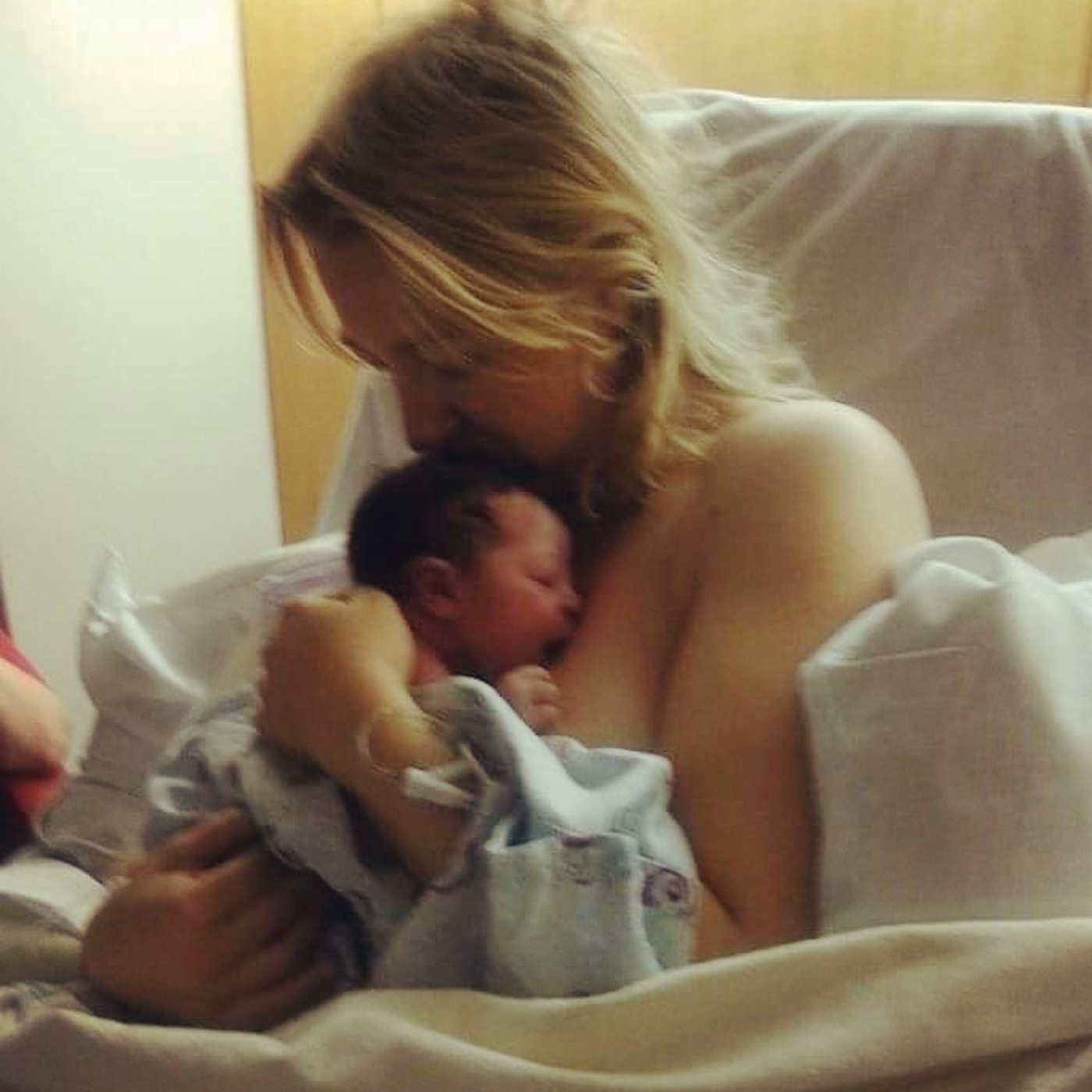
Happy Wednesday, Women of Strength! Today we are joined by our friend, Nichole, from Nevada who shares her SEVEN birth stories. Nichole has had a wild ride when it comes to birth. Every story is so different and so unique. This episode is jam-packed with things like placental abruption, NICU time, preeclampsia, a surprise HBA2C, induced VBA2C, changing providers, and two VBA3C stories. Her last birth, a 2VBA3C, sparks an important conversation about how interventions can sometimes be a necessary part of a successful VBAC. Knowing the general pros and cons of interventions is just the first step. We all then have to apply what we’ve learned to our specific situations, adapt, and do what feels best to us! Needed Website: Code VBAC20 for 20% Off Coterie Diapers - Use code VBAC20 for 20% Off The Ultimate VBAC Prep Course for Parents Online VBAC Doula Training Support this podcast at — https://redcircle.com/the-vbac-link/donations Advertising Inquiries: https://redcircle.com/brands
Invalid Date
Episode 413 What VBAC Dads Want You to Know (REBROADCASTED)
We are bringing back the VBAC dads!! In this rebroadcast, Julie and Meagan interview 5 VBAC dads who share their tips, fears, and highlights of the VBAC journey. Each dad answers these questions: - What do you wish you knew before VBAC and what are you glad you did know? - Did you have any fears for your partner and what helped you overcome them? - Did you have a doula and would you recommend one? - What advice would you give a birth partner preparing for a VBAC? Let’s hear it for all of those supportive birth partners out there bringing in the oxytocin boosts and positive affirmations! 🙌 Needed Website: Code VBAC20 for 20% Off Coterie Diapers - Use code VBAC20 for 20% Off The Ultimate VBAC Prep Course for Parents Online VBAC Doula Training Support this podcast at — https://redcircle.com/the-vbac-link/donations Advertising Inquiries: https://redcircle.com/brands
Invalid Date
Episode 412 Erika's VBAC After a Breech Cesarean + A Surprise Diagnosis of AVM (Arteriovenous Malformations)
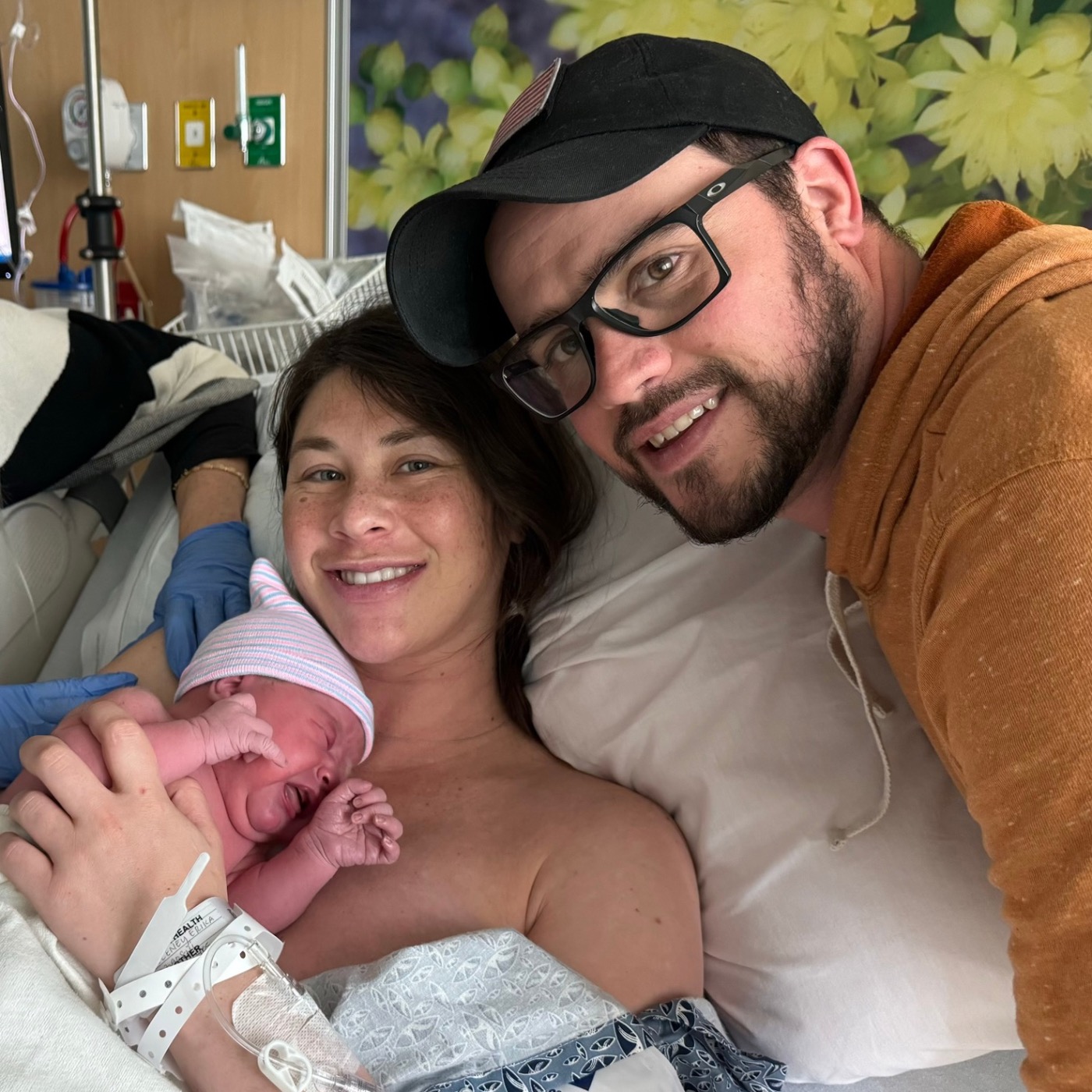
After a peaceful, scheduled Cesarean for breech presentation, Erika knew she wanted a VBAC—even before becoming pregnant again. When red flags appeared with her original provider, she switched to a supportive OB who stayed steady even when Erika had doubts. Erika prepared deeply with The VBAC Link Podcast episodes, blogs, pelvic floor PT, chiropractic care, and a skilled doula. Her healing VBAC brought immediate skin-to-skin, a dreamy uninterrupted gold hour, and ultimately helped detect a rare condition of AVM that saved her baby’s life. Needed Website: Code VBAC20 for 20% Off Coterie Diapers - Use code VBAC20 for 20% Off The Ultimate VBAC Prep Course for Parents Online VBAC Doula Training Support this podcast at — https://redcircle.com/the-vbac-link/donations Advertising Inquiries: https://redcircle.com/brands
Invalid Date
Episode 411 Felicia's CBAC + Fetal Heart Tones + When a Cesarean is REALLY Necessary
Felicia grew up with a profound trust in the power of VBAC— her mom was a midwife and had a beautiful home birth after four Cesareans! So when Felicia’s first birth ended in a Cesarean, there was no doubt in her mind that she would pursue a VBAC next time. She educated herself, built a strong support system, obsessed over all things VBAC, and went into her second pregnancy with clarity and confidence. But birth doesn’t always go according to plan. Felicia shares her journey of planning for a VBAC and ultimately having a second medically necessary Cesarean after laboring hard with grace and power. She reflects on her difficult recovery, navigating grief, reconciling expectations with reality, yet still finding peace, empowerment, and healing in her experience. Needed Website: Code VBAC20 for 20% Off Coterie Diapers - Use code VBAC20 for 20% Off How to VBAC: The Ultimate Prep Course for Parents Online VBAC Doula Training Support this podcast at — https://redcircle.com/the-vbac-link/donations Advertising Inquiries: https://redcircle.com/brands
Invalid Date
Episode 410 Christy's Quick VBAC After Traveling 1.5 Hrs + Logistics of VBAC Travel
Christy shares her whirlwind VBAC story after two vaginal births and a Cesarean. After testing GBS positive, Christy made the intentional decision to deliver at a hospital she deeply trusted, even though it was 1.5 hours from home. But when labor kicked in fast and hard, she barely made it in time. Her birth progressed so quickly that while she ultimately had the birth she hoped for, she still needed to grieve the slower, more peaceful experience she had envisioned. During her VBAC, Christy thought she wouldn’t want to be touched—yet touch grounded her. She expected to find comfort in music and calm mantras—but discovered she was more motivated by direct, no-nonsense encouragement. Her ability to adapt came from deep trust and confidence both in herself and in her carefully chosen team. Christy’s story is for anyone who needs a reminder that your birth story, even when unpredictable, can still be just what you need. Needed Website: Code VBAC20 for 20% Off Coterie Diapers - Use code VBAC20 for 20% Off How to VBAC: The Ultimate Prep Course for Parents Online VBAC Doula Training Support this podcast at — https://redcircle.com/the-vbac-link/donations Advertising Inquiries: https://redcircle.com/brands
Invalid Date
Episode 409 Anne Marie’s VBAC + Positions for Labor and Birth
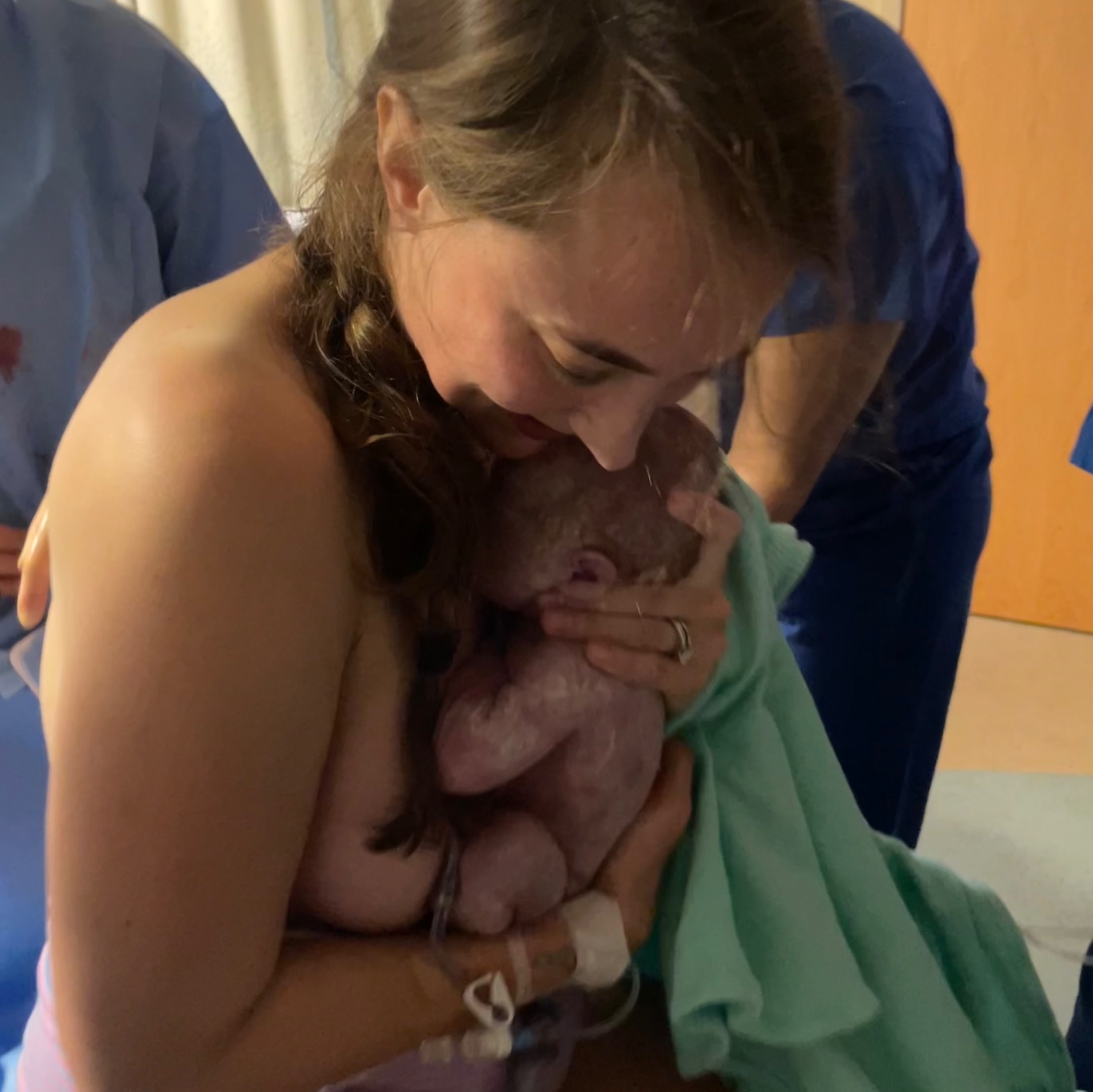
In today’s episode, Anne Marie shares her intuitive, unmedicated VBAC journey. From building a trusting relationship with her supportive OBGYN to finding peace with all possible birth outcomes, her story is a powerful reminder of the strength that comes from informed decision-making and listening to our bodies!. Anne Marie takes us through her experience of moving freely during labor, naturally finding positions that worked for her, and ultimately pushing with her knees in—a position her body instinctively chose. She talks about how she worked through fears from her previous birth and how her provider honored her autonomy every step of the way. Needed Website: Code VBAC20 for 20% Off Coterie Diapers - Use code VBAC20 for 20% Off How to VBAC: The Ultimate Prep Course for Parents Online VBAC Doula Training Support this podcast at — https://redcircle.com/the-vbac-link/donations Advertising Inquiries: https://redcircle.com/brands
Invalid Date
Episode 408 Vanessa's HBAC + Preparing for a Different Experience + Stats on Home Birth
Vanessa was born and raised in Brazil, a country with sky-high cesarean rates. Moving to the US inspired her to pursue her doula career, even before she became pregnant herself. Vanessa’s own birth experiences were very different. Her first birth was a Cesarean after a birth center transfer. While it was medically necessary, it was very unexpected and traumatic. After a lot of processing and birth trauma therapy, she was ready to give birth again. Vanessa pursued a home birth for her second birth that was wonderfully straightforward and beautiful, surrounded by the people she loved most! She now lives just outside of Boston with her husband, two daughters and her mother. Her passion is to support other immigrant women in her community navigate the US healthcare system, and to know they have options when it comes to childbirth, especially when it comes to VBAC. Vanessa’s Website Vanessa’s Instagram Vanessa’s Facebook Needed Website: Code VBAC20 for 20% Off Coterie Diapers - Use code VBAC20 for 20% Off How to VBAC: The Ultimate Prep Course for Parents Online VBAC Doula Training Support this podcast at — https://redcircle.com/the-vbac-link/donations Advertising Inquiries: https://redcircle.com/brands
Invalid Date
Episode 407 Nicole from Subtle Healing Bliss + Easy At-Home Pregnancy Techniques with Profound Effects
We are so excited to have Nicole Vandermeyen with Subtle Healing Health on the podcast today! Nicole shares how her history of childhood leukemia and awful first pregnancy and birth experience solidified her commitment to holistic health. Through subtle changes in nutrition and influence healing, her overall health improved drastically, and she now helps other women do the same! As a holistic health practitioner and a mother, Nicole specializes in working with clients who are working on building stronger family bonds and emotional resilience. She even shares some specifics techniques you can try that can make a huge difference! Nicole’s YouTube Channel Needed Website: Code VBAC20 for 20% Off Coterie Diapers - Use code VBAC20 for 20% Off How to VBAC: The Ultimate Prep Course for Parents Support this podcast at — https://redcircle.com/the-vbac-link/donations Advertising Inquiries: https://redcircle.com/brands
Invalid Date
Episode 406 Julie Sawaya (Co-Founder of Needed) + Prenatal Vitamins, Depletion of Nutrients & Fertility
We are so happy to have Julie Sawaya back with us on The VBAC Link Podcast today! Julie is the co-founder of Needed, a mama, and a lifelong nutrition nerd. As the most nutritionally aware of their friends, Julie and her co-founder Ryan were shocked to realize through nutrient testing that they were severely deficient in key nutrients needed for a healthy pregnancy. They dug into the research and realized they were not alone. 97% of women take a prenatal, and yet 95% have nutrient deficiencies. Most prenatal vitamins just weren't cutting it. So Julie and Ryan started Needed to create a new, higher standard for perinatal health. Together they've redesigned the products, education, and experiences women need. From their prenatals to their cognitive support to their collagen protein, our team personally uses and loves Needed products. We love Julie’s heart for educating women in an empowering way— exactly what we stand for here at TVL! Needed Research Info Needed Website: Code VBAC20 for 20% Off Coterie Diapers - Use code VBAC20 for 20% Off How to VBAC: The Ultimate Prep Course for Parents Support this podcast at — https://redcircle.com/the-vbac-link/donations Advertising Inquiries: https://redcircle.com/brands
Invalid Date
Episode 405 Nicole’s Induced VBAC During a Hurricane + Giving Yourself Grace When Plans Change
Like the literal hurricane she labored through, Nicole’s story is one of overcoming life’s storms, giving grace, and finding joy. Nicole’s first birth was a C-section to best protect her daughter who had a low heart rate due to multiple congenital heart defects. But unfortunately after three precious years, her daughter passed. Nicole worked hard to find healing from so much layered emotional and medical trauma. When she was ready to have another baby, she knew she wanted a VBAC. Nicole researched heavily, formed a trusting partnership with her provider, and was very intentional about every decision along the way. Her second birth experience was a true testament to the powerful lessons birth teaches in all of its intimate ways. Nicole’s second sweet daughter made her way into the world via VBAC at 12:21 am just minutes after her first daughter’s birthday— a powerful symbol that Nicole knew signified a new day and a beautiful new chapter. Coterie Diapers - Use code VBAC20 for 20% Off Needed Website: Code VBAC20 for 20% Off How to VBAC: The Ultimate Prep Course for Parents Support this podcast at — https://redcircle.com/the-vbac-link/donations Advertising Inquiries: https://redcircle.com/brands
Invalid Date
Episode 404 Lauren’s Unmedicated VBAC in an Ambulance + Preparing for VBAC
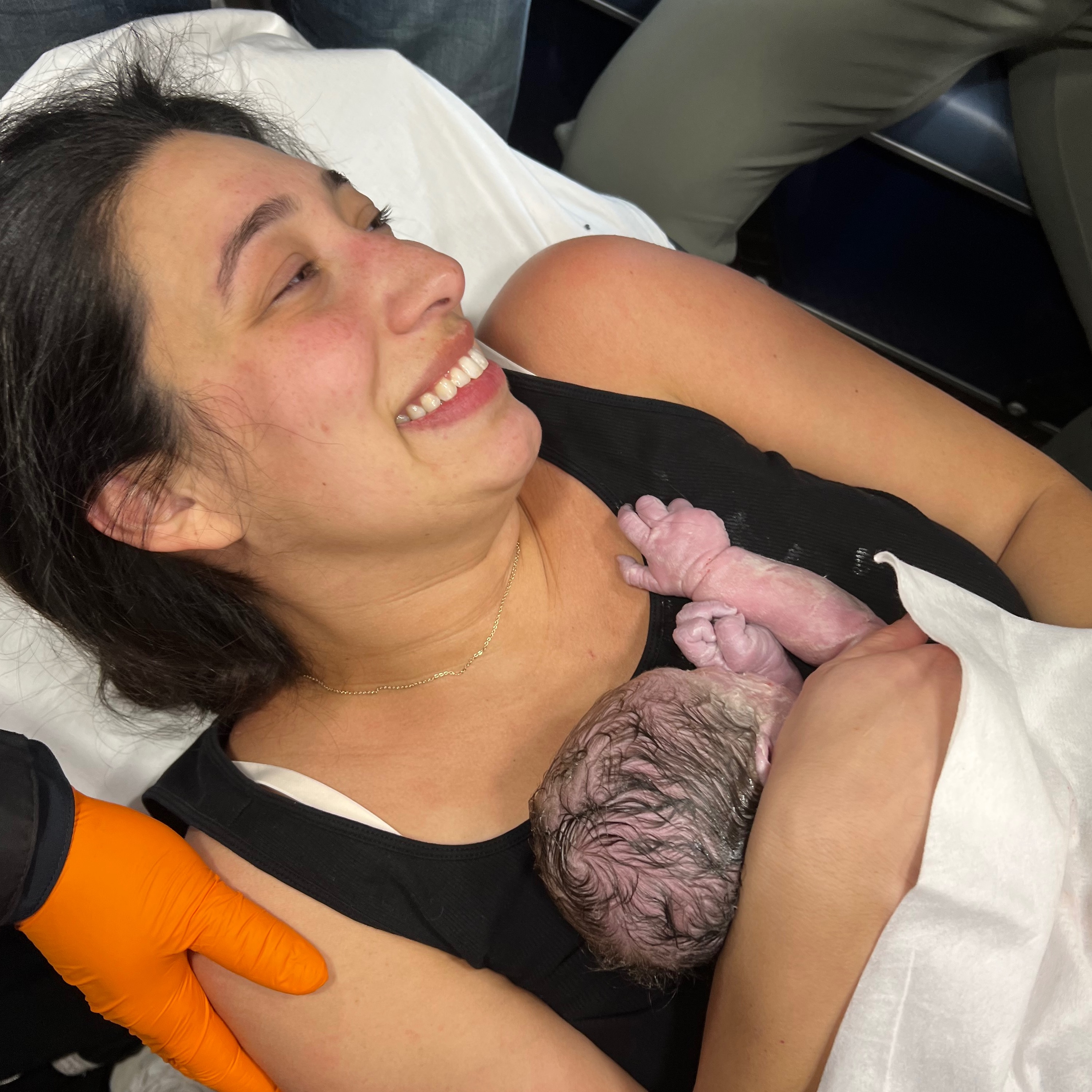
Lauren joins us today from New Jersey sharing her wild ride (literally!) to a VBAC! Lauren’s first birth was a spontaneous labor ending in a crash Cesarean under general anesthesia at 39 weeks due to fetal distress. Though she was complete and tried pushing, baby was still high and showing that he needed to be born right away. She prepared diligently for a VBAC by listening to multiple VBAC Link Podcast episodes a day and included her faith every step of the way. Her second birth was a precipitous VBAC at 36 weeks after falling days earlier— ending in an unmedicated VBAC in an ambulance! It was not what she expected, yet everything she wanted. Needed Website: Code VBAC20 for 20% Off Coterie Diapers - Use code VBAC20 for 20% Off How to VBAC: The Ultimate Prep Course for Parents Support this podcast at — https://redcircle.com/the-vbac-link/donations Advertising Inquiries: https://redcircle.com/brands
Invalid Date
Episode 403 Chelsea’s HBAC + The Impact of Birth Choices on Self-Identity and Empowerment
”This VBAC has changed who I am as a woman.” Proactive preparation matters in birth!! While we don’t want to obsess about it in an unhealthy way, prep work can make a huge difference in your birth experience. Chelsea is an amazing example of how that prep pays off. After a very long, exhausting 40+hr labor and Cesarean birth, Chelsea knew she needed a different experience the next time around. Chelsea took charge of what she could during her second pregnancy. She did deep internal work, vigorously prepped her mind and body, educated herself, and invested in an empowering birth team. Her intuition led Chelsea to birth at home, and it was a completely different experience from her first in so many powerful ways! Chelsea’s Podcast: Growing Up Raising Us Needed Website: Code VBAC20 for 20% Off Coterie Diapers - Use code VBAC20 for 20% Off How to VBAC: The Ultimate Prep Course for Parents Support this podcast at — https://redcircle.com/the-vbac-link/donations Advertising Inquiries: https://redcircle.com/brands
Invalid Date
Episode 402 Andrea’s Healing VBAC + EMDR + Finding a Supportive Provider
Andrea joins us in the podcast today from Kansas City! She is a mom of two and a pediatric oncology nurse. Andrea shares how her experience as a nurse impacted both of her very different births. After her traumatic Cesarean, Andrea knew how critically important it would be to find healing inside and out before giving birth again. Andrea sought EMDR therapy from a therapist who specialized in birth trauma. She describes her experience with EMDR, including specifics about the process itself and the exhaustion that came with it. She says that even though healing is HARD work, it made all of the difference during her second birth. Coterie Diapers - Use code VBAC20 for 20% Off Needed Website: Code VBAC20 for 20% Off How to VBAC: The Ultimate Prep Course for Parents Support this podcast at — https://redcircle.com/the-vbac-link/donations Advertising Inquiries: https://redcircle.com/brands
Invalid Date
Episode 401 Trish Ware From The Birth Experience (Labor Nurse Mama) + L&D Nurse Stories
Trish Ware is the Labor Nurse Mama! As a high-risk labor and delivery nurse for 16 years and mom of 7, she has helped deliver thousands of babies and seen it all. Trish founded The Birth Experience to help empower women through birth education. Her true passion lies in teaching families how to make informed choices. You will NOT want to miss this bold episode. Trish and Meagan do not hold back as they share the things they have seen in the birth space, what they wish birthing women/partners knew, and how to avoid common pitfalls to achieve the most empowering birth experience and outcome possible. Labor Nurse Mama Website Needed Prenatal Vitamins: Code VBAC20 for 20% Off How to VBAC: The Ultimate Prep Course for Parents Support this podcast at — https://redcircle.com/the-vbac-link/donations Advertising Inquiries: https://redcircle.com/brands
Invalid Date
Episode 400 Reflecting of 400 Episodes of The VBAC Link Podcast.-
We are celebrating a HUGE milestone over here: 400 episodes of The VBAC Link Podcast! Beginning as a phonecall in Target from Julie Francom to Meagan Heaton in 2018, The VBAC Link Podcast now has over 1.3 million episode downloads, guests from all over the world, a management and production team, parent and doula education courses, a thriving social media platform, and a legacy of stories from YOU that have allowed VBAC to be accessible more than ever before. Your stories have provided the inspiration and education to show women just how many options there are when giving birth after a Cesarean. Whether it is VBAC, HBAC, CBAC, VBAMC, RCS, MAC, or anything in between, it has been a privilege to connect with you and learn from you. We love you, Women of Strength! Coterie Diapers: Use Code VBAC20 for 20% Off Needed Website: Code VBAC20 for 20% Off How to VBAC: The Ultimate Prep Course for Parents Support this podcast at — https://redcircle.com/the-vbac-link/donations Advertising Inquiries: https://redcircle.com/brands

Invalid Date
Episode 399 Katelyn's VBA2C After a Forceps Attempt Ending in a Cesarean
Katelyn is a mother of three beautiful daughters with three entirely different birth stories. Her first birth was a Cesarean after three forceps attempts, her second was a scheduled repeat Cesarean, and her third was a long, tough labor ending in a successful VBA2C! Katelyn talks about making sacrifices to switch providers, spirituality, prodromal labor, nuchal hands, and how to navigate a home birth transfer to the hospital. Though many parts of her VBA2C didn’t go as she planned, Katelyn was able to listen to her intuition, pivot, and make wise decisions to have a beautifully healing experience. The VBAC Link Blog: VBA2C Facts and Statistics Uterine Rupture Article Needed Website: Code VBAC20 for 20% Off How to VBAC: The Ultimate Prep Course for Parents Full Transcript under Episode Details Support this podcast at — https://redcircle.com/the-vbac-link/donations Advertising Inquiries: https://redcircle.com/brands
Invalid Date
Episode 398 Rameika’s Unmedicated VBAC + Should You Hire a Doula?
“The wound can become a gift.” After a traumatic and long birth that ended in a C-section, Ramieka did extensive research on providers in the central California area to find the most supportive option, and was willing to travel for that support. She utilized pelvic floor therapy, chiropractic, and a VBAC Link Certified doula to achieve a redemptive, unmedicated VBAC. Julie and Rameika talk about what doulas can contribute to the birth space. When Rameika had a stall in her labor, her doula knew just what to do. After a series of abdominal lifts, it was time to push, and her beautiful baby girl was born. The VBAC Link Blog: Evidence on Doulas TVL Blog: Mental Preparation for VBAC TVL Blog: Questions to Ask Your Provider Coterie Diapers - Use code VBAC20 for 20% off How to VBAC: The Ultimate Prep Course for Parents Support this podcast at — https://redcircle.com/the-vbac-link/donations Advertising Inquiries: https://redcircle.com/brands
Invalid Date
Episode 397 Dr. Jen's VBAC After Failure to Progress + Pelvic Floor Breathing & Pushing
Dr. Jen Fraboni, PT, DPT, is an internationally-renowned physical therapist who specializes in helping people overcome chronic pain and maximize physical performance. As the founder of the new platform and app, “Jen.Health,” she brings a unique, whole body approach to strength, mobility and pain-free living. Dr. Jen is the co-host with her husband, who is also a Doctor of Physical Therapy, to a popular podcast called "The Optimal Body Podcast.” They live in Southern California with their two beautiful boys. She shares her own VBAC story with a failure to progress diagnosis with her 7-pound first baby, and an unmedicated VBAC with her 9-pound second baby! Though she had some postpartum complications, Dr. Jen says that her VBAC was absolutely worth it and so empowering. Dr. Jen also teaches us all about the pelvic floor and how pelvic floor PT can help a smoother and more effective pushing phase! Dr. Jen's Website Needed Website: Code VBAC20 for 20% Off How to VBAC: The Ultimate Prep Course for Parents Support this podcast at — https://redcircle.com/the-vbac-link/donations Advertising Inquiries: https://redcircle.com/brands
Invalid Date
Episode 396 Darby From Birth By Design + Birth Language + Postpartum Prep + Beyond Birth
Darby Swan is a faith-based birth doula and the owner of Boundless Grace Birth Services in Central Kentucky. With a passion for supporting expectant families, she provides evidence-based information and nurturing care throughout the pregnancy and birth journey. As the host of the podcast "Birth By Design," Darby shares valuable insights and experiences, inspiring parents to embrace their unique birth stories. She is also an author, writing a postpartum book that emphasizes physical recovery from a faith-based perspective. In addition to her work, Darby enjoys homesteading with her husband and raising their two children. In today’s episode, Meagan and Darby discuss the lack of birthing support in Kentucky, specifically when it comes to VBAC. They talk about the power of words in the birth space and the impact of saying things like ‘“try”, “failure to progress”, “allow”, and elect”. Words matter! Support this podcast at — https://redcircle.com/the-vbac-link/donations Advertising Inquiries: https://redcircle.com/brands

Invalid Date
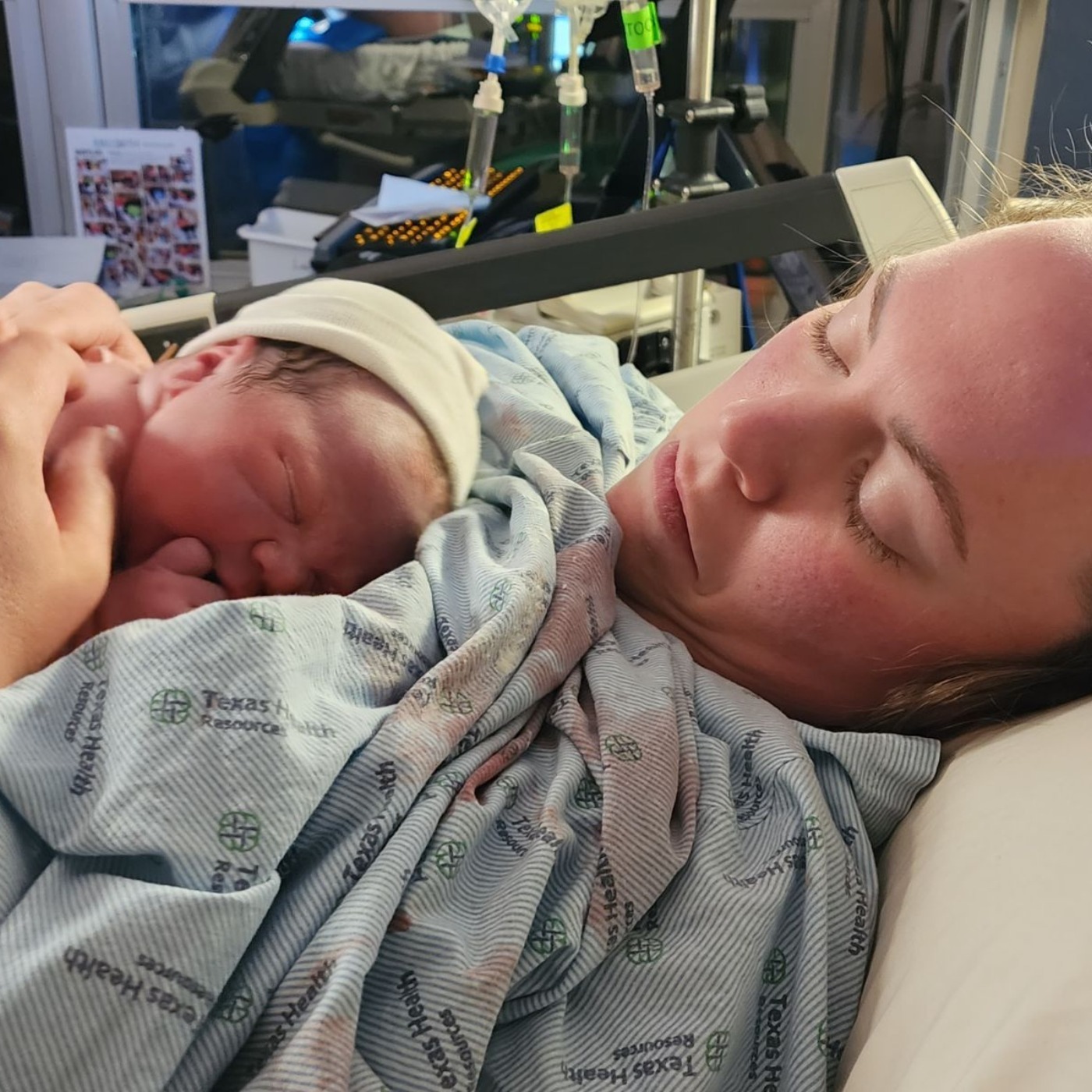
Episode 395 Shannon's Induced VBAC With Preeclampsia & Ehlers-Danlos Syndrome + Big Baby + Failure to Progress
From a very unexpected pregnancy to navigating a challenging first birth experience, Shannon joins us today to share the steps she took to achieve a successful VBAC. Shannon describes pregnancy with Ehlers–Danlos Syndrome and insufficient glandular tissue (IGT). She was able to seek support and get the proper progesterone supplementation with her second pregnancy to help with her breastfeeding goals. Though she hadn’t had a prior history of high blood pressure, Shannon was medically induced at 38 weeks for high readings. With the help of her incredible doula and a patient team, Shannon was able to make wise decisions around her induction plan. Her labor was over 48 hours, but she pushed for just 30 minutes! Even with some tearing and postpartum hemorrhaging after birth, Shannon has been thrilled with her VBAC outcome and postpartum recovery this time around. How to VBAC: The Ultimate Prep Course for Parents The VBAC Link Doula Directory Support this podcast at — https://redcircle.com/the-vbac-link/donations Advertising Inquiries: https://redcircle.com/brands
Invalid Date
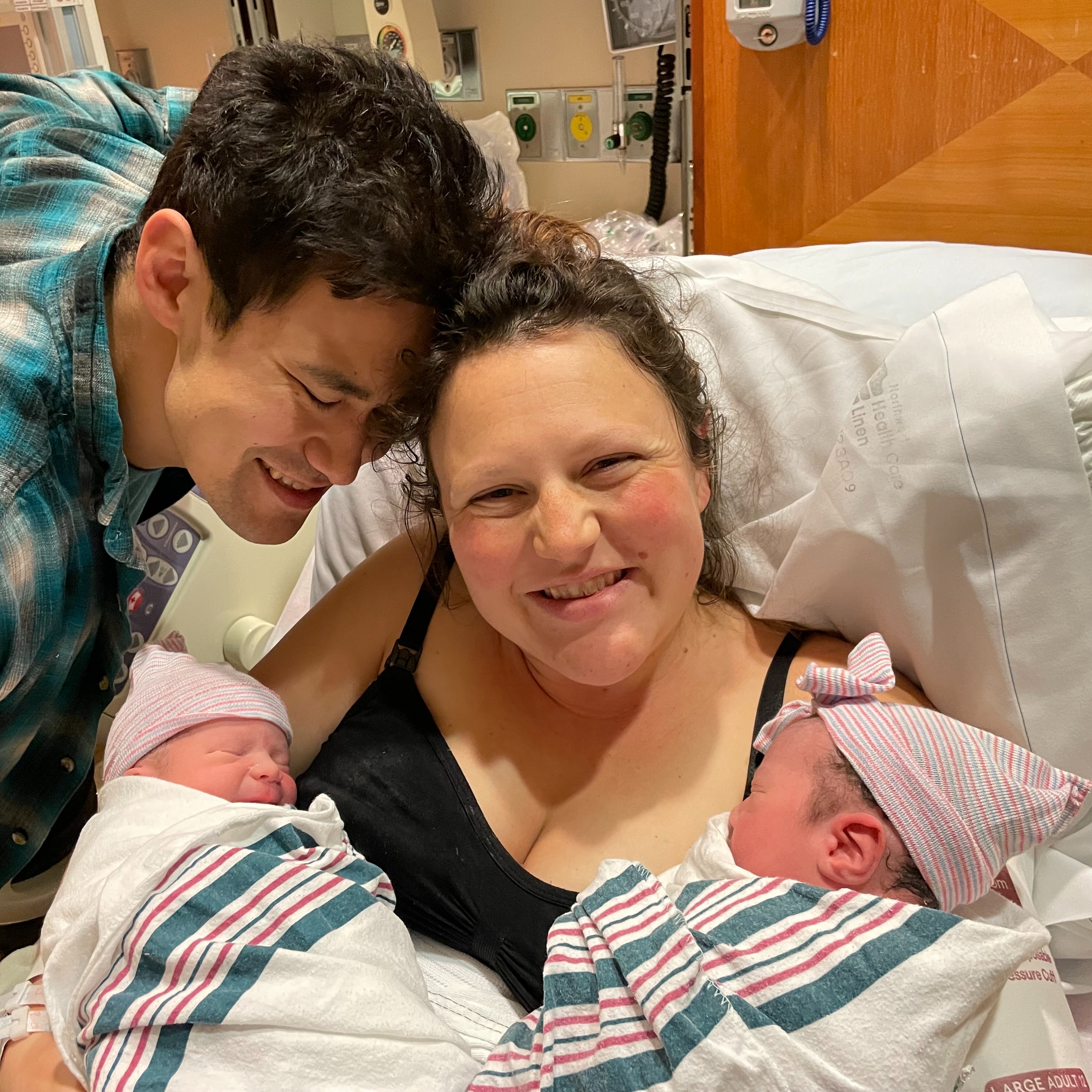
Episode 394 Zoei Returns + Close Duration + Pitocin-Induced Twin VBAC
In this episode, Meagan welcomes Zoei back to share her inspiring VBAC story with twins! Zoei’s first birth was a Cesarean followed by a VBAC with a singleton pregnancy. Her first two birth experiences gave her the confidence to advocate for her VBAC with twins. Her four babies were all born within four years. Zoei talks about how she was able to carry her twins longer than most, the added anxieties from more ultrasounds, advocating for a low and slow induction, and what it was like to push in the OR. Meagan and Zoei discuss misconceptions surrounding vaginal twin births, the lack of evidence-based information, and the importance of finding supportive healthcare providers. Episode 205 Zoei's First VBAC Link Episode Cleveland Clinic Article: Twin Pregnancy The VBAC Link Blog: VBAC With Twins Needed Website: Code VBAC20 for 20% Off How to VBAC: The Ultimate Prep Course for Parents Full Transcript under Episode Details Closing Would you like to be a guest on the podcast? Tell us about your experience at thevbaclink.com/share. For more information on all things VBAC including online and in-person VBAC classes, The VBAC Link blog, and Meagan’s bio, head over to thevbaclink.com . Congratulations on starting your journey of learning and discovery with The VBAC Link. Support this podcast at — https://redcircle.com/the-vbac-link/donations Advertising Inquiries: https://redcircle.com/brands
Invalid Date
Episode 393 Jill's VBAC With Twins + The Facts About Twin VBAC
We are celebrating the week of TWINS by revisiting Jill’s beautiful twin VBAC story from 2019. This episode is packed with valuable statistics about VBAC and twin pregnancies. Jill’s first birth was a C-section due to failure to progress. Her second was a hospital VBAC at 39+5 over the course of 4 days with a very patient and supportive provider. When she found out she was pregnant with twins, Jill knew she wanted to stay with her same provider. Though she was encouraged to be induced, Jill advocated for spontaneous labor and had a smooth, uncomplicated twin vaginal delivery! The VBAC Link Blog: VBAC With Twins Risk of Uterine Rupture Article Coterie Diapers - Use code VBAC20 for 20% off How to VBAC: The Ultimate Prep Course for Parents Support this podcast at — https://redcircle.com/the-vbac-link/donations Advertising Inquiries: https://redcircle.com/brands
Invalid Date
Episode 392 Sophia's VBAC + VBAC Prep + What You Need to Know
In this episode, Julie welcomes Sophia from Mexico City, who shares her mental, physical, and spiritual journey towards achieving her VBAC. Sophia discusses the challenges she faced in navigating the healthcare system in Mexico, and what she did to find a truly VBAC-supportive provider. While preparing for her VBAC, Sophia had a hard time finding well-documented VBAC stories from Mexico, so she hopes to inspire other women through her story. Sophia and Julie talk about the role of a mother’s intuition in the birth space. Making confident decisions when you feel safe and supported is so powerful! Coterie Diapers - Use code VBAC20 for 20% off How to VBAC: The Ultimate Prep Course for Parents Full Transcript under Episode Details Julie: Good morning, Women of Strength. It is Julie Francom here with you today, and I am super excited to talk with our guest today, Sophia. She is from Mexico City, Mexico, and her VBAC story takes place there as well. I absolutely love hearing birth stories from all over the world, so I cannot wait to hear Sophia's story. But before we get started with that, I do have a really short and sweet Review of the Week. This one is from Google. It's a Google review and she says simply, "Great people sharing great information. They make me feel less alone in my journey to a VBAC". I'm so grateful for that review. I think that that is one of the most important reasons why Meagan and I wanted to start The VBAC Link is because our own journeys felt very lonely at times even though we were connected to the birth world and we had a strong birth community, there are certain parts of wanting a vaginal birth after having a C-section that are just very, very lonely. We are grateful for that review. We hope that whoever is listening now also feels a little less alone in this journey because we absolutely love you, and we are so grateful that you are here with us. All right, let's get going. I have Sophia here today. Like I said, Sophia's from Mexico City, Mexico. I'm just going to sit down and be quiet and listen because I have heard lots of really interesting and crazy and cool things about Mexico City, so I'm excited to hear her birth experience there. Sophia is the mother of Luca and Rio. I just said that. I'm just reading her bio right now. She says, "I'm a Mexican and live in Mexico City." Perfect. She is a passionate advocate for women's rights and strongly believes in the magic that results from women building together, connecting, and supporting each other. Her motherhood journey has been very humbling and healing, and she is obsessed with talking about birth. Me too, girl. I am obsessed with talking about birth as well, so I'm excited to hear your story. I'm just going to go ahead and let you take it away, and we're going to talk. I'm sorry. I said I'm going to let you take it away, but really, I'm going to keep talking for just a second. I loved reading through your story, sharing about your birth team and prodromal labor and the different things that you did to keep labor going and moving along. I am really excited to talk at the end after we hear your story about some different things that you can do to prepare for a VBAC, both mentally, physically and all of the ways. So now for real, I'm going to let you go ahead and share your story with us. Thank you. Sophia: Well, thank you so much for having me. It's truly a dream come true to be here in the podcast. I'm just really honored to tell my story because, when I was starting to prepare for my VBAC, I found it really hard to find well-documented VBAC stories coming from Mexico and in general, from the global South. So I just hope my story helps other women living in similar contexts. So I guess I'll start with the story of my unplanned C-section. So half a year after my husband and I got married, we were ready to have kids. We met on Tinder. We dated for three years, and both of us really had had the opportunity to travel the world and do amazing things. We felt like we had a good pre-kids life, and we were just ready to start a family. I was 34 at the time, and I always wanted to try to get pregnant before I became 35. I got pregnant really fast actually, like the first try. So we were so shocked and excited and surprised. At the time, we were both working remotely in Europe. We were slowly making our way to Australia because my husband is from Australia. This was 2021 and as some of you might remember, Australia was under super restrictive lockdown. No one could come in. No one could get out, so we had not seen his family for three years, and we were just waiting for the ban to lift to be able to go in and spend some time with them. This is an important part of the story because while I was in Europe, especially in Belgium and in Australia, my pregnancy was taken care of by midwives. Especially in Australia, it's really normal that all healthy pregnancies are attended by midwives, and only those special cases or complicated ones are taken by gynecologists. So my pregnancy was a really healthy, enjoyable one. I am one of those women that really loved being pregnant. I was very lucky with both of my pregnancies. But this experience was so influential because in Mexico, although we have this wonderful history with midwives in Spanish called parteras, and that's actually where the use of Rebozo comes from, this practice continues mostly in rural and particularly in indigenous communities. But in the cities, there is a really concerning high rate of unnecessary Cesareans. There's this narrative that C-sections are the easy way out. I would even dare to say, in the 80s, it became sort of a socioeconomic status thing. Women who have access to private healthcare would just opt for a C-section either because their doctor recommended it to do so or because they just thought it was the easy way out. People would say, "Why would you put yourself under unnecessary pain if you can just go get a C-section?" Like it was nothing, right? So actually, most of the women that I know had a C-section, but having the experience with midwives, I decided I really, really wanted to try to have a natural birth. So I started getting informed. I actually work in philanthropy. I work on social justice issues, so I'm very well connected to feminist and women organizations, especially in Mexico City. I remember that there were all of these colleagues working to defend obstetric rights in Mexico City. I knew that they had a really good network of doulas. It was through them that I connected remotely with my doula, Neri Fernandez, who is amazing. We spoke on Zoom, and we clicked right away. She started preparing me for my return to Mexico. The plan was always to come back to Mexico during the third trimester so I could have my baby here. She started preparing me with the reality that it is to have a natural birth in Mexico City. She told me, "Honestly, there are very few truly labor-friendly hospitals and also very few labor-friendly gynecologists. A lot of them are going tell you that of course they're gonna support you in a natural labor, but around week 37 or so, they're gonna suggest going on a C-section by week 39." So, she gave me this list of questions to ask my gynecologist, the one that I had been seeing for the past five years. So she told me, "Once you get back and you go to your appointment, just use these questions for your conversation with him." At the time, I was very naive, so I was like, oh, I'm sure he's going to support me. I'm not worried about that. Anyway, I came back to Mexico, I went to my appointment, and honestly, in the first five minutes, I noticed that he wanted me to have a C-section for no reason. So I was like, oh, my god. Okay. So I told her, "Neri, I really need to contact another service provider." She gave me a list of labor-friendly doctors. And she told me, "There's this doctor whose name is Adriana. She is a gynecologist. But the way that she works is very similar to a midwife, the way that she treats her patients and the way that she respects the woman's body and everything. I think you're really gonna like her, but you should know that she can be a little bit tough. She's a hardcore feminist, and she truly believes in women's capacity to give birth, so she's not going to pamper you." Anyway, I went in. I met her. I loved her right away. She took me, which I was so appreciative, at the time, taking my case because I was already in my third trimester, and things continued to evolve smoothly. I mention this because since I got pregnant really easy, since everything was going smoothly, that's what I thought it was going to be in the case of my birth. I just thought that things were just going to develop like that. Julie: Oh my gosh. Can I just say that I thought the same with my first? I had the easiest pregnancy. I loved being pregnant, just like you, and then all of a sudden, wham-- preeclampsia, induction, C-section, and I was like, what happened? Yeah, anyway, sorry. I just had to add that in. Sophia: I think it happens to a lot of women. Julie: Yes. Sophia: So anyway, week 40 arrived, and there was no sign whatsoever of labor. And one mistake I made is that I told everyone about my due date. I'm an open book. So I told everyone just out of excitement. But then once the due date passed, people started reaching out, like, "Hey, how are you doing? Is baby here yet? Is everything all right?" That really threw me into a bad mental state. I started to get really scared and doubtful. I was just not mentally well at that time. I was just full of fear. I didn't accept it at the time. I was telling everyone that I was fine, but internally, yes, I was in that state. And now also thinking back, I think I prepared myself a lot physically. I have been practicing yoga for 10 years. I was doing a lot of prenatal yoga, etc., but I don't think I prepared myself mentally enough. Anyway, after week 41, Adriana, my doctor said, "I think we have to start discussing the possibility of an induction. Maybe by week 41.3 we can do a very gentle induction unless something else happens." I think two days after we spoke, I lost my mucus plug, so that was exciting, but then nothing was happening. Then we were almost at week 41.5, and she said, "I think at 41.5, I should induce you." But the night before the induction, I woke up in the middle of the night with a very intense feeling. I went into my living room. I sat on my birthing ball, and my water broke like a big gush like the movies. They tell you that's never gonna happen, but that happened to me. Contractions didn't start. But at that time, I didn't realize what this meant. I didn't know that this meant I was actually going to be on a clock after my waters broke. So I was actually very excited. I thought, okay, by tomorrow, I'm going to have my baby. This is amazing. I told my doctor. I told my doula, and they said, "Okay, well, no matter what, just come here to the birthing center." At the time, my doctor had a birth center, and the plan was always to labor there and then go to the hospital when I was closer to giving birth, because I just feel safer that way. And that was the plan with my insurance, etc. So I went the next morning to check me, and I was only at 3 centimeters. So she told me, "I'm going to recommend that you just go back home. Rest. Eat your favorite food. Try not to think about this too much, and when things escalate, just let me know." The problem then is that nothing escalated for a whole day when I went to sleep. And that night, I didn't sleep out of excitement mostly, but I was already feeling some contractions. I mean, I thought they were intense, but little did I know that they were not the most intense part. And then the second night, I also didn't sleep because now I did start getting contractions, a bit stronger ones. So the next morning, I went back into her practice. She checked me, and I was about a 5. And she said, "Things are progressing, but they're progressing quite slowly, so I'm going to give you a tiny dose of Pitocin just to make sure that things keep progressing." I stayed there in the birth center, and I was with my husband, and I was with my doula. And honestly, I remember that day very fondly. My husband and I danced. We used the shower. We used the Rebozo. We just the ball, the peanut ball and everything, but things were not progressing. It was 7:00 PM, and I was only at 7 centimeters, and we were already reaching 40+ hours. And as you know, once your water breaks, I mean, at least in Mexico, they recommend that you have your baby within 48 hours because otherwise you start risking infections. So I told my doctor, "I just want to go to the hospital. I need a change of scenery, and it's just gonna make me feel better." So we went to the hospital. The hospital did have this birth pool. I went into the water and just things stalled. I didn't progress after that. This whole time, they were checking my baby's heart rate, and it started raising a lot, like, scary a lot. It wouldn't regulate. Fear just took over my body, I think. She looked at me and she said, "Sophie, I think I'm going recommend that we go for a C-section." I looked at my doula, and my doula just nodded. I was so tired and so ready to meet my baby that I said, "Okay, yeah, let's go for a C-section." Once I decided that, it was the longest 40 minutes of my life because I thought, "Oh, well, I'm going to get under anesthesia now." But the anesthesiologist took an hour to get there, so I was in a lot of pain. Then we went into the OR, and to be fair, my gynecologist did everything possible to have a gentle Cesarean. We had dim lights. We had my playlist on. The whole focus was on me. Both my doula and my husband were with me. They were holding my hands. But the one thing that makes me sad about that is that I couldn't stay awake. I was so exhausted, so I was just asleep the whole time. I only woke up when I heard my son, Luca, crying. So exactly on week 42, he was born. I just remember someone in the OR yelling, "It's a huge boy." So he weighed 8 pounds, which is not massive, but for Mexican standards, he's really big. And Luca is a Taurus baby. He's determined, he's stubborn, and you cannot pressure him to do anything. He always does everything at his own pace, and this was just the first evidence of that. So anyway, luckily, he was okay. It was a rough recovery because I was just really not prepared for a C-section. It was challenging to get breastfeeding. He had difficulties to latch. It just took me a while to heal what had happened. But the one thing I do remember a lot is that when I was in my room, the doctor and my doula both came in and they said, "Sophie, we just want you to know that you and your baby are amazing. You did everything right. You just had so many things against you. But if you ever want to get pregnant again and go for natural birth, you can do it." That really stayed with me the whole time. So 18 months after Luca was born, my husband and I decided to get pregnant again. Again, we got pregnant the first try. I mention this not to brag about my fertility or anything like that. I know it's a sensitive topic, but for me, it was important because it was the first step to recover my confidence in my body and believe that I could really do this because once I started getting informed about VBAC, I realized that the healing I had to do was more internal. I really had to believe that I could do it. So I decided to stay with the same service providers, with the same doctor and the same doula, because they knew, they really knew my story. Well. And I called my doula, Neri, and I was like, "Hey, Neri, why are you doing this summer? Do you wanna have a baby with me?" And she was like, "Of course." Both my doctor and my doula recommended that I joined maybe like an online community of VBAC women. I had no idea what VBAC was. So then I found The VBAC Link website, the Facebook group. I took the VBAC class for parents. I found it so helpful. And for me, the fact that it was full of hardcore data, it was just so, so important. So in terms of physical prep, I tried to remain active, but I wasn't honestly doing as much yoga as before because I had a toddler. I was working full-time. I was running after my 2-year-old, and I really loved that my doula told me, "Don't get too stressed about working out. Just play with your kid. Play with your kid on the floor. That's going to be enough activity for you." I also really love that this time around, my gynecologist was not even telling me how much I weighed. I really loved that approach. It was just a really, really joyful pregnancy. Again, it was a healthy pregnancy. I did go to the chiropractor this time, which I didn't do last time. I also went to acupuncture sessions, and I did that the last time. I went with the same acupuncturist because I also thought it was good that she knew what happened before. I also took raspberry leaf tea and dates after week 36. So I did all of that physical prep. But what was different this time, I think it was my mental preparation. So as I said, I really, really tried to focus on healing internally, believing in my body, and believing in myself. So with my doula and also using the some of the guiding questions and stuff from the VBAC class, we started mapping out my fears. So she was like, "What are you afraid of?" And I said, "Honestly, I think what I'm most afraid of is that my waters break again before I start labor." So I remember asking in the VBAC Facebook group, "Hey, does anyone know anything about preventing PROM?" Someone suggested taking vitamin C. So I started doing it. And, this time, I felt so much more connected with my body, with my baby, with my intuition. At week 26, my baby was breech. And I remember asking again in the Facebook group, like, "What would you girls do?" And people told me, "You can do Spinning Babies. You still have enough time for baby to get in position, but it's always easier to move a baby when they're still small." So I did Spinning Babies, and my baby turned. So that was amazing. The other thing that is I consider being part of the mental prep is that I was also in a very different space, spiritually speaking. I am honestly not a religious person. I'm not the most spiritual person in the world, but this time I paid attention to a lot of signs. There was this one occasion that I was in my office, we were moving my office, we were moving to another place. And someone hired a shaman. Like a shaman, but it's an indigenous sort of magic priest because we all wanted to do some cleansing, like spiritual cleansing, before moving into the new space. She told me, "I don't do cleansing of pregnant women because it's not good for the baby, but I could give you a blessing". So I was like, "Yeah, of course." So she did this whole ritual. She told me, "You didn't have a natural birth before, did you?" I was like, "No, I had a C-section, but I'm trying for a VBAC." And she said, "I'm really certain that you're going to get it. I'm very sure that that day when you go into labor, your ancestors are going to be with you. I'm certain of it." And she also said, "There's something that characterizes you and has characterized you your whole life, which is having clarity and determination, Sophia, so this is not gonna be the exception." And she gave me this candle, and she told me, "Please, light this up when you go into active labor just to call your ancestors to be there with you." So I was like, "Okay, great." Then also on week 36-37, I had a nesting party. I invited a lot of friends over to help me prepare the house for baby. A friend of mine brought the tarot cards. She told me, "Do you want to pick a card?" And I was like, "Okay yeah, why not?" So I picked a card. That card was the card for strength. It was number eight of the major Arcana that depicts a woman taming a lion through the application of subtle force. That was so symbolic for me because it was strength. The picture really stayed in my head, and I had to think, obviously, about Woman of Strength. So there were all these symbols out there that just really put me in a very different mental state. So anyway, the day I went into labor, it was just one day before my due date. And this time, I didn't tell anyone about my due date. Only my mom and obviously, my husband knew. So one day before the due date, I started getting contractions. I had two weeks of prodromal labor, and I had that before in my first pregnancy, so I knew what it was. I mean, it can be so frustrating because you start getting prodromal labor, but it doesn't escalate, so you get sad. But I knew this time what it was, so I was trying not to pay too much attention to it and just continue with my life. But that day, I started getting real contractions. I knew that what I had to do was to go rest. I did do Miles Circuit. And anyway, I was pretty happy. But then 24 hours after, labor completely stopped. I was so scared of the story repeating itself, so fears started sneaking in. All the doubts. I started thinking, maybe natural labor is just not for me. I was crying. I was sad. I texted my doula and I said, "Neri, I'm just really bummed. I think this is not going to happen. I think I'm going to have a C-section again." She said, "Whoa, wait, I'm going to your house right now." She lives really close to my house. So in 15 minutes, she was here. This was at 8:00 in the morning of the due date, like week 40. And she said, "I think although baby is already engaged," because we knew it was already engaged, "I think it's not in the most optimal position, so I'm just gonna use the Rebozo." And we used the Rebozo. She told my husband and my mom how to use it. That was pretty magical. And then we also did a lot of Spinning Babies exercises. She said, "But aside from this, just try to relax. Everything's going to be okay." That day, I had my 40-week appointment with my doctor. I went and that was a game changer because she checked me, she checked my baby and she said, "Both of you are fine. Everything is okay. Please try to go home and relax. Do anything that makes you get oxytocin." She was like, "Why don't you go and eat or get a bath or eat cake in the bath?" And I was like, "Okay, that's a really specific suggestion, but why not?" So that made me feel much better. And she said, "I do recommend that you call the acupuncturist and tell her what's happening to see if she can give you an extra session." So I called my acupuncturist and she told me, "I'm an hour away from Mexico City because I'm teaching at a university, but I'm on my way there. I'm going to see you because I know you can do this." It was so sweet of her. She drove all the way here, she gave me a session and she told me, "I never do this, but I want to see you again. This was at noon." And she told me, "I want to see you again at night. Come here at 8:00 PM, and I'm going to give you an extra session that is specific to help baby get in a good position and to descend." So I was like, okay. So I went home. I actually came back and went to listen to Meagan's because I remember that she had a story of failure to progress. I listened to that episode. It was so helpful. So then I went back to the acupuncturist at 8:00 PM, and during the session of acupuncture, I felt a super strong contraction. Because what had been happening is that my contractions were intense, but they were really short. They were only 30 seconds. So when I was there, I knew that was a minute or longer. Anyway, after the session, I came back home, and they always recommended to walk after the acupuncture session. I went walking with my husband, and active labor started. It was clear, and it was so intense. It really started every 15 minutes, then every 10 minutes, then 7, then 5. So at 5:00, I texted my doctor and my doula, and they were like, "Okay. This is fantastic. Let's wait until you are 3-1-1." So every three minutes, one minute long for one hour. But I felt like things were going super fast. So I told Neri, my doula, "Can you please come see me?" Because she always told me the timing between contractions and the duration is important, but it's even more important that I see how you're acting. So she came. And in the meantime, my husband was packing the last things to go to the hospital. I also was pretty relaxed in the sense that my mom was taking care of my toddler, so I was really relaxed about that. My husband had become an expert in helping me put pressure in my hips during each contraction. He was packing and helping me, and he was just a rock star. He was offering me water, and he was my biggest cheerleader. Neri arrived, she saw me and she's like, "Okay, it's time to go to the hospital." So I was like, "Okay. So we went into the car." At this time, I was already in a lot of pain. Contractions were so long. They were 1:20, some of them, a minute and a half. It was super intense. I couldn't see anymore. I was just holding to the back seat. I was sitting in the back, just facing the other way. And here is where all the mental preparation really stepped in because I was remembering all of the affirmations that I was listening to. I was remembering all of the stories that I heard. I was also obsessed with watching birth videos. So all of that was going through my head. I love them so much. My dad, who was my favorite person in the world, passed away seven years ago. I could really feel he was there. It was just crazy. So anyway, I was doing all this mental work during each of the contractions while in the car. And this was at midnight, and we were very close to the hospital. The road was blocked, completely blocked by construction. And we were like, "Oh my god." I was in labor land. I was not paying attention to details, but I could hear in the back my husband and my doula getting a bit worried. My doula went out of the car, and I could hear her telling the police guys and the construction workers, "Hey, guys, we have a lady here that's in labor. If you don't let us through, she's going to have her baby here." And it was like, "Wow. Okay." So they opened the road just for us. We went through. We arrived to the hospital. And it's crazy at that time because you only do the few things that you can do in between contractions. I went into the room. This time, it was a different hospital. The room was so lovely. I remember it being a peach color. We had essential oils. We had my playlist. Again, my husband was my biggest cheerleader. Five minutes later, my doctor arrived, which made me feel so much better. And she's like, "I'm going to check you." I was already at an 8. So that was super exciting because it was already past what I had achieved last time, and then my water broke. My doctor said, "Sophie, I need you to look to me in the eyes and listen to me." So I looked at her and she said, "Sophie, this baby has to be born now, so I need you to start pushing." I was still not at 10 centimeters. I think I was 9 or something. But what they didn't tell me at the time is that my water already had meconium, and my baby's heart rate was starting to have some significant declines. But luckily, he was recovering. I was very thankful later on that they didn't tell me all of this because I was just so focused. So anyway, I tried different positions. First, I went and sat down on what we call a Mayan chair. I did all fours. So I think I pushed for an hour or an hour and a half. I just remember it being very magical in the sense just seeing my doctor, my doula, and my husband working together, cheering me, communicating even without words. Everything was just flowing. But still, baby was not being born, and pushing was so much harder than I thought. And also, I guess because I was not at 10 centimeters yet, I was not having the super urge to push, but they were guiding me to do so, and it was really, really great guidance. So finally I went into throne position, which, honestly, was the last position that I thought I was going to give birth in, but it felt all right. I was a second away to give up and to tell them, "You guys, I think I cannot do this." But then I remembered in all of the podcast stories that I listened to that usually when you're at that stage, it is because baby is about to be born. So then my doctor told me, "Sophie, baby is almost here. Do you want to touch their head?" We had decided this time not to know the sex until birth, so I had no idea if he was a boy or girl. I touched the head and that was so, so, so exciting. So I was like, okay. It just gave me another rush of energy. My doula said, "I really think two more pushes, and you're going to meet your baby." So I pushed once. The little head popped out and then it went back in. And then this whole time, they had been telling me to try not to push with my throat, but with my abdomen. But then they said, "This time when you push, push with all of your strength. If you feel like screaming, scream." So I pushed so hard. I screamed. My baby was born at 2:22 AM and baby started crying right away. I started yelling, "I did it. I did it. I can't believe it." And yeah, just for a few seconds, I had no idea if he was a boy or girl because I right away put him in my chest. And then my husband looked and he said, "Oh my god, it's a boy." And yeah, people asked, "So what's his name?" And we said, "His name is Rio." Rio in Spanish means river. And it also stands for the flow of life. I really, really think it really honored the way that he arrived into this world. And honestly, he's a pretty chill and easy going baby. So it was honestly the best day of my life. And later my doula, my doctor and I just, just went through the whole story. And again, we all said, I think my mental and spiritual state of mind was very different. This time was much more positive. I also really felt held by my drive. I had this chat of my all my best friends in this WhatsApp chat, and they were all rooting for me. And also, remember I told you there was this shaman, like this magician priest who told me that I was going to be able to do it? They gave us a candle. My mom lighted the candle when we went to the hospital, and the candle turned off by itself at 2:20 and Rio was born at 2:22. So that was pretty magical as well. Julie: Wow. Sophia: Yeah. And just the last thing I'll say about the story is that also, my gynecologist and my doula were also in a different state of mind. They had had a lot of VBAC experience which was great. And my doula always told me, "It doesn't matter how your baby is born. What matters is the experience, and that you really feel this connection with your baby. But in this case, Adriana told you to push this baby out, and you understood the assignment. You literally delivered your baby, and you had the baby when you were asked to do so, and that in itself is strength." So, yeah, that's my story. Julie: I absolutely love that. Just all of it. What a journey. I'm sorry. I'm trying to figure out where to start. I took some notes as you were talking, and I just think it's so incredible, all of the different things that you did to prepare. I really like what your doula told you during your pregnancy about your personality that you've always had clarity and determination. It was something like that. She said, "Clarity and determination is your personality." I love that because I think sometimes it's easier to advocate and fight and navigate having a VBAC when that clarity and determination is already something that comes naturally to us. It's not something that comes naturally to everybody. It's not good or bad or assigned into a category. It just is. And like me, I'm incredibly stubborn, and I will fight sometimes harder than I should to get the things that I want or desire. And I think that my stubbornness played a huge part in working towards that. Sometimes it's just easier to advocate for yourself when you already have those strong personality traits. Sophia: So yeah, for sure. Julie: But it's okay because you don't have to have those strong personality traits inherently in order to get your VBAC. There are lots of other things that you can do and lots of other things that are on your side as well. I wanted to touch on some of the things that you did to prepare. You took the VBAC class which is amazing. I love our VBAC class. It's really incredible. Lots of good information. I feel like obviously, it's pretty well-rounded and has lots of different characteristics and addresses all of the different learning styles and things like that. Things for the data junkie like me, and things for the people who are more holistic minded, things that are more mentally mental preparation focused, and things like that. You talked about Rebozo, Spinning Babies, and learning how to relax your mind and your body, the positioning of the baby, acupuncture. You hired a very, very good doula and provider who both had lots of VBAC experience. That was also something that was really important to me. I interviewed, I think, like 12 doulas when I was preparing for my first VBAC because I really wanted a doula who had a VBAC herself and supported lots of VBAC families. I don't think it's necessary that to have a doula who has had a VBAC herself in order to have a really solid VBAC doula. I don't think that's necessary, but that's something that was important for me. Sophia: Yeah, for sure. For me, too. Julie: Yeah. Yeah. I wanted midwives who had done lots of VBACs, and that was really important to me. Now it's not, like I said, necessary, but it's something that you can put in your toolkit to prepare. So I feel like a lot of times I hear people say something to the effect of, "I tried all the things, and I still didn't get a VBAC or I tried all the things and I didn't get a vaginal birth." And you know what? Some people try all of the things and don't get a delivery method that they want. And some people do literally nothing and have a perfect birth. I want to just tell you that birth is inherently unfair. Sophia: Yeah. Julie: Especially with the way our system is set up to handle pregnant women, and babies, and labor, and all of that stuff. It's inherently unfair. Sometimes you can do everything and have a completely unexpected birth experience, and sometimes you can and do absolutely nothing. My sweet sister-in-law is getting induced tomorrow. She knows absolutely nothing about labor and birth and delivery. She has no desire to know anything. She knows absolutely nothing. She's getting induced tomorrow, and I'm just really trying start hard to stay in my role as supportive sister-in-law when I see some choices that she's making that might influence her birth in a way that she doesn't want, but also, I don't think the outcome really matters to her, to be honest. I just don't think how the baby gets here matters. And that's okay. It is. That is okay. I guess my point of all of this is that you don't have to do all of the things. I feel like some people say, "I feel like I don't want to miss anything." What you need to do is learn about the things that are available to you, and then gravitate towards the ones that resonate well with you. Maybe you don't even care about Spinning Babies or what position your babies in, but you really want to focus on nutrition and getting your mind ready and finding a supportive provider. Cool. Do those things. Sophia: I really tried to enjoy this pregnancy because I only plan to have two kids, so I was like, maybe this is my last pregnancy. I just wanna make sure I enjoy it. I even did a photo shoot with my family and stuff. I just really enjoyed it. I know that for some women, it stresses them to think about all this prep, but for me, this time around, it just made me feel good just being informed and things like that. And honestly, to have a VBAC in a context like Mexico is not a minor achievement. The system is so set-up to just go into C-sections. So yeah, it was just a lot of challenges against me, but I was really lucky that I had really good service providers by my side that were supportive. My doula told me, "When we saw that you had meconium, and we saw that your baby's heart rate was descending, I'm sure any other doctor would have sent you to the OR, but Adriana, your doctor, really believed that you could do it, so that's why she decided to just give you a chance and you did it." That's just really important as well. Julie: Yeah no, I agree. If you want to do all the things, if doing all the things makes you happy and helps you feel prepared, then by all means, do all the things. I don't think you should do nothing. Let me clarify that. I think you should do something, at least one thing. But do the things that really resonate with you. I saw an Instagram post yesterday, I think. I'm trying to find it now. I think it was maybe on the account called Trusting Birth or something like that, but basically it said that there are studies that show-- nope, it is not trusting birth. Dang it. Gosh, dang it. I really want to find it. It was something about how there are studies that show that women when they're pregnant, make smart choices. Okay? They make smart choices. That doesn't mean they go deliver in the hospital and have an epidural. It's not a blanket statement, right? They make smart choices, which means they let their intuition guide them. No, not smart choices. Safe choices. Safe choices. And what is safe depends on the parent and the baby and the pregnancy. When you let women guide their own care and give them options, they make the safe choice. Now, the safe choice is different, like we just said, but the choice that is safest for them at the time. There is a study to back that up. And gosh dang it, I wish that I could find it. I'm literally on my phone right now thinking of all the different accounts it could be. I wonder if I liked it. Dang it. Anyway, if I can find it, I will have Paige, our podcast transcriber, link it in the show notes. I'll send it to her. But anyway, it was really interesting because that's what we've been advocating for all along. Trust in your intuition. Trust your gut. Trust your internal guide. You will make a safe choice. And if that's birthing at home, if it's birthing in the hospital or whatever it guides you to, if it's acupuncture, Spinning Babies, massage, getting a doula, not getting a doula, doing a VBAC class or what VBAC class to do. All of those things are safe choices that you can make for yourself. Now, dang it. I just want to hang out here until I can find it. Sophia: No worries. Can I add one more thing? Julie: Yes, please do while I keep looking. Sophia: Yeah. Talking about the safe choices, I think one of the things that made me feel very safe and allowed me to really focus on the contractions and the pushing is just knowing that my birth team was really on my side, like my doctor, my doula, and my husband. Most women who I know in Mexico have to spend a lot of time advocating for their obstetric rights, so not having to worry about that and just focus on my birth just made me feel really safe and just being able to know that they believed that I could do it. Julie: Awesome. Yes, I agree. I agree. Believing in yourself is a big thing. Granted, sometimes you'll believe in yourself. I think when I say believe in yourself and trust yourself and trust your intuition, it's not trust yourself that you can have a VBAC, although that is very important. That's important. But trust yourself that you will navigate the birth in a way that's safe and healthy for you and your baby, and that might be a repeat C-section. It might be a home birth, an unassisted birth, a hospital birth, but trust yourself that you will be able to guide yourself safely through the birth process whatever that looks like. And guess what? I found the post. I had liked it, and I just had to go into my activity in my Instagram history. It's from an Instagram account called Intentional.Birth. Intentional.Birth. And it says that there's a PhD biologist and doula, Sophie Messager who bridges the scientific and intuitive worlds of birth at the induction equation. So I think maybe that's the induction equation. Oh, I guess I don't know what the induction equation is. Anyway, so the post shows though, it says, "Research shows that women make safe choices. Because of the constant communication between the woman and the baby, women tend to know when something is wrong, and they also tend to know when something is right. Ignoring a woman's instincts is a very stupid thing to do." I like that. Women's instincts tend to know when something is right. I hear that all the time. This is what it sounds like. It sounds like, "Oh, my doctor recommended an anatomy scan at 32 weeks, but I just don't feel like that's necessary." Yeah, it's because you know something's right. Or, "I know measuring for a big baby isn't really evidence-based, but I just think I want to do it." That maybe feels like something is right, the big baby scan or whatever. Or maybe that something's wrong, right? "My doctor brought up inducing at 39 weeks. And normally I would say no, but it just feels like the right thing to do." That is your intuition. Or, "My doctor said maybe we should induce at 39 weeks, but I just don't think that that feels. That doesn't feel right to me." And so you wait. That's your intuition. Like those comments, trust that you know when your baby is safe. You know when something's wrong. You know when something's right even if you can't literally define it. Follow those feelings. They're important, and there is science to back it up. Sophia: That's how I felt when my baby was breech. I had this intuition that I'm going to be able to turn it around and, everything's going to go well, and it did. I love that there's this study backing up the importance of following your intuition. Julie: Yeah. So go check it out. It looks like, it links to the study at Sophie. That's your name? No, you're Sophia. Sophia: People call me Sophie. Julie: So yeah, there we go. Sophia: It's all connected. Julie: Yeah, there we go. It's all connected. Sophie Messager. That's M-E-S-S-A-G-E-R. That is the PhD biologist who is linked with the host. I'm going to follow this lady right now. Transformational Journey Guide for Sacred Shifts. Incredible. All right, awesome. Well, thank you so much, Sophia, for sharing your story with us today. I loved talking with you. It's incredible for everyone birthing in Mexico and Mexico City especially, we know there are a lot of similarities between the United States, but there's also some differences, and different challenges to navigate. So we appreciate hearing your perspective and your experience, and I just really enjoyed having you here with me today. Sophia: Likewise. Thank you so, so much. Closing Would you like to be a guest on the podcast? Tell us about your experience at thevbaclink.com/share. For more information on all things VBAC including online and in-person VBAC classes, The VBAC Link blog, and Meagan’s bio, head over to thevbaclink.com . Congratulations on starting your journey of learning and discovery with The VBAC Link. Support this podcast at — https://redcircle.com/the-vbac-link/donations Advertising Inquiries: https://redcircle.com/brands
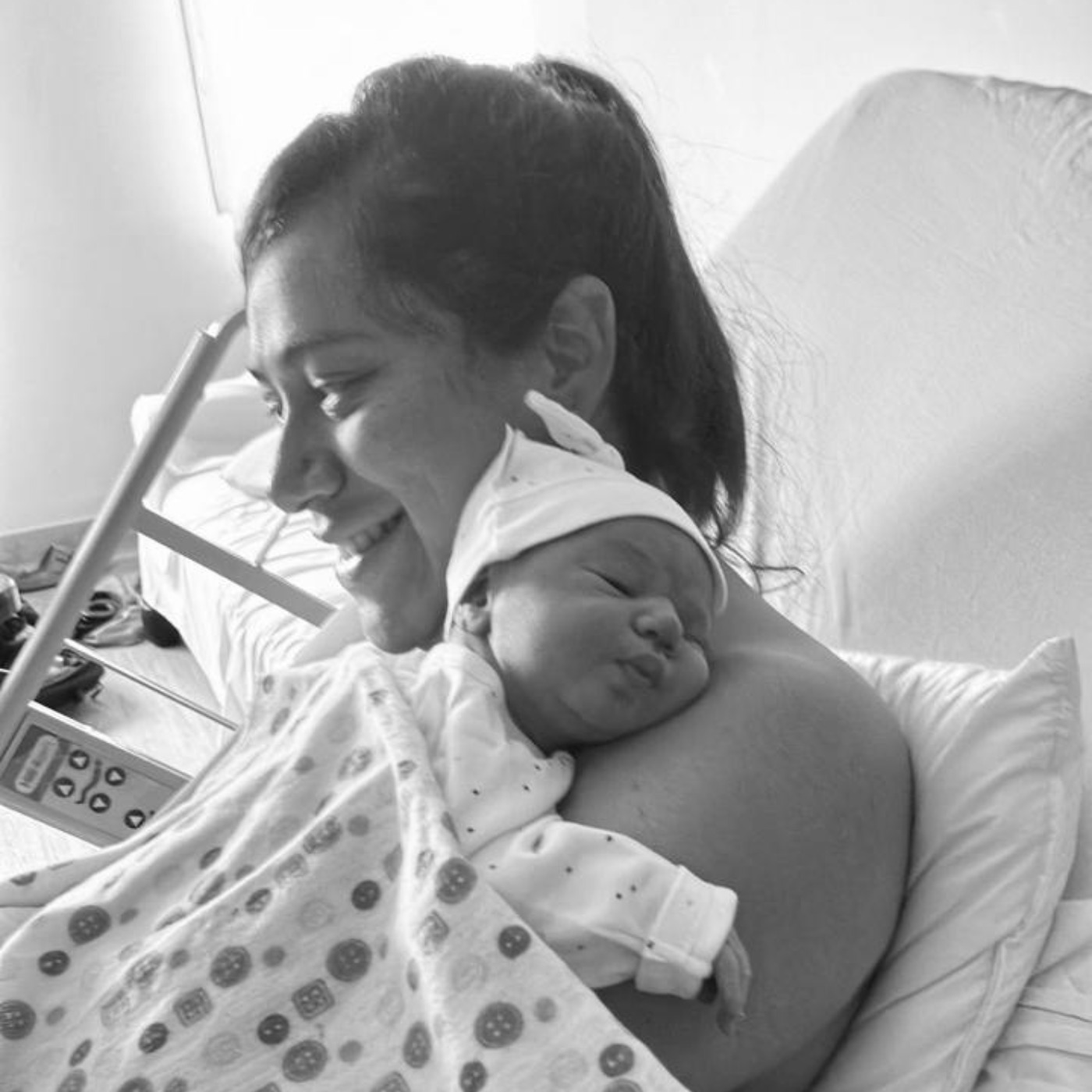
Invalid Date
Episode 391 Molly Returns Sharing Her Post-date Induced VBAC + Co-Host Allison + The Emotions of Birth
Molly joined us for Episode 84 talking about her unexpected breech Cesarean and first VBAC story. Today, she returns sharing her second VBAC story! Molly shares her powerful journey through loss, IVF, selecting her powerhouse birth team, preparing for different outcomes, post-dates, a multiple-day induction, a beautiful delivery (where her husband caught their sweet baby!), and navigating a placental lobe. Allison, one of our VBAC-certified doulas, joins Meagan as a co-host talking about her work as a virtual doula and the importance of how women are treated during their births. Coterie Diapers - Use code VBAC20 for 20% off How to VBAC: The Ultimate Prep Course for Parents Full Transcript under Episode Details Meagan: Hello, Women of Strength. I hope you guys are having a fantastic day or evening and are excited for another episode of The VBAC Link. We have our friend, Molly, today, and she is from central Alabama, and then we also have a co-host today. She's one of our doulas. Her name is Allison. Hello, Allison. Allison: Hi, Meagan. Hi, Molly. Molly: Hi. Meagan: I was going to say, and hello, Molly. Molly: Hi. Meagan: Welcome to the show you guys, and thank you for joining us. Allison is actually one of our doulas. I don't know if you've noticed along the way here and there, we have one of our doulas on as a co-host. I think it's so fun to hear an educational topic from them and then, of course, share where they are at because I truly believe hiring a doula is so impactful. In fact, on Molly's form, that is one of the tips that she gave. Right, Molly? You're like, hire a doula. Molly: Yes, absolutely. It made all the difference this birth. Meagan: Yes. Doulas are incredible. So if you can, hire a doula. Before we get into Molly's story, Allison, I wanted to just turn the time over to you really quick and have you share a little bit more of where you are at. So for the listeners, maybe in your area, they can find you. Allison: Absolutely. Well, listeners, you have a treat because I serve everyone all over the world, globally. All of my work is online. My business name is The Cesarean Doula because I actually support women and birthing people emotionally after having emotionally difficult or traumatic Cesarean births. I do all of my work primarily over the Internet over Zoom. My focus is actually not on birth but on postpartum and on recovering from the feelings of grief, sadness, loss, overwhelm, and confusion that we often have after a Cesarean that's undesired or that goes in a difficult direction. I had one of those. That's what brings me to this work. Meagan: Yes. I love that you mentioned that you're like, this is what brings me here. I think in a lot of ways for doulas, that's what brings us to doing this work is our own experience and wanting to set a different pace and make change. So I love what you're doing. We're recording in 2024, everybody, but hopefully now, it's 2025, and you can go to our website because we're hoping to have a different option for searching doulas where you can actually go and search for online only because we do have a big chunk of doulas that do virtual support. So let's hope that that is the thing. If not, email me and say, "Meagan, get on it. Do this, because I want this option." Okay. Well, Ms. Molly, welcome to the show. You guys, Molly is a full-time mama, a part-time vet technician, and a soccer coach. That is a lot of things all at the same time. Yes. My husband is a soccer coach and just that alone is a lot. Like I said, she lives in Alabama with her husband and her two sons, her mom, and lots of dogs, cats and horses. She said that she also has two daughters in heaven. I'm sure you're maybe going to talk about that a little bit today, Molly. Molly: Yes, it is part of our story. Meagan: Yes. Okay. Well, thank you guys again for being here. In just one moment, we're going to dive in. All right, Ms. Molly. I don't know why I keep calling you that Ms. Molly, like you're a teacher. Molly: It's the song. It'll get you. Meagan: It comes together. Yeah, seriously. Okay, thank you so much for being here and yeah, I would love to turn the time over to you to share all of these stories. Molly: Thank you very much. So if you guys, if you listen to The VBAC Link, I was on a couple years ago talking about my first C-section and then the subsequent VBAC with my first daughter. Unfortunately, a couple years after that, my daughter passed away. And shortly after that, the desire to have another baby was laid on our hearts, and so we decided to try that. For various reasons, that meant we had to go through IVF. We were very lucky in that our IVF journey was short. That's a whole other podcast on its own, the IVF process. We ended up with three embryos, and then in December of '23, we did our first transfer. That one unfortunately failed. And so that's my second daughter in heaven. We did another test after that to see why the transfer had failed and determined that we needed another day of shots. Well, I say we-- me. I needed another day of shots to do the transfer. So in March, we did another transfer with the extra day of shots, and that one was successful. I had the teeniest bit of spotting the next day and just woke up knowing I was pregnant. It was pretty magical, actually. The at-home pregnancy test, seven days after that, was positive. Then the blood tests after that were positive. I did have a little bit of spotting after that which was a little scary. I talked to my doctor, and she upped the progesterone in oil shots I was taking. The amount of those seemed to clear out the spotting. And then we went in for our first ultrasound. I was diagnosed with a subchorionic hematoma, I think is what it's called, which is essentially like a bruise between the placenta and the uterine lining. That cleared up on its own. Fortunately, after that, I was a "normal" pregnancy. We weaned off the IVF shots. My last one was actually on Mother's Day which was a magical little sign. And that's when we dove right into labor prep. We did the Spinning Babies and bouncing on the birth ball. I walked every day. We went back through our birth plan. We tried to cover every single contingency from a repeat Cesarean which wasn't the goal, but we wanted to be prepared just in case. We prepared to labor at home as long as humanly possible. We even prepared to have a car baby. We had a bag with a bowl to catch the placenta and towels and puppy pads just in case we labored at home so long that we had a car baby. We hired a doula this time around. We had originally played around with the idea of doing a home birth, but in Alabama for VBACs, midwives still cannot attend VBACs at home in Alabama. We did find a midwife who was willing to do that for us but because of the restrictions, it wasn't covered by insurance, and that priced it out. So the compromise was that we would do a hospital birth, but I could have a doula this time. We interviewed doulas and found one who's actually certified by The VBAC Link. She's taken y'all's class and she was wonderful. Her name is Jolonda, and she was fantastic. And actually, in the end, my husband said, "I'm so glad we had a doula for me." Not necessarily for me, but for him. He needed her more than I did, and that was pretty cool. We also, this time, instead of going with an OB, went with midwives. They were associated with an OB practice, but we went just to the midwives. That was an interesting and much different experience. It was more like a conversation and less like an exam. We go in, and they would take my blood pressure, and then we would just talk. It was wonderful. She went through my birth plan point-by-point, and then signed it and scanned it into my chart. Anything that wasn't possible, she'd say, "Well, we can't do this because of the hospital we were at, but we can do this or we can try and do this and make that work." She was completely accepting of anything that I wanted to do differently. We decided not to do the erythromycin eye ointment. She said, "Yes." She was fine with that. We delayed, I think, the Vitamin K shot then and the delayed cord clamping. She was all 100% supportive of everything that we wanted to do. I did have to see the OB once just so they could sign off on me being a, quote, healthy pregnancy, and that was a quick in and out. There was a doctor visit, and they said, "Okay, we'll see you back in a couple of weeks." I said, "No, I'm going to go back across the street to midwives. I'll see them in a couple weeks." So that was all. My pregnancy really in itself was pretty normal. And then we got closer and closer to my due date. Now, I was due on November 18, and we got closer. I stopped working as a veterinary technician on the end of October right before Halloween. We had our baby shower. We were getting close to all the guess dates. Everybody had guessed when your baby's going to come. I would text them, "Nope, you missed it. It wasn't today." And so we slowly passed all those days, and then we passed my due date. We were doing everything-- the tea and bouncing on the birth ball and the dates and the pineapple, walking, The Miles Circuit, curb-walked. I knew the closer we got to 41 weeks and 42 weeks even, the more that there was going to be pressure for a repeat Cesarean. Now, to my midwife's credit, she never mentioned a repeat Cesarean. That was the very last thing that she ever talked to us about. We had talked about it in our birth plan, of course, but as we passed the due date, she didn't mention that as a course of action. As a joke, we asked our son, "When do you think Mama will have the baby? Now that we're past our due date, when do you think Mom will have the baby?" And he said, "I think she's going to wait until December." I said, "Buddy, please don't put that on me." So we'll let you know how that goes towards the end. Meagan: Yeah, I mean that would be what, two and a half more weeks? Three? Yeah, two and a half more weeks. Molly: Yeah, it was a long time. And I said, "Bud, please don't put that on me. That's a long more time." So then we made it through Thanksgiving. I consented to a cervical check at 39 weeks and there was no action the cervix, but you and I know that that can change in an instant, and it's not an indicator of anything. Meagan: Nope. Molly: At 40 weeks, I consented to another check and to a sweep of the cervical membranes. That made me feel crampy but really didn't do anything. We started talking about induction at that appointment. We talked about starting with the Foley bulb over breaking the waters or maybe Pitocin. We talked about those options and which ones I was most comfortable with. And so then after the 40-week appointment, they sent me in for a biophysical and non-stress test, and we passed those with flying colors. No problem. Baby was fine, I was fine. She just was very, very comfortable. Then at the 41-week appointment, we did another sweep and this time I was dilated to a really tight 1. But again, that didn't really do anything. We made our next appointment for 41 weeks and 3 days. And the ladies in the front office said, "We hope we don't see for that appointment." And I said, "I hope you don't either," but we did see them for that appointment. So at 41 weeks and 3 days, we talked about the induction again. They did another sweep just in the hope that maybe it would start things. It didn't. So we talked about and scheduled the induction. We'd agreed to start with the Foley and see how that went, and then maybe talk about breaking waters and maybe, maybe Pitocin being our last resort. We stopped for dinner. That was Wednesday evening. We stopped for dinner on the way in because I was like, "We're going to have a baby, and I need my strength. I've got to eat before we go in." So we stopped for dinner, and we got checked in. They got me strapped in with a wireless monitor, which was new this time and was so much better than the wired monitor because I could move. It was much better. And this is the start of what we like to jokingly call birthatory, because it's birth purgatory. I was stuck there in the room. I couldn't leave. My husband left just to get us food, but it just felt like we were there forever with nothing to do. And time moved strangely as well. I watched Friends at night to help me sleep, and I watched Parks and Rec during the day to keep me entertained. We did a lot of walking up and down the room as much as we could. And that Wednesday evening was just to start us monitoring. Jolanda came in, and she was in and out and checking with us that night. They also started me on the Group B strep meds. I think I forgot to mention I was positive this pregnancy. I had a weird reaction to whatever med they put me on first, like my scalp was on fire. It was a really bad reaction. Meagan: Interesting. Is that a common reaction? Molly: I believe they said it could happen, but it's not super common. I wish I could remember which medicine it was they gave me. But, I mean, it felt like my scalp was on fire. I was itching. It was horrible. So they gave me some Benadryl which fortunately helped me nap, so I got some rest. But we didn't want to do too much of that, so they switched me to a different medication. And again, I wish I could remember the name of it, but I can't. And that, I did not react to, so we stayed with that one for the rounds of the Group B Strep meds. So that was Wednesday night, and they were really just monitoring me. Thursday morning, the OB and the midwife on call came in to discuss my case. They discussed options. Pitocin. I consented to a check because we were going to start with the Foley, but I was at a 3 already. So that put the Foley out of commission because the Foley will only work up to 3. We talked about Pitocin versus artificial breaking of the membranes. The OB did do a little bit of pressuring, but we were all prepared for it. He said, "Well, at this point, this many post dates, you're probably definitely going to have meconium." And behind his back, my doula, my sweet doula rolled her eyes. It was what I needed, that support in that moment for the doctor to say, "Oh, well, there's definitely meconium." And my doula would be like, "No, there's probably not." So we asked for time to discuss between us and what to do. And Yolanda had these little informational cards with different affirmations. There was affirmation cards, but different, like facts about, induction from-- oh, I'm blanking. I can't remember. But they were little printed out laminated cards with different facts about different types of induction, and they were really helpful. It's Evidence Based Birth. That's what it was. It was all evidence-based and backed up by studies and stuff. So we discussed what we wanted to do, and we agreed to breaking the waters on Thursday morning. So the midwives came in and broke my waters, and there was no meconium. So that doctor can just go sit somewhere else. My waters are broken. I walked up and down the room, but nothing really happened. That night, there were some surges that we did time, but they petered out, and nothing really happened. So we woke up Friday morning, and that was December 1st. I, with despair in my voice, looked over at my husband and I said, "It's December. We've made it to December." I felt like a balloon that was beyond needing to pop and was just discouraged and tired. I was at the end of my rope, really, honestly. They came in, and I agreed to another check. This was the first check that they'd done since they broke my waters. And so if you're keeping count at home, my water's now been broken for about 26 hours. We happen to be watching an episode of Friends where the character, Rachel, is in labor, and she's having trouble dilating as well. And Ross makes a joke about, "I'm dilated 3." Well, they did the cervical check and checked, and I was still dilated 3. And Michael goes, "I'm dilated 3," and everybody laughed. It was a good break in the tension. After that, they left to go discuss my case. Michael went to go get me some hot water so I could make tea. But he came back in and he said, guess who's here and looking at your chart?" And I had no idea. He said, "It's Vicky," who's the midwife who helped deliver my first VBAC baby. She had retired, but come out of retirement and was only working on the weekends in the hospital. And I looked at him. I said, "We're having a baby today." Just something told me that with Ms. Vicky there with us, we were in good hands, and we were going to be okay. So she came in and talked to me about starting Pitocin. She also told me, because at this point, I was worried about a repeat Cesarean. And she told me, she said, "I'm no longer looking at you as a VBAC patient. You've had a successful vaginal birth. I'm treating you just like any other birth now." And it was such a healing statement for me. It wiped the worry about a repeat C-section out of my mind. It was just the perfect thing to say. Meagan: Yes. I don't want to interrupt you too much, but I love that you pointed that out, because most providers, they're actually looking at no matter if you've had a VBAC or not, you're always a VBAC. But what you just said to me really is gonna connect with so many others. It connected with me because we just want to be viewed as someone going in and having a baby. We don't want labels and these things that loom over our head even if we've had a VBAC before or if we haven't had a VBAC before. We just want to be looked at and treated as someone coming in and having a vaginal birth just like anybody else coming in and having a vaginal birth. So I love that you pointed that out, and I'm sure that that really did just connect and feel so good. Molly: It was a huge release of stress knowing that I didn't have to worry about the repeat C-section, the VBAC anymore, and I could just focus on having the baby and what I was doing and just doing what we needed to do that day to have the baby. Meagan: Yeah. Molly: So we did agree to the Pitocin she suggested. And we got very into the details, and we're almost a year out. I should have written them down sooner. I can't remember the numbers we started at, but she wanted to start at a certain amount over a certain time, and I disagreed. I said, "Let's start lower and slower." And she said, "That's fine. I'll do whatever you want to do." So we started really low and really slow, and I was starting to feel some things, but still not very much. It wasn't anything I had to stop to get through. It was really more just like a tightening. Jolanda came to hang out with us, brought us more food and water, and she brought a puzzle to help distract us. We were going crazy being stuck in that room. Vicky came in later that afternoon, and because still no progress was really being made. They didn't check me, but they could just tell from the contractions on the monitor. She talked about wanting to up the Pitocin a little bit faster and more frequently. I told her that I was worried about the difference in the Pitocin contractions versus natural contractions because I had heard and read so much that the Pitocin contractions are much more intense. And she told me that she'd given birth with and without Pitocin, and the only difference for her was that Pitocin births were faster. I agreed for her to bump it up a little bit, a little bit faster, that. After a little bit of time to talk about it, we agreed to do that. They did check me at that point, and I had worked my way up to a 5, and baby had moved from a -1 to, I believe, a +1. We dilated some, and baby had descended a little bit. At that point, the contractions did start to pick up, and I lost interest in the puzzle. We turned a movie on for me to watch. They were a little bit more intense, but still easy, and I could still talk through them and walk through them. Jolanda did an excellent job. She reminded me to go to the bathroom. And so I went to the bathroom, and when I walked out, I felt the baby drop. I don't know any other way to explain it, but I felt her drop in the birth canal. It was like she was sitting high, and then suddenly she dropped. I said that. I said, "Oh, I felt the baby drop." My sweet doula said, "You felt the baby drop?" I couldn't respond to her because then a contraction hit so hard that I could not talk through it. So, at that point, I told them, I said, "Please turn the movie off," because I couldn't handle the sound of movie. My husband turned on music in the background real low of our birth playlist. I needed to get down on all fours, so I got down on my knees, and I was bent over a birth ball swaying back and forth and moving forward and backwards, swaying my hips and vocalizing through them. Keep your mouth loose and low, moaning through them. At some point I didn't need the ball anymore and Jolanda brought in this inflatable thing. It was U-shaped and it was inflatable, but you could be in it and lean over it. And again, I wish I remember the name of it, but it wonderful because you could inflate and then deflate it to move it and get it out of there. But it was just perfectly shaped for me to be able to lean over it and even sit on it if I needed to, but I just was leaning over it. The contractions were getting more difficult, and she reminded me to relax my hands because my hands had gotten really tight. She was reminding me to breathe and relax my hands. She also suggested counter-pressure on my tailbone. I did not want it on my hips, but she tried it on my tailbone, and that felt incredible. Suddenly, the contractions were so much easier to bear, and they just felt more productive. It was fantastic. So she and my husband, Michael, took turns wearing their arms out, pushing my tailbone through the surges. At, that point, then the wireless monitor got weird because it had been on me for so long. The stickers, I guess, had just given out. So a poor nurse was on her knees underneath me holding the monitor on my belly, and there was either Jolanda or Michael behind me pushing on my tailbone through the contractions. And then I started grunting and felt pushy. Juolanda recognized my grunting because we talked about during my consult during my first VBAC. I get grunty when I'm pushing. She recognized the sound and she said, "Are you pushing?" But I didn't want to answer her because I didn't want to stop pushing because it felt so good to push. I hadn't been checked. So I didn't want them to know that I was pushing and check me and tell me that I couldn't push. And also, at this point, I was practically sitting back against the counter-pressure. The surge would hit, and I would sit back into whoever is doing counter-pressure and practically put my full weight back on my tailbone on their hand and the counter-pressure. Then, my knees got tired being on the floor. So I asked to move to the bed and they asked to check me. The midwife, Ms. Vicky, said, "I would love to check you right now." I said, "As long as I can be on my hands and knees, you can check me however you want." So I got up on my hands and knees on the bed, leaned over, and they checked me, and I was good to push. So at that point, we started actively pushing. Not just me pushing because it felt good, but pushing because we knew we were pushing a baby out. And pushing, it felt so good to push. I needed to push. It felt so good. I could feel her moving through the birth canal. I could feel her head coming down, and it was amazing. And just like with my first birth, it's frustrating to feel the baby move and then go back and then move forward and then go back, but you can tell you're making progress. I don't know how long I pushed for because I was way off in who knows where. Nobody else looked at the clock. Michael would have, but he was getting ready to catch. He had prepped to catch this baby. So I pushed her out into her papa's hands. He had prepped. He watched all kinds of videos meant for midwives, and he was so ready. He did such a great job. Baby Nora was there, and she was perfectly healthy. She was 7 pounds and 2 ounces, and 19 inches. For being 41 weeks and 5 days, she was still just perfectly cooked. I passed the placenta at some point after that. We did the golden hour, and we snuggled in. He cut the cord after it stopped pulsing. That was all very much a blur to me, just a golden, snuggly haze of love. So we passed the placenta, and it was declared complete. We looked at it, and we put in our little cooler to take home and freeze to plant her little birth tree. I did tear a little bit, so they stitched me up and we took some pictures. And then Ms. Vicky went home. She'd stayed 45 minutes late for us. She went home at that point, and I started nursing Nora. At that point, however, I was still in pain. So they said, "Would you like something for pain?" I asked for just Tylenol. I didn't want anything heavier than that, but I was still pushing. I was still feeling the urge to push, and it was getting worse. So the nurses applied some pressure to my uterus, external pressure. It hurt so bad I could barely stand it. Michael took the baby at that point, and Jolanda suggested me trying to avoid my bladder, and maybe that would help. But I couldn't. I couldn't get those muscles to work, so they put a catheter in. That didn't really help. The surges were still coming and I couldn't stop pushing. They put more pressure on my uterus, external pressure, and I passed a huge blood clot. It was like a softball-sized blood clot. That felt a little better, but I was still pushing and I could not stop the pushing. So they gave me some stronger pain meds and talked to the OB who was on call and all agreed that I needed to go the OR and see if something had been left. So we agreed to that and went under sedation into the OR, and they removed a golf ball-sized portion of the placenta. Meagan: Whoa. Molly: Yeah. It was confusing because they had declared my placenta complete and after talking about it, and they looked at all the pieces, and it turns out that I had a lobular lobe. Meagan: I was going to say you probably had a lobe. Molly: Yes. And so after I mentioned "Oh well, I had some spotting early in pregnancy," they figured that the spotting had contributed to that, and that's why the placenta looked complete and there was a lobe and the hematomas all contributed to the early bleeding and the lobe in the placenta. I came out of the OR fine. I got two bags of blood but felt fine. When I woke up, I got to hold Nora in the OR. Well, not in the OR, but in the recovery and nurse her again. And everything was really fine after that. Jolanda checked on us a couple of hours after that. She brought us food. We had talked about what I wanted to eat post-birth. I wanted to eat a cheeseburger with bacon from a specific place near the hospital with fries. She brought it all, and we ate it at like 11:00 PM. It was wonderful. And Michael, like I said before, said later that having a doula this time around was 100% worth it mostly for him because she was suggesting things that he wouldn't have known to offer like the counter-pressure and, "Hey, maybe she needs to pee," and things like that. It saved him and helped him know what to do while I was off in labor land. For that, our sweet doula was so worth it. And after that, recovery was great, and we were fine. Meagan: That is awesome. So still had a little bit of a hiccup there in the end, but overall a really great experience. Molly: It was awesome. And I said before, with the birth plan, we tried to plan for all contingencies, but the one thing we did not plan for was three days trying to be induced naturally. Meagan: Yeah. Molly: I mean, they say time isn't linear, and I have never felt that more true than we were stuck in that room for three days. It was very weird just not being able to get out. It's not something I would do again, the induction part, but we made it through thanks to great support from midwives and doula and my wonderful husband. I would do the birth part, and maybe not the hemorrhaging at the end, but the birth part I would do again. Meagan: Yeah, yeah, for sure. I mean, that's just less ideal. I don't know. Did they ever talk to you? Because I know that IVF parents do have a slightly increased chance of hemorrhaging. Did they ever relate it to IVF, or was it mainly just, "Hey, you had a subchorionic hematoma earlier, then you have this lobe." Maybe it was just that they. Molly: The doctors didn't. No, we were very aware that she was an IVF baby, and we had done a lot of research before that IVF babies have a very "sticky" placenta. Meagan: Yeah. Molly: That was one of the factors why we didn't do a home birth was because if the placenta sticks, and then you're at home, it can be a rush to the hospital. But the doctors at the hospital didn't mention the IVF possibility as the reason I hemorrhaged. Maybe it played a part. I don't know. They seemed to put it on the sub-chorionic hematoma. But it could have been both. I don't know. Meagan: Yeah. Yeah. All of the little factors could have been. The best thing is that it seemed pretty minor and a quick fix. A quick fix. I just wanted to remind everybody, so I'm pretty sure this is your episode. It's Episode 84. So if you want to go hear the breech Cesarean and the first VBAC, definitely go back and listen to those on Episode 84. Thank you so much for sharing your story, and I'm so glad that it was so great and that your husband got to catch a baby. That's like my favorite, you guys. Just to let you know, that's happening more and more. At least it has been here in Utah as we're attending births. Sometimes, all you've got to do is ask. So if you have a partner who is interested in that, I think asking is not harmful. Just ask. It can seem intimidating, but it's not too bad. It's not too bad. They really help these partners catch these babies. Allison, I would love to have you share your two cents and your educational topic on healing after Cesarean. We're doing these topics instead of reviews sometimes when we have guests. I love what you do because just like Molly and myself, we've been there having an unexpected-- well, maybe with the breech it was kind of planned. I'm trying to remember back in your story. Molly: So with the breech, with the Cesarean, we had planned a C-section, but then he broke my water early, so it was not necessarily an emergency Cesarean, but we had to go in before we were "scheduled" to for the C-section. It was planned, but unexpected at the time. The wrong timing. Yes. Okay. Well, tell us more, Allison. Allison: Yeah, and I want to say thank you so much, Molly, for sharing your story. I actually want to point out a few things that I think are really important here. I work with so many people who have had a birth that feels difficult or traumatic. And oftentimes, there are women who come to me who say, "I don't understand why I feel upset about my birth even though I have this baby who's healthy and alive, if we're lucky enough to have a living baby or a healthy baby or both." And one of the things I talk a lot about is that oftentimes it's not the events themselves in the birth that create a difficult or traumatic birth, but it's how we feel, right? And so, what makes a birth feel good or bad? Like, I listen to you talk about this experience where you had some challenges leading up to it, right? Especially preconception, and then during conception. I felt your joy. I felt your connectedness, and I felt your power throughout your story even as you talked about the really difficult part at the end with the placenta needing to be retrieved. I want to just point out that that's what I heard, and you've got to tell me if this feels right for you, Molly. But what I heard was many moments where you talked about feeling connected. You talked about your sweet doula. You talked about that surprise midwife coming in to support you. You felt connected. You felt seen like that moment where you said, "Oh, well, the monitor wasn't working, but then the nurse got underneath me," so instead of actually you accommodating the hospital's protocol and policy, I love this idea. I'm imagining a nurse laying on her back under you while you're on all fours. You're empowered. That's truly centering you. Right? You're in control in a lot of these moments. You said you wanted the Pitocin lower. The doctor or the midwife honored that. It sounds like you were informed. You used some examples of the cards from Evidence Based Birth, and a lot of the information you engaged with prior to birthing. One of the things I talk about with my clients is maybe you even feel sexy during birth. You didn't mention that at all, but that might have been. There might have been moments, maybe not. Are there any other emotions that come up for you? Did I leave anything out hat you're like, oh, I really felt another positive emotion? Molly: No, you've nailed it 100%. I felt very supported this birth from the midwife listening to me and, like you said, honoring my requests and my husband being there and the doula. I felt very supported. So even the end and the hemorrhaging which should have been scary, I don't look back on as scary. I don't want to repeat it, but I wasn't scared in that moment because I felt taken care of and supported. Meagan: Mhmm. Allison: Right. That is so textbook. I love this story because that's a really, really scary thing. And if you hadn't had that support, that attunement, that communication and that safety, it could have felt different. It could have made your story feel like there was this turning point into a dive. I love that your advice was getting a doula, because in your story, I really feel how your relationship and respect for her are a big component of your support and empowerment. So I just want to end by saying that birth is really about those emotions, not the modality or even the environment where we birth. If we can create those experiences for ourselves as much as possible, we don't always have the ability to do that. Lots of things have to come together, but if we can focus on, how do I make myself feel empowered, connected, sexy, seen, in control, informed during my birth, however I birth, then the likelihood of having a positive outcome emotionally is so much higher. And when we have a better emotional experience, we're more likely to be able to have a supported breastfeeding experience and also go into motherhood feeling centered, feeling capable of taking on this new role or another baby when we already have littles at home. So thank you so much for sharing your story. I feel really touched, and I can imagine that others are too. Molly: Thank you. Meagan: I do love that you pointed that out, Allison. The way we feel during our labor, the way we're treated, the way we're communicated to, it really impacts that next step going into that motherhood era. I think back on your story. I remove your doula from your story, and I remove your supportive provider. That birth very much could have unfolded very differently especially because it was a longer induction. Right? And so when you put that powerhouse team with that true love and support back into the story, it's like, well, I don't understand why it wouldn't unfold that way anyway. But really, if you look back without that, it's questionable sometimes. And so we talk about it, you guys. I think I will probably talk about it until I die. I mean, truly, I will probably not even be in this work when I'm 80 years old, but I will still be educating people on hiring a supportive team and provider because it really does impact. I had an interview the other day with a first-time mom and she was telling me who her provider was, and I very much remember this provider as a resident. And she was fine, but not great, right? She wasn't my favorite. I very much knew, oh, in the future I would not suggest her as a provider. And so as I was talking, and I didn't want to project my opinion on her, and I was talking to her, she said that her and her husband had actually been feeling a lot of pressure and that when she goes into her visit that she normally has a voice, but when she's there, her voice is muted. She feels like she can't say these questions and can't communicate. I think right there is that big red flag that if you cannot communicate with your provider in a prenatal appointment, then that is a big sign that you will not be able to communicate with your provider efficiently during labor, and they're not going to respect you. I love that your midwife came out of retirement and started working on the weekends because she probably loves this so much and that you got her. It worked out so, so well. But guys, again, find a good, supportive provider. If you're feeling like my interview did the other day, don't hesitate. Move, change, find that support because you want to be like Molly where you're in the situation and you feel that love and empowerment. And even though there was something that ,went awry and not according to plan, Molly felt that support. And so like Allison said, that could have been a very traumatic point in your labor where it wasn't ideal. You wouldn't do it again. You wouldn't choose it. You wouldn't suggest it. But even though it happened, and I don't want to downplay it like oh, least everyone's happy and healthy. I don't want to do that. But it happened, and because you had that support, your overall view is different. So great tips, Allison. Beautiful story, Molly. Again, go back and listen to Episode 84 for the rest of her stories. And once again, thank you for being with us. Molly: Thank you so much for having me. Closing Would you like to be a guest on the podcast? Tell us about your experience at thevbaclink.com/share. For more information on all things VBAC including online and in-person VBAC classes, The VBAC Link blog, and Meagan’s bio, head over to thevbaclink.com . Congratulations on starting your journey of learning and discovery with The VBAC Link. Support this podcast at — https://redcircle.com/the-vbac-link/donations Advertising Inquiries: https://redcircle.com/brands

Invalid Date
Episode 390 Johanna's HBAC + PROM + Supportive Provider + Postpartum Planning
Johanna is a girl mama joining us today from Canada. She had an unplanned C-section with her first, an HBAC with her second, and was pregnant with her third at the time of recording! Johanna reflects on her experiences with both supportive and unsupportive care during her pregnancies. Meagan and Johanna dive into your options surrounding PROM, the significance of intuition in decision-making, the impact of provider choices on birth outcomes, and the nuances of VBAC postpartum recovery. The VBAC Link Blog: Home Birth VBAC Everything You Need for Your HBAC Supportive Providers 10 Signs to Switch Your Provider What to Do When Your Water Breaks Labor Guide Coterie Diapers - Use code VBAC20 for 20% off How to VBAC: The Ultimate Prep Course for Parents Full Transcript under Episode Details Meagan: Hello, Women of Strength. We have our friend Johanna with us from Canada today, and she's going to be sharing her HBAC story. So for those who may be , new to the VBAC world, or just all of the acronyms that the VBAC world has, HBAC is pronounced home birth after Cesarean. So if you are one of those who really wants to look into all of your options for birthing locations, which I encourage everyone to do, definitely listen up here. We're going to be talking about a lot of really great things including picking a provider and PROM knowing that you maybe had a provider that wasn't ideal the first time and more about HBAC. So we are going to be diving into a lot of really, really great, juicy topics. But in place our review today, Johanna and I are actually going to talk a little bit more about picking the right provider. So, Johanna, welcome to the show. Johanna: Thank you. Meagan: I am so excited for you to be with us today and so grateful that you are here to talk about this topic. Because like I was saying before we pressed record, I see daily in our community, every single day, and not even just our community, in other VBAC communities or this is weird, but people's statuses, like my friends and family's statuses on Facebook, where you type like, "Hey, I'm looking for this," or "I'm feeling very frustrated," or "I need prayers." People will seriously say, "I don't know what to do, you guys. Has anybody ever heard of VBAC?" on their own status? But especially in the VBAC groups, I see people and I just want to yell, "Hey, you over there. You're with the wrong provider" or, "Hey, you should move." That's a really hard thing because especially when I type that it can be like, oh my gosh, who is this broad telling me that I'm with the wrong provider and that I chose wrong? I'm not trying to say that. I'm not trying to say you chose wrong. Like, how dare you choose wrong? It's just like, hey, what you're telling us in this community is screaming, you're the wrong provider. So, Johanna, you , mentioned before we press record that you realized after your first birth that you were with the wrong provider. What made you realize that you were with the wrong provider? And were there signs during pregnancy that you recognized and maybe pushed away? Or was it really not something that you recognized until after? Because I know really, it can go both ways. Johanna: Yeah, I think that there were signs during the pregnancy. I mean, one of them, and I just didn't listen to my gut because you don't know what you don't know. I put too much blind faith that it was all gonna work out. But I never felt comfortable with her. I didn't have a good connection with her. I was asking a lot of questions about what I can be doing because my first birth, I really wanted to be a home birth. She basically just didn't give me very much information about what I can be doing. She sent me to your generic birth course through the hospital. Yeah. I didn't really feel like she was really invested in the outcome of my birth. I was just like another one of her patients. So I didn't feel great about that. And then when push came to shove with my birth and things weren't going great, she threw her hands up in the air and just took a step back and didn't really advocate for me or try and help me through things. So I was left with a pretty unpleasant taste in my mouth. Meagan: Yeah, I mean, exactly what you said just a minute ago. You didn't feel that she was invested in the outcome of your birth. And then it proved. It proved to be true when she just threw her arms up. So you had that experience, and you're not alone. There are so many of us out there. Me too, me included and a lot of people on The VBAC Link team included. We have all been in a similar situation where our providers, threw our hands up, weren't invested in our birth and our experience and had to go out there and seek that support that we deserved. So if there's anything we talk about on The VBAC Link, and I'm sure you've heard it, is find the right provider. I mean, seriously, you guys, I say it daily, every single day. If I'm not typing it, if I'm not voice memo-ing it, if I'm not saying it in my mind, it's find the right provider. Johanna, what would you give for tips for our listeners to find that right provider? And how did you find that right provider? Johanna: So I found my midwife that I used for my second birth and I'm actually using again for my third birth because I am 31 weeks pregnant today. Meagan: Oh my gosh. Oh my gosh. Yay. Johanna: I found her actually because when I got pregnant for the second time, the first thing I did was get a doula. Meagan: Uh-huh. Johanna: I asked her for recommendations on a VBAC friendly midwife. She had recommended this midwife. So immediately I was like, yes, I would like to meet her. When I met her, instantly, I felt so much more at ease. So I would say going with your gut. If something doesn't feel right, even if it's the tiniest thing, just look for a new provider. Just find someone where it feels right. Meagan: Yeah. I can relate to that so much because that's how I was feeling. I was searching, I was searching, I was searching. I mean, it was insane. I interviewed a lot of providers, but that's what I was searching for is that immediate like, oh, I'm in the right place. You are my person. And it took me a long time. And that sucks. It sucks that it took so long. I know that in some areas they're really rural and it's almost impossible to find that feeling. But I agree. So just as a reminder for those looking, before we get into the story, I wanted to make sure that you know to ask open-ended questions. Do not say, "Do you support VBAC? Yes or no?" Do not say, "Do you support me to go to 40 weeks? Yes or no?" Let's ask open ended questions. "How do you feel if I approach my due date and I haven't had a baby yet? How do you feel about VBAC? What is your experience with VBAC? How do you support your VBAC clients to make sure patients get the birth that they want? How do you advocate for them?" Asking these big open ended questions and then like Johanna said, diving deep. What is your heart and your gut feeling and saying? If at any point you are questioning, which I think is when people come out on social media, that is when I think they comment and they're writing, "Hey, I'm, feeling defeated. Hey, this is what my provider said." It's because they're doubting. They're questioning. That's their intuition. If that even comes into play at all, it's time to switch. It is time to switch. And first-time parents, if you are out there listening, this applies to you too, right? We have to avoid these unnecessary Cesareans which are happening all over the world. We have to follow our intuition. So that's another thing we talk about until we're blue in the face-- intuition. So follow that intuition. Ask open ended questions. Really dive in deep because your provider really can make an impact. And really, really quickly, we're going to just barely skim the surface on PROM. PROM is premature rupture of membranes. Johanna and I have both experienced it. She's two for two. I'm three for three. Maybe you won't be three for three girl. I don't know. I'm hoping you're not. Johanna: Fingers crossed. Meagan: I'm hoping you won't. But if you are, we know that it's okay. Vaginal birth still happen. But talking about providers, if you have PROM, which means your water breaks before labor begins, and just to let you know, it can take hours, even days for your body to turn over into labor after your water breaks. But if you have PROM and you don't have a supportive provider, that is right there the beginning of a fight. It shouldn't have to be a fight, but that can impact things because they want to get things going. Some providers won't even induce labor or touch you or 12 hours later they're like, "Nope, you haven't had a baby. You have to have a C-section." So yeah. So really quick Johanna, do you have any tips for our listeners who might have had PROM or may have PROM? Johanna: Yeah, it's difficult because especially when I experienced it, I mean, I experienced it for both births and the second time I really felt anxious because I was like, oh no, I'm on a ticking time-clock again. Meagan: Yeah, yeah. Because that's how you were treated. Johanna: Yes. I was lucky that I have a super supportive provider. And she was like, "Baby's fine, you're fine, everything's fine. We're just going to wait it out." Yeah, I mean crucial to have the right provider that is going to give you that grace and give you that time and that space, but just know the facts. Just arm yourself with information that as long as the fluid is clear, as long as you have no signs of infection-- at least here they make you come in for non-stress tests like every, I don't know if it's 12 hours or 24 hours when your water has broken. As long as everything's looking okay, you can wait, I think, up to 72 hours. Meagan: I've actually even had a client wait five days. Johanna: Holy smokes. Meagan: Five days. Close monitoring you guys, really close monitoring. But it was nothing that said a baby needed to be born. So five days is maybe abnormal. This was a home birth transfer to hospital. Even with five days rupture of membranes, the hospital did not "make" her, as I'm putting quotes up, have a Cesarean or do anything different because she advocated for herself. But it really can. 72 hours. It really can happen. So okay, we are going to stop talking about this, you guys. We're going to have links in the show notes to dive deeper into questions for your provider. What about premature rupture of membranes and things like that. So we're going to have those in the show notes if you want to dive more into that. You can dive in. But we're going to take one quick break for the intro, and then turn the time over to Johanna. Okay girl, thank you so much for chatting with me about that. I really do think it's so important. Johanna: I think knowledge about everything is your best friend when you're planning for any birth, but especially a VBAC. Meagan: Right. I know. It does suck that VBAC has to be so much more intense in our prep and our research and all these things because we're just moms going in to have vaginal births. That's all we are. But, but unfortunately that's not how it's viewed. That's just not how it's viewed in most areas of the world. So yeah, all right. Let's talk about that first birth. Johanna: Okay. So I got pregnant with my first daughter Mila in the summer of 2020. So heavy, COVID times. So that was scary enough. Because of COVID and the shift in culture towards socialization and going into hospitals and stuff like that, me and my husband decided to look into home birth which was not really on my radar before, but the more that I looked into it, I was like, oh, this is super beautiful, and I love the idea of birthing my baby at home in the piece and quiet of our own space. Meagan: Yeah. And a lot safer than a lot of people think. Johanna: Yeah. Yeah, for sure. The more I looked into it, the more I was like, okay. This is a totally viable option for us. I had a pretty uneventful pregnancy. I was very lucky. I had very minimal symptoms. Everything went well. I didn't have anything scary happened during the pregnancy. I will say that I didn't take the best care of myself. I am usually a pretty active person and I totally just didn't do much exercise or working out. I think in the back of my mind, I was scared that something bad was going to happen if I overdid it. It was just a lot of first-time mom anxieties. Meagan: Totally get it. Johanna: Yep. I didn't eat the best. I didn't take the best care of myself. I didn't do a whole lot to prep for the birth other than your typical childbirthing classes, bringing baby home through the hospital, generic courses that I think a lot of first-time moms, that's what they do, right? I read a couple of books. I read the What to Expect books, and I think I read Ina May's Guide to Childbirth. Meagan: Great book. Johanna: Yep. But I had no idea what to expect. When it came to labor and birth, I really was going in blind. I will say, I just put my faith in that my provider was going to hold my hand through it. That was a mistake. So yeah, I mean, it was a pretty uneventful pregnancy. There wasn't a whole lot to say other than it was COVID and everything was scary and didn't really know what was going on. When I was 41-ish weeks, my water ended up breaking. It was the middle of the night, and I didn't really know what happened. It was just like a little squirt and went back to bed. And in the morning, it was like when you move a position and a little bit comes out and you move a position and a little bit. It was one of those. And then I lost my mucus plug. So I was like, oh, I better call my midwife. So I gave her a call, and she totally brushed me off. She was like, "No, I think it's probably just discharge. I wouldn't worry about it." So that was another red flag was her just totally brushing off my feelings and what I believed was going on. So I hung up the phone and I was like, well, I don't really know what to do now. I'm fairly certain that my water's broken. So I waited a couple of hours, and it continued to trickle out. I eventually called her again and she was like, "Okay, okay, you can come in. You can come in and I'll check, but I'm pretty sure it's just discharge." So I went in and sure enough, she was like, "Oh, your water did break and it's amniotic fluids. Look at that." Meagan: Interesting. Johanna: Yeah, I could have told you that. So I was like, "Well, what do we do now?" And she was like, "Well, we can wait up to 72 hours as long as everything's healthy. That's fine, so we'll keep monitoring things." She sent me home and told me to just relax. She said, "If labor doesn't pick up today, go to bed and in the morning, do a castor oil induction." I did that. When I woke up the next morning and nothing had happened, I did do the castor oil induction. I will say that I will never do that again because it was horrible. Sorry for the TMI, but it just gave me severe diarrhea, and then nothing happened, and I was super uncomfortable. So that wasn't fun. That wasn't fun. That didn't work. I went in for a non-stress test that afternoon. She decided to check me, and I had made zero progress. I was not dilated at all. I had zero effacement or anything like that, so no progress. I felt super discouraged. My water has been broken for however long at this point-- 36 hours, I think, probably. I've made no progress. The castor oil induction and failed. I had barely slept the night before, so I was tired and I was just stressed. I was like, when is this going to happen? Meagan: But at this point you weren't really thriving with contractions. Nothing was too intense to be telling you that there should be progress, right? Johanna: Literally not a single contraction or anything. Nothing was happening. Meagan: True PROM, and so your defeating feeling is super normal because in our minds we were told our water breaks, we should be having a baby. But if we have PROM, don't expect to be dilated. Right? Johanna: Yes. Meagan: I did too. I expected to be way dilated and I wasn't. Johanna: So I felt super defeated. And like I said, I wasn't sleeping. I barely got any sleep the night before because I was just anxious for birth to get going. I ended up crying in her office about how stressed I was to end up in a C-section because my sister had a long, pretty terrible labor that ended in a C-section. It was just not a great experience for her. I don't exactly remember what my midwife said, but I did not feel reassured leaving that appointment. But we did end up deciding that if I didn't go into labor that night, I was going to be induced the next morning because I was just not sleeping well. I was not able to rest and relax because I was just anxious. So I was like, okay. I guess my home birth plan is out the window, but at least there's a plan. I ended up going home. We had dinner, and I started getting contractions just after dinner which was exciting. Meagan: Yeah. Johanna: But then they petered off after, like, I don't know, an hour or two. So we went to bed, had the hospital bags packed and everything ready to go for an induction the next morning. Labor started around 2:00 AM. It started on its own around 2:00 AM. Meagan: How many total hours is this until labor comes? Johanna: I think it was about 48 hours after my water broke that I had the rupture of membranes that my labor actually started. I will say, it was pretty intense right off the hob. I hear a lot of women say that their early labor is like, "Oh, I took my other kids for a walk. I baked a cake. I did this. I did that to distract myself." My labors are not like that. My labors are intense right out the gate. I tried to eat something for breakfast. A few hours after that, I woke my husband up. We tried to eat breakfast. I got in the bathtub to try and relieve some of the discomfort. I hung out in there for a while. We had rented a birth tub. My husband got that set up. I called my midwife. She came probably around 11:00 AM, so at that point, I'd probably been laboring for like, I don't know, eight or nine hours. I was not coping well. It was very intense and I was not coping well with the pain. She checked me, and I was a 3. I was like, dang it. In my mind, what I know now is that it's not a linear thing and that it's not going to take another 18 hours to go from a 3 to 9. But in my mind then I was like, oh no, I can't do this for however many more hours because I'm already not coping well and I'm only at a 3. So I told her I was totally deflated and I told her, "I want to go to the hospital and get an epidural." She was like, "Okay, if that's what you want to do, that's fine." So I think between the time that she checked me and I was at a 3 and the time that I got the epidural, it was about two hours. That car ride to the hospital, wow, was not fun. But yes. So, in that two hours that it took between her checking me and me getting the epidural, she checked me again right as soon as it kicked in and I was at a 9. Meagan: Whoa. Johanna: Yeah. Meagan: 0 to 100. Johanna: Yeah, when I say that car ride, it was ripping through me. Meagan: Yeah, you were in transition at that point. Johanna: Yeah. When we were in the hospital waiting for the anesthesiologist to come in and do the epidural, my midwife and husband are joking around trying to make me laugh. I'm like, "This is not where are at right now." I was not having it because, obviously, I was in transition, and it just was not where I was at. So yeah, she was like, "Okay, well you're at a 9 now, that's great. So rest for an hour and then we'll probably be pushing." The epidural was heavy. I felt nothing from my ribs down. So an hour went by and she's like, "Hey, you're complete. Start pushing." I felt nothing. I'm trying to push, and she's telling me that I'm doing a pretty good job considering I have an epidural, but baby was still high. And then all of a sudden, I think I'd pushed a couple of times and all of a sudden, all of these doctors and nurses and bunch of people just start run into the room and they're all speaking French because it's a French speaking hospital. Meagan: Oh my gosh. Johanna: So I have no idea what's going on. Nobody is telling me anything. They're all speaking a different language. And I was just like, "Can somebody please tell me in English what's going on?" They told me that she was having late decal every time that I was pushing. Meagan: Okay. Johanna: So between pushes she was fine, but every time I'd push, her heart rate would go down and then have trouble recovering. At no point did anybody recommend maybe trying a position change or anything like that. Like maybe her cord was being pinched in that position. If only I knew now or knew then what I know now. Meagan: Yeah, like hydration, movement, doing something, pushing in a different position. Johanna: Yeah, yeah no. So like I said, my midwife threw her hands up and stepped back and let the OB take over and didn't say anything to me after that. The OB basically let me push three times and then was like, "Nope, this is going to take too long. We need to have a C-section," and she called a C-section. Meagan: Wow. Do you remember how low your baby's heart rate was getting? Johanna: No, I have no idea. Meagan: Okay, interesting. I mean late deceleration are less ideal, right? We don't want them to happen late. We want that to be the recovery period. But yeah, there could have been some things done. Johanna: Yeah, and looking back, it's frustrating to know that maybe if one little thing had been changed, the outcome could have been totally different. Yeah, but you can't blame yourself for that either. It's hard to look back and be like, the what if's. But yes, you did whatever you did in the moment with the information you were given. Johanna: Exactly. So I went in for the C-section. It went fine. There were no complications, but being strapped down to a table in a really cold room and having the shakes and not feeling that, not being the person to get to hold your baby. I mean, everyone listening to this podcast pretty much knows what thats like and how it was demoralizing and traumatizing for sure. But it went fine. She was born healthy. I didn't have any complications. But yeah, the emotional trauma was real and not just for me, but for my husband too. We got discharged about 24 hours after the C-section and going home and seeing the birth tub still set up in our living room was a very emotional experience. We both ended up breaking down crying. Meagan: Yeah. Johanna: So I had to do a lot of emotional recovery from that birth as well as physical recovery because the physical recovery from C-section was also extremely rough. I remember every time I would have to get up out of bed, it felt like I was being ripped in half. It's rough, but I knew right from the moment she was born that I would be VBACing my next baby because we had always planned on having a few kids. Meagan: I want to point out to everyone, too, the importance of postpartum support and postpartum help and planning. We never know the outcomes of birth. I didn't know the outcomes. I didn't realize that it was going to take me 15 minutes to walk 10 stairs up to my bedroom. I didn't realize it was going to take me 15 minutes to walk down the stairs. I couldn't be holding anything. I didn't realize how exhausting it was going to be to get out of bed to go to the restroom let alone taking care of a newborn baby and also thriving as an individual. So it's really important to really try not to ignore the postpartum period. I think it's easy to do because we're so focused on the birth. Especially with VBAC, I think we're so hyper, hyper focused on that VBAC, that outcome, and that experience which I do not shame anyone for being. I just want to plug it in. Don't forget about your postpartum because whether it's physical or emotional. You came back to this space of seeing a plan that didn't unfold the way you wanted it to. That can be very emotional, very traumatic even in some ways. So yeah, having some resources for postpartum as well. I just want to plug that in. Johanna: Yeah, that's a really good point. I did no prep for postpartum for my first birth. Meagan: Me either. Johanna: It wasn't even something that like dawned on me to think about. When I was in postpartum, I was like, wow, this is really intense. Like the sleep deprivation, the recovery, the breastfeeding, everything. It;s super intense. So for sure, don't neglect postpartum plans and getting the support that you need. Meagan: Yeah. Johanna: So anyway, I think from a couple weeks postpartum with Mila, I ended up finding your podcast and absolutely just binging it and trying to intake any knowledge I could get about VBAC natural childbirth-- just anything I could get my hands on, I was consuming because I knew that I was going to VBAC. I knew that I wanted to have a birth that was as intervention-free as possible for my second. So I ended up getting pregnant with my second daughter Bailey in the summer of 2022. The very first thing I did was I hired a doula. I already knew what doula I wanted before we even got pregnant because we had interviewed a few, and the doula that I found was actually a VBAC mom herself. And she just had a beautiful calming energy about her. I was like yep, that's who I want. So with that test, the lines turned pink, and I was already getting her on board. I ended up hiring the midwife that she recommended as well. I was intent on doing everything that I could this second pregnancy to set myself up for a successful VBAC that I could possibly do because I knew that if I did everything that I could possibly do and it still ended up in a C-section, then I don't have to have any lingering questions of well, what if I had done this? So it was like, I was going to do everything I could to set myself up for success. I was super diligent with eating well, exercising, and chiropractic care. I did all of the Spinning Babies' exercises, walking, and yoga. I did a HypnoBirthing course which I really, really liked, and I'm doing again for this pregnancy. I put up my birth affirmations. I did all the things You name it, I did it. My husband was super, super amazing and supportive and he was there with me every step of the way through every appointment and did all the coursework with me and everything like that. I'm very lucky to have a super supportive husband. I had another pretty uneventful easy going pregnancy. Other than a little bit more morning sickness and some SPD, it was pretty easy. I will say there's one thing that they make you do here, and I don't know if you guys have to do it in the US but if you're planning for a VBAC you have to see an OB around 36-37 weeks. Do you guys have to do that as well? Meagan: Yeah, so not if you're out-of-hospital. You don't have to do it. Some midwives still out-of- hospital will be like, "Hey, I want you to consult with a partnering physician," as in, "Hey, this is someone we would transfer to.: I went a consult with them, but with the midwives in hospital they require them to do a VBAC consult, and it's pretty much a visit where the OB is like, "Hey, this is what you're doing. Here is your risk. Do you comply?" Yeah. Johanna: Yes. So I ended up having to do that, and I knew it was going to be a negative experience. I knew it was just going to be fear-mongering and throwing scary statistics out. So I already had my guard up for that. And then it was also at the hospital where I had my C-section, so even just walking into that environment was very triggering. Meagan: Yeah. So I went to that and I was right. She told me, "As soon as you go into labor, you need to go to the hospital and you should have continual monitoring and and epidural just in case," and all of these things where I'm just like, no, that so goes against everything that I believe will lead to like a healthy, happy birth. I definitely didn't tell her about my plans. I actually was hoping this would end up in a home birth. I didn't actually mention this. My plan-- I didn't want to commit to a home birth. I was a little bit anxious because of my first birth ending up transferring to hospital, that I would end up having to do that again and then have that crushing disappointment that it didn't work out again. So my plan with my midwife was that I was going to labor at home as long as possible, and we were going to play it by ear. As long as everything was going well, then I would potentially have her at home. But I just didn't want to have that pressure that I needed to stay home because this was going to be a home birth. Do you know what I mean? Meagan: No, I totally do. I mean, when I was planning my, it wasn't a HBAC, it was a birth center birth. It's like a downplayed HBAC. I mean, I was in a different home. Right. I totally do. I know exactly what you mean. Johanna: Yeah. Meagan: Yeah, yeah. Johanna: So yeah, I definitely did not tell the OB that my plan was to have a home birth because I just did not even did not want to get into that. So I nodded my head and was like, "Yes, sure. Okay, great." Meagan: Yep. Johanna: At one point, also during my midwifery care for the second pregnancy, my midwife was like, "It's standard for you. The hospital wants you to sign a release form with a backup C-section date." Meagan: What? Johanna: And I was just like, "Yeah, I will also not be doing that." And she was like, "That is totally fine. Just sign that you won't do that." Meagan: I do not consent. Yeah, I do not consent in doing this. Johanna: Yeah, yeah. I was like, I don't need that to clock above my head. Meagan: No. Johanna: So again, my due date arrived and passed. I ended up getting a couple membrane sweeps to try and move things along, but they were unsuccessful. And wow, they are very, very painful. Meagan: So can I super quick touch on that? Johanna: Yes. Meagan: Membrane sweeps-- that's a really big question we see as well. And when you talk about them being painful, that's actually a sign that the cervix wasn't ready. Like it wasn't forward. It wasn't open. If a membrane sweep is painful, it's a real big sign-- it's not a guarantee, but it's a real big sign that your cervix isn't ready. So quick rule of thumb, if you are dilated 2+ centimeters, 3 or more is more ideal. Your cervix is really forward, meaning they don't have to reach back and in, and you are effaced at least 75-80%, that's a little bit more ideal and less painful. But if they are going back, a lot of the times is because they have to reach back and in. And so that is, that is that. And then it can cause pain, prodromal labor, things like that and, and frustration because you're wanting it to work and it's not working. Johanna: Yes. So yeah, they didn't work for me, but my midwife did tell me that I was actually 3 centimeters and she could stretch me to 3. Meagan: Great. So you were at least dilated. Johanna: Yes. So despite the fact that it was super painful and didn't work, I was still feeling very encouraged to know that my body was doing something good. Meagan: Yes Johanna: Because you'll remember my first birth, I was completely closed and nothing was happening after my water broke. So I was feeling pretty good about that. At about 40 weeks and 4 days, my water broke again before labor started. It was another one of those slow trickles, and it was the middle of the afternoon, so I called my midwife, and she was like, "Okay, come meet me." She asked if the fluid was clear and I said, "Yes." And she said, "Okay, come meet me at the office later, and we'll do the non-stress test and check you out and make sure everything's dandy." So I went and everything was fine. We were just waiting again for labor to start. I felt okay because I had been through this before, and I knew my body would go into labor, but at the back of my mind I was a little bit stressing out because I was like, okay, I'm on a clock again. I went home. Nothing happened. I woke up the next day and tried to get things going with the breast pump. That got contractions going, but they never stuck around. I ended up confiding with my doula about how stressed I was feeling that I was on a clock and feeling like why can't my body just go into labor? She was extremely reassuring. She came over, and we just talked for a bit, and I felt a lot better after that. That was in the evening, the day after my water broke, and I was supposed to go in for a non-stress test. So I went and met my midwife for a non-stress test that night. It was 36-ish hours after my water had broke. Still, everything was looking good. Baby was good. She was happy. I was fine. There was no need to rush into an induction or anything like that. But she could tell I was stressed. My midwife could tell that I was a bit stressed and she was like, "It's fine. We've got lots of time. You don't need distress.: And she's like, "But I can give you these tinctures or whatever if you want to try them." It was like the blue or black. Meagan: Cohosh. Johanna: Cohosh, yes. I was like "Sure, I'll do anything at this point. I'll try anything. I don't care. So they almost look like tiny, tiny little white beads. I don't know if they're always in the same form. Meagan: Yeah, sometimes they're in drops like tincture drops or almost like you said, a pill-like bead type. Johanna: So she was like, "Okay, let's give you one now." She wanted me to take four doses an hour apart. Meagan: Did you put them under your tongue? Johanna: Yeah. So she got me to take one when I arrived for the non-stress test and then when the non-stress test was over, it had been about an hour, so she gave me a second dose, and then she sent me home with two more. So we went home, and then I took one an hour after the previous dose and it was probably 10:30 at night at that point. Contractions started going after I took the third dose and I was like okay, they're probably going to peter out again because that's what they've been doing all day. I'm tired and I want to go to bed and I don't feel like staying up another hour to take the fourth dose. So me and my husband both took a gravel because my midwife told me to take a gravel and go to sleep. Meagan: What's a gravel? Johanna: A gravel is like an anti-nausea medication, but it makes you sleepy. Meagan: I did not know that. I've never heard of that. I don't think I've never heard it. Johanna: Yeah. Interesting. Meagan: Cool. I love learning. A gravel. Johanna: Gravel. Meagan: Yeah. Okay. Johanna: So yeah, she told me to take one and go to sleep because it makes you drowsy. So I think we had fallen asleep for maybe an hour and a half and I was woken up again with very intense contractions. And this time I was like okay, this is it for real. And like I said, with both my labors, contractions were intense straight out of the gate. So I woke my husband up. Taking the gravel was a mistake because we were both super drowsy. I woke him up and I was like, "I think you need to call the doula because this is definitely happening." And so he called her over and I labored in bed. I did my HypnoBirthing tracks. I did a lot of breathing through the contractions and the HypnoBirthing was super, super helpful, I will say that. We hung out for a while and just did that. My husband tried his best to stay awake despite how tired he was. Eventually, I think I waited maybe a bit longer than I probably should have to call my midwife because I was so determined to stay at home as long as possible. I didn't want her to come and be like oh, you're a 3, right? Meagan: See? Your mind. Even in labor we trigger back. We process things as they're happening from how they happened before, and it's really hard to let go. But your mind was doing it too, right? You're like no, I can't do this because I can't be that. Johanna: Yes. So what we waited, I think it was, I don't know. I have no concept of time. But we waited a couple hours or a few hours and my doula was like, "I think we should call the midwife." I was like, "Okay, can you call her?" So we called her and shortly after we called her, I was having contractions so intense that I was having an out-of-body experience. Like very, very intense. I was getting the shakes and hot and cold lashes. In my mind I was like, I'm going through transition. For sure, for sure. I'm going through transition. My midwife was not there yet and she would not arrive for probably like another hour. Meagan: You progress quickly from history. Johanna: Yes. So, by the time she arrived, she ran upstairs to my room. She checked me and she's like, "Okay, you're at an 8, so if you want to do a hospital transfer, if you want to go, we've got to go now." And I was like, "No, that ship has sailed. We're doing this here. As long as Bailey's healthy and I'm healthy, I'd like to stay here." So she was like, "Okay, we're doing this here." And she called over the other midwife because she wasn't actually sure that it was going to be a home birth, so she didn't have the other midwife with her, so she had to call the secondary midwife to show up. It was all very hectic. This time around, I plan on calling them much more ahead of time so that it's not so hectic when they arrived because lights got turned on, equipment was shuffled around and set up and definitely took away from the vibe a little bit. But yeah. So shortly after she arrived, I was complete and I had that very stereotypical moment where you feel like you got a poo. Meagan: And sometimes you just hold back because you're like, oh crap, wait. Do I need go poo first or should I have? Wait, what should I do? I don't know. I want to have the baby, but I don't want to poop. Johanna: Exactly. So I was like, "Oh my gosh, I feel like I have to poo." My midwife's like, "It's okay. This is normal. You're good." She was just encouraging me to just do what I felt like I needed to do. I ended up pushing for probably an hour, give or take, in a sumo squat position with my midwife on one side and my doula on the other side and then my husband would switch out for the midwife supporting me on either side. And yeah, I only had to push for maybe an hour, give or take. Her head got a little bit squeezed at one point when she was coming out, so when she came out, she was in a bit of shock. Because of where I was in my room, and the equipment was on the other side, my midwife had to make the decision to clamp and cut her cord and take her over to their equipment to give her a little bit of help which was very scary. She didn't end up needing oxygen, but they thought that she might. So she ended up being okay, but it was definitely a scary couple of minutes where I didn't know what was going on. But yeah, she ended up being okay. The only thing I was a little bit disappointed in was the second time around, not being the one who gets to be the one to hold my baby and bring her to my chest and missing out on that experience again. Meagan: Yeah. Johanna: But obviously I was amazed that I had done it. I had gotten my home birth, I had gotten my VBAC. I was in shock. Meagan: I can so relate. Sometimes you're so focused on pushing that baby coming out, and then it happens and you're like, am I dreaming that this happen? And you're looking around and you're like blinking and you're like, no, I'm awake. I just did this. I just did this. And you're so excited. Johanna: I was still in La La Land because I had labored so hard for eight hours and yeah, you're out of it and just in disbelief. Meagan: Yeah. Yeah. Johanna: Like, did this really just happen? Meagan: But it did. It just happened. Johanna: Yeah. So that was a really good feeling. Recovery was like night and day. I could immediately just go and have a nice shower and walk back to my bed and crawl into my bed. It was comfortable and I wasn't in pain. I had mobility, and I could lift my baby up. It was a good feeling. Although I will say that without the epidural, the fundal massage was a really unpleasant experience. Meagan: Yes. So for everyone that doesn't maybe know, fundal massage is something that they do after labor and delivery, they essentially put their hand, sometimes fist. Now it's not like they punch you, but think about a fist. Look at the bottom of your fist. They put the bottom of their fist along your uterus, the top of your uterus. They push down and massage. They push down and they massage. And sometimes they do it three or so times. You take a deep breath, they do it. You take a deep breath, they do it. And why they're doing that is because they're checking to one, make sure your uterus is clamping back down to its normal size right after birth and the placenta is out. It starts doing its job and going boop boop, boop, right back down to its normal size. But sometimes it can get a little boggy or bleeding can occur. So yeah, you want to make sure that. Now, really quick tip. If for some reason your uterus is still staying boggy and not clamping down as much, something you can try to do if you are able is urinate. Go to the restroom. That's a really big thing to help the uterus clamp back down. And even if you have an epidural, sometimes you have to get a straight cath. And if you can't go to the bathroom, sometimes you can get a straight cath to release. But yeah, that is not as friendly when you're unmedicated. But take deep breaths. If you can, get that baby on your chest or hold someone's hand-- your doula, your partner, your midwife, anybody's hand and just take really deep breaths and know that it's okay. It's okay. It doesn't last too long. But yeah. Johanna: So going back to our chat about postpartum. Meagan: Yeah. Johanna: So the recovery of vaginal versus C-section night and day for sure. But I will say that my postpartum with Bailey was way harder than with my first. It had nothing to do with the birth. I think she was asynclitic in my uterus. And so when she came out, she had a pretty bad case of torticollis and a tongue tie which made breastfeeding very difficult. I got mastitis twice in the first four weeks, like a really bad case twice in the first four weeks. I ended up with a bad case of food poisoning at three weeks postpartum. Meagan: Oh no. Johanna: And I had some prolapse symptoms as well. I will say that there were a lot of things happening in the first month, month and a half of my postpartum that I didn't expect and were very intense and difficult. I mean, just for breastfeeding, I was in so much pain that there were many times that I wanted to just give up and be like, nope, never mind. Forget this. So having good lactation support was really crucial. Meagan: Oh yes. And get lactation support before you have your baby. It sounds weird. It sounds really strange to connect with someone about breastfeeding before your baby is born. But oh my gosh, you guys, it's so impactful. I mean, we've talked about it before with The Lactation Network and other IBCLC supports. It's so important. I had similar. So my baby was born be a Cesarean. So in a Cesarean, a baby can also develop torticollis too with the way they are and the way they come out. But my baby had torticollis and she had a tongue tie. So very, very difficult. Challenging for sure and frustrating. It can impact things like mastitis and yeah, I love that you pointed that out. My was recovery all around better, but that doesn't mean my experience was all sunshine and butterflies. I really want to just highlight that one more time, you guys. Vaginal birth doesn't mean your postpartum journey is going to be the easiest. Mine wasn't. My VBAC after two Cesarean birth was not the easiest. It just wasn't. So again, get those resources beforehand. Right? Johanna: Yeah. And I will say, I don't know what I would have done if I wasn't with midwifery care and having them on call for the six-week postpartum because I swear, I called them every second day about something that was going on. Meagan: Well, and that's more unique to home birth too because even with the hospital birth midwives, it's not the same. They usually say, "Oh, I'll see you in six weeks," and you can call. You can call any OB or midwife. You can call any provider, but there's a different level of care and follow-up in that postpartum stage and it's very impactful. It's very, very impactful. Johanna: Oh for sure. Yeah. Meagan: Yeah. Oh my gosh. I love everything and I love all these tips. There are so many tips and nuggets along the way. Is there anything else that you would like to drop here for the listeners in regards to home birth or preparing or postpartum or any words of encouragement that you may have? Johanna: I mean, I think that, like I mentioned at the start, just arming yourself with as much knowledge as you can is going to be your best bet to get the outcome that you want and just feel empowered throughout your pregnancy and your birth. So just arming yourself with as much knowledge as you can get your hands on and yeah, getting a good provider, trusting yourself, believing in your body, and setting yourself up for postpartum too because that's an important thing when you're so focused on getting your VBAC is letting the postpartum stuff fall to the wayside. Meagan: Yeah. Meagan: Taking care of yourself afterwards too is important. Meagan: Yes. Taking care of yourself. We don't. We don't take care of ourselves enough, you guys. Really pamper yourself. If that means you have your postpartum doula. If that means you hire a house cleaner to come in every other week. If that means you hire or have family come in to help, just whatever. Light house cleaning or holding baby or playing with toddler. Johanna, she's going to have two, you guys. She's almost on her third, and it's another baby girl. Johanna: Oh, yes. Yes. That's three for three. Meagan: So three baby girls. I mean, you've got your hands full in your postpartum experience. Right. So really do it. I don't want to stereotype women, but sometimes we get into this space of, we can do it and we don't need to spend money on ourselves and things like that, but this stage of life is so important to invest in yourself. Really, truly invest in yourself because you deserve it. And your sleep and your experience and your mental health, it all matters so much. So yes, you might hire a cleaner and you might be spending that money, but guess what? That's okay. Do it. Johanna: And when you're taken care of, then you're a better mom to your kids. Meagan: Yes, yes. My husband always says, "When mom is happy, everyone else is happy." But really, really, you deserve it. Women of Strength, you deserve to be pampered and loved and supported. So Johanna, thank you so much again for such a powerful episode. I'm so grateful for you. And please keep us posted on this baby number three. By the time this episode comes out, you will have had this little baby girl. Johanna: Yes. I'm due January 4th, so I will definitely be sending you a message when she makes her entrance. Meagan: Please do. Please do. Okay well, thank you so much. Johanna: Thank you. Closing Would you like to be a guest on the podcast? Tell us about your experience at thevbaclink.com/share. For more information on all things VBAC including online and in-person VBAC classes, The VBAC Link blog, and Meagan’s bio, head over to thevbaclink.com . Congratulations on starting your journey of learning and discovery with The VBAC Link. Support this podcast at — https://redcircle.com/the-vbac-link/donations Advertising Inquiries: https://redcircle.com/brands
Invalid Date
Episode 389 Kristin from Ask the Doulas Podcast + VBAC Prep + Assembling Your Dream Team of Experts
In this special episode, Kristin, host of Ask the Doulas podcast and founder of Gold Coast Doulas, gives tips on building your supportive birth team. Kristin and Meagan talk specifics on HOW to switch providers if you’re feeling the push to do so. Once we have our dream team, we’re good and don’t have to do any more work, right? Nope! We keep educating and preparing ourselves. That’s the way to truly get the most out of that dream team. Kristin’s book ‘Supported: Your Guide to Birth and Baby’ is a one-stop shop where you can get all of the education you need for pregnancy, birth, and postpartum. Her advice is so valuable for VBAC moms and birth workers, too! Supported: Your Guide to Birth and Baby Ask the Doulas Podcast Needed Website How to VBAC: The Ultimate Prep Course for Parents Full Transcript under Episode Details Meagan: Hello. Hello. We have a special episode for you today. We have my friend, Kristin, who is actually the owner of Ask the Doulas Podcast on with us today. She is going to be talking about establishing our birth team and the importance of it. We're going to talk a little bit more about what to expect when we might not find a provider that's supportive and how to navigate it. She's going to talk more about her book and so many things. You guys, I'm really excited. Kristin is a woman who has always had a passion for supporting other women both personally and professionally. In college, Kristin served on the executive committee of her sorority and organized events on campus related to breast cancer and other women's issues. After the birth of her daughter in 2011, a new passion awoke within her. Kristin began reading and studying birth from all perspectives, philosophies, and medical approaches. She joined organizations like The Healthy Kent Breastfeeding Collation and used her event coordinating skills to build and promote the organization and create community awareness. You guys, she has done so many incredible things. Kristin's research has led her to learn more about doulas, and in 2012, she hired doulas herself for the support of her second birth. The level of compassionate care and comfort that she received from her doulas ignited a spark within her and led her down the path of becoming a doula herself. And man, can I connect to this because this is exactly what happened to me. When you guys have a doula who inspires you and touches you and motivates you the way it sounds like Kristin did and I did, even though my doula wasn't a hired doula, she was just a nurse that was a doula for the time being, it does something to you. She earned the certification and became teaching sacred pregnancy classes in 2013. But as you'll see, Kristin is a firm believer in achieving the highest level of education available when providing a service. Shortly after, she earned the following credentials-- you guys, are you ready for this? She's amazing. Oh my gosh. Certified Sacred Doula in 2014. She is a Certified Elite Labor through ProDoula. She is the Elite Postpartum and Infant Care Doula through ProDoula. She's trained in Spinning Babies, Newborn Specialist, Mother Ship, Certified Health Service Provider, certified in VBAC. She is certified in transformational birth and a birth coach for the Birth Coach Method. She is a certified pregnancy and infant loss advocate and certified gift registry expert through Be Her Village, who we will talk about. We both love them so much. She is also an author of a book which we will be sharing more about. It's called Supported: Your Guide to Birth and Baby. So without further ado, we are actually going to be skipping a review today and an educational topic because this is such a great episode to be educated and learn more about what Kristin is offering in her community. Okay, my love. Hello. Kristin: Hello. Meagan: We're officially getting going talking about this amazing topic. Tell me what you think about this. I think sometimes people want to assemble this dream team, but they let finances or even partners or other opinions get in the way. Kristin: Yes. Partner comfort level, especially with VBACs is key, or with clients of mine who want their dream is to have a home birth and their partner isn't supportive, so then they say, "Oh, it'll be with the next baby if everything goes well in the hospital." But then if they're a complication, they might risk out of the option of home. I think as consumers, we don't fully appreciate the ability to choose all of our birth and baby team. We can change providers. I switched providers with my first pregnancy early on because I didn't feel like that particular OB was on board with my plans to have an unmedicated hospital birth. I ended up switching to Certified Nurse Midwives and completely changed practices, completely changed hospitals in fact. It's a lot. Meagan: Yeah. Kristin: But it was worth it. And I had the time where it was easier to switch, but I've had clients switch very late in pregnancy. It was harder to find the right office to accept them, but with VBACs, it is crucial to have not just a VBAC-tolerant provider, but someone who is fully on board with your unique desires because we are all individuals. Meagan: Yes. I love that you said your unique desires. Everybody is different. I think it's really important to tell these providers what your desires are. We have a list of questions that we give people in our course and, of course, on the podcast. You can go down that list and check and be like, "Okay, this provider seems pretty supportive," but you guys have to tailor your questions and your provider. You have to tailor it to what your individual unique circumstances and desires are because everyone's is different. I would love to know. You said, I was realizing that this wasn't the right place. What kind of things were you hearing or being told or feeling when you were realizing that maybe your first provider wasn't going to be as supportive and in line with your unique decisions? Kristin: Just when I was talking about my wishes, I could tell that that particular provider liked structure and patience to get that epidural, and so once I started talking about movement, delivering in different positions and some of the things I had researched-- I hadn't yet taken a childbirth class because it was early in pregnancy, but I had done a fair bit of research before knowing what a doula was. I didn't hire doulas until my second. But I could just tell in that gut feeling which I rely on. Again, we're all unique. And yes, I do research, but I make decisions on am I comfortable spending my entire pregnancy with someone who can tolerate me and will say, "Okay"? But I could tell it didn't light her up. So once I found a practice where my nurse-midwife spent time with me, I had longer appointments, I could ask questions, and she was 100% on board with me, and then I was able to meet the other midwives and the OBs who oversaw them throughout the remainder of my pregnancy. I felt very cared for. And again, we are consumers. Whether your insurance pays for everything or you're paying for part of it, you don't get a do-over of your birth, and so it is so important, especially with that first birth to get the care team that aligns with you. That could be everything from a Webster-certified chiropractor, a physical therapist, a mental health therapist to deal with any anxieties that may come up with having a VBAC and getting a lot of fear-filled advice from friends and family members. I find that again, my clients are all unique individuals, and my students in Becoming a Mother Course, and now the readers in my book, have different goals, so I want them to choose the best plan for them. I love that you have worksheets and templates, but knowing that every situation is different whether it's a home birth, a trial of labor, or a hospital birth, that setting is different and the type of provider whether it's a nurse-midwife or an OB practice, how likely is the OB that is very VBAC-supportive going to be attending your birth? Are there 12 providers or are there only 4? And so there's just so many things to factor in when deciding what is important to you. Meagan: Yeah. That point that you just brought up, are there 12 providers? Are there only 4? Does your provider guarantee that they'll be there? These are things that I think a lot of people may not be aware of that because they found their provider. They're feeling good about their provider. They're jiving. They're having the feels, but then they may not be the ones to be there, so there are 11 other options. It feels overwhelming to be like, "Wait, wait. Do I interview all 11?" Yeah, guys. Yeah. You set up visits. It's okay. Go and see if you can meet with those. Make sure that that full team is aligned. It is a lot. That's a lot to take on, but it's okay to rotate and say, "Hey, I saw Dr. Jack last time. I'd like to see Dr. Joe this time," or whatever it may be. Really, really dive in, find out more about your provider's team if they have a team, and make sure that they align with your unique decisions and desires. Kristin: Absolutely. And that goes for doulas as well. Meagan: Oh, yeah. Kristin: So for VBAC clients, I, over the last couple of years, I do all of the matchmaking, I like to call it, between client and the birth doulas and postpartum doulas on my team, in fact. I like to find out what they're looking for. If they are attempting a VBAC, then many times, they're telling me they want a VBAC-certified doula. I have doulas that have gone through your program and are certified through you and other different VBAC trainings. They're not just wanting VBAC experience like in my early days of having Gold Coast Doulas. Now, they're wanting that certification because they know that information is being updated as things change. And there's more evidence for VBACs. They also want more than just, "Oh, I've attended four VBACs." They want the education behind it. So I think that is crucial. I'm not going to match, unless there's no one else available on my team, a client with someone who is not certified as a VBAC doula. Meagan: Yeah, I do the same thing with my group here where they're like, "This is really important to me. I want this specific type of doula." Some of my doulas have taken The VBAC Link course. And so I'm like, "Yep, this would be who I would suggest." But I also want to point out that even if you assemble your dream team doula, and they've got all the education and information on VBAC, and they're up to date, I want to just point out that it doesn't mean that you shouldn't inform yourself that you shouldn't get the information because sometimes I feel like it's easy to want to just hire your provider or your doula or your person and let them who know VBAC kind of help and guide you. But it is really important. You're doing yourself a disservice if you personally do not learn more about VBAC and your options as well and rely only on your provider or your doula. Kristin: 100%. The doula, I mean, unless you're paying her for it, will not be attending every one of your prenatal visits during pregnancy. The education that you have to make informed questions and decisions surrounding your birth plan or birth preference sheet, so those conversations are critical. The more information you have as a patient, the better. And as we all know, unless you're having a home birth, your visits are short even with a nurse-midwife. And so it's important to have those questions and to have time to really express concerns. Or if you're finding that that practice or that provider is not in line with your plans, then you can look at other options. And the hospital-- are VBACs even allowed at the hospital that you plan to deliver at? Are they going to induce? What are the Cesarean rates? And looking at all of the different options, and if you need to consider NICUs, that's always a factor in hospital selection as well. Meagan: Yeah, I'm going to kind of go back to where we were in the beginning where you realized based after your feelings and other things that this provider was not the right provider for you, you then changed to CNMs and had a much better experience. Can you discuss your process of that change? How did you change? Did you find the CNMs, have them request your information from the OB? Did you do a formal breakup with your OB? What suggestions would you give to someone who is wanting to do that? I know that sometimes, you were talking about it, in the end, it's a little harder to find, so that's why we stress so importantly to find your provider from the beginning. But we know that sometimes things change. So can you kind of talk about that process in then assembling that dream and getting the steps to get to that dream team? Kristin: Yes. So for me, I had asked friends about which providers they had worked with. So the original OB, a friend of mine, it was her doctor, and she had a great experience. I just wasn't feeling it. She had a student. We have teaching hospitals in my area, so there was a student in the room. I wasn't feeling like she was 100% on board. I could tell that she was very medically driven. I wanted essentially a home birth in a hospital. So I talked to more friends and did research online, and a friend of mine had used this particular practice. I ended up going with the midwife that delivered her three children, and it worked out beautifully because it was early in pregnancy. That practice had openings. It took me a while because I was changing hospitals and practices completely. My insurance, luckily, covered all of the options. But that's another thing to look into. Does your insurance cover the hospital where the provider you want to switch to delivers that if it is a hospital birth? Of course, you can VBAC at home in certain states. So just looking at all of the factors that would come into play. So for me, it was dealing with the paperwork of switching out of that practice, getting admitted, and going to that initial get-to-know-you visit with a nurse and doing my labs before I got to meet with the midwife that I had wanted to work with. And so it took a bit. I mean, no one likes to deal with the paperwork and the phone calls it takes, but your health is so important and especially again, for VBACs. Meagan: Yeah. So you essentially did all the paperwork and the transfer yourself. Kristin: Yes. Meagan: Okay. Kristin: I made all the phone calls, dealt with insurance and made sure that the initial visit was paid for along with the nurse visit, and then that insurance was comfortable with me. Meagan: Yeah. Awesome. Yeah, I did, when I switched, because I switched it 24 weeks, my midwife just faxed a request to my OB office. It took them a while to send it. We had to ask five times which I think probably would have been faster if I, like you, made the phone calls and did all the things, but I was like in this weird, vulnerable spot of like, I don't want to go back there. Kristin: Right. You don't want to deal with it. Meagan: Yeah, I don't want to deal with it. Kristin: Even just talking to the front desk. Meagan: Yeah, yeah. So we waited for it and they eventually got it. But I think that that's important to note. You guys can make the calls too. You can call and say, "Hey, I'd like to request my records to be printed out or to be sent to this place." Kristin: Yes, and that's what I did. Because otherwise it's six weeks oftentimes or you have to keep calling. They get lost. so I just handled it. But it can be challenging. And as doulas and certainly VBAC doulas, we know the providers who would be not only tolerant but supportive of VBAC. So we get those questions frequently from potential clients and clients of, am I at the right place? And of course, we support whoever our clients choose to have care from. But there's also, if asked, I will tell them about the practice and my own experience as a doula or the agency's experience. And again, in those large practices, there might be four who are so VBAC-supportive. They love it, but then there might be some physicians who are not as comfortable. They feel that a surgical birth might be the better route to go, ad so there's that. So what I like to do as a VBAC doula is to have my clients talk to their provider. Again, go over a birth plan or birth preference sheet and have them sign off on it. That way, if they don't attend the birth, then the other physicians know that this was approved. It's not just a birth plan that is thrown out there, but it has been discussed. It doesn't work all the time, but it has been helpful for my clients no matter if they're a VBAC client or this is their first baby, and again, they have certain goals that they want to achieve like potentially avoiding an induction unless medically necessary. Meagan: Oh my gosh. So I'm just going to re-touch on that, you guys, because that was really, really, really good advice and something I've actually never done or even thought about or suggested to my own doula practice clients. Get your birth preference sheet or birth plans everyone calls a difference. I call it a birth preference sheet, which is a list of all your preferences that you desire. Go over that with your provider, and have them physically sign it. Physically sign it and date it showing that your provider went over it. And like she said, every provider may not be willing to do that, but I will say, if a provider is willing to do that, that says something to me. Kristin: It does. Yes. Meagan: Yeah. Super powerful. Oh, my gosh. Okay, nugget. Grab it, put it in your pocket, everybody. Sign your birth preference sheet so you can have it and keep that in your bag, so if you do have that random on-call doctor who may not even know you or not be so supportive, be like, "This has already been discussed. We were aware of this. My doctor has signed off." Also, you could maybe ask if your provider could make a copy of that and put it in your chart. Kristin: Right. Because yes, it's not just the one that they have on file, but it's also for the ones that you have, that copy that you're bringing and showing the nurse so the nurse and everyone is on the same page. Meagan: Love that. Kristin: And again, with teaching hospitals, you might have residents in and out. There can be some difficult conversations with VBAC and residents who have never seen a VBAC. We're not fully trained yet to support VBAC, and so they might be making suggestions while the provider is not in that check-in. So every state, again, every area is different. I just happen to be in an area with multiple teaching hospitals. Meagan: Same here. We have seen it where I think, I don't want to say this badly. The VBAC world is a world that can have a lot of negativities in it, negative things and big words like uterine rupture. We've got residents who may be coming in and may be training under a provider who has seen a uterine rupture or has maybe molded an opinion on VBAC and is projecting their opinion to that student. Whether or not they're consciously doing it or not, they're saying their opinion, and those opinions might morph that resident's opinion into negative for VBAC. You never know. And so they might be doing things or be more hesitant in areas that they don't need to be, but they are. Kristin: Yeah, it's such a good point. And as you mentioned, I mean, we don't know the traumas that our nurses and medical team, even home birth midwives, have experienced, and they carry that with them. And how can they not? Even as doulas, we witness, but we don't have the liability and the medical training to make it, but we are witnesses of trauma and have our own healing to do to be able to better move on and support the next client. So certainly keeping that in mind that they may have seen something that alters the way they practice. Meagan: Yeah. Kristin: It's not just fear of lawsuits. Meagan: It's really not. It's not. There's a provider here in Utah who is literally so scared of vaginal birth herself. She scheduled all of her Cesareans, even the very first one from the get. She never had trial of labor or TOL. She just doesn't. So can you imagine what her Cesarean rate may be? And she kind of reminds me of the provider you're talking about. She really likes it just so controlled. Come in, start Pitocin, and get the epidural. She likes those things, which we know can sometimes lead to those Cesareans. And so really also discussing with your provider, how do you feel about birth? Have you had babies? And then we have another OB who's like, "I work in the hospital, and I love the hospital, and I trust the hospital system, but I actually gave birth at home with all three of my babies," and so really getting to know your provider, I think, is so good. Okay, let's keep going on this topic of assembling your dream team of experts when planning for birth and baby. What other things would you suggest to our Women of Strength? Kristin: Yes. So as we know, birth is as physical as it is mental, and just the opposite, as mental as it is physical. So preparing with a childbirth class, a comprehensive class, even if you took one before, use the lens of your goal of attempting a VBAC, a trial of labor. And so for us, we happen to teach HypnoBirth at Gold Coast Doulas and that mind/body connection that HypnoBirthing or a gentle birth offers where it's more of using the visualization the way an athlete would in preparing for a marathon or a triathlon, you are using things to reduce fear. You're understanding all of your options. It's very partner involved. I think taking a comprehensive childbirth class, whichever meets your individual goals, is great. That childbirth instructor is a great person to add to your birth and baby team. And then moving your body. So taking a fitness class that is appropriate for pregnancy. So prenatal yoga, there are Barre classes for pregnancy. There are prenatal belly dancing classes, whatever it is. Meagan: Aqua aerobics. Kristin: Yeah, water aerobics are amazing. And so thinking about baby's position and helping labor to go on its own or be quicker. There's acupuncture, acupressure, the Webster-certified chiro for positioning or body balancing experts, so many different options. But I am a big fan of educating yourself and preparing because as you mentioned earlier, Meagan, a doula is not your end all, be all. Just because we have the information and the training, we can't think for you. We don't want to think for you. The more informed you are, the more likely you're going to feel like birth didn't happen to you this time around and you were a direct participant, even if you end up having a surgical birth again. Meagan: Yeah, yeah. Yes. Oh my gosh. So talking about courses, you guys, we have our VBAC course. This VBAC course goes into VBAC, the stats about VBAC, the history of VBAC, the history of Cesarean, the stats of Cesarean, the questions, finding the provider, a little bit more of the mental prep, and physical prep. But when it comes to a childirth education course like with the course that she has, they're on different levels. I actually suggest them both. Kristin: Yes, me too. Absolutely. Meagan: But it's so important to know the information that is in your course. I know you go even past preparing for birth and then birth and then postpartum. You go into all of it. We're going to talk more about it. But you guys, we as doulas, love getting information and we love sharing information. But like she said, we don't want to be the only one that knows the information in a team. When our clients come in, at least here in my group, when our clients come in and they are fully educated and we're like, yes. And then we can come in with our education and our experience and knowledge, you guys, it is a powerhouse team. It is a powerhouse team. We have clients who, when they take child birth education classes like yours, they are able to advocate more for themselves. They feel stronger to stand up and say, "Hey, thank you so much, but no thanks" or "Maybe later," when our clients who haven't had that childbirth education or just any information other than maybe what we're providing, which is great, but not enough in the full length of pregnancy, it's a little harder. We have to try to encourage those clients a little bit more because it's harder for them because they don't know everything. We're there to help guide them and help advocate for them and educate them, but it is very different. Kristin: It is. It's so different. And I feel like, again, partners, especially male partners, want to fix things. They don't want their love to feel any pain, and so they may have the fear of a VBAC. So taking a VBAC class course, having a VBAC doula, giving information is just as helpful, if not more for the partner and their comfort level and to have them fully get on board because they may be resisting and just going along for the ride, but if you can get them to be an active participant in education, then they're going to be able to help you. And sometimes in labor, we get to a point in transition where we can't fully speak for ourselves. But if our partner understands, is educated and on board, and if there's time to talk through the risks and benefits and alternatives with your doula, then yes. But sometimes decisions have to be made quickly, and so for that partner to be informed and educated is crucial. Meagan: So crucial. It's so powerful. My husband-- he was not so on board. He was like, "Whatever. I don't care. You can go to the courses. You can do these things." Kristin: And that's very typical. Meagan: It's very typical. And I did. I did do those things. When I said, "Hey, I'm going to birth out-of-hospital," and he was like, "No," I was like, "Well, sorry. I've done the education. I know this is really where my heart is pulling." We touched on this in the beginning how partners really can influence decision making. And in no way, shape or form am I trying to say partners are terrible or don't listen to your partner or anything like that. That's not the goal of what we're saying is have an educated partner. Know that you can assemble a birth team, like a provider, a chiropractor, a massage therapist, a doula, a PT, or whatever it may be, but don't forget about your partner. Your partner is a huge part of your team, and if they're not educated and they're not able to help guide you through, or if they're not being supportive, find ways to help them be supportive by taking a course with them and helping them realize, oh, VBAC actually isn't that scary. Oh, that chance isn't really 50+%. Oh, okay. Hospital birth, out-of-hospital birth. Yeah. They're both reasonable, and really understanding that. Kristin: Absolutely. And sometimes I find that my students and clients may have not had success with breastfeeding the first time and potentially didn't take a class. So if their goal is to breastfeed or pump exclusively, then taking a breastfeeding class and having that IBCLC as a resource for their dream team in case it's needed because many times, you have the lactation consultant who's teaching the class, at least in my practice, and then they're also available for say, a home visit or a hospital visit, depending on where the class is taking place. And so I think that that's something. Even if it isn't your first baby and maybe you breastfed for a little bit or had supply issues or challenges after a surgical birth, that it is important to consider any education during pregnancy because it's much harder to get that education after you have your baby. Meagan: It really is. I love that you're touching on that, really getting into all the things and having your partner go with you. I remember I was like, I had a C-section, and I was swollen and tired, and I couldn't move very well. I was sore and all the things that sometimes come with C-sections. I'm trying to nurse, and I'm engorged. I don't feel my letdown, and I'm just so engorged. I don't know. All I know is I have really big, swollen boobs. It's all I could tell. I couldn't latch. My husband was like, "That's it. We're going to the store. We're getting formula." Formula is fine. Not anything against formula. Kristin: He's trying to fix the problem and make you feel better. Meagan: Yep, yep, yep. Trying to fix that problem. But I was like, "No, I really want to breastfeed." At that point, I wasn't able to communicate. Like, I didn't get the birth I wanted. I already felt like a failure because I was actually told that your body failed. That's what I was told. So I was already dealing with this mindset that I failed. I had a C-section. I didn't want a C-section. And now the only thing I could try to do because I couldn't take that C-section back is breastfeed my baby. I wanted to breastfeed my baby. And again, we didn't take those childbirth education classes. He for sure didn't download any apps. I at least had an app trying to help me at that point, but he didn't understand. He didn't understand. And I'm like, no. I'm crying, and I'm like, "Please, just help me. I don't know what I need to help me." And he's like, "No, we're going to the store. Our baby's mad. You're crying." He was trying to fix that problem. But if we had already done that information education before and found that IBCLC before and him understanding how important that was to me, he could have been like, "I'm going to call her IBCLC. I'll get her over here right away." Kristin: Exactly. The last thing you want to do is go into the hospital to see a lactation consultant there if you can even get in. Meagan: Exactly. Yeah. So it just could have been so much smoother. Sometimes I feel like we were against each other at that point because he didn't have any education. With our first, I really didn't have much education. But with our third, it was like he really didn't have a lot of education. and I was over-the-top educated, so I was saying these things, and he was thinking I was demeaning him or saying he was stupid because it was just this weird thing. So if we can just come together with our partners and get all the education and get it all before really, find out a postpartum plan. Find out a breastfeeding plan. Right? Find out what you want. You guys, it just makes the pregnancy journey and the postpartum journey, so much better. It truly makes you feel like you're on that team because you are. Kristin: Yes. Absolutely. And certainly, I mean, you mentioned apps. Not everyone has the means or even lives in an area where they can take a comprehensive five, six, ten-week childbirth class. There are, obviously, online classes. There are some Zoom virtual ones where students are all over the place. But there are watching birth videos and YouTube and in my book, Supported: Your Guide to Birth and Baby, we talk about apps, so count the kicks. Especially for VBACs, doing the self-monitoring if there's fear of fetal movement and any sort of distress during the end of the pregnancy, then really understanding your own body and doing monitoring. It's not just when you're in your provider's office being monitored. You can make a difference yourself. So having some different apps and some education on your own, listening to podcasts like yours to get this information and reading books. So there's more than if you can't afford a childbirth class like HypnoBirthing, there are still ways that you can get educated and your partner can get educated. So yeah, take a look at all of your options and your budget. Meagan: Yeah, and we talk about this all the time because I love them, but Be Her Village is a really great resource where you can go fill out a registry and, hopefully, get some help for these things. Childbirth education classes, doulas, IBCLCS. But I want to dive a little bit more into your book, actually, while we're talking about different resources. We talked about the childbirth education, but can we talk about more about Supported: Your Guide to Birth and Baby and how this came into fruition and what all is included in this amazing book. Kristin: Okay, Meagan. So essentially the book came out of our online course. Becoming a Mother launched in the early pandemic when everything was shut down and our classes all had to go virtual. I was fortunate to be in a state where doulas who were certified were able to work thanks to our governor. So we were working, but there was still a lot of isolation even with our clients' prenatal visits. They wanted a connection, so we launched this course. We had talked about and did three live launches, got VBAC from our students, pulled people in from all the moms' groups before creating the first draft of the course. And then the course just led to the book. So the content in Becoming a Mother is what is in the book in a different format. So in Becoming a Mother, we have expert videos, so VBAC specialists and Webster-certified chiropractors talking about what that is. Pelvic floor physical therapists, car seat safety technicians, cord blood banking donation centers. Meagan: Awesome. Kristin: We have the experts speaking for themselves-- a pediatrician. And so in the book, anything that is medical and out of the scope of a doula, we had expert contributors, so I have a pediatrician friend of mine who contributed a newborn procedure section of the chapter and a prenatal yoga studio instructor, she's also a certified body balancer. She contributed to some of the fitness options in the book, and a mental health therapist who is PMA focused and certified contributed to the mental health chapter. We have an IBCLC that contributed to the feeding chapter, and so a lot of involvement, and then sharing client stories throughout the book and then our own wisdom. We have doula tips and wisdom at the end of every chapter. Meagan: Wow. Kristin: And so as clients were asking me for books over the years, I couldn't find anything that was positive. I felt like there were a lot of, this is your cry-it-out method for sleep because we have a whole chapter on sleep and it's very attachment-focused. It's like, one way for feeding, and we wanted our clients, with their unique choices for themselves, to have a book that supports people who want to plan surgical birth like that OB and that's their comfort level and a book for the same person who wants a home birth. You don't have to buy five different books. It's not always Ina May which is a great book but not for everyone. All of her different-- she's got Spiritual Midwifery and so many different books. It is great for grandparents to read and partners but is targeted to the mother or the mother-to-be and is great in preconception in that early planning. But also, we wanted to make it similar to the course and just as valuable for seasoned bombs as it is for new moms. And again, it's affirming. We tried not to have any fear-filled information in a simple, easy-to-read guide that you can pull out for reference and a lot of different, again, apps and podcasts and books to read and resources and evidence-based information about Black maternal health and where we're at in the country now and how the pandemic impacted birth especially, but also that postpartum time. Meagan: Wow. That book sounds amazing. So amazing. And you guys, you can get it in every form, even Audible. I'm a big listener. I like to listen to books. Kristin and Alyssa actually recorded it. She was telling me they had 10+-hour days recording this this book. You can get it, and we will make sure to have the links for that in the show notes. I found it at goldcoastdoulas.com/supportedyourguidetobirthandbaby. Kristin: It's there. You can find it off that website or it has its own page. It's supportedbook.com. Meagan: Supportedbook.com, okay. We'll make sure that's all in the show notes, so you guys can grab that. Okay, so you know a lot. Obviously, you wrote a whole book and a whole course and all this stuff. Is there anything else that you would like to share in regards to just our final assembling of that powerhouse birth team? Kristin: So don't forget, I know we're talking a lot about pregnancy and birth prep, but don't forget your recovery phase. And you had talked about your own personal struggles with breastfeeding engorgement, recovery after a surgical birth. If you have, well, you do have other children at home with VBACs, and so looking at childcare, postpartum doula support, or what kind of family support you're going to have after, it's more than just meal plans and prepping the nursery. We strongly believe that as part of your dream team, the postnatal team is crucial as well. So whether it's a lactation consultant, a pelvic floor physical therapist, if you want to get back to running marathons again or are leaking. I mean, we can all use pelvic floor physical therapy. It's not just the athletes who they support. Some people, again, with building a home or other life occurrences like a wedding or preparing for college, you look at your budget. You look at your main goals. For a wedding, it might be food. For postpartum, it might be sleep. So hiring a sleep consultant when baby's old enough or an overnight postpartum doula or a newborn care specialist. What are your priorities? And take the budget. What might be paid for by insurance or, a health savings flex spending plan that you need to run down? What might be gifted? Like you mentioned, Be Her Village. There are different ways you can budget. And in the book, we talk about all of that and looking at employer plans, how to navigate that, what questions to ask your HR department about other members, like a chiropractor, could that be covered? A therapist? Oftentimes, we don't know our own benefits and certainly, I don't know my husband's benefits fully, so to be able to investigate that early in pregnancy and figure out what might be fully or partially paid for. Meagan: Wow. That is incredible itself. I feel like that's a whole other conversation of, how to navigate how to do that. So definitely go get the book, you guys, because it sounds like there are just so many things in there that are honestly crucial to know. really, really important things to know. You are incredible. Kristin: So are you. Meagan: I just enjoy chatting with you so much. Anything else? Yeah, anything else you'd like to add? Kristin: And obviously, take taking trainings and courses. If I know you have doulas who listen. It's not just parents. Meagan: Yes. Kristin: As doulas go through The VBAC Link. Get certified as a VBAC doula. Keep up with information that is ever-changing. We all want to be the best doula for each of our clients, but I am a firm believer in continuing our own education and that more and more of our clients are choosing to attempt VBACs, and so the more information you can get as a professional, the better you're able to support. It's just not the number of VBACs you've attended anymore. It's clients wanting that knowledge so you can be busier and also a more effective doula by getting that training and then going through the certification process that you offer. Meagan: Yeah, have a directory actually with birth doulas where people can go and find it because when Julie and I created this company way back in the day, we knew that we were just two people here in Utah. We couldn't change the VBAC world. We could give as much information as we could. We could share the podcast. We could do those types of things. But when it comes to birth workers, we wanted to reach birth workers everywhere. It's so great that we have and we're still having more people come on because they're helping people so much. I mean, we know you have doulas that do it all the time. These doulas do help and there are actual stats on doulas that do it. But I agree. If you're a birth worker, stay up to date. Be in the know. Know what's going on because you will likely need to help guide your client through it. Kristin: Then you can charge more. So take that investment in a training like The VBAC Link, and then you're able to charge more because you're more experienced. You have more certifications. So don't look at like, oh, I don't have any money for continuing education. Look at how that's going to change your career. Meagan: Yeah, and I think sometimes too you can charge a little bit more, take less clients, and be more personal with those clients and dive into it. Especially because we do know that VBAC does take some extra stuff that goes on with VBAC. There's some extra work to be worked through. There are some extra things and so yeah, I love that. Kristin: Well, thank you so much for having me on Meagan, I loved our chat. Meagan: Thank you. You as well. As always, I loved our other chat as well. We have to keep going. I think I'm going to order your book today and get going on that. Even though I'm not a mom preparing, I think this would be such a great book to suggest to all of my clients. So thank you for sharing. Thank you. Kristin: Yeah. My secondary audience is certainly anyone who works with families in the birth and baby space, but it is targeted again, just similar to my podcast. It's like I have the listener of the pregnant individual and family, but also birth workers. The book is similar. Thank you for ordering. I appreciate it. Meagan: Yes. And can you also tell everybody where to find you not just in your book, but Instagram, podcast, and all of the social medias? Kristin: So my podcast is Ask the Doulas. You can find us on all the podcast players and you were a guest recently, so very fun. And certainly, we're at Gold Coast Doulas on everything from Pinterest to YouTube to Facebook to Instagram. I don't have separate social sites for my book because I honestly don't have time for that. Meagan: That's okay. Yeah, it's a package. It comes with everything, so you don't need to have another book page. Well, awesome. Well, thank you again so much. Kristin: Thank you. Have a great day. Meagan: You too. Closing Would you like to be a guest on the podcast? Tell us about your experience at thevbaclink.com/share. For more information on all things VBAC including online and in-person VBAC classes, The VBAC Link blog, and Meagan’s bio, head over to thevbaclink.com . Congratulations on starting your journey of learning and discovery with The VBAC Link. Support this podcast at — https://redcircle.com/the-vbac-link/donations Advertising Inquiries: https://redcircle.com/brands
Invalid Date
Episode 388 Liz's HBAC After an Unexpected Cesarean Following a Late Hypertension Diagnosis
Liz, a mama of two from Long Island, New York, joins us today sharing her experience with preeclampsia, an unexpected C-section, and her successful VBAC with her second. Liz had a perfect health history and never had any surgeries before her C-section. It was so frustrating to feel so out of control. In between her birth and her second pregnancy, Liz’s mom unexpectedly passed away. She shares how she has been processing the intense grief from her mother’s passing and from the positive birth experience she wasn’t able to have. Liz made lots of changes going into her VBAC birth including diet, switching providers, and choosing to birth at home! Liz's Doula Coterie Diapers - Use code VBAC20 for 20% off How to VBAC: The Ultimate Prep Course for Parents Full Transcript under Episode Details Meagan Hello, everybody. We have our friend, Liz, from New York with us today. She is a mom of two and almost two years old. Right? Your VBAC baby? Liz: Yes. Meagan Almost two years since your VBAC baby. And then an almost six-year-old. And yeah, like I said, she lives in New York, and she's going to be sharing her stories with you guys today. With her first birth, she actually had preeclampsia, so she's gonna talk more about that. And then with her second birth, she didn't have preeclampsia. I think this is an important thing to talk about because we know that having preeclampsia again is a possibility, and it might be slightly increased if you've had it, but it doesn't mean you will. So I'm hoping that we can talk a little bit more if you did do anything to try to avoid it. The second one, we'll talk more about that in a little bit. But knowing that it's still okay. If you have preeclampsia, you can still VBAC. Now, in her second one, she didn't have preeclampsia, but you can still VBAC if you have preeclampsia. So we're going to talk about that a little bit after your first birth too, because I want to know more. All right. We do have a Review of the Week today, and this is by jess2123. It says "Best Podcast for VBAC". It says, "I listened to the podcast after my son's birth. I learned so much that I knew I wanted a VBAC for my second birth. When I became pregnant again, I would listen to this podcast during my walks. Thanks to the wealth of knowledge that I gained, I had my unmedicated VBAC in 2023." Congratulations, Jess, on your VBAC, and thank you so much for your review. I know this year we're tossing it up between reviews and educational pieces, but I just do want to remind you really quickly that if you haven't left us a review yet, we would love it. You can push "pause" right now and listen or leave a review on Apple Podcasts or Spotify. You can go over to Google. Google "The VBAC Link", and leave us a review there. These reviews really do help us and bring us so much joy. So without further ado, I want to turn the time over to you. Liz: Thank you so much. I guess every VBAC story starts with the Cesarean story, or at least there's one in there. My pregnancy journey did start with a Cesarean as far as the first birth. As Meagan mentioned, I am a mom of two. With my first son, I fortunately have been reproductively very healthy and otherwise healthy my entire life. I was able to track everything. I had regular cycles and really no issues there, so I feel really, really blessed in that regard. I was able to get pregnant pretty easily. I believe I got pregnant in about February 2018 for the first time. I found out mid-March after I tested in my bathroom and just ran out with the test to my husband, nothing super special. I think I was just shocked. I remember I had gone to a St. Patrick's Day parade and felt so tired that I said to my friend, "I'm going to go home and nap in between that and another event." They were all like, "Why are you napping?" I was like, "I don't know, I'm just really tired." I took the pregnancy test to rule out pregnancy. It was immediately positive which was amazing. My EDD, my estimated due date, was supposed to be Thanksgiving that year, so it was November 22nd which was Thanksgiving 2018. That just made me laugh because I was like, wow, what a far cry from Thanksgiving Eve spent even a decade previous. But yeah, so my pregnancy started out pretty status quo, I would say. I definitely experienced that nausea. My morning sickness was definitely an all-day thing, so it was a little tough. I think it threw me for a loop because I didn't know what to expect. I had always wanted to eat healthier, especially being pregnant, but it was like my body would not allow me to eat what I wanted or what my brain wanted me to eat. It was a lot of carbs to start out. I know that's pretty common. I remember when I went for my first appointment, I had called an OB's office. I'm trying to think. I think I had gone for one well-woman visit before, but I had two friends, actually three friends who had delivered with this OB and had good experiences, so I figured I would give it a try. The funny thing is, pretty much from the jump, I could tell that we weren't very aligned. I didn't really see eye-to-eye with him, but he had this nurse practitioner who was wonderful, and I feel like she drew people in because she was just very nurturing and calming, and she just had that great energy. I knew, obviously, she wasn't going to be at my birth, but I still stayed there. Meagan Oh yeah. So can we talk about that a little bit? So you had one provider that you're like, "I don't know, our energy doesn't match." And then one that you're like, "Our energy totally matches." But then they wouldn't be birthing with you. So tell me a little bit more of what that provider was that wasn't matching your energy. Liz: Yeah. So I guess because I had always been so healthy, my experiences with medical professionals were very limited. I had just gone to doctors for routine checkups my entire life, and everything was always fine. I think because I wasn't very experienced in the medical world, I almost had this aversion to it. I just was like, they're there if there's an emergency, but it'll be fine. Everything will be fine. I'm trying to do this as naturally as possible. He seemed very old school. I don't know how to describe it, just very set in his ways. I remember, I'll circle back around, but towards the end of the pregnancy when I had finally gotten the gall to tell him that I really wanted to try and do this unmedicated because I was so nervous to say that, he was like, "Well, don't expect this baby to just fall out of you. You're a first-time mom." Meagan Wait, what? Liz: He literally said that to me. And I was like, "Okay, I didn't think that." Meagan: I wasn't saying that. Liz: Yeah, I wasn't saying that I didn't think I wouldn't have to work hard. That's not what I'm saying. So just comments like that. The bedside manner just didn't seem very nurturing. He was very by the book, quick appointments, and asking me his little checklists of items, and that was it, whereas I felt like his nurse practitioner was very warm, had great bedside manner, and really just cared about mothering the mother in that situation. It wasn't just about the baby and how I was going to give birth or how I preferred to give birth. It was the entire experience. I remember at one point, she even said, "Obviously, there is a need for testing certain things and for keeping an eye on everything, but I really just feel like if we left women more alone to go through their pregnancies, they might be better off because we're so hands-on in the United States, and it just causes sometimes more anxiety throughout a time that's supposed to be really beautiful." So she did mention that she reminded me of, I don't know, a woman who crouched down in the field and gave birth to her babies in the woods. That's who she reminded me of. I don't know if that's the truth for her. I never did ask anything about her birthing experiences, but that's who she reminded me of. Just super warm and nurturing. I think also I maybe just aligned more with a female provider. It could have been just that too. Meagan: Yeah, it could have been. But I mean, what you were saying, comments like that, if I'm being super straight, we've interviewed providers on here that have come across really great, and then the more I've interviewed them, I'm like, "Oh, I don't know if I like that. I don't know." That can just happen. I think that's where it comes with vetting your provider and going with who makes you feel warm and fuzzy. But at the same time you're in this place where you're like, well, we've got this medical. We'll see how it goes. I've got this to also like, I've got this warm, fuzzy, filling-my-cup over here. So it seems like it's an okay match, right? Liz: Yeah. And I also manipulated it to the point where I would only make appointments when she was available throughout my pregnancy where the office was like, "You have to see the OB. You have to. He is going be the one who's attending your birth." I'm just like, "But I don't want to. I don't want to do that." Meagan: Yeah. Liz: I just stuck with the practice, I think, because I was nervous. I was new to it and like you said, I was getting my warm and fuzzy cup filled by that nurse practitioner's presence. Things progressed. I finally outgrew that morning sickness. By the second trimester, it was week 12 or 13 and it let up, and I was feeling good. I was pretty energetic. I was doing yoga on a somewhat regular basis. Nutritionally, I do want to mention because I think this does play a role in how things may have gone with the preeclampsia. But nutritionally, I was actually coming off of a vegetarian diet. I had been a vegetarian for a few years. I had gotten really deep into yoga in the early 2010s, and I became a vegetarian when I was doing teacher training for that. So I was purely vegetarian for a few years, and then I started integrating poultry back into my diet. I ate very little because my husband also doesn't consume a lot of meat, so we just didn't eat a lot of meat. I feel like I'm already a picky eater even as an adult. I definitely was as a child, but even as an adult, I still have things that I just don't like, so I feel like my diet was pretty limited, and I perhaps was not getting the nutrients that I needed, especially when my body underwent this or got pregnant and was going through this stressful event. Meagan: Yeah. Growing a placenta and a baby. Yeah, it needed its nutrients. Liz: Yeah. So I feel like during my pregnancy, especially once I started to feel good again, I ate whatever I wanted. So that whole like, I'm just going to eat so healthy, I was just like, yeah, no. I'm eating for two. I totally knew that's not what you're supposed to do. Meagan: I did the same thing. Liz: Yeah. I was like, whatever. I'm feeling great. I'm going to eat it. It's there. I'm going to eat it. So I get to my 20-week anatomy scan. I'm not even sure if it was exactly at 20 weeks, and everything goes well. Fortunately, no complications with the baby. Oh, I had also gotten a NIPT to find out the sex of the baby, so I knew I was having a boy. The anatomy scan did validate that. But that week, I don't know if it was right before or right after my anatomy scan, I noticed that I was starting to swell just on my right side of my body. My right foot was swollen. My right ankle leg was a little swollen. I remember reaching out to my social media friends. I just put out a status like, "Hey, pregnant lady here. I don't really know what's going on. Is this normal? Is this something I should bring up to my provider? What do you guys think?" There were plenty of people who were like, "No, it's totally normal to be swollen at that point." I even said, "It's only on one side though. It's weird." Meagan: Yeah, yeah. Liz: So they were like, "Just elevate your feet. See what happens." It would always go down, but it was just odd that I happened to notice just the swelling on one side of the body. So definitely interesting. Yeah. So I keep going. I'm getting bouts of pretty much every pregnancy symptom, but it would always be very short-lived. I definitely had some reflux, short-lived. I got sciatic pain so bad one day that I couldn't get out of the car. I remember I was sitting in the passenger seat and I said to my husband, "I can't walk on my right leg right now because of my sciatic nerve." So I was doing all these exercises to try and get the baby off my nerve and all of that, and everything just waxed and waned. Nothing was long-lived by any means. So I get to 30 weeks. I think it was at my 30-week appointment, and I believe it was the medical assistant who come in and took my blood pressure and wait like they always do. I don't know if it was her or the nurse practitioner who said that I had my first high blood pressure reading. Like, "Oh, it's elevated a little bit." And I was like, "Oh, that's so strange. I've been a 120/80 girl this entire time, and my whole life, I've never had blood pressure issues." And they're like, "Okay, well it's something to keep an eye on. Let's see. We're going to let you lay on your side, and see if we can have it come down. We'll take it at the end of the appointment again." And it did. It would come down, but they definitely were like, "We're going to keep this in our back pocket, and we might have to have additional monitoring if this progresses." I didn't really know what high blood pressure and pregnancy could mean, so of course, I go to Dr. Google like a good pregnant lady does, right? Meagan: Yep. A lot of us, I'm guilty. Liz: Guilty. Yeah. I was like, okay, so it could be hypertension in pregnancy or it could turn into preeclampsia. I was reading all the things, how this could turn and what that all meant. So in the back of my head, I always thought like, okay. I'm aware of what could indicate preeclampsia, but that's not going to be me. I am a healthy person, right? I've always been healthy my entire life. There shouldn't be any issues while I'm pregnant. And that wasn't the case, unfortunately. But I did go in a few more times, and I did get elevated blood pressure readings. So I don't know what week I was, but I know it was the beginning of October. I saw this other nurse practitioner who was not warm and fuzzy. She was new to the practice and she saw me. She took my pressure, and you could see the alarm in her face, but she wasn't saying much. This stuck with me to this day. It's just so crazy. She handed me this paper. The hospital that I was delivering at is a small community hospital, but it's affiliated with this Catholic healthcare system where I live, so they have a few different hospitals that are also within that same system. She just gave me this paper that had a listing of all these numbers for these different departments at these hospitals, and she just said, "You need to call them and make an appointment." And I'm like, "I have literally no idea what this is about." She's like, "Your pressure is high. You need to go make an appointment with them," but that's all she said to me. Meagan: For what? Yeah. Liz: Yeah, what is happening right now? I remember even that day, she asked me about my face. She was just like, "Is your face swollen? Does your face normally look like that?" I was like, "I have a very round face. I have big cheeks. To me, my face doesn't look different." Yeah. So she handed me that paper, told me to call, and like the good patient I am, I was like, "Sure, I'll call." So I called. I found out it was maternal-fetal medicine, which for those of you out there that don't know what that is, that's a high-risk doctor, and I had no idea. So this is my first experience with that. I did call. I made an appointment, and my OB office had me do a 24-hour urine drop or urine drip, however you want to call that. Meagan: Urine catch? Urine catch, probably? Liz: Yeah, so for those of you who don't know what that is, they give you a jug from a lab, and you have to put your urine into that jug for an entire 24 hours. They test it, and they're checking to see if there's any protein that is spilling into your urine because that could indicate decreased kidney function. Meagan: Preeclampsia. Yeah. Liz: Yeah. That is a symptom of preeclampsia. So I did do that. I went and saw MFM, and in the office there, my pressures were labile. They even called them that-- labile. It had elevated a little bit, probably in the 130s over 90s, but then by the end of the appointment, it had come down. My labs for that urine catch did indicate that there was protein present, but it wasn't within a diagnosable threshold. It was below that lab threshold, so I basically wasn't diagnosable. But they were like, "Now we're going to watch you." Most people like to see their babies on ultrasounds. That's an exciting thing. I became so fed-up with having to go in. I was, at that point, a frequent flyer. I was going in weekly earlier than a pregnancy that wasn't having any sort of complications. I was getting not only an ultrasound, but an NST every time I went in, so I'd have to lay there for 45 minutes while they looked at the baby's heart tones and everything. Yeah, at that point, I was just really stressed out because I was like, is that what this is turning into? But I don't have preeclampsia. I think I also saw my OB within that timeframe and he mentioned, "If this progresses, we will be doing a 37-week induction." And I was like okay, so I'm going to keep that in mind. But again, this isn't going to progress to that because I'm healthy and we're going to make it past 37 weeks. I probably wouldn't get the type of delivery that I wanted. And that's probably something I should mention. If I was induced at 37 weeks, I was preparing to have an unmedicated birth, a vaginal birth, and I was even taking a HypnoBirthing class to try and labor as long as I could at home. My whole thing was that I didn't want to go to the hospital until I needed the hospital or until I felt I needed the hospital. So here I am thinking, okay. I want this unmedicated, low-intervention birth, but I'm having all these interventions right now because they need to monitor me. There's some sort of issue that might be brewing. Yeah. I already said I went to MFM and all of that. My symptoms, at that point, were mostly swelling. I was getting very swollen at this point. I had that pitting edema in my legs, so I could press my finger into my leg. Meagan: It stayed. Liz: It stayed, and then my feet were like little loaves of bread. My feet will never forget what they went through. My husband would just massage them every single night, trying to get the fluid to move out of my tissues. It was crazy. I had another experience with a different OB who was not my OB, but I was out at a family event at this restaurant, and this woman approached me, told me she was an OB, and asked me if I was okay because my legs and my feet did not look so great. Meagan: What? Liz: Yeah. I was just standing in the lobby minding my business, and she's like, "Are you okay?" as if I'm not being monitored, but do you think I'm just going through this free and unaware of what's happening? Yeah. So that was interesting. She said that she was an OB. Yeah. So I went for weekly NSTs, the ultrasounds, and everything looked great with the baby. He was never under any sort of distress. No concerns of intrauterine growth restriction, nothing like that, but my pressures just kept being labile. I actually borrowed a blood pressure cuff so I could monitor at home. There were some mornings where I'd lay down on the couch after I woke up, and my blood pressures were reaching into those like 140s over 90, 91 maybe. I just would cry. I was just hysterical. Like, why is this happening? I don't want to go to labor and delivery right now. I don't want to be monitored. I'm already being monitored so much. There were probably some weeks towards the end where it was more than once that I went into my OB's office for monitoring. So fortunately, we made it through that 37-week mark. We made it all the way to, essentially, the end. And we get to Thanksgiving Eve, right? So my due date is the next day. I'm at 39 and 6. This was one of those appointments where they said, "You have to see the OB." I know I just kicked and screamed, not really, but in my head like, "F"ine, I'll see him. So the medical assistant comes in, takes my pressure and my weight, doesn't say anything, and leaves the room. He comes in, takes my pressure in my weight, and he asks me to meet him in his office. Meagan: Really? Liz: Yes. So I get myself dressed out of the gown that they had given me, and I go meet him in this fancy office. And he's like, "Your pressure is very high today, very high. So you're going to be going to labor and delivery straight from here." He's like, "I have a few meetings that I have to attend to here, but I will meet you over there in a few hours." And I was like, obviously, on the verge of tears. I'm just like, "Can I please stop home and get my stuff? Like, I have bags, I have a dog." Meagan: If you can go to your meetings, I can go to my house. Liz: Right. And yeah, my OB's was maybe 12-13 minutes away from my house, and the hospital was about five minutes down the road. So I was just like, "Can I just go home and grab my stuff?" And he's like, "No, no, no. Go straight to the hospital." And he goes, "And you're probably going to have a Cesarean." Meagan: What? Liz: This is after I tell him my natural birth, or my unmedicated, definitely wanting a vaginal birth. I was like, what? Literally, that was when the tears of waterworks really started. I was just like, " there's no shot at me having a vaginal birth?" And he's just like, "Well, I'm going to be putting you on medication to prevent seizures, so you can either labor with that and have it cancel out my induction medication, or you can just be calm and go to a Cesarean." Like, go to the OR, essentially. Meagan: What were your pressures? Liz: 170/110 that day. Meagan: Okay. Okay. Liz: So, high. Meagan: Yeah. But he's like, "You can do this, but it's not going to work, or you could just calm down and do this." Liz: Yeah, yeah. It was like, those aren't options, so that's not really an option. Right? That's what you're telling me. Meagan: Yeah. Liz: Yeah. So I called my mom. I called my husband, frantic. I was just flipping out. I get out of the office, I'm crying in the parking lot telling everybody. They're telling me to go right to the hospital. So, of course, my husband rushes home from work. He was at work. It was a Wednesday, and he got my dog. He had to bring my dog to my mom's, grab our bags to the extent that they were packed, and he met me there. I was crying. I walked myself into the hospital. It was the most surreal thing. I checked myself in knowing that I was going to come out with a human being, which was bizarre. And when I finally got to labor and delivery, my nurse was so sweet, but I was crying so much that she was just like, "Are you going to be okay?" And I was like, "I really want a vaginal delivery." And she's just like, "Honey." She goes, "I understand. I do think he's making the right choice. I do think you're making the right choice," which again, I don't really feel like I had a choice in that. Meagan: Yeah, you're like, "I wasn't really given a choice." Liz: She was also trying to relate. She's like, "I've had three Cesareans. I promise you're going to be okay. You're going to be okay." I was just like, "I've never even had a tooth pulled. I don't know if I could do this." So my husband arrived again. I'm just crying. He's trying to cheer me up, trying to keep our eyes on the prize and the fact that we were going to hopefully have a healthy baby at the end of all this. I want to say between check-in and when my OB arrived and scrubbed himself in, it was probably about three hours. Yeah. And I walked into the OR, another bizarre experience. I just walked in. Meagan: Yeah. Yep. Liz: Okay, so everybody scrubs in. There's a whole host of people in there, including my nurse. I had never had surgery, so they're giving me all the instructions as to how I need to lean forward so that they can put a spinal block, I think, at that point, the anesthesiologist, and it was so bizarre. It felt like the most claustrophobic thing. If any of you have ever had Cesareans, hopefully you can relate to me, but feeling the numbness just go up your legs. Meagan: It is very strange. I walked in for my second one. With my first one I just had an epidural, but the second one I had a spinal. Liz: Yeah, yeah. So I mean, so bizarre. Then, like I had already mentioned I was so swollen, so they had to just take my very swollen-- I felt like a beached whale-- body parts and put them onto this operating table because I couldn't move once. Obviously, the spinal had activated. So that was bizarre. But my husband, I mean, this man is the calmest person and the nicest person I know. Thank God for him and his presence on that day. He kept me nice and calm. Everybody was really, really nice in the OR. The only thing I happened to notice at one point was they had my blood pressure cuff on. That's why I'm here, right? Because my blood pressures are so hig,h and it had slipped down to my wrist, so I had my arms out. I don't think my arms were strapped down. I don't remember that. I had them out, and I look over to the extent that I could to the anesthesiologist, like, "Hey, does somebody want to maybe put this cuff on? Because that's why I'm, here. That's why we're in this position right now." But yeah, my husband and I just chatted and laughed the entire surgery. Everything worked out really well with the spinal. I did not feel any pain. They did talk me through to an extent about what I would feel as far as tugging or pulling or pressure. My son was fortunately born really healthy, screaming, great Apgar score, the whole nine. He came, and oh my god, what a feeling. Obviously, I was so emotional because of how the birth had gone and what had led me there. But becoming a parent and seeing your child for the first time, you can't really describe that. It's amazing. I have really nice photos and video that the nurse took. They brought the baby over to me. They did not do skin-to-skin with me. Again, I had all of these birth plans, preferences, and, none of that came to fruition. None of that pertained to my or situation. I was so, so happy and also so sad. I don't know how to describe it. It was like the happiest and saddest day of my whole life up until that point. So recovery was interesting. I feel like I got maybe 5 hours of sleep in the hospital total. I was on a magnesium drip. People had told me that the side effects could be a little bit gnarly with that, but I fortunately didn't find anything abnormal. I think I had so much adrenaline. But I did try to get my son to latch, and he was having a really hard time latching. They had a lactation consultant from the hospital come in and see me, and I could not get him to latch. I happened to notice that his tongue was really tethered, super tethered. I could see the tie was really far forward, and he couldn't lift his tongue. So I kept telling them, I was like, "He can't lift his tongue up the way that I feel like he needs to." They just kept telling me how to hold my own body to try and breastfeed properly. I'm like, "I don't think that that's the problem though." So that was really challenging. They did want me to stay extra time for some monitoring. So the next day was Thanksgiving. I don't think my OB wanted to be there. It was a holiday, right? He took his sweet time coming in because they wouldn't even let me eat. That was the thing. I was on magnesium. They brought breakfast in at like 7:00, and he strolls in at like 10:30. I just watched my breakfast get cold in the corner. So that was interesting. But yeah, I think at that point, if you had had a Cesarean without complications, they were looking at about a 48-hour stay. But they asked me to stay an additional day because my pressures were still labile. They were still elevated. I did get put on-- I can't remember the name of medication, but it was blood pressure medication. I was taking Motrin for pain management, the hospital-grade Motrin for my Cesarean. I cannot even describe what it was like trying to get up and walk around that first time after surgery. It's insane. That was something I didn't expect. But yeah, I didn't get much sleep. The last day that I was there, my dog had gotten into a place in my mom's house that she couldn't get him. He had gotten into something, and she couldn't reach him, so she was flipping out. She called my husband. She didn't call me and just told him, "Listen, you have to come get the dog. I can't get him." So he did. I told him, "It's fine, it's fine, you can leave." While he was gone, I had friends come and visit me. They were still visitors pre-COVID. The covering physician came in. I had my son on Wednesday. Thursday was Thanksgiving and I saw my OB, and then there were covering physicians for Friday and Saturday. So we're at Friday now, Friday evening. He came in and saw me and he's like, "You know what? I might be able to discharge you tonight." I got so excited because I was like, this is my first experience having a newborn baby. My husband is trying to go deal with my dog. How awesome would it be if we could just go home tonight? So I got super excited. He said this right in front of my friends, too. He comes back in a short while later and was like, "I just looked at your chart. I looked at your pressures." He didn't clear out the room, nothing. And he's like, "You know what? I can't discharge you. Not with pressures like this. I can't do that." And he's like, "And the covering physician tomorrow won't be able to discharge you any sooner than late afternoon, early evening because that is when he will be here." I was like, okay. So here I am in my head thinking I could go home tonight, and now you're telling me I might be able to go home tomorrow afternoon or evening. I'm already very hormonal. I'm very emotional. My husband's not here. My friends wound up leaving, and I just sobbed. I just sobbed in my room like, oh my god. this is a nightmare. Why can't my body get it together? Why can't I just have normal blood pressures again? Meagan: Yeah. Liz: Yeah. We did wind up getting discharged the next day, but I remember that physician just being so the last straw for me in that experience. You didn't have to say anything at all, and then you also set it in front of all of my friends. Meagan: Uh-huh. Yeah. So you didn't stay with this provider, did you? Liz: I did not stay with this provider. Meagan: For your VBAC? Okay. Liz: No, absolutely not. Absolutely not. Yeah. I guess I should probably get into that story, right? Meagan: No, this has been great. This has been great. Yeah. Yeah. So you were done. You went home. You're like, last straw, no more, never again. Liz: Yeah. Yeah. And I did have my. My son assessed by a lactation consultant, and she said that was one of the most severe tongue ties that she had ever seen. She did recommend a release. I was four days postpartum at this point. I wound up supplementing with formula which was something I so didn't want to do, but I was just like, this kid is starving. He can't latch properly. I did. I went and saw a specialist, and I had his tongue and lip ties both revised, and it was severe. That was a severe tongue tie. I know people have mixed feelings about that, but he needed it. Even in my opinion, as a lay person. Meagan: Yeah. Yeah. Liz: But yeah, pretty much immediately I knew I wanted things to be different the following pregnancy and birth. I think I started thinking about my VBAC probably that day. It was probably the day I gave birth to my son. This cannot be how this goes every time. So it took me a really long time to even want to conceive again. Not only did I have all these complicated feelings about my birth because yes, I did have a healthy baby. Yes, I ultimately weaned off of blood pressure medication and my body came back to however you want to phrase normal, but I had had this experience that I was holding onto a lot of trauma from, and unfortunately, my son was four months old and my mom suddenly passed away. So yeah, it was unexpected. It was sudden. I still to the day am shocked that I didn't lose my milk supply, but I was able to pump in the hospital and get my son milk. That is a crazy, surreal experience losing a parent, but I don't think that there's much more cruel than losing someone that you care about so much. My mom and I were so close in a postpartum period that's already complicated by birth trauma. So now I had this grief for my mom. I had this grief for the birth experience I didn't have. I think that largely contributed to me waiting to conceive again. I also wanted to try and find out as much as I could about what causes preeclampsia. What exactly goes on in the body that would cause that to happen? Funny thing is the verdict is still out there. They're not exactly sure what causes it. Meagan: Yeah. And there are things that we can do to try to help avoid it, but there's nothing specifically that's like if you do this, you for sure won't have it. Liz: Yeah. Meagan: The same thing with gestational diabetes. It's within the placenta, but we don't know. It needs to be further studied. Liz: Yeah. I have heard that it has to do with the father. Have you heard that too? Meagan: I have heard that as well, that there's a connection. Yes. Liz: Yeah. So I wound up, I remember I saw a home birth my wife just for blood work between having my son and conceiving my daughter. She did mention, "Preeclampsia is largely a first-time pregnancy illness. Largely. It doesn't mean you can't have it a second time," but she was the one who mentioned to me you have a higher instance of getting it again if you have the same father for your child. And I'm like, "Well, I'm married." Meagan: Well, I am going to have the same father. Liz: Yeah. So that was always in the back of my head. It's like, okay well, subsequent pregnancy, less of a chance. But same father, more of a chance. So I was just wondering what my odds were. It definitely was there on my mind for a long time. I studied as much as I could about what could cause it. I've read Lily Nichols, Real Food for Pregnancy, cover to cover. Obsessed with her. Obsessed with everything she has to say. There it is right here. Meagan: And right here and right here. Real Food for Gestational Diabetes. Real Food for Pregnancy. Food is powerful, you guys. It's very powerful. But it's changed over the years. Liz: I know. I love how she presents the research because she's the one who really delves into it and presents it in such a digestible way. It was such an easy read. I was like, okay. Okay, here are some things that I can control. Can I control everything? No. But here are the things that I intend to do the next time. Meagan: Yeah. Liz: So my mom passed away in April 2019. It took, again, a few years, but by spring 2022, I was feeling ready. And my husband and I kind of discussed it. It was in little passing. "Hey, should we try and get pregnant again?" And it was one time. It's not lost on me how lucky I am in that sense that it took me one shot to get pregnant. Meagan: Which is awesome. Liz: Yeah. I found out my EDD for that pregnancy was going to be on Christmas Day. Meagan: Oh my gosh. Liz: Yeah. And I just said, "Wow, I can't avoid major winter holidays, apparently, with my pregnancies." Meagan: Yeah. Oh, my gosh. Liz: So we did not find out that we were having a girl, but she did wind up being a girl. Spoiler alert. But, yeah, I was really not feeling well that pregnancy. It was like aversions times 1000. I had this really bizarre one that I had never even heard anybody discussed before, but I had so much extra saliva in my mouth. I'm sorry. That might sound disgusting. It felt like when right before you're going to get sick, how your mouth fills up with saliva but all day. Meagan: Like your saliva glands were just excess all the time, giving you all the spit possible. Liz: Yeah, it was disgusting. Meagan: That is interesting. I don't think I've ever heard of that. Liz: Yeah, it was terrible. Fortunately, I was working from home. I was working full-time, but I was at home. I would just walk around with a spit cup. Like, how disgusting. It disgusts me to even talk about it. It's just like, what is happening? I was waiting for those aversions to let up because I couldn't stand the smell of coffee, which, I love coffee. Basically the sight of anything that wasn't pure oxygen was disgusting to me. The sight of opening up my refrigerator was like, ugh. Exactly. The gag reflex. That lasted my second pregnancy until 22 weeks. So it was rough. I joked that I was horizontal for 2022, and that's not even a joke. I really was lying down. I had so much guilt because my son was so energetic at this point. He was nearly four years old, and he had so much energy. He wanted to do things, and I could not muster up the energy most of the time. My husband was the default parent, and I never thought that that would be the case. That was really, really hard. That was probably the hardest part of the pregnancy. But yeah, so I started to really actively plan for that VBAC. I started to see a hospital-based group of midwives. I loved them. I had gone for well-woman visits between as well. But every provider that I saw was just amazing. I didn't have any bad things to say. I knew that I would be with them if I was in the hospital. But deep down in my heart, I really, really wanted to be at home. I had seen so many beautiful home birth videos when I did HypnoBirthing. And I also associated hospitals with sickness. I had been there because I developed preeclampsia. Meagan: Uh-huh. Liz: I had been there when my mom was sick and passing away. It was a sick place. I wanted to be at a place where I felt most safe. For me, that was home. I know people have a lot of feelings and opinions about that all over, but for me, that was what I wanted to do. I wanted to do all of the things to keep myself low-risk and able to birth at home if possible while still making plans for transfer and even surgery if it was needed again. So I wasn't ignorant to the fact that it could turn into that, but I was going to try all of the things. Where I live, there actually aren't a lot of home birth midwives who support HBACs, VBACs at home. But I found one and we clicked immediately. When I spoke to her on the phone, I was like, she is my girl. I need her. I need her energy at my birth. We met in person a few weeks later, and she was so, so gung-ho about it. She had mentioned that her mom actually had an HBAC, and she witnessed her mom having that HBAC. It was just ingrained into her. She really supported me with advice on diet. She helped me with supplementation. I was on a lot of supplements for this pregnancy. I'm not even going to front. I had so many alarms set for all my supplements daily. So yes, I was trying to support myself with diet, of course, but I was trying to also fill in any gaps that might be there with supplementation. I just know my diet's not perfect, and it certainly wasn't when I was feeling terrible. Meagan: Yeah, no one's is. No one's is. That's just the reality of it. We can be eating the best we can, and we still are often falling short. That's why supplements are really great. Liz: Yeah. Yeah. I was seeing a Webster-certified chiropractor the entire time to get myself into the best alignment to have that vaginal birth. The supplementation, I was doing reformer pilates. I had started it the year before, and I did it all the way until the very end of November 2022, so I was staying active. I was really trying. I basically said that I will do almost anything to keep myself at home. That was really my motto. Yeah, I really can't say I was totally worry-free. I was waiting for something to go wrong. I was. I was trying to keep this brave face as like, okay. I can do this. I can birth the way that I want to. I can have this complication-free birth and pregnancy experience. And in the back of my head I'm thinking, when is the next shoe go going to drop? Meagan: I mean, it's what you've experienced in the back story, the last story. And it's hard. Even if we've processed through things, there's still sometimes those little creeping thoughts that come in. Liz: Yeah. That is for sure. My midwife did recommend that I get a third-trimester ultrasound. That was more for her, but it was also for me. She never ever said, "You have to do this." Everything was really a conversation. The appointments, especially with a home birth midwife were an hour long or more sometimes. Just amazing. I loved going to see her. So I did get that third trimester ultrasound. It was more to check to make sure that the placenta wasn't compromised in any way and whether it was in a good position. There was no accreta. That was something that we really wanted to rule out to keep me low-risk and at home. I agreed with that. I am not anti-medicine by any means. I just want to put that out there just because I chose to have a home birth. I do respect medical professionals and their jobs and the need for surgery but I also wanted to keep myself in a place, again, that I felt safe, and that's really what it came down to. So in my head, I had mentally prepared to go to 41 weeks. I think that's where I prepared to go because I had learned that many, many women, especially first-time laboring women, because I did not labor with my son, I neglected to mention that I didn't labor at all. So first-time laboring women will go into labor typically, but somewhere between 40 and 41 weeks. Post-dates is very, very common. So in my head I prepared to go to 41 weeks and we got there. We got to Christmas. We through there. I was like, I'm going to go somewhere before New Year's Eve. No, nothing. So we got to New Year's Eve and here I am in my 41st week, and I'm just trying to keep myself calm. What am I going to do? I cannot go to 42 weeks. I can't do it. Mentally, I can't do it. Physically, I can't do it. I'm going to wind up at the hospital. Of course, all of these negative thoughts are swirling. I went for another adjustment with chiropractor. I went for an acupuncture session. I went for a few of them, but I did induction points with my acupuncturist. I was just trying to do all the things-- curb walking, I did the Miles circuit and all the things to try and help this baby engage. So we get to 41 and 1 for me, which is a Monday, and I was woken up with contractions that felt like period cramps. That's how I would describe them. Around 2:00 AM, I started timing them. They were 12 to 15 minutes apart at that point, but they weren't letting up. They were consistent. I woke up my husband getting all excited like, "Oh my gosh, this might be it. Here we are." And they weren't getting closer, but they weren't easing up. So they just continued like that for the rest of the day. I had gotten up from the couch at one point, and I felt like this small trickle. I went into the bathroom, and it didn't look like anything to me. It didn't look like much. There wasn't a huge gush of fluid, nothing. So I was like, oh, I think it's probably just discharge or maybe part of my mucus plug. I have no idea. I have literally no idea. But I was like, nothing seems off to me, and it wasn't enough fluid to be concerning. I did text my midwife to update her and she mentioned to me, "A lot of women will drop into more active labor when the sun goes down. Things get quiet. It starts to get calmer. I can almost guarantee that we're going to have a baby at some point in the next 24 hours." So I go to bed that night and thinking, I'm going to wake up Tuesday probably either be having a baby or have a baby already. I woke up Tuesday, and I was still pregnant. Here I was. Meagan: You're like, this is not what I was thinking. Liz: I remember I would wake up with a contraction, but again, they were 12 to 15 minutes apart. I would go to sleep between no issues and just wake up, breathe through the contraction, and go back to sleep. And that's how the whole night went. I just couldn't believe I was still pregnant. I really was starting to get a little down on myself. I was like, these aren't coming closer together. They're not intensifying. They're not letting up, but there's nothing really happening at this point. I texted my midwife again that morning, Tuesday morning, and she said she needed to come see me for the 41-week appointment anyway, so she said that she would come by that day. She was going to come to my house. And then we get to the mid-morning. It was probably around 10-10:30 and my contractions stopped, like literally up and left. Like, what is happening right now? I can't. I was in shock, literally in shock. Especially because labor had been going on for over 24 hours. It was absurd to me. But she's like, "Don't worry. I'm going to come see you for your appointment anyway." When she arrived later that day, I did ask her to do a cervical check because at this point I'm like, "Something has had to happen whether the baby moved down into a better station or I'm a little bit more dilated or just more engagement. Whatever it is, I just want to know at this point." Meagan:: Yeah. Liz: So she did. She said, "I'll go in there. I can do a cervical check and if I can get in there, would you like me to do a membrane sweep?" And I was like, "I would love that. Anything to get this going. Let's get the party started." I'm at my house. She does the cervical check. She's like, "I can do a membrane sweep." And as she basically finishes up, I feel this gush of fluid. Meagan:: Your water. Liz: Yeah. She stopped, and I said, "Was that fluid?" She's like, "I'm going to make sure it's amniotic fluid. I have the test strip," and of course, it lit up like a highlighter. She's like, "Yes." She goes, "So guess what? We're going to go after baby today. We're going to get this. We are going to get this party started." I had kept telling her, "I can't go to 42 weeks," and she kept saying, "Let's not go to 42 weeks. You'll be fine. We're going to get it moving." And here we are. She did mention, I was at that point, about 3-4 centimeters dilated, so pretty good. But she was like, "I can offer you, I have a Foley. I can offer you a Foley balloon just to put a little bit more pressure on the cervix and maybe we can get those contractions to start to start up again, and then hopefully come closer together." Yeah. So she did. She put that Foley in and she waited with me at my house, and we just chatted. It came out a short time after. It took very little. I didn't have discomfort with that, thankfully. Meagan: That's, good. I mean, your cervix was starting to come forward. Things were going. Liz: It was going. Yeah, yeah. So again, she stayed with me and once the Foley came out, she just advised me to put on some sort of protective underwear whether it was the adult diapers or a pad because now we knew that my fluid was at least leaking, but it wasn't coming out consistently anymore. I don't think it fully came out. It wasn't a big enough gush for it to be all of the fluid, if that makes sense. Meagan: Yeah, yeah, yeah. Liz: So she told me to do a few things. She's like, "I'm going to head out. You're going to call me when you need me," which, at that point, I was like, I have no idea what that means, but okay. And she's like, "Here are the things that you can do. Obviously nothing in there anymore, because we know that your amniotic sac is open. Meagan: It's broken. Liz: Yeah. Yeah, exactly. But she said, "You could do some pumping. You could use some clary sage essential oil." She gave me her TENS machine, and she's like, "You could try the TENS machine." I had never known that you could actually use that not for pain management. I only thought it was for pain management. So I was like, "That's so interesting." So she's like, "Do the pumping. Do that." So I did. I did one session, I think, before I put my son to bed for the last time as an only child. I did. I went and laid down with him and just knew that was probably going to be the last time that he would wake up or the last time he had woken up as an only child. And then I did it one more time, and not only did my contractions come back, I started timing them on the app, and I'm watching them get closer. They're going from 10 minutes to 8 minutes to 7 minutes to 5 minutes. I'm just watching them like, oh, my gosh. So we get to 11-11:30 at night, and it's just me and my husband there, and they are three minutes apart, and they're not easing up, and they are getting intense. So there it was. They came back. Meagan: And labor begins. Liz: Oh, it began. It began. I have so many interesting photos that my doula wound up taking. Thank God for her. Not only for the photos, but for everything that she did during the labor and delivery. It was intense. It gets intense, or in my experience, active labor when you get the breaks between the contractions and you are able to rest. I took every opportunity to rest. My doula was trying to guide me into different positions. She would help by putting a warm compress on my back at times. She would encourage even location changes in my house just to see if I could use the toilet. She told me to get into the shower at one point. I was like, "I'm too claustrophobic in here." I didn't like that, but she was trying to get me to try different things. But it was so intense. The craziest part for me was transition. That was truly an out-of-body experience. Everybody was doing these hands-on manipulations, my husband and my doula. But I could not do anything but just sway. I was standing, swaying back and forth in my living room, arms up. Why were my arms up? I have no idea, but they were up. I was doing that horse lips, breathing. Yep. It was just what my body did intuitively. I just, at that point, wasn't really getting a break. It was just insane. So that was intense. Out-of-body. I cannot replicate that level of pain in my head. There's just no doing that, but I knew that even if I needed to transfer, which I wasn't planning, but even if I needed to do that for pain management, I couldn't sit down in a car. I was at that point, so I thought to myself, the only way to this is through this. Like that is it. You've got to do it. We're just going to do it. So I knew that in my head. At no point did the pain concern me though. I mean, was it so intense and crazy? Yeah, but it was never like, there's something wrong. Meagan: Uh-huh. Yeah. Liz: So that was really good. I didn't think anything negative during that time except that I was in an intense amount of pain. But it was like pain with a purpose, if that makes sense. Meagan: Productive. Liz: Yes, yes. In the meantime, my doula had set up a birth pool because I definitely wanted to try to be in the pool when I gave birth, but I wasn't sure how I'd feel about the water since I didn't really like the shower experience. It took a while because the hose kept slipping off of our faucet or whatever, so they had to boil pots of water. I just remember my doula walking back and forth. In the meantime, they did call my midwife. Somebody did, and she showed up with her assistant. So there were like three or four adults trying to hold me in transition or do some sort of physical manipulations and then pour hot water into this birth pool. Meagan: Oh my. Liz: Yeah, it was very interesting. But yeah, my contractions, at that point, were 30 seconds apart and they were lasting a minute and a half. It was intense, yes. But the pool was finally filled at 6:45 in the morning on Wednesday, and the only reason why I know that is because we have pictures of me right before I got into the pool. When I got in, my body just relaxed. I didn't think I was going to be wanting to be in a supine position at all, beyond my bottom at all because I couldn't have even tried to sit on land. But once I got into the pool, everything relaxed and it was like, oh, this is what I needed. This is what I needed. I needed some relief. I also kept telling everybody how tired I was. Anybody who walked past me, I was like, "I'm so tired." They were like, "Yeah, no. We know. We know, but we're going to keep working." Meagan: Yeah. Liz: But yeah, I was in there for a really short time and I had heard of this before, but to actually experience it is next level. I had the fetal ejection reflex. Meagan: Oh yeah. Liz: So I did not even have another cervical check. Nothing. My body just started pushing that baby down and out. I couldn't have stopped it if I wanted to. I was making the most primal sounds. I have video of it, like low guttural sounds. It was probably going on for about 15 minutes. My son walked down, I heard his little pitter-patter of his feet, and he walked down. My stairs go right into my living room where I was. And the whole time the most nerve-wracking part of having a home birth for me was that I knew he was going to be home with us, and there really wasn't an adult aside from my husband and my birth support team who I wanted in my birthing space. So there was no other option of anybody to take care of him besides my husband if it came to that. I think in the back of my head, that was the most anxiety-inducing part of this. Meagan: Yeah. Liz: So down he walks. And of course, he's hiding. He sees these three other adults in our living room. I'm in the tub groaning. Meagan: Yeah. Liz: He's a little nervous. He's a little guy. Fortunately, I think it was either the birth assistant or my doula handed him his little digital camera that I had actually bought as a gift from the baby for him. Yeah. She encouraged him. She's like, "Why don't you take some pictures? Take some pictures of mommy and daddy." The minute that she said that and he started to do that, he calmed down and just wanted to be in it and part of it. Meagan: Yeah. Liz: Yeah. And I told him, "Mommy's making some interesting noises, but I'm okay. I'm safe. I'm okay." And he was just really good about it. I feel like all that anxiety went away, thankfully. Meagan: Yeah. Yeah. That's awesome. Liz: Yeah. I noticed my midwife was starting to gather her supplies and in my head, I actually probably said it out loud like, "Wait, we're doing this here?" And she was like, "Yeah." I was like, "I'm having a baby here in this room." She's like, "Yeah." I was like, "I don't need to go to the hospital?" She's like, "No, no, no. You're okay." And, yeah. My body just kept pushing the baby out. And it was an hour, not even an hour. It was less than an hour from when I first got into the pool until my daughter was out. My husband got to reach down and put his hands there. As she came out, he felt her really chubby cheeks. She has big cheeks like me and her ear, and brought her up to my chest. I was just in shock. I couldn't believe that I had done that. But then, of course, I look and I see that she's a girl. I just knew my mom had sent me her. That's how I felt. Meagan: Oh, that just gave me the chills. Liz: Thank you. Meagan: Oh my gosh. That is so beautiful. I love that your son was able to be involved, and you could feel your mom. Oh huge. Congrats. Liz: Thank you so much. Meagan: Yes. Liz: My mom's name was Faith, and so my daughter's middle name is Faye because everybody who loved my mom called her Faye. She was Aunt Faye to everybody, every cousin. So my daughter's name is Luna Faye. So she is her namesake, and she's amazing. And like you said, I can't believe she's almost two. I can't believe this was almost two years ago. Meagan: Two years ago. I know. We get so many submissions and sometimes we can't get to everybody, but it does take a while sometimes. I'm so glad that you were able to come and still record your beautiful stories and give us so much detail of each one and guidance, and the experience. Yeah. I'm just so happy for you. Thank you so much. I don't think I'll ever come down from that high, that birth high. Like, I think I'll be riding it out for the rest of my life. I'm not sure I'm going to have any more children. I think we're pretty much done, but I would love to give birth like that a thousand more times. It was the redemptive story that I needed. It helped so much with my previous birth trauma, and it made me feel so strong. I have never felt more strong and more powerful than that experience. I don't think I ever will. Meagan: Yeah, well, and there's so much that went into it-- time preparing, research, finding this team, and then even dealing with the prodromal. I mean, that could be defeating within itself. You're so tired, but then you just kept going. Liz: Yeah, I kept doing the things. I mean, that was one thing that my doula and my midwife both commented on. They were like, "You did everything that you could, and you tried to control everything that you can control, and look what happened. That's amazing." Meagan: Yeah. Thank you again so much. Liz: Thank you. I'm so happy to have been able to talk to you and share my story. Meagan: Me too. Do you have any final advice to any of our listeners? Liz: I think my ultimate advice for any birthing person is to find a provider that you align with. I think they can really make or break that experience. No matter where you choose to birth or where you wind up birthing, have that provider that you trust, that you feel like you could have open conversations with. If you say you want a natural birth, they're not going to scoff at that, and somebody who's going to have conversations with you instead of talking at you. Meagan: Yeah, I agree so much. I want to add to just vet them. If they're feeling good at first, okay, stay. And if something's happening, keep going. Keep asking the questions, and if something's not feeling right, don't hesitate to change. Liz: I know. And I not only hesitated, but I knew I had to change with my first provider, and I just didn't. I think at that point, I was so tired. Meagan: Yeah well, it's daunting. It's a daunting thing. I mean, I was there too, so no shame in it. It's just hard when you realize looking back, oh, I could have. I should have done something different. I didn't, but that's okay. We've learned, we've grown, and we've had healing experiences moving forward. Liz: Yeah. Closing Would you like to be a guest on the podcast? Tell us about your experience at thevbaclink.com/share. For more information on all things VBAC including online and in-person VBAC classes, The VBAC Link blog, and Meagan’s bio, head over to thevbaclink.com . Congratulations on starting your journey of learning and discovery with The VBAC Link. Support this podcast at — https://redcircle.com/the-vbac-link/donations Advertising Inquiries: https://redcircle.com/brands

Invalid Date
Episode 387 VBAC Q&A With Dr. Nicole Rankins + Preeclampsia, Scar Thickness, and More
Meagan welcomes Dr. Nicole Calloway Rankins, a board-certified OB/GYN, to discuss everything related to pregnancy, childbirth, and the VBAC experience. With over 23 years of experience and more than 1,000 deliveries, Dr. Rankins shares her insights on common questions and concerns from expectant mothers. From the importance of mindset during labor to understanding the implications of the word “allow” in provider-patient relationships, this episode is packed with valuable information. Don't miss out on Dr. Rankins' tips for a calm and confident birth, and learn how to advocate for yourself in the birthing process! Dr. Nicole Rankins' Website Needed Website How to VBAC: The Ultimate Prep Course for Parents Full Transcript under Episode Details Meagan: Hello, Women of Strength, It's Meagan, and I am so excited to be joining you today with our friend, Nicole Calloway Rankins. Dr. Nicole Calloway Rankins is incredible. We've been following her for a long time and have collaborated with her in the past and are so excited to be having her on the podcast today. Dr. Rankins is a board-certified practicing OB/GYN, wife, mom and podcast host here to help you get calm, confident, and empower you to have a beautiful birth you deserve. She was born into a family of educators, and she felt a pull to medical school the day she looked in the mirror and saw a vision of herself in a white coat. And get this, it all happened while she was studying to be an engineer. She says, "I know that sounds crazy, but that vision has led me to exactly where I am supposed to be today- serving pregnant women." She's delivered more than 1,000 babies and has de-mystified childbirth for thousands more through her 5-star rated All About Pregnancy and Birth Podcast which she's going be talking about a little bit more today. I'm so excited for her. She has over 2 million downloads and her online birth plan and childbirth education classes. You guys, she is really changing so much about the birth world. She's incredible. You're going to hear it today. I love chatting with her. You can find her at drnicolrankins.com and of course, we'll have all of her other podcasts and Instagram and all that in the show notes. So get ready, we're excited. We're going to be talking a little bit more about common questions for an OB/GYN, but then we're also going to be diving into questions from you personally. I reached out on Instagram and said, "Hey, what are your questions for this doctor?" She is so excited to answer them, and she did. We went through every single question that was asked on our Instagram community. I'm so excited. I'm going to get to the intro, and then we are going to start with Dr. Rankins. You guys, Dr. Rankins is back with us today and I'm so excited. Funny enough, I keep saying that you're back, but you've never done the podcast with us. Dr. Nicole Rankins: I don't think so. Yeah, I think we did a class. m: We did a class which was phenomenal and everyone ranted and raved about it. So we're back together ,but we have you for the first time on the podcast. So welcome. Dr. Nicole Rankins: Well, thank you. I'm excited to be here. Meagan: We just adore you and I love getting your opinion on things. I think from doulas, from midwives to OBs, we all have different opinions and experiences, and if there's anyone that has hands-on experience, it is you and a midwife, like someone who is physically handling. Dr. Nicole Rankins: Yep. I've done this a couple thousand times. Yes. Meagan: Versus my 300 and something verse. Dr. Nicole Rankins: Don't discount it. That's very excellent. Meagan: It's still super great, but when it comes to thousands and an understanding on an even deeper level, it's just so fun and it's a compliment to the podcast to have your expertise. Dr. Nicole Rankins: Yeah, I've been at this 23 years, so it's a long time. Meagan: And still going. It's still going. Dr. Nicole Rankins: Still going. Yes. Meagan: And okay, tell me we can edit this if you want, but you have a new podcast coming out. I do know it's not going to be by the time this airs. It's not going to be out just yet. But can you tell us a little bit more about it and where people can find this? Dr. Nicole Rankins: Yeah. So it's still going to be in the same feed. So if you subscribe to the old podcast, it's just going to change, keep the same feed, but it's going to have a new name and a bit of a new focus still related to pregnancy and birth, but it's just a bit tighter. I want to say the name so bad, but I'm not going to. Meagan: Okay. Don't let it out. We will find out it is released. Dr. Nicole Rankins: Yes. Meagan: Tell them where to follow right now. Dr. Nicole Rankins: Right now? Yeah, if you follow me on Instagram, even though I'm taking a Little break now, you'll get it there. But the podcast is called All About Pregnancy and Birth. Go ahead and subscribe, and you can be the first one to know when the first episodes come out. I just have lots of new ways to present information about pregnancy and birth and frameworks and things. Okay, I'll give a little hint. One of the first things I'm talking about is one thing that's so important to pregnancy and your birth experience is your mindset. So one of the things I created is this MAMA mindset framework. MAMA stands for meditation, affirmations, move your body, attitude of gratitudes. I have practices, exercises, and things we're going to talk about. That's just one little, tiny sliver of the things that I've been working on and writing, so it's just good, great stuff. Meagan: Yay. Oh my gosh. I'm so excited. That is even more applied with just birth in general. But VBAC, I feel like mindset attitude, and all these things that you were just saying, is so important because even though we're just moms going and having babies, we have some extra things that some extra barriers that sometimes we have to either break through or we run into. Dr. Nicole Rankins: Absolutely. Yeah. I mean, a calm mind creates a confident birth. So when you have that calm mind, that is the first step to helping you create a confident birth experience. So mindset is really important. Meagan: Yeah, it really is. Well, I'm excited to chat with you today, and I'm excited to listen to that sometime here in the near future and listen to more of what you are bringing to the table. Okay, so one of the questions that I would like to go over is the word "allow". What does the word "allow" mean? How does someone navigate something that maybe doesn't feel right for them? And on both sides-- Dr. Fox and I have talked about how sometimes it's not right for the provider. You're not the right patient for that provider because what you want is not comfortable with the provider and vice versa. But we often hear or actually more see it on The VBAC Link Community on Facebook. There are comments of, "My doctor said they will allow" or "My midwife said they'll allow me to." If so when you are saying that or maybe have you said that, what does that mean? Dr. Nicole Rankins: Yeah, I don't say that word. Meagan: Okay. Dr. Nicole Rankins: It's a word that should not be in the discussion about birth because allow implies a hierarchal relationship where I get to make the decisions about what does or does not happen in someone's pregnancy, birth, labor, body, and that is not true. You as the person giving birth are the one who ultimately makes the decisions, not your doctor or your midwife. We can't really allow anything. We're not your parents. Do you know what I mean? So "allow" shouldn't be part of the conversation. It's a left overturn from just a general patriarchal foundation of OB/GYN, particularly when men took over into the specialty and banished midwives is how that language came about is that we need to tell folks and we need to control. So it really shouldn't be the case, but it still hangs around. Words matter, and it's important. Even though people don't necessarily mean it with any sort of ill-intent or that they mean that they're trying to control you, and inherently sort of subconsciously implies that. So I strongly dislike the word "allow". Meagan: Yeah, I am with you too. As someone who has had that word happen to me, it made me feel like I had to do something to meet their standard quota to get that allowance. Dr. Nicole Rankins: Right. Meagan: That just didn't feel great. Dr. Nicole Rankins: Yeah. Yeah. Meagan: So if someone is saying that, are there any tips of advice that you would give? Dr. Nicole Rankins: Yeah, I mean, first off, if you hear it, that's a little notch of a red flag potentially that it's not going to be a shared decision-making process because really, it should be that my role is to give you information and share my expertise with you to help you come up with the best decision for yourself. That looks like various things for different people. Some people want tons of information. They want to think about it and then talk about it. Some people are like, "Just tell me what to do," which if that's what you want me to do, then I can do that too. So if you hear "allowed", then it's concerning that there may not be that shared decision-making. So that's a little bit of a red flag to know. But then to open it up for discussion, it kind of depends on what the situation is. So is it we don't allow you to eat or drink during labor or we don't allow TOLAC? Then the next question is really, why? Especially if it's something that's important for you, why? If you want to use the language back, you can even use it back. "But why is that not allowed? Why is that the case?" And then kind of take the discussion from there. Meagan: Yeah. I think asking the question just in general, "Why?" or "Okay, I hear you. Can you explain to me?" Dr. Nicole Rankins: Yes. Meagan: It really helps there be a discussion like you were saying. I feel like when it comes to birth, like you're saying, I'm not your parent, but it needs to be collaborative effort here. We're trusting you to help us with this really amazing event in our life, but at the same time, we have to have equal trust from you. It's this collaboration of like, let's talk about what we want this to look like. Dr. Nicole Rankins: Yeah. Definitely, tust and collaboration are key in order to have a great birth experience. And ideally, you want to try to work on that foundation during your prenatal appointments so that by the time you get to the hospital, you know that you're going to have that relationship actually, regardless of what doctors there or nurses say. You create this environment of trust and collaboration. So when you ask the question why, don't necessarily start off-- and this is part of the psychology of human behavior. You don't necessarily have to start off with, "Well, why?" attitude because advocacy is not about creating conflict or creating chaos. Advocacy is really about creating that collaboration and creating that trust. It's the end result. So start from a place of trying to connect. Ask, learn information, and then kind of go from there. Meagan: Yeah. Love that. Well, thank you. Okay. Fetal monitoring. I know this is actually going to be a question down the line, or maybe it's a little different, but fetal monitoring with VBAC in hospitals is typically required. Can we talk about the evidence on that of why? Why? Again, here's the question, why? Why is that done? Dive in deeper. We talk about that in our course. But I think it's so great to talk directly to an OB/GYN like you to understand your point of view. Dr. Nicole Rankins: Yeah. The reason that's the case is that one of the first signs of uterine rupture is going to be a change in the fetal heart rate. So that's why we always want to see the fetal heart rate because it's going to be the first indication that there's potentially an issue. So it's really that simple. It may even be potentially before you start having pain. Some people may or may not have bleeding, but fetal heart rate changes and pain are going to be the things that will clue us in and we don't want to miss that if it happens. Meagan: Yeah, so when a fetal heart changes, we know, through labor-- this is a spin-off of the question. We know babies' heart rates fluctuate up and down. Sometimes they might have a compression in the cord that causes the heart rate to go really down during the uterine contraction and that goes up, but it goes really down. It's like, oh, that's low, and then it goes right back up to its baseline. So what is a concerning fetal trace in this scenario? Dr. Nicole Rankins: Right, yeah. So this is the part where I have to say, this is the reason we do four years of OB/GYN residency, why we have to get take fetal heart rate monitoring training every couple of years to stay up on it. This isn't something that can be had in a subtle conversation because it's not just what you see in the moment, it's what you see in the moment. The things we look for in general are a baseline of the heart rate between 110 and 150, 160, roughly. We look for things called accelerations, decelerations, and the variability, which is like the squiggliness of it, that's the big picture. But when we look at it, it's like, okay. We assess it, and then we try to do some things to improve the heart rate. We look at how the heart rate looks over time. Has it gotten worse over time? If we do some things to get it better, then that's considered good. So we can't really say if you see this specific snapshot of a fetal heart rate, then that's going to be the thing that triggers things. It really just depends. Meagan: Makes total sense. Dr. Nicole Rankins: And it can also be contractions because sometimes if you're having too many contractions back to back and there's no time to get a break, so the baby's like, "Can I just have a minute to breathe in between these contractions, please?" So maybe we need to slow down the contractions. So really, it's a lot of things that go into it, and that's where our expertise comes in. Meagan: Yeah, it's a big math equation in a lot of ways when it comes to tracings and things like that. Okay. Dr. Nicole Rankins: I do want to say that a lot of times people think monitoring equals no movement. But more and more, hospitals these days have wireless monitoring so you're able to move. That's definitely a question you want to ask ahead of time if wireless monitoring options are available so that you're able to move around. Meagan: Yeah, yeah. Because they've got, at least I don't know if it's what it's called there, but we call it the Monica. It's just that little sandpaper on your belly and that's kind of nice. Sandpaper sounds harsh. It's a light little scrub so it gets the oils off your skin. So that's a really nice thing. Awesome. Okay. And then scar thickness. This is a really big one, and we've talked a little bit about it with Dr. Fox in the past. But scar thickness and double versus single stitch closure is a very, very common question that we are getting wondering about the evidence that shows that someone maybe shouldn't TOLAC or the evidence on thinner scars because it seems like it's becoming a new standard. It's coming in with the VBAC calculator. That is what we're seeing. It's like we're doing the VBAC calculator and we're measuring the scar and those kind of two things are becoming routine. And then of course, once we review OP reports. Double versus single. Dr. Nicole Rankins: Yeah. So the double versus single doesn't make a difference. So whether you had a double layer closure or a single layer closure, you're still a candidate for a VBAC. So that one is pretty easy. I don't even look at OP notes for double versus single layer. It really just needs to be a low transverse incision on the low part of the uterus. So that's that. As far as the scar thickness, the rationale behind that is that when the uterus ruptures, it literally just thins out. Thins out and thins out until it ruptures open generally. So when we're measuring this scar thickness, the physiology of it makes sense that if it's really thin and then you start to put the pressure of contractions on it, there may be a higher chance of it rupturing. Now, is there hard data that if it's this amount that is definitely going to rupture or you should or shouldn't TOLAC? Not necessarily. In our area, it's not routinely measured or talked about. It's not anything that we discuss, so it's not a routine part of practice, but that's the thought behind it. And typically it may come up if it's noticed, or if it's very noticeable. If the ultrasound, the maternal fetal medicine specialist or whoever does the ultrasound says, "This uterine scar, where it is, is really, really thin," and then it may come up. But in general, I don't see that come up very often. Meagan: Yeah, well, that's good. That's good to know. Yeah, it just seems. Yeah. Like, oh my goodness. Are you hearing that ding? Dr. Nicole Rankins: No. Meagan: Okay, good. I hope you're not hearing it. On my end, my computer keeps dinging, but it's on mute, so I'm not really sure what's going on. I'm having all the technical issues today. Anyway, that's really, really good to know though, because it is something that so many people are hyper-focusing on. Sometimes I think there are other things to hyper-focus on like our nutrition and finding that supportive provider and getting the education and really understanding the choice that we're making when we VBAC. Dr. Nicole Rankins: Yeah, definitely. I'm not focusing on it, so I don't think you should focus on it. Meagan:Yes, yes. But it is. I think it is probably hard for these people when they go to these visits. They're so excited. They want to have a TOLAC or a VBAC, and then they're like, "Oh well, we have to do these things first to see if you qualify." Dr. Nicole Rankins: And scar thickness is just not part of ACOG's recommendation. It's not part of what determines whether or not you can have VBAC. Meagan: I know. It shouldn't be anyway. Yes, yes, yes. But for some reason, we're still seeing it. So I think it's good to know that you guys, if you're having that, maybe just think twice about it. Dr. Nicole Rankins: Or get a second opinion. Meagan: Yeah, I was going to say, get a second opinion. Dr. Nicole Rankins: Yes. Meagan: Okay. So our community asked questions. I went on and said that we were going to have you on. And they were so excited and kind of just asked all of the questions. So one of the questions was, if you don't get an epidural for a VBAC and you need a C-section, will you have to be put fully out, so under general anesthesia? Dr. Nicole Rankins: Yeah, no. Not necessarily, and most likely not. Generally, as long as it's not an emergency, there's time to do a spinal. The difference between an epidural and spinal, the epidural is a catheter that stays in place and medicine continually gets fed through the catheter where a spinal is a one-shot dose of medicine that lasts for two to three hours. So as long as there's time and you can sit up for the spinal or they can lay you on your side for the spinal, then they can do the spinal for the C-section, and you don't have to do general. General anesthesia is only reserved for if it's truly an emergency and there's not enough time to do the spinal. Meagan: Right. And for this is another, I'm adding this. But epidural versus spinal longevity of effectiveness meaning like you're numb enough for them to perform the surgery. Dr. Nicole Rankins: Yeah. The spinal's going wear off. Meagan: Yeah. Quickly, but it's going to go on quicker. Right or no? Or deeper? Dr. Nicole Rankins: Yeah, it's a denser numbing than what you get with an epidural. When you get an epidural before, if you have an epidural and then you go to a C-section, then you just get a bigger dose of medicine that kind of mimics what you get through the spinal. So the thing about the spinal is that it's meant to cover a surgery, so it's going to be a larger dose of medicine, so you're going to be more numb because we don't actually want you to be completely numb during labor. The spinal is really just to make sure you're nice and is numb and don't feel the surgery. Meagan: And how long does it take to kick in to be numb enough? Like 20 minutes? 30? Dr. Nicole Rankins: Yeah, yeah. I would say it's actually pretty quickly. So yes, you're right. It can kick in a little bit faster than epidural because it's a lot more medicine. So typically, I would say within 5-10 minutes, you're going to start feeling numbness pretty quickly. But by the time we've laid you down, washed your belly, put in the catheter, done those things, then you're numb. Meagan: Yeah. So in that non-emergency situation, you're going to have plenty of time to be numb and not have to be put under general anesthesia. In an emergent situation, we have minutes. We have minutes to work with. How many minutes if we're having fetal distress? And obviously, it could vary for a lot of patients, I'm sure, but major fetal distress emergent like true emergent under general anesthesia. What are we looking at a timeframe before we get baby out before we're really concerned? Dr. Nicole Rankins: Yeah. I mean so if it's true, like an emergency, because a lot of people say they had an emergency C-section. It's actually not emergency. Meagan: Right. Baby was born two hours later. D; Yeah, or even 30 minutes later. So emergency is going to be like we're ripping the cords out of the wall. We're running down the hall to the operating room. When we get in the operating room, the heart rate is still in the 60s. So we want baby out in five minutes. Meagan: Okay. Dr. Nicole Rankins: We want baby out as quickly as possible, and the quickest way to get a baby out is general anesthesia and then go, if you don't already have a spinal. Meagan: Right. Perfect. That's also another common question of like, well, how long do I have if I don't have that? Because that's a big deciding factor for people with not wanting to go unmedicated or wanting to go to medicated but not wanting to be in an emergent situation. Those emergent situations, they happen. We can't sugarcoat it. They happen, but they are more rare. I love that you pointed that out. A lot of people say this was an emergent situation and we hear, well, then they went out and they came back, and 25-30+ minutes later, they had a baby. Dr. Nicole Rankins: That's not an emergency. As a matter of fact, emergency C-sections are fairly rare. Knock on wood, I can't remember the last time I've had to run somebody down the hall for a C-section. Meagan: And I call those crash like crash sections. Everybody crashes and goes. Yeah. Dr. Nicole Rankins: Mhmm. Mhmm. Things are moving so quickly. Meagan: Okay. So someone says, do I need an OB for a VBAC? I have lost all trusts in nurses and doctors after being forced into a C-section which breaks my heart that this question is a thing. I see it all the time. People have been "wronged" or bullied, and it shouldn't be that way. Dr. Nicole Rankins: It should not. Meagan: Sometimes it happens for whatever reason. But yeah, like do you have to have an OB? Obviously, we know the answer is no. Dr. Nicole Rankins: No, you can have a midwife. For sure. Meagan: But maybe I want to spin it to more of a positive. If we have an OB, how can we better establish a relationship with them so we're not in a situation in the end feeling pressured or bullied? Dr. Nicole Rankins: Yeah. And actually I want you to even back it up even further, and this is for anybody having a baby. What you want, you don't specifically want a midwife. You don't specifically want an OB. What you want is someone who's going to listen to you, respect your wishes and really center you in your birth experience. So yes, midwives are great at that, but sometimes midwives can be tricky too. The way that the reason I said that is because I know people who were like, "I had a midwife and I thought it was going to be great," and it wasn't. And they were hanging too much weight on that midwife hat. Meagan: The midwife word, yeah. Dr. Nicole Rankins: Yes, yes. So you really need to start with is this person listening to me and respecting me? So whether that's midwife or OB, okay? Meagan: Yeah. Dr. Nicole Rankins: So take that away first. And then if you have an OB, again because the midwife is also going to work with an OB, I'm assuming you're doing in the hospital, you want someone who is not just like, "Oh, if you go into labor, you can have a VBAC. I mean, I guess that's okay." Or you want somebody who's really actually supportive of it. I think you've used this language before, not just tolerant of VBAC that they actually you and don't just tolerate the possibility. Meagan: Yeah, I have kind of been thinking about that. Like we as doulas. It's like, oh, I want someone to advocate for me. That big word "advocate", and what does that look like? But in a lot of ways, I think that's what I want a supportive provider to do is advocate for me. Like I understand, validate me. I understand this is what you want, and we're going to do everything we can in our power to do this. If there's something along the way that is saying maybe we shouldn't, I will have that discussion with you. I will not just tell you what you have to do. Dr. Nicole Rankins: Exactly. Meagan: Again, it goes back to that conversation we were having in the beginning of that collaborative relationship. If that is there, I think you set yourself up for better expectations no matter who it is with an OB or a midwife. Dr. Nicole Rankins: Definitely. Definitely. Yeah. Meagan: Nurses can be tricky. We love our nurses. They're incredible, but sometimes they have opinions, and sometimes they come in and they put it on us. Dr. Nicole Rankins: Here's the thing that people don't realize. You can ask for a new nurse. Meagan: You can. Dr. Nicole Rankins: Yes you can. You can absolutely. There's always a charge nurse who's in charge of making patient assignments. You can ask to speak to the charge nurse, and you can get a new nurse. Don't feel bad or guilty or like you're hurting anybody's feelings. People will be fine. I promise you. They'll go home, and they'll keep going on about their lives if you ask for a new nurse. So I know it can be challenging, especially sometimes for women to speak up about things, and you're worried about hurting people's feelings and things like that, but you can always ask for a new nurse. Meagan: Absolutely. This is not related to birth, but I signed up with a personal trainer at my gym, and I was assigned to this amazing person, and she was great, but I realized a couple weeks into it that maybe we weren't the best fit for one another. I hesitated for two more weeks to say, "Hey, can I switch?" And now that I've switched, oh my gosh, it's the best decision I made, and I get to see her at the gym all the time. I went up to her and was like, "I love you. Thank you so much. This has been great, but this is what I'm doing." It was a wonderful breakup. You don't even have to break up with someone like that, though. You really don't. It doesn't have to be. I was so nervous, but this is your space. This is your birth. This is your experience. You have to protect it and keep it what you need. If someone's not jiving that or that nurse specifically, you can say, "Hey, thank you so much for your services, but I would like to switch." It's okay. Dr. Nicole Rankins: Definitely, Absolutely. Meagan: And you don't want to go back at the end of the day and be like, oh, I had this nurse, and it was the worst seven hours. That's not positive. We want to look at our birth with a positive view, not a negative view. Dr. Nicole Rankins: Yeah. And your nurse is going to be there way more than your doctor. Way more. You definitely want to be in sync with your nurse. Meagan: Yeah. And something else, too. I tell our clients all the time, our doula clients, like, "Hey, upon arrival, if we're not there, say, 'Hey, I would really love a nurse that fits in line with blah, blah, blah.'" Dr. Nicole Rankins: Exactly. Meagan: And a lot of times, they assign it right then, and you're like, "Oh my gosh, you guys are amazing. Thank you." Dr. Nicole Rankins: Yeah, exactly. Meagan: Okay, so next question. What should I consider if my goal would be to have a home birth? So from a hospital OB/GYN, where do you fit in that? What would you suggest? I know a lot of JOBs are like, "Don't go to home." D So yeah, so I personally I would TOLAC at home makes me nervous, but that's because I've seen uterine ruptures before and how quickly things can change. So but however, like in Canada, I think their specialty society guidelines support doing a TOLAC at home after one C-section. So it's not that it's unheard of, but I will say it makes me nervous. Now, if you do want to do it at home, then absolutely have someone who is experienced. This is not the time to have like a brand new midwife. I think you want to have somebody who has some experience in particular with looking for any signs and symptoms of when to go to the hospital. We also need a clear plan for hospital transfer and ideally, that midwife should have a relationship with the hospital so that she feels comfortable going to the hospital in a timely fashion. One of the things that I've seen unfortunately happened during my career with home births that have not turned out optimally is that people are afraid to go to the hospital, so they stay at home too often, and then by the time they get to the hospital it's a train wreck. That's not good for anybody involved. So you want it to be a situation where the midwife feels comfortable going to the hospital in a timely fashion. For example, I work with home birth me bias in my community. I have gone out to the birth centers and things and say, "Hey, if you want to transfer somebody, just let us know. Call." Meagan: I love that you've done that. Dr. Nicole Rankins: Yeah, it's, it's important. So call. Send the records. We have a really smooth process. Nobody bats an eye now when there's a transfer from home birth. Meagan: Oh good. D; So you really want to have those two things in place. A skilled midwife and a good backup plan, preferably with the relationship to the hospital. Meagan: I love that. Such great advice. That's awesome that you're doing that for your community. I just had an interview the other day with a VBAC mom who's toying with the idea, not sure where to go. She asked me and I was like, "Well, you could do dual care. You could establish a relationship with a provider. You can ask your provider out-of-hospital of choice if they do have that relationship," because I do think it is important because sometimes even the midwife is like, "I don't know where to go," so I love that you've done that and gone into the birth centers there. Okay. So we just talked about fetal monitoring, but one of the question was, is intermittent monitoring safe with VBAC just in general? Dr. Nicole Rankins: Yeah. It hasn't really been studied very much, and it's not going to be. That's the thing. It's just not something that anybody's going to sign up for and say, "Hey, you get monitoring. You don't get monitoring," and see what happens in assess that situation for VBAC. So I can't answer that question based on data. I will just say that in general, we want to do continuous monitoring. Meagan: Right. That makes sense. Okay, so small lumps under my C-section scar. What could that be? Would/could it impact the outcome of my VBAC? Dr. Nicole Rankins: It's probably scar tissue. Meagan: That's what I thought when I saw that question come in. I think that dials into like going and chatting with someone like askjanette or a pelvic floor PT or someone who can help massage that scar tissue because anytime we have a cut whether it be from a C-section or you fell and scraped your knee and cut your knee open on a rock or a twig, our body will develop scar tissue, and sometimes it clumps. Sometimes it gets that. Dr. Nicole Rankins: It's probably just scar tissue. And no, it should not impact your ability to have a VBAC. Meagan: Have you ever seen this within your TOLAC world, your VBAC world where sometimes we've got thicker scar tissue and sometimes there's separation within the scar tissue internally as babies coming down and making their way through or uterus is contracting? And so sometimes it can be like, oh my gosh, I've got this burning sensation in my scar which we hear, and it's like, that's concerning because we know that sometimes uterine rupture can be that feeling of burning sensation or pain, and usually that pain doesn't go away and just keeps improving. But have you ever seen that with someone and where they're like, "Oh, I've got this burning sensation," and could it be scar tissue stretching maybe? Dr. Nicole Rankins: Not that I can think of off the top of my head. Definitely, sometimes you have to be careful when you hear people say they're Having pain in their abdomen. Could it be scar tissue stretching? Possibly. That's definitely a possibility. Meagan: It's something that's crossed my mind, over all the years, especially as baby's coming down and putting that extra pressure there. Dr. Nicole Rankins: Right. Meagan: Okay. So again, yeah, this is something that we asked talked about earlier. So to what extent are decels considered normal in early and late labor? Dr. Nicole Rankins: We don't categorize decels based on the stage of labor necessarily. It's based on how they look, and again, over the course of how the tracing looks. Now sometimes right at the end, we're going to tolerate during pushing some decels, because you're pushing and squeezing, so there's going to be decels. So we may tolerate them more towards the end, but other than that, it really just depends. Meagan: Okay, that makes sense. I feel like sometimes as a doula, we're getting into that transition, almost pushing stage and they come in and they're like, "Hey, so we're wondering if maybe you're ready to push here soon or something's going on based off of some decels." Not that they were concerning, but they're seeing them. But really decels in general, overall, you're going to look at a whole versus one contraction or two contractions. Dr. Nicole Rankins: Yep. Meagan: Okay. PROM. So premature rupture of membranes and pre-e with VBAC it says is it still safe? I will answer from my own experience. Dr. Nicole Rankins: Yes, absolutely. Meagan: Yeah, but yeah, time too, with PROM So if we're not having labor begin or we're maybe contracting, like what's handled in that situation, especially knowing that in some hospitals around the world and in the US don't allow Pitocin? Dr. Nicole Rankins: Right, yeah. Meagan: Even though that's also not necessarily a contraindication. Dr. Nicole Rankins: Correct. So with PROM, so water breaking before labor starts, it's not as common, but it does happen. You can do expectant management and roughly within 24 hours, most people will start to go into labor on their own. So you can do expectant management, but Pitocin is actually quite safe in those circumstances. The risk of uterine rupture is low. So Pitocin can definitely be used. You just want to use it carefully. Meagan: Yeah. You mentioned that most people within 24 hours will start contracting and having labor, whether it be active at that point or not. But at what point could it be concerning? And maybe if we have GBS or something like that as a factor, would we be like, "Hey, we could keep waiting for the 24-hour mark," and that's not to go in and have a C-section, that's just maybe to augment. When would you encourage augmentation sooner? Dr. Nicole Rankins: So I'm a little bit of an outlier. I just offer the options, and we can talk about that it may take longer if you wait to augment and that's it. It may take longer, and that's it. That can potentially increase the risk of infection. But we don't really do time limits. I don't do 18 hours or 24 hours. I kind of pick. These are moments for us to have discussions about where things are. So definitely usually 6, 12, 18, 24 and just to touch base and see where things are and develop an ongoing plan. Not necessarily have a hard and fast rule that you have to be delivered or by a certain point makes sense. Meagan: And then preeclampsia. So we have seen this quite a bit in our community, on Facebook and on Instagram where they said, "Hey." There was a post just the other day that said, "Hey ladies, I just wanted to thank you so much for being here in this group. You guys have been amazing. Unfortunately, I have to sign off of this group because my provider said I have to have a C-section now because I've developed preeclampsia," so they didn't even offer the option to TOLAC or monitor. And everyone's like, "Wait, what?" This is a thing? So obviously, we know that we can, and everyone's numbers vary. If we've got severe preeclampsia and maybe that's not gonna be best for the stress of mom and baby and everybody, but do you have anything to say on that? I don't really know if I'm asking a question. Dr. Nicole Rankins: But yeah, no. You can definitely try for a TOLAC in the setting of preeclampsia. Now, if even in severe preeclampsia, it just may take longer. But if we're seeing that you're getting sicker and labor isn't progressing or the baby is under distress, then the safer thing may be a C-section. So if you have severe preeclampsia, for example, and it's affecting your liver and your levels of your liver enzymes are going up, up, up, up, up, and we're not close to delivery, then it's going to be safer for your health to expedite birth, and that's going to be a C-section. So it really depends. But the option of completely taking it off the table, that is not standard or that's not evidence-based. Meagan: Yeah, yeah. And for HELPP syndrome, where it's gone to that extreme. Now we've got platelet issues and things like that. Can someone with HELPP syndrome TOLAC or is that truly a better option to have a C-section? Dr. Nicole Rankins: I would actually prefer if someone ideally is in labor with HELPP syndrome. Actually, a vaginal birth is going to be safer because when your platelets are low and then we're adding surgery, the risk bleeding goes up. Meagan: That is what is so weird to me. My fifth birth was a HELPP syndrome. She was a VBAC, and they're like, "You have to have a scheduled C-section." But then we did all these transfusions and all these things and in my head, I was like, but isn't platelet meaning we have a higher risk of bleeding? But so yeah, that's another question. Okay, I think there's only one or two maybe. Oh, this is a really great question. Is it safe to TOLAC? So again, listeners, TOLAC, if that's new for you, is a trial of labor after Cesarean. I know I've thrown it out a couple times this podcast. After having a hemorrhage in a C-section. So had a C-section hemorrhaged. Now they're wanting to TOLAC. Is that considered safe? Dr. Nicole Rankins: Sure. Meagan: Okay. Dr. Nicole Rankins: Okay. I want to discourage people from using the word "safe" because I think what you really want to know is what are the risks of something happening again? So yeah, because what do you mean by safe? Meagan: Right. Dr. Nicole Rankins: What you really want to know is what are the risks of this thing happening again? So there are no identified increased risks in having a TOLAC after you had a postpartum hemorrhage during a previous C-section. Meagan: Okay, I love that. So that's good because I mean anytime anyone hemorrhages with birth, I feel like it's a little bit on everyone's radar. Dr. Nicole Rankins: Right. Okay, and then I have one more question for you before I let you go, and I don't know if it's Bandl's ring or Bandl's. How do you say that? Meagan: Yeah, Bandl's ring. What is a Bandl's ring for those who it's very new to, and then can you TOLAC or have a VBAC with Bandls ring? Dr. Nicole Rankins: It's a really tight ring of muscle in the uterus where it's just really tight, and it doesn't contract. I can only recall seeing it, like, once in 22 years, so it's not common. Meagan: It's more rare. Dr. Nicole Rankins: Yes, very rare. So it's just really hard to have a vaginal birth if there's a really tight ring of tissue that is preventing the uterus from opening. If the uterus can't open, then the baby can't come out. So that's the issue. It's not like we can release it or clear it up or anything. I don't know why. We don't know why it develops, but it's just, like anything, if it's tightly closed, it's really difficult to open. Meagan: Yeah. Okay. That makes so much sense. And is there a way to find out if we have that beforehand? Dr. Nicole Rankins: Not really. Meagan: Not really. Okay. And the signs of that Bandl's ring is just lack of progression it seems like. Dr. Nicole Rankins: Overall, it seems like lack of progression. And also, the baby usually doesn't come down in the pelvis. Meagan: Yes. Yeah. Okay. Thank you. That was a one-off random one that crossed my mind. I keep seeing that one too. Anything else that you'd like to touch on? I love all of your points of stop considering the word safe and talk about, what are the risks here? What do we need to know to make the best educated decision? Having a collaborative discussion and relationship with our provider. So many great points along the way. Anything else that you'd like to add or say to the community to someone who really is wanting to know all the information they can to VBAC and are unsure of which way to go? Dr. Nicole Rankins: I think that the best thing is just to really find a supportive provider, doctor, midwife, and do that in the prenatal appointments. Ask those questions early, and don't be afraid to change to someone else if you feel. And sometimes you may not have options, but if you have options, then find someone who is the most appropriate for you because that is going to be the thing that most sets you up for success. Oh, also, get a doula. Meagan: Hey. I love it. I will never not advocate for doula, but really, I mean, I love that you're pointing it out again. Before birth, early on, ask those questions. Always have a conversation with your provider. If something is switching, it's okay to switch. I know it's daunting. It is daunting. It really is. I didn't want to cheat. I felt I was cheating on this doctor. We had this relationship. I don't even know what I thought. I thought I was cheating on him by leaving him. And I didn't leave him, and I didn't find myself having the experience that I wanted or feel like I deserved. And, looking back, I probably should have switched. Well, I didn't. I have learned, but I don't want anyone else to be in that situation of, dang it, I saw all the red flags, and I didn't switch because I felt bad. Dr. Nicole Rankins: Yeah. Yeah. I don't mean to sound flippant, but I can guarantee you. Your doctor, if you leave, they're just gonna keep seeing patients. They're just going to go home and keep living their lives. It's going to be fine. Meagan: I know. I had a friend, and she was like, "Looking back, do you realize how it wouldn't have impacted his life at all?" And I was like, "Yes. But in my mind, I had a deeper connection." Dr. Nicole Rankins: I know. In the moment, you can't because you have that emotional connection, and you care about those things? So that's totally natural. Meagan: Yeah. And in a lot of ways, he was saying, "Yeah, sure. I'll support you." But then in a lot of other ways, he wasn't saying this with his words, but he was saying, "No, that's not my thing." Dr. Nicole Rankins: Right. Meagan: So, yeah, you deserve the best and keep doing your research. Find the provider. Get a doula, hands-down. Just a reminder, everybody, we have VBAC-certified doulas on our website all over the world. And yeah, thank you so much. You're the best. And everyone, go follow her podcast and wait it out for these new updates. Yes. Dr. Nicole Rankins: Yes, these new updates are so exciting. I'm so excited. Meagan: I'm so excited for you. That's so awesome. You are just incredible. We really enjoy you. So, thank you. Dr. Nicole Rankins: Thank you so much for having me. Closing Would you like to be a guest on the podcast? Tell us about your experience at thevbaclink.com/share. For more information on all things VBAC including online and in-person VBAC classes, The VBAC Link blog, and Meagan’s bio, head over to thevbaclink.com . Congratulations on starting your journey of learning and discovery with The VBAC Link. Support this podcast at — https://redcircle.com/the-vbac-link/donations Advertising Inquiries: https://redcircle.com/brands
Invalid Date
Episode 386 Dr. Stu & Midwife Blyss Answer Your Questions + VBAC Prep & Uterine Rupture (REBROADCAST)
Originally aired in June 2019 as our 73rd episode, we still often think back to this amazing first conversation we had with Dr. Stuart Fischbein and Midwife Blyss Young! Now, almost 6 years later, the information is just as relevant and impactful as it was then. This episode was a Q&A from our Facebook followers and touches on topics like statistics surrounding VBAC, uterine rupture, uterine abnormalities, insurance companies, breech vaginal delivery, high-risk pregnancies, and a powerful analogy about VBACs and weddings! Birthing Instincts Patreon Birthing Blyss Needed Website How to VBAC: The Ultimate Prep Course for Parents Full Transcript under Episode Details Meagan: Hey, guys. This is one of our re-broadcasted episodes. This is an episode that, in my opinion, is a little gem in the podcast world of The VBAC Link. I really have loved this podcast ever since the date we recorded it. I am a huge fan of Dr. Stu Fischbein and Midwife Blyss and have been since the moment I knew that they existed. I absolutely love listening to their podcast and just all of the amazing things that they have and that they offer. So I wanted to rebroadcast this episode because it was quite down there. It was like our 73rd episode or something like that. And yeah, I love it so much. This week is OB week, and so I thought it'd be fun to kick-off the week with one of my favorite OB doctor's, Stuart Fischbein. So, a little recap of what this episode covers. We go over a lot. We asked for our community to ask questions for these guys, and we went through them. We didn't get to everything, so that was a bummer, but we did get to quite a bit. We talked about things like the chances of VBAC. We talked about the chances of uterine rupture and the signs of uterine rupture. We talked about inducing VBAC. We talked about uterine abnormalities, the desire of where you want to birth and figuring that out. And also, Blyss had a really great analogy to talk about what to do and how we're letting the medical world and insurance and things like that really contemplate where we or dictate where we are birthing. I love that analogy. You guys, seriously, so many questions. It's an episode that you'll probably want to put on repeat because it really is so great to listen to them, and they just speak so directly. I can't get enough of it. So I'm really excited for you guys to dive in today on this. However, I wanted to bring to your attention a couple of the new things that they've had since we recorded this way back when. I also wanted to point out that we will have updated notes in the show notes or updated links in the show notes so you can go check, them out. But one of the first things I wanted to mention was their Patreon. They have a Patreon these days, and I think that it just sounds dreamy. I think you should definitely go find in their Patreon their community through their Patreon. You can check it out at patreon.com, birthinginsinctspodcast.com and of course, you can find them on social media. You can find Dr. Stu at Birthing Instincts or his website at birthinginsincts.com. You can find Blyss and that is B-L-Y-S-S if you are looking for her at birthingblyss on Instagram or birthinblyss.com, and then of course, you can email them. They do take emails with questions and sometimes they even talk about it on their podcast. Their podcast is birthinginsinctspodcast.com, and then you can email them at birthinginsinctspodcast@gmail.com, so definitely check them out. Also, Dr. Stu offers some classes and workshops and things like that throughout the years on the topic of breech. You guys, I love them and really can't wait for you to listen to today's episode. Ladies, I cannot tell you how giddy and excited I have been for the last couple weeks since we knew that these guys were going to record with us. But we have some amazing, special guests today. We have Dr. Stuart Fischbein and Midwife Blyss Young, and we want to share a little bit about them before we get into the questions that all of you guys have asked on our social media platforms. Julie: Absolutely. And when Meagan says we're excited, we are really excited. Meagan: My face is hot right now because I’m so excited. Julie: I'm so excited. Meagan was texting me last night at 11:00 in all caps totally fan-girling out over here. So Dr. Stu and midwife Blyss are pretty amazing and we know that you are going to love them just as much as we do. But before we get into it, and like Meagan said, I'm just going to read their bios so you can know just how legit they really are. First, up. Dr. Stuart Fischbein, MD is a fellow of the American College of Obstetrics and Gynecology, and how much we love ACOG over here at The VBAC Link He's a published author of the book Fearless Pregnancy: Wisdom and Reassurance from a Doctor, a Midwife, and a Mom. He has peer-reviewed papers Home Birth with an Obstetrician, A Series of 135 Out-of-Hospital Births and Breech Births at Home, Outcomes of 60 Breech and 109 Cephalic Planned Home and Birth Center Births. Dr. Stu is a lecturer and advocate who now works directly with home birthing midwives. His website is www.birthinginsincts.com, and his podcast is Dr. Stu's Podcast. Seriously guys, you need to subscribe. Meagan: Go subscribe right now to their podcast. Yeah. The website for his podcast is drstuspodcast.com. He has an international following. He offers hope for women who cannot find supportive practitioners for VBAC and twin and breech deliveries. Guys, this is the home birth OB. He is located in California. So if you are in California hoping for VBAC, especially if you have any special circumstance like after multiple Cesareans, twins or breech presentation, run to him. Run. Go find him. He will help you. Go to that website. Blyss, Midwife Blyss. We really love them. If you haven't had a chance to hear their podcast guys, really go and give them a listen because this duo is on point. They are on fire, and they talk about all of the real topics in birth. So his partner on the podcast is Blyss Young, and she is an LM and CPM. She has been involved in the natural birth world since the birth of her first son in 1992, first as an advocate, and then as an educator. She is a mother of three children, and all of her pregnancies were supported by midwives, two of which were triumphant, empowering home births. In 2006, Blyss co-founded the Sanctuary Birth and Family Wellness Center. This was the culmination of all of her previous experience as a natural birth advocate, educator and environmentalist. The Sanctuary was the first of its kind, a full-spectrum center where midwives, doctors, and other holistic practitioners collaborated to provide thousands of Los Angeles families care during their prenatal and postpartum periods. Blyss closed the Sanctuary in 2015 to pursue her long-held dream of becoming a midwife and care for her clients in an intimate home birth practice similar to the way she was cared for during her pregnancies. I think that's , why Meagan and I both became doulas. Meagan: That's exactly why I'm a doula. Julie: We needed to provide that care just like we had been cared for. Anyway, going on. Currently, Blyss, AKA Birthing Blyss, supports families on their journey as a birth center educator, placenta encapsulator and a natural birth and family consultant and home birth midwife. She is also co-founder of Just Placentas, a company servicing all of Southern California and placenta encapsulation and other postpartum services. And as ,, she's a co-host on Dr. Stu's Podcast. Meagan: And she has a class. Don't you have a class that you're doing? Don't you have a class? Midwife Blyss: Yeah. Meagan: Yeah. She has a class that she's doing. I want to just fly out because I know you're not doing it online and everything. I just want to fly there just to take your class. Midwife Blyss: Yeah, it's coming online. Meagan: It is? Yay! Great. Well, I'll be one of those first registering. Oh, did you put it in there? Julie: No, there's a little bit more. Meagan: Oh, well, I'm just getting ahead. Julie: I just want to read more of Blyss over here because I love this and I think it's so important. At the heart of all Blyss's work is a deep-rooted belief in the brilliant design of our bodies, the symbiotic relationship between baby and mother, the power of the human spirit and the richness that honoring birth as the rite of passage and resurrecting lost traditions can bring to our high-tech, low-touch lives. And isn't that true love? I love that language. It is so beautiful. If I'm not mistaken, Midwife Blyss's website is birthingblyss.com. Is that right? And Blyss is spelled with a Y. So B-L-Y-S-S, birthingblyss.com, and that's where you can find her. Midwife Blyss: Just to make it more complicated, I had to put a Y in there. Julie: Hey. I love it. Meagan: That's okay. Julie: We're in Utah so we have all sorts of weird names over here. Meagan: Yep. I love it. You're unique. Awesome. Well, we will get started. Midwife Blyss: I did read through these questions, and one of the things that I wanted to say that I thought we could let people know is that of course there's a little bit more that we need to take into consideration when we have a uterus that's already had a scar. There's a small percentage of a uterine rupture that we need to be aware of, and we need to know what are the signs and symptoms that we would need to take a different course of action. But besides that, I believe that, and Dr. Stu can speak for himself because we don't always practice together. I believe that we treat VBAC just like any other mom who's laboring. So a lot of these questions could go into a category that you could ask about a woman who is having her first baby. I don't really think that we need to differentiate between those. Meagan: I love it. Midwife Blyss: But I do think that in terms of preparation, there are some special considerations for moms who have had a previous Cesarean, and probably the biggest one that I would point to is the trauma. Julie: Yes. Midwife Blyss: And giving space to and processing the trauma and really helping these moms have a provider that really believes in them, I think is one of the biggest factors to them having success. Meagan: Absolutely. Midwife Blyss: So that's one I wanted to say before you started down the question. Meagan: Absolutely. We have an online class that we provide for VBAC prep, and that's the very first section. It's mentally preparing and physically preparing because there's so much that goes into that. So I love that you started out with that. Julie: Yeah. A lot of these women who come searching for VBAC and realize that there's another way besides a repeat Cesarean are processing a lot of trauma, and a lot of them realized that their Cesarean might have been prevented had they known better, had a different provider, prepared differently, and things like that. Processing that and realizing that is heavy, and it's really important to do before getting into anything else, preparation-wise. Meagan: Yeah. Midwife Blyss: One of the best things I ever had that was a distinction that one of my VBAC moms made for me, and I passed it on as I've cared for other VBAC mom is for her, the justification, or I can't find the right word for it, but she basically said that that statement that we hear so often of, "Yeah, you have trauma from this, or you're not happy about how your birth went, but thank God your baby is healthy." And she said it felt so invalidating for her because, yes, she also was happy, of course, that her baby was safe, but at the same time, she had this experience and this trauma that wasn't being acknowledged, and she felt like it was just really being brushed away. Julie: Ah, yeah. Midwife Blyss: I think really giving women that space to be able to say, "Yes, that's valid. It's valid how you feel." And it is a really important part of the process and having a successful vaginal delivery this go around. Dr. Stu: I tend to be a lightning rod for stories. It's almost like I have my own personal ICAN meeting pretty much almost every day, one-on-one. I get contacted or just today driving. I'm in San Diego today and just driving down here, I talked to two people on the phone, both of whom Blyss really just touched on it is that they both are wanting to have VBACs with their second birth. They were seeing practitioners who are encouraging them to be induced for this reason or that reason. And they both have been told the same thing that Blyss just mentioned that if you end up with a repeat Cesarean, at least you're going to have a healthy baby. Obviously, it's very important. But the thing is, I know it's a cliche, but it's not just about the destination. It's about the journey as well. And one of the things that we're not taught in medical school and residency program is the value of the process. I mean, we're very much mechanical in the OB world, and our job is to get the baby out and head it to the pediatric department, and then we're done with it. If we can get somebody induced early, if we can decide to do a C-section sooner than we should, there's a lot of incentives to do that and to not think about the process and think about the person. There's another cliche which we talk about all the time. Blyss, and I've said it many times. It's that the baby is the candy and the mother's the wrapper. I don't know if you've heard that one, but when the baby comes out, the mother just gets basically tossed aside and her experience is really not important to the medical professionals that are taking care of her in the hospital setting, especially in today's world where you have a shift mentality and a lot of people are being taken care of by people they didn't know. You guys mentioned earlier the importance of feeling safe and feeling secure in whatever setting you're in whether that's at home or in the hospital. Because as Blyss knows, I get off on the mammalian track and you talk about mammals. They just don't labor well when they're anxious. Julie: Yep. Dr. Stu: When the doctor or the health professional is anxious and they're projecting their anxiety onto the mom and the family, then that stuff is brewing for weeks, if not months and who knows what it's actually doing inside, but it's certainly not going to lead to the likelihood of or it's going to diminish the likelihood of a successful labor. Julie: Yeah, absolutely. We talk about that. We go over that a lot. Like, birth is very instinctual and very primal, and it operates a very fundamental core level. And whenever mom feels threatened or anxious or, or anything like that, it literally can st or stop labor from progressing or even starting. Meagan: Yeah, exactly. When I was trying to VBAC with my first baby, my doctor came in and told my husband to tell me that I needed to wake up and smell the coffee because it wasn't happening for me. And that was the last, the last contraction I remember feeling was right before then and my body just shut off. I just stopped because I just didn't feel safe anymore or protected or supported. Yeah, it's very powerful which is something that we love so much about you guys, because I don't even know you. I've just listened to a million of your podcasts, and I feel so safe with you right now. I'm like, you could fly here right now and deliver my baby because so much about you guys, you provide so much comfort and support already, so I'm sure all of your clients can feel that from you. Julie: Absolutely. Dr. Stu: Yeah. I just would like to say that, know, I mean, the introduction was great. Which one of you is Julie? Which one's Meagan? Julie: I'm Julie. Meagan: And I'm Meagan. Dr. Stu: Okay, great. All right, so Julie was reading the introduction that she was talking about how if you have a breech, you have twins, if you have a VBAC, you have all these other things just come down to Southern California and care of it. But I'm not a cowboy. All right? Even though I do more things than most of my colleagues in the profession do, I also say no to people sometimes. I look at things differently. Just because someone has, say chronic hypertension, why can't they have a home birth? The labor is just the labor. I mean, if her blood pressure gets out of control, yeah, then she has to go to the hospital. But why do you need to be laboring in the hospital or induced early if everything is fine? But this isn't for everybody. We want to make that very clear. You need to find a supportive team or supportive practitioner who's willing to be able to say yes and no and give you it with what we call a true informed consent, so that you have the right to choose which way to go and to do what's reasonable. Our ethical obligation is to give you reasonable choices and then support your informed decision making. And sometimes there are things that aren't reasonable. Like for instance, an example that I use all the time is if a woman has a breech baby, but she has a placenta previa, a vaginal delivery is not an option for you. Now she could say, well, I want one and I'm not going to have a C-section. Julie: And then you have the right to refuse that. Dr. Stu: Yeah, yeah, but I mean, that's never going to happen because we have a good communication with our patients. Our communication is such that we develop a trust over the period of time. Sometimes I don't meet people until I'm actually called to their house by a midwife to come assist with a vacuum or something like that. But even then, the midwives and stuff, because I'm sort of known that people have understanding. And then when I'm sitting there, as long as the baby isn't trouble, I will explain to them, here's what's going to happen. Here's how we're going to do it. Here's what's going on. The baby's head to look like this. It not going be a problem. It'll be better in 12 hours. But I go through all this stuff and I say, I'm going to touch you now. Is that okay? I ask permission, and I do all the things that the midwives have taught me, but I never really learned in residency program. They don't teach this stuff. Julie: Yeah, yeah, yeah, absolutely. One of the things that we go over a lot to in our classes is finding a provider who has a natural tendency to treat his patients the way that you want to be treated. That way, you'll have a lot better time when you birth because you're not having to ask them to do anything that they're not comfortable with or that they're not prepared for or that they don't know how to do. And so interviewing providers and interview as many as you need to with these women. And find the provider whose natural ways of treating his clients are the ways that you want to be treated. Dr. Stu: And sometimes in a community, there's nobody. Julie: Yeah, yeah, that's true. Meagan: That's what's so hard. Dr. Stu: And if it's important to you, if it's important to you, then you have to drive on. Julie: Or stand up for yourself and fight really hard. Meagan: I have a client from Russia. She's flying here in two weeks. She's coming all the way to Salt Lake City, Utah to have her baby. We had another client from Russia. Julie: You have another Russian client? Meagan: Yeah. Julie: That's awesome. Meagan: So, yeah. It's crazy. Sometimes you have to go far, far distances, and sometimes you've got them right there. You just have to search. You just have to find them. So it's tricky. Midwife Blyss: Maybe your insurance company is not gonna pay for it. Meagan: Did you say my company's not gonna pay for it? Midwife Blyss: And maybe your insurance company. Meagan: Oh, sure. Yeah, exactly. Midwife Blyss: You can't rely on them to be the ones who support some of these decisions that are outside of the standards of care. You might have to really figure out how to get creative around that area. Meagan: Absolutely. Yeah. So in the beginning, Blyss, you talked about noticing the signs, and I know that's one of the questions that we got on our Instagram, I believe. Birthing at home for both of you guys, what signs for a VBAC mom are signs enough where you talk about different care?. Dr. Stu: I didn't really understand that. Say that again what you were saying. Meagan: Yep. Sorry. So one of the questions on our Instagram was what are the signs of uterine rupture when you're at home that you look for and would transfer care or talk about a different plan of action? Dr. Stu: Okay. Quite simply, some uterine ruptures don't have any warning that they're coming. There's nothing you can do about those. But before we get into what you can feel, just let's review the numbers real briefly so that people have a realistic viewpoint. Because I'm sure if a doctor doesn't want to do a VBAC, you'll find a reason not to do a VBAC. You'll use the scar thickness or the pregnancy interval or whatever. They'll use something to try to talk you out of it or your baby's too big or this kind of thing. We can get into that in a little bit. But when there are signs, the most common sign you would feel is that there'd be increasing pain super-cubically that doesn't go away between contractions. It's a different quality of pain or sensation. It's pain. It's really's becoming uncomfortable. You might start to have variables when you didn't have them before. So the baby's heart rate, you might see heart rate decelerations. Rarely, you might find excessive bleeding, but that's usually not a sign of I mean that's a sign of true rupture. Midwife Blyss: Loss of station. Dr. Stu: Those are things you look for, but again, if you're not augmenting someone, if someone doesn't have an epidural where they don't have sensation, if they're not on Pitocin, these things are very unlikely to happen. I was going to get to the numbers. The numbers are such that the quoted risk of uterine rupture, which is again that crappy word. It sounds like a tire blowing out of the freeway. It is about 1 in 200. But only about 5 to 16%. And even one study said 3%. But let's just even take 16% of those ruptures will result in an outcome that the baby is damaged or dead. Okay, that's about 1 in 6. So the actual risk is about 1 in 6 times 1 in 200 or 1 in 1200 up to about 1 in 4000. Julie: Yep. Dr. Stu: So those are, those are the risks. They're not the 1 in 200 or the 2%. I actually had someone tell some woman that she had a 30% chance of rupture. Julie: We've had somebody say 50%. Meagan: We have? Julie: Yeah. Jess, our 50 copy editor-- her doctor told her that if she tries to VBAC, she has a 50% chance of rupture and she will die. Yeah. Meagan: Wow. Julie: Pretty scary. Dr. Stu: And by the way, a maternal mortality from uterine rupture is extremely rare. Julie: Yeah, we were just talking about that. Dr. Stu: That doctor is wrong on so many accounts. I don't even know where to begin on that. Julie: I know. Dr. Stu: Yeah. See that's the thing where even if someone has a classical Cesarean scar, the risk of rupture isn't 50%. Julie: Yep. Dr. Stu: So I don't know where they come up with those sorts of numbers. Julie: Yeah, I think it's just their comfort level and what they're familiar with and what they know and what they understand. I think a lot of these doctors, because she had a premature Cesarean, and so that's why he was a little, well, a lot more fear-based. Her Cesarean happened, I think, around 32 weeks. We still know that you can still attempt to VBAC and still have a really good chance of having a successful one. But a lot of these providers just don't do it. Dr. Stu: Yeah. And another problem is you can't really find out what somebody's C-section rate is. I mean, you can find out your hospital C-section rate. They can vary dramatically between different physicians, so you really don't know. You'd like to think that physicians are honest. You'd like to think that they're going to tell you the truth. But if they have a high C-section rate and it's a competitive world, they're not going to. And if you're with them, you don't really have a choice anyway. Julie: So there's not transparency on the physician level. Dr. Stu: So Blyss was talking briefly about the fact that your insurance may not pay for it. Blyss, why don't you elaborate on that because you do that point so well. Midwife Blyss: Are you talking about the wedding? Dr. Stu: I love your analogy. It's a great analogy. Midwife Blyss: I'm so saddened sometimes when people talk to me about that they really want this option and especially VBACs. I just have a very special tender place in my heart for VBAC because I overcame something from my first to second birth that wasn't a Cesarean. But it felt like I had been led to mistrust my body, and then I had a triumphant second delivery. So I really understand how that feels when a woman is able to reclaim her body and have a vaginal delivery. But just in general, in terms of limiting your options based on what your insurance will pay for, we think about the delivery of our baby and or something like a wedding where it's this really special day. I see that women or families will spend thousands and thousands of dollars and put it on a credit card and figure out whatever they need to do to have this beautiful wedding. But somehow when it comes to the birth of their baby, they turn over all their power to this insurance company. And so we used to do this talk at the sanctuary and I used to say, "What if we had wedding insurance and you paid every year into this insurance for your wedding, and then when the wedding came, they selected where you went and you didn't like it and they put you in a dress that made you look terrible and the food was horrible and the music was horrible and they invited all these people you didn't want to be there?" Julie: But it's a network. Midwife Blyss: Would you really let that insurance company, because it was paid for, dictate how your wedding day was? Julie: That's a good analogy. Midwife Blyss: You just let it all go. Meagan: Yeah. That's amazing. I love that. And it's so true. It is so true. Julie: And we get that too a lot about hiring a doula. Oh, I can't hire a doula. It's too expensive. We get that a lot because people don't expect to pay out-of-pocket for their births. When you're right, it's just perceived completely differently when it should be one of the biggest days of your life. I had three VBACs at home. My first was a necessary, unnecessary Cesarean. I'm still really uncertain about that, to be honest with you. But you better believe my VBACs at home, we paid out of pocket for a midwife. Our first two times, it was put on a credit card. I had a doula, I had a birth photographer, I had a videographer. My first VBAC, I had two photographers there because it was going to be documented because it was so important to me. And we sold things on eBay. We sold our couches, and I did some babysitting just to bring in the money. Obviously, I hired doulas because it was so important to me to not only have the experience that I wanted and that I deserved, but I wanted it documented and I wanted it to be able to remember it well and look back on it fondly. We see that especially in Utah. I think we have this culture where women just don't-- I feel like it's just a national thing, but I think in Utah, we tend to be on the cheap side just culturally and women don't see the value in that. It's hard because it's hard to shift that mindset to see you are important. You are worth it. What if you could have everything you wanted and what if you knew you could be treated differently? Would you think about how to find the way to make that work financially? And I think if there's just that mindset shift, a lot of people would. Meagan: Oh, I love that. Dr. Stu: If you realize if you have to pay $10,000 out of pocket or $5,000 or whatever to at least have the opportunity, and you always have the hospital as a backup. But 2 or 3 years from now, that $5,000 isn't going to mean anything. Julie: Yeah, nothing. Meagan: But that experience is with you forever. Dr. Stu: So yeah, women may have to remember the names of their children when they're 80 years old, but they'll remember their birth. Julie: Well, with my Cesarean baby, we had some complications and out-of-pocket, I paid almost $10,000 for him and none of my home births, midwives, doula, photography and videography included cost over $7,000. Meagan: My Cesarean births in-hospital were also more expensive than my birth center births. Julie: So should get to questions. Dr. Stu: Let's get to some of the questions because you guys some really good questions. Meagan: Yes. Dr. Stu: Pick one and let's do it. Meagan: So let's do Lauren. She was on Facebook. She was our very first question, and she said that she has some uterine abnormalities like a bicornuate uterus or a separate uterus or all of those. They want to know how that impacts VBAC. She's had two previous Cesareans due to a breech presentation because of her uterine abnormality. Julie: Is that the heart-shaped uterus? Yeah. Dr. Stu: Yeah. You can have a septate uterus. You can have a unicornuate uterus. You can have a double uterus. Julie: Yeah. Two separate uteruses. Dr. Stu: Right. The biggest problem with a person with an abnormal uterine shape or an anomaly is a couple of things. One is malpresentation as this woman experienced because her two babies were breech. And two, is sometimes a retained placenta is more common than women that have a septum, that sort of thing. Also, it can cause preterm labor and growth restriction depending on the type of anomaly of the uterus. Now, say you get to term and your baby is head down, or if it's breech in my vicinity. But if it's head down, then the chance of VBAC for that person is really high. I mean, it might be a slightly greater risk of Cesarean section, but not a statistically significant risk. And then the success rate for home birth VBACs, if you look at the MANA stats or even my own stats which are not enough to make statistical significance in a couple of papers that I put out, but the MANA stats show that it's about a 93% success rate for VBACS in the midwifery model, whereas in the hospital model, it can be as low as 17% up to the 50s or 60%, but it's not very high. And that's partly because of the model by which you're cared for. So the numbers that I'm quoting and the success rates I'm quoting are again, assuming that you have a supportive practitioner in a supportive environment, every VBAC is going to have diminished chance of success in a restrictive or tense environment. But unicornuate uterus or septate uterus is not a contraindication to VBAC, and it's not an indication of breech delivery if somebody knows how to do a breech VBAC too. Julie: Right. Dr. Stu: So Lauren, that would be my answer to to your question is that no, it's not a contraindication and that if you have the right practitioner you can certainly try to labor and your risk of rupture is really not more significant than a woman who has a normal-shaped uterus. Julie: Good answer. Meagan: So I want to spin off that really quick. It's not a question, but I've had a client myself that had two C-sections, and her baby was breech at 37 weeks, and the doctor said he absolutely could not turn the baby externally because her risk of rupture was so increasingly high. So would you agree with that or would you disagree with that? D No, no, no. Even an ACOG statement on external version and breech says that a previous uterine scar is not a contraindication to attempting an external version. Meagan: Yeah. Dr. Stu: Now actually, if we obviously had more breech choices, then there'd be no reason to do an external version. The main reason that people try an external version which can sometimes be very uncomfortable, and depending on the woman and her parody and certain other factors, their success rate cannot be very good is the only reason they do it because the alternative is a Cesarean in 95% of locations in the country. Meagan: Okay, well that's good to know. Dr. Stu: But again, one of the things I would tell people to do is when they're hearing something from their position that just sort of rocks the common sense vote and doesn't sort of make sense, look into it. ACOG has a lot. I think you can just go Google some of the ACOG clinical guidelines or practice guidelines or clinical opinions or whatever they call them. You can find and you can read through, and they summarize them at the end on level A, B, and C evidence, level A being great evidence level C being what's called consensus opinion. The problem with consensus, with ACOG's guidelines is that about 2/3 of them are consensus opinion because they don't really have any data on them. When you get bunch of academics together who don't like VBAC or don't like home birth or don't like breech, of course a consensus opinion is going to be, "Well, we're not going to think those are a good idea." But much to their credit lately, they're starting to change their tune. Their most recent VBAC guideline paper said that if your hospital can do labor and delivery, your hospital can do VBAC. Julie: Yes. Dr. Stu: That's huge. There was immediately a whole fiasco that went on. So any hospital that's doing labor and delivery should be able to do a VBAC. When they say they can't or they say our insurance company won't let them, it's just a cowardly excuse because maybe it's true, but they need to fight for your right because most surgical emergencies in labor delivery have nothing to do with a previous uterine scar. Julie: Absolutely. Dr. Stu: They have to do with people distress or placental abruption or cord prolapse. And if they can handle those, they can certainly handle the one in 1200. I mean, say a hospital does 20 VBACs a year or 50 VBACs a year. You'll take them. Do the math. It'll take them 25 years to have a rupture. Meagan: Yeah. It's pretty powerful stuff. Midwife Blyss: I love when he does that. Julie: Me too. I'm a huge statistics junkie and data junkie. I love the numbers. Meagan: Yeah. She loves numbers. Julie: Yep. Meagan: I love that. Julie: Hey, and 50 VBACs a year at 2000, that would be 40 years actually, right? Dr. Stu: Oh, look at what happened. So say that again. What were the numbers you said? Julie: So 1 in 2000 ruptures are catastrophic and they do 50 VBACs a year, wouldn't that be 40 years? Dr. Stu: But I was using the 1200 number. Julie: Oh, right, right, right, right. Dr. Stu: So that would be 24 years. Julie: Yeah. Right. Anyways, me and you should sit down and just talk. One day. I would love to have lunch with you. Dr. Stu: Let's talk astrology and astronomy. Yes. Dr. Stu: Who's next? Midwife Blyss: Can I make a suggestion? There was another woman. Let's see where it is. What's the likelihood that a baby would flip? And is it reasonable to even give it a shot for a VBA2C. How do you guys say that? Meagan: VBAC after two Cesareans. Midwife Blyss: I need to know the lingo. So, I would say it's very unlikely for a baby to flip head down from a breech position in labor. It doesn't mean it's impossible. Dr. Stu: With a uterine septum, it's almost never going to happen. Bless is right on. Even trying an external version on a woman with the uterine septum when the baby's head is up in one horn and the placenta in the other horn and they're in a frank breech position, that's almost futile to do that, especially if a woman is what I call a functional primary, or even a woman who's never labored before. Julie: Right. That's true. Meagan: And then Napoleon said, what did she say? Oh, she was just talking about this. She's planning on a home birth after two Cesareans supported by a midwife and a doula. Research suggests home birth is a reasonable and safe option for low-risk women. And she wants to know in reality, what identifies low risk? Midwife Blyss: Well, I thought her question was hilarious because she says it seems like everybody's high-risk too. Old, overweight. Julie: Yeah, it does. It does, though. Dr. Stu: Well, immediately, when you label someone high-risk, you make them high-risk. Julie: Yep. Dr. Stu: Because now you've planted seeds of doubt inside their head. So I would say, how do you define high-risk? I mean, is 1 in 1200 high risk? Julie: Nope. Dr. Stu: It doesn't seem high-risk to me. But again, I mean, we do a lot of things in our life that are more dangerous than that and don't consider them high-risk. So I think the term high-risk is handed about way too much. And it's on some false or just some random numbers that they come up with. Blyss has heard this before. I mean, she knows everything I say that comes out of my mouth. The numbers like 24, 35, 42. I mean, 24 hours of ruptured membranes. Where did that come from? Yeah, or some people are saying 18 hours. I mean, there's no science on that. I mean, bacteria don't suddenly look at each other and go, "Hey Ralph, it's time to start multiplying." Julie: Ralph. Meagan: I love it. Julie: I'm gonna name my bacteria Ralph. Meagan: It's true. And I was told after 18 hours, that was my number. Dr. Stu: Yeah, again, so these numbers, there are papers that come out, but they're not repetitive. I mean, any midwife worth her salt has had women with ruptured membranes for sometimes two, three, or four days. Julie: Yep. Midwife Blyss: And as long as you're not sticking your fingers in there, and as long as their GBS might be negative or that's another issue. Meagan: I think that that's another question. That's another question. Yep. Dr. Stu: Yeah, I'll get to that right now. I mean, if some someone has a ruptured membrane with GBS, and they don't go into labor within a certain period of time, it's not unreasonable to give them the pros and cons of antibiotics and then let them make that decision. All right? We don't force people to have antibiotics. We would watch for fetal tachycardia or fever at that point, then you're already behind the eight ball. So ideally, you'd like to see someone go into labor sooner. But again, if they're still leaking, if there are no vaginal exams, the likelihood of them getting group B strep sepsis or something on the baby is still not very high. And the thing about antibiotics that I like to say is that if I was gonna give antibiotics to a woman, I think it's much better to give a woman an antibiotics at home than in the hospital. And the reason being is because at home, the baby's still going to be born into their own environment and mom's and dad's bacteria and the dog's bacteria and the siblings' bacteria where in the hospital, they're going to go to the nursery for observation like they generally do, and they're gonna be exposed to different bacteria unless they do these vaginal seeding, which isn't really catching on universally yet where you take a swab of mom's vaginal bacteria before the C-section. Midwife Blyss: It's called seeding. Dr. Stu: Right. I don't consider ruptured membrane something that again would cause me to immediately say something where you have to change your plan. You individualize your care in the midwifery model. Julie: Yep. Dr. Stu: You look at every patient. You look at their history. You look at their desires. You look at their backup situation, their transport situation, and that sort of thing. You take it all into account. Now, there are some women in pregnancy who don't want to do a GBS culture. Ignorance is bliss. The other spelling of bliss. Julie: Hi, Blyss. Dr. Stu: But the reason that at least I still encourage people to do it is because for any reason, if that baby gets transferred to the hospital during labor or after and you don't have a GBS culture on the chart, they're going to give antibiotics. They're going to treat it as GBS positive and they're also going to think you're irresponsible. And they're going to have that mentality that of oh, here's another one of those home birth crazy people, blah, blah, blah. Julie: That just happened to me in January. I had a client like that. I mean, anyways, never mind. It's not the time. Midwife Blyss: Can I say something about low-risk? Julie: Yes. Midwife Blyss: I think there are a lot of different factors that go into that question. One being what are the state laws? Because there are things that I would consider low-risk and that I feel very comfortable with, but that are against the law. And I'm not going to go to jail. Meagan: Right. We want you to still be Birthing Bless. Midwife Blyss: As, much as I believe in a woman's right to choose, I have to draw the line at what the law is. And then the second is finding a provider that-- obviously, Dr. Stu feels very comfortable with things that other providers may not necessarily feel comfortable with. Julie: Right. Midwife Blyss: And so I think it's really important, as you said in the beginning of the show, to find a provider who takes the risk that you have and feels like they can walk that path with you and be supportive. I definitely agree with what Dr. Stu was saying about informed consent. I had a client who was GBS positive, declined antibiotics and had a very long rupture. We continued to walk that journey together. I kept giving informed consent and kept giving informed consent. She had such trust and faith that it actually stretched my comfort level. We had to continually talk about where we were in this dance. But to me, that feels like what our job is, is to give them information about the pros and cons and let them decide for themselves. And I think that if you take a statistic, I'm picking an arbitrary number, and there's a 94% chance of success and a 4% chance that something could go really wrong, one family might look at that and say, "Wow, 94%, this is neat. That sounds like a pretty good statistic," and the other person says, "4% makes me really uncomfortable. I need to minimize." I think that's where you have to have the ability, given who you surround yourself with and who your provider is, to be able to say, "This is my choice," and it's being supported. So it is arbitrary in a lot of ways except for when it comes to what the law is. Julie: Yeah, that makes sense. Meagan: I love that. Yeah. Julie: Every state has their own law. Like in the south, it's illegal like in lots of places in the South, I think in Washington too, that midwives can't support home birth if you're VBAC. I mean there are lots of different legislative rules. Why am I saying legislative? Look at me, I'm trying to use fancy words to impress you guys. There are lots of different laws in different states and, and some of them are very evidence-based and some laws are broad and they leave a lot of room for practices, variation and gray areas. Some are so specific that they really limit a woman's option in that state. Dr. Stu: We can have a whole podcast on the legal decision-making process and a woman's right to autonomy of her body and the choices and who gets to decide that would be. Right now, the vaccine issue is a big issue, but also pregnancy and restricting women's choices of these things. If you want to do another one down the road, I would love to talk on that subject with you guys. Julie: Perfect. Meagan: We would love that. Julie: Yeah. I think it's your most recent episode. I mean as of the time of this recording. Mandates Kill Medicine. What is that the name? Dr. Stu: Mandates Destroy Medicine. Julie: Yeah. Mandates Destroy Medicine. Dr. Stu: It's wonderful. Julie: Yeah, I love it. I was just listening to it today again. Dr. Stu: well it does because it makes the physicians agents of the state. Julie: Yeah, it really does. Meagan: Yeah. Well. And if you give us another opportunity to do this with you, heck yeah. Julie: Yeah. You can just be a guest every month. Meagan: Yeah. Dr. Stu: So I don't think I would mind that at all, actually. Meagan: We would love it. Julie: Yeah, we would seriously love it. We'll keep in touch. Meagan: So, couple other questions I'm trying to see because we jumped through a few that were the same. I know one asks about an overactive pelvic floor, meaning too strong, not too weak. She's wondering if that is going to affect her chances of having a successful VBAC. Julie: And do you see that a lot with athletes, like people that are overtrained or that maybe are not overtrained, but who train a lot and weightlifters and things like that, where their pelvic floor is too strong? I've heard of that before. Midwife Blyss: Yep, absolutely. there's a chiropractor here in LA, Dr. Elliot Berlin, who also has his own podcast and he talks– Meagan: Isn't Elliott Berlin Heads Up? Dr. Stu: Yeah. He's the producer of Heads Up. Meagan: Yeah, I listened to your guys' special episode on that too. But yeah, he's wonderful. Midwife Blyss: Yeah. So, again, I think this is a question that just has more to do with vaginal delivery than it does necessarily about the fact that they've had a previous Cesarean. So I do believe that the athletic pelvis has really affected women's deliveries. I think that during pregnancy we can work with a pelvic floor specialist who can help us be able to realize where the tension is and how to do some exercises that might help alleviate some of that. We have a specialist here in L.A. I don't know if you guys do there that I would recommend people to. And then also, maybe backing off on some of the athletic activities that that woman is participating in during her pregnancy and doing things more like walking, swimming, yoga, stretching, belly dancing, which was originally designed for women in labor, not to seduce men. So these are all really good things to keep things fluid and soft because you want things to open and release rather than being tense. Meagan: I love that. Dr. Stu: I agree. I think sometimes it leads more to not generally so much of dilation. Again, a friend of mine, David Hayes, he's a home birth guy in South Carolina, doesn't like the idea of using stages of labor. He wants to get rid of that. I think that's an interesting thought. We have a meeting this November in Wisconsin. We're gonna have a bunch of thought-provoking things going on over there. Dr. Stu: Is it all men talking about this? Midwife Blyss: Oh, hell no. Julie: Let's get more women. Dr. Stu: No, no, no, no, no. Being organized By Cynthia Calai. Do you guys know who Cynthia is? She's been a midwife for 50 years. She's in Wisconsin. She's done hundreds of breeches. Anyway, the point being is that I think that I find that a lot of those people end up getting instrumented like vacuums, more commonly. Yeah. So Blyss is right. I mean, if there are people who are very, very tight down there. The leviators and the muscles inside are very tight which is great for life and sex and all that other stuff, but yeah, you need to learn how to be able to relax them too. Julie: Yeah. Meagan: So I know we're running short on time, but this question that came through today, I loved it. It said, "Could you guys both replicate your model of care nationwide somehow?" She said, "How do I advocate effectively for home birth access and VBAC access in a state that actively prosecutes home birth and has restrictions on midwifery practice?" She specifically said she's in Nebraska, but we hear this all over the place. VBAC is not allowed. You cannot birth at home, and people are having unassisted births. Julie: Because they can't find the support. Meagan: They can't find the support and they are too scared to go to the hospital or birth centers. And so, yeah, the question is-- Julie: What can women do in their local communities to advocate for positive change and more options in birth where they are more restricted? Dr. Stu: Blyss. Midwife Blyss: I wish I had a really great answer for this. I think that the biggest thing is to continue to talk out loud. And I'm really proud of you ladies for creating this podcast and doing the work that you do. Julie: Thanks. Midwife Blyss: I always believed when we had the Sanctuary that it really is about the woman advocating for herself. And the more that hospitals and doctors are being pushed by women to say, "We need this as an option because we're not getting the work," I think is really important. I support free birth, and I think that most of the women and men who decide to do that are very well educated. Julie: Yeah, for sure. Midwife Blyss: It is actually really very surprising for midwives to see that sometimes they even have better statistics than we do. But it saddens me that there's no choice. And, a woman who doesn't totally feel comfortable with doing that is feeling forced into that decision. So I think as women, we need to support each other, encourage each other, continue to talk out loud about what it is that we want and need and make this be a very important decision that a woman makes, and it's a way of reclaiming the power. I'm not highly political. I try and stay out of those arenas. And really, one of my favorite quotes from a reverend that I have been around said, "Be for something and against nothing." I really believe that the more. Julie: I like that. Midwife Blyss: Yeah, the more that we speak positively and talk about positive change and empowering ourselves and each other, it may come slowly, but that change will continue to come. Julie: Yeah, yeah. Dr. Stu: I would only add to that that I think unfortunately, in any country, whether it's a socialist country or a capitalist country, it's economics that drives everything. If you look at countries like England or the Netherlands, you find that they have, a really integrated system with midwives and doctors collaborating, and the low-risk patients are taken care of by the midwives, and then they consult with doctors and midwives can transfer from home to hospital and continue their care in that system, the national health system. I'm not saying that's the greatest system for somebody who's growing old and has arthritis or need spinal surgery or something like that, but for obstetrics, that sort of system where you've taken out liability and you've taken out economic incentive. All right, so how do you do that in our system? It's not very easy to do because everything is economically driven. One of the things that I've always advocated for is if you want to lower the C-section rate, increase the VBAC rate. It would be really simple for insurance companies, until we have Bernie Sanders with universal health care. But while we have insurance companies, if they would just pay twice as much for a vaginal birth and half as much for a Cesarean birth, then finally, VBACS and breech deliveries would be something. Oh, maybe we should start. We should be more supportive of those things because it's all about the money. But as long as the hospital gets paid more, doctors don't really get paid more. It's expediency for the doctor. He gets it done and goes home. But the hospital, they get paid a lot more, almost twice as much for a C-section than you do for vaginal birth. What's the incentive for the chief financial officer of any hospital to say to the OB department, "We need to lower our C-section rate?" One of the things that's happening are programs that insurance, and I forgot what it's called, but where they're trying, in California, they're trying to lower the primary C-section rate. There's a term for it where it's an acronym with four initials. Blyss, do you know what I'm talking about? Midwife Blyss: No. Dr. Stu: It's an acronym about a first-time mom. We're trying to avoid those C-sections. Julie: Yeah, the primary Cesarean. Dr. Stu: It's an acronym anyway, nonetheless. So they're in the right direction. Most hospitals are in the 30% range. They'd like to lower to 27%. That's a start. One of the ways to really do that is to support VBAC, and treat VBAC as Blyss said at the very beginning of the podcast is that a VBAC is just a normal labor. When people lump VBAC in with breech in twins, it's like, why are you doing that? Breech in twins requires special skill. VBAC requires a special skill also, which is a skill of doing nothing. Julie: Yeah, it's hard. Dr. Stu: It's hard for obstetricians and labor and delivery nurses and stuff like that to do nothing. But ultimately, VBAC is just a vaginal birth and doesn't require any special skill. When a doctor says, "We don't do VBAC, what he's basically saying, or she, is that I don't do vaginal deliveries," which is stupid because VBAC is just a vaginal delivery. Julie: Yeah, that's true. Meagan: Such a powerful point right there. Julie: Guys. We loved chatting with you so much. We wish we could talk with you all day long. Meagan: I would. All day long. I just want to be a fly on your walls if I could. Julie: If you're ever in Salt Lake City again-- Meagan: He just was. Did you know about this? Julie: Say hi to Adrienne, but also connect with us because we would love to meet you. All right, well guys, everyone, all of our listeners, Women of Strength, we are going to drop all the information that you need to find Midwife Blyss and Dr. Stu-- their website, their podcast, and all of that in our show notes. So yeah, now you can find our podcast. You can even listen to our podcast on our website at thevbaclink.com/podcast. You can play episodes right from there. So if you don't know-- well, if you're listening to this podcast, then you probably have a podcast player already. But you know what? My mom still doesn't know what a podcast is, so I'm just gonna have to start sending her links right to our page. Meagan: Yep, just listen to us wherever and leave us a review and head over to Dr. Stu's Podcast and leave them a review. Julie: Subscribe because you're gonna love him, but don't stop listening to him us because you love us too. Remember that. Dr. Stu: I want to thank everybody who wrote in, and I'm sorry we didn't get to answer every question. We tend to blabber on a little bit asking these important questions, and hopefully you guys will have us back on again. Meagan: We would love to have you. Julie: Absolutely. Meagan: Yep, we will. Julie: Absolutely. Meagan: Yeah Closing Would you like to be a guest on the podcast? Tell us about your experience at thevbaclink.com/share. For more information on all things VBAC including online and in-person VBAC classes, The VBAC Link blog, and Meagan’s bio, head over to thevbaclink.com . Congratulations on starting your journey of learning and discovery with The VBAC Link. Support this podcast at — https://redcircle.com/the-vbac-link/donations Advertising Inquiries: https://redcircle.com/brands

Invalid Date
Episode 385 Ambrosia's VBA2C + Teen Pregnancy + The Myth of a Small Pelvis
In this episode of The VBAC Link Podcast, join Julie as she sits down with Ambrosia to discuss her journey from a teen pregnancy to achieving a VBAC after two C-sections. Ambrosia shares her unique experiences, the challenges she faced, and the importance of advocating for herself in the medical system. Julie and Ambrosia give insights into the myth of a small pelvis and preeclampsia. How is a small pelvis really diagnosed? Does preeclampsia always mean a medically necessary C-section? Listen to find out! The VBAC Link Blog: Overuse of the CPD Diagnosis Coterie Diapers - Use Code VBAC20 for 20% off How to VBAC: The Ultimate Prep Course for Parents Full Transcript under Episode Details Julie: All right, Good morning, good morning, good morning. It is Julie here today with The VBAC Link Podcast, and I'm really excited about our story today. I have with me Ambrosia. Is Ambrosia how you say it? Ambrosia: Yes. Julie: Okay, good. I didn't want to go the whole episode without saying your name wrong. Okay, we have it. Ambrosia. I'm really excited because today we have a VBAC after two C-section story. I love especially these stories. Her first pregnancy was a teen pregnancy, and I am really interested in hearing her experience about that because I know that it's a very unique circumstance and a very different journey as a teenager, and there are unique challenges associated with that. So I'm excited to hear more about that and about all of her journey through all of her births. But before I do that, I'm going to share a Review of the Week. This one is a throwback to 2020. I was looking through our spreadsheet and saw that we haven't done that one yet, so I'm going to throw all the way back almost four years ago. This review was on Apple Podcasts, and it says "Meagan and Julie and the women sharing their birth stories are amazing. They share real life stories of all kinds of births and helpful, useful, practical information that has really helped me feel prepared for my VBAC which I hope will happen very soon. I highly recommend listening to this podcast to be informed and encouraged. I also highly recommend their online VBAC course. It's self-paced and offers so much valuable information and good resources. It has really helped me feel ready and empowered to birth my baby. Thank you for all you awesome ladies do for women and the birth world." I will say thank you so much for sharing a review. If you haven't already, take some time, pause the podcast right now. Go ahead and leave us review on Apple Podcasts or wherever you listen, and we might just be reading your review on the podcast one day. All right, let's get back to it. I'm really excited to meet Ambrosia today and hear her stories. Ambrosia is a 27-year-old mother of three boys. Boy Mom, that's super exciting. They are ages 11, 5, and 1 month. I'm really excited to hear, especially, about a fresh VBAC after two C-section story. She is from El Paso, Texas, and she is very excited to share her story with us today. So, Ambrosia, why don't you go ahead and share your journey to a VBAC after two C sections with us? Ambrosia: Cool. I'll start off with my first pregnancy. I got pregnant at about 16. And with that, I just wanted to mention that I wasn't really raised by my mom. I had my grandma in my life most of my life since I was two. So with her, I had a lot of freedom with her, in a sense. I did fall pregnant very, very young. But she did support me in so many ways. She helped me out through all of my pregnancy, but it was more providing shelter and food and stuff like that. When it came down to me knowing what to do, that wasn't really a thing. I found myself watching YouTube a lot and getting my information from the Internet, but still, I was just completely naive to what birth was and all of that. I just went straight off of what my doctor would tell me. Once I did find out that I was pregnant, I chose a doctor and didn't really do any research with that. I just chose a female because that's who I was more comfortable with. But little did I know, the doctor that I did choose, she was, from what I've heard around El Paso from other women and their experiences and doctors too, they were like, "Oh, she's really good at C-sections. She's one of the top ladies that you would want to have to do your C-section because she's really good at it." That was later on that I figured that out. But at the time I was just like, however my baby comes out is how it comes out, but I did want to have like a vaginal birth. I didn't want to do no surgeries or nothing because I've never even broke a bone in my body, so just the thought of surgery kind of scared me. My first visit with her was good, but she automatically told me, "Your pelvis is too narrow. You won't be able to push your baby out. There's a chance that he could get stuck," and this and that. I had my grandma with me, so we just gave each other that look of like, "Oh well, whatever is best." I ended up having a C-section with him, and she schedules the C-section. Then on that day that I got it, after everything was done, she mentioned to me, "You want more kids, right?" I told her, "Of course." She told me, "Well, if you wait a couple years, at least one to two or two-and-a-half years, then you could have a vaginal birth if you would still want that." Julie: That is so funny. Hold on. Can I interrupt for a second? Ambrosia: Yeah, of course. Julie: I'm so sorry. I think it's so funny that she told you that after she told you your pelvis was too small. Ambrosia: Exactly. Julie: Isn't that silly? Anyway, we're gonna talk more about that at the end of the episode, but I just had to call attention to that. Anyway. Sorry. Keep going. Thank you. Ambrosia: You're okay. Yeah. I thought that was weird, too, because knowing what I know now, I know that a lot of doctors get more money, in a sense, out of the C-sections rather than a vaginal birth. So I'm like, yeah, that's probably why. And not necessarily that, but it's more convenient for them. They don't have to really wait around and whatnot. And then with my second pregnancy, my son was already about 5-6 years old. And so I was like, well, of course I can. I was pretty excited. I did want to push for vaginal birth, but I did end up going back to her for that pregnancy. I should have known better. But honestly, I didn't know really how to advocate for myself still because I was 21. I feel like I just wasn't adamant enough. I didn't have that confidence yet be like, no, this is what I want. I don't want another C-section. This is what I want. I would mention it to her that at almost every appointment. With the first initial appointment, I told her, "I do want to try for a VBAC." And she's like, "Well, yeah. We can talk about that in your next appointments." As I kept going back for my appointments, she was just kind of like, "It's just an in-and-out type of thing and transactional experiences trying to see if you're healthy and whatnot." I started noticing at around 20 weeks pregnant that my hands would feel pretty weird. They would feel kind of stiff and a little swollen. I started getting very, very swollen. I worked full-time. I'm a nail technician, and so I work at a spa full time, or I did at that time too. I thought, maybe it's just stress from work or normal pregnancy symptoms. But I started feeling very noticeably swollen. I would see a lot of flashes and little stars just floating and bad headaches. Toward the end of my pregnancy, I would start feeling indigestion depending on what I ate. I thought it just wasn't sitting right in my stomach, and sometimes I would end up vomiting. But at the time I just thought, oh, this is just normal pregnancy symptoms or whatever. But knowing what I know now, I'm like, no, that was definitely signs of preeclampsia. But the thing is at every doctor's appointment that I would go in for, my blood pressure was always normal. So it was pretty weird that I had that. I would tell my doctor, I'd be like, "Hey, girl." I'm pretty swollen, and I don't really feel like myself." Obviously you're not gonna feel like yourself with pregnancy, but I felt not what I felt with my first pregnancy. It didn't feel good at all. So she looks at me, and she goes, "Oh, no. I mean, you're swollen, but you're also very slim," because I am very skinny naturally. But she's like, "Maybe your family isn't used to seeing you pregnant, you know?" So I was like, "I don't think that's what it is, but okay." Again, me being not very adamant about sticking up for myself in a sense like, no, I don't think this is. So I just told her. I was like, "Okay, we'll keep seeing." I kept going for my appointments and at 38 weeks, I had one of my appointments, and then I was feeling super bad. That's when I was just like, "No, I really don't feel good. I'm very swollen." She told me during that appointment, "Yeah, I mean, you look a little more swollen than usual. I'll have you go across to the hospital to get some bloodwork done." So I was like, "Okay." So I went. I remember telling my grandma at the time, "She wants me to go do some blood work." She just gave me that looks like, "I don't know," like she knew something. I was blindsided too. So I was like, "Yeah, yeah, I'm just gonna go get this bloodwork done real quick." I took my son with me, and then she ended up having to come pick him up again because I had to be admitted. They wanted to monitor me. She came and picked up my son, and then I went and got the bloodwork done. They took a urine sample, and then a couple of hours later, they're like, "Oh, yeah, you have preeclampsia." I was like, "Oh, no." I kind of knew it was that because I did a little bit of research, but at the same time, I didn't want to self-diagnose myself either. I was like, I don't want to say this is what it is when it really isn't, but I did a little bit of research and every symptom was matching up to that. So when they told me that, I was like, hey, I knew it in a sense, but I didn't really advocate for myself. I was just like, no, maybe it's normal. They did find protein in the urine too. So with that, since she found out, she was like, "Oh, no, we have to do the C-section tonight. There's no way." It was around 4:00 or 5:00 when I went in, and then that around 11:00 or 12:00 at night. That's when they started the C-section. But I was like, "Oh my god." When they did the ultrasound, my baby's head was down, so I was like, "Oh, I wanted to go through with a vaginal," and I was already a centimeter dilated too. I should mention that. I did want to do a vaginal, but she just kept saying, "No, since you have preeclampsia, there's no way we can do a natural delivery. You can start having seizures and your body's already under stress. We just need to get your baby out now." So I was like, "Okay." I ended up having to do another repeat C-section, but I felt like she just put the blame on the preeclampsia for the C-section, and then she has the audacity to say, "Oh it's a good thing I caught this right away. It's a good thing I caught this," and I'm like, "Oh my gosh, yes." Julie: You were trying to tell her almost the whole pregnancy, "I don't feel good. This is not really normal." Ambrosia: And then right when I finally told her again, that's when she was like, "Oh, I'm so glad I caught this." I was like, "Girl, no. If I wouldn't have told you, who knows how the rest of the pregnancy would have gone?" But it was wild to me. That really struck me right there. So I was just like, if I ever got pregnant again, I would not go back to her. Thankfully, my son was good. He was born and healthy. He did have to do a little NICU stay for a while just because he was under stress. And once he was born, like they said, he was grunting a little and having trouble breathing. He did go into the NICU for a little bit, like four or five days. But that whole experience was hard. It was really hard to go through with the NICU stay having a C-section, and then walking back and forth to the NICU. It was also my first time breastfeeding because when I was 16, I didn't have any guidance really. My grandma never breastfed. My great-grandma had never breastfed. My mom didn't breastfeed. I was just new to the whole experience. I didn't have a lot of people to help me out with that. My mother-in-law did breastfeed. She tried to help me, but it was new for me, so I was like, I don't even know. I was still shy in a sense. I was like, oh, people seeing every aspect of me was just weird. But I ended up breastfeeding my second for up to three years. That was the one thing that I took from all of that. It was a super nice bonding experience. But at the time, learning how to do it under the stress from having the C-section and all of that was just so much, but I stuck through that. I was really proud of myself at that time because I had really no guidance or anything with my first. I mean, I did want to breastfeed, but I just didn't know. I thought they were born, and they already knew how to latch and all that. Julie: I know. Sometimes it's hard work, for sure. Ambrosia: Yeah. I didn't know it was a learning experience for the baby and mom to breastfeed and stuff. So that, I missed out with on my first and a lot of other things. So it was nice. But that's what happened with my second. From that point on, I was like, no. If I get pregnant again, I'm going to have a vaginal birth. There's no way that my pelvis is too small. I already knew in the back of my mind that all that was just noise to me. It wasn't anything. I already knew that VBACs were possible just because my mom ended up having a C-section with my brother, and then with me and my sister, she had us vaginally. So I knew it was possible and that people can do it, but it's just finding the right provider that actually wants to take that on and support you through every step of the way. It was another thing, especially from where I am from here in El Paso, because most of the hospitals, will push and push. So this time around, when I did get pregnant, I was like, okay. We're not doing that again. I'm not going back to her. I did all my research and even spoke to some of my clients because 2024 was a really weird year where it seemed like everyone was pregnant in a sense. I was like, oh my god. A lot of my friends were pregnant. My clients and celebrities that I would even see, I'm like, okay, yeah. Everyone is pregnant around here. I would even ask some of my clients who their doctor was and what they were doing in a sense as far as birth with a natural birth or a C-section. One of them just like, "Oh, I had all of my babies as C-sections, and that's what I'm gonna keep doing." I guess it was more convenient for her. So I was like, "Oh yeah, that's that's good for you, but that's not what I want." Another one was telling me that she also wanted a VBAC too because she had a C-section with her first, and then for her second, she was going to Texas Tech University. I guess it's a hospital where they also have the students there, too. Texas Tech. So she said she was going there and that they had OB/GYN and midwives there, too. She was like, "One of the midwives who I'm seeing is totally on board with me having a VBAC." And she was like, "You should go to her." I was like, "Okay," but I don't know what happened with the scheduling. I didn't get her midwife. I ended up getting scheduled with OB/GYN. When I went to that first appointment, she did an exam and everything, and she was like, "Oh, no. Your pelvis is too narrow." I was like, oh my god. I wasn't going to find anybody who was VBAC-supportive. Again, I felt a little bit more comfortable just with a female, so I was limiting my search in a sense. I was just looking for female doctors or midwives who would do VBAC. And then I searched around birth centers, but the idea of that did freak me out because I was looking at one of them. They don't necessarily let you get an epidural. It's totally natural. I was like, I don't know if I could do all that. It just kind of freaked me out. So I was like, I don't know if I can do that. What if I'm in so much pain? That was not an option for me at the time. I ended up just Googling "VBAC", and then a doctor in my area did pop up. When I clicked on the website, it was blasted all over his site, like, "VBAC. Vaginal birth after Cesarean is possible." It was just really positive. Yeah. He had a really good success rate of VBACs and even VBACs after two C-sections because after two C-sections, doctors are a little bit more timid, in a sense, if they want to take that on or not. So I found him, but I was also like, oh, but it's a guy. I don't know how this is going to work or anything. But me just being so adamant in wanting the vaginal birth, because I knew in my heart, I can do this. I'm not too narrow or small. I'm a petite woman, but I'm not tiny. I knew I could do it. I ended up just trying him out. I went to my first appointment with him, and then everything was pretty good. He wasn't invasive either. He just looked at me. He was like, "What are you wanting for this birth?" And I told him a VBAC. And he was like, "Okay. And you've had two previous C-sections?" I was like, "Yep, two C-sections." And then he was like, "And the reason for the C-sections?" I was like, "The first one, basically no reason at all. It was just because the doctor thought my pelvis is too narrow. He chuckled. He was like, "Oh, okay. And the second one?" I was like, "She blamed it on preeclampsia, in a sense," which I feel like she really did. But who knows? I mean, maybe. I know it has its risks and all that doing a vaginal with preeclampsia, but she just wasn't willing to take those in a sense. So I told him, and he was like, "Okay." And then he just was like, "Yeah." He measured my stomach and all that. He didn't do those the pap smears or anything. He wasn't invasive. He's like, "There's no need for me to check and see and all that." That's what the doctor over there at Texas Tech did. Right away, she stuck her fingers in me and she's like, "Oh, no. You're too narrow." I'm like, oh my god. He didn't do none of that. He just looked at me. He's like, "Yeah, you're good. I mean, you're not tiny. I think it's possible." He gave me a lot of reassurance in a sense. I just kept going back and back, and every visit was really fast and simple. He didn't really didn't say much. My pregnancy was pretty healthy. No preeclampsia this time which was really good because I was scared that would happen again and that would be another cause for concern and then end in a C-section or something. There were a couple of little scares. Once I saw my baby here, I was like, no, it was literally just a bunch of scares for no reason, but they have to monitor stuff. But one of them was with the ultrasound, they found an EIF in his heart. I didn't know what the heck that was, so that scared me. But his heartbeat was real strong, so they were like, No, that's nothing to be concerned about or anything. Once he's here the pediatricians will check him out and everything, but it's nothing to be concerned about." So that they found that. And then in another ultrasound, they were telling me that the lower extremities weren't matching up with the upper extremities. So that scared the poop out of me. I was like, oh my god. My baby has these two things. So I was real scared that he was going to have something wrong with him. He told me, and I would ask a lot of questions. I'd be like, "Whoa, what are these things that you found? And what could that mean?" He's like, "Honestly, it's really nothing to worry about. We're just going to keep monitoring you." He had sent me to a specialist, so I would go get my ultrasounds with them. And then also they were like, "You're really small. There's not a lot of room in there for him," because they were seeing that his foot was really squished. They were afraid that he was going to be born with a club foot or something. It was just a bunch of little scares where I was like, oh my god. This is crazy. They always reassured me, "Don't worry if anything comes out," not wrong, but if he does come out with that, it could be corrected and always reassuring me as well. So those were just the only little scares that we really had. But overall, my pregnancy was pretty healthy. No high blood pressure, nothing. None of that. And then when it came closer to my due date, which was September 28th, he was asking me again, "Okay, so you still want to go through with the VBAC?" I was like, "Of course I do." And then he's like, "Do you want to wait for your body to kind of go into labor on its own, or do you want me to induce you?" I just wanted to go through all that naturally and let my body do its thing because I know my body can do it. But my son was just comfortable in there, in a sense. I don't know. I know a lot of women go to labor a little bit early, around 38 weeks. So at 38 weeks, I was just like, okay, you can come out now. I was getting really uncomfortable. Everything was aching. So I was just like, I really don't want to be induced though, because I also knew from my research, because I did a lot of research. I listened to this podcast, too, so much. At the time, I felt like if I can go into labor naturally, I'll have better success with having my VBAC. I know I could do it. The induction part scared me because I was like, I don't want anything to counteract with each other, like the Pitocin and then the epidural and all that. I was being not negative in a sense, but weighing the risks out in my own head. I was kind of overthinking it, too, in a sense. But when that time came, he was like, "All right." Toward the end, he would do cervical exams to see if I was dilated or not. At 38 weeks, I was a centimeter dilated. I stayed like that until 39 weeks. I think maybe even at 37 weeks, I was already a centimeter. I was hoping I could dilate even more and by the time my due date comes, which was the 28th of September, maybe I'll be ready to go. But no, like I said, he was just really comfortable in there. So by the 27th, I was the 27th of September. I had my last doctor's appointment, and he was like, "All right, if you want me to induce you, I can induce you." But I forgot what he said. He was like, "If you want to wait for your body to go into labor naturally, I'm going to be out of town." I was so disappointed. Like, what do you mean you're going to be out of town? That type of thing. He was like, "If you do wait for your body to go into labor naturally, then there's a chance. You'll have the doctor here at one of the local hospitals. It's Del Sol. You'll have one of those doctors, but your chances of having a C-section, like go up higher because it's not me." He stated again, "I have a 95% rate of VBAC success." So I was thinking and thinking, but he told me, "Go ahead and think it over. Talk with your family about it and just let me know what you want to do. Give us a call, but I do want you to go and be monitored." He didn't really mention why for me to go to the hospital to be monitored. He wanted me to get a sonogram and then I forgot what else it was, but he wanted me to go into the hospital to get monitored. I was like, "Okay." I think it was for the next day. So I think it was actually the 26th that my appointment was. And then on the 27th, I had to go to the hospital to be monitored either way. They made it a point to me. They were like, "You need to go to the hospital for that sonogram or whatever." And I was like, okay. I thought it was kind of weird, but I was nervous, too. I was like, okay, whatever. I'm going to go. I end up going. I got myself admitted and everything. They hooked me up to the machines. They checked me with a cervical exam. I was still at a centimeter. The baby's heartbeat was doing good. They came in and did the ultrasound, and then they were like, "Oh, you're having contractions. You don't feel them?" I was like, "No, not really." I really didn't feel them because I guess I had been feeling them for weeks on end. My stomach would tighten. Again, I didn't know what they felt like really just because with my past, I had C-sections, so I was like, no, this is all new to me. I don't even know what contractions even feel like. I just thought the tightening of the stomach-- obviously I knew it was something, but I thought it was like, oh, those are Braxton Hicks contractions. They're fine. They're fine. I guess they were coming on pretty strong, but they were just like that for a long time. They didn't hurt or anything. My stomach was super tight. So, with every contraction, they'd be like, "Oh, you didn't feel that? You didn't feel that? Okay." Well, they ended up telling me, "We are going to keep you overnight just because you are contracting a lot. The doctor sent you in because he wanted us to check your amniotic fluid." He didn't have a lot of amniotic fluid in there, so that's why they wanted me to go in. I ended up staying the night. And then the next day, that's when they were like, "Okay, so do you want us to induce you?" Actually, I think it was on the 27th. I did go in because I ended up staying the night. And then the next day, that's when they were asking me. And I mean, I was just like, "Okay." I guess, honestly, a lot of factors played into that. My mom was coming in from out of town, from California over here, my mom and my sister, and I wanted them to be here. If I would have waited, my thing was if I wait to go into labor naturally and my mom and sister come down and nothing happens, they have to go back, and they would miss a whole birth and everything, and they wouldn't be able to see my son. So I was weighing out all the options, and I ended up agreeing to be induced. Around 11:00 on the 28th, that's when they started Pitocin. And then another thing that I thought was he didn't really mention this to me, or I probably should have asked, too, that when he was doing the induction, it's one of his policies that he has that he would prefer to just have the epidural put. Because I had it in my mind that I want to try it without the epidural, but I wanted it to be there too. Like, if I do end up giving in and being like, oh well, this is a little bit too much pain for my comfort, I have that option if I wanted to get it or not. But my doctor had mentioned before, "You can have the epidural put in, but none of the medicine." I was like, okay. So when the time came, they were like, "Oh well, we can't start the Pitocin without the epidural placed in first." I guess it was for that reason just because if anything were to go wrong or anything and I would need an emergency C-section, that was already placed so they wouldn't have to put me out completely, and I would miss the whole birth." So I was like, "Okay, all right, you guys can place it." Once they did, they're like, "No, we're going to have to run at least just a little bit of the epidural." And I was like, "What the heck? I thought no medicine had to go through or anything." And they're like, "Well yeah, we kind of do. Just because if we don't, there's a chance for it to be a clot, and then we would have to place it all over again." And they were like, "I don't necessarily think that's exactly what you want." I'm like, "Honestly, no, but okay." It was just a little shock to me. I was like, oh, okay. That's not what I wanted. I wanted to be able to get up and walk around to push through the labor in that sense and the contractions because I feel like they would have been more tolerable if I was able to move around. But once the Pitocin started kicking in and the contractions came on, at first they were okay. I was laughing with my mom and my sister because they did come in. They had just gotten there. We were just talking, and my husband was there too. We were all just laughing. It was a nice little beginning to the labor and filled with a lot of laughs. But once I wasn't able to laugh through nothing, I just wanted to focus and for everyone to not even talk. I was like, oh, this is intense. I would have preferred to be up and moving around and stuff, but that was not the case, which I kind of expected before I had went in. You can't really plan for things to go your way because there's always going to be something that ends up not going your way. So I was just going with the flow type of thing. Whatever happens, happens. It's for a reason. So the Pitocin was definitely kicking in, and I was contracting, and then I wasn't really dilating, fast. They didn't really want to do cervical checks a lot because of bacteria. My water wasn't broken yet, so I think I was at a 1 still. They checked and they were like, "Oh, you're at 2." And then., "Oh, you're at 2 still." The doctor ended up coming in himself, and then he ended up breaking my water. He didn't really necessarily, ask or anything. It was just the type of, "Okay, I'm gonna check you," and then, "Okay, we're gonna break the water." I was like, "Oh my god. What the heck do you mean? Like, break my water right here, right now?" It was kind of shocking, too, but I was just kind of like, okay, if this is what's needed to progress the labor, then I'll just go with it, in a sense. Nobody even asked me. That was rude and not really, but I was just like, that's so weird that he came in and just broke my water. And then after that, honestly, things started getting more intense. The contractions were very intense, and I wasn't able to get up or anything. I could feel them because I didn't want them to pump any more than three-- I don't know if it's milliliters or whatever of the epidural. I wasn't pressing that button or anything. I just wanted to do it without it as much as possible, but I could really feel everything. So once the water was broke, I was just like, okay, this is really it. There was a peanut ball there. So I was like, "Get the peanut ball. Let's try to put it in between my legs, and let's see if it does anything." We did that, and it really, really made things worse for me just because it was not comfortable at all. The pain was bad, but it ended up dilating me more and pretty fast too. But it was very, very uncomfortable. I would have to switch positions and just kind of lay on one side and then lay on my other side. I felt all the contraction pain just in my back towards my butt, in a sense. It just felt intense. I'm just grateful I was even able to experience that just because I didn't feel anything with my other ones. You feel just cold in comparison to the C-section and tugging and pulling. It was a weird experience with them. They weren't really traumatic or anything for me, thank God, but it just wasn't what I wanted. So to even be feeling all of the labor pains and all that, I was just grateful to even be there and experiencing that as a woman. It was pretty exciting for me. But like I said, things didn't really necessarily play out the way I was envisioning or how I wanted it to a T, but I was able to experience all of the other things. And then they would do cervical exams. Once I was at an 8 or whatever, that's when I was like, okay, I'm getting closer because I was afraid that I wasn't even going to dilate and I would just have to end up getting a C-section. But I was dilating. And then once he came in, because I guess the nurses were like, "No, yeah, baby's talking to me. He's letting us know that he's moving down and he's gonna come out." One of the nurses was like, "He's going be out by the end of my shift. Watch, guys." We were just looking at her like, "Okay, if you say that, let's see." Eventually, I want to say it was around 5:00 or 5:30, that's when I finally reached 10 centimeters. That's when the doctors came in. They started getting everything ready. And then I was like, oh, my god, I think it's time to push. My body felt like I needed to go to the restroom and I needed to poop. So I was like, oh, my god. I feel like that. They told me before, "If you feel like you need to poop, then you need to push. Let us know." And then I was like, "Yeah, I do." My husband calls them and he's like, "Yeah, she said she feels like she needs to poop". And then they're like, "Okay, yeah." That's when he came in and all the nurses too. They started getting everything ready. I want to say I started pushing and he told me he's like, "It's literally going to feel like you have to use the restroom, so don't hold back or anything. Just push." So I was like, okay. I think after four or five times of pushing my son, I could feel him come out. The head first came out and then finally, the rest of the body. I had that huge relief of like, oh my god. I cannot even believe that I just did that. I did it. Even though all these doctors would tell me like, "No, you're too small. There's no way," I actually did it. I didn't even have any lacerations, no nothing. I didn't tear or anything. It was just unbelievable because I had the biggest fear too, that I was going to tear into two holes. There was no way I was going to not tear at all. But I didn't end up tearing or anything which was good because I know that's an additional recovery in a sense. But after a couple of pushes, he was out. I was just so happy. I was crying. My mom was crying because she was in the room with me, and my sister was in the room with me holding one leg. My husband was holding the other one, and there was just tears. Tears everywhere. It was really, really nice to actually experience that for this birth. I feel like a lot of women, too, can relate. Once you finally do that after people saying, "No, you can't," or not even giving you a chance to try, it was very, very rewarding and a completely different experience to a C-section. I'm just very grateful that I found this doctor and that he actually took me on and was like, "Oh yeah, you'll be fine. We'll do this. You can do this." It was really nice. So my son was born. He was only 6 pounds, 8 ounces. And so he wasn't a really big baby either. But still, I was a petite woman myself, so I thought it was gonna be challenging, but it was good. I didn't have any problems. No, nothing. He was born very, very healthy. Even all the nurses, too were really excited. They're like, "Oh my god, she's a VBAC. She actually did it." I kept hearing that over the course of my stay. They were just like, "You did a VBAC. That's so amazing. Congratulations." It was just so nice to hear. And the recovery, oh my god, was so much better than a C-section, just 100 times better because I was able to get up after the epidural had worn off. I was able to get up because after those contractions started getting really intense, I was pressing that button. I was like, you know what? I need more of the epidural. There's no way. Those Pitocin contractions were just more intense than natural contractions and they really were. So I did only bump up myself from three milliliters to six, I think. I didn't really feel so much pain, but I could still feel things. After the epidural wore off, I was able to get up and walk, and it was nice. It was really nice to get up and do things and not have to have that pain of a C-section and leave the hospital after just a day, the very next day. We were able to leave by like 5-6:00. I was able to go home and was just enjoying my baby. That was pretty much it. But I was very grateful for the experience. Julie: I love that story. That's such an incredible and inspiring story. There are so many things that I could talk about, but we're running a little short on time, so I want to talk about two things. The myth of the small pelvis and preeclampsia. First, I know that preeclampsia is really tricky because the induction is necessary. Preeclampsia is one of the things where you need to get the baby out sooner rather than later. It's a medically indicated thing. If you have a doctor telling you that, you don't have to question it or worry about it because it's really important to get that baby here quickly. However, there are instances where an induction may be appropriate compared to just going straight to a C-section. And again, provider preference is going to play a huge deal into that. But also, as long as your blood pressure is holding steady through an induction and you're progressing well and mom and baby are doing fine, then an induction can be a safe option as well for preeclampsia. So the biggest thing they're just going to make sure is the stress of the induction is not too much on your body because sometimes your blood pressure will go up just naturally with labor because it's a lot of work. But as long as you keep an eye on that, I know that it's a reasonable option at times. So don't think that having preeclampsia just means you automatically have to go to a C-section. But again, talk about your options with your provider. If your provider is not telling you something that you feel comfortable with, question it. Seek out another opinion. But definitely trust your intuition and lean into that. I think that if you've been around with us for long enough, you will know how we feel about the idea of somebody's pelvis being too small. Now, I think it's really sad. I think maybe sad's not the right word, but I feel like with teenage pregnancies, these teenagers who arguably need more help than most because teenage pregnancies are oftentimes unplanned and unexpected. They are in a very vulnerable situation. They need more help and more guidance. But I feel like oftentimes a system will take advantage of that vulnerability, maybe probably even unknowingly. But I feel like it's very easy for teenagers in a hospital system to get railroaded more because they haven't gone through a lot of the experiences that we do later on in life and learn how to navigate through trickier situations and stand up for ourselves and advocate. It's harder and more challenging. And so I'm really sorry that happened to and your provider used her vaginal exam to determine your pelvis is too small. Now let me tell you, there's only one way to determine an actual pelvis size and that's with a pelvic telemetry scan. It's kind of like an X-ray. Vaginal exams are not evidence based. And not only that, we know there's so much more that goes into a pelvis being too small because pelvises move and flex as the baby's being born. Our baby's head squeezes and molds in order to fit through the pelvis, so even a pelvis that might be "too small" before pregnancy can change and shift and expand and grow through the pregnancy, but especially as labor happens. So it's very, very rare for a pelvis to be actually too small or deformed, and usually that happens when mother grows up either incredibly malnourished and their bones are not able to grow properly or through a traumatic injury to the pelvic area. Those are usually the biggest or the most likely times where you'll see a pelvis that is truly too small. A lot of times, it's failure to wait. Maybe the body is just not ready for maybe a too-early induction and things like that. So I would encourage you to ask questions, ask questions, and trust your intuition. We do have a blog al' about CPD which is cephalopelvic disproportion that we're going to link into the show notes. And that just basically means it's fancy words saying your pelvis is too small or maybe your baby's too big to fit through the size of your pelvis as it is. But I'm so glad that Ambrosia was able to stand up for herself and find a provider who would support her in getting a VBAC after two C-sections. So I'm very proud of you and thank you so much for joining me on the podcast today. Ambrosia: Thank you so much. Coterie: https://www.coterie.com/products/the-diaper?utm_source=VBACLINK&utm_medium=Podcast&utm_campaign=Diaper Closing Would you like to be a guest on the podcast? Tell us about your experience at thevbaclink.com/share. For more information on all things VBAC including online and in-person VBAC classes, The VBAC Link blog, and Meagan’s bio, head over to thevbaclink.com . Congratulations on starting your journey of learning and discovery with The VBAC Link. Support this podcast at — https://redcircle.com/the-vbac-link/donations Advertising Inquiries: https://redcircle.com/brands
Invalid Date
Episode 384 Maria's Birth Center VBA2C + The Power of VBAC Prep + What Happens if You Can’t Pee in Labor?
While we can't control many parts of birth, there is so much we CAN do to quite literally change the trajectory of our birth outcome. First: Feel safe with where and with whom you will give birth. Second (but just as important!): Prepare yourself mentally, physically, emotionally, and spiritually. During her first VBAC attempt, Maria hired a midwife. Her second birth had so much more advocacy, progress, and positivity, but there were still missing pieces, new traumas to process, and things she wished had gone differently. You will NOT WANT TO MISS hearing all of the things that changed for Maria from her first two births to her third. The proactive work, the passion, the prep, the healing, the research, the manifesting, the surrendering, the trust, and to top it all off, the beautiful, unmedicated VBA2C outcome. Just like Maria, our greatest hope is for all of you to unlock this birthing power that is already within you, no matter the birth outcome. Needed Website How to VBAC: The Ultimate Prep Course for Parents Full Transcript under Episode Details Meagan: Hello, hello, you guys. It seems like a common theme lately. A lot of people are wanting to submit their VBA2C stories, and I love it. I love it absolutely so much. We know so many of, these listeners in our community are wanting to know, is it possible? Can we VBAC after two Cesareans? I'm sure you've been noticing the theme in January and February, and now here in March, we have another VBAC after two Cesarean stories coming to you today from our friend Maria. Hello, Maria. Maria: Hi. Meagan: Thank you so much for being here and sharing your stories. We were just chatting a little bit before we got started about kind of where her birth took place, and she'll tell you more. But the VBAC was in Texas, right? Maria: It was. Yes, it was in Texas. Meagan: It was in Texas. So Texans. Texans? I don't know. we have Floridians, Utahns. Is it Texans? Maria: Texans. Yeah. Yep. And you know, Texas is a huge state, so this is central Texas in the Austin area. Yeah, because it's such a big state. It is. Meagan: It is very huge. We know people have to sometimes drive really far away to find support. And when it comes to VBAC after multiple Cesareans, we know sometimes that can be really challenging. And when I say sometimes, it's often. It is often challenging to find that support. So I really like to show everybody where you are in a way because we want people who are in Texas or who can get to Texas or who find it manageable, that they know that there is a supportive provider there. We'll learn more about that. But also, just a reminder, guys, if you're looking for a supportive provider, we have a supportive provider list. How many times can I say "supportive provider" in three seconds? A lot, apparently. Go to Instagram and hopefully at this point we'll have it on our website, so check our website too, but we will have that list. If you want to submit your provider, please let us know. Okay. We have a Review of the Week, so I want to get into that. This is by Whitney Goats, and the review title is "Amazing" on Apple Podcasts. It says, "I've been wanting to write a review for a while, but wasn't sure what I could say that would explain how much The VBAC Link meant to me. I had an unplanned Cesarean with my first and for the longest time, I felt broken and defeated. When I heard Julie and Meagan share their VBAC stories on the podcast, I cried. It was the first time that I felt understood and like I was not alone. Listening to their podcast has lifted my spirits, healed my emotional scars from the previous birth, and given me the confidence in myself and my body again. "I am now 28 weeks pregnant and preparing for my VBAC. Instead of being scared for this upcoming birth, I feel excited sometimes. I never thought it would happen. Thank you, Julie and Meagan, for the work that you have done connecting and educating all these amazing moms, and thank you for reminding me that I am a Woman of Strength even when I doubted it myself." Oh, that gave me chills. That gave me chills reading that. Oh my gosh. We love your reviews. That is amazing. And girl, Whitney Goats, I hope that you had the most amazing birth ever, and thank you for being here. Just like Maria and all the storytellers that have become before her, you guys, they're amazing and so are you. These storytellers are here to do that- uplift you, motivate you, educate you, and find the healing within yourself because it can happen, right Maria? Maria: Absolutely. 100%. Meagan: It absolutely can happen. Okay, you guys, as always, if you do not mind and if you are enjoying the podcast, will you leave us a review? You can go to Apple Podcasts. You can go to Google even and leave us a review there. You can go on Spotify or really wherever you listen to your podcasts, leave us a review. If you feel extra special and the platform that you're listening on can leave a comment, leave us a comment. You never know, it may be read on the next podcast. Okay, Maria, I want to turn the time over to you to share these stories. Maria: Thank you so much, Meagan, and I just want to say again how excited I am to be here. I agree 100% with that reviewer. This podcast was so impactful for me, and I hope that it can continue to be that for other women. I was also so excited that you're getting so many VBAC after two stories because I hope that that will continue to normalize that instead of it being this crazy thing that we're doing. Meagan: Yes. Maria: That's so exciting that it's becoming more common. Meagan: I know. It's actually making me smile so big because in the beginning, back in 2018, we had to search, and I mean search. We had to go on forums and type in "VBA2C" and really look for stories and almost had to seek them out. We had to go and ask, "Hey, would you be willing to share your story on the podcast?" And now we're just getting a flood of submissions which is so awesome. I love seeing it, and I would love to hear even more VBAC after three or four or five Cesareans because it is possible. It's not as easy to navigate through, but it is possible. And yes, there are risks. There are risks with anything that we do including a repeat Cesarean, but I want to help normalize this because, I mean, there are so many women just like Maria and myself who have gone on, done the work, got the education, and been able to have a vaginal birth. So. All right, well, we know with every VBAC or VBAC after two Cesareans, there's at least one Cesarean involved, so let's start with that story. Maria: Yeah. Okay. Thank you. So when I got pregnant with my first baby, this was in 2018, it didn't take me very long to find my way to the natural birth world. I watched The Business of Being Born like a lot of women, and I was fully convinced that I wanted to birth vaginally and naturally if possible. So, when my husband and I decided to move to Costa Rica halfway through my pregnancy, the very first thing I did was research the C-section rate versus natural birth rates in the country. I was pretty disappointed, although I wasn't surprised, to find that the rates there are pretty high. I mean, they're about the same as the US but a bit higher in the private hospital setting which is where I was going to give birth. I didn't want to let that deter me, and I was determined to build my team. From when I was still here in the States, I started researching the best OBs and doctors in the area and hospitals. I found two in the city of San Jose which is where we were living, the two most quote unquote natural OBs. Another interesting thing I found out was that midwives are actually not legally permitted to work in Costa Rica independently. Meagan: Really? Maria: Yeah, at least back in 2018. I don't know if things have changed since then, but they are not allowed to work independently. They are allowed to work alongside an OB. So I was like, okay. I went with one of these OBs, and there was one midwife who practiced in the city of San Jose, and they worked together as a team. And so I was like, okay, all right, well, I guess this is it. I have my team, and I thought I was done. I don't think that I fully understood the intensity of birth or the mental and physical stamina that would be required of me because it was my first baby. Meagan: You don't know what you don't know. Maria: You don't know. Exactly. I took a Bradley birth course with my husband, and I just assumed that everything would be fine as long as I had a good team, and I'd be able to escape the dreaded cascade of interventions that I'd heard so much about. I wasn't informed, but I don't know. I was very intellectually informed, but I didn't really know how intense labor is. So intellectually, I knew what I had to do. But anyway, we were living abroad. I went into labor naturally at 40 weeks, and I had a very long labor which began in the middle of the night which was a common theme in all my birth. They always started in the middle of the night which I think is pretty common. And because it was my first baby and I was so excited, I was unable to really stay calm and rest.I got very ramped up way too soon. I burned through a lot of my energy in the first 24 hours of what I now know was very early labor. So by the time it was actually more intense and I made it to the hospital, I was exhausted because I slept so little. We get to the hospital and my labor slowed down, which again, I know is not uncommon, but I think I was also just not feeling very relaxed. I started actually feeling uncomfortable with this midwife /doula as she told me she was. She said, "I'm a midwife/doula." I later learned that is not a thing. It's like, either you're one or the other. I just didn't feel like she was really supporting me as I expected she would. It seemed to me like she wasn't really a doula. I started realizing, okay, this is not what I was expecting. She was more of a quasi-nurse, really, for the OB and just assisting him. She was like his private nurse, basically. She was sitting there in the room either watching me. She'd come in and give me a position, but then just sit back and she was on her phone. At least that's how I was perceiving it. I just started kind of not feeling very safe with her, and I just shut her out. In hindsight, I think I should have asked her to leave. But at the time, I didn't really know that I could do that, and that I could really advocate for myself in that way, so I just kind of shut her out. She probably felt that it just wasn't a good click. So then I began to feel pressure by the team because I'd been there for probably, what is it, maybe 8 hours or so? They started pressuring me to get things going. And so the OB approached me about using what they call natural oxytocin which is what they call Pitocin. Meagan: Pitocin, yeah. Maria: Yeah. But they're like, "No, no, it's natural oxytocin." And I was like, "Okay, I know what that is." I could already see that I was being slowly kind of backed into this corner. I refused it several times, but I finally agreed to it. Of course, my contractions became excruciating, but I just was just determined to not have the epidural so that I could walk, even though I was already plugged into the IV and really not walking as free as I wanted. Eventually, one of the nurses, after a while, came in and she asked me when the last time I peed was. I couldn't remember. That's when I was like, "Oh yeah, it's been a long time." Nobody reminded me. I just didn't think about it. I had been drinking water, so they had me try, and I just couldn't pee. It's like my body just kind of shut down. So they decided to try and insert a catheter to see if it would empty my bladder and help baby descend. So I was laying on the bed. I had five people around me trying to place this catheter in me. I was on Pitocin, so I was having these intense contractions, and they weren't able to insert it. They said it was because of the way my body was. I guess my urethra was towards the back or something, and they just weren't able to do it. That was really disappointing because I was really hoping that that would be the magic thing that would help baby descend. Finally, the OB came in and was like, "Listen, if you want to avoid a C-section, you should just do an epidural so that your body can relax, and maybe that could help us place up the catheter and then, baby will descend." I was like, "Okay, all right. Let's do it." They did it. It felt amazing for a couple of minutes, and then immediately, my baby's heart rate dropped. The OB basically just called in an emergency, and I was whisked off to the operating room for an emergency C-section. I was traumatized because I legitimately thought I was dying. I thought it was a true emergency. I was like, oh my gosh. I can't believe it. I'm gonna die. Of course, I've learned since then that a baby's heart dropping after an epidural is pretty common. Meagan: Pretty common, yeah. Maria: And that it wasn't really a true emergency that merited a C-section right then and there. That's been a really hard thing to process. Meagan: And frustrating, too, because he was like, "If you want to avoid a Cesarean, this is what you have to do," and then you did that, and then it immediately went that way. Maria: Yeah. I honestly thought he was. I think he was probably just prepping me in advance to just have the epidural so we could just go there. Meagan: Yeah, that's hard. Maria: Yeah. After baby was born, the hospital policy required me to go into the post-op room for 30 minutes to recover, and I would then be rejoined with my baby. Meagan: Oh, so your baby wasn't allowed to be with you? Maria: No. Meagan: What? Maria: Yeah. So my first 30 minutes as a mom, I was separated from my baby. He was with my husband. I was taken to this room where I was recovering alongside other people that I didn't know who were also recovering from other types of surgeries. Meagan: Whoa. Maria: Yeah, so I was like on this bed paralyzed still because of the epidural and shivering. It was a really surreal moment because I felt like, oh my gosh. I just had a baby. Wait, why am I here? What is happening? It was really, really traumatizing, and that was just their policy at that hospital. So it was really traumatizing for me. I was eventually joined back with my husband and baby, but needless to say, it really affected me. I did struggle with postpartum depression and anxiety for a long time. I had a very hard time bonding with my baby for that first year. I felt really robbed of that dream birth I had envisioned, and I felt robbed about the golden hour right after when you get to enjoy your baby and celebrate the fact you just had a baby. I felt like I never got that. Meagan: That would be very difficult. There are a lot of people who get their babies taken away, and it is so frustrating. I just wanted to give a little reminder that if you don't have your baby and you want your baby, it's okay to demand your baby and find someone who will do anything in their power to get that baby back to you. Maria: Yeah, so that was my first birth. So the second birth took place about two years later, and we were back in the US due to the pandemic. As soon as I found out I was pregnant, I was actually in Costa Rica when I found out I was pregnant, and then we moved back to the US halfway through my pregnancy. I just knew without a shadow of a doubt that I was going to try for VBAC. I was extremely confident that I could do it because I felt that if I found a truly supportive provider, there just was no reason why it wouldn't go smoothly. I had a lot of unprocessed anger and trauma that I hadn't fully worked through. I was still very angry at my OB, at the midwife, at the hospital, even though I did do therapy actually in Costa Rica, but I don't think I fully worked through this part. Even though none of it was truly 100% their fault, I still felt really let down, and of course, I felt anger at myself even for my perceived failure of my body to birth my baby. My way, at the time, of avoiding a repeat of this was to just completely avoid the hospital setting and go the complete opposite direction. So I opted for full midwifery care and home birth. I just didn't want anything to do with the hospital. It was traumatic. I was like, no hospital. At the time, we were living at my parents' home in their hometown. I basically hired the only midwife that I knew in town. I didn't really interview anyone else. I just went with her. I think in my mind at the time, as long as you were a midwife, she would be 100% better than an OB. Again, I was very angry at OB at the time. But also, I did meet the midwifery team and they seemed experienced and I liked them, so I felt really confident that everything would work out like it was going to work out. There was no plan B. Meagan: Yeah. Maria: In terms of preparing for my birth, I didn't really do much outside of remaining active. I did prenatal workouts. I walked. I was healthy. I thought that was pretty much what you had to do. I just thought again that not being in a hospital would solve all my problems, and that was the only ingredient I was missing for my dream birth, which, of course, I later learned was just part of the equation. So this time, my labor started actually pretty slowly. I had a premature rupture of membranes. It was a very slow trickle. It took over 24 hours of that for my labor to actually start. That was even after some homeopathic pellets. I don't really know what it was, but my midwife gave it to me and some castor oil that I took. I'm a pretty anxious person, so I was getting very anxious about my labor not starting because I had it in my head that I couldn't go too long without my water breaking. In my mind, I was on this timeline. I don't do well under pressure, so right off the bat, I was already in my head about it. Meagan: Yeah. Maria: I was so antsy to get labor going that I just wouldn't let myself rest. I actually went walking in the middle of the night with my husband instead of trying to rest. I was like, I will get this labor to start. I was just not really saving my energy. I was getting revved up again too soon. So again, once labor got going, I was exhausted. This time, I'd opted to give birth at my parents' home which in hindsight was probably not the best idea because I felt their presence in the home. I'd sense their worry and their concern over me, at least in my head. I was mostly in their bedroom, so I started getting claustrophobic in there. I felt like a caged lion at one point. I was like, ah. Now nobody was actually pressuring me, but I felt it. I just felt like my whole family knew I was in labor. Everyone was waiting for me. Again, hindsight is 20-20, right? I was like, man, I could have asked them to just leave for a while, but I just didn't feel like I could. Meagan: Yeah, it's their house. It's their house. It's their space. Yeah, it's weird. But I will just point out that who you have in your space and where you labor can impact your labor for sure because you're in your head. Maria: Yes, 100%. It took me two labors to learn that. Especially if you're a sensitive person and feel energy and if you're anxious, you have to be really aware of is somebody helping you or not? And if they are re not, then you can say you can ask them to leave. I just didn't know that I could do that. Anyway, I powered through it. Even despite that, I think labor was better in my home than it was at the hospital. I definitely felt more comfortable. I was more free. I was trying all these different positions and shower, bathtub, you know, everything. I felt really powerful. It was really positive at first. It was, despite the fact that I was really tired too. But it was a very long labor. Once again, my body shut down and I could not pee even though everybody was trying to remind me to go. I was trying to go, and there just came a point when my body just stopped wanting to go. We got to that point where they were like, "Okay, well let's try and place a catheter." They were not able to do it. I guess I have a very small urethra or something. Something happens in my body during labor. It's hard to get to it. This was a home birth, so they had their equipment on hand. They didn't have all the options that maybe they would have in a hospital of different sizes or something, so they just weren't able to place it. It was very, very disappointing. They also felt that I was getting weak, and I didn't want to eat anymore. They hooked me up to an IV. They gave me oxygen. This started triggering this fear in me that this was heading in a direction that I didn't like. It wasn't feeling like the peaceful home birth I had envisioned. I eventually got to 10 centimeters, and they said I could start pushing even though I didn't really feel much of an urge to push but I was like, okay, I'm 10 centimeters. I guess I'll try pushing. I started pushing for multiple hours, but the baby just wasn't descending. And at one point, the midwife could see the baby's head higher up, and she actually attempted to pull the baby out with her hands. Meagan: Kind of went in like a soft forceps. Maria: Yeah, exactly. It was very painful. Super traumatic. I was like, oh, my gosh. This is not what I envisioned. But she wasn't able to do it. He was just too high up. After that, I just remember seeing her throw up her hands and with her body just kind of say, I give up. There was nothing more that she could do for me. At that moment, with a surprising amount of clarity and conviction, I decided to call it and request to be transferred to the only hospital in my town that accepted VBAC, any other hospital would have had me go straight for a C-section. So this was my last chance because I wasn't done trying to VBAC. I was like, okay, home birth isn't gonna happen, but maybe VBAC will at a hospital. And so, we got to the hospital. When I got to triage, they checked me, and they actually said I was nowhere near complete and that I was 8 centimeters dilated, and that I was very swollen. Meagan: That's what I was gonna just ask. I'm wondering if you got swollen. Maria: I was definitely very swollen, but they also said I wasn't 10 centimeters. I was like, "What? What do you mean?" Because in my mind, I was like, I'm almost there. I'm 10 centimeters. Maybe all I need is an epidural maybe. Maybe I just need that final little push. At that point, I was okay with drugs. I was like, "Give me whatever." I'm so close, right? Meagan: Yeah, yeah. Maria: But no, they were like, "No, you're 8 centimeters." And also, my contractions had really spaced out, so they gave me an epidural. They gave me Pitocin, and they let me rest. Meagan: Did they give you a catheter and empty your bladder? Maria: Yes, they gave me a catheter to empty my bladder, but baby was just not coming down. And also, the epidural did not sit well with my baby again. They didn't whisk me away to a C-section this time, but they were starting to bring up, "Okay, it's been a long time." They also were pretty concerned that my water had broken two days before, and that was a big red flag for them. They started mentioning C-section as the safest route for me. After, I don't know, probably 8 hours there, I just kind of said, "Okay, let's just do a C-section, and we just went with it." This time was less traumatic because it wasn't an emergency. I chose it. I was also never separated from my baby, and that was very huge. Meagan: Yes. Maria: That was huge. Yeah, 100%. Like, I got to carry him immediately after birth. I was able to breastfeed him. I was like, nobody is separating me from this baby right now, and they didn't. So that was very healing, and I was very grateful for that. That was that birth. After the birth, the midwives did come to see me at my house, and when I asked them what happened, they weren't really able to give me an answer. The final consensus was that my hips were likely too narrow. At the time, this diagnosis actually gave me comfort because at that point-- Meagan: It validated you. Maria: Yeah, it validated me. I felt like, okay, I tried everything. It felt like an answer. It was a neat and clean end to this journey. There was a lot of mourning still. It was a heavy weight on me, this disappointment of a failed VBAC and something that I would need to process for a long time because I felt really cheated. I really felt like I'd run an entire marathon, and that I could see the finish line only to find myself pulled back to the starting line again and have to run another marathon. I felt like I had gone through two whole births, the super intense home birth and then C-section. So I felt like, oh my gosh. I was wiped out. So, yeah. Those are my two C-sections. Meagan: Yeah. I mean, lots of really forward-moving progress with the second for sure and still work to be done. But also, you had some validation for you at the time. It felt better. Overall, it went better. Maria: Yeah, yeah, yeah. It definitely was better. It was better, but it was, in a way, almost more frustrating though because I got so close. I was like, I'm so close and yet I was pulled back to the exact opposite birth. Meagan: Yeah. I want to talk a little bit about swelling because swelling can happen. You can be 10 centimeters. Swelling can happen. It causes puffiness and causes our cervix to swell which then presents as not 10 centimeters. There are a lot of different factors like a baby that is maybe not putting equal pressure on the cervix during pushing or pushing before our body is really ready for us or going in there and doing that, I call it, soft forceps. This is just me making this up, but my fingers are a lot softer than forceps. So her doing some soft forceps was in effort to help baby come down and move but could have disturbed the cervix a little bit and then sitting in on the way. So I just wanted to point out that is it possible that you could have been 10 centimeters? Yes. Is it possible that swelling could have caused the regression? Yes, there are some hem-- oh my gosh. How do you say it? Hemopathic. Is that how you say it? Hemopathic. They're little tablets. Maria: Homeopathic. Meagan: Homeopathic. Why do I say hemeo all the time? Homeopathics. Just like they had given you those little tablets that can actually help with swelling of the cervix. So if you have a midwife or you want to look into that and have that in your bag at the hospital, if that happens, you might want to check that out. While you're telling your third story, I will see if I can find the exact name because I cannot place it in my mind right now, but I've seen midwives use it, so that's another thing. And then sometimes Benadryl. A lot of the time, I'll see moms be given Benadryl for swelling. Maria: Yeah, I don't think they gave me any of that. I think at the hospital they were just kind of like, "Oh, 48 hours. Okay, let's--". Meagan: Yeah, the typical. Maria: And yeah. I think they knew from the beginning probably that I’d end up in a C-section. I don't know. Meagan: Might have. Yeah. So baby one, baby two. How did things change with baby number three? Maria: Everything changed. So when I found out I was pregnant for the third time, I, was very surprised and excited. But as soon as I actually thought about the birth you, I felt dread. I knew I was out of options mostly because my fate had been sort of sealed with this diagnosis of narrow hips. I was pretty much certain that my only choice was a third C-section. That really filled me with dread because I had a really rough recovery with my second C-section. I was really unhappy with my scar. I just felt really not looking forward to a third C-section. So I was like, okay. It felt very scary. I decided to approach my husband about trying for a VBAC again. I was sort of certain he would be nervous about supporting me about that. I felt like it was gonna be like, "Maria, you've tried twice. Let's just accept it. Let's move on." But surprisingly, he was actually supportive and he told me to just start with doing some research about VBACs after two and to get some opinions. So I did. The first thing I actually did though was I looked into gentle C-sections because I was like, "Okay, I'm going to get my kind of worst-case scenarios out of the way just in case. If I'm going to have a C-section, I want it on my terms." I looked up the best gentle C-section OB in the area. I was like, "Okay, I've got something there." Then I reached out to my midwife for my second birth and asked for her opinion about going for a VBAC again. I reached out to a few birth centers in the area, and my midwife pretty much told me that she did not think I was a good candidate for VBAC again and that I would end up likely in a C-section. Again, because she was like, "You did everything you could. It just didn't work. I just don't think you're a good candidate." And then most of the birth centers in the area declined me because they only did the VBACs after one. Meagan: After one. Yeah. Maria: Only two birth centers in the area accepted VBAC after two. I was like, "Okay, I'm gonna go see one of them and just get a second midwife opinion." Meagan: Yeah. Maria: When I got there, this place inspired a lot of peace and comfort. It was this really cozy little space. It was a little cottage near hospital. The midwife I met with, her name is Galyn. Can we give you the name? Meagan: Yeah, yeah. Uh-huh. Maria: Yeah. So this is called The Family Birth Center. It's just amazing and Galyn is amazing. So she just was very confident. I told her my entire birth story. I was sure to add every single complication and also tell her what my previous midwife had said. I honestly painted a really dire picture for her. I was like, "I have really long labors. I can't pee." You know, blah, blah, blah. I was prepared for her to tell me that I was not a big candidate. Honestly, I almost wanted her to say that so that I could just close that chapter and go get my scheduled gentle C-section and move on because that felt easier and safer. Yet her response was not a no. It was actually a non-hesitant, "Absolutely, you can do this." I was shocked. I mean, she obviously asked for my op-reports and everything, but she said that she didn't see why I wouldn't be able to. She had a ton of experience with VBAC after multiple C-sections. She even said that she had a very special place in her heart for these mamas because, as she called us warrior mamas, who really, really wanted it. She did not believe that I was too narrow because that's actually quite rare. She thought it was likely that the baby was simply badly positioned. So right off the bat, she was like, "Okay, I would start you on some Vitamin C to strengthen your bag," which I didn't even know a thing. She was like, "Pelvic floor therapy right off the bat, and you need a proper doula." I was like, "Yes, yes, yes." I'll do all those things because I realized I had not really had a proper doula in my previous birth. And honestly, every concern or worry that I brought up, she was able to talk through it with me, provide a solution or just remind me that no birth is the same. She couldn't really control or predict the outcome of the birth but there were lots of things that we did have control over. One of the things that I was really worried about was my inability to pee during labor. She was like, "Okay well, we'll place a catheter." I was like, "Yeah, but they tried both times and it didn't happen." And she was like, "Well, I'll get you a really tiny one." I was like, "Okay." So she didn't seem worried about that. I just went with it and went with her confidence. I think I decided then and there that I wanted her because I just felt really heard and I don't know. She provided lots of practical and realistic solutions that we could control. Anyway, this time around, I hired a doula. Shout out to Jenna, my doula. Also an amazing, amazing woman. I went to pelvic floor therapy. I also did therapy again to process my past births. I worked really, really hard on radically accepting whatever this birth came to be. So unlike my first two births where I had a really rigid idea of what it would be, this time I worked really hard to just sort of surrender to whatever it ended up being. I also read several books, including how to Heal From a Bad Birth. Meagan: Yes. Maria: A really good book, and Birthing From Within which I also loved. It was a really impactful book, actually. I started doing some art therapy just to process some of my feelings and just about this pregnancy and birth. I listened to every single episode you guys had on VBAC after two. I took The VBAC Link course. Honestly, I hardly worked out mostly because I had two little boys under four, and I just did not have it in me. But I was still very active with just normal life and taking care of two little kids. I did walk a bunch and did some gentle, prenatal yoga. I also did some exercises recommended by my doula from Spinning Babies. The other thing which was different was that I was really mindful of my body positioning throughout my pregnancy. I was always trying to listen to my body and be mindful of my alignment. When I was watching TV or sitting at my desk, I'd sit on a ball. I'd sit on the floor. I love to go on my hands and knees. That felt really good on my back. So just kind of listening to what my body was asking me to do and just being more aware of my body. My whole motto was, throughout the whole time was, "Get out of my head into my body." Preparation felt really different for me this time. I felt like I was preparing my body from the inside out physically speaking. Like I said, I was going to pelvic floor therapy. I was also making room in my uterus for my baby with these exercises to be in the best position possible but I was also really focused on my mind, my spirit, processing all my fears, my traumas. It felt just so much more holistic. I did HypnoBirthing with an app. I wrote down my own prayer affirmations which actually became a really central anchor during my labor. I felt just really ready this time in a new way. And not just because of my dream team but because I was really just ready to surrender to whatever was to come. And also, what was driving me was this new goal which was this idea of just giving my body a chance to labor was the best thing both for me and my baby regardless of the outcome of the birth. Even if it ended up in a C-section, I was still doing what was best for my body and my baby. That's what I kept repeating to myself. It just gave me a lot of peace because the success of this birth was not tied to what kind of birth it was. You know what I mean? Meagan: Yes, yes. Maria: It removed a lot of that pressure, a lot of that fear, and that was just such a game changer for me. Yeah, that was the preparation. A few weeks before the birth, I'd been starting to get more intense Braxton Hicks, but nothing really consistent. I was really just trying to practice the art of basically ignoring them because my goal for my early labor was to just pretend like they weren't happening. I didn't want to get too excited too fast. I wanted to ignore them for as long as possible especially if they started in the middle of the night which is kind of a theme for me. It ended up being really great practice to do that because on Labor Day, of course, I started getting my first contraction at 2:00AM and I just denied it. I was like, nope, they're Braxton Hicks. I just wasn't allowing myself to get riled up. I managed miraculously to doze off for 20 minutes at a time until they started coming on stronger. Once I realized that this was early labor, I had decided before that I wanted to labor alone for a while. This was actually something that I'd been wanting to do just to have this early early labor be a sacred moment for me and my baby. I wanted to be able to pray, to talk to my baby and to prepare together for the work which we would be doing together, both of us. I went into the living room. I let my husband sleep a bit longer, and it was a really special time for me. I'm so happy that I did that. Meagan: Yeah, I was just going to say that is a very powerful moment. Our babies are so connected and if you can have any time, even if it's just like 20 minutes. "Hey, I'm going to the bathroom." Take 20 minutes in the bathroom and connect with your baby. I just think it's so powerful. Maria: Yeah. Yes. It was amazing because I did feel connected the whole labor in a way that I did not in my previous ones where I was very disconnected to what was happening in my body. I was in my head a lot. So at about 6:00am, my contractions were getting stronger and I was like, okay, it's a reasonable time. I'm going to go ahead and wake my husband up. I also knew that my boys would be waking up soon, so I wanted my husband to focus on them and get them breakfast. And then I explained to my boys that baby was coming soon, that they were going to go stay with their cousins for a night or two. I knew that I wasn't going to be able to fully relax if they were still in the house. It felt really important for me to say goodbye and to make sure that they were going to be happy and in a safe place. As soon as my brother-in-law picked them up, I just really felt my body, okay, let go and things just started picking up. I took a shower. I had breakfast. I knew it would probably be a very long labor, so I wanted to eat. I called my doula. She came over and her presence was just such a game changer because she was just this calm, comforting presence. Not to say my husband was not, but she's just more-- this is her job. She's more objective. She was able to suggest different positions. She knew when to let me be. She pushed me when I had to be pushed and let me be when I had to be left alone. But the best thing she did was she did not let me head to the birth center too soon. I wanted to go and she'd be like, "Okay, let's just wait for 30 more minutes. Can you do 30 more minutes? Yeah, let's try this position. Let's walk a little bit. Let's do this and that." That was so important because I would have gotten there way too soon. She and my husband were in touch with Galyn, the midwife. Everyone was just super chill and relaxed. Everyone ate lunch. I don't think I did, but everyone else did. It was just a nice day. It was a cool rainy day. And then at about 2:00 PM my contractions were about 2-3 minutes apart. They were lasting about a minute, and they were getting intense. I was like, "Okay, I need to go." They were like, "Okay, yeah, let's go." We got to the birth center. I was just wrapped in this fluffy blanket. I just picked it up like I was in this daze. I was listening to my HypnoBirthing app. And Galyn, she was so relaxed about everything. Everyone was just very relaxed. It was during the daytime. She'd come in. She'd leave. I got in the bathtub at point. At one point, she checked my dilation and asked me if I wanted to know. And I said, "Nope, I don't want to know because I don't want to get in my head." She was like, "Even if you're 9 centimeters?" And I was like, "No." Okay. That was so amazing. That was such a push of encouragement. And so that was very helpful. Once again, I ran into the issue of being unable to pee. Of course, not surprisingly. So Galyn asked me want if I wanted a catheter. I said, "Okay, let's try it," but I was super nervous about it. Meagan: Yeah. Maria: But this time it was super easy. It was amazing. It went in right away. She had the right size. I don't know what it was, but-- Meagan: Right size, pelvic PT. Maria: Yeah, yeah, yeah. It was easy. I had a ton of pee. After that I was like, oh, my gosh. I surpassed these two huge obstacles of being really well-dilated and also, an empty bladder. Like, I got this. It's amazing. I felt this new surge of energy. After that, I just focused on one contraction at a time. Each one lasted four breaths for me. Each breath coincided with a short prayer that I would say to myself. The hardest breaths were always breath two and three because it was the peak of the contraction. But I knew the pattern in it, and so I knew what to expect. I just remember opening my hands every time and surrendering and just trying to just relax my body and just accept it, and let it wash over me. I was doing a lot of visualization of my body, my pelvis opening, my baby coming down. I was so connected to my body and my baby. I just remember communicating with her and visualizing her coming closer to me. And this, like I said, was something so new for me, this connection. After about two hours of labor, there I was fully dilated. They had me do some focused pushing. Unfortunately, I never really felt that overwhelming urge to push that I'd read so much about and that I had wanted to feel. My pushing was more directed, but it felt a lot less forced than with my second birth. I decided to push on the bed on my hands and knees. My husband and doula were each holding a hand. Galyn was encouraging me. Every time I pushed and she would feel the baby come down, she'd let me know. That was really encouraging to know that it was productive pushing. I was just so focused. After about 40 minutes of pushing, she told me, "Okay, the next push, you're going to feel a burn." Before I knew it, it was the ring of fire I'd heard so much about. Although it was painful, I was just in awe that I was feeling it. I was like, oh my gosh, this means something. I'm so close. It was surreal. I was experiencing it in this weird, out-of-body way. And then the next push, baby was born. I was just in shock. I couldn't believe it. I couldn't fully believe that I did it. They passed her to me immediately. I was still on my hands and knees. I will just never, ever forget the feel of her body and her skin when I held her for the first time. It was the birth of my dreams. I think one of the other things I just loved was just that time afterwards that I never got to experience and that moment of coziness where we were just laying in this queen bed, my husband and I and my baby, and just eating together, holding her immediately, breastfeeding her like it was just a dream. I got to take a bath with some healing herbs. It was amazing. And then, after several hours, we just drove home with our baby. Meagan: Just amazing. That is what birth is about right there. All of those feelings, all of those smells and experiences and bonding moments. I am so happy for you. Let's just say you debunked the myth. Your pelvis was great. Your pelvis and your hips were just fine. It really just took someone educated to know that your baby was in a poor position and that okay, instead of doing this size catheter, let's do a smaller catheter. It's just these little things that made such a big difference. I think it's really important to vet our providers when we are interviewing them. I love that you were like, I gave her all the bad. Like, all of it. I just laid it on her. I wanted her to know everything that I was being told or that was said or that had been done. And then for her to be like, "Okay yeah, I hear those. I see these op-reports, but still don't believe there's anything that makes you not be able to," is just so powerful. So those are the types of providers, and if there really, really, really is a medical reason, they can back it up. "Okay, let's consider something." But I do love that you just came in with all of it, just all of it, and expecting her to be like, "No." And then when she said yes, you're like, "Wait, what?" Maria: What? Meagan: "Wait, what? Can you repeat that?" We really are getting more of that flack and doubt, so it's so great to hear that there's such a supportive provider out there in your area because every area needs it. I would love to see more support coming in because the fact of the matter is, it can happen. It can happen. It is possible, and really, the risk is relatively low, right? It's low, and it's something. And then we do know that to some people, it's not acceptable, and that's okay. But know that the risk is relatively low and that the world paints it to be so much bigger than it is. Maria: Right. Well and also, nobody talks about the risks of repeat sections. Right? Nobody mentions it. I'm like, why is this not being even mentioned at all? Meagan: We talk about it here because it isn't talked about. We have providers say, "Oh, uterine rupture, uterine rupture this and that," but they're not like, "Hey, dense adhesions connecting to your bladder for life, scar tissue gaining for life, back pain that you may discover in your 50s that is related to your Cesarean adhesions and pain." And then, not to mention there are a lot of things like hysterectomy, increased blood loss. You guys, there are things to talk about and complications that can come forth in the future pregnancies as well. We don't talk about those to scare you. We don't talk about uterine rupture here to scare you. We don't talk about uterine rupture or share uterine rupture stories to scare you. We are here to educate you. We want you to know there are pros and cons on both sides. If you find a provider who is all about sharing the risk about VBAC instead of repeat Cesarean, you might not want to be with that provider because there are risks for both sides so if you're getting a one-sided risk, there are some concerns there. Maria: Yeah. Yeah, exactly. Meagan: Well, thank you again so much for sharing your stories. Congratulations. I'm so happy that you found the right provider. You found the dream team. Everyone was on your side and supporting you along the way. Maria: Thank you, Meagan. Again, I think that's only one part of the equation. We as the moms have that other responsibility of really healing ourselves and our past traumas and doing more than just, I guess, working out. A lot of people don't think about the inner work that we have to make for our pelvic floor and even the uterus with making space for your baby in there for optimal positioning. I never heard of these things before you. All of that knowledge was very helpful. Meagan: Yeah, there's a lot of work. Before we started recording you were like, "With my second birth, I just hired a midwife and put it in her hands and was like, hey, I did the work. I hired a midwife," but there's so much more than that. And yeah, finding a supportive provider, getting the education, but there's so much work. We talk about this in our VBAC course-- mental and physical prep. We talk about it early on in the book because it is such a big part of how things can go and if we don't do those things, it can impact us. That doesn't mean you can't get through it and have a VBAC. I don't want to say if you don't go to therapy, you won't get a VBAC or if you don't do these things, but these things will impact you in a positive way more than a negative. I also want to talk about trauma and birth and going through and working through it from the inside out. It's not even birth. It's life. It's affecting us for life. We hold trauma in our body. We hold emotions. We pent them up and yeah, it's just you. We gotta work through them. We can't just shove them in and be like, "Well, that was that. I'll let it go," because it's not going to be let go. It's inside of us. Maria: Yeah. Meagan: Yeah. It'll show up. It will show up. It might be years. It might be months, you never know, but it's important to work through it. Okay, well I will not take any more of your time because I know you've already been with me for a bit, and I just wanna thank you again. Maria: Thank you so much, Meagan. It's been such an honor. Closing Would you like to be a guest on the podcast? Tell us about your experience at thevbaclink.com/share. For more information on all things VBAC including online and in-person VBAC classes, The VBAC Link blog, and Meagan’s bio, head over to thevbaclink.com . Congratulations on starting your journey of learning and discovery with The VBAC Link. Support this podcast at — https://redcircle.com/the-vbac-link/donations Advertising Inquiries: https://redcircle.com/brands
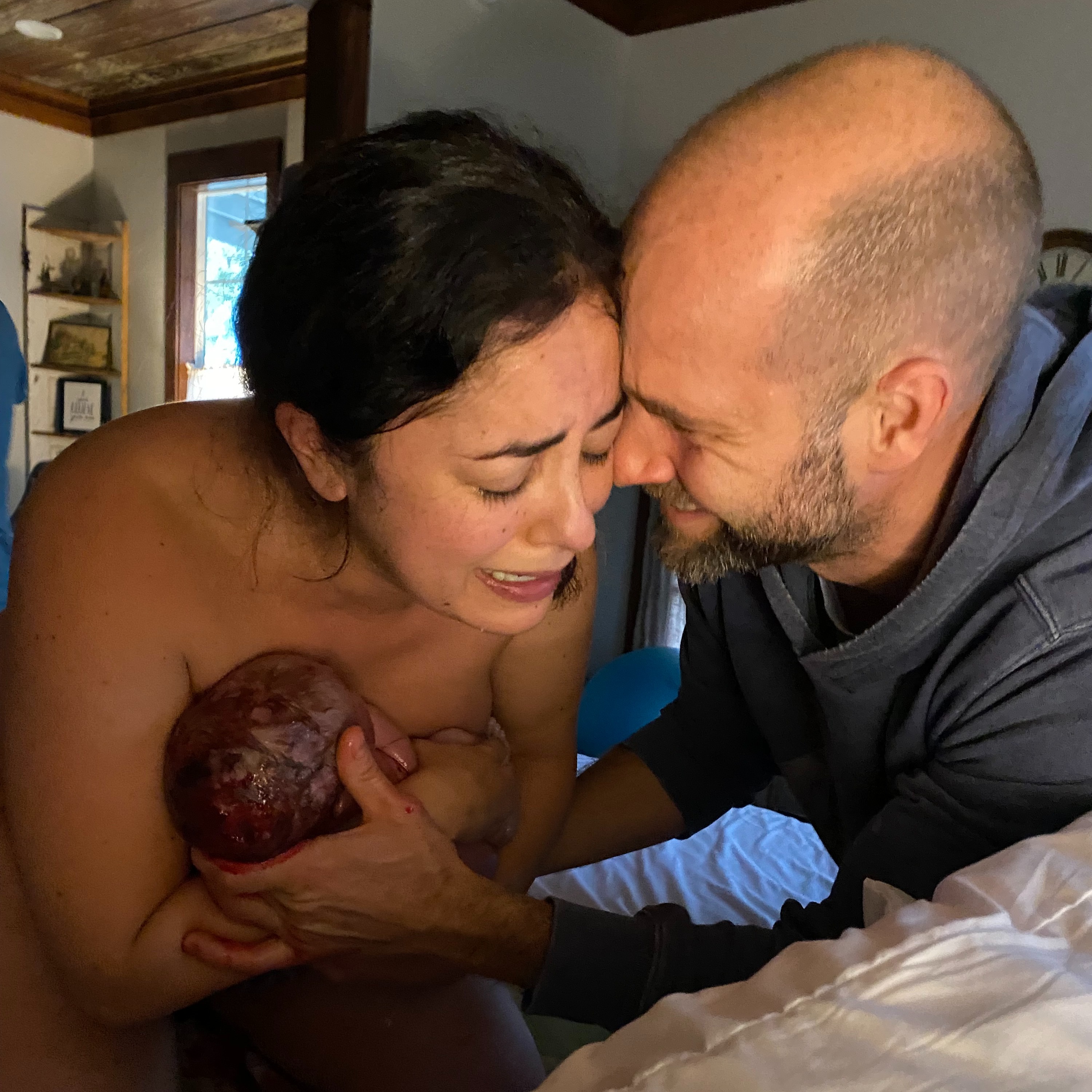
Invalid Date
Episode 383 Noel's Induced VBAC with Premature Rupture of Membranes + What is PROM?
“I don't think anyone pushes like a VBAC mom pushes.” In this episode, we chat about premature rupture of membranes (PROM) with Noel, a stay-at-home mom from Texas, as she shares her personal experiences and successful VBAC story. We dive deep into the importance of finding a supportive provider and the realities of induction. Noel was never able to fully dilate during her first birth. She and Meagan talk about the impact of meaningful milestones (like reaching 10 centimeters!) during a VBAC labor. Also, it’s never too early to hire your doula! Premature Rupture of Membranes Preterm and Term Prelabor Rupture of Membranes Needed Website How to VBAC: The Ultimate Prep Course for Parents Full Transcript under Episode Details Meagan: Hello, Women of Strength. It is March which means it is my second C-section baby's birth month. I love March so much because it's also when the sun starts feeling a little bit warmer, and you start hearing some birds chirp. We're kind of getting to that spring season, depending on where you are. Let's be honest, I'm in Utah, so it's still probably snowing every day in March. But I love March so much. And we're kicking it off with a really great episode. We have our friend, Noel. Hello, Noel. Noel: Hi. Meagan: I am so excited for her to be on today. She is actually in Texas, and tell us where again in Texas. Noel: The Woodlands, Texas. It's right near Houston. Meagan: Okay, perfect. And this is where you had your baby? Noel: No, so I actually had my baby in Dallas. That's where we were living at the time. Meagan: You were in Dallas. It says it right here on your little form. Okay, so she was in Dallas, you guys. So Dallas peeps or really just Texas peeps or really anybody. We know people travel for support and things like that. This is definitely a story to listen to. And then we are going to be talking a little bit about PROM. If you haven't ever heard about PROM, PROM is P-R-O-M and that means premature rupture of membranes, which means your water breaks, but labor doesn't really start, so it breaks prematurely to labor beginning. There's also PPROM, premature rupture of membranes, which means your baby is preterm. So we're going to dive into that in just a minute. But I wanted to tell you a little bit more about Noel. She is a stay-at-home mom with two boys. One is 3.5 and one is 5, so it's been a little bit since she had her baby. She actually submitted a while ago. We found this and I was like, I really want to talk about this because one, we talk about PROM, two, we talk about finding a supportive provider, and three, we talk about induction. I think it's important to note that if VBAC is more ideal without induction stereotypically, but it is still very, very possible with induction. I think there are so many people who are told that it's not possible out there or don't think it's possible or think that the risk is just astronomically increased when it comes to induction, and that's not true. So Noel has been doing lots of great things. In fact, she just told me a fun thing. She just started a company. Can you tell us a little bit more about that? Noel: Yeah. So we just started a travel agency. It's called Noel Mason Travel, and I'm specializing in Disney. I love Disney, Disney cruises, Universal, all-inclusives, and then eventually just catch-all travel. So yeah. I'm excited. Meagan: Love it. Fun fact about me that you might not know, and it's even more about my husband, we're a big Disney family. In fact, we just went to Disney World for the second time this year. We just got back literally two days ago. Noel: Oh my gosh. We're about to go. Meagan: We love Disney World so much. And my husband is a die-hard Disney fan. Noel: It's so fun. Meagan: It's exciting. I was just told recently by a friend that we definitely need to try a cruise, so maybe we need to connect. But yes, if you guys are looking to take your family to Disney World, definitely reach out to Noel. Of course, you can ask VBAC questions. Noel: Yeah. Meagan: Okay, so I'm going to go back. In addition to starting a travel agency, she loves cooking and is very passionate about pregnancy. She actually started an Instagram documenting her VBAC journey. In addition to fun and travel, I wanted to see if you could tell us more about your Instagram page where people can go and follow that page from when you were doing that. Noel: Yeah, so it's called Docnoelmason. I'm obviously not a doctor, it was just kind of a joke. But I created that Instagram at a time when I was grieving my first birth. After therapy, I realized how important it was for me to just talk. It didn't matter if anyone was listening. I just wanted to talk and educate. I created this Instagram basically just to educate my friends, none of them who were pregnant yet, on how to avoid a C-section, C-section recovery, if you have one. It was just a video diary. There's so much content of me just sitting on the couch to my camera, ugly views, just talking about what was currently going on. Meagan: I love that. I think that's going to be something that people will connect with because that's where we're all at. We just want to sit there and hear where someone else who's going through the exact same thing is. I just feel like we connect so much and that's why I love our community on Facebook, and I love this podcast, and of course, we love our Instagram pages and things and hearing everybody connect. We've been told that people have made actual friendships through this community. It's so awesome. So thank you for sharing that. We will have all of the links for the Instagram page and her new travel agency in the show notes if you are interested in checking that out. We do have a topic of the week instead of a review of the week. If you're just joining us, we have, for so many years, done a review every single week where people comment and leave reviews, and we share them. We're still loving those, and we're still sharing those. So if you haven't yet, leave us a review on the podcast. It really does help us so much in so many ways and truly helps other Women of Strength just like you find the podcast. You can check that out at Google. You can Google "The VBAC Link" or on Apple or Spotify or wherever you're listening to your podcast, leave a review. It'd be greatly appreciated. But today, we do have a topic of PROM. So like I mentioned, Noelle had PROM. I had PROM. She's gonna tell you more about her story of PROM. And I've shared my story a million times about PROM, but they say 10% of pregnancies will have PROM, premature rupture of membranes. I was 3 for 3. It just happened for me. That can be sometimes hard because water breaks, and what do we do? I mean, Noel, what were you told to do if your water broke? Did anyone say anything? Noel: With the first pregnancy, I was told to go straight to the hospital. Don't delay. Get there immediately. With the second pregnancy and a better team, I was told, "Just keep doing what you're supposed to do." Walk if you want to, but just act like nothing's happened. Meagan: Go carry on with normal life. Noel: Carry on. Yeah. Meagan: Yes. That is definitely something that we would suggest. Now, there are certain things that we want to watch out for. If our water breaks and it's green, nasty, meconium-stained, it might be a reason to go in to your provider or call your provider and have a discussion with them. There's prolapsed cord. That can happen, and that is a very serious situation where we need to get on our head and get our butt in the air and get to the hospital. If there is a cord coming out after your water breaks, it is an emergency situation and is not something to just hang out and carry on with normal life. But when water breaks, what I was instructed to do with my third pregnancy, also like you with a better team, a more educated self and I had doulas and midwives and everybody. It was your water breaks, you do a little check-in. What does the color look like? Okay, is it clear? How are you feeling? Do you feel like you have a fever? Do you feel flu-like symptoms? Maybe take your actual temperature and see if you have a temperature. Okay. We don't have a temperature. We're not contracting. All is well. Put a pad on. It's probably going to keep coming. Just to let you know, you will keep leaking and then keep going. Keep going. Now, it is important to know that it can take hours. I'm serious. Hours and hours for labor to start. And Noel's going to share her story in a second. But for me, it really took 18 hours until I was really going with my second. And then with my first, I actually started contracting soon-ish. So it might not be technically PROM, but I started cramping and contracting, but it really took until 12 hours for me to even be 3 centimeters dilated which was very normal as a first-time mom. Know that if your water breaks, it is not like, run to the hospital. We're having a baby right this second. You're gonna have a baby in the car. It's not always like that when your water breaks and contractions aren't starting. So just to let you know, about 95% of all births will occur within 28 hours of PROM when it happens at term at 37 weeks. Now, PPROM is, like I said, preterm premature rupture of membranes. That is something that you will probably want to go in for if your baby is preterm. That happens at about 3% of pregnancies. I just think it's important to note that it happens. Noel and I are proof of that. If it happens, it doesn't mean run. You don't have to run to the hospital. You don't have to think you're having a baby right this moment, but it's something I suggest checking in with your provider about beforehand saying, "If my water breaks, what would you suggest?" They might suggest go straight to the hospital. We know it's not necessarily what you need to do, but at least you know your provider's suggestions. Okay. All right, we are going to take a quick break for the intro, and then we're going to get into Noel's story. All right, Ms. Noel. I have taken so much of your time already, so thank you so much for talking PROM with me. Yeah, let's turn the time over to you. Noel: Okay. So with my first birth, I was the first of my friends to get pregnant and I just had this very fairytale view of pregnancy and birth. I really just knew what happened in movies. So like you said, the water breaks, it's water everywhere, and you run to the hospital. I just had no idea what to expect. I had listened to some birth stories enough to know that getting a doula would be important, but at the time, I thought that is way too expensive and something that I, in my first pregnancy, don't need which is so silly looking back now, especially with my C-section bill being what it was "too expensive". It would have saved me a lot of money. But yeah, I did no techniques like Spinning Babies, no chiro, no PT. I just felt very unprepared. And looking back now, I think my doctor really preferred it that way. I think she didn't ever push me in that direction. I also had SPD and it basically felt like a knife was jamming up anytime I would walk. And again, my doctor never pushed me in any direction. She just said, "Rest when you can." That was awful. I was also told I had an anterior placenta which is a weird thing to remember, but I remember being a little bit scared by that. I guess that's why I logged it. They told me there was no risk to having one. It didn't really matter. But now looking it up, of course I know that can really affect the position of your baby. So flash forward to my growth scan. No surprise, I was told that he was sunny-side up. Of course, I asked, "Is there anything I need to do? Does that matter?" And the doctor said, "No, totally fine. Doesn't matter." You'll have a healthy Baby. So I said, "Okay." They found my fluid was low on that scan as well. Of course, I didn't ask what the level was. I just said, "Okay." They said, "We want to induce you in the next few days." So again, I was so excited to have this baby out. With my first one, I was like, let's get it on the books. Meagan: That's very common. Noel: Yeah. Yeah. So many of my friends I see doing the same thing. Again, you just don't know any better. You're ready to not be pregnant. We scheduled it for July 3rd, which again, I think was a huge mistake a day before a holiday. But again, I wasn't really thinking. I was put on Pitocin. I was already a little bit dilated, put on Pitocin and I was dilating about a centimeter every hour. Pretty uneventful. I would have to move positions. The baby's heart was acting up a little bit, but nothing really to worry about. I got to 9 centimeters. They brought out the table, all the fun vacuum forceps, and I was ready to go. That was probably 4:00. Well, every hour they kept coming in and checking me, and I was still a 9. So a couple hours into that, my doctor came in and said, "We're going to have an emergency C-section." That was that. No questions, just this is what's happening. Meagan: Can I ask why they called an emergency? Was baby struggling or did they just use the emergency to justify as being a Cesarean? Noel: Yeah, I think at the time of day, "Let's get this baby out of you before it's midnight. We want to go home." But no, aby was fine. Like I said, the heart was acting up a little bit, but no one was concerned. She just said, "This is too long to be dilated like this and not have any movement." Again, a first-time mom, I was just like, okay. I remember crying. My mom's crying. I'm crying. We're both just a little nervous about what's about to happen. The doctor came in and sees us crying and goes, "Don't worry, I'm going to have you back in that bikini by the end of summer." It still just has stuck with me what a routine moment this was for her and not a big deal to her. She just thought I would be worried about my body. It was just so ridiculous. The birth was fine. You know, we talked about the Bachelorette. It just was not what I thought would happen as they were operating. Meagan: During your birth? Noel: During my surgery, both the JOBs are talking about the Bachelorette, and I'm chiming in, and I'm just thinking, this is not what I had planned. This is not the moment I envisioned. It was really weird. So that next morning I'm recovering and my mom comes in and is like, "Hey, I don't know if you know, but one of my friends had a VBAC after her C-section with her second baby. She had a VBAC." And I asked her what a VBAC was and we talked about it. Right then I decided, this is what I'm going to do. I'm not doing this again. I am not doing this again. I'm going to have a VBAC. Flash forward about a year, I decided we would get pregnant again or would start trying, and we got pregnant right away. Thank God. In this time, I happened to find this article on Google listing hospitals to avoid for C-sections in the United States. Yep. You know, the article. Mine was number eight. Number eight. I could only laugh at that point, like, okay, all right. This time I'm going to be doing my research. Meagan: Yeah. Noel: So when it came to choosing my provider, I really felt like that was the biggest thing that could set me up for success. I knew I wanted to have the baby in a hospital again. I wasn't sure if it was going to be with a midwife or OB. I joined a Facebook page. It wasn't ICAN, and it was a group our of Dallas. It was a C-section Awareness Group, the Dallas page. There was a supportive OB who was mentioned there. I had an appointment with him and he was fine. Nothing to write home about. This was also during COVID, so all of those rules were in place and work mattered. I also started searching for a doula at 8 weeks because I just figured, if I'm going to have one, let's have one. I'm going to have them the whole time. One of those doulas suggested moving practices to a group called Dallas Midwife Associates, and now they're Midwife and Co. They are known for supporting VBACs, and the hospital that they deliver in Baylor is also known for just being a very VBAC-supportive hospital. So I switched to that group, and the coolest thing about them is you see a different midwife every appointment you go to. They just cycle you. So by the time you're ready to have your baby, you know everyone on the team. They all know you. You're not worried about your provider being on vacation. There's no pressure for induction or anything. They were so amazing and awesome cheerleaders. The OB who they are in practice with who would do a C-section if I needed one or became high-risk and had to go see him, he was also supportive. So that was awesome. I could not recommend them highly enough. But yeah, just preparing this time, I think, being so clear with myself about why I wanted this VBAC. For me, it was the biggest thing at the time was the recovery. My kids were going to be 21 months apart, and I did not see how I was going to be able to have a baby and another baby if I can't lift up the first one. He was still in a crib. I didn't see how that was going to work. And so the recovery was super important to me. The experience was important to me. I wanted to do everything in my power this time to know that if I had a C-section, it was a true emergency, and that I could look back on that birth and say, "Well, this is what was supposed to happen. This is why C-sections exist," and not, "Oh, gosh, I could have done XYZ differently this time." I also had the SPD again and was not about to let that fly. With a toddler, you're constantly moving, so I couldn't be in pain all the time. I went to go see a chiropractor. I went to physical therapy. They both recommended Spinning Babies as well as my doula. So I did Spinning Babies. I was kind of crazy about it. The whole don't recline more than 90 degrees, the flashlight trick thing, that was everything to me. So 30 weeks on, you would not catch me reclining. I sat with the best posture or just laid flat on the couch because I was not about to have a sunny-side-up baby. Meagan: I can totally relate to that. I didn't sit on a couch. I didn't even sit on a couch because I was like, I'll sink too much and it will turn my pelvis in. I remember driving all back up and pelvis tucked forward. Noel: On the tip of your chair. Meagan: On the tip of my chair not wanting to have a posterior baby at, all. And then I got one. Noel: It just shows you-- yeah, exactly. You're not really in control of it. I asked about my placenta this time. Again, that's nothing you can prevent, but I knew I had lower chances if it wasn't anterior. That was good for me to know that if it was, I would need to work even harder. I don't know how I could sit up any straighter, but do my best. And then I also had what's called an overactive uterus. I guess I just had constant Braxton Hicks. Google would tell you to go into the hospital, you are in labor. So many Braxton Hicks. My belly was just constantly hard. So because of that, I didn't do any of the tea. That would make it worse. Anytime I tried, I would have more Braxton Hicks. Meagan: Because it's a uterine toner. So that's what it is. It is made to help a uterus that is contracting be more efficient. If your uterus is hyperactive already contracting, it's going to try and make it contract. Noel: Yeah, it would go nuts. Yeah, yeah, yeah. But I did do the dates. I'm a big believer in the dates. Plus they taste awesome. So there was really no harm in that. Okay, so flash forward. It's 38 weeks. I was off and on higher blood pressure. But on that day, I had a reading of 137/95. They began to get a little worried and just said, "Okay, you should monitor this at, home that whole week, and then at 39 weeks, we can figure out if this is still a problem." They did mention an induction if the blood pressure continued to rise or stay the same. I came in at 39 weeks. I was planning on not getting my membranes swept. I wasn't into the risk of that, but with the induction looming, I guess I should say. They did test my blood pressure that day, and it was 137/100. The protein in the urine was negative, but they were still a little worried because it wasn't really going down. I went out to the parking lot. I called my doula, and we decided that I would get swept at that point. The induction was just going to be a few days away, so we figured the risk was probably worth it at that point and went ahead to get checked for how dilated I was. I really wanted to start with the Foley bulb instead of Pitocin if it was possible, but they ended up finding I was 4 centimeters dilated and 70% effaced. Meagan: Okay, that's great. Noel: It looked like I was ready to go. I got swept that same day. Again, I said this was COVID, and the shots had been out for like a month. I found a place for my husband to go get a COVID vaccine because I was crazy pregnant, hormonal, and I kept hearing all these horrible stories about husbands not being able to be in the birth because of them having COVID or something. He's a Baylor sports fan, and Baylor been awful for forever but happened to make it to the national championship that day and that night. He was like, "I don't want to feel sick for this game. I'm not going to get it." Of course, me being almost 40 weeks pregnant could have cared less how he felt and if he was going to feel sick, so the poor guy gets his shot. I'm having contractions at that point, thinking that it worked. So I'm walking around the living room like we're about to have this baby, and he starts shaking and drops his water. Glass shatters all over the ground. He came down with a 104 fever in the middle of this game he has been waiting for his whole entire life. I'm contracting. It was so stressful. So I called my neighbor and was like, "Hey, I think I'm having this baby tonight. I might need you to drive me to the hospital. I don't know if Luke's going to be able to be there." I mean, he was in bed, not okay. Awful, huh? It was so awful. I was just praying, "Lord, I know I've been asking for this baby to come, but please, please, please, can you stop all of this?" I woke up, and completely, everything had stopped. So thankfully, his fever went away throughout that next day. My doula recommended I go to get acupuncture. I thought acupuncture was the same thing as acupressure. I was expecting to go in for a massage. Meagan: Yeah, very different. Very different. Noel: Very different. Very different. I was a little freaked out by all the needles. The next morning I woke up and thought, "Oh, crap, that didn't work. What was the point?" That morning was the 8th. I had an appointment later that day to talk about the induction. I dropped off my son at school. I always heard on this podcast, labor will start when you put your kid to bed or they go to school. I always thought that was so funny. I didn't think it would be me. I dropped off my son at school. I go to my chiropractor's office, and I text my doula and I'm like, "I think my thighs are wet. I feel like maybe my water broke." But, you know, there's so much nasty stuff going on down there at the end of pregnancy. I kind of talked myself out of it. I went to the bathroom and was like, no, I'm just not in control my bladder anymore. I don't know what's going on. On the whole drive home, I just felt more and more liquid. And then getting out of my car, my neighbor and I were getting out at the same time, and I start walking and could just feel more and more wetness. I just stopped and waited for him to go inside. And finally it hit me like, okay, this is my water. Yeah. So I called my midwives and my doula and everyone said, "Just continue doing what you're doing. Everything looked normal. The liquid was clear. I really did not want to be induced. They knew that. My doula knew that." So that whole day, I did everything I could. I did curb-walking. My doula gave me a circuit to work on. I did the Spinning Babies, and nothing happened. My blood pressure was still high, so they wanted to see me that afternoon to do a stress test to make sure the baby was okay and check on blood pressure again. So I went in, did the stress test, baby was fine. But they said, "We'd like you to go to the hospital tonight around 9:00 if nothing has started." Nothing started, so I was upset. But again, I trusted my team and that was the difference here. They were still great with me having a VBAC with Pitocin. There was never a moment where they considered not letting that happen. So I got to the hospital, asked if I could labor until 3:00 AM and just see if it started. Didn't start. They got me on that Pitocin. And at this point, I was still hoping to do things as natural as I could while being in the hospital. I was really hoping to avoid an epidural. I again was not happy about the risks of an epidural, but those Pitocin contractions really were coming on strong. I remember going and trying to labor on the toilet and sitting on the toilet and feeling and hearing what felt like a bowling ball, like a dunk, and I think it was probably the baby settling into a better position. At the time, I hated it. I hated that feeling. I literally looked around and was like, "Did you guys hear that?" It felt internally so loud. At that moment, the contractions started coming on even stronger than before. At this point, it had been 24 hours without sleep. I was not taking the contractions well. I said, "Let's do a check. If I am an 8 or higher, I'm having this baby with that epidural. If not, we'll see what happens." I was still a 4. And so again, I don't think I would recommend it if you would like to go without an epidural. Don't get checked. Just don't get checked. I knew that. I knew that, but it was a different moment when I was actually in labor. So the upside is I was finally able to rest whenever I got that epidural. A couple hours later, I was a full 10 and ready to go. They had me labor down for a little bit, but I will never forget that moment as a VBAC mom when they told me I was out a 10 having never gotten to the 10. Oh, I get chills just thinking about it. It was so special. I labored down for an hour. They turned down the epidural. I could not feel my legs. And so again, Baylor is a teaching hospital. So I had a nurse in training, I guess I had my midwife and then they had a midwife in training at the time, and then husband and my doula all in my room just surrounded. My husband hates it when I say this, but it was the feminine energy. It was just so amazing. Everyone was so hyped and excited for me. I don't think anyone pushes like a VBAC mom pushes. I felt like I was in a throw up. I had this ugly rag on me, but I could have cared less. I was just so excited to get to push. The baby came out with my first. My first baby was 7 pounds-12 ounces, 21 inches long, a normal-sized baby. This baby came out and was 10-pounds, 4-ounces, and 24 inches long. I grew a mega-baby compared to this first one. It was just so great. I didn't do the growth scan with this baby because I was so afraid that if they told me that the baby was big that I might be tempted to get a C-section or scared out of having a VBAC. I knew our bodies were made to do this. No matter how big this baby is, my body can do it. So yeah, that was that. Meagan: Oh my gosh, that is amazing. I am so grateful that you had that team and that energy because that energy is so important, and I do believe that it helps us VBAC moms, and really any mom get through that end stretch that sometimes can be intimidating or it can be longer, and then I love hearing that you got to not only have your VBAC, but then it was like, "Not only did I VBAC, I VBAC'd with a baby that was almost three pounds heavier, bigger than my other baby." So many Women of Strength listen to this podcast. I'm sure you've seen it in your forums. People don't believe that they can do it because our providers and our system tell us we can't because we go through these growth ultrasounds and they create some fear. I love that. I love it so stinking much. That's so amazing. Congratulations. Noel: Thank you. Thank you. It was amazing. Meagan: Are there any other tips that you would suggest in you finding a provider or dealing with PROM and not getting frustrated? I think it said one of the best tips that you would give to someone was making sure your provider and the providers they work with are not just VBAC-friendly, but they're really supportive. Do you have any tips to that? Noel: Yeah. That is, again, what I always tell my friends because if your team doesn't trust that you can do this, that's going to really set you up for failure. I just know so many people who are like, "Oh yeah, I asked my doctor if I could have a VBAC after my C-section and they said, "Sure, we'll just see how this will go, and my heart drops." I'm like, this is not going to go well. Meagan: Actually, that's a red flag. Noel: It's a huge red flag. It's a huge red flag. Yeah. I know me who can be a warrior. It was really important to me that everyone who would be around me was supportive because if I had one person come in there and try to poke my bubble, it could start getting in my head and that I don't need that. So, yeah. Meagan: Yeah. Not even just your providers, but your team and your atmosphere around you. I mean, sometimes in that end of pregnancy when we're being told, "Oh, you why haven't had a baby yet?" or "Your baby's gonna get too big," especially if they were ever given a diagnosis of CPD where their pelvis is too small or anything like that, the things that people say can really get into our mind, so we have to protect that bubble and not let anyone try and poke it and pop it because you deserve to feel safe, love, supported, heard in that bubble. Noel: I think listening to the podcast. I listened to this podcast every single day while I would walk with my firstborn. That helped give me the security. I knew, okay, this other mom had this story that's similar to mine. I can do this. If she could do this, I could do this. So it didn't matter whenever I had people come in who had no idea what a VBAC was try to talk me out of it. You have no idea what you're talking about. I have equipped myself with so many other women's stories. Meagan: You're like, "I actually do." Noel: Yeah, right. I'm Dr. Noel Mason. I know it. Meagan: So yeah, I love that. I am Doc Noel. Another thing that I pulled out from your story was you reaching 10 centimeters and having that feeling and not even maybe realizing how badly you needed to get to that point or hear those words. They're just milestone markers. I was in that too. I needed to get past 3 centimeters because I was told that my body couldn't. Once I was past 3 centimeters, it was like, okay. Okay. Even though I knew in my mind I could dilate past three centimeters, I knew I could. There was still this weird hang up, so once I heard that number past 3 centimeters, I can't explain to you this utter relief and aha moment of like, okay. It gave me this surge of power and strength to hear these words. I think it's really important while we're preparing for our VBAC to process our past births and realize what might be triggering and what might be milestone markers that help encourage you and communicate that with your team. Let them know, "You guys, I have never made it past 9 centimeters. I hung out there forever. I was told I needed an emergency C-section. The number 10 is going to be a big deal for me. I need you guys to help me with that," or whatever it may be. Or, "I really don't want this to happen. Can you help me avoid this?" I think communicating with our team comes with preparing for a VBAC, but also processing things mentally and understanding those big moments that you need is okay to be like, "Yeah. That actually was a big deal for me. This is a big deal for me." My water breaking was a trigger for me. But then to hear that my body could get past 3 centimeters on its own was a huge deal. So I just love that you were like, "I felt that," because I could just really remember back when I felt that moment, of like, yes, yes, I can. Noel: I can do this. Meagan: I can do this. And Women of Strength, as you're listening, I want you to know you can do this. Noel and I are two of thousands and thousands and thousands and hundreds on this podcast who have come before you who have done it. It is possible, but you do have to set yourself up in all the right ways. We know even then, sometimes you can do everything right and still not have the outcome that you want, but our goal here at The VBAC Link is to help you have a better experience. So getting that information, building your team, finding that supportive provider, all of that, and then also knowing your options if a Cesarean is needed, I just think it's so important to know that you deserve it. You can do it. You are worth it. You are worth it. And like Noel mentioned in the beginning, I didn't hire a doula because of costs. I just thought it could be by myself, and then she had this massive Cesarean bill. Sometimes these doulas or education courses or whatever, going to PTs and chiropractors may seem like it's too much financially or you can't do it, but in the end, it really pays off. I'll tell you, there's not a single day in my life that I look back and be like, I can't believe that I went to this two chiropractors and paid this much for that, paid for my doulas, paid for an out-of-hospital birth. I never even questioned that. That money was well spent. Even if I didn't have a VBAC and had to transfer and have a Cesarean, it still would have been well spent because I had a better experience. I felt empowered. I'm also going to plug Be Her Village. I'm sure you guys have heard me talking about it before. I love that company. If you are in that situation where you don't feel like you can financially do it, go register for Be Her Village. You guys, it's a registry for doulas and postpartum and PT and chiropractor and all these things. It's a place where you can go because I'm sure Noel will say it's worth it. Noel: Definitely. Yes, definitely. Meagan: Yeah. And hire a doula early on. I think having a doula early on in your pregnancy who can literally walk through this journey with you is so powerful. It might not be something where you talk to her every day. It might not be like that, but having that person in your corner, I love that you were able to go outside and call and be like, "This is a situation. Let's walk through it," and have that sounding ear and extra opinion and in the end supporting you in whatever you decided, and you decided together that you wanted to do that. I think it's so, so powerful. So as a reminder also, we have a whole registry of VBAC doulas. You can go to thevbaclink.com/findadoula. They are literally trained in VBAC and know the options and want to help you navigate that. Any other tips that you have? Noel: No, but thinking of the doula thing, again, at eight weeks, that is so important. I know a lot of people are like, "I don't even know if this baby is viable yet." I don't even think I had had my first-- Meagan: Ultrasound? Noel: Yeah, yeah. I had no idea. But if it weren't for interviewing those doulas, I probably would have stuck with that original provider that I had in mind and gone the whole pregnancy with them. Because if they would have told me to switch at 20-something weeks and my provider was fine and supportive, there would have been no reason to switch. I'm so glad I talked to them when I did. Meagan: Yes. Oh, that is such a powerful thing to remind people of because doulas know the area. Doulas work with these providers all the time. It's outside of our scope to be like, "This provider is garbage. Don't go," or tell you what to do exactly. But at the same time, and maybe it's not really outside of our scope to say that. Maybe it's not really. It's maybe just not appropriate to be like, "This is garbage." But at the same time, we can be like, "Hey, this is what I've seen. I would encourage you to check these people out also. Hey, here are some questions to ask for your provider." Noel: Yes. Meagan: I love that. The doulas know the providers in the area, and they can help guide you through what really is that supportive provider. Noel: Yeah. And supportive hospital or birth center, whatever. They know. They've been there. They have been to more than we have. Yeah. Yeah. Meagan: Yeah. There is a hospital here in Utah that anytime someone wants to VBAC, at first, for a long time, I was like, "Okay, you know, just do whatever feels best," until I saw too much and now I was like, "Listen, I'm gonna be straight with you, and you don't even have to hire me if you don't like my honesty. But if you want a VBAC, you're going to the wrong place." Noel: That's powerful. Meagan: I have said that. You're going to the wrong place. Trust these people. They know. They've seen it. They're there. They're really there. Noel: Yeah. Yeah. Meagan: Yes. Okay, well thank you so much again for your time today and your stories and congratulations on your cute, chunky baby. Noel: Thank you. Closing Would you like to be a guest on the podcast? Tell us about your experience at thevbaclink.com/share. For more information on all things VBAC including online and in-person VBAC classes, The VBAC Link blog, and Meagan’s bio, head over to thevbaclink.com . Congratulations on starting your journey of learning and discovery with The VBAC Link. Support this podcast at — https://redcircle.com/the-vbac-link/donations Advertising Inquiries: https://redcircle.com/brands
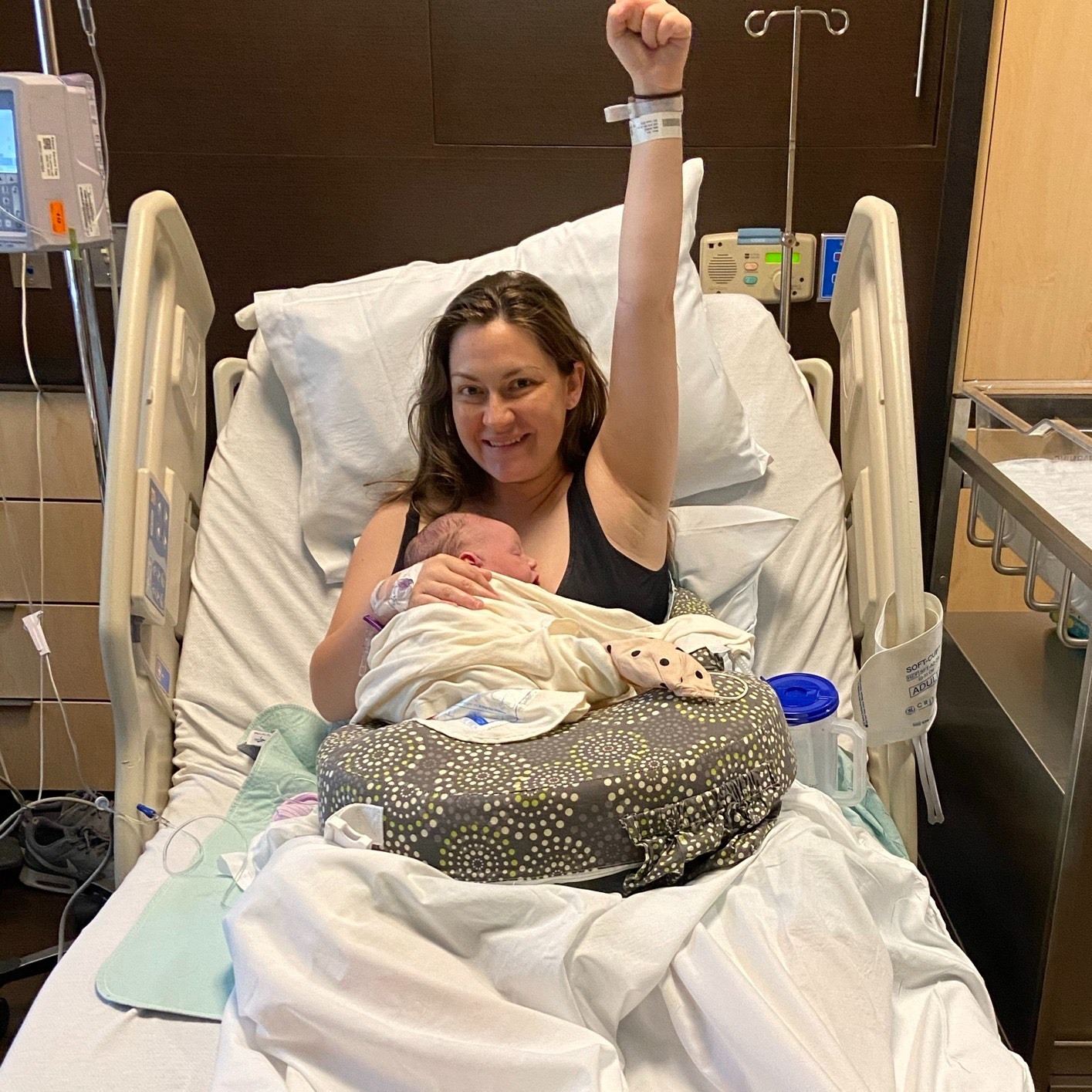
Invalid Date
Episode 382 Alice's Safe HBAC After Healing From an Abusive Relationship + Domestic Violence Support
In this powerful episode, we hear the story of Alice, who shares her brave journey through two contrasting pregnancies and the impact of intimate partner violence on her mental health. Co-host Sarah joins as one of our VBAC Link certified doulas to discuss the importance of mental health awareness, especially during pregnancy and postpartum. This episode dives into the significance of having a strong support system and the need for open conversations about postpartum mood disorders and trauma-informed care. Alice is a beautiful example of resilience, healing, and the strength that women possess. National Domestic Violence Hotline Needed Website How to VBAC: The Ultimate Prep Course for Parents Full Transcript under Episode Details Meagan: Women of Strength. Hello. How are you doing? I hope you are having an amazing week. We have another story coming your way today, and we actually have a co-host today, my friend Sarah. Hello, Sarah. Sarah: Hi. Meagan: Thank you so much for being here today. Sarah: Yeah, I'm super excited to be here. Meagan: I love having our VBAC Link doulas on the podcast here and there. It's fun to not only share you with the world and let people know who you are and where you are, but really just to hear from you guys and hear your educational pieces and just have you guys in the story and giving your input, and I just love it. So thank you so much for being here. Sarah: Absolutely. Meagan: Guys, today, like I said, we have an HBAC coming your way. But I did want to let you know that today's episode may have mention of partner abuse and suicide. I really, really, really think it is so important to really not mask stories and share the rawness of people's stories because I think the rawness and the real story is what makes us who we are today and really creates the story to be true. I just wanted to give you guys a heads-up. But I'm going to turn the time over to Sarah. She is in replace of our review today doing an educational piece and actually talking about mental health. Sarah: Yeah. Hi. So again, I'm super excited to be here. I'm Sarah Marie Bilder. I'm located in the upstate South Carolina area and I do birth and postpartum doula work. I really just wanted to cover the topic of mental health because in the story that we're gonna hear today, it's pretty relevant and it's one of those things that aren't often talked about. I don't wanna say that that's not talked about because when we say that it kind of, I feel, diminishes the people that are talking about it. It's important to really highlight when we are talking about it. But a lot of the times when we're preparing for pregnancy, we're focused on the physical aspects or maybe mindfulness or something along those lines, but we don't really dig deep into postpartum mood disorders or when there are mood disorders that are still occurring in pregnancy or even that might exist before we're pregnant that will still continue throughout pregnancy. So it's really important to make sure that we're having these conversations and that we're being open and honest with the people around us. Maybe if you aren't in therapy or have somebody sort of set up along those lines, you still have a close friend or a support person that you can be sharing this information with or really opening up about the feelings that you're having because they are very real feelings, and even into postpartum, it goes more than just the baby blues. There are a lot of different things that can be occurring and happening that it's really important to continue to have those support people. So as a doula, this is something that I make sure my clients are aware of and open to, and I try to be as much of a support person as possible, but knowing when professionals need to step in and when situations need to be handled I think is really key. So making sure that you have people to talk to, making sure when you listen to these stories that you are considering different situations and different aspects and that we're talking to our mom friends too. If you're not the one currently going through it, if you're hearing somebody else going through different situations, we're continuing to stay open and stay together and stay supportive. Meagan: Yes, I love that. Thank you so much for that message. I also want to add through to it that after we have our babies, we are given a six-week follow-up. You do not have to wait six weeks to talk to your provider. If you are feeling these feelings, you do not have to wait until then. You one, can get in sooner. But two, there are other resources, and we will make sure to have those resources shared at the end of this episode and in our show notes. So if you or anyone that you know and love are experiencing these things, please know that there is more help. Okay, Alice and Sarah, thank you so much again for being here today. I want to turn the time over to you, Ms. Alice. Alice: Hello. Thank you so much for having me. I'm very excited to be here and share my story. Meagan: Me too. Alice: So I have had two pregnancies, two births, and they were both very, very different. My first pregnancy, when I think about when I found out I was pregnant with my first, it was the lowest point of my life. I was nine months into being married to my abuser and had really lost my entire sense of self. I was at this point where I just didn't understand how I had gotten there. I didn't understand how I had married him. I found myself hospitalized from a suicide attempt. I also had no social support. I had no family in the area. I had no job. My husband was an attorney, and I relied on his friends and his family for emotional support. I was hospitalized and felt very lost. About a week into my hospitalization, the staff, who were constantly running tests and blood draws, pulled me out of a group where I was learning how to deeply breathe, and to my shock, told me I was pregnant. I had no idea. It was just a very out-of-body experience being hospitalized for mental illness. Some people can find it really helpful in healing, and it can also be a trauma in itself, and it was that for me. So to be in this setting where I had no freedom, and then these people were telling me what was inside of my body. It was-- I couldn't process it. I was very disconnected to my pregnancy at first. The next five days of being hospitalized, I was presented with a lot of information about pregnancy and intimate partner violence. It's information that I think is really important for providers to know, but it was presented to me as a new pregnant person in an abusive relationship in a way that felt really coercive and fear-mongering. They told me that the leading cause of death in the United States for pregnant women was intimate partner homicide. Meagan: Okay. Alice: Yeah. I remember one provider telling me, "Your options are to terminate the pregnancy or to leave him now. It's our professional opinion that if you stay in this relationship while pregnant, it's very likely that he will kill you before you give birth." Meagan: Gosh. Alice: I remember feeling so shocked and afraid. I knew I wanted to be a mom. I think the decision to continue a pregnancy or not when you're faced with, it's always a difficult decision. It was for me because I was afraid, and I knew I wanted to be a mom. I also knew that I couldn't leave yet. The leaving is really complicated, and it's not a direct line to safety. I remember feeling when they were talking to me about leaving, like, "Well, you could go here or you could call this person," thinking like, don't you think I've already thought of this? Don't you think I've thought of every way to keep myself safe? Now I was pregnant, and I wanted the assumption that I was making decisions that were best for me and my baby. My pregnancy was difficult. I had hyperemesis and I had this pregnancy rash that was really itchy my whole pregnancy. They kept testing my bile levels, and they were all normal and never knew what was going on. I have scars on my body from scratching. I'm pretty sure now that it was just stress and breaking out in hives throughout my pregnancy. I had broken ribs in my third trimester. When I think about that pregnancy, I remember it being a time of suffering and fear. I feel sad for myself when I think of myself during that time experiencing pregnancy like that. At the same time, I had an incredible midwifery team based out of a hospital. I can't say enough about how supportive and trauma-informed they were. They never pressured me to leave. They asked questions like, "What can we do to help? How can we make you safer?" They trusted that I was doing everything I could and that I knew how to keep myself safe and how to keep my baby safe. I was living with my in-laws when I went into labor with my first. I had moved in and out of our home depending on how safe it was. I didn't have anywhere to go other than his parents'. I was living with them and my waters had been leaking for a few days and I knew. I was like, I know I'm not peeing this much all the time. I knew that my waters were leaking, but I didn't want to go to the hospital yet because I hadn't started contracting, and I knew they would induce. I started having contractions at midnight. I went in about 24 hours later. It was really slow. I tried everything I could to get things moving, but it just wouldn't speed up. I ended up being induced. I don't necessarily regret the decision to be induced. It did lead to a C-section, but when I went into the hospital, I didn't know what home I would go to. I wanted to be there. I remember thinking, I want to stay here. If that means I have to get induced, that means I get induced. But I felt much safer being in a hospital at that point. They started the induction process. I had a doula come, and I also had my therapist come. She was with me through my entire labor at the hospital and birth for-- she was there maybe 45 hours. We had made a contract and it's pretty innovative to have my therapist there as a support person at my birth. I think it's an induction story that we all know my body wasn't ready. I was on Pitocin for a very long time. Baby's heart rate started decelerating, not tolerating labor, and made the decision to have a Cesarean. It wasn't the birth that I wanted, but it was the safety that I wanted. I had support there. They made sure to tell me specific things that were in my birth plan that were triggers for me. When I was laid on the table for the C-section, someone got very close to my ear and said, "No one's tying you down. I know your arms are out. It might feel like that, but know you are not restrained." At one point, the anesthesiologist started petting my head because he was sitting by my head. The obstetrician who was just there to do my C-section, wasn't there for very long. She had read my birth plan and said to the male anesthesiologist, "She doesn't like her head to be touched." He stopped. I felt very seen. I did skin-to-skin in the delivery room. My therapist was in the operating room with me. It wasn't a terrible Cesarean experience. So postpartum was pretty hard. When I left the hospital, I was living alone with my baby. My in-laws agreed to encourage my husband to live with them so that we could be safe from him during the postpartum time. But living alone after a C-section with no family or friends and no doula was very, very difficult. My husband had substance-use disorder, and he took my pain medication when I got home. I just remember being in a lot of pain. I also was in this haze of falling in love with my baby. It still shocks me that I did not experience postpartum depression with my first. I was depressed through my pregnancy, and I also think I was in such a survival mode during the first year of my first baby's life that I didn't have any space to process or space to grieve. I was surviving. One year after giving birth to my first, I did file for divorce to get a restraining order and safely flee with my child, but it was a very long, difficult road. Meagan: If you are someone who is experiencing domestic violence during pregnancy, postpartum or just in general, there is help. You can reach out to the National Domestic Violence Hotline at 800-799-7233. Alice: So that was my first birth experience. Fast forward to four years later, I've memorialized the day that I found out that I was pregnant with my first because it was such the lowest point of my life. I think of it as this time where I was ready for my life to end. I'm gonna cry, but instead my life doubled and it led to this beautiful little human who I get to be a mom to and really changed the trajectory of my entire life, so I call it my life day. Four years later, on my life day, I was in a loving relationship with the most gentle man. I still am in that relationship. I felt like things were a little wonky with my body. I woke up and took a pregnancy test and saw on the exact same day that the hospital told me that I was pregnant, four years later, I had a positive pregnancy test. I was in a home that I owned, a home that was safe and filled with love and a relationship that was safe and loving. It was just so different. I went and I laid in bed with my then 3-year-old and said, "We're gonna be just fine." And I knew that we were going to be. My second pregnancy was also different. It was very healing. I experienced a lot of sadness again because I think I had space to grieve the first time. It also happened because I got pregnant right around the same time. It was like this weird re-do of my first one now with a loving partner and safety and getting to be pregnant. I think about what I wanted for my body and how to stay healthy. I didn't take a single vitamin during my first pregnancy. I was just focused on, how do I stay safe today? I can't even count all the supplements I was on this time. I knew pretty soon that I wanted a home birth. I feel like I was pretty educated on VBAC. I had been listening to The VBAC Link since I was pregnant with my first. I don't know why because I hadn't had a C-section yet, but I had loved the podcast and I knew the rates of repeat Cesareans. I also work in labor and delivery units and I know that they're very risk-averse. I felt like it was the safest option to birth at home. I also felt the weight of how precious it was to have a safe home that I could birth in. It was very meaningful for me to give birth in a space that was mine and was safe. My partner, who knew nothing about home birth, I broached the subject with him early in pregnancy was like, "I want to let you know. I don't know what you think about this, but I want to have a home birth." And he was just like, "Great." I was pretty surprised that he was so on board, but he trusted me, and he trusted me the whole way through. I did not have hyperemesis the second time. I didn't have the rash problem. I didn't have the broken ribs. I did have a lot of pain from pubic symphysis. Yeah, the second half of my pregnancy was like very difficult to even walk. I broke my pelvis in my teenage years and was a little unsure of how that healed. I broke it in two places. I have had this fear of, what if there's a bunch of scar tissue around a bone and baby's head couldn't get through? So I had that fear as well going into my home birth. My midwife was very skilled and very kind. It was a different experience of prenatal care. I also really loved my hospital prenatal care. I think given that I was in a high-risk situation, I loved my hospital prenatal care. It was exactly what I needed. And in my second birth, my home birth midwife was exactly what I needed. In my second birth, I went over my due date by 11 days which was such a mind game. I was so over it. I was just this crazy person who was doing everything that I could to get this baby out of me, but also was like, "No, I wanna be holistic. I don't to be induced. I'm not gonna--," so there were two parts of myself that were battling each other. But I, finally went into labor. My mother was here as well. My family lives far away, but my mother came to support me this time. It was just my mom and my partner and my three-year-old. I labored at home. I had my music. It was just a lovely experience of laboring and of joining in this experience that so many women have had of pain and beauty and endurance and strength. I felt so connected to the world and to women and to my mom. My midwife came. I started laboring at 7:00 PM. At 2:00 PM the next day, my midwife came. I labored in the tub. I had a blow-up birthing pool. I felt like labor was pretty straightforward until the last five hours that I was fully dilated, but he just wasn't descending. The midwife checked me and said that his head was stuck on my pubic bone. He was stuck there for five hours. It was a lot of pushing, but I wasn't really pushing the right way. It felt like contractions that just weren't producing anything. It wasn't opening anything. It wasn't moving him down. It was just nothing. I started to get really discouraged. We joke a lot about how belligerent I was towards the end. Right before I gave birth, I got very bossy and I decided it wasn't go going to happen. Like, "He's not going to descend. I'm over this. Call 911. Tell them to bring drugs. I need them here now." My midwife was like, "That's not how it works." I was like "No, call the police. Tell them to bring narcotics. I need to stop feeling this." I was being ridiculous. My midwife was encouraging me saying, "He is coming down. I know you're not feeling it, but I feel his head and it's right there. I think you're gonna have a car baby if we get in the car. and I don't want that to happen." I'm not a rude person, but I guess in labor, I am. But I stuck my finger in my vagina, and I was like, "Well, I don't feel him." They were loading up to go to the hospital because I was so insistent that this was not happening. I was standing in the living room and I said, "Wait." My partner was like, "She said wait." I could feel him coming down. It was the first time I really felt his head coming through my birth canal. It was such a different feeling. In 30 minutes, I pushed him out standing in our living room. It was just beautiful and lovely, and he was on my chest. My 3-year-old was there. Baby was on my chest. I was lying on my partner's chest. Nothing else mattered in that moment. Yeah. It was a lovely, beautiful, healing experience to come full-circle. I also gave birth on the four-year anniversary of filing for divorce and getting a restraining order from my abuser. It's like all of these things lined up just to give me this healing experience of new life. Meagan: Yeah. Seriously, these milestones that you're able to overcome from the past and replace with joy and beauty and excitement and healing. Oh, I have chills through the whole episode. How about you, Sarah? Sarah: Yeah. There's just so many parts of your story that are so unique and so fitting. There's so much strength in it, and there's so much emotion in listening and feeling all of the things that obviously you were going through. And some were external, but a lot were very internal. Thank you for sharing your story. The ability to be able to share your story takes so much strength in itself. Yeah. Meagan: We could see that and could see it in your eyes. You had my eyes welling up a few times. I was just feeling all the emotion as you were sharing and all the heartache in the beginning that you were sharing. And I loved how you were like, "I was in this. I was going through this really terrible, scary experience," but you were able to stay in this haze of bonding and you two together, you two thriving and surviving in this really unfortunate circumstance, but I am so glad that you were able to have that and grow and then now have this safe, loving home, and two cute babes. Alice: Yeah, they are cute. Sarah: Yeah. Yeah. And although your story's so unique, it's also in very many of our VBAC stories. We have that traumatic experience and then it leads to that very healing experience. I think it's just one of those things. You had mentioned having that space to process and getting out of that survival mode too. I think that's really amazing to honor that and mention that because sometimes we are just in that survival mode, and we don't allow ourself or we don't have the ability to give ourselves that time to really process what is occurring and what is happening. And a lot of the time we just need to do that, and we need to allow ourselves the time to do some fear-clearing and release a lot of that anxiety and other fears that are happening and going on. Meagan: Also on the end of the story, when you were talking about five hours where baby was just kind of hanging out there and you were stuck there pushing, but not really pushing, but in this weird, funky spot in labor, we have seen this where people are pushing and they're like, "Your baby's not descending." We are actually given a diagnosis of failure to descend as a reason for Cesarean, but then simply standing up and moving-- and I'm sure you were moving and grooving along the way, but it just sometimes is one specific motion. It might have been the quickness of you standing up like, "Okay, I'm going. We're going to do this," that did it. We don't know. I love seeing too that you were saying, "I had a broken pelvis in the past. I don't really know how that healed." In a lot of ways, a lot of providers would be like, "You had a broken pelvis. You don't have a proven pelvis. I don't know. I don't think I'm comfortable with this." But then here you did it, right? But that movement and I don't know, I just feel like there's so much power within our bodies that it's just incredible, and I love seeing that. And then your partner was like, "Wait, hold on. Don't go anywhere. I think we're staying." I love that that is exactly how it unfolded and that your other baby was able to be there with you, and just so many amazing things about your story. Thank you so much for being vulnerable and just being here with us. Alice: Thank you. Thank you for having me. Closing Would you like to be a guest on the podcast? Tell us about your experience at thevbaclink.com/share. For more information on all things VBAC including online and in-person VBAC classes, The VBAC Link blog, and Meagan’s bio, head over to thevbaclink.com . Congratulations on starting your journey of learning and discovery with The VBAC Link. Support this podcast at — https://redcircle.com/the-vbac-link/donations Advertising Inquiries: https://redcircle.com/brands
Invalid Date
Episode 381 Colleen's VBAC + Gestational Diabetes, Shoulder Dystocia, and Bait & Switch
“I am not a TOLAC patient. I am a VBAC!” Julie sits down with Colleen, a mother from Long Island, New York, who shares her journey towards achieving a successful VBAC despite facing challenges such as gestational diabetes. Colleen recounts her traumatic first birth experience and the uphill battle she faced with her second pregnancy. She was bombarded with messages that her baby would suffer permanent nerve damage from shoulder dystocia, but her intuition told her otherwise. Though her baby’s weight was predicted to be off the charts, Colleen’s daughter was born weighing just 7 pounds, 15 ounces. This episode emphasizes the importance of understanding your options, having a supportive team, and trusting your instincts during birth. The VBAC Link Blog: The Facts About Shoulder Dystocia Evidence Based Birth® - The Evidence on Big Babies Evidence Based Birth® - The Evidence on Induction for Big Babies CODE VBAC20 @ COTERIE https://www.coterie.com/products/the-diaper?utm_source=VBACLINK&utm_medium=Podcast&utm_campaign=Diaper How to VBAC: The Ultimate Prep Course for Parents Full Transcript under Episode Details Julie: All right. Good morning, Women of Strength. It is Julie Francom here with you today. I am super excited that we have with us Colleen here today. Colleen is going to share her story about her VBAC with gestational diabetes and the struggle that she had working towards her VBAC. Now I am really excited to introduce Colleen to you. She is from Long Island, New York. I do not have a Review of the Week. I forgot to pull that up, so we are going to just do a little fun fact about birth preparation instead of a review because I forgot to look at the review. So sorry, Meagan. I think probably the best thing that you can do to prepare for any type of birth is to find out what all of your options are. I feel like that's like such a good tip for first-time moms or going in for a VBAC or even if you want to schedule a repeat C-section or even an initial C-section. I think that one of the biggest disservices we can do to ourselves is not knowing the options that are available to us and not standing up and speaking up for ourselves when the things that we want are not what is done, normally or typically in whatever setting we're choosing to birth at. I love the phrase "if you don't know your options, you don't have any". I think that that is true. And I think that there's never a circumstance where we can be too prepared going into any type of birth experience. So if you're listening, I know that you're already on top of that because you want to get educated and inspired about either VBAC or what your options are for birthing after a C-section. So stick in there. We have a VBAC prep course for parents and for doulas to learn more about VBAC as well. You can find that on our website, thevbaclink.com. All right, let's go ahead and get into it. I would love to introduce you to Colleen. She is a mom of two. She's a teacher living in Long Island, New York. Her first birth and postpartum experiences were incredibly traumatic. She says, "The moment that they wheeled me to the OR for my C-section, I knew I wanted a VBAC. After being diagnosed with gestational diabetes in my second trimester, I faced an uphill battle to achieving my VBAC." And finally, after delivering her daughter, it was the most healing experience she could have ever imagined. We're going to talk a little bit more about those struggles and gestational diabetes and maybe a bait-and-switch, it sounds like, from her new provider at the end of the episode. So hang in there. I'm excited to hear from Colleen. Colleen, are you there? Colleen: Hi. Julie: Hi. All right, you go ahead and get started, and I am super excited to hear your story. Colleen: All right. I guess I'll start with my C-section because that's, I guess, where every VBAC starts. So my pregnancy with my son was textbook perfect. Everything that you want to go right did go right, so I naively expected my birth to follow that same pattern. Hindsight is 20/20. I know I shouldn't have, especially since I've been listening to different birth podcasts for a while, and I know that's really not how it goes, but I guess as a first-time mom, I didn't think about that stuff. So when I went into labor with him, I think I was 38 weeks and 5 days, just shy of 39 weeks. It was an incredibly long labor. I was in labor with him for 40 hours. We stayed home that first day, and then when things started to progress the next day, we headed to the hospital. When I got there, they checked me and did all of the administrative type of things, and I was already 4 centimeters dilated, so they kept me. The first thing that they asked was about an epidural. I knew that I had wanted one, but I didn't know when in my labor I had wanted one. I just heard from a bunch of different people that sometimes anesthesia can take a very long time to get there. So I requested it immediately, not anticipating them to show up five minutes later. I think my husband walked out of the room to fill out another piece of paperwork when he came back there. The whole anesthesia team was in there. I got it at about 4 centimeters dilated, and then just expected for things to go as birth is "supposed" to go. I ended up dilating very, very quickly. Within 10 minutes, I was 8 centimeters dilated. But with that, because it was such a rapid jump, my son's heart rate wasn't able to keep up with it. So there were a ton of people in the room in a matter of seconds. They ended up giving me shots in my thighs to slow my labor. I'm not sure what the medication was. They just did it, and then that was that. And then I stayed in the bed for about 10 hours. I'd asked my nurse to come in and help me move a little bit, and she told me no. She told me because I had an epidural, I could not move. But things were taking a very long time. So at one point, she came in. She's like, "I'll just give you a peanut ball." But at that point, I was still on my back. They had me laboring on my back. She told me to just shift my legs over, and she draped them over the peanut ball, and then left again. And then later on, I started feeling pressure. They came in and they were like, "Okay, yeah, we can do some practice pushes," or, no, let me backtrack. I'm sorry. It took a while, so they ended up pushing Pitocin before I started feeling the pressure, and then a little bit after that, that's when that happened. So they came in and they were like, "Okay, we can do some practice pushes." And I think they let me do two. During those pushes, my son's heart rate dropped dramatically. At that point, it was me, my husband, the hospital OB, not even my OB, just the staff one, and a nurse in the room. But when his heart rate dropped, I think there were 30 people in the room. So at that point, they flipped me over on all fours and just ran out of the room with me. They didn't tell me what was going on. They didn't tell my husband what was going on, so he was in the corner panicking. They were really shoving him back into the corner. I remember being so, so terrified of what was going on just because I didn't know what was happening. All I knew was they were rushing me to the OR. This was 2022. So it was the end of COVID. I remember crying so hard that my mask was just absolutely disgusting. When I got into the OR, there was still no information on what was happening, and they just pushed the full dose of the epidural or spinal, whatever it was, for the C-section. My OB was in the OR at that point. So the practice I was with was so large that even though I had met with a different OB every single appointment, I'd never met this one. She ended up being absolutely phenomenal, but it was very intimidating not meeting the person who was delivering my baby ahead of time. So they have me in the OR, and she says, "Okay, if you are okay with it, we can try to deliver him vaginally with a vacuum." I agreed to that because the last thing I wanted was a C-section. The idea of major surgeries really freaks me out. I definitely didn't want that if I could avoid it. With the vacuum, they let me push three times to try to get him out. Obviously, that did not work. So I ended up having a C-section. The first thing that my OB had said to me after I delivered was that I was a perfect candidate for a VBAC. She said the incision was low. Everything went beautifully. She told me that the C-section was not my fault, which I didn't realize how supportive that was in the moment because I was already beating myself up from it. So then we move into recovery and the mother/baby unit, and everything seemed to be going okay. And then the day that I was supposed to be discharged, I started having, like, I wouldn't even call it a headache because I get migraines so a headache to me is different than to other people, I guess. But I couldn't move. I couldn't walk. When I would stand up, I felt like I was going to fall over. So they added a couple of extra days to my stay, and I ended up having a spinal fluid leak, but the anesthesia team didn't want to say it was that. They were saying it was everything other than that. They said I pulled a muscle when I was pushing. You name it, and they said it was that. It was everything other than a spinal fluid leak. I ended up having some-- I don't even know what kind of procedure it was. It was like a COVID test on steroids. They put long swabs up my nose and essentially numbed my sinus cavity and sent me home because it helped a little bit. And then five days postpartum, I had to go back to my OB because my liver numbers were elevated. She took one look at me and she said, "You have a spinal fluid leak, and you need to go back for a blood patch." Five days postpartum, I was away from my son for literally the entire day. The hospital did not offer me a pump or anything like that. It was just very scary and traumatic, and it set the tone for my whole postpartum experience. Looking back on it now, I describe it as like being in a black hole in comparison to where I am now. So after that whole experience, my husband and I knew that we wanted more kids, but we also knew we needed to change some things because I didn't want to end up with another C-section, and he was very on board with whatever my birth wishes were because he wanted me to have a very different experience than I did the first time around. So then when I was pregnant with my daughter, at the beginning, they were fine, but also the pregnancy was very, very different. While my son was textbook perfect, this one felt like what could go wrong was going wrong. I know there could have been worse things, but in the moment, it felt very big. I ended up having a subchorionic hematoma. The early bleeding was very, very scary, and my OB still wouldn't see me even though I'd been bleeding for a while. Everything ended up being fine with that. I stayed with the same practice at that point. I was going through everything. Later on in my pregnancy, I obviously did the glucose test and ended up with gestational diabetes. That was in the back of my mind. But then as I was going forward with it, there was very little support or information about gestational diabetes. I got a phone call on a Friday that said, "You have this, and here's a number for you to call, and good luck". The first meeting I had with a diabetes educator, I was under the assumption would be a one-on-one meeting. I didn't realize until 10 minutes before the meeting that it was a group meeting. In bold, capitalized, underlined lettering, it said, "You cannot talk about anything personal because of HIPAA." I had so many questions that I knew were specific to me, and I couldn't ask them. We were sitting in this meeting, and the educator is just going through a PowerPoint of doom and gloom situations of what could happen if gestational diabetes isn't controlled. Then she emailed us all a PDF with like a specific carb goal for the day or whatever it was, and then gave us all prescriptions for the glucose monitors and all of that stuff, but no direction or anything, and was kind of just like, "Okay, well let's make a follow-up appointment for individuals with you guys." And then that was that. I still had no idea what was going on. I picked up the prescription and was just like panicked the whole time. I didn't know what I could eat, what was safe and what wasn't. And then on top of all of that, I felt like I did something wrong and there was just a lot of guilt and heavy feelings surrounding it. When I started to try to research things for gestational diabetes, there was very, very little that I could find. It just felt almost like gestational diabetes wasn't something that we can talk about. It's just something that happens and you’ve got to deal with it. So eventually I figured out what worked for me and I realized that it was very, very different from that blanket carb gold sheet that they had given us. Their goals were like 60 grams of carbs or something like that for certain meals, and my body just couldn't handle that. My goal was to try to avoid medication if I could because I knew that could impact my chances of having a VBAC because of different providers' thoughts about it. So after I got diagnosed with gestational diabetes and started navigating all of that, I was still talking with my provider about a VBAC and how that was the goal, that was the plan, and I didn't want anything else. I started finding that some OBs okay with it while others weren't. They wouldn't say that they weren't okay with it. I would go back and look over my notes, and there would be a line that said we talked about a C-section. I'm like, no, we didn't. What are you saying? A C-section never came up. I don't know what you're saying. I got a call out of nowhere one day to schedule a C-section. I'm like, "I have no idea what's going on here, and that's not what I want. That's not what I want to do, so I'm not doing it." At my next appointment, the doctor I had met with was saying like, "Oh, since you had a C-section before, we just schedule one just in case. It's what we do with all previous C-section patients." So at that point, I was like, okay, whatever, I'll schedule it with them, but I'm also going to start the process of switching because I wasn't liking how it was very inconsistent. I thought I wanted a smaller practice. I ended up switching to one that my sister-in-law used. At first, everything was fine. I met with two of the three doctors who could potentially be delivering my baby. One of them was very supportive right off the bat. "Yeah, I'm looking at all of your notes, you seem like a great candidate as long as gestational diabetes stays under control, then there's no problem. You can have a VBAC." And then the other provider had a completely different view on it. My first appointment with her, when we were going through everything, she was kind of just like, "Well, you have gestational diabetes, so you should really think about how important a VBAC is for you, and you might need to switch practices." That really caught me off guard. I had never left an OB appointment feeling that upset. I remember crying in my car for a half an hour before I could even pull out of the parking lot because I was just so overwhelmed and upset and had just so many different feelings that I couldn't put my finger on. At this point, I had hired a doula. I was talking to her before I left, and she was really helpful in calming me down. As my pregnancy went on, that was really the role that she ended up playing before I gave birth was really just keeping me and reminding me what I wanted because as things went on, there were the growth scans and all of the other good things that they do during pregnancy. The first growth skin I had, she was measuring big. And they're like, "Oh, she's in the 80th percentile. As long as she stays here, it's fine, but if she gets to be any part of her gets to be over 90%, then you have to have a C-section. You will have to deliver at 39 weeks and there is no shot of anything else." Julie: Oh my gosh, that's overwhelming. Colleen: Yeah, it was a lot thrown at me and this is where the uphill battle started because every scan that they did after that, she was measuring big. Toward the end, she was over the 90th percentile. And in the last month of my pregnancy, I had the weekly non-stress tests and scans, measuring my fluid and all of that stuff. But every single week was a conversation about the risks of a VBAC. They really, really, really were pushing a C-section, but they didn't talk about any risks of a repeat C-section which I find interesting now. But something else that I thought was unkind was the way that they were explaining their risks of a VBAC. They really were focusing on shoulder dystocia. So when my mom had me, I was a very big baby and I actually did have shoulder dystocia. I am physically handicapped from it. So them hammering on the risks of shoulder dystocia as if I didn't know and I was unaware of what could happen was really offensive. One of the providers actually at one point had said that my birth injury wasn't that bad. I was so caught off guard by that comment that I didn't even know what to say. Julie: Wow. Can I ask what it is? Do you mind sharing? You don't have to share. Colleen: No, that's fine. I have left herbs palsy. So it's like a nerve damage essentially. The way that they had to get me out of my mom without using forceps or anything like that, they just put too much pressure on one side and ruined the way that the nerve endings are connected. Julie: Oh. Colleen: Yeah. So when I was born, the doctor told my mom I wouldn't have any use of my left arm. My mom had me in physical therapy from the time I was 6 weeks old until I was 12 years old. Because of that extensive physical therapy, I do have a really decent range of motion in my left arm. It's one of those things where I think about it and I'm like, if I had lost the use of it at some point, I think I'd be more upset. It's annoying, but it's my normal. It's my everyday, and it really doesn't impact my everyday lifestyle, I guess. I'm able to take care of my baby. One of the comments that the provider made was actually along the lines of like, "Oh, well, yours is fine. You can actually do things. But what if your baby has shoulder dystocia and your baby can't use their arm at all?" They kept bringing up the risks of stillbirth with it, and it was just very scary. Especially because I personally know what can happen with shoulder dystocia. I guess going through it, I had like this deep, deep sense that that was not something that I was going to experience. I don't know what that feeling was, but I knew in my bones that it wasn't happening. But every week, they were talking about the risk of shoulder dystocia and really expanding on how serious it could be. And my last appointment before I gave birth-- so that appointment was on a Wednesday and I had my daughter on Friday. So that Wednesday appointment, my doctor is going through everything again with the risks of shoulder dystocia. They had made me schedule a just-in-case C-section for the day after my due date. They were really trying to get me to switch it to some time in 39 weeks. Every week they were like, "Oh, just give us a call if you change your mind." I was not changing my mind at any point. So the last appointment, right before I was going to leave the room, my doctor was like, "What was your last growth scan?" And then he looked it up, he's like, "Oh, it's been a month. Let's have another growth scan today." Julie: Oh no. Colleen: Two days before I gave birth. And think you back. I'm like, who does that? There's no room for anything in there so obviously, the baby's gonna look huge. I go in. They do the scan. My fluids are fine. But her belly was what was constantly measuring huge which is why they were so insistent that she was going to have shoulder dystocia. The way that this practice is run, they do the scans after you meet with the doctor. Typically, you don't even talk about the scan until the following week which I found very strange. They did this scan. I was like, "I'm not even going to talk about it with my doctor, so whatever, you do what you want." But he had forgotten to write me a doctor's note, and when I asked about it at the front, they had to call him forward. It was at the same time that the ultrasound tech was logging all of the measurements, so he was asking her about it. They ended up having me go back into the office. And in that moment, I knew it was not going to be a good meeting at all. They're going over it, and the ultrasound tech is talking about the way that the measurements work. They do the diameter of the belly and it'll spit out whatever week gestation that matches. She was essentially like, "This baby's belly is off the charts. I can't even get a gestational week because it's so big." Yeah. So I'm standing there like, this is not going to go how I want it to. So my doctor pulls me into a different exam room, and we're talking about what the ultrasound tech had said. And again, shoulder dystocia. Before that appointment, I had gone in and I was like, "I don't even know if I want a cervical check. I know that they really mean very, very little." So before I had the cervical check, I asked, "If I'm dilated at all, instead of jumping right to the C-section that we have scheduled, can I come in that day and can we try for a Foley induction?" And he was like, "Yeah, I'm okay with that." So then he sees the results of the growth scan and backtracked and was like, "No, I'm not comfortable with that. If you walk in in active labor on your due date, we are going to send you right to the OR." It was very devastating. I'd already talked with him about my previous birth and how I was very scared of another C-section. I was scared of an epidural. My plan was to do an unmedicated VBAC because I didn't want to even risk another spinal fluid leak. He brushed all of that off and was like, "Oh, well, it's a planned C-section, so it's going to be very different. The needle they use for a spinal is so much smaller than an epidural, so the risks of that are so much lower." He was not acknowledging anything that I was saying. He was just still pushing, "You need a C-section. You need a C-section. You need a C-section." A week or so before that, he had even told me if I had wanted to go to 41 weeks, that he was going to give me my files and tell me to find another provider because he did not want to be a part of malpractice. At that point, I think I was just so thrown off and confused by everything that I didn't see it as big of a red flag as it actually was. But also when he told me it was too late to switch, no other provider would have taken me at like 37-38 weeks, especially with the gestational diabetes. I went home after that appointment feeling absolutely devastated. It was the pattern of the last month, just completely devastated talking to my doula about it and her reinstalling that confidence in me. That night, I went to sleep and was starting to be like, "All right, I guess I have to start really thinking about, what if this is another C-section?" The following morning I woke up and I guess because the last thing that I had talked about regarding my birth was with my doula and her telling me, "You can do this. I've never seen somebody as confident. You can do this. Your body grew this baby. Your body can birth this baby. You can do this." I had that in my mind when I woke up. And I was, I guess, a little bit extreme in my thinking because I called a midwife group and was going to switch at over 39 weeks pregnant. I'm like, I'm gonna make this work. Some way or another, I'm doing it. I planned on not showing up for the C-section that I had scheduled the following week because when I woke up, I was just like, they cannot cut me open if I don't consent to it. If I walk in in labor, legally, they cannot deny me care. I'm having this baby the way that I want to, and everyone else can just get on board or they can get out. That was Thursday morning, and I had taken off of work for Thursday-Friday because I just couldn't do it. I couldn't teach and give my students the all that they deserved. I was coming home so exhausted. I took that Thursday as my last hurrah with my son. We ended up walking around. I took them to a local farm, and we had a really good day together. The whole day I was like, I'm walking all day, so maybe I'll go into labor. It did not happen. So then the next day, same kind of thing. I had originally intended to go out with my son, but I woke up and I had this overwhelming feeling of, I just can't leave today. I need to stay near my house. I had listened to an episode of The VBAC Link, and I think the woman whose podcast episode it was, it said that either her midwife or her doula told her to go for a two-hour walk. I'm like, you know what? I'm gonna go for a very long walk. They can't hurt anything. I ended up walking for an hour. While I was walking, I started having some contractions, but they weren't consistent. I really wasn't convinced it was anything because I'd been having such intense Braxton Hicks contractions for a month or so that it was just like, this can't be it. So we got home, and I was just going about the day with my son. Nothing was going on. I decided to pump a couple times, so I did that, and by the time his bedtime rolled around, I was having fairly consistent contractions, but I still was not convinced. I was like, this is prodromal labor. There's no way this is actual labor. I'm just gonna have to be mad about this for another day. I even texted my doula, "If this isn't actually it, I'm going to go build a hut somewhere and hide there until I give birth," because I was so tired of talking to my doctors and seeing them and being upset by everything they were saying. So the night's going on, and my contractions are picking up and getting closer together. I still was not convinced that I was in labor. I got to the point where I was like, "All right, well, if this is actually it, I should rest." So I tried to lay down, but I had one contraction, and I could not stay on my back for it. I had to get up and move. I decided to get in the shower, and I didn't think anything of it, but after I had a contraction or two in there, I asked my husband to just keep an eye on how far apart they were. At that point, I wasn't paying attention to the clock at all. I was in there, and my husband opened the bathroom door, and he's like, "Colleen, your contractions are three minutes apart." I'm like, "Oh, okay. Maybe we should call the doula." So we did that, and I'm still laboring. I listened to podcasts where women talk about being in labor land, and I didn't understand what that was until looking back on my birth experience because after I told my husband to call my doula, I have very little recollection of interacting with him or talking to her on the phone or anything because the contractions were just so intense. I got to my bedroom and was leaning over the side of my dresser. I didn't move for I don't even know how long it was, but I was there. I couldn't move. I was drinking a little bit of water, and then all of a sudden my water broke. I guess at that point, that's when I was like, oh, okay, I guess I am in labor, and this is happening. So my husband was on the phone with his brother asking him, "Hey, potentially, you might need to come over and watch our son." And while he's on the phone, my water broke. So he's like, "No, you need to come now." In that time, he had his brother on one phone, my doula on the other, and he's trying to corral me to the car, but I was paralyzed and could not move. I was there until all of a sudden I had this mental break almost where I was like, "I need to move right now. If I don't move, I'm having this baby in my bedroom. and that is not the plan." So I waddled myself to the car, and it was hands down the most dangerous car ride of my life. I didn't buckle my seatbelt. I was backward on the seat just trying to like get through everything. My doula had given me a comb, so I was squeezing that during every contraction. I lost my mom when I was pregnant, so I had a very deep connection with her at that point and was talking to my mom, like, "Don't let me give birth in the car, Mom. Do not let me do that." So we eventually get to the hospital, and I had no recollection of this car ride. I remember being at the last major intersection before the turn for the hospital, but other than that, no idea that we were even in the car really. We get to the hospital, and things were picking up so quickly that my husband didn't even find a parking lot. He just pulled into the drop-off area and stopped the car, turned it off, and we made our way into the hospital. My doula met us there, and we had an off-duty nurse end up bringing us a wheelchair, and one of the security guards at the front ended up literally running us back into labor and delivery. That was around 11:00. When I got into the delivery room, it was three or four people, but it felt like a lot of people were there, and they were all trying to get my information and all the forms that I would have filled out beforehand. So at one point, somebody had mentioned a C-section. I remember saying, "I'm not having a C-section." The OB who was on call had said something about me being a TOLAC patient. I yelled at her, "I am not a TOLAC patient. I am a VBAC." They got me onto the bed finally, and they're trying to get the monitors on me. When they finally did, the way that I was kneeling on the bed, the baby's heart rate wasn't liking it. Again, the OB was like, "Okay, maybe we need to think about a C-section." When she said that, I said, "I'm not consenting to a C-section if I'm not guaranteed skin-to-skin afterward." The nurses were kind of a little nervous with the way that I was responding there. My doula was like, "Okay, before we jump to that, let's turn her over and see if things change." So after that contraction, they moved me, and the baby's heart rate was fine. In that moment for me, I didn't really recognize what was happening. But afterward, my husband said that he was very nervous, and he was just yelling for the doula to help in that situation because he didn't know what to do. At that point, when they finally got me situated, I was ready to go at 10 centimeters, fully effaced. Baby was at a zero station, ready to go. And somebody was like, "Oh, do you want an epidural?" And me, my husband, and my doula were all like, "No, there's no epidural happening." So, they got me situated, and I think I pushed maybe five times before the baby was born. Julie: Wow. Colleen: Yeah, I came in hot. Julie: Yeah, you did. Colleen: I pushed. I felt the ring of fire. And the most incredible feeling was after that, feeling her body turn as it came out. It was the ring of fire, and then she flew out after that. There was absolutely no shoulder dystocia there. She was born at 11:38. We parked the car at 11, and she was born at 11:38. At my last scan, they were saying she was going to measure over 9.5 pounds. She was born, and she was 7 pounds, 15 ounces. My doula looked at me and she's like, "If you had had a C-section for a baby that wasn't even 8 pounds, I would have been so mad for you." I got my golden hour. I got skin-to-skin for that entire time. They did all of the baby's testing on me, and they were so respectful of that mother/baby bonding time that I really lost out on with my son. I didn't realize how much it impacted me until after I had my daughter, and I got what I had my heart set on. It was the most healing thing. I didn't realize I had things that needed to be healed in ways that they were. I felt so incredibly powerful, especially after everything was said and done. The nurse who stayed with us and then ended up bringing us to the mother/baby unit, I had asked her, "How often do you see unmedicated VBACs?" And she was like, "It's very, very rare because the providers are nervous about it. They want to have the epidural in place as a just-in-case." But I knew, for me, the fear of a repeat spinal fluid leak was bigger than the fear of any of the pain that would have happened. I know from listening to The VBAC Link that if it were a real emergency, having an epidural ahead of time wouldn't have done anything because it takes a while for the epidural to kick in. Even if I had gotten an epidural when I got to the hospital, it would not have helped me in any way. But she was completely healthy. There were no issues. She passed all of her blood sugar testing which I was really worried about. And then, my blood sugar was fine afterward also. Even still, it's very confusing trying to navigate this super strict diet that I had for so much of my pregnancy to now just being like, "All right, you're fine. It didn't even exist. Go back to eating however you wanted." I don't know. It's very, very confusing. Out of all of the things from my pregnancy, having no support from my providers on the VBAC side of things, and then having no guidance, I should say, with gestational diabetes, those were hands-down the most difficult things. But I did it and I'm still feeling very powerful for that. Julie: Yes, I love that. How old is your baby now? Colleen: She's four weeks. Julie: Oh, my gosh. You are fresh off your VBAC, girl. Colleen: Yeah. Julie: Ride that high as long as you can, man. I still feel really awesome. My first VBAC baby is 9.5 now. 9.5 years old. Okay, so this might sound really weird, but I wish that it wasn't something that we had to feel so victorious about. Does that make sense? I wish it was just way more common and just a normal thing, but it's not. Lots of people have to overcome lots of challenges in order to get the birth experience that they want, and that is sad. As empowering and incredible as it is when it happens, it's also kind of sad that, you know what? I don't know. Does that make sense? Colleen: It makes complete sense. I was going back and trying to research things on VBAC statistics and this, that, and the next thing and listening to other podcasts. Julie: You have to work so hard. It's sad that we have to work so hard. Colleen: A lot of it came down to providers being scared of the consequences that they would face if anything went wrong. I'm like, well, that's not fair because you're not even giving somebody a chance. Everything that I read was if the quote-unquote problem is on the baby's end, then mom has no reason to think that she can't have a VBAC, but so many providers don't see it the same way. Julie: Yeah. Yeah. I have 500 things that I want to talk about right now. First of all, I feel like this is the gospel according to Julie. This is not, I don't think, anything that I could find any evidence for or not. But I think sometimes when we, we as in the medical system. We have a parent who has gestational diabetes and change their diet drastically and so completely and eliminate carbs and sugars and all of these things. I feel like when that happens more often, I see babies with significantly smaller birth weights than if we were to make more subtle adjustments to their diets. Colleen: Yeah. I had a couple of gestational diabetes groups on Facebook. So many of the women who would post, after their baby was born, they had either very small babies because they changed their diet so drastically, or their babies were larger because of the insulin, so I agree with the gospel according to Julie. Julie: Yeah, thank you. So that's two of us. I'm pretty sure Meagan would agree as well. So three out of however many. Okay. Let's just leave that right there, first of all. Second of all, just saying that ultrasound measurements are grossly inaccurate. It's not uncommon for them to be. My sister-in-law, right now, is going to get induced on Monday as a first-time mom, completely ignorant to a lot of the birth process and everything and doesn't have a desire to-- she's completely the opposite of me. They're inducing her at 38 weeks because she has gestational diabetes, and they expect her baby's going to be big, and they don't want shoulder dystocia, etc. etc. etc. We know the whole thing, right? I was looking up evidence on shoulder dystocia, and it's really interesting because there are some studies that say first of all, Evidence Based Birth has a really great article on the evidence for induction for C-section or big baby. That will be linked in the show notes. Now it's really interesting because I was looking up rates for shoulder dystocia for big babies versus regular-sized babies. There are some studies that show that smaller babies have up to a 2% chance for shoulder dystocia, and larger babies have anywhere from a 7 to 15% chance of having difficulties with birthing their shoulders. There are other studies that show half of shoulder dystopias occur in babies that are smaller than 8 pounds, and 13 ounces. I feel like there's a little bit of disconnect out there in the research. However, like Colleen, permanent nerve damage occurs with shoulder dystocia in 1 out of every 555 babies, Permanent nerve damage will occur due to stuck shoulders in 1 out of every 555 babies who weigh between 8 pounds, 13 ounces, and 9 pounds, 15 ounces. I'm curious, Colleen, how big were you? Do you know what your birth weight was? Colleen: Yeah, I was 9 pounds 2 ounces. Julie: Okay, so you were barely a big baby. Colleen: Yeah, I was born three weeks early. Julie: Oh my goodness, girl. Yes. Okay, so yes, that was definitely large for gestational age too. But that's okay. Honestly, that means 1 out of every 555 babies will have permanent nerve damage from shoulder dystocia. When we get babies that are 10 pounds or bigger, it's actually 1 out of every 175 babies. I don't want to discount when that happens, but I mean, 554 out of 555 babies don't have that permanent nerve injury, too. I think it's really important that when we look at risks, that we have a really accurate representation of what those risks are in order to make an informed decision. So just like with uterine rupture, we don't want to discount when it happens because it does happen, and it's something that we need to look at. But what are the benefits compared to the risks? Why? What are the benefits of induction compared to the benefits of potentially avoiding a shoulder dystocia? The Evidence Based Birth article is really amazing. I don't want to go on and on for hours about this, although I definitely could, but most of the time, when shoulder dystocias happen, they're resolved without incident. I mean, it can be kind of hard and kind of frustrating and difficult to get the baby out and maybe a little traumatic, but yeah, most of the time everything works out well. Colleen, I'm glad that your birth injury is--I mean, I just feel so proud of your mom for putting into therapy and stuff like that earlier on because it could have had the potential to be a lot worse if she didn't do that. So kudos to your mom. I'm super excited for you. When you were talking-- not excited for you. That is the wrong word to say. I'm grateful that you had access to that care to help you. When you were telling me about your injury, it reminds me of my oldest who has cerebral palsy. It's really, really mild. Most people don't know. He has decreased motor function in his right arm and his right foot. He walks on his toe. He can't really use his right hand too well and his ambidexterity is a little awkward for him. But you said something that really stuck with me. That's just your normal. That's just what you know. I feel like that with my son too. While his disability is limiting in certain ways, he's also found lots of very healthy ways to adapt and manage and live a very full and happy life despite it. I might be putting words in your mouth, but it kind of sounded like you had said similar to that. Colleen: Oh, absolutely. It's just what I know. I don't know anything different. Julie: It's just let you know and yes. It's really fun. It's really not fun. Oh my gosh. Words are hard today. Please edit me out of all of these words. Gosh, my goodness. So not to discount any of that because it does happen, but we also want to make sure that we have accurate representation of the risks. Also, I want to touch on Colleen leaning into your intuition and following that and letting that guide you because I think that's really important as well. Sometimes our intuition is telling us things that don't make sense, and sometimes it's telling us things that makes absolute perfect sense and align right with our goals and our vision. I encourage everyone to lean into that intuition no matter what it's telling you because those mama instincts are real. They are very real. I feel like they deserve more credit than sometimes we give them. So, yeah. I don't know. Colleen, tell me. I know that you had a really awesome doula helping you. Besides hiring a doula and doing your best to find the best support team and advocating for yourself, what other advice would you give people who are preparing for a VBAC? Colleen: I think, like you said at the beginning of the podcast, looking at your options. I didn't know what my options were with my son, and then this time around, I had a better idea of what the options were. And then listening to positive VBAC stories. So, like, I remember maybe six weeks before I had my daughter, just trying to find anything. I searched VBAC on Apple podcasts, and this was the first thing that came up. I listened to two episodes a day until I ended up giving birth. Having all of that positive information was really helpful, and then having my husband so be on board with everything and my doula really talking me off those ledges of absolute devastation after my appointments to the next morning having that confidence again. So those are the things. Julie: I love that too. Yeah. Believe in yourself. Not everyone that tries to VBAC is going to have a VBAC. That's just the unfortunate reality of what it's like. But I think believing in yourself to not only have your best birth experience and having that belief in order to have a VBAC, but also having belief that if your birth doesn't end up in a VBAC that you can navigate those circumstances in order to still have a powerful and satisfying birth experience. Trust yourself. I think that's really, really important. Coleen: Yeah, I agree with that. Julie: Cool. All right, Colleen. Well, thank you so much for spending time here with me today. I loved hearing your stories. I love hearing the little baby noises in the background. Those always make my heart happy. And yeah, we will catch you on the flip side. Closing Would you like to be a guest on the podcast? Tell us about your experience at thevbaclink.com/share. For more information on all things VBAC including online and in-person VBAC classes, The VBAC Link blog, and Meagan’s bio, head over to thevbaclink.com . Congratulations on starting your journey of learning and discovery with The VBAC Link. Support this podcast at — https://redcircle.com/the-vbac-link/donations Advertising Inquiries: https://redcircle.com/brands
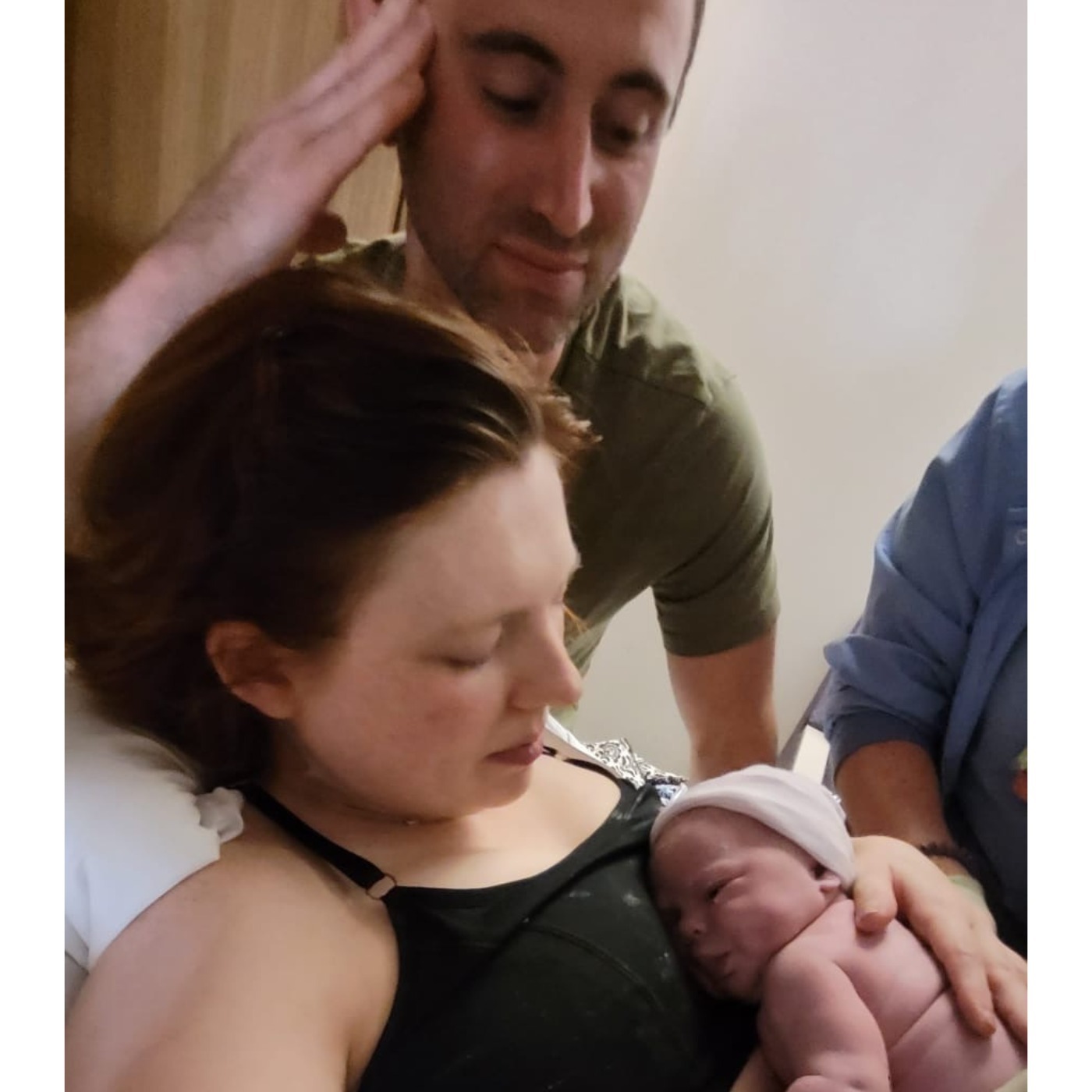
Invalid Date
Episode 380 Kelsey's VBA2C with Polyhydramnios & Big Baby + Staying Strong With Unsupportive Providers
If you are looking for VBAC inspiration, Kelsey’s episode is a MUST-LISTEN. Kelsey is a VBA2C mom and speech-language pathologist living in Erie, Pennsylvania. You will feel literal full-body chills as she tells her birth stories on the podcast today. As a first-time mom, Kelsey chose a Cesarean over physiological birth thinking it was the safer, easier route. But after experiencing the reality of two C-sections, she went from fearing vaginal birth to trusting in the labor process even more than her providers did. With her VBA2C, Kelsey got just about every type of pushback in the books. She was coerced, persuaded, questioned, and fear-mongered by multiple providers. Yet Kelsey was able to ground herself by listening to VBAC stories on The VBAC Link Podcast, seeking refuge in her doula and Webster-certified chiropractor, and connecting with other VBAC moms. Kelsey knew her body could do it. She just wanted a chance. Going up against a hospital practice that was saturated with skepticism, Kelsey’s labor was beautifully textbook. Her labor progressed quickly, and her biggest baby yet came out in two pushes– “like butter” as described by her doula! VBAC-Certified Doula, Tara Van Dyke’s Website How to VBAC: The Ultimate Prep Course for Parents Full Transcript under Episode Details Meagan: Hello, Women of Strength. We have another amazing story for you today. And actually, it's stories. We have a VBA2C mama coming your way. And as you know, this is a hot topic because lots of people want to know if vaginal birth after two Cesareans is possible. So Kelsey will be sharing her stories with us today. But guess what, you guys, I have a co-host today and it's Tara. Hello, Tara Van Dyke. Tara: Hello. Hello. Meagan: She is one of our VBAC link doulas. As you probably heard back in 2024, we are going to randomly be having co-hosts from our VBAC Link doulas. I think it's so awesome to have them on. I love hearing the topics and things that they want to suggest to talk to you guys about because again, just like we talked about years ago, we just in Salt Lake City, Utah, can't share enough. And so we want other doulas from all over the world to share as well. So Tara, tell us more about where you're from and then your topic on partners and being prepared. Tara: Yes. So thank you for having me here with you. This is so fun to hear a story live. I'm a doula working in the Chicagoland suburbs. I've been doing that for 20 years and now moving to more of childbirth education as well as like a lower caseload of doula work partly because I just welcomed my first grandchild this week, so I want to be available in a different way in my life. Meagan: Congrats. Very valid. Tara: So I do a lot of childbirth education. But along the way, what's always been really important to me and I feel really passionate about is the partner connection with the person giving birth and their preparation. The research supports it too, that a prepared partner makes a really big difference in outcomes too. I know we talk a lot about doulas and increasing the positive outcomes of birth, and that's been shown over and over in studies, but the actual dream team is a doula and a prepared partner. Meagan: Yeah. I love that. Kelsey: I tell the dads who come to my classes that the doula is important, but we are replaceable in this situation. The partner is so important because of that connection because they bring the oxytocin. They bring the safety. They have that history with you already. And what even bumps that up to being really helpful in the birth room is their preparation and their understanding of what to expect and being completely on board. So theres lots of ways for partners to get prepared, but they get left out a lot. So I feel really strongly that partners are so much better in the birth room when they're not feeling anxious about what's going on, when they know what to expect and they have a few good tools in their pocket for how to help. Meagan: Oh yes, I could not agree more. I always talk about, I make things up, and I call it the doula sandwich. So it's just what I call it in my practice of my doula work. One bun has all the oxytocin and all the knowledge of who you are, and then the other side is the doula who has the education in birth work and the ideas of how to help navigate through the birth space, but also can then support the partner in doing that and educating the partner. So then, we've got two really great sides and then we sandwich the doula. We have great buns. We have really great buns. And we sandwich that mom together and with love and support and education and oxytocin. Like you said, it really creates that dream team. I love that so much. My husband didn't educate himself. He was just, "Okay fine, if you want a VBAC, go do it. You do the research." I did HypnoBirthing with my cousin who luckily was pregnant around the same time, but we did that together, and he just really didn't know. When I told him, "Hey, I want to VBAC after two caesareans out of the hospital," he was like, "Yo, what?" because he was uneducated. I truly feel that it is so powerful. That's why I encourage partners to take the VBAC course with, the mom or an education course in childbirth. Really understand what the mom is going through, but also know how you can help because I do feel like a lot of those dads kind of get shoved aside. They want to help, but they don't know how to help, and they don't really know what's going on. Is that noise good or is that noise bad? Tara: Yes. Yeah. And they're going through the birth, too. This is the birth of their child. So they can also feel, as far as traumatized, hopefully not trauma, but they can feel a lot more dissatisfied or upset by a birth if they didn't know that what was happening was normal. So it's good for them, too, to learn how to take care of themselves as well as their partner. Meagan: Love it so, so much. Everybody, get your partners educated. It is so, so important. Thank you so much for that tip. Meagan: Okay, Ms. Kelsey, it is your turn, my love. Kelsey: Okay, so as you know, I had a VBAC after two C sections which I didn't even know was a thing. You played such a huge part in giving me education and the motivation to pursue this. My story starts in October 2018. My husband and I found out we were pregnant with our first. It was really special because it was actually our two-year wedding anniversary. It was that morning that we found out and we had a special trip plans to Niagara Falls, just up in Canada. It's a special place for us. It was where he proposed to me. It was just a really special time. It was also kind of crazy because up until that point, up until just prior to that, we had been together eight years, and we didn't think we were interested in having kids. I'm so grateful that our mindset had shifted, but it was just kind of a lot at once. We had agreed that we did want to start a family, but it happened really quickly, and it was just a lot to process. I didn't educate myself at all about birth. My husband and I took a class in the hospital, but it was pretty much just how do you take care of a baby. It wasn't how to bring a baby into the world. Meagan: Yeah, yeah. Sometimes those can be a little more what to expect after than really what to expect during. Kelsey: Exactly. And, I don't know what it was. I don't know if I just couldn't really picture myself giving birth just because we had just kind of come into this or if I just was not believing in my body, but I just felt the opposite of a lot of people on this podcast. They say, "I never thought I would have a C section. I never expected that for myself." For me, I just went into it thinking I'm intimidated by all of this. A C-section sounds easier and I cringe saying that now. But, I just thought not having to go through labor and not having to push a baby out, I just always had that in my head. That comes into play with how my first ended up. I was told throughout my pregnancy that my baby was big and specifically it was driven home, "The head is big. The shoulders are big." They were telling me about shoulder dystocia, and I didn't know anything. So I'm thinking, oh my gosh, not only am I already intimidated by the idea of birth. I know nothing about birth, but now you're telling me I have this big baby. My OB was really telling me maybe a C-section should be considered. And then she threw it out there. "Well, we could induce 39 weeks and see how things go." And again, I was just trusting her. She had been my gynecologist since I was a teenager. To me, I thought, okay, that makes sense. Baby's big. And again, I hadn't done any research on my own. So we did what I referred to as a half-hearted induction. I feel like it was just done to humor everyone. Like, "Oh, we tried." But I went in the night before at 39 weeks on the dot. Nothing was going on with my cervix. Surprise, surprise at 39 weeks. They did Cervadil and I just lay in the bed. My husband and I watched the fireworks out the window. It was the fourth of July. We were just completely not prepared for anything. Just going along with this and thinking, oh, we'll just have a C-section tomorrow if this doesn't happen. They came in the morning and nothing had happened. So they were like, "Oh, well, we could start Pitocin. We could do this." I just wasn't interested in any of that. I wasn't motivated to have a vaginal birth. I guess that's okay. That's just where my head was at the time. I've accepted that's just where I was at. So we had the C-section. It was a surgery. Just being there and as baby comes out, just hearing everybody in the OR talk about, "Oh, look at her cheeks and look at the hair." It was minutes before I'm ever able to get a quick flash of her around the curtain before they swoop her off. It was just a weird experience, but it was all I knew. I was grateful that it went okay, but it just makes recovery so hard, so painful. When I think back to it, just think about just crying while my husband's trying to do my abdominal binder, not being able to get in and out of bed, struggling to breastfeed, even getting in a position of breastfeed with that searing surgical pain. We struggled, and I ended up exclusively pumping. So it was tough as a first-time mom just dealing with all of that. But again, I didn't know any different. I think that was a blessing that I didn't know what I was potentially missing. For my second birth, we knew he wanted more than one child. You just never know how things are going to happen. We just weren't trying to not get pregnant, and it happened right away. The babies were 16 months apart, so when I showed up to my appointment, my OB, the same one who had said, "You have this big baby, and you should have a C-section or induce at 39 weeks." Oh, the ARRIVE study was hot off the press at that point too. So he was excited to show me the ARRIVE study back. Meagan: Oh, yeah, but you're not even a first-time. I mean, you were a first-time vaginal mom. So the ARRIVE trial, you know. You've been with us. Hashtag eyeball. Tara: Yeah, yeah, it changes. It's changed everything. Meagan: It really has. And I don't know if it really has changed for the better in my opinion. Kelsey: So sorry, that was for my first birth. I forgot to mention. Meagan: Oh, oh, oh, sorry. Yes, that would make sense. Yes. Kelsey: So with the second, it was the same OB, and she's like, "Okay, since your births are so close together, you'll just be a repeat C-section. You can make appointments with me, and I'll do your surgery. Easy peasy." I'm thinking, oh, okay. That makes sense because she's talking about uterine rupture, and they're so close together and I didn't research on my own. Is there another option? How risky really is this compared to a repeat C-section? I just trusted her so much. I had been with her for so long. I figured she must have my best interests at heart. Meagan: Yeah. Kelsey: I didn't even think to myself, my own mother had a VBAC with a 13-month age gap. I was a C-section, and my brother was a VBAC at 13 months 30 years ago. Meagan: Uh-huh. Kelsey: You only know what you know at the time. And so even though I didn't look into it in the ways that I should have, I did know that I wanted the experience to be a little different. So I found out about gentle C-section which I think is a funny term. Meagan: I was happy to see that you could request a clear drape, and you could request not to be tied down to the table. We did implement a few of those things. I had the clear drape. It was nice to see her coming out just for a quick flash before they swooped her away. It was nice not to be completely-- I had one arm free which is funny these things that we consider luxuries when you're having a C-section. So it was a little bit better in that way, but there were things that were also worse. They couldn't get the needle in, and they had a resident doing things. I was having trouble. I was starting to pass out during. They were having to adjust. It was stressful in its own way. I had some things that were a little better. But also, it's just's a C-section. Also, during, my OB made a comment as she has me completely open, all seven layers of me. She said, "Yeah, who was it the did your last C-section?" ,I told her and she made no comment. I said, "Why are you asking me this as you're inside my uterus?" She said, "There's just more scar tissue than I would have expected." She said, "Hey, you can have another baby if you want, but just wait more time in between. Just not so close together." So that was something that got in my head too. Anyway, we thought there was no way we would ever have a third. It was really hard having two under two recovering from another C-section. It was November 2020, so it was the first COVID winter. It was cold. It was dark. Everything was closed down. Everybody was in masks. It was so depressing. It's like, postpartum isn't hard enough. As if two under two isn't hard enough, then adding COVID. Meagan: Yeah, adding zero support and zero resources. Yeah. Kelsey: Nowhere to get out and do anything. It was a bummer. So anyway, it was a lot, and we thought, no way are we ever going to have three. It was just a hard season. So I donated everything. I put all my carriers and all my stuff out on the porch and said, "Come get it," to the local moms group. I just couldn't see myself having a third. Well, then the years pass, and things get easier. You come into an easier season. All of a sudden, we're not dealing with diapers and bottles. It's like, we could leave the house. Things are opening back up. My husband and I had talked about a third and toyed around with the thought of it, but it's just hard to pull the trigger once you've come into this easy season. The thought of hitting the reset button is intimidating. But all it really took was watching him take down my youngest's crib with her. And it was like, okay, this is something that we want to do. It was a funny conversation that night. I said, "If we were to get pregnant this cycle, we would have a June baby, and that would be really nice." So that's what happened. I was playing it with my third. That's when I realized. I mean, I had thought about it, obviously, but I realized, oh, my gosh, I have to have another C-section, a third C-section. Talk about being years away from it and thinking about how you're all healed. It's been a few years, and to think about them cutting open again and just knowing what that entails, I was just in a whole different headspace. I was thinking, how is there a way that I can avoid this? Before my first appointments, I did a quick Google search, "vaginal birth after two C-sections" just to see if this was something anybody had done or was doing or was even possible. I was so excited to see that people were doing this. It looked like it was actually potentially a good possibility. So I was thinking, I've got to be the right candidate. I didn't even need those first C-sections. I knew this now, reflecting back. Yeah, I had my first screening where they do your intake, and they were asking a bunch of questions. And I had said at the RN, I said, "Would I be able to maybe have a vaginal delivery after two C sections?" And she was like, "Oh, they consider it after one, but once you've had two, you're a C-section for life." Meagan: Oh, jeez. Kelsey: Something about her saying that and the way that she said it, I went from being a little bit curious and oh, this might be good, to no, this is something I'm going to pursue. It just didn't feel right. She didn't know my history. She didn't know why I have my C-sections. So to tell me, "Oh, no. You need to have a third major surgery for sure. No option." Tara: It was this moment when it brings a fight out in you. Like, I am gonna do this now. Kelsey: I'll never forget how I felt at that moment. So I started to have my appointments with the OBs, and I would bring it up. Everything was perfect. It was going really smoothly. So the appointments would be like two minutes, and then at the end they'd say, "Do you have any questions or concerns?" And I'd say, "Yeah, I wanted to see what my options are for delivery." They were like, "Well, we decided as a practice to support VBAC after one C-section, but we actually have a policy against VBAC after two C sections." Meagan: How did I know that was coming? The policy, I swear, every time it's like, "We decided as a practice or as a practice, we--". It's always like, they created this stupid policy that actually is against evidence based care. But okay. Kelsey: I'm thinking to myself, so then what do you do? Anyway, I was just mind blown by that. I went to a couple of more appointments there. You'd go every month and they'd say, "Any questions?" I'd say, "Yes. I'm just really not feeling good about the idea of a third C-section." I said, "The risks of a third Cesarean intimidate me much more than doing a trial of labor." I've never given my body a chance. It's not like I've been through this before and things went wrong. I've never been given a fair chance. They were very nice, but they just look at me and smile and nod and say, "Well, it's gonna be okay. It's gonna be okay," and not even entertain the idea for a second. So I'm thinking to myself, okay. I've gotta figure something out. So at that point, when I had talked to a couple of providers, and they were all very consistent about, "Nope. Nope, not even going to entertain it," I knew something had to change. I'm reaching out. I'm searching in the local moms group about C-sections. Has anybody had a VBAC after two? It was crickets. Nobody was responding. I was looking back years trying to find anybody who had done this, in the area. Wat I was finding is, "No, it's not going to happen in Erie. You need to go to Pittsburgh or try a home birth." And I'm just really not comfortable with the home birth even though I know that's a perfect option for plenty of people. Meagan: It didn't feel right for you. Kelsey: Yeah. It just wasn't what I was feeling like I wanted to do. So I reached out, and I had not known anything about doulas until your podcast. I hardly even knew what they did before listening. I just searched "doulas in Erie." I called the first one I saw. I left a message that was probably pretty unhinged just like, "Help! What do I do? Is this something I can do?" She called back, and it was the first time that I had any validation at all. Up until then, it was just people telling me no, people telling me policies and not safe. It was the first time that I was heard. I was heard. She said, "There's really no reason why you can't have a chance. We'll figure this out." I kept doing my research. I dug really deep, and I found a few people who had referred to providers being supportive. I was reaching out. I was sending people DMs saying, "Hey, sorry to be huge creep, but can you tell me more about your experience?: I found out that at the other practice there were providers who would consider this. So it wasn't looking super promising, but it was better than where I was at. So I kind of took a chance. I switched practices at 28 weeks. Prior to that, I had an amazing appointment at 24 weeks. I had one last appointment at that office with the policy. He was amazing. If you could have just copied and pasted him, he was just like a midwife. I mean, he was very upset about the policy. He said, "How do you even enforce that?" He said, "What are we going to do? What are we going to do, strap you down and take you to the OR?" I wish that he had a podcast episode because he took so much time. He explained to me the history of C-sections and how, in his words, the pendulum has swung so far from only doing C-sections when they were needed to they're safe now. Let's do them whenever we can. He talked about the whole policy thing and how they met as a group. He said, "Some of these younger JOBs have only been practicing now that C-sections are so common. They haven't seen the success." He said, "You have just as much of a chance of success as a 20-year-old walking off of the elevator because our C-section rate is so high. You have just as much of a chance." He laughed at the fact that macrosomia was in my chart, which I forgot to mention with my first. She was 9 pounds, 1 ounce. She was big. Meagan: Okay. I wanted to ask you though because they had said, "Oh, big baby, 16 months apart." I wanted to ask, but 9 pounds, 1 ounce is actually not macrosomia. It's a bigger baby, but it's not a huge baby. Kelsey: Exactly. It's not 12 pounds, which also, people have done. But anyway, he put so much wind into my sails, and he fully supported me switching. He said, "Honestly, I think this is great. I think this is the best option for you. You need to go for it." He said, "But if you were to stay here, you would face nothing but doubt and bullying and scary." He said, "If you were my wife, I would tell you to switch over to this other practice." So that's what I did. I also forgot to mention in my anatomy scan, the sonographer is going about doing it and she said, "Were your other babies big?" I'm like, no, we're not gonna start this. It was already with the big baby comments. So they had me do a growth scan to switch practices. It was refreshing to be in a place where they entertained the idea. They said that they decided as a practice to follow what ACOG says, but it was also very clear the difference between support versus tolerance. So although I was grateful that they were entertaining the idea, I still had, "Oh, 90th percentile. Oh, you've never labored before. You don't have a proven pelvis." Meagan: Proven pelvis. Tara: Yeah, proven pelvis. Meagan: There's a lot of eye rolls in this. Kelsey: Thank goodness, again, if it weren't for this podcast, all of those little comments would have swayed me. I would have said, "What am I doing? Listen to all these things they're saying. This isn't right for me." Once you know, it's just so hard to listen to the VBAC calculator. "Oh, let's just type your stuff in and see." I think it gave me, like 50% chance. Like, I don't know. So anyway, I'll get back on track. My low point was at 32 weeks. It was with my provider who was convincing me that a C-section or induction was right, and then telling me, "Oh, you'll just be a repeat. We'll schedule it." I was dreading my appointment with her. I knew that I needed to meet with her because she could possibly be the provider who was on call. I wanted to tell her what my plan was, and assess her thoughts. I thought that I was invincible because now I knew all of these things, and I wasn't going to let anybody bring me down. That appointment was pretty terrible. She came in hot. She said, "You're 32 weeks. Baby is 5 pounds, 4 ounces, and he's off the charts." She actually referred to him as massive. She said, "He's massive. He's huge." She said, "Put him in a room with 100 babies, and he is enormous." Meagan: Enormous. Tara: She's comparing him to other babies already. Meagan: And he's not even born. Tara: Can I just add a little tidbit here because there's so much talk in your story about the fear of big babies, and the research has shown that what leads to more problems or interventions in a birth with a big baby is not the actual size of the baby, but the provider's fear of the big baby. They're already getting themselves stirred up, and nothing has even happened. Kelsey: I was really discouraged by that because I had come across those facts too. And looking at the research and looking at what are the real risks of a big baby, that's actually just the providers. Yeah, se was just disgusted with my plan. She said, "Are you sure?" I said, "Yeah." I really stood my ground. I was so proud of how I stuck to my guns. She pulled out all the stops. She just kind of sighed and she said, "Okay." And then she pulled it out of me as I was trying to justify. I said, "We're not sure how much we want to grow our family." I said, "If I have three C-sections, I'm not going to want a fourth." I said, "I just think it's worth a try." So she took that and she ran with it. She said, "Well, for what it's worth, I would rather do two more planned C-sections. I would do two more planned C-sections on you, and I wouldn't bat an eye. I'd rather do that than have you TOLAC." I thought, oh, my gosh. So again, I stood my ground. She went out. She was visibly upset. I was so proud of myself. But then I spiraled that whole day. It just chipped away at me all day. I came home. I had been doing nightly walks religiously. That's when I would listen to The VBAC Link. That night, I didn't do my walk. I cried in my bed. I was just so upset. I spent the night then going through the groups I was in for VBAC after multiple Cesareans and The VBAC Link searching "big baby, big head circumference" and screen-shooting all of the success and all of the comments to fuel back my motivation. That was definitely the low point, but I did have some great meetings with providers. I was grateful that where I was living, I was able to find enough support where they would let me go for it. Once I got toward the end, there kept being the comments about "big baby". I had an OB do my final measurement and not tell me what it was. I said, "How is baby measuring? There is a lot of drama about baby being big." She was like, "Well, how big were your other two?" I said, "They were 9,1 and 8,4". My second was almost a full pound smaller. She said, "Oh, if you pushed those out, no problem. You don't have anything to worry about." I said, "That's where the drama was. I didn't push them out. I had C-sections." It was like she saw a ghost. She was like, "Oh, well that is drama." She was just beside herself. I say that story specifically because spoiler alert, she was the one who ended up delivering my baby. Meagan: Oh, really? Kelsey: To give a preface to that. She actually said, "Well, it is what it is." She just was very nervous and very upset. I said, "Have you never seen a VBAC after two C-sections? Have you seen that?" She said, "Well, yeah, but it's usually with people who have birthed vaginally before, and not with a big baby." That's what she said. Meagan: Oh my gosh. Kelsey: I just wanted to talk about that because she was the one who delivered Anyway, time went on. As I got to 39 weeks, I started to stand my ground a little bit more because they wanted to do cervical checks. They'd say, "Okay, undress for the provider." I just was like, "No, thank you. I'm good." I would have been really discouraged if they had come in and checked me. I know that got in my head with previous appointments with things that I didn't think would affect me. At 39 weeks, one of the providers who had been trying to talk about how big my baby was and persuade me to have an induction, she said, "What if we did a growth scan at 40 weeks, and you were measuring 10 pounds. Would that change your mind?" I was like, "No. I'm not doing a growth scan at 40 weeks. I've already done too many scans." So just right up until the end, they were trying to get me. They were talking about the size. Meagan: They were really trying to get you to cave. Kelsey: Yes. So after that appointment, because of my BMI, after 37 weeks and beyond, you have to have an NST and a BPP (biophysical profile) every week. Meagan: After 37 weeks? Kelsey: Starting at 37 weeks, you have to have both of those tests every week. It was just a new thing. I didn't do it with my last. Again, I'm worried about this. I know how the testing goes. Sure enough, I go. This is 39 weeks. I go for the biophysical profile, and they were like, "There is a lot of fluid. You have too much fluid." They were talking about all of the fluid. "Look, here are little flakes." They were talking about the fluid. I thought, I've made it this far. This is something that is going to make it a C-section. Baby wasn't also taking enough practice breaths for her which was frustrating. She even said, "I think he's sleeping, but I want to be on the safe side." I said, "I just had an appointment. She could hardly get his heart rate because he was moving so much." I had driven to Cleveland an hour and a half away the night before to go to a Noah Con concert. I felt him moving the whole time. I was like, "I'm pretty confident that he's okay. I was just checked by my OB five minutes ago." She wanted to send me. I wasn't going to mess around this far on, so I went to triage. They hooked me up to an NST. They wouldn't just let me do it in the office. I'm sitting there. Everything is perfect. The nurse comes in and said, "They're just going to place an IV." I stopped and said, "What did you say?" She said, "They're just going to place an IV." I said, "Why would they place an IV? Everything is looking good. I have grocery pickup in an hour. I'm not trying to be here for long." She said, "Just for access." I said, "No, thank you. Please let me out." That was weird. She said, "Okay. We're just going to watch you a little longer." Then this OB who I'd never seen before who was apparently just newer to the practice comes in. I'm like, "How are things going?" At this point, it had been 45 minutes. I'm trying to get out. He said, "Things are looking really good." I could see his wheels turning. He said, "But, since you are 39 weeks and you've had two C-sections, we can do a C-section for you today." Meagan: Oh my Santa. Tara: Here you go. How did you manage all of this pressure, Kelsey? It's extraordinary. Meagan: It is. Kelsey: I should mention that I had an amazing doula, so after these appointments, I would text her a paragraph. She was constantly lifting me back up. I was going to Webster chiropractic care. The chiropractor I saw, shout out to Tori, she's amazing. She's a doula also. She was pregnant going for her VBAC, so we would have these appointments, and it was a mini VBAC therapy session. We would talk about what we were up against, and just the different providers because she was going to the same practice as me. It was just so nice to have her. I was doing all of the things. The chiropractic care. I was eating the dates and drinking the tea because I wanted to know that if I was doing this, I was going to try everything and then I couldn't look back and say, "What if I would have done chiropractic?" Anyway, I basically tell him, "Get out of my room. I'm going." He just was awful. He did all of the scare tactics and all of the risks but none of the risks of a third C-section of course. Only the risks of the very low uterine rupture that he was hyping up. Anyway, that was bizarre, but again, I stood my ground. I was so proud, but then I got home, and I spiraled. I was packing my hospital bag. I was crying. I said to my husband, "I let them get in my head. I shouldn't even bother packing any of this stuff." I had the little fairy lights and things to labor. I was like, "I shouldn't even bother packing any of this VBAC stuff. They're just going to find some reason to do a C-section. Look at this. This whole time, they wanted to do the C-section." Again, another night of spiraling. As he left, he said, "They're going to want to see you tomorrow and repeat all of this testing." Meagan: For what? If everything was okay, what was the actual medical reason? Kelsey: Exactly. It was just out of spite because I shut him down. They were like, "They're going to want you to come back tomorrow." I'm like, "Okay. If it gets me out of here and gets you out of access to an IV and a C-section, fine." Meagan: Seriously. Kelsey: The next morning, I'm on my way to my appointment. I was on the phone with my mom and I told her, "I'm having these weird feelings I've never felt before. I don't know if maybe they're contractions." It was very strange. It was something I never felt. I never had a contraction and had never gone into labor. So I go to my appointment and passed the BPP with flying colors. I'm like, "Well, what about the fluid?" She's like, "Yeah, there's a lot of it, but it's fine." I got an 8 out of 8 score. I go for the NST. Well now, baby's moving too much, so his heart rate, they can't keep it on because he's moving, and she kept having to move it. So again, I'm just very frustrated that I'm even there. I'm so close to the end. This is now 39 weeks and 4 days. And so the tech says, "I'm going to bring this to him. He might not like the drop offs, but I'll explain to him that the baby's moving a lot." I said, "Who's he? What OB is this?" She said the OB who was in triage the day before who tried to have me do the C-section and I was just like, "Oh my god. He's going to see my name and have any reason to send me back." Sure enough, he comes sauntering in the room and he says, "We meet again," as if I'm this problem child, as if I wasn't just having all these normal tests. He says, "I can't be confident that these aren't decals. You need to go back to triage." I was just again, so frustrated. It's like just a constant of all of these things coming up and none of it being real. It'd be different if it was like, oh, this was actually a risky thing. But again, I'm so close to the end. I know what I know. I knew that the OB that I had seen the day before in the office, I wanted to talk to her about the fluid because I had searched, and I saw that the polyhydramnios could actually be a thing. If your water breaks, there's the risk of cord prolapse. So I knew that that wasn't something that was completely to be ignored, so I wanted to talk to her more about that. I humored him, and I went in. Well, all the while, I'm feeling these sensations more and more consistently. They get me hooked up, and I explain the situation. I said that I was just here yesterday not really for a reason, but I'm back now also not really for a reason. They hook me up. Of course, everything looks good. But she's like, "Are you feeling these contractions?" I'm like, "Is that what they are?" I was excited. They were just cracking up because she's like, "These are pretty consistent and big contractions." I just couldn't believe it. I was just so excited my body was doing it. I'd only ever, at 39 weeks, been cut off and then never been given a chance. All I needed, I guess, was a few extra days. I'm just so excited that I'm having contractions. The nurses are laughing. "We've never seen somebody so excited to have contractions." Anyway, at that point, my OB comes in, the one who had been trying to get me to be induced. She's plenty nice, but the one who said about if we did a scan of 40 weeks and 10 pounds, would you reconsider? So she said, "Kelsey, do you know what I'm going to say? This is the second day you've been in here in two days." I'm like, "Yeah, but for nothing." Meagan: And because you asked me to come in here. Kelsey: Yeah, trying to humor everyone and see that yep, everything's fine. See? But again, I was having these contractions, and as I was there, picking up. She wanted to check me. I said, "Okay, I'll let you check me," because I'm having contractions I never have before, and I want to see what's going on. I went to the bathroom, and I had bloody show, which again, I had never had. So things are really happening. I come out and I told her, "There's blood and I'm having contractions." She's like, "Yay, let's check you," and I was 1 centimeter. She was one of the OBs who was comfortable with a balloon. So she said, "I'll tell you what. You've got a lot of fluid. Things are happening. Let's work on moving things along." Meagan: So she induced you? Kelsey: She wanted to. Meagan: She wanted to. Okay. Kelsey: So she's like, "Let's get you in. I'll do the balloon. We can get things going because you've got a lot of fluid. It's time, Kelsey." I'm like, "Okay." I said, "Well, I'm gonna go home." Meagan: Good for you, girl. Kelsey: Get my kids off with my mom and get my dog off. She sunk when I said that. I said, "I promise I'll come back. I'm not gonna run it. I'll come back just in a little while. Like, maybe this evening." But she said, "Okay, I'm here till 4:00, and then it's another OB coming on who won't want to do the balloon." So just come in before then. Of course, I wait until exactly 4:00. But as I was home, it just kept picking up, and I started timing. The app is like, "Go to the hospital. Go to the hospital." But I've also know from listening to this podcast that that happens. My husband's freaking out because he would see me stop and pause, and he's like, "Let's go. Let's get out of here." I was grateful that everything maintained through the car ride. I got there, and contractions were still happening. My doula met us there because I hear about people going too early and the contractions stop, and then there are problems there. Yeah, things just kept happening. We got in a room. My doula was amazing. We were just hanging out and just laughing. I couldn't believe just how happy I felt to feel my body doing it after all these years of just, "Your babies are too big, and you can't do this," and then all of this pregnancy saying that. It was just amazing. I definitely had my guard up. The nurse was talking about the IV and the monitors, and especially with being overweight, I was worried about a wireless monitor. That happens. They can't get a good reading, and then they think baby's heart rate's dropping. I was just so worried about any reason, because I knew that they would. They would take it and run, so I was so grateful that the wireless monitoring worked perfectly. I was on my feet. Things just kept getting more intense, but I'm just laughing and smiling through it all. My doula was amazing. It was just such a great vibe in the room. My nurses were amazing. Every little thing that went right, I just embraced. I was so happy that this was happening. My water broke while I was on a video call with my friend. Again, it just like, "Oh, my gosh, my water broke. That's never happened." There was meconium in the water. So again, I'm like, oh, no. You know, any little thing. I was quickly reassured. It was very light. It wasn't anything to be worried about. I labored and stayed on my feet. My doula was amazing with suggesting things I never would have thought or never would have thought that I would enjoy. I was in the shower at one point on a ball. They had this little wooden thing with a hole in it so that it keeps the ball from slipping out and keeps the drain from plugging. I'm just listening to my guilty pleasure music while my husband's outside the shower eating a Poptart laughing. It was just such a funny thing. I was just so, so excited about it all. Things were really picking up. My water just kept breaking and breaking. I mean, it was true. I had so much fluid. It just was just coming out and coming out. I couldn't believe how much there was. I got into the bed on my side, my doula said, "Try to take a break," and then I felt a water balloon in me. I could feel it burst. Just when I thought surely I was out of fluid, it just gushed out. And then immediately it was like, "Oh, my gosh, this is really intense." I handled that for a while. I was squeezing the comb. I was working through contractions, but I tapped out at about 1:00 AM I'd say. So we got into the hospital around 4:00, and the time just flew. They came to do the epidural, and he put it in. I just kept waiting for relief because I felt like I just didn't have a break. They were kind of on top of each other. It was one of those things that if I knew I was only going to have to do that for a short amount of time, but just not knowing how long, I just felt like I was suffering through them at that point. I wasn't trying to be a hero. I was just trying to avoid what I know sometimes happens and just trying to avoid interventions as much as I could. I kept waiting for this relief because I'm like, "I think I just need to rest. I feel like I'm close." The last I've been checked, I was 5 centimeters, but that was before the water broke and before struggling through contractions for a while. I had no idea how dilated I was. The relief never came. I was hoping to be able to relax and maybe take a nap like sometimes I hear. I could still feel my legs. I could have walked around the room if I wanted. I kept pushing the button. I don't know if it was in the wrong spot or what happened. I don't know if maybe there was something that was working because instead of feeling crushing and just defeated through the contractions, I was feeling like I can survive that. I can get through them. There was just no resting, it was just still having to work through contractions. And then my doula at one point said, "Maybe we should call him in and have him redo it." But then I was in my head, "Well, what if he redoes it, and then I'm too numb and I can't push?" So I just went through it. I'm so glad that I did, because it wasn't long after that that I was checked, and I was 8 centimeters. My nurse kept checking and there was a lot going on down there and a lot coming out. Eventually she checked me and she said, "Hi. Hi, buddy. I just couldn't believe it." She said, "Do you want to feel him?" I got to reach down and feel his head. It was just also surreal. She had me do a practice push once I was dilated enough, and she's like, "O, oh, okay, okay, okay." She said, "I'm gonna go make a phone call." Tara: Wow, that's impressive. Kelsey: And the OB came in. I forgot to say that when I got to the hospital, the OB who was gonna do the Foley balloon, I totally left this out. She checked me, and I was already 2 centimeters. She said, "Your body is doing it on its own. We're just going to let you go." Tara: That was my question, Kelsey. I was wondering this whole time if they did anything to augment. There was no Pitocin. This was all you? Kelsey: Yes. Yes. I can't believe it. Tara: That's amazing. Kelsey: I got there, and I got the monitor placed. She came in. She checked, and she said, "You're 2 centimeters. We're just going to let you go. We're going to let you do your thing." That was just music to my ears just knowing how things sometimes go. Also, the OB coming on, I had told you, was really nervous about my plan. My husband and I joked that she did something to calm herself down before she walked in because she was just like, "You know what? I'm going to do something crazy. I'm just going to channel my inner midwife and do something crazy and just let you go and leave you alone." My doula is like, "Good. Please let us go." Yeah, I forgot to mention that is not only did I not need the induction, but then I had the OB surrendering and saying, "Go ahead, just let's do it. It's fine." So she literally did not come in. I think was as far away as she could pretending it wasn't happening, I guess. When the nurse called her, she came in and she got her gloves on. I just kept waiting for something to happen still. I'd been so, so scared by providers this whole time. So I'm like, okay. She instructed me on how to push. We did it through one contraction, and his head came out. I was like, "Oh, my gosh. This is crazy," and then, during the second contraction, I did it again, and the rest of him came out. It was unbelievable. It was five minutes from start to finish. My doula described it like butter. He was 9 pounds, 3 ounces. Meagan: So biggest baby. Okay Kelsey: Biggest baby, enormous head. I didn't have any tears. I had what the OB described as grazes, like little spots that were bleeding. She put one or two stitches on the walls from where there were these grazes and I can't even describe it. I was sobbing. I was like, "We did it. We did it." He came right to my chest and to get to see him, it was unbelievable. It all happened so fast. Going from not believing in my body and just going for these C-sections, I'm so glad I didn't know what I was missing because in that moment, I probably could have done this before. Again, I didn't know what I didn't know and who knows would have gone? But it was just unbelievable to be in a normal room to have him come out and just right to me where he belongs and getting to see him with his cord still attached and he's crying. It just was such a beautiful moment and I just couldn't believe that had after all of that, here he was. It was beautiful. They asked about cutting the cord, and we hadn't even discussed that. I was like, "Can I do it? I really want to do it." I wanted all the experiences that I could never have gotten in the OR. I cut his cord. My doula got an awesome picture of that. I was considering having that be my picture for the podcast. It was just unbelievable, and I was just so happy, too, that that OB was the one who was there because seeing how nervous she was, I'm so glad that she got to experience. Look what you almost deterred me from doing just seeing how perfect it was. Now I'm hoping that if somebody comes to her in the future, she'll remember and say, "Hey, we had this baby, and it was just such a great experience." I was just so grateful for every second. I couldn't believe how things ended up. Meagan: I am so happy for you. Like Tara was saying, I'm so impressed. Standing your ground the way that you stood your ground after just constant-- I'm gonna call it nagging. They were just nagging on you and trying so hard to use the power of their knowledge that we know that they hold. We as beings, and it's not even just in the birth world, just as humans, we have this thing where we have providers, and we know that they've gone through extensive amount of schooling and trainings, so it's sometimes easy as you said, you spiraled when you got back to spiral and be like, wow, they're just all pushing this really hard. Maybe I should listen. Tara, have you experienced this within supporting your clients or just your own personal experience? Tara: You mean the pushback from the providers? Meagan: Yeah, the pushback, and then for us, should we doubt our intuition? Should we doubt what we're feeling and go with what they're saying because they know more? Tara: Yeah, I mean, that's the hardest thing, because you hire them. Like you said with your first provider, you trusted her. You'd known her since you were young. You've built this trust. She's gone to school. It's so hard to stand up against that as just a consumer and as a person who cares about the health of your baby and your family. But then the multiple times that you had to stand up for yourself even in small things like not getting the IV, not getting the cervical exam, those are not small things. You were protecting yourself from having more of that pushback. I am amazed. We struggle with that as doulas too, because we're helping advocate for our clients. It sounds like your doula was a rock for you and a place to feel validated and heard. I'm so glad you had her. Kelsey: Me too. I say to my husband, "No offense, you're great, but what would be done without our doula?" I mean, she was unbelievable just bringing the positive energy. My husband and I were so nervous and we were so worked up. We were third-time parents, but it was our first time doing any of this. My husband wouldn't have really known. He's never seen it before. My doula, she's done this so many times. She was right in there with the massaging and the side-lying. She did the, she called it shaking the apples. Tara: Oh, yeah. Yeah, that's a good one. But Kelsey, it's against all odds. I just think it's amazing because we talk about the power of oxytocin and feeling safe and not having stress hormones going on, and you had all of that. You should be so proud of your body coming in in the nick of time and just proving against all of this. I'm just gonna go ahead and birth this baby, and a bigger baby than your other two which is such a triumphant moment. Meagan: Seriously. Kelsey: His head was 15 inches. That was another thing because they had talked about his head circumference being off the chart. That was another thing I had been searching is people who've had the big head circumference. Those groups, this podcast and just groups and having access to so many stories and people overcoming all of these obstacles because every time I came up against something, I had heard it before. I said, "Oh, this is something that I've heard time and time again with these stories. They make you feel like you're the only one with the big baby and, oh, this is a problem. But it's like, no. They're saying this to so many people. It was just amazing going into this being so informed and motivated and having that confidence that I never would have had. I just so grateful for this podcast and for all the information. Meagan: Well, thank you so much. It's one of the coolest things, I think, not only just the VBAC, but to see where you came from at the beginning of, "We're not having kids. Okay. We're having kids. Okay. This is what I'm thinking. I'm kind of scared of this. Let's do this. Okay. Doctor said this. Let's do this." to this. I mean, you came so talking about the pendulum, right? And what that provider was talking about. You came from one side over here to not even wanting kids or wanting a vaginal birth to swinging so far to the other side and advocating so hard for yourself and standing your ground. When we say that you should be proud, I am shouting it. Be proud of yourself. Girl, you are incredible. You are such a great example. Women of Strength, if you are listening right now, I want you to know that you can be just like Kelsey. You do not have to be bullied. You do not have to be nagged on every single time. Know what's right. Know your gut. Know your heart. Do what you need to do, and you can do it. You can do it. It is hard. I know it's hard. It is not easy, but it is possible. Girl, you're amazing. I thank you so much for sharing your story today and empowering all the Women of Strength who are coming after you and needing the same encouragement that you needed not even years ago. How old was your baby? Kelsey: So he is four months old. Meagan: Four months. Yeah, so a year ago when you were listening. I mean, really, so so amazing. Thank you so much. And Tara, it's always a pleasure. Thank you so much for being here. I couldn't agree more with your advice. Get your partners educated. Create that true dream team. Kelsey: Thank you. Tara: Congratulations, Kelsey. Closing Would you like to be a guest on the podcast? Tell us about your experience at thevbaclink.com/share. For more information on all things VBAC including online and in-person VBAC classes, The VBAC Link blog, and Meagan’s bio, head over to thevbaclink.com . Congratulations on starting your journey of learning and discovery with The VBAC Link. Support this podcast at — https://redcircle.com/the-vbac-link/donations Advertising Inquiries: https://redcircle.com/brands
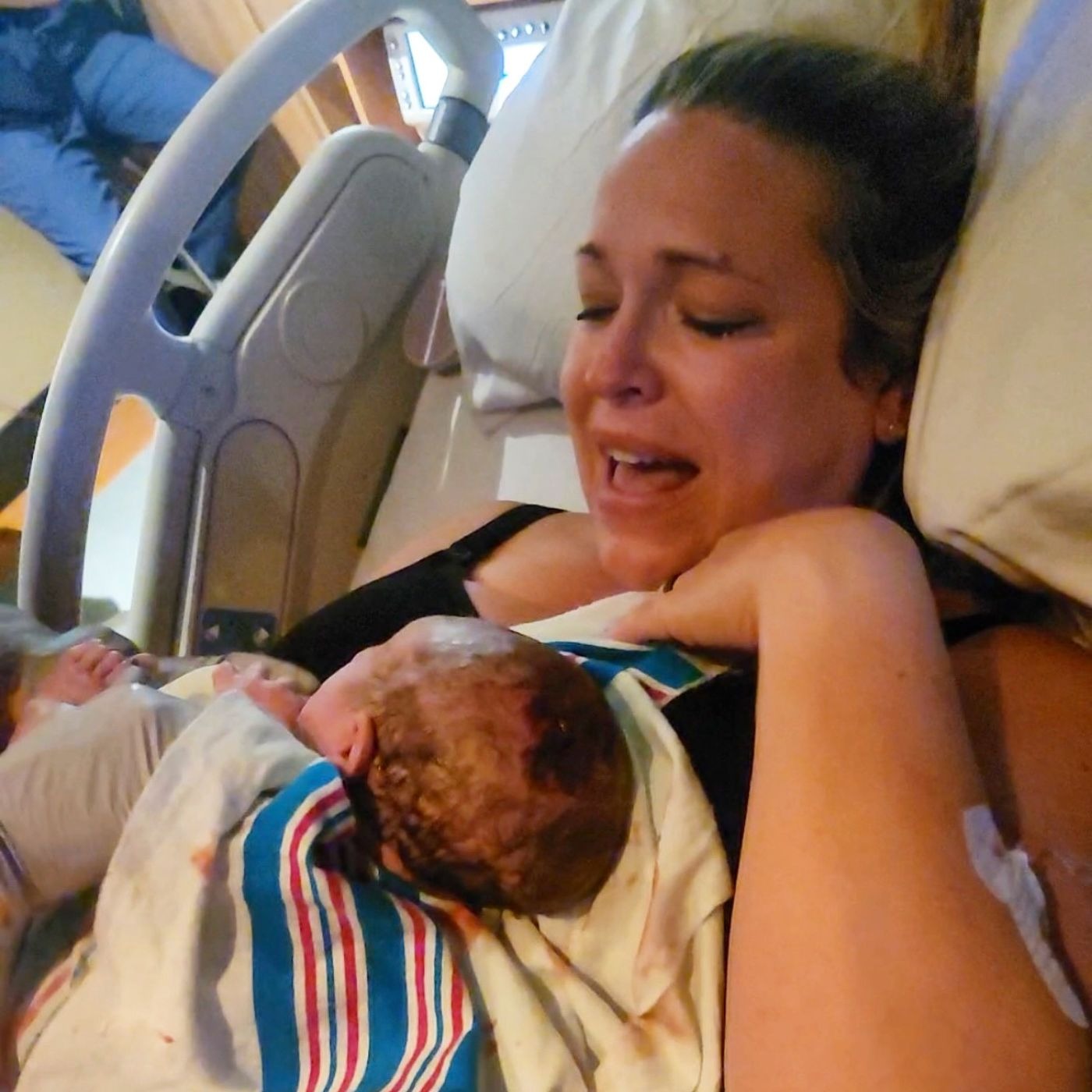
Invalid Date
Episode 379 Lily Wyn's 66-Hour Redemptive Hospital Water Birth VBAC
Lily’s VBAC birth story episode is finally here!!! You know and love her just like we do. She not only manages the social media content here at The VBAC Link but also spends so much time connecting with you personally. She has the biggest heart for VBAC and champions all types of empowered birth. Lily walks us through her experiences with ectopic pregnancy, loss, her traumatic Cesarean, and how she persisted through a 66-hour long labor without an epidural to achieve her hospital water birth VBAC. If you followed her pregnancy journey, you saw that Lily was incredibly proactive during her pregnancy. She built the strongest team of birth and body workers. She was specific in her desires, yet remained open-minded. This served her so well in labor and made all the difference during her birth! Needed Website How to VBAC: The Ultimate Prep Course for Parents Full Transcript under Episode Details Meagan: Hello, everybody. You guys, today is a very exciting day. We have recently had two of our VBAC Link team members have their babies. Paige was one with the first Maternal Assisted Cesarean in Korea, and today is the second with Lily. Oh my gosh. If you guys have been on our social media, you have seen our cute Lily. She is just so amazing. She's so fun. She's in the DMs on Instagram literally every day chatting with you. I just absolutely adore her. She's so incredible. Lily is a born and raised Colorado-- I don't even know how to actually say this. Lily is a born and raised Coloradoan. I think that is how you say it. She's from Colorado, living in northern Colorado with her husband, son, and daughter. She is a kinesiologist who works in community health and a dual-certified fitness instructor passionate about movement and wellness. After an unexpected Cesarean two and a half years ago, Lily found The VBAC Link and began planning her VBAC and is excited to share her story today. I cannot wait for you to hear it. This was actually the first time that I got to hear it in its entirety. It's just amazing, and I'm excited for you to hear it. Like I mentioned, Lily is also our social media assistant at The VBAC Link and is truly honored to empower and hold space for all the Women of Strength in our community. You guys, she is absolutely amazing. We love her so, so, so, so much. We do have a review that we're going to share, and then we are going to turn the time over to our sweet Lily to share her stories. This review is by Savannah, and it says, "Started listening to The VBAC Link Podcast around 16 weeks pregnant and continued throughout my pregnancy. It was so good and encouraging for me as a mama who was preparing for a VBAC. It helped me gain confidence, and helped me know what to look for and watch out for in my providers. Hearing other stories was so encouraging and helped me gain so much knowledge. I had my hospital VBAC unmedicated with an 8-pound, 15-ounce baby and I know the knowledge I gained from this podcast played a huge role in being able to advocate for myself and get a better birth outcome." Congratulations, Savannah. We're going to talk a little bit about this today as well with Lily on the podcast how sometimes the thought of going to the hospital is scary because of stories you've heard or things you've heard. But VBAC can happen in the hospital, and it can be beautiful, and it is beautiful. I think it always dials back to me to finding the best provider for you, finding the best location that feels right for you, building your team, and doing what is best for you in the end. So I really am so excited one minute after the intro to turn the time over to Lily. Okay, Ms. Lily, I really am so excited because I was even texting you the day you were in labor. I don't really know all the details, but I've seen your incredible pictures. Oh my goodness, your pictures are so incredible, and I've heard a little bit from you so I really can't wait. So let's talk. Let's talk about these births. Lily: Okay. Yeah. So every Cesarean story is what starts us off, so I will go with that. But I'm going to try to be fast because I feel like my birth was really long. I have a lot more to say about my VBAC, but I always try to really honor our story in that before we had our beautiful, amazing rainbow baby boy, we also experienced a miscarriage and an ectopic pregnancy prior to having our son. I lost my right fallopian tube. I always like to be the encourager that you can get pregnant naturally with one fallopian tube. It turns out fallopian tubes are not fixed body parts, so when we got pregnant with our son, I ovulated from the side I didn't have a fallopian tube on, and my other tube was able to come over and grab the egg and sense the ovulation which feels so miraculous. Meagan: So incredible, so incredible. I love that message that you're dropping for our community because I think if someone was in that situation as you know, it could feel very defeating and uncertain. Lily: Yeah, it feels really scary. I remember thinking, "I'm at less than 50% fertility if I've lost one tube," but that's not true. Statistically, it's really pretty equal to people with both fallopian tubes, which is kind of neat. Meagan: Yeah. Lily: After that, I started acupuncture. My sweet friend, Montana, we had been friends for years and she's always been like, "You should come see me." She specializes in women's health and fertility and loss and all the things. I started acupuncture then, and I say that now cause it has continued. I always say I'll never not be a patient of hers ever again because she's the best. I started to do that, and then we got pregnant. we found out we were pregnant on the last day of week of prayer at our church, which was really incredible and just felt like such a tangible miracle. We chose to go with a birth center for our care. We did that because I had a lot of hospital trauma. I just didn't think that a hospital was a safe place for me to have my baby. I'm a big believer that we should birth wherever feels the safest. We went for birth center care and had a great experience at our birth center. We loved our midwives and were really excited for birth. I think I hear so many times as women tell their VBAC stories that often we feel underprepared going into our first birth, and it leads to a cascade. I think I was the birthiest nerd of all. I felt like I was really prepared going into birth. I was excited for it. I had a lot of birth education. I had been a birth podcast listener forever and ever. I just felt really empowered in birth and all the things I was doing, chiropractic care and acupuncture and all the stuff. We did get to 41 weeks, and at my 41-week appointment, my midwives gave me a 3-page-long induction protocol because in our state, we have to transfer at 42 weeks. So it was their, "This is the last-ditch effort when you are 41--", and I can't remember how many days, "we want you to do this big thing." It was a daily schedule. "You're going to wake up and you're going to go for a drive on a bumpy road, and you're going to eat this, and you're going to do this." It was really overwhelming. Meagan: Yeah. Lily: Well, the night before we were supposed to do that protocol, the doula who was on-call at the center was texting me and was like, "Hey, how are you feeling?" I was like, "I don't know. I feel really nervous to do this big long thing." She suggested that I journal out all of my fears about birth and see if that did anything. I journaled all my fears, and I burned it in our kitchen sink. As I walked up the stairs, I had my first contraction. I'm also a huge believer that our emotions play such a huge role in our labors. So I was really stoked that my labor started and all the things. That's the same doula that we had for our next birth too, which is really cool. So yeah, I labored all of that night. It was Friday that I went into labor, that evening. Saturday, I labored. My midwives came and checked in eventually. My doula did come over, did some stuff with me, hung out and helped me labor, did some homeopathy, some emotional release work, and all the good stuff. But my labor was really, really long. So by Sunday, my midwives were like, "Hey, you are super exhausted. We want you to take a Benadryl and try to take a nap." I am a girly who does not take a lot of medicine. So this Benadryl knocked me on my booty. I had six really awful contractions trying to take a nap. After I got back up from the nap, I got back on the toilet which is where I was loving to labor. I stood up because I was like, "Okay, I think maybe things are starting. I'm finally getting a pattern. Maybe I can finally go to the birth center." I stood up, and I checked the pad I was wearing. There was a copious amount of meconium. Not water, but meconium which is scary, you know? I knew right then that I was going to have to transferred. It was thick. It was poop. Meagan: Yeah, yeah. Lily: There was no water stained. It was just meconium. And so I called my midwife, and in her sweet midwife voice, I said, "Do I have to transfer?" And she goes, "It's definitely a conversation we have to have." I was like, "Okay. So, yes." She explained that because of the way the meconium came out, she now thought my son was breech because his butt was right up against my cervix, and it just came right out. Soo she came over. Actually, she wasn't even on call. She happened to live in our neighborhood. She came over and checked me and all the things, and she's like, "Yep, this feels really different than a few hours ago. He's definitely breech. We do have to transfer." And so as we're transferring, in my mind, I know that we're probably going to have a Cesarean. My midwives were really great in that they called ahead and they were like, "Hey, we called ahead. No one's willing to do a vaginal breech delivery, or at least they're not trained in it." But my midwives were also really encouraging that, "If this is something you want to do, you have a right to deny a surgery. You have that right. We will be here in support of that." They don't have hospital privileges. They were out-of-hospital midwives, so they had to transfer me. They could go with me and essentially be that emotional support, but we were still kind of in COVID times, so I had to also choose who I wanted to be in there with me. It was 2022. I just felt so defeated. I was so mad that I wasn't going to get the birth that I wanted. I started screaming through contractions. I can confirm that does make it worse. I was just pissed. And so I opted for a Cesarean. It was really tough. I remember as we were leaving my house, asking my midwives, "I can have a VBAC at the birth center, right? Like, you can do VBACs?" They were like, "Yep, but let's get this baby out first." So I transferred. I had my Cesarean. I think it went as smoothly as it could go. I remember there was this a sweet tech who-- I was just in a lot of pain, and she gave me the biggest hug as they put my spinal in and was stroking my back saying, "This is the last one. This is the last one. You can do this." And it was like, "Okay." There was some tenderness there. But post that was a lot of grief, and I think we've all experienced that and a lot of hard. I never saw the surgeon who did my surgery ever again. None of my follow-ups were with her. It was just some random OB. I was so thankful that I had been at the birth center because I got all of their postpartum care, so I had a couple of home visits and a lot of really tender care from my midwives, which was exactly what I needed. And then I found The VBAC Link. I remember finding it on a walk because I had listened to birth podcasts for years, like I said, and suddenly it was grievous to listen to this thing that I loved hurt my feelings to listen to. It was like, "Oh gosh, I don't want to listen to the first-time mom who had an amazing waterbirth, and it was pain-free." It just was grief. Meagan: Right. Lily: So when I found The VBAC Link, I was like, "This is exactly what I needed. This is stories of women that give me hope and not just that trigger jealousy," which I think is a very real and valid emotion. Meagan: Very, very real. Very real and valid. Lily: It's okay to feel that way, but I remember going for all of my postpartum walks and listening to The VBAC Link and crying through every episode and all of the things. And then, just in that postpartum time, I got back into fitness. I have a background in kinesiology and teach a lot of fitness classes. So I got back to the community and finding that, and then I also got to work here which is so fun a year ago in November which is so cool. I think it's really a cute thing that my year anniversary was in November, and that's when I had her, so how cool that I spent a year empowering other women and also getting to plan my own which was really fun. So if you've ever DM'd us on Instagram, you're probably talking to me. Meagan: Yep, yep. She's in there every day a lot of the day because we get a lot of messages. We really do. Lily: And we want to answer all of them. I want you to feel seen and known and all the things. So if you're getting an answer, you're not getting a robot. Meagan: Yeah, you're absolutely not. Lily: You're getting me or Meagan or Olga or Ashley. You're getting one of us which is really neat. Meagan: Yep. Yeah. Lily: Okay. So then we got pregnant again, eventually. So we had planned to start trying when our son was two. We got pregnant a couple months before his second birthday. And again, it was such a redemptive moment of going from having a really hard trying to conceive to me, a girly with one fallopian tube getting pregnant on accident. Are you kidding me? It's crazy. But it was so great. It was really scary at first. We did have some early pregnancy bleeding. We thought we were having another miscarriage. And at the same time, my dad had his appendix rupture, so he was in the hospital septic while I'm early pregnant bleeding. It was just a hellstorm at first and felt really scary. But I knew that I was going for my VBAC, and that was really grounding. I won't share a ton of this journey. My midwife, Paige, and I were on the podcast earlier in 2024, so if you want to listen to that podcast about finding care, but I'll just quickly cover essentially the birth center that I was supposed to be at that I always dreamed would be my redemptive birth again was the same midwives. Oh, Matilda is grabbing my ears. Meagan: Also, the episode is 342 if you want to go back and listen. Lily: Yes. For midwife stuff. Meagan: Yes. Lily: So essentially, my midwives were amazing and I love them, but the birth center just wasn't in our financial capability. They don't take insurance. This time around, it was just not something that we were able to do. I started my care at the birth center and was really grateful to be there because they really knew my story, so they held me through the worry about miscarriage. And then we ended up having to navigate transferring care, so I interviewed another birth center that was in-network with our insurance that was about an hour away. I interviewed my midwife, Paige, and her practice partner, Jess. I told my husband when we went in to interview them, I was so terrified to like these hospital midwives and that I would have a hospital birth. And I did. I fell in love with them. I think that's so important. One thing I get really frustrated with, I think, especially in the more crunchy birth community is that we are often told that hospital birth can't be beautiful and that you can't have a physiological birth in a hospital. Meagan: Yep. Lily: I'm here to tell you that that's wrong. We have to stop telling women that the place that they feel safest is less than in any way. If a hospital is where you end up, then that is incredible and amazing and that's where you should birth if that's what feels right for you and your baby. Meagan: Yeah. It's the same thing with like epidural versus non-epidural. It doesn't matter. You're not any less powerful or strong or amazing if you birth without an epidural versus an epidural or out of the hospital versus the hospital or a planned Cesarean versus not going for a VBAC or if it goes to a Cesarean. We have to start having more love for one another in our community. Even though it might be something really great for one person, and they believe that, and that's okay that they believe that, that doesn't mean it's right for that next person. Meagan: Totally, totally. Lily: Yeah. So we navigated what hospital care was going to look like. At the time, our hospital was under construction, so they were "letting"-- I put that in quotes-- letting you labor in the tub, but you couldn't deliver in the tub at the time. The tubs were home birth tubs that they were blowing up in the rooms and all these things. But by the end of my pregnancy, the low-intervention rooms were open, and they were supporting waterbirths which I think is so neat to see from a hospital. So yeah, we were really excited. This time, I did more acupuncture. I continued to see my amazing acupuncturist. She's amazing. Montana Glenn if you ever need her in northern Colorado. I did switch chiropractors. Last time, I went to just the chiropractor that I'd always gone to. She wasn't Webster-certified. This time, I did go see a Webster-certified chiropractor. Laura is amazing. That really changed a lot of my pelvic pain and things like that. I was way more active in this pregnancy. With my son, I was working at a Barre studio, and the fitness studio closed about halfway through my pregnancy. I kind of just petered off the train of staying active. But with my daughter, we were able to, I say we because she was there. I worked out until the day before I was in labor. I teach spin, strength, and yoga. It's a combo. It's called Spenga. I was there all the time. I did stop on the spin bike at 34 weeks pregnant because I learned that that's not great for baby positioning, and it can shorten some of those ligaments. I stopped doing the spin bike at that point to be really cautious of position. Speaking of that, I had a standard kind of pregnancy. I would talk with my midwife forever and ever. I came in with questions about my birth probably on day one. She was like, "Girl, you're 16 weeks pregnant. Chill, no." But I had questions, and I would come in every time. I did feel like a first-time mom in that sense because the last time, I had a lot of expectations of I knew what the birth center was going to look like, and I had no idea what a hospital labor was going to look like. How many nurses are going to be in my room? Who's going to be up in my space? What does this look like? How do I do intermittent monitoring and all the things? Paige was great about, my midwife, saying, "Hey, this is what the hospital protocol is. Hospital protocol is not a law. You get to do what you want to do, and we support you in that." She was awesome. At 32 weeks, though, Matilda was breech which was really scary as a mama who had a surprise breech baby. I did all the things. If you want to know all of those things, we have an Instagram Live that is saved on our page of literally the kibosh of things that I did for flipping her. We did flip her. I also saw a bodyworker in town and a doula who's amazing. Her name is Heather Stanley, and she's the breech lady here in northern Colorado. I did some bodywork and stuff with her and worked through emotional stuff and birth stuff. It was, I think, really what I needed. Heather said that in our session, and I kind of rolled my eyes. She's like, "I think sometimes babies go breech because we've got some stuff to process." And I think that I did. I thought I processed. I went to therapy after my Cesarean. I did all the things, but I still had some stuff. I think she was teaching me, like, "Hey, let's work through this now." Meagan: Yeah, I mean, I had the same thing with Webster. He kept flipping breech. I had never had a breech baby before, but I was like, "If I have to have a C-section because you're breech, I've done all the things." I was really frustrated. We'd get him to flip, and then he'd go back. My midwife was like, "We need to stop." And I believe that it was the same thing. I needed to work through some things. He needed to be in those positions during that time for whatever reason. We had to gain more trust in our bodies and our abilities and processing. Right? Lily: Yeah, totally. So yeah, so then she flipped, and it was great. And then I just felt so seen by Paige in all of it, because she knew like, "Hey, when you get to the hospital, we'll check with an ultrasound and double-check that she's still head down because I know that's anxiety-inducing for you." I just felt so empowered with all of our decision-making. It felt like a big partnership. One thing that I struggled with with my son was I was at home laboring for 44 hours. I never got to go to the birth center. What I loved is this time, it was my call when I got to go to the hospital. It was my decision, all of it. Paige was so great about saying, "Hey, this is your labor, and we're here to make this happen." I just think she's such a unique human. I don't think care always looks like this in a hospital for sure, but it can. What if we advocated for what we deserve, you know? Meagan: Just talking to her, I love her. I love her so much, and I one day hope to meet her in person. Lily: She's the greatest human being. I tell her all the time, I'm like, "You're changing the world, and so many women need you." Actually, their practice was at one point so full of VBAC patients that they've had to unfortunately turn a couple of people away because their practice is getting full which is really amazing, though. Meagan: Yeah. Lily: And we need that. Meagan: It's a good thing. Yeah. Lily: Yeah. So super cool. All right, I think we've got labor coming. Here we go. I never felt pressure of when am I going to go into labor or any of that. Paige was super great about, like, "Hey, if you're dilated before labor, that's great. If not, whatever. Most people dilate while they're in labor," and it was just super helpful. I knew that there was no worry about when I would go into labor. There was no worry about just any of that stuff. So it was really nice to just be at peace. That's one of the reasons that I actually loved having a hospital provider because I had a lot of anxiety about transferring from a birth center again. Actually, as I tell my story, I think I would have been a transfer again. I remember them saying that in my initial consult appointment. Jess, who practices with Paige, said, "You know, what's beautiful about hospital care is that we can induce you if you need to be induced, and we have the hospital privileges, and you can have the interventions if you need them." And I did. Spoiler alert, and it was great. I got to 40 and 1. I started contractions around 11:00 PM on Tuesday night. I was already felt like it was such a blessing because I finally had contractions that were normal. I didn't have contractions like that with my son. They started out fast and furious and they were seven minutes apart or less my whole 44 hours. With this, I felt the wave of a contraction for the first time. And I remember texting my doula like, "This is already so redemptive just that I can like breathe through a contraction. This is nuts. This is so cool." There were a couple that I had to get on all fours in my bed and sway back and forth and eventually, my husband like leaned over and he was like, "You need to go to sleep. What are you doing?" I was like, "I'm having contractions." And he's like, "Oh." So it was fun. I texted my doula and just said, "Hey, I think I'm in labor," which was weird for me to say. And again, what's so great is Jessie, my doula, had been with us in our first birth and she's also a VBAC mom. It was just like God had His hands on exactly what we needed and the people that we needed even from our first birth to carry into our second. So on Wednesday, Jesse also lives in our neighborhood now, so that's fun. She came over, and we went for a walk. We did some homeopathy, and she gave me a great foot massage, and then she said, "Okay, hey. Let's try to pick things up a little bit. I want you to take a nap with your knees open." She's like, "We don't have a peanut ball," so I grabbed the triangle pillow from my kid's nugget couch. It works really well by the way. I napped with that between my legs and was able to get things to pick up a little bit. My contractions did get pretty intense, but they were still spread out. She went home for a little bit, and then I took a nap and labored. I went downstairs. We live multi-generationally, so my parents live in our basement in a basement apartment. My niece also lives with us. They have custody of her. My parents have a way cooler shower than I do because they got to customize their basement. I went down and took a shower in their shower which has three shower heads and all the stuff. I was like, "This is like a being at a birth center." So I hung out in their shower. I took a two-hour shower. My mom's like, "Our water bill is going to be insane." Meagan: How did you have hot water long enough? Lily: We have that-- I don't know what it's called. Meagan: Reverse osmosis thing? Lily: I don't know. Meagan: I don't even know. That's not the water heater. Lily: I don't know what we have. I don't know what it's called. Anyway, we did have hot water. Meagan: That's amazing, though. Lily: I was just in there chilling and music on and lights off. When I could get into the mental space of labor, my contractions would come way closer together, and things would intensify. But if I did the advice of living life, it was like they just stayed really far apart. So I was like, "I know that some of this is prodromal labor a little bit because I'm not getting into consistency unless I'm forcing myself to be there." So amongst all of this, my husband is not feeling well. I'm looking at him like, "You seem sick." My husband never gets sick. And he's like, "I'm fine, I'm fine, I'm fine." And I was like, "No, I think that you should go get tested for something." Something in my gut was like, "You need to go in." So he went and got swabbed for the flu and all the things, and he had strep. And so I was like, "See? Good thing that we got you tested." So he started antibiotics right away. And then that night, my sweet doula came and spent the night because Jared was just not up for being a labor support and yay for having a doula because I needed someone to be there physically with me, and I needed that support, but he couldn't be there in that moment. Meagan: Wow, what an incredible doula. I love hearing that. Yeah. Lily: So she came and spent the night, and we did some like side-lying releases, which from my first labor, I knew I was going to hate it. It's just the position that, to me, is just the absolute worst when I'm in labor. It's awful. My doula was like, "Hey, so we should do some of that." And I was like, "No, we're not. I don't want to." She was like, "I think we should then." So we did some of that, and then eventually, she drifted off to sleep. My contractions again, were still staying spread out. They would get close together and then they'd fizzle. But they were intense, and that's what's hard is you think prodromal labor, and at least in my brain, it's like, "Oh, contractions are mild and really far apart," but that's just not how they were for me. They were really intense. Meagan: They can be. Eventually, I went upstairs and took a bath because I was like, "Okay, I'm just going to force them to shut down then." I need some rest. So I went and took a bath upstairs, and got them to slow down enough that I could sleep for the rest of the night. Meagan: Good. Lily: That was Wednesday, and like I said, my labor was long. On Thursday, we woke up. My doula was here with me. We made breakfast, and she forced me to eat protein. Yay, doulas. I had already a scheduled appointment that day for my 41-week or whatever it was. 40 weeks, I guess. We went into the clinic and my contractions were, I mean, maybe 30 minutes apart at this point. I remember we drove all the way. My clinic is 20 minutes for my house. We drove all the way there, and I didn't have a contraction in the car. I was like, "Okay." So we went. I was 4 centimeters dilated and 90% effaced. I did ask for the membrane sweep, but I asked for the cervical check. Not one time ever did I get a check that was like, "Hey, we should check you now." It was like, "Hey, I want to be checked now." Meagan: Yeah. Lily: It was so empowering. So 4 centimeters. She was like, "You know what? You're doing it. Yes, prodromal labor, sure, but also, your body's making progress. You're doing something." Meagan: But also not prodromal. It was a prodromal pattern and acting that way, but progressing. So, it was on the cusp. Lily: Yeah. It was weird but encouraging to hear that, okay. I've done a day and a half work. Yeah. But at this point, I'm like, ticking in my brain, like, "Okay, how long has this been?" Because my first labor was 44 hours, and I was 10 centimeters when we transferred to the hospital. I had told myself my whole pregnancy, "I can do anything as long as it's less than 44 hours." It was not. It was not. Spoiler alert. So we went home, and then my sweet chiropractor actually lives in our neighborhood. I texted her and was like, "Hey, I don't know if this is a positional thing. She feels really low and engaged, but can you come adjust me?" So she came and brought her table to my house and adjusted me. She did this thing called adductor stripping. Meagan: Oh. Lily: And so I had done an actual membrane sweep with my midwife, and then my chiropractor took her knuckles and went on my inner thighs and pushed all down. It hurt so bad. Meagan: I'm doing it to myself barely, and I'm like, oh. Lily: It was awful. But she was like, "This is the big hip-opener thing." So we did that. She even taught my doula how to do it. I looked at my doula and I said, "You're not doing that to me. So glad you learned you can do it to another client, not me." My doula went home again. I got back in the shower and was moving around. And at 4:00, I decided like, "Okay, I'm exhausted. I am ready for a change." I am the type of person who likes to go somewhere and do something. It's part of why I didn't ever feel like a home birth was the right option for me because I know that I get stuck in a space. I like the idea of going somewhere to have my baby. It felt like a good change. So I was ready, but I wasn't having contractions that were there. And I was like, "I also don't want to go to the hospital and be stuck there for a million years." So I decided to go upstairs and put myself into labor. I'm like, "Okay, I'm doing this." I turned off all the lights, and started to labor, and my mom came up and gave me a back massage. It was also cool to see her shift because in my first labor, she was super anxious. And then in this labor, she was really trusting of my process and was more just like, "Hey, what do you need?" So she gave me a really big back massage, and I listened to music, and I finally got my contractions to six minutes apart. I texted my midwife and I said, "If these stay this way for an hour, I want to come because I am exhausted. I'm ready for a change. I need this." And she's like, "Great, awesome. Let me know. Keep me posted." So I did have some bloody show, and I thought maybe my water broke. It had been an hour, and I was like, "Hey, we're going." My mom had just made dinner, so I'm scarfing meatloaf on my way out the door. Great last meal. Meagan: I love it. Lily: And then we head to the hospital. I got to the hospital, and I was 4.5, maybe a 5. So again, earlier that day, I had been a 4. So I had made a little bit of progress, but not a ton. But Paige was great. She's like, "Great, you're here." What I love about their practice is their direct admittance, so you don't have to go through triage and have some sort of evaluation to decide if you're supposed to be there or not. She was the one who made that call, and we made it in partnership with each other. I was like, "I feel like I need to be here." She's like, "Great, you're here." Meagan: Yeah. Lily: And so I chose no IV and to do intermittent monitoring which will come up in my story in a little bit, but that's kind of where I was. We started to fill up the tub, and I was laboring in the tub, and then I started to get nauseous and throwing up and all the things. In my head, I'm like, "I'm in transition. This is very transitiony." I'm watching as the baby nurse comes into my room and starts to set up the bassinet. I'm starting in my head to tell myself, "I'm so close. I'm in transition. This is happening." And as I talked to my doula afterward, she was like, "Yeah, we all thought you were in transition, too, dude. You were in it." I started to get frustrated and say, "I want to push." Not that I felt pushy, but I was just like, "I want, again, a change. I want to have a baby." And so I asked for another check, and I was 6.5 centimeters. I cursed so much, and I was like, "I just want to have my effing baby." I screamed that so loud. My poor, sweet doula and midwife. They dealt with my sass, and it's like my body knew, "Okay, we're defeated now." Everything shut down. My contractions spread apart to 20 minutes apart again. They had been 5 minutes. My mental space was not ready, and my body was like, "Okay, we're going to rest." Meagan: Yeah. Lily: And so I get out of the tub and dry off, and we decide that I'll do a little bit of pumping. My midwife put some clary sage all over my belly, and she does try. I asked to rupture my membranes because we thought maybe they had not ruptured when I thought they did. She was like, "They're definitely intact." She goes, "Nice protein intake girly because these are hard, and I can't rupture them." She's like, "You have a really strong bag of water." And I said, "Thanks, Needed, for all of the amazing collagen that I took." Meagan: I was going to say, collagen protein right there. Lily: I'm terrible at protein intake, so really the collagen from Needed was one of the strongest ways I got protein in during my pregnancy. So pat on my back for my protein intake and things to need. Meagan: Very, very good job. Very impressive. Well, because really, a strong bag of water, it is hard to get that protein and that good calcium in. It really is. To the point where she can't even break it, that's pretty cool. Pretty cool. Good job. Lily: Yeah. So then at this point, it's later in the evening, like 9:00 or 10:00. And so I started to just be exhausted. I started falling asleep between contractions. My doula is like, "We're going to wind down. Let's turn the music just to instrumental. I'm going to go take a nap." Our birth photographer is napping on the floor. Paige goes and takes a nap, and they tell my husband to curl up next to me. That was such a sweet moment of disc connection that I needed of, "This is my person and we're here. We're doing this together." We snuggled up on the bed and got through contractions together all night long. I did at one point ask to try the nitrous oxide because, in my head, that was the only pain relief that I could think of that was available to me in this low intervention room because the way that the hospital works is if you're not going to have a waterbirth, if you decide to get an epidural, they will transfer you out of this room because there are two of them, and at that point, you can't use the tub. So I was like, "Okay, I think nitrous might be my only option." So I tried that. It sucked. Meagan: You didn't like it. Lily: She was like, "You know, it's really not helpful for people that are coping with contractions well." And she said the same thing when I started asking about an epidural later on. She was like, "You're coping well, and you're relaxing." These types of things can be really helpful for people that are in the fetal position in between their contractions, but you're not, so it's probably not actually going to help because you're already relaxed. All it did was make me feel a little dizzy, and then I was like, "Well, this is silly." I got in the shower again there. It was not as good as my parents' shower, so I did get right out of the shower. It was very cold. And so the next morning, now it's Friday. So reminder, labor started on Tuesday. Meagan: Tuesday, Wednesday, Thursday. Now we're here. Lily: Thursday morning. And so Paige comes in, and we had a really long talk about options. At this point, I am mad, and I'm just feeling like I can't do it. I keep having contractions and saying, "I can't do this anymore. I can't do this anymore. I can't do this anymore." In my head, I'm like, "Well, at least I'm going to get a VBAC. Hopefully, I can get an epidural," and then rest and those stories. I'm trying to be really open-handed because I think that's what you have to be in birth is really surrender to the process. Paige comes up with this idea to do some therapeutic rest to which I had never heard of before. I think I was texting you during this and I was like, "What is that?" She's like, "We can give you some morphine. You can either stay here at the hospital or you can go home, and hopefully, you'll nap for 4 or 5 hours. Typically, people wake up in active labor." I was like, "Sweet, sounds awesome. Give me that nap." My doula was like, "Why don't we go for a walk, first? Let's remind ourselves that it's daytime. Let's go on a walk. We'll talk about it together, and then we can come up and do our next steps." So we went out for a walk in the parking lot of the hospital. It was cold, and I threw up a couple of times. Yay. I was like, "I think I really need this. I can't continue to do this without any progress." She's like, "Great, I'm excited for you." So we went up, and they put an IV in cause I didn't have an IV. What was great was that the hospital staff was so accommodating. I was really nervous about nurses being like, "Hey, we don't like this," or whatever. Paige was also great about choosing my nurses to be the ones that are going to be more supportive. But they put an IV in. They gave me the morphine, and then they took it out. I didn't just then have an IV. We did that, and then we decided we would break my water and try to get things progressing. She did end up being able to break my water because I could sit still. I was way more relaxed with the morphine. It was supposed to be a 4-hour nap. I woke up 20 minutes later. We had sent my doula off to go run errands thinking that we had hours. I wake up 20 minutes later with really intense contractions that are peeking through the morphine, and they're super close together. I was like, "Well, crap. Let me call my doula back and get her to come back." And so that really picked things up again. It was kind of discouraging because I was expecting to get to rest, and then to have intense contractions again was like, "Oh gosh, okay. Here we go." But we did it. We labored the whole day doing that, but my contractions would never get closer than 5 minutes apart. They would stall out at that space. At 2:30ish, I asked about morphine again because I was like, "Can we do that again? If that was an option, can we try that again?" The nurses were like, "Hey, we actually think maybe you should just do some IV Fentanyl." My older brother is an addict, so I am someone who was super cautious. I had actually said it when I got there that my preference is no opioids. But this felt like, "Okay, maybe it's an option." When Paige came in and we talked a little bit, she was like, "Why don't we do that? And would you be open to doing a low dose of Pitocin?" And I was like, "Absolutely not," because in my brain, Pitocin means epidural. Pitocin is scary and hard. My contractions are already intense. I can't imagine Pitocin. Like, absolutely not. And so Paige said, "Hey, what's cool is you're already in active labor, so Pitocin is not likely going to make your contractions more intense. It will likely bring them closer together. Meagan: It's what you might need. Lily: "You might be able to wait it out, or this might be an option. Let's do the pain medicine so that you feel mentally like you can handle it." I was like, "Okay." So they placed another IV because I didn't have one in, and they gave me Pit. We started at 2 at 3:30, and then we upped it to a 4 at 4:00. Something that I will mention while I have the IV thought in my brain is I had said I was doing intermittent monitoring, and I ended up hating that. I was just irritated by people coming into my space. It felt like it interrupted my labor pattern. They had to reach down into the water if I was in the tub. I was moving, and I felt like I couldn't move or they wouldn't get it. They were just in my space a lot more. So when we started the Pitocin, the hospital policy was continuous monitoring, but they have the wireless monitors that are waterproof. They were like, "Do you feel okay with that?" I said, "Yeah, I think so, actually. I think I'm ready for people to stop touching me," because at one point, I looked at a nurse and I was like, "I understand why this is important and why you're here to check on my baby. Please go away." I hated it, but I also felt like I wanted some sort of monitoring. Meagan: I can see that though. Lily: Yeah, it was just disruptive. It's funny because in my brain, I thought that the continuous monitoring would feel disruptive, but it was great because they just put these two little dots on me. I had a belly band that went over. They were wireless. I could still move all around. It was great. Meagan: That's nice. Lily: Yeah. So at this point, I'm hooked up to Pit on the little IV pole, but I can still go wherever I want. I decided to go labor in the bathroom. This is the part of my labor that gets a little fuzzy. I was really thankful to have had a conversation with my acupuncturist prior to labor because she had a great labor experience, but she was actually a home birth hospital transfer too. She had talked about how I had said, "I don't want to do medication because I want to be really present. There's so much of my son's birth that I don't remember because of the medication." She had told me, "Hey, there is a place sometimes in labor land that your body just naturally goes fuzzy, so don't be taken aback if that's your experience." That was really helpful to know that in this transition time, things feel a little fuzzy, but I'm at peace with that versus my son's birth where it felt invasive to not have those memories. Meagan: Yeah. Lily: So we were laboring in the bathroom, and then I remember at one point yelling for Paige because my doula is in there with me. I was like, "I'm feeling pushy and ring of fiery." She's like, "Okay." We came out of the bathroom. They unhooked me from the Pitocin. They did keep the hep lock in. And again, they were really respectful and asked like, "Hey, since we've already been doing Pit, we've already put two in. Do you mind if we keep the hemlock? And we'll wrap you up. You can do whatever you want." And I was like, "That's fine. It's already there. Let's not bruise up my arm anymore." We came out, and I was laboring on all fours. I had gotten sick of the tub, and I had actually said, "I don't want to be in the tub anymore," at some point during the day, because this thing that was so great, and it is helpful, but every time I get in, I get discouraged because my contractions pick up. But then, it seems like I have to get out. My doula is looking at me, and she's like, "Hey, are you sure you don't want to get in the tub?" This was your goal. This was your goal. Are you sure?" I'm laboring on all fours, and I'm feeling pushy, and she's like, "We can fill up the tub so fast. Do you want us to just fill it up? This was your goal. Are you sure?" I was like, "Okay, yeah. Fill up the tub." The one other thing that I think was funny is that I was wearing a really ugly bra because I had had two black bras that I really wanted to wear, and they had gotten wet over two days of being at the hospital. I looked at her, and I was like, "I'm wearing my ugly bra." She was like, "Change." So my birth photographer ran over and grabbed my black bra that I wanted to have on, and I changed really fast which was really funny, and then hopped in the tub and started to just labor there. My doula and midwife coached me to wait for the fetal ejection reflex. So they were like, "If you can just breathe through these contractions, let's wait and see if your body just starts to push." I was like, "Okay, I guess we'll be here." I was in this really deep, low squat. I have 20 years of dance in my history. I teach Barre. I'm on one tippy toe. Paige told me after, "I have never almost broken a mirror trying to get so low to see what was going on because you were in such a low squat." I did deliver my daughter on my tippy toes. It was like, if I put my heel down, it hurt more. I don't know why, but my tippy toes felt great. Meagan: Interesting. Like pointe in ballet? Lily: Standing on my tippy toes. Meagan: Yeah. Yeah. Oh my gosh Lily: Yeah. I was in a lunge with one leg up on a tippy toe. Meagan: With bent toes, yep. Lily: I was laboring there, and these contractions felt different, which again, is so cool to have gotten to experience. At this point, Fentanyl wears off after 30 minutes, and so I really feel like it was perfect because I got it for the hard Pitocin part, which actually wasn't bad at all, by the way. It was exactly what Paige said. It just got them closer together. They didn't hurt anymore. Meagan: Increase, yeah. Lily: Yeah, it was awesome. So I highly recommend if you need it at the end to know that it probably won't increase intensity. It just can help. I was fully unmedicated at this point. I would feel the beginning of my contraction. I could breathe through. And then when that fetal ejection reflex hits, man, it is crazy. I had heard someone describe it as the feeling of when you have to throw up and you just can't stop. That is exactly what it feels like. Now I'm pushing. My body just did it by itself, and I didn't have to worry about, "Okay, how do I breathe? How do I do?" There was no counting. I pushed for 52 minutes on my tippy toes. It was so cool. My husband really wanted to catch her, and so he was right there. He'll joke forever that I bruised his hand in labor because I was death-gripping it. I remember feeling the ring of fire and all of the things. And then she just came out and her whole body came out with her head, and it just felt like the biggest relief in the world of, whoo. And then I grabbed her. So Jared's like, "You kind of stole my thunder." I was just so excited, so both of us had our hands on her and got to bring her up to my chest. What we realized is I had a really short chord. The theory is that so much of my labor was probably held back because she didn't have a lot of bungee room to descend. It kind of explained a couple of things. Yeah. She was on my chest in the tub and hanging out. And then we got off and got to the bed, and she was hanging out on my chest. And then as the cord stopped pulsing, she forgot to breathe. Meagan: Oh. Lily: And so they had to cut the cord really quickly, take her off my chest, and take her over to the warmer, and she was fine. They called in the neonatalist and all of the things, and she did eventually just come back to me after I had delivered the placenta, but that was the only scary moment. The theory is that she was still relying on the cord, and then it stopped pulsing, and she was like, "Oh shoot, I need to breathe now. Got it. Okay." Meagan: Yeah. Lily: It was great. I got to see my placenta, and I did have a marginal cord which we knew, which is when your cord is kind of off to the side of your placenta. Again, we knew that my whole pregnancy, and it was never like, "This is going to prevent you from having a VBAC" conversation. But yeah, we got to do the thing and catch a baby, and it was just the coolest thing ever. I can look back and say gosh, yeah. I probably would've been a transfer because of how long my labor was. I'm so thankful that I took the interventions when I needed them and that I had a provider who I trusted was in my corner. Never once did I think, "Oh, she's recommending this so that it goes faster," or "Ohh, she's" bothered or anything. And Paige actually had specialed me in that she wasn't on call that night, but she came in for me which was really special. I don't know. I never expected that I would have a hospital birth. I never expected that I would have Pitocin or pain medication or any of the things and yet feel so at peace with how it played out. It was absolutely beautiful and absolutely physiological in all of the ways that it needed to be. So that was her birth. Oh my goodness. I'm so happy for you. I'm so happy. I can just close my eyes, and I can see your picture. So many feels and such a long journey. Such a long journey for you to keep shifting gears. But going back into your team and all the relationships that you established working up to these days and this moment, you had all of those people come into your labor too, at some point whether it was mentally thinking about something that they had said or they physically came down the street and we're able to serve you and touch you and adjust you and work with you that way. There were so many things along the way that it's like, wow. You should be so proud of yourself for building that team, for getting the education, for having this big different experience, and for trusting your instincts. I do think in the VBAC world, in all birth world, but for the VBAC world, we do sometimes get into this, "Oh, Pitocin can be bad. Epidurals can be bad. Hospitals can be bad. This can be bad," You know, all of these things, and a lot of the times it's based on negative experiences that one has had. Lily: Or stories that you hear. Meagan: Or stories that we hear, yes. Because, I mean, how many stories have we heard about the cascade? Lily: Absolutely. Meagan: We've heard so many. But like you said, these things needed to come into your labor at the points that they did, and they served you well. When you said that you didn't expect to have these experiences, and then find them healing and positive, but I truly believe when we are making the decisions in our birth experience, when we have our birth team that we trust and know are there for us, for us, and in our corner, like Paige is and was, it's very different. Lily: It makes a world of difference. Meagan: It's very different. I mean, I have had clients where I've had providers actually say with their words, "I like to manage my labors. I like to manage my labors." So if we hear that, and then we hear the experience, you guys don't do those things because they led down a negative path. But those are so different, and so we need to remind ourselves as we're listening to stories about Pitocin and epidurals or hospitals, have a soft part in your heart for them because you never know. They may be something that you need or want in your labor. Lily: Totally. Meagan: And if we can have the education about those things and then make the choice that feels right for us in our labor, I mean, here you are saying these things. You're saying these words. "I had these experiences. I experienced Pitocin. I experienced Fentanyl that I didn't know I wanted. I had all these things, and it was great." Lily: It was beautiful. Yeah. And Paige was like, "I've never seen someone dilate to a seven with such an irregular contraction pattern." Meagan: Yes. Yeah. Lily: What I love is that a couple of days before I went into labor, someone had posted this quote. We posted it just recently to our page, but it was from the Matrescense podcast. And it says, "For every birth video that you watch where a woman calmly breathes her baby into the world, make sure you watch one where she begs, pleads for, swears, doubts, and works incredibly hard to meet her baby." I know I cried. Meagan: That just gave me the chills. Lily: "So that if that is your experience, you are not caught off guard by the intensity of birth." I had seen that before I went into labor. Someone posted it in The VBAC Link Community on Facebook. And that is exactly my experience. I screamed and I begged and I roared. Oh my god. There was no quiet breathing during my pushing. My throat was sore the next day so much so that I had them swab me for strep because my husband had strep and I was like, "Did I get strep?" But my throat was just raw from screaming. Not screaming. I would call it roaring because I wasn't high-pitched screaming. It was just the natural, primal thing. Meagan: Guttural roar. Lily: It doesn't make it less than. It was pretty dang cool. So, yeah, so that was all the things. And then in this postpartum experience, it's been so great. Paige is awesome. We've been chatting over the phone, and we had a two-week postpartum visit. I just have the best community. I feel a deep sense of gratitude for the community that I have this time compared to my first and sweet friends who literally right before I came on were like, "Hey, update. How are you? What's going on? How's Tilly? What do you need?" That community has made a huge difference, too. And also, I feel like I could run a marathon because I didn't have a C-section, you know? Holy cow. Meagan: Yeah, your recovery is feeling a lot better. Lily: Oh, my gosh. Yeah. Yeah. And I was super active prior to having her, so I think that helps too, you know? Meagan: Yeah. Lily: Just feeling that strength is there and resilient. So, yeah. Meagan: Oh, my gosh. I love you. I'm so happy for you. Seriously, I can't wait to even go back and re-listen to this once it airs. You're just incredible. You're such a ray of sunshine. And truly, it is an honor to have you here on our VBAC Link team and then to be part of this story. You had said before that you haven't really even shared it in this entirety, and so I feel tickled that I get to be one of the first to hear it in its entirety. Lily: Well, thank you, friend. It's an honor to be on the team to get to hold space for everyone else's stories, and I have a squeaky baby, but it is just a joy and a dream to get to be here. So thanks for holding space for all of us who have needed it for years. We love you. Meagan: Oh, I love you back, and thank you. Closing Would you like to be a guest on the podcast? Tell us about your experience at thevbaclink.com/share. For more information on all things VBAC including online and in-person VBAC classes, The VBAC Link blog, and Meagan’s bio, head over to thevbaclink.com . Congratulations on starting your journey of learning and discovery with The VBAC Link. Support this podcast at — https://redcircle.com/the-vbac-link/donations Advertising Inquiries: https://redcircle.com/brands
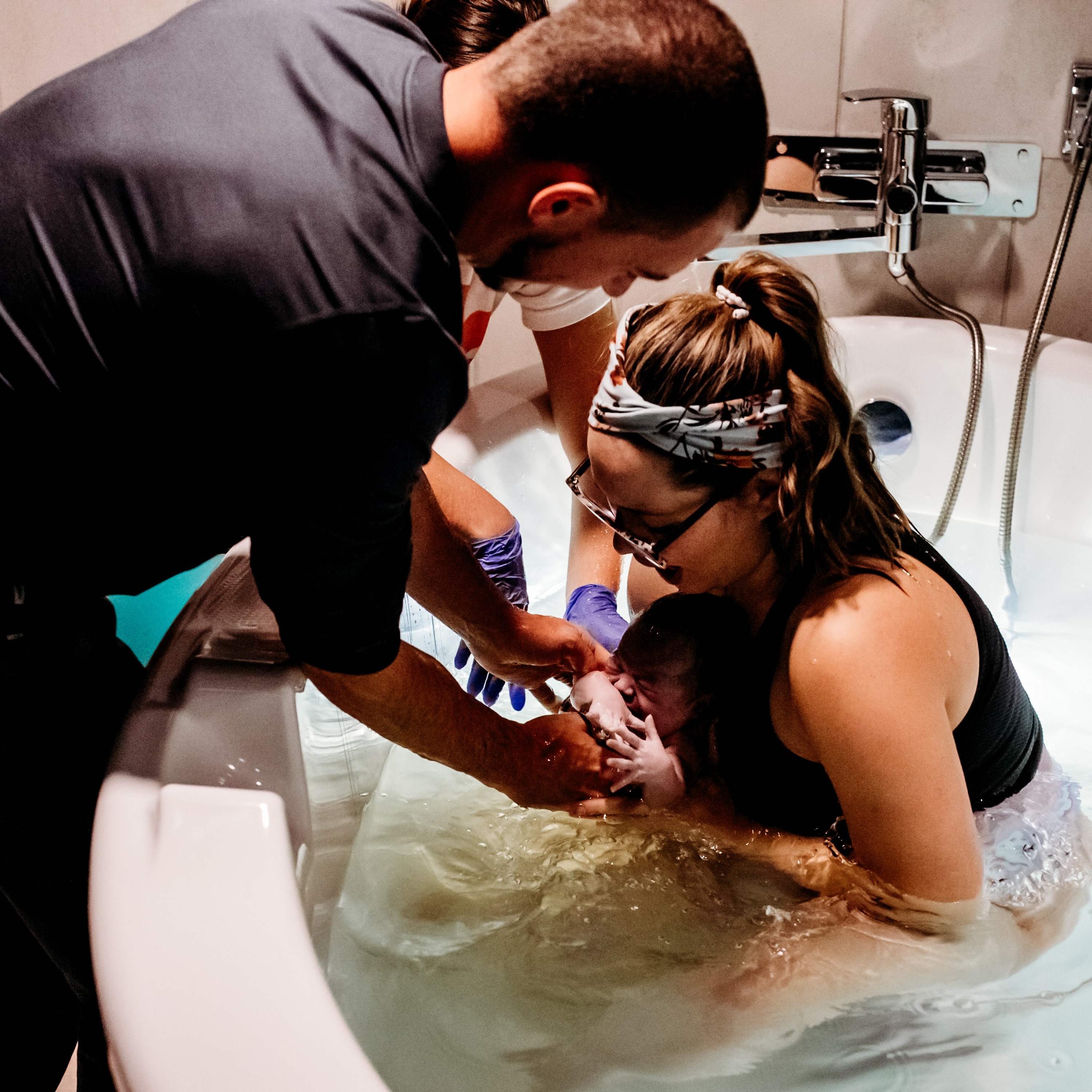
Invalid Date
Episode 378 Susan's Empowering CBA3C + The Benefits of Laboring
Join Susan on our podcast today as she shares her journey to a beautifully empowering CBA3C! Susan had three C-sections that didn't have anything to do with her body. They just happened to be circumstantial. All three of her births had been traumatic emotionally and did not go how she wanted at all. As far as making decisions for herself and doing what she really wanted to do, that was not present. But with her fourth baby, Susan had a lot of firsts. It was the first time that she was really able to voice what she wanted. She was able to make decisions out of peace and being educated instead of making decisions out of fear and being told what to do. That was the first truly empowering step in her process. Our mission at The VBAC Link is to make all births after difficult Cesareans better, and Susan’s episode shows exactly that. Coterie Diaper Products, Code VBAC20 for 20% Discount How to VBAC: The Ultimate Prep Course for Parents Full Transcript under Episode Details Meagan: Hello, Women of Strength. It is Megan, and I am joining you with my friend Susan. Hello, Susan. How are you? Susan: Hi Meagan. I'm doing great. How are you doing? Meagan: I am so great. You are from South Carolina, and at the time we're recording, even though this is now going to be in February, South Carolina has had crazy weather. How has everything been with you guys? Susan: Everything has been great. We're actually extremely blessed with the area that we are in. Initially, I thought it was something to talk about because I had a tree fall in the back of my house, but once I saw everything else going on in the area and just seeing the devastation that people had gone through, we are incredibly blessed with, the minimal damage with it just being a tree. Meagan: And this was Hurricane Helene? Susan: Hurricane Helene. Yeah. So all of our neighbors are pretty rough right now, so keep them in your prayers and help out where you can. Meagan: Seriously? Oh, we will be. We're actually recording right now in October, and today is the day that Florida is scheduled to be hit with another really crazy hurricane. So, yes. Susan: I've been thinking of Florida non-stop too. Meagan: Seriously, if you guys are listening, even though this is in February, oh my goodness, I hope all is well and everybody is okay. We do have our Review of the Week, so I definitely want to get into that before you share your four CBAC stories. We have people question, "Why is it called The VBAC Link, but then you share CBAC stories?" But I think the solid straight answer is because not every birth ends in a vaginal birth, and not everything always goes as planned. And you know what? Also, sometimes VBAC isn't desired, and CBAC is something that we don't want to forget about. In fact, if you didn't know, we have a CBAC Link Community. We have The VBAC Link Community on Facebook, and we also have a CBAC Link Community which is just the most amazing group as well. It's actually run by Paige, our transcriber, who I absolutely adore and just had her fourth Cesarean, which was a Maternal Assisted Cesarean. I still can't even believe all of those things happened. It's so amazing. But you guys, if you are looking for a CBAC support group, go to The CBAC Link Community on Facebook, and we'll make sure you get in. We have a review. It is by Jamie Poor. It says, "The absolute best." Thank you. That is so sweet. It says, "After having a scheduled C-section in 2016 for my son being breech, he flipped between 38 and 39 weeks, so he came as quite as a shock. I knew I wanted to VBAC for my next birth. Fast forward to 2019, my second pregnancy with our daughter, I found your podcast and obsessively listened to every single episode. It motivated me and educated me leading up to my due date. It even made me look forward to my long commutes to work. I hired a doula. I drank red raspberry leaf tea, ate the dates, did the Spinning Babies and really did all the things. And guess what? With the help and the education and advice provided on this podcast, I got my VBAC. I learned how to ask for what I wanted and advocate for myself with my doctor and when my body cooperated and went into labor, I felt prepared. My daughter was born in January 25, 2020, and I have to say her labor, delivery, and birth was the most healing, empowering experience of my life. Thank you, ladies, for providing this podcast for all women preparing for birth." Thank you so much, Jamie Poor, for your review, and congratulations on your amazing, empowering birth experience. Women of Strength, no matter how you birth, we want you to have a better experience. That is our goal here at The VBAC link to make birth after Cesarean better. A lot of first Cesareans are unexpected, undesired, unplanned, and do sometimes bring trauma. That doesn't mean even future Cesareans have to have trauma or be unplanned or be unprepared for. We want to learn all the ways we can make birth after Cesarean better no matter how that ends. Okay Susan, ending that review, we were just talking about no matter how birth ends. When you filled out your form, there was something that you said that things sometimes don't go as planned, but learning how to advocate for yourself and know that every birth is different is going to leave you feeling better. So I'm excited for you to share your four stories with us today, and I am excited to hear how you learned and grew and had better experiences with each one. Susan: Okay, so the first birth, I was 19. I was really young, and I didn't know a whole lot about birthing in general. I just did what I was told. I went to the hospital. I did what the white-coat man told me to do, and I didn't question anything. I was just a good patient all the way around. I had an amazing birth. I walked 8 miles before my induction date because I was a week over just trying to get things going and nothing was going. But you know how they are at the hospital. You know, as soon as you hit that 40-week mark, they want something to happen as soon as possible. So around, 41 weeks, I went "overdue" according to the medical standards. I went into the hospital and was super excited. They started the Pitocin drip, and my baby did not respond to that well at all. I was actually watching It's Always Sunny in Philadelphia, and I was laughing so hard while the Pitocin was going that his heart rate actually dropped to zero, his fetal heart rate. I remember all of the nurses came rushing in. They were freaking out, and they were pulling on stuff and readjusting me. It was really scary. They stopped the Pitocin and then they restarted it, and then it happened again. So his fetal heart rate dropped scarily low two times. The doctor came back in and he said, "You have two options. You can probably go home and labor for days and days and days, or don't know how long it's going to be." Meagan: He made it sound hard though. Susan: Yeah. He made that sound not appealing at all. And then he said, "Or we can just go to the back and get a C-section and get this baby out." And I was like, "Let's do the C-section. Let's get him out asap," because I was just scared, and I was young, and I just wanted him to be okay. So we went back for the C-section, and it was a perfect recovery. I didn't really think much of it. I was just glad that I had a healthy baby. The second birth came along, and I was actually in a pretty tough situation at the time. I was faced with a choice of what am I going to do with my pregnancy? A choice that many women face. Whenever you're not in the most ideal spot to have a child at the time, no decision is easy. The decision that I chose for myself at that time was to do an adoption. I chose to go the adoption route. Whenever they had asked me about what I would want to do as far as the birth goes, I was just thinking of the adoptive parents and what would be best for them. It was a completely sacrificial thing that I did. I didn't think about myself at all or what would be best for my body or my health or anything like that. I just wanted to make sure that his adoptive parents would be there. To assure that, I just elected to have a repeat C-section. Fast forward a little bit later. I'm starting to learn a little bit more about natural birth and what that can mean in a woman's body and the benefits of it. I don't know too much, but I went to my provider on my third birth, and I mentioned, I said, "How would you feel about me trying to have a natural birth?" He just looked at me with disgust, and he was like, "Absolutely not. We're not gonna do that." I just really didn't know too much, and I just felt so defeated and like that really was the only option, and I wanted to do the right thing. I really didn't fight for myself. I think I may have mentioned it to one other person just briefly, and then I just dropped it. That was the third C-section. So at this point, I've had three C-sections that really didn't have anything to do with me or my body not progressing or anything like that. It just happened to be circumstantial. It really wasn't empowering. So far, all three of my births had been traumatic emotionally and did not go how I really wanted at all. I mean, thank God the three babies were healthy, of course, but as far as me making decisions for myself and doing what I really would want to do, that was not present. So, fourth baby. So the fourth baby, I had a lot of firsts. So it was my first baby with the marriage that I'm in now. It was my first girl, and it was the first time that I was really able to think clearly and be able to voice what I wanted and be able to make decisions out of peace and being educated instead of making decisions out of fear and being told what to do. That was the first step that was super empowering in this process. Meagan: Yeah. I think when you start feeling empowered, that's where it begins, the second you start that. Yeah. Susan: Yep. So I went to my first appointment just to have the pregnancy confirmed. They were just pushing. The only thing they were really doing was making sure I got vaccinated. "Oh, your blood pressure's high, so you're probably at risk for preeclampsia." They're already putting me in all of these little boxes on my first visit. They're telling me to take aspirin because I had high blood pressure. I had high blood pressure, a lot of it due to white-coat syndrome just due to the trauma of being in the hospital. I was completely not at peace. I hated being there. I did not want to be at that doctor's office. And so I got in the car and I immediately am talking to my husband. We call his cousin because he comes from a family where it's really common to have home births and to use midwives and to use alternative ways. I was so blocked off that I really just couldn't see, but we started talking to his cousin and she was telling me, "No, this is actually totally possible. I know some midwives who are able to do it." I'm still clenching up with fear, but I want to let it go. I'm on Google and I'm like, "vaginal births after C-sections three times", and your podcast was actually the first one to pop up. I went on there, and I specifically looked up a story that had to do with a woman having a vaginal birth after three C-sections. I just started to listen and my heart started to open and the fear started to dissipate. I was like, "I can do this. I can at least make a huge attempt to do it." And so I started to call different midwives and see what their availability was like. A good portion of the midwives don't want to work with you if you've had over three C-sections because they're contracted with the hospitals and are contracted with the state in some way to where they can't legally do that. It was really hard because I called around and called around, and either they weren't available or they just couldn't do it. But I finally found a midwife that was willing to work with me. Me and my husband met with her, and we sat down and talked. It was the first time I had ever had a conversation with "providers" where they actually believed in me, and they believed in my body, and they believed in my ability to give birth. It just meant so much to me to be looked at as a human and as a woman that can do this and not just as a patient who you want to push through and make money on and just get the C-section and be done and not have any risk involved. But there is risk involved having a C-section after three C-sections. There's risk doing it any way, and it's just like, what risk do you want to take? Meagan: Yeah. It's interesting, but what you were saying, "I just wanted someone to sit me down and talk to me like I'm human and have this feeling." I mean, I interviewed multiple providers, and it took me a long time to find that, too. That is what breaks my heart about this community. We have to go into these situations where we're searching for support that feels like a diamond in the rough. Susan: Yeah. And I want to just point out that even though this did end a Cesarean, and we all know that. There's no suspense there. There are so many points along the journey where I did have that healing. I did have that empowerment. It doesn't have to lead to a Cesarean in order to have that healing is what I really want my story to say. You can still make decisions and advocate yourself for yourself in a way where it doesn't necessarily have the VBAC. Meagan: Yes, yes, yes. Susan: Because I'm in the Facebook Community, and I see stories of women being so defeated and so sad when it doesn't end in the VBAC. I just want to inspire people that it doesn't have to be that. The empowerment can come in so many different forms. I was just completely elated after I spoke with her, and I just felt like it was meant to be. I loved her. I loved her energy. She had been a midwife for over 26 years. She had over 1100 home births and not a single maternal death. Meagan: Wow. Susan: Yeah. I just felt totally confident in her, so I went ahead and hired her to be my midwife. Just being able to go to her house and have the prenatal visits was so nice. That was another huge thing that was just amazing and not having to go to the hospital and fight every time. We did all of our prenatals there. She didn't beat around the bush. If there is an issue and I needed to address it, I would address it. I had a little bit of issues with my blood pressure, so I tweaked my diet and I was able to monitor that that way. Towards the end of my pregnancy, I had issues with my hemoglobin being low. I tried everything in the book, by the way, and the thing that helped me, just in case anyone's having issues with their hemoglobin, is I actually froze raw beef liver. I froze it, and then we cut it up into little tablets. I took this raw beef liver every morning because it gives you energy. Don't take it at night before you go to bed because you'll have trouble sleeping. But I took it in the morning and my hemoglobin went from like 9 to 11 within a week which was amazing because nothing else was working. Meagan: Yes. Susan: Yeah. Meagan: And I was going to say that frozen wheatgrass shots is another thing that can help with that. Yeah. Susan: Oh, I did not try that. I said I tried everything, but not that. Meagan: Liver and wheatgrass. Make a delicious smoothie. Susan: The things we do to stay healthy. So, yeah, sometimes people will try to make you feel like you're being irresponsible by not doing it the way that they've been programmed to do it. I'm just saying, it was totally responsible. If not, it was even more responsible because she may have picked up on things and was able to give me advice from a nutritional standpoint which is usually always the issue. It's something to do with your nutrition in your diet that someone in the hospital wouldn't tell me because all they wanted to tell me was to take an aspirin. Yeah. I went over. I was 42 weeks and 4 days, I think. Meagan: 42 weeks and 4 days? Susan: Yes. Meagan: Okay. Susan: So another thing I want to tell people, if you're planning on doing a home birth or doing a natural birth, even if you're planning on going to the hospital, I would recommend saying your due date is actually a month after it actually is to people just so you're not hounded at that like 39, 40-week mark because that was really hard mentally. Especially if you're planning to do a natural birth, it can be such a mental battle especially right there at the end and to have to deal with people know, being like, "Is she here yet? Did you have the baby?" It's just another thing to have to deal with. I would recommend saying it's a month after your actual due date. Yeah. I did absolutely everything you can think of to be the perfect student as far as home birth goes. I read every single book I can think of to prepare you for a natural home birth. I went into HypnoBirthing. I practiced the meditations and the exercises. I had the birth ball. I did all the exercises on the birth ball with my pelvis. I took all the right supplements. I did the pre-birth tincture. I was doing it beyond. People would try to talk to me being like, "You could die. You could bleed out," and I would cut them off. "I'm not having fear-based conversations. I'm not entertaining this. Yes, I'm going to do this because I want to do this. I'm not committed to this to the point of death for me and my child. If something goes awry I have no problem going to the hospital but this is what I'm doing. Leave me alone." Meagan: Good for you. Susan: Yeah. Yeah. So I was really proud of myself because they say it's like preparing for a marathon giving birth. So I really prepared. I had my mucus plug come out around maybe 42 weeks exactly. I was like, "oh my goodness, something's happening," because previously, I haven't experienced any signs of labor. I don't know anything. I've never had a contraction before. Meagan: Right. Susan: Even though this is my fourth child, I have no idea what any of this feels like. So I'm really excited. I'm like, "Wow, this is exciting." Actually, my water broke really shortly after that. I was sitting down on the couch, and I just started having gushes of water and gushes of water. I was talking to my midwife the whole time being like, "This is what's happening. There's so much fluid. There's so much." I had never had my water break before, so that was all new. I was scared. I was excited. She just reassured me. She goes, "No, this is just your water breaking." And she had told me that she's going to treat me like a first-time mom because I never have actually had a baby come through my birth canal. So a lot of times you can expect a long, strenuous labor when it's your first. Meagan: Yeah. Susan: So she said, "Your water has broken. That could either mean that it's going to speed things up and the baby will be here soon, or it could mean there's still a long road ahead." My midwife was really good about keeping my expectations very low as far as when the baby would be here. Meagan: Hey, I think there's something to that. We know that labor sometimes can be slower. Susan: She just didn't want me to stress out about it not happening sooner than later. She was just so good, so calm, so peaceful, and confident. I love her. She's the best midwife ever. I recommend her anytime I hear about people in the area wanting to have a home birth. I was starting to have contractions and then it would be like, go, go, go, and then everything would just stop. Because my water had broken, the chance of meconium was there. I had some meconium in my fluid, but it was yellow. It wasn't a high-alert type of meconium. It was just like, "Okay, we kind of need to get things going." So we talked and we decided to drink some castor oil. So I drank a tincture, the Midwives' Brew if you look it up on Google. I did that. Meagan: A lot of midwives will suggest that. Susan: Yes. So I did that, and it did throw me into really intense labor. We just got things going. I had my contraction timer going, and I had my sister and husband here. I really didn't want many people there at all at my birth. It's just such a private and intimate thing. That was just what I felt comfortable with. It would just be that. It would be a series of contraction after contraction, and then things would die down a little bit. I did every type of position you can think of. I went to the bath. I took baths. There was so much stuff I would do. I even found if I put my feet in really hot water, it would help take away from the pain of the contraction because I hate my feet being hot. Meagan: Oh, okay. Yeah. Susan: It would help me think more about my feet being hot. I would just do anything and everything I could to just help the process and help my body relax. As much HypnoBirthing as you do and as much meditation you do, every birth is different. At that point, I was like, "All of that is BS. All of that is crap." Hey, if it works for some people, great. I really tried to do it, but I had a lot of pain happening no matter what meditations or affirmations I was giving myself. I was talking to my midwife about that too. That's another thing I want to point out is that we all might have this vision of this really peaceful birth where the baby just slides out into your hand and you catch it and yay, everything is great. But also, I just want to everyone to give themselves permission to have a chaotic birth. If that's what your body needs to do, if you need to scream, if you need to shout, if you need to look like a hot mess, if your hair needs to be frazzled, let yourself do that. Sometimes just allowing yourself to let go a little bit can really help. I was laboring for three days. Meagan: Oh wow. Susan: I got to 7 centimeters dilated. I was so happy because my cervix was folded under. Meagan: Folded under? Susan: Yeah. So it was like a posterior cervix. Meagan: Oh, it was posterior. Susan: Yeah, yeah, yeah, yeah. Meagan: Oh yeah. It starts posterior and through the labor process, it comes anterior and aligns well with the birth canal and opens and dilates and all that. Yeah. Susan: Yes. So, by the time I got to 7 centimeters, that had finally come forward. So we checked myself, and I was 7 centimeters. My cervix had come forward, and I was so happy and I cried for joy. I was like, "This is it. I'm at 7 centimeters. It's go time." And typically, that's when they have-- what do you call it when there's that shift? Meagan: Well, active labor. When active labor kicks in, is that what you were thinking? Susan: Well, I had already been in active labor. But the shift when you're at the final stage, almost? Because you know how labor will get to one stage, and your body will adapt to that, and then it'll get to another stage and another stage? Meagan: So from 6 centimeters on is statistically like that active labor stage. Susan: Okay. Meagan: I'm trying to think of what other word you're meaning, but it turns into active. Transition? is that what you're thinking? Susan: Just the most intense part. Yeah. Maybe. Meagan: Yeah, so you transition into that stage. Susan: Yeah. Okay. So, I did not go into that transition. I stayed at 7 centimeters. And even though I was having extremely hard contractions, they were not productive contractions. There was a point where I was on my toilet because that was my most comfortable place to be. I felt the safest on my toilet because I was scared of pooping. That was a fear of mine, and I wanted to be on the toilet just in case. Meagan: Were you having back and butt labor at all? Susan: I was having some back labor. I mean, it was the most pain, and it was such a journey because you're in so much pain, and you're like, "Wow, this is the worst thing ever. How am I gonna do this?" And then the contraction goes away, and you're like, "Wow, I'm so grateful. I'm so grateful to be here. I'm so grateful my baby's almost here." And it's just an emotional roller coaster. Meagan: It is. Yeah. Susan: So nothing was really happening as far as the progressing. My midwife comes to me while I'm on the toilet, and she goes, "All right, Ms. Madam. Let's get your pretty dress on, and let's go for a walk." I looked at her like, "Are you crazy?" But I did it. I got my dress on, and I went for a walk through my neighborhood. I walked probably 2 miles, contracting throughout my neighborhood trying to get something going. Meagan: Wow. Susan: Yeah. And then I come back in the house, and there was two midwives there. One of them said, "If I could do my labor over, I probably would have just walked and walked and walked until the baby got there and would have tried my best not to be scared of the pain or let the pain stop me from really pushing into the contraction." So that's what I did. I started walking circles around my house, and I was telling myself, "No pain is too great to bear for my baby to be here." And I was even talking to my baby like, "Let's do this. Let's go to the next phase." I got to a point where I looked at my midwife, and I just said, "I'm exhausted. I have to lay down." I lay down, and I woke up, and my sister was lying with me. I started to just feel shivery, like really shivery. I started to get chills. It was just like I felt like I had nothing left in me. As soon as the shivers and the chills started, I knew I probably had a fever. I was looking at my sister and I just said, "I really don't feel like I can keep doing this." She said, "Well, is there something else on your mind?" I said, "Yeah, I need to go to the hospital." I'm about to start tearing up. The midwife came in and I just told her. I was like, "I need to go to the hospital. I feel like that the next step is that I just need to get in the car, and if on the way there I change my mind and I want to come back home, I'm going to give myself permission to do that." She goes, "Well, let me just check you, and let's see what's going on." It was 12 hours since my last check. It was 12 hours, and I was still at 7 centimeters. I hadn't progressed at all. I immediately just got out of my bed. I put my dress on. I don't think my husband was quite ready to go, but my midwife was, so I just started walking to her car. I'm like, "I'm going to the hospital now." I just had made up my mind, and that's what we were going to do. It was a very peaceful ride to the hospital. I had my little Depends on. She put a little pad under me. I remember asking her, "So has anyone ever peed in your front seat before?" Everything was just starting to get a little haywire. I just couldn't hold it in at all. Meagan: Yeah, yeah. Susan: We were just having a fun conversation on the way there. We got to the hospital. Well, the farther we got to the hospital, the more at peace I felt. The thought of going home was terrifying to me. As soon as we got there, I saw the nurses in the ER, and it was like beams of light were beaming through their heads. I knew I was at the right place. I got there, and they were just so sweet and so supportive. I still wanted to entertain the idea of having a vaginal birth if possible. It was just that I had to get an epidural because there was nothing left in me. I had nothing else to give in my body. Meagan: Yeah. Susan: I wanted to entertain that. And they go, "Well, yeah." They were like, "Were you hoping to have a VBAC?" And I go, "Yeah, actually I was hoping to have that," but I wasn't so committed to it to where I wouldn't have had a C-section. I already knew that I'm just going to do what's best for whatever the situation is after they assess me. But they were actually willing to let me have an epidural and have a VBAC. They were like, "Yeah, that's totally fine if that's what you want to do." And I was like, "Really?" And this was a separate group of providers that I had never experienced before. So yeah. It was absolutely amazing being talked to and being actually asked what I wanted to do. Meagan: Yeah. Susan: So they were doing all of my vitals. And as soon as I got to the hospital, that's when everything went berserk. My blood pressure skyrocketed. My heart rate went up. I was preeclamptic, and I was septic from meconium being in my uterus for that long. As soon as she was checking me, my daughter, Carrington, actually had scooted her head up a little bit to kind of show us what was going on, and the meconium was green. So as soon as I saw that there was green meconium, I was like, "Take me back for a C-section right now," because we all know that's infection. They were so relieved when I was totally fine with having a C-section. They gave me the spinal, and I just remember that being like the best feeling ever having no pain after being in such turmoil and in pain for so long. As soon as they pulled her out of me, she took another massive poop. So if I would have waited any longer, she would have been in that as well, and her chances for aspirating on it would have been really, really high. So yeah, that was it. I felt really great about the C-section. It was empowering because even up until that moment, I still was making decisions for myself and making decisions for my daughter. The decision that I made at the end was to save myself and her. To know that I made that decision and wasn't so committed to an outcome that I was able to make the right decision was like, "Wow. Yeah. I did that." Even though this is something that I wanted more than anything, I was able to let that go and save myself and her. Meagan: I love that you pointed that out of like, I had this empowering healing experience because I was really able to make the decisions along the way. You made the decision to get in that car. You made the decision to continue laboring. Then things changed. You made the decision to call it. And I think that is where a lot of the healing and growing comes from, is when we are able to make the decisions. The trauma, the fear, the hurt is when providers are coming at us and telling us what we are doing. "You are going to do this. I will only allow you to do this. You can if..." and then they give their restrictions. I think that you just nailed it on the head. You were able to make your decisions and be in control of your birth. And no, it wasn't the original outcome that you wanted. You wanted that vaginal birth. You were going for that vaginal birth. Things were really looking great, and when they weren't, you changed your mind. I just think, Women of Strength, take this with you today and know that you are in charge of your birth. Yes, babies and births can throw twists and curves and hurdles and all the things along the way, but you are the one who can make the decision for you. You do not have to be told what you do and do not have to do. Now, we also know that there are true emergent situations. There are true, true, true emergent situations where we maybe don't have a lot of time to sit and think and ponder and wonder what we should do and then follow that. It's just we have to say yes or no right then because it's an emergency situation. Susan: And being able to trust yourself that you are going to know if you need to call it and when to call it. Meagan: Yes. Susan: And that your intuition and your ability to just be in tune with your body and your baby is there. Meagan: Yeah. Absolutely. Susan: Yeah. And you'll know. Meagan: You will know. We talk about the intuition all the time. I mean, I don't know. I would say if not every podcast, probably every other or every couple other, we talk about this intuition. It is so real. I mean, Susan had this intuition. She felt it. She really did. Everybody listened to her. It's so important to be heard and to trust that intuition. So I applaud you, Susan. I'm so grateful that you were able to follow your intuition and be heard and call the shots of your own birth because you did deserve it. I am so happy for you. I know everybody else in the world cannot see your sweet baby, but I can and she's beautiful. I'm just so happy for you that you're able to have these experiences, and you have grown through each one. Susan: Mhmm, mhmm. And just the preparation of having a natural birth and what goes into it physically and mentally is worth it in itself to just give it a try if that's what you're wanting to do. And then allowing yourself to go into labor so all of your body's hormones are released in active labor, even if you do end up having a C-section, that's super valuable for your health and your baby's health. Meagan: Yeah, I was actually going to ask you that question. Yes, it ended in a Cesarean, but would you still have gone for the VBAC? Susan: Yes. I wouldn't have traded any of it for anything. I 100% would have done it again even if I knew what the outcome was going to be. Meagan: Yeah. Susan: Yeah. Meagan: Well, thank you so much for sharing your stories today. Susan: Thank you for having me here and thank you for doing this podcast and being in the business of releasing fear among women because it's like a pandemic of the mind almost. Meagan: Seriously though, we are being told that we have to be scared day in and day out. I mean, we hear these stories. I recorded a story earlier today and it was just like constant fearmongering every single time she was there. That stuff gets really tiring and it's hard to stand up to. But again, it comes down to education, learning these stories, learning your options, and then again following that intuition. So yeah, Women of Strength, you are amazing. Susan: Thank you. You're amazing too, Meagan. Closing Would you like to be a guest on the podcast? Tell us about your experience at thevbaclink.com/share. For more information on all things VBAC including online and in-person VBAC classes, The VBAC Link blog, and Meagan’s bio, head over to thevbaclink.com . Congratulations on starting your journey of learning and discovery with The VBAC Link. Support this podcast at — https://redcircle.com/the-vbac-link/donations Advertising Inquiries: https://redcircle.com/brands

Invalid Date
Episode 377 Melanie's Induced VBAC Turned CBAC + Controlling What You Can + How to Heal Birth Trauma
We have two beautiful CBAC stories for you on the podcast this week! Today’s episode is with our friend, Melanie. Her first unexpected Cesarean was in April 2020 at the beginning of the COVID-19 pandemic. It was a very lonely and traumatic experience. Melanie found healing through a birth trauma therapist who helped her process her story and prepare for her second birth with a strong mindset. She took charge of what she could while making peace with what she couldn’t control. Unfortunately, many things out of her control did happen, and Melanie faced another Cesarean. All of the healing work paid off though, as Melanie was not traumatized but empowered instead. “Birth stays with you forever. It’s not something you ‘move on from’. My first birth was 5 years ago and still barrels me over from time to time. Likewise, the pride I feel in how I advocated for myself during my second birth continually gives me strength.” IMG_6660 (1) - Melanie Doyle.jpg CBAC Support - The VBAC Link Community Birth Story Medicine Needed Website How to VBAC: The Ultimate Prep Course for Parents Full Transcript under Episode Details Meagan: This is actually the week that we are kicking off CBAC week. This week you'll hear two CBAC stories. If you haven't caught on yet, every month we have one week with a couple episodes that is a more specialized episode. So if you're looking for CBAC stories, this is your week, and we have our friend, Melanie, with us today. Hello everybody, it's Meagan. I have my friend, Melanie, with us today. Melanie is a 31-year-old mama of two who had two C-sections. While she struggles with birth trauma from her second birth, an emergency C section, it was still quite healing, she said. I love that you're talking about that. You still struggled with this, but it can still be healing. That was how I was. I wanted a VBAC with my second birth. I really, really, really wanted a VBAC, but it didn't happen. It didn't go as planned, and I had a CBAC. I walked down to that or and I had that second C-section, and it was not what I wanted. There was still trauma involved and lots of feelings, but it was still one of the most healing experiences for me. Weirdly enough, I think it's what he needed. I needed that to help me heal from birth one and birth two. So let's talk a little bit about CBAC, and how it can be as a mom who is wanting a VBAC and it doesn't go as planned. Do you have anything to say on that? Melanie: Sure. Thanks, Meagan. Yeah, I have a lot of things to say on that. Honestly, like you, I wanted the VBAC. I did all of the things to try to get that VBAC. I did the yoga and the teas and the stretching and the chiropractor, and the acupuncture. I did it all, and it didn't happen. It wasn't meant to be. I guess I'll get more into that when I dive into my story. But the CBAC was healing because even though I didn't get the outcome I wanted, I was much more empowered throughout the whole process than I was in that first birth. Through a lot of healing and therapy, I realized that it was that empowerment piece that caused a lot of the trauma from my first birth. It wasn't the C-section itself. That wasn't what instigated all of those feelings and all that hurt, but the way I was made to feel, the way I was treated the doubts and insecurities that were planted in me from that experience that took away my power. Even though I did not get that outcome in my CBAC, it undid a lot of that in a way. I was able to of regain some strength and some autonomy. That's lasted a lot longer. I think in this kind of healing journey, it's still hard sometimes. I still feel like I'm just barreled over by the grief that's wrapped up in both of those births. Even though I have two wonderful, beautiful, healthy children, it doesn't all disappear, but it did help me regain a lot of confidence in my ability to advocate for myself and know what I'm capable of. Meagan: Yeah, I love that you pointed out that, that it was a more empowering experience, and you felt more empowered. I really think that along these journeys, if we can be educated and feel empowered, even if it doesn't go the exact way we want it, and that doesn't even just mean Cesarean and VBAC. I didn't want an epidural, and I got an epidural. I didn't want Pitocin. I got Pitocin. Melanie: Right. Meagan: There are all these different things that can happen that we didn't want. But if we can feel empowered and involved and educated and like we are making the decisions too, and sometimes we can't make them. Sometimes our babies make the decisions, and that's frustrating. That's hard. It's like, well, what could I have done? And we go down these real big spiraled, spaces. But if we can really feel empowered along the way, even though we still might not agree with wanting, the outcome of what we wanted, we can feel empowered and have more healing to come. I wanted to talk more about that too, because we see this happen in the VBAC group where it's like, "Hey guys, thank you so much for being with me along this journey. This group has been amazing. However, I feel like I just have to leave now. I can't be here. I don't feel welcome here because I ended in a Cesarean." One, Women of Strength, I want you to know you are always welcome. You are always welcome. And you are incredible. You do. You were not less than anybody else just because you've had a Cesarean. And two, we actually have a CBAC group. I wanted to point that out to any mamas who have maybe gone for the VBAC route or even decided not to VBAC and wanted to have a Cesarean to go into that CBAC group. It is so, so special. It is led and run mainly by the very own Paige on our VBAC team, who is incredible. I just love that group so much. It creates this just abundant amount of love and support that I think everyone deserves. I don't want you to feel alone because I know. I was one of them. When I had my CBAC I was like, I can't keep seeing these people have these VBACs. I wanted a VBAC. I didn't get a VBAC. There were so many feelings, and I didn't feel welcome there. It wasn't even because they didn't make me feel welcome. I just didn't categorize myself as qualified to be in that group. Yeah, so check out The CBAC Link Community on our Facebook and know that Women of Strength, you are incredible. Whether you have a vaginal birth or not, you are incredible. Melanie: Okay, you guys, we're gonna dive into Melanie's stories, I should say. There are two. There are two stories. So, yeah, let's start with birth number one. Melanie: Goodness. So my first birth, my daughter, who is about 4.5 now, was born in April 2020. So it was right at the beginning of the COVID-19 pandemic lockdown which really set the scene in the most terrible of ways, as many of listeners probably remember, especially for anyone who had a baby during that period. I mean, it was so challenging those final weeks of my pregnancy. Every doctor's appointment I would go to alone. There was just new bad news being delivered to me about the restrictions that were being put in place. And I was very depressed. It was a heartbreaking time. Those final weeks of my pregnancy, I imagined nesting and being cozy with my husband before we had our first baby, and it was just all kind of ripped away like so much was during that period of time. I became really disassociated from my pregnancy and the joy that was meant to be coming. If someone had approached me on the street and said, "We can get that baby out now," I probably would have said, "Sure." I was really in a place of not caring, I guess, about what happened. I was just so desperate for this baby to be born before the restrictions got worse and before my husband wouldn't be allowed to be at the birth. So I was disassociated, I think, is the only way I can describe it. And then, of course, I went overdue because my kids don't come on time. This will be a recurring thing. Meagan: And with your first baby, that is also very common. Just saying. A lot of people carry over that 40-week mark, right? Meagan: Yeah. They don't tell you that when you get the handbook at the beginning of the pregnancy. I was overdue and was desperate to be induced. I went into this prior to the pandemic and everything, being pretty knowledgeable. I had attended a birth before. I had seen things go wrong and had originally had ideas about what I wanted my birth to be like. But at that point, I really was just desperate. The induction started really well. They placed Cervadil, and it kickstarted things like rapid-fire. It worked super well for me and I thought, "Okay, this might still be okay despite the induction. Despite all this, this might still go fine." Given the COVID-19 restrictions at the time, my husband wasn't allowed in with me until I progressed to a certain degree in my labor. Meagan: Wait, what? Melanie: Yeah. Meagan: Not at all until you progress to a certain point? Melanie: So around 7 centimeters, they were going to give him a call. Meagan: What was the difference of you being there at one point over the other? Melanie: Oh, it was tragic. So he waited in the car in the parking lot. Meagan: Oh, poor thing. Poor you. Melanie: So I was alone. And it was terrible. My contractions just came on so super fast because of the Cervadil. I started dilating really quickly and I thought, "Okay, they're going to get him in here. It's going to be okay." It Wasn't. I started to panic. I had not wanted an epidural, but I was obviously experiencing a lot of pain. They got the Cervadil out because of how I was reacting to it. The nurse asked if I wanted an epidural, and I said, "No, I'm okay for now. I'm coping." I waited a while longer, and I was still alone. They still hadn't called my husband, and I just couldn't do it alone anymore. The nurse talked me into the epidural, and I didn't want it, but I felt a little pressured. Yeah, pressured. That's the word. And again, in looking back on that, I recognize that a lot of the birthing people on the floor at that time were also alone. The nurses did what they could in those situations. But, yeah. I still hold a little bit of resentment, I guess, for those moments where I was my most vulnerable and by myself. Meagan: Yeah, understandably. That makes sense. Melanie: Yeah. So I got the epidural. My husband was allowed in shortly after, and things were still okay. I was still progressing fine. Then labor just stalled, which is the start of many stories. So we waited through the night. At some point, they started Pitocin. I was moving in all these ways. I should say that my doctor is a saint among humans. She's incredible. She was on with me all night. She did everything she could. She wasn't on when I first got admitted, but she came on later in the night, and she was phenomenal. She did everything she could to get things going again. And then her shift ended the next day, and somebody else came in. By that time, I had that pesky little cervical lip. My baby's head was OT. She couldn't make that last. I was 9 centimeters, but she couldn't get that last turn because of the tilt. I was swelling. There was meconium. Her heart rate was doing some wonky things, and off to the OR we went. I was okay with it initially. It felt like, "Okay, this is what happens." It was fine, really. I had a pleasant Cesarean experience. I wasn't nauseous. My husband was able to be there with me for the birth, and I had a lovely surgeon, so it was okay. I felt okay for the most part afterward. But again, because of the COVID-19 restrictions, my husband was only permitted to stay two hours after the birth. She was asked to leave and not allowed back until we were released. It was just me and my beautiful baby girl who was 8lbs, 9oz alone for 2.5 days after I was just recovering from major surgery. Meagan: Wow. Melanie: Those first few days were challenging. Breastfeeding was a disaster. A had terrible edema from all the fluids during the C-section. I was huge trying to breastfeed. I was just so puffed up. Everything was impossible. And again, because all the birthing people on the floor were without their partners, the nurses were run ragged. It was very difficult to receive care, to put it politely. I think honestly, a lot of the trauma that I have from that time came from my hospital stay afterward and how I was treated or how I felt kind of neglected and was again alone, in some of the most formative times of my motherhood experience. Meagan: Yeah. Melanie: So that was that really. That was my first birth. As the days progressed, and I got home and I just felt so defeated by and let down by how I was treated and not even how I was treated by people but by the situation. I mean, a lot of it was beyond anyone's control. Meagan: Yeah, that time, I have a lot of feelings. I was not a, mom birthing, but I was a doula supporting couples and saw a lot of really stupid stuff to say that didn't make sense at all. But everyone was so restricted and rules were changing literally by the day and even by the hour. Right? Melanie: Yeah. The hospital I gave birth that has since it kind of acknowledged that they took it a little too far. Laboring people shouldn't be alone. Who would have thought? Meagan: Women in labor should not feel deserted. Yeah. Meagan: So some of that was nice to hear but it was just a little too late for my own benefit. The more that all settled with me, and when we had our first baby, we didn't know down the road if we wanted more kids. I'm an only child. I love being an only child. So I thought, maybe a family of three is fine. But I remember sitting with my doctor at one of our follow-up appointments, and I just broke down by the whole experience and I was like, "I can't do that again. Regardless if I want to. I just can't." She was crushed by that. She just couldn't let me Live with that feeling. "If you don't want more kids, great. You don't. You do you. But that, that can't be how we leave you." So she recommended a therapist to me who has become one of the most dearest people in my life. She's also a doula. And all of her therapy practice focuses on birth trauma, infertility, infant loss, and things of that nature. She was a godsend once we decided that we were ready to have a second baby. I don't think I could have done any of the rest without her. So then moving on to my second birth, it took a while to come around to being ready for that. After that first experience, there was a lot of therapy and a lot of trying to recognize that what I went through wasn't my own fault. Meagan: Yes. Melanie: There was nothing. The choices I made and giving in to the epidural, that wasn't a moral failing on my part. Being alone wasn't that I was not deserving of care, it was just the situation of the time. So a lot of that took some time to reckon with. And then as I began, I knew right away that I was going to try for the VBAC. My doctor was, "Yeah, of course. If you want to 100%." She felt because I did labor so well once we finally got things going, she was pretty confident that things might go okay for me the second time. So she was a great support. But once I started looking into a lot of the VBAC literature in the VBAC world, there were so many pockets of it that I really struggled with. Some of the language around how we can prepare was really off-putting to me. It felt like if you know enough and if you do enough, you'll be okay. It just felt really focused on blaming people for whatever went wrong the first time, if you had known more, if you had advocated for yourself more, if you had breathed more or meditated more, things would have gone better. So I really tried to avoid some of that in preparing for my second birth. I was really focused on the things I could control. My doula/therapist/friend really helped me with a lot of that. A lot of what we focused on and preparing for that second baby was focusing on things that would be true regardless of how that birth happened. I became really into this series of affirmations. That is not my thing. I'm not into that normally, but they became very treasured to me and still kind of are. I really prioritized creating ones for myself that would be true regardless of what happened. It wasn't about birthing my baby vaginally because that might not happen. I knew that going in. It was more about acknowledging that my body is strong and capable. That's true regardless of what happens. So those sort of sentiments really echoed through my whole pregnancy and leading up to the birth. For the most part, I had a pretty uneventful pregnancy except for the fact that in my 20-week anatomy scan ultrasound, they discovered that my placenta was low. It was partially covering my cervix. My doctor was great. She was like, "Yeah, don't worry about it. It'll move. We're not going to worry about that until we have to. That often happens. We're not going to let that slow us down right now". So that was fine. And then later in my third trimester, I was measuring gigantic. I'm a very small person. I'm barely 5 feet. I'm petite, and I grow big babies. I was measuring quite large. We re-screened for gestational diabetes. I had a weird borderline response. I was doing these funny diet things and trying to get that under control, but I was still measuring pretty large. But again, my doctor wasn't really discouraging about that. "I know people have big babies. The bony pelvis, it moves, don't worry about it." So I still felt pretty good, and I kind of loved the idea of tiny little me having this huge baby. it seemed like I'd be pretty proud of it. But I had to have a follow-up ultrasound to check on the placement of my placenta to see if it had moved enough. And it did. Fortunately, it seemed like it was in the clear. My doctor, who was lovely, indicated that this was not a growth scan. We were just checking the placenta. But of course, the maternal-fetal unit loved to check the size of that baby. So of course, he was huge. They were trying to really say, "Are you sure you still want to do this? Because he's going to be quite a large boy and all that." I mostly tuned that out. I was like, "Yeah, I know. No big deal. I know I can't do anything about that. That's not within my control at this point. I'm 32 weeks pregnant." We carried on as normal. At this point, I was going crazy. I was walking so much. I was seeing the chiropractor. I was doing prenatal yoga. I was curb-stepping everywhere. I lost my mind a little bit in terms of all the preparation I was trying to do trying to get everything right. I became super obsessed with the baby's positioning just knowing positioning had factored into my first birth. I don't think I lied on my right side for months. Basically, I was just really focused on trying to keep things where they should be. Get that baby low and in the right angle. It became a bit of an obsession, but also the thing I'd look back on in a really positive way. I got really good at feeling where he was trying to pick out a spine and what way he was facing. And in retrospect, it made me feel a lot closer to him than I had with my daughter in some ways when I was pregnant. I became very in tune to his movements. Meagan: Yeah. Melanie: So I look back on that and I'm thankful. But yeah. So things were fine. I was growing a big baby, but all seemed well. I felt like I had a great team who supported me and were progressing the way we wanted to. We kind of expected this baby would also be "late" just given my first was. So we kind of prepared for that. We talked about the ways we could induce if needed or how long I wanted to wait until an induction. At the hospital near me, it is standard of practice to be automatically booked for an induction one week past your due date. You get that letter in the mail regardless of whether you want it or not. So as my due date approached, I got that letter. I called my doctor. She canceled that. That was not our plan. We were going to wait and see. So she was great in terms of letting me make the call, I'll say. But at a week past, or I guess just a little over, I did have to have a biophysical. That was the condition which for me turning down the induction was to have the biophysical. And again, my doctor was great. She gave me the heads up that like, "It's pretty easy to fail these and you're 41+ weeks over too." So she was advocating for me that we were not going to jump the gun here. But it was the requirement of their unit to have that. So I went in for my biophysical at 41 and change. I can't remember the exact day. And lo and behold, we failed. I think we had a 6 out of 10. His heart rate didn't do the right things in the right order or whatever the scoring is. I can't recall. And he also didn't score for the seeing the breathing movements. I knew just from my own reading that a score of 6 was a gray area. I wasn't too worried about it. But the staff in the maternal field was like "Oh, well, you're having this baby today." I was like, "Well, no, I'm not. This is not my plan." I know they see the worst cases. That is their space, but I already had the conversation with my doctor so I felt pretty well-informed. I knew that I was not ready yet. I also knew that my doctor was on call that day. So I did go up to labor and delivery which is what they had recommended. She did another biophysical up there and then did a third non-stress test. I also failed the second biophysical but the non-stress test turned out okay. We needed some time, a bit of a walk, some water, and things seemed okay. So I went home and waited for another couple of days. At this point we were, we were really cooking. We were looking at 42 weeks. I did agree to have the induction on a Thursday. I was disappointed that we were going to have to have the induction. I forgot to mention this. I wasn't followed by an obstetrician during my pregnancy. I was with a family practice group. We don't have midwives in the area where I live, but we do have a family practice group who have delivery privileges but they can't perform Cesareans, obviously. So I was followed by this lovely GP who would have delivered had my babies been born vaginally. Because I had to transfer temporarily to the obstetrics unit for the induction, I knew I was going to encounter some more pushback than I had faced to date with my current doctor because she was so lovely and supportive. I went in and prepared for that. And the OB on that day of my induction was quite-- I don't know how to put it politely. He was very blunt. I don't think he thought I was an overly smart person to be looking at 42 weeks still insisting on trying to have this very large baby vaginally. But to his credit, he respected my autonomy and was like, "Yeah, sure, we'll give it a shot. I think it's the wrong call, but it's your call to make." So I have a love/hate relationship with him to some extent. So they did another non-stress test and things looked okay. And then I think he left and a resident came in to start the induction. I was a little dilated, so they were going to try the Foley, which they had initially some trouble getting in. It was the worst pain I've ever been in that didn't compare it all to labor on my first. But that Foley was like, whew. As soon as the resident got it in, all hell broke loose. My husband was by my shoulder and just turned white as a ghost. The resident looks up and she's like, "I think that's a little more blood than we would expect." Meanwhile, I can just see it pouring onto her shoes. I'm just hemorrhaging. Meagan: Whoa. Melanie: I'm hemorrhaging. So she runs out. There's a nurse there trying to mop things up and I'm still holding whatever sort of contraption they used to hold the Foley in. The OB comes in with an ultrasound machine. They're, of course, fearing my placenta is beginning to rupture or whatever. So he's checking the ultrasound. The heart rate monitors plummet. The baby's heart rate drops into the 60s. The room fills with people and I'm petrified. I'm just shocked. The OB's trying to move me and trying to get the Foley out. It felt like an hour. I'm sure it was only a minute that the heart rate recovered, but the decision is made like, "We're going to the OR." They didn't know what the source of the bleeding was. I was still hemorrhaging. I asked the OB like, "Can I just talk to my husband for a minute?" And he said "No, we don't have time. We're going." So we go to the OR and it was really quick. It was so much faster than my first birth. I don't even think the terror really caught on to me until later when they finally gave me the baby and the OB ensured me, "Oh yeah, no. He wasn't without oxygen for any extent. He checked out okay. He's fine." And I'm not sure it hit me that that was ever in doubt that it could have gone a way that he wouldn't have been fine. So it was a lot. It was a lot. To say it wasn't what we were expected would be an understatement. To say I didn't get my VBAC was an understatement because it just became a conversation of so many greater things. Fortunately, my doctor happened to be in the hospital, and she took care of us. We only stayed there for a day. Fortunately, that was the main thing on my birth plan that regardless of what happened, to get me out of the hospital as quickly as possible. So we were released the next day. The baby was fine, and I was fine. We were all healthy. There was no great source of the bleeding outside of that they suspected that my placenta was still a little too low compared to how it showed on the scans from in my third trimester. So when they inserted the Foley, things shifted enough that it tore a teensy bit or something, and hence the blood, but not enough to cause damage to me or my son. But that, the proximity of my placenta to my cervix wasn't quite clear on that ultrasound in my third trimester. So, yeah, that's my birth story. Meagan: Oh my gosh. Oh, my gosh. You know, birth sometimes can unfold in those really wonky, unexpected ways. And like, I have questions too. Like, could they have torn your cervix from placing the Foley? Could the Foley have nicked your placenta if it was too low inside? Right? There are all of these questions, and we tend to go that way, wanting to know the answers, but sometimes we just don't know the answer. We've talked about this a long time ago in our radical acceptance. Julie and I did a radical acceptance episode, which if you haven't checked that episode our, I really highly suggest listeners check it out because sometimes there is not an answer. The answer is unknown and it will remain unknown. Sometimes not knowing the answer can consume us, and it can leave the trauma, the doubt, the fear, and all the feelings that come with. Sometimes that means we have to let it go. We're not getting the answer. We just not getting the answer. Letting it go helps us grow, helps us heal, helps us move on to that next stage. And when I say move on, I don't mean just ignore it, wipe it out, or it never happened. It's accepting that it happened. Accept that where we were then is where we were. We made the decisions we made with the information that we were given, and now we're moving on. You did the best thing you could do for your baby by saying, like, "Okay, yeah." And like you said, it didn't even happen or occur to you until later that, "Wait, my baby couldn't have been okay?" I'm sure that sat really heavily. Melanie: Oh, my gosh. Yeah, hugely. Right? It was. It all happened so quickly. There was so much blood. Again, you're on your back. You can't really see well, but when you see it just as when the resident leaves the room, and t's on her shoes. I'm not okay. There's a problem there right now, right? Yeah. And, you know, my son was big. He was 9 pounds, 15 ounces. I don't think his size had anything to do with this part of the conversation, but in my mind, I think I've somehow accepted that I think he was going to be born via Cesarean regardless of what happened in my first birth. My placenta was low right from the start. That was a known thing that I was going to deal with, C-section or not. I know there's obviously some evidence to show that the way placenta can attach can be influenced by previous C-section scars, of course. But, I think that's how I've been able to make peace with a lot of that. It was just always going to be this way for him. I don't know. Because I was empowered through some of the decisions I made, and because I felt genuinely supported by the people around me, except for maybe that kind of cranky OB besides him, it's much easier to come to terms with what happened. And in a lot of ways, even though, my second birth is the much scarier of the two situations, I don't have nearly as much trauma associated with it. It was a crappy birth. I'll be frank about it. But it is what it is. It was scary, but it's not what keeps me up at night sometimes still, like that first birth where I felt disempowered and disenfranchised and ignored and neglected. That is the lasting problem. While I've done a lot to overcome that, I think it just goes to show how we treat people in these moments can really have a lasting impact. It's not just about the physical pain, the physical trauma, and the health emergencies that cause trauma. It can be a lot of the emotional harm as well. Meagan: I love that you pointed that out and you mentioned this along the way with some of your prep you're like, "I am not the affirmation type. It's not my thing. I don't connect to it." But you did. I think affirmations are so powerful whether or not you are an affirmation person or not. I really think having those on your side can be impactful. Like you said, you're like, "I still kind of like, hold on to them and cherish them today." Melanie: I really do. I have a list of them on my notes app on my phone. They're the same ones. They were the ones I wrote when I was pregnant with my second baby. Sometimes when I'm having a bit of a bad day or when you see another one of those photos, like the people you referenced earlier who don't associate with the VBAC groups anymore, they don't see themselves every now and then, when a photo of a super strong, awesome person with their fist up in the air celebrating their VBAC. Some of those will just hit me the wrong way one day. I'll go back to those affirmations and remind myself that my body is strong and accomplished and whatever I need to hear that day. They do have a long-lasting impact. Another one that got me through a lot was, "I'm strong enough to face what comes." Whatever that is. Meagan: Strong enough to face what comes. I love that. Yeah. Melanie: Yeah, it's been a bit of a journey. My kids are 4 and 2 now. We're not sure if we're done. Meagan: Yeah. Melanie: But despite all of these experiences, I would still 100% go for another VBAC. Meagan: Yeah. So I was going to ask you that too. Do you feel at this point that you would rather just do Cesareans? Would you have said, "Looking back, I just wish I would have scheduled it at 40 weeks, or are you feeling pretty content and empowered with the choices that you made?" Melanie: That's a great question. I think about it a lot. I'm fairly positive I wouldn't have just scheduled the C-section. And partially because despite being alone for part of my labor with my first birth, I kind of loved labor. Before I got the epidural, I have never felt so strong and so awesome in my whole entire life. I was like, "I am woman. Hear me roar." Maybe that is just in retrospect, but I also have a couple of selfies from those few hours. I'm enjoying a lot of it. So when I was preparing for my second birth even knowing that maybe this will end up in a C-section, I kept thinking, "Oh, well, at least I'll get to labor again. I'll have that. That would be great." And I didn't. I didn't get any of that. I'm not turned away from that. I'd be very much open to trying again. I think if we were to have another, I would not do all the things I became so obsessed with making sure I was getting 12,000 steps or whatever it was, and the curb-walking and the squats. I did so many squats, and I ate so many dates. I would just let go of a lot of that because I think a lot of that was the pressure of, "You need to do everything you can to get this right." And I don't have that pressure on me anymore. Maybe because I'm older than I was then, or because I was maybe foolish. I think I know a little more, but I think I would just. Let's just try. Let's see what happens. Melanie: Yeah. Meagan: You know, I want to talk a little bit about that. You talked about how you did things that you could control, but then you also focused on how you went down that path of-- I call it obsession. The path of obsession. Melanie: It was. Meagan: I was once on the path of obsession as well with my second, my second that I wanted to VBAC that went Cesarean. I ate the dates. I drank the tea. I did all the things too, and then it didn't unfold exactly how I wanted it. I don't think the things that I did or the things that I didn't do, as far as the prep goes, really impacted as much as I didn't choose the right provider. But with my second, I let go of some of the things, but then hyper-obsessed with some of the other things. I didn't sit on a couch for nine months. I sat in a car really, really straight up paying attention to my sway back and my pelvis. But I did the things that I could control that felt right for me. I went to a chiropractor. That made me feel better. I was like, "All I can do is go and hope for the best. Right?" I drank my tea. I let go of the dates. I couldn't eat another date for a very long time. I do now. I actually add them to oatmeal and things, but I couldn't even stomach a date. There were things that I did and I didn't do. So try not to go down the path of obsession because I think sometimes it takes away from our pregnancy. Do all the things that you can do within your control that feel right. So eat well. Hydrate well. Get a good prenatal. Process your birth. Process your past birth. Know what you want. Hire a doula if you want to doula. Find your right supportive provider. But also, if it's too much and you need to be like, "You know what? I'm going to do what I can over here, and I'm just going to let it unfold over here," I don't think there's any shame in that. I don't think anyone should be like, "Well, but you're not doing x, y, z." Yeah, I'm not because right now it doesn't feel right. It doesn't feel right. Melanie: That's exactly right. I think I was just so afraid if my birth didn't go well, if I would think that, "Oh, there's something else I could have tried." That was, I think, my mindset in preparing for that second birth. But I'm glad you mentioned the feeling right because I did actually give up the acupuncture at 40 weeks because I hated it. I hated going. I didn't like the way it made me feel. It made me groggy. I felt like I was sleepwalking. Meagan: Not right. Melanie: Not right, but yes, letting that go. But again, initially, I felt guilty for it. Almost like I'm not doing everything I could. But sometimes we need to let that go if it doesn't feel right for us. Meagan: Yeah, I agree. So really quickly, to wrap this up, we asked for a secret lesson, and then we asked for your tips. I wanted to read what you wrote. When I said, "What is a secret lesson or something no one really talks about that you wish that you would have known ahead of time when preparing for birth?" Your answer was, "Birth stays with you forever. It's not something you just move on from." Like we were just saying, it isn't. It's not just something that you move on from and you forget about it. It's just gone. It's not. It really does stick with you, and it can impact future births. So know that that's a thing, and you need to work through that if you have trauma. She says, "My first birth was nearly five years ago, and the trauma still barrels over her." Likewise, the pride that you feel and how you advocated for yourself during your second birth continuously gives you strength. So I love that secret lesson. I think it's very empowering. And then when I asked, "What is your best tip for someone preparing for VBAC?" There's a lot here, and I'm just going to read exactly what you wrote because so it's all so good. And you also kind of talked about it within your story, but I just wanted to write what you wrote. It says, "Preparing for a baby and birth is a mental, emotional and cognitive journey, not just physical. I did so much work with the support of a wonderful doctor, doula, therapist and partner that all helped me cope with this birth. I did chiropractic care, pelvic floor PT, acupuncture, yoga, massage, but it was the mental work and preparation that I did that really made the difference." And then you said, "If someone is into affirmations, find or create some that will be true regardless of whatever happens." Again, pointing out what you said earlier. I think it's important to note. Women of Strength, you can prep. You could do everything, and sometimes when I think we do everything and then they don't unfold exactly how we think, "We did everything. And it sucked. It failed me." It's not true. You did everything that felt right for you, and you have to embrace that and congratulate yourself for that and say, "I did what I could." But I love that you talked about the affirmations that can stay true. I love that so much. Your body is strong. No matter how you birth your baby, your body is strong. So, there's something that you did through therapy and healing that I would love to talk on before we go. Is there any way you could dive into that a little bit? Melanie: Yeah, sure. So it's a practice called birth story medicine. I'm not an expert in it by any means, but it is the train of schooling that my therapist, who's also a doula, specializes in with birthing people who have birth trauma. It's really a part of a birth story. Listening. So having someone reciprocate in the dialogue of your birth story, really similar to what goes on in this podcast in a lot of ways, where you are being heard when you tell your birth story. But through that process, over months and months of the telling and retelling of my birth story, particularly that first birth, my therapist was able to really help me get to a place of re-seeing it. That's when I began to re-see my role in that. It really centers around this idea that through discussion and through sharing, that can be the medicine we need to heal emotionally. So it's again, not always about those physical scars we're left with, but emotionally what we carry and giving value to those, having those be heard in a space where they're not often heard. When we go into a hospital or a birth center, we don't always create space or are not always given the space to have those feelings and that trauma heard. That birth story medicine approach really helped me re-see my experience for my first birth. I love that you talk about this. We actually have something similar in our VBAC course when it comes to mental and physical prep because I think that's honestly where our course starts as mental and physical prep. I truly believe that's where this journey starts. But I talk about the senses. So when we are processing our birth or going through this birth medicine journey, I suggest doing things where you write your birth story. Physically write it. Read it, so you're seeing it. So you're physically doing the action. Now you're seeing it and you're reading it. Okay? Read it out loud to someone so you're hearing it being said and someone else is hearing it. Receive validation. Okay? Really walk through those five senses because I truly believe that it helps you heal. But hearing it, seeing it, writing it, being validated. I guess it's not even the five senses. We can't smell our birth, but we talk about that like taking yourself back, putting yourself in that feeling, hearing those sounds, smelling the smells and processing those is so empowering. It's a little different, but kind of similar. I love it. I love that so much. Is it birth medicine? Is that what you're calling it? Melanie: Birth story medicine. I can't remember the woman who wrote the book quite literally, but I recommend everyone check it out. Meagan: We're going to find it, and put it in the show notes. Birth story medicine. Here we go. Okay, really quickly before we go, will you give us two or three affirmations that really stuck with you if you have them? If not, no worries. Melanie: Oh, sure. I still do. So one that I don't hold on to as much now, but it was really important to me leading up to that second birth, especially given my first was, "I am not responsible for starting labor when it starts." I tried, but I had to remind myself, "I am not responsible for starting labor." Another one was, "My baby will be born. I will birth my baby." Meagan: Yes. Melanie: However that happens, I will birth my baby. The final one may be that again, I think because of the trauma I had from my first birth during the pandemic was, "I am not alone. My baby is with me." Meagan: Love those so much. Melanie: Oh no, I'm very emotional. Meagan: I'm sorry. I did not mean to make you emotional, but I really thank you so much for all of those and for your words. I am so happy that you were able to come through on the other side of this experience with the mindset that you have. I know it's not easy. I know it hasn't been easy. The journey is really a journey and like you said, it sticks with you forever. I will never forget all three of my births. As of the day of this very recording, my daughter turned 13 yesterday. My first C-section was 13 years ago yesterday. Let me tell you, I reflected deeply. I had a lot of emotions. I cried. I smiled. I had so many feelings that it, literally makes me emotional thinking about it right now. But you guys, I was amazing back then. I didn't fail. I didn't fail. I think that's just so important that we know that no matter how our baby is born, we are going to be with our baby. Our babies will be with us, and we didn't fail. We did the best we could, and you were incredible. Melanie: Thanks, Meagan. You too. Closing Would you like to be a guest on the podcast? Tell us about your experience at thevbaclink.com/share. For more information on all things VBAC including online and in-person VBAC classes, The VBAC Link blog, and Meagan’s bio, head over to thevbaclink.com . Congratulations on starting your journey of learning and discovery with The VBAC Link. Support this podcast at — https://redcircle.com/the-vbac-link/donations Advertising Inquiries: https://redcircle.com/brands
Invalid Date
Episode 376 Chrissie's Healing CBA2C + Researching Birth Rights & Applying Them
Chrissie always dreamed that the birth of her babies would be the happiest days of her life. But with her first two births, they were among the worst. In today’s episode, Chrissie expresses the heartbreak she felt after doing everything to prepare for a VBAC and not get it. Though she wasn’t sure how her third birth would go, the healing, research, and advocacy she did made all the difference in her experience. She called the shots, listened to her intuition, and ultimately saved her baby’s life by being so in tune with herself and her body. And finally, the birth of her third baby was the most beautiful, joyful, and happiest day. Coterie Diapers Use code VBAC20 at checkout for 20% off your first order of $40 or more. How to VBAC: The Ultimate Prep Course for Parents Full Transcript under Episode Details Meagan: Hello, Women of Strength. We have a CBAC after two Cesareans story coming your way today. This is a story that we felt we should share because it is so important to document our CBAC stories as well. Even though there are a lot of things that are going to unfold within our guest, Chrissie’s story, it’s so important to see how much she has grown and healed over each experience. Listening to her, a few things came up in my mind as I was listening. It was intuition. We’ve said it for years, honestly since 2018 when this podcast began. Intuition is so powerful, and sometimes it’s hard to turn into and understand what your intuition is or what fear is, but I challenge you right now to start tuning into that. When you’re getting the feelings, is it your intuition? Really, really connect with that intuition because it is so powerful. Another thing that I felt was a big takeaway from her story was how much she researched and gained knowledge of her own rights and her own ability to say no or to say, “Not now, not yet. No, thank you.” Women of Strength, I know it’s hard, and it’s really hard when we’re in labor. I know it. But you always have the right to say no. You can always say no. Chrissie really did such a good job at researching and educating herself and arming herself up with the knowledge that she needed to so she could confidently say no when she needed to but also confidently say, “Hey, this is something that needs to change,” and stand up for herself in that time. I do have a Review of the Week, so I want to jump into this, and then turn the time over to Chrissie. Okay, this review is hseller. Hseller, I think is how it is. It says, “Life-changing. I don’t even know where to begin. This podcast has honestly been life-changing. I am currently 9 months postpartum after my first Cesarean birth, and I’ve already binged every episode. I honestly believe The VBAC Link should be a resource for every birthing person, not just VBAC, on how to prevent a Cesarean to begin with. This needs to be part of basic birth education.” Oh, girl. I am with you on this. I am with you on this. It says, “I have shared this podcast and the blog with every friend of mine who is expecting because I wish I would have known about it before my first birth. Listening to the podcast reminds me that I’m not alone in my experiences and that this is possible and to have an amazing, empowering birth is possible. Julie and Meagan deliver facts, stories, and inspiration in such a wonderful way. Hearing their voices when an episode comes on puts me in a happy place. My husband and I have already been talking about baby number two. I can’t wait to share my next birth story because with an education and support I now have, I know it will be beautiful and healing regardless of the outcome.” Thank you so much, hseller, for your review. You guys, these reviews really do mean so much. It is now 2025, and we do need updated reviews. You never know. It may be read on the next podcast. We are switching things up this year with educational pieces and topics of reviews and things like that, so you never know. But please, please, please leave us a review. It means the world to us. Meagan: Okay, you guys, I'm seriously so excited. It's always so fun to have multiple people on the show and cohosts, but it's also really fun to have doulas sharing the story or listening to the story with their clients and giving their tidbits. So Chrissie, I'm going to turn the time over to you and then of course, Sarah will be hearing from you, I'm sure along the way as well. Chrissie: All right. Hi, I'm Chrissie. I live in Greenville, South Carolina and I'm going to tell you about my three birth stories. All VBACs and repeat Cesarean stories start with your first C-section. Julian was our first C-section. He was conceived during my husband and I's fourth month of dating. My husband and I both knew marriage and kids were our desire with each other almost instantly, but it was still crazy to think about how fast it happened. Everything was going fine until about 30 weeks when I started to be measuring about a week behind and was scheduled for a growth scan which we couldn't get into until about 32 weeks. During that scan, it was confirmed that Julian was measuring close to the lower 10th percentile and that I, from that point, would be scheduled for regular non-stress tests every week for the rest of the pregnancy. His check at 36 weeks was non-reactive which is not what they like to see. I was sent for a biophysical profile. He was graded so low that I was told to immediately go to labor and delivery and not eat or drink anything, which as a nurse, I know that means they were assuming I may have surgery in the very near future. I was planning to go to work right from my original appointment, so I reported to work, but then went right upstairs and burst into tears of fear. I was given fluid, and he woke up because of the scare. But because of the scare, I was scheduled for an induction at 39 weeks and because I didn't know any better, I was just excited to meet him a week early. On the day of my induction, I showed up bright and early, ready to get things going. I had done no preparation, assuming that my high pain tolerance and grit would serve me well. I wasn't against pain medication, but I was ready to test my limits. Julian passed the non-stress test, so they started Pitocin, and he was doing fine, so they decided to insert a Foley bulb to speed things up. When they inserted it, my water broke, so that kind of put me on the clock. Once I got to about 4 centimeters 12 hours later, I was somehow feeling discouraged and tired and asked for the epidural. My husband said as he was holding my hunched over body that a huge teardrop fell out of my eye as the needle went in and the zing sensation went down my leg. I, was already giving up, but had no idea what I was setting myself up for. Over the next four hours, Julian's heart rate would drop with every contraction while Pitocin was going. They would turn it off, and he would be fine. And then when they restarted it, he would have the non-reassuring heart tones again. I was not explained to why I needed to wear oxygen or keep flipping from side to side or what low heart tones meant. All I know is that at 1:00 AM, they called for a C-section because we were getting close to the 24-hour rupture of membranes. If I had known then what I have learned since then, I would have tried to steer my birth in so many different directions. Unfortunately, birthing people are not given this kind of information upfront, which is. Why I think The VBAC Link is so important for any pregnant person as it could potentially help 1 in 3 women who end up consenting to a C-section to this day. I was devastated. I never thought the dramatic push and bringing baby to my chest at long last was something that wouldn't happen for me, let alone I would mourn missing out on it. I was wheeled into the OR. My arms were strapped down to either side of me. My arms were shaking and pulling uncontrollably to the point that when my Julian was given to me, I was too scared to hold him thinking I would drop him since my arms felt like Jell-O. I've since learned that because my epidural was converted for the C-section that I would feel extremely unpleasant sensations of my innards being pushed and pulled out of my body. All I could think about was my dad saying, "It was the happiest day of my life when you were born," and somehow this was feeling like one of the worst days of my life. I felt a double loss. It took me a long time to get over feeling like a sham for not giving birth the real way, but on the table, they said we gave you a double stitch so you can VBAC the next time. Over the next five and a half years that became an overwhelming objective and purpose in my life. When Julian turned 1, I had my IUD removed. I still had not gotten my period back but was hopeful it would return soon since had started to wean him from breastfeeding. When it did return, it was not normal. I would be spotting for weeks afterward and had a strange dull pain on and off constantly. I was so desperate to get pregnant so that I could get my VBAC thinking that all the horrible feelings I was having would go away. Or so I thought. After what felt like the longest four months ever, I did conceive our daughter, Ellie. It was January 2020. To this day, there are so many songs, books, and kids' shows that I cannot watch because they remind me of the early days of the pandemic. My son and I both got flu A and flu B during the first three months of the year, and it was terrifying to be relieved by a positive flu test. As an ER nurse, I was put on furlough since no one was coming into the ER, and many of us were sent to New York City and hard-hit areas to help where help was needed. I had to tell my manager earlier than I would have liked that I was pregnant and scared to be around some of the symptomatic COVID patients because we did not know what would happen. Sometime in the spring when people couldn't stand quarantine anymore and were going out and socializing again, the patients in the ER spiked, and I went back to work at six months pregnant. Even though it was terrifying, I was glad to be out of the house with somewhere to go and have a purpose. Those winter and spring months were some of the most depressing and hardest to get through in my life up to that point. I spent a lot of the time doing all the things that you can do to achieve a VBAC. I took a mindful birthing course over Zoom because they weren't doing any in-person things at that point. I read several books, did Spinning Babies exercises, hired a doula, etc. The thought of finally getting my VBAC was at times my only motivator to get up and do the things some days, other than the bare minimum to keep my one-year-old and me alive as horrible as that sounds. When I reached 37 weeks, I went into quarantine, and the waiting game began. I walked miles and miles and practiced mindfulness techniques to get through the pain. I was scared that the epidural had led to my son being in distress. So by this point, Ellie had passed all of the extra growth scans. She was head down. Everything looked perfect. By 40 weeks and five days, I became extremely stressed out. I had an induction scheduled for 41 and three days that was making me so nervous. My husband and I attempted to speed things up, breaking my water in the process. As soon as I felt the gush of fluid, I felt my heart sink and was overcome with fear and regret. It was starting just like the first birth I did with the premature rupture of membranes and what I believed would be an inevitable cascade of interventions that would lead to a repeat C-section. The rupture occurred around 3:00 PM, and I decided I should try to rest and wait for things to ramp up. By 10:00 PM, things were regular but not painful. I decided to try and go to sleep, but because of my trauma from the first birth, I wanted to make sure that she wasn't having issues with deceleration. I got my stethoscope out and listened to her heart rate as I had done several times before that point. It sounded normal and I listened to it through a few contractions. Every time, I could hear her heart rate slow very noticeably. I didn't know what to do. I didn't want to go to the hospital because I knew what they would say. I didn't want to tell my husband because I knew he would want me to go to the hospital, but I was genuinely concerned for her. So I let my husband listen, and he started getting dressed immediately to go. I knew it was over. When you arrive at L&D, they ask for a reason for you being there. As a nurse, I knew what I was about to say was going to sound insane, but I said, "I think my baby is having distress. I heard her decelerations on my stethoscope at home." I could see the amusement in the triage nurse's eyes as I said this. But she said, "Okay, let's get you hooked up and see what's going on." Sure enough, she was already having category 2 decelerations, and I was only 1 centimeter dilated. The resident said that my contractions were only about 5 minutes apart, but that because of the decelerations, she would be admitting me right away. She said we could try fluids and some position changes, but it was looking like the C-section was going to be the only safe way to get her out since I was so far from 10 centimeters. Before she left the room, she said, "I know this is going to be very disappointing for you since you wanted to VBAC, but you may have saved your baby's life by coming in when you did. It's amazing that you knew to listen and could interpret what you heard." Long story short, nothing worked, and I was prepped for the C-section. My COVID test was negative, so my husband was going to be allowed to come into the OR. Tears were streaming down my face the whole way. I walked into the OR and sat myself on the table for the epidural. I was still in the clothes I had walked in wearing. That's how fast things were going. The epidural was placed, and they started prepping me after a few minutes. They still had the fetal monitor attached for some reason, and we heard her heart drop into the 70s and not come back up. I could hear the sense of urgency on the other side of the drape. And suddenly, I felt several sharp pricks across my abdomen. I was lying there with so many thoughts running through my head. But thankfully, one of those thoughts was, "I wonder why they just poked me like that. Oh, I guess they're checking to see if I was numb. Wait, I felt that." I yelled, "Wait, I felt that." And they were like, "What? Was it dull or sharp?" I yelled, "It was sharp." They poked me again and again, and I kept saying, "It's sharp." We could all hear her heart rate in the background getting slower and slower, and I yelled, "Just put me out. Just put me out." The pre-oxygenation mask went right onto my face, and the last thing I heard before I went out was, "Someone page the STAB team," which is the group of medical providers they call when they're assuming that a newborn is not going to be doing well. I woke up in a daze when I realized where I was and what had happened. I burst into tears again and asked, "Is she okay?" And she was perfect. They actually said she was screaming before they even pulled her out of me fully. Very strong and healthy baby Ellie. But another day that was supposed to be the happiest day of my life which instead was a day even worse than my first birth. I felt completely defeated, hating myself for all the time, effort, money, worry, hope, and mind space that I had put into something that I still didn't get. A few minutes after I woke up, the surgeon came up to me and said, "Your original scar did not heal right. It was defective, and because of the urgency of the situation, we had to cut through a higher area of your uterus so we wouldn't accidentally cut any arteries because the anatomy was obscured by the first scar. We realized while repairing the uterus that it was in the contractile tissue, and you will never be allowed to VBAC again." I didn't really care because I thought we were done having kids, or so I thought. But it made me feel really bad about myself hearing the words "defective", "obscure anatomy" and "not allowed" hung with me for a long time. I wanted to get out of that hospital as soon as I could. All I could think about was my failure and how all the feelings that were supposed to be fixed by this birth were only made worse at my follow- up appointments. At the 6-week check and the 12-week for IUD insertion, I had to actually be let out the back door both times so that the people in the waiting room wouldn't see me hysterically crying. I honestly didn't even want to go to these follow-up appointments because they just further cemented to me that I had failed. And I'm not someone who can be told that I can't. Even though I was for sure believing we were done having kids, I joined the Special Scars group on Facebook just to see if anyone had had a similar scar as mine. I didn't think we would have more kids, but I still wanted to know if I could. Unfortunately, over the past few years, I've only spoken with one other woman who had a similar scar as mine. The fact that it was so uncommon made me hate it even more because I couldn't find any answers about what it meant for me. I did seek counseling following these events, and eventually, I felt better but I still thought about what happened daily and could not stand to hear anything related to birth. Several months later, I started having pelvic pains. I went to be evaluated for an ovarian cyst, but when they didn't find one, they did see how crazy my first scar had healed. Because of the pain, they had agreed to do an exploratory laparotomy surgery to repair the scar thinking it could be the source of my pain and definitely a reason for the spotting I'd had between cycles. During the surgery, they found a large surgical hernia as well that they had to remove momentum from and recommended surgery to fix it in the future. Whatever the reason for the pain was the scar or the hernia, my pain was gone following the surgery and two weeks later we moved to Greenville, South Carolina. Everything seemed fine. Trying to settle into a new house that needs lots of fixing up with a one and a three-year-old takes time. I knew I didn't have an IUD in at that time, but my period hadn't come back yet since my one-year-old would not take to the weaning and I was still nursing her. I wasn't that worried. In August, my period did come back, and I decided to use ovulation strips to see how long after ovulating I was spotting to see if I could figure out if my cycles were in the normal range again. Strangely, the first strip showed up very dark along with the next several strips I tried and I was like, "Oh great, things are out-of-whack still." But that's when I remembered people sometimes interpreting ovulation strips for pregnancy since LH and HCG are such similar-shaped molecules. I decided to use one of the pregnancy strips that comes with the ovulation pack and sure enough, it was also darkly positive. I was inexplicably excited, and I sheepishly told my husband who was also very excited. We went to our eight-week appointment, and there was nothing on the ultrasound. My HCG was high, but the progesterone was low and they called it a blighted ovum. I eventually did pass whatever was in there. This left my husband and I with a new resolve to a third child and crossed the bridge of a third C-section when we got there. I started listening to The VBAC Link again-- something I had to erase from my memory in the past as it was another reminder of my failure to VBAC and not getting to submit my story of healing and success. There was an episode I got to where I really liked what one of the guests was saying. She was a doula named Sarah, and believe it or not, she was based out of Greenville. I knew that if we conceived again, she would be my doula. A year later, after a chemical pregnancy and a loss at 10 weeks, we conceived our second daughter, Leah. I had established care with the midwifery practice for the first few months until they saw my surgical records and transferred me to the OB practice across the street. Additionally, because I was 37 years old at this point, I was sent to maternal-fetal medicine for my 20-week anatomy scan to double-check that everything was looking normal, which it was. At my first appointment with the OB group, the doctor sat down across from me and said, "Well, your anatomy scan looks great. We will also do a growth scan at 32 weeks and 36 weeks because of your previous history of IUGR." And I said, "Sure, that's fine." He went on to say, "So you understand why the midwives transferred your care to us and that you're not allowed to have a vaginal birth, right?" By this point, I'd done some research on my birth rights, special scars, and hospital regulations, and answered calmly, "Actually, you can't tell me I'm not allowed to let something happen on its own. You're not allowed to force me to have a surgery that I do not consent to." He responded, "Well, I'm not sure anyone in this practice or any practice would be comfortable allowing you to VBAC." And I said, "Well, I'm not comfortable just going straight for a C-section at 36 weeks and not at least seeing how things go." I left the appointment pretty upset and even more determined to decide my own fate. As the appointments went by, each OB would say, "You understand that we would like you to schedule a C-section?" And I said, "Yes, but I'm not ready to make that decision yet. I'm still doing my research. What I have found is that the highest estimated rate of rupture after a classical scar is around 15%, but other studies estimate it to be much lower. Additionally, some studies don't distinguish between true rupture and dehiscence. Furthermore, most ruptures are not catastrophic, meaning loss of life, permanent disability, hysterectomy, and so on. Only about 2% of ruptures end this way, and they're often caught through monitoring or other symptoms before they can progress to anything beyond the risks of a typical C-section." Having done this research on my own, I became more confident in my decision to continue on the path of letting my body decide what it was going to do. Sarah, my doula, gave me more confidence. I had told her everything that had happened in my past and she said I had valid feelings and thoughts, and had made logical decisions based on my research. She sent me along her usual workbooks and resources for creating a birth plan, birthing positions, pain management, Spinning Babies, tea dates, etc. I told her I appreciated it, but I'm not going to do those things. I had done all those things and more and that had ended up being one of the hardest parts of my first repeat C-section having realized it made no difference at all. The last thing I wanted to do was spend time trying to be mindful and stretching instead of being mindful with my kids and family who were already there. This ended up being a decision I was very thankful to have made and Sarah was on board and fully understood my reasoning. Weeks went by. At every appointment, the OB would say, "It looks like you've been counseled on this before, and there's no need to go over everything again. Are you ready to schedule your C-section yet?" And I would say, "No, not yet." Looking back, they really didn't go over anything with me. All they said was because of my special scar and lower segment surgery, I was too high risk and not allowed to VBAC. I had done my own research and there are no actual numbers on a high transverse scar which is just above the lower segment, in the upper segment, or on the lower segment scar resection, which is what they classified my surgery as. I feel it's important to get these numbers as C-section rates continue to rise, more versions of special scars will occur and more people could possibly end up with scar revision surgeries before they're done growing their family. At my 37-week appointment, with some encouragement from Sarah, I finally got an OB who would talk to me about my options. She said, "I know we can't make you have surgery that you don't want. You're right. You're in a gray area. We don't really know the numbers for your kind of situation. I think it's reasonable for you to see what happens. If you show up in labor, we will admit you." And I was overcome with relief. Finally, someone was being honest with me. She knew I had done all my research and was overly informed of my rights. I told her that I just didn't want to be harassed or threatened if I came in because that would discourage me from coming in when I would have liked to which is right when labor started. She said I could come in as soon as I thought anything was going on and I would be treated with respect. Circling back to what I learned about EMTALA, the Emergency Medical Treatment and Labor Act, it basically says if a hospital wants to receive reimbursement from Medicare patients, they may not turn away anyone seeking treatment regardless of their citizenship, legal status, or ability to pay. If a pregnant person arrives in active labor, they must be treated until the delivery is complete or a qualified medical personnel identifies that she's experiencing false labor. Furthermore, the person in labor can only be transferred if there's a hospital that can offer a higher level of care. The hospital I was going to was equipped to deliver VBAC and had a NICU. So I knew they were equipped to handle uterine ruptures, which they do about once a month, I've learned. I did agree to schedule a repeat C-section at 40 weeks and four days. At 40 weeks and one day, I got anxious and tried a half dose of what's recommended for kickstarting things with castor oil. It definitely kickstarted some things, and within about six hours, I was having contractions every four minutes. About two hours later, I was getting anxious to go to the hospital because they just didn't feel right. I felt them from my belly button down, and they didn't feel the same way. I remembered with the Pitocin, they weren't really crampy. They're more burning and sharp. I suddenly started feeling an urgency to get to the hospital so they could do the C-section. I texted Sarah to say, "We're going, but don't worry about coming just yet." My answer for why I had come to the L&D department was painful contractions. I already couldn't talk through them. I was hooked up to the monitors, and we could see that Leah was already having Cat 2 borderline Cat 3 decelerations. It's determined by how much the heart rate drops as a percentage of the baseline heart rate when not in a contraction. We tried some position changes, but I had already felt at peace with the idea of going back for a C-section, and my intuition told me it was time. I was extremely nervous to be strapped down, shaking uncontrollably, and not being able to enjoy my baby again. To my surprise, the spinal worked amazingly. I was calm, my husband was next to me, and I got to make all the decisions. I didn't feel pulling or pressure or tugging at all. It was the first time that I got to cry tears of joy after seeing my baby for the first time. I was informed that I'd had a small rupture and I had a very thin lower segment-like tissue about halfway up my uterus, which is not normal. I ruptured. It wasn't a big deal. We caught it. I knew something was wrong, and I had made the decisions that healed me, and I got my baby here safely. After my second was born, I remember sadly walking around our neighborhood, lost in the thought that I'd met all the important people in my life already and something was not sitting right with that. Never would I have ever imagined that a third C-section would heal everything. What I want people to take from my story is that you have to accept that you might not get your VBAC and work that into the process of attempting a VBAC. You can't put all your eggs in one basket for working towards that VBAC and ignoring the basket that needs some attention in case it doesn't happen. Making your own decisions and being confident in your reasoning makes all the difference. Yes, I did have a third C-section, but I know there's nothing I could have possibly done any differently that would have changed the outcome. I encourage people to do their own research, not just on rupture rates but on birth rights and patient rights. You cannot let your provider decide for you what they think is best for most patients because you're an individual and sometimes there isn't a perfect box to put you in. Your fate should not be determined by a doctor wanting to check a certain box and use that to make decisions that make themselves feel comfortable. Of course, ideally, you can find a supportive provider, but if you cannot, that does not mean that you can't call all the shots. You may rupture it, but it's not always, in fact, not usually some dramatic event. My most dramatic birth was before my special scar and surgery. So keep an open mind. Use the knowledge that you gained to instill confidence in yourself. Not getting your VBAC as a disappointment, but if you go in with the right mindset, it can be beautiful and meeting my third daughter was finally the happiest day of my life. Meagan: Oh, my goodness. I love hearing that. That whole end, I just closed my eyes and can hear you speak. And I was like, yes, all of these things are so, true. And I love that you point out that yes, you had a third C-section. Was it what you wanted in the beginning? Would you have wanted a vaginal birth? I'm sure you did. But, this is what I felt and you followed your intuition yet again. I feel like, along the story, but all stories of, intuition, intuition, intuition. And then hearing that you can have a healing experience. I think that is so important to point out that it can be healing. It can be absolutely healing. And I love that it was for you. I love that you were able to have your husband there and look back and be like, "No, I'm amazing." And you should be really proud of all the work you did, all the research you did advocating for yourself. It's not very easy to advocate for yourself. And I love the message that you gave to the other Women of Strength. Like, learn and advocate for yourself. Know the patient's rights. Chrissie: Yeah. Sarah: I think that's what was so unique and so awesome about your story, Chrissie, because even from us starting to work together from the beginning, you just knew what you wanted, and you weren't afraid to say that. And you told me kind of like, "Hey, look, this is fine." Like you said, I gave you my packet and all of my welcome stuff for my normal clients. And you were like, "Look, I've done this before, and I know exactly what I want, and I know how I want to go forward with this birth." You were just so empowered and confident on your own, and I was just so excited to be along with you. And obviously, like, every birth doula wants to be there for the physical birth, but we also have to listen to our clients and respect their choices and decisions. When you were like, "Hey, we're going to the hospital, but don't come yet," it's hard to hear that. I was like, "Okay," but you knew exactly where you stood and what you want it. And, you know, I think that's just really awesome and amazing to have clients like you who are totally aware of, like Meagan was saying, your intuition and how you were feeling. So, you know, I think you have such an empowering story, and our stories can really go a long way, and you're gonna be that voice for people who are feeling so similar. Yeah, absolutely. It's hard to hear sometimes. Cause you're like, "That sounds so amazing. I would want to do that, but it can't." I think that's how a lot of people think. "Oh, that's good. She must have a strong personality." You don't have to have a strong personality to stand up and advocate for yourself in a lot of ways. I think a lot of it stemmed from you being informed along the way. You were informed. You knew your rights, you knew the evidence along things. I mean, here you are talking about them, and that's super important. It comes down with that education, because I do feel like the education is what helps us feel empowered enough to stand up and say what we do and don't want. Chrissie: I really don't have a strong personality at all. I was always very intimidated, trying to pump myself up for the next week of whatever week it was, visiting the OB practice, like, "Oh God, who am I going to see today?" But I just approached it with full knowledge of everything that's out there, as far as I know, because I've been researching it for a long time and just knowing my rights, I guess, I know that they know what they can and can't do to me. You can't force someone to have surgery if they're not ready for it. A C-section is a major surgery so I just knew to stand my ground in a polite and respectful way. Eventually, at the end of the wire, someone stood up for me in the practice, and I was very grateful for her because she gave me the last final push I needed to just wait for things to happen. Meagan: Yeah. Yeah. Well, you should be so proud of yourself and I'm so happy for you. And how was this postpartum? How's it been? Chrissie: It's been like, nothing. I mean, I have a third newborn, but I don't for some reason with me, subsequent C-sections, the debilitating pain is not there from what I experienced with the first one. I don't know if there are just so many nerve endings that are not there anymore or I don't know why. It's been super busy. So I don't even have time to think about what could have been or any feeling or thoughts. Thoughts about how I wish I could be feeling differently. But, yeah, very busy with the third and just so happy to have her with us today. Well, I'm so happy for you. Congratulations. I'm glad that even though you maybe didn't have Sarah during your birth, you had her along the way because I truly do feel like having that sounding board in that doula and that support along pregnancy can really impact and motivate people to learn how to trust that intuition and learn what they need to do and what's right for them. Chrissie: Yes, and she's actually helped me since birth because I didn't ask her to come during it. She has come and hung out with my kids and me so I could do certain errands or tasks. Our kids are actually obsessed with each other now, so it's kind of nice. Yeah. Sarah: Yeah. We bonded even more postpartum and now our daughters are movie night buddies, and they all like to play together. Meagan: That is so fun. I love hearing that. That is something that I tell my clients when they hire me. I'm like, "Hey, listen, you do not have to be my best friend, but I want you to know that I'm your lifelong friend." I feel like that just right there sums it up. Like, really. No, not everybody's going to be having their kids play together but I love that relationships can form and create in this manner. Sarah: Yeah. Yeah. Meagan: Okay, you too. Well, thank you again so much for being with us today. Chrissie: Thanks for picking my story. Closing Would you like to be a guest on the podcast? Tell us about your experience at thevbaclink.com/share. For more information on all things VBAC including online and in-person VBAC classes, The VBAC Link blog, and Meagan’s bio, head over to thevbaclink.com . Congratulations on starting your journey of learning and discovery with The VBAC Link. Support this podcast at — https://redcircle.com/the-vbac-link/donations Advertising Inquiries: https://redcircle.com/brands
Invalid Date
Episode 375 Dr. Darrell Martin Shares His Journey as an OB/GYN + Can a Midwife Support VBAC?
Dr. Darrell Martin is an OB/GYN with four decades of expertise in women’s health and the author of the bestselling memoir “In Good Hands: A Doctor’s Story of Breaking Barriers for Midwifery and Birth Rights.” In this episode, Dr. Martin and Meagan walk down memory lane talking about differences in birth from when he started practicing to when he retired. He even testified before Congress to fight for the rights of Certified Nurse Midwives and for patients' freedom to select their healthcare providers! Dr. Martin also touches on the important role of doulas and why midwifery observation is a huge asset during a VBAC. Dr. Martin's TikTok In Good Hands: A Doctor's Story of Breaking Barriers for Midwifery and Birth Rights Dr. Martin's Website Coterie Diapers Use code VBAC20 at checkout for 20% off your first order of $40 or more. How to VBAC: The Ultimate Prep Course for Parents Full Transcript under Episode Details Meagan: Hello, everybody. We have Dr. Darrell Martin joining us today. Dr. Martin hasn’t really been in the OB world as of recently, but has years and years and over 5000 babies of experience. He wrote a book called, “In Good Hands: A Doctor’s Story of Breaking Barriers for Midwifery and Birth Rights.” We wanted to have him on and talk just a little bit more about this book and his history. That is exactly what he did. He walked us down memory lane, told us lots of crazy stories, and good stories, and things they did along the way to really advocate for birth rights and midwives in their area. Dr. Darrell Martin is a gynecologist, a dedicated healthcare advocate with four decades of expertise in women’s health, and the author of the bestselling memoir, “In Good Hands: A Doctor’s Story of Breaking Barriers for Midwifery and Birth Rights.” His dedication to patient care and choice propelled him to testify before Congress, championing the rights of Certified Nurse Midwives (CNMs) and advocating for patients' freedom to select their healthcare providers. A standout moment in his career was his fervent support for nurse-midwifery in Nashville, Tennessee, showcasing his commitment to advancing the profession. Additionally, Dr. Martin takes great pride in having played a pivotal role, in like I said, more than 5,000 births, marking a legacy of life and joy he has helped bring into the world. Our interview was wonderful. We really walked down what he had seen and what he had gone through to testify before Congress. We also talked about being safe with your provider, and the time that he put into his patients. We know that today we don’t have the time with our providers and a lot of time with OBs because of hospital time and restricting how many patients they see per day and all of those things. But really, he encourages you to find a provider who you feel safe with and trust. I am excited for you guys to hear today’s episode. I would love to hear what your thoughts were, but definitely check out the book, “In Good Hands: A Doctor’s Story of Breaking Barriers for Midwifery and Birth Rights.” Meagan: Okay, you guys. I really am so excited to be recording with Dr. Martin today. We actually met a month ago from the time of this recording just to chitchat and get a better feel for one another. I hung up and was like, “Yes. Yes. I am so excited to be talking with Dr. Martin. You guys, he has been through quite the journey which you can learn a lot more about in more depth through his book. We are going to talk right there really quick. Dr. Martin, welcome to the show. Can we dive into your book very first? Dr. Darrell Martin: Surely. Thank you. Meagan: Yeah. I think your book goes with who you are and your history, so we will cover both. Dr. Darrell Martin: Okay, okay. Meagan: Tell us more. Darrell Martin’s book is “In Good Hands”. First of all, I have to say that I love the picture. It’s baby’s little head. It’s just so awesome. Okay, we’ve got “In Good Hands: A Doctor’s Story of Breaking Barriers for Midwifery and Birth Rights.” Just right there, that title is so powerful. I feel like with VBAC specifically, if we are going to dive into VBAC specifically, there are a lot of barriers that need to be broken within the world of birth. We need to keep understanding our birth rights. We also have had many people who have had their rights taken away as midwives. They can’t even help someone who wants to VBAC in a lot of areas. A lot of power is in this book. Tell us a little bit more about this book and how it came about. Dr. Darrell Martin: Well, the book came because of patients. As I was heading into my final run prior to retirement, that last 6-8 months, and I use that term, but it shouldn’t be patient. It should be client because patient would imply that they have an illness. Occasionally, they do have some problems, but in reality, they are first the client wanting a service. I thought my role as to provide this service and listen to them about what that was and what they wanted to have occur. In response to the question of what was I going to do when I retired, I just almost casually said, “I’m going to write a book.” The book evolved into the story of my life because so much of the patients and clients when they would come to me were sharing their life, and they were sharing what was going on in their life. Amazingly, it was always amazing to me that in 3 or 4 minutes of an initial meeting, they would sometimes open up about their deepest, darkest secrets and it was a safe place for them to share. I always was blown away with that. I respected that. Many times there were friends of my wife who would come in. I would not dare share a single thing notwithstanding the fact that there were HIPAA regulations, but the right thing was they were sharing with me their life. I thought, “I’m going to turn that around as much as I can by sharing my life with them.” It was an homage to that group of individuals so I would like them to see where I was coming from as I was helping them. That was the goal. That was the intent. Secondarily, for my grandchildren and hopefully the great-grandchildren that come whether I’m here or not because including them with that was the history of my entire American heritage and my grandfather coming over or as we would call him Nono, coming over to the United States and to a better place to better a life for his family. Our name was changed from Marta to Martin at Ellis Island. I wanted that story of his sacrifice for his family and subsequently my uncles’ sacrifice and my parents’ sacrifice for the priority they placed on families. That was for my children as well and grandchildren. There were a lot of old pictures that we had that we pulled out and that didn’t occur in the book because there wasn’t enough money to produce a lot of those pictures into the book, but they will be there in a separate place for my kids and grandkids. It was a two-fold reason to do the book. It started just as a narrative. I started typing away. The one funny ironic, and I don’t know if ironic is the right word, story as I was growing up, is that people as my why I become an OB/GYN. I’m sure this was not the reason, but it’s interesting as I reflected that growing up, it was apparently difficult for my mother to have me. I was her only child. She always would say I was spoiled nice, but I was definitely spoiled. When she was mad at me, the one thing she would say, and I didn’t understand it until much later when I was actually probably in medical school, was that I was a dry birth and I was breech, and I just ruined her bottom. When she really got aggravated occasionally, she would say those little words to me as I was probably a teenager. Then on reflection, I became an OB/GYN so I really understood what she was saying then. Meagan: It was interesting that you said the words “dry birth” because my mom, when my water broke with my second, she was telling me that I was going to have this dry birth. She was like, “If you don’t go in, you’re going to have this dry birth.” So many people I have said that to are like, “What? I have never heard of that in my entire life,” and you just said that, so it really was a thing. It really was something that was said. Dr. Darrell Martin: Yes. It was a term back then in the late 40s to late 50s I guess. Meagan: Crazy. So you were inspired. You decided to do the OB route. Tell us a little bit of how that started and then how you changed over the years. Dr. Darrell Martin: Well, when I was in med school, and I went to West Virginia University Medical School, principally, it was fortunate because I would say in retrospect, they were probably lower middle class. I had the opportunity to go to West Virginia. Literally, my tuition per semester was $500. Meagan: Oh my gosh. Dr. Darrell Martin: My parents didn’t have to dig into money they didn’t have. They never had to borrow any money, so I was fortunate. I did have a scholarship to college. They didn’t have to put out the money with the little they had saved. The affordability was there and never an issue. I went to West Virginia, and in my second year, I guess I connected a little bit with some of the docs and some of the chair of the department in West Virginia, Dr. Walter Bonnie, who I didn’t realize at the time had left. He was the chairman of Vanderbilt before he was the chairman of West Virginia so now I understand why he was pointing me to either go to Vanderbilt or to Duke. I think I’m fortunate that I went to Vanderbilt. In spite of everything that happened, it was the path I was supposed to take. I did a little rotation as a 2nd-year medical student with some private OBs. I was just amazed. I was enthralled by the intervention of the episiotomies I observed. I said, “Well, you’re going to learn how to sew.” What really struck me was that I went into this. I still can picture it. It was a large room where there were probably four or six women laboring. They had almost one of the baby beds. They had the thing where you can pull up the sides so someone couldn’t get out of the bed. I couldn’t figure out why someone in labor was like this. There was a lady there. I’ll never forget. She had been given scopolamine which is the amnesiac which was often used where women sometimes don’t even know where they are. They don’t even have memory of where they are. She was underneath the bed on all fours barking like a dog. I asked him, “Why are you not going to let her husband in here?” They were saying things they probably shouldn’t say under the influence of these crazy drugs. It made me start thinking even from that point on, “Why are they doing this? Why are they zapping them so much in the way of drugs?” Then I didn’t see or understand fetal monitoring. We didn’t have it at West Virginia. It came in my residency. It had just come in the first year prior to that, and the new maternal-fetal head at Vanderbilt brought in fetal monitoring. He had done some of the original research with Dr. Han at Yale. What I was doing a medical student during my rotations was sitting at the bedside. That’s what we as medical students were responsible to do. Sit at the bedside. Palpate the abdomen. Sit with the fetoscope, the little one you stick around your head and put down, and count the heartbeats. We would be there six or eight hours. We were responsible for drawing all of the blood, but more importantly, we were there observing labor. Albeit, they weren’t allowed to get up, but it was just the connection and I loved that connection. I loved that sense of connecting with people, and then that evolved into you connecting with them when they come back for their visits. I’ve had quite a few people who I’ve seen for 20, 30, 35 years annually. That became a much more than just doing a pelvic exam, blah, blah, blah. It became a connection. It was a communication of, “What’s going on in your life? What’s happening?” Meagan: A true friendship. Dr. Darrell Martin: Yes. Meagan: It became true friendships with these parents and these mothers. I think that says a lot about you as a provider. Yeah. That makes us feel more connected and safe. Dr. Darrell Martin: Yeah. I desperately miss that. I still miss that as a vocation and that connection. I would look forward to it. I would look on the schedule, “Who’s coming in?” I could remember things about them that we would deal with for 15 years or more. One client of mine who, we would begin by, “How are you doing?” We would still go back to when her son was at a college in Florida and was on a bicycle and got hit and killed. We were relating and discussing that 15 years later. It was a place where she knew that we would go back to that point and talk a little bit about her feelings and it’s much more important to me. If everything’s fine doing a breast exam and doing a pelvic exam, listening to the heart and lungs, that’s all normal and perfunctory. It’s important, but what’s really important is that connection. My goal also was, if I could, to leave the person as they went out the door laughing and to try to say something to cheer them up, to be entertaining, not to make light of their situation if obviously they had a bad problem, but still to say as they would leave with a smile on their face or a little laugh, but the funny one, I still remember this. We had instituted all of these forms. It would drive me crazy if I went to the doctor. We had all of these forms with all of these questions. They were repetitive every year. You just couldn’t say that it was the same. She came in. She was laughing. She said, “These forms are crazy. It’s asking me do I have a gun at home?” I said, thinking about it, in my ignorance, I hadn’t reviewed every single question of these 15 pages that they were going to get. I’m sure it was about depression and to pick up on depression if they have a gun at home. She laughed. She said, “The young lady who was asking me the questions said, ‘Do you have a gun at home?’ I said, ‘No, I have it right here in my purse. Would you like to see it?’” Meagan: Oh my gosh. Dr. Darrell Martin: So it was just joking about how she really got the person flustered who was asking the question. Sometimes we ask questions in those forms that are a little over the top. Meagan: Yeah. What I’m noticing is that you spent time with your patients not even just to get to know them, but you really wanted to get to know them. You didn’t just do the checked boxes and the forms. It was to really get to know them. We talked about finding a good practice last time. What does that look like? What can we do? What are things to do? What is the routine that is normal for every provider’s office or is there a normal routine for every provider’s office? From someone coming in and wanting an experience like what you provide, how can we look for that? How can we seek that? Dr. Darrell Martin: Well, what you’re saying and particularly when it evolves into having a chat, is first trust. you want to trust your provider. If you don’t trust, you’re anxious. We know that anxiety can produce a lot of issues. I would often tell a client who was already pregnant let’s say as opposed to what should be done before they get pregnant. I would say they are getting ready to take a big test, and that test is having a baby. I said, “It’s like a pass/fail. You’re all going to pass. What do you want to have happen? You need to be comfortable and learn as much as you can and have people alongside you that you trust so that it is a great experience.” The second one, I’m sure you’ve seen this is that sometimes you just worry that people get so rigid in what they want, and then they feel like a failure if it doesn’t happen. We want to avoid that because that can lead to a lot of postpartum depression and things that last. They feel like a failure. That should never happen. That should never happen. They should understand that they have a pathway and a plan. If they trust who’s there with them, what ends up happening is okay. It’s not that they’ve been misled which is then where the plan is altered by not a good reason maybe, but it’s been altered and it really throws them for a loop. Meagan: Yeah. Dr. Darrell Martin: I think in preparation, first they’ve got to know what their surroundings are. They start off. Ideally, someone’s thinking about getting pregnant before they get pregnant. I’ve had enough clients who, when we start talking about birth control, and I’ll say, “Are you sexually active?” “Yes.” “Are you using anything for birth control?” “No, I don’t want to use anything for birth control.” I said, “Do you want to get pregnant?” “No.” I said, “Well, that’s not equal. A, you’re not having intercourse and B, you’re not using anything, so eventually, you’re going to get pregnant. You need to start planning for that outcome, but the prep work ahead of time is to know your surrounding. You’ve got to know what you know and you’ve got to know what you want. You really should be seeking some advice of close friends who you trust who have been through and experienced it in a positive way. You’ve got to know what your town where you live is like. Is there one hospital or two hospitals? What are the hospitals like?” Someone told me one time that I should just write a book about what to do before you get pregnant. Meagan: Yeah, well it’s a big deal. Before you get pregnant is what really can set us up for the end too because if we don’t prep and we’re not educating ourselves before, and we don’t know what we’re getting into, we don’t know our options. That can set us up for a less-ideal position. Dr. Darrell Martin: Yeah. I think that’s where the role of a doula can come into play. I hate to say it this way, but if they’re going to go to the provider’s office, they’re not going to get that kind of exchange in that length of time to really settle in to what it is what that plan is going to be like. To be honest, most of the providers are not going to spend the time to do that. Meagan: Mhmm, yeah. The experience that you gave in getting to know people on that level is not as likely these days. OBs are limited to 7-10 minutes per visit? Dr. Darrell Martin: That’s on a good day probably. Meagan: See? Yeah. Dr. Darrell Martin: You’re being really kind right there. You’re being really kind. It’s just amazing. Sometimes you’re a victim of your own success. If you’re spending more time, and you’re involved with that, then you’ve got to make a decision in your practice of how many people you’re going to see. If you’re seeing a certain amount, then the more you see, what’s going to happen to them? You have control of your own situation, but then often you feel the need to have other partners and other associates, and then it gets too business-like. Smaller, to me, is better. The only problem with small with obstetrics is we know that if it’s a solo practice, for example, someone will say, “I’m going to this doctor here because I want to see he or she the whole time.” I say, “You’ve got to think about that. Is that person going to be on-call 365 days a year?” Then what happens later on in the pregnancy when that becomes more of a concern to the client, they’ll ask. They’ll say, “Well, I’m on-call every Thursday and one weekend out of four.” They freak out. They get really anxious. “What’s going to happen? I just know you.” They’ll say, “I’m on-call on Thursday. I do inductions on Thursday.” So it leads into that path of wanting that provider. So then to get that provider, they're going to be induced. And we know that that at least doubles the rate of C-sections, at least, depending on how patient or not patient they are. Meagan: I was going to say they've got this little ARRIVE trial saying, "Oh, it doesn't. It lowers it. But what people don't really know is how much time these ARRIVE trial patients were really given. And so when you say that time is what is not given, but it's needed for a vaginal birth a lot of the times with these inductions. Dr. Darrell Martin: Yes, yes, if the induction is even indicated to begin with because the quality assurance, a lot of hospitals, you have to justify the induction. But it doesn't really happen that way. I mean, if there's a group of physicians that are all doing the same thing, they're not going to call each other out. Meagan: Yeah. Dr. Darrell Martin: It's just going to continue to happen is there're 39 weeks. I love how exactly they know how big the baby's going to be. But even more importantly, how big can this person have? I mean, there are no correlations. There are no real correlations. I can remember before ultrasound, we were taught pelvimetry. the old X-ray and you see what the inner spinous distance is, but you still don't know for sure what size has going to come through there. Meagan: Oh right. Well, and we know that through movement, which what you were seeing in the beginning of your OB days in your schooling, they didn't move. They put them in the bed. They put them in a bed and sat them in the bed. So now we're seeing movement, but there's still a lack of education in position of baby. And so we're getting the CPD diagnosis left and right and being told that we'll never get a baby out of our pelvis or our baby's too large to fit through it, when in a lot of situations it's just movement and changing it up and recognizing a baby in a poor position. An asynclitic baby is not going to have as easy as a time as a baby coming down in an OA, nice, tucked position. Right? Dr. Darrell Martin: Exactly. Exactly. There was the old Friedman Curve and if you went off the Friedman Curve, I was always remarked it's 1.2 centimeters, I think prime at 1.5 per hour. But I can never figure out what 0.2 two was when you do a pelvic exam. What is that really? Is the head applied against the cervix? So it's all relative. It's not that exact. But no, I think that if a person could find a person they trust who knows the environment, I think that's where the value of a really good doula can help because they're emotionally connected to the couple, but they're not as connected as husband and wife are or someone else. Meagan: Or a sister or a friend. Dr. Darrell Martin: Yes. And that may be their first shot at that sister of being in a room like that other maybe her own child. It's nice to have someone with a lot more experience that can stand in the gap when they're emotionally distraught, maybe the husband is. He's sweating it out. He's afraid of what he's going to say sometimes. And then she's hurting and she needs that person who can be just subjective to stand in the gap for her when they're trying to push the buttons in the wrong direction or play on their emotions a little too much. Meagan: Yeah. I love that you pointed that out. We actually talked about that in our course because a lot of people are like, "Oh, no, it's okay. I can just hire my friend or my sister." And although those people are so wonderful, there is something very different about having a doula who is trained and educated and can connect with you, but also disconnect and see other options over here. So we just kind of were going a little bit into induction and things like that. And when we talked a couple weeks ago, we talked about why less is better when it comes to giving medicine or induction to VBAC or not. We talked about it impeding the natural process. Can you elaborate more on that? On both. Why less is more, but then also VBAC and induction. What's ideal for that? What did you use back then? Dr. Darrell Martin: Well, we're going back a long time. Meagan: No, I know, I know. Dr. Darrell Martin: We're going back a long time. See, that would be like what you just did was give me about three questions in one that would be like being on a defensive stand on trial. And then you're trying to figure out where the attorney going, and he sets you up with three questions in one, and then you know you're in trouble when he does that. Meagan: I'm finding that I'm really good at doing that. Asking one question with three questions or five questions? Dr. Darrell Martin: Yes. Meagan: So, okay, let's talk about less is more. Why is less more? Dr. Darrell Martin: Well, first of all, you can observe the natural process of labor. Anytime you intervene with whatever medication-wise or epidural-wise, you're altering the natural course. I mean, that to me it just makes sense. I mean, those things never occurred years ago. So you are intervening in a natural course. And you then have got to factor that in to see how much is that hindering the labor process? Would it have been hindered if you hadn't done that? If you'd allow them to walk, if you allowed them to move? The natural observation of labor makes a lot more sense than the intervention where you've then got to figure out, is the cause of the arrest of labor, so to speak, is it because of the intervention or was it really going to occur? Meagan: Light bulb. Dr. Darrell Martin: Yes. Meagan: That's an interesting concept to think about. Dr. Darrell Martin: Yeah. And you want to be careful because it's another little joke. I say you just don't want to give the client/patient a silver bullet. Often I've had husbands say, "Well, they don't need any medicines." You have to be careful what you're saying because you're not the one in labor. But I wouldn't say that quite to them. But they got the picture really quickly when their wife, their spouse, lashed back out at them. Meagan: Yeah. Dr. Darrell Martin: So you can come over here and sit and see how you like it. I can still remember doing a Lamaze class with Sandy, and we also did Bradley class because I wanted to experience it all. She was the first person to deliver at Vanderbilt without any medication using those techniques. And when we would do that little bit of teaching, I can remember doing that when they would try to show a guy by pinching him for like 30 seconds and increasing the intensities to do their breathing, maybe they should have had something else pinched to make them realize-- Meagan: How intense. Dr. Darrell Martin: Yeah. How intense it is Meagan: Yeah. Dr. Darrell Martin: We can't totally experience it. So we have to be empathetic and balance that. And that's where, to me, having that other person can be helpful because I'm sure that that person who is the doula would be meeting and with them multiple times in the antepartum course as opposed to they go into labor and if there's a physician delivery, chances are their support person is going to be a nurse they've never met before or maybe multiple ones who come in and out and in and out and in and out, and they're not there like someone else would be. To me that's suboptimal, but that's the way it works. And I observed the first birth. I didn't tell the people at the hospital for my daughter-in-law that I was an obstetrician. Meagan: And yeah you guys, a little backstory. He was a doula at his daughter-in-law's birth. Dr. Darrell Martin: Yes. But her first birth did not turn out that well at an unnamed hospital. She didn't want to come to my practice because they weren't married that long and that's getting into their business a little bit. Plus, she lived on the north side of town and I was on the south side. So she chose, a midwifery group, but the midwife was not in there very much. I mean, she was responsible. They were doing probably 15 to 20 births per midwife. Meagan: Wow. Dr. Darrell Martin: They were becoming like a resident, really. They were not doing anything a whole lot differently. And then she had a fourth degree, and she then, in my opinion, got chased out of the hospital the next day and ended up turning around a day later and coming back with preeclampsia. I heard she had some family history of hypertension. I had to be careful because I'm the father-in-law. I'm saying, "Well, maybe you shouldn't go home." And then she ends up going back. And she didn't have HELLP syndrome, but she was pretty sick there for a day or two. That was unfortunate because she went home, and then she had to go right back and there's the baby at home because the baby can't go back into the hospital. And so her second birth, because it was such a traumatic experience with the fourth degree, she elected to use our group and wanted one of my partners to electively section her. She did the trauma of that fourth degree. That was so great. So she did. But obviously, she had a proven pelvis because she had a first vaginal delivery. And then she came to me and she said, "I want to do a VBAC." And so I said, "Oh, that's great." And so one of my partners was there with her, but my son got a little bit antsy and a little bit sick, so he kind of left the room. I was the support person through the delivery. That was my opportunity to be a doula. And of course, she delivered without any medication and without an episiotomy and did fine. Meagan: Awesome. Dr. Darrell Martin: And a bigger baby than the one that was first time. Meagan: Hey, see? That's awesome. I love that. Dr. Darrell Martin: Yes. Meagan: So it happens. So we talked a little bit about midwives, and we talked about right here "A Doctor's Story of Breaking Barriers for Midwifery". Talk to us about breaking barriers for midwifery. And what are your thoughts one on midwives, but two, midwives being restricted to support VBAC? Dr. Darrell Martin: Okay, that's two questions again. Meagan: Yep. Count on me to do that to you. Dr. Darrell Martin: I'll flip to the second one there. I think it's illogical to not allow a midwife to be involved with a VBAC. That makes no sense to me at all because if anybody needs more observation in the birth process, it would potentially or theoretically actually be someone who's had a prior C-section. Right? There's a little bit more risk for a rupture that needs more observation, doesn't need someone in and out, in and out of the room. The physician is going to be required to be in-house or at least when we were doing them, they were required to be in house and there was the ability to do a section pretty quickly. But observation can really mitigate that rush, rush, rush, rush, rush. I've had midwives do breeches with me and I've had them do vaginal twins. If I'm there, they can do it just as well as I can. I'm observing everything that's happening and they should know how to do shoulder dystocia. One thing that you cannot be totally predictive of and doctors don't have to be in the hospital for the most part in hospitals. Hopefully, there probably are some where they're required, but it makes no sense and they're able to do those. So if I'm there observing because the hospital is going to require that, and I think that's not a bad thing. I never would be opposed or would never advocate that I shouldn't be there for a VBAC. But I think to have the support person and that be the midwife is going to continue and do the delivery, I think that's great. There's no logic of what they're going to do unless that doctor is just going to decide that they're going to play a midwife role and that they're going to be there in that room. They're advocating that role to a nurse or multiple nurses who the person doesn't know, never met them before, and so that trust is not there. They're already stressed. The family's stressed. There are probably some in-laws or relatives out there and they say, "Well, you're crazy. Why are you doing this for? Why don't you just have a section?" Everybody has an opinion, right? So there's a lot of family. I would observe that they're sitting out there and we've got into that even back then that's a society that some of them don't want to be there, but they feel obliged to be out there waiting for a birth to occur. Right. When four hours goes by, "Oh, oh, there must be a problem. Why aren't they doing something?" You hear that all the time. I try to say, "Well, first labor can be 16 to 20 hours." "16 to 20 hours?" and then they think, "I'm going to be here for that long." Meagan: Yeah. Dr. Darrell Martin: So there's always that push at times from family about things aren't moving quickly. Meagan: Right. Dr. Darrell Martin: They're moving naturally, but their frame of reference is not appropriate for what's occurring. They don't really understand. And so that's the answer. Yes. I think that it makes no sense that midwives are not involved. That does not make any sense at all. So the first part of the question was what happened with me and midwives? Meagan: Well, breaking barriers for midwifery. There are so many people out there who are still restricted to not be able to support VBAC. I mean, we have hospital midwives here in Utah that can't even support VBAC. The OBs are just completely restricting them. What do you mean when you say breaking barriers for midwifery and birth rights? Dr. Darrell Martin: Okay, what I meant was this is now in late 1970, 79, 80. And I'd observe midwifery care because as residents, we were taking care of individuals at three different hospitals, one of which was Nashville General, which was a hospital where predominantly that was indigent care, women with no insurance. And we had a program there with midwives. Dr. Darrell Martin: And so we were their backup. I was their backup for my senior residency, chief residency, and subsequently, as an attending because I was an attending teaching medical students and residents and really not teaching midwives, just observing them if they needed anything, within the house most of the time, principally for the medical students and the junior residents. But I saw their outcomes, how great they were. I saw the connection that occurred. We didn't have a residency program where you saw the same people every time then. It was just purely a rotation. You would catch people and it just became seeing 50 or 75 people and just try to get them in and out. But then you observe over here and watch what happens with the midwifery group and the lack of intervention and the great outcomes because they had to keep statistics to prove what they were doing. Right? Meagan: Yeah, yeah. I'm sure. Dr. Darrell Martin: They were required to do that, and you would see that the outcomes were so much better. Then it evolved because a lot of those women over the course of the years prior to me being there and has evolved while I was there, I was befriended by one midwife. She was a nurse in labor and delivery who then went on to midwifery school. We became really close friends. Her family and my family became very close. They had people, first of all, physicians' wives who wanted to use them and friends in the neighborhood who wanted to use them, but they had insurance and people that had delivered there who then were able to get a job and had insurance and wanted to use them again, but they couldn't at the indigent hospital. You had to not have insurance. So there was no vehicle for them in Nashville to do birth. We advocated for a new program at Vanderbilt where they could do that and at the same time do something that's finally occurring now and that's how midwives teach medical students and teach residents normal birth because that's the way you develop the connection that moves on into private practice is they see their validity at that level and that becomes a really essentially part of what they want to do when they leave. They don't see them as competition as much. Still, sometimes it's competition. So anyhow, at that point, our third hospital was relatively new. The Baptist private hospital run by the private doctors where the deliveries at that point were the typical ones with amnesiac, no father in the room, an episiotomy, and forceps. So when we tried to do the program, the chairman-- and we subsequently found some of this information out. It wasn't totally aware at the time. They were given a choice by the private hospital. Either you continue to have residents at the private hospital or you have the midwifery private program at Vanderbilt. But you can't have both. If you're going to do that, you can't have residence over here. So they were using the political pressure to stop it from happening. Then I said, they approached myself and the two doctors, partners, I was working with in Hendersonville which is a little suburb north of town. We had just had a new hospital start there and we were the only group so that gave us a lot of liberties. I mean, we started a program for children of birth with birthing rooms, no routine episiotomies, all walking in labor, and all the things you couldn't do downtown. Well, the problem was we wanted midwives in into practice but we didn't have the money to pay them. We were brand new. So we had a discussion and they said, "Well, we want to start our own business." And I said, "Oh." And I kind of joked, I said, "Well that's fine, I can be your employee then." And that was fine for us. I mean, we had no problem being their consultant because someone asked, "Well, how can you let that happen?" I said, "We still have control of the medical issues. We can still have a discussion and they can't run crazy. They're not going to do things that we don't agree with just because they're paying for the receptionists and they're taking ownership of their practice." So they opened their doors on Music Row in Nashville. Meagan: Awesome. Dr. Darrell Martin: But as soon as that started happening and they announced it, at that time, the only insurance carrier for malpractice in the state of Georgia was State Volunteer Mutual which was physician-owned because of the crisis so they couldn't get any insurance the other way a physician couldn't unless it was through the physician-owned carrier. Well, one of the persons who was just appointed to the board was a, well I would call an establishment old-guard, obstetrician/gynecologist from Nashville. And he said in front of multiple people that he was going to set midwifery back 100 years, and he was going to get my malpractice insurance. He was going to take my malpractice insurance away. Meagan: Wow. Dr. Darrell Martin: For practicing with midwife. And that was in the spring of the year. Well, by October of that year, he did take my malpractice insurance. They did. Meagan: Wow. For working with midwives? Dr. Darrell Martin: For risks of undue proportion. Yes. The Congressman for one of the midwives was Al Gore, and in December of that year we had a congressional hearing in D.C. where we testified. The Federal Trade Commission got involved. The Federal Trade Commission had them required the malpractice carrier to open their books for five years. And what that did was it stopped attacks across the United States. There were multiple attacks going on all across the country trying to block midwives from practicing independently or otherwise. And so from 1980-83, when subsequently a litigation was settled, the malpractice carrier, including the physicians who were involved, all admitted guilt before it went to the Supreme Court. I went through a few years there and that's where you see some of those stories where I was blackballed and had to figure out a place where I was going to work. I almost went back to school. This is a little funny story. I was pointed in the direction of Dr. Miller who was the head of Maternal Child Health at Chapel Hill University of North Carolina. I didn't realize that then two months later, he testified before Congress as well because he wanted me to come there. I interviewed and then I would get my PhD and do the studies that would disprove all the routine things that physicians were doing to couples. I would run those studies. It was a safe space. It was a safe place, a beautiful place in Chapel Hill. So he told me, he said, "You need to meet with my manager assistant and she'll talk to you about your stipend, etc." Now I had three children under four years of age. Meagan: Wow, you were busy. Dr. Darrell Martin: Well, the first one was adopted through one of the friends I was in school with, so we had two children seven months apart because Sandy was pregnant and had like four or five miscarriages before. Meagan: Wow. Dr. Darrell Martin: So I had three under four. So she proceeded to say, "Well Dr. Martin, this is great. Here's your stipend and I have some good news for you." I said, "Well, what's that?" He said, "Well, you're going to get qualified for food stamps." That's good news? Okay. So I'm trying to support my three children and my wife. I said, "I can't do that. As much as I would love to go to this safe place," and Chapel Hill would have been a safe place because it would have been an academia, but then I had to find a place to work. So it was just how through my faith, it got to the point where know ending up in Atlanta, I was able to not only do everything I wanted to do, but one of the midwives that I worked with, Vicki Henderson Bursman won the award from the midwifery college. And the year after, I received the Lewis Hellman Award for supporting midwives from ACOG and AC&M. But we prayed. We said, "One day we're going to work together." And this was 1980. In 93, when we settled the lawsuit, we reconnected. I was chairman of a private school, and we hired her husband to come to Atlanta to work at the school. Two weeks, three weeks later, I get a call from the administrator of the hospital in Emory who was running the indigent project at the hospital we were working at teaching residents. They said that they wanted to double the money. Their contract was up and they wanted double what they had been given. So the hospital refused and they asked me to do the program. We didn't have any other place to go. And then what was happening? Well, Rick was coming to Atlanta, but so was Vicki. So Vicki, who I hadn't worked with for 13 years, never was able to work, came and for the next 20 years, worked in Atlanta with me. And we did. She ran basically the women's community care project, and then also worked in the private practice. And then the last person, Susie Soshmore, who was the other midwife, really couldn't leave Nashville. She was much, much more, and rightly so, she was bitter about what happened and never practiced midwifery. Her husband was retiring. She decided since they were going to Florida to Panama City, that she wanted to get back and actually start doing midwifery, but she needed to be re-credentialed. So she came and spent six months with us in Atlanta as we re-credentialed her and she worked with us. So ultimately we all three did get to work together. Meagan: That's awesome. Wow. What a journey. What a journey you have been on. Dr. Darrell Martin: Yeah, it was quite a journey. Meagan: Yeah. It's so crazy to me to hear that someone would actively try to make sure that midwifery care wasn't a thing. It's just so crazy to me, and I think it's probably still happening. It's probably still happening here in 2024. I don't know why midwives get such a bad rap, but like you said, you saw with the studies, their outcomes were typically better. Dr. Darrell Martin: Yeah. Meagan: Why are we ignoring that? Dr. Darrell Martin: Doctors were pretty cocky back then. They may be more subtle about what they do now because to overtly say they're going to get your malpractice insurance, that's restricted trade. Meagan: Yeah. That's intense. Dr. Darrell Martin: Intense. Well, it's illegal to start with. Meagan: Yeah, yeah, yeah, right? Dr. Darrell Martin: If you attack the doctor, you get the midwife. They tried to attack the policies and procedures. That was the other thing they were threatening to do was, "Well, if you still come here, we're going to close the birthing room. We're going to require women to stay flat in bed. We require episiotomies. We require preps and enemas." Well, they wouldn't require episiotomies, but certainly preps and enemas and continuous monitoring just to make it uncomfortable and another way to have midwives not want to work there. Meagan: Yes. I just want to Do a big eye-roll with all of that. Oh my goodness. Well, thank you so much for taking the time and sharing your history and these stories and giving some tips on trusting our providers and hiring a doula. I mean, we love OBs too, but definitely check out midwives and midwives, if you're out there and you're listening and you want to learn how to get involved in your community, get involved with supportive OBs like Dr. Martin and you never know, there could be another change. You could open a whole other practice, but still advocate for yourself. I'm trying to think. Are there any final tips that you have for our listeners for them on their journey to VBAC? Dr. Darrell Martin: Well, pre-pregnancy that next time around, we know very quickly that the weight of the baby is controlled by heredity which you really essentially have no control over that including who your husband is. If he's 6'5", 245, their odds are going to be that the baby might be a little bigger. However, you do have control what your pre-pregnancy weight is, and if you get your BMI into a lower range, we know statistically that the baby's probably going to be a little bit smaller, and that gives you a better shot. You don't have control of when you deliver, but you do have control of your weight gain during the pregnancy and you do have control of what your pre-pregnancy weight, which are also factors in the size of the baby. So control what you can control, and trust the rest that it's going to work out the way it should. Meagan: Yeah, I think just being healthy, being active, getting educated like you said, pre-pregnancy. It is empowering to be educated and prepared both physically, emotionally, and logistically like where you're going, and who you're seeing. All of that before you become pregnant. It really is such a huge benefit. So thank you again for being here with us today. Can you tell us where we can find your book? Dr. Darrell Martin: Yeah, it's available on Amazon. It’s available at Books A Million. It's available at Barnes and Noble. So all three of the major sources. Meagan: Some of the major sources. Yeah. We'll make sure to link those in the show notes. If you guys want to hear more about Dr. Martin's journey and everything that he's got going on in that book, we will have those links right there so you can click and purchase. Thank you so much for your time today. Dr. Darrell Martin: Thank you. I enjoyed it and it went very quickly. It was enjoyable talking to you. Meagan: It did, didn't it? Just chatting. It's so fun to hear that history of what birth used to be like, and actually how there are still some similarities even here in 2024. We have a lot to improve on. Dr. Darrell Martin: Absolutely, yes. Meagan: But it's so good to hear and thank you so much for being there for your clients and your customers and patients, whatever anyone wants to call them, along the way, because it sounds like you were really such a great advocate for them. Dr. Darrell Martin: Well, we tried. We tried. It was important that they received the proper care, and that we served them appropriately, and to then they fulfill whatever dream they had for that birth experience or be something they would really enjoy. Meagan: Yes. Well, thank you again so much. Dr. Darrell Martin: Okay, thank you. I enjoyed talking to you. Good luck, and have fun. Meagan: Thank you. Dr. Darrell Martin: Bye-bye. Meagan: Thank you. You too. Bye. Closing Would you like to be a guest on the podcast? Tell us about your experience at thevbaclink.com/share. For more information on all things VBAC including online and in-person VBAC classes, The VBAC Link blog, and Meagan’s bio, head over to thevbaclink.com . Congratulations on starting your journey of learning and discovery with The VBAC Link. Support this podcast at — https://redcircle.com/the-vbac-link/donations Advertising Inquiries: https://redcircle.com/brands

Invalid Date
Episode 374 Julia's HBAC with Labor Beginning at Almost 43 Weeks + The Evidence on Postdates
Julia knew something was off during her first pregnancy and birth experience. She knew she didn’t feel right about consenting to a Cesarean, but it wasn’t until she started diving into research that she realized how much her care lacked informed consent. She discovered options that should have been offered to her that never were. Julia’s research led her to choosing the midwifery model of care in a home birth setting. She felt in control of her experience and free to birth the way she felt she needed to. Meagan and Julia discuss stats on uterine rupture, stillbirth, continuous fetal monitoring, induction, due dates, and how our birthing culture can highly influence what we think is safe versus what scientific evidence actually tells us. Evidence-Based Birth: The Evidence on Due Dates The Business of Being Born Needed Website How to VBAC: The Ultimate Prep Course for Parents Full Transcript under Episode Details Meagan: Hello. Women of Strength I am so excited for today's guest. Our friend, Julia, is from Texas. She is a wife and a stay-at-home mother living in, it Spring, Texas, Julia? Julia: Spring, Texas. Meagan: Close to Houston, yes, with her two sons. And she has had a Cesarean and then an HBAC. We get a lot of questions in our inbox every day, but a really common question is dates. "Hey, I'm 40 weeks. My doctor is telling me I had to have my baby by tomorrow or even approaching 39 weeks." People are being told they have to have their babies or really bad things will happen. And Julia's story is proof that you don't have to have a baby by 40 weeks or 41 weeks, would you say? Almost 42 weeks is what you were. So we are excited to hear this story. And I know if you are one that goes past your due date and you're getting that pressure, you're definitely gonna wanna listen. Julia: Thank you so much for having me, Meagan, I'm really, really happy to be here. Meagan: I'm so happy that you are here. I would just love to have you share your stories. Julia: Okay, so my firstborn, he came during the height of the COVID pandemic. It was August 2020. I just saw my OB who I had been seeing for regular gynecology visits. And from the very first appointment, it just, I just kind of got an off feeling. She had seen a small subchorionic hematoma on my ultrasound at my very first appointment at eight weeks. And she just told me, "Don't Google this. It's going to scare you." She basically just said, "Just enjoy being pregnant now because when you come back next week, you may not be." So as a first-time mom, it was obviously pretty upsetting and caused a lot of anxiety. When I went back for my next appointment, she just kind of shrugged it off after she saw the ultrasound. She just said, "It cleared up on its own." There really wasn't any explanation of how it resolved. But that being said, that start to my prenatal care kind of set the tone for the rest of that pregnancy and birth. From then on there was just a lot of fear-mongering going on, and a lot of problems were brought up that really never turned out to be an issue. Around 20 weeks at the anatomy scan, they saw that my son was in the bottom 10th percentile. She had said that she classified that as IUGR, intrauterine growth restriction. We had a lot of extra testing done. Everything was normal. I felt confident and very comfortable just waiting it out. And that really wasn't what she wanted. Actually, starting around 35 weeks, she had started talking about delivering early. I was pressured at each appointment by my OB and the nurses to stay that day and deliver solely because of his size, even though everything was looking great on the monitors. Keep in mind, you know, during COVID, I wasn't able to have my husband or anyone with me during these appointments. And so just being asked that question each time I came in as a first-time mom by myself was just really hard and made me second guess a lot of things and second guess my intuition. I had explained that, "I think he's just a small baby. He needs more time to grow." She basically just said at my 38-week appointment if I didn't deliver that day, it would not be her fault if my baby died and that she or the hospital was-- Meagan: What?! Julie: Right? Meagan: She said that she or the hospital, if I walk out that day, they're not liable if something happens because I'm going against her recommendations. I was even seeing a high-risk doctor as well at that point. And even he was saying, "Everything's looking fine. There's no problem with waiting if you want to." The reason she wanted to schedule the C-section because he was breech. I knew that I wasn't even going to have the opportunity to go into spontaneous labor. There were really no alternatives presented at the time. I knew nothing about out-of-hospital birth or about midwives. She offered an ECV, but she said she didn't recommend it because of his size. She didn't really explain why. So I just kind of felt backed into a corner. I remember I had left the office that day at 38 weeks and called my husband immediately and explained what she had said. We felt like, "Okay, well, I guess, we obviously don't want our baby to die, so maybe we need to just stay." I remember pushing my gut feeling aside the whole time. As they were prepping me, I just felt, This isn't right." I wanted to give my baby more time to grow and also to flip so that I wouldn't be backed into a C-section. Had I known then what I know now, I definitely would have opted for a home birth with my midwife who's trained in breach delivery. Just at the time with COVID, I didn't have the resources or the information, so we went through with the C-section that ended in a four-day hospital stay. I didn't sleep at all. Meagan, I'm not even kidding you. I did not sleep those four days. The nurses were really concerned about the baby's size, even though he was growing. He was actually back to his birth weight by the time we were discharged. But I'll never forget this one- Meagan: That's quick! Julie: Right? I know. And so there was so much fear-mongering, so much uncertainty by medical staff, despite how great my baby was doing. And I remember this nurse frantically coming into the room just a few hours after my C-section with this Medella hospital-grade pump. She was just like, "You need to start pumping now on top of breastfeeding because your baby's small. He's not going to grow." It just kind of left me feeling like, I feel confident in what I'm doing, but now all these medical professionals are telling me like, I'm in danger, my baby's in danger. It triggered a lot of feelings of postpartum anxiety. I really struggled that first year. And so it wasn't a very good experience. I just felt like my power had been taken away in the birthing process and felt defeated and like I didn't have a say for my first birth. Meagan: Yeah, I was just listening to an episode the other day, not on our podcast, on another podcast about that experience after baby is born and that postpartum within the hospital and how crazy it is that sleep is one of the best things we can get when it comes to energy, milk production, getting our babies fed and helping them grow, and doing all these things. But then we're not allowed that time. And then on top of it, it's all the fear-mongering and the doubt when it's like we should be being built up like, "Oh my gosh, look how good you're doing. Look how good this baby's doing. Look how good you're doing. Let's keep doing this." Instead of making you doubt that what you're doing isn't good enough and not letting you sleep and doing all these things. It's just weird to me. It doesn't make sense. Julia: Right, and as a first-time mom, you're just like, okay, they know what's best, obviously. I'm going to listen to them and what do I know about birth? They're the doctors. But yeah, it was just really eye-opening, and I really knew I wanted a completely different experience the next time around. Meagan: Yeah, I don't blame you. I don't blame you for wanting a different experience. Julia: So after I had my C section, pretty soon after that, I started digging and doing a lot of research and realized I felt really cheated by the lack of informed consent. I had mentioned that my doctor just had said, "You need a C-section because he's breech." I had no idea that there were even midwives and out-of-hospital birth options where they delivered breech vaginally and not only that, but were highly trained and qualified to do so. I had no idea that in other parts of the world of similar economic status to the US that they were routinely delivering breech babies vaginally with better outcomes than we have here in the US hospitals. So I really didn't feel like there was informed consent there. Even the fact that she didn't even want to try the ECV was upsetting to me. I just felt like I really wish I would have done more research at the time. But I just put all my energy into this next birth. I knew even before I got pregnant that I wanted a VBAC. Pretty early on in the process of my research, I became really fascinated with physiological birth and I knew that I really wanted to experience that. For someone who may not be familiar with that term, physiological birth is natural unmedicated childbirth with no intervention unless medically necessary. It sees birth as a safe biological function rather than a medical event or something that that's inherently dangerous which is how I felt I was treated my whole first pregnancy and birth. I felt like a walking hazard, to be honest, when in reality I was an extremely healthy 25-year-old, first-time mom with a healthy baby with no issues. So the fact that I was gaslit into thinking there was a lot of danger was sad. So I knew that for my next birth I wanted to do a physiological birth and I knew that it would kind of be a fight to achieve in the hospital. I did a lot of research, I watched The Business of Being Born. I read a lot of natural childbirth books. I also knew that on top of the regular hospital policies, I would have some excess restrictions because of the fact that I was a VBAC. Meagan: Yeah, yeah. Julia: I did go back to that same OB at first. I presented my birth plan early on to her and it included things like I didn't want an IV. I wanted freedom to eat or drink. I didn't want any drugs whatsoever for pain relief. I didn't want them pushing an epidural. I would have liked a water birth, but I knew that wouldn't have been possible in the hospital. But I at least would have liked water immersion in labor, minimal cervical checks. I wanted to go into spontaneous labor. I wanted no coached pushing and fully delayed cord clamping. I could tell, right away she was more so just VBAC-tolerant rather than supportive. She really used a lot of fear-mongering. Right away she mentioned the uterine rupture risk. She had said, I think she had said she had just had a mom die from a VBAC not too long ago. Meagan: Goodness. Holy moly. Julia: Without any explanation. Who knows where she was going with that? But she had also said, it may be better to just have a repeat C-section because with the risk of rupture, you may need a hysterectomy after giving birth. She commonly used the word TOLAC which also I didn't really like. I didn't want to feel like I was having to try. I felt like I'm planning a VBAC. I don't need to try for it. It is what it is. I wanted someone to encourage me. She really also highly, highly recommended I got an epidural because she said, "Well, with your increased risk of rupture, if something should happen, then they're just gonna have to knock me out." She also said, "Unmedicated moms tear the worst," which was not at all the case for me. She was saying that because it hurts so bad that you just can't control your pushing. I knew all of this was not true. I was kind of in a funny position because I didn't want to be fighting with her, but I knew the evidence in the back of my mind and all of that scary language. I knew it was not evidence-based. I really wanted someone on my team who was really going to believe in me, who knew the evidence, and who believed in my ability to have a VBAC. I didn't want to spend all of my energy and labor fighting for this VBAC and for this birth experience that I knew was possible and that I knew that I deserved. My heart really had always deep down been set on a home birth from the very beginning. I loved watching home birth videos and hearing positive home birth stories. I just loved everything about it and also about the midwifery model of care and how much more comprehensive that was. I had heard about a local group of midwives on a Facebook group that I'm in for holistic moms in my area. I found out that this group of midwives offered a HypnoBirthing class. So my husband and I signed up for that. We took the six-week course and we just never looked back after that. We knew that a home birth VBAC would be the way to go. I felt deep in my heart confident about it and that's really what I wanted. I just knew I had found my dream birth team. My midwife was just amazing and I just really couldn't imagine birthing anywhere other than in my own home with her and my husband by my side and someone that didn't look at me differently because of my previous Cesarean. Meagan: Right. And I love that you just pointed that out. Someone who didn't look at me differently because of my previous Cesarean. This is the problem, not the problem. It's one of one of the many problems when it comes to providers looking at VBAC moms. We talk about this in our VBAC course. We should just be someone going in and having a baby, but we are not viewed that way. And it's extremely frustrating because not only do they not view us that way, they make us know and feel that they don't view us that way. Julia: Right, right. Meagan: It's just, it feels crummy. Julia: Absolutely. We knew we were making the right decision. I was really excited about the whole thing. That was another thing that I talked to my OB about. I was like, "I'm excited to be in labor. I want to welcome all these sensations of birth. I know it's going to be hard work, but that experience means something to me and I want that." And she had said, "Well, if you ask other moms who had been through labor, they would say it's painful, it's hard." She was basically saying, I shouldn't want this birth experience. I just didn't want to be fighting that or dealing with someone who had this view on birth that it's just this dangerous medical event. I didn't want to go through feeling defeated like I did last time. Meagan: Absolutely. Good for you for recognizing that and then doing what you needed to do to not have that experience. Julia: Right? Thank you. So I had mentioned that I really wanted to go into spontaneous labor. I didn't want to be induced at all. That's another reason why I'm so thankful that I was with my midwife because I went almost all the way to 43 weeks pregnant. I went into labor at 42 weeks and 5 days in the middle of the night. Had I had been with my OB, I'm positive that I would have had to deliver much earlier and I would have probably been scheduled for a repeat C-section. So I'm just really happy that I was with my midwife and I felt really confident about waiting. I had NSTs and BPPs, non-stress tests and biophysical profiles done daily starting at 42 weeks just to monitor baby's health and to make sure that everything is normal and it was. So we just opted to wait for spontaneous labor. I'm really glad that I did so that I could go through with the home birth. Meagan: Absolutely. What you were saying, yeah, I know I probably would have been scheduled Cesarean and definitely would have been pressured. I mean, even if you would have said no, the pressure would have been thick, especially going over 41 weeks. Julia: Right. Meagan: And then, let alone 42. Julia: Right. Yeah. The pressure was there. Everyone was well intentioned, asking, "Have you had your baby yet?" But I was getting these questions as early as like 38 weeks, 39 weeks. I'm like, "Whoa, I'm not even at my due date yet." Everyone was just excited to meet the baby and had friends asking about that. But my immediate family was so supportive and I'm so, so happy that I had that support because just feeling that from my midwife and from my parents and my husband, knowing that they all really believed in me and we were confident with waiting. As long as everything looked good with baby, that was really what was most important. So I just kind of tuned everything else out and tried to relax as much as possible. We just went out to dinner a few times and cherished these last couple weeks as a family of three. It finally happened in the middle of the night at 42 weeks and 5 days. I remember when the contractions were first starting. I'd had some contractions on and off for the past few weeks, but nothing consistent. So I just kind of thought, okay, well, this is just some Braxton Hicks or something like that. I noticed that around 2:00 AM, they started getting more consistent. I told my husband and they were getting more intense and a little closer together. We called our midwife around 6:00 AM and she was like, "Yeah. Sounds like you're in early labor." I was just so, so happy and grateful to be in labor. Yes, it was hard work, but I can honestly say I really enjoyed the experience. I thought it was extremely empowering. I just remember thanking God through the surges. We called them surges in HypnoBirthing. Just knowing the awesome work that my body was doing from within to give birth to my baby. I really, really enjoyed the freedom of just being able to eat and drink in labor freely wherever I wanted in my home without any restricting policies. I wasn't tethered to any IVs or monitors. I think that's another thing. In the hospital, that would have added anxiety seeing the monitor constantly. We know that continuous fetal monitoring isn't really evidence-based and leads to more C-sections. I knew in the hospital that would have been something that would have been required so I'm really glad that that wasn't the case at home. I just think the freedom and the autonomy is really what helped my labor to progress so smoothly without any complications. There weren't people coming in and out of my room, and I just really enjoyed the whole experience. Listening to birth affirmations helped me. I was swaying through the surges. My husband had helped me put up twinkle fairy lights in our room, and we had some flickering votive candles on my dresser. It just created this really nice ambiance and a calming atmosphere. It just felt so good to know that my husband really, truly believed in my ability to do this. I mean, I really have to give him a shout-out because he was right there with me not only through all of labor, but when I knew that I wanted a VBAC from the very beginning, he was right there with me reading all the natural childbirth books, doing all the research on VBAC with me. He was just really supportive. That's something I would say is very important for a VBAC mom is to have a support person who's not just present, but truly supportive of you and knows what you're going to need and does the work with you ahead of time so that you can just focus on laboring and they can be there to make sure you have water, and you're fed if you're hungry, so I was really blessed to have him and to have his full support. Meagan: Absolutely. My husband told me, he said, "I just don't understand." He just didn't understand. I get that he didn't understand, but I love hearing this where we're learning together. I want to say to couples or to partners, even if you don't understand, understand and trust that it's important to your partner and be there for them because, like you were saying, it can make such a big impact in the way you feel, the way you view your birth, and your overall experience. Julia: Right. No, and that's so true because I feel like, most people's support person is their husband, and a lot of men feel like maybe they can't really help as much or just say, "Well, the doctor knows what to do. I'm just here, like, for emotional support." But it's so much more than that. My husband learned ahead of time how to do counter pressure, and I actually really didn't need it. I think he had done it once, but what really helped me the most was just leaning on him. I did that most of the time. Just leaning into him, and letting him support my weight. He also did a really great job of reminding me to just focus on my breathing techniques and just relaxing between the surges. All of those natural pain relief remedies were really, really helpful. I bought a TENS machine and a heating pad, but I ended up not needing any of those. Meagan: But you at least were prepared with them. Julia: I was. Yeah, I was definitely prepared. We also had hung up all my birth affirmations. We had done a lot of meditation and visualization exercises throughout pregnancy, and so I used some of those as well. He was really great at reminding me just saying, "I love you. You're doing it. You're doing a great job." That was very helpful just feeling him there. Meagan: Yeah, absolutely. So with postpartum, this is also another common question. Is it better postpartum from my Cesarean versus my VBAC? What would you say? And any tips that you have for healing through your VBAC? Julia: Yeah, so my postpartum experience this time around is so much better. It's a night and day difference, not just physically healing like that. My VBAC is nothing compared to the C section. I think a lot of people fail to realize that a C-section is major, major abdominal surgery. Anyone else who had major abdominal surgery would be sent home to be on bed rest for weeks and you have to care for a newborn on top of that. With my C-section, I was a first-time mom. It was so overwhelming. Everything was new to me. I had a lot of pain with breastfeeding at first. I attribute a lot of that to the nurses making me pump. I was never sized for flanges. I just used the ones that came with the Medella and they weren't sized to me. I think that caused a lot of nipple damage. I ended up getting mastitis at two weeks postpartum the first time around and had to go back into the hospital for that and just had so much pain with latching that I ended up exclusively pumping for my son. I'm really proud because I was able to do that for two years, so he had breastmilk for two years. Meagan: That is a commitment. Julia: Yes, it was such a commitment. But I'm really, really happy that I did it and it was worth it to me. I just didn't want that negative experience of the birth and all that damage that happened early on from the pump to affect this because I really knew I wanted to breastfeed, and I was able to do it with exclusive pumping. And then this time around, it was just so much better. Breastfeeding is going great, and I've seen some research on that too. When you have a positive birth experience, that can also affect breastfeeding and even the first latch and everything. Just your emotions surrounding postpartum, when you go through something like that and you feel supported and in charge of your birth, you go into motherhood feeling the same way. Meagan: Yeah. Julia: I can't explain how much better it is this time around. That's why I really encourage all moms to know that you can do your own research and especially VBAC moms, there's so much out there about uterine rupture, and when you look at the relative risk versus the absolute risk, these are the kinds of things that you may not know to do because your doctor is just going to present the statistics one way. But we know that the way that those statistics are presented really greatly impacts what decision you make. And it's important to understand that. And so I would say my biggest tip for VBAC moms is to just really do your own research and find a provider who you feel like in your gut is going to be there for you, and is going to really believe in you. Meagan: Absolutely. Absolutely. And that's what I was looking for with my crazy interview process was someone who I didn't just think would be there to be there, but be there to support me and really root for me and really be on my team, not just be there. I just think it makes such a big, big difference. And kind of going away from provider but coming into due dates and waiting longer. When I say longer, past the traditional 39 to 41 weeks. Now you were mentioning, people were even saying at 38 weeks, "Hey, have you had your baby? When are you gonna have your baby?" Oh my gosh. And these people, most of the time, I would say 99% of the time, they really just are excited for you to have your baby. And so if you're listening and maybe you have this situation, do say things like, "Hey, oh my gosh, I'm just so excited for you," not like, "When are you going toa have this baby?" Because it does start taking a toll sometimes on mom's mental health at the end. I wanted to also talk a little bit about due dates because Evidence Based Birth-- Rebecca Dekker, she's incredible. If you guys don't know them yet, go check out Evidence Based Birth. They've got a lot of really great blogs. But there is just a little part of a large blog that I wanted to read about and her little bullet point says, "Is the traditional due date really your due date?" I think this just fits so well here because you were 42 weeks and which day again? Julia: 42 weeks and 5 days. Meagan: 5 days, that's what I was thinking. So 42 weeks and 5 days. So obviously your traditional due date that you were given weeks before wasn't really true. Right? So it says, "Based on the best evidence, there is no such thing as an exact due date, and the estimated due date of 40 weeks is not accurate. Instead, it would be more appropriate to say that there is a normal range of time in which most people give birth. About half of all pregnant people will go into labor on their own by 40 weeks and 5 days for first-time mothers or 40 weeks and 3 days for mothers who have given birth before. The other half will not." Then it says, "Are there some things that can make your pregnancy longer? By far, the most important predictor of a longer pregnancy is family history of long pregnancies, including your own personal history, your mother, your sisters, etc. and the history of the baby's biological father's family history as well." In 2013, there was a large study that was looked at with more than 475,000 Swedish births, most of which were dated with an ultrasound before 20 weeks in that they found that genetics had an increasingly strong influence on your chance of giving birth after 42 weeks. Okay, there's so much more you guys. It talks about if you've had a post-term birth before, you have a 4.4 times more likely chance of having another post-term, if I can read, with the same partner. If you've had post-term birth before, then you switch partners, you have 3.4 times the chance of having another post- term birth with your new partner. And if your sister had a post-term birth, you have a 1.8 times the chance of having a post-term birth. You guys, it goes on and on and on. This is such a great article and eye opening in my opinion. I'm going to attach it in the show notes and it does continue to go on for risk for mothers, risk for infants. What about stillbirth? We know that is a huge topic when it comes to going past your due date just like uterine rupture is a huge topic for VBAC. I feel like when due dates come in, it's stillbirth. And she actually says that. It says up until the 1980s, some research thought that the risk of stillbirth past 41 to 42 weeks was similar to the risk of stillbirth earlier. She's going to go back and talk with how it definitely is a different measurement here, but the stats are there. The evidence is there. But look at you. You went. You trusted your body. You went with your body. You did what you needed to do to take extra precautions and had a beautiful, beautiful experience. Julia: Yeah, I'm really happy that I did trust my intuition and I did the research. All those things that you were talking about like risk of stillbirth and everything that you hear, there's a common thing that goes around social media like, "Oh, nothing good happens past 40 weeks." But that's just not the case. If you look at other countries that are like very similar in economic status to us in the US, due dates are calculated differently everywhere, so who's to say that this mythical 40-week due date is the end all be all? A lot of other countries won't even induce prior to 42 weeks unless there's like an issue. In the US, we see so many people routinely getting induced at 39 weeks, so I just think's it's really a cultural thing, so we we come to believe that it's the safest thing. But when you step back and do your own research, you can get a full picture and you can see, why are we inducing without any, any contraindication? Like why are people being presented Cesarean section as if it's just a minor procedure? I feel like in the Business of Being Born documentary, if you haven't seen it, I would highly recommend everybody watching it really, because it shows how C-sections have become so much more popular and the reasons why they think that is and just the flaws in the medical system. It was just really eye opening and really encouraged me on my VBAC journey. It gave me a lot of tips and information and led me to find other resources. VBAC Facts was another really great thing that I referenced a lot. Evidence Based Birth like you had mentioned, and then of course, listening to The VBAC Link Podcast and podcasts of moms who have really positive VBAC stories because you only hear the negative a lot of the time. With birth in general, I feel like, it's just presented as such a scary thing. I really want to encourage women to know that birth is made to be this way. It doesn't have to be some scary out of control thing where you're at the mercy of a doctor or a provider telling you when to push or telling you to do something that you don't feel comfortable doing. When we trust nature and we surrender to the power of labor, it's really sacred. It's beautiful. It's normal, and most of all, it's safe in most cases. We don't have to fight it or medicalize it. And in the words of Ricky Lake, who gave birth in her bathtub in that stellar documentary Business of Being Born, she had said, "Birth is not an illness. It's not something that needed to be numbed. It needed to be experienced." For anyone who's planning or would like to plan an unmedicated birth, you can get a lot of resistance or people who don't understand. But I really encourage you to know that you can do it, that women have been doing it for generations. And just keep those affirmations in your mind and believe in yourself. You have to do that. Meagan: Exactly. I love that you pointed that out. There are so many times that we do treat birth as this medical event, this illness, this problem, and it's just not. It's not. It's not. I don't know what else to say. It is not. And we have to change our view. And just like you were re saying, it's a cultural thing. We have to change or it's just not going to get better. It could get worse. We're seeing the Cesarean rate. We're seeing these things happen. And there's a problem. There's a problem out there. We have to start stepping back and realizing that birth is not that medical event and we can trust this process. And our bodies were meant to do this. And they do it every day. Every day, all over the world. Every single day, a baby is born, probably thousands. I don't even know the exact number. But we can do this. We don't have to, we don't have to treat it like that. Julia: Right. That's what I really liked about the midwifery model of care. It was just so different to my experience with, with my OB. I think a lot of people fail to realize that in most other parts of the world, low-risk women are attended by midwives and the obstetricians are there to take care of the percentage of women who are having issues. With home birth, you can think, oh well, what if something goes wrong and you're not in the hospital setting? But what a lot of people don't realize is that oftentimes these interventions that are routinely done in the hospital that most of the time they don't even ask for permission to do, or they present it in a way that they're helping you actually lead to some of these devastating consequences, like low-risk women going in and then ending up with a C-section for reasons that they often can't even understand. And so that's something that I really feel passionately about is just encouraging women to advocate for yourself and to know ahead of time, what is routine and why are they offering this? Is this for your benefit or for the doctor's benefit? With all these risks of these different things that can happen, like Pitocin, which is commonly used to induce or augment labor, you might not need that. Or did you know that if they started that you can ask for them to shut it off? You should be in charge of your birth. When you're in that setting, it can be intimidating and you might feel like you don't have a voice, especially when you're already in a vulnerable position in labor. So I was really confident with my midwives' ability to look out for anything that may go wrong. But I love her hands-off approach. She didn't intervene. She just stood back and was just there to witness. There was no telling me when to push. I was able to experience the fetal ejection reflex which was really cool. I just felt my body pushing for me and surrendered to that. She was there to make sure that everything was going smoothly. I was the one who picked my baby up out of the water and she just stood back while my husband and my baby and I met each other for the first time. It was just all really special. That's something I want to say. With the risk of uterine rupture that you hear about with VBAC, that wasn't even in my mind. I didn't have someone there constantly telling me, "Oh, well, we're seeing this on the monitor," or scaring me with the very, very slim chance of rupture. Meagan: Exactly. Oh, so many good tips, such a great story. I am just so grateful that you are here today sharing it with us. Julia: I'm really grateful to be here and to share my story with everybody. Closing Would you like to be a guest on the podcast? Tell us about your experience at thevbaclink.com/share. For more information on all things VBAC including online and in-person VBAC classes, The VBAC Link blog, and Meagan’s bio, head over to thevbaclink.com . Congratulations on starting your journey of learning and discovery with The VBAC Link. Support this podcast at — https://redcircle.com/the-vbac-link/donations Advertising Inquiries: https://redcircle.com/brands

Invalid Date
Episode 373 Brielle's VBAC Homebirth Transfer in the Dominican Republic + Tools to Prepare for Birth
Brielle Brasil is a mama’s coach, breathwork facilitator, and somatic trauma resolution therapist. She shares her two birth stories as a foreigner living in the Dominican Republic. Brielle’s first birth was an unexpected, traumatic C-section. After putting in the work to heal, Brielle felt ready to explore birth options that she thought were unattainable. She was creative and intuitive throughout the entire process. Julie and Brielle also dive deeper into how trauma is stored in the body, how somatic trauma resolution can help, and why it’s important not to try to heal trauma on your own. How to VBAC: The Ultimate Prep Course for Parents Full Transcript under Episode Details COTERIE: Code VBAC20 - https://www.coterie.com/products/the-diaper?utm_source=VBACLINK&utm_medium=Podcast&utm_campaign=Diaper https://podcasts.apple.com/us/podcast/episode-370-sheryls-2vbacs-the-unpredictability-of-birth/id1394742573?i=1000684059728 Julie: All right, Women of Strength. You are listening to The VBAC Link Podcast. This is Julie and I am here with a very special guest today, Brielle. I am really excited to hear her stories. She gave birth in the Dominican Republic twice, both her C-section and her VBAC. We were just talking about that because my previous guest who I just recorded with in episode 370 also lived in the Dominican Republic. She had her babies back in the States. She flew back to the States. It was just such a coincidence. I am mind-blown. What are the chances? Brielle: So wild. Julie: I know. Brielle had both of her babies there. I’m so excited to hear about her stories and her experience, but before we do that, I am going to read a Review of the Week that Meagan texted me this morning if I can find it in all of our text messages. Okay, here it is. This review is on Apple Podcasts from janaerachelle . She says, “I am so happy I found this incredible podcast. After having two prior C-sections, I was convinced I would have to have another C-section for my birth this November. I feel empowered, educated, and hopeful I can do this. Thank you for all of the true facts in a safe space where we can all talk about our birth trauma in a space where we don’t sound ‘crazy’ for doing something that God created our bodies to do.” I love that so much. I think that the birth world is so interesting in lots of different ways and lots of different things. It can be incredibly wild to desire something that can be considered outside of the box. I’m glad that VBAC is becoming more and more common and that we are talking about it more. Sometimes, when I’m so deep in this VBAC world, it can be easy to forget that some people think it is the wildest thing ever. Brielle: Yeah. Absolutely. People in the Dominican Republic for sure fall into that box of, “What? You can actually have a baby vaginally after having a C-section?” People didn’t know that was an option. Julie: Yeah. People just don’t know. All right, let’s get to it. I am so excited to hear your stories. I am really on the edge of my seat right now. Before I have you get into those, I’m just going to introduce you a little bit. This is Brielle. She is a Mama’s Coach, breathwork facilitator, and somatic trauma resolution therapist. She helps postpartum and pregnant women heal from their previous birth trauma, forgive themslves, their bodies, their babies, and their previous team so they can go into their next birth confident, free, and in tune with their motherly intuition fully trusting themselves, their bodies, their babies, and birth. I have lots to say about this, but I’m going to wait until the end because I don’t want to start going off on too many tangents too soon. But I’m excited. I want to hear more. We will definitely talk about that after the birth stories, and I’m super excited. She lives in Virginia, and we are both commiserating about how things are shifting to the chilly side of the weather today, but I am going to sit here cozy in my blanket while I am listening to Brielle’s stories giving birth in the Dominican Republic. Go ahead, Brielle. Take it away, and I am excited to hear. Brielle: Awesome. Well, first of all, thank you so much for having me on here. It’s such an honor, and it feels really surreal because I listened to this podcast a ton during my second pregnancy. Yes. I am not Dominican. I am American, and I was a foreigner having both of my babies in a foreign country. As you mentioned about the woman you recorded with earlier, most foreigners who are in the Dominican Republic don’t have their babies in the Dominican Republic. I was part of an international community, and my husband was an international teacher. It was just assumed that if you are not Dominican, you are going to go back to wherever your home country was to give birth. Right after that, the fact that I was deciding both pregnancies to give birth there because the most important person for me to have at my birth was my husband and the only way to have him at my birth, because it wasn’t a summer baby and he was a teacher. It was an April baby, and then a May baby the next time. The only way to have him there was to have our babies i the Dominican Republic. I’ll just start off with the first birth. I went into it very fearful having a baby abroad where the language spoken is not my first language. Spanish is not my first language. It was fearful solely for the fact that I was doing it in a foreign country not even really realizing the fears that I had around birth itself until later. I found a doula, and I really liked her. I didn’t know much about the OB/GYNs there. She had recommended a couple of them to me and the one that she had used for her births which were all Cesareans, but she said he was a great doctor and he spoke English fluently. I went to him. I stuck with him. Right away, I didn’t feel anything initially wrong. He was very knowledgeable. He was up to date on what seemed like a lot of research. But then as things would progress, he would start to question me asking questions to him which was odd, but at the same time, I was like, “Well, he’s fluent in English. I feel comfortable in that regard. My doula recommended him.” It was my first time doing this, I was just going to stick with him. Then at about 37-38 weeks pregnant, I started to get the real red flags. Red flags as in him starting to talk about induction already and I’m only 37-38 weeks pregnant. At that point, I just felt like, “Well, okay.” It was clear to me that these were red flags, but I also felt like I didn’t have another option. I felt like at that point I was too far along. It was too late in the game. I had seen him my whole pregnancy. I just needed to stay with him. I had prodromal labor for about a week. During that week, this was weeks 39-40. During that week, I went into that office every other day. It was a lot. We were just a little bit obsessive over the time and the clock and everything. I went in several times. I got three membrane sweeps which were all pretty painful. We were trying to “get things to start naturally” and as natural as possible. I know membrane sweeps aren’t really, but we were trying to help things along because I was having that prodromal labor. I would have contractions for hours, and they would stop for hours. Also, my husband and I were trying to have things happen naturally as well, so we were having a lot of sex that last week around the clock. Somewhere, I think, from probably the amount of sex we were having and making sure to go to the bathroom right after, I ended up getting a UTI. I think it was the day before my due date when I started to get sick. I started to get a fever. I started to get a high fever. My husband was like, “We need to go into the doctor.” I didn’t want to because I was fearful of knowing what he was going to say. At that point, I didn’t feel like I trusted him because of the red flags that were coming up. I begged my husband, “Let’s not go. Let’s see if it goes away.” We waited 24 hours, and it didn’t. He was like, “I don’t feel comfortable.” I was like, “I get it. Okay, we’ll go.” We went in. Of course, they checked the baby’s heart rate which was a little bit high. I just felt pretty much like shit. The fever kept coming and going. Because I had the contractions going on and off, he was like, “We need to get labor underway.” They didn’t know yet it was a UTI. They were like, “We need to test and see why you’re sick and run labs.” He was like, “I recommend that you go to the hospital and get induced. We will run all of the tests.” He was afraid I had COVID actually, but it wasn’t that. He was like, “We just need to run the tests, get you induced, and get this thing going on because that shouldn’t be happening.” I didn’t know anything about prodromal labor or any of that. I was scared. I was in a foreign country. I just wanted my baby to be healthy. I was like, “Okay, yeah. Let’s go.” We all went. I got induced that morning. Looking back on it and having done the healing work I did, I can see that I just wasn’t ready. My body wasn’t fully ready yet. My baby wasn’t ready yet. It was just a rushed timing scenario because I got induced that morning. They did the test. They found that I had a UTI, so they were treating me with antibiotics while pumping me with Pitocin. On and off all day long, my fever would go away, then it would come back, then it would go away, and then it would come back. I would pick up contractions and be in labor. That was hard to deal with when I was sick. I felt zero energy hardly at that point being sick. That was at 9:00 in the morning. I got induced. It went on and off all day. The contractions were doing the same thing all day. They would pick up for a few hours, then they would stop for a long while. What was interesting, I noticed, is that every time my doctor would come into the room to check me, my contractions would completely stop around him. Looking back, I can tell I didn’t feel safe with him. I just had past trauma with males. I shouldn’t have ever had a male provider personally. I could tell those things in hindsight, but it was just all happening. By the end of the day in the evening, he was like, “You haven’t made any progression dilation-wise. The baby’s heart rate’s really high, so I suggest we go into a C-section.” My husband and I were just like, “Yeah.” Like I said, we wanted our baby to be healthy. We were fearful. We went into C-section, and we had him. I was just numb through the whole experience because I had really desired everything of my first birth to be natural. I actually wanted a home birth my first go around, but I thought it was illegal in the DR because I didn’t know there were any midwives. There were no birthing centers in the DR. Nobody I had ever talked to had ever had a home birth in the DR, and I was actually told, and my doula actually thought home birth was illegal because it was so, so, so, so rare in the DR. I was just under the impression that it was illegal, so I didn’t plan a home birth. But I tried to plan a hospital birth that would hopefully be as natural as possible. Instead, I got the opposite. I had a lot of the cascade of interventions that I didn’t want to have at all. I wanted things to happen spontaneously and to have minimal time in the hospital. I wanted that skin-to-skin right after, and my baby was taken away from me right after he was born which was very traumatic. I had to work really hard to heal all of that. But nonetheless, he was born. He had pooped himself inside of my womb, so there was meconium there. They told me that his cord was wrapped in a way that he couldn’t progress, and that’s why I wasn’t dilating and he wasn’t descending. It’s like they tried to give me some reasons why that was the right way. It’s not that I don’t believe that, but in hindsight and after a lot of the healing work I did, I can see why everything went down the path it did because I felt rushed at the end of the day. I felt like that word “induction” was being thrown around so much and I didn’t want that. I had to take matters into my own hands and try to do all of the “natural” inductions. Also, at the end of the day, my son was born the week before Semana Fante in the Dominican Republic which is Holy Week which is a huge, huge holiday week, so I did also find out that some of the members of the birth team had plans for Easter week and travel plans, so I knew that there was a bit of a rush from that end which made me feel rushed and just made the whole process one that I needed to heal from in big, big ways. So after I had my son, postpartum was really, really hard. Breastfeeding was hard. Everything was hard. I realize everything was so hard not only because I was a new mom and didn’t have the support I needed, but because my birth was incredibly traumatic– and I didn’t think of it that way at first because I was like, “My son is born. He is healthy.” But then 6 months after I had my son, I was still having physical pain at my scar site. I got it checked out. Nothing medically or physically was wrong with it, but what I know being in the line of trauma work that I do is that our body holds trauma, and everything is connected physically and emotionally within our bodies and within ourselves. About 6 months after I had him, I was still having that pain. I decided to work on my birth trauma. I worked on it from all different levels. I worked on it from the physical level. I started seeing an osteopath who I worked with for the next several months. Within a matter of weeks, a lot of the pain was gone. I also started working on it with a traumatic somatic trauma coach who is also a birth attendant. I found her because she was in the same trauma certification group that I went through. I worked with her for 6 months to heal everything from that birth and all of the trauma that it caused to forgive myself, to forgive my baby, to forgive my team, to feel safe again in my body, to feel at peace, to feel at home in my body, to connect back to my body, to connect to my baby, and just a number of things that we did together somatically and through breathwork to really peel back all of the layers of my birth, and not just my birth, but all of the births that came before me in my lineage to heal and heal deeply. It was a big, big work that we did together. It was not a small undertaking, but I will say that I feel. I feel that the work that I did to heal my first birth spiritually, emotionally, mentally, and physically was the best catalyst I could have had on my side for my next pregnancy and my next birth. So I got pregnant in August of 2022, or sorry, 2023. It’s interesting because I had thought about home birth the first time, and because of the timing, we were again going to have our baby in the DR. Is home birth a thing there? Sure enough, you put it out in the universe, and I started to meet people who were having home birth, mostly foreigners who were having home births in the DR. I think three, which was huge because before, I had not even heard of it. I was like, “Wow, okay. This is happening here. This is allowed here. This is legal here. What are you guys doing? What are you guys going through?” I started getting the right contacts of the right people and found out that there is a midwife in Fountaindomingo, one. I met with her. I was so excited because I was like, “This is great. She gets to be my midwife.” Then she told me that her dad was sick at the time, and she was going to be helping him. She told me, “I’m not going to be working during the time of your due date.” I was like, “Okay, so we just need to look at other options.” Right off the bat, everything I did for my second pregnancy was a 360 from my first one. With my first one, I was like, “Okay, it’s this one guy. It has to be.” I was very narrow because I was scared. With the second one, I was like, “Okay, it’s not her. I’m going to keep my options open. I’m going to keep my mind open. We’ll find someone.” My husband just did a Google search of traveling midwives in the US. We had a call with my midwife, Brittany, who is from Texas. Right after the Zoom call, I looked at my husband. I was crying because I felt such a connection with her. I was like, “She’s it. She’s the person who has to be at my birth. I feel so safe with her. I feel so seen and supported. She’s everything I would look for in someone to deliver my baby. She’s both nurturing and has a calming presence, but she’s also direct and not going to sugarcoat things. I need a beautiful blend of both.” I was really excited. We ended up signing a contract with her, and in the meantime, I got my prenatal care from an OB/GYN office throughout my pregnancy, and of course, to have a backup option in place. I switched OB/GYNs three times this pregnancy, and the last time I switched, I think, was as late as 32 weeks pregnant. I had been with the second gal. The first two OB/GYNs I was with– they were all women– were from recommendations from the midwife who wouldn’t be working during my birth. She had recommended the first two. The first one, I loved, but she wasn’t fluent in English, so neither one of us felt comfortable in terms of communication and being able to fully communicate when it comes to birth. I was bummed, but that one didn’t work out. I went to the second one she recommended. This one was a lot more fluent in English. I could communicate with her fine, and she was direct, but her bedside manner was so direct that she didn’t have that calming and nurturing confidence. She was confident, but she didn’t have the calming, nurturing side that I also wanted. She said a couple of things that didn’t vibe very well with me. It was so direct that it was hurtful. At 32 weeks, I was like, “You know what, babe? I love my first choice for my team, but if something happens, I don’t love my second choice.” I was determined. I just kept looking, and through one of the girls who had a home birth, she had heard of the woman that I went to as my third option. She had recommended, “If you decide to have it in the hospital, here are a couple of people I have heard good things about through friends.” I went to this woman, Lini Capalon, from 32 weeks. I didn’t tell her I was planning a home birth. I decided not to tell her. I told the second lady. She had gotten a little iffy about it because it’s not illegal there, but again, it’s so uncommon there that it’s hard for them to wrap their head around it basically. I’ll put it that way. With the third woman, I didn’t tell her, but she knew I wanted to have a VBAC. She had done a number of VBACs herself, and she had told me before I even started talking to her, she was like, “Look. We want this birth to be as natural as possible for your highest chance at VBAC.” She was like, “You need to go into labor spontaneously. We don’t want to interfere at all. I don’t want to interfere with you. I don’t want to give any interventions.” She was like, “You can go until you’re 42 weeks and 3 days before we’ll then talk about induction.” I was floored because I didn’t think this existed in an OB/GYN in the DR. First of all, that they’re doing VBAC, and secondly, that they’re for it. We were talking about this, Julie, a little bit before we hopped on that the C-section rate in the Dominican Republic is 90%. 9-0 in private hospitals, and public hospitals are really, really not great. If you have the choice, you wouldn’t want to birth in a public hospital. You are already going into a private hospital with a 90% chance of a C-section. Julie: That is so wild. It is so wild. Brielle: Yeah. Yep. Yeah. I learned that through the midwife who was in Santo Domingo. Julie: Well, and I almost wonder if the 10% who are not Cesareans are the ones who go so fast or are on accident. Do you know what I mean? Brielle: Yeah. Yeah. Or just everything progresses, I don’t want to say normally, but quickly. Julie: Quickly, yeah. Brielle: Quickly. You’re not “late” at all. I did have a friend who actually had a vaginal birth in the DR about a month after me. That was very hard for me as well and very triggering because she also had the same doctor as me the first go-around. Julie: Oh no. That’s hard. Brielle: That was a big part of my healing journey too. But yeah, her water broke. She went into labor. She progressed quickly and had the baby. There was not anything out of the “norm”. Anyway, that’s how it needs to happen if you’re going to have a chance. The fact that I had found her, then she was pro-VBAC and had VBAC experience was really rare because I was also saying that VBACs are unheard of in the DR. After I had my second baby, people were like, “What? You had your baby vaginally? Didn’t you have a C-section before?” They didn’t know that was possible. I went with her for my backup option. Then, here we go. I was 38 weeks and 5 days pregnant. My midwife is scheduled to come. She has her flight booked for the day before my due date. I’m still 10 days out before she’s supposed to come. I lose my mucus plug, and I have my bloody show. Of course, I message her. She’s like, “Well, here’s the thing. You could go into labor anytime now. It could be tomorrow, and it could be 2 weeks from now. We just don’t have any way to predict that.” I was like, “Okay, cool. Great.” But another thing that I had worked largely on this pregnancy and a big reason why I kept changing OB/GYNs and a big reason why I said no to a lot of things during my pregnancy and started speaking my voice is because I found my intuition or re-found it, and really listened to it every step of the way. Any time anything felt the slightest bit off, I was like, “Nope. We’re not doing that.” It took an incredible amount of tuning everything out, tuning out all of the noise and opinions and everything that’s out there and really just listening within. After that happened, I lost my mucus plug. She wasn’t supposed to come for 10 days. She tells me, “It could be tomorrow. It could be 2 weeks.” I slept on it, and then the next day, I was like, “Brittany, I think you need to get here sooner. When’s the soonest you can come?” This was Friday. She was like, “I can come this Sunday in two days.” I was like, “Great. Can you change your flight?” She was like, “Yeah. Can you pay the difference?” I’m like, “Yeah, that’s fine.” She changes her flight to Sunday. Her Airbnb was on the street that I live on. She gets to her AirBnB at 3:00 PM on Sunday. That night, I had about three or four days of prodromal labor before that. That night, at 7-8:00 PM is when I finally started having regular contractions, and my water broke that night at about 11:00 PM the day that she got there. Julie: Your baby was waiting. They just knew. Brielle: They knew. I knew. I was like, “You’ve got to get here sooner.” Baby Alana was waiting. Everything was happening in perfect timing. I told her that my water broke. She came over. Labor started. My contractions were regular. I let my husband sleep because I also didn’t know how long it was going to be because I had prodromal with this one too. I had it for a week before. I’m like, “I don’t really know for sure if it’s the real thing. I’m going to let him sleep for now. He supposedly has to work tomorrow, but we’ll see.” Things were regular, active, and intense all night long. He ended up waking up at 4:00 AM and coming up and setting up the birthing tub at that point. I didn’t know if I wanted a water birth or not, but I knew I wanted to have it as a comfort option and I wanted the option should I want to birth in there when the time came. So he set up the tub, and my doula came over. I had pretty intense contractions until Monday morning. Our nanny came over because my son, my 2.5-year-old was just 2 at the time, he woke up and he had school. She was getting him ready for school. He woke up, and even though the nanny was with him, that slowed my contractions down a little bit because it’s hard when your son’s not there to be in mom mode somewhat. Things slowed down a little bit while he was getting ready for school. He went to school. I was feeling a little frustrated because things had slowed down. My husband was like, “Let’s go outside. Let’s go for a walk.” We left the apartment. We went for a walk. My husband had me doing squats which I wish in hindsight I had reserved that energy. I didn’t know how long labor would go on. I was hunched over. Cars were stopping, “Are you okay?” as we were walking down the street and people were on their way to work because things were picking up again. I’m like, “Okay, I think we need to get back to the apartment.” He helped me. We get back to the apartment. We get back inside. Things got really intense again. It was Monday morning. I’m in and out of the birthtub. I’m on the birth ball listening to HypnoBirthing tracks using my breath. I’m a breathwork facilitator, so it wasn’t hard for me to tune into different breath patterns that were feeling good and supporting the intensity of everything. Monday afternoon came. My son got off to school. He came home. The same thing happened. They slowed down a bit while he got lunch and got ready for his nap. He went for his nap, then things really picked up. My midwife knew I didn’t want to be checked because of the whole thing before of, “You’re 1 centimeter,” and a week later, “You’re 1.5 centimeters. You’re not progressing,” type thing. I knew I didn’t want to be checked, but I think she could tell by the intensity and by the look in my eyes that I must be close to needing to push. She said, “I know you don’t want to be checked, but do you mind if I check you and not tell you the number just to see where things are at?” This was Monday afternoon. I’m like, “Sure, that’s fine.” She checked me. I was like, “You can tell my husband where I’m at, and he can decide if I should know. She checked me, and then a bunch more of my water gushes out, and then she blurts out, “You’re fully dilated. You’re ready to push.” I was like, “Really? That’s awesome. Great. Sounds great to me.” It had been a little over 12 hours at this point. I was like, “Okay.” But I also told her, “Really? I don’t feel the urge to push. I don’t feel like I need to push.” She explained to me that VBAC patients sometimes don’t feel that urge. That’s possible that you might not feel the urge. I was like, “Okay.” I leaned on her a little bit more for what positions to try and stuff like that and the actual mode of how to push because again, it wasn’t coming naturally. It wasn’t coming instinctively because I didn’t feel that urge. For the next, I think, 4 or 5 hours, I pushed at home. I pushed in the tub. I pushed out of the tub. I pushed on my bed. I pushed on the floor. I pushed in kneeling, hands and knees. You name the position. I feel like I probably tried it. I was absolutely exhausted because, of course, I didn’t sleep the night before. Eating was hard. I wasn’t getting what I needed nutritionally to keep up energetically with how long the labor was getting and how long the pushing was getting, but I also didn’t want to eat. I felt like I couldn’t get hydrated. I was exhausted. There were a number of times I looked at my husband, and I looked at my doula, “I can’t do this anymore.” They were encouraging me, “Yes, you can.” I got on my hands and knees and prayed. I was listening to my tracks. I had my crystals that I work with, and I’m just talking to my spirit guides and all of this stuff. After 4 or 5 hours, I was beat. I was so defeated. I was beat. My midwife was like, “Why don’t we give it a rest for a little bit?” She was intermittently checking our baby’s heart rate and checking me. All of that was fine. The baby was fine. I was fine the whole time, so she kept saying, “Both of you are fine. You can stay here longer. There is no rush because both of you are fine. There is no need to go to the hospital if you don’t want to. If you want to, that’s an option, and it’s fine.” I was like, “No. I’m just going to take a break from pushing, and try to rest.” Of course, I’m in active labor, so trying to rest is hard, but I just stopped with trying to push for a couple of hours, then it was getting into Monday night. My son had gone to bed for the night. It had been a few hours of this “resting”, but really intense contractions, and she asked me, “Do you want me to check you again? Do you not? Just to see what’s going on. I don’t know what’s happened.” She checked me. She said, “I have bad news.” I was like, “Okay, give it to me, I guess.” She explained to me that there are two layers of the cervix, the outer and the inner. When she had checked me before I pushed for that 4 or 5 hours, she realized she could only feel one layer. The layer that she felt was fully dilated, but then when she was checking me this time Monday night, she was feeling the other layer, and it wasn’t fully dilated. It was around a 7. She said that was why our baby– she had been sitting so low for this whole time. She was there, but couldn’t get around that other layer which is why the pushing wasn’t really doing anything to get her out. I was like, “Okay.” It was hard to hear, but also kind of relieving to hear in a way because I was like, “Well, I just did all of that work for nothing? What?” That’s what it felt like, but then it also felt like, “Okay, well, at least there is a reason why I was pushing, and it wasn’t happening. It just wasn’t.” I trusted the timing. I was so trusting in this birth. I was so trusting of the timing. I was so trusting of my baby. I was so trusting of my body and myself. I had done so much work around that to trust myself. I was like, “Okay.” I rested some more. Everything was fine. I continued to labor at home until about midnight. I was in the birthing tub, and at about midnight, I started to feel absolutely terrible, just incredibly weak. I had now been up for over two days and had two nights with no sleep. The four days before that was bad sleep because it was prodromal labor. My body was really exhausted. I was emotionally exhausted and mentally exhausted in every way. It was midnight. I was going through the second night now. I was just like, “Guys, I don’t feel well. I feel really bad.” She checked my vitals. Everything was fine. I was like, “I feel like my blood pressure was really low. I felt like I was going to pass out.” She was like, “Have you eaten any protein today?” I had eaten a lot of carbs and was staying hydrated. I was like, “No, I guess not.” She was like, “Let’s try some protein.” I absolutely didn’t want that, but my husband was force-feeding me a ton of chicken. My husband does acupuncture as a side thing. I was like, “Can you give me acupuncture to progress things or help with this terrible feeling I have to give me some energy?” He did acupuncture on me. He was force-feeding me chicken. Right after that, I got back in the birthing tub. I projectile vomited everywhere. After I threw up, I was like, “Oh, I feel better now.” It was so bizarre. I was going through a whirlwind at this point. I was like, “I feel better. I feel like I can continue now.” This was midnight now. My midwife said, “Okay, you can continue.” I continued the next four hours in and out of the tub, on the birthing ball. My husband was asleep at this point. My doula had to leave because her daughter was sick. I’m dozing off in the tub between every contraction which was only every 15 seconds because I was so tired, then the contractions would come. They’d be level 100, insane intensity. They’d be a minute and a half, then I’d get to fall asleep for 15 seconds then wake back up and do it again, and do it again on repeat for 4 or 5 hours. Then it’s 4:30 AM. I know it’s getting close to rush hour. There’s a lot of traffic during rush hour in Santo Domingo. If we tried to go to the hospital during rush hour, it probably would have taken us 2, maybe 3 hours to get there. I told my midwife at 4:30 AM, “Can you check me?” She checked me, and that same layer was still at a 7. It was maybe a 7.5. I told her, “I’m ready to throw in the towel.” What I meant by that was, “I’m ready to surrender to this process,” which means I’m not going to do it here at home anymore. Intuitively, that felt very right to me to go. It was time to try something different. I had been home for 35 hours at labor. We had worked with everything that was there. I had all of my tools that I had, and I felt like something needed to change. Julie: You were so tired. You worked so hard for so long. An exhausted body is just exhausted and not effective at laboring. Brielle: No, not at all. My midwife and my husband packed up my bag. My midwife ended up having to stay at our house because my son was sleeping. Our nanny couldn’t get there until 6:00 or 7:00 AM. My doula, her kid was sick, and she had to go home. My husband and I had to go to the hospital. The next two hours were insane. Once I decided I was going to the hospital, I basically had no breaks in my contractions. The time that they were packing my bags, and then we were going down to the car and driving to the hospital which was quick because there was no traffic at 5:00 AM. Those 15 minutes, we thought we were going to have the baby in the car. At this point, I was having zero breaks. The intensity was through the roof. We walk into the hospital. My husband has to do paperwork, so I’m all by myself. I’m just roaring like a lion at this point. I’m barreled over. This is so intense. I don’t have my tub or my ball or anything at this point. I didn’t have any pain relief medically, but I didn’t even have the things I had at home to help me. I’m just barreled over and roaring and screaming and super primal. My doctor finally showed up. He finishes the paperwork. That whole thing was probably 2 hours of me not having any type of relief, really, just to get to the hospital. That was the toughest part, I think. Then my OB/GYN, Leni, comes in. She checks me, and she’s like, “You’re fully dilated. You’re ready to push.” She didn’t know I had been at home. She didn’t know everything that was going on and that I was planning a home birth. I said, “I am not pushing this baby out right now.” I said, “I pushed at home for 5 hours. I’ve been in labor for 35 hours. I haven’t slept in 3 days. I projectile vomited everything.” I’m not saying this. I was huffing and puffing through this, but I looked at her, and I’m just like, “Give me an epidural now. I’m not doing this anymore.” She was like, “Technically, we’re not supposed to. You’re fully dilated.” She was like, “Okay, all right. We’ll get you the epidural.” They wheeled me up. They gave me the epidural. My husband didn’t go into the room with me. I thought I was just getting the epidural in this room, but it was the birthing room. I didn’t know because I hadn’t done the full tour of things beforehand. I mean, I did a little bit, but I didn’t put it together at the time where I was getting the epidural. I thought I was going to have a break to take a nap. I was going to get the epidural, then I was going to take a nap, then I was going to push the baby out. That’s not how it went. They were like, “All right, whenever you feel the next contraction.” I’m like, “No, I can’t. Where’s my husband? My husband’s not here.” They were like, “It’s hospital policy. Nobody can be in here with you.” I was like, “What?” Julie: No. Brielle: Yeah. I lost my shit. I lost my shit. I am like, “Absolutely not. Get him in here now! I’m not doing this without him. He’s been here every minute beside me for the last 35 hours, but also for the last 7 years of my life. I’m not doing this without him.” They were all looking at each other, like, “Look, when it gets close and when he is crowning, we will bring him in.” I was like, “Okay,” so I pushed when the contractions came. I was surprised I could still feel the contraction, but after the epidural, thank God. It was what my body needed at that point. I was like, “Thank you for modern medicine. There is a reason it exists.” But after 30 minutes of pushing, they just randomly asked me, “Do you have a doula?” I didn’t say anything about my actual doula, but I said, “My husband is my doula. Get him in here.” They were like, “Okay, okay. We’re going to bring him in now.” They brought him in. He started coaching me like a drill sergeant or a CrossFit coach or something, but he was like, “Just do it!” He knew me so well, and he knew in that moment that I wanted a VBAC so badly, and he also knew everything I had been through that previous 35 hours. He knew we needed to do this. He knew we needed to get on with it. He was coaching me and basically screaming at me. It was exactly what I needed in that moment. After he came in, 30 minutes later, I pushed her out. She was born. They brought her to my chest. Everything my OB/GYN told me, she stuck by her word. She was like, “You will have skin-to-skin. You will have that hour.” They asked me, “Can we take her to do x, y, and z?” I was like, “No, not yet. Don’t take her yet.” They did the things they needed to while she was on top of me. Everything they had promised, they fulfilled. That, I feel like, was why I just felt intuitively really good about both options, my first option and my backup option. I went with that, and it was exactly the way it was supposed to be. Julie: Yeah, I love that. I think being able to trust is such an important thing in the birth space, being able to trust yourself, your care team, your partner, all of your different options, your birth location, and all of that is just so connected to how our bodies can work and trust that process, and yeah. That was great. So good. Brielle: Yeah, that was a huge part of my experience. It was learning to trust myself, the timing, my baby, and my body fully. Healing my experience and just following my intuition completely. Julie: Yeah, I love that so much. Do you want to talk a little bit more about what you did to prepare with the breathwork and the somatic trauma work? I mean, did you get into that before or after? I’m assuming before because your baby is pretty young. How old is your baby now? Brielle: My baby was 5 months the other day. In between pregnancies, and I was not pregnant. I was 6 months postpartum from the first one that I started doing it personally for myself. Do you mean as a practitioner when I got into the work? Julie: Mhmm. Brielle: As a practitioner, I got into this work 5-6 years ago. I was already facilitating breathwork and coaching people for trauma, but not birth trauma. I had gotten my trauma resolution coaching certification and my trauma-informed breathwork certification before I ever had kids. I was really excited to get to use my breathwork and all of my tools and everything for my first birth, but that ended up going a completely different way. I did still use it, but it looked a lot different than I thought it would. I got into this work. I was coaching people on their trauma through a somatic way. Basically, trauma lives in the cells of our body, and it stays in the cells of our body unless we somatically move it through our physiology. There are two major ways we can do that. One is through a type of somatic coaching that I do, and the other is through breathwork. They are both somatic practices, but one is using the breath in a very intentional and activating way to help move that trauma through our cells and out. The other one is using a very hands-on– they are both body-based, but one is more of a visualization. I take you through an experience where you are feeling where things are living in your body. Basically, you are attuning to where there are certain activations in your body as I take you through a lived, traumatic experience. We are finding where that trauma lives in your body with a somatic coaching so I’m able to use a lot of tools to help you visualize it and then move that out. Then with breathwork, it’s similar, but we are using the breath. The breath is automatically going to the spaces energetically where the trauma is living to help move it out. Julie: Yeah. I love that. I love that so much. It reminds me. I’ve done a lot of therapy work. My therapist would ask. I’ve done lots of group therapy, individual sessions, and all of the things. One of my therapists who would lead our group sessions would say, “What do you feel and where are you feeling it?” We would take turns identifying what in their body needs to be addressed. You’ve got to describe it. What does it feel like? Does it have a sensation or a taste or a smell? Is it heavy or is it light? Does it have a color? Where in the body is it? I hated it, to be honest. It was the worst thing ever. Brielle: It’s really deep. Julie: It’s crunchy. Yeah. It’s deep, and you have to be comfortable getting uncomfortable, and reaching and stopping and being in tune with your body. I hated it so bad for a very long time, but even now, I don’t do those group sessions or anything or anymore. Every once in a while, I’ll scan my body. “Okay, what do I feel and where am I doing it?” I try to get my kids to do it, and they’re like, “I don’t know what the freak you mean, Mom.” They’re still young, but I know what you are talking about with that work. What is it? Moving it out, how to release it. That’s so important. Brielle: It’s so great. It transcends as I work with a client. They feel it. They see it in a certain way. It has textures, colors, and shapes, and we stay with it. We don’t stay with it beyond the point that they feel they can stay with it. If that’s super uncomfortable for them, we go back to our resource which I do at the beginning of the session. I’m not taking them through an experience in a way that is beyond their capacity to move through it. The body won’t ever take them through something that they don’t feel ready to handle. I think that’s really important to specify because if you’re just talking about this work and you have never heard of it, that can sound really scary. It is deep work, but at the same time, because of my trainings and with breathwork as well being trauma-informed, I never take a client to a place that their body is not actually physiologically ready to go into. Julie: Yeah, that’s really important. It’s such an intuitive thing. You talked a lot about intuition too. One thing I wanted to say before we close out the episode is that you mentioned earlier in the episode about learning to forgive yourself. That was something I don’t think we talk about a lot or think about a lot, but it’s something that I had to go through as well after my C-section. My thing was forgiving myself for not knowing what I didn’t know going into my birth It can sound kind of silly. What do I need to forgive myself for? But sometimes, we focus a lot on forgiving others in the situation and our team or our partner or whatever, but we don’t often direct that inward. I think that’s such an important part to give yourself grace and mercy and love and forgiveness and go through and not judge yourself too harshly or hold yourself to an unrealistic standard especially when you didn’t have the information then that you have now. So I think that’s an important part of the process as well. Brielle: That’s a big amount of the work I do with my clients as well is that self-forgiveness piece and really forgiving their bodies because a lot of them feel like, “My body failed me or my body is broken.” That was a lot of work I had to do myself personally after my first birth to realize, “No, my body didn’t fail me. My body’s not broken. Nothing was wrong with me.” But if we don’t do that forgiveness work for your body to yourself, that trauma is still going to be living in ourselves and still expecting. I’m not going to say it’s going to give you a repeat experience, but we’re still having that physiological presence where like attracts like. That’s still in there. That’s still the drawing factor of something that your body is expecting. It’s still holding that past experience. Julie: Right. Yep. That makes a lot of sense. I encourage everybody to do the work, but also, I think’s important to mention this a little bit is to find somebody trusted that you can do it with. It’s important to not dig too deeply into past traumas or things like that unless you have a solid support around you like a therapist, any mental health professional, an energy worker or people like that to help guide you through it so you don’t get too deep into things that you are not prepared to handle or heal. Brielle: Absolutely. That’s what I do as well through the lens of breathwork and somatic coaching. Julie: So where can people find you? Brielle: Yeah, it’s definitely not something I recommend doing on your own. Have somebody to hold that space for you who knows what they're doing. People can find me on Instagram. It’s just my name at Brielle Brasil. Brasil is with an S. You can reach out through there, and that’s where I’ll be. Julie: Perfect. We’ll link that information in the show notes for anybody who wants to go give her a follow as well. All right, well thank you so much for sharing your story. I really appreciate it. Brielle: Thank you so much. Julie: It’s so cool to hear your story and your journey and your process. Thanks for being here. Brielle: Awesome. I appreciate you. Thank you so much. It was an honor. Closing Would you like to be a guest on the podcast? Tell us about your experience at thevbaclink.com/share. For more information on all things VBAC including online and in-person VBAC classes, The VBAC Link blog, and Meagan’s bio, head over to thevbaclink.com . Congratulations on starting your journey of learning and discovery with The VBAC Link. Support this podcast at — https://redcircle.com/the-vbac-link/donations Advertising Inquiries: https://redcircle.com/brands
Invalid Date
Episode 372 Ali’s VBAC + Fear Release and Advocacy (166 REBROADCAST)
We are so excited to be joined today by our friend, Ali Levine. You will instantly feel her bright energy as she shares her awesome VBAC story with us. A celebrity stylist and TV personality, Ali is no stranger to being in the limelight. With her first pregnancy, she had glamorous photoshoots, went to flashy events, and made a dreamy birth plan. When the natural water birth of her dreams quickly turned into a traumatic and invasive C-section, Ali was left confused, disappointed, and depressed. Ali drastically changed her approach to birth with her second pregnancy. Once she began researching VBAC, Ali was determined, intentional, and never looked back. Ali’s VBAC journey is one of a life-changing, spiritual awakening that we absolutely love and know you will love too. You can also listen to Ali’s HBAC story on Episode 264! Additional links Ali’s Podcast: Everything with Ali Levine How to VBAC: The Ultimate Preparation Course for Parents Full Transcript under Episode Details Julie: You are listening to The VBAC Link podcast and we are so excited. We have been chitchatting with Ali today and she has a really amazing birth story to tell. We cannot wait for you to hear it. I am sitting here in my dentist’s parking lot. I literally just got done getting a filling. I had to rush out so that I could be on the call to listen to Ali’s story today. And so before we do that, Meagan is going to go ahead and give us a Review of the Week. Meagan: Yes, I am. Oh my gosh, you guys are in for a treat. Ali is so fun. We have just been talking to her for like, five minutes and I am just already giddy to hear her story. She has got such a fun, live personality to her. It’s going to be awesome. This review is from jovannaf1 and in parentheses, it says “Germany.” So, I am wondering if she is either in Germany or her name is German. Julie: Ooh, that would be fun. Meagan: I know, right? Her title is “Love it.” This is from Apple Podcasts . It says, “Thank you so much for spreading such an important message, ladies. I am currently pregnant with my third child and your podcast has given me so much help and resources to know that VBA2C is possible. I find women’s stories so inspiring. Thank you.” And we want to thank you for leaving that awesome review and thank all of you who are listening and support us along this journey. This podcast has been absolutely so much fun. We are so excited to be able to continue offering all of the stories and continue to get submissions. We get submissions all the time and it is always just so awesome to read them even if they are not all shared. We read every single one. They are all incredible. So, thank you, thank you, thank you and if you haven’t already, please drop us a review. It means the world to us and we will read it on a podcast one day. Julie: Do you know what is so funny? My mom, I don’t even think she knows what a podcast is still. It is so funny because sometimes when we are chatting, I will say, “You know, Mom? Look. Look at these reviews. See? I am actually helping people with what I do. I am really making a difference.” She looks at me and she smiles and she is like, “I know you are.” I am like, “No but really, Mom. Look at all my reviews!” It’s just so fun. We really do love them and thank you guys for helping my mom know that I am actually helping people. Meagan: Okay, so we are going to jump into this episode because like I said, you guys are in for a treat. You’re going to notice right off the bat, Ali is just such a fun person to listen to. She has had a VBAC and we just need to give her a little introduction if you would not mind, Ali. First of all, can I just tell you? Maybe you’ve heard this before. This is not VBAC-related. This is in regards to your Instagram page. I don’t know why. So, it is Ali Levine and I always read it like “Avril Lavigne” every single time. When you started to contact us, I was like, “Avril Lavigne is contacting us?!” Julie: “He was a skater boy. She said, ‘See you later boy.’” Meagan : I was like, “Oh my gosh.” So, it is not Avril Lavigne. It is Ali Levine and, is it LaVINE or LaVEEN? Ali: No, it’s LaVEEN. It is so funny because I have had this said to me several times. People will be like, “So, do you know her?” I am like, “I think she is a distant cousin.” Same with Adam. You know what I mean? It’s so funny. I have actually styled Adam back in the day when I was styling different celebrities. It is just so funny when people say that to me because I crack up. So, yes, no. I am not Avril Lavigne, but I bring the same kind of flavor, I think, as she does. Meagan: You are so awesome. Yeah, it is just so funny. It is just how it reads. It just automatically goes to Avril Lavigne in my mind, but you are so awesome. We think you are awesome. And, yeah. As you were saying, you are a celebrity stylist, which, how cool is that? Motherhood, fashion, lifestyle expert, and TV personality. I mean, you are going to hear it coming out right here. You are going to see it on her Instagram page. If you haven’t, go right now. It is @alilevinedesign . So, it is @alilevinedesign. Go check her out. It is super fun. I think you actually have a couple, like Everything with Ali Levine, right? Like, you have a couple of pages. Ali : Yes, that’s my podcast. Meagan: That’s your podcast. Ali: Everything with Ali Levine is my podcast, yes. Meagan : Yes. Ali Levine. So, go listen to her. It is just so fun. So, okay. I am just going to read your bio. Is that okay? Ali: Whatever you want. Meagan: Whatever I want, all right. So it says, “Ali Levine believes that no matter where you roam, from the laundry room to the red carpet, authenticity is your superpower and confidence is your best accessory.” I love that. The week your podcast goes on, we need to make a little word blurb and put that and put your name in that. It’s amazing. Julie: I can make a shirt. I want to make a shirt. Meagan: Do it. Let’s do it. “The New York-hotshot-turned-Hollywood style maven delivers a real, raw look at her own motherhood journey amid the treasures she’s uncovered in the universal search for authenticity, spiritual wholeness, and happiness.” Seriously, so excited to have you. I know that you have two beautiful daughters. We are excited to hear about both of their births. So, before I take up all the time ranting and raving about how awesome you are, let’s let everyone hear about how awesome you are from you and your awesome story. Ali: Aw. Well, thank you so much for having me. I was telling you before we started recording-- truly, I am so honored to be here tonight. I listen to you guys literally every day still, now. I was listening my entire pregnancy. My doula, Stacey, has given your podcast to so many different clients when she is like, “Hey, this client is struggling. What should I have them listen to?” And I am like, “Have them listen to The VBAC Link.” You guys have been such a godsend, truly. Especially during the pandemic, and everything that was going on with my birth, and plans changing every day, the only solid piece I had was with you guys. I literally had you in my ear as much as humanly possible to keep putting the intention that I was going to get my VBAC and I did with my second daughter. It was so freaking magical and healing. It makes me cry still. Meagan: Well, I love it because one of the things that I feel sometimes weird about even though it’s my own podcast is, I still go back and listen to all the stories. I am not having babies anymore. I am not preparing for a VBAC, but all of these stories are just so inspiring. And honestly, they help me because I can send these to my clients. So many of these are powerful and educational for my own clients, so I am excited to hear that both you and your doula are still with us. You’re still hanging out with us even though you rocked your VBAC and, yeah. We are just so excited that you are with us. Ali: Well, thank you. I agree with you completely and if there is anything I have learned from my social media and my own podcast, it is that beautiful authenticity, that sharing of that real and rawness, and being able to be vulnerable and share all of that. Not only is it so healing and beautiful for the individual, but it is so empowering for the other women listening and for the moms that are going through it. It is like, we are all there for each other and in that sense, we are all really going for our VBAC and when you get to hear these other stories-- like, during my pregnancy, I remember finding you guys randomly when I was searching for VBAC support and I was listening. I just started falling in love with the stories and I was like, “Oh my gosh. I could picture myself in that position. Oh my gosh.” And to feel like I could do it, it was such an empowering feeling. So, kudos to you guys, truly, for this show. Meagan: Oh, thank you so much. Thank you. It has been so rewarding. It truly has. Ali: That’s amazing. Julie : Yeah, thank you. It is fun to come full circle, where we have people who were listening to the podcast and are on the podcast. I just feel like it is really cool when you were listening to the stories, and you were getting inspired by the stories, and then you get to share your story now and inspire other people. Then, we have this domino effect where people are listening to the podcast, and then sharing their stories, and then others are listening to their stories and then sharing their stories. It is just this really cool community and platform that we have built. It just makes me really happy. Ali: No, I love it. And you can hear that with you guys. Like, truly. Every time you listen, you hear that happiness and how much you guys celebrate everyone who is on and their stories and it is like-- something that I have learned with my second daughter is, birth is truly beautiful. It is something that I honestly with my first, especially after having quite a traumatic C-section, I really was in a fear-based place. I am so grateful that I switched from that fear to that love, and that transformation, and all that because it really is. As intense as it can be, the more you can be intentional, the more you can empower yourself, no matter what the circumstance, it is transformational and it is life-changing and so many ways. Not just in, of course, the fact that you give birth, but in my opinion, you are reborn. There is a spiritual awakening, at least for myself. It has just been so magical for me to get to really, really dive into it. And so, I am excited to share it with you guys. Meagan: Well, we are excited to hear it. Ali: All right, so going back to Amelia. When I got pregnant-- we talked about the fact that I am a celebrity stylist and I do a lot with television and Hollywood and all of that. And so, when I got pregnant, I had just come off of being on a show on Bravo, so people nationally knew my pregnancy. A lot more eyeballs were watching my pregnancy than I expected them to be and watching my journey, which was really amazing and cool, but also a lot of pressure at the same time. I really didn’t realize how much it played into my actual pregnancy and birth. When I was in the midst of thinking about what I wanted to have for a birth plan, I was of course very much in the mindset of like, “I really want to have a natural birth, and I want to have a tub birth, and I want it to be beautiful, and I want flowers, and I want this, and I want that.” I am a more natural person in general in how I like to do things. I like to seek out natural options before I go to something else. And so for me, it felt like it really aligned and it was what I wanted to do. I honestly didn’t really do my research or homework into what that looked like. I got a midwife. I got a doula, but I didn’t do research beyond that. I didn’t really look into what it potentially could be. It was more just like I made sure I had my team and I made sure I had a backup doctor with that team in case things didn’t go that way just to make sure I was safe, and that was it. I didn’t really do much research I guess I would say. And so, once it came time for me when I went into labor-- First off, I will share that I was getting really fed up with everybody asking me when I was going to pop when I was going to have the baby. My parents were sitting and looking at me like this balloon that was going to pop and I am like, “Oh my gosh. It is okay. I am fine. They checked. The baby is fine. I am fine.” But every two seconds it was like, “Why haven’t you gone into labor? How come she hasn’t come yet?” I was like, “I don’t know.” It was a lot of pressure, honestly. I got so fed up at around-- I think it was at 40 weeks and I said to my husband, “I can’t deal anymore. If one more person asks me, I am going to lose it.” So, I took castor oil, which I don’t advise. Meagan : I did that with my first birth too. Ali: Did you? Okay. Meagan: Yes, and everyone was asking me the same questions. I had one coworker who was like, “Do I need to get you a wheelbarrow to wheel you around the office?” I am like, “Shut up.” Ali: Right. Nobody wants to hear that. It is funny for a minute and then you are like, “Please, just let me be because clearly, I am uncomfortable, and I am trying to be at peace with this, and I am trying to allow my baby to come when they are supposed to come,” which, you know. It is easier said than done. And then you’re sitting there and they are like, “Well, you haven’t popped yet.” My mom was like, “Well, I had you and they had to induce me. Well, what if that is what you need? What is going on?” And I was like, “Oh my gosh. Let’s just leave all of the pressures off of me please and let my body do its thing.” I couldn’t deal. So, I took castor oil. It did definitely jumpstart something because all of a sudden, five hours later, my water broke and I was going into labor. But I went into pre-labor and pre-contractions because of the castor oil. And so, we think that now, obviously in hindsight, that it probably pushed her too fast and she wasn’t ready. Because first off, it made me feel really uncomfortable. I went into my birth center to my midwife and I wasn’t really dilated past even a 3, and so she sent me home and was like, “You know, go home and go to sleep. Try to do this and try to do that.” Of course, I couldn’t do any of those things. I was losing it at home trying to stay calm and wait for her to come. We went back to my birth center and then I was finally progressing a little bit more. I still wasn’t active, but she took me because I think she felt bad that I was struggling. And so, we go to my midwife’s birth center and we are there. Hours of really hardcore, manual, full-blown natural labor, really doing the work. Squatting, on the toilet, on the ball, in the shower, in the bed, on all fours, just constant, constant, and it was a good day of full-blown movement trying to get my body to do what I needed to do, and progress, and make things happen. I finally started getting too active and she was like, “All right. Let’s transition you to the tub so that we can get you ready and get you comfortable if that’s where you want to be. I got in the tub and I immediately felt super sick, and super overwhelmed, and dehydrated, and also nauseous. I threw up. She was like, “All right. Let’s get you out.” So, I got back on the ball. I got back on the toilet and I felt awful. So then, they lowered the water in the tub and everything. My doula was putting a washcloth on me, and essential oils, and trying to calm me. I could feel that I just felt off. We went back into the tub because I told her that I really wanted to give birth there and so she was like, “All right. Let’s breathe, and take our time, and see where we are.” At that point, I was in the tub and I was almost at 30 hours of being in labor. She was like, “You know, you are only at the beginning of active labor. I think I was technically at 6-6.5, something like that. I wasn’t fully progressing. She was getting concerned that things weren’t really fully progressing and I was really losing my stamina and my strength because I had been pushing and moving for so long. She was like, “Let’s talk about interventions.” Of course, being someone who did want natural and had a “birth plan” and all that, I wanted nothing to do with that. I was like, “No, no, no. I want to just stay here. Let me just progress. Leave it alone.” She stepped out of the room, my midwife, and made a phone call to the backup doctor at the hospital to let him know what she was thinking. I guess, of course, they advised each other that I should go in. And so, they got me out of the tub. That was a whole scene in itself. That could have been on a freaking reality show. It was like, getting me out, my parents are in the waiting room. We asked them not to be there, and they’re pacing, and they’re flipping, and everything is a mess. Everyone is flipping out. “Am I okay? What is happening?” It was just so much pressure. I get into my husband’s truck. I am fine. I am in active labor, but I am totally fine. Baby is safe and I am fine. We drive over to the hospital. I get there and they check me in and I get to my room. They checked me and they were like, “All right. You progressed a little bit more, but she is stuck in the birth canal at this point. So we are going to give you some Pitocin to ramp things up and try to move her.” They put me on-- I think it was 15, I think, is the highest you can be? I didn’t go from a small amount. It was like literally, they cranked me up and I went from full-blown natural-- it was awful. I went from full-blown natural at the birth center in the dark with my music, with my oils, all of that to bright lights, fluorescent, hospital, screaming, panic, everybody in your shit if you will. It was just crazy and then it was like oh, and then this Pitocin that was cranked to no end. I couldn’t handle it. I immediately was like, “Oh my gosh. I can’t breathe. I feel uncomfortable.” I’m like, crying. I was really struggling. So then they were like, “All right. Well, let’s give her an epidural.” They cranked that all the way up. I went from feeling like I couldn’t handle it to I couldn’t feel anything and then I felt super sick. I threw up again. I just felt awful. I just remember in that moment feeling so down and feeling like I failed at what I was trying to do. I remember even now, that heavy moment of, “What just happened? Why am I here? What is all of this? This is nothing of what I wanted. I was so overwhelmed.” And so fast forward, I got to 40 hours. We spent 10 more hours at the hospital. We got to 40 hours. My doctor came in and was like, “All right. Well, at least you have progressed now to basically complete. We are going to give this a go and have you really push and make this happen.” I am like, “Okay.” And so I am pushing, but I really couldn’t feel it to be honest. The epidural, they said, was supposed to wear off, but it was like I really could not-- I just could not feel it. They were like, “Push. Push. Push.” I am pushing. I am pushing. They are like, “Push harder.” I am pushing as much as I could. She comes down. I obviously, really couldn’t see her, but everybody else could and they were like, “But then she shot back up in the back birth canal,” which I obviously didn’t even know was a thing. And so, she shot down, and then she shot back up. Then they were like, “All right. We are going to go again.” She shot down again. He went to grab her and she shot back up. I just remember my doctor looking at me and being like, “Okay. We are going to take a break and then I will be back.” He went and actually said to me, “I am going to go get dinner and then come back.” At first, I was like, “Oh, that is so rude,” but my doula and midwife advised me because they were still there with me. They advised me that the reason he did that was to buy me more time because if he wasn’t present technically there shouldn’t have had me had a baby without him unless it was an emergency. So they were like, “He is buying you time.” So I was like, “Okay.” I didn’t realize at that time that there were a lot of decisions that needed to be made. What are we going to do? What are we going to keep trying? Are we going to do something else? C-section hadn’t even been in my mind because I hadn’t even been talked to about a C-section, prepped around a C-section, like nothing. So I was not thinking that at all. I was just thinking, “We are just going to wait longer. I am going to rest and we are going to go again.” Everybody leaves the room. My husband sits with me and he turns to me. We were at almost 42 hours at this point. He looks at me and he goes, “Don’t you want to meet her now?” I started bawling. I am like, “Are you kidding me? Like, are you kidding me? Of course, I want to meet her now, but I have done so much work. I want things to go the way I want them to go. They weren’t already going the way I wanted them to go when we were at the birth center.” He’s like, “I know, but you are so tired. You have been such a warrior. Don’t you just want to meet her and let yourself rest? We will have her.” Of course, I burst into tears and I was just like, “Fine, I guess.” I just let go. I remember being so upset and feeling so defeated in that moment because I got to those 42 hours and I had gotten to basically complete. So much had played out and I was convinced that “Okay. At least I was going to have her vaginally in a hospital.” And then it was just like, “Nope.” I get rolled Into the OR and have my C-section. Thank God, it was so fast. It was probably not even 10 minutes. They were really, really quick and she was right there. I have to say that they did an amazing job and I was so grateful. But it was just so not obviously what I envisioned or imagined. I just remember after getting back in the room and the initial shock and then putting me with her and everything, I just remember feeling like, “Oh my god, I am so happy to have her in my arms,” but I just felt like I had failed and my body had failed. It was such a debilitating feeling. I felt so numb in me, even though I was so blissfully happy about her. It was like a wild rollercoaster of emotions, you know? Because I was so happy to have her and so excited to finally hold my baby, but at the same time, I was almost dead inside. Like, what happened? Why did things play out like that? What is that? Do you know? For those that have followed my story, you know shortly after having my first daughter, I had pretty heavy postpartum depression. I do believe a lot of my birth played into that. When I got pregnant again with Arley, I really made the intention of, “I really don’t want to go through that again if I don’t have to. I really want to be smart about doing my research this time around my birth. What can I do to prepare my body? How can I be more intentional internally and not externally?” Because I felt like with Amelia-- again, I was a new mom. I had no idea what I was getting into, so to me, it was like, “Oh, you just give birth. No big deal. Everybody does it.” I didn’t prep my body. I didn’t do anything. The only thing I did was take maternity photoshoots that were glamorous. I just did all of the checkboxes of the things in the external world and all the glam. With Arley, I was like, “No.” I am going to be so intentional about what I am going to do, what I need to do, and do my research and talk to my birth communities around me now that I know them from sharing my experience and everything with Amelia. Luckily, I had so many incredible people around me who advised me to get a chiropractor right when I got pregnant to get my body aligned. So I found a chiropractor who specialized in VBACs and aligned with her right at three weeks when I was pregnant. I stayed with her my entire pregnancy. I found people who could do labor stimulation massage for later in the game and a doula that had also been a part of VBACs. Just all of these different entities that I didn’t realize were so important. And then most importantly, when I got pregnant with Arley, I went to my regular prenatal doctor, and the first thing she says to me after “Congratulations” is, “Okay, now let’s schedule your C-section.” I looked at her and I said, “Whoa. First off, I am just swallowing the fact that I am pregnant again. Secondly, I don’t want to do a C-section.” She was like, “Well since you already had one, I am advising you to have one.” I was like, “Well, with all due respect, I know that I can have a VBAC.” She was like, “Well, I really don’t advise it. I really think you should have a C-section.” Julie: Wow. Ali: Isn’t that wild? That was my reaction. Julie: Like, right off the bat, even. Not even discussing anything. Ali: Nope. No discussion. It was like, “I know better. Here is this information.” Gave me a folder, the whole nine yards of my risks, the whole thing, the whole fear-mongering. Thank God I had so many people around me in the birth community from Amelia that they had all told me that just wasn’t true and that the success rate was way higher than people realize and discuss. It was funny because I actually learned about VBACs when I was on Berlin’s podcast. I’m spacing on his name. Dr. Berlin. Meagan: Elliot? Elliot Berlin? Ali: Yes, thank you. Yes. And so, I was on his podcast and he wanted to share my birth story with Amelia. After I was on it, he turned to me and he goes, “You know, you could still have another baby vaginally.” I was like, “No, I can’t.” He was like, “Yeah, you can.” I was like, “What do you mean?” He was like, “It’s called a VBAC. They happen all the time.” He was like, “It has nothing to do with the way--” and this and that. It was like this reality of what had been told to me and preached to me all of a sudden just burst in front of me. It was like, “Wait. Unlearn everything you were just told and pay attention. Zoom in to what you’re being told now and learn.” And so, I did. Once I got pregnant with Arley, I knew I wanted to at least attempt a VBAC and get myself aligned body-wise, intentionally, mind-wise, soul, everything to do that. Once that doctor said that to me, I was like, “Well, I am sorry but I am not going to stay with you because you are not for me if you are not going to at least try to let me have a VBAC.” And so, I parted ways with her. I was so grateful she showed me her true colors right from the beginning because I know some doctors can bait and switch from what I have heard. She let me know right from the beginning and so then I started reaching out to different doulas and people to give me references. I landed on Dr. Brock who is in Los Angeles who is literally known as “The VBAC King”. You guys will appreciate that. That’s literally what people call him. “The VBAC King”. Julie: I want to know more about The VBAC King, but it’s okay. Ali: Totally fine. It’s all good. So actually, it is funny that you guys bring up Elliot because Elliot and he have actually worked together in several births. Because a lot of people in LA go to him, if a baby is breech, they go to Dr. Brock because he is the only doctor known in Los Angeles to turn a breech baby. He is amazing. And so, I went to him. I asked for a referral to go see him because he is really hard to get into. I sit with him and I am twiddling my thumbs when he comes in. I am pregnant and he is like, “What is going on with you? Why are you so nervous?” I remember looking at him and I said quietly to him, “I want to discuss a VBAC.” He is like, “What?” “I want to discuss having a VBAC.” And he is like, “What is there to discuss?” He was like, “I did three this morning. What is the problem?” Meagan : Oh my gosh! Yeah. Julie: Best feeling ever. Ali: It was the best feeling ever. I looked at him and I was like, “Oh my gosh, that’s it?” Because I felt so shamed and wronged with that other doctor. And so, when he was so open to me and he was just like, “Yeah.” The nurse was so funny that was in there. She was taking my stats and she was like, “He does them literally every day and sometimes three times. It is not a big deal.” I was like, “Oh my gosh.”He was like, “Yeah. We will just monitor you. We are going to check your scar and make sure everything is together. As long as everything looks good, we will plan to do it, and if things down the road change, we will have a conversation.” He was like, “But I don’t see why not. You look like a great VBAC candidate.” He was all for it day one. I was so grateful that he was so supportive and his team and everything. And so fast forward, he checked my scars several times and everything looked good, thank God. Baby was growing great and everything was happening. We get to when the pandemic hits. The world changes. I went from, “Okay, you can’t have your doula” to “Now, you can’t have your husband at the hospital.” It was becoming really intense for me because here I am, I really want to go for my VBAC and I want to have my support system, and now I’m not going to even have anybody. How is this going to work? Am I going to be able to have my VBAC? I am not going to lie, I was in a lot of fight-or-flight mode. I started researching home birth and HBACs at home. I started really doing research and talking to midwives and other people who were home doctors in case my husband couldn’t be with me. Because to me, it was one thing not to have Stacey, my doula, but it was another not to have my husband. I just felt like he had been through so much with me through Amelia that I couldn’t imagine not having him with Arley. Thank God, I think Arley knew. She held on because she literally came right at 42 weeks and they had just opened the hospitals back up a week before. And so, my husband was allowed to come and be with me. I really felt like she held out for him. But it was funny the week before, actually a week and a half probably before, Dr. Brock, as great as he was, he is still a doctor. Near the end, especially with the pandemic and everything, he was just like, “Well, you know, you’re getting close and you still haven’t gone into labor. Maybe we should just induce.” I was like, “No. I don’t want to. I really want to give my body a shot.” He kept pushing me. He was like, “Well, let’s do a sweep. Let’s do this. Let’s do that.” I finally got a sweep a week before. Nothing happened. It was just painful for me. He was like, “All right.” We did another sweep a few days later and nothing was happening. He was like, “Let me just induce you. Let me just--” and I was like, “Dr. Brock. With all due respect, you have been so supportive of me through this whole experience. Please, just let me get to the final mark, and if things don’t happen then, then fine. We will do it.” I think it was maybe four or five days before and he kind of, not went back on his word, but I think he had moments because all of this was going on with the pandemic. He was just like, “Look.” He was like, “I am going to schedule the induction. It is going to be tomorrow,” and this and that. I remember leaving there and I felt really powerless. I was really upset and I came home. It was my eight-year anniversary with my husband. I turned to him and I was like, “I don’t want to do it. I don’t want to go in tomorrow.” He was like, “All right. Let’s talk through it.” He is very logical and he was like, “Let’s talk through it. What’s going on? Why don’t you want to?” I just told him, I was like, “It just doesn’t feel right. I have worked so hard to be so intentional around this birth from my chiropractor to finding a supportive doctor, to the right doula, to even different workouts, meditation, The VBAC Link podcast, just all kinds of things that I really surrounded myself with material-wise and tool-wise.” So I was like, “It just doesn’t feel right. It doesn’t align.” He was like, “All right. Well, if you feel that way, then don’t go.” I called my doula and she was like, “Look. At the end of the day, you would be your own advocate. Everything is good with you and the baby. They run tests. Everything is cool. So at this point, it is really just a waiting game. So if you really don’t want to, then you voice that. You call and you cancel and you cancel the induction.” I remember calling Cedars-Sinai and canceling. I called and they were like, “Oh, we don’t even have your name on the list.” I was like, “Oh.” They were like, “But we will let Dr. Brock know.” It was funny because it was such a build-up to call. I felt like I was being a bad kid in school. So I was so nervous to call and cancel. I was dancing in my room for hours to call. I finally called and they were like, “Oh, you’re not even on the schedule.” I was like, “Oh, okay. Well, just let them know I am not coming.” The next day, I got a call from my doctor and Dr. Brock is like, “Come in. I want to do a nonstress test on you.” So I go in, everything is cool. He was like, “All right, so you pushed against me.” He was like, “Message received. You’re not doing it.” I am like, “No. I am not.” And he is like, “All right.” He is like, “It is fine.” He is like, “Everything is good. Tests are good. I just thought you’d want to have her birthday. Don’t you want to have her already?” I am like, “I do want her here, but I want her here on her terms. If there is anything I learned from my first birth, it’s not about me. I don’t want to do it on my terms.” He was like, “Okay, fine. It is fair.” So then he was like, “If you don’t go--” because now, I was at the end of 41 weeks and 8 days or whatever. You know, when you get close to 42. He was like, “This weekend if you don’t go, on Monday, we are going to schedule the induction.” I was like, “Fine. That is fair.” So that weekend came and it was Friday. I wasn’t getting any kinds of signs of going into labor. I was getting a lot of that prodromal labor that you guys always talk about which is the start-and-go, and you actually contract, and you think you’re in labor, but then it stalls out. That was happening for weeks to me. I was like, “What is this?” It kept happening and happening. That happened again on Friday and it just like-- nothing. My doula sent me to get acupuncture. I did that to stimulate things. That actually, I think, really helped. I did that Friday and I did that on Saturday. I went back-to-back and it really stimulated things and moved things around, I think, from what I could feel. My husband was also doing acupressure with my points at home that she had shown me. At this point, my doula had said to me, “Okay. In my opinion, I feel like there is something more to this than your body.” It reminded me of one episode, well, many episodes I listened to with you guys, but there was one specifically where you guys really hone in on fear releasing. She was like, “I really feel like there’s something going on with you and we need to work through it.” So we did a recording of my birth story of Amelia‘s birth with her, just her and I recording everything, getting it out. She was like, “Okay. Now it is out. Let’s process it. Let’s release it. Wrap it up in a pretty bow and that’s it. We are going to move past it.” I was like, “Okay.” We did that on Friday. And then, we did some more rebozo and this and that. We met up outside at a park and everything and talked things through. Saturday came and she was like, “All right. I know you are getting close and you are getting concerned.” She was like, “What else can we do to help you release this?” I was like, “I don’t know. I am just so afraid of a C-section. I am so afraid of this. I am so afraid of that.” She was like, “All right.” She goes, “When you get home, you are going to write down--” And I remember learning this from you guys. She said, “You are going to write down what you told me you listened to on The VBAC Link, which was to write down your fears and release them.” She was like, “I want you to do that because I feel like there is more to this.” And so, I went back and listened to a bunch of your guys’ episodes and I wrote down on pieces of paper all of the different things I was afraid of. Getting an induction, stalling out, getting a C-section, getting stuck in the birth canal, all of the things. Being on Pitocin, getting an epidural, all of the things I was truly afraid of and I burned each and every one of them. There was such a relief when I burned them. I felt it in my energy and in my body. I started crying. I just felt so good. So then, my husband and I took a walk with our toddler, Amelia. We went around the block and we were just talking and he started talking me through stuff. He was like, “What do you think it is?” I was like, “I don’t know. I think I’m just afraid to wind up in another crazy, traumatic birth.” He was like, “Okay. And if God forbid, that happened, what is the worst thing? We come home. You heal. We have our second daughter. It is the four of us as a family. The overall things are fine and we have our girl.” This and that, you know, putting things into perspective for me. I was like, “Yeah, no. You are right.” He is a golfer, a really good golfer. And so, he was walking me through all the strategies for a big tournament and comparing it to getting ready for a birth of the mentality and this and that, but actually, it was really helpful for me. So we come home and we have dinner and he was like, “Let’s hang out, and just stay up late, and have a good time.” So we have a little dance party with Amelia. We are playing music videos and just having a good time, dancing and laughing. And then, I go to lay down in bed. I turned on my essential oils and I do a little more acupressure. I say a little prayer. I got in bed and I put meditation in my ears and get the room really dark. I am meditating. I am like, “I am going to go into labor. Things are going to happen. Things are going to happen.” I wake up a couple of times in the middle of the night, nothing is happening. I am getting a little crushed. But I am like, “No. I am going to let it go. Let it go.” I started getting hungry and I was like, “I’m going to go downstairs for a snack.” It was probably around 1:30, maybe 2:00. I start walking down my stairs and I feel this cramp and I am like, “Ooh,” and then I feel it again. I am like, “Ooh.” I get down and I am like, “Ooh, ooh, ooh,” and I can’t. I get down on my knees and I can’t get up. Julie: I love that. Ali: I am like, “Oh, maybe I’m not going to have a snack.” And so, I crawled up my stairs and I’m like, “Oh, okay. Could this be?” I honestly didn’t believe it because I had had so much prodromal labor. I had had so much start-and-go that it was like, “Oh, here we go again.” So I am just like, “Okay. I am just going to go lay back down.” I am crawling, but as I am crawling, it is getting more and more intense. More tightening and I am barely able to crawl. And so, I get up my stairs. I get in my room. My husband is sleeping and snoring. I am like, “Okay. I’m not going to wake him because I have told him so many times that this could be it and nothing is happening.” So I am like, “I am just going to chill.” So I call my doula. I could barely get the words out because I am in quite a bit of squeezing pain, feeling the surges, and she was like, “All right. Do me a favor. Draw your bathtub. Get in the tub. Put in a little bit of your oils and call me back. Let me just hear your breathing.” So I turned the tub on and I had this overwhelming feeling while I was sitting there in my room, just talking to myself of going into Amelia‘s room. I didn’t know why. So I crawled into her room and I opened the door and crawl in. She is asleep. I crawl into her chair. I’m sitting there and I start bursting into tears. I am hysterical out of nowhere and I just start babbling and I am like, “I love you. I hope I can be a good mom when I am a mom of two. I have made such an amazing relationship between the two of us so far. I don’t want to fail you.” I am just pouring my heart out. She is passed out. I am just crying and crying, just sharing my heart with her and my fear of being a mom of two. I don’t want to let her down. And then I remember I said to her, “Okay. I think your baby sister is coming. So the next time I see you, she is going to be here.” I was hysterical. Then I crawl back out, crawled into my tub. I think this was maybe 2:30 or 3:00 at this point. I get in my tub and I call my doula. I start breathing and she was like, “All right. Let’s do some meditation.” I had also done some HypnoBirthing between learning for Amelia’s birth and then for Arley’s birth. So I am doing HypnoBirthing in the tub. She is guiding me. My contractions were 11 minutes apart, so they weren’t that close. So she was like, “Okay. We are just going to let you stay in the tub. Meditate. Stay in your zone. Let’s see what happens.” Shortly after, not even an hour, she was like, “Okay. You are eight minutes. You’re seven. Oh, okay.” She was like, “Okay, Ali. You need to wake Justin up. You are getting to be close to six minutes apart. You have got to get ready to go.” I was like, “Wait, what?” You know, because I was so in the zone at that point. I wasn’t even listening to her count. I was so in my zone in the tub, in the darkness, meditating, really bringing the affirmations of having my VBAC and talking to Arley. I was just so in it, more so than I think I even realized I was. And so she was like, “You need to get out. You need to get up. You need to get to the hospital.” Justin, of course, doesn’t know. My husband doesn’t hear me. He is sleeping and snoring. I am screaming from the bathtub and he doesn’t hear me. I’m like, “Babe. Babe! I am in labor. We have to go to the hospital.” He doesn’t hear me, so my doula calls him and wakes him up. He is like, “What is going on?” She is like, “Ali is in labor. You have got to get ready to go.” He goes into the bathroom and of course, he is making fun of me as he usually does and his sarcasm. He is like, “Oh, I hear a ghost or something.” I am like, “Oh my god.” He literally is like, “Oooh. Ooooh. What is that noise? Ooooh.” I am like, “Ha, ha. That is so you.” I am like, “Come over here and squeeze my hands. I am losing my shit.” That is his personality, by the way. He gets me out. We are getting everything ready to go and getting everything in the truck to leave. My doula ended up coming down to make sure I was okay, but also because my friend was supposed to be here for Amelia had I gone into labor in the middle of the night, but wasn’t picking up her phone because they probably just thought, “Oh, I am going to hear my phone go off.” And so, my doula came rushing out so that we could leave so that somebody could watch her since we couldn’t bring her, especially with COVID and everything. She comes and she sees me off. I get in the truck and I am in full-blown active labor. I am transitioning. I am shaking. I’m convulsing. I am screaming. I’m trying to stay zen. I am screaming while I am meditating. This whole thing in his truck. We arrive there. I am screaming when we get out of his truck. They pull up. They bring the wheelchair. I won’t forget. They put me in a wheelchair and they were shoving this mask in my face. I am screaming through the mask. I am trying to rip the mask off because I’m screaming. It was a whole thing. I get into the room. They get me in and my doula was immediately on my FaceTime. Stacey was like, “Okay.” Thank God for her. She was like, “Turn the lights down. Let’s get it to be zen for her again. Get her out of the bright lights. Let’s calm things down. Justin put out her crystals. Let’s get her intention cards up. Get the little lights up.” Stacey is orchestrating everything from FaceTime. Justin is getting everything together and I am sitting there and breathing through. I am still natural at this point. I am just breathing through my contractions as much as I can and screaming at all of that. They checked me and I am 6.5. They’re like, “All right. Well, you’re definitely active and ready to go. You are progressing, so we are going to let you progress.” I think I got to almost a 7, or out of 7, and I really was having a hard time. I was really having a hard time breathing. It was getting really intense. Stacey was like, “Look. If you want to get an epidural, just get the epidural.” But, I had so much fear around getting an epidural because of Amelia‘s birth. I was like, “I don’t want to. I am too afraid. I don’t want to get stuck. Let me just keep going.” But I wasn’t fully progressing because I was struggling. I was like, “Okay. I’m going to get an epidural.” Luckily at Cedars-- I know some hospitals don’t have this, but Cedars does. I had been advised by a couple of other doulas to get a walking epidural if I could, even though I wouldn’t be walking anywhere, obviously, because of the world, but I could walk in my room. And so, I got a walking epidural and for me, that was just enough to take the edge off, but not enough to numb where I could walk around and I could be on the ball. I could do hip exercises on the side of the bed. I could get on all fours. I could keep switching positions. Even when I was in the bed, I had a peanut ball being switched between my legs. I was moving constantly. I was never still. I think that was a really big game changer and helpful for me when it came to progressing because shortly after, I was at complete. We arrived at the hospital around 6:00 a.m. and by noon, I was complete. It was pretty fast for me compared to Amelia. It was like, “Oh, wow. This is happening. I have got to complete.” The doctor comes in. Dr. Brock is like, “All right. You are complete, but you are not--” I forget the stations when you are at the last station, but you’re not fully there where the baby can come out. What is that called? Julie : Yeah, like +2 or +3 station. Meagan: Yeah, or even +4. Ali: Yes. Yeah, whatever it was, like the lowest one. I was almost there, but I wasn’t there yet. He had said that. I was like, “Oh, okay.” He was like, “But don’t worry. We are going to figure out getting her down. Let’s get you to move more. Let’s do some more pushing. Let’s do this.” You know, I didn’t realize that because of Amelia‘s birth, even though the labor was so intense with her, my body remembered that, which is wild. The muscle memory of that. I hadn’t really fully pushed with Amelia, so it was pushing like a new mom, which I didn’t expect to go through. I pushed for 2.5 hours after we had been told I was ready to go and was complete. I was really working, working. I had the squat bar. I was pushing. I was on the ground. I was on all fours. I was doing everything possible to move her, and keep going, and move her down and everything. She was just right there, but just wasn’t happening and then I spiked a fever. Dr. Brock came in and he was like, “Okay. I was all for everything you were doing, but now you spiked a fever. I am concerned for you and the baby. I am sure everything is fine, but I don’t want to take any chances, so these are the last pushes and then we are going to have to figure something out because I am not going to let you go longer because of the fever.” Of course, they had given me medication at this point to bring the fever down. And so, he had turned to me and he was like, “All right. We are going to do a vacuum to try and help you get her out. Once I get the vacuum, you are going to have to push with all your might. It is just going to be to assist and then you’re going to have to push her out.” He was like, “When I tell you to push, I mean you’d better push with every single thing in you and push until you can’t breathe.” I was like “Oh, okay.” I remember being in the bed, and looking at Justin, and even reflecting on it myself, and being like, “Oh my gosh. I cannot believe I got this far and here we are again. I am freaking going to have a C-section.” I was really starting to go into fight-or-flight. I was getting really, really upset. My doula was trying to calm me over FaceTime. She was like, “It’s okay. We are still in control. It’s okay. Breathe. Just allow things to play,” and I am in total panic at this point. I looked at Justin and I said, “Can I have my earbuds please?” I put them in my ear. I turned on one of my fear-releasing meditations. I shut my eyes. I remember praying really, really hard and just being really intentional. Like, “I can make this happen. This is going to happen. I can do this. Come on, Ali. You can do this.” Before I knew it, it was like, “Push.” I pushed so hard and the next thing I knew, there she was on my chest, screaming. I was hysterically crying. I couldn’t even believe that she was there. I honestly didn’t even feel her fully come out because everything was happening. It was so wild. I remember them putting her on my chest and I was bawling because I was like, “Oh my god, I did it. Oh my god. Oh my god. She’s here. Oh my god.” It was the most surreal experience and so healing in that moment for me of just being like, “Holy crap. I did it. My body did it.” Even now, I get choked up because I still can’t believe it happened. Meagan: I’m sure in that whole moment there was just such that rush. Julie: Yeah, wild. Meagan: Yeah, okay. I have to do this right now. And then, boom. You did it. Julie : Yeah. It sounds like she came so fast when it was time. Ali: Yeah, well once he put the vacuum on and was like, “Okay, push.” He gave me that bar-- Meagan: The assistance, yes. Ali: Yeah, the assistance and gave me that bar and was like, “Push down.” I just remember I pushed with everything in me. I pushed and holy crap. She was here. She was 9 pounds, 3 ounces, by the way. Meagan: Yeah, girl! Ali: Amelia was 8 pounds, 7 ounces and I thought that was big. Arley was 23.5 inches long so it was like, oh my gosh. I couldn’t believe that I got her out. It was truly amazing to me. It was so empowering. It was like, “Holy crap. My body did it.” It was so amazing. After having her on my chest and holding her, I was just bawling. I just couldn’t even believe it happened. Meagan: Yeah. I’m sure it was just such an amazing moment. It sounds like she just needed to come into that pubic bone and then she was there. Oh, well congratulations. Ali: Thank you. Meagan : So awesome. Ali: It was so magical. It really was. I just felt so much support around me through my whole pregnancy. It’s funny you say the pubic bone too because my chiropractor-- she kept adjusting me. Even the day before I went into labor, she adjusted me. She kept adjusting me and adjusting my hips and doing this, and my sciatica and everything to make sure I was as aligned as possible. But I think in a way it was kind of like me being tested, like how bad do you want this thing? Because when you guys were saying “the rush”, I felt like I could have either gone into fight-or-flight and I could have been like, “Oh my gosh,” in panic and allowed myself to not have that release that you guys talk about all the time, but I think because I did release, and I did allow her to come, and I got really intentional and listened to the fear releasing in my ears, I think it was all divine. And there she was. Julie: Yeah. It’s incredible what can happen when you have that release of emotions. Fear in the birth space is real and it can really hold you up if you let it. Ali: Mhmm, yeah. You’re right. Meagan : So awesome. Now, she is just crawling around and being such a big girl. Julie: Oh, such a fun age. Ali: It is wild how fast. I feel like I just had her and I am like, “Oh my gosh, she is already crawling everywhere.” I literally turn around and she is down the hallway and I am like, “Oh, hey girlfriend.” It is crazy. Julie: Wow. Ali: You know, but in a wild way, this whole thing with the pandemic and 2020, for me, is such a blessing because it has been such a healing time for me between my VBAC, and having the family time, and having my husband home to be there with me with my girls, and truly not experience postpartum depression. I am just so grateful for it. Julie: That’s awesome. That is really cool. We are living in a really crazy world right now and whenever we hear incredible birth stories coming out of this pandemic, it warms my heart. I don’t know. I could go off on five or six different tangents right now, but Meagan, what should we talk about? What should we talk about for an educational piece? Meagan: Well, I love that she talked about fear releasing and self-advocacy. One of the things that I love that your doula did-- so birth workers, listen up if you are listening. They sat and they recorded. I love that she was like, “We are going to wrap it up, and seal it with a bow, and send it off.” That is so cool. It is such a powerful way, just talking about it, and getting it out there, and hearing yourself say it, and then maybe even watching it, and then saying, “Okay. That is how I felt and this is how I feel. This is why I am moving on from this fear because of this.” And then of course moving on and doing the other activities. It is so powerful. I know I probably have talked about this until I’m blue in the face, but it really came down for me-- like, I had worked through so much and there was still stuff that I found in the very moment of labor that I didn’t realize that I had worked through. It’s just so, I don’t know. It is just so crazy how you think you have worked through it, and then it comes up, and you are like, “Oh, wait. That didn’t come up during my pregnancy,” and you have to work through it again. But if you have practiced and worked really, really hard processing during your pregnancy, then it won’t be so foreign. That’s the word that is coming to my mind and maybe that’s the wrong word. Julie: Unfamiliar, maybe? Meagan : Yeah. It just won’t be so unfamiliar and foreign in the moment to process. I know it would make processing during that time easier. Julie: Yeah. I agree, 100%. Gosh, I mean, Meagan and I have both seen the same thing with our individual doula clients and working with parents through our VBAC preparation course. I actually just had a one-on-one consult with somebody preparing for VBAC a couple of weeks ago. Most of the time when we get hung up, and when there are things holding us back, and we feel like something’s not quite right, it is stemming from fear. When you can take out that fear, and write it out, and tear it up, and break it apart, and figure out where it is coming from, that is when you can really move past it in order to create a really, really clear birth space that is conducive to a nice, peaceful birth that is just happy and that you can look back on with really fond memories. Ali: Yeah. I love that. I think it is so well beautifully said and so true. You know, it is so crazy because again, when we were talking at the beginning of this podcast, with Amelia, it was obviously a normal world. I was at events and doing all of this glamorous stuff. I was doing maternity photoshoots and all of these things. And you know, fast forward to Arley and it was like, stuck at home and especially in California, very much locked down. You know, everything. It was so wild how different in that sense the world was, but yet, even in such a chaotic world, it really was such a peaceful birth. And then in such a normal world, Amelia was such a chaotic birth. So I just find that, like you were just saying, so telling when it comes to that fear and that processing of all of that and the actual intention around it. It really does, in my opinion, make such a difference. I have seen it in my own birth. Julie: Yeah. It absolutely does. Well, Ali, not Avril. It was so great to talk to you. Oh my gosh, I feel like we could just sit here and chat about everything for hours. I feel like we are friends. I just love at the end of the episode, all these podcast episodes that we do where sometimes, it’s really hard to say goodbye. It’s like, “No, you hang up.” “No, you hang up.” “No, you hang up.” Meagan: I know. It is so true. So true. We are like, “Wait. Can we hang out, like, tomorrow?” Ali: Right? Julie: Let’s go to lunch. Where do you live again? Meagan: California. Ali: Yes, please. When we are open and normal, please do. I mean, I am so honored to be here. I truly love everything you guys are doing with your show and everything at The VBAC Link. I truly, like I said, still listen. I tell everyone to listen. I just think it is such an amazing space for women who need that kind of support. Especially women who really do want to have a VBAC and don’t have those kinds of resources. I think that too many times we are told so much in birth, but especially with VBAC, “No,” and they put the fear around it from the beginning. I was so grateful that when that woman tried to really instill the fear in me that I knew better and that I was able to work past it because I feel for so many who just don’t have that. That’s why I was so grateful when I landed on The VBAC Link podcast because I was like, “Oh my gosh. Look at all of these amazing stories. I could be one of them too.” And like, holy crap. Here I am. Meagan: You are one of them. Julie: Full circle. I love it. Ali: Yes. Yes. Closing Would you like to be a guest on the podcast? Head over to thevbaclink.com/share and submit your story. For all things VBAC, including online and in-person VBAC classes, The VBAC Link blog, and Julie and Meagan’s bios, head over to thevbaclink.com . Congratulations on starting your journey of learning and discovery with The VBAC Link. Support this podcast at — https://redcircle.com/the-vbac-link/donations Advertising Inquiries: https://redcircle.com/brands
Invalid Date
Episode 371 Aisha's Special Scar VBA2C After "Failure to Progress" + Uterine Dehiscence
Aisha’s episode is full of wisdom and inspiration! With her first two births, Aisha worked so hard to deliver vaginally, but ultimately had two undesired Cesareans. She was told in the operating room that she had uterine dehiscence, was given a special scar, and should never try to deliver vaginally. But her intuition was telling her a different story. She dove into research. She found a community and listened to podcasts like The VBAC Link. She knew a VBA2C was possible, and she knew she had to try. Aisha’s VBA2C journey involved interacting with supportive and very unsupportive providers, hiring a fantastic doula, being proactive with labor comfort measures, planning for the unexpected, staying firm in her desires, asynclitic positioning, and pushing her baby boy out in just 45 minutes with a nuchal hand! Aisha's Website The VBAC Link Blog: VBA2C Needed Website How to VBAC: The Ultimate Prep Course for Parents Full Transcript under Episode Details Meagan: Hello, Women of Strength. It’s The VBAC Link, and we have a VBA2C story coming your way. Have you ever wondered what VBA2C means? If you haven’t noticed, in the VBAC world, there are a lot of acronyms. VBA2C is one of them. That means vaginal birth after two Cesareans, meaning that you have had two Cesareans and want to go for a vaginal birth. Big question, what are the chances of having a vaginal birth after two Cesareans? Is it possible? The answer is simply, yes. It is totally possible. Myself and Aisha are living proof today that it is possible. In fact, your chances of a successful VBA2C are similar to those of just a VBAC with one Cesarean. ACOG recommends that VBA2C is a safe option, so today, I want to quickly go over a little bit more instead of a review about some education on vaginal birth after two Cesareans and share a little bit more of our blog. Like I said, ACOG recommends that vaginal birth after two Cesareans is actually a safe option. They say, “It is reasonable to consider women with two previous low transverse Cesarean deliveries to be candidates for TOLAC.” Now, again, there’s another one of those acronyms. TOLAC- trial of labor after a Cesarean. I know that is triggering for some. It is pretty much just the medical term of saying that you are having a trial of labor after a Cesarean, so try not to let it impact you too much. But, “for TOLAC and to counsel them based off of the combination of other factors that affect their probability of achieving a VBAC.” There are lots of things that people might go look through to see if you are eligible for a VBAC after two Cesareans. Now, I’m sure you have probably heard this before, but proven pelvis. If you haven’t had a proven pelvis, meaning that your baby has come out vaginally before you’ve had a vaginal birth or a Cesarean– now when I say this, sometimes we have a vaginal birth, then we will have two Cesareans, and someone wants to go for a VBAC again, so they would be considered a proven pelvis or cervix to a medical staff. But if you haven’t had a “proven pelvis”, I hope you guys can imagine my air quotes right now, that doesn’t mean that you shouldn’t be considered as someone who should have a VBAC. It says in our blog, “More important to note, there is no mention of a requirement to have had that previous vaginal delivery.” I wanted to point out that it really is not a necessary thing. I hadn’t had a vaginal birth before. My cervix also hadn’t made it to 10 centimeters before, so just know that it is still possible. Quickly, there are things that you can do to reduce uterine rupture, and there are also things you can do to increase your chances of VBAC. Again, it’s going to be in our blog. I’m going to send you over there after the episode so you can go and read more about it, but some of the things that you can do to minimize the risk of uterine rupture is staying away from induction. Now, can VBAC be induced? Yes, they can. Yes, yes, yes, yes, you can, so I don’t want you to totally freak out right now. But, staying away from induction for VBAC is better than going to get induced. It does increase our chance of uterine rupture, and it does increase our chances of other things like interventions that are unnecessary. Unless it’s absolutely necessary or totally desired, try to stay away from induction. Avoid augmentation of labor so things like Pitocin and other drugs to cause the uterus to contract more than it naturally would. Okay, let’s see. Avoid providers who aggressively intervene or want to manage your labor or come at you with fearmongering tactics. You guys are going to hear some of that here, and honestly, I think it’s a common thing with these stories. We are getting a lot of fearmongering here. Providers, if you are listening, knock it off. Goodness gracious, we do not need to add fear to something that has been looming over us because VBAC has such a bad rap in the world, and it’s so scary. Again, air quotes, guys. Just stop with the fearmongering. Avoid providers who are going to build you up with things– I should say tear you down, but fill you up with things like, “Your baby is looking too big. I don’t know. We should probably induce. I don’t know if your baby is going to be able to come out because you are really small, and that baby is looking really big. Oh my gosh, you have to have an epidural. Oh my gosh, you have to have your baby by 39 weeks.” There are so many things. It’s annoying. Okay, going back to avoiding rupture. Avoid or delay things like getting an epidural until at least the end if possible because we do know that sometimes when we get an epidural early in labor, it can bring things like interventions, and we are getting Pitocin that is too high and other things like that. There are so many other things here, you guys. I’m going to make sure that the link is in the show notes. I don’t want to take too much of our time, so we can make sure that Aisha can share her beautiful VBAC after two Cesarean stories and all that she had done to lead up to this experience. You guys, it’s a good one. Something that is very different about this episode is that she actually had a dehiscence with her second which in a lot of the studies and literature for rupture, a dehiscence is often confused or combined with uterine rupture. I really love that this is a different type of story here, so gear up and enjoy. All right, Aisha. Thank you again so much for being here. As we were talking about earlier, VBAC after two Cesareans is so highly requested in our community. So without further ado, I want to turn the time over to you. Aisha: Thank you so much for having me. This is surreal. I feel like this pushed me in some ways. It was a goal of mine. I’m like, “If I make it and do my VBAC after two Cesareans, I’m going to send my story to The VBAC Link.” Yeah. I’ve listened to you guys. It’s been literally almost four years listening to you guys all of the time trying to visualize my birth after hearing other people’s stories. It’s such a blessing, and I’m honored to be here to be honest. Meagan: Well, thank you so much. Aisha: Of course. Yeah. I mean, if we start from the beginning with my whole birthing journey, I got pregnant in 2018. I really wanted to try out the whole natural route, so I went with a midwife here in Canada. It’s covered by the government so whether you go to a midwife or OB/GYN, it’s honestly the same thing. It depends on what type of care you want to have. I chose to go with the midwife, and I chose to give birth at a birthing center for my firstborn. Labor started. I never ended up giving birth naturally obviously. I ended up having a 60-hour labor. Yeah. After 60 hours, they declared me failure to progress, and I think my cervix was a bit swollen at that point. The baby had made the meconium in my tummy. Meagan: Oh, yeah. Stressing out is common. Babies poop sometimes, and it doesn’t always mean an emergency or anything like that, but when it’s happening and other things are happening– Aisha: Exactly. I think I started having a fever and other things like that. At that point, they came to see me. They were like, “Before things turn into an emergency, let’s go and have a simple C-section.” I felt very defeated. I worked very hard for a natural birth. I did 40 of those 60 hours all-natural, but after seeing I wasn’t progressing– when I was with my midwife, I was 2 centimeters after 40 hours, and at that point, I requested to be transferred to the hospital to get an epidural. When I got the epidural, it worked a little bit on half of my body, but I was having back labor. My baby was posterior, so it did not do much for those pains there. I can say in the moment, I was quite relieved to have the C-section, so everything could be over, but I know afterward, I know womanhood is not defined by how you birth your baby, but I think at that point because that’s what I envisioned, I never envisioned a C-section ever in my life, and it affected me. It affected my self-esteem a little bit. Right after that, me being me, I’m such a planner and such a researcher. I researched to see if it’s possible to have a vaginal birth after a Cesarean, and I discovered the whole VBAC world. I signed up in all of the Facebook groups that I could find about VBACs all around the world. I was reading stories. I discovered The VBAC Link at that point. I started listening to the podcast. I also requested, through my midwife, my notes to see what happened. Meagan: Your op reports. Yes. Aisha: I’m like, “Okay. I need to know why I had a Cesarean, why a Cesarean was made, etc.” I checked. I sat down with my midwife at six weeks postpartum. Honestly, it wasn’t anything really. They just said it was failure to progress. I had dilated to a 7, and that was that. She was like, “Okay. You can come back when you get pregnant again. You need to wait 2 years or 18 months before you get pregnant again.” Meagan: Mhmm. That’s very common. Aisha: That’s what I did. I got pregnant when my firstborn, I think, was 15 months. I gave birth exactly two years later almost to the dot. That labor started. Everything was going great. I remember for that pregnancy, I tried to always sit leaning forward, doing all of those exercises because my baby was posterior. I wanted a good posture. I did all of the things. It was in winter here, and in winter, Canada is not the best. I wasn’t walking as much and it was COVID too. It was the COVID lockdown. With my first, I was going to the mall a lot, but during the lockdown in 2021, all of the malls were closed. I wasn’t going outside much, but I was doing rounds in my house going up and down the stairs and stuff like that. When labor started, I really tried to focus. I think I was doula-ing myself. I never got a doula, but I was doula-ing with all of my research what I knew to do. At some point, I felt like it was time to go to the midwife. I was going there. They checked me. I was at 2 centimeters again. After laboring for 15 hours, then I was a bit defeated. I was like, “No, the same story is going to happen twice.” I continued laboring there. At some point, the contractions were back-to-back with no breaks. At that point, I was like, “Let me be a smart girl and get the epidural again.” She checked me. I was at 3 centimeters. I wasn’t progressing fast enough for me. I think I was just in too much pain. I wasn’t getting any breaks. I went to the hospital. I think the car ride there did something because it was a 20-minute car ride from the birthing center to the hospital. I was 7 centimeters. Meagan: Whoa. You went from a 3 to a 7 in 20 minutes? Aisha: In 20 minutes. Then I was like, “Okay, it’s happening.” I got there. My midwife had already called the hospital and sent my papers. The anesthesiologist was waiting for me. I got the epidural within 5 minutes. They checked me. I was at a 9. Yeah, it went really fast. I was like, “I’m getting this VBAC.” Everybody was excited. I was giggling and laughing. My midwife came in. We were waiting for the last little bit. They checked me. I was 9.5, but baby was stationed pretty high. They were like, “Okay, let’s try to bring baby down.” They made me change positions, but as they were doing that, the baby’s heart rate dropped. It wasn’t picking back up. At that point, it turned into an emergency C-section. The doctor looked at me. She was like, “Your baby is in distress. We don’t know why. Nothing is going on. Nothing is changing. We are bringing you to the OR and get baby out. We don’t have a choice.” I was so sad. I was at 9.5. I was almost there, but it did not happen. When I was in the operating room, the doctor screamed to me, “Aisha, never do this again.” I’m like, “Why?” She never gave me any more explanation, so me being me, when I was done giving birth, I requested the notes again. Meagan: Hey, listen. This is what I would suggest for anybody and everybody who has had a C-section. Go get your notes. Go get your notes. Aisha: They give so much insight because nobody knows unless this is the only thing that remains with you. You don’t have the people to talk to. I saw the notes. I saw that my C-section scar had started to open. I think they called it a dehiscence. Meagan: Dehiscence? It was past a window. It wasn’t just stretched. It actually had dehissed. Aisha: Yes. My midwife was like, “Probably that’s the reason why she told you to never do this again and not to go for a VBAC again because the uterus had started to open.” Because it had started to open, when she cut me up, it gave me a J-scar so my scar– Meagan: You have a special scar too. Aisha: I have a special scar too. At that point, I’m like, “Okay.” My midwife told me, “If you have a third baby, unfortunately here, we can only follow a VBAC after one Cesarean. We cannot follow a VBAC after two C-sections so you will have to go the OB/GYN route.” Then I got scared because I’m like, “My God, I’m going to have to go to the medical professionals. They’re going to turn me down,” and stuff like that. Me being me, I contacted my own personal OB/GYN. I went to see her. I wasn’t pregnant or nothing. I wasn’t planned on being pregnant anytime soon, but I knew I wanted a third child. I went to him. I was like, “Listen. This is my story. This is my situation. I really want to try for a vaginal birth. I know it can happen.” I went on the Facebook groups again. I registered in all of the VBAC after multiple Cesareans. I went and checked VBAC special scars. I went into all of those groups. I saw it was possible. Women were doing it all over the world. I was like, “Why not me? My body is also capable. Plus, I got to 9.5. That means my body is working. I just had unfortunate circumstances.” That’s what I thought. My doctor was like, “You know what? Get pregnant. Come back, and we’ll talk about it.” She wasn’t closed off to the idea. Fast forward, I got pregnant earlier in 2023. I lost that baby due to miscarriage. I got pregnant again in September. That was a surprise pregnancy. I wasn’t really planning for it. When I got pregnant, I was like, “Okay, this is it. This is it. We’re going to try to do everything we can to make it happen.” I know for the first 20 weeks, I also tried to relax and release. I felt like my body held so much tension, and I feel like that can hold up to birth. I was trying to go and deal with all of those traumas and things like that that I hadn’t dealt with in my previous births. Meagan: Traumas, triggers, past experiences, the tension that is being harbored in our body. It’s weird to think that, but really, we can harbor tension whether we relate to it as trauma or not, and it can really impact us. Aisha: It can really impact us. After my second birth, I had gone to pelvic floor therapy. I had been to that for a couple of months, then stopped 6 months prior to getting pregnant officially with my last baby. When I got pregnant, I went back to see my pelvic floor therapist. I’m like, “Listen. I’m pregnant. This is what we are planning. Right now, I just want to make sure that my muscles down there are okay. I want to do the exercises. I don’t want to do too much, but just prep my body slowly and surely.” We did exercises. That was the first 20 weeks. The second 20 weeks, I’m like, “Okay. Now is the time to ask the questions.” I would see her every 6 weeks, and within those 6 weeks, every question that would come in my head, I would write in down in my notes and go and ask her the questions so she could answer. I asked her to review my op reports so I could have another opinion. I was asking her a lot of questions about VBAC after two Cesareans. I got that my doctor wasn’t VBAC-friendly, but I think she’s pro-women’s choice. She goes with what you want, and she supports you wholeheartedly in your decisions. I remember asking her questions about VBACs after two C-sections. She kept telling me, “Aisha, I think you need to realize that new studies have shown that there is not much risk after one or two Cesareans. It’s almost the same. The percentage doesn’t go up. There’s not much difference. If you’ve had a C-section, you have the same chances as if you’ve had a second C-section. That’s what the studies are showing.” I asked her about my dehiscence, and she’s like, “A lot of women who didn’t have a C-section can have a dehiscence, but with some women, we don’t see it because they’re not getting opened up.” She’s like, “It happens more than you think. It doesn’t mean that it’s because of your scar that you had the dehiscence. It could have been that’s just how your body reacted.” After all of those affirmations, that reassured me a little bit. I was not risking my baby. At the same time, you read stories, and you just don’t want to make foolish decisions even though in your heart, you know what you want. When you listen to the outside world, it can influence a little bit of how you are thinking, and you are trying to make a wise decision. That was me in that second part of my pregnancy. However, the one thing she told me was, “The one thing that can make or break your VBAC, though, is getting a doula.” Every time she would see me, she was like, “Did you get your doula? Did you get your doula? Did you get your doula?” So I went. I got a doula who also had a VBAC. It was very important to have someone who had the experience of having a VBAC. I feel like when your team knows how badly you want it and what it means to you, I feel like it changes a lot for your game. I remember having my little prebirth classes with her, and she kept telling me, “You need to build a team who believes in your goal more than you believe in your goal because at some point during the birth, you’re going to doubt yourself, and you need people who are going to reinforce you with confidence and positivity.” Meagan: Positivity, yes. Aisha: Yes, and that you can do it and that your body was meant for this. Of course, within that too, we also prepped for the occasion of a possible C-section, how to have a gentle C-section, and things I wanted to have. For me, it was very important for me to see my baby’s being born. That’s something I never experienced with both of my daughters. I heard them cry, but it was this wall in front of me. I never saw them come out of me. We also prepped for that, but yeah. We did a lot of prepping. She suggested that I go see an osteopath. With my second daughter, and my first VBAC, I had seen a chiropractor, but she told me that an osteopath might help loosen up some muscles. I went to see that person. It felt good, then I did acupuncture at the same time which I think was maybe just to release and relax and let go. I think there were a lot of little things that I did in order to just not hold on to all of the stress– writing letters and closing up chapters. I feel like it allowed me to just let go of the traumas that I had. Fast forward to my due date for my second baby. I lose a good part of my mucus plug. I sent it to my doula. She was like, “Okay, I think your body is starting to work.” Now, I can say I was starting to have contractions, but my way that I think I handled this birth was denial. The whole time that I was having those contractions, I kept saying, “They are painful Braxton Hicks. They are painful Braxton Hicks, and that’s what we are going to do.” I kept walking a lot and every day, I was taking an hour walk. During those hour walks, that’s when I was listening to the podcast and listening to stories and literally looking for VBAC after two Cesarean stories and hearing what women went through and their tips and tricks. That happened at my 40-week due date. Then the contractions kept going. During the daytime, they would spread out a little bit. At night time, they would be every 10-15 minutes. They would wake me up from sleeping, so I knew deep down that something was going on, but I was not trying to put my heart into it. I’m like, “They are just Braxton Hicks.” That kept on going for two days. At 40 weeks and 3 days, I had my doctor’s appointment. I remember waking up that morning and being like, “Oh, those Braxton Hicks are really pushing.” I remember my husband was like, “Do you think we should go and drop of the girls at their godmother’s?” I’m like, “You know what? No. I don’t think this is it.” I had my appointment that afternoon. I have a friend of mine who lives next to my doctor’s office. She had a 6-month-old baby at that time. I’m like, “Let’s drop the girls off at my friend’s, then afterward, I can snuggle up the baby because I heard oxytocin might help everything get going.” I went to see my doctor. My doctor asked if I wanted to get checked. That’s one thing too, I went through the whole pregnancy not wanting to get checked. I knew that dilation means nothing. Meagan: Yes. Aisha: There is also how effaced you are and the baby’s station. Those are also other things that you must know. You can be at a 10 and be stationed at a -2. It doesn’t mean your baby is still coming. There are a lot of little details that I discovered. Meagan: We don’t talk about it. We don’t talk about it. We focus so highly on that big 10 number when there is so much more. It’s funny because with my clients, they’ll be like, “Oh, I got checked, and I was only this centimeter.” I’m like, “I don’t even care about the centimeter. What were you effaced?” They’re like, “I don’t know. They didn’t say anything.” Next time you get checked, ask because that number is a cooler number. Let’s get effaced. Let’s do that. Even then, we know that can change. We can go from thick, hard, and posterior to completely open and thin. It all varies, and it varies quickly, but there are so many other things to focus on than just that big 10 number. Aisha: Exactly. That’s why I never asked to get checked the whole time. I’m like, “I’m going to go like that without checking. That will be bad.” When I got there, my doctor knew. She was like, “You’re not getting checked, right?” At every appointment, she would ask, and I’m like, “No, I’m not getting checked today.” She asked, “Are you having contractions?” I’m like, “I lost my mucus plug last night. I’m having painful Braxton Hicks.” She’s like, “How painful?” I’m like, “Well, people contract and call it Braxton Hicks.” She’s like, “Keep doing what you’re doing, however, when you go to the hospital if ever you don’t give birth by 41 weeks, we have to send you to do a non-stress test to the baby, and the hospital will read your report, and they’re going to force you to have a C-section. Be ready.” She was prepping me. She was like, “I’m going to write in your file that it’s VBAC after two Cesareans. We’ve talked about it. You’re going to do a trial of labor. I’m letting it go.” She was okay with letting me to go at least 41+5 and 42 weeks. Meagan: Or what evidence shows, okay. Aisha: She wasn’t giving me any stress. She told me that the one thing that was giving me confidence was the fact that my body went into labor twice, and my body knows what to do. I left that appointment. I went to my friend’s house. I snuggled up with the baby. Every time I would take the baby, my contractions, the painful Braxton Hicks, would be every 5 minutes. They would come more often than not. The moment we left her house, I’m like, “Okay, I don’t have the baby no more, but the painful Braxton Hicks keep going.” In the car ride, it was a 20-minute car ride to my house. I got to my house. I didn’t say nothing to my husband. I took my daughters. I went to give them a bath. I was showering with them actually. It was a shower. I was showering with them. I was on my knees, and at some point, I had to stop and be like, “Okay. Those Braxton Hicks are quite painful.” I gave the girls a shower. I dressed them up. They went to bed. I came downstairs to my husband and was like, “You know what? Yeah. The Braxton Hicks are becoming more and more painful.” He was like, “Okay. Do you want me to pack up the car?” I’m like, “No, they are still Braxton Hicks. We are not there yet.” Then what really made me believe that I was in labor was whenever I am in labor are my bowel movements. I think my body releases and cleans out. Meagan: Common. That’s very common. Aisha: I went to the bathroom twice in the span of 30 minutes. I looked at him, and I was like, “I think we’re in labor.” That’s the moment I used contractions for the first time. The contractions were there. I just went to the bathroom twice. Okay. Eat and drink because those are two things I never did with my previous labors. One thing my doula told me during the prep was, “You need to hydrate your body because the muscle that is dehydrated is a muscle that is going to contract even more. Maybe that’s why you were contracting and your contractions with your second labor were back to back with no breaks.” I’m like, “Yeah, I wasn’t drinking water. I was so dehydrated. My lips were all cracked. I was not drinking an ounce of water.” When my husband heard, “Okay, labor is starting,” we started drinking. I ate dinner. It was around 9:00 PM. We bought those maple waters because we heard maple water is filled with electrolytes. I started drinking that. Then we went upstairs. I’m like, “I’m going to get some rest and try to sleep a little bit since it’s nighttime.” I went to bed. It wasn’t comfortable. I stayed for 15 minutes, then I’m like, “Okay, I’m going to go in the shower.” My husband ran a shower. It wasn’t helping. We ran a bath. I went in the bath. I stayed there for maybe 30 minutes. It was not comfortable, then I got up. I went to pee, and then I had my bloody show. Everything was out. I sent a photo to my midwife and my doula. She was like, “Okay. Get ready. I think your body is really doing a lot right now.” In my head, I’m like, “Since my body is doing its work right now, let me help it. I’m going to sit on the toilet.” I heard it’s a dilation station, so I’m like, “I’m going to sit there, then hopefully, if I’m in pain, let me make it effective.” I go. I sit there. Believe me or not, that was the best position for me. Meagan: I loved it too. I loved it too. Aisha: I loved it. I was at peace. I had the light turned off, the rain sound going, and I was literally sleeping. When I say sleeping, I was snoring. I was waking up slightly just for contractions, then I was going back to bed. I never timed any of my contractions. We were not going to focus on timing. We were going to go with how we feel, and the sounds and stuff like that. Yeah. I stayed there, I think, for 2.5 hours or 3 hours on the toilet. Meagan: Wow. Aisha: It felt so good. I had a pillow. I slept there. At some point, you can hear in my sound that it was a bit more there. My doula was hearing me. She told my husband, “You know what? I think this is time. You guys need to pack up the kids and go to the hospital.” We are about 35-40 minutes away from the hospital, so we had quite a drive. My husband packed up the car, and around 2:00 AM, we left to the hospital. I remember prior to labor, I told myself, “I’m going to give myself a coping mechanism. As long as I’m home, I’m just going to do nothing and try to take it in.” Once I’m in the car, I bought those combs. I was going to have the combs in my hand for the car ride, then once contractions are really unbearable, I’m going to grab the second comb. In the car ride, I had that one comb. I took it. We went to the hospital, but the contractions were so great. I had time to do curbside walking around the hospital when we got there. My girls' godmother came and met us at the hospital so we could transfer the girls. While they were doing that transfer, I was doing curbside walking. I was taking photos. I was like, “I need to take photos of my girls.” I was in such a happy mood. The contractions were spread out which was a first for me because with all of my other labors, the moment I got to the hospital, it was an emergency and I could not control myself. We got there. We got to the hospital. I was able to give them my name and fill out my papers. I was really clear-minded. I went into triage and I was a bit scared because with my other labors, when I got checked, I was at 1 centimeter or 2 centimeters. I was going to see what I am, but you know what? We can handle it because the contractions were still spread apart. If I was a 2, I would still be good. I lay down. I got checked, and they told me I was at 5 centimeters. I thought, “Oh my god.” I asked, “What is the station and how effaced am I?” Then they were like, “You are 80% effaced, and you’re at the station -2.” I’m like, “Okay. This is it. We’re doing it.” They were like, “We are admitting you. You’re not going to go home.” I was so excited. However, that’s when the battle started. They took my file and came back. Meagan: Darn it. Aisha: They said, “We see you had two Cesareans already. Usually, you need to have a C-section after two C-sections.” I’m like, “I discussed with my doctor, and she was okay with me doing a trial of labor. They were like, “Well, no. This is not usually how things go. We usually don’t do that. There’s a lot of risk for your baby.” I’m like, “Yeah. I know the risk and I’m okay with it. It’s something my doctor and I discussed. We are very at peace with it.” Then they sent me the doctor on call. The doctor came, and she was like, “I need to explain to you the dangers of what you are about to do. Your baby might die when you have a second C-section.” Then they brought up the dehiscence. “After a trial of labor, you had a dehiscence. This is not good for your body to have a dehiscence. You are more prone to uterine rupture.” All of those notes were observed by my doctor, and she was completely fine with it. Literally, the doctor looked at me, and she was like, “I can see nothing I’m going to say will change your mind. You’re quite informed.” I’m like, “Yeah.” She was like, “I’m going to have you sign these release papers so you can release the hospital of anything.” At that moment, you feel like you’re doing something not great because you’re like, “They’re making me sign this paper.” Meagan: Yeah, you feel like you’re pushing against everyone in the professional world who have done multiple years of school and what they are suggesting. It feels off. Aisha: It feels off, but you what? That’s why I was talking about releasing and really listening to me. That made me feel so much more at peace because I’m like, “I have to listen to that voice inside. Aisha, you can do this. You have prepped for this literally for four years in the making since your first C-section. You’re educated. You know the risks. This paper is not going to make the risks change. You were okay with it before they presented that paper to you. You can still be okay with it after.” They gave me the paper. I signed everything, and then they asked me, “Well, we need to keep you monitored, however. We need to keep you monitored, and we need to have the easy access port installed in case.” Meagan: The hep lock, mhmm. Aisha: I told them that I didn’t want it because it wasn’t in my birth plan. I was like, “I don’t want that.” I also had a super cute pink, floral hospital gown. I was like, “I’m going to wear that. I don’t want to wear their hospital gown.” I think it was just mentally to feel like you are the birther, and you are the principal actor in the event. I didn’t want to feel like a patient. They came. They were like, “You need to change.” I’m like, “I don’t want to change. I want to keep my gown.” I had to sign a release paper that it was okay if they cut off my gown. I said, “Listen, the gown is made for that. There are buttons all around the back, but if you have to cut it off, cut it off, but I’m keeping this on.” At the end, I felt like I had to be somewhat political a little bit and give them a little so they could stop bugging me because they were breaking my bubble with the constant questions and the constant arguing. Within all of that, I was still having contractions. I’m like, “You know what? I’m going to let them monitor the baby, and I’m going to let them do the easy port so they can stop casting their opinions on my VBAC.” I know my doula was a bit scared especially for the monitoring because they were like, “The second the heart rate drops, they’re going to use it as a way to send you to the operating room.” I know the second they put the monitor on, the baby’s heart rate went down during the contractions, and it went right back up after. One of the nurses was like, “See? Your baby’s heart rate is already going down. This is why we need to keep it.” I had the doula on the other line. She was coming to the hospital. I asked, “The baby’s heart is going down.” She was like, “Aisha, it’s normal that your baby’s heart rate is going down during a contraction. He’s literally getting squeezed. It’s just normal practice. If it comes back up, it’s completely fine.” Every time, they would pass those comments. The baby’s heart rate dropped a couple of times, probably 7-8 times over the whole labor process, but every time, they would make a comment, “Oh, see? It dropped again. Oh, see? It dropped again.” But it kept picking back up the whole time. Anyway, I got admitted to my room. They tried to do the easy access port. I have small veins, so it literally took the anesthesiologist to do it. The whole nursing team failed to do it. I kept telling them to do it in one spot that people usually have better luck. They did it everywhere else, and in the end, it was that part that functioned. By the time they did the easy port access, it was around 7:00 AM. I got to the hospital around 4:00. It was around 7:00 AM. I asked to be checked again because, at that point, I was doing dances. The contractions were so intense, I was not happy. I was not laughing no more. I was still having breaks between them, but it was really taking everything out of me. At that point, the whole time before that, I was really enjoying the contractions. They were coming. I was like, “Oh, this is nice. I’m getting to meet my baby.” I loved the feeling to be honest. People find me weird when I say that I love contractions, but at that point, it was not fun anymore. I was going against the wall and doing those squat dances and moving my body left to right. I requested doing a check. They checked me. They were like, “Oh, you’re at 9.5 and 100%.” However, baby was still stationed at -2. I’m like, “Oh no, baby is pretty high up.” My doula and I started to do some positions to get baby down. We did those for 30 minutes, but like I said, the contractions were really, really, really pushing it. I requested to get checked again. I know my doula was like, “Nothing probably happened.” She was right. Nothing happened. It was still the same, 9.5 and effaced at 100%, and still stationed to -2. At that point, I’m like, “Okay, I’m going to request the epidural.” I was seeing stars. Every time I would go through a contraction, I would see stars. At that point, I was literally, I think, mentally checked out. I was fighting against the contractions because every time a contraction would start, I would tell myself, “Okay, now you need to survive this next one.” It was no longer about enjoying it. Meagan: Surviving it, yeah. Aisha: It wasn’t, “You know what, Aisha? It’s four breaths. Take four deep breaths and it’s done.” It was more of a survival mindset. I was like, “I’m going to take the epidural and be calm and be good.” They came. They gave it to me. They gave me a very tidbit because I was still walking. I could still feel. Yeah. I was still walking with the epidural. I could still feel everything. It just took off the edge. I think the contractions and the pain was in the front of my belly, and the back pain was gone, but I could still feel the pressure. While the anesthesiologist was giving me the epidural, my body was starting to push. I would have that feeling and everything. I think he gave me a tiny bit. Anyway, the second epidural was done, it was already shift change, so the night nurses were gone. The new nurses were in, and I think when I say the team makes a difference, they were angels sent. They were so kind. My doula went to see who was the doctor on call for the daytime, and she came to see me. She was like, “If you didn’t have your own personal OB/GYN, this is the one who you would have wanted to have. This one here, that doctor here.” Then she came. She was super happy. She was like, “Okay, I see you’re trying for a VBAC. The whole floor, when I heard about your case, they were saying that you had a uterine rupture. I’m like, ‘That’s not right. Her doctor wouldn’t have let her do a trial of labor after a rupture.’ I went through your file, and I saw that you only had a dehiscence. It’s very common.” She literally repeated the same thing that my doctor said. She was like, “A lot of women who didn’t even have a C-section end up having a lot of dehiscence. It’s just that we never know because they are never opened for a C-section to mark it down.” She was like, “It’s completely common. We’re going to do this.” She was like, “You’ve been at 9.5 for 2-3 hours, and your baby’s station hasn’t descended. Let’s see what’s going on.” She brought an ultrasound machine, and she performed the ultrasound on me. She literally saw that it was the baby’s head’s position. His head was slightly crooked to the left. Meagan: Asynclitic, mhmm. Aisha: Exactly. That’s when I’m telling you that I love these people. I’m still having butterflies thinking about them. They came with the Miles Circuit. They came with the sheet with the images, and they’re like, “We’re going to do those.” I’m like, “The Miles Circuit!” They’re like, “Yes.” I’m like, “Oh my god. You guys are my people.” We started doing the Miles Circuit. I did every movement for 30 minutes. I held it for 30 minutes. I did the cowgirl, I think they call it. Meagan: The flying cowgirl. Aisha: Exactly. Then after that, they came back. My doctor thought the baby’s position had changed, but my water hadn’t broken yet. She was like, “I’m going to break your water. The worst case scenario is that your baby’s heart doesn’t handle it, but I think that’s going to make us go to the next level.” She broke my water. Literally, within the time she broke it and went to check, I was ready to go. That was literally all it took. She was like, “Okay, we’re going to start pushing.” I know in my birth plan, I said that I was not going to push on my back lying down. I went on my four knees. I went first in my knees. I was holding onto the bed, and I was pushing that way. But I was so tired. I hadn’t eaten in a while. I was still drinking, so drinking was good, but I hadn’t eaten. My doula gave me candy. That helped me, but I remember in that exact moment, in my thoughts, “Aisha, your baby did it. This is your time now to help your baby. This is it. You’ve waited four years for this moment. This is it. This is all you’ve wanted. You need to find strength somewhere and make it happen.” I looked at them. I’m like, “I’m going to lie down.” I laid down, and my doula gave me this blanket. They attached this. Meagan: Mhmm, some tug-of-war. You did some tug-of-war, mhmm. Aisha: I was pulling on it when I was pushing, and my mom and a nurse were pushing my legs up. Yeah, then I pushed. I pushed. I pushed, and at some point, my body was pushing automatically whenever the contraction would come. It would literally do that. I would bear down by myself. I know the doctor kept looking at me. She was like, “Wow. This is awesome.” Yeah. I think I pushed for 45 minutes, and then he was born. My husband is actually the one who caught the baby. Meagan: Oh, yay. Aisha: That’s what we wanted. We caught him. We did not know the gender, so it was really fun to see that it was a boy after two daughters. Once he was born, they put him on my chest. Everybody was crying. I know the nurses were crying. The doctor was crying. I’ve never had a hug from a doctor, and she literally came to my bedside and hugged me. She was like, “This is the moment. We don’t see this often, so thank you for letting us experience this.” I know for a lot of the nurses, it was almost the shift change. It was almost 3:00 PM when he was born. One of the nurses looked at me. She was like, “My shift is ending in about 30 minutes. I need to see this. I need to witness this happening.” Then, yeah. He was born, and I think I had a first-degree tear, but it was on the outer labia. It was because when he was born– Meagan: Superficial. Aisha: Yeah, he had his hand on his face like a Superman. Meagan: Oh my goodness, so you had a nuchal hand, too? Oh my gosh. Aisha: Yeah, in the photos of it, it’s so precious. My doula took photos, and you can literally see his hand coming out. Yeah. It was great because that evening, that night, the doctor came back on her shift. She heard that I gave birth. She came to apologize, literally. She was like, “I heard that you gave birth vaginally. Congratulations. I’m so sorry for not supporting you in that sense. There is a risk, and not every woman ends up having great stories like yours.” Meagan: Oh gosh. Aisha: “But we are happy for you.” I was just happy that I proved them wrong and that I made history in that hospital having a VBAC after two Cesareans. It happens. It’s possible. I’m just happy that I listened to that voice inside, and that all of the noise around me did not affect my initial desires. Meagan: Yeah, and overall, your final decision, right? We’ve talked about this. I call it static. There’s a lot of static that, I feel like, looms over VBAC moms. At least it did for me, and I do see it sometimes with my clients. It’s their friends, their family, their providers, or whoever it may be, they are looming with this unnecessary static. Aisha: Yes. Meagan: A lot of it is, “Well, there’s risk and what if’s.” Oh, you name it. So many of these things, and really, I took a whole bunch of notes of little nuggets of your story. I can relate in a lot of ways with your story. It’s similar to mine with how things unfolded. From the very beginning, you started off right. You started off right. You found the provider. You found the team. You got the support. You got the education. You dove in, and like you said, this was four years in the making. It took you four years to learn and grow and have this experience that you wanted. Sometimes, it takes one time to try. I say “try” with quotes, but to go and have a trial of labor, and it maybe not work out like mine and your situation. And then, okay, we learned from those two situations. Now how can we learn and grow from those situations and change and develop this next situation? It’s so weird. My mind right now is really heavy on my daughter’s reflections. They do reflections at school. It’s a big art thing. Her topic is overcoming imperfections. Sometimes, in the birth world and especially as women, as you were saying earlier in your story, we have this thing that if we don’t do it this way or if it doesn’t happen this way, maybe our motherhood is stripped away, or we failed, or our baby failed. We can go as far as our baby failed us or whatever it may be. Overall, no situation is perfect. There are just always imperfections, and what do we do with the situation to grow and transform? I mean, really. I went over some of it, and then just learning more about hydration and how important food is and fueling our bodies. Aisha: Yes, yes. It’s a marathon. You cannot run a marathon without an ounce of water or without food. You see it when you see people doing half marathons. There are people on the sidelines giving them water. Meagan: They’re fueling. Aisha: Right. They’re fueling. It is important and necessary. Knowing that the providers, as much as yes, we do have faith in them, they are there to help us, and they are there. I don’t want to say this in a bad way, but they are working with us and for us. Do you know what I mean? They don’t have the final say. We have the final say. That doctor who was there, when I told you about the dream team, she never ever does hospital rounds. She usually just does prenatals. Even the nurses said, “We usually see her once or twice a year. She never comes.” That ended up being the one time a year that she came. She looked at me and said that she is a pro-choice woman. She was like, “When a woman makes a choice, even if they fail, she will be happier, and she will be able to cope with the results way better than if someone strips her of that choice and obliges her to do something she did not consent to do. The outcome of that will be way harder to overcome than if she is the one who made the decision regardless of the result. That is way better.” Meagan: It’s so true. Aisha: I wholeheartedly believe that. I know I had to really see in myself if that doesn’t work. I know sometimes, we go into labor very naively. I feel like every first-time mom and even second-time sometimes, that can happen especially if let’s say you were going for a vaginal birth, then you have a C-section, then you’re trying for another vaginal birth, it’s still in some sense the first time that you are going to experience this sort of experience. You’re still going into it naively and blindly. Like I said, I never knew a C-section could be an option. The second time, I’m like, “It cannot happen to me twice.” After it happened to me twice, I planned for it. I planned in the circumstance that there would be a C-section, what do I want to happen? I knew I had my guidelines, and at least it wouldn’t be a shocker and a hard pill to swallow. I would have been okay because I had my trial of labor. At the end of the day, your baby does decide how they want to be born. I feel like one thing I would advise all mamas and even fathers or partners, we need to include them to that. I feel like talking to your baby makes a whole lot of a difference. I got that advice from my osteopath where he told me a story about his wife about to be wheeled into a C-section. He came. He spoke to their daughter who was in the womb. He was like, “This is your moment. You decide. If you want to go to a C-section, do it. If not, this is the moment to change things.” His wife ended up having a vaginal birth right at the moment that they were going to. I pulled my husband up at some point I remember when I was starting to push. He came and saw the baby, then he was like, “This is your moment. You decide how you want to be born. You choose, and your mama is going to help you do this.” I feel like having that communication, our babies sense everything, so being connected to that too is so important. It’s so important. Meagan: Absolutely. Absolutely. Circling back really quickly, if we do all of the things, if we take the VBAC education course, listen to the stories, learn more, read more, learn the stats, hire the team, and all of the things, we do our fear clearing processing about past experiences and all of that, and then we go in and be fearmongered like they were trying with you, and fearmongering by definition is that “it causes fear by exaggerated rumors of impending dangers”. There were big things that were said, but if you hadn’t done the research and the education, you easily may have been fearmongered. Sometimes, it’s even easy to be fearmongered even with the education. I will say that straight up. When you are being told that your baby could die, that word is very, very triggering. But you were able to have the education and be like, “No. I understand what you are saying. I respect what you are saying. I am going to continue moving forward this way.” But if we would be fearmongered and not have the education and then later learn the education, overall, our experience and view and our feelings postpartum would be a little bit rougher because we are learning these things that we could have learned before. That’s why education is one of the biggest tips that we can give because you need to be educated along the way because it is easy for someone to come in. Look at you, Aisha, “No, no, no, no.” How many times did you have to say, “I understand, but no, no, no, no.” It sucks that that’s the reality, and trust me, it ticks me off so much. Aisha: It is. Meagan: I wish it would change, but if we aren’t educated and armed with that team, with that power, with our experience, then we are more likely going to fold in those situations. Aisha: It is completely true. At some point, even one of the nurses told me when they were trying to do the easy port that I needed to stop moving because this was going to end up with a C-section, and they really need to do the easy port. I had to tell her to never repeat the word “C-section” in front of my face. It sucks that for women or people experiencing multiple Cesareans or even one Cesarean when they are trying to do a vaginal birth that they need to constantly fight for it. Meagan: Yes. Aisha: But you do need to stand your ground and really focus on what you want. The fears will come, but that’s a moment where you need to rely on the education that you have and all of the process. You spent 9 months preparing yourself, and all of those months must count for something. You’re not going to be that one person. That’s what I was telling myself. In the case that yes, the unfortunate happens, I was at the best place at the best time, and I had the best team. That was my thing. I trusted in my team that everything would be fine. But no, definitely. Yeah. You need to believe in yourself and in your project. Meagan: Yes. Oh my gosh. Well, this episode is just jampacked with all of the nuggets of information, guidance, suggestions, and empowering feelings. Oh my gosh. Thank you so much for being here with us today and sharing with us your beautiful story. Aisha: Thank you. Thank you for having me. Thank you so much. It’s a dream. Meagan: Oh my gosh. Well, congratulations again. Aisha: Thank you so much. Closing Would you like to be a guest on the podcast? Tell us about your experience at thevbaclink.com/share. For more information on all things VBAC including online and in-person VBAC classes, The VBAC Link blog, and Meagan’s bio, head over to thevbaclink.com . Congratulations on starting your journey of learning and discovery with The VBAC Link. Support this podcast at — https://redcircle.com/the-vbac-link/donations Advertising Inquiries: https://redcircle.com/brands
Invalid Date
Episode 370 Sheryl's 2VBACs + The Unpredictability of Birth
Sheryl’s first baby was five days late. Her second baby was five days early. From the first contraction to a surprise car birth, Sheryl’s third baby was under an hour! Not only were the methods of delivery very different with each baby, but Sheryl’s life circumstances were too. Julie and Sheryl chat about preparing yourself not only for the long, marathon labors, but also for the possibility of the fast and furious ones! How to VBAC: The Ultimate Prep Course for Parents COTERIE CODE VBAC20 https://www.coterie.com/products/the-diaper?utm_source=VBACLINK&utm_medium=Podcast&utm_campaign=Diaper Full Transcript under Episode Details Julie: All right. Good morning, Women of Strength. This is Julie Francom, and I am so excited to be here with you today to share with you a very exciting story. One of my favorite types of birth stories, people might think I’m crazy, but– oh, do you know what? I’m not going to tell you what the story is, but if you have been listening for a minute, you might know when I say what my favorite type of story is, but I’m going to leave it to be a surprise. We are going to go ahead and read a Review of the Week really quickly, then I’ll introduce my guest of the day. Okay, let’s see. This review is from Apple Podcasts. It’s from ccm57 , and she says, “I am so thankful I came across this podcast and know it was an invaluable tool when educating myself regarding VBACs and the birthing process in general. My first son was born via Cesarean due to his stubbornness and refusing to turn from his breech presentation. Leading up to his C-section, I was devastated that I wouldn’t be able to experience the natural birthing process I had always wanted. “I am in the medical world. I knew about VBACs, and it was never even a thought I wouldn’t try for one in my next pregnancy. I found The VBAC Link halfway through my second pregnancy, and it was so addicting. I listened to every episode, sometimes multiple times a day, until my delivery. Every woman’s story was amazing and truly helpful to me personally. “Thank you, Meagan, for being as passionate about VBACs and educating women all over the world. I can excitedly say that God was so gracious, and I had my beautiful VBAC this past August. Thank you to every woman who have shared your story on the podcast and for all of the women who are listening and expecting a sweet baby, I am cheering you on.” I am so excited to hear stories and reviews like that. It’s really incredible what can happen when you get a group of women together to share stories and to help uplift and inspire each other. I’m grateful to this reviewer today and to all of you listening, to everyone who has shared their story on the podcast, and to everybody who helps spread the word about VBAC and helps increase access to people all over the world, really. All right. Well, guess what? It is very cold today. It’s been a very nice 70s and 80 degrees here in Utah for the last little while, but it is now mid-October at the time that we are recording this, and it is raining and freezing. There is supposed to be snow dumping up in the mountains today, and I am just wrapped up tight in my big, poofy blanket and very, very excited to talk to our guest today. Her name is Sheryl, and she is going to share her Cesarean and VBAC stories with us. I am really excited. I am really excited for this story, you guys. I’m not going to tell you what we are going to talk about at the end because I don’t want to ruin the surprise. It’s going to be a great episode, and I am just going to go ahead and give it over to Sheryl and let her pick it up. Oh, first, hold on. Let me read her bio. I am still getting into the swing of things. Sheryl: Sure. Julie: I need to remember that. Let’s see. Oh, yes. Sheryl is a mom of three. She has been married for 10 years to her husband. They live in Sugar Creek, Ohio. I love the Midwest except in the winter. It’s getting ready to be not so fun out there. It’s beautiful in the spring and summertime. Anyway, okay. She recently returned from living in the Dominican Republic for the last two and a half years which is really cool. I feel like everybody needs to have an experience living abroad. Sheryl: For sure. Julie: You just learn so much when you are in a foreign country experiencing different things. I feel like it’s very valuable. Anyway, that was a little bit of a tangent. But now, for real, we are going to give it over to Sheryl. Go ahead, Sheryl. Sheryl: Okay, well thanks so much for having me on. This is super fun. Julie: Of course. Sheryl: Yeah, I’m not sure where you want me to start, but I have had two VBACs and very different experiences with both. My first was a C-section. I’ll start with his story a little bit. He’s 6-years-old, so six years ago, I knew I wanted to have a natural birth. I took a natural childbirth class. I felt like I had prepared, but I don’t think I had mentally prepared for birth very well. I think if I could do it again, I would definitely have hired a doula just to help with the mental aspect. I was five days late. I told my husband, “I’m not going to work tomorrow.” It was Sunday night. I was like, “There is no way I’m going to work tomorrow. I will go into labor tonight because I can’t go to work tomorrow pregnant.” He was like, “Okay.” We went on a truck drive on a bumpy road. We played mini-golf. We were like, “Okay.” We started watching a movie. I was like, “I think I’m cramping a little bit. Okay, this is great.” We finally went to bed, and yep. Sure enough, a few hours later, I woke up with contractions, and I was so excited. I was very taken back by how painful they were. Now, looking back, it was like, okay. Those contractions weren’t even that bad. It was going to get so much worse. I was progressing great. I think I went to the hospital when they were 3.5-4 minutes apart. I think I got there. I think I was dilated to a 4 or 5, so they were like, “Yeah, you’re progressing really well. This is great.” I figured it was 7:00 in the morning. We would have a baby by noon. At 11:00, I said that I wanted to get in the birth tub or just labor, but I wanted to get out to have the baby. I was in the tub. Now, looking back, I think I was in transition. I ended up vomiting a little bit and just being so nauseous and in so much pain. The water did help, then they came and checked me and were like, “You are an 8.” They were like, “You should get out if you don’t want to have your baby in the water.” I was so excited. They came and got things ready, then I really got fearful at that point. I was just very scared about what was going to happen and all of the things. They came and checked me, and they were like, “Oh, no. You’re not dilated that much. You’re maybe a 7.” I just tried to keep laboring on. We ended up doing some different pain management. I was just not progressing anymore. At this point, I think it was 14-15 hours, so I was just exhausted. I was very thankful. One of the midwives at the practice that I was at was off that day. She had actually been on vacation. They let her know, “Hey, just so you know, Sheryl is at the hospital. She is having a really hard time. We can’t figure out why she’s not progressing further.” She was like, “I’m going in.” She came in. She was so kind, and she worked for hours trying different positions and everything possible. Finally, she was like, “Okay.” I think it was 8:00 at night. She said, “You are exhausted. Let’s do an epidural,” which I didn’t want because I was like, “I don’t want needles. I hate needles.” I got an epidural. I got a little bit of a nap. It worked for about an hour, then it stopped working. The pain came back, but then obviously, there’s nothing you can do except lay there. I was at a 9, and it wouldn’t go any further. She kept trying different things even with the epidural. Finally, she was like, “Okay, he’s actually gone back up. He was down, and now he’s back up.” She said she was going to go talk to the doctor and see what he thinks we should do. They came back. It was 10:30 at night. They were like, “I think it’s time for a C-section. We don’t know why he’s going back up, but typically, it’s a sign that things are not going well, so we’re going to do a C-section.” At that point, you’re just so tired that you’re like, “Okay, yeah. Whatever we have to do to get him out.” They ended up doing a C-section. I was so tired that I was falling asleep while they were doing the spinal tap. I was just exhausted. The C-section went very well. My postpartum was hard. I think just as a first-time mom with a C-section and all of those, and then feeling like a failure. That was a really challenging time, but right away, the doctor told me that they were one in the area that was known for VBACs. They had successful VBACs. He told me and my husband right away, “You will be able to have a VBAC. There is no doubt in my mind that you will be able to have a VBAC for your next.” Julie: Oh, I love that. I love that they said that to you right from the get-go. Sheryl: Yeah. It was so great, so it was like, “Okay. We know that the next one will be a VBAC.” We actually had a miscarriage between baby number one and baby number two. That was really challenging. It was a surprise. At that point, we had committed to move to Haiti. We weren’t planning on getting pregnant, but we got pregnant, then 10 weeks later, we miscarried. Julie: Wow. Sheryl: It was definitely a difficult time, and it was the year 2020. I don’t think I need to say anymore than that. It was February 2020 when I miscarried. Julie: Oh, Sheryl. COVID ruined everything. It really did. Sheryl: It was definitely a challenging year. We were ready to go on a mission. That got delayed until we ended up moving to Haiti in March 2021. We were there for almost 6 months, and then their president was assassinated, so the country became really turmoiled and it was becoming unsafe for Americans to be living there. Our mission board thought it would be best to pull us home. At that time, we had planned, okay. We moved in March. If we start trying for baby number two in June, we would have been in Haiti for a year. We’ll start trying. We had kind of started trying, then we got pulled out in July, so it was like, man. Do we keep trying? Do we not? We were like, like, “You know what? We’ll keep trying. We’ll see what happens.” Yep, sure enough, in August, we got pregnant again with our second baby, our little girl named Felicity. Right away, I had that confidence that, “Okay. I’m going to have a VBAC.” I did a really good job, I felt, of preparing mentally. I read so many books, so many podcasts. I decided right away, “Okay. I’m going to have a doula.” I was just really prepared. But during this time, we were planning on going back to Haiti. It’s so many details, but long story short, we weren’t able to go back to Haiti because it ended up getting worse, not better. So our mission board was like, “Hey, let’s find someplace else for you to serve in the meantime before you have your baby back in Ohio.” We connected with a mission in the Dominican Republic and ended up going to the DR. That was a great experience, but also, I waited to come back from the DR until I was 35 weeks pregnant. It was crazy to be in another country and know that you’re going back. I definitely did not want to have a baby in the Dominican Republic. If listeners are familiar with the DR, they have the highest C-section rate. I looked at the number really quick. I was actually surprised it wasn’t higher, but 58% of births are C-sections. Almost all of their natural births, they do episiotomies. That’s just what they do. Julie: What? Sheryl: Yeah, it’s nuts. So it’s like, there’s no way I’m going to have a baby in the Dominican Republic. Thank the Lord, I didn’t have a baby int he Dominican Republic. I was very ready to do this. I had affirmations. I had prayers written out. I hired a doula and all of the things. I spent a lot of things praying for very specific things asking the Lord, “Okay, I don’t want to go late. I don’t want to have a long labor, and I want this certain midwife.” Her name was Leanne. I wanted her to deliver me. She’s delivered two of my sisters’ children, so she was a family friend. She’s known us for 20 years. Those were my prayers that I kept praying. I asked family and friends to pray. I went in at 39 weeks. She was like, “Hey, you’re dilated to a 3. You’re 50% effaced. Do you want to do a membrane sweep?” I was like, “Yes, let’s do it.” We did that. I went home. I felt fine. We did some food prep. I finally got my husband to pack his hospital bag that next day, then I guess I went to the doctor when I was 39 weeks and 1 day, but the next day, my husband was supposed to be working 2 hours from where we lived. He was like, “Should I go?” I was like, “Well, I think so. I don’t think I’ll feel anything tonight. Let’s plan on going. I’ll wake up when you wake up and make sure I’m not having any contractions.” He woke up at 5:00. I was like, “Yeah, I’ll get up.” I went to the bathroom. “No, I’m fine. No contractions. Go on to work. You’ll be just fine.” 6:30 rolls around. Whoa, that’s a contraction. “Okay, I’m going to go back to sleep.” At 7:30, a contraction woke me up, and my little boy at the time would have been 3, almost 4. He woke up ready to have breakfst, and I was like, “Oh, that’s a contraction.” I tracked my husband, and he wasn’t even to the job site yet. I’m like, “Oh no.” Julie: Oh my gosh. Sheryl: Oh no. I made breakfast. I got in the shower. I was like, “Surely, they’ll slow down.” At this point, they were 4-5 minutes apart. I was like, “They aren’t slowing down. Okay.” My sister texted me. She was like, “Hey, how are you feeling this morning?” I was like, “I think I’m going into labor.” She FaceTimed me. I’m braiding my hair and trying to get ready. She’s watching me, and she was like, “Have you let Javen know yet?” I was like, “No. I was trying to let him get some work done.” She was like, “Sheryl, are you timing them?” I was like, “Yeah.” She was like, “That’s every 3.5-4 minutes apart. You should probably call him.” I was like, “Okay, yeah, you’re right.” I called him, and he immediately knew. He was like, “Ah, she’s in labor.” He hopped in the work truck and headed toward me, but there was no way that I could sit here and wait. We had three people lined up to take Riley for us. Unfortunately, those two people both did not pick up their phones, and one was sick. I called number three, and she was like, “Hey, I will come and get you and take you to the midwife office.” They were going to check me there before I went to the hospital just to make sure I was progressing. She had three kids in the car. She added one more of mine in. It was an interesting 30-minute drive trying to labor while there were kids in the car and a lot happening. I got to my midwife practice, and she was like, “Okay, yep. You’re dilated to a 5. You need to get to the hospital.” Thankfully, my husband met us there. We headed to the hospital. We got to the hospital. I was a 6. My doula got there at 12:00, and things were just progressing really nicely. At 1:00, I think it was 1:00, my doula was like, “Hey, why don’t you go to the bathroom to see if you need to pee or anything?” I did, an at that moment, my water broke. They checked me. They were like, “You’re a 9. You’re almost there. Two more contractions. Okay, you’re ready to push.” So I pushed for an hour, and she was born at 2:15. It was really an amazing birth. It was everything I had prayed for. It was less than 12 hours which I had specifically prayed, “Please, Lord, no more than 12 hours.” It was told, “Oh, you’ll probably push for 2 hours,” and I pushed for an hour. It just felt like God was very faithful, and He answered my prayers. The one thing I didn’t pray about, and this time I did, was for no tearing. I did tear pretty bad, so that made postpartum pretty rough. After Felicity, we returned to the Dominican Republic and were there for 2.5 years. We’ll fast forward to last year, and were like, “Okay, maybe it’s time for us to head back to Ohio.” We really loved it in the DR. We had a great community and great friendships. The ministry we were serving with was wonderful, but we felt like, “Okay, this is what we are supposed to do.” We came home for Christmas. We hadn’t been home for over a year, so it was really exciting to come back to Ohio and see family. While we were here, I just was like, “Man, I’m one day late,” and I’m never one day late. I had said, “Okay, I’d better get that taste just in case.” I took it, and sure enough, we are expecting another baby. It was very surprising, but also, it was just like, “Okay, we were planning on coming home, so now we are definitely coming home.” We moved back to Ohio in June, and we were due the end of August, August 27th. I think I should have mentioned that with Felicity, our second baby, I was 5 days early. I was 5 days late with the first one, and 5 days early with the second. I think just with this pregnancy, it was so different because we were just in a different phase of life. I didn’t prepare as well. I felt like in the last few weeks, I was scrambling mentally. I was feeling anxious and not prepared. I actually listened to The VBAC Link one day. I was really struggling. I was like, “I need to hear some positive stories.” I was driving to the airport to do an airport run, so I just kept listening to episodes, and it was like, “Okay. Other people have done this. I can do this to,” so that was super helpful. I would say that overall, the practice was really great. It was one midwife and one OB/GYN, but I did not love this time around. They were not as supportive as I felt. They were like, “Hey, we are not going to let you go past 40 weeks no matter what. That’s our policy. You can’t go past 40 weeks.” I was just like, “Aw, well, I don’t want to be induced. I don’t want Pitocin. I don’t want to be induced.” They just kept pressing that, especially the doctor. I just didn’t feel super supported. We decided not to do a doula this time. The last few weeks were kind of rough. I didn’t feel great. It was the summer. We transitioned. We had two kids. Our second one, Felicity, is two, so it’s a lot different being pregnant with a 2-year-old and an almost 4-year-old. Yeah. I kept going to the doctor. At 38 weeks, they checked me. They were like, “Yeah, you’re not dilated at all.” At 39 weeks, they checked me, and they were like, “Yeah, there’s no way we could do a membrane sweep. You’re not dilated at all.” So at my 39-week appointment, they were like, “Yeah, we think it’s time to schedule that induction.” They did an ultrasound at 38 weeks, and they were like, “Yeah, you look perfect. Baby is healthy. Not too big.” All of those things. It was frustrating to me because I was like, “If everything is fine, why do I need to be induced?” We were contemplating fighting it, but then me and my husband were like, “Hey, is the stress of fighting the practice worth over going into an induction with a positive attitude?” We decided, “Hey, we’re going to schedule the induction. We’re going to do our best to do everything we can in the next week to make it happen on our own.” Lots of walking. We tried everything. My induction was scheduled for Thursday, the 30th, I believe, or the 29th. The 29th. I went in on Monday and had an appointment. I was like, “Hey, I just want to get checked one more time. Can I do a membrane sweep? That worked well last time.” I think my appointment was at 2:30 in the afternoon on Monday. They tried, and she was like, “Nope. You’re not even dilated more than a 2, and he’s way far up. Yeah. You’re just going to have to be induced on Thursday.” I was just so devastated. I left so sad, and I was just like, “Okay. We’re going to do this. I need to just be positive.” But then that night after we had the kids in bed, I had a little bit of a breakdown. I told my husband, “I’m just so sad. I really thought I could do this. My body is failing me.” You know, all of those things. He was like, “Hey, let’s just pray about it.” That night, we specifically prayed that I wouldn’t tear, Leanna would get to deliver, and that it would go really quickly. That was at 10:30 at night. We quickly did a lap around outside, just trying to calm me dow and then hopefully a walk would start something. Finally, we went to bed at 11:30. As I was climbing into bed, I felt a contraction. I was like, “Oh wow. That’s been the most painful one I’ve ever had. Okay, I’m going to go to bed.” I had another one about 8 minutes later, but didn’t think anything of it. I finally fell asleep, and I kept feeling them, but I was still sleeping. I didn’t really worry about it. Again, in my mind, I have to be induced on Thursday. There’s no way I’m going into labor. I woke up at 1:30 to an extremely painful contraction. All of a sudden, I felt a pop. I feel like I heard it too, but I felt a pop, and I was like, “That’s my water.” I woke Javen up. I’m like, “Javen, my water just broke, and the contractions are very painful.” He quickly called his mom to come over and watch the kids. He called the doctor’s office to let them know. I was yelling, “Hey, tell them that Leanne’s supposed to deliver.” I got in the shower. I tried to start getting cleaned up, and I’m realizing that the contractions are every 3-3.5 minutes. But in my mind, my water just broke. I’m sure I had plenty of time. I was only dilated to a 2 yesterday. My mother-in-law got there. I got out of the shower and got dressed. Neither me or my husband were in a hurry, but I walked from the bathroom to the kitchen table. Contraction to the kitchen. I couldn’t walk more than a few steps without having a contraction. I looked at my mother-in-law and I was like, “Man, I’ve never had my water break this early. These contractions hurt really badly.” She shook her head and was like, “Uh-huh. Yeah.” She looks at Javen, and she was like, “You need to get her to the hospital.” She’s trying to get us to the car. I’m in so much pain. She was like, “You’ve got to get to the hospital.” The hospital is a 40-minute drive. We left for the hospital at 2:00. I actually rode on a birthing ball in the back of the car which now, I’m like, “Yeah, that probably didn’t help slow the progress down,” but that was the only thing that was comfortable. I had my worship playlist going. I was in a lot of pain. I had a few friends who I had told, “Hey, I’m going to text you when I go into labor so you can be praying.” I texted a couple friends. I texted a sibling, “Just so you know, I’m going to the hospital. My water broke.” My one sister does some night work. She was actually still awake, so she started tracking me on my phone. We got halfway to the hospital, and I told Javen, “Javen, we’re not going to make it. I need you to pull over. He’s coming.” He was like, “No, just wait 20 minutes. You can wait 20 minutes.” I was like, “Nope. There’s no way. You need to get the car pulled over right now. He’s coming out.” I quickly got off the ball, and within 2 minutes of getting the car pulled over, Javen moving the driver’s seat forward, and opening up the door, and calling 9-1-1, we had our baby boy. It was the most crazy experience. I say he came out in three pushes, but really, I didn’t push at all. To experience my body just taking over is just an insane feeling. Julie: Oh my gosh. Yep. Sheryl: Yeah. The ambulance was headed our way but they were pretty far away because we were in the middle of nowhere. We were actually pulled over into an Amish farm. We live in the heart of Amish country in the middle of Ohio. I’m praying, “Please don’t come outside and watch me give birth.” Luckily, no. We found out who the owner was and through back and forth, they were like, “No, we didn’t wake up. We didn’t hear anything.” So praise the Lord for that. I actually delivered my placenta before the ambulance got there. Julie: Oh my gosh. Sheryl: Baby Casey was healthy and just immediately had a head full of hair. He was the most beautiful baby boy. I held him on my chest. Javen caught him and handed him to me. Just to hold him, it was such a whirlwind. It was crazy. I got into the ambulance and realized that yes, not only does he have a head full of hair, but he has a head full of red hair. He has very, very red hair. He was just a surprise from every point. We got to the hospital. The midwife came to check on me. She was like, “How did this happen? I just saw you not even 12 hours ago, and you were not ready to have a baby.” Every prayer I prayed was answered again. Now I know, and I’ll tell listeners, if you’re going to pray, you need to be specific. Be specific when you say, “Get me to the hospital and not in the car.” I learned that. Julie: That is so funny. Sheryl: I did not tear, and that was something I had prayed for which was really cool because my midwife is older, so I think this was baby number 1900 for her or in the 1900s. She had always told me, “Hey, when you go to push, don’t push the head out. Just breathe it out. Don’t push and you won’t tear.” As he was coming out, that’s all I could hear in the back of my head was Leanne saying those things. It worked. That was really special. She was really, really proud of me for remembering that. Julie: I love that so much. Okay, you guys know I love a good car birth story. It’s my favorite. It would be my dream birth. People might think I’m crazy, but man, I just dream one day of following somebody as they rush to the hospital in labor and then pull over to the side of the road, and I get to document a car birth. Anyway, probably not what you would use to describe it, but what happened when you got to the hospital? I’m assuming you got into the ambulance and drove over. They checked you out. You didn’t tear and everything. Did you go home or did you stay in the hospital? Sheryl: We stayed in the hospital because they were like, “It’s not necessarily you, but the baby. We have to monitor the baby for 24 hours.” My husband and I looked at each other. We were like, “We have to be here for 24 hours? We should have just gone back home and had somebody check on us there.” But yeah, it was great. I got in the ambulance. My husband had my phone. I looked down, and like I said, my sister was tracking me. I had a text message that said, “Did you just give birth on the side of the road?” I responded, “Yes, I did.” She said that as soon as she saw the car stop moving, she kept refreshing and the car did not move. She just knew. That was fun. I started nursing. I’m laying there in the ambulance, and I’m like, “Well, hand him to me. I want to see if he’s going to nurse.” He latched immediately. They were surprised. Also, two of our EMTs were Amish guys, so that’s fun. To live in Amish country, you do have Amish EMTs then, so that was fun. Julie: Yeah. Wow. That is so crazy. I think that is just such a way to highlight how every birth is different. We talk about how every person is different. Every pregnancy and birth is so different and unique in and of itself. You had three very different birth experiences. I love that. I was trying to do the math in my head about how long this was from when you woke up at 1:30. What time was baby born? Sheryl: 2:20. Julie: Oh my goodness. Girl. Sheryl: Yes, so less than an hour. I never would have thought. We did joke a couple times, “Hey, if you want your VBAC, just have it in the car, and you for sure will get it exactly how you want it if you don’t want Pitocin and all of that.” We joke about that, but now we know that you probably shouldn’t joke about that. It might happen. But honestly, I never thought. I’m a little bit crunchy, but not super. I didn’t want a home birth or a free birth, but now, I get it. It was super empowering. I had so much adrenaline and just to be like, wow. My body did what it was supposed to do. I can trust it. It knew when to go into labor. Obviously, it doesn’t always go that way, but this time it did. It knew what it was supposed to do. Somebody told me that their doctor said, “I never trust third babies.” Julie: I always say that too. Sheryl: Yep. It’s definitely true. Julie: I always say that I don’t trust babies. I especially don’t trust third babies. It’s just so unpredictable especially when you let babies do their thing. There are times when interventions are needed. There are times when Cesareans are lifesaving. There are times when induction is necessary, but I feel like the biggest majority of the time, if we just let the body do what it knows how to do, things will happen just beautifully and perfectly. Like I said, there is nuance there. It’s important to acknowledge that, but a lot of amazing things happen when we just trust and create space for the body and the baby to do their beautiful labor dance and let things happen as designed. I think it’s really neat. I think it’s all neat. I’m a birth nerd. I think birth is neat. Birth is cool, and I think there are lots of really cool things to say about all of your stories. I do think it’s really important that with VBAC especially, you can have a VBAC in lots of ways. You can have it in the hospital, a planned induction, a planned epidural, planned unmedicated, in-hospital, out-of-hospital, or however you want. A free birth, unassisted or whatever. You can do it all of the different ways, but I think it’s really important. We talk a lot about, especially with VBAC, laboring like a first-time mom and being prepared for the long haul. Plan for a 20-hour labor or longer. But I feel like maybe it’s a disservice to not talk about the other side when things can pick up and start really fast and go really fast because I feel like the perfect length of labor is a nice 8 hours. 8 hours is a good amount of time where it doesn’t railroad you. You don’t have to catch up and process. You don’t feel defeated because it’s taking so long. 8 hours is a really great length. I think it’s a disservice to talk about that would happen if there is not time to get to the hospital or if there’s not time to get an epidural. Sometimes parents rely so much on not getting a medicated birth that they don’t think about what would happen if there is not time for that, then being railroaded by a fast labor and not being prepared for the intensities that come with that can cause birth trauma in and of itself even though the body is doing its thing and we trust the body. It can cause trauma by having something that you didn’t prepare for or expect of plan for. I would encourage everybody that if you are planning a home birth, if you are planning a long labor, cool. That’s great. It’s great to be prepared for things. I always say to prepare for the worst and hope for the best, but sometimes, it’s good to prepare for the other things too. Prepare for the things that are opposite of what you want or what you are hoping for or what you are preparing for because at least if you acknowledge them and make a plan A, a plan B, and a plan C, then you will be less likely to be unprepared or caught off guard or have the opportunity for trauma to be introduced to your story. I think it’s really fun to explore all of these different things and hear all of the different stories and how different everybody truly is. I love that. What would you say? Sheryl: As far as that, a lot of people were like, “Oh man, my husband could never do that.” One, so many instincts just kick in. So many people said, “How did you know what to do?” One, I’ve had a baby before. Two, my body knew what to do. I just listened to the cues. Okay, what should I do? What feels comfortable? But then again, my husband was amazing. No fear. He caught the baby. He drove to the hospital with bloody hands, but he is a hunter and a farmer, so he’s like, “Yeah, no big deal.” He’s known as a cool, calm, collected guy, and he even is when he is delivering his own baby in the back of a car. The other funny thing was that since we had just moved back, we had bought a new vehicle. I had dreamed of being a minivan mom almost my whole life. I had always wanted to be a mom. Finally, my husband got me my first minivan. Baby number three on the way, we finally get a minivan. Luckily, it came with really good mats in it that had a wide lip around the edge. Everybody was like, “What a mess that must be.” Lucky for us, everything stayed right there. The next morning, Javen went and got me breakfast. On his way to get me breakfast, he stopped by the car wash and dumped it out, rinsed it off, and we were good to go. Julie: Perfect. Sheryl: The doctor at our practice was like, “You really should write that company and do a review for them.” Julie: That is amazing. Sheryl: If you are thinking of having kids, you should put that in. Julie: Maybe you’ll get a free car. Did you hear the story about a guy who had a Stanley-insulated tumbler in his car, and his car caught on fire? After, he was going back through the wreckage. The car was literally on fire. He has a video of this car. He’s looking through it. It’s charred and burnt, then he opens up his Stanley cup and there’s still ice in it. Then Stanley the company gifted him a new car. Sheryl: Oh, wow. Oh man. Julie: The natural advertisement for that. Can you believe it? Sheryl: Maybe I need to reach out. Julie: Do it. Sheryl: As we were sitting there in the hospital, we can’t sleep after that. It takes hours for you to calm down after that much adrenaline. Life for the last four years, really, has been crazy. I think we’ve lived in six or seven different houses. We have been back and forth to three different countries basically. That part of our story is coming to a close. It was like, yep. Okay. This is a really great way to end this chapter of our life with a carbirth. Our life will continue to be interesting and crazy in other ways. Julie: That is amazing. It sounds like you have quite an adventurous life for sure, and what a story. What a story to tell. Thank you so much. Oh wait. Before we wrap it up, I want you to tell us your best VBAC advice. What is one thing you would tell anybody preparing for a VBAC? What should they do? Sheryl: Yeah, great question. I would say to prepare like it’s a marathon mentally. Really think about what you want. What to you is a part of birth? If you follow the Lord, ask Him those things because He does want to answer our requests. He does delight in giving us what we want. Sometimes, He doesn’t always answer that, but in my experience, when I’ve asked in this specific area, He has given me what I wanted. Really pray about it. I know that with every birth, I have gone and gotten a massage. For that hour, I have focused on, “Okay. What is an important part of birth to me?” That would be my advice. Really focus mentally on feeling strong and capable. Julie: I love that. I love that. Well, thank you so much for joining me today, Sheryl. It’s been such a joy to listen to your stories. Yeah, so fun. Closing Would you like to be a guest on the podcast? Tell us about your experience at thevbaclink.com/share. For more information on all things VBAC including online and in-person VBAC classes, The VBAC Link blog, and Meagan’s bio, head over to thevbaclink.com . Congratulations on starting your journey of learning and discovery with The VBAC Link. Support this podcast at — https://redcircle.com/the-vbac-link/donations Advertising Inquiries: https://redcircle.com/brands
Invalid Date
Episode 369 Abigail's Healing VBAC with Gestational Diabetes After a Traumatic C-Section
Abigail’s first pregnancy turned into a life-threatening birth experience with undetected gestational diabetes and a traumatic ICU stay. On top of that, she unexpectedly had to move homes just two weeks postpartum. Abigail quickly developed intense postpartum depression and struggled to make sense of what happened to her. She was sure she would never have kids again, but after therapy and healing, she and her husband found themselves wanting another baby three years later. Abigail became pregnant right away, and she knew this time would be different. This time, things would be better. From the meticulous monitoring to the candid conversations, Abigail felt heard and supported throughout her entire pregnancy. Her gestational diabetes was detected and very controlled. While a scheduled C-section seemed to be a logical choice, she knew her heart wanted a VBAC. She was able to go into spontaneous labor and pushed her baby girl out in just 13 minutes! How to VBAC: The Ultimate Prep Course for Parents Full Transcript under Episode Details Meagan: Welcome to the show, everybody. We have our friend, Abigail, from California with us today. She is a 27-year-old stay-at-home mom with a 4-year-old daughter and a 7-month-old son. She experienced a very unfortunate, traumatic experience with her first which really left her not really sure that she wanted any more kids. She’s going to dive more into her wild experience, but she had a COVID pregnancy. She had a lot of different stresses through the pregnancy, especially at the beginning– gestational diabetes, preeclampsia, and so many things with her first that really taught her a lot, and had a wild birth experience. Then the second time, she ended up getting gestational diabetes again, but did a lot of different things to improve her outcome like hiring a doula, getting a supportive provider, and all of that. We are going to turn the time over to her in just one moment, but I do want to quickly in place of the review share a couple of tips for gestational diabetes. If you guys have not heard about it so far, check out Real Food for Gestational Diabetes by Lily Nichols. It is absolutely incredible. It is less than 200 pages long. It is a fantastic read and filled with a lot of really great information and studies. She also talks about prenatals, so I wanted to remind everybody that we have a partnership with Needed who we just love and adore. We do have a promo code for 20% off. You can get your 20% off by using code VBAC20. Definitely check that out. Then we are going to be including a lot of things in our blog today like third-trimester ultrasounds, sizes of baby, and gestational diabetes so make sure to dive into the show notes later and check out what we’ve got. Okay, my darling. I’m so excited for you to share your stories today. I feel like there’s part of your story that I want to point out too before you get going, and that is that sometimes you can plan the most ideal birth scenario, and I’m not going to talk about what this scenario is, but a lot of people are like, “Do this. Do this. Do this.” Sometimes you plan it, and then your care falls short or something happens and plans change. If you guys are listening, I just want you to dive in. As you are listening to Abigail share her stories, listen to how sometimes things change and what she did, and then what she did differently to have a different experience. Okay, Abigail. Abigail: Hello. First of all, I just want to say that I’m really happy to be here today. Thank you for having me today. Meagan: Me too. Abigail: Yeah, I guess let’s just dive right in. Meagan: Yeah. Abigail: First thing is I am a stay-at-home mom, so my mom is out in the living room with my babies right now, and at this point, my son is 7-months-old, and we are having a really good time over here. I just want to start by saying that. Basically to start with my story, I got pregnant for the first time in January of 2020. Everybody knows what else happened in 2020. I was, I think, about 12 or 13 weeks pregnant when everything completely shifted. Everything started to shut down. There was a chance that I was going to get laid off of work which I did end up getting laid off of work about a week later. It was not a fun time. My husband and I had an apartment. We lived in a place we had just moved to. We had been there for about 3 years. We had a roommate, and everything was totally fine. Everybody worked full-time. I was working out regularly. We had a pretty chill life. Go to the farmer’s market on the weekend. I was really excited when I found out I was pregnant. I was like, “Okay, yeah. We are going to bring a baby into this. Let’s do it. I love what we’re doing.” So again, everything completely shut down and shifted. Our roommate decided he wanted his own space, so he gave us a 30-day notice. We were stuck in a situation where they were raising our rent because our lease was up. We would have had to re-sign. It would have cost us more and everything, so we were looking at having to move because our roommate was moving out. It was all not a very fun time, so we decided to move back to where we were from, rent a room from a family member, and stay with them for the time being. They had a little bit of extra space for us. We thought it would be totally fine and everything. We moved when I was about 20 weeks pregnant. Up until that point, I had regular OB care at a regular office. I had done all of the blood work and everything and the ultrasounds and the anatomy scan and everything up until 20 weeks. When we moved, I decided, “Okay, I think I want to have the baby at home, especially now since the pandemic.” I don’t know that I really wanted to go to the hospital, but I wasn’t sure that I wanted to do that to begin with. I grew up in a community where home birth was pretty normal. My mom had my younger brother at home. Several of my friends were born at home and their siblings when we were younger. It was a pretty normal thing to me. I reached out to a team of midwives. I talked to them, and got everything set up. I started doing appointments with them. They were coming over to my house fairly frequently. It was pretty nice doing the regular blood pressure checks and the urine samples with the little sticks, and all of that stuff. When it came time for the gestational diabetes testing, I was like, “Okay, is this something I have to do?” I didn’t have my insurance set up at that point or anything because we had just moved so we would have to pay out of pocket for it. I would have to go sit in some lab or office some place. Again, during COVID, while I was pregnant, I was like, “I don’t know. If I don’t have to do it, I don’t want to. If I have to, I will. What are we doing here?” They were like, “Well, you’re low-risk. These are the risk factors. If you don’t want to do it, you don’t have to. You just have to sign this form.” I was like, “Okay, cool. I’ll sign the form. Seems easy enough.” I totally skipped the gestational diabetes testing. That was on me, but it wasn’t on me at the same time because I don’t feel like I was given proper informed consent. There was a team of three midwives plus a student, so a total of four that I was seeing. One of the midwives ended up getting switched out at about that point, so it ended up being the student, the same original two, and then one newer one. Everybody was really nice. They were coming over and checking on me and doing all of the things that I thought they were supposed to be doing. I was not weighing myself. We did not have a scale. Again, they didn’t tell me that it is important to make sure that you’re not gaining too much weight at a time or anything like that. What happened was, I started gaining a lot of weight, but I didn’t really realize just how much weight I was actually gaining. I was like, “Oh, I’m pregnant.” I quit going to the gym. I can’t even hardly do anything. It’s hot out. It’s summertime. I was pregnant from January to September, so the bigger I got, the hotter it got. I didn’t do much, so I was like, “Whatever. I’ve gained some weight. It’s not a big deal.” I was a pretty small person to start with. Just for reference, I’m 4’8”, and I was 95 pounds when I got pregnant initially, so really small. It started becoming concerning because toward the end of my pregnancy, and toward I guess not even the end, the beginning of my third trimester, I started getting really swollen. Like, really swollen. My feet and my legs up to my knees– not just my feet, but my calves and everything were pretty swollen. Toward the end of my pregnancy, I had swelling up to my thighs. I’m being told this is normal. I’m 23. I’ve never been pregnant before. I don’t have any support groups or anything going because it’s COVID. Nobody wants to talk to anybody or do anything. It was a little frustrating for me because they were like, “Just put your feet up. Soak your feet.” If I soaked my feet, they got more swollen. I was not taking proper care of myself either. I went from exercising and eating right and doing all of the things that you are supposed to do to sitting at home and eating a lot of fast food and not walking. I was not having a great time mentally either. We were living some place I didn’t want to be living. It was all of it. I didn’t think too much of it. Again, I’m like, “Well, I’m being told this is normal. I’m gaining some weight. It’s fine.” At one point, one of my urine tests that they did came back positive for glucose, and they were like, “Well, what did you eat for breakfast?” When I told them, I was like, “I had some waffles. I had some orange juice,” and whatever else I had, they were like, “Oh, you just had some orange juice before you got here. That’s fine.” I was like, “Okay.” They didn’t think to check it again. I didn’t think to get a second opinion or anything. At one point toward the end of my pregnancy, I had a blood pressure reading that I checked myself at home with the little wrist cuff. That was really elevated. It was the end of the day. I texted the midwife. I was like, “Hey, my blood pressure is really high.” She was like, “What did you do today?” I was like, “I didn’t really do much. I ate this for lunch. I had some soda.” She was like, “Okay, well that’s probably fine. Just rest and check it again in the morning.” I checked it again in the morning, and it was still relatively normal, so they didn’t do anything. One of the midwives came over at one point and dropped off some herbs for me that they wanted me drinking like some tea or something like that because I was getting swollen. I was standing outside talking to her, and she was like, “Oh my god, I can see your feet swelling up while we are standing here. You need to go back inside and put your feet up.” Again, nobody thought anything of it. How four people missed all of this, I don’t know. I feel kind of like the student may have been more concerned, but didn’t really know how to say anything or anything, just looking back on the facial expressions she would give and things like that. I go into labor right at 40 weeks. I am planning a home birth. Everything is set up for that. I’ve got the tub at my house. We’ve done the home birthing class and how to get everything set up. We’ve done all that. There was no backup plan in place. They did not suggest that I have one. Again, I did not know any better at the time. I was told that if there was some kind of emergency, I would go to this hospital. That was as far as it went. I didn’t have a backup bag ready. I didn’t have a hospital bag ready. I didn’t have anything planned. There was no, “Hey, this is what we watch out for. This is what you might go to the hospital for.” I go into labor at 3:00 AM. Honestly, contractions started, and they were immediately painful. I’ve never done this before. I’m like, “Okay well, maybe we’re just starting out harder than I thought. That’s fine. Maybe there’s not going to be early labor.” I labored for a couple of hours. I was really uncomfortable, so I called the midwives. They came over. They checked, and they were like, “Okay, you’re only at 2 centimeters, and this is seeming like early labor.” I’m like, “This really painful. I’m not having a good time. This does not feel okay at all.” They checked my blood pressure. My blood pressure was through the roof. They waited a little bit, checked it again, and it was even higher the second time. They were like, “Okay well, this is out of our care. You’ve got to go to the hospital now.” I’m like, “What do you mean I’ve got to go to the hospital? That’s not part of the plan here. We don’t even have a plan B or anything.” Through tears and contractions and everything, I was having contractions maybe every 10 minutes or so, 5-10 minutes. Somewhere around there, I don’t remember exactly. I got a hospital bag ready. I got some clothes for the baby together. I got my phone charger, my toothbrush and everything, and we headed to the hospital. I sat in triage by myself for 4 hours because they did not have a bed available for me. They would not let my husband into triage with me because it was COVID. The entire time, I was so uncomfortable. They had me immediately start on blood pressure medication to try to get my blood pressure down. They started me on magnesium, and they told me that the magnesium was going to make me feel yucky which is the biggest lie I have ever been told by a nurse. I don’t know if she just never had it or what, but I felt like you have the worst flu you’ve ever had. My whole body hurt. It made everything feel worse. I felt groggy. I felt sick. It was not fun at all. At that point, I think I got to the hospital at 11:00 AM. They didn’t get me into a room until 3:00 or 4:00 that night. So at that point, I’d been in labor for 12 hours. I was still hardly dilated. The doctors, initially when I got there, said, “Your notes say you are only 2 centimeters. Why are you here?” I was like, “I don’t know. I was told to be here. I was told that my blood pressure is high or whatever. I don’t know. I don’t want to be here.” They did all of the things. They ran all of the tests. The doctor comes back in and says, “You are severely preeclamptic. Why did you not get here sooner?” Meagan: So why are you here and okay, why weren’t you here sooner? Abigail: Yeah. I was like, “I’m so confused. I don’t want to be here.” I’m freaking out. I’m stressing hardcore. My blood pressure went down for a little bit, but it stayed really, really, really high. They put me on fluids and everything which of course, did not help with the swelling. They get me into a room and everything. Things are moving along. It’s going fine. I was okay for a little bit, then it got to the point where my legs were so swollen that I felt like they were going to pop. My legs felt like balloons that were going to explode. They were trying to put compression boots on me and stuff in the bed. Every time I was having a contraction, I was trying to get up and get moving because it felt better to get up and move. They were taking the boots on and off. It was miserable. After, I think, 28 hours of labor at that point, I was like, “Okay. I would like an epidural, please. I really don’t want to have to get out of bed. I can’t do this. I want my legs up. I don’t want any part of this.” They got me an epidural. I don’t know exactly how many centimeters I was at that point, but things had not moved very far in 28 hours. The doctor kept pushing to try to break my water. I kept telling her, “No, thank you. I don’t want that. It will break on its own. I would like to take a nap.” I took a nap. My water did break on its own. That was nice. The water was clear. Everything was fine. We are still moving. I have an epidural. It’s working great. I’m laying in bed. My blood pressure was still high. The swelling was still bad, but other than that, everything was maintaining. We were fine. I continued laboring for a while. I was getting checked pretty frequently because the doctors were uncomfortable with the situation. Again, looking back, I realize why they would be uncomfortable with the situation. They kept checking me and trying to want to do stuff. I was on Pitocin at that point. They had started it at some point, I think, shortly before I got the epidural. I had been on that for a while. It had been from being okay to all of a sudden, I was not okay. I don’t remember exactly what hour that happened. It was somewhere between probably 36-ish. I was dealing with some stressful stuff with some family members. I was not having a good time. My phone kept going off. I was just trying to rest. It was a miserable time. They said that I was getting a fever all of a sudden. They were like, “You’re getting a fever. We’re going to see what we can do.” They tried to give me Tylenol to bring it down. They tried putting a cool rag on my face. They were trying to get me to eat ice. At that point, they had completely stopped letting me eat because initially when I got there, they were letting me eat a little bit, but that stopped. They wouldn’t let me drink anything, so they were giving me ice chips and stuff. I started getting to the point where I was feeling really sick, like more sick than I already felt. They checked me again, and depending on which doctor did it, I was at a 6 or a 7 still. They finally called it. They were like, “You have an infection. You are not doing okay. This is not okay. You need to have a C-section now.” Crying, I was like, “Okay, fine. That’s not what I want, but let’s go.” They prepped me for the OR, got everything moving, got me back. By the time I got in there, it had been 38 hours. I had an epidural for about 12 of those hours, I guess. At that point, it wasn’t working super well anymore. It was not working well enough that they could do the C-section, so they put in a spinal as well. I had both of those done. To my understanding, they are two different pokes. Again, I didn’t want either initially, and I got both. I was not thrilled about that. I’m laying on the operating table. I was so thirsty. They wouldn’t give me anything to drink. They kept giving me this moist sponge. They said that I couldn’t suck on the sponge. I could moisten my mouth with it. They gave me some stuff to drink that said it was going to make it so I didn’t throw up. I wasn’t nauseous at all the entire time. I hadn’t thrown up at any point at all. I was like, “I don’t want this. I don’t need it.” The stuff that they gave me tasted awful, and they wouldn’t give me anything to rinse it down. My mouth is dry. I’m gagging from how dry my mouth is, and the stuff tastes bad. They have me strapped to the table. My arms are down. I just laid there crying. The C-section went fine. They got my baby out. She was okay. She was 7 pounds, 12 ounces. For somebody who is my size, I was like, “Wow. That’s a really big baby.” That was surprising. So they get me sewn up and everything. They let me look at my placenta, and it was four times the size of any placenta I have ever seen. It was like a dinner plate sized, but a couple of inches thick, like really thick. I was like, “Okay well, that’s really weird.” They moved me and the baby to recovery. My husband was with me. Everything was okay. Everything calmed down. We were okay now. We’ve got this. It’s fine. Then all of a sudden, the nurse was like, “I don’t like your bleeding.” This is the same nurse I had for two or three nights because at that point, I had been in labor for 46 hours. It was 46 hours by the time they took my baby out. I started labor initially on the 28th at 3:00 AM, and my baby was born on the 30th at 1:00 AM, so almost a full two days. She’s like, “I don’t like your bleeding.” I’m like, “Okay.” I’m really out of it. I’m not really paying attention. I’m trying to nurse my baby. I can hardly move. I’m uncomfortable. Next thing I know, there are more people coming in, more doctors coming in, more nurses coming in. They take the baby from me. They hand the baby to my husband, and they shove them out. I’m just screaming, “Please don’t give my baby formula.” I don’t know what’s going on. I don’t know where they’re taking her. I was trying to nurse her, and I’m so confused now. Next thing I know, there are 10 people surrounding my bed. It’s three doctors and seven nurses. I had one IV in my hand initially, or in my arm or wherever they put it. Next thing I know, I had two more IVs. There was one in my other arm and in my other hand. They put some pills up my backside, and I’m so confused what’s going on at this point. I’m still numb from everything from the spinal and the epidural and everything, so I can’t feel what’s going on. She’s pushing on my belly. She’s changing the pads under me. Everyone is freaking out. Meagan: Wow. Abigail: I am fading in and out of consciousness. I don’t know what’s happening. My husband’s freaking out. My blood pressure had dropped to 25/15 I think. Meagan: Whoa. Abigail: I was about to die. They finally got me stable. I don’t really know what happened exactly. All I know is the next thing I know, I woke up and I was in the ICU. They wouldn’t let my husband come see me. They wouldn’t let me see my baby. I’m with a bunch of COVID patients and everything. They gave me two or three blood transfusions. They put a balloon in my uterus to apply counterpressure so that it would stop bleeding, and they had a bucket attached to it. I’m watching them just empty buckets of my blood. It was so scary. I’m laying in the ICU by myself, and the balloon in my uterus hurt so bad, like, so bad. I didn’t end up moving. I laid there for the rest of that night, the entire next day, the whole next night, then I think they moved me the next day. It was a night and a half plus a whole day that I just laid there by myself. Meagan: Wow. So scary. Abigail: It was so scary. The nurses came in at one point and were trying. I think it was the lactation consultant maybe. They were trying to get me to pump and everything. I think I pumped once or twice, but I was not up for doing anything. If they didn’t come in and sit me up, they didn’t really do it. I finally get the balloon taken out because that was what I kept begging for. I was like, “Please take this out. It hurts so bad. The pain medications aren’t helping.” I didn’t want to give the pumped milk to my baby as it is because I was on so many pain medications and so many antibiotics and everything else. I get the balloon out finally, and I think they took it out that night then they moved me the next day. They moved me to high-risk maternity, and they let me take a shower and eat some food and stuff before they brought my baby back from the nursery because she was fine in the nursery. That was nice to be able to take a shower and wash off all of the blood. I was so covered in blood and everything. I looked at my C-section scar and everything for the first time, and I realized I had a reaction to the tape that was on it and stuff too, so my skin all around it was all irritated. All up and down my arms had been profusely poked and prodded because they were checking my blood every four hours because of the infection and stuff. Depending on the lab tech’s skill and everything, it was not going well for some of them. They kept having to poke me. The IVs weren’t working for them to take blood from or something like that so they just kept having to poke me more. Again, I was having reactions to some of the tape, so my whole arms are just completely raw and everything. I was still very swollen. I was very, very, very swollen still. They had compression socks and stuff on at this point, not boots at least. They finally bring my baby to me, and then we ended up spending three days in high-risk maternity, so total, that was two days in labor, almost two days in the ICU, and three days in the high-risk maternity. Total, I spent seven days in the hospital. I get home, and they had me on blood pressure medication for a few weeks until I think my six-week appointment when I followed up, and then my blood pressure was back to normal, so I was able to quit taking the blood pressure medication and stuff. I dropped 30 pounds instantly because it was all of the swelling that just came off. I had still gained a lot of weight, but it a huge chunk of it was swelling which is so bad. It was finally over. I was settled. I’m in bed with my baby, and then the family member we were living with decided that they didn’t want us living there anymore, so at three weeks postpartum, we had to move. I had only been home from the hospital for two weeks at that point. I didn’t know what was going on. I didn’t want to be around the situation. My husband was dealing with it. I ended up going on a road trip with my grandma to go stay with a different family member out-of-state just to make sure my baby wasn’t anywhere near anything that was going on. Three weeks after a C-section and almost dying, I was driving and doing a whole bunch of other stuff– going out, walking around, and trying to put jeans on. I couldn’t figure out why my clothes didn’t fit. I didn’t realize just how big I had gotten. It was not a fun time. It was about five days out of town, then I moved into a different family member’s house temporarily where I was completely isolated by the people that I was living with. They did not understand what I was going through. They thought that I was choosing to be difficult intentionally, so that created additional problems. I ended up getting pretty bad postpartum depression which is really not a surprise. I still didn’t understand what had happened to me. I still didn’t understand why I had almost died. I still didn’t understand. I didn’t know if I had done something wrong. I didn’t know what was going on. I spent a lot of time really upset over the fact that everything went wrong, and I didn’t know why. Life was falling apart around me. I was not doing okay. It turned into really bad postpartum depression pretty quickly. My husband and I got our own apartment when my baby was four month’s old. I was like, “Okay, things are finally going to get settled. Things are going to be okay now.” It did not settle. My depression got worse, and I didn’t even know what to do. I was eating a lot because I was like, “I’m breastfeeding. I need to eat.” I basically just sat at home, didn’t do anything but eat and nurse my baby. I was very thankful I was able to successfully breastfeed my baby after everything that happened to me. All of the nurses at the hospital were surprised about that and stuff. Meagan: Yeah, with the amount of blood loss and everything, that’s pretty rare. It’s pretty rare. Abigail: Yeah. I never ended up giving my baby a bottle or anything because I was so scared that if I tried to give her a bottle or something that it would mess up my breastfeeding, and that was the only thing that had gone right. I was doing okay for a little while, I thought, but it was not okay. I was really not okay. I was very, very sad. I was fully convinced for a period of time that they should have let me die at the hospital. I was fully convinced that the doctor did me a disservice by trying so hard to save me. Meagan: I’m so sorry. Abigail: Yeah. I finally started therapy. I started trying to get up and do more and not eat so much and get moving. I think finally around the time my daughter was a year or a year and a half, I started to feel a little bit better, and things slowly did start to get a little bit better for me, but I was fully convinced that I did not want more kids. I was like, “I am never going through that again. I do not want another C-section. I don’t know what happened to me, so obviously, I would have to have another C-section because we don’t even know what went wrong.” It took me until my daughter was almost three. She was about to be three when all of a sudden, my mindset shifted, and I was getting mad at myself for feeling like I wanted another baby because I was like, “I don’t want another baby. Of course, I don’t want another baby. I made that very clear.” We got rid of all of the baby stuff. I told everybody I wasn’t having more. What was wrong with me? I was fighting internally with myself because I wanted another baby, but I did not want another baby. It was insane. I kept it all to myself. I didn’t say anything. All of a sudden, my husband was like, “I think we should have another baby. I was like, “What are you talking about? You’re insane.” He was like, “No, really. I think we should have another baby.” I was like, “You shouldn’t have said that because I want another baby.” Meagan: Yeah. I have been actually thinking the same. Yeah. Abigail: Yeah. I was pretty surprised that I got pregnant right away. Literally, within a couple weeks, I was pregnant. It was a good thing and a bad thing because it didn’t give me a chance to overthink it, but also, it was like, “Oh no, I haven’t even had a chance to think about this. This is definitely what’s happening.” I started going to the doctor right at five weeks. They started doing ultrasounds right at five weeks. They were checking me for everything every time, all of the time. I had so much anxiety. I made that very clear to them. I think that’s part of the reason that they checked everything all of the time and were trying to be more reassuring. They did ultrasounds at almost every appointment. Most people don’t even get an ultrasound until 12 or 20 weeks. Meagan: And then that’s the only one. Abigail: I had four of them before I even went for my anatomy scan. They were trying to watch everything and make sure everything was fine too because again, they didn’t do my care last time. This OB place did my follow-up care afterward. They saw the aftermath of everything, and they were concerned and stuff. That’s what we were dealing with. I was dealing with some nausea, so they gave me some pills for that. Come to find out, one of the side effects of one of the medications they gave me was anxiety. I was fighting a losing battle with myself because I was taking these pills for the nausea. I wasn’t eating because I was anxious, and I wasn’t eating because I was nauseous, then I was getting more anxious. It was a rough first 20 weeks I would say. Then I did start feeling better, thankfully, so I was able to start eating and stuff again. Once I felt better, I was eating ice cream and all of those things that I wanted and all of that. It was fine. I was doing fine. I was doing all of my appointments and stuff, then it comes up for my gestational diabetes testing. The doctor says, “You need to do this,” and immediately, I was like, “Yes, please. I need to do that because that’s one of the things I didn’t do last time. I need to do everything to make sure I’m good.” I need to backtrack a minute, I’m so sorry. At my first intake appointment at five weeks when I met with one of the– they’re nurses, but it’s not the nurse who actually checks you and stuff. They have an office at the OB’s office, and they check in, and they ask, “Do you have transportation for your appointments? Do you need help with anything? Do you have access to food? Are you in a safe relationship?” I let them know what had happened previously with me, and she was like, “Oh, well then you might be interested in this. This is something new your insurance covers. You could get a doula if you wanted since it sounds like you wanted to have a more natural experience last time.” Meagan: That’s awesome. Abigail: Yeah. Immediately, I was like, “Hell yeah. Let’s do that.” I didn’t have a doula last time. Again, last time was COVID. I was already trying to pay for the midwives. It wasn’t something I thought about one, because I thought I was having a home birth with a couple of midwives. I didn’t think I needed a doula. Also, I didn’t fully understand what they were and the actual extent of the benefits of them. I was like, “Yeah, totally.” The first thing I did when I got home was call. They were like, “Yeah, we take your insurance. We can get you set up. We’re taking new clients. Let’s get you in for an appointment.” I started seeing a doula sometime in my first trimester. I don’t remember exactly when, but I remember I pulled up the office and I got out. I was like, “This can’t be right. This is too nice. There’s no way my insurance covers this.” I was shocked at the care I received from my doula service. I’m just going to go ahead and give them a quick shoutout just because they are amazing, but it’s Haven for Birth in Sacramento, California, and they do amazing work for a lot of different things. I still attend lactation meetings and stuff with them monthly. Meagan: That’s awesome. Abigail: It’s such a great team of people. I got the doulas that they set up for me because there are two of them. There’s a main one and a backup one. My main doula’s name was Heidi, and the backup doula’s name was Francine. They were both so sweet and wonderful. Heidi has been doing doula work for a good amount of time. She owns a chiropractic business and Haven. She’s the main one, and she’s the one who has dealt with higher-risk pregnancies and things like that, so she was my main source of support and throughout everything. I would text her if I needed something. She was so reassuring. She was like, “Yep. You can totally have a VBAC if that’s what you want to do.” I was like, “Really? I can do that, okay. I’m going to talk to the OB about it.” The OB was like, “Yeah. It’s completely up to you. As long as you are fine and we watch everything, that’s fine.” I really did feel like they were supportive. It wasn’t like, “Well, if you are okay, then you can.” It was like both of the OBs that I had seen, one of them was a guy and one of them was a girl, and both of them were like, “Yeah, as long as we keep everything in check, you are totally fine. I don’t see why you couldn’t.” I started to feel a little more confident in that. I had a lot of anxiety about it and for a couple of weeks, I did contemplate scheduling a C-section just to ease my own anxieties, but I didn’t feel right with that choice. I really didn’t. I was like, “I need to try.” It was tough, though, because I was like, “I don’t know how I’m going to deal with the feelings of trying and not succeeding,” so that was the struggle of, “Do I want to just have a C-section that way? I get what I want no matter what,” but I didn’t feel like I wanted to do that. I worked really, really, really hard to get my VBAC is basically what ended up happening. Back to where I was, I get my gestational diabetes testing done, and the first-hour one comes back really high. I’m like, “Okay, that’s concerning.” I texted my doula about it. She was like, “It’s okay. You’re going to do the three-hour one. You’ll probably pass the three-hour one, but even if you don’t, it’ll be fine.” I failed the three-hour one really bad. My fasting number was fine, but the rest of the numbers were very elevated, not even just a little bit. I was like, “Oh, okay.” This is all starting to make sense. I had a lot of anxiety initially about what I could or couldn’t eat because I didn’t feel the greatest, and I was letting myself eat what sounded good to make sure that I was eating. It was a rough week initially when I got that, then it took them a minute to get me the referral in for the program, the Sweet Success program where I was actually able to talk to nurses and dieticians there. Once I finally got in with them, I met with them a few times throughout the end of my pregnancy. I did feel very supported by them. They were very nice. The dietician was willing to meet with me one-on-one instead of a group setting because I was having issues with eating and not wanting to eat and feeling very concerned that I was going to hurt myself or hurt the baby. They did a very good job making sure that I was cared for. We completely changed up my diet. I started walking after every meal. I started checking my blood sugar four times a day, so first thing in the morning, then after breakfast, after lunch, and after dinner. I basically, immediately after eating, would get up and do the dishes or clean up the food I had made or pick up the house or start some laundry or something so that I was getting up and moving. Only a couple of times, there was only once or twice where my blood sugar numbers were higher than they really wanted by more than a point or two. I did a really good job keeping those in check with what I was doing and watching what I was eating very closely and monitoring my portion sizes and realizing what I could and couldn’t eat. Once I got to the point of 36 or 37 weeks or whatever where they were like, “Okay, this is the plateau. It’s not going to get worse than this,” and I realized I was able to keep it under control and things like that, I would let myself have a couple of bites of a cookie here and there. It wouldn’t spike my blood sugar or anything because I was doing everything I needed and that made me feel really nice because I was able to eat the stuff I really liked as long as that was within reason. We met with the doula multiple times. She came over and did a home visit at 37 weeks. I had been having Braxton Hicks contractions from the time I was 19 weeks because we got COVID. We got RSV, and we got a cold. We got a cold. We got COVID, and we got RSV. Meagan: Oh my goodness. Abigail: Yeah. That was the whole first half of my pregnancy along with dealing with nausea and everything else. I found out I was pregnant the beginning of September. We got a cold in October. I got COVID in November, then in December, we got RSV, and my daughter who was three at that point spent five days in the hospital, so I spent five days in the hospital right next to her dealing with RSV while I was pregnant. I feel like the coughing kickstarted Braxton Hicks contractions almost because at that point, I started having them pretty regularly. From 19 weeks on, I had tightenings all the time. Some days, they would be worse than others, but because I was so active, it definitely– I never got diagnosed with irritable uterus or anything, but I think that’s what it was because it would get really irritable when I would do pretty much anything, and I was doing things all of the time. At 35 weeks, my contractions started getting fairly intense-ish. They weren’t painful at all, but it was every 3-5 minutes, I was contracting. I drove myself to the hospital. I was like, “I’m fine. I’m not concerned.” I didn’t bother my husband or my doula or anything. I let her know I was going, but I was like, “Don’t worry about it.” They hooked me up. They checked me and everything. they were like, “You’re hydrated. We don’t need to give you fluids or anything.” They were like, “How are you feeling? You’ve got to tell us if they hurt or not because we can see them on the monitor, but you’ve got to tell us how you’re feeling.” I was like, “I just feel annoyed. They tighten up, and it’s uncomfortable when they do, but nothing hurts. I’m annoyed.” They were like, “Okay, let’s check you.” I was still completely closed with no baby coming down. So they gave me a single pill to stop them and sent me home. It worked. It slowed them down for the rest of the night, then they kicked back up to their normal here and there the next day. But for the next couple of weeks, I kept it fairly easy. If I noticed I started I was having more of them, I would try to go lay down. I was able to have my baby shower at 36 weeks which was wonderful because I had not had a baby shower for my first baby because of COVID. I feel like 36 weeks was almost pushing it because my family had asked if we wanted to have it later to have somebody else be able to join us and I was like, “No, no. Please don’t push it later. I don’t trust that.” It was like I knew that he was going to come just a little early, but I was doing all of the things and still having the regular Braxton Hicks contractions and everything. They were doing multiple growth scans on my baby because he started measuring small at 28 weeks, I think. At his 28-week scan, they noted that his kidneys were slightly enlarged, so they wanted to follow up on that. They followed up on that at 28 weeks. His kidneys were completely fine. We never had another incident with that, but they noticed he was measuring a little smaller so they started doing regular checks. By the end of my pregnancy, I was having a growth scan every week, so they went from, “Let’s check you in six weeks. Let’s check you in four weeks. Let’s check you every two weeks. Let’s check you in a week.” They noticed he was measuring small, and he continued measuring small. Meagan: They were regressing, or he was staying on his own growth pattern but small? Abigail: He was growing but not a lot. Meagan: Okay, yeah. He was staying on his own pattern. Abigail: They didn’t want him to drop below the 10th percentile, and if they did, they were going to be concerned. He did get right to the 9th or 10th percentile, so they did start to get concerned. They labeled him IUGR. They were doing non-stress tests on me twice a week. Basically, by the end of my pregnancy, I was seeing the OB, the place for the non-stress tests, the gestational diabetes program, the place for the ultrasounds and growth scans, a therapist, a hematologist because I ended up having to have iron infusions and B12 injections, and the doula’s office, so seven places. Almost all of them wanted to see me every week. Meagan: Whoa. Abigail: I was running around, super active towards the end of my pregnancy. I was still taking my daughter out and doing all of the things with her as well. I noticed after my baby shower at 36 weeks that my feet were just a little puffy, and I was like, “Huh. That’s funny.” It hit me all of a sudden. I was like, “My toes are kind of pudgy.” I’m 36, almost 37 weeks pregnant, and this is the most swollen I have gotten. It was not up my legs. It was not even in my whole feet. It was my toes and the top of my feet, not even my ankles. They were the tiniest bit puffy. I had this moment of clarity where I was like, “How did nobody notice that something was so wrong with me?” I was shocked because I’m looking at myself and I had gained a total, by the end of my pregnancy with my son, of 25 pounds, and that was it. With my daughter, by the end of it, I had gained 70 pounds. Again, how did nobody notice? I am shook. I thought on that for a long time. I’ll come back to that, but I thought on that for so long. I ended up emailing the midwives who had provided me care. I was having a day. I went off on multiple people that day. I was not having it, and I emailed them, and I sent them a four-paragraph email about how they let me down. They should have known better. Somebody should have noticed something was wrong. They should have asked for a second opinion. It was ridiculous. I was shook that they didn’t push harder for gestational diabetes testing, and all of the things because clearly at this point, I realized that my blood sugars being in control has made all of the difference. Not knowing, you can’t do what you need to do which is why I’m such a big advocate for informed consent and gestational diabetes testing. I know sometimes I see people saying that they want to skip it because they are fine. I had zero of the actual risk factors, and I still had it. I’m just putting that out there. That’s my main thing for this. Definitely get checked, and stay active, and watch your blood sugars because it’s a really, really serious thing. I literally almost died. Sorry, I keep jumping around. My son was measuring small, so they started doing all of the tests and everything, and they couldn’t find anything wrong. They were like, “Your cord dopplers look great. The blood flow looks great. Nothing specifically is measuring small. His head is not measuring smaller than the rest of him.” He was very, very, very low in my pelvis. I was waddling from 32 weeks on. He was low the entire time. I could feel him moving regularly. He was super active. I felt confident in myself. I felt safe. I felt good. they were telling me he was fine. Everything was looking fine. My fluid levels were looking good. My non-stress tests were always good. They make you sit for a minimum of 20 minutes, and if they don’t see what they need to see in 20 minutes, then you need to stay longer. I never had to stay longer than 20 minutes. It was always in and out. He was always moving. His heart rate was always good. When they started mentioning induction at 37 weeks, I was like, “I don’t want to be induced. I don’t. There’s really no reason.” They were like, “Well, he’s measuring small. Your other baby last time was so much bigger. He is so small. This is such a concern.” I was like, “But I think there was something wrong with me and my baby last time. I don’t think she should have been that big for me.” I thought that was the problem. I tried explaining that to them that I think they had it backward. They should have been concerned about how big my last baby was because they didn’t check my blood sugar when I was in the hospital or anything. They didn’t check it. Everything was fine. I was feeling fine. I was having pretty regular Braxton Hicks still. I was convinced I was going to have him early. I told him that. “I will have him early, and you’re not going to have to induce me. I promise you. You’re not going to have to induce me.” I told the doula that I promised the doctors and the specialists that I was not going to have to be induced. She was on my side. She was like, “Okay. We can try some midwives’ brew if we get to that point. We’ll talk about it.” I didn’t end up getting to that point, thankfully. I had another scan at 37 weeks and 36 weeks. At 37 weeks, the doctor was like, “Okay, well, I specifically want to see you next week. I want you to come out to my other office next week because I specifically want to see you. I don’t want you to see the other doctors. I want to follow up with you.” I was like, “Fine. I’ll drive to Rosedale. No problem.” It wasn’t farther than the other office I had been going to. I didn’t get that far. I went into labor at 37 and 6. It had been a normal day. I had taken my daughter to the jumping place and had gone to the grocery store. I messed up when I went to the grocery store and the jumping place. I parked too far out, and I didn’t think it through. I jumped near the jumping door, not the grocery door. Walking in was super close, but then I had to walk all the way back carrying my groceries. The carts didn’t go out that far or anything. I’m like, “Oh my gosh. This is so heavy.” I’m still having Braxton Hicks the whole time. I’m feeling fine. I haven’t had any kind of mucus plug activity or none of that. There was no swelling in my feet or legs. My blood pressure had been good. I checked it regularly. My blood sugar had been good. I had checked it regularly. I get home, and I’m like, “Man, I’m tired.” I got up, and I kept doing laundry and stuff. My husband gets home from work. He’s like, “Hey, do you want to go out to dinner? We can go to the restaurant up the street.” I’m like, “Yeah, it’s a beautiful day out. It’s the beginning of May. That’s a great idea.” It’s a 3-minute walk from my house to the restaurant. I’m not kidding. About halfway there, I stopped, and I was like, “Oh. Well, that one was a little more uncomfortable than they have been. Okay. I actually felt that.” It felt like a bad period cramp, but also tightening with the Braxton Hicks at the same time. I was like, “I’m fine.” I kept walking. We get to dinner, and I notice at that point, I’m having mild contractions every 10 minutes. We ate food. I had sushi, and I know that rice spikes my blood sugar, so I try not to eat too much of it, but I was like, “You know what? I feel like I’m going to have them. I just need to make sure that I eat.” I ate my dinner. We walked back home. It was still about every 10-12 minutes that I was having mild contractions. We went about the evening as normal. I put my daughter to bed and stuff. I took a shower. My husband and I were watching some TV. I was bouncing on the ball. I wasn’t really telling my husband that I was super uncomfortable at that point yet. It hit all of a sudden. It was 11:00 PM. At this point, it was 6:00 PM when I felt the first slightly uncomfortable contraction. It’s now 11:00 PM. I’m like, “Okay. This is actually starting to get a little bit more uncomfortable.” I got up, and I paced around the living room. My husband was like, “Uh-oh. We should probably go to bed.” Yeah, we should probably go to bed. That was a good idea. We went to bed, and I did not sleep. I think I slept for about seven minutes because at that point, it went to seven minutes, not 10 minutes. I started timing them on my phone. I texted my doula. I made sure I had all of my stuff ready just to be safe. I made sure the house was picked up. I tried to sleep. I let the doula what was going on. She was like, “Don’t worry about timing them, just get some rest.” I was like, “I’m not trying to time them, but every time I have one, I look up and I see the clock. This is happening.” She was like, “Okay, well I’ll start getting up, and I’ll be ready to head over if you need me. I want you to take a shower.” It took me a good 45 minutes or a half hour or something like that to actually get from hanging around my house to getting in the shower because I started shaking really bad, and I was starting to have contractions pretty quick together. They started getting closer and closer together. My husband ended up texting her at that point, “Hey, she’s int he shower. I think contractions are getting closer together. They are two minutes apart at this point. You should probably head over.” She gets here pretty quickly. My daughter is still asleep. At that point, my doula was like, like, “Yeah, I think you’re in active labor. We should think about heading to the hospital.” I’m only 10 minutes from the hospital, but my daughter needed to get picked up. I put my bag in the car. We call family. I get my daughter picked up. She hadn’t heard anything. She hadn’t noticed I was in labor. I wasn’t being necessarily loud, but I wasn’t also being super quiet or anything. She gets picked up. She’s mad she’s awake. It’s 2:00 AM. We get ready to go, and by the time we get down the stairs, because I live in an upstairs apartment, so I’d been pacing the whole upstairs in my apartment and everything, I was super afraid my water was going to break in the car so I put on a Depends because I was like, “I’m not going to have to clean that up later because I’m going to be the one cleaning it up later, and I don’t want to have to deal with that.” My doula was like, “Chris, get her a bag in case she throws up in the car. Let’s go.” She tried checking my blood pressure, but I kept moving and stuff, so we couldn’t get an accurate reading which made me that much more anxious. I was so afraid that by the time I got there, everything was going ot go bad. I had convinced myself that it was fine, but there was this nagging voice in my head that was like, “No, no, no, no, no. Everything went wrong last time, so surely, you are going to die this time.” I was like, “Nope. I am fine. Everything has been fine. They are aware. They have blood on deck for me. It’s going to be okay. I’ve got this.” We get to the hospital. It’s 3:00 in the morning. It’s fairly quiet. We parked in the parking garage which was across the street. We walked through the parking garage. We take the elevator. We take the walk bridge across. We get into the hospital, check in with security and everything. they were like, “Oh, sweetie, do you want a wheelchair?” My doula was like, “No, no, no. She’s fine. She will walk.” I’m like, “Yeah, okay Heidi. Walking is a great idea.” I mean, that’s what she’s there for. It’s fine that I kept walking, honestly, because we had to walk from one side of the hospital to the elevator to take the special elevator that goes to the 6th floor. We’re about halfway to the elevator, and I’m like, “Oh, I think my water just broke.” My water broke walking into the hospital which was that much more convenient. We get in. We get checked into triage. The nurse is so nice, and she was like, “It’s okay if you want to give me a hug,” because they wouldn’t let my husband or my doula in at first. I gave the nurse a hug. She was so nice. They were like, “We need a urine sample.” At that point, basically, from the time labor started, I couldn’t pee. That was an issue, so they were like, “Don’t worry about it. It’s fine. Let’s get you back on the bed. Let’s check on you, and see how you are doing.” They said I was a 4 or a 5 depending on who checked and who assessed. They asked me about pain medication and stuff, and I was like, “I’ll get back to you. I’m doing okay.” Contractions are about every 2-3 minutes at this point. My water had broken on the way in. They tried doing one of the swabs to check it was my water and not that you peed, and the nurse was like, “I’m not even going to send this in. It’s fine. I know that it’s your water.” They got me in pretty quickly. By the time I got into a room, I was like, “I would like some pain medication please.” They were like, “Okay, do you want an epidural? Do you want IV medication?” I remembered when I was in labor with my daughter, the nurse had initially offered me what was called a walking epidural, so I asked because I remembered declining that with my daughter. I was like, “No, no, no. I don’t want to do anymore walking. That’s the point. I don’t want walking. no walking.” This time, I was like, “That actually sounds like I wanted to know more about that.” I asked the nurse more about it. She was like, “It’s still an epidural. It’s put in your back the same. It’s just different medication. It’s lower doses or different medication or whatever it is. It’s going to provide some pain relief, but you’re not going to be numb. You’re still going to feel everything.” I was like, “Honestly, that sounds like what I would like. That sounds like it’s a really good idea.” I was having a very hard time taking a deep breath. I was having a very hard time relaxing because I was so afraid that something was going to go wrong. At that point, my blood pressure was fantastic. Everything had been normal. No protein in my urine, no swelling, no high blood sugars, nothing. I was like, “Okay, this is going to be fine. I’m going to be fine.” I felt a little weird about asking for pain medication because I was adamant that this time, I was going to do it without it, but they called the anesthesiologist. He comes in, and he says, “Okay, are you sure you want the walking epidural? That’s definitely not going to get you were you want to be pain-wise.” I was a little ticked off, but I was like, “Just get me what I asked for, please. If I change my mind, I will tell you.” That’s the thing. If you change your mind, all they have to do is switch up your medication. It’s not continuous with what I got. It’s just a bolus of medication, and the little thing is taped on your back. You’re not actually hooked up to medication or anything, but if I wanted to be, all they had to do was hook it up. I was like, “I’m fine. I don’t need that. Thanks, dude.” They get me that, and they made me stay in bed for the first hour just to make sure I was okay and my blood pressure was fine and everything. My blood pressure was fine. Everything stayed fine. My blood sugar was a little high at this point. It was two points over the max where they want it to be. My husband ran down to the gift shop and got me some trail mix, cheese, and meat things. I ate that. They checked my blood sugar in a little bit, and it was back to a healthy, happy, normal range, so they weren’t concerned. I was like, “I ate rice the night before, guys. That’s all it was. You checked my blood sugar in the middle of the night after I had rice. Of course, it’s going to be a little high.” At this point, it’s 4:00 AMish. I stayed in bed for the first hour. My doula was like, “Okay, let’s get you out of bed. Let’s get you moving.” I was out of bed almost the whole time. I did spend a little bit more time in bed at one point. I had the initial bolus of medication. That was all I had, so at this point, I can feel the contractions are getting stronger, and I can also feel that the medication is also starting to wear off. It started getting more intense. I was on the toilet for a minute. I was still having the issue where I still could not go pee. My doula kept feeding me water after every contraction, so they were keeping an eye on that. My doula was keeping an eye on that and stuff. It got to where it was 8:00 AM, I think, so at this point, I had been in labor for a total of– from the time contractions actually started being painful at midnight to 8:00 AM– 8 hours. I was on the side of the bed leaned over the bed. They had it at my height. My husband was rubbing my back. The nurses were there taking care of me and making sure I was good. All of a sudden, she’s like, “Okay, honey, I think it’s time to get you back in the bed.” I was like, “What?” She was like, “We’ve got to get you back in the bed. With the noises you’re making, and squatting down, we’ve got to get you back in bed.” With every contraction, I was bearing down. Meagan: And they just didn’t want you pushing standing up, type of thing? Abigail: I think they wanted to check me and see how I was doing and everything. They had me on continuous monitoring, which initially I didn’t really want, but up until that point, I hadn’t minded the monitors. It was just at that point because I kept moving, and I was so sweaty. I was so sweaty. My IV kept slipping off. The monitors kept slipping off. My gown was drenched. My hair was drenched. They kept re-taping my IV, and I was like, “Can you please just take the IV out? It’s bugging me.” At that point, the IV was somehow more painful than the labor. I was coping with labor, but I kept feeling the IV in my arm because they kept having to poke it and mess with it and stuff because it wasn’t staying in. They ended up leaving it in which I was annoyed with, but I was in and out of at that point. They get me back in the bed, and they check me. They’re like, “Okay. You’re already starting to push. Let’s get the doctor in here. Let’s do this.” I’m on the bed. I’ve got the squat bar. I’m up on the bed on the squat bar. I’m kneeling in a lunge position. I’ve got one knee up and one knee down. Every contraction, they were having me switch my knees which started getting really uncomfortable for me. I felt so heavy, and I was falling asleep in between each contraction it felt like. I wasn’t all the way there, but they ended up saying that my son’s heart rate was dropping just a little bit, and they were like, “Okay, let’s get him out. Let’s move this along.” They pulled the squat bar, and they had me on my back. The bed was propped up. I was upright, and they had me holding my own legs. I was having a hard time because I was so sweaty that my hands kept slipping off the back of my thighs. They were like, “Okay, you need to push. Let’s push.” I wasn’t really listening to them. They were trying to do coached pushing, but if I didn’t feel like it, I just wasn’t doing what they were telling me. I was more listening to my doula than anything else because I felt like I trusted her and what she was saying more than anything else. I told them, I was like, “I feel like it’s pulling up. I feel like it’s pulling up.” They were like, “Okay, lower your legs a little bit.” It was really nice that I was able to feel everything. I put my legs down a little bit, and that helped a little bit. I don’t know exactly how many pushes it was. I don’t know if anybody counted, but it ended up being 13 minutes that I pushed for from the time they got me in the bed and were like, “Okay, you’re pushing,” to “Let’s get you on your back. Give a couple good pushes.” I think it was two pushes once I was on my back and he was out. Meagan: That’s awesome. Abigail: He came right out. I had a small right inner labial tear, no perineal tears, and then I don’t think I actually tore up, but I noticed I was sore afterward up toward my urethra, but they ended up only giving me one stitch on my right labia. That was fine. They did numbing shots and everything for that, and I could feel the numbing shots and everything, and I didn’t like that. It’s uncomfortable, but it was fine. I felt fine. I felt good. They put him right onto my abdomen because his cord was so short that they couldn’t put him any further up. I wish they would have waited just a little longer to cut his cord, but they were like, “He’s hanging out down here where we need to be,” because his cord was so short, which makes sense that he was head down the entire pregnancy and didn’t move. He stayed right there. He flipped and rotated. Meagan: Transverse. Abigail: Sideways. He would put his butt back sometimes and toward the side sometimes, but that’s all he would do. His head was in my pelvis the entire time. He comes out. Once they cut his cord, they moved him up to my chest and everything. They got me cleaned up and everything. Everything was fine. I got my golden hour, and he didn’t want to nurse right away, but he was fine. They were taking bets like, “Does he look like he’s over 6 pounds or what?” He ended up only being 5 pounds, 5 ounces. Meagan: Tiny. Abigail: He was a little, tiny guy. He was barely 18 inches. I had him right at 38 weeks, so he was a little small. He was closer to the size of a 35-week baby. Meagan: Mhmm, and he had IUGR. Abigail: I don’t think there was anything wrong with him. I think I’m a very small person, and I think my first baby was too big because when I look at pictures, my daughter’s head was coned off to the side, and I know that she did not have room to move around in there. She was stuck where she was stuck. Meagan: That would mean it was asynclitic probably. Her head was coming down wrong. Abigail: Yeah, which is probably why it hurt so bad. I know that now, initially, it started even with early labor. I don’t think that even once I had an epidural with her, they were using the peanut ball. They were changing my positions. They were doing all of the things, and she wasn’t coming down any further. She wasn’t moving, and I wasn’t going past a 7. I think that she was too big which I think is from having unchecked gestational diabetes. Even though she was considered an average-sized baby. I’m not an average-sized person. I’m really, really, really small. Me having a 5-pound, 5-ounce baby seems about right. He came out perfectly healthy. There was nothing wrong with him. His blood sugars were good. His blood pressures were good. Everything was great. And now at seven months, he’s still slightly on the smaller side, but he went from being in the 2nd or 3rd percentile or whatever he was born into all the way to about the 20th. He’s almost caught up. He’s healthy. He’s chunky. There wasn’t actually anything going on with him. I think that says a lot to the fact that I’m just really small and my first baby was the result of an unhealthy pregnancy. I didn’t have a postpartum hemorrhage. I didn’t need any extra medication. I didn’t need Pitocin. I didn’t end up getting a full epidural. When they asked me about my experience, I made sure to tell them that the anesthesiologist should choose his words more wisely. It went well. I waited two months afterward to see how I was feeling and everything, and I do not have postpartum depression. Meagan: Good. Abigail: No more anxiety than what I regularly deal with. I have had a great time. Everything is just completely different, and my son is already seven months old, and I am already at a point where I’m like, “I want another baby.” I don’t know if I’ll actually have another one or not. I mean, there are financial reasons to consider and actually giving birth to another baby and raising another human. It’s not just a baby. It’s a whole other life. It’s a lot, but I have baby fever already. I would absolutely do it again, and I just had him. Meagan: Oh, that makes me so happy. I am so happy that you had such a better experience that was more healing and positive and has left you having a better postpartum for sure. Abigail: It was a completely different experience. I mean, night and day. I’m just trying to make sure that I didn’t miss anything. I think the only thing that ended up being different was like I mentioned, I couldn’t really go pee. I did end up having to have a catheter at the end of my labor once they had moved me to recovery, and that was my choice. The nurses didn’t push for it or anything. I felt like my bladder was going to explode. I knew how much water I had drank. I tried so hard. I waited a little bit, and it wasn’t working, so I ended up having a catheter but I felt fine about that. I’m glad that I did it because I felt better afterward, and then I went back to normal after that. I didn’t end up having to have anything else done or anything. Meagan: Well and that can also help reduce bleeding, help the uterus contract down. So if you are unable to go to the bathroom after, it really is good to get that released somehow. Abigail: Yeah. I was glad that I did that. My bladder was really full. I was really uncomfortable. Anytime I was having the after-cramps or anything, it was like I couldn’t. I was like, “No. Fix this, please.” I stayed in the hospital for the 24 hours or whatever it was. We got sent home. Meagan: Much better than seven days. Abigail: Yeah. Everything was fine. Meagan: Oh, that makes my heart so happy for you that you were able to have that healing, redemptive experience with positivity and people surrounding you and talking to you and including you in your birth and you being able to make the choices for you and your baby and people not just coming in and doing things. Yeah, and you had a much better prenatal care experience for sure. Abigail: Yes. It was wonderful. Even just seeing the OB, because where I’m at, the OBs don’t deliver at the hospital. It was the on-call doctor at the hospital either way, so my OBs had to defer to the specialists, and no matter what, I got the on-call doctor, but I did end up getting the on-call midwife. It felt nice. I mean, I don’t know how much difference it would have made, but it was nice. It felt nice to have a midwife delivery after wanting to have midwives the first time. Meagan: Yeah. Well, thank you again for sharing your stories, and congratulations. Here’s to a happy postpartum and maybe down the road, baby number three. Abigail: Maybe. We’ll see. Thank you for having me. Meagan: Thank you. Closing Would you like to be a guest on the podcast? Tell us about your experience at thevbaclink.com/share. For more information on all things VBAC including online and in-person VBAC classes, The VBAC Link blog, and Meagan’s bio, head over to thevbaclink.com . Congratulations on starting your journey of learning and discovery with The VBAC Link. Support this podcast at — https://redcircle.com/the-vbac-link/donations Advertising Inquiries: https://redcircle.com/brands
Invalid Date
Episode 368 Gesa's HBAC with PROM + Differences Between OBGYN & Home Birth Midwifery Care
What are the typical differences between hospital OB care and home birth midwifery care? Throughout her VBAC prep, Gesa was able to directly compare the two side by side. She was planning a home birth with a midwife but continued to see her OB at the hospital for the insurance benefits. Some differences she noted: Her OB used ultrasound to determine baby’s position. Her midwife palpated her belly. Her midwife ran a blood test to check iron levels, and then suggested an iron supplement. Her OB did not track iron. OB visits were typically a few minutes long. Visits with her midwife were an hour or longer in her home. The hospital required cervical checks, laboring in a mask, continuous monitoring, and only allowed one support person. The way Gesa navigated her care is so inspiring. Her midwife was hands-on during pregnancy in all of the best ways and just as hands-off during birth to let the physiological process take over. Gesa’s story is exactly why we love HBAC so much! Needed Website How to VBAC: The Ultimate Prep Course for Parents Full Transcript under Episode Details Julie: Good morning, Women of Strength. I am really excited to be back here with you. This is Julie, and it is my first official episode back doing regular episodes. Just like we talked about a couple of weeks ago, I’m going to be doing– or was it last week? I can’t remember what week it is. But we are going to be doing every other episode alternating between me and Meagan for the most part. I’m really excited to be back here. We have a really special guest with us today. But before we get into that, I want to say that I just got back from South Korea two weeks ago. No, two days ago. If you haven’t listened to Paige’s episode for her maternal assisted C-section, go listen to the episode that launched on December 2nd. I do believe it was maybe episode 357. Me and Paige are talking and sharing her story. I am literally so jet-lagged right now. It is going to be a morning for me for sure. If I’m a little clunkier than usual or my brain doesn’t work just right, just be a little patient with me, please, because the jet lag is absolutely real. Before we do get started though and introduce our guest, I want to read a review. Meagan sent me a review this morning, and I think it’s really interesting because she sent me this review this morning. It’s a 1-star review, and you might be curious as to why I’m choosing to read a 1-star review, but I’ll tell you a little bit more afterward why I picked that. This one is on Apple Podcasts. This person said, “Listened to 10 episodes, and found that the stories they choose to share are usually always the same with a twist. Didn’t find any episodes that said ‘A C-section saved me and my baby’s life’ so lots of bias and fear-mongering from people who are selling female empowerment. Maybe I’m missing the episode where the hosts say that sometimes it’s okay to have a C-section. With all of these birth stories, you would think I could relate with one, but I find that the anecdotes shared in this podcast are a really easy way to avoid talking about women who are actually statistical outliers.” I think that episode is really interesting. First of all, I appreciate everybody’s views and perspectives. But also, I think that review is a little bit interesting because she said she has listened to 10 episodes. I’m just assuming it’s a she. Maybe that’s not the right way to do that. She said she has only listened to 10 episodes. It’s interesting because I wonder what 10 she picked. I feel like, isn’t it maybe a sign that all of the stories are similar because our healthcare system needs a lot of work? Clearly, if so many women are having trauma and unnecessary C-sections, isn’t that a sign that something needs to change? I know that a lot of us have struggled with unnecessary C-sections and really traumatic treatment in the hospital systems, so I don’t know. I wanted to bring that up because first of all, we do have many, many episodes where C-sections were necessary. We’ve talked a lot about that how C-sections are lifesaving procedures when they are necessary. I feel like we do a pretty good job leaving space for all of the stories, but let me know what you think. Go to the Instagram post today about this episode, and let me know. What do you think? Do you think we do a pretty good job? Do you think we need to have a little bit more talking about C-sections that are actually necessary and lifesaving? Do you think it’s unequally represented? Let me know. I want to start a discussion about this. Go ahead and leave a comment. Let’s talk about it. But I do know that me and Meagan have been very intentional with sharing a wide variety of stories and outcomes and necessary and unnecessary C-sections. Hopefully, you feel well represented no matter what side of the view you are on. Anyway, we are going to go ahead and get started now. Today, I have a really awesome guest. Her name is Gesa, and she lives in Charleston, South Carolina. She is a mom of two boys. She had a C-section with her first baby. The C-section was because of a breech presentation after she tried everything to turn him. Knowing that she absolutely did not want to have a C-section for her second baby, she navigated the difficult search for a truly supportive provider and ended up having a successful HBAC, or home birth after Cesarean, after having some challenges to get labor started. We are super excited to hear her story. We are going to talk more at the end about how to find the right provider for your birth and your birth after a Cesarean after she goes ahead and shares her story with us. All right, Gesa. Are you there? Gesa: I’m here. Julie: Yay. I’m so excited to have you with me today. Thank you so much for joining me, and again, for being patient with all of my technical issues this morning. Gesa: Of course. Julie: But I will go ahead and would like to turn it over to you. You can share your story with us, and yeah. I’m excited to hear it. Gesa: Thank you so much. I’m so excited to be here and share my story. Okay, let’s start with my first birth which was my C-section. Everything was going well at the beginning of the pregnancy. I was feeling a little bit nauseous, but overall, feeling well. Then at the anatomy scan, I found out that my baby was breech. I was like, “Wait, what does that mean? What does that mean for birth? What’s going on with that?” We had so much time left. The provider was not worried at all. It was around 20 weeks so we thought we had plenty of time at that point. Babies are little. They flip-flop around. I was not concerned at all. As time progressed, he continued to stay breech, so he did not flip on his own. During one of my OB appointments, I was basically told, “Well, if your baby does not turn head down, we’re just going to have to have a C-section.” There were really no other options given. At that point, I was actually planning a natural birth at a hospital, so that was not really what I had in mind. We had also taken a Hypnobirthing class which was awesome. We learned so much about birth and pregnancy that I had no idea about. Hearing that I was going to need a C-section if he wasn’t going to turn head down was really not what I wanted. I started looking into things I could do to help him turn. I started doing Spinning Babies exercises. I started seeing a chiropractor. I did acupuncture. I even did moxibustion at some point which is really fun. It was a Chinese herb that you burn by your toe, and that’s supposed to create fetal movement and help the baby flip which unfortunately did not help. I was out in the pool doing handstands and backflips about every day. I was lying on my ironing board at some point with a bag of frozen peas on my belly. I really tried everything possible to get this baby to flip. Nothing worked. I ended up trying to have the ECV at about 37 weeks. That’s the version where they try to manually flip the baby from the outside. She gave it a good try to attempt, and he would not move. It was that his head felt stuck under my ribs. It was very uncomfortable. He was very comfortable where he was at. They had me schedule the C-section which I was really unhappy about, but at that point, I didn’t really see any other option. It was about my 37-38 week appointment, and the OB wanted to talk a little bit more about the details of the C-section which made me really emotional because that was not what I wanted. I started crying during the appointment, then the nurse comes in and says, “Hey, we actually forgot to check your blood pressure. Let’s do that really quick.” I was like, “I’m sure that’s going to be great now that I’m all emotional and crying here.” Of course, the blood pressure was higher than it was supposed to be. The OB started joking, “Oh, maybe we’ll have a baby today. Maybe we’re just going to do an emergency C-section,” which was not what I wanted to hear at all. It made me even more emotional. I remember sitting in the office crying. Now, I had this high blood pressure. My husband handed me this magazine of puppies or kittens. He said, “Sit here. Chill out and just relax. Look at the kittens. They’ll retake your blood pressure, and I’m sure it’s going to be fine.” I was like, “Oh my god. Nothing is fine right now.” It ended up coming down a little bit. They still sent me to the hospital for some additional monitoring. It was all good, and we ended up being sent home. But I just felt so unsupported and so unheard in that moment. When I was thinking about the C-section, I was even considering at some point what happens if I just don’t show up for my C-section appointment and just waited to see if I’d go into labor? But then I thought, “Maybe an emergency C-section would not be any better than a planned.” I had a friend who had an emergency C-section, and she said that the recovery was really difficult so that’s also not really what I wanted. I went ahead and showed up to the hospital for my scheduled C-section at 39 weeks and 1 day. But I was so emotional. I was crying on the way to the hospital. I was crying at the hospital. Everybody was really nice at the hospital, but it was just not what I wanted. The idea of them cutting my body open and removing the baby was just so far away from what I had envisioned. The C-section went well. I really did not have any major issues. But recovery was pretty rough. He was pretty big. He was 9.5 pounds and 21 inches long. Recovery was a little rough. He had also a really difficult time with breastfeeding. He had a really weak suck. I just kept thinking, “What if he was not done cooking? What if they got him too early? He wasn’t ready to be born yet.” We found out later that he had a tongue and a lip tie that the hospital failed to diagnose which just made things even more difficult. I, overall, hated my stay at the hospital. I felt like I was not getting any rest at all the whole time I was there. My son didn’t like sleeping in the bassinet because why would he? I felt like there were people coming in all of the time and interrupting the little bit of rest that I was trying to get. They were checking on me, checking on the baby, taking temperatures, the photographer, the cleaning people. It was just like people were coming and going. The only person who did not show up who I hoped would show up was the lactation consultant. She did not show up for almost two days which was really, really disappointing. The first few months were pretty hard. I would say they were pretty rough emotionally and physically. When people ask me about my birth, a lot of times, I got comments like, “Well, at least he’s healthy” or “Oh, your baby’s really big, so it was probably good that you had that C-section.” That really upset me because I understand that it’s important for my baby to be healthy. Yes, that is the most important thing. But at the same time, my feelings are valid about it, and my emotions. I felt really robbed of that experience to birth my own child. The fact that I had never felt even a single contraction really was upsetting to me. I felt that my body had really failed me. Yeah. I knew that if I ever were to get pregnant again, I would not want to have another C-section. So let’s fast forward to my second pregnancy. I got pregnant again when my son was a little over a year and a half. Like I said, I knew exactly what I didn’t want, and that was to have another C-section. When I found out I was pregnant, I pretty much immediately jumped on Facebook group and mom groups trying to do my research and find a truly supportive provider. I did call a birth center here in Charleston, and they told me right away, “We don’t do VBACs. Sorry. You can’t come here,” which was pretty upsetting because they basically see a VBAC or having had a C-section before is a high-risk pregnancy for your next which really does not make a lot of sense because every pregnancy is different. Just because you had a C-section, there can be so many different reasons. You should not be considered high-risk for your next pregnancy. I found a provider who I thought was VBAC-supportive. It seemed like that was my only option, so I started seeing her. As I was seeing my OB further into my pregnancy, I started asking some questions about birth. I really didn’t like some of the answers she had for me. I asked about intermittent monitoring. She said, “No, we can’t do that. Hospital policy is that you have to have continuous monitoring.” I didn’t love the idea of being strapped to the bed. I wanted to move around freely. That was not going to be an option. I asked about eating. I got the answer, “No, we don’t really allow eating while you are in labor. You can have clear fluids.” I was just thinking, “I don’t want to eat ice chips while I’m in labor. If I’m hungry, I want to be able to eat.” I asked if I could labor in the bathtub because they did have tubs at the hospital. She said, “No, because of the continuous monitoring, you’re not going to be able to get in the tub.” Hearing all of that made me really uncomfortable. Whenever I did ask questions, it almost felt like she didn’t really want to talk about it. She didn’t really want to talk about my birth plan which was really important to me. Now, at the same time, it was also COVID. I got pregnant with my second literally the week before people started quarantining for COVID. On top of all of these things that I didn’t like about the hospital, there were also the COVID restrictions. I had to show up to my appointments in a mask which was totally fine, but the idea of having to labor in a mask made me a little uncomfortable. I was thinking about hiring a doula, and because they were only allowing one support person at the time, that was also not going to be an option. I knew my son wasn’t going to be able to see me at the hospital which was something I was really looking forward to. I kept thinking, “Maybe there has to be another option. This can’t be my only option here.” I started looking at places farther away. I was like, “Maybe I can travel to another place further away.” I was looking into birth centers around the area and all over South Carolina, really. At some point, I did come across a website that said they were offering VBAC support. I didn’t really know what that meant, but I filled out a form. I said, “Hey, I need some help with a provider. I’m seeing an OB, but I’m not feeling super comfortable.” I submitted that form. I want to say that maybe a couple of days or a couple of weeks later, a midwife called me. She was like, “Hey, I’m not in your area, but I actually know a lot of people all over the state. Let me send an email to my network, and we’ll see if we can find somebody who can help you.” One day, I got a call from a home birth midwife here in Charleston. She was like, “Hey, I got your message. Tell me how I can help you.” We talked a little bit about home birth. At that point, I was like, “Do I really want a home birth?” It was not something I had really considered.” During that HypnoBirthing class when I was pregnant with my first son, we watched a lot of videos of water births and home births. I always thought it was really cool, and I would love to have that experience, but at that moment, when she asked me, “Hey, would you consider a home birth?” I was like, “I need to think about that for a second.” I talked about it with my husband. I did a lot of research on home birth. I ended up sending her all of my medical records from my first pregnancy. We continued talking and checking. I continued to see my OB, and that was really for a variety of reasons. First of all, I had really good health insurance. All of my visits were covered, so all of the DNA tests, and things like the anatomy scan were covered by my health insurance, and it was just easy to coordinate those things with my OB. I also wanted to continue my care just in case there was something that would pop up that would prevent me from having a home birth and those plans would fall through. I’m a big planner, so I like having not just the plan, but also a plan B and a plan C. Yeah. I also like that established relationship just in case I needed a home birth transfer to the hospital. I’ve heard stories where moms were treated very differently when they arrived at a hospital with a home birth transfer, and in the case that I would have needed that, I could have just shown up to the hospital and said, “Hey, I’m a patient. I’m here. I’m in labor,” without them knowing that it was really a home birth transfer. I did not tell my OB that I was actually planning a home birth. I think she would have been pretty upset. Maybe she would have fired me. I don’t know. But the difference in care that I received from the OB and from the midwife was really, really interesting. It seemed like at my OB appointments, there was a lot of focus on different tests and procedures like my weight. Further down, they wanted to do lots of cervical checks which I all declined. At the same time, when I talked to my midwife, the focus was a lot more on nutrition and on exercise. She was asking, “What do you do to prepare for your VBAC?” Lots of education on birth. There were lots of books that she suggested for me to read. I also started seeing a chiropractor pretty early in the pregnancy. I was doing my homework. I was doing my Spinning Babies exercises. I was so focused on doing everything I could to have the birth that I had envisioned. At some point, my midwife had me do some extra blood draws. She wanted to make sure that my iron levels were okay for the home birth, and they were actually slightly lower than they were supposed to be, so she put me on an iron supplement for a couple of weeks. That was an example of something that the OB never asked about or really cared about. At some point, I was a little bit nervous about the position of my baby. It almost felt like he was lying sideways, and I couldn’t really tell. I brought it up to the OB. She was like, “Yeah. Let’s get in the ultrasound machine. Let’s take a look.” She was trying to feel, but she couldn’t really tell. Everything was good. He was head down. Well, I didn’t know he was a he because we did not find out the gender. Baby was head down. Everything was okay. I brought up the same thing to the midwife, and it was so funny because she did not need an ultrasound. She just felt. She felt really good. She was like, “Yeah. I know. I feel all of the different body parts. You’re head down. You’re good.” Of course, she was right. It was just so interesting to see how different things were approached by the two providers. I also hired a doula, and I made sure she was VBAC Link certified. It was really exciting. She was familiar with the podcast that I was, of course, listening to at the time to prepare for my VBAC. At some point, I had a situation with my OB that made me pretty uncomfortable. It was time for the GBS testing, and I had done my research. I made an informed decision. I let her know that I was declining the test. She was not happy to hear it. She kept saying, “Well, if your baby dies–”, and she kept saying that multiple times. It was like, “If your baby dies–”, and I was like, “This is so unprofessional to say it like that.” I totally understand that they need to– Julie: Oh my gosh. I can’t even believe that. Gesa: Yeah. Isn’t that horrible? Julie: That’s horrible. Gesa: I understand she needs to educate me on the risks that come with declining certain tests, but that was just not a proper way to communicate that. Julie: Yeah. Find another way. Find another way. Gesa: Yeah. Right. That situation really confirmed for me home birth was the way to go. I did not want anything to do with this hospital or this OB anymore at that point. I was fully committed to the home birth. I was planning on it. I continued my OB visits more just to check a box. At 37 weeks, my midwife brought over the birthing pool and some supplies. I gathered everything that I needed. She had sent me a list of all of the different supplies that we needed to buy and gather, so I started getting all of that. I created a beautiful birthing space for myself in our bedroom. I had my affirmations up. They were taped to my mirror in the bathroom as daily reminders. I had them hung up in the bedroom with some twinkle lights. I had the picture of the opening flower, and everything was ready. I had my Spotify playlist ready, and I was so excited for baby to come here. Then, at 39 weeks and 1 day, it was early in the morning, like maybe at 6:30 AM. I was lying in bed, and our toddler had climbed into bed with me. I felt a little pop, and I was like, “Hmm, that was weird,” but I didn’t really think much of it because pregnancy is weird, and our bodies do all kinds of weird things that we can’t explain when we are pregnant. I didn’t think much of it. I went back to sleep. An hour later, I got up to go to the bathroom. I sit down on the toilet, and water is gushing out. I was like, “Shoot. What is going on? I’m not peeing. What’s happening?” I just realized, “No, my water broke.” I wasn’t expecting it at that point because you hear about a lot of women going into 40-41 weeks, 42 weeks, especially with their first pregnancy that they are going into natural labor, so I was so surprised that it happened at 39 weeks and a day. I was feeling a tiny bit of cramping, but definitely did not have any contractions. I texted my husband, “Oh my gosh. My water broke.” He was out for a workout, so he rushed home. I also texted my doula and my midwife just to let them know what was going on, but then the whole day was really uneventful. I was ready and waiting for labor to start. It just didn’t. I went on a lot of walks. I tried some curb walking. I bounced on the yoga ball. I ended up getting a last-minute appointment with my chiropractor for a quick adjustment. I really spent all day just trying to get labor started. I took some naps. I also tried using the breast pump for some stimulation to get things going. I got some tiny little contractions. At that time, I thought they were contractions, but now that I know what contractions actually feel like, I realize that was not actually the case. I got some tiny contractions going, but then they fizzled out again. My midwife stopped by a few times to check on me and baby. She had me take my temperature every 4 hours and text it to her just to make sure I wasn’t running a fever. Baby was moving normally. She wasn’t overly concerned. She assured me that my body was probably just waiting until nighttime when my toddler was in bed and I was relaxed for things to start then. It was weird because I was leaking amniotic fluid all day, so I tried to stay super hydrated and replenish all of that water I was losing. I went to bed and thought, “Okay. This is it. We’re going to have a baby maybe early in the morning. Labor is going to start.” Nothing happened. I woke up really early and really disappointed that nothing had happened. My midwife had sent me some information on PROM, so premature rupture of membranes, just to make sure I was making an informed decision. She always gave me the option to go to the hospital. She said that I could go in the evening of when my water broke. She said I could wait until the next day and do whatever I felt comfortable with, but she wanted me to be aware of the dangers with having a long time of broken waters. She also had sent me a recipe to the midwives’ brew. That was something we talked about to get labor started. She said, “Something to consider for the next day if you don’t have your baby overnight.” My husband went out. He bought the ingredients just in case. It was castor oil, almond butter, apricot nectar, and champagne. It was absolutely disgusting. It actually ruined almond butter for me for at least 2-3 years. I could not have it anymore. It was so gross. Julie: Oh my gosh. That is so funny. That is funny. Gesa: I took it around 10:00 AM in the morning. At that point, my water had been broken for over 24 hours. I layed down for a nap, and maybe 2 hours later, I started feeling some contractions. They were coming in. I was just laying in bed breathing through them and listening to my HypnoBirthing affirmations and some relaxing music. My husband was actually taking a nap at that time with our son. At some point, things were getting pretty intense. I texted my doula and my midwife. I was trying to time contractions but it was also difficult. They both came over around 2:00 PM and realized pretty quickly that labor was going. They needed to fill that pool because that actually takes a while which was not something I was even thinking about. They quickly got the birthing pool filled. Once I got in the water, it was such a difference. At that point, I had some really, really heavy contractions and I think I got in there around 3:00 PM. It was such a night and day difference. My doula was awesome. She was rubbing my back. She was giving me cold washcloths on my neck. Yeah. She was super helpful. I was laboring in the tub. At some point, I needed to get out to go to the bathroom. As soon as I got out, I instantly regretted that decision because it was so horrible and the contractions were feelings so much stronger when I was not in the water. My husband was still sleeping at that point. I was like, “Okay, is somebody going to wake him up before baby comes?” But I also lost track of time of how long I even was in the pool. They did wake him up at some point. It was really funny because when he lay down for a nap, it was just me laboring in bed by myself. They woke up from the nap, and I was in full, active labor in the birthing pool with the doula and the midwife there, full action going on. He was just like, “Whoa, what’s happening?” Yeah. He jumped right into action and helping me out and massaging and all of that good stuff. It was really sweet because my son kept bringing toys. He was a little over 2. He was 2 years and 3 months at that point. He kept bringing over toys. He was playing right next to the pool. He was checking on me. It was just really sweet and really special to have him there. Our dog was also walking around the pool and was really interesting in what was going on. I really lost track of time and of how long I really was in the pool. At some point, I felt some really, really intense pressure. It was almost like my body was pushing on its own without me really actively doing anything. I had heard of the fetal ejection reflex, but I didn’t realize that that was what was going on. I didn’t realize that baby was already coming. My midwife just looked at me. She was like, “Feeling a little pushy, huh?” I was like, “Yeah, I guess that’s what’s going on.” It all happened really quickly. My husband got our son situated downstairs because we wanted him to be there, but we didn’t want him to be there right as baby was born. We thought that may have been a little bit too much for him, so we got him situated downstairs. Yeah, things happened really quickly. All of a sudden, his head was out. It was really fun because we got to feel his hair, and I did not have another contraction for a minute which was weird because his head was out. It was underwater, and it felt like a really, really long time between contractions. But then he was out with the next one, and my midwife caught him. He came right to my chest. My husband got to announce that he was a boy which I knew all along. We didn’t find out his gender, but I just knew he was going to be a boy. My pregnancy was just so similar that I was like, “There’s no way he’s not a boy.” But yeah. He was born a little after 4:00 PM, so really just 6 hours from when I had the midwives’ brew, so that really worked for me. Of course, I cried tears of joy. The amount of emotions I was feeling was just absolutely incredible. The rush of endorphins, I felt so empowered and so strong in that moment, like literally the strongest person in the world. It was awesome. We brought my son up and he got to meet his baby brother within minutes of his birth which was so special and such an amazing experience. Once we got settled a bit, I got to take a shower. I got to eat pasta in my bed, and then also safely cosleep with my baby in my own bed and in my own home which was just the complete opposite of that hospital C-section experience. Yeah, the home birth experience was really healing for me in a way. It gave me closure from my C-section experience. I think because I had the C-section, I just knew what I absolutely did not want, and I think that really helped me fight and prepare for my home birth experience. I still had to call my OB and cancel my 40-week appointment which was probably one of the weirdest phone calls I’ve ever had to made because I was like, “Yeah, I need to cancel my appointment because my baby is actually here.” They were like, “Wait, where was your baby born? We have no records of this.” I was like, “Yeah, he was born at home.” They were like, “You need to get him checked out immediately.” Julie: You’re like, “Yeah, accident.” Gesa: I was like, “No, we had a professional there. It’s all good. Don’t worry about it. Let’s not talk about it anymore.” Julie: I love that so much. Okay, I want to talk about a couple of things or maybe just comment. When you were talking about your C-section and how you felt guilty about how maybe he was having trouble nursing or whatever and you were feeling guilty that maybe he had been taken too early or he wasn’t ready to be born yet and stuff, I felt that so hard with my C-section baby. I just wanted to validate that because I feel like that is not an uncommon thing. I feel like a lot of us have that concern when we have either a scheduled C-section or an induction that results in a C-section or maybe even an induction that results in a vaginal birth. You can look back at it and feel like, “Oh, maybe I made the wrong choice,” or “Maybe he was taken too early,” or things like that. I just wanted to validate that. Know that I see you, and I hear you, and I feel you. And everybody, not just you, but everybody. Try not to be too hard on yourself. I’m not speaking just to you, but everybody. Try not to be too hard on yourself because you were making the best decisions that you could with the information that you had available to you at the time. So give yourself some grace. Give yourself some love. I think that’s really important is that we navigate our pregnancies and birth after having an unwanted C-section or an unwanted birth experience. Giving ourselves that grace is a really, really important part of it. I did want to talk about the difference in care. You highlighted a few things in your episode about the difference in care between a hospital OB and having a midwife or especially a home birth midwife. In the hospital, you’re still going to see a little bit of similarities between midwifery and OBs, although midwifery care in a hospital is a lot more hands-on and a lot more personal and a lot more trusting, generally speaking, of the birth process. I just was thinking this morning about a post. There was a post in not even a VBAC group. It was just a local mom’s group in my community. This woman was talking about how it was her first baby. She hasn’t had an ultrasound or seen the baby since 10 weeks. She had a 10-week scan, and she hadn’t seen the baby since then. She wasn’t 20 weeks pregnant yet, but she was almost. She was just like, “I’m just wondering if this is normal. Every time I have an appointment with my OB, I only see him for 2 minutes. I don’t feel like this is normal. I have some concerns, but I’m not being able to ask questions,” and things like that. It made me sad. It made me sad for this parent not being cared for in the way that she needs to be. It also made me sad because her experience is not that uncommon. I wanted to say that unfortunately, this is normal. You’re not going to usually see your OB for more than a couple of minutes per visit. You’re not going to have time to ask a lot of questions and get a lot of answers because hospitals are busy and OBs are busy. Most of them don’t have the time or intentionally make the time to give you that kind of attention. It’s just how it is. Now, I say most of the time because there are some OBs. I saw briefly an OB for my third pregnancy, and I love her. She was always 45 minutes late. Our appointments were always 45 minutes late. My appointment would be at 1:45, and I wouldn’t get in there until 2:00 because she was giving everybody the attention that they needed. A lot of people get frustrated because she was an hour late for the visits, but I wasn’t frustrated because I knew that she was giving other people the same attention that she gave to me. That is so, so rare in a hospital setting. I love that you highlighted that. I love that you talked about how your midwife took time to address your concerns, how she monitored your iron levels and gave your iron supplements and your OB didn’t. It wasn’t even on his or her radar. I don’t know if your OB was a boy or girl. I can’t remember. Their radar, right? And how your OB needed an ultrasound to confirm baby’s position, but your midwife just palpated your belly because midwives are more hands-on. They are more intimately connected to the female body, to the baby, and to the physiologic birth process. Gesa: Yeah. She was more hands-on during the pregnancy, but then during the actual birth, she was very hands-off. She let me do my own thing. Julie: Yeah! Yeah. Gesa: She wasn’t constantly in my space and interrupting my labor. Julie: Right. Gesa: She would come in very quietly and very softly. She would check on the baby and check on me, and if everything was good, she was back out the door. She let me labor in my own space and at my own pace which was awesome. Julie: Right. I was going to talk about that next actually. I’ve been keeping notes while you have been talking because during your labor, you said you felt that fetal ejection reflex, and your midwife was like, “Oh, feeling pushy are we?” I know exactly what that looks like. I’m not a midwife, but I’m a doula. I’ve been a doula and a birth photographer, and I know what it looks like when a woman’s body is progressing. But in a hospital setting, what do we do? We connect you to monitors. We put an IV in you. We sit at a nurse’s station and watch the monitor. That’s how we know how you are doing. We use ultrasounds to determine baby’s position. We use data and numbers. We look at data to decide how the parent and the baby are doing. But in midwifery care, especially out-of-hospital midwifery care, you use a completely set of tools. We use observation. We are watching. We are listening. We are seeing. We are noticing the movements that are shifting and the sounds as they evolve and change. We are seeing the belly moved. We are seeing all of the different things, and it’s a completely different approach. I know exactly what an unmedicated parent looks like as they are getting close to transition. I know the noises that change, what sounds are made, what different subtleties there are. You just learn these things when you actually just watch a laboring person, and notice what is happening. But they don’t do that in a hospital. An OB and nurses– probably nurses because they are in the room a little bit more, but your OB won’t show up until you start pushing. They don’t know what the signs are. All they have is the data on the machine to see if you are doing. I know what approach I approve. Let’s just say that. It’s no secret that I’m a big fan of home births, especially for VBAC, when the parent feels comfortable there. I just really loved that. My appointments when I had my three VBACs at home, every time I saw my midwife, we would chat for an hour. She did talk about nutrition. I had preeclampsia for my first. My blood pressure was high. I was like, “I don’t want high blood pressure,” so she gave me all of these nutritional things to do to help take care of my heart and help make sure that my blood pressure wasn’t high. But then what would happen in the hospital? They wait until your blood pressure is high, then they treat it. They don’t work on preventing it or making you healthier or things like that. I just feel like there is such a big difference in care. It’s not for everybody. That’s not where everybody feels safe, but I wanted people to know that home-birth midwives are very skilled. They are very hands-on throughout the pregnancy and oftentimes hands-off during the delivery because we trust these bodies to do what they need to do. Sometimes they do need help, but also observing and watching can help us know when a little bit of extra help is needed. It’s such a fun little dance that can be done throughout pregnancy and labor. It’s kind of like an art form as much as it is a medical side of things. Midwives are not chicken-dancing hippies that run around your room with incense and pray for a safe delivery. They are skilled medical professionals that have high levels of training and care and can practice in very similar ways that you see in a hospital setting just without all of the extra crap and interventions that are there. Obviously, they can’t do surgery, and depending on your state and where you live, there are different restrictions about what out-of-hospital midwives can and cannot do. But a lot of people are surprised to find out how much training and knowledge and skills and procedures that out-of-hospital midwives have access to, so I wanted to talk about that. Yeah. Anyway, Gesa, do you want to give one piece of advice to anybody preparing for a VBAC right now? What would you tell anybody? Gesa: I think a lot of people, when they go to the doctor, they see their OB and they heavily rely on what they are telling them. They almost glorify the OB’s advice in a way. We have got to remember that these doctors work for us. We don’t work for them, so if we don’t feel comfortable with what they are saying, we have the option to go somewhere else, and to take our business somewhere else. The doctors work for us. We don’t work for them. It is never too late to switch your provider. I was going back and forth whenever I was pregnant with my first, and I was very late into my pregnancy. I kept thinking, “What if I just find a provider who does breech births?” In a way, I wish I had, but then you never know what actually would have happened, so it’s hard to say how that would have changed my experience. I could have still ended up with a C-section, but I could have. I could have changed my provider at 38 weeks if I had contacted somebody, but I was just so overwhelmed by the whole situation that I didn’t. But I was so glad that when I wasn’t feeling comfortable with my OB during my second pregnancy and with what she was saying, that I took the step to find somebody who was truly supportive and who was able to help me with the birth that I had envisioned. Julie: Yes. I absolutely love that. I think that’s great advice. You make a very good point. It’s never too late to switch providers. I think that the single most important thing that you can do to affect your birth outcome is to choose a provider who operates in the way that you want to birth just naturally. It’s just what they do anyway. I feel like if you do that, then that’s half the battle. Gesa: Yeah. 100%. I know some people feel very comfortable at the hospital, and a lot of people are not good candidates for a home birth. Julie: Yeah, and that’s where they should be. Gesa: When I told people that I was planning a home birth, I got a lot of people saying, “Are you sure? That’s so scary.” If that’s scary to you, then you shouldn’t do it. If you feel safer in a hospital, go ahead. There’s nothing wrong with that. Go to the hospital. Have your baby there if that’s where you feel comfortable. For me, just the thought of having to fight for certain things while I’m in labor and very vulnerable wasn’t something I wanted to do. I wanted to focus on laboring and birthing and just having that experience. I did not want to get into fights with OBs and nurses over whatever I could or could not do while at the hospital. That just did not sound like a good idea to me. Julie: Yep. Absolutely. I agree, 100%. All right, well thank you so much for joining me today. Thanks for sharing your story with us. I’m super proud of you. You said that after your baby was born, you felt like the strongest woman ever. I agree. You are the strongest woman ever along with all of the women listening right now. We are truly Women of Strength, and no matter how your birth outcome ends, you are strong. You are powerful. I’m very grateful to each of you. Closing Would you like to be a guest on the podcast? Tell us about your experience at thevbaclink.com/share. For more information on all things VBAC including online and in-person VBAC classes, The VBAC Link blog, and Meagan’s bio, head over to thevbaclink.com . Congratulations on starting your journey of learning and discovery with The VBAC Link. Support this podcast at — https://redcircle.com/the-vbac-link/donations Advertising Inquiries: https://redcircle.com/brands

Invalid Date
Episode 367 Katie's Unmedicated Breech VBAC
Katie has had a Cesarean (failure to progress), a VBAC, and most recently, an unmedicated breech VBAC! She talks about the power of mom and baby working together during labor. She is 4’10” and attributes so much of her first successful VBAC to movement. Katie’s most recent baby was frank breech throughout her entire pregnancy. After multiple ECV attempts, she exhausted all options to seek out a vaginal breech provider. She was able to work with providers while still advocating for what felt right to her. Though there were some wild twists and turns, this breech vaginal birth showed Katie, yet again, just what her body is capable of! The VBAC Link Blog: Why Babies Go Breech & 5 Things You Can Do About It The VBAC Link Blog: ECV and Breech How to VBAC: The Ultimate Prep Course for Parents Full Transcript under Episode Details COTERIE CODE VBAC20 Julie: Welcome, welcome. You are listening to The VBAC Link Podcast. This is Julie Francom here with you today. I’m super excited to be sharing some episodes with you guys this year and helping out Meagan a little bit and keeping things rocking and rolling here at The VBAC Link. I am excited to be back, and I am especially excited to be joined by Katie today who has a really, really incredible story about her three births. Her first was a C-section. Her second was a VBAC, and her third was an unmedicated breech VBAC. I absolutely love hearing stories about vaginal breech birth because I feel like it’s something that we need to bring back. It’s only fair to offer people options when we have a breech baby. I don’t think it should just be an automatic C-section. I’m excited to hear her story. I’m excited to hear her journey to find support in that regard. But first, I’m going to read a review. This review is actually from our VBAC Prep course. If you didn’t know, we do have a course preparing you all about all of the things you need to know to get ready for birth after Cesarean. You can find that on our website at thevbaclink.com. But this review on the course is from Heather. She says, “This course was so helpful especially with helping to educate my husband on the safety of VBAC as he had previously been nervous about my choice. We watched all of the videos already, but will also be reviewing the workbook again right before birth. I highly recommend.” I absolutely love that review from Heather because I feel like we get a lot of these comments about people and their partners really being on board and invested after taking the VBAC prep course with their partners. This course is chock-full of information about the safety of VBAC, and different types of birth situations. It talks about different interventions and hospital policies that you might encounter. It talks about the history of VBAC. It talks about all of the statistics and information. It talks about mental prep, physical prep, and all of those things. There are videos. There is an over 100-page workbook. There are actual links to sources, PDFs of studies, and everything you can even imagine. It is in this course. I also highly recommend it. Anyway, thank you, Heather, for that review. All right, let’s get rocking and rolling. I am so ready to hear all about Katie’s birth stories. Katie is right here snuggling her sweet little baby with her. I cannot wait. I hope we get to hear some little sweet baby noises. They are kind of my favorite. But Katie, go ahead and take it away, my friend. Katie: Yeah, thanks so much for having me. I’m excited to be here and hopefully share some things that I would have loved to have shared with me. So let me just start from the beginning with my first baby 5 years ago. I was planning to have a birth. I wasn’t quite sure what it would look like, but I thought I wanted unmedicated. It was my first baby, and I wanted to labor spontaneously. The labor was long, so 3+ days of labor. It ended in me getting to 10 centimeters and pushing. However, due to fatigue and the multiple interventions that I had and the cascade of interventions, I believe, resulted in a diagnosis of failure to progress so I had a C-section. It was, I would say, disappointing to me not because of anything except that I would have loved to continue on my path of vaginal delivery. That wasn’t in the cards with this one for me. Then with my second 2.5 years later– oh, I should also say that I was at a teaching hospital. There were lots of people. They were very pro-intervention. You name it, I had it across those 3 days. So 2.5 years later when I got pregnant, I thought, “Okay. I know I want to attempt a VBAC.” My husband, my partner, was so on board. He got a shirt that said, “You’ve got this.” He was wearing it all of the time. We watched a ton of positive VBAC birth stories on YouTube. We listened to podcasts like this one. We followed all of the things on social media and prepared with an amazing doula. I went into spontaneous labor again and this time, I was sure I wanted– actually, I should say I had a membrane sweep, and then I went into spontaneous labor. I was sure I didn’t want interventions for this one. My doula was on board. My partner was on board. I labored at home for quite a while. I came into the hospital. It was the same hospital. That doctor was not so supportive of me attempting a VBAC, however, another OB had said that because of our family planning, I said, “I think I want more kids,” another OB told that OB, “Hey, let’s make it as safe as possible to do what she wants, so let her give it a try.” My doctor was semi-supportive, but I came in. I was 9 centimeters. It was unmedicated. I was in there for less than 3 hours. I pushed the baby out with a bar. I was squatting. They didn’t even know the baby was out. In fact, the baby started crying, and it felt like minutes or hours in my mind, but it was just a couple of pushes. My doula said, “Baby out. Baby out.” Everyone rushed because they were so surprised because normally, I think, folks labor on their backs, and I had requested a bar. That was pretty amazing. It was just me and my son doing the thing. It was incredible. I remember that OB who was skeptical said, “You did it. You’ve changed my mind.” So that was exciting. 3 years later to now, I became pregnant with my third baby. I went in for my anatomy scan at 20 weeks, and the ultrasound tech said, “Baby is breech. No big deal. Tons of babies are breech.” Because I have some other health complications, I guess they deemed me as high risk. I went to multiple ultrasounds, so that means I get to see my baby once a month which also meant I continued to see that baby was breech each time. Each time, they kept saying, “Oh, don’t worry. Plenty of time. Plenty of time to turn.” As we approached my due date, I was like, “I feel his head. I don’t think he’s going to turn.” So they started to let me know what type of breech he was. My baby was frank breech. There are a few different types of breech positions which I didn’t know prior to this baby, but now I’m very well-versed in the different breech positions. Frank breech is basically a pike position. The feet are by the head, and his little rump was just hanging out in my pelvis. I was also hoping to birth at a birthing center with my doulas. This was different than that learning hospital that I shared because I just wanted a different experience where they were less pushy with interventions. I knew that with my last birth that they used the term “something pelvis”, but anyway, I was ready to do something different with less people in the room. However, when they found out that I was breech, I was told what I think is the stock option which was, “Hey, if baby stays breech, but don’t worry, there’s plenty of time and he’ll probably turn, but this is what we’ll do. We’ll try an ECV, and if that doesn’t work, we’ll schedule your C-section. We’ll give you an epidural, try the ECV one more time, and that way, you can go right into your planned C-section. But don’t worry, we have time. The baby is going to turn.” I left and was like, “I don’t want that. My baby is healthy. I’m healthy. I am on the fence about this plan.” Now, I’m 36 weeks so at 37 weeks, I go in. We have the ECV. They give me the shot to relax my uterus. The ECV is the external cephalic version where they put their hands and try to rotate the baby. It was unsuccessful. So I said, “Can we try again?” She looked at me like, “What?” She said, “We’ll try again with that epidural when you schedule your C-section.” I said, “No, no, no, no, no. Can we try again?” This is where, I think, that advocacy and that information and research are so important. She said, “Sure. We can try it again.” We scheduled another ECV. I went back in, and it was also unsuccessful with her. She could tell at this point, I was grieving what I thought was the end of this journey for me, and also not necessarily on board with the protocol they had put in place. We planned. I said, “Hey, can I try a different provider?” I know that you can do up to four ECVS. I’m not suggesting that people do that. I just wanted to make sure that I did everything possible for me and baby to have a vaginal birth. They seemed pretty gung-ho about not delivering unless baby was head down. She said, “Sure. We can do that.” That was also unsuccessful. At this point, the OB said, and I appreciated this. They said, “I feel really uncomfortable delivering a breech baby. I think you should go to our sister hospital in a city away if you are considering breech because we don’t have a NICU here.” That felt reasonable to me because I had said to her previously, “I hear you, and I hear that protocol with what you’re suggesting. I also feel really healthy, and I will absolutely change course if me or baby’s health is in jeopardy, but unless that is imminent, I consider breech a variation of normal,” so I didn’t necessarily think that was the rationale for the C-section knowing what that recovery is like and knowing that I had a 5 and a 3-year-old back at home. Julie: Oh, I love that so much. I love that they gave you options, and they admitted that they weren’t comfortable with it. So many times, doctors will be like, “We don’t do breech here.” They don’t tell you that it’s because they haven’t been trained or they’re not comfortable with it or it’s not safe, they just tell you that’s not the protocol, and they don’t offer you other options. I really love that, and I love the conversation you had where you were like, “I understand the risks, but however, this is how I feel.” I think that’s a really healthy way to go about it on both sides. So, cool. Kudos to your provider. Katie: Yeah. Then that doctor suggested this. It was in the underground world. It wasn’t like, “Go to the next place.” She also suggested, “Why don’t you consult with UCSF?” That’s the University of California San Francisco. That’s maybe an hour and 20 minutes with traffic, and it can be up to 3 hours, but they do breech birth there. She referred me to have a consultation with UCSF to talk about breech birth which they are very comfortable with. The consultation was great. The people were really helpful. They also had a lot of requirements for me to deliver there. Those requirements were things like an anatomy scan to ensure that the head and rump sizes were comparable for safety of baby. They wanted me to do a pelvic pelvimetry MRI. Julie: Pelvimetry? Katie: Yes. They said, “You have a proven pelvis,” which is the word I couldn’t remember earlier, but because I’m very short– I’m 4’10”--, they just wanted that in this case. I said, “Sure. I’ll do all of the things if this is the place where I know I can make that birth plan with you and we can do it.” Then they said, “We also give you an epidural. You’ll birth in a birthing room, then we’ll transfer you to an OR. You’ll have an epidural, and that’s in case anything goes wrong.” I fully understand the risk and the why behind that, but given with my first baby, one of the interventions was the epidural and I labored on my back, I wasn’t quite confident that was the way baby and I were going to do this because what I found in my second birth is me and baby working together and moving together was what, I think, was all of the difference in the world for us to be able to meet each other. That gave me a little bit of pause, but nonetheless, I was like, “Okay. They are being upfront with me about all of the things I need to do.” I had the anatomy scan. Rump to head ratio was 1:1. It looked great. They were scheduling this MRI for me to take. Now, keep in mind, I’m 38 weeks pregnant now. The other things I was concerned about, or more my husband I should say, was that San Francisco, like I said, is about an hour and 20 minutes away from me. With traffic, it can be 3+ hours. Julie: Oof. I’ve driven in San Francisco during traffic and let me tell you, it is a nightmare. Katie: Yeah. My husband was like, “What if you don’t get there in time? How are we going to make this work?” These were all pauses that we had around it. Nonetheless, we were on this track and UCSF was so helpful and wonderful. I’m so grateful for my provider for recommending this consult. Then my doula, as well as other providers, started sharing information with me. I want to say it’s an underground network of knowledge where people aren’t advocating for vaginal birth on the record because either the hospitals don’t want to or don’t condone it for whatever reason. I guess you can guess the reasons whether it’s money or policy or education and patriarchy, but there is definitely a need. Breech babies are born all of the time. They said, “There are three providers at that sister hospital (that my doctor had initially recommended that was 15 minutes away) who are experienced with breech.” I thought, “Okay. In the event of an emergency and I went into labor, that’s where I want to go.” They had a NICU. They had all of the things that made me want to feel more at ease knowing that we were doing something new to me and to keep myself and my baby safe. I still told the UCSF doctors, “Don’t worry. I know I’m 38 weeks, but my other babies came at 40 weeks and 1 day, so I’ve got 2 weeks. He’s cooking for 2 more weeks.” Then, at 38 weeks– Julie: Third babies, man. Third babies. Katie: Right? At 38 weeks, 4 days, I wake up. I should say, sorry. The UCSF doctor also said one other thing to me. She said, “Please do one more ECV, and this time, do a spinal.” I was like, “Ugh, this sounds awful.” But I understood the rationale. The safest way to come out was head down. I wanted to compromise and do everything in my power to do that. She said, “Because they hadn’t done a spinal previously, there’s data that shows it’s more successful.” She shared all of that research with me, so I requested that from my local doctor. My doctor was like, “We don’t usually do this,” but to their credit said, “We will. We will absolutely do it.” Keep in mind, I went in. I was like, “I know that this baby is loving where they are at. They are not moving, but if I don’t try it, I’ll never know.” Knowing the risks of ECVs, and knowing all of these things, I did do that because it was a request of the hospital that was going to be potentially the hospital where I give birth, so I wanted to make sure to follow all of the things. I do that. It was also unsuccessful. Then, now fast forward to 38 weeks and 4 days, I wake up and it’s been a couple of days since that ECV. The spinal they give you is on your back. I wake up and I have some stomach cramps. I thought, “Man, this is strange, but it’s probably from the ECV,” because in the past, it did cause some cramping for me. Because I had the spinal, I wondered if perhaps it just was residual. In my past labors, all of my laboring started with my back. I had a little bit of back aching, but it was again, I chalked it up to the spinal and just recovering from that. I went about my day. It was right before Halloween. I’m telling my partner, “Let’s carve pumpkins.” My 5-year-old had a soccer game. I’m trying to get him ready, and I keep getting these cramps. They start to be regular. I thought, “Oh.” I’m 90% sure I’m in labor. This labor just felt different. Maybe it was because it was a breech baby. Maybe it was because it was a third labor, who knows? But nonetheless, it took me a while to get there. Maybe I was thinking it wasn’t happening and willing that 40-week mark. Nonetheless, I was laboring. I texted my doula, and I’m timing my contractions. We had agreed that she would come over earlier this time because the baby was breech. All of the doctors said, “Labor at home. Come in during active labor.” We agreed that I would come in earlier than I did last time because of the circumstances. She comes over. She says, “Where I’m laboring, if the contractions are feeling intense, however, I can talk and laugh in between them,” so we agreed that I might be 5 centimeters. I just started to think, “I’ve got to lie down. I feel super tired. I had this ECV. I want to keep my energy up,” thinking this could be a long labor. Let me eat something. Then she says, “Just go. Sit on the toilet because your body does something different.” I do that. It’s 1:00 in the afternoon now, and my water breaks. My husband was packing the bags to get to the hospital thinking, “Where do we go? Do we go to UCSF? Do we go to that sister hospital?” I say, “My water is broken.” I have another contraction. She’s watching it. She was like, “We’ve got to–”, and I started to feel nauseous which are all signs of labor. Julie: Good signs. Katie: Yes, so she was like, “Let’s go. Let’s go now.” We get in the car. I think this is funny. It’s a little on the side, but my husband had set up the car seat right behind me. I’m laboring. I’m definitely contracting and trying to retract my seat. There is this car seat, so I just remember picking it up and tossing it across the side saying, “Why would you set this up here?” He’s looking at me, “Oh, you are really in labor. This is clear.” I’m trying to lay down. He has the GPS set. I am in the car. We get going. It’s now between 1:00 and 2:00 on a Saturday. There is a ton of traffic and construction. I’m looking at the GPS and I see 25 minutes to the sister hospital, and to San Francisco was 3 hours. We don’t have 3 hours. My doula says, “Where are we going?” I say, “That sister hospital. Let’s go.” I also happen to know that there are three doctors there through that grapevine and underground network who are experience at delivering breech babies there, so I thought the odds of me having one of them would be beneficial. I would much rather have had conversations with all of them, but I didn’t plan to go there thinking I was going to go to UCSF. We get in the car and are driving in this traffic. I’m just looking at the GPS and at the time ticking down. I’m really quiet which was also strange because with my other births, I was super vocal. My husband and I were thinking, “I’m in labor, but maybe I’m just not as far along, even though my water broke.” I’ve never been quiet. I was dead silent through this whole thing just staring at this GPS. Then all of a sudden, we’re going on a bridge called the Causeway and I looked at him, and I said, “I have to push right now.” Julie: No. Katie: He looks at me and says, “No,” which is not very much– he’s a very supportive person. What he meant by this was that we didn’t come this far to get this far. We’re going to get to this hospital. We are driving, and I just remember internally that I was so quiet going inward. I was talking with my baby, talking with myself and saying, “Okay. We’ve got to get to the hospital. We didn’t come this far to get this far. I’m not having a baby breech unassisted delivery.” That was not something that I was comfortable with. We get off the off-ramp, and we’re finding the patient drop-off. I’m contracting and I see the sign, and my husband drives right by it. I look at him right after I contract and I say, “You drove right by the patient drop-off. You have to put on hazards. I have to get out now. I have to push.” He’s like, “I can’t. We’re parking.” So he parked the car, and I was like, “What do you want me to do?” He says, “We’ve got to walk.” Keep in mind, the parking lot where he went is not right next door. It’s a block and a half or two blocks away. Julie: No way. Katie: I just was like, “I can’t do this. I can’t do this.” He says, “Yes, you can. Yes, you can. You have got this.” So I was like, “Okay. I’ve got this.” I get up, and I walk. When I start contracting, I’m walking down this busy street. I said, “I have to poop.” I had this big contraction, and I think I possibly poop. I’m just looking at these cars thinking, “Why won’t somebody stop and help me?” That’s when I channeled back to this idea, at the end of the day, It’s just you and your baby. You are the team. I contract. We are going. We finally get to the hospital. I have another contraction. I say, “Run in and tell them to help.” He does. I’m holding on to the railing. This lovely woman with her family sees me. She tells her 13-year-old son, “Get her!” I was standing by myself, definitely in labor.” She says, “Get her a wheelchair!” This amazing 13-year-old does just that as my husband runs back. He gets me this wheelchair. I’m sitting in it, but I can’t sit down. Again, I think it’s because I’ve had this bowel movement and maybe I’m in transition. I don’t know. We get up and pass security, so security is yelling at us. My husband was like, “I’ve got to go. We’ve got to go.” We got to L&D and came in. This amazing nurse midwife welcomes us. I don’t know if she saw me not sitting down all of the way in my wheelchair or what, but she yells, “Get her a room right now.” She says, “We’re going to deliver this baby.” I say, “My baby is breech. Can you help?” She says, “Call this doctor.” My heart is so relieved because this is one of those three experienced doctors who I know is comfortable with breech delivering. He scrubs out of a C-section, I guess. She helps me take off my pants, and then realizes what I thought was poop was really– it’s called rumping as a breech instead of crowning. She was like, “Change of plans. Get on all fours.” I just started laboring. The doctor comes in scrubbed out of that C-section. I know that the nurses are saying, “You’re doing great. You’re going to meet your baby,” and all of the things that are so wonderful. I couldn’t speak more highly of the people in that room at that point. My doula joined us because it took her a minute to find us in all of the mayhem. He tells my partner, “Please make sure she goes on her back.” I had this vision of doing breech without borders on your hands and knees, but given that this doctor was very experienced with breech delivery through this underground network of knowledge, I was like, “Okay. We didn’t come this far to get this far. I’ll do whatever you want. Let’s just see this baby.” I turn around after, my husband said, my baby was halfway out. He sees the legs drop which again, in a frank breech position, that happens. You see the rump, and then you see the back and the legs drop. He sees the rest of the body come out as I’m laboring on my back which I didn’t do with my first. I wasn’t actually, I didn’t know if that was something my body was down for. But here I was delivering this breech baby. Of course, I should have known. Women are amazing. We do amazing things, and our bodies are built for this work. I labored, and then I felt him come out completely. I held my breath for a second because what I do know, and excuse me if this statistic isn’t 100% accurate, but my understanding is that 1 out of 7 babies born head down might need resuscitation, but 1 out of 3 babies born breech might need resuscitation. So one of the things I was pausing for at this moment was to hear this sweet baby’s voice, and so I just start hearing crying immediately. They tell me that his APGAR score was 9/8 which was exactly the same as my first VBAC. Julie: That’s great! Katie: Yeah. They were like, “Baby is great. Baby is healthy.” They put him on me. I was trying to feed, but my cord was short, so low and behold, I have a feeling that the reason he was not interested in turning is because my cord was kind of short. He just was sitting fine where he was at with my posterior placenta up high. He and I sat and met each other. We celebrated. The doctor was so funny. He said, “You keep it interesting. You’ve had every kind of birth you could possibly have.” Julie: You keep it interesting. Katie: Yeah. Every type of birth you could possibly have. The nurses came in after. They said they wanted to come in and watch because they don’t see this. They said, “This is amazing. We wanted to respect your privacy.” But they were so supportive of the whole thing. I just felt elated to have the people in the room and around me who believed in me and my baby as much as we believed in us to make it happen. I should say that I came in at 2:10 to this hospital. I delivered at 2:24. When I say it was fast and this was going quickly when all of those things happened, I wouldn’t recommend any of those things. However, I think that advocacy and all of those things like knowing all of the data made me feel prepared to do that. That’s my breech delivery story. Julie: I absolutely love that. I love that. I was like, “Aw, dang. Too bad she didn’t have her baby in the car.” No, I mean that would not have been ideal for you, but it is a dream birth of mine. I mean, I would have loved to have my own baby in the car. It would have been amazing. I love the stories. One day, I dream of documenting a car delivery, but alas, here I am still waiting. But it’s fine. Here’s the cool thing. I really love how you navigated your birth. You sought out all of your options. You made a choice that you were comfortable with. You heard the risks that the doctors were telling you about. You acknowledged them, but you also stood up for yourself and your plan. I feel like when you can have that mutual respect where you can trust your provider and your provider can trust you, I feel like that’s a great place to be. I love how you adapted and changed plans when needed, but you still stood firm for the things that you wanted. It doesn’t always work out like that when you have to change plans, but I love that you had the plan and you navigated it with the twists and turns and all of the things that come with the unpredictabilities of birth. I love how you did all of that. I think it’s really important and necessary to have strong opinions about how you want to birth. Like I said before, it doesn’t always mean that the strong opinions that you have are going to hold true about what you actually end up getting. I think that the value in having those strong opinions about birth is the things that you learn along the way and the things that enable you to navigate through those changes of plans and things like that. I think that’s really, really important for us to be able to have and do and be flexible. I do have a few different blog articles on our website related to breech babies. Now, there’s one that is just recently published. It was a few months ago. Well, maybe it will almost be a year ago by the time this episode airs. It talks a lot about ECVs, the external cephalic version, in order to try and manually flip a breech baby. It talks about what ACOG recommends and ACOG’s stance on it, things you can do, who is right for it, what may exclude you from having an ECV or attempting one and all of those things. It talks about the safety for VBAC and how it’s performed, what it feels like, and all of those things. If you ever want to know about ECV, we have a blog for you. It’s called ECV and VBAC: What you Need to Know. It goes into all of that stuff. I definitely recommend looking into it because like we said before, you don’t really know your options until you have them, and the more information you have in your arsenal, the easier it’s going to be for you to navigate those things. Basically, ECVs are pretty safe for most people. They have a success rate of 60% which is a really cool success rate. It’s higher than 50%. You’re more likely for it to work than not. Sometimes babies are breech for a reason, and they need to stay that way for some reason. There are really only a few things that exclude you which is excessive vaginal bleeding, placenta previa or accreta, if you have really low levels of amniotic fluid, fetal heart rate issues, if your water’s already been born, sometimes providers won’t do it that way, or if you have twins or multiples, I think that excludes you. It’s listed here, and it makes sense. We’ve got lots of babies tangled up in there. It’s absolutely safe for VBAC as well. We also have a couple more blogs about why babies go breech and some things that you can do about it. I’m sure, Katie, you probably tried all of these things, all of the Spinning Babies protocols, all of the forward-leaning inversions and things like that too that can help. There’s another article in here about how to turn your breech baby– 8 ways to flip your baby. Like we said, sometimes babies are breech for a reason and they do not want to turn. I’m just really looking forward to the day where breech can be just a variation of normal again. The biggest problem is that our providers are not learning how to deliver breech babies. It does take a different skill in order to do that. You have to be really hands-off. You have to watch for certain things and depending on the type of breech, there are different techniques that you would use. Those techniques are not being taught. Kudos to your original provider who admitted that they were not comfortable or did not have the knowledge to feel comfortable in delivering a breech baby. I’m excited there are organizations called Reteach Breech, Breech Without Borders, and Dr. Stu. If you know Dr. Stu, he is leading a great mission to bring breech back so that women can have options for delivering their breech babies. So what happens if you don’t know your baby is breech and your baby is delivered foot first? You can’t just stop and go for a C-section right then. It’s impossible. So to deliver breech babies safely no matter the circumstances, the knowledge there is important. I’m hoping that one day, that can be an option for anybody if they want that. All right, Katie, I’m so glad that you joined me today. It was so great hearing your story. I love how it all went. I do not pity you having to drive in San Francisco at traffic time. Yeah. I’m glad everything worked out. Katie: We ended up going to this other hospital closer. Julie: Yeah, yeah. But I mean just ever, not even in labor. Just ever. Katie: Yes. Yes. Julie: All right, Katie. Before we sign off, will you tell me, what is your best piece of advice for somebody preparing for a VBAC? Katie: Oh, I think it is so important to do two things. One, educate yourself and surround yourself around folks who are down with that education and believing in you and baby. What I mean by that is knowing what’s happening so you can make those important decisions. You understand what consent looks like. You understand those risks. You understand all of the tips and techniques like in this case of breech and turning that baby, and then making sure that you also are advocating and you have people around you who are advocating, but not so stuck on that that you get stuck. You want to do what’s best for you and the baby, but as you said, breech is a variation of normal. I think that being around people who are supportive of you, they don’t necessarily have to agree with you, but they are working with you, is just so important to empower you because at the end of the day, it’s you and baby doing the thing. People who believe in you as much as you believe in yourself and you believe in your baby are so important to get to that finish line in labor. Julie: Yes. I absolutely love that. You have to have people who believe in you and who are on your side and who will support you even if they don’t necessarily understand your decisions. They trust you to make those decisions because that is a huge deal. Katie: And give you the information so that if the information you have is not full or complete, you can reevaluate. You don’t know what you don’t know until you know. I just think that you need to make sure you take it all in if you can unless you don’t know your baby is breech and you find out when you are delivering and you make that snap decision, and it’ll be great. Julie: Yes. No, I love that. There’s something about people bringing you information especially in a respectful way because I feel like in today’s world, when people disagree with others, it’s very aggressive and condescending and judgmental. I think it’s important that we can disagree respectfully but also bring information if you are concerned or if you have another point of view in a respectful way as well. I think it’s received a lot better and I think that’s where we can really bring that true change and sway people’s opinions. It’s if we do that in a respectful and understanding way. Yeah, I appreciate that. Good point, Katie. That was awesome. Okay, well thank you so much for sharing your story with me today. I cannot wait for the whole world to hear it. Katie: Thanks so much for allowing me the space to do it. I hope that women are able to explore their options and do what’s right for them and their baby and their families. Julie: Yeah. Closing Would you like to be a guest on the podcast? Tell us about your experience at thevbaclink.com/share. For more information on all things VBAC including online and in-person VBAC classes, The VBAC Link blog, and Meagan’s bio, head over to thevbaclink.com . Congratulations on starting your journey of learning and discovery with The VBAC Link. Support this podcast at — https://redcircle.com/the-vbac-link/donations Advertising Inquiries: https://redcircle.com/brands
Invalid Date
Episode 366 HAPPY NEW YEAR! Meagan & Julie + How to Prepare for VBAC
Happy New Year, Women of Strength! Meagan and Julie share an exciting announcement about the podcast that you don’t want to miss. While they chat about topics to look forward to this year, they also jump right in and share stats about cervical checks and duration between pregnancies. We can’t wait to help you prepare for your VBAC this year! Needed Website How to VBAC: The Ultimate Prep Course for Parents Full Transcript under Episode Details Julie: Ready? Meagan: Happy New– Julie: Oh, are we supposed to say it together? Oh, sorry. Okay, I’m ready. Let’s go again. Meagan: No, you were just saying okay, but let’s do it together. Okay, ready? Remember I did this last time? Julie: Okay, 1, 2, 3– Meagan and Julie: Happy New Year! Julie: No, it was not right. Meagan: Well, we’re going to leave it. You guys, we’ve been trying to say Happy New Year at the same time. There is a delay, I’m sure, on both sides, but Happy New Year, you guys. Welcome to The VBAC Link. It is 2025, and we are excited for this year. Oh my goodness. Obviously, you have probably caught on that there is another voice with me today. Julie: Hello. Meagan: I have Julie. You guys, I brought Julie on today because we have a special announcement. I didn’t let her get away for too long. I didn’t want her to go. I couldn’t. If you haven’t noticed, I’ve been bringing her on. I’m like, “Can you do this episode with me? Do you want to do this episode with me? Do you want to do this episode with me?” And now, at least for the next little bit, she’s going to be doing her own episodes. She is helping me out. Julie: Yeah. Meagan: We have been doing two episodes a week for almost a year now, and it’s a lot. It’s a lot. Julie: You have been such a champ. Meagan: Oh my goodness. So that’s what we’ve been up to. I decided that Julie needed to help me. She was so gracious to say, “Yeah, I’ll do it.” Get this, you guys. She was nervous the first time. Julie: I was like, “I don’t know what I’m doing.” Meagan: But she totally does know what she’s doing. But yeah, so you will be hearing every so often Julie’s voice solo. She is going to be hosting the show solo, so you will be hearing a little bit of a new intro with her and I where we are both talking so you don’t get confused, but I don’t think it is very confusing. Julie has been with us since the very beginning because her and I created the company. It’s been so fun to have her here, so thank you, Julie, for helping me out. Julie: You are always welcome. It’s always a pleasure. Meagan: I’m trying to think. I want to talk about 2025 and some things that we have coming up as far as stories go. As a reminder, if you have not subscribed to the show, please do so. As you subscribe, it will send you the episodes weekly. Right now, like I said, we are doing two a week, so soak it all up. We have so many great stories. We have stories from OB/GYNs. They are doing Q&As. We have polyhydramnios. Julie: Polyhydramnios. Meagan: Yes. I always want to say dramnios. We are going to be talking about that because we have a lot of people who have been asking about more unique things. Poly is not necessarily unique, but it’s not talked about, so we are going to talk about the high fluid, low fluid, unsupportive providers, and if you have been with us for a while, the biggest thing that we talk about is supportive providers. Julie: Mhmm. Meagan: Maybe it’s not the biggest, but it’s one of the biggest. We talk about finding a supportive provider all of the time. It is so important. Then we’ve got vaginal birth after multiple Cesarean, twin births, gestational diabetes, PROM– if you’re new to that one, that is premature rupture of membranes meaning that the waters break, but labor doesn’t quite kick in. Whave else do we have? We actually are going to do some re-airing. We are going to rebroadcast some of our older episodes that we just think are gems and wonderful or have connections with people like Ali Levine. She came back on recently and we want to bring back her episode. Dr. Stu– just some really great episodes from the past and thinking about how long ago that was, Julie– Julie: Oh my gosh. Meagan: As I’ve been going through these podcasts, holy cow. Some of these are in our 70’s or there was actually one that was out 17th episode or something like that. Julie: We need to re-air the dad’s episode. Do you remember that one time when we had all of those dads on? Meagan: Yes. Julie: That was so good. Meagan: That was so good. It was a lot of fun. Julie: You need to put that in a spot. It was so good. I remember, I can just be taken back to us in the studio recording and calling each of these dads. It was so cool. Meagan: It was. It was really fun to hear their take on it and their opinion of doulas, their opinion of VBAC, their opinion of birth and how they were feeling going into birth, and how they felt when their wives were like, “Hey, I want to do this.” Yeah. Do you know what? That’s for sure. We will make sure that is re-aired as well because I do know that we get people saying, “Are there any episodes that can help my partner or my husband?” because they want to really learn how to get the support for them or help them understand why. Or Lynn. Guys, there are so many of these past episodes that we will be bringing back. Julie: Lynn’s episode was so great. Meagan: That was so great. We’re going to be having home births. Forceps– VBAC after forceps or failure to progress or failure to descend or big baby. We’ve got so many great things coming this year, so I’m really, really excited. I also wanted to share more about what we’ve going on the blog. We have had weekly blogs, so if you haven’t already subscribed to our email list, go over to thevbaclink.com and subscribe. We send out weekly emails filled with tips or recent episodes. We have a lot of questions in The VBAC Link Community on Facebook. We see some repetitive questions in there, so we respond to those via email. Those are really good. We’ve got cervical checks. When is it good to do a cervical check? When is it not good? Julie: Umm, never? Meagan: When is it not good to do a cervical check? When are they really necessary? What do they tell us? We’re going to be diving into that. We have a blog about that. Do you want to talk about that for a second, Julie? Let’s talk about that. Julie: Okay. I understand that there is nuance. That’s the thing about birth. There is nuance with everything. There is context with everything. It just reminds me of the recent election and things like that while we are recording. There are all of these one-liners are being thrown around on both sides. One sentence can be taken out of context in big ways when you don’t have the context surrounding the sentence. For both sides, I’m not pointing fingers at anybody. I’m sorry if that’s triggering for anybody. I know there are a lot of people upset right now. But the same thing with cervical checks. Isn’t that true with all of life? All of life, all of birth, and all of VBAC, there is nuance and context that’s important. I would say that most of the time, most of the time, cervical checks are not necessary. They only tell us where you’ve been. They don’t tell us where you’re going. They are not a predictor of anything. I’ve had clients get to 8 centimeters and not have a baby for 14 hours. No kidding. I’ve had clients push for 10 hours. I’ve had people hang out at 5 centimeters for weeks, then go into labor and have the baby super fast and also super slow. It doesn’t tell us anything. However, there are times when it might be helpful. I use that really, really carefully because it can only give us so much information. I feel like sometimes the cervix can swell if you’ve been in labor for a really long time, or if the baby is in a bad position, so if labor has slowed or hasn’t been progressing as much as expected– and I use that term very loosely as well. There might be a suspicion for cervical swelling. Having a cervical check can confirm that, and having a swollen cervix will change the direction of your care. I would say that maybe an important question to ask– and this is a good question for any part of your care– is, “How will this procedure, exam, intervention, etc. influence my care moving forward?” Because if it’s not going to influence your care moving forward at all, then is it necessary? Meagan: Why do it? Julie: Right? So, a swollen cervix, maybe checking baby’s position. You can tell if baby’s low enough. You can see if their head is coming asynclitic or with a different type of presentation. Again, with a suspicion that it might be affecting labor’s progress. Meagan: You can check if they are asynclitic. Julie: But, how would your care change if you find out that baby is asynclitic? What would you do if that is the result of the cervical check? If the answer is nothing, then I don’t know. But also knowing that baby’s position or knowing that you have a swollen cervix, there are things that you can do to help labor progress in the case of a malpositioned baby or for a swollen cervix. First of all, back off on Pitocin or take some Benadryl or things like that that can help with those things. But honestly, I think most of the time, cervical checks are another way for the system to chart and keep records, that they are doing their job, that things are happening normally (in air quotes, “normally”) so they can have their backs covered. It’s really funny. There are other ways to tell baby’s position. There are other ways to notice. Midwives, especially out-of-hospital midwives know all of these things. They can gather all of this data without cervical checks, without continous monitoring, and all of that stuff. But in the hospital setting, they can literally sit at a desk and watch you on the strip. That’s the only way they know how to get information. They don’t know how to palpate the belly. They aren’t as familar with– I mean, probably nurses more so than OBs. Meagan: Patterns. Julie: Right? Labor patterns, the sounds, how mom is moving her body and things like that. Those are all things that you can use to tell where a laboring person is at in their labor without having to do cervical checks. But anyway, that was a long little tangent. Meagan: No, that’s good. I love that you are pointing that out. Is it going to change your care? If you are being induced, a lot of times, they are going to want to do a cervical exam. You may want a cervical exam as well so you can determine what induction method is going to best fit your induction. Julie: Yeah, that’s true. Meagan: Like starting that, but even before labor, I want to point out that when it comes to cervical exams, I see it time and time again within the community, within Instagram, within Utah here– we have birth forums here in Utah– I see it all of the time. “I am 38 weeks. I got checked to day. I am not dilated. It’s not going to happen. My provider is telling me that my body probably doesn’t know how to go into labor and that I should be induced or that my chances of going into labor by 40 weeks (that’s a whole other conversation) is low because I’m not dilated yet at 38 weeks,” or they are the opposite and they are like, “I feel like I can’t do anything because I’m walking around at 6 centimeters.” Then they don’t go into labor. Julie: Baby will come right away as soon as labor starts. Meagan: Yeah, or the person who has been walking around at 38 weeks, 39 weeks, 40 weeks, 40.5 weeks at 0 centimeters has their baby before the person who has been walking around at 6 centimeters. It really doesn’t tell you a whole lot other than where you are in that very minute and second that you are checked. Now, if it is something that is going to impact your care, that is something to consider. Also, if it’s something that’s going to impact your mental health, usually it’s going to be negatively. Sometimes, it’s positive, but I feel like we get these numbers in our head, and then we get them checked and– Julie: You get stuck on it, yeah. Meagan: You get stuck on it which is normal because of the way that we have been taught out in the birth world. Think about it also mentally. Is a cervical exam in this very moment to tell you where you are right now worth messing up your mental space? Maybe. Maybe not. That’s a very personal opinion. But really, it’s so important to know that cervical exams really just tell you where you are right now. Not where you’re going to be, not where you’re going to get– Julie: And not how fast you’re going to get there either. I do not trust babies. I always say that. I do not trust babies. Meagan: You don’t trust babies? Julie: They have a mind of their own. They are so unpredictable. Yeah, I don’t trust them. I’ll trust them after they are born, for sure. But before, no way dude. They trick me all of the time. I really appreciate how you brought up the induction thing because I feel like a cervical check at the beginning of an induction and after a certain amount of time that the induction is started is helpful information because it tells you where you started from. It tells you if the induction methods that they are using are working. I feel like that’s helpful to know because you don’t want to sit there with an induction method forever if it’s not working. I feel like also, why the induction is being recommended is important too. If baby needs to come out fast because something is seriously wrong, then more frequent cervical checks or a more aggressive induction may be needed. But if it’s something that you can wait a few days for, then is the induction really necessary. But that’s really the context there too. Context and nuance, man. Meagan: Yep. I also think really quickly before we get off of cervical exams that if you are being induced, a cervical exam to assess if you are even in a good spot to induce, assuming that it is not an emergent situation where we have to have this baby out right now. You are like, “I want to get induced,” then you are maybe half a centimeter. Julie: The BISHOP score, yeah. You are low and closed and hard. Meagan: You’re maybe 40% effaced. You’re really posterior. You guys, that might be a really good indicator that it’s not time to have a baby. Julie: Right. Meagan: There we go. Okay, so other things on the blog– preparing for your VBAC. We talk about that a lot. We also talk about that in our course, on the podcast, in the community, on Instagram, and on Facebook. That’s a daily chat. We have blogs on that. Our favorite prenatal– you guys have heard us talk about Needed now for over a year. We love them. We truly, truly believe in their product, so we do have blogs on prenatal nutrition and prenatal care. What food, what drinks, and what prenatal you should take. Then recovering from a C-section– I think a lot of people don’t realize that our community also has a whole C-section umbrella where we understand that there are a lot of different scenarios. Some may not choose a VBAC which is also a blog on how to choose between a VBAC and a Cesarean. They might not choose a VBAC or they might go for a VBAC and it ends in a repeat Cesarean, or they opt for an elective Cesarean. These are situations that lead to recovering from a Cesarean. We have blogs and a section in our course, and then we even have a VBAC– not a VBAC. Oh my gosh. I can’t get Facebook and VBAC together. We have a CBAC Facebook group as well called The CBAC Link Community, so if you are somebody who is not sure or you maybe had a Cesarean or you are opting for a Cesarean, that might be a really great community for you. I believe that it’s an incredible community. Let’s see, the length between pregnancies is one. Do you want to talk about that? Julie: Oh my gosh. I see this so much. Meagan: Daily. Julie: People are asking, “How long should I wait? I want to have the best chances of a VBAC. How long should I wait before getting pregnant?” Or, “My doctor said I have to have 18 months between births and I will only be 17 months between births so it excludes me from VBAC.” Meagan: Well, and it gets confusing. Julie: Yes. It does get confusing. Meagan: Because is it between or is it conception? What is it? Julie: Right. Is it between births? Is it between conception? Is it from birth to conception? Birth to birth? Conception to conception? I don’t think it’s conception to conception, but thing is that everybody will have their thing. I hear it really commonly 18 months birth to birth. I hear 2 months birth to birth quite a bit. Meagan: 2 months? Julie: Sorry, 12 months. Meagan: I was like 2? I’ve never heard that one. Julie: 12 months birth to birth. Oh man. Meagan: 24 months. Julie: I need some caffeine. 2 years, not 2 months. 2 years between births. Meagan: 24 months. Julie: There are a whole bunch of recommendations. Here are the facts about it. The jury is still out about what is the most optimal time. There is one study. There are three credible studies that we link in our blog. There are three credible studies. One says that after 6 months, there’s no increased risk of uterine rupture. So 6 months between– I’m sorry. 6 months from birth to conception. Meagan: Birth to conception. Julie: So that would be 15 months from birth to birth. There’s another study that says 18 months from birth to birth, and there’s another study that says 2 years from birth to birth. These are all credible studies. So, who knows? Somewhere between 15 months to 2 years. I know that the general recommendation for pregnancies just for your body– this is not talking about uterine rupture– to return to its– I wouldn’t say pre-pregnancy state because you just don’t really get back there, but for your body to be fully healed from pregnancy is a year after birth. From a year from birth to conception is the general recommendation. But we know that there is such a wide variety of stories. There is a lot of context involved. There are providers who are going to support you no matter your length. This is circling back to provider choice and why it’s so important. If one provider says, “No,” and they want 2 years from birth to birth, then bye Felicia. Go find another provider because there is someone who is going to support you. There is someone who is going to do it rather than be like, “Oh, well, we will just let you try.” They are going to support you and be like, “Yeah. Here are the risks. Here is what I’m willing to do, and let’s go for it.” I think that’s really important as well. Meagan: Yeah, this is probably one of the most common questions. Sorry, guys. I was muted and chatting. It’s one of the most common questions, and like she said, there are multiple studies out there. It’s kind of a complicated answer because it could vary. Overall, the general studies out there are anywhere between 18 to 24 months. 24 months being what they are showing is probably the most ideal between birth to birth. A lot of people out there still think that it’s birth to conception, so they have to wait 2 years before even trying to get pregnant. Then I mean, I got a message the other day from someone. They were like, “Hey, our hospital policy,” which I thought was interesting– not that she was saying this, but that it was a policy. “Our hospital policy is that if I conceive sooner than 9 months after a Cesarean, they will not accept me.” Julie: Boom. Go find another hospital. Meagan: I was like, okay. That’s weird. Julie: I know. Meagan: And that’s 9 months, so that would be 18 months from birth to birth. Julie: Right. Meagan: Then you can go to another provider, and they’re different. This is my biggest takeaway with this. Look at the studies. We have them in our blog. They’re there. Look at them. Tune into your intuition. What do you need for your family? What do you want for your family? What feels right for you? Julie: Yeah. Meagan: I mean, we have many people who have had VBACs before the 18th-month mark. Aren’t you 15 months? Julie: No, mine was 23 months birth to birth. Meagan: Oh, birth to birth. Okay. I thought you were a little sooner. Julie: I conceived, what was that? Meagan: Mine was 22 and 23. I was a 22 and then my other one was 23, I think. It was something like that. It was right around 2 years. Tune into what it is. Yes, we say this, and someone has said, “Well, yeah. People have done it, but that’s not what’s recommended.” Okay, that’s true. Julie: Yeah, recommended by who? Recommended by who? Because like I said, three different studies have three different recommendations. What does ACOG say? I don’t think ACOG even has an official recommendation do they? Meagan: My mind says 24 months. Julie: I think they say something like a pregnancy window doesn’t automatically exclude somebody from having a VBAC. Meagan: Yeah. You guys, we have that. We also have stories coming up with shorter durations. We have epidural blogs, and how to choose if you want an epidural or not, and then what happens when an epidural comes into play. Maybe I need caffeine too. I can’t even speak. But when they come into play, and so many facts, stats, and stories on the blog and on the podcast. You guys, it’s going to be a great year. It’s 2025. I’m excited. I’m excited to have you on, Julie. It’s going to be so great. I’m excited to bring some of our really old, dusty episodes back to life. Julie: Polish them up. Meagan: Yeah. I’m really excited about that. And then some of the weeks, we’ve been doing this since October, I think, we’ve got some specialty weeks where it’s VBAC after multiple Cesarean week, and you’ll have two back to back. We might have some weeks like that in there that have similar stories so you can binge a couple in a row that are something you are specifically looking for. Okay, as a reminder, we are always looking for a review. Before I let you go, you can go to Google at “The VBAC Link”. You can go to Apple Podcasts and Spotify. I don’t know about Google Play. I actually don’t know that because I don’t have it. Julie: I don’t think Google Play has podcasts anymore. But also, you can’t rate it on Spotify. Meagan: You can rate it, but you can’t review it. Julie: Oh, yeah. You can rate it, so you can give it 5 stars. That’s right. Meagan: If you guys wouldn’t mind, give us a review. If you can do a written review, that’s great. Honestly, you can do stars then go somewhere else and do a written review. We love your reviews. They truly help. I know I’ve said this time and time again, but they help other Women of Strength find this podcast, find these inspiring stories, and find the faith and the empowerment and the education that they need and deserve. Thank you guys for sticking with us. Happy New Year again, and we will see you soon. Julie: Bye! Closing Would you like to be a guest on the podcast? Tell us about your experience at thevbaclink.com/share. For more information on all things VBAC including online and in-person VBAC classes, The VBAC Link blog, and Meagan’s bio, head over to thevbaclink.com . Congratulations on starting your journey of learning and discovery with The VBAC Link. Support this podcast at — https://redcircle.com/the-vbac-link/donations Advertising Inquiries: https://redcircle.com/brands

Invalid Date
Episode 365 Goodbye to 2024 + VBAC Prep Info From This Year + Plans for The VBAC Link in 2025
We can’t believe we have arrived at the last episode of 2024! This year has brought so many incredible and empowering births. We loved hearing how each of you fought for your birth goals, magnified your voices, and showed your strength. In today’s episode, Meagan sums up The VBAC Link’s 2024 achievements and shares some of the exciting things she has in store for 2025. The VBAC Link Supportive Provider List The VBAC Link Doula Directory How to VBAC: The Ultimate Prep Course for Parents Full Transcript under Episode Details Meagan: Hey guys, it’s Meagan. Guess what? Today is our last 2024 episode. I cannot believe it is the end of the year. I absolutely cannot believe it. It feels like just yesterday that we started doing two episodes a week, and here we are 11 months later. We started in February. You guys, it has been such a great year. We have had so many incredible episodes from placental abruption, faith over fear, breech VBACs, post-dates, what hospital policies mean,and National Midwifery Week. One of my favorites, well actually, two of my favorites because he came on twice, was Dr. Fox. We had Dr. Fox a couple of times. We’ve had doula tips from VBAC episodes. We’ve had some fun episodes where we’ve had some VBAC Link-certified doulas as cohosts. Oh my gosh, so many great things. I don’t know if you noticed, but in October, we started doing a themed week. Every two episodes in one month was a theme. For October, we had midwifery. It was National Midwifery Week so we talked about midwives and the stats about midwives. We had CNM Paige come on with our very own Lily who talked more about midwifery care, what does it look like, how to choose, can a midwife support VBAC, and all of that fun, fun stuff. And then in November, it was Veteran’s Day so we had some military mamas on there and more about how to navigate that. We talked a little bit about Tricare and tips about navigating birth as a servicemember or as a significant other. That was really, really fun. This month, we touched on uterine abnormalities. We had Flannery talking about her bicornuate uterus and more about specific types of uteruses and what that means. It’s so weird to think, but there are different types of uteruses, you guys. That doesn’t mean that if you have a different type of uterus that you can’t VBAC. It may mean that you may be faced with some challenges like a breech baby or something like that, but we wanted to share more about that because that’s not talked about. But it’s not going to stop. We have got that coming all year. 2025 is going to have a lot of really fun, specific episodes. The reason why I did this is because I wanted to have a whole week in two episodes where people could come and just binge two specific episodes that they may be looking for. We have a lot of people writing in saying, “Hey, I’m looking for VBAC after multiple Cesareans. Hey, I’m looking for breech stories. Hey, I would like to hear more healing CBAC stories or planned Cesarean stories.” We wanted to have it so they could just do two episodes back to back. Then of course, there are episodes throughout the whole podcast that we have that you can go back and find, but this way, you can find it in one week, two episodes back to back. We’ve got things like CBAC coming, VBAC after multiple Cesareans. We’ve got breech. We’ve got OB week. That’s going to be fun. Oh man, I’m trying to think. So many other things. Special scars. We have a special scars month. We are just going to have months where it’s typically going to be that second week where it will be a specific theme and topic. Don’t forget to check that out coming up in 2025. Like I said, we started that up in October. Okay, so some other really fun and exciting things coming up, I do have a surprise for you, but unfortunately, you’re going to have to wait until 2025. I’m really excited for this series. Yeah. It’s going to be so good. Make sure to come back next week in 2025 to learn more about a surprise that I have coming your way. Then, in addition to that surprise and our themed weeks, I’m actually going to be rebroadcasting some of our old episodes. As you know, we are getting up there. We are at 365 episodes today which is so dang exciting. I cannot thank you guys enough for continuing to support this podcast, for coming back, listening, downloading these episodes, and just being here with us. We see you in our community on Facebook. We see you on Instagram. We see you downloading and listening. We are getting messages in regards to these stories and how much they are connecting with people. You guys, these stories are incredible. Just a reminder also, we are always accepting submissions. Now, we can’t get to every submission because we do get a lot of submissions which is so fun to go through. We share them on our social media if we can’t sometimes share them on the podcast, but please, if you have a story that you would like to submit and share them with other Women of Strength who are coming after you and are wanting to hear these empowering messages, go to thevbaclink.com/share , I believe, and submit your podcast story. Okay, going back. We are rebroadcasting episodes. I have gone back and listened to probably 10 or 12 episodes. Some of our really, really amazing episodes, and I’ve found some nuggets after re-listening that I’m pulling through and giving tips. We’re going to have extra tips, extra links, and also if there have been updated things or updated studies from 2018 that have now been updated, we want to make sure that we freshen up these episodes and bring them back to more recent episodes. If you have a favorite episode that you would like to hear rebroadcasted or one that you listen to on repeat, will you let us know? Email us at info@thevbaclink.com and let us know what your favorite episode is and why, or if you are looking for some more information or want us to elaborate more on a topic that maybe we have discussed but didn’t go too far into detail that I can maybe go into deeper detail about. Okay, I’m trying to think, you guys. We’ve had so many amazing things this year. Blogs– we have been pumping out blogs like crazy. There are so many things from preparing for your VBAC, 5 things to do before you get pregnant, recovering from a Cesarean birth. You guys, if you’ve been with us for a while, you know we absolutely love and adore Needed. We wholeheartedly love and trust everything they produce. We love them. They have really been so gracious to offer us a wonderful 20% off discount code, so don’t forget that. That is still valid. You can go to thisisneeded.com and type in VBAC20 and get 20% off your order. We talk more about why prenatal nutrition matters. We talk about creating your ideal hospital environment. We talk about C-section scar massage and why it’s important. That is a big one that isn’t talked about enough. We talk about hiring doulas, things to put on your registry, more about red raspberry leaf tea. We talk about heartburn, Tums, and also what else Tums can do to help us in our VBAC. So many things. We talk about positions and using the ball. Oh my gosh, just so many incredible things. We’ve got so many blogs coming at thevbaclink.com/blogs so make sure to check out the blog and learn more about these topics. Membrane sweeps, VBAC after multiple Cesareans, uterine rupture, if you’re looking for that VBAC provider, definitely check out that blog about how to find out if you need to switch your provider. Then of course, we have our VBAC course. You guys, I love our course so much. Another big reason why we are going to be re-airing our episodes is so that we can keep updating our course. Birth in general is updating all of the time. This course– Julie and I created it a long time ago, and it is my baby. I am so excited for this course because I have seen so many people get the information that they need, feel more empowered and equipped to have a VBAC, then we actually have a birth worker course. The birth worker course is to certify VBAC doulas, our birth workers, and it is accredited. It is 8 ICEA credits, so if you have a doula that hasn’t been in our course yet, maybe suggest that to them or if you are a birth worker listening, I highly suggest it. We have a VBAC Link Doula directory, so if you are looking for a doula or, like I said, you are a birth worker and you want to be found, we want to help you be found. You can find a doula at thevbaclink.com/findadoula , and if you are a birth worker, you can check out your area. California, I know needs more doulas. Texas, there are a lot of states that need more doulas. We would love to add you to your family. Okay, you guys. I’m trying to think what else. Oh my gosh. I could not leave without saying this. This year, we updated our provider list. It is on Instagram. You can go the The VBAC Link at Instagram. Click on our linktree in our bio, and it is the top one to find a supportive provider in your area. Now, if you have a provider that should be on this list or if you are a provider and wantt o be on this list, please email us at info@thevbaclink.com or you can email us on Instagram so we can get your provider listed. We really need providers who accept VBAC after multiple Cesareans, breech VBAC, and who are just VBAC supportive in general. You guys, it is so stinking silly and stupid how hard it is to sometimes find a provider. Please check out that form. If your provider is supportive, please, please, please let us know so we can get them listed. Okay, you guys, I think that is about everything. It has been such a great 2024. I am so grateful again for you guys. I hope you will continue to join us for 2025 because we do have more incredible episodes coming your way from a lot of VBA2Cs. We have polyhydramnios (high fluid). We have HBACs. We have CBACs. We’re going to have a couple of OBs actually and special scars. So many great things. We will catch you in 2025. I hope you guys have a fantastic new year. Closing Would you like to be a guest on the podcast? Tell us about your experience at thevbaclink.com/share. For more information on all things VBAC including online and in-person VBAC classes, The VBAC Link blog, and Meagan’s bio, head over to thevbaclink.com . Congratulations on starting your journey of learning and discovery with The VBAC Link. Support this podcast at — https://redcircle.com/the-vbac-link/donations Advertising Inquiries: https://redcircle.com/brands
Invalid Date
Episode 364 Georyana's Surprise Breech HBAC + Postpartum Anxiety
Merry Christmas and Happy Holidays, Women of Strength! We have another beautiful VBAC birth story for you today from our friend, Georyana. Georyana shares how she went from having an unplanned Cesarean with her first birth to a planned HBAC but unexpected breech delivery! During her first postpartum period, Georyana experienced postpartum preeclampsia, depression, and anxiety. She and Meagan dive into coping tools and resources available for anyone else going through the same. While prepping for her VBAC, Georyana also talks about the power she felt while listening to other stories on The VBAC Link Podcast. She knew she had to give her body the chance to show what it was capable of. “If it could happen for her, it could happen for me. Why disqualify myself? Why disqualify my body?” Needed Website How to VBAC: The Ultimate Prep Course for Parents Full Transcript under Episode Details Meagan: Hello, Women of Strength. Merry Christmas to you. It’s so fun to be recording today. It’s actually not even October. It’s September when we are recording, but it’s so fun to think how close we are to Christmas. I hope you guys are having an amazing day, and if you are listening the day after Christmas, I hope you had an amazing Christmas. We have our friend, Georyana, with us today, and she is from Florida. Hello, love. How are you? Georyana: I’m doing well. How are you? Meagan: I am so, so great. I was going to say that as you may hear, she’s got her little one on board, so we may hear all of the little baby coos and noises. What is your baby’s name? Georyana: Her name is Sophia Victoria. Meagan: Sophia Victoria. I love it. I’m so happy she’s here. I actually love when we have babies because I don’t really hear those noises anymore. I hear them as a doula for a minute, but I miss those little coos. It’s so fun. Okay, like I was saying, she is from Florida. She’s a stay-at-home mom of two beautiful babies, a three-year-old and this one-month-old that she’s got with us. She works part-time remotely and is a Christian and serves as a worship leader for the youth group worship team. Is that correct? Georyana: Yes. Meagan: Awesome. I love that. She says that she’s officially started homeschooling her toddler this year which is super exciting. That is exciting. We’ve had so many moms on the podcast lately who are like, “I’ve quit my job. I’m homeschooling,” or “My full-time job is homeschooling.” That’s amazing. Georyana: Yeah. Yeah. It really is just to be able to soak in all of these moments with your kids. Time flies so fast. You just want to treasure everything. Meagan: It’s so true. It really does. I have a 7th grader which is crazy, so yeah. Super crazy. Remind me, you used Needed’s iron? Georyana: Yes. I’ve actually used it for postpartum. Meagan: Yes. I wanted to talk about that because we talk about their prenatals and all of the other things to do during pregnancy. We haven’t really talked about the iron, so can we talk a little bit about why you’re taking iron and how it’s been? Georyana: Yeah, so after this pregnancy funny enough which is something I’ll tell during my story, but I passed out after I gave birth. I believe it was due to a lot of blood loss and low hemoglobin, so after I gave birth, I kept taking my prenatals, but my prenatals only had 15 milligrams of iron in them. That’s when I decided to go for Needed. I had heard of a lot of amazing reviews. I had heard about it too on The VBAC Link. I’m only taking one additional per day, so I’m taking around 30 milligrams of iron. Meagan: Have you noticed a difference? Georyana: Tremendously. Yeah. Yeah. Definitely less fatigue, more energy. I was getting dizzy a lot during the early days of postpartum and breastfeeding, so that helped a lot too. Meagan: That’s what I was going to say. It’s probably helping you breastfeed as well. Georyana: Yeah. It’s definitely an amazing supplement. Meagan: That’s so awesome to hear. I believe in Needed’s products wholeheartedly, so it’s so fun to see that other people are loving it too. We do have a Review of the Week, so I want to get into that really quickly, then we are going to turn the time over to you to share these stories. This is from nnoah and it says, “Generational trauma”. It says, “This podcast and the Facebook group have been a godsend to me. After my 56-hour failed induction and emergency C-section due to very low heart decelerations with my daughter, I told my husband I would be happily scheduling my C-sections from now on. My sister-in-law told me I could VBAC, but I had no hope that my body could birth after such a drawn-out process that ended in ‘failure’. My mom had three C-sections herself with the first being highly traumatic, and I never realized how much her birth experience has influenced my own physiological state as I approached labor and delivery. I researched everything with my first from breastfeeding to infant development and sleep, but I did not read a single book or take a single class on birth. Now, I realize it was because of how much fear and trauma I was carrying around with me from my mother’s experiences. I walked into birth ready to fail because I didn’t think I could do it. I wasn’t tough enough.” She says, “After listening to this podcast, it has me believing in my body and preparing my mind even more before we try to conceive our next baby. I have begun working through my birth with How to Heal a Bad Birth,” which we absolutely love if you want a good book on how to heal a bad birth. That is one of our favorites. It says, “I’ve already interviewed a VBAC-Link certified doula to assist me in my next birth when we conceive. The resources, podcast, and recommendations here have had me anticipating my next birth with excitement rather than dread. I couldn’t be more grateful for this resource. Thank you.” Wow. So many things within that review. I one, am so thankful for that amazing review, and I want you to know that we are here for you and this community and these stories are here to help empower you even further going into your next birth. I love that she said that she had a doula before she was even conceived. She’s found the doula she’s going to hire, and as soon as she conceives, she can hire that doula. As a reminder, just like she said, we have a VBAC directory with VBAC-certified doulas. You can go to thevbaclink.com/findadoula and look for a doula in your area. Okay, mama. Oh, look at this cute little baby with a full head of hair. Georyana: Yeah, she had a lot of hair. That’s how she was born, with a lot of hair. Meagan: Her hair was probably born first. It’s so long, oh my gosh. Oh, I’d love to turn the time over to you to share these stories of yours. Georyana: Okay. Well, just like every VBAC, it starts with a C-section. Mine was in 2021 with my first son. It was an overall healthy pregnancy quote-on-quote. Every prenatal visit was normal for the most part. There was nothing out of whack. I do want to be transparent and say that I did not eat healthy or exercise knowing that I was supposed to. I remember working at this part-time job, and literally after I was done clocking out, I would go straight for the Chick-fil-A. It was Chick-fil-A every day. I ended up gaining around 87 pounds during my pregnancy. Meagan: Wow, okay. Georyana: I was 215 when I delivered. At around 39 weeks with my OB/GYN, she was like, “I want to schedule a C-section because your baby’s measuring really big.” We did the whole– I forget the word– where they actually check the baby’s weight. Meagan: Oh, like a growth measurement in an ultrasound. Georyana: Yeah, she was like, “This baby is already a 10-pounder.” I was like, “Oh my gosh.” I was freaking out because I really wanted to give birth naturally. That was something I had told her about, but she was like, “No, let’s schedule a C-section.” We were going back and forth, and she was like, “Okay, well at least we are going to get an induction date.” She set up an induction date for March 15th. It was a Monday. I started going into labor. I started going into labor on Friday spontaneously. I went into spontaneous labor. I didn’t really know that much about laboring at home and all of the things like right now that I know you’re supposed to do. Yeah. I had labored at home for an hour or two until contractions started getting intense. I went to the hospital which was an hour away. I checked in. They checked me. I was 2 centimeters dilated, and they took my blood pressure. They were like, “You have high blood pressure.” They didn’t give me a reading or anything, but they were like, “We’re going to make you stay. We’re going to have you stay. We’re not going to send you home.” I was like, “Okay. You guys know what you’re doing.” I started laboring for an hour or two, and then a nurse came in and I had explained, “I really want to try and go for a natural birth.” She was like, “Okay. I’m going to give you an hour. I’m going to give you an hour.” Meagan: What? Georyana: “I’m going to give you an hour and see where you are as far as dilation and as far as progressing.” I was like, “Okay.” An hour went by. Mind you, I was strapped to the chair because there’s something that you’re never really taught, to move around while you are laboring. At the one-hour mark, she comes in. She checks me, and I’ve gone nowhere. She goes, “I’m going to put you on Pitocin.” Things started getting really crazy at that point because it was my first time feeling contractions, and those contractions were horrible. They are so intense, and now having had experienced these natural contractions from my VBAC, you can automatically tell the difference. She puts me on Pitocin. I labor and I had my husband with me. It was back-to-back contractions to the point where I could barely breathe. I had taken one birth class, but it was the standard information. They never really teach you how to breathe or the importance of getting your mind right, and the importance of your mind and how it plays such a huge role in birth. I just kept laboring. I kept literally squeezing my husband’s hand. I couldn’t allow him to go anywhere. It was horrible. As the hours passed, things started getting worse and worse. They ended up breaking my water. Then it was more Pitocin. It was already Saturday the next day. I hadn’t drank anything. I hadn’t eaten anything. There was no ice. There was nothing. Yeah. It just felt horrible. I just stayed. At one point, I couldn’t handle the pain anymore so I asked for an epidural. Crazy enough, when the anesthesiologist came, he was with a student. He had asked the student to put the epidural inside of me. They had me sign a consent form. I was like, “Oh my gosh, what is this?” I had heard about the epidural and that it was supposed to numb you, but I never expected to get to that point. I got the epidural, then I just started feeling numb. It numbed me completely down. The day went by. It was Saturday, then I eventually reached a 10. It was 10 PM on that Saturday. I was like, “Okay, well I want to try and push.” I tried to push for an hour or two, and basically, that went nowhere because they had me pushing on my back. They were trying to tell me, “Just try and push as if you are trying to go to the bathroom and poop.” It was just so frustrating because I was trying, and nothing was working. Eventually, they were like, “Your son’s heart rate is dropping. We just have to do a C-section.” When she told me that, I felt like my world came crashing down because I didn’t want it at all. But in that moment, as a mom, you are so vulnerable. You are going through so many emotions mentally, emotionally, physically, and so many things that it’s just so hard to make a decision. Obviously, you want what’s best for your baby. I was like, “Okay. Let’s just do a C-section.” They didn’t put me to sleep entirely. It was just my legs, but I just remembered that when they did that, I lost it. I had a very severe panic attack. I was like, “I can’t feel my legs. I can’t feel my legs.” There were all of these nurses around trying to calm me down. Eventually, we went to the C-section room. My husband was with me, and they did the procedure. My son was born thankfully. They made sure he was okay. They put him near my chest for a minute. They cut the cord and all of the things. But I didn’t know what to expect. I thought that was what I was supposed to expect, to have him for a minute and to have him take him away. I didn’t have anything else. So nothing, I stayed at the hospital for an entire week because my blood pressure rose drastically. Meagan: Did you have postpartum preeclampsia? Georyana: Yeah, technically. Without the seizures, thank God, but the blood pressure was crazy high. There was a nurse coming in every 2-3 hours to check my blood pressure. I got medication. Yeah. It was just a horrible moment because right there, you just gave birth to this human being while your body is out of whack going through all of these things, and you just feel like you failed. You feel like you failed, and you just did a horrible job. But you know, I just kept in-hospital, and one week later, I was released. The C-section recovery was horrible. It was very, very painful. I couldn’t even walk or anything. Taking care of the baby was just really hard for me. Yeah. Eventually, my blood pressure got back to normal, and everything was well. I suffered from postpartum depression and severe anxiety to the point where my husband would go to work, and I would stay alone in the house. I would think that I was going to die of a heart attack. Meagan: Oh, yeah. Georyana: Yeah. My mental health was bizarre. I constantly felt like I was dying. I remember one night, I woke up in sweats. I just felt like I couldn’t breathe. We had called the emergency 9-1-1. I literally felt like I was dying of a heart attack. They checked me and were like, “No, you’re fine. It’s just an anxiety attack.” Postpartum was definitely not the greatest experience for me for the first. Meagan: I am so sorry to hear that happened. Georyana: Yeah, but other than that, I’m so grateful to God that my son is healthy. He’s currently 3 years old, and he is just a joy to be around. Meagan: Yeah. Do you have any resources or suggestions for someone who may have experienced that before or just in general for someone listening in case they have any symptoms or anything like that that you want to share? Georyana: For what specifically? Meagan: For postpartum anxiety and panic attacks and stuff to maybe help recognize what it could be or resources that helped you. Georyana: Yeah, definitely my biggest resource was God, the church, and prayer. I think that helped me a lot and just having a community of people who you can count on whether that’s a friend or your mom where you can say, “Hey, mom. I’m going through this. Hey friend, I’m going through this. Pray for me. Come over. Please help me. Please help me do some chores,” or anything like that. The weight is a lot. Once you’ve given birth, you’re thinking about a million things– the baby, the diapers, yourself, the kitchen is a mess, and you definitely need to have the support group to lean on. But as far as anxiety, learn where your mind is going. Be able to detect those thoughts that creep in and that tell you, “Hey, you’re not doing a good job. You’re going to die. This is going to happen.” Learn to stop those thoughts or reframe. Reframe your mind. We have so much power in our minds. Meagan: Yep. Georyana: If we only knew where it could take us. Meagan: Yeah. I agree. Our minds are so powerful, and there is something about that community that can really, really help. There are even more resources like deeper resources. There is postpartum support, Baby Your Baby, and so many things. We talk about this in our course, and I won’t go through all of them, but I think it’s so important to do a self-care checklist after. Think about, “Have I eaten enough? Have I slept enough?” You want at least 5 hours of sleep. Most of us with newborns can say no to that automatically, so maybe doing something like hiring a postpartum doula, having our mother-in-law come, having our community come in to help and hold baby so we can get really good and effective sleep. Have a bath or a shower. Just getting ready for the day is weird but can help us mentally. It can help us get out of that mental funk. Exercise– now, we can’t really do that in the beginning. But have I exercised is another question. Have I allowed myself to laugh today? Have I allowed myself to smile today? These are things. There are many more. Like I said, we talk about those in our VBAC course because it is so important. It’s not talked about enough, so I’m so glad that you were able to take this space to feel vulnerable enough to talk about this experience. Georyana: Definitely. I agree. Right now, for this postpartum, I have my mom. She lives 30 minutes away. She comes twice a week and helps me cook meals. Meagan: So good. Georyana: Yeah. They are delicious. You just have to be willing to take the help. There is definitely help. Yeah. It’s important that we don’t feel alone. Meagan: Yeah, I agree. Well, thank you so much for sharing that. Sorry, we can go on to this next birth story. Georyana: This next birth story– my husband and I knew that we wanted another baby, but we just didn’t know when would be the right time. 2.5 years passed. We got pregnant. It was a surprise. It was a surprise and a blessing. All I knew inside of me was that I wanted a VBAC. I wanted a VBAC. I was like, “You know what? I’m going to try for it again.” I was obviously open to the fact that it could end in a C-section. I didn’t have a closed mind in that sense. I ended up searching for supportive providers. After finding one, I found an OB/GYN. The first thing that I had asked was, “Do you support VBACs?” They were like,”Yeah, we do. We do.” They had five doctors on board, so basically, every prenatal visit had a different doctor so that eventually when I would go into labor, one of them was going to be assisting my birth. To each one, I would always ask the same thing, “Hey, I would like to do this. Do you support it?” They were like, “Yeah, we do that.” My blood pressure was great at every prenatal visit. There were no concerns. I did change a lot of what I had previously done in my previous pregnancy which is that I started exercising. I started walking 30 minutes 3 or 4 times a week. I started eating healthier because I think that’s one of the things that most people don’t talk about too is the importance of nutrition. It is important in pregnancy. You’re always told that you have another human being and you have to eat for two. You’re like, “Yeah, let’s eat for two,” and you gain 10, 20, 30 pounds. I tried to be mindful of what I was eating. Long story short, everything was going great. At my 32-week appointment, I met with a provider. I meet with one of the doctors on the team, and my same question pops up. She’s like, “Oh, you can’t really go past 40 weeks here. You can’t.” I’m like, “Why? I’m perfectly healthy. My blood pressure is fine. Why can’t I go a day past 40 weeks?” She was like, “No, you can’t. You actually have to schedule your C-section date right now. You have to sign a consent form. You have to put your due date as your C-section date.” My due date was August 1st. I was like, “Well, I don’t understand.” I was just feeling led on because, during the prenatal appointments, there were subtle signs, but I guess I didn’t really want to pay attention to them because I was like, “Oh my gosh. I can’t imagine switching providers.” I was 7 months pregnant. I was like, “Okay, thank you. I’m just going to call back and schedule that C-section.” I remember going home and being like, “Wow. This really just happened.” I remember that I started praying. I told God. I expressed how I felt. I was just very overwhelmed and, “Is this really the path that you have for me?” I felt that he just told me, “Do a home birth.” I was like, “What? A home birth? That is not–” Meagan: That’s not what I’ve been looking at at all. Georyana: That is insane. Funny enough, I started researching, is that truly an option for me? After researching, I found a midwife. She is actually Chrisitan, a pastor, a worship leader, and a midwife. Meagan: Wow. She wears a lot of hats. Georyana: She wears a lot of hats. I don’t know how she does it, but I expressed to her, “Am I able to do a home birth if I had high blood pressure during my previous pregnancy?” She was like, “Yeah. We will monitor you. We will make sure you are taking care of yourself.” She did tell me, “During labor, if your blood pressure skyrockets, we’ll have a plan in place and we will go to the hospital.” We had plan A and plan B. I spent the last 2 months with her. She would come to my house, and check my blood pressure. She had me drinking lots and lots of water which is another thing that we underestimate or is not often talked about. Meagan: We do. We really don’t. We usually drink water, but we’re not getting enough of the hydration. Georyana: 100%. She was like, “You need to be drinking at least half of your weight in water.” All I remember was that every day, I was chugging water. She actually advised me to take Calm as a magnesium supplement. Meagan: MagCalm? Georyana: Yeah, MagCalm. That helped tremendously. That helped tremendously. Everything was safe and sound. I was doing all of the things at 37 weeks– the Miles Circuit, the red raspberry leaf tea. I was eating the dates and all of the things that they tell you to VBAC. I was listening to a lot of birth stories, especially on The VBAC Link which just helped me tremendously because I was able to get in a right mindset. The birth stories edified my faith to a whole other level. I just remember every day doing dishes and I was plugging in a story. Every story was different, and I was like, “Wow. If it could happen for her, it could happen for me. Why disqualify myself? Why disqualify my body?” That’s another thing that we do a lot. We often hear, “Oh no, your body wasn’t meant to do it” or “Your body can’t do it”. Meagan: Yep, yeah. We hear those things, and then we believe them. Georyana: Yeah, that’s the sad part. I think I was 39 weeks and 3 days. I go into labor. My water broke at 3:00 in the morning, but I need to backtrack that. At 38 weeks, my midwife checked me. I had asked her to check me. She checked me, and I was 3 centimeters dilated. The baby was head down. The baby was head down. Everything was normal and everything was looking good. She came back at 39 weeks, and I was like, “Can you check me again to see if I’ve progressed?” Even though that doesn’t really mean anything, I was just so excited. She checks me, and she’s like, “I don’t know what I’m feeling, but I’m not feeling the head anymore.” Meagan: Oh, okay. Georyana: Yeah. I’m like, “What do you mean you’re not feeling the head?” She checks, and she’s like, “I don’t know if that is her hand or her knees or something like that, but it’s definitely not the head.” She tells me, “I think I’m going to have to send you to get an ultrasound to see the positioning of the baby.” We spend a couple of minutes just trying to sink that in. She was like, “But you know what? Let me check again. Maybe I was wrong.” She checked again, and she is still feeling the same things, but then she was like, “Is that your coccyx (the tailbone)?” I thought it was. I genuinely thought it was. I tell her, “Yeah. I think that’s it.” We were like, “Okay, I think we should be fine.” We were going a little loopy. I don’t know. Fast forward to when my water breaks at 3:00 in the morning, I started feeling contractions, but nothing consistent, so during the day, I just remembered that I texted her. She was like, “What other symptoms do you have?” I had my bloody show. My mucus plug fell out. The contractions were different from the Braxton Hicks that I had been facing all of these weeks. I was like, “Yeah, there’s definitely some type of shift here because I feel like they are stronger. They are lasting longer.” Fast forward to Saturday, I ended up walking with my husband. His family was in town, and that also helped pick up the contractions. At around 6:00 PM, I gave her a contraction timer app on my phone so she could see. By the way, I had a doula, so she had the app as well. She was an hour away, and she was like, “Please text me so I can come out on time.” At around 7:00 PM, they both arrived to my home. Contractions were 6 or 7 minutes apart. She had me actually do nipple stimulation with my husband. They went out of the room. We did nipple stimulation, and that just skyrocketed everything because I had all of the oxytocin flowing. Meagan: I was going to say that’s natural oxytocin flow right there. Georyana: I had natural oxytocin. I was like, “Whoa. Now I’m in a whole other dimension.” Contractions were 3 minutes apart. I just remember breathing. I had worship music playing in the background. The lighting was dim. It was so different from the hospital. It was so intimate. It was something unforgettable what I experienced on that day and when I compare it to my hospital birth, I had so much tension. All the bright lights, it was so different. She set up the birth pool. I went in, and I sat down. She was like, “Okay. I think it’s time to push. You’re at a 10.” She had checked me. I was trying to push, but I didn’t really get it. I was trying to feel my intuition because they always tell you, “Your body knows when it’s going to push.” She had me stand up, and she coached me. She said, “Try standing up and seeing if you have the urge to push.” When I stood up, I got that urge. A contraction came. I did a push, and nothing happened. Then another contraction came, and I did. I just remember breathing in, and I just let it out. She sees knees. Meagan: What? Knees? Georyana: Knees. She sees the baby’s knees come out. She screamed. Meagan: What?! Georyana: She was like, “Oh yeah. She’s breech. She’s breech. She’s coming out breech.” Meagan: Oh my goodness. Georyana: I just remember I was moaning during that period. I was just like, “Ooh.” I didn’t look at anyone, but my husband tells me that at this moment, I just looked at the doula and she had her jaw on the floor. She was like, “Okay, well, you have to breathe in, and push in during the next contraction.” I remember that during the next contraction, I just let out the biggest roar. It was a roar. She came out entirely. My husband caught her. I just fell. I just fell, and yeah, she was breech. She came out knees first, then her legs, then her whole head just popped out. Meagan: I am dying right now. This is amazing. Oh my gosh. Once her knees came out, her whole body slipped out? Georyana: Yeah. Yeah. Yes. Definitely. It was such a moment of shock. Meagan: Yeah, I bet for everybody. Georyana: Yeah, for everyone because we thought she was head down. I kept telling her, “You were right. You were right. What you were feeling was the knees.” She was like, “Thank God I didn’t send you to do the ultrasound because you would have gotten a C-section automatically at the hospital. That would have been an automatic C-section.” Meagan: Yeah. They wouldn’t have entertained that at all. Georyana: Yeah. He put her on my chest. It was so surreal. I was like, “Wow. My body did this. God really did this to me.” We went on over to the bed. They weighed her. She was 6 pounds and 3 ounces. Meagan: Aw, your tiny little thing. Georyana: Yeah, she was tiny which also helped me. Yeah. Shortly after, I started breastfeeding. With my first, with my son, that was something I really wanted to do, but he never really quite latched so I just pumped for 2 years. For this one, I didn’t really expect to breastfeed, I was like, “If it happens, good. If it doesn’t, then whatever.” But when she started breastfeeding, I was just like, “Wow, my body is doing this too.” The connection that I just feel with her that I have is just out of this world. That was my experience. Meagan: Wow. Had your midwife done breech before? Georyana: She says that obviously when she was in training with other midwives before she went solo, she had experienced breech births, but this was her first time solo and alone. Technically, she’s not allowed to deliver breech babies under law. If she knows, she needs to automatically send me to the hospital. Meagan: But if the baby’s knees are coming out, and baby comes out like that, what are you going to do? Georyana: Yeah, exactly. You don’t really have any other option than to just deliver the baby. Meagan: Oh my goodness. Wow. That’s an amazing story. This is so awesome. Oh my gosh. This postpartum has been much better? Georyana: Yeah, it has. During the first one, like I said, I suffered from anxiety and panic attacks. I didn’t really get that this time around. What I got this time around was anger. Meagan: Hmm, okay. So some postpartum rage? Georyana: Yeah, it was rage, and I guess just handling two kids and the transition from one to two hit me hard. I didn’t really know how to understand that. But the same thing around, just being able to give myself grace, I had a postpartum session with my midwife and my doula being able to let them know how I felt was very good. It was very helpful. Speaking with my pastor and just letting them know my feelings and how I felt really helped me. It really helped me. I’m doing so much better now. This postpartum has been amazing. A lot of breastfeeding, a lot of cuddles and snuggles. Seeing my son play with his sister was something I always dreamed of, being able to have two kids. Meagan: Oh, what a beautiful story. Thank you so much for sharing. Huge congrats. This little ball right here is just stunning. Her head, oh my gosh– her head of hair is just insane. She has so much hair. That is just so much fun, and I’m so happy for you. Georyana: Thank you so much, and thank you for having me. Meagan: Absolutely. Closing Would you like to be a guest on the podcast? Tell us about your experience at thevbaclink.com/share. For more information on all things VBAC including online and in-person VBAC classes, The VBAC Link blog, and Meagan’s bio, head over to thevbaclink.com . Congratulations on starting your journey of learning and discovery with The VBAC Link. Support this podcast at — https://redcircle.com/the-vbac-link/donations Advertising Inquiries: https://redcircle.com/brands

Invalid Date
Episode 363 Aubrey's Induced VBAC with ICP (Cholestasis)
Aubrey shares her three birth stories that tell of resilience, healing, trust, and miracles. She has had a vaginal birth, a crash Cesarean, and a VBAC– all of which presented cholestasis. Aubrey’s first birth was a long but routine induction. Her second birth was a traumatic whirlwind including a complete placental abruption, general anesthesia, and her baby miraculously surviving 15 minutes without oxygen. Though her third pregnancy had many complications, the open and honest relationship Aubrey had with her provider is what ultimately led to her TOLAC and successful VBAC at 37 weeks and 6 days after another medically necessary induction. Aubrey is proof that no two births are the same, and miracles happen even when circumstances threaten to say otherwise. **Aubrey also wanted to mention that after her VBAC, she was readmitted to the hospital for postpartum preeclampsia. She had a headache every day, decided to eventually buy a blood pressure machine, and it was through the roof. She took herself to L&D, and they put her on magnesium. Aubrey had no idea it was even possible to get it postpartum and wanted to share! Managing Cholestasis Symptoms How to VBAC: The Ultimate Prep Course for Parents Full Transcript under Episode Details Meagan: Hello, everybody. It is almost Christmas, and I am so excited to bring another story your way. This is a VBAC story from a mama who is from Louisiana. She had quite a few roadblocks within her pregnancies that could have easily stopped her from having a VBAC, but she really established a good relationship with her provider even though her provider wasn’t actually as gung-ho or excited about the VBAC specifically because she was nervous, together they communicated their feelings and understood where each other were, and came up with a plan to ultimately have a VBAC. I just respect that so much. It’s important to know. We talk about providers all of the time. Providers are so important, and they make such a big impact on our outcome, but this provider, even though she wasn’t really comfortable with VBAC, she truly believed in our guest, Aubrey, today. You’ll have to hear it from her own words. It’s awesome to hear how everything unfolded. We also have a topic today that maybe isn’t shared a ton. It’s called ICP or cholestasis that we are talking about. It is a liver condition that can occur during pregnancy and cause a range of symptoms. A lot of the times, it is baby being born that is the thing to end cholestasis. We are going to talk a little bit more about that, but I wanted to go over some of the symptoms. We’ve got dark urine, pale or light gray stools, and she’ll talk about this. That is definitely something that is not normal in pregnancy, so if you are seeing that, that is a reason to contact your provider. Nausea, she described some other symptoms there. Decreased appetite, pain in the abdomen, or jaundice. These are some things to look out for. Now, there is a website called icpcare.org. We’re going to make sure to attach that in the show notes, so if you have had cholestasis before or you want to learn more about cholestasis and how to manage the symptoms, and what types of things like healthy diet, they have so many amazing resources on their website. They even have recipes and different types of healthy fats and grains and legumes and things that we can focus on. We know that all of the time in pregnancy, really what we are putting into our body is so important. Definitely check out icpcare.org if you want to learn more about ICP and managing symptoms and resources and community support and all of the above. We do have a Review of the Week, so I want to get into that, and then turn the time over to Aubrey. This reviewer is reneekc89. The review title is, “A Turning Point”. It says, “When I was pregnant with my first, I was one of those ‘whatever happens is fine’ moms about birth. Then I had an unplanned Cesarean after a stalled induction. It wasn’t until I saw family members and friends so easily have vaginal births that I knew I had to try something different the second time around. I found this podcast through a local mom’s group and immediately binged every episode. I continue to listen every week even after my successful VBAC in October 2020.” It says, “Listening to what seemed like every possible outcome helped me release my fear that I might have had. I felt emotionally prepared for anything that might have come my way. I switched hospitals and advocated through my entire 25-hour labor in the hospital, and felt like every decision was a conversation between two adults rather than demands.” Oh, what a powerful thing right there, you guys. She says, “I advocated throughout my entire 25-hour labor in the hospital and felt like every decision was a conversation between two adults rather than demands.” That is how it should be. It says, “I have to thank this podcast for helping me gain that kind of confidence. Thank you also to the Facebook Community for always answering my questions.” Oh my gosh. Thank you, reneekc89 , for that review. Just a reminder, you guys, if you have not found us on Facebook yet, check us out. You can find us at The VBAC Link Community. You have to answer a few questions to get in, and then you’ll get into this amazing community. We have the community on Instagram, and Facebook, and in this Facebook group. I believe so much that this Facebook community will empower you along the way. Like she said, you can ask questions, share pictures, and share concerns, and share triumphs and feel that love and support along the journey. I also wanted to throw out that we have a CBAC group, so if you are going for a TOLAC and it does end in a Cesarean, or you choose a Cesarean birth after a Cesarean, this group is here for you as well. You can find that at The CBAC Link Community on Facebook. Meagan: All right, Ms. Aubrey. Welcome to the show. Thank you so much for being here. I know you’ve probably been waiting. I feel like there are so many times when people are really excited to record their story, then I’m like, “Hey, you’re going to be aired this much further out.” You have two months to wait. You’re recording now, and then in two months, you’ll be airing on, but I’m so glad you are here to share your three stories. You had a C-section, then two VBACs, right? Aubrey: I had a vaginal birth, then a C-section, and then a vaginal birth. Meagan: That’s why I’m thinking two vaginal births. So vaginal birth, then Cesarean, then vaginal birth. You’ve got all sorts of different things added to your story. Aubrey: So many. Meagan: Cholestasis is one of them, right? Aubrey: Yes. Meagan: Okay. I’m excited to talk about that, because I think a lot of people think with cholestasis, there’s only one answer. We’re going to be talking about that, but I’m going to turn the time over to you. Aubrey: Okay. I guess we’ll start with my first birth. Heads up if I cry at all during it because I just do that sometimes. Meagan: That is okay. That is okay. Aubrey: My first pregnancy was totally normal. I had no complications. I was big and miserable, but that was about it. I did have SPD, so my pelvis hurt really bad. I didn’t know enough about it to go to a chiropractor to fix it. That was really my only thing until right at 38 weeks, it was that night at about 11:00 at night. I started itching on my feet. I couldn’t scratch the itch. I got my husband’s socks, and I put gel ice packs inside of them and wore them. That helped, then the itching started in my hands. This had been going on for about 2 hours, so I got in a really cold bathtub. The itching had started to spread more. It wasn’t just my hands and my feet. It wasn’t a normal itch. It was coming from underneath my skin. It was like my blood was itching. Meagan: People have described it to me as an unreachable itch. Aubrey: It is. It’s the most miserable. Meagan: You touch the spot, but you can’t get to it. Aubrey: Yeah. It’s like when the inside of your ear itches. You’re like, ugh. It’s like that but all over. Nothing helps. I called the after-hours line at probably 4:00 in the morning. The doctor on call was like, “Pregnancy can be itchy. Take some Benadryl.” I was like, “I’ve already taken Benadryl. It’s not helping.” She was telling me to take some creams, and I knew something else was wrong. I spent the rest of the morning researching. I came to the conclusion that I was 99% sure that I had something called cholestasis, and that I was going to have to be induced. One thing that solidified that was that there were other symptoms that I didn’t know about. My stool was white. It was really weird. It just was white-colored. I had this really violent episode of vomiting beyond anything I had ever experienced in my life. That’s one of the things. It’s this uncontrollable exorcist-style vomiting. Meagan: I actually did not know that. Aubrey: Yeah. It was unnatural. I remember thinking, “That was so weird,” but it was a couple of days before that, and then the next day or so was when I had the weird white-colored stool, but again, I had never been pregnant, so I was like, “I guess this is just pregnancy,” then the itching. That’s when I put it all together, and I was like, “Well, I’ve got cholestasis.” My husband was working that weekend, so I got my best friend to bring me to the hospital. When we got there, I was scratching all over. I was saying, “I’m pretty sure I’ve got cholestasis.” They clearly didn’t believe me. They weren’t being ugly. They were like, “All right. Let’s see what’s really going on here.” They put me in triage, and the on-call doctor came in. She is a lovely person. I don’t mean anything bad, but she walked in. She said, “Okay, here’s why you don’t have cholestasis.” She starts listing off all of these reasons. One of them was that I wasn’t jaundiced. Later on, in my research, there’s only 30% of women who have elevated bilirubin levels when you have cholestasis. I wouldn’t have been jaundiced because my bilirubin wasn’t elevated. I said, “Okay. I understand all of that, but can you please just run the labs?” She was like, “Okay, if you want me to run them.” She brought the lady in there. They did the labs, and about 30 minutes later, she came back in, and she was like, “Okay. You were right, and I was wrong. You have cholestasis, and we are going to induce you right now.” I was like, “Okay.” Meagan: Oh my gosh. Aubrey: I called my husband and told him he needed to leave work. At about 5:00, I think– I guess it was about 5:00. They put misoprostol. Meagan: Mhmm, misoprostol, yeah. Cytotec. Aubrey: Yeah, they inserted that. After the first dose, they determined that my cervix was not tolerating it well. They decided to not continue it. They went straight to Pitocin. I didn’t know then that what they were doing was really, really fast, but they were upping it every 15 minutes 2 milliunits. Meagan: 15? Wow. That is really fast. Aubrey: It is. Now that I know. At the time, I was like, “Okay.” During my birth, I prepped. I read books, and I went to classes, and I did the Bradley method, and all of the things, but I didn’t prepare for induction because I had no idea that I would ever need that, so I knew a lot about birth, but I did not know anything about induction. I was like, “Okay, if you say we’re going to do that, we’ll do it.” I think I felt my first contraction. It wasn’t that long after the Pitocin, but it wasn’t that strong. I had contractions off and on for several hours, and the nurses would come in and say, “Oh, are you okay? That was a really strong one.” They didn’t feel that bad to me, so I was like, “Oh, I can do this.” That went on for a while, and I guess once I got going more, It just felt like I was always contracting. I didn’t know any different, again. I didn’t know any different. I just thought this was what it was. Sometimes, it would be more intense, but there was always a contraction. Even on the monitor, you could see that it never dipped down. She asked if she could break my water at 7:00 that morning. It was my doctor. I don’t know if she came to check on me or if she happened to be on rounds. She asked to break my waters. I told her I didn’t want her to right now. She came back later, and I was okay with her breaking it, so the floodgates opened. I had so much fluid. We did not realize how much fluid I had. That was that morning or maybe the mid-morning. That evening, I hadn’t slept in two days at that point because of the itching the night before, and then the contractions. I asked the nurse, “If I get an epidural, will I sleep?” She was like, “Probably so,” then I was like, “Then give it to me. I am so tired.” I did. I slept like a baby. The nurse, I wish I knew her name, but she was so sweet. She came in the night. She put a peanut ball in between my legs. I was only 4-5 centimeters at that point. She put a peanut ball in, and she would come in every 30 minutes. She would flip me from one side to another while I was sleeping. I woke up the next morning at 6:00 in the morning. I had been in labor at that point for 39 hours. I got the epidural at 30 hours. Meagan: Wow. Aubrey: Yeah. She came in the next morning, and the doctor was like, “Okay. You’re ready to push.” I was like, “I am?” The epidural was so strong. I couldn’t wiggle my toes. I had no idea. She came in, and set everything up. I pushed her out in 15 minutes. Meagan: Whoa. That’s awesome. Aubrey: 14 minutes actually. My doctor was like, “That’s the best I’ve ever seen a new mom push.” I was like, “Wow, yeah. Okay.” Meagan: Go me! Aubrey: Yeah. I didn’t have any reference. For me, I was like, “This is taking so long, but apparently it was very quick.” Now I know it was pretty quick. Afterwards, my uterus would not contract back. My placenta wouldn’t come off. Now I know it’s because afterwards, she told me that my contractions never stopped. There was never a break between contractions, so my uterus was just completely exhausted. Meagan: Uterine atrophy, yeah. Aubrey: Yeah, so she had to manually go in there inside of me and start my uterus to contract again which was not pleasant, but she just basically had to shock it. Meagan: Stimulate it, yeah. Aubrey: Yeah. Eventually, it did, and my placenta just fell out. That was that. When they broke my water, I forgot to say, they did find meconium which is common in cholestasis. It was very light, and she wasn’t worried about it. It wasn’t an automatic C-section because of the meconium. It was really light. She did have to be suctioned, but other than that, she was perfectly fine. We didn’t know any of the genders for any of my babies, so it was fun to find out that she was a girl. That was birth number one, and that was in 2018. A year and a half or whatever it was, I got pregnant right before COVID became a big thing. I was pregnant all through the COVID scare. I was due in September, at the end of September. Again, it was non-complicated. I forgot about this. I had a subchorionic hemorrhage around 16 weeks which I didn’t know about. I didn’t have any bleeding or anything. They just found it on the ultrasound, and then by the next time I went, it was resolved. I was considered high-risk though the whole time because of the cholestasis, so I had frequent scans all the time. That was really the only thing that was weird. We had tested for cholestasis. There were a couple times because anyone who has had cholestasis knows that anytime you itch, you’re like, “It’s back.” There were several times I had her test me, and there were no elevated levels. Right before 39 weeks, I told her about some intense itching on my foot. I told her that this time was it. It was the itch. She was like, “Okay, well because of COVID, and we’re not sure what the hospital bed situation is going to be like, we’re going to go ahead and test your blood and find out if it’s present, but in the meantime, let’s go ahead and schedule your induction to make sure you have a place if we do have to induce, then you’re already there.” She wanted me to induce that day. I couldn’t because my husband was gone for the Army. I said, “I just need a few days for him to get back in town.” That was on a Thursday or Friday, and I was induced either Monday or Tuesday. It was on September 1, 2020. I went in for my induction. This time, I had not prepared at all. I was like, “Oh, it’s like riding a bike. I’ve done it once. I can do it again.” I want to say upfront that anything they did during the induction, I was totally a party to it. I agreed. I never said no. I never asked questions. I was uninformed or unprepared or whatever, but I never spoke up, so I don’t blame them for anything that happened because I could have spoken up, but I didn’t. They always asked me. They never told me, “This is what we’re doing.” They asked me my permission for everything. We got there. They did not do Cytotec because it hadn’t worked before. They went straight to Pitocin. Again, the same 2 milliunits every 15 minutes. Meagan: Is this just their way? Aubrey: I think it was. I don’t think it is anymore, because it was different when I went for my VBAC, but yeah. Meagan: Well, I wonder if that’s because you were a VBAC though. Aubrey: No, because one of the conversations I had with one of the nurses, I asked her if we could start slow. She was like, “Well, our policy is to go 2 milliunits every 30 minutes.” I was like, “I’d like to go slower than that.” I think they must have changed their policy. I don’t know. That’s what my hospital records say is that they were doing 2 milliunits every 15 minutes. I got those thanks to y’all. I was like, “Let me go see what that says.” Meagan: It’s nice to see what it says, yeah. Aubrey: Yeah, it is because in my situation especially with what happened to my son, it was so amazing to read what really happened and to know my son is where he is. I’ll get to that. Anyway, so she came in around 7:00 in the morning. My doctor was on shift. She asked if she could break my waters. I was like, “Sure, go ahead.” She broke my water. So far, it had been a pretty uneventful induction, nothing to write home about. I didn’t have an epidural. I didn’t feel like I needed one. I was going to try to do it without one if I could, but that might have been at 8:00 or 9:00 in the morning. I don’t know. It was in the morning. Around lunchtime, they started saying that the baby was wiggly and that they couldn’t really get a reading of his heart. He had been wiggly before, and so they were like, “Is it okay if we insert an IUPC?” I had that with my daughter. It doesn’t harm the baby. It didn’t hurt me. I didn’t mind them putting it in, which is for those of y’all who don’t know, it is a– Meagan: Intrauterine pressure catheter. You’ve got it. Aubrey: It measures the contractions from the inside so you can see how effective they are and all that. I was like, “Fine, yeah.” My nurse, whose name is Becca, she’s lovely, inserted the catheter into my uterus, and the tube that comes out is clear, and it filled with dark red blood. I knew something was wrong. I said, “That shouldn’t be red like that.” She said, “It’s okay. Sometimes we have a little bleeding.” I said, “Not like that. That’s red.” She was trying to calm me down. Meagan: Yeah, and sometimes they can knick the cervix and it can cause bleeding, but you were like, “No. Something’s not right.” Aubrey: Yeah. I just knew something was wrong, but before that, I had no symptoms. I had no clue that anything was wrong. I didn’t feel bad. I didn’t feel any pain. Nothing. I was like, “You need to take it out. Please take it out. Please take it out.” She called my doctor who was in her clinic down the hospital, and she said, “It’s okay to take it out if she’s not comfortable with it.” When she took it out, blood just came shooting out of me. It was gushing. Meagan: Really? Aubrey: I know it was blood mixed with fluid, so that’s why it was so much, but it looked like it was pure blood. It was so dark. I mean, I was like, “Okay, I need the doctor.” Becca was so sweet. She said, “Okay, just give me one minute. I’m going to go outside and get the doctor.” She was so calm. I was freaking out. She went out there. My doctor was in my hospital room within a couple of minutes. I think she was across the hospital in her office. She was there within a couple of minutes. She had an ultrasound machine. There wasn’t a lot of time for talking about what was going on. She just got the ultrasound machine, looked for a second, pushed it up against the wall, and my doctor has the most wonderful bedside manner with the way she talks even when she is stressed out. She said, “Okay, Aubrey, we’re going to have to go back to surgery now. Brandon, I need you to tell your wife goodbye.” As she’s telling him that, they’re pulling my jewelry off. The other nurse handed me a consent form for a C-section. They were prepping me as we were talking. Then they ran me down the hall. It felt like Grey’s Anatomy. They pushed this poor woman up against the wall. I remember her head hitting the wall. It was that fast. We were running down the hall. We got into the OR, and I just remember them prepping my body and prepping the room. They were getting the instruments lined up. There was no time for anything. I didn’t have an epidural, so they didn’t have time to call an anesthesiologist to my knowledge. They started putting the lidocaine where my incision was or was going to be. I started hyperventilating. The nurses threw a bedsheet over my head. They popped up under there with me. They were like, “I’m so sorry, but this is the best we can do. We don’t have time to put a sheet up. We’re going to have to stay under here. We’ll stay here with you.” Meagan: Oh my lanta. Aubrey: Yeah, it was really scary. I remember right before they threw the sheet, I could still see the door swinging. That’s how fast everything happened. They eventually, she was like, “You have to calm your breaths down because the baby needs the oxygen.” Little did I know that it really didn’t matter how much breath I took. He wasn’t getting anything. Eventually, they put me out with gas. Meagan: Did they put you under general? Aubrey: I had to be gassed out. I was hyperventilating. They were like, “We need you to be still.” At the time, they were literally about to cut me before they threw the sheet over. I remember the very last thing that my doctor said to her nurse was, “There’s no fetal heartbeat. There are no fetal tones.” I knew at that point that he was dead. Meagan: That’s the last thing you heard. Aubrey: Yeah. I woke up. I don’t know how much longer it was. It was pretty quickly after surgery because I don’t think they anticipated me waking up so early. I was in a hallway. I wasn’t in a recovery room. Because I wasn’t out all the way, I don’t know, but I woke up, and two of the nurses, because there were like 18 people in the room with me when everything happened. The nurses’ backs were to me. I said, “Is my baby alive?” One of them said, “Oh, she’s awake.” They turned around. One of them said, “They’re doing everything they can.” I passed back out. Then I woke back up in the recovery room. My doctor was waiting for me. It was COVID, so my husband wasn’t anywhere near any of this. Meagan: Yeah, I was wondering. You said his name was Brandon, right? They were like, “Bye, Brandon. We have to take her.” Aubrey: Then he was just left alone in the labor and delivery room freaking out. Meagan: No one talked to him? Aubrey: He told me later that my doctor had come in after the surgery to tell him everything that happened. Immediately afterward, she came in there to tell him. She is the best doctor in the whole world. Meagan: But he had to wait. Aubrey: Yeah, he had to wait. There wasn’t any time for anybody to tell him anything. Meagan: How scary for him. Aubrey: Because come to find out, my placenta had spontaneously 100% completely detached from my body in a matter of a couple of hours. If anybody has ever had a placental abruption, it starts slow. It comes off a little bit at a time. Mine came off in a couple of hours. It was completely detached. We didn’t know why at the time. It was very unexpected. She was there. I woke up, and I said, “Is my baby alive?” She said, “Do you want to know what you had?” I said, “Is the baby alive?” She said, “He’s alive, and he’s a boy.” Then she told me what happened. He was dead when he was born. He was dead for 15 minutes. Meagan: Wow. Aubrey: Yeah, 15 minutes. He had no blood flow or oxygen flow to his brain. A lot of his blood had been drained out of him because my placenta had pulled it out of him because it was detached so quickly I guess. He was not completely exsanguinated, but he lost a lot of blood and he had no heartbeat. According to my hospital records, they tried compressions. They tried the electrode things. They tried an epinephrine shot, and they tried an epinephrine drip, and nothing started his heart, and then after 15 minutes, his heart just spontaneously started by itself. Meagan: Wow. Aubrey: Yeah. That’s why it was so cool reading back my hospital records to see. My doctor and everyone involved was like, “We can’t believe this. I cannot believe he is alive. I cannot believe you are alive,” but reading it and seeing how amazing it really was was really cool. She told me that the surgery had happened in just a few minutes, and that because of how quickly she had to perform that surgery, that my recovery was going to be really intense, and that most people who have a C-section would not be in as much pain as I’m going to be in because they literally had to rip my body open to get him out, but she said, “Your incision is fine.” Luckily, she’s a really skilled surgeon. She did all of that perfectly. She said, “I don’t expect any trouble with you healing or anything with your scar.” He was put on a cooling blanket and intubated and given maybe six blood transfusions. If anybody from the hospital is listening, I’m sorry if I get the numbers wrong. But it was a lot. There were six little stickers missing from his transfusion bracelet. He couldn’t eat. We couldn’t pick him up. We couldn’t touch him. I couldn’t see him for the first 24 hours because I couldn’t move, so the nurses had taken pictures of him and brought them to me so I could see what he looked like. They didn’t show me the really scary ones until later because there were some at the very beginning that were very scary-looking. My doctor came in the next day to check on me. It was her day off. She just came in to check in on me to tell me how grateful she was that I was there. I know it traumatized her too because she said she had never opened up someone and seen their placenta floating inside of their body. My nurse, Becca, came to see me. She was also pretty traumatized. But anyway, it was a lot. Once he was in the hospital, they put him on the cooling blanket and all that. He had to be on the cooling blanket for 72 hours, and then they were going to be able to test him to see how significant the brain damage was because we knew that he would have some. I mean, after 5 minutes, you start to have brain damage, and then we knew having been out for 15 minutes that we were looking at something pretty significant based on science. That was the thing that I think was different about me then than now. My background was in physiological psychology. That’s what I studied in grad school. My immediate thought was, “I know what science says. I know the probability is of my baby,” and that’s what I was looking at. What do we need to do to take care of this baby with significant brain damage? We waited, and on the second day, the day before I was released from the hospital, I had a really cool encounter that was just the way that God changed everything for me which came into my VBAC later because of the faith that it gave me, but I had dragged myself to the shower that morning. It was so painful. My husband was still asleep on the couch. I got in the shower, and the water was cold. That made it even worse pain because it was cold. I was in the shower, but I couldn’t get up because I was frozen in pain. I was like, “Why is this water in the hospital cold? It shouldn’t be cold.” I sat in there for about 15 minutes. The water stayed cold, and it never warmed up. Finally, I said, “God? If you can’t save my baby, can I at least have some hot water?” The water turned hot. I just started laughing and crying at the same time. I just knew that my baby was okay. I don’t know how I knew. I just knew that even if he wasn’t going to be perfect, whatever was wrong with him was okay. It helped me to get through the next few days because it was hard to see him just laying there. Finally, when they were able to do his tests after 72 hours, we had to go to a different hospital. He had to go in a little ambulance and go over there. We had one of the best pediatric neurologists in the area, Dr. Holman. She’s not known for her bedside manner, but she’s an incredible, incredible doctor. I say that in a way that she’s very to the point. She doesn’t sugarcoat anything. My sister, who is a nurse, warned me, “I’m just telling you that she’s the best of the best, but she’s not–” Meagan: She’s blunt. Aubrey: She’ll give it to you straight. That’s what we were expecting. They did his little scans, and when she came back she said, “I don’t have a medical explanation, but your baby is perfect. There’s not a single spot on his brain. The cooling blanket does incredible things, but I should see something, and I don’t see anything.” Meagan: Wow. Aubrey: She said, “Your baby’s going to be perfectly fine.” She told us that he’s probably going to have some issues from being in the NICU and being still. He would have to have physical therapy to help his muscles and all of that, but as far as his functioning as a human being, he was perfectly fine, and nothing was wrong with him. Meagan: Yay. What a miracle. Aubrey: Yeah. That’s what she said. She said, “Your baby is a miracle, and I don’t get to say that with what I do very much.” Meagan: That’s awesome. Aubrey: Yeah. So that was his birth, and after that, that day, my husband left and went back to the Army. I recovered from that. I recovered from that pretty much alone which was almost as traumatic as what happened in the hospital because I was in so much pain, and I had a 1.5-year-old and a new baby who screamed all the time which was one of the things they warned me about after the NICU. They said, “He’s going to cry a lot. We don’t know why, but coolant babies just scream a lot.” He did. For hours and hours and hours, he would scream. It felt like torture in a way because it was like I couldn’t do anything. He would scream and scream and scream. My friend, Ashley, and my sister were the only way I made it through that. I would call my sister, Kelly, and be like, “I need to come over,” at 3:00 in the morning. She was like, “Come on.” She would hold him while he screamed so I could go in the back and sleep because I was so sleep-deprived and in so much pain. Then my friend, Ashley, would come over and help me clean. She helped me with my daughter. They helped me through that part. My husband was gone for the first 6 months of Amos’ life. About 2 years later, I got pregnant again. I was really scared of having to have another C-section. I was on a pregnancy app, and I asked, “Has anyone ever had a vaginal birth after they’ve had a Cesarean?” Somebody on there was like, “Oh, you should try this thing called a VBAC. There is a place called The VBAC Link.” I was like, “Okay.” I had no idea. I had never heard of The VBAC Link or the term “VBAC”. I found The VBAC Link, and like everybody else, I became obsessed. I listened to every episode, read every article, and every post. By the time it came time for my first appointment with my doctor, I knew that I was going to at least give it my best try. When I told my husband that I wanted to have a VBAC, he was not okay with that. He was really freaked out because, I mean, everybody involved was traumatized. He was. The nurses, the doctors, everybody. He was just like, “Are you sure that’s safe?” I was like, “Yes, actually. I am sure that’s what is safest.” I got on The VBAC Link, and I was like, “How do I make my husband understand?” They were like, “Enroll in the course and show him the course.” Meagan: Yes. Take the course with him. Aubrey: We did. By the end of it, he was like, “Okay. If that’s what you want to do, we will do it.” That’s what we planned for. I was really hoping that I didn’t get cholestasis for the third time. There’s not really anything you can do to prevent it, but I was just really hoping that somehow it wouldn’t show up. About, I guess, 20 weeks, I was told that I had complete placenta previa, so that was super fun. My maternal-fetal medicine doctor explained it, and this is for everybody who gets diagnosed with that. It made my brain so much more calm. He told me that your uterus is a muscle. It’s juicy, and it has all of these blood vessels. Your cervix is a connective tissue. It doesn’t have all of that. Naturally, your placenta is going to gravitate toward where it can get the most nutrients. It almost always resolves itself because it’s not going to get what it needs off of your connective tissue. I just banked on what he said, and by 28 weeks, it had gone so far up that it wasn’t a concern at all. Around 24 weeks, I started seeing a chiropractor for severe SPD. My pelvis was on fire. It was grinding, and all of the things. It was worse than with my daughter. I didn’t have it at all with my first son, but man, it was back with a vengeance with my third pregnancy. The chiropractic care helped so much. If anybody is in the Natchez, Mississippi area, my chiropractor moved to Natchez, Mississippi after she helped me. But anyway, that’s where she is if you’re near there and you need a good Webster-certified chiropractor, she’s amazing. Her name is Dr. Ashley Edwards. She helped me. Then she helped me with positioning and stuff. She’s really good. That was 24 weeks. I started that. Early on in pregnancy, I had been coming from one doctor to the other in the same building, and I was really huffing it. My blood pressure was high. They let me sit for a minute and retest it, and it was fine. I didn’t think anything of it until later on in pregnancy when that happened again. My maternal-fetal medicine doctor freaked out. He was like, “You’ve had two high blood pressure readings. We need to test you for preeclampsia.” That was in my third trimester at some point. I’m probably skipping around. He kept pinching me to see, and asking me if the swelling was normal. I kept telling him, “That’s just my ankles. I just have big calves and ankles.” Every time, he would be like, “Is this swelling always like this?” I’m like, “That’s not swelling. It’s just what my ankles look like, but thank you.” Meagan: Oh my goodness. Aubrey: That was fun. I had to carry around my urine for 24 hours to the urine test. He said that I did have protein in my urine, but it didn’t meet the threshold of preeclampsia, so I was not preeclamptic, but they were going to watch me for it. Toward the end, I did get, “Your baby’s really big,” not from my OB, but from my maternal-fetal medicine. My OB– I guess I should rewind. I didn’t even talk about how we had that conversation. My OB from the very start was so amazing. When I first came in, she was like, “I’m so excited for you.” She was like, “Is it okay if I tell Becca (my nurse from before)?” I said, “Yeah, you can tell her.” She texted Becca and told her. Becca and I stayed in touch through everything. She texted me, and she was excited for me. But I told my doctor that I wanted to try for a VBAC, and she said, “I’m perfectly fine with that. I don’t see an issue.” She was like, “The only thing that could possibly present an issue is if your cholestasis comes back, and it’s early on. But for now, let’s plan for a vaginal birth, and that’s the goal. If something changes, then we’ll talk about it when it changes.” She’s a very great doctor because you can talk to her, and you can be open with her and be honest and never feel like she’s judging you for telling her how you feel. I can’t tell you how many times I cried just with her telling me all kinds of different things. She just listens and never judges. We went through most of the pregnancy with that as the goal until at the end, around 32 weeks, my itching came back. They tested me, and I had elevated bile acids, so I was considered to have cholestasis. They put me on ursodiol. I only itched for a few hours, but I knew what the itching was. It’s so different. I knew what it was. I never itched again the whole pregnancy. Even before I got on the medicine, before I had even picked up the prescription, the itching had stopped. I still took it. At that point, they were like, “Okay. We can’t let you go into labor naturally. We’re going to have to induce,” because that is an automatic induction. Then the whole thing with the preeclampsia came around a little bit after that, so my maternal-fetal medicine doctor was talking about, “We might need to do this at 35 or 36 weeks.” I was like, “I don’t think I’m comfortable with that.” My doctor was like, “We’ll see, but if you have preeclampsia, that changes everything.” My doctor, my OB doctor– I was talking to her about everything, and she was like, “The reality is that what you have could potentially be dangerous for baby. So every week from about 35 weeks on, we’re just going to have to determine if baby is safer in or if baby is safer out, then at that point, we can determine how we are going to deliver the baby because we don’t know what your body is going to be doing. We just have to see.” She said, “I’m not telling you that you can’t have a VBAC. I’m just telling you that we need to be open to the possibility that it could turn into a C-section if this doesn’t go the way we want.” She said, “I feel like as your doctor, I wouldn’t be doing you any service if I didn’t at least have this conversation with you because if it came to the point that we had to have a C-section, and we had never talked about it, then you would be like, where did this come from? I don’t want you to feel blindsighted.” I appreciated it. I did leave really discouraged from that conversation. I cried because I thought that secretly she was trying to bait and switch me. But I should know that my doctor really is great. Anyway, so we went through the next couple of weeks where she would tell me, “Baby is safer in, so baby gets to stay in.” I had scheduled a lunch with Becca. I had asked her if she would be at my new baby’s birth. She said she would be my labor and delivery nurse. We’d get to try it again. She was like, “I’m going to help you have a VBAC. You can totally do this.” We had lunch. I told her about the conversation that I had with my doctor. I said, “I just want the opportunity to try. If I get to try and something happens and it doesn’t work out, then I’ll be okay with that. I just want to try because I know my body can birth a baby.” I said, “I don’t have to have the epidural, but if that’s what makes her comfortable, I’m okay with that because I’ve had the epidural before. It’s not like I’m anti-epidural. I’ll have it if that makes her more comfortable.” I’ve realized that she is a person with trauma, and I knew that what I was asking her to do was scary for her because of what happened and because probably most people don’t know, but cholestasis comes with the risk of placental abruption. It does something to the vascular structure, so it’s not that it causes it, but it makes you more susceptible to placental abruption. I knew that she was worried about that. I knew that everything else that had popped up and popped up and popped up, she probably was like, “I don’t think I want to do this anymore.” I told Becca all that, and she said, “Have you ever told your doctor that?” I said, “No,” because she knows her. She works with her. She said, “I think if you have that conversation with her, and you tell her just like you told me that she would feel a lot differently about it.” The next appointment was the appointment where we were going to do my first cervical check. We needed to know what my body was doing, so if I had to induce, they knew. Meagan: Where you were at. Aubrey: Yeah. It was one that I wanted and that I needed, I think, in that situation. Before she checked me, I knew that this time if she checked me and it wasn’t doing anything that she was probably going to be leaning more toward C-section because I was going to have to be delivering within that week or a few days after based on everything that was going on. When I got in there, I said, “Before you check me, I want to tell you something.” I said, “I just want to tell you this so you don’t think that my response to whatever happens in the check is me begging or anything like that. I just want you to know that this is how I feel.” I told her everything I told Becca. I told her that I wanted to meet her halfway and do whatever made her comfortable as long as I got to try. She said, “Okay. Let’s just check you and see what’s going on.” She checked me, and she said, “You’re soft. You’re 1 centimeter dilated, and we can have a VBAC.” She said– hold on. Let me get myself together. She said, “I’m uncomfortable with this, but the reason that I’m okay with this is because I trust you. I trust you enough to know that when you tell me your body can do this, I believe you. I know that you trust me enough to know that if I tell you it’s time to call it, then you’ll believe me and we’ll call it.” She said, “The reason that we’re doing this is because we have a mutual trust and understanding. We can be honest with each other.” I just sobbed and sobbed and sobbed. I mean, I was just so excited. On the way home, I got into a wreck. I totaled my car. Meagan: Oh my gosh! Aubrey: Yeah. It wasn’t as bad because it was totaled because my airbag came out, but it was in very slow bumper-to-bumper traffic. I had to go back to the hospital. She was on-call, and she was like, “Why are you here?” I had to be monitored for that, but everything was okay. Saturday at midnight was my induction. I came in, and they started my IV. It took them a while because I have really weird veins and they are hard to stick. Eventually, they called in an anesthesiologist to use his machine to find my veins. If anybody has hard-to-stick veins, you can use an anesthesiologist, and it works like a charm. He got my vein, and we started fluids. About 30 minutes later, it was probably at 2:30 or so whenever the Pitocin was in. I had my first baby contraction. Rebecca– a different Rebecca, but her name was Rebecca– said, “Okay, here’s the schedule we’re going to go on.” I forgot to mention this too, but right before my induction, my husband surprised me with his VBAC certification doula course. He had gone through the doula course. Meagan: Oh my gosh! Aubrey: He went through The VBAC Link doula course. He was like, “Surprise! I can be your doula.” Meagan: That is amazing. Aubrey: It was cute. My husband, when she starts telling me the schedule of how we were going to do everything, was like, “Excuse me, I think we need to not be going every 30 minutes. We need to be going every 45 to an hour.” He was so well-educated about the whole thing. She did. She did it slow at first, then we did that through the night. I don’t remember if I slept or not, but Becca came on her shift at 7:00. She was like, “Okay. You’re doing good, but here’s the reasons why I think that we need to increase the interval. We were having contractions, but we need to get a pattern going.” She told me why. I agreed with her that I was okay with it as long as it didn’t go faster than 30 minutes. We did that, and that started to actually get a pattern which was really nice. She is a brilliant nurse, and she knows what she’s doing. She was like, “We’re going to get you moving. Come on. Get up. We’re getting out of bed.” She had me walking down the hall, and with the peanut ball, and sitting on the ball. My doctor came in around 9:00. She told me that she thought we needed to break my water. I was really nervous about that because in my research of what happened to my placenta, I had found that it was likely that I had a placental abruption due to the rapid decompression of my uterus. My doctor agreed that that’s probably what happened, but when they broke my water, because my vessels were already weak, the pressure suctioned it off. I was really worried about breaking my water. She was like– I’ve never seen her be so stern with me before because she’s always so calm and nice. She said, “Aubrey, I’m very uncomfortable right now. I do not want to see you have a rupture. I do not want to see your placenta detach. We need to be real about this.” She said, “You have a lot of fluid. If we do not let some of that fluid out, your baby is not going to drop. You have a lot of fluid.” I did. I guess I forgot to mention that. I wasn’t quite poly, but I was pretty close to having poly. Meagan: Borderline. Aubrey: Yeah. I told her that I was scared. She said, “You cannot make decisions based off of fear. You have to make decisions based off of what is happening and what is fact. The facts are that your baby is high. Your body is contracting. You have a pattern, but your baby is not dropping. There is a reason, and it’s likely because of the fluid level.” So, she said, “I can break your water in a way that is not aggressive. I will just cut a tiny little slit and let it come out on its own, then it will come out.” I agreed. I mean, when I step back and look at it, I was like, “She’s right. Scientifically, the baby is buoyant and is just floating there.” Come to find out, I definitely had poly. I had so much fluid. When it finally came out, Becca was like, “I don’t think I’ve ever seen that much fluid come out of somebody.” It was the exact thing that the baby needed. He came down, and immediately, I went from 4 centimeters to 6 in an hour. I could feel my body doing very differently. It was changing differently than it had before. I started to get nauseous and shaky. I knew that I was probably getting closer to go-time. I told Becca, “You might want to get the guy to come give the epidural now. I promised her I would get the epidural, and if we’re going to get it, we’re probably going to need to get it now.” She was like, “Yep. Let’s go ahead and get it put in.” She had him put it in really light though so I could still move my legs and wiggle my toes. I could even put pressure on my legs which was nice. That was maybe at 2:00 in the afternoon or 3:00. Oh no. I got the epidural at almost 5:00. I was way off on the time. It was almost at 5:00 that I got my epidural. I had been between a 6 and a 7 and about 70% effaced. After the epidural, they had to go to an emergency, her and my doctor. They came back afterward, and me and my husband were playing Scrabble. I started throwing up. I had the bag, and I was like, “I need to throw up.” Becca came in and she was like, “You’re throwing up? This is the best!” She was like, “It’s time. It’s time.” I was like, “How do you know?” She was like, “I’m telling you. I’m telling you.” She checked me, and then Dr. Barrios came in, and she was like, “Okay, Aubrey. We’re going to have this baby.” My husband caught the moment. He has a picture of me the second that she told me I was going to have my VBAC. It was just the least flattering picture I could possibly have, but it’s so cool because it’s a live picture, and I could see the wave of emotion washing over me. I could feel pretty much everything. I mean, I’m sure if I had no epidural whatsoever, and I think Becca said she turned it down, but I’m sure it was way more intense if I was doing it without completely. I could feel everything. I could feel the ring of fire. I could feel opening up. To me, it didn’t feel like I had to poop. It felt like I had a bowling ball just sitting there. They were still setting up while I was trying to push. They were like, “Wait. Let somebody get there, so we can catch it.” Right as they were finished setting up and getting dressed and everything, I was like, “Okay, we’re pushing now.” I pushed. I don’t remember how many times I pushed, but I felt the head come out. I said, “Is that what the head feels like?” She was like, “Yep. That was the head. We just need one more push and we can get the body.” I pushed. He was out in 4 minutes. Meagan: Wow. Aubrey: Yep. It was crazy. I had to go back and make sure I was not crazy. I looked at the timestamps of the pictures because I was like, “There was no way that it was that fast. It felt like an eternity.” It was 4 minutes. Everybody cried. My husband got a picture of the first time they put him on my chest. As soon as I pushed him out, it was like all of the trauma and everything from before just washed off of me. It was so amazing. Meagan: I bet it was so healing for you to see that you could have a different experience. Aubrey: It was. Meagan: Even though you had a different experience with your first, after having that experience the second time, I’m sure that weighed over you for sure. Aubrey: Yeah. I love the fact that both my doctor and my nurse from the time before were there and we all got to do it again. Meagan: Yeah. Yeah. I was going to say that. I bet this was really healing for your provider and your nurse, and not even just healing for your provider, but something that stepped up her experience to see that birth could go a different way after a very traumatic experience. Aubrey: Yeah. Yeah. I think so. I hope that. I would say she’s not, “Woo, I love VBACs.” She was not anti-VBAC at all, but I would like to think that it helped her see VBACs in a more positive and more probable light. Meagan: Mhmm, exactly. I think you probably did a lot for her that she may not have even known that you did. Aubrey: She did a lot for me. She’s the best. The sad thing is that I have different insurance now so if I got pregnant again, I can’t have her. But she’s incredible. She really is. My baby– we didn’t have a name picked out. One of the other nurses, Jordan, who helped me deliver my baby was like, “I know you don’t have a name picked out. You don’t have to use this if you don’t want to, but I was just thinking that y’all wanted a cute, short name that started with A, and Becca’s last name is Anders, and it would just be really cute.” So we named our son Anders. Meagan: Cute. Oh my gosh. That’s adorable. I bet Becca is so happy. Aubrey: Yeah. When she left the hospital that night, because she charted forever and she left at 11:00 that night, we still hadn’t picked out a name. Jordan came in after she had left. She suggested it, and we were like, “That’s it. That’s his name.” I sent her a picture of the announcement with his name on it. She said, “I had to pull my car over on the road. Don’t do that to me while I’m driving.” Meagan: Oh my gosh. That is so cool and so special. Aubrey: Yeah. There were so many times on The VBAC Link where I see people who are like, “I don’t know if I should do it. I’m scared.” Just do it. Just try. If you succeed, it changes you. It’s so, so powerful. Meagan: It really is. It’s hard to explain. It’s so hard to explain that feeling that you get after having a VBAC. It’s unreal. It really is unreal. We just had a client the other day who had to be induced due to some pretty severe preeclampsia, and she was a VBAC. The second she found out that she had preeclampsia and needed to be induced, I think a lot of her faith slipped and her belief that it was going to happen slipped. We too have a very raw, beautiful, live photo of the second she saw her baby and her hands reaching down to grab the baby. It tells the whole story within that and that one image tells her whole story. It’s incredible. It’s incredible. Aubrey: The picture that I submitted to y’all is a picture of right when they put him on my chest, and I mean, it was so surreal. Another thing that I think I didn’t really mention is that there was a point when– because I had so much going on. I had all of these different complications and week to week. We don’t know if you’re going to have a baby this week. It was so stressful. Eventually, I just had to say, “Okay, God. You healed my baby. You started his heart. You healed his brain. You can make my body do what it’s supposed to do. I can only do so much. I can eat the dates. I can drink the tea, but after a certain point, there’s nothing else I can do other than just walk it out and just trust that God’s going to walk me through that.” I had to keep reminding myself of that with every single step because it got really hard. There’s a community called “Labor Nurse Mama”, and I was a member of that community too. There’s a doula on there. Her name is Lamay Graham. I think she’s in Milwaukee. I’m going to tell you where she is, but she’s a doula, and she’s incredible. We would have these live chats and Zoom calls. They would talk to you. She would help remind me, “You can only do so much, Aubrey. You’re doing everything that you can. Stop putting it on you because your body is going to do what it’s going to do, and you’re not going to change that the more you stress yourself out. You have to just trust God.” She is one of the reasons I kept being able to come back to reality. It was because she would remind me, “You have to just remember. Stop trying to do it all yourself.” Meagan: Yeah. We have to trust, have faith, and do everything we can within our own power, but then understand that there are going to be other things, and you have to have faith in those things. The more educated we are and prepared we are, we can navigate through those things. Well, I am just so stinking happy for you. I can see the emotion. I can hear the emotion. I saw the pictures. If you guys are listening right now, go over to our Instagram or Facebook page, and check out this beautiful image of her just holding your baby. You’ve got Jordan in the background, your nurse Jordan. I mean, really, it’s so beautiful and I’m so happy for you. Congrats. Aubrey: Thanks. I’m sorry I was kind of all over the place. Meagan: No. Listen, that’s okay. That is totally okay. I’m just so happy you are here to share your stories. Aubrey: Thanks. I appreciate you. Closing Would you like to be a guest on the podcast? Tell us about your experience at thevbaclink.com/share. For more information on all things VBAC including online and in-person VBAC classes, The VBAC Link blog, and Meagan’s bio, head over to thevbaclink.com . Congratulations on starting your journey of learning and discovery with The VBAC Link. Support this podcast at — https://redcircle.com/the-vbac-link/donations Advertising Inquiries: https://redcircle.com/brands
Invalid Date
Episode 362 Marlene's VBA3C + Fighting for Healing
Marlene joins us from California sharing her journey to a VBAC after three C-sections. She was a teenager with her first, and her doctor suggested scheduling an elective C-section for convenience. Marlene didn’t even know what a C-section was. She became more educated with each birth experience. Still, when it came time to advocate for her physiological VBA3C birth, there were no hospitals, doctors, midwives, or doulas who would support her. Marlene decided to free birth at home with her husband. During labor, she made the call to transfer to the hospital. She arrived at 9.5 centimeters dilated and pushed her healthy baby out in just two pushes. Though she experienced resistance all along the way, Marlene kept fighting for the vaginal birth she knew she could achieve! Marlene's Doula Website: Designed to Birth How to VBAC: The Ultimate Prep Course for Parents Full Transcript under Episode Details Meagan: Hello, Women of Strength. We are a week away from Christmas. I just cannot get over how fast this year has gone and how many incredible stories we have heard. I cannot wait to hear more stories next year. Today’s story is a VBA3C story. These are stories that we get requests for daily. On Instagram, we get people writing us saying, “I need more stories of VBAC after multiple Cesareans. Is VBAC after two Cesareans possible?” Yes. The answer is yes. We have Marlene here with us. Hello, Marlene. Marlene: Hello. Meagan: She’s going to be sharing her story just showing you how possible birth is. We have a Review of the Week. We’re going to get into that, then we are going to turn the time over to Marlene. This review is by Rachel, and it says, “11 out of 10. Would be best friends with these ladies.” I love that. You guys, we feel like we are best friends, too. Even though we haven’t met half of you, we just love this community so much. We feel like we are best friends. It says, “Amazingly knowledgeable doulas with a passion for compassion and birth. Funny, kind, smart. Specialized in VBAC. If humans are exiting your body, you want them by your side.” I love that. That is such a fun review. Thank you so much for your review You guys, if you have not yet, please help us kick off the 2025 season with some new reviews. You can go to Google and just type in “The VBAC Link” and you can leave us a review there, or you can leave us a review wherever you listen to your podcasts. Meagan: Okay, Marlene. Welcome to the show. Marlene: Thank you. Meagan: I’m so happy that you are here and excited to hear more details about these journeys of yours that led you to the final VBAC after 3 C-section point. Marlene: Yeah. Sorry if I say “like” or “um” so much because I’ve been on a few podcasts, and it never gets easier. For some reason, I am always so nervous. Meagan: It is hard. This is episode 300 and something, and I still say “like” and “um”. It happens. Listeners, just know it happens. Picture yourself sharing your story and thinking about what you’re sharing and who you’re sharing it too and what you need to share for them. It just happens. “Um” slips out. Marlene: Okay. So, I’ll get started. I really want to tell my VBAC after 3 C-sections, so my fourth story, but I will get into a little bit of my first three because that paints the picture of how I had my VBAC after 3 C-sections. I was 18 when I had my first. My son is now 15. He’s going to be 16 in November. Man, time flies. Meagan: Oh my goodness. It really does. Marlene: Yeah. I grew up in the LA area in Norwolk, so the outskirts of LA. I grew up with my grandparents because my parents were drug addicts and in and out of jail. The social workers took us and put us with my grandparents. There were 7 of us. We were fortunate to be together with family and my grandparents. My parents came when I was 16. I’m the youngest of 7. My parents came when I was 16 years old in the middle of my junior year of high school and were like, “We’re clean. We want to take you back.” My grandparents were old. They already raised all of their kids, and they raised all of us, so they were like, “Just go.” They were tired. I understood, so I was like, “Okay.” I went with my parents. They moved me about an hour away from all of my friends and all of my family. It was just us. Probably a year later or 6-8 months later, they started doing their stuff again. I got pregnant. I didn’t have anybody to ask. I wasn’t educated. I didn’t know. I was just like, “I’m pregnant. I’m going to go to the free clinic. I’m going to go to the doctor.” Being a sheep, this is what we do. I go to the doctor and the free clinic. My pregnancy was fine. My son was fine. I’m fine. There were no complications. It was a beautiful, good pregnancy, but towards 38 weeks, on my 38-week appointment, my OB/GYN was like, “Aren’t you so uncomfortable? Wouldn’t you want to have your baby on your due date? Most first-time moms go to 42 weeks.” In my head, I was uncomfortable. I was super swollen, but I didn’t have preeclampsia. He didn’t even mention preeclampsia or anything, but my ankles and my legs were probably 3-4 times the size of normal. I was very uncomfortable. I had back pains and stuff. He was like, “You want to have your baby on your due date?” I’m like, “Yeah.” He was like, “Okay. Let’s schedule you for you C-section on November 12th.” Meagan: Wait! Marlene: I didn’t even know what a C-section was, and not even an induction. Now that I think about it, no. It was straight to a C-section and I’m over here like, okay. I didn’t even know what a C-section was. I thought this is how the process was. I was just so uneducated. I trusted him. I was like, he was the “expert”. He knows best, so I’m just going to trust him. I showed up at the hospital on the time and date that he said. They prepped me for a C-section. Meagan: Wow. Marlene: Yeah. Now, in hindsight, now that I know, I’m like, that’s crazy. I could have probably sued him or something, but anyway. 4.5 years later, I’m 23 years old. I get pregnant again, and I didn’t educate myself still. I was young and living the party life. I was not really caring and not educating myself. I did plan this one though. The first one was unplanned. My girl was planned. We planned to have her, but I still didn’t educate myself. I just knew I wanted a VBAC because I wanted to experience birth the way women are naturally supposed to. I just went. I went to a different OB/GYN in a different city. I came back to Norwolk because I’m an adult, and I have my own place now. I went to my sister’s OB/GYN. She was like, “Oh, he’s good.” I’m like, “Okay.” I just go with him. He was fine. I actually got to go into spontaneous labor this time at least at 39 weeks. My water broke, and straight to the hospital I went. Meagan: Yeah. Marlene: I just went straight to the hospital because that’s what I was told to do. I got there, and my pregnancy was fine. There were no complications or anything. I got there, and they were like, “Okay. You’re not even dilated, but we’ll keep you here since your water is broken.” They let me labor. I didn’t feel anything. 12 hours passed, and they were like, “Oh, there’s a risk of infection. We have to get this baby out. There is failure to progress,” blah, blah, blah, and this stuff. I’m like, okay. I trusted them again, so they gave me another C-section. 6 years later, so this is 2019 right before the pandemic, I got pregnant. It was probably actually 2018 because I had my second daughter in August 2019. I got pregnant, and I was like, “This time, I’m a little more educated.” I found the Free Birth Society. I was listening, and decided to do more research. My husband opened my eyes to, “Oh, we shouldn’t be vaccinating our kids.” He had been telling me before, but I was like, no. I was so brainwashed. My family is more medical-minded and stuff. Now, I’m the total opposite. My husband opened my eyes to things. I started doing more research. I can’t just trust the doctors now and stuff. Now, I’m in Fresno, California when I was pregnant. I searched high and low for a good, VBAC-supportive OB/GYN, and a lot of them told me, “No, we can’t do a VBAC after two C-sections.” This one told me that we could do it. She was truly VBAC supportive. I got to decline all of the things. I didn’t even do the diabetes test. I didn’t really do anything except for a little bit of bloodwork. I declined everything, and she was okay with it. Then she told me, “You don’t have to have a C-section. You could try for a VBAC, but I might not be the doctor who is on call. Who’s to say that the doctor who is on call is going to be VBAC supportive.” She said, “Just to warn you, you might have to stand your ground, and fight for your VBAC and stuff.” I was like, “Thank you for being straightforward with me.” My water did break. I went into spontaneous labor again. I went to the hospital right after again. I mean, it wasn’t as fast this time. I took a shower. I ate dinner, and maybe an hour or two later, I went to the hospital. I didn’t get a VBAC-supportive doctor. The whole time after I got there, she was like, “Okay, you can try for a VBAC.” She was telling me all of these things that I can’t do. “You haven’t done it before. What makes you think you can do it again?” Just all of this stuff. This time, I did feel contractions. I was in labor longer than 12 hours, but after the 12 hours, she started saying, “Oh, infection.” I had to keep fighting them off, the nurses, and the doctors. I was exhausted from labor. I believe I got to 6 centimeters or so. Those contractions were pretty hard. She just was like, “Oh, I’m about to switch shifts. Don’t you want me since you’ve already been working with me? Wouldn’t you feel comfortable if I gave you the C-section versus some new person?” They were doing whatever tactics. I was standing my ground, then finally, I threw the towel in because I was having to fight all of the nurses off while I’m laboring naturally. I had monitors, and the IV, and everything else. I was stuck on the bed. They wouldn’t even let me move or anything like that. I was just like, “Whatever.” I educated myself a little bit more, but I wasn’t fully educated. I didn’t know that I was the authority. I thought they still were. I did educate myself a little better, but not as much as I should have. They wheeled me off into another C-section, and then not even a year later, I got pregnant again. It was probably 6 months later. I got pregnant again. It’s funny because my two boys were unplanned, and my two girls were planned. I didn’t plan to get pregnant with my fourth. When I found out, especially because it was in the middle of the pandemic, they had pretty much just announced the pandemic when I found out I was pregnant, so I was bawling when I found out. The future was so uncertain. My husband and I just finally, because my husband wants a big family. He wants 7 or 8 kids, and I’m like, “You’re crazy.” I finally got him to say, “Okay, we’re done. We don’t have to have any more kids,” then I get pregnant again, and everything that was going on with the pandemic, I was bawling. I was like, “I can’t believe this, but whatever. I’m pregnant. I don’t believe in abortion. I’m just going to suck it up. I’m having a VBAC now,” especially since none of them were medically necessary. They were all unnecessary. I started doing way more research, reading books, reading articles, listening to podcasts, then finally, I did hear about the Free Birth Society before, but I really dug in and listened to every episode. They were the ones who made me want to do it and believe in myself. Finally, I tried to go look for a VBAC doctor though, and I went back to my other one who was truly VBAC supportive, but she was like, “Oh no, VBAC after three C-sections, we can’t do this.” I’m like, “Okay, then,” so I went to look for midwives in my area. I interviewed them all, and they were like, “Nope. We would lose our license. Sorry, we can’t do it.” I’m like, “Okay, I guess I’m just going to have to have an unassisted birth or a free birth, so I’m going to look for a doula.” I looked for a doula all in my area, and all of them told me, “No, we can’t be your doula because it’s going to be an unassisted birth.” So I’m like, “Okay, then. I guess I’m going to do it all on my own.” Like I said, I started reading all of the books, doing all of the things. It comes to the day. My due date comes. My water breaks actually on my due date. I’m like, “Okay.” But it was a normal day. I was cooking and stuff. But with my two girls, when my water broke, it was a full gush. This time, it was a little trickle. It might have tore. I knew about it. I was like, “Okay. It might replenish. I’m not going to panic. I’m going to go about my day.” It wouldn’t stop trickling, so I had to put a diaper on, a big pad or a diaper, and I just went about my day. I never felt contractions. I went to sleep, then the next day was a normal day. That night, I went to put my kids to bed, and my husband and I laid down. I started to feel these sensations. They were pretty hard. They weren’t hard enough that I had to get up and walk around, but they were hard enough to keep me up. They were not consistent, but they were happening all night. I didn’t sleep all night because of them. In the morning at 6:00 in the morning, they totally went away. I had another normal day. I went back to sleep, and I got to sleep that night. Then again, I put my kids to bed. Me and my husband laid down. I felt these sensations, and they were a little stronger. The same thing, I dind’t even tell my husband. I was just laying next to him. I put in my Christian Hypnobirthing. I tried to listen to it and breathe through them. They weren’t consistent, then the sun camp up, and they went away. The same thing happened every night for a week and a half. Meagan: Whoa. You were still having trickling and stuff or no? Marlene: No. I wasn’t having trickling. It was just that one day. My water never broke again. I think it really was broken for that week and a half. Meagan: Oh, okay. Marlene: It’s playing with me. I was just like, “Man, is this real? Is it not? Is it prodromal labor? What’s going on?” I’m like, “What’s going on?” Then finally, the day comes, and I had been up all night the previous night, then I had a normal day, then I went to bed, but at 3:00 in the morning this time, I woke up with strong, and they kept getting stronger, faster, and more consistent. I’m like, “Okay.” I couldn’t even lay down like the other day. I had to get up. I didn’t wake up my husband. I went and took a bath. I was like, “Oh.” I didn’t have a pool because I didn’t want to make more work for my husband. I was trying to be not selfish. Even though now, I wish I did have a birth pool, I probably wouldn’t have gone to the hospital if I did. I went in the bath. It was hard and small, so I’m like, “I can’t be in here. I’ve got to get out.” I went to the living room. I was pacing back and forth. I was on the ball trying to watch TV to get my mind off of things, then at 6:00 in the morning, my husband wakes up. He always wakes up early. He woke up, and he was like, “Are you okay?” I’m like, “Yeah.” I was like, “I think it’s the real thing this time though.” He’s like, “Okay, well I’m going to go to Home Depot.” I’m like, “No, babe. Don’t go. I need you. It’s really intense. The baby is going to be coming soon.” He’s like, “No, I’m just going to go.” I’m like, “Okay, whatever. Just go.” He goes, and I go to the restroom. I try to check myself because I never educated on myself how to check myself because I wanted to trust my body, and I didn’t want any cervical checks, but in the moment, I wanted to see how much longer even though cervical checks don’t really tell you how long you have, but in my head, I was like, “I’ve been going through this for a week and a half. I want to know how dilated I am.” I stuck my fingers up there wrong. I only went up to my first knuckle, but now I know you have to go put your whole hand in there and go way high up there. I only felt no opening, so I’m like, “Oh my goodness. How much longer am I going to have to go through this?” I started getting blood dripping down my leg. Meagan: Bloody show? Marlene: It was drops of blood dripping down my leg. My cervix was opening so it wasn’t bleeding a little bit. It wasn’t too much. It was just a little bit. I call my husband. I’m like, “Adam, get home.” That’s my husband’s name. “Take me to the hospital. I need an epidural.” He comes home 20 minutes later, then when he gets here, the first thing out of his mouth, “Are you sure you want to go to the hospital? Because you told me that unless it’s an emergency, don’t take you to the hospital. You told me this.” I’m like, “Shut up, and take me to the hospital.” I’m all mad at him because he left me, and he was not helping me. We drive to the hospital. It’s a 15-minute drive, and I get there. I’m like, “Check me. Check me. I want to know how far along I am.” They check me, and they’re like, “You’re 9.5 centimeters.” My whole mentality changed, and I’m like, “I should have stayed home. I’m here. I’m not going to take that horrible car ride again. I’m guess we’re going to have a baby here.” But when I got there, they were like, “Okay, let’s prep you for a C-section,” because this was the hospital that I had established care with my third, so they already knew I had three C-sections. They were like, “Okay, let’s prep you for a C-section.” I’m like, “I’m not having a C-section. I’m pretty much pushing this baby out. I’m 9.5 centimeters. I’m there.” They’re like, “Okay,” so the nurse went to get the doctor 10 minutes later. Now, I’m pretty much complete. They didn’t check me any other times, but they were like, “Okay.” They just wanted her to tell me that I needed a C-section. I’m like, “Lady. I’m not having a C-section. I’m pretty much pushing this baby out.” She goes to my husband and says, “Your wife needs a C-section or her or your baby could die.” He’s like, “Lady, get out of here. We’re not going to do a C-section. She’s pretty much there.” Then she leaves, and then 10 minutes later, she gets more fierce. “You need a C-section, or you and your baby will die. Do you understand that?” I’m breathing through my contraction, closing my eyes, and ignoring her, then she goes and tells my husband the same thing. He’s like, “Lady, don’t come back. We’re not having a C-section.” So she leaves and doesn’t come back. I pushed the baby out in only two pushes. Meagan: Oh my gosh. So was the doctor even with you? Marlene: A different doctor which is the doctor who I had seen for my third, came. Actually, I forgot to mention this earlier. I did establish care with her, but since it was the pandemic, I had only seen her about three times throughout my pregnancy. I wanted to make sure I didn’t have placenta previa, the placenta wasn’t in the way, everything was fine. I went a couple of times to the doctor. I told her at the last one around 34 weeks or 36 weeks– I can’t really remember, but towards the end in the last trimester, she was like, “Okay, let’s schedule you for a C-section.” I’m like, “No, I have to talk to my husband and ask him for his schedule.” The whole time, I told her, “Okay, I will have a C-section,” but in my mind, I was planning that I wasn’t going to. She was like, “Well, we could schedule it now, then if it doesn’t work for your husband, then you can reschedule.” I was like, “No, I’ll just not schedule it, and I’ll call you once I get his schedule.” She’s like, “Okay,” then a week passed, then she calls me, but I didn’t answer, and they just left a voicemail, “Hi, we need to schedule your C-section.” I heard nothing from them after that. She never tried to call back. I never tried to call her back until I saw her in the delivery room. That was the lady who delivered my baby. Yeah, when she saw me, and I was pushing, she was like, “Hi, Marlene.” I’m like, “Hello.” She had a look on her face. Meagan: You’re like, “Yes, I’ve been ignoring you” Marlene: Yeah, it was funny. It was amazing. I told them I wanted delayed cord clamping. I didn’t want any vaccines. The whole time, she said, “You’re bleeding a lot. We need to cut the cord.” I did bleed a lot for their comfort, but I felt fine. It was a lot of blood, but I didn’t need a transfusion or anything. I didn’t feel dizzy. I felt fine, but in their case, I was hemorrhaging. I knew some women don’t bleed a lot. Some women don’t bleed at all. Some women do bleed a lot. It’s just different for everybody. I told them, “Leave the cord alone. Leave the placenta alone.” I still had to advocate the whole time because they were trying to cut the cord sooner than I wanted. They were trying to put the ointment on the baby’s eyes, trying to vaccinate, and then before I left, they told me, “CPS came to visit me because of medical neglect.” I didn’t see my OB/GYN too many times throughout my pregnancy. I used the pandemic. I was like, “I have three kids at home. Nobody could watch them. I can’t take them to the doctor with me. What do you expect me to do, leave my three young children at home unsupervised? I don’t know anybody around here to watch them.” They dropped everything. It was crazy. Meagan: What was that process like with CPS? We hear it happening. What did they do? Marlene: I guess they have somebody in the hospital, like a CPS worker working in the hospital for cases like mine or whatever. Meagan: Interesting. Marlene: She just came in. She was really sweet. She was like, “I have to come and check.” She was like, “Can you tell me why you didn’t go to the doctor? You only went three times throughout your whole pregnancy. You didn’t make it to every appointment.” I said, “I have three young children at home. Nobody is willing to watch them, and I can’t take them to my appointments.” She was like, “Okay,” That was it. She was like, “Okay, case closed. I just needed to do my job and ask you.” Meagan: It was like, “I’m going to take this baby away from you because you didn’t go.” This is the hard thing for me. I’m going to get a little salty. Providers need to do better. Hospitals need to do better. If they don’t want people having free birth or unassisted birth, stop pushing people to do that. I also don’t judge anyone who does a free birth. Everyone has their own thing. We’ve shared free birth stories on here, but if they’re going to give people so much crap and call CPS on them which is completely ridiculous because these people are just trying to do what’s best. Stop making people go that route. Providers, if you are listening, please change your ways, and do better because you can’t shame someone for going out of the hospital or not having support from a provider if you don’t offer the support that they deserve in the first place. We’re restricting midwives out-of-hospital. Providers are restricting after two Cesareans, and sometimes even after one. We have to do better in the medical world in order to see change. Then people who decide, “Okay. I’m going to do what I feel is right, and I’m going to free birth or I’m going to go unassisted, or I’m not going to be hounded about everything that I don’t want,” right? It’s so aggravating to me that people put people through CPS and things like that because they made the best choice for them when they were pushed away. You had three unnecessary Cesareans. You were failed from the beginning, right? In your very, very first birth, a provider set you up for failure that they had no idea maybe what the repercussions would be in the next few years with how much you’d have to go through to find the support and to get the support. It’s just frustrating to me. Marlene: Yeah. I totally agree. Honestly, that’s what made me, because I’m a doula, become a doula because I want to try as best as I can. I’m just one person and not a very important person in the medical world, but I try to educate my clients on not getting an unnecessary induction or unnecessary C-section. I’m not against them if they are an emergency, but if they are unnecessary, they’re handing them out like Oprah. “You get a C-section. You get an induction.” That’s how they’re handing them out. In my area, that’s what I see. And also, because the ladies who want to have a free birth like me, if I would have had a doula to support me, then I would have probably done it at home. I’m that doula who I was looking for. I support free birth. I’ll be there if you’re free birthing and you can’t find any other doula. Meagan: Yeah, and there are a lot of doulas who feel uncomfortable with it, a lot of it because maybe they are uneducated on it, but I do think it’s important for people who do decide to free birth just to make sure you are educated. You know what you are doing. You have a backup plan. You have the support. It is good to hear that you and other doulas are able to go and support still. Everybody has to decide what’s best for them and what feels best, but support is needed, so I’m glad that you are willing to support your community. Marlene: Yeah. Honestly, I’ve noticed that the ones who decide to free birth are very prepared and educated even more so than the ones who are doing it in the hospital and stuff because they have to, in my experience at least. Meagan: Yeah. They do. They do have to. I do believe that those people who decide to free birth don’t take it nonchalantly. It’s a very serious thing that they take. We talked about that in the last episode. It’s important to note that. These people are very educated. It’s not just, “Oh, I’m going to go have a baby by myself in my closet.” It’s not like that. Really, these people are educated. I’m so happy for you that you were able to fight through this, and to grow through each of your pregnancies and your births because you deserve that support. I’m sorry that you had to fight so hard in the pushing stages. Big eye roll. Again, we need to do better. We need to do better. Marlene: I agree. I’m grateful for podcasts like yours and other ones to get the story out there because we do learn as a community through storytelling and stuff. That’s actually what helped me a lot. Meagan: Yeah, they do. Thank you so much for coming on and sharing your stories today. Marlene: You’re welcome. Thank you for having me. Closing Would you like to be a guest on the podcast? Tell us about your experience at thevbaclink.com/share. For more information on all things VBAC including online and in-person VBAC classes, The VBAC Link blog, and Meagan’s bio, head over to thevbaclink.com . Congratulations on starting your journey of learning and discovery with The VBAC Link. Support this podcast at — https://redcircle.com/the-vbac-link/donations Advertising Inquiries: https://redcircle.com/brands
Invalid Date
Episode 361 VBAC Prep with Meagan & Julie + What do the Facts Say?
In this episode, Meagan and Julie tackle hot topics like the VBAC calculator, epidurals, and uterine rupture. What does the evidence actually say? And why do providers give such drastically different statistics from one practice to the next? When you know the facts, you are equipped to take charge of your VBAC journey! VBAC Calculator ACOG: Deciding Between a VBAC and a Repeat Cesarean VBAC Calculator Online Library Epidural Side Effects VBA2C PubMed Article Evidence Based BirthⓇ: The Evidence on VBAC Uterine Rupture How to VBAC: The Ultimate Prep Course for Parents Full Transcript under Episode Details Julie: Welcome, welcome. You are listening to The VBAC Link Podcast, and guess what? We have a special guest for you today, and that is me. It’s Julie Francom. I am here today with Meagan, and I am joining her for a really cool information-packed episode debunking some common misunderstandings about VBAC and showing you what the evidence is and where you can find more evidence-based information about VBAC. Without further ado, your host, Meagan. How was that? Meagan: Oh my gosh. Thanks Julie for the amazing welcome. Oh, so fun. It’s so fun. Yes. I am so excited for this episode because it’s one of the last episodes with you and I. No, it’s not one of the last episodes. It is the last episode of you and I of the year which is so crazy. It is so crazy. Julie: This year has flown. Time is wild. Time is wild. Meagan: It’s so strange to me, but that’s okay. We will welcome in 2025, and we will say goodbye to 2024. We want to say goodbye to it with, like she said just a really great evidence-based packed episode for you guys. I feel like all year we have gotten messages like, “I had a C-section. I’m being told I can’t ever have a vaginal birth. Is this true? Is VBAC safe or possible?” We’ve had, “I’ve had one and two C-sections. I’ve had three C-sections. Is VBAC possible? My provider gave me a 20% chance to VBAC. Is that true? Can I VBAC? Do I really have that low of a chance?” How about this one? This one was more recent that I’ve heard from our last recording. “You have a 60% chance of uterine rupture if you choose to VBAC.” Ugh. Seriously, so many things that we have heard along the way where it’s just– Julie: Lies, lies, lies, lies. It’s lies. Let’s just call it what it is. Meagan: Aggravating. Julie: For the most part, I do not think providers mean to spread lies or misinformation. I do think that there is a lot of information related to birth in general, but especially VBAC about how this is the way we’ve always done it. They are just regurgitating information that they have heard from some unreliable source somewhere and aren’t really taking the time to keep up with the actual facts about VBAC, about birth, and about anything in general. Also, our system is not set up for continuing educating all of the providers in all of the things. Our hospital providers, I feel like in some capacity we have to give them some grace because they are incredibly overworked. They work crazy hours. They see lots of things and deal with a lot. The medical system is that way. But I also feel like who’s responsibility is it to make sure that you are providing the best care? But how can you when the system is working against not only the parents but also the providers and the nurses and everybody. It’s really hard because it puts the responsibility on you, the parent, in order to really dig and discover what your options are so that you can make the right choices that benefit you because the system is not set up to support you in any other way besides their hospital policies and following their rules, etc. So, yeah. I don’t want this to turn into a provider-bashing episode. I don’t think it will either. Sometimes, I think with me talking especially with me being more salty now, it can come across that we are anti-provider or whatever which we are not, but the system is just really frustrating. It takes everybody’s efforts to try and change it, everybody’s efforts. Not one part of the system can be passive if we want to change it and we want to influence it for better. Meagan: I agree so much. Like you said, we don’t want to ever shame the hospital system or providers, but a lot of times, the things we are saying definitely does happen. But it’s because there is a lot of fault. There is a lot of fault in these areas. Like you were saying, a lot of these things are lies. The biggest and hardest thing that I found when I was going through my VBAC journey. Julie, I wanted to speak for you and probably say that is the same for you, and that’s why we created The VBAC Link: How to Prep VBAC Course is because we didn’t know what was right and what wasn’t. We just didn’t know, and there were so many avenues on Google that you could go down, and you could actually find truth on both sides sometimes even. Julie: And trying to figure out which is true and credible and which is not sometimes is really tricky. Meagan: It’s really, really tricky. We want to talk more about that today. We recently talked about hospital policies and what that means and how to go about those, but along with hospital policies come a lot of other things that providers do or suggest or say, so we’ve got this random policy that was created over here, then we’ve got all of these random things that are being said over here. We want to know our options. We know hospital policies are what they are. If you haven’t listened to the episode, go listen. It’s back in November, last month. Go look for it. But today, we are going to be talking about what is the evidence. What are the facts? Let’s talk about the VBAC calculator. Let’s just start right there because this is where a lot of providers actually begin to determine someone’s ability or qualifications if they can VBAC. They’ll pull out this list, this calculator, that is online. You can actually get it online. If you want to play around with it, I’ll try and make sure to put the link in our show notes because I actually find it very interesting to play around with. We used to do that when we would do in-person courses. We would have everyone pull out their phones, type in the calculator, and type in different scenarios. It was pretty mind-blowing to see how much it could change based off of the answer that you give this computer. You want a VBAC. You have determined that a VBAC is something you want to explore. You want to learn what you can do to have a VBAC. You go to your provider and you go, “Hey, I’ve had a C-section. I don’t want that experience this time. I want a different experience. I would like to have a VBAC,” or what they would call a TOLAC, a trial of labor after a Cesarean. And they’re like, “Great. That’s wonderful.” Then they’re like, “Let’s talk about it.” They pull up their calculator and they ask you questions like what, Julie? Julie: They ask you questions like, hold on. I was just digging into the history of the VBAC calculator a little bit more because I was curious about it. They ask you what was the reason for your previous Cesarean? How much do you weigh? It used to ask what your ethnicity was then they docked you if you were black or Hispanic. It also asks, let’s see. Meagan: It asks if there was an arrest of descent. Arrest of descent is if you needed a Cesarean because your baby didn’t come down. It asks about your history as in have you had a vaginal birth before? Have you had a VBAC? What was the reason for your previous Cesarean? It even asks if you’ve been treated for hypertension. Interesting. Julie: Interesting. Meagan: Yeah. So height, weight– Julie: Oh, because the chronic hypertension requiring treatment is what replaced the race. When they replaced the race question with do you have chronic hypertension requiring treatment? It may serve as an obvious proxy for race and appears to function similarly in the revised calculator in terms of statistical performance. Meagan: Oh my gosh. Yeah, it says that right on the website. “The information on this website describes the outcome of vaginal birth after Cesarean in term pregnancy for population individuals who receive care at hospitals within (blah, blah, blah) network.” It says, “The information on this website is not intended to be the only basis for making care decisions for individuals nor is it intended to be definitive,” meaning it’s not going to be yes, you have to have this or this is the exact chance of you having a VBAC, but yet we have so many providers who go off of this as in point-blank fact. Julie: Like it’s the law and like it’s a crystal ball. Meagan: Really though. It’s so frustrating. Sorry, what were you going to say before? Julie: I just sent you this link from what I was digging into. It’s so interesting about the VBAC calculator. It’s interesting because first of all, a couple things. The likelihood of the VBAC calculator being accurate for you, the higher percentage of having a successful VBAC, the more likely it’s going to be. It’s more accurate when the predicted success rates are above 60%. The lower success rate, the more likelihood it is to be inaccurate. Do you know what that tells me? That tells me that most people who attempt a VBAC are going to be successful. That’s what that tells me. It’s just so stupid because I mean, the development of the calculator was in the early 2000s. From the outside, it actually looks like a good sample size. There were 11,856 people with one prior Cesarean between 1999 and 2002. It was analyzed whether they had a successful VBAC or an unplanned repeat Cesarean. It was analyzed retrospectively. Retrospectively means they looked back on births. It doesn’t mean that they did the study when people were pregnant. They looked at it after it had already been done. I like retrospective studies because there’s a lot. It really removes the chance for bias related to the study. The interesting thing is that the risk factors that they chose were related to BMI, if you’re overweight, age, history of prior vaginal deliveries– so did you have a prior vaginal birth or not– if the prior Cesarean was because of labor dystocia, so that’s stalled labor, or your race– black or Hispanic ethnicity. They used these criteria to determine whether or not you were going to be successful in having a VBAC. Here’s the stupid thing about this. What it doesn’t take into account is the bias in our system against people of color and against people who are overweight. It does not take into account the bias and the different ways people who are overweight and people who are not white are treated in the system. I mean, there are just so many flaws against it as well, but also, I don’t know. It says here– sorry. Before I get to my also. It says here– first of all, there are only 19 academic hospitals that were included, so I feel like the sample size of 19 academic hospitals, so university hospitals, and it’s between 1999 and 2002. Also, there was a lot of backlash from all of the controversies surrounding uterine rupture in the mid-1990s from that carrying over into that as well. If you didn’t know this, they started inducing VBACs with Cytotec in the mid-1990s. It increased the risk of uterine rupture like crazy. I’m not going to do a history lesson right now, but this was only 4 years after all of that. There was probably still a lot of fear and everything related to uterine rupture and everything during all of the time that they were collecting this data. Sorry, I’m probably really nerding out right now. But the thing is that when the predicted success rate was over 60%, it tended to be more inaccurate when it was less than 60%. Accuracy of lower estimates was mixed but generally decreased as predicted success rates declined. I said this before and I’ll say it again. My first client ever as a doula had a predicted success rate of 4%, like the number 1-2-3-4. You count to 4. That was her predicted success rate, and she pushed her baby out in 20 minutes. So, I think the VBAC calculator is garbage. Also, ACOG says in their most recent guideline, actually for the most couple VBAC bulletins that they have put out, is that a low chance of success is not a good reason to exclude somebody from attempting to have a VBAC. But yet, there are so many providers who will not take you if your predicted chance of success is less than 60%. But what did we just say? We just said that if your predicted success rate is less than 60%, it’s less likely to be accurate. Isn’t that stupid? Meagan: Yes. The other thing I have noticed from providers who do the VBAC calculator is that not only if they say your chances are lower, if they are doing it and it is lower than 50-60%, they automatically go in their mind and they’re like, “Oh, she has a lower chance.” They may start being tolerant, but I think it’s something to watch out for. If your provider is pulling out this calculator and putting too much weight on the calculator, it might be something to watch out for and understand that there may be a bait and switch coming up or that provider may not end up feeling comfortable with you being able to VBAC or TOLAC. We’ve talked about this with other providers where they say they are uncomfortable. That is a really good time to say, “You are not comfortable with this. I am comfortable with this. We are not a good match.” Julie: Yes. Don’t let your provider dictate how your birth goes. I love that you brought that up, Meagan, because I’m in a member of a Facebook group for labor and delivery nurses. There are 12,000 labor and delivery nurses in there. I’m mostly quiet. I mostly watch because I like to see the climate of the profession and the attitudes around VBAC, birth photography, doulas, etc. There was a post actually this morning in there. The nurse asked, “What is your hospital’s protocol around vaginal breech deliveries?” I was like, “Oh, this is going to be good.” I went through the comments, and I was stalking the comments because I know that having a vaginal breech delivery in a hospital is a freaking unicorn. It’s a unicorn. You don’t usually see it. It was interesting to see the labor and delivery nurses’ comments. One of them stuck out to me. I almost commented back, but I pulled myself back. I was like, “This is for labor and delivery nurses. I don’t want to stir the pot. I’ll stir this pot in other places, but I don’t want to stir the pot in this community most of the time.” One of the nurses said that vaginal breech delivery carries risks, and it is up to the provider and patient to decide what risks are safest and what risks to assume. I rolled my eyes at that because it should be like that. It should be the provider AND the patient together to decide the risk, but how often is it the provider only who decides the risks that these patients are going to take on? No. It’s not the patient and the provider. It’s the provider deciding. It’s the provider deciding. Nowhere in the normal, typical, standard conversation does it include providers and patients making decisions. Not real ones. Not when they disagree. Not when they want a little flexibility or not when they want to go against hospital policy, right? Meagan: Yeah. Julie: I mean, there are sometimes, but it’s really rare. Meagan: This comment reminds me of the many scenarios that I see or hear within my own clients here in Utah of, “Hi, I really want a VBAC. I met with my provider, and they said they would let me do.” It reminds me of the “let me”. This provider looked at me, read my history, and said that this is what I can and cannot do. This is what they let me do. Julie: Or they led me to the calculator. Meagan: Yeah. We’re losing that conversation. Women of Strength, I encourage you to go forward and have conversation with your providers, especially if you are getting this kickback and especially if you are not being told the risks for both VBAC and repeat Cesarean, and you’re just being told, “Oh, you have a 46% chance of VBAC based off of this calculator, so I’ll let you try, but don’t count on it.” Seriously? If I hear anymore providers, ugh. It’s so frustrating. Julie: They’re doing you a favor. “We’ll let you try. Okay, you can try.” Or they say, “But you have to go into labor by 40 weeks or we’ll schedule a C-section, but we won’t induce you.” Come on. Come on. They’re trying to be this savior. We’ll let you try, but… Meagan: Don’t stand for that unless that’s what you’re okay with. I can’t tell you, “No. You can’t see anybody like that.” That’s not my place, but I will say that if you’re having a provider in the very beginning pull out this calculator telling you that they’ll let you try, but the chances are low, your pelvis hasn’t done it before, don’t know if it will do it again, your cervix didn’t dilated to 10, these are problems. These are red flags. Okay, so the VBAC calculator, we talked about it. We talked about the stats. We talked about our rant. Now, let’s talk about uterine rupture. This is a big one that I feel like hovers. It’s that dark cloud. Julie: The elephant in the room. Meagan: Yeah. It hovers over people and their fear. I see it daily within our community. “I really want a VBAC. A different experience is so important to me, but in the end, I’m so scared. I’m so scared of uterine rupture.” Valid. I just want to validate your fears right now. It’s okay that you feel scared. It’s valid that you feel nervous about it. Julie: Mhmm. Meagan: It’s also understandable that you may feel extra nervous about it because the outside world talks so poorly about it. Julie: Mhmm. Meagan: They make it sound scary. It is scary. Julie: It can be, yeah, when it happens. It is. Meagan: When it happens, it can be, but the chances are actually quite low, you guys. We want to talk a little bit about it. I know we’ve talked about it in the past, but I feel like you can’t talk about uterine rupture enough. Julie: Yeah, it keeps coming up, so we’ll keep talking about it. Meagan: It keeps coming up. It keeps coming up. Okay, so let’s talk about one C-section. You’ve had one C-section. Your baby didn’t come down. You pushed for 2 hours. You had a C-section. You dilated to a 5. You didn’t progress. They did all of the interventions. You had a C-section. You got an epidural. Your blood pressure dropped. Your baby didn’t do very well. Decelerations. You had a C-section. There are lots of scenarios of why we have C-sections. One C-section– Julie, let’s talk about the evidence of uterine rupture after one C-section. Julie: So here’s the thing. There are multiple studies out examining uterine rupture and things like that. It’s interesting because I feel like it does vary. There are some studies with very small sample studies that have 0% uterine ruptures in their studies, and there are some studies that show higher rates. Now, what I have found as I have been digging is that the studies that are the most credible and most reliable will usually have a rate of rupture between 0.2%-0.9%. I feel like if you have anybody telling you that your chance of rupture is half of 1% or you have a 1% chance of rupture or that the chance of uterine rupture is less than 1% or 1 in 200 or 1 in 100, all of those, I feel like, are pretty accurate representations of what the actual risk of rupture is. Now, there are lots of things that contribute to that of course, but I feel like if you ever have a provider tell you, “Oh, it’s about 1%”, that’s pretty cool. Meagan: Yeah. Yeah. That’s pretty reliable to know that they are within– Julie: Within range. Meagan: They are looking at some study that is within accurate range. Julie: Or I think 0.4%. One of the bigger studies that we cite in our course is 0.4% or 1 in 250. Those are all that for me, personally, I would feel that yeah, you are presenting the data pretty accurately. Yeah. I feel like you’re trying to lead this a certain direction. Meagan: No, I’m not. That’s exactly something I wanted to talk about is how it can range. You may see something that’s 0.2% and you may see something that’s 0.47, and you may see something that’s 0.7, so I love that you pointed that out. Julie: Yeah. I think that’s why the more I go on, I used to say 0.4% or half of a percent whenever somebody would ask me, “What’s the rate of uterine rupture?” Those are the numbers I would go to, but now, I feel like it’s a little more fluid, and I feel like there’s more nuance to that. Meagan: Yeah. I usually say around 1%. What about people who are wanting to VBAC after two C-sections? Because this is another big ask, then it gets even stickier. Julie: So sticky. Meagan: And when we talk about 3+. The evidence after two C-sections– again, everyone has different reasons, but I was told slightly over 1%. Julie: Right. Meagan: 0.7% to 1.1-1.4%. Julie: Well, here’s the thing, too. There are not a lot of studies about VBAC after two Cesareans. There’s just not, but there are two large studies in the ACOG VBAC bulletin that ACOG cites, and it actually says that– I’m actually going to quote the guideline right now. It says, “Women who have had two previous low transverse Cesarean deliveries should be considered for a trial of labor after Cesarean (TOLAC). However, other factors should also be considered to determine the likelihood of successful VBAC.” Now, here’s the thing. It cites two studies in their bulletin as far as risk of uterine rupture. One study that they cite shows that there is not increased chance of uterine rupture from one to two Cesareans. There is one that shows no statistical differences. Now, the other study that they reference shows double the risk of rupture. So, what? 0.5% to 1%? I think it was 1.2% is what the ACOG bulletin says. I’m not sure. I don’t have the actual bulletin pulled up right here in front of my face except for that. Meagan: This is another thing where it depends on what you’re reading. Some of them are 0.1-1.5% or 1-1.5% and that’s even on the higher end of the chances. Julie: Right. The interesting is that ACOG even says that, yet people are going to go say double and triple, or whatever. They’re going to make up all of these crazy statistics. Now, gosh dangit. I literally had that guideline. Do you have it open? Meagan: No. The ACOG? No. I don’t. Julie: I’m going to find it exactly because we’ve been called out for this. We literally quoted the exact phrase from ACOG and got thrown under the bus for spewing misinformation when it was literally a quote from ACOG, but whatever. Meagan: While you are finding that, there is an article showing vaginal birth after two Cesareans There was a systemic review and a meta analysis of the rate of adverse outcomes in a VBAC after two. It talks about how the VBAC after two success rate was around 71.1% and the uterine rupture rate was 1.63%, so that is within this. We will have all of these here. If we are quoting something, we’re going to make sure that we have it here in the show notes. Please, please, please make sure to go down and check it out. You’re going to want more information. We don’t have all the time to go over all of these, but I think these are such great reads. Sorry, have you already found it? Julie: Yep. Meagan: Okay, go ahead. Julie: Excuse me while I clear my throat and crack my knuckles. I’m ready. Let’s go. Oh, do you know what? This is actually a pdf from an actual publication, so it’s not going to be the exact page that I said. There is a whole section called, “More than one previous Cesarean delivery”. Now, what it says about the studies, I’m going to quote it exactly. “Two large studies with sufficient size to control for confounding variables reported on the risks for women with two previous Cesarean deliveries undergoing TOLAC. One study found no increased risk of rupture, 0.9% versus 0.7% in women with one versus multiple prior Cesarean deliveries whereas the other noted a risk of uterine rupture that increased from 0.9% to 1.8% in women with one versus two prior Cesarean deliveries. “Both studies reported some increased risk in morbidity in women with more than one prior Cesarean delivery, although the absolute magnitude of the difference in those risks was small.” Meagan: Mmm, send me the link so I can put the exact link in the show notes so everybody can go read more. Julie: Yeah. Yep. It also says, “The likelihood additionally retrospective–”. Remember, retrospective is looking back on data that already exists. “Retrospective cohort data has suggested that the likelihood of achieving VBAC appears to be similar for women with one previous Cesarean delivery and women with more than one previous Cesarean delivery. Given the overall data, it is reasonable to consider women with two previous low transverse Cesarean delivers to be candidates for TOLAC, and to counsel them based on the combination of other factors that affect their probability of achieving successful VBAC.” Meagan: Hey, see? They’re even saying that it’s reasonable. Here we are. It’s reasonable. But then, there are so many people who are like, “Nope. Out of the question. It is not acceptable. We will not support VBAC after two C-sections.” Julie: Actually, I don’t think you are supposed to publish this. You might not be able to distribute it. Meagan: Oh. Julie: Because you just do a search on the dark web for ACOG VBAC bulletin 205 pdf and it will pull up. I promise. Meagan: Okay. There you go, everybody. Julie: I just don’t want you to do anything illegal. Meagan: Yeah. Get on a search. Get on a search. I do want to talk when it comes to three. When it comes to three, the hardest part for me with three C-sections being shut down is that the evidence is still not there. The concrete evidence is not being studied that much. Julie: Mhmm. Even the studies that do exist, they don’t have super large sample sizes. They are very old. They are 20+ years old, so that’s the best data that we have to use. Sometimes those studies are just automatically disqualified because of their age, their smaller sample sizes, and things like that so it’s hard to make any definitive statements about its safety or risks. Meagan: Yeah. Then there is evidence with induction. Increasing around 1.1% if you use Pitocin. A lot of people say, “We can’t use Pitocin. It increases it astronomically.” I mean, to some, 1.1% and having that be their rupture rate, that may make sense, but for a lot of people, 1.1% is still quite low. I did just want to throw it out there that the risk of uterine rupture is not dismissed because you schedule a C-section. It’s not. Julie: That’s true. In fact, you are more likely to undergo a uterine rupture during the Cesarean than you are by attempting a VBAC. Meagan: You are? I thought it was 0.06. Julie: No, it’s in our course. I have the charts from the National Institute of Health. Because of the pressure during the surgical procedure, your uterus is more likely to rupture. Now, granted, it’s probably “safer” to have a uterine rupture on the operating room table because baby is already coming out, but there is data that shows it. I’m pretty sure there are graphs and charts in there from the National Institute of Health. Meagan: Yeah. I’m going to go find it. I was reading about it. It was 0.02%. It’s just really important to know that it’s not just eliminated. Your risk is not just eliminated. Okay, let’s talk about– and anything else you want to talk about with that? Julie: Mm-mmm. Meagan: Let’s talk about epidurals and the risk that we have with that. Julie: Not ugh about epidurals. That sound was not about epidurals in general. It’s about how I know where you’re going with this. Sorry. Meagan: No, it’s okay. I just want to talk about the risk with epidurals because a lot of people don’t know that some of the things that happen after epidurals can be placed or things to do before if you’re planning to get an epidural like hydrating and making sure that we’re good there. I want to talk a little bit about epidurals. Epidurals can do a few things. They can lower our blood pressure. That’s one of the most common that I have seen right out of the gate. But it’s given, and the blood pressure drops. Mom’s blood pressure drops. Baby’s heart stops responding. Julie: Baby’s heart rate drops a little bit too. Meagan: Yeah. In fact 13 out of 100 women have epidurals cause low blood pressure. Epidurals can also increase infections. Now, yes. Infections are in our back and stuff, but I’m actually talking about vaginally because I feel like the vagina is an open door. Once an epidural is placed– Julie: Then you have the catheter too. That will give UTIs. Meagan: Yep. Yes. We’ve got a catheter, then it’s like, “Oh, I can check you. You can’t feel that.” We keep introducing bacteria. Julie: More cervical checks. Meagan: Yes. Julie: Increased infection. Meagan: Yes. It also can cause problems urinating because we’ve got this catheter. It can sometimes be placed for hours and hours. Julie: Yeah. 24 hours sometimes depending on how long you’re in labor. Meagan: Yes. Approximately 18 out of 100 women will have urinary issues because of cather and things like that. It’s kind of interesting. Epidurals can also cause itching. Is there morphine in epidural? I think that’s why. Julie: Fentanyl. Meagan: Okay. It wears off, and it can cause itching. It can cause you to go so numb that you’re unable to move and groove. Julie: These are small risks. They are small risks. It’s okay to have an epidural. Don’t be scared out of having one if that’s what you want. You can still have a VBAC with an epidural. Meagan: I want to talk about that. I’m still going over these risks. Going into what you were saying, there’s an article that I’m reading right now. It says that 75 out of 100 women who had an epidural and they were very satisfied with the pain relief that they received. 75 out of 100 is really great. That’s really great. It says, “50 out of 100 women who were very satisfied with the pain relief.” Of opioids, sorry. It says, “Compared to 50 out of 100 women who were very satisfied with pain from opioids.” There are risks to epidurals, but there’s also a lot of great things that come with epidurals because we can be more present and have less trauma. It comes to a point sometimes where labor– we talk about pain versus suffering, and if you’re suffering, that’s not usually going to lead to a positive experience. But, let’s talk about the just-in-case epidurals. We have talked about this before. Julie: That’s what my sound was for. Meagan: I had a feeling. The just-in-case epidurals are frustrating. We’ve talked about them before. It just doesn’t make sense to me. It doesn’t make sense. One of these days, I would like someone to sit down and try to make this make sense. It doesn’t make sense to me. Is there anything else you would want to share? Julie: Just-in-case epidurals. I just want to do the math on it though. Just-in-case epidurals don’t make sense. It’s not logical. The idea is that a lot of hospitals will have a requirement that you have to have an epidural placed but not turned on. If you don’t want to have it turned on, you don’t have to have it turned on, but you have to have it placed just in case of a uterine rupture so they can give you an epidural quickly and go get the baby out without having to put you under general anesthesia because general anesthesia is riskier. That is true. The problem with that is that in order for an epidural to be dosed to surgical strength, it takes 15-20 minutes to be dosed to surgical strength even if it is turned on already. If you have a catastrophic uterine rupture where baby needs to be out in minutes, 15-20 minutes is not going to do it. You’re going to be put under general anesthesia anyways. Even if you have an epidural, and baby needs to be out in seconds or minutes, then you will be put under general anesthesia. If there is time to wait, there is time to do a spinal block in the OR. It takes effect in 5 minutes, and boom. You don’t have to be put under general anesthesia. So the math isn’t mathing there whenever they do that. I’ve had clients ask when they say, “Hey, just-in-case epidural,” and my clients will be like, “Even if I have the epidural turned on and need the baby out immediately, how much time would it take to get to surgical strength or would I have to be put under general anesthesia anyways?” They’d be like, “Well, we’d probably have to put you under general anesthesia if it’s a true emergency.” Every time you ask somebody, the math doesn’t math. You can’t explain it. Anyways, that is my two cents about that. I think that is the most nonsense VBAC policy ever because you can’t make it make sense. It is not even make it make sense. You have people say that about everything nowadays. Make it make sense, but this one literally doesn’t make sense. Meagan: Yeah. It’s a tricky one. It’s a really tricky one. There are risks to getting an epidural, but don’t be scared of getting an epidural. It’s still okay. It’s still okay. Just know, if you are getting an epidural, do things like hydrate. Wait as long as you can. Make sure you go to the bathroom. Eat before. Get your blood sugar up. I’m trying to think of all of the other things. Don’t think that just because you get an epidural, you have to get cervical exams anytime they want. Julie: Yeah. Meagan: Yeah. Yeah. It’s okay to turn your epidural down if you decide it’s too heavy. Julie: There are also some providers who will tell you that you can’t have an epidural with a VBAC because then how will they know if you have a uterine rupture? Anyway, the hospital policies that we see are just so different. They change and they are so drastically different even from one hospital to the next in the same area. Anyways. Meagan: Okay. Anything else that you want to cover or think that we should cover? Julie: No. Is there anything else pressing? I feel like we intended to cover more things, but we just keep chatting about it, but that’s okay because there are some good stuff in this episode. Meagan: No, I think it’s great. So if you guys have any questions or if you have any studies that you have found that contradict anything that we are saying, share it. Julie: Yeah. Send it over. Meagan: I would always love to read it. There are times where we miss updates studies or there are studies that we haven’t seen, so please, if you have a study that either contradicts or goes along or says something slightly different, share it with us. You can email us at info@thevbaclink.com. Closing Would you like to be a guest on the podcast? Tell us about your experience at thevbaclink.com/share. For more information on all things VBAC including online and in-person VBAC classes, The VBAC Link blog, and Meagan’s bio, head over to thevbaclink.com . Congratulations on starting your journey of learning and discovery with The VBAC Link. Support this podcast at — https://redcircle.com/the-vbac-link/donations Advertising Inquiries: https://redcircle.com/brands

Invalid Date
Episode 360 Meagan Shares More on Uterine Abnormalities
Listen to today’s episode to hear Meagan talk all about bicornuate, unicornuate, arcuate, and septate uteruses, uterine didelphys, and more. Though there can be complications, research is limited, and vaginal birth is often possible. Chat with your provider about your birthing desires, and don’t be afraid to get multiple opinions! A Case of Vaginal Birth after Cesarean Delivery in a Patient with Uterine Didelphys Uterine Differences Successful Vaginal Delivery after External Cephalic Version in a Woman with a Large Partial Uterine Septum Needed Website How to VBAC: The Ultimate Prep Course for Parents Full Transcript under Episode Details Meagan: Hello, everybody. Welcome to The VBAC Link. This is Meagan, and I am solo today. We will not be sharing a VBAC or CBAC story, but we’re going to focus on our topic of the week. That is uterine abnormalities. So if you haven’t listened to Flannery’s episode last week, or I should say earlier this week, go check it out. Flannery has a bicornuate uterus, and we talked a little bit about the different types of uteruses, and her journey, and what happened or what was most common with her bicornuate uterus. But today, I wanted to talk a little bit more about the different types of uteruses. It’s kind of weird to think about, but we do. We have multiple shapes of our uteruses. I don’t think it’s really talked about a lot, so I thought it would be cool to jump on today and talk a little bit more about the uteruses. But, we do have a Review of the Week, so I wanted to jump on and share this review. It says, “I now recommend this podcast to every mom who will listen, even first-time moms. I tell them this is the podcast I wish I would have listened to before our first traumatic birth. It helped me process, learn, and heal so much after my son’s birth. Two years later, pouring into numerous books, online courses, and more, we are preparing for our October VBAC. Their podcast has by far been the most favorite resource hands down. Thanks, Julie and Meagan, so much for what you do.” Thank you guys for your review. That review was left on Google, so if you wouldn’t mind, press pause in just one moment, and go leave us a review. Your reviews help other Women of Strength come and find this podcast, find the blogs, find the course, find the doulas. You guys, I love this community so stinking much and believe that every mom, just like the reviewer said, and even first-time moms should be listening to this podcast. These stories that you guys share are absolutely incredible. The information that we share is invaluable. If you can, go to Google. Type in, “The VBAC Link” and leave us a review, or leave us a review wherever you are listening to your podcasts. Okay, everybody. Like I said, we are going to be diving into uterine abnormalities. We talked a little bit about Flannery. She had a bicornuate uterus. What is a bicornuate uterus? A bicornuate uterus is a heart-shaped uterus meaning the uterus has two horns making it look like the shape of a heart. With bicornuate uteruses, there are some things to know. There can be a higher chance of a breech baby. I’m going to share my source here with you. It’s pregnancybirthbaby.org. We’re going to have this in the show notes. I think that it is just so great. It’s such a great visual and understanding on the different types. So yeah. They’ve got two horns. It doesn’t reduce your chances of having a baby or getting pregnant. It can increase things like early miscarriage or an early preterm baby, or like I said, it can impact the position of the baby. But it’s possible. VBAC is possible with that. The hardest thing about uterine abnormalities is there is not a ton of evidence or deep studies to dive into how it’s impacting people who want to go on and have a vaginal birth or go for a, in the medical world, TOLAC or trial of labor after a Cesarean. If you have a uterine abnormality, it’s something to discuss with your provider. Know you don’t have to go with that first answer. You can get multiple opinions. Okay, another uterine abnormality or shape is– oh my gosh, you guys. Don’t quote me on this. I will butcher how to say these. I will try my best. It’s a didelphys uterus. It means that your uterus is split in two, and each side of your uterus has its own area. it also can increase your chance of having a premature birth, so if that is something that you have, I think that’s something you want to discuss with your provider knowing that you could have a premature birth. We also know people who have premature VBACs all the time, but it’s something to discuss. There’s acruate, and that is a uterus that actually looks really similar to a normal-sized uterus but has a deeper dip in the top of the uterus in the womb. It doesn’t affect your fertility. It can increase just a little bit of a later miscarriage. That is something to discuss, although sometimes providers will want to induce if everything is looking well at an earlier gestational age. Also, this one can impact the position of your baby, so being aware of that. Then there’s septate. Again, I don’t know. Sorry for butchering this, you guys. If you’re a medical professional, sorry. It says, “A septate womb has the wall of a muscle that comes down the center of the uterus, and then it splits into those two areas and is divided by a membrane or a tight band of tissue.” It reminds me of a rubber band. It splits it down. It can also impact fertility and, again, increase the possible risk of miscarriage in the early stages or cause a premature baby. Once again, discuss with your provider if you have this what that means and what that means for VBAC birth in general. Then, let’s see. There’s also retroverted. That’s a uterus that tips further back instead of that forward stage. Again, there are so many different types and shapes of uteruses. Sometimes we don’t know what we have until we have a baby who is born. Sometimes it’s once we have a Cesarean where they are like, “Oh, hey. You have this type of shaped uterus.” If you really feel like you need to know or you are having issues or anything like that, dive in with your provider and see if they can tell you what shape of uterus you have. Like I said, little is known about the outcome of VBAC with uterine abnormalities, but there is an article and it was back in 2019. It’s called “A Case of Vaginal Birth After Cesarean Patient Who Has a Uterine Didelphys”. I want to talk a little bit more about that. As a reminder, that is the one that is split in two. If I recall, I think they even have their own cervixes. That can be interesting. But this is going to be a little bit more on this. They talk about it. There are only a few studies. The studies are low, like 165 women in the one study. It shows that those women with abnormalities found were statistically less likely to have VBAC. Again, we know that a lot of the time, these people have babies who are in less ideal positions or they are going into early preterm labor. There are things to be said about that. But the other small study is literally teeny tiny. It had 25 women with uterine abnormalities reported, and a VBAC rate was similar to women with a “normal” uterus. There are things to say there. Now, the other study showed that they were less likely to experience uterine rupture than women with normal uteruses, but then this one said that the uterine rupture rate was higher. So such little information. I mean, really, it’s little information that I have been able to find so far. I’m going to dive in deeper and update you, but yeah. It says, “The actual rates in VBAC and uterine rupture in women with uterine abnormalities are more likely to be similar or less favorable than those women with normal uteruses.” So, keep that in mind. It goes on and says, “Some authors hypothesized that uterine abnormalities, especially unicornuate uteruses, are associated with decreased uterine muscle mass. So when we have decreased uterine muscle mass, that means it may not contract as effectively or strongly as it needs to, so that can lead to other things like arrest of descent or we were not getting into that active phase of labor, needing things like Pitocin and things to augment labor or they may have a harder time pushing out the baby because the uterus isn’t helping as well. So we may have a higher chance of an assisted delivery like a vacuum or forceps. With all of this said, you guys, I want to leave it here with you to encourage you to speak with your provider, and get multiple opinions. If you have been told that you can’t VBAC because of a certain situation, dive a little deeper with questions with your provider because again, the hardcore evidence is not really there. It’s just low. I mean, it’s there, but it’s low. There’s another article that says that uterine abnormalities are common in the general population with an estimated range of 1-15 per 1000% women. We know that there are people out there who have uterine abnormalities. I don’t feel like it’s talked about a ton, and that’s why I wanted to come on today and talk a little about the different types, and of course, share with Flannery’s episode with a bicornuate uterus showing that she still did go on to have a VBAC and it is possible. So if you have a uterine abnormality, please know that it doesn’t mean you’re just completely off the table. It still can be an option. Discuss it with your provider. Check out the links. I will include them in the show notes today more on those uterine abnormalities, and what it means, and what these studies are showing. There was another one that said that a septate uterus is clinically significant because it has been shown to be associated with adverse pregnancy outcomes including, like I said, that preterm labor and malpresentation. So it’s a thing that can cause malpresentation and can cause preterm labor, and even miscarriage. But does that mean that you can’t have a vaginal birth? Another thing to ask your providers if you have any of these things are, “Okay, if my baby is in a less than ideal position, say, breech or transverse, does my uterine abnormality or my specific case rule me out of having something like an ECV?” Varying rates of ECV success have been reported, and we’re also not doing them enough. We are not seeing them being done enough, even though they have a lot of success. But the question is if you have a uterus that is a little different, do you qualify? Ask the questions. Be informed, and if you have any questions, let us know. And hey, if you have a uterine abnormality and you are listening, and you had a VBAC, I would love to hear from you because we have people who are searching for stories with uterine abnormalities. I know that our community would love to hear your story. You can message us at info@thevbaclink.com or if you are a provider who maybe knows a lot more and specializes a lot in uterine abnormalities, I would love to chat with you and discuss a podcast episode in the future. Thank you guys! Closing Would you like to be a guest on the podcast? Tell us about your experience at thevbaclink.com/share. For more information on all things VBAC including online and in-person VBAC classes, The VBAC Link blog, and Meagan’s bio, head over to thevbaclink.com . Congratulations on starting your journey of learning and discovery with The VBAC Link. Support this podcast at — https://redcircle.com/the-vbac-link/donations Advertising Inquiries: https://redcircle.com/brands

Invalid Date
Episode 359 Flannery's VBAC with a Bicornuate Uterus + Types of Uterine Abnormalities
Flannery joins us today from Connecticut sharing her story of an unexpected C-section at 35 weeks due to oligohydramnios, breech presentation, and concerns with her baby’s kidney functions. She was also transferred to an unfamiliar hospital for its surgical capabilities. Though she was terrified, her anesthesiologist was calm and reassuring. The toughest memory of Flannery’s birth was not being able to kiss her baby before he was swept away to the NICU. She was determined to do everything in her power not to have that happen again the second time. Knowing she had a bicornuate uterus, she worked hard to keep her baby’s head down from the very beginning of her second pregnancy. She switched to a midwife practice, carried her baby past her due date, went into spontaneous labor, and had an intensely beautiful unmedicated hospital VBAC! NICU Free Parking Types of Uterine Shapes AFI Article Needed Website How to VBAC: The Ultimate Prep Course for Parents Full Transcript under Episode Details Meagan: Hello, everybody. We have our friend from Connecticut. And you know what? I didn’t ask. How do you say your name? Flannery: It’s Flannery. Meagan: That’s how I was going to say it. Flannery: Yes, good job. Meagan: We have our friend, Flannery, here from Connecticut and she has a bicornuate uterus. This week’s focus is on different shaped uteruses or uterine abnormalities as I’m air quoting. We know that people have them. People have different-shaped uteruses. Sometimes that can impact things like breech babies or even a provider’s ability to support– I don’t want to say ability. It’s their willingness to support, especially in VBAC. We’re going to be diving into that. She’s also a NICU mama so for other NICU mamas, she might have some tips for you along the way. She just told me before this that she was a labor and delivery nurse before she had her first. Flannery: Yep, and then I switched over. Meagan: Now she switched over to postpartum. She knows the field, so we might talk a little bit about labor and delivery nursing and the postpartum world. Flannery: Yeah, definitely. Meagan: Awesome. Okay, well let’s get into your stories. Flannery: Okay, thank you. I’m so excited. I would listen to this podcast all the time when I was pregnant. At the end, when they say, “If you’d like to share your VBAC story–” and I would say, “I will be sharing my VBAC stories someday.” Meagan: I love that. “I will be sharing my story”, and here you are sharing with all of the other Women of Strength coming to learn and grow and feel empowered. Flannery: Yeah, I loved it. My first pregnancy was actually an unplanned pregnancy. I had just gotten married. I just started a labor and delivery nurse job. I was noticing that I wasn’t feeling great, that I had some bleeding which I thought was my period, so I just was like, “You know what? Let me take a pregnancy test just to reassure myself because there is no way that it will be positive.” It was, and I was so shocked. I remember taking the tests, seeing the two lines, and my heart dropping. I thought to myself, “I am not ready to be a mom. I can’t believe that I am having an unplanned pregnancy. This is so crazy.” I was only 25 which I know is not that young, but up here in Connecticut, it’s pretty young. Meagan: Is it really? What’s the average for first-time moms? Can I ask? Flannery: I’m guessing 30-32. Meagan: Okay. Flannery: None of my friends had babies yet or anything, so I felt very alone and obviously very shocked. Yeah. I had no idea how far along I was. I went to the dating ultrasound with my husband at the hospital where I worked, and they put the wand on my belly. There was a full baby in there. It wasn’t a bean. It wasn’t a little heartbeat, but it was a baby. They said, “You’re 11.5 weeks along.” Meagan: Oh my gosh. Really? Flannery: Yeah. I was beyond shocked. Meagan, I had no idea that I was pregnant. I didn’t have any symptoms. I was having some bleeding, so I thought that had been my period, but nope. Meagan: Oh my goodness. Was it implantation bleeding? But then that would be too late. Flannery: I don’t know. I think maybe just how some people get first-trimester spotting or bleeding after sex or exercise or something. I’m thinking that’s what it was. Meagan: Crazy. Flannery: I know. I had skipped the first trimester, and that terrified me because I wasn’t on a prenatal. I was having some wine. I was just like, “How could I have missed this? This is embarrassing. I’m a nurse.” Meagan: “I’m a nurse.” Hey, listen. It happens. People talk about it. I’m sure that was such a shock not only to see those two pink lines and that you were not having babies with any of your friends, but then you skipped the whole first trimester. Flannery: Crazy. It was crazy. It took a while to wrap our heads around it. Then during the ultrasound, hearing the ultrasound tech saying, “Have you ever had an ultrasound of your uterus before?” I was like, “No,” not thinking anything of it, just focusing on the baby, and then I got a call from my doctor a few days later, and she was like, “So, it looks like you have a bicornuate uterus. Have you ever heard of that?” I was like, “No. I’ve never heard of that before.” She said, “Basically, your uterus is shaped like a heart, and it should be shaped like a balloon.” I was like, “Okay. That doesn’t sound too bad.” We hung up. I went on Google and Googled “bicornuate uterus”, and let’s just say the stuff that comes up is not reassuring at all. It’s so scary. It says things like, “Risk of preterm delivery. Risk of stillbirth. Risk of infertility. Risk of malpresentation.” It just went on and on. Postpartum hemorrhage, and all of this stuff, so I really broke down. I remember just crying and crying to my husband, “I’ve had this crazy birth defect my whole life, and I’ve never known it.” I didn’t know how it was going to impact my birth or anything. That was definitely scary. Meagan: Did they tell you anything about how it could impact your pregnancy or your birth? Flannery: Not really. This was a general GP doctor that I was seeing, so she didn’t really go into it with me, but I definitely spoke about it to the midwives that I was seeing once I established care with them. They were just like, “Yeah, it can cause baby to be breech.” That was all they told me about it. Meagan: Okay. Flannery: Yeah. I was doing a lot of research looking for podcasts and everything about bicornuate uterus and all of the things that go along with it, but I couldn’t really find much. This was a few years ago, so maybe three or four podcast episodes about bicornuate uterus, breech, and malformation. I think now there are more, but at the time, it was really hard to find information. Meagan: Yeah. I still feel like it’s 2024. What year are we in? We are almost in 2025. We are in 2024, and it still is. There is still not a ton. It’s not a beefy topic. Flannery: No, it’s really not. I think that some people don’t know they have it until they get pregnant which was in my case, and they have an ultrasound. It’s hard to tell later on in pregnancy if you have it because your baby will stretch out the uterine space, so you can really only tell in the first trimester if you have an ultrasound. Meagan: Interesting. Good to know. Flannery: So my pregnancy progressed pretty normally after that. I was very stressed at this new job in labor and delivery that I was working in. I was seeing really scary births all of the time, traumatic births, and some good ones too, but it put this idea in my head that you cannot plan your birth. Things are so out of your control that there’s no reason to have a plan because you’re just going to be disappointed anyway. All you can do is go with the flow. That was my attitude at the time. It’s definitely changed since then. It was definitely interesting trying to be a first-time mom and also learn how to be a labor and delivery nurse and reconcile the two experiences that I was seeing. Meagan: I bet. Flannery: Yeah. Meagan: I bet that would be really challenging. Flannery: It was. It was interesting. I established care with some midwives who I worked with. They were highly recommended, but I didn’t really feel like they were giving me the midwife experience that I had heard so many people rave about. I felt like they really treated me like a coworker instead of a first-time mom when I was going to their appointments. I was fine with their care. I wouldn’t say it was the best or the worst by any means. Then I realized around 25-26 weeks, “Gosh. I’m really feeling this rock under my ribs all the time. I think that’s the baby’s head. I think the baby is breech.” Then at 28 weeks, I had a growth scan because you have to have growth scans if you have a bicornuate uterus, and they were like, “Yeah, sure enough, the baby is breech.” The midwives told me, “Okay, you can do some Spinning Babies and put an ice pack near the baby’s head and play music down low,” and all of those crazy things that you hear. I was like, “Yeah, sure. Okay, I’ll try it.” I did a few inversions, but they gave me terrible heartburn, so I was not super consistent with that. The baby just wasn’t budging week after week. Eventually, it came to about 35 weeks, and I was getting another growth scan. I had just worked a very tiring shift at work. I went to get my ultrasound. I was dozing off as she did it. She stopped the ultrasound, and she said, “I’m going to send you over to your midwife’s office. Go over right now.” I walked over, and the midwife was like, “Girl, what’s going on?” I was like, “I don’t know. I just had this pit in my stomach, but I had no clue what was going on.” She was like, “You have no fluid. Get back to the hospital. You’re going in as a patient now, and we’re going to try to rehydrate you.” I was like, “What? What is going on? No fluid? What does that mean?” I guess they had found in ultrasound that my baby’s left kidney was super dilated, and my fluid was low which is called oligohydramnios. I know you’ve talked about this on the podcast before, but I think they measure it with an AFI. It’s supposed to be over 8. Mine was a 4. Meagan: Really low. Yeah, below 5. But they were just going to rehydrate you. They weren’t going to induce you? Flannery: Not yet, no. They wouldn’t have induced me anyway because my baby was breech. Meagan: Which is good. They wouldn’t. Yeah. Flannery: They were going to try to rehydrate me first and see how that went. It did, and they decided to give me some steroid shots too. My favorite midwife came in, and she said, “We’re going to do these steroid shots, and we’re going to see if the rehydrating works. I know you’ve been working hard. Maybe this is just a dehydration situation because you haven’t been able to take care of yourself properly.” I was like, “Okay”, then she made a comment about delivery at 37 weeks. I was like, “Oh, this is a delivery-type situation.” It had really not sunk in with me yet that this was that serious. She was like, “Yes. Oligohydramnios can cause stillbirth. It’s very serious. Probably what we are looking at is two weeks of monitoring, and then delivery at 37 weeks which will be a C-section unless your baby flips.” I was like, “Oh my god. Okay.” Meagan: Yeah. But with the fluid, did they want to continue giving you fluid? Did they encourage your hydration with electrolytes and everything? Flannery: Yes, they did. I was chugging water like a maniac for a few days and coconut water and all of this stuff and getting IV fluid. It did come back up a little bit to a 6, maybe. Meagan: I was going to say, did it fix it at all? Flannery: I was still getting a bunch of ultrasounds, then it went right back down to a 4. They said, “We’re going to have you consult with maternal-fetal medicine at a bigger hospital on March 9th. My baby was due April 11th, but this was a lot earlier than I was expecting anything to happen. We went to this appointment to get this more detailed ultrasound, and the doctor comes in. She seems very nervous. That’s not what you want. You don’t want a doctor to seem nervous. No. She’s like, “It looks like your baby’s left kidney is non-functional. It’s just a cluster of cysts.” Meagan: Oh no. Flannery: I was like, “Oh my god.” I was so terrified. I just had no clue. This didn’t show up on the 20-week ultrasound or anything. She was like, “And your fluid is still super low.” We did an NST. They sent us home, and I was just waiting around at home with my husband for my midwife to call to make a plan. I was like, “Am I going back to work tomorrow? Am I going to be having this baby?” She called me, and she was like, “So, this isn’t what I was expecting to tell you today, but I’ve been consulting with the neonatologist here and some OBs. Since you’ve already had your steroid shots, we want you to go to the hospital now to have your baby tonight.” She was like, “Don’t rush down the highway in the snow. This is an urgent, not an emergent situation. You’ll be in good hands.” I was like, “What in the world?” I was so taken aback. I didn’t believe it. They were also transferring me to a different hospital from the one that I had worked at and had planned to deliver at. Meagan: Is it because of the NICU situation? Flannery: Because of the NICU, yeah. This bigger hospital had the capability for surgery, and my hospital did not. It was a situation where it was a small hospital and a situation that they weren’t really comfortable with. We hopped in the car and drove through this big snowstorm. I was just crying and shaking. We had no idea. We were both terrified. We had no idea what we were about to walk into. When we met our OB, she walked into the room. She just radiated calmness and kindness and peace. She was just an angel. She made us feel so safe. They were monitoring the baby and putting my IV in. I was still trying to wrap my head around the fact that I was having a baby tonight. Meagan: Yeah. Flannery: I was wondering, “Is this baby going to be okay? What is going on here?” We walked down the hall to the OR. I kissed my husband goodbye. I remember just thinking, “Okay. Here we go. There’s no going back now.” The only way I could stay calm was to surrender any of the control that I thought I had and really just trust in God and trust in the people who were going to do the surgery on me. I lay down on the table and the anesthesiologist was so kind. He was petting my head and talking to me. My husband came in and they were setting up the drapes. My doctor who I had just met leaned her head over and she said, “This is where I had my first daughter.” That just made me feel so happy. Things are going to be normal again. She had a C-section too. It made me feel very safe. Everything went really well during the operation. I remember I could see the reflection of the operation in the lights that they have above you. I bet other moms will know what I am talking about, but they have these big OR lights, and I could kind of see what they were doing which was crazy. Meagan: You can. They’re like mirrors. Flannery: I know. They should come up with something better. Meagan: Yes. For those who don’t want to watch or see anything, just turn to the side. Flannery: Close your eyes. Meagan: Close your eyes. Turn to the side. Flannery: Yeah. They said, “After a few minutes, okay. Here he comes. Then he’s out.” I didn’t hear anything. I heard someone say, “Okay. I need to take him.” I could tell that was the neonatalogist saying they needed to work on him a little bit. They took him over to a corner where we couldn’t see or hear anything that was going on. We could just hear people talking. Eventually, we heard a little cry. My husband started to cry. I looked at him, and I smiled. I just felt relief that he was alive, but I didn’t feel anything. I just felt this nothingness. Meagan: I can so relate to that. Flannery: Yeah. It’s so strange. It’s just not what you’re hoping to feel in this big important moment. Meagan: Mhmm. Flannery: I remember the neonatalogist after a while, he was breathing on his own. He had peed and pooped. They showed us pictures of him. She walked over with him in his arms in this little bundle of blankets. She stood pretty far away, maybe 6 or 10 feet away. She was like, “Okay. You know the plan. We need to check his kidneys in the NICU. What’s his name?” I said, “I don’t know. I need to see his face.” She flashed the blanket at me and flashed it down so I could see his face. I couldn’t see anything. I said, “I don’t know. I don’t know what his name is,” and she walked out with him. That is just the worst memory from that whole experience. The surgery itself was really good. The care I had was great, but I’ll never get that moment back. She could have brought him over to give me a kiss or see his face. It was hours until– Meagan: Touch or kiss his face. Flannery: It was so long until I could see him and meet him in the NICU. I just think about that all of the time. I did get to go meet him after a few hours. He was doing great. I didn’t recognize him at first when my husband rolled me over to his isolet in the NICU which was hard, but as soon as I held him, I just had this overwhelming rush of love. It hasn’t changed to this day. He’s just such a joy. He turned out to be fine. His kidney was normal. It’s resolved on its own, and it wasn’t a cluster of cysts like they had thought. Meagan: Yay. Flannery: Yeah. He’s doing great. He’s a very rambunctious, very smart 2.5-year-old now. Meagan: Good. Flannery: Yeah. I’m so grateful that I have him now. I’m so grateful that I accidentally got pregnant with him. Meagan: Yes. He was meant to be, and he was going to make sure that he was. Flannery: He totally was. Yeah. Yeah. Meagan: I’m sorry that you had that experience. I want to say it’s unique, but it’s not. That sucks. Flannery: It’s totally not. Meagan: I hope that as people are listening, if they are in the birth world of labor and delivery nurses or OBs or midwives or whatever it may be, please be mindful of mom. Please be mindful of mom. Don’t forget that she doesn’t feel these things because does. She needs to see her baby. She needs to touch her baby. She needs to kiss her baby. If it is a true emergency, true emergency, understandable. But in a sense of this, it doesn’t sound like it was a true emergency. Flannery: It wasn’t. It wasn’t. Meagan: They went over, and they took a lot of time with your baby, and then came and left. They didn’t need to just come and leave. Flannery: Right, right. Especially when baby is breathing on its own and stuff, you can take 10 seconds to let mom give baby a kiss. Meagan: It will impact mom. Flannery: It totally will. Meagan: Here you are 2 years later still feeling mad. You’re like, “I still think about that.” I saw it. I saw it in your eyes as you were telling that story. You feel that still. That’s there. I hope that people can remember that protocols and what you think needs to happen and all of these things do not trump mom. Flannery: Totally. Totally. Meagan: Right. Yeah. So, having a NICU baby, how long– what was the exact gestation? Flannery: He was 35 and 5. Meagan: Okay, so it was a preterm Cesarean as well. Flannery: Yes. Meagan: Did they have to do any special scar or anything like that because it was preterm? Flannery: No, thankfully not, but he was very stuck up in my ribs. He had the cord around his neck, and there was meconium. I know that he needed to come out that way because I don’t think he could have flipped if they did an ECV. I don’t know if he would have tolerated labor if he was head down even. Meagan: Yeah. That’s definitely an early baby, but good that all is well for sure. Flannery: Yeah. He did great. It was a rocky start, but he’s doing great now. Meagan: Yeah. Yeah. Do you have any advice for NICU moms listening? Flannery: Yes. There is this foundation that will pay for your parking costs while you’re in the NICU. I didn’t know about it in time. Parking can get very expensive when you are visiting your baby. If you just Google, “Parking Foundation for NICU parents,” I’m sure it will come up because I can’t remember the exact name. Meagan: I’m going to look it up. I’m going to look it up while you start your next story. We’ll make sure to have it in the show notes if I can find it. Flannery: Yes. Yes. Meagan: Okay, keep going. Flannery: My next pregnancy, I was determined to do everything right this time. I was like, “You know what? The last pregnancy was so rocky and so unexpected that this time, I’m going to do everything right, and therefore nothing can go wrong.” I think people have that feeling a lot which is so irrational, but we can’t help it. I did go back to see my OB who delivered Freddy, my son. I just loved her. I thought she was wonderful. I just wanted to see what her opinion was about why I had those complications in my pregnancy and see what she thought about a VBAC because even though I wasn’t sure if I could have a VBAC, I was interested in it. She listed out all of these rules that she had about VBAC, about, “You can’t be preterm. You have to go into labor naturally,” and all of the things that you say are red flags on the podcast. Meagan: I’m like, all of the normal things, but they are all red flags. Flannery: Yes. I mean, I loved this doctor, and I think if I was going to have a repeat C-section, I would have gone back to her because she is awesome, but that wasn’t the experience that I wanted to have this time. I did a little research, and I found this midwife practice that everyone recommended to me. I decided to go with them instead. This pregnancy was super uneventful. I was very conscious of taking care of myself and taking walks a lot and prenatal yoga and being on top of my vitamins and all of that sort of thing. I was very religious about positioning and Spinning Babies because I was like, “If I can just get my baby head down from the beginning, I think that I can do the VBAC,” because with a bicornuate uterus, you have less time to flip them, so with a normally shaped uterus, baby can flip up until the very last minute if they are breech, but with a bicornuate uterus, first of all, you have more of a chance of baby being breech and less of a chance for them to flip based on the shape of your uterus. There’s just not as much room. I was trying to sit on my yoga ball and doing all of these stretches. I was thinking, “Gosh. This is so unrealistic. Who’s not going to sit on their couch for 9 months? I have to be sitting on my couch. I can’t be walking 3 miles every day,” but then I’d go back and forth in my head like, “Do you want a VBAC or not? You have to be religious about this.” You don’t have to do everything I guess is what I’m trying to say. You’ll try your best, but you have to do what’s right for you, but you can’t go to the extremes. Meagan: I love that you pointed that out. With my second baby, I was doing the red raspberry leaf. I was doing the dates. I was doing all of the things, and even with my third baby, I was the one who didn’t sit on the couch for 9 months. I still had a posterior baby. I will just say that I still had a posterior baby. I had a head-down, but still a posterior baby. Actually, he was still going breech too throughout pregnancy. Yes. He was such a stinker. But, I did do all of those things. I did the dates. I did the tea. I did all of it. For me, With my third, I had to dial back a little bit and say, “Okay. I’m going to do everything I feel is right for this pregnancy.” Dates wasn’t one of those. I actually didn’t do the dates thing. I know there is some evidence on that, but I just didn’t do it. It didn’t feel right to me, but I did other things like chiropractic care. I did drink tea. I hired a midwife and decided to go out-of-hospital and hired a birth team. I did birth education. I think the biggest thing is to do all of the things that stick out and call to you. There are so many things. We give so many tips. Some tips might not apply well to you. Walking 3 miles is a lot. Flannery: It is a lot. Meagan: It’s a lot, but if you can walk a mile, that’s better than not walking any. Flannery: Right. Meagan: Right? So trying to go and find what is sitting right for you in this pregnancy, this baby, and in this birth, and doing those things and then knowing you did all of the things you could that felt right for you. Flannery: Yes. Totally. I totally agree. Meagan: I knew I could do all of these things and baby might still be breech. Baby was breech at my anatomy scan, and then again at 28 weeks at my other growth scan. I remember going into the midwife and just saying, “What can I do?” She was kind of saying, “Nothing will supersede the shep of your uterus. You can do everything. Why don’t you just visualize because at least then you will feel like you’re doing something?” I was so mad after I left that appointment. I was like, “You can’t tell me that I can’t do anything to make this baby flip and that it’s all down to the shape of my uterus.” I kept trying. I was 28 weeks and I was going to the chiropractor and acupuncture and inversions. This time, I was really good about the inversions even though it gave me heartburn. It worked. The baby did flip. I remember actually listening to a podcast episode from The VBAC Link, and it was about someone who was trying to flip a breech baby. She flipped her breech baby. I was like, “Okay. This gives me so much hope. I can do it.” It paid off because baby did flip. I was so happy. Yeah. At one ultrasound, they did pick up an issue with the kidney. I remember being so upset because it was the same issue that my son had, but very mild. The baby had been breech at that point. I was like, “I’m trying so hard. I’m doing everything right, and it’s not working.” History is just repeating itself. That’s what it felt like to me, but we ended up finding out that the kidney resolved at the next ultrasound and the baby had flipped. It was like, “Oh, my prayers are being answered.” I couldn’t believe it. I was so happy when we got the results from that next ultrasound. We just continued doing the prep. I had planned. I was planning to deliver in the hospital. I had a doula who was amazing. She was just with me every step of the way talking me down when I was anxious and telling me all of the different things I could try and come up with plans for repeat C-section or vaginal birth. I had really wanted to go without the epidural because I didn’t mention this, but I had gotten a spinal headache from my spinal last time, and that was just awful. It was almost worse than the C-section pain. Meagan: I’ve actually heard that because nothing really takes it away full-on. Flannery: Yeah, except lying down. Meagan: Lying down, yeah. Flannery: I was trying to visit my baby in the NICU. I couldn’t just be lying in the hospital bed all day. So I was like, if I can avoid an epidural just so that I don’t even have the chance of having a spinal headache again, that’s what I’m going to do. I was reading Ina May. I was watching all of the YouTube videos and doing everything that I could, but it got to be a lot. It got to be like, oh my gosh, so much work to prep for this birth. The whole time, you don’t know if it’s a given if you’re going ot get that VBAC. Meagan: I know. Flannery: Sometimes, it can feel like, why am I doing this? Meagan: Yeah. Yeah. It is hard. It is hard because we don’t know until it’s done. Flannery: Exactly. Until it’s 100% over. Yeah. Meagan: Yeah. Flannery: Yeah, so you know, 37 weeks came. 38 weeks, 39 weeks. I was feeling overdue basically since 35 weeks. Meagan: I’m sure. I bet you were like, “I don’t know how much longer I can go.” Flannery: I mean, I was definitely hoping to make it to term this time and I was so happy that I did. It was a big, big moment when I hit that 37-week mark, but then I just kept going and going and going. I was like, “Am I ever going to go into labor? What am I doing wrong?” I was walking. It was the end of July and it was so hot out. It was hard to get out there and walk. I eventually hit my due date which was July 25th. I got a membrane sweep on that day which was not super fun. It made me lose my mucus plug and have a few cramps, but nothing else. I was very hopeful that it would kickstart labor, but it did not. Eventually, I thought, “I just have to let go. The baby will come. You might have to have an induction, but you just have to relax.” Finally, finally, 5 days after my due date, which I know is not that long, but it felt long. Meagan: It feels long. It feels long when you are almost 6 weeks after you had your first baby. Flannery: Yes, exactly. I woke up in the middle of the night and I had this period cramp feeling. I was like, “Oh my god. Is this it? Am I in labor?” I managed to calm down and go back to sleep. I put my hand on my belly and was like, “Am I going to get another cramp?” They came, and they came, and they started coming every 20 minutes. Eventually, I had to wake my husband up because it was pretty painful at that point. Maybe 2-3 hours in, I squeezed his hand. He was still sleeping, and he was like, “What’s going on?” I was like, “I think I’m in labor.” He said, “I was having a dream that your water broke.” Meagan: Oh my gosh. You guys were both willing it in. Flannery: Yes, exactly. It was like we were on the same wavelength. The contractions kept coming, but they just felt like mild period cramps. I had a midwife appointment at 8:15. They said to go in to see if I was in early labor. She checked me and said I was 3 or 4 centimeters dilated and almost completely effaced. She said, “Your cervix feels labory.” I said, “I think that today is the day.” I was convinced it was prodromal labor or going to fizzle out or something. We went all the way back home. My plan was to labor at home for as long as possible and have my doula come over. I said goodbye to my little 2-year-old. My mom was taking him to hang out with her while we were in the hospital, and I remember she had him say to me, “Good luck, and be strong.” The sound of his little voice saying that to me literally just sustained me through the entire labor. It was replaying in my head in the hardest moments. I could just hear him saying that and it meant so much to me. Yeah. We just hung out at home. I was getting pretty irregular timed contractions. I was wondering why they weren’t getting closer together because sometime they would be close together. Sometimes they would be spaced apart, but they were definitely getting stronger. I got in the bath or the shower. I was leaning over, and swaying and moaning, doing all of the things that you’re supposed to do– the low-toned moaning and the breathing. I eventually had my doula come over after one really bad contraction. I was like, “What’s going on? Why isn’t it picking up? Why aren’t they getting closer together? Should I go to the hospital? What’s going on?” I was really afraid of the car ride because it was about 40 minutes in the car. She said, “I think what is happening is that you have this mental block about the car ride,” because this whole time, I was like, “What if I have the baby in the car? What if I have the baby in the car?” I heard a lot of stories about car babies, and I actually recently had a patient who had a car baby at work. She was like, “I think you have this mental block, and once you get to the hospital, your body is going to let you get fully into labor. So I do think you could go.” I was like, “Okay, okay. Let’s go.” I called the midwives and let them know we were coming. My favorite, favorite midwife was on, the one I had hoped this whole time was going to deliver my baby. She was only on for a 12-hour shift, and it was already halfway through her shift. I was like, “Oh gosh. I’m glad she’s going to be there.” We drove to the hospital. It was this very hot, very bright, and humid day. I was like, “I don’t want to be here. I just want to be in a cold, dark room.” I remember as we turned onto the street that the hospital is in and pulled in the driveway, my contractions boom, boom, boom were ramping up. I was like, “Ashley (my doula), you are so right. This is exactly what happened.” I got into triage. I was making a lot of noise. It was very intense at that point. They checked me. I was 4 centimeters and 100% effaced. I wasn’t too disappointed that I wasn’t further along because I was like, “This feels pretty intense. I think things are really happening.” But they said, “You picked a very popular day to give birth. There are no rooms available on labor and delivery.” I was like, “No.” Meagan: What? Flannery: I was especially nervous because working in the field, I’ve seen how a busy unit can really affect the care that is given. It shouldn’t be that way, but it totally is. Meagan: It’s the reality sometimes. Flannery: Yep. My sister-in-law had recently given birth on a very busy day. She had a very difficult birth, and a very not attentive staff, so that was one of the things I was really afraid of is that I was going to give birth on a super busy day, but my care was excellent thankfully. We eventually waited in triage for a room to be ready, and it was a tub room that became available. There was one tub room in labor and delivery. I was so excited to get in that tub. I jumped right in as soon as we got there. Not jumped, waddled right in. It felt so good. The water felt amazing, but I did find it very hard to maneuver and get in the right position to work through a contraction in the tub because it was weirdly shaped. I didn’t stay in there super long, but I was very surprised at how intense the contractions were which sounds silly, but they just really took over. I was hoping to use some coping techniques like music or my rebozo. I brought my massage gun. I brought this whole toolkit of stuff, but in the moment, all that was going through my head during a contraction was cursing and, “I need the epidural. I need the epidural.” I was squeezing my husband’s hand so hard. My doula had this spiky, silver ball that you could use for counterpressure so I was squeezing that in my hand so hard breathing. I labored on the toilet for bit. I was in the bed. I was moving around. I could not be lying down. They were having to use continuous monitoring which I didn’t really mind. The nurse was very good about not being intrusive about that. She would just follow me around with the monitor. The midwife, who I was hoping to have, was just there with me the whole time. She was holding the monitor onto my belly and speaking kind words to me. I remember going through this terrible contraction and looking over at her. She is just sitting serenely in her rocking chair just looking at me. In my head, I was like, “How can you be so calm? Help me. Do something.” Meagan: I can relate. Flannery: Being present. Meagan: Do something. Help me. Flannery: Help me. Help me. Meagan: Sometimes just being present is what you needed. Flannery: It is. It totally was. She was super hands-off, but in the moment, you’re like, “Come on. Somebody do something to help me.” Eventually, I was just sitting on the toilet. The midwife had dimmed the lights. My husband was there speaking to me. I had been making these very loud moans through each contraction, and then during one of them, I started grunting, and I knew exactly what that meant. I was pushing involuntarily. I had been hoping to feel the fetal ejection reflex, and I think that’s what this was because my body completely took over. There was no way that I could have not pushed during these contractions. The pain of the contraction was so intense, but it would go away when I pushed. Then I would just feel this really uncomfortable pressure, but at least the pain of the contraction was going away. I had been pushing for maybe 5 minutes, and my midwife was all excited. I was like, “Okay. Please, can you check me?” She was like, “No, just go with your intuition. Listen to your body.” I was like, “No. I need you to check me.” I did not want to be pushing on an incomplete cervix. She did, and I was a 9 and 100% effaced. She was like, “Okay, you can definitely push. That cervix is just going to melt away.” Yes. I tried the nitrous while I was pushing, but I really hated how it restricted my breathing. It also made me throw up everywhere. Meagan: Really? Flannery: Yes. Meagan: Interesting. Flannery: Yes. So much puke. It was so embarrassing. It was splashing on everyone’s shoes. I was like, “Oh my god. I’m so sorry.” I pushed on the toilet for a little bit, and then I moved over to the bed. I went over to the bed because when I was on the toilet, I felt something coming out between my legs. I reached down, and it was the bubble of amniotic fluid. It hadn’t popped yet. Meagan: Your bag of waters, yeah. Flannery: My bag of waters was coming out. I think I said to my husband, “Do you want to touch it?” He was like, “No.” Meagan: It just feels like a water balloon. Flannery: It felt exactly like a water balloon. I went over to the bed. I got on my side, and I was pushing so hard just totally going with my intuition, but it wasn’t the type of peaceful breathing that people tell you to do like the J breathing or anything. There was no way I could breathe through these contractions and these pushes. I was totally holding my breath and bearing down, but that’s just what was right for me in the moment. They were saying, “Can you feel the baby moving down?” I was like, “No. Not at all.” I think that’s because the bag of waters was still intact. I couldn’t feel anything except this really uncomfortable pressure. They said, “Put your fingers inside of yourself and see if you can feel a baby’s head.” I put my fingers past the bag of waters, and I could feel the baby’s head right there. I pushed, and I could feel the baby move down. It was the most incredible, coolest moment of the birth. I loved that. My midwife said, “Okay, baby’s definitely feeling the squeeze.” Her heart rate was going down a little bit. She said, “Turn onto your left side, and with this next contraction, let’s have the baby.” I pushed as hard as I possibly could, and just felt this release of pressure. I had no idea what was going on, but I had this cold cloth over my face so I couldn’t see anybody, but I heard cheering. Then I felt this warm, wet baby come up onto my belly. I was laughing and crying, and everyone was saying, “Yay! You did it!” I was just like, “Oh my god, what happened?” Meagan: Just like that. Flannery: It was surreal. It was incredible. She started crying right away. We didn’t know she was a girl. My husband looked down between her legs. We both looked at the same time and said, “It’s a girl.” I said, “I knew you were a girl.” She just stayed with me the whole time right onto my chest. It was just the best feeling. I was so, so overjoyed. Meagan: That is so amazing. It’s so amazing with VBAC how the whole room sometimes can just erupt with joy and, “You did it!” and screams and joyful laughs. Oh, man. Flannery: Yeah. It was beautiful. It was so, so intense in a way that I hadn’t been expecting it to be. It was a calm, beautiful birth, but the intensity of the contractions and the way that my body completely took over, and I was just along for the ride. I was just riding the waves. It was crazy. Meagan: Truly riding that wave. We talk about it in HypnoBirthing and riding the wave, but that wave came over, and like you said, your body was just like, “Okay, I’ve got this. Let’s go.” Here you went, and this baby came out pretty quickly it sounds like. Flannery: Yeah, she was born at 7:23 PM. I had felt my first contraction at 2:00 AM or something. It wasn’t the shortest labor, but once I got to the hospital, it was 5 or 6 hours. It was pretty quick in the end there. She came out en caul. Her head did. Meagan: She did? Flannery: As her body came out, it popped, so she was almost en caul I guess which I thought was so cool. Meagan: Oh my goodness. That is so awesome. I love that. I’ve seen a couple in my doula career, and it is so cool-looking. A lot of people have said, “Oh, vaginal birth can’t have encaul babies.” Oh, yes they can. Yes, they can. 100%. Flannery: Yes. Meagan: I love that you had mentioned, “Once I got to the hospital–”. Sometimes I’ve had this with doula clients where I’m noticing this pattern of inconsistency and a lot of the times, the client is saying things like, “Should I go? Should I go? Is it okay to be here still? How much longer should we stay?” They are saying these questions because inside, there’s a lot going on. I had a client where I said, “You know what? I think we should go. I think you are going to feel safer there. It seems like you are going to feel safer there.” The second we got there, things ramped up. Doctor didn’t even make it. The baby slipped out on the bed. Seriously, the second she got there, her body released. It was almost like her epidural. Sometimes, with an epidural, we get an epidural and our body is able to relax. If our mind is not confident or comfortable, we can’t let our bodies sometimes. So I love that you pointed that out. I wanted to talk a little bit more really quickly on the types of uterine abnormalities or different types of uteruses. As she was saying, you have a bicornuate uterus which means it’s a heart-shaped uterus. I’m probably going to butcher these names especially if you are a provider and you are listening. I don’t really know how to say these words. There’s an arcuate uterus which is similar to a bicornuate uterus, but with less of a dip in the heart shape. It’s like an oddly shaped heart. It’s asymmetrical in my mind. That’s how I envision it. There’s an arcuate uterus, which means there’s a divide down the two parts of the membrane wall. Then there’s a unicornuate uterus, which is when the fallopian tube has an irregular shape to it. Then I always butcher this one. It’s didelphys. I don’t even know how to say it. Flannery: Sorry. I can’t help you on that one. Meagan: I’m going to stop trying. That is when you are born with two uteruses which does happen. One baby can be in one uterus, and we can have another uterus over here. Those are all abnormalities of the uteruses. Of course, we have different shapes, sizes, and all of the things. I wanted to just have a link in the show notes for that as well so you can read more on each of those types of uteruses. Then tell me if this is the right link. I found Jackson’s Chance Foundation. Flannery: Yes. That’s what it is. Meagan: Why parking matters. Flannery: Yes. Meagan: It looks like this is inspired. It’s a foundation inspired by another person’s story, another NICU baby’s story. It said that– Flannery: Yeah. I believe that Jackson’s parents set it up. Meagan: Yeah. Wow. This story is precious and inspiring. Wow. These parents are incredible. Then it does show that you can donate or sponsor a parking pass. They talk about the why and all of that. This is so awesome. I’m going to make sure that we have that in the show notes. If you know a NICU baby, or you know someone who is going to have a NICU baby, don’t be like Flannery and find out later. This is how we all learn, and this is how. We find out when it’s too late, then we have to go to show on. So, thank you for sharing that tip. I’ve actually never heard of it, but that’s probably because I’m not a NICU mom. Flannery: Yeah. Yeah. I hope it helps someone. Meagan: Yes. Thank you again so much for sharing your story. Flannery: Oh my gosh, this is amazing. Thank you so much. Closing Would you like to be a guest on the podcast? Tell us about your experience at thevbaclink.com/share. For more information on all things VBAC including online and in-person VBAC classes, The VBAC Link blog, and Meagan’s bio, head over to thevbaclink.com . Congratulations on starting your journey of learning and discovery with The VBAC Link. Support this podcast at — https://redcircle.com/the-vbac-link/donations Advertising Inquiries: https://redcircle.com/brands

Invalid Date
Episode 358 Labor & Delivery Nurse Kerri’s Positive CBAC
“Whatever happens, I just want it to be peaceful, and I want to be present.” Kerri is a labor and delivery nurse born and raised in Kentucky. The only thing on her first birth plan was not to have a C-section, yet it became her reality. We know many of you can relate. She had a medically necessary induction at 36 weeks due to preeclampsia. Kerri describes her experience with getting magnesium, aka a “flu in a bag”, seeing double and going in for a C-section. Her surgery was straightforward, but Kerri felt very out of it and disconnected. Kerri was very intentional about her plans for a VBAC. Her birth team was on board and supported her requests. Throughout her pregnancy, Kerri’s greatest desire was to feel present for the moment of birth no matter the outcome. When labor stalled and baby had a hard time engaging, Kerri felt peaceful about requesting a second C-section. With things happening on her terms, Kerri’s birth was the peaceful and healing experience she hoped it would be. Evidence Based BirthⓇ - The Evidence on VBAC Evidence Based Birth Ⓡ - COVID Resources Needed Website How to VBAC: The Ultimate Prep Course for Parents Full Transcript under Episode Details Meagan: Hello, Women of Strength. We have a CBAC story coming your way today. If you did not know what CBAC means, that is Cesarean Birth After Cesarean. This is a topic that a lot of people avoid. I don’t know, tell me, Kerri, who is sharing her story today. Do you feel like CBAC stories are sometimes avoided when you are preparing for a VBAC? Kerri: I think so. I know I avoided that as I prepared for my own attempted VBAC. Meagan: Yeah. Kerri: Yeah. I think that CBAC is something that we try to avoid because we all hope for that VBAC. Meagan: Yeah. We overlook it and it actually breaks my heart. I encourage everyone to listen, especially if they are wanting to VBAC, every VBAC story, but as well as every CBAC story for a lot of reasons. One, understanding maybe what led to another CBAC and two, the healing and the fact that it can be a peaceful experience. It’s not the end. There are so many things to CBAC, I think, that are missed. It’s the same thing with uterine rupture stories or things like that. I’m not wanting that, so I don’t want to listen to that. Now, I don’t want to shame anyone if they skip over a CBAC story, but I really encourage everybody to listen to all of these stories because they are empowering. They are uplifting, and they are going to help you grow in ways that you may not even know. Before we get into cute Kerri’s episode, I wanted to share a review. This was actually left a little bit ago too, actually. It was in 2022. No, 2021. It says, “Going for my VBAC after two C-section in 2022”. It says, “Thank you so much for this valuable resource. I have been listening to your podcast since early in my second pregnancy. I found out I was expecting again 9 months after my CBAC, and I was immediately and depressed that I would be going through all of that all over again very soon. I am now 14 weeks, and I’m drawing strength every day from the stories you share. Thank you, thank you, thank you. I have hope this time that it will be different.” Now, that’s another good note to have. Even if you do have a CBAC, that doesn’t mean that’s the end. That also may mean you find healing in that, and you want future CBACs, right? You want to schedule that CBAC. I love that note about healing and strength. That’s what all of these episodes are doing. Okay, Kerri. I am so happy that you are here. You are in Kentucky. Kerri: Yes. Meagan: Okay, were you in Kentucky for both of your births? Are you from Kentucky? Kerri: I have lived in the same small town my whole life. I live just outside of Lexington. It’s a little bit bigger than it used to be, but it’s still a small town to me. Meagan: Okay. Kerri: I have lived in Lexington my whole life. I gave birth at the same hospital where I was born. Meagan: Yeah, me too. I would say I’m boring. I’m boring. I haven’t been anywhere, but I don’t think it’s boring, actually. I love Utah. I’ve been born and raised here. I actually gave birth at the same hospital for my C-sections and with the same provider who gave birth to me. Kerri: Oh, that’s so funny. That’s wild. Meagan: Kind of crazy, huh. Well, thank you so much for being here today and sharing your beautiful stories. I’d love to turn the time over to you. Kerri: Yeah. I’m so excited to share. I’ve listened to this podcast quite a bit since my first C-section, so I’m really excited to be on today. Meagan: Well, thank you for being here. Kerri: My first pregnancy was already a surprise pregnancy. Me and my husband had just gotten married, and a month and a half later found out we were pregnant. It was already quite a bit of a surprise being pregnant. You know, pregnancy went well. The first trimester went well. Around 28 weeks, I had gotten COVID. This was November of ‘21. COVID was still fresh. I had gotten COVID, and I made it through that. I thought everything was going well, but from that point on, I just was feeling more and more sick. I had been a nurse for a while, but I was a new nurse to labor and delivery. I was working night shifts, so I just really attributed the way I felt to working nights. I’m just pregnant. I’m working the night shifts. This is probably what’s wrong with me. Around 35 weeks, I just started feeling miserable. I had an appointment with a provider who wasn’t my provider, but he was a provider I had worked with. At that appointment, my blood pressure was elevated. He said, “Let’s just get a preeclampsia panel, and do a 24-hour urine just to be safe and see what’s going on.” I did that, and I turned in my 24-hour urine. I went to work that night. That shift was miserable. I don’t know how I made it through that shift, but I did. I got off that morning, and the provider called me that morning. He was like, “You have preeclampsia. You cannot work anymore. You’re on light duty at home, and you’re being induced at 37 weeks.” That was already quite a bit of a shock. I had been around birth just enough as a labor and delivery nurse. I had just already in my head pictured this beautiful birth experience that you see on Instagram, and I’m like, “This is already not happening for me.” He tells me that. I’m home for a few days, and I’m just feeling more miserable as I’m home. After that phone call a few days later, I checked my blood pressure, and it’s severe at home. It’s over 160/110. Being the nurse I am, they say nurses make the worst patients. I was just like, “I’m going to ignore this for a little bit, and we’ll just see if this gets any better.” I check it again later that afternoon, and it’s still super high. I called my husband, and we decided to go to the hospital. We get there, and my blood pressure was high, but it was not severe enough to do anything about it. They were like, “Let’s just keep you overnight and see what you do.” Over the 24-hour period of being there for observation, my blood pressures just went up and up. I had some more severe, and they were like, “You know, it’s time to have a baby.” I was just shy of 36 weeks at this point. They started a magnesium infusion to help with the preeclampsia. Meagan: Blood pressure. Ugh, did it make you feel yucky? Kerri: Oh, yes. Magnesium is awful. I feel for anybody who has to be on that. It was awful. We call it flu in a bag, and it truly is that. Meagan: Flu in a bag. Okay. I’ve never heard of that, but I can understand that based off of the way I’ve seen my clients feel. Kerri: Yeah, that’s exactly how you feel. Flu in a bag. It just makes you feel yucky. We started that, and we started the induction process. We started with the Foley bulb. We put that in. That was in until the next morning, and it comes out. When it came out, I think I was 3 centimeters, but not very effaced. It was just an artificial 3, a Foley bulb 3. They were like, “You know, your cervix isn’t very favorable. Let’s do some Cytotec.” We did a few doses of Cytotec. They rechecked me after that. It was still not very favorable. I think this was the evening at that point. They were like, “Let’s just take a break, let you have a meal, and we’ll try this again.” We do that, and then we start Pitocin. We did that all night. The next morning, my provider checks me. I’m finally a 4. I was ecstatic. I was like, “Oh, I’ve made some change.” I was really excited. They checked me. I was 4. They break my water, and they’re like, “Let’s just see what happens.” I had gotten an epidural at that point because I was already pretty miserable from being on magnesium and all of these induction agents. I was like, “I really need some rest.” I was already epiduralized. The nurse who was taking care of me at the time was a really good friend of mine. She was like, “Let’s do everything that we can to try to have this baby vaginally.” She did Spinning Babies. We did all of the positions that we could. They checked me again later and I was a 5. I was ecstatic, like, okay. We’re doing something there. A few hours later, I’m starting to feel pretty miserable, more miserable than I had felt before. I look over at the computer, and I’m seeing double. I call out to my friend. I’m like, “I don’t know if this is normal, but I’m seeing two of everything.” She was like, “No, it’s not.” She calls my provider. He said, “Let’s draw a magnesium level. Let’s see what’s going on.” So they did. My magnesium level was high. They decided, “Let’s just recheck you. We’ll see you if you made change. If not, we’ll have to have a section.” They checked me. I was still a 5 at that point. They decided with everything that was going on, it was probably in the best interest of the situation to have a section. I agreed, but I was heartbroken. My whole pregnancy, my only birth plan was don’t have a C-section, and at that moment, that was my reality. Everybody who was with me that day, they were my coworkers. They witnessed me have a full-blown panic attack over it, but everybody made it through that with me. They loved on me, then we finally went back to the C-section. I’m pretty out of it from the magnesium at this point and just having labored so long. They started the section. I felt like I could feel more than what I probably should have been able to feel. I let them know, and once they got the baby out, they gave me ketamine just to help with my pain. I was knocked out for 12 hours, so I don’t remember my baby’s birth at all. Meagan: That’s hard. Kerri: Yeah. It was really hard. I feel like the moment I actually realized I had a baby was the next morning. There’s a video where I’m like, “Oh my goodness.” Meagan: Yeah. Yeah. Were you feeling any better by then? Kerri: I was still under magnesium, but I was feeling better. Meagan: Good. Kerri: The protocol, at least at the hospital that I work at in, is magnesium 24 hours postpartum just to make sure you still don’t– Meagan: Yes, that is how it is here too, then they’ll recheck things and if blood pressures are still elevated or anything like that, and if levels are elevated, then they’ll remain, and if not, then they’ll take you off. Kerri: Yeah, we did that for 24 hours. Once that was off, I finally got to go up to the mother/baby unit. I started to feel more normal at that point, but just that whole experience, I felt like I was just not even a part of. I was just there having the baby, but I didn’t feel like I was actually there having a baby. Meagan: Yeah. Yeah. Did that carry onto the postpartum and future as stuff to process for you, or did it feel okay? Kerri: That was very hard for me because I worked with birth every day. I got to see these beautiful moments of people having their baby, and I didn’t feel like I had gotten that. I don’t remember my baby being born. You know, it’s different. I had pictures, but nothing quite as good as remembering that. That was very hard, and it really affected me for a long time. You know, it still does. I would have loved to have been present in that moment. That just wasn’t the reality for me. Meagan: Yeah. Have you done things to work through that, or anything to suggest for someone who maybe have experienced that or have been put under anesthesia where they just couldn’t remember or be present in their birth? Kerri: For me, my faith is something that is very important to me. Praying and talking with God about it has really been helpful for me. It was still a beautiful moment. I’ve come to terms with that. Meagan: Good. Good. Okay, so baby number two. Oh, I was going to ask you, with being preterm, did they do a special scar or anything, or were they able to do a regular low transverse? Kerri: Just a regular low transverse incision. Meagan: Awesome. Awesome. Kerri: Yeah. So baby number two, we knew we wanted another one, and honestly, as soon as we were in that hospital room, I remember I told my husband that I never wanted to have a C-section again. When we started thinking about number two, we were going to start working towards having a VBAC. When she was around 20 months, I found out I was pregnant. Prior to the pregnancy, I had done a ton of research on what is the best way to get a VBAC, and what is the best way to prevent preeclampsia which is silly because we know preeclampsia can’t necessarily be prevented. Meagan: Yeah, there are things we can do to try to reduce the chances, but there’s nothing that we know for sure, concrete that this is what you can do to make sure you don’t get it. Kerri: Yeah. My provider did have me start taking low-dose aspirin early on in the pregnancy, and I didn’t get it again, but you know, I did all of this research like, what can I do? Looking back now, I think I put too much pressure on myself to try and prevent it. I found out I was pregnant when she was 20 months old, and we were so excited. We were just thrilled. We just couldn’t even describe that. I was so excited to start doing what I could in the pregnancy to get my VBAC. That’s all I could think about was my VBAC. I remember praying to God. I just prayed that this pregnancy I could have my successful VBAC. Then as the pregnancy got closer to delivery, in my head, I’m like, “I could have another C-section. I need to start thinking about this.” So then I shifted my mindset. I was like, “You know, if I have to have another C-section, it’s okay. All we want is a peaceful delivery.” So that’s what I kept telling myself every day in my prayers. I was like, “Whatever happens, I just want it to be peaceful, and I want to be present.” Meagan: Yeah, I bet that was a really big deal for you. Kerri: Yes. I just kept saying that every day. That’s what we’re going to do. Peaceful delivery. Present delivery. I kept telling my coworkers because they were rooting for me. We were going to make this a better experience. My provider the whole pregnancy was great. She was very VBAC-supportive. I did a lot of research prior to the pregnancy about who I wanted to see, and I worked with these providers. It was a hard choice to make. I work with great providers, but I feel very confident in the provider I picked. She took such great care of me, and I’ll forever be grateful for her. Towards the end of the pregnancy, me and her had a chat about what are we going to do to get our best attempt at having a VBAC? I ultimately decided that I wanted to be an induced VBAC. Not necessarily that I wanted to be induced, but I needed the peace of mind. I already had a lot of anxiety just because of the last pregnancy, and I just needed an experience where I could at least expect something. This may not end in a successful VBAC, but I really want to try. We scheduled the induced VBAC, and she was like, “This might not work.” We had a lot of conversations about that. She was like, “Induced VBACs aren’t always successful,” which I appreciated her saying as a provider. I was like, “This is what I need just for my peace of mind.” We scheduled an induction. Everything was going great. I went in at night. I had gotten a Foley bulb again. My cervix wasn’t favorable necessarily. I was 39 weeks on the dot. Maybe if I would have waited a little longer, I would have been more favorable. At that point, I wasn’t the most favorable, but I still wanted to go through with it. I had wrapped my head around that that day was going to be her birthday and we were going to go through with it. We started with the Foley bulb, and it stayed in for what felt like forever. They put it in at midnight. It did not come out until 11:00 AM the next day. I was not expecting that because last time, the Foley bulb did not stay in that long. This time, I had made it to 39 weeks, and I was thinking that my cervix would do more, and it just didn’t. My provider came in. She was able to get it out. She broke my water, and I was at a 4 at that point. It was ready to come out, but it didn’t on its own. I wasn’t expecting that. I was expecting a little bit more. Meagan: That can happen. It can be in for up to 12 hours and not fall out. That can happen, but I’m sure after your previous experience, you’re like, “Wait. Why isn’t this out yet?” Kerri: Yeah. We did that, and I decided she was going to break my water. Me and her and my nurse who was taking care of me was a really good friend. We were like, “Let’s just get an epidural because we know that there is a bit of a higher chance for uterine rupture for being an induced VBAC or TOLAC.” Meagan: Were you feeling contractions at this point? Kerri: I was. I was feeling contractions. That was something, I kept telling my husband, that I was really excited about. With the last experience, I was really out of it having been on magnesium and having gotten an epidural so early. I just didn’t even feel like I got to experience labor at all. Like I said, I didn’t feel like I was a part of that experience. I was really excited this time to be able to experience contractions. While they were very, very painful, I was very grateful to have that experience. I had asked for a few doses of fentanyl. Meagan: Fentanyl? Kerri: Fentanyl, yeah. We used to do [inaudible], but right now, we have fentanyl. I had asked for a few doses of fentanyl, but I really tried to tough it out because I was like, “I really want this experience.” The whole pregnancy, I had been prepping for how I was going to manage labor while I didn’t have an epidural. I had a friend who I worked with. She is also a doula, and she is going to school to be a midwife. She had talked me through a few different things that I could do. I had really prepared, and I was really excited to be able to experience some contractions. Meagan: Yeah. Kerri: But we had decided, “Let’s get an epidural just to be safe.” We got an epidural, and everything was smooth sailing. We got the epidural. We started some Pitocin. I had asked for peace of mind for me, an IUPC which is the intrauterine contraction monitor because I wanted to know what my uterus was doing. If I was going to be an induced VBAC and I’m going to have a higher risk of rupture, I wanted to know exactly what my uterus was doing, so I asked for one of those to be put in. They put one in. My contractions were adequate. We were moving along. I’m just ecstatic at this point because I’m like, “I have never had adequate contractions. Last time, I made progress, but nothing like this.” I was very, very excited. Throughout the course of the day, me and my friend who was taking care of me decided that we were going to do every Spinning Babies position that we could do. My epidural was just perfect enough. I was able to help move by myself and do all of these positions that I had planned on doing. It was great. I was so excited. They checked me, and I was a 5. I was excited that I had made it a little bit farther than what I had thought I would because last time, I had stayed at a 5 forever. I was at a 5, and I was expecting to just keep making progress. A few hours later, they checked me again, and I was still a 5. My provider is like, “Your pelvis feels very tight, and your baby’s head is not applied at all.” So then, I felt crushed in that moment. I had been planning on having this successful VBAC, and it doesn’t feel like it’s going to happen. Prior to the induction, I had been living in the Miles Circuit and doing everything I could to get her the best engaged she could be. She wasn’t doing it. She said, “We’ll give it a few more hours.” Meagan: What were your MVUs at this point? Sorry, I just interrupted you. Kerri: I think they were 200. They were adequate. Meagan: Mhmm, cool. Kerri: My contractions had been adequate for a while, and I wasn’t on very much Pit. Meagan: Good. Kerri: I was thinking that things were going great. She was like, “We can keep going if you want. I’m going to stay with you. I’m going to do your delivery regardless of the outcome.” We decided we were going to keep going. A few hours later, I get checked again. I’m still 5. Her head’s still not applied. My friend who was taking care of me was about to leave because her shift was over. She was like, “We can call it right now, or we can give it another shot.” She said, “You’ll never get this experience again, so if you want to keep going, keep going, but if you don’t, it’s fine.” Kerri: I decided, “I want to keep trying.” I kept trying. Then a few hours later, I was checked again. I was still a 5. Her head was still not engaged, so we decided that we were going to have another C-section. That was heartbreaking. I remember in the moment feeling a little heartbroken, but also feeling at peace about it all in one. Meagan: Yeah, which is important. Kerri: Yeah. We go back for the section. I was nervous about having another section just because my first one was so traumatizing. I wasn’t sure how it was going to go. I was really nervous about anesthesia. Is it going to hurt this time? Am I going to be knocked out because I’m feeling too much? The anesthesiologist who took care of me decided, “Let’s just give you a spinal.” My epidural had fallen out actually, so she said, “Let’s do a spina. Let’s make sure you are the most comfortable you can be.” They did that. They started the section. I couldn’t feel anything which I’m already thrilled for. I remember just laying there, and I felt so present during the whole thing. My baby came out, and I remember being a part of that moment. There was a clear drape, so I was able to see what was going on. My provider– I feel like we had developed such a good bond. She did everything to make sure that it was a good experience for me and to make sure I was present. Something that was important to me was that my baby would be with me a little bit longer while I was in the OR. I didn’t have my baby with me last time, so I really wanted that. I didn’t necessarily do skin-to-skin, but I got to hold her. She got to be with me the whole time, and it was perfect. She got to be with me during recovery. That whole birthing experience was just the most beautiful thing. Meagan: Good. So you have been able to walk away feeling positive about a birth experience. Kerri: Yes. That’s not something I thought I would get with a C-section. After my first, I had a lot of postpartum anxiety. I had very negative feelings towards C-sections. I didn’t enjoy seeing my scar. To me, that was just a reminder of what my body had done to me. I felt betrayed by my body, and for the longest time, I just was ashamed of the fact that I had a C-section. After that experience with my second, I was very proud that I did have a C-section because reality hit me that this isn’t the most ideal way to give birth to a baby, but it happens, and thank God they are available, and I have two beautiful babies because of my C-sections, so I’m very, very thankful for them now. Meagan: Yes, good. Good. Kerri: When my husband and I decide to have another one, I’m like, “This will be great because I think that for me, I’ll just have another repeat section, and it will be scheduled. It’s going to be great, and I’m excited about it.” But it’s just something to be able to look back and be able to think of this as such a positive experience as opposed to my first. I wasn’t proud of my birth story at all. It was something I carried with me for a long time, and now, I’m thankful that I can have a different perspective about it. Even about my first, my first birth was beautiful in its own way. Meagan: Yeah. It’s hard because you don’t want to only think about those births as negative or traumatic. You want to pick out the positivity from it, but sometimes it is hard to see all of that, so it’s been so great to hear that you– one, it sounds like with your labor, it really was a lot of your choice along the way. You decided this was something you wanted. Your team went with you and then walked with you along the way. In the end, it was able to be something that was a lot more healing. Even though it was still a Cesarean, it was a healing experience for you. You got to have your baby that whole time, and you got to grow through that experience. Like you said, you may choose to have a third C-section, and that’s okay. I think that’s one of the things I love about this podcast is that it’s not if you choose a C-section, you are shamed. That’s just not how it is. Everyone needs to choose what is best for them and their individual circumstances. I love that you’ve been able to go from the furthest end of the extreme to coming back, and then possibly if you have another baby, it sounds like something that you are already looking forward to having an even different experience. I love that you’ve been able to have that and you can share these stories and you can hold onto these good feelings because it really is important. Kerri: Yes. Even as a labor and delivery nurse, I feel more positive about taking care of women who have C-sections because for the longest time, every time I went into the OR, it brought up feelings from my own first C-section. It was hard to be the best nurse that I could be when I was dealing with my own feelings, so I’m thankful now that I have this perspective of, “This is beautiful in its own way.” Every birth is beautiful. You’re bringing your baby into the world. Who cares how it happens? I think we get so wrapped up in God made our bodies to give birth a certain way, and that’s just not the reality for some people. I’m thankful we live in a society where C-sections are readily available and we can have them. They can be just as beautiful. Meagan: Yeah. CBACs really can be. My second C-section was very, very healing. I think it was exactly what I needed to have healing from my first birth that I didn’t realize I didn’t heal from. I was really, really grateful that I had the experience. Again, it wasn’t the birth I desired, but it was such a better and healing experience for me. I was really, really grateful for those. Okay, I have two things that I want to talk about. One is preeclampsia. Not even just preeclampsia, but COVID. I was just wondering, as a labor and delivery nurse, have you seen things like preeclampsia or placental issues or anything like that from people who have had COVID during pregnancy? Rebecca Dekker has such an incredible blog, and I’m going to make sure to link it here. I have seen this weird connection with pre-e with a placenta or placental issues that have had COVID. I was just curious if you’ve seen anything like that. Kerri: You know, I feel like that is something that we’ve seen more of. I will say I started working as a labor and delivery nurse in 2021, so I can’t speak for what nurses saw prior to this, but I do feel like I see a great deal of preeclampsia, especially during that COVID time. Women were having more complications. More women are getting more sick. I don’t know if there’s a correlation, but I will say that as far as pregnancy goes, it does seem like a lot of pregnancies are becoming more high-risk. Meagan: Because of that? Because of COVID? Kerri: I don’t know if it’s necessarily COVID or just the way we eat, the way we take care of ourselves, but I feel like during COVID, there were a higher number of combinations whether there’s a correlation or not. Meagan: Yeah, that’s interesting. I just barely read the most recent update. I need to dive into that more, but I was wondering as a labor and delivery nurse if you had seen that. You mentioned with your first that they had tested you, and your magnesium levels were too high. Are there things that can reduce magnesium levels? Obviously, maybe lowering the magnesium levels that are given, but are there things that can be done in that situation to lower their magnesium levels? Kerri: If your magnesium level is high, we can give you the reversal drug which is calcium gluconate. We can give you that, but we are already inducing, you and it’s high, and you’re not making very much progress, at that point– Meagan: The provider may not be wanting to do that. Kerri: Yeah, delivery is the best option. Meagan: Yeah, for preeclampsia, which we do know. I was just wondering if there was such a thing that could help. Kerri: Yeah. Ideally, just do what you can to deliver. But you know, that’s something that people should talk to their provider about in that moment. Meagan: Yeah. I agree. I agree. Then last but not least, I just wanted to share a little bit more because I think a lot of people do question induction and VBAC. What are the risks? Sometimes, the risks seem astronomical, and sometimes they are not to some people. Everyone takes it differently. I wanted to share some evidence on that. With the risk of induction, it does increase just like you had mentioned. It does increase the risk of uterine rupture when we are induced. It’s about a 1.1% if you have Pitocin and about a 2% if you have prostaglandins, and then of course, we know misoprostol. How do you say that? Kerri: Misoprostol, but however you want. Meagan: Yeah. I saw misoprostol, but I’ve heard people say MYsoprostol. It is about 6%. It definitely increases with certain things that you do. It’s about a 1.1%. Uterine rupture in general is just around 1%. It increases it ever so slightly, but it’s really important to take the right precautions. A Foley bulb is a fantastic way to start jumpstarting labor, but sometimes it does need to have a little bit of an opening, at least 1 centimeter. Kerri: Where I work, we don’t do Cytotec for TOLACs. Meagan: Most people shouldn’t.. Kerri: It’s a 1 to 1 assignment. Your nurse who is taking care of you wouldn’t have another patient. Meagan: Interesting. Kerri: They make sure that all hands are on you and make sure that your uterus is okay. When it came down to me when I was thinking about wanting to TOLAC and hopefully have a VBAC, I looked at the risk. I think it’s important. I listened to a podcast. I think it was by Jordan Lee Doulie. She had an OB on her podcast talking about VBAC. He said, “It’s important to remember that there is a risk whether you’re having a repeat section or you’re having a TOLAC.” I really took that to heart. For me, the risk of uterine rupture is small enough that I want to try. I know that I’m going to be in a hospital. I know I’m going to be monitored, and if that’s something that’s happening, I know I’ll be taken care of quickly. I was okay taking the risk. I think that has to be such an individual choice. It does carry risk as well, so that’s why I needed to at least give it a shot. I’m somebody that I fully support whoever wants to have a VBAC after two sections, but for me, that’s not something I want to do. But as with everything, you have to look at both sides of it and make your decision. Meagan: Yeah. I think that’s what we talk about on this podcast. Learn the risks. Learn the facts. Learn what the evidence says, and then follow your heart. What feels right? I appreciate you so much for coming on and sharing your journey. I do love how much you were able to be a part of your birth that second, and then also your postpartum experience is so important. Kerri: Oh yeah. I’m 11 weeks postpartum now, and I just have to say that my mental health this time is so much better, and my recovery post-C-section was so much better. I really have such positive things to say. It was such a good experience. I’m forever grateful for everybody who took care of me. I’m forever grateful for my provider. I just love her dearly and am just so thankful for her. Meagan: Good. I’m so grateful for you. I’m so glad you had that support and that loving team. Thank you again for sharing. Kerri: Yes. Thank you so much for having me on here. Closing Would you like to be a guest on the podcast? Tell us about your experience at thevbaclink.com/share. For more information on all things VBAC including online and in-person VBAC classes, The VBAC Link blog, and Meagan’s bio, head over to thevbaclink.com . Congratulations on starting your journey of learning and discovery with The VBAC Link. Support this podcast at — https://redcircle.com/the-vbac-link/donations Advertising Inquiries: https://redcircle.com/brands
Invalid Date
Episode 357 Paige's Maternal Assisted Cesarean in South Korea
One of our team members, Paige, joins us today to share our first maternal assisted Cesarean story on the podcast! Our favorite Julie joins too sharing her perspective as Paige’s birth photographer. Paige tried three times to have the vaginal birth of her dreams. Each time ended in emergency Cesareans due to nonreassuring fetal heart tones. Each time, she missed the golden hour that she so desperately craved. Each time, she learned more and more about birth. With her fourth baby, she exchanged her VBAC dream for a new one. After hearing about maternal assisted Cesareans, she decided to do all she could to pursue one fully knowing it may not happen. But when it did, it was everything she hoped it would be and more. Paige's Full Birth Video Houm Clinic Dayana Harrison Birth Services Julie Francom Birth Photography YouTube Video: Maternal Assisted Caesarean Section - The Birth of Betty Mae The VBAC Link Podcast Episode 220: Dr. Natalie Elphinstone & MACs The Birth Hour Episode 875: Nicole's Maternal Assisted Cesarean in Michigan Baby Baking & Kid Raising Podcast Episode 6: MACs with Lauren Brenton Australian Birth Stories Podcast: All Maternal Assisted Cesarean Episodes YouTube Video: Nottingham University Hospitals Maternity Gentle C-section CBAC Support Facebook Community How to VBAC: The Ultimate Prep Course for Parents Full Transcript under Episode Details Meagan: Oh my gosh, you guys. Today is a very special day. It’s a very, very special day. We have our own team member, Paige. If you guys haven’t already seen the video floating around, go to Instagram today and watch what we’ve got posted. We have Paige, and we have Julie, and they are actually in Korea. Now, Paige lives in Korea. Julie flew to Korea to be the photographer for Paige. I was over here in Utah having FOMO as they were Marco Poloing me when she was in labor. You guys, I am so excited. I can’t explain to you the love that I have for Paige. She has been on our team for so many years. I’m getting emotional. I have seen this woman transform into the most amazing, strong individual. She has created something so special for her family, and I think, for Korea. This is our first official Maternal Assisted Cesarean story on the podcast. Seriously, my eyes are all watery. I just cannot wait to hear this story. Julie was just saying how she’s been dying wanting to call me this week while she has been in Korea, but she didn’t want to share her story because it is Paige’s story, but I love that I get to have both of them on the show. So hello, you guys. I’m sorry. I just am rambling. Paige: Hi. Meagan: Oh my gosh. Okay. We have Paige. We have Julie. You guys know who they are. Julie, obviously, has been with The VBAC Link for a long time, and so has Paige. Julie: Been with The VBAC Link for a long time? Yeah. Meagan: Yeah, sorry. You created it. Julie: We created it. Meagan: Yeah, sorry. I’m thinking of Paige. Paige has been with The VBAC Link for a long time. If you didn’t know, she actually heads the CBAC group, the CBAC Link Community on Facebook, and she transcribes all of these incredible episodes. So thank you, Paige, and welcome everybody. Paige: Thank you. So yeah, I’m just sitting here in my little corner of The VBAC Link team doing my transcribing which I feel like maybe is just a little drop in the birth world bucket until something more happens for me. I’ve been with The VBAC Link for the last 4 years, and I feel like it’s my way of preserving these stories. Spending time with the women on the podcast is such an honor, and it’s just one of my favorite things to do. I’ve learned so much, and truly, we’ll get into it, but I wouldn’t have had this birth experience in the same way if it were not for The VBAC Link and for being on the team. So truly, thank you to both of you. You’ve changed my life. All right, what’s that? Meagan: I was going to say that you’ve made our life better. Paige: Aw, thank you. Julie: Yes, absolutely. It is so cool to see this. Me and Paige were just talking last night about this and how it’s kind of a full-circle moment. We were going over her other births and how we got here and how she got here. It’s just so cool. I am so thrilled about how everything played out. There were so many little miracles. I think miracles is not the right word. There were so many special blessings and things that led her to this point. I cannot wait to hear all of it from her perspective. It’s so fun to be here and share on the podcast and really, this story is going to change lives. It’s going to change lives. It’s going to change birth. It is going to be something that people talk about and use as inspiration and hope as they prepare for their own births, no matter how they birth because there’s a lot of advocacy involved. I think that’s the biggest thing. There’s a lot of advocacy. Paige did a lot of advocating for herself and what she wanted. It doesn’t have to be literally the same way that she birthed for anybody to take inspiration from it, so I would just encourage everybody to listen because she is such a good example of fighting for what she wants, and shifting and rolling with the punches. I am just so inspired by Paige. You mentioned it too, Meagan. I am just so inspired by how she has approached all of this. Yeah, there are lots of life lessons. Lots of life lessons in this birth. Meagan: Yes. Julie: Stay tuned, everybody. It’s a good one. Meagan: All right, Ms. Paige. We’re turning the time over to you. Let’s hear it because I cannot wait. Paige: Okay, so I’m going to start with a brief overview of my first three births. I’m a mom to four boys. I never thought that would be my story, with four C-sections. I never thought that would be my story, but it is, and it’s beautiful. For my first birth, I got pregnant in September 2015. We were living in Hawaii at the time, but moved to Lawton, Oklahoma. I received prenatal care there at the Army hospital. It was pretty straightforward, just the What to Expect When You’re Expecting type prep. They have this program called the New Parent Support Program which is really great for new families. A nurse comes to your home, educates you, and gives you resources. I did that. That was really nice. I had a friend who was a doula. We took a hospital childbirth class and watched things like The Business of Being Born, but other than that, I was mostly just really afraid of childbirth in general. I was afraid of dying. I just wanted to survive. I didn’t really have any specific birth preferences. I have struggled with anxiety and panic attacks throughout my life, so I thought that if I could just survive, that would be a big win. My OB was a family friend, and I felt very safe with him. He had a great bedside manner. I didn’t really push any questions. I just trusted him fully and completely. At 34 and 6, I noticed that I started leaking fluids. My New Parent Support Program nurse had advised me that if I had noticed any kind of new discharge or anything like that– colorless, odorless fluid to go and get it checked out immediately. So I did. My husband drove me. I remember I had not eaten lunch, but it was lunchtime. I was like, “Oh, just drop me off. This will be fast, then we will go get lunch.” The midwife there tested the fluids and confirmed it was amniotic fluid. I remember my OB walked in. He said, “You are leaking amniotic fluid. We need to have this baby today. The baby will be fine at 35 weeks, and it’s better for the baby to come than for you to stay pregnant basically and risk an infection.” So I was like, “Oh, okay. Yeah. I trust you.” I got a steroid shot for lung development at 35 weeks. Then they started me on an IV with antibiotics because I didn’t have my GBS test back yet. Then he also told me that the Army hospital there did not have a NICU to support a 35-weeker and that I would need to be transferred to the civilian hospital in town. So I would have to be transferred. Since I was already on an IV, they were just going to do it via ambulance. It was my first time ever riding in an ambulance. He also said that he legally wouldn’t be able to deliver me, but he would go with me and help me make decisions. That was really nice of him to go, but still just the sheer fact that I was going to be riding in an amublance for the first time, I was going to be having the baby that day, and then I was going to have a completely new doctor, was just sheer overload going into a birth that I was already afraid of. Yeah, it was not the best circumstances for a successful induction. I arrived at the hospital. I met the doctor very briefly. I called my doula friend. She came and helped me. We did what we could, but ultimately, my body was just not showing any signs of being ready. I had no contractions at all. I was completely closed and not even soft. No dilation. My cervix was just not showing any signs of progress. After about 14 hours on Pit, they came in. I remember I had the dull cramping from the Pit, but nothing really intense. I also just remember being so painfully hungry, and they wouldn’t let me each. But since I hadn’t had lunch, I was just so hungry where you get the body chills and stuff. Anyway, the doctor came in, said he was having decels. He recommended having a C-section because my water had been broken for over 12 hours. I consented. I was so afraid. I remember when they were putting in the spinal, I was just heaving sobs into this poor nurse. You go in and prep. The C-section itself was fine. My arms were strapped down. I didn’t feel pain, but I remember it was like an elephant was sitting on my chest. It was like, “Oh, it just feels like somebody’s sitting on my chest.” It wasn’t horrible, and I was pleasantly surprised by that. But then, he was whisked away to the NICU. I briefly saw him swaddled with a hat on, then he was whisked away. No skin-to-skin for my husband or me, obviously. He was 4 pounds, 14 ounces at birth. They wouldn’t let me go see him until I felt ready to go. I was just so swollen from all of the fluids. I was so nauseous anytime I would sit up. I just was not ready in any state to try to go walk or be wheeled to the NICU. Finally, 36 hours after delivery, I was able to meet him. We named him before that over FaceTime, but he was in the NICU for 7 days. I wasn’t traumatized because I survived and that was my goal. I met my goal, and I was really proud of myself for facing the fear, but hoped for something different the next time. With the second birth, I got pregnant in July of 2017. I had a subchorionic hemorrhage early on that resolved. We were in Texas at the time. It was Fort Hood back then, but I met with many different OB providers at the Army hospital on base there. I felt okay with it because I had a neighbor who was going for a VBAC after two C-sections. She was really supported, and then she had a successful experience there. Because of my 35-week PPROM, they suggested that I go on the Makena progesterone shots once a week from 16 to 36 weeks. I did that. They worked very, very well. I switched to the midwife track because everything was going fine. The midwives were really great. They were really holistic. They supported inducing a VBAC if needed, but they also supported me going into spontaneous labor past 41 weeks. I made it to 41 and 5. The VBAC Link was not a thing back then yet, so I did not have that resource, but I did read Ina May’s Guide to Childbirth and the Natural Childbirth the Bradley Way. I read The Birth Partner. I kind of started dipping my toes into real birth education. I was learning about the physiological process of birth, learning how to do it without being afraid, and learning to trust my body. It was really empowering. It was the prep that I needed at that time. I didn’t know about bodywork. I ended up having prodromal labor for about a week. It was pretty intense, but I didn’t know anything about positioning, posterior, or Spinning Babies. I did find that out right at the end as I was going through it, but I didn’t do chiro or any of that. I finally went in for an induction at 41+5 in April 2018. I ended up having to go with an OB on call because the midwife didn’t feel comfortable with the NSTs that she saw, so she didn’t want to take me on. I was like, “Oh, dangit.” The OB who was there was one who I wasn’t really super comfortable with. But he was like, “Oh, well I know you really want a VBAC. We’ll try to get that for you.” I was like, “Okay.” I got a Foley. I was barely a 1, but they got a Foley in and I progressed very quickly. I got to a 5 within a couple of hours. Things were going really great. They were very normal labor patterns. I felt like I was managing the contractions really well. I did consent to artificial rupture of membranes, then labored a little while longer. I got an epidural at 7 centimeters. I was told, “Oh, we just had a mom who got an epidural. She relaxed, and the baby came right away.” You hear that and you’re like, “Oh, I want that. Yes.” So I did that. I got the epidural at about 6:30ish, and then between that half hour, his heart just wasn’t doing well. They were flipping me. I got an amnioinfusion. I got a fetal scalp electrode. I got an IUPC, all the things. Then they gave me oxygen. It was probably about 7:00. He had a prolonged decel. I was lying flat and there were people all around me. The nurse was just like, “We need him now. Do you consent to a C-section?” I was like, “Yes.” Then I surrendered and let it go. I was like, “There goes the VBAC. This is just what needs to happen.” He was born at 7:09, and I was born under general anesthesia for that one. His APGARS were 8/9. My husband was left alone during that surgery. We do have pictures of him holding my son and doing skin-to-skin at 7:27, so about 20 minutes after he was born. I woke up and got to hold him at about 8:45, so about an hour and a half after he was born. I remember it was just really hard to talk after being intubated, but they let me breastfeed right away. I was disappointed, but I don’t feel like I had a lot of trauma from that just because I was so empowered. I ended up ultimately making it to an 8. It was so fun for me to see what my body could do. I was like, “Oh, this just means that I was meant for a VBAC after two C-sections. That’s what it meant.” Right then in the OR, or I guess it was the recovery room. I committed that that was going to be my story. I was like, “Oh yeah. That’s just what it’s meant to be. That’s why it didn’t work out.” I was so empowered. Then when I got pregnant for the third time in September 2019, we were in Germany. We had just moved there. I hit the ground running. I hired a doula right away and a backup doula. The prenatal care was at this small, tiny clinic in a town called Parsberg. I chose not to get progesterone shots. I was like, “I was 41+5. I think I’ll be okay without them.” Yep, that’s when I discovered The VBAC Link and all of the birth podcasts. I just became obsessed listening all the time, taking notes. I did the bodywork. I watched tons of birth videos. I did cranioscral therapy, chiropractic, and Spinning Babies. I took The VBAC Link Parents Course. I read lots of books. I switched my insurance. I took vitamins. I consumed it all, and I loved it. Every time I did something, I felt like my intuition was confirming that I was on the right path. I specifically would manifest, visualize, and pray, and I just was on this high every time. I feel like that’s your intuition confirming to you that you’re on the right path. If you feel those things, that’s a good sign. You do want to follow that. Meagan: 100%. Paige: I did. Then, COVID. It was September 2019 when I got pregnant. Things were fine, fine, fine, and then COVID started happening. In March, I flew home to Denver to stay with my in-laws. We were supposed to move to Colorado in the spring anyway. My husband was not allowed to come with me. There was a travel ban for 90 days. I just did not want to get stuck in that, so I flew out very quickly with my boys– my two boys. I was 27 weeks pregnant and was living in my in-laws basement. That’s a whole thing. COVID was a whole thing for everybody. But it was a scary time and stressful. I didn’t know if my husband would be able to make it to the birth, but he was granted an exception to policy leave where he was able to come home. He would have to go back. That was the contingency. But I had rebuilt my team. I had found new bodyworkers. I found a new doula and a new backup doula. I found a team of midwives who were really VBA2C supportive. They were saying things like, “When you get your VBAC,” not if. They really supported all the things, so I felt really comfortable with them. I lost my mucus plug and had bloody show on June 8th. I was 40 weeks. That was my due date. My water broke that night at 11:00 PM. I had a small pop, so it was just a litte bit. I was laboring at home. Nothing really was picking up, but on June 9th, at 40+1, I went into the hospital around 3:00 PM. Labor started picking up pretty quickly after that. About an hour and a half later, my waters gushed everywhere which was really thrilling for me to experience the big gush. I was not very far along, though. My progress is just very slow, but they were not rushing me at all. They were like, “We’ll stay patient. We will stay very patient. There is no rush. As long as baby is doing well, we’ll just let you do your thing.” My doula was there. After my waters broke, my contractions started coupling on top of each other and getting very intense. They were quite long. I started feeling really lightheaded and dizzy. I tried to sit on the toilet and just felt like I was going to pass out. I threw up a few times. I knew it was time to get some pain relief. They offered the walking epidural option which I took at about 8:00 PM. Baby was doing great. I was really worried about getting the epidural again because I felt like that’s what had caused the craziness before, but he was doing great. At 2:00 AM, he started not doing great. He wasn’t tolerating the contractions well. I was like, “Oh, not again. What?” I was only 4 centimeters. I just knew that we needed to go in again. I didn’t know why, but I was so sad. I didn’t want another crash, so I did want to prevent another crash. I knew that if it was going to be a heart thing, I didn’t want to mess with that. Especially knowing the signs of pain and coupling contractions and things like that, it just seemed like he was telling me that he needed to come. I consented to the OR and to the C-section. I was wheeled to the OR. I remember as I was being wheeled in, I was just thinking, “This is not what I want. This is not what I want. This is not what I want.” I was so sad. He was born about an hour later. I was so drowsy. I was so tired. I was not present at all. I did not feel strong enough to hold him. My husband held him. I briefly brushed his face. He was wearing his little hat and was swaddled, then they took him to the recovery room. The doula was not allowed in the OR. It was actually a miracle she was allowed at all because they had just lifted the doula ban the week before for COVID. I was like, “Okay, the baby will be in there with her.” I’m not sure why they wouldn’t let the baby just stay with Sam, but it’s okay. I needed his support. I was really happy that he was there. Closure took longer than usual. They said I had pretty thick adhesions, so I was just laying there trying everything to stay awake. I was fighting so hard. I remember reading words on the light and looking at the letters and just going over the letters in my mind and trying to stay awake. I was fighting so hard to stay awake. I finally got to hold him at 4:00 AM in the recovery room. It was still about an hour after he was born. I missed the golden hour again. I was so sad. I was so sad for a third time to miss it. That recovery was really hard. In the hospital, I was so heartbroken. The trauma this time really hit me emotionally and spiritually. It was physically a lot more traumatic on my body for whatever reason. I mean, just the sheer labor was so intense. My incision was black and blue and puffy. I couldn’t walk normally and I didn’t feel normal for 5 or 6 weeks, but I also feel like it’s because I was so sad. I think how sad you are really does affect how you feel physically. Meagan: Yeah. Yeah, for sure. Paige: I do remember specifically too, my first shower there. My husband had to really help me walk over. I was so sticky from all of the sensors and monitors. He was so tenderly trying to help me wash them off. I was just sobbing. I was so sad. I felt so broken and so vulnerable. It was a beautiful time for my husband to be there and carry me because he knew how badly I wanted the VBAC that time and for him to just carry me through that. But going home, I went home to my in-laws' basement. It was dark. I didn’t have a support village because it was COVID. COVID moms know what that was like. Anyway, ultimately, I did reach out to Meagan and Julie. That’s when the CBAC group was started. I was like, “Is there any way we could start a CBAC support group where CBAC moms can connect?” You guys were so warm and welcoming. Immediately you were like, “Yes! Why hadn’t we thought of that?” Julie, you were so gung-ho about that. I was able to connect to other moms through there which was so healing. Anyway, that was the third story. Then the time between three and four was really, really pivotal for me. The healing that I felt I needed before even thinking about trying to get pregnant was where I feel like this all really starts. When you don’t get the birth that you hoped for or when you don’t get a VBAC, you just feel embarrassed. You feel ashamed. You feel broken. You feel like your intuition doubted you. You feel dumb. I’ve seen many women comment how family members would be like, “Oh, I knew it wasn’t going to happen for you.” It’s hard. It’s really hard. You feel very, very broken. I knew that I had to show up for myself and still give myself grace. For this birth, it was good for me because I was able to face not failure, but being wrong. I was able to face being wrong and show myself that I could still be there. Anyway, I started physically diving into healing through pelvic PT and doing a lot of scar adhesion work. The dolphin neurostimulation tools if you haven’t heard about those are fantastic. I feel like they worked much better for me than scar massage. I wish I had a provider here now who would do it. I think maybe that would have helped this pregnancy and birth, but it helped my recovery so much. I started having really bad panic attacks and postpartum anxiety, so I went to talk therapy. I got on medication. I went to a chiropractor again. The thing that really, really helped my healing was joining a gym and falling in love with exercise again. I got into all of the things, the yoga, running, learning how to lift, and started really pushing my body again and trusting my body again. I didn’t expect exercise to heal that relationship with my body, but I feel like it really did. I learned again that I am physically strong which was really, really nice. I started signing up for some races. I ran my first half marathon. I had a lot of emotional releases during yoga. There was one song that came on one time during a yoga practice. It said, “You can’t rush your healing. Darkness has its teaching.” I loved that so much. I just started crying. I was just like, “Let it out.” Part of healing is welcoming the grief when it comes, processing it, and taking it a little bit of a time. It’s such a process. You get little glimmers of understanding, but as you keep committing yourself to looking for that and looking for the understanding, it does come. I truly believe that. Anyway, life went on. There is a four-year gap in between my third and my fourth which I really needed. We moved to Korea in that time. We moved to Korea last June, and it’s just been lovely. We knew that we wanted one more. I knew I was so happy with the prep and how vigorously I did it. I was proud of myself for that and I knew that I wanted to do it the same way. I knew that after everything I learned, even if it was going to be a C-section, I couldn’t just show up to the hospital and have them take my baby. I knew too much. I was like, “I know that there are better ways. I know that providers practice differently from place to place. I know it’s not all equal. I know every provider does things differently, even with C-sections.” I started watching videos, and I saw that even the way they performed their C-sections was not the same. I wanted to be really actively involved in how they practiced, and how I was going to be a part of it. My goals for this time were not necessarily VBAC or C-section. I never closed the door completely. I was like, “You never know. Maybe VBA3C, maybe that’s my story. Who knows?” However, I did find the episode by Dr. Natalie Elphinstone. As I was transcribing that one, my fire for birth that I held felt for VBAC was coming to life again. That intuition was speaking to me, and I had not felt that fire in a long time. That was the first whisperings of, “You should try this. You should go for this.” The goals that I had for this baby were to be very intentional. I wanted the golden hour. I had to have the golden hour. I had to hold my baby first or within an hour. Please, oh my gosh. I carried so much guilt for not having that three times over. I also wanted to be treated like I mattered. I did not want to be part of a rotation. I wanted continuity of care. I did not want to feel like I was just being shuffled through a system. Whether it was a hospital or not, I knew that I wanted to feel special. Lo and behold, did I know how special I would feel at my sweet birth center. Okay, so with the intention thing, just the pieces of this birth story with number four started falling into place so specifically. I can’t deny that spirituality was a big part of this because with number three, my prayers had been very, very specific. I knew that God knew what I wanted. I knew it. I knew that because I didn’t get it, there was a specific reason why. That’s the only thing I could cling to. As things specifically started falling into place, it started to confirm to me that this was my path and these were the reasons why the other things happened the way they did. But anyway, I got pregnant very quickly with this baby. It was the first time that it wasn’t a total surprise which was really fun. I had been taking tests since I knew the day that I ovulated, and then I was just taking tests watching, watching, and watching. I was able to see the first faint line which was so fun. I had always wanted that. I had wanted that moment of, “Oh my gosh, I’m pregnant,” where before it was like, “What? I’m not quite ready,” but I was still excited. That was really fun for that. The Korea birth culture here is very intense. The C-section rate is 50-60%. There are constantly stories being shared on these local pregnancy pages of women just having the most traumatic experiences and my heart aches for them. It’s very routine for doctors to suggest first-time moms to, “Go have a C-section. Your baby is big,” and not even trying to labor. Most of it is because there is a doctor’s strike going on here. There is a limited number of providers. They are stressed. They don’t allow husbands typically in the OR, and very routinely, they are under anesthesia. Then after birth, babies are typically taken away to nurseries, and then postpartum recovery is in an open bay type thing. Meagan: Like, combined? Paige: Exactly, yeah. Your C-section stays are typically about 8 days. I wanted to explore options. We have an Army hospital here that is pretty big and does provide labor and delivery services, but they’re often maxed out so you’re referred off post. I did not feel comfortable going to any of the places that they typically referred to just from stories I had heard. That’s all it takes for me now. I just hear one story and I’m like, “Nope, no thank you.” I know my red flags very quickly now. I went to a tour at this birth center called Houm. It’s spelled H-O-U-M. At 8 weeks, I went to go tour it. I noticed a lot of green flags, not red ones where I was just like, “Oh, I’m just going to take a note of that.” Some of the green flags from my tour as I walked in were how I felt right when you stepped off the elevator. It’s this calm energy. The lighting is so beautiful. It’s such a lovely set up right when you walk in. You take off your shoes because you are in Korea. You take off your shoes, then multiple staff members greeted me with a hug. That’s when I met Dayana Harrison who I later ended up hiring as my doula, but she also served as my midwife. She is a student midwife working there right now. She took me on the tour. They have queen-sized beds in their labor rooms. The whole floor was dim and so quiet. It did not have a hospital vibe at all, but they do have an OR on site. I was like, “Oh, this is lovely.” They offer epidural. They have huge birthing tubs with the rope attached from the ceiling. They are so beautiful. Yeah, it’s in each room. Then the OR on site does not feel like a hospital OR. It’s smaller. They keep it warmer. It feels like– I don’t know. It just had such a homey feeling. That’s the best way I can describe it. Then some of the things I asked about, in their routine gentle Cesareans, moms routinely get skin-to-skin immediately. They have a little cut open in the curtain where baby is slid through right on your chest. They routinely would keep the placenta attached to the baby in the OR which is– Meagan: Almost not heard of. Paige: Since posting that video, I can’t believe how many messages of, “How did you do that?” That’s revolutionary in itself. That was a huge green flag where I was like, “Oh my gosh, what?” Typically, what is it? Why do they say you can’t do that? Is it because the incision is open too long? Meagan: Yeah. They don’t even allow delayed cord clamping most of the time. They just milk it because it’s a major surgery. The more time the mom is exposed and open, the higher chance they have of things like infection. Once baby is out, they really want to wrap it up and finish it to be complete. Yeah. To actually leave a placenta attached to a baby is unheard of. It really is unheard of in a Cesarean. Paige: Yeah. So that was super awesome. Then they let you keep the baby. He encourages C-sections past 39 weeks. That’s not a routine hard and stop final date. He encourages going into labor before saying that it’s good for the baby. He encourages breastfeeding in the OR. The head OB, his name is Dr. Chung. He is also an IBCLC which I thought was so awesome. So he supports breastfeeding. Julie: Wait, wait, wait. Time out. The more I learn about this man, the more I love him. Paige: Did you not know that?! Julie: Oh my gosh. Meagan: I want to meet him. Julie: I want to put him in my pocket and take him with me to deliver every birth I ever go to ever. I love him. Paige: I’ve literally said the exact same thing, Julie. I wish I could just keep him with me forever. That’s the thing. Throughout this whole process, I kept taking note of these green flags. I’m thankful for my other experiences because I don’t think a lot of people recognize how green these flags really are. I was like, “Okay, the shoe’s going to drop. The shoe’s going to drop. There’s something.” I’ll keep going. Meagan: Can I mention too? You had Marco Polo’d me, “I’m on my way,” then you would leave, and you were like, “This is amazing.” You were just like, “This is right,” every single time. The more you went, the more it verified that you were in the right place. Paige: Yep, yeah. You just know. When you know, you know. During that appointment, he came specifically and talked to me three times. Three times. He shook my hand. I’m like, “Are you not busy? What? Three times, you have time to see someone who is just touring?” He only sees 15 patients. He is very VBAMC supportive and experienced with it. He supports vaginal breech birth. They do ECVs on-site. I didn’t even bring up VBAC after three. I just mentioned that I had three C-sections, and he said something like, “Oh, do you want a VBAC? Do you want to try again?” I was like, “Oh, I mean, I don’t know. I’m thinking about it.” Then, he made me cry. This was at the tour. He made me cry because he said, “I’m a different doctor because I listen to moms. I listen. They tell me how they want to birth. If you want a VBAC after three C-sections, I will support you. You can do it. You choose how you want your birth to go and I will worry about the bad.” He was like, “You don’t need to worry.” I was like, “Oh my gosh,” and I started crying. I was like, “Okay, I’m going to go now.” I was not composed, and then he hugged me. I was like, “What? Who is this guy?” I didn’t just jump over there. I did give the Army hospital a chance. I went to a couple of appointments there, and that was kind of all I needed to know for what I wanted. I’m so thankful they are a resource there. I’m thankful that they are here. But I did ask about their routine Cesarean practices and their VBAC practices. It was important to me to find a doctor who supported VBAC even if that wasn’t what I was planning to go for. I still love VBAC so much. I think it’s so beautiful and such an important option for women to have. I’m so passionate about it. I always will be. They didn’t even humor the idea at all of VBAC after three. They were like, “Oh, no. You’re going to have a C-section. Of course.” The idea was laughable. The C-sections only allowed one support person, no breastfeeding in the OR, no photographers. Arms are strapped down. I just was like, “Okay.” I was very gently asking questions, but then was like, “Uh-uh. Red, red, red flags.” My biggest piece of advice, and we say this over and over again, is to find a provider whose natural practices align with the things that you want. Julie: That is it. That is it so much. Sorry, I don’t want to interrupt again, but let’s put bold, italics, emphasis, and exclamation points on what you just said. Say it again. Say it again for the people in the back. Paige: Find that provider whose routine practices align as closely as possible with what you want. Julie: Preach, girl. Preach, girl. I love it. Paige: Because we’re not meant to fight. You do not want your birth experience to be a place of fighting or stress. Julie is learning that I am a people pleaser. I’m not anything special. I did not stand my ground. I’m going to do this. I did not come blazing in. I found a provider who I felt very, very safe with, who I felt safe asking for this from, and he said yes. I knew that because his practices were so close to the MAC, he would be the most receptive. But there’s a chance that he wouldn’t have been, and he was. That’s why ultimately it worked out because he was receptive. I couldn’t have forced him to do it, but because he practices closely to it already, it wasn’t as much of a push. If I tried to go to that Army hospital and introduce this idea, they’d just shut it down. Meagan: You know, that’s what is so heartbreaking to me. Providers all over the world really just shut that down if it doesn’t match their normal routine and their everyday thing. It’s like, well, hold on. Let’s listen. Why are people requesting this? Just like Dr. Natalie, she saw this and was like, “This is something that means something to people. Why don’t we change the norm and create something different?” Providers, if you are listening, please try and make change in your area because it matters, and it doesn’t have to be exactly how it’s been. Paige is living proof of this. It just doesn’t have to be that. But we can’t make change if no one puts forth the effort or allows it. Paige: Dr. Natalie said that exactly. She said, “Let’s make every birth the best possible version of that birth that it can be.” Meagan: Yes. Yes. Paige: She said, “If there’s a way to make it better, why not? Why not?” Meagan: Why not? Because like it or not, birth impacts us. It sticks with us. You’re now explaining four different stories. It’s not something we just forget. We don’t just walk away from these experiences. They stay with us. Now, we might process and are able to move forward in a different direction, but it’s not like we forget, so why can’t we make this change? It actually baffles me. Julie: Well, and the mode of delivery is the same. I really want to emphasize that. She has had four C-sections, and they were all very different. But the only one where she left walking out of it really feeling empowered is the last one where she chose a provider who aligned with what she desired for her birth, she had a say in her care, and she felt loved and supported the whole way. She felt like the staff cared about her needs. But also, time out. She didn’t just feel like the staff cared about her needs. They did. They did actually, genuinely care about her needs and her experience. I feel like that’s such a big difference. Meagan: Mhmm. Mhmm. Yeah. Sorry, Paige. You can continue. We got on a little soapbox. Paige: You’re good. Julie: I feel like we’re starting to tell the story before the story is told. Paige: No, it’s great. We’re getting close. I switched to them officially at 20 weeks. My first appointment was the anatomy scan. That’s when I also proposed the idea of the MAC officially. After every ultrasound, he comes in, talks to you, looks at it, then you go into his office area where you just chat and ask any questions. That’s just the routine setup of the appointments. I had this video prepared, and I was really nervous. It’s scary. It is scary to ask your provider for something new and different. I had this video. It’s on YouTube. It’s by Olive Juice Photography. Everybody should go look at it. It’s the birth of Betty Mae. It’s the video that I watched over and over and over again because it’s the only video I could find of the process from the beginning to the end including all of the prep and including how it was done. I was like, “I saw this online. I was wondering if you could watch it and tell me what you think.” That’s how I presented it. It’s a long video. It was like, 5 minutes. He just sat there patiently and watched. Then after, actually one thing he did say was, “I don’t like how he’s using forceps.” I was like, “Oh, green flag.” Then, he asked, “Is this what you want?” I said, “Yeah. I think it would be really special if it could happen.” Then, he said, “Then, we can do that.” Then, he thanked me for giving him the opportunity to grow and try something different. He said, “Will you email that video to me and any other resources?” I emailed Dr. Natalie, and she sent over a MAC PowerPoint that she had prepared of the procedures because from the episode, she was like, “Anybody interested doing this, reach out to me.” She is true to her word. She will do that. If you are interested and you want to contact her, she is very responsive. She sent me also her MAC hospital policy which I forwarded to him. I have to share what he said. He’s so cute. In the email response, he said, “I watched the video you sent again. If necessary, we will contact Dr. Natalie to prepare for your perfect Cesarean delivery. Thank you so much for this great opportunity to serve you. I am excited to help your birth and confident it will be a great opportunity for further growth for us.” I was like, oh my gosh. Meagan: That literally just gave me the chills. Paige: I could not believe it. Dayana, who is also a student midwife there at home, told me that she had been planting seeds for maternal assist for a while. They had just been waiting for a mom to ask for it. That was also the time that I hired Julie. I was like, “Julie, that would be so fun if you could come out.” Then Julie was like, “Okay, let’s do it.” Then I’m like, “Okay.” Then it happened, and Julie was just so brave to have the gumption to come out. Fun fact, she was previously stationed out here with the Army. It does seem like it all kind of worked out that Korea wasn’t so out of touch for her, maybe. Julie: Yeah, no. It was really cool. You had mentioned it briefly, then I was like, “Oh, I wish I could make that work.” Then, I remember I was in the CBAC group. I was like, “Oh, I’m so excited for you,” or something, then you said something like, “I really wish you could come and document it. We would cover your travel out here and everything.” Then I was like, “Oh my gosh, really?” So then I talked to my husband about it. I was going to be gone for a while. He would have to hold down the fort and everything. I talked to him and he was like, “Yeah, I think that would be okay.” I was like, “Oh my gosh, Paige. My husband is fine with it. Let’s do this.” I remember the day that you booked my flights and officially signed my contract and locked in and everything, then I told my husband and he was like, “Oh, this is really happening then?” I was like, “Nick, I gave you the change. I gave you the chance to eject. It’s too late now.” He’s been doing really great. He’s a really great dad. The on-call life means he has to just take over the house at random moments. We are set up to where we can do that. It was just really funny. I’m so excited that we could make it work. Paige: This is my public thanks to Nick and all of Julie’s children for allowing her to be here because it did require sacrifice on their part, truly. I’m just so thankful. I also found out, Dayana told me that she had been asked to prepare a whole presentation for the staff on MAC which she did. She prepared it for nurses, midwives, and anesthesia walking them through. The fact that she had that connection to Houm and that experience, she served as my doula but so much more. She was so much more as my advocate having that inside access to the staff. We scheduled a surgical rehearsal for 35 weeks. At 35 weeks, this was one of my favorite things. He personally was there to walk me through every step of what it would look like for my security, but I don’t feel like I really needed it because I was very, very familiar, but for the comfort of the staff and everybody else too. I got to the appointment. My husband was able to be there with me on that one. The way it’s set up– we’ll post our video then you can visualize more of what the layout looks like. There’s the prep room, then literally 10 steps across is the OR right there. In the prep room, they had a gown ready for me. They had the washing bins ready. So the way that it works, you go in. You put the gown on. You have the IV. They showed me where they would place the IV. Then you scrub up your hands. You wash with the sterile solution, and then they put gloves on top. This was the way that they did it. Then they walked me into the OR. They showed me how I would go sit up on the table, how I would receive my spinal through anesthesia, then they practiced laying me back down. They did everything step by step. It wasn’t new to me. I’ve had C-sections before, so I knew, but it was just so sweet that they were so thorough. They showed me how they would insert the catheter. He showed me exactly how he would lay the drapes over my body. He showed me when the curtain would go up. The way they do it, you’re not just watching the whole thing the whole time. You could, I guess, opt for that if you wanted to. You have the drape up, they do the initial incision, get the baby out up to his head, and then they drop the curtain. That’s when they pull your arms down. The other thing too, the reason why they do strap your arms down is in case you impulsively reach down and touch your incision and breach the sterile field. That’s the reason why arms being strapped down is even a thing. But for MAC, your arms are not strapped down obviously. They have somebody holding their hand on your hands which I don’t think I even had. Looking back, I don’t remember anybody touching my hands or my arms. But that wasn’t an issue. It wasn’t something that I impulsively wanted to do, to reach down there. Anyway, then the drape goes down. They guide your hands up and over to put your hands under his armpits. Come up. Bring your baby to your chest. The curtain goes back up during closure, and then they talked about how I’d be transferred back to the recovery room– not the recovery room. No recovery room. You go to the postpartum room immediately. I felt on such a high after that. It was just so beautiful how he did that. At 38 weeks, I had an ultrasound. They do ultrasounds at every appointment. I don’t know that there is a perfect practice out there that aligns with absolutely everything you want. But they do routine ultrasounds. I wasn’t really concerned about that, but they did flag something called kidney hydronephrosis. It’s basically the swelling of the kidney. They had been monitoring that. It had presented late in the third trimester, but it was severe enough that they were starting to get really concerned about it. Basically, it can mean that there is an obstruction, and if it’s really severe, it can mean that the baby needs to be evaluated within 48 hours of birth by a pediatric urologist which clearly they don’t have on site. It was a whole thing. If it really is severe and there is an obstruction, then they need to do surgery really promptly to prevent kidney damage early on. That was the thing. He did suggest that I could deliver somewhere else, and then the baby would be able to be there and we would be together in the same facility. That’s when I felt like the shoe dropped. I was like, “Why would he suggest that? He knows that I would not want to deliver anywhere else. Why would he even bring that up?” I was all a mess. I was alone at that appointment. I felt a little bombarded and ambushed. I was like, “This isn’t going to happen. I’m not going to get it.” That night, Dayana called me. I was getting ready to reach out to her, but she called me. She was like, “I just wanted to check in.” I had emailed Dr. Chung a clarification email. I think that’s really important too. If something doesn’t sit well with you in your appointment, it’s okay to follow up in an email just to clarify what happened. Can you lay out these options? Can you lay out what we went through? Can I have a record of the ultrasound and what you saw? Because then you’re not just swirling these things in your mind. You’re actually looking, then you can do your own research. I dove into research. I dove into studies. I compared the numbers that he gave me versus what I saw, and it all did align. She called me and she was like, “No, don’t worry. He is comfortable moving forward. He thought that you would be concerned, so he wanted to present you with more options to deliver somewhere else, but he is very happy to deliver you here still and sticking with our plan. He does want to see you at a follow-up ultrasound at 39 weeks,” which I was comfortable with. I was like, “Sam, you’ve got to come with me. I can’t go alone.” She promised that she would be there. That’s another thing. When you have a team that you trust, make sure that you are supported, and it’s not just you and your doctor. If there’s something that doesn’t sit well, it really helps to field it with other people not just in labor, even in your prenatal appointments or anything like that. If you feel like you need some extra support, it does really help to bring some people with you who you trust. So at 39 weeks, we all met as a team and asked lots of questions. We felt comfortable with a care plan moving forward. We ultimately decided that we would move forward with the C-section at 39+5 which would be Monday. I’m trying to think what day that was. Meagan: The 7th. Paige: Monday, the 7th. Meagan: That’s what I had in my calendar. Paige: Monday, the 7th was the day. We talked about moving it up. All his colleagues were like, “No, you should deliver this baby now. What are you doing? You’re crazy keeping her pregnant.” I was like, “I am comfortable waiting, and I have to wait for Julie, so it can’t be until Friday. It can’t be until Friday.” She gets in on Thursday. That was Wednesday, at 39 weeks. Thursday was 39 and 1. Julie was on the plane, and then that morning on Thursday, I lost my mucus plug at about 8:00 AM. I was like, “Oh, no.” I wasn’t really having contractions or anything, so I was like, “Okay. We’ll still make it until Monday. It’s fine.” Then, Julie got in at about 7:00 PM. I started having some baby contractions. We were sitting around my kitchen table, and Julie was like, “Are you contracting right now?” I was like, “A little.” She was like, “Go take a bath.” Then, we went to bed. I took a bath, and then I went to bed. I was for sure just contracting. I was like, “But what about these logistics? What is going to happen?” Anyway, my childcare plan was going to be turned upside down and all of the things. I was stressed about the logistics. But then, I was woken up at about 10:00 PM by contractions. They were about 6-7 minutes apart, but they were definitely real. I thought they were prodromal, so I was just waiting for them to just go away. They started getting closer. They were close enough to about 4 minutes and sometimes 3. I was having more bloody show, so I was like, “These are kind of doing something.” The intensity increased. It got to the point where I couldn’t lie down. I was on my hands and knees. I was standing up, bracing myself against the wall. I was trying to do different positions. Maybe it was just a positional thing. “Let me try to do flying cowgirl. Let me try to do Walcher’s”. I was trying to do different positions to try to stop them. I tried to take a bath at 3:00 AM, and they weren’t going away. I was like, “Okay, I can’t do this. I can’t risk it. We’ve got to go.” I woke up my husband. I was like, “Today’s the day. He’s just telling me that it’s the day. It’s time. I don’t know why, but it’s Friday. It’s supposed to be.” At 4:00 AM, he packed his bags. At 5:00 AM, I felt so bad because Julie had just gotten in from this huge international flight. It was a 12-hour flight plus some because you had a connection. I was like, “Julie, we’re going to go,” she was like, “Okay!” She was so excited. “Okay, let’s go!” Julie: I wake up to a knock on the door, and they’re all dressed and ready to go. I’m like, “Why did she not wake me up sooner? I could have supported you.” Paige: I felt so bad. Julie: Yeah. It was wild. It was so wild. I was ready. It was awesome. Paige: So at 5:00 AM, we left for the birth center. At 6:00 AM, we got there. I messaged my team. Dayana said she was on her way. They led me to my room which is just a beautiful suite. It’s right next to the OR. They led me to my room. They said that the anesthesiologist would be ready at about 10:00 AM, so between then, I would be laboring. Dr. Chung came in, and he said, “You need to be prepared for a VBAC to happen. You might have this baby just right here.” It was so funny that he was supportive of that idea even. It was so cute. I labored. It was getting intense, but they weren’t super close together. Dayana came. She jumped in, and she immediately just respected the space which was so beautiful. She started doing all of her– she’s a Body Ready Method practitioner. She’s done some training with Lynn Schulte and the Institute for Birth Healing, so she’s very familiar with the specific way to give you comfort measures. She was so great. I felt so safe. We labored, and my husband gave me a beautiful blessing. She said the more beautiful prayer that really invited heaven into the space and made it so spiritual and special. We were playing music, then at 9:00 AM, the head midwife, her name is Joy, came in. She started the IV. Dr. Chung came in and walked me to the prep room. In our rehearsal, I was going to be scrubbing myself, but he just picked up my hands, and he started washing my hands and scrubbing my hands for me. It felt like such a selfless act getting ready to go into this procedure. It felt like he was so respectful, and then I even had a contraction during the washing. He stopped what he was doing and was so respectful of the space. It just felt so Christlike having him wash my hands going into it. Then we walked into the OR, and they got me ready for anesthesia. They put in the spinal, and then they laid me down. They did the pinprick test. They gave me a new gown that was sterile. I’m trying to think of what else. They inserted the catheter. I could kind of feel a little bit with the pinprick test, but the catheter insertion was just pressure, so I felt comfortable moving forward. They got started. We played music. They had ice ready for me on my face because I told them when I get nauseous or anxious, I tend to get a little lightheaded. They had ice ready for me. That was something I had requested, and that was so nice. They started the surgery, and it was very, very intense. I do want to be candid that it was probably my most painful surgery. I had to work through it with labor-coping stuff. I was vocal. I did mention that I was feeling pain. It got pretty intense. I don’t know if in Korea in general– I know that they are a little bit more stingy about anesthesia, but it was okay. I don’t feel like I was traumatized from that. The baby came out at about 10:24. That’s when they say he was born. We were listening to music. I was vocalizing, then Dr. Chung says– what did he say? “Let’s meet your baby,” or “Come grab your baby”, or something like that. They lowered the drape, and it was so fast. I bring the baby up onto my chest, and everything just melted away, and this instinctual, primal– all of these emotions I didn’t know I had just poured out of me. I lost any sense of composure that I had. I was shrieking. In any other situation, I would have been so mortified, but that moment of not having it three times over, it was this release and this justification or this validation of finally having it. I just got to hold my baby. I was a little nervous about seeing a new baby for the first time without being swaddled and how they would be wet and slippery, and if that would freak me out a little bit, but I wasn’t worried about that at all. I was just so happy that I had him and so relieved. During closure, that was also intense too. They put the curtain up. They pulled out the placenta. They put it in a bowl, and then they put it in a bag, and they rest it right there next to you. The cord was so lovely and so beautiful. There is something about a fresh, new cord. It is so awesome to see. I thought it was the coolest. I had my husband. I was squeezing his hand. Honestly, I felt like having my baby in my arms and holding my husband’s hand was the best pain relief. In that moment, it was keeping me calm, keeping me steady, and getting me through the closure and the rest of the surgery. Then they transferred me to my postpartum room, and they just let us be there. They didn’t push cutting the cord. Dayana gave me a placenta tour. I was like, “When do we cut the cord?” She was like, “Whenever you want.” It ended up being about 2 hours of us just enjoying it and talking about how cool it was. Yeah. She gave us a tour. I was able to wear gloves and touch it and go through it, then Sam was able to cut the cord for the first time which was so awesome. That’s the gist of it. Meagan: Oh my goodness. I started crying. I’ve gotten chills. I have so many emotions for you just watching your video. I’ve literally watched it 10, maybe 15 times, and I can’t wait to see Julie’s entire thing that she caught. But I am just so– there are no words. I’m so happy for you. I’m so proud of you, and I’ve talked to you about this. I’ve Marco Polo’d you crying before where I can’t explain it. I am so insanely proud of you and happy for you that you got this experience. Thinking about, “I’ve never seen a gooey baby. I’ve never had that opportunity. My husband has never been able to cut the cord,” and you were able to have this beautiful experience where you got to have all of those things. It took four babies to get there, but you got there. You got there because you put forth the work. You learned. You grew, and you were determined. I think as listeners, as you’re listening, sometimes that’s what it takes. It’s really diving in, putting forth that effort, and finding what’s true for you. I know it’s hard, and I know not every provider out there is like Dr. Chung. He is a diamond in the rough from what it sounds like on so many levels. But they do exist. Again, going back to what you were saying, sometimes it just talks about Paige going in and saying, “Try to have an open mind. Look at this video. I would like for you to view this. Just take a look at it,” and left it in his hands. Sometimes, it just takes something so simple. But, oh my gosh. I can’t believe it. We were Marco Poloing about episodes, you guys, before she was in labor. We were also Marco Poloing about social media posts. She was like, “I just don’t want to say anything until it happens.” I think sometimes even then, I wonder if that’s where that ultrasound had come in and maybe there was doubt. I don’t know. It seems like maybe that aligns pretty well with the time that we were messaging and that. Maybe we were Marco Poloing or texting. I don’t know. It’s like, could this happen? Is it really going to happen? You want it to happen so bad, and then to see it unfold and to have it unfold in such raw beauty, oh my goodness. I cannot believe it. So in the OR, they let Julie in there, right? Paige: Oh, yeah. Dr. Chung is a photographer himself. Julie had asked me to ask him if she could move around or if she had to be stationary. He was so open to her walking anywhere and having free range of movement and having multiple sources of video and photo. Julie: Yeah, it was really cool. I want to speak a little bit to that side of things if that’s okay for a minute. Being a birth photographer is kind of complicated and sometimes logistically crazy especially as the baby is being born because everybody has a job to do. Not every provider and nurse is supportive– maybe not supportive. Not every provider and nurse is respectful of the fact that I also have a job to do and that these parents are paying me not a small amount of money to come in and do this job. That is very important to them to have this birth documented in a special way. It can be tricky navigating that especially times ten when it comes to being in the operating room. I have about a 50% success rate of getting in the OR back home. Some hospitals are easier than others. It’s always an honor and a privilege, I feel, when providers create a way for me to go in the OR because Cesarean birth is just as important, maybe even more important to have documented because it comes as a healing tool and a way to process the birth especially when most Cesareans are not planned. It was really cool to hear ahead of time about how supportive Dr. Chung was and how amazing he was going to be to let this happen. When we were in there, I don’t think I’ve ever moved around an OR as much as I have in that OR. Providers will tell you, “Oh, you’re not allowed in because the operating room is so small. Oh, the sterile field, we want to make sure you don’t pass out when you’re in there.” I think all of these excuses that people give are just regurgitating things. They don’t want another person in the OR. It’s just kind of dumb because that was the smallest OR that I have ever been in. I still was able to document it beautifully. I respected the sterile field. I wasn’t in anybody’s way. People were in my way which is fine because they had a way more important job to do to make sure Paige didn’t bleed out and that the baby was born and that Paige’s needs were met and things like that. I’m okay. I’m used to navigating around people in the space. I’m perfectly comfortable with that. It was so beautiful. I was down at her feet. Paige, I’ve actually been going through your images and choosing ones to include in your final gallery while you’ve been talking. I cannot wait to show you this. I have images of Dr. Chung pulling his head out, still images, of the head being born through the incision. It’s like crowning shots. It is this beautiful image of this baby’s head being born. Obviously, you’ve seen the one of his head all the way out. I just think it’s so beautiful. I consider it such a privilege and such and honor to have as much freedom in that room. I was literally at her feet, Meagan, documenting while he was cutting her open the adhesions and all of those things. There is video. There were images. I have chills right now. And then as baby was born, I was able to move up by her shoulders and document that and her reaching down for baby. I have all of that. I think that is such one more reason why Dr. Chung is amazing. It is such a rare gem, a diamond in the rough, because Paige now has the documentation for this beautiful story, and it’s just one more thing where we have work to do. We have lots of work to do, lots of work to do, and lots of advocacy with people asking for this. I just think it’s so important and so cool. It’s such a rare thing. I don’t even think I would have been able to do all of this back in the States. Meagan: No. Julie: I just think it was so cool. I’m determined to get these images to you before I leave so we can look at them together. I cannot wait for you to see them. I can’t. I’m just so excited. Paige: Well, it just makes me think of how often you’ve said, “If you don’t know your options, you don’t have any.” The purpose behind this, and why I felt I really did want to go for this option, and what was pulling me to it, is because I want to create options for women and to show them what’s possible. That’s why I wanted Julie to come. I wanted her. I told her specifically, “Document every step of the process so that women have more resources to see the ways we do it.” I didn’t do it exactly like the Olive Juice photography video. There are little variances between it, and that’s okay. But it was still so beautiful, so wonderful, and then also, I asked her to document the surgery itself because so much of it is going back and trying to process it in your mind while you’re going through it. I’m so glad she did. We walked through it last night, just the moment when I was in the most pain. It was actually really wonderful to see what he was doing which I wasn’t in the space to see at that time, but to go back and see, “Okay, that makes sense because he was maneuvering so much,” and to connect it. The connection piece was so valuable. For every Cesarean, I’m so passionate now that you need a doula. You need a midwife in there. You need a birth photographer. You need everybody in there. I knew it, but now, I’m so passionate that we need to advocate for ourselves just as much for planned Cesareans. Meagan: Absolutely. I still can’t believe it. I’m so happy. I love this story so much. I believe everyone should hear it because like you said, we need to be educated so we can apply what we need. We don’t know what we don’t know. This is what we’ve heard for so many years, but we can know. We can know our options, and it does take us doing it most of the time. The medical world out there is trying sometimes. Sometimes, they are not trying as well. But they are trying. They are also capped in a lot of ways with resources and with time. There’s just a lot that goes into it. So, dive in, you guys. Learn. Follow what you need. Follow what your heart is saying. If your heart is saying, “I want a different experience, it’s okay to push for that different experience.” Paige: Yeah, definitely. I’ll attach a lot of the resources that I used to help me in my prep. But I did just want to cap off by saying that I don’t feel like I’m anything special. I am not a birth worker. I am not a nurse. I don’t have a history of medical stuff. Dr. Chung was so cute. He was joking that I was a surgeon and getting ready to go do the surgery, but I’ve always been squeamish at blood and things like that. Don’t feel like you don’t want to go for it because you’re afraid that it will be a scary thing. It is such a natural, beautiful thing. It doesn’t feel as medical as it might seem. And even if you are scared, I was scared. It’s okay to do it scared if you think that it might be something beautiful and if your heart is, like Meagan said, calling you to it. We’re just moms, and moms are powerful, and that’s enough. Meagan: I love that. Julie: I love that. I think it’s really important. Paige, first of all, you are special, and this is why. Not everybody is brave enough to ask questions and be curious. It sounds so simple, and in a way, it is simple, but it’s not easy. I think that what makes you special and what truly sets you apart is that you were curious. You were exploring. You were asking questions. You were looking. You were learning, and not everyone will do that. I wish more people would do that because that’s what creates the change. You have to have people who are receptive to your needs, and you did. That is such a privilege and it’s so lucky because not everyone is going to be able to find that provider who aligns with the things that they need. But I feel like the most important thing that you did was be curious. Ask questions. Get to know what your options were. You looked at the hospital on post. You looked at the places they referred out to. You were like, “Nope, nope, nope, nope, nope,” and you kept looking. You kept exploring, and that’s what led you to this beautiful thing. Not everyone does that. It is not easy. It is hard. It took you a long time in order to find the thing, but this is the reality of it. Pregnancy is 9 months long which goes by so fast, but it’s lots of time. The time to start preparing is not 36 weeks when you realize your provider is going to do a bait and switch. The time to start getting ready is not 38 weeks when your provider wants to schedule a Cesarean for tomorrow. The time to get ready and ask questions and learn more is early on in pregnancy. That’s exactly what you did. That’s what I wish more people would do because it breaks my heart every time I see in The VBAC Link Community or any birth community ever or any birth story is people being sidelined by their provider at 38 weeks or 36 weeks because they are doing a bait and switch. It’s not always their fault. I realize I maybe sound like I’m blaming the parents. I’m not blaming the parents. I’m blaming the system. The system is failing them. But, you can never ask too many questions. You can never be too curious. I feel like if you find a provider who you love, keep looking for other options. Keep looking for other things because you never know when things are going to align. By searching for other options and other methods of delivery or other providers, you’re either going to to find one that aligns better with you or be affirmed that you’re making the right choice. There’s never a time when you should stop being curious. That’s exactly what you did. You kept being curious. You kept searching and finding better options or being solidified in your beliefs and your choices. I think that’s really important. And you are special. Paige: Thanks. You’re the best. Julie: Everybody is special. You’re special, but you don’t have any magical powers to create this avenue for you. You’re special in that you did this when it was hard. It’s simple, but it’s hard. Everybody can have that. Everybody can do the things that you did. Not everyone is going to find a Dr. Chung because he really is one in a million, I think. But yeah. Hopefully, that makes sense. Meagan: When you were saying, “I’m not special”, what came to my mind is that sometimes when we hear stories like this and see videos and things like this, it’s like, they must have superpowers because that doesn’t seem possible. That person must be so amazing to have made that possible. You guys, I will be the first to tell you that Paige is absolutely incredible, but she isn’t superwoman, and neither are Julie and I or any other people on this podcast. We’re not. We don’t have superpowers. We just dove in, followed our intuition, knew what felt right, and went for it. Sometimes that means starting before. Sometimes that means you find out information at 25 weeks and you’re like, “Oh crap. I’m 25 weeks behind, but I’m going to do this anyway,” and you dive in head first. No matter where your journey is, you deserve that. You deserve that. All of these Women of Strength here, just like Paige, can do it. You can, too. You really can, too. You guys are amazing. Make change. It’s okay. Know that you matter. You matter. Julie: Well, and it’s never too late. It’s never too late to get curious. If you find yourself at 38 weeks, and your provider is doing stupid things, get curious. Look. Search. Find. Create. Do something different, but try really hard not to just sit on your hands and hope for the best. Paige: Well, and if you’ve had a CBAC, or if you have done all of those things and it hasn’t worked out, it’s okay to take a chance on yourself again. It’s okay to be vulnerable again and to try again. It’s so hard, but it’s okay to do it again and try again. Meagan: Yeah, and to rap on that. If you do try again, and for some reason, it doesn’t pan out the exact way you want it, at least you went for it and you felt that you wanted to try, and you did try, and be involved in that situation too in that environment if it’s not working out. For me, I really wanted a VBAC. Could it have happened? Probably. Did it happen? No. As I was laying there on the operating table, we made that experience better. We made a better experience where I got that skin-to-skin because I didn’t get that the first time. I saw it. Even though it didn’t work out, that, to me, was the most healing experience. A lot of people think that’s weird to say, “You’re Cesarean was healing?”, but look at Paige. I will say wholeheartedly that my second Cesarean was healing. Even if it doesn’t work out, know that you still have options. There are other ways that you can do it. You don’t just have to be in this bright, sterile, beeping, noisy room. You can have music. You can have them lower the drape or have a clear drape. Maybe that’s not something you’re interested in, but maybe you want skin-to-skin. Maybe you want to talk to them about delayed cord clamping or even bringing that baby with the placenta like in Paige’s situation. These little things that might seem little impact us in such big ways. I just think it’s so important to know to believe in yourself. It’s okay to try again. If for some reason, it doesn’t work out, you can still make the situation better. Julie: Yep. I love that. We were talking a little bit about this too. The biggest indicator of birth trauma whether a parent has trauma related to their birth experience is not the mode of delivery or whether their birth went to plan or anything like that. It’s whether the parents felt safe and heard. It’s whether they felt like the provider heard them. They felt like they had a decision in what was happening to them. They felt like they were cared for and loved. That is the biggest indicator of whether or not a parent will have trauma related to their birth. You can have a VBAC and have birth trauma, and you can have a C-section and have trauma. You can have a CBAC and have trauma, but you can also have a very empowered vaginal birth, a very empowered VBAC, a very empowered CBAC, and a very empowered planned repeat Cesarean depending on how you perceive you were treated. Paige: Yeah. Dr. Chung came to me multiple times after to debrief. He said, “I carry so much guilt for the pain that you felt. I carry so much guilt. I’m so sorry.” I was like, “What?” I had forgotten about it because everything else, the postpartum care and the way that they treated me– their postpartum practices, we didn’t even touch on that, but everything was so lovely, so individualized, so beautiful, and I just told him, “Dr. Chung, let it go. It’s okay. You have loved and cared for me so well.” It’s so true, Julie, what you said. Meagan: Oh, all right, you guys. It’s hard to say goodbye. It’s hard to say good night because it’s starting to get late here. It’s daytime there. I just love you guys. I love you so much, and I’m so glad that we could get together while both of you are together in Korea and record this amazing story that I know will be definitely cherished for so many women. Yeah. It’s just amazing. Again, I’m so happy for you, Paige, and I love you and congratulations. Paige: Thank you so much. I love you both. I’m so thankful that we’ve crossed paths and just so thankful to be a part of this team. The way that you both advocate for women and advocate for change makes such a difference. Closing Would you like to be a guest on the podcast? Tell us about your experience at thevbaclink.com/share. For more information on all things VBAC including online and in-person VBAC classes, The VBAC Link blog, and Meagan’s bio, head over to thevbaclink.com . Congratulations on starting your journey of learning and discovery with The VBAC Link. Support this podcast at — https://redcircle.com/the-vbac-link/donations Advertising Inquiries: https://redcircle.com/brands

Invalid Date
Episode 356 Jessica's VBAC + Switching Doctors at 37 Weeks + Bait & Switch + Our Supportive Provider List
“In that moment, I knew that was the last time I would see her. I didn’t know what I was going to do, but I knew I could not go back to her.” How do you feel when you meet with your provider? Are you excited for your appointments? How does your body react? Are you tense or calm and relaxed? Jessica’s first birth began with an induction that she consented to but didn’t really want. Her waters were artificially broken, and her baby just was not in a great position. After over 4 hours of pushing and multiple vacuum attempts, Jessica consented to a Cesarean. Listen to Jessica’s VBAC story to find out what she did when she realized at 37 weeks that her provider was NOT actually VBAC-supportive. Sometimes difficult situations actually work out even better than we hoped! How to VBAC: The Ultimate Prep Course for Parents Full Transcript under Episode Details Meagan: Welcome, Jessica, to the show. I am so excited that you are here and excited to hear your stories and actually talk a little bit more about what you do. Do you do it for a living, or is this just your passion project or whatever they call it? Is it your side job? Jessica: It’s on the side. It’s volunteer. My main job is a stay-at-home mom right now. Meagan: Yes. You’re homeschooling, right? Jessica: I am. Meagan: Oh my gosh. One of my best friends homeschools. I just praise you guys. Homeschooling is legit. It is very hard. That seems so hard. Jessica: It’s definitely a lifestyle. It’s different. It’s not for everybody, but it’s definitely for us. My daughter is only 5 so we are just getting used to it. Meagan: So Kindergarten? Jessica: She just turned 5 a couple of weeks ago, so we are technically doing 4-K right now. We are just getting into it. I’m still wondering every day, “Am I doing everything I should be?” I know as it goes on, I will get more comfortable and confident with it. Meagan: Yes, you will. That’s what I’ve seen with my friend. She was like, “This is what feels right. This is what we are going to do.” It took a little bit of a learning curve, then each kid added in, but she kills it. Yes, you are just a stay-at-home mom, but a full-time teacher. Holy cow. That’s amazing. Then yeah, you are doing La Leche League. Jessica: Yes. I have been a leader now for 2.5 years, just over that. I became certified. I think it was on my due date. I was trying to get everything done before my toddler was born. It’s been going really great. I really like it. Meagan: Yes. Tell us more about it because when I was– this was in 2014– pregnant with my second daughter. That’s when I heard about La Leche League. Tell us more about it and why someone would want to find their local leader, and then what all the benefits are and how to find them. Jessica: Sure. I first heard about La Leche League when my oldest was maybe about 9 months, so right away in my breastfeeding journey, I had no idea about it. I wish I had because it would have been great to have a community of support. I started feeling really passionate about breastfeeding and knew I wanted to help other moms with it because it can feel really isolating, especially because it was in the middle of the pandemic. I started researching ways that moms can help other moms with breastfeeding because I had no other background in it. I’m not a nurse. I didn’t work in the labor world. I just stumbled upon it, and I lived in Madison at the time. I saw that Madison had a chapter. They weren’t doing meetings at the time because everything was virtual. But I just reached out, and I said, “I want to be a leader. Tell me what I need to do.” They emailed me back, and I got in touch with another local leader there who had been there for a while. She was surprised. She was like, “You want to be a leader, but you don’t even know what we do. You’ve never been to a meeting.” I just said, “Yes. That is what I want to do.” It was kind of a long process to become a leader because everything was virtual. They didn’t know how to go about that. Meagan: Yeah. Jessica: So it took a little bit of a long time to become accredited as a leader. Meagan: Does it now or is it in person? Did it stay virtual? For someone who may want to? Jessica: I think everything is back to in-person. At least where I live now, Madison I know is back to in-person now too. Everything is probably running a little bit more smoothly now in terms of if you are interested in becoming a leader. Basically what leaders do is that we get some training within La Leche League, but we are your cheerleaders. We are here to support you. We are the middle ground between if we need to refer you somewhere for some additional help if it’s beyond our scope of practice of basic breastfeeding positioning, latching, or if you have questions of, “My baby is doing this. Is it normal?” That’s what we do. We have support groups every month for anybody to really join. Meagan: Awesome. Jessica: It’s fun. Meagan: Where can someone find it if they’re wanting to learn more? When it comes to breastfeeding, it sounds weird because you don’t have your baby yet, so why are we talking about breastfeeding? Why are we thinking about it? But I really believe that connecting before we have our babies with an IBCLC or a La Leche group is so important before you have your baby. If someone is looking, where can they find information or try to search for a chapter in their area? Jessica: You can just look up your state La Leche League. There should be a website that has all of the local chapters. They are all over the world, so you should be able to find somebody near you. Even if there’s not one near you, you can contact anybody. Let’s say they are 2 hours away. You can still call or text or email. They’ll usually, if you want to do something more in person, you can do some type of Zoom meeting. You can definitely find anybody to talk to. You’re right. It’s really important to get support before you even start breastfeeding if you know that’s something you want to do. I always say that breastfeeding is natural, but it doesn’t always come naturally. You don’t know what to do in the beginning unless you talk to somebody. Meagan: Yes. We will make sure to have the website linked in the show notes too, so if anyone is wanting to go search, definitely go check it out. Okay, now we are going to give a little teaser of what your episode is going to be about today. So, with your C-section, give us a little teaser of what your C-section was for. Jessica: So, my first birth went really smoothly and my pregnancy. I really liked my doctor. I really liked the hospital. It was a group of OBs of all women. I met with each of them. I really liked all of them, to be honest with you. They were all very supportive of whatever you wanted to do. Meagan: Which is awesome. Jessica: Yes, it is. I knew I wanted to have a vaginal birth. That was all I really knew, but I was also really young, I think. I was 23 for most of my pregnancy. I didn’t really educate myself beyond my doctor’s appointments. I trusted them to pretty much tell me what I needed to know, and that was it. That was my bad. Meagan: Yeah. Hey, listen. That is something I can relate to so much. I was also in my young 20s and just went in. Whatever they said, or whatever my app said, is what happened. I think that’s a little tip right there that says, “Let’s not do that.” Let’s not do that. Then for your VBAC, you had a bait and switch. I’m really excited, when we get to that point, to talk about bait and switch because it is something that happens. It can feel so good and then feel so wrong within minutes. It’s really frustrating, but I want to talk more about that in just a minute. We do have a Review of the Week, so I want to hurry and read that, then get into Jessica’s story. This reviewer is by diabeticmamawarrior . It says, “A podcast to educate the mind, heal the heart, and strengthen the soul.” It says, “Hi. I am writing this podcast from Seattle. We are currently pregnant with my second baby due in March of 2022.” This was a little bit ago. It says, “My first son was born at 28 weeks via classical Cesarean due to severe IUGR.” For anyone who doesn’t know IUGR, that is intrauterine growth restriction. “--and after hearing I would never be able to VBAC, I decided to do as much educated research as I could and to find my options was truly needed. I am also a Type 1 Diabetic and have successfully found an amazing midwife who not only feels comfortable and confident assisting in care through my pregnancy with my diabetes, but also with my special scar, and we are aiming for a successful VBAC. I am also receiving concurrent care with an OB/GYN as well to make sure appropriate monitoring of baby looks good throughout pregnancy. Listening to this podcast was one of the first resources I found, and it was a total GAME CHANGER.” It says, “Thank you, beautiful women, who bravely and shamelessly share your stories so that other women can also feel confident in making empowered decisions for their baby and their body. I am soon to join the legacy of women who have fearlessly VBAC’d happy and healthy babies. Much love, Ellen”. Meagan: Wow. What a beautiful review. Jessica: That was powerful. Meagan: Yes. What a beautiful review. That was a couple of years ago, so Ellen, if you are still listening, please reach out to us and let us know how things went. Okay, girl. It is your turn. It is your turn to share, just like what Ellen was saying, your beautiful stories, and empower other Women of Strength all over the world. Jessica: That review just reminded me that a long time ago, I reviewed the podcast, and you read it on one of the episodes. Meagan: Did we? Jessica: We did. I remember thinking, “This is so cool. I wonder if I could be on someday.” I’m sure you hear this all the time, but it’s very surreal being here knowing I listened to this podcast to help me heal. I’m just super excited to share my story. Meagan: I am so glad that you are here, and I’m so glad that we were able to read your review. We love reading reviews. It is so fun when we can hear the review, hear the journey, and then now here it is hearing the stories. Jessica: Yes. Meagan: Yes. Okay, well I’d love to turn the time over to you. Jessica: Like I said, I was introducing my story with my first. I just clicked through a birth course breastfeeding course that the hospital provided for me. I clicked through it to get it done and to check it off my list. Meagan: Birth education– yes, I did. Jessica: That’s exactly what I did. I’m prepared, whatever. I’m just going to go into this, and everything will happen like it’s supposed to. Mentally, everything was going well in my pregnancy. I wasn’t super eager to give birth. I wanted to wait to go into labor on my own. I think what started to bother me or what made me a little bit more antsy was when I was 37 weeks. I agreed to have my cervix checked for dilation, and I was 3 centimeters already. I was so excited, and the doctor said, “I don’t even think you’re going to make it to your due date,” which made me think, “Wow. I’m going to have this baby in the next 2 weeks. I’m not even going to make it to my due date. This is so exciting.” If any of your doctors ever tell you that, don’t let it get into your head because that doesn’t mean anything if you are dilated. I was 3 centimeters continuously. Meagan: Yeah. You can walk around at 6 centimeters, not even kidding you. My sister-in-law was at 6 centimeters for weeks, and nothing was happening. She was just at 6 centimeters. It can happen when you are just walking around. Try not to let them get into your head, or to get nervous when you’re like, “I could have a baby at any second.” It gets in our heads, and then when we don’t have a baby, it’s infuriating and defeating. Jessica: That is pretty much what happened. When I got to my 39-week appointment, I was still 3 centimeters. I just expressed how I was frustrated. I was tired of being pregnant. My doctor said, “Well, let’s set up your induction.” I had never even thought of being induced at that point. It was never mentioned. It never crossed my mind. It sounded so intriguing at that moment to just get this over with. I don’t want to be pregnant anymore. My sisters had been induced, and they had a good experience. It will go the same for me. Everything in my head was telling me, “Don’t do this. You know you don’t want this,” but I did it anyway because I had it in my mind that I should have had my baby already anyway based on what they told me a couple of weeks ago, so it would go so smoothly. She said, “You are a great candidate. You are already 3 centimeters.” We scheduled it. I think it was that Friday I went. It was Monday, on Labor Day, that we had my induction scheduled for. I didn’t have a lot of time to even process that. Meagan: Yeah. Did they say how they wanted to do it, or did they just say, “Come in. Have a baby”? Jessica: They briefly told me that they would start with Pitocin and see how my body responded to that. They would probably break my water which is exactly how it happened anyway. Meagan: Yeah. Jessica: Yeah. They started me with Pitocin at 3:00 PM. They kept increasing it, then by 6:00 PM, my body was just not responding to it. I didn’t feel anything. The doctor who was on call wasn’t my normal doctor, but I saw her a couple of times. I was comfortable with her. She came in and said, “Well, we could break your water. Is that what you want to do?” I said, “Sure. If that’s what you think we need to do, let’s do it.” Meagan: Yeah, I’m here to have a baby. What’s going to get me there? Jessica: Yeah. She was head down, so I thought, “What could go wrong? She’s already head down.” I didn’t know at the time that just because she was head down doesn’t mean she’s in a great position. She wasn’t. She was– what do they call it? Meagan: Posterior? Jessica: ROT. Meagan: Right occiput transverse. Okay, so looking to the side. Sometimes, when we say transverse, a lot of people think the body is transverse which is a transverse lie, but ROT, LOT, left or right occiput transverse, means the baby’s head is looking to the side, and sometimes, that can delay labor or cause irregular patterns because our baby is just not quite rotated around or tucked. They are looking to the side. Jessica: Right. That was pretty much what the obstacle was because when they broke my water, she engaged that way, so her head never was able to turn properly which we didn’t know yet. I feel like the doctors could have known that because aren’t they supposed to be able to feel and know maybe a little bit of where they are? Meagan: Yeah. So providers can. They can internally, and it depends on how far dilated you are. If you were still 3 centimeters, probably not as well, but at 3 centimeters AROM, where we are artificially breaking it, that’s not ideal. Usually, the baby is at a higher station at that point too. I call it opening the floodgates. We get what we get however that baby decides to come down, especially if baby is higher up and not well-applied to the cervix. If baby is looking transverse and hasn’t been able to rotate right during labor, then they come down like that, and then we have a further obstacle to navigate because we’ve got to move baby’s head. I will say that sometimes a baby might be looking transverse and mainly through pushing, a provider can sometimes rotate a baby’s head internally vaginally, but you have to be fully dilated and things like that. Can they feel through the bag of waters? If they can feel a good head, yes. Sometimes they can. Sometimes they can’t, but again, there are all of these things that as a doula anyway, I help my clients run through a checklist if they are going to choose to break their water. Sometimes within your situation, I’d be like, “Maybe let’s wait.” But their view was, “Let’s get labor going. We are starting Pitocin. The body’s not responding,” which we know is a number-one sign that the body isn’t ready. Sometimes we still can break water with better head application and with the water gone, it can speed labor up. That’s where their mind was. Their mind probably wasn’t, what position is this baby in? Where is this baby at? What station is this baby at? It’s like, let’s get this baby’s head applied to the cervix. Jessica: Yes. I mean, it did work. As soon as my water broke, I immediately when into active labor. The Pitocin contractions were very awful. I felt them immediately because not only did my body start going into labor, but then the Pitocin also was making it worse. Meagan: Yes. Yes. Jessica: So I begged for an epidural right away even though I knew that’s not what I wanted. I didn’t do a lot of preparing for labor, but I know I didn’t want an epidural right away. I remember the very sweet nurse I had saying, “Do you want me to run the bath for you?” I said, “Are you crazy? That is not what I need right now.” Meagan: She’s like, “I’m trying to help you with your birth preferences.” J: I know. She was so nice. I apologized to her after later on when I saw her. That was the head space I was in. I just needed that pain to be gone. They ended up turning the Pitocin off eventually because my body just did what it needed to do on its own. Meagan: Good. Jessica: I didn’t get much rest after that. I couldn’t really sleep. I was too excited. But it wasn’t very long until I was ready to push after that. I think at about 7:00 PM, I got the epidural, and at midnight, I was ready to push. I kept trying and trying. 4.5 hours went by until she was just not coming over. I don’t know if it was my pelvic bone or something. That’s when we knew she was not going to turn. They suggested that we try the vacuum. I didn’t know what that was. That was very traumatic because the lights were bright. Everyone was in there. I remember my doctor saying, “Okay, we have one more attempt with this vacuum, and that’s our last attempt.” Of course, it didn’t work because in my mind, I knew it was my last chance. It was not going to work, and it didn’t. I was really upset after that. I remember crying saying, “I don’t want a C-section.” I was really afraid of it. But, that is just what we had to do to get her out at that point after attempting the vacuum. I remember being wheeled down to the OR and just being so tired and not knowing how I was going to take care of a newborn after having surgery and being so tired. I had been up for 24 hours. The C-section went fine. I was out of it though. I was passing out here and there just being so tired. They had to tell me to actually look up. “Your baby’s here. Look up.” I remember opening up my eyes going, “What?” I was forgetting what I was doing. Meagan: Out of it. Jessica: Yeah. I was very much out of it. But after that in the hospital, I wasn’t too upset about having a C-section. I was just so excited about having my baby. It really didn’t hit me until we were on the way home from the hospital. I started crying and was so upset. I felt like my experience was stolen from me because I felt like I was so mad at my doctor for bringing up an induction at that point knowing if she didn’t, I would have never asked for one anyway. I had a lot of regrets about everything. In those couple of weeks after having her, your hormones are very up and down anyway. One moment, I would be fine. One moment, I would be really, really upset crying about it. I wanted to redo her birth so badly that it almost made me want another baby. “If we just have another kid, we can try again,” even though I had this 3-week-old next to me. Meagan: Yeah. Jessica: I was not thinking very clearly. Meagan: You were craving a different experience. That’s just part of your processing. Jessica: Yes. And looking back, I wonder if I was struggling with some PTSD because I would lie there at night not being able to sleep, and I would suddenly smell when they were cauterizing the wound. I would suddenly smell that again and think I was back in the OR. It wasn’t very fun. Meagan: Yeah. It’s weird how sometimes the experience can hit you in all different stages and in different ways, but right after, you’re like, “No. No, no, no. I need something different. Let’s have another baby right now. Let’s do this.” So once you did become ready to have another baby, what did that look like? What did that prep look like? Did you switch doctors? You liked your whole practice. How did that look for you? Jessica: Well, we moved. I knew I had to find another doctor. I would have anyway in Madison. I would have gone with a group of midwives that somebody I knew had a good experience with, and after listening to the podcast, I wanted a midwife. But unfortunately, where we moved, we live in Green Bay now. I was so limited on which provider I could go with. In one hospital, one group, that was all I could do locally. I couldn’t go with the hospital that everybody was recommending or the midwives that everybody was recommending for a VBAC. Meagan: Why couldn’t you go there? Jessica: My insurance was very limited. It still is. We can only go to this one hospital and one facility for doctors. Meagan: Okay, so it was insurance restrictions. Yeah, not necessarily a lack of support in your area. It just was insurance which is another conversation for a later date. Stop restricting everybody. Jessica: I was very surprised because when we were in Madison, I could go wherever I wanted and see whoever I wanted. I ended up just choosing somebody. I liked her. She was initially very supportive of having a VBAC. I had mentioned it in my very first appointment that this was what I want. She said, “Oh, I’m so excited for you. This is going to be great.” I even mentioned that I was still breastfeeding my daughter when I was pregnant. They just seemed very supportive of all things natural and all things birth. Meagan: Everything. Jessica: Yeah. There were no issues whatsoever. I had already hired my doula when I was 6 weeks pregnant. I had already talked to them before I had even saw my doctor. I told them about how I was really limited and this was where I had to go, but I felt very supported knowing I had a doula and knowing I had somebody on my side It didn’t really bother me at the time that I just had to pick whatever doctor I could. This was also a practice where the doctor I had wasn’t going to be probably who I would give birth with. That also didn’t bother me because I thought, “I have a doula. I have support. I know after listening to this podcast what I need to do to defend myself if that time were to come.” Meagan: Advocate for yourself, yeah. You felt more armed. Jessica: I did. I really did. I ended up seeing a chiropractor as well which was very helpful throughout my pregnancy. I loved going to the chiropractor. Not only did it help get her in a good position, but I also just didn’t really feel body aches as much as I did, so there were a couple of benefits to going there. I definitely recommend a chiropractor. Meagan: I agree. I didn’t go until my VBAC baby. I started going at 18 weeks, and I’m like, “Why didn’t I do this with the other babies?” It was just amazing. Jessica: Yeah. It really is. But my doctor’s appointments this time were very different. They were very rushed. They felt robotic. “How are you feeling? Great. Let’s get the heartbeat. Any questions? No.” I really kept my questions for my doulas anyway because I really trusted them. I don’t know. I didn’t feel like I had many questions anyway because I knew what I wanted. I knew I wanted to show up to the hospital basically ready to push. One of the red flags, I will say, that looking back now with this provider that I had initially is that she never asked for any type of birth plan. She knew I wanted a VBAC, and I thought it was a good thing that she wasn’t really asking details. I felt like, “Oh, she’s letting me do my thing.” But looking back, I think it was just because she knew that’s not what was going to happen. She knew. Meagan: Yeah. You know, it’s interesting. We’ve had providers who have told people here in Utah. The client will say, “Hey, I really want to talk about my birth preferences.” The provider will say, “You’re really early. We don’t need to talk about that right now. We could talk about that later.” Or, “Hey, I was thinking I want to talk about this. Can we talk about that?” “No, not today. It’s fine. Whatever you want.” Then it comes, and we’ll hear more about your experience. I’m sure it will relate to a lot of people’s bait-and-switch stories. Jessica: Yeah. They sound so supportive in the moment, and then it’s not looking back. It continued on through my whole pregnancy. Even when I was 35 weeks, she suggested a cervical dilation check. I denied it at that point. I thought it was too early. 35 weeks is very early. Meagan: 35 weeks? Yeah. Jessica: I’m really glad that I stood up for myself and said no, because I was having one of those moments of, do I just do it anyway? I said no, and she was very fine with it. She said, “That’s fine. You don’t have to if you don’t want to. We don’t have to.” I also thought that was a good sign. Meagan: You’re like, “Yes. If we don’t have to, why are we suggesting it in the first place?” But I can also see where you’re like, “Well, sweet. She’s respecting my wishes. I didn’t want to. She’s saying, ‘Okay’.” Jessica: Exactly. But I made the mistake of agreeing to it at my next appointment because my curiosity got the best of me. I knew that it wasn’t important for me to be dilated, but I was trying to compare it to my last pregnancy. At 37 weeks, I was 3 centimeters with my first. I wonder if I’m going to have a different experience this time. Let’s see where we’re at. I was at 0. I just thought, “That’s totally normal. I have a lot of time left.” Her demeanor changed very much. It was like at my appointments before, she was a different person now. Meagan: Oh. Jessica: She said, “Well, if we’re not showing any signs of labor by 40 weeks, we need to schedule your C-section.” Meagan: Oh no. Jessica: She must have noticed I was surprised. I said, “But I don’t want a C-section. Did you not remember that I’m going to have a VBAC?” She said, “Well, you don’t want to risk your baby’s life.” Meagan: Bleh. Barf. No. Jessica: Yes. Yes. I knew that was just a scare tactic. I luckily was not phased by it. I was educated. I mentioned something along the lines of, “Well, wouldn’t we try to induce me before we jump ahead to the C-section? There’s no medical need.” My pregnancies were so boring. There was nothing that would indicate anything, not even an induction, but I thought, “Why not even just mention that before a C-section?” She said something like, “There are too many risks involved.” That was the end of the conversation on her end. She pretty much wrapped it up and said, “It’s pretty slippery out there. Be careful,” and walked out. Yeah. The conversation was over. In that moment, I knew that was the last time I would see her. I didn’t know what I was going to do, but I knew I could not go back to her. I went back to the parking lot. I was crying. I texted my doulas right away what happened. I said, “I need to figure something out very quickly. I’m 37 weeks. I know I can’t go back to her. Can you please help me figure something out?” They were so, so extremely helpful with helping me figure out my options. I thought that at this point– in the beginning of my pregnancy, I knew, “I’ll just stand up for myself. I know what I want,” but when you are very big and pregnant, and you are very vulnerable, you don’t want to do all of that arguing. You just want somebody who is going to support you. I just knew I couldn’t go back to her. I didn’t have the energy to try to defend myself or advocate for myself. I just needed somebody who was already going to support my decisions. They encouraged me to look a little bit further out of Green Bay which I didn’t initially want to do. I wanted the hospital to be close. I had a 2-year-old. I didn’t want to be far away from her. But knowing I had limited options, I looked a little bit farther out. I texted them, “Hey, there is this doctor who I can go to in Neenah. It’s pretty far. I said her name. I don’t know if I’m supposed to say doctors’ names. Meagan: You can. Yeah. You can. People will actually love it so they can go find support themselves. Jessica: Yeah. I said, “There is this doctor, Dr. Swift, who is down in Neenah. That’s the only one who is really popping up on my insurance who I can go to.” They immediately texted back, “You need to go see her. She’s amazing.” My doula had actually had her VBAC with Dr. Swift. They were like, “You need to go see her. This your other option.” Meagan: Oh, Sara Swift is on our list of providers. Jessica: She is. She’s amazing. Meagan: She is. Okay, so you’re like, “I’ve got this doctor’s name.” Jessica: I called them to make myself an appointment, and I wasn’t able to get in until the following Friday. It would have been after I was 38 weeks. I told doula– Meagan: That’s when you had your last baby, right? Jessica: No, actually my last baby was at 39 weeks, but I didn’t know what was going to happen. I told them, and my doula was actually personal friends with her. She said, “No, that’s not going to work. I’m going to text her, and I’m going to get you in sooner.” I think it was a Wednesday at that time. I was able to go see her Friday. Yeah. Meagan: A week earlier than you would have been able to. Jessica: Yeah. I helped me to feel more relieved knowing that if I had gone into labor before that next appointment, I would have known where to go. I would have had a doctor established. I was very, very relieved to see her. It was such a different experience than my other doctors. I had to bring my two-year-old with me, and at that point, she was getting antsy, so Dr. Swift actually sat on the ground with my daughter and was coloring with her while we were talking to keep her busy. I just remember thinking, “There’s no other doctor out there who would do this for a very pregnant patient.” It felt very much like a conversation between friends. It didn’t feel like a robotic type of conversation I had with my previous doctor. She very much upfront said to me, “Our hospital has VBAC policies. Here they are. You can deny anything you want. They’re not going to allow you to eat food, but if you say you want to eat food, you can eat. They’re going to want continuous fetal monitoring, but if that’s not what you want, tell them what you want.” It felt like she just was supportive of what I wanted to do. She said something along the lines of, “I’m going to trust you and your body to make the decisions that you need to, but also know that if I need to step in, trust that I’m going to do what I need to.” It felt so mutual there. I was so excited to go back and see her every week. I’m actually kind of mad that I waited that long to see her. Meagan: Yeah. Mhmm. I’m sure you felt like you were breathing in a whole different way. Jessica: I was. I felt very excited. The drive was longer, but it didn’t even matter at that point. I went from a 15-minute drive to 45 and it didn’t feel like there was any difference. It was all worth it. Meagan: I agree. It’s sometimes daunting with that drive or the time, but you guys, it’s so worth it. If you can make it work, make it work. I’m so glad. Okay, yeah. So you found this provider. Everything was feeling good. Jessica: It was feeling great. I actually ended up going past my due date. Meagan: Okay. Jessica: I was feeling a little bit– not defeated– I wanted to make it to my due date because I wanted to make it there with my first. I was excited when I got to my due date, and then I thought, “Okay, when is this actually going to happen? I’ve got a two-year-old.” My in-laws were coming up to watch her when we were going to the hospital. They live 2.5 hours away. I was starting to worry about, how is this all going to work out? But it really did. I felt my very first contraction two days after my due date. It was a Friday night at 6:30. We were getting my daughter ready for bed, and I felt that first contraction. I knew it was different than Braxton Hicks. I just knew, but I don’t even know to say if that’s when my labor started because that continued all throughout the weekend every 15 minutes. It was not a fun weekend. I kept thinking things were going to pick up, and then they would die down. Meagan: Prodromal labor maybe. Jessica: Yeah, I think so. At one point, I had my doula come over in the middle of the night. I didn’t know when to go to the hospital. I didn’t know if it was time or whatever. She came to my house in the middle of the night just to help me with the Miles Circuit and just the different position changes I could do. I believe that was on that Friday night that I started labor. I was also able to get into the chiropractor that weekend. They were closed, but again, my doula was very close friends with the chiropractor and texted, “Hey, Jessica could really use an adjustment. She’s not in labor, but it’s not progressing. Can you help her?” I went to go see them on Saturday and on Sunday just to get things moving. She was in a really great position. Everybody could feel that she was just in the perfect position. It was just that these contractions could not get closer together no matter what I tried. Something told me, “Hey, you need your water broken for this to progress,” because I couldn’t do it anymore mentally or physically. I was exhausted. I didn’t want to initially because I knew that’s what prevented me from having the birth that I wanted in the first place with my first experience, but something also told me, “Hey, you need to go do this.” My intuition was super strong in those moments where I knew. My intuition was strong enough to switch doctors that late in my pregnancy. There wasn’t another option. This time also, my intuition told me, “You have to go in, and they have to break your water.” I knew Dr. Swift would be supportive of that because she was supporting any type of birth plan I really wanted. She told me at any point, I could be induced, but that she wouldn’t bring it up again. It was my decision. On Sunday night after we got my daughter to bed, we drove to the hospital. We let them know we were coming. Our doula met us there, and we just told them our plans. Dr. Swift, I remember, said, “Well, if I break your water now, you’re so exhausted from the whole weekend. Do you want to try sleeping for a little bit and we will do it in the morning?” I said, “I can’t sleep. I’m having these contractions every 15 minutes.” It was really funny. She said, “Well if you want to sleep, I’ll give you something to help you sleep.” If anybody has ever met her or knows her, she’s got a great personality. It was just funny in that moment. It’s what I needed in that moment to have a good laugh. I was like, “Yes. Give me anything I need right now to rest just a little bit before the morning.” In the morning, she came back in around 8:00 or 8:30. I don’t remember what time it was. She said, “Yep. Let’s do this.” They double-checked me again to make sure she was in a great position. At that point, I was actually 4 centimeters. I forgot to bring that up. Meagan: Yay, okay. Great. Jessica: Yes, so those contractions I was experiencing over the weekend were productive. I felt better about that. I didn’t want to break my water with being one of two centimeters. I felt good. Again, my intuition was telling me, “You need to do this.” Yeah. They did, and once again, it immediately put me into active labor. My doula was helping me with counterpressure, then they ended up running a bath for me which was very helpful. I was skeptical. I did not think that was going to work. When they were filling it, I remember thinking, “This is a waste of my time. This is not going to work,” but it was very helpful. At one point in the bath, I just remember feeling, “Okay, now I have to get out and I have to start moving around.” As soon as I got up, I just remember feeling things intensify. I got that feeling in my head like, “I can’t do this anymore.” I knew that at that point, it was getting close because of that feeling of, “I can’t do this anymore.” Meagan: Yeah, mhmm. Jessica: I had just a moment of weakness and I said, “I want an epidural right now.” Even though I knew in my mind that it was too late, I couldn’t help but ask them for that epidural. Thankfully, my doula knew that’s not what I wanted, so she helped prolong that process. She said, “Well, why don’t we start with a bag of fluids and we’ll see how it goes from there? We can ask them, but they might be busy.” That’s exactly what I needed. I knew that’s not what I wanted. Meagan: She knew that, and she knew how to advocate for you, and she knew you well enough what you needed to prolong it. Jessica: Yes. I’m very thankful for that because she could have said, “All right, let’s get it right now.” But she knew and I had made it very clear that was not what I wanted to do. We started with a bag of fluids, and at that point, I could feel my body start to push itself. This was about 3 hours after my water was broken. It was a very quick process from then until that moment. While I was pushing, the anesthesiologist did come in the room. I remember the anesthesiologist did come in the room, and I remember he said something like, “Who’s ready for the epidural?” My doctor said, “No, we’re having a baby. Get out.” He came in in the middle of me pushing, and I feel like I scared every other mom there with how loud I was, but I couldn’t help it. Meagan: Sometimes you just have to roar your baby out. Listen, it’s okay. Jessica: I really did. I really did roar her out in 20 minutes. Meagan: Wow. Jessica: After that, I don’t remember feeling any other pain. The pressure was gone, and I remember just feeling like, oh my gosh. I did it. She’s here, and I get my skin-to-skin with her which I didn’t get the first time. I get to have this experience. I can’t believe I actually did it. Meagan: And you did. Jessica: I did. Meagan: You did it. Jessica: There is so much more than you just having that VBAC. Throughout the journey, you grew. You grew as an individual. You grew as a mom listening to your intuition. You really, really grew, and then to have that baby again placed on your chest, oh, how amazing and how redemptive. Meagan: It was so redemptive and healing. In that moment, I didn’t feel any type of way about my C-section anymore. I wasn’t upset about it. I really had a feeling that it happened for a reason because if it didn’t, I don’t think I would have tried to educate myself about birth. I would have probably done it a second time, an induction, if it went well the first time. I also don’t think I would have fought so hard the first time to breastfeed because I felt like I had to make it work. I didn’t get the birth I wanted, so I had to make this work at least. I personally think that my C-section happened for a reason the first time. In that moment, I remember feeling a wave of, “I’m not upset anymore. I got this experience.” Meagan: Yeah. You know, it’s interesting. I kind of had that same view to a point. I do feel a little grumpy with how my births went because knowing what I know now, I am realizing that they didn’t need to happen that way. I likely never needed a Cesarean ever. I just probably didn’t. But, it’s the same thing like you. I wouldn’t have focused so hard on this. I wouldn’t have done this. I would not be the person I am today. I would not be the birth doula that I am today. I would not be the podcaster today. I don’t think I would have ever started a podcast on any other topic because I’m so deeply passionate about this topic and birth and helping have better experiences, so I really hold onto those experiences and cherish them. It sounds weird because it wasn’t the birth we wanted, but it’s what brought us here today. Jessica: Yeah, exactly. I also wouldn’t be where I am today if I didn’t have my C-section. I don’t think I would have been interested in birth. I love it now. I think in the future, I would love to be a doula. I just recently took an exam to become a certified lactation consultant. I haven’t gotten my results back yet, but I don’t think I would have gone down that path yet either if I wouldn’t have had my C-section and fought so hard for breastfeeding to work. I felt like I found my passion within that circumstance that was very unfortunate, and it shouldn’t have happened, but it did. Meagan: But it did, and you’ve grown from it. We want to avoid unnecessary Cesareans. If this podcast is for VBAC moms, it’s just as much for first-time moms in my opinion because we obviously have an issue with the Cesarean rate. We do. It’s a serious issue. Jessica: Yeah, it is. Meagan: But with that said, I encourage you if you are listening, and maybe you haven’t been able to process your past experience yet, or you are fresh out of it, and it’s very thick, and it’s very heavy and dark because we know that can sometimes be that way, I hope and I encourage you to keep listening, to keep learning, and to keep growing, because that darkness will become light again. Those feelings– I don’t know about go away, but they will lift. I don’t know how to explain it. Jessica: You might feel different about it. You might feel different about it than you did originally. Meagan: Your perspective will change. It’s going to take time. It’s going to take processing. It’s going to take healing. It’s going to be finding the education, finding the right team, finding the right support system, but it is possible. It is really, really, really possible, and take Jessica and my word right now, because we really have been there. We really understand so many of the feelings. I know that we all process feelings differently, and we’re all in different places, especially depending on the types of births that we had. I know that there are way more traumatic experiences that happen out there, but this community is here for you. We love you. We are here to support you. Keep listening to the stories. Find the groups. Find the healing, and know that it is possible to step out of this space and to grow. It’s weird to think, but one day, you’re going to look back and say, “I might be grateful. I might be grateful that happened.” Yeah. Like I said, I’m not happy. I’m not happy it happened, but I’m going to cherish that. I’m going to try and flip it. I’ve made it a positive experience that it’s brought me to where I am today. It’s brought me to be in a place where I can share my story just like Jessica and all of the other Women of Strength before her to help women feel inspired and to avoid those future devastations and unfortunate situations. Jessica: Yeah. Don’t let anybody try to tell you not to feel a certain way about it because I’ve had plenty of people tell me, “But you’re healthy. But you have a healthy baby, you can try again next time.” I just said, “You don’t understand. You’re not in my position. I know there are people who do understand me.” Most of you who are listening will understand that yes, you have a healthy baby and you’re fine, but it was still not what you wanted. That experience is so personal. You want what you want. Meagan: You want what you want, and you’re not selfish for wanting it. You’re really not. I think that’s really important because sometimes I think we are made to feel that we are selfish for wanting a different experience especially out there in the world, a lot of people say, “Why would you want that? Why would you risk that? You are selfish. Just be grateful for what you have. Just be grateful that you do have your baby and that you and your baby are okay.” No. No. The answer is no. Last but not least, I really wanted to share a little bit more about the bait and switch and how to recognize that because you guys, it can be hard to recognize. I don’t ever believe that these providers are sneakily trying to fool us, but maybe they are. I don’t know. I’ll tell you, they do. They do fool us. I don’t know if that’s because our judgment is clouded or what, but I think it’s important to feel that inside. What does your heart do when your provider walks in? What do your hands do? Do they clam up? Do they clench? Do they freeze? What does your body do? Are your shoulders rising up? Are they relaxed? Does your face have a smile on it? Really tune into who your provider is making you be. Are they making you a tense ball, or are they making you relaxed and excited? I mean, really Jessica, the way you are talking about Dr. Swift, it sounds like she is amazing. She’s like, “Here. Here are the policies. I want you to know these. These are things that you are going to be up against. You might have to fight for intermittent monitoring instead of continuous. You might have to fight for this and this, but hey. I’m here. I’m on your side. We have these policies, but I’m here. Use your voice.” That was just so amazing. Jessica: It was amazing. I’m sad that I’m not going to have another child because I don’t get to go see her for appointments then. I really wish I would have met her sooner. That’s the type of doctor your need is when you actually want to go see them. That’s a big difference. You’re not thinking ahead of your appointment, “Well, I wonder if there is anybody else.” Meagan: Okay, I love that you said that. Check in with yourself and see if you are excited to see your provider. That’s how I was. I would look forward. I would look at the calendar and be like, “Oh my gosh. I get to see my midwife this week. This is so exciting,” because I would remember the way that she made me feel when I would get there. She would embrace me with a hug. “How are you doing, genuinely? How are you doing? How are you feeling?” We would chat, and it was a conversation like you said, like two friends. It really should be that connection. I know sometimes, providers don’t have the actual time, but tune into how you are feeling about seeing your provider. Are you dreading it? Are you worried about what you’re going to say? Are you worried that you’re going to have to be educated and come at them and say, “Well, I don’t want this, and I don’t want that”? What are they making you feel? If they are making you feel those genuine warm fuzzies, lean into that. Jessica: You have a good doctor then. Meagan: If you are feeling tense and anxious, I don’t know. It’s never too late to switch. You were switching later on. You had a further drive. There were obstacles that you had to hurdle through, but it is worth it. It is so worth it. We have a provider list, everybody. If you are looking for a provider, go to our Instagram. Look at our bio. Click on it. The very first block is supportive providers. If you have a supportive provider that you want to share, I was literally going to put Dr. Swift on this because of your testimonial of her, but she’s already on it. Jessica: She was already on it too when I checked. Meagan: Yeah. If you have a supportive provider and you checked this list and they are not on it, guess what? We have made it so you can add it. Definitely add your provider because Women of Strength all over the world, literally all over the world, are looking for this type of support. Jessica: Absolutely. In case you’re wondering if my other doctor ever reached out to me, I never heard a single word from her ever again. I canceled all my remaining appointments. Nobody reached out to say, “Hey, we noticed that you’re not coming back. What’s going on?” Anything could have been wrong when you’re that pregnant and you just disappear. It was upsetting that nobody said, “What’s going on, Jessica?” I was ready to let them have it because I was wanting them to reach out to say, “Why are you not coming back?” But they never called ever. Meagan: A lot of us stay because we are so worried about how our provider will feel or we have been with our provider this long. They deserve for me to stay. No. Do what’s best for you. I love that you pointed that out so much. I just want to thank you again so much for sharing your journey with us and all of these amazing nuggets. I know that they are going to be loved. Jessica: Thank you so much for having me. This just feels amazing to be able to share my story when I’ve heard so many on here before that were so helpful. Meagan: Yeah, and here you are. I love how full circle this always is, so thank you, again. Jessica: Yeah. Thank you for having me. Closing Would you like to be a guest on the podcast? Tell us about your experience at thevbaclink.com/share. For more information on all things VBAC including online and in-person VBAC classes, The VBAC Link blog, and Meagan’s bio, head over to thevbaclink.com . Congratulations on starting your journey of learning and discovery with The VBAC Link. Support this podcast at — https://redcircle.com/the-vbac-link/donations Advertising Inquiries: https://redcircle.com/brands

Invalid Date
Episode 355 Alma's Precipitous VBAC After an Induced Labor for Gestational Diabetes Turned to a Cesarean
Alma’s first birth was an emergency Cesarean after an induction at 40 weeks due to gestational diabetes. Due to COVID-19 policies, Alma’s husband was not allowed into the OR. She did not expect the induction process to end the way that it did, and felt robbed of the positive birth experience she hoped to have. Alma made sure to educate herself on all of her options for her second birth. She was very proactive about her health and did not have gestational diabetes the second time. She went into labor earlier than she expected at 38 weeks. She woke up in the middle of the night to her water breaking, and intense contractions began. Within minutes, Alma knew she had to go to the hospital immediately. Alma felt pushy as they made the 45-minute drive. She was admitted to a room, and her beautiful baby was born just two pushes later! Evidence Based BirthⓇ: Induction for Gestational Diabetes The VBAC Link Blog: VBAC with Gestational Diabetes Birth Ball Amazon Link Needed Website How to VBAC: The Ultimate Prep Course for Parents Full Transcript under Episode Details Meagan: Hello, hello. It is almost the end of November. It is crazy to think that the year is coming to an end. But guess what, you guys? We still have so many amazing stories coming your way. Today’s story is from our friend, Alma. I’m already messing it up. It looks like Alma, but you say it. Tell me how to say it correctly. Alma: Alma, but any way you say it is fine. Meagan: Perfect. I want to say it correctly though. She is sharing her stories today. Now, you are in New Jersey now, but you weren’t in New Jersey when you had your VBAC. Is that correct? Alma: When I had the C-section, I was in New Jersey, so we just zigzagged a little bit. Meagan: So she’s in New Jersey, but the VBAC wasn’t in New Jersey. I know a lot of people when they are listening are like, “Where was this VBAC?” We will talk a little bit more about that when we get into the story, but let’s give them a little teaser of what your episode is going to be. Your first C-section, I feel like was the steps. It was the steps or the cascade, and then a little bit of what you went through. Tell us a little bit of a teaser before we get into the episode. Alma: I had a lot of interventions in my first pregnancy and did end in an emergency C-section, then for my son, my second pregnancy, it was exactly the opposite. There wasn’t time for any intervention. He just flew out. My whole labor was 2 hours from the first contraction to when he was born. I almost delivered in the car. He was too fast, but it was exactly the experience that I wanted to have. Meagan: Yes. Oh my gosh, so a precipitous labor after a lot of interventions, an induction, and all of these things. I’m so excited to get to this episode today, but we do have a Review of the Week. As usual, if you haven’t done so yet, please leave us a review. We absolutely love them. Okay, this episode reviewer is Desiree Jacobsen. She actually just left this review this year in August of 2024. It says, “Thank you”. It says, “This podcast and parent’s course is amazing. I’m not a VBAC mom, but I have been listening since 2020. I binge-listen toward the end of pregnancy to remember everything I need to remember in the birth process through my previous births. This time around, I felt more prepared than ever before having plans in place just in case. We were able to have a quick birth for my fifth baby. I love the education, passion, love, and support this podcast gives. I recommend it to everyone I know, and I have learned so much from it. I am so grateful for this podcast. Thank you”. Oh, I love that. I love that, love that, love that. That was actually sent to us via email. If you didn’t know, you can email your reviews at info@thevbaclink.com . Your reviews on the podcast and on Google are what truly help other Women of Strength find this platform and find the courage and the information that they need to choose the birth that they desire. Okay, girl. Let’s get into this story. So first birth, lots of interventions. Let’s talk about it. One, what types of interventions, and two, why? What led up to needing those interventions or I don’t know if it’s “needing” or really medically needed? Tell us more. Alma: Well, my first pregnancy was very normal and healthy up until I was diagnosed with gestational diabetes. That’s where things started to change a little bit. I just failed the test by just a point, so my blood sugar was elevated, but it wasn’t as bad as it could be. I wasn’t even on insulin. I was just on diet control. Everything was going fine so I thought, but I would say a week before my due date, I was told that I needed to be induced because of the gestational diabetes. That was the first red flag of things going out of my control because I didn’t expect to be induced. Although I had gestational diabetes for a while already, I wasn’t told that this would probably be the case that I would be induced. I agreed to the induction of course. I understand why it’s done, so I went along with it. I think my daughter just did not want to be born. On that day at least, we went in on my 40th week, and I was on Pitocin for hours, and it did nothing. I tried some exercises. I tried a bunch of things. Nothing worked. Eventually, the doctor suggested to manually break my water. That’s where I wish I had asked to do other things first. I wish I had rejected that choice, but I went along with it. From that point, the labor went from 0 to 1000. I was in so much pain in a matter of minutes. Everything happened so fast, and I wasn’t ready for that. I asked for an epidural really fast. I got the epidural, and that’s also when things got worse because my blood pressure started to decrease. I didn’t know that could happen actually. Later on, I scoured through every detail of what happened, and I tried to figure out exactly what went wrong. I realized that could happen with an epidural. When your blood pressure is affected, of course, the baby’s blood pressure is affected so my daughter started to have some fetal decelerations. It was very concerning. They put me on my back to deliver to push her out. I wasn’t even 10 centimeters yet. They were going to stretch me, but her blood pressure just declined in a way that was really concerning. I was rushed to the OR and the C-section was done. Everything happened so fast. I hesitate in using the word traumatic just because in the end, everybody was fine. I was fine. My daughter was fine. She was healthy, but it was very traumatic because nothing was in my control in that moment. I felt almost robbed of the experience that I expected to have. That was my first birth. Meagan: Well, and when things are rushed like that and you are left in a sense of– you said panic, but in a sense of urgent need to save something or save someone, it does. It sets all of your alarms off. Alma: That’s exactly what happened. Meagan: Everyone has trauma differently. They view trauma differently. Someone may see one things as traumatic, and someone would be like, “How is that traumatic?” It’s okay, I think, that you’re using that word because that is how you are perceiving this. Your feelings and your alarms that were going off in your body as everything was being rushed and all of these things left that traumatic feeling. Alma: Yeah, definitely. In that moment, I felt like I couldn’t breathe. At this time too, there were a lot of COVID restrictions, so my husband wasn’t let into the OR. It was like, “What happpened to her?” He was more concerned than me probably. He thought both of us were going to die, my daughter and myself. It all just happened so quickly. Thankfully, we were okay in the end, but I had no idea I would be coming back with a C-section scar. That requires more recovery. As a new parent, we were already new to everything. It was a lot to deal with, I think. Meagan: Yeah, what you were saying, I’m sure your husband had a lot of trauma through that experience too. We know that COVID especially– I mean, birth in general comes with a lot of things especially the unexpected, but when you through COVID in with that, it’s a lot of ick. It’s a lot of icky feelings. It’s a lot of ick. Alma: Yes. Meagan: So everything was good. Baby was good. You were good. Overall, it was a less-ideal situation, but where did that leave you after you had the baby and you were starting to recover? Where was your mind? Alma: I think I had to process a lot of what happened. I think I went into the first pregnancy very naive. It’s important to be educated, and I really appreciate this podcast for that reason to encourage us to be educated. It’s not that we are doctors. At least, many of us are not medical professionals, but we need to be aware of our bodies and just what the process looks like, and even some terminology. I was totally clueless on everything. I think that what I tried to do in between both pregnancies was just learn. What’s going on in my body? What can I say no to in terms of interventions? You don’t have to agree to everything. I never want to argue with a doctor of course, but if I really feel like that’s not the best choice, I can always ask for another choice. I can consider other options. Meagan: Yes. Alma: I just didn’t know I could do that the first time. I definitely tried to educate myself as much as possible, and I think that contributed a lot to how the second delivery went. Meagan: Yeah. I just wanted to thank you so much for pointing that out and seeing that because if I were to guess, we all didn’t know that. We may have heard that you can always say no, but I don’t if we realized how much we really could say no to or ask for another opinion. Maybe we knew it, but didn’t really feel like we could. It can be hard. It can be hard to say no, but I love that you are like, “I want a different option. I’m going to say no to this right now. Give me another option.” It’s always okay. Alma: Definitely, definitely. Wanting to wait if the time allows, “Can we try this later?” There’s a conversation that needs to happen. It doesn’t have to be one thing that is suggested. Meagan: This way or no. Alma: For sure. Meagan: Where did your education start stemming from? Where did you start when you were like, “Okay, I want to do something different next time”? Alma: The podcast. The VBAC Link. I listened to a bunch of podcasts. There is All Things Pregnancy with Dr. Nicole Renkins, and of course, The VBAC Link Podcast. Meagan: We’ve had her. We love her. Alma: That’s just what I did all the time before I went to bed. I’d listen to an episode driving. I’d listen to an episode. It was very helpful. I felt like I could digest information better that way as opposed to reading, so that was a very helpful tool. I also tried to find professionals around me who could speak to my specific situations. I had a doula, and of course, I had my providers as well. They were all so helpful with helping me navigate some of the things that might have gone wrong the first time, and how I could prevent them going forward. Meagan: When they talked about some of the things that maybe went wrong the first time– I don’t want to say wrong. They went south. Alma: Yes. Meagan: I don’t know why people say that. I love south. I love the south. What were the kinds of things that stood out to them? Alma: Well, I think the first thing was the induction in the first place. I completely understand the risk with gestational diabetes, but I think there could have been more conversations with that in my specific case. Seeing as I did not have diabetes that was really out of control, it was very well controlled with my diet, and there could have been room to say, “Maybe we can go a couple days past my due date.” I wouldn’t recommend that for everyone. I think it depends on your case, but I could have tried to have that dialogue, and maybe we didn’t need to have an induction. I also could have considered different methods of induction, and I think that was the first thing because I felt like that was the first domino piece. If I didn’t have the induction, it might not have led to a C-section in the first place. Another point was also the breaking of the water. Those things, I could have just said, “Let’s wait.” I was already there for the induction, so I could have just asked for a little more time. But the big point for me too was the epidural. That was, I think, the immediate reason for the fetal distress. Meagan: The response. Alma: The response, yeah. Understanding how I could avoid that. I was told that now with the second epidural, I may not have the same reactions because I’ve had it before. Also, if you get flushed with some IV fluids– Meagan: Yeah, I was going to say if you hydrate and not even just intravenously, but literally drinking water before. If you know that you’re going to want to get an epidural, or it’s heading that direction, start hydrating. The more you can hydrate, the better. Alma: So I learned those things, then also, I tried to prepare myself for not even having an epidural, although that wasn’t my goal, because I experienced the pains before. Even though I had the C-section, I went through some labor pains. I was accepting the fact that I might just need the epidural, but I considered that as well. How can I overcome this pain without any kind of medication? Those were things I was trying to consider about how we could do it differently so it doesn’t result in the same thing. Meagan: Okay, I love those tips. So now, you’re pregnant, and we have baby number two. Tell us this journey. Alma: Yes. I guess from the time of conception, it was about 18 months apart from the C-section. My pregnancy went perfectly fine. There were no issues. The difference being I had a toddler, so I was more active, of course. I was on my feet. I took at least 10,000 steps a day. I didn’t sit much just because of my daughter. I think that definitely helped in preparing my body. I was really focused on how I can work on my pelvic floor and was just preparing for what it would take to push a baby out. I also did a lot of exercises that I found online. I never did a class or anything, but these were just Instagram videos where you could see the top three videos for strengthening your pelvic floor and things like that that were just free and available. I had an exercise ball that was a lifesaver. I highly recommend that exercise ball for anybody who is pregnant, especially in the third trimester. You can sit on it. You can lean on it. You can squeeze it between your knees. All of those things provide relief, but they also strengthen your muscles down there. I did the Miles Circuit. All of those things were super helpful, and I did it daily to prepare my body. I guess going into the actual labor, I’ll start by saying that first of all, I didn’t have very supportive providers. I learned from this podcast that that’s very important. I do 100% agree that it’s half the battle if you have someone who is on your side and wants to help you make intelligent decisions. I would say my providers were not completely unsupportive, but there were a lot of policies from the hospital side that I think restricted them from encouraging a VBAC. There were a lot of if’s, and’s, and but’s. There were so many stipulations for when or if I could have a VBAC. Meagan: Can I ask which ones stood out where you were like, “These for sure are alarms”? Alma: The biggest one was that I would have to deliver before 40 weeks. I felt statistically that doesn’t happen. People usually birth after their due dates, so I felt like I was already set up for, this is not going to happen probably. I felt really discouraged by that. Also, I guess the due date was a big thing, but also if I were to have gestational diabetes again, then the whole conversation on the doctor’s side was just completely mute. I would just need to go for the induction if I had gestational diabetes. Statistically, you do have it with each subsequent pregnancy according to what I have known. I was also expecting, okay. I’m most likely going to have gestational diabetes. I’m most likely not going to give birth before 40 weeks. It seemed like I was most likely going to have to agree to a C-section. Those things were not encouraging, but I did feel like the doctors were trying to help me find some safe loopholes. One of them being that they had to– I don’t know if this is law, but they had to schedule me for the C-section even though I didn’t want one. But they explained to me that I could go in and say to them that I didn’t want a C-section. I could ask for more time. I could ask to be induced, and hopefully, the induction wouldn’t lead to a C-section although it could. I guess they were trying to explain to me that there are some routes you could take, but given the fact that you had a previous C-section, we do have to just assume that you’re going to have another one. I felt really alone on that journey of trying to do something that I felt like I could do, especially given that the reason for the first C-section was an emergency. I was dilated. It wasn’t a failure to progress. I felt like my body was perfectly primed to do it, but because of time, we had to go for the C-section. I also had to have some conversations with myself accepting that if I do need to have another C-section, it’s not the end of the world. I guess what frustrated me about the first time was that I felt like I didn’t need to have it. C-sections save lives. They’re great tools when they’re needed, but I felt like I didn’t. Aside from the distress and all of that, I felt like I didn’t need it, so I wanted to really try for this vaginal birth. I was just in between trying to accept what might happen, but still trying to hold on to what I believed I could do. So, I guess fast forward to my 37th week, I had an appointment and I had to sign off that I would come in for a C-section, but my plan was to go in that day. This was on the 39th week. I would have the C-section. I could go in and say that I didn’t want to have it. On the night of my 38th week, my husband just finished putting together the crib, and it was midnight. He put together the crib. We went to sleep, and at around 2:45, I wake up because I thought I peed on myself. Now, I think I realize that it was my water leaking. I got up, and at that point, I had maybe cramping, but it wasn’t really painful. To make a long story short, 10 minutes later, I was having full-on contractions. They were super painful. I got out my phone to time it, and within two taps, the app was telling me to go to the hospital now. It was two taps. Everything was happening so fast. Meagan: They were coming so close. Alma: Yes. They were so close. I don’t remember how to count them. All I did was tap, and it was telling me to go. This was at 38 weeks, so I honestly didn’t have anything ready. I didn’t have my bags ready or nothing. Within a matter of minutes, I was just on the floor trying to remember the HypnoBirthing and everything, but it was all slipping because it happened so fast. We get in the car, and I’m still in a whole lot of pain. At a certain point though, I got a grip. I was doing this Christian HypnoBirthing which really helped me. I finally grasped myself and was able to calm down, but the pain accelerated very, very fast. At a certain point, though, I started to feel a lot of pressure. I was still driving, by the way. We had about a 45-minute journey to the hospital. I started to feel a pressure to push. I just couldn’t resist it, so I pushed. I hammered down really hard. It sounded like a fire hydrant was cracked open. My water busted open in the car. I’m sitting behind the driver’s seat on my knees, and my water just gushed open. At that point, I really felt like he was coming out. I couldn’t hold back the desire to push because it also relieved the pain a little bit. It was more like a pressure as opposed to a pain. I just gave into that feeling, but I did feel like he was between my knees and was about to come out. My husband made a few wrong turns, but eventually, we got to the hospital. I couldn’t even sit, actually. They put me in a wheelchair to go to the place where you would give birth. I couldn’t sit down. He was just about to come out, and when I got there, I was already beyond 10 centimeters at that point. Later, the doctor told me when she came down to see me that she could already see the hair of my son’s head. He was already so close. Remember, the talk about the epidural? I wanted the epidural. I was asking the security guard, the person at the front desk– everybody I saw, I was asking for the epidural. I noticed that they didn’t respond to me on that. I overheard them telling my husband that it was way too late for the epidural. My son was already halfway out, and they couldn’t give me the epidural. Once the doctor came, she told me to give a good push. I pushed one time. His head came out. The second time I pushed, he flew out. I had five nurses dive in to grab him. Meagan: Oh my gosh. Alma: He was born, and that was the whole thing. It was super duper fast, unmedicated, and yeah. The most touching part to me was that he came out, and they put him on my chest. That was all I wanted. When my daughter was born in the C-section, I had to beg them to let me see her. I didn’t see her until minutes later. I didn’t hold her until the next day, but this time, they put her right on my chest, and it was just so redemptive. It was everything that I really wanted to experience. Meagan: Absolutely. It was probably a lot all at the same time, very shocking, but then to have that baby be placed on your chest, oh, what an amazing moment for you. Alma: Yes, yes. It was. Meagan: Oh my goodness. Super fast. I was just going to say that was super fast. Alma: It was. It was so fast. I think this is a thing with my kids. For my daughter, too, when they broke my water, everything went very fast. I don’t know. They are just really urgent, but my son was definitely in a rush. He came very, very fast. Meagan: Did your doula even make it? Alma: No, she didn’t. She did not. She couldn’t. It just happened too fast. She didn’t make it on time, but she was happy to hear everything went fine. Meagan: Yes, of course. Of course. Oh my goodness. So after you had the baby, and you had him on your chest and everything, did all of the rest of everything go okay and smoothly? Alma: Yeah. I was bleeding a lot, and that was a concern, but I thankfully recovered fine from that. I had a second-degree tear which I hear is not terrible for the first time doing that. So yeah. I recovered pretty quickly afterward. In my experience, it really didn’t compare at all to the C-section recovery. I was in a lot of pain after my C-section, but this time, it was just maybe a week or two of taking some pain medication for the stitches and stuff, but overall, I was fine. Yeah. I was able to go home the next day actually, so that was also very good. Meagan: The next day? That is awesome. Alma: Yeah. Meagan: How did your medical team feel about it? Did they say anything? Did they have any worries? Alma: Everyone was just so shocked at how quickly everything took place. I think that was the main theme was just the speed, and also how determined my son was. With just two pushes, he just came out really fast. The concern of obviously dropping him because they all dove in to get him. I think that was the talk. This happened in the morning, so the whole rest of the day, they were just chatting about how quickly everything happened. Meagan: Oh my goodness. I bet. I think sometimes those births are kind of a lot for medical staff where you come in and your baby is crowning, but I feel like those births are the type that they really do talk about for a really long time, and they were like, “Look at this.” A lot of the times, here in Utah, anyway, they call them stop and drops where you show up at 10 centimeters. You just stopped in and dropped your baby. I feel like in a lot of ways, it shows people that labor can happen at home, and then you come and it can so beautifully happen without getting an IV, getting a heart trace, setting up fluids, doing this, having a cervical exam. There is just so much that doesn’t need to happen, and I love when medical staff can see that birth can just happen like that. It really, really can if we just leave it be. Alma: Yeah. That’s exactly another point of how I felt before because I had gestational diabetes, and because I had a previous C-section, they did make it sound like I needed to be hooked up to every machine, and I could never give birth at home. I just felt almost like a robot connected to everything. That’s how it had to be, but yeah. This time, I wasn’t even in a hospital gown. It was just so organic how it happened. That was exactly what I wanted to experience, but I think it was a good experience for the nurses as well to see that it was okay. I was fine without the IV and the other stuff. Meagan: Yeah, I love that. You had listed some tips. One of them was doing pelvic floor exercises on the ball which we kind of talked about. I love the ball so much. If you guys are interested in a ball, I’m going to link a ball in the show notes because they are actually really inexpensive and can do a lot of really good things. What other tips do you have for someone preparing for a VBAC? Alma: The number one tip which I’ve heard constantly here is about being educated and understanding what your options are. Unfortunately, I think that most providers are not going to make it easy to have a VBAC just because of the risks that are associated with it. Of course, they may have your well-being in mind, but there are also a lot of hospital policies and protocols that they need to follow. They may not make it easy, but if you understand what your options are and what the research says, it opens the door for dialogue. When you open that conversation, I think you will find that doctors will probably give you more options than what they may have initially suggested. I always spent time talking with the doctors about, “So what if this happens? How about this? How about that?” I feel like that did wiggle in some room for me to not do things just following the protocol. Meagan: Yeah. Alma: That’s really important. Meagan: It’s so interesting how if you show up showing that you’re educated, there’s this different sense of– I don’t want to say respect, but I do want to say respect because I feel like these providers are like, “Oh. They get it. They understand. I can’t just say whatever. This needs to be an educated discussion.” It should always be like that, but I also think a lot of the times, providers don’t have time to really sit down and talk about the evidence, or their evidence is flawed because of personal experience. When you come in and you’re like, “Hey, what about this?” and they’re like, “Oh, she knows stuff,” it just really gives you some wiggle room. It gives the providers respect just a little bit more because they realize how important this is that we are educating ourselves. We are learning. We know the options, and we’re not just going to be like, “Okay, cool.” I love that tip. That, and finding the supportive provider. In the beginning, you had said that the hospital policies may have trumped these providers’ stance. I think not only just finding your supportive provider, but really understanding the hospital policy. You can call, and you can talk to the head nurse. You can talk to the board and the directors of the hospital. You can say, “Hey, I need to know the hospital policies surrounding VBAC.” Alma: Yeah. You know, I believe it was on this podcast where someone mentioned that the best way to know how a provider feels about a VBAC is just to ask them very straight, “What do you think about VBACs?” Their expression will say it all. You don’t have to have a preamble about it. Just ask directly, and I think that helps. I definitely did that. It wasn’t favorable in my case, but I definitely think looking into the hospital C-section rates is really important too. How often do they have C-sections? How often do they have VBACs? If they have that information available, that’s also really helpful. In my case, I found out too late that it wasn’t the highest, but it was pretty high. Also, from this podcast, I learned that it’s never too late to switch providers if you want to. I didn’t take that route. I stuck with who I was with, but I guess I was just trying to be adamant with what I wanted to do as much as possible. Meagan: Absolutely. Do you have any tips on how to possibly find the hospital’s Cesarean rate? It used to be out there on cesareanrates.org. It used to be out there, and you could look up your hospital. You could look up your state. You could look up your provider, even. That’s gone down a little bit and changed a little bit, but do you have any advice if someone is wanting to know their hospital’s Cesarean rate? Alma: In my case, I just searched the hospital name and the Cesarean rate. This was a pretty big hospital. This was in Florida. It was a hospital with a very big network, so that information was readily available on their website. You do need to dig around, but it was on their website. If you are dealing with a big hospital with many departments and so on, they may have that information on their website easily with a Google search. You could also talk to people who work at the hospital as well. If it’s not online, I think that information is quantified normally. They might not quantify how many VBACs they have, but definitely the C-section rate is information that they are following and tracking. Meagan: Yeah. I feel like it’s always fair to ask your provider, “What’s your Cesarean rate?” A lot of the time, they will say, “I don’t know.” They know. They know. That’s something that they need to be able to give you. It’s okay to ask that. “What percentage of your deliveries end in a Cesarean?” Alma: Yeah. Being direct is really the easiest way to know clearly where they stand. Meagan: Yeah, absolutely. I wanted to really quickly talk just slightly about gestational diabetes. There’s a lot when it comes to gestational diabetes. We know, just like you had experienced, that most providers suggest an induction. They just do. According to the American Pregnancy Association, gestational diabetes occurs in 2-5% of pregnancies which is decent. For those who are at a higher risk in their pregnancy, it may be even higher up to 9%, but a lot of them are controlled like yours were through diet or even through insulin and things like exercise. A lot of people are controlling them. Evidence Based BirthⓇ, which I want to make sure that this is linked in our show notes and our blog so if you want to go read more about gestational diabetes or you had gestational diabetes with your last pregnancy and you may have it again, definitely go check it out. They talked about how there is actually very little data in how often people are actually induced because of the diagnosis of gestational diabetes. But in one of the retrospective studies, they found that out of 330,000 births from 2001-2007, they saw– okay, let’s see. It says, “The people in the study came from six health insurance plans, many different hospitals and regions, and represented a large and diverse population. Health insurance plans datas were linked to birth certificate data in order to improve accuracy compared to using birth certificates alone.” Going down a little bit further, they said, “Overall, 30% of labors were induced. When they looked at the reasons for induction, 59% of labors were induced for an accepted medical reason and 41% were considered to be elective.” Those are pretty big numbers to me. Alma: Yeah. Yes. Yeah, those are big. Meagan: Yeah, those are really big numbers. It goes on. It talks about, does gestational diabetes always mean induction? What’s the evidence for randomized controlled trials? They go way into it because Rebecca Dekker is amazing, and their team is incredible. We will also have our blog linked because I believe this is a really important topic to know more about especially if you’ve had it so you can make the right decision. And how you said, you were like, “I was in a controlled state. Everything was controlled through my diet, and I could have likely gone further,” but you didn’t. You weren’t really encouraged to go further. It was like, “Let’s induce.” Alma: Yeah, it literally was just like that. There was no conversation about it. Meagan: Yeah. No conversation about it. I think that’s where we’re going wrong a lot in the medical system. A lot of the time, there is no conversation. Even though we have the power to start that conversation, sometimes it’s really difficult when we’re being told, “Your provider thinks this. Your baby is in danger. You’re in danger if you don’t do these things.” It’s like, “Okay. Okay. I’ll do those things,” but we need to have those conversations. I think that again, having the education and knowing the evidence behind it, and the risks and the benefits and all of those things, it will help you have that conversation if and when the time is needed. So, thank you so much for chatting with us today and sharing your stories and giving us advice, and leaning into more conversations for gestational diabetes. I think it’s something that is happening. A lot of people are getting it. There are things we can do even before pregnancy like really increasing our protein and things. But sometimes, it just happens. It just happens. Alma: I will say just to be clear, the second pregnancy, I did not have gestational diabetes. Meagan: Okay. Alma: That was also something. That was my biggest concern. The two points I mentioned were that the conditions were that I couldn’t have gestational diabetes, and I needed to deliver before 40 weeks. But this goes along with education. I did my best to improve my diet even pre-pregnancy to avoid that diagnosis. It was actually a miracle that my blood test came back really well. I almost thought this was the wrong test because it wasn’t elevated at all. I was really, really thankful that through some dietary changes and lifestyle changes, I didn’t have gestational diabetes at all. Then the second point about giving birth before 40 weeks, it was a spontaneous labor at 38 weeks which also was so supernatural. I really thank God. Everything happened really perfectly. Yeah. That was really a blessing. Meagan: Yes. Oh, thank you so much for everything. You are amazing. Alma: Oh, thank you. Meagan: We just love you. Alma: Thank you so much. I had a great time sharing the story, and I hope it encourages other women as well. Meagan: It will, for sure. Alma: Great. Closing Would you like to be a guest on the podcast? Tell us about your experience at thevbaclink.com/share. For more information on all things VBAC including online and in-person VBAC classes, The VBAC Link blog, and Meagan’s bio, head over to thevbaclink.com . Congratulations on starting your journey of learning and discovery with The VBAC Link. Support this podcast at — https://redcircle.com/the-vbac-link/donations Advertising Inquiries: https://redcircle.com/brands

Invalid Date
Episode 354 Meagan & Julie + Hospital Policies Surrounding VBAC
“ Hospital Policy means the principles, rules, and guidelines adopted by the Hospital, which may be amended, changed, or superseded from time to time.” Julie and Meagan break down hospital policies today, especially common ones you’ll hear when it comes to VBAC. They chat all about VBAC agreement forms and policies surrounding continuous fetal monitoring, induction, and epidurals. Women of Strength, hospital policies are not law. They vary drastically from hospital to hospital. Some are evidence-based. Some are convenience-based. Do your research now to make sure you are not surprised by policies you are not comfortable with during labor! Defining Hospital Policy Birth Rights Article Needed Website How to VBAC: The Ultimate Prep Course for Parents Full Transcript under Episode Details Meagan: Welcome, everybody. We are going to be talking about policies today. What do they mean? Why are they created? And when do we have the right to say no or do we have the right to say no? And I have Julie discussing this with me today. Hey. Julie: You know I’m a policy fighter. Meagan: Yes, we do. We do. The longer I have gone– in the beginning, I was not a policy fighter. I really wasn’t. I was a go-with-the-flow, sure, okay, let’s do it, you know best. That’s really how I was. Julie: A lot of people are. Meagan: That’s true. I think a lot of the time, it’s because we don’t know what our options are. We just don’t know, so I’m really excited to get into this with you today. I always love it because we kind of get into this spicy mood sometimes when we have topics like this that we are very passionate about. We are going to be talking about policies today. I do have a Review of the Week, and this is actually a very recent review which is so fun. We just posted on our social media for Google reviews. We were specifically looking for Google reviews and podcast reviews. These are so, so important for us but also for other people to find this platform. We want people to hear these stories. We want people to feel inspired and get educated and know their rights. Your reviews truly do matter, so if you have not yet, please, please, please do so. You can leave a review on your podcast platform, or you can go over to Google and just type in “The VBAC Link”, and then you can type in a review there. This reviewer is by Savannah, and she says, “I started listening to The VBAC Link Podcast around 16 weeks pregnant and continued throughout y pregnancy. It was so good and encouraging for me as a mama who was preparing for my VBAC. It helped me gain confidence, helped me know what to look for, and what to watch out for in my providers. Hearing others’ stories was so encouraging and helped me gain so much knowledge. I had my hospital VBAC unmedicated with my 8-pound, 15-ounce baby.” You guys, 8-pound, 15-ounce baby is a perfect-sized baby let me just say. “And I know that the knowledge I gained from this podcast played a huge role in being able to advocate for myself to get my birth outcome.” Huge congrats, Savannah, on your beautiful VBAC for your perfect-sized baby. I say that because you guys, let’s get rid of the “big baby” term. Let’s just title these babies as perfect-sized because an 8-pound, 15-ounce baby for some providers may be categorized as larger or maybe even macrosomic. it’s really important to know that your baby is the perfect size and your pelvis is amazing. You can do it just like our reviewer, Savannah. Julie: Your pelvis is amazing. Meagan: Seriously. All right, you cutie. Look at you. Did you just get a haircut, by the way? Julie: I did, yesterday. It’s a little short. We did some color. It’s a little smidgey shorter, but then I think I wanted it to still go in a low ponytail for births. That was my goal. Meagan: I’m totally digging it. Julie: Thank you. Meagan: I should be having fresh hair, but my cute hair lady bailed on me the morning of my hair appointment. Julie: Oh no! Meagan: Sometimes we have matching nails, but we would have had matching nails. We don’t have them today. You guys, we just miss each other. I miss you. Julie: Yeah. We need to go to lunch again. Meagan: We do. Yes. We love shopping, you guys. Let’s talk about hospital policies. Julie: Let’s do it. Meagan: We know that so many people go into– not even just birth, but really a lot of things in the medical world. They just go to a doctor’s office visit or go to a small procedure, or whatever it may be, and these places have policies. I want to talk about what it means. What does a hospital policy mean? What is the definition? The definition, according to lawinsider.com, says, “Hospital policy means the principals, rules, and guidelines adopted by a hospital which may be amended, changed, or superseded from time to time.” Julie: Oh, I love that addition. Amended, changed, or superseded. Meagan: Yep. Julie: Yeah. Meagan: Yeah. It can. Julie: And it does. Meagan: And it does. It does. Julie: It does. Meagan: You guys, let’s just start off right now with the fact of a hospital policy– or a policy, okay? A policy in general is not law. It is not law. If you decide to decline a hospital policy– Julie: It is well within your rights. Meagan: Well within your rights. You could get some kickback. You could probably expect it. Julie: You probably will. Meagan: But, that’s okay. That’s okay. My biggest advice is if you are receiving or being told that this is a hospital policy, and you disagree with the policy, or maybe you agree with the policy for someone else, but for you, it’s not working, and you say no, and they say, “Well, –” Julie: “It’s hospital policy.” Meagan: “This policy is policy, and if you choose to break it, then you can sign an AMA.” Julie: You are so funny. “This policy is policy.” It’s like that though. Meagan: That’s literally what they say. Julie: They say, “It’s hospital policy.” And you say, “Well, I don’t agree with that policy.” “Well, it’s hospital policy.” Meagan: “Well, it’s policy.” Okay. Well, I’m telling you I don’t like your stupid policy. Julie: I don’t like your stupid policy. We are spicy, huh? Meagan: I mean it, though. I think I maybe shared this a little bit, but I had a client who had a home birth planned. She decided to go to the hospital because she had preeclampsia, and this nurse was not giving her her baby. She kept saying, “It’s policy. It’s policy. It’s policy.” I was like, “This mom’s word trumps your policy.” As a doula, I was getting into some rocky, choppy waters I was feeling. I could just feel the tension building. It did not feel comfortable at all. I looked at my client. Julie: You’re just like, “Give her her doggone baby.” Meagan: They could kick me out. They could. I need you to know that they really could kick me out. She was like, “That’s okay. I want my baby.” So I pushed. I pushed. I pushed and I pushed. We did get her her baby, but we had to fight. We really, really, really had to fight, and it sucks. It really, really sucks. So there is a website called pregnancyjusticeus.org. We’re going to have this. I have not actually gone through all of it. It is– how many pages is this, Julie? It is a lot of pages. It is 65 pages, you guys. It’s 65 pages of birthright information, going through a lot. Julie: It will be linked in the show notes. Meagan: Yes, it sure will. If you want to go through this, I highly encourage it. It is from Birth Rights and Birth Rights Bar Association, the National Advocates for Pregnant Women. Like I said, it’s 65 pages, but what they said in here I just think is so powerful. It says, “There is no point in pregnancy in which people lose their civil and human rights, and yet all over the world, people often experience mistreatment and violations of their rights during pregnancy and birth and postpartum.” We see these things. Julie: You need to make that a social media post. People need to know this. Meagan: Yes. Down here even further, it says, “We also know that doulas and other people providing support to pregnant and birthing people often bear witness to rights violation of clients of loved ones. In a recent survey, 65% of doulas and nurses indicated that they had witnessed providers occasionally or “often” engage in procedures explicitly against their patients’ wishes.” This is a serious issue. Julie: It is a serious issue. I feel like it’s really frustrating, especially as a birth photographer where my lines as a doula are very separate, but I always doula a little bit at every birth I go to. It’s not hands-on stuff always, but it’s hard when you see people getting taken advantage of and they don’t know they are being taken advantage of and they don’t know that they have options or choices and they don’t know that they can decline or request changes, and that’s probably the hardest part is that people just don’t know. I have a little tangent, but I’m in this Facebook support group for this medication that I’m on. It really amazes me continuously about how little people know about a medication that they are taking, a pretty serious medication that they are taking, and how little their doctors inform them of what the medication is and what some of the side effects and issues are, and what they can reasonably expect from it because some people have completely unreasonable expectations because they haven’t dug into it at all. The other day, somebody said something like, “I’ve been really, really tired and fatigued since I started this medication, but I called my doctor and she said that fatigue is not a common side effect with this medication,” and I’m like, “What?” It’s literally listed on the manufacturer’s website that it’s a side effect. It’s listed on the insert for the medication. It’s talked about all the time in this Facebook group, and it can be caused by a number of things that this medication affects. The fact that either her doctor didn’t know or just told her– anyway, it leads me. I promise there’s a point to this. It leads me to the fact that your doctor does not know everything about everything, especially a family doctor. This medication is prescribed by family doctors sometimes and endocrinologists. It is impossible for them to know everything about everything. Something like obstetrics and gynecology is more specialized so it is more focused. It is a more centralized area of study, but still, your doctor doesn’t know everything about everything. It is not uncommon for them to not keep up in advancements in medications and technology and practices as they evolve. It’s very, very common for the medical community to be 10-15 years behind the current research and evidence. It just is. Doctors and nurses and all of these things who have to have to have a certain number of contact numbers per year to keep up with training and education, but it is impossible for them to keep up with everything. It is okay for you to have different opinions than your provider. It’s okay for you to want different things than is hospital policy, and it is perfectly reasonable for you to make those requests and for those requests to be honored. It is also okay for you to know more about a particular thing than your provider might. Meagan: Yep. Julie: Period, exclamation point, shazam. Meagan: Well, we’ve talked about this with other providers. We’ve heard other stories where people come in. They have stats that their providers haven’t even seen. They just get stuck in their own way and their policies, and there are other things going on outside, so they just point-blank say, “No, this is how it is,” and you might have more information. That doesn’t mean you are more educated or qualified or whatever to be a doctor. Julie: Yeah, exactly. Meagan: It doesn’t mean, “Oh, I might as well be a doctor because I know this information and you don’t,” but it means that you may have found information that your provider is not aware of. It is okay for you to bring that to their attention. In fact, do it. Congratulations for them to find out the information that they might not have known yet, so they can do better for the next patient. Julie: I want to say that there is an attitude with some medical care providers of, “Don’t confuse your Google search with my medical degree.” Meagan: Yes. Julie: Come on. I really have a big problem when people get like that because first of all, and I’ve said this before, and I will continue to say it again, we have at our fingertips access to the largest amount of information ever available in humankind ever at our desktops. We can sit down, and you can go and find information and studies related to anything ever. Yes, don’t go looking at Joe Blow down the street’s opinion about childbirth or whatever. Yes, that might be a credible source. It might not be, but you can literally find these same studies, the same research, and the same information that these providers have access to in their path to their medical degree. Is it extensive? No. Are you going to have the hands-on experience that they have doing these procedures and C-sections and things like that? No, you’re not, but you still have access to the same information that they have access to. I have a big problem when providers have this arrogant attitude that they know more. Yes, they do know more generally. They might not know more when it comes down to specific things that have been updated since they have gotten out of school. Meagan: Yeah. I feel like in a lot of ways, we hear these policies and these things come up, and you’re like, “But where?” Then they can’t show you the policy or stat. Julie: Yeah, then they’ll be like, “You’re 20x more likely to rupture.” You’re like, “Can you send me the research?” They’re like, “It’s the way we’ve always done it.” Meagan: I did a one-on-one consult, and a provider told someone that they had this astronomical amount of percentage of rupturing, and I was like, “Wait, what?” Julie: Seriously. Meagan: I was like, “Please challenge your provider and ask them for that.” She did, and they were unable to give her that. We can just hear things, and if we just take them, it can be scary, and it can impact decisions when maybe that’s not true. I also want to talk about policy for providers. Their policy should be that everyone should have informed consent. They have policies, too, that not only you have to follow or that they have to follow. It’s a whole thing. There are many policies. Your provider really has to explain the risks, benefits, and alternatives for any medical procedure, intervention, or anything coming your way, but we see it not happening most of the time. We just see people doing stuff because it’s within their normal routine but it’s breaking policy which is so frustrating to me. So you can break policy? I want intermittent monitoring. I don’t want consistent monitoring. I’m breaking a policy? Julie: So what? Meagan: So what? Julie: So what? Sorry. Meagan: Let’s talk a little bit more about VBAC and policies surrounding VBAC. We know that policies are just there. They’ve been created. During COVID, holy Hannah. We saw these policies change weekly, you guys. Julie: Daily. Meagan: Yeah, seriously. They went in and they were like, “This is our new policy. This is our new policy. This is our new policy,” and I was like, “What?” Julie: It was freaking whiplash. Meagan: Yes, it was horrible. It was horrible. But they can change a policy just like that. You can say no to a policy just like that. So, okay. Sorry. I digress. Let’s go back. Let’s talk about what policies often surround VBAC. I know a lot of the time, in hospitals all over, it’s a policy that midwives cannot treat VBAC. Or you can’t be induced because it’s a policy. You can’t induce VBAC. We talked about this before we started recording, and I said it just now. It has to be consistent monitoring. Julie: Yeah. Well, can I just do a little bit of a timeout and a rewind for half a second? Hospitals are businesses, okay? I just want to explain this to everybody. Hospitals are businesses. I think we know that. You don’t have to have that explained. Businesses, in order for them to run efficiently and smoothly, need to have policies, guidelines, best practices, standards of care, procedures, and things like that. It is a business. It is okay for them to set parameters for which they want their providers and nurses and everybody who is at the hospital to operate under, right? It’s okay for them to have those things. It’s okay for them to set those because if you didn’t have those, the business would fall apart. Everybody would be doing whatever the heck they want. There would be a lot of disorder, right? Meagan: Yes. Julie: So policies and procedures and these best practices and things like that are created in order to keep things aligned and have a nice model of care so that they can be more cost-efficient so that the patients know what to expect so that the providers have a routine and things like that. Meagan: Yeah. Julie: There are reasons for these things. However, when we like to push back, when we are bothered, and the thing that really is frustrating about these policies is when they are put in place so rigidly that there’s no flexibility and that it takes away a patient’s autonomy, and that it removes individualized care from the birth experience. So this is why we want to talk about this. This is why we don’t think all policies are dumb. No, we don’t. We see the reason. We understand why they are in place. However, we want you to know that it is well within your rights as a human to decline and request changes for these policies, and to desire something different, and to have that desire respected. It’s hard when some providers and nurses get so stuck in the fact that, “This is policy,” that they take away your autonomy and your right to choose. That’s what we’re pushing back against, and that’s what we want you to know. These policies are not law. You have the right to want something different and to request something different, and to have that right respected. Okay. Meagan: Absolutely. Absolutely. I couldn’t agree more. I do think it can be really hard because they have these things to keep order and to keep things tidy. Julie: And with the intention to keep you safe. Meagan: Yes. Julie: But sometimes intentions don’t always translate well. But anyway. Meagan: Yeah. But really quickly before we get into what policies surrounding VBAC are, when we start questioning policy, there are things that can come into play where there are threats, there is coercion, there is gaslighting that starts happening because they are really panicked that you are questioning their policy. They feel very uncertain that you are questioning that. Julie: They may even feel unsafe, or they might never have had the policy challenged before so they don’t know what to do about it. Right? Meagan: Yeah. Yeah. Just know that if people are coming at you with, “Well, if you don’t do this, then this,” or whatever it may be, then it can get intense, but you can still say no. You can also ask for a copy of that policy. Again, even though that policy isn’t law, you can still ask for it. Julie: Ideally, you can do this before labor begins because it’s really hard to fight and bump up against these policies during labor. Meagan: Yeah. Julie: It’s going to be a lot harder. Meagan: Yeah. Yeah. Okay, so let’s go in. I talked a little bit about fetal monitoring. Julie: Induction. Meagan: Not being seen by certain people. No induction. Or the opposite. Julie: You have to be induced. Meagan: You have to be induced. Julie: By such and such a date. Meagan: Yes. It’s just so funny because it varies all over. Julie: It does vary all over. Meagan: Let’s talk about it. Okay, so fetal monitoring. Julie: Don’t forget epidural placement too. Meagan: Yes. Epidurals. Julie: We can talk about that. That’s my favorite one to argue against. Anyways. Okay. Meagan: There are so many. Okay, let’s talk about fetal monitoring. What is the policy typically behind continuous fetal monitoring? Julie: Yeah, so most hospitals– in fact, I’ve never met a hospital where this hasn’t been the hospital policy– is that continuous fetal monitoring is required for everybody, but especially for VBAC. They double down for VBAC because one of the first signs of uterine rupture, especially for someone who has an epidural, is irregular fetal heart tones. That can be one of the first signs of uterine rupture. Most hospitals are very, very adamant about having continuous fetal monitoring, especially for people who are undergoing a TOLAC which is a trial of labor after a Cesarean. It’s not a bad word. It’s just how it’s defined in the medical community before you have your VBAC. The reason they do that, like I just said— but honestly, if you don’t have an epidural and if you aren’t under any type of pain medication, the first sign of uterine rupture for you is going to be really intense pain. That’s going to be your first sign. Especially if you are going unmedicated, I think it’s perfectly reasonable to request intermittent monitoring. Do you want me to go into why they introduced fetal monitoring in the first place? Okay, in the early 1970s, we saw lots of rapid advancements in the medical field and technology related to the medical field. Things like continuous fetal monitoring got introduced. Antibiotics became more readily accessible. The procedures themselves, especially the C-section procedure, became perfected and easier to do with fewer complications and fever rates of infections. All sorts of things started happening at a really rapid pace in the early 1970s. One of the things that got introduced was continuous fetal monitoring. The intention behind the continuous fetal monitoring when it got introduced was to decrease the rates of cerebral palsy in infants. Cerebral palsy usually happens when during either pregnancy or labor, oxygen is deprived to the brain of the baby. It can cause a stroke and damage part of the white matter in the brain. The idea behind it was if you could catch the reduced flow of oxygen to the baby by monitoring its heart rate, you could intervene and do a C-section in time to get the baby out before cerebral palsy happens, essentially. The interesting thing about that is that after continuous fetal monitoring was introduced, there was no change in the rate of cerebral palsy. It stayed the same. It still is very similar. But what it did do is that it was one component that increased the rates of C-sections and other interventions. They are more likely to take a baby out due to nonreassuring fetal heart tones, and we’ve seen no improvement in maternal mortality and morbidity rates and infant mortality rates either with the introduction of all of these interventions. Meagan: Yeah. One of the reasons why they say that it’s mandatory for VBACs specifically is because fetal heart tones decelerating is one of the signs, one of many, that a uterine rupture may be taking place. Julie: Right, right. I said that. Meagan: Oh, you did. Julie: Yeah. Meagan: I was reading the link. I missed that. Julie: No, no. You’re fine. Say it again. It’s okay. Meagan: No, you’re fine. Okay. So with uterine rupture, fetal heart decels are not always a symptom of uterine rupture. What do you feel like it means? I feel like so many people feel more comfortable having their baby on the monitor so they can hear them. Julie: Oh, they do. You know what? The staff is more likely to do that too. This is really sad, but we have a labor and delivery culture that is very, very comfortable sitting at a desk down a hall watching a monitor to see how a patient is doing rather than remaining in the room and watching them. They rely more on what is going on on the contraction monitor and the heart rate monitor than they do the visible signs of the patient. It’s how they’ve been trained. It’s how they monitor dozens of people at once in a labor and delivery unit, and I feel like continuous fetal monitoring and the contraction monitor are other ways that de-individualizes care. I don’t know if that’s a word. It takes out the individuality. It takes out the rights to the human and it takes out really watching the person, and relies too much on the data. Data is good. I love data. Don’t get me wrong. I am a data junkie 110%, but data can only take you so far. I feel like that’s why people freak out about the continuous fetal monitor thing. “How are we supposed to know if you’re doing okay at the desk because we can’t see the chart on the screen if we’re not monitoring you continuously?” It puts more work on them, which is okay. I can’t imagine being a labor and delivery nurse because sometimes you have more than one patient that you’re monitoring and watching, and you’ve got lots of other things to do including charting and all of this stuff. Meagan: Yeah, this is one of those things that was created that even though the evidence didn’t prove that the reason why it was created worked out, it stayed because it brought ease to monitoring labor, and monitoring it not in the same room, and being able to have five other patients while seeing a chart. Okay, so fetal monitoring is one. Let’s talk about the induction or the non-induction that we’ve seen policies on both ways which also is so weird to me. I know it’s hospital to hospital, but why aren’t we going off of evidence? Julie: Dude, dude. Do you know what is so funny to me? I will also cry this out from the rooftops until I die, but if you really want to understand what maternal healthcare is like in the United States, you’ve got to talk to a doula or a birth photographer because we see not only hospital births and home births and birth center births, but we see all of the different hospitals and how they vary in hospital policy. It is so funny to me sometimes the conversations that I hear or have with labor and delivery nurses who insist one thing, then the next labor and delivery nurse in the next hospital insists on something completely different. “Oh, it’s not safe to go past 20 for Pitocin on VBAC,” then the next hospital will be like, “Yeah, it’s perfectly safe as long as you are monitored and the OB signs off on it.” It’s so up, down, and sideways based on whatever this specific hospital policy is. It’s not their fault which is why sometimes I like travel nurses in labor and delivery units because they go all around the country and have vastly different experiences with all the different hospitals. It’s fun to see the culture shift that can come in when that happens. Meagan: Yeah. Okay, so in some hospitals, it is policy that you have to go into labor spontaneously. Julie: Yeah. They will not induce for VBAC. Oh, but if you haven’t had your baby by 40 weeks, it’s hospital policy to do a C-section. Meagan: Yeah, they will not induce you, but then if you don’t go into labor by 40 weeks, they have to schedule a C-section. What’s the evidence there, and why is that even being a policy? A lot of providers after 40 weeks fear or they say that VBAC uterine rupture chances skyrocket after 40 weeks because, “Oh, that baby is getting bigger. They’re stretching that uterus out,” but that’s really not necessarily the case. We’re seeing it happen more and more and more where people are then doubting their body’s ability to give birth or go into labor. They are so scared that their baby’s going to get so big that they’re going to cause uterine rupture if they go past 40 weeks. I mean, really. You guys, the amount of things that we see coming in The VBAC Link’s DM’s– I love that you guys write us. Please keep writing us, but it’s frustrating, not that you’re writing us, but that these providers are telling people these things. Then we have the opposite that we have to induce by 40 weeks. Julie: Can I read you this thing? There’s a post in The VBAC Link Community today. It was a VBAC agreement form. If you’re birthing at a hospital, you’re more than likely going to have to sign a piece of paper showing all of the risks of VBAC, but they don’t ever make you do that for a C-section. This hospital VBAC policy, hold on. I was reading it this morning. Listen to this. This is word for word from this VBAC agreement form from a hospital. “I am aware that the best chance for a successful VBAC is to go into spontaneous labor, and that the risk of Cesarean section is increased past my due date. In an effort to afford me the best chance of achieving VBAC, I agree to be induced the 39th week of pregnancy or sooner if medical issues are present if I am still pregnant.” In that same paragraph, they say that the best chance of a successful VBAC is going into spontaneous labor, but if you don’t go into labor by 39 weeks, we’re going to induce you. Meagan: It also says that after 40 weeks, Cesarean chances increase so we have to induce a whole week before. Julie: Yeah. Right? Meagan: I’m sorry. Julie: This is real life. How is this even a thing? Blah, blah, blah. That’s what I say. Screw your policy. How can you contradict yourself like that? It says, “The risk of a Cesarean section is increased past my due date, but it’s also increased if you induce me, so either way I have increased risk.” This is literally what they are telling you in this form that they make you sign. Meagan: You know, those forms are so important to pay attention to, you guys. As you are getting these forms, the VBAC consent forms, or VBAC agreement forms or whatever. They title them all differently. Julie: I’m just reading this hospital policy more. Sorry. “I am aware of the hospital policy requiring two IV access sites.” Meagan: Okay. Today, which you guys, was last– I’m trying to think. It was a month ago. Okay, a month ago– I recorded the episode today, but a month ago, when this is coming out. Go listen to Paige’s midwifery episode. She just was talking about that. That is a policy within the hospital that she helps people at. They have two hep locks. This was news to me as of today, and now you are seeing this in this policy. Why? Why? What is the evidence behind that? Why? Julie: This VBAC agreement form is every single thing that we are talking about. “I agree to have continuous fetal monitoring. I am aware of this policy by this obstetric group–.” I won’t say it because maybe we shouldn’t call them out. Maybe we should. “--to require epidural placement by the time of active labor. I am aware of the implication that certain complications of labor can be life-threatening to myself and my baby. These can only be addressed promptly at the hospital. To lessen the risk of delay during a complication, I agree (in bold)--” Meagan: Yes. All of the agrees are in bold. Julie: “--to come to the hospital immediately if I am in labor or if my water breaks.” Meagan: Ugh. Julie: “I have been adequately about the risks, benefits, and alternatives of VBAC, and have the opportunity to ask questions. I am aware that no one is able to guarantee a successful VBAC and that repeat C-section may be indicated if my baby is breech, I do not adequately dilate, I am able to push my baby out, my baby does not tolerate labor, there is a concern for uterine rupture, or if any unforeseen medical issue arises during my pregnancy which makes labor unsafe–” according to who? Anyways, “certain methods of induction of labor are not permitted to be used in patients with prior Cesarean sections. I understand that if I am induced, the only safe options include medical dilation with a balloon, Pitocin, and breaking my water.” That, I feel like, is accurate. Meagan: That is valid. That is valid. Okay. Julie: That’s the only one. Cool. Meagan: Cool. Out of ten. Julie: Are you reading this right now? Do you have it up? Meagan: Yes. I pulled it up. Let’s talk about epidural. You guys, this has 86 comments already. One of the commenters said, “You absolutely do not need to get an epidural, have continuous monitoring, or go into the hospital when labor begins. These are often things to avoid when trying for a VBAC.” Julie: Yes. Yes. Meagan: You absolutely can have these things. “You can have these things, but having an epidural before 6 centimeters can put you at a higher risk of Cesarean including continuous monitoring. Your rights override policies.” This is what she said. She said, “Are you in the States? Did you sign this?” Julie: But I love what Flor Cruz with Badass Mother Birth said. “This is atrocious. Run. I would rather give birth in the woods by myself than to agree with this monstrosity.” Meagan: Really, though. We have so many things coming at us. We’re so vulnerable when we are pregnant, and we want a VBAC so badly. We have forms like this being given, or we have policies being thrown at us, and we say, “Just say no,” but when you’re in that moment, it’s really difficult. I think something that I want to say is, as you are learning these policies, as you’re learning more, figure out if you are someone who can stand up to these policies and say no, or figure out if there’s someone on your team who you need to have be there to help you find the strength to say no. Also, make sure that your family knows and your team knows what’s important to you when it comes to these policies. What triggers you? It is very difficult to say no or, “I am not going to do that,” or to not even say a word because they just strap the monitors on you, or call anesthesia because they just did a cervical exam, and the nurse logged that you’re 6 centimeters, so anesthesia is just coming down, but you might be doing really well and not want an epidural. Okay, I want to talk about epidurals. Julie: Let’s talk about epidurals. Jinx. Let’s do it. This is my favorite policy to tear apart and rip apart. Here’s the thing. The reason why they tell you they want an epidural placed, but you don’t have to have it turned on, just to have it placed just in case, is if a uterine rupture happens, you can dose up the epidural and go back to surgery, and they don’t have to put you under anesthesia. It sounds great, right? Cool, yeah. Let’s do that. That sounds great. I don’t want to go under general anesthesia if I have to have a C-section. Here’s the problem with that. First of all, going under general anesthesia does carry more risks than having surgery with a spinal or an epidural. It does. That’s just common knowledge. Nobody is going to argue that here. We get that. The problem is that in a true emergency, we’re talking about seconds matter. Minutes matter. If you have a catastrophic uterine rupture and baby has to be out now, baby has to be out in minutes or less. They are going to do a splash and dash. They are going to throw the antiseptic, the orange stuff– Meagan: Iodine? Julie: Iodine. They’re going to throw iodine on your belly, and they’re going to slice you open. Sorry, that was a very not-sensitive way to say that. They’re going to take the baby out as fast as possible once you’re in the OR. They have to knock you out under general anesthesia. There is not enough time to dose an epidural, especially if it’s not ever turned on. But even if it is turned on, it takes 20 minutes or more to get an epidural dose to surgical strength to where you will not feel the incision and the surgery that comes with a C-section. 15-20 minutes at minimum in order to get you dosed to surgical strength. If you have an epidural, and it is urgent where minutes matter, you will have to go under general anesthesia no matter what, period. If a C-section is needed, there is time to give you a spinal which takes effect in just a few minutes, 3-4 minutes. It takes some time to get the anesthesiologist in and the OR prepped and things like that, but usually and realistically, if it’s something that’s urgent but not emergent, you can get a baby out in 10-15 minutes without already having an epidural placed. Here’s the thing. Placing an epidural is preparing you for surgery, period. If there’s an emergency, you will have to be put under general anesthesia, period. If a C-section is needed, and minutes don’t matter, but we need to get this baby out soon, you can get a spinal, period. So, screw that epidural hospital policy. It’s literally for convenience so you already have an epidural placed so that they can take you back to do a C-section. Meagan: Yeah. But again, the epidural just doesn’t get in fast enough even if it’s placed or not. Julie: Exactly. Meagan: Ugh, I hate it. I hate when it’s like, “I don’t want an epidural, but I’m getting it just in case.” Okay, then going back to this policy that she was just reading, “will not labor at home. If my water breaks, I have to come right in.” You guys, if you want to labor at home, do your research. I understand. Always, always– I don’t even care if you are a VBAC or you’re planning an induction or what. Always learn the signs of uterine rupture, always. It’s so important to know. Even though it happens very little, it happens, and we need to know the signs. But, it’s okay to labor at home. Talk to your provider about that. If they are like, “The second you have a contraction, you have to come in,” that is a red flag. You guys, they also start monitoring and pushing induction even though your labor has been going. They induce your labor more. They get it going further. What if you’re having prodromal labor, and it’s just going, and then it stops for 5 hours? There are so many things. I’m no provider. I can’t say, “You must labor at home,” or “You should really labor at home,” but really look at these things and understand what could happen if you choose to go in the second your water breaks. Let me tell you what happened to me. My water broke. I went straight in. Within an hour, I hadn’t progressed too much, so they started Pitocin. They immediately started Pitocin. They kept cranking it up. My body was struggling. I was struggling. My baby had a couple of decels. They called it. It’s just really, really frustrating. I mean, you guys. We have so many comments in this here that I could just read all of them because they say a lot. They say a lot. This is fear-based care. I’m sorry that you’re having to go through this.” “This is the dumbest thing I’ve ever heard,” someone said. Julie: Seriously. Meagan: When it comes to hospital policy, it’s not a law. It’s really not a law. Stand up for yourself. Understand the policies surrounding VBAC. When you are looking for a provider, we cannot stress this enough. Ask them about their policies. If their policy is that you must get that just-in-case epidural, you have to have that baby by 40 weeks or we induce or we schedule a Cesarean, you have to come in the second a contraction starts, if your water breaks, you must come in. You have to come in. They’re making people sign these policies like they are the law. Julie: Yeah, like it’s a legal document like you can’t change your mind. That’s what it does. It makes people think they have to agree to things. “I signed the document, so here I go.” Meagan: Here I am. I have a written agreement, but they can change. What did it say? What did the very first definition say? It says, “It can be amended, changed, or superseded.” Supersede. Julie: Superseded. Yes. But here’s the thing, too. I’m kind of glad when hospitals do this because it shows you all of the red flags. It lines out the red flags, no questions, black and white, red flags laid out for you. Then you know either how to address them before labor, or how to hightail it out of there and find another practice because nothing is worse than getting blindsided during labor by a policy that you don’t agree with and having to advocate to change that during labor. I would encourage you if your provider doesn’t make you sign a wonky form, then before you even start care with them, find out what their hospital policies are about VBAC. Find out so that you can address them ahead of time. Have your provider sign off on changes to policy that you want, and put it in your medical records so that if you get a different provider on the day that you go into labor, that provider can access your records and see that it has been signed off, or approved, or whatever your changes are that they are going to make to the policy for you and your specific needs. It is okay to ask for that. It is okay to fight for that. It is necessary to fight for that sometimes. Obviously, it would be ideal for you to find a birth location whose policies align with the things that you want. Sometimes, somebody might want continuous fetal monitoring. Maybe it makes them feel better mentally. Maybe that’s just their preference, and that’s okay. It’s okay to want that, but it’s not okay to let a system dictate how you want to birth when you want something different. Meagan: Yes. Absolutely. It’s also not okay for you to feel cornered or like you’re bad, coerced, or you’re a bad mom because you’re making a decision that goes against a policy. I don’t like that. I do not like that. It’s not okay. I highly suggest going and checking out the show notes and reading more about your birth rights, what they mean, and all of it. In part of that little birth rights document pdf, the 65-page document, it talks about down in the first 4 or 5 pages– let’s see. It says, “I have the right to–”, and then it has a whole bunch of things. It says, “To say no and be heard. To have my basic needs be met. To labor in the way that works for me. To birth vaginally. To know all of my options. To change midwives, doctors, and nurses. To not be touched. To ask people to leave. To feed my baby human milk. To leave the hospital or the birth center.” You guys, you have rights. You have rights. You are amazing. Use your rights if you are in a corner that feels like they are being taken away or they’re gaslighting you, or coercing you, or whatever it may be. You have rights. Check this document out. I highly suggest it. Talk to your providers. Check out their policies. Dissect the policies. Dissect them. Really break it down. What does that mean? Why is this being put on as a policy? In one policy that Julie just read, it said that they will not induce, and that VBAC is not applicable to being induced with certain things other than x, y, and z. Okay, if you do the research and you learn about that, that is pretty dang valid. That is understandable. That policy has been put in place for your safety. Okay? But there are others that I would say no to. They may be thinking that it’s for your safety, but there is no evidence behind them. Dissect them. Learn them. Learn how to advocate for yourself. Get your team ready. Know it’s not a law, and love yourself because you deserve more. Okay. Anything else you’d like to add, Julie? Julie: No. I love that. Love yourself. Take ownership. Take ownership of your own birth experience. Don’t give it to somebody else. Stand up for yourself. Take ownership. I love what you just said. Love yourself. You deserve to have choices in how you are treated during your birth experience. Meagan: Yes, absolutely. Okay, thanks, everybody. Closing Would you like to be a guest on the podcast? Tell us about your experience at thevbaclink.com/share. For more information on all things VBAC including online and in-person VBAC classes, The VBAC Link blog, and Meagan’s bio, head over to thevbaclink.com . Congratulations on starting your journey of learning and discovery with The VBAC Link. Support this podcast at — https://redcircle.com/the-vbac-link/donations Advertising Inquiries: https://redcircle.com/brands

Invalid Date
Episode 353 Ashley's Premature VBAC After Possible Placental Abruption + Advice From a NICU Mom
“Getting that VBAC meant everything to me. It helped so much with the trauma of it all.” At 36 weeks along with her first, Ashley started to have intense carpal tunnel pain. At 38 weeks, it was unbearable. Her provider said that delivery would be the only way to find relief and recommended a 39-week induction. Ashley had a difficult labor and pushing experience. Her provider recommended a C-section due to a cervical lip and no progress after just an hour and a half. Ashley consented and felt defeated. She started her VBAC prep the day she got home from the hospital. At 29 weeks with her second, Ashley had plans for a beautiful trip to Saint Thomas with her husband and toddler. She began contracting the night before her flight but didn’t think much of it and made it to their gate– while still contracting. As the plane was boarding, she passed a blood clot in the airport. She knew she needed to go to the hospital. In spite of many interventions trying to stop labor, Ashley birthed her baby via VBAC just hours later. She later learned that she had a possible placental abruption that wasn’t detected until her doctor examined her placenta after delivery. Though Ashley’s postpartum experience was tough balancing life with a newborn in the NICU for 8 weeks while having a toddler at home, the victory of having a VBAC carried her through. The power of a positive birth experience is real and worth fighting for! Pregnancy-Related Carpal Tunnel Article How to VBAC: The Ultimate Prep Course for Parents Full Transcript under Episode Details Meagan: Hello, Women of Strength. It is Meagan with my friend, Ashley. Hello, Ashley. Ashley: Hi. Meagan: How are you today? Ashley: I am good. How are you doing? Meagan: I am doing great. I’m loving all of the stories we are recording and so excited to hear yours. You have a more unique VBAC in the sense that it was a very premature VBAC. Ashley: Mhmm, yep. Meagan: Yes. We are going to talk a little bit more about that. You’re going to share information for NICU moms because your baby did go to the NICU. You are a mom of two and a children’s therapist. Can you tell us a little bit more about what you do for work? Ashley: Yeah. I work with kids ages 4-18. Right now, I’m Telehealth only. I actually work in Tooele, Utah, but I live in North Carolina. Everything is Telehealth. It happened with COVID. I was out there during COVID. We moved and continued to do Telehealth since I’ve moved. I really only see 10 and up at this point. Yeah. I see a lot of teenagers all through Telehealth and it’s really wonderful that I get to keep that up. Meagan: That’s so awesome. That’s awesome that you got to keep doing it, and that you are serving our children. I’m sure that you have lots to say about our children and their mental health that is going on out there, but there is a lot. It is a lot of these kiddos of ours. Ashley: Absolutely, yeah. It’s hard and challenging, but it’s also really wonderful and rewarding. I love that I get to do it. Meagan: Yeah. Well, thank you so much for all of your hard work out there. Ashley: Yeah, absolutely. Meagan: We do have a Review of the Week, so I want to get into that, then I really want to turn the time over to share both of these journeys. This review is from Sienna. It says, “After having a very hard conversation with my OB where I learned she was in fact not VBAC tolerant or friendly, I texted my best friend through tears pouring down my face and she immediately sent me a text back with The VBAC Link Podcast. Ever since, I have been listening to every episode of the podcast. It is so beyond helpful and inspiring for anyone preparing for a VBAC. I’m due at the September, and have made the goal to listen to every single episode before then. I can’t say enough for what Meagan and Julie are doing for women like me. I can’t wait to rock my VBAC.” Oh, I love that review. Thank you so much, Sienna, and I can’t wait for you to have an incredible VBAC. Way to go for realizing that your provider may not be the right provider for you. I think there are so many people who walk through the VBAC journey who think they may have a supportive provider, then at the very last minute, they are having those conversations and realizing, “Oh, shoot. I may not be in the right place.” It is okay to switch and keep interviewing and discussing with your provider. If your provider doesn’t feel like talking to you about your VBAC or says, “You’ve got months to go. We don’t need to talk about that right now,” those might be red flags and things you might want to reconsider. Thank you, Sienna, for your review. If you haven’t yet, please leave a review. You can Google us at “The VBAC Link” or you can leave it on the podcast platform that you are listening to us on. Okay, Ashley. Thank you again so much for being here with us. Ashley: Yeah, absolutely. I’m so happy to be here. I never thought I would be. When I was preparing for my VBAC, I was listening every single day during my walks and I just thought, “Oh, if I get a VBAC, that would be wonderful,” but I never thought I would ever be on the show. It’s crazy and wild to be here. Meagan: I love it. The more and more that we record, we learn that it goes full circle. We’re in your ear all pregnancy with all these Women of Strength sharing their stories, inspiring you, building you up, and now, here you are inspiring and building others up as well. Ashley: Yeah. Yeah. It’s cool to be here. Do you want me to talk about my first? Meagan: Yeah. Yeah. Every VBAC starts with a C-section, so let’s start with your C-section story. Ashley: Yeah, for sure. For my first birth with my son, it was a pretty easy pregnancy for the most part. There were a couple of hiccups here and there. I had morning sickness in the beginning in the first trimester, but everything else was pretty smooth. At 13 weeks, I had a spell where I had a lot of bleeding. That was terrifying. I thought I was miscarrying. I called my provider and panicked. That was just the worst 4 hours of my life because I continuously bleed. They finally got me in for an ultrasound. They checked me and he was just really active and bouncing. They never knew why it happened, but I was fine. Meagan: Did they ever say anything about a subchorionic hematoma or anything like that? Ashley: That kind of sounds familiar, so that could have been it for sure, but I don’t remember. But it stopped. After my ultrasound, the bleeding was done, and everything was fine. It was the weirdest thing, but definitely so scary. Yeah, it was terrifying. That was bad, and after that, after the first trimester, my morning sickness went away and everything was good for the most part. What happened though, I took birth classes. I took breastfeeding classes. I didn’t do a ton of research. I just took my little birth class, and I thought that was enough. I actually think I skipped the C-section part. I was like, “I’m not going to need that.” I don’t know why I was so weirdly confident that I was going to be able to have a vaginal birth, but it literally was something that I’m like, “I’m good,” and I didn’t put much thought into it. I don’t know why I did that. Meagan: A lot of people do. It’s not what we want. It’s not what we think is going to happen, so we just push it aside. Ashley: Yeah. Yeah. I didn’t do any research at all, so I didn’t need to know about that. I didn’t want it obviously, so yeah. Everything was good until about 36 weeks I would say. I started to get carpal tunnel and it just got progressively worse and worse. It was bad. The last month of my pregnancy, it was unbearable. My fingers and wrists were numb 24/7. It was waking me up at night how painful my hands and fingers were. I couldn’t do little things. I couldn’t put a necklace on anymore. I couldn’t put my earrings in because I couldn’t use my fingers. It was so bad, and it was something I didn’t know happened. It was pregnancy-induced carpal tunnel. I had so much swelling in my body. That’s what they said it was. My midwife who I had found and really loved, she referred me to PT. I did that. I did wrist braces every night, and nothing helped. I kind of knew that was going to happen just doing some research. They say the only thing that gets rid of it is delivering your baby basically. Meagan: Do they know why it really starts? Is it something within the blood flow? Do we know? We don’t know. Ashley: I don’t know. My midwife just chalked it up to the swelling. My carpal tunnel was being squeezed by the swelling. I’m pretty petite as is, and then I was carrying so much water and so much weight that I think for me, my body just didn’t respond well. I had the carpal tunnel. That was at 36 weeks when it started getting pretty bad. There wasn’t a lot we could do about it. I really didn’t want to have an induction. I didn’t know much about it either. I didn’t do a ton of research, but I knew I didn’t want it. I just knew I wanted it to all go as naturally as possible and for my baby to come on his own timeline. By 38 weeks, I was miserable. I was like, “I don’t think I can do this.” I was pretty big and uncomfortable, but that wasn’t the part that was killing me. It was the carpal tunnel. It was bad. My provider said that we could do the membrane sweep each week. We did it at 38 weeks. We did it at 39 weeks, and we decided that if nothing happened after my second sweep, we would think about an induction. I was ready. I had to stop working a week before I even wanted to because I couldn’t type anymore. It hurt to type, and I do a lot of assessments with my job where I am typing all of the time, using my mouse and keyboard. It was just awful. We did the membrane sweep at 39 weeks and nothing happened. I was curb walking. I was eating the dates. I was doing the things and drinking the tea. Nothing. So at 39+5, I got admitted for my induction at 8:00 PM. They did a Foley bulb, then they did the Cervadil I believe. That was all fine. I think they also gave me morphine. I think that’s when they did that to manage pain. I looked at my notes, but it’s kind of hard. Some things aren’t super clear. But either way, I got a really bad rash. At the time, they thought it was PUPPS, but looking back, they thought it was a reaction to the morphine. Meagan: Oh shoot. Ashley: Yeah. I was so horribly itchy. Meagan: Yeah, that’s miserable. You’re in pain and itchy. Ashley: Yeah, and the carpal tunnel was still active. That was still happening. I don’t remember it being super uncomfortable with the Foley bulb. I was more scared of it. I was more scared than it actually was painful. I was okay. I handled it okay. So then my water broke at 2:00 AM I believe. The Foley bulb came out and they started the Pitocin by 8:00 AM I believe because I wasn’t moving enough. I wasn’t dilating enough. My water broke at 2:00 AM. It was in at 8:00 AM. I started an epidural, I think, at 5:00 AM before the Pitocin because I was just in a lot of pain. That epidural, though, was done by a resident which I didn’t know at the time. That was one thing I really didn’t want. It wasn’t placed correctly, and I had a ton of breakthrough pain. It was horrible. They actually ended up rethreading that at, I don’t know, 4 hours later. They had to rethread the epidural, remove it, and put it back in by someone else. It was so bad. Meagan: You just had all of the things coming at you. Ashley: Yeah. I just say everything was botched from the start. It was during COVID. There wasn’t a lot of staff. I felt ignored. There were hours when I didn’t see anybody. The Pitocin wasn’t managed very well either. I feel like they never really increased it. Like I said, after they started Pitocin, I didn’t see anybody for 4 hours. It was absolutely horrible. Meagan: Wow. So they were just outside watching your strip, and you were doing okay so they were like, “All right, we’ll just leave her.” Ashley: I think so. There were no providers. There was barely anybody on staff. I shouldn’t say nobody was on staff. I should say that every single room was booked. They were at capacity, and they were low-staffed. It was just not great. I started Pitocin. I finally got to 8 centimeters. I had really, really bad back pain still, and then that was when the epidural was rethreaded or redone. So then it was just waiting for me to progress, but I couldn’t feel anything at that point. I think I was just maxed out on pain stuff on the epidural being rethreaded. I had no control over my body whatsoever. I couldn’t feel my legs. I couldn’t get up and move. It was so awful. I couldn’t feel contractions. I could see it on the monitor, and they would tell me I was having a contraction, but I couldn’t feel anything. By 5:00 PM, they told me, “Okay, it’s time to push.” I had no urges to push because I couldn’t feel anything. I started pushing. I remember just being really out of it because of the epidural. That, and I’m sure there was morphine still. I was just out of it. I did not feel good or in control of my body. I just remember they told me to push. I was pushing for an hour and a half. Every time, they’d be like, “Okay, it’s time to push.” I would try to push, but I felt like nothing was happening. I couldn’t feel anything. Meagan: Yeah. Ashley: Yeah. I think that was probably the biggest reason why I had a C-section. I blame it on the no feeling and no control of my body. They had me push for an hour and a half, then they said that it wasn’t happening enough. I was at 9.5 centimeters. They could see his head, but they said there was a cervical lip. They told me I wasn’t getting past it is kind of what they said. They said, “You’re not going to be able to get past it.” So after an hour and a half, they told me– well, my midwife, and she wasn’t my midwife. She was whoever was on staff. She said, “I think we should talk about different options.” C-section came into it. She didn’t think I was going to get past the cervical lip. I stalled, so they had an OB come in and talk to me. They said, “Let’s bring him in and get his opinion.” He said the same thing, “I just don’t think you’re getting past this lip, and I think a C-section is the best course.” Looking back, I’m like, “I pushed for an hour and a half and they never tried to move me.” Given I couldn’t feel my body, they never tried to reposition me. Now, I know that if that had happened, give me some pressure. Help me sit up. Maybe I could put some pressure on it. I know it’s swollen, so putting pressure could have made it worse, but I just think there could have been so much more done that wasn’t done. Meagan: Yeah, and sometimes those cervical lips are baby’s head positioning. We’ve been pushing and aggravating the cervix, so rotating and getting the pressure off of the wrong spot and equalizing the pressure, or getting it over can help. Or sometimes that’s what it needs. It’s not the swelling, the cervix is just there, and it hasn’t progressed all the way, so pushing, and pushing, and pushing against that is what causes that swelling. Then movement, time, or rest– there are so many things. There are things like Benadryl or things like that and things to help swelling, but that’s unfortunate. They were understaffed, so I bet they were like, “We just have to have this baby.” Ashley: I think that’s a lot to do with it. I felt a lot of pressure to just get the C-section. No other interventions were offered. Nobody talked about moving. Nobody talked about letting me rest. Now I know, afterward, when I was prepping with my second birth, I was like, “Yeah, I should rest. Yeah, I should let my body move. Yes, there are things I should do.” I didn’t want an epidural, or I didn’t want one that strong. That was a huge mistake in my eyes. I had an epidural with my second and it was great, but with my first, they just overdosed me. They gave me way too much. I went to the OR. I had my baby via C-section. I was so out of it. They gave me more pain meds back there because they were going to cut me open, then I couldn’t feel my arms when I pulled my son out. They kept trying to hand him to me, and I could not move my arms. I was like, “Please stop.” It was so traumatic because I couldn’t hold him, and they kept trying to give him to me. Everything was a blur for a while. I woke up in the recovery room. I didn’t get to hold my baby for 2 hours after he was born just because I was so out of it. Then I got to hold him eventually. We were back in my room. I was there for a couple of days. Yeah. Recovering from that emotionally and physically was so hard. I didn’t prep for it. I didn’t expect it, and looking back, I was angry that it went the way it went. I feel like it didn’t have to. He ended up being 9lbs, 1oz. His head was in the 97th percentile. He had a massive head, and he was a big baby, but I do think things could have gone a lot differently. Meagan: Did he have any swelling on any part of his head that would have indicated things like asyncliticism or a bruise or anything on his head from pushing? Ashley: No, but he had a cone head. He had a very– Meagan: Okay, so he was coning and getting caput. Okay. Ashley: That’s it, yeah. Meagan: Okay. I was just wondering if there was anything specific to a positional thing, but it might have just been that your cervix wasn’t fully progressed before you started pushing. Ashley: Yeah, I think that had a lot to do with it. When you think about it, I was admitted at 8:00 PM. He was born at 8:00 PM. It was 24 hours and I was on my back the whole time. I was not being moved. I was not being repositioned. Like I said, there was not a lot of staff around. I was ignored. I didn’t know any better. I didn’t know what I should or should not be doing. I didn’t know that I should be moving. I think that had a lot to do with it, a lack of moving around and I was just on my back. Meagan: Yeah. Yeah. So had him and did you immediately know you wanted a different experience or were you just such in shock with everything that you couldn’t even process that? Ashley: I knew I wanted a different experience. I remember being in my bed the day we brought my day home in the bassinet, and I remember being on Instagram just looking up C-section groups and support. That’s when VBAC came to mind. I was like, okay. I can have a VBAC. I can do it differently next time. We only wanted two kids, so I knew that was my chance. For my second pregnancy, I really had to dedicate myself to how my body would allow, but that was so important to me right away, to have a VBAC. Meagan: Yeah. Did you immediately find a lot of resources? Ashley: I did. I believe that’s when I started following The VBAC Link. I believe that’s when it happened. There were some other C-section mama groups and stuff that I followed. That was really helpful. I would read people’s comments and it brought me so much relief to know other people had experiences like mine and the way I was feeling was normal. That was super helpful. Meagan: Yeah. There’s something about having that community behind you, validating you, helping you feel like you’re not alone in this world going through this, you’re not alone in this world wanting something different. A lot of people will say, “Why can’t you just be grateful? Why are you trying to figure out a new pregnancy and birth when you’re not even pregnant? You just got this beautiful newborn.” It’s not that I don’t love my newborn, and I don’t want this time with my newborn, but I’m starting my journey now to have a different experience. It’s okay that I didn’t like my experience. I still love my baby. Ashley: Yeah. That was what I heard a lot. I heard, “At least your baby is here and they’re healthy.” I know that was just well-intentioned, but yeah. That was really traumatic. My baby is here. My baby was healthy, and it was wonderful that he was born happy and healthy, but I didn’t feel right about it. I felt like I didn’t have control. I felt like I didn’t have a choice. I felt really pressured, and I didn’t have the birth that I expected to have. That was just really, really difficult. Meagan: Yeah. You also went through a lot between the reaction, but then also with carpal tunnel. You were restricted to even move your fingers, then in your birth, you couldn’t even move your arms. It went heavier. My spinal also went higher with my second up into my lungs and into my arms. I remember feeling that panicked feeling just laying there. Everyone was doing their thing and I was like, “Oh, is this going to stop? How am I going to hold my baby?” and all of those feelings. Ashley: Yeah. Meagan: Well, okay. So you had this precious baby. You decided you wanted a different experience and how did that experience start? Ashley: Yeah. The second time around, I should say with my first that it took us a while to get pregnant. It took us 13 months. I was thinking– I don’t know why it took so long. We were really trying. I was thinking that maybe that would happen again. I was mentally preparing for that. We had been trying for a couple of months. We moved. Right when we started trying was when we moved another state to North Carolina. I needed to find a provider. After getting settled for a couple months and had been trying for a couple of months, I found a provider who had really great reviews. I thought, this is great. I got in with her. That was really just to first get checked up, and then second, to have a plan for if we can’t get pregnant in the next couple of months, what should we do? I was thinking about that one medication you can take that releases more eggs. I wanted to ask about that because almost 35 and I wanted to be on top of it. I met with her. She was really nice, but immediately, she didn’t read my chart. She didn’t know about my first birth. I had to tell her about it and give her that information. After I explained what happened, she basically said that it sounded like it was an anatomy thing for me. One, it was anatomy. I said right away, “I want a VBAC. This is my goal, absolutely.” After I told her my story, she said, “Well, that sounds like anatomy. When it’s that, you’re more likely to have a repeat C-section.” She was like, “I’ll let you try, but the odds are that you’re probably going to have a C-section.” I felt so defeated when I left that appointment. I kind of just accepted it and thought, okay. That’s probably what’s going to happen. She’s the expert. She’s got great reviews. She must know. I left that appointment and again, did some research, and I started seeing that it was not really true. You still can have a VBAC. What she was telling me was not true. I needed to find a different provider. That’s what that meant. I just left it at that and waited. The next month, we got pregnant which was amazing. It only took us 5 months that time which I wasn’t expecting. It was super exciting. I did research for VBAC-friendly providers. I found the most wonderful doctor. Her practice is pretty much all women doctors and midwives. They’re all VBAC-supportive. When I met with my doctor, she said, “That’s what I prefer. 100%, I prefer to do a VBAC. I think it’s safer. I would much rather do that than a repeat C-section.” She was very gung-ho and it was great. As soon as we met, she already knew my chart. She read my previous birth. That was super refreshing. I didn’t have to tell her anything and she had a plan for me. She said, “If you want a VBAC, this is going to be the plan. We’re going to do everything we can to avoid any type of induction and intervention. That’s what we want to do.” About the carpal tunnel, it was likely to come back because it was about my body, and it was more my body and my anatomy, and how I handle swelling. The carpal tunnel was likely to happen again, but the problem was the first time around, I got induced because of carpal tunnel. If this comes back, what are we going to do? She started me on a baby aspirin right away. That was more because I ended up having preeclampsia after I gave birth. Meagan: Postpartum-eclampsia. Ashley: Yes, yep. That didn’t didn’t affect me that much, but yeah. She said, “We want to prevent that, so at 10 weeks, I want you taking baby aspirin.” She said, “If carpal tunnel comes back, I think we should do steroid shots and that should be able to help with the pain. It will help you manage the pain, so we can get to birth without induction or interventions.” Right there, I felt so much relief because that was the reason induction happened the first time around, but I also was a little angry because I was like, why didn’t my first midwife ever talk about that? It was never brought up. It was only PT. I don’t know why that way, but again if I would have had that, I think I could have had a much better pregnancy the first time around. Meagan: Yeah, and gone through a lot less pain. Ashley: More manageable. Yeah, so I left that appointment feeling really good. I found this wonderful provider, and things were going to go differently this time around. I asked about this time if my baby was bigger, and she said, “No, it’s not about weight. It’s not about how big your baby is. It’s about the way the head is positioned and the way the head is coming out. Big babies can be delivered vaginally.” She just said all of the right things. Meagan: Yes. Yes. When you were first telling me the story from the other provider who you met, I was shaking my head. With this one, I’m throwing my hands up like yes, yes, yes. Ashley: Yeah, that’s how I felt. She was wonderful. That was such a relief. It was everything for me. I left that and right away started prep for a VBAC. I already exercised lightly every day, but I started exercising. I made that a priority. I did my 2-mile walk every day. I was drinking the red raspberry leaf tea. I was meeting with the chiropractor. I met with a doula and interviewed a doula. I got that set up. Yeah, everything was pretty smooth. I had horrible morning sickness. This was worse this time around with my second pregnancy. I got horrible pregnancy acne. I had never had acne in my life, and then during my pregnancy, it was just horrible. That’s the worst. Everything else was smooth sailing. Meagan: Interesting. I wonder why. Ashley: I don’t know. I thought for sure I was having a girl because I never had it with my first pregnancy, so I was like, maybe I’m having a girl this time around. And my morning sickness was worse, so with my pregnancy being so different this time around, I thought it must be a girl, but it wasn’t. It was another boy. Meagan: It was? Ashley: Yeah, yeah. Meagan: Maybe the testosterone. I sometimes get testosterone acne. Maybe it was the testosterone. Maybe this baby had extra testosterone creating acne or something. Ashley: Yep, perhaps. I was just so convinced that I did everything. I bought baby girl clothes and all of that. Meagan: You were convinced. Ashley: Yeah, when I found out it was a boy, I was shocked. Everything was good though for the most part. There were no big issues once we got through the first trimester. What kind of happened was, I had never truly felt contractions before because with my first, I already had an epidural when I started to have contractions. I didn’t know what they would feel like. I was exactly 28 weeks. I went to the bathroom and there was mucus. I didn’t know. It was a lot. I ended up looking it up a lot and it looked like my mucus plug from what I saw. I had a doctor appointment the next day and after reading a bunch of things online, people didn’t seem to think it was a big deal. They grow back and sometimes that happens, so I wasn’t freaking out at all about that. I saw my doctor the next day, and she said that it was okay. It probably was just part of my mucus plug. She didn’t seem very concerned. The next week, I was leaving for St. Thomas on our last vacation as a family of three. It was very important to me. I wanted to go to the beach with my toddler and have uninterrupted time with him before my baby came. This was in March. My baby was coming at the end of May, so I was going to be 29 weeks. It’s a good time to travel I thought. We would get this great beach vacation with my toddler. I was cleared to travel. Everything was fine, and then the Monday when I was 28 weeks and 6 days, that night was horrible. I had so much pressure and I was tossing and turning all night. I just kept thinking I had to pee. I kept getting up, trying to go to the bathroom, and coming back to bed, but there was a lot of pressure. I didn’t think much of it, and I just knew I didn’t get good sleep. The next day was a Tuesday. All day long, I was having tightening on my stomach and pressure, but it wasn’t consistent. I feel like it was every 20 minutes to every 40 minutes. I would feel a little bit of pain. It wasn’t really bad though. I wouldn’t even call it pain. I would call it discomfort. I looked it up online. I was exactly 29 weeks at that point. I saw Braxton Hicks, and I was like, “That’s it. I’m just having Braxton Hicks.” It didn’t happen with my first, so I didn’t even know the difference. I was fine. I just went about my day. We were packing for vacation. We were leaving the next day. That night, that Tuesday night, we went to bed by 11:00 PM. We had to wake up at 5:00 AM for the airport. That night was excruciating. I could not sleep. I was in pain. I was having contractions every 10 or so minutes and tossing and turning. There was lots of pressure. I woke my husband up at 2:00 AM and we started talking about, “Should I go to the hospital?” I was like, “No, I think it’s Braxton Hicks. I think it will go away,” which is crazy now that I look back. It was really painful, and I was really trying to– Meagan: Talk it down to Braxton Hicks, and you’re early. You don’t want to think about it. Ashley: Yeah, I was 29 weeks. There was no way. Again, it did not cross my mind that it was actually real contractions because I was so early. Yeah, then there was a huge degree of denial going on. There was gigantic denial because I just wanted that vacation so badly. Not that I wanted a vacation, but I wanted that time with my son on the beach. We had been talking about it, so I just wanted to make it happen. At 2:00 AM, I woke him up. We talked about it. I was just like, “Okay. I’m going to get a heating pad and put it on my belly. I’ll just lay here and hopefully that will kill the pain.” I took some Tylenol as well, and it didn’t do anything. By 4:00 AM, I was like, “I’m getting in that hot bathtub, and I’m just hoping that stops this.” I was in the bathtub, which again, should have been my sign that you should leave for the hospital if you have to get into the bathtub and use the heating pad. If all of this stuff was happening, I should have gone in. By 5:00 AM, I was up. We were loading the car, and we were off to the airport. The whole time I was walking into the airport, I was stopping myself in my tracks to have a contraction. Meagan: Oh my goodness. Ashley: I was walking through the airport stopping, catching my breath, then I’d keep walking. It is absolutely wild that I got that far. It was a far walk to our gate. I was doing that a lot, and finally, we got to the gate. We were waiting to board. We were 5 minutes from boarding. People are actively boarding the plane. We are waiting to board last. I was like, “I’m just waiting to go to bathroom.” I go to the bathroom, and that’s when I passed a quarter-sized blood clot. I had light bleeding on top of that. I came back, and I looked at my husband and said, “I can’t get on that plane. I have to go to the hospital,” but I said, “You guys get on the plane, you and our son. Get on the airplane, and I will drive myself.” We had our car there. I was like, “I’m going to go to the hospital, and I’ll just rebook my flight for tomorrow. I’ll come out and meet you guys in St. Thomas.” Meagan: Oh my gosh. Ashley: We debated that. My husband went back and forth for a couple of minutes. He was like, “I don’t think that’s a good idea.” I was like, “No, it’s fine. They’re going to check me out and release me. I’ll meet you guys tomorrow.” Thank God he was like, “No. Let’s not do that.” Meagan: Yeah, seriously. Ashley: I still just thought everything was fine. I really thought that. I wanted to go so badly. We ended up that they had to get all of our baggage off of the plane. The crew was really annoyed with us, but so be it. Meagan: Whatever. Ashley: Yeah. We held up the flight a little bit for sure, and then I couldn’t even at that point walk back to the car. We called a wheelchair. Someone came and wheeled me out to our car. The hospital was only 20 minutes from the airport which was great. We got to the valet and we couldn’t bring my son in, so while my husband talked to the front desk, I waited in the car with my son. They said that my son couldn’t come into triage, so me and my husband obviously couldn’t leave him in the car. I just walked myself into the hospital. I got seen by triage, and right away, they took me back to the room. I said I was having contractions. They were monitoring me, and they were like, “It doesn’t really look like contractions.” I was like, “Okay, well something is happening. I’m in a lot of pain.” They put the monitor on me and didn’t see anything. Then they admitted me to one of the rooms in triage. They really wanted to check me, but I was not having that. I did not want to be checked. They really wanted me to go home. They ended up giving me an ultrasound, and everything came back normal with baby which was great, but they were like, “We don’t understand why you’re in so much pain,” because they still weren’t seeing contractions. They ended up seeing them on the monitor, and the doctor said, “I have to check you.” At this point, it was 11:00 AM. Meagan: I have to check you. Ashley: Yeah. She said, “We have to. We don’t know what’s going on with your body. You’re in a lot of pain, so we won’t know unless we check you.” She was really kind about it. I didn’t feel pressured because I had already turned it down. They had asked me and asked me, but they were like, “We don’t know what’s happening. We have to know where you’re at.” She checked me and when she was done, she looked at me and said, “You’re at 3.5 centimeters.” I just burst into tears because at that point, I knew that it was not good. I was too far dilated for 29 weeks. She said, “You’re not going to leave tonight. You’re not leaving until you deliver basically because you’re dilated. We have to keep you until your due date.” My due date was 11 weeks away. That was the hardest part because I knew I wouldn’t see my toddler until I gave birth. That was horrible. That’s what I cared about at that point. Obviously, I cared that my baby was healthy, but it was excruciating to think about that. Meagan: Mhmm. Ashley: They admitted me right away. They took me to Labor and Delivery. I told my husband because he took my toddler home. I told him, “They’re keeping me.” He came back to the hospital. At that point, the plan was just to stall labor as much as possible. Let’s get as far to your due date as possible. They did the magnesium drip immediately. They gave me steroid shots to help strengthen my baby’s lungs. They gave me one oral medication. I can’t remember what it was called, but it was supposed to help stall labor. That was all started and up and running by 1:00 PM. By 4:00, my water broke. With all of the interventions, my water still broke at 4:00 PM, and baby was coming. My water broke by 4:30, and then I was pretty much having contractions from that point on. They were pretty consistent and pretty painful. At 3:00 AM, they really started to ramp up. They were 3-5 minutes apart. They were really painful. At that point, I asked for an epidural. I was really clear that I needed it to be the lightest possible epidural. I talked about my past experience and how awful it was. I was going to try to not do an epidural, but the contractions were so intense that I was like, “I don’t think I’m going to be able to push because I’m in so much pain. I can’t imagine pushing through these contractions.” I had a great anesthesiologist who came in. He listened to me. He was absolutely wonderful, and he knew his stuff. He gave me the lowest possible dose just so I would be able to take the edge off of pushing. I could feel everything. That was in place by 4:20. I was complete before they did the epidural. I said that I would sit really still but to please give me the epidural. They did. I pushed for a couple of times, and he was born at 5:00 AM. I got to hold him. My husband got to cut his umbilical cord, and then I got to hold him for 30 seconds, then they had to take him up to the NICU. Meagan: Wow. Wow, wow, wow. What a change of plans dramatically, so dramatically. So once baby came out and went to the NICU, what were the next steps for you and baby? You got your amazing VBAC, but also, if I could ask, did VBAC matter at that point? Were you happy that you got a VBAC but your gears changed again to my baby is in the NICU? Tell us about that quick shift of events and what it entailed mentally. Ashley: Yeah. That relief of getting my VBAC was still so important to me. I did not want to have a C-section. I still didn’t. That was still top on my mind. I was really scared when I started pushing. I kept having that fear that he was not coming out and they were going to make me have a C-section. The fact that he came out when he did, I felt relieved. That feeling of being able to actually give birth vaginally was such a great relief. It was amazing. Meagan: Yes. Ashley: But yes. I was very, very happy about that. The recovery was so much easier. He was born at 5:00 AM. By 8:00 AM, I was standing and using the bathroom. I was fine. I felt wonderful. Even with him going to the NICU, he was healthy. I knew that right away. That helped a ton, but I feel like the trauma was lessened because I got my VBAC. I can’t even imagine what hell it would have been for me if I had a C-section. Meagan: Good. Ashley: He was perfectly healthy, other than being a premature baby. They didn’t have any concerns at all at the beginning. He just needed oxygen basically, and he needed to be in the NICU under supervision and watched. He was 3,3 when he was born, so he was pretty tiny. Meagan: Teeny tiny. Ashley: Yeah. Even with that, it’s surprising how painful that was. I thought because he was a smaller baby, it would not be as painful, but it was very painful. It was still worth it and amazing. The pain was all worth it. Yeah. Getting that VBAC meant everything to me. It helped so much with the trauma of it all. It was one thing I got to control in a situation where I couldn’t. There was so much out of my control. Meagan: Yeah. It was the one thing that you had planned, prepped for, and saw happening when everything else– you should have been on the beach hanging out with your family. All of those things that you saw happening didn’t happen, so to have that one thing happen, I’m sure felt amazing. Ashley: Mhmm, yeah. For sure. On that note, every single doctor we saw and nurse who came into our room was like, “Thank God you didn’t get on that plane.” Everybody knew that story knew that we were supposed to literally be boarding a plane when I was actually at the hospital. I almost did. I almost did. It’s wild. Yeah. Meagan: It is wild. Was there any indicator why you were having the blood clot in the airport and why you were having the bleeding? Ashley: So not until I delivered my baby and then I delivered the placenta, and the neonatal surgeon took my placenta and looked at it, and at that point, he said it looked like placental abruption. He found a 2.5-inch blood clot in my placenta, so he thinks that’s why I went into preterm labor. After I learned that, I looked it up and realized that it can be deadly to my baby. It can be deadly to the mother as well. That helped with the trauma of it all to wrap my head around it and to think that if I had gone longer, something so drastic like that could have happened to myself or my baby. At that point, I was definitely thankful that I had a preterm labor because that’s what brought me a healthy baby. Meagan: Yeah, wow. They didn’t even discover it until after. Ashley: Yeah. They had no idea. I don’t know if you typically see it in an ultrasound. I had a normal ultrasound at 20 weeks, and then they had one when I got triaged. They didn’t see anything, but the surgeon who looked at my placenta said that’s what it was. Meagan: Wow. Ashley: I’m so thankful. I really am. Being able to have that information helped me process it all and feel better about what happened. Meagan: I’m sure it offered some validation and took out a little bit of the why. Why did this happen? Why am I 11 weeks early? Ashley: Yeah. They sent the placenta off for, what’s the word? Meagan: Testing? Ashley: Yeah, they sent it off for an autopsy. It came back inconclusive and the doctor said that can happen with placenta abruption too so that was inconclusive, but again, the surgeon said that’s what he thought it was, so I’m going to accept that and be so thankful that my baby is here. When I think about what could have happened if I would have waited or if my pregnancy would have continued to progress, I really feel so lucky that it actually happened. That helped. Meagan: You know what? It just confirms to me how amazing our bodies are. When something happens outside of the norm, it responds. It’s like, “Okay. This is happening. Now my job is to get this baby out.” How incredible is that? It’s just crazy. Ashley: Yeah. With all of the interventions, he was coming. I just say that he’s a smart guy. He knew he needed to get out. He knew he needed to vacate, and he did. I’m just so happy for that. Meagan: Good. I’m so glad too. So then, having a NICU baby, how long did he stay in the NICU? Ashley: They anticipated 11 weeks which would have been his due date. He ended up getting out at 8. He was there for 8 weeks. He was 37 weeks when he was released which was surprising. He did wonderfully, so that was just so great that he got out when he did a couple of weeks early. But yeah, 8 weeks in the NICU. It was a long time. Meagan: That’s a very, very long time. Do you have any tips for parents who may have a NICU baby in the future or anything like that? Ashley: Yeah. I think the biggest thing for me, the first couple of weeks, we went every single day, but we didn’t put a ton of pressure on ourselves to stay for too long. At that point, he really just needed his rest, and he didn’t need to be stimulated by us at all. They didn’t want him to be stimulated. They gave us a couple of hours which was great, but I really let go of the guilt of being there 24/7. There were parents I saw who were there 24/7, and I would compare myself and feel guilty that I wasn’t doing the same. I also had a toddler at home. That was a big thing. In the beginning, he didn’t really need me to be there. He needed his rest. That’s one thing. Give yourself a lot of grace, and do what you need to do. Your baby is getting taken care of under the best supervision. We had the best doctors and nurses. We didn’t need to feel guilty about that. The other thing I didn’t know until a couple of weeks before I was discharged is that we could request a lead nurse. That made a huge difference too because every day, we had a different nurse, a night nurse, a different daytime nurse, and different weekend nurses. We found out from another parent that if we liked a nurse, we could request a nurse to be with our baby every single shift they had. Meagan: That’s awesome. Ashley: Yeah. When we learned that, we got to request nurses that we loved, and it was night and day. They obviously only worked three shifts a week, both of the nurses we requested, but I knew the days that they worked, and I felt so much relief because I knew that they knew my baby, and I knew how they took care of my baby. Meagan: Yeah. That actually sounds like it would be so amazing because you do. You can be cycling through quite a few people in those 8 weeks, so to have that familiar face and that relationship that you can get established, I’m sure meant amazing things for you guys. Ashley: Mhmm, yeah. Absolutely. That’s a tip I wish I would have known sooner. I really think it helped him progress too. I think people had said that having that consistent provider would be really helpful for the baby, and I really think it was. So there’s that, but I think I read a lot of support groups. Again, I was in them and reading different comments. Again, I think just relying on other people. We had a friend whose baby was in the NICU, and she was wonderful. They were wonderful. Again, I think it’s just finding support, and everybody said it feels horrible in the moment, but it’s going to be a blip in this story. It’s just going to be a blip. It was so hard to actually believe that, but now, it’s like, yeah. It went by so quickly. Now he’s here. He’s perfect. Yeah. Meagan: It was all worth it. Ashley: It was all worth it, and I got my VBAC. It was not exactly how I wanted it, but I got it. Meagan: Yeah. You know, we’ve talked about it on this show where even when we get a VBAC, sometimes it’s not the ideal birth or the ideal scenario or situation or even experience that we wanted. In the end, sometimes people are like, “I actually don’t know if I would have chosen the VBAC,” but most of the time people are like, “It was definitely not what I expected, but I’m still happy with the outcome.” Ashley: Mhmm, absolutely. It made me want to have another baby. I’ve heard that on this podcast. In order to have another VBAC or to have that vaginal delivery, it was just wonderful. Meagan: Yeah, it’s funny because I had my VBAC, and it was a really long labor. I’m like, “Okay. I want to do that again, but faster.” Ashley: Yeah. Meagan: Yeah. Maybe someday I’ll have another one. I think we’re done, but yes. Such great info that you’ve shared and such a beautiful story. I’m so glad that he is okay, and that you did not get on that plane and all is well. I was thinking about inflammation during pregnancy and how sometimes people can react differently. I wanted to learn more. I just looked it up really quickly about carpal tunnel affecting during pregnancy. I was shocked. This is quick research, so I don’t know the deep, deep depths of studies around this, but it says that it occurs when the median nerve in the wrist is compressed causing pain, numbness, and tingling in the hand, and it’s actually common during pregnancy. I didn’t think it was as common, but it says it affect about 60% of women during pregnancy. Ashley: That’s wild because I’ve only met a handful, not even a handful– I know other people. I was pregnant at the same time as a long of friends, and only two people that I know who I had talked to had experienced that. I had never met anybody else who said they had carpal tunnel. I’m sure to degrees, sure. Probably maybe mild carpal tunnel is 60% and maybe that severe is not as common. Meagan: Yeah. I’m not digging deep in because I wanted to see what it is affecting. It does say that the hormones can cause you to retain fluid, which can soften the ligaments and forms the roof of the tunnel and inflammation which also brought me down to Omega-3s. I don’t know if anyone ever talked to you about Omega-3s, but Omega-3s can help because fatty acids can reduce inflammation. I struggle with inflammation just from daily activities in my joints with working out and lifting and these things. I take Needed’s Omega-3’s. I thought that was interesting, too. I wonder if you’ve struggled with some form or severity of carpal tunnel and inflammation and things like that or things swelling around the joints causing pressure and pain if Omega-3’s can help. It’s worth asking your provider, right? Ashley: Yeah, for sure. Meagan: I know. It just seems so crazy and like such a high number. But obviously, it happens. There are things that you can do. Sometimes it just gets so severe like in your case that you just needed to have a baby to be done with that. Well, thank you so much again for sharing your stories with us today, and congrats on your VBAC. Ashley: Thank you so much. I am so appreciative of this podcast. Literally, everything I learned about what to avoid and what to do, I got it all from The VBAC Link, so I appreciate it so much. I really think it’s the driving force in me getting to have a VBAC. Meagan: Oh, that makes me so happy. Listen, Women of Strength, if you are still listening and you have recorded your story, listen to just how impactful your stories have been and the things that we share because each of these stories has nuggets of information and education along the way in addition to what we share within the podcast and the blog and on our social media. And here you are. You are just going to help someone else out there get the information and the motivation to go out and do it. Also, a reminder to not get on the plane if we are having symptoms like that. Ashley: Yeah. Meagan: Don’t even consider it, and don’t send your husband and your son. Ashley: Yes, thank God. Meagan: Okay, thank you so much. Ashley: Thank you. Closing Would you like to be a guest on the podcast? Tell us about your experience at thevbaclink.com/share. For more information on all things VBAC including online and in-person VBAC classes, The VBAC Link blog, and Meagan’s bio, head over to thevbaclink.com . Congratulations on starting your journey of learning and discovery with The VBAC Link. Support this podcast at — https://redcircle.com/the-vbac-link/donations Advertising Inquiries: https://redcircle.com/brands

Invalid Date
Episode 352 Anni's VBAC at a Military Hospital + Navigating Pregnancy & Birth as a Servicemember or Military Spouse
Anni is a mom of two young girls living in Okinawa, Japan where her husband is stationed with the Marine Corps. In addition to her work as a non-profit grant writer, she volunteers with the Military Birth Resource Network and Postpartum Coalition and hosts their podcast, Military Birth Talk. A big challenge for military parents is creating care plans for older children during birth. They often live far away from family or have recently moved and don’t have a village yet. Anni’s care plan was shaken up as her induction kept getting pushed back and conflicted with her family’s travels. Though her plans changed, Anni was able to go into spontaneous labor and avoid the induction she didn’t really want! Her VBAC was powerful and all went smoothly. She was amazed at the difference in her recovery. Another fun part of Anni’s episode– she connected and met up with two other VBAC mamas living in Okinawa through our VBAC Link Facebook Community! We love hearing how TVL has helped you build virtual and in-person villages. Military Birth Resource Network and Postpartum Coalition How to VBAC: The Ultimate Prep Course for Parents Full Transcript under Episode Details Meagan: Hello, everybody. You are listening to The VBAC Link, and I am with my friend, Anni, today sharing her stories. Anni is one of our military mamas. This is the final episode of the week of military episodes. So even though it is a little bit after Veteran’s Day, that’s okay. We are celebrating our military mamas today. Welcome to the show, Anni. Anni: Thank you so much. I’m so excited to be here this week. Meagan: Me too. I also can’t believe that you are here right now. We were just chatting before the podcast about time. You guys, it is 4:50 AM where she is at. I just can’t even believe it. You’re in Japan. Anni: Yeah. We live in Okinawa, so I’ve got to do stuff at weird times if I want to stay in touch with anybody in the States. It’s the military thing. Meagan: Oh my goodness. Yes. She is in Japan. She is a mom of two young girls and like she said, she is living in Okinawa, Japan where her husband is stationed with the Marine Corps. Her personal values are community, joy, purpose, and creativity which all drive how she spends her time. In addition to her work as a non-profit grant writer, she also volunteers with the Military Birth Resource Network and hosts their podcast, Military Birth Talk. So mamas, if you are a military mom, and I’m sure a lot of people are flocking to these episodes this week, go listen to Military Birth Talk. Can you tell us a little bit more about Military Birth Talk? Anni: Yeah. So as you said, it’s a part of the non-profit Military Birth Resource Network and Postpartum Coalition, so MBRNPC for short. That’s an organization that provides resources for military families who are in the perinatal stage of life, so if you’ve just moved to a new duty station and you’re like, “Oh, I need a doula who’s covered by Tricare,” you can go to their website and reach out to one of their chapter leaders. They provide that kind of resource. Also, there is sort of an advocacy wing of the organization that works on policy changes impacting military families. This is our podcast, Military Birth Talk. Right now, we’re featuring mostly just military birth stories, but we’re in our third season and this season, we’re going to be adding some additional episodes like policy conversations, interviews with experts, and that kind of thing. So, as you said, if you’re a military-affiliated person listening and you want to hear some firsthand accounts of what it’s like to give birth within the military healthcare system, we’d love for you to tune in. Meagan: I love it. Thank you so much for doing that and explaining more. Anni: Yeah. Meagan: I just can’t wait for you to share your stories. I do have a Review of the Week, and then we’ll jump right in. Today’s review is by RiverW88 . It says, “Gives me hope.” It says, “As a mama who had an unnecessary Cesarean and a poorly planned VBAC attempt that failed and resulted in a Cesarean, listening to these stories and information gives me hope for the future. Not only do I hope to have a third baby and a successful VBAC, but as a doula and an experienced birth photographer, I cannot wait to support other women through their VBAC journeys. I look forward to sending my clients to your website and podcast, and not too far in the future, take your VBAC doula course for myself. I love the way you present facts and inform while giving mamas a platform to share positive stories about a topic that is so scary for so many people thanks to the lack of education out there.” Oh my goodness, that is so true. There is such a lack of education out there and that is why we created the VBAC course that we did and the VBAC doula certification course. So, if you are a parent looking to up your game for VBAC, or if you are looking as a doula to learn more about supporting clients who are wanting a VBAC, definitely check us out at thevbaclink.com. Okay, Anni. Let’s jump in. Anni: All right. So I am excited to share two birth stories. I’ll focus mostly on my VBAC since that’s why we are all here, but I’ll give a little bit of context about my first birth. It was pretty routine honestly. I had a breech baby, and there were no breech vaginal birth providers in my area at the time, so that’s the spark notes version. But to give a little bit more context, at the time, we were stationed in North Carolina in Newburn, North Carolina. There are a few providers out there, but not a ton. It’s sort of remote-ish, but because my husband is in the Marine Corps, we were a little bit limited. I actually was on Tricare Select at the time, so for those of you listening out there who aren’t familiar with military healthcare, as a spouse, you can be on Tricare Select which is where you get to choose your own provider. You don’t have to be seen by the military healthcare system. You pay a little bit extra. Or, you can be on Tricare Prime which is completely free, but you have to be seen within the military network. I was on Select at the time, so I was paying a little bit extra to choose my own provider which is kind of funny because there was really only one provider in that town anyway. This is one of the reasons why flash forward to a few years later, I wanted to be a part of the Military Birth Talk podcast because we often as military families get a lot of advice that doesn’t really fit our life. One of those pieces of advice is to pick your own provider. Do whatever you can to pick your own provider. Sometimes, that’s just not possible. That’s just not true for military families, right? It can be true for a number of reasons, but it’s very true for military families, so choosing my own provider was not really that possible given where we were located. That didn’t really come into play until the end when I found out that our baby was breech. Generally, the pregnancy was great. It was a really empowering, positive experience for me. I loved learning about birth. I really hadn’t been involved at all in the “birth world” until I became pregnant, then I totally immersed myself. I was super excited to give birth. I was super excited for all of the little quirky things like going into labor and my water breaking, seeing my mucus plug come out, and all of the birth nerd things that I had heard people talk about on all of the podcasts like this one that I had been listening to throughout my pregnancy. It was a pretty routine, positive pregnancy. About halfway through, we found out that we would be moving to Kansas at about 6 weeks postpartum. This is another one of those military things that people would say, “Oh, enjoy nesting and have a really quiet, peaceful postpartum.” I was like, “Okay, that goes out the window. Our house will be packed up by the time the baby is born,” because with the military, you have to send stuff super early. There was no nesting, no quiet postpartum period. There was a cross-country drive at 6 weeks postpartum. That was my first wake-up call around how birthing within the military community can be unique. Up until then, because I was on Tricare Select, I was like, “Oh, I’m not really a part of this military thing when it comes to my healthcare.” That started to shift around then. Then around 36 weeks, we got a scan and found out that the baby was breech. I was so upset. I had just spent the whole pregnancy looking forward to this experience that I now wasn’t going to have. It felt like I had been studying for a test or preparing for a final exam that now I wasn’t going to get to take. That’s obviously not true at all, but emotionally, that’s how it had felt. I had gotten so excited about the possibility of seeing what my body could do. It almost felt like I had a sports car and now I was going to be forced to drive it in automatic or something. It just felt like I wasn’t getting a chance to experience this thing that I had gotten so excited about. We were really upset, and my husband was too because he had gotten really excited about being able to support me in labor and all of those things. We decided not to do an ECV. I’m sure your listeners all know what that is. Partially, it was because I wasn’t a great candidate for it. My placenta was anterior, so that increased the possibility of an emergency outcome. I had a high volume of amniotic fluid, so that also decreases the chances of success, and the position that the baby was in, she was completely breech. She wasn’t transverse. She was totally in the wrong position. We were like, “I think we’re not great candidates. Let’s not do it.” We just booked the C-section. The C-section was fine. It wasn’t traumatic, but especially now having had my VBAC and being able to compare the two, it wasn’t a great day. I had surgery, anesthesia, and felt nauseous all day, I couldn’t really hold the baby until 9:00 that night. The silver lining of that, I would say, is that my husband got to spend the whole day holding the baby because I didn’t really feel well. I think that was really special for him after having 9 months of this abstract idea of a baby, and now he got to spend that day with her. I look back fondly on that aspect of it, but otherwise, it was surgery. The recovery was fine. I thought it was, at that point, again, now having had the VBAC and knowing the difference, not really that bad. It was a week and a few days of significant pain, and then after that, it was not too terrible. But again, just not the birth experience that I had hoped for. Then after that, I was not one of those people who was immediately gung-ho about having a VBAC. I think I was a little– I felt so disappointed that I didn’t really want to go there in my mind. I was like, “You know, it might just be easier to schedule another Cesarean and not worry about the emotional disappointment.” I didn’t want to do that either, so I just didn’t really want to think about birth at all for a while. Meagan: That’s a valid feeling and very normal. Anni: Yeah, so I took a big break mentally from birthy stuff. We did have a pregnancy in between our two daughters’ births that actually ended at around 19 weeks due to Trisomy 18 which is a genetic chromosomal abnormality that is incompatible with life, so that is its own whole story. I don’t like skipping over it because we appreciate his life, and it’s a part of our story. We love our baby boy that we didn’t get to spend enough time with. After that, I got pregnant again when we moved to Okinawa. When my first daughter was about a year old or a little bit less, we found out that we would be moving overseas to Okinawa, Japan. We arrived. We had the 19-week loss, and then a few months later, I got pregnant again with our second daughter who is now almost 9 months old. The pregnancy was so awesome for the most part. I had a little bit of anxiety around having just had the loss and feeling a little bit guarded. I would say it took a little bit of time to actually really be able to believe that she would be born. I think for a long time, I just didn’t expect it to work. I think that was compounded by my Cesarean experience. I had this feeling of, maybe my body just doesn’t work or something. That took a little while to get over, but for the most part, the pregnancy was great. Because we live overseas, we are not required to be seen on base, but the off-base options are very limited here, especially in Okinawa. The specific, weird thing about the community here is that because Okinawa is such a small island which many people don’t know that it is a small island. It’s not even off the coast of Japan. It’s floating in the middle of the ocean. Meagan: Really? I did not know that. Anni: Yes. If you look it up on the map, you’d see that it’s just a dot on the ocean. Because it’s so remote, the local vibe here is basically that if the American military is going to have so much presence on this tiny island, they should be caring for their own people which is reasonable. So getting seen out in town is not as easy as it is back in the States because the options are just very limited. The other thing is that really, the only other option that Americans have out here as far as being seen “out in town” which just means off base, is a birth clinic and they don’t accept VBAC patients there. Really, my only option, if I wanted to do the VBAC, was to be seen at the military hospital. So, my care there, I was being seen through Family Medicine. You can either be seen by OB or Family Med. I chose Family Med because I wanted to just continue to be seen by my regular PCM. I thought that that continuity of care was nice. Everything went really smoothly. I was sort of on the fence about the VBAC. I knew I wanted it, but again, I was emotionally guarded. Once we got into the second trimester and I started thinking more about birth, I started doing a little bit more digging thing, reading The VBAC Link Community posts a little bit more carefully. Actually, funny story, I posted something in that group. I can’t even remember what the question was. Oh, it was about induction actually because it looked likely that we would want to schedule an induction so that we could plan to have family fly out to be with us. They had to buy plane tickets and stuff. Even though that was not at all what I wanted to do from a VBAC perspective, it felt like what we would need to do as far as getting care for our toddler. I posted in that group to try to see if people wouldn’t mind sharing their positive VBAC induction stories. Two of the people who responded saw my picture and they were like, “That’s in Okinawa. We’re here too,” so we met up for coffee and I’m good friends with them now. Meagan: Oh my goodness. Anni: Yeah, so shoutout to Sarah and Tatiana if you’re listening. That was really nice to feel like I had a little bit of community here in that way around this very specific topic. I started really committing to the idea of a VBAC. I also, when I say committing, my goal was that I really wanted to have a joyful birth, I didn’t want to suffer. I wanted it to be joyful. I wanted to feel present like I didn’t have the last time. My thinking about it was basically that those were my priorities. If it ends up being that having another Cesarean is what would get me those things, I would rather have that than lose the joy and the feeling of being present. I’m not willing to suffer just to get this outcome. That was my list in my head. I got a wonderful doula named Bridget who was totally on board with my priorities. She and I really aligned around our level of risk tolerance around VBAC because the hospital here on Okinawa, the Naval hospital, had a couple of specific things that they wanted for VBAC. They wanted me to come in right away as soon as I felt any contractions or if my water broke. They wanted me to come in right away, whereas my preference initially was to have labored at home. So that was one example of one of the things Bridget and I talked about around, okay. What’s our preference around how we handle this? Do we want to say, “No thanks. We’re going to labor at home for as long as we can”, or do we both feel more comfortable just getting to the space where you’re going to deliver and knowing that you’ll be there and they’ll be watching to make sure that everything’s fine? Where I shook out on that was that I’d actually rather just go to the hospital sooner. That was actually fine with me. It was really nice to have somebody to talk through that with. It was nice that we felt aligned in that way. She is really used to working with military families. She is a military spouse herself with two young boys, so that was really a really supportive relationship. My husband felt that way with her as well, and she is still a good friend. That was a really important part, I think, of my preparing for the VBAC. The hospital providers were super supportive which I was very surprised about. I didn’t receive any pushback. Anybody who I saw during the course of my pregnancy was totally in support. In fact, I had a TOLAC counseling which they require so they can tell you all of the risks and benefits and whatever. The provider who gave me the TOLAC counseling, I think assumed that I would be coming in blind, so she did her whole spiel. At the end, she was like, “What do you think? What do you think you might decide?” I was like, “Yeah, no. I’m definitely going for the VBAC.” She was like, “Okay, great. I think that’s a good choice.” I was surprised by that. I think people, myself included, expected military hospitals to be very antiquated or by the book or very risk averse, which they are, but in this case, it was really nice to see that they had caught on to the fact that in many cases, a VBAC is not actually more risky. Meagan: Risky. Anni: Yeah, exactly. That was really nice to feel like I wasn’t going to need to be going in with any kind of armor on. So fast forward to the birth, as I had mentioned, I had “wanted” to schedule an induction for logistical reasons. The way that the hospital here works because they are chronically understaffed as many military hospitals are, if you’re having an elective induction, so if it’s not medically necessary, they give you a date, then you call the morning of that date and they tell you what time to come in based on the staffing ratios. Our family who we had called to come for the birth that we had scheduled this whole thing around, arrived, and the next morning, we called as it was our scheduled induction day. I will say that the only family who could come was my sister-in-law and brother-in-law, so my husband’s sister and her husband. She’s a surgeon back in New York, so she only had a 6-day period that they could come. That was part of the reason why we wanted to schedule an induction. They got here. The next morning, we called the hospital, and they said, “Oh, we’re too busy right now. We can’t safely bring you in, so call back at 4:00.” We called back at 4:00, and they were like, “We’re still too busy. We’re sorry, but you have to call back tomorrow morning.” My doula had warned me that this was very common. She was like, “Expect maybe 12-24 hours,” but I was just in this manifesting headspace that everything was going to go great, so I was super disappointed. We went to sleep. We were like, “Oh, we were supposed to be at the hospital tonight.” We woke up in the morning, called the hospital, and again, they said, “We are still too busy. For the third time, we can’t safely bring you in, so you have to call back at 4:00.” I took a long walk by the ocean. We got lunch. We just killed time. I took my toddler to the playground. I’m like, “Okay, this is it.” We called back at 4:00 PM that day and they were like, “I’m so sorry. We’re still too busy.” This was the fourth time. By this time, there was actually a day between when our family arrived and when we started calling. By this time, there was no way they were still going to be here if we had to go for the induction, have what was inevitably going to be a long induction because I never labored with my first, spend the 24-48 hours at the hospital, and then come back, there was no way our family was still going to be here. I was so stressed. They were like, “We know we’ve pushed you now four times. Why don’t you call back tonight at 8:00 or something? We think we’re going to get a discharge between now and then. We’ll see if you can come in at 10:00, and we’ll see if we can start the induction.” I was like, “You know what? Our schedule is already messed up at this point. It sounds like it’s already a crazy situation over there at the hospital. I don’t really want to go into that mess, and I don’t really want to start an induction at 10:00 at night.” I was like, “Can we just come in tomorrow first thing, at 5:00 in the morning?” By this point, it was going to be a Saturday. We were supposed to go in on a Thursday. It got pushed all day Thursday and all day Friday. I said, “Can we push it to the first thing on Saturday morning?” The charge nurse who I talked to said, “Yes, that’s fine.” We go to bed. We wake up in the morning, so happy that finally, today was the day. We say goodbye to our toddler. We get to the hospital at 5:30. It’s super quiet. Nobody was there. We bring the bags up. We unpack. I had affirmations that I had printed out, Christmas lights, music, essential oils, and all of those things. We start unloading the bag. The nurse comes in and gets me hooked up to monitors to do a non-stress test. We do that. I’m sitting there on the monitors for a half hour. Then she comes in and she says, “The NST looks good.” She starts getting an IV ready because one of their protocols is that they want VBAC patients to have two IVs actually. Meagan: Okay, what is the deal with the two IV thing? I’ve been hearing this. I apparently need to dig really far into it. Why two IVs? Anni: They said that one was for hydration. Meagan: Okay. Hydration, like for ORs? Anni: Yeah, and the other is for medication, so if they need to hang a quick bag of something like Pitocin– I don’t even know. It’s so silly because I didn’t have anything. When I eventually did get the IVs, I didn’t have anything in either one. The second one was really hard to get in. They spent an hour and a half trying to get it in. I didn’t even have anything in the first one. I was like, “Nothing is in the first one. If you need to give me meds–” Whatever. Meagan: Stop the hydration and put the meds in, or maybe they need that extra port that they can put in. That’s interesting. Anni: Yeah, so she goes to put the IV in. A nurse comes in and goes, “Wait, don’t put that IV in.” I’m like, “Why?” They were like, “We don’t know. The provider wants to talk to you.” The provider comes back in and she was like, “I’m so sorry, but we didn’t realize that you were a VBAC. We weren’t tracking that. You got pushed, and we won’t induce you on a weekend because we only have one OB and we want to have two,” so we had to go home. They were like, “You have to go home, and you can’t come back until Monday.” I burst into tears. This poor OB was like, “You can totally yell at me.” I’m like, whatever. It was so ridiculous. We go home. We were like, “All right. Now, we don’t know what we will do for childcare.” Thank goodness, my sister lives in San Francisco. Her husband had a work trip that week that got canceled, so she was like, “I can actually just fly out and be there for you.” She has two kids, so that’s why she wasn’t going to come before, but now her husband was going to be home. She hopped on a plane right when that happened. We go home, and we were like, “Okay. We will be coming in on Monday.” We go to bed that night on Saturday, and I woke up at 2:00 AM with contractions in labor. Meagan: Oh yay! Anni: I could cry now thinking about it. It was the beginning of a day that was the culmination of everything I had wanted from a birth experience for the last 3.5 years. I had been having a little bit of prodromal labor that week, but it would be one contraction at 2:00 AM and then nothing else. I woke up at 2:00 AM. My husband was sleeping on the couch by this point in pregnancy because I had one of those massive pillows, and he was like, “I can’t. I don’t fit.” Meagan: I can’t compete with the pillow. Anni: Exactly. I was like, “I’m sorry, but I choose the pillow.” He was on the couch. I woke up at 2:00, and I was like, okay. I’m having a contraction. 15 minutes later, I had another one. I was like, “Okay, I had two, but 15 minutes apart is a long time.” But then, 15 minutes later on the dot, I had another one. Then it was every 15 minutes for the next 2 hours from 2:00-4:00 AM. My dogs were there. I was just really enjoying it, honestly. I was feeling emotional. Nothing was super uncomfortable yet, so it was just period cramps and that kind of a feeling. But I was like, “Okay.” We were supposed to take our in-laws to the airport that day because that was the day that they were leaving. I’m like, “Okay. I know how this works. I’ve heard a bajillion birth stories. I’ll wake up at 6:00. The house will get busy. The contractions will peter out. I’ll have the whole day to do whatever, then they’ll probably pick up tomorrow night after I put my toddler to bed.” So in my head, I’m like, that’s the day. That’s what’s going to happen. The plan was that I was going to drive my in-laws to the airport that morning because my husband was going to pick my sister up late Sunday night. That way, we could split the trips. I didn’t want to do the late-night run. 6:00 in the morning rolls around. I wake up my husband and I’m like, “Hey, I’ve been having contractions for 2 hours, but no big deal. I’ll take Megan and Paul to the airport,” which is an hour away. “I’ll be back later.” He was like, “What are you talking about? You’re not going to take them. Nobody’s going to the airport an hour away if you’re having contractions. They can take a taxi. They’ll be fine.” I’m like, “No. They’re definitely going to stop when everybody gets up. That’s always what happens. He’s like, “No. I don’t care if nothing happens today. You’re not driving to the airport if you’re having contractions.” I was like, “Fine. That’s silly, but whatever.” Everyone wakes up. I’m still having contractions, but they were very short. They were 30 seconds long and very tolerable. There were a couple that I was like, “Okay, I want to get on hands and knees and hang out on my yoga ball.” But for the most part, they were super easy. 8:00 rolls around. We called a taxi for my in-laws and we actually had a babysitter lined up for that day anyway. I can’t remember why, but we decided just to keep her basically and have an easier day. The babysitter arrived at 8:30 and my husband went out. Right as she arrived, my husband went with my toddler to go do something quickly, so I was alone with Brittany, our nanny. I had this one contraction and I was like, “I don’t want to talk to her.” We had just met her at that point. She was new to us, so I was like, “Small talk feels really hard right now. I can’t make small talk.” I was like, “Hmm. That’s kind of interesting.” Meagan: That’s a sign. Anni: But in my head, it wasn’t. It was going to be a 48-hour experience. That was just in my head. Again, I didn’t labor at all with my first, so in my head, this was a first time birth. My body has not done this before. Once our toddler was with the babysitter, I went upstairs and I got back in bed with my dogs. I was just having contractions. I was snuggling with my dogs just trying to stay present. My husband came in and hung out with me for a little while. He said, “You know, if you’re still feeling good, I’m just going to run over to the commissary (the grocery store on base) and grab some essentials because we didn’t think we’d be here this weekend, and now we’re out of milk and eggs and whatever, so I’ll go grab some things, and I’ll be back in an hour.” I was like, “Great, no problem.” He left around 9:00. At 9:45, I was like, “I can’t do this alone anymore.” I feel crazy saying that because it was way too fast to be saying that, but I texted him saying, “I think I need you to come back.” He came back. He brought me some fruit salad because I hadn’t eaten anything yet that morning which I could barely get down. I was in labor for sure, but in my head, I still was like, “This is going to be such a long experience. Nothing is progressing yet.” I got in the shower. That spaced things out for maybe one long gap between contractions, and then right after that, they started increasing. They were getting closer together, and they were more like 7 minutes apart, then 6 minutes apart. I was having to moan through them a little bit. We called Bridget, our doula, to be like, “Hey, what should we do?” I was able to talk to her with no problem in between contractions. I was fully present and lucid, so I was like, “Okay, this means I’m not in active labor because I’m totally present. I can have a conversation,” but then during the contractions, I would really need to put the phone down and moan. Meagan: Okay, I was going to say, but that was in between contractions. Anni: But in my head, again, I was so emotionally guarded around, “I don’t want to expect that this is going to happen. I want to expect the worst.” She was like, “Okay, yeah. They are 6 minutes apart. I would really recommend that you wait until it’s been at least 1 or 2 hours when the contractions have been that close together before you consider going in, but if you want to call the hospital and ask them what their preference is, you can do that.” I was just starting to feel really anxious about laboring in the car. I also just had this feeling that I just wanted to be there. I just wanted to be where we were going to be and feel settled, which surprised me. I thought I would want to stay at home for a long time, but it was the feeling when you have an afternoon flight. You don’t want to hang out at home before your flight. You just want to get to the airport. That was how I felt. I was surprised by that feeling. We called the hospital. We told them what was happenind, and they actually did say, “Yeah, why don’t you just come on in?” We told Bridget. I was a little nervous. I was like, “Ooh, I bet she’s going to think that this is a misstep. We are going in so early.” But I just was like, “That’s what I want to do.” We got in the car. We went over to the hospital and got checked in triage. I was a 1. I had never had a cervical check before ever because my last baby was breech and in this pregnancy, I hadn’t been checked yet. I was super, super tense, and the provider, the nurse, was like, “I can’t really get up there. Your cervix is really high and hard. I can’t really get a good feel, but you’re definitely a 1 or a 2.” So I was like, “Okay, not great.” She left and was gone for a while, I guess, to talk to the provider, and then when she came back in, my water broke, and there was meconium in the water. So I was like, “Okay. All of these things are not great. I’m at a 1. I’m a VBAC. My water is broken, and there is meconium. All of these things are going to make the providers feel urgency around getting this thing going.” But I was like, “Ugh. I definitely don’t want to get an epidural if I’m only at a 1 because that’s a terrible idea, but I also really don’t want to get Pitocin if I don’t have an epidural.” I was really hoping that I could have a natural birth without any medication, but I also again, going back to my list of priorities, I was like, “I want the joy. I want to be present. I don’t want to suffer. If I can check all of those boxes and also experience an unmedicated birth, then that would be amazing, but I’m not willing to sacrifice any of those things.” So after my water broke, they brought me into the delivery room. I just started laboring. They came in maybe a half hour later and said, “We probably want to start some Pitocin.” I was like, “Let me wait on that. Just give me a minute to think about things,” which we can always do. Ask for more time if nothing is an emergency. Thank goodness I did that because in the half hour, I was thinking about it– not thank goodness that there was an emergency, but there was an emergency, and the only OB who was there that day got called away to do emergency surgery, so he became unavailable for the next several. The Pitocin was off the table for the time being, and so I just got to labor on my own. Bridget arrived, and she had me get into a whole bunch of funky positions. The baby was posterior which I knew because I was feeling this all in my back, and so she was having me get into all of these really uncomfortable, asynchronous positions with my legs in all kinds of weird places. It was super uncomfortable, but I knew that it was effective. I kept laboring. As I said, they had trouble getting the second IV in. That took a really long time even though there was nothing in the first one they had put in. I guess I also had two monitors on me. They were Bluetooth monitors, so one for me and one for the baby. I don’t remember that at all, but my doula said that they were messing with them the whole time because they kept moving. I don’t remember that. I think I was just more in labor land than I realized. But I had the two monitors. They finally got that second IV in. The anesthesiologist came to do it, and after he did the IV, he gave me the whole epidural spiel which they have to do for legal reasons which I wasn’t paying any attention to because I was just moaning and groaning and ignoring him. So he left. I kept laboring, and then around– we got to triage at noon and we got checked into our room around 1:00. Around 3:30, they came back in and asked about the Pitocin. I was like, “I need to get more information about this because I need to figure out what I’m going to do for pain management if we’re doing Pitocin.” Bridget was like, “Why don’t you just get checked again and see where you are?” I was a 7. So either I made a ton of progress in that 2 hours, or I wasn’t really a 1 when I got there, and my body was stressed and it clamped up, or the provider couldn’t get a good read. Whatever it was, in my head, I went from a 1 to a 7. Meagan: Massive change. Anni: Yes. I think I giggled. I was just so happy. So they were like, “Okay, well we don’t need to do any augmentation. You’re progressing just fine.” I was like, “Okay. We’re doing this. We’re just going to keep going.” Bridget recommended that I go to the bathroom because I hadn’t peed in a while. I went over to the toilet, emptied my bladder, then had a huge contraction and felt super like I needed to get off the toilet immediately. I hopped off and went back to the bed. A little bit of time passed, and then I started feeling like I had to throw up, but it wasn’t a nausea throw-up. It was like my abdomen was heaving kind of thing. I was like, “Am I pushing right now?” It was this involuntary feeling. I knew about the fetal ejection reflex, but in my head, I thought that was more of a sustained bearing down feeling and this was a more grunty thing. Everybody heard what I was doing, and the nurse who was phenomenal, her name is Cassie. She was such a godsend. She checked and she was like, “Yep, you have no cervix left. You’re good to go.” This was at 5:00. Meagan: 2 hours later. Anni: Yeah. I just couldn’t believe it. I still thought it was going to be hours and hours and hours because I was so guarded, but it wasn’t. There were about 15 minutes between when she checked me and when I really started pushing. I labored down a little bit. The providers lost the baby’s heartbeat at one point which is super common when they’re in the birth canal, but because this provider knew I was a VBAC, and he had experienced some things before and was very risk-averse, he wanted to do an internal fetal monitor. I was like, “You know what? Not ideal. I don’t love it, but that’s fine.” I wanted to maintain that calm environment in the room. I didn’t want people to start freaking out. I was like, “That’s fine. Do what you need to do.” They did the internal fetal monitor. I rolled over to my hip. I wasn’t having those grunting urges anymore, but I could feel the baby moving down on her own. I felt her head start to stretch me, then she sucked back in. It started to feel scary like, okay. There’s no way out at this point. I’m the only one who can do this. I’m going to feel all of this. I gave a couple of really strong pushes. Up until then, I had been breathing and pushing because that’s what my pelvic floor therapist and I had talked about, and I had really practiced that. But the provider again, had nervousness about the heartbeat. The internal monitor wasn’t picking up what they wanted it to, so the nurse was like, “Okay. Let’s give this one really good push.” I gave one really good push. I felt her head come out, then shortly thereafter, her body. My husband said, “Oh my gosh, she’s here. You did it!” They put her right up on my chest, and it was just incredible. Looking back, now I say it was incredible. In the moment, I think I was completely shocked because it was so fast. I had a ton of adrenaline. I had the labor shakes, so my chin was chattering. My husband moved the baby down a little bit because he was like, “You’re going to knock her in the head.” It was just amazing. I felt so empowered. It took me a few hours to come down from feeling shocked, but 3 hours later, we were in our room with the baby, and I had showered already at that point, walked myself to the maternity room where we would spend the next day, and it was just so beautiful. I look back on that day all the time in my head. I relive that day all the time in my head. I would do it again in a heartbeat. It was so incredible, and it was an experience that I will draw strength from for the rest of my life. It was just amazing, yeah. Meagan: Oh my goodness. And being pushed, and pushed, and pushed, and having a plan, and then it changing, and having a plan, and it changing, I mean, it was meant to work out this way. Anni: Yeah, yeah. Meagan: I’m sure you can feel that now. Oh, it is just amazing. It just goes to show that sometimes first-time vaginal births don’t take 40 hours. They can go quickly if your cervix is ready and your body is ready and your baby is ready. I love that your doula was like, “All right, let’s get in these positions.” You talked about going from a 1 to a 7. You may very well could have been a 1, but positional changes and getting better application with the baby’s head to the cervix can make a big difference. Anni: Yeah. I will say I think one of the things that also made a huge difference was that I mentioned I had seen a pelvic floor physical therapist. I had started seeing her around 20 weeks because I thought I had appeased knees at one point. I was like, “I want to nip that in the bud right away.” I went to go see her, and we really worked a lot on relaxing my pelvic floor and how I would need to do that during labor. I thought I was one of those people who was like, “I’m relaxed. I can relax my pelvic floor. That just means not clenching,” but it’s so much more intentional than that. Meagan: It is. Anni: Practicing actually really relaxing my pelvic floor through pregnancy was so helpful because I knew what I needed to do during a contraction to not tense up at all. I think that really helped things progress. Even with a posterior baby, usually that can take a really long time, but it was a really fast labor. I give my pelvic floor therapist at Sprout Physical Therapy if anybody is looking, she was wonderful. Meagan: I love that so much. I love that you pointed out that you did it before pregnancy. A lot of people, me included– I didn’t think of pelvic floor therapy before I had my baby. Why would I have pelvic floor therapy before I even had a vaginal birth? That’s just where my mind was, but it’s just so, so good. Now, I personally have seen a pelvic floor therapist, and I understand the value and the impact that they can make so much more. Like you said, they teach you how to connect and truly release and relax because we might think we are, but we are not. They can help avoid things like really severe tearing and that as well. Anni: I had no tearing. I had a first-degree tear. It was easy peasy. Yeah. Meagan: Yes, yes. I have heard that a lot of people who do pelvic floor therapy can reduce their chances of tearing based on what they know and how they connect to the pelvic floor. Anni: Yeah. Yeah. I’m just super grateful and so grateful for resources like this. I think storytelling is such a powerful tool and listening to all kinds of VBAC stories was really helpful, even the ones that didn’t go as planned because that’s always a possibility. I really wanted to be mentally strong against that. I didn’t want to be crushed and feel like I lost my hopes and dreams. I wanted to come out on the other side of what happened with some sense of acceptance, so hearing all of the stories was so helpful, and having the community here and having my VBAC friends here in Oki was amazing. Meagan: I absolutely adore The VBAC Link Community, and I love hearing that, not only did I meet people who were my friends online, but we connected in our own community because there are Women of Strength all over. You never know, if you reach out there, you will probably have someone down the street. There are thousands and thousands of people in there, so I highly suggest to go to The VBAC Link Community on Facebook. Answer the questions and dive in because there are also stories being shared there daily. Anni: Yeah. I felt so reassured. I think I got 40 responses when I asked for positive VBAC induction stories. There were so many responses, so I was like, “Okay. I can totally do this.” It made the pregnancy easier. Regardless of what the outcome was going to be, it alleviated the anxiety that I had about the induction. So even though it didn’t end up going that way, it definitely made a positive impact on my pregnancy. Meagan: Absolutely, and I know that VBAC groups can make a negative impact as well like it did for me. I was in the wrong VBAC supportive group that I thought was supportive and it just wasn’t. That is why we created this one. There are other amazing ones as well, but that’s why we created this one because we do not handle the B. S. We just do not tolerate it. It is a loving community and only a loving community. That is what it’s for. Anni: Yeah. I was also in the chat feature. There was a chat group for people who were giving birth in the same month. I was in the January group. That was an amazing group of people too. I got so familiar with those names and those stories. People were so supportive of every outcome. There were people there who got their VBACs. There were people who ended in unplanned Cesareans. There were people who at the last minute, decided that they wanted a Cesarean, and everybody was loving and supportive. It was just an awesome vibe. Meagan: It really is. Oh, that makes me so happy because these are exactly the goals that we had when we created these groups. Oh my goodness. Anni, thank you so much for taking the time to be with us today. Congratulations on your VBAC, and I am so, so happy for you. Anni: Thank you so much, Meagan. It was so awesome to be here. I love this podcast. Thank you for everything that you do, and thank you so much for having me on here today. Oh, do you know what? I had one more thing I wanted to share with Tricare, everybody. I’m a Tricare doula. I work with Tricare here in doula. Definitely talk to your Tricare rep if you’re out there listening to see because some of them do offer coverage for doulas. Anni: Yes. Meagan: I just wanted to let you know. Anni: Yes. They just announced a new set of regulations around that. Literally, new laws just came out around that so there are new details around that, but if you are on Tricare Select, you have the option to have your doula be covered by Tricare. Just a quick advocacy plug here, if you’re being seen at a military hospital, you cannot access that benefit which is a huge problem because Servicemembers have to give birth at military hospitals, so Servicemembers themselves cannot access this benefit which is a huge problem. That’s one of the things MBRNPC is trying to advocate to change coming up. So if you are listening out there and you have any access to any kind of advocacy channels, please get the word out that we need to fix that. Meagan: Yes. It does need to be fixed. Talking about hiring the doulas because it’s Select and you go outside, we do have to have referrals from that provider. We have to actually have a referral from that provider for the doula before we can start, and we cannot start before 20 weeks so just to let you know. Even though a lot of people hire doulas early on, Tricare does not allow us to be seen until that 20-week mark. So gear up, plan, know that at 20 weeks, you can start seeing a doula and learn more about it. Oh my gosh. Thank you again so dang much. Anni: Thanks, Meagan. Closing Would you like to be a guest on the podcast? Tell us about your experience at thevbaclink.com/share. For more information on all things VBAC including online and in-person VBAC classes, The VBAC Link blog, and Meagan’s bio, head over to thevbaclink.com . Congratulations on starting your journey of learning and discovery with The VBAC Link. Support this podcast at — https://redcircle.com/the-vbac-link/donations Advertising Inquiries: https://redcircle.com/brands

Invalid Date
Episode 351 Nicole's Precipitous VBAC with a Nuchal Hand After Moving Overseas
Nicole is a military spouse who had her VBAC in England. She shares what it was like to unexpectedly move overseas during pregnancy, how she navigated not receiving her household goods in time, and how she made the choice to deliver on base versus off. Nicole’s first birth was a Cesarean during the height of COVID. During pushing, she was required to pause, take a COVID test, and wait an hour for the results or risk being separated from her baby after birth. Labor had gone smoothly up until that point, and Nicole knew something had changed after the pause. Things felt different, progress stalled, and ultimately Nicole consented to the Cesarean. Her VBAC was a surprisingly wild precipitous birth with only 2 hours between her first contraction and pushing the baby out! Meagan and Nicole discuss the unique challenges of precipitous births and how important it is to hold space for every birth experience. Needed Website How to VBAC: The Ultimate Prep Course for Parents Full Transcript under Episode Details Meagan: Hello. Welcome to The VBAC Link. Today is Veteran’s Day. If you are just joining us this month for the very first time, then welcome to your first specialized episode week. I don’t even know what to call it. What would you call this, Nicole? I don’t even know. Nicole: A one-of-a-kind situation. Meagan: Last month in October, we had Midwifery Week and now we have Veterans. Nicole is the wife of a Servicemember and she definitely and experience that I think a lot of military members and moms experience and people don’t think about it. I don’t think about that. When I was having my baby, it was like, Which hospital should I go to? There are 10-15 right around me. Then you’re like, “Oh, hey. I’m pregnant and now I’m moving overseas.” You know? I think it’s something that we just don’t think about. It’s fun to have it be Veteran’s Day and to have a Servicemember’s wife sharing your story today. We might even talk a little bit about navigating the military healthcare system and what choices you made. We learned a little bit about that before we started recording. We’ve got her amazing story today. Where are you right now? Nicole: I’m in England right now. Meagan: You are in England, okay. And that’s where you had your baby. Nicole: Yes. Meagan: Awesome. So England mamas, definitely listen up for sure. All mamas, really. We do have a Review of the Week so I’m going to get into that then we’ll start with your first story. This is from Roxyrutt and it says, “Inspiring”. It says, “Listening to these podcasts has been truly inspiring and I have been on my own hopeful VBAC journey. Listening to other stories has been incredibly helpful in my mental preparation.” We were just talking about that before we started recording as well just how impactful these stories can be for anyone but especially during your VBAC journey. It says, “My due date is April 17th this month–” so this is obviously a little while ago. It says, “I’m hoping to have my own VBAC story to share. Thank you all for what you do.” Thank you so much, Roxyrutt, for sharing your review. As always, we love your reviews. You can email them to us at info@thevbaclink.com or you can comment “Review” on your podcast. I think it’s on Apple Podcasts, Spotify– I don’t know if Google allows reviews. You might just have to do a rating. But wherever you listen to your podcasts, if you can leave a review, please do so. Okay, Nicole. Let’s get going on your stories. I seriously thank you so much for joining me today. Nicole: Oh, thank you so much for having me. Like we mentioned before we started recording, this podcast has been extremely inspirational to me and it really led me to having the VBAC of my dreams. Meagan: And you had a precipitous VBAC, right? Did you have a pretty precipitous VBAC if I’m remembering right? It was 2 hours or something? Nicole: Yeah. It was so quick. Meagan: Okay. We are going to talk about that. Don’t let me forget about that in the end. It is something that we don’t talk about a lot. Most people think about birth being a long time. Nicole: Yeah. Meagan: Yeah. Precipitous birth can come out of left field and I want to talk about that. But first of course, every VBAC starts with a C-section so let’s hear about your first. Nicole: Okay, yeah. So I had my first in June 2020 so literally right as the world was shutting down. Everybody was terrified with reason, right? I go in. I remember I had my baby shower planned and everything was planning and everything was canceled. I just felt depleted and I was scared. I remember watching videos on how to have a birth and what to do and all of the birthing videos and there was like, “Here’s a segment on if you have a C-section.” I was like, That will never be me. I don’t have to watch this because that will never happen. That is not in my cards. That is not in my birthing plan I typed up and had signed. That is not in my cards. So I decided with my doctor that I wanted to be induced and I said at 40 weeks I had done my time. Get this baby out of me. I had committed to 40 weeks because she kept saying, “Well, we can do it at 38 weeks if you’re comfortable or 39 weeks.” I was like, “Nope. I will do it until 40 weeks. I’ve done my time. At this point, this baby is evicted.” On June 20th, I went in for my induction. Everything went smoothly. I was progressing but not as fast as they would like so we started Pitocin. That went well. I was doing really well and all of a sudden they were like, “I think we need to break your water.” I had heard horror stories about your water breaking and it’s super painful and you’re miserable after it. So I was like, “Well, let’s get the epidural because why would I put myself through that if they have the option to make this smooth and comfortable? Why would I sit there and not be comfortable during this?” So I got the epidural and I just laid there. I laid in bed for a really long time then at about 3:00 in the morning, I got the urge to push. I let the nurses know. They checked. They said I was at 10 centimeters. Everything was good to go. They came in at about 3:10 and I started pushing. I pushed until about 6:00 AM. At that point, at about 5:00 AM, I started getting really hot. I noticed that they had turned the temperature in the room up obviously for baby. I started getting really overwhelmed and really hot. I started to throw up. My doctor turned down the temperature. She was like, “Let’s turn down the temperature. I feel like you’re just getting hot.” I was like, “I’m just hot. I just don’t feel so good. I’m just hot.” They turned the temperature down then a new NICU nurse came in and she turned it up. I was watching her turn it up and I was just so uncomfortable. I started throwing up again and they were like, “Well, we need to pause because everything you’re doing is an epidural symptom but it’s also a symptom of COVID so we’re going to stop you because we have to test you. You can either continue to push–” Meagan: We have to test you. Nicole: Yeah. I had gotten tested before I went in and then during my labor 3 hours in of pushing, they literally stopped me and said, “We need to do a COVID test.” I did a COVID test and it was crazy. You see all of these doctors in scrubs and masks and then all of a sudden they come in in these inflatable suits and everybody has these– which is more terrifying. I’m already scared. Meagan: Yeah, talk about invading your space. Nicole: Yeah, then you’re telling me that I have an hour until this test comes back. I can either continue to push but if I push and have my baby, you’re immediately going to take her away until my results come back or I can pause, not push for the hour and just let my body do it naturally and then resume pushing if my test comes back negative and I can continue to have skin on skin and the one-on-one time with my baby. Meagan: Hashtag, eye roll. Nicole: Yeah. So during that time, I was pushing well up until the COVID test. My baby was descending correctly. I stopped. I waited an hour and something shifted to where she then twisted a little bit and she– once my test came back negative and I was able to push again– was getting stuck on my pelvic bone and I could not get her out. They were tying blankets together and my husband would hold one end of the blanket and I would push and pull the end of the blanket as hard as I could to try and get her down. I was doing everything to push this baby out. Nothing was working. I started to develop preeclampsia so that was red flag number one. Then my baby’s heart rate started to drop in between each contraction which I guess means that it could be around the neck and it’s more concerning if it’s between contractions versus during the contraction. So after her heart rate started dropping and continuously dropped, they decided to call it an emergency C-section. I just remember feeling devastated. I remember shouting– not shouting, but crying to my husband, “I don’t want this. I don’t want a C-section.” My doctor was like, “I have to hear it from you that you are okay to have the C-section.” I was like, “I mean, I guess if that’s the only way to get this baby out but I don’t want it.” I remember feeling the pain from my C-section and feeling so depleted. I pushed from 3:00 to 6:00 then I stopped for an hour. We resumed at 7:00. We pushed from 7:00 to 9:00 and then they called the emergency C-section and I had her at 9:36. It was a lot and I was pushing hard. I just remember getting back to the room, because my mother-in-law was there, and saying, “I haven’t held her yet.” I didn’t want anybody to hold the baby without me holding her first. I had heard stories of people who were like, “Everybody in my family got to hold the baby before I held my baby.” I just remember crying and I cried for weeks. I just felt like my body gave up on me. My recovery was terrible and that’s what my doctor kept saying. She was like, “You have both recoveries. You pushed for so long that you’re recovering from pushing and then you’re also recovering from your C-section.” Then because I pushed so hard and I was trying so hard, I had tore all of the right side abs so I couldn’t even move my legs to get in and out of bed for 4 weeks because my whole ab muscles were just torn. I had to go see therapy for that and I remember trying to drive me and this infant to therapy sessions and I was just in pain and then the drive home– it was so hard. I just felt like I was really bonding with my baby, but I felt like I was so disconnected with myself. I just couldn’t do it. I had to have therapy because I went into postpartum depression. It was the hardest moment of my life because I really just felt like everybody was like, “Oh, it’s so beautiful though. Your body did its job and it birthed this healthy baby.” I just wanted to scream every time somebody said that because I was like, “But it didn’t. I pushed for hours, literally hours, and it didn’t do its job. I had to have my baby taken out of me.” Meagan: You didn’t feel that way. Nicole: Uh-huh. Yeah. People would be like, “Well, aren’t you glad that you didn’t have vaginal tearing?” I was like, “No, but I had hip to hip tearing and not just through the skin. It was muscles and layers.” I felt like everybody was trying to comfort me and it just felt like I wanted to scream at the top of my lungs because I didn’t feel like anybody was understanding what mentally I was going through. Meagan: Yeah. I think that happens so often in the provider world but also just in our family and friends’ world. We get thrown the, “Aren’t you just happy you have a healthy baby?” It’s like, “Yeah, duh.” But then also that thing, “Well, aren’t you glad that didn’t happen to your vagina? Aren’t you glad you don’t have to deal with incontinence?” Or similar things where in people’s minds, I don’t think they realize that it’s causing harm or that there are ill feelings at all. They are just saying these things, but it’s like, “I don’t feel like I birthed my baby and I don’t feel good about it and I’m dealing with a lot of trauma physically to my body, not just even emotionally but physically to my body. No, I’m not feeling great right now and it’s okay that I don’t feel great. I understand that you’re just trying to help and validate me maybe, I don’t know.” Maybe that’s what people are doing but it doesn’t always feel good. Nicole: Yeah, people kept telling me to be mad at my provider. I was like, “I hear you. But at the end of the day, she’s new to COVID just like we are. She’s going into this trying to navigate it.” I think she did and I think she made the best calls, but everybody was like, “Why are you mad at yourself? Be mad at this person.” I was like, it wasn’t her fault necessarily. She didn’t know what was happening. COVID was so new and it was just blowing up in Utah. It was just this big thing and it seemed like nobody was listening to the fact that I was upset with my body and how my body handled this. Everybody was just like, “Well, it’s a healthy baby. Blame this person or that person. It’s COVID.” I was like, “But what about me? You’re not listening to me.” That was so tough. I felt like I was screaming it and people were trying to silence it without purposely trying to silence it. Meagan: Right. Okay, so I have some questions for you. So when they were offering you sheets and it sounds like you were maybe playing some tug-of-war. What I call it in my doula mind is tug-of-war where you are pulling and tugging and all of those things. Obviously, they were really trying to help this baby get out vaginally and things like that. Did they offer you changing of positions even though you had that epidural? Were they like, “Hey, let’s try to get you on your side or get you on your hands and knees?” You said you kind of felt your C-section a little bit, right? Is that what you said? So it maybe wasn’t as deep of an epidural so maybe you could have done hands and knees or something? Did they ever offer anything like that? Nicole: They didn’t. They did try the vacuum three times but it immediately would just pop right off of her head because she was shifted. Meagan: Asynclitic a little bit, maybe? Nicole: Yeah, so they said that after three times it was unsafe at that point and it was going to have the same results. Nothing was going to happen. I didn’t want to do the vacuum, but once we were at that position, I was like, “Let’s just try it.” I agreed to three times and then we were done. Keep it safe. That’s when we started doing the tug-of-war and we did that for a long time. My husband was holding it and he was like, “The first time, you almost knocked me down because I wasn’t expecting you.” I was pulling so hard. I just wanted this baby out. Yeah, they didn’t move me in any positions. I was just on my back. Now that I know better, I wish I would have tried. Meagan: But again, you didn’t know what you didn’t know. For listeners, if you are in a situation where your baby might be tilted to the side asynclitic or transverse and maybe you have done tug-of-war and things like this, and even then, sometimes it doesn’t work. For some reason, the baby is where they are, but a little bit of a tilt to the side especially if there is one side where they feel the baby’s head or try to get on hands and knees to change that pelvic dynamic can help. But I love that they were like, “Let’s do tug-of-war. Let’s do these things.” I love that providers are still encouraging other things in other ways. It sounds like they really did try and avoid a Cesarean by doing a vacuum and doing the tug-of-war. That is super awesome. I was also wondering if you have any tips for moms who have maybe pushed for a really long time like you did and had essentially have vaginal pelvic floor trauma and also gone down the Cesarean route. Is there anything you would suggest to moms? Or even for moms who maybe had a C-section and had this possibly happen. Yeah, do you have any tips that you would suggest to help with healing both physically and mentally? Nicole: Yeah. One of the biggest things that we did which was incredibly helpful– I’ll give you a funny story after– but one of the biggest things that we did was my husband would get out of bed. We breastfed. He would hand me baby. I would breastfeed her and burp her and then he would get out of bed, change her, and put her back down. That was incredibly helpful because all I had to do was go from laying to sitting. I couldn’t pick my legs up to move them out of the bed without it being excruciating, so having him just help me sit up and hold baby made a huge difference. Having that support person there to help do the heavy lifting technically to get in and out of bed was next-level game changer. It helped me. I got to sleep more because he changed the diaper. We took turns then he would sleep during feedings. We were really changing. I do remember going to the pediatrician and my husband talking to the pediatrician and I was like, “Wrong person to ask.” He was like, “She keeps waking in the middle of the night and rocking holding this invisible baby and bouncing it.” It was because I would forget that I gave the baby back to my husband. Meagan: Yeah, because you’re so tired. Nicole: I’m so tired and he would be like, “It’s freaking me out.” I picked up my little Yorkie and I was rocking her. My husband was like, “That’s the dog.” I thought I had fell asleep and the baby was next to me so I picked up the dog. I remember the husband talking to the pediatrician and I was like, “That is the wrong doctor. He knows nothing about my mental state,” and him being like, “It’s terrifying,” but it really did help me. It might have scared him, but it just was so helpful and I just felt like I didn’t have to worry about dropping the baby walking in and out of bed. It helped speed up my recovery because I wasn’t constantly getting in and out at all hours of the night. Meagan: Yeah, that is so impactful. I love that you pointed that out. I know that some postpartum doulas do that too but if your partner is able to help you in that way, I also think it’s really great because that helps them bond with the baby too. I mean, they might not be feeding the baby but they are changing and carrying and soothing the baby back to sleep as well. I love that. I love that you did that. How long did you do that until you were feeling better and getting in and out of bed was feasible? Nicole: It took me about 3 weeks until I felt comfortable and confident. That was another thing. I could feel comfortable but wasn’t confident to get in and out of bed without worrying about a sharp pain or something glitching or stumbling. Meagan: Mhmm. I’m so proud of you guys for being a team and making sure that you took care of that. Nicole: We’ll keep him. Meagan: You needed to take care of yourself and I love that you were like, “This is what we need. This is what we need to do.” Awesome. Well, before we get into your next story which is amazing, we’re going to take a quick moment and listen to me, I guess, about our sponsor. Okay, and we’re back. Let’s get onto this VBAC story. Nicole: So being military, we had decided my daughter was so great and so fun at about 8 months or 9 months and we were like, “Let’s do this again. Let’s have another one. We want them close in age. Let’s try again.” So she turned 1 in June. In May, we decided to go on a long weekend because my husband had just graduated college. He’s military and was going to school which is a whole other added pressure. Meagan: That’s a lot. Nicole: Yeah. We flew our mother-in-law out. She stayed with our baby for Memorial Day Weekend and him and I went to Tahoe for the weekend. We decided starting in May that we were going to start trying again. We were like, on May 1st, we’re going to start trying for a baby. We get back from Tahoe on June 1st. I think it was June 1st. It was right at the end of May and the beginning of June. His coworkers were like, “Guess what? You have orders to RAF Lakenheath in England.” My husband was like, “No, I don’t. You’re kidding. I don’t. That’s a joke.” He called me and he was like, “I have bad news.” We had just dropped my car off at the dealership that morning so I was like, “Oh no, what we thought was a minor issue was huge.” He was like, “We have orders to England.” I was like, “That’s not terrible news. That’s the best news I’ve heard all month.” He was like, “No, that’s terrible,” because he was planning on getting out of the military. Meagan: Oh no. Nicole: We had 2 weeks to decide if he was going to stay in and take these orders or if he was going to get out. We spent 2 weeks going back and forth if this was the best option for our family and if this what we wanted. What could we do over there? We decided that we would go overseas if we decided to wait on having a baby. We cut it off. No more babies at the beginning of June. We were like, “We’re done. We’re going to have our one. Towards the end of our 4 years is when we are going to start trying for our second. That way, we can get back here and have our baby back in the States.” We were like, “We’ll travel with our one child because it’s easier to travel with one than two. We’ll travel with one kid. We’ll do our 4 years there and when we come back, we’ll have our next baby.” It wasn’t ideal because we wanted them close in age, but at least we were traveling and eventually, we would have our second. He took the orders on June 2nd. I was prepping for my daughter’s first birthday. We were having a pool party. I was like, okay. Her birthday’s on June 20th. It is June 16th. I wonder when I’m going to get my period because I don’t want to be on my period and swimming. Meagan: During the pool party, yeah. Nicole: I looked at my app and I was 7 days late. I was like, What? I don’t think that’s right, but let’s just take a test. I took a test and I was pregnant. So, the joke was on us. Meagan: Oh my gosh. Nicole: Yes. We found out in June that we were having our second and we were due to be in England in November. So at the end of the month in November was our DEROS date or the day that we were supposed to be in England and he was supposed to be signed onto the base. We decided that we would just pack up and do this all while I was pregnant. We moved over there on November 15th. Once I got here, I was like, Well, what do I do now? I am halfway through my pregnancy. I have nothing because COVID again, had stopped all of our furniture stuff because the ports were closed and that whole issue of everything being shut down. The world was still closed so we were like, “What do we do?” We had sent our stuff at the beginning of October to arrive in England and they were like, “Well, you’re not expecting anything.” We had bought all of our baby stuff before because we were like, “Well, we’ll just buy it here and ship it over there, and then we won’t have to worry about trying to buy it over there.” There are different sizes of cribs there, and the bedding size is different. I don’t want people to buy us sheets then all of a sudden it’s UK sizes and it doesn’t fit and it’s unsafe for baby. It was a big thing. We bought all of our stuff. I was ready to have it. Then we got here and they were like, “It looks like you’re not going to get any of your household goods until April.” Meagan: November to April? Nicole: October to April because we shipped in October. Meagan: Oh my gosh. Nicole: Uh-huh. Yeah. We were living in temporary furniture that was terrible. We had to go out and buy blow-up mattresses because those were more comfortable than the beds that they gave us. It was wild. Then I’m trying to find a doctor. I’m trying to find a provider. I don’t know what I’m doing. I’ve called all of the birthing doulas because of the podcast that I had been religiously listening to. I was like, “I know what a doula is. That’s what I need.” They were all booked up because by the time we got here in November and I got the chance to interview them, they were all booked up for the month of February when my baby was due. So now I’m sitting here, “Well, what do I do? Do I have the baby on base? Do I have the baby off base?” I don’t know. I don’t know anything about where we’re living. I don’t know anything about the hospitals. I don’t know anything. I’m just guessing off of people’s posts on Facebook, but they are so hit-and-miss. Somebody is going to post a really great story, then all of a sudden, somebody makes a post of a traumatizing story which scares you. It’s like, was the good story one in a million, or was the traumatizing story one in a million? I was just navigating this. I started going to my doctor’s appointments on base because I knew that Tricare covered the OB/GYN. I was trying to navigate how it would cover overseas. I had to make a lot of phone calls and all of that fun stuff. I was like, “Well, I’ll just start on base and see if I need to transfer off base.” On base was okay. It’s way different seeing a military doctor than it is seeing a provider who chooses this field and who wants this field. All of my prenatal care was okay. There were a few things that I wasn’t a fan of and if we weren’t talking about it, I could tell you what is the strep B test, right? Meagan: Group B strep? Nicole: Mhmm. They test you. They swab you to see if you have a skin infection to see if you need to be on antibiotics. In the states, my doctor performed that on me. Here, they gave me a test tube and told me I had 5 minutes to complete it. I was like, “What? I can’t even see down there let alone swab myself.” I just remember crying in the thing and begging people to do it and they were like, “We don’t do it. You have to perform it on yourself.” My husband was home watching our toddler, so I had no support with me. It was definitely different. I looked at the hospitals off base and I was really unsure with the way that I had them. You would give birth in a birthing suite with your husband, then they would send him home and move you to this big room with other moms who had their babies. I was really navigating, what is the best fit for me and how am I going to have this baby and my VBAC? I want this VBAC. Who is going to advocate for me? I don’t have a doula. I’m doing this by myself. My husband only knows so much. He doesn’t understand it all, so he is only retaining half of what I’m saying. I made it to 40 weeks. I was like, “Get this baby out of here.” My mother-in-law was here to watch my daughter. That’s another thing. You have to find childcare for your toddler because you don’t have family around to watch your baby. We were so new here. We didn’t have friends here to watch our baby. My mother-in-law luckily came out and made it for the birth. She watched my daughter. I decided that since she was here, and I needed to get this baby out before she left so I had childcare, I would do a membrane sweep because I was 40 weeks and I think I was 2 days at that point. I did a membrane sweep. That was unsuccessful at 40 weeks and 2 days. I did a second one. That was very successful. We had my membrane sweep in the morning. I remember just doing lunges and squats all day long. We took my daughter to a forest. She just ran, and I did lunges behind her. There are videos of my husband following my daughter around, and I’m in the background just doing lunges and doing anything to keep active, to keep this baby going. I went to bed that night on February 23rd. I went to bed at about 9:00 PM. I woke up at 2:00 AM. It was about 2:30 when I woke up. I felt this really sharp pain in my stomach. I thought he had kicked my bladder, so I stood up on the bed. It was like a movie. You heard the gush, and then all of a sudden, water was just trickling down my legs. I was like, “Well, I still feel like I have to pee, so that was definitely my water breaking not me having to go to the bathroom and him kicking my bladder,” which signaled me having to go to the bathroom. My husband had just come to bed at about 2:00 AM. He had only been asleep for about 30 minutes. I was like, “Hey, no rush. This is going to take hours.” Again, nobody thinks that labor happens fast. I woke him up. I was like, “No rush. I just need you to go downstairs and get my military ID,” because at this point, I decided to have him on base. I was like, “I just need you to get my military ID because they are going to ask for that information in labor and delivery. Let them know that my water broke and that we would be in in a few hours. No rush. I’m going to take a shower. I’m going to go back to sleep. I’m just going to sleep this off. We will wake up in the morning, say goodbye to Naomi, and then go to the hospital.” Again, I had told my daughter that I would see her in the morning, and then I left the room that night saying, “Why did I say that? There’s no guarantee.” I had been saying for weeks, “I hope you sleep good,” and that’s it. Then of course, the one time that I accidentally said, “I’ll see you in the morning,” I wasn’t seeing her in the morning. He calls Labor and Delivery and they were like, “Well, because of her past, we want her in now.” I was like, “No. No. I don’t want to labor in a hospital. I want to labor as long as I can at home. I want to do this by myself. I want to be comfortable. I don’t want people to tell me what I should be doing then it going against what I want to do. I really want to do this by myself.” He’s arguing with Labor and Delivery. He was like, “Well, let me talk to my wife, and I will call you back.” I was like, “I’m going to get in the shower real quick and wash myself off because my water just broke.” Meagan: Had you started contracting at this point or just trickling? Nicole: Very minimal. It was every 5 minutes. It was very minimal, nothing crazy. I could totally go clean my car at this point. I was walking on water. My water broke. I’m great. I feel good. I feel nothing. I’m in the shower. All I did was put shampoo in my hair. I didn’t even get it rinsed out, and all of a sudden, my contractions went from 0 to 100. I could not breathe. I could not talk through them. I could not even do anything. I felt like my mind was so focused on the pain. My husband was trying to ask me questions, and I couldn’t even register what he was saying through each contraction. I told him, “Call them back because we are on our way now. I need to get out of the shower. I need you to throw conditioner in my hair while I have this next contraction. I need to rinse it out, then we need to go.” He’s trying to talk to them and put conditioner in my hair. I’m having a contraction. I put my pants on, and as I’m pulling them up, another contraction hit. Then they started going from having a contraction for a minute and a half to a break for 30 seconds, and then immediately back into another contraction for a minute and a half. I was like, “What is happening?” I never felt this with my daughter. I had the epidural. Things went so smoothly and so slowly that it was cake. This was the next level. I waddled into the car. I remember sitting in the front seat and saying, “I can’t do this.” I climbed into my toddler’s car seat because I had the infant car seat up, and I couldn’t fit in between the two car seats, so I had to sit with my knees in my toddler’s car seat. I was holding onto the back headrest for support and just standing there. I was on my knees, chest against the back of her car seat, and I’m just holding onto this headrest with every contraction. I’d have three in a row. I’d have one for a minute and thirty, a break for 30 seconds, a minute and thirty, a break for 30 seconds, a minute and thirty, then I’d have a two-minute break, and then they would kick back up again. My husband was just flying. The roads were closed on our normal fastway to base. We lived 30 minutes away, so it was an extra 15 minutes to get to base. He was flying at 2:50 in the morning at this point. I’m sorry, it was 3:50 in the morning at this point. We get to the hospital at 4:05. I am hugging a tree outside because my husband couldn’t figure out how to open the wheelchair. Poor guy, he was trying so hard to help me. Meagan: I’m sure. It was a frantic moment. Yeah. Nicole: Yeah. He couldn’t figure out how to open it. He had to go to the ER and get somebody in the ER to help him. They were wheeling me up, and I remember yelling at them because they kept saying, “We’ll have to do triage and see if you’re in active labor before we can bring your husband back.” I remember telling this poor ER nurse, “You’d better not split my husband and I up. I am not doing triage. We are going into a room. We are having this baby.” She was like, “Ma’am, I think we’re just going to put you in a room. I don’t think we are going to need triage.” I get into the room. I am continuously having contractions. They tried to stop me to do a COVID test. I death-glared this guy because he wanted to do a COVID test on me. I was like, “Been there, done that. Not doing that again.” I remember them trying to put an IV in my hand. I was like, “I don’t need an IV. This kid is coming out of me. I know I tested positive for the strep test, but I don’t need an IV. He’s already out. There’s nothing that this is going to help.” I get up on the bed. They tried to get me to lay on my back to push and I couldn’t. I remember my husband was like, “No, that’s not how she wanted to push. She wants to push with her knees on the bed and her chest against the back holding on. That’s how she wants to deliver him.” He was advocating for me which I was so grateful for because I felt the entire time that he didn’t know what I wanted because he didn’t understand my terms, he didn’t understand why, he didn’t understand the VBAC world, so I felt like I was talking to thin air. So for him to sit there and be like, “No, that is not how she is going to deliver this baby. She wants to be on her knees hunkering down.” I did. I got up there. I pushed two pushes, and he was out. His hand was stuck to his face. Meagan: Nuchal hand, wow. Nicole: He was holding onto his face. He got a little stuck because of his elbow, so after I got his head out, they made me flip over and deliver him on my back which I was totally okay with because we had done the hard part. I remember my husband saying that was the weirdest thing watching me turn around with this baby hanging out. He was like, “You just flipped around like it was nothing.” I was like, “I knew he was fine.” I tore because his hand was up and it was added pressure. But yeah, he came out in two pushes. He was born by 4:36, so 2 hours and I had my baby. It was absolutely wild. I just remember that I had him. I was just in the chaos of it, and about two minutes later, my husband was like, “Nicole, you had a VBAC.” I just started shouting it. I was like, “I had a VBAC.” It didn’t even dawn on me in the craziness of it all that I pushed this baby out of me. I was just like, “Is he okay? Is he healthy? Does everything look good? Are you sure he has 10 toes and 10 fingers? Is everything good?” My husband was like, “Nicole, you had a VBAC. You really did it.” Yeah. It was crazy. He came so fast which was unexpected and nobody tells you about that. It was just wild, but I had a VBAC. Meagan: You had a VBAC with a nuchal hand too. That can be a little tricky sometimes, right? That is amazing, but I love just how intuitively from the very beginning, your body too was like, hands and knees. Forward-leaning position. That’s what your body intuitively was telling you to do to get this baby here. I love that you just went with that. I love that he advocated for you despite not really understanding. I can relate to that. My husband did not understand why I wanted to do what I wanted to do, but it’s so nice to have them be there for you in that ending moment when it really matters so much. Nicole: Absolutely, yeah. I was shocked. When he started saying it and he was like, “No. She wants to push like this,” I was like, “What? You listened?” Meagan: You listened. I love that. Oh, well thank you so much for sharing that story. Huge congrats and man, precipitous labor like you said, people don’t talk about it. It does happen. It’s funny because I had a long, 42-hour labor. Someone asked me, “Would you rather have a long labor that took forever like that or would you rather have a precipitous labor?” I had said that I really wanted a fourth and I just hoped it went faster. I don’t know. I don’t know which one I would prefer because long is exhausting and hard, but man, precipitous– and I have seen them. I have supported them as a doula and seen 2-3 hour-long labors. It’s a lot of change in a body to happen in such a short period of time, and it’s so intense. I mean, it is the next level. So, I don’t know. Nicole: It’s crazy. It’s crazy that they are so fast, but your body just knows what it’s doing. That blew my mind. With my daughter, I felt like I was trying. I was listening to everybody, and they were telling me what to do. I was just following suit, but with this one, there were no decisions being made. My body was like, “This is how it’s going to happen and that’s it.” I remember shouting for the epidural when I got in the hospital room. I was like, “I want that epidural. Call the anesthesiologist now.” They were like, “Honey, I think he’s already here. I don’t think we have time for that.” My body was like, “No, you’re not sitting down. You’re not going to do this. This is how–” I didn’t even have time to focus on my breathing. My body was just doing it itself which is crazy thinking back on it. My body just knew. I was so down on myself thinking my body had failed me, but then having a super fast labor, my body was just like, “Nope, this is how we’re going to get it done and that’s it.” Meagan: Okay, so with precipitous labor too, like you said, it went from 0 to 100 like that. Do you have any tips for moms with that experience of that type of intensity? Obviously, listening to your body and getting to your birthing location on time. I’m assuming that’s continuing. Sometimes, I feel like it can be really intense when it feels like they are ramping up and then they piddle out. But it does, it seems to ramp up, like you said, from 0 to 100 and it hangs on. It holds on tight and it is not stopping. Nicole: Yeah. Definitely listen to your body. I felt like I spoke up a lot with what was happening at one point. I’ve always been this way where there are certain sounds that make me nauseous if I’m under a lot of stress or if I’m feeling sick, so my husband talking– it’s funny because he was like, “Say your affirmations. You are brave. You can do this.” His talking was making me nauseous. I was like, “Stop. Stop talking. Although it is what I want to hear, it is not helping.” Being super open about what was happening like when he went to get the wheelchair, I was like, “I can’t sit in this car. I have to get out.” He was like, “Just sit in the car. Let me help you.” Being super aware and open about what I was feeling and what my body was telling me to do because going up and holding onto this tree, and every time I walk past this tree at medical, I’m like, “I almost gave birth right there had we not gotten that wheelchair open.” Hunkering down on that tree gave so much more relief that it was sitting in the car waiting for him. Although, I know that the car probably would have been the safest option for me rather than the tree with dirt and bushes– Meagan: Hey, that’s actually pretty cool if that happened. Nicole: Right? But knowing what it was and being communicative. Even through all the chaos, every second that I could, I was saying, “This is what I need right now. This is what I’m feeling.” That was helpful not only for myself mentally because I didn’t have the option. Things were just happening, but mentally being aware, and also allowing my husband to help me and support me where I needed was also really helpful. Meagan: I love that. Speak up. Follow your body. Have an awesome partner to help guide you through. I think too like what you said earlier, he listened. That goes with speaking up, talking about our feelings, and talking about our desires. Even if you don’t think it’s being understood or really heard, it probably is. Nicole: Yeah. It was just so crazy to me with him being like, “I’m so confused why somebody would want to push like that,” then him being like, “No, she’s going to push like that.” I was like, “What? You remembered.” Even in all the craziness, and he thought for sure when I told him to stop when we were driving, he thought I meant to stop the car because he thought I was going to have the baby before I could finish after my contraction, “Stop talking.” Yeah, so even through all of the craziness and his mind going rampant, because he’s going through it too thinking, “Am I going to deliver this baby on the side of the road?” Now that we’re in a different country, who do we call? Do we call 9-9-9 or do we call 9-1-1? Do we call base or do we call locals? We’re in the middle of the country. His mindset is going, so having him say that in the craziness was even more powerful. Meagan: Mhmm. Oh my gosh. Well, huge congrats again. Thank you so much for coming on and sharing your story. I do know that it’s going to impact someone out there, probably hundreds and thousands of people to be honest, so yeah. Thank you so much. Do you have any other tips or any advice that you’d like to give to any moms in regards to VBAC, in regards to birth, in regards to preparation, or in regards to navigating military changes? Delivering on base or off base? Are there any other suggestions that you’d like to give? Nicole: I would say to really trust your instinct. I was obsessed with my first doctor with my daughter and she was my second daughter going into this. Obviously, I couldn’t keep her. I tried to get her to come over here, but she wouldn’t. Trust in your instinct in what you think is right for you and your baby. It’s so interesting to where you believe that this is one thing and this is how it should be, but then when your instincts are kicking in and they are telling you, “This is what’s best for you and your baby,” it’s a whole other path. I just recommend to listen. Listen to your body. Listen to what your gut is telling you. It will fall into place. Things are scary and sometimes things are wild, especially with the military and moving in the middle of a pregnancy. It is terrifying. I’ve known spouses who stay after and they bring their baby over when their baby is 8 weeks old and can finally get a passport. But knowing that you can do it overseas, I definitely think it’s special because your partner is there. It’s just a crazy ride, but if you trust yourself, your self will always guide you in the right way. Meagan: Yeah. We’ve been saying it since this podcast started in 2018. Your intuition is so impactful. Trust it all the way. Go with it. I love that advice. Thank you. Nicole: Thank you. Closing Would you like to be a guest on the podcast? Tell us about your experience at thevbaclink.com/share. For more information on all things VBAC including online and in-person VBAC classes, The VBAC Link blog, and Meagan’s bio, head over to thevbaclink.com . Congratulations on starting your journey of learning and discovery with The VBAC Link. Support this podcast at — https://redcircle.com/the-vbac-link/donations Advertising Inquiries: https://redcircle.com/brands
Invalid Date
Episode 350 Wyn's VBAC with a Unicornuate Uterus + Follow Your Intuition
After having an HSG (hysterosalpingogram) due to infertility, Wyn was diagnosed with having a left-sided unicornuate uterus. A unicornuate uterus is a rare condition in which the uterus is smaller than normal and only has one fallopian tube. Common complications from a unicornuate uterus include infertility, IUGR (intrauterine growth restriction), and preterm labor. Wyn had two unsuccessful IVF treatments followed by two miraculous natural pregnancies! Her first pregnancy ended in an unexpected Cesarean due to a fever and tachycardia in her baby. Her placenta was difficult to remove during the surgery and she was told she had placenta accreta. The OB who performed her surgery also said she had “very interesting reproductive anatomy”. Wyn deeply longed for the opportunity to try for a VBAC and experience physiological birth. Her original midwife supported her decision to VBAC and Wyn made sure to prepare physically and emotionally. At 41 weeks and 1 day, she went into spontaneous labor, declined cervical checks and other interventions she wasn’t comfortable with, consented to the things she felt good about, and pushed her baby out soon after arriving at the hospital. Wyn also shares her experience with taking Needed products during her pregnancy and postpartum period this time around. Her strongest advice for other women preparing for VBAC is to find a supportive team and really listen to what your intuition is telling you to do. Needed Website How to VBAC: The Ultimate Prep Course for Parents Full Transcript under Episode Details Meagan: Hello, everybody. Welcome to the show. We have our friend, Wyn, from Alaska with us today. She’s going to be sharing her VBAC story and Wyn has a pretty unique– and maybe Wyn, you can tell me more. Maybe it’s not as unique as it feels but a pretty unique situation where you had a diagnosis of a unicornuate uterus. Tell us a little bit more about that. I feel like we hear some uterine abnormalities. I’m quoting it where it’s bicornuate and all of these different things and people say, “Oh, you can’t have a vaginal delivery with this type of uterus or this shape of uterus,” but tell us more about what it means for you and what it meant for you back then. Wyn: Yeah, so they found it through an HSG test where they shoot dye up through your uterus and through your fallopian tubes. Basically, just one-half of my uterus formed. I guess when the uterus is forming, it’s two tubes that connect and open up so just the one half formed so I have a left-sided with a left fallopian tube. I have both ovaries so you can still conceive but there are less chances because you have just one side. Then once you get pregnant, there are higher chances of miscarriages because the blood flow is less. Intrauterine growth restriction and preterm labor are common and then a lot of time, the breech position is common as well. Meagan: With this one, you did experience IVF as well, right? Wyn: Yep. Meagan: Yeah, we’ll have to hear more about that too because there are a lot of people who are getting pregnant via IVF which is amazing but there are some things that come with IVF as well. So we want to talk a little bit more about that before we get too deep into things. I do want to do a Review of the Week, then we’ll let Wyn start sharing away. This review is from I think it’s Amir, I think. It says, “This podcast was my constant source of reassurance and inspiring stories throughout my last two pregnancies. I achieved my VBAC in 2021 and was so empowered with so much knowledge and mental strength going into this birth because of The VBAC Link. I had my second section in 2022 which was not what I wished for but I do plan on having more children and know that VBA2C (vaginal birth after two Cesareans) is a possibility for me because of this podcast. I continue to listen to your inspiring stories each time I hop in the car and I’m so grateful for all that you share. I hope to share my own redeeming story with you in time too.” Well, Amir, thank you so much for your review. I also wanted to mention that for Amir, not only does VBAC after two Cesareans apply, but there are even risks that are lower because she has had a vaginal birth. So if you have had a vaginal birth and then you want to go on to VBAC, your chances are even higher for a VBAC and lower for things like uterine rupture. I wanted to throw that tip out there. But if you have not left us a review yet, please do so. We love them so much. You can leave it on Google or wherever you listen to your podcasts or you can even email them. Okay, Wyn. Let’s get going into this story. Wyn: Okay, thank you. Thank you for having me. I feel like it’s come full circle. I listened to The VBAC Link Podcast a lot throughout my pregnancy and even before that and I still do today. So I hope that maybe a little detail from my story resonates with somebody and helps them as well. Meagan: 100%. Wyn: Yeah. A little back story, before I got pregnant, we did try for a while and my cycles were regular. I was healthy. I didn’t see anything wrong but we went in and got the test done with bloodwork and they suggested the HSG test. I saw my original OB then I had a second opinion with another one. Both said it was still possible but that IVF was probably going to be more likely. And of course, this is all happening in February and March of 2020. Meagan: Right as the world is in chaos. Wyn: Yeah, so I started researching IVF options. We live in Alaska so there isn’t a reproductive endocrinologist here and I found a clinic. Our closest option was Seattle or Portland. I found a clinic in Portland that was willing to work with us. In August 2020, I went down for my first transfer or egg retrieval and transfer. That was a chemical pregnancy or early miscarriage. But also, that was the closest I had ever been to being pregnant. It was a little bit hopeful at the same time. We regrouped and went down in October and had another transfer that didn’t take at all. We decided to take the rest of the year off and revisit it after the beginning of the year. That brings me to my first pregnancy which was a little miracle and I got pregnant the cycle after my failed transfer naturally without IVF. Meagan: Yay! Wyn: That was very exciting. I was a little bit in shock like, How can this happen? Because it had been a couple of years of trying. I went back to the second OB who I had a second opinion from. We didn’t really vibe very well. I went in early at 6 weeks because I was nervous and she was like, “Why are you here so early?” So I didn’t end up rebooking with her but I rebooked with a midwife who some of my friends had seen during their pregnancies and explained my situation and she got me in that week. We did an ultrasound and saw a little heartbeat. It was going well. She had me come in the next week too to just make sure things were progressing and everything was good. Meagan: Yay. So it was IVF treatment, IVF treatment, and spontaneous? Wyn: Yep. Meagan: Yay, that’s awesome. Wyn: It was pretty exciting and just gave me some renewed faith in my body too that maybe it could do it. Meagan: Yeah. Wyn: So pregnancy went smoothly. I felt great. I loved being pregnant and I was measuring small consistently from about 30 weeks on about 2-4 weeks behind. I wasn’t really worried about it because I figured I had a small uterus but they suggested a growth scan. I went ahead and did that and baby was all fine. She was small and we didn’t know it was a she. We didn’t find out but then my husband and I did some birth prep. We watched The Business of Being Born and that solidified my desire for a non-medicated birth. I was okay being in the hospital because there were unknowns with the uterus and I just wanted to experience it all. I wanted to experience everything without medication. I have a low tolerance to medication so I didn’t want anything to derail the birth. I made it to 40 weeks. I made it to my due date because it’s common that you go into preterm labor with a unicornuate uterus but I made it to my due date so that was exciting. I was feeling anxious to meet my baby but I was feeling good. I was just listening to whatever the midwife told me or suggested because I was a little bit nervous so she offered a membrane sweep and I thought, Okay, I’ll go ahead and do that. It’s not medicated. But still, it was an intervention that I learned later. Then we did a non-stress test at 40.5 weeks and she started suggesting induction. I went into my 41-week appointment and I still didn’t want to do any medication but she offered the Foley bulb which he offered to put in there at the office and I would just come back the next day if it didn’t come out or if it started things then it started labor. Meagan: Then great, yeah. Wyn: Yeah. She went to put it in and my water broke. Meagan: Oh, change of plans. Wyn: Yep. Yeah. It was just a trickle. It wasn’t huge. She sent us home and told us to rest and to come back in the next morning. Come in if labor progressed or come in the next morning to start more induction since my water was broken. I went home and relaxed. I woke up about 2:00 in the morning to my water fully breaking everywhere and contractions started pretty instantly. I had adrenaline and I didn’t ease into it. They were 5-6 minutes apart, full-on contractions. Within a couple of hours, they were closer like 3-4 minutes so we went ahead and went to the hospital. There was a lot of rushing around and a lot of nurses coming in and out. I was in my own little world. I was stuck on the bed because they wanted to have the fetal monitor on. I was holding on for the non-medicated. I declined the IV because I thought that would be that much easier. Meagan: Easier access, mhmm. Wyn: But I had spiked a temperature from my water breaking. I couldn’t keep any Tylenol down so we went ahead and did the IV which took over an hour to get in because I have bad veins and lots of people tried and they eventually got an ultrasound to find a vein. Meagan: I was going to say for anyone who may have harder veins or situations like that, you can ask for the head anesthesiologist if there are multiple and for an actual ultrasound and it can really help them and get that in a lot faster. Wyn: I wish they had started that sooner. I was just being poked. Meagan: Lots of pokes, mhmm. Wyn: Yeah, and trying to labor through at the same time. They got that in. It didn’t really calm down. The baby’s heart rate was elevated to 170-180. It wasn’t really slowing down at all. Our midwife seemed a bit concerned and started suggesting a C-section. Yeah, just laying there, I was ready to give up. I didn’t want to, but she checked me and I was only 5 centimeters so I wasn’t even close to getting there. They prepped me for surgery. I went in and baby girl was born in the morning at 8:50. Of course, they took her straight away to the warmer then I didn’t get to hold her until the recovery room. I was still shaking from medication. Basically, the birth was completely the opposite of what we had hoped for. Meagan: What you had planned, yeah. Wyn: Then later, the OB who did the surgery came in and told me that I have very interesting reproductive anatomy. He confirmed it was a left-sided unicornuate uterus. There was a small horn on the right side and my uterus, I guess, was really stretched out and almost see-through. Meagan: A uterine window. Wyn: Then the placenta was really attached and they had to work to get that out. They labeled that as placenta accreta. I was advised not to labor again if we ever had another baby and just to plan a C-section. I felt like I went through all of the stages of grief after and in postpartum for my birth. First, I was in denial because I just blocked it out. I was happy to have my baby. Then you add the sleep deprivation and postpartum hormones and I was a bit angry at myself for not advocating but also just all of the suggestions. Baby wouldn’t have changed anything. It was just a lot of what if’s. Meagan: Which is hard. It’s hard to what if this and what if that. Sometimes those what-ifs come up and we don’t get answers. Wyn: Yeah, but it just fueled my fire to try for a VBAC. Meagan: Mhmm. Wyn: So that was my first birth and C-section then our second pregnancy which again, we felt like our little girl was a miracle so we just didn’t know if we would be able to conceive again naturally or if we would have to go through IVF. We waited a little bit and another little miracle came in September 2023. Meagan: Yay. Wyn: Yeah, that was pretty exciting. Of course, I had been researching VBAC from 6 months postpartum with my daughter. I felt like my best option for a physiological birth or as close to it would be at home. I didn’t want to fight the whole time in the hospital so I contacted two home birth midwives and they were both very nice and informative. They felt like I could VBAC but neither were comfortable supporting me at home with my previous birth– Meagan: And your uterus, yeah. Wyn: They both suggested I go back to my original midwife. I was a little upset at first that they wouldn’t support it but I also understood. I made an appointment with my original midwife. I went in with my guard up and ready to fight for the VBAC. She surprised me and was actually supportive of it. She said that we would just watch and see how things would go. She said there wasn’t any reason why we couldn’t try. I was a bit surprised but wondered if she remembered all of the details or had looked at my records. I just went with it at first but eventually, we talked about everything that happened during the birth. She got second opinions from people in her office and it was okay. Meagan: Awesome. Wyn: Yeah. I also reached out and hired a doula, Dawn, who was a wealth of information and super supportive. We met regularly. She gave me exercise assignments and movements for labor and positioning. She was just there to help me debrief after each appointment with my midwife. If anything was brought up, she gave me information or links so I could feel confident going forward. That was really cool. I saw a chiropractor and did massage. I drank Nora tea from about 34 weeks on. I just tried to cover all my bases to get the best outcome. This pregnancy, I actually grew quicker and was measuring ahead, not behind. A growth scan was suggested again, but I respectfully declined because I felt like everything was okay. I was just trying to lean into my intuition and I didn’t want to get a big baby diagnosis that could possibly– Meagan: Big baby, small uterus. Yeah. I don’t blame you. Wyn: Yeah. Eventually, I ended up evening out at 37 weeks and was measuring right on. I just was a little bit quicker I guess. So I made it to my due date again at 40 weeks and I was offered a membrane sweep. I was offered a cervical check. I declined everything. I was doing good. I knew I went over with my daughter so I was prepared to go over again. 40.5 weeks, induction was brought up. I said I wouldn’t talk about it until 42 weeks. Meagan: Good for you. Wyn: We scheduled a non-stress test again at 41 but I didn’t make it to that because I was starting to have cramping in the evenings. I wouldn’t consider them contractions but they were noticeable. Things were happening. I was trying to walk every day and just stay mentally at ease to keep my body feeling safe. So at 41 weeks exactly, I was having cramping in the evening. That was a bit stronger. I was putting my daughter down. My husband and I watched a show. I didn’t say anything to him or anything because I didn’t want to jinx it. We went to bed at 11:00. I fell asleep and slept really hard for an hour and a half. I woke up to contractions starting again full-on. I thought my water broke but I don’t think it was. I think it was just bloody show originally. Meagan: Yeah. Wyn: I got up. I sat in the bathroom for a little bit and I was just super excited that it was starting on its own. I held out. I tried to time contractions a little bit at first. I knew it was happening so I just moved around the house quietly. I went and laid with my daughter for a half hour while she was sleeping because that was going to be our last time as the three of us. Yeah. I kept moving around for another half hour or so. By then, I needed the extra support. I woke my husband up. We texted our doula, Dawn, and she told me to hop in the shower for a little bit and she would get ready and head over soon. She made it about 3:30 AM and I think I was in pretty full-blown labor. I was mostly sitting on the toilet laboring in there but I came out to the living room when she came and I was on all fours. I made a music playlist. I had the TENS unit. I had all of these coping skills prepared and I didn’t use anything. Meagan: You were in the zone. You were in the zone. Hey, but at least you were prepared with it. Wyn: Yeah, so about 4:45-5:00 in the morning, she suggested if we felt ready that maybe we would head into the hospital. My body was kind of bearing down a little bit wanting to push. We called my mom to come over and stay with our daughter. We called our midwife. She actually lives in our neighborhood. We called to give her a heads-up to get ready to meet us at the hospital. We got there at about 5:45. They did intake and called a nurse to bring us up to the room, and that nurse was our only real hurdle in the birth. She was not really supportive of natural birth or physiological birth. She made a couple of comments. She was trying to force me to get checked to admit me. I was obviously in labor because I was kind of pushing. I declined all of that. Eventually, she ended up not coming back in. She switched out with another nurse or maybe they told her to switch out, I’m not sure but that was nice that she removed herself from the situation. Meagan: I was going to say, good for her for realizing that her views didn’t align with your views and that she probably wasn’t needed at that birth. I don’t love when people are that way with clients of mine or whatever, but for her to step away, that says something so that’s really good. I’m glad she did for both of you. Wyn: Yeah, before she left, she was trying to get an IV too. She couldn’t get an IV. I don’t know. Meagan: She was frustrated and you’re like, “Yeah, you could go.” Wyn: So yeah. Again, I was noticing all this going on but I was in my own little world. We got there. Our midwife, Christina, showed up. She asked if she could check me. I didn’t want to have cervical checks but because I was getting pushy, she didn’t want me to not be fully dilated and start pushing. I let her check and she said, “You’re complete and baby is right there. Lean into it. If you want to push, start pushing.” I couldn’t believe it. I prepared for labor. I had a moment that I had to wrap my mind around it because I couldn’t believe we were already there to start pushing. I had requested my records so I was able to see all my time stamps. At about 6:30 was when she checked me. I pushed for about a half hour and the baby was born at 7:09 in the morning. It was exactly 41 weeks and 1 day, the same as my daughter. Meagan: Wow, and a much faster and much better experience. Your body just went into labor and was allowed to go into labor. You helped keep it safe to do what it wanted to do. Wyn: Yeah. Yeah. I was really excited to just be able. My body just did it all on its own which was pretty awesome. It was a pretty awesome feeling. Meagan: Very, very awesome. Do you have any tips for people who may feel strongly about not getting cervical exams or not getting IVs or doing those things but may have a pressuring nurse or someone who is like, “You have to do this. You have to do this. Our policy is this.” Do you have any advice on standing up for yourself and standing your ground? Wyn: Yeah, be respectful but also just be really strong. I had my husband and my doula backing me up. We prepared for things like that. I had a birth plan that had my wishes on it so just yeah, standing strong and keep in with what you want. But also be ready to switch gears. Like I said, I didn’t want a cervical check but when my midwife got there and suggested it, I felt like, okay. I can go ahead with that. Meagan: You felt like it was okay at that point. That’s such a great thing to bring up. You can have your wishes and desires. You can be standing your ground and then your intuition may switch or your opinion may switch or the situation may switch. You can adapt with how it’s going or change your mind at any point both ways. You can be like, “I do want this and I actually decided I don’t want this anymore. I changed my mind.” We ask in our form, “What’s your best tip for someone preparing for a VBAC?” You said, “Find a great support team. Research all of the facts to make informed decisions and really lean into your motherly intuition.” I feel like through your story, that’s what you did. You learned the facts. You said even before you became pregnant, right? Your baby was 6 months old and you were starting to listen to the podcast and learn more about VBAC and what the evidence says and the facts then you got your support team. You just built it up. You knew exactly what you needed to do so you felt confident in saying, “No. I don’t want that IV” or “No, I don’t want that cervical exam for you to admit me. I’m going to have this baby with or without that cervical exam.” I think the more you are informed, the more likely you feel confident in standing your ground. Wyn: For sure. Meagan: Yeah, for sure. Well, oh my goodness. Huge congrats. Let’s just do a little shoutout to your midwife and your doula. Let’s see, it’s Christina? Where is she at again? Wyn: Interior Women’s Health in Fairbanks, Alaska. Meagan: Awesome. So great of her to support you with a more unique situation too. She was like, “Let me do some research. Let me get some opinions. Okay, yes. We’re good.” I’m so glad you felt that support. Then your doula, Dawn, yes. Where is she again? Oh, Unspeakable Joy. Wyn: Yes. Yeah. Meagan: That is so awesome. I’m so glad that you had them. We love doulas here as I’m sure you have heard along the podcast. We absolutely love our doulas. We have a VBAC directory as well so you can find a doula at thevbaclink.com/findadoula . Then last but not least, in the form, you said that you took Needed. Wyn: Yes, I did. Meagan: Yes. Can you share your experience with taking Needed through pregnancy? Did you start before pregnancy? Wyn: Yeah. Right as I got pregnant with my second one, I took the prenatal. I took the probiotics and I still take them today postpartum. Then also, the electrolytes or the mineral packets and the nighttime powder that my husband and I take. We put it in our tea every night. Meagan: It’s amazing. It really is so amazing, huh? It’s kind of weird because I don’t have to finish it. I’m just sitting there sipping on it and I can just feel everything relax. I have a busy brain. I call it busy brain and my busy brain is a lot more calm when I take my sleep aid. Wyn: Yeah. I slept amazingly through pregnancy. Normally with my first, I had a lot of insomnia. It was very nice. Meagan: Yeah. Then the probiotics, I want to talk about probiotics in general. We never know how birth is going to go. We could have a Cesarean. We may have a fever and have to be given antibiotics or Tylenol or whatever it may be. If we can have a system that is preloaded essentially with probiotics, it really is going to help us and our gut flora in the end so no matter how that birth outcome it, that probiotic is so good for us because we never know what we are going to get or what we are going to receive in that labor. I’m excited. Wyn: Yeah, what is that stuff that they test you for? Meagan: Group B strep? Wyn: Yeah, yeah. Sorry. I didn’t want that because I didn’t want to have an IV. Meagan: So, so important. I love it. They usually test for that around 36 weeks so really making sure that you are on the pre and probiotic. What I really love is that it is pre and pro so it really is helping to strengthen our gut flora so much. With GBS, with group B strep, they like to give antibiotics in labor. It’s sometimes a lot. They like to give rounds every 4 hours so you really could be impacting your gut flora. I love that you took that. You didn’t even have group B strep. Well, thank you so, so much for sharing your story. Is there any other advice or anything else you would like to share with our listeners today? Wyn: Yeah, just again, find your support team and lean into your own intuition. You know what is right for your body and your babies. Meagan: It’s so true. I mean, from day one of this podcast, we’ve talked about that intuition. It is powerful. It is powerful and it can really lead us in the right path. We just have to sometimes stop and listen. Sometimes that’s removing yourself from a situation. Go into the bathroom and say, “I have to go to the bathroom.” Go to the bathroom, close your eyes, take a breath, and hear what your intuition is saying. It is so powerful. I couldn’t agree more. Thank you so much. Closing Would you like to be a guest on the podcast? Tell us about your experience at thevbaclink.com/share. For more information on all things VBAC including online and in-person VBAC classes, The VBAC Link blog, and Meagan’s bio, head over to thevbaclink.com . Congratulations on starting your journey of learning and discovery with The VBAC Link. Support this podcast at — https://redcircle.com/the-vbac-link/donations Advertising Inquiries: https://redcircle.com/brands

Invalid Date
Episode 349 Prepping for a VBAC? How to Obtain Your OP Reports with Meagan
Meagan records a short and sweet episode for you today talking all about OP reports. What are they and why do you need them for your VBAC prep? How do you request them? If you have a hard time interpreting your OP reports, try reaching out to your provider for clarification. You can also send us an email at info@thevbaclink.com where you can schedule a one-on-one consultation with Meagan for extra help and encouragement! How to VBAC: The Ultimate Prep Course for Parents Full Transcript under Episode Details Meagan: Hello, everyone. It is Meagan today. We are going to be talking about OP reports. What is an OP report? Why do we want to get an OP report? How do we get an OP report and how long are OP reports available before they go away? We do have a Review of the Week so we are going to get into that and then I’m going to go over OP reports. This review is from Brittanyhenley9478. She says, “Such an amazing resource.” Her review says, “I am pregnant with my second baby and will try for a VBAC in 4 months. Since finding this podcast, I have learned so much and gained a lot of confidence in my decisions. I’m so thankful for the podcast, their Instagram, and the website. I can’t wait to come back and share my successful VBAC story with them later this year.” Brittany, if you are still listening to us and you are still with us, let us know how your birth went. I hope that it was amazing and thank you so much for your review. You guys, I say it every single week multiple times a week now, we love your reviews. I seriously love them so much. It makes me smile. It makes my heart so warm so if you have not yet left a review, would you mind doing that for me? I would love it and appreciate it so much. You can go to wherever you listen to your podcasts and leave us either a rating or a review. I know Apple Podcasts and Spotify actually I believe, allows you to do a written review or you can Google “The VBAC Link”. Remember VBAC is V-B-A-C, and then you can leave us a review there. That also helps people find the podcast, find the website, the blog, and even our Instagram account. As a reminder you guys, if you are just listening to the podcast, hello. Welcome. I am so glad that you are here but I also don’t want you to miss out on all of the other amazing resources that we have. We have our Instagram account and Facebook account. We have a private Facebook group. You can look that up at The VBAC Link Community on Facebook. You do have to answer some questions so answer those questions and then we can let you in. It is such a beautiful space with people who are really in the same place as you– wanting to know their options, wanting to know the evidence, and wanting to feel that community love during this journey. We have a YouTube account and we do have our blog and our website and we also have a course. You can find all of that at thevbaclink.com. You can enter in your email there. We can put you into our subscription where we send weekly emails on updated blogs, updated studies, tips, resources, and all of the amazing things that we feel is really important for you to know during your VBAC journey. Again, you can find that at thevbaclink.com and of course, you can check it all out for free and again, enter your email in and we will make sure to get you those weekly emails. Okay, I’m going to go really quickly today but I really feel this is such an important thing to know. It’s not something that I one, knew was even a choice that I could have or two, was something that I should do so I could really learn more and understand more of what my provider was saying about my births and the reasons why the births happened with my body and my post-recovery and all of these things. It’s so good to know what they are saying about your procedure and your Cesarean, your birth. So okay. Steps to get OP reports. There are multiple ways and I know since I started requesting my reports back in 2015, it has changed a lot. A lot of people have an online portal with your provider where you can get your labs and a lot of these things. A lot of the times, their OP reports are included in there or there is a little drop-down option where you can request your OP reports. So if you have that, I highly suggest trying that or you can call your provider and ask for your medical records and your OP report. Sometimes they don’t really have them and they don’t want to give them to you so they may make you go to the medical records department in the hospital. Now, that is what I had to do. I called my hospital that I gave birth at. It was the same hospital for both of my babies so if you have to go to multiple hospitals, definitely make phonecalls so you’re not running around. Give them a call and say, “Hi. I really want to request my OP reports. I’ve had a Cesarean. What do I need to do to get those?” For me, I had to go in and request them with a form. It took about 5 minutes. It was really quite quick and easy and it took about 15 minutes to print them out. They did give me a hard copy which I loved having so I could highlight and write down and everything. But these forms are so important for you to have so you can understand and then for me, I did it before I was pregnant and I used it so I could have this form with me as I was going to find my supportive provider so they could have a better, deeper understanding of what was said about me and my body and my reasoning for a Cesarean. I want to give you a little bit of a warning. Sometimes you’ll find different reasons from what you were told and that can be very frustrating so just a heads up there. Another thing that is important to remember is that every state is different. They don’t just have these medical records saved on file forever. Here in Utah, I was told that it was 7 years. I know that it varies all around. I know Arizona is 6 years. New York, I think, is 6 years. Florida is 8 years. California and Utah, like I said, I think is 7 years. So definitely get your records as soon as you can. Now, I know most people are having babies anywhere from 1-5 years apart but I do think the sooner the better you can get these records is just better. So again, check out the portal. Call your provider. Go to medical records. Do whatever you can to obtain these OP reports and if you have a hard time understanding them, they have all of these weird things in there, don’t hesitate to reach out to your provider and say, “What does this mean? What did you mean by this?” I have also done one-on-one consults with many people to go over and process their medical records and help them come up with a path for what their next step could be for their future births and VBAC. I’m no medical professional by any means but I have been doing this for years and love doing it so if you would like to learn more about a one-on-one consult, you can email us at info@thevbaclink.com . I would absolutely love to chat with you. Okay, everybody. Like I said, it was going to be short and sweet, but I really, really think it is important. If you are preparing for your VBAC, put this on the list of things to do. If you have just had a Cesarean, put that on the thing too to request. You don’t even have to look at it right now. It’s something you can have and put away but I do believe so much that it is important to have these and understand what our providers are saying and writing down about us. Okay, everybody. We’ll talk to you later. Closing Would you like to be a guest on the podcast? Tell us about your experience at thevbaclink.com/share. For more information on all things VBAC including online and in-person VBAC classes, The VBAC Link blog, and Meagan’s bio, head over to thevbaclink.com . Congratulations on starting your journey of learning and discovery with The VBAC Link. Support this podcast at — https://redcircle.com/the-vbac-link/donations Advertising Inquiries: https://redcircle.com/brands

Invalid Date
Episode 348 Rebekah's Birth Center VBAC After an Unexpected Breech Cesarean
Rebekah’s first Cesarean was a birth center transfer after her baby boy unexpectedly flipped breech during labor. Though she was confident in her decision to consent to a Cesarean, she was devastated and left with a lot to process. Right away, Rebekah’s midwives instilled confidence that she was a great VBAC candidate and introduced her to The VBAC Link. Rebekah thoroughly researched and prepped for her VBAC knowing it was the path she wanted to take. She decided to stay with the same birth center as she felt so loved and supported by them. Her second pregnancy was filled with physical, mental, and spiritual preparation for her VBAC. Rebekah developed a deep connection with her baby girl and shares precious stories during both her pregnancy and labor when she knew just what her baby was trying to communicate. Rebekah’s VBAC was healing in so many ways. It was particularly special to birth in the same suite that she labored in with her first and have such a different outcome. All of Rebekah’s intentional work paid off to help her have a very sacred birth and postpartum experience! How to VBAC: The Ultimate Prep Course for Parents Full Transcript under Episode Details Meagan: Hello, everybody. Welcome to The VBAC Link. We have our friend, Rebekah, here today and she is local to me here in Utah so it’s always so fun to hear a Utah story especially because I usually know the provider and the location and things like that or I’ve served with them so it’s fun to hear the stories that I have served with the people who are serving these amazing VBAC mamas. We have our friend, Rebekah, like I said and she is a mama of two. She is a stay-at-home mom and is in Spanish Fork. She is passionate about birth and hopes to one day pursue birth work. She hired one of our VBAC Link certified doulas so just as a reminder, if you guys are looking for a doula, let me just tell you that our doulas are amazing. These doulas truly love birth and love VBAC and are all certified in VBAC so you can check that out at thevbaclink.com/findadoula if you are looking for a doula. Rebekah left us a note. It says, “The after-birth high doesn’t always happen. I have heard so many stories of women who experienced it and I was expecting to feel that. I however did not.” She says, “Don’t feel robbed of it.” She was confused why she didn’t feel it but she is going to talk a little bit more in her story. I love that message because I didn’t feel the birth high with some of my kids either and it is weird. I remember sitting there thinking, Wait, aren’t I supposed to be crying right now or aren’t I supposed to be screaming how happy I am right now? It just didn’t come. Please know that if you didn’t have that immediate birth high, it’s okay. It’s totally okay. We do have a Review of the Week. It is from Yulia and this is actually on our VBAC Course. It says, “This is an amazing VBAC Course that helped me understand how I can educate and support families in the best way.” She is actually one of our VBAC doulas so again, if you guys are looking for more information on VBAC and you really want to learn just all of the history of VBAC and Cesarean and how you can increase your chances of VBAC, check out our course at thevbaclink.com and let us know if you take it. Let us know what you think about it. All right, Ms. Rebekah. Your hometown is Utah, same as me. We are here together. You’re in Utah County. You’re probably 45-50 minutes away from me so just shy of an hour. Where did you give birth for your VBAC? Rebekah: It was the Utah Birth Suites in Provo. Meagan: Okay. Awesome, awesome. Well, I’m so excited to get into your stories today. I know that with your first one, you went through it. It was spontaneous labor turned unplanned Cesarean. Now if you are listening, I’m sure you can raise your hand. How many of us are having the same situations? We are going into labor and we have that unplanned Cesarean. It’s so, so hard. Before we get into your story, are there any suggestions that you would give to the listeners or any tips for moms just like us for moms who went into labor and had an unplanned Cesarean? Rebekah: The heartbreak and the trauma that comes with that is really hard to navigate so in planning a VBAC, my number one piece of advice is hire a doula. Hire a VBAC-certified doula and do all of the hard work you can to mentally prepare. Try not to blame yourself for the C-section because I know we all do that at some point if it wasn’t planned. Meagan: Yeah. I love that you said that. Don’t blame yourself but at the same time, let’s arm ourselves up with information and even first-time moms, there are so many times that we go in and we think we sort of educated ourselves but we didn’t. If we can try and educate ourselves a little bit better, we can hopefully be a little bit more armed for the unexpected and even then when the unexpected happens, it’s not easy to be armed. It’s not easy to be prepared. Okay, so let’s talk about that first birth that was an unplanned Cesarean. Rebekah: Yeah. I got pregnant in 2020 so COVID insanity and I had known even before I got married that I didn’t want to be in a hospital. I’m number 6 of 7 kids and my mom had all of us unmedicated. I was a home baby. Some of us were born at home. Some were in a hospital. Some were in a birth center. I just really felt that in my bones and in my genes that I can give birth. It’s not scary. My mom did this this many times without medication. My sister did it 5 times so I really felt confident. With everything happening in hospitals during COVID, I just was like, I don’t even want to try to mess with that so let’s go the midwife route. I got in contact with a friend of mine who was a doula and she recommended the Utah Birth Suites in Provo. I reached out to them. We toured a couple of different birth centers and that birth center just felt right. We met almost the entire team that first day in the interview. They spent almost an hour just chatting with us. I was about maybe 18 weeks, 20ish weeks. I was about halfway through my pregnancy. I had two or three meetings with an OB because I didn’t have a midwife and it just wasn’t my favorite. It was so long between visits and they lasted about 15 minutes. I saw a different person each time. It felt very impersonal and I don’t like repeating myself over and over again to all of these different people. It didn’t feel right. It wasn’t really what I was looking for. I found the Birth Suites and they took care of me for the rest of my pregnancy. I had a little bit of hypertension issues toward the end so the last three or four weeks were really juggling this game of, are we looking at induction this weekend? My blood pressure would read really, really high then I would do all of the things to bring it back down. I was watching my nutrition and taking the vitamins and everything to bring it down. It would come down just within a safe enough range to keep giving me care. Legally, if it crossed that line into worries of preeclampsia, then legally they had to transfer me into the care of an OB. My midwife was really working hard with me to keep it down. It was doing this up/down thing and by the end of each week, it was like, “Okay, we might have to induce you in a couple of days if you want to stick with us.” I was okay with that. My midwife had talked with me about that so it wasn’t pushed on me. I was doing everything to stay within their care. That was my whole goal so if I had to be induced, that’s what I would do. But every weekend came and passed and my blood pressure would come back down. Finally, it was the day before my due date. I went into labor in the middle of the night. It was maybe 2:30 in the morning. I felt my first contraction. I could tell it was labor because it was different than all of my Braxton Hicks. The only sign I had that labor was going to start was that I had cramping the day before. I was like, “Oh, this is kind of uncomfy.” I didn’t think anything of it. As a first-time mom, I didn’t know a ton. I did as much research as I possibly could but labor is so random with every mom and baby. There really is no way to tell. I go into labor early in the morning and I woke up my husband. I said, “I think I’m in labor. I think these are contractions. They’re not stopping. They’re getting really intense.” Intense compared to the Braxton Hicks I had been feeling. I let him sleep and I went into a different room and classic first-time mom mistake. Instead of resting, I got up and started moving and trying to get things going because I was all excited. I didn’t want things to slow down. I was timing them and texting my midwife. She said, “See if you can lay down. Take a Tylenol if they are super uncomfortable and try to get as much sleep as possible because you’ve got some time.” I tried doing that. It wasn’t working for me. I was super uncomfy laying down. I did not like it at all. I felt good when I was up and moving because I think that slowed things down but I didn’t know the difference. I just knew it was less uncomfortable. I was like, “I’m not going to be sleeping. Let’s just go do something.” We went on a drive. We did a little shopping. We walked around. We went back home. We hung out for a little bit. Then my husband was like, “Do you think I’m okay to go to work?” I was like, “I think you are. You can go to work. I think we have plenty of time. Things are still pretty spread out right now. We can call our doula and she’ll come hang out with me at home.” So that’s what we did. Our doula came over and my husband went to work and everybody was like, “What are you doing here? Your wife is having a baby. What’s going on?” He was like, “She’s fine. She has our doula.” Our doula was with me for a couple of hours and things had picked up enough to where I felt like he needed to be home so we called him back home. Things were moving on not slowly but slower than I wanted. I was just trying to be patient and let things go– Meagan: Trusting the process. Rebekah: Yes, exactly. I’m not a very patient person so this really was a big learning experience for me. So my doula is keeping contact with our midwife and eventually, it was like, “Okay, I think you’re good to head to the birth center. It looks like things are pretty steady now.” We got to the birth center. I really wanted a water birth so they drew a tub and I relaxed in the water and tried some different positions. Hands and knees in the water were hard and uncomfortable. They gave me a towel to keep from slipping around but it was really uncomfortable. My knees didn’t like staying in that position and I didn’t want to be laying back. So I just wiggled around in the water a little bit. They were like, “Let’s see if we can get you in a different position and try to get things moving a little bit.” So they got me out of the water. We tried the birth stool. I did not like the birth stool but it helped me progress a ton so that was good. I think I lost my mucus plug on the birth stool. I was feeling tons of pain in my lower back, like lots and lots of pain in my lower back. My thighs were shaky and I felt a lot of intense sensations in my thighs whenever I would have a contraction. There was a lot going on with my body that I wasn’t really prepared for or expecting. I got back in the water to help relieve my back a little bit and I ended up getting stuck on my back lying back in the tub. It was getting to the point where I was almost passing out between my contractions because I was so, so tired. My body had been working for so long and it just felt like things weren’t quite where they needed to be with how long I had been working. Again, my midwife said, “If you pass out, we will have to transfer you.” They gave me the oxygen and some essential oils to smell to keep me awake. They were trying to help me as best as they could. I guess my husband was out in the hall with the midwives and it was student midwives who were taking care of me and there was the head midwife who was overseeing them. They had a little pow-wow about what they thought we should do. The midwife was very big on mother-led labor. She was like, “Well, she’s a first-time mom.” I had been in labor for so long that things were concerning at this point so it was just, “Let’s give her a little bit more time and try to keep her awake and see how things are going. She’s doing great. She’s tired and this is normal.” A bit more time passed and one of the student midwives was like, “We need to check her. She should be farther along by now. She says she’s pushing. She feels like she’s pushing but we are not seeing the water separation and as much opening as we would like to see.” They got me out of the water and onto the bed and the head midwife performed a cervical check to see what was going on. I had a contraction while she checked me and my water broke. It was just full of meconium. She said, “I can feel his bum. He’s breech.” It was crazy because we thought he had been head down the entire time but when I was in the water, there was a big movement in my belly and I was like, “Oh, that was kind of crazy.” We thought, did he flip? When we realized he was breech, was that movement him flipping while I was in labor? Then my midwife also made a comment later, “Well, maybe he was bum down longer than we thought he was. Maybe that wasn’t the flip.” It had everybody baffled. My midwife has been practicing for a couple of decades. She’s very experienced and this had everybody stumped. She had never really seen anything like this happen before so at this point, she said, “Well, you have two options. We will send you home and send you a midwife who can deliver breech babies,” because she was licensed and in Utah, licensed midwives aren’t allowed to deliver breech babies which I think is silly. She had the training and experience. She just legally wasn’t allowed to do it. She said, “We can send you home and send you a midwife or you can go to the hospital where they will definitely do a C-section.” She gave us a couple of minutes. We weren’t in any emergent situation. The baby wasn’t in distress. His heartbeat had been great the whole time so there was no reason to believe that he was struggling at all. She gave us a couple of minutes to decide. Earlier in my pregnancy, I received a blessing from my husband and was told something like, “However our child is supposed to come into this world–”, and I was like, “Well, that’s silly. He’s going to come how we are planning on him to come.” I remembered that in this moment and said, “I think this is what that meant. I think he was always supposed to be a C-section.” It was a very interesting combination of feelings happening at the same time, remembering that and knowing this was how it was supposed to go but also being beyond devastated that this was the path things took. So we chose the C-section not because first of all, the thought of having more contractions in the car was like, I’m not going to do that. I just knew it wasn’t safe. I was almost passing out and I knew that a breech baby can sometimes be a bit more work. I was in no position to do that. So my husband drove us to the hospital and I had maybe three contractions in the car. Our midwives called the hospital to tell them what was going on and that we were coming so they were ready for us. It was very quick. We got there. They took great care of us and had me in the operating room and the rest was history. We had the C-section. The anesthesiologist was so sweet. He was this old man who spoke really softly and assured me that everything was going great. He stayed with us the whole time through the surgery. I heard him cry and it was great. They wrapped him up. They held his cheek against mine for a minute and then they took him out. My husband followed him and then they stitched me up. That was my C-section. We spent 3 days in the hospital. My birthing team came to visit me one by one in the hospital and every single one of them told me that I was a great candidate for a VBAC. They told me about The VBAC Link so that’s when I started on my whole journey listening to you guys and started to really plant those seeds that, “You are capable. You didn’t fail. You are able to do this still.” I know that some moms after having a birth experience don’t really want to hear these things and they weren’t in a place to hear those things, but for me, it was really great to immediately have that confidence spoken into me. That was my C-section. Meagan: Yes. I love that your team knew you so well to know that that was what you needed to hear in that time. Those were the things that you needed to hear. So knowing right away that you were a good VBAC candidate, was it something that stayed with you and you were like, this is what I want to do? Rebekah: Yes, absolutely. It wasn’t ever a question if I was going to have a repeat Cesarean. That was never part of my plan. You can’t really plan birth but I had never really had that fear of, Am I going to need another C-section? There’s always a little bit of it there, but it was always, I’m going to have a VBAC. That’s what we’re going to do from that point forward. Meagan: You knew. You felt that it was right. You found out about us at The VBAC Link. You had your providers already. Did you stay with the same providers or did you switch? Rebekah: Yeah. Meagan: Okay, stayed. Rebekah: Well, technically yes. I stayed with the same Birth Suites and the head midwife who was overseeing the student midwives who cared for me in my first pregnancy was the one who cared for me during my second. I got to know her a little bit better during my second pregnancy and she was ahead of everything at that time. Meagan: Okay, awesome. So you are pregnant now for the second time. Tell us about this amazing VBAC journey. Rebekah: Yeah. So I got pregnant– when was it? It was probably late summer, early fall when I got pregnant with my second. I immediately reached out to– she’s a licensed midwife now but the student midwife who was in charge of my care the last time. I reached out to her because I loved her so much. I said, “I’m pregnant again and I would really love for you to take care of me.” She said, “Well, when you are due is right when I go on leave.” I said, “That’s great timing.” I reached out to another girl who was on our team who I loved and the same thing. They were taking their leave at the same time. She was like, “But it’s within a week. You’re due within a week of when I go on leave. If you end up having your baby before I go on leave, are you okay with me being there?” I was like, “Yes. I would love for you to be there if you can to support.” That’s not what ended up happening, but it was fine. I reached out to Melissa. She’s one of the owners at Utah Birth Suites. She started that whole business. I got to know her with my first so I reached out to her and said, “I’m pregnant again and would love to be in your care.” It was really great that she already knew my history with my first pregnancy and first birth. I had stayed in contact with them. They do a lot of things in the community and they try to stay in touch with their moms who they take care of. It’s not like it had been 3 years since I had seen her. I had seen them here and there so I felt really comfortable with her. I had a couple concerns with this pregnancy with the hypertension issues and stuff that we had with him being breech. There were just things that I really wanted to stay on top of and keep an eye on. My blood pressure was fantastic throughout this entire pregnancy. It was at such a healthy level the entire time. We never had that concern of preeclampsia or hypertension because it just wasn’t a factor. It was really nice. I was doing all of the things this time around with the vitamins and supplements and nutrition and water intake and all of the things that I neglected with my first pregnancy. I was super, super determined to have this VBAC. My midwife really pushed protein– lots and lots and lots of protein. We really wanted to strengthen that uterus and try to be as strong as we possibly could so I really took that to heart and tried my best. I got really excited when I came up with a new recipe that had a ton of protein. I would take a picture and send it to her and write up the recipe. I was like, “I’m so excited about this one.” It’s like when a kid draws a picture and is so excited and their parent sticks it on the fridge. That was how I felt. I was like, “Look at me. I’m working so hard this time.” I was worried about her flipping breech but that was never an issue either. She stayed head down the whole time. This was a little side note that was interesting. During my anatomy scan to find out the gender, the ultrasound tech was looking over everything and he said, “There’s no way to really tell for sure because your uterus has expanded now,” but he said, “I wonder if you have a bicornuate uterus.” He said, “Because your birth was breech, right? He flipped?” We had seen this ultrasound tech for the first so he knew everything that happened there. So I said, “Yeah. He flipped breech.” I had never heard that word before. I didn’t know what that was. He explained it to me and said, “It’s really common for women with a bicornuate uterus to have babies who flip breech.” So I was like, “Okay, that’s interesting.” He said, “After you have this baby and your uterus shrinks back to normal, we should take a look at it.” I have yet to do that but I’m curious too. She never flipped breech so I don’t know. Maybe I just have a goofy-shaped uterus. I don’t know. Meagan: Maybe or it was just a freak thing. Baby needed to be head up. Rebekah: I don’t know. That was interesting and I’m curious to see what the results of that are. But anyway, we got in contact with a doula, a VBAC-certified doula in the area. Her name is Isabelle and she is fantastic. She is absolutely phenomenal. She is also a birth assistant so she is fully immersed in this birth world. She is so knowledgeable and has tons of experience. We clicked really fast and I knew that I wanted her to be our doula. She really just was invaluable the whole time. She recommended that I do some fear-release exercises and meditations to work through some of the trauma that I didn’t really realize that I had from my first birth. I thought I had processed and accepted as much as I could but I think healing isn’t a linear process and being pregnant again and having another baby brought up a lot of stuff and a lot of fears. On a personal note that I won’t really get into, I had a different set of fears surrounding this pregnancy for different reasons so there was just a lot to work on emotionally and mentally. I took that very seriously. This was a very sacred and spiritual pregnancy for me. Maybe it’s just like that mother-daughter bond. I don’t know. I felt way more connected to my baby this time and I really wanted to do my due diligence in making sure that my mind and my spirit were in a good spot for this pregnancy and this birth. One of the fear release exercises she sent me was one provided by The VBAC Link. It was a little worksheet to get your mind going and there are specific questions on there about what are some fears you have and where do you think those fears come from? It was that kind of stuff and toward the bottom, it helps you reframe those a little bit. Meagan: Yeah. Rebekah: It had me write out what my fears were and then to write an affirmation to counter each fear. I had 20 affirmations all written down just to go along with this list of fears. Then I actually used a couple of those and printed them out as my visual affirmations for when I was in labor. So fast forward, we’re about 38 weeks and I was thinking for whatever reason that this baby girl was going to be early. So 38 weeks came around and I was starting to get excited. I’m like, “I think she’s going to be here pretty soon.” I was starting to have some prodromal labor which I didn’t experience with my son so that really reinforced the idea that she would be here soon and that was not the case. I had 2.5 weeks, well yeah. I guess it was about 2.5. Normal labor started around 39 weeks. So every night on the clock from 8:00, I would start getting really intense contractions that felt like early labor with my son but I also had much stronger Braxton Hicks this entire pregnancy so I was like, “I can’t really tell the difference.” I told my doula that. I was like, “I’m afraid I’m going to miss you and I’m not going to reach out to you in time or you’re not going to make it to us in time because I won’t know when labor is actually happening.” That was a big worry of mine this time around. It was so different than with my son. She said, “It’s okay. You can just text me as much as you need to and as much as you want.” So I did. I texted her a lot the last few weeks and she was like, “Your body is doing great.” She told me that in her experience, she said, “Just from what I’ve seen with my VBAC moms, I actually see prodromal labor happen a lot. I personally think that it’s the body’s way of being more gentle rather than doing all of the labor hard and fast at once. It’s lots of little bits of labor to get your body ready and ease into it so it’s not as intense on your body.” I was like, “You know, that makes sense.” I don’t know. I don’t think there are any studies around that that I know of, but that made sense to me. I really tried to just internalize that and not get too discouraged when things would stop as soon as I went to bed which they did every time. At 8:00, they would pick up and be there for a couple hours then it would stop when I fell asleep then I’d be fine until the next night when it would pick up again. My husband and I would go on a walk every single night and on these walks, I could have sworn that she was going to fall out. I could feel that she was right there. I could feel that my body was literally opening. I could tell that I was dilated. I never got cervical checks this time around which was oddly empowering. I really trusted my body and knew that things would happen regardless of the number that my body was dilated. I had no idea but my midwife was like, “You know, it wouldn’t surprise me if you are sitting at a 4 right now.” So if anyone has experienced prodromal labor, you know how exhausting it is and how discouraging it is mentally, physically, emotionally– all of it. It had been a couple of weeks of this and I had officially gone past 40 weeks. I’m officially overdue and my son being born right on time, it was really frustrating that I was going past my date with this one. I didn’t want to be induced. There was really no reason for it other than I was getting tired of being pregnant. My midwife was supportive if I wanted an induction. After I hit 40 weeks, I think she would have done it. She said, “Oh, we can do this,” but she also was really encouraging and assured me that my body was doing what it needed to. It was normal to feel discouraged, but let’s just give your body time, especially with a VBAC. Induction can come with its own set of risks. I knew that. It was just such a mental battle trying to remember that. I know the risks sometimes can be small, not that it would worry me personally. For some moms, I know it would but for me, the risks that came with induction weren’t enough for me to say no to it completely. But also, you never know so let’s not play that game. Let’s just be as patient as we can. A couple of days before I went into labor, I had it. I was over it. I was in the middle of a breakdown in tears just exhausted. I was with my husband and I said, “Why isn’t she here yet? Why doesn’t she want to come?” I was just processing things out loud and I said, “I know my body is ready. I can feel it. My body is open. She is so far down there. I feel like her head is going to pop out any second. What is going on? Why have I not gone into labor?” Then he just was really comforting to me and letting me process how I needed to and then I said, “I feel like she’s scared.” That was a really interesting feeling. Like I said, I felt more connected to this baby and it was like a lightbulb that was the answer. Your body is ready but your baby is not. We were overdue at this point so I said, “I feel like she’s scared. I’m not quite sure why, but I’m almost positive that’s it.” So I took a moment to kind of then go into myself. I went into a different room by myself and again in tears was just sobbing and praying and spent some time talking with the Lord and then I spent some time talking to my baby. I told her, “We’re ready for you. We are so, so ready for you. I know you are scared. I don’t know why but you’re not going to be alone. We’re going to go through this together. You’re going to be safe. Mommy and Daddy are going to take care of you. You’re going to be okay.” It just was a really, really sweet moment. Two days later, I went into labor. Meagan: Ohh. Rebekah: I guess she just needed that reassurance that things were going to be okay. Meagan: She needed the okay. Yeah. Rebekah: Yeah. I think she felt that something was coming with all of this prodromal labor. She knew that things were picking up and she just needed a little pep talk. So this time around, again, around 3:00 AM– I guess that’s when babies like to come. I hear that so, so many times between 2:00 and 3:00 AM is when things start to happen. I don’t know why that is the magical hour, but it is. This time, because we know I was afraid I wouldn’t know when labor had started, this time is started with my water breaking. My water didn’t break until after 17 hours of labor with my son. I was asleep and woke up to re-situate myself and I felt this pop inside my body. It kind of hurt a little bit. I was like, what was that? It was a really weird sensation. I thought, Was that my water? I reached down and I feel around. I’m like, Well, I’m not wet. I stood up just to see what was going on and there was this huge, giant gush. I was like, Well, yep. There it is. This was probably my favorite part of my entire labor. My husband was asleep and I said, “Honey, honey, my water broke.” He was still half asleep and he said, “Do you want me to fill it up for you?” He thought that I had dropped my water bottle or something. I was like, “No, honey. My water broke.” He jumps up and he’s like, “Oh, oh.” He started freaking out and he was like, “What are you supposed to do?” He was frantically looking around. He was still half asleep. I was like, “Okay, take a breath. Go get me a towel first of all,” because I was gushing all over the floor. “Get me a towel and then text Melissa (my midwife)” or my doula. I didn’t know who it was. I said, “Let them know.” He said, “Are you okay? Do we need to go somewhere? What’s going on?” I said, “No, we have time. Water breaking is not a big deal.” I had done lots and lots of research and listened to a million birth stories so at this point, I feel like a pro because I am fully immersed in this birth world. I said, “No, I’m okay. I’m just going to change and lay back down because I’m not having contractions yet. I feel fine, but I do need to rest so I’m going to change myself and lay down.” That’s what I did. I wasn’t going to repeat the mistakes of my first birth of moving too fast. Meagan: Getting too excited and yes. Rebekah: Yeah, especially with the exhaustion that I was feeling toward the end of my labor with my son, I was like, I don’t want to feel that again. I lay back down. I know myself well enough that I wasn’t going to fall back asleep. There was no way that was going to happen, but I was like, But I need to stay as relaxed as possible. We kept the lights really low. I put my birth playlist on and just really did some breathing to keep myself relaxed and as open as I possibly could. That’s how I labored for the next several hours but things got intense really fast. As soon as my water broke, I knew that my contractions were going to be more intense. Even though labor had technically just started, I had a feeling that I wasn’t going to be in labor for very long because it had been 2.5 weeks of prodromal stuff. I was like, I think this is going to be quick. I was really unsure of what to do though because I was timing my contractions. I have screenshots and was sending them to my doula. She said, “Oh, those look great but let’s wait an hour and see how that goes.” But I was feeling like things were picking up. I felt like things were getting more intense but people kept telling me to wait. My midwife was like, “Oh, you have time.” My doula was like, “Oh, you have time.” I told my husband, “I don’t know what to do because everyone is telling me that I have time but I don’t think we do.” Every time I stood up to go to the bathroom or get in the shower– I tried the water in the shower because my doula said, “Sometimes that can make things a little bit more comfortable. Some women like to labor in the shower for a little bit.” I thought I’d try that. I loved the water but I did not like being upright. I did not like standing because it made contractions so, so intense but they were short. They were half the length than when I was lying down. I think they thought I had time because there were still several minutes between contractions and they were still pretty long. They were like, “We want them just a little bit shorter and a little bit closer together,” or longer contractions. I don’t remember. I was like, There is something in me that is telling me that this is moving pretty quickly. I don’t like being upright and I feel like I need to rest. It was a lot of weird stuff going on in my head trying to figure out how to handle things. I stayed in bed. It was this instinct in me, “You need to stay lying down.” Any time I stood up, it picked things up and for any birth with other moms, that’s what you want, right? You want things to pick up and you want things to progress and technically standing upright was progressing things, but it didn’t feel right to me for whatever reason. I knew I needed to be resting and lying down. I was starting to get tired. I texted my midwife and said, “I’m starting to get worried because I don’t feel like I should be this tired this early, especially with how much I’ve been lying down and resting.” She said, “I think you need a little boost of energy.” She said, “Eat a snack and go outside and take a walk. Get some fresh air. Get some sunlight.” In my head, I was like, I don’t want to do that. I don’t want to be up. Every time I stand up, I can’t explain it. Everything in my body and spirit was like, “You need to stay lying down.” I was like, “You know what? She’s been doing this longer than I have. I’m going to trust her. I’m going to do it.” I make my way upstairs and as I’m getting a snack, I have a contraction that just had me seeing stars. I almost passed out. It was so, so intense and I told my husband, “I’m going to throw up. I’m going to pass out.” I leaned against the counter. He rubbed my back and when it was over, I ate my snack really, really quick. It was a sugary snack to give me a blood sugar boost. I ate my snack really fast and then immediately went to the living room and got on my knees and leaned against the couch. Again, I can’t be standing. Meagan: Yeah, and gravity is causing it to happen too much. Rebekah: Yeah, and I was like, I don’t have the capacity right now to handle these standing. I need to be more grounded. I got on my knees on the couch and my husband was like, “Are you okay?” I was like, “Yes, I just can’t stand up.” I had a few contractions on the couch because everyone was telling us to wait so I was like, “Okay, let’s just do a few more contractions and see how these were going.” That’s when I hit transition. It was a little before 9:00 AM or it would be 8:30-8:40. I had a few contractions and they got really, really intense really quickly. It was starting to get a little bit more painful. I was feeling a lot more pressure in my bum and I had to physically relax my pelvic floor and open it because things were starting to feel a little bit pushy. I say that’s when transition was. I actually don’t know. I feel like I breezed through the transition phase because things just happened so fast. I would guess that’s when it was. We called our midwife. Our doula hadn’t come to us yet. I called maybe an hour before and said, “Why don’t you make your way to us because things are starting to pick up?” She said, “Okay.” She lives maybe an hour away. So she’s on her way to us and hasn’t made it to us yet. We call our midwife and say, “Things are pretty intense over here.” She listened to a couple of contractions over the phone and she said, “Those sound great. You’re doing awesome.” These contractions, I was getting really, really vocal through them, and having gone through labor unmedicated with my son, I knew that I was pretty close just based on the noises that I was making and the way my body was feeling. I was like, We’re pretty close here. She said, “Okay, do you want to meet me? Let’s meet at the birth center at 10:00,” which means we would have had to leave 20 or 30 minutes from that time or from the time we were at. I said, “We can’t do this at home for another 20 minutes.” I had another contraction and my husband and I both go, “No, we’re coming now. We can’t stay here and do this for another 30 minutes. Things are moving too fast.” She said, “Okay, great. I’ll meet you there.” We called our doula and we said, “Go straight to the birth center.” The birth center is kind of in the middle of us so she didn’t have to backtrack. We get to the birth center. Our doula met us there. She said, “You had one contraction after you got there and the next one, you were pushing.” My midwife was there maybe less than 10 minutes after we showed up, between 5-10 minutes but I had a couple of pushing contractions with just my husband and my doula at the birth center. When I got to the birth center, I assumed the position. I got on my knees and leaned against a chair because that’s how I had been doing it at home. I loved it. Every time I would have a contraction, I would put my hands on the ground so I was on hands and knees and I would lean back a little bit. Everything in my body just told me to get as low to the ground as you possibly can. Any amount of pressure or sensation on my body was amazing. It just kept me feeling grounded because of my son, when I was in the tub leaning back, I kept reaching up like this saying, “Help me. I need help. Help me.” I felt so untethered and nobody knew what to do for me because I was in the tub. They couldn’t do counterpressure on my hips or my back because of the position I was in. It was just like, there’s nothing we can do for you. I refused to move so it was like I got stuck in this position where I felt so ungrounded and untethered. But this time around, I was solid. I loved it and I actually had a bruise on my forehead the next day because I was pushing my forehead against the chair every time I had a contraction. But it was awesome. I loved that feeling of feeling so solid and grounded. I had pushed for maybe an hour before she was born and I felt that ring of fire. It made me say a bad word. I was like, “Oh my gosh,” because I didn’t feel it with my son. When I leaned back during a contraction, I could see some blood on the chucks pad on the ground that I was moving on and I asked them, “Am I tearing?” There was a pause and my midwife said, “Your body is stretching exactly how it’s supposed to.” So that was tearing. She was not going to tell me, “Yeah, you are.” She was really encouraging and she was like, “Your body is stretching the way it is supposed to,” but in my head, I was like, I know I’m tearing. I could feel it. It wasn’t horrible, but I could tell. I had this memoir going on in my head the whole time where I literally had to tell myself, You’re not going to break. You’re not going to break, because those sensations on my pelvis while pushing her head out were so intense. Meagan: Intense, yeah. Rebekah: It just felt like my pelvis was going to crack but I knew that wasn’t the case. My body was made to do this. It was doing what it was supposed to do. It was really a big mental battle. I’ve heard a lot of women talk about how they go into labor land and it was this out-of-body experience, but when I tried to do that and let go I guess is the term, that’s when I started to feel fear set in and I felt really uncomfortable when things got more painful so I really had to keep myself in my body. I am not the type that can just close my eyes and say, “Okay, my body is just going to do the work.” I couldn’t do that. I had to really stay fully present. I guess I needed to feel that sense of control so I was talking myself through it the whole time. “You’re doing okay. Keep your voice low.” I was very, very loud. “Keep your screams and your moans in a low tone and keep yourself open. You’re not going to break.” I had to keep telling myself these things. My husband was talking to me, “You’re doing so great. You’re amazing. Our daughter’s going to be beautiful. You’re doing such a great job.” My doula was scratching my back and doing counterpressure. Everybody was just amazing. The vibe in the room was just absolutely incredible. She started to crown and my midwife said, “Rebekah, why don’t you feel down and you can feel her head? That might be encouraging to you.” I think she could tell I was getting frustrated. Every push I was sure she would come and she didn’t. I would get so mad and I would push harder than I probably should have and maybe that’s why I tore because I was being impatient. I feel down. I could feel her head crowning. I started talking to her. I started crying. I’m like, “Sweetie, I’m so excited to meet you. Hi, sweetie. You’re doing great.” A couple of contractions later, her head came out. Then we chilled with her head out. We chilled between contractions. One of the girls on our team got an awesome shot just from right behind. She took a picture of her head sticking out so it was just a straight shot of my bum with her head and it was just a beautiful, beautiful picture. So I feel down and I feel her head. I’m rubbing her head. I’m talking to her and I’m breathing. I got water between every single contraction. I took a drink of water. I took some electrolytes. Oh, between contractions, I would sit up and lean on my husband. I would lean on his lap and then during a contraction is when I would go down on all fours. It was just this up, down rhythm that I got into. That’s what I did. Meagan: That is awesome. Rebekah: It was awesome. I really got into a groove. I felt safe and comfortable. After her head came out, the next contraction, her entire body just slipped right out and I got to reach down and grab her and pull her up onto my chest. It was just amazing. But I didn’t feel that birth high. I was expecting to feel it. Everyone talks about this incredible rush of endorphins and “I wanted to do it again. I had just done this amazing thing and I got a rush of these feel-good hormones”. I was expecting to feel that and I didn’t. It was a beautiful moment and I was so happy to be there but I kept waiting for that high to hit me and it wasn’t hitting me. I was like, “Oh, that’s weird, but okay.” I had hemorrhaged after my placenta came out. It wasn’t enough to really be emergent, but it was kind of concerning. They were doing the fundal massage. They were putting pressure on it. I was holding my baby the whole time leaning on my husband and my husband was like, “Is she okay? What’s going on?” I asked him to say a prayer and to pray for us. So the midwives were working on me quietly. My husband says this quick, beautiful prayer just that everything would be okay and that things would go the way they were supposed to. My midwife asked if I would be okay with Pitocin to help stop it and that was fine with me so we did a quick shot of Pitocin and a couple of minutes later, it completely stopped and I was good to go. It was just a few minutes of this and even hearing the word “hemorrhage” or “You are losing more blood than we would like,” I still never really panicked or felt afraid because I trusted my team so much and I knew that if things were emergent, things would be going differently. There would be a different energy but no one was concerned. No one was rushing around. No one seemed panicked. It was just like, “You’re losing a little bit of blood, but–” Meagan: We’re taking care of this. Rebekah: “We’re taking care of this.” It was so quick. It was so quick. It was taken care of and I’m so blessed that that was how things go because I know sometimes that’s not the case for other moms, so in my case, it really wasn’t that big of a deal. Meagan: Yeah. Rebekah: I got to take a postpartum bath. Well, I guess they did the stitches first because I had a second-degree tear that required stitches, and when they were checking my tear and they told me, “You’re going to need some stitches,” I immediately burst into tears because for whatever reason, that sent me back to my C-section because to me, stitches meant, “We’re stitching you up. We’re closing you up.” Meagan: Yeah, yeah. Rebekah: It was this weird flashback moment that caused me to panic and I started crying. I told them it reminded me of my C-section and I know that sounds silly. It’s just a few stitches from tearing in comparison to stitches from a C-section. Meagan: It doesn’t sound silly. Rebekah: But to me, it wasn’t. Oh, also, I was in the same birth suite that I was laboring in with my son the first time around. I was on that same bed when the midwives told me, “He’s breech. We have to do something else.” So it just was like I was back in that same space where I was being told that I have to do something that I don’t want to do that was scary to me. My doula was really sweet and talked me through it. My whole team talked me through it. They were like, “You’re fine. It’s okay. It’s not a big deal.” They were very validating like, “I understand. That’s why you are scared and why this is bringing things up again but you are safe. We’re going to take care of you. You’re not even going to feel it. We’re going to numb you.” Meagan: Numb it up, yeah. Rebekah: Yeah. My doula stayed with me through my stitches and she was like, “Let’s put on some music,” because I was talking about this music that I loved. She was like, “Let’s find this album and let’s listen to it.” So she found this album and she talked with me the whole time through the stitches. Then I got to take my beautiful postpartum bath in the salts and the flowers and stuff. It was just beautiful. My doula got a picture and she was like, “You look so angelic like a mermaid.” I was lying sideways and my hair was all draped. She was like, “There are flowers in the water. It is beautiful.” Again, it was a healing full-circle moment when they handed me my baby to take this bath together because the tub was another source of stress and anxiety from my first birth. I felt stuck. I felt abandoned. I felt like I didn’t have a ton of help. I had help but it didn’t feel like it. So just a lot of little moments throughout this suite that I was in that helped heal me a lot from my first birth that were all of these trauma points from my labor with him. They did the newborn exam. I got to hold her and be in the same room as her the entire time. I held her the whole time they did my stitches. We waited to cut the cord until it was white. My husband got to cut the cord. It all was incredibly, incredibly beautiful and healing. I did have to have two bags of IV fluids because of the blood that I lost which kind of helped rebuild that. My doula fed me soup while I was in the tub snuggling my baby. It just was a night and day difference. Meagan: Yeah, such a different experience. Rebekah: She’s 7.5 weeks old and we’re doing great. I healed very well, so much faster than with a C-section. Again, night and day. I don’t even feel like I had a baby. Healing this time has been incredible this time especially having a toddler and worrying, Am I going to be able to do these things? Meagan: Yeah, that was actually one of the reasons among many that I did want a VBAC too. A lot of people were like, “What are your reasons?” One of them was that I want to have a better postpartum experience physically as I’m recovering because I just remember being so– and it can happen with vaginal birth too. Vaginal birth doesn’t just eliminate your chances of not a great experience. You can still have a not-great experience with that with a vaginal birth, but yeah. I was like, “I want to be able to pick up my kids. I want to be able to drive if I needed to. I want to be able to–”. Rebekah: Go to the bathroom and shower by yourself. Normal human things. Meagan: Right, not have my husband holding me up showering. Yeah. That, for me, was such a big difference too in my recovery. That alone. Yeah. I’m so happy for you. I’m so glad that you were able to not only just have a different experience that was healing just in general but then all of these little things that you were able to heal from in addition like you said with the tub and these peaceful experiences and your connection with you and your daughter like, “Hey, I think she’s scared and I need to go talk with her. I need to be with her.” And even during the pushing, you had that connection again. “Hey, honey, we are excited.” You were touching her and talking to her. It just goes to show so much how much more connected these babies are than we think they are. They really, really are and your body was ready. Your baby wasn’t ready and sometimes that is the case and we have to understand that usually when spontaneous labor is going on or whatever, it’s a team effort– body and baby together. Sometimes it’s not and we have to help them. Rebekah: Yeah, exactly. It was crazy actually pushing a baby out. I don’t want to say that I’m scared of doing it again but I wasn’t expecting it to be as intense as it was. With my son, I was complete. I had dilated to a 10. I was fully effaced. His bum was right there. I think if we hadn’t known sooner that he was breech, I wonder if we would have had an accidental breech delivery at the birth center because I was complete. I was ready to push a baby out. My body was already pushing. I had done all of the labor up to the pushing a baby out part. I think I had just built it up in my head, “Oh, you’ve done this before. You’ve done this before. You’ll be okay.” I had done everything but the pushing phase. Feeling her actually coming out of my body was such a bizarre sensation. After her head was out, I actually felt a little wiggle. She wiggled her body in there and I said, “I can feel her moving.” My midwife was like, “Yep. She’s getting ready to come out.” It was incredible that I was able to actually feel all of these things even though it was painful and it was hard. That’s the only thing I wanted. I wanted to feel what it was like to actually birth my baby out of my body and do what it was designed to do. It just was incredible and it doesn’t take away from the experience with my son at all. Both labor experiences and both birth experiences taught me so many things in completely different ways. When I tell my birth story with my daughter, I really hope that it doesn’t come off that I was trying to rewrite history or trying to erase the way things happened with my son because it’s not the case. The stories don’t exist without the other. It’s just been incredible to see how their personalities are different just based on how labor went with them. I really believe that the way your labor goes and the way your pregnancy is, you can almost tell what your baby’s personality is going to be like based on those things and how they go. Definitely with my kids, that has been true. Meagan: Yeah. A lot of people especially with breech are like, “Oh, this stubborn baby. This baby wouldn’t flip. This baby threw us a curveball,” then they come out and they’re like, “They’re still throwing curveballs. They’re still stubborn.” I mean, I’ve heard that is definitely something that can happen. The babies set the stage. Rebekah: Yeah, absolutely. I kept saying when I was pregnant with her that I felt like she was going to be a feisty baby and be fiery. That is how she is. It was beautiful. Meagan: Well, I’m so happy for you. I absolutely love, love, love your birthing team over there. They are just so amazing and I’m so glad that you had a doula and you had the support and that you were able to find healing through this birth experience. You know, every single birth is unique. You’re going to heal and grow through every single experience. It’s the most beautiful thing. Rebekah: This podcast helped a ton. That was another thing that I did during my prep. I was listening to The VBAC Link Podcast and a couple of other podcasts. I watched lots of birth stories so for VBAC moms, it is another piece of advice I have. Really just soak in all of those VBAC stories and instill that confidence in yourself because I have heard some moms who stay away from podcasts and they like to just have their thoughts and their experiences be their own. That’s great and that’s fine, but for me, I really needed that support and I really needed that constantly spoken into me. So hearing birth stories, especially VBAC birth stories for VBAC moms is invaluable. It was incredibly empowering. I’m so thankful for your podcast and the fact that you do this and put this community together for moms who listen to it. Meagan: Thank you. It’s definitely something that I missed out on in my pregnancies and wanted. I was searching and searching and searching. There would be VBAC stories here and there but I really needed something more. That’s why we started this so we could hopefully help people along the way and have more and have that community and that support and just that drive. I feel like you hear these stories and it really helps you be like, “Oh, okay wait. These hundreds of women before me have done this. These are not even half of the women out there.” The amount of submissions that we get and the amount of stories on social media, there are so many stories out there. You are all Women of Strength and you can do this. I think you are right. Listening to these stories, you’re going to find something. You’re going to find connection and nuggets. You might even find healing through other people’s stories. It’s weird to think about that but truly, yeah. Rebekah: Even the repeat C-section stories, I loved hearing those and that was what my mental and emotional prep this pregnancy revolved around. I was like, If we’re going to have a VBAC, we’re going to have a VBAC. That’s not what I was worried about. It was that I wanted to make sure that my mind and my spirit and my body were in a place to receive another C-section if it needed that. If I have to have another one, I’m going to make sure that it’s a positive experience this time around. So hearing those stories from women who had repeats and even that was healing for them was awesome to hear. Meagan: Yeah, and you were talking about that in the beginning with that unexpected. Your unexpected was that you had an unexpected breech, surprise baby and you were exhausted. That was the route that felt right and some people go into spontaneous labor and it turns into a Cesarean for whatever reason or they go into an induction and the body wasn’t responding and baby wasn’t responding. We have these unexpected experiences and it’s hard because when we are preparing for unmedicated vaginal birth or a medicated vaginal birth or vaginal birth in general, we don’t want to think about that Cesarean. We don’t. It’s easy to push it aside. That’s one of the reasons why I think sharing CBAC stories and scheduled C-section stories on the podcast is so important because it does happen and it’s important to learn your options there. We just share stories here and we want everyone to find what’s best for them and if we limit what we can learn, I think we are doing ourselves a disservice. Rebekah: Absolutely, yeah. Yeah. I hope to get into birth work someday. Ever since I got pregnant with my son, I have been completely immersed in all of it. My Instagram feed is 90% birth workers. So I have learned so much and I used to do that. I used to only really pay attention to the holistic, natural, unmedicated side of things but now, I follow several labor and delivery nurses and OBs and take little pieces from here and little pieces from there. As you are preparing for a new baby, you can’t possibly know everything or prepare for everything but knowledge is power and knowledge helps to dissipate fear. As much as you possibly can, learn and arm yourself with it. Like you said, I think that’s why doulas are so important too. They can help you in that process of figuring out what education you can focus on or should be focusing on based on what you want. Yeah, it’s just incredible. Birth is incredible no matter how it happens. It’s hard and it’s gritty and beautiful. Meagan: Absolutely. I couldn’t agree more. Well, thank you again so much for being here with us and sharing your stories. Rebekah: Thank you so much. Closing Would you like to be a guest on the podcast? Tell us about your experience at thevbaclink.com/share. For more information on all things VBAC including online and in-person VBAC classes, The VBAC Link blog, and Meagan’s bio, head over to thevbaclink.com . Congratulations on starting your journey of learning and discovery with The VBAC Link. Support this podcast at — https://redcircle.com/the-vbac-link/donations Advertising Inquiries: https://redcircle.com/brands

Invalid Date
Episode 347 Colleen's VBAC After Fertility Challenges & Navigating Trauma + MTHFR & Velamentous Cord Insertion
Colleen’s first pregnancy ended in a miscarriage at 6 weeks. At 12 weeks along with her second pregnancy, Colleen and her husband found out that their daughter would be born with a genetic condition called Trisomy 18. Colleen shares her experiences with Trisomy 18 and how she found the right support to help her navigate through it all. Due to IUGR and other medical concerns, Colleen had her daughter via Cesarean with an 85-day NICU stay afterward. To her surprise, Colleen had a third pregnancy just 6 months after her daughter’s delivery which ended in a heartbreaking second-trimester miscarriage. After discussing her pregnancy and birth histories at an appointment, Colleen’s doctor referred her to be screened for a MTHFR gene mutation for which she came back positive. MTHFR (methylenetetrahydrofolate reductase) is a gene that impacts your ability to process and absorb folate. It can be responsible for complications during pregnancy and is detected through a simple blood test. Colleen and Meagan talk more about what MTHFR means, and what Colleen was able to do to have a fourth uncomplicated pregnancy and a beautiful, smooth VBAC delivery! Needed Website How to VBAC: The Ultimate Prep Course for Parents Full Transcript under Episode Details Meagan: Welcome to the show, everybody. We have our friend, Colleen, on with us today sharing her stories and navigating through this amazing journey that we call birth. Birth is such a journey, wouldn’t you agree, Colleen? Colleen: Absolutely. Meagan: One of the most unique things about it is obviously through the stories we all hear. They are all unique and individual to us and even one birth that you’ve given doesn’t mean the next birth is the same. So we’re going to be talking today about navigating through birth and we know that a lot of the times through these journeys whether it be because of a Cesarean or because of how we were treated or because of how our body responded or whatever it may be, sometimes and a lot of the times, we experience trauma. Trauma is viewed differently from everybody and processed differently. We are going to be talking about navigating through trauma. Then Colleen is actually going to share some of her fertility journey as well. I think that’s also a really important thing because we have so many mamas out there– we know. We know. We see it. They have to navigate through fertility challenges. We’re going to be talking about that along with a VBAC. Let’s get into that here in just a minute. We do have a Review of the Week then like I said, I’m going to introduce Colleen and turn the show over to her so she can share her beautiful stories. This review is from lexieemmarie . It says, “So thankful. I just wanted to say thank you for creating this podcast. I had my baby girl via emergency Cesarean at 30 weeks due to several medical complications with my baby. We spent 95 days in the NICU and while in there waiting for my sweet girl to grow, I started to research VBACs to see if it was right for me. Once I found this podcast, it sealed the deal. I absolutely can’t wait to VBAC with my next pregnancy. You all are incredible to listen to because you provide the wealth of knowledge and positivity but are also fun and entertaining to listen to. Amazing job, ladies.” Aww, that just made my heart so happy. Oh my goodness. Thank you so much, Lexi, for your review. As always, we love these reviews. They make our hearts and our minds so happy. You guys, this is what we want. We want you to have that wealth of knowledge. We want to have you feel inspired and guided and uplifted and educated along the way through all of these stories. As usual, leave a review if you haven’t yet. We would be so grateful. Meagan: Okay. We have Ms. Colleen. She lived in Michigan. Did you have your VBAC baby in Michigan? Colleen: I did, yes. Meagan: You did. Colleen: My husband and I live in a suburb of Detroit in Gross Point so that’s where I gave birth in August of 2024. Meagan: Awesome. Awesome. Okay. Wait, 2024? Just right now? Colleen: Yeah, I’m 2 weeks postpartum. Meagan: Yes, I love it! So really, really fresh. Colleen: Fresh. Meagan: I love sharing stories that are so fresh like that. It is right there in your brain. Colleen: Exactly. Meagan: Oh my gosh. Okay. She has two beautiful children now and one two-week-old baby. Your two-year-old daughter is Gianna? Colleen: Gianna, yes. Meagan: She was born via Cesarean due to chromosomal abnormality. Do you want to share what that means? Colleen: Yeah, I would love to. Gianna has a chromosomal condition called Trisomy 18 that we did find out about through the genetic screening early on in pregnancy that she was considered high risk for coming down with Trisomy 18. As the pregnancy progressed, it became pretty evident that it would be the reality. For those of you who don’t know, Trisomy 18 on its surface means that the baby will have an extra 18th chromosome in some or all of their cells. How that manifests itself is through some pretty serious medical complexities that require quite a bit of care. I will get into that a little bit more with my story but that is the quick version of Trisomy 18. She is also now 2 years old and a bubby, sometimes sassy, little girl. Meagan: Is there another name for it with an E? Colleen: Edwards Syndrome, yes. Meagan: I have another friend who has that and I seriously adore him. He is thriving and doing amazing in life. Colleen: Yes. She is a warrior. She is so strong. She is so beautiful and has brought nothing but love and joy to everyone who knows her or who don’t know her. There are so many people from near and far who love her. It’s great. Meagan: Yes. Awesome and then we’ve got Sonny who was born via VBAC just two weeks ago you guys. She says, “As a mama of a medically complex child, she is passionate about awareness and education for those within her daughter’s condition. She also enjoys running, reading, cooking, and volunteering.” Colleen: Yes, that’s a little bit about me. Meagan: I love it. Welcome to the show and thank you so much for being here with us. I would love to turn the time over to you to start sharing Gianna’s story. Colleen: Amazing. Thank you so much for having me on. The VBAC Link was a staple on so many of my walks when I was getting ready to give birth. I just found it to be so uplifting and empowering and I’m so glad that I found you as a resource. A little bit of background before getting to my VBAC– it really does begin in about 2022. It starts out with some of those fertility issues that you had mentioned at the start of the podcast. My husband and I decided to start trying after about two years of marriage and we got pregnant pretty quickly. That ended early in a miscarriage at about 6 weeks. But we said, “Okay, let’s try again.” We had processed and accepted that miscarriages do happen so we quickly said, “Let’s give it another go.” But we had those reservations and that in the back of our mind of moving forward cautiously. We did get pregnant quickly again. Throughout the first trimester, we just kept it tight-lipped. We just told immediate family and then decided we wanted to do the genetic testing of course to find out the gender. We didn’t really give too much thought to what else you learn from that bloodwork. As my pregnancy progressed throughout the first trimester, I was feeling confident then at about 12 weeks, we received a call from my midwife. She told us that it was a girl and that she came back high-risk with Trisomy 18. We weren’t expecting that. It was scary and a shock and the more we learned and the more we read in those early days was devastating to us. We were just coming off the heels of a miscarriage so then to have this thrown at us was just a real curveball. In order to move forward and navigate that, my husband and I were always planning on keeping the pregnancy so it just meant, what does that mean going forward? After talking with more specialists and maternal-fetal medicine at the health system that I was at at the time, it became very apparent that they weren’t really willing to help. We needed to find another health system. We are so fortunate because we were living out of state for quite some time then moved home before we started to try. We were living in Chicago and then moved back to Michigan. University of Michigan, so CS Mott Children’s Hospital is for sure the best in the state and one of the best in the country for caring for kids with my daughter’s condition. We switched all of my prenatal care there and they provided us with hope and were willing to monitor me and have a very wonderful NICU. They were willing to provide interventions and things after she was born. But as it related to my pregnancy, it completely deterred any sort of plans and any sort of “normalcy” that one might have. It was shrouded in sadness and anxiety and fear and unknown. Each ultrasound and each week was closer and closer to meeting her but also closer and closer to what does this mean for her? What does this mean for our family? I completely abandoned any apps or what size fruit she was going to be at a certain week because she had intrauterine growth restriction. That rulebook and those guidelines went out the window. I was really afraid to connect with her when I was pregnant. A lot of the time I would say, “Okay, be in tune with her. Read to her and rock her and listen to music with her,” and I would just end up in the nursery that we decorated in tears because I just had so much fear and sadness around what was to come. With that being said, because my plans had been derailed, I really threw myself into learning about her condition and learning about what would come afterward. That gave me hope as a very Type A person. I needed to be doing something to prepare and connected with other families from around the country to give me and my husband hope and learn about what life with children with Trisomy 18 looks like and what they are capable of really was our main driver throughout pregnancy. With that said, I did not prepare for birth at all. I didn’t learn about how it could possibly go. I really just, like I said, focused on what care for her would look like. Just as a very small example of what that even looked like was when I came to write my birth plan, I probably wrote a couple of things like, “Oh, open to epidural. Do you have a birthing ball?” I honestly had a line in there that said, “If she is born not breathing, resuscitate her.” That is where my head was throughout pregnancy and it just came to however she was going to arrive, that was second to her being here and us starting to care for her. Meagan: Yeah. Colleen: That said, my care team, obviously I was being seen by the MFM department at CS Mott. They were very supportive. I never felt like they weren’t looking out for both me and her. I think they wanted me to deliver vaginally and with the understanding that if it came to a Cesarean that would be what it was. My husband and I made it very clear that we wanted to be treated however they would handle a typical pregnancy. Meagan: Anybody else, yeah. Colleen: Yes. Yes. If it meant a C-section, that’s what it was going to be kind of thing. She was showing that she wasn’t tolerating labor. We got to the end of pregnancy and we were discussing what birth would look like. We all agreed that an induction at 37 weeks was going to be the plan for a couple of different reasons. From our perspective, we wanted to just start caring for her knowing that she was going to have complexities. We were in the best place possible to start that process. There is some research that would show that the longer that babies with Trisomy 18 are in utero, you could run into a stillbirth situation. Now again, it’s a little bit more on the anecdotal side because many, many kids with Trisomy 18 are born vaginally at 40-41 weeks and it’s how you want to play it. Meagan: You have to weigh it out for what’s best for everybody. Was IUGR becoming a problem at all or was she still small but staying within her own growth chart? Colleen: Toward the end there, we were seeing some stagnated growth so yeah, they were very much of the mindset, “Let’s just get here here,” kind of thing. She was born at 3 pounds, 12 ounces. She was just a peanut. Meagan: Little tiny, yeah. Colleen: I was induced at 37 weeks without having much knowledge of what the induction process was going to look like for me and I went in at a centimeter. They started with a cervix softener so that they could then insert the Foley balloon. I was in bed a lot. I utilized the tank of nitrous oxide. I labored that way for a while just to mitigate that pain. I was walking around a little bit but honestly, the Foley balloon for me in the whole induction process was probably the worst part. I was in quite a bit of pain after that. Meagan: Were you dilated at all before when they tried to insert that or was it a closed, posterior cervix? I’m assuming at 37 weeks, it’s not doing much. Colleen: I was a centimeter when I came in and I was maybe a 2 when they inserted it I believe. Yeah. It was very apparent that my body was probably not ready for that process. Meagan: Yeah. Colleen: Yeah. That also became apparent once the Foley balloon came out but then pretty much I got to 5 centimeters and just parked it there for quite a bit. The pain was pretty intense so I received an epidural after laboring I would say probably 14-16 hours or something like that. The attending OB wanted to take additional steps by breaking my water and my husband and I were talking. We said, “If they break my water and then I don’t progress, then what situation are we in?” We also knew beforehand that my daughter did have a confirmed heart defect. We wanted a more gentle approach to induction especially when it came to Pitocin. We really wanted to take it slow and monitor her to make sure she was tolerating it and things like that. We opted for Pitocin before breaking my water and took it slow. I would say probably another 6-8 hours went by. We were taking it very slow. I wasn’t progressing and then we started to see some sporadic, not super consistent but enough to keep make us aware of her, decels that she was having. Again, the attending OB really wanted to continue on. She wanted to break my water. She wanted to optimize my chances for a vaginal birth, but again, I think my husband and I were so zeroed in on having her here safely that even the attending OB after observing some of the decels into the night was like, “Okay, I think–” Meagan: That was enough. Colleen: Exactly. She arrived via C-section on October 28, 2022 at 3:18 in the morning which we find incredibly special because 318 is a universal number around Trisomy 18. We just feel that she was meant to be here just as she is. That was enough for us to say, “Okay. We did what we think we needed to do to get her here safely.” Meagan: And happy birthday to her today. She will be 3? Colleen: She’s actually turning 2. She’s turning 2. Yep, yes. So that was my obviously first birth experience and it was– I can’t even say different than what I expected because again, I really went into that not having much of a reference or much preparation at all. I say, “Okay. That was my experience. It was a C-section.” We weren’t thinking at the time. We always knew we wanted future children but with the timeline, we had an 85-day NICU stay with her. There were other things that we were focusing on. Meagan: You and the reviewer. You NICU mamas are amazing. Colleen: Perfect review for today. After 85 days, we came home in January of 2023. We were getting settled into home life and then fast forward to about 6 months postpartum. We had just been home for a couple of months and much to my husband and I’s surprise, we were pregnant again. From the first miscarriage to my daughter, we had that hope and that mentality of, “We have no reason to think that anything is going to go wrong so let’s just operate from the stance that everything is going to be okay.” We took a similar approach this time around. We said, “Okay. We’re going to roll with the punches. Gianna’s going to get a sibling a little bit sooner than we initially had thought. Let’s just play it like everything is going to be okay.” We had met with a geneticist and knew our risk for having another child with Trisomy 18. We were just slightly above the general population when it comes to the statistics there. We weren’t super concerned. It was a very, very low risk. We decided to do the genetic testing anyway. I didn’t consider myself to be high risk so I moved my care to a little bit closer to home. The University of Michigan is a little over an hour for us. I had a great experience but wanted to move just a little bit closer to home to a practice that is very utilized on this side of town by many women. I did the genetic testing and everything was good. We were having a boy and then the very next day, I woke up to a very large gush of blood. I went to the emergency room. This was on a Saturday. They did an ultrasound and said, “Baby is looking good.” I was again, about 12 weeks at this point. They said, “Sometimes just bleeding in the first trimester happens.” I took that at face value. I came home Now mind you, with my daughter’s condition, she has a lot of medical equipment and lower muscle tone so it’s a lot of carrying her around and at that point, she was still pretty small but again, I’m pregnant and I’m hauling her medical equipment plus her some days. I’m a stay-at-home mom so I’m trying to navigate all of that. I’m going about my daily life not really thinking much of it just saying, “Okay, that’s what it is. The first trimester bleeding.” I went back to the OB that week and they also confirmed, “Oh yeah, it could just be bleeding.” I said, “Okay.” Then about 2 weeks later I’d say, again on a Saturday, it happened again. The bleeding had tapered off then it happened again. I went back to the emergency room to make sure everything was okay and it was a different emergency department. The nurse practitioner came back in after the ultrasound and said, “You have a really large subchorionic hematoma.” Meagan: I was going to ask if that’s what it was. Colleen: Yes. We had done research obviously between the two ultrasounds and people said, “If you do, it likely will heal on its own.” Meagan: It takes time, but if you do activity and things like that. Colleen: Yes. I would say probably about 2.5-3 weeks went by with me not knowing I had it. I hemorrhaged again. This time, I really tried taking it easy leveraging my husband, my mom, and my mother-in-law to really help care for my daughter so I would be able to rest and recover. When I had gone to the OB that Monday just because I had been in the emergency room over the weekend, they painted it like there was not much you can do. If you can take it easy, great. If not, I actually went in that Monday and I had brought up the subchorionic hematoma and the provider that I met with said, “Oh, yeah. You have it but actually, I want to talk to you about something else.” It was a potential marginal cord insertion or a velamentous cord. Meagan: Okay. Colleen: She said, “I actually want you to be more aware of this than the subchorionic hematoma.” Again, it was pushed to the side. At that point, in partnership with some other pretty inappropriate and I would say frankly bad bedside manner from the practice, I was looking to move again. They were very insensitive around my daughter’s condition. They made me to be othered because of her. I just didn’t appreciate that. I was like, “This is a different birth.” I didn’t appreciate that treatment. They asked very inappropriate questions about her and her life expectancy and things that were very triggering for a) someone who was fresh out of birth and a very traumatic pregnancy. I just felt that was very inappropriate to ask those things especially when we are also not talking about my daughter. We are talking about this pregnancy at hand that was having some issues. I was looking to switching providers. I have my best friend in the area. I loved her. She was pregnant at the time as well. She loved her OB so I was looking to switch. I couldn’t get in for a couple of weeks so I just said, “Okay.” At the next month’s appointment, I would switch practices away from where I currently was. In the meantime, I would say about a week and a half later, I was bleeding again. It was on a Monday so I got in that day and I personally had a little bit of peace around it because I just said, “Okay, this has happened before. Baby has always been okay, but let’s get in.” So I got in that Monday and I was given an ultrasound and the ultrasound tech put the wand over my belly and then very quickly went out of the room. My heart sank. I just knew what that meant. She came back and I asked, “Was there a heartbeat?” She just shook her head no. I was by myself because my husband was home with my daughter and it was just completely unexpected and devastating. It crushed us because we again had just come off of something so difficult and had so much hope and for that to be the result was quite crushing. I had reached out to the OB that I had planned to switch to and I just explained the situation. She said, “I’d like to still see you.” I went in about 2 weeks after my miscarriage and just laid everything out for her. She shook her head after me telling her about my first miscarriage and then my daughter and this most recent miscarriage. She took it all in and she goes, “I think there is something going on. I don’t think these are just flukes so I want to run some tests.” She ordered some pretty extensive bloodwork mostly in the autoimmune space but she also ran for MTHFR. After many vials of blood and a few weeks of waiting, I came back negative for anything autoimmune but I did in fact come back for MTHFR and she is a provider who believes that it does make a difference. She said at the time that she provided us with this glimmer of hope. She said, “If I know that a patient has that, I start them ideally on a pretty ‘easier’ regiment or something to get them started to see if that makes any difference in their pregnancies. If not, we can build with Lovenox injections and things like that.” Basically she said, “I want you on additional folic acid.” I took methylfolate and a baby aspirin. But she posed it to my husband and I. “Do you just want to go the Lovenox route? Once you go on Lovenox, I won’t be able to walk you back on additional pregnancies. If you have a successful pregnancy–”. Again, knowing this wasn’t going to be the answer and that we could potentially have another loss or more issues with pregnancies but we wanted to start on that first step before jumping forward. She said, “Pick up those supplements when you feel like you are ready.” We needed time. We needed months of healing and of focusing on my daughter’s care to just really level-set for our family. But in December of last year, we felt strongly that we wanted Gianna to have a sibling so we decided to try again. I got pregnant and began those supplements. From that perspective, my pregnancy was very difficult. Now, it also gave me that time both prior to getting pregnant and then throughout my pregnancy to really– I really wanted to level-set my approach and my outlook on pregnancy. I had felt like I had been always in this cycle of seeking out information or researching based on issues and I think my and as well as my husband, the trauma aspect always played into it of, okay. Here’s a symptom. It could be something very normal or it could be these very unique, rare things that we got used to feeling comfortable in that space. Meagan: Yeah. Colleen: I sort of recognized that as something that I needed to work through. I needed to work through some things that were either emotions I pushed aside. I pushed aside the thoughts and feelings around especially that second miscarriage because I said, “Okay, I have a daughter with medical complexities.” I needed to jump back in and I think that distraction helped me push those thoughts away but then I will say they came back. They reared their head and I said, “Okay. It’s time for me to deal with them.” So going back to talk therapy has been really helpful for me for working through some of those emotions as well as unprocessed things with my daughter’s pregnancy and birth and care and things like that, the realities around her life and how it’s impacted myself, my family, and things like that. I went back to talk therapy and then also got pregnant. I thought that was the perfect time to really sort of level-set my outlook on pregnancy. We forewent the genetic testing around. We just said, “What will be will be.” For now, the fourth time, we are choosing to believe that all will be well. We will have these feelings. My first trimester almost felt like the closer I got to the end of my first trimester, the more anxiety I had because I had that second-trimester miscarriage that I just had the opinion that it could happen at any time and why wouldn’t it just happen to me again? There were some friends who didn’t know that I was pregnant until my anatomy scan just because I felt like I needed to hold it close to my chest. Meagan: Just keeping your space safe. Colleen: Exactly. Exactly. And protecting my own emotions. So the first trimester for my son did have some of those thoughts and feelings. The OB who I had switched my care to was very accommodating. She had a little portable ultrasound machine in her office if I felt like I needed that reassurance that she would provide the ultrasound for me. She asked me how often I wanted to come see her. She was just very understanding and accommodating based on my previous circumstances. It also allowed me the space, especially as I moved through pregnancy, to really think about birth and think about how that process could be healing as well. In my second trimester, I remember going on a walk because I needed to clear my head and just feeling so overwhelmed by not knowing where to start and then I was being hard on myself because I was like, I should have done this with my daughter. I should know these things already. This is my second birth. I was being very self-critical as if I didn’t have other things to focus on with her. That’s when I came across The VBAC Link. I actually came across it because my husband and I had taken some on-demand birthing classes through Mommy Labor Nurse and we very much so said that we needed a refresher and probably to take some more diligent notes this time around. It was a resource that she has promoted so I checked it out and I just immediately felt like it was going to be so helpful as it was throughout pregnancy just listening to the podcast episodes, referencing the blog, getting your emails, and just really feeling like I had a resource that was going to support me. I can’t express how grateful I am for that because– and I’m about to get emotional– of how along pregnancy and that journey has felt. I’ve constantly felt like I’ve been up against walls that it’s been exhausting to have to overcome and to break down. Meagan: Yeah. It’s a terrible feeling to feel so alone in this really big moment in your life and not feel like you know the direction all the time and then also making decisions and then having the world pretty much question why you are making that decision. It’s so heavy and that’s why I love this community so much because they make you feel connected to people that are not even within reach. They are hundreds and thousands of miles away. Colleen: Absolutely. Absolutely. Just to have that support because it very quickly became my goal to VBAC because I flipped the script after finding The VBAC Link. I said, “There is nothing pointing to my body not being able to do this. I’m going to go for it.” I’m a competitive person and sometimes I’m competitive with myself and I said, “This is going to be a competition and I’m going to do this.” I will say getting into the true VBAC part of it, my OB was very supportive. She said, “I think you are the perfect candidate to VBAC.” She did want to see what my body did closer to which made me a little bit nervous. She was like, “I’m not for induction but I would do augmentation.” I was like, “Okay. Let’s see.” Again, it was a motivator to me to do all of the things that I could do to edge myself along kind of thing. The biggest thing I leveraged was walking. I walked a ton and I just found a routine in the business of life that worked for me that I could rely on each and every day and say, “Okay, these are the three things that I’m going to do throughout the rest of pregnancy to a) give myself peace mentally and physically, but also just to say life is busy, but this is what I’m going to do to move myself forward.” It was a lot of walking. It was a prenatal that I just really adored and I just committed to a pretty nutritious diet to make sure that I was nourishing my body in all the ways that I could. Around 36 weeks, I received a cervical check and was starting to dilate and efface. I was about 2 centimeters. Meagan: Wow. Colleen: Yes, with about 70% effacement at that time. My OB said, “Things are looking good. You are on the right track here.” I just kept doing what I was doing. I did opt for a membrane sweep at 38 weeks and I will say having never labored before, between that 36 and 38-week mark, I was having a ton of prodromal labor which was very frustrating because I never knew what was real. We went to labor and delivery once. I got turned away and sent home. I thought it was the real deal. Yes. Prodromal labor is a tease. But after the membrane sweep, it became very apparent that I was actually in labor. That afternoon, my husband and I and my daughter lay on the couch. I was having closer and stronger contractions and we joke that it was absolutely the real deal because all the times leading up with prodromal labor, everything was squared away. My meals were prepped. Everything was squared away with my daughter. My in-laws and my parents were ready to go and jump in. The day that I started to be in labor, our basement flooded with our sewage backed up. Meagan: Oh no. Colleen: I’m actively in labor and my husband comes up and says, “This is absolutely the real deal because this wouldn’t have happened if you weren’t.” I’m in labor and my father-in-law are bleaching the floor and scrubbing. It was a whole thing and I was like, This isn’t funny right now but it will be funny one day. And it’s funny. I was able to labor at home for a few hours. I got to the hospital. I had the membrane sweep at noon that day. I got to the hospital around 9:30 PM and was at a 5. I was feeling pretty good about that. I was feeling those contractions of needing to pause. I wasn’t really able to talk through but still at that point now knowing what later labor felt like that it was just the beginning of things. I had a wonderful labor and delivery nurse who was super supportive. I never felt being there like I had to convince anybody. They knew that my plan was a VBAC. The attending OB was cool with it. My OB lived just a few minutes away from the hospital and said that she would be there within a moment’s notice when I did deliver so I would have her for the moment of. I got to a 5. They did put me on the monitors and had me hooked up so my movement was pretty limited which kind of limited what I was able to do. I wanted to walk a little bit more. I was only able to sit on the birthing ball in a certain area of the room. That was a little bit tricky. The shower was really nice and I did appreciate laboring in the shower but it was the attending OB who had checked me when I first got there and determined I was a 5. A few hours later, the labor and delivery nurse checked me and said, “Oh, I think you are a 7.” My goal was to get to active labor before I decided if I wanted an epidural but ideally, I wanted to go unmedicated. So when they said I was a 7, I was like, “Oh, okay. All right. That’s the motivation I needed to keep pushing on. I can do this.” My contractions were becoming more frequent but they weren’t getting stronger. It almost felt like at a moment’s notice when they had to put the IV in or if the pain was too intense that I would start to space out again which I found to be interesting. But when a few hours went by, the pain was intensifying. They wanted to check me again and it was the OB this time who had checked me earlier and she said, “Oh, you’re a 6.” My husband and I said, “Well, they said I was a 7 when they checked me last time.” She said, “Yeah, but I’ve got the frame of reference and you’re more of a 6.” That messed with my head. Meagan: I’m sure. Colleen: My breathing was no longer effective. The pain was getting to me. The next step they wanted to take was breaking my water. I just didn’t feel like I was in the headspace to continue on without the epidural. Meagan: You were mentally derailed. That can happen. Colleen: Yeah. When it came to my birth plan this time around, I was a little bit more descriptive because I had done more research. I wanted to go the unmedicated route if I absolutely could. If not, at least active labor. I really didn’t want any augmentations or interventions when it came to breaking my water or Pitocin. I really wanted to be able to do it on my own but I will say and I think this is one of my bigger takeaways from this birth is that even when things don’t go according to plan, you really have to trust your gut. I will say in those moments, my gut was telling me I think what needed to happen to service the overall goal which was my VBAC. I said, “Okay. I think in order for my body to relax, I want the epidural.” I get the epidural. My body did just that. I was able to relax. My contractions were getting closer together again. They did break my water and now we were into the morning hours here. I get a call from my OB and she said, “Hey, I’m aware of your situation. I see that your contractions are getting closer together but they are still not at that strength that we are really wanting to see.” She said that, “If you are okay with it, they want to start me on very low doses of Pitocin.” She said, “I think you will need a whiff of it in order to get to where you need to be.” My husband and I looked at each other and I think because of our experience with Pitocin previously and not wanting to stall out or anything go wrong, we really struggled with that piece but I think ultimately, we said, “Okay, we’re already here. If this is what my OB thinks this is what I need–” and again, I personally felt okay with moving forward in those directions, “then, let’s give it a try.” She was absolutely right. They started at a 1 and bumped it up 45 minutes later. I was feeling some pressure and I wanted to switch positions. I had the nurse come in to help me. She lifted up the blanket to move me and she said, “Oh, his head is right here.” He had been crowing for we don’t know how long. Meagan: Oh my gosh. Colleen: My husband looks down and he goes, “Yeah, his head is poking up.” My OB gets there. It was super relaxed. She just walked in. She had her sunglasses on. She was just like, “Okay, let’s do this.” She was getting set up. He had a bunch of dark hair and she was giving him a faux-hawk while she waits for things to get set up. For the moments that led up to that with anxiety around the interventions, the moment of his birth was very relaxed, very calm– Meagan: Lighthearted. Colleen: It had this great energy around it. I pushed for about 15 minutes and he was born. Meagan: Oh my gosh. That is amazing. What a way to end such a lead-up to get to this moment in your life. Colleen: Yes. His birth, the moment of his birth and the half-hour leading up was so joyous and healing like I had always hoped it would be and exactly what I think my heart needed. Just not necessarily VBAC-related, but I think I also struggled with all of the needs of my daughter and having now split time, I think going from one to two for some mamas can conjure up those feelings and that guilt around what your firstborn is not getting especially with all of her extra needs and things. I was really feeling that guilt. Now he’s here and he is exactly what my family needed. He is just this puzzle piece that was missing. We didn’t know it. We didn’t know it until he was here and now we feel that way on so many levels. Meagan: Isn’t that crazy sometimes? This is one of the coolest things I think about being a doula is that we see these couples and they think that their life is so amazing and it is. Don’t get me wrong. It is amazing. They think that they love each other more than they ever could love each other. I can see the love in their eyes. I can see the support as the labor goes and then this human being enters their family and like you said, it’s just this puzzle piece that fit that you didn’t know you were missing. It’s this extra joy and this deeper love that they didn’t even know existed and it’s one of the coolest things to see families transform. Yeah. It’s absolutely amazing. Even from no kids to one kid and from one kid to four kids, it doesn’t matter. Like you said, it’s the puzzle piece that they didn’t know they were missing. Colleen: Absolutely. I just can’t wait to watch my daughter learn from him and him learn from her. That relationship– I even had the thought where I was like, “I’m the most important thing to my daughter,” then I’m like, “Okay, but she’s going to have a sibling and that is such a gift in and of itself that I just am happy to be able to provide that,” but to your point, it is. It’s a love unlike any other love. You will always obviously hold your partnership with your partner. It’s so important and so instrumental to providing that love for your children as well but that love that you get from birthing a child is unparalleled. Meagan: Oh my gosh. It’s so amazing. It is so amazing. I feel so grateful as a doula and as someone who is done having kids– my youngest is 8 years old now but I get to keep living through all of these couples. It’s just so amazing. Oh, well congratulations. Colleen: Yes. It’s so beautiful. Again, it didn’t go on the micro-level according to plan, but on the macro-level and in my big-picture goal of having a VBAC, it was all I could ask for. Rolling with the punches and I will say again, going back to the beginning of the podcast and sharing that I’m a very Type A person, I think had my past not happened, any of these little interventions that were needed throughout this birth could have also derailed me or discouraged me and I just think all of these experiences I had up until this point taught me that rolling with the punches and just understanding that things might not always go according to plan but healthy me, healthy baby– Meagan: And a good experience. Colleen: Exactly. Meagan: Rolling with the punches while trusting your intuition because some of those punches might look like punches but it’s actually what you need. Colleen: 100%. Trusting your gut, advocating for yourself, also important to keep in mind. Meagan: Super important. Well, before we go, I wanted to quickly give some more depth into some of the things that you had brought up along the way. We talked about your daughter’s condition and then there was something that you said that is a really big tip that I give to my clients when it comes to breaking the waters versus starting Pitocin. It’s okay if you don’t agree with me, everybody out there. A lot of people would rather break water over starting Pitocin because it’s the “more natural way to get things going”. But I’m such a person of, let’s try a whiff of Pitocin that we can turn off, but if we are artificially meaning we are breaking the bag of waters by ourselves against mother nature’s choice, we can’t patch that back up and we don’t know what’s going on so we don’t know if baby’s in a weird position. We don’t know if baby is too high. We don’t know what’s going on so sometimes I think just starting that 1-4 mL drip of Pit and then you can always turn it off and it’s gone. I was going to say that’s weirdly one of my suggestions that over all of my years of doing this, I would weirdly suggest that sometimes over breaking your water. That really depends on where we are at too. If we are 9 centimeters and baby is +2 station, we’re really engaged, I dont know. It might change. But if we are at the point where you were at, I actually would suggest that. I wanted to really quickly talk about VCI and marginal. So velamentous cord insertion. You mentioned that the OB was like, “Yes, subchorionic and we’re here but then we’ve also got this.” With VCI, that is where the cord is inserted abnormally into the placenta. It can cause things like IUGR which we talked about earlier so intrauterine growth restriction. I don’t know if they gave you any stats on this but it’s a 1% chance of that happening with a singleton baby, a 6% chance with twins and then if they do share the same placenta, it can go up. I want to say it’s upward of 15%, so much higher. But a lot of the time, even VCI babies carry to term and everything is okay. I do want to throw it out there that a lot of providers do suggest a Cesarean with VCI. I don’t know if you’ve ever heard of that. People can have vaginal births but a lot of providers will suggest Cesareans. If you have VCI or are being told that you have VCI, just know that might be a conversation and you want to discuss that with your provider earlier on. She also mentioned a marginal cord insertion which is where that attaches to the side I believe so also an abnormal insertion. I don’t know. Did your provider tell you anything about that? Colleen: Not the statistics around it but they also said that I was 6 months postpartum, post-C-section when I did get pregnant again so their recommendation I think regardless was going to be a repeat C-section. Meagan: Yeah, so it can happen. Then last but not least, I just want to throw out anything that you have about MTHFR to the listeners who may have gone or are going through experiences like you. MTHFR really depends on a provider. Some people still roll their eyes at it but it’s definitely a thing. Do you have any suggestions toward anybody who may have it or maybe finding out that process? Colleen: Yeah. Meagan: Or going through the process? Colleen: For sure. Just through my own research, again, my OB was like, “Just additional folic acid.” Meagan: I love that you mentioned that by the way. Colleen: So I obviously am no expert or dietician or nutritionist but when you do have MTHFR, you can either have homozygous or heterozygous mutations. There are also two different variations. There’s the A variant and the C variant. I think there is research around the severity or the impact of each of the variants on fertility and things like that but sort of the biggest takeaway when it comes to MTHFR is that it can make you more prone to clotting issues as well as malabsorption or the inability to use folic acid effectively. That is why a lot of research will indicate that you should be on the purest form of folate which is methylfolate because it’s so easy for your body to absorb when you do have the MTHFR mutation and then when it comes to having additional methylfolate, essentially I found a prenatal that had methylfolate and was just chock-full of a bunch of good stuff. I was also taking additional micrograms of methyl folate on the side just as a pure supplement. Personally, I found that to be helpful and again, that is something that I baked into that consistent routine of mine making sure I was on a really optimal prenatal as well as taking the methylfolate every day. In addition to the baby aspirin, that was to mitigate some clotting issues. The other thing I will plug is a resource and a follow on Instagram if you don’t already follow is Lily Nichols. Meagan: Yes. We love her. She has been on the podcast. We have her books. Colleen: Yes, exactly. In addition to when you know you have MTHFR, just really ensuring that you are getting proper nutrition and that is top of the line in pregnancy when you are trying every day of your life basically. I definitely broke and cheated with my little guilty pleasures here and there of course. But I really largely throughout pregnancy tried to stick to a really vitamin and nutrient-dense diet. Meagan: Yes. I don’t know what prenatal you took and I don’t judge you for any other prenatal of course. We love Needed but you said the optimal amount. That’s what we are finding. So many of these prenatals don’t have the optimal amount and they don’t have the purest forms. We love Needed and truly 100% suggest it. But yeah, exactly what you said. It’s so important. It’s so important. Colleen: Exactly. That would be my advice to anyone who wonders. I would also advocate and press to be tested if you are having issues. I just think it would be so beneficial just to have that piece of information in your toolbox so that if you do want to ask either on your own or you do want to press your provider to take it seriously, then I would definitely recommend just saying, “Hey, can I get the bloodwork to find out?” Then you can go from there. Meagan: Yeah. Yeah. Bloodwork. You can start there and know. Colleen: Exactly. Meagan: Oh my gosh. Thank you so much for this amazing information along the way, your beautiful stories, and thank you for taking the time to share with us. Colleen: Thank you so, so much for having me. It was such a pleasure. Meagan: Absolutely. Closing Would you like to be a guest on the podcast? Tell us about your experience at thevbaclink.com/share. For more information on all things VBAC including online and in-person VBAC classes, The VBAC Link blog, and Meagan’s bio, head over to thevbaclink.com . Congratulations on starting your journey of learning and discovery with The VBAC Link. Support this podcast at — https://redcircle.com/the-vbac-link/donations Advertising Inquiries: https://redcircle.com/brands

Invalid Date
Episode 346 Katie's Placental Abruption with Twins + VBAC After Four Membrane Sweeps + IVF & Retained Placenta
Katie is a newborn and family photographer based out of Chicago. After going through IVF, Katie was surprised to find out that her first pregnancy was with identical twins. At 33 weeks, she had an unexpected bleed and then another at 35 weeks. Because of placental abruption, she went straight to a Cesarean and her babies were in the NICU for 7 days. Katie wanted to know what a singleton pregnancy and VBAC birth could be like. She found a supportive midwife group through her local ICAN chapter that had around a 90% VBAC success rate! She also hired a doula. As her due date approached, Katie decided to opt for membrane sweeps to avoid a medical induction starting at 38+6 weeks. After four membrane sweeps over the course of two weeks, spontaneous labor began. She arrived at the hospital and her sweet baby was born vaginally just 5 hours later! Though she said she has a low pain tolerance, Katie's VBAC was unmedicated and she also shares her experience with a retained placenta and a second-degree tear. Katie, that is no small feat-- we know you are an absolute warrior and woman of strength! How to VBAC: The Ultimate Prep Course for Parents Full Transcript under Episode Details Meagan: Welcome to the show, Katie. Thank you so much for being here with us. You guys, Katie is from Chicago, right? Chicago. Katie: Yep. Meagan: She is an IVF mama. She’s got three girls. She is a girl mom and two identical twins and then a baby girl. How old is your baby girl now? Katie: She’s going to be 3 months tomorrow. Meagan: 3 months so still little tiny. Oh my gosh. I love it. So yeah, and then you guys, when she’s not doing the mom thing with all of her girls, she is also a newborn and family photographer which is awesome. Can you share with us your handle so we can come follow you? Katie: Yeah. On Instagram, I’m at katiemichellestudios. Meagan: Okay, katiemichellestudios and we are going to make sure to have that in the show notes so you can go follow her and follow her amazing work. And if you’re in Chicago and you need newborn or family photos, hit her up. Is there a specific– Chicago is big. Is there a specific area that you serve? Katie: I’m in the northwest suburbs but I do in-home sessions wherever. I use a studio in Oak Park. Meagan: Okay, awesome. Then with your stories today, we’ve got a couple of highlights. We have IVF, placental abruption, and sticky placenta. I’m excited to talk about sticky placenta for sure because it’s not something a lot of people talk about that could happen. Then, of course, the twins and all of that. We are going to get into that but I do have a Review of the Week. You guys, I know every single week I know you are probably sick of me asking but I love your reviews. Thank you so much for your reviews and remember, we always accept your reviews. Okay, this is from cassie80. It says, “Extremely educational and super empowering.” It says, “After a traumatic C-section in 2016, on my research journey about VBAC, I came across this podcast and instantly fell in love.” You guys, that just says something to me. 2016 is when she had her C-section and 2018 is when this podcast started. It’s crazy to think that it’s been going for so long but I’m so grateful for all of you guys sharing your stories like you, Ms. Katie, and helping this continue. It says, “I am currently trying for number two and am on a mission to VBAC. Hearing all of these wonderful stories of strength has given me the confidence that I can do it when the time comes. You and all of the women who courageously share their stories are just amazing. You all provide healing and support for all of us mamas.” Thank you so much, Cassie, and I’m so glad that you are here with us and have been with us for so long. Okay, Katie. Thank you again for being here. Katie: Thank you so much. I am so excited to be on this podcast myself because I listened to you guys nonstop my entire pregnancy even before and I always had it in the back of my mind that, Oh, if I get my VBAC, I’m going to come on here and tell my story. I am super excited and thank you for having me. Meagan: Oh my gosh, thank you so much. Let’s talk about these twins. Let’s talk about that birth. Katie: Yes. They were IVF but they were obviously surprise identical twins. My embryo split into obviously identical twins but they were an interesting pregnancy because usually with IVF, the twins are mono-di which means they share a placenta and have two sacs but my girls are actually di-di so they had two placentas, two sacs, so that meant they were a little bit less of a risky pregnancy and a vaginal birth was a possibility. That’s what I was planning on. Everything was pretty smooth up until 33 weeks which is when I had my first bleed. It was just the middle of the night. I got up and I just started gushing. The doctor said that it was a marginal placental abruption. That means it was on the edge of the placenta and it wasn’t a risk to them. Obviously, it was super scary. I thought that I was going to lose them both but everything with them was fine. They sent me home after a few days at the hospital. They just told me to take it easy, but they said it might happen again. It did at 35 weeks and 3 days. I had another bleed. At that point, they said, “They are almost to term for twins.” It’s technically 37 or 38 weeks is when they like to induce for twins so they just said not to risk going any further and let’s just get them out right now. I was planning on a vaginal birth, but because of that abruption and we didn’t know what state the placenta was in and what would happen if there was an induction process that was started, so with the doctors, we decided I didn’t want to risk induction and then needing a C-section anyway for the other twin so we did the C-section. It was a really, really rough recovery and they were in the NICU for a week. One of them needed breathing support and the other one was there for growing and feeding. Meagan: How big were they? Katie: 5 pounds, 3 ounces, and 4 pounds, 13 ounces. Meagan: Okay, okay. Katie: They were a good size. They were overall healthy but it was for me, super duper rough as a first-time mom to twins especially. The breastfeeding journey was really hard. I dealt with low milk supply and they were so tiny that it was hard for them to latch so I ended up exclusively pumping for 11 months. That’s their story. Meagan: Wow. That’s a lot of work by the way for someone maybe who hasn’t pumped a lot. Holy cow. Good job. Katie: Yeah. So when we decided to have a third which was a tough decision for us, my husband was not on board. We ended up deciding that we wanted to experience what it’s like to have a singleton baby and just having a singleton pregnancy hopefully and a VBAC. I definitely knew that I wanted a VBAC and started doing all my research. I found a very VBAC-supportive midwife group in my area. They have a 90-something percent VBAC rate in the hospital which is crazy. Meagan: Wow, yeah. That’s amazing. What do you think they do so differently that a lot of other groups don’t do that makes them so successful? Or are you going to share about it? Katie: I’m not sure. I think the hospital might be part of it, like the hospital policies might be more supportive. They deliver at Evanston Hospital if anyone is interested. Overall, I think the doctors that they work with because it’s a midwife group that they work alongside doctors that when there is a delivery for the midwives, the doctors are also in the hospital. I think the doctors are also very VBAC-supportive so I think that helps when they are working together. Meagan: Yes, absolutely. Katie: That’s that story. Meagan: So you found them. You found the providers. Did you go and ask them questions? How did you feel like you realized that they were supportive? Katie: Yeah. I went on– what’s that group that have a Facebook group all around the country for different areas about lowering the C-section rate? Meagan: Oh, cesareanrates.org? Katie: I’m not sure. They are an organization. Meagan: Oh, ICAN? Katie: ICAN, yes. I went on my local Facebook group for ICAN and I asked around. I got their info. I first went for an appointment with one of the doctors at that practice before I was even pregnant because I was planning for the transfer and I liked that doctor, but then I realized that they have midwives and people really raved about the midwives. They said if you are looking for a more holistic experience and they spend more time with you than the doctors do. I just decided to go that route and somehow picking the midwives made me dive into the whole unmedicated birth side of things as well. I ended up hiring a doula as well. I never thought I’d be someone interested in unmedicated birth. I consider myself to have very low pain tolerance. Meagan: So tell us more about the birth. You have a low pain tolerance but you did go unmedicated? Katie: Yes. I ended up doing it. Meagan: Okay. Did you go into spontaneous labor? Katie: Yeah, it was interesting. I ended up having four membrane sweeps which is not that spontaneous. Meagan: Well, hey. This is the thing. A lot of people ask about membrane sweeps and sometimes people feel, Hey, this is worth it. Let’s do this. Some people don’t. Sometimes it works and sometimes it takes many and sometimes it doesn’t. It’s whatever feels right. So do you remember where you were with the first membrane sweep cervical-wise and how many weeks and things like that? Katie: Yeah, so I wanted to start them. Remember, I had never been pregnant past 35 weeks. Meagan: Right, yeah. Katie: I really thought that I was going to have an early baby again, but that really wasn’t the case. I had her at 40 and 5. So the membrane sweep, I started the first one at 38 and 6 so basically at my 39-week appointment. I had no change after that one. Nothing happened. That’s kind of what I assumed would happen so I had another one the next week at 39 and 6 and at that point, I was 2 centimeters, 80% effaced, and -1 station. Meagan: Okay, so pretty good cervical statistics there for a membrane sweep. Katie: Yeah. So then it was my due date and I was starting to feel more pressure. The mucus plug was coming out and baby was acting super active which I heard can happen close to when a baby is ready to be born but nothing really happened at that point. So then I decided to get my third sweep. I think that was 40+2 and at that point, I was 2.5 centimeters but the same for everything else. But things were starting to happen. I was having more stuff come out and I was like, Oh my gosh. How much longer am I going to be pregnant? Meagan: I’m sure. This is the thing. When you had either preterm or just early deliveries before and then you go past that, it feels like, No. I cannot be pregnant longer than this. This is eternity. Katie: Yes. It was really hard because I had the two-year-old twins also. It was getting to be a real mental and physical struggle. Meagan: Yes. Yeah. Katie: Also, I was doing pumping to try to induce labor and that wasn’t doing anything. Meagan: Yeah. Was it causing contractions at all or was it just causing them and then you’d stop and it would stop? Katie: Yeah, basically it would just cause the Braxton Hicks contractions and nothing else. Meagan: Then it would go away. Katie: Yeah. So I had my third sweep and that one really started to do something because I went into prodromal labor which was a doozy. Meagan: Yeah. You know, that can be a risk of trying a membrane sweep. It can cause some prodromal labor but again, a lot of the time, prodromal labor still does stuff. It’s tiring and it’s exhausting but it’s still doing something. Katie: Yeah, and it definitely did for me. My prodromal labor was a nighttime thing. The sun would go down. I’d put the kids to bed and it would start with irregular contractions. It felt like period cramps then I wouldn’t sleep all night with that. I had that for two nights and then I was finally– Meagan: Typical prodromal. Katie: Then it would go away during the daytime. Meagan: It’s so annoying. It’s like, seriously? Fine. If you’re going to do prodromal, at least do it during the day when I’m awake but don’t take away my sleep. Katie: I know. At that point, I was getting super disheartened. I decided to schedule my induction because if this was going to happen every night, I would have zero energy for this VBAC. I did schedule my induction for 41 and 3 I believe if I made it to that point but I decided to go back and get my fourth membrane sweep June 3rd so the day before she was born. That started something. The midwife was like, “Okay, if I do this, I might see you back here later tonight.” Meagan: That’s a promising thing to hear. Katie: Yeah, so once she did that sweep, I was actually already 4.5 centimeters dilated. That prodromal labor was doing something. Meagan: Um, 100%. Katie: Yep. That morning I had that sweep. We went to get lunch. We walked around. I was starting to right away have contractions and these were during the day so I knew something was up. By 4:00 PM that day, I was feeling it. I was starting to need counterpressure and had to stop what I was doing. Based on what the doula had said, that was when I should call them. I texted her and I told her, “I’m having these contractions that I’m having to stop and breathe through but they are still 10 minutes apart so I don’t know what’s going on.” She’s like, "Okay. I think you need to stay home a little longer. You’re probably not in active labor yet.” I’m like, "No, I think I’m there. Things are really intense.” Despite what she said, I headed to the hospital. It’s a good thing I did because by the time I arrived at 10:00 PM, I was already 6.5 centimeters. Meagan: Okay, nice. Katie: I was very surprised because usually what the doula community says is sometimes when you head to the hospital when you are not in active labor, things can slow down because of the change of scenery and yeah, your body just shuts down. But in my case, it actually was the reverse. I went from super irregular contractions to walking up to the hospital doors and they started coming super regularly like 2-3 minutes apart. Yeah. Meagan: I do feel like the opposite can also happen where our body gets to that final destination and it’s like, Okay. You can do this now. You have this sense of release. What you were saying, yes I’ve seen that too where the mom has to reacclimate to the space and labor stalls a little bit then it goes on, but this one it sounds like it was the opposite where it maybe brought you relaxation and safety. Katie: Yeah. I think maybe part of it was that this hospital experience was so different than my last one. At the last one, it was rushing to the hospital while I’m bleeding. I get there and there’s this rush of nurses. Everyone’s checking me and this time, I waddled up to the hospital. The room was dark. There was one nurse checking me in. I’m just chilling on the bed. I was just relaxed. I think a lot of the things that I did with the doulas to prepare, like they did classes about comfort measures and things like that and I was really trying to use those. I got the twinkle lights set up and got the music so that really helped. By 1:00 AM, I was already feeling the urge to push and I was feeling so much pressure, especially in my butt. I needed counterpressure for every single contraction up to that point then I was like, “No more counterpressure.” I was screaming for my husband to stop doing it because it was starting to hurt. I knew that something was happening. I was on my side trying to get some rest in between and I was starting to give up at that point. I know what they say is when you are starting to give up, you’re starting transition. Meagan: You’re right there. Katie: For me, I was thinking, I need an epidural right now. Meagan: A lot of people do though. A lot of people are like, “I can’t do this anymore. I’m done. That’s that. I need that epidural. I need relief now.” Katie: Yep. I hadn’t had a check since I was admitted. It had been about 5 hours since I showed up or 4 hours since I showed up to the hospital so I was like, This can’t be it. I can’t be ready to push because I’ve only been here 4 hours and it’s my first labor. I was in disbelief but I was like, “I need a check right now because if I’m not close to pushing, I’m getting the epidural.” The doula was trying to talk me out of it. She was like, "Are you sure? What are you going to do if you’re not there?” I’m like, "I’m going to get the epidural.” I was 9.5 centimeters at that point. Meagan: Oh yeah. Right there. Katie: Yeah, and I was like, "Oh my gosh. This is actually happening.” My body was starting to push on its own and it was such a weird feeling. It was so different than my friend’s birth that I photographed. She had an epidural and it was an induction. That’s the only other birth that I’ve seen and this was so different because my body was pushing. I can’t control it. Yeah. That was about an hour of pushing which felt like an eternity and the contractions were actually fine at that point. I couldn’t feel them. I could just feel loads of pressure and the ring of fire which was intense, super duper intense. Then my water broke about 10 minutes before she was born and yeah, she was born. Meagan: You get to 10, your water is probably going out through breaks and baby comes down. Katie: Yeah, I had a bulging bag at the end which is really interesting to feel. She was born at 2:34 AM. Meagan: Aww, that’s awesome. So pretty dang quick. Katie: Yeah. If you don’t count the two nights of prodromal labor. Meagan: Prodromal labor, yeah. But your body was doing it slowly and surely. Each sweep did give you that extra nudge. It maybe gave you some prodromal labor along the way, but it seemed like it was helping and doing something. Katie: Yeah, if that helped me avoid a medical induction, I’m super glad that I did those. Meagan: Yeah, that’s something when it comes to someone facing an induction or facing that hurdle, a membrane sweep might not be a bad idea. But too, with that said, if we go in and we are barely 1 centimeter or our cervix is really posterior and we are 30% effaced, we need to know mentally that if we go for a sweep, the chances of it working is a lot lower. It’s just lower because our body is maybe not ready. It also doesn’t mean it’s not going to work. So like I said earlier, you had that ideal cervical stat. You were that 2 centimeters and 80% effaced. Things were looking good and softer, starting to open and they were able to get a really good sweep but even then, it took time. Katie: Yeah, definitely. My midwives never pressured induction on me. I was pressuring myself mainly because IVF pregnancies– there are differing opinions but some doctors say that you should be induced at 39 weeks and some say you shouldn’t go past your due date because of the placenta not being as good. Meagan: Well, yeah. It’s so hard because– so twins were IVF and was this baby IVF too? Katie: Yeah. Meagan: Okay, that is hard because there are a lot of people who do say that you should induce at 38-39 weeks with IVF and we do know out there that with IVF, the chances of having placenta issues and abnormalities like abruption are increased. Accreta, previa, and things like that. But if everything is going okay, all is looking well, it’s that battle of do we induce? Do we not induce? What do we do? Obviously, your providers weren’t pushing it so they didn’t see any real medical need but then we have other providers on the complete opposite end where they are pushing it hard. Katie: Yeah, in some of my IVF groups on Facebook, basically every single person is induced or has a C-section. It’s pretty rare for a provider to say you can go to 42 weeks like mine did. Meagan: Interesting. I actually don’t know the real stats on IVF placental issues after 38 weeks. Had anybody ever talked to you about what your chance of issues really were after a certain point? Katie: No. The abruption was I think more of a risk factor was that it was twins and my uterus was so stretched but no one really mentioned placental issues or even said, “Let’s look at your placenta after 40 weeks.” They do have the standard ultrasound to look at baby and do the BPP test, but they said that there is nothing really you can see from an ultrasound after your due date. Meagan: We know that ultrasounds can be off by size and by all the things. Katie: Yeah, and she was measuring bigger. She was 85th percentile which was actually true. She was born 8 pounds, 4 ounces so she wasn’t tiny like my twins were. Meagan: Yeah. I Googled really, really quickly. This isn’t even a study. This is just an article on it. I’ll try to get some more studies and things in here but I’m going to include this article. It’s from the Real Birth Company. It looks like they are teachers of birth classes. It’s highlighted. It says, “What do you need to know if you are pregnant through IVF and you’re being advised to have an induction because you are told that there is a higher chance of stillbirth?” It says, “The only study that we found that gives us the information also noted at higher risk of stillbirth for IVF pregnancies, but crucially, they said no increase in their rate of stillbirth after 28 weeks of pregnancy. It just says, “This research therefore tells us that induction at terms would not necessarily reduce stillbirth rates for babies who are conceived by IVF.” Katie: Yeah. From my understanding, it’s hard to do studies on this because a lot of women who need IVF have other health factors which can increase the risk of obviously stillbirth and other issues in pregnancy. Meagan: Yeah, it’s showing that sometimes IVF moms have placenta accreta and placental abruption at a higher risk. It shows that IUGR babies have a higher chance for being smaller. It also says that gestational diabetes and preeclampsia have an increased chance. So like you said, there are other things that they may have. I’m just going to throw this in there in case anyone listening is an IVF mama and wants to know more. It’s interesting that you’re saying that in that group– are they scheduling C-sections? Katie: Yeah. Most women get scheduled C-sections, not scheduled C-sections, scheduled inductions but they end in a C-section because they aren’t ready. Meagan: Okay, so they aren’t necessarily scheduling them right off the bat just because they are IVF. Katie: Right. Meagan: But again, like you said, they aren’t ready and inductions are happening and people are ending up in a Cesarean. Katie: Yes. Meagan: Interesting. Well, this article was written in 2021. I’m also going to put a couple others in here that says actually 2024 so I need to look more into this but it’s something to consider because again, this is a space where we are trying to reduce unnecessary Cesareans. We’re seeing that it’s happening so it might be something that you want to research if you are out there and you are doing IVF, research that and see if it’s something that really is necessary for sure. Katie: This is just my personal story, but my placenta looked perfectly fine at 40+5 with this baby. Meagan: Yeah, so everything was looking good at that point. We did talk about that in the beginning– sticky placenta or really retained placenta. Did you have that with this? Maybe you can talk to us more about the placenta. You gave birth to babe. It was a VBAC that was a lot faster than anticipated and you went unmedicated when you didn’t think you could. I kind of love that so much that you were like, “I have a low pain tolerance,” but then you did that. It just goes to show how possible it is, right? But yeah, talk to us about your placenta. Katie: Yeah. That was actually worse than the pain of the entire birth and something I didn’t expect because I had asked about this because it can be an issue with IVF pregnancies. I had asked about this in one of my prenatal appointments and the midwife said, “We don’t know if you’re going to have that or not. IVF is a risk factor for it,” but since I had the opposite of a sticky placenta. I had a placenta that was coming off the wall. With my last pregnancy, she was like, “I’m guessing that you’re not going to have that,” but I did. After baby was out, my placenta was not coming out after 10 minutes and around 30 minutes, I think they like to have it out by then. So they gave it 10 minutes for it to come out naturally, but my contractions completely stopped. Nothing was happening at that point. My body wasn’t expelling it. They were trying to pull on it. Eventually, it came out but I was still having bleeding when they were pressing on my stomach than they would like to see. They gave me the Pitocin and that didn’t work and then they tried two or three other medications. Meagan: Did they give you Cytotec at all? Katie: Yeah, I think so and another medication that goes in the back in the booty. Meagan: Oh, yes. They usually will insert it rectally. Yes. Yes. Cytotec is not okay when we are pregnant and we are trying to go into labor, but because it makes the uterus contract so hard which is the whole issue with Cytotec and VBAC, it can help reduce bleeding and help the placenta and all of these things. Yeah. Katie: Yeah. They gave me the max dose of Pitocin in my IV and none of that worked. They gave me the Pitocin in the leg and that didn’t work, the Cytotec. Then they brought out the ultrasound machine and scanned around and saw that there were some pieces left inside. So she had to stick her hand up and get them. That was horrible. Meagan: And you were unmedicated. I’m just going to tell you right now that you have a high pain tolerance. I think you might be incorrect on that. Not saying that really, but holy cow. Unmedicated and a retained placenta retrieval scrape– they are essentially scraping and fishing for your placenta. Katie: Yes and she had to go in two or three times. They gave me some kind of IV medication and all it did was make me feel drunk. Meagan: Probably fentanyl. Katie: It was something with a D maybe. Dimerol. Meagan: Dilaudid. Katie: Maybe Dilaudid. It made me feel loopy and nauseous but did nothing for the pain. I was holding my baby the whole time and I just want to forget that horrible experience. Meagan: That is rough. Sometimes placentas “stay sticky” and it really can take up to an hour even for a placenta to come out. Sometimes we don’t know why and like you said, IVF stuff maybe could have helped but the placenta usually is in that 5 to 30-minute period and providers do start to worry if it’s more than that because after we have our baby, our cervix was 10 centimters. It dilated and everything was open and thinned and then it starts coming back and closing again which is the normal process. Katie: Oh my gosh. I didn’t even think of that. Meagan: Yeah, it’s just that normal process where it starts closing so providers start fearing that if the cervix is closed or too small, the placenta can’t move through and then we’ve got the placenta inside and retained placenta is a very serious thing. You want to get your placenta out. It’s an amazing organ and functions amazingly. It raises these amazing babies through these 9 months. It supports them and feeds them but we need to get it out because retained placenta can make you very sick. They start fearing that and sometimes when they are tugging, it can make it so the blood vessels get ripped off or they weren’t ready so then we have bleeding and retained placenta and all of these things. They start fearing it and things like breastfeeding, Pitocin, Cytotec, and all of these things that they are trying to get to help you contract more is an effort to help get that out. But yeah. That is a lot. That’s a lot. You had this beautiful birth and then whoa, quite a lot right there. Katie: Yeah, a bit of a turn and in addition to that, I had a second-degree tear that they also had to stitch me up. I don’t remember if that was before or after the whole extraction. Meagan: Your provider fishing could have caused more tearing. Yeah. There is also a possibility that if for some reason it doesn’t come out that you will have to be taken to an OR which is a more rare circumstance but I’ve had one client in all the 10 years of doing this and she was a VBAC client too actually. She had a beautiful birth and then had to go in and get it manually removed. So yeah, breastfeeding as soon as you can, changing positions and also emptying your bladder is something that you can do because if your bladder is full then it can hold things up so sometimes it’s detached but not coming out so there are things we can do and then of course, taking medication and going a step further if we really need to. Katie: Yeah. Overall though, I don’t regret any of that. It was still such a beautiful birth even though the end and the golden hour took a turn, it still was more than I had imagined. Meagan: Yeah. I was actually going to ask you. Even with that which is a lot, would you still suggest doing it or would you have done it differently if you could go back? Katie: No regrets. The recovery was a million times easier even with the tear and all of that. I was going to the botanical garden 4 days postpartum with my family. Meagan: Oh my gosh. You were out walking around. Katie: Yeah. Meagan: Oh my gosh. That is amazing. That is amazing. Katie: With toddlers, you’ve got to get back to real life. Meagan: I know. It’s so hard to take that break and recover when we have life that is still moving around us. Katie: Definitely. Meagan: Remind me, you said you took Needed’s collagen, right? Katie: I did. Yeah. Meagan: That actually probably helped healing as well. Katie: Yeah. I love that stuff because I wanted to get more protein in. I just put it in my shakes along with all of the other things that I did like the chiropractor and the dates. I did all of the things. Meagan: Yes. And your doulas, do you want to do a shoutout? Katie: Yeah, 3-1-2 doulas and I worked with Heather. Meagan: Awesome. Katie: Yeah, and they have awesome classes too. If you are a doula customer, they are free and if you’re not, you can still sign up for them and they are super great. Meagan: That is so awesome. We love our doulas and to all of those listeners out there, just a reminder. We have a major doula directory from literally all over the US to outside of the US if you are looking for doulas too. You can go to thevbaclink.com/findadoula . We love our doulas so dang much. Obviously, I love doulas so much I became one. Doulas are so amazing. I love that you said you did chiropractic care and dates and all of the things. Are there any other suggestions or tips that you would give our listeners as they are going through their VBAC journey? Katie: Yeah, just listen to these podcasts a lot and you’ll learn so much. Join The VBAC Link group on Facebook. Meagan: Yes. I love that community. Isn’t it just amazing? Katie: Yeah, it’s great. There’s also another VBAC Facebook group that I loved as well. Meagan: Do you remember the name? Katie: I don’t remember. Meagan: There are a few on there. We love– Katie: VBAC Support Group. Yeah, that one’s great. Meagan: Awesome. Katie: Yeah, just believe in yourself. You can do it. You are a badass. Meagan: You are a badass and you can do it. I agree. We’ll end on that note because that is such a true statement. Girl, you are amazing and I’m so grateful for you sharing these beautiful stories today. Katie: Thank you so much for having me. Closing Would you like to be a guest on the podcast? Tell us about your experience at thevbaclink.com/share. For more information on all things VBAC including online and in-person VBAC classes, The VBAC Link blog, and Meagan’s bio, head over to thevbaclink.com . Congratulations on starting your journey of learning and discovery with The VBAC Link. Support this podcast at — https://redcircle.com/the-vbac-link/donations Advertising Inquiries: https://redcircle.com/brands

Invalid Date
Episode 345 Rachel's VBAC After the Unexpected + Back Labor + Strategies for Improving Your VBAC Chances After a Complicated Birth
Rachel is a professor, an author, and a VBAC mom who is here to share her story from a traumatic C-section birth through a VBAC. This episode really dives deep into how picking the right provider is key to improving your chances for a VBAC. They give practical questions to ask your providers, more than just yes or no, to really get to know their birth philosophy and what qualifications and experiences your provider might have that would make them a better fit for VBAC chances. Rachel and Meagan also give a lot of validation and advice on how to start the process of overcoming birth trauma; it’s reality and to not be ashamed of it. You’re not alone. Through the many important messages of this episode, they both mention many times to trust your intuition. If something feels off, listen to that. And if a change in provider is necessary…it is never ever too late to change. Invisible Labor: The Untold Story of the Cesarean Section How to Naturally Induce Labor How to Turn Prodromal Labor into Active Labor Membrane Sweeps for VBAC How to VBAC: The Ultimate Prep Course for Parents Full Transcript under Episode Details Meagan: Hello everybody! Welcome to the show! I am so honored to have Rachel Somerstein on with us today. She is a friend of ours from New York. She is a writer and an associate professor of journalism at SUNY New Paltz. She is an author of Invisible Labor: The Untold Story of the Cesarean Section. And her writing has also appeared in the Boston Globe, The Guardian, The Washington Post, and Women’s Health. She lives in Hudson Valley, NY with her husband and her two children and is here to share her stories with you today. Rachel had an unplanned Xesarean section with her first child and the experience was anything but routine. I know that there are many of us who have been through this journey and on this podcast, maybe listening today, that also had an unexpected experience and it may have left us with trauma, or doubt, or fear, or all the feelings, right? And so she is going to be talking to us today about her experiences, but then also we’re going to talk about some guidance on how to find peace and to offer ourselves grace and to set ourselves up for a much better experience next time. We do have a review of the week, so I want to get into that and I’m going to turn the time over to Rachel. This review is by Deserie Jacobsen. The review title is “Thank You.” She actually emailed this in and it says, “This podcast and parents course is amazing. I am not a VBAC mom, but I have been listening since 2020. I binge listen near the end of every pregnancy to remind me of everything I need to remember in birth and process through my previous births. This time around I felt more prepared than ever before, having plans in place just in case. We were able to have a quick birth of my 5th baby. I love the education, passion, and love this podcast gives. I recommend it to everyone I know, and I have learned so much from it. I am so grateful for this podcast, thank you.” Thank you so much Deserie for your review! Seriously you guys, I just love hearing that people are finding the information that they need, they’re finding community, they’re finding that they can do this too. Just like them, and all these reviewers and all the people that have shared their stories and all these reviewers you guys can too. This birth, VBAC, is possible too. Better experience is possible. A healing CBAC; it’s possible. You guys, all it takes is getting the information, the prep, finding the provider, to have a better experience. Meagan: Alright Ms. Rachel, welcome to the show and thank you again so much for being here with us. I kind of talked about this a little bit before we started recording about how I think your episode is going to be so powerful and deep and raw too. You’ve got these feelings and these words. I love it. I love reading your book and I can’t wait to hear it from your own mouth. Which speaking of book, can we talk about that a little bit? What kind of just inspired you, jumpstarted you into writing a book about this? Rachel: Well, I’m a writer. And I wrote an essay about my birth about two years after I had my baby, my first birth, my C-section. And I realized I had a lot more to say and also I heard from a lot of moms when that came out and that made me start thinking that I think there was a bigger project. Meagan: Absolutely. And an amazing project that you completed. Rachel: Yes. Meagan: And remind everybody before we get into your stories where they can find your book. I actually have it here in my hands. It’s Invisible Labor. So where all can they find that? And we’ll make sure that we link it. Rachel: Sure, thank you! Yeah, so it’s Invisible Labor: The Untold Story of The Cesarean Section. And you can get it on Amazon, you can get it from Barnes and Noble, you can get it from your local bookstore, you can get it as an audiobook? Or you can also get it as an ebook. Meagan: For the audiobook, did you record it? Rachel: I did not. The narrator is Xe Sands and she did a great, great job. It sounds excellent. Meagan: Awesome. We’ll be sure to link that. I think it’s definitely a book that everyone should check out. There's a lot of power in that book. Rachel: Thank you. Meagan: And it’s not even just your story. I mean there’s a ton. Like if you go through the note section there’s a ton of research in there, and history and studies, and so many really great things. Well okay, let’s hear about the story that started the inspiration and behind this amazing book. Rachel: Sure! Thank you. So like so many moms, I had an unplanned C-section that I was completely unprepared for, which is another reason I wanted to write this book because I think a lot of people go into pregnancy just assuming they’re going to have a vaginal birth and like me, I didn’t even read the parts of the books about C-sections, I skipped them. Because I was not going to have a C-section. Which is whatever, hindsight is everything, right? But I had a totally textbook pregnancy. I switched to a different group of midwives and OB’s about halfway through because I just didn’t have a connection I felt with the providers in the first one. And frankly, I didn’t have a connection with the providers in the second one either, but by that point, I was like well whatever, it’s fine. Which I think is actually, if I could go back and do it again I would have changed that. But you kind of are like, I don’t want to, could I possibly change again? And I think that for people who are VBACing, yes you can and sometimes you actually really need to, even like late on in your pregnancy, people will switch groups or providers even late in the third trimester, so. Meagan: Even if you’re changed already, you can do it multiple times. Rachel: Exactly. Meagan: It’s not a bad thing to find the right provider for you. It’s not. Rachel: It’s not. And It's hard. And you can feel like, Oh my god. Am I really going to send all my records over? It can feel like so much effort and it can really be worth it. I just wanted to say that as someone who switched once and then was like, Okay, I’m done, and wished I’d switched again. So anyways, it was late in week 39 I went into prodromal labor but I didn’t know that prodromal labor even existed because nobody told me about it. And it was my first baby. So I was like is this labor? I think I’m having contractions, these are not Braxton Hicks. And in the end, we talked to the doula I was working with, and in the end they ended up petering out. And at that, I think that that for me marked the beginning of, this is not going to look like the way I had expected it to look. And again, hindsight is everything. What I wish I had known at the time– and I think this is really relevant to some VBAC moms is that sometimes prodromal labor means that your baby is not in the best position for having a vaginal birth. And I can’t exactly say oh I would have done this or that differently if I’d known it, but it would have helped me understand what I was going into with the labor and the birth. So anyway, I eventually went into labor in the middle of the night. It was exactly my due date and I knew it was different. I could just feel this is labor. And I was really eager to get it going quickly. And again, I wish someone would have said, “Rachel, rest. It’s early. You’re going to need your strength. You’re going to need your energy however your baby is born.” And instead I quite literally was running up and down the stairs of my house to try to push labor along. Which is, I have compassion for myself, I understand why I was doing that. What I really needed to do was get in the bath, or I don’t know, lay over the birth ball. Watch a silly movie, right? The feelings I was having were real pain and I was scared. But you kind of can’t run through this, especially a first labor as we all know, those take a long time, right? Meagan: Yeah. And if we were having prodromal labor, our body may be kicking into labor, but still might need some time to help that baby rotate and change positions. Rachel: Exactly, exactly. And this is the kind of education that is so missing from birth classes. And that is one reason why this kind of podcast is so helpful because that’s how I learned about these different things. I didn’t ever learn about them from a provider being like, “Let’s talk about what will happen in your birth, and let’s talk about why you had prodromal labor.” So anyway, we went to the doctors office where we met a midwife and my doula for a labor check. And I was hardly dilated, I was at a 2 but I was in extreme pain. And I have to say, I have a very, very high pain tolerance and I now know I was having back labor. Meagan: Baby’s position. Rachel: Exactly. And the contractions were like boom boom boom boom. They were not, I didn’t have any rest in between them. Which again, I think my baby was like I gotta get in the right position, this isn’t working out, I’m freaking out, ah! Plus my mom is running around, ah! Right? Meagan: Yeah. Rachel: So we went to the hospital and I was checked in and the midwife who checked me in was like, “Oh you’re actually not even 2 centimeters, you’re just 1 centimeter dilated.” And they checked me because I was in so much pain I think. And I don’t know that that was necessarily wrong, but again, no one was sort of explaining, “Here’s what we think is going on.” And it’s partly because I believe those providers thought I was exaggerating what I was experiencing physically. They didn’t know me. Well, they didn’t know that I’m usually pretty stoic. They didn’t know that I’m not a squeaky wheel. And I wasn’t like screaming or crying or pounding. I was like quiet and I was like I’m in a lot of pain. Meagan: An intense quiet. Rachel: Intense quiet. Exactly. But that doesn’t look like what we think pain looks like to people. And the fact is that people are very individual and how they express pain especially during labor where you’re already kind of like leaving the regular plane of reality. Meagan: Yes. Rachel: So an important takeaway is like, even experienced providers cannot read your mind and make mistakes in assessing what's truly going on with you. And this comes up later in my second birth, but my husband now does a much better job of saying, “You might look at Rachel right now and think she looks like she’s doing great, but this is what’s really going on with her.” And he does that in a way that’s not like he’s speaking for me in a way that’s annoying, but it’s like I actually can’t advocate for myself, I can’t express this. So anyways, I asked for an epidural. They said that the anesthesiologist was busy. Which may have been true, but may have been they were trying to put me off because I was hardly dilated. And they told me to get in the birth tub. And I remember hanging over the side of the tub and staring at the clock on the wall and being like, I actually don’t know if I’m going to survive this hour. I was just in so much pain. Incredible pain from back labor that was incessant. Eventually he showed up. They hooked me up to all the monitors. At that point, one of the nurses was like, “Oh, you are having monster contractions.” Like the contractions that were being measured were so intense they were going each time to the edge of what was measurable. And now that the computer said it it was like oh… Meagan: You’re validated now. Rachel: Exactly. Right. And the anesthesiologist, it took him three tries to get the epidural working properly which would echo problems to come. But he did, and it took away the pain. And then I was just in the bed and kind of left there. And the nurses and the midwife did not use a peanut ball, they didn’t move me around. And obviously, listen, I’m attached to the monitors. You know you cannot really move that well, the belt slips, and that increases the chances you’ll have a C-section. And there are still things that can be done. It’s not like you’re a loaf of bread, you just lay in a bed. But they didn’t do that stuff and I wasn’t dilating. The nurse and doula eventually basically were like, “Well, we’re going to go out for dinner and we’ll be back in a few hours and we’re going to give you this thing to sleep and if you haven’t dilated by the time we get back you’re going to have a C-section.” And at that point I was exhausted. It’s evening now, I’ve been up since the middle of the night. I’m totally like, what is happening with this birth? No preparation; I took birth classes, I read books, no preparation suggested that this series of events could take place. I felt completely abandoned by my providers, including my doula who I was paying out of pocket. And one thing that came up at this time also was I had this colposcopy in college, like scraping of cervical cells. I didn’t hide it from anybody, I was open. And the midwife said well maybe that’s why you’re not dilating is because of this colposcopy. Meagan: Do you think you got scar tissue? Rachel: That’s what she said. And I remember at the time being like why are we only talking about this now? Why has nobody brought this up in any of the prenatal visits that I’ve done? And I felt blamed. This thing about your body is defective. After a few hours when the midwife and the doula came back and I rested and it was quiet, I had dilated to a 9. And I think what that’s about is that I had been in too much pain to dilate. I was so frozen up and tense and also extremely scared. At this point people are like, “Oh wow.” And finally my water broke,y water hadn’t broken. So you know, things are kind of continuing and I am starting to actually feel even more fear and my room is getting really crowded with people. And the midwife asks me to start pushing. And I was afraid and I was excited. They turned on the baby warmer, and they were like, “Okay, your baby is going to come out.” And I started to push but I couldn’t feel what I was doing. I had no idea. And the midwife was like, “Do you have an urge to push?” And I was like, “No.” The epidural that hadn’t gone well from the beginning had then come down with a very heavy hammer and I felt total numbness. It was not helpful. I needed someone to have turned it off or something, or turned it down so I could feel an urge to push and feel how to push, where to push, what muscles to use. And at a certain point I could tell something was going not right and it turned out that my baby was having heart rate decelerations. So just to sketch the scene. At this point it’s 1 o'clock in the morning, I’ve been awake for 24 hours. I’m exhausted. My husband is exhausted. Neither of us has any idea that things could have gone like this. The midwife says I think it’s time to do a C-section. And I don’t disagree with her. I don’t even know what to think at that point. I’m also feeling tremendous fear. I was like I’m afraid I’m going to die, I’m afraid my baby’s going to die. And the overall sense in the room…and people were like, “Oh no, you’re going to be fine”. And the sense in the room was that I was hysterical and I was not in my right mind. Which I wasn’t in my right mind; I had been awake for a long time, I’d been trying to have this baby, nobody really told me what was going on and I felt totally unsupported. Actually, my response was completely reasonable given the circumstances and nobody really attended to that and saw that and recognized that as completely valid. Plus, I don’t have evidence to stack this up absolutely, but I have since come to find out that there is a medication that some laboring women are given to help them rest and one of the side effects is an impending sense of doom. And I have a friend who had a baby at this same hospital and had the same response after having been given something to rest during her labor. I could go back and look at my records and I may do that but I’m like, well that would explain also why I had the response I did. Meagan: Mhmm. Rachel: Anyway, we go to the OR. I hunch my back for the spinal that the anesthesiologist has to do a couple of times to get it right. I’m still contracting at this point. My body is still like, Come on, let's get this baby out. Let’s get this baby out. And I’m so uncomfortable. And you know that advice to not lay down flat on your back when you’re pregnant, but that’s what you have to do when you’re in the OR. The whole thing felt like I was going to choke under my stomach and very exposed like you are in the operating room. Meagan: Yeah, it’s cold and it’s bright and you’re very exposed. And you can’t move your body normally, especially if you’ve had a spinal. Rachel: And also in retrospect, again I’m like I cannot believe that the first time I learned what happened in a C-section was in my C-section. I really should have at least learned about this even though it would have still been scary and I still would have been surprised. So when the OB goes to operate, he starts his incision and I say, “I felt that.” And he says, “You’ll feel pressure.” And I say, “I felt that.” And he continues operating and I was not numb. I felt the operation. And according to his notes..parts of this I don’t remember…but he wrote it down and my husband has also told me that I was screaming, my legs were kicking. There’s no question that I was in tremendous pain. And I was moaning and it was horrible. And it was horrible for the people in the room too by the way. Meagan: I’m sure. Rachel: Right? Like it’s really important to say that. My OB didn’t listen to me. That is a super common thing that happens in healthcare, especially for women. Especially for pregnant women. He’s not a sociopath. He didn’t want to be evil, but he didn’t listen and the consequences were so steep and so dire. And I think that it was traumatizing to him and I know it was traumatizing to some of the other providers in that room, the nurses to watch this. He kept going and when the baby was born, which I don’t remember, apparently they held her up to my face and they put me under general anesthesia and sent my baby and my husband away and stitched me up. Then I woke up in recovery. The doula and the midwife had gotten the baby to latch while I was unconscious and were talking about me without knowing that I was awake about her latch which really, really bothered me because it just underscored how it felt like I was just a body. And even people who were supposed to be there to take care of me and be tender and advocates, I felt they disregarded me. And under other circumstances I really would have wanted to breastfeed my baby like right away. But I wasn’t even there to say yes I want to do this or no I don’t want to do this. It was a terrible birth and I would not wish it on anybody. Meagan: And I think, kind of talking about what you were just talking about with breastfeeding and stuff, these people in their hearts and in their minds were probably like this is what she would have wanted. We’re trying to help. But in whole other frame of mind over here, I’m not present. I haven’t said those things. And I know you’re trying to help and I know that’s where your heart is, but I’m not okay with this. Rachel: Totally. Meagan: And I think sometimes as doulas, as birth workers, as any one of you listening, remember that words matter. Actions matter. These moms' feelings matter and it’s sometimes in our minds we’re trying to do what’s best, but it might not be. Rachel: Totally. Absolutely. Yes and I again, it’s so important to point out. Yes they were coming from a good place. They really were coming from a good place. But it wasn’t the way that I felt it or experienced it. Meagan: And it left you with trauma and angst and heartache. Rachel: Absolutely. Totally. Yeah. Meagan: Well that definitely sounds like a really rough birth. And it’s so crazy because it’s like you went from not progressing to baby in a poor position, to getting an epidural. I love that you talked about that. That can be an amazing tool. A lot of people are very against epidurals, and there are pros and cons with epidurals. We’ve talked about those. Fetal heart decels is one of them. I don’t think, maybe in this situation it sounds like a lot of other things happened; baby’s position being one of the biggest ones. But that can really be a tool that helps you just relax and be more present and have less trauma. We talk about this in my doula practice of where there’s a difference between pain and suffering. And pain, progressive positive pain that’s bringing our baby to us that’s one thing. But when we’re suffering and we’re so tense that our body’s not even able to try; that epidural could come into great play. But again, we’re not that loaf of bread in a bed and it is important to move and rotate. And it doesn’t have to be drastic. It doesn’t have to be crazy big movements. Just subtle movements to change the dynamics of the pelvis and to encourage our baby to keep coming down. So there were so many things that just went poorly but also went well, and then poorly again and then well and then real poorly there at the end. Rachel: And I think like to your point, I went into my birth I should say, I was planning on having an unmedicated vaginal birth. I was like I’m not going to have an epidural. And I think that if my providers had different skills I would have, I may have been able to have that baby vaginally. And I say that based on what happened in my second birth. So it’s not just like wishful thinking, right? And I’m really glad I had that epidural. I really needed that. I was suffering. The pain I was experiencing was not productive pain. And an epidural can help you with suffering, alleviate your suffering. But it can’t and doesn’t substitute for emotional support. And I think that’s what was missing for me, throughout that first birth. Even if I had gone on to have ok fine, a cesarean, or even a vaginal birth, I still think I would have been like that wasn’t a good birth because I didn’t feel emotionally supported. And an epidural can’t do that. Meagan: Yeah. No an epidural cannot do that. And I, for anyone listening who supports birth, or even who are going for a birth you kind of mentioned it. You’re in this other land and sometimes it’s hard to advocate and open. You might be thinking something and you might so badly want to say it. It’s right here, coming out. And you can’t say it for whatever reason. It’s a weird thing, it doesn’t make sense sometimes but it can happen. But really being heard, validated, understood; which are so many things you weren’t. Right? And when we’re not heard and when we don’t feel safe, and we don’t feel supported, those things leave us with PTSD. In fact there was, in your book, I’m just going to read it. It says, “2022 study by anesthesiology and obstetrics professor Joanna and colleagues found that what’s important about women who feel pain during childbirth is how mothers feel about their pain. And how their providers communicate with them overall…” You were communicating, and no one was communicating to you. “...feeling positively about pain and heard by providers protects a mother from developing PTSD.” And I mean it goes on which is why you need to get the book so you can read more about it. Rachel: Yep. Meagan: But really, feeling heard. Rachel: It’s not just crunchy whoo-hoo feels good, feels right, sounds good. It really matters. And I have to say that I’m participating in and helping to work with providers on designing some studies about providing different pain options for moms during C-sections. We literally had a conversation about this yesterday. And one of things we were talking about is it’s not just the pain. It’s not just pain relief. It’s also being listened to. Because there will be people who are like, I might say I’m in pain, but that doesn’t mean I need an epidural or want an epidural. But I’m feeling pain and I want to be heard and I want somebody to…even if you can’t express this. You can’t even express it because you’re the one having labor. What you’re needing is someone to see you and look you in the eye and be like you’re going to be okay. And I think as mothers we totally are experienced with that all the time. When your child is hurt or sick, part of your job obviously is to get them the help they need, but it’s also to assure them this nosebleed is going to end. You’re not going to have a bloody nose for the rest of your life. Which, when you’re going through something really hard you can sometimes forget, right? And you’re pointing out from the studies this helps to prevent people in birth, in labor, from developing PTSD. The stakes are really high. They matter so much. Meagan: When you were just talking, I don’t know if you saw my eyes kind of well up a little, but I connected a lot with my first birth when I was clinging to a bed, literally clinging. And I was looking at my husband and I’m like, “Do something!” I had a baby in a poor position. I was being jacked full of pitocin. My water had broken, there was a lot of discomfort going on. I had told him I didn’t want an epidural and he’s like what do you want me to do? And I was like I don’t know, I just need something! And I was terrified and desperate. And he was just like… It wasn’t fair for me to put him in that position either but at the same time he was like I don’t know, I don’t know what to do, right? And the nurses were just like we’ll just get you an epidural. And I was like no, I don’t want an epidural. And then it just was like epidural, just went down from there. And I wish so badly that there was something else. Let’s get you out of the bed. Let’s get you in the shower. Let’s give you some nitrous. There was so much more that I could have had, but wasn’t even offered. And I think too, I needed someone to tell me that nosebleed was going to end. Rachel: Yes. Meagan: And it was going to end and it was going to come back every five minutes and it was going to end again and I was going to be okay. And I was going to survive that. And just hearing you talk about that, why my eyes got all welly, is that I don’t know if I realized how much that impacted me until just barely. And here I am, my daughter is almost 13. Rachel: Just like how powerful these things that, I don’t know, this is part of why we have these conversations. They shed different corners of light on our experiences that it’s like oh my gosh, I didn’t even know I knew that. And that’s so why we, even though I’m not postpartum immediately, it’s valuable for me to talk about it too; to hear what you’re saying, you know? Meagan: Yeah. Ah, so after a not-so-amazing experience, going into that postpartum, you’ve talked a little bit about that in your book. Well, not a little bit, you’ve talked about that a lot. Tell us about that journey and then what led you to deciding on VBAC and ultimately going and having a VBAC. Rachel: So I should say, I was really…Talk about not realizing things right away. It took me a long time to figure out how traumatized I had been by that birth. And I was about two years postpartum and I was having a procedure for something else and I just completely, I had a panic attack. I had never had a panic attack before, I didn’t know what it was and couldn’t have explained what was happening. And when the anesthesiologist who did this procedure was like have you ever had any issues with anesthesia, which is exactly the question that should be asked, and I had said what had happened he was so taken aback. He was shocked and didn’t know what to say and walked out of the room. Not in the way of, I’m abandoning my patient, but just like from his perspective here’s this kind of routine thing. This patient is crying and shaking and talking about this very traumatic incident which I had not talked about. I didn’t go to therapy. I had talked about it with friends and my family, it wasn’t a secret, but I felt a lot of shame. I felt like I must have been this total freak of a person that this had happened to me. And after that I remember saying to my husband, I just don’t know if I’m ever going to be able to get over this trauma enough to have another baby. And I didn’t even know if I wanted another baby, like separate from the trauma. In therapy I started to see that I felt very stuck in my life and that included how and whether to grow my family. And that was actually because of the traumatic birth. It just like made this big block. I think one thing that’s important to think about for those who have had a traumatic birth is that sometimes that can show up in your life in ways that you don’t expect. Meagan: Yes. Rachel: And so to be compassionate with yourself about that and also to be open to that. We’re in the era of warnings and trigger warnings and those are important, but sometimes for a traumatized person the things that are triggering or activating are not what you would think. Like for me, I couldn’t watch a scene of a hospital birth even if it was happy without getting very uncomfortable and having to walk away and there wouldn’t be a content warning on that. So it’s just to say be patient with yourself. Accept that…don’t, I guess if you’ve had a traumatizing birth you don’t have to struggle against these things. As horrible as they might feel, as uncomfortable as they might feel it’s normal and it’s ok and it shows up differently for everybody. Rachel: Yeah so I had this big question and then I was like ok, it took awhile for me to be like I do want to have another baby. But I wasn’t ready emotionally. And so I waited. And then about, let’s see, October of 2019, I was like I think that I’m ready to try to have another baby. And we had met this midwife who lived in our community, who my daughter actually made friends with her niece at our public pool which is so beautiful. I ran into her one night while she was walking her dog. She was like your husband shared a little bit with me, if you ever want to talk. And this, I feel like, I could not be more grateful that this person came into my life. She just is, her skills are phenomenal. Just as a clinician in terms of trauma-informed care, and I’ve felt safe enough going to her for prenatal care to decide that I was ready to get pregnant. My joke is that I should tour high schools and be like it only takes once to have unprotected sex to become a parent. And I was really lucky that I got pregnant right away and at that point I was 37. So I should say I had my first baby at 33 and I got pregnant again at 37. And that’s not always the case for people. Obviously it can take a long time and especially after a C-section, secondary infertility is real. Meagan: It is. Rachel: Yeah. Not talked about enough. Really not talked about enough. Meagan: There’s a lot of things, right, about C-sections that is not discussed about. For personal, for the mom, for the individual, the infertility, adhesions, all those things. Just the emotional and the physical. Then even the baby. There’s risks for the baby, the allergies, the microbiome getting messed up. All the risks, it’s just not discussed. Rachel: No, it’s really not. And you kind of only find out later if you’ve had a C-section and you’ve had a problem down the road that you’re like, maybe that’s because of my C-section. It’s ridiculous. So we got pregnant and I was not sure if I wanted to have a VBAC, but I started thinking about it from the beginning. And I also was like, if I don’t have a VBAC how am I ever going to get myself into an OR, I just don’t know. And I really think that VBAC is the under-discussed pain point for moms. And I’m preaching to the choir here but we’re talking about half a million moms every year have to make this decision, if it’s even available to them. Meagan: I was going to say, if it’s even offered. Rachel: If it’s even offered. Which is totally not a given. But theoretically, they do have this decision and I really have not…I should say, in the course of writing this book, but also just being a mom who had a bad C-section and then had a VBAC, I hear from people a lot about their journeys just like on the playground. Every person I’ve talked to, they agonize over it. No matter what they choose, no matter what. Why is that not talked about more? I mean that part of what this podcast is doing that’s so important, but I still can’t believe how under the radar it is, yet it’s such a big deal when you’re going through it. So anyway, I told myself I did not have to decide right away about a VBAC or a C-section. My midwife was like you can totally have a VBAC, you can totally have a C-section. Even if you have a C-section you can keep seeing me. I was worried like oh would I get bumped out of midwifery care. One of the things I’m really fortunate about and that I think is really good about that practice is that she has a very close relationship with one of the OB’s there. Like they kind of share patients, I should say that. And that’s because she’s worked with him for a long time and he really respects her clinical skills and vice versa. The other thing about her that’s unique and that I didn’t know how important it is she’s a Certified Nurse Midwife, so she attends births in the hospital. But she previously had been a homebirth practice and at a birth center as a CNM. So her skills are, like I said are phenomenal. A C-section is truly like we have to do this. I’ve run out of my bag of skills or like the baby or mom’s health suggests that like we need to do this now. She worked with me to work with the scheduler so that I saw her for every visit which helped me to learn how to trust her and she didn’t pressure me. Either way she was completely open. She also worked with me to make sure that I could see her for virtually every visit so that way she earned my trust. And I got to show her who I am. She got to understand me which was really important to the birth. Meagan: Yes, which I want to point out. There are a lot of providers these days that are working in groups. And I understand why they’re working in groups. They’re overworked, definitely not rested. There’s reasons why, both midwives and OBGYNs are working in these big practices. But the thing is it’s really nice to have that established relationship but for some reason specially for VBAC it’s so important to have that one-on-one relationship. So if you can, during your search for finding providers, if you can find a provider that is going to be like Rachel’s midwife where she’s just like I want to get to know you, I want to establish this relationship. Yes, we have this OB over here but I want to be your person. I definitely think it’s impactful. Rachel: I totally agree with you and I didn’t even know that was possible. And she works for a big group and even so she told the schedulers, hey make sure you schedule her with me. She didn’t just do that with me by the way, it wasn’t just a special favor for this traumatized patient. And frankly it’s better for the providers too because they’re not coming in cold. Like ok who’s this person, and she’s saying this. And what’s her prenatal care like? What’s her pregnancy like? Of course they’re looking at the notes, but it’s not the same. Meagan: It isn’t. And I love that she said that. But I also want to point out that you can request that. If you’re in a group and you can connect whole-heartedly with someone and you feel it’s definitely who you need, it’s ok to ask hey. I know that I am supposed to meet Sarah Jane and Sally, but can I stay with whoever. And maybe you might not get every visit, but if you can get more visits than only that one? It’s worth asking. Rachel: Totally. And also then you know their style. So like she was not an alarmist. Let’s say I was over 35; I had to see a MFM just because of my age. That went fine, but if something had come up, like let’s say I had a short cervix or there was something I found in an appointment with an MFM specialist I would know her well enough to take that to her to be like, put it to me straight. How worried should I be about this? As opposed to maybe this one’s an alarmist, this one is more like ahh let me put this in… And the only way you’re going to learn about that is from meeting with them again and again. And for VBAC that’s so so important. Meagan: It is. It kind of reminds me of dating. It’s weird. I had said this with my provider when I didn’t switch. I was like, I feel like I’m breaking up with him. Like he’s my second boyfriend, it’s just weird. It’s not really boyfriend but you know what I mean. But it is, we’re dating them. And anyone, in my opinion, can come off really great for that first date because they’re wanting to make that impression. They’re wanting you to like them. But the more you get to know them, the more they may show their true colors. And you also may realize, I don’t think I’m the right person for you. My desires aren’t something that aligns with you and so I don’t want to put you in this situation. And so if we date our providers, “date our providers,” a little bit more than just one time it really will help us know. And like you said, if something were to come up you could have that trusted person in your corner, which is so important for VBAC, that you can go to. Rachel: Totally. Yeah. So yeah, so pregnancy went well. And then right as I entered my third trimester it started to be COVID. Meagan: Mhmmm. The joys. Rachel: Nobody saw that coming. And then you know, things for the entire society obviously went completely off the rails. Obviously something like COVID is, we hope, not even once in a generation. Once in a hundred years experience. But given all the stuff that was up in the air, boy was I glad that there was one provider who I trusted. Who I could be like ok what do I do, what do I do. And I have to tell you that she and my daughter's pediatrician…I’m a professor. So I should say I’m in the classroom with young people who, you get sick a lot anyways. They’re living in dorms, like they’re not taking the best care of themselves. So COVID was circulating, and we live right outside New York City, COVID was circulating early here and I have a lot of colleagues that ended up getting it. And both my midwife and my child's pediatrician told me early you need to stop going in person, it’s too dangerous for you. And I trust my daughter's pediatrician a lot, you know we have a nice relationship and I really trusted my midwife. Right? So I followed that advice and was really fortunate because boy. You know what you don’t want while pregnant? COVID. And you know what you really didn’t want? COVID in 2020 when you were pregnant and nobody knew anything, you know? Meagan: Right? Rachel: So, the blessing in disguise was that I was able to work from home. And it was super stressful because I had my daughter and my husband was here and you know, my husband is a photographer…I mean the funny thing is that I ended up, not my head but my body, being in these different photos he ended up taking and my belly was getting bigger and bigger and we kind of had to hide it. I’d be holding a book, or cleaning something. It was an absurd, crazy, isolating, scary, and also funny time. You know the blessing in disguise was that I wasn’t on my feet as much and I think that that was really good for me as a pregnant person. There is also data that preterm birth went down during the lockdowns because people got to stay home and they don’t necessarily get to do that leading up to birth, which tells us a lot about what we need and the rest we need and aren’t getting. So anyway, at first everything went virtual and then when I started going in again for my appointments I had met the OB who works closely with my midwife. And we talked about what would happen if I went over 40 weeks. And he was like well, we’re not going to automatically schedule a C-section, we would talk about potentially waiting or induction. And I really appreciated having that conversation with him because I understood where he was coming from and it wasn't again like we’re going to schedule a C-section right now. So we know if you get to 40+3 and you haven’t had the baby, bing bang boom. And that was very important information about his risk tolerance and his stance. Just like with my first birth I went into prodromal labor a few days before my due date. I had had a membrane sweep with my midwife. My in-laws came to stay with my daughter and we went to the hospital on a Saturday night. I didn’t know this but my father-in-law told my husband I think she’s getting ahead of her skis. And he was right in the end. So we get to the hospital and my contractions stop. And I’m like oh no. And my midwife was like, they put me on the monitor to get a strip which is like you know, what happens. Meagan: Normal. Rachel: And my midwife was like listen, your baby, he’s not looking that good on the monitor. I want you to rest for a little bit and let’s see. So I’ll check back in with you in like half an hour. And I was so upset. I remember being like I can totally see where this is going to go and I had learned about VBAC in terms of like what could increase the chance of rupture or not and I was like I’m going to end up with another C-section and I’m going to be caught in the net. I didn’t even have a shot, is what I felt. And then she came back half an hour later and she was like, “He looks great. I think he was just sleeping, and if you want to go home you can go home.” And it was like 1 o’clock in the morning. And I was like, “I think we should go home.” I just felt like he's not ready. He’s not ready to be born. And remember, I trusted her so much. She would not tell me this if she thought that there was something… Meagan: If there was something wrong. Rachel: Exactly. She wasn’t trying to be my friend. She was my provider. And so it felt really weird to leave and come home and not have a baby. And I thought was this the wrong thing to do, because I live like half an hour from the hospital, and was like no this is it. And then everything was quiet for a few days. And then just like my first labor, my daughter, I went into labor in the middle of the night and I had intense back labor, and I knew like this is the real deal, here we are. And this time I tried to rest. I did like cat/cow and just like anything, child’s pose, just anything to feel more comfortable. And I called my midwife at 7 in the morning and she was like, “Okay, I want you to come in and be prepared to go into the hospital from this appointment.” So we did that and at that appointment, I had a headache, I had higher blood pressure, I was dilated to a 6, and she said to me, “Listen. Just so you know, they’re not going to let you go home. You’re going to the hospital, no matter what if your contractions stop or not whatever. This is what’s happening because of how dilated you are, the fact that you have this headache, this BP readings, whatever.” And I was like that’s completely reasonable, I felt that way too. You know what I mean? But I really appreciated she communicated that with me so clearly and explained why. So I planned initially to try to have an unmedicated, vaginal birth. My midwife and I had discussed these saline boluses you can have in your, by your, what’s it called. Like the triangular bone in your back? I’m totally blanking. Meagan: Your sacrum? Rachel: The sacrum. Yeah, that that can alleviate some pain. And very quickly the pain was, I found it to be unbearable. And I asked for an epidural. And the anaesthesiologist came right away and did a very good job. And the nurses and the midwife who were at the hospital were using a peanut ball and helping me move and really supportive emotionally. And I was still really scared, right? Because I had had this terrible birth before, I thought something would happen to me. And nobody treated me like I was exaggerating or you know like, unreasonable. And that mattered a lot. And I think what’s important is you shouldn’t have to have gone through a bad birth for people then to take you at face value. With your first birth, it should be the standard for everybody. Meagan: Such a powerful saying right there. Rachel: And they were wonderful, truly, clinically and beside. Meagan: Good. Rachel: And then my midwife surprised me by showing up. She was not on call, she came in at like 9 o’clock, no she came in at like 5 o’clock, like once she'd seen her patients and I was just like oh my god, so moved to see her. And you know, I was pretty far along at that point and she kind of helped me get into different positions and then it was like okay, it was time to push. And they had managed that epidural so I could feel when it was time to push, and I could feel how she and the nurse were telling me to like push here, right? Like use this, make this go. The pain was really intense but it wasn’t suffering, like okay, I’m getting instruction. And as I was pushing I could feel that it wasn’t going to work. I was like he’s not, his head…I could just feel it. Apparently he was kind of coming and kind of going back up, like his head forward and back. And my midwife was like do I have permission from you to try and move his head? I think his head is not in the best position. And I said yes, and she tried to do it and she couldn’t. Her fingers weren’t strong enough and then she went to the OB and she told me this later. She said to him can you come and move his head? He’d been trained by midwives in the military, by the way, which is one reason his clinical skills are so amazing. Meagan: That’s awesome. Okay. Rachel: Awesome. And at first he apparently was like, oh she’s a VBAC, like I can’t believe you’re asking me to do this. And my midwife, again they trust each other right, and she was like the baby’s doing great and the mom’s doing great. I really think this is going to work. And he was like okay. So he came in, asked my permission, I said yes and he moved my son’s head. My water had not broken again, right? So it’s like the same thing as the first one. And once he got in position and I started pushing my water broke in an explosion all over my midwife. That’s why they wear goggles, now I know. And she went and changed her clothes. I pushed for 45 minutes and then he came out. Meagan: Oh my gosh. Rachel: It was amazing and I felt so proud and I was completely depleted. I was so high and also so low. And I think what's amazing to me is that it was almost the same labor as my daughter, which just tells me that's how my body tends to do. Meagan: Your pelvis. And some babies need to enter posterior or even in a weird position to actually get down. So that can happen. Rachel: Thank you. And also my water didn’t break until the very end so there was buoyancy to be moved, right? And again who knows what would have happened if I had been with this provider the first time. Like maybe these decels really meant that my daughter had to come out like then. That is possible. And that first team did not have the skills of the second team. None of this was even brought up, wasn’t even a possibility. And I should say that first birth, I didn’t even mention this. The OB that gave me that C-section, later told me that my daughter's head was kind of cocked when he took her out. Which suggests that it was just like my son. And how I’m grateful for my epidural. I’m grateful for, you know, all the things that technological kept me safe, but it was these skills of facilitating vaginal birth that made the difference for me to have that VBAC. Meagan: Absolutely. And the hardest thing for me is seeing that these skills are being lost. Rachel: Yes. Meagan: Or maybe it’s not that they’re being lost, they're being ignored. And I don’t know which one it is. I really don’t know because I see people using them. So I feel like it’s got to be there. But then I go to other births and I’m like, wait what? You’re not going to do anything to help her right here? Or you know, it probably could have been a vaginal birth if we had a provider come in and be like we have a little asynclitic head, why don’t we change into this position and let me see if I can just ever so slightly help this baby’s head turn. It just isn’t even offered. Rachel: Yes. Meagan: And that’s something that I think needs to be added to questions for your provider. In the event that my baby is really low and coming vaginally, but is in a wonky position, what do you do to help my babys’ position change to help me have a vaginal birth. And then even further what steps do you take past then if it doesn’t work and my baby’s so slow. Do we do assisted delivery? What do we do, let’s have this conversation. So if it does come up, you’re aware. Rachel: I love that. Meagan: I was going to say if your provider says, I don’t know/I don’t really help, then maybe that’s not your right provider. Rachel: And I think what’s so smart about that framing is that it’s not putting the provider on the defensive of like, what’s your training, right? Then it’s like, what is your problem? But you’re actually asking about their skills and you’re asking about their approach, without coming from a place of seeming doubt. Just like, I’m just curious. Meagan: Yeah. Like what could I expect if this were to happen, especially if in the past. Say your C-section was failure to descend, mostly based off on position, we know that this is a big thing. But if your past cesarean was failure to descend, ask those questions to your provider. What steps can you take? What steps can we do together, you and I, to help this baby come out vaginally? Rachel: Totally. And I think also, that way, let's say the VBAC doesn’t work out, you won’t then be looking back over your shoulder and being like I should of/could of/why didn’t I/if only. And you know, what do you want out of your birth experience? Well a lot, but part of it is a sense of peace. Right? That I did the best that I could. That my team did the best that they could. Meagan: Yes. Yeah and really interviewing your provider. Again, dating your provider and asking them the questions, learning more about them and what they do and their view. Taking out the yes and no questions and really trying to get to know this provider and letting them get to know you. I think it’s just so impactful. I also, kind of like what you were saying with your first birth, also learning the other types of birth that could happen, you know learning about assisted birth. This is a new thing. Learning if assisted birth trumps a cesarean for you. Would you rather go for an assisted birth, even if it may end in cesarean, would you rather attempt that? Or would you just rather skip that and go right to the cesarean. Really educating yourself and trying not to push off the scary even though it can be scary. Rachel: Yes, yes. I love that you’re saying this and I was just thinking about this and talking about this with a friend; there’s stuff we hope doesn’t happen. But not talking about it or thinking about it isn’t going to protect us from it happening, it's just going to mean you’re not prepared. Meagan: Yeah. Rachel: If it does happen. And yeah. Meagan: It’s a disservice to ourselves. And it’s weird. And it’s hard to hear those stories. It’s hard to hear the CBAC stories, it’s hard to hear the uterine rupture stories that we do share on this podcast. Kind of what you’re talking about the trigger warnings earlier, yeah it might be a trigger. It really might. But if we know all the signs of uterine rupture leading up to, we can be aware. And it’s not something to hyperfocus on. We don’t want it to be like oh my gosh I have this weird pain, right now, I don’t know. It’s not to make you scared, it really isn’t. It’s to just help you feel educated. Kind of what you were saying too. I don’t know what a C-section looked like until I was in my own C-section. Rachel: Yeah. I’ve been talking about this recently with an anesthesiologist, some anti-anxiety medicine which you might get during a C-section, can cause memory loss. That’s a side effect. So the time to decide…Let’s say you’re not planning on having a C-section. And then you’re having a C-section and you’re really anxious, really reasonable. The time to decide whether to take that anti-anxiety medicine which might cause memory loss; you should have an opportunity to reflect on that and talk about that and think about that not only in the moment when you’re scared and should I take it right now or not. Meagan: Yeah. Rachel: It’s just like that’s not a good way to make a decision, you know? Meagan: Yeah. And also learning about alternatives. Okay, these are the side effects of this medication, and I don’t think I’m willing to accept that. So let’s talk about other medications and those side effects so we can see if we can switch it up. They have a whole bunch of things in their toolbox when it comes to medication. Rachel: Exactly. Meagan: For nausea. You know I had a medication and it affected my chest. It went all the way into my chest and I had to consciously focus on my chest moving. It was the weirdest feeling. Rachel: Terrifying, yeah. Meagan: I wish I would have known the alternatives to that. Right? So having these educated discussions, learning as much as you can. It’s hard and it’s scary and it’s intimidating to not learn what you don’t want. It’s understandable, too. Rachel: Completely, completely. But that's informed consent, right? The risks, the benefits, the alternatives. And to go back to the anti-anxiety thing. You might be like okay, what could you do for me non-pharmacologically? Let’s say I have a C-section and I’m feeling really anxious. Can I have a doula with me there who’s giving me a massage? Can I have a doula there who’s maybe put some lavender essence on a washcloth to hold to my nose. Can the anesthesiologist hold my hand and tell me it’s going to be okay? And then you start actually opening up real options. Like wow I can have a doula with me? Meagan: Yes. That is something that I am very passionate about. We need to get doulas in the OR way more than we are. And I understand that it’s like oh we don’t have PPE, or oh it’s an extra body, and oh it’s a very big surgery, like I understand that. But I have been in the OR a good handful of times. And I understand my position in that room. I understand and respect my position in that room. And I always let an anesthesiologist know, if at any point something happens where I need to leave this room you just tell me. I will leave. No questions asked. But please let me be here with my client. Please let me stroke her hair. Please let me talk to her when dad goes over to baby so she’s not alone. When you were put under general anesthesia to be there by your side, whether or not you were waking up in the OR. Because sometimes you could wake up sooner, or waking up in post-operative. Let's get these people here. Let’s play music. Let’s talk to them. Let’s communicate the birth. I mean with my first C-section, they were complaining about the storm outside, they weren’t even talking to me, right? And it would have impacted my birth in such a more positive light if I would have been talked to. And I wouldn’t have felt like, what’s going on. You know and all those things, you talked about it in your book. This drape that is separating us from our birth, it’s just wild. So one of the questions we ask when you sign up to be on the podcast is topics of discussion that you would like to share, and one of those things is you said, why it’s important to balance preparation for VBAC with an understanding of the systemic forces that promote C-sections. We’re kind of talking about that, but do you have anything else to say on that? Rachel: I think that there is so much self-blame for having a C-section, when you wanted to have a vaginal birth. And go back to pain and suffering, that causes suffering. And it’s heartbreaking to see that and to feel that. And when I think about it, I think what’s important to keep in mind is like there are the particulars of your experience, right? Like your providers had the skills or didn’t. They listened or they didn’t. Your baby had decels or didn’t. Like all that is real. And you’re not the first or only person any of that is happening to. So why are we hooked up to electronic fetal monitoring, EFM, as soon as we walk into the hospital? Well that is because of how technology reigns supreme right now in every aspect of our society, but medicine too. And also that like it’s an efficient system and medical birth, medicalized birth is all about efficiency and making as much money as possible frankly. Meagan: And there’s even deeper history, we talk about that in our VBAC course, about why that was happening around cerebral palsy and what it actually did for cerebral palsy rates. All of these things. It’s pretty fascinating when you get into it and understand one, why they do it and does it work? Does it make sense? They do it and just became practice and norm, but it did it actually impact the things that, okay how do I say this. Does it impact the things that they were originally creating it to impact? Rachel: Right. Totally. And it’s actually the opposite; it was supposed to bring down the number of C-section rates, or the number of C-sections, when the number was like 4.5% in the early seventies and it’s just gone in the opposite direction.There’s so much evidence that you use it and it makes you more likely to have a C-section. And so yeah, okay, not your fault. That’s the system. And I don’t mean it in this way like, that’s the system, give up, lay down, don’t try to make your own feet, but also just to accept that that’s what you’re operating in and that’s what your providers are operating in too. Right? Use it as a way to let go of the guilt and the shame and the, I messed up. My body messed up. Meagan: Yeah. Because there’s so many of us that feel that. Rachel: Yes. Meagan: And it goes into the next topic they were saying that I think really can help us walk away with less of, I messed up. My body messed up. My baby failed me. You know whatever it may be. And doing effective research about the hospitals and their employment patterns and the chances of you even having a VBAC. That does kind of go into the balls in our court where we have to get the education and understand. But even when we do that, even when we don’t have the best experience, in the end we’re still going to look back at it as we did, WE did, the best we could. Right? And it takes less of that blame on us in a way because we know we did everything we could. Rachel: Yes. Meagan: And sometimes it just still happens. Even if you have the doula. Take the VBAC course. Read all the VBAC books, listen to all the podcasts, understand all the risks. Sometimes it still happens. Rachel: Totally. And I mean I think about in my case, like let’s say my midwife hadn’t come in for me and my OB hadn’t been the one who had been attending that night, maybe I would have had a C-section. Because maybe the people there wouldn’t have known how to effectively move my son’s head. Even though I like did my best and that’s okay. It has to be okay because you can’t kind of change it. And again, not to be defeat-ist. But to find peace, just to find peace. Meagan: Yeah. I wish that for our VBAC community is finding peace and giving ourselves grace along our journeys. Because we’ve had 100’s of podcast stories and there are so many of us who are still searching for peace. And still not offering ourselves grace, and putting that blame on us, or whatever, right? Everyone’s so different and again, we talked about this earlier, it’s just different. But I would love to see our community offering themselves more grace and finding more peace with their experiences along the way. And I don’t exactly know what that healing looks like and how that peace is found. Do you have any suggestions on ways you have found peace with a very very very traumatic experience that not only led to trauma in that experience, but even in future procedures, in future experiences you know. Do you have any tips on just, guidance on finding peace? Rachel: I mean, I struggle with this still. And it sounds counterintuitive, but I think like not pushing away your feelings. And in the sense of not wallowing, but also not like struggling against them, trying to quiet them, make them be like ugh I hate this. Ugh I hate that I feel this way. Ugh if only I could get over it. So I’ll say like, when I go to the doctor now, I get really scared especially if it’s a new person and my blood pressure goes up and sometimes my heart rate goes up and it just sort of happens. And I hate it. And there are times when I’m like ugh I hate this part of me. I just hate it. But then when I’m kind of more accepting and it’s like, this is how my body responds. It’s understandable that this is how my body responds. And I take a Xanax actually. I say that to really take away the stigma I think that still exists around medical trauma and taking medication to manage your symptoms. I take a low dose Xanax before I go to see a provider and it helps me with my suffering. And also just like accepting. Because also there’s this saying, if you struggle against the feelings of suffering, then you kind of suffer twice over. Right? Meagan: You do. Rachel: So I would say that, and then specifically for people who feel they had a traumatic experience, I’ve found EMDR treatment to be very effective, to deal with stuff in the body. That was pioneered more to deal with people who’ve been in like combat trauma, but it’s very effective for traumatic birth. Tapping is another thing that can be very effective. And you can find that online, like there are different… Meagan: I was gonna say, you can go to YouTube and google trauma tapping or anything like that, and you can actually find some pretty great videos for free on how to do that. And it’s pretty wild actually how well it works. Rachel: It really is. Meagan: Sometimes it’s like wait, how is this working? It really does work. Rachel: Totally. And also I would say like in terms of again, peace, I think it’s really important to speak openly about what has happened to you. And to the extent possible, we’re conditioned to be like I’m just going to tie this up with a bow and it’s okay. Someone says to you, you’ve expressed something hard, and they’re like oh I’m so sorry and you’re like it’s okay, I’m going to be okay. Like you don’t have to worry so much about reassuring your listener. You can be like yeah I had this C-section, and I’m still kind of upset about it. And yeah, that’s how I feel. You don’t have to self-qualify that. You know, but my baby is healthy. But I’m okay. But I love my baby. We do that; there’s a lot of pressure to do that. And it’s okay not to do that. It’s okay to be like these are my feelings. And two things can be true at the same time. You can love your baby, and you can also be like I’m not that thrilled with the birth. Meagan: Awe yes. Julie and I have talked about that for years. They don’t have to be separate. They can go together. You can love your baby and feel connected to your baby and really not like your birth experience. And you can also, we have found that people prep and then they have a vaginal birth and they’re like I actually didn’t really like that either. So you know, they don’t have to just always be separate. You can be really happy and really be upset at the same time. It’s okay to have those feelings, right? I have had things in my life where I’ve done something and I’m like dang. I really like how it turned out, but I hated the journey to getting there. And that's okay. So I love that you pointed that out. Rachel: Yes. or if you think about how you feel on your children’s birthdays. So like I have very different feelings on my daughter’s birthdays then my son's birthday. I had a good birth with my son. And it was good not because it was a VBAC, but because I was respected and I felt safe. That’s what made that a good birth. Right? Just to be totally clear. I’m really glad I had a VBAC, I’m happy I got what I set out to do. One hundred percent. Recovery was easier, like I’m not going to lie. And like you said, sometimes you can have a vaginal birth and you don’t come out of it being like, that was a good birth, right? So I feel differently on my son’s birthday but I also still feel that mix of happiness and a little sadness that he’s getting older. Right? He’s four now. You can contain both of those and they don’t cancel each other out, they just make you have a more I don’t know, dynamic emotional person. Meagan: Well-rounded. Rachel: Yeah, right? I’m experiencing all these parts of life, right? Like I have access to all of them and they’re complex and that is okay. Meagan: That is okay. Last but not least you say, what kinds of qualifications to look for in a midwife, obstetrician, and a doula to ensure your team is best experienced in supporting a safe VBAC? We talked about that a little bit. Asking those questions that seem kind of random, but also what to expect and what those trainings are. Do you have any tips or advice on any qualifications that you were looking for or you think impacts someone's qualifications. Rachel: I would say I learned this more having had a VBAC and having recorded my book. So in addition to the questions you suggested, which I thought were so excellent, like what would you do if whatever, we had failure to progress, would you proceed or would you use assistive technologies. I would look for a provider who has, especially if we’re talking about an OB or a midwife but especially an OB, who has been practicing for a long time. The providers who were trained earlier have more experience not only attending VBAC, and attending twin births, and things now we tend to automatically kind of have a C-section for. But they’re also more open to it typically. Not all the time, but I think that there’s this feeling in general like oh a younger person’s going to get me better and duh duh duh, but really sometimes these providers who are older would be a better match in terms of their clinical skills and their risk tolerance. A lot of time, some of the OB’s coming out earlier, or more recently from their residencies, their risk tolerance is not very high. Even some OB’s have joked to me, who are now really working to help bring down the C-section rate, like in the beginning my like auto reaction was like we should do a C-section. So they get better with time and age and that’s something to remember. Also providers who are trained not in the United States. So in Europe, for instance, VBAC in most of the countries, not every country, VBAC after C-section is the automatic choice. Here, it’s not even an option all of the time and the default is to have a C-section. So again, you're going have a provider who has a totally different mentality if they trained in the UK for instance. That’s another thing I would look for. I mentioned about my midwife, that she’s a Certified Nurse Midwife, but she also had attended births at home and at a birth center. If you can find someone with that kind of experience I think that means they’re drawing on all different types of skills that would really assist with a VBAC. And they have the bedside manner, and they know how long labor takes, and a deep interest in being with you through it. There are providers like that out there, she’s not the only one. Meagan: Yeah. She’s not, she’s not. We have some providers here that were out of hospital and then needed to go into hospital just because of schedules, and there’s a big difference in midwives lives I feel like sometimes in the two different locations. But there’s this weird sense of trust in these providers that, and it shouldn’t be weird let me just say that, but it’s this trust in the ability to birth that I feel like sometimes is lost in the system, in the hospital system. Rachel: I totally agree with you. Meagan: It’s just this weird thing. Where it’s like oh no, it’s been four hours and we've only gone 2 centimeters so we have to do these other things. Where’s it’s like no, let’s step back and let’s let this body go and progress. That’s something I learned with my third birth. I mean 42 hours long. My body takes its time. My babies, like you, go into weird positions. I had back labor and oh my gosh you guys, back labor is another beast of a labor. It’s so different. But you guys, trusting the process is so important. And so if you have a provider that’s like yeah after a few centimeters we’re not progressing we’re going to need to start pitocin or…well wait, that might be a red flag. Unless you want that. Some people want that. Rachel: That’s a great point. Think about it, if you choose any provider, do you want someone who is like more into like medical interventions, or like let’s see if we can address this with lifestyle changes. Right like more exercise and diet as opposed to like oh your blood pressure’s high, we’re going to put you on medicine right away. That’s a really personal comfort preference. But I think to your point, these providers who’ve been out of the hospital now are in the hospital midwives, they know. They have seen physiologic vaginal labor and birth. And so many people who attend birth exclusively in the hospital just haven’t. So they’re exposed to it. So they have the trust because they’ve seen it, they’ve attended it, and they’re like sit on your hands. Be with her. Comfort her. Let it be. Meagan: Yeah. Let it be. I love that. Last but not least…I actually just lost my train of thought, I wanted to talk about something very specific. What was it? Rachel: Um, trained providers, trained overseas. Midwives. Meagan: Oh my gosh. Oh! I wanted to go back to it. Last but not least I wanted to talk about what we talked about earlier in your first pregnancy where you didn’t have a provider who wasn’t jiving and then you went and they still didn't jive and we kind of said that you can change. Can we talk a little bit about the process of changing? We talked about it being scary. It can be very intimidating you guys, but it’s so impactful. So as we’re learning about our qualifications about our providers and as we’re learning more, we’re realizing we’re not in the right place, right? We want to do something. A couple tips. One, getting your own op reports from your history. So then you don’t have to request anything to be sent over to anybody else, you can just take them with you and go to another provider and meet with them. Two. If you’re like I know this is like my person, then you don’t even have to go in and say goodbye. You could just transfer it over. Guess what? If you find out, like Rachel did, that it’s not going to work, you can do that again. Okay? But do you have any tips for anyone who may be coming to terms with the fact that maybe they’re not with the best provider. Maybe say they’re 39 weeks. Do you have any tips, from your standpoint, to anyone going through that? Rachel: Well just to say that it’s really there’s a lot of evidence; meaning researchers have looked at this and people who seek VBAC, are likely to switch providers like through after week 33 even. And I don’t have the exact study in front of me but that it’s done, and it’s okay. And you will get pushback, I mean realistically providers are going to be like whoa whoa whoa. And that it’s really different to be seeking a different provider late in your pregnancy when you’ve been getting care all along. Just keep that in mind. You’re not like wandering in from the woods being like uh I haven't seen anybody, I don’t know. That’s a scenario that providers would potentially be very uncomfortable with, with good reason right? Because you know… Meagan: They don’t know who you are. Rachel: Exactly. And there are some providers who, from talking with them, they’re really at the edge of what their hospitals will tolerate and they are the ones who are probably the most willing to take somebody right at the end. And I’m talking about, there’s probably one in like every cluster of states, you know what I mean, especially just, I don’t even know so much in the South at this point but in the Northeast. And I would think about, to that end, there are some OB’s who work with midwives to run birth centers and those OB’s will also sometimes see people in the hospital; and if you can find them, they deeply know what you’re up against. They understand the system in a way that moms can’t even put their hands around right? Because this is like their workplace and they're working against it. So I would look for, you’re probably not going to be able to have the baby in the birth center right, the birth center would like lose their accreditation, they can’t do that, but a lot of those OB’s will also attend births in the hospital. I would go that kind of back route if you know what I mean. If I were week 36 or 37 and my provider’s like alright let's get you scheduled, you know what I mean? Suddenly we’re not talking about, like wait I thought I was going to have a VBAC, that’s what I would do. Meagan: I love that, thank you so much for your advice. And to your point, what you were just saying, you know if the majority of people who do switch is around that 33-35 week period, there is a reason because this is what happens. We got this bait and switch, which then goes more into you guys, find the right provider if you can in the beginning. Ask all the equations, do the research, establish that relationship, and follow your gut. What is your intuition saying? And the second your intuition is saying something’s up, like mine did at 36 weeks, do something about it. It’s okay too. And I know it’s intimidating, I know. I do know. But it is worth it. And maybe it’s that you need to do a pros and cons list. Like what do you want for this birth, and what do you want to do to make it happen. Rachel: And I would also add like do you imagine having more children. I think that’s the other part of this. When people ask me like…I have a couple friends right now who are pregnant and have had C-sections and they’re like what do you think I should do, as my friend? And I’m like well, what I would think about is like do you want to have another baby? Do you want to have a…because this person is facing a third C-section or trying to VBAC after 2 C-sections. Do you want to have a fourth baby? Would you be comfortable having a fourth C-section? If the answer is absolutely no, then that means it’s really important to find a provider who would potentially attend a VBAC and that is partly intuition. And sometimes you don’t know till you’ve had that third baby or whatever. Sometimes you do have an inkling, like I don’t want that potentially to be closed to me or I wouldn’t feel comfortable with that fourth or fifth cesarean. Meagan: Yeah. And it’s harder every time to find the support. Not only do the risks keep following us and keep growing, it is harder to find the support if you do change your mind after that third cesarean and you don’t want the fourth cesarean and want to VBAC after 3. Which we know can be done, and we know is relatively safe right. But it is really difficult to find that support. So even ask yourself then, really dig deep. Am I really okay with more? And if you are, that’s amazing and wonderful. If you aren’t, make change. It’s okay to make change. Rachel: Yes. Yes. Yes. I think that it is so important to call that attention to that. That the likelihood of finding that provider who will attend a VBAC after 3 C-sections, I know a handful of OB’s that will attend those, and it gets harder for them to do it even every year. I wouldn’t bank on that as like well next time. Meagan: It’s harder. It’s hard enough after two. It’s hard enough after one. It’s way hard after two, and it’s extremely difficult after three. After three, we know again we know people do it but you guys they go through so much. And so really sit back and think about that. And also asking your providers what the risk of that repeat cesarean is. There are risks you guys, so yeah. Okay. Well, is there anything else you want to share? I feel like I’ve taken up so much of your time today. Rachel: Oh no. I wanted to say, when I was working on this book I was thinking about a lot of stuff, but I was really thinking about moms facing VBAC or not to VBAC. That was one of the driving forces for me and I just want to say you’re not alone. And it’s a tough road no matter what you decide. And you know I hope that you can share resources with the people around you to help them understand what it’s like for you. Because you’re not alone. And part of not being alone is like having your community, right? And for people who have not had to do this they really don’t know. They really don’t understand that first you have to find someone, maybe you have to find someone else, then you have to work up your own courage. Meagan: I know. Rachel: Right? Then you have to look at well why did I have that last C-section, why did I really have that last C-section. There’s so much involved in this, so to the extent that you can draw others into it with you I think that that is super super important. Meagan: Yeah, it’s really impactful. Tell us where you can be found and we’ll make sure to link you in the show notes. You guys there’s going to a lot of links in the show notes today, things like prodromal labor, what is it, what can we do to help. Membrane sweeps and things like, it’s not necessarily non-traditional, but non-medical induction methods things like the membrane sweeping and everything. Of course all your book links and now yeah, where we can find you. Rachel: Yeah. On Instagram it’s @rachelesomerstein with an O. I’m on Twitter and I have a website that’s just rachelsomerstein.com. And I will be in Providence doing an event on November 21st and then possibly on the West Coast in the spring but I’ll have details on my website. Meagan: Awesome, awesome awesome. And a reminder if you are not in the show notes and you have been on our Instagram, we’ll also have her tagged there so it will be really easy to just click and go follow and go check out when and where she’s going to be. Thank you so much for being with us today! Rachel: Thank you. Thank you so much! Meagan: Like seriously. Like just after reading the book and having this book in my hands and then getting to talk to you and see you and hear this story through your own words in a way that is not written, to hear them not read them, it’s just been such an honor. So thank you so much. Rachel: Thank you. Oh, it’s an honor for me too. Thank you so much. Closing Would you like to be a guest on the podcast? Tell us about your experience at thevbaclink.com/share. For more information on all things VBAC including online and in-person VBAC classes, The VBAC Link blog, and Meagan’s bio, head over to thevbaclink.com . Congratulations on starting your journey of learning and discovery with The VBAC Link. Support this podcast at — https://redcircle.com/the-vbac-link/donations Advertising Inquiries: https://redcircle.com/brands

Invalid Date
Episode 344 Advice for First-time Moms: How to Avoid a C-section From the Get-go
We hear SO many of our listeners say things like, “I wish every first-time mom listened to these stories” or “I wish as a first-time mom I heard these stories because I truly believe it could have helped me avoid my Cesarean.” First-time moms, we want to educate you to make informed decisions during your birth. We want your first birth to be an empowering experience, no matter the outcome. And if possible, we want to help you avoid an unnecessary Cesarean. Meagan shares some of her best tips for first-time moms regarding induction, big babies, ultrasounds, and more. We also asked members of our VBAC Link Community to send in their best tips for first-time moms. We hope this episode becomes a great starting point for you to then go on and listen to the powerful stories shared in our other episodes! VBAC Link Supportive Provider List Evidence-Based Birth: Evidence on Inducing Labor The VBAC Link Blog: The ARRIVE Trial Needed Website How to VBAC: The Ultimate Prep Course for Parents Full Transcript under Episode Details Meagan: Hello, Women of Strength. This is Meagan and you are listening to The VBAC Link Podcast. I am so happy that you are here. Normally, we have episodes that are filled with VBAC stories, CBAC stories, and guests sharing educational pieces on VBAC. However, today, I’m going to a quick episode for our first-time mamas out there. For years, we have had people write in a review saying things like, “Oh my gosh, I wish every first-time mom listened to these stories. This is not only for VBAC moms or VBAC-hopeful parents. This is for anyone who is giving birth,” or again, going back to the first-time mom, people saying, “I wish as a first-time mom I heard these stories and learned this education because I truly believe it could have helped me avoid my Cesarean.” Women of Strength, if you know someone who is expecting or if you are a first-time mama, listening on how to avoid unnecessary and undesired C-sections, listen up. This is going to be an episode specifically for you. As always, I have a Review of the Week so I’d like to dive into that but then get back into what first-time mamas and what our community wants first-time mamas to know. Today’s review is from Emmalyn. I don’t even know how to pronounce the last name, but Emmalyn. It says, “Uplifted and educated. I have been binging this podcast since I found it a couple of weeks ago and I’m addicted. As I prepare for my HBA2C” so for the listeners who are new, HBA2C means home birth after two Cesareans, “I have experienced so much healing and inspiration through hearing these stories after two attempts for vaginal deliveries with my first two kids. One preeclampsia hospital birth and HBAC (home birth after Cesarean) transfer to the hospital. The content they provide is diverse, thoughtful, and inclusive. There is so much stigma around home birth and VBAC and this is the first and only community plus the Facebook group I have found to truly be welcoming and nonjudgmental. I feel like this is going to be an instrumental tool to my birth prep for my baby coming this Christmas Eve.” You guys, I could not agree with her more. This is a place where we want you to know that you are safe, that you are heard, that you are understood. We in no way, shape, or form believe that there is only one way to birth. There just simply isn’t. We just want you to know your options and feel empowered to make the best decisions for you along the way. So if you are one of these first-time mamas listening today, I am so excited that you are here and I do encourage you to continue going on through all of the other episodes. Women who are sharing their stories likely have had a Cesarean before and I think this is such a great opportunity for you to learn how to avoid a Cesarean by listening through others who have come before you and have given birth and have also learned along the way. I’ll tell you right now that with my first baby, I was not ready to give birth. Although I felt ready, all I knew was that I was pregnant and I was going to have a baby and I could not wait. But there was so much more that I didn’t know that I wish I knew. I have learned throughout the way and I’m going to be sharing some more experiences with you along with, like I said, really tips from our own community members. You guys, I reached out on Instagram and asked for tips for first-time moms and I’m going to go over some of those tips along with learning how to avoid a Cesarean and unnecessary interventions. Here we go. Okay, everybody. Welcome to the show. Thank you for joining me. If you are new to the podcast, my name is Meagan Heaton and I am a VBAC after two C-section mom and a doula who wants to help educate and empower anyone who wants to learn more about their options for birth after Cesarean as well as learning how to avoid a Cesarean from the get-go. I had a Cesarean when I was pregnant with my first. I went into labor at 39 weeks and 5 days spontaneously with PROM which is called premature rupture of membranes. What that means is my body went into labor as far as my water broke, but then nothing really followed for quite some time. Contractions didn’t really get going and labor itself did not start. I, along with many first-time moms, was told that if your water breaks you go straight to the hospital. I went to the hospital and from then on out, it was induction. They wanted to induce my labor and they wanted to intervene instead of just letting my body do its thing. I started getting Pitocin and that led to an epidural. It unfortunately led to a Cesarean. Now, I want to tell you that Pitocin and an epidural do not always lead to a Cesarean but these are going to be common things that you’re hearing in women’s stories along this podcast that do seem to impact the end result of a Cesarean. With my second, I really wanted a VBAC, a vaginal birth after a Cesarean, and I went looking more into what it was and what my options were and what I should do. I ended up staying with my same provider who was a great guy. Do not get me wrong, but he wasn’t the provider for me and I didn’t learn that until after my second Cesarean. I stayed with him and I went into spontaneous labor again with premature rupture of membranes. This one took a lot longer for my body to kick in and unfortunately, I really never was allowed the time. I ended up walking down for a second repeat Cesarean with that one because I was told that my body just did not know how to do it. This is also another very common, common thing that so many Women of Strength are being told. Their body doesn’t know how to do it. Their body can’t progress. Their pelvis is too small. Women of Strength, if there is any pet peeve that I have, it is someone telling another person that their body is not capable of giving birth vaginally. I might sound grumpy about it. Let’s be honest, I am. You are capable of giving birth vaginally. What are some of the things that I would suggest you do as you are going along as a first-time parent? Number one, I really believe that provider is key. If you have a provider who is on board with your birthing desires, that is going to help you so much during your labor and your pregnancy journey. If you have a provider who is very induction-happy, intervention-happy, and pushing you to even schedule an induction before you even reach 39 weeks or 40 weeks or 41 weeks, that’s a problem. That is a red flag. Take a moment if you can. Go to thevbaclink.com/blog or just click the link in the show notes and check out how to find a supportive provider. Now, this blog that we have is how to find a provider who is supportive in VBAC, but I think all around it goes in line with any provider whether you are a VBAC or not. You want to find someone who doesn’t put stipulations on when you have your baby and what happens during pregnancy meaning that if they are requesting or demanding that you do multiple growth scans in your third trimester and there is really no medical reason to indicate the reason to do that, that’s a problem. If they are talking about the size of your baby early on or the size of you and how you look and, “You must be carrying a big baby. You are so petite,” there is already doubt that is being placed. As I mentioned, if they are encouraging an induction at 39 weeks or just getting it on the schedule, let me tell you right now that being pregnant at 39 weeks is not always fun. Being pregnant at 40 and 41 weeks is not fun. There is a lot that goes into it. Your hips hurt. You’re tired. Your pelvis hurts. You’re peeing all of the time. You can’t sleep. Okay, it doesn’t sound that great, right? But it really is such a great time and it’s a time that we need to cherish and really just embrace but it’s hard to do that. That’s the fact. It’s sometimes really hard to do that so when we have providers giving us an “out” to give birth sooner, it’s very enticing. I don’t shame anyone for taking that opportunity of being induced and picking your baby’s birthday, but there are a lot of things that go into that. Now, as a first-time mom back in 2019 I want to say, a study came out and they called it the ARRIVE trial. The ARRIVE trial is where they had a whole bunch of people, and really actually not that many people, but a whole bunch of people in two groups. They had one group where they induced at 39 weeks and they didn’t always have a “favorable” cervix. Favorable versus unfavorable meaning the cervix was showing signs of readiness to give birth. They had these moms in one group who were induced at 39 weeks then they had another group who chose not to be induced or to wait for spontaneous labor but would not let them go past 42 weeks. There were a lot of things that their goals were to point out and study in this trial which you can find out more about on our blog. It’s in the show notes. We’ll make sure that we have the ARRIVE trial link in there. But they really wanted to also see what it did for Cesarean. In the induction group, 79 out of 82 people were induced at 39 weeks. The people in the expectant management group, meaning they were waiting for spontaneous labor or didn’t elect to induce at 39 weeks, 79 out of 80 waited. 44% of them gave birth spontaneously and 56% of them gave birth after induction for medical reasons. Now, medical reasons. There are a lot of things people can talk about or providers can talk about why you should be induced. So let’s talk about some of the main reasons for an induction or some common reasons for an induction that you’ll see but then always, I want you to know that you can question. If someone is saying there is a medical reason for you to be induced, question them. It’s okay for you to question them. It is always okay to say no and question, always. No matter what it is in any medical scene, birth or not birth, you are always able to question and say no or no, thank you. What are some medical reasons? Medical reasons may be preeclampsia. Maybe you’re having blood pressure issues or HELLP syndrome where now your liver is being affected. We’ve got high blood pressure or elevated liver enzymes and it really is best for you and baby to be born and to give birth. So preeclampsia may be one. Maybe you’ve got a unique health condition that is now impacting your personal health to stay pregnant. That may be a reason for induction. IUGR, intra-uterine growth restriction. Maybe your baby is no longer thriving inside the uterus and inside the womb and needs to come out so they can thrive on the outside. If IUGR is happening, that is a medical reason to consider induction. Those are just a few that you may encounter. Some other things may be low fluid– that one can be debatable for sure. It can be serious, or high fluids. There are so many situations. Just know that if you have a situation or if someone is suggesting an induction at 39 weeks or at any point due to medical reasons, discuss that with your provider. Definitely discuss and question and make sure that you are all on the same page and you are really understanding what the medical reason is for your induction. Don’t fear to question the evidence saying that induction is the best route. Okay, so the people in the expectant management group like I said– 79 out of 80 waited. 44% gave birth spontaneously 56% gave birth after induction. So what did this study really show, really, really show about C-section? Well, let me tell you. They really tried to show that it lowered Cesarean rates from 19% to 22% but if you really dig into it deeper, it really doesn’t say if Cesarean really is lowered or not. Between the two groups, there really were no significant difference in birth outcomes for the baby so again they showed that maybe 19% versus 22% were likely to end up in a Cesarean and then they also showed that they were less likely to develop high blood pressure– 9% versus 14%. That is a thing. We do know that blood pressure can elevate in the end, but overall, as of 2024, there really are a few studies that have been able to look at the effects of the ARRIVE trial and have concluded that the elective rate has significantly increased or decreased the Cesarean delivery. This is the problem though. It’s being so heavily– and maybe heavily isn’t the word– done. It’s being so heavily performed all over the world now after this trial came out. For some reason, we looked at that and we’re like, “Yep. See? It impacts the Cesarean rate. It lowers it.” But we are still having a really high Cesarean rate and first-time moms are still, still, still, still having Cesareans after induction is happening. Induction. Women of Strength, that is what we call the women who listen to our podcast, if you are being proposed for an induction or being offered an induction, maybe take some steps back. Do some research. Read our blog. Talk about induction methods. There are also a lot of different types of induction methods. I want to also say that coming back to your provider, if you have a supportive provider who is willing to induce very gently and understands the process of induction especially for a first-time mom whose cervix might not be favorable or ready, you may have a higher chance of giving birth vaginally. But if you are at a place where they like to push inductions really fast on you and all of the things, increase all of the interventions, you are going to likely have an increased chance of Cesarean. In 2023, the rate of C-sections in the United States was 32.4%. 32.4% which is really the highest it’s been since 2013 and just astronomically gross in my opinion. Years and years and years ago, it was 10-15%. Even before that, it was 5%. We are seeing a peak. We are seeing a serious peak and what’s happening is we are seeing a lot of the times first-time moms will have a C-section for whatever reason and then people are being told that they cannot have a vaginal birth after Cesarean, that the option is now gone or they won’t even approach VBAC as a topic. It’s just, “For the future, you will have to schedule a C-section.” Okay, now this is another one. If you are a first-time mom who has a friend who had a C-section and doesn’t know their option, please share this podcast with them. This is such a great place for them to come and learn and know their options. Okay, so let’s dive in. I asked our community. I mentioned that before. What do our community members want a first-time mom to know? What do they wish they would have known before as a first-time mom? One of our followers, Elizabeth, mentions, “Wait as long as it takes for baby to come and to change positions frequently.” Oh my gosh, I cannot agree more. This is what we are talking about, right? Waiting for our baby to come and not inducing unless it really is medically necessary and letting our bodies do what they are made to do and are totally capable of doing. Changing positions frequently is something I highly encourage and as a first-time mom or any mom giving birth, I highly suggest a doula. Doulas are amazing. I know they are not always affordable and I don’t know if you have ever heard of this, but you can go to behervillage.com and you can actually register for a doula so instead of getting all of the million onesies and wipe warmers or a million sized-newborn diapers, you can register for a doula and people can help pay for a doula. It is absolutely amazing. I highly encourage it. Check out behervillage.com. We also have doulas at thevbaclink.com/findadoula . They are VBAC-certified doulas but these are doulas who are trained and educated and certified in helping you avoid a Cesarean so I highly suggest a doula because they can help know what positions to change to and they can help guide you. If you don’t have a doula, that is okay. Change positions frequently. I mean, every 5-10 contractions, if you went from hands and knees and you want to stay on hands and knees, go hands and knees but put a pillow under and elevate that left leg or that right knee. Change things up because changing the dynamics of your pelvis is going to help bringing baby down. One of the main reasons for a Cesarean is that babies are in a wonky position or failure to progress or failure to dilate. That, a lot of the time, is because baby is not in a really great position and movement will help baby get in a better position and help your labor speed along. Okay, our friend, Emily, says, “Wait to go to the hospital.” I mentioned this earlier that I was told when my water broke to go straight to the hospital. Do your research to wait. Learn how long to wait, how long is too long, and again, that’s when a doula comes into play. They are really great on helping to guide you on knowing when to go. Emily also– she has a couple of tips here. She says, “Trust your own intuition and what your body is feeling in the moment.” I could not agree more. Your intuition is huge and if you continue listening to this podcast, let me tell you that you are going to hear about intuition a million times. Intuition is huge. You have it and it’s amazing. It’s super important to follow. Sometimes we question our intuition and that is hard. Try not to question your intuition and again, do what your body is feeling in the moment. Emily says, “I didn’t have a doula and it’s my biggest regret.” Okay, so we were just talking about that. Doulas are amazing, you guys. I didn’t have a doula for my first two. That was also a big regret. My husband was not on board with my second. After I learned about a doula and after having a doula, he said that there is no way we would have another baby again without a doula. They are just incredible you guys and there are actual statistics on doulas. They lower the chance of Cesarean. They lower the time of birth by 45 minutes. 45 minutes might not sound like a lot, but 45 minutes in labor is impactful. They also lower the chances of induction and interventions and they overall help you walk away with having a better experience. Okay, another follower says, “Trust your body. Don’t accept interventions. Plans can change and breathe.” Love that so much. We have Sarah who says, “Ask for help even if you feel fine.” I love that. It’s okay. Use your voice in labor. Use your voice during pregnancy. Use your voice during that postpartum experience. Even if you think you are feeling okay, it’s okay to ask for help or if you have a question that is bobbling around in your brain, ask it. Don’t be scared to ask it. Another follower says, “Be patient with yourself and your baby. Enjoy your pregnancy and push with an open lotus.” I love that so much. Oh my gosh, that just made me smile. We have a follower named Ash. She says, “Be informed so you can make decisions you are happy with under time and pressure.” Okay, this is something, Women of Strength, that we have found through many of these stories. These first-time mamas are going through labor who have not had a lot of education, me being one of them, going into birth. You guys, birth is a very big event. It is a very important day and impactful day. Sometimes things can change just like what one of our followers was saying. Plans can change and that means sometimes things can be offered to you that you don’t really know about. You don’t really know what is being offered to you so you feel like you have to say yes or no. You don’t really know what you’re making the yes statement to so being informed is so important. We have a blog at thevbaclink.com/blog that shares so much information along with this podcast and then we actually have a course for parents to learn how to avoid Cesarean and how to navigate through labor and avoid a Cesarean so if you are interested in learning how to avoid a Cesarean and learning more about what this VBAC stuff is even like, check us out at thevbaclink.com. Gracie says, “Don’t let your doctor pressure you into unnecessary induction.” It goes along with the theme in the first part of the podcast. If you can tell, induction and pressure is something that a lot of first-time, even second and third, oh my gosh, many-time moms have. Ash says, “Have a clear but detailed birth plan.” I love that so much. Birth preferences are so important. As you get informed and get educated, you are going to learn what is important to you, what you want, what you don’t want. We had a story not too long ago how as a first-time mom, she didn’t realize how much her birth experience meant to her until she didn’t have that birth experience. You guys, this is such an important day. Oh my gosh, it’s just incredible and if you can be informed and you can have that clear birth plan– now, let me tell you that some of these birth plans don’t go exactly as you’ve written them down. Go in with an open mind but know your desires and know the evidence and the information behind those desires and why they are important to you. Okay, M says, “Be open to birth preferences changing.” This is just going right along here. Okay, like we were just saying, sometimes they change and it can be really hard. I have a sweet and sour view on birth plans because birth plans are incredible. It helps our team and reminds them what we need and what’s important and what we want, but sometimes if we write them down on paper and they don’t go as planned, we can view them or view ourselves as having failed or like we did everything and it didn’t work so it failed so what’s the use in trying that again or wanting that again? I also want you to know that if you can go into it having an open mind, it can help you. It can help you a lot and knowing again that birth preferences change is so important. Okay, so we have a photographer here. Lilabqz_photography. She said, “It’s not pain. It’s power. Breathe and it will be all over soon.” I love that. These contractions are powerful. They are amazing. Oh my gosh. Okay, hypnobirthingnorthyorkshire says, “You are amazing. First-time mamas, you are. You are amazing.” Everybody listening to this podcast, let me tell you that you are incredible. You are such a Woman of Strength and you are capable of more than you have ever known. Okay, we have another follower who says, “Give yourself all the grace. You did a big thing. You are your baby’s best mama.” Birth is amazing, you guys. It is a big thing and you are incredible for doing it. Another follower says, “Educate yourself and get a doula.” The next one also says, “Hire a doula.” You guys, hiring a doula is a common theme. Like I said, if you are not in a financial means or don’t have the financial means, check out Be Her Village. It is absolutely incredible and can make it possible for you to have the support that you deserve. Rachel says a couple of things here. She says, “Just because you feel good to do all the things so soon doesn’t mean you should. Find someone who will listen to your birth story without interrupting or opinions.” This is more for postpartum. I agree. Take it easy. Even for pregnancy, take it easy. Just because you feel like you can run a marathon doesn’t mean you should. Rest up. Rest easy. Give back to your body. Hydrate. Fuel with good nutrition and find someone who will listen to your birth story without interrupting or opinions. You guys, opinions will come in all around even before you have your baby. I mean, here I am. I’m sharing some opinions. Just find someone who will listen and validate you. You deserve it. Okay, Lauren says, “If you don’t want a C-section, listen to The VBAC Link. You’ll learn so much.” Oh my gosh, Lauren, thank you so dang much for that. That is what this episode is all about, to help you learn how to avoid a Cesarean. Our friend, Jess, says, “Eat to replenish yourself from birth and pregnancy. Meal trains are great.” Oh my gosh, I can’t say that enough. If you haven’t set yourself up for a meal train before and you haven’t had your baby yet or even if you had, they are incredible and they will help your birthing partners so much. Julie says, “Surrender. Surrender it all. Birth is incredible. You’re going to feel so many sensations.” Even if you don’t want to go unmedicated, you guys, you’re still going to feel so many sensations that are new and somewhat shocking but also incredible. You’re birthing a baby. It’s just absolutely amazing. Then Rachel says, “Do your research. Be mentally prepared for either type of birth and recovery and have a postpartum plan or a birth photographer and take pics.” Okay, you guys. Such incredible information. I echo all of them. Obviously, we’ve also been talking about some of those topics. You are strong. You are capable. Don’t let anyone doubt you. Okay? Don’t let anyone doubt your ability. Keep listening to these stories. These stories are meant for you as well. They are meant to help you learn, to help empower, to help grow, and honestly, one mama at a time, we’re going to see the Cesarean rate drop, you guys. We’re going to see it drop. Thank you so much for joining me today. I’m absolutely honored that you are here listening to the podcast and like I said, if you want to learn more about The VBAC Link and what we have to offer along with so many free resources, you can join us at thevbaclink.com. We’ve got the podcast, the blog, the course, resources, and so much more. Oh, and for kicks and giggles, I want to throw out the fact that we have a supportive provider list so if you are looking for a supportive provider whether it’s a VBAC or not, don’t forget to check out our provider list. You can find us at thevbaclink on Instagram, click on linktree, and you’ll find the supportive list there. Thank you so much and take care. Closing Would you like to be a guest on the podcast? Tell us about your experience at thevbaclink.com/share. For more information on all things VBAC including online and in-person VBAC classes, The VBAC Link blog, and Meagan’s bio, head over to thevbaclink.com . Congratulations on starting your journey of learning and discovery with The VBAC Link. Support this podcast at — https://redcircle.com/the-vbac-link/donations Advertising Inquiries: https://redcircle.com/brands

Invalid Date
Episode 343 Melanie's VBAC With a Big Baby + Ways to Avoid PROM
“Inhale peace, exhale tension.” Did you know that the cascade of interventions can not only contribute to a Cesarean but may cause one? Melanie believes that was the case with her first birth. Her difficult recovery included going to EMDR therapy to help with her PTSD. Her OB/GYN did mention that she would be a great VBAC candidate. Not knowing VBAC was a thing, Melanie’s research began. Cue The VBAC Link! Melanie vigorously dove into VBAC prep before she was pregnant again. Her journey is one that shows just how powerful intuition and manifestation can be. Melanie went from having PROM with her first to arriving at the birth center at 7 centimeters and even being able to reach down to feel her bulging bag of waters as her baby began to emerge en caul! Other talking points in this episode include: Achieving a VBAC without a doula Husband support Birth affirmations Recommended podcasts and books Specific ways to avoid PROM Hypnobirthing by Siobhan Miller The VBAC Link Blog: 9 VBAC Books We Recommend The Birth Hour Down to Birth Needed Website How to VBAC: The Ultimate Prep Course for Parents Full Transcript under Episode Details Meagan: Hello, everybody. Happy VBAC Link Podcast day, whatever day it is that you are listening. We are so happy that you are here. We have our friend, Melanie, from Texas. Texas, is that where you are? That’s where my mind is thinking. Melanie: Yep. Yep. Wiley, Texas just outside Dallas. Meagan: Perfect and did you have your VBAC in Texas? Melanie: Yes. In Dallas. Meagan: In Dallas, okay. We have her sharing her stories with us today you guys. At the end, we’re going to be talking about PROM. Right before we got recording, I was talking about how important I think talking about PROM is which if you haven’t heard lately what PROM means, there are all of these acronyms all over the place when it comes to VBAC birth, but it’s premature rupture of membranes. We are both PROM moms here and so we are very passionate about the topic. If you have had your water break before labor really started and got going in the past, definitely hang on in the end because we are going to be talking more about that and maybe some ways that could or maybe not, we are hoping these are the ways that helped us avoid premature rupture of membranes. We are going to be talking about that and of course, her beautiful VBAC story. I do have a Review of the Week and this is by milka . It says, “VBAC Podcast Review.” It says, “Hi. I love listening to your podcast. I had an unplanned C-section with my first birth and am preparing for my second birth now. I didn’t know what to do to make sure I didn’t end up with the same situation. Hearing so many women’s stories and experiences validated mine but most importantly, I learned so many tips and ideas to help my VBAC. I had a successful VBAC and now recommend this podcast to all expecting moms. Just such a great no-pressure and enjoyable way to learn.” I love that she talked about no pressure because that is what this podcast is about. This is a place where people share their stories, where they share information both on VBAC and CBAC, and all topics when it comes to birth. We want you to just be here, be in this space, and have it connect with you how it connects with you and take these women’s stories and these providers who are coming on and the information given and apply it however, it looks for your journey. Melanie and I were just talking a little bit before the episode about how it just feels so full circle. So many of these Women of Strength who have come on before Melanie here and have shared their experiences and people listening, it really is so impactful. Right, Melanie? You were saying that I was in your ear. We were in your ear and these people’s stories were in your ear doing what? Empowering you. Melanie: Mhmm. Oh yeah, it’s incredible. It feels very full circle to be here. Meagan: Yes. We are very excited that you are and you guys, we are going to jump right into her story in just a second. Okay. The table is yours. Melanie: Okay, so happy to be here. Meagan, like you said, you guys have been in my ear for over a year so it just feels incredible to be here. As I was listening to these stories, I was always hoping to find that birth story that was like mine just to find out what went wrong with mine and also on the flip side, what did people do? What were people seeing in things that went right and how they were able to get a successful VBAC? I was very motivated and inspired by the podcast. I listened to every episode so hopefully, my two stories out there can hit home with anyone. But yeah. I’ll start with, of course, the C-section just briefly. I got pregnant in March 2021 so everybody remembers it was COVID times still. Meagan: Wild times. Melanie: Wild times. Actually, at the beginning of my pregnancy, my husband wasn’t able to come to the appointments. But thankfully, it being 2021, by halfway he was able to come. That pregnancy, I was really healthy. I ran. I’m a big runner so I ran every day. I had no morning sickness. I was very active. I never even until the very end– I ran the day my water broke and I never had that feeling like I didn’t want to be pregnant. Not the case the second time as we’ll hear, but the first time— Meagan: And you do that competitively, right? Did you compete during pregnancy at all? Melanie: I’ve ran my whole life so I ran cross country and track division one in college. Now, I do more marathons. Yeah. I ran both pregnancies. Not anything too crazy. During the second pregnancy, I did run a half marathon. I was 16 weeks but then it went downhill after that. But yeah. I run pretty competitively. I take it really seriously and it’s a passion of mine. Yeah, the only thing I got the first time and the second, but I did. I’ve heard it before on the podcast is SPD, symphysis pubic dysfunction. The first pregnancy, so the one I’m talking about, a prenatal chiropractor literally cured it. I had to go back a couple of times because it would get out of alignment again, but for anyone who is suffering from SPD like I was both times, it’s amazing. I would just call them witches because they would literally cure it and it would get me back to running. It was amazing. So my birth education the first time around, I thought I was educated like so many women here. I read the typical What to Expect When You’re Expecting . I did a podcast but it was more so of what size is your baby? What’s going on in utero? I didn’t listen to many birth stories and I became so obsessed with that the second time. And truly, I feel like you get the best birth education through birth stories because you just get the whole shebang. We did take a hospital birth class and now I know that a hospital birth class is really just the hospital policies. I remember there was a section that they had mentioned very quickly in passing, “If you’re going to have a C-section, you should take this class. Okay, the next thing.” I thought like so many women, That’s not going to be me. I’m not going to have a C-section. I’m healthy. I feel great. Most C-sections are not planned so I feel like it really did a disservice to not even mention anything about a C-section in that class, but anyway, I just assumed that you have a baby in the hospital. You get an epidural. You take a nap and then you wake up and you push out a baby. I was not against hospitals or anything. I was not against the epidural or anything like that. I mentioned that I ran the day my water broke. This was past 40 weeks. 40 weeks came and went. A couple of cervical checks I got I was not dilated at all. They had scheduled a 41-week induction date. When I was checking out at the front desk at the time, I just remember it feeling really, really wrong scheduling that date. Meagan: Your intuition was speaking right there. Melanie: 100%, yeah. Of course, I didn’t realize it at the time. It was my first baby and everything but when I look back, that just felt so wrong. 41 weeks came and I was supposed to go in at 9:00 PM that night but the interesting thing is that my water broke actually 4 hours before I was supposed to go in. It was 5:00 PM and I was supposed to go in at 9:00. Like you mentioned Meagan, it was PROM so it was a trickle. I was like, Wait. Am I peeing? What is happening here? No contractions at all. And with the little education I did, I knew that just because your water breaks, it doesn’t mean that you have to go in and you should labor at home as long as possible. However, because I was set to go in and I guess because I was 41 weeks, I called them and I just remember they were like, “No. You’re in labor. Come in.” I was like, “Okay.” Meagan: This is labor? Melanie: Yeah, I was like, “Oh, okay.” So I got to the hospital literally not dilated at all. I was maybe half a centimeter and they inserted the Cervadil at 9:00 PM which hurt really bad because it turns out if you are not dilated, it really hurts to get Cervadil inserted. Meagan: And if your cervix is posterior, it’s hard for them to get it into your cervix so that can also cause a lot of discomfort. Melanie: That’s exactly what it was too because I think they had a hard time. I didn’t even think about that. It was probably posterior. Man. Yeah, see? My body just wasn’t ready for that. But contractions did come eventually. I don’t know if Cervadil can cause it or if it was just time. I was going into labor but that was around 1:00 AM. The contractions started to get uncomfortable. I had not practiced coping with contractions at all because I was planning to get an epidural. I never had any inkling of going unmedicated or anything so this is where I think everything went south. This is where I just think it was the cascade of interventions. First I had fentanyl which I don’t know why because I think I was trying to delay the epidural for whatever reason. I don’t know why. I had fentanyl first. It was awful. It felt like I was so drunk. The room spun and it was terrible. Then an epidural, which has fentanyl in the epidural. That was fine. After the epidural, of course, you feel amazing, but you are stuck on your back forever. I just think this cascade of interventions, being stuck on my back, not moving, I never ever take medicine as it is. I think my body and my baby just hated all of this. So then eventually, terbutaline was given around 6:00 AM. Meagan: To stop the contractions. Melanie: Yep. I think that’s when some decels started happening then they did pull the Cervadil to stop the contractions. There were some decels then yeah, eventually it’s all a little bit fuzzy but at 6:45 AM the decision was made for a C-section. At 8:01, he was born. They called it an emergency C-section and now I look back and I’m like, yes. I do believe that it was needed. However, I’ll never really know but I really think it was caused and also, if it’s an emergency, I understand that they don’t wait hours like they did for me and they usually put you under. I think it was more unplanned and I look back and I really think it was caused. Meagan: That is the hard thing to know. A lot of these Cesareans, I would agree with you that they are caused by the cascade of interventions and things like that and then a lot of providers will say “emergent” so there are emergent Cesareans where we need to get this baby out quick and then there is a crash where they do put people under with crash Cesareans. But if they are waiting for hours, it’s almost like they gave the emergency title to make themselves feel better or make it look valid to justify that Cesarean. Melanie: Yeah, I definitely agree with that. That experience was really awful for me. I think for some women, I think it’s awful for a lot of women and then I think for some, it’s not that awful. For me, no skin-to-skin. I know that’s not very common at all. It felt like it was forever for them to bring him to me. No one was talking to you in this moment and I just don’t think these doctors realize in the moment that you’re being robbed of something that you envisioned and a really important experience. It just felt like forever for them to give him to me. It was 30 minutes or so. He was fine. He came out completely fine with great APGARS. I was fine. It just ended up in the way I didn’t want it to. I did have PTSD from that experience because I was having a lot of flashbacks to it. I went through some EMDR therapy. I had a great therapist and of course, I talked to her about it. She was there for my VBAC as well. But yes. That postpartum was just– the healing sucked. I just felt really awful and I think mentally, it took a really big toll on me. Breastfeeding was really hard. A lot of that I attributed to my C-section. It was not desired. It was just not great. So that was the first birth. I never knew VBAC was a thing or a big deal at all. I don’t even think I knew the term VBAC. I went to the 6-week post-doctor’s visit and I remember she was like, “Yeah, you’d be a great candidate for a VBAC. However, you have to go into spontaneous labor by 39 weeks.” I’m sitting here like, okay. He was just a 41-week baby. My mom has a history of going late. I don’t think that’s very likely that I’ll go into spontaneous labor by 39 weeks so I already made up my mind that I wasn’t going to go with her. I learned later that that is a very common thing that hospitals and OB/GYNs will say to you. Yeah, that was the first one. So then cue The VBAC Link. I started listening to The VBAC Link Podcast before I was pregnant. Maybe my son was a year old and I binged every episode. You and Julie were in my ear a ton. The thing that I heard from The VBAC Link was that the likelihood of a successful VBAC for many of these women did happen out of the hospital and like you yourself, Meagan. That’s not to say that of course, you can be in the hospital. You can have an epidural and get induced and have a successful VBAC, but when I just heard the overwhelming thing was how much of a better chance you have. I should also mention that my husband works in medicine too. He’s a physician assistant. I will talk about that. He had a little bit of a hard time just with the safety aspect of it. But once I let my mind go toward the possibility of an out-of-hospital birth– because I wanted a VBAC so badly. I was so motivated. Then I realized that it was something that I actually really desired, a physiologic birth and unmedicated. When I look back, I think that’s why I had such a hard time mentally with my first birth because I think I didn’t know that I cared how my babies come into the world and I wanted to experience that. I don’t know and in some weird way too, it felt like doing an unmedicated out-of-hospital birth made me almost feel connected to my ancestors. It seems really weird, but I was like, this is what they did. I just think it’s something really cool that our bodies do. I wanted to experience that. But I do. I recognize that it was a trauma response for me for sure to become obsessed with research. I binged all of the episodes. I would look for anything related to VBAC. I read so many books and I actually toured. I had a neighbor and a friend who was pregnant at the time and she was going with the birth center that I ended up going with. We would go on walks and she would talk about her experience and how amazing and wonderful it was. I was just like, man. I want that, especially knowing that we were planning to most likely have just one more child. I hated to have that thinking of, this is my last chance, but I did. Meagan: I understand that so much because my husband told me that too and I was like, “I really want this VBAC. I really want this VBAC.” Melanie: Yeah and that’s okay. We’re okay. It’s okay if we have these desires and these wishes. You only get one life. It’s okay to want what we want. I’ll never forget. I toured the same birth center that my friend was at and again, I was not pregnant yet. It was an education class. I was like, let me just see what these midwives are all about and what birth centers are like. It just immediately– again, it’s that intuition. It immediately felt so right. I remember I walked in and just before even finishing the class, before we even really heard them out, I just knew that this was where I wanted to give birth in my next pregnancy. It felt so right. And also, I’ll never forget. I had asked questions about VBAC because unfortunately, not all birth centers support VBACs which I don’t understand, but I had asked a lot of my questions related to VBACs and I remember the midwife saying, “Well, unfortunately and fortunately, we do a lot of VBACs.” I’m thinking, why would I not want to be with a provider who does the most VBACs? Hospitals don’t do a lot of VBACs comparatively. A lot of people are like me. They go to a birth center because they really want a VBAC. That just was really calming to me. I felt like I was with experienced hands. I was safe and there also was not really anything different about a VBAC. I’m with people who understand and trust birth. I brought this up to my husband and I mentioned that he had his reservations because he’s a physician assistant and he works in orthopedic trauma but he was in PA school, he had to do OB/GYN rotations. He unfortunately saw some bad birth outcomes so to him, the hospital was a safety net but I was so, so grateful that he was supportive of my desire to go out-of-hospital even though it seemed kind of crazy to him. He came to– we had one meeting with the midwife so he could ask questions and everything. She was so great and answered all of his questions and I actually was unknowingly pregnant at the time. I didn’t know it. Meagan: No way. Melanie: It’s really weird. I toured the birth center first by myself and it’s almost like my body needed that to be like, boom. You found the place where you are going to give birth and then I got pregnant. It was really weird. We were trying but also, it takes my body after coming off birth control some time so it still was a shock. I was like, oh wow. So anyway, the second pregnancy was much harder as I mentioned. I was not able to be nearly as active. I ran that half marathon like I mentioned and then– it was the Dallas half– then my body just went downhill. It was much, much harder. My sleep was horrible. I have an Aura ring and it tracks your sleep and everything then at the end of the year, it will give you a summary of every month’s sleep. I will never forget because I got pregnant in September and it’s like, January, February, March, April everything is fine and you look at the bar graph time series and it plummets in September. It stayed that way. It was my deep sleep. My deep sleep really, really decreased a ton. Maybe that’s normal and I just didn’t know that the first time, but I did not tell many people I was going with a birth center. I lied about my due date which I learned from this podcast which is very smart to do. I highly recommend it just because I didn’t want to let in any of that negative energy or anything. The couple people I did tell, I did get a couple of people who would be like, “Oh, they’re going to let you do that,” like the “let you” language. Meagan: We both did the same thing at the same time with the air quotes. The “let you”. Melanie: Yeah, exactly. I don’t blame them. I just think that a lot of people don’t have that birth education. And in hospitals, it’s very normal to do a repeat C-section even though we all know it’s not evidence-based. So very briefly, I want to talk about the prep that I did in this pregnancy that made such a huge difference for me. Number one, all of the podcasts like I mentioned. This one, of course. The VBAC Link, I binged it. I found the Down to Birth podcast at the end and that’s a really, really good one. I know everybody does The Birth Hour as well which is good but that one has everything. I loved the more VBAC-specific ones. Then also, they haven’t produced any episodes in a while but the Home Birth After Cesarean Podcast was really good too because they were all unmedicated. I was hoping to do that and they were all VBACs. Then books– I read a lot but these were my favorites. Of course, Ina May’s Guide to Childbirth. Emily Oscar’s Expecting Better is really good. Natural Childbirth the Bradley Way is a little outdated but that one I really loved. It really taught me what productive contractions looked like because I didn’t really experience labor the first time. I never made it past a 3 the first time. I didn’t know what that meant. I didn’t have coping mechanisms. They really focused on breathing. The best book I read and I hadn’t heard this one on it. Maybe you know of it but I had never heard about it but it was Hypnobirthing by Siobhan Miller. There are a lot of books on Hypnobirthing but Hypnobirthing by Siobhan Miller. I was just thinking of Hypnobirthing as a possible way to cope. That book was the best book because I really like the science, the physiology, and what is actually happening in your body when you’re getting contractions and how do you work with your body. It just had such a great way of explaining all of that. That was the last book I found. I was 3 weeks away from my guess date. That one was great. She also creates the Freya app if you’ve heard of that. The Freya app times contractions and it helps you with breathing. They give you a lot of mantras. Yeah. That book was amazing. I did get the Freya app too. I did not know I was going to rely on it so much in labor. Also, in that book, it was really big on affirmation cards. I would make affirmation cards then I would read them in the bath and sometimes practice my breathing through the app. I did some pelvic PT and then, of course, the prenatal chiropractor like I mentioned, I continued to do that. Like I mentioned, the care with the midwives was great. Very positive language. I noticed what was really important to me was not, “I hope I can do this,” because of course, I hope that. But my midwives were amazing because every time, they would just speak it. They would say, “You are going to have a beautiful, redemptive VBAC.” They would just say that. Of course, I know I am 50% of the birth story. The baby is the other 50%. Of course, I know that but it was so important for me to have that positive language. I really worked on my mindset this time around. I only followed accounts that served me. I unfollowed news accounts. I had to be very careful about what I watched and things like that. I don’t think women realize how important our mental state is. I get very sensitive. Meagan: Yes. So talking about that, protecting your space, our bubble, or whatever it may be. Protecting our space is so important because mentally, like you were saying, I don’t know if people really understand how precious our mental space is but mentally, if we are thrown off, it is sometimes really difficult to get back onto that rail. I had a situation on Facebook in a VBAC-supportive group. I’ve talked about it in the past. I was so excited to announce that I was going to birth outside of the hospital. I also wasn’t telling people that I was birthing out of the hospital. I didn’t really tell people my plan I thought I could in that group and I wasn’t supported. I had to leave that. Sometimes it means leaving groups. Sometimes it means staying off social media. Sometimes it means muting people who may be sharing their opinions or telling people flat-out, “I appreciate you so much but unfortunately, I can’t have you in my space,” because mentally, they are not serving you well. Melanie: 100%, yeah. I hate that that happened to you and I know that happens to so many women. It’s just so unfortunate and I hate that there is such a stigma with VBAC because if you do the research which people who have really “easy” births don’t have a reason to really do the research but if you are like us where we are all very motivated to have a VBAC because we already have this stigma going against us, it’s all unwarranted. It’s not evidence-based to not be supportive of a VBAC and if you really research and do the stats, you realize that it’s not a big deal. The craziest thing that I heard on the Down to Birth Podcast was, “You have a chance of uterine rupture even as a first-time mom.” Meagan: Yes, you do. Melanie: It’s not that much higher as a VBAC and first-time moms go their entire pregnancy never once hearing about uterine rupture but yet if you are a VBAC mom, that’s all you hear about. So it’s so crazy to me. Meagan: Yeah. Yeah. So mentally, you were unfollowing. You protected your space there. Is there anything else that you would give tip-wise to protect your mental space? Melanie: I think just believing in your body and believing that we are made to give birth. I think that’s a really big one. Of course, like you said, unfollowing and maybe not talking about it with people, unfollowing accounts that do not serve you. I think the most important thing, I know we’ve heard it a million times on this podcast, but where you give birth and who you give birth with is the single most important thing because you want to be with a provider who believes that you can do it, whoever that is. Yeah, believing in yourself. I think that’s going to look different for everybody of what they need. For me, I am a data person so I needed the stats. I needed to read the books and also listen to lots of women who have done it before me. Meagan: Mhmm, love that. Melanie: So okay, here we are. I was 40+5 so again, not 39 weeks with spontaneous labor but 40+5. I woke up at 5:00 AM to what I thought was contractions. I had some Braxton Hicks at the very end which I never experienced before. I didn’t know if maybe it was prodromal labor but it didn’t feel like Braxton Hicks because it was waking me up. I just tried to move through them a little bit. They were coming very, very sporadically. I would get a short contraction one time an hour and this went on for most of the day and they were not long at all, like 30 seconds. In my mind, I’m thinking, I’m a hopeful first-time vaginal birther. So I’m like, okay. This could be 24 hours. It could be 48 hours. Who knows? But I did not want to waste any energy timing the contractions so I was just guessing the whole day. It was a Sunday. I stayed home with my toddler. Yeah, I should mention that he is 2.5 so I waited about 2.5 years between the two births. So yeah. I just labored at home with my toddler and my husband. We are big track fans so it worked out perfectly. There was a Diamond League track meet on so I did the Miles Circuit while I was watching that. I texted my midwives and kept everybody updated but I think again, we all thought I still had a ton of time. Then I would say around 4:00 PM that day, I started to notice them a little bit more. They were still pretty inconsistent. I would say maybe 8-10 minutes apart and still only 30-45 seconds long. That was something I learned from again, that Bradley Method book I read is that productive contractions for most women– I will say not for me. We will get into that. But for most women, they are a minute plus. Those are the most productive contractions. I texted my midwife then that I felt like it would likely be that night. I felt pretty confident that they were coming but I was like, it could be the middle of the night. It could be tomorrow morning. Who knows. She texted back and she advised that I take some magnesium, take an Epsom salt bath and then go to bed and try to reserve my energy for when they are 4-1-1. We had a birth photographer this time so I texted the birth photographer. I texted our friends who I’m so grateful for. We had a neighbor and a friend who was going to come to our house and be with my toddler. So, so sweet. Yeah. I took the magnesium and then my husband, Brandon, drew me a bath and then disappeared with our toddler. I sat in the bath and I was reading my affirmation cards. This makes me so emotional but I discovered that my husband had snuck in his own affirmation cards into my pile and that’s when I found them. Oh, it was so sweet. Meagan: That’s adorable. Melanie: I know. It still makes me cry when I think about it because it just meant so much. It makes me so emotional. It was super sweet and one of the best things he’s ever done for me. I found those and was reading through them in the bath and just trying to relax and really work with the contractions. I know from my research that you need to relax. To get them to be productive contractions, you have to relax. You have to get your body out of the way and it will go faster that way. They really started to ramp up when my husband was putting our toddler to bed around 7:30. I got in the bed and I put the pregnancy pillow in between my legs. I lay there and was trying to establish a pattern. Yeah. I know manifestation sounds pretty woo-woo but I want to say and this is where I’ll start sprinkling these in because there were 10 things that I had manifested or really, really prayed would happen and I was very intentional that I really, really hoped that this happened. This was the first one. I don’t know why I had envisioned laboring with my dog. You have a dog. You understand. My dog is my firstborn. She is my baby. I love her. You know, birth is so primal so I was just like, She’s going to know. She’s going to know when I’m in labor and she’s going to know what to do. She did. She followed me. I didn’t even realize it at the time. She followed me in my bed and I took a picture with her at 8:19. She was lying next to me on the bed as I was going through these contractions and it’s a very, very special memory for me. I was already starting to get the labor shakes at this point. It’s 7:30 and laying down in bed did really help to establish more of a pattern but they still were not a minute long. They were 40-50 seconds long. Then I moved to the toilet as many women do at this point, backward on the toilet. I lost more of my mucus plug because I had lost it sometime earlier in the day then at some point, I looked down and realized that I was having my bloody show. Again, none of this I had ever experienced before with my first. My husband was an absolute rockstar in this moment. He was so cute. He was running back and forth between the toilet and then packing up the car because I think he realized it was starting to get pretty serious. He brought me water and he put on the back of the toilet, cleaned it, gummy worms and things. That was not what I wanted at that moment but it was super cute. Oh, and I should mention that I did not have a doula so he was kind of like my doula. I was trying to prepare him as best as I could beforehand but he didn’t need it. He did really well. I know the hip squeezes are great and I learned that from this show of course. As they were coming, I would scream at him, “Hip squeezes! Hip squeezes!” He would come over and do it and he did awesome. He was saying that I left my body in this moment and I was possessed because when I was having a contraction, again, I was trying to do the deep moans and really trying to relax but it’s just funny. He was telling me about it after and he was like, “Yeah, it was like if you were looking at it from the outside, it’s like you were possessed then you would scream at me and just moan.” Then by 9:24, they were coming. I mentioned they were not a minute long, but they were coming on top of each other. So every 2.5-3.5 minutes apart, but still not quite a minute long so my husband was calling the midwives and she still was like, “Well, they’re not quite a minute. Just have her keep laboring at home until they are a minute.” Eventually, he called her back and I think he put it on speaker so she could hear me and that’s what did it. Meagan: Uh-huh. She’s like, “Load her up.” Melanie: Yes. Because we live outside of Dallas. The birth center was in downtown Dallas so it’s pretty far. It’s usually a 45-minute drive for us so I think my husband was just like, “I don’t want to have a car baby.” Meagan: Sure. Melanie: Yeah. It was ramping up. So yeah. She called back. I mentioned the Freya app. I really relied heavily on the Freya app because when you are timing the contractions, it helps you with the breathing, in for 4, out for 8, and then one of the mantras I learned from that Hypnobirthing book that I did not know I was going to rely on so much– and I think you never really know when you’re going into it and when you’re in labor. You never know what’s going to stick. My mantra that I must have repeated to myself 500 times was, Inhale peace, exhale tension. Every single contraction, I just repeated that over and over and over. I was trying to make it until 10:30 PM when we called them again, but that’s when we got in the car and started heading there. He made it to the birth center in 33 minutes. The car ride was not fun like many women talk about. I think I hardly opened my eyes and I was just timing them, repeating my mantra, Inhale peace, exhale tension. I arrived at the birth center at 11:00 PM. I had a contraction on the step right there as I was trying to get out of the car and trying to make it. I eventually made it inside and I had my first cervical check of the whole pregnancy. I again, something I had manifested was that my two favorite midwives would be there and they were. One of them, she wasn’t even on call but she came anyway. So many sweet things happened. I got on my back. She asked if she could check me and I was like, “Yes. I really want to know.” One thing again, I manifested that I really wanted to be at least a 6 when I showed up. The first thing she said was, “You are much farther along than you ever were with Rhett.” You are a 7 and you are very stretchy. I can feel your bulgy back of waters and the baby’s head is right behind it. That’s the other thing. We mentioned PROM. Here I am and my water still had not burst and it was amazing. Being on my back felt awful by the way. That’s why I just don’t understand. Being unmedicated in a hospital must be so, so hard because I know a lot of the times they want you to be on your back and I just can’t imagine because that was the worst position ever. She started filling up the tub right away. Like many women, I was like, “I have to poop.” I get on the toilet and I was like, “I swear I do.” But no, I don’t. Nothing was happening but it feels like I do. I got in the tub right away. I did a couple of contractions. They were still coming on top of each other. I was sitting down and eventually, I moved to hands and knees. Very shortly after, that was very fast. That was only about 5 minutes after getting checked. Very shortly after, my body was starting to push and I was like, “This can’t.” I mentioned something. I don’t really remember this but I mentioned something to my midwife about how it seemed to soon to push. I was like, “You just checked me and I was a 7-8. Why is my body pushing right now?” I was really wary of a cervical lip or a swollen lip which I learned from this podcast. I can’t remember exactly but she said something to the nature of, “If your body is ready to push, let it push. This is your body getting ready to birth your baby,” which is again, something else I had really, really envisioned. I would have loved my body to do the pushing and it did which was amazing. My water had not broken still at this point and the really cool moment was that the baby was en caul for a while. I remember her saying something on the phone about baby being en caul. I was birthing the sac before I birthed the baby. It felt like a water balloon. She kept telling me, “Feel down. Feel the sac.” It felt like a water balloon coming out of you. It was so weird. Yeah, my midwife stayed behind me so quietly the whole time. I never knew she was there. My husband set up my birth playlist and music and he just was such a rockstar in this moment. He was getting a cold rag and putting it over my shoulders which felt amazing, getting water and electrolytes and continuing to help me with that. Yeah. My body pushed for about 30 minutes and I don’t want to scare anybody, but truly, that was the worst part. I remember– I guess maybe it’s the ring of fire, but I just remember feeling like my body was ripping in half. But then it goes away. Meagan: Yeah. It’s intense. It’s intense. Melanie: It’s so intense. I don’t think anything can really prepare you for that. I follow that account, Pain-Free Birth. I don’t understand and I would watch videos of women who were smiling and they look great. I’m like, oh my gosh. That part was so, so painful. Handling and dealing with the contractions is one thing and I felt like I was really strong. I felt like I did a good job with that, but that pushing part is something else. His head was out. It was a boy. His head was out for a little while but nobody panicked and my husband was ready to catch him. His hand was right there. At some point, I remember my midwife was like, because again, my body was doing all of the pushing. I didn’t do any of it. I guess after the head was out of a little bit, she was like, “You can try to push.” My husband told me because his hand was right there that my pushes were nothing. They were baby, tiny little pushes compared to the ones my body was doing. Then at some point, my midwife asked if she could help or something and I was like, “Yes, please.” I don’t know what she did. My baby was kind of big which I’ll say in a second, but I think maybe his shoulder was stuck or something. She did something that was pretty painful but then within a second– Meagan: A sweep. Melanie: Yeah, like a maneuver because I definitely felt more stretching then a second later, he shot out. He did have the cord wrapped around his neck one time but nobody freaked out and they just literally took it off then he pinked up right away, cried, and he ended up being 9 pounds, 5 ounces. My first was 6 pounds and 14 ounces. I’m like, “No wonder running felt awful. He was pretty big.” I look back and I just feel very proud. I was never once scared for myself. I never once thought about uterine rupture and I never was scared for my baby. I do have some memories of– they did the intermittent checking and I have this memory of the decels. That is why I ended up having the C-section so I was always very curious to see how he was doing during the check. He was always fine and I was never scared. Yeah. We got out of the tub quickly. They waited for me to deliver the placenta on the bed. It was about 30 minutes and yeah. My baby latched right away which was such a relief because I mentioned we had some struggles the first time. The crazy thing was– we sat there. We ate. We chatted for a little bit then once they did all of the newborn tests right there, we were home by 3:45 AM. My toddler went to bed as an only child and then he woke up to a little brother. And that’s his story. The postpartum has been so different and it’s been so much better. I can’t help but think that a lot of that is because of such a smoother birth and the recovery has been so much better than a C-section. Different, but still so much better. Meagan: Yeah. Melanie: Yeah. I just thank this community so much. I also was on the Facebook page and I just got so much strength from all of the women before me. Meagan: Yes. Oh my gosh. Such an incredible story. I love– okay, a couple of things. One, we talk about it on the podcast. I love when people go and look for providers before they are pregnant. I absolutely love it. I think it’s very powerful. But two, you were actually pregnant and you didn’t know it. Melanie: I know. Meagan: That’s so cool that you were doing that and it felt so right and not only was your intuition before pregnancy kicking in but you were actually pregnant and it felt right. You were like, this is the place. This is the place. Then you showed. You went past that 39-week date. You never had gone past 3 centimeters before. So much strength and power happened through all of this and then you pushed out a 9-pound baby. All of these things that a lot of the world doubts. Did you look at your op report? Melanie: I did and everything was normal. Then the main thing was the decels and that’s why they said was the reason. Meagan: Decels. I just wondered if they said anything like CPD or failure to progress. Melanie: Yeah, no they didn’t. I was looking for that specifically. I just barely made it. I was 2-3 centimeters before the decels started happening and then they called it. Meagan: Yeah. A lot of the time we are told and the world doubts us in so many ways so if you told a lot of people who are uneducated about VBAC the things that happened with the first and then the stats of your second, I bet people are like, “You did that?” But you guys, this is normal. This is beautiful. This is what you deserve. You deserve these experiences and these joyous moments. I’m just so proud of you. I’m proud of you. I’m proud of your husband. He sounds absolutely adorable. Shoutout to him. Melanie: He’s so sweet. Meagan: Your midwives and everybody. You did it. Melanie: Aw, thank you. Meagan: I’m so happy for you. Melanie: Thank you. Thank you so much. I’m glad I didn’t know how big he was before but also with my midwives, there was no pressure at all to even see how big he was. Meagan: Mhmm, yeah. Melanie: The second baby, I always say that he healed me because he really did. My first birth was really traumatic for me but then my friends all laugh because they say, “You’re the only person who would say a 9-pound baby would heal you.” Meagan: Seriously, though. But how amazing. It’s so amazing. Our bodies are incredible. Okay, we talked about PROM. This time, total opposite. Encaul for a little bit. I did some things. You did some things. Let’s talk about if you’ve had PROM, premature rupture of membranes, there are things you could do to try to encourage no PROM next time. I am PROM, PROM, then with my third, I was contracting. My water did break way earlier than pushing but it still waited a little longer. I still feel like my efforts in a lot of ways helped. So anyway, tell us what you did. Melanie: Yes. So mainly two things. Again, being with providers who are more holistic, they are more likely to mention nutrition. We talked about nutrition a ton during the whole pregnancy. I think two main things. The first thing was collagen. They got me on collagen from the get-go. I know research shows that upping your collagen helps a strong sac. Then the second thing was Vitamin C. I didn’t take any Vitamin C supplements or anything, but again, your body is amazing. I was craving oranges in my pregnancy so I think that’s part of it. My body was craving oranges. I ate a lot of oranges so I think the combination of collagen and oranges really made my sac strong. And it was. It literally did not break until he came out. It was so different. Meagan: So incredible. I would echo that. Vitamin C and you can supplement with Vitamin C 100mg a day starting anywhere between 18-20 weeks. Some providers even say to do it from the very beginning as the placenta is forming and things like that. Collagen absolutely and protein. Protein and collagen. I know you guys have heard about Needed but I absolutely love their protein collagen. As pregnant women, we don’t get enough collagen and we don’t get enough protein in our daily eating habits so supplementing with that and getting more collagen really, really can create a healthier, thicker sac. Something that was interesting that I found out after my second– so back story. I had kidney stones. I don’t know if you had any infections or anything like that with your first that made you be on antibiotics but antibiotics is what an OB told me can also weaken membrane sacs. I got UTIs and kidney stones and was put on antibiotics. The OB described to me that my OB was fighting in other areas so the nutrients that my body was getting was going to fighting and healing versus creating a stronger sac which is interesting. I’ve never seen any research about it but he was pretty adamant about avoiding antibiotics during pregnancy with my next one and I did. I didn’t have what I had before. Melanie: That’s interesting. I never heard that. Meagan: I know. I know. This is a doctor who doesn’t even practice anymore. This was years ago but I was like, it kind of makes sense. It kind of makes sense. I haven’t researched it. Melanie: Yeah. I can see that. Meagan: Antibiotics wipe our gut flora and things like that anyway so I can understand that but protein, collagen, Vitamin C, and possibly avoiding antibiotics. Nutrition is so huge with our bag of water. Then big babies. You guys, big babies come out of vaginas. I just have to say that. It happens. 9 pounds is a healthy, beautiful baby. Melanie: Yeah. When he came out, everybody was very shocked even before weighing him. He’s thinned out now but he was swollen. Everybody was taking bets on how big he actually was. Meagan: I love it. I love it. I’ve seen so many babies when they come out and their cheeks are so squishy and you’re like, that’s a big baby. You can tell just by their face. Melanie: Yes. That’s exactly it. Meagan: Oh my gosh. Well, thank you again so much for completing the circle, for helping other Women of Strength out there. I too believe that women listen to these podcasts and they want to find stories that are similar with theirs in so many ways. You didn’t dilate past 3. An induction that didn’t turn out to be a vaginal birth so an “unsuccessful” induction that turned VBAC. A lot of people, I think, do doubt their body in that way. They are like, “Well, I was induced. Not even medicine could get me there,” but there is a lot that goes into that. Sometimes our body is just not ready or our babies aren’t ready or something is going on. It doesn’t mean that’s your fate for all future births. Melanie: 100%. Yeah. So well said. Meagan: Awesome. Well, thank you again so much and huge congrats. Melanie: Thank you so much, Meagan, and thank you to everybody. Everybody who has told their story, the community, and everything was so helpful for me. Closing Would you like to be a guest on the podcast? Tell us about your experience at thevbaclink.com/share. For more information on all things VBAC including online and in-person VBAC classes, The VBAC Link blog, and Meagan’s bio, head over to thevbaclink.com . Congratulations on starting your journey of learning and discovery with The VBAC Link. Support this podcast at — https://redcircle.com/the-vbac-link/donations Advertising Inquiries: https://redcircle.com/brands

Invalid Date
Episode 342 CNM Paige Boran + What Midwifery Care Looks Like + How Can a Midwife Impact our VBAC?
“Labor is supposed to happen naturally. It’s not this big medical intervention that occasionally happens naturally. It’s this natural process that occasionally needs medical intervention.” Paige Boran is a certified nurse-midwife from Fort Collins, Colorado. She and her colleague, Jess, practice independently at A Woman’s Place. They have rights to deliver babies at the hospital but are not employed through the hospital system so they are not subject to physician oversight. Their patients benefit from a low-intervention environment within a hospital setting but without the restriction of hospital policies. Lily Wyn, our Content Creator and Social Media Admin, joins us today as well! Lily shares why she chose Paige to support her through her current VBAC pregnancy. Lily is a beautiful example of how to diligently interview providers, keep an open mind, process past fears with the provider you choose, and what developing a relationship looks like to create an empowering birthing experience. Paige shows us just how valuable midwifery care can be, especially when going for a VBAC. If you’re looking for a truly VBAC-supportive provider, this is a great episode on how to do it! The VBAC Link’s VBAC Supportive Provider List A Woman's Place How to VBAC: The Ultimate Prep Course for Parents Full Transcript under Episode Details Paige: Yeah, so I’m a certified nurse-midwife. I work in northern Colorado in Fort Collins at A Woman’s Place. We’re a small midwifery-owned practice. Right now, there are just two CNMs. That’s the whole practice. It’s just me and my colleague, Jess, who owns it which is really cool because we get to push the boundaries because we are not really locked into the hospital system. We are able to catch babies there but we are not actually employed through the bigger hospital systems which is nice because we don’t have that physician oversight and stuff like that. I think we are able to do a lot more and honor that midwifery care model which is really cool. Sometimes people feel locked into policies and their overseeing physician and things like that but when it’s just two midwives, we get to do what we want and what feels best for the patient. I really like that. That was a big thing when I first got into the certified nurse midwifery world. I was like, where do I want to work? I had offers from bigger hospital systems and it just didn’t feel like the right fit so working at a small, privately-owned practice felt like the right answer for me so I was able to practice in a way I felt was right for people. I didn’t want to be locked in by a policy and overseeing physicians. I just wanted to grow with other midwives. Meagan: Yes. I love that so much. I don’t know. Maybe I should say I know it feels to me– I don’t know it as an actual fact, but that feels like a unique situation and a unique setup to me. We don’t really have that that I know of here in Utah. We either have out-of-hospital CPMs or we have in-hospital CNMs who are just hospital. I know that one hospital system is trying to do the attached birth center, but it is still very different. They are still the hospital umbrella midwives I guess I could say. So is that unique or is that just something that feels like it? Paige: I think it’s unique because where I came from in Florida, if you were a CNM, you 100% practiced in the hospital which we do but it was that you were owned by a larger group of physicians essentially. Florida was working towards independent practice when I was there. Colorado is an independent-practiced state for nurse practitioners which is really cool because we don’t have to have that oversight. I don’t know if Florida ever got there but I know it varies state to state on if you have to be overseen by a physician or not. Honestly, that’s why a lot of people when they are ready to become a midwife, if they don’t have independent practice rights as a CNM even if they are a nurse, they will go for a CPM which is a certified professional midwife because they actually have more autonomy to do what they want outside of the hospital because they are not bound by all of the laws and stipulations which is interesting. Meagan: Exactly. I think that’s a big thing– the CPM/CNM thing when people are looking for midwives. Do you have any suggestions about CPM versus CNM? If a VBAC mom is looking at a CPM, is that a safe and reasonable option? Paige: Absolutely. Yes. I think CPMs and CNMs are both reasonable, safe options. They both have training in that. They both can honor your holistic journey. I would say the biggest thing is who you feel most connected to because I think trusting your team, you will have people who have the worst birthing outcome and horrible stories but they are like, “I look back and I feel so good about it because I trusted my team.” I think that is what’s important. If a CPM seems like your person and that’s who you are going to trust, then that’s who you should go for whereas a CNM, if that seems like that’s your person and who you trust, I think that would be a good route too. I think a lot of people think, “Oh, they do home births. They must catch babies in a barn and there is no regulation. Even sometimes when I say, “midwife,” people are like, “What? Do you dress like a nun and catch babies in a barn?” Meagan: Yes, this is real though. These are real thoughts. If you are listening, and not to make fun of you if you think this, this is a real thing. This is a myth surrounding midwifery care, especially out-of-hospital midwives where a lot of people think a lot of different things. Paige: Absolutely. Meagan: I think I had a chicken chaser or something where a dad was like, “Do you chase chickens?” I was like, “What?” He said, “Well, that’s what the midwives do so that’s what the doulas do.” I’m like, “What? No, we don’t chase chickens.” Paige: That is such old-school thinking but realistically, midwives started in the home and that was their history. It’s cool that they’ve been able to step into the hospital and bring some of that back into the hospital because I think that is needed. Meagan: It is needed, yeah. Paige: We are starting to see that physicians are starting to be a little bit more holistic and see things in the whole picture, but I’m glad that the midwives did step into the hospital because I think that needed to be there but I’m so glad that people are still doing it at home because I think that is such a good option for people. Meagan: Yeah, so talking abou the midwives in the hospital, a lot of people are talking about how they are overseen by OBs. Is this common? Does this happen where you are at? You kind of said you are separated but do the hospital midwives in your area or in most areas, are they always overseen by OBs? Paige: Not necessarily. It would vary state to state and hospital to hospital. We actually just got privileges and admitting privileges a couple of years ago. Actually, my boss, Jess, who owns the practice where I work, had worked in Denver where they were allowed to admit their patients and everything. They didn’t have to have any physician oversight but when she was there, she had to have physician oversight. She was like, “It’s an hour drive north, why would that make a difference?” It was the same hospital system so she fought when she bought the practice and the physician who owned it prior left, she was alone and she had to have that physician oversight so she fought for independent practice privileges and she got it. Some of the midwives at first weren’t so happy about it because they had liked being overseen by the doctor and someone signing off on all of their things. Some of the midwives were like, “Finally. We should be able to practice independently.” It’s going to vary at each place. But I think that’s a good thing to ask, “If something is going wrong, will a physician just come unannounced into my room in the hospital?” That’s not the case with ours. We have to invite them in and if we are inviting them in, we’ve probably had a conversation multiple times with the patient where it’s like, we need to have this. Meagan: Yeah. For the patients who do have the oversight of the OBs, do you have any suggestions? I feel like sometimes, at least here in Utah with my own doula clients when we have that situation, it can get a little confusing and hard when we’ve got an OB over here saying one thing but then we’ve got a midwife saying another. For instance with a VBAC candidate, “Oh, you really have a lower chance of having a VBAC. I’ll support it. I’ll sign off, but you have a really low chance,” but then the midwife is like, “Don’t worry about that. You actually have a great chance. It is totally possible.” It gets confusing. Paige: Yeah, and it’s like, who do you trust in that scenario? I think that’s where evidence comes in because I think midwives and physicians both practice evidence-based but some people may have newer evidence than others. I’ve worked with OBs who probably roll over in their grave when I say certain things because it wasn’t the old way but it is the new way. If somebody can come in with their own evidence and they’re like, “I’ve looked into this and I think I’m a good candidate for x, y, and z,” I think physicians respond well to that because they are like, “Okay, they’ve done their research. Maybe I need to do some research.” Meagan: Yeah. Paige: When they have that thought, they know that this is an educated person and I can’t just say whatever I want and they’re going to take my word as the Holy Bible. Meagan: Yeah. No, really. Exactly. It always comes down to education and the more information we can have in our toolbelt or in our toolbox or whatever it may be, it’s powerful so I love that you point that out. I think it’s also important to note that if you do have two providers saying different things, that it’s okay to ask for that evidence. “Hey, you had mentioned this. Can you tell me where you got that from or why you are saying that?” Then you can discuss that with your other provider. Paige: Yeah, and following intuition too. I think you can have all of the evidence in the world. What is your gut telling you too? Who do you trust more and what feels right in your body in the moment? I think we are all experts of our own bodies and there’s a lot that goes into a VBAC and stuff like that. It’s more than just the evidence. People have to feel mentally and physically ready for it too. I wish more people focused sometimes on the mental and spiritual aspect of it because I think a lot of people get ready physically but maybe mentally they weren’t prepared for the emotional switch there. Meagan: Totally. Thinking about that, Paige, I mean Lily, tell us a little bit about why you went the midwifery route. I know you really wanted to find the right provider. Lily: Yeah. So I think for me, I have always been drawn to midwifery care. I was a little bit of a birth nerd prior to even working for The VBAC Link or even having my own kiddos. Prior to my son, we had a miscarriage and an ectopic pregnancy so I experienced OB care with my ectopic. I was bounced around a lot in a practice and had OBs who were great and equally some OBs where it was such a rushed visit that I had an OB miss an infection in my incisions because my pain was dismissed and just some really tough stuff. When it came to getting our rainbow rainbow baby, I was like, I really don’t want to be in a hospital at all. I want midwives. That’s the route that we went. The very brief story of my son is that he flipped breech 44 hours into labor and that’s when we legally had to transfer to the hospital and I had my Cesarean. So in planning my VBAC, I planned to go back to the birth center and was a little devastated when it was out of our financial means this time. I was so panicked. I remember texting you, Meagan, and being like, “What do I do? I can’t be at the birth center anymore and I don’t want to be in a hospital.” We interviewed another birth center that’s about an hour away that is in network with our insurance and talk about trusting your gut, it just didn’t feel right. It didn’t feel warm and fuzzy. Those are the feelings I got with our first birth center. I loved them so much and I still do. Then I met with Paige and her practice partner, Jess, and I came in loaded to the teeth. I was prepared to fight with someone because that’s what I had in my brain and that’s what I expected. I sat down with them. They met me after hours after clinic. I sat down with my three pages of questions and by the way, if you are listening and you have questions, we have a great blog on it and some social media posts of the questions that I specifically used. We talked for over an hour and every question I asked, they just had the ultimate answer to. I felt so at peace after talking with both of them and I remember telling my husband going into it, “I’m really worried that I’m going to like these people because I don’t want to deliver at a hospital and then I’m going to have to choose a far away birth center that is out-of-hospital or providers that I like but it’s a hospital.” It just feels like everything has been serendipitous for us. Our hospital opened a low-intervention portion of their birth floor so I’ll still get to have the birth tub and all of the things, but truly have just been blow away by Paige and have just buddied up. She’s dealt with all of my anxiety in pregnancy and VBAC and all of my questions. It just feels like such holistic care compared to my experience with OBs in the past. Meagan: That is so amazing and I was actually going to ask how has your care been during this pregnancy? It sounds like it’s just been absolutely incredible and exactly what you needed. I remember you texting me and feeling that, oh crap. I don’t know what to do. What do I do? You know? I just think it’s so great that you have found Paige. Did you say that Jess is your partner? Paige: Yes. Meagan: Jess, yeah. I’m so glad that you found them because it really does sound like you are exactly where you need to be. Lily: Yeah. It made a huge difference for me and I just tell Paige all the time I truly didn’t know that care in a hospital setting could look the way that it does. I feel like I’m getting– I experienced birth center care. I had an out-of-hospital experience until we transferred and I can say with confidence that my care has been the same if not better with Paige and just having the conversations and the good stuff and feeling really safe and confident. One thing that they pointed out that I thought was great when I went in and asked all of my questions is that Jess looked at me and she was like, “Okay, it sounds like you have a lot of anxiety around hospital transfer.” And I did. With my son, that was my worst fear and it came true. I had a lot of anxious, what if I have to transfer? She was like, “The thing is there is no transferring. We can induce you if you need to be induced and we can come with you into the OR with your Cesarean if that ever happened to be another thing.” For me, that brought a lot of peace to know that no matter what, the provider that I know and feel comfortable with is going to be with me. I again, didn’t expect to feel that way, but it’s been a really great reassurance for me personally. Meagan: Yeah. It’s the same with a doula. Knowing that there’s someone in your corner that you know who you’ve established care with who can follow you to your birth with you in your journey is just so comforting. So Paige, I wanted to talk about midwifery care and also just lowering the chance of Cesarean. Sometimes people do choose midwifery care specifically because they are like, “I think I have a lower chance of a Cesarean if I go the midwifery route.” Can we talk to that a little bit? Paige: Yes, that’s true. A lot of people know that there are benefits to midwives but I think when people think of midwives, it’s just like, “Oh, it’s just a better experience. I trust my team more.” That’s definitely there. There have been studies and people felt more at peace and empowered through their birthing journeys with midwives than they did with OBs. It’s been studied but there is also a decrease in C-section risk. Your C-section risk drops 30-40% when you have a midwife which I think is a pretty significant drop. Meagan: Yeah. Paige: Yeah, especially when we look at the United States at our birthing outcomes and birthing mortality and C-section rates, it is way too high for as developed of a country as we are. I think that’s really where midwifery care is stepping in and starting to help lower those rates to get it down to where it should be. The World Health Organization has been nominating and promoting midwifery care because it really is the answer to how we get these C-section rates lowered and these bad outcomes lowered. Midwives also have lower chance of an operative vaginal birth. That would be with forceps or a vacuum or an episiotomy so lower chances of those things as well. Lower chance of preterm birth which is interesting and probably because one, we do take lower-risk people. I think that’s true but also because we are looking at it holistically. We are looking at everything. We are not just looking at you as a sick person. A lot of people look at pregnancy as an illness and pregnancy is not an illness. It’s just a natural part of life and we’ve got to look at the whole picture of life if we’re just going to look at the one thing too. I think that helps to reduce preterm birth risk. We also have lower interventions just overall. We’re more in tune with people’s bodies and we want to honor what their bodies are meant to do. Labor is supposed to happen naturally. It’s not this big medical intervention that occasionally happens naturally. It’s this natural process that occasionally needs medical intervention. The midwifery model is so important. I think when you go to the traditional medical model, you look at the present illness so they see pregnancy as an illness. What can go wrong? Don’t get me wrong. There are a sleu of things that can go wrong in pregnancy and you do have to watch for them. But I think with midwifery care, you know when to use your hands but you also know when to sit on them. Meagan: Yes. Oh my gosh. I love that so much. I feel like we need– we used to get quotes from our podcast episodes and turn them into t-shirts and I feel like that is a t-shirt podcast quote-worthy. Oh my gosh. It’s a worthy quote. That is amazing and it’s so true though. Paige: It is. Meagan: It’s not to rag on OBs. You guys, OBs are amazing. They are wonderful. They do an amazing job. We love the. But there is something different with midwifery care. You mentioned preterm birth. I remember when I was going through my interview process to have my VBAC after two C-section baby and I finally established care mid-pregnancy because I switched. That was one of the things in the very beginning that my midwife was like, “Let’s talk about things. Let’s talk about nutrition. Let’s talk about supplements. Let’s talk about where you are at.” It was just honing in on that which I was surprised by because I figured she’d be like, “Let’s talk about your history. Let’s talk about this,” but it was like, “No. Let’s talk about what we can do to make sure you have the healthiest pregnancy,” but also started commentingo n mental stuff. It helped me get healthy in my mind. I just would never have had that experience with OB where they wanted to learn what I was scared about and what I was feeling and all of those things. Not only was I learning how to nourish myself physically, but mentally and it was just a really big deal. I do feel like it played a big impact in my labor. Paige: Yeah. A lot of people discredit how much nutrition and debunking fears and stuff like that can go because I think a lot of that– I mean, we look at nutrition-wise and we could avoid almost all of preeclampsia with nutrition alone which is incredible. I’m like, “I really think you should read Real Food for Pregnancy and people are like, “Oh, but it’s such a big book,” and I’m like, “But it’s so important to know this information about what we should be putting in our bodies.” 100 grams of protein– you’ve already got it. Meagan: I want to see how many pages for it. It’s got, okay. We’ve got 300 pages but it has recipes and all of these amazing things in the end so it’s not even a full book. Paige: Yes. People are like, “Oh man, I don’t know if I want to read the whole thing,” but I’m like, “It’s so important.” I think when people do read it, they come back and are like, “Did you know that I could decrease my risk of this if I ate more Vitamin A?” I’m like, “Yes. That’s why I wanted you to read this book.” It is a wealth of information and I have such healthier pregnancy outcomes when people follow that high protein diet and looking at micronutrients with their Vitamin A, their choline, and all sorts of things. Meagan: Yeah. All of the things that we talk about a lot here on the podcast because we are partnered with Needed and we love them so much because we talk about the choline and the Vitamin A and the Vitamin B’s and the Vitamin D’s. Lily Nichols, not this Lily on the podcast today, she also wrote Real Food for Gestational Diabetes and that’s another really powerful book as well. But yeah. It’s just hard because OBs don’t tend to have the time. I think some OBs would actually love the time to sit down and dig deep into this but they don’t have the time either. I do think that’s a big difference between OBs and midwives. What does your standard prenatal look like? When a mom comes in, a patient comes in, what do you guys do through a visit? Paige: Yeah. We follow the standard what everywhere in America does like once a month roughly in the first trimester and second trimester then when you hit 28 weeks, every 2 weeks, and then when you hit 36 weeks, every week. If you go to 41, we’ll see you twice in that week. We follow those stipulations but our appointments are a little bit longer. When you are in a big practice, a lot of time it’s driven by RVU use so the more patients somebody can see, the more they are going to get paid and the bigger their bonus is at the end of year. A lot of people feel like they are running through the cattle herd and they’ve been in and out in 15 minutes if that. At my practice, it’s a little bit different because we are not RVU based. We’re not getting any bonus. We’re not trying to see as many patients as we can. Will we ever be the richest at what we do? No, but that’s okay with me and Jess. We are small on purpose and we love to take the time. At Lily’s appointments, we always book her for at least 30 minutes because we know that me and her like to talk. We’ve done an hour for some people because we know there is always going to be that long conversation. Don’t get me wrong though, that fourth mom whose had three vaginal births and going for her fourth, she may be like, “Paige, there’s really nothing to talk about today and that’s okay.” Sometimes they are 15 minutes. Sometimes they are 30. Sometimes they are an hour. Our first appointment is always an hour because there is just so much to dive into with how we can be preparing ourselves, what does your history look like especially if they are brand new to our practice and we’ve never met them before, starting to build that relationship early on. It just depends on how far along they are, who the person is, and those things. But I do like that I can spend as much time as I need. Sometimes I tell my people, “Bring a book because I tend to get behind because I tend to talk to people longer than I book for,” but that’s okay. We know that we can do that because we are a smaller practice. I think when people are thinking about what kind of care they want, they should probably consider how are these people paid? Is it by how many they can see in a day? Because you’re probably going to get a different level of care than a practice that isn’t drive by those RVUs. Yeah, that’s a really good point. I feel like my shortest visit with my midwife was 20 minutes. Paige: Yeah. Lily: Yeah. Meagan: Which to me is pretty dang long because when I was going with my other two daughters, I think it was probably 6-7 minutes if that with my provider. I mean, it was get in. My nurse would check my fundal height and all of that and then oh, the doctor will be in here. Then came in, quick out. Yeah. It is really, really different. Lily: I know for me too, I love that we don’t just talk about nutrition and things like that but even in my last appointment, I was talking with Paige about the things that can be triggering coming back into labor and going back into a hospital so my ectopic pregnancy was at the hospital that I’ll be delivering at and I had to go into the emergency room and the way that you go to labor and delivery after hours is through the ER so Paige and I were talking. She was like, “I can just meet you outside. We will badge you in and we will avoid the emergency room if that feels triggering.” It’s just those things that you don’t get with an OB necessarily to talk through tiny little triggers. They are probably generally less accommodating to those little things of, “Well that’s just the standard. You’re going to have to get over that and just go through the ED and come on up.” I think that’s been huge. I also have a dear friend who is going to school to be an OB. I told Paige at my last appointment that she may possibly be at my birth. She’s my crunchy friend so she’ll be a great OB but I have such a desire to be like, “Come see a VBAC. Come see it so that you have it in your brain and you know that they can be safe and look at what can be done,” so I think that is so huge too as we continue to train and uplift our next generation of providers. What does that look like to show them? I think her internship or something is going to be a midwife and OB partnership practice which is really cool but I’m like, “Yes. Come. Come to my birth. Please. I want you to see all the things.” That’s really cool too and that Paige is open to, “My friend might be there.” Meagan: Yeah. Paige: Bring whoever. Meagan: I love that. I love that you were pointing out too this next generation of providers. Let’s see that birth and VBAC is actually very normal and very possible because there’s a lot of people who have maybe seen trauma or an unfortunate situation which could have happened because we blasted them with interventions or could have happened out of a fluke thing. You don’t know all of the time. But I do think if we can keep trying to get these providers, these new provider to see a different light, we will also see that Cesarean rate drop a little bit. We really, I always tell people that we have a problem. They’re like, “It’s really not that big of a deal.” I’m like, “No, it’s a very big deal. It’s a very, very big deal. We have a problem in this medical world.” I do believe that it needs to change and midwifery care is definitely going to impact that. I hope that what you were saying in the beginning how policies don’t trump a lot of the midwives. I wanted to ask you. This isn’t something we talked about, but is it possible to ask your midwife, “Hey, what policies do you lie under?” Is that appropriate? Paige: Yes. Actually, that was one of my favorite things when Lily came in to meet and greet us. She came and she was like, “What are the policies for a VBAC?” We dove into that. We’ve been diving into that and what are we going to be okay with and what are we not going to be okay with? That’s the beauty is that I’m not employed by the larger hospital system that I work under so I feel like a policy is not a law. I feel like there is informed consent and I think informed consent is so important but at the same time, there is informed declination and you should be able to decline anything. That’s true. We can never force anybody into surgery. We can never force anybody into anything. I think a lot of people aren’t having those conversations where it’s actually informed so then people are like, “Oh, they are just refusing everything.” I hate the word refuse because no, they are not refusing it. They are declining it because they are informed. They know the risk. They have all the information at their fingertips and they know that this is the best decision for them and their baby and we have to honor that. That’s why I’m really glad that I’m able to practice in that way, but I do know I’ve met and I’ve worked with people who feel like they are boxed in and have to follow those policies. We’ve started to talk about what our policies are with TOLACs and VBACs and things like that. One of them is that they are supposed to have two IVs. I’ve already gone against that before and I’ve had a beautiful, unmedicated VBAC. She walked in. I said, “We’ve talked about it. She was also laboring outside when we talked about it. It’s not an issue when you come in. You know what? When we get up there, I’m just going to tell them that you know why they recommend two IVs and you are declining.” She walks in and she’s clearly going to have this baby within the hour. I told the nurse, “We’re not doing the IVs. We’ve talked about it. We’re going to decline them.” That was the end of the discussion. We didn’t have to talk about it again which was nice. She shouldn’t have had to advocate in that moment for herself. We’ve already had those conversations. Meagan: Yes. Paige: Another one is continuous monitoring and the whole idea is if you start to rupture, that’s how we are going to catch it. The baby is going to tank and that’s how we are going to save the baby’s life. Don’t get me wrong. I think continuous monitoring can be really valuable for a lot of things but it’s actually not evidence-based. We have not improved neonatal outcomes with continuous fetal monitoring. We’ve talked about that with Lily and she’s going to opt for intermittent oscillation and I think that’s very appropriate because she plans to go unmedicated. Let’s be honest, if you are unmedicated and your uterus starts to rupture, moms will tell me that something is not right. This is beyond labor. Her saying that and being aware of that, we would notice it a lot sooner than we would the baby tanking kind of thing. Meagan: Yeah. I do know that with uterine rupture, we can have decelerations but like you were saying, there’s usually so many other signs before baby is actually even struggling and I know a couple of uterine rupture stories where providers didn’t believe the mom that something was going on because that one thing wasn’t happening. The baby wasn’t struggling. Paige: Yes. Meagan: It’s like, you guys! When it comes to continuous fetal monitoring in the hospital, people have to fight to have that intermittent. It’s yeah. Anyway. These policies are not law. I love that you said that too. There’s another t-shirt quote. Paige: I think people should start asking if they are planning a VBAC, start asking what is the policy and start thinking, is that what they want? I do have some moms who are like, “No, I want the two IVs because it’s hard for me to get a stick,” and they need that backup in case. That makes them feel more at peace but other people are like, “It makes me feel like a patient. I don’t like it.” People don’t like needles and that’s okay. They have that right to say no. I tell people that in a true emergency, we will get an IV in you if something really, really bad were to be happening. That’s part of training if somebody walks in off the street. We’re not going to be like, “Oh, when was the last time you ate? Sorry, you can’t have the surgery.” We know something bad is happening right now. We will get the IVs. We will do all of the things. Getting the IVs really won’t save as much time as people think it will. Meagan: Yeah, and there are other things. Say we are having our baby and we are having higher blood loss than we would like or we have some concern of some hemorrhaging, there are other things that we can do. We can put Pitocin in a leg. We can do Cytotec rectally. There are things that we can do. We can get that baby to our breast and start stimulating and try to help that way. There are things that we can do while we are waiting for an IV, right? Paige: Yes. I tell people that all the time. Most of the postpartum hemorrhage meds that we use can be given without an IV. There is only one that truly has to be given through an IV and that’s TXA but the rest can all be given other routes. A lot of times, those work better than IV Pitocin. Sometimes the ion Pitocin works better. Sometimes the ion Methergine works better. It’s not this, oh we have to have a little just in case kind of thing because if there was a just in case moment, yes. We can be working on the IV and doing other things. I have to be kind of secretive about it. I have tinctures and stuff with shepherd’s purse and yarrow. Those things actually have great evidence. They are really helpful for postpartum blood loss. I have a lot of moms who are more interested in doing something more holistic and natural before they try medication. Cypress essential oil, you can rub that in. I’ll have doulas use my cypress roller and give them a massage while I’m trying to manage the hemorrhage and that cypress oil can help a lot too. Sometimes going back to our instinctual, old medicine that we have been using well before medicine was used for birth. Meagan: Yeah. This is a random question for both of you. Lil, I really wonder if you have seen it or heard about this too because you are so heavily in our DMs. This is going to be weird. People are going to be like, what? But I did this. We did this because we weren’t sure. We cut the umbilical cord and put it in our mouth. It’s really weird. Paige is like, what? You put it down in the gum area like in between your teeth and your cheek. It sits there. Okay, you guys. I’ve seen it just a couple of times, myself included. Yes, I put my umbilical cord in my mouth. Yes, it’s weird. Paige: That’s okay. Meagan: It felt like a little gummy. It was fine. I wasn’t chewing on it. It was just sitting there. But anyway, it’s weird but with my other client too we did it and all of her hemorrhaging symptoms just went away. Paige: That’s cool. Meagan: I know this is really random but we just cut a little piece of our umbilical cord and put it in their mouth. Paige: That’s so interesting. So a piece of the umbilical cord or the entire thing once it’s clamped and cut and still attached? Meagan: They clamped and cut it, cut a piece, and put it in my mouth. Paige: I would be so willing to try that. I mean, what is there in that nun? Meagan: I don’t know. I don’t know, but it did diminish the hemorrhaging symptoms. Paige: Cool. Meagan: So very interesting, right? Okay, so are midwives restricted when it comes to VBAC on what they can accept? Lily, you are a VBAC. I was a VBAC after two C-sections. You can obviously take Lily. Could you accept me? Paige: Yes. Luckily in midwifery care, at least in Colorado, there is a lot of gray for certified nurse midwives. It’s not always black and white. VBACs are okay but there is no direct, “Oh, if you have this many C-sections, we can’t do it.” I think that’s because ACOG also strangely doesn’t have an opinion on that. They actually agree. There is limited evidence beyond one C-section. My practice has done several VBACs after two Cesareans. I don’t think we’ve ever done one for a third or greater than two probably because I think those people a lot of times don’t even consider VBAC and they just already have been seeing their doctor for their repeat C-section with each pregnancy. But I’d love to see more people going for a VBAC after multiple Cesareans because I think VBACs after two Cesareans have a whole different level of feeling empowered after that. I thin that’s really cool and even special scars and stuff, there is really limited evidence on all of these things and I’d like to see more people pushing the limits a little bit. Especially since I am in a hospital, I do have an OB hospitalist on call 24/7 at the disposal of my fingertips if I need them. We are close to an OR so I think if for somebody the fear is there and they are like, “I just don’t know if it’s more risky because of this,” I think it’s worth it to try because the more people who go for it and are successful, the better evidence we’re going to get from it. Meagan: Yeah. That is exactly what I am thinking. There’s not a lot of evidence after two Cesareans because it’s just not happening. It hasn’t really been studied and a lot of that is because people aren’t even given the option. Paige: Yeah. I’ll have people where it is their third or fourth C-section and they were never even given that option. They were told, “Oh, I was told I have CPD.” I’m like, “The chances of you actually having CPD are low.” Then you look at their records and it was fetal distress or something like that. Yeah. CPD is so rare. I’ve heard it so many times. “Baby is never going to come out of that pelvis ever.” That breaks my heart every time I hear it because there are times when I’m like, I don’t know and then an 8-pound baby comes out. We can’t go off of those things because the body does what it’s supposed to in those moments. Don’t get me wrong. Things do go wrong and C-sections do happen sometimes but yeah. To hear everybody has CPD just because they’ve had three C-sections, I’m like, I don’t know. That would be quite a few people. Way more than we know are true. Meagan: Yeah. We’re all walking around with tiny pelvises. That’s just what everyone thinks anyway. Lily, being in our DMs, hearing the podcast, understanding and seeing so many of these people and what they say, do you have any advice for them when they are looking for their provider or just any advice in general? Do you have any advice from a VBAC-prepping mom? Lily: Yeah, I think for me, it is to go into it open-handed. I think we hear so many horror stories about providers often and I think that’s why I went into looking for a provider with both fists up ready to fight and what has surprised me the most is just I think I said earlier that I didn’t know hospital care could look like this. I remember we even posted something and I had posted on The VBAC Link that a hospital birth can be equally as beautiful as an out-of-hospital birth and there were people arguing and people saying, “No, absolutely that’s not possible. That’s not a thing.” Gosh, how discouraging if we go into things thinking that we can’t have beautiful outcomes in different settings. Certainly, there are areas around our country that need improvement. There’s not a low-intervention floor at every hospital and there are not midwives who are doing what Paige is doing everywhere but I think the more that we seek out that care and look for that care and advocate for that care, the more we will see it. As much as it sucks that we have to be our advocates, it’s also a really cool opportunity that we pave the way for VBAC moms and the moms who have never had a C-section that we are paving the way for care that doesn’t end up in a Cesarean. I would just say to be open-handed and yes. You can be prepared to fight and you can be prepared with your statistics. Be prepared to ask the why behind questions, but ultimately, I think that care can be so much more than we expected if we go into it thinking, Gosh, well what can I get out of this and how can I make these things happen? Like Paige said, we’ve had lots of conversations around, Well, this is the policy, but the policy is not the law. I’m here to support you in that. At our last appointment, she was like, “Hey, make sure you bring your doula to your appointment where we are going to talk about your birth plan because I want to make sure that she is there, that we all hear each other, that we are on the same page.” I think that’s helpful too. And then having a doula. My doula was my doula with my C-section. She was with us. She was whoever was on call at the birth center actually and again, I think it was so serendipitous because she is a VBAC mom. I think I needed her then and I’m so stoked to have her now that she is just a really special human who I know is also always in my corner and constantly texting her like, “Oh my gosh, look at the new birth rooms. Oh my gosh, I had this great conversation. Oh my gosh, I’m so excited.” I think having your doula there to be your partner in advocacy is really helpful too. Meagan: Yes. Okay, that’s a good question too when it comes to doulas and midwives. Sometimes I think people think that if I’m hiring a midwife, I don’t need a doula and then we of course know that a lot of people just mistake doulas and midwives together. But Paige, how do you feel about doula care and working with doula care? Is it necessary? How do you work together as doula and midwife? Paige: Yes. I love doulas. I wish everybody had access to a doula truly because doulas, just like midwives, have been studied and they have better birth outcomes, more empowered births, and all of the things. Doulas are so important and doulas and midwives work really closely. I think a doula is there with that constant presence, that constant helping with anything and a really good advocate which I think is important especially if you don’t have a good relationship with your provider maybe or you don’t know who you’re going to get. Maybe you see 7 different providers and you get who you’re going to get when you’re in labor. So to have that doula there to constantly be advocating for you is such an important piece. Yeah, I really wish everybody could have access to a doula because it just makes a world of difference. I can’t think of any bad outcomes I’ve ever had when a doula was present. It’s just a different level of care. Usually, people who have sought out a doula have also taken the time to seek out and do all of the things that are going to make a healthier pregnancy and a better birthing outcome. It’s why I think everybody deserves doula care. It’s because it does lead to better outcomes. Midwives are always known to work closely with doulas and really support them. It’s a team effort. Meagan: Yeah. Yeah. We love our relationships with our midwives here. It’s really great to just know how we work and know how we need to support the client and it is sometimes hard when we go to a hospital and we don’t know who we are getting. And sometimes that OB or that midwife we have worked with before and sometimes it’s a whole new face so it does bring us comfort to know that the client and the family know us and we know them and we can all work together. I love that. Okay, do either of you guys have anything else that you would like to say to our beautiful VBAC community before we go? Paige: I don’t think so. Yeah, thank you so much for having me. This was wonderful and I just hope that everybody who is thinking about a VBAC really does their research and looks for the best provider and really finds that perfect fit because there are so many good providers out there– OBs, midwives, professional midwives, all the things. Meagan: I agree. It’s okay to interview multiple people. It’s also okay that if mid-pregnancy, the end of pregnancy, during, and even in labor that if something is not feeling right, you can request a different provider. You can go out and start interviewing again and find that provider that is right for you. Paige: Yes. Meagan: Well, thank you Paige and Lily for joining us today, and thank you so much for doing so much in your community. I really love your setup and hope that we can see that type of setup happening in the US because it just feels perfect in a lot of ways. Yeah. Yes. I’m loving it. Okay, ladies. Well, thank you so much. Paige: Thank you. Lily: Yeah, thanks, Meagan. Meagan: Bye. Lily: Bye! Closing Would you like to be a guest on the podcast? Tell us about your experience at thevbaclink.com/share. For more information on all things VBAC including online and in-person VBAC classes, The VBAC Link blog, and Meagan’s bio, head over to thevbaclink.com . Congratulations on starting your journey of learning and discovery with The VBAC Link. Support this podcast at — https://redcircle.com/the-vbac-link/donations Advertising Inquiries: https://redcircle.com/brands

Invalid Date
Episode 341 National Midwifery Week + Meagan & Julie Talk All About Midwives
Happy National Midwifery Week! We are so thankful for and in awe of all midwives do. Great midwives can literally make all the difference. Statistical evidence shows that they can help you have both better birth experiences and outcomes. Meagan and Julie break down the different types of midwives including CNMs, CPM, DEMs, and LPM as well as the settings in which you can find them. They talk about the pros and cons of choosing midwifery care within a hospital or outside of a hospital either at home or in a birth center. We encourage you to interview all types of providers in all types of settings. You may be surprised where your intuition leads you and where you feel is the safest place for you to rock your birth! Midwifery-led Care in Low- and Middle-Income Countries Evidence-Based Birth Article: The Evidence on Midwives Article: Planning a VBAC with Midwifery Care in Australia The VBAC Link Supportive Provider List Needed Website How to VBAC: The Ultimate Prep Course for Parents Full Transcript under Episode Details Meagan: Hey, hey, hey. You guys, we’re talking about midwives today, and when I say we, I mean me and Julie. I have Julie on with us today. Hello, my darling. Julie: Hello! You know, sometimes you’ve just got to unmute yourself. Meagan: Her headphones were muted, you guys. Julie: Yeah. That’s amazing. Meagan: I’m like, “I can’t hear you.” You guys, guess what? This is our first month at The VBAC Link where I’m bringing a special subject. Every month we are going to have a week and it’s usually going to be the second week of the month where we are going to have a specific topic for those episodes of the week and this is the very first one. It is National Midwives’ Week so I thought it would be really fun this week to talk about midwives. We love midwives. We love them. We love them and we are so grateful for them. We want to talk more about the impact that they leave when it comes to our overall experience. Julie: Yes. Meagan: The overall outcomes and honestly, just how flipping amazing they are. We want to talk more and then we’ll share of course a story with a midwifery birth. Okay, Julie. You have a review. I’m sticking it to her today to read the review because sometimes I feel like it’s nice to switch it up. Julie: Yeah. Let’s switch it up. All right, this review– I’m assuming “VBAC Encouragement” is the title of the review.” Meagan: Yes. Julie: “VBAC Encouragement”. It says, “My first birth ended in an emergency Cesarean at 29 weeks and I knew as I was being rolled into the OR that I would go for a VBAC with my next baby. Not long after, The VBAC Link started and I was instantly obsessed.” I love to hear that. “I love the wide range of VBAC and CBAC stories. Listening to the women share honestly and openly was motivating and encouraging. As a doula, this podcast is something that I recommend to my VBAC clients. I’m so thankful for the brave women sharing the good, bad, and ugly of their stories and I’m thankful for Meagan and Julie for holding space for us all.” Aww, I love that. Meagan: I do too. I love the title, “VBAC Encouragement.” That is what this podcast is here for– to encourage you along the way no matter what you choose but to bring that encouragement, that empowerment, and the information from women all over the world literally. All over the world because you guys, we are not alone. I know that sometimes we can feel alone. I feel like sometimes VBAC journeys can feel isolating and it sucks. We don’t want you to feel that way so that’s why we started the podcast. That’s why I’m here. That’s why Julie comes on because she misses you and loves you all so much too and we want you to feel that encouragement. Meagan: Okay, you guys. We are talking about midwives. If you have never been cared for by a midwife, I think this is a really great episode to learn more about that and see if midwifery care is something that may apply to you or be something that is desired by you. I know that when I was going along with my VBAC journey, I didn’t interview a midwife actually at first. I interviewed OB after OB after OB. Julie did interview a midwife and it didn’t go over very well. Julie: No, it was fine. It just didn’t feel right at that time. Meagan: What she said didn’t make it feel right. What I want to talk about too and the reason why I point that out is because go check out the midwives in your area. Check them out. Go check them out. Really, interview them. Meet with them but guess what? It’s okay if it doesn’t feel right. It’s okay if everyone is like, “Go, go, go. You have to have a midwife. OB no. OB no.” That’s not how we are in this podcast. We are like, “Find the right provider for you.” But I do think that midwives are amazing and I do think they bring a different feel and different experience to a birth but even then sometimes you can go and interview a midwife and they’re not the right fit. We’re going to talk about the types of midwives. This isn’t really a type. We’re going to be talking about CPM, DEM, and LPM. Julie: In-hospital and out-of-hospital midwives, yeah. Meagan: Yeah, but I also want to talk about the word “medwives”. We have said this in the past where we say, “Oh, that midwife is a ‘medwife’” and what we mean by that is just that they may be more medically-minded. Every midwife is different and every view is different. Like Julie was saying, in-hospital, out-of-hospital, you may have more of a ‘medwife’ out of the hospital, but guess what? I’ve also seen some out-of-hospital midwives who act more like, ‘medwives’, really truly. Again, it goes back to finding the right person for you. But can we talk about that? The CPM or DEM? CPM is a certified professional midwife or direct entry midwife, right? Am I correct? Julie: Right. It’s really interesting because all over the world, the requirements for midwifery are different. You’re going to find different requirements in each country than in the United States, every state has its different requirements and laws surrounding midwifery care. In some states, out-of-hospital midwives cannot attend VBAC at all or they can as long as it’s in a birth center. Or sometimes CNM– is a certified nurse midwife which is the credential that you have to have if you are going to work in a hospital but there are some CNMs who do out-of-hospital births as well. There is CPM which is a certified professional midwife which a lot of the midwives are out-of-hospital. That means they have taken the NARM exam which is the national association of registered midwives so they are registered with a national association. Meagan: Northern American Registry of Midwives. Julie: Oh yes. They have completed hundreds of births, lots and lots of hours, gone through the entire certification process and that’s a certified midwife. Now, a licensed midwife which is a LDEM, a licensed direct-entry midwife just simply means that they hold licensure with the state. Licencsed midwife and certified midwife is different. Certified means they are certified with the board. Licensed means they are licensed with the state and usually licensed midwives can carry things like Pitocin, Methergine, antibiotics for GBS and things like that which is what the difference is. Licensed means they can have access to these different drugs for care. Meagan: Like Pitocin, and certain things through the IV, medications for hemorrhage, antibiotics, yes. Julie: Right, then CPMs who are certified, yeah. There are arguments for both. And DEM, direct entry midwife means that they are not certified or licensed. That doesn’t mean that they are less than, it just means that they are not bound by the rules of NARM or the state. Now, there are again arguments for and against all of these different types. I mean, there are pros and cons to holding certification, holding licensure, and not holding certification and not holding licensure. Each midwife has to decide which route is best for them. Certified nurse-midwife obviously has access to all of the drugs and all of the things. They are certified and licensed. You could call it that but they have to have hospital privileges if they want to deliver in the hospital. You can’t just be a CNM and show up to any hospital to deliver with them. They have to have privileges at that hospital. They have to work and be associated with a hospital just like an OB. An OB has to have privileges at any hospital. They can’t just walk into any old hospital and deliver a baby. Meagan: Right. I think it’s important to know the differences between the providers who you are looking at. Like she was saying, with a CNM, you are more likely to have that type of midwife in a hospital setting than you would be outside of the hospital but sometimes there are still CNMs who have privileges and choose to do birth outside of the hospital. I think it’s an important thing to one, know the different types of midwives and two, know what’s important to you. There are a lot of people who are like, “I will not birth with anyone else but a CNM.” That’s okay. That’s okay but you have to find what works best for you. Julie: Sorry, can I add in? Meagan: You’re fine. Yeah. Julie: It’s also important that you are familiar with the laws in your state if you are going out of the hospital. I don’t want this episode to turn into a home birth episode. It should be about all of the midwives in all of the locations, but also, know what the laws are in your state and in your specific area about midwives. In Utah, we are really lucky because we have access to all the types of midwives in all the different locations, but not everywhere is like that. Yeah. Just a little plug-in for that. Meagan: Yes. I agree. I agree. I did mention that I didn’t really go for midwifery care when I was looking for my VBAC– Lyla, my second. I don’t even know why other than in my mind, this is going to sound so bad but in my mind, I was told that midwives are undereducated. Julie: Less qualified? Meagan: Less qualified to support VBAC. I was told this by many people out in the world and I just believed it. Again, I have grown a lot over the years. It’s been so great and I’m glad that I have. That’s just where I was. Julie: A lot of people think that though. People don’t know. They just don’t know. Meagan: No, they don’t know so I wanted to boom. Did you hear it? I’m smashing it. Julie: Snipping it. Meagan: That is a myth that is going to be smashed. Midwives are fully capable of supporting you during your VBAC journey. We are going to start going over some stats and things about how midwives really actually do impact VBAC in a positive way but you may even run into and at least I know there are some places here in Utah where providers kind of oversee the midwifery groups in these hospitals and a lot of them will say that midwives are unable to support VBAC. That’s another thing that you need to make sure you are asking if you are going in the hospital when you are birthing with midwives because a lot of times you are being seen with your midwife, you’re treated by your midwife and everything is great. You’ve got this relationship with these midwives and then you go into labor and all of a sudden you have an OB overseeing your care because that midwife can oversee your pregnancy but not your birth. Know that that is a thing so make sure that if you are birthing in a hospital with a midwife that you ask, “Will I be birthing with the midwives or am I going to be seen by an OB?” But also know, like I said, you can be seen in a hospital by a midwife. Okay, let’s talk about some evidence and what midwives bring to the table and maybe some differences that midwives bring to the table because I do think that in a lot of ways, it is scary to think, Okay. If I have to have a C-section, if I do not have this VBAC and I have to go to a C-section and I have to be treated by an OB– because midwives do not perform Cesareans. They do assist. Let me just say, a lot of midwives come in and they assist a Cesarean, but they do not perform the main Cesarean, that can be intimidating because you want your same provider but I don’t know if that’s necessarily needed all of the time. Maybe to someone that is. But just know that yes, they cannot perform a Cesarean but they often can assist. That’s another good question to ask your midwife, especially in the hospital. If I go to a Cesarean, who will perform it and will you be there no matter what? Okay, let’s talk about it. Let’s talk about the evidence. Let’s talk about experiences and how they can differ. Julie: Do you know what is so funny? I want to go back and touch on the beginning where you said you didn’t know and you thought that midwives were less qualified and honestly especially in-hospital, in-hospital midwives– I want everyone to turn their ears on right now– have the exact same training and skills to deliver a baby vaginally as an OB does. The difference between a midwife and an OB in a hospital is a midwife cannot do surgery. I just want to say that very concisely. They are just as qualified. They can even do forceps deliveries. They can do an episiotomy if an episiotomy is necessary. They can do vacuum assist. Well, some hospitals have policies where they will or will not allow a midwife to do forceps or a vacuum but they can administer all different types of medications. They can literally do everything. They can do everything except for the surgery in the hospital. Out of the hospital, I would argue that they still have similar training depending on if they are licensed or not. They may or may not be carrying medications like Pitocin, Methergine, antibiotics, IV fluids, and things like that. But out-of-hospital midwives, many of them, at least the licensed ones, carry those things and can provide the same level of care. The only difference between– not the only difference, a big difference between out-of-hospital midwives and in-hospital midwives is they don’t have immediate access to the OR and an OB. But guess what? In states like Utah and many, many states operate similarly, there are very strict and efficient transfer protocols in place so that when a midwife decides you need to transfer, say you are birthing at home, first of all, a midwife is going to be with you a big chunk of the time. They are going to be with you. They’re going to be noticing things. They’re going to be seeing things. They’re not going to be there for just the last 10 minutes of deliveries like these OBs are. They are going to be in your house. I feel like out-of-hospital midwives are more present with you than in-hospital midwives even. They’re going to notice things. They’re going to see things. They’re going to notice trends a lot of the time before a situation becomes emergent if you need to be transferred. There are those random last-second emergencies and there are protocols for how to handle those too, but the majority of the time when there is a transfer needed, you are going to be received at the hospital. The hospital is already going to have your records. They’re already going to know what you’re coming in for and they’re going to be able to seamlessly take over your care, no matter what that looks like there. Now there are rare emergencies when you might need care within seconds. However, those are incredibly rare and that is one of the risks. Those are some of the risks that you need to consider when you think about out-of-hospital versus in-hospital care. But often, I have seen many instances where things have safely gotten transferred to a hospital before they reach the level of needing that severe emergent care. I think that is the biggest thing people don’t understand. I don’t know how many people I’ve talked to as a doula and as a birth photographer where they don’t want to birth at home because they don’t understand the level of care that is provided by out-of-hospital midwives. I’m thinking of a birth I just went to last summer and she was thinking about home birth but the husband was like– this was 36 weeks so they weren’t comfortable transferring or anything like that, but I was like, “These home birth midwives are trained in emergencies. They know how to handle all of the same obstetric emergencies in the exact same ways that they do in the hospital. They know how to handle them and address them. If a transfer is necessary, they are going to transfer you. They carry medication. They have stethoscopes and fetal monitors and everything that they do in the hospital to care for you.” The dad was like, “Oh, I didn’t know that.” It’s not your mom coming to help you deliver your baby. It’s a trained, qualified medical professional. I don’t know. I saw this quote. Never mind. I’m not circling back. I’m going in a completely different direction. I saw this quote or a little meme thing on Facebook the other day. I was going to send it to you but I didn’t. It said something like, “Once your provider and birth location is chosen and locked in place, choice is mostly an illusion.” Meagan: Wow. Mostly an illusion. Julie: Yes. Like the fact that you have a choice in your care is mostly an illusion. I was thinking about that and I was like, Is it really? I’ve seen some clients really advocate hard, and stuff like that. But I have also seen the majority of clients where providers, nurses, and birth locations have a heavy sway and you can be convinced that things are absolutely necessary and needed by the way that you are approached and if you are approached a different way, then you might make a different choice, right? The power of the provider and the birth location is so big and massive that choice, the fact that you have a choice involved, is mostly an illusion. I was sitting with that because I see it. I’ve said it before and I’ll say it a million more times before I die probably that birth photographers and doulas have the most well-rounded view of birth. Period. Because we see birth in home, in birth centers, in hospitals, in all of the hospitals, in all of the homes, in all the birth centers, with all of the different providers. We can tell you what hospital– I mean, there are nurses at one hospital that will swear up, down, and sideways that this is the way to do things and the next hospital 3 miles down the road is going to do things completely different and their nurses are going to swear by a different way to do things because of the environment that they are in. Meagan: Yeah. 100%. Julie: So if you want to know in your area what hospitals are the best for the type of birth that you want, talk to a birth photographer. Talk to a doula because they are going to be the ones with the most well-rounded view. Period. Meagan: Yeah. We definitely see a lot, you guys. We really do. Remember, if you are looking for a doula, check out thevbaclink.com/findadoula . Search for a doula in your area. You guys, these doulas are amazing and they are VBAC-certified. Julie: What were we going to circle back to? You were saying something. Meagan: Well, there’s an article titled, “Effectiveness of Midwifery-led Care on Pregnancy Outcomes in Low and Middle-Income Countries” which is interesting because a lot of the time, when we are in low and middle-income countries, the support is not good. Anyway, they went through and it said that “10 studies were eligible for inclusion in the systemic review of which 5 studies were eligible for inclusion in the meta-analysis. Women receiving–” Julie: I love meta-analyses. They are my favorite. Yeah. Sorry, go ahead. Go on. Meagan: I know you do. It says, “Women receiving midwifery-led care had a significantly lower rate of postpartum hemorrhage and reduced rate of birth–” How do you say this, Julie? It’s like asphyxia? Julie: Asphyxia? Meagan: Uh-huh. I’ve just never known how to say that. It says, “The meta-analysis further showed a significantly reduced risk in emergency Cesarean section. Within the conclusion, it did show that midwifery-led care had a significantly positive impact on improving various maternal and neonatal outcomes in low and middle-income countries. We therefore advise widespread implementation of midwifery-led care in low and middle-income countries.” Let’s beef this up in low and middle-income countries. But what does it mean if you are not in a low and middle-income country? Julie: Well, I see the same and similar studies showing that in the United States and all of these other bigger countries that are larger and more educated. It’s interesting because– sorry. I have a thought. I’m just trying to put it together. Meagan: That is okay. Julie: Midwifery-led care is probably more accessible and maybe accessible isn’t the right word. It’s more common probably in lower-income countries. I’m thinking third-world countries and second-world countries because it’s expensive to go to a hospital. It’s expensive to have an OB. In some countries like Brazil, the C-section rate is very, very high and it’s a sign of wealth and status because you can go to this private hospital with these luxury birth suites and stay like a VIP, get your C-section, save your vagina– I use air quotes– “save your vagina” by going to this affluent hospital. Right? Meagan: Yes. Julie: I think in lower-income countries, it’s going to be not only an easier thing to do but kind of the only thing to do, maybe the only choice. And here, it’s funny because here, out-of-hospital births– first of all, insurance is stupid. In the United States, insurances are so stupid. It’s a huge money-making organization, the medical system is. Insurance does cover a big chunk of hospital births and they don’t cover out-of-hospital births so a lot of the time, an out-of-hospital birth is kind of the opposite. You have to have a little bit of money in order to pay for an out-of-hospital midwife because your insurance isn’t likely going to cover it. More insurances are coming on board with that but it will be a little bit of time before we see that shift. But there are similar outcomes in the United States and in wealthier countries that midwifery-led care, not just out of the hospital, but in-hospital midwifery-led care has lower rates of Cesarean, lower rates of complication, lower rates of induction, lower rates of mortality and morbidity than obstetric-led care. You are going to a surgeon. You are going to a trained surgeon to have a natural, non-complicated delivery. Meagan: It’s interesting because going back to the low income, in our minds, we think that the care is not that great. But then we look at it and it’s like, the care is doing pretty good over there in these lower-income, third-world countries. Yeah. This is actually in Evidence-Based Birth. It says, “In the United States, there are typically 4 million births each year.” 4 million. You guys, that’s a lot. The majority of these births are attended by physicians which are only 9% attended by certified nurse midwives and less than 1% are attended by CPMs, so certified professional midwives or traditional midwives. You guys, that is insane. That is so low. She says in this podcast of hers which we are going to make sure to link because I think it’s a really great one, “If you only look at vaginal births, midwives do attend a higher portion of vaginal births in the United States, but still it’s only about 14%.” Julie: Yeah. If you have a normal– I use normal very loosely– uncomplicated pregnancy, there is absolutely no reason that you cannot see a midwife either out of the hospital or in the hospital. Now, I would encourage you to go and interview some midwives in your local hospitals. I would encourage you to look into the local birth community and see what people recommend because even if you are going in a hospital and have a midwife, you have the same access to the OR and an OB that can take care of you in case of an emergency. A lot of people are like, “Well, I’d just rather see an OB just in case of an emergency so that way I know who is doing my C-section,” I promise you that the OB doing your C-section, you are only going to see for an hour. They probably are not going to talk to you. It doesn’t matter how personable they are or what their bedside manner is or if you know anything because I promise you, when you are on the operating room table, you’re not going to be worried about who’s doing your surgery. You’re just not. I’m sorry. That’s maybe a harsh thing to say, but it’s going to be the farthest thing from your mind. Plus, in the hospital, your midwife is more than likely going to be assisting with the surgery too so you are going to have a familiar face in the operating room if that happens. I also think everybody knows by now that I am not on board with doing something just in case when it comes to medical care. Just in case things can cause a lot more problems that they are trying to prevent. So yeah. Anyway, that’s my two cents. Meagan: Yeah. You know, I really think that when it comes to midwives, there is even more than just reducing things like interventions and Cesareans and inductions which of course, lead to interventions and things like that. I feel like overall, people leave their birth experience having that better view on the birth because of things like that where midwives are with you more and they seem to be allowed more time even with insurance. You guys, insurance, like she said, sucks. It just sucks. It limits our providers. I want to just point that out that a lot of these OBs, I think that they would spend more time with us. I think they want to spend more time with us in a lot of ways, but they can’t because insurance pulls them down and makes it so they can’t. But these midwives are able to spend so much more time with us in many ways. Okay. Let’s see. What else do we want to talk about here? We talked about interventions. Midwives will typically allow parents to go past that 40-week mark. We talked about the ARRIVE trial here in the past where they started inducing first-time moms at 39 weeks and unfortunately, it’s stuck in a lot of ways so providers are inducing at 39 weeks and that means we are starting to do things like stripping membranes at 37 and 38 weeks. It seems like providers really, really– and when I say providers, like OB/GYNs, they are really wanting babies to be born for sure by 40 weeks but by 40 weeks, they are really pushing it. Midwives to tend to allow the parents to go past that 40-week mark. That’s just something else I’ve noticed with clients who choose VBAC and then end up choosing midwives. They’ll often end up choosing midwives because of that reason and they will feel so much better when they reach that point in pregnancy because they don’t feel that crazy pressure to strip their membranes and go into labor or they are going to be facing a Cesarean and things like that. I feel like that’s another really big way to change the feeling of your care with midwives is understanding when it comes down to the end of things, they are going to be a little bit more lenient and understanding and not press as hard. Like we said in the beginning, there are a lot of people who do press it– those “medwives” where they are like, “No, you need to have a baby.” We just recorded a story where the midwife was like, “Well, you need to see the OB and you need to do a membrane sweep,” and they were suggesting these things. But really, typically with midwives, you are going to see less pressure in the end of pregnancy. Midwives spend more time in prenatal visits. We were just talking about that. Insurance can limit OBs, but a lot of the time, they will really spend more time with you. They are going to spend 20+ minutes and if you are out of the hospital, sometimes they will spend a whole hour with you going over things. Where are you mentally? Where are you physically? What are you wanting? Going over desires and the plan for the birth. Past experiences may be creeping in because we know that past experiences can creep in along the way. So yeah. Okay, Julie is in her car, you guys. She’s rocking it with her cute sunglasses. She is on her way. She is so nice to have the last half hour of her free time spent with us. So Julie, do you have any insight or any extra words on what I was just saying? Julie: You know, I do. Hopefully, you can hear me okay. I’m going to hit a dead spot in two seconds. Meagan: I can hear you great. Julie: Okay, perfect. I have this little– there’s a spot on my road where I always cut out so stop me if I need to repeat what I said. I wanted to go back to the beginning and just talk for half a second because we know my first ended in a C-section. For my first birth, I actually started out by looking at birth centers because I wanted an out-of-hospital birth. I knew that from the beginning. I interviewed a couple of midwives and there was one group that I was going to go with at a birth center and I was ready to go but something didn’t quite feel right. It wasn’t anything the midwives did. It wasn’t anything that the birth center was. It wasn’t that I didn’t feel safe there. It was just that something didn’t feel right. So I just stayed with my OB/GYN. I had to get on Clomid to get pregnant. I just stayed with that guy who is the same guy that Meagan had and the same guy who did my C-section because something didn’t feel right. I mean, we know now and I can look back in hindsight. This was, gosh, 11.5 years ago. I know that I ended up having preeclampsia and I ended up having to get induced because of it. Had I started out-of-hospital, I would have had to transfer. There was nothing– I would have had to transfer care before I even got to 37 weeks. I had a 36-week induction. That’s the thing though. Out-of-hospital midwives have protocols. Each state has different guidelines, but there are requirements for when they have to transfer care– if your blood pressure is high, if you have preeclampsia signs, if you deliver before a certain due date, or after a certain gestational age. You’re going to be safe. If you have complications in pregnancy, you’re going to be safe. You’re going to be transferred. You’re going to be cared for. But also, I just want to put emphasis on this which is what I’m tying into the last thing I want to say which is going to be forever long, is that you can trust your intuition. My intuition was telling me that the birth center was not the right place for me even though it checked all of the boxes. Your intuition is not going to tell the future every time, but what I wanted to lead into is that– oh and do you know what is so funny also? I had three out-of-hospital births after that, but with my fourth birth, I started out with the same midwife I had for the other two home births, and for some reason, I felt like I needed to transfer care back to the hospital so I went back to the hospital for two months and all of a sudden, my insurance change and the biggest network of hospitals in my state wasn’t covered by my insurance anymore so it felt right to go back to out-of-hospital birth. I don’t know why I had to do that whole loop-dee-loop of transferring to a hospital just to transfer back to the same out-of-hospital midwife that I had in the first place but I believe there was a purpose to that. I believe there was a purpose to that. I want to tell you guys that if seeking midwifery care whether in the hospital or out of the hospital feels uncomfortable to you or feels like, I don’t know. These midwives still sound like chicken-dancing hippies to me, I would encourage you to go talk to some local midwives whether in a hospital or out of the hospital. Just sit down and talk to them and say, “Hey.” It’s easier to talk to an out-of-hospital midwife. Out-of-hospital midwives do free consultations for you. In-hospital midwives, you might have to make an appointment and it might be harder but you should still try and see and get a vibe or just transfer care to them and go to a few appointments and see. You can always switch care back to a different provider or an OB because your intuition is smart but it does not know, it cannot guide you about things that you do not know anything about. I would encourage you to go and chat with these different providers, even different OBs if you want because your provider choice is so, so, so important. It is one of the most important decisions you’re going to make in your care for your birth. It should be a good one. Your intuition can’t tell you to go see x, y, z provider if you don’t even know who x, y, z provider is. Gather as much information as you can. Talk to as many providers as you can. Go see the midwife. Interview the doula. Check out the birth photographer’s website. See what I did there? See how it feels because even as a birth photographer, whenever I’m doing interviews with people, I’m not a fly-on-the-wall birth photographer. A lot of birth photographers brag about being a fly on the wall. You won’t even know I’m there. No. I don’t buy that because who is in your birth space is important. I am a member of your birth team just like every other person in that space, just like your nurses, your OB, your midwife, your doula– everybody there is a member of your birth team. I am a member of your birth team too and I will hold space for you. I will support you and I will love you. I am not a fly on the wall. Now, your provider is a member of your birth team. They probably arguably are one of the biggest influencers about how your birth is going to go and you deserve to be well-informed about who they are. You deserve to have multiple options that you know about and have thoroughly vetted and you deserve to stick up for yourself and do the provider who is more in line with the type of birth you want. How do you do that? You do that by finding out more about the providers who are available to you in all of the different birth locations and settings. Meagan: Yes. So I want to talk more about that too because there are studies and papers out there showing that the attitude or the view on VBAC in that area, in that hospital, in that birth center, both midwives and OBs, but we are talking about midwives here, really impacts the way that a birth can go. So if you don’t interview and you don’t research and you don’t find those connections and even try, you will not know and in the end, it may not be the way you want. Even then, even if we find those perfect midwives, even if Julie went to the hospital midwife, she probably would have had a great experience, but who knows? Julie: Also, arguable too though, you could be seeing the most highly recommended VBAC provider in your area in the most VBAC-supportive hospital in your area that everybody goes to and everybody raves about, and if you don’t feel comfortable there for whatever reason, you don’t have to see the best, most VBAC-supportive provider if it doesn’t feel right and if it doesn’t sit right with you. Meagan: Yes. Julie: It goes both ways. Meagan: Yes. Julie: Sorry, I’m really passionate about this clearly. Meagan: No, because it does. It goes both ways. I mean, that’s what this podcast is about is conversation and story sharing and finding what’s best for you because even with VBAC, VBAC might not be the right option for you, but you don’t know unless you learn. You don’t know unless you learn more about midwives. Really though, people usually come out of midwifery care having a better experience and a more positive experience. I think that goes along with the lines of they do give a little bit more care. They do seem to be able to dive deeper to them as an individual and what they are wanting and their desires. They are a little less medically minded and a little bit more open-minded. You are less likely to have interventions. You are less likely to have those things that cause trauma and that causes the cascade that leads to the Cesarean. I’m going to have all of the links but I’m just going to read this highlighted. It’s a study from Europe actually. It says, “A recent qualitative study in Europe explored the maternity culture in high and low VBAC countries and found that–” I’m talking a lot about high and low countries. Sorry guys, I’m realizing I’m talking a lot about it but a lot of these studies differ. It says, “Clinicians in the high VBAC countries had a positive and pro-VBAC attitude which encouraged women to choose VBAC whereas the countries with low VBAC rate, clinicians held both pro and anti-VBAC views which negatively affected women who were seeking VBAC. Both of these studies have shown that having midwifery care can have a positive influence on VBAC rates with an increase in maternal and neonatal morbidity.” Right there, not only doing the research on your provider, but doing the research within your location, what their thoughts are, what their views are, what their high-VBAC attitude or low-VBAC attitude is. If they are coming at you, even these midwives you guys, and they have all of these stipulations, it might be a red flag. It might not be the right midwifery group for you. Julie: Absolutely. That’s where the intuition comes in. I like what you said about the VBAC culture. You can tell at different hospitals. We have been to many, many hospitals in our area. Sorry, can you hear my blinkers? It’s distracting. Let’s see. I absolutely guarantee you that every hospital has a culture around VBAC. Some of them are positive and supportive and uplifting and some of them are fearful and fear-based and operate on a fact where they are going to be more likely to pull you toward a repeat C-section or other interventions. I encourage you to look into the culture of your hospital but not only hospitals too. I realize it’s not just hospital-specific. It’s also out-of-hospital midwives. They all have their culture around VBAC. Your out-of-hospital midwives and your in-hospital midwives, all of the midwives, your group whether you see a solo practice or a group OB practice or you see a group midwifery practice or whatever, there is a culture surrounding VBAC. You need to do yourself a favor and figure out what that culture is. I got to my appointment and I need to head in so I’m going to say goodbye really fast. I’m going to leave Meagan alone to wrap up the episode, but yes. My parting words are honoring your intuition, talk as much to your VBAC provider as you can and find out what the culture is surrounding that no matter who you choose to go with and also, do not automatically write off midwives. You are doing yourself a huge disservice if you are not considering a midwife for your care. It doesn’t mean you have to go with one, but I feel like everybody should at least look into them. I love you guys! Bye! Meagan: Okay. And wrapping up you guys, I am just going to echo her. I think that completely discrediting midwives without even interviewing them at all is something that is a disservice to ourselves. I’m going to tell you that I did that. I did that. I didn’t even consider it. I interviewed 12 providers, 12 providers which is crazy and I didn’t interview one midwife. Not one. I was interviewing OBs and MFMs and I realize I don’t remember interviewing a single midwife. The only thing I can think of is that I let the outside world lead me to believe that midwives were less qualified. Yale has an article and they say, “First-time mothers giving birth at medical centers where midwives were on their care team were 75% less likely to have their labor induced.” 74% less likely to have their labor induced, 74% less likely to receive Pitocin augmentation, and 12% less likely to deliver by Cesarean which is a big deal. I know most of us listening here are not first-time moms. We’ve had a Cesarean. Maybe we’ve had one, two, three, or maybe four, but the stats on midwives are there. It is there and it’s something to not ignore so if you have not yet checked out midwives in your area, I highly encourage you to do so. Like Julie said, you don’t even have to go with anybody, but at least interviewing them to know and feel the difference of care that you may be able to have is a big deal. I highly encourage you. I love you all. I’m so grateful for midwives. I’m so grateful for my midwife. My VBAC baby was with a midwife and I did have an OB. I was one of those who had an OB backup who could care for me and see me if I needed to. That for me made me feel more comfortable but it’s also something that can get confusing. I think we’ve talked about where sometimes you will do dual care and you will have one person telling you one thing and the other provider telling you the other thing. That can get stressful and confusing so maybe stick with your provider. But do what’s best for you. Again, another message. Don’t just completely wipe out the idea of a midwife if you have midwives in your area as an option. It may be something that will just blow your mind. Thank you all so much for listening and hey, if you have a midwife who you suggest or you’ve gone through a VBAC with, we have our VBAC-supportive provider list and we would love for you to add to it. Go check out in the show notes or you can go over to our Instagram and click in our Linktree and we have got our provider list there for you. Or if you are looking for that midwife to interview, go check them out. We definitely love adding to this list and love referring it for everybody looking for a VBAC-supportive provider. Closing Would you like to be a guest on the podcast? Tell us about your experience at thevbaclink.com/share. For more information on all things VBAC including online and in-person VBAC classes, The VBAC Link blog, and Meagan’s bio, head over to thevbaclink.com . Congratulations on starting your journey of learning and discovery with The VBAC Link. Support this podcast at — https://redcircle.com/the-vbac-link/donations Advertising Inquiries: https://redcircle.com/brands

Invalid Date
Episode 340 Denise's VBA2C + Pediatric Physical Therapy + VBAC Doula Gina Shares About the Microbiome
Dr. Denise DeRosa is a Pediatric Physical Therapist from New York City. She had two Cesareans and was confident that those would be her only birth stories. But when she unexpectedly became pregnant with her third, Denise started looking into her options. She researched VBAC, found The VBAC Link, and felt that she could have a VBA2C. Having worked in the hospital where she planned to give birth, Denise knew she would face pushback. She knew they were skeptical and she knew they would try to meddle. She worked hard with her doula to get her mind solid, her body strong, and to prepare for any situation or anything that would be thrown at her. Ultimately, she believed in herself. So with an unsupportive provider in an unsupportive hospital with an apprehensive family, Denise’s preparation paid off! She labored hard, advocated for herself, and vaginally birthed a 9-pound, 5-ounce baby. Gina, one of our VBAC-certified doulas from California, co-hosts today’s episode and shares information about how C-sections affect an infant’s gut microbiome. She also mentions things we can do to help mimic the benefits of birthing vaginally if a Cesarean is necessary. Dr. Denise DeRosa's Website How to VBAC: The Ultimate Prep Course for Parents Full Transcript under Episode Details Meagan: Hello, everybody. Welcome to the show. We have our friend, Denise, from New York City with us today. Hello, Denise. Denise: Hi. Meagan: I’m so excited for you to be sharing your stories. You are a VBA2C mama just like myself. Denise: Yes, I am. That’s right. Meagan: Yes and when we were talking about the C-section aspect of things, it reminded me a little bit of myself. Didn’t dilate, baby didn’t come down. What do we know? We know that this is a very common, common thing. In addition to Denise, we have a very special co-host today and her name is Gina Benson. Hello, Gina. Gina: Hi. Meagan: She is one of our VBAC doulas. Tell us where you’re at, Gina. Gina: I am in the Sacramento area of California based in Roseville. Meagan: Okay, all right. Then we‘re going to make sure that she has her website and everything so if you guys are in her area looking for a doula, go check her out for sure. She is going to do a Review of the Week for us today. So I’ll turn the time over to you. Gina: All right. “I’ve waited and prayed about this moment to be able to write the words, ‘I got my VBAC’ feels surreal. Two years ago, I gave birth to my daughter via Cesarean and since the OR, I’ve been dreaming of a VBAC. It felt like a primal right I was robbed of. Yesterday, I gave birth at home with gestational diabetes to a 9-pound, 2-ounce baby. I pushed him out of my vagina, pulled him out of the water, and sobbed in joy relishing in my redemption and power. This would not have been possible without The VBAC Link. I listened every day postpartum, sobbed and cheered with the Women of Strength. I cannot recommend this podcast enough to all expectant parents. Thank you, thank you, thank you.” Oh my gosh, do you guys have the chills? Because I literally have the chills. You know how when as a woman you shave your legs and you’re like, Oh, I just felt my leg hairs grow? Yep, that just happened. Oh my gosh, thank you for such an amazing review and huge congratulations. I’m so glad that you’ve been able to walk the walk with us here at The VBAC Link. This is why we’re here. We want to inspire, encourage, empower, and help you know for yourself what is best for you. We don’t judge here at The VBAC Link, but we really, really do love your reviews. So thank you so much. Okay, so that review also talked a little bit about a big baby. Denise also had a larger baby with her VBA2C baby. I feel like there are so many things that are going to come together within this review and within everything. So, Denise, I want to turn the time over to you to share your C-sections to start and then your VBAC. Denise: Perfect, thank you. Hi everybody. I’m Dr. Denise DeRosa. I’m a pediatric physical therapist. I feel like I have to lead with that because who I am is what I do. That with motherhood is all merged together and really helped me in my journey for a successful VBAC. We’ll start at the beginning with my first baby. I was pregnant. Everything was going great. Everything was wonderful. I was still working. I had an uncomplicated pregnancy. The only thing that was a little off was that the baby was measuring big. I was like, okay. Whatever. It should be fine. Those machines are way off anyway. I go to 40 weeks, 40 and 1, 40 and 2, 40 and 3. I’m 40 and 5 days and my doctor is like, “All right. I want to induce you tomorrow.” I’m like, “Okay, sounds good.” I didn’t know anything. I worked at the hospital as well so I’m just trusting that we’ve got this and we were good. I loved my doctor. Everything was going great. That night before I went in to get induced, I actually did start feeling something. I was like, What is that? It feels like cramps or something. I don’t know. At 3:00 AM, I think I’m in labor. “Hon, get up. We’ve got to get to the hospital. Let’s go. Let’s go.” We get to the hospital. It’s 3:00 AM and I’m 3 centimeters dilated. I’m like, “Oh, okay. I guess that’s good. I don’t know.” We get all the things– the epidural, the Pitocin, and I pretty much just lay in the bed, sleep, do a puzzle game on my iPad, and relax because that’s what they tell me to do. It is very easy for me to relax now. It gets to be 11:00 AM the next day. I’m like, “I feel a little bit different. Can I be checked?” I get checked. 10 centimeters, wonderful, beautiful. They turn off everything. You know when they turn off that epidural, it’s like, bam. This is intense. Meagan: Especially when you were not feeling anything before. Denise: Exactly. Meagan: It can definitely pick up and be a little bit more than maybe you were expecting. Denise: Yes. I am in a Semi-Fowler position which is the one where you’re essentially leaned back but not all the way back. You’re inclined at a 45-degree angle. My hips and knees were at 90/90. It was essentially like I was sitting on the toilet but I was leaning back. I’m sure everybody knows the position that I’m talking about. That’s the position to push. My husband is holding one leg. The nurse is holding the other leg. My doctor is telling me to push. It’s just a disaster. I have to be honest with you. It was crazy because I didn’t know how to push so he was telling me to push like I’m pooping and I’m pushing like I’m holding it in. Everything was spasming and everything was just a disaster. I remember saying, “Let me get up. Let me move my body. I’m a physical therapist. Let me move my body. I just need to move around a little bit and I’ll be good. Just let me get up.” “No, you can’t get up. You have the catheter in.” Meagan: Intuition. Your intuition was kicking in to move. Denise: Yeah, exactly. My pelvis was stuck in the position. I was just lying there. The only thing they did was flex my knees up and down. I think I got the peanut ball at one point but it’s not like it was side-lying. There was no internal/external rotation. It was just one plain movement. Anyway, I pushed for 2 hours and nothing happened. My doctor was like, “All right. Why don’t we give you a break? We’ll turn on the meds. Relax for an hour and then I’ll come back and we’ll push again for an hour.” I’m like, “Okay, sounds good. I need a break. Wonderful.” A rest. He’s like, “But you know, if nothing happens, we’re going to have to get the C-section.” I’m like, “Okay, well let me try again.” No food. No water. Only Jello and ice chips. I hadn’t eaten since the day before. I was just so out of it between the drugs and the not eating. I did sleep a little bit when I was relaxing there but I was shot. My doctor came back after an hour and he goes, “Denise, I just went across the hall and the girl across the hall, I turned off her meds and she pushed 3 times and the baby came out.” I was like– let’s just say my hand went up in the air with one specific finger up. I essentially flipped off my– it wasn’t even the doctor. It was just the situation. I was like, “Forget this. This is ridiculous.” Okay? Now that’s the kind of relationship my doctor and I have that we can joke around and all of that stuff and after, I apologized. He was like, “Don’t worry. I deliver people in handcuffs. That was not the worst thing.” Meagan: What? Denise: Yeah, you know if you are stationed at the hospital, you deliver everybody. You know? Meagan: Yeah. Denise: What do you think happened? I stayed in the bed. I pushed. Inefficient pushing. Baby never dropped. I was dilated to 10 centimeters but nothing happened. Okay, by the end of it, I was like, “Please give me a C-section. This is the worst day of my life.” She came out. They lifted her up and everybody in there was like, “Oh my god. Look at this big baby.” I was like, “What is she, 100 pounds?” I was so delirious. You know, at that point you are so delirious. Anyway, it was a girl. She was 9 pounds, 10 ounces. It was a big baby. She never dropped down. I didn’t move my body and had a healthy baby, a healthy mom. Everybody was happy and I was just like, oh gosh. This is the best and the worst day of my life. When you become a mom, it’s just the best but maybe not the best experience. Meagan: Yeah. Denise: That was my first birth. At the time, I was like, okay. It is what it is. I’ll try harder for the second one. Now that I know what my body does, I’ll VBAC. My doc was like, “That’s fine. You can VBAC for the second, no problem.” Okay, great. In between my first and my second, I actually was pregnant and I was 8 weeks. I went to the doctor. I had a heartbeat but my doctor was like, “Come back in 2 weeks. Something is not right on here.” I’m like, “Okay.” I was going down the shore, the Jersey shore with my family. All 20 or us, a big Greek family vacation and I remember I was there and my doctor was like, “Okay, I want you to come back after that because the baby is measuring a little small.” I’m like, “Okay, no problem.” I’m down there and of course, that baby didn’t make it. I wound up miscarrying while I was on vacation with my family. I called my doctor and he was there for me. He would call me every day and be checking in, “How are you doing?” I thought that was something doctors don’t really do. He’s a special guy. I could really tell. I felt like he really cared about me and cared for what was happening. In between my first and second, that happened and then I wound up getting pregnant with my second and I was like, oh I’m going to VBAC. Everything’s going to be good. I took a labor and delivery course. I read my whole textbooks because sometimes physical therapists will be part of labor. So I’m like, I’m going to read up on this a little bit more. I take the course. Fast forward to 40 weeks and I started. I woke up in the morning. It was 6:00 in the morning and I was like, Oh, I feel something. This is great but let me not call my doctor right now. Let me stay home. Let me do the movements. I’m bouncing on the physioball. Of course, I have one of those. I’m walking around, doing the stairs, doing lunges, doing different positions. I’m like, “Let me just see where this goes,” and waiting as long as I can. I’m in touch with my doctor the whole day. 7:00 comes around. My husband comes home from work. I call my doctor. He’s like, “Okay, well why don’t you just come to the hospital and I’ll check you? You’ve been in labor the whole day.” I’m like, “Okay, that sounds good.” I go to the hospital. He checks me. I’m 0 centimeters dilated. Zero. I’m like, “Come on.” He says to me, “Well, you’ve tried. You did.” He’s like, “But what do you want to do? You want to keep contracting on an old uterus scar and something bad happens?” Meagan: Oh dear. Oh dear, oh dear. Denise: I was like, “No, I don’t want to do that.” At the time, I didn’t educate myself enough on risks. I just thought it was me. I was like, I’m a physical therapist. I’ve got this. I exercise every day. I’m good. I’m going to do it. When he said that to me, I was like, “No, I don’t want something bad to happen.” Essentially, I had a repeat C-section because I wasn’t really in labor is what I tell people. Yeah, that was my second and he was fine. This baby was 9 pounds, 4 ounces. Meagan: Staying in the 9’s. Denise: Another large baby. Yeah, it was fine. I felt like at the time, I was like, I did everything I could. Obviously, now I know I could have done more but at the time, I was like, I did my best. This is just my story and I’m fine with it. It is what it is. I have been growing my business for a few years at that point. My pediatric physical therapist business here on Statton Island and I felt like that was my third baby. You know, when you are a businesswoman, your business is like your child. Meagan: Yeah. Uh-huh. 100%. This business is one of my children. Yes. Denise: Yeah, exactly. I was like, I have my boy and my girl. I have three bedrooms in the house. I have a healthy boy and a girl. That’s another thing too. As a physical therapist, I see a lot of different things and all babies are miracles. That’s how I feel. All babies are amazing and I’m like, You know what? I’m good. I’m going to work on the business. I’m going to go back to work. We have healthy babies. We’re good. You know that expression? You make plans and God laughs. Right? You know? I was like, you know what? I wound up getting pregnant when I wasn’t trying to get pregnant. I had been trying for the other two and I was nursing and that’s the other thing. You can’t get pregnant, right? Meagan: A lot of people think. Denise: But you know, it’s funny. I got pregnant the month after my ya-ya passed away. Ya-ya is Greek for grandma. I was like, You know, this biotch just had to reincarnate herself and she hit me. I’m like, Why couldn’t she get my cousins? They don’t have any kids. They could have kids. I’m like, Ah man. She reincarnated herself. She cursed me. I don’t think babies are a curse. It’s just at the time that I was feeling all the feels. Meagan: You weren’t in that space. Denise: I was like, you know? I was done having kids. I was like, oh my god. I can’t get pregnant. I’ll have another major abdominal surgery. Here we go. Also, Meagan, I know you know. No one wants to watch more than one kid so it was– I was shocked. Yeah. I was shocked. Denise: I was like, you know what? I did have two miscarriages. One before my first and one between the first and second. Let’s just see what happens. I’m not going to tell anybody. Let’s just see where it goes. I’m not going to decide what to do now. I’ll just wait a little while and see what happens. You know, when you have two kids and you’re pregnant with a third, that pregnancy flies. Meagan: So fast. Denise: Very fast. I was like, oh my gosh. I’m almost in the third trimester. What am I going to do? At every appointment, my doc’s like, “Denise, when are we going to schedule your section?” I don’t like to pick baby’s birthdays. For me, I would rather they come when the baby is ready and I wanted to go into labor at least and then get the C-section. Then I was like, I got to this point where I was like, I have to make a decision here. What am I doing? Am I going to just schedule a Cesarean or am I going to actually try to do this? So I’m like, let me look things up. I found you guys. I found out that women actually have vaginal birth after two Cesareans. This does happen. I’m thinking with my own individualized plan here, I had no complications with either one. I didn’t have high blood pressure. I didn’t have anything go badly so I really felt like I was a great candidate. Then there’s there my doctor who was like, “No, you’re not a good candidate. Your baby never dropped. Your babies were big and you didn’t dilate on your own.” I’m like, “I know, but I just feel like I can do it.” So this is something that I tell my patients all the time that you need to listen to your mom intuition. There’s nothing that can steer you wrong. If you feel like something’s wrong with your baby or yourself, you need to get it checked out. It’s probably nothing and everything is going to be fine, but at the same time, the way that mom feels directly impacts baby and I just felt like, you know what? I feel like I can do this. I feel drawn to this and I’m going to go for it. Then the things that really drove me over the edge was that my cousin had a successful VBAC at the beginning of my third trimester so I was like, oh. If she can do it, I can do it. Then I also got in touch with a doula who I had been talking with professionally and we met. She said something to me that I will never forget which is, “I have total and complete trust in your body’s ability to birth.” I’m like, “No one has ever said that to me. I’ve only been told I don’t dilate and my pelvis is too small and I grow too-big babies,” not “You grow really healthy babies, really chunky ones with lots of rolls and that’s the best.” I was never told that. I’m like, you know what? If anyone can do this, it’s me. I trust in myself. I’ve got to go for it. This is my last chance because if I got another section, then it would be my tubes tied and that would be the end of the road. That would be fine with me too because I don’t really want more than three abdominal surgeries anyway. I made that decision to go forth with trying to achieve my VBAC. I have to tell you, I left all my cards on the table. There was no stone left unturned. I went in. I stopped working in September and I used all of October to prepare myself mentally, physically, emotionally, and spiritually because I would be reading even on The VBAC Link, the Facebook group all of the things people did. I didn’t do everything. Listen, you only have so much time in the day when you have two kids already. But at least I was doing things that felt right for me and my body. Meagan: I love that you pointed that out because there are so many things, right? We even suggest it here at The VBAC Link. We’re like, here’s a whole list of things you can do to improve. Gina, I’m sure as a doula you have things that you suggest to your VBAC clients and I know I do too but it one, can get a little overwhelming honestly and two, like you said, time is a thing but three, here’s a list. Pick what is appropriate for you. If every single one of those things is achievable, great. If not, pick some. Go with it. Right? Denise: Yeah. There are a thousand, bajillion things you can do. Meagan: There really are. Denise: Like I said, I picked what was right for me. I met with my doula. We did a pre-labor class specific for my body and how I would plan to move my body based on my anatomy. I know I’m a little asymmetrical from holding baby on one hip. I’m like, oh I’ve got to get that checked out. I prepared a lot and it was actually fun now that I’m looking back. I listened to you guys. I listened to other podcasts. I listened. I watched documentaries. I read books. I tried to do what felt right for me and then also educating myself on papers and even looking at my own research about different things that they tell you to watch out for when you’re trying to achieve something that I achieved. Meagan: Out of the list– sorry to interrupt you– what were maybe your top three things that you were like, these were the best things? Obviously, you hired a doula and you got some education. What are, in addition to those, the top three things you did that really, really impacted the situation? Denise: The top three things were that I got my mind solid. I literally was like, Denise, you can do this. There was no– I had an intention. I think I listened to that– Henci Goer. Meagan: Henci Goer? Uh-huh, so good. Denise: I listened to that podcast maybe the week before and she said something like, “Have an intention, but not a goal because when you don’t get it and it’s a goal, then you feel all the feels. You feel like you failed.” I had an intention but I also had a feeling of, I’m going to do this. I’m not going to try. I’m just going to do. I’m an athlete as well so if you’re an athlete or you’re someone who pushes yourself physically, you can labor naturally like I did. I’m telling you, you can. You know like when you’re on the treadmill and you’re running and you just keep going and going? It’s the same thing in labor. If you mentally train yourself with the physical, you’re going to be successful. My top three tips would be get your mind solid and really find your why. Why do I want this VBAC? How is it going to feel? What is it going to be like? Imagine it. Then two, get your body right and then three, prepare for any situation that they’re going to throw at you because they are going to throw things at you to make you sway the other way. They’re going to tell you that you can’t do it. They’re going to tell you, as I get into my story, when you get to the hospital, they’re going to throw things at you. I’m not even mad at the doctors in the hospital and the nurses because honestly, I really feel like doctors are really great people. They’re not bad people at all. They are good people and the nurses are part of birth. This is the most sacred part of healthcare in my head– also palliative care and hospice care is important too but birth is really so important. Unfortunately though, there are policies in place and there are rules and regulations. I think everybody is just doing their best with that but my top tips would be mind solid, body solid, and prepare for anything they are going to say and throw at you because it’s going to come. Meagan: Yeah, it’s probably going to come. I love that. In our VBAC course, we focus so much on the mental prep too. I think a lot of times, we are more focused on that physical prep and what we can do with our body, but I think the mental part connects so deeply to the physical part that we cannot skip it. Denise: No, you cannot. Meagan: I skipped it with my second and look at what happened, I had a repeat section. Denise: So yeah, that’s that. I guess I’ll get into my third birth now yeah? Meagan: Yeah. Denise: Okay. Another healthy pregnancy, uncomplicated, everything was fine. I get to my third trimester and that’s when I decided to go for the VBAC. I’m doing all the things like I said and I get to 40 weeks. I get to 40+1, 40+2. I go to the doctor and I’m like, “I’m not going to get checked today. I’m just going to talk to him.” He comes in the room, arms folded, you know? He’s like, “What’s going on? You don’t want to schedule?” I’m like, “Doc, I want you to know that I have so much respect for what you do.” I essentially did a fear release which you talk about in the course as well. It’s so important and holding things back and preventing it from labor. I essentially did a fear release with my doctor where I told him that I loved him and I respected him and I didn’t think I know more than him because I definitely don’t. I don’t know how to cut through and do all of the surgeries and everything. I’m a conservative health profession, okay? We don’t do any surgeries. No blood, no thanks. I just said that to him. “I don’t think I know more than you. I just feel like I can’t schedule it and I feel like there are things that I can do.” We talked about successful VBACs after two Cesareans at the hospital and it was essentially, “You have to get there when you’re pretty much ready to push. They’re going to try and give you a section and they’re going to try and give the epidural and they’re going to try and do the things and they’re going to try and meddle. You come to the hospital in pain, you’re going to get pain medicine because it’s part of hospital regulations and all of that stuff.” I was like, “Okay.” He gave me my answer. It was too late to switch at that point. I thought about switching to a midwife and having my baby at home, but that was just something I really knew my husband would never go for. He was already scared that something bad was going to happen to me and the baby because that’s what he was told at the appointments. We did essentially fear release on the 7th and on the 8th of November, I woke up with the same cramping I had with my second. I was like, oh, this is something. I think the fear release must have worked. Awesome. All right. Let’s just see how this goes today because I have to keep my mind right. I have to go about my day. That’s what everybody in every single VBAC Link story said they did. I walked my daughter to school. I take my son for a walk around the block. I did the curb walking. I did the Miles Circuit. I ate my dates and my tea. It was a normal day. I just ignored it and the contractions would get closer together and they would get farther apart and then change in intensity so I thought this was prodromal labor. I think I said that right. Meagan: Prodromal. Denise: Prodromal. Okay, sorry. I’m like, okay. This is what this is. I’m just going to rest and that evening, I put the kids to sleep and I was like, let me try to rest because I don’t know what tomorrow is going to bring if I’m going to be fine or if I’m actually going to do this. So I go to sleep. I wake up 2 hours later at 12:00 and between 12:00 and 4:00 AM, I was laboring by myself. I didn’t want to wake up my husband because I didn’t want to go to the hospital too soon. I didn’t want to wake up my kids obviously because no one wants to be around them when you’re in labor, right? Or maybe you do. I don’t know. I went in the bath. I’m trying to manage my contractions. I’m in the shower for an hour. I’m in the bath for an hour. I’m trying to sit. I’m trying to stand. Everything was worse sitting. 4:00 AM comes and I’m like, I think these are getting closer together. I download the contraction timer on my phone. I’m like, let me actually time these. They were 5 minutes apart. I’m like, okay. Let me text my doula. I text her but you know when you are past 40 weeks and everybody is texting you, “How are you doing? Did you go into labor yet?” All of the questions. I turned my phone on the Do Not Disturb thing a day before because I couldn’t take anymore of these questions. I already had my own anxiety and stress about this. I turned my phone on Do Not Disturb. I called and texted her and then she texted and called me back and I wasn’t getting any messages because I turned my phone on Do Not Disturb. I was like, oh goodness. 6:00 AM rolls around. I finally get in touch with her. I text my mom, “Can you please come here?” My doula gets there and at this point, I’m trying to just focus on my breath like we’ve practiced. I’m like, okay. Breathe in. Breathe out. I was trying to do whatever I can to manage this pain. I didn’t want to go to the hospital at all at that point but I didn’t want to go too early. When my doula got there, it was a complete 180. Oh my gosh. She came. She did the pain pressure points. She massaged. She got the essential oils. She did the rebozo think. I put on my Folklore and Evermore soundtracks for my Swifties in here and I was just jamming. It was like I was on the treadmill running like I used to do back when I was young and had better knees. It was great. I could have stayed there forever. I probably did it for an hour because I remember I listened to both albums and I was just fine. I was kneeling on the physio ball and everythings was good. I thought, man. I should have tried for a home birth. Oh well. I’m not going for a fourth so no home birth for me. My doula was like, “All right, Denise. Do you want to try to bring baby down and try some different positions?” I’m like, “Yes, let’s do it,” because I knew that would be one of the things. I go to my stairs with one leg up and one leg down. I go to down on the floor into a half-kneeling position and I’m like, “Okay, let’s do this contraction. Breathe in. The contraction comes.” My water breaks. I’m like, “Oh my gosh.” Water is just dripping down my leg. That never happened before. My water just broke. Wow, this is amazing. I’m like, “Okay, let’s go get changed.” My doula was like, “Okay, this is time to go to the hospital.” I’m like, “Oh my god. This is great. I’m getting on way.” I go upstairs and change. She’s like, “Okay, we’ve got to move,” and my mom is like, “Come on, Denise. We’ve got to go to the hospital now. Come on!” My mom was very anxious and I said to her, “Mom, I know it’s your birthday and I’m trying to be nice to you but please don’t push me. If I’m not ready to go to the hospital, I’m not going to go.” I love my mom. She’s my best friend and she really just cares for me. Meagan: Yeah, and a lot of the time, they’re like, if you’re in this much labor, you go to the hospital. That’s how they were raised too. Denise: Right, exactly and that’s fine. It’s just that I knew I didn’t want to go and also, I think the day before I listened to your podcast with Julie about going to the hospital and how everything shifts from when you’re at home and you’re so calm, cool, and collected and everything is good but when you get to the hospital, it’s like, bam. Interventions, stress, people talking at you. Meagan: Touching, talking, questions, lights, new voices, new space, new smells. You have to re-acclimate. Denise: Meddling. Right. That was fresh in my brain too. I’m like, “I’m going to go when I’m ready.” Anyway, we’re ready. We’re ready to go. Let’s go. I get in my husband’s car. My mom is in the back seat. My doula drove herself because she was going to leave from the hospital when it was done. I live in New York City. There’s traffic everywhere. It’s Thursday at 10:00 AM and there really shouldn’t be traffic then but of course, there was. I couldn’t sit, right, because everything was getting worse. I’m leaning on my husband’s truck with my arms in the middle and my butt at the window. God help whoever was next to us in the car like, “What is happening over there?” Meanwhile, my mom is in the backseat crying in between. I lost control of my breath so I was literally screaming during contractions. It was like I was at a concert except it wasn’t fun. I said to my mom while she’s in the back, “Mom, I’m okay. The baby is getting ready to come out. It’s going to be fine. I’m going to be fine. The baby’s fine. I’m fine. See? I can talk in between contractions just when it comes, it’s very strong.” She was like, “I know. It’s okay. It’s all right.” My poor mom on her birthday. She thought I was going to have the baby in the car. That’s what she thought. Meagan: I’m sure she did. Denise: Yeah, she was like, “Oh my god. There’s a police cop over there. Flag him down. Flag him down.” She opened the window but then we already passed. It was quite a scene actually now that I think about it. Anyway, we get to the hospital and of course, there’s construction at the hospital so it takes me 10 minutes to walk up to L&D.” Now this is the hospital that I used to work at so I’m like, oh god. Please don’t let anybody see me like this, not my old co-workers or my boss. Please let me get to L&D. Please, please. All right, I make it up. It took me 10 minutes but I make it up. It was 10:45 AM. I get there and the nurse was like, “Come on, hon. Let’s get in the room.” I have a contraction, I’m like, “Please wait.” She’s pushing me, “Come on, come on.” I’m like, “Please don’t push me. I’m in the active stages of labor.” Who do I think I am? I think I know stuff. Meagan: You do know stuff. You do know stuff. Denise: Thank you. I get into the room and girls, I’m not joking. There are 12-15 people in that room with me. They’re all talking at me, talking at me, “Do you want the epidural? Do you want the C-section? We need to give you an IV. We need your insurance card.” Where am I going? You’re going to get my insurance card. Relax everybody. Chill. Because you can’t get a bracelet on me? Everybody knows who I am. The doctor has probably been talking about me for days. It’s fine. You’re going to get the insurance card. Meanwhile, I’m in such late stages of labor at that point. I’m contracting every 30-45-1 minute. I forget. I was like, “Please. I prepared for this.” I knew they were going to come at me like this. Not me, specifically. It’s not a personal thing. It’s just what I was. Meagan: It’s just what they do. It’s just what they do. You’re a label. Denise: And I’m not offended. I didn’t take it personally. I was ready though. I knew they were going to come at me and I had a plan which was, don’t say no and don’t shut down. I also heard along my journey, “Don’t say no. Don’t have negative energy.” You’re not able to control other people’s feelings, but you are able to control yourself. When they came at me like that, I was like, “Please just give me a second. Can you wait a minute? Please let me get through this contraction. I just want a second. Not right now.” I had all of the things listed of what I was going to say when they came at me. Came is a bad word. When they said things, I just knew how they were going to say things. Meagan: When they were approaching you, you knew your response wasn’t going to be no. It’s, “I prefer. Not right now. In just one moment,” and stuff like that versus, “No, no. Get away.” Denise: Right, exactly. Exactly. I could have been like that but I wanted to bring my baby into the world in the most positive way that I could and that’s just how I approached it. I’m like, “Just check me. Just check me before you do all of these interventions.” They checked me and I was 9 centimeters. I’m like, “What’s that? I dilated by myself.” My doula was like, “That’s amazing.” My OB was like, “Yeah, but the baby is really high.” I didn’t even hear him say that. She told me he said that after. I think I was blocking out a lot of negative things on purpose. That was one of the things I prepared for. He’s like, “Oh, but the baby is really high.” I’m like, “Okay, just give me a second.” The anesthesiologist was like, “Let’s give you the epidural just for insurance.” I’m like, “Not right now, just give me a second.” They’re like, “The baby’s heart rate is dropping.” I knew they were going to say that too. I said, “Okay, well what’s it dropping to and what’s it coming back to?” When they said it something that was essentially normal, I said, “It’s a 9-pound baby in there. Of course its heart rate is dropping. It’s being contracted by a strong uterus to get it out. Give it second.” I don’t remember saying this but my doula said that I said this which is, “I’m okay. My baby is okay. I know no one in this room thinks that I can do it, but I can. Okay?” I was like, “That’s what I verbalized.” I don’t really remember saying that but I was outside of my body I guess. She was like, “I got the chills when you said that because everybody was so anxious in that room and only you held it together.” I was like, “Well, yeah. I knew what was going to happen.” I worked in the hospital for 7 years. I get it. There is litigation. There are policies in place and people are scared for their jobs. I get it. It’s fine. So anyway, that went on for about a half hour and then the nurse who pushed me in the hallway that I wasn’t so nice to was like, “All right, Denise. Can we try a position?” I was like, “Yes, please. Let’s do it. Let’s try to switch positions please.” She gets the peanut ball and I got onto my side into internal rotation where you put your knees together and you have your feet on the physio ball. That opens the outlet of the pelvis to get the baby to drop down. I already know all of these things but no one had offered it and I wasn’t thinking straight to even bring it up. I flipped into the position and the anesthesiologist was like, “Can I give you the epidural while you are on your side?” I’m like, “No.” Meagan: Oh my gosh, he’s still pushing this epidural. Get out of my room, sir or ma’am. Denise: I know. I didn’t push anybody out because I didn’t have time for that. I was focused on what I had to focus on and what I came here to do. So I go on my side. One contraction and I’m like, “Um, I think I have to poop.” I was saying it but I had that feeling that baby dropped but I really thought that it was number two. They flipped me on my back and they were like, “All right, hold your knees up to your chest.” I’m like, “I don’t like this position.” Remember, this is the position that they put me in with my first to push baby and it didn’t work? I had PTSD from it. I was like, “I don’t like this position.” They were like, “Just try it. Just try it.” I hear my doula say to me, “Denise, J breathe.” I’m like, “Oh my god. That’s the cue. That’s the cue that I need to push. The breath that I need to push this baby out. That’s the cue we talked about. Oh my god. It’s almost over. It’s almost here.” Then I hear the whole room shift and my OB says, “All right, well if she wants to have a vaginal birth, let’s do it.” I hear my husband say– my husband was very nervous about this whole situation and he wasn’t really talking. He was there but he wasn’t really saying anything. I hear him say– everyone was saying, “Push, push.” But I hear him specifically say, “Push, push. Breathe in. Breathe out. Push the right way.” This 9-pound, 5-ounce baby shot right out of me. The doctors didnt even catch him. He landed on the table. I didn’t know that but I heard that later. That was it. I said, “Baby, baby.” They let me hold my baby right away. We did skin-to-skin. My husband got to cut the cord. I got to call out the gender and you feel the room anxiety shift. The anesthesiologist leaves of course. Meagan: He’s done. Denise: The whole energy of the room just shifts into, “Oh, okay. She did it. All right.” Meagan: It’s actually possible. Maybe we shouldn’t doubt her. Denise: Yeah. I don’t mean that in a negative way, but there is so much anxiety and nervousness about birth whether if you don’t educate yourself enough like I did or didn’t do with my second and even in the L&D, room, things can go wrong. He could have gotten stuck. I don’t know. So many things could have happened. When the air in the room changed, everything was great. Everybody laughed. The doc stitched me up. I got to nurse the baby right away and the nurse said something to me. She was like, “Wow. You are such a strong woman.” I was like, “Oh yeah, I’m a Woman of Strength now. I can say that.” She was like, “Wow, you are a really strong woman. I’m surprised the doctor let you have a TOLAC.” I said, “Oh, no honey. This was not his choice. This was my choice.” My choice was not the same choice I recommend for everybody. I put in a lot of work for this obviously as I’ve said and it’s not really for everybody and that’s okay. It’s okay to have the birth that you feel the safest and the most comfortable with because this is your start into motherhood. But if anyone feels inspired today, I’m glad that I was able to help with that. Obviously, I joke around and my OB, I still love him. He came into my room the next day and said, “Ah, here’s the champion.” Yeah. You know and he said, “Listen, you were the right person to do it. You put in the work and you knew what to do.” Yeah. Meagan: You put in the work and knew what to do. Denise: Yeah, so that’s my story. It’s a doozy. Meagan: Oh my gosh, I love it. Gina: It’s perfect. Meagan: Yeah, right? I mean, Gina, tell me about your area. Do you have a lot of unsupportive hospitals and providers in this way where they come in and you would expect a scenario like Denise’s? Gina: Probably not quite. They actually have gotten a lot better. Meagan: That’s good. Gina: They are pretty supportive even after two C-sections. We do have supportive providers for that and hospitals for that. It’s not unheard of. It’s not like, oh. You can’t do this. Meagan: Right. Right. Gina: Yeah. Meagan: That is the case in so many places. Gina: Yes. Meagan: Like in Denise’s situation. Denise: Yes, New York City and New Jersey as well. In New Jersey, if you have two Cesareans, you cannot be with a midwife. It’s not allowed. Meagan: Yeah. Even here in Utah, which is a supportive VBA2C state, but some of those hospitals also do that. They are like, “Oh no, if you’re a VBAC in general, you can’t be with a midwife.” It’s a little frustrating. We have a lot of work to do but Denise, I bet you probably didn’t change your provider’s perspective completely on VBAC. I bet the next VBAC after two Cesarean mama that came in, he likely may have said, “No. Not going to happen.” But you never know. He might have been like, “Okay. We can try it.” It takes us to show the world that it’s possible, that it can be safe, that it’s reasonable, our bodies are amazing, and so many of the things you could have had with the heart rate or the baby wasn’t coming down or a bigger baby or whatever. All of these things could have stalled you up and you were like, “No. I can do this.” You put the power in your pocket and took the lead. Denise: Yeah. Yeah. And you know, I also read this along the way too. I had three births. My doctor has been to 20,000 births. Does he remember my birth? Probably because it was so dramatic. Meagan: Monumental for him, yeah. Denise: I’m his special patient as he calls me. But it’s not the top of his list. He’s on to the next thing and that’s okay. This is his job. This is what he does. Like I said, he’s not a bad person. He just wants to control the situation so he can make it the most safe in his opinion. But for me, I felt like by the end of it, my grandmother didn’t curse me. She blessed me with an opportunity. My son is of course named after her and a lot of other amazing people like my dad and I just feel like you have to make your own story your own and you have to be comfortable with what you feel comfortable doing. I was more comfortable staying with a provider and a hospital I knew wasn’t going to be like, “Oh yeah, Denise, you can do it,” but I knew in myself that if I believed in myself and I did the work and put in the work, I could do it. And it worked out for me. I wish I had that for three births but at least I had it for one and I get to come on here and share it with everybody that they can have the same experience I did. Meagan: That’s really how I feel. Yeah, I didn’t have the experience that I wanted for birth number one and birth number two but it brought me here today and that’s okay. That’s okay. So you have said that you have even more detail of your story on your website. Can you tell everybody, and we’ll have it in the show notes, but can you tell everybody if they want to read more details on your story where they can find that? Denise: Absolutely. My business is milestonesinmotionptw.com and on there I have blogs about lots of different things but I decided to write my birth story which took me the entire fourth trimester because I had three kids by then. I wasn’t sleeping. You know all the things. But yeah, it’s a completely unedited version with a few more details. If anyone ever wants to reach out to me, I do have resources and I’m working on some virtual stuff with the business so if you have any issues post-birth with the baby with tummy time and crawling and stuff, I have some resources up there for you guys if anyone wants to check it out. And just reading the story– reading and listening to stories like on this podcast really made the difference for me too so thank you for doing it. Meagan: Oh my gosh. Thank you and like I said before, we’ll have her link in the show notes so you can go and check it out. I love that you were pointing out tummy time and all of those things that you can help with. Then cute Gina actually is going to be talking about the gut biome and the effects of it and what birth can do and all of these things. Gina, I’d love to turn the time over to you to add this extra topic. Gina: Thank you. One of the reasons that we want to try to avoid unnecessary Cesarean births is because of the type of impact that that type of delivery can have on a newborn’s long-term health. Some of the outcomes that we know can be associated with C-section births are increased risk of diabetes, obesity, and asthma. There is some research that indicates that those increased risks are because of the way the newborn’s gut microbiome develops after a C-section versus after a vaginal birth. The microbiome is basically an ecosystem of bacteria and there are microorganisms that live in a digestive tract. For a C-section birth where the amniotic sac hasn’t even been broken before you get to surgery, the baby basically has no exposure to any of the flora that are in the vagina which they would get in contact with if they were coming through the vaginal canal. That’s part of what helps to populate that healthy gut biome. It gets the healthy gut bacteria in there for the newborn. The other part we know that helps build that healthy biome is actually the contact the newborn has with the perineum. If you think about where the perineum is in relation to your anus which is the exit of your digestive tract, that’s where those bacteria are going to be. The baby also gets that exposure so it’s a combination of all of it. In a C-section birth, sometimes they get none of it or only part of it. That’s what seems to be a trigger for some of those outcomes that we see long-term for people if they have had a C-section birth. With all that said, is there anything we can do about it? Actually, yes. There is. There are a few things. One of the things that I do with my doula clients is I discuss the choices that they have for their birth and we use that to draft birth plans. I make sure we cover options for spontaneous vaginal births as well as induction and also C-sections because reality is that some babies are going to be born via C-section and I don’t want anybody unprepared for it or not knowing what their options are to make it a better birth experience than just a sterile, surgical procedure. We have documented preferences for each of those outcomes. There are a few things that I make sure we include in a family-centered C-section birth plan that help support that healthy newborn microbiome. I learned about that somewhat from The VBAC Link doula training and I also attended a conference earlier this year called Micro Birth that was basically two days worth of people talking about newborn microbiome and how breastfeeding helps with it and everything. It was fascinating. The first option that I make sure we include in the C-section birth plan is to delay the use of the prophylactic antibiotics. That’s what they give you ahead of time to try and prevent an infection from coming on during surgery. That’s not a bad idea, but when we do it right away before the baby is born and before the cord has been cut, they can also get some of those antibiotics and that will interfere with their ability to build that bacteria in their gut. One of the ways that we can easily manage that is just delay it. Make sure they don’t give us antibiotics until after the baby is out and cord has been clamped so we know that they have gotten all of their blood and they aren’t getting anything else from the surgery or anything else from the IV. In most non-emergency C-sections, that should be an absolutely reasonable request because there’s just a matter of timing. You’re not trying to tell them, “Don’t give it to me,” it’s just a matter of when and all they do is just push it through your IV. It’s also possible for some emergency ones depending on how much time they have. That’s one of the really important ones that helps all of the other suggestions. Meagan: Fascinating. Gina: Yeah, the other one that we include in the birth plan is vaginal seeding. I know that’s part of the VBAC Link course. Vaginal seeding is using gauze or a swab in the vagina to collect the fluids that are there prior to surgery and then you use that and you wipe it on the newborn’s face. You make sure you get it in around their mouth and nose the same way they would be exposed to it if they came through the vagina during birth. That helps to transfer that to the baby. You can also make it even more effective if you make sure you include the perineum so maybe after you do the vagina one, make sure you include the perineum swab as well so you get all of it at one time and transfer it to the baby. There are a couple of times where some things that you don’t want to use this for if the birthing parents has Group B strep or genital herpes, especially if they have an active outbreak, some of those conditions we know pose a risk to newborns and this wouldn’t be a good idea. You don’t want to try to introduce that just to get the flora there. It can be difficult to get the hospital to participate in this directly. I believe that ACOG has said it’s still under research so unless you are being supervised, you shouldn’t be doing this, but if you include it in your birth plan and you actually want to do it yourself, you can get the gauze. You can get the swabs. You can do it and either you or your partner can do it for the newborn. They can’t stop you from doing it yourself but they may not want to particpate. Meagan: Yeah, they usually don’t. We have clients who have ordered the gauze and everything online and then in Denise’s situation where she was like, “I want to labor at home as long as possible,” and all of this stuff, they did it right before. They washed hands really, really well, got gloves even and did it, put it in a bag, and put it in their hospital bag because in case it does go a Cesarean route or whatever, they had it and then they don’t even have to deal with the staff. Gina: Exactly. There are always those types of things where you can take it upon yourself and do it yourself. Yeah. Like you mentioned, doing it at home would be a great idea because you want to make sure that you’ve done it and the swab and everything is out before they start prepping you for surgery because they will use the sterile cleansing options and that will destroy some of it. Always make sure you do it beforehand if you can. Then the last thing that I talk about which isn’t necessarily part of the birth plan, but it’s a really effective way to help restore and build the healthy microbiome for the baby is probiotics. You can start them yourself prenatally and have a prenatal probiotic that you take. You can continue using it while you are lactating because it will transfer to the baby as well. There is one I know Needed offers. Meagan: There’s a pre and probiotic. I really love it. I take it myself. Gina: Yeah. That one’s on my list of options that I give to people. I have a few different ones I’ve looked into that have the right mix of bacteria that they’re looking for so that’s a great one to use. The other one is that you can actually have probiotics for a newborn. That’s proven to be pretty effective if you have a C-section baby. That’s one of the most well-researched ways of helping rebuild that microbiome for them especially if you are using it in combination with breastfeeding because human milk has the perfect sugars to feed those bacteria that we are looking for so it’s a really great combination. There are a lot of different infant probiotic options out there and not all of them have the right mix of bacteria or the right type of bacteria that we know research shows comes through a vaginal birth and is also associated with good long-term health outcomes. There’s one that they have studied the most to be effective. It’s in Australia and it’s called Imploran. You can buy it online and I’ll provide the links as well but I also have a couple of others that have similar makeups that you can use. That’s what I have to say about that but it’s a very fascinating topic. I love to see even some of the negative outcomes with C-sections be improved by things we have learned along the way. Meagan: I love that. Thank you so, so, so much for sharing that with us. Denise, thank you for sharing your stories and your VBAC and your journey and all of your tips are so incredible. I’m so grateful for you. Denise: Thank you. Thanks for having us. Gina: Yes, thank you. Closing Would you like to be a guest on the podcast? Tell us about your experience at thevbaclink.com/share. For more information on all things VBAC including online and in-person VBAC classes, The VBAC Link blog, and Meagan’s bio, head over to thevbaclink.com . Congratulations on starting your journey of learning and discovery with The VBAC Link. Support this podcast at — https://redcircle.com/the-vbac-link/donations Advertising Inquiries: https://redcircle.com/brands

Invalid Date
Episode 339 Caitlin's VBAC with Preeclampsia + Signing an AMA & Switching Providers
Joining us from Texas today is Caitlin and it is her birthday! Caitlin’s first baby was born at 34 weeks via an emergency C-section due to elevated blood pressure and fetal distress. Though she was scared, it was not a traumatic experience and her recovery went well. She just knew that moving forward for future births, she wanted to experience labor and she wanted something different. Caitlin talks about the importance of knowing not just your provider’s general stance on VBAC, but their specific policies surrounding it. At 39 weeks, she went to the hospital with preeclamptic symptoms. Still counting on her provider to support her VBAC, Caitlin started to face things she wasn’t comfortable with. Her symptoms were under control, but she could tell that her baby wasn’t yet ready to come. She knew she needed to sign an AMA and go home. When the time came, Caitlin was able to advocate for the birth she wanted, declined the interventions she knew she didn’t truly need, and leaned on those who felt safe in her space. “Having the VBAC made me so proud and confident in myself and any future births that I’m blessed with.” Happy Birthday, Caitlin!! How to VBAC: The Ultimate Prep Course for Parents Full Transcript under Episode Details Meagan: Hello, hello Women of Strength. You guys, I am so excited for today’s episode. We have our friend, Caitlin, from– are you from Texas? Where are you from? Caitlin: I’m from Texas, yes. Meagan: Texas. Yes. I wanted to say that then I started questioning myself. She is from Texas and we just went over a quick rough draft of all the things that happened in her birth and there are so many points I feel like to her birth. One, she’s a VBAC. She had preeclampsia with her first and her second. This is her second baby during her VBAC and with her first, she signed an AMA so we are going to talk about that and what that looks like. We’re going to talk more about preeclampsia. We’re going to talk about switching providers. One, switching providers but two, maybe trying to set ourselves up to not have to switch in the future and setting up ourselves to have a supportive provider from the beginning because she definitely had that and so much more. I’m really, really excited to get into the story. I do have a Review of the Week. This review is– I don’t actually know how to say the name. Sidsie , maybe? It says, “Such an amazing resource for VBAC-hopeful mamas and others preparing for birth who haven’t had a previous Cesarean. Their podcast has amazing birth stories and their blog has amazing articles. They have a ton of resources to find doulas and providers and are excited and happy to help support VBAC mamas. I recommend their podcast to my doula clients and I listen to each episode as it comes out. Definitely check it out.” I love that. This is a birth worker. Birth workers, we love you and we love your reviews. As you know, we do have a doula directory so if you are looking for a doula, these doulas are absolutely incredible. Go to thevbaclink.com and click on “Find a Doula”, search your area, and find out which doulas are close to you. Also, if you haven’t had a chance, I’m requesting a specific place for reviews today. If you would not mind, head over to Google at “The VBAC Link” and click on it then leave a review. I would absolutely love it. Meagan: Okay, Caitlin. I’m already so excited that I just am going to turn the time over to you but before I do, I have to say one thing. Caitlin: I’m excited too. Do it. Meagan: Happy birthday. Caitlin: Thank you. Meagan: It’s not your birthday the day you are recording, but we have determined it will be the day your episode comes out which we didn’t do on purpose. Happy birthday. Caitlin: Thank you so much. I appreciate it. Meagan: You’re welcome. You are welcome. All right. Well go ahead and share your stories. Caitlin: Okay, well I guess we should start with my first birth which was August 18, 2021. I was 34 weeks pregnant. I had lingering high blood pressure for about a week and it was elevating over time. My doctor was like, “Let’s look at the baby.” With that check, baby was showing signs of distress and it was pretty immediate and quick. We went in for an emergency C-section. In the moment, I was so scared. It was my first child. I know what that meant. I didn’t really care what that meant for my future births. I didn’t really think of what that might mean for my future birthing experience. My main concern was that my current baby isn’t doing well and let’s do what we need to do to keep him and myself safe. That’s how that went. I do want to say that my C-section was not traumatic. I didn’t have a terrible recovery. It really was all good. I just knew that moving forward for future births that I wanted to experience labor. I had never experienced labor. I wanted to have more children than just two so I knew moving forward from that the risks that come with it. That’s how my first kiddo was born. It was an emergency C-section. He was healthy. He was in the NICU for a little bit but that’s just because he was so little at 34 weeks. Meagan: You actually had a preterm. That was another thing I forgot I wrote down. You had a preterm Cesarean. Caitlin: I did. Yes. It was very quick. We were at my doctor’s appointment at 10:00 and got to the hospital and baby was born within an hour or two. It was a quick turnaround. It was a very high stress situation but it all worked out okay. Now my 3-year-old is wonderful. I’m grateful for how that all worked out and I’m glad that he was safe and that I was safe. That was my first birth. For my second, I knew that I wanted to try for a VBAC. I did extensive research and when I say extensive research, I mean I went crazy a little bit. No. there’s never too much research. I did obtain all of the information I could find. I was listening to podcasts 24/7. I looked at studies and articles and the actual science behind it all. I just dove headfirst into it and I knew that this was what I wanted to try for. I wasn’t scared of a repeat Cesarean. Again, I wasn’t like, I can’t do that again. I just knew this was the route I wanted to try to take. My due date for my second was August 19, 2023, so literally 2 years and a day after my first was born. I told my doctor at every single appointment even as early as it gets at the appointment where you hear the heartbeat and the appointment before they could even find the heartbeat, I was like, “I want a VBAC. I want a VBAC. I want a VBAC.” He was extremely receptive. He said, “You’re a perfect candidate.” He was super receptive so I felt really good about it. I was thinking about this last night with my husband as I was running through all of the little details and I think my provider being so on board made me feel like I didn’t need to do the little additional prodding questions to make sure that it was going to work out. It just seemed like every time I brought it up that it was a no-brainer. It was going to be VBAC fine. That’s kind of your caveat for later but I felt like it was all going to be great. My provider was on board and that’s the number-one checklist. But the thing I didn’t do was ask him specifics. I didn’t ask if I needed an induction, what does that look like? I didn’t ask him, how many successful VBACs have you done? What is your approach if x, y, and z happens? I didn’t get details because it just seemed so positive the whole time. Meagan: And that’s the hard thing. It can be so easy to be like, “Hey, I want a VBAC. Do you support that?” “Yeah. Cool, no problem. Yep. Of course, we do. No worries.” Or like you said where he was like, “Yes, I know you want a VBAC. Let’s move on,” instead of talking about that VBAC. I feel like that was maybe a little bit of a flag in ways. Caitlin: Yes. I should have picked up on it because it got to the point where I would walk into an appointment and the first words were, “I know you want a VBAC. We’ve got that.” I’m like, “Okay, great. We’ve got it.” I think I was a little naive that that was him checking that off the appointment list maybe and being like, I don’t actually need to give this girl a VBAC when push comes to shove. Meagan: Or tell her anything, yeah. I really encourage people to ask open-ended questions like you said like, “How many VBACs do you support? How do you feel about VBAC and what does it look like? For some reason if I have to be induced, do you induce them and what does it look like then?” and all of those types of things. Caitlin: Definitely. Definitely. I started to feel all of this pressure because toward the end, we didn’t really talk about a plan. Then the language changed to, “We can’t really make a plan because we just have to wait and see if you’re going to go into labor.” So then I was like, “Oh dang, then I really need to go into labor.” Then we got to 36-37 weeks and I’m getting more and more in my head, “What if I don’t go into labor? What happens next? We still don’t have a plan.” We started to do membrane sweeps. I got three membrane sweeps and I did them on the time period– I don’t remember what it was. I think if you do two within 48 hours or something like that, people say– I don’t know who people are. I was just a maniac with my research and they were like, “Maybe that will increase your chances of your body going into labor on its own.” I did three membrane sweeps trying to get the ball rolling. I stayed at 1 the whole time. No changes. I was doing all of the things at home up to week 39. I was eating dates, curb walking, drinking raspberry leaf tea, bouncing on the ball. I was pumping colostrum. My baby is 9 months old and I still have colostrum in her freezer. Meagan: Holy cow, girl. Caitlin: I was doing everything begging my body to please do this for me. Please. There were no changes. Meagan: It wasn’t listening. It wasn’t ready. Caitlin: It wasn’t. I was also forgetting to consider the fact that my body with my first did not go into labor. This was my first real experience with childbirth and labor. Do you know what I mean? My C-section grew and changed me in so many ways and like I said, I don’t regret that at all, but in my head I kind of counted that like, my body should be going into labor, when in reality, my body wasn’t going to go into labor. At least not as early as I was trying to make it. So moving on from that, I did all of the things. I kept doing the things. I felt frustrated doing the things because the things weren’t thinging and I couldn’t but I tried and all I kept doing was being positive. My blood pressure was fine my entire pregnancy so we got past that 34-week mark which with my first, my high blood pressure started at week 33 and we got past that point. I felt really good about it. There were no high readings then on August 4th, I was 38 weeks. It was a Friday. I had felt kind of off during the day but I was also like, I’m 38 weeks pregnant. I’m probably going to feel off for the next however many weeks I’m pregnant. Then later that night, I noticed major swelling in my hands and my feet. I was like, this is something I am familiar with. I am not familiar with other things that are coming, but this is something that I am. We didn’t have a blood pressure cuff so husband had me go to a CVS or Walgreens or something like that and take it in one of those machines and it was extremely high. I was apprehensive. I was like, I don’t want to rush right in. I called my on-call person and obviously their response was to go to the hospital. They can’t guide you through anything when it comes to high blood pressure over the phone. I go to the hospital. I was planning on going there for my VBAC even though I’m 39 weeks now and still at a 1 but I’m like, It’s going to be fine. My doctor’s on board. The bummer with that was that it was a Friday night and it was probably closer to the middle of the night and early Saturday morning. The nurse who had us at intake was actually– we recognized her and couldn’t figure it out then she was like, When did you have your last baby? It was the same nurse who helped us prep for the emergency delivery of my first son. She was super sweet and super comforting. It was nice to have somebody who had seen what we went through previously. My blood pressure was still high at the hospital. They started some IV fluids and I was just resting. They checked on baby and he looked great. No issues with him which from my prior experience, that’s what changed everything for me was that he was fine. So I kept asking throughout our time sitting and watching our blood pressure, I was like, “Baby is fine?” They were like, “He’s doing great.” That was super, super– and that was completely different from my first time around. Then finally, the doctor came in who was working for that night and the first words out of her mouth were, “We’ll do a C-section first thing in the morning. We’ll get you on the calendar.” I was like, “Oh, well my plans were to try for a VBAC,” and that was basically met with an eye roll. She was like, “You can talk to the doctor who is in for your doctor this weekend because he’s not the doctor over the weekend. You can talk to her and see what she thinks.” I was like, “No, yeah. I’ll be happy to talk to her. Do you want me to call her right now? Because I’m not going to stay here. Don’t put me on the schedule for tomorrow morning.” She actually did. She called the doctor who was in for the weekend from my doctor’s practice and I mean, basically what I kept getting was, “Protocol is when you have high blood pressure this late in pregnancy, we just do a C-section.” Then every time I asked, “Why?” I was like, “If my baby is fine, why do we do a C-section? If my baby is doing okay,” and my blood pressure at that point was getting lower. We were managing it. I think the fluids helped, elevating my legs, resting, and all of those things. My blood pressure was lowering and my baby was fine. I was like, “Why?” They didn’t really have an answer every time I asked that. I got on the phone with the doctor who was in for my doctor over the weekend and the one who would be doing the C-section the following morning. I’m telling you. We were on the phone for– I had her on speakerphone so my husband could hear what she was saying and what I was saying. My husband knew I did all of this research but as I was debating with this doctor, I could see on his face that he was learning things. He was like, “Oh, that’s a good point. Oh, really? Okay. Okay. You’re not that crazy, Caitlin. I see it. You know?” So I could see him learning through what I was saying to her about my why and why I wanted to do it this way. She was basically saying, “I can have a baby in your arms by lunch tomorrow. You could be walking around.” I was like, “That’s really not my goal. That’s not what I’m trying to do.” Finally, I was like, “Hey, look. Based on what I have found, I know that a good induction method would be a balloon Foley. Can you come do that? I’m not going to say yes to a C-section tomorrow with my baby doing fine and my blood pressure dropping. It’s getting better.” She was like, “Okay.” She was like, “I can do it.” I was like, “Have you done it before?” She was like, “Yes I have. I will come in and do one tonight. We can see how you progress overnight and so on and so forth.” They put us in our room and my blood pressure was looking good. They take monitors off of me. They don’t need to be watching baby anymore. All is good. We’re sitting in the room. We are waiting for the doctor to come to start the balloon. Finally, I asked the nurse. I’m like, “Hey, is the doctor coming? She said she wanted to give me time to progress overnight so we could see how we were doing in the morning.” I’m aware of the fact that this could take a long time. I told the doctor that. I said, “I’m very patient. I’m not trying to rush this.” She’s like, “I’ll go check on the doctor and see where she’s at.” She comes back in the room and said the doctor was asleep at home. The doctor said she was going to come do the balloon Foley first thing in the morning. I was like, “That’s not what we talked about on the phone. The doctor told me she was going to come do it tonight so we could progress overnight and all that stuff.” Me and my husband are sitting in this room. Our kid is at home, our other child and they are not even checking me anymore. They’re not monitoring anything. My blood pressure is good. The baby is healthy. I’m like, “Why is there no urgency?” If this was something that needed to be done, why are we not doing anything? I guess that was my concern. As I’m verbally processing this with my husband, the nurse was extremely professional but I felt a vibe. I asked my husband, “Did you feel the same thing when she was affirming what we were discussing verbally?” Just between him and I but I felt like she was like, “Yes. You’re not wrong.” The second I said to my husband, “I think we should leave. I feel like this isn’t right,” the nurse was like, “I can get you those papers whenever you want them.” She went and I was like, “I think I want them. I don’t know. I’m a rule follower. I don’t want to risk anything.” My husband was like, “Caitlin, I don’t know. I don’t know if this is safe,” but I just felt like if there was no urgency to get things moving now, then what’s the urgency in waiting until Monday when I could talk to my provider who had encouraged me and said that the VBAC was possible the whole time? So we left against medical advice. It was very intimidating for somebody who was a rule follower. We felt like we were going to be dogs with our tails tucked between our legs walking out of the hospital with our bags on our shoulders. I was like, “Oh my gosh, those nurses are going to watch us and think we are causing harm to our baby.” But as we were walking out, it was the coolest thing ever. All of the nurses, I think they could tell that I was a little bit insecure about my decision or just not sure, but they were giving me thumbs-ups and silent, “You’ve got this” clapping. I was like, Oh my gosh, okay. This wasn’t a dumb call. One nurse stood up and said to me as we were about to leave the door, “Thank you so much for advocating for your own health and standing firm in the decisions that you want to make for your birth.” It was so affirming for me. Meagan: I seriously have chills and goosebumps right now just hearing you say that and her saying that to you and you being able to leave feeling that especially when you felt like it was right, but then the way the world makes us feel about going against medical advice, you had that, Oh, I don’t know if I should be doing this feeling as you were walking out. To have that advocacy as you were walking out I’m sure put so much power in your pocket. Caitlin: Totally. Totally, totally. That nurse was life-changing for me and I just felt okay going into the next day waiting to see my doctor whom I thought was going to be on my team with all of this stuff that I had been sticking up for. I get to my doctor on Monday. I rested for the weekend. There was nothing crazy. We just relaxed. I got a blood pressure cuff to monitor. It wasn’t good. It was elevated but it never got to that zone where it was on Friday night when I went in. I went to my doctor on Monday. My blood pressure was elevated but not very high. He said, “Let’s have you just lay low. Let’s check you again on Thursday morning.” I went in Thursday morning and it had gotten higher again. He was like, “I’m not comfortable playing this game with your past and how your baby was the first time around.” He was like, “Let’s not do that. Let’s not push it to that point again and see.” I agreed with him in that. I was like, “Yeah, no. We’re now playing Russian Roulette of it’s high. It’s not as high. It’s high. It’s not as high.” I was like, “Okay, great. What are we going to do to get the VBAC going? How do you usually approach this?” He completely froze. He was like, “Wait, no. I think we’re going to do a C-section.” I was like, “What?” I was shocked and so confused and still only at 1 centimeter. I was like, “What are we talking about here? This is not what I said to you at every appointment.” My husband knew. He saw it all over my face. I was like, “Where is this coming from?” My doctor said, “I’ll let you guys talk about it.” He left the room for a minute. When he left, my husband was like, “Caitlin, we have to trust our doctor.” I was like, “I do trust the doctor, but I trust what I know more,” then he was like, “You’re not a doctor.” I was like, “No, I know but I’ve heard enough where these stories come into play.” All of the stories that I heard of people who had been successful with this, that’s where it all comes into play and that’s why I’m so passionate about sharing this because that’s what made me be like, No. I know it can work and I’ve heard of it working. I went on. I think my doctor came in and he thought that he was going to come into a room and us be like, “Okay, yeah. We have to do what we have to do,” and no. Instead, I was like, “I would like to give myself all chances for a vaginal birth.” Now again, I said this before. “I am not scared of a C-section. I had a great experience. I recovered really well but I want to give myself a shot at this.” A question I should have asked way previously was about the balloon Foley thing but here I am, he was still positive the whole time that I just assumed that surely, if push came to shove, we would know what we were going to do. He told me that he had ever only done one and he doesn’t really know or feel comfortable doing another. He said that I might not be dilated to get one in. Meagan: Okay. Caitlin: I was like, “Okay. Well, typically that’s how you approach inducing a VBAC.” Meagan: Yeah. Caitlin: I was like, “Okay.” I told my husband, “I don’t know what either of you want me to say. I would like to do a balloon Foley.” My doctor was like, “I don’t feel comfortable.” Meagan: Did he say why? What about it didn’t make him feel comfortable? Caitlin: He said he had only ever really done one. Meagan: That’s why. Caitlin: I was like, “I’ll be your second.” Meagan: Yeah. Yeah. Caitlin: Then it was more so the approach of, “I don’t think one would fit.” That might be true. I don’t really even know. I was at a 1 so I don’t know but– Meagan: Usually if you’re at a 1, and even people without an open cervix like even at half a centimeter, they can get it in. It’s usually a little less pleasant, but typically a Foley will go in. Sometimes the cervix is still posterior which is also a sign that our baby is not ready to come, but if so, it can go out and around. One in his whole career? He’s only placed one? That seems kind of crazy to me. Caitlin: That’s what he told me. That’s what he told me. I’m like, “Okay. Here’s what I need you to do. Phone a friend or I will.” The power of Google, I started to Google local doctors in the area who were VBAC-friendly who were at the same hospital I had already been registered at and all of those things. He looked at me like I was absolutely insane. My husband did a little bit too, but I was like, “No. Find somebody then. If you won’t do it, find somebody who will.” It was very awkward because when he did find a doctor who would do it for me, that was great. I was in the room or whatever and they were– he wasn’t at the hospital when I got the balloon Foley, but the doctor who would, before I left my actual doctor’s office, all of those nurses were very not on board with the call that I was making so that’s an awkward feeling to be like, Okay. Everybody in this room thinks that I’m doing something wrong. It felt really good to leave. It felt good to go get to the hospital with a new set of nurses and a different doctor doing it. All went well. She placed it just fine. I’m so grateful that she was willing to just pop in for a patient that wasn’t even her own. We got to the hospital around 12:15 and I had a male nurse. He was awesome. I was at a 1.5 when I got there so more than a 1. The doctor who did the Foley for me was great. When she got it in, she said she might have broken my water. She wasn’t sure. She couldn’t tell. It was pretty tight. It wasn’t comfortable but I wouldn’t describe it as painful. They started low-dose Pitocin and we hung out basically. I waited on that Foley to do its job and yeah. From noon until 6:00 PM, I was dilating. Things were happening and I think I got the epidural and it fell out right about the same time. I got the epidural right before it fell out. My contractions were picking up and coming really fast which was interesting because I just didn’t expect it to happen that quickly. Everybody told me, the doctor on the phone, everybody told me, “It’s going to take forever. Forever. You’re not going to dilate. It’s going to take forever.” It really wasn’t taking forever because I had been there from noon to 6:00 and things were happening. The nurse I had was wonderful, wonderful. He was super helpful. He was super team VBAC. You’ve got this. When it came time for my shift change, I was so bummed. He was like, “I’ll get a good one for you. I’ll get a good one for you.” When the nurse came into the room, she was so excited it was me. It was the nurse who stood up and told me, “Thank you for advocating for yourself and how you want to bring your baby into the world.” She was just amazing and she was so excited it was me. I was so excited it was her and that was just a huge full-circle moment. She was like, “You’re doing it. You’ve got it.” I was like, “Girl, you have no idea.” Once the balloon fell out, we spent the night repositioning just to keep things moving along. At midnight, the doctor came in to check and see, “Okay, did your water break when I put the balloon in or did it not?” It turned out that my water was already broken, but she also said there was pooling of a lot of blood. I was losing a lot of blood. She was very confused by that. She did a rushed ultrasound in fear of placental abruption and she did prepare us that if that was the case, I would be going back for an immediate C-section. My husband thinks it’s funny. He made a joke, “Well that would have made all of this worth the time.” I was like, “It’s not time for that but whatever.” That would have been a bummer if that was the case but there was a lot of bleeding so I knew that if it was placental abruption that we would go back for a C-section and all would be fine. That’s the biggest thing that I want to say is that it would have been okay. It wouldn’t have been earth-shattering to me. But the placenta looked good. I was like, “Praise be. Let’s keep trucking along.” She was going to monitor the bleeding. She wasn’t sure where it was coming from. We’ll just wait on my body to do its thing. I’m just so grateful that this random doctor, I’d never met her. I never had met this woman but she made me feel that I was the one making the decisions about my body and my baby because that isn’t how I had felt by the other three doctors who I had talked to in the process of this up to that point. Meagan: Yeah, which is sad. Three out of four providers made you feel like that versus uplifting, being part of your birth, making choices for yourself and your baby. Caitlin: Totally. Totally. I felt like maybe everybody who was looking at me thought I was maybe a pushover or just didn’t know what I was talking about so when I pushed back on things, people backed off and were like, “Oh gosh, we don’t want to deal with that girl.” Nobody wants to be that girl but everything continued to go great. We did lots of new positions and dilating was happening fairly quickly. I got to 9. In the morning, that same male nurse requested me again. I loved that. My nurses changed my life. They were amazing and the nurses were my cheer squad. They were amazing. They made me feel like things were going great. Meagan: They were doulas. They were acting as doulas in here. They were requesting you which is awesome and very rare. That’s very rare. Caitlin: Yes. They were phenomenal and every time one of the familiar ones came in, I was like, “We’re good. I’m good. I trust you with my life.” They were amazing. That was encouraging for me because having a doula wasn’t really in our budget unfortunately, but I did need somebody else because my husband is very like, “Yeah, Cait. Whatever you feel passionate about you needing to do,” and he was totally on board, but it was nice to have somebody with a medical background saying, “No, you are doing the right things. Here’s how we can progress you forward. Here’s what we should do next.” I had never had a vaginal birth. He came back. He requested me. He was my nurse again. Then at 10:00 AM, my contractions became so intense and so on top of each other. I think it was worse that this happened after. I wish I had either never gotten the epidural and built up to that. The taste of having the pain relief and then it going away was not fun at all. It would have been better to just never have had the pain relief at that point. I was at 9 and they called the anesthesiologist. They did a flush of medication to offer some relief. That didn’t change anything. So 2 hours later, they came back and he checked. He was like, “Oh, your epidural became dislodged.” I wasn’t getting any of the medication that I was getting previously. So unfortunately, at 9 centimeters, you’re in full-blown labor labor and they didn’t realize for 2 hours what the problem was. Finally, it took my husband saying to somebody, “I don’t think she is just feeling intense feelings. I think she is feeling the actual contraction,” which also was discouraging for me because that 2-hour span of no changes was the longest span I had gone with no progression in the entire experience. I was getting nervous about that. I was like, Not only am I in immense, excruciating pain, but why am I not dilating to a 10? Why am I not a 10? What’s going on here? The anesthesiologist said to me, “Hey, you’re at a 9. You can wait it out and when it’s time to push, just push. You don’t need the epidural to be working.” I was like, “I could do that, but I also got an epidural for the pain relief.” I was like, “No. I want the relief and I also want to be able to relax and see if that gets me to a 10.” They did place a second epidural. It helped. It took a while. It was basically the whole process restarting. My doctor told me, “Hey, since you were just up for 2 hours with contractions on top of each other, how about you try to rest? I’ll check on how you guys are doing in a little bit.” He popped in a few minutes later and asked to check me. I was like, “Yes.” He lifted up the covers and my baby’s hair was there in 30 minutes. Meagan: What? You were crowning? Caitlin: Yes! Meagan: Oh my gosh. Caitlin: I went from 2 hours at a 9. They gave me the second epidural and then within 30 minutes, they went to check and they didn’t have to check anything because the baby was there. It’s funny because we had just reset the room to be dark, comfortable, rest, and it was like, “Nope. Open the blinds. Get ready to go.” It was a crazy turnaround. My husband and I didn’t believe it when he said it. We were like, “Hair? Already? We just sat here for 2 hours at a 9.” I never even got measured. Do they measure at a 10? Meagan: I mean, they can go in and be like, “You’re complete.” Yeah. Caitlin: Right. Right. It went very fast. I was shocked by that. I pushed for 15 minutes and baby was born. It was smooth sailing from then on out. It was 24 hours total. Everybody’s biggest threat to me was, “It’s going to take forever. You’re going to be there forever. You’re going to be doing this forever.” It was 24 hours from start to finish. Baby being born. Baby being healthy. Me getting the VBAC. Me getting the golden hour because with my first, he was straight to the NICU. I didn’t get to hold him or anything and I really wanted that. It was super redemptive for me and just super special that my husband and I were in the same room after the baby was born because he went to the NICU with our first. Having the VBAC made me so proud and confident in myself and any future births that I’m blessed with. Now I know. I’m an advocate and other moms can put their foot down for themselves. You have control of what happens to you as you bring a baby into this world. I don’t think I knew that before being in the thick of it that I actually did get to make the calls. Meagan: Yes. Caitlin: Yeah. All of these medical things that came up like the high blood pressure and how easy I could have been like, “Okay yeah, whatever you say,” but just because of things that come up in pregnancy, it doesn’t mean that you need to get straight to a surgery room. Meagan: I mean look at that. Your blood pressure did go back up to that high range and you didn’t just go in and have a C-section. You had a slowly induced VBAC. Did your original male provider ever come back to the scene? Did that provider catch baby? Caitlin: He is the one who when I was stuck at the 9, he was in at that time. Meagan: Okay. Caitlin: He was there from being at 9 centimeters and he is the one who delivered my son. The other doctor came in to check on us after which was super sweet. She was incredible. But yes, he did come back for all of that. There was a sense of me being like, “Huh. This all worked out.” Meagan: Look at that. Caitlin: It all worked out. Would you look at that? It was interesting because he was very much like, “I knew you were determined.” I was like, “Okay, yeah. I was but you were trying to make me not be.” Meagan: Yeah. Caitlin: I don’t know. I do believe that he did incredible with my first birth and especially with a first-time mom with that scary of a situation happening. I just think that sometimes it’s what’s more comfortable. It makes me sad because if that was my first baby, I literally would have not ended up in the situation I was in. I just wonder how many moms get put in these positions and then have to make– don’t get to make the call because they don’t know they can make the call. They don’t know they are the ones who get to make the choice. Meagan: Yeah, exactly. It goes back to the review where it says that this podcast is for people who have had a previous Cesarean but also for people who haven’t had a previous Cesarean and who haven’t had these experiences and who may not have that full education yet. Caitlin: Right. Meagan: I think this podcast is so great for people who want to learn what happens out there and what could happen and what your options are and how people advocate for themselves. I’m so grateful for the nursing staff. Caitlin: Oh my gosh. They were so amazing. When we got moved to the other room after the baby was born, the nurse who was there when I signed my AMAs and stuff, the one who did all that with us, she came into the room and was clapping. She was like, “You did it!” Everybody was so on our team which was truly incredible. That meant everything for us. Meagan: Absolutely. Absolutely. Oh, go ahead. Caitlin: Another thing just for new moms too who haven’t gone through it, the recovery is different. C-section moms are absolute heroes. They are tough as nails but also, the doctors were telling me, “You’re so young and you’ll bounce back so fast from a second section. It’s not that bad. You healed great the first time.” That’s all true. But the recovery was different because I didn’t have a major abdominal surgery. Meagan: Yeah. Yes. Oh my gosh. Well, thank you so much for sharing your stories. Thank you for advocating for yourself and being an example to others on how to advocate for themselves. We know with preeclampsia that it really can be an overnight serious thing but it doesn’t always mean that you have to just go and have a C-section. There are so many times where I see births where we have preeclampsia with really high blood pressures and proteins and all of the things. We go in for an induction and then it’s managed. The blood pressure is managed throughout the entire rest of the pregnancy so I don’t know. There’s that. I just want to say there is that. Caitlin: There is. Meagan: A lot of times, providers say, “Oh, your blood pressure is so high. Labor would be far too stressful,” but there are so many ways to help manage the blood pressure. We do know that sometimes there are medically emergent reasons to go in and have a C-section but it doesn’t always mean you have to. We have a preeclampsia blog. We are going to drop it in the show notes so if you want to learn more about preeclampsia and the risk factors and how to prevent it because there are ways that we can try to prevent them– getting our omega 3’s, calcium, choline, getting a good salt intake, getting really, really great rich foods, proteins, fruits, vegetables. The Brewer’s Diet is another amazing thing to check out. They have a whole preeclampsia section. Definitely check these things out. If you also have had preeclampsia before like Caitlin, the risks of having it again are slightly higher just because we’ve had it and things like that so if you’ve had it before, definitely check this out even before getting pregnant. I think there is a lot of preparing to do before we get pregnant. Sometimes it happens no matter what efforts you’ve had. Maybe you’ve done all of the things. Sometimes it just happens and it’s out of our control. Like Caitlin was just talking to me about this before, she doesn’t struggle with high blood pressure. It just comes during pregnancy. Caitlin: Mhmm. Yeah. My hope is that in future pregnancies that I wouldn’t have high blood pressure again, but if I do, I just feel more equipped and more confident in how I want to manage that. Meagan: Exactly. Caitlin: Yeah. It’s hard because when you are being told things by medical providers who do know what they are saying in regard to some extent and you want to continue to be like, “I’m going to do what’s safest throughout my baby,” but my favorite question throughout my whole experience was, “If my baby is okay, if my blood pressure is lowering, then why are we making the decisions that we are making?” That’s the pillar that my husband and I lived on in those disagreement conversations. Meagan: I wanted to point out before we go just piggybacking off of that that it is okay to ask questions. You can say, “Okay, but why?” or “What is the evidence on that?” or “What are the medical reasons you are suggesting for this or that?” You can ask questions, Women of Strength. That is advocating for yourself. Ask the questions so that you can make the final decision. Caitlin: If they don’t have an answer, it’s probably because there isn’t an answer. Meagan: Right? And/or if there is some gaslighting happening, that probably means there is also not an answer but they are trying to create an answer and make you feel scared or like you would be stupid to make that choice. Caitlin: Mhmm. Mhmm. I really wish all nurses were like the ones we had. We had awesome nurses. Meagan: They sound incredible, absolutely incredible. Caitlin: They were. Meagan: Shoutout to them. Happy birthday again. Congratulations. Caitlin: Thank you so much. Thank you. Meagan: We will talk to you later. Caitlin: Thank you. Closing Would you like to be a guest on the podcast? Tell us about your experience at thevbaclink.com/share. For more information on all things VBAC including online and in-person VBAC classes, The VBAC Link blog, and Meagan’s bio, head over to thevbaclink.com . Congratulations on starting your journey of learning and discovery with The VBAC Link. Support this podcast at — https://redcircle.com/the-vbac-link/donations Advertising Inquiries: https://redcircle.com/brands

Invalid Date
Episode 338 Sabina's Healing FBA2C After HELLP Syndrome + Lack of VBAC Support
Sabina is one of our VBAC-certified doulas from Canada and is sharing her peaceful FBA2C today. While free birth comes with its own risks and benefits, we know that many women feel drawn to this option when they have no support or do not feel safe birthing any other way as Sabina did. We want to share all types of births after Cesarean and honor all stories! The way Sabina trusted in her body and in the physiological birth process after a traumatic experience with HELLP syndrome is truly inspiring. Among the many important messages from this episode, Meagan says: “If you are a provider listening and you perform C-sections, please, please hear what we are saying today. What you say to us while we are on the table in the most vulnerable position… impacts us. Every word that comes out of your mouth, please think about it. Please think about it because it impacts us…I’m getting emotional because I remember my provider talking crap like that and saying things like that. It impacts us longer than you will ever, ever know and it will impact us for every future birth. Please, providers. Please, please, please from the bottom of my heart, I beg of you. Watch what you say to people.” The VBAC Link Blog: VBAC with Preeclampsia Needed Website How to VBAC: The Ultimate Prep Course for Parents Full Transcript under Episode Details Meagan: Hello, hello Women of Strength. It is Meagan and I’m so excited to be recording wtih you today. You’ve probably been listening all summer but I’ve actually not been in the recording studio all summer. I record up until May until my kids get out of school then I take June and July off so I can be with my kids and save you guys from the screaming and the dog barking and all of that in the background. It’s August and we are back in the studio and we have our friend, Sabina. Hello. Sabina: Hello. Meagan: I’m so excited to have her on today. You guys, she is one of our VBAC-certified doulas which is so exciting. She is also a mama of three. She is a FBA2C. Okay, you guys. F is a new one. We haven’t been sharing a lot of F. We’ve had H and V and breech B so what does F stand for? Sabina: F stands for free birth which means I did not have any kind of provider with me during my pregnancy or during my birth. I just did it all by myself. Meagan: Yep, you did. Sometimes I feel like it’s a mother-led pregnancy. Sabina: Yes. Yes. Meagan: This is something. We’ve talked about this a little bit before we got recording. The world, when we look at free birth, frowns deeply upon it. It’s not for everyone. Sabina: No. Meagan: That’s why a good majority doesn’t. However, I think it’s important to share these free birth stories. They are still beautiful stories and it doesn’t mean because you didn’t have a provider that your story doesn’t deserve to be heard, right? Sabina: Right. Meagan: I think that it’s also important to talk a little bit about the fact that so many people are not getting the support. You’re going to tell us a little bit more about why you chose free birth, but the world as we know it is not VBAC-supportive in many ways, in most ways. Sabina: Still. Meagan: Yeah, as we know. You are in Canada, right? Sabina: Yep. Meagan: We know that there are some hurdles there too. Even here in Utah, over the last 10 years of me being a doula and having babies of my own, I’ve watched the VBAC support wane and actually wane in the less-ideal way which is really unfortunate. We have a lot of people who try. They try and find the support. They try and get what they deserve. You deserve support. Women of Strength, no matter who you are or where you are, you deserve support. Most people who choose to free birth ran out of those options and decide that they are still going to do what’s best for them. That is what Sabina did and I’m excited for her to share her stories. In addition to free birth, we have some other little things in there. HELLP syndrome, if you’ve ever heard of HELLP syndrome you guys, or if you haven’t ever heard of HELLP syndrome, we’re going to talk more about that and what that looks like, the symptoms and things like that, and what it could mean. Then larger babies and then yeah, I want to talk a little bit more about VBAC doulas too because we love our VBAC doulas. I don’t know. Are you serving right now? Sabina: I am, yeah. Meagan: You have a new babe, but you are. Okay, if you are in Canada– and where are you again? Sabina: I’m in Ottawa. Meagan: Ottawa. Okay, you guys, give her a call. You can find her on our website at thevbaclink.com/findadoula . Sabina: I don’t have a website but my Instagram is @letsdoulathisvbac. Meagan: Let’s doula this. We will make sure to tag her so just go to today’s Instagram or Facebook and find her. We do have a Review of the Week so we will jump into that and then get into your beautiful stories. This review is by mitaya . I don’t know. I think it’s probably an abbreviation. I don’t know. Maybe it’s a name but it says, “I vote this place on over the speaker in every OB/GYN office.” I love that. It says, “I cannot even begin to describe what an encouragement these podcasts have been for me. I have completely binged on these in the past few weeks and they have grown my confidence for my up and coming baby. I cannot stop sharing everything I am learning and even helping to encourage first-time moms on how to educate themselves to avoid a Cesarean in the first place.” Ding, ding, ding. We’re actually going to have an episode about that, y’all. So if you’re ready to share an episode with a first-time mom, it’s coming up. “Thank you so much for this no-B.S., truth-declaring, and empowering platform that I know has encouraged so many more than just myself. Keep being amazing. I can’t wait to share our story in just a few short months. All of my love.” Thank you so much for your review and I hope that you had your VBAC and had a beautiful birth. If you are still listening with us, let us know. Give us a shoutout on my email or on Facebook or Instagram. Meagan: Okay, Ms. Sabina. Are you ready to dive in to these beautiful stories? Sabina: I am. Meagan: Let’s do it. Sabina: This is surreal because I’ve been picturing this whole pregnancy how I would talk about things if I was on the podcast. Every time I had a symptom, I thought about how I would say it on a podcast so it’s very cool to actually get to do it. Meagan: Tell us all of the things. Here you are. Sabina: Okay. I’ll start with my first birth. I was pregnant in 2019 and I had one appointment with an OB then realized it wasn’t for me. I switched to midwives and had a perfectly uncomplicated pregnancy. I’m very athletic so I was in shape working out the whole time. No symptoms of anything other than heartburn and some rib pain. We had midwives who were great and then around 41 weeks, actually on 41 weeks to the day, we had our ultrasound just to make sure everything was going well. When we got there, I started getting a lot of pain in my right side. Again, I had rib pain so I just brushed it off. It’s nothing. I had seen my midwives the day before and everything looked good. Blood pressure was fine. We were sitting in the waiting room and it just kept getting more and more uncomfortable. I started sweating and I asked my husband if we could just step outside for a bit then I remembered one of my friends saying that when she was in labor, she would put her arms around her husband and just dangle to open everything. I tried that hoping it would relieve some pressure and I just started panicking. My husband who was very naive at the time was like, “Oh, this is it. You’re in labor.” I was like, “No. This is not right. It’s not going away.” Meagan: Something’s off. Sabina: Something’s off. We went back in and I asked the receptionist if I could just go lie down. They brought me into a room and at this point, I couldn’t sit still. We called my midwife and she asked if I was prone to panic attacks and I said, “No, I’ve never had one.” They checked the baby and he was totally fine. But my midwife was like, “Okay, I’ll meet you at the hospital.” We called the ambulance and this is where it starts to get fuzzy. I was in shock. I couldn’t remember everything but we took an ambulance and the only reason we took an ambulance was because I thought they would help but they didn’t do anything. They just waited and took me to the hospital. I spent the ride on my hands and knees and when we got to the hospital, my blood pressure was 275/174. Again, we had just checked it the day before and it was totally normal, 121/80. My midwife was there and they asked if they could check my cervix just to see if it was a bizarre labor and I was barely a centimeter. I was still very posterior so nothing was really happening. I do remember my mom quickly poking her head in. My husband must have called her but then they were like, “Okay, let’s do a C-section.” I don’t remember a lot. I remember as soon as they gave me the epidural, I could relax. Everything just went away. I briefly remember seeing my husband and being like, “Oh my god. We’re going to have a baby.” I remember hearing him cry. They showed him to me the first time. I also had a cyst on one of my ovaries so they showed me that. It was kind of cool. Then in the recovery room, I very briefly remember trying to feed my son and then I told them that my vision was jumping around and I couldn’t focus so they handed him over to my husband and then I don’t remember anything else. Basically, they never treated my blood pressure. They just– Meagan: Wait, they didn’t do anything? They were just like, “We’ve got to get the baby out” type thing then they ignored the astronomically high blood pressure? Sabina: Yes. Meagan: Okay. Sabina: Even though the baby was fine because we had just had the ultrasound and checked everything, they completely neglected the blood pressure. Obviously, it dropped when I got the epidural because it gets rid of the pain so it goes down a bit. Later, I found out that they had the medication ready, they just never gave it to me. So as soon as the epidural wore off, my blood pressure shot right back up and I ended up having a seizure. My husband, I mean I don’t remember any of it, but my husband was kicked out into the hall shirtless holding our newborn not knowing what was going on. My parents were down the hall and heard the code blue and just knew it was for me. Then I was just talking to my mom about it yesterday. She said that they were at the nurse’s station demanding to know what was going on. They were telling her to calm down and they just sent them to see my husband. He was in a dark room by himself with a newborn who was crying because he probably wanted to eat or whatever. He just looked like he was a ghost. He didn’t know what was going on. It was horrible. Even to this day, it hurts knowing that that was his entrance into parenthood. Meagan: And both of your experiences too. His entrance and both of your experiences. It didn’t start off very positively. Sabina: No. Definitely not. I remember seeing my dad briefly and then I don’t remember anything until the next day. I woke up and my dad was there and I just said, “What happened?” He told me I had a seizure and then the first couple days, I don’t remember much. My son was in the NICU just because I couldn’t take care of him and they would bring him to me once in a while so I could feed him. My mom said she noticed that every time he was with me, my blood pressure would drop obviously. It makes sense. She advocated for him to get to stay with me. I started breastfeeding even though I was honestly half-dead. They told my family the day it happened that the next 24 hours would determine which direction I went so it was pretty scary. Meagan: Oh my gosh. Sabina: Yeah. Pretty scary. We ended up getting a private room in the ICU and my son was allowed to stay with me as long as somebody else was there. My mom and husband just kept switching off. The nurses were phenomenal. Every nurse we had was great. They brought us a full cart of baby supplies because we had nothing. We didn’t even have a hospital bag but I saw every other person in the hospital. It was incredibly frustrating. We saw residents. We saw random specialists who had nothing to do with me. We saw interns. I never saw the same doctor twice and I was there for a week. Meagan: Whoa. Sabina: Yeah. We kept being told by one doctor that, “Okay, if your blood pressure stays below this level for the next 24 hours, you get to go home.” Then the next day, a doctor would come on and I’d say, “Okay, it stayed below. Can we go home?” They were like, “Oh no, no, no. You’re probably here for the next several days.” It was back and forth like that and it was incredibly frustrating. Eventually, I left against medical advice because I knew I couldn’t heal in the hospital. I knew I needed to go home. We went home with two blood pressure medications and by day two, I had to stop taking them because my blood pressure was so low. Meagan: Whoa. Sabina: Obviously, I made the right choice. It got to the point where I could hardly get out of bed and I was so lethargic because of the blood pressure being so low. Meagan: Your body truly was responding. It was in that flight/fight mode where you’re probably so tense the whole time you were there. Your body was not able to even try to recover. Sabina: Yeah. I mean, that was our first week as parents. It was in the hospital. Eventually, we got moved to the labor and delivery ward but still, we were not home. We weren’t comfortable. We were bored because we were just there and then we’re seeing everybody and their uncle at the hospital coming in because I was a unique case. It was super frustrating. I do want to mention with the HELLP syndrome that my kidneys were failing. I had swelling in my brain. I had to get one MRI or two CTs or the other way around. I only remember one of them. Meagan: Your liver obviously. Sabina: Yes, yeah. My liver was definitely not ideal. Meagan: That was the start of the pain. Sabina: Yeah, again, I thought that was the rib pain. Meagan: Kind of up there. Sabina: I was perfectly healthy. Yeah. I was perfectly healthy. I had worked out that morning. Meagan: Wow. Sabina: I felt totally fine. It was very sudden. Meagan: Did you have any other symptoms like headache, blurred vision, swelling, nausea? Sabina: Not until after that pain. After the C-section, my vision was jumping. Meagan: Yeah, you said. Sabina: Yeah. I couldn’t focus and then the next two days, right here on my head on the right side had severe pain. Nothing would help. They were giving me pain meds and stuff and nothing was helping so eventually, I just stopped taking them. But beforehand, there was absolutely nothing. They didn’t test my blood or urine because it wasn’t routine to check it at that time and they had no reason to check it but it was very, very sudden and very severe. Because they didn’t deal with the blood pressure, I still wonder to this day if they had dealt with it or tried. Meagan: Given you magnesium or something. Sabina: If it wouldn’t have been as severe of a reaction or a problem. Meagan: Yeah. Sabina: It’s very frustrating to look back. Of course, after that I had PTSD but I didn’t know that I had PTSD and the support wasn’t really there. My midwife was like, “Well, of course, you’re going to have some hard times,” but that was kind of it. That was the only support I got. My sister actually was pregnant at the same time and was due a month later. She got induced because she just went past her due date and I was so upset when she was in labor because I was so jealous. It’s a horrible feeling because you’re happy for them but I was just so jealous. My midwife came over that day. Again, there wasn’t really much support surrounding that. It was just like, “Yeah, that’s normal. Move on.” My sister ended up getting a C-section just because she got the cascade of interventions. It was a typical story. For the next year, it was extremely difficult mentally. Any time I tried to talk to somebody about it, it was always like, “Well, you have a healthy baby,” so trying to justify that everything was worth it because the baby is healthy. Again, I didn’t tell my family how much I was struggling but anytime like for example, I would talk to my mom about it and be like, “I missed all of those moments with him like the first night. I wasn’t with him at all.” She would always say something like, “Well, he was taken care of,” because she was there. I’m super grateful that they were there, but it would crush me inside because– Meagan: But not by me. Sabina: It should have been me. All of those moments should have been me. Then toward my son’s first birthday, we were talking about his birthday party and again, my sister did not mean anything by this because she just didn’t know what I was going through but she was like, “Well, you didn’t really give birth so we’ll call it his removal day.” I just played it off like it was fine, but my insides just crumbled. Meagan: That would impact me. That just made me have a little bit of an ick. I’m sure she didn’t mean any harm by that, right? But that just gave me the ick. Sabina: Yeah, she didn’t mean harm at all. So I just would play these things off and smile and nod sort of thing, but inside it just crushed me. Meagan: I’m sorry. Sabina: I never thought that I would have a C-section. You just don’t think that’s going to happen to you. His first birthday was really hard and then after that, I just started looking forward to the next one which was good but also not good because I didn’t really do any healing or recovering. I just was like, “Okay, it’s done. Let’s move on.” So my second birth was in 2021 and it was more of a classic unsupportive provider scenario. I went with the same midwife because she was amazing during our first birth and I had a lot of trust with her. She was amazing but she told me I needed to see high-risk as well. I went to see the high-risk doctor and he did not want to see me. He just was like, “You are a pretty low high-risk because it happened so late in your pregnancy. Take baby aspirin. Get some extra ultrasounds. We don’t need to see you.” I said, “Great. That’s perfect. I don’t care.” But my midwife was like, “Nope. You need to see him every month if you want to continue with us.” Meagan: Was that the protocol of their staff or was that just her opinion giving her comfort of you seeing an OB? Sabina: Yep. I think it was her comfort because she said that then if something did happen, we had him on hand sort of thing. Meagan: Okay. Sabina: I still wanted a home birth. I wanted a home birth with my first. Obviously, it didn’t happen so I still was totally comfortable. I knew it wasn’t going to happen again. We were going to take every precaution but my midwife was like, “Nope. It’s too risky because you are a VBAC and you’ve had that happen, we can’t support you in a home birth.” Again, I didn’t know all of the red flags at this time and I just trusted her too much to think otherwise. I pretty much left every midwife appointment crying because any time I had tried to be positive and be like, “Okay, well if I can’t deliver at home, I’ll deliver at the hospital,” they’d be like, “No. You can’t deliver at this hospital. You have to go to a higher-level hospital.” Those were the ones where I stayed in the ICU for a week so I didn’t want to go there. Meagan: Triggering. Sabina: Yeah, and that’s where I had to go for the high-risk too. I was going there once a month and then 2-3 times a month toward the end of this hospital where we had been through all of this trauma. Eventually, I asked if I could do the appointments over the phone because you’d get the ultrasound then you’d have to wait 2-3 hours to see the doctor because they were always so behind. I checked my blood pressure. I was just like, “Can you just call me?” That was fine so it made it that much easier. Yeah. Eventually, my midwife said that if everything was fine by a certain point, she would talk to the OB at the hospital that I wanted to deliver at and see what they thought. Ultimately, they said I had to transfer to OB care if I wanted to deliver there. It was stupid. Again, another red flag. I had to be induced and yada, yada, yada. There were all of these stipulations and everything needed to be what they needed. We saw the OB once and I did not– we were in and out in 5 minutes. I did not like it. She could not have cared less about me. It was very obvious. My midwife said that starting at 38 weeks, we should try and do stretch and sweeps every few days to get things going before my due date. Meagan: She really wanted you to have a baby before that 41-week mark. Sabina: Yes, exactly. She was more scared than we were. Even my husband wasn’t as scared and he is a very anxious person. Yeah. We started doing the stretch and sweeps and again, I should have refused but you don’t know what you don’t know at that point. I found The VBAC Link when I was 37 weeks so I wish I had found it earlier so that I could have done the course and saw all of these red flags and had taken things into my own hands. Eventually, we kept going in to get induced but we got sent home because there were no beds. Again, I was like, “Why are we doing this then? I’m obviously not high on their priority list.” Eventually, we went in. They broke my water. We waited to see if anything would happen and nothing did. They started Pitocin. For the first 6 hours on Pitocin, I was able to handle it but my husband and I were so uncomfortable in the hospital room mentally, physically, and emotionally. We didn’t want to be there. We were never in the room alone so we couldn’t be ourselves because there were strangers there. I eventually asked for the epidural. I told my midwife that if I asked for the epidural, try everything else first, then do the epidural. As soon as I asked for the epidural, she was just like, “Okay, let’s do it.” No pushback, so that was super frustrating as well. We got the epidural then 2 hours later, a different OB came in, checked me, and was like, “No. You are not dilating. It’s not working. You need a C-section.” Again, I didn’t know this at the time, but she said there was no progress but I had dilated a centimeter. I had fully effaced and– yes, fully. Not just a little bit. Fully effaced. Meagan: If everybody could see my face right now, I’m like, what? That’s not change or progress? Sabina: Then my cervix had come forward too. Meagan: Big changes all around. Sabina: Big changes. Big changes, just not fast enough for this doctor. I knew it wasn’t necessary. I waited for my midwife to come in and fight for me and she just went along with it. I was like, “What? No.” I didn’t know I had the right to just say, “No, I’m not doing that.” Neither did my husband. Meagan: Even though you had the right, it’s still very hard. Sabina: It’s very hard. Meagan: It’s a very difficult thing to be like, “Actually, no. I’ve got two medical professionals here telling me what I should do but I think no and how do I say that?” Sabina: Yeah, and you’re already in such a vulnerable state then there is all that negative energy too which really affects me. I’m a highly sensitive person so energies really affect me. Meagan: You were proof in your first birth too. As soon as that doctor walked in, I could feel that negative energy. I knew she didn’t care about me. She wasn’t in this job for the right reasons. I bawled and my husband tried to comfort me. He was like, “It’s going to be different. We’re going to remember everything. We know what’s happening this time.” I just kept saying, “Yeah, but we don’t need it. The baby is fine. I’m fine. It’s just not necessary.” Anyway, eventually, we had the C-section and I just laid there on the table sobbing. I did obviously remember everything but I was just miserable. I was pumped full of every drug so I was exhausted. I think it really affected the bonding experience between me and my baby. That first night with my son, I wanted him constantly. I wanted him on me. I didn’t want anyone to take him with her. I wanted her to sleep separately so I could sleep which is very unlike me. I really think all of the Pitocin and everything blocked my natural hormone releases. While I was lying on the table, my husband and the baby got taken away to the recovery room and I was just trying to rest. The OB was like, “So do you want more kids?” I was like, “Yeah.” She was like, “Well, they’ll all have to be C-sections,” while I was laying on the table after sobbing that whole time. It was just horrible. Meagan: I don’t want to interrupt you but I do because I want to point out to everyone that especially if you are a provider listening and you perform C-sections, please, please hear what we are saying today. What you say to us while we are on the table in the most vulnerable position– some of us are strapped down to a table– what you say to us impacts us. Every word that comes out of your mouth, please think about it. Please think about it because it impacts us and it impacts us longer– I’m getting emotional because I remember my provider talking crap like that and saying things like that. It impacts us longer than you will ever, ever know and it will impact us for every future birth. Please, providers. Please, please, please from the bottom of my heart, I beg of you. Watch what you say to people. Okay, sorry. Keep going. Sabina: That’s okay. I totally agree with you. The lack of bedside manner, especially for VBACs because when you’ve gone through a C-section, even if it was planned or whatever, it still can be traumatic and they just don’t get it. She even told me, “I had 3 C-sections. Once your baby is out, you won’t care how it happened.” It’s like, good for you but not everybody is the same as you. Maybe you don’t care about birth experiences but lots of women do. It was super frustrating. We stayed one night in the hospital and then left. Of course, the PTSD came back. The midwives all tried to tell me that the C-section was necessary because her hands were up over her face so she wouldn’t have come out anyway but their stories weren’t the same so I realized that they were lying and were just trying to justify that it was necessary. Meagan: Yeah. That’s unfortunate. Sabina: Yeah. The PTSD came back and I it got to a point– I can’t remember how many months my daughter was but I was visiting with a neighbor and I was talking about my experiences and I was like, “Next time, I’m going to have a VBAC. I’m going to do whatever it takes to have a VBAC.” She was like, “Why would you even try that?” I was like, “What do you mean?” She was like, “Well, there’s the risk of rupture so why would you even do that when you could just have a C-section?” It broke me. I came home. I bawled to my husband and a few days later, I was still really upset about it. He didn’t know how to help which is fair and he was just like, “Maybe you need to see a therapist.” I’m sure there are some out there, but I couldn’t find any that fit here and therapy is not something that I thought would help me. I know it helps lots of people so I started looking up my symptoms and things. I found out that it was PTSD. It got to a point where I was like, okay. I need to fix this for myself. I took The VBAC Link Course which already was super helpful just because I felt empowered going forward. I knew that my potentially both C-sections weren’t necessary but definitely the second one. I knew the risks and benefits of having a vaginal birth after two C-sections. I had all of the proof in front of me. Then it also pushed me to become a doula. I’ve always wanted to be in the birth world. I became a nurse to work in obstetrics but then left nursing after 4 years because it just wasn’t for me. I was like, “This is what I’m meant to do.” I wish I had known about doulas for my other two births. I took a doula course and then I took The VBAC Link Doula Course and within a month of starting my doula page, I already had a VBAC client who reached out which was super exciting. She got in with the midwives that I had, with the particular midwife that I had. I was like, “Okay. Maybe this is a good thing. Maybe I can teach her about VBACs.” The first appointment, she was great apparently then after that, it was constantly, “Well, you have this so maybe we should do a hospital birth or you have this.” Every time she saw them, they were trying to push her to a hospital birth. She ended up having a free birth with me which was really cool. Meagan: She did? Really? Sabina: I told her from the get-go, “If that’s something you want, I’m here for you. I’m totally comfortable with that.” Her original plan was just to maybe not call the midwives unless she felt something was wrong but then after some of those appointments, she was like, “No. They’re not coming. We’re not calling them. If we need help, we’ll just go to the hospital.” Yeah. She had a free birth and it was awesome. It was great to be there. I was 14 weeks pregnant at the time so it was great for me. I actually met my doula a year before we even tried to conceive because I wanted to be prepared. She wasn’t a VBAC doula, but she was newer and very open to the idea of having a home birth after C-sections. We became friends to the point where I actually attended her birth 3 months before she attended mine. Meagan: Oh my gosh, so cool. Sabina: Yeah, when I got pregnant with this one, I pretty much knew right away that I wasn’t going to have a provider. It wasn’t for me. I did apply to the midwife groups but every one of them either refused or said I was on the waitlist but I wasn’t. As soon as they saw I wanted a home birth after two C-sections, that was thrown out. I mentioned it to my husband once and then the second time I mentioned it, he was fully on board which was mentioned. Meagan: Really? Because you said he was anxious about things yeah. Sabina: Anxious, yeah. But I had been educating him along the way too with everything that I learned. Any time I told him stories of other women who had difficult births or my client who was having these horrible appointments, he would get angry too so yeah. He really had become pretty educated on the topic which was amazing. He was very comfortable with our doula as well. He was like, “She’s really knowledgeable.” We had a plan in place for if there was an actual emergency and if I wanted to transfer for whatever other reason. We had it set up and most other things I felt like I could handle myself unless it was one of the few very serious emergencies. My mindset going into this birth was amazing. I read daily affirmations to myself before bed and then I would listen to her heartbeat. I could hear it with a stethoscope around 15 weeks so every night I would listen to her heartbeat and I just felt so connected and so in tune with my body and my intuition which was something that kept getting shut down with my other births I found. It was the most stress-free pregnancy. We didn’t do any tests. We got a couple of ultrasounds just because I like seeing the baby and I’m a very visual person but that was it. Both me and my husband were like, “This is amazing. We’re just living our lives normally and not these stipulations and all of these worries being pushed on us.” I was checking my blood pressure but I just eventually was like, I don’t really feel like I need to do this. It was very low. It was 90/50 for most of the pregnancy so I was like, I’m fine. I was still taking the aspirin just as a precaution but that was it. I wasn’t in a rush. I wasn’t like, baby has to be out at a certain time. I was just like, let’s let things happen because we didn’t get that opportunity with the last two. I had my mucus plug start to come out around 39 weeks and 4 or 5 days which was very exciting but I told my husband that it doesn’t really mean much. Things are happening as they should. A couple of days later, the bloody show came out as well. Again, I was like, “We are fine. This could be going on for weeks. Whatever.” Then that night, so it was actually the morning of my due date, I had prodromal labor. I started feeling contractions and of course, I got excited but it started I think at 4:00 in the morning. I just sat there and breathed through them. They weren’t intense. They were very easy to get through then me and my husband got everything ready when he got up then it stopped. I was like, “Okay, whatever. My body is just practicing.” For the next week or so, the mucus plug kept coming out throughout the week just in little bits. I didn’t have any other contractions until– I have it written down here– the night of July 3rd into the morning of July 4th so probably 10 hours. I had prodromal labor overnight then it stopped as soon as I got up in the morning. I tried doing the Miles Circuit and both times it stopped the contractions so I was like, okay. Whatever. At least I know how to stop them. Meagan: Sometimes Miles Circuit does stop them because a lot of the times prodromal is a positional thing. Baby is trying to figure it out so the Miles Circuit helps with position and if it moves baby, it can stop them. Sabina: Yep. I was a little bit frustrated that day because I was like, I’m losing sleep now. I don’t know if I should rest during the day because I still could be weeks away from giving birth. I was like, “We need to stay busy. We need to have plans for every day just so I don’t feel like I’m rushing.” Meagan: Take your mind off of it. Sabina: Yeah. We kept busy that day then we were sitting after dinner. Around 8:00 PM I started feeling them again and I was like, “Great. Another night of no sleep. Okay, whatever.” The second night I had them, they were stronger than that first time but I could still breathe through them and stay lying down. That night they were even stronger which is odd because usually prodromal labor is the same. Meagan: It’s monotone, yeah. Sabina: But these ones, I couldn’t lay down which was really frustrating because I was so tired. I had to keep getting up. I tried doing the Miles Circuit and it didn’t help so I was like, “Okay, I guess I’m going to stay awake all night.” In the morning, I got up and I was waiting for them to stop. I tried to have a hot shower and they were still going. It was 10:00 in the morning at this point and the other ones had always stopped at 8:00. I was like, “Okay. Maybe this is something.” My husband was like, “Get Jess here.” I was like, “Well, I’m fine though. I don’t need the help.” But I texted her to let her know what was going on and then for my husband’s sake, told her to come because I knew he needed that comfort. We called her and we called our friend who was going to come watch the kids. For the whole day, I was contracting and dealing with it beautifully. I was breathing through it no problem. I was excited every time I got a contraction. I wasn’t timing them because I felt like that was stressing me out. I felt like they needed to be a certain length and a certain time apart. I stopped timing them and it was just really nice. Our friend was taking the kids swimming. Me and my doula were mulling around the house and she would play with the kids too. It was like we were all just hanging out. It was so peaceful. Then around 4:00, she does reflexology, my doula, so she got me to lay down and did some acupressure stuff on my feet. While she was doing that, I had a really big contraction and after that they pretty much stayed. I think that was the shift into active labor. My husband made everybody dinner which was nice and I was just in the kitchen picking up the food while going through contractions. Eventually, the kids went to bed and our friend left. At this point, it was 8:00 at night. I had the TENS machine on. I had been going back and forth from the toilet because the toilet is the dilaton station. Any time I had to go to the bathroom, I would stay there for 4-5 contractions. Again, I was still fully in control and mentally fully aware. I was happy in between contractions so around 9:30, I decided to get in the tub because they were still increasing. My husband and doula were both there. My husband and I really got to connect during this labor and he was so present. I had asked him after my previous births if he was proud of me. He was like, “I don’t know if I would say proud.” He didn’t mean it negatively, but it just hurt that he wasn’t. So throughout this labor, anytime I looked at him, he’d tell me how proud he was of what I was doing or he would tell me how amazing I was and it was just so nice. He could hold me and we could just be ourselves without feeling the pressure of people watching. So then around 10:30, transition hit. I struggled. I was so mentally tired because I hadn’t slept in three nights of no sleep and my mental strength had been what was keeping me going the rest of the time. I was struggling. It lasted 3.5 hours so it was a long transition. Of course, I had the moments of “I can’t do this. I’m not strong enough” or whatever and my doula just went, “Okay, if that’s how you feel then we need to talk about the alternative.” I was like, “No.” I shut it down. I can do this. We’re not going anywhere so that was great. All she needed to say was that one thing. I felt my water break at 12:30 which was amazing because I’d never felt that before and it gave me that push then a couple of contractions later, my body started pushing on its own which again, was amazing. It was very intense and I just couldn’t stop it. Every time I got a contraction, I couldn’t stop myself from pushing so I just went with it. I could feel her. I reached up inside me and I could feel her head around 1:40ish which was so incredible. How cool is that? So a couple of contractions later, I could feel her crowning, and my husband– I sat up and my husband was like, “Oh my god. I can see the hair.” He was so excited. It was adorable. It took me another 20 minutes to get her head out. I had a lot of pressure in my back and on my right side so I was like, “Maybe she’s posterior,” but I didn’t know. Once her head came out, she wasn’t posterior. Meagan: Was she looking sideways a little? Sabina: I think she was asynclitic because all the pain was on the right and I ended up tearing only on the right side so I’m pretty sure she was crooked. Her head wasn’t really coned either so that’s what I’m assuming. That’s my guess anyway. Meagan: Yep. Coming down a little wonky. Sabina: Her head was out. I got to feel her. We didn’t know the gender of this one either which was very exciting. We were 99% sure it was a boy so I kept referring to her as “it”. “Oh, I can feel its ear. It's turning.” I felt her turn too which was cool. My doula took videos. In the video, right before she came out, I said, “She’s all gooey,” which is crazy to me because I thought it was a boy but in the moment I said “she”. It was very cool. I’m pretty sure that was all intuition. Meagan: That is crazy. Sabina: I had a 3.5-minute break between when her head came out and the next contraction then on the next contraction, I pushed 3 or 4 times. I felt her come out. I sat back and got to pull her up to my chest. I just looked at my husband and I was like, “We did it. We did it. She’s here.” His reaction was everything. I don’t think he realized she was out because I had been moving around so when I sat back I think he thought I was just readjusting then all of a sudden, I pull her out. He had a huge smile on his face. He put his hands on his face because he couldn’t believe it. He started bawling and it was just, oh my god, incredible. She cried. The second I took her out of the water, she squawked and was moving around and everything. It was the best moment of my life. It was everything and even though it felt like a dream because I was so tired and of course, you’re in shock that this actually happened, but it was incredible. She was totally healthy. I got to feel her cord pulsing. I didn’t even get to see the placentas with the other two even though I wanted to so then we just stayed in the tub for a bit. I was extremely sore. Once that initial high wore off, I was like, “Holy crap. My crotch.” Meagan: I just had a baby. Sabina: I was like, “My crotch hurts.” My husband ran the other tub for us and we got to see the gender too which was super fun and a big shock to both of us. I got up to switch over to our shower tub and I was like, “Oh, there’s a little bit of pressure.” I grunted and the placenta came out which was very cool because I didn’t get to experience that the other two times. We went to the other tub and I got to do the placenta tour by myself. I got to let her latch by herself. I love those videos of babies finding the nipple themselves so I let her do that. She was coated thickly in vernix. For a 41-week baby, it was super thick. I think it was intentional for me because I always wanted that gooey baby and she was extremely gooey. I have photos of it all over my face, all over my nose. It was just everywhere. Yeah. Then we transferred to the bed. We got to cut the cord. I made a little cord tie because I hate those plastic chip clip things. I made her a cord tie and I got to put that on. When the kids woke up in the morning, they just got to come in the bedroom and she was there so it was the best. My doula was great. She did counterpressure and she helped my husband any time he was having moments of panic. At one point, I said, “What’s taking so long? Is she stuck?” That’s his trigger. For some reason, he’s terrified of the babies getting stuck. You can see in the video that he looks over to my doula all panicked. I didn’t know because she just calmed him down without me knowing which was great. Sabina: I did tear. When I was in the tub, I looked down and I saw something floating. I was like, oh is it gunk? But it was a piece of my inner labia that had ripped off. Meagan: So what did you do about that? Did you let it heal naturally? Did you do the super glue thing? Sabina: I’ve never heard of the super glue thing but I wouldn’t have tried that. Meagan: Yes, super glue. There are some midwives here in Utah, birth center and home birth midwives who when there’s a little bit more tear that would maybe make them say, “We need to do some stitches but not too bad,” they would superglue it. It’s pretty minor, but they would superglue it. They just say that it causes more trauma to put a needle in, a needle in, a needle in, yeah. Sabina: I originally told myself that if I tore, I would just let it heal, but I couldn’t actually figure out where it attached to. We even got a mirror and we were trying to figure out where it had actually ripped off of so I was like, “You know what? We’re going to have to go in.” There’s a really small hospital about 20 minutes from us. We went to the emergency room and told them, “I just gave birth. I don’t have midwives. I need to be stitched up.” They sent us to the OB unit. The doctor really took his time and he stitched up every little tear that he saw which I didn’t really want but I didn’t know any different. At one point, I asked, “How many stitches are you putting in?” He was like, “You’ve kind of got a zig-zag tear up.” That was part of it and then beside my urethra. “I’m trying to fix it but I’m also trying to make it look aesthetically pleasing.” I was like, “Okay, I appreciate that. I want it to look decent afterward.” We did have some issues with her. They wouldn’t leave her alone even though we didn’t want her looked at. There was one doctor in particular who just really caused a lot of problems and threatened to call child services and stupid stuff like that. In hindsight, I would have just let them call child services because she was perfectly healthy and they would have come here. They did end up coming here even after we did what they wanted and she was like, “Why am I here? This is so unnecessary and such a waste of my time.” In hindsight, that’s what we would have done. Anyway, the stitching was fine then we came home. I healed. The stitches were the most uncomfortable and sore part. With everything else, I healed relatively quickly. I was back to working out just after two weeks which I know is very quick. Meagan: Whoa, that’s really quick. Sabina: That’s just me. I did that with my C-sections too. Meagan: You felt really good. Sabina: After the C-sections too, I was back after two weeks with light stuff. I worked my way up. I didn’t just go back to the intense stuff. My husband even said that it was the best experience of his life and he would gladly do that again over what we had been through. It was amazing. It was amazing. Meagan: I’m so happy for you. I can see the joy. I can see this cute little one right here. Oh my goodness. I am so happy for you. Sabina: Thank you. Meagan: I’m happy you had that support. You had that team. You even had support for your kids. You had everything planned out and I’m so, so, so happy for you. Sabina: Thank you. I should point out too that she was our biggest baby. Meagan: Was she? Sabina: Our other two were 6 pounds, 14 ounces and she was 8 pounds, 5 ounces. Of course. Meagan: Okay, that’s definitely a lot bigger of a baby. I wanted to talk about that too. It’s actually going to be in another episode where we are talking about big babies. Did people ever comment on your pregnancy like, “Oh,” and did that ever impact you like, “Oh my gosh, maybe I’d have too big of a baby?” Sabina: I honestly instinctively knew it was going to be our biggest baby because I knew that I was going to deliver vaginally. With the other two, their heads were in the 5th percentile and they would have slipped out. I knew it was going to be challenging and I knew that I was meant to have the biggest challenge that I could basically. She was very fluid-filled so she lost over a pound after birth. She dropped down to the low 7s so I don’t know if the vernix had anything to do with that, but I looked the exact same as the other two pregnancies, maybe even smaller. It just looked like I had a soccer ball stuffed up my shirt. I was not big at all. Meagan: Okay, okay. That’s good. Sabina: Yeah, we never really got comments about a big baby or anything. 8,5 is big but not crazy big. Meagan: It’s not but it’s bigger than 6 pounds. So many people are being told, “Oh my gosh. You’re so big.” All of these things. Don’t let people get to you, Women of Strength. Believe and understand that your body is going to make the right-sized baby. Sabina: Yep, exactly. Just because you’re big doesn’t mean your baby is big. You could have lots of fluid. It could be how you’re carrying. It’s all so silly. The ultrasounds are silly. Meagan: Torsos. Sabina: Yeah, exactly. If you have a shorter torso, you’re going to stick out further which makes sense. I weighed myself before and after birth just out of curiosity. I had gained 18 pounds during pregnancy and I lost 16 of it with her coming out. So 16 pounds of baby, fluid, and placenta is a lot. Meagan: That is a lot and that’s amazing. People have a hard time bouncing back like that. You just bounced back right after the baby was born. I also wanted to talk about HELLP syndrome a little bit because there are people who worry about it happening with future pregnancies. You had mentioned that your provider was like, “Well, you are a low risk because it happened so late in pregnancy.” According to the Preeclampsia Foundation, HELLP syndrome, there are two L’s in this and is it hemolysis? Sabina: Hemolysis? Meagan: I’m like, I never know how to say that. Elevated liver enzyme levels so that pain that she was describing in the beginning was her liver. It was her liver. Anyway, we’ve got symptoms of blurry vision, pain or sharpness in that upper-right middle part of the belly, headache– and she mentioned it was on her right side but these are things that are common with preeclampsia. A headache, blurry vision, overall not feeling well, fatigue, sweats– I only had one client who had HELLP but she had night sweats. She would wake up and was just Iike, “I just was so wet then I would feel yucky.” Sabina: I had a lot of that in the recovery of HELLP syndrome. I was very sweaty at night. Meagan: Very, very sweaty at night, yeah. Super nauseated that continues to get worse. Nose bleeds are kind of a weird thing but that can be a symptom and they can have a hard time stopping. You keep getting nosebleeds. And seizures. They are the last and most serious and weight gain and swelling. Sabina: Yeah, the major one. Meagan: But according to the Preeclampsia Foundation, women who have had HELLP syndrome in previous pregnancies have a 2-19% chance of getting it again. 2-19% is pretty low. Sabina: That’s the range. Meagan: Women who experience HELLP before 29 weeks of gestation in their first pregnancy may have an even higher risk though. So where your provider was like, “It was 41 weeks,” you had a lot of a lower risk. Just know if you have had HELLP syndrome, could you get it again? Yes. Will you get it again? Maybe, but your chances are lower than if you got it earlier on. Sabina: Yeah, and there are a lot of precautionary things you can do to prevent it. Meagan: That’s what I was just going to say so we can talk about that. If you’ve had HELLP syndrome, and even just preeclampsia, what are some things? You mentioned aspirin. What are some other things you did to try and avoid it in future pregnancies? Sabina: As I mentioned, I’m a very active person so obviously a healthy lifestyle in general is going to help but then we did a lot of extra urinary tests and blood work. Even if you have no symptoms, it can still show up in those tests so maybe if we had done blood work for me or a urine sample, we would have known ahead of time. Those are really the only ones I did to help prevent it. Then I checked my blood pressure twice a day at home which was excessive but with all of the pressure from my providers, I just felt like I should. Meagan: I think it’s warranted for sure. Sabina: Yeah. It was a good way to monitor. Sometimes it would go up slightly so you’d be cautious and then if it went back down, you’re like, okay it’s fine. It was just a one-off thing. Like I said, with this pregnancy too, I did all of those things other than the tests. I took the aspirin. I stayed healthy. I made sure I was well-hydrated the whole pregnancy. Meagan: Yes. I was going to say hydration. Sabina: Yes, that’s a hard one. It’s something I struggle with on a daily basis. Meagan: I know. I struggle and I’m not even pregnant. That’s why I love our Needed hydration packets from our Needed partner and it helps me because hydration is so hard. Sabina: It is. Meagan: Hydrate. Make sure you are watching out for those symptoms. If you’ve had it, don’t hesitate to call your provider or take charge of your care. Thank you so much again for sharing your beautiful stories. I really appreciate you so much. I’m trying to think if we’ve had a free birth, an intentional free birth. Sabina: You’ve had one and I’ve listened to it. Meagan: Have we had one? Sabina: You’ve had one and it was Ashley Winning. Meagan: Oh, duh. Of course. Yes. Sabina: She was the first one who I had ever had of a free birth then I found Free Birth Society after that so she started me down this path. Meagan: Yes. Oh, she’s so great and she’s in Australia. Definitely someone to listen to for sure. Okay. Well thank you so much and congrats and we’ll talk to you later. Sabina: Thank you. Thank you so much for having me. This was a dream come true in so many ways. Meagan: Oh, it makes me so happy that you’re here. And remember if you’re looking for a doula, go find her. Her link will be on today’s episode. Closing Would you like to be a guest on the podcast? Tell us about your experience at thevbaclink.com/share. For more information on all things VBAC including online and in-person VBAC classes, The VBAC Link blog, and Meagan’s bio, head over to thevbaclink.com . Congratulations on starting your journey of learning and discovery with The VBAC Link. Support this podcast at — https://redcircle.com/the-vbac-link/donations Advertising Inquiries: https://redcircle.com/brands

Invalid Date
Episode 337 Lauren's Surprise Unassisted HBA2C with a Special Scar & Gestational Diabetes
Lauren joins us today from Australia sharing her two Cesarean stories and her surprise unassisted HBA2C story! Lauren’s first birth was a crash Cesarean under general anesthesia at 40+1 due to nonreassuring fetal heart tones. Her second birth was a TOLAC going into spontaneous labor at 40+3 under the midwifery model of care. She labored naturally, had an artificial rupture of membranes at 6 centimeters, baby was posterior, and didn’t descend. She pushed for an hour then had a spinal given to help baby manually rotate. Lauren’s birth ended in a CBAC which she later learned included a special scar along with the diagnosis of CPD (Cephalopelvic Disproportion). Two years later, Lauren was vigorously planning for a VBA2C. She had her birth team picked out and was ready to go to the hospital for when baby would come at what she thought would be 40 weeks again or later. At 38 weeks and 2 days, her husband went on a work trip 3 hours away and her mom, who was planning on caring for her boys during the birth, was an hour away on a day trip. Lauren’s labor began in the evening while she was alone with her two boys and ramped up extremely fast. With the help of her doula and paramedics supervising, Lauren labored and gave birth to her baby on the bathroom floor in just 2 hours from start to finish! Needed Website How to VBAC: The Ultimate Prep Course for Parents Full Transcript under Episode Details Meagan: Hello, Women of Strength. You guys, we have another story coming from Australia for you today. We just recently had an Australian mama and I love our Australian episodes because I cannot get enough of your accent. I love listening to you guys. We’re so excited. We have our friend, Lauren, and we have our little baby. Lauren: Yes. Little Wren’s awake and joining us. Meagan: It’s 11:00 PM there so she stayed up extra late to record with us today. We are going to get into her stories. You guys, she had two C-sections. Lauren: Yes, two Cesareans. Meagan: And then a surprise. I feel like you really had very unique things. You had an OB and you were under general– Lauren: For my first. Meagan: Then you were with midwifery care and then a surprise which you are going to be sharing here in a second. You guys, I’m really excited to hear her stories. We do have a Review of the Week and it’s called, “So Grateful I Found This Podcast” by shinefortheworldtosee . It says, “After having an emergency C-section last year, I struggled with all of these displaced emotions. Here I was so grateful for my healthy baby but I found myself feeling hurt like I had something taken from me that I struggled finding a safe place to share and it felt as if no one around me had ever experienced the same thing I did. This podcast and group of women are my safe place. I am expecting baby number two and am so, so grateful for the empowerment that those stories told here have given me. I am so excited to try for a VBAC this time and the more I learn here, the more confident I become. “Thank you from the bottom of my heart for making this podcast.” You are so welcome. I love this podcast so much. I love all of the stories. I love the empowerment, the encouragement, the education, and also, I’m a big person who relates. I love relating. I think it brings validation to my heart when I can relate to someone because like this listener said, she felt alone. She didn’t have anybody else in her space and this space is so amazing because even if it’s a different outcome or there are different parts of the story, there are usually little blurbs of each story that you can truly relate to. Thank you so much for your review, shinefortheworldtosee . As always, if you haven’t yet, please leave us a review. We are always so grateful for them. Meagan: Okay, cute Lauren. Oh my gosh. Thank you so much for staying up way late because by the time we are done recording this, it’s going to be midnight. Oh my goodness. Oh my gosh, thank you. Lauren: That’s okay. I got the time and said, “Oh, it is late,” but I was so excited anyway. I just can’t wait. With that review, I was thinking the exact same thing. I remember when I found the podcast, I can’t even remember. I was trying to think how it popped up. I didn’t even know VBAC was a thing after my first birth. I just remember listening to it and so much of it resonated. I could relate to those little bits. It was like I was meant to hear it. I just had that strong feeling when I started listening to the podcast. I’d be crying in the car and it was just so powerful. It definitely was life-changing when I found the podcast. Huge. I feel like there are so many situations where you’ve never met them ever in your life. Sometimes we don’t even know where they are at and it feels like they are literally sitting on the phone talking to you. Lauren: Speaking to you, yes. Meagan: Speaking to you. Yes. Lauren: Yes, exactly. I felt it. I was just like, This is what I’m supposed to be listening to at this exact time because it was speaking directly to me. It is so special what you have created. I think there is a podcast now in Australia for VBAC but there was never anything before and I would just eat them up. I’d be waiting every week for the podcast because I would be– Meagan: Is it Ashley’s? Lauren: There’s that one. I think I’ve listened to her podcast with you actually. There’s the “Australian VBAC Stories” as well. They are only maybe up to 8 or 10 episodes so they are quite fresh. Meagan: Yay. Lauren: I just love all VBAC stories. I could listen to them all day. Meagan: Absolutely. Well, let’s get going on sharing yours. Lauren: Yes. Okay, so my first birth was– I got pregnant in 2017. We’ve got three little ones now. Nate was our first baby. We had private health insurance. A few of our friends had gone private. Some of them had gone public. Some had Cesareans. Some had natural births. I hadn’t really had a plan of what I wanted to do. I always knew I wanted to have children but I hadn’t really given much thought to the pregnancy or the way of birth or anything like that. We just signed up with a private OB. I think from our GP, you get a referral then you start seeing them from about 16-20 weeks. You get all the regular scans. Everything was really straightforward. We were really fortunate with our pregnancy. We found out we were having a boy. We found out in– I think I’ve written it down– January. I had morning sickness for the first 3 months then I had a bit of Vitamin D deficiency so I had to take supplements throughout the pregnancy for that. I had a growth scan around 36 weeks. Now, I obviously know after doing a lot of research that there’s no real need for it and it’s just something to give them ammunition to schedule the big baby and the scan actually came back that he was measuring fine. I was like, “Yep, that’s good.” Being a first-time mum, I was so excited to see him on the ultrasound anyway. Meagan: That’s what I was going to say. I feel like they get you especially for first-time moms but really in general because it’s so fun to see our baby. Yeah. Lauren: Of course I want to see him. Definitely. Meagan: We get in there and they’re like, “We’ll do this plus you’ll get to see your baby.” You’re like, “Well, I haven’t seen my baby since 20 weeks, so okay. I’ll do that.” Lauren: And you don’t know any different so you’re just like, “Yep, that seems fine.” I think we even did a gender reveal and I think my husband’s cousin mentioned something about her friend doing Hypnobirthing. I remember I just wasn’t in the right place to hear that at the time. I’m like, I wish I would have listened but it just wasn’t meant for me at that time. I took maternity leave. I had 4 weeks off because I thought, Whoa, from 36 weeks the baby could really come any time. Looking back, I know 40 weeks is not even your due date. It could be any time, anywhere. Meagan: Estimated. Estimated. Lauren: A guess date I’ve heard a lot of people refer to it. And first-time moms tend to go over the 40 weeks so it’s not uncommon. I remember it being such a mind game toward the end when I was getting closer to the due date. I think my OB offered me a stretch and sweep around 38-39 weeks and I was like, “Yep. I’m ready. I’m over it. Anything that we can do to get the baby.” I didn’t really think of it as being an intervention. I didn’t really know what the word intervention was at that time. I do remember her saying to me afterward something like, “Oh, I hope we’re still friends after this,” after she did it. Meagan: Oh. Lauren: I was like, “Oh, that’s a funny thing to say.” Then yeah. I think it was around 39 weeks and there was nothing. It didn’t get anything moving. I was just automatically booked in for an induction at 40 + 1 for postdates which is not even near postdates but I was just like, “Yep, great.” I think like you said before, being a first-time mom, I was just ready to see my baby and over it so I was like, “Yep. That’s great and exciting.” We got booked in. When I went back through my records, I saw on my induction paperwork that it even said, “Small mummy and postdates,” because I was small apparently. Meagan: Nuh-uh. Lauren: Yeah. I’m quite short. But they were already preempting that I probably wouldn’t be able to anyway. We went in. I think we got admitted at 7:00 in the evening. We got ready to do a CTG monitoring and just an initial assessment. When we got in, they said I was having uterine activity but I couldn’t feel anything. It was showing on the monitor I was having some Braxton Hicks or some contractions. They were concerned that the baby wasn’t really reacting very well to that at the time so they called the OB who just happened to continue with the induction. They did a vaginal assessment and I think I wasn’t obviously at anything. They did another CTG for the fetal heart rate and it had gone down, I think, to 90 BPM and had recovered within 2 minutes with a change of position and it had come back to what they were happy with. About an hour after that, they did an intravenous drip in and they did another exam. I was 1 centimeter and my cervix was posterior so obviously, I wasn’t anywhere near ready. I think maybe half an hour after that, there was another decel and it said, with pointless uterine activity. It wasn’t doing anything, but there was something. Then the OB was asked to come in for that. Obviously, the baby wasn’t doing very well when I wasn’t really even in active labor and they were a bit concerned with that thinking he wouldn’t be able to tolerate full-blown labor at that point. So then it was 9:00– so two hours after we got there– when the OB was in the room. They did an ultrasound and were able to determine that I had a calcified placenta and a pocket full of fluid. There was discussion around maybe booking in for a Cesarean just because of the nonreassuring CTG they were having. I awfully now remember feeling a sense of relief and being like, “Oh, good. I don’t have to go through labor and all of that,” because I think probably admitting to myself, I was a little bit scared about the whole labor because I hadn’t done any preparation or any planning. The only thing we had done was the antenatal appointment– what’s the word? The antenatal class at the hospital where they go through it. After we left, my husband was like, “That all sounds awful.” It was just really interventions and how to get the baby out. He was like, “None of those options sound good.” When they said “Cesarean”, I was like, “Oh, perfect. That will be great.” I think at 9:30, we got prepared to go to theater. My husband got in a gown. My mum had actually just arrived into the hospital so it was all exciting. We were going to meet the baby. This was at 9:30. We didn’t know it at the time, but there were a few alarms going on outside our room and there were a few people milling around. I don’t know. I don’t think that was related to us. We got wheeled out on the bed to go to theater and then all of a sudden, Josh disappears and they were rushing us to the theater room. I was like, “What’s happening?” I’ll never forget. I remember– I don’t know who was pushing me, but he said to me, “I don’t think you understand. Your baby needs to come out right now.” We just thought we were going in for a normal Cesarean. We didn’t realize it was changed to a general anesthetic so I started getting upset. I said, “Can I just say goodbye to my husband?” They rushed him back. I quickly kissed him and said goodbye. He gave them his phone and we went into theater. I was sobbing at this point because I just didn’t know what was happening. There was somebody putting a catheter. They were putting the general anesthetic in then I think my OB popped her head in. At least, I knew some sense of calm. She said, “It’s me. I’m here. We’re just going to get the baby out.” I remember I could see them prepping my stomach under the mirror and the anesthetist was lovely. He rubbed my cheek and said, “It’s going to be okay. We’re just going to get the baby.” That’s it. That’s all I remember and then I was gone. After that, I think at the time, I read back on the notes that it was 9:45. It got upgraded to an emergency call. I went under at 9:50 and he was born at 9:52 so it was very quick. He came out. He cried. He was fine. His APGARS were 9 which are healthy. Meagan: That’s great, yeah. Lauren: So fine, yeah. I think he was 3,000 grams which is 6.8 pounds and the surgery was complete at 10:05 so it was super quick in and out. Meagan: Wow. Lauren: He went to Josh straightaway. Poor Josh was obviously just waiting and didn’t know what was happening. They brought Nate out and he said, “Well, that’s great, but where’s Lauren? Where is she?” So then I didn’t make it into recovery until 20 minutes later which I know is still really fortunate compared to what some people experience. It was really quick. When I came to, I was still sobbing I think it must have been because I went under crying. When I came out, I was in tears and I could just see Josh sitting on the bed next to me holding Nate. Instantly, I knew he was okay and he was fine. I was able to hold him and breastfeed him so I think from then on, everything was really quite lucky. We got in straightaway. I think we were in recovery maybe another 20 minutes and then we got taken to the ward. At the time, I don’t think I really registered how full-on it was. I just had a healthy baby. I was okay. Postpartum was a beautiful experience. We were in the hospital, I think, for 5 days together because we were private. Josh got to stay with us. It was like a second honeymoon. We were in there. It was like a hotel where we were getting food. That side of it, I think, was just beautiful and I didn’t really feel like I missed anything birth-wise at that point. That was it I guess with that. Then in 2019, we started thinking about having another baby. I hadn’t really thought too much about a VBAC or what I would do. I guess I was like most people where you just are once a Cesarean, always a Cesarean and there wasn’t another option. I really wish I could remember how I came across it because I can’t remember at all, but I must have found your podcast and I remember listening to it even before I was pregnant. I was just like, I have to try and do this because I never got to experience any labor at all with Nate and then with this pregnancy, I really felt like I missed that and I wanted to have something. I wanted to go into labor and at least try and be given the chance. We were really fortunate and fell pregnant straightaway. That was in 2019 and I knew I wasn’t going to be doing private obstetrician this time so I did a bit of research before I was even pregnant actually with a public hospital that had a midwifery program attached to it. You attended all of your appointments at a clinic and they had a VBAC-specific clinic then you birthed at the hospital. Meagan: That’s awesome. Lauren: Yeah, but you have to apply straightaway. As soon as I got the positive, I filled out the application form and applied directly with them. I got accepted and I was like, If I’m going to go for this, this is going to give me my best chance to go and have a VBAC. I think, I can’t remember how far along I was but I still went. The hospital we were going to is a half hour away but all the appointments with the midwives were only 10 minutes away. That was really good. I knew the drive was a half hour but it was going to be okay. I also had signed up to do the VBAC course with you guys. I got my handout for that and I ate it up. I love that. I went through it and was doing it at night time. After listening to the podcast, I also knew I wanted to do Hypnobirthing so I did Hypnobirthing around 7 or 8 months which was when COVID started to come into the picture. It wasn’t around in Australia but it was happening. The course was supposed to be a group environment with a few classes. We ended up doing an online course which was actually really lovely because when Nate was asleep, Josh and I would sit in bed. We would do all of the Hypnobirthing courses, listen to the tracks, watch the videos, and then we had one in-house visit where we went through all of the positions and acupressure and things like that that I wanted for pain management during birth. That was really good then I think from 37 weeks, I started doing all of the things. I was doing raspberry leaf tea, eating Medjool dates, and sitting on the birth ball. In my head, I felt like I was really getting prepared in the best way possible. Now I know in my third birth, I thought I was but I wasn’t as prepared as I probably could have been. I was still doing more than what I did for my first birth. I had one chiropractic appointment at 38 weeks to get everything balanced and aligned. I never had chiro before so that was all new to me. Then at 39 weeks, I had an acupuncture appointment. I had never done acupuncture before and I loved that. I felt that was really nice. I think it was just my hands and my ankles and then they just put the music on and I felt so relaxed. I really loved that. That was good. I remember when I went in, I said, “I hope I haven’t left it at too late.” They said, “You’re pretty much a first-time mom. You’ve never had labor. Your body has never been through that.” He did some statistics and he said to me that from 40-41 weeks was the average time. I remember with Nate, when I got to 40 weeks, I thought the baby was going to come any day so with this pregnancy, I pushed it out to 41 weeks. In my head, that was when my due date was. I don’t know what I would have done if I got to 41 and I hadn’t gone into labor but I had that I was going to 41 weeks. I had an online hospital tour. We couldn’t go in to see it because of COVID then I had an online appointment at 39 weeks. When you have midwifery care, you still have to be signed off by an obstetrician in the hospital to give you the okay and run through all of the stats and everything. I was prepared to be up against an uphill battle when I went to that appointment. They were pretty supportive. They just talked about postdates, the risk of rupture, and things like that. I said I was comfortable going to 41 weeks and reassessing then so I think that was around 39-40 weeks and then we were rebooked in for 41 weeks if I hadn’t gone in. So then I think I was 40– oh, sorry. I’m jumping around a bit. My due date was a week after Nate’s second birthday so in my head, I just wanted to get to Nate’s birthday and then the baby could come after. We had a little birthday celebration for Nate a few days before I went into labor. We were happy that was done then at 40+3, in the afternoon at about 4:00 I felt a few little tinges but obviously, I didn’t know what anything was so I was thinking this might be it or this could be prodromal labor or Braxton Hicks. I just wasn’t sure. I was like, well, I know from the podcast that I don’t pay attention to it. I’m just going to go about my normal routine with Nate. I’ll get dinner, do bathtime, all of those things, and try not to focus on it too much thinking it might either go away– Meagan: Or fizzle out. Lauren: Yeah. In my head, I’m like, It can take days. By 4:00 it started, then by 7:00, I was getting Nate ready for bed. He was in a cot at this stage. I remember taking a big breath in and slowly exhaling like in Hypnobirthing. I noticed I was having to do that as I put him to bed. I remember being so excited like, This is happening. My body was doing it naturally. I really wanted to try to not get induced if I could avoid it. I remember I really had to focus on my breathing. I was leaning on the bed with my knees on the floor leaning on my bed and just breathing and really trying to relax and listening to my Hypnobirthing tracks. The plan was my mum was going to come over and watch Nate if I went into labor at nighttime. I think it was around 10:00 and I think someone said from one of the podcasts as well to gauge the distance you need to go with how well you are managing and how well the drive is going to take if you’re going to be okay. I called my mum to come. I was like, “I feel like I’m not struggling but it is ramping up a little bit.” I was like, “I don’t know how much longer I can be at home and sitting in the car for a half hour to go.” She arrived. We called the midwives and we let them know we were going into hospital. My mum came and you could just see she was like, “Oh gosh.” She had me naturally. She had three naturals and then her fourth was a Cesarean. She couldn’t understand why I wasn’t trying for a Cesarean because I already had one and why would I not just have another one? Meagan: Why would you not just do that, yeah? Lauren: She came and I remember walking out of my room to the front and I had to stop a few times on the way and stand in the garage and just take a few breaths between each contraction. I went to go sit in the car. In my head, I thought I was going to be on my knees leaning over the chair. I just couldn’t even fit down in that area so I was up against the back of the chair. Obviously, it was not comfortable but I was just thinking if anybody was driving on the freeway and looking, it would have been such a funny sight. I still had my podcast in and I was really focusing on breathing. Josh was just driving. He had never been to any of the appointments with me because of COVID. He hadn’t been to the hospital so we were almost there and his navigation was doing funny things. I had to in the middle of labor try to direct him on how to get to the hospital. We pulled up and I just automatically went to where I would park for all of my appointments which wasn’t in the front of the hospital. I went to get out of the car and I was like, “I can’t walk to the front of the hospital,” so I had to get back in. We drove right to the front and then we went in and we had to get assessed for the COVID triage which was a real pain. We had to wait and do that before we could walk in and get triaged. I think we arrived at the hospital around 11:00. We got admitted at 11:00 at night and then we were triaged maybe at 11:30. By that stage, my contractions were every 3 minutes and lasting about 40-50 seconds. I had a vaginal exam and I was 4 centimeters. I remember just being so excited because I was already progressing. I was hoping I would be further along, but I was like, “4 centimeters is good.” I was 90% effaced and I was thin and soft so I was like, “Oh, that’s good.” I think by midnight we had gone to the labor and delivery suite. They dimmed the lights per my request. I asked to go in the shower because I really wanted to be in the shower. They told me I had to wait until my midwife had come because she wasn’t at the hospital. Meagan: They checked you and got everything assessed. Lauren: Yeah, so I had to wait. That was fine. I was at the stage. I was leaning on the bed swaying. Josh was doing a bit of acupressure on my back and I was really enjoying it at that time. My midwife got there at about 1:00. I was still coping well through it. By 1:30, I don’t think it was my midwife. I think it was one of the hospital midwives who came in and assessed me again. I was at 6 centimeters and I was -2. There were a little bit of complicated decels on the CTG and momentarily in my head, I was like, Oh no, not again. It evened out and it was okay so I think it just must have been a bad reading because of the bulky monitors that they had to put on. They didn’t have the mobile ones. It was the bands that you had to be attached to and monitoring. They suggested to artificially break my waters and I hadn’t felt too much about that in my prep. I think I was just focused on going into labor naturally as opposed to actually being in labor. They asked to break my waters. I had gas for that and I remember getting on the bed to do that which I think was one of my first bad things because then I never got off the bed once I got on there to do that. I couldn’t manage to get back off. I wish I would have known or asked to be helped to get taken off but I was just not in the position to get off the bed. I was stuck there. Yeah. I didn’t remember this but when I read in my notes, they offered me a Cesarean at that point and I was like, “No. I’m trying for a VBAC,” so they said, “That’s okay.” We tried repositioning some fluids and then the CTG was back to where they were happy with it. Then at about a half hour later, I was on my side. I felt a bit of pressure and my sound changed a little bit. I remember my midwife saying to me, “Oh Lauren, that sounded a bit pushy.” It felt a bit pushy so I was like, “Oh, that was really exciting.” That was at 2:00 and at 2:30 in the morning, they assessed me and I was fully dilated. I was so excited. They were seeing some complicated decels on the monitor. I think they said– do you know what the normal heart rate is? I’ve written them all down but they were saying it was 140 without a contraction and then they’d ask the registrar to come in the room so the registrar came in to see what the CTG was doing for progress and pushing. I had a bit of a funny moment. When I was doing the pushing, I was on gas. I must have taken a big inhale of the gas and my vision went dark. I couldn’t see anything. I remember getting a bit scared at that point. I didn’t know what was happening. I could hear everything and I could feel everything but I just couldn’t see. I think it was just from inhaling the gas and the contraction and something. Meagan: It was just too much all at once. Lauren: Yeah. It was really scary but it was a one-off and it was fine after that. Then I think at 2:40, the ped was paged to come in and attend delivery so I think at this stage they still thought things were happening and we were going to have a baby vaginally. 5 minutes later, they gave me an in-dwelling catheter to drain my bladder in case that was creating a blockage for the baby to come down. Meagan: Which is actually something that does happen. Lauren: Yeah. Meagan: If baby is not coming down, sometimes it’s urine blocking. Lauren: Yeah. They said, “Only 50mL came out so it wasn’t a lot,” but I was like, well that was good. At least they tried that. They said the registrar did an IV and said that it was ROP so right occiput posterior so not in a great position and at my spine. They said there was some descent with pushing but not enough. I think that’s when they decided to call to be transferred to theater. The plan was to have a spinal and try for some instrumental assistance to get the baby out. I think at that point, it was quite quick. It was quite intense and I was relieved. I didn’t think I had it in me to push anymore so I agreed to go up to theater and have forceps or manual rotation to help assist the baby out. We got up to theater and I think they called them at 2:40. We got to theater at 3:20 so it wasn’t that long of a wait but it felt like an eternity when my body was contracting and pushing and they were telling me not to push and just to pant through the contractions. I just remember it felt like a really long time. I will never forget that we got to theater. I had to sit up on the edge of the bed and the person trying to put my spinal in asked me to scoot up the bed. I was sitting there mid-contraction and I just remember looking at my midwife and I was like, “You’ll just have to wait until after this contraction and then I can just move up for the spinal.” I got the spinal and they discussed the options of an episiotomy and using forceps to aid the baby. At that stage, I said, “Yep, whatever we need to do,” I would really like to try to get him out. They tried a manual rotation while pushing and his heart rate dropped to 93. They assessed the position and then maybe decided to do the forceps. They must have said that then changed to apply a vacuum because then they did a vacuum and they went to do the first pull and his heart rate dropped to 67. They did another pull and his heart was up at 133. Then a couple of minutes later, they decided to do forceps. They attempted to do the forceps. They applied them and his heart rate dropped to 86 then they reapplied to get a better position around his head and his heart rate again dropped to 75. The baby, even though he had changed position and was now facing– I think his head was facing my back which was OA and he was at a -1 station, they obviously thought he was just not in a great enough position to aid him out so they decided to convert to a Cesarean. I remember at that point, I didn’t feel like it was a failure or I hadn’t done it because they had given me every opportunity to try and I still got to experience so much more than I had with my first birth. Even though I still didn’t end up with a vaginal birth, I got 95% of the way and I was still so happy and proud of my body for getting to that point. I was just like, if they couldn’t even get him out with forceps, there was no way I was going to be able to do it. I was quite happy and content with the decision. They did say he had been down there quite a bit so he might come out not great. Because he was so far down, they did have to– and they did write the word “extract” him which I thought was quite an interesting term to use but the extraction was breech because he was so far low. He came out. His APGARs were 8/9. He was 7.4 pounds and a similar size in length to my first. I think we were there maybe for an hour or two in recovery. He fed straightaway and then we returned to the ward. On my notes, it said, “Repeat C-section due to failed TOLAC.” I was just like, I had that word “failed” but I understand that’s the terminology they used. It says that about an hour later, we had a debrief. They came back into the room and went through all of the happenings and made sure I was okay with it all. They actually discussed any future deliveries and the recommendation for an elective Cesarean. I don’t even remember that conversation. Meagan: Oh really? Lauren: Yeah. I don’t even remember so when I went back through my notes, I was like, “Oh, that’s interesting.” Then in the notes, it also says, “CPD?” I can’t pronounce that word either. Cephalic Pelvic Dysproportion. They said that and then they also said there was a small extension to the upper midline of my Cesarean incision. I had my normal scar and then it obviously had come farther up and it said it was sutured separately on the uterus. I’m reading it in real-time now but I didn’t realize that until my recent birth when I went back through my notes with my midwife. I was like, Well, that’s really interesting. They obviously told me but I must have not registered that at the time. Then obviously we were in hospital due to COVID so Josh wasn’t allowed to stay with us. An hour after his birth, he had to leave and being a Cesarean, I was in hospital for a few days and my other son, Nate, wasn’t able to come in to visit us. I really missed out on us being a family of four for those first few days. Yeah. We got home. I think I was in there for two nights then we got discharged. They met us at the hospital and that drive home was really special. That was the first time they met was in the car driving home. We always knew we wanted a third but it was a lot, the transition to two, and we probably weren’t ready straightaway. We gave it three years then when Call was two, we decided we would try again for baby number three. We fell pregnant really quickly with the first two so we just assumed that would happen this time and we were trying for a few months and it just didn’t really happen. We were trying for 6 months and gave ourselves a bit of a breather and just let it take its natural course because we took the pressure off and then the both of us were saying before the boys were born a week apart in May and we found out we were pregnant with our third in between the middle of their birthdays. It was really special. May has always been a special month but yes, we had Nate’s birthday. I found out we were pregnant then a few days later we had Call’s birthday. So it was really special timing. I knew I wanted to try again. It would be our last baby. If I was going to have a natural birth, it would be this pregnancy. I went to go through the same model of care that I was with Call, but they had changed their practice. The midwife group that I went to no longer existed. It was the MGP so Midwifery Group Practice. They were based in the hospital this time so all of my appointments were in the hospital and they were VBAC-supportive. I think we went in and then you still have to have your OB appointments around 36 weeks and we didn’t find out our gender with this one. We had the two boys and for our third, we weren’t going to find out what we were having. I had the same sort of morning sickness with my third. I was a lot sicker this time. I knew this time I was going to have a student-midwife and a doula. I got a visit. Obviously, The VBAC Community group on Facebook, I posted in there and I also posted in a Western Australia VBAC support group there about recommendations for student-midwives and doulas. Then I spoke to a few of them and then obviously whoever I felt that connection with, I went with them. The doula– I did research doulas with Call, but I don’t know why I didn’t do it that time. I think that would have made a difference. I was like, this is the time I’m going to do it and I’m going to have a doula. We did that. I did a bit of a refresher for the Hypnobirthing as well. I met my doula at about 25 weeks and we sat. We met at a park and we just chatted for hours. She had a VBAC as well herself. Meagan: Oh, that’s awesome. Lauren: Her second was a home birth and a surprise as well. She had a boy and then she had a surprise for her girl. So much was similar with our situations. I just felt like she was meant to be our doula. Yeah. So that was at 25 weeks and I think at 6 months, we had a suggestion of a fetal growth scan again which was the same and I was like, they were already preempting that but I was more prepared even if I went to that scan and it was a big baby that I would be okay with that. Then at 28 weeks, I did the normal blood test and the fasting for gestational diabetes. I didn’t have it with the two boys and I had it this time around. That was a bit of a surprise. I didn’t really know much about gestational diabetes. You have to do your three blood sugars after your fasting and the third one had to be under 8.5 and I was 8.5 so I was just on the cusp. I remember my midwife saying to me, “Who knows? If you had waited another 15 minutes before your blood test, you probably would have been fine.” Meagan: Yeah, it could have been lower. Lauren: I started snowballing with all of the things. I thought it was going to mean I was going to be induced for bigger babies and I didn’t want to be induced. I had gone to 40 weeks with the boys so I didn’t assume I would be having an early labor so I started really worrying about my chances of having a VBAC at that point. I did a lot of research and listened to podcasts with people who had gestational diabetes. I tried to get in a good headspace again. I just took it as a positive to eat healthier and watch what my weight gain and things like that this pregnancy. I had to check my blood sugar four times a day– after fasting in the morning first thing when you wake up, and then every two hours after a meal. I was able to manage it with just my diet which was really good so I didn’t have to have insulin. Meagan: Insulin, yeah. That’s awesome. Lauren: That was really good and then the diabetes, they were checking with me and I could change to testing every alternate day. Thankfully, I was able to manage it from that side but it just meant there was increased monitoring of the growth of the baby and my weight and things like that. I also had low iron which I never had with my first two pregnancies but this pregnancy was just a real curveball from the start. Yeah. So then at 29 weeks, I went in for my next appointment. I checked diabetes and everything was still fine. My youngest tested positive for COVID so that was a little bit of an interesting one. None of us got it which was really lucky so I didn’t know how that would go being pregnant and getting COVID. I had noticed I started to lose a bit of my mucus plug which I’ve never experienced before and it was quite early but my midwife said, “That’s fine. It doesn’t mean anything. It can happen. It builds back up again.” But that was a bit different and exciting. Then I think at about 32 weeks was my appointment with my midwife and that was when we went through all of my previous births just as a debrief. Meagan: Op reports. Lauren: Yeah. That was a bit of an eye-opener because I think those things that we highlighted in Call’s birth weren’t really brought to my attention until this one. You could see as my midwife was reading it that she wasn’t really aware of that either in the notes. It just said there was a sign of obstruction, a loss of station between the manual and the vacuum rotation, an inability to place the forceps, and an understanding of why the labor was abandoned and the vaginal birth. Then it says that a VBAC was not recommended. The midwives would still support me if I wanted to try for a VBAC after two and if I wanted an elective that they would support with that. I remember leaving feeling so disheartened. I was only 4 weeks away from my due date. I came home and I remember Josh and I talking it over and I was like, “Is it worth going through all of that over again just to get to that point of pushing and not being able to fit through my pelvis and being through a scary C-section again?” We went through all of our options and Josh was happy to support what I wanted but I was so torn. I didn’t know but I kept coming back to a VBAC. I just didn’t feel content with a Cesarean. I just said, “I’ll never know if I don’t try.” I spoke to my doula and I said that I was just frazzled. My head was all over the place. I had a good chat with her over the phone that stuck with me. She said, “Different baby, different birth.” Meagan: Absolutely. Lauren: I just kept saying that to myself. I think I listened to one of The VBAC Link podcasts and they said the same thing. It just was the right information that I needed to listen to at the time and the whole CPD with the pelvis. She said, “You don’t even have an official diagnosis.” She said, “That’s just somebody’s opinion as to why they are saying that the baby didn’t descend. He just wasn’t in a great position.” She highlighted that they broke my waters at 6 centimeters before he even descended which maybe led to him being even more stuck. All of these things, and then I remember just trying to focus on positive VBAC stories and get my head in the right space so I was listening to lots of podcasts at this point and I was following a lot of Instagram pages about pelvic mobility. I didn’t really do a lot of research about that with my first or my second pregnancies about your pelvic inlet, your pelvic outlet, internal and external rotation. This was all news to me and I really, really enjoyed that. It made sense that the pelvis is not rigid. It can move and I just kept visualizing that when I was trying to be positive toward this labor. I was doing a lot of exercises for only a couple of minutes at night before bed. I was doing a lot of window wipers where you lay back and rotate your knees from side to side, deep squats in the shower, I was doing a lot of lunges and just creating a lot of space and room that I felt like I could in my pelvis. I did a lot of visualization. I remember I just kept putting my hands between my legs and imagining feeling my baby’s head. I don’t know why I did that and it probably might seem a bit strange but I just really felt that and I was imagining going through labor and having that moment. Yeah. Meagan: It doesn’t. Lauren: That was really quite powerful at that point to get back on the right track for having a VBAC. There were two other podcasts I was listening to which are Australian-based– The Great Birth Rebellion and that’s really, really good, and The Midwife’s Cauldron. They just question a lot of things that are expected or standard and not to question. I thought that was really good. One of the ladies who does The Midwife’s Cauldron has a book called Reclaiming Childbirth as a Rite of Passage. I didn’t get all the way through it but it was another thing like finding your podcast. It just really resonated with me and everything I read, I felt was meant for me. It was really, really powerful. The two Instagram pages that I followed were The Body Ready Method and they have little reels of exercises and things to do to get your body ready. Then I got to 35 weeks. We went through my last appointment and I was happy to go through with the VBAC and that they would support me. They advised of the standard guidelines of having an IV, CTG monitoring, and regular vaginal examinations. At 36 weeks, I had my OB appointment and I had my growth scan. The baby was in the 90th percentile. I thought I was going to have to say, “I know they can be inaccurate.” But the OB wasn’t worried about that at all and he said, “Yep. Baby’s size is fine.” He discussed the pros and cons. He pulled out graphs and figures and I was like, oh gosh. Here we go. He’s going to tell me all of these problems. He was so pro-VBAC and supportive. He was from the UK and he said, “I came to Australia and I didn’t realize what the problem with VBAC is.” They are so supportive in the UK with VBAC and the hospital I was going to has a 60% VBAC success rate which I was like, well that’s pretty positive. I did my GBS screening and then he rebooked me in for 39 weeks. I’ll never forget he said to me, “I’ll see you at 39 weeks if you are still pregnant.” In my head, I was like, Of course, I’m still going to be pregnant because I went to 40 weeks with the boys so we will see you at 39 weeks and reassess. You don’t have a set obstetrician either so you get whichever one is there. I was really hoping he would be at my next appointment and when I went into labor. At 37 weeks, we went on a little holiday down south. It was a big drive. We came back. I was having regular chiropractic appointments I should say. I had my chiro appointment when I got back. I had been sitting in the car and she mentioned that the baby was sitting asynclitic which is the head tilted. I thought, Oh no. I was so focused on getting the baby in a good position. She said, “It’s probably because you were sitting for such a long time. It’s no concern.” She realigned me and then gave me some pelvic tilt exercises to get into the right spot. Then on the 14th of January which was around 37, just before 38 weeks, we had a meet-up with my doula again just pre-birth to run through everything. She got to meet Josh and we left feeling really positive and excited and happy with everything. She was on call. I got to 38 weeks. I had an appointment on Thursday with my chiro and then on Friday, I was working from home. I still had another week. I was sitting on the exercise ball pretty much all day doing lots of circles and pelvic tilts. I had maybe one or two twinges and I was like, Oh, that’s interesting. Nothing eventuated from that. Nothing through the night so I didn’t really read too much into it. The next morning which was the 20th of January which was 38+2, Josh had to go down south for work which was a 3-hour drive away. A lot of people were like, “Oh, that’s a bit dangerous.” I said, “Oh no, I’d rather he go now and be back for my due date.” I said that. I said, “I’d rather have you go now and be around for 40 weeks.” He headed off first thing Saturday morning. He did the drive. He did a full day’s worth of work. It just was a normal day. At 4:30 in the afternoon, I got two boys in the car. We went to the shops. I had to do a bit of shopping for a birthday the next day. Then at 5:00, I do Click and Collect. I don’t know if you have that but you do your grocery shopping. You pull up. They just put it in your boots and then you drive home. Meagan: Yes. We do have that. Grocery pickup is what we call it. Lauren: They came out from COVID and I just haven’t stopped doing that. It’s so handy with children. That was at 5:00. We did that. We got home. At about 7:00, I’m getting the boys ready for bed. They were in the bath. I was just tidying up a few things. I squatted down to pick a few things up and I had a bit of a leak. I was like, I just felt like I wet myself a little bit, but not a gush. Not anything. I had a pad on so it was just a little bit of water. I called Josh. I said, “I don’t know if this is anything, but maybe just have an early night. If things do start to happen, you might have to drive home early in the morning to get back.” This was at 7:00 then at about a quarter past 7:00, I sent a photo to my friends because they were out. I was just at home. I bought a special birthing robe. I just for some reason put it on that night. I was sitting on the couch in my birthing robe. I took a photo and sent it to them completely oblivious of what was about to unfold. I got the boys in their pajamas and brushed their teeth. We were getting ready for bed and it was about just before 8:00 and I had a little bit of a cramp so I was like, Oh. It was really weird because with my previous birth, I didn’t notice the contractions or take note of them for a long time. But at 7:55 was my first contraction and then 10 past 8:00 was my next one. I was like, Oh. That’s weird. It was 15 minutes later. The next one came 5 minutes later. I was like, That’s weird. The next one was 4 minutes. I was like, That’s weird. I stopped writing them down. I was like, Obviously, I’m not writing them down properly. I must be doing something wrong because that just can’t be right. During that, I must have gone to the toilet and there was a slight tinge of red in the bowl. I remember taking a photo of it being like, I’ll just keep it. Meagan: Like some bloody show? Lauren: Yeah, but not a lot. Really faint in the water. I took a photo because I wasn’t even sure if it was there. Then at about 8:20, I called Josh again and said, “Maybe start heading back because things might be happening. The contractions don’t seem like they are slowing down but we will just see what happens in the next few hours but it’s 3 hours so maybe start heading back.” I called my mum at that point as well. She was an hour up north. She never goes up there but she had just gone for a day trip so she was away as well. At that point, the boys were still awake and I couldn’t get them. I wasn’t capable of getting them into bed and doing all of that. I said, “Just pop on the couch,” and they were watching Bluey which is a TV show they love. They were watching that and I just hopped in the shower. It must have been 8:30 at that time and I called Megan, my doula. The plan was I was going to labor at home as long as possible and she was just going to meet us at the hospital. I called her and I just said, “Josh isn’t here. My mum’s not here. I’m alone with my boys. I’m going to try and put them to bed and focus and get into my breathing techniques and then I’ll check in and touch base with how I’m going.” That was about 8:30 then 10-15 minutes after that, I jumped in the shower and things started to ramp up quite a bit. I was really upset because I was in the shower thinking that would be my mode of pain relief and it just was not. Meagan: Uh-huh or slow it down. Lauren: Yeah, I’ve heard that as well. If you hop in the shower, it will slow down if it’s not the real thing. It did nothing and I was like, Oh no. This is not good. I remember thinking to myself, I just need to press pause. I just need to stop this because it can’t be happening right now because I’m literally on my own. This is not how it was supposed to happen. I was in the shower and then I had a little bit of a bloody show in the shower and then at that point, I called my doula again. I was like, “I think you need to come over. I just need a little bit of support just to watch the boys.” In my head, I was still thinking I had hours to go. In my head, I was like, If you could just watch the boys until Josh gets here, then you can head home and we can give you a call when we head into hospital. At that point, I got out of the shower because it wasn’t doing anything. The contractions started to feel different. It felt like I was having to bear down a little bit. I was like, Okay. But I still feel like I was oblivious because I just– it was so quick. In my head, it wasn’t happening that fast. I remember thinking, When I get to the hospital, I’m not going to be able to do this all night. I’m going to get the epidural because it’s too much. I got out of the shower and Megan had given me a TENS machine. I was like, that is in the bedroom. I’ll get the TENS machine. I couldn’t even make it to my bedroom to get my TENS machine. I was like, oh goodness. I put a nappy on and then I went and I sat down. I think I must have made it to the toilet so then I sat back on the toilet and that was a really comfortable, familiar place that I was sitting and I was sitting down there. That was really nice for the contractions to break through. My boys wouldn’t have known what was going on. They kept coming in and checking and asking if I was okay. I said, “Yeah, mummy is fine. I think the baby is coming.” They knew something was going on because I was making some noises. My eldest was a little bit scared but he was okay and then I was sitting on the toilet and I remember I had locked the whole house up. We’ve got a side gate security door and a front door. I thought, Oh my god. When Megan arrives, she’s not going to be able to get in. Nate found the keys for me and he gave them to me. He was so happy with himself that he gave me the keys and I managed through contractions to walk. It was probably 5 minutes to the front door and I only had a nappy on at this point. I was completely naked because I just got out of the shower and had a nappy on. I unlocked both doors. I was in a little side area and I thought, Goodness if anyone walks past and hears me and sees me– thankfully, it was late and nobody saw it but I don’t know how I managed to do that. I got back in and I was on the toilet. I think that was around maybe 8:50 at that point when I had moved to the toilet. The light was off in the toilet and the hospital bag I had packed had lots of candles and LED lights to have to set the mood. In the boys' bathroom, I have one candle on which is just for their nightlight if they need to go to the toilet. That was the little nightlight that I had on in the toilet. That was actually quite nice to have a dark room with a little candle on. At this point, I’m sorry. I unlocked the door at about 9:00 and then it was 9:23 that my doula arrived. She came in and my eldest son, Nate, ran into the door and he was just so excited that somebody was there to help mum. He’s like, “Mum’s there. She’s in the toilet.” I remember Megan coming in and she was so calm and she was so relaxed. She looked at me and she said, “Lauren, are you pushing?” I remember looking at her and I was like, “I think I’m pushing.” She just said, “Okay. I’m just going to call the ambulance.” She was on the phone and she was calling. I think in my head at this point, I still hadn’t registered it was that sudden. I still just thought I was– Meagan: And this has been maybe 2 hours. Lauren: Yeah. 2 hours. You can push for hours so in my head, I was like, We’ve still got hours. We’re fine. It was intense, but I was just so excited. Things were happening and it was all going. Then I don’t know how we got to it but we called my neighbor to come over because my doula was trying to support me but then the boys were there. She said, “I just need somebody else to watch the boys.” My beautiful neighbor came over. We are friendly but not in the middle of birth naked friendly. She comes and the toilet is off the hallway so I remember her walking in and she’s like, “Hi.” I was like, “Sorry, Adrienne.” I was pushing and she was walking off the hallway to sit with the boys on the couch. I was about to have a baby. It was so crazy. Yes. I think that was just about 9:30. Megan gave me some water and she was rubbing my back. She put a cold towel on my back and I was still sitting on the toilet at this point and my legs were quite shaky. I just felt a bit sweaty then I instinctively just got up to move to sit on my knees in the toilet and that toilet’s not very big. You can put your arms up and hold the walls. I was on there on my knees. I had one leg up and I was rocking, circling my hips. I was doing all of the things and just instinctively. I didn’t really notice that I was doing them. Then I think she had towels and she had pillows. She was still on the phone to the ambulance that were coming. I’ll never forget. The guy on the phone was just like, “Put her on her back. She needs to be. Can you get her on her back? You need to be able to see.” They were asking her to tell them when I was having contractions. I remember we were looking and each other and I’m like, “He can hear when I’m having a contraction. I’m starting to make the noises.” Megan would just be like, “Now.” He could tell when I was having contractions. Obviously, he had a script to read off but it was so obvious when I was contracting and when I wasn’t. The head wasn’t there but I could feel bulging. I remember putting my hand down there and I was just so excited and happy. I was just so calm. I don’t know how because none of it was planned. It was happening so quickly. I guess there was no time to really process it or even think about it or get scared about it. It was just happening. There were two paramedics that arrived. This was just before 10:00 at this point. I was there. I could feel bulging. There was still no head or anything yet. They came in and they turned the lights on in the toilet and I was like, “Oh no.” It was too bright. They turned it off. They looked at me and said, “Lauren, are you okay? Do you need anything?” I don’t even know if I could speak. I just shook my head. In hindsight, we couldn’t have gone. It was too late. We couldn’t have gone anywhere anyway but they just stood back. They turned the light off and they literally just watched which was so special. They didn’t interfere. They didn’t try to take over. They just sort of let me go and I don’t know how it happened but the doula gave the paramedics my phone and they recorded the birth. Meagan: Oh that’s awesome. Lauren: Yeah, which was not planned. I guess it was so special because Josh was still an hour away. Meagan: Yeah, and your mom? Lauren: My mum wasn’t there so at least they could see it. I’m so glad that they thought to do that and to record it. They were recording it and I was getting close. I remember in the video, you can hear me say, “I can’t do this anymore.” Obviously, I was very, very close and I put my hand down. I was just saying, “Ow, ow, ow, ow,” because I could feel the stretch. I know people call it the ring of fire but I tried not to think of it like that. I tried to just visualize the stretching of everything. Then I could feel the baby’s head and then I just remember sobbing because I was so happy. I could feel and I was saying, “Ow, ow, ow, ow,” and then her head– I didn’t know it was her at the time, but her head sort of popped out through my contraction. You could just see my relief. I was so happy and she cried. Her head was out and she made two little cries. Meagan: She did? Lauren: I’ve never heard of that happening before. Meagan: I have never seen that ever. Lauren: Yeah, it was incredible. Even the doula was like, “What in the world?” I knew she was fine at that stage. I heard the little cries then it was maybe a minute before the next contraction then I was like, “She’s coming out.” The doula had her hand under. She guided her head to me and then her shoulders and I just pulled her up to me. It was just– yeah. The look on my face. I just could not believe it. I had done it. I think I just kept saying, “Oh my god. Oh my god.” I just held her. I keep saying her but I held the baby. I just could not believe that she had come out just so quickly and so easily. I was so worried in the lead-up that the baby would get stuck or I wouldn’t be able to get the baby out and none of that was even in my mind at that point. She just was there. I was holding her and it was the most incredible, special moment. Even now, even when I hold the top of her head, I always remember feeling her head coming out. Yeah. I don’t even know if I’m doing it justice because it was just the most incredible feeling. I was holding her. Our neighbor brought the boys down so within the first minute, she’s walking down the hallway and she had Nate and Call and they were both in the doorway of the toilet looking at me holding their little baby. My youngest sort of looked in and was like, “No.” He just walked away. It was all a bit much for him. Then my eldest walked straight in. Stuff was everywhere and he was so brave. He walked straight in and was like, “Mummy had the baby. The baby is here.” I said to him, “We don’t know what it is. Do you want to have a look and see if it’s a boy or a girl?” He looked down and I said, “Is there a vagina or a willy?” He looked down and the whole time he said he thought she was going to be a girl. He goes, “I think it’s a girl.” He looked down and I don’t know what he saw, but he said it was a boy. I was like, “Is it another boy?” He must have seen something that he thought looked like a willy. Meagan: Maybe an umbilical cord or something. Lauren: Yeah, maybe the cord or swelling but they get quite swollen so he might have thought it looked like little testes so he said, “It’s a boy,” and Megan whispered something in his ear and in that split second, I was just like, Oh my gosh. It’s not a boy. I’m like, “Is it a girl?” I just couldn’t believe it. The fact that she was such a surprise, her birth, and the way she came, and then that she was a girl as well and then we were just sitting there in the toilet for so long and then we were like, “Oh, we’d better call Josh.” Megan was like, “I’ll call Josh.” She said, “You need to pull over Josh. Can you pull over?” He was on the highway doing 110 to get back to us. He was like, “Okay.” So we FaceTimed him and I’m just sitting on the floor holding Wren on the toilet saying, “She’s here. We had the baby.” He was so happy. He was still an hour away. My mum– I think we just sat in the toilet. My mum arrived 20 minutes after she was born. She just came and sat on the floor of the toilet with me. We just sat in there. She couldn’t believe it. Then about maybe 40 minutes after, we walked up and I was able to sit in my own bed and I sat in the bed. They were sort of a bit worried about the placenta and things like that. I hadn’t birthed the placenta yet. They asked if I wanted to cut the cord. I said that I wanted to leave it as long as possible until it goes white. We were hoping for Josh to come at that point so then I was sitting down. I stood up for a little bit and I remember my mum was in the bed with me and my doula was there. I said, “Oh, I’m so sorry. I think I need to do a number two.” Then she was like, “No, I think that’s your placenta.” Meagan: Probably your placenta sitting in there. Lauren: The placenta came straight out and she caught it in one of my mixing bowls because we didn’t have anything prepared. She stayed attached to that for a while. Because they had gestational diabetes, they had to do a heel prick on Wren. Her sugars were fine. Josh was still about an hour away. We didn’t even have a capsule for the car so I hadn’t picked up the capsule so we got transferred because she came so early. We got transferred to the hospital in the amublance and Josh met us there at 10:30. I should say she was born at 10:09 which was just pretty much 2 hours. Meagan: So 7:40-something to 10:09. Lauren: I remember the midwives when we got to the hospital were like, “Why didn’t you know?” I was like, “I just had no idea that it was happening that suddenly.” Now looking back, obviously, the signs were all there but it wasn’t happening that quickly in my head. We got to the hospital and Josh got to meet us at the entrance and it was so special. I just still could not believe that it had happened and I was on this high. I was just so incredibly happy. We went in and they just didn’t know what to do with us. They didn’t know to put us in labor and delivery or to take us to the maternity ward. We went to labor and delivery. They did all of the assessments. She was my biggest baby. She was 7.8 pounds so 3.5 kilos compared to the boys so it’s quite funny that Call wasn’t able to come out but she was able to come out. I think it was just positioning and I was relaxed. I was at home. I didn’t have any interventions or anything played a huge part in it. They did an assessment. I think her APGARs were in the hospital but she was 10 and 10. She was perfect. They did assess me for a tear and I remember saying, “Oh, I don’t think I teared,” because in my head if I had torn, I thought it would have been a painful feeling. I actually had a 2nd-degree tear which I didn’t realize so I had to have some local anesthetic which was probably the most painful part of it all. It was excruciating. I had to have stitches for that and then just a superficial tear at the top. Josh actually went home at that point because we still had a few hours before we could get discharged. He drove 3 hours in the morning, worked the whole day, drove 3 hours, hadn’t slept for 24 hours. I said, “You go to your parents. Have a quick sleep.” He came back. They did a few checks on Wren. She had to go to the special care nursery just for some monitoring really quickly because there was a difference on some of her monitoring with her heart rate. They did an echo which came back fine so there was no follow-up. It must have been a funny reading. They were all fine so I think we got discharged at about 9:00 the next morning. She was born at 10:00 at night. We went to the hospital at midnight. We left there at 9:00 in the morning and were back home literally within a few hours with the boys. It was just so surreal and so special compared to the other two birth experiences that I had. One, to be able to get up and walk around and just do things without being conscious of a scar and recovery and things like that and even when I walked in home– because my mum had stayed at home with the two boys, she said, “You don’t even look like you just had a baby.” I just felt like I was on top of the world. It was such a different experience. I remember saying to her that obviously I didn’t know what it was going to be like but now that I’ve experienced it, I can’t imagine going through life never having experienced that and having birth that way. It was just so– I remember a few of the midwives looked at me as if I had planned to have a home birth and I was like, “Absolutely not. There was no way I would have planned it like that with no support, with nobody here.” Meagan: Yeah. You’re like, I would not have planned to do that. Lauren: My boys didn’t know anything about natural birth. I was going to the hospital to have a baby and coming back with their baby brother or sister. There was no way that I was– that was a bit funny. I was like, no. It was not planned. It was all very sudden. I remember my doula said to me in the coming days after Wren was born, “How special for Wren to have been born that way and then also for your boys to just see that their sister was born at home and that it wasn’t a scary experience. It can be calm and it can be peaceful and it can be special and it didn’t have to be some scary thing.” I remember it’s so funny the people who I would tell the story to after. They would be like– you could tell people’s reactions about their views on birth. They’d be like, “Oh, how traumatic for you. That would be so scary.” I was like, “That was the least traumatic birth out of the two.” It was so beautiful. It was everything and more that I ever could have dreamed of. I wanted to try for a natural birth and I remember saying to Megan, “I had a VBAC.” She was like, “You had an HBAC. You pretty much had a free birth.” Meagan: Seriously. You did. Lauren: I didn’t have my obstetrician or midwife or anybody. Someone was like, “How did you know? You didn’t have any exams? You didn’t know how far along you were? Who delivered the baby?” I was like, “I did. I did it all.” It was so unplanned but so perfect the way that it happened. Even my mum was like, “I don’t think you’re ever going to get off.” I was just on cloud 9 for so long. I was like, “I think it’s going to be forever. I just don’t think it will ever change.” I think it’s so special after having a Cesarean. I don’t think it’s the same. Meagan: There’s something about it for sure. Lauren: I think only someone who has had a Cesarean can relate to not thinking you can do it or not being able to do it and then actually being able to do it. I remember in your podcast, I think after your birth, you told your obstetrician, “I don’t have a small pelvis” or “I did it” or there was something that you wished you could have said afterward to them. Meagan: I said, “Screw you.” Lauren: I just remember thinking that. Meagan: And then “I did it”. Lauren: I said, “What small pelvis? I can push a baby out.” It’s so empowering and I just literally think I even posted it in The VBAC Link Community. I remember all of the comments were like, “Never stop telling your story.” People need to see more positive, good outcomes of births because you don’t hear about that. You just hear about the scary things. Meagan: Yeah. Lauren: Yeah. Every time somebody asks, I’m like, “Are you ready for it? Because I will keep talking about it and I will love talking about it.” Yeah. I just think it’s something that should be heard and experienced by women if they want to. Obviously, it’s completely your own choice but if you want to, you should be able to try and have a VBAC. I think it’s such an incredible experience and I’m so glad to share my story because I honestly don’t think I would have thought that I could have done it or that it would be possible without listening to the stories that you had on your podcast. It just gives you so much confidence that it’s possible and that you can do it and that people do it all the time. People didn’t even know what VBAC was. “Are you allowed to have a VBAC?” It’s just such a funny concept now. Yes. If they are having a private obstetrician, I’m like, “Maybe have a look at your options.” I could go on and on. Meagan: I know and there are so many times that we doubt ourselves. We doubt ourselves. we get in our heads and it’s because we’ve been told those things. We’ve been made to feel like we’re not able to. Then on top of that, we have things on our op reports like CPD or failure to progress or we’ve got a special scar now so she should definitely never do this and now she’s got gestational diabetes on top of this so then we’ve got a bigger baby. When it’s all said and done, look at you. Lauren: That’s what I remember thinking. None of that came up. At the end of the day, that was such a high risk and issues to be scared of and at the end of the day, we didn’t tell the paramedics I had Cesareans. They were like, “Is there any medical history?” Then afterward, they were like, “Oh my goodness.” I was like, “But it wasn’t scary. It shouldn’t have been a scary situation.” Meagan: It doesn’t have to be. Lauren: I understand there are situations where it can be but the fact that there was none of that and you do. You get it all in your head and you think, I can’t do this and you’ve heard all of these things but I do think I was so much more mentally prepared for this birth than I was for my second birth and I think that was a huge difference being in your head and believing that you can do it as well. Meagan: Absolutely. I echo that completely. And then to add in, I know you added some books to recommend and things like that. Another one that I would recommend is the Real Food For Gestational Diabetes by Lily Nichols so that’s a really great one. If you are listening and you have had gestational diabetes in the past or you were maybe just diagnosed, this is a really, really great book for gestational diabetes parents. Thank you so much for recording with us today or tonight in your sense or actually in the morning. It’s now 12:15 in the morning. Oh my gosh. Your story is amazing and I agree. Do not stop sharing it because that was true physiological birth. Lauren: Yes. It was everything. Meagan: That was complete and there are so many things about your story where, “Okay, I’m now on the toilet and I have to go all the way down to get the door unlocked.” Those things were probably actually helping your situation and helping your babies. Keep these things in mind, Women of Strength. During labor, walk, crawl, move through your labor because it really can help impact the way your baby comes down. Thank you so much again for sharing your story. Congratulations and I hope that you have an amazing sleep tonight. Lauren: Oh, thank you so much for letting me share. I love everything that your community that you have created has done. I’m so glad I found it because I definitely attribute my births to that. Thank you so much. Closing Would you like to be a guest on the podcast? Tell us about your experience at thevbaclink.com/share. For more information on all things VBAC including online and in-person VBAC classes, The VBAC Link blog, and Meagan’s bio, head over to thevbaclink.com . Congratulations on starting your journey of learning and discovery with The VBAC Link. Support this podcast at — https://redcircle.com/the-vbac-link/donations Advertising Inquiries: https://redcircle.com/brands

Invalid Date
Episode 336 Katie's 2VBAC After a Breech Baby + Induction at 41 Weeks
As a first-time mom, Katie was struggling with potty training and feeling like she didn’t know what she was doing. She later became a potty training consultant to help other struggling moms and now hosts the Burnt Pancakes podcast. Katie’s first birth was a scheduled breech Cesarean. Her second birth was a spontaneous 36-hour labor at 39 weeks and 1 day with 1.5 hours of pushing and a tough recovery from a 3rd-degree tear and labial adhesions. Katie wanted to go for a VBAC again with her third. Though she thought she would go into labor at 39 weeks spontaneously again, she actually ended up getting induced at 41 weeks. She got an epidural right at the end of her labor, but was able to push her third son out in just two pushes! Meagan and Katie talk about how pelvic floor physical therapy is necessary for both Cesarean and vaginal birth recoveries. No matter how long it’s been since you gave birth, it can still be a game-changer! Katie's Website How to VBAC: The Ultimate Prep Course for Parents Full Transcript under Episode Details Meagan: Welcome, welcome everybody. We have our friend, Katie, with us today sharing her 2VBAC stories and before we got started, we were talking about once you have that C-section and you’re contemplating having a VBAC and you talk to people and they’re like, “Wait, you can’t do that. Doctors won’t let you do that.” Right? Katie: Mhmm, yep. Meagan: But what have we learned? What have we learned over all the years? Yes, we can. Yes, you can. Women of Strength, if you are listening and you have had one C-section and you are wanting to know your options, we are going to share two stories today. Okay, so Katie– you guys, she is the host of a podcast. Is it Burnt Pancakes? Katie: Burnt Pancakes, yep. Meagan: Tell us more about that. Katie: Okay. So when I became a mom, my oldest son was potty training and it was an absolute disaster. That’s probably the point in motherhood I felt the absolute worst. He had a tendency to poop his pants whenever we were in my friend’s backyard running around and playing. One day, he had this awful mess. I was cleaning it up. I was frustrated. I was like, “Oh my gosh. He’s never going to get it.” My friend looked at me and was like, “Katie, don’t worry about it.” Everyone burns their first pancake. I was like, “That just made me feel so validated as a mom.” Fast forward about 8 years and I decided to start my own motherhood podcast and I named it “Burnt Pancakes” because we are all figuring out this thing as we go. Meagan: I love that so much. It’s so true. Katie: So true. I’m still figuring it out. Meagan: I know, every day. As soon as I feel like I’ve started figuring out motherhood and parenthood and all of that, it starts to change on me. Katie: Right. It throws you for a loop. Meagan: Right. If you can relate here, go listen to her podcast and it’s just called “Burnt Pancakes”. And you are everywhere, right? Katie: “Burnt Pancakes”. We have mom-versations each week. I love to chat with moms. One of my favorite things to do was meet a mom at a park and hit it off and start chatting. That’s what I wanted my podcast to feel like– real moms chatting about motherhood. Meagan: Real moms chatting about motherhood. Then maybe was the inspiration between that whole experience with your son what led to also potty training consulting? Katie: Correct. At the time, I was teaching. I taught for 17 years. It was potty training my first son which was an absolute disaster. But fast forward, I have two more kids. I potty trained them and things got easier. I started feeling very confident in my skills and people started asking me for tips. I decided to become a full-time potty training consultant so now I actually help moms with the potty training process which blows my mind because if you had asked me 8 years ago, “Would you be doing this?” I would have said, “Heck no. I have no clue what I’m doing.” But what I am doing is trying to help moms who are in the same shoes I was in. You can do this. I can help you get through it. I have the answers for you that I didn’t have back then. Meagan: Yep. That’s exactly how we are here at The VBAC Link. We were in the thick of it. It was a rocky journey. There were a lot of unknowns and if you asked me 8-9 years ago if I was going to be doing a podcast sharing VBAC stories, I probably wouldn’t have said yes. I would have been like, “Probably not,” and here we are inspiring and encouraging. Katie: Heck no. Meagan: I’m so excited for you. So tell us where people can find you for potty training because I’m sure a lot of people listening right now especially being pregnant, you probably have a toddler as you are preparing for your birth. Katie: Yes. You can find me at my website. My website is burntpancakes.com. On social media, you can find my potty training information at @itspottytime. Meagan: I love that. Thank you so much for sharing. Katie: Yeah. Meagan: I do have a Review of the Week to share before we get into these stories. Katie: Go for it. Meagan: This is by theblanchardbunch . It says, “Get PUMPED!!!” It says, “Listening to this podcast just gets me pumped. You’ve had a C-section and you want a VBAC. Absolutely. You’ve had two C-sections. You go for that VBAC. Oh, you’ve had three or four? Go get that VBAC, mama, because you are a queen and 100% capable. Seriously, this podcast not only informs you of all the amazing things our bodies can do but also, you are immediately welcomed into a space of understanding and love. Our bodies are powerful but sometimes we just need a little help becoming empowered. This podcast does just that. I’m preparing for my VBAC and I’m currently 36 weeks pregnant. I think that all the time what I’d say or share if I were on the podcast because I am so sure this VBAC is happening. Thank you to all of the mamas who have shared their stories and thank you to Julie and Meagan who have created a space for all of these mamas needing to be uplifted and empowered.” What a fun review. Katie: Aww, that’s amazing. Meagan: Oh my gosh. I love this. It’s in all caps right here. “GO GET THAT VBAC, MAMA, BECAUSE YOU ARE A QUEEN AND 100% CAPABLE.” I couldn’t agree more with theblanchardbunch . I hope that you got your VBAC. Congratulations on your birth and as always, if you have a review, I would love for you to share it. I read them every single week and they really do truly bring me all of the joy. Katie: I love that. Meagan: Okay, Ms. Katie. Let’s turn the time over to you. Let’s share these stories. Katie: Okay. Well, my story starts 10 years ago. It’s really hard to believe it’s been that long but I was pregnant with my first son and we got the news at 28ish weeks that he was breech which I at the time didn’t even know what that meant. It was just a regular appointment and my doctor just nonchalantly was like, “Oh, he’s head up. Okay, you’ll probably end up having a C-section.” Meagan: Whoa. Katie: I was like, “Come again?” First of all, what’s head up? I don’t know. Meagan: At 28 weeks? Katie: Yes. Yes. Crazy. She made it seem like no big deal but for me, it was. I’m a taller girl. I’m 5’9”. I’ve always had bigger hips, a nice pear shape so I always thought, One day, these hips are going to serve a purpose. When I’m giving birth, these things are going to come in handy . My instant thought was, My body is not going to be able to do that. How can you just drop that on me and not feel anything? She basically said, “Most babies won’t turn. There’s a chance he could turn but you might just end up having a C-section.” I was like, “Well, is there a chance? What’s this?” She’s like, “You can try something to turn him but that’s just the way it was.” Meagan: No offering of an ECV or anything like that in time? Katie: As the weeks went on, she mentioned it, but for her, she was like, “I’ve been doing this for years. Most of the time, I don’t see them turn.” She just made it seem like a C-section was totally cool and totally normal. I was like, “What? How can this be?” I did try almost everything to get him to turn. At the time, I was taking a yoga class. Side note– Drew Barrymore was in my yoga class. Looking at you right now, I’m like, “You look so much like her.” Meagan: I’ve been told that for so many years– Drew Barrymore and Winona Ryder. Apparently, those two people I look like. Katie: When you hopped on the call, I was like, “Oh my god. You look like Drew.” I tried to play it super cool because at the time, we were living in LA and I was like, “Oh my god, Drew Barrymore is right next to me.” She even said something to me like, “Hey, mama.” I tried to play it so cool. Anyway, in that yoga class, all the moms were like, “You need to go see this chiropractor. You need to try this.” They were super supportive so I did go see a chiropractor. I forget what they called the procedure but it was massaging your hip flexors really, really hard. I don’t know why that makes him turn. It was loosening some ligaments to make them turn. Meagan: Like your round ligaments and stuff? Katie: Yes. I believe that’s what it was. It was extremely painful and the chiropractor at the time was like, “You’re going to do great in birth because you have excellent pain tolerance.” I was like, “Okay, thank you.” He did not turn. At the time, there was a website called Spinning Babies. Meagan: There still is. Katie: Okay. I literally Googled everything to get him to turn. I lay on my couch with my hips up. I had my husband sing to me “Turn Around” over and over. I did everything. He did not turn so in April, they were like, “Okay, here’s your scheduled C-section appointment.” I at least had time to prepare for the C-section. It wasn’t an emergency. I took all the notes on tips to do to help recover and in that sense, I felt prepared and I got to be at peace with the fact that I wasn’t delivering vaginally. But it was still weird when they were like, “April 26th. That’s going to be the day when he comes in.” I’m like, “You’re picking his birthday. What if he’s not ready at 39 weeks to come?” Then two days before, “Oh hey, the doctor has an opening on the 25th so we’re going to take you on the 25th.” I called my husband, “They’re changing it to Friday.” Meagan: It’s a weird feeling for them to be like, “Hey, you are going to have your baby this day around this hour.” Katie: Yeah and it was earlier than the due date so it just felt really weird. Meagan: Was it a week before? Katie: It was a week before, yeah. He was born at 39 weeks and 1 day. I still wonder. His sign– I can’t remember which one it is but the sign he was born on was not what he could have been born and it just doesn’t match up. He seems more like a Taurus than this and I’m like, “Is it because they chose when you were going to come?” We showed up that Friday for the C-section and of course, I got to do my hair. I got to take a shower so that was nice. You show up at the hospital and they’re like, “Okay, your 8:00 appointment.” You’re like, “Am I checking into a hotel here or giving birth?” I never once felt a contraction. I mean, it’s weird to say I was sad that I didn’t feel that because later I learned what that feels like and I’m like, “That was fun.” Meagan: It sounds weird but at the same time, it’s this natural feeling that we’ve been taught and told that our body does so you mourn that. Katie: Yeah. I want to feel it. That was it. I was mourning the fact that my body wasn’t doing what it was supposed to do. A weird thing– we did the hospital birthing class. It was 4 hours. They talked about C-section for maybe 5 minutes of the whole class but then they said, “3 out of 4 people will have a C-section.” That was the statistic from the hospital. I was like, “Oh, well that’s not going to be me.” This was before I knew he was breech. That’s not going to be me. But I’m like, Why would you spend only 5 minutes if 75% of us end up in a C-section? How is that possible? Yeah. It felt weird. But I did go in somewhat prepared. It still felt very sterile and scary but we had him via C-section. He’s totally healthy. There were extra doctors in the operating room just because he was breech so there were four pediatricians. My husband was like, “The room was filled. It was pretty crazy.” But he was healthy. He was fine. Everything turned out great. I do feel like with a C-section though, I was completely out of it for 24 hours. I don’t remember my parents coming. I vaguely remember but my husband was like, “Your mom and dad were here.” I was like, “Oh gosh, they were.” I vaguely remembered. Meagan: That’s how I was too. I was in and I was out. Katie: Yes. I didn’t breastfeed him for the first hour until they got me to the other room and they were like, “Oh, were you planning on breastfeeding?” I didn’t know that I could breastfeed him in the first few minutes. I wasn’t aware. The recovery for that was a lot harder. Just getting out of bed to go to the bathroom the first day was excruciating. But we were fine. I recovered from it and it was all good. Moving 3 years forward, we got pregnant with our second kid. I found out I was having a second boy which for anyone who has experienced gender disappointment, it’s a real thing and it’s totally okay to mourn the loss of a daughter or just feel unsure about the gender of your baby. I remember crying. I got home from the ultrasound and was just bawling because I was like, This was my girl. Where is she? This is a boy. It did take me a couple of months after he was born before I was feeling pretty good with it and that’s a normal feeling. I think no one really talks about that. But it was a totally normal pregnancy. What we did discover from the first one is that I had very low water fluid in my amniotic sac so they said that could have been the reason. My second son, I definitely didn’t have that because I put on about 40 pounds and was much bigger. I was able to stay super active during that pregnancy doing boot camp and lifting weights until the last month. We moved from LA to Orange County so I had to get a different doctor for this pregnancy. The doctor I saw from day one was like, “If you want a VBAC, we can absolutely go ahead and try that.” She actually more encouraged it. Everything I had heard when I had the C-section was, “Your son was breech so that doesn’t mean you can’t deliver naturally in the future,” but a lot of hospitals and doctors were kind of hesitant about it.” This doctor was like, “No. I don’t see any reason why you can’t try.” You do have to sign your life away pretty much. I had to sign a thing saying these are all of the things that could happen and that is terrifying. Meagan: I’m accepting that. Katie: Yes and it’s my liability here. The doctors are off the hook but she was very supportive about it but she never made me feel like I couldn’t do it. His pregnancy went just fine. I went into labor naturally right before the 39-week and 1-day mark. I actually had him at 39 weeks and 1 day exactly the same as the C-section so it made me feel a little bit better like I didn’t take my older son too early. I was always worried, Did I take him out too early? I did have a lot of baby blue and a little bit of postpartum with my first and sometimes I wondered, Was it because of the C-section? I don’t know if there’s any science behind that. He wasn’t ready to come yet. Meagan: You guys didn’t have your bonding. Your body didn’t naturally go into labor. There are a lot of things that could come into play. Katie: All that ran through my mind. Yes. Yeah. Meagan: But sometimes those who go into labor still get those postpartum depression and baby blues. Katie: Totally, yeah. Absolutely. I went into labor and this one was about 36 hours. It was very long. I didn’t realize that a few hours into getting contractions, my water actually broke. I thought I peed myself. I was sitting at home laboring and laboring. Things were just taking forever. I was having regular contractions. They weren’t as close as I thought they were supposed to be. I don’t know what it is. I don’t know if other moms feel this but when you go into laobr, it’s almost like you go into the zone and it’s like, I’m just doing this thing. My husband was like, “Should we call the doctor?” I was like, “No, not yet. I don’t think we are supposed to.” I was just in the thing. Meagan: You’re focused. Your focus shifts. Katie: Looking back, I should have called the doctor the second I went into labor just to get tabs and figure out when I should go in but I was just like, “No. We’ve got to keep waiting. I don’t feel like I’m ready to have him yet.” We finally got to the hospital hours and hours later and they were like, “Oh, your water broke a while ago.” I ended up being in labor with him for a very long time. I ended up pushing for an hour and a half. I do remember at one point they said, “Okay, if we can’t get him out, we will have to go and do a C-section.” That was like, no. I really, really wanted this. I didn’t do a whole lot of preparing. With the first one, we did the classes. I did research, but this one was kind of like, I’m just going to go in and trust my gut. I’m just going to see what happens. I was totally prepared that if it was going to be a C-section, I knew what to expect but I really wanted to see if my body could do it. I remember the nurse kept saying, “You’ve got to keep your eyes open when you push.” For me, it just felt so unnatural to keep my eyes open. I just wanted to scrunch up. She was like, “Relax your face and keep your eyes open.” I was like, “That doesn’t feel right.” I think my son had a giant head. He still to this day has a larger head than my oldest son. It just was hard to get him out but he finally came out. I gave birth to him. I was able to walk around so much quicker and the recovery was a lot better. I did end up having a third-degree tear so it’s not like vaginal birth is less damaging than a C-section. I have scars from both kids. Meagan: Not always. Katie: But it was so nice to know, I know what it feels like to go through it. I had an epidural with him. I think I was maybe 5 or 6 centimeters so it’s not like I ever got to crazy intense contractions and I didn’t feel anything when I was pushing. Part of it was I didn’t feel anything when I was pushing and I think that was kind of hard because I didn’t feel anything to get him out. Meagan: Sometimes that can play into tearing actually weirdly enough and then the lack of ability to push in a position if we are in a back crunch position. We are putting more pressure so if we do have a baby with a little bit of a larger head or is having a harder time coming out– which by the way, first-time moms, you guys, 36 hours with an hour and a half of pushing is crazy but it can be very normal. Katie: It’s normal. It’s so normal. I think what was hard for me was I looked at the clock when I started pushing because I had friends who were like, “Oh, I pushed for this long. I pushed for this long.” With my third, I decided, Don’t look at the clock. Don’t think about how long it’s going to take. It’s just going to take as long as it needs to be, because it was an hour of pushing. One thing that was kind of scary is that his heart rate would go down every time I’d push so they were like, “This could be dangerous.” Another thing was that I might have to get him out sooner so they would have me push for a contraction and then wait on a contraction. It was literally 6 minutes in between pushes. It just took a long time. But he was a healthy little boy and all was good. We thought we were going to have two kids. Everything was wonderful and then a year later, my husband was like, “Okay, are we ready to get rid of the baby clothes?” I’m like, “Umm, actually, I don’t think we are done yet.” Part of me still wanted a girl but I just did not feel like our family was complete. It was the weirdest feeling because we had always said, “We are going to have two kids.” We’ve got a three-bedroom house. It just made sense. Then we both decided– we had a little talk. If we were to have another kid and it ends up being a boy, are you okay with that? We were both like, “Yes. I feel like three is what’s going to make our family complete.” I was a little bit older. At the time, I was 38 so I’m like, “If we want a third, let’s try for it this year and if not, that’s a sign.” We did get pregnant with the third. I did not find out what I was having on this one because I was like, I have a feeling it’s going to be a boy and I don’t want to feel that disappointment again while I’m pregnant, and if it’s a girl, what a fun surprise to wait and find out. We didn’t find out. I don’t know if anybody else feels this way, but I had dreams about having a boy. My mom gut was like, You’re going to be okay with another little boy. I kind of knew, but I still wanted to wait. This pregnancy went fine. With my middle, I was all for working out and going to boot camp, and felt really great. With this one, I was like, I’ve got two kids and I am exhausted. I put on more weight than I ever had. I could not move around. I hurt the most. I had the worst pelvic bone pain. Meagan: SPD? Katie: Probably. Probably, but I did not really speak up. I told my doctor, “Oh, I’m feeling some pain.” She was like, “That’s normal during pregnancy.” Now, looking back, I know people who saw a chiropractor during pregnancy and I’m like, “That’s what I needed.” Meagan: Or even pelvic floor. Katie: Yep. That’s what I needed because for a year after having him, I would get pain when I would walk and I’m like, I wish I had known that there was something I could do about that. So if you are feeling pain, speak up because I could have done something about it. With this one, I was very large. I was ready to have him. I got to that 39-week mark and was like, He or she is coming. I know it’s any day now. Then my due date hit and he was not there yet. The doctor was like, “Oh, you’re already dilated. It’s coming soon.” She stripped my membrane and was like, “Oh, in a day or two you’re going to have him but let’s just schedule an induction in case.” We get to 41 weeks and still was not having a baby. Having two at 39 weeks and then having to wait until 41 was an eternity. It felt like the longest wait ever. I think this was God’s way of saying, “You’re done now. You’re good,” because I remember feeling like I never wanted to be pregnant again. I am never giving birth again. This is the last time and I felt very complete with that whereas with the second one, it was like, Is this really the last time I’m going to carry a baby? Is this the last time I’m going to give birth? It felt really nice. I was still seeing the same doctor I was seeing with my middle son. She was on board. She was actually telling me that if you’ve done a VBAC and then you have another one, it’s not considered a VBAC. Is that what you’ve heard? Meagan: No, it’s still considered a VBAC but your risks go up. Your risks go up for vaginal birth and down for things like uterine rupture. Unfortunately, you’re always going to be a VBAC. Katie: Yeah. Okay, so risk went down. Okay. But she was totally on board with it. I had to be induced with this one. I literally have tried everything. I’ve had a C-section. I’ve had an epidural birth and I’ve had an induction. I can’t say that one is better. I feel like they are all part of my birth stories. Each one is special but I had to do the Foley bulb. I had to almost not get the epidural. My water broke a couple of hours into the hospital and then a contraction started very fast. I remember waiting for the anesthesiologist and going, “If he doesn’t get here, I’m having this baby.” As he was giving it to me, I felt like I needed to push. I didn’t say anything because I was like, I really want the epidural, but I was literally like, Oh my god. I have to push. I have to push. This is so hard. I actually did feel the worst contractions with that because I was literally at the end. After he was done, the nurse came in and I was like, “Hey, can you check me because I think I feel like I need to push?” She checked and she was like, “Let’s get the doctor. You’re ready.” It was like, epidural and now it’s time to push. My husband was actually getting food because they didn’t allow him in the room when I got the epidural so he was like, “I’m going to go get breakfast.” I’m like, “Cool, cool.” Then I’m sitting there like, “Umm, is he going to get back in time?” They were like, “Let’s do a practice push,” and I’m like, “He’s not here yet!” I got him out in one and a half pushes and there was my third boy. It was just such a different experience going from, I’m going to have to push for 3 hours. With this one, I remember thinking, I’m just going to let my body do what feels right. I’m not going to have the nurses tell me to push this way and do that. I’m just going to close my eyes and scrunch my face like they tell me not to do, but it felt so much easier. I remember asking her, “I did my practice push. Did that do anything?” She was like, “Yes. Please stop. I need to get my gloves and I need to get this.” So he was out and I had my third boy. I would say with the two vaginal births, my recovery was so much easier. Just hospital-wise, I was able to move around a lot faster. With my middle son, I was able to go to the park with my boys a week later whereas with the C-section, I don’t think I left my house for the first 6 weeks because I was so uncomfortable and it didn’t feel right. All three births gave me scars but in a different way. Meagan: Yeah. I actually really love that you pointed out that even with vaginal birth, there can be an extra recovery or extra things because I think sometimes in this world, it’s like, C-section is bad. C-section is bad. C-section is bad. VBAC is amazing. VBAC is wonderful. Okay. Absolutely. I believe that VBAC is amazing and wonderful. I do not believe that C-section is bad. I do believe that we have way too many unnecessary C-sections and that is bad. Katie: Right. Meagan: We know though that vaginal birth sometimes isn’t all sunshine and butterflies. We have tearing. We have prolapse. We have pelvic floor dysfunction for the next however long because we pushed for 2.5-3 hours or even an hour and a half or we labored for a really long time and we are sore or whatever. Sometimes C-sections can be just the most healing and beautiful experiences for someone. I love that you pointed that out. It’s just important to remind everybody listening to go with what you feel is best. No, you don’t have to schedule a C-section just in case. No, you don’t have to do these things but if you want to and that’s what feels right, do it. We encourage you. Katie: I absolutely did not have any incontinence problems after the C-section but after the vaginal birth now, doing jumping jacks and running is a different story. Yeah. It’s different. Meagan: I want to talk about that because I also didn’t have a lot of incontinence. It’s not like I have incontinence now but I have pressure and things like that. I just went to a pelvic floor specialist and she said– oh crap. What did she call them? My bones, the birthing bones, they are my pelvis, but my pelvis was stuck in a flared state from birth. Katie: Oh whoa. Meagan: She manually closed my bones. It was insane. I could feel it. She was like, “Oh, there’s no give. Can you feel it?” I was like, “Oh my gosh, yeah.” She worked it, did her PT thing and closed these bones. She said, “Sometimes people have these bones get stuck open after birth and it puts a lot of trauma on their pelvic floor and they have incontinence and all of these things.” Katie: Whoa. Meagan: She did two other things which blew my mind. I’ve never had that happen with a pelvic floor specialist before but my uterus was really, really hard and she was like, “It should move and float within.” She massaged my uterus and then she went internal and my bladder was adhered from the inside. Even though we have C-sections, Women of Strength, and you have had vaginal births and everything, if you’ve had that C-section, there is a likelihood of you having adhesions or scar tissue in there that may cause pelvic floor issues and incontinence. So anyway, my bladder was adhered and then there was a part of my cervix that needed to be released. She was like, “I wonder if that’s why you had such a long end.” My cervix would stretch but it wouldn’t stay. Or she said, “I see this a lot with failure to progress or cervical lips where there is this thing that needs to be released.” As soon as it was, I can’t even tell you the difference in how I feel. Katie: Wow. Meagan: The pressure is really pretty much gone. I would say there is maybe a little. She even said, “The next visit might need a little bit more tweaking.” I just ran the other day, 3 miles for the first time in forever. Usually after 1 mile, my pelvic floor would just give out. I did fine. Katie: Don’t you wish that was something every OB/GYN was like, “Okay, you’re going to see me and you’re going to go here”? Or you give birth and it’s not like, “6 weeks, you’re good.” It’s like, “Oh, now you need to go see this.” Meagan: Yes and it’s not talked about with C-sections either. A lot of time those C-section scars can cause back pain and pelvic floor things, urine incontinence, pain during sex, and things like that. We don’t even know that it’s related to our C-section because we’ve never pushed a baby out of our vaginas. Right? It’s so crazy. Katie: My youngest is 4 and I’m like, I should finally book that PT consultation and just find out what’s all going on down there. Meagan: Yes! My VBAC baby is going to be 8. At this point of this recording, he is 8 and here I am this year just going. I have done physical therapy before and pelvic work but I’ve never done it to this extent where I was like, Okay, I’m going to get down to the bottom of this and had results like this this fast. Katie: Whoa. Okay, let me ask you a question. Did you go through your doctor or did you just search and find one yourself? Meagan: I did search and find one myself. The craziest thing is I did call to see if insurance would cover it. They do not. It’s all out of pocket. So like you said, I feel like this should be a standard thing regardless of C-section or vaginal birth. It should just be part of our postpartum care. I actually think it should be part of our prenatal care. Katie: Totally. Oh my gosh. I know. Someone I know was getting really bad pains so she went while she was pregnant to PT and I was like, That’s exactly how I felt a year ago, because she was having it after me. I was like, I wish I would have known about that, because that would have really, really helped. Meagan: Yeah. Chiropractic care for sure. Pelvic PT. Know that not every birth is going to be amazing and beautiful but all we can do is prepare and understand. Katie: Right. Right. And be at peace with whatever is meant to be. I look back at my C-section. I tell my husband this all the time. If we would have lived on the prairie, I would have died during that breech birth. It would have been almost impossible to deliver him. I did seek out, are there any doctors who deliver breech babies? In LA there was one, but to me, it just felt a little too risky to even go down that route. 100 years ago, I might not have survived childbirth so the C-section for me was a lifesaver. It was so comforting to know that. My first vaginal birth though, I did have some complications after so just because you deliver vaginally doesn’t mean it’s a piece of cake and it’s over. At my 6-week appointment, I remember telling my doctor, “Something doesn’t feel right down there.” She was like, “I’ll check it out. Let me see.” I was like, “No, really. Something feels wrong.” My labia actually, part of it fused together. She said there were probably mini tears and it literally was. I was like, “I just don’t think the hole is big right now.” She was like, “Oh, yes. I see what you’re talking about.” It literally fused together. She was a teaching doctor. She worked for a hospital so she was like, “We never see this. Do you mind if I take a picture for my students?” I was sitting there with stirrups. She was like, “I won’t get your face or say your name.” I was like, “Yes. For science, yes. Please take a picture of this.” I ended up in just the hospital visit where she had to cut it and then sauter it back together. I was able to do it in the doctor’s office. It was a super easy procedure, but I was numb during that and the recovery from having an open wound in that area when you’re peeing is not comfortable. So being 6 weeks postpartum feeling like, I should be getting back to normal, then oh God, this. Meagan: There are always hurdles. Katie: It’s not all roses when you deliver naturally either. But I was happy that maybe some other mom– because it was extremely embarrassing. I didn’t even want to have my husband look or tell my husband what this was but being able to share it with other moms, they were like, “Why doesn’t anyone tell you that stuff like this happens?” And thank God for modern medicine because again, had this been the prairie, I would have never had another child after that. Meagan: Might have been too traumatizing. Yeah. It’s just so hard to know. Everybody internalizes and processes differently their births and their experiences. Do the research. Get in your head in a good space. Find your provider and do the things and choose the birth that is right for you. Katie: Absolutely. Absolutely. Meagan: Thank you again for sharing your stories. Congrats. Katie: Oh thank you. Meagan: Definitely go see a pelvic PT. Katie: I’m booking one today. It’s time. It’s time. Meagan: It’s time. Women of Strength, I think it’s really important that sometimes we forget this. We deserve to give back to ourselves. After having a baby, it’s a really big deal. It’s a really big deal no matter how you have this baby. And then on top of it, the lack of sleep and feeding a baby, all of the things. Remember to give back to yourself. Katie: Yeah. Yeah. I learned after my third. It took me three kids that asking for help is okay. I remember with my first I felt like, I don’t want to ask for help because they’re going to think I don’t know what I’m doing. I didn’t know what I was doing. By the third, someone was like, “Can we start a meal train for you?” I’m like, “Yes. Please do. Yes. I would like everything.” “Can we take your kids to the park so you can have some time?” “Yes please. Let me know what time you’re picking them up.” Meagan: Yes. It’s okay to say yes. It’s okay to take breaks. Well, thank you again so much. Katie: Thank you so much for having me on. Closing Would you like to be a guest on the podcast? Tell us about your experience at thevbaclink.com/share. For more information on all things VBAC including online and in-person VBAC classes, The VBAC Link blog, and Meagan’s bio, head over to thevbaclink.com . Congratulations on starting your journey of learning and discovery with The VBAC Link. Support this podcast at — https://redcircle.com/the-vbac-link/donations Advertising Inquiries: https://redcircle.com/brands

Invalid Date
Episode 335 Meg's 41+3 VBAC & Babies Born 17 Months Apart
In today’s episode, Meg from Nebraska shares her Cesarean and VBAC story. Meg’s first birth was an unexpected Cesarean after an almost 40-hour induced labor at 41 weeks and 3 days due to failure to descend. Her pain was not managed well during her surgery and her experience was much more difficult than expected. Meg surprisingly found out she was pregnant just 9 months after her Cesarean. Though she was anxious, Meg decided to go for a VBAC. She found The VBAC Link, prepared her body and mind more than before, found a supportive provider, and hired a doula. At 41+3, Meg went in for a gentle induction. She trusted the outcome would be different and it was. With the help of her doula, Meg was able to move much more, and with the encouragement of her midwife, pushing was a much more successful experience this time around. Meg says that bringing her 9-pound, 14-ounce baby up to her chest was the sweetest and best moment. Asynclitic Babies How to VBAC: The Ultimate Prep Course for Parents Full Transcript under Episode Details Meagan: Hello everybody. Welcome to The VBAC Link. Today we are going to be sharing our friend, Meg’s, story. She is a stay-at-home mom in Omaha, Nebraska and she has a two-year-old daughter who was born after a post-date induction and almost 40-hour labor that ended in a Cesarean. Just 9 months later, she was blindsided by a positive pregnancy test and spent the duration of her pregnancy preparing mentally, spiritually, and physically for the birth of her son. She had a VBAC and she is here today to share her story with you. Some of the things along the way through her story that I thought stood out were one, post-dates. Obviously, this is something that we– if you have been here at The VBAC Link, you’ll know that we talk about this. Post-dates– we have seen such a shift over the last few years, well really since the ARRIVE trials in dates and we really see that now the 39-week mark is more true to a 40-week mark. The 40-week mark is more treated like a 41-week mark and it’s really starting to become rare to even have people go to that 41-week mark and especially past it. She’s going to be sharing her story with you today actually with both births that went past 41 weeks. They were actually both induced so we have an induction that turned Cesarean and an induction that ended in a VBAC. She also has that close duration– that 9 months later, 17 months apart. So if you are listening and you are one of those mamas who may have been pregnant by surprise or chosen to get pregnant sooner than the 24-month mark or even 18-month mark that many providers suggest, definitely listen up for this episode. She also has a larger baby. Her VBAC baby was larger than her Cesarean baby. She also has a failed epidural. There was something that she said in her story that I wanted to point out. That is after many, many, many attempts that were not going well with this epidural, she asked for the highest anesthesiologist there. That is something that you can do right from the get-go. If you are wanting an epidural, you can say, “Hey, I want to make sure I have the top anesthesiologist,” because sometimes it is harder for people to place an epidural or if after one attempt it’s not going really, really well, you can just say, “Okay. Stop. I want the head anesthesiologist.” Another thing that we are going to talk about in there is the question. She mentioned The VBAC Link blog that talks about the questions for your provider. If you have not checked this out yet and you are still looking for a provider, I highly suggest checking it out. We will make sure that the link is in the show notes so that you can see more about who you are looking for when it comes to support versus lack of support because if we have not learned anything over all of the years of supporting VBAC clients, our own VBAC journeys, and listening to story after story, that is that support is huge so make sure you find the best supportive provider that you can. Something I wanted to add to this is if you have a female provider, you may want to ask them about their births if they have kids. We have seen here in Utah that there are some providers who will just schedule a C-section. They won’t even go into labor and for some reason in my head, that feels like a red flag if a provider doesn’t even believe in birth and their own ability to birth. I don’t know that they are going to believe in other people’s ability to birth so that might be something to consider. Last of all, I want to talk about asynclitic. We have seen many asynclitic births over the year and a lot of the time, once a baby is recognized to be asynclitic, they are pretty low and it can be a little bit harder to get a baby rotated and into a more ideal position for a vaginal birth. I wanted to share some tips that are right here actually on Spinning Babies. Check out spinningbabies.com. You know we love them and we will have a link here in the show notes as well. Do pelvic floor releases and the side-lying releases. Something that is really, really cool about this story is she had her pelvic floor specialist who was also becoming a doula but she had her with her which is so cool. If you are seeing a pelvic floor specialist, I highly suggest asking them if they would be able to visit you during your labor or come and do an exam or treatment during your labor. Just like chiropractic care is a really, really great one to do during labor, so are pelvic floor releases. You want to follow that with the lunge. The lunge will help you work better with the pelvic floor and help that side-lying release become better engage. Doing the dangle should follow the pelvic floor release and the lunge. Again, Spinning Babies is phenomenal and they have all of these like the dangle, what that is, and the lunge and all of these things they have in the link. Make sure you check out this link. Sometimes resting and not pushing is going to really, really help because if we have an asynclitic baby and we are pushing and pushing and pushing, that can get the baby further down and more stuck in the asynclitic position. Something that I have seen work with my own clients is an abdominal lift. We will do an abdominal lift into that side-lying release. You reach your hand underneath your belly and you slowly reach. You pull up and in and it can help pull baby up and in. Vertical positions such as standing, slightly bending your knees during a surge and also that abdominal lift is more ideal during a contraction. Standing with one foot on a stool, we know that asymmetrical movements are really, really great. Even if you can’t stand, say you are in a bed or something like that, you can try on your hands and knees or even trying to lay down and try to make your hips asymmetrical that way. Sitting on a toilet with one foot on the stool and the other foot on the floor, pulling on a towel or a rebozo during a pushing contraction, shaking the apples, and keep moving. You’re going to notice in this story that is what they did. They just kept on moving. If you have had an asynclitic baby before or you are in labor and you find that your baby is asynclitic, jot these notes down. These are wonderful tips on how to get that baby out of that asynclitic position. All right, right before we jump into this story, I do have a Review of the Week. This one is from srmnewyork and it says, “Thank you, VBAC Link.” It says, “My first birth in 2018 was a traumatic home birth turned emergency C-section. I had done everything I was supposed to to avoid interventions and a C-section but ended up with all of it anyway. The whole experience was crushing and it took years to recover from. Listening to The VBAC Link was a huge part of my emotional processing. Hearing other women’s stories helped me feel less alone and gave me the courage to try again. When I became pregnant in 2022, I knew I had to do things differently. I took all of the advice I had gotten from The VBAC Link and put it all into action. I got a doula. I found a VBAC-supportive provider. I took the VBAC online course and was emotionally prepared and surrendered to the birth process. Well, just 12 days ago, I had my VBAC. It was amazing and left me euphoric for days. So much of my success I owe to this podcast. Thank you for helping me experience my dream birth. I am forever grateful.” That was left just about a year about a year ago so srmnewyork , if you are still with us, I just wanted to give you a huge virtual hug and huge congratulations. Thank you so much for sharing that amazing review. As always, if you have a moment, please press pause right now and leave us a review. We love them and love sharing them on the podcast. Meagan: Well, welcome, Meg, to the show. Thank you for being here with us. Meg: Yeah, it’s great to be here. Thanks, Meagan. Meagan: Oh my gosh. I’m so excited to talk about your story. I feel like two key things about your story are things that we see honestly on a daily basis in our inbox. That is, “I’m 40 weeks and my provider is telling me that I have to have a baby today,” so the post-date thing. Can we go over post-date? And then honestly, the stress surrounding the close duration of babies is insane for moms out there because these providers are just putting so much stress on these moms saying they can’t VBAC with a close duration and we know that studies vary, but I am excited to talk about your stories because you have a 17-month gap, right? Meg: Yes. Pretty tight, yep. Meagan: Okay, so we’ve got the post-date and 17-month gap. All right, let’s talk about baby number one. Meg: Absolutely, yeah. So with my daughter, we found out that we were pregnant just a couple of months after I had a miscarriage actually. So going into that pregnancy, I was already feeling just tender and raw and didn’t really know what to expect with how well the pregnancy would go. I did as much as I could to prepare. I took a birth class that a friend had recommended with a doula here in town and really just sailed through that pregnancy. Everything was healthy and good. There was never any real concern from my providers but there was always in the back of my mind, What could go wrong here? Yeah, I was just anxious going into that whole labor. Meagan: Do you think it was from your previous loss? I know it’s very common after a loss where you do have that feeling of, I just want this baby so badly so I don’t want anything to go wrong. Meg: Yes, absolutely. At every appointment, I was holding my breath waiting to hear the heartbeat, and every time it happened, it got me through to the next appointment. I had actually with that previous pregnancy seen a practice of OBs and then shifted my care to the midwife practice at the medical center here in Omaha. For me, that shift helped reset a little bit for these different stories. With the midwives at the med center, you see a rotating group so you never know who is going to end up being at the birth. They want you to see all of the midwives for your prenatal care. There were definitely some who I connected with more than others. I was definitely hoping and praying that I would get the one who I bonded with the most and also was hoping and praying that labor would happen naturally. Unfortunately, I ended up at post-dates with my daughter. I was 41 weeks and 1 day when the midwives wanted to go ahead and induce me. I went in for that induction and it’s kind of funny because I think I expected that induction to go a lot more smoothly than it ended up going. I had heard of one of my husband’s coworkers who had been induced at the same hospital a few weeks before and her induction went just right as rain. She had her baby within 6 hours. Meagan: Oh wow. Meg: Was she a first-time mom? Meg: Yeah, she was a first-time mom so I was like, I can do a 6-hour induction. That sounds great. It did not go that way. We went in for my induction at 7:00 in the morning. They started me on Pitocin pretty much right away. They basically said that my cervix was ready enough that they didn’t need to do any cervical ripening or anything like that. I was like, Okay, here we go. Pitocin– I know you’re not really supposed to go on Pitocin, but I’m here for this induction so I have to do what they tell me to do. It was just me and my husband so we just went with the flow and we just hung out. We watched TV while we waited for the Pitocin to kick in and they came and did their checks every once in a while. I felt like I was in a good headspace at the beginning and was ready for whatever to happen. When they came in and did the first cervical check, I think it was maybe 6 or 8 hours in. I had made little to no progress so I was pretty discouraged by that but I was like, Okay. We’ll just keep rolling with the Pitocin. They had to amp up the Pitocin almost as high as it would go and things gradually started to pick up but I think at one point, they took me off of the Pitocin and did a little Pit break or reset my body. I think that did help. When I went back on the Pitocin, it definitely ramped up my contractions more. About 15 hours into all of this, they did another cervical check. I was like, Surely I’m going to be 8 centimeters. I’ll be into transition soon. I was still 4 centimeters. I was extremely discouraged at that point and I was exhausted. I hadn’t had any pain management up until that point. I was like, Okay, I think I’m ready for the epidural. I don’t think I can do 15 more hours of this. If I’m only at 4 centimeters, I’m not even halfway there. Who knows how long the rest of this labor is going to go? I ended up getting an epidural. They let me take a bath before my epidural which I was really grateful for because that’s what I originally wanted my pain management to be was hydrotherapy and at the time, I couldn’t be on Pitocin and be in the tub. That was the last little shred of comfort that I got before being grounded to the hospital bed. I was able to get some rest then with my epidural and just laid there in my bed. One of the nurses came and she tried to do all of these rotating moves to help things along and I was just exhausted. I didn’t want to have anything to do with it. They tried the peanut ball. They tried rotating me and all of this. My daughter was handling the labor really well. I was just so burned out after so many hours of everything. At one point though, they decided, “All right. We’re going to go ahead and break your water and see if that gets things moving.” They did that and then they placed a fetal monitor in her scalp which just didn’t go super well. I think the midwife tried– I don’t know. She tried for a while and my husband was really upset with how long it was taking and how much pain that I was in. Meagan: Oh yeah. Meg: The nurse at one point was like, “Should we call OB and see if they can help you out with this?” The midwife was stubborn and she didn’t really want any help with that. She did finally get it in and things moved along great but I was definitely put off by that lack of humility for lack of a better word. I just wanted to have the best care that I could. Yeah. Basically from there, my daughter was doing well again, but toward the end of everything, I finally hit 10 centimeters. I was ready to push. I was so excited. They took a picture. They were like, “All right. This is going to be your last picture as a family of two.” I look like a beached whale in the picture. It’s the most horrific picture I’ve ever seen. Meagan: Aww, I bet you don’t. Meg: But we were excited. We were like, All right. The time has finally come. At this point, I think I had been laboring for 25 hours so I was ready to push. With the epidural, for some reason, I just didn’t have a ton of mobility. Obviously, with some epidurals, you have mobility and some you don’t. With this one, my legs were dead weight so pushing was extremely challenging. Yeah. I pushed for a while. I felt like I wasn’t getting any feedback from my midwife or the nurse. My sweet husband was just like, “You’re doing great. You’re pushing so well.” My provider– I felt like I was staring into a blank face. Nobody is making any sort of encouragement and for me, that was just like, I don’t know how I’m doing with pushing. They say everything is fine but I’m not getting a lot of encouragement or feedback. At one point, they brought the mirror because I thought, Maybe that will give me some good feedback. I hated the mirror. Meagan: You did? Meg: For some reason, I was thinking, Oh, if they’re bringing the mirror out, you must be able to see the head. That’s why they would bring the mirror out. No. You could not see the head. You could not see anything so I was just like, What am I just staring at? I don’t want to look at this. Meagan: Maybe they did it a little prematurely because a lot of the time they bring it out and it can help you. They say it can lower pushing time because you are seeing it and there’s that connection. Meg: Sure. Meagan: I could see how that would just be frustrating. Meg: Oh man. It was terrible. Meagan: You’re like, What am I looking at? Why am I just looking at myself but nothing is happening down there? Meg: Yep. Not great. I had them take that away and continued pushing. I think I ended up pushing for almost 3 hours and at that point, my husband and I were like, “What do we do next? This is clearly not working.” My midwife was like, “Well, let’s call in OB for a vacuum delivery consult.” We’re like, “Oh, great. That’s not a C-section. This will be great.” We waited probably for an hour. They told me not to push while we waited for the OB and she was attending to some other matter in the hospital. We just kept asking, “When are they coming? When are they coming?” They sent I think a resident to come and check things out. By this point, I had so many hands up my vagina. I was like, “If she’s going to check, if this resident is going to check my cervix and then the doctor has to check the cervix, can we just skip one of them and just have the OB check so I don’t have to have that many hands?” Thankfully, they respected that and we were able to wait for the OB. Finally, they came in and we’re thinking, Okay, great. She’s going to do this consult and we’ll get the vacuum going. She came in and was basically like, “It’s not possible for us to do a vacuum delivery at this point.” My baby wasn’t low enough for that to even be feasible. So then she was like, “Let’s check for forceps delivery.” That wasn’t going to be feasible either. She basically said they wouldn’t be able to fit the forceps around her head the way that it was. Meagan: She was too high. Meg: She was too high and I think she was also asynclitic so she just wasn’t going to come down. After hemming and ha-ing, she was like, “You could push for another hour and then we could attempt a vacuum but we might still end up needing to do a C-section.” We were like, “I don’t really want to keep pushing for an hour if a vacuum is a maybe and probably not.” At that point, we basically decided, “Okay, we’ve been laboring for so long. It doesn’t seem like these are going to be feasible solutions,” so we just decided to go back in and have the C-section. I just remember that being a whirlwind process of them getting me ready and I was in so much pain from having pushed for so long that I was just shaking. My shoulder blade just had raging pain while we headed back to the operating room. I just remember feeling everything. I know they had me on an epidural. They had me on pain meds but I felt like I could feel the tugging and the pulling. I was apparently very verbal during the process asking for more pain meds. My husband actually works at the hospital so he knew the anesthesiologist. He is a critical care pharmacist so he is very familiar with medications. He was advocating for my pain meds at that point. Things just didn’t go well during that whole process. They did finally pull my daughter out and they held her up to the clear plastic. I just remember she grabbed my little finger through the plastic. Meagan: She did? Meg: Yeah, it was so sweet. They pressed her up and I just stuck my hand up. She grabbed my little finger and after all the trauma from the whole day, that was definitely the bright spot in getting to meet her. Yeah. It was kind of crazy. Then afterward, they rolled us into recovery and I ended up being in the hospital for 3 or 4 more days just from recovering. We had nurses and doctors all say, “You can attempt a VBAC. You should try a VBAC with your next baby.” I was like, “Hold on. What’s a VBAC? I just had a C-section. Why are we talking about my next baby?” Yeah. I didn’t really know what I wanted at that point. Meagan: Yeah. Meg: Yeah. I was just trying to wrap my head around the disappointment of everything going wrong and just feeling overwhelmed with feeling like all of the things that I had hoped and planned for the birth didn’t go as I had hoped. Yeah. So yeah. Meagan: So eventually you did decide, Okay, baby number two. Did you decide? Meg: We didn’t. Meagan: That’s a legit question actually, right? Meg: My next pregnancy was definitely a surprise. I had spent a lot of time trying to actively work through my recovery with my C-section. I had seen a core and pelvic floor therapist. She and I actually became really close. She worked with me for months. I mean, probably really from my birth until my next birth she worked with me. I felt like I was just starting to recover and I remember the day that I found out I was pregnant. My friend and I had gone shopping all day. I was just exhausted coming home from this shopping trip. I was like, I feel like I’m next level exhausted. Maybe I’m pregnant. I took a pregnancy test just on a whim. My daughter was napping. My husband was on the couch. I was like, This is probably going to be negative. I’m just tired from walking around all day. It was positive and I was shocked. I called my husband into the bathroom and I was like, “I’m pregnant.” He was definitely shocked too. I think I was more devastated because I was like, I’m just recovering from this C-section. Meagan: 9 months out, yeah. Meg: Yeah. My immediate response was just fear and anxiety about giving birth again. I wasn’t sure if I wanted to attempt a VBAC because I wasn’t sure if I wanted to go through another 36-hour labor to just end up in a C-section again. For me, preparing throughout that pregnancy was critical just preparing emotionally, physically, and mentally. The doula who had taught the birth class for my daughter, I ended up hiring her right away. I was like, “Are you available? I know I need a doula.” I started listening to The VBAC Link. She recommended your podcast and your website so I knew that I wanted to have a doula in the picture. I had pastors and family and friends praying for us for this decision about whether or not I should attempt a VBAC and I also just spent a lot of time. I felt like for me, I really needed to wrestle through some of the spiritual aspects of what I had gone through during my daughter’s birth. I found a couple of books that were a really huge encouragement to me as a person of faith just thinking about the concept of birth through scripture. One of the books was called Holy Labor by Aubrey G. Smith. She walks through doing some spiritual exercises to prepare your heart and mind for the process of birth. I think that was just something that I hadn’t really done with my daughter so I wanted to spend some time really preparing for this birth and making sure that I was seeking the Lord’s guidance and submitting to what I felt like He was asking me to walk through with this birth as it wasn’t something that was in my plan to have this birth so close together. For me, that definitely helped prepare my heart and my mind. I also spent some time with guidance from The VBAC Link. I looked through the questions that you guys have for asking a provider about if they are truly a VBAC supporter or not and with it being a team of midwives, with it being a research hospital and a teaching hospital, they are definitely very pro-VBAC. Several of them had VBACs themselves so I definitely felt like I had a great team of midwives who were going to be advocating for me through my labor and delivery. I found out partway through my labor that my pelvic floor therapist was also training to be a doula so I invited her to the birth as well. We had quite the posse with my doula, my pelvic floor therapist, and then this team of midwives. I think in the process too, I’m not sure who recommends it. I’m sure I heard this on your podcast as well. I started doing all of the Spinning Babies exercises pretty early on. I was trying to eat better and walk more and just be healthier in every aspect of that pregnancy. Something that happened during my labor at the med center was that they approved water birth at the hospital and then also included VBAC moms in that so I was super excited to try a water birth. I had wanted to use hydrotherapy with my daughter so getting the opportunity to do that for my next birth, I was really excited about. Throughout the process too, my midwives were very supportive about waiting as long as I could to start labor. I really wanted to labor naturally. I did not want to go through another induction but as we were getting past 40 weeks, I think I went in for at least two membrane strippings before 41 weeks. I think at basically 40 weeks and then midway through the week, I went through and did another one of those. I definitely started to have more contractions after those, but nothing that was picking up and getting ready for actual labor. They basically started encouraging me, “Let’s go ahead and schedule your induction.” I remember just being so upset about that and also really not wanting to have the midwife who I had previously. For me, I felt like I needed to have a clean slate going into this to try and attempt a VBAC. Two of the more senior midwives, I ended up meeting with them. I had my regular prenatal appointment and then the one came in and joined us. They basically helped me talk through my fears around induction and my previous experience. They really listened to what had happened and they really wanted to make sure that I had the support I needed going in to attempting this VBAC. Basically, we plotted out, “Okay. We are going to do the induction on this day.” It ended up being 41 weeks and 3 days. The midwife who was going to be on duty throughout that weekend, it was a Saturday. She was going to be there Saturday and Sunday. I would have her basically regardless of how long my labor took. She was going to be there. To me, that was a huge encouragement. She was actually the midwife who I hoped to get with my daughter. I felt really good about scheduling that induction even though I really didn’t want to. Yeah. I basically just tried to do everything I could before that. In that week, I was walking curbs. I was doing my Spinning Babies. I went and I talked to my doula. I was like, “Is there anything else you recommend to try to get this labor going?” I had been drinking my raspberry leaf tea. I had been eating my dates. I had been doing all of the things and she recommended acupuncture. Meagan: I was going to say acupuncture maybe? Meg: I went and I tried it, yes. I saw the chiropractor throughout. I had basically been doing all of the things you guys recommend and my doula had recommended throughout my whole pregnancy. The acupuncture was not helpful. It felt like torture for me. I was just sitting there. I think it did start some contractions because that night I felt a lot more contractions but then they waned off, unfortunately. Yeah, so then Saturday morning, the day of my induction, I was finally mentally prepared for, Okay. I’m going to go in and do this induction. I have my doula. I have my pelvic floor therapist. My husband is going to be there. I know the midwife. I like her. I knew that I was going to have this great team there for me. I’m in the tub just getting ready psyching myself up and I get a call from the hospital. They basically were like, “We’re going to need to push your induction.” I was so mad. I’m finally ready for this induction. Please don’t push this induction. We waited. They were like, “You’re on the top of our list to call in. You’re 41 weeks plus 3 days. We definitely want to make sure that you get induced today. Call back if you don’t hear from us.” I think we did. I think we called back two or three times like, “Hey, are you ready for us yet?” They were like, “We’ll call you. Please just wait.” We finally did. I think we went for a walk that morning. We spent some time with my daughter and my mom who was there to stay with my daughter. We enjoyed the morning and we finally sat down to lunch I think and we got the call that they were ready for us and they asked, “How soon can you get here?” We made our way. We put my daughter down for a nap. For me, that was a really sweet moment. I didn’t know if I would be coming home from a vaginal birth or a C-section so I wanted to pick her up and put her in her crib one last time, then leaving her knowing that she was asleep and going to be fine during my labor. Yeah. We went for the induction. I think when we got there, they did their initial checks and all of that and started with a membrane sweep. At that point, I was 4 centimeters, 50% effaced. Meagan: Oh, that’s good. Meg: Yeah, I was pumped that I was starting from 4 centimeters. I was like, Okay. I’m not going to labor for 15 hours and still be at 4 centimeters probably. Yeah. We all started in really high spirits. They started Pitocin. This time, they had it where I could walk around with it which was really nice. My doula had me walking the halls. We were squatting. We were leaning over the bed. We were sitting on the ball. We were doing everything. She was like, “I’m going to work you to get this baby going.” We did that for a couple of hours. I basically didn’t want to get checked for as long as possible. We labored as much as we could. I think we started that at 2:30 in the afternoon. At about 6:30, I started needing a little bit more help from everybody with counterpressure and all of that, then I was requesting a cervical check. I started to feel like something was going on. My midwife came in and did the cervical check. She told my doula because I was like, “I don’t want to know if it’s bad news.” My doula was like, “Do you want me to tell you?” I was like, “I suppose.” I was still at 4 centimeters but I was 90% effaced. Meagan: Huge progress. Meg: Yeah. For some reason though, I was so stuck on the fact that I was only at 4 centimeters that I was like, “90% is nothing.” Meagan: Oh my goodness. From 50 to 90, that is huge progress. Meg: Yes, so I was like, “Okay. We’ll just keep going how we’re going.” She was like, “Do you want to try the tub?” I was like, “Oh yeah.” For some reason, I was thinking I was going to love the tub because I was thinking I could just lay in the tub and relax. My doula was like, “No. You need to be squatting in this tub.” I just could not get into a position in the tub that I was enjoying. We got out of the tub and just labored on the toilet. That, I think, is where I spent most of the time actually. Meagan: Dilation station. Meg: Yeah, there you go. My husband and I would just sit in there in the bathroom and just talk and giggle. He really kept me in high spirits throughout the whole labor. I was definitely getting to a point though. I think it was a couple of hours after that first check and I started asking for the epidural. My doula was like, “I think we should wait. You’re doing really well.” I’m like, “I’m not doing well.” My husband, the pharmacists that he is, was like, “What else can we try? Can we try some nitrous?” I was like, “I don’t think I’m going to like nitrous. I don’t know if I’m going to be able to do that.” We were mulling over that. They did a second check at 10:00 PM and I was finally 5 centimeters. I was like, “Okay. We’ve bumped up the centimeters.” I was 100% effaced so I was like, “Okay, things are moving. I don’t want to do an epidural yet.” So we started on nitrous. I labored on nitrous for a couple of hours. That was going well at first. I was in bed because I was just so exhausted at this point. I remember on the nitrous, I could definitely feel pain but I did not care. Meagan: Yeah, it takes the edge off. Meg: Yes, yeah. It was kind of wild. I would have these thoughts while I was on the nitrous like, Oh, this is horrible and everything is going to be terrible, but then the contraction would pass and I would be like, Oh, everything is fine. It was such a wild experience. At that point, they were setting up the table for baby so I was thinking, Okay, they’re setting up the table. I must be really close if they are setting up the table for this baby. I was in so much pain and I was like, Surely I am 9 centimeters and we are getting this room ready for this baby. I think toward the end of that couple hours, it was almost 1:00 AM, I was definitely starting to not cope as well. Even with the nitrous, I was screaming and rigid and couldn’t handle it. My midwife mentioned pain management. She was like, “I think we should do a cervical check and maybe it’s time to think about an epidural.” I was like, “Finally. I’ve been asking for this for hours,” even though I didn’t want to do it in the first place. Oh, I forgot to mention in all of this, my birth plan was to have this water birth. While I was on nitrous, they roll in this birth tub which is one of those soft-sided which I think was a home birth tub. They started filling it with this tiny hose. It was going to take hours for this thing to fill to the point in which it was going to be therapeutic. So I basically took one look at that tub and was like, “Yeah, that’s not going to happen.” It was kind of disappointing. I had really wanted to try a water birth. I thought that was going to be so sweet. This is going to be my story. VBAC, first water birth VBAC at the med center since water births were approved. I just let that dream die a little bit. I’m like, If we just have a VBAC, I’ll be fine. Yeah. They placed the epidural. They checked me. I was 8 centimeters finally. I was like, Okay. This is moving more quickly. They placed the epidural so I could get some rest and it worked for a little while then it did not work. So they came. Anesthesiology came and tried to problem solve. They were moving me all around trying to get me in a good position to see if that was the problem. My doula was just horrified during this whole situation. She was like, “This should not be happening.” I think they ended up calling in basically the head anesthesiologist finally who was like, “Do you want me to place it again?” I was like, “Yeah, why haven’t we done that yet?” So then they placed it again and then it was the perfect epidural. It made the pain manageable but then I could still move around. I got a nap at that point and then we did another check after I took a nap so this was at 4:30 in the morning. They came in and did the check. I was at 9 centimeters so I felt really good about that. I think they put me on Benadryl at that point because there was some swelling from when I was on nitrous. I think I was subconsciously pushing while I was on the nitrous so they were like, “I think we’re just going to try to calm this down a little bit.” At that point, my midwife mentioned that if I didn’t make progress in 6 hours, we might need to discuss a C-section. I was just devastated. I’m like, “No.” As soon as my midwife left the room, I talked to my doula and I was like, “Okay, what do we need to do to prevent the C-section because I absolutely don’t want to do that again?” For the next 2 hours, my doula, our nurse, my pelvic floor therapist, and my husband every 30 minutes were rotating me into a different position. I was on the squat bar. I was over the top of the bed. I was side to side with the peanut ball. I mean, seriously, we did not stop moving basically that entire time. We set the goal of 2 hours to have another check. I think during that time, I had my arms over the back of the bed. I looked down at my belly and was like, “All right little boy, let’s do this. I want to meet you today and I don’t want to have a C-section.” I was kind of whispering to him. My doula was like, “You’re going to meet him today. It’s going to be okay.” Yeah. Finally, it hit 6:30. The midwife came back in and I was basically there. I was a 9 or a 10 with an anterior lip. It went away with contractions so she was like, “I think let’s wait to push and let your uterus do a little bit more work.” We set the goal to start pushing at 7:30. In that hour, I was psyching myself up to push because, with my daughter, I had obviously pushed for 3 hours and still ended up in a C-section. I was excited to push with him but I was also like, This isn’t over yet. We might still have a C-section here.” It hit 7:30 and I think I started crying. My doula was like, “This is a different birth. This is going to go differently than it did with your daughter.” I think I had my husband come over and pray with me. We started pushing. My midwife did not leave my side from that moment on. My team during that whole time was my husband on one side and then my doula and pelvic floor therapist trading off on the other side. My midwife was doing some internal counterpressure to help me feel where I needed to push which after my last pushing experience where I had zero feedback, her telling me exactly where to push every time was such a huge encouragement to know, Okay, I have this purpose and this goal. Meagan: Direction. Meg: Direction, yeah. I know exactly what I should be doing. She gave me encouragement after every time like, “Oh, that’s the push.” My doula and everybody was cheering me on. I think I was in such a better headspace during that whole pushing experience. We tried a bunch of different positions but I think I ended up mostly pushing from my back. About an hour in, they started to see his head during the contractions. I think I started crying again. I was like, “I’m going to have this baby from my vagina.” I think that’s when it finally hit me, “This is the VBAC. I’m going to have this VBAC.” I think they did bring in the mirror one more time and again, for me, it was nice to see his head this time because I could see his head but it was just too distracting. I couldn’t push effectively and look at myself in the mirror. I had them take that away again but they had me feel his head and that to me was really sweet being able to feel his hairy little head. That was the first thing my midwife said was, “Man, this kid’s got a head of hair.” Yeah. I just kept pushing. It was kind of funny because again, they were getting the room ready and I’m thinking, All right, this baby is going to come out at any minute. We’ve been pushing for a while now. He was really stubborn and he would crown a little bit then he would get sucked back in. I think my midwife was getting frustrated at one point looking at some of the video. She basically stuck her hand in there on his head like, “You’re going to come out.” Yeah. Finally again, 3 hours later– I started pushing at 7:30 and at 10:21, he was finally born. He came out and everyone in the room, everyone– nurses, doula, everyone– “Whoa.” There was this audible, “Whoa.” We had done a prediction of his weight earlier in the day. My daughter was 7 pounds, 14 ounces and I didn’t gain as much weight with this pregnancy so I was like, “I think he’s probably smaller. I bet he’s only maybe 7 pounds, 7 ounces.” Everybody had their predictions. I pull him out to my chest. I don’t care how big he is at this point. I’m just like, “He came out. He’s so sweet.” I’m crying. My husband is crying. We did it. We’re having our moment. Well then, they get him all cleaned off. They get him weighed and the nurse who weighs him gets the attention of everybody in the room like, “All right, any last guess of how much he weighs?” 9 pounds, 14 ounces so a full 2 pounds heavier than my daughter and I was shocked. I’m sure that’s why it took him so long to come out. I’m like, This boy was a big boy in there. Yeah. It was just wild getting to meet him. Yeah. It was really sweet because once they got him back on my chest, I looked up at my husband and I said, “You have a son.” It was such a different experience than my C-section baby. Being able to have this baby and bring him right to my chest was just so sweet. Meagan: Absolutely. There is something about that. It sounds like your husband and everybody was so invested in this birth. Meg: Yes, yep. Definitely. Meagan: I’m sure the room, the positivity in the room and the emotions were high. Meg: Yep. Definitely. Yeah. Yeah. Meagan: I’m curious. Did you ever get your op reports with your first baby? Meg: Yes, I did. Meagan: Did they give any reasons why you had it? Obviously, you said asynclitic so positioning, but I’m wondering if they ever said anything else in your op reports. Meg: From what I could tell, and the OB who I had at the time said, “This is not because of your lack of ability to push. You have very effective pushes.” I think in the op report, they said it was that her head was tilted and asynclitic and that she was failure to descend basically. I think she was only ever at– I never remember– at one above zero. She wasn’t going to come out that way. Meagan: -1 station. We know with asynclitic it can be harder. There are positions and things like that which could help but often are not offered or even known about. Meg: Yeah. Yep. I did look at my chart after listening to your podcast because I was like, I want to know what they said about me in these notes. I definitely scoured those notes and after hearing some horror stories on the podcast, I felt like the care that I had was very respectful and I had a lot of support from everyone at the hospital. Meagan: Yeah. Support is so important. Meg: Yeah. Meagan: So important. Meg: Yeah. Meagan: I’m so glad that you got your powerhouse team and you had this induction that you weren’t really wanting but it ended up really great. Meg: Yeah. Yeah. Yep. Yeah. Meagan: Well are there any tips you would give to moms who are listening and going in for an elective induction or medically necessary induction? Any tips for them? Meg: Mhmm, yeah. I definitely think a doula is key, especially after that 2 hours where it was like, “Hey, you might need to have a C-section,” then my doula and my team worked me like a rotisserie chicken to get that baby in a good position. I do think that part of– who knows with my C-section what could have gone differently but I think if I had a doula there to support me, things would have gone so much differently. I think for inductions in particular, you’re going to be there for a while probably so having somebody there who can make that time productive is definitely a game changer. Meagan: Absolutely because if you didn’t have someone there, you might have just been hanging out, chilling, and not doing too much. In that 6 hours, maybe something would have happened and maybe not. Meg: Yeah, yeah. Who knows? Yeah. Meagan: Well congrats again and thank you so much for sharing your story. Meg: Thank you. Yeah. Thanks for having me. Closing Would you like to be a guest on the podcast? Tell us about your experience at thevbaclink.com/share. For more information on all things VBAC including online and in-person VBAC classes, The VBAC Link blog, and Meagan’s bio, head over to thevbaclink.com . Congratulations on starting your journey of learning and discovery with The VBAC Link. Support this podcast at — https://redcircle.com/the-vbac-link/donations Advertising Inquiries: https://redcircle.com/brands

Invalid Date
Episode 334 Susana’s VBA5C Story
We have received so many messages and emails from you requesting more VBAMC stories and today, we are giving you just that. Susana joins us from Mexico sharing her VBAC story after five Cesareans! Each of Susana’s Cesarean experiences was unique in their own way, but the dream of a vaginal birth never left her heart. When she found a supportive midwife and doctor during her VBA5C pregnancy, Susana knew this was her chance to finally achieve that goal. With her husband by her side encouraging and supporting her, Susana powerfully pushed her baby out. The hospital staff and community buzzed with shock and amazement over what she had achieved! “That moment was unlike any other moment in my life.” ACOG Article: Dr. Angelica Glover Evidence-Based Birth: The Evidence on VBAC Needed Website How to VBAC: The Ultimate Prep Course for Parents Full Transcript under Episode Details Meagan: Women of Strength, this is the moment so many of you have been waiting for. We have a VBA5C so for anyone who doesn’t know what that means, it is a VBAC after 5 Cesarean story for you today. This has been requested so much. We received emails in our personal email. We have gotten it on social media saying, “Please, can we get some stories that have VBAC after more than 3 Cesareans?” We know so many people out there don’t know that this is an option or they know it’s an option but they don’t find the support or they can’t find the support. They are few and far between but we have our friend Susana today who is going to be sharing her VBA5C story. Welcome, Susana. How are you? Susana: Hi. Thank you so much for inviting me. I’m so excited. Meagan: Oh my gosh. I am so excited. Yes. I am so excited and you are in Mexico, correct? Is that where your VBAC was? Susana: I’m sorry? Meagan: Was your VBAC in Mexico? Susana: Yeah, but it was a very, very hard way. I’m going to share what I did. First of all, I can’t separate this way from my faith because I prayed so much for this and I trusted so much and also, I trusted so much in the process and in the body and those things But okay, I’m going to tell you what happened with me and why I had five C-sections. First of all, I got pregnant in 2009. My pregnancy went very healthily with no problems at all. I was 41+5 weeks and I had a doctor who was– well, he said he was for natural birth. I don’t know how to say it. He was pro-birth. Meagan: Yeah, that he’s pro. He’s supportive. Susana: Supportive. Yeah, that’s the word. But in reality, he was more C-section-supportive. While we were passing a very difficult part of our life because my father-in-law passed away exactly on my due date. We were very emotional and very sensitive. Labor wasn’t starting so the doctor said, “No, baby is not engaged. You are only 3 centimeters. I can say that baby is not going to birth naturally. I say that it is better for you to go directly to the C-section.” I was disappointed because I was walking so much every day, but for the situation for my husband and all of the family, I accepted. We went to the C-section. I got pregnant again in 2010 8 months later and I was very excited to now get a VBAC. The doctor said he wasn’t going to support me but in the end, I had a TOLAC, a trial. I was progressing well. I was 5 centimeters when I went to the hospital and the doctor was a little bit nervous because the C-section that I had before was one year and five months before so he was like, “You have to be fast because we have the risk of uterine rupture.” He started to make an impression on me and I was starting to be stressed. After 5 hours I think, he said, “Baby is not getting down. You are still at 5 and we are going to the C-section again.” I cried a lot and my husband said, “We tried and we can’t do this anymore. It can be dangerous. Go to the C-section.” It was very traumatic because they put in the epidural and it only worked in half of my body. I started to scream, “No, please. No. I can feel everything.” They put the epidural in again. It was difficult. Then I got pregnant again in 2012 but I didn’t fight anymore. I decided for a repeat C-section. The good part is that it was peaceful because I was accepting the situation. Everything went well. Then I got pregnant in 2013. Also, we were going to opt for a C-section because I didn’t have any other chance but the doctor started saying, “No more babies. Four C-sections is a thing,” and things like that but my husband and I were talking about it and we thought that it wasn’t an option for us to have– I don’t remember the word. Tying the tubes. Meagan: Oh yeah, a tubal. Susana: Yes. The sterilization. So we went to a repeat C-section. It wasn’t as smooth as the one before because my baby was 37.5 weeks so we had a little problem with maturity. Is that the word? She was very small. Meagan: She was technically preterm. Susana: Yeah. Preterm. She showed signs of preterm. She was whimpering and something like that. We had to go to the neurospecialist. Everything was going well and there was no problem at all, but we were careful for another pregnancy. We waited a lot and we got pregnant again in 2017. I spent the half of my pregnancy with the same doctor, but at half of the pregnancy when I was 20 weeks, some friend told me, “Oh, you know what? There is a mom in Brazil who had a VBAC after four C-sections.” I was like, “What?” I didn’t know that existed. I started to inform myself and I found a supportive midwife but she said, “We aren’t going to chance it to go to the hospital. We have to have the birth in your house.” We prepared everything for the home birth and the bad thing is that I was anxious at 39 weeks and had prodromal labor. I passed the due date. I was 41 and 42 and then 42.5 weeks so stress started to play a role here. I started labor but I passed three days in labor so that was really, really hard. I passed two days at 5 centimeters dilation. Then my midwife said, “I don’t know what has happened. I think we can’t wait anymore. You have to go to the hospital. Baby is good.” The heart rate was optimal but I didn’t know what to do anymore. We went to the hospital. It was the only public hospital. Oh, the doctors were freaking out like, “What are you doing? Come on. You have to get the C-section 2 weeks before.” I suffered very, very much obstetric violence. It was very traumatic. Baby was very low. I was at 8 centimeters when I got to the hospital. I was begging for them to let me try and let me push but they said, “No. You are crazy. We have to go to the C-section right, right now.” When they pulled baby out, they broke the uterine artery and I lost a lot of blood. I was very weak and it was very painful. That was a disaster. We were like, “No more babies I think”, but by the grace of God, I got pregnant again in 2021. Sadly, I had a miscarriage on Christmas actually. It was very sad. But I don’t know. That miscarriage let me know that my body works and that I would be able to have good contractions and my body was able to give birth. I prayed, “God, if you want, I want another baby.” In November of 2022, I got pregnant again and that time, I was totally strong to fight for another try to have a vaginal birth. My husband was totally against the trying. He was so scared. Also, I was a little bit scared, but I was trusting at that time. I was trusting so hard. I was praying so hard. I decided to not go to the doctor because I was so scared of the doctor. I was hesitant. I don’t know why I didn’t want to hear, “You are in danger. No. This is so dangerous. You can’t try. You have to go directly at 38 weeks to the C-section and you have to have a blood transfusion and you are of advanced maternal age,” because I am 41 years old, but I don’t know. I said, “I don’t want that in my pregnancy.” Actually, I had a friend who had seven C-sections and then had four home births. She was telling me, “No. Trust God. You have to know when they talk from fear and when they talk from the truth.” I could tell that a lot of people were speaking to me from the fear they felt, not from the truth. I stayed with that doctor until 28 weeks. I found a doctor who wasn’t judging me and who was open but he didn’t have experience with VBAC after multiple C-sections so he said, “I can check you and support you but not in the birth. I can’t do that. I have no experience.” Well, for me, it was like, “Oh, I’m at the beginning of the way.” Okay, so I kept praying and when I was 34 or 35 weeks in the pregnancy, I had a doula who gave me a contact of a midwife that she was supporting VBAC after three C-sections in a hospital with a doctor. I said, “Maybe there’s a chance for me.” I contacted her. I talked to her and she was very optimistic. She said, “Yeah. Of course. I can support you. We can prepare a home birth. I can support you. I can be your attendant.” I don’t know the word. Meagan: Maybe advocate? Susana: Not advocate. I mean, she was the one who received the baby. Meagan: Oh, like catching. Yeah, attending. Susana: Yeah, attending the birth. But my husband was like, “No, not a chance.” Because for my husband and also for me, it was very difficult and not secure. We were scared. We thought about what if something happened. That midwife told me, “I can speak with the doctor and maybe we can have a plan.” I said, “Okay.” I was 36 weeks so it could be difficult that he started to attend me in these late weeks. But I still had trust and confidence in God. I kept praying all of the time. One day, she called me and said, “Susana, good news. The doctor said yes. I told him all of the truths. I didn’t hide anything and he said, ‘Okay. If you are with me, I can attend this birth. But I need to watch her in the next days.’” So we went to the doctor. The doctor was in another city 40 minutes to an hour away from here. My husband couldn’t be with me so my parents went with me. My parents were so scared. Meagan: I bet. Meagan: They were very against trying. My husband wasn’t completely confident about it. All of my environment was against the VBAC. When we went to the doctor, the doctor was so supportive and so humane and so good and so kind. He said, “We are going to try. We are going to make our best. We are a good team. The midwife and I work together very good and very successfully but I’m going to keep all of the team here if we need the C-section in the last moment.” We agreed on that. My parents were so relieved. We talked with my husband and he was relieved also but he also had doubts. But in the environment of a hospital and– oh, I don’t know the word. The place where they make the C-section? Meagan: The operating room? Susana: Yeah, the operating room. In the side of the room, if everything was good, we trusted. He was supportive for the first time. He said, “Okay.” Two weeks passed after this visit and there was the moment when I started getting excited with things with labor. It was on the 11th of August last year in 2023 when I saw my mucus plug and the bloody show. I said, “Oh. I think things can be starting at any moment.” But in my last experience when I had the bloody show, it was two or three days before the labor really started. I patiently waited and the contractions started to be hardest but there was a half hour in between them. It was very manageable and still manageable. I passed the day with my normal activities. I had lunch with my parents and my five kids. I went to gymnastics class with my daughters and actually at night, we went to mass with friends and families that we know. A friend of ours invited us to dinner and I said, “No. I want to go home.” My husband was like, “What? You don’t want to go anywhere.” My husband started to sense that something was wrong. We returned to home and contractions started to be closer and intense. I wrote to my midwife and she said, “Okay. You have to count how many contractions happen in one hour,” so I started counting and from 10:00 PM to 11:00 PM, I had nine contractions. I wrote her and she said, “Okay, you are starting. I’m going to go to your home.” By the way, she lives 2 hours from my city so she came to my place at 2:30 AM and checked me. I was only 3 centimeters and 60% effaced. She went and she said, “Oh, congratulations. You are a 3. We only have to wait 7 more.” She was so positive and so kind and so lovely. But for me, it was like, What? 3 centimeters. There’s a long way to go. I was so disappointed and I started to have a crisis thinking, Okay. This is going to be three days of labor. It’s starting to be unbearable. I don’t know what I’m going to do. My husband told me, “You have to know that this is not going to be easy.” I was like, “Oh my god. What is going to happen?” I wrote a friend and she told me, “Maybe you were wrong. Maybe you are not in labor yet. Maybe it is prodromal labor so calm yourself and keep making your activities as normal.” I said, “Yeah, maybe that’s true. Maybe I’m not in labor yet.” One of the things is that my contractions don’t hurt in the uterus or in the belly. They hurt in the legs. Meagan: Oh. It radiates down. Susana: Exactly. I felt like it started in the hips and ran into the legs but I felt like– I don’t know how to say– but a burning. Yeah. It was burning pain. It was very, very intense. My friend told me, “Put one leg on the chair and one leg on the floor and balance side to side while a contraction comes.” I made that and that was really, really helpful. I could have a contraction very easily that way. I was telling myself, “My pelvis can open. My baby can know how to birth. Everything is okay. God is with me,” and things like that. That affirmation worked very, very good because it calmed myself and that’s how I passed the contractions all day long. Not the day, only the morning. My daughter, that morning, had a science fair so we decided it was at 8:00 AM so we went. It was the worst time for me having those contractions every seven minutes and very painful. All of the parents were like, “What is happening to her?” Meagan: That’s amazing that you went. Susana: It was because I thought, I’m going to have three days in labor. My midwife had told me that when there’s a labor after so many C-sections, there’s a lot of times that it lasts three, four, or even five days so in my mind, that was my expectation. While I was at the science fair, I said to my husband, “Please take me home. Let’s go home. I am in a lot of pain.” I called my midwife again and she came. She checked me and I was 6 centimeters so for me, I was like, “What? Whoa!” Yeah. She said, “We have to go to the hospital.” Oh, before that, we were planning to rent an AirBnB in the city which is Leon, Mexico to spend with all of the family those days that I was supposed to be in labor. So she said, “Forget about that plan. We will go directly to the hospital.” We called the doctor and the doctor said, “I need to check her with an ultrasound. You need to go to the office with me.” I thought it was useless, but we went to the office. It was the worst travel because I had contractions every 4 minutes and we were traveling in the van, but the good thing was that my midwife was making pressure on my hips and that released the pain. After 1 hour and 20 minutes, we arrived to the doctor. He checked me really fast and he said, “You are 6 centimeters.” Again, I was so disappointed because I thought, “Oh my god. One hour and I’m still a 6.” But my midwife told me, “No, I don’t think so. I think you are maybe a 7 or an 8.” She is very wise. She had a lot of intuition. So we went to the hospital and it was 20 minutes away from the office. We arrived at the hospital at 12:35 PM. When we arrived at the hospital, he wanted to put me in an emergency room, but the doctor arrived immediately and told them, “No. Put her directly in a room because it was going to be a room birth.” I gave birth in a room, not in an operating room, but in a labor and delivery room. Meagan: They had you labor the rest of the way and give birth in the operating room? Susana: Yeah. In Mexico, all of the births happen in the operating room. Actually, it’s not an operating room but it looks like it. It only has that stuff that they put the woman with the legs up. Yeah, I don’t remember the name, sorry. Meagan: Like just the position? Susana: Yeah. Meagan: Okay, gotcha. Susana: So we went to the room. My midwife said, “Do you want to go to the shower?” I said, “Yeah, please.” I went to the shower. At that time, my water broke like a balloon because I felt something really big getting out. It was shocking and I was like, “What? Is that the placenta?” She said, “No, let me see what it is.” It was the amniotic sac almost complete. It was amazing because my midwife told me, “I’ve never seen something like this.” It was amazing. After that, the contractions felt very different with no pain and I started to feel to push. It was very different for me and very scary because I never felt something like that. Meagan: Right. Susana: My midwife told me, “You’re going to birth now. You have to choose your position.” I stayed on my knees on the floor with the arms on the bed and started to push my baby out. I can say I didn’t feel any pain in this moment. I only felt the pressure. I think I had the reflex, the fetal ejection reflex. Meagan: Yeah, mhmm. It’s like where the baby just comes out. Susana: Yeah, because I wasn’t pushing and my body was pushing. It was an amazing feeling but also, I was scared because I didn’t know how to do that. My husband was praying with me and he was very supportive and very loving in that moment. That moment was awesome. I know God was there. I knew all my prayers were answered in this precious moment. I only let my body make its worth. I felt incapable of pushing a baby out. That was an amazing feeling. I don’t know how to say it. It’s like you are here but you are not. Meagan: Yeah. It’s surreal. It’s really– when you realize you’re in that moment of pushing your baby out and I can’t even imagine after five Cesareans, just that moment of, Wait, is this really happening? Susana: Exactly. It was like a dream. My husband was telling me, “Yes. You are so strong. You are telling me the truth. The miracle is done. Come on love. You can do it. You are so close.” I can’t remember exactly but I think it was four or five pushes and baby was out. Baby had two wraps of the cord. Meagan: Double nuchal cord, okay. Susana: Yes. Then the body was out and it was a relieving feeling. It was magical. Everything was done. Every pain, every pressure, and every fear was gone. I felt that very warm and wet body in my arms. It was a magical moment like, I can’t believe this is happening. Praise to God. I was crying. That moment was unlike any other moment in my life. Meagan: I can’t even imagine. Wow. So was everyone very pleased and shocked? That’s not a normal thing. For VBAC after one and two, it’s like, okay. After three, providers are like, “I don’t really know. Risks do go up so we are nervous about this,” so after five, how was your community around you? Susana: Yeah. They were very shocked. Actually, the hospital didn’t allow VBAC after multiple C-sections, but the doctor said because in the lobby, they asked, “How many pregnancies and how many births? All those were natural births?” The doctor said, “Yeah.” Everything was happening very fast. After the baby was born, everyone was screaming, “Vaginal birth after five C-sections here!” The nurses and the doctor and the people in the lobby said, “What?! It’s a miracle.” Everybody was so happy. Everybody was shocked. I don’t know. It was amazing. Meagan: I’m sure they had a lot of feelings. I’m sure they were so happy for you and so shocked and even probably still questioning, “Wait, really did that just happen?” Because even we as a mom pushing in that moment, I think it’s very much for the providers too, “Wait, is this happening?” Susana: Yeah, actually the doctors said the medical community was pretty– I don’t know the word but they were saying, “What did you do? You didn’t do another C-section? What’s wrong with you?” They didn’t do the episiotomy and I didn’t tear at all. Meagan: Amazing. Susana: What else? He said, “It was a perfect birth.” Nothing went wrong. Nothing. So for him, for my doctor, he was very proud. He was not scared of sharing the evidence or the support and my case. Meagan: Right. He wasn’t scared of sharing that he was supportive of you doing that. Susana: Exactly. He put on social media what we did. A lot of people were like, “What?” But he told me, “I only supported you because of your midwife because she is amazing. She is very wise. She has a lot of intuition. She had a good eye to know when it can happen and when not. Meagan: Yeah. Susana: She is awesome. Meagan: I wonder if they work together often now. Susana: Not too often because she usually goes to home births but when a couple wants a hospital or a VBAC, she works with him. Meagan: Oh my gosh. That’s awesome that they can work together and it really truly makes it possible for those who want to. We know that not everybody will and we know that the risk is not acceptable for others. Susana: Right. Right, exactly. Meagan: Something that I love on ACOG, there is a website that is called acog.org so the American College of Obstetricians and Gynecologists so it’s more here in the U.S. but there is a provider called Dr. Angelica Glover. She wrote an article on VBAC and one of the things that I enjoyed about her article was the very end. It says, “One size does not fit all. If you are pregnant and have a previous Cesarean birth, talk through all of these questions with your OB/GYN. Weigh the risks and benefits of each birth option like you would with any important healthcare decision.” I love that. Just like you would with any healthcare decision. It says, “Think of this as an ongoing conversation with your OB that starts early in pregnancy and evolves over time. Your feelings may change and your risk factors could change too. There is no one-size-fits-all answer when it comes to choosing between trying for a VBAC or a repeat Cesarean birth. What matters is that you are comfortable with your decision and you feel supported through your pregnancy and birth.” I love that because really in the end, VBAC after three, four, five, or whatever may not be comfortable for someone else but it may be for someone like you. Then the biggest factor is finding the support and we know that can be really hard so I love hearing that you had two providers who were on board with you, trusted you, and trusted the process. I do love that your midwife talked to you about how it can take time and you made it to 8 centimeters before right? Your body had done it. It just still needed time. It has gone through a lot and there was scar tissue and all of the things. It can take time, but you were allowed that time. You were allowed that time. They trusted you and they trusted themselves even. I am just so happy for you and I appreciate you sharing your story because it is one of those things that is really desired. A lot of people don’t know it’s an option then they find out and they are like, Wait, is this really possible? Yes, it is so it’s really nice to hear a story here and there as they come along to show that yes. Women of Strength, it is possible. Are there risks? Yes. There are risks. Are they more than VBAC after one or two Cesareans? Yeah and honestly, we don’t even know the exact evidence on specifically VBAC after five Cesareans because they are not studied and they are not happening. Susana: No, they are not but I can say that I read a lot. I found very good information from the Royal College of Gynecology and Obstetrics in the United Kingdom and it said that as a provider, you have to let the mom share if they want to try or do the repeat C-section, but always the vaginal birth is less risky than a repeat C-section especially after too many C-sections. Meagan: We do know that there are increased risks with repeat Cesareans as well. We know that is also very much a thing so we want to make sure that we are taking into consideration that as well because we’ve got issues where uterine rupture actually can also happen in a repeat Cesarean and that risk can be there. Bleeding and hysterectomy, there are risks that are sometimes actually higher for a Cesarean than a vaginal birth. It’s just important to know all of the risks. I think sometimes we hyper-focus on the risk of VBAC instead of going through and looking at things. Evidence-Based Birth has such an amazing article and I think it was actually even a podcast episode on VBAC. She talked about how there are a ton of studies within here. She goes through the maternal outcomes here. Susana: That’s awesome. Meagan: Yeah. It shows the maternal outcomes and the newborn outcomes. It says, “Maternal adverse events or bad outcomes were more frequent among women who had a C-section birth after Cesarean,” meaning they attempted a VBAC but it ended up in a Cesarean compared to those who had a VBAC. That’s another risk. We have Cesarean risks. We have VBAC risks and then we have where we are going for a VBAC and it goes into a Cesarean. There is also risk there. We really need to just pause and stop and look at everything. I mean, literally, everything before we make a decision. There are so many times like with your first birth, there was so much going on. You had such an unfortunate event happening with the loss of your loved one and a provider was saying, “Oh, you’re only at 3 centimeters and 60% effaced so this is probably not going to happen,” when in reality, that vaginal birth probably very much would have happened but we just didn’t know. We didn’t know. Susana: Yeah, totally. Yeah. Meagan: It’s so hard because there are so many times where we hear these things from a provider. Me too. I did too. I was like, okay. We trust them and we don’t want to not trust our provider but at the same time, we want to make sure that we do get informed. I’m so proud of you for along the way getting informed and learning about your options and I’m so happy for you that you were able to have your vaginal birth. Susana: Yeah, thank you. Thank you so much. I can say at least here, I think younger OB/GYNs are more open to support VBAC than the older OB/GYNs. I don’t know how it is in the United States, but here, I think that is happening. Meagan: Yeah. I think it takes us all continuing to advocate for ourselves to have these providers stop and change their point of view because I believe that so many times, even if the evidence is there, there are so many times that it takes seeing it to believe it. You can look at a piece of paper and look at the evidence and you can see that, but at the same time, you’re like, Okay, yeah. Sure. That probably can’t happen, even though it’s right there on the form, but seeing it really can change a lot of people’s perspectives and just opinions. I think that is what you probably did to that entire hospital. Like you said, “Vaginal birth after five Cesareans in here!” Yeah. They were all blown away and you really did. You changed their perspective. Susana: Yeah. I am so happy to help another woman, to inspire, to read, to find information, real information. Don’t let the doctors scare you. There is risk in all of pregnancy. It can be risky. Life is risky. Meagan: Life is risky. You’re not wrong there. There is risk everywhere. It’s just important to know the risk and then decide if that risk is acceptable to you. If that risk is acceptable to you, then great. Go for it. If not, that’s okay. Susana: It is worth every moment and every pain. Everything, it was worth it. Meagan: Yeah. Well, I’m so happy for you. Congrats again and thank you for being with us today and sharing a VBAC after five Cesareans story. Susana: Oh, thank you so much. I’m so happy and I hope that a lot of women hear this podcast and are inspired themselves. Closing Would you like to be a guest on the podcast? Tell us about your experience at thevbaclink.com/share. For more information on all things VBAC including online and in-person VBAC classes, The VBAC Link blog, and Meagan’s bio, head over to thevbaclink.com . Congratulations on starting your journey of learning and discovery with The VBAC Link. Support this podcast at — https://redcircle.com/the-vbac-link/donations Advertising Inquiries: https://redcircle.com/brands

Invalid Date
Episode 333 Shelby's HBAC after Placental Abruption + Faith Over Fear + Defining True Physiological Birth
“My birth stories are my testimony…I have never trusted God more with any situation in my entire life other than with the lives of my children and bringing them into this world.” Shelby’s story is one of faith, trust, and surrendering. Shelby joins us today from Indiana sharing her wildly traumatic Cesarean story due to a placental abruption and her peaceful, healing home birth. Shelby was on vacation at a cabin in New York at 34 weeks when she woke up to regular contractions and heavy bleeding. She rushed to the nearest hospital, was put under general anesthesia for her Cesarean, was transferred via a separate ambulance from her baby to a hospital 3 hours away, and had a 23-day NICU stay in the height of COVID 800 miles away from her family and community. She and her husband were certain they would not have any more children. But as they fought for healing through faith-based counseling, their hearts yearned for another baby and a chance at a healing birth experience. She completely surrendered, found holistic prenatal care, and created a birth space for herself where she knew she felt safe. She was brave and vulnerable, and her second birth was everything she hoped it would be. As Meagan says at the end of this episode, “Get educated. Love yourself. Have faith in you and your body and your baby. You are amazing. You are a true Woman of Strength.” How to VBAC: The Ultimate Prep Course for Parents Full Transcript under Episode Details Meagan: Women of Strength, we have our friend, Shelby, here with us today sharing her HBAC story. In addition to her HBAC story, she’s got some other unique things that I think are going to be important for us to talk about today. One is placental abruption. That is something that is definitely a reason for a Cesarean and one of those absolute needed reasons for a Cesarean. We are going to talk a little bit more about that and then we are going to talk about faith and how faith in whatever faith looks like to you, it’s so important to cling onto that. Shelby has some messages about that. Then we really want to talk about physiological birth. We hear it. We see it online. I mean, if you go on Instagram and you go into the birth world, you’re going to see it almost 100% guaranteed but what does that really mean? We’re going to be diving in with that today. Shelby, you are in– where did it say, Indiana? Shelby: Indiana, yeah. Meagan: I have to look at my notes. Indianapolis, Indiana. She’s in Indiana so Women of Strength, if you are coming from her area, definitely listen up as well. Okay, so we have a Review of the week and this is by birthing confident. It says, “Invaluable information. I love this podcast. As a mom planning a VBAC and a VBAC-trained birth doula, the information shared on this podcast is invaluable. I have become so passionate about helping all women know their birth options and avoid unnecessary C-sections. I think this podcast is great for all expectant mothers” and I 100% agree with that. This podcast is for anyone and everyone because like she said we are wanting to help people avoid unnecessary and/or undesired Cesareans. We have a ridiculous Cesarean rate. It is through the roof. I would love to see it start dropping and I don’t know if this podcast truly is going to impact the Cesarean rate the way I would love it to, but I do believe that it’s a starting point. It’s a starting place for you guys to learn your options for birth after Cesarean and to learn how to have a better Cesarean experience if you have one because that’s also a really important factor that I think a lot of people forget about. Not only do we share just VBAC stories, but we do share healing, beautiful CBAC stories and repeat Cesareans. Thank you so much, birthingconfident, for your review. As always, please if you haven’t yet, leave us a review. You can do so on Apple Podcasts. You can message us. You can rate us on Spotify and all of the places that you listen to your podcast. Meagan: Okay, cute Shelby. Welcome to the show. Shelby: Thank you. I’m so excited. Meagan: I am so excited. So let’s dive in. I am actually really excited to talk a little bit more about placental abruption as well and hear about your experience. Shelby: Yeah. I don’t think I even knew it was a thing honestly before it happened to me. I think it’s something that people don’t really talk about and it’s probably a good thing because it’s really scary but also, it would have been good to maybe know what was going on. I know it wouldn’t have changed the outcome, but yeah. I just had no idea that was even something that could happen. With my first pregnancy, it was very run-of-the-mill. Everything was good and I was planning on birthing at a birthing center in Indianapolis so I was still going for that natural, unmedicated birth. I didn’t really know anything that went into that as you do with your first and I feel like you do the typical making the baby registry and doing all of these things that don’t really actually help you with your birth. Not that I would have gotten the chance to even try anyway. I feel like I just definitely didn’t really have much knowledge and I think the problem is that you don’t know what you don’t know which is why I literally recommend this podcast to all of my friends who are even pregnant with their first baby because I’m like, “Just learn the things. Learn all of the things.” We took a very basic birthing course through the birthing center and it was just virtual, like four sessions and it was not super helpful honestly but we also didn’t get to implement it. The pregnancy itself was just very normal. I mean, I have pretty much all of the symptoms which is the worst like really horrible rib pain and nausea and heartburn and all of the things. What was crazy though, this was in 2021 and I actually got COVID while I was pregnant also. Everyone I’ve talked to thinks that’s probably why I had a placental abruption. Meagan: That’s interesting to know. Shelby: Yeah. I had it in about my 5th month of pregnancy in September and I was due in January. It was horrible for a week but then I recovered and I was back to working out. I was totally fine. I didn’t have any blood pressure issues after that. Everything reallly seemed okay. We decided at 33 weeks that we were going to go to New York which is really far away from Indiana on vacation for Thanksgiving to gather with all of my husband’s family. My midwives cleared it. Like I said, I was working out. I was healthy. I was fine. The trip was going super well. I was working out while we were there. I was doing barre obviously so I was doing safe things. Fitness is a really big part of my life but also, it’s not something I added in during pregnancy. It was just normal for me. Meagan: I used to take barre too. I took barre and was teaching barre with my second TOLAC. It’s a very low impact but very, very good for strength and cardio. Shelby: Yeah, and my husband and my father-in-law were doing them with me so we have some really awesome videos of me at 34 weeks pregnant working out with my husband and my father-in-law doing barre. But yeah. Everything was going well and anything that was slightly risky which really even wasn’t, I wasn’t doing. They did this office chair floor hockey where they were pushing each other around in office chairs and playing hockey in a building and I didn’t do it. I sat on the sidelines and observed. I was being really what I feel like was cautious. Meagan: Responsible. Shelby: Right, yeah. We even took family pictures on Saturday and everything, I have pictures of us smiling and laughing and then literally the next day we had a baby which was crazy. I start having Braxton Hicks contractions at 20 weeks. For both of my pregnancies, I just feel like I start having them really early so they are not shocking for me. But that Saturday, I remember several times looking at my husband and being like, “These feel a little stronger than I remember them being,” but with your first, you don’t know anything. I kept mentioning that to him but they weren’t super regular and there were no other signs of anything, just Braxton Hicks contractions. Then that night when we went to bed, I couldn’t really sleep. I was laying there by myself the only one awake. We were all staying in this big cabin together which was great. My husband and I were in our room. At 4:00 AM– this is so funny to me now that I know what labor is actually like. At 4:00 AM, I started timing contractions and they were less than 5 minutes apart when I started timing them. I’m like, What was wrong with me? So after an hour of them being like that, I woke my husband up and I was like, “I think you should go get your mom,” because she is actually a midwife which was good. Meagan: Oh, convenient. Shelby: She was in the room next to us. Yeah. I was like, “I think you should go get your mom because this is not right.” They were not just less than 5 minutes apart. They were pretty uncomfortable. She came over and checked things out. I know now that she definitely knew that something was going on but she was really good at keeping her cool. She was like, “Why don’t you go shower and try to relax?” When I went to go to the bathroom and shower, I started bleeding. Like I said, I knew nothing about labor, so I was like, “Oh, well maybe I am in labor” which was really scary because I was only 34 weeks but it was a lot of bleeding. I was like, “Well, I don’t know what’s normal,” but I know that obviously, my mother-in-law knew what was going on. She was like, “It’s okay. We’ll have Chad (my father-in-law) just go start the car and we’ll go in and get everything checked out.” So we were in the middle of the Adirondacks which is literally nowhere. We had a 25-minute drive to the nearest hospital and this hospital, I mean we were probably the only people there. It was 5:30 in the morning maybe. They didn’t have an OB there. They didn’t have a surgical team there. They were all at home so we come in and the front desk lady is like, “What’s your occupation?” She’s typing like a sloth. I was like, “Girlfriend, I am bleeding and I am in full-on labor. Can we just go inside?” So that was crazy. She’s asking me to sign stuff and I’m telling my husband, “You have to sign.” At this point, contractions were pretty back-to-back and they were super strong. I could tell I was bleeding with every one. I could feel it. They got me back into the ER and the poor nurse. I know that this was probably so scary for her, especially with an OB not even there but she was asking me, “Have you felt her move recently? I can’t find a heartbeat.” I was like, “I don’t know. I’m in labor. I don’t know if she’s moving or not.” Every time I’d have a contraction, she’d just be like, “Oh wow, that’s a lot of blood.” I’m like, “Thank you. I know.” Meagan: You’re like, “I can feel it.” Shelby: Yeah, it was wild. By the time the OB got there, she checked. She said I was fully dilated and effaced. Meagan: Holy cow. Shelby: This was maybe 2 hours. It was not long. Now that I’ve been through a full labor, I’m like, that is crazy. My body had to have just been in panic mode like, We have to get this baby out right now. She checked and something that was kind of cool was I knew that my baby was head down. She had been from 20 weeks. She was perfectly always in the same spot because I could always feel her kicks really high and one of the times the OB checked, she goes, “Oh, and she’s breech so we’re just going to have to go.” I was like, “She’s not breech. Check again. She’s not breech.” She checked again and she was like, “Oh, you’re right.” I was like, “Yeah.” So the nurse brings in all of the scrubs and stuff for my husband to put on and as he’s getting dressed and everything, he’s fully ready to go. He’s all excited because he wasn’t really super scared. Meagan: He didn’t understand what was going on. Shelby: Yeah, but also, he’s like, “I’m going to meet my baby today. This is so cool.” And the literal most gut-wrenching thing of my life was when the OB was like, “No, we don’t have time. It’s going to be under general. You can’t come.” She wheeled me out of the room and I looked back and saw him standing there fully dressed just like yeah. It was awful. In that moment, I wasn’t even worried about myself and I wasn’t worried about the baby. I was just like, He’s going to be traumatized from this. This is horrible. They took me back there and I’m in labor holding onto the top of the bed. I was only in there probably for a minute, but it is scary. The whole room is white and there is somebody over here counting instruments. They stick a mask on your face and you can barely breathe and then the next thing you know you wake up in recovery. I woke up as the only person in this room. There were maybe two guys sitting at the desk but that was it. Nobody else was there. They didn’t say anything to me. Nobody told me if she was okay. I knew nothing. Yeah. I was just laying here. Eventually, my husband came in and he showed me pictures of her. He was like, “She’s okay. She’s on oxygen but she’s doing all right.” But yeah. It was totally crazy. Then they moved me to– I don’t even know. It probably wasn’t actually a postpartum room. I don’t even know if they have those at this hospital. I feel like they probably try to send everybody everywhere else. Then basically, they told me, “Hey, you have 10 minutes if you want to go see her and try to hold her before the ambulances get here to transfer you guys,” because there wasn’t a NICU there and they probably weren’t even– they couldn’t have cared for her. I think as soon as we got there, they must have called Albany Medical Center because it’s 3 hours away. She was born at 7:30 in the morning. I started timing contractions at 4:00 AM. We didn’t leave until after 5:00. The whole thing was so fast. I’m getting ready to get out of bed and get in a wheelchair to go see her and they didn’t warn me how much pain I would be in and they didn’t really help me get out of bed either. As I went to stand up, I leaned back a little and after you’ve had a C-section, I almost passed out. Meagan: Oh my gosh. Oh my gosh. Shelby: Yeah, so I get in this wheelchair and I get in the room where she is. She’s got the oxygen mask on and she’s got all of these tubes and all of the things and you could tell in the pictures I was barely with it. What I remember bothering me the most is I had obviously been intubated so I felt like there was stuff in my throat because it was so swollen. My mouth was all dry and I got to hold her for a couple of minutes but it didn’t even feel real. Then the NICU team got there. She was on one ambulance and I was on a different one and my husband was in a car so we were all separated for 3 hours to Albany. Halfway there, my ambulance– so hers left first, and halfway there, we passed hers pulled over on the side of the road. I started panicking. There was no communication between the two ambulances. Meagan: Oh my heavens. I’m dying right now. Shelby: Yeah. The EMT, bless her heart, was amazing. She was like, “It could be anything. It could be one of the monitors isn’t hooked up right and they’re just stopping to do that or they need to change out an oxygen tank and they can’t do that while driving.” She helped me calm down a little bit. She probably shouldn’t have said this, but we got closer to Albany and she said, “We don’t need to panic.” I don’t remember if she actually said this but she said, “Unless they pass us again going fast.” I kid you not but we were 5 minutes out from the hospital and her ambulance went by us with lights and sirens on. I had maybe seen her for 10 minutes before this and she couldn’t contact the other ambulance. So just traumatizing, all of it. Thankfully, when we pulled into the hospital, the first thing that the guy on the baby’s ambulance did was come over and say, “Everything is okay.” It was just something. They had a lead or something come off so they needed to stop and take care of it so it wasn’t a big deal but it made it feel like a big deal. We are in New York still for all of this. We get in there and I have to get settled in the postpartum section and she has to get settled in the NICU and then finally, hours later, I was still bleeding a lot so they were trying to take care of that. They were doing the fundal rubs and I remember texting my mom and I was like, “If they do it again, I’m going to punch someone in the face,” because it was so awful. They were saying, “It’s because the EMT didn’t do them on the ride over that you are bleeding so much,” so they kept coming over and doing them. It was so awful. So then we had a 23-day NICU stay in New York, just my husband and I because no one else could even visit us because it was 2021 in New York which was pretty bad for COVID. Once I was discharged after 4 days, technically, the only visitors allowed were my husband and I with our NICU bracelets to see her. Even if they had someone come, they couldn’t even come into the hospital. We didn’t really want to leave the hospital because we wanted to be there with her. We were Ubering to Target. We didn’t have a car because we flew there. We are Ubering to Target and thank goodness they had a Ronald McDonald house there so we were staying there and they supplied a lot of dinners and housing which was the biggest blessing in the world. I literally don’t know what we would have done otherwise. Getting discharged without your baby is super horrible and she was only 4 pounds, 10 ounces so she was really little and nursing just never took off for us. I didn’t get to try for a while even because she was being tube-fed and she could barely stay awake because she was so tiny. Every nurse that you’d have would tell you their tips and tricks which is great but not helpful when every 3 hours you are being told something different. We tried so hard and eventually got to the point where it was like, “Let’s just get home. We are 800 miles from home and if it takes a bottle, that’s fine. We just need to get home.” Yeah. After 23 days, my amazing mom drove to New York because we didn’t even have a car seat. It was all at home. She picked us up and drove us back home. Meagan: Oh my gosh. Shelby: Yeah, so then you are coming home with this little 5-pound baby and you are like, “How are we even allowed to do this? She doesn’t even barely fit in the car seat.” It was so crazy. After that, we were really unsure if we’d have more kids. Especially right after, we were like, “I don’t know if we can do that again.” My husband and I always wanted lots of kids and a big family. That has always been something that we wanted so after that first experience– and you do a quick Google search of placental abruption and they say, “Once you’ve had one, it’s 15% more likely that you’ll have another one.” You’re like, I can’t go through that again. That was horrible. I knew that if we got pregnant again, I was like, I’m going to feel like a ticking time bomb. All of these also quick Google searches tell you that it can happen as early as 20 weeks. Thank goodness we made it to 34 but I’m like, If that happens at 20, baby is probably not going to make it. Meagan: That’s a scary thought. That’s a really scary thought. They really have advanced the medical world so much to a point where even when babies are born really, really preemie, there are higher chances than there used to be, but the thought of that in general is just too much to think about. Shelby: Oh yeah, and my mom who drove to New York to get us– which is probably part of the reason they discharged us. She’s a NICU nurse so she actually knew how to feed this litle 5-pound baby who was still causing us feeding issues and all of the things, but I’ve obviously heard from her too the stories of the really early babies. I mean, even 29 weeks and I was like, It’s just too much. But we also knew that we couldn’t stay in that place because we both were not in a good place with it. My husband was obviously so traumatized for different reasons and I was too. It was just a lot. We started seeking out some faith-based counseling basically like spiritual reconciliationing kind of to work through it all because I knew even if we weren’t going to have more kids, I could not just live with that raw the way it was. Meagan: Both of you needed to process that. Shelby: Yeah. We were just praying for the release of that and we even prayed over our poor baby because I was like, She’s probably holding trauma from that too. The losses that I was experiencing were also losses for her. She missed out on the golden hour and a peaceful entry into this world. It would drive me crazy thinking that her first moments in this world were with people she didn’t know and it was bright in the room and being hooked up to machines. I was like, That was probably so scary for her too. We could tell for a long time, probably her first 7 months that she was so sensory. I mean, just screamed and hated the car seat, hated transitions, hated bedtime. I mean, it was basically non-stop screaming for 7 months. I was like, You were supposed to be in the womb for 6 more weeks and instead, you were in the NICU with lights and sounds and all of the things. We just started praying really hard over all of it and speaking to some really trusted friends who worked through trauma with people. I started listening to The VBAC Link. This is probably when it started obsessively. I was doing Amazon deliveries just for fun on the side. I could take the baby with me so I’d put her in her car seat. This was eventually when she stopped screaming in the car seat so it took a while. I would put my AirPods in and while I did all of these deliveries, I would just listen to back to back to back episodes forever and for months. I think honestly that was probably what started getting me thinking even about more kids. I started learning about VBACs and how really the odds of having a VBAC are not that horrible and that it’s really not any riskier than a second C-section and I was like, I really don’t want another C-section because that was– I mean, I couldn’t even roll over in bed by myself. My husband told me, “You don’t usually need me, but that was the one time you actually needed me.” He was like, “Honestly, that was really hard to see you in that much pain and struggling that much.” I was like, “Yeah. I couldn’t even pee by myself.” Meagan: Oh, I remember my husband literally helping with my second. He had to hold me up in the shower. I was like, “I just can’t stand the whole time in the shower. Can you just hold me up and shower me?” I remember feeling so vulnerable and I was frustrated because I’m like, This isn’t my personality. I’m very independent. Why is this happening? Yes. Shelby: Independent and strong. Yes. But also in my fashion, I was walking to the NICU by myself very slowly by day two. I’m like, What was wrong with me? But also, we didn’t have a choice. I was about to be discharged. We had to figure something out. Thankfully, I didn’t need to stay for 4 days, but because I had nowhere else to go, they were like, “You can stay all 4 days if you want.” I was like, “Okay, great.” But yeah, so I just started learning everything and consuming as much information as I could about physiological birth and about VBACs and there really isn’t a ton of information about placental abruption. There are risk factors which I had none other than COVID which no one talks about yet because it had just started, but I didn’t have high blood pressure. I obviously didn’t do drugs. Meagan: You didn’t have multiples. It was a singleton. Yeah. Shelby: It never happened before. My placenta was in a good location. Meagan: Your membranes hadn’t ruptured. Shelby: Yeah, my water never ruptured with her so it was crazy. But around when she was probably 9 or 10 months, I couldn’t even believe it, but I told my husband, “I’m not totally opposed to having another baby.” He was like, “For real?” We talked about it and we prayed about it a lot and I told God over and over again, “If I get pregnant again, this is going to be the biggest test of my trust in You ever because I know that if I try to worry about it, I’m going to go crazy. If I try to control the outcome which I can’t, I’m going to go crazy.” So it basically was like, “If it happens, I’m just going to have to trust you with it fully. No holding back.” Actually, before we were even pregnant, started shopping around for providers. Meagan: That is key. That is so important. Shelby: Yeah. We do have one hospital locally that has midwives and birthing pools. I was like, “Okay, that sounds like a pretty good option for a VBAC.” We went to talk to them– well, I went by myself. I had my list of questions ready. I walked in ready to not take any crap because I also knew a lot about what they were probably going to say and they said, “Yeah.” First of all, they wouldn’t call it a VBAC of course because nobody wants to do that. Meagan: TOLAC. Shelby: That was the first thing. I was like, “No. I’m going to do this.” Yeah, so they were like, “We’ll allow you to try.” I was like, “Okay.” They were boasting about their VBAC rates and it was 60%. It was not very high and I was like, “Umm, okay. That’s not that awesome, but all right.” They started listing off the things you have to do because I had all of these questions ready because I knew. So you have to have an IV hooked up. I was like, That’s annoying. I was like, “Can you at least have the hep lock?” They said, “Yeah, that would be fine.” Then they said, “But you have to have continuous monitoring.” I was like, “Okay. I really, really don’t want continuous monitoring,” and they try to make it sound better like, “Well, it’s waterproof and it’s mobile so you can still move around with it,” but I also knew about the statistics of continuous monitoring and how a lot of times they indicate things that aren’t actually an issue and then especially if you are a VBAC patient, they’re like, “Well, time for another C-section because baby’s heart rate is dropping.” Baby’s heart rate is supposed to fluctuate as they are descending. Meagan: Just like ours. Shelby: There was that and then they also said, “You can labor in the water, but VBACs aren’t allowed to push in the water.” I was like, “Doesn’t that defeat the purpose?” Especially if it’s a VBAC patient, we should be doing everything we can to ease the labor. Why would you make them get out right when they are feeling like they need to push? They were like, “Oh, well it makes the OBs uncomfortable.” I was like, “Well, the OBs aren’t delivering this baby so I don’t really care what makes the OBs uncomfortable.” So they made me schedule out all of my prenatal appointments and I went to one of them but I told my husband, “I just don’t want to have to fight for it. I know I can. I know that I can go in there and say ‘No thank you’ and be confident in myself, but I don’t really want to.” So I had never ever even considered a home birth. I don’t even remember how, but we somehow heard about the only home birth midwife in our area and I scheduled an appointment with her. I didn’t even get established with her until I was 19 weeks. I pushed out the OB care for a really long time when we found out we were pregnant because I knew we didn’t really love them. So I just didn’t go for a long time. I felt like everything was good. I felt like I was pretty in tune with everything. But yeah, I skipped a little bit but when we got pregnant with our second, it was a lot more immediate where I started praying about it all like, Okay God. This is for You because You are the only one who knows how long this baby is going to gestate and you’re the only One who knows if it’s going to end how we hope it does. I started praying. This is something. I started praying really specific prayers. I believe that God cares even about the little things which really aren’t little things in this, but I prayed that my placenta would be in a good spot and I prayed that my placenta would be strong and that it would make it all the way to term and I prayed that this baby would make it all the way to term. Literally every little concern I had, I pretty much sat in the shower every day and just spoke it aloud. I was like, God, I know that You are a God of healing and restoration and I know that You can do that for me. I believed that through this birth, He was going to heal the trauma from our first because I was like, that feels like this is how it has to go at this point. We went and we met this midwife. She didn’t doubt for a second. She didn’t say anything that was like, “I’ll let you try.” She was like, “You sound like a perfect candidate for a VBAC.” I told her that I had COVID and she was like, “Well, that’s probably why your placenta ruptured.” She told me that the placentas she had seen throughout COVID and recently, she was like, “They are not healthy and they are not sustaining a lot of them until the end of pregnancy or if they are, they don’t look good by the time they get there.” She wasn’t surprised. But yeah, she said, “You sound like a perfect candidate. I think you can do this.” At every appointment with her, we’d sit there for an hour and we’d talk and she totally respected all of my wishes. She’d ask me if I wanted to do something. I’d ask her for information and then she’d let me decide either way which was cool too. With our second pregnancy, we didn’t use a Doppler until I was in labor. I could feel her moving first of all so I knew that she was well but we actually started using a fetoscope which was really cool. You can’t start using it until after 20 weeks so we had to wait for a really long time to hear her heartbeat but our toddler would watch us do it too. It was really cute because she would walk around with this fetoscope around her neck and she would go put it on daddy’s belly and say, “I’m listening to Daddy’s baby,” or she’d put it on her belly and it was really sweet. Yeah, we took a full 180 with this pregnancy. I had learned so much at this point that I was so confident in my body and in my instincts and all of it. We didn’t find out the gender which with our first one, we found out at 8 weeks with the blood test. We didn’t find out gender. I didn’t do much prenatal care. We didn’t do genetic screening anyway with the first one either because that didn’t really matter to us. But yeah, I didn’t even do an ultrasound until we were 32 weeks or something. We waited a long time because I had learned a lot about ultrasounds and how we actually don’t know as much about them as we might think we know. Meagan: Might think we know. Yeah. Shelby: I read about how sometimes the techs are like, “Oh, they’re moving away from it,” because they can feel it and I’m like, “We’re not going to do that.” We waited and just had the technician who worked in our midwife’s office which was perfect because we could tell her we wanted a very minimal one just to check basically the heart and vital organs and the brain to make sure everything was okay. She would pause the screen and take the measurement she needed and take the Doppler off and everything so it was very minimal. I was like, “I don’t really care if they have 10 fingers and toes. We’ll figure that out later. Just check the important stuff. Don’t tell us the gender.” We did that and she basically was like, “Everything from as far as I can tell looks good.” That was pretty much all we did. My lifestyle was still very active and I was eating as best as I could. I didn’t really feel like I had anything that was anything of concern which was perfect. I remember at my 30-week appointment, my midwife looked at me. We hadn’t really talked about specific expectations I think for the birth because I didn’t really know what I needed or what I wanted but she looked at me at my 30-week appointment without prompting and said, “I think what you really need from me in this birth is for me to just be there and for you to just do your thing.” Meagan: I love that. Shelby: I was like, “That’s actually perfect. That’s exactly what I want,” because at that point, I had listened to hundreds of birth stories and watched hundreds of birth videos and shown them all to my husband. Everything I was learning, obviously I was soaking it in but if there was anything I felt was pertinent to me, I was showing to him too. He really benefited from that because we went into birth also with him not being afraid. He would watch birth videos with me and he’d be like, “Wow, that’s amazing.” That’s one of my things. Knowledge is power and educate your husbands too or whoever is going to be with you at your birth. Physiological birth especially, they should be comfortable with it. They should know what it looks like and how it progresses and how to best support you in that. That was huge for us. I made him watch a lot of birth videos and he wasn’t even weirded with it by the time it came around. But yeah. She said that and I was like, “Yeah, you know, that sounds great.” We made it all the way to 40 weeks and I just felt completely at peace the whole time. I wasn’t worried and I was like, “She’s going to come when she’s going to come.” Another thing they had told me at the hospital was, “We only let VBACs go to 41 weeks and once you go past 41 weeks, you have to have a C-section.” I was like, “I’m not going to do that. I don’t even know what my typical gestation is because I haven’t made it term.” Meagan: I was going to say, you didn’t even make it to 40 weeks. Shelby: Yeah, so my midwife was like, “Well, if you get to 42 weeks, we’ll do an ultrasound and make sure everything is okay,” but she wasn’t putting a timeline on it which was so great. I did a lot of courses. I stay at home with my daughters so I just listened to a lot of courses. I did the Christian HypnoBirthing one, our midwives did a course. It was really cool. They got us all together at one of their houses and went through a course with us and our spouses with all the moms who were about to have babies. I also did the Free Birth Society course which I was kind of so/so on but I was like, “If I want to know how to home birth, I just want to know about everything. I want to know about the complications that could happen and what you should do in those situations,” so even though I wasn’t planning to free birth, I still wanted to learn all of the things. That was one of the things that I did and I was just listening to constant everything. When we made it to– I guess it was two days before my due date, so July 29, I was having fairly consistent contractions in the evening and so we were all excited. We’re timing them and we were texting our moms but then they stopped the next morning which was a Sunday before church so we were getting ready to go to church but then I lost my mucus plug in the shower. I was like, “Okay, just in case something is going to happen, we should probably watch online.” We stayed home, watched online, and nothing was happening all day. We knew that we shouldn’t get our hopes up but also you make it that far and you’re like, “I’m just ready.” Our church had a picnic that night at a local water park so I was like, “Well, nothing has happened all day. We might as well go because we didn’t go to church.” We went to this picnic and we were doing the mini playground with our 1-year-old at the time who is water crazy. I think I jumped to get into one of the tubes and felt something kind of funny then around 8:30 PM, I had a really strong contraction. I was like, “Okay. That was unusual.” I went to the bathroom and had bloody show so I went back out and got my husband. I was like, “We’ve got to go home.” On the drive home, contractions were 8-10 minutes apart. I showered and we called the midwife and our photographer and my mom and grandma who were coming to get my daughter and the dogs because we didn’t know how it would go so we didn’t want anybody else there who needed care obviously. Meagan: Well and your last labor was actually pretty dang fast. Shelby: Right, yeah so I was like, “I don’t know how this is going to go.” My mom came and helped us clean up the kitchen which is where we were going to put the pool and everything. The midwife and her student arrived at around 10:30 PM. At this point, I was between the coffee table and the couch on my knees holding a comb and my husband was pushing on my back. I labored just in that one position for a long time and that felt as okay as it can feel. Then at around midnight, the midwife heard one of my contractions and was like, “That one sounded a little different. Let’s get in the pool.” So I got into the pool and that was instant relief. I was able to sit between contractions and try to relax then after a little while, I was too afraid to feel. We did zero cervical checks. I didn’t want to know. I was like, I just want to go. After a while, it was so cool how in tune she was with it all. She goes, “Why don’t you see if you can feel your baby’s head?” I was like, “Are you serious?” So I reached up and I could feel her head. I was like, “Okay. That gave me a little bit of encouragement to keep going.” I would say probably about an hour after I got into the water, my body started pushing. I didn’t push voluntarily once. It was wild. I felt something at one point. We were about to change positions again. I had been in the tub for a little while and they were getting the bedroom ready. I was like, “Hold on, something just happened.” I reached down and a big hand-sized bulge of my amniotic sac was sticking out still full of fluid. Meagan: Yeah, I’ve seen that. It’s so cool. Shelby: I told my husband, “Do you want to feel it?” Meagan: It’s like a water balloon sticking out of your vagina. Shelby: Yeah, then the midwife was like, “Okay, we’re not going to move. We’re going to stay here. Obviously this position is good.” I held a comb in my hand the whole time and I had my husband push on my back because with both labors, I have had total back labor. I don’t know why. I just have. I mean, she said I pushed for less than 40 minutes which was crazy. I felt her head come out but we didn’t know it was a girl yet so that was fun and then I tried to slow down because I knew that sometimes you need a push or a contraction between and you don’t want to get pushed too hard and tear but I couldn’t. My body literally just pushed her all the way out in one push. That fetal ejection reflex is definitely a thing. So at 2:14 AM was when she was born and my first contraction was at 8:30 PM. I caught her by myself in the water and pulled her up. She had her cord on like a backpack. It was around both arms and her neck so I had her head out of the water but I could barely get her up. The midwife came over and untangled her and I mean, my husband and I just sat there for probably over 5 minutes before we even checked what the gender was because we were just in awe. We didn’t even care. We were like, “Whatever. It’s fine either way.” So when we finally looked, we saw it was our girl and we already had a name picked out, Elowen Ruth so we got to hold her for a long time but obviously, my midwife could tell that I was bleeding a lot so she had me get out and I had planned not obviously to do Pitocin unless I really needed it especially before baby was born but it was a lot of bleeding. I tried one of our tinctures first and it didn’t really slow it down. So we did some Pitocin. She just did it. I didn’t even notice. I was sitting there holding my baby and I was like, “You can’t make this moment not perfect.” So we did some Pitocin and delivered the placenta. Then we went out and just sat on the couch and my husband made a snack plate and we all– the photographer and the midwife and her student and my husband and I just sat there talking about the birth and eating snacks. Then after a while, my husband got to hold her while I got cleaned up. I did end up having a lot of bleeding. Meagan: I was just going to ask if the bleeding resolved or did it continue? Shelby: I mean, it stopped pretty well. I didn’t end up having to go get checked, but about a week later, my mom and when I took the baby into her first appointment at our nurse practitioner, I wasn’t even there for me and she was like, “We are running iron labs on you because you look super pale.” I was really anemic and we didn’t know so I think that probably was something. Now I know for the future, if I have a lot of bleeding again, I need to get it checked out really fast because I think it really slowed down my healing. Other than the initial pain of a C-section, my vaginal birth recovery was much more difficult. I could barely walk or stand for 4 weeks. I could not believe it. I remember going to my appointment and I was like, “Is this normal?” The birth went so well. I know it was fast but I think it was because my iron was so low. My body just couldn’t heal. I did end up having a little bit of tearing but we didn’t stitch it or anything. It healed pretty well on its own. It was super painful when I would have to pee and all of the things but eventually, it healed up on its own. But yeah. I mean, we got to sleep in our own bed. Well, I mean, the husband and the baby got to sleep. I could not. That high we were on, my midwife told me, she was like, “Okay. She’s probably going to sleep for the next 5 or 6 hours and you should try to also.” I laid there and I was like, “There is no sleeping. There is none.” After that, she’s like, “It’s time to nurse 24/7.” Meagan: Of course. Shelby: She’s 9 months today and we are still breastfeeding which is huge because with my first, I exclusively pumped for 8.5 months and that was so hard. I was so determined. I also took breastfeeding courses leading up to this baby because I was like, “We are going to make this work because I do not want to pump again.” I love nursing. I have to leave for an Army training here in a couple of weeks and I’m planning to take her with me and still nurse her at night time. I’m like, “We’re going to make this go as long as we can.” Yeah, I mean, it was wild but so good. Meagan: Wild but amazing. Shelby: Yeah. Meagan: Did you find it healing? Because sometimes I feel like when you have a harder postpartum where you’re like, “I’m not walking as well and I’m feeling gross with the iron,” that can be defeating and frustrating. But did you find that healing or were you like, “I would still take this over the other?” Shelby: Oh absolutely. I mean, I definitely had times where I would just break down not only because of the hormones but everything else. With my husband, I’d be like, “I did it. Why is this so hard?” I had prepared for postpartum. I made sure we had help lined up for our daughter and for meals and for everything so I was really able to take the time I needed. I think if I hadn’t done that, I don’t know what would have happened honestly because I needed it. I couldn’t even sit on the couch. I had to be laying down in the bed or I was in pain. Meagan: Dang. Shelby: I think preparing for it definitely helped and the birth itself made it all worth it. Now, I’m like, Yeah, that was really hard for a couple of weeks but that experience made up for it for sure. Meagan: Worth it. Shelby: Overall, with the recovery, I’m like, Man, that was really hard with the C-section. it was two really hard days with the C-section but everyday is a little better. With my vaginal birth, I was like, Man, everyday is gettig worse. It’s hurting more. But it was still really good. Meagan: What was it that was in pain? Was it your pelvic floor? Was it your abdomen? Shelby: It was probably my pelvic floor honestly and also because I think I had torn and she came so fast and there was no slow stretching, I mean– Meagan: Fetal ejection. Shelby: From the first one, it was crazy. I think it really was pelvic floor. I remember one of my friends describing it as she just felt heavy. I was like, “Yes. That is what it is.” It just felt heavy and it ached. Yeah. That was hard. I mean, even being in the shower didn’t fix it and that was how my husband and I had planned to bond postpartum was showers together and stuff and I would be in there and I’m like, “I cannot stand up. I have to go back to bed.” Meagan: Too much pressure. Shelby: Yeah, for sure. Meagan: That makes sense. Okay, so let’s talk about faith and getting yourself through a really, really rough first birth and you finding that faith. Do you have any advice for the listeners to gain faith in their ability? Shelby: Yeah. I mean, for me it was just knowing that God created my body to do this. No matter what had already happened, my body knew how to birth. I think what helped was I was like, Okay, it’s already gotten fully dilated and effaced in my first labor. Maybe not gradually or the way it should have, but I was like, I’ve kind of already done it. I didn’t get to the pushing but just knowing that I was designed to do it and through a lot of prayer and speaking and speaking, “God, you created me to do this. You gave me this baby to grow and to birth,” and just the knowledge is the same thing. Learning about how your body was made to do this is just huge and like I said, just praying those specific prayers for me was so important and proclaiming the promises that God has that He is a healer and a redeemer and He cares about our birth stories. He totally does. That was part of His plan from the beginning. I think for me personally, my birth stories are my testimony. I feel like until these two babies, I really was like, Oh, I grew up in the church and I don’t really have a cool story which is fine but also with these babies, I’m like, I have never trusted God more with any situation in my entire life other than with the life of my children and bringing them into this world. For me, that was something I didn’t really realize until recently too. That same friend was like, “I think this is your testimony.” I was like, “You’re so right.” Meagan: That’s cool. Shelby: It totally brought beauty from the whole experience. From the first one, you are like, Why in the world did this happen to me? What good could possibly come of this? We’re traumatized. My baby is having sensory overload and I’m not at home. It was all of these things and then realizing that I shared about my story and I was able to connect with so many other moms who were like, “I had an emergency C-section” or “I had a really scary birth story” and now when I hear that a mom had a baby, my first thought is, How did her birth go and how is she doing? Did it go the way she planned and is she hurting? Those are my first thoughts instead of, Oh, is the baby okay? Okay, the baby is okay. It’s made me really passionate about postpartum moms and at some point, I’d love to do something with that not while I have a 9-month-old and a 2-year-old but just knowing that there can be beauty that comes out of every story because in the moment, it totally did not feel like it with our first baby. Meagan: Right, yeah. That is the case a lot of the time. It feels like there is no beauty at all anywhere in that story and then you go and you listen to these stories and there is beauty in every single story and growth in every single story. There is learning. I think there is just so much to take from these stories. Then I wanted to go over physiological birth. There’s a women and infant’s blog or website and it says, “A normal physiological birth and birth are defined globally by midwife organizations as a birth that is powered by the innate human capacity of the birthing person and fetus.” The innate human capacity. “This means that there are no interventions performed that disrupt the normal physiological process in the absence of complications that warrant interventions supporting the physiological process of labor and birth has the potential to enhance birth outcomes and experiences.” I do believe so wholeheartedly that there are sometimes here. You had a real thing happening, a real medical– Shelby: Right. Thank goodness for the medical system in that situation, you know? Meagan: Yes. Thank goodness for intervention in that situation but that doesn’t mean that we always have to just get all handsy with birth. It does show the benefits of supporting and fostering physiological birth of individuals include reduced Cesareans, increased breastfeeding success, improved birth experience, and reduced cost of care. Now, this world is very cost-minded especially with insurance and all of those things, but in the end, if you look at the reduced amount of money that we are spending when we are not paying for all of the interventions that happen during birth– and they don’t always happen. We know that this is not a blank statement where it’s like, “Every birth ends this way,” but usually when there’s one, there are more. That adds up. Right? In the end, it’s like, is that experience worth another experience? Even if you’re in the hospital, you do not– you can totally have a physiological birth in a hospital. I love that so much. Some people don’t feel safe out of the hospital. Shelby: Right. That’s physiological birth. The key is being where you are safe because your body cannot progress as it needs to if it doesn’t feel safe. I majored in animal science and I think about how animals won’t have their babies if they don’t feel safe. I think that we are mammals and our bodies are the same way. If you feel safest at home, awesome. If you feel safest in the hospital where you know you can get care right away, awesome. Yeah. You definitely just have to make that decision for yourself. Meagan: Yeah. I had a client who really wanted a home birth really, really badly. She decided not to, but decided to labor at home as long as possible and she was laboring and she was laboring and she was laboring and I was like, This labor. Something is off. Something is off. It was going but it wasn’t really going and through chatting with her and doing a fear-clearing and fear-release to see if we could get over to that next stage, she never said, “I want to go to the hospital.” She didn’t say those words but everything else that she was saying to me, that’s what I heard. I said, “Why don’t we go to the hospital? If we end up coming back home, that’s okay but let’s go and let’s just see how things are going.” She was like, “I don’t know,” because she was steering off of her plan in her mind of laboring at home. I said, “Okay, cool. It’s going to be your decision.” About 25 minutes later, she was like, “Yeah, let’s do it.” I’m not kidding you. The second she got into that car, it was a game changer. Shelby: Oh my gosh. Meagan: Because her mind was like, I’m going. She immediately felt better and safe. She didn’t realize that’s where she felt safer. We went. We had a total physiological birth. In fact, we didn’t know if we were going to make it. She had the baby on the bed and the doctor was not there. Shelby: There’s so much mental work that goes into it and everything. For me, knowing that I was going to my house. I hate packing and knowing I didn’t have to leave and go somewhere, that was how I felt safe but I know a lot of people who are like, “No, I want to be in the hospital.” I’m like, “Great. Do it. Just make sure you are informed.” Meagan: Make sure you are informed. That is the ending tidbit here to this story. Be informed. Take a VBAC class. We have our VBAC class online. If you have any questions online, you can always email us on Instagram or in our email at info@thevbaclink.com . Hire a doula if you can. Hire a provider that you really, really trust to support you. Find that birthing location. Get the information. Learn what is important to you because what’s important to you is going to stand out that day that you are in labor. Get educated. Love yourself. Have faith in you and your body and your baby. You are amazing. You are a true Woman of Strength. Shelby: Yes. So good. Thank you so much. Meagan: Thank you. Closing Would you like to be a guest on the podcast? Tell us about your experience at thevbaclink.com/share. For more information on all things VBAC including online and in-person VBAC classes, The VBAC Link blog, and Meagan’s bio, head over to thevbaclink.com . Congratulations on starting your journey of learning and discovery with The VBAC Link. Support this podcast at — https://redcircle.com/the-vbac-link/donations Advertising Inquiries: https://redcircle.com/brands
Invalid Date
Episode 332 What The VBAC Link Offers & What is Important to Know with Meagan Heaton, VBAC Link Owner
Women of Strength, so many things are important to know during your VBAC. Meagan Heaton is flying solo today telling you how to get the most out of what The VBAC Link offers. She goes through all of the resources from the Parents’ Course to the Doula Training to The VBAC Link Community and CBAC Community Facebook groups to blogs, newsletter emails, Instagram Q&As, and more. What do you need to know to have a better birth after an unexpected or difficult Cesarean? What is included in The VBAC Link Parents’ Course? While all of the information can be compiled and found through our hundreds of podcast episodes, blogs, and social media posts, the course is concise and comprehensive to have quick access to it all including: The history of Cesarean and VBAC Preparing your mind and body for VBAC Evidence-based stats on uterine rupture and more How to find a supportive provider How to choose between a repeat Cesarean and a VBAC VBAC after multiple Cesareans Coping tools during labor Family-centered Cesareans Risks, benefits, and alternatives of interventions How to avoid an unnecessary Cesarean When a Cesarean is necessary The VBAC Link Doula Directory The VBAC Link Community Facebook Group CBAC Support Facebook Group How to VBAC: The Ultimate Prep Course for Parents The VBAC Link Doula Training Full Transcript under Episode Details Meagan: Hey guys, this is Meagan today and I am solo. I don’t have a VBAC story coming your way today but I wanted to talk a little bit more about VBAC and what we need to know and what we need to do to prepare. If you’ve heard my own personal stories on the episodes a while ago, I think they are number two, go check it out. If you haven’t heard my VBA2C story, go check it out but during my journey, I’ve talked about how I felt alone in my journey. I had a couple of people within my space who were definitely cheering me on and my rocks, but the majority of the people in my life were very, very skeptical or judgmental or honestly just ignored me. That’s what would happen. I could tell people didn’t support or like the idea of me having a vaginal birth so they would just ignore me. Today, I wanted to talk a little bit more about the things that I did and then the things that Julie and I as we were writing our VBAC Prep Course were really truly the most important things that you should know. I want to talk a little bit more about what’s in our course and how you can prepare. I’m going to do that but I am going to share a Review of the Week. It feels weird to not be having somebody come on after but I’m going to share a Review of the Week and then I’m going to go into it a little bit more about what I did to prepare. This review is actually on our ultimate prep course. It says, “This course gave me the knowledge and confidence I needed to move forward with my plan to have an HBAC. When you realize VBAC is just birth and you hear the studies and the insights, they eliminate the myths that invoke a lot of the fear in C-section mamas, you realize you’ve totally got this. I was empowered to find a provider who truly supported me and realized how much my gut was telling me my previous provider was not the way to go. I can’t wait to share my HBAC story when the time comes. Thank you so much for all you do.” Okay, so going right into that, you guys. Like I said, when I was preparing, I did feel really alone. Number one, I think in preparing is finding that provider. Really truly, find that solid provider as soon as you can. We’ve talked about it here on the podcast that I suggest even finding a provider before you become pregnant because there is just this different thing about it where you’re not as vulnerable. You don’t feel as rushed. You feel more confident in your decision earlier on because you’re not feeling that rushed feeling. So sometimes I think we can choose a provider who seems kind of VBAC supportive but maybe isn’t as VBAC supportive as we would like, but we just choose them because we are pregnant and we need to start care. Find a provider for sure but something that we haven’t really talked about is finding your support system within your own circle. If that means that people in your family aren’t supportive, it’s such a hard line because you don’t want to just put your family aside, but at the same time, it’s really not going to benefit you if you have people within your circle bringing negative comments and opinions. I wanted to share one of the experience where I finally felt like I could share my desire. We were at a luncheon with my family members and someone asked me, “Where are you birthing or when are you having your baby?” I just said, “I am looking at possibly birthing out of a hospital.” Someone in my family turned to me and said, “No. You can’t do that.” I immediately felt defensive and adrenaline running through my body. I just wanted to say, “Whoa, whoa. Who are you to tell me I can’t do that?” Because at that point, I had really done so much research and decided that I was pretty comfortable with any risk of giving birth out of the hospital. I also had come up with a plan for if anything were to change to have a hospital plan as well. I felt very confident. I just looked at her and said, “Okay.” I just ignored it. But I quickly realized that that was not the space that I was going to be able to freely talk about my feelings and my desires because people just didn’t support it. Looking back, it really was that they just didn’t know. There are so many people out there even to this day in 2024 when I’m talking to people about birth stories and what I do, they say, “Wait. That’s a thing?” Still, in 2024, people do not know that vaginal birth after Cesarean is an option. That’s where it’s concerning. It’s just that so many people do not know. It is up to us to find that education but I felt like at that moment, I wasn’t in a place that I wanted to try and educate them because they were already coming at me so strongly and they already had their opinion formed. I also had some friends who I think were falling in line of a VBAC-supportive versus VBAC-tolerant or friendly provider where they were like, “Okay, yeah. You go do that Meagan,” but in their minds, they probably thought, “She’s crazy and I don’t think this is going to happen for her.” That was hard because I definitely felt that. I felt that feeling of, “You’re definitely not in my circle either.” Quickly, I really found that I needed to find that support. I encourage you to find that support within your own circle that is filled with people who are going to lift you up, build you up, and really truly support you along your journey. All right. We find the provider. We find our support system. Now we have to educate. What is really, really important or what was really important and is important for us as parents to get the education? We wrote this whole course. It’s over 100 pages in the manual and so amazing. Obviously, I love it to pieces but I wanted to go over a little bit more of what is included because we often do get questions about one, what’s included in your course and two, what do I really need to know? So let’s talk about it. In our parents’ course, the very first section is preparing your mind and body. You guys, we have to prepare our mind and body. I think this really does go into finding that support because as we are preparing, we have to have that support surrounding us and building us up because as we are mentally going through this, there are a lot of back and forth, Should I? Should I not? Should I? Should I not? Is it worth it? Is it not worth it? Mental preparation– we need to mentally prepare ourselves for birth whether you are going medicated, unmedicated, or whatever. Maybe you don’t even know what you want yet. Mentally preparing ourselves is so important. That really starts with honestly processing the past. Let’s process those past births. Even if you don’t think you processed that as a traumatic experience, you never know what may come up that may not be described as traumatic, but less ideal and something that offers tension. We also want to do physical preparation. Physical preparation is something that I am very, very passionate about because with my second baby– so with my first baby that I wanted to have a VBAC with– I really dove headfirst into physical prep. I believe that changed so much for me within my recovery, my pregnancy, and really just everything. Even though I had a C-section, I feel like I was able to “bounce back” both mentally and physically faster. Hydration was huge. I did not hydrate enough with my first. I was borderline preeclamptic. I never tested positive for it but I was swollen beyond swollen and I gained so much weight. I just really wasn’t as healthy. Hydration. Make sure you are hydrating. Watch what you are eating. Be mindful of what you are eating. Really get your protein in and your vegetables. Eat colorful foods and really take those good supplements. I know that there are so many, so many supplements out there and we really truly believe in Needed and their supplements so much. Get on a good prenatal. Make sure you are getting that protein in and if you need extra protein because it is hard to get protein in, get some collagen protein. That will help so much. Try to focus on exercise. If you didn’t exercise before, it doesn’t mean you have to just go an run a marathon. We’ve talked about this with MamasteFit. Just staying active, moving your body, walking, and if you can incorporate lifting weights, that’s great too but really being mindful in our physical and mental prep is so important. And then along the rest of the course, we are going to be going over things like the VBAC and Cesarean history. You guys, that is such a fascinating thing if you haven’t dove into that. It is kind of complex. There’s a lot to it and we really wanted to make sure that we brought it into an easier way to digest but really understanding the history of VBAC and the history of Cesarean and where we are today. We talk about women of color and the reasons for Cesarean and uterine rupture. Repeat Cesareans versus VBAC and what are the pros and cons? Because there are pros and cons to both. We are going to talk about the annoying calculator. Have you ever had a provider come to your visit in your prenatal room and say, “Okay, let’s talk about your previous Cesarean,” then typing things into their computer and tell you, “Oh, you have x% change of having a VBAC?” That’s the VBAC calculator and if you have been with us for a while, you know that we can’t stand it but it’s there and it happens and so we really want to educate you on that calculator because when we are given a percentage, it can impact. Women are told anything just like I was told in my second C-section that he was so glad I didn’t have a VBAC because I for sure would have ruptured. You guys, those things stick with us so when we get these weird numbers, they stick with us and they place doubt and fear. We’re going to talk about special circumstances. We’re going to talk about what ACOG says. That is a U.S.-based recommendation, but we are going to go over it because we really do look at the evidence that ACOG does provide. We’re going to talk about the contraindications of VBAC– when VBAC is safe and when it is not. We’re going to talk about providers and locations and hiring a doula. P.S., if you are looking for a doula, you guys, we have so many incredible doulas. You can go to the www.thevbaclink/findadoula and type in your state and area and it will pull up all of the VBAC doulas near you. We highly suggest a doula and if you can’t hire a doula, that’s okay too but we’re also going to talk about how to essentially get through birth without one as well. We’re going to talk about all of the benefits and risks and alternatives and assessing interventions. We know that there are lots of them. Sometimes there are interventions like stripping our membranes, or the stretch and sweep or scraping our membranes. Everybody calls it something different but even that, sometimes it’s not viewed as an intervention because we’re not putting something in an IV or something like that, but even those are interventions. We’re going to talk about the pros and the cons. We’re going to talk about when you are due. What does that mean? What does that 40-week mark mean? Does it mean you have to have a baby right now? First of all, no. It doesn’t. But we’re going to talk about what that means and what the evidence shows about going over your due date and the chances of even going into labor before your due date or on your due date. We’re going to be talking all about that. We’re also going to be talking about VBAC epidurals. A lot of people contact us saying, “Oh my gosh. I want to have a VBAC. My provider says I have to have an epidural and I don’t really want to because I’m worried about what it’s going to do or if it’s going to impact my labor.” Or we have the opposite where they are like, “I actually want an epidural. I don’t really want to go unmedicated but my provider is saying I can’t have one.” So we’re going to talk about that. We’re going to talk about laboring and positions and coping and tools to have a really amazing, positive experience. We’re going to talk about fetal positioning and how that can impact it. We know that that is one of the biggest reasons why Cesareans happen. Fetal positioning, failure to progress, failure to descend— those all three kind of go hand-in-hand. We want to talk about that more. We want to talk about uterine rupture and the signs of uterine rupture. We’re going to talk about C-sections and how to create a family-centered Cesarean. There are so many people in our community who after learning about VBAC and the risks of both, the VBAC risk is still not acceptable to them and that is okay. Or we know that a lot of people go in and they have a TOLAC or they are going to VBAC and then end in a repeat Cesarean so let’s talk about how to help these Cesareans be better experiences. You guys, and recovery. There are so many things that are so important to know during your VBAC. Then I want to just drop this little note right now that although we are doing all of these amazing things to prepare and understand and to get tools to navigate through our VBAC journey, we have to remember to not forget the postpartum experience. Women of Strength, it’s so important to make sure that we are cared for during postpartum. The way the world works today, it’s just not happening enough. We are getting right back into the busy hustle and bustle. We’ve got multiple kids. Work is not supporting paid time off so we are just getting right back into life, just life, and it is so important to take care of ourselves postpartum. If you haven’t been to thevbaclink.com, if you’ve only been here with us on the podcast, one, I’m so glad that you are here, but two, I highly suggest checking out thevbaclink.com. We have blogs that are amazing. We have so many blogs on so many topics– on ECV, on breech, on VBAC after multiple Cesareans. We have VBAC doulas, stats on VBAC doulas or just doulas in general. We obviously have our Find a VBAC Doula Directory. We have a VBAC Resource page filled with so many things and so much more. I highly, highly suggest checking out thevbaclink.com. Another place where you can find love and support is through our Facebook community at The VBAC Link Community. Answer all of our questions and we’ll get you in there so you can be surrounded by so many like-minded people that are really just wanted to know similar information to you and wanting to feel supported just like you are. We know that our family and our friends sometimes really aren’t those people and that’s okay. We love them, but this group is so solid. It’s so amazing. I can just feel the love every time I’m in it. I’m just blown away. I’m so stinking in love with this group. Check it out at The VBAC Link Community on Facebook. You can also follow us on Instagram. We are constantly giving out tips and suggestions and referrals. We have our Q and A’s every single week so you can check that out. You can go into our highlights and check out the past Q and A’s. We try to make sure to get all of them in there so you can go look at frequently asked questions and the answers as well as all of the sites and recommendations. Women of Strength, I hope that through this podcast, even though it is short and sweet and you just have me today, that you feel like you know more of what The VBAC Link offers and what you can get from us. We love you so much, so, so, so much and we want the best for you. We love to support and love and educate. With all that being said, I’m going to let you go and wish you the best of luck. I will be hoping to see you guys in the community. If you ever have any questions and you’d like to write us personally, you can reach out to us at info@thevbaclink.com . Again, that is info@thevbaclink.com and we will make sure to get back to you. Love you all and we’ll see you later. Closing Would you like to be a guest on the podcast? Tell us about your experience at thevbaclink.com/share. For more information on all things VBAC including online and in-person VBAC classes, The VBAC Link blog, and Meagan’s bio, head over to thevbaclink.com . Congratulations on starting your journey of learning and discovery with The VBAC Link. Support this podcast at — https://redcircle.com/the-vbac-link/donations Advertising Inquiries: https://redcircle.com/brands

Invalid Date
Episode 331 Lauren's 2VBACs + A Frank Breech Vaginal Delivery
In this episode of “The VBAC Link Podcast,” Meagan is joined by Lauren from Alabama. Lauren’s first birth was a Cesarean due to breech presentation where she really wasn’t given any alternative options. Her second was a VBAC with a head-down baby, and her third was a breech VBAC with a provider who was not only supportive but advocated on her behalf! Though each of her births had twists and turns including PROM, the urge to push before complete, frequent contractions early on, and NICU time, Lauren is a great example of the power that comes from being an active decision maker in birth. She evaluated pros and cons and assumed the risks she was comfortable with. Thank you, Lauren, for your courage and vulnerability in sharing not only your birth stories with us but also your incredible birth video! Lauren's YouTube Channel Cleveland Clinic Breech Article The VBAC Link Blog: ECV Explained Needed Website How to VBAC: The Ultimate Prep Course for Parents Full Transcript under Episode Details Meagan: Hello, Women of Strength. If you have ever wondered if a breech vaginal birth or a breech VBAC is possible, let me just tell you right now, the answer is yes and our friend Lauren today is going to share her story to confirm that it is 100% possible. Obviously, we do have some breech VBAC stories on the podcast but they are few and far between. I mean, Lauren, when you were going through it, did you hear a lot of breech births in general let alone VBAC? Did you hear a lot of people having those? Lauren: No. I had heard a few on The VBAC Link but that was really it. I did a lot of research. Meagan: Yes and it’s so unfortunate. This story is a double VBAC story but also a breech VBAC which we know a lot of people seek the stories for this because as she just said, there is not a lot of support out there when it comes to breech birth in general. We have a client right now who was just told that her baby was breech and they’ve already said, “We’re going to try to flip this baby but if not, it’s a C-section.” They didn’t even talk about breech vaginal birth being an option and it makes me so sad. I’m really, really excited to get into your episode. You are in Alabama. Is that correct? Lauren: I am. Meagan: Awesome. So any Alabama mamas, listen up especially if you have a breech VBAC but VBAC in general. If someone is willing to support a breech VBAC, I’m going to guess that they are pretty supportive of VBAC in general. We do have a Review of the Week so we will get into that. This is by sarahinalaska . It says, “HBA2C attempt”. It says, “Thank you, thank you. Your podcast came to me at such an amazing time. You ladies are doing something amazing here. I’m planning on (I’m going to) have an HBAC after two C-sections in February. I look forward to listening to your podcast on repeat to fuel my confidence, ability, and knowledge.” Sarahinalaska, this has been just a minute so if you had your VBAC or just in general, if you are still listening, let us know how things went and congratulations. Late congratulations because this was a couple of years ago. Meagan: Okay, everybody. Lauren, thank you again for being here. Lauren: Thank you for having me. Meagan: Yes, so okay. Obviously, every VBAC journey starts with a C-section so if you want to start right there. Lauren: Yeah. So my first son was about 7 years ago. He was born by C-section. He was also breech. Meagan: Oh, interesting. Okay. Lauren: He was breech through the entire pregnancy. We had talked to my doctor about doing the version but at 36 weeks, my water broke. Meagan: Okay. Lauren: So once your water breaks, you can’t attempt a version. I went to the hospital and they said that it would have to be a C-section at that point. I really didn’t have the knowledge that I do now and basically, it was worded as “I don’t have an option” and that’s just it. So that’s what we did. Meagan: Yeah. It’s so common. Even with non-breech, there are so many times when we come into our birth experience and we are left feeling like we don’t have an option. Lauren: Yeah. Meagan: It’s just so hard to know. Obviously, that’s why we created this podcast so you know all of your options. And then talking about flipping a baby and doing an ECV after your water broke, that is something I’ve only seen one time in 10 years of practicing so most providers will be like, “Nope. I won’t even attempt it.” I was actually floored when my client was actually offered that. Obviously, it’s a more difficult experience and it can be stressful on the baby as well so there’s that to consider. She ended up trying it. He tried it twice and it didn’t happen and then they ended up going into the OR. So okay. Baby was breech. Do you know why baby was breech? Did they say anything about your uterus or any abnormalities there? Lauren: No. They said sometimes it just happens. They knew how badly I wanted to have a vaginal birth and they said, “You are an excellent candidate for a VBAC.” So I was like, “Okay, great.” Meagan: Awesome. Lauren: That’s when I really took a deep dive into birth in general because the stuff that they were saying just didn’t sound right to me. Meagan: They said you were a candidate. So where did your VBAC journey start as you were diving in? How did that begin? Did you do that before pregnancy or after you fell pregnant? Lauren: Before pregnancy. Probably before the time I came home from the hospital with my son, I was already researching. Meagan: Baby was a couple of days old and you’re like, “And let’s figure this out.” Listen, I get that. That’s exactly how I was too with becoming a doula. It was literally two days after I had my C-section. I signed up to become a doula. Okay. You started diving in and what did you find? Lauren: It was very shocking to me how most providers don’t practice evidence-based. I found out the difference between evidence-based versus the standard of care. I was shocked about that too. I was just like, How can you do that as a doctor when you’ve got all this evidence here? But another doctor is practicing this way so it’s okay for you to do that. Meagan: Right. It becomes the norm or it has become the norm. Yeah. Okay. So you get pregnant and you know VBAC is possible. Tell us that VBAC story. Lauren: So that was just a wonderful experience but part of my research, I joined ICAN and I wanted the most VBAC-supportive provider out there. I did switch providers and I switched even before I was pregnant. Right when we were trying, I was like, I need to get in with a provider who is supportive. I found a wonderful provider. The pregnancy was great. I did all the things. I sat on the birth ball instead of on the couches. I made sure to take walks every day. I kept up with my chiropractic care. All of that were just tips that I had seen so I did that. She was head down by 20 weeks so I was super excited about that and she waited until 40+3 which was also a big thing for me because with my first son, they took him to the NICU so I did not want the NICU. The NICU was a horrible experience. I was like, Please, please, please hold on until 37 weeks. 40 would be great. She did. She held on until 40. It was funny too. It was like a switch flipped at that point and I was like, okay. Now I want to get her out. I was eating the spicy food and everything to try to get labor started. But 40+3, my water broke with her as well before labor started. I panicked a little bit because I didn’t want to be on a clock. Although I felt that I was with a good provider, I still hadn’t birthed with her yet and I’ve heard stories about people having this doctor who tells them everything they want to hear and then they get in the birth room and it’s completely different. Meagan: The bait-and-switch, yeah. It’s so hard because they talk about how we have to have this proven pelvis to be considered the best candidate or to have full faith in our ability, but at the same time, I feel like sometimes from us at a patient’s standpoint, they need to prove to us. They need to prove to us that they are supportive throughout. Lauren: Yes. For sure. So pretty quickly after my water broke, I started pumping and while I was pumping, the contractions started so I felt so much better. I was like, Okay, good. Now we’ve got contractions going. I had a doula at that point as well because I felt like having a doula was going to be extremely important for a VBAC. I called her and let her know. She came over and she just hung out a little bit. We did a henna on my belly and we just talked and talked through some fears and excitement and stuff like that. Then she said, “Well, I’m going to go get my stuff. Why don’t you lay down and take a nap and see if once things pick up, we can go to the hospital?” I said, “That sounds great.” This was my first time experiencing labor because with my son, even though my water broke, I never had contractions. They just went straight to the C-section. I went upstairs and I laid down on my left side. Within a minute, I was just like, Whoa, these feel totally different. This is crazy. Probably within 30 minutes or so, I was having contractions every 2-3 minutes. Meagan: Whoa! Lauren: Yeah. I was just like, This just picked up really fast. I think I was supposed to already go in by now. Meagan: Were they intense as well on top of being close or were they not as intense but just close? Lauren: In hindsight, they were not intense but it was my first time having labor and they were more intense than the beginning contractions. “Okay, they are more intense. They are close together. I’ve got to go now.” I was panicking. We made it to the hospital. They checked me and I was 2 centimeters. Meagan: Okay. Lauren: I was like, “You’ve got to be kidding me.” Meagan: Yes. That’s the hardest thing because we are so focused on the time. We are told if they are this close together, it’s time to come in but we sometimes forget about the other factors of intensity and length and what’s the word I’m looking for? I was going to say continuous but they are that pattern always. They are sticking to that pattern. They are consistent. They are consistent, yeah. Okay, so you’re 2 centimeters which is great by the way. It’s still great. Lauren: Yes. Oh, and I forgot to mention too that another that was like, Okay, I probably am with a good provider, I did call her after my water broke and she said, “What are your plans?” I just said, “I’d like to stay home as long as possible and contractions haven’t started yet but I’m going to try to start pumping and get them started.” I said, “I’d like to wait until tomorrow morning to come in if nothing has started.” She was like, “Okay. Sounds like a good plan. Just let me know what you need.” I was like, Wow. She let me go past 24 hours. Meagan: Yeah. I just love that she started out, “What’s your plan?” Lauren: Yes. Meagan: Versus, “This is what you have to do now.” Lauren: Yes. Exactly. She is wonderful and you’ll see through the story how amazing she is too. But anyway, we get to the hospital and I actually started out with a wonderful nurse. The hospital policy is continuous monitoring. Meagan: Yeah, very common. Lauren: But I did not want that. I was so lucky because the nurse who started, she was about to leave. Her shift was about to end but she let me start on intermittent monitoring so I was able to get up, walk around, get on the birth ball just to help things moving. Shortly after that, she left and the next nurse was not so nice about it. She told me, “It’s our policy. Yada yada.” I said, “Look. I’ve been doing the intermittent. I’m fine with the intermittent. That’s what I’m going to stick with.” She said, “You’re going to have to sign a form.” I said, “Bring it on.” Meagan: Yeah. Lauren: I signed the form and I was just like, “That’s fine. I have no problem signing a form to say this is my choice.” Then we labored in the hospital room for several hours and my doula suggested I got in the shower at one point and that was amazing. It was euphoric. It felt so good to get in the hot shower and I was progressing slightly more than a centimeter an hour which I know is what they look for so things just progressed pretty slowly and then that night at around– oh, well actually once I hit 6 centimeters, my body started pushing. Meagan: Oh, yes. That can happen. Lauren: I was terrified when I found out I was only 6 centimeters because they kept saying, “You need to stop pushing or you’re going to the OR.” I was like, “You don’t understand. I’m not pushing. My body is doing it.” It was several hours of working with my doula to try to stop my body from pushing. Every time I had a contraction, and they were still going every 2 minutes– Meagan: Did they give you any tips on how to cope with that or how to avoid pushing like horse lips or things like that? Lauren: The thing that worked best for me was opening my mouth and saying, “Ahhhh.” So that helped a lot but I would still say that 50% of the time I could not stop the pushes. I still remember that nurse saying which was not helpful at all, “Are you pushing? That’s the quickest way to the OR.” Meagan: Ugh. Not very kind. You’re like, “I’m trying not to. Can you see what I’m doing here?” Lauren: Yes. Then my doctor came in around 11:00 that night to check me and she said, “Oh, you’re complete.” I just remember being like, “Thank God.” I said, “Does that mean I can push now?” They’re like, “Yes.” That was the best thing I had heard because that was all I wanted to do was push. I was already in the bed because they had me on the monitor at that point. I was on my back so they just leaned the bed back. I didn’t really want to push on my back but at that point, I was like, “I’m not moving. I’m just going to push how I am.” I pushed. It took about 20 minutes and she just slowly came out. It was– oh, I’m going to get emotional. It was wonderful. My doula was also my birth photographer and she got some pictures. She got a picture of my husband. It’s really sweet. I hope he’s okay with me telling this but she got a picture of him crying. It was when she was almost out. I asked him about it and he said, “I just knew at that point you were going to do it. I knew how important it was to you.” Sorry. Meagan: I’m sure he had that overwhelming flood of emotions like, “I know this is important and I can see it. She’s there. She’s going to do this.” Lauren: Yes. It was wonderful too and then I got to hold her on my chest for a while but they weren’t too thrilled with her breathing so they never took her out of the room but they did take her over to the table and they were suctioning her and stuff like that. I started feeling a little panicky because with my son, what happened was after my C-section, they showed him to me. I got to kiss him and touch him and all that but then they started leaving the room with him. I was like, “Whoa, where are you going?” They were like, “Oh, we’ve got to take him to the NICU because he’s having trouble breathing,” but nobody told me anything. They just started leaving with him. I was panicking thinking that was going to happen with my daughter. I was like, “Please, please, please just give her to me. All she needs is me. She’s going to be fine. Just give her to me.” The nurse was like, “No. She needs suction. We need to do our job,” but my doctor was so wonderful. She came over and said, “What they’re doing right now is suctioning her because they are not happy with her oxygen level.” She sat there and she told me, “Okay, now she’s at 94.1%. Now she’s at 94.2%. Now she’s at 94.3%.” Every time that thing went up, she would tell me. She was just so calm and it was like she got me. She understood. Meagan: She understood what you needed in that moment. Lauren: Yes. Yes. Another thing too which I thought was really interesting is that first off, she did ask before she did anything. We got half of my daughter’s head out but she got a little stuck so the doctor was like, “You know, we really want to get her out.” She said, “I think the vacuum might help or are you okay with me manually helping you?” I said, “What do you mean by that?” She said, “I could just insert my fingers and tilt her chin. I think that will get her out.” I said, “Yeah. Let’s do that one.” So she did. She went in and popped her little chin and then she came out. Meagan: Awesome. Lauren: But it was nice to be asked instead of told what needed to be done. Meagan: Well not even told and just have it done. Lauren: Yeah, just do it. I’ve heard that a lot and it was crazy because that actually was going to happen with my first son. Before my nurses knew I was breech, they came in and they started. They were about to put medicine in my IV and I said, “Whoa, whoa, whoa. What are you doing?” She’s like, “Oh, this is Pitocin. We need to get your contractions started.” I was like, “No, I don’t want Pitocin.” She’s like, “We need to birth him within 24 hours or he’s going to be a C-section.” So it was just crazy the difference in being told what was going to happen and being asked for not only my opinion but my consent. Meagan: Yeah, absolutely. That’s so important. Women of Strength, if you are listening to this, please, please, please I beg of you to help you know. I don’t know how we can let you know even more but you guys have the power to say no and consent is so important. Your consent is so important with anything, even just getting Pitocin drips. If anything is happening to your body, you have the right to say no and you always can question. You can pause and say, “Tell me all of the risks here” or whatever. You don’t just have to have it be done to you. You do not have to. Lauren: Yes. Meagan: It’s hard to say no in that moment. Lauren: It is. It is. Meagan: It’s hard to say no especially when they are coming in and making it sound like something you need. Whether it’s something you need or not, you still deserve to have consent. Lauren: Yes, exactly. Then they throw that at you where it’s like, “Oh, the baby will be in danger.” You’re like, if you’re not knowledgable then you’ll be like, “Okay, then. I don’t want my baby in danger.” Meagan: Exactly. Of course, we don’t. Duh. Of course, we do not want our baby in danger but most of the time rarely is our baby in danger if we are not starting Pitocin right away. Yeah. Awesome. So you had this beautiful vaginal birth with support. It was a way different experience with good, true informed consent even into the postpartum period which should keep continuing anytime you are under care with anyone like this no matter in hospital or out of hospital. This kind of consent should continue. Lauren: Yes, for sure. Meagan: Awesome. Awesome. And then baby number three. Cute little baby. I don’t know if I’m allowed to say his name so I won’t. Lauren: Oh, yeah. You’re fine. Ollie, yeah. Meagan: I was going to say I got to see on the recording just before we got started that he was another breechie. Lauren: Yes, he was. I was just like, Oh my goodness. His pregnancy was so similar to my first son. It was a little freaky. I had a lot of anxiety to work through because of that. I was like, This can’t happen again. He was breech the entire time and basically stayed in the same position. He moved his little head around and that was about it. This time, I was I guess a little more– I don’t know if cocky is the right word but confident that everything would be fine. I was a little more lazy. I didn’t do as many walks as I should have. I sat on the couch a little more than the birth ball and things like that. I was like, Oh, he’ll be fine. So at about 20 weeks when he was still breech, I was like, Maybe it won’t be fine. Maybe I need to get this going. I started trying to do a little more of that stuff. Also, my doula had moved out of state so I was like, Oh no. Meagan: Dang it yeah. Lauren: I know it’s so important and having a doula was definitely important for me. I started the search for a new doula which ended up turning out great. I loved both doulas so I was very pleased but I was very nervous. But yeah. I found my doula while I was pregnant and then I just had so much anxiety about my first son’s birth that I needed a plan ahead of time basically. I talked to my doctor about it and I went in there just nervous to even bring it up. I said, “So he’s still breech. I know that he’s got plenty of time to turn but I am nervous because I have a history of this with my first son. He was breech and I had to have a C-section.” I said, “What are your thoughts on a breech vaginal?” She goes, “Well, I don’t see why we couldn’t.” I was like, “What?” Meagan: You’re like, “I wasn’t expecting that.” Lauren: She’s like, “You’ve already had a VBAC. You did fine. He can’t be sideways. He’s got to be to where he could actually come out breech. It’s just something that we’ll talk about.” She did mention an ECV as well and she was like, “We’ve got a long way away but I don’t have a problem doing a breech VBAC with you.” I immediately just felt so much relief. Meagan: I bet. Lauren: Yes. So we went along the pregnancy like that and then at 37+3 at 5:00 in the morning, my water broke. Meagan: 3 for 3 water breaking, you and I. They say 10% but when you’re 3 for 3, you’re like, “Hmm.” Lauren: That’s what I was thinking and the breech stuff is only 3-4% are breech and I had it twice. It’s like, How is this possible? But yeah, my water broke around 5:00 AM and me running to the bathroom, I woke my son up and he came in. It was really sweet. He got in bed with me and we just cuddled for about an hour and I talked to him about how his baby brother was going to come today. It was just a really nice moment to cuddle with him. Meagan: Oh yeah. Those moments are so precious because you’re like, these are the last moments of just us as a family of 4 and now we’re adding a 5th and these are the last little moments together without little siblings. I’ll always remember that. So we did that. We cuddled for about an hour and then the contractions actually started without me having to pump. This time, I was going to wait a little bit longer before pumping because I wondered if the contractions every 2 hours with my daughter for the whole labor was maybe because of the pumping. Having contractions that close made things really difficult. Meagan: Oh yeah. Not a lot of a break. Every 2 minutes, there’s not a ton of a break especially when they were a minute long. Not a lot there. Lauren: No. So I was like, Maybe that will change. I knew I could handle it but I was like, If I don’t have to, that would be great. They started pretty slow about 6 minutes apart or so really gently. At around 6:00, I went ahead and woke my husband up and let him know. I called my parents. I had texted my doula but I went ahead and called her just to let her know. I called my doctor. She again just asked me, “What are your plans?” I just said, “Stay here to let things pick up and then head to the hospital.” She was like, “Okay, that sounds good.” I just labored at home. My parents live 2 hours away but they were coming to get our older two kids. I was going to try to pack the hospital bag because I had not done that yet. Meagan: Well, at 37 weeks. Lauren: That was the plan for that weekend. I kept having to sit down because of the contractions. My husband said, “Let me do it. Tell me what you need.” I would just give him the instructions as I just bounced on the birth ball. We got that done and my parents showed up. They brought me a big smoothie because I was like, “I want to eat but I don’t want to chew so get me a smoothie.” That was really nice just to have something in my stomach and give me some energy and stuff. They got here at around 9:30 and at around almost 11:00, I was like, “These contractions are starting to feel real.” I had a first birth reference at that point. Meagan: Yeah, like more intense and frequent and strong. Lauren: Exactly. Oh, but I will say by 7:30 again, at 7:30 that morning, I was back at 2 minutes apart. Meagan: Oh man. It’s just something your body does. Lauren: That’s just me, yeah. But they weren’t intense and this time, I knew. I was like, Okay. I know this is not intense. I’m still able to talk through them. I’m able to recover very well, but then right around 11:00, I was like, “Things are getting really intense now so I think we need to go.” We left for the hospital and let my doula know. I called my doctor as well and it was really wonderful talking to her too because she said, “You know, when you go in there, make sure you are confident. Tell them this is the plan. You are going to do a breech VBAC. We have already discussed this.” I think she was worried too. The hospital, I will say, I do not feel was supportive. I think it was mainly that they were scared. I think she knew that too, but having her in my corner was what I needed. Meagan: Yeah, very huge. Lauren: We got to the hospital and she had gone ahead and called them to directly admit me so I didn’t have to do triage and all that. That made it so much quicker. We got there probably around 11:40 or so and we were already in our room and the doctor was coming in by 12:00. She came in and she checked me. She was like, “All right. You’re already at about a 5 or a 6 so you’re doing great.” She’s like, “I’ll be in the hospital for a while so they’ll just call me when you need me. Just do your thing. I was like, “All right. Here we go.” I did get in the bed for a little while so they could do the IVs and stuff like that. I told them I wanted the wireless monitor. They were having trouble working it but they still never made me do any monitors because I told them I can’t do continuous unless it is wireless because I need to be able to move. They didn’t argue with that so that was nice. Once they got all that done, I got on the birth ball. We played some music that I had preplanned and my doula and my husband both helped me work through the contractions then it was 12:58 which was less than an hour when my body started pushing again. I’m like, You’ve got to be kidding me. I can’t do this. They called the nurse in because I was like– Meagan: Last time this happened at 6 centimeters. Please don’t tell me. Lauren: They came to check and she was like, “Oh my gosh, she’s complete and he’s right there.” I was like, “What?” Meagan: Yay! Lauren: Yes. They called my doctor. I was panicking a little bit but she wasn’t there. She was in the hospital but because she wasn’t in my room and I went from a 5 to complete in less than an hour, I’m like, “Is this baby just going to shoot out of me?” I was like, “I need her to be here.” Anyway, she got there very quickly and this time, I knew I didn’t want to be on my back so they had me just try some different positions but I really liked when the bed was sat up and I was facing the back and leaned over it so I was upright. Then I was able to move my pelvis around and just find a comfortable position. I really liked that. I started pushing because I could. He just very, very slowly came out and my doula was recording because I wanted a recording of my last birth but I was just too out of it to even ask for it so I had let my husband and doula ahead of time that I wanted it so my doula took care of that. She was there recording it. Meagan: Awesome. Lauren: Yeah. I was pushing I remember this one hurt a lot more than my daughter. I think they stretch you differently. I remember panicking to my husband, “Oh my gosh. This hurts.” He was just slowly coming out but I couldn’t see what was going on. With my daughter, they rolled out a mirror so I could see what was going on. I felt like I was pushing wine. I didn’t ask him to but my husband stepped in and he was like, “Okay, I see a leg now. Oh, there goes the other leg.” He started just telling me body parts and I was able to get a visual which was so helpful to be able to know how much was coming out. When it got to his chest, it felt like my body was just like, Okay, we’re done. The contractions just stopped and I was like, “What’s going on? They were coming so fast and now they’re just chilling out or whatever.” They were like, “It’s fine. We’ll just wait until the next contraction.” They did start coming back but it didn’t feel as strong and it felt slower. I don’t know what that was about. It could have just been my perception too. He came all the way out up to his neck and then he wasn’t really coming much further after he got to his neck. The doctor was turning him because he had the cord wrapped around his neck twice. He just didn’t seem to be moving like he was supposed to. She said, “I need to check and see if his head is flexed,” and it was not. She had to put both hands inside to flex his head so that it was in the correct position and she had turned him over to try and get some of the cord off as well. It got a little intense there for a minute. She said, “Okay. I need you to get on your hands and knees,” so I did that and that wasn’t working. She said, “Okay, mom. I want to get you to flip over. I just need a different angle to get him out.” I flipped over on my back which I was completely fine with at that point. I wasn’t panicked. I had a little bit of anxiety and fear but I wasn’t really scared because my doctor seemed so confident in that she’s got this. We just need to do something a little different to get him out. We flipped on my back and she got his head exactly where it needed to be. I did two more pushes and he came out. He had gotten stuck longer than they wanted him to so she said, “We’re going to go ahead and cut the cord and get him to the nursery team who was coming in” because they needed to resuscitate him just from the time it took. Meagan: He was shocked Lauren: She said too, “He’s going to be okay. He’s trying to cry but he needs help.” I said, “Okay.” I felt good at that point. I knew that if he was trying to cry that he was still conscious. The NICU team– it was charted wrong how long he was stuck. I think they panicked a little bit because they just went and they intubated him immediately and they said, “Okay, we need to get him to the NICU.” I hadn’t even touched him at that point. I said, “Can I touch him or kiss him or talk to him before you take him?” I asked my doctor that and she said, “Can you bring him over here so she can give him a little pat before you take him?” The nurse looked over and she goes, “She can see him from where she’s at,” and they left with him. Meagan: Oh. Oh. Oh boy. Lauren: To me, it did feel like a punishment for doing a breech. They went back and looked and they charted that he was stuck for 5 minutes. We had a video and he was stuck for a minute and 40 seconds. Huge difference. Meagan: Very big, yeah. Lauren: They went immediately to what they would do with a baby who had been stuck for 5 minutes. They charted his APGAR as 0 but my doctor said, “It can’t be because he whimpered when he got out so he’s got to have at least something.” It was all just a big overreaction at that point. They were supposed to monitor him for 4 hours to make a decision and they immediately just made the decision to admit him to the NICU which meant he was stuck in NICU for at least 3 days. Then within– when I went to go see him, it was within 2 hours. They had already extubated him. He was already breathing on his own with no problems whatsoever. Meagan: He was fine. Lauren: Yeah, he was fine. The next morning, my doctor went and talked to the doctors– Meagan: The pediatricians? Lauren: Yeah. Yeah at the NICU and just let them know, “This is wrong in the chart. This is wrong in the chart,” educating them about breech VBAC. She also did talk to them about the behavior of the nurse and she said, “It was unacceptable.” They talked about that. Oh, because that same nurse, when I finally got up to the NICU to see him, she had her back turned and she didn’t see me coming and I heard her talk. She goes, “Well, you know, he came out the wrong way.” Then she realized that I was behind her and she walked away. I never saw her after that. Meagan: She probably was avoiding you. Lauren: I was like, Oh my goodness. I can’t believe that just happened. Meagan: Seriously. Obviously, she’s got a chip on her shoulder toward people who are doing things that are actually normal, just a different variation. Lauren: After my doctor talked to them that morning, as soon as she left, they called me and they weren’t going to let me breastfeed or hold him or anything like that because he had a central line in his umbilical cord and they said, “It’s too risky. It could fall out.” As soon as she left, they were like, “We’re going to actually let you try to latch and hold him. We’ll just have to be really careful.” Meagan: Good for your doctor for advocating for you guys. Lauren: That was one of my things that I just really love about her. That’s not something that she had to do. She took the time out to review everything that night. I had him on a Saturday so she reviewed everything that night, got up early the next morning, went to the NICU, advocated for me, and I’ll just never forget her for that. She’s my angel. Meagan: Yeah. That’s how it should be. That’s really how it should be. Are you willing to share her name for anyone looking for VBAC support and especially for breech? Lauren: Yeah. Her name is Dr. Robinson and she’s at Alabama Women’s Wellness Center in Huntsville, Alabama. Meagan: Awesome. Lauren: Yes. It’s really hard to find a VBAC-supportive provider in Alabama but breech VBAC? That’s hard anywhere. Meagan: I have Alabama Women’s Wellness Center because we have our supportive provider list that we are working on right now to perfect so everybody can get access to that in a better way and we don’t have her on there so I’ll make sure to add her. Lauren: Yes. Thank you. Yeah. She’s amazing. That’s probably an understatement. Meagan: She sounds absolutely incredible. I’m just so happy for you. I’m so glad that you had that advocate through a provider and it sounds like the second time, it was a little bit more of that informed consent, truly wanting to incorporate you into this experience with a little less of that the second time, but holy cow. Amazing. A minute and 40 seconds, that might feel like an eternity to someone watching, but really, that’s actually pretty quick and your provider knew, “Okay, let’s change positions. Let’s move. Let’s get this going,” and baby’s out. It can be common for babies to come out a little stunned breech or not breech. Sometimes they come out a little stunned and you also had a really fast transition so you went from a 5 to a 10 really fast. There are a lot of things to take into consideration there for sure. Lauren: Yeah. I think she said that they charted from the time his butt came out is what they told her and with a breech, you’re supposed to chart once the shoulders are out. Meagan: Yeah, the shoulders and the neck. That makes sense that they got that mixed up. Well, I wanted to go over the different types of breech. You already said this earlier that it’s kind of crazy that 3-4% of people will have a full-term breech and I know baby number one was 36 weeks but pretty much right there right around the corner of full-term. But 3-4% and you’ve had two so it’s pretty low but we know that breech is happening. It’s just not being supported. I wanted to talk about a couple of different things. There are different types of breech and that is something that I think is important to know. We’ve got frank breech and that’s where the baby’s butt is down into the vaginal canal or down and the legs are sticking right up where the baby’s feet are in front. Do you know if your baby was frank breech? Lauren: Yeah, they were both frank. Meagan: Yeah. That’s typically where a provider, if they are supportive, will allow a vaginal birth, and then complete breech is where the butt is down and both the hips and knees are flexed. Footling is where one or sometimes both– it’s like they are either standing inside or where they are being a flamingo and doing a one-foot thing facing down. Or we know that there is transverse where the baby is sideways. Footling and transverse– I mean, transverse for sure cannot come out vaginally. Footling has some more concerns so most providers will not support that. Anyway, overall, my suggestion is if you have a breech, one, know the options to try to help rotate a baby. If you so choose, there are also risks to ECVs. We have a blog around ECV and we want to make sure it’s in the show notes. We are going to link some more about breech babies as well but know that you have options. You do have options. It’s not like Lauren’s first where she walked in and was felt that she was stripped away of all the options. If you’re looking for a VBAC-supportive provider, something that I always tell my clients and I need to suggest this more on the podcast is while you are asking questions like, “How do you support VBAC?” and all of these questions talk about, one of those questions is “What if my baby’s breech? What does that look like?” I think that’s a really great question to add in there because then you can know, “Okay, not only is this provider VBAC-supportive, but they are even breech-supportive.” We never know. Sometimes babies just flip and sometimes they flip in the very end. It’s very rare but it happens so it’s just really important to know. Add that to your list of questions as you are going through and asking for support for VBAC how they are for breech. Do you have any other things that you would suggest for someone maybe going to have or deciding to have a breech birth in general? Lauren: Just try to be as knowledgeable as you can about it because that gave me a lot of peace just knowing all the facts and just the knowledge. It made me feel a lot more comfortable with it all. Meagan: Absolutely. It sounds like you did. You just told me a stat just barely so it sounds like you are very confident and you know about breech. I would suggest the same thing. Know the pros and the cons of all three– ECV, breech vaginal, and Cesarean. Let’s learn all of them. Well, thank you so much for being here with me today and sharing all of your beautiful birth stories and letting me meet your sweet Ollie via Zoom and sharing these stories to empower other Women of Strength to make the best choice for them. Lauren: Yes. I really appreciate it. I was very excited when you asked me to come on. Meagan: Oh my gosh. We are so happy to have you. Lauren: Thank you. Closing Would you like to be a guest on the podcast? Tell us about your experience at thevbaclink.com/share. For more information on all things VBAC including online and in-person VBAC classes, The VBAC Link blog, and Meagan’s bio, head over to thevbaclink.com . Congratulations on starting your journey of learning and discovery with The VBAC Link. Support this podcast at — https://redcircle.com/the-vbac-link/donations Advertising Inquiries: https://redcircle.com/brands

Invalid Date
Episode 329 Ashley's VBAC + Inverted T Scar & Extension + “You Will Never Have a Vaginal Birth
Women of Strength, we have a truly inspiring story for you today! Ashley joins us from the Liverpool/Sydney area in Australia and shares her VBAC with an inverted T special scar and extension story. During her first Cesarean, Ashley’s OB mentioned that she had only performed that kind of incision one other time in her entire career and that Ashley would never have a vaginal birth. Ashley did not find out the actual circumstances around her first Cesarean until she requested her operative notes during her second pregnancy. In spite of what she was told, her heart longed for a VBAC. She committed to doing all she could to try and find a VBAC-supportive provider as long as it was medically safe to do so. Ashley went into spontaneous labor and utilized the tools available to help her baby rotate from a posterior position. She and her provider both stayed patient, trusted the process, and after pushing for 20 minutes, her baby girl was earthside! Special Scars, Special Hope Facebook Group The VBAC Link Blog: Special Scars, Special Hope How to VBAC: The Ultimate Prep Course for Parents Full Transcript under Episode Details Meagan: Hello, Women of Strength. How are you today? I hope you are doing amazing. We have our friend, Ashley, with us today and you guys, she is from Australia. It has been so crazy. I don’t know why I cannot understand time. We were talking about how we literally had to Google, “What time will it be in Australia if it’s this time in Utah?” It was such a challenge to get this scheduled but I’m so grateful for Ashley for taking the time out of her Monday morning recording with us today so welcome, Ashley. Thank you for being here. Ashley: Thank you so much for having me on. Like I was saying to you before, The VBAC Link was so invaluable to me with all of the research and the statistics and just trying to hear other people’s stories to help me change my mindset to get through it so I’m really excited to add to that with my story as well. Meagan: Me too. Your story has a little extra tidbit to it. Something that we know happens because we’ve got lots of stories on them as well. We actually haven’t had one for a few minutes and yours is a special scar. You had an inverted T with an extension. Do you want to share with our listeners exactly what that means? We’ve had some J scars. There are all different special scars. An extension we know goes past the initial cut or incision. But tell us about the T. Ashley: Yeah, so I actually only found out after the surgery that it was an inverted T but I didn’t know what that entailed so I had to do a bit of my own research especially when I fell pregnant the second time to know what was involved with that. Yeah, it was really scary just to see that I had a vertical cut in the middle. Obviously, you’ve got your normal horizontal cut– Meagan: Low transverse, yep. Ashley: Yeah, that’s right and then through the center going vertically I had a 3-centimeter cut which was obviously riskier. A lot of providers said no to me when I started to look into it when I was pregnant the second time and started to have a look to get somebody to take me on. Even the public hospital that I had originally gone to with my son actually said, “No, you will have to have a Cesarean if you come through us.” In Australia, they can’t really say no to you in a public hospital if that’s what your wishes are, but I wanted somebody who was going to be supportive of me and the whole journey. So yeah. That’s where I come to going private instead and having an obstetrician this time which I know is quite rare with VBACs. You find a lot of people who won’t take you on. I had a really amazing experience if anyone is listening from Sydney. I’m in Liverpool and my provider was Brian Hollis and he’s extremely VBAC friendly. He was amazing. He had actually somebody with an inverted T before. Meagan: Really? Okay, so he had also seen one. Definitely there are so many providers out there who do support VBAC and then they have a special scar patient come in and they are like, “I really like VBAC but I don’t know. I’ve never seen this before.” But we know it exists so I can’t wait for you to share more in your story and about him maybe because we know it’s so hard. It’s so hard to find these providers. It’s hard enough to just find a VBAC-supportive provider in general and then that’s something unique that Australia does that at least here in Utah we don’t do with the private and public. We just have this hospital and then we have the birth centers and then we have the home births. There is not the dramatic difference in the hospital system like in your case. Okay. Oh my gosh. I’m so excited to dive it. I do have a Review of the Week. I’m so excited that I’m talking so fast. I do have a Review of the Week and then we’ll get into those stories. Like you said, you didn’t find out until after. That’s is the case so many times. They don’t even say during. We’ll go into this as well if they went into why but sometimes there’s not even a clear answer to, Okay, I now have this different, unique scar but why? We’re going to get into that. We have this review from xxooxx and it says, “Informative, supportive, and empowering.” It says, “After having a C-section that I certainly did not want and that I did not know was not necessary, I knew nothing about VBACs. I had dove head-first into this podcast and on top of learning so much, I became informed and empowered to get my VBAC which I got. Thank you, Julie and Meagan, for loving your listeners and pouring your knowledge and support into us. What you do matters and I will always recommend The VBAC Link.” Well, thank you, xxooxx, for that amazing review. Congratulations on your VBAC and I couldn’t agree more. This podcast really is so empowering and so informative like you were even just saying. I think a lot of this comes from the storytellers and the moms and the Women of Strength. This is just so amazing. I definitely suggest sharing this podcast to anybody. If they’re not a VBAC mom, if they’re a first-time mom or a second-time mom, I definitely suggest that because I truly believe that the stories on this podcast will help people avoid a Cesarean in general. Meagan: Okay, cute Ashley. You found out after so how did this first birth lead up to this inverted T with an extension? Ashley: Yeah, so I guess my story starts in 2020. I had a low-risk pregnancy and other than being sick the whole time but giving birth in March 2021 with my son and it was super traumatic. It took a long time to heal physically and mentally from it but my waters broke on their own two days before my due date. I had gone into the public hospital I was booked in for. I had seen the same midwife the whole pregnancy which was really fantastic. Midwives are amazing and just empowering telling a first-time mom, “You can do this.” I had no signs that anything would be wrong. So as usual, I went back home and then the contractions started that night. They started to really ramp up and become heavier so that night at about midnight or so, I tried to get some sleep. I wanted to stay home as long as possible. At 3:30 AM, I had to go to the hospital. I was just beyond. The pain in my back was just– yeah. I didn’t know if this was normal but in the end, when I got to the hospital, I was only 3 centimeters dilated. I had used the gas and the TENS to get through the contractions but he was posterior which I was nervous about. I didn’t know as many things as I knew in the second pregnancy in terms of Spinning Babies and trying to get into good positioning. With my son, I don’t know how it happened but he was posterior and the pain was just unbearable. Meagan: And it happens. We learn through pelvic dynamic courses and things that sometimes really truly, babies have to enter in a posterior position before they get into an anterior position and sometimes that means back labor. It is very, very intense. It really is intense. Ashley: Yeah. Yeah, it was. At this point, it went on for a few hours and I just actually couldn’t deal with it anymore so I had the epidural which turned out to be quite a good thing for me. It was relieving of some of that back pain but I still had felt a lot of it through it so it’s almost like it didn’t seem to work as much as I thought it would at that point. The contractions through my back were still there. We tried to do some things before I had the epidural to get into a better position, but it wasn’t working for me. Every contraction, my son’s heart rate would drop and the midwife was really good in just letting me keep going. “Let’s see. Let’s see.” But as soon as the doctor on call knew that it had been quite a few hours came into check me, “You’ve got meconium in your waters. You have to have a Cesarean.” I was just devastated because I had really thought that this was just going to be a great, empowering birth. I was so excited to give birth and to hear that it wasn’t going to go the way that I had intended, I was devastated and crying. But yeah, he was in a compound position as well so he did have his hand up past his head. There were a few things going against me in that time. But despite all of this, they gave me a little bit more time to keep going and I did get to 9 centimeters. I was in a position where they thought, “Okay.” My midwife was pushing, “Let’s try. Let’s try and see if she can continue and maybe we can try some repositioning to get him out,” but the doctor was, “No. Cesarean. There is meconium in the waters. Let’s get him out.” I was so exhausted. It had been 34 hours from the time my waters broke and I just gave in. When I was in that vulnerable position of just so much pain and didn’t know any better, I just said, “Okay, I’ll give in and I’ll have the Cesarean.” During the Cesarean preparing, I heard the surgeon say to her assistant, “She’s 9 centimeters,” and explaining it and the assistant said, “Should we just see? The head is almost there.” There was a little bit of whispering and then it all just stopped. I was just laying there terrified like, What’s going on? They’re talking about how far I’ve progressed and that they were concerned about me having a Cesarean. Meagan: Your baby was so low. Ashley: Yes. I found out later that he was so low that they had to push him back up during the Cesarean. Meagan: Did they push him back up vaginally? Ashley: Yes. Yeah. Meagan: They do that sometimes where they go in vaginally where one doctor is pulling from the other end and one doctor is pushing from the other end vaginally Ashley: Yes. Obviously the recovery is like you gave birth, isn’t it? Meagan: Yeah. Ashley: Yeah. The doctor panicked and I was in such a blur that my husband and I actually debriefed afterward and he said, “I’ve never been so terrified.” A team of doctors just flew in. She was making calls. Obviously, when she started to begin the Cesarean, she saw that she couldn’t grab him. He was too low and that’s why they had to cut vertically but nothing was explained to us. We were just lying there terrified. The tarp was up. Meagan: They were doing their thing. Ashley: Yeah. And with our first child, we didn’t know what to expect anyway but my husband just said there were all of these people who just flew in and there were all of these conversations and whispers. Not long later, he emerged. The tarp wasn’t lowered and he wasn’t breathing. He started breathing once they transferred him to resus, but that time was the longest time. Meagan: Absolutely. It feels like 5 hours. Ashley: Absolutely, yeah. I don’t even know how long it was but it felt like forever. By the time that they placed him on me for the standard amount of time I suppose, I was in just a shock that the spinal block had made me have the shakes. It was just not what I was hoping for. Meagan: Anticipated, yeah. Ashley: Yeah. They wheeled him away with my husband. They went and then I was to go separately into recovery. Before I did that, the doctor then lowered the tarp and said to me, “You will never have a vaginal birth. I’ve only had to do what I just did twice in my career.” Meagan: Oh wow. Ashley: Yeah, and just so brutal. Just the shock of that was like, I didn’t want this either. It was just really hard to hear because I just had this baby not how I had anticipated and to hear that for the future was a big shock to me. Going into recovery and then later on that initial bond with my son, I was just in so much pain that it was hard to hold him. It really took a long time to recover from it. The next day, she did come and talk to me. She said that she had to cut an extension and cut an inverted T incision of 3 centimeters to get him out. She said, “Yeah. I’m so lucky it wasn’t worse.” Meagan: Wow. Ashley: Yeah, then she left and I just had to go home and start my new life as a mum with just this recovery. I could hardly walk. As a Cesarean, it’s already painful, but I had all of this pain and it left me with an awful feeling mentally as well. I just obviously adored my son. I was so happy to be a mum but that lead-up and then just bang. That’s how you’re giving birth, it was just a shock. Yeah, so that’s what happened. The details of it I found out with the second pregnancy. I didn’t know afterward that was our only conversation we had. I didn’t get any discharge notes with that information. It wasn’t until I was pregnant the second time that I requested my hospital notes. Meagan: So important. So important to do. I really encourage anybody whether you were at one, two, different hospitals and all of the things, request your records because you really do learn a lot about what really transpired that day in your op-reports. Ashley: Yeah, definitely. Yeah, so I guess that brings me to now with pregnancy. A lot better, a lot happier result but I fell pregnant in May 2023. Both my pregnancies were normal, and low-risk. I was a little sick and I actually got quite dizzy and things like that but nothing that was going to impact me from giving the VBAC a try. Like I mentioned, I had gone to a few different providers and when I had my pelvic floor checks and things after my first son, I spoke to the doctors there and said, “Would it be possible to have a VBAC here?” They said no. That was something that was a big shock to me. I didn’t expect that I would have to look for somebody. Yeah. That was a big shock. I found out through some of my friends about this OB who was quite VBAC-supportive and I knew I wanted to give it a try and ultimately, if I did have to have the Cesarean, I would be okay with it but I just wanted to try. I heard about this OB and had an appointment with him. My husband and I after the initial appointment were instantly comfortable with him. He was so supportive. He said to me, “Ashley, is this what you want to do?” I said, “Yeah. I really would like to try.” He goes, “Well, that’s what we’re going to do.” Meagan: I love that. Ashley: Yeah. I was just like, “Oh my goodness. He’s so honest about this is how it’s going to be.” “If you want to give it a go, these would be my conditions,” which were to have monitoring which I was fine with. I still was a little bit nervous. I know that some people would rather have no monitoring and just let your body tell you, but with the special scar, I thought if there are any signs of rupture, I really want to know. Meagan: That’s actually a very common request from a provider in a VBAC situation. They usually want continuous monitoring. You can fight not to have continuous monitoring, but that’s a very normal request. On top of VBAC, having a special scar, it’s even more of a normal request for a provider to say, “Yeah, let’s totally do this. I just want to monitor things,” because we do know that one of the signs of uterine rupture is fetal distress. Ashley: Yeah, that’s right. He was just really supportive about, “Let’s put a birth plan together and see what you want to do and I’ll see what is the best thing to do.” During the pregnancy, I tried to do as much listening to podcasts. That’s how I came across your page and Instagram just constantly looking for information. It’s actually a beautiful Facebook group called, Special Scars, Special Hope. Being in Australia, I was just like, this is global. There were so many amazing women on there offering support and advice. There was even information on there– statistics. Yeah. I did a little bit of research but I didn’t want to overwhelm myself. I just wanted to have a really strong mindset. There were times of doubt and, Maybe I’ll just book the Cesarean, but then I thought, No, this is what I want. Let’s give it a try. My OB was really supportive from the beginning about, Let’s just see how we go. He retrieved my notes and he found out that all of those details where they had to push him back up vaginally and they had to do this extension cut and all those kind of things. It was good that he was prepared. He knew and I just tried to stay as active as I could through the pregnancy. I did the dates at the end. I did the raspberry leaf tea and the vitamins. I just was always on the ball. I tried to do as much as I could to prepare myself physically, but yeah. The conditions with my OB were that we said I would be giving birth at the public hospital that is next to the private. It was a different one to before because of any emergencies and that kind of thing. He would have to do some examinations every hour or so which I was also fine about. Obviously, I couldn’t use water. That was one thing I really wanted. I wanted to be able to get into the tub. Meagan: Birth in the water. Ashley: Yeah, or even just use it for pain management. He said, “No, because of the monitoring,” so that was one thing I was ugh about. I thought, When I do go into labor and it starts, I will try and use water at home before I get to the hospital. My husband was so supportive of me and said, “I will help you. Let’s do this. If you want to use the water–” he was a little bit nervous about, “When they start to ramp up, we really need to leave” because the hospital was about 30 minutes away. We just wanted to be at a point that no later than 5 minutes or so apart and they wanted me in. Meagan: Well, and you had already made it to 9 centimeters before so even though you’d be a first-time mom pushing baby out vaginally, your cervix is not as much like a first-time mom. Ashley: Exactly right. That was something that got me through the whole labor. I just kept saying to myself, My body knows how to do this. I’ve gotten here before. I know what to do. That was just something in times of doubt, I would just keep saying. But yes, my OB said at any point that he was concerned, we’d have the discussion and if anything was to go wrong, we’d be calling a C-section straightaway. I was fine about that. I came in at 39 weeks. Sorry, I booked at 39 weeks for a stretch and sweep but I got COVID. Meagan: Oh no. Ashley: My whole family all got COVID and I was just like, “No.” I couldn’t hardly breathe. I was congested and everything. I’m not going into labor like this. I’ve done that much preparation. So I just tried to rest and get better. It was put out until 40 weeks. I had until 41 weeks then he said we would be having a discussion about a Cesarean. He didn’t want me to go too long with the scar. So 40 weeks, my due date. I came in for a stretch and sweep. I came home to relax after, nothing. Nothing at all happened. No pain, nothing. Two days later, I started to have some mild period pains. I carried on the day with my son. I just kept going but I had been attending acupuncture weekly from 36 weeks. I had another session at 6:30 that night and by 9:30, the pain really started to ramp up. I decided to try and sleep but by the time I had a shower, laid down in bed, and at 10:00, they were coming faster, stronger, and I just knew I wanted to stay home as long as possible. I got into the shower then I did some type of positioning that I could get comfortable with the TENS machine on but I knew the pain of the back and I just knew that this baby had to be posterior again because the feeling was just like I had experienced it yesterday. Meagan: Deja vu. Ashley: Yeah. I just said to my husband, “She’s posterior. I just know it.” We left for the hospital at 1:30 in the morning. We got there and I had to walk a really long distance from the car to the birthing unit. It was just so odd. There was no one there, no wheelchairs for me, just no one. Meagan: Huh. Ashley: Yeah, I was so shocked. I was like, What’s going on? I just said, “This is going to help me progress.” Any little obstacle that would come up, I just said, “I’m going to be able to do this.” Helping I think in the end actually helped my labor progress. Meagan: I was thinking that. This is actually probably really good. That’s a lot of movement for the pelvis and good for the baby to rotate. Ashley: I was having these contractions that I had to get on the floor to breathe them out and rock through them. It took us a long time to get from the car to the birthing unit because I had to keep stopping but when I did get there, they were like, “Wow. You are almost 5 centimeters. You have progressed really quickly.” Meagan: Just like you wanted. Ashley: Yeah. The contractions then were so weird. It was like I had to push but it was too early to push. She was posterior. It was confirmed so that pressure was just such an odd labor. I didn’t have that at all even though I was posterior with my son too. This one was like an intense pushing feeling that I couldn’t control. Then yeah. Once I had discovered that she was posterior too, I just tried to get into some good positioning. I had done a lot of research about posterior because I was terrified of it happening again. I got on the ball trying to rock back and forth and my husband was such a great support because we had done a little bit of information reading about this pressure point on the lower back. Meagan: The sacrum? Ashley: Yes, that’s it so anytime I had these contractions, he would just push on there and I swear by that. I have to say more than the TENS machine, more than anything, that got me through that labor. But yeah. At one stage, I sat on the toilet to try and help with the pressure of this pushing and my waters broke. Yeah. That really ramped up from there. I was 6 centimeters at that point and it was unbearable. I couldn’t take it anymore. I asked for the epidural and the midwife was like, “Are you sure you want to do that? You said you didn’t want to.” I just knew that I had to do it. I couldn’t take it any longer. I was at that point where I was asking, “Just wheel me in. I’ll just have the Cesarean.” I didn’t want that. I wanted to keep trying so I had the epidural and I fell asleep. It was just like my body needed that. Meagan: Yeah. Rest and relaxation can really be the best tool in labor. Even in early labor, we are so excited and want to keep going but rest and relaxation. Ashley: I was so tired, yeah. I just relaxed. My body completely relaxed and I fell asleep for about an hour. At that point, my OB came in to see me and measured me and discovered that baby had turned while I was sleeping and I was 10 centimeters. In that hour, I had progressed that quickly. He looked at me and said, “Ashley, you’re having your VBAC.” He said, “You’re going to push this baby out. Within a half hour or so, this baby will be here.” I just was in pure– I’ve got the feeling all over again. I just was so in a pure disbelief. I was just so happy and I just said to my husband, “We’ve done it. This is it. This is the moment that I really wanted.” Yeah. It’s making me emotional all over again. I pushed for about 20 minutes under his guidance. I still had feeling and control in my legs because I didn’t have the epidural at full dose so that really helped and within 20 minutes, my baby girl was born. And just that feeling of pure joy and pure connection, that bond was just immediate. Pride, shock. Meagan: It was just all of it. Ashley: When they laid her on my chest, I will never forget my husband– the pride he had in me. Yeah, it was just beautiful and it was truly empowering. It was a beautiful moment. It’s just something you never forget. She’s 12 weeks now and I just relive that moment over and over. But yeah, it was my healing birth. Yeah, it was beautiful. It was everything that I had hoped for. Just shock, really because it was such a different experience to the emergency that I had with my son. I had that golden hour. She wasn’t taken away from me like my son was. They gave me that time with her and it was just pure disbelief in a beautiful way. Yeah, so that’s it. I recovered so much quicker and I think for me, that chapter of my life closed. It was just a beautiful way to really celebrate what birthing should be like and how I should feel afterward. You know, that bond that you should have. Yeah. That’s me. Meagan: I felt all of the emotions as you were sharing it and I know that I get an extra advantage because I can see your face and I can see you get teary. Oh, just to see it in your face. That moment is amazing when you realize you’ve done it and it is so overwhelming in all of the ways but holy cow, I am so happy for you. I am so glad that you were able to find the support because it’s just so hard. It’s so hard and you were even told– you hadn’t even met your baby yet really and were told, “Just to let you know, you will never have a baby vaginally.” To even be told that in that space, that in itself is so overwhelming and being told, “No. No one here is going to support you. No one.” When you are proof along with so many other Women of Strength who have had special scars and gone on to have a vaginal birth that it is possible and you do not have to but when you’re in that vulnerable state, I can just picture my own C-sections in an OR with the drape up and the bright lights and the beepings and if I were told that I would never have a baby vaginally again, I would already be in that emotional intimate space and vulnerable where I could have and many people could be like, Okay and then just never look past it and that was it. I’ll never deliver vaginally. But that’s where I think this podcast just is so important for people to listen and hear these stories that you may be told something and that may be true. That really may be the best choice in the future, right? It may be medically best or emotionally best but it doesn’t mean it is always what your fate has to be for the rest of your life when having a baby. Ashley: Yeah, and when I was told that and then I fell pregnant, I thought to myself, Okay, if that is what is medically necessary, I will do that. I just want my baby here naturally and safely. If it isn’t the way that I had hoped then that’s okay. At one point, I even looked at the maternal-assisted Cesarean and I had that discussion with my OB. He said, “Yep Ashley, if you decide you’re going to have the Cesarean elective, I’ll do that for you.” He’s like, “I will make it beautiful for you. I can play music you like. I’ll do whatever you like. It will be different from the first.” I said to myself, Okay. That is an option if I just feel that. Meagan: That’s a good plan B. Ashley: Yeah, that’s right. Exactly. He said if we call it early enough and there are no signs of rupturing, “I can still do that for you.” I still felt really comfortable going in that no matter what, this would hopefully be a better experience than what I had. But yeah, you’re right. There’s almost this stigma that C-sections, especially with special scars, that your body failed. I wanted to break the mold on that that bodies aren’t broken. I almost left my first baby coming home with him and I just looked at him and loved him and adored him but I also felt to myself, That’s not how I wanted to bond with you by laying here and I can’t move. I felt like my body was broken or it had let me down and this time around, I just believed in myself. I believed in my body and I said to myself, “Your mindset is everything. Going in, this mindset is how I’m going to birth this baby and get through it.” Birthing is incredible and I feel like we should feel incredible afterward. Meagan: Absolutely. Birth is incredible and it really is incredible no matter what, but the experience really does matter. We hear the whole “safe mom, safe baby” but of course, duh. That experience really, really counts and it sticks with us really for the rest of our lives. I mean, my oldest is going to be 13 in just a few months and I still remember her birth. My other is 10 and I remember her birth and of course, my VBAC baby I remember his birth and those are sticking with me. They are sticking with me and it’s just I love that your provider was like, “Listen. I’m going to support here and if it goes here, I’m still going to support you and no matter what, we are going to make this a better experience for you.” I love that your provider saw the better experience as an important part. Ashley: Yeah. I’m paying for him and his expertise. But I almost felt like he just wanted me to be happy. For him, it was like, “I can see your pain. I want you to be happy this time around.” We felt that from the initial appointment. It was more than just, “I’m paying for you. You have to do this.” It was like, “Help me get a better experience for you. What do you want? What can I do?” That was so important to me so it was wonderful. It was really important to me to acknowledge him as well because he was such an amazing support. Meagan: Yes. I’m so happy for you. I’m so happy for you. I do just want to mention that group again, you guys. Special Scars, Special Hope on Facebook. What kinds of things did you see in your experience in that group? Ashley: It’s just hearing other people’s stories because I would see VBAC stories and I was like, Yes, 100%. I need to do this and I need to do that. It’s got that little bit of a fear factor with it because it is a special scar and not that many people attempt it. So to have a group of women globally who do attempt it and just empower each other like, “Hey, I had an amazing experience. This is what I did,” that was just invaluable to me taking on all of this advice. Quite a lot of these women are in the U.S. and they do talk about how providers can either be for you or against you and just write you off completely. It is similar here too. There were quite a few who said, “No way.” They don’t want that liability so yeah, it was just really great to have that group with such amazing, brave women who are going out there and sharing their story on there because it helps people like me who are like, Look, it can happen. It’s rare, but it’s not impossible. That group is amazing. I encourage anybody who has had all of these different types of scars on there, not just inverted T. There are people who have had inverted J’s and extensions. So anything a little bit special. Meagan: Yes. I was going to go over the C-section incision types. We’ve got the low transverse which is considered the safest way to VBAC having a low, boring, low transverse. But then we have a low vertical which means they cut lower in the abdominal segment and it’s vertical up and down. Then we have classical which is higher and sometimes we have classical scars when maybe a baby is very preterm, very small and the baby can come out that way, multiples, or maybe if a baby is transverse but it’s earlier on or something like that, they may have to go higher. Then there is inverted T and like I said, inverted J’s and then we have extensions on all of these. There have even been low transverse with an extension where it can go further or that’s where it goes into that J. Yeah, there are just so many different types and honestly, the statistics are not that powerful out there. There are not a ton and I don’t know. I would say there’s not a ton of really solid concrete. There are some but they are smaller. Ashley: Yeah, really hard. I didn’t want to overwhelm myself with statistics and things. A lot of people in that group share the rupture risks and the statistics and what they throw at you, these OBs are, “You’ve got a 20% risk of rupturing,” that would turn anybody away. I just knew from women in this group that I had just glanced over seeing that it’s not that high. Don’t let anyone tell you it’s that high. Obviously, there are situations when you need to have the Cesarean because it is unsafe, but in my case, I knew that it wasn’t a 20% rupture risk. I knew that there was definitely less and mine was 3 centimeters. It can be bigger than that obviously, but when I had spoken to my OB, he said, “It is 3 centimeters but in the span of your whole labor progressing, 3 centimeters is not a big deal.” Meagan: That’s pretty small. Ashley: Yeah, it’s pretty small so even just hearing that, it was like, “Wow, you are telling me something different than all of these other people.” It’s good to back yourself up a little bit in your conversations and have just that little bit of research behind you. Meagan: Yes. We are also going to have a bunch of links in the show notes so if you guys want to go check that out, I highly suggest it. Go check out the show notes. We’re also going to have the link to that group because anytime anybody has a special scar, I’m like, This is the group. It’s so empowering over there. It’s so informative. There are not many groups like that. Specialscars.org as well. Ashley: But even most of the people who have had a rupture as well, that group is just a safe space to talk about how you are feeling and there’s a lot of women on there who have become friends really just in sharing their experience. So yeah, it’s a really informative, great group. Meagan: Yep. Awesome. Well, thank you so much again for taking the time out and figuring out the time changes and being here with us just 12 weeks after your VBAC. Ashley: Thank you and thank you for everything you do to help empower women. Obviously, it’s reaching globally and it’s just so informative and supportive. Yeah, it’s amazing so thank you for everything you do. Meagan: Absolutely. Closing Would you like to be a guest on the podcast? Tell us about your experience at thevbaclink.com/share. For more information on all things VBAC including online and in-person VBAC classes, The VBAC Link blog, and Meagan’s bio, head over to thevbaclink.com . Congratulations on starting your journey of learning and discovery with The VBAC Link. Support this podcast at — https://redcircle.com/the-vbac-link/donations Advertising Inquiries: https://redcircle.com/brands

Invalid Date
Episode 330 Grace's VBAC With the Odds Stacked Against Her
Grace found The VBAC Link Podcast while still in the hospital after her first unexpected C-section. Her recovery was brutal and she knew she never wanted to experience that again. Grace is a labor and delivery nurse located on the Wisconsin/Illinois border. She shares what it was like preparing for her VBAC while working at a hospital that didn’t support VBAC. Though she found a supportive practice, Grace faced unexpected pressure for interventions at the end of her pregnancy. Ultimately, she advocated her VBAC wishes and they continued to support her. When she contracted a fever and her baby had prolonged heart decels at 10 centimeters, Grace was prepped and wheeled to the OR. She mentally surrendered to the idea of another C-section. But when baby’s heart recovered, she was encouraged to keep pushing! Her baby boy came out in just four pushes and Grace was able to achieve the VBAC she so deeply desired. The VBAC Link Blog: Finding a VBAC-supportive Provider The VBAC Link Blog: 10 Signs to Switch Your Provider The VBAC Link Blog: VBAC vs Repeat C-section How to VBAC: The Ultimate Prep Course for Parents Full Transcript under Episode Details Meagan: Women of Strength, we’ve got a VBAC story coming your way today. We’ve got our friend, Grace. Where are you? Illinois? Grace: Yep. I’m right in between Milwaukee and Chicago right on the Wisconsin/Illinois border. Meagan: Okay, awesome. Well welcome to the show and she does have a little babe right now with her. How old is your baby? Grace: He just turned a month old yesterday. Meagan: A month old and this is your VBAC baby. Grace: Yep. There he is. The man himself. Meagan: This is so fresh. Oh my gosh. I love when we get fresh stories. I feel like you’re probably still even processing as you tell your story. Grace: Yep. I am. I practiced a couple times to make sure I didn’t leave out important details. Meagan: Well, we are so excited to have you on the show. We do have a Review of the Week and then we’re going to get into your stories and then we’re going to talk a little bit about when the odds are stacked against you at the end and then spoiler alert, Grace is a labor and delivery nurse so I’m going to ask her some questions about how it is to be a labor and delivery nurse and supporting VBAC in her community. Okay, so we have this review. Its title is, “Tears plus stories plus hope plus joy equals education.” It says, “I discovered these ladies when I was 9 months postpartum from a very traumatic section and was eagerly beginning to research how to heal and build a new birth team for when my second baby came along. Now just a few months later, I’ve listened to almost all of the episodes and I hear the joy and the redemption these mamas have when they are in control of their births. It spurs me on towards my goal of one day having a successful VBAC. I cry when they cry. I feel joy when they feel joy. I feel sadness when they feel sadness and encouragement and elation when they succeed. It’s been quite the therapeutic discovery and I’m so glad Julie and Meagan created this resource. Each time Meagan or Julie directly addresses the audience as Women of Strength, I get goosebumps and I know in my heart I AM and WILL BE that woman of strength. I hope to one day share my version of success within this community.” That just gave me the chills so I’m just going to add tears plus stories plus hope plus joy plus chills equals education to that one. Thank you so much for your review. If you have not done so, as always, we would love them and you never know, you may just be read on the next podcast. Meagan: Okay, cute Grace. Grace: Hello. Meagan: Welcome, welcome. Let’s get going into your stories. Grace: Okay, so first of all, thank you for having me. This is amazing. I’m glad I had a VBAC but it’s even cooler that I get to be on the podcast. For my first pregnancy, I had just missed my first period so I took the test and was positive. I called my doctor and scheduled an appointment. I was about 6 weeks. At this appointment, my doctor started calculating my due date with his little due date calculator and said, “Okay, it’s about May 26th. I’m going to induce you May 24th,” right off the bat. He decided we were going to be an induction. He said, “Since you are a first-time mom, it will reduce your risk of having to have a C-section if we schedule an induction.” I later found out he was actually just going to be out of town on Memorial Day weekend so he was pre-planning that for himself. But I didn’t know any better. I was like, “Okay, cool. I’ll know when I’m having the baby. I won’t have to worry about going into labor or anything.” Pregnancy went by with no complications. It was nice and smooth. At 39 weeks, he addressed again that we would be going in for an induction but he would just do the Cervadil. I went in that morning and they placed the Cervadil and told me, “Don’t move. Lay as flat as you can. You can only get up to go to the bathroom,” which is not true. Meagan: Hashtag false. Grace: I lay there all day. They take the Cervadil out and it didn’t do much for me. I wasn’t favorable in the first place. I was closed, thick, high, and then he checked me after the Cervadil and said the same thing. Actually, he told me that he’s never done this before but he’s just going to discharge me. He didn’t want to start anything else or doing anything. I appreciate him not just pushing Pitocin when he didn’t think it was going to be a good idea. We left feeling super discouraged because we told everyone we were going to have a baby and then we were going home. He said, “Come in a week later if I don’t go into labor naturally. Just come in and we’ll try again.” So I didn’t. We went in the following week. They put in the Cervadil again. They actually did two rounds of it this time and this time we didn’t tell anybody we were going to the hospital. We just didn’t want the, “Is the baby here yet?” and all of those questions adding to the anxiety of being in labor. So they took the second round of Cervadil out and still didn’t really have any change. I wasn’t contracting or cramping or anything but they just let me stay there. I ended up going into labor naturally which I don’t have the statistic verified but he told me that only 20% of people will go into labor with Cervadil alone. Most people need Pitocin or something else and some other intervention to actually cause labor. But my labor started. Again, he didn’t give me Pitocin which again, I’m grateful for. I was contracting all day. I have a pretty low pain tolerance so I had requested something for pain. They gave me an IV pain medication that I didn’t really like. It worked for a little bit but also made me feel a little strange. The nurses were like, “Okay, instead of getting more of the pain medicine, we recommend that you get the epidural.” This was about 12 hours after the contractions started.” I did get the epidural. I was still only a 1 at this point. They checked me after the epidural and he broke my water without really telling me that that’s what was happening. It just kind of happened. He broke my water and then I pretty much immediately went to 5 centimeters after he did that within the hour. I was like, “Okay, cool. It’s finally happening. I’m at 5 centimeters. I don’t feel any pain from the contractions. I have this epidural that’s working maybe even too good,” because I couldn’t even wiggle my toes but baby’s heart rate started dropping. This was a back and forth, “Are we going to have a C-section? No. Just kidding. You’re fine. You can push later on. You’ll dilate about a centimeter an hour,” is what they told me. But then they also had me come in and sign a consent form for a C-section. They put oxygen on me and repositioned me a little bit then they just called the C-section. We went to the OR that I had not even toured during our hospital tour because I was like, “I don’t need to see that. I won’t need a C-section so I don’t need to see what the OR looks like,” but then I ended up in there. My husband was in the hallway waiting to come in and the anesthesiologist was super supportive. She could tell I was losing it. They brought him in and the procedure itself went fine. There were no complications. Baby came out healthy. She had a cord wrapped around her foot twice which the doctor said he thinks maybe was why she didn’t come down, but I’m not sure. They took her over to the warmer and did all of her checks and everything. It felt like she was over there forever. Then they brought her swaddled over to me. We did the little cheek-to-cheek skin-to-skin. We got our classic C-section family photo on the OR table with our scrub hats on and then my husband and daughter left the room and they finished putting me back together. Then they took me to recovery which I was in there by myself. I had really bad shakes from the hormones or epidural. I’m not sure but I was shaking like crazy. That felt like I was in there forever by myself and then they finally brought her to me. She latched right away so at least I got to breastfeed her but we completely missed our golden hour. Meagan: Yeah, and you were let alone. Grace: Yeah, I was alone. Meagan: In a very scary time. Grace: Yes. The nurse wasn’t really talking to me. She was charting and stuff which I get that you’ve got to chart but I felt very alone in this recovery room. All that being said, everything did go okay. It still did not feel great that I had to have a C-section instead of my planned birth. I had my birth plan and everything. The next morning, the doctor did come in and he told me that for my next baby, I would have to have a C-section. He was like, “You can do all of the research that you want and the statistics are small, but I still would not let you have a trial of labor. You would be an automatic C-section.” Meagan: Did he actually say, “The statistics say this but for you, no.” Grace: No, it wasn’t just me. That’s how he practiced. Meagan: He just doesn’t support VBAC. Grace: Yes and he told me that a friend’s wife tried to VBAC and had some kind of complications. I don’t know how it ended so it also sounded like it was a personal thing. He didn’t do them for personal beliefs. Meagan: Yes. Grace: He left the room and that’s when I found your page. I started searching VBACs and how I could have one. I was so discouraged not being able to deliver vaginally. I was like, I’ve got to at least inform myself and see if I can find a way to do it and how to go about it. Knowledge is power so I wanted to know as much as I could going into it. I had my daughter. You’re busy with a baby so I didn’t do too much research in between. I just saw that it is ideal to wait 9 months before you get pregnant. I did find out I was pregnant at about 13 months postpartum and this was actually two days after I got offered a job as a labor and delivery nurse so I had a little bit of excitement all at once. 13 months postpartum, and the whole time my husband after he saw my recovery was like, “Okay. I will do whatever I can to help you have a VBAC,” because he knew it was very hard on me. I found a doctor. I just was like, I’ll just see doctors and feel them out. My first doctor I saw was super VBAC-supportive. He said that they do them all the time. I’m a great candidate so I was like, Okay. I’ll stick with these guys . My husband did a bunch of research too. He was looking up why people get induced and why you may or may not want to get induced to avoid a C-section and all of these things. He was my biggest cheerleader and came to appointments with me and was making sure our provider was as supportive as we needed him to be to try and make this happen. I also became obsessive. I was listening to the podcast all of the time on my way to work. If work was slow, I’d throw in an AirPod and do laps around the unit to be moving and hear the podcast. I was listening to it in the shower all the time and I found it really helpful just hearing other women’s stories. This pregnancy went by pretty complication-free. I did have some bleeding in the beginning which was just a subchorionic hematoma and they weren’t concerned about it. I actually didn’t tell people at work that I was going to VBAC because our hospital doesn’t allow for VBACs because we don’t have in-house anesthesia or OBs. I didn’t tell them and I didn’t want them to know I was trying. They would even ask me, “Oh, are you scheduling your C-section?” I’m just like, “Oh, I haven’t scheduled it yet.” I just kept working. At 37 weeks, I started anything I read online that could make labor happen. I was doing it. I was having the raspberry leaf tea, pineapples, the dates, walking, evening primrose oil. I was doing everything you could do to get my cervix ready to have a baby. At 39 weeks, we went to an appointment. I did start losing my mucus plug which made me very excited that something was happening on its own. At this appointment, I had a different provider. This practice had multiple doctors that could potentially be on when you deliver so you are supposed to see them all. I saw a different provider this time. He checked me. I was just a fingertip. They were going to maybe do a membrane sweep at this appointment, but he was unable to and then he mentioned, “Okay, if you get to 41 weeks, we’ll talk about scheduling your induction.” I was like, “Whoa. I thought we weren’t doing all that.” They seemed VBAC-supportive during the whole pregnancy and at the end flipped the switch and I felt like I was like, Oh no, I’m stuck. I’ve been seeing them the whole time. Now he’s going to try and push an induction on me. I left that appointment feeling worried. After that, my husband was like, “You should just chill out. Stop obsessing over all the things.” I had a checklist that said, “Eat your dates. Eat your pineapple. Go for a walk.” It was all of the things and it was causing me more stress than actually letting my body do anything on its own. I stopped. I even stopped listening to the podcast. I was just like, Okay. Whatever happens happens. I went on maternity leave too so that no one on work would ask me. I just took my leave early. Then on my due date, I went in. I was dilated to a 1 which was incredible news for me and 50% effaced. I was like, Wow. After all that Cervadil, nothing happened and this time, something is actually happening. He was able to do a sweep at this appointment. We did an NST too. He just said, “It’s protocol. Once you hit your due date, they do NSTs.” I felt great. I contracted and cramped all night. I was like, Maybe it’s happening, but this was just the start of some prodromal labor that went on and off for a while. I went into an appointment on Monday after that Friday and he said, As long as I agree to just keep coming in for NSTs, he said that he would let me go as long as I need to. They weren’t worried about induction. It was a healthy pregnancy. They weren’t worried about his size or anything like that. He did another sweep that Monday. That also caused me to cramp and contract. I was hand expressing as well to try and get my milk supply to come in. I was regularly contracting. I shouldn’t say regularly but it was happening and so I thought that at my next appointment, I’m going to be really dilated because this is all happening. Everything is really happening now. I went into my next appointment. This was a different provider again, a woman. She checked me and I was a 2 which was exciting as well. She said that she wasn’t able to do a sweep because the other doctor already did it and her fingers weren’t long enough so it wouldn’t be effective. Meagan: What? Grace: I was like, “Okay, whatever you say.” Then she sat down and asked, “If you do have to have a C-section, what is your mental state going to be because it is a possibility?” I knew it was but at this point in my pregnancy, I just didn’t want to hear the words “C-section”. I told her I would probably be okay. My eyes are wide open. I know it’s a possibility but I would feel pretty discouraged that I wasn’t able to have a VBAC. She told me if I did have a VBAC, I wouldn’t be able to pick up my daughter for at least two weeks so that really also freaked me out. Meagan: If you did have a VBAC? Grace: Oh no, I’m sorry. If I had the C-section, I would have to wait at least two weeks to pick her up. Meagan: Okay. Like a weight restriction. Grace: I’m sorry, yeah. She was like, “You don’t want to pop your incision,” which makes sense but I’m like, “I’m already bringing a new brother into her life and now I’m not going to pick her up.” That really scared me so I wanted to have my VBAC. So after this appointment, I was 41 weeks when I went to this appointment. That night, I had been contracting starting around 8:00 PM pretty regularly but they were spaced apart 5-7 minutes and then around midnight, the contractions became 3-4 minutes apart. They told me I could go to the hospital when they were 5, but I was worried that it would slow down my labor so I waited a little bit longer. I went in and out of the shower. I took a moment to hold my daughter and lay with her for a little bit thinking, Okay, we’re going to bring a baby home soon. It’s happening. We called my in-laws around 4:00 in the morning to come over because they were regularly 3-4 minutes apart for quite a few hours. They came over at 5:00. We got to the hospital at about 6:00 and it did happen. My labor slowed down. The contractions went to 6 minutes apart. When I got there, I was only 2 centimeters which I was in the office in the morning so I was like, How is this possible? I just contracted for all these hours and nothing happened? I did efface a little bit more. I was 70%. They said, “We’re just going to watch you for a little bit. We’re not going to send you home.” Of course, it started snowing when it had been 70 degrees all week. That’s the midwest. They said, “We’ll just wait. We’ll watch you. Hang out here. It’s snowing. We’ll see what happens.” I was just sitting on the yoga ball already pretty exhausted because I had been up all night. Then at 9:00 AM, the doctor came in and she was like, “Okay, I’m going to break your water.” The nurse was like, “Hold on, we don’t have an IV. We were just watching her. Let’s get some other things in place before you break the water.” Before she did break the water, I was very hesitant about them doing that because I wanted it to happen naturally. I didn’t want them to force anything and then be put on a timer because at our hospital, if your water is broken for x amount of hours, then it becomes, “Okay, we’ve got to get this baby out.” I didn’t want that. She said, “No.” They wouldn’t be worried. They might start worrying if I developed symptoms of infection but that still wouldn’t necessarily mean I would have to have a C-section. They would just treat the infection. I did let her break the water and they checked me six hours later. Again, I didn’t make any change but the contractions had been more intense for me so I ended up getting the epidural about a half hour after that at 3:30. Once I got the epidural, I was feeling good. They told me they wanted to start Pitocin. I was hesitant about that as well because it does increase your risk of uterine rupture not that the percent is that high, but I wanted to avoid it if I could but they told me I would be on a different protocol because I’m a TOLAC patient so they would go low and slow. They would start at a 1 and keep it slow. Anytime they did go over 2 though, baby didn’t like it. His heart rate would drop a little bit so they did end up turning it on and off all day but the contractions still stayed pretty spaced apart. Around 10:00, they did check me and I was a 4. His head was low. I was having some bloody show. They shut off the Pitocin because the contractions were every minute apart. Meagan: Oh, that’s a little close. Grace: Yeah. I don’t know. I couldn’t tell because I had an epidural but they also placed the IUPC and they did an amnioinfusion which we don’t really do much at our hospital so I was pretty unfamiliar with it and she explained that they wanted to just replace my fluid because I had been ruptured for a while and baby needs some fluid to come down and help me dilate so they did that. I feel like I had all of these wires going everywhere. After a little bit, I did end up getting a fever. They gave me some IV antibiotics so with all of these things happening at my hospital, I would have been a C-section for sure. I could tell they were very VBAC-supportive. They came in and repositioned me so frequently because his heart rate would drop. The nurse was in there all night. I was like, This poor nurse is in here every 5 minutes repositioning me or doing something for me. Around 1:00 in the morning, I felt such intense pressure. My epidural had worked really well, but I was feel all that pressure of his head. She didn’t want to check me because she said, “We don’t want to be in there too much because,” Meagan: You already had a fever, yeah. Grace: They waited, but this pain and pressure was pretty intense for me. I was crying through the contractions. It felt like my body was pushing for me. I was like, “Can you please check me? I know that you don’t want to but I’m feeling like something is happening.” I ended up throwing up which could also be baby is getting ready to come out. They did check me at 6:00 in the morning. I was 10 centimeters. She called the doctor to let her know and said– this was also the doctor who I had my last appointment with who didn’t sound super on board with me having a VBAC. Meagan: The short-finger one? Grace: Yeah, little fingers. Meagan: Little fingers. Grace: I was like, I really hope she’s not on. They were like, “She’s on for 24 hours.” I was like, “Okay.” She was the one. She was like, “Let her do a practice push then I’ll be in there soon. At this point, I had been in so much pain from the pressure all night that I was like, “I don’t even think I can push him out.” I’m a first-time mom basically because it’s my first vaginal birth and I could be pushing for 2-3 hours. I was like, “I don’t know if I have it in me.” I said that to my husband. I was like, “I don’t know if I can push.” He was like, “Don’t be discouraged. If you have to have a C-section, you have to have a C-section.” That lit a fire in me. I was like, “No. I did not just go through 31 hours of labor to call it quits. I’m going to at least try to push and see what happens.” I do one practice push and the little guy’s heart rate drops and doesn’t recover for 6 minutes. Everyone is rushing in– the doctor, the hospitalist doctor, all of the nurses. They were like, “Don’t be discouraged. You did everything you could but we’re probably going to have to have a C-section.” The doctor goes, “I think your uterus is rupturing.” I’m like, “Okay, that’s scary. Don’t tell me that.” I’m like, “What is even making you think that?” She’s making a little note in the computer. They are putting in all the orders for me to go into the OR. She said, “But if baby’s heart rate recovers in the OR, we’ll let you push in the OR but we want everyone around to make sure if we do need to have a C-section, we have the whole staff ready to go.” They wheeled me in, were giving me meds in the hallway while I’m on the way in there. The nurses were super comforting though. One of the nurses told me that she tried to TOLAC with her second and ended up having a C-section and that it’s nothing to be ashamed of which it’s not. I just really wanted to do it. I felt like up until that point, I did everything I could. They wheeled me into the OR and the anesthesiologist said he partially blocked me. He gave me ⅓ of the dose that they would give for a C-section but I felt very numb. I could not feel the contractions. I couldn’t feel my legs, nothing. They hooked me up to the monitor and his heart rate recovered miraculously. He was in the 150’s. They said they wanted me to push. I also had already thrown in the white flag mentally and said, “I don’t know if I can push. I’m scared now.” I froze up. I was like, “I don’t want to have a C-section. I don’t want to push. I’m just in this limbo right now of I don’t know how we’re going to get this baby out.” They told me that they wanted to use a vacuum. Initially, I was like, “I don’t really want you to use a vacuum,” but the hospitalist said that it would help us get baby out faster when I’m pushing. I did finally consent to them using the vacuum. So we’re in there. They nurses had to tell me when I was contracting because I couldn’t tell. They had this audio of my monitor on but they couldn’t see the strip for some reason so they were just palpating my belly to tell when I was contracting. They would say, “Okay, push now.” With four contractions and the help of the vacuum, I did push and got baby out successfully. Meagan: Just four? Grace: Just four. I know I kind of cheated with the vacuum. Meagan: That’s pretty dang fast though. Grace: 10 minutes of pushing and he came out with copious amounts of the fluid that they had replaced. I had said I wanted him to be skin-to-skin if I could. He came out good so they put him on my chest. They actually let me reach down and feel his head while I was pushing and that really motivated me to get him out. The nurses were so helpful and so was the doctor. I don’t think I could have pushed him out as good as I did if they weren’t literally rallying around me like, “You’ve got this. You’re doing great pushes. He’s almost there.” I got him out and I got to hold him then they said, “Let’s just take him to the warmer for a little bit. He swallowed some fluid.” They were reassuring me the whole time then they ended up letting him come back to me. I got to wheel back to the room with him with me which was so exciting for me. I got to breastfeed right away and we went to our postpartum room as a family. I just remember that it was such an emotional rollercoaster at the end. I prepped so much for a VBAC. Okay, just accept the fact that you’re having a C-section. Just kidding, you’re getting your VBAC. I felt like there were so many junctions where it could have been like, “Okay, we’re just giving you a C-section.” We ended up getting lucky and having the baby. I feel like I could not have done it without the nurses and the doctor and all of the information I learned from this podcast so seriously, thank you guys so much for what you do because you make such a big difference in people’s lives. That night, I got to pick up my daughter and lift her up and show her her new brother in the hospital. I was so happy. A month out, I’m able to move. I don’t feel like myself again, but closer than I did when I had my C-section. This all went so great and I’m so glad I got to do it. Meagan: I am so glad too. I am so grateful to you for being here and sharing your story with us. It’s always fun to hear that we were in people’s ears along the way. Man, it’s what we were talking about in the beginning with the odds stacked against you with this happening and it could also go to this or the baby’s heart rate drops and then they do this and then this happens. There are all of the things that could go wrong, but a lot of the way, it seemed like you were making the choices that felt best for you even when it might have been, “Hey, we’re going to come break your water,” and it might not have been exactly what you want but you ultimately felt good about it. So let’s talk about that. When someone comes in or if VBAC isn’t supported in this hospital and maybe that’s your only hospital, that’s a really hard one. In your hospital you work in now, you said, “If that were my hospital, I would have gone in for a C-section and they don’t support it,” so what do people do in your area when your hospital doesn’t support it? Grace: They definitely don’t support it. They would just automatically schedule you for a repeat Cesarean and if we did get a patient in who was in labor, we would probably transfer them or we would have to make sure that the OB who was on is close enough to get there. In my short amount of time that I’ve been there so far, I did see one VBAC. They made an exception for her. The OB stayed overnight. Meagan: Wow. Grace: So did the anesthesiologist. She ended up VBACing and having a big baby and everything. I feel like the odds were kind of stacked against her too but other than that, they don’t try to do it and since they don’t do it, because we don’t have the resources, a lot of the staff there just doesn’t believe in VBACs and they have a lot of– like I said, I didn’t tell anybody I was VBACing but I would hear them talk about VBACs and I’m like, I can’t tell you guys that I’m doing this until I succeed at it then I can be like it is possible. Meagan: What did they say? Grace: They were really glad that I got it how I wanted it. They did know that it was a rough recovery for me and I told them the C-section was really hard on me and our family so they were like, “I’m glad you got to do what you wanted.” Meagan: Yeah. Well, when the odds are stacked against you, and the odds are looking different for everybody. Sometimes it’s advanced maternal age, big baby measuring, over our due date, special scar, VBAC after multiple Cesareans– I mean, there are all of the things that can be stacked against us, but when you are in an area that isn’t supportive, that’s good to know that they would even transfer them and be like, “Actually, we’re going to transfer you to this hospital.” You can transfer hospitals. Of course, you can decide to explore home birth. You can try to find a different provider within that hospital because if that hospital is supportive but that provider isn’t supportive, there are things you can do. I’m going to have a link for a whole bunch of different blogs on ways to find supportive providers, what to do, and also how to decide if a VBAC or a C-section is right for you because I think that can be hard when you find a location that is not supportive. It sometimes is easier to just make the other decision and go along with it. Okay, so labor and delivery nurse. You are relatively new. Grace: Yes. Meagan: But how has it been? How do you feel like birth is in your location? Grace: I feel like it’s good. They do a lot of inductions there. A lot of the patients, they’ll say, “Let’s induce you around 39 weeks.” Initially, my first over a month of orientation, I didn’t see a vaginal birth. I only saw C-sections. It was very common. I don’t know if I was unlucky. I don’t know. Maybe it was the shift I worked because I worked 3:00 in the morning to 3:00 PM. I’m not sure. I was like, “I’d really like to see a vaginal birth because I–” Meagan: Am hoping for one. Grace: Exactly. I was pregnant then and I didn’t tell anybody but it was nice working while I was pregnant and being able to actually learn a lot more while I’m working about labor. I could watch my contraction strip and know what it means. It helped me have more knowledge going into my own situation and then I felt like I was pregnant forever so at the end of my pregnancy, I’m like, They were due after me and they had their baby. Everyone was over there having their babies and I was still pregnant. I was like, I’m just going to grow him as long as I can and when he’s ready, he will come out. Meagan: Yeah. I love that. I love that you’ve been able to learn. I think that’s one of my favorite things too just being a doula. Obviously, I’m not there actually charting those strips or anything like that but it’s been really fun to learn that strip better because we can tell baby’s position sometimes based on those charts. We’ve got coupling contractions sometimes and we know that baby is in a wonky position. Huge congrats to you. Grace: Thank you. Meagan: If you decide to go back to the labor and delivery route, I wish you all of the luck and I’m sure that you’ll be cheering people on and supporting and helping them along the way. Grace: Yes and now I can help them better because I went through a C-section and a vaginal and now I can kind of relate to all of the patients in what they might need. Meagan: Absolutely. Absolutely. Closing Would you like to be a guest on the podcast? Tell us about your experience at thevbaclink.com/share. For more information on all things VBAC including online and in-person VBAC classes, The VBAC Link blog, and Meagan’s bio, head over to thevbaclink.com . Congratulations on starting your journey of learning and discovery with The VBAC Link. Support this podcast at — https://redcircle.com/the-vbac-link/donations Advertising Inquiries: https://redcircle.com/brands

Invalid Date
Episode 328 Amy's VBAC + Meeting Your Provider in the Middle + Breathing Tips from our VBAC Link Doula Desiree
With her first birth, Amy hired a doula and planned to birth at a birth center. During labor, her baby kept having late heart decels which led to transferring to the hospital. At the hospital, Amy stalled at 9.5 centimeters. Baby was having a hard time descending and continued having decels. Amy chose to have a Cesarean and while she was at peace with the experience, she knew she wanted another chance at a vaginal birth. Amy proactively prepared for her VBAC by educating herself and working with her provider to find common ground. Her labor progressed well, Amy coped beautifully, and was able to push out her 10-pound baby! Amy talks about how recovering from birth can be difficult no matter what type of birth you have. Our VBAC Link Doula, Desiree, joins as Meagan’s co-host and touches on the importance of breathwork. As a licensed therapist, Amy also talks about how she uses breathwork with her own clients. “Practice it before you are in labor because then it’s easier to do while you’re in labor.” Desiree's Website How to VBAC: The Ultimate Prep Course for Parents Full Transcript under Episode Details Meagan: Welcome, Women of Strength. It is an amazing day to listen to another VBAC story. We have our friend, Amy, from Massachusetts coming your way sharing her VBAC story with you. Then we have one of our VBAC Link doulas, Desiree, with us as well. Welcome, ladies. Desiree: Hi. Amy: Thank you. Meagan: Hello. Thank you so much for being with me today. We do have that Review of the Week so I’m going to actually turn the time over to Desiree and read that. Desiree: Yeah, so the Review of the Week this week is provided by Ashley on the VBAC Doula course which I am very familiar with. I am so excited to read this one. Ashley says, “TOLAC/VBACs should be treated just like any other birthing person but there is certain preparation and information that needs to be offered to them. Your course covered that. The value is held in your careful recognition of how to best support our clients who are doing a TOLAC. I cannot praise you two enough for the fear-release activity. Honestly, it is something I can apply to even myself before and after birth and even in life in general. Thank you for that. It has already helped three of my VBAC clients.” Meagan: Oh, that’s amazing. That just gave me the chills. I love that. Fear release is so important. Women of Strength, if you are listening, we have that in our course because we truly believe in it. I think fear release in anything in life. We could just be scared to go in and take a test and fear release of that. But when it comes to birth specifically, I don’t know if both of you would agree, but we’ve got to do some fear releases and let go and also process the past, right? Desiree: Absolutely. Yes. I would say it’s good for everybody going into birth, but definitely, if you’re a VBAC or going for a TOLAC because you take your previous birth experiences into the room with you and if you haven’t done the work, then you are just setting yourself up for roadblocks. Meagan: It’s so true. I will admit that I did fear releases and I did lots of processing and I still had little bits of bouts of roadblocks in my VBA2C birth. That was really hard, but I was so grateful for the knowledge of how to do that fear release and work through it in those moments in my labor and because I had already done so much beforehand, the little roadblocks that were there even though they were roadblocks, I was able to get through them so much faster and more efficiently. Okay, Ms. Amy. Thank you so much for joining us. Amy: Sure. Meagan: Yes. We would love to turn the time over to you. Amy: Okay. So I actually gave birth to my two kids and then I gave birth in two different states. My C-section story was from when I lived in Massachusetts then I moved back to Minnesota and had my son which was my VBAC and now we are back in Massachusetts. Yeah, so with my daughter, I hired a doula. I gave birth and wanted to give birth at a birthing center that was outside of the hospital but it was connected to the hospital system but it was run by midwives and more holistic, more of what I was aiming for. Just like with your first births, you have all of the plans and I think partly that is some anxiety mitigation of if I feel like I have a plan then maybe I know what to expect. I worked with a really amazing doula. We didn’t take a birthing class through the hospital. She did that education and I was feeling relatively prepared as much as you can with a first birth. I had a week’s worth of prodromal labor. I always am very cautious. I always call it prodromal labor because I feel like the term false labor is so demoralizing when you’re in it like this isn’t real labor and I’m like, No, it is. It just isn’t progressing the way I want it to. Meagan: Well, but it’s still your body working. I think that’s what a lot of the time we forget. It’s not progressing the way we want but our body is still very much working and making progress behind the scenes whether or not a number of centimeters or a number of effacement is reflecting. We are still doing work and making progress. Amy: Yes, exactly. But my prodromal labor liked to happen only at night so I was going off of probably three or four nights of really not sleeping through the night. Again, as a first-time mom, I didn’t really know. I was up with adrenaline because I didn’t really know 100% what I was experiencing. I did stop going to work. I was going to work up until labor and then I just stopped going to work the last couple of days because I was like, I’m not sleeping. I’m stressed and tired. I went into labor the night before my daughter’s due date and felt the contractions getting a little bit stronger around 10:30. I went to bed. I woke up around 12:30 and told my husband, “Okay, I think this is really actually happening now.” We labored through the night. At 4:00 AM, I called my doula. We met up at the birth center. I was already 6 centimeters. I was obviously so thrilled about that. I was like, “We’re going to have this baby by mid-morning. It’s going to be great.” Then they started checking her heartbeat. From the beginning, she was having a lot of decels and they kept monitoring it, monitoring it, and monitoring it for 20 minutes which again, wasn’t really the plan that I was going to be sitting in bed monitoring her heart rate the whole time. I wanted to be up and moving around but they just couldn’t get her heart rate to stabilize at that point so they moved me over to the hospital then. It’s a birth center but they are across the street from the hospital so they literally put me into a wheelchair and rolled me across the road. That’s when all of the interventions started. From there, I progressed I think to about 8 centimeters but she was having those decels off and on the whole time. Then I think we ended up getting an epidural. I wasn’t planning to but I got an epidural about that time. I don’t know what time of day this was, maybe noon just because it had been a while now. I was tired and they were like, “Maybe if you rest a little bit, we can get her into a better position or something.” Really, what ended up happening was because of her decels, they wanted me to be on continuous monitoring which made it so I couldn’t move around as much because the nurse didn’t know how to apply the wireless ones. That happened so it was just one thing after another and my doula was great. She was really supportive. We did try a few different positions, but it was like every time I got in a position that felt good, they were like, “Oh no, we lost her heartbeat. We have to have you move again.” I think the process was frustrating. I did get the epidural. I got all the way to 9.5 centimeters dilated and then we just sort of stalled. And then of course probably around 5:00, this had been close to 20 hours of labor and they were like, “Yeah, I don’t know. We could try a few more positions but I think this is just going to keep happening and now we are worried that she’s going to get distressed.” So it wasn’t really an emergency C-section at all. They were like, “Here’s what we think. We’ll give you a few minutes to talk about it with your husband and doula and see what you guys think.” It was definitely hard. I was discouraged and frustrated by that but at that point, I just wanted her out. Now that I’ve read, and when I was listening to The VBAC Link and listening to so many other stories where we probably could have given it more time and all of these other things, they did a C-section and they actually found that her umbilical cord was wrapped around her neck twice. She never really descended into the birth canal fully. She never really engaged in my pelvis. Part of me wonders if it was partly that where she had that umbilical cord and that was going to be tough for her through the birth canal. I don’t really know. But she was healthy and everything was good. I honestly didn’t feel super traumatized by that experience but obviously I wish it had gone a different way. That was my first birth and then about two years later, well, my daughter was 2.5 when I got pregnant with my son. I was the middle of the pandemic. It was 2020. Is that when I got pregnant? Yeah. It was the fall of 2020. I definitely started looking into VBAC and found your podcast and was like, I would like to really try for a vaginal birth this time around. I think what was challenging about that and as you are talking about going in with fear is that I felt like even though it was my second baby, I felt like I was going through the process like a first birth because I never pushed. I never got to that point with my daughter so I felt like I had that anxiety almost like I was going into my first birth again. That was hard for me, I think, mentally. But we had moved to Minnesota at that point so unfortunately, I didn’t get to use the same doula that I had before. I found another doula and I think she had a lot of knowledge and I think she did a good job but I think overall, we just didn’t connect as well emotionally. Honestly, I realized that was almost more important to me. Obviously, knowledgeable and certified is good but not feeling like we were always connected, I struggled with that at times. Meagan: Sorry, not to interrupt you but I was just going to say that can impact the way you are feeling and walking into any experience so that connection is really, really key. Amy: Yes. Yeah. I’m a therapist. That’s my job and so obviously, I say that to my clients all the time about therapy too. I never got to the point where I was like, Oh, maybe I should look for somebody else, but I think looking back, sometimes I wish I had. But during the labor and stuff, I think she was great. Yeah. It was different than my first time. So yeah, I did a lot of research about Spinning Babies. My doula helped me with some of those exercises. It was stuff I was aware of before, but I didn’t look into it as much. Then one of the things I was curious around because when I had my C-section, my OB was like, “Oh, well you have a flat pelvis so it is going to be hard for you to ever have a baby vaginally” is what she said to me. My doula was like, “Well, you know. Around pelvis shapes and stuff like that, that’s a very gray area. Generally speaking, we don’t subscribe to that because your pelvis is moving and it isn’t a shape.” But I was curious about that so I looked into that through Spinning Babies and some of those other resources and about how babies engage in your pelvis and how does baby engage to progress labor. Meagan: Yeah, different stages. The baby can be in sometimes different– I mean, we all have different shapes of pelvises so the baby has to come in different positions and sometimes that even means posterior so sometimes we do all the things to avoid posterior babies, and then our babies still go in posterior but that’s actually because of the way our pelvis is shaped or the way it was that day that our babies needed to get into the pelvis in that position. Sometimes they can kind of hang up until we find those positions that can help them navigate down. Amy: Yes. I mentioned that to my doula and we both did some research on it because I think that was part of the issue with my daughter. There wasn’t a consistent engagement. Even though my labor progressed for the most part, I was sort of wondering about that. I also was– I can’t remember when this exactly happened but I think around 32 weeks, I started measuring big. Of course, my OB who I would say was VBAC tolerant. I wouldn’t say she was VBAC-supportive. I did like her quite a bit but she was like, “Okay, your baby is measuring big and because of your history–” she goes through the whole, “here’s your percentage of having a successful VBAC.” I’m 5’9”. I’m larger. I’m not a petite person so even if I had been, I don’t subscribe to that because of listening to VBAC podcasts and stuff, your body can birth a large baby, but also, I wasn’t as worried about it because I know that sometimes those projections are completely off and so it was part of that process of learning to respectfully disagree with a medical professional who I did have respect for and did feel like they had some expertise but to say that we don’t have to agree on everything for me to work with you. That was a huge turning point for me just in my life in general working with medical professionals of, I don’t have to completely throw everything you say out the window but I also don’t have to agree with everything that you say and we can respectfully disagree on that issue. So I was like, “Respectfully, I’m not going to schedule a C-section at that point.” She didn’t pressure me at all. She was like, “I understand. Let’s move forward with the plan.” That’s what we did. I think that was empowering. As we moved closer to my due date, he was big. I was not sure at the time, but I was like, I’m going to go into labor early. That was a mental block for me. Then as it gets closer and closer and closer to my due date, I’m going out of my mind just losing patience. I’m not a good, patient-waiting person as it is so I’m having prodromal labor for the whole week before my due date and at that point, I actually did schedule a C-section for the following week because I needed mentally an out-date. That was what it was in my mind of, Okay. If this goes on for another week, I have an out, even though that’s not what I wanted. I think honestly mentally, it took a weight off my shoulders which is counterintuitive to what you would think when everything in me was working toward this VBAC then I was like, No. A couple of days before he was born, I needed that second date in my mind somewhere. Meagan: Well– oh, sorry. Go ahead, Desiree. Desiree: I was going to say I think it actually makes a lot of sense. You say it’s counterintuitive, but you’re right. We spend so much time and energy thinking about achieving our VBACs and having our babies. Sometimes having– well, even if I don’t do all the things, I can still have my baby and then relaxation happens. That’s when we see labor starting to take off for a lot of people. Amy: Yep. Yeah, I definitely think that was a piece of the puzzle. Yeah, and I think it was helpful. So yeah, I’m trying to think of how this went. Yeah, so we were doing some Spinning Babies things. We did some side-lying releases all throughout the pregnancy and then on June 4th which was actually my son’s due date, having prodromal labor all week and then I felt like there was a little bit more intensity in the contractions I was having that morning so I sent my daughter off to her grandparents’ and was like, Okay. I’m just going to focus today. I’m going to focus on getting my body in gear. It wasn’t that I was in this mindset of, I’m going to make myself go into labor today, it was just this intuition around I needed to be able to focus on what was going on. We had that plan that my daughter would go stay with her grandparents while I go into labor and I thought that maybe she was just going to go earlier than I thought she would because I wasn’t in any kind of active labor. Then I had my doula come over at 10:00 AM and we did more different exercises. I can’t remember all of the ones we did because what would happen was that I would have contractions 15 minutes apart, 15 minutes apart and then they would just stop and that would be the end of it and then the next day, the same thing. Or they would be 10 minutes, 12 minutes, 20 minutes– nothing consistent so what we found was if I laid on my left side in the flying cowgirl position, then my contractions were more intense and more consistent. It was again this think of, in my mind I was like, While I’m in active labor, I’m going to be walking around and trying all of these different positions and all of this different stuff, and what I ended up doing is honestly just laying in bed and watching TV in that position almost all day. So again, it was this thing of that’s not what I’ve heard is helpful or whatever but I just think that was where he needed to be to engage in my pelvis at that stage. Then every hour or so I’d get up. I’d do curb walking. I would just get out, walk around, and be active but it was way more laying down than I ever planned to do. You hear that’s not how you get your body engaged in labor, but that was what worked for me so that was an interesting, Release what you think is going to work for you and do what your body is telling you is working for you. But it was actually kind of nice. It was relaxing. My daughter wasn’t there. It was the summer. We had the air conditioning on in that room. My husband brings me a bubble tea or whatever and I was like, This is actually not so bad. This is okay. Contractions were probably 15, 10 minutes apart that whole day then in the evening is when it ramped up. I turned toward active labor and we called my doula again at 8:00 PM and the contractions were very intense. I was leaning on an exercise ball. My husband was trying to do some counterpressure to get me through it and then she did– and again, this is something where my doula and I were not always on the same page, but I was explaining to her my contractions. “They are about a minute and half long. They were maybe 7-8 minutes apart,” and the first thing she said was, “Oh, well that contraction isn’t long enough to progress you at all,” or something like that. She said something about my labor process and it was so discouraging because I felt like I had taken so long to get to that point that when she said that, I was like, Oh, so all of this was for nothing. I know that’s not what she meant but I remember just feeling very discouraged by that comment. So that was tough. Then she did the abdominal lift and tuck. I do feel like that helped get my son into my pelvis and more engaged in my pelvis because from that point, contractions were two minutes apart. They were very intense. I ended up signaling. I was like, “I’m ready to go to the hospital.” We agreed to labor at home as long as possible, but I was like, “I think this is the time.” Again, my doula was like, “I think we should wait longer.” My contractions were two minutes apart at that point and I was like, “I don’t think we should. I want to go.” I’m glad we did actually because that ended up being the right time. But I remember rolling into the hospital at 12:01 AM and I remember my husband saying, “Well, I guess we’re not going to be having the baby on his due date,” because my daughter was born on her due date. I was in active labor on my son’s due date and then we just missed it. I remember being like, “That’s true. We’re not going to make it but that’s okay.” So yeah, we walk into the hospital and go through triage. My water breaks while we are in triage and of course, they bring out their little testing stick and they’re like, “We’re going to make sure this is actually your water breaking.” I was like, “Okay, but I’ve never wet myself during a pregnancy. This is what it is.” Then we go back in the labor and delivery room and the doctor who is on call is not my doctor. I find out later that this is the most anxious, not-nice-to-work-with OB in that practice. So that was tough. I could tell from the beginning she was just very brusk. She didn’t have a great bedside manner at all. She was like, “I see that he’s measuring big so we’re going to make sure that–” she was really worried about shoulder dystocia. I was very glad again that I had read up on that and that I was not concerned about that. So she was like– they had big birthing tubs there but they don’t let you birth in them. They just let you labor in them. I was in there and feeling like I wanted to push for a while and I remember I went to the bathroom and she comes in the room and she’s like, “Well, let’s get you on the table.” I’m like, “I’m just going to the bathroom.” I don’t know if she thought that I was going to try to have the baby without her or something, I don’t know. Her whole vibe was very anxious. That was hard. That was definitely discouraging. I think at that point, I actually had asked for an epidural. Both times, I asked for an epidural at transition and then once I’m through transition, I’m fine. They didn’t come in time and they checked me and I was already at 10 centimeters so they were like, “Okay, it’s time to push. We don’t have time for the epidural.” I’m like, “Okay, this is what it is.” That was okay and then I pushed for about an hour on my back which was again, not my choice but the OB was like, “No, I need to be able to see what’s going on. I don’t want you in any other position,” because again, she was so worried about shoulder dystocia and him being big. Halfway through pushing, she was like, “Okay, you can try on all fours.” But at that point, I was so exhausted that I couldn’t even imagine myself getting on all fours. I was like, “That ship has sailed.” That was tough because I had planned the whole time to try to push at least for a little while on all fours because again, knowing about big babies and how that can be a really good position for that, but I just didn’t feel like I could advocate for myself. I don’t know. In both of my births, when I get in labor, I go very inward. I think having a doula was great, but both times I don’t think my doula was super outwardly advocating. But again, maybe they were looking for a signal from me and I was just in my own world. It was okay though. I pushed for an hour. He came out just fine. It was that euphoric moment of, Oh my gosh. That just happened. That was crazy. Having only pushed for an hour felt great with my first vaginal birth. They took him out and they weighed him and he was 10 pounds, 4 ounces. Meagan: Yeah! Amy: Yes. It was so funny because the nurses were trying to guess. They were like, “9 pounds. He’s big.” Yes. I felt great and actually, it was funny. The next morning, my OB came in. She was on then. She comes in and she goes, “Well, he was big.” I was like, “And I did get him out, so we were both right.” We were able to laugh about that. Meagan: I love that you said that. Like, “Hey, I was right too.” Amy: Yes. Yes. Yeah, and I felt like it was a good ending. I felt like she was like, “Yep, you’re right. You did.” I did tear. I had two second-degree tears which again was maybe not as bad as I expected with a baby that size, but it was no fun. I think that’s the other thing that I talk about often is either way, with a C-section or with that kind of a birth, I felt like it took me about two weeks to be able to feel like I could even walk normally. I think the difference with the vaginal birth is that I do feel like I made improvements every day where I gradually got better whereas with the C-section, it was really hard for two full weeks and then it was like then I felt better. It was a different recovery but I would say– and I think other people have talked about this here before but either way, it can be a tough recovery. Meagan: For sure. For sure. Amy: It’s hard because my sister had two vaginal births and her second one, she was up and walking. We walked a mile when she was two weeks postpartum and I’m like, gosh. I couldn’t even walk down the block at two weeks postpartum after my son. I think obviously not to compare yourself one or the other but I had a big baby and there was some trauma down there and that takes time as well. But it was a great feeling and I think that obviously, it ended up really good. Yeah. That’s my story. Meagan: I love it. Thank you for sharing it and congratulations. I think that it’s so hard to sometimes have providers who will meet you in the middle. It sounds like you both met in the middle along the way and I think in a perfect world, I just wish that this would happen where providers would meet us a little bit more but there are so many providers who won’t even come in. We talk about it all the time with finding the right provider and if the provider is not right for you and if they are not willing to budge at all and meet you in the middle or be a part of the conversations where you were saying things and she was like, “You know what? Okay. Okay. Let’s go back to the original plan then.” She said her piece. She said her suggestions. You were like, “No. I don’t feel comfortable with this. This is not what I want,” and she was willing to be like, “Okay. Okay. All right. Let’s go back to that original plan.” Look what would have happened if you weren’t able to advocate and stand up for yourself and be like, “Actually–”, it could have been a very different outcome. Amy: Yes. Yes. For sure. Meagan: Desiree, do you have anything to share on that just as a birth worker or anything to share as far as tips go when we’ve got situations like that where maybe it seems like it could get really combative but it doesn’t have to be? Desiree: Yeah. I mean, I just want to commend you, Amy, for being able to voice your opinion in that way because I think that’s really hard for a lot of us to stand up in spaces with doctors who we think are in a position of authority. Yes, they have experience, but no one lives in your body. No one has the lived experience of your body except you. That makes you an equal expert in what’s happening. I think it’s great that providers bring advice and recommendations and they have a plan for what they want to see, but I think a truly great provider does meet you at least halfway. Ideally, you’re right Meagan, they’re coming a little bit more than halfway, but I mean, it’s nice to hear that your provider was willing to listen to you and follow your plan and probably have hers in her back pocket as the fallback. But that’s just great that you were able to advocate for yourself in that way. It doesn’t always have to be combative, right? It can be as simple as, “Thank you for your advice. I appreciate your expertise. This is what I’d like to try and if it doesn’t work, then we can try something else.” Amy: Yeah. I think that I was feeling anxious about that too and this big realization of, I do. I like her. I trust her as a doctor. I feel like we’re on the same page, but that doesn’t mean that I have to agree with everything she says and it also doesn’t mean I have to fire her and find a new provider. Again, there is a happy medium there. You’re right. I was taught that doctors have this authority. They know. They go to years of schooling. Of course, they do. But also keeping in mind that their worldview and perspective might be very different and the lens that they are looking at this through is very different than mine and how do I keep this in mind that they have this medical perspective of what they’ve seen. They’ve seen the worst of the worst medical scenarios but also to keep in mind that there’s this whole other worldview around that so that ws helpful for me. Meagan: Yeah. That was definitely something that stood out to me with your form. It was, “Disagreeing with a provider doesn’t mean that you can’t work with them.” You said it in your story too. That is so, so true. It doesn’t mean we can’t work with them and if it gets to a point where it’s like, “Okay, there is no working with this,” and it is actually not working, then we can make a different choice. We can change things up, find a different provider, look at our VBAC Link provider list, and see if there is someone else. But if you can work with it and everything is feeling good and there are a couple of things but we are working together, that is so great. That is so great. Amy: Yeah. Meagan: Awesome. Well, I just wanted to let Desiree share a couple of tips. I love when we have our VBAC Link doulas come on because it’s so fun to get different tips and different perspectives from other doulas around the world. Desiree is in California with Be_Earth_Mama. Is that right? Desiree: Yeah. My husband gives me a hard time about this all the time because I guess nobody gets it but it’s Birth Mama. Meagan: Oh, I thought it was Be Earth Mama. Desiree: That’s what he says. Meagan: That makes so much sense, so much sense. She is in California. Remind us exactly where in California because California is ginormous. Desiree: California is ginormous. I am in the San Francisco Bay Area so Northern California. Meagan: And you do birth and education. Desiree: I do birth and education primarily. Meagan: You do webinars and all the things, right? Desiree: I do webinars. I do online classes. I teach in-person classes. I’m getting ready to start a prenatal belly dance class that I think is going to be in-person for now but might go to virtual if there is an interest so all things birth preparation essentially. That’s my niche. Meagan: Really, really cool. Awesome. I know there were a couple different topics that you were talking about and I was like, ooh. Breathing and active relaxing. Tell us all the things. Desiree: Yeah, it’s one of my favorite topics and I feel like it’s one that is on the list but it’s low on the list because you think about breathing. Why do you need to practice breathing? You just naturally do it but if you’ve been in labor, you know that when that intensity starts to pick up, breathing is the first thing that goes out the window so having a strong breathing practice is the first step to staying really calm and grounded in labor. But even beyond that, I think having a practice is about the process and I think especially for me in my VBAC journey, it sounds like Amy was sort of like this where contractions start and they stop and they start and you are in this waiting game. Is your body going to do the thing or is it not going to do the thing? What’s wrong? I feel like having the practice to fall back on gives you a way to stay grounded and centered in your body as you are waiting for labor. So it’s two-fold. Keeping your body nice and relaxed while you’re actually working through labor but giving yourself the time to be nourishing yourself in those last precious days and weeks leading up to labor I think is almost more important. Something that I work with all of my clients on is having an established breathing practice. It’s not about the breathing technique because there are so many different ones out there. There is the up breathing. Up breathing is my favorite, breathe in for 4, exhale for 8. There is box breathing where you breathe in for 4, hold for 4, exhale for 4, and hold that for 4 counts. And for some people, it’s just simply breathing as slow and controlled as possible. I think it’s about finding something that feels natural and intuitive to you that you can lean into but it’s about finding time and practicing really dropping into your body and dropping out of everything that’s going on around you and playing into your senses with that. That’s something I like to talk about to my clients is hacking your body. Building muscle memory because it’s so hard to relax and stay calm when you’re going through surges, the contractions are really building, and telling you to stay relaxed is not really going to work. Nobody wants to hear that. But if you have this practice and if you’ve built in sensory cues– I like recommending people to pick a birth scent either an essential oil or a candle or a lotion, picking a song or a sound, it could be even a meditation track and setting aside just 2-3 minutes every day to run through whatever your breathing technique is with your scent or your sound, maybe you have something to hold onto and practice just actively relaxing every single part of your body through the process of breathing when you get into labor, your body is going to remember that once you launch into this breathing routine and you put on your birth scent and you have your sound or your meditation track playing, your body is naturally going to relax because you’ve told it that that’s what this time is for. I think it’s a really special thing that we can do for ourselves to give ourselves this time and this practice where we are just nourishing the deepest parts of us. It’s of course helpful for labor, but I think it’s also a helpful practice to take into postpartum and into parenthood. I can say I’ve been doing this for 5 years. My oldest daughter is 5 years old and I still do it every day. I have to run through my breathing practices. Yeah. I think it’s especially important for VBAC mamas to have this type of self-care routine. Meagan: Yes. Oh my gosh. I love that so much. Like you said, it just becomes intuitive if we can practice this so much and instill this into our lives, it just becomes intuitive in that labor journey. There are going to be times where we were talking about roadblocks and stuff earlier, but those might come in and breathing in itself is something that can get us through those things. When you talked about the box breathing, I’ve done that before and I have this weird thing when I do box breathing. My body moves and I’m creating a square. Desiree: I do too. We don’t have our cameras up, but I have to do the square. Meagan: Same. I do a square. I literally draw a square with my whole body and my torso and everything looks like a tree swaying in the wind and I can just feel it. I literally, the relaxation from head to toe just comes in. Like she said, there’s not any specific way. You don’t have to choose one way. You can use them all. You can use anything, just really, really, really having active relaxation practices before you go into labor is so good. And I think it can help along the way. Even when we have a provider who comes at us with, “Hey, we’re going to meet you in the middle,” it still can be in our head. We can be like, Okay, she said this. I said this. This is what we’re going to do. You’ve just got that whole conversation and it’s just that you’re breathing through that and you’re processing that and you’re going to apply it later on in labor. I don’t know. I just love breathing so much. Desiree: I do too. I think it’s the most important tool that we have that everybody has. It’s the most powerful tool that’s available to us. Meagan: We have to do it to live. Desiree: Mhmm. Meagan: We just have to. It’s intuitive. We have to do it and we talk about intuition here and tuning into our intuition. If we are really, really tuning into our intuition, that breathing is part of that. Then our minds and our bodies can respond. Amy, did you ever do any breathing or anything like that? Have you ever heard about any of the things we are talking about? Amy: Yeah, yeah definitely. It’s something I use in my therapy practice a lot. Meagan: I was wondering if you did. Amy: I work with college students primarily so this is a lot of time for some of them that they are facing some of this but I love what you were saying Desiree about practicing ahead of time because that’s what I’ll say. They’ll be like, “Oh my gosh. I had a panic attack. I practiced your breathing and it didn’t work.” I was like, “Did you practice that ahead of time?” When you’re in crisis, it’s hard to do it then. But if you’ve practiced it before and cued your body to that place, that’s where it is so useful. Ironically, it was something that I didn’t use a ton during my labor process as far as intentional breathing practices. I think I wish I had because I think that would have been useful, but my doula would coach me about some forms of taking deep breaths and sort of how you are breathing through some of the surges and stuff. But yeah, I love that. I love the practice it before you are in labor because then it’s easier to do while you’re in labor. Meagan: Mhmm, absolutely. Such a powerful message. Okay, one more time, Desiree, tell everyone where they can find you. Desiree: Yeah. I’m on Instagram. You can find me at b_earth_mama pronounced “birth mama”. You can find me on my website which is www.b-earth-mama.com and that’s primarily where I’m at. Meagan: Awesome. Well, go give her a follow everybody especially if you are in California and looking for a doula. And Amy, thank you from the bottom of my heart for joining us today and sharing your amazing stories. Amy: Awesome, thanks for having me. It was great. Closing Would you like to be a guest on the podcast? Tell us about your experience at thevbaclink.com/share. For more information on all things VBAC including online and in-person VBAC classes, The VBAC Link blog, and Meagan’s bio, head over to thevbaclink.com . Congratulations on starting your journey of learning and discovery with The VBAC Link. Support this podcast at — https://redcircle.com/the-vbac-link/donations Advertising Inquiries: https://redcircle.com/brands

Invalid Date
Episode 327 Adriana's HBAC + What Does the Science Say About VBAC?
Adriana is a scientist and professor at New Mexico State University in Las Cruces, New Mexico. During her first pregnancy, Adriana was faced with the possibility of her baby having a severe genetic disease. She became so involved in researching the details of it that she didn’t consider the need to research her birthing options as intensely. However, after a long and difficult induction process which ultimately ended in a Cesarean, Adriana was left feeling like she failed as a scientist. She was determined to take charge of her next birth and apply her years of research skills to learning everything about VBAC. Adriana went on to have a peaceful home birth surrounded by a big support system and empowered by her research. She also gives listeners tips on how to interpret published articles on VBAC and explains terms like abstracts, confidence levels, and p-values. “I just found the data is so strong in showing that VBAC is super safe for non-high-risk individuals. Again, having a previous Cesarean does not automatically make you high risk…I had three high-risk factors if you will and still, with those factors counted in, I knew that VBAC was really safe for me just based on the data that I found.” Dr. Adriana L. Romero-Olivares' Website Needed Website How to VBAC: The Ultimate Prep Course for Parents Full Transcript under Episode Details Meagan: Women of Strength, we have another amazing VBAC story for you today. This VBAC story follows a C-section that was unplanned which let’s be honest, most of ours are, and it had a lot of interventions. We have our friend– oh my gosh. I can’t speak today. Adriana, hello. Adriana: Hi. I’m so excited to be here. Meagan: Oh my gosh. I’m so excited for you to be here. Tell me. Okay, so you’re currently in Mexico. Where were you when you had your VBAC? Adriana: I’m in New Mexico, so the U.S. Meagan: Oh, you’re in New Mexico. Adriana: Yes, exactly. In New Mexico in the U.S. and I had both my unplanned Cesarean and VBAC here in New Mexico. Meagan: Oh, you did? Very good to know. You guys, she is a scientist and a professor. She spent many years researching microbes which is really cool. Do you say fungi? Is that how you say it? Adriana: You can say it fungi, fungi, fungi. People say it in different ways and they are all correct. Meagan: It’s like fungus, right? And bacteria? Adriana: Yes. Meagan: I have so much interest in that weirdly enough because it is in our gut. I have a really weird interest in gut health right now. Anyway, and how they are impacting the global climate. Something that’s kind of cool about her science journey is it really seems like it was spun after VBAC, right? Adriana: Yeah. I mean, I’ve had an interest in sciences forever, but I guess I had no idea how much science was behind VBAC and getting into this VBAC project that I had for a while, I feel like it really ended up helping me to grow as a scientist which was really cool. Meagan: So cool. We’re going to maybe talk a little bit more about the science of VBAC here in the end so make sure to stick with us. I do have a Review of the Week before she starts sharing her story. This is from eoliver14 and it says, “Love this podcast.” It says, “I’m not one to usually listen to podcasts but ever since I came across this one, I haven’t been able to stop listening. I’m preparing for my VBA2C” so VBAC after two Cesareans “and these stories have been so amazing and helpful.” eoliver14, I hope all went well if you have had a baby since then or if you’re still preparing, I hope that this podcast is still inspiring you. And if just like eoliver14 this podcast is inspiring you and helping you and building you up, please leave us a review. We love them so much and I really truly, truly, truly believe that so do honestly all of the listeners. I think a lot of listeners love these reviews. It’s so fun. You can leave that at Apple Podcasts, Spotify, or really wherever you listen to your podcasts. Even if you Google “The VBAC Link”, you can review us there. Meagan: Let’s get going into this story. So unplanned C-section. Adriana: Yes. I want to give a very brief background of my life just to get into the mindset that I was when I had the unplanned Cesarean. My husband and I have been together for a really long time. We are going to celebrate our 20th anniversary this year. We met our first year of college and then we’ve been together ever since but we only had our first child in 2021. That is because we prioritized our careers for a really long time. We are both scientists. We are both professors so we did our Bachelor’s together then we did our Master’s and then we did our PhD’s together. Then we did long distance for a while because we were doing post-doctoral research which is a thing. Then in 2020, we both landed a job in New Mexico State University where we are right now so in August of 2020, we moved across the country from New Hampshire and from New York City to New Mexico. We sort of started our new life in a new city during the pandemic with a new and very demanding job. In April of 2021, which was just a few months after we moved to– we live in Las Cruces, New Mexico. When we moved here, the biggest surprise of our life happened which was that I was pregnant. It was a surprise pregnancy. The pregnancy was just overall uneventful in the sense that I just didn’t have any sort of discomfort or anything. I was just tired and that’s pretty much it but then when I was around 16 weeks pregnant, I got a phone call out of nowhere. I got the news and this is the way that it was told to me. They were like, “You have a 50% chance of your child having a fragile X chromosome which is a genetic disease.” I was like, “What? What is it? What’s that?” I had never heard about it and I was like, “50% chances? That’s pretty high.” I remember I was in my office and Jovani, my husband, was there when we got that phone call. We were just very confused then when we started to look into it, it’s actually a pretty terrible genetic disease to have so all of a sudden, our whole life shifted. We were very concerned. Since the very beginning of my first pregnancy, there were a lot of interventions just because I was of advanced maternal age. I was 36 at the time and after 35 you are of advanced maternal age. It doesn’t matter if everything looks good but if you are older than 35, that’s it. They were like, “Oh, we recommend this testing and this other testing and this other one” and so on. One of those testings was genetic testing which I think we wanted to do either way just to be prepared in case of anything. So then we started to look into, “What is this genetic disease?” Once again, it was pretty bad. So then yeah, it was 50% chances. That’s pretty terrible. That’s where I brought in my scientist skills. I was like, “Wait a minute.” So then I got in touch with a genetic counselor. I don’t think this is just the way it is for everyone, but the particular genetic counselor that I spoke with wasn’t really helpful even though I told them, “I’m a scientist and I have a pretty strong molecular biology background. I understand DNA and genes very well.” I was looking for very specific information and they were just not really helpful. So then both Jovani and I spent so much time digging into the scientific literature and trying to find information about this disease. That’s how we came about some newer testing that really looks deep into the DNA sequence that they find in your baby and then they’re able to tell very precisely what your chances are of your child having this disease or not based on the genetic sequence. Then we just spent a lot of time looking into that, finding that information, then advocating for my baby to get this genetic testing done because it was not something that my insurance wanted to cover. Long story short, after a few couple months looking into that and making calls and so on, we found a way for that testing to be done. Then when we got the results back, 50% chances were wrong. The information I got was wrong. Meagan: That’s some pretty wrong information to get. Adriana: Yes. It got me thinking how many people are probably given this information with the statistics totally wrong? So then the 50% chances when I looked into it went down to 5% chances and then when we did the additional testing, it went down to 0.1% chances. Essentially, null almost. Meagan: Oh my gosh. Adriana: Yes. Yeah. You know, even though we were very grateful for that, it sort of set this tone in my pregnancy where I was so stressed the whole time. I just didn’t put any time in researching how I have to prepare to give birth. I was just in survival mode if that makes any sense just grateful that I didn’t have to worry about the genetic disease. I think at around week 35, they were like, “Because of advanced maternal age, we recommend an induction at week 39.” I was like, “Okay. They’re recommending this. Let’s just go ahead and do this.” I’m a very tall person and Jovani is tall as well so we make big babies kind of. I knew the date of conception of my baby and I knew that based on that date of conception, I was going to be 40 weeks on December 31st. Then somewhere around 30 weeks, they were like, “No. Because of what your baby is measuring, your due date is actually December 22nd so then that means we–” Meagan: 10 days earlier. Adriana: Exactly. They were like, “That means we would like to induce you on December 15th.” Once again, I was like, “Fine. Yeah, sure.” So then on December 15th, we went into an induction. It is a very long story, but long story short, the induction lasted three days and nothing happened. I was given Cervadil and Cytotec and nothing happened. I didn’t dilate. Nothing. Meagan: Your body was really not ready. Adriana: It was really not ready. I was really desperate. I was like, “What’s going on? Why are things not happening?” No one was giving me any information even though I was asking, “What’s going on?” They were like, “Just relax.” I ended up asking a nurse because the doctor came in and was like, “Well, we tried Cytotec and Cervadil and it’s not working so the next thing to do is Pitocin.” He was like, “Is that what you want?” I was like, “I don’t know. Let me think about it.” I asked a nurse, “What do you think about me getting Pitocin?” The nurse was like, “No. No. They are setting you up for failure. You haven’t dilated at all. No. Just say no.” So then I just was desperate for any advice. I ended up saying no and I was discharged. They were like, “We’re going to discharge you but you have to come back.” It was a Saturday when I was discharged and they were like, “You have to come back on Tuesday for a second induction. But a lot of times after a failed induction, people go home and they come back in labor a few days later.” I wasn’t. On Tuesday, I went back. This was December 21st I think or something. So I went back for a second induction and then when I went in, I was already soft on my cervix. I felt things were advancing really well and I was excited. Then it was almost a three-day induction once again. So they started giving me the same thing. They gave me Cytotec first and they waited for a few hours then I had the Foley bulb inserted. It’s like a blur because there were just so many interventions. People were coming in and out of the room the whole time. I was still sort of having a hangover of the last induction because for three days I was so tired. I was so hurt. They couldn’t find my vein so then I had multiple bruises in my arm. It was just so many things. I felt kind of a hangover if that makes any sense. Meagan: Yeah. Adriana: I started dilating with the Foley bulb. It came out so at the beginning, things seemed to be going well. Meagan: Better. Adriana: Yeah, better. I was like, “Okay.” I think when I– I don’t even know how much I dilated, but at some point, the OB/GYN came in and she was like, “You know, I recommend to you that we rupture your waters just so that things start going.” I was like, “Yeah, sure. Things seem to be going well so let’s do it.” They ruptured the waters and then that was pretty much it. I don’t feel like things started happening or anything. I was getting cervical checks very, very, very often. I think that sort of messed up my head to some level. They hurt me. They are not the most comfortable things to go through. Meagan: Especially early on in labor. Adriana: Exactly. Meagan: Right when your Foley just came out, you probably had a posterior cervix, pretty closed still. Adriana: Exactly, yeah. There was some bleeding going on. It was really terrible. So then a few hours after my membranes were ruptured, I think maybe the doctor could see that I was not relaxed for obvious reasons and she suggested getting an epidural. She was like, “Oh, I suggest you get an epidural because I think that would help you relax. That can speed up things.” I was like, “Okay.” So then I ended up getting an epidural and then I got one and it only worked on half of my body so then I had to get another one later on. After many, many, many hours, things were not happening. I did end up getting contractions after the Pitocin and the contractions, I could feel on half of my body and then eventually, I just couldn’t feel them. I could just feel the pressure. That went on for hours. I mean, I think I got the Pitocin. It started at 8:00 PM maybe or 5:00 PM and then they were increasing the dosage and then around 6:00 AM I think they had gotten to the highest dose that you can get and I was not. They checked me and I was at 5.5 or 6. Then the doctor was like, “Okay, we’re going to stop the Pitocin and let your body do things.” My body didn’t do anything. The contractions completely stopped once the Pitocin was removed and we waited for an hour or two and this time, my waters had been ruptured for over 24 hours so she was like, “You know, there’s nothing else we can do. We’ve tried everything. Nothing is happening. I recommend having a C-section.” I mean, I think when I really felt I had no other option, I was like, This is what needs to happen and what I have to do, so sure. Let’s go ahead and do it. Fortunately, it wasn’t an emergency C-section or anything. We still waited for 4 or 5 hours just sitting there waiting for I guess the team to get their act together. They took me to the OR and my baby was born around noon. Everything went fine. I had no complications. My baby had no complications so it was pretty nice but the recovery was so tough. It was just that something inside me didn’t feel right. I was like, “What just happened? What just happened? Why did I end up having a C-section?” I would just think about it over and over and over at night when I was nursing and when I was alone with my thoughts and so on. I was like, “What happened?” Those sorts of things and why when I asked questions why no one answered the questions. They were just treating me as if I was an uneducated person. They just didn’t want to engage and I think that’s wrong in general to everyone just the way that you are dismissed when you ask questions is pretty terrible. They are on a schedule and they have no time or interest in my opinion or in engaging. Then I started to think about it a little bit more and then in my mind, I was like, Well, I guess if I have another child, I can always do things differently. That was the mindset I was in for a few months. Then when I went to my 6-month follow-up appointment to check me and make sure everything was okay. I asked the doctor, “So, if I have another child, I would like to have this child vaginally so I would want to know why did I end up having a C-section? What happened? I know it was failure to progress according to your notes but what does that mean?” She looked at my chart for 10 seconds and she told me, “You cannot deliver vaginally because your pelvis is too small.” I was like, “What?” I was like, “No. No. That cannot be.” I know that your body doesn’t. You can have your pelvis one way and it doesn’t really mean anything based on your body but I have a pear-shaped body so I was like, “I don’t think my pelvis is too small.” So then I asked her, “How do you know that my pelvis is really small?” She was like, “Because you failed to progress.” She did not want to engage. She did not want to. I just left that room and I was livid. I was so angry that she did not want to engage. She did not want to have a conversation. I didn’t even know if I was going to have another child at that point but I was like, If I ever get pregnant again, I’m just not going to come here. I just kept thinking about it over and over and over. I was like, I just need to reach out to someone who can help me understand this a little bit better. I reached out to a local doula and asked for information about VBAC in general. I didn’t know it was called VBAC at the time. I was like, This happened to me. If this were to happen to me again, can I deliver vaginally? She invited me to a VBAC course and the course was super awesome. They shared a ton of statistics on inductions and VBACs and so on. She also suggested doing a birth story processing which was pretty awesome too. So then 18 months later, I got pregnant with my second child and I knew exactly what I wanted which was not what I had before. I knew that I wanted a VBAC ideally and that I wanted as few interventions as possible. I wanted a provider who would engage with me and I wanted a provider who would follow evidence-based facts and of course, a provider who was VBAC-supportive. I looked for all of those things around my town. We have two hospitals. It’s not a huge city and I asked around. Basically, the information that I got was that they were VBAC tolerant but because I was of advanced maternal age, probably none of them would be comfortable having me as a patient. So then I ended up finding a midwife practice and that was what I ended up choosing because they were all that I wanted. They were amazing and I did end up having the most wonderful experience throughout my pregnancy with them. Throughout my pregnancy, I did a lot of research on my options. I educated myself on physiological birth and I also took classes on a home birth. I did a bunch of other things. I did a fear-release hypnosis. I did the birth story processing which was I think one of the most helpful things that I could do throughout my pregnancy. I didn’t really think that I had trauma related to my past pregnancy or fear of any sort, but then through the birth story processing, I ended up finding out that I did have some birth trauma and I had a lot of fear for this new pregnancy associated to my experience with my last pregnancy. Then I did the Daily Essentials of Spinning Babies every day. I didn’t skip any day just in case position was an issue last time. I ended up getting my documents from my last pregnancy like my records– Meagan: Your op reports. Adriana: Yeah. I ended up getting them actually one week before my VBAC. It was always something that I knew I needed to go get this done but then I kept forgetting. Then before my VBAC, I was like, I need to get this report and I need to read it so I can get some closure. I ended up finding out some really interesting things. This is a parenthesis. They said that my uterus was boggy when they were doing the C-section and they said that they had to take out the uterus and massage it because it was boggy. I was like, What is that? I looked into that a little bit more and I ended up finding out that my uterus was so tired from the Pitocin and the contractions that it was not working. That gave me some closure if that makes sense. I was like, It’s not because my body wasn’t working. It was just overtired. I had listened to the VBAC Link podcasts every day also. I did daily walks and you were my companion throughout those walks and just listening to all of the different stories gave me an idea that birth can go in many different directions and it helped me understand that you really have very little control over your birth experience. You can prepare all you want but then at some point, you have to let go because you can’t really control the situation. As a scientist, that is very frustrating because we are always in control of our experiments. But in a way, we can never control the outcome of the experiment so in a way, I was like, Okay, this is one more experiment. Yes. I did have spotting on week 18 of my pregnancy and I was diagnosed with marginal placenta previa and possible accreta so for a few weeks I was like, Well, maybe this is just not meant to be and that is okay. But then it ended up resolving by week 28 so I was cleared for VBAC. Throughout the pregnancy, I kept my plans secret from almost everyone including my parents and my in-laws. I told Jovani, “You are forbidden to talk about this with anyone.” As you start getting closer to your due date, people start asking questions which to me is like, why do they want to know such specific information like where are you giving birth? I never ask that but some people really want to get all the details. I just told him, “Just lie and tell them that it’s going to be at a hospital. Just say whatever you want. I don’t care. I just don’t want people asking questions and just getting reactions over my birthing plans and decisions.” Exactly. I don’t want to give explanations to anyone. I don’t have the energy to educate anyone at the moment. I know that I am making the right decision for me and that’s pretty much it. So that was really difficult keeping that information from some friends but as my due date got closer of course, we shared the information with my parents and just our families in general and our in-laws. I did share my plans with a few very, very close friends of mine. Most of them were supportive. Some of them– I guess I had to deal with some anxiety on their side. My doula helped me a lot with that because I was getting almost angry that they were anxious. My doula was like, “You have to remember that they love you and they love your baby. They are scared for you and your baby so try to understand them.” It gave me that perspective like, yeah. If I didn’t know, if I wasn’t educated enough on facts, I would probably be anxious too. Especially around week 35, their anxiety passed on to me and I started to have a lot of doubts about my decision. I was like, Is this the right decision? Is this really what I want? By then, I was so soaked on data and stats because I just put so much time into researching all of that, that it was how I calmed myself down. It was like, You know the data. You know the stats. You know the chances of things going wrong. Of course, there are chances of things going wrong, but the chances are so low that it’s almost impossible for this to happen. If something were to happen, okay. You were one of those improbable chances, but it was a chance that I was willing to take based on the statistics. Once again, that really helped me deal with the anxiety and if I would have had energy at the time, I would have been more than happy to share all the data and stats with friends and family. This is also how my husband ended up being convinced that I wanted a VBAC and that I wanted a home birth as well. I remember this one day, I think there was some sort of miscommunication between him and I at the beginning. At first, he wasn’t super happy that I was going with a midwifery practice but then I was like, “They are trained professionals. It’s not like Call the Midwife where she shows up with a tissue.” I was like, “No. These people come with equipment. That’s how it is.” So that calmed him down but I think he thought I was going to give birth at the hospital so then one day I was watching, I don’t know if you hear of this terrible thing that could happen with an uncertified midwife where the baby was footling breech and it was a really terrible story. I was watching something on YouTube and it came up and Jovani was like, “I don’t understand these crazy people who want to give birth at home.” I was like, “Hello, I’m planning to give birth at home.” He was like, “What?” So I told him, “Yes, Jovani. I am planning to give birth at home. This has been the plan the whole time.” He was like, “No, I thought it was going to be at the hospital.” I was like, “No. It’s going to be at home.” He was really, really, really nervous for a while so once again, I shared statistics and data with him. The midwives also were like, “Bring him in. Have him bring all the questions that he wants and we will answer them. We are here to help.” All of a sudden after a couple weeks after having that conversation, I shared a lot of resources with him. I told him, “Do you want to come with me to the midwife’s appointment so you can ask any questions you want?” He was like, “No, it’s okay.” I was like, “Oh, so you’re cool with me having a home birth?” He was like, “Yeah, if that’s what you want. I respect that. I respect your choices. I trust you as an individual and the choices that you make so that’s totally fine.” Giving him resources so that he could see the data I feel like really, really helped him. Then with some of my family members like my brother, for example, he was like, “Why do you want to do this? Why don’t you just, why? Why do you want to do this that isn’t the norm?” I explained to him my rationale and he was like, “Okay.” I had some other conversations. I have a family member and she is a physician and she was also like, “Why would you want to do this? Cesareans are so easy especially if they are scheduled. You just go in. You don’t suffer and then you just come out with a baby.” I was like, “Have you had a Cesarean?” Of course, she hasn’t. I was like, “It’s not really that easy. The recovery is really, really, really tough and there can be some very serious complications. If it’s needed then that’s wonderful,” but I know that I did not need one for my first pregnancy and I know that I did not need one right now. So then at 39 weeks, I started to feel very anxious because nothing was happening and I was very worried that I was not going to go into labor on my own because I never went into labor last time even though I know I was early. But I was still worried that, What if I never go into labor on my own? I’m going to start getting very nervous if I go past 40 weeks. Then at 39+5, I had prodromal labor at night so I felt excited to experience real contractions I guess for the first time. I was also very worried that I was not going to be able to go unmedicated because the prodromal labor was quite intense and I got thinking about all of these people who have shared their stories that they had prodromal labor for weeks. I was like, Oh my gosh. That’s horrible. I reached out to my doula and I was like, “Okay, I had prodromal labor last night. I’m very worried about not being able to handle the unmedicated birth that I want to do.” She suggested we do a welcome baby hypnosis session and to focus on relaxation so I guess once again, as a scientist, I never thought that I would be into hypnosis. It just ended up being this wonderful resource that helped me a lot during my pregnancy and during labor. On my due date exactly, so I woke up and noticed that I had lost what looked like pieces of my mucus plug and then within a few hours, I started having some mild contractions around 1:00 PM and then the contractions continued to get more intense throughout the afternoon and the evening. At midnight, my contractions were super intense but they were not consistent. I couldn’t get any sleep because of the intensity of the contractions but I did try to rest as much as possible. Around 4:00 PM, my doula checked in and she was like, “What’s going on?” I was like, “I’ve been having these contractions on and off.” I felt the contractions where you feel period cramps and they were more in my abdomen. They were so intense in that area but just according to what people said, they were like, “We could feel them in my whole belly.” I was like, “These are just weird. I don’t know. Are they real contractions or not?” Just because they were not consistent, I would get them every 3 minutes, every 5 minutes, every 7 minutes. Sometimes they would last a minute but sometimes less and sometimes more so I was just super, super, super confused and my doula told me, “You’re probably having prodromal labor again.” I was like, “Oh my gosh. No. This cannot be. It cannot be because I’m not going to be able to withstand this for much longer.” It had been 15 hours or so at that point. So I was tired and I hadn’t slept at all. This was around 4:00 AM so then my doula once again suggested I reach out to the midwives and ask them if I could have a cervical check. She was like, “That’s going to give you an idea of if this is actual labor or if this is prodromal labor. I was like, “Okay.” So then I texted my midwife. I didn’t want to call them because I didn’t want to bother them at 4:00 AM so I texted them and I was like, “Can I go to your office?” even though I don’t know why I suggested that because it would have been horrible to get in my car and drive to their office. I was like, “Can I go to your office in the morning so that I can get a cervical check?” They replied and they were like, “Yeah, sure. You can come to our office. We will see you there at 8:00 AM.” At this point, it was 4:30 AM and I think it was at 7:00. I was like, “I just don’t think I can do this for one more hour.” I texted them again and I was like, “Can I go to your office now? The pain is pretty intense. Can I go now?” Then one of them replied and she was like, “Actually, we can go to your house. We can go to your home and we can check you there. Are you okay with that?” I was like, “Yes, yes.” They ended up coming at 8:00 AM and they checked me. She was like, “You’re 6 centimeters dilated.” I was like, “Oh my gosh. Thank you.” I was so excited. I was like, “Oh my gosh. Yes. I knew this could not be prodromal labor for so long.” She was like, “You’re 6 centimeters dilated.” I was also leaking some amniotic fluid so she was like, “Things are about to get more intense now.” She offered some pain medication. I don’t remember what it was but she was like, “This is the pain medication that I can give you. Yes. It’s going to reduce the pain but it’s also probably going to slow down things. Are you okay with that?” I was like, “No. Don’t give me anything. I just want to get this over with.” I knew understanding– I feel like the first part of labor was very confusing. I was like, “Are these contractions? Are these not? Am I dilating? Am I not?” But understanding physiological birth, I knew very well that after 6 centimeters, things are about to get really intense but they are also going to be faster ideally. I guess I sort of trusted that. I was like, “Things are about to get more intense. I know that for sure and ideally, they’re going to get faster so I think I can keep doing this for a few more hours so no pain medication, thank you.” She was like, “Okay. I’m going to check in again with you at 11:00 AM.” It was 8:00 AM at this point. She was like, “If anything happens, just let me know.” She left and I think as soon as she left, things got really intense. I lost my mucus plug and then I had bloody show and I continued to labor peacefully at home. I was just in my room quietly. My mom and my dad were here because they live out of town and I asked them to please come to support me and to help with my son, my toddler. They were here but they were in the living room so it was only Jovani and I in the room. I sort of continued to ride the wave. That was my main coping mechanism. I was like, “Okay. A contraction is about to happen and then I would just count and Jovani helped me with back pressure.” Sort of the next few hours are a blur again. I think I was just so focused on coping with the pain, I was just counting over and over and over. I used a comb for a little bit but just was counting and riding the wave is what helped me the most. At some point, my doula and her student showed up. I think Jovani texted them. I don’t know. Meagan: 4-1-1, come! Adriana: Yes. They came in and they helped me. They did some massage and helped with back pressure as well. That made a huge difference. I got into the shower at some point. Huge relief to get some hot water on my belly. That really helped. Also, at some point, I had two midwives and one student midwife. At some point, they showed up as well. They started setting up the birth pool and then at some point, I noticed my contractions were not as back-to-back as they were a few minutes before. Once again, understanding physiological birth, I was like, “I’m getting close. I know my contractions are not back to back anymore so I know I’m getting close to being done.” My midwife– I had asked some questions to her before and I was like, “How do you know? I don’t want constant cervical checks so how do I know that I’m about to be done?” I remember she told me, “We know. We are trained to listen to the birthing person and we can tell when they are getting close.” So I guess they could tell and around that time, she was like, “Okay, I think it’s time for you to jump into the pool.” I think this was around 11:30 or something. I was on my knees and my arms were on my bed. That was the position that I felt most comfortable laboring in so when I stood up, I felt something coming out. I was like, “Oh my gosh. Something is coming out.” I went into the pool and within a few minutes, I started to feel very strong contractions in my whole abdomen finally. Up to this point, the contractions were only on my lower belly. My body started to push and after two pushes, the head of my baby came out and on the third push, all of him came out. I don’t know how long that took. It short of felt like forever to me but they told me it was pretty quick so I don’t know, maybe 15 minutes. I have no idea. It’s really funny how you lose sense of time. Meagan: Mhmm, yeah. Adriana: During that time. There were so many people in the room at that point. It was the two midwives, the student midwife, the doula, the student doula, my mom, and Jovani but it was pretty interesting because the ambiance was so quiet. Everyone was really quiet the whole time. It was really, really peaceful and then when baby came out, everybody was clapping and so on. My dad was outside the room and he was like, “It was so quiet. I was getting worried then all of a sudden, I could hear excitement and clapping.” I was able to catch him and we did immediate skin-to-skin. I couldn’t believe it. I was like, “Oh my gosh.” I couldn’t believe it. I got a shot of Pitocin and then birthed the placenta within a few minutes. My midwives tucked me into my bed. My baby was still attached to the placenta. My doula brought me a donut. Jovani got me coffee. My mom brought me a sandwich. Meagan: Oh my gosh. I love it. Adriana: Yes. It was one of the best meals I’ve had in my life. I was so happy and so excited. I had a very small tear so I didn’t need any stitches or anything and the recovery was so easy. It was nothing compared to recovering from a Cesarean in my experience after a long induction. Then it was really nice too because in the next days and weeks, my midwives visited me in my home. The checkups and everything were at home so that was pretty wonderful. I guess throughout this whole process once again, understanding, it was really interesting to me how– I don’t want to call it a project but I guess it was a project and like an experiment, like the things we do in the lab. You look for background information. You prepare everything. You inform yourself with data and what other people have found. You look at statistics so it was really interesting to me how this VBAC journey helped me grow as a scientist. That was one of the nice outcomes. Something I forgot to say is that after my Cesarean and when I did the birth story processing– because you give a bunch of information to the person who is doing the processing for you and one of the things that I couldn’t point out was why I was so bothered with the experience. If everything had gone well, what was it that was bothering me? She was the one who brought it up because one of the things I kept bringing up was, “I do research for a living. This is what I do. This is what I do every day. I research. I look at data. I look at stats. I read the literature. This is what I do. Why didn’t I do any research for my first pregnancy? Why didn’t I prepare myself? Why didn’t I second-guess what the medical doctors were suggesting me to do? If I’m always second-guessing what everyone says, especially in science, you are always like, where is the evidence? Can I see the data? Why didn’t I do that?” It was really interesting that she brought this up. She was like, “It seems like you feel like you failed as a scientist with your first birth experience. It seems like you feel like you failed as a scientist.” I was like, “Yes. That is exactly how I feel. Yeah. I feel like I failed as a scientist. Why didn’t I put any work in researching one of the most important events of my life? Why didn’t I do that?” I think a way to cope with that in my second pregnancy was doing the opposite and really doing all of the research, looking at all of the data and all of the stats. At some point, I was like, I’ve done all of the work so whatever the outcome is, it’s not on me. Meagan: It’s out of your hands. It’s out of your hands. Adriana: Exactly. It’s out of my hands. So that was something that really helped me throughout my pregnancy and throughout labor. I’m happy that I had the outcome I wanted but I think at some point, especially in the last weeks of pregnancy, I was like, Whatever the outcome is, I’ve made peace with it because I’ve done all I can to prepare and that’s it. Meagan: Yeah, that’s such a great message to share because in the end, just like you said, I actually love how you said it. I prepare. I gather. I do the experiment and not that birth is an experiment, but in the science lab, and then the outcome is really unknown. Adriana: Yeah. Meagan: It’s really unknown. Sometimes you can control it by adding whatever into it and sometimes you can’t. It’s like labor. Sometimes we go to the hospital and we can control it with Pitocin or an epidural or whatever and sometimes we still have these outcomes. Such a great message. Just in the end, it’s so hard for the not-average scientist, the average person, not the scientist, to really decode all of the literature out there. Do you have any tips for the listeners on how they can go about taking the preparation like what you did? Obviously, we have blogs and our VBAC course and all of the things to try and help break these things down into English because sometimes they are very hard to understand. Adriana: Don’t get me started. Meagan: Yeah, but what suggestions would you give to any of the listeners? Adriana: Yeah, I have a few. The scientific literature– I feel so annoyed having to write the findings of my experiments in that type of language, but I guess that is sort of how things are done. One of the things that I recommend people doing is not one that a lot of people think of, but you can reach out to the authors of the papers. I get so excited when someone reaches out to me and they are like, “I saw this paper. Can you explain to me what it means?” Most scientists are just going to be so excited to have people reach out to them and tell them, “Can you help me understand this?” Most of them are going to be so excited about that. That’s one thing you can do if you feel like reaching out to someone. Maybe sometimes they are not going to reply, but I would say most scientists– Meagan: Worth a shot. Adriana: Exactly. It’s definitely worth a shot and most scientists are going to be so excited that you are reaching out to them. The other thing is that most papers come with a short summary at the beginning. It’s usually called “summary” or “abstract” and in that summary, they summarize the findings in a way that is way easier to understand than if you look at the results in the discussion because sometimes also the plots are impossible to understand, the statistics are very difficult to understand if you are not trained in statistics, so reading the abstract and the summary, especially toward the end, there is usually one to three sentences with the main outcome of the experiment. They are not going to give you statistics or anything, but they are going to tell you what they have found. You will see that most scientists are really conservative on what they conclude from their study. Even if their data and stats are really strong, they are usually very conservative on the way that they conclude and then sometimes that conclusion gets lost somewhere when the information is given to you by your OB/GYN for example so I would really encourage folks to look at those last few sentences to really understand, Okay. My OB/GYN brought up this scientific article. Let me go and see what is actually written there and what they are actually saying. By reading those one to three sentences, you’re going to get a better understanding of what the scientist actually found. Meagan: Overall, with VBAC, what was the overall finding? Obviously, I kind of know a lot of the overall findings, but what was the overall finding that you found in your own research when it comes to VBAC and the safety of it? Adriana: Yeah. I just found the data is so strong in showing that VBAC is super safe for non-high-risk individuals. Again, having a previous Cesarean does not automatically make you high-risk and I guess if you think about it, I was “high-risk” because I had a previous Cesarean. I am of advanced maternal age and I also have a higher than average BMI so I had three high-risk factors if you will and still, with those factors counted in, I knew that VBAC was really safe for me just based on the data that I found. Then if you add in too the reduction of interventions, that makes the chances of VBAC really high. Meagan: VBAC high, rupture risk is lower. Adriana: Exactly. If you keep adding things, I found especially when researching for home birth, the data is really messy out there. It’s not desegregated and by this, I mean that when they show you the statistics for home birth, they show you the statistics of everything together like people who had unplanned home births for example. The outcomes of those can be very different than that of a planned home birth and they also add people who end up having spontaneous abortions at home and that’s included as a home birth. That is ridiculous so we really need desegregated data so sometimes when you go into the scientific literature, you can get the desegregated data in the scientific paper. Once again, I know that is not in an available format for people who don’t have the training but again, you can reach out to the authors of the paper and to the scientists for them to explain to you what is the actual finding or read the abstract so that you can see. Most of those papers are like, “We need more research on planned home births.” Meagan: Right. Oh, such great information. I know we have so little time but I have one more random question because in a lot of these articles, they say, “Confidence level blah-blah-blah.” Can you describe what that means as someone who is reading that? What does that mean when an author says that? Adriana: When an author says that, they are taking percentages as their confidence level. When they say 95% confidence, it’s that they mean that out of say 100 individuals, the chances of this occurring is less than 5% when there is a 95% confidence interval. Once again, it could mean depending on the type of data that out of 100 people, 95 people we know for sure backed up by statistics that 95% out of 100 individuals are going to have this outcome. That’s basically it. They are just giving you a percentage so that it is a little bit easier to understand and we also use this same thing with P-values. P-values are something that you see all the time in scientific literature. It is the exact same thing. We consider P-values smaller than 0.05 as significant so essentially, this means that there is a less than 5% chance that whatever you are studying is happening out of chance. Essentially, it’s telling you there are 95% chances that what you are seeing is actually happening and it’s not something that is happening out of chance if that makes sense. Meagan: That totally makes sense. Adriana: Yeah. Meagan: Oh my gosh. We could probably talk about this for a long time, but I will not keep you any longer. I appreciate you so much. Congratulations on your birth. Thank you so much for sharing with us and have a wonderful day. Adriana: Thank you for inviting me. Closing Would you like to be a guest on the podcast? Tell us about your experience at thevbaclink.com/share. For more information on all things VBAC including online and in-person VBAC classes, The VBAC Link blog, and Meagan’s bio, head over to thevbaclink.com . Congratulations on starting your journey of learning and discovery with The VBAC Link. Support this podcast at — https://redcircle.com/the-vbac-link/donations Advertising Inquiries: https://redcircle.com/brands

Invalid Date
Episode 326 Jolie's HBA2C + Finding the Right Provider + Surprise Big Baby
“I leaned back in the tub and I think what I said was just, ‘I’ve never held one of my babies after they were born before.’ It was interesting how there was an element that was sort of mundane about it but I liked that. It was just the normalcy of it all that shocked me if that makes sense.” Since her only experiences with her previous births were in a sterile, surgical, hospital environment, the simplicity and freedom of a home birth felt shockingly normal in all the best ways! Jolie shares her first C-section, her planned home birth turned CBAC, followed by a 15-hour home birth at 43 weeks to an almost 11-pound baby with her third. She gives invaluable advice on how to REALLY know if you have the right provider for you and how it may not always be the VBAC-supportive provider everyone recommends. Jolie's Photography and Coaching Contact Info Transforming Birth Needed Website How to VBAC: The Ultimate Prep Course for Parents Full Transcript under Episode Details Meagan: Hello, Women of Strength. It’s Meagan here. We have another VBAC story for you today and we have our friend, Jolie. Hello, Jolie. Jolie: Hey, Meagan. Meagan: How are you today? Jolie: I’m good. How are you? Meagan: I am so great. I am so excited to record your story. There were a whole bunch of little snippets through your story that I’m like, Oh, I want to talk about that. But I wanted to tell everybody that I’ve been starting to do this. I don’t know if you’ve been noticing but we get a lot of emails of, Hey, where was this person located? What state was that? I’m curious if it was my state so I can try to find that provider. We are going to have her providers and stuff tagged in today’s post but you say you are in North Georgia, correct? Jolie: Yes. Meagan: Is that just where your VBAC was or is that where you are residing now? Jolie: Nope, this is where my VBAC was, in North Georgia. Meagan: Okay, so North Georgia people, listen up. This is going to be a great story. I’ll tell you guys a little bit more. Okay, so you’re a birth worker and a photographer. Are you a doula? Jolie: Yes. Yep. I was trained as a doula in 2020 but I’m exploring different ways to support people in the birth community because, with three young children, I’m just trying to navigate the on-call life and doing things. But yes, I do have experience being a doula. Meagan: Awesome. So cool. Like she said, she has three kiddos. She is a Christian wife to a Biblical counselor. That’s awesome. I love how you guys said that you have a vision of a multi-generational team on a mission to God’s kingdom. I just love that so much. I am so excited to record your story here in just a few seconds. I do of course have a Review of the Week as always. We always have reviews and just a reminder, if you haven’t left a review yet, we would love them. They really do help the show. They help other Women of Strength find these amazing stories and honestly, they just put a ginormous smile on my face. This review says, “Love these ladies and this podcast.” It says, “I love listening to your podcast. I listen almost every day in the car. So often that my oldest son knows you both by name. The stories shared here have inspired me so much. I wish I had all of this information with my first baby. I have had two C-sections. I’m not pregnant at the moment and still have to get my husband on board for a third, but I am so excited to start planning for a VBAC after two C-sections when the time comes. Thank you, Julie and Megan, for creating this amazing VBAC community. I’m so thankful for the education and support.” Okay, seriously, I love that. We keep hearing this. I love that other kids know who we are because they are just so used to listening to the podcast because this is what I love even more than just they know who they are. They are learning. These kids are sponges. We know that. They are always taking stuff in that we are saying and if they’re listening to these stories, they are learning. So hopefully if your kiddos are learning and listening, they are going to have a different outcome in their future for their future births if they so choose to because they’re going to know, right? They’re going to know all of these stories. Anyway, that makes my heart smile. Jolie: That’s awesome. Meagan: All right, girl. Are you ready? Let’s do this. Jolie: All right. Meagan: All right. Let’s turn the time over. Jolie: Okay, so yes. I had a home birth in November, November 5th. That was a home birth after two Cesareans so an HBA2C. I’ll just do a small synopsis of the first two births because I feel like that always helps preface the background of where I’m coming from. I think everybody’s journey to their VBAC is totally different. Meagan: Yeah, totally different and at the same time, there are so many listening who are like, Oh my gosh, this is just like me. I think sometimes we hold on to those past experiences even if we’ve processed them. We know that was our past so sometimes we even doubt ourselves because of that so hearing someone’s story who is pretty similar to yours and then hearing them go on to have a VBAC is pretty impactful. Jolie: Yeah, absolutely. I can relate to that as well with listening to podcasts and finding those stories of women’s journeys to their VBACs. I definitely clung onto the ones I related to. With my first baby, our daughter, she was born in 2019 and I mean, that was like so many, a typical cascade of interventions situation where I was aware of home birth and natural childbirth. I knew that I wanted that, but I also was just young and didn’t know and wasn’t aware of the resources I had. It’s pretty much what I chaulked that up to. I just was getting into birth and eyes wide open and reading what I could but I didn’t really know obviously what the future was going to hold for me. I didn’t know all what was available to me either. I was seeing a traditional OB group and was planning a hospital birth but wanted just a natural childbirth with no interventions at all. I just wanted in in the hospital. I ended up getting fear-mongered to just put it simply out there. Fearmongered into an induction at 41 weeks and yeah. Quite frankly, it just didn’t work. My body was not ready. I was not open at all and I was so determined. I stayed in that hospital working with an induction for a whole week before I had my C-section. I was trying to go slow and steady and I was going a little stir crazy there at the end of that week. I obviously was confused and just downcast and so just sad about what was happening. I was shocked that I was there in that situation. I remember reading Ina May’s book and skipping the C-section chapter because I was like, That’s not going to be me. Why do I need to read this? Meagan: That’s really normal. Even here with the CBAC stories, I think it’s really common to be like, I don’t want to listen to that CBAC story because that’s not going to be me. But at the same time, I think it’s good too. Jolie: Yeah. Yeah. There’s definitely a balance to that. I found myself at the end of that week pushing 42 and was kind of again just had fear within me and had fear coming from my providers of, “You’ve been at this for a week. You’re not in labor. Your options are to leave or have a C-section.” I was just like, “Leave? I’ve been here for a week. I’m not going to leave here without a baby.” We opted for the C-section and she was fine. We handled that whole week together perfectly fine. There were no emergencies or hiccups in the road. It was just like, “All right. This is just what we do next,” kind of at this point. She was born at 32 to the day via Cesarean and yeah. That was that. I definitely processed the birth very traumatically because any trauma is how you process what’s going on. I know there are births out there that could look like that and people handle it differently. So anyway, for me, I processed it with a sense of trauma. I spent that next year just working through that sorrow and trauma. I started seeing a Biblical counselor which is why I included in my little bio that my husband is one because I saw one and the change that he saw in me is what spurred him on and encouraged him to become one. That was a really cool moment in our family where I was going to this wonderful woman for help and just handling my birth. Anyway, that was really helpful for me in growing and changing the way I was looking at my birth. I was very determined to have a VBAC. My husband I have always said that we want however many children the Lord would give us. I assumed that wouldn’t be just one. I wanted another one so I was very determined for a VBAC for my second pregnancy. We conceived my second when my daughter turned one. It was a year later and I was just– the way this pregnancy and birth happened which was a repeat Cesarean, I just put my blinders on and put my head down and was like, I just need to hire a home birth midwife and she’s going to give me my VBAC . That was my attitude. Surely if I plan a home birth, I’m not leaving my house. There’s no way it will end in a C-section. I was very– I don’t know if stubborn was the right word, but there was a sense that I was covering up all that I went through with this first birth to just have the VBAC, have the VBAC. It was almost like that was going to fix the first one. That was how I felt. In hindsight, I see that now. In the moment, I probably did not recognize that that was how I was operating. I hired a home birth midwife who came recommended to me. I knew friends who used her. So then here we are towards the end approaching 41 weeks like the last time and my water broke on 41 weeks. It was the first sign of labor and I had no signs of labor with my first child so that was so exciting. I was kind of scared too. I was surprised. My water broke at 41 and I was talking to my midwife and whatnot. I had some little pitter-patter contractions that night and then nothing the next day. That was on a Sunday. My son ended up being born that Thursday via Cesarean. What happened within that week or a little less than a week was not the funnest of times. I pretty much realized there at the very end when I was needing– you’re here at the end and you’re like, What’s going to happen next? I realized, I hired the wrong midwife, but what do I do now? Meagan: No way. Jolie: Yeah. Like I said, I’m not going to speak ill, but I believe that every care provider is not the right fit for everyone. So just because I heard wonderful reviews, that’s not negating the fact that she was wonderful for some people, but looking back, this is pairing it where my head was down and my blinders were on. Now I can see in hindsight the red flags that were coming up. I was like, Oh, she’s just tired. Maybe she just got back from a birth and that’s why she seems grumpy. She’s been doing this for a long time. I was just giving reasons to why she was the way she was. It was nothing more than that we just didn’t click well. After my water broke, she took on this fearful attitude. She was very concerned and just didn’t know what to do. She really fed into fears that I had and new ones in my head. I was just like, This is not helping. What’s going on? All that to say, I think she wanted me to have a biophysical profile done since my water had broken and I was 41 and labor hadn’t begun. Obviously, the profile came back that there was low fluid which I knew because my water had broken but there was nothing else concerning with my son. But because of that report, she transferred me to the hospital. She transferred care and she called my husband after the report came back to her and said, “Y’all need to go to the hospital. I’m not going to be able to support you. Just go.” That moment from the report to the hospital was scary for me but on the way there, I had this peace come over me because I was going back to the hospital that my daughter was born at and before this birth, I was very much even just seeing the hospital– I would just not look at it by the side of the road. I had all of this emotion attached to this place. I knew a few people who worked there in the labor and delivery ward. I had their numbers so I messaged them. I was like, “Is there any chance y’all are here?” Long story short, I’m coming. I don’t want to be here, but I’m coming. They were. I had a friend come and she prayed with me and I had seen another nurse there who was there when I had my daughter and she remembered me. It was just this very healing moment in the sense of I was respected. People totally were not judging me for coming in as a home birth transfer. I was worried about that that I would get a side-eye or judgment because I was a home birth mom. I was actually going to the hospital and I didn’t have a provider there. But no, they were all so very much like, “We are so sorry that you are here because we know that you don’t want to be here but we are taking care of you. We understand that this is hard for you to process everything that’s going on right now.” That was healing in itself. That healed my emotional attachments to the hospital that were negative. He was fine. They monitored him for a few minutes when we got there. He was fine, but they also– I did tell my husband when we were on the way, “I just know that it’s going to be another C-section because I don’t even have a doctor here. My water’s broken. I’m already a VBAC.” I kind of had accepted that outcome before even getting there and decided to opt for it again. The doctor there was also very respectful with all of that just like the nurses were. He was born at 41 and 5. He was fine even though the water had been broken for some time. So that was that. In processing that birth, it was a little bit different than my first. I definitely felt like I was at a fork in the road though because here I am. I’ve just had two. I was technically a home birth transfer. I was determined to get this VBAC. What in the world happened that time? I just realized that I had taken any sort of trust and responsibility in the medical community or within myself and just put it in the hands of this midwife and put her up on this pedestal of, You’re going to give me the birth that I want. I misplaced that into the whole home birth community. I was like, I can’t do that again. But then that is some deep internal work then. If I am realizing that I am making all of these other people responsible for my birth and my outcome and it’s not working out great, I need to figure out what the root of this is and really work on it. That began the year journey of just doing some more internal work and more counseling and therapy and stuff like that. I remember it might have been this podcast episode that I listened to or it could have been another birth podcast. It was honestly a lightbulb going off. I didn’t realize I could do this. I can’t remember. I think it was your podcast but one of y’all said, “I interviewed seven providers before I became pregnant again to pick one out.” Meagan: Yeah. I actually interviewed 12. Jolie: Yes, okay. I wrote that down. I heard that and I was like, Wait a minute. How am I going to do that if I’m pregnant and scrambling to find the perfect provider? I heard you say that and it was almost like, Whoa. I didn’t realize I could interview people when I’m not pregnant, but why couldn’t I? So that helped me. Meagan: It sounds weird. Why would you go talk to a doctor if you’re not pregnant? Jolie: Yeah, but that gave me so much peace and confidence. It was a clear path of, Oh. I’m not pregnant. I’ve got time. I started. I didn’t want to figure this all out until my son turned 1 so I was just like, You need to take a breath. Everybody talks about your next baby right after you had one and I’m always like, Can you just slow down? I just had a baby and I’m going to enjoy this time. So I waited a year not to get pregnant the third time but a year to go after my provider, find my plan, and really do the deep work again. So I did. I started interviewing all of these people. I found my midwife a little over a year before I conceived my third baby. I found her early when I wasn’t pregnant. It was just such a God-ordained, perfect experience where my husband and I went and had a conversation with her. She just aligned with us on a biological level, on a spiritual level. That was something I didn’t realize how important it was going to be to me to find a fellow Christian who really walked out their life with the Lord and she did. I developed a close friendship with her actually even before I was pregnant. Being in the birth world, I would work with her. I had attended some births with her before I became pregnant so I really just saw her live it out and I knew she was amazing. What’s so funny, just the way the mind and body and spirit are connected was when I first met her and did the interview with my husband, I hadn’t started my cycle back. I was telling her, “I’m just looking. I need a VBAC. I want a VBAC. I’m not pregnant yet, but I haven’t started my cycle either so I have no idea when.” The very next day, I got my period. For me, I felt like it was my body coming into alignment with the fact that I just found somebody who was going to be amazing for my birth. Meagan: You’re ready. Jolie: I emailed her, “This is so weird but I literally just started my cycle.” Anyway, that was just a really cool moment for me to recognize that connection. That was when I found my midwife and that was such a key part to my VBAC. Then it was about a year later when I got pregnant with my third. I hired her and we were just so excited. Okay, so one of my big things with interviewing people for my third was, “Okay, I have had two pregnancies and two Cesareans. Historically, I have gone postdates with both of them. I need to know what your deal is with due dates and the whole ‘let me’ language and all of that.” I was trying to figure out what I aligned with in that regard and what they would support me with. So here I am approaching 42 weeks. She was very much like, “Whatever. We’ll check on you more when you’re past your due date if you want and we’ll obviously take care of you but I have no cutoff or whatever.” Yeah. So I was 42 weeks and I started losing a little bit of my mucus plug. That was exciting but then another pretty much week went by and here I am a couple days before 43 and I have two nights of prodromal labor where the contractions would wake me up in the night but then I’d go back to sleep. That was the first night on a Thursday night I would have those contractions. Friday rolls around. I am so pregnant and so tired. It was definitely emotionally very challenging that last month. But Friday night comes around. They pick up again and that night, I really couldn’t sleep so I would be on the birth ball. I would get in the bathtub and yeah. I knew I was going to need some support on Saturday because of my other children so it did fizzle out Saturday morning, but I had a friend come and play with my kids. We just all hung out together on Saturday. I did have some contractions that were strong every 30 minutes to an hour during the day on Saturday. I was pretty much– that Saturday I was 43 weeks I think. Either Saturday or Friday I was 43 weeks. That evening it started picking up a little bit more and my birth team, so my midwife and her assistant who was going to come to the birth and my husband. They came over around 10:30 Saturday morning and then 30 minutes later– so they got to my house at 10:30-11:00 PM. My kids were asleep so that was fine. I wasn’t really sure if I was going to have them around or not. I was going to play it by ear because I wasn’t sure what kind of support I’d need from my husband and how they were going to handle it. Through the night they slept which was great and I was laboring that Saturday night. My water broke at 11:00 PM Saturday night 30 minutes after my birth team got there and that was something that I was having to really work with in my mind because of the second birth having my water break as the first sign of labor and then not have the baby for several days. I was really wanting to not have my water break early. Meagan: Yeah. Jolie: But my water breaking actually when it broke at 11:00, I was in labor before then. That was a different situation and I just had this wave of peace come over me again because I knew I was finally in labor and my birth team was going to stay. It wasn’t going to be, “Oh, nevermind. We’re going to go home now.” They were here and the water was clear. I had no worries. I was actually really excited after my water broke because I thought I wasn’t going to be because of my second birth but I was so thankful. Pretty much from there on, it started picking up pretty intensely. The nighttime was a blur. I just did squats and walked around and swayed and just clung to door frames I feel like. I was just sort of, yeah. I definitely struggled with holding tension in my body in the contractions. I did labor pretty much all night on Saturday and then later in the night maybe around 4:00 or 5:00 AM, I finally found a great place to relax and just a position. It was actually just laying in the bed reclined is what did it for me. I was able to melt into the contractions and I could tell that I was opening and progressing. I just slept around 4:00 or 5:00 until 7:00 AM so early into Sunday morning now. I was definitely still laboring intensely but I was sleeping. To somebody on the outside, you would just think, Oh, she’s just taking a nap. I was in transition actually. I did not think I would want a cervical exam because of my previous two births– never dilating, all of that. I had to move past that whole belief that my body was not going to open and things like that so I wasn’t sure how I was going to do with exams and stuff. But at that time, being a doula and hearing so many birth stories, I was already pregnant for so long, I was just like, I need to know if I have a whole other day of this. I don’t want to hear a number but I want her to check me and at least tell me if my energy needs to be hunkered down, conserved, you’re not that far, or is it okay, let’s pick it up. You’re almost there? I did want her to check me but I didn’t want to hear a number. I just wanted her to give me a general frame of, “Here’s where you need to be in your headspace with this information I’ve just received.” It was 7:00 AM maybe. She checked me. She was like, “Are you sure you don’t want to hear a number?” I could just tell the way she asked that question. I was like, Okay, she knows I’m going to like the number I’m going to hear. I was like, “Okay, go ahead and tell me.” She was like, “You’re an 8 and I can stretch you completely open very easily.” I was like, “What? Oh wow, this is amazing. Okay.” She was like, “I think all it’s going to take is some different positions. We’re going to do a circuit to get the baby’s head lined up just a little bit more straight and that will open you up all the way if we just move the baby just a little bit.” I was like, “Okay, let’s do it.” I did two circuits of excruciating positions. Side-lying was not the most fun thing I’ve ever done but I was very much just like, “Tell me what to do and I’ll do it.” We did side-lying, knees to chest, and dip the hip where I was standing and I would swap and turn. I don’t know how to explain the sensation, but it was probably just the baby moving through my pelvis. It was pretty intense. I did two circuits of that and I was just like, “I need to feel some comfort again and not do this circuit again.” So I was like, “I think I want to get in the birth pool.” I had the birth pool set up. I had tried to get in earlier in labor but got right back out. It was just not for me. I was like, “Maybe I’ll try the birth pool.” I stepped in and was like, “Nope. I don’t want to do that.” The second time now, this was around 11:30 AM. I was like, “I think I want to get in the pool.” I got in and I was like, “I’m not 100% sure but I kind of think I feel pushy.” It was just one of those things that in a lot of ways I felt like a first-time mom having this labor where I never had a pushing phase with the others. I was just sort of doubting myself a little bit, but the assistant was like, “Well, we can’t tell you if you feel pushy.” I was like, “Okay. I know. I know.” Meagan: We can’t tell you. Jolie: Yeah. Meagan: That’s hilarious. Jolie: I was like, “Okay. Well, I’ll just be in this for a few more contractions and see if whatever sensation I’m feeling stays or gets stronger. I think I’ll be confident when I am ready to push or if it changes and whatever.” I just was trying to figure out again where I needed to be. So I did feel that pushing sensation and started to in the water. That was definitely such a switch in the way I was experiencing the sensations of labor because the contractions were painful to me, but when I started pushing, it was like relief and very relieving. I felt like, Oh, I’m doing something. This is different. I’m not just getting through this. I’m moving through it in a way where I have this sort of control over it. I really enjoyed pushing and I was in the tub and again, reclining on my back. I never thought I would be in this position for birth because it’s usually the hospital stereotype of on your back on the bed but that’s where I felt relief and got through transition on my bed so in the birth pool, that’s actually how I pushed was kind of reclined back. I was just able to do it better that way. I had 5 minutes between each contraction so that was really nice because I ended up pushing for about 2 hours. That’s kind of a long time. I think from start to finish my labor was 15 hours so it was those last 2. I never felt exhausted as in, I can’t do this, but I do remember I wasn’t really aware of the time. I knew it was Sunday afternoon. I got in the pool at 11:30 and my son was born at 2:05. I was pushing but I had those 5 minutes of breaks so I was able to doze off and float in the water. I genuinely enjoyed those 2 hours. It was just peaceful but I felt myself getting sort of impatient because I didn’t know what time it was, but I was just like, Okay. The water is kind of cool. I know I’ve been in here for a while so I don’t know. I really wish this was over now. So finally, there was a candid moment where I saw my midwife getting baby stuff together and I was just like, “Oh, what are you doing?” She was like, “You’re pushing. I’m getting the baby stuff out. You’re doing this. It’s actually happening.” I was just like, “Oh wow. Okay. I guess so.” It was so funny. I don’t know. I think there is just this part of where I was just so zoned into what I was doing and what I was feeling that I wasn’t really processing it, Oh, this is happening. This is happening. As she told me, I could feel my baby’s head and that was mind-blowing. Once I could reach out and feel his head, which we didn’t know at the time it was a boy. We were waiting to find out. That definitely brought me into a sense of reality when I could feel the baby’s head. It was just like, Whoa, okay. This is happening. There was a slight burn when his head crowned, but there was so much adrenaline when his body was coming out that I don’t even really recall that being painful just kind of a burning sensation. His head crowned. I changed positions after his head was born. I was still in the water, but I sort of think I was on my back. I moved up a little bit onto my hands and knees and stayed in the water. My midwife ended up guiding his head and shoulders down and then his body came out. She handed him to me and I just remember knowing it was a boy even though I hadn’t seen yet. I leaned back in the tub and I think what I said was just, “I’ve never held one of my babies after they were born before.” That feeling of an immediate, My baby came out and they are in my arms. That was just so surreal but at the same time it was almost so seamless and intuitive that I was just like, Okay. I just gave birth and it’s just a normal day. Everybody around me– I think I had thought built it up in my mind to be this incredible experience which it was. I don’t want to say, It wasn’t all that, but in a way, birth is so natural and normal that after it happened, it was just like, I’m in my bed and the birds are chirping outside and the day is going on, where before I was in the hospital and it felt like this whole different world. It was interesting how there was an element that was sort of mundane about it but I like that. I don’t know. It was just the normalcy of it all that shocked me if that makes sense. Meagan: Yeah. No, I really actually can totally relate. I remember after I had my VBAC after two C-section baby, I was at a birth center. I was in the bathroom on the floor when I gave birth and they were like, “All right, let’s get you up and move you to the room.” I was like, “Okay.” I just remember going in there and laying down and starting to feed my baby and just looking around almost like, Did that really just happen? But at the same time, it was like, Yeah, it just happened and now I’m just feeding my baby. Jolie: Yeah, that was it. Meagan: It was so weird. It was so weird. There was a slight disconnect in my brain that what had just transpired transpired. Jolie: Yes. Meagan: So yeah. I really can relate to that so much. Then about how you were saying, “I was pushing for a really long time and I just looked over and realized my midwife was putting the baby stuff together and getting stuff ready,” and you were like, “Oh, yeah. Yeah.” I had that moment too where I was just laboring on the toilet and then all of a sudden, my midwife was just coming in here guiding me to the stool and I was like, Wait, what? She was like, “Let’s come have a baby.” I’m like, “What, really?” I couldn’t believe that what was happening was happening but I was so zoned into doing this birth, having this VBAC, and then all of a sudden, I realized I was doing that. I was actually doing that. Jolie: Yeah. I think when you have C-sections and when you have any sort of difficulties in your births, your mind clings onto those phrases that people say like, “Oh, your baby is too big. You’re not going to open.” Meagan: Oh yeah. Oh yeah. Jolie: It makes you feel like this miraculous thing must happen for me to give birth because it didn’t work the other times so how in the world? Trumpets need to be blaring and some crazy thing has to happen for this to work but it doesn’t and it was just like, Oh. That was it. Meagan: This is normal. Jolie: Yeah, the thing that didn’t feel normal was actually the surgical births but the thing that felt normal was the VBAC so it was very interesting but after he came out, they were like, “That’s a big baby.” He pooped twice before we got out of the tub like pretty big poops so then by the time my midwife weighed him, she knew that he had already pooped, but I think he weighed 10, 14 so she was like, “He totally was 11 pounds coming out. If I weighed him before he took those ginormous poops.” That was shocking and not expected at all. Meagan: Yeah girl! Jolie: That was really cool that it was not even a part of it because I didn’t get any late-term ultrasounds. Looking back, people definitely kept asking me if I was having twins. They were like, “Wow. You look really big.” I just was like, “Ha, ha. I get it. I’m pregnant.” You know the things people say. I’m like, Maybe I actually did look larger than normal because this child could pass for two babies as twins. Yeah. He was almost 11 pounds. I did have one tear that I chose for her to not suture, but that was it. That was the birth. Meagan: Wow, and a surprise big baby. Think about how there are a lot of times in the provider’s world of the hospital where they see someone who is a larger baby and they are wanting to do those third-trimester ultrasounds and growth scans and they are like, “What?” When really you didn’t need any of those things, you just needed time. And a 43-week baby. I had one of my beginning doula clients and she was 43 weeks and 1 day as well. I mean, it was a 10-pound baby as well. It was 10,12 I think. That girl just powerhoused that baby out but she was getting pressure to get induced at 39 weeks. She was feeling all of that pressure. “Oh, your baby is looking big. You look so big. You are small. I don’t know if this is going to be possible.” Then she switched at I think 41 weeks then she went to 43 and 1 and just had a beautiful, vaginal birth. I love that. Okay, so there are so many things. Something that I caught in your story was with your second midwife or with your second provider with your second baby. Everyone said, “This midwife, this midwife,” so you went with this midwife then you realized it wasn’t the midwife for me. I think that is something that is important to note especially when we have our supportive provider list, right? We have this list and we’re providing these names where people will rant and rave for days and days and days about some of these providers so you’re like, Yeah, great. The whole community is going to this provider or whatever. Then you’re in that situation and you just take that word for it, but then you get into that situation of birthing and you’re realizing, Oh crap. This isn’t right. There were red flags and I didn’t recognize them because I was just going off of what everybody else said. I just think it’s important to note that even though everybody or people might say this provider is the only provider or the best provider that it doesn’t mean they are the best provider for you. It really comes back down to what that provider is looking like for you in your mind. Close your eyes. Envision your birth. Think about what they are saying, what they are doing, how they are caring for you. Think about the questions you want to ask them and go and really ask these people these questions that are really something for you. I love that you talked about that with your third midwife how you were like, “These are the qualities I was looking for.” It took you a while to find it but you found it. I love also that you pointed that out. Really you guys, I can’t say it enough. Finding a provider when you are not pregnant is night and day from finding a provider when you are. Jolie: Yeah. There was no pressure. I felt like I could be so much more confident in saying no because I didn’t feel like I had to say yes. Meagan: Yeah and honestly, our minds are in a different space. Even Dr. Fox a few episodes back talked about that how that is a really great thing to do because we are emotional. We feel pressure. There’s time. Our baby is growing and each week matters to find that provider. It’s a very different thing. It’s a very different thing. Okay and then in your form, we talked about this a little bit before but you talked about radical responsibility and the word radical just stands out to me now because of our radical acceptance episodes that Julie and I have done. We’ve done two of them so if you guys haven’t listened to those, go back and listen. There is a part one and a part two. How would you describe radical responsibility or finding radical responsibility to our audience? Jolie: Yeah. I think that it comes with a lot of coming face-to-face with some core beliefs because for me, when I was realizing was that we all day, “You are the one that cares the most about your baby and your body.” Okay. I think most people can agree that’s true. But then how do you actually walk that out when you are pregnant? Because what can happen is you can be subconsciously deciding that this person over here is going to make sure I’m safe, is going to make sure my baby is safe, and is going to do all of these things for me when in reality, I believe that nobody outside of you can guarantee that safety. As a Christian, I believe that I don’t even hold the keys to life and death. If that’s what we’re going to talk about, at the core of all of this stuff, people when they are pregnant, you want your baby after you are born and that’s a thing. So that’s kind of your basic line. I had to come to grips with even just the reality at its deepest core of, Okay. So if I’m pregnant and I have this baby growing inside of me and I want to birth this way for these reasons, I need to own this. If my midwife recommends I eat this way or do it. She’s not going to come over and feed me. She’s not going to text me everyday and ask if I took my supplements or went on a walk. That’s goes into something else I’d like to mention if we have time of just handling all the things in birth. But with the responsibility aspect, it’s hard to pin down but I think that it just boils down to realizing where you have control and where you don’t have control and are you giving any control to someone else or are they just there to support you? There was an element where I was at where I wasn’t wanting to do a free birth. I know there are very strong opinions for that or with unassisted– different terms and all of these things– but I did glean a lot from books I was reading about unassisted birth because I wanted to feel like I could make decisions with my midwife’s support and not the other way around. It wasn’t her making the decision and making sure I was on board with it. It was more like, This is what I want to do and I’m going to work with you because I did hire you and I actually hired you more for the essence of womanly support. Midwife means “with women” so I wanted this relationship. The relationship I cultivated with midwife was more of a sisterhood/friendship where I was like, “I need you in my birth. I hired you because I know you have incredible skills and I know that you can use these skills if something arises where I need to do something different in my birth, but more than that, I know that you know that you’re not responsible for certain things and I’m not responsible for certain things but we are working together and you are there for me on an emotional level.” That was more important to me. Meagan: I love that. Jolie: Not everybody is going to be there for our births but I think if you’re listening and that resonates with you like, I’ve taken some power and put it in other people or I’m holding my provider responsible for x, y, z at the end of the day, I would just work through that and base those thoughts and beliefs and see if you think there needs to be a change in your perception on responsibility and what we control or don’t control. We have to surrender which is incredibly difficult. Meagan: Yes. It is but I love that you are talking about that. We have to walk in. We have to own it but we also have to work together. I like that you said, “I don’t want her to have to convince me of this. I want to know what I’m talking about and work with her with this situation.” A lot of the time we have to do that with providers where we need to come in and work together and not be patient versus provider. It just needs to be a collaboration but at the same time, we have to take ownership into everything that we can. Okay, so we were talking about this and you mentioned that you wanted to talk about all the things. We talked about getting enough food, making sure we get the right supplements which we know here at The VBAC Link, I’m very passionate about getting the right supplements and then finding the right provider and figuring out what to do with the kids. There are so many things. Jolie: There are so many things. Yeah, I can talk about that for a minute because I think there are so many things that you can obsess over or shut down over. So one of the things that this goes into my tips of if you are going for a VBAC, here are some tips. A holistic approach– when I say holistic, I mean body, mind, and spirit. There are a lot of things we can do for our bodies when we are pregnant– the nutrition, the walks, the exercises, the Spinning Babies gymnastics. There are all of these body-focused things but you also need to be working on your mind and how you are doing in your mind which was huge for me. I found a birth course and worked with this incredible group of people. They are called Mind Change, but her birth course I think I sent you is called Transforming Birth. It’s all about subconscious stuff and rewiring your brain to have different pathways for your birth. Anyway, that’s my plug for that. But going into it, prepare your mind for birth. Actually think about what you do want and not what you don’t want. Think about what you don’t want. Have a plan. You need to have a plan for your provider. Of course, that’s responsible. But put that away and spend the real-time immersing yourself in what you want it to look like. And then just your spirit. You could make a whole list of all the things you need to do, but the key is in how you approach it because I remember in one of my previous births, one of them that was a C-section, somebody had said one time– it might have just been on social media, “Oh, I went to the chiropractor every week for my birth and I got this wonderful, fast labor and I know it is because of the chiropractor.” I thought to myself, I went to the chiropractor every week. Why didn’t I have a vaginal birth? It’s not in the things. That’s my main point which is so simple. You might hear that and be like, Duh. But it’s in how you approach them. Going to the chiropractor regularly is great for your health but if you are doing it from a place of stress and control like, If I miss an appointment or if I don’t hit 3 miles today, then actually, that’s not helping you anymore and you should probably not do that and not go on that walk if you are feeling stressed out about having to go on the walk. Don’t do it. Approach it from a place of peace and joy and acceptance going back to your radial acceptance. All of the things that can help you in your pregnancy are wonderful, but take them one at a time and make sure that when you’re going on your walk, when you have your supplements, you’re taking them from a place of peace and acceptance and then it can be helpful for you. One of the– I’ll just share one small example of how I did this with my third pregnancy that I didn’t really have this frame of mind with my previous two. There was a certain supplement. I can’t remember what it was called. It was a combination of herbs that helped ripen your cervix. A lot of people recommend it for VBACs at the end. Meagan: Like Birth Prep? Jolie: It wasn’t Birth Prep. It was 5 weeks or something. It had something to do with 5 or 7. There was a number in it and it’s like a holistic supplement that has supportive herbs in it for ripening your cervix so I remember coming across this information while I was pregnant and just thinking, Okay. I looked it up. It was all sold out on line and I was like, I feel like in my mind I’m thinking I have to do this to get the VBAC. This is going to help me. If I don’t get it, then what’s going to happen? I ended up talking to my midwife about it and she actually had some. She was like, “Oh yeah, I do love this supplement. I have some and they are all sold out right now.” I was like, “I’ll take it. I’m going to let you know if I’m going to start taking it. Please ask me if I’m taking it out of a stressful, controlling way or if I’m taking it from a place of peace because depending on the way I answer, I need accountability to not actually do it,” because I wanted to be able to receive it in a way of support in general. That’s what she told me. “It’s not going to hurt you. They are wonderful herbs that will just strengthen and tone your uterus so you can take it,” but I knew I needed to be in a frame of mind where it wasn’t like, this is going to be the thing. This is just a small example of how I embodied that reality of if this is going to stress me out, even if it’s a good thing, I’m not going to do it. Meagan: Yeah, okay. I love that so much within our own community and other communities where it’s like, You guys, I have 5 days to get this baby out or they’re going to make me have a C-section, so then we have this stressful overreaction to do anything we can to get that baby out and actually what it’s doing is creating more stress in our body which is not going to help our cervix. I love that message. I do not know what you’re talking about exactly like what they used. Herbs are great, but I love that. Do things with intent and purpose. Don’t do things out of fear or out of worry or out of pressure. Do things because you think they are right and because you think this is what you need to be doing, not because you’re stressed about something. I’m just going to leave that right there because I love that message so much. Thank you so much again for sharing your stories and congrats on your HBAC after two C-sections. Jolie: Thank you, yeah. Closing Would you like to be a guest on the podcast? Tell us about your experience at thevbaclink.com/share. For more information on all things VBAC including online and in-person VBAC classes, The VBAC Link blog, and Meagan’s bio, head over to thevbaclink.com . Congratulations on starting your journey of learning and discovery with The VBAC Link. Support this podcast at — https://redcircle.com/the-vbac-link/donations Advertising Inquiries: https://redcircle.com/brands

Invalid Date
Episode 325 Failure to Progress: What It Isn’t and What It Is...
Women of Strength, how many of you have “failure to progress” on your operative report as the reason for your Cesarean(s)? Meagan and Julie talk ALL about failure to progress today– how it led to their own Cesareans and how after breaking it down, they both realized that neither of them actually qualified for that label. When is it failure to progress and when is it failure to wait? What does failure to progress actually mean? This is an episode you will want to listen to over and over again. From learning all of the ways a cervix changes other than just dilation to all of the possible positions you can try during a lull in labor, Meagan and Julie share invaluable current research and personal experiences on this hot topic! ACOG Article: Limiting Interventions During Labor and Birth AJOG Article: Safe Prevention of a Primary Cesarean Delivery The Journal of Perinatal Education: Preventing a Primary Cesarean OBG Project Article The VBAC Link Blog: Failure to Progress How to VBAC: The Ultimate Prep Course for Parents Full Transcript under Episode Details Meagan: Hello. I am with Julie today and we are going to be talking about failure to progress. If you have been diagnosed with failure to progress– and I say diagnosed because they actually put them on our op reports like it’s a diagnosis of failure of progress meaning our cervix does not know what to do. It cannot make it to 10 centimeters or it hasn’t or it will not in the future, then I am telling you right now that this is definitely a great episode for you. Even if you haven’t been told, it’s going to be a great episode because we are going to talk about some other great things in the end about what to do in labor position-wise and all of the things. So we’re going to get going, but Julie apparently has a Review of the Week. We weren’t going to do one, but she says she has a Review of the Week. So, Julie? I will turn the time over to you. Julie: This is my review. Are you ready? Meagan: I’m actually really curious. Julie: “I’m so excited. Thank you so much, Meagan and Julie. I love The VBAC Link!” Signed, lots of people everywhere. Meagan: I love it. Julie: We don’t have a Review of the Week so I just made one up. Boom. There. Signed, Anonymous Meagan: All right, you guys. Failure to progress: what it is and what it isn’t. Let’s talk about what it is. What does it mean? Essentially, it means that your provider believes that your cervix did not progress in an adequate amount of time and there’s also failure to progress as in your body may have gone into or you are going in for an induction and then they couldn’t even get labor going which we all know is usually not the case that your body really couldn’t do it, but failure to progress is when your cervix does not continually dilate in an adequate amount of time. Would you change anything about that, Julie, or add anything to that? Julie: Sorry, I didn’t hear half of that. I was just going through it. I was going through the things just to make sure that we are 100% accurate on what we are about to say. Whatever you said, yeah. That sounds great. Yeah. Let’s go with it. Meagan: Failure to progress– the cervix is not dilating in an adequate amount of time. Julie: Basically, yeah. Your cervix isn’t changing so you’ve got to do a C-section because it’s not working basically. Meagan: Okay, so what it isn’t– do you want to talk about what it isn’t? Julie: What it isn’t? It isn’t– sorry, I’m trying to say it. Meagan: It isn’t true most of the time. Julie: Most of the time it’s not true. It isn’t what we think it is and if it is, it’s not a sign that your body is broken. It’s not exclusion. It’s not a reason to exclude you from trying for a VBAC. It’s not your fault. It usually is a failure from the system where people are in a rush or in a hurry and just not knowing how to move past a stall in labor or not understanding the true flow of how some labors take. I mean, I was diagnosed with failure to progress. You were diagnosed with failure to progress and I know that both of our literal clinical outlook at the time we were diagnosed with failure to progress was not true failure to progress. Meagan: Mhmm. Julie: According to what the actual guidelines and requirements are. So I always say, yeah. What you said, it is not true. Meagan: It is not true. Julie: We joke about that and use it loosely. Sometimes it is true. I’ve seen one true failure to progress diagnosis in over 100 births, but I feel like most of us listening and most of us who have C-sections have them because of failure to progress. Now, mine when I was in labor, I was not told failure to progress. I was told fetal heart tones, but that’s another topic for another episode– what we are told versus what is in our op reports. So yeah, let’s do a little plug-in about getting your op report. Find out what is actually in the notes that say why your C-section was called because it’s not uncommon for what it was written down to be different than what you were told in the moment. I feel like having an accurate clinical understanding of what your Cesarean looks like on paper to another doctor who is reviewing your birth is super important. Meagan: Absolutely. I agree and also, I think that it’s important to note that if you have been told this and you have doubt in your body, that it is normal to have doubt because we have been told that we can’t do something and that our body can’t dilate, but I also want to plug-in that really try not to believe that. Try your hardest. Do whatever you can to not believe that. It’s going to help you. Believe the opposite. Believe that your body can do it. Believe that you were most likely set up in a less-ideal circumstance that created that result, right? Like an induction– it was a failure to descend, not progress, but I just recorded a story the other day where her water was broken at 6 centimeters, baby came down wonky. They couldn’t get baby out and they diagnosed her with CPD. There are these things that are happening a lot of the time where we are walking in to be induced way too early or really any time we are being induced could be too early especially if it’s just an elective. It can definitely be too early and our body is not ready so our body is not responding or our body is overwhelmed because it’s been given so much so fast and it doesn’t know what to do so it doesn’t react the way a provider wants it to by our cervix dilating. It almost is reacting in the reverse way where it’s tense and tight and like, No. I’m not ready and I’m not letting this baby out. Don’t you feel like you’ve seen that? Julie: Yeah. We’ve seen lots of things. I feel like that’s the tricky thing. We as doulas and birth photographers really do get to see the whole gamut of everything from home to birth center to hospital and everything. I feel like we have such a unique perspective on how labor is managed in and out of hospitals and how stalls or lulls in labor are managed in both places. Let me tell you, it’s often way smoother and in my opinion way better outcomes when you are out of the hospital and that happens. Meagan: Mhmm. Labor at home as long as you can. Yeah. I mean, one of the stories that I just recorded was an accidental home birth. It was not her plan, not even close, and it will for sure come across that way when she is telling the story, but there were so many things that she did within that labor like movement from the shower to the toilet to walking down the stairs to moving back to the toilet. There was all of this movement that sometimes doesn’t happen in a hospital or we’ve got, like I said, “Let’s break your water. Let’s do these things.” We’ve got these interventions that may help, but doesn’t always. It may also cause problems. Okay, so we have some updates for you on the safe prevention of a primary Cesarean delivery that Julie has found and then we also want to talk about what is adequate labor too? What does that mean and where do we decide or where does a provider decide if labor is not adequate? Julie, do you want to talk about this for a minute on what you found from the OB/GYN Project? Julie: That’s just a really nice summary. I really like it because it is all laid out really nicely. I am seeking out different pieces of information because there is updated information so I’m just looking for that. I’m not quite 100% certain I can speak to when it came out. Evidence-Based Birth has some great information. They did a podcast episode on the Friedman’s curve. We know that dilating 1 centimeter an hour is based on the study that Friedman did. That’s incredibly flawed but there is new updated, more evidence-based information that has come out. I’m trying to find out when it came out actually because the Friedman curve was established I think in 1956 and let’s see. In the 2010’s there were big shifts in the evidence. In 2014, ACOG had a study. Maternal Fetal Medicine published new guidelines on labor progress. Okay, so 2014 it looks like which is actually not that new anymore because it’s 10 years later. That was, I think– I don’t think it’s actually shifted that much at all. I’m just trying to figure that out right now. I’m sorry. Let’s see. The Practice Bulletin– yeah. You go. Safe Prevention of the Primary Cesarean Delivery. Meagan: I think we are looking at approaches to limit interventions during labor and birth, but we know that a lot of the time when we are introducing interventions, that is where we often will receive a failure to progress diagnosis because we are really introducing things, like I said earlier, when the body is not quite ready or the baby is not quite ready. Maybe the baby was already too high and was trying to make their way around and into the pelvis but now we’ve got an asynclitic baby or a transverse baby or an OP baby. This one, Number 766 which we will have in today’s show notes actually originally replaced the committee of 687 in February 2017. The 766 was in 2019 and reaffirmed in 2021. Something that I like that it goes through is recommendations for women who are at term and spontaneous labor it happening. It talks about admission upon labor. It talks about premature rupture of membrane or rupturing of membranes which I think is a big one. Really, through my own experience but also doula experience, I’ve seen so many people go through membrane rupturing whether artificially or spontaneously and then nothing is happening so we go in and we get induced. Or we are told the second our water breaks that we have to go in, then labor has not started yet so we are intervening. One of the things it says is, “When membranes rupture at term before the onset of labor, approximately 77-79% of women will go into labor spontaneously within 12 hours. 95% will start labor within 24-28 hours.” I just had this experience with a VBAC client just the other day. Her water broke and within about 9 hours, she was starting to contract and within less than that, she actually progressed really quickly. Baby was born. That was really great but then there are situations like myself where it takes forever for labor to even start. It took 18 hours for my very first contraction with my second baby to even start and then by 24-28 hours, I was in a repeat C-section because my body didn’t progress fast enough according to my provider. It says that, “The median time to delivery for women managed expectantly is 33 hours and 95% had delivered by 94-107 hours after rupture of membranes.” I think that is something also really important to note that if your water breaks, it doesn’t mean we’re just having a baby right away. It doesn’t mean that our body is failing because we haven’t started labor. 94-107 hours after the rupture of membranes is when the baby had been born. That’s some time. We need to allow for the time. Julie: That’s why I hate it when hospitals say, “If your water breaks, come in right now.” No. Meagan: I know. My provider did that too because it makes sense in our heads. They’re saying, “Oh, just come in because we have to monitor baby because of infection and all of this stuff.” But we also have to take a step back and realize that once we go into that environment, one, that’s a new environment. We’re not familiar with that. All of those germs in that environment, we’re not accustomed to. We’re not immune to them. And then two, we know that the second we go into labor and delivery units, what happens? They want to check our cervix which means– Julie: Bacteria. Meagan: There is bacteria that is possibly being exposed to the vaginal canal, right? Even if it’s a sterile glove, that still raises chances. Julie: Yeah, sterile gloves really are not as sterile as people think. Meagan: There are these things to keep in mind, but it’s so hard because for me, I had premature rupture of membranes. My body didn’t start labor, but I was told failure to progress after 12 hours for only reaching 3 centimeters. I was told failure to progress. I just really liked that. I mean, I like a whole bunch of this but I really liked that part of the rupture of membranes because I think so often we are told, “Oh, your water is broken. You’re not progressing. You are a failure to progress.” Or we are not progressing so we have to break our water to try and speed our labor up and then that doesn’t happen and then we are failure to progress. Can you see the problem here? Julie: Total problem. Meagan: It’s a problem. Julie: It is a problem. So many problems. It’s fine. I just dropped two different links to the updated guidelines because it’s really funny. I’ve been going down the rabbit hole now while you’ve been talking so if I’m repeating things like I tend to do on you sometimes, please forgive me. I just think it’s interesting. There is starting to be a shift in pulling away from Friedman’s curve and going into a different way to consider an actual progression of labor which is a really cool, nice little shifty-shift here. I feel like maybe let’s talk about what failure to progress really is. What are the guidelines for it? What is real failure to progress versus what you’ve probably been told about it? First of all, let’s just talk about– nothing. Meagan: Can we use my own birth example just as a starting point to what this evidence is showing us or what the guidelines are? My water had broken spontaneously. It took a little bit to start labor. Within 12 hours, I was 3 centimeters and was told that my pelvis was too small and that I was failure to progress. Water broken, I was 3 centimeters 12 hours into labor. all right, Julie. What am I? Am I real, true failure to progress or not? Julie: No, you’re not. Absolutely not, are you kidding me? Because you were still in the first stage of labor. That is the number one thing. According to clinical guidelines, it is not failure to progress until you’re in the second stage of labor which is at least 6 centimeters dilated. So guess what, friends? If you got called failure to progress before you were 6 centimeters dilated– mine was labeled failure to progress at 4 centimeters so that rules me out. I mean, there are lots of things that rule me out and Meagan. But if you are less than 6 centimeters, it is not failure to progress. Meagan: Yeah, it even says right here. “Active phase arrest is defined as a woman at or beyond 6 centimeters dilation with ruptured of membranes who fails to progress despite 4 hours of adequate uterine activity or at least 6 hours of oxytocin administration with an adequate uterine activity and no cervical change.” Can we talk about that too? Adequate uterine activity. You guys, at 3 centimeters with my water broken, I was still not in an active pattern to progress. It takes time. Our uterus doesn’t just start contracting regularly and adequately. It takes time. Then at that, I was only on oxytocin for 2 hours. Julie: Pitocin. You were on Pitocin. Meagan: Sorry. That’s what I meant. Pitocin. I’m looking at the word oxytocin administration. Pitocin. Julie: We all know the truth. Meagan: We all know that Pitocin is not oxytocin. Julie: That is a soapbox for another day. Meagan: I was only on Pitocin for 2 hours. 2 hours. At the top, it says, “Slow but progressive labor in the first stage of labor should not be an indication for a Cesarean. With a few exceptions, prolonged late phase greater than 20 hours in a first-time mother and greater than 14 hours in a multi (so a mom who is not a first-time mom) should not be an indication for Cesarean as long. As the mother and the baby are doing well, cervical dilation of 6 centimeters should be the threshold of an active phase of labor.” Julie: Exactly. That’s it too. Later on after this, we’re going to talk about all the different ways a cervix can change because can I just tell you what? Someone says, “I’m 5 centimeters. I’m still 5 centimeters, great. Cool. What else has your cervix been doing? We’re going to talk about that in just a second.” But yes, that’s the thing. It’s not failure to progress before 6 centimeters. It has to be 4 hours of adequate uterine activity which means strong, consistent contractions. Contractions that are strong enough. We could talk about the Montevideo units which is another measurement of the strength of contractions. We’re not going to talk about that because we just don’t have time, but are your uterine contractions strong enough? Yes? Then it’s got to be at least 4 hours without cervical change. No? Then great. Let’s do Pitocin and the inadequate amount of uterine activity. It says 6 hours or more of Pitocin without adequate uterine activity. If you’ve been on Pitocin for 6 hours and your contractions– which has caused that adequate contractions– and there is still no cervical change, then you are failure to progress Let’s talk about cervical change though because the cervix goes through so many things. When I was doula-ing, I talked about this a lot in our second prenatal visit about how a lot of times you’ll be like, Oh, cervical change. Yeah, dilation. Am I 4, 5, 6, 7, 8? But listen. The cervix goes through changes in 6 different ways. It moves forward so from posterior pointing backward toward to your spine. It straightens out to a more downward position. It softens so it goes from hard like your forehead to hard like your nose to softer like your chin. It softens. It effaces which means it thins out so it starts thick. It thins out which is effacement. It dilates obviously which is the opening and then baby’s station like where baby is in the pelvis. Baby drops down, rotates, and descends. If you were 3 centimeters at your last cervical check and 60% effaced and 2 hours later at your next cervical check, you are 3 centimeters and 80% effaced, your cervix has thinned by 20% which is a good amount of cervical change. Meagan: Good change, yeah. Julie: If you were 6 centimeters and your baby was at a -2 station and at your next cervical check, you are 6 centimeters and your baby is -1 station which means your baby is lower in the pelvis, that is a cervical change. All of these things are shifting so I feel like it’s important that when we are talking about failure to progress or when we are talking about labor progress that we consider all of the things the cervix does. I was just at a birth yesterday– not yesterday, two days ago. I don’t know. It was all night and it was long for me. All night is long. It doesn’t matter if i was there for 6 hours or 20 hours. If it was all night, I’m going to call it long as I’m getting older. The client was still 4-5 centimeters but the cervix was a lot softer or stretchier I think at the one before this. Oh yeah, your cervix is super stretchy now. Those are all great cervical changes even though the dilation number hasn’t changed. Meagan: Yeah, so coming forward, thinning out, really softening up, baby dropping– all of these things are signs of progression and so it’s something to keep in mind if a provider is like, “Well, you’ve been sitting at 6.5 centimeters now for 9 hours,” or whatever, but at the same time, your cervix went from 40% to 80% thinned and it went from super posterior to more mid-line and baby went from -3 to a 0. These are changes. These are absolutely changes and there are so many things that go into that. If a baby is high and not well-applied because they are trying to work their way down to the pelvis and our cervix is working on coming forward, there is so much that goes into that where now we’re going to have a baby. If that change was made, now maybe we can have a baby that was well-applied to the cervix creating good pressure. Uterine activity is getting stronger. Things are progressing in the right way. So in the ACOG thing, it does say that in contrast to the prior suggested threshold of 4 centimeters which we know is very outdated, the onset of active labor– Julie: Right, that was according to the Friedman’s curve. Friedman’s curve called active labor at 4 centimeters but now we are getting all of this new information that yeah, it’s probably at 6. I feel like when you and me started as doulas 9-10 years ago, it was 4 centimeters, but a couple years after that, everything started shifting into 6. So it’s actually not that new, but kind of new. Sorry, keep going. Meagan: Yeah. I want to get into our positions really quickly, but it does say even in here, the onset of labor for many women may not occur until 5-6 centimeters. May not occur until then and then we know that sometimes around 6 centimeters, it takes some time. We’re going to make sure all of these links here are in the show notes so you can check it out. Meagan: But we only have a few minutes left so I really want to talk about positions, okay? So positions in my opinion can truly change failure to progress. Julie: Yes. If there is a lull in labor, they’re getting close to calling a C-section, what can we do about that? Nobody wants to hang out at 4 centimeters forever. Nobody does so what can we do about that? Yes, Meagan? Sorry, go ahead. Meagan: Movement. If you do not have an epidural, obviously movement is a lot more free. Moving around, just walking. Just flat-out walking. If we’ve got a higher baby and we’re trying to get a baby down, really think about that femur rotation turning out. You can walk and sometimes I’ve had my clients do this little step dance thing where you step really wide and out and then left and right and left and right. We are doing this weird-looking dance thing, but you’re grooving. Julie: You’re grooving. Meagan: That can really help. Or thinking about really big asymmetrical movements so put your leg up on the bed or on a stool or on a whatever and leaning over. Bigger movements and outward movements. If you have an epidural at this point, same thing. Rotate on your side and really open those knees up really, really wide. Try to keep those movements consistent. If you’re exhausted and you have an epidural because you need sleep, I really, really believe in sleep and I think it’s very powerful. Find a good position. Sleep in that position and when you wake up, get going. Get active. But every 5 or so contractions, if you can, if not, make it 8, make some changes. It doesn’t have to be too dramatic. It sounds weird, but if you are at home, crawling up your stairs. Crawling up your stairs on your hands and knees is weird but it works or standing up and down going from the side– one side going down, standing back up, turning and walking back up, turning around, doing the other side down and coming back up. Those things are going to help. Doing big figure 8’s or hip dips. As the baby gets lower, all of those things are really still important. We are going to be less focused on big open wide because now we’re going to want to get baby in and then down. So if you think about a pelvis, when the femur rotation goes out, the bottom goes in. Femur rotation in, bottom goes out. Thinking about these movements as you’re laboring and as you’re working through these things, as you’re in these positions. Think about our hips, our pelvis, and even doing some cat-cows in labor is really good. We know there is the flying cowgirl. That is a really good one in labor too to get baby down and in. Julie: Walcher’s. Meagan: Walcher’s is not as fun, but it can be very good. Julie: It is magical. I’ve seen it push labor through so well. I had a doctor once at the U come in. I had a client who was 5 centimeters. Baby wasn’t looking too great. She had been 5 centimeters for a while and we were doing Walcher’s. They came in because the heart rate– Walcher’s sometimes makes it hard to get a fetal heart rate so the nurses come in. They were talking about C-section and they were prepping, bringing in all of the C-section stuff for her partner to get ready. They were like, “You can’t do this. Baby’s heart rate is not tolerating it.” I’m like, “No. It’s just not picking up the heart rate.” I’m like, “Okay, just one more contraction.” One more contraction later, she comes up and starts pushing 2 minutes later and her baby is born. the doctors are freaking out because, “Oh my gosh, the bed’s not designed to labor like this.” Not everyone, sorry, but those are a little couple of pushbacks I’ve gotten sometimes. Meagan: It’s weird-looking. It’s funky. It’s uncomfortable. Julie: Yeah. It’s curious and some staff at hospitals do not– if they see something new and they don’t know about it, they automatically assume it’s not good because they need to keep everything in line and to the protocol and all of those things. But yeah, it’s just really a magical thing. Meagan: There’s also the abdominal lift. You can abdominal lift. I think actively moving through the contraction which can get really hard in that active phase, but through the contraction can actually help. Hands and knees, sacrum, and all of those things. Holy cow, there are so many positions. Julie: Yeah, can I just touch back? When you said about the epidural, I love when you’re not resting, I think sometimes it’s easy to get discouraged if you want an epidural but you also want to move during labor. I want to expound on that a little bit because you can move with an epidural still and here’s how you do it. My favorite labor position with an epidural is sitting up in the throne. You lay the head of the bed all the way up, drop the feet down, then you crisscross your legs. Put the peanut ball under your right leg. Five contractions later, peanut ball under your left leg. Five contractions later, criss-cross your legs again or stretch them out straight and then repeat. Do you know what? There are so many magical ways that that helps. It keeps your pelvis moving and shifting and growing. I swear that is the most magical position for laboring with an epidural because you are upright. Baby is going to move down. The pelvis is moving and shifting so it creates lots of movement and space and I have seen that progress labors relatively quickly to how they have been going before we set up the throne so many times. I love that. I will swear. I will die on that hill. If you are failure to progress and things aren’t moving, sit up, drop your legs, get the peanut ball. It doesn’t even have to be the peanut ball. Maybe you don’t have one in your hospital but stack a couple of pillows but put one leg up. Put your foot flat on the bed so your knee is making a triangle. I don’t know how to describe it the right way and then drop it and put the other leg up and then criss-cross your legs then stick them out straight like two little sticks. Meagan: Every five. Every five, have subtle changes. Every five, subtle changes. Keep that in mind when you are laboring. Women of Strength, know that failure to progress is rarely truly failure to progress. We get it. We’ve been told the same thing. We see it all of the time as doulas. There’s more. There’s more and don’t feel like you have to say, “Okay” to a Cesarean if your cervix hasn’t dilated to a certain amount that the provider is wanting. Assuming you and baby are doing well, you can always ask for more time. Okay, we are on a soapbox. We could probably continue for a whole while longer, but Julie, thank you for joining me today and talking about failure to progress and what it is and what it isn’t. Julie: You’re welcome. Closing Would you like to be a guest on the podcast? Tell us about your experience at thevbaclink.com/share. For more information on all things VBAC including online and in-person VBAC classes, The VBAC Link blog, and Meagan’s bio, head over to thevbaclink.com . Congratulations on starting your journey of learning and discovery with The VBAC Link. Support this podcast at — https://redcircle.com/the-vbac-link/donations Advertising Inquiries: https://redcircle.com/brands

Invalid Date
Episode 324 Hannah's VBAC with Thrombocytopenia + Partial Placenta Previa + Marginal Cord Insertion
Hannah is a VBAC mom and doula with Ebb and Flow Birth Co. located in Indiana. Hannah’s first labor began very intensely. Her platelet levels were high enough for her to be able to get an epidural which she requested right away. She dilated to complete quickly, but after about 4 hours of pushing, baby just kept coming down and going back up with no progress. Hannah was exhausted and consented to a Cesarean. Unfortunately, her very effective epidural was not as effective during her surgery. It was painful. She required higher doses of medicine, hemorrhaged, and was so out of it that she remembers very little about her baby’s actual birth. After the birth of her son, Hannah researched birth options and did all she could do ensure she’d never have another Cesarean. Her VBAC pregnancy included thrombocytopenia again, partial placenta previa (which completely resolved!), marginal cord insertion, and she was GBS+. With a great team and supportive provider, Hannah was able to stay focused on her VBAC goal even with the curveballs thrown at her. She went into labor spontaneously, progressed quickly, and though her pushing stage mimicked the same patterns, with the help of her doula’s tips and freedom to move without an epidural, baby was able to descend and come right out! Hannah's Doula Website What is Thrombocytopenia? ACH Publications Platelet Transfusions Article Needed Website How to VBAC: The Ultimate Prep Course for Parents Full Transcript under Episode Details Meagan: Welcome, welcome. I hope you guys are having an incredible day. We have a guest today who has a VBAC story with a whole bunch of different things added to her journey. She has thrombocytopenia. Thrombocytopenia, I always say that wrong, which means low platelet count. That is definitely something that is more unique. It’s a little bit more rare, but if you’ve ever been told that you have low platelet counts or thrombocytopenia, this is definitely going to be an episode for you to listen to. She also had partial placenta previa and even marginal cord insertion. I am so excited for her to be sharing her story today. We do have a Review of the Week so I’m going to dive right into that and then we are going to get into her beautiful story. This review was just left on Apple Podcasts recently and it said, “I recently discovered this amazing VBAC podcast and I’m absolutely hooked. The host is incredibly knowledgeable and passionate about all things related to pregnancy, childbirth, and postpartum care. Each episode is packed with insightful information, personal stories, and practical tips for expectant mothers and families. I love how they bring on guests and experts to cover a wide range of topics making each episode engaging and informative. Whether you’re a first-time mom or a seasoned parent, this podcast is a valuable resource and empowers and educates. I highly recommend tuning in and soaking up all the wisdom shared on The VBAC Link Podcast.” I love this review and as always, I love them all. I love every single review, you guys. It is so amazing to get a notification in our inbox that a review has been left, so if you haven’t had a chance yet, please do so. Please leave us a review. Tell us what you think about The VBAC Link Podcast. You can do it on Apple Podcasts. You can rate us on Spotify or really wherever you listen to your podcasts. Or even Google– you can Google “The VBAC Link” and leave us a review there. As I always say, these reviews truly warm my heart but they actually really help your community and these other Women of Strength find this podcast and these stories. I encourage you to leave a review and tell us what you think so someone else can find this episode as well. Meagan: Well, welcome Hannah. Thank you so much for joining us. Seriously, you guys, I can’t tell you guys enough. Every time I have someone recording, I’m like, “Thank you for being here with me” because it takes a village and without all of your guys’ stories, this podcast wouldn’t be a thing. So thank you for being here, Hannah, and yeah. Feel free to share your stories. Tell the world what you feel like they need to know. Hannah: Yeah. Thank you so much for having me. I really appreciate the opportunity to share my story because both stories, I could talk about all day but also, I listened to your podcast consistently, constantly throughout the postpartum after I had my C-section and also during my VBAC pregnancy. With our first, I didn’t really have a different plan other than what my friends and family had done. I had planned to go to the highly recommended hospital in my area with a random OB that I just chose. The only real decision I knew I wanted specifically was that I knew I wanted to go unmedicated for my birth but I didn’t do anything other than general childbirth classes to actually prepare to birth unmedicated. I just assumed, “I’m going to go in and have a baby unmedicated and everything will be fine.” I didn’t do anything to prepare for that and my pregnancy was pretty uneventful. I was sick the entire time. I had borderline hyperemesis– not officially diagnosed, but I was very, very sick. The only other weird thing I guess that I wasn’t aware of before pregnancy was I had gestational thrombocytopenia where your blood platelet count gets lower. Meagan: Yes. We just heard about this on a recent story and I had never even heard of that before. Hannah: Yeah, I’ve had it with both of my pregnancies so I think my body just does that when I’m pregnant. The only thing that they had mentioned about that was there was a potential that you won’t be able to get an epidural if your platelets fall too low. I had wanted to go without an epidural anyway so I wasn’t really concerned about that, but again, I didn’t do much to prepare. At the end of my third trimester, around that 36-week mark, they had brought up, “Well, your baby is measuring potentially big.” They estimated him weighing 11 pounds. They were like, “If you want to schedule an induction at 39 weeks, you can. If not, that’s fine. It’s up to you.” My OB was really great about just presenting options and not forcing things to happen. She did say, “You can schedule one of you want to but you don’t have to.” I did schedule an induction for 39+5 or something like that. At 38 weeks and 39 weeks, I decided to get membrane sweeps. I got one at 38 weeks exactly and 39 weeks exactly. The day after I got my membrane sweep at 39 weeks, at 39+1, I went into labor. This was before my induction. I didn’t have to end up being induced, but my contractions that morning had started so fast and so hard that I was really thrown off. I was shocked because when I had talked to people, they said, “They’ll gradually build and they’ll gradually get closer together and stronger in intensity over a few days or whatever it may be.” Mine started. It just hit me like a train. It was really bad so I called my husband. He was already at work that morning and I said, “We need to go to the hospital now. I need to get an epidural right away.” Because they were so intense, I just thought, I’m really far into labor, clearly. We got to the hospital and we got into triage. They checked me and they were like, “Well, you’re about 3 centimeters.” I was just so annoyed. I was like, Okay. I’m only 3 centimeters. Whatever. We can stay because I’m obviously not coping well. I got an epidural right away as soon as we got back to be admitted. Thankfully my platelets were within range to get the epidural. Meagan: That’s awesome. Did you get platelet transfusions at all during pregnancy? Hannah: Nope. They just monitored them. They continued to decrease, but they didn’t drop below that epidural safety level but they were continually decreasing throughout my whole pregnancy. Meagan: Got it. I was curious. I’m always wondering what people with low platelets do if they do transfusions or not. Do you remember what the low number was, like the safety number? Hannah: Yeah, it kind of depends on the anesthesiologist, but for epidural specifically, they said anything below 100. I don’t remember the units. It’s like 100 something per milliliter or something like that. Anything below 100 would be considered not okay to have an epidural. Anything below 70 or 80 would risk people out of home birth which is another thing to consider. But yeah. Mine didn’t drop below that level. It was 105 when I checked into the hospital. Meagan: Awesome. What’s crazy is that less than 1% of people even have this condition. Hannah: Yeah, it’s very rare. Meagan: Yeah. Yeah. Well, good. So you’re 105. You’re getting good. You’re clear to get an epidural. Hannah: Yep. I get my epidural right away when we get back there and essentially, I just nap. My husband was really confused. He was like, “Well, I thought I was going to be doing more. I’m just sitting here,” because I just napped with a peanut ball between my legs. I progressed very, very quickly especially for a first-time mom and around 9 centimeters, I had been stuck at 9 centimeters basically not really long, but longer than I was for how fast I was progressing. When my OB came in, she said, “If you want, we can break your water just to get you to that complete state so we can start pushing.” I was like, “Yeah, fine.” I didn’t really know a difference so she broke my water and then I got to 10 really, really quickly but I labored down for quite a while just because my OB was back and forth between seeing patients in clinic and then coming to see me because she comes to your birth whether she’s on call or not which is nice. I labored down for a while and then started doing practice pushes or whatever with the nurse. My epidural was so strong. I felt absolutely nothing. I didn’t feel a sensation to push, an urge to push. I didn’t feel pressure– absolutely nothing. Me trying to push was not effective whatsoever. I pushed for about 4 hours before we ended up opting for a C-section because my son was just coming down and then going back up, coming down and going back up and of course, I was in that semi-reclined, pretty much on my back position so gravity wasn’t really helping me at all. He just was not coming out. The nurse and my doctor had mentioned, “We think he’s asynclitic,” where his head was tilted to the side and he just wasn’t coming out. I was just exhausted and annoyed so we opted to have the C-section. That was really shocking to me. I was a little thrown off because C-section was never on my radar. It’s not something I really prepared for or thought about. I just thought, C-sections happen in emergencies. I was fine. My baby was fine. We were both stable and had no problems. It was just that I had been pushing for a long time so I felt really confused on why it was happening. But the hard part for me was once the C-section started is when things really took a bad turn for me emotionally and physically. My epidural like I mentioned was super, super strong, but when the C-section started, I could feel a lot. I felt a lot of pain, not just the pressure they had mentioned. I was really, really in pain. I had told my husband, “There’s something wrong. I can feel way more than I believe I should be feeling.” He told the anesthesiologist and they gave me some additional medication. I don’t know exactly what it was, but whatever they gave me, I fell asleep for a little bit. I wasn’t under general but I dozed off. Meagan: Yeah, it made you sleepy. Hannah: Yeah. I don’t remember when my son was born or meeting him or hearing him cry because I was just so out of it. When I woke up however long that was, time was just not in my mind at that moment, but I remember my husband saying, “Babe, it’s a boy,” because we didn’t know if we were having a boy or a girl. That’s all I really remember from the OR itself. Then in recovery, in the recovery room, my blood pressure dropped. I was going hypotensive. I apparently had hemorrhaged more than they would have liked for a C-section which is understandable with low platelet counts so they were trying to get me stable because I was essentially on the verge of passing out. Everything was blurry and my main concern while all of this was happening was having my son breastfeed. I told my husband, “They’re going to work on me. Just get him to nurse,” so he was holding my son to my chest so he could nurse while they were trying to stabilize me. It took them quite a while to get my blood pressure back up and to get everything fine, but thankfully, I didn’t need any transfusions or anything like that. The whole postpartum experience, everything from C-section on was just really difficult to deal with and process at that point but that’s kind of how everything ended up with that one. Then I knew from then on if I had any other kids, this can’t happen again. I have to do something different. Meagan: Did they talk to you about anything like, “Okay, for your next birth, if you choose to have one, you can have a VBAC”? Did they counsel you at all after that? I’m always curious if providers do. Hannah: Yeah, so my OB specifically– I told her, I was like, “If I have more kids–”, because I had never heard the term VBAC. I didn’t know that was a thing. I just thought, Oh, you can have a C-section but you can go on to have kids vaginally later. I didn’t realize it was such a big deal until I started looking into it and asking around about it. At my postpartum appointment, I talked to my OB about it and she was like, “Well, yeah. That’s fine. There are no issues with that. You would be a great candidate for it.” It was like, okay. That’s what’s going to happen if I have more kids. From postpartum on, I started researching. Meagan: Awesome. So what did you find in your research? Hannah: The first thing I did was look up obviously what VBAC was. I didn’t really know then I started listening to podcasts and reading and reading book and listening to stories. I came across your guys’ podcast which I honestly don’t know how I found it. It was 5 weeks postpartum and I had never really listened to podcasts before. I found it and I found several others and started listening. Then one of the big things I looked at was, okay. What happened in my birth that potentially contributed to this? How can I avoid this in the future or make it a better experience? One of the big things was that I got my hospital notes and my op report and everything from when we were in the hospital just to understand fully what happened because they don’t explain every single detail of what’s happening to you unfortunately in most circumstances. So I wanted to see all of the notes and everything that happened down to the minute that was in my chart which really helped me understand what happened, process it, and heal that. Then for me, when I was looking at why I had my C-section and all of that, when I was looking at things about VBAC, it was like if these things happen to you like a failure to progress or the baby wouldn’t come out like CPD, the cephalic pelvis disproportion, then the chance of you having a VBAC are not great. I was like, Well, that’s discouraging. Then the more I got to the research, the more I realized that my birth specifically was likely a cascade of interventions starting with my epidural for me. That’s how I personally feel. Some people would say that’s not the case but that’s how I personally feel. I knew going into my next pregnancy that I would do things drastically differently to set myself up for the best possible chances of having that VBAC. Meagan: Yeah. I love that. It sounds like you were starting in all of the right places. Hannah: Yep. Meagan: So baby number two– Hannah: Yeah. We decided. 8 months postpartum, I was like, “Let’s have another baby.” I feel like with both my pregnancies and both my postpartum, around that time, I just get baby fever and then I am thankful that I don’t get pregnant at that time. We got pregnant with my daughter about 20ish months after I had my son. That wasn’t specifically chosen for VBAC intervals or anything like that. We just weren’t ready to have another kid yet. So I got pregnant with her and I had interviewed doulas before we even conceived because in my area, they book up really, really fast, especially the more experienced ones. I specifically looked for a doula who had a lot of experience supporting VBAC. Then I also looked into different birth location options. I had first looked into a birth center and out-of-hospital birth center, but where I am in Indiana, it’s illegal and against the law to have a VBAC in a free-standing birth center. I was upset about that at first, but then I looked into some home birth midwives as well as hospital providers. Home birth midwives– the only one I could find in my general close area was about two hours away and the ones who were closer to me wouldn’t support a primary VBAC so if you had never had a vaginal birth either before your C-section or had a VBAC before, they wouldn’t support you which was really discouraging. With how fast my labor progressed the first time around, I just didn’t want to travel that far for appointments or having my midwife have to travel that far for the birth because you just never know how fast it’s going to be. The thing about my first birth, my OB was amazing. She was not the type of OB who would try to coerce you to do anything. She was always very supportive of whatever I decided to do. She was very supportive of VBAC but I did also interview some hospital providers, some midwives, some other OBs and ultimately, I decided to stay with my OB because I felt really comfortable with her. I felt confident in her. She had no stipulations surrounding VBAC at all. The only other OB I did interview was an OB who would do vaginal breech birth because that’s one thing my OB would not do and I was like, If I have a breech baby, I’m not having a C-section so I’ll go to this other OB if that ends up being the case. Meagan: Okay, you’re in Indiana. Hannah: The Indianapolis area. Meagan: Did you find it hard to find that provider? Hannah: Yes and no. Yes because he’s the only one in our area who supports vaginal breech and no because my doula and a network of doulas who I converse with now all recommended him because they know that he’s the only one in the area who would do it. Meagan: Do you care to share his name just in case we have someone breech listening? Hannah: Yes, so his name is Dr. James Webb and he’s on the verge of retiring. Meagan: No! That’s the problem. Hannah: Yeah. He is very particular about what hospitals he’ll deliver at and all of that, but he is the only one currently in our area who will do it so if he doesn’t happen to be retired at the time of this episode coming out, you can look into him as an option. Meagan: Yeah, awesome. That is the hardest part is we are seeing so many people who do supportive breech VBAC or just breech in general are retiring. They are closing doors and that’s the hardest part. Okay, sorry. So you did an interview with him. Hannah: Yes. I had him as a backup just in case baby did end up being breech. Then my pregnancy again in general was fine. I had gestational thrombocytopenia again. I was not as sick the second time around which I was very, very thankful for. The only other weird things that came up were I was GBS+. I was negative for my first pregnancy and then I had a partial placenta previa at one point which at first concerned me but then once I realized that they usually resolve as your uterus grows, then I wasn’t too concerned about ending up with another C-section because of that. I also, my baby was breech at one point. Meagan: Oh my goodness. Hannah: I know. I was like, All of the things that could happen did happen. But I didn’t let it discourage me. I just kept going on and doing what I needed to do. The big difference in my preparation that I did the second time around because I knew for my VBAC I wanted to be as low intervention as possible. I knew I wanted to go unmedicated. I had my doula so I took a program called HypnoBabies which is a type of hypnobirth for those who may not know. It’s a medical-grade hypnosis so I consistently practiced with that throughout my whole pregnancy. I did some breathwork and progressive relaxation videos and stuff like that to make sure I was really mentally prepared to go unmedicated because I feel like that aspect of birth is so much more mental than it is physical. That’s where I really wanted to be prepared for that part. Meagan: Mhmm, nice job. Hypnobirthing is really common here in Utah. I wouldn’t even say common but a favorite education course and we actually have a blog about it because so many people love it. It really can put you in such a great head space. Hannah: Yeah. I know it doesn’t work for everyone, but what was more beneficial for me was that I didn’t just go through the course in the last 6 weeks of pregnancy or something like that. I consistently practiced throughout my entire pregnancy to make sure it became a habit or something that I was normally used to doing. I did that primarily to prepare for birthing unmedicated and then I also did pelvic floor therapy to help with my C-section scar and my ability to push because pushing was such a difficult time for me the first time around. I really wanted to know what muscles to use and how to actively engage and push if I needed to. Meagan: Awesome. Hannah: I did a lot of different things to prepare the second time around. But then at the end of pregnancy, I did not get any cervical checks. I didn’t get any sweeps because I knew it would just mess with my head space. It would discourage me if I was dilated or wasn’t dilated and I knew that my dilation wouldn’t determine when I was going into labor. I didn’t schedule an induction either. I was just going to wait for my baby to come when they wanted to come and my OB was fine with that which was great. The only thing I did do was– I didn’t have to end up doing this, but if I went past 41 weeks, I was going to get non-stress tests. But we were find waiting for things to happen. I went into labor spontaneously at 40+2 and– oh, I forgot to mention. Sorry, I’ll back up. I did have a marginal cord insertion with this baby too so all of the things where the cord was on the side of the placenta instead of the center. The issue there could potentially be a lack of blood and nutrient flow to the baby which could cause growth issues. Meagan: IUGR, yeah. Hannah: We did monitor that a little bit more, but there were no issues with her growth or her percentile or anything like that so that was never a concern of her being too small or too big or anything like that. But I went into labor the morning of 40+2 and it didn’t start how I expected or anything like my first labor. I had excessive bleeding and no contractions. I was really confused. I was like, Why am I bleeding so much? It was more blood than I felt comfortable with. A lot of times you have a bloody show or something like that with your mucus plug, but this was filling pads. I called my doula. I called my doctor and they were both like, “Yes, just go in.” My plan was to labor at home as long as possible, but because it started that way, I was like, Okay, I’m going to the hospital. Meagan: Mhmm, and the previa had completely resolved? Hannah: Yes. Yes. It was still low-lying, but it wasn’t covering the cervix at all. With the amount of blood, I was like, Well, this is a little concerning. I did go into the hospital right away and went to triage because their main concern was a placental abruption with how much I was bleeding. Meagan: That’s one of the things I was thinking too. Could it be a placenta thing? Hannah: They put the monitors on us. They checked everything and we were both fine. There were no issues. The bleeding ended up resolving and they couldn’t exactly tell where it was coming from. At the time, I was about 4 centimeters dilated when we got to triage and I had planned because we were both fine, I was like, Well, I’m going to go back home then, but we had to stay to be monitored for about an hour just to make sure nothing else came up or things didn’t take a turn or something like that. Within that hour, I had already began to dilate more. I was already 5 centimeters and at that time, I started feeling contractions so I decided, Okay, we’ll just stay. We’re already here. With the bleeding, I felt a little bit more concerned so we just stayed. I told my doula I would just text her and keep her updated. We got back to be admitted and because I was GBS+, I did choose to get the antibiotics. I got that round of antibiotics and then had them unhook the IV because I wanted to be as mobile and as free as possible. Thankfully, my hospital had wireless monitors so I was able to move around. I didn’t have to tote around a monitor or be stuck to the bed or anything like that. After the antibiotics went through, I was going to lay down and listen to my Hypnobabies tracks and just rest because my contractions weren’t intense or anything like that. I was super, super uncomfortable laying down. I needed to be up and moving. I tried and I was just annoyed with my headphones and annoyed with the tracks and everything. I was like, I need to be up and moving. At that point, I was getting ready to get up and my water broke on its own which was different for me because it did not break on its own with my previous birth. My water broke and again, I was around 5 or 6 centimeters at this time. It was definitely my water and they made sure. It was gushing out so it was definitely my water. After that point, I just felt like I needed to be on the toilet. I went to the bathroom and sat on the toilet and my husband got me cool washcloths and was wrapping my shoulders. I was just swaying back and forth on the toilet. Quickly, within 30 minutes, I was getting hot and sweaty. I was shaking. I was doing the horse-lip breathing and my doula wasn’t there yet. I had texted her right before I went to the bathroom to tell her, “Things are getting more intense. You should probably head this way.” I hadn’t been there more than 2 hours so she was like, “Okay, yes. Okay, things are picking up. I’ll be on my way.” When I was on the toilet and I was starting to sweat and shake, I was clearly in transition. I knew that in my mind. My nurse knew that. My husband realized that. At that time, I was like, “I need an epidural.” I told my husband that and he was like, “But you’re doing so well. Let’s wait for Julie (my doula) to get there and see what she suggests.” I just felt like I couldn’t do it. Then my nurse was really great about just leaving us alone and letting us do our thing. She came into the bathroom to check on us like I said about 30 minutes later. I told her, “I think I need an epidural.” At this time, I did not have an IV hooked up. She had mentioned, “Well, it’s at least going to take 20 minutes to get the fluids in you to even be able to do an epidural.” She knew and she was clearly trying to stall me. Meagan: Yeah, I was going to say, I think that nurse knew something you didn’t know. Hannah: Yes. Looking back in my mind, I knew but I was just in denial. I didn’t really want the epidural but at that moment when you are in transition, you’re just like, I can’t do this. Two minutes later, my doula walks in and I told her the same thing, “I think I need the epidural.” She was like, “How long have you been on the toilet? Have you switched positions lately?” I said, “Well, now I’ve been here about 30-45 minutes.” She said, “Let’s try getting in the shower and see if that just helps things ease up or change or whatever.” I was so reluctant to get off the toilet because I was so comfortable and in my zone but I did. I got in the shower and as soon as I stood up and got in the shower, I was bearing down and pushing. I was hanging onto my husband’s neck and my doula was putting water on my back and the nurse heard me grunting and bearing down and she came in and was like, “Are you complete? We need to make sure you’re complete just to make sure you’re not pushing against a not complete cervix.” That was one of my concerns too. I was unmedicated so I felt the urge to push obviously, but I didn’t want to be in that case where my cervix would swell or something like that. But I was complete and I had just a slight lip or whatever. My doula just suggested maybe we get on hands and knees to help relieve that lip or get in a different position to even everything out. I got on the bed and got on hands and knees. At this point, I’m just pushing. My body is pushing. I have no control over it. It’s happening regardless of whether my cervix is complete or not. I was on hands and knees sitting on the back of the bed. My husband was cooling me down with washcloths and rubbing my back. My doula was doing the same and taking pictures and watching me push to see how baby’s movement was. I pushed on hands and knees for about 10 minutes and again, my baby was coming down and coming back up and coming down and coming back up which was discouraging because that’s what happened the last time. Then my doula said, “How about we try a squat to see if that helps with gravity working in getting your baby out?” I was so tired at this time. I was like, “There’s no way I can hold myself up in a squat. This is not going to happen.” But we got the squat bar. I got in the squat. My doula and my husband were both supporting me. Within 5 minutes, probably two or three pushes, my baby was out. We didn’t know again if it was a girl or a boy. She came out so fast and my doula was trying to get me to do the blow breathing to control and slow the pushing but I was not. I was like, “Get this baby out,” because I knew pushing was going to be the hard part for me to get past because it was four hours with my C-section baby. My doula knew that as well so she was trying to give me that extra support to make pushing a good experience. I let it fly and I was like, “Nope. This baby is coming out now. I don’t care how fast she comes out. I don’t care if I tear or whatever. I just need to get her out.” So she did. She came out and it was so funny because I had the squat bar and I was trying to pull her to my chest. My doula had even mentioned this in our prenatal prep. If you use the squat bar, the umbilical cord is still going to be attached so go under the bar and not over the bar. I tried to go over the bar of course. They were trying to get me all untangled and stuff but I was so happy she had come out that I didn’t even look to see if she was a boy or a girl. I just forgot to check. She was a girl and we were so, so happy and so excited. I was just in disbelief that I had done it. It happened so fast that I didn’t really have time to process what was happening. It was 4.5 hours total. Meagan: Oh my gosh. Hannah: Yeah. From the first contraction I felt– so not when the bleeding started, but from the first contractions I felt to when she was born was 4.5 hours. Meagan: Holy smokes. Hannah: Yeah, that’s almost a precipitous birth and I don’t know what just happened. It was just a rollercoaster and intense with no breaks whatsoever. But we were so excited. So excited. Meagan: I bet. Oh my gosh. When you said almost precipitous labor, to me, that is still very precipitous. 4 hours really from the start to the end, that is so fast. I have had a couple of clients like that. Sometimes I’m just like, “How does your cervix just do that?” Because from a mom who had a 42-hour long labor, it’s like, what? We envy a lot of you precipitous birthers, however, I will point out that when precipitous birth happens, it’s typically super intense. Hannah: Yes and you don’t have a break. It’s just constant intensity. Meagan: Yes. It’s so hard because people have said, “Oh, I’d rather have a fast labor than a long labor.” It goes both ways. They want a fast labor, but I’m like, you have to know that it is very, very, very intense. It usually starts right out of the gate. When I say right out of the gate, I can picture a rodeo with a cowboy on a bull and the second the gate opens, the bull is just bucking, right? Hannah: Yes, because as soon as– Meagan: That is what reminds me of precipitous labor. Hannah: As soon as I felt contractions, I went from feeling nothing that morning to feeling like my whole body was contracting. It was just very intense so I don’t know. I think both have their pros and cons, long labors and short labors. Meagan: Absolutely. Absolutely. Yeah. I’m glad. Precipitous labor for a first baby is common from what I have seen in the doula world of supporting hundreds of babies and lots of moms with precipitous labor. It is common to happen the next time. So even if you didn’t have bleeding, you probably would have gone in sooner rather than later too. Hannah: Or I would have ended up with a car baby because if I hadn’t been bleeding, I would not have gone to the hospital. I would have been fine. My plan was to labor at home as long as possible. Meagan: So you could have had a car baby or a front door baby. Hannah: Yeah, or just somewhere that is not in the hospital baby because it was too fast. Meagan: Yes. Oh my gosh. You are amazing and it is interesting. I’m so curious. Did the doctors say why they think that you developed low platelets? Do you have that normally? Hannah: No, I don’t. Meagan: You said gestational so I’m like, She must be meaning just during pregnancy. Hannah: Yes. Some people have it in general without being pregnant. Other people develop it just when they are pregnant. They don’t really know exactly why. I think there are things you can do to help that and help increase those platelet levels other than getting transfusions or whatever, but they didn’t really know why. I mean, I’ll be interested to see if I have a third to see if I have it again, but I think it’s just what my body chooses to do. Meagan: Yeah. Interesting. Well, I’m so happy for you. Huge congratulations. Hannah: Thank you. Meagan: I don’t know if you’re going to have a third, but I assume you’ll probably have a wild ride as well and you’ll have to let us know how it goes if you decide in the future to have one. Hannah: Yeah. It will probably be the wildcard. Meagan: I know. You know, that does happen. I swear baby number three– in fact actually, it was my very first doula client that I attended. I was shadowing a birth doula because I was brand new and this mom had precipitous labors and baby number three took 15 hours. She was like, “No. No. No. Why is this happening? What is going on here? No.” The whole labor, she was like, “I don’t like this. This keeps going.” So you never know. Baby number three also could be a labor wildcard. You never know. Well, thank you so much for sharing your story today. Hannah: Yes. Thank you so much for having me. Closing Would you like to be a guest on the podcast? Tell us about your experience at thevbaclink.com/share. For more information on all things VBAC including online and in-person VBAC classes, The VBAC Link blog, and Meagan’s bio, head over to thevbaclink.com . Congratulations on starting your journey of learning and discovery with The VBAC Link. Support this podcast at — https://redcircle.com/the-vbac-link/donations Advertising Inquiries: https://redcircle.com/brands

Invalid Date
Episode 323 Lauren's 2VBAC + Special J Scar
Lauren has had three very different births. She had a peaceful C-section due to breech presentation with a difficult recovery, a wild, unmedicated VBAC, and a calm, medicated 2VBAC. Due to her baby’s large size, she had to have an extra incision made during her Cesarean leaving her with a special J scar. Though her provider was hesitant to support a TOLAC with a special scar, Lauren advocated for herself by creating a special relationship with her OB and they were able to move forward together to help Lauren achieve both of her VBACs. Lauren talks about the importance of having an open mind toward interventions as she was firmly against many of the things that ended up making her second VBAC the most redemptive and healing experience of all. How to VBAC: The Ultimate Prep Course for Parents Full Transcript under Episode Details Meagan: Hey, hey everybody. Guess what? We have our friend Lauren and her 11-day-old baby. Is that right? Lauren: Yeah. Meagan: 11 days old. You guys, I actually didn’t even know that this baby existed until we popped up on the Zoom and she was holding this precious little newborn. She was like, “Surprise! I had another VBAC.” So we will be sharing, well she will be sharing her two VBACs so 2VBAC and something kind of unique about Lauren is that she has a special scar, a special J scar, correct? Lauren: Yep. Meagan: Yeah, so that happened in her first C-section. If you are listening and you have a special scar or have been told that you have a special scar, this is definitely an episode that you are going to want to put on repeat and save because I know that there are so many people out there who are told that they have a special scar and that they should never or can never VBAC again. I know we’re not even getting into the story quite yet, Lauren, but did you have any flack with that? Did anyone talk about your special scar at all? Lauren: Yes. Advocating for the VBAC is probably the overarching theme of my VBAC because I really had to go to bat for myself for that without switching providers. Meagan: Yeah. We know that’s so common. We see it a lot in our community just in general trying to get a VBAC let alone a VBAC with a special scar. We are going to get into her story but I have a review and I didn’t even know that this was a review. It was left in a Baby Bump Canada group on Reddit actually so that was kind of fun to find. It’s really nice. It says, “Seriously, I’m addicted. I find them so healing. I had an unplanned and very much unwanted C-section and I have been unknowingly carrying around all of these emotions and trauma about it since. I thought I was empowered going into my first birth, but I wasn’t strong enough to stop the medical staff with all of their interventions. Don’t get me wrong, I believe interventions are necessary in some instances. But looking back now, I realize those interventions were put in place to make things easier involved in delivering my baby. Anyway, I won’t get into all of that here, maybe in a separate post. The point of my post is checking out The VBAC Link podcast. I listen to them all day now while caring for my babe. They also have a course you can take focusing on preparing for VBACs. Even if you just like birth stories, they have CBAC stories I believe as well. On the podcast, a guest also pointed out that what do you want for a VBAC birth– peace, redemption, etc.? She talked about how you can still feel those things if you need a Cesarean.” I love that point of view right there that you can still have peace and redemption even if you have a scheduled C-section or if your VBAC ends in a Cesarean. It says, “Another mom pointed out when she was feeling hesitant about saying okay to a C-section, her midwife said, ‘You have permission to get a C-section,’ not in a way that a midwife was giving her permission, but telling this mom, ‘C-section is okay and you shouldn’t feel like having one is wrong.’ My baby is 8.5 months and we aren’t going to try for a baby until they’re about 18-24 months mostly to increase my chances of VBAC, but I really love these podcasts.” Then she says, “Okay, I’ll stop raving now.” I love that. Her title is, “If you’re considering a VBAC, I highly recommend The VBAC Link.” Thank you so much to– I don’t actually know what your name is. Catasuperawesome on this Baby Bump Canada group. Just thank you so much for your review. As always, these reviews brighten our day here at The VBAC Link but most importantly, they help other Women of Strength find these stories like what we are going to be sharing today with Lauren’s story. They help people feel empowered and educated and motivated and even first-time moms. They are really truly helping people learn how to avoid unnecessary Cesareans. I truly believe that from the bottom of my heart. Meagan: Okay, Lauren. As you are rocking your sweet, precious babe, I would love to turn the time over to you to share your stories. Lauren: Awesome, thank you. It’s so nice to be here finally. I’m so excited because this podcast truly is the reason why I had my VBAC. I am kind of weirdly unique in that I didn’t really feel like I had any mothering instincts. My husband and I had been married for 6.5 years before we decided to get pregnant because I always swore off children. I said, “It’s not for me. I’m never going to have children. I want to travel and I want to do all of these things and children are for other people. I can’t imagine myself as a mom.” My husband said, “Well, let’s wait until we are 30,” because we got married really young. He was like, “Let’s just wait until we are 30 and we will revisit the discussion.” I always find it kind of nice when I hear stories of women who feel similarly to the way I did because it’s so relatable and I feel like we are very few and far between. That’s another reason I wanted to share my story because I know there are other women out there like me. So anyway, it just so happened that at this time, my sister was pregnant. My brother was pregnant. My husband’s brother was pregnant. We were like, “You know, we’re almost 30. We’ve waited a long time. If we’re going to have kids, we might as well have a kid when he or she is going to have all of these cousins.” My husband was like, “Let’s start trying.” I’m like, “Great. I’m going to give it two months and if we don’t get pregnant, we’re not going forward with this. I’m going to say I tried and I can tell everyone I tried and that it didn’t work.” Well, God has a sense of humor because two weeks later, I had a positive pregnancy test. Meagan: Two weeks later? Lauren: Yes. Meagan: So you were already pregnant when you had this conversation. Lauren: I was already taking birth control. I was multiple days into the pack. I just threw it in the trash and was like, “Let’s just see what happens.” I guess when you do that, you can get pregnant. I don’t know. I didn’t really have a cycle. I got pregnant. I was so naive about how it all worked. I’m like, “Okay. The test is positive. I’m pregnant. It is what it is. I’m very much pregnant.” I had not doubt. I had no worry about miscarriage, nothing because I had a positive pregnancy test. That’s sort of how I went through my pregnancy, kind of disconnected, very naive, and a little bit in denial that I was actually pregnant all the way up until the end. I read one book and it was called The Girlfriend’s Guide to Pregnancy and it’s this really sarcastic, funny book. She’s very flippant about pregnancy and very straightforward with my sense of humor. I liked it because I felt the same way. I wasn’t mushy or emotional. I had no connection to the pregnancy. I am pregnant. That’s a fact. Anyway, at 26 weeks, my doctor was like, “You know, I think he’s breech.” I was like, “Okay.” I knew what breech was, but I’m like, “Okay, what does that mean?” She was like, “Well, I would start doing some Spinning Babies exercises. Let’s just keep an eye on it. I was going to a chiropractor this whole time. This is important for people to know. I was going to a chiropractor before I even got pregnant regularly. This chiropractor was seeing me. I told her that the baby was breech. “Can you help me flip him? Can we do some bodywork?” I continued to see her. I don’t know if it was once or twice a week but it was often. 36 weeks rolls around and I see the midwife in the practice. She is not finding the heartbeat where it should be. She finds it up higher and she goes, “Lauren, I think your baby is still breech.” I thought there was no way. I had been seeing a chiropractor. I had been doing body work and stuff. She was like, “Well, why don’t you go see the chiropractor that our practice recommends?” I’m like, “Okay.” I call this chiropractor on the phone. I leave her a message and I’m like, “I’ve been seeing another chiropractor, but my baby is breech.” She immediately called me right back and she was like, “What has the chiropractor been doing?” I’m like, “It feels like a normal adjustment like nothing different from before I was pregnant.” She was like, “So you’ve been on your side and she’s been twisting your back and your pelvis away from each other?” You know how they do those kinds of adjustments? I said, “Yes.” She was like, “Oh my gosh.” She’s like, “How soon can you come see me?” I started seeing her. My OB actually also recommended moxibustion. She got me set up with an acupuncturist in the area which I thought was really cool that she was like, “Some people say they swear by this. You need to do more Spinning Babies. I want you to go to acupuncture.” I saw this chiropractor and she was like, “What that chiropractor is doing to you is not pregnancy-safe. She’s not Webster-certified and you needed to be seeing a Webster-certified chiropractor.” That’s one of my regrets because I feel like had I known, obviously, I can’t say I blame her 100%. I was also working out a ton because I’m like, “I don’t want this pregnancy to change my body. I’m going to be skinny.” That’s all I cared about so I’m sure I was holding my abdominal muscles way too tight too. I’m sure I contributed to it as well, but just knowing that probably was a major contributor to what ended up happening to this day irritates me. But anyway, he never flipped. He was solidly in my ribcage. He never moved. I would push on his head and he would not even budge an inch. My doctor was like, “You know, I would normally recommend an ECV, but he seems very wedged in your rib cage. He’s stargazing,” which means his head is tilted up. His chin is pointed up. She said, “You are on the low end of normal for amniotic fluid.” She was like, “You have these three strikes against you basically. We can try it if you want to try it, but I’m going to say it’s probably not going to work.” I had to wrestle with that. I ended up calling my husband’s aunt who is a labor and delivery nurse for 30 years. I asked her for her opinion. I’m like, “Have you ever been in on an ECV? Tell me about it.” Naively, I went with her advice. She said, “If your doctor is not confident, then that means it’s not going to work.” She’s like, “I’ve seen so many births and I believe that every baby should be delivered via C-section because birth is dangerous and it's scary.” I’m like, “Okay, okay. I’m just going to move forward with the C-section. I’m so glad I talked to you.” Meagan: Whoa. Lauren: We scheduled the C-section and you know what? It really wasn’t that big of a deal. My friend’s husband was actually my anesthesiologist. My doctor was there. It was very happy. It was very pleasant. I had gone out to dinner with my friends the night before. If you could plan the perfect C-section, it was the perfect C-section. I just talked to my friend’s husband the whole time. Again, not connected to this pregnancy at all. It was very much like, “Okay, a baby is going to come out. What is this going to be like?” I remember the doctor held him up over the curtain. I made eye contact with him and I was like, “Oh my gosh. I’m a mom.” The nurse was like, “Do you want to do skin-to-skin?” I was like, “What’s that? Sure.” “Do you want to breastfeed?” “I think so. Sure.” Very naive. What ended up happening was that the recovery was just really tough. The surgery was great, but I did not expect the recovery to be so tough. I feel like the way people speak of C-sections is so casual. “Oh, just have a C-section. I had C-sections for all my babies. It’s no big deal. It’s a cakewalk.” That’s the mindset I went into it with. Same with my husband because I reassured him, “It’s no big deal. We’re just going with the flow.” No. It’s awful. It’s major surgery. I’m allergic to– I think a lot of people are– the duramorph that they put in the spinal so I had the most severe, horrible itching for 24 hours to the point that they basically overdosed me on Benadryl because I could not cope and my vitals were crashing. I was barely having any respiration. They had to shake me awake and put cold washcloths on my head. They were like, “Hello,” because I was having such a hard time with the itching. Not only that, but the pain. It’s painful. In my surgery, backing up a little bit, the doctor said, “Wow. He’s really wedged in there and he’s a lot bigger than I expected. I thought he was going to be maybe 7.5-7.25 pounds.” She goes, “He tore your incision coming out because he was so big.” She was like, “You have a J incision now so your incision goes horizontal and then vertically up.” She said, “Unfortunately, that means you’ll never be able to have a VBAC. You’re just going to be a C-section mama.” I was just lying there like, “Whatever. You’re asking me what skin-to-skin is and breastfeeding and no vaginal births.” It was just a lot of information to process and take in and make decisions about. He ended up being 9 pounds. He was a good-sized baby. Anyway, that was my c-section experience. I know I’m probably one of the lucky few who could say that their C-section was so peaceful, really no trauma from it. I just thought, “I’m fine with that.” I watched my sister have a failed TOLAC and it looked kind of traumatizing and she was still traumatized from it just a couple months before my C-section so I’m like, “It’s fine. I’ll just be a C-section mom, but that recovery was terrible so I’ll have one more baby and that’s it.” I’m not going to have any more kids. I don’t want to experience that again. That was May 2019. Fast forward to COVID times. We were thinking about getting pregnant before my son turned one but COVID hit so we were like, “Let’s just give it a couple of months and see what shakes up with this pandemic.” The world stopped. I’m in real estate so for a while, we weren’t allowed to show any property or do anything so I just was sitting at home doing nothing. I remember one night, I was just sitting there doing a puzzle bored as heck and I’m like, “I’m going to go listen to a podcast while I do this.” My phone suggested The Birth Hour. I hope I’m allowed to say that. Meagan: I love The Birth Hour, yes. Lauren: I was scrolling through the episodes and there was one on VBAC. I’m like, “Okay, I’m going to listen to this.” The interviewee mentioned The VBAC Link so I was like, Okay, I should check that podcast out. I was like, Why am I even listening to this? This is so not my wheelhouse, childbirth. I still didn’t care about it, but listening to these podcasts opened up a whole new world for me. I’m so glad I found it all before I got pregnant. I started listening to all of those podcasts then I think I found through your podcast. I don’t think it was The Birth Hour. Someone mentioned Dr. Stu so I started listening to his podcast and man, that guy set fire. He had so much great information. I listened to every podcast pretty much that he had done, especially the ones on VBAC because he talks about VBAC a lot and just how it really shouldn’t be a big deal or shouldn’t make you high risk and all of that. At the time, he was still graciously reviewing people’s op-reports for them and now he doesn’t do that. I think you have to pay for it, but I emailed him. I reached out to him and I emailed him my op report and I just said, “If you could look at this, my provider told me I wasn’t a VBAC candidate but I want your opinion.” He got right back to me and he was like, “There’s no reason you can’t have a VBAC. This scar is really not that big of a deal. Yes, it’s a special scar, but it shouldn’t take away from your opportunity to TOLAC.” I ended up getting pregnant in the fall of 2020 and I went to my first appointment and my OB was like, “What do you want to do for your birth this time?” I’m like, “Did she forget what she told me? She must have forgotten.” I was like, “I want a VBAC.” She was like, “Okay, I’ll give you my VBAC consent form and we can talk about it as your pregnancy progresses.” I’m like, “Okay, cool.” I saw her again at 12 weeks and she was like, “I’m having some hesitations because you had such a big baby and your scar is not normal. I think we need to talk about this a little bit more but let’s not worry abou tit now. We can put it off and worry about it later.” I was like, “Okay.” I was so bummed because I love my OB. Funny story, I met my OB when I was worked for a home design company called Pottery Barn and I met her one day just helping her buy pillows. I’m like, “What do you do for work?” She was like, “I’m an OB.” I’m like, “Cool. I need an OB.” I had just moved to the area so I just started seeing her. I think I was one of her first patients so she knew me. It wasn’t like she was a friend and a provider I only saw once a year, but we always picked up where we left off. We had a good relationship. I really did not want to change providers. I don’t want this to sound like I was being manipulative, but I was like, I’m just going to really lean into this good relationship we have and just try to win her over. As the pregnancy progressed, at the next appointment I think I saw a midwife. I talked to the midwife about the VBAC and my OB’s opinion and she was like, “I’ve seen a lot of women VBAC with a J scar at my old practice. I don’t think it’s a big deal, but I’ll talk to the doctor for you and hopefully, we can figure this out.” I was like, “Okay.” Then I want to say I went to my 20-week appointment and they told me, “Okay, your baby is gigantic.” They said, “He is going to be between 9 and 10 pounds,” because he was measuring two weeks ahead. They said, “But the other concern we have is that you have marginal cord insertion and that could make for a small baby.” I’m like, “Okay, so is he big, or is he small?” Clearly that marginal cord insertion is helping him not being 12 pounds? What are you trying to tell me? They’re like, “Either way, we suggest that you come back at 32 weeks. We have concerns about his size. He might be a tiny peanut. He might be enormous.” I’m like, “I think I’m good. Thanks, but no thanks.” Thanks to you guys, you push advocation so much that I’m like, “This doesn’t add up. You can’t tell me that he’s too big and too small. I’m just going to go with fundal height and palpation if my doctor has a concern, we’ll come back.” I never scheduled that growth scan. I was very protective of this pregnancy. I didn’t want any outside opinions. I was so afraid that if I went and had this growth scan, I would be pushed to do a C-section. I wanted an unmedicated birth. I was terrified of the hospital. I was listening to so many podcasts all day every day. It was like an obsession so then I told Meagan before we were recording is that I felt like I was almost idolizing the VBAC. It was all I could think about. It was all I could talk about and it became this unhealthy obsession. Right around 25-26 weeks, I decided to hire a doula and move forward with the VBAC. It didn’t matter to me what the doctor said. Right around that time, I was having some hesitations. Just getting that pushback from my doctor and knowing he was big, I started to let the fear creep in. I told my husband, “You know what? Maybe we should just do a C-section. I think I’m overanalyzing this so much. I’m just going to push aside this research I have done because clearly I’m obsessed and it’s consuming me.” Meagan: Yeah, which is easy to do. Just to let you know, it really is easy to let it consume you. Lauren: It totally is. I think that we have to take a step back sometimes, come back to reality, and if you let the information override your instincts which I think is really easy to do, I think you can get too wound up or too set on something that might not be meant for you. Speaking of instincts, that night, I still remember. I had told my husband, “I’m just going to have a C-section.” I went to bed and I had a dream. I was in the hospital in the dream and I was holding my baby and my dad walked in. I have a really great relationship with my parents but especially my dad. I love my dad. He comes in the room and he’s like, “How did it go?” He was meeting the baby for the first time and I burst into tears in the dream. I said, “Dad, I didn’t even give myself the opportunity to VBAC. I just went in for a C-section. I just have so much regret about it and what could have happened if I had tried to have a VBAC.” Meagan: That just gave me the chills. Lauren: Yes. It was so weird. I have never really had a dream like that before. I woke up and I was like, “There’s my answer. I have to move forward with this.” Having that dream gave me this peace that there is the instinct I need to follow. Yes, I have all of this information that is consuming me, but it was like, Keep going. I hired a doula which I found through The VBAC Link Facebook page. I put it out there, “Does anyone know a doula in my area?” Julie commented and it happened to be her really good friend who had just moved back to my area. I called her and it turned out that we had mutual friends. We connected really fast. I think, like I said, it was about 26 weeks. I go to my OB again and we had more of a pow-wow like a back-and-forth on the VBAC option. She was like, “I’m just worried about it. A C-section is not that big of a deal. We could just tie your tubes and then you won’t have pelvic floor issues.” False. I said, “I got a second opinion from another doctor.” I didn’t say it was Dr. Stu. I didn’t say it was some guy with a podcast in LA. I said, “I got a second opinion and I feel like I just want the opportunity.” We didn’t really land on anything solid, but she got up to leave the room and she got to the door and she turns around. She came back over to me and she gave me this big hug. She said, “I don’t want to disappoint you. I want you to be happy, but let’s keep talking about this.” I was like, “Okay.” That gave me a little bit of reassurance that I was leaning into that relationship I had built with her over the years because it had been 6 or 7 years of seeing her. I would also bring her flowers. I would always try to talk to her about her life and making a social connection with someone. If you let your doctor intimidate you just from the standpoint of being a stranger, I feel like that can really change the course of your care. But if you try to get to know people, and that’s not necessarily a manipulative thing, but I think it’s important. It should be important in your relationship with your doctor. If you don’t feel like you can connect with them, there is issue number one, but I really felt like I could connect with her. I leaned into that. I have a cookie business on the side. She loved my cookies. We just had some other things to talk about other than my healthcare and I feel like it set this foundation of mutual respect. What doctor comes over, gives you a hug, and tells you, “I want you to love your birth”? So fast forward again, I see her again the next time and she said, “Look. I brought your case to my team and because we support moms who have had two C-sections, we felt like your risk is similar to theirs and that it shouldn’t risk you out of a TOLAC so I’m going to support you if this is what you want.” I had given her this analogy that I think was Julie’s analogy. She said, “If you needed heart surgery and you were told that you had a 98% chance of success–” because I think my risk of rupture was 2% or maybe a little bit lower, maybe 1.5. I told her this. I’m like, “If you told me I needed heart surgery and I had a 98 or 99% chance of success, we would do it. There would be no question. I have this 1% risk of rupture. I’m coming to the hospital. What gives? I should at least be able to try.” The problem is, I’m sure some people are like, “Why didn’t you just switch providers?” We have three hospitals in my area. One is 20 minutes from me and two are one hour away. One of them which is an hour away is the only place where I can VBAC and there isn’t a VBAC ban. There is maybe a handful of providers who deliver there. I knew my provider was VBAC-supportive sort of. She had the most experience of a lot of the providers around me so that’s why I didn’t switch. I had very minimal options for care. I couldn’t go to LA or I couldn’t go somewhere further away. It would be a four-hour drive either way. We are in an isolated area. I felt like that was a huge win. We are set to go. I remember I told Katrina. Katrina was so happy for me, my doula. I just soldiered on. I started taking Dr. Christopher’s Birth Prep at 36 weeks. I was doing my dates and I was really busy in real estate. That’s part of my story. I was so busy working super hard and I was getting to the end of my pregnancy. At 38 weeks, I went in and I had clients lined up showings coming up. I was like, “I can’t have a baby anytime soon.” I was talking to my provider about it. “Maybe at 40 weeks, we can talk about a membrane sweep or something. I have so much on my plate. I can’t have a baby this week.” My husband is a firefighter and his shift that he was going to be taking off was starting maybe the following week. I’m like, “He’s not even going to be home. He’s going to be gone most of this week. This is a horrible week to have a baby.” I let her check my cervix because I’m like, “I want to see if my birth prep or my dates are doing anything.” At the same time, I still had this fear of, What if I do all of this work and I don’t even dilate? That was kind of what happened with my sister so I had that fear in the back of my mind. She checks me and she was like, “You are 2 centimeters dilated, 50% effaced. You’re going to make it to your due date no problem. We’re not even going to talk about an induction until 41 weeks.” She was like, “I’m just not worried about it. He doesn’t feel that big to me. He doesn’t feel small. He doesn’t feel too big. He feels like a great size.” I said, “I know. I feel really confident that he’s going to be 8 pounds, 2 ounces.” I spoke that out. I said, “That’s my gut feeling. I just have so much confidence and peace about this birth. I just know it’s going to work out.” I go on my merry little way from that appointment. I’m walking around. We had gone down to the beach. We were walking around and I’m like, “Man, I’m so crampy. For some reason, that check made me so, so crampy.” This was 38 weeks exactly. We go back home and I have prodromal labor that night. I’m telling Katrina about it. She goes, “You know, I bet the check irritated your uterus.” The next day, I start having some bloody discharge. I’m like, “What is this? What does this mean?” I told Katrina and she said, “It could mean nothing. It could mean labor is coming soon. We’ll just have to see.” I hadn’t slept the whole night before. She was like, “You need to get a good night's sleep.” I had to show property all day. I met these clients for the first time. I showed four or five houses to them and meanwhile, I’m like, “Gosh, I’m so sore and tired and crampy.” I told them, “I’m very obviously pregnant, but my due date is not until the end of the month.” This was June 10th and my due date was June 23rd. I said, “We have time. If you need to see houses, it shouldn’t be a big deal. I don’t want my pregnancy to scare you away.” That night, I get home and I’m like, “I’m going to bed. It’s 8:00. I’m going to bed. I’m going to take Benadryl and I’m going to get the best night’s sleep.” They call me at 9:00 PM and they’re like, “Lauren, we saw this house online. It’s brand new on the market. We have to see it.” They lived a couple of hours away so I’m like, “I’ll go and I’ll Facetime you from the house. I’ll go tomorrow.” Tomorrow being June 11th. I’m like, “We’ll make it happen. I promise I will get you a showing on this house.” I texted Katrina and I’m like, “Oh my gosh. I feel so crampy and so sore. Something might be going on, but I have to work tomorrow. I’ll keep you posted.” I wake up the next morning. It’s now June 11th and I lose my mucus plug immediately first thing. There was some blood. It was basically bloody show. I told Katrina and she’s like, “Okay, just keep me posted. I have a feeling he’s going to come this weekend. It was a Friday. I’m like, “Well, he can’t because my husband works Saturday, Sunday, Monday. I don’t have time to have a baby.” We go to the showing. I’m finally alone without my toddler and my husband. I’m in the car and I’m like, “Man, my lower back hurts. It’s just coming and going but nothing to write home about, just a little bit of cramping.” Of course, I never went into labor with my first so I did not know what to expect. I get to the showing and this house had a really steep staircase. I’m Facetiming my clients and I’m going up the stairs. It was probably at noon and I’m thinking to myself, Man, it’s really hard to go up these stairs. Why do I feel so funny? I finish up the showing and they’re like, “We want the house. This is the house for us.” I get back in the car. I’m getting all of their information. I’m talking to the other agent. I start the offer and I’m like, “I’m just going to drive home and get in my bed because I don’t feel good. I’m just going to write this offer from my bed and everything will be fine.” I get home and I tell my husband at 2:30, “I’m just going to sit in our bed and get this offer sent off.” Mind you, I had a work event, a big awards event that night for my whole office and we were going to have to leave at 4:00 PM. My in-laws were going to come get my son and take him to sleep over. It’s 2:30. I’m writing this offer and I’m like, “I don’t feel good.” My partner calls me. I tell her, “Listen, I don’t know if I’m in labor, but I don’t feel well. Maybe I have a stomach bug. I’m going to write this offer. I’m going to give you my clients’ information and I want you to take over for me a little bit. They know I’m really pregnant, but this could just be a sickness but either way if something happens, I want them to have the best care and be taken care of if we are going to send this offer off.” I send the offer off. It’s 3:30 at this point. I close my computer and I’m waiting for them to DocuSign. I text my husband, “There’s no way I’m going tonight. I don’t feel well. Something is up. I’m not sure what.” He didn’t see my text for a little while. He comes in the room at 4:00 and he starts to talk to me. I literally fall to the ground with my first contraction. I’m in active labor. I don’t know it yet, but I’m in active labor. I’m just like, “It feels like there’s a wave crashing in my body.” That was the best way I could describe it. I’m like, “I feel this building. It’s an ebb and flow,” but it reminded me of playing in the waves as a kid because I grew up in Orange County at the beach and just that feeling of the waves hitting you when you are playing in the surf. I’m like, “This is really intense. What is going on?” I’m like, “I’m certain it’s a stomach bug.” I told him, “I have gas or something.” I was just like, “I’m going to give myself an enema and this will all go away.” I did that and sitting down on the toilet, I was like, “Oh my gosh.” It made everything so much more intense. I texted Katrina, “Something is going on. I’m not really sure it is.” She’s like, “Well, why don’t you try timing some contractions for me and let me know?” I crawl into my closet. I can hear my son and my husband getting ready. My son was 2 so of course, 2-year-olds are not always behaving. I can hear them interacting. I crawl into my closet and I’m lying on the floor in the dark. The contractions are 3.5-4 minutes apart lasting a minute. I was like, “I’m still pretty sure this is a stomach thing that is happening every 3-4 minutes.” I call Katrina and I’m like, “I don’t know. I think I’m in labor. This is the length of my contractions. It’s probably just prodromal.” I had so much prodromal. She was like, “Um, it doesn’t really sound like prodromal labor, but I’ll let you just figure it out. You let me know when you are ready for support. Make sure you are eating anything. Have you eaten anything today?” “No.” “Have you had any water?” “Not really.” “Okay. Please eat something. Please drink some water and keep me posted.” She goes, “Can you talk through the contractions?” I said, “I can cry.” She’s like, “Okay. I’m ready to go as soon as you tell me.” Then the next thing I know, literally, this is probably an hour later so at 4:00 I had my first contraction. Now it’s 5:00 and I’m like, “The contractions are 3 minutes apart and lasting a minute.” I said, “Maybe you should come over. I think Sean (my husband) is getting a little nervous.” We were still so naive. We didn’t know what labor looked like and what was going on. We were like, “If we’re not going to the event, why don’t we just keep August (my son) at home? I’ll just make him dinner and I’m going to make you dinner.” He starts prepping dinner and I’m like, “I don’t think either of us really know what’s going on.” Of course, Katrina knew what was going on and probably thought I was a crazy person but I was very much in denial. We texted her to come over and she gets there. I’m lying in my bed and she’s like, “Okay, yeah. They’re coming 2.5-3 minutes apart. If you’re ready to go to the hospital, I’m ready to go with you.” I’m mooing through these contractions, vocalizing everything. I’m like, “It just feels good to vocalize and I just really keep having to use the bathroom. It’s probably just my stomach.” She’s like, “No.” I can hear her outside my bathroom telling my husband, “I think we should go. She’s really vocalizing a lot and that usually means it’s pretty substantial, active labor.” Meanwhile, all I can think about is, “I’ve got to get this offer in for my clients.” I’m waiting on DocuSign, checking my email. Finally, it comes through. This is 6:00, maybe 6:30. I see it come in. I send it off and I’m standing at my kitchen counter with my computer on, mooing, doing this freaking offer. I go to cross my legs as I’m leaning over and I’m like, “I can’t cross my legs, Katrina. I feel like my bones are separating.” She’s like, “Yeah, baby is probably descending into your pelvis. I think we should get going if you’re okay with going.” We have a 45 to an hour drive depending on traffic and the time of day. It’s a Friday night so basically where I live, there’s not a ton of traffic but we get in the car. She’s following us and we get to the hospital. It’s probably 7:15-7:30 or something like that. I’m telling my husband as I’m mooing through these contractions, “This really isn’t that bad. If this is labor, it’s intense and it feels like there’s an earthquake in my body, but I would not tell you that I’m in any pain right now.” He’s like, “Okay, whatever you say lady.” We ended up having to walk across the whole hospital parking lot to the ER because the regular hospital entrance was closed. As soon as we walked in the hospital, the hormones changed. The adrenaline kicks in. I start feeling pain. I start feeling a little bit panicky and it starts getting harder to cope through these contractions. I’m on the floor of the triage room crying into a trash can and everyone is staring at me. Katrina’s like, “They need to stop staring!” She was trying to defend me while my husband is answering all of their dumb questions like, “What’s your favorite color? What city is your mom born in?” They’re like, “Let’s just put you in a wheelchair and get you up there.” I’m like, “I can’t sit.” Anytime I tried to sit, the contractions were a minute apart and they were so intense. I get there and I was so protective of this birth and outside interventions, I just was like, “Everything is evil. Cervical checks are evil. The epidural is evil. Everything is going to make me have a C-section.” I was like, “I don’t want to know how dilated I am. I don’t want anyone in this room to know except the nurse. That’s who is allowed to know how dilated I am.” She checks me and the doctor comes in. It was the hospitalist and of all the providers in my area, it was miraculous that I got this hospitalist because he has so much experience. He is so calm, so kind, so supportive. He just said, “Hi, Lauren. I’m Dr. so-and-so and you’re in labor. Happy laboring.” No concerns about my TOLAC, nothing. He didn’t even bring it up. He didn’t ask to check, nothing. Just, “Happy laboring,” and he left the room. I’m like, “Okay. Clearly I’m in active labor.” So then they were getting the tub ready because my room had a tub and as we were waiting for it to warm up, I’m sitting on the ball. I’m having all this bloody show. The nurse asked to check me again before I get in the tub. Unknowingly, I had been 5 centimeters when we arrived. I was 7 now when we got in the tub an hour later. I get in the tub and I wouldn’t say it provided me any relief. Honestly, I was so in my head and not necessarily in pain, just so mentally unaware of everything going on, in labor land, but also very overwhelmed by the intensity of it. I told Katrina, “George Washington could have been sitting in the corner watching me labor. I would not have known.” I barely opened my eyes. I had a nurse who was there sitting with us because I had to have a one-on-one nurse for being high-risk and I had to have continuous fetal monitoring. Because I was in the water, she needed to sit there and make sure the monitors didn’t move. I couldn’t have told you what she looked like, nothing. I didn’t speak to her. I was in another world. I think I maybe was in the tub for 30 minutes to an hour. It’s probably 9:00 or 10:00. I can’t even remember the timeline of it but it wasn’t that long of a labor. My water breaks and I start grunting. They’re like, “Let’s get you out of the tub. Let’s get you out of the tub.” I think I was 9 centimeters at this point. We arrived at 7:30. This is probably 10:00 PM or something like that. I’m like, “Okay. I’m just going to lean over the back of this bed and just moo and make noises.” Me being who I am and not super emotional, I’m making jokes about how I sound. I’m like, “You guys, I sound like Dory in Finding Nemo. I’m so embarrassed. Please don’t look at my butthole.” I was naked. I’m making all these jokes and coping, I would say pretty well in terms of pain but just very overwhelmed by the intensity of it. They come in and check me and they’re like, “Okay, you’re complete.” This is at 11:00 PM maybe or 10:30, something like that. But she was like, “You have a little bit of a cervical lip.” It was a provider I hadn’t met before at my OB’s office but they were like, “We will just let you do your thing. You sound pushy but please don’t push because you have a lip. Let’s just let him descend.” I could feel his head inside of myself. I could feel his head coming down. I was like, “I want it to be over. I want it to be over.” I’m still in denial of this whole thing this entire time. Are we sure it’s not poop? I know there’s a baby coming out. Once my water broke, I’m like, “Okay, I guess I’m having a baby.” That was really, truly the first time that I was like, “Okay, this is really happening.” Maybe 30 minutes later, the hospitalist peeks his head in the room and he’s like, “Lauren, why don’t you try laying on your side?” I tried and it was too painful. I flip over on my back and three pushes later, he comes flopping out. I screamed him out and it was super painful. I was so overwhelmed by how painful it was. I just screamed like a crazy, wild woman. He’s on my chest and he’s screaming and I’m in all this pain and then she’s like, “I’ve got to give you lidocaine. You tore a little bit. I’m going to stitch you up.” It was just all this pain happening at once, but I was like, “I got my VBAC. That’s all that matters. No one touched me and I got my VBAC. I don’t care about anything else.” Anyway, it was great. I would not change it for the world because I never had a ton of pain. I never really thought I needed an epidural, but it was a little bit mentally overwhelming. Meagan: Mhmm, sure. Lauren: Anyway, that was my first VBAC. The doctor said, “You pushed so primally. That was the most amazing thing I’ve ever seen.” The hospitalist was like, “That was incredible to watch. You are a badass.” I was like, “That was such a compliment because I didn’t know what I was doing and you’re this doctor with all the experience.” Anyway, fast forward to my third pregnancy. This is now the summer of 2023. We decide we’re going to have one more baby. I of course had no issues with the VBAC this time because I had a successful TOLAC with my second. I made it to 20 weeks. I had COVID, RSV, and the flu all right around then so they were telling me, “Your baby is measuring totally normal.” I’m like, “Yeah, because I’ve been sick as a dog for 6 weeks.” I’m like, “Maybe I’m going to get this newborn who is a normal size,” because my son was born at 38 and 2, the second one, and he was 8 pounds, 3 ounces. I had told my doctor 8 pounds, 2 ounces. I was one ounce off. I was like, “Maybe I’ll get this little peanut baby and it’s going to be so great. I’ll finally have a newborn who fits in a diaper for more than two days.” Then I hit 33 weeks and I got huge. I just exploded inside. I go to my OB and I’m like, “I don’t feel good. I’m too big. This baby is too big. Something is wrong.” She’s like, “No, Lauren. I really just think you make big babies and he just went through a growth spurt. Let’s not worry. I’m not going to have you do an ultrasound or anything like that. If he continues to measure 2-3 weeks ahead,” because I was measuring 36 weeks at 33 weeks, “then we can talk about it, but I don’t want to worry about it.” I was like, “Okay.” I was having all of this round ligament pain more than I had with my others and prodromal labor was so painful. I remember telling Katrina who I hired again, “I feel like something is wrong with my muscles. I just am so uncomfortable. But I don’t want to make any rash decisions based on it. I might get an epidural if this keeps up because this doesn’t feel normal. “ She was like, “Okay, whatever works.” So I get to my 38-week appointment and I’m thinking, I’m going to have this baby at 38 weeks just like I had my second baby. I had everything ready. Everything was good to go at my house and then day by day, it ticks on. Baby is not coming. Baby is not coming. I was due April 6th. This was just this year, 2024. I get to 38 weeks. I tell my doctor, “Just strip my membranes. I don’t even care.” She was like, “Okay, I guess if that’s what you want.” She did. Nothing happened. 39 weeks rolls around. She strips my membranes again. Nothing really happens and then the night of Easter, I had this strange experience where I woke up in the middle of the night and I had this contraction that wouldn’t end. I couldn’t feel the baby move and it freaked me out. I did everything I could to get him to move. I was in the shower. I was eating. I was drinking and doing all of these things. Finally, I called Katrina at 2:00 in the morning. I’m like, “My baby’s dead. I’m 100% sure he’s gone. What do I do?” She’s like, “Lauren, just relax. Lie on your side and drink something sweet.” We were ready to go to the hospital. I remember we had a stethoscope. I got the stethoscope and I put it right where I knew his heartbeat was and I heard a heartbeat. I burst into tears. It was the first time I’ve ever cried with any of my babies even being put on my chest. I just felt this relief because I had so much anxiety about him with my size being so big and the pain I was having. I was like, “I just want this baby out.” I never really felt that way, but it was this desperate anxiety. A couple of days passed and I’m now in week 39. I’m like, “My uterus is silent like a little church mouse. She’s not doing a thing. She’s not cramping. She’s not contracting. No discharge, nothing.” I’m like, “This baby is never going to come.” I tell my doctor at my 39-week appointment, “If this baby hasn’t come by Friday, I’m back here and I want another membrane sweep.” I felt kind of crazy because I’m like, “This is technically an induction, like a natural and I’m intervening.” Me who never wanted anyone to touch me and now I’m like, “Please touch me and pull this baby out of my body.” She goes to check me and she’s like, “Lauren, I think he’s coming tonight. Your body contracted around my hand when I tried to sweep you. I just wouldn’t be surprised. Don’t worry.” I’m like, “Okay, well you’re breaking my water on Monday.” I was 3 or 4 centimeters dilated and I’m like, “We’re waiting until Monday but I want you to break my water because I’m over it.” She’s like, “That’s a good idea. Let’s threaten this baby and he’ll come right out.” This was early in the morning on Friday, the 5th. Anyway, I had all of this anxiety and I just felt like he needed to come out. I couldn’t get any peace until I knew he was alive and happy and healthy and on my chest. Friday afternoon, I felt crampy just a little bit the whole day and then at 4:30 PM, I feel this gush and I’m like, “Okay. Is that my water or is it my pee?” because his head felt like it was on my bladder. I didn’t say anything to anyone. Then 6:00 rolls around. I text Katrina. I’m like, “Listen, I felt a little gush and I keep feeling it. I put a pad on and it doesn’t seem to be urine. I’m not really sure what’s happening. I’m just going to do some Miles Circuit and I’ll update you.” At 7:30, I’m cleaning my kitchen and all of a sudden, I’m hit with an active labor contraction. I’m like, “Not again. I want labor to start normally so I know what’s happening.” No. Baby’s like, “I’m ready.” At 7:30, I tell her, “Okay, I’m feeling contractions. I’m getting in the shower to see if it will stop. It might be prodromal. Let’s give it an hour. I’m going to text you, but they are 2.5 minutes apart.” She’s like, “I’m at dinner. I’m getting boxes. Just let me know.” I was like, “Okay. It might stop though so I wouldn’t worry about it.” No, it did not stop. She gets to my house at 9:00 and my car is already running. I’m like, “We’re going.” I am mooing through these contractions. I’m going to pop this baby out right now. I had thankfully put some chux pads in the back of my car. I’m on all fours in the back of my car. Mind you, we have to drive an hour to the hospital. I peed all over the chux pad. I just was like, “He’s on my bladder. He’s on my bladder.” It was so painful and I couldn’t control anything. I’m like, “Is this water? Is this pee? I don’t even know what’s happening.” We get to the hospital. He did not come in the car, thank God, but we did have to go to the ER again and the ER was taking forever. It took a half hour to get me up to labor and delivery as I’m actively mooing in front of the hospital. I was like, “I’m not going in,” because there was a little girl sitting in the waiting room and some convict sitting with a police officer. I’m like, “I’m not having my labor in front of these people!” Even the police officer came out and he was like, “I don’t understand what is taking so long. You are clearly about to have this baby. I will bust open these doors for you and walk you up to L&D myself if that’s what it takes.” Finally, they got me up there. I arrived. I told Katrina and my husband, “You guys, I’m getting an epidural.” I said, “I have had so much anxiety and so much pain. This does not feel like my previous labor. This feels like I’m suffering.” I said, “I just want to smile. I just want to smile. I want to smile this baby out.” We get up there. I’m 8 centimters dilated. This was the part of the story that I feel like it comes back to advocating for myself. I go in there and I’m like, “I don’t care what you need from me. I just need the epidural and stat.” The nurses are scrambling and this doctor walks in. I am on all fours on the bed just staring at the ground, actively transitioning. I see this doctor walk in. I see his feet and he had his shoelaces untied. Immediately, I’m just like, “No. It’s a no.” I don’t know why. I just was like, “Your shoes are dirty and they are untied. You seem like a hot mess. I’m already a hot mess. I want someone to come in and just be like clean-cut and normal.” He starts asking me all these questions. He’s asking me my whole health history, everything about my grandparents, my parents, all of this stuff. I’m in transition then he goes, “You’re aware of the risk of TOLAC, right?” I said, “Yes.” He goes, “That your uterus could burst wide open?” I literally saw red. I’m in a contraction and I just screamed like a wild lady. I was like, “Get out.” I wanted to add on some expletives and tell him to get out of the room. I just said, “Get food.” He was like, “I’m just saying.” He ended up leaving and my nurse peeks her head under. I look over and I see this nurse peeking her head right into my face and it’s the same nurse who was there with my first VBAC. She goes, “You don’t have to accept care from him.” She goes, “Your doctor is actually the backup on-call doctor tonight.” She goes, “If you refuse care, we can call her and she can come in.” I was like, “Oh my gosh. This is a miracle.” We get the epidural. I’m like, “We’ve got to slow this thing down. I don’t want to have this baby and have this crazy man who I cannot stand anywhere near my body parts, anywhere in this room.” We get the epidural and everything slowed down. I labored down. My doctor ended up coming in and she checked me. She was like, “Your bag is bulging. It feels like rubber. It’s so thick.” She was like, “I think that’s why he’s not coming out.” We got to the hospital at 9:30-9:45. By the time we got in the room, 11:00 by the time I got the epidural, and the anesthesiologist was like, “You’re going to have this baby in 30 minutes. I’m certain of it.” To slow it down, I’m closing my legs and doing all of these things to slow it down. My doctor comes in. She breaks my water and fluid goes everywhere. It floods the floor. She goes, “I don’t remember any time I’ve ever seen this much water come out of someone without polyhydramnios. Maybe you had it. I don’t know but this is an insane amount of water.” She breaks my water and then my epidural was a pretty low dose because he thought I was having the baby in 30 minutes. It’s now 2:30 in the morning and I haven’t had the baby yet. I’m getting up on my knees. I’m leaning over the back of the bed and I feel him descending. Then my doctor comes in an hour later and she’s like, “Let’s get this baby out.” It was 3:30 in the morning and she’s like, “Let’s go.” She feels me. She’s like, “You’re complete. I feel his head right here. You just need to push and you can’t feel that his head is right here.” So I just get on my back, in lithotomy with the freaking stirrups like I said I would never do with the epidural I said I would never get and I pushed him out in three pushes. He was 9 pounds, 7 ounces. I am so glad I got that epidural. No regrets there because that’s a really freaking huge baby. His head was in the 100th percentile or something like gigantic. I tore a little bit again, but I feel like the tradeoff was this peaceful, happy birth. I was making jokes. I had this nurse that I loved and knew. I had my doctor I loved and knew. I had Katrina and I had my husband who were the only people in the room and we laughed our way into this birth. I laughed my baby out basically. I was making jokes the whole time and I just had this peaceful experience. I told my husband, “I know I railed on the epidural my whole pregnancy and I said I would never get it,” but it’s a tool ultimately. It’s a tool. If you use it wisely, I was very far along. I said, “I don’t think it’s going to stop my labor.” I felt really confident in my decision. I didn’t feel like anything was pushed on me. I made the decision. I’m happy I did it that way. Would I do it again that way? I don’t know. I think with every birth, you should be open-minded to the possibilities and your needs. I hear so many stories where women are like, “And then I got the epidural. I had to.” I’m like, “It’s okay. Own that decision. You’re no worse off for getting it and it doesn’t make you any less of a mom or any less of a good person for getting it. It’s okay to not feel every single pain of labor if it’s overclouding your ability to be in the moment.” Meagan: Yeah. Lauren: So anyway, that was my second VBAC story. Honestly, it was so redemptive because there was no trauma from the pain of having this wild, chaotic, primal birth. It was just peaceful and happy with all of the people. If I could have dreamt up a list of people who could have been with me, that’s who it would have been. Meagan: Good. Oh, I love that you pointed that out. Well, I am so happy for you. Congrats again, 11 days ago and right now I want to thank you again so much for sharing your story. Lauren: Thank you for having me. Closing Would you like to be a guest on the podcast? Tell us about your experience at thevbaclink.com/share. For more information on all things VBAC including online and in-person VBAC classes, The VBAC Link blog, and Meagan’s bio, head over to thevbaclink.com . Congratulations on starting your journey of learning and discovery with The VBAC Link. Support this podcast at — https://redcircle.com/the-vbac-link/donations Advertising Inquiries: https://redcircle.com/brands

Invalid Date
Episode 322 Emily's 2VBA2C With an Induction
During her first labor, Emily experienced a hyperactive uterus where she had constant squeezing with no breaks and minimal dilation. She was at a birth center but after exhausting all coping options decided to transfer to the hospital. After receiving an epidural and Pitocin, then detecting meconium, Emily was ready to consent to a Cesarean. Emily’s second birth was a planned Cesarean, then her third and fourth births were both VBACs. Emily describes how even though her provider was the same for both vaginal deliveries, her experiences were so different. With her third, Emily had a beautiful pushing stage and easy recovery. However, pushing with her fourth felt rushed and she experienced a fourth-degree tear. Meagan and Emily share the importance of making your preferences known in every aspect of labor and delivery so your support team can speak up when you are not able to. Needed Website How to VBAC: The Ultimate Prep Course for Parents Full Transcript under Episode Details Meagan: Hello, Women of Strength. We have a 2VBA2C story for you today. We were just talking about it before we started recording all of the acronyms. I was like, “Oh, you’re a VBAC after two C-sections story.” And your baby is 8– wait, did I see that right? 8 months? Emily: He’s 9 months now. Meagan: 9 months. Emily: He’s almost a year. 8 months, 9 months, 10 months, somewhere around there. Meagan: Still very little, still very fresh so I’m excited for you to share his story and your other babies’ stories. We have Emily by the way. This is Emily. Hello, Emily. Emily: Hi. Meagan: Remind me. Where are you located? Emily: I’m in Texas. Meagan: Okay, you’re in Texas. Awesome. Okay you guys, we’re going to share her stories. We do have a Review of the Week so I want to hurry and get into that and then we’ll jump into Emily’s stories. This Review is from Rachel and it says, “Thanks for giving me the confidence to have a VBAC. I am glad I found this amazing podcast when I was newly pregnant with baby number two. After a long, traumatic experience that ended in a C-section, I was cautiously hopeful that I would have a VBAC. Using information that I learned from hearing other people’s stories on The VBAC Link, I felt confident and prepared for the birth of my son. On October 9, 2020” so that was four years ago, “I had a beautifully redemptive VBAC and welcomed our boy into the world. Thank you so much for helping me achieve my dream.” Women of Strength, that review is for you. You and your stories and your participation in the community and on Instagram and all the places is seriously what builds this community up and helps these other Women of Strength find the courage just like she said and find the education. I’m so excited for you, Rachel. Congrats and as always, if you have time to leave a review, please do so. It helps other Women of Strength find stories. Meagan: Okay, Ms. Emily. Let’s get into this. So you have four babies now. Emily: Yes. My oldest is about to be 7 and my youngest is 8 months or so. Meagan: Okay, so you were having your first C-section as I was pregnant with my VBA2C baby. Emily: Yeah, it was 2017. Meagan: When you had him? Emily: When I had her. I had three girls and then my youngest is a boy. Meagan: Yes. My VBA2C was in 2016 so just right before, yeah. Awesome. Okay, well I’m going to turn the time over to you. Emily: Sure. So my first pregnancy, I actually found out I was pregnant on my honeymoon when we were in Mexico. Meagan: Oh my gosh. Emily: Yeah. I was stressed out and working out a bunch and all of this planning the wedding. I expected my period to come while we were there so I’m like, “Oh, it’s going to be the worst. I have all of these white clothes and I’m going to be on the beach and I’m going to have my period.” It just didn’t come so it was right at the start of our honeymoon. I was like, “Let’s take a test. I don’t want to be drinking margaritas for the rest of the week,” then of course, I was. We came back from the honeymoon with another big announcement. I feel like a lot of people’s stories is that you didn’t know any better and you just showed up at the hospital and you did what the doctor said. I was the exact opposite at that point. I was reading all of the things. I read the Ina May book. I had a midwife at a birth center and I was going to the chiropractor constantly. I was doing all of the things to be ready to give birth at the birth center without medication and all of that. That’s just not how it ended up. I think I was around 36 weeks and she was breech. I was going to the chiropractor all of the time trying to get her to turn. I was doing Spinning Babies. I was doing acupuncture. I was going upside down all of the time. I was finding swimming pools to do handstands and all of the things. I did moxibustion where you smoke– Meagan: Uh-huh, on your Bladder 6. Emily: She was still breech so my midwife set me up with the breech guy. People come to him from all over to do breech vaginal deliveries so I started seeing him. This was when we were living in Houston so I started seeing him and we did all of the things to try and get her to turn and ended up having a version. I went in. I had an epidural. They manually turned her and then afterward, they were monitoring me in the room and the nurses were like, “Okay, well do you want to be induced now?” I was like, “Nope. I’ve got a plan. I’m going home.” So I left the hospital after that. She stayed head down and then I went to 42 weeks and at about 42 weeks, I went into labor but my labor was weird. I was getting contractions but there was no break between them. It was just constant, squeezing pressure. I was texting my midwife asking, “I don’t know what to do. I can’t time them. There is no in-between.” It was mostly my back and after, I think it was 3 hours and I was like, “I can’t do this. This is too weird.” I didn’t have any guidance for what to do if you’re not able to– they weren’t broken up at all. Meagan: Were you dehydrated at all? Emily: No, I don’t think so. I’m not sure. We finally went into the birthing center and it stayed that way for a really long time. We were there throughout the night. I was on a birthing ball and my husband was just elbow into my back for hours. I couldn’t sleep because it was just constant pain. I tried the Rebozo scarf. We did all kinds of things while I was there. I will say though, I should have had a doula because my midwife kind of just left the room and was gone. She was somewhere in the center probably sleeping. I don’t know. She would come in every once in a while and we were really just left to our own devices in there. We had done I think it was a six-week class. We went in every week trying to prepare. Yeah, we were just in this room together in the middle of the night really tired and in a lot of pain not knowing what to do to get this going. At one point, I was on an IV. She had given me all of the pain stuff that they can give you. At one point, she was like, “I’ve done all of my–” I wish I could remember. Meagan: I’ve exhausted all my tools type thing. Emily: Yeah, I’ve given you as many doses as I can in a time period. We did the catheter. That came out at some point. I think it was Monday when I went in there and then Wednesday when I ended up leaving there. At one point, she was checking to see. She was looking at my cervix and my water broke. There was a bunch of meconium and it was green crazy. She just looked at me and was like, “I think it’s probably time for you to go.” I got back in the car in rush-hour traffic in Houston and headed to the hospital. There was a nurse in the back seat with me holding my IV bag. My husband drove us there. She had called the doctor who did my version so I had already met him and known him and known that he was pretty progressive as well doing breech vaginal deliveries and I know he did breech twin deliveries. He was a very cool guy so I felt good about that. We went. He was like, “All right. Let’s do an epidural. You can sleep. You can relax and all these things.” That’s what we did. I think I had the epidural for 8 hours and I was at 6 centimeters. They were like, “Okay, what about Pitocin?” I feel like they did give me a lot of time and I hate the saying “give me” but they gave me a lot of time and by the end of it, I was exhausted. I was done and ready to get her out. I only made it to 6 centimeters after all of that. It was 3 days of labor. By that time, just get her out of there. She was almost 10 pounds. She was big. Yeah. The C-section, that all went fine. I found recovery to be especially hard. My body was already so tired. Meagan: Exhausted. Emily: Exhausted. I wasn’t prepared for it. I didn’t expect it to be as painful as it was, but yeah. I know some people kind of just pop right up after and are moving around. That was not my experience. That was my first. I feel like I had 10 experiences in one. I did the midwife birth center thing. They tried to get my labor going with an epidural. I had already been there for an epidural once so by the time I was getting the second one, it was whatever, and then the C-section also all in that one pregnancy. Yeah. I feel like it was three births in one. But yeah, then we got pregnant with my second. I talked to my midwife again. She was like, “I don’t do VBACs,” so the first person I called was the guy who did my C-section and my version. I said, “I want to do a VBAC.” He was like, “All right.” He was very cool about it and awesome. It was another really easy pregnancy. I got to the end. I was 41 weeks. Meagan: So you carry longer. Emily: Yes. I was 41 weeks with her and I went in for an appointment and they did a sonogram and I was like, “Please can you check my cervix? I just have to know where I’m at.” Yeah, I hadn’t dilated at all and he was like, “Well, your sonogram’s estimating that she’s going to be 10 pounds also.” My mom had been in town at that point. They were trying to be there for the birth and helping me with my toddler and she had to leave the next day because my sister was being induced in Dallas. She had been staying with me for that whole last two weeks and it was like a now or never she’s going to be gone. I’m already 41 weeks. I was also teaching and so every day, I was walking into work so pregnant. 1000 comments like, “You’re still here? You’re still pregnant?” It just felt like I was sick of it. Then hearing the 10 pounds, I was like, “All right. Let’s just have a C-section I guess.” He left that up to me. I feel like he would have if I said. He wasn’t even doing cervical checks at that point. It was me who asked for it. He left it up to me and he agreed when I said, “Okay. I guess we’ll just do a C-section.” That one was different because it was scheduled. We went in the next morning. It was easy, breezy, and a little bit better of a recovery since I wasn’t already so exhausted at that point. But yeah. I had a newborn and a toddler and a C-section again. It was rough. It kept opening because I was picking up my toddler. I went back to work I think when my second was six weeks old. Yeah. It was a lot. Those were my first two C-sections. Very different experiences for both of them with the same doctor. Then COVID happened and I finished the school year teaching online when COVID happened and my husband was working in oil and gas. We decided we were going to move to my parents’ ranch. I finished the school year online from there and he was working with my dad. My dad does custom home building so that was something he wanted to get into. It was kind of the perfect segue out of there. Meagan: Mhmm. So where were your first two babies born? Emily: Houston. Meagan: In Houston. For people who are interested in breech, are you willing to share that provider’s name? Emily: Yes. His name is Dr. Alfredo Gei. Meagan: Okay. Emily: Yeah. I mean, he was great. I don’t know if he’s still working or not down there, but he was awesome. He was a very, very cool guy. He was very calm, very respectful, friendly, and all of the things. Meagan: Yeah. Yes, good. Emily: Yeah. We moved up to my parents’ ranch in Glen Rose, Texas. I finished the school year online. I decided I would stay home with my two kids. I think by the end of that summer, we were ready to have our third. It was perfect timing. I was staying home. We had my parents there. My husband had an easier work obligation working with my dad and all of that so I got pregnant with my third. That pregnancy was wild. We had a lot going on. I guess it was my first experience having a pregnancy that didn’t go super smoothly and whatever test and all of the normal things you do like blood testing if you choose to do that. Everything came back weird so I’d have to go in and retest. I think at one point in the beginning, they thought she might have Down Syndrome so it was like, “Well, you can do the amnio to find out or you can wait until that anatomy scan.” I spent that time just waiting until 20 weeks to find out if she had Down Syndrome or not. I tried to do the gender test, one of those home ones. My first two were a surprise and with her, I just wanted to know. I needed something. I wanted to know what was going on in there. We did one of those gender tests and it came back inconclusive. Whatever could go wrong was going wrong with the pregnancy. I had found an OB/GYN who was VBAC-friendly who worked with a group of midwives so it was him and a bunch of midwives. I started seeing him and them because I thought– oh, I didn’t even mention. When I had my second baby, they predicted her to be 10 pounds. She was 7 pounds. It made me so mad. It made me so mad. Meagan: Okay, so now I have a question for you because we talk about third-trimester ultrasounds. At 41 weeks, that is normal because they do non-stress tests and all of those things. Would you have chosen a different situation or would the scenario be the same because of your mom and convenience and all of that? Emily: That’s a good question. I would like to say that I would have at least given myself a couple more days at that point, just a couple more days to see maybe. I always think, What if I had gone into labor in that next couple of days instead of the C-section? Would she have come out easier being 7 pounds and not 10 pounds? Of course, I thought, Maybe it’s my pelvis. Big baby, small pelvis, and all of these things. I don’t know. It’s hard to say. I was really ready to have her. Meagan: Absolutely and you were given an opportunity. That goes to speak where you are in your pregnancy. That’s a vulnerable state. That’s a very vulnerable state. But you had her and it was an okay C-section and your mom was there and all sorts of things. Emily: Yeah. She came out and then they brought me back to the room and my mom was there. She got to meet the baby then drove all the way back up to Dallas and my sister had hers. They are a day apart. Meagan: Aww, that is so fun. Emily: Anyway, with my third, I was seeing him and I had some weird blood testing results and weird stuff happening at the beginning. It was the end of COVID sort of so COVID started around spring break. I got pregnant around that summer and by the next spring, it had been quite a while but hospitals and stuff still had all of those weird rules in place about people being in the room and all of the things. It was the tail end of that. My husband got to come in for the anatomy scan. He was there with me in the room when she did all of the scanning and everything and then he had to leave when the doctor came in. He went and waited outside in the car and the doctor came in and my first question obviously was, “Did you see any Down Syndrome markers?” They said, “No.” They didn’t see that, but her head circumference and her cerebellum were measuring in the first percentile. The normal range is 1-100 and she was right there on the cusp of being abnormally small. He dropped that bomb on me while I was in there by myself. He waited until my husband had left. He told me that I was going to need to go and see a maternal-fetal medicine specialist and then I could come back after that. I left that appointment just in shambles not knowing what was going on or what to expect or what that meant and then I had to wait for an appointment to see a maternal-fetal medicine specialist. At that point, I just threw the whole VBAC idea out the window. It was all about what was going on with the baby and keeping the baby healthy and all of those things. My mom is a NICU nurse so I was like, “Well, I’m going to give birth at the hospital that she works with because if my baby goes into the NICU, I want her to be there, and all of these women that I had known her working with for 30 years.” I went to see a maternal-fetal medicine specialist. I switched providers and hospitals and I went to where my mom was working. I went in and they measured her cerebellum for the rest of my pregnancy. It was every other week or so I would go in and they measured. She stayed on that very tail end the entire time. I want to say that she might have reached the 6th percentile by the end in growth so it was still pretty precarious not really knowing what the deal was there. But by all accounts, she was healthy. They weren’t giving me any kind of diagnosis or suspicions about anything. She kept falling in the normal range which meant they weren’t going to do any further testing. They could have done an MRI or something on my stomach at one point but they didn’t do any of that. I think around 34 weeks, I had an appointment and I was just like, “You know, if we’re good to have a VBAC, I still want to do that.” I just looked at my provider and was like, “This was my plan. I don’t see why it still can’t be my plan. I’ve got two toddlers at home. I really can’t have another surgery. I don’t want to do that.” She was like, “Okay. Awesome.” I was expecting a fight. Meagan: You’re like, you do. You really, really do. You expect this, “No” or “But, well–”. Those are the things that you automatically assume so when you have a provider who’s like, “Okay, cool,” you’re like, wait what? It throws you off. Emily: Yeah. I left there with a skip in my step. Meagan: I bet you did. Emily: Right after that, I contacted a friend of mine who is a doula and I started working with her. She shared your podcast with me so I was listening, listening, listening to as many episodes as I could in those couple of weeks and it was very helpful. I’m not a confrontational person or even a person who previously was good at advocating so I was mostly listening. I already knew what the hospital situation looked like. I already knew what a C-section looked like so I was really listening for how do these conversations happen with doctors and what does that look like when you’re advocating for yourself? What are the words that I need to use? I listened for a lot of those kinds of examples of this is what I can say if she says this. This is what I can come back with or suggest if this happens. So that was very helpful for me to just go in and can we do a Foley? Can we do a Cook’s? Meagan: To feel prepared to have that conversation. Emily: Yeah. I know at one point, they wanted to schedule an induction and I said, “Well, what if I just don’t come?” She was like, “Well, we can’t drive to your house and bring you,” kind of response. “What if I don’t want to do Pitocin and all of this? Can you do a Foley or a Cook’s?” I really came into those appointments with more of a two-sided conversation and not just “We’re going to do this. We’re going to do this. We’re going to do this.” I remember I got there at my 36-week appointment and my nurse was like, “Okay, go get undressed.” I didn’t get undressed. I just sat there with all my clothes. She came back in and I was like, “I don’t want that. I don’t want my cervix checked.” Meagan: Good job. Emily: Yeah, she didn’t know what to do with that. She was like, “I think she’s going to want to look.” I was like, “Well, why?” Meagan: I don’t want it. Emily: “I don’t want to know. It’s going to get me in my head. What’s going to change if I’m 36 weeks?” Obviously, that was the norm there to start doing that at that point. What happens if I’m 1 centimeter? What happens if I’m 3? I’m still going to go home. I remember that was the first time I did something out of the norm there. I didn’t even say the whole doula thing since it was the end of COVID. They were still working out who was allowed in so I asked for a doula and they didn’t know if they could even have them so we were asking the hospital for hospital policies and calling up there asking all kinds of questions. By the time we did show up, everybody there was like, “She’s here. She’s here.” My mom worked there too so it felt a little bit like maybe everyone else was walking on eggshells with me because– Meagan: Because of your mom too. Emily: Well, my mom too. She was working that day so I probably couldn’t have had her if she had come in as an extra person with us, but she was working and so she just showed up in our room in her scrubs and everything. I went into labor. Meagan: What gestation on this one? Emily: I was 37 weeks. Meagan: Whoa! So way earlier. Emily: Yes, way earlier. It was Easter. I started having contractions during the whole Easter thing. I’m hiding eggs struggling around the yard and I went to bed that night thinking, This feels like it’s it. They were not painful but they were stronger than the regular Braxton Hicks so I went to bed and I think at 3:00 or so in the morning, they started waking me up. I tried to keep sleeping until 6:00 in the morning. I woke my husband up and was like, “You’ve got to figure out getting the kids to school and stuff. We’re going to be going into the hospital.” It was about an hour drive. So I got in the bath. My doula told me to get in the bath and she gave me some different positions and stuff to do so I did all of that and that sped things along a whole lot. I did some curb walking and then yeah, I showed up at the hospital ready to have her and I want to say I was in labor there for three or four hours. I asked to speak to the– is it the anesthesiologist who does the epidurals and stuff? Meagan: Yep. Emily: I told her that I wanted a walking epidural. A lot of people don’t know that there is a range. You can have it on full blast or you can have just a little bit. She gave me a very light epidural. I was able to still move in the bed and get in different positions. They had the bar over the bed at one point. They wanted to do an internal monitor at some point because my heartbeat and the baby’s heartbeat, they could not figure out where to put the strap. I declined that. The nurse really just had to stay in there with it pressed to my stomach for hours. Yeah, that’s what we did. I moved around. There was a peanut ball at some point and then yeah. They checked my cervix and my water broke. I don’t know if that was on purpose or not, but I then had another water break at a cervical check and things went pretty quickly after that. I think I pushed through three contractions. Right before I started pushing, my OB came in and said she was leaving and that another doctor would be coming in. I was like, “Does he know? Is he cool?” I was so confused. But yeah, he came in and he was great. He asked if I wanted a mirror. I know that he was using oil and he had a hot compress and whatever. Meagan: That’s awesome. Emily: He let me pull her out so I reached down and I grabbed her. It was all very cool. We were blasting Enya’s Sail Away. It was a whole vibe. Meagan: I love that. Oh my gosh, I can just picture it all. Emily: It was very easy. Hardest pregnancy, easiest labor and birth. Yeah, she came out. I would say she slid out, but pushing wasn’t hard. I could see what was happening. I don’t know. I felt very comfortable. Meagan: Good. Emily: I felt ready. Meagan: Good. At the end, was anything going on with her? Emily: Yes. That’s another whole long story. She didn’t pass her newborn hearing screening so when they do the hearing test, it’s a couple of days after you have the baby. She didn’t pass and they thought, Oh, she might have fluid in her ears and this and that. You’ll have to go back and do it again in a week or so. We went back and did it again and she didn’t pass again. We had to go to the Children’s Hospital and they did another type of hearing test and we found out that she was deaf. Yeah, we went down the whole hearing aid route and that. Healthwise besides her hearing, she was having a really hard time holding her head up. I think we started having a PT come when she was 4 weeks because her head was just flopping all over. I guess she was diagnosed with a gross motor delay and so we did PT until she started walking at 2.5. We had the option of doing genetic testing and all of that to find out the reason for the hearing loss and we just kind of thought, What’s it going to change? She’s still not going to be hearing after all of these tests so whatever. We will just deal with what we’ve got going on right now. She got hearing aids at 4 months. We were going in and they would do all kinds of tests and stuff. She still wasn’t responding to any sound so they wanted to do cochlear implants and in order to do that, you have to have an MRI. They look at everything structurally to make sure you are a good candidate for cochlear implants. They look at the nerve and the ear canal and all of those things. They came back and they said, “She can get them. She’s a good candidate for that, but here’s what we saw with her brain on the MRI.” She had white matter abnormalities which are just when they go in and they look, if you have all of these white spots, they indicate inactivity so she had a bunch of that that they couldn’t explain and she had a cyst somewhere in there on some groove. I have forgotten all of the lingo at this point. They wanted to find out what the cause of all of those things were. They also didn’t want to give her cochlear implants if they thought that these areas were going to grow so then we started doing all of the genetic and DNA testing. They wanted us to wait a year to do her next MRI and the cochlear implants to make sure in that year time period they didn’t grow at all. We were just like, “We can’t do that. One, we can’t wait a year to find out if our child has this thing that’s taking over her brain and two, it’s a critical time for learning language and speech and all of those things.” We settled with 6 months so we waited another 6 months. We did another MRI. They checked. Nothing grew. She was still making growths and learned to crawl and all of those things. She just did everything about a year behind. Yeah, we did cochlear implants and we all learned sign language and that’s how we communicate. Yeah, it’s been 3 years now. She just started the deaf preschool last week. Meagan: Awesome. Emily: And now bringing it home with baby number four. Meagan: Baby number four who is 9 months old? Emily: Yes. He was a surprise. We had a lot going on with my third daughter. I’ve got Eloise who is 7, Violet who is 5, and Matilda who just turned 3. We thought, Maybe we’ll have another. Let’s see what’s going on with her. Let’s get her into kindergarten. Let’s get her speaking and signing and all of these things. Then we had surprise baby number four. He ended up being a boy so that was fun. He was born in July of last year. Meagan: Okay. Emily: During all of that, our insurance had changed so I couldn’t go back to the same OB/GYN and I went to another one at that same hospital. After I had my third, my hormones were just so wild and crazy and I had a lot of anxiety and obviously stress from all that was going on with her. I went in and I was like, “I just want to figure out what’s going on with my hormones.” I remember the doctor asked me about my previous pregnancies and births and stuff. I told her, “I actually had a VBAC with Dr. So and so at this hospital.” She said, “Oh, if you want to do that again, you’ve got to go somewhere else because we don’t do that here.” Meagan: But you’re like, “But I did do it here.” Emily: I was like, “Don’t worry about it because I don’t want to have another one.” Of course, a few months after that, I ended up getting pregnant again so our insurance had changed yet again. If you have a baby who has special needs, you’ve got to get the insurance thing figured out all the time. We changed again. I was able to go back to the same doctor so when I was pregnant with him, I saw her and she was like, “I’m guessing you’re going to want another VBAC.” I said, “You’re right.” Same thing. I didn’t let them check my cervix. I didn’t have a late-term sonogram. I went into labor with him. I got induced. That’s right. I got induced with him. Yeah, yeah. I was 41 weeks again. Meagan: Okay. Emily: I was so expecting another early one and then I got to 41 weeks and we started talking about inductions and stuff. I said, “If I come in and do this, I’m going to want to do Foley or something again.” So that’s what we did. That put me into labor right away. I think I was 1 centimeter so they were able to put that in and it just went from there. I will say this about the fourth with the same provider. I specifically in my birth plan said, “No students.” I feel like I had already done all of that. I had already allowed all of them. I had paid my dues to society by letting them in. I had a student who did my epidural with my second. I was done. I was done with that. I didn’t want a bunch of people in the room. When it was time to put in the Foley, she wasn’t available so they were like, “Do you mind if a resident does it?” I’m like, “That’s fine.” The question was raised about breaking my water. I think I was over 6 centimeters at that point when they were asking about breaking my water and I was like, “Eh.” I talked to my doula. She was there again. I talked to my doula about it and we decided that was okay to get things moving along. They said, “Oh, well she’s not available still. Can a resident come in and do that?” I was like, “Okay.” Then it was time to push and deliver and a whole team of people came in. I was in the thick of it. I had another really low-dose epidural so I was still feeling a lot. I also thing one thing about the low-dose epidural managing pain and staying on top of pain is a real thing and you can reach a certain point where there’s not much you can do about it where you are too far. That’s where I got with that. Even though I had the epidural, I was too far along at that point for it to do much. I was like, “Turn it up. Turn it up.” It wasn’t making any difference so just know that’s something that does happen. When it was time to push, my doctor on her wheelie stool just scooted out of the way and someone else showed up. Meagan: What? Again? Emily: From the background and it was like, “Push, push, push!” The vibes were very different. I’m not sure why that happened because as far as I’m concerned, nothing was happening with me medically and nothing was happening with him medically to necessitate me to push vigorously. I had not been pushing for hours. I got him out in under 30 minutes. It felt like there was this need for me to get him out of there and get him out quickly. I’m not sure why that happened. So I guess it was a resident who was down there. There was no oil this time. There was no hot compress this time. There was more pulling during the pushing part and I ended up tearing fourth degree all the way. It was awful. Same provider, different experience. She’s retired now. I wouldn’t go as far to say that I’d recommend her to other people having a VBAC. I think she was more– what’s the word? Not VBAC-friendly. Meagan: Tolerant. Emily: Tolerant. I think she didn’t think I was going to get there so she said yes thinking that’s not how it was going to go and we’d never get to that point where I was in labor there ready to push. That’s what happened both times so it was thrust upon her also. She’s not a bad doctor or anything. That’s my one takeaway from that one. You’re pushing and there’s a lot of people in the room and there’s a lot going on and you’re very much focused. I wish that I or someone else in the room had said, “Oh wait, what’s happening down there? Why is this person coming in? Why are we doing this so quickly? What’s this need to rush?” Yeah. That’s my takeaway from that one. At the end of the day, I had an easy pregnancy and an easy delivery. I did have another vaginal, but it also came with some bad as well. It was a bad recovery for me for sure. Meagan: You know, I think that’s something to note. Like you said, you got your vaginal birth and everything, but not every vaginal birth always ends with an easy recovery or an easy experience or even a positive experience so it does help to have that support team but here you go. Still even then at the last second, you got switched out on like you did last time too. That’s weird. I’m like, was she not confident in delivering babies or what? That’s interesting. Emily: I don’t know. I’m not sure. Of course, afterward, I’m like, If she had stayed sitting there, would I have torn as much? Meagan: Exactly, yeah. Emily: If I was pressured to go so quickly, would I have torn as much? I left that one feeling, What just happened? I talked to my doula afterward about it and she was like, “You know, I wish I had said something,” but unless we had talked about it before, for her to stop a doctor in the middle of what they are doing without me having already told her, “Hey, I don’t want this,” it’s weird. Meagan: It’s a really tricky situation. As a doula, I will say it’s very tricky when you’re like, I don’t like what I’m seeing, but she’s not saying anything and didn’t say anything to me before this. I would assume she doesn’t like this, but at the same time, yeah. Like you said, it’s tricky. You don’t want to step on people’s toes. You don’t want to change the atmosphere. It doesn’t sound like the atmosphere was exactly peaceful either, but yeah. Gosh. That’s hard. Emily: Yeah. It was another unexpected thing. I hadn’t prepared for that scenario. I had it in my birth plan that I didn’t want students, but then I had said yes to them for these things, so I can see how we got there, but yeah. For those wondering, I pushed him out to Shania Twain’s Man I Feel Like a Woman. There were some good vibes in there. Meagan: I’m loving all of your music choices. That is amazing. Oh my gosh. Well, I’m sorry that it was that type of an ending. I am happy for you that you were able to have both of your vaginal births. But it’s such a good takeaway and a great note. Women of Strength, think about those things too even with pushing, what you are wanting. Talk about this to your team. “If nothing’s wrong, if nothing is emergent, I need it to be this way,” because that is for sure tricky. I wanted to talk about way into the first birth. I wanted to give a couple of suggestions for people who are having a hyperactive uterus where the uterus is just too active. It’s not releasing. Sometimes that can be a baby’s position working through and trying to get into the right position and the uterus is trying to help but a lot of the time it can be due to things like dehydration or I know that sometimes if there’s a UTI or an infection or something like that, that can cause a hyperactive uterus. Sometimes people just have hyperactive uteruses but with a uterus that is just not letting go like yours, something that a midwife a long time ago within my doula career suggested to a client of mine was called cramp bark. Cramp bark, yeah. It’s a tincture and you can take it. It can try to help relax the uterus so if you are having really long prodromal labor or like Emily where her uterus just wouldn’t give up and it was just constant– and you said it was in your back. Emily: I had that wrap-around experience. It was like, I’m in a whole lot of pain but it’s right here in my back. It never eased up. No, and then I wasn’t dilating at the same time after all of this time of being like that. I think it was definitely her positioning. She was sunny-side up by the time the C-section did happen. Meagan: That’s what I was thinking. Were you dehydrated or was it a positional thing? A positional factor can do that. Sometimes the uterus needs to relax so we can work with position. I know you were working with position but your uterus wasn’t giving up. Sometimes you can increase your hydration, but cramp bark and always, always, always ask your provider about it, but it was actually something that a midwife and I think Julie took it with one of her babies with her prodromal labor too and it helped her as well. I just wanted to bring back that note of if you’re having that hyperactive uterus, there could be a few things like hydration, position, maybe it’s an infection that is undetected or maybe you’ve just got a great uterus that likes to keep squeezing. Thank you so much for sharing all of your beautiful stories. I’m so happy for you and congratulations. Emily: Thank you for having me. Closing Would you like to be a guest on the podcast? Tell us about your experience at thevbaclink.com/share. For more information on all things VBAC including online and in-person VBAC classes, The VBAC Link blog, and Meagan’s bio, head over to thevbaclink.com . Congratulations on starting your journey of learning and discovery with The VBAC Link. Support this podcast at — https://redcircle.com/the-vbac-link/donations Advertising Inquiries: https://redcircle.com/brands

Invalid Date
Episode 321 Jacqueline's VBAC with FSHD Muscular Dystrophy
Jacqueline’s symptoms of FSHD muscular dystrophy began at 16 years old. She shares with us today how she manages chronic pain and what that looked like throughout her pregnancy and birth journeys. Jacqueline is also a sexual violence trauma survivor and went through three pregnancy losses. Through her nonprofit organization and as a birth doula, she is a strong advocate for trauma-informed care for all women. Jacqueline shares inspiration and advice throughout the episode for women who also have a history of trauma as well as those who are trying to navigate birth with a neuromuscular condition. Her proactive approach to caring for her body and heart allowed Jacqueline to have a beautiful, empowering, and healing VBAC, especially after enduring so much. Anesthetic Management for Dystrophy Article Needed Website How to VBAC: The Ultimate Prep Course for Parents Full Transcript under Episode Details Meagan: Hello, Women of Strength. Today’s episode is a VBAC episode, but it has an extra topic that is a first for the entire podcast life. In 320-something episodes, we have never talked about this specific topic. The other day on social media, I had a couple of spots so I reached out and I am so grateful for Jacqueline. Are you in Canada? Jacqueline: Yes. Meagan: Yes. She’s from Canada and she reached out and was like, “Hey, this is something about my story.” And I was like, “Yes, let’s do that because this would be amazing.” One of the things that we are going to be talking about today is FSHD muscular dystrophy. Jacqueline: Dystrophy. Dystrophy. Meagan: Okay, yes. We are going to be talking about that a little bit more and the challenges that you have had to go through with all of this. If you wouldn’t mind before we get to the review, will you tell us a little bit more about FSHD and one, what is it? Two, what are the things that we are told because you have it and how you had to birth if you were told? Jacqueline: Yeah, absolutely. FSHD is a form of muscular dystrophy. It’s quite rare and it essentially affects the muscles in my shoulders and in my facial muscles as well. For everyone with FSHD, your symptoms present quite differently. Of all of the types of muscular dystrophy, it is one of the more common forms, but in the big scheme of conditions that you can live with, it definitely is still considered to be rare. I was diagnosed in 2018 officially though I had symptoms starting from the age of 16 and I gave birth to my first child when I was 21 years old. I didn’t have too many symptoms at that time. Going into my twenties, I started to have more atrophy in my shoulders, my lower back, and sometimes in my feet. My second and third processes were a little bit different, but overall, in terms of pregnancy and birth, my specialist always shared that you’re able to carry a baby and you’re able to give birth. The atrophy that we experience doesn’t necessarily affect that process thankfully, but I’ve always been someone who is very proactive in terms of minimizing my pain and trying to do different types of therapies to minimize the chronic pain that I live with so I’m very focused on that during pregnancy especially. In my most recent birth which happened 5 weeks ago now, I really focused on making sure that my body was very strong and at its optimal comfort level that I possibly could be while pregnant in order to achieve a successful VBAC. Meagan: Oh my gosh, thank you for sharing and we’re definitely going to go in through your journies and I’m sure it’s going to come up. We’re going to learn more about how you did that, how you made sure your body was at its most comfortable spot that it could be while growing a baby and how it’s impacted your life. Thank you for sharing. I do want to share a Review of the Week before we get too far into today’s episodes. This is by Rachel Thornton and it says, “Thanks for giving me the confidence to have a VBAC.” It says, “I am so glad I found this amazing podcast when I was newly pregnant with baby number two. After a long and traumatic first birth experience that ended in a C-section, I cautiously hoped that I could have a VBAC. Using this information that I learned from hearing other people’s stories on The VBAC Link, I felt confident and prepared for the birth of my son. On October 9, 2020, I had a beautiful, redemptive VBAC and welcomed our boy into the world. Thank you so much for helping me achieve this dream.” Girl, Rachel, you are amazing. Congratulations and thank you for sharing the story of your dream. I am so happy for you that you got your VBAC and as always, if you have opinions about The VBAC Link, please share them. Rate us. Give us a review and let us know what you think and maybe how we’re changing your dream as well. Meagan: Okay, Jacqueline. Okay, so you have three babies. Jacqueline: Yes. Meagan: One is 5 weeks old. 5 weeks? Jacqueline: Yes. Meagan: Itty bitty, bitty. Wow. Thank you so much for taking the time 5 weeks postpartum and you could be taking a nap right now and you are here with us sharing your story. I’m going to turn the time over to you and let you share away. Jacqueline: Great. As mentioned, I have three kids but this was actually my 8th pregnancy so I am quite well versed on pregnancy and birth and I am actually a doula myself. I went through the training process after I experienced three consecutive losses when I was trying to get pregnant with my husband. This was back in 2020. With that, I sort of had a new sense of knowledge coming into pregnancy and birth. That was following the birth of my daughter. I had her when I was 21 years old and that process was very different than my other two pregnancies and birth stories. Unfortunately, when I was pregnant with her I was in an abusive relationship. It’s a very unique story I guess you can say. I was living abroad at the time so most of my pregnancy care actually took place in Kenya where I was doing work with my nonprofit organization and then I moved back to Canada when I was 6 months pregnant and lived with my family at the time. They really supported me and just came to a level of peace before giving birth and mentally preparing for becoming a parent at a very young age and as a single mom. But going into that birth process, I really did no preparation at all. I found myself during this pregnancy and as I was preparing for the birth of my second son which happened just 5 weeks ago, I really found myself reflecting on my pregnancy and birth experience with my daughter. With her birth, I had no foundational knowledge aside from what I had seen in movies really and because of that, at 39 weeks, I ended up getting induced. It was a very long birth process. I was already in a very traumatized state because of what I was going through at the time and I had my mother and my grandmother there with me when I gave birth but my mother had also gone through inductions because my brother and I stayed locked in there until well over 42 weeks actually for both of my mom’s pregnancies. She had never experienced anything different. I didn’t think twice about experiencing an induction and to summarize that birth story really, I ended up giving birth vaginally after over 24 hours of laboring. I had a failed epidural which I got just before she was born about an hour and a half prior to her being born and I had no movement throughout the entire process. I quite literally just moved from one side of the bed to the other. I was watching Ugly Betty throughout my entire labor and delivery. That I do remember. It was my comfort show at the time. I largely just wanted the process to be over so that I could be with my baby and there were a lot of things that happened throughout that labor process that I didn’t even reflect on as unnecessary interventions again until this pregnancy. Jacqueline: 7 years later, when my husband and I decided that we wanted to start the process of expanding our family, we were really conscious about making sure that I didn’t have that same experience. I really opened up to him about how I was just in a state of survival with my daughter’s birth and how I didn’t want to go through that again. Again, at this time, I also was a doula as well. After we had experienced our losses, it was really important to me to just expand my knowledge and I felt really called to get that training because of the insensitivity that I experienced when I was navigating loss. Coming into the process of now having a rainbow baby and wanting for it to be a really redeeming birth as well, I tried to make sure again that my body was very strong coming into labor. One thing that I think stands out as a person living with a disability with FSHD muscular dystrophy is that often with conditions that are rare, you have providers who when they hear that you have a rare condition, they immediately want to turn you away. Meagan: Yeah, they get scared. Jacqueline: Exactly. I reached out to the midwives’ team in my community. At the time we were living in Northern Ontario in Canada which is more rural and remote so we only had one midwife team in our area. When I put in my form stating that I had a form of muscular dystrophy, I was immediately turned away and that was a little bit deterring so I reached out to a friend of mine who was a midwifery student. She encouraged me to just call the practice and explain what my condition actually was and how it did not affect my ability to give birth at all. I was not high risk. In doing that, they changed my status in their system and put me on the waitlist. Within our community, you essentially have to call the midwives at 5-6 weeks pregnant if you want to get in. It’s very unfortunate because they provide such incredible trauma-informed care and support, but it’s something that is very heavily regulated and they are only allowed a certain amount of clients each month. Because of that, a lot of women who are giving birth don’t get to access those services. Fortunately, I received a call about 2 months into my pregnancy that I was now able to be accepted as a patient. I was paired up with an incredible team. I’ll give a shoutout to them, Meredith and Sara from Sudbury Community Midwives. They really helped change the way I viewed being pregnant. During my first pregnancy, I absolutely hated the process. I am the first to admit that. I was going through so many hardships on a personal level and I just really felt that I didn’t have any sense of control or agency over my body at that time. That really translated into my birth experience as well. They really helped me to navigate through that and really connect with my body and feel empowered through the process. I really loved as well just in general with midwifery care that they allowed me to have the space to ask questions. I never felt rushed and I never felt that because I had a disability that I had to have a certain type of birth where I wasn’t in control. I think sometimes for folks who have disabilities, that’s often what you are made to feel like has to be the process. Obviously, everyone has a different background, but often that isn’t the case. Often, you can still decide what outcomes you will encounter both in your pregnancy and in your birthing experience. Jacqueline: With that, I decided that I wanted to have a home birth. We did everything humanly possible to prepare for that process. I was going to a chiropractor quite regularly. I was seeing a naturopathic doctor. I had gone to my specialist to make sure that my body was ready for birthing and everyone was getting me into the best possible shape I could be in to give birth. The midwives’ team were very aligned with what we wanted for our home birth as well. I really wanted my daughter to be a part of that process and again, being my birth following three consecutive losses and the first birth after a baby after having my daughter and not really getting to fully even embrace that first year of her life largely because I was navigating through so much trauma myself after leaving my abuser, I really just thought that would be a meaningful experience for us as well. But my son had other plans. At 39 weeks, I remember it so vividly. I was in the bath and I quite literally watched him flip from head down which he had been for weeks to transverse breech. I thankfully had a midwife appointment the next day and said to them, “I’m fairly certain that my son has turned.” They said, “There is no way. Statistically, this is so unlikely. You are so far along in your pregnancy. Don’t stress. I’m sure you are mistaken.” Of course, very quickly, we learned that he had flipped. I think that too really speaks to as someone with a disability you are so in tune with your body. You feel every little change. You are so used to having discomfort and pain on a daily basis. I knew the minute that he had flipped so I advocated for myself in those moments and said, “Can we have an ultrasound to confirm it?” We did. Even in that process, I really made sure that I stayed a part of my birth. I had a strong feeling that I would probably be having a C-section. It wasn’t what I planned for, but going into everything, I think my doula training did help in this regard. I was ready for whatever may happen. I had sort of a plan A and a plan B. Plan A obviously was that I would be able to have my home birth if by some miracle he flipped back, but plan B was that I would be involved in the decision-making process for a C-section. I spoke with my midwife team and we found one OB/GYN in my community who was willing to try and do an inversion, so to try and manually move him back into the head-down position. We did a consult at our hospital. This OB/GYN and I actually had a history. He had supported me through two of my losses and was actually part of helping us successfully get pregnant with my son. It was actually very full circle that he would then be a part of my birth. I felt comfortable in his care as well. He knew my history. Part of my story as well is that I am a survivor of sexual violence. That’s actually what I do professionally with my work. He knew that a lot of elements of birth are very triggering for me as well so he really wanted to ensure that we would be as minimally invasive and as trauma-informed as possible. Unfortunately, our ultrasound showed that I had a limited amount of fluid. He was still willing to try and do the inversion, but he said, “To be totally transparent with you Jacqueline, this is going to be incredibly traumatic for you. I refuse to do it unless you get an epidural because it’s going to hurt and you’ve gone through so many losses. This is the baby that you’ve been waiting for. Make an informed decision of what you think would be best for you, but I just want you to know everything going in.” I really appreciated that as well that he spoke to me from a very personable standpoint knowing my background and our history and ultimately, we decided that a C-section would be what was best for us. Jacqueline: Everything went smoothly with the C-section, thank goodness and I welcomed my son in a very powerful way. I still think because I was very involved in the decision-making process, I felt very at peace with the fact that I had to have a C-section. My midwives were still in the OR with us when we were going through that process and they were still with us for the continuation of care and I also had the connection with my OB. He made sure that he really congratulated us in welcoming our son and highlighted that it was really special that he was here now after he had seen our journey. It felt very good, but the recovery was just so incredibly difficult as someone who lives with a neuromuscular condition. I think no one at the hospital was really aware of the fact that I needed a different timeline in terms of when to get up and get moving in comparison to other moms who don’t have the condition that I live with. Everything was very rushed. I literally left the hospital 24 hours after having a C-section which is the standard of care where we live. Meagan: 24 hours? I didn’t know that. Jacqueline: 24 hours. It’s appalling in my opinion. Meagan: Very quickly. Jacqueline: It’s something that I don’t think should be encouraged, but I returned home and really just wasn’t prepared for what was to come. I didn’t feel like I had even a full range of mobility for probably 6-8 months. It was just traumatic in that sense that I hear so many people around me sharing that after a few months, they felt that sense of normalcy again and reconnection with their body to some extent. For me, my timeline was just very different. For anyone who is going through the process of giving birth and lives with a condition like a neuromuscular condition or something similar, I think it’s important to have in the back of your mind that your timeline will be different and that is okay. If it is possible for you to give birth vaginally or to try and go for a VBAC or try and avoid a C-section if not medically necessary, do everything in your power to try and make that possible because often even the care instructions that I was provided with in postpartum were not aligned with the realities of what I face as a person with a neuromuscular condition. Because it’s so underresearched, my OB/GYN for example did not know what kind of recommendations to give me in terms of what to expect and how to prepare myself so I think that’s just something to keep in the back of your mind if you are trying to make informed decisions about what to expect if you are someone who lives with a neuromuscular disease. Jacqueline: That being said, when my son was 2, or I guess we actually got pregnant 18 months postpartum so exactly at the time you are recommended to start trying again. This was not something that we necessarily planned for and we did not think it was possible to have another child without planning so we just took that as an unexpected blessing and my pregnancy with my second son went very smoothly. I did notice though with my pregnancy with my first son, I didn’t seek chiropractic care and other services like massage as much as I probably should have. I also wasn’t as active prior to giving birth as I probably should have been in order to help myself with mobility and also with my postpartum healing. So I was very proactive during this pregnancy. We had just moved from northern Ontario to southern Ontario for my husband’s work so we were now about a 5 ½-hour drive from the majority of our family and support system. One of the first things that I did when we moved to the community was find a sort of new care team to help with FSHD– just the regular symptoms, not even pregnancy-connected. I found The Wellness Hub which is located in Hamilton, Ontario for anyone who is in the area. They are a practice that primarily specializes in women’s health and so I just felt very at home immediately when I entered their clinic and I found an amazing chiropractor there who supported me from the very beginning of my pregnancy and then when I reached 20 weeks, I decided that I wanted to start going more frequently so I was going for weekly chiro visits. I made sure that I also did massage at least once a month up until 30 weeks and then I was going bi-weekly from 30 weeks onward. I think that’s also very important for anyone who is living with a neuromuscular condition or something similar. Prioritize your care and don’t put yourself in the back corner preparing for your baby to arrive. Really make sure that you focus on your care and healing as well. So to fast forward a little bit, everything went well with my midwife care team in this community as well and as we neared our 35-week mark, I said, “Hey, we should probably start talking about labor and delivery.” so they were actually quite slow to start having that conversation. I don’t even think it came up until 36 weeks for us because I had always gone past 39 weeks. They thought I would have time. They didn’t think I would go into labor early. I didn’t, but I still thought we should be having those conversations. My husband is a pilot so he’s actually gone every 2 weeks and so because I didn’t have family close by and because I knew I may potentially not have my husband at home either, I hired a doula team. I also did this during my second pregnancy, well my second birth as well, but unfortunately at that time, it was COVID so we couldn’t have doulas in the hospital. But she did support me mostly in preparing my husband for what to expect, but she had a background in kinesiology as well so she also helped prepare my body physically for the birthing process. She had studied with a training called the Body Ready Method. I really wanted to find a doula who had the same training background because I found it very beneficial. I did some research and found a doula team, Leanne and Roseanne, who are in the Hamilton area with Hamilton family doulas and they worked with me from around the 35-week mark as well to get ready for my birth. Largely because I had the knowledge background as a doula myself, they didn’t have to go through too much about what to expect in your birth. We largely just discussed the different types of movement I would want to be doing in early labor and also really helped me to prepare for what I had hoped going in would be an unmedicated birth but also talked about the different options that we may have with a really strong focus on having a VBAC. That was my number-one priority even in selecting gmy provider. I really made sure that I called around and fortunately, in my area, every midwife practice I spoke to is very aligned with me having a VBAC. Meagan: Awesome. Jacqueline: Ultimately, the providers I chose, my team, Sara and Emily, were really aligned with making sure that I was very comfortable, that I wouldn’t be moved around too much after giving birth. I really emphasized as well that I wanted to try and avoid giving birth on my back because I knew that any additional pressure on my hips and lower back would probably lead to a longer postpartum healing for myself just because of my condition. Everyone seemed very aligned. As we neared closer to 39 weeks, that’s when we started to have discussions about induction and things of that nature. One thing that is standard practice where I live is that you would have a consult with an OB and an anesthesiologist from 20 weeks which I thought was crazy. At the time, I said, “I don’t want to have an epidural. I don’t want to have an OB involved in my birth process at all. I don’t want a C-section. I’m not even meeting with these folks because I want to manifest the birth that I want.” So they were a little caught off guard by this. They did try and schedule me again. I believe it was around 30 weeks and I just declined again so being informed about what my options actually were in terms of what I can accept or say, “No thank you” to was very important and for anyone who is going through the process as someone who is living with a disability, I think you really need to make sure you do educate yourself on what you can say no to because you have that extra layer that people can always fall back on to say that you are kind of treading the high-risk zone. You can push back on that politely and say that you are not high-risk. That’s why you are here and that you prefer to just stay with your current providers and your current care plan. Meagan: I was going to say too that Julie mentioned this on a previous episode that I loved and is sticking with me too. You can say, “How will my care change if I do this? If I meet with these people or if I have these extra visits?” You can say, “How is this going to change?” If they say, “Oh, it’s just to let you know who they are,” then you’re like, “I don’t care.” Jacqueline: That’s essentially what I did in person was saying, “Why do I need to meet with an OB?” They said, “It’s standard practice here.” I said, “I really would prefer not to. I am working on a huge project right now with my professional career. I have two other kids. I just don’t have the time or capacity to be having meetings with someone who probably won’t even be on shift when I give birth anyway. So respectfully, no thank you.” At the 39-week mark, we discussed what would be our next steps if I did go over 41 weeks which in my province is sort of your cutoff time from when you can give birth without induction for a VBAC. So within my community, VBAC anywhere other than a hospital was just not even discussed. Because of my condition, I did agree that I would do a hospital birth. Now, if I ever had another child, I would probably actually want to try for a home birth. But yeah, I went into the process trying to keep an open mind, trying not to be too judgmental going into a hospital environment. I spoke about this a lot with my doula team. I got to hear a little bit about their experiences within this hospital because they had supported clients there to give birth. I had a friend who is a nurse there in the labor and delivery department as well. Ultimately, everyone gave me very positive reviews which put me at ease. I think it’s important as well to do a little bit of research about the care team that you select and the hospital that they have privileges in. If the hospital where they have privileges isn’t necessarily VBAC friendly, then maybe it’s a good idea to get a different care team. That may be something that is very Canadian-specific, but our midwife teams only have privileges in certain hospitals, so you have to make sure that you do that extra little step of research. I also spoke to a lot of moms in a community called Mamaraderie here in Hamilton, Ontario. I hope I’m pronouncing that correctly. A lot of the moms shared very positive VBAC stories. I was actually referred to the podcast several times by moms who I spoke to which was great to hear as well. Yeah, basically from that time forward, the talk was really just how do we ensure that I have a successful VBAC with my midwives? They didn’t really speak to me too much from their end about induction. They recommended that I have a consult with an OB at the hospital. I went in and I spoke with a resident. I believe she was a fourth-year resident. To be quite frank, the experience was terrible. She essentially told me that if I needed to be induced, my care with the midwives would end until my baby was born and that they would not be there with me when I was laboring because their care was redundant which I found to be incredibly insulting. Meagan: Yeah. Jacqueline: I was just floored that she would state that. She did emphasize that the decision if I wanted to be induced or I wanted to wait out labor was my decision. She spoke to me about C-section even though I expressed that I did not want it. She said, “Let me just cover my bases and tell you what your options are.” I respect that. It’s probably what she was trained to to but it definitely put my guards up because I explained in detail why as a person with FSHD, it is not in my best interest to have a C-section, then when she provided all of my different options, and I was also big on hearing the statistical options if I waited to go into labor naturally or if I was induced in a more controlled environment type of situation what the best outcome would be, I had heard all of these statistics through the podcast but I didn’t listen to one specific episode talking about induction yet so after I had a major breakdown after leaving the hospital, I spoke to another friend of mine who is also a doula and she recommended listening to the episodes specifically on induction. That helped a lot more than speaking with the resident to bring some clarity in terms of what the best outcomes will likely be if I were to wait versus if I were to go down the induction route again. I already knew from my birth with my daughter that induction using oxytocin doesn’t even really necessarily work very quickly for my body. I wasn’t really convinced that it would speed up the process. If anything, I remembered it being a 10 pain from the beginning with very minimal dilation and an incredibly long process. I knew that in my area as well, if I’m birthing in the hospital environment and I’m induced, I need to be monitored 24/7 and that meant that I wouldn’t be able to move around. It meant my plan to have early labor in the bath would no longer be an option. It also meant that if I went over the 24-hour mark, I wouldn’t even have a choice. They would just tell me that I would need to have a C-section per their policies. I said, “Okay. I’m going to give myself more time.” From 38 weeks, I had been going to chiro again weekly. I’d been doing massage weekly. I started doing acupuncture once a week and I also started doing things like the Miles Circuit and things of that nature to try and induce labor. One thing around the 39-week that started was that I was having contractions that would stop after a certain number of hours. Even if I did movement, I would take baths trying to check if they were Braxton Hicks. I’m still not entirely sure what they were because they felt a little bit stronger than when I had Braxton Hicks but they would just stop. Meagan: Like prodromal labor. Jacqueline: Yes, starting from pretty well the 39-week mark. Then there would be days at a time where I would have nothing. In week 40 I knew, Okay. my deadline is next week. I need to amp this up a bit. My entire care team at The Wellness Hub were all fixated like I was on my having a VBAC . Now at this point, when I would come into my appointments, everyone would be waiting at the door because that would mean I’m going into labor. I felt like I had a very supportive team around me and we started to do acupuncture twice a week during my 40th week. I also was going to chiro twice a week and doing massage as well. I think even in my 40th week, I did massage twice in that week. I took one of their cancellations. Meagan: Yay, good for you. Jacqueline: We did everything humanly possible to try and induce labor naturally. Because I had never experienced a sensation of natural labor, I didn’t know what to expect in terms of the sensations. My doulas didn’t necessarily describe it or know how to describe it either in terms of what was not labor and what was. We were all just waiting around. Every time I would have contractions start and stop, they would be like, “Okay, maybe it’s going to happen but it’s probably not because it’s been many days of it starting and stopping.” Jacqueline: On March 7th around 1:00 AM, I started to feeling contractions again but much like my doulas, I said, “Oh, I’ll sleep through it.” They started to intensity and get more close together, but my first son was a terrible sleeper and so he used to wake up about every half hour to an hour so from a sleep perspective, I’m very used to waking up often. So when my contractions started getting closer together, I didn’t really think too much of it. My son came into my room around 2:30 that morning and I realized, “Oh my goodness. My contractions are 5-7 minutes apart at this point for the last hour.” He came into bed with my husband and I tried to stay in bed, but they were just too strong so I went into the bath. I realized I had lost my mucus plug. I got in. I was trying to remain comfortable in the bath. This time, they were just intensifying so I had a feeling that this was early labor. Meagan: Yep. Jacqueline: I remember my daughter came into the room. Initially, I asked her to be my mini doula before I called in my doulas and she saw me in pain and I could tell by the look on her face that she was not going to be my mini doula because she was terrified. She said, “Are you okay?” She stayed with me for some time and eventually, she went back to bed. I stayed in the bath for about an hour just breathing through contractions. I think it was 45 minutes in when I started to time them using an app just to know if I should contact my doulas and say, “Things are starting to happen.” The week prior, I did my first cervical check. I was less than 1 centimeter dilated. I knew my body. I knew that I don’t dilate easily. I remembered that from my first birth so I just mentally prepared myself for what could be a long labor. My contractions around 5:00 AM were about 5 minutes apart. I live about a half hour away from my hospital so I knew that I should probably contact my midwives to just let them know that contractions were 5 minutes apart. When I gave them a call, they said to come in around 6:30-7:00 AM unless things really intensified then come in immediately. I woke up my husband. My dad had actually driven down from northern Ontario to come and stay at our home just because I had a feeling. I gave birth on a Friday and on the Wednesday I told him that he should probably come. I just knew that I probably wouldn’t even last until the weekend when he anticipated to come. So he came and took my son. Yeah, things just got more and more intense. By the time we got to the hospital, I was breathing through contractions about every 4 minutes. Sometimes they were a little bit closer together so we went up to labor and delivery. We saw our midwife and she told me that I was still 1 centimeter dilated and that it would probably be a long process. She recommended that we come back home which we did. I didn’t feel too disappointed at that time because she recommended I return home because she knew that I wanted to have more ability for movement. She knew that would help with my condition and she also knew that I wanted to be able to be in the water. I really appreciated that she had that recommendation. I let my doulas know that that was what was going on. Initially, when we went in, we called one of our doulas to give them a heads-up that we were headed into the hospital. We ended up staying at home for about 2-3 hours where I really tried to move around. I would recommend to anyone who has this type of condition as well that movement really is your best friend. Even though it feels like it won’t be comfortable, in your postpartum recovery, you will be grateful that you moved around and didn’t stay stagnant in one position. We were only there for about 2.5 hours. My mom had driven down that morning as well and she just watched me trying to get some rest in bed. My contractions were about 2-3 minutes apart at that point. I said, “I don’t feel like he’s descending so I’m not worried about that,” but she said, “Your contractions are so close together. I’m worried you are going to give birth in this bed at any minute.” I knew that we were not there because I could feel that we weren’t there. They were very close together and they were intensifying so we did go back in. From there, things went pretty quickly. Well, it felt pretty quickly but it was not pretty quickly. We got in and I had a replacement midwife so she wasn’t someone from my initial care team. My midwife actually was feeling unwell between when I saw her in the morning and when I got into the hospital. But oddly enough, this midwife, Elizabeth, reminded me so much of my mother’s best friend. She looked like her physically. She sounded like her so I felt like it was someone close to me even though I had never met her before. She surprisingly recommended the internal monitoring to me several times which I declined and I will say for anyone who has a midwife, often we don’t anticipate that anything will be recommended by a midwife that maybe we are not comfortable with, but if that happens and even if you have the best relationship with your provider and you fully trust them, you are still allowed to decline an intervention if it’s not medically necessary. Meagan: Yes. Jacqueline: So I did do that very respectfully as well. I was monitored 24/7 throughout my process of being in the hospital. When I initially came in, my son’s heart rate was not accelerating at the rate that my midwife thought we should be seeing so with that, she admitted us. Initially, she had just started out with the monitoring and was going to send us back home because I was only 2 centimeters dilated but she decided to keep us there. The OBs that she consulted with when she saw the heart rate acceleration was not where they typically like it to be, they weren’t concerned which also put me at ease because they obviously were not providers who were trying to rush me into a C-section. She had explained to them what my background was and how I really wanted to avoid it and they already seemed to be aligned with that. That brought me a lot of ease too. We went through that labor process of again lots of movement. My doula came in. She had me doing as much as she could to help me ease my pain. Around 9:00 PM, I decided that I wanted to get an epidural. Largely to be honest and transparent, it was because I found that cervical checks which are often aligned with a VBAC in our province anyway. You have to have that monitoring. I found it to be very triggering and I felt my body tensing up and becoming less and less open and comfortable every time I had to have one done. I did try and delay them as much as I possibly could, but I also understood why they needed to happen to see how I was progressing because I had been in labor for several days at that point. I had essentially started having the prodromal labor 3 days prior. I knew that my baby was going through that. I was also a little bit more accepting to going outside of what I originally thought my birth plan would be. I was exhausted at this point too so I wanted to try and have a little bit of rest. When the anesthesiologist came in– and this is where I would actually recommend for any folks who have a neuromuscular disease or anyone with a similar condition to do that initial anesthesiologist visit which I initially declined. I regret doing that now because when I did need to get an epidural done, the anesthesiologist had done a lot of research so it took her about an hour just to come and give me my epidural. She explained it was because she was actually researching my condition to make sure that she wouldn’t do it incorrectly and make sure that I would actually have a successful epidural. Meagan: If you had done the consult, would someone have already done the research and put that in the notes? Jacqueline: Yes. Yes. She also told me something that I had never heard before as well that within labor and delivery specifically, there is one drug that can be sometimes given for pain management that a person with muscular dystrophy is not supposed to have so she said she wrote in my chart that I was allergic to that type of medication just to ensure I’m never given it. She said that she doesn’t anticipate that it would affect someone with my type of muscular dystrophy because my lungs aren’t necessarily affected but for some folks who have other forms of muscular dystrophy, it can be fatal. She said just for the future if I ever needed to have any type of sedation that I should try and do a consult earlier. That is a good recommendation that I would have for any folks even if you’re thinking you’re not going to have an epidural in your birth plan, I would say to still go for that specific appointment just so they can get your health history and have it in your chart, in your notes, get to know you, and make sure that they are advocating for you when you are in the hospital. Part of my recommendation as well would just be to put your pride aside sometimes. I myself thought that I was protecting myself in not going to those appointments and doing the best form of advocacy that I could but I was actually hindering myself to an extent. Meagan: Yeah, but at the same time, they didn’t say anything like that. “This is the reason why we would like to meet with you.” Jacqueline: Yeah. I did explain that to my midwife team afterward as well and said, “Please share widely throughout the community because I think for anyone with a neuromuscular condition, we can give birth successfully. We are not high risk, but this element should be noted and you should explain that in this way so that even if a mom is not wanting to have an epidural, in the case of an emergency, she is not given a drug that can be fatal for her.” Meagan: Right, yeah. Jacqueline: So it was that piece of advocacy. After I had the epidural, we had the OB come in for a consultation because I had been laboring near the 24-hour mark at this point. We started talking about the potential of having oxytocin. I wasn’t explicitly against any forms of induction because again, I had been laboring for 3 days off and on but I just wanted to try and hold off as long as possible. It was an OB resident who I spoke to. Her name was Dr. Tam. She’s fantastic. She just explained why this process would be beneficial to start now. She said she would need to do a cervical check just to see where I was at from my previous check about an hour prior. They said they typically like to see dilation by 1 centimeter each hour when you are a VBAC patient who’s admitted. So at one hour prior, I was 4 centimeters and when she checked me, this would be close to 10:30ish, I was a 6. There was progress and I said if I’ve gone more than 1 centimeter within the last hour, do I even need the oxytocin now? She spoke with her attending who said, “They could hold off,” but if I wanted to prevent myself from having a C-section, it might be a good idea just because I had been in labor for several days. At that point, I understood and we had also seen some heart dips a few times which were easily resolved through movement, but they said, “We really want to support you in not having an emergency C-section and have the VBAC that you’re wanting. You decide, but we’ll have the conversation again in an hour if you don’t want it.” I decided that I was okay with it just to see if things would progress with having one dose of oxytocin. I did express that if after one hour that we didn’t see any change that I wanted to be off the drip essentially and just let things progress naturally. They were comfortable with that. We tried it and at that time as well, my doula put me into a certain positioning which I felt to be very beneficial for my progression. That was the flying cowgirl position. Meagan: Yeah, with the peanut ball. Jacqueline: Yes. One of the nurses had recommended a different position, but Leanne stepped in and said, “I think we should put her in this position.” At the time, my midwife was still there. She said, “Yep. I agree. Let’s do it.” They got me into that position. I was in that position for about 15 minutes and then I felt an insane urge that I needed to poop. This is kind of a funny story that moms will relate to and probably laugh at but I just kept saying to the nurses and at this time, my midwife said, “It’s going to take you a few hours. I’m going to take a rest and come back.” I said bye to her but then I was talking to the nurse and said, “Look. I haven’t pooped in a few days. I’m realizing now I need to do that. I have an epidural so I can’t go to the bathroom. What do I do?” The nurse just told me, “You don’t actually have to go. It’ll happen probably when you’re pushing. It happens to everyone. Don’t worry about it.” I was trying to articulate that no, I have to do it. Meagan: I actually have to. Jacqueline: I’m going to do it on this bed if you don’t get something to put under me. She wasn’t listening to me and I was just going back and forth with her. My husband later told me that he thought I was loopy from whatever drugs they gave me, but long story short, I cleared space for the baby. My doula supported me in cleaning myself up and the nurses cleared everything away. They were actually surprised because they did not think that I actually had to go but I said, “I know my body even though I don’t have 100% of my feeling. I know that I had to do this.” Then from that point, I kid you not. It was maybe 15 minutes later. I was told that I was 10 centimeters. They had gotten me back ito the flying cowgirl position after I cleared out everything and I just felt like I needed to go again. I said, “I feel a lot of pressure.” At this point, actually my epidural had stopped working. I started out feeling some contractions on the left side of my leg which spread and I could feel everything pretty well. I wasn’t mad at it because I wanted to be able to feel my contractions when I was pushing anyway so it was kind of the best of both worlds. I had gotten about an hour and a half to rest and let my body regain some energy then I could feel everything again. It ended up being what I wanted. I was telling my doula, feeling this pressure again, feeling like I had to poop, and the nurses got this look on her face like, “Is she crazy and does she have to go again or is this the real deal?” One of them looked and I declined a cervical check again. I said, “I’m sure if it’s happening, you’ll see a head.” They said, “Okay, we need Dr. Tam to come back in.” She came and she said, “I need to do a cervical check again.” I said, “No. I don’t want one.” I was feeling contractions fully at this point. I said, “I’m feeling too much pain. I don’t want a cervical exam. I’m not doing it.” She stood there and waited for about 15 minutes and she was like, “I really need to check you because I can see that things are progressing and I think you’re in transition.” I just huffed, “Okay, fine.” I let her do a cervical check and she said, “You’re 10 centimeters and it’s time to start pushing.” I said, “I’m not ready to start pushing.” I did not feel like he was in the position to start pushing yet. They all just sat there. They called my midwife back in. She fortunately was just at her car about to leave. She ran back inside. By the time I felt ready, she was on one side and my doula was on the other side of me. They asked me what position I wanted to be in. I tried with side-lying. My OB was also very supportive of that and I think if you’re a person with a disability advocating for the position that you’re most comfortable with is very important. The only piece of advice I would have for anyone who planned for an unmedicated birth is to have your plan B if your plan does change in the moment and you decide you want an epidural. That was the one thing and as a doula, I should have known better, that I did not do was prepare other positions that would be aligned with an epidural. I really only in the moment could think of side-lying. When it wasn’t as effective as they wanted to see after a few pushes, they recommended, “Okay, let’s try on your back.” Because I was just in the zone, I agreed. I had my doula on one side and my midwife on the other side then Dr. Tam was in front of me and my husband came and joined me on the side. I really just focused on my breathing. I initially started out holding his hand. At some point, I let go and hung on to the sides of the bed which gave me some momentum. I found it gave me also that sense of control as well which I found very beneficial as a survivor and also as someone who wanted to feel in control of their birth. I didn’t really listen to what anyone was saying in terms of, “Okay, keep pushing. Push, push, push,” or timing things out. I just pushed when I felt like I had the sensation to push and stopped when I felt like I need to take a break. My midwife was telling me when I needed to soften my legs and my doula was on the other side. She was going through deep breathing and I was following her in those deep breaths. I had my eyes closed the entire time and Dr. Tam and her attending came in at some point and was another voice I had never heard before but my eyes were shut. I was just focused. They were all being very encouraging and they shared with me when his head came out. He was much bigger than anyone had told me. I did a scan at 37 weeks and was told that he would be around 6 pounds. He ended up being 8 pounds, 11 ounces so they were a little off, but everyone in those final moments helped really guide me through that process in a very empowering environment and we had very minimal interventions to get him out. He came out all on his own and it was just a beautiful experience getting through that last chapter of my birth. Yeah. We had him placed right on my chest and it was just a very, very empowering, beautiful VBAC which was exactly what I was hoping for. Meagan: Aw, thank you so much for sharing that. Huge congrats. Jacqueline: Thank you. Meagan: Oh my gosh. I’m so glad that you were able to advocate for yourself through that journey too. Through every journey, you were advocating for yourself and even in some moments when you were like, “Okay, I’ll do that.” I think that really speaks to sometimes how labor is. You don’t have to ever say, “Okay” if you don’t want to, but getting the education, feeling comfortable, and sometimes saying no a few times, then maybe later you are okay with it. It’s really important to know that your opinion can change as long as it’s your opinion that is changing. Jacqueline: Exactly. As long as you come into it from an informed perspective and not being afraid of asking your providers why something needs to be done is very key as well. For someone who is living with a disability, I’d say that when it comes to your birth, envision what you want for your postpartum experience as well and allow your birth to inform that next chapter. In my birth process, I wasn’t necessarily thinking, Healthy mom, healthy baby throughout the entire experience. Of course, that’s obviously what you want, but I was also thinking, How will this next step influence what my postpartum experience will be like? I think that’s very important. Meagan: Yeah, very, very important. How will this answer or next step impact me moving forward? I love that you talked about postpartum specifically too because you have a prolonged postpartum. How was this postpartum? Did you bounce back a little faster? How did it differ? Jacqueline: It was so different. Even far better than I could have imagined for myself. Largely, I think that was due to the chiropractic care that I was receiving, going for the acupuncture, and going for the massage. My body was just so ready to not only give birth but also to support me in my postpartum journey. I did feel the effects of pushing on my back. My pelvis locked up very intensely after but I didn’t freak out or panic. I just called my team at The Wellness Hub and explained that I would need a very gentle assessment and they had me in within the first few days of returning home so I would have more mobility and that really helped with my postpartum experience as well was having that mobility back. Build your care team that will not only support you in your pregnancy but also in your postpartum as well. That goes for everyone and not only moms with a disability. Meagan: Yes, absolutely. I really think that when it comes to birth, investing in ourselves and our birth and our postpartum experience can be hard naturally sometimes as moms. We put ourselves last because we are taking care of kids and partners and all of the things, but doing those things like chiropractic care, acupuncture, massage, pelvic floor therapy, and all of these things– hiring a doula, hiring a birth team– these are things that may have a cost but really, you deserve it. You deserve it. In the end, are you regretting anything that you did? Jacqueline: No. I was doing all of the things to try and induce my labor which afterward, I thought, I spent all of this money. It took so long. Then I stopped myself from those negative, intrusive thoughts and thought, Do you know what? You got your natural labor that you wanted. You had your VBAC. Your body has quite literally - it took me about one week to start feeling like myself. I had no tearing either. I just felt like all that preparation was not for nothing. I think if you invest in your knowledge and your physical being, it’s never a waste. You can’t take care of anyone unless you take care of yourself. Meagan: 100%. It always comes back to the airplane analogy for me where they are like, “Hey, you have to put your own oxygen mask on before you take care of other people if the plane is crashing. You really do. You have to invest in yourself and take care of yourself.” Really quickly, I just want everyone to know that I have a PDF that we‘re going to include in the show notes. It’s called “Practical Notes for Anesthetic Management for a Dystrophy Patient”. I’m going to put that pdf here in the show notes. If you do have a muscular dystrophy– oh my gosh. Jacqueline: Dystrophy. Meagan: I feel like I’m saying it funny. Dystrophy condition whether it’s more severe or less severe or whatever, it might be something that helps you and take that note. If you’re going to need an epidural, make sure they know so you can talk over what’s okay and what’s not okay. I’ll have that in the show notes for you. It’s a PDF easily readable and it’s got all of the stats and studies noted along the way. Okay, thank you so much again for sharing your story. I’m so grateful for you and for reaching out. Congrats again. Jacqueline: Thank you so much for having me. Closing Would you like to be a guest on the podcast? Tell us about your experience at thevbaclink.com/share. For more information on all things VBAC including online and in-person VBAC classes, The VBAC Link blog, and Meagan’s bio, head over to thevbaclink.com . Congratulations on starting your journey of learning and discovery with The VBAC Link. Support this podcast at — https://redcircle.com/the-vbac-link/donations Advertising Inquiries: https://redcircle.com/brands

Invalid Date
Episode 320 Cord Blood Banking with Diane from Cryo-Cell
“With cord blood, hope really knows no bounds.” Diane Paradise is living proof that cord blood transplants cure the incurable. Diagnosed with a rare form of Hodgkin Lymphoma at only 24 years old, Diane fought an extremely hard fight as it returned five more times before age 42. It had now become stage 4B and metastasized to her bone marrow. With no other options, Diane was given hope through a clinical trial. She eradicated all of her sick marrow through aggressive chemotherapy and then was given a new blood type through a cord blood transplant from two different donors. 24 days later, after almost two decades, Diane was cured. She has just celebrated her 10th year of being cancer-free and has committed her life’s work to spreading education about the hope behind what banking your baby’s cord blood after birth can do for your family. Meagan and Diane talk about what cord blood banking is, how to enroll, how much it costs, and where you can find all of the information you need about this lifesaving procedure. July is Cord Blood Awareness Month and Cryo-Cell is offering a free seminar on Wednesday, July 31 2024 at 1:00 PM EST. Register at https://lp.cryo-cell.com/fuller-paradise-seminar . Cryo-Cell's Website Needed Website How to VBAC: The Ultimate Prep Course for Parents Full Transcript under Episode Details Meagan: Hey, hey everybody. Today’s episode is a little different from the norm. We are actually going to be talking about cord blood banking. We have my friend Diane on the podcast. Hello, Diane. Diane: Hello, hello. Meagan: It’s so good to see you again. She and I met for the first time actually in January of this year, 2024 at a doula retreat and she was there speaking at this retreat about cord blood banking. Cord blood banking for me wasn’t actually a new topic because I had spoken to another company a little while ago about it but there was something extra unique and extra special about Diane and Cryo-Cell is the company that she works with that I was like, We need to share more about this. First of all, her story which I’m sure she’ll share a little bit more about, is incredible. So today, we actually normally would do a review, but I really want to soak up the time with Diane because I know her time is so precious. After the intro, we are going to dive right into what this is even about. Meagan: Okay, you guys. Like I said, we have our friend Diane. Diane is a 29-year, six-time cancer survivor. After fighting a rare and uncurable Hodgkin Lymphoma for nearly two decades, a cord stem cell transplant saved her life. You guys, when she was sharing her story at this retreat, it was so insanely amazing and heartbreaking at the same time. So many things that she’s been through. It says, “This past December, she celebrated her 10th transplant re-birthday. For many years, Diane was a survivorship educator helping women living with cancer and chronic illness. Today she is spending time on the side of the cure educating expectant parents, birth workers, and obstetricians on providing the potential of cord blood for Cryo-Cell International, the world’s first cord blood bank.” Diane, welcome to the show. Seriously, I am so excited for you to talk more about this with our listeners because we do have expectant parents. We do have OB/GYNs and midwives and birth workers and this really is a unique thing and it’s something that is so powerful. I know because I’ve heard your story so I’m just going to turn the time over to you. Diane: Thank you so much, Meagan. First of all, I know your audience is varied but for the expectant moms out there, I just want to say congratulations. I can only imagine the mix of emotions they are feeling right now and one of them is probably a profound sense of hope and anticipation. So for me, hope was two units of cord blood stem cells hanging on an IV pole on December 3, 2013. So let me step back a bit just so everybody can understand. I was diagnosed at 24 years old with that rare, incurable form of Hodgkin Lymphoma. It was back in 1994. I think about that. Wow, I’m aging and I love it. The alternative wasn’t great. Meagan: But you’re still so young. Diane: I am. I am. I was told that this was incurable and that it would keep coming back. It would be more and more aggressive. The chemo would become less effective over time and the intervals between when it came back would get shorter. That’s exactly what happened. It came back at ages 31, 35, and 38. It became really aggressive at age 40. What I mean by that is that it went from stage 2B to 4B. It had metastasized into my bone marrow. I couldn’t walk. I couldn’t drive. I couldn’t take care of myself. I couldn’t even take care of myself alone. Thankfully, I went back into remission around the spring of 41, but it came back a year later at age 42. I spent about a year and a half going through different types of chemotherapy trying to get it back into remission and that’s when the idea of a transplant came up because quite honestly, it was my last chance. It was my last hope. It was in my bone marrow. It was time to either going to heal or it wasn’t. So I ended up in a major hospital and we originally had started looking at bone marrow transplant. We were looking at what they call a half-match and they were going to use my sibling. Now, my siblings aren’t ideal donors. They are older than I am and the ideal donor is 18-35. At that point, I was 43 so I was a year and a half into it. I was 43 so that tells you how much out of the ideal age range my siblings were. Then they called me and said, “Oh hey, we have a clinical trial going where we are going to be comparing the side effects of cord blood versus bone marrow and the effectiveness.” I was like, “I don’t understand. What’s the difference?” They said, “Bone marrow is educated stem cells. They are educated stem cells. They’ve been exposed so any virus that your donor has or has had, when you receive that donation as your own stem cells, you will have been exposed to that whereas cord blood which is taken after the umbilical cord is clamped and cut is pure and uneducated. It has a higher rate of engraftment. It has a lower rate of graft versus host disease which is where your body thinks the stem cells are the enemy. Then it really doesn’t have much of a chance of a virus being there, a latent virus.” I went ahead and said, “Yes. Hello, I’ll take that pure, uneducated. I’ve had a failing immune system for 19 years at this point. Yes. I’ll take that clean, clear, beautiful, pristine cord blood stem cells.” So I went to the hospital. It was around November and I had to do a lot of the pretesting. I went through six days of really intense chemotherapy and one day of radiation to eradicate my own bone marrow, the sick bone marrow. Then I received on December 3, 2013, two donor stem cells. One was from Germany and one was from Michigan. About, it was a few weeks later. It was a few weeks later when they pull a blood test to see where are you on the engraftment. Is there a little bit of one of the donors? And I want to step back. The reason that there were two donors– if I were a child, I would only need one donor, but I’m an adult. That’s a lot of bone marrow that has to go in and graft and replicate in order to ingraft for an adult basically. That’s why I had two of them. It kind of creates a survivor of the fittest. It creates an environment for faster cell engraftment. So then I had the blood test done 24 days later. After 19 years of battling incurable cancer, I was 100% grafted to the Michigan baby in just those 24 days. Meagan: Isn’t that incredible? Diane: It really is. I was cured by cord blood in 24 days. Meagan: 24 days after years and years. Diane: Almost two decades. Meagan: Yes. Diane: Yes. So think about this. I want you to really think about this. What is often tossed as medical waste is what saved my life. Meagan: I encapsulate placentas, the actual placenta itself and there will be so many times where people are like, “Why would you do that? That is garbage.” They literally say that. They think that. Placentas are garbage, but look at what it’s done. It saved your life. Diane: Well, the cord blood did, yes. Meagan: The cord blood which I understand they can throw the placenta away after they get the cord blood out. Is that correct? Diane: So what we do with cord blood is that after it is clamped and cut, they actually insert a needle and draw the rest of the cord blood out because the placenta continues to pulse as if the baby is there for up to 30 minutes. That’s the stem cells that we are collecting. Now, if we were to collect the cord tissue that’s after the placenta has been delivered, we will cut and collect the cord tissue if that’s something that the parent is interested in, yes. Meagan: Gotcha. Diane: Yes. So I ended up with a new blood type, just so you know. Meagan: Oh yes, I remember you saying that. Diane: Remember? I remember you liked that comment a lot when we talked about it. Meagan: A whole new blood type. The fascinating thing is even your immune system we talked about how it started over. Diane: Yeah, I had new baby immunizations. I’m 43 years old and 44 years old and getting immunizations as if I never had them. Meagan: Yeah. Diane: I just find that so fascinating. Meagan: It is so fascinating. Diane: So fascinating. Meagan: It is. Okay, so cord blood isn’t being used a ton. Diane: It is. It is. Meagan: Sorry, it is being used a ton. Diane: A lot more than people know, a lot more than people know. Meagan: This is my thing is that it’s not being talked about. Diane: Bingo, ding ding ding. There you go. Meagan: Let’s go into that. Diane: Yes. It’s funny because even I found a transplant video from the day of the transplant where I did a vlog to my family and friends and I talked to them about these two women who selflessly donated their cord blood and how it would potentially save my life or potentially could save my life. I was like, “I don’t even know how they do that.” The video was really funny. What I realized was once I got done with it, I went down this rabbit hole of, I need to know more. Once it cured me, I wanted to know everything. Meagan: I’m sure. Diane: What I found was there was a lot of information out there and it’s being used in a lot of ways but there’s also misinformation. You had mentioned that I was a survivorship coach leading up to this and I was until I moved to Tennessee and I just decided I didn’t want to continue that and I wanted to be on the side of the cure and for me, that was cord blood. Fast forward to today, I am working for Cryo-Cell International and now, I can recognize and help people with the misinformation and myths surrounding cord blood banking. You talked about it not being used. That is simply not true. We just don’t know about it. It is actually an FDA-approved treatment for nearly 80 different diseases including blood cancers, and anemias– we have a whole list on our website but there have been 50,000 transplants worldwide and there are 175 active clinical trials for things like autism, multiple sclerosis, cerebral palsy, adult stroke, Alzheimer’s, dementia, Type 1 diabetes, Parkinson’s– because what it is, cord blood is rich. I don’t want this to be a big science class lesson, but it’s good for people to understand because we have two different things here. We have cord blood and we have cord tissue. Cord blood is what is called a metapoetic stem cell and that is what creates all of the cells in your blood and immune system which is why it was able to replace my stem cells with my donor’s. They are a perfect match for the baby. They are a 50-75% chance of a match for a sibling and there are a lot of sibling transplants and an acceptable match for parents. Now, the other side of it, the cord tissue, is a different type of stem cell which is the mesenchymal stem cell. They do something a little bit different. That’s in the Wharton’s Jelly so they are capable of becoming structural and connective tissues like bone, fat, and cartilage, and they can modify immune functions to help treat autoimmune diseases such as arthritis and diabetes. I recently listened to a doctor out of UC Davis. Her name is Dr. Farmer and she used the stem cells from cord tissue on the spine of a baby with spina bifida in utero. She did the surgery in utero and closed up the opening where the spinal cord was exposed and the baby came out wiggling their toes and moving legs. Pretty amazing. Meagan: Wow. Diane: Yeah. And there’s a lot being done with this. There are over 100 active clinical trials for ALS, rheumatoid arthritis, lupus, Type 1 diabetes again, MS, Crohn’s, and spinal cord injuries– I mean, there are just so many active clinical trials for different diseases out there. It is being used. Cord blood is being used and cord tissue is in active clinical trials as well. Meagan: Wow. So especially for our pregnant mamas and expectant parents or even birth workers wanting to share this information with their clients, what is the process to do this? We know a lot of the benefits right here. We just went through so many of these benefits. What is the process of getting started? What I think is pretty cool about Cryo-Cell is that they can send the kit to you. I saw the kit you have brought as an example. Can you walk listeners through what it’s like in case they are interested in doing it both physically on what the steps are and even financially if we can talk a little bit about that? Diane: We can. Meagan: Then storage-wise, how long? There are so many questions. Can we talk about that process? Diane: Absolutely. Absolutely. Okay. I’m trying to think of where we should start with this. There are so many questions you just asked me there. Meagan: Sorry, I just threw a lot at you. Diane: Like, hmm. Where do I begin? Another myth– so if somebody wants to save for themselves, one of the myths we hear is that it’s expensive. 10 years ago it was. Now, it’s more affordable and Cryo-Cell has, first of all, we have the most amazing kit. You mentioned it. I will repeat that. We have a kit that has a handle on it. It comes to you. You open it up and it has everything right there, the forms for you to fill out, the information for you to give the delivery physician. All of that is right there. When you enroll, you get the collection kit, the shipping, the medical courier, the processing, and testing because after processing, once it arrives back to us, it has to be processed and tested as well as the first year is storage. That price because it has that initial fee in it ranges from $800-2000 whether it is cord blood or cord blood and cord tissue. However, we have a risk-free enrollment so nothing is charged at the time that you enroll. If you decide not to collect, call us and ship the kit back within two weeks and it will be no cost to the expectant parent. Then after that, if they do enroll and we get all of it and it’s processed, the annual storage fee runs between $185 and $370. It’s $185 for cord blood and then $370 for cord blood and cord tissue. We offer flexed payment plans. We offer monthly specials. There are discounts for returning clients and families with multiple children. We have military discounts for retired and active and also medical professionals. If your friends and family want to purchase gift certificates for you, they can do that as well. We have that ability. The thing that I like the most is that we have a refer-a-friend program. If you are having a baby, your friends are probably having them too. If you refer your friend to us and they become a client, you get a free year of storage and you can get unlimited years of storage using that program. I do want to just take a quick step back with the kit because our kit is like I said, it’s special. It has everything in it that you need. We have these– I’m trying to think of what they are called right now. Vacuum packs, they’re not vacuum packs. They’re insulated packs because it has to stay at a certain temperature. If it’s too hot out, those packs will cool the collection down as it’s being shipped. If it's too cold out, it will warm them up. It’s pretty special. It is definitely a kit and then it also protects up to 30 times longer because of that. Meagan: Yeah. Which I think is a really unique thing about their kit for sure. Diane: Yes. Yes. Meagan: So they’ve got it no matter what part of the world or what time your baby is born. If it’s in wintertime or summertime– Diane: Yes. It’s taken care of. Meagan: It’s taken care of. You can rest assured. Okay, so they can enroll to be a member. If you do and decide to donate, it gets sent. There’s an initial fee but then there is an annual fee which you can easily get for free by referring friends. We talked about it being shared and it can help siblings and things like that. It is there if you need it. For your instance, is it possible to be a match to somebody then does someone call? How does that work? Diane: No, so my donations came from a public bank. Mine were unrelated donors. Meagan: Okay, because that was a clinical thing too, right? Was yours a trial? Diane: It was a trial, but they already knew that cord blood transplants worked. They were just trying to compare the side effects of each– which has lower, graft versus host. Meagan: So it was just being donated from a bank. Diane: Yes, from a public bank. If someone can’t afford to private bank for their family, there is the option to donate like what saved me. Meagan: That’s where I was getting at. This is perfect. Diane: That is free and that is anonymous. You can give someone a chance at life whether it be through a transplant like I received or through research. Cryo-Cell has public donation sites in Florida, Arizona, and California. If there isn’t one in someone’s area who is listening, I’m sure you’ll put out my contact information and they can contact me directly and I may be able to help them find a way for them to donate. Now, there’s a couple of things that I want people to understand about the public donation option. If you can’t afford to private bank, this is a great option because the only other option is for it to be medical waste. Let these be the only two options for you and that’s why I’m like, contact me. I might be able to help. I want you to understand that I did have two donors. Only one of them was from the United States. They had to go out of the States to Germany to find me a second match. Whether it’s bone marrow or cord blood, it isn’t easy to find any match when it comes to that type of transplant. If there is a family history of any of the diseases that I mentioned earlier, I really urge people to consider private banking to safeguard your family’s health because when you donate, sometimes people think, Well, I’ll just donate and it’ll be there if I need it. Well, 8 out of 10 units that are donated go to medical waste anyway because of family health history or low collection volume and they are being used daily. The ones that are there are being used daily so most likely, you won’t find it if you need the cord blood for your family. Meagan: Right and your family is more likely to be a perfect match, right? Diane: With the matches, it is a perfect match for the baby. It’s a 50-75% acceptable match for a sibling and an acceptable match for the parents as well. Meagan: Right, yeah. So pretty awesome chances. Diane: Yes. Yes. Because of the audience, I want everybody to understand because this is probably the #1 myth that I get from parents that I hear a lot. That is that, Well, I want to delay cord clamp so I can’t save the cord blood. I want you to know that you can. 10 years ago, that was probably true. Today, if they follow the ACOG recommendation of a 30-60-second delay, you can delay and save. It may yield a smaller collection so basically what that means is it’s really crucial to select the best processing method. For instance, our PrepaCyte processing method is more advanced. It provides a cleaner yield and that is what makes it beneficial for delayed cord clamping and saving the cord blood. So if that is truly what they want to do, here’s the other thing to know. Remember how I said that you have a risk-free enrollment if you enroll then decide not to collect? If you enroll and you collect and it gets to us and it has suboptimal results, we pick up the phone and call you and talk to you about it. You can decide one way or another if you want to move forward with banking that cord blood. Meagan: Continue. Diane: Yes. And you did ask about how long does this stuff last? Cord blood is living medicine. It is collected. It is processed and it is stored in this amazing five-compartment chamber so you can get multiple uses out of it if maybe it’s a treatment protocol and it’s not one big transplant necessarily which I think is going to become more and more the way of doing things with cord blood. That’s my personal opinion. That’s not necessarily the opinion of Cryo-Cell, but I do see that with all of the reading that I’ve done. Did I answer all of those questions you threw at me? I’m not sure, but I tried. Meagan: Yes, yes. I think you did. You nailed it. Diane: Yes. Meagan: Yes. Yes. Okay, so obviously you chose to work for Cryo-Cell for a reason and you’re telling us all of the things about why but is there anything else that you are like, this is literally why I choose Cryo-Cell and why I suggest them? Diane: Yes. When I was doing all of my research, I looked into all of the cord blood banks, but for me, because I was cured by cord blood. This was why I am still standing here. I wanted to work for a company who did more than just banked cord blood. So when I went looking for that and I found Cryo-Cell, I realized that they focus on cord blood education and also cord blood advancement. They are embedded in every facet of the cord blood industry. They have private which is also called family banking. They have public donation sites. They are always seeking out the best technology for our kids and for our storage. I mentioned those temperature packs. I mentioned the five-chamber storage bag and then our premium processing, the PrepaCyte. So we are the world’s first cord blood bank, but we don’t ever rest on our laurels. Thank you. There’s the word. They never rest on their laurels, so to speak. Why do I keep trying to say that word? That’s hilarious. They are constantly trying to advance research. They are advancing research. In 2021, Cryo-Cell entered into an exclusive license agreement with Duke University and what that does is it grants us the right to propriety processes and regulatory data related to cord blood and cord tissue development at Duke. This year, I love this. This year, we are opening our first infusion clinic where it will be a site for future clinical trials investigating cerebral palsy, autism, and other neurological conditions. This is what I mean. We don’t just collect the cord blood and cryo-preserve it. We are constantly looking for how that can be used. How can it be used to protect the families who have trusted us with their baby’s cord blood? And not just us, but they’ve trusted us and we want to do what’s right for them. Cord blood is all we do. We aren’t part of a larger business model and that’s what makes our quality and our level of customer service unmatched. I knew Cryo-Cell was who I wanted to work for and I’ll be honest with you. The story behind how this all happened was honestly the stars aligning and I happened to be in the same room with someone who worked there. I had a conversation and a few months later, this is where I ended up. I couldn’t be happier. This company is– Meagan: Life-changing, literally. Diane: Yes. Life saving. Meagan: Lifesaving, yeah. Okay, so tell everybody where they can enroll and find more information because on the website, there’s a lot of really great information. There’s more on why, pricing, they go into the cord tissue. They talk about private versus public so all of the things that you’ve been touching on. They’ve got all of these things, a Q&A. There is a really, really great amount of information. Where can they find you? Where can they find the website? How can they enroll and all of the things? Diane: If they want to know more or are ready to enroll, they can go to our website which is cryo-cell.com and they can either chat with one of our incredible cord blood educators. They can click to enroll. Like you said, everything that they are curious about is there. If they want to reach out to me personally, I have an Instagram account for Cryo-Cell which is called @curedbycordblood. I have all of my contact information there. Meagan: Okay. I’m going to write that down right now so we can make sure to have it in the show notes. You guys, it’s super easy in case you forget anything. Just scroll in the show notes. Click the link and you can go read more about how you can definitely start cord blood banking for yourself or like she said, even donate to the public. Diane: Yes. Yes, or for research. Can I just end with one thing for these expectant parents? Meagan: Yes, of course. Diane: Banking cord blood is a once in your baby’s lifetime opportunity. You don’t want to miss it. If you have questions, call us. When I tell you we have the greatest educators in the industry, I mean it. Every bit of it, I mean it. They can answer all of your questions. All I ask is that no matter what you decide, please don’t let it go to medical waste because, with cord blood, hope really knows no bounds. Meagan: Thank you so stinking much for joining us today and sharing this seriously invaluable information. It is so important and it can really benefit so many people. So thank you so much. Diane: Thank you for having me. Closing Would you like to be a guest on the podcast? Tell us about your experience at thevbaclink.com/share. For more information on all things VBAC including online and in-person VBAC classes, The VBAC Link blog, and Meagan’s bio, head over to thevbaclink.com . Congratulations on starting your journey of learning and discovery with The VBAC Link. Support this podcast at — https://redcircle.com/the-vbac-link/donations Advertising Inquiries: https://redcircle.com/brands
Invalid Date
Episode 319 Caylee's 2VBACs with Preterm Inductions + Cholestasis
Caylee joins us from Canada sharing her experience with two VBACs after a twin Cesarean birth. She also shares what it was like having cholestasis in all three pregnancies. Cholestasis is a liver condition that slows or stalls the flow of bile. Meagan and Caylee discuss in greater detail what cholestasis means during pregnancy, what symptoms can look like, and how it is diagnosed. One of Caylee’s most intense symptoms was incessant itching. She talks about how it affected her not only physically but mentally as well. While all three of her pregnancies were preterm births and her two VBACs were medically necessary inductions, Caylee advocated throughout her entire labors and was able to stay the course to achieve the vaginal births she knew she was capable of. Cleveland Clinic Article: Cholestasis of Pregnancy American Journal of Obstetrics and Gynecology Article: Risk of Stillbirth in U.S. Patients with Cholestasis How to VBAC: The Ultimate Prep Course for Parents Full Transcript under Episode Details Meagan: Hello, everybody. Welcome to the show. We have our friend, Caylee, with us and her little wee, tiny little newborn. Caylee: Hi everyone. Meagan: Oh my gosh. Welcome to the show. How old is your baby? Caylee: He just turned 3 months. He was born a month early though. Meagan: Okay, 3 months and a month early. We are going to talk about why he was born a month early. You guys, today we are going to be sharing some stores and talking a little bit about cholestasis. This is something that we actually don’t have a lot about on the show. When you were listening, Caylee, did you? Caylee: I don’t think I’ve heard a single episode, yeah. Meagan: Did you hear about it in general on other platforms? Was it talked about? Caylee: Not really, no. I found it online on Facebook. I’m in the ICP Care Facebook group and that’s super helpful. They are amazing in there and super knowledgeable, but yeah. It’s not very common. It’s quite rare. I think it’s 1 in 1000 women who end up getting it. Meagan: Yeah. Caylee: So yeah. It’s not very well known about and even with providers, providers don’t know about it very well either. Meagan: Yeah. I think that can be part of the problem, right? Because we’ve got providers who don’t know a lot about it and then it can cause a little bit of a panic and then a lot of the times, it can cause Cesareans or lead, I should say, to Cesarean. We’re going to be talking about that today and sharing her stories. Review of the Week Meagan: But I do have a Review of the Week so I’m going to get into that and then turn the time over to cute Caylee. This is from Cori and it doesn’t say where it’s from. Somewhere in the universe, it is from. It says, “The VBAC Link is gold.” It says, “Of all of the things I did to prepare in pursuing for a VBAC after two C-sections, I think is one of the most important is that I was listening to this podcast. Hearing these stories and information from Meagan and Julie made the dive into learning about VBAC and birth in general so much easier. I was blessed with my VBA2C” so VBAC after two C-sections “with my sweet Brynne Lynn and I sincerely believe I wouldn’t have gotten to that point without this resource and the community. Thank you guys for all that you do.” Oh, that just makes me smile so much because this community– oh my gosh. I mean, Caylee and I were kind of just talking about this. Yes, Julie and I are here, but there is this community, this absolutely incredible community and all of the people coming forth to share their stories. And Caylee, you just said it yourself when you were like, it’s like all of these people who came and shared these stories impacted you. Caylee: Yeah, totally. Meagan: Yeah, they are the reason. You are the reason right here. Caylee, you are the reason why what Cori said in this review is possible by sharing your stories, by coming in the community on Facebook and on Instagram and having these conversations and learning and also being vulnerable. There are so many times where I see posts where it’s the most vulnerable, genuine post and I can’t explain to you the outpouring of love that I see come in for this person from this community. The VBAC Link Community, just the VBAC community in general, oh my gosh. You are all amazing. Thank you so much and yes, if you want to join that community, check us out on Facebook at The VBAC Link Community. It is a private group. You do have to answer the questions to get in so just keep that in mind. If you are not answering questions, you might not be allowed in. And on Instagram, and of course, if you want to have a review that I could share for the Review of the Week, please do so. We would love that. Symptoms of Cholestasis Meagan: Okay, Caylee. Are you ready? I’m so ready. Caylee: I am ready, yes. Meagan: Awesome, I would love to turn over the time. Caylee: I don’t know where to start. Should we start by talking a little bit about cholestasis so that they understand the risks? Meagan: Yeah, I think that– well yeah, the risks, the symptoms, and then also how it can be missed and then how it can sometimes– well it kind of goes with the risk, but there are other things that can come in I should say from cholestasis and I actually even had a client myself, a VBAC client after two C-sections. She had cholestasis, preeclampsia, VBAC after two Cesareans, and was induced. Caylee: Wow, good for her. Meagan: Yeah, but preeclampsia, right? Okay, let’s talk about the things. So what are the symptoms that you one, may be experiencing, and two, that there may be that someone might not experience? Caylee: Yeah, so for me, it was intense itching mainly on the bottom of my feet and on the palm of my hands but I had it everywhere. I have scars on my ankles, up my arms, on my belly just from scratching. Meagan: From scratching? Caylee: Yes, incessantly. It’s an itch that you can’t really scratch. It’s in your blood that is making you so itchy so you can scratch all you want and it’s temporary relief but as soon as you stop, it’s like, oh. I broke down in tears so many times and had ice packs on my feet and on my hands while I was trying to sleep. Another symptom is darker urine output and some upper right quadrant pain. Meagan: Yes. Yeah. Caylee: Those are very common and some people also experience jaundice. Meagan: I was going to say yellowing, jaundice. Decreased appetite. Caylee: Yeah. You’re more likely to get preeclampsia and gestational diabetes. Yeah. Meagan: Mhmm, yeah. So nausea, feeling unwell, dark urine, lack of urine output which a lot of the time, dark urine is the beginning of that. Your kidneys are warning you and then you stop. Yeah. I had a client, not the one I was telling you about, but another client. She said that her bowels like her poop smelled really weird, like abnormal. Caylee: Yeah, I’ve heard that before too. Meagan: Yeah. That’s the first time when she was like– that was actually one of her first symptoms that she noticed. Thinking back, she was like, “Yeah, I guess I was kind of itchy, but I wasn’t itchy-itchy until later.” But that was one of the things where she was like, “I just thought I ate something weird.” Caylee: Yeah. Meagan: A decreased appetite. Pain in your belly and your quadrants, jaundice, and of course, itching. Those are the main signs. Caylee: Itching. And the severity of the itching can vary greatly between cases so the first time, it was quite mild and then it progressively got worse throughout my pregnancies. That’s different for everyone who experiences that so if you have any itching, you should ask for LST’s and bile acid tests from your provider. Itching can also precede the bile acids rising and the elevated bile acids is what’s dangerous for the baby. It increases the risks in the baby where they might pass meconium before birth and also stillbirth risk goes up a lot if the bile acids are above 40. Meagan: Too high, yeah. So when you are pregnant, if you are having symptoms, definitely go in and get checked like she said. Get these tests. Then if you have cholestasis, if you test positive and things are looking like you have it, it is something that may increase extra testing and extra visits because you do want to keep a close eye on this. Again, like she said in the beginning, it’s really rare. Even right here, it shows on this link that I’m going to put in the show notes, it’s from the Cleveland Clinic, but it shows 1-2 in 1000 people during pregnancy will experience this. It’s pretty low, but it can be a serious thing. Also, I was going to ask you because I know my clients have in the past. They’ve been given some things to try and control, to minimize, to control, to lower things to try and continue pregnancy to a good, safe term stage. Were you given anything like that? Caylee: Yeah. I was put on a medication called Ursodiol. It helps lower bile acids to make it a little bit safer for the baby so you can continue. With my last pregnancy, they were very severe levels. They were over 100 so it was kind of touch and go there whether we could get him to 36 weeks or not. They were talking about inducing me at 34 weeks. We ended up opting for non-stress tests and biophysical profile ultrasounds just to keep an eye on him. Meagan: And he did well? Caylee: He was doing well. He had already passed meconium sometime before I was induced though at 36 weeks. It was time for him to come out. He was already in distress so it was good that we did end up taking him out at 36 weeks, but he did great. Really great. Meagan: Good. Good. That’s another thing I would like to drop in and note that if you do have cholestasis, it may be something that brings you to something like an induction that is earlier than expected. Obviously here, we’re going to share this story in just a second about VBAC and induction. It’s possible and totally doable, but that is a thing. Cause of Cholestasis Meagan: She’s mentioning bile. It is in the liver, right? Am I correct? It’s in the liver. Caylee: Yeah. Meagan: We don’t really know why. I don’t know why. Do we know exactly why it happens? Caylee: They don’t. They think it’s something to do with pregnancy hormones and the placenta, but they don’t know for sure. It’s some sort of genetic factor as well, but no woman in my family who I know has had it. So I think it’s just something that can happen sometimes. Meagan: Yeah. I have heard the hormones like estrogen and progesterone can be too much in the body. So just to circle back around again, if you have had any of these symptoms or if you are having any of these symptoms, it’s okay. Don’t hesitate and go in and get checked out. Caylee: And if you go in and get a negative result and still have symptoms, ask your provider to keep testing you. Meagan: Yes. Go back and check again. Okay, so baby number one? First pregnancy: Twins Caylee: Twins. Meagan: Twins! Caylee: Baby one and two, my first pregnancy. Meagan: So twins. You had symptoms? Caylee: I did, yes. I got it pretty early on and they tested me and it was negative. They just put me on Ursodiol before anything came back positive. They didn’t do anymore testing or anything. I didn’t have any itching. The medication must have made it go away somewhat. Yeah. I was only 21 when I was pregnant with the twins so I was pretty young. I didn’t know much of anything. I knew I wanted a vaginal birth. I had actually switched providers in my third trimester to somebody who was comfortable with vaginal birth with twins and they ended up being breech when they decided they needed to take them out. Preterm Cesarean at 36 weeks due to breech presentation and IUGR It wasn’t due to cholestasis, but I did have them at 36 weeks because one of the twins had stopped growing so they took them out. Meagan: IUGR? Caylee: Yeah. Yeah. He was quite significantly smaller than his brother. Meagan: Okay. That can happen with twins too, I know. Caylee: Yeah, totally. Yeah. My twin A was 6 pounds, 7 ounces, and twin B was 4 pounds, 4 so it was quite a big difference. Meagan: Mhmm. Caylee: Yeah, so it was a C-section with them. We were in the NICU for two weeks. Second pregnancy Caylee: I ended up getting pregnant again when the twins were 16 or 17 months old. I knew I did not want to do that again, having a C-section so I found supportive midwives and got on with them. Unfortunately, I don’t know if it’s in Canada, but they don’t allow home birth for your first VBAC for some reason. Maybe it was just those midwives, I don’t know, but I really wanted a home birth and they were like, “No, let’s do hospital. It’s safer.” I was like, “Okay, as long as I can still have my VBAC. I’ll just do that.” The pregnancy went well. I thought I wasn’t going to get it again. No itching, then I hit 34 weeks and the dreaded itching started again. I kind of had a feeling that I had it during my first pregnancy too from my own research. I had mentioned it to my midwives beforehand so we were looking for it seeing if it would happen. They sent me for testing right away at 34 weeks. It came back negative so they ended up testing me again weekly and then at 36 weeks, they tested me and my liver function tests were very high. My liver was basically failing and they didn’t even wait for the bile acids to come back. They just brought me in for an induction. Meagan: What week again? Caylee: I was 36 weeks and 2 days when they started my induction. Meagan: Okay, so technically preterm. Caylee: Yes, yes. Induction Caylee: When I went in, they started with a Foley balloon to help dilate my cervix and that was awful. It’s like a torture device, I swear. But it was effective I guess. It dilated me and then it fell out and I don’t know if they didn’t have a nurse for me or something, but I was waiting 8 hours for them to continue my induction. The OB came in and he wanted to break my water. I said, “No. Let’s start low Pitocin.” He was like, “Well, it’s not really going to do anything if you’re not going to break your water too.” I said, “Okay, let’s see how it goes.” Meagan: Yes. Caylee: We did that. Labor was going smoothly. I loved being in the shower. It was amazing. Then they made me get out because his heart rate was dipping really high so they wanted to get me out and be able to monitor him a little bit better. That’s when things got really intense and I felt like I wasn’t able to cope as well after I got out of the shower. I think in the back of my mind, I was still pretty young with him too for my first VBAC. I was only 24 and I know that uterine rupture risk is very low, but for some reason, I just couldn’t get that out of my mind and every contraction I’d have, I’d just feel like I was being ripped open and was so scared that I was having a uterine rupture. I ended up– it was 32 hours into my induction and I still was at 4 centimeters just because I wasn’t letting my body relax and do the work. I was tensing and fighting every contractions because I was terrified. I ended up getting an epidural at 1:00 AM and 5 hours later, I woke up and was fully dilated and pushed for 15 minutes and he came out. Meagan: 15?! 1-5? Caylee: Yeah, 1-5. Meagan: Oh my goodness. Caylee: As he was coming out, I pulled him up to my chest and it was just this amazing feeling like, Oh my god, I did it. The high that comes with that is unbelievable. Meagan: Yeah. Caylee: I just kept looking at everyone saying, “I did it. I did it.” Meagan: Absolutely. Caylee: It’s an amazing feeling. Meagan: It really is. Caylee: I fought with the OB who was on call a little bit, the one who wanted to break my water. He kept saying, “Does she want to do this? Let’s just go for a C-section.” I’m like, “Yeah, I can do this all night long and he can stay out of my room until I’m pushing. My midwives have got this, thanks.” Unfortunately, because I had to be induced, I had to be overseen by an OB so my midwife ran the show and was able to be with me and do everything, but he had to be there in case anything went wrong I guess. Meagan: That’s kind of normal. A lot of the times, when there is a hospital midwife, there are OBs who oversee them. Caylee: Yeah. Yeah. So yeah, that was my first VBAC, first induced VBAC. Second Induced VBAC Caylee: I just recently had another induced VBAC. With this one, my levels went up high. I think it was 28 weeks that I tested positive so it was sooner. Meagan: Significantly sooner. Caylee: Yeah. They went from 0 to 100 within a matter of days. They put me on Ursodiol immediately as soon as it came back positive. I was being monitored weekly with NSTs, non-stress tests, and they were sending me for biophysical profiles as well weekly which is an ultrasound to check on the baby’s well-being. He was doing well so they just were keeping going with that and unfortunately, the Ursodiol did not help my itching this time around. It was so severe. I was in tears pretty much daily from the severity of the itching. Yeah. It was really bad this time. The mental health aspect of having that incessant itching I don’t think is talked about a lot either. It really gets to you. It’s depressing. Meagan: Oh, I would not do well with that. I would find myself getting very anxious probably and out of control. Caylee: Even now, if I get an itch, I get PTSD. It’s like, Oh my god. It’s not going to stop. I freak myself out and work myself up. I remember that after my second pregnancy as well. It was like I’d get a bug bite and I’d just have to itch and itch and itch until it was bleeding. Oh, it was just bad. I don’t know how to leave itching alone now. His levels were very severe, or my levels I guess. My liver function tests were some of the worst that my OB had ever seen. Meagan: Interesting. Caylee: So yeah, it was just really bad. Caylee: I had actually applied for midwives. We had just moved from Alberta for BC pretty much as soon as we found out we were pregnant with Henley here. I applied pretty much as soon as I found out I was pregnant for the midwives here. I ended up hearing back from the midwives in Edmonton which is an hour and a half away that they could see me up there but once I got the itching and cholestasis, I was like, “Just transfer me to an OB where I live. It’s just easier for me then all of my appointments will be out here and I don’t have to drive 1.5-2 hours to appointments in the middle of winter.” Yeah, so they scheduled my induction for exactly 36 weeks because of the high levels. They didn’t want me going past that because with levels over 100 bile acids, the stillbirth risk goes up very high after 37 weeks. Meagan: Did they give you a percentage or anything like that? Caylee: Yeah, I think it’s upwards of 15% with very severe levels. Meagan: Oh wow. Caylee: If levels stay under 40, your risk of stillbirth is around the same as anyone else's. They go up 3% over 40 and over 100, it’s even more. So it was a bit touch and go there. They were talking about inducing at 34 weeks and we were able to get to 36. Still preterm, but a higher likelihood that he wouldn’t need additional support. Induction Caylee: I was induced at exactly 36 weeks. I actually had influenza B when I had to be induced. Meagan: That’s miserable. Caylee: As if labor isn’t hard enough alone, I had to have influenza B. It was great. Meagan: Miserable. Yes. Caylee: Yeah, one perk though was that we got a private room right away. I didn’t have to labor in triage until I was far enough along to get my delivery room or whatever. They put me right in there. I was able to get set up and feel like it was my space and get more comfortable. So yeah, they started with the Foley balloon again to open the cervix. They can’t do Cervadil or a few of the other cervical ripening– Meagan: Cytotec. Caylee: Yeah, because it really does increase the risk of uterine rupture with induction, but the Foley balloon is a safer option and it works. Within an hour and a half this time, my cervix was 4 centimeters. Meagan: Wow. Caylee: From barely a 1. It was kind of funny. I was standing there talking to my husband and I took a step toward the bathroom and it just flopped out and there was this line of blood up and down the floor. It was like a total bloody show. Meagan: Mucus. Caylee: In a perfect line. Meagan: Oh my gosh. Caylee: Because they attach the tube to your leg. They tape it to your leg so when it falls out, it makes a long, smooth line. My husband pulled the nurse call button and she’s laughing. She ended up cleaning me up. Things picked up pretty quickly from there this time. I felt it was much more manageable though. I don’t know if the nurses were nicer this time and they were doing the Pitocin a bit slower because I remember with my first VBAC, the contractions just felt back to back like I wasn’t getting a break at all and it was really mentally wearing me out after 32 hours. I hadn’t slept. I ended up getting the epidural but this time, it felt like more of a natural progression. I don’t know. I’ve never had natural labor, but for me, I was able to handle it a lot better. Maybe that’s because I knew what to expect this time so it wasn’t as scary. Meagan: It could be. Caylee: Yeah, I don’t know. Or I’ve heard too that with cholestasis that the bile acids or something make Pitocin more effective so maybe I didn’t need as much of it this time because my levels were higher. I don’t know but it was much more peaceful this time and I knew what to expect even though I was sick. I labored in the shower for a little bit with the mobile monitor because with inductions, they want to be able to monitor the baby constantly which I know is talked about a lot on here as something that is not ideal. Meagan: Yeah. Even if no induction with VBAC, it’s really, really common if not 100% that your hospital is going to want that monitoring. Caylee: Yeah. And having that mobile monitor though is so helpful if your hospital has one of those. Definitely ask because oh my gosh, it’s so nice to be able to get up and walk around and move and shower. Unfortunately, because of the flu, we were battling a fever. I had a fever so as soon as my Tylenol would wear off, my fever would spike and then his heart rate would go up. I had an anterior placenta so it was kind of in the way of the monitoring and it was hard to get him constantly so they ended up wanting to do the electrode. Meagan: The IUPC and the FSC? Caylee: Yeah, I think so. It’s the one that they put on the scalp. Meagan: Okay, that’s an FSC, fetal scalp electrode. Caylee: Yeah, that unfortunately didn’t work very well. I was bed-bound but I was so sick that I didn’t even really care. I was just switching sides laboring through, using the gas. I loved the gas this time. Yeah. I ended up getting to an 8, 8 centimeters and the OB unfortunately was not the OB who I had through my pregnancy. She had gone on vacation for my induction, unfortunately. I was really sad about that, but the OB on call came in and he was like, “You know, this is taking pretty long. I think it’s time that we start thinking about a C-section. I’m getting worried about your scar.” I’m like, “I’ve done this before and it took longer last time. I am not having a C-section.” Meagan: Good for you. Caylee: I don’t think he really liked that though because he was like, “Well, then you’re getting an epidural because at least if you have the epidural and something happens, we can rush you in and open you up faster,” and blah, blah, blah. I’m like, “It has to be at least 24 hours and it’s only been maybe 12 hours of hard, active labor here. My C-section scar is strong. It’s been over 7 years since my first C-section. We are both doing well. Yes, I’m sick. Yes, his heart rate keeps going up when we have a fever but when the Tylenol kicks in, his heart is going back down and his tracing is normal. Why would I have a C-section?” Meagan: The fact that you’re having a fever is more likely to the fact that you are sick versus that you have an infection. Caylee: Yeah, exactly. They tested me when I got there and they knew that I had influenza B and I tested for Group B strep so I was just having to fight with another OB again which is really frustrating, but yeah. He ended up leaving the room and my doula and my nurse were both like, “Wow, you’re amazing. I’m actually so impressed with you saying no to him.” I guess a lot of people just go with what the doctor says. Meagan: Well, I guess. Caylee: That is why there are so many unneeded C-sections. Meagan: Well, we’ve talked about it on the show where it’s like, I didn’t go to years and years of medical school, so okay, I guess. Same thing with me, I was like, Okay, and went down and had a C-section when I completely did not need a C-section. Caylee: You hope that doctors are saying that when it is actually medically necessary and not when it’s convenient for them. I think he was getting like, It’s been 24 hours. I’m almost off-shift. I don’t know, but I was not having it. It was actually funny. When he texted me, he was like, Oh, you’re 8 centimeters, but he’s -2 position and not coming down. He was like, It’s probably time to do a C-section. I was like, “No, it’s not actually.” Meagan: Oh my gosh. He really wanted to do a C-section. Caylee: Yeah, so I was like, “No, I’m not having a C-section.” He ended up leaving the room and pretty much immediately, I had a super strong contraction. I jumped off the bed trying to get away from it because apparently, that can help. I kind of grabbed my nurse’s shoulders, the poor thing. She is this tiny, little 20-something nurse. I grabbed her shoulders and my body was pushing. I was farting and things were moving down there. Meagan: I bet that baby was coming down quickly too. Caylee: Yeah, that quick movement. Popping up just brought him down and she was like, “Are you pushing?” My doula was like, “Well, that’s a good sign.” I was like, “I don’t think so.” But my body was just doing it and then I barely made it back on the bed before his head was out. Meagan: Oh my gosh. So was the provider even in there? Caylee: No. Nope, he was just leaving the room telling me that I needed a C-section because I wasn’t progressing. Meagan: I know that he had left but I didn’t know if she was beeping him back in like, “Come back in!” Caylee: I guess he was down the hallway at that point and his head was out. I made it back onto the bed thankfully. My nurse was down there taking the fetal electrode out of his scalp panicking a little bit being a nurse. She was like, “You need to keep pushing.” I’m like thinking in my mind, No, I need to rest for a second. His head’s out. He’s fine. I knew in my soul that he was okay. I took half of a second to rest and then my body was pushing again and he was out. Meagan: Oh my gosh. Caylee: He had the umbilical cord wrapped around his neck and his armpit. I thought that maybe was why he wasn’t coming down. Meagan: It could be. Caylee: Maybe he was tangled up in there a little bit and couldn’t come down fully but maybe that quick movement that I did to pop out of bed was just enough to let him come down. It was so quick. I was looking around. My doula ended up riding out into the hallway to call my OB back and my nurse was frantic. She was like, “This was my first baby I caught!” Meagan: Aw, and it was a VBAC. Caylee: Yeah, yeah. I’m looking around the room like, “Whoa. What just happened?” I went from 5 minutes ago being told it was time for a C-section to my baby on my chest. Meagan: Yes. Oh, that is amazing. You know, maybe that person needed to leave to also relieve some stress so baby could come down. That’s another thought I had. Caylee: Yeah, I think that was it and maybe my baby was like, Yeah, we’re not going for surgery, mom. Let’s show this OB what’s up. Meagan: Yeah, seriously. It reminds me– is it the tiger or the lion? I can’t remember the thing, but when you are being chased or when you are in a hostile environment, you either tense up or you run or whatever. We’ve got all of these senses and you could have been like, Nope. I am not having this baby with you in this room. I’ve had enough of your C-section talk. So cool. So after, with all of the babies, but especially with this one because your levels were so bad, were there any complications? Caylee: I guess I did touch on this a little bit before. I forgot though during my birth story there, when they broke my water, because I did allow it earlier this time because I felt with my first VBAC that that actually helped speed things up a little bit. I did allow them to break my water and start Pitocin at the same time this time. When they broke my water, it was full of meconium. They weren’t too worried about it. Thankfully, that OB seemed pretty C-section happy and he was still like, “Oh, no big deal. We’ll just monitor him. It’s okay. There is a risk there for aspiration, but it’s not a total risk that that will happen.” So they were just monitoring that. When he came out, he was fine for being 36 weeks. He was breathing good. They wiped his face because there was the meconium on his face, but no. He was great. It was more me that I was worried. I was like, “Is he okay?” They were like, “He’s fine.” Meagan: Good. That’s so good to know. I was just curious because he was early, high levels, induction, fevers, all the things so that’s so good to hear that he was really great. Caylee: Mhmm, yeah. Even my twins were 36 weeks, 2 days when I had my C-section. They were in the NICU for 2 weeks and that was just for feeding and growing. They didn’t know how to suck and then with my now 5-year-old, he was totally healthy when he came out too. He was 36+4 at the time he was born because my induction took so long with him, but yeah. He was healthy. He did have jaundice quite badly though so he needed the bilirubin lights and then with my baby now, he also had jaundice but he was able to stay off of the lights. He was just under that level for needing phototherapy. That’s pretty common with early babies anyway. I don’t know if that had anything to do with cholestasis in general or if that was just them being early that it was more likely to happen. Meagan: Yeah, that makes sense. Oh, well thank you so much for sharing your story and talking more about cholestasis with us. Like you said, there is not a lot out there. It is not very common so it makes sense that it is not talked about that often. However, uterine rupture isn’t very common but it is talked about all the time. Caylee: Yeah. Meagan: So you know, but it’s good. It’s good to be aware. It’s good to understand the symptoms and what’s going on and why so I’m so grateful that you shared your stories. I’m so grateful that everyone is healthy and happy and wonderful and you are smiling and have some good birth experiences and maybe some healing birth experiences. Caylee: Yeah, totally. Meagan: You showed yourself that you could stand up to pressuring doctors. Caylee: Yes. I honestly thank my doula for being there for my last birth because I don’t know if I would have had the confidence to be that firm with such a pushy, “this is what’s going to happen” doctor. We had talked about it previously that she can’t say anything for me but that she will be there to support and give me the power to advocate for myself. I totally felt that power from her. She was amazing. I’d like to shout her out to Little Loves Doula in Red Deer. She was amazing. Stephanie, she’s great. If anyone is in Red Deer, Alberta, definitely contact Stephanie from Little Loves. Meagan: Well, you know that we love doulas here and always encourage checking out a doula. We do have VBAC Link-certified doulas. She’s got her doula. Yeah. Caylee: I think she was also VBAC Link certified. Meagan: Was she or is she? Caylee: Yeah. Meagan: That’s so awesome. You can check out The VBAC Link doulas at vbaclink.com/findadoula . Let me tell you, it’s so fun to see all of the doulas in all of the different states. We are growing within the States. And if you have a doula in mind who is not on the VBAC list, send them the link. We would love to have them and have them support our VBAC clients and our VBAC community. Thank you so much again. Caylee: Thank you. Closing Would you like to be a guest on the podcast? Tell us about your experience at thevbaclink.com/share. For more information on all things VBAC including online and in-person VBAC classes, The VBAC Link blog, and Meagan’s bio, head over to thevbaclink.com . Congratulations on starting your journey of learning and discovery with The VBAC Link. Support this podcast at — https://redcircle.com/the-vbac-link/donations Advertising Inquiries: https://redcircle.com/brands

Invalid Date
Episode 318 BadassMotherBirther + How to Make Change
“Let’s change the narrative.” From how to be an active participate in your care to how to help get your partner on board with your birth goals, Flor Cruz and Meagan talk about it all. Flor Cruz is the founder of BadassMotherBirther and a long-time friend of The VBAC Link. A two-time VBAC mom herself, Flor is passionate about equipping all moms with the education they need to feel empowered in their birth space. Meagan and Flor share the importance of paying attention to red flags and how to recognize them even within your body. They talk about how feeling safe in your birth environment and being able to acclimate can literally change your birth outcome. These two ladies have been where you are. They know how overwhelming it can be trying to prepare for an empowering and healing birth after tough ones. But Women of Strength, you are not alone. Together, we truly can make birth after Cesarean better. Flor’s Website Needed Website How to VBAC: The Ultimate Prep Course for Parents Full Transcript under Episode Details Meagan: Hello, everybody. Welcome to The VBAC Link. Today’s episode is with one of my absolute favorite people. Even though I actually haven’t met her personally, I’ve been following her forever and we’ve been doing things and connecting back and forth for years. I am just so stinking excited to have the one and only Flor Cruz from BadassMotherBirther on the show today. We’re going to get into the nitty gritty and really talk about some feelings so be prepared for that. If you don’t know who Flor Cruz is yet, I highly suggest checking out BadassMotherBirther. She is the creator of BadassMotherBirther. She is a doula, a birth and human rights advocate, a childbirth educator, and also a mom of 5 and two-time VBACer. You guys, I’m so stinking excited to have her on the show. We do have a Review of the Week and then we are going to jump right into our episode. Today’s review is by mamaofboys0326 . It says, “The Best Podcast About Birth and VBACs”. It says, “I had my first baby after a very unexpected C-section. I had done everything right to try and have a natural birth and things did not go as planned. When I got pregnant again only 6 months after him, I knew I wanted a VBAC but didn’t know where to go for information and support. This podcast was exactly what I needed. The birth stories and education, information, and inspiration that is provided is amazing. It helped me know the facts about VBAC and be inspired to be a Woman of Strength. I am here to say I just had a successful VBAC and I am so thankful for the inspiration that this podcast has provided for me through the whole journey.” Oh my goodness. Mamaofboys0326 , thank you so much for your review and congratulations on your VBAC. We love you. All right, let’s get into today’s show. Meagan: Okay, so we’re just going to dive right in because the conversation we were having before we started pressing record was exactly what I feel like I want to talk about today and everybody, right before we were pushing record, we are going to talk about doulas. We are birth workers. We are VBAC moms. We see a lot of stuff and we’ve also been through a lot of stuff so we understand you. We get you. We hear you. We see you. We see it every day in all of the VBAC communities even not in the VBAC communities. I’m seeing so much of the same questions and comments and things. I just wanted to talk a lot about some of those things. One of them was a doula and how we can’t expect them to save us as VBAC birthers, right? I was telling her about a situation with a client who unfortunately came with a lot of question and doubt in what she was being told, but then in the end, the decision that was made which is not my decision to make or judge or anything, but it was a decision that was made that unfortunately turned into the cascade that a lot of us see. The hardest part is that person was pretty upset with us. That was hard. That was hard for me so what she posted a post. I think it was actually this month maybe. I think it was this month and she just said, “The birth plan will not save you. The doula will not save you,” because we hear a lot of people say, “I hired the doula. I did the birth plan. I did this. I did that and it still didn’t work out in the way.” I love what you were just saying about insurance. Can you tell them about that? Flor: Yeah, so I think when a lot of people hire doulas and they take the classes and they do the things and the birth plan, a lot of those things you have to utilize them well. Okay? We are tools. Doulas themselves are interventions. We are interventions for the system. We are an intervention for you, right? Interventions can also create good outcomes. You can get insurance for your vehicle, but if you are not following the rules of the road and you are not utilizing your car the way you are supposed to, then the insurance is going to be garbage. It’s really not going to mean anything. This is the part that people need to realize when they are hiring outside people to come in and help them. There is a certain layer of work that you need to be doing that your doulas cannot do for you. I can’t make you not be scared. I can’t make you participate in your care. I can’t make you make informed decisions. I can’t make you have conversations with your provider and ask them to do their due diligence with you. We can’t force those things. We can suggest things and we can give you information, but at the end of the day, those decisions are your own and when you make those decisions, they come with benefits and risks. The doulas don’t have the magic wand to fix those consequences of certain decisions. We just don’t. I think people have that expectation that the doula is going to come in with this cape and everything is going to be good no matter what decisions are made. That’s just not how it goes. Then there are people who really do the work. They release the fears. They see the chiropractor. They hire the best provider that they can. They are doing all of the things. They are participating in their care. They are asking the questions. They are doing all of those things. They are staying home as long as they can and then sometimes they still have a C-section. Right? Meagan: Mhmm. It’s frustrating. Flor: It’s frustrating but it’s also a reality of birth that some people just do need C-sections. Sometimes you just don’t know why. You don’t know why. Sometimes we walk away going, “Fuck. I don’t know what the hell happened.” Everything was aligned so great, but we still had a C-section and sometimes it’s just a matter of the mammal of their home. I know that is a really hard pill to swallow for a lot of people, but we need to understand that mammals are not inherently built to leave their homes in the middle of labor to go give birth somewhere else in a building with strangers and lights and sounds. Sometimes no matter what you have done, the mammal will not give birth in that environment. Meagan: Mhmm. Flor: It’s not going to give birth within the standard practice that are within those systems. They want to see the baby out within a certain timeframe. There is a lot that is happening. Meagan: Yeah, a lot. We’ve talked about this on the podcast before. When we choose to birth in the hospital which is fine, there is this sense of acclimation that has to happen and sometimes, we don’t acclimate properly. It’s so weird that sometimes I think about the situation too like when I remodeled my house and my wood flooring had to acclimate well and there was a certain part, there was an actual box. For some reason, it was something weird and it didn’t acclimate and it rejected the space. It didn’t lay correctly. It didn’t work. Sometimes our bodies go in and we don’t know why. Sometimes we are tense or whatever and we don’t acclimate well or we finally start to acclimate but all of these interventions start to come in and these other people so then our body freaks out again and then it’s just a mess. It’s just a mess. We can do our best as doulas or birth workers to encourage and motivate, but we really cannot be the deciding factor of you getting induced or not induced or you doing an IUPC or not doing that IUPC. We can’t be that deciding factor so if you’re listening and you haven’t hired a doula or you have a doula, just know that we absolutely want to be there and we love you and we want to help you have a better outcome. We really, really do, wholeheartedly. There have been births where I have walked away bawling actually because I was like, What the hell happened? Then I start questioning what I have done or what I could have done better. That’s so hard and that’s a whole other conversation for birth workers processing that. In the end, we have to make sure as VBAC parents that we really are willing to put all the work in and accept what’s going on and take charge of what’s going on. Flor: Mhmm, mhmm. Yeah and also VBAC parents are probably more showing up with the extra layer of fear. We’re showing up with so much fear and different layers than someone who hasn’t gone through something that was potentially traumatic or a past experience to that degree so there is more, right? This isn’t to shit on hospital births. It’s not about that because I’ve also seen plenty of home births go way south. It’s not about that. It’s about so many things that are not being unraveled. Too many people are showing up to the spaces that don’t know what they are doing that are not practicing evidence-based care that are not upholding autonomy, that are not being compassionate, that are not being vulnerable with someone, that are not staying in the moment with the birth, that are doing everything in a medically defensive manner. Everything is judged by risk and that’s how we are going to move forward. We see midwives do that all of the time. It’s not just the hospitals, right? It’s not always just leaving your home. Someone coming into your home with all of their fucking medical equipment and assistance and charts and cell phones and iPads. That’s all disturbing too. It’s not just the hospitals. There’s so much shit that needs to be unraveled here but at the end of it, one person, your doula, cannot save you from all of that. They cannot. They can make some outcomes better. Yes, the research shows us that. But if you think we are going to show up and 100% save you from so many things, that’s just not the reality. It’s not. Meagan: Yeah, like you said earlier, it can be a hard pill to swallow. Even as a VBAC mom myself, I put a lot of faith and I put my doulas and my midwife on this totem pole over here that was like, “I’ve got this because they’ve got me.” That wasn’t necessarily the right attitude. It wasn’t the right way to enter my birth space. I think I had to process that for a really long time in my 42-hour-long labor and accept that and realize, this is me. This is me. We have to take charge of our birth. But what I think as a doula, one of my biggest messages is that we want to see change. We want to see change in this birth world. There are a lot of things to unravel and change and just fix in this birth world but we are not seeing them happen. So why are we not seeing them happen? Because we are not making the change. That sounds like a lot of pressure on us as birthers, but it is. It is up to us to make the change and until we get out of the status quo and the normal path of what the system wants no matter home birth or not, we’re not going to see change. We have to educate ourselves. Flor: Yes. This isn’t a thing to shame parents to tell them they are not doing enough or they are not making good decisions. Nobody should ever have to step into figuring out how they are going to birth their baby with having to figure out who is the best provider. You should be able to show up anywhere and be able to have 100% support. Already, that’s the problem. We’re showing up to these spaces and not getting what we need. Also, what people need to realize is that the things we have now in the birth space like pushing in the positions that you want, talking about physiological birth, and skin-to-skin contact. Those are the things that were stripped from us through the industrialized medical system and we as the people fought for those things back. Meagan: And still have to. Flor: And still have to. Those are not things that, Oh, it’s great. They’re coming along and giving us all of these things. Everything we have now, you guys, we had to fight back for. It’s going to be the same concepts when you are looking to have a VBAC. It’s going to be the same concept. You have to participate in your care and I get it. Culture grooms us to just listen to our doctors. That’s where the seed is in our foundation. You just listen to the doctor. You are not smarter than them. You don’t have a degree. They are the professional and if you don’t listen, you don’t love your baby enough. Meagan: Yeah, exactly. You don’t love your baby enough or you are putting yourself and your baby at risk by making these choices when intuitively, for years, we were birthing off of intuition. We were truly, I believe, birthing from our intuition many, many, many, years ago and we have lost it. It’s like someone has stripped our ability to tune into that intuition because like she said, we are so groomed to trust this other area. We lose our intuition but it’s so much there. You have it. You have it in your heart and your soul. Your intuition exists. You just have to listen. Sometimes that means going into a quiet place and tuning into what your heart is saying versus what the outside world is saying and burdening in fear. I think that is the biggest part in trying to figure out intuition is, Is this fear or is this my heart saying this? What is right? A lot of people will steer away from home birth when their heart is like, This is where I need to be. My heart is in my home. But for some reason, someone said something so their fear creeps in and now they confuse that with their intuition. Flor: Absolutely. What’s the easiest way to get someone to comply? To tell them that they are endangering their baby. That is the quickest and easiest way to get anybody to comply is to give them the threat of their baby dying. Meagan: That’s what my second provider told my husband. My second provider used my husband. Don’t get me wrong, he’s a great guy. It was a really super dumb thing that he did but he was really smart. He used my husband against me because that’s all I had was my husband with my second, my VBAC attempt, my TOLAC or my CBAC. Yeah. He used him against me. He was like, “Listen. Your wife is not being smart right now. This is not okay. Your baby is at risk.” So what did my husband do? Freak the hell out. “We need to go down and do a C-section. We need to.” But then I didn’t have anybody with me. I had everyone against me because that fear, that one comment of, “This isn’t good for your baby,” that was it. That was it. That was all that needed to be said. Flor: That’s generally all it really takes. But I think if we get to that point with our providers, then the next step needs to be one, stay calm. You need to stay calm. You need to not make that fear a reality in your brain. Your provider has the responsibility to show you the burden of proof. Meagan: That’s a powerful message right there. Flor: That’s your provider’s responsibility right there. They are not supposed to be talking to you without giving you actual, real numbers. By the way, that’s what you need to be asking providers when they’re saying some shit that is real left field is, “Can you show me the burden of proof? Can you show me the real numbers and evidence to this? That’s what I’m looking for.” When we walk into these spaces and we want to say, “I trust my providers,” I think that that’s great that you trust your provider, but that doesn’t mean that you fail to participate in your care, that you fail to ask the questions, that you fail to make informed decisions, that you fail to say, “Let me see the numbers on that. You’re telling me that my rupture rate is 15%. Can you please show me that on paper? And can you please show me out of that 15% rate of rupture how much of that is actually catastrophic which means that me or my baby will die from that?” They will not be able to produce any of those papers because it’s not real. It’s not real. I always tell people this. Put the same energy into finding out who your partner’s exes are. You’re figuring out their Facebook. You’re looking at their pictures. You found their cousins. You found all this information about your partner’s exes. Put that same energy into your providers. Put that same energy into their care. Right? Meagan: You deserve it. Flor: You deserve it. You deserve to have someone on your team who is knowledgeable, isn’t going to lie to you, and is continuing to learn and do the research because that is also another big fault of providers is they are not keeping up with the research. They are still doing the same shit they were doing 20 years ago. Meagan: You know, I even think that sometimes when providers see research, it’s there. They are given it. It’s like, “Well, that’s not how it really is,” because that’s not how they are practicing. So it’s not like, “Wow, I need to make some adjustments in my care.” They just keep going so that’s why we have this crazy lack of change. That’s why some countries are 10 years ahead of us because we for some reason aren’t willing to make change when the facts are provided. Flor: Right. I think especially in the United States, we really glorify licenses and degrees. We glorify people who have this sense of authority over us. It makes us feel warm and fuzzy inside, but why is that? Why is it that we don’t feel smart enough to be the head of our own care? Why? Meagan: Why do you think? Flor: It shouldn’t be that way. Meagan: No. No. It shouldn’t, but it is so easily that way. We just don’t. We just don’t. Flor: We just don’t and I know sometimes it’s a cultural difference. Both of my parents are immigrants from Nicaragua so for them to come to the United States and have access to healthcare and have access to get seen by a doctor and to get antibiotics and get help and get x-rays, that’s amazing to people who come from a country where they don’t have access to stuff like that. I was raised with, “This is amazing. We have doctors here. You should just do what they are telling you because we are just so grateful to have access to this care,” that we are just blindly following what they are saying. I’m the first person in the family to question, “Well, what if this person is wrong?” Meagan: You’re the first person in your family? Flor: What if this person is wrong? I’m the first person to really fully participate in my healthcare. That is not in the norm in my family because of the culture that we are immigrants so there is also that layer of where our family’s are from and is this new to us? Is having access to healthcare new to your generation in your family? Because that’s a whole other layer that you’ve got to uncover now too. Meagan: Yeah, I actually didn’t even think of that. Flor: Yes. Absolutely. Meagan: Wow, yeah. Flor: We’re getting ready to have these babies so it’s like, you’re going to have this brand new little human that you are now going to have to advocate for. Getting on that wheel of participating and advocating prenatally during your pregnancy, your labor, your postpartum, that’s all gearing up for you to get ready to advocate for a new human for the rest of your life. If you think you’re not going to end up in an ER at some point in time with that child and you’re going to have to advocate, you are dead-ass wrong. At some point, you will end up in the ER and have to really ask the questions and not just hand your child over and just do whatever you want type situation. We have to realize that starts now. Meagan: With us being able to advocate and take charge of our own care. You know, I know. I definitely have had the personality in the past and it’s still in me. It’s still very much in me where I’m like, oh I’m a people pleaser. I’m like, “Sure. Okay fine. It’s probably not that big of a deal. Obviously you seem very passionate about that so we will just go along with that.” We’re going to say breaking water for instance. A provider comes in and says they want to break your water and you’re like, “I didn’t want that. I know I didn’t want that. That was something I knew I didn’t want. It’s on my birth plan. I didn’t want to break my water, but this provider is saying it. They seem really passionate about it, so I guess I will just back down on that and let it go even though I’m really passionate about it. Sure, go ahead. Break my water.” Flor: Yes. Meagan: Right? But why? Why are we allowing that if it’s something that we really, really, really, really don’t want, why do we just back down so easily? Flor: There are a few things that are going on here and I think for women in particular, we are raised to people please. We are raised to take care of everybody’s needs around us but women in general to people please. Women are raised to not ruffle anybody’s feathers, not make anybody upset, give people what they want, and that’s our only job so when someone comes into the room and says they need you to x, y, and z, our brains are calculating that as there is a need that has to be fulfilled and I have to fulfill that. But the other thing that is happening here too is that we do have mammalian mechanisms in place to protect us and to help us survive within the wild. So if we have someone coming in who is looking like they are this sense of authority who could potentially feel like a source of threat like a predator to us, the mammal will give in to the predator’s demands to avoid further harm. There are layers of mammal instinct that are happening here as well. It’s happening on a subconscious level. So this is where a doula will help. The doula is the person who is outside of that who can step in to say, “Hey, I understand that this wasn’t part of your plan. Is there any medical reason why this should be happening? Just to speed up the labor isn’t a medical reason so I just want to remind you that your birth plan is pretty ironclad so if this is not something that you want to do, I fully support you doing that.” Right? Then we give the benefits, the risks, the information, and then let the parent decide what they want to do. But ultimately, this is a lot of the time what ends up happening. The parent does what the provider says. Meagan: Yeah. Flor: The doula is not going to save you from that. Meagan: No. Flor: We can’t. Meagan: It’s hard, you guys. Women of Strength, we want to protect you. We want to help you get your birth plan and have that amazing experience that you do deserve and that you have worked hard for, but like she said, we can give you everything as doulas, but then it really is up to you or us as parents to make that ultimate decision and if we do that and just back down because we want to meet that person’s need, we then have to deal with what happens after that. We have to accept that. I don’t like the work deal. We are going to accept that because that was the choice we made. Flor: Yes. It’s the choice that we are doing. Meagan: If we are going to go into a store and steal something, we have to understand that there are repercussions from stealing that item. Whether or not you get caught and you are just feeling guilt or whatever, there are going to be feelings so if we do something just because someone wants us to, then we sit down and we’re like, Oh crap. Or if it goes awry, then there’s no one else to blame and that’s the hardest part as a VBAC parent and a VBAC doula from those two standpoints. It’s a hard thing. Flor: It’s a really hard thing. As much as we’re asking our providers to give us that information and to give us the burden of proof and ask them, “Why are you suggesting this intervention?” It’s also important that you have that conversation with yourself. Why am I not choosing to do this or to do this? You also need to ask yourself that because if you are saying yes or no to something, are we saying yes or no out of fear? The thing I see a lot of the time too is that people are completely fucking exhausted. The system has completely dragged them through hell and back just to get to that moment and people are fucking tired. Meagan: Yes. All people, but especially with VBAC. There is this extra layer of pressure to have our baby by certain dates and you have to be a certain centimeter or they won’t induce. Or guess what? If you do hit this date, I won’t even induce you. You have to have a C-section so we have all of this extra pressure and stress and angst. We’re going out and we’re trying to self-induce and we’re trying to do all of these things. We are so stressed that we are not even able to get our head into a space of relaxing, calm, and willing to hear what our true intuition says because we are so wound up. Flor: We see it all the time in these VBAC groups. I stay in those VBAC groups heavily because I’ll tell you what, providers act so fucking wild when nobody’s around. When they think nobody’s around to watch them, the shit that they say and do, they act so differently then these people come to these Facebook groups and tell us how their prenatal visit went and I’m fucking blown away by the things that they are saying and the things that they are doing and the things that are happening. And also really sad that people don’t have the courage to stand up to their providers and to ask the questions and participate in their care. It’s really sad to see that this is the place that we are at. I’m always, always seeing, “I have to be in labor by 39 weeks” or “I have to have an induction or I have to have a C-section”. That’s the thing I see all the time. All the time. Meagan: You don’t have to do anything. Or I see the “Let me”. “They will let me. They will let me.” Women of Strength, if you are this person and you’re like, Oh crap. Yep. That’s me. That’s me saying that. Yep. My provider said they would let me, let’s make a change. Let’s make a change together. We have to do this as a community together and we deserve it as individuals to take better charge of our care and of our outcomes. Flor: Yeah, this is what this conversation is about. It’s about trying to get to a place where we are more participating in our care and getting that better type of care and just asking the simple questions. And even asking for space. If you are just feeling really overwhelmed in the moment and you are feeling like you are about to comply simply out of fear or being stressed, that is the perfect time to say, “I need time to think about this.” Meagan: Yep and your doula can be there for you. If you have a doula, they can be there for you to help hold that space and talk about those things and navigate through what is really being felt and thought in your head. Right? Flor: Absolutely. Meagan: There are so many times and I never want to shame providers or shame anyone. That’s not my goal ever in life. I don’t like to shame, but at the same time, it drives me nuts when I see a provider come in and they say– it’s like they are placing these seeds and then they are watering it with MiracleGro so it grows really thick and hard and then they are coming back in and they are dousing it with MiracleGro again. They come in and say weird things about breaking your water or whatever. You’re like, “Maybe. I’ll think about it.” You’re like, “Yeah. I said no. I pushed it off and put it aside. We’re not going to do it right now.” But then they come back in an hour later and are like, “Well, we really want to break your water.” Or now it’s the nurse, “Well, the doctor really wants to come in and break your water.” Here’s that second pour of MiracleGro so it’s growing thicker and harder to resist that root and that seed so you’re like, “Oh, no. I still think I want to wait. I really still think I want to wait.” But then the third time they come in and they are like, “Okay, we really think it’s best to break your water. You’re still hanging out around 6 centimeters. It’s probably going to help speed up your labor and get this baby out. You don’t want to do this forever. You’re going to tire out your uterus.” Then they douse it again and you’re like, “Fine. Sounds good.” We can’t say no three times, but you can. You can. If that still doesn’t feel right that third time, you can still say no. So I think here we are talking about all of the situations but how do we find that confidence? How do you think that we find this confidence to hold our rod and push through and not let it crack? Flor: Mhmm. For once, that starts prenatally. You cannot figure out who the fuck your provider is on the day you give birth. Meagan: You really can’t. Flor: You need to participate prenatally. Even just any single little prenatal test. “Can you explain to me why you are suggesting this? What are the benefits? What are the risks? Can you show me the evidence on this?” Any little thing. I don’t care if it is a urine exam. Your provider needs to see you participating all the way through and through so they know what to expect from you and what type of client you are actually going to be. That also gives you a good sense of, is this person willing for me to participate? Meagan: Yeah. Flor: Because you’re either going to get a provider who goes, “I love that you’re asking all of these questions and you’re participating in your care and you’re gaining knowledge. I love this.” A good provider will understand that that limits their liability if you are knowledgeable. The provider who does not like you asking questions is already a red flag. Meagan: Huge red flag. Flor: Huge. There are lots of times where you will find out who someone is very early on if you start participating there. Meagan: Yeah. Yeah. Flor: Then once we move to the actual labor, there is a decreased chance of you getting someone who you don’t want at your birth. Now, if it keeps getting pressed of this issue of we need to intervene. We need to intervene. We need to intervene and at some point if you’ve had enough, you say, “Hey, can you put it in my medical chart that I have at multiple occasions made the decision to refuse this intervention and you are continuing to come in here and coerce me? Can you please write that on my medical chart?” Meagan: Yeah, what do you think they’re going to do? Flor: They’re not going to want to. As much as they use that medical chart for their own liability and their own benefit, you also need to be using that as your own tool. Meagan: Yeah. Flor: Hey, I don’t want to discuss this again. Can you please write it in my chart that I’m not willing to discuss this any further? If you have anybody on your team who is just not listening, get rid of them. Why are we so scared to tell someone, “Hey, can you bring me another nurse who is on the staff please?” Meagan: Yeah. We are so vulnerable when we are in labor that we can’t seem to find this space of advocating for ourselves to that extent of, Okay, every time this nurse comes in, my blood pressure goes through the roof. I’m clearly feeling a fight-or-flight experience. This is not going to help me or my labor or my baby and definitely not going to help me leave this experience feeling joyful or will cherish for the rest of my life. So if that person is in your space making you feel those things and your body is responding that way– because let me tell you. Our body is a huge factor in what happens and it’s a response. We need to listen to it. Flor: It’s so smart. Meagan: It is so smart. Flor: So smart. Meagan: If you get the chills every time someone comes in or you can feel your heart race every time someone comes in, that is a flag that someone shouldn’t be in your space. That is okay. It is okay. We talked about this with Dr. Fox too with providers. No provider wants to be in a battle either. So if they are not going to be in that space of support and willingness to meet you and let you be a real– and “let” like not fight you against being an advocate for your own birth and being a participant in your own experience, that’s not the right provider. And guess what? They probably don’t want you as a patient either. And that’s okay to say, “You know what? Thank you so much for all you have done and where you have brought me today. I’m going to discontinue care.” Or you can just leave and transfer your records. You do not have to stay or you can say to that nurse or to another nurse or whatever, “I would like to request a new person.” Flor: Yeah. Meagan: Please do not return to my room. We had this a long time ago. I think it was even before COVID, probably in 2018. We had a preeclamptic mom who was already really struggling with blood pressure. She was on magnesium. She felt like garbage. It was her fourth or fifth baby. I can’t remember. It was a very stressful time. She was being induced and that was not what she wanted. She did have this nurse who came in. I’ll tell you, she made my skin crawl. Everything, just the way she walked in. She didn’t have to say a word and you could just feel that negative energy from her body. When she would speak to her and when she was touching her and maneuvering, it was just very aggressive and it was just ick. A lot of ick. I watched her blood pressure. I physically watched her blood pressure because she had to be on blood pressure the whole time. They were taking it every 15 minutes and I watched her vitals go up and then they would still go down and be high but they were clearly down. I started noticing that and I talked to her husband and I said, “Have you noticed this?” He’s like, “Yeah.” I’ve noticed everything about her. She gets anxious. I was like, “Yeah.” We went over and we talked to her and she was like, “I hate her.” She’s like, “I do not want her.” I said, “Then let’s get rid of her. That’s okay.” She said, “Wait, wait, wait. We can do that?” I said, “Yeah.” I went out to the desk and I just said, “Hey, is there any way we can get another nurse to come in here and chat?” She was like, “Yeah,” so she sent another nurse in and the patient was like, “I would really like to request a different nurse. I’m feeling really anxious when this nurse is in here. This is not what I’m needing. This is not the experience I want.” And they were like, “No problem.” We never saw her again, never. I didn’t even see her out in the hall. Never. Her birth experience dramatically changed in a positive way in a really crappy situation that she didn’t want, but it was a dramatic change and she was so happy. So happy. Flor: Yes. The environment and the vibes in there have to be immaculate. I think that’s a part that people don’t understand is if you’re also having to fight through and through and through throughout the whole labor, I wouldn’t expect a baby to want to be born into that environment. You cannot keep thinking of your body as this robot and as this mechanical thing. It is connected to your brain, to your emotion, to the environment, to your partner, the support system, and everything that is happening within the room. Our bodies are not going to release these tiny, little, precious, vulnerable mammals into the wild when the body feels that there are too many predators around and the environment is not safe. I see what happens here sometimes is that someone is fighting a lot throughout the whole labor and then they end up in a C-section and they go, “I just should have had the C-section to begin with because clearly my body doesn’t work.” It’s like, well no. You weren’t even given a fair shot at having a VBAC would be having support through and through. That would be a fair shot, but when you are having someone who is putting you in fight or flight, adrenaline overload, cortisol overload, your pelvic floor is going to tighten up. It is going to go woooop. Meagan: Hold that baby in. Flor: The baby is not going to have the room to navigate, to rotate, to descend. Your body is so smart. I don’t think people realize that your body is so smart and intelligent and works so well that it will hold your baby in when your body feels it is not a safe environment to be born. It’s not a failure. It’s a testament to how well your body actually works. Right? Meagan: Yes. Yes. Yeah, and the medical system really treats us in a way that we failed. Our body failed. Whatever. That’s just not the case. It’s not the case. It’s that our body was brilliant and was responding to a really not awesome experience. Flor: Absolutely. Meagan: It is up to us to continue to advocate so keep doing that, Women of Strength. Advocate for yourself. Push through. Listen. Read the room too. Read your body. If you are feeling anxious, make change. That is where it is up to us to– I hate the word, but at the same time, we can’t fail ourselves by not doing anything. If we do nothing, we are failing ourselves. We do not get the education. If we do not put forth the work and the effort, we’re not giving ourselves an opportunity. Flor: You’re not going to be able to change the outcome that the system is already curating for you. There is already this curation that is happening throughout this whole thing and is expected to end a certain way and you have to be the person that disrupts that curation and to build it to go a whole different direction. It shouldn’t be that way. It shouldn’t be our responsibility. We shouldn’t have to go in there and advocate so fucking much. It shouldn’t be that way but it’s clear right now in 2024 that the system is not doing anything to improve these outcomes. None at all. Zero. So by default, it lands in the parents’ lap. By default. Meagan: We’re already doing so much so I know that you might even be overwhelmed listening to this episode and be like, Oh my gosh. Now I have to do this too? But you deserve it. Yes. Right now, it’s unfortunate that we have to go in and we have to take charge of our own care but we can do it. You can do it. Even if you’re a people pleaser, you can do it. You really, really can. Flor: You guys, always remember that the squeaky wheel gets the grease. Meagan: I love that. Flor: The squeaky wheel gets the grease so be as loud as you need to. Advocate as much as you need to. Participate as much as you need to because that’s the person who’s going to get the grease, not the person who is sitting in compliance. Meagan: Yeah. Yep. Women of Strength, thank you for listening with us today. I hope that you enjoyed this conversation. We are very passionate. If you cannot tell, we are very passionate. We want things to be better for you. We want to see change. We as doulas want to advocate for that. We want to help you. We really, really want to help you, but in the end, it’s in our laps. We have to push up. We have to keep going. I do think that it’s going to take time. Unfortunately, it’s probably going to take longer than we want it to, but if we keep advocating for this change and if we keep pushing forward and taking care of ourselves and our babies and all of this, we will slowly see change. We’ll see it. It will come. Flor: Yes. You’re not just advocating for yourself. You’re advocating for all of the people behind you as well. If you’re looking at it in the bigger picture as, “Okay, when I’m speaking up for myself, I’m speaking up for thousands of other families,” if you look at it like that, you will have the courage to speak up. Meagan: Yes. There is a listener, she was a VBAC after multiple Cesareans, more than three and everyone was shooting her down. No, no, no, no, no, no. She was like, “Nope. I’m going to do this.” She found the research and decided to go for it and did. She had a beautiful birth and a beautiful experience. Something I told her was, “You just changed that provider’s world. You just changed anyone coming in in the future with VBAC after multiple Cesareans because that provider said, ‘You’re not going to do this. It’s not going to happen. Sure, I’m going to let you try, but it’s just not going to happen. It’s not possible,’” and then she showed her it was. Providers do hold onto experiences. They do. Sometimes they have to see enough experiences to change their mindest but if we keep pushing forward and showing that this is really okay– just with breech birth. Good golly. Let’s get some more breech birth. Let’s show these providers that breech is just a variation of normal. We just have to keep going. We have to keep going and it does. It’s just bull crap that it’s in our laps and we have to do it but we do. Flor: Yeah, it’s all of us working together collectively quite honestly. It’s all of us together doing our part even if it just feels so minute and so little to you. If every single one of us just did a tiny little spec of work, it’s a huge fucking mountain that we are moving together. Meagan: I was just going to say think about how many people are in our communities alone let alone all of the people in the world. It’s powerful so believe in yourself. Believe in yourself. You deserve it. You are strong. You are completely capable. Do the work. Do the work. That is something that we do have to do. Do the work. Let’s see, what else? What other final message? Flor: Always ask for the burden of proof. Meagan: Yes. Always ask. Flor: I say it all the time, burden of proof. Show me the burden of proof. I want it on paper so I can make an informed decision. Always know that you legally have the right to make those decisions no matter what even if you are saying no to an intervention that could put you or your baby at risk. You still have the choice to say no even when real risk is at the front of your face. Risk is always subjective. That changes from person to person. You have the right to be treated like an actual human and not just a vessel. You matter too. Meagan: Yes. Ask questions. It’s okay. It’s okay to ask questions. You’re not a problem for asking questions just to let you know. It’s not a problem if you ask questions. That is something that in my opinion shows strength. If we are willing to ask a question, and it’s okay to doubt too. It’s okay to doubt. It’s okay to be like, “I don’t know if I believe that,” and then ask that question or “I’ve never heard of that. Can you show me the proof or can you show me what the outcomes are for this result?” Ask the questions. Flor: Not just tell me, show me. Meagan: Show me. Flor: I think another leg that people aren’t paying attention to is when an intervention is being suggested, really pay attention to if your provider is telling you the benefits and risks of the other side. Meagan: And the alternatives. Flor: Because if they are just telling you one side of the coin, well that’s coercive care. That’s coercive information. They should be telling you the benefits and risks to each side and the alternatives and then letting you choose. That is competent care. Meagan: Yeah. If they’re coming in and they are just telling you the risk of VBAC, we’ve talked about this. If they’re just telling you all the risks about VBAC and they’re not even talking about Cesarean, that is a problem right there. We talked about this. It starts prenatally, but I really– if you are not pregnant yet, I encourage you and you’re like, Okay, I really want a VBAC, I encourage you to start right now. Flor: 100% Meagan: Find a provider right now. Start getting the education right now. You are in a whole different mind frame than you are going to be when you are pregnant. It’s okay if you are starting when you are pregnant. Don’t ever not start. But if you are not pregnant right now and it’s like, Oh, I’m going to listen. I’m going to get these notes and I’ll start when I’m pregnant because I’m not ready yet, I actually think it is a great time to start now. Get the VBAC education. Find the provider. Understand what you are wanting. Understand your rights because it really is a different ball game. Flor: It’s a whole different ball game. When you have the luxury of time, take it. Do it because I feel like a lot of people go to get educated right at the end in the last trimester and I want you guys to know something. Your brain functionality starts to decrease at the end of pregnancy. Meagan: You’re overwhelmed. Flor: You’re not supposed to be using a lot of brain function at the end of pregnancy because your primal birth brain is trying to take over. You trying to learn at a time where your brain function is decreased is not optimal. It is not. You need to get educated absolutely now even if you’re like, I’m just not sure if I want to have another baby, get educated. What is the risk to you getting educated? Meagan: Well, and honestly, it’s just going to help the next person even if you don’t have that baby and your best friend gets pregnant, you’re going to help them and you’re going to guide them in the right direction to help them get educated. You’re going to help change. It’s those minute changes that we are doing in life that are going to make a huge impact. Flor: Huge impact. Absolutely. Make sure that your partners are showing up with you because it is not going to be doable if your partner is showing up just to sit in the corner and be fearful and not understand things, not be educated, not know how to advocate, not know what questions to ask, they will not be of any help to you. You need someone who is going to show up in that same brain capacity and be able to hand it over to them essentially because you shouldn’t be doing any type of fucking thinking during the labor. Meagan: Right? I mean, look at what happened to me. It went straight on to my husband and he was like, “I don’t know,” and it was just like, “No, we’ve got to go. We’ve got to go.” It was awful. It was awful. It was really, really hard and it was something that I made sure was not going to happen again. We are not going to do that again. We are going to make sure that you are okay with this and that you understand so when someone just comes in and says this one little fear tactic, you don’t just crumble to the floor. Flor: Absolutely. Absolutely. These partners have got to start showing up in a different way. They just cannot leave all of these childbearing things up to the person who is pregnant. One, it’s not fair. Two, it’s not adequate enough. Meagan: We can’t. Flor: It’s not adequate enough. I can’t tell you how many times people are like, “I ended up in a C-section and I feel like it wsa all my partner’s fault. They pushed me to do it. They didn’t help me at all. They didn’t advocate. They didn’t even show up to the classes and I just feel like it’s all their fault or they wanted me to hurry up and get it over with.” Meagan: I mean, I love my husband to absolute pieces. I told this story before how when I told him I wanted a VBAC after two C-sections, he was like, “What? What? No. Let’s just go unzip you.” He said that word, you guys. He said that word. He said, “Let’s just go unzip ya.” That is not okay. He was so far away from understanding and I had to really reel him in. We get it. These partners are also scared. They are scared. They don’t know. They are vulnerable too. It’s not just you. It’s also their baby that they care about. They hear the negative things out there in the world and they see the word “uterine rupture” and they’re like, “Oh my gosh, no. I can’t.” Or they’re like, “We’re out here. We’re providing. We can’t do that childbirth education. We can’t do those VBAC courses,” but really, it’s so important because they have to be there with you. They are your rock too. They are your rock. You have to have them. I’m going to tell you. In labor, you can’t always be 100% in your mind. Flor: You shouldn’t be either. Meagan: Yeah, well because we are laboring. We need to focus on getting a baby here and we can’t be thinking about all of the things that we need to be asking the next time the provider comes in. That is where a doula can help and can help encourage your partner. “Hey, these are some things to ask next time,” and help but it helps even more if they have done the work and they are with you. They are with you in this journey. Flor: Yes, they have to be with you and understanding that you and the baby are a diad. You are one. You are not separate from each other. When you do well, the baby does well. When you don’t do well, the baby doesn’t do well. It’s one person. You are one unit. They are not separate from each other. Partners really need to understand that and also really think about what type of energy you are putting into these statistics and the numbers because if a provider is telling you, “You have a 0.7% chance of rupturing,” okay. So there’s a 99% chance I’m not going to. How different does that sound? Meagan: Let’s flip that. We talk about that on the podcast too. Let’s flip it. Let’s start focusing on those little tiny numbers on the chance that you do, it’s important to know that, but let’s flip it and look at it like, “Okay, so I have a 98-99% chance of not rupturing.” Flor: Right. Meagan: Okay. Okay. That feels good. I think that’s a good risk right there. I’ll take that. Flor: Exactly. Exactly. Obviously, it’s not up to us to be in charge of pulling our partners out of that fear. That shouldn’t be our responsibility, but it’s okay to look your partner in the face and say, “This is what I’m needing from you. This is what I’m wanting and these are the reasons why and I’m the person who has to give birth to this baby and I’m the person who has to recover for the rest of my life with how this birth turns out. Me.” Right? When I showed up for my VBAC, I went in thinking my husband was going to fight me on it so I showed up like, “Listen. We’re going to have a fucking VBAC. I don’t give a shit what you’re going to say.” I showed up ready to fight. Meagan: We actually did get in a fight at a restaurant because I was like, “This is what’s going to happen. We’re going to have this many people and by the way, I’m actually not going to birth in the hospital either.” He was like, “What the hell?” I was like, “It’s going to happen.” I was like, “You’re going to have to meet me right up here. I’m not coming down here. You’re going to have to meet me up here.” And I’m so grateful that he did. I really am so grateful and honestly, it changed him. It changed his perspective. It changed his narrative of birth. He was like, “Oh wait, yeah no. We would never do it any other way. That was amazing.” Flor: Right? Luckily for me, my husband didn’t fight me. I went in guns blazing thinking he was going to but he was like, “Look. You’re the one who’s pregnant. You’re the one who has to give birth. Whatever you choose, I’m on board. I will support you and I trust whatever decision you make. I can’t tell you what to do,” so then I felt like a jerk after. Meagan: My husband was too. He did put his two cents in of, “Oh, so you’re just going to choose the most expensive option?” That was what he said in the end, but in the end he was like, “Okay, cool. We’re going.” We know. We know. We see it. I’ve done so many consultations with people where they are like, “My husband is just not on board and I don’t know what to do. I don’t know what to do.” I think one of the very first things that I suggest is to educate them because they are usually making those quick no’s and they’re very against it because they are just uneducated and they are scared. Flor: Yeah. That’s generally where it’s coming from is a lack of education and following that thread of fear. Those shouldn’t be the places where someone is making that decision. Someone should get educated and then we’ll discuss what you think and what your opinion is. Know that it’s just that. It’s an opinion and it’s not going to be the detour of what I’m going to do with my birth. It just shouldn’t be that way. Meagan: Yeah. Yeah. Flor: We already live in such a patriarchal system as it is. I’ve seen lots of partners saying no to doulas being on board. Meagan: Oh yeah. Oh yeah. Flor: Why? Meagan: My husband was one of those. My husband was one of those. He was so anti-doula and his reason was, “Well, I don’t want to be replaced.” I was like, “It’s not like that,” with my second. It is not like that at all. It just was so hard and we didn’t have a doula and we ended up in a repeat Cesarean. I’m not saying I ended up in a repeat Cesearean because I didn’t have a doula but I definitely wish I had some of that extra support when things were turned on me and someone to help him understand too but there are so many other things with that birth. I was with the wrong provider. That’s what it was. I just didn’t make the full change for myself. Flor: The thing with that too is that a lot of men do not show up for women fully 100% because there’s really not a lot of opportunities where they do show up to be 100% there for their partners. Birth is one of those spaces where they need to do that and they’re not used to that. They’re not used to showing up to that capacity of really not centering themselves. Meagan: Yep. Flor: What is this doula going to take away from me? What is being at home going to take away from me? What is this going to require? That is someone centering themselves instead of looking at the situation and saying, “What is it that you need from me? How can I help you? How can I help you be most comfortable? I want you to be as happy as possible in this situation.” That’s the type of energy that we need people to show up to the birth for. Stop centering yourself. It’s not about you. When it’s your turn to give birth, then we will do whatever you want to do, but until that time comes, it’s about me. Meagan: You’ve got to come up here. Yeah. Flor: It’s about me. Meagan: It is about you, Women of Strength. We love you. We love you. Like I said in the beginning, we see you. We hear you. We feel you. Literally, from one VBAC mom, two VBAC moms to another, we understand. We are with you in this journey. We are cheering you on. This message today is to hopefully motivate you, educate you, plant a seed or whatever you want to take it as, give you the motivation or the oomph to do what’s best for you truly. Truly do what’s best for you and let’s change the narrative. Flor: Yep. Closing Would you like to be a guest on the podcast? Tell us about your experience at thevbaclink.com/share. For more information on all things VBAC including online and in-person VBAC classes, The VBAC Link blog, and Meagan’s bio, head over to thevbaclink.com . Congratulations on starting your journey of learning and discovery with The VBAC Link. Support this podcast at — https://redcircle.com/the-vbac-link/donations Advertising Inquiries: https://redcircle.com/brands
Invalid Date
Episode 317 Brittany's HBA2C + VBAC Education, Big Babies, Provider Support, Preterm Birth & More
“The 9 lb 2 oz baby that they said I could never push out and could never have had her vaginally– I ended up going on to have a 10 lb 10 oz baby girl.” Brittany first gave birth to twins via Cesarean at 34 weeks and 1 day. She didn’t get to meet her babies until 36 hours after delivery and they had to stay in the NICU for 10 days. While Brittany was so thankful it was not a longer NICU stay and the babies got to come home at the same time, she grieved the introduction into motherhood that she thought she would have. Brittany’s next birth ended in a difficult CBAC under general anesthesia. Once again, she was not able to hold her baby right after birth like she so badly wanted. Her physical and mental recoveries were intense and tough. Not long after her third baby was born, Brittany felt called to understand more about her births. She wanted to learn why things happened to her the way they did and if there was a way to help prevent other women from going through the same things. She became a doula with Joyful Beginnings Doula Care and absolutely loves it! With her fourth baby, home birth was on Brittany’s heart. With the education from doula work and her own births, Brittany set herself up for success by surrounding herself with a beautifully supportive birth team. Her HBA2C was quick, uncomplicated, redemptive, and empowering! Brittany’s Website The VBAC Link Blog: Preterm Cesareans TVL Blog: Everything You Need For Your HBAC TVL Blog: Provider Red Flags TVL Blog: VBAC/HBAC Preparation TVL Blog: VBAC Midwife TVL Blog: Big Babies How to VBAC: The Ultimate Prep Course for Parents Full Transcript under Episode Details Meagan: Hello, Women of Strength. We have our friend, Brittany, today with us sharing her HBAC. If you have not been with us very long or are still unsure about all of the crazy terms in the VBAC world, HBAC is home birth after Cesarean but she is a home birth after two Cesareans so HBA2C so similar to what I am. I am a VBAC but I was in a birth center, not a home. I’m so excited to share– well, I’m not going to be sharing it, but she is sharing it today so welcome, Brittany. Thank you so much for being here with us. Brittany: Thank you so much for having me. I’m excited to get to share my story. Meagan: Absolutely. Me too. We will get right into that. I’m just going to do a quick review then we will do our intro and we will dive right in. This review was left by Brianna Moody and this was left in 2023 and it says, “So binge-worthy.” Okay seriously, I could not agree already with her because I feel like this is the type of podcast that when you are looking for your options for birth after Cesarean, you just want to hear every story and I get into those binges especially with podcasts so I could not agree more. I believe that this podcast is bingeworthy. It says, “I found The VBAC Link Podcast in my second trimester after my midwife suggested that I start listening to positive stories to get in a good headspace as I prepared for my VBAC.” Okay, I also love that her midwife is suggesting that. I 100% agree there as well. It says, “What I didn’t expect was to hear so many different types of birth stories in one place. I was floored by the amount of information in each episode and by how much these stories impacted me. I found that I love listening to all of the different stories, even the CBAC stories. Honestly, I think those helped me process some of my fear about potentially having a CBAC.” Okay CBAC, Cesarean birth after a Cesarean, just want to make sure we know what that means. It says, “--as could be something that could still be beautiful and empowering. I tell everyone I know about the podcast, even first-time moms because there is truly something that could benefit every birthing mama on here. I am so happy to say that I had my VBAC baby in January.” Ah, so amazing. Congratulations, Brianna Moody. It says, “--in January and it was the most beautiful experience. I still cannot believe I really did it. I took so many things from the podcast that helped make it possible. Thank you so much for sharing your heart and passion for VBAC with the world.” Okay, I’m obsessed with this review. So many amazing things right here. Yes, binge the podcast. You’re going to learn so many incredible things, like so many. Every story, just like she said, has its similarities but also it’s very different. That’s something that I love about birth then I love that she pointed out that CBAC could even be viewed as beautiful and empowering. I love that because I want you to know, Women of Strength, VBAC doesn’t have to be the right answer. If it’s not feeling right for you, that’s okay. You can go and have a Cesarean birth and it can be absolutely beautiful. Know that it’s an option to do both and you can still have a beautiful, empowering experience. Okay, all right. I’m going to let you guys go. We’re going to get to the intro and then we’re going to dive into Brittany’s HBAC after two Cesareans. Meagan: All right, Brittany. A long intro. It’s time for you to share with us your beautiful stories. Brittany: Yes, thank you. Okay. So I’m going to start at the beginning and give a little brief overview of my history and kind of what led me to pursuing an HBAC after two C-sections. In 2019, I had my first pregnancy and I was actually pregnant with twins so that was a big, exciting thing for us. It was very unexpected and overall, I had a pretty normal pregnancy. I didn’t really have a whole lot of issues until the end. My blood pressure started to creep up here and there and then at 33 weeks, I went in for an appointment and I was diagnosed with preeclampsia. That was very overwhelming. I did not have a lot of knowledge about birth really in general. I was one of those who went in and just trusted everything my OB said. I just rolled with it and they looked at us and they said, “We need to admit you. Your blood pressure is too high. You have protein in your urine.” So my husband and I went over to the hospital immediately following and realized that we were going to be staying there for a little bit. They were able to manage my blood pressure for about a week and then I needed to deliver the twins at about 34 and 1. So it was actually July 5th, so it was right after the 4th of July and it was hard. It was definitely a hard, all of a sudden transition that we weren’t expecting. We were thrown into the hospital. My husband had to come out of work and things just continued to get worse. At 34+1, we did another ultrasound and both were breech like they had been the entire pregnancy so we really were not given any options besides a scheduled C-section. I didn’t really think twice about that. I just thought, “Okay. This is what you do. We have breech babies. We need to do it.” So at 34+1 on July 5th, I went in for my scheduled C-section. I had the twins and obviously, being born early, they were taken to the NICU so it was a very abnormal experience in the sense that I had these babies. My body knew I had just had babies, but the babies were taken from me. They were instantly taken from me and I had to go back on magnesium for my blood pressure post-C-section so I actually did not even get to see my babies, hold my babies, or touch my babies until about 36 hours later. So it was just a very abnormal experience, especially for a first-time mom. I got wheeled to recovery and they were like, “Here’s a breast pump. You need to start pumping.” It was all of these things that I just wasn’t prepared for and I hadn’t done before. It was such a new experience. Thankfully, they were only in the NICU for 10 days, but as you can imagine, recovering from a C-section, going back and forth to the hospital, trying to figure out pumping and how often to pump. It was just a lot. It was a lot and it was very unnatural. It is just not a natural experience to be separated from your baby or babies after they are born, but we made it and we got through that trial. We were very, very, very lucky that they got to come home together 10 days after being born. Meagan: Wow, 10 days? Brittany: Yes. A miracle within itself. Meagan: That is very fast. Yeah, that’s great. Brittany: It was very fast. They were doing great. They were just considered those eaters and growers. They really didn’t have any major issues. My son was on CPAP for maybe 48 hours but after that, they were just learning how to eat and grow and they got to come home together which is also very rare for twins. Meagan: That’s awesome. Brittany: Yes. We were very thankful for that. Following that pregnancy, we got pregnant again unexpectedly when the twins were only 9 months old. As you can imagine, that is a lot. That was in 2020 and it was right in the thick of COVID. Things were different. Things were crazy. They weren’t even really, at least at the practice I was at, allowing women to come in for appointments until the second trimester. Just all of these different things. It was a lot. It was a lot to process that I was pregnant again. I was wondering if I was pregnant with twins again. There were so many questions that I had and I just was not getting any answers or any support during that beginning period. So at about 13ish weeks, they finally allowed me to come in person and be seen in person. We were pregnant with just one which we were thankful for. It would have been a lot to have twins back to back. But I didn’t have a significant amount more knowledge at this time. I knew a little bit more about birth. I knew I didn’t want to have another C-section. I knew that there was something called a VBAC. I was hoping to be able to do that. I didn’t want to have to go the same route, but I really didn’t have much education. So we kind of just went with the flow. We were at a smaller hospital closer to us this time around and looking back, I would 100% say that my provider was VBAC tolerant, not VBAC supportive. I don’t think that I could identify that at the time not having the knowledge and the resources, but definitely now, I can tell that they were very just VBAC tolerant. Meagan: Sorry to interrupt you, now looking back– Brittany: No, go ahead. meagan: I was going to say that at the time you weren’t able to identify which is very, very, very common but now looking back, what were some of those very first signs? Is that what you were going into? brittany: Yes. We kept having conversations about can I have a VBAC. Do I have to have another C-section? It was like, We’ll see. When we get closer, we’ll see. We don’t want to risk anything. It was a lot of the nonchalant I’m going to beat around the bush, but really, I’m probably going to pull the rug out from underneath you at the end. There were a couple of appointments where I left really discouraged and in tears like, I feel like this isn’t going to happen. I don’t understand. But again, I just didn’t have the knowledge to really be able to question what they were saying. I just assumed that if this isn’t going to work out, it’s not going to work out because it’s not safe or x, y, and z reasons. My pregnancy went on and of course, in the back of my mind, there was the concern of preeclampsia again because I had it with the twins, but I had no blood pressure issues. I had no issues with that pregnancy. Obviously, carrying a singleton compared to twins is very different and so we got towards the end and at about 38 weeks, they started talking about wanting to induce me. I was like, “Why are we doing this?” But again, I just didn’t have the knowledge to really question their reasoning behind it. So they had actually scheduled me for an induction at 39 weeks. My husband and I left that appointment and we knew enough to know that we didn’t feel good about it. We were like, “This just doesn’t feel right. Something feels off about this. Why are we brushing this?” So when the time came, we actually canceled that induction and didn’t show up. We went to just another regular appointment that following week and I was getting ready to go into my 40th week. They were okay with the fact that I had not done the induction, but they were really, really pressing an induction for 40 weeks which was a couple of days after. meagan: Which is also another red flag. brittany: Yes. Yes, very much so. Again, something I couldn’t identify at the time besides the fact that I felt insecure about it. So we decided to do the 40-week induction and when we got there, we were going to start with a Foley bulb but it ended up that I was already 3 centimeters dilated. My body had made some good progress. I was already effaced, so they jumped right to the Pitocin induction. Because this was in the thick of COVID, there were no doulas allowed. I did have a discussion with my husband about potentially hiring a doula. I knew of doulas. I was like, I think this would probably be going for trying for a VBAC, but that was not an option. You had one support person allowed. That was it. My mom couldn’t be there. Nobody could be there. No doulas could be there. It was just a really, really hard time in the hospital system. We did the best we could to prepare for what was to come but just did not have the education and the support that we needed going into the situation that we were going into. To make a very long story short, it was intervention after intervention after intervention after intervention. It was basically the definition of the cascade of interventions from Pitocin to epidurals to just everything in between. Thankfully, by morning, the induction started at about 6:00 PM, and by 9:00 PM, they were like, “Oh, we’re going to have a baby. This is going to be before lunch.” I was almost 10 centimeters dilated so we were really excited about that We got to the pushing phase and things just didn’t move. I mean, I was making very little progress and knowing and having the knowledge that I have now, I look back and realize there was very much a disconnect happening with my mind and body which I’ve seen happen in some other women sometimes when having epidurals. We pushed. I pushed for a total of about 5 hours. meagan: Wow. brittany: We did have some breaks in between. Yes. There was actually not an OB on the floor so it was with a nurse. She left to go home and the one that I was going to have was in the office, so they basically just let me keep at it and the nurse did try. I will give her credit in that she tried to get me into some different positions, but we just could not make any progress with her and we did know when my water broke that there was some meconium in my fluid so we knew that that was there and that we needed to be aware of it. But after about 5 hours, we were exhausted. It was like, “What is going on? Do we need to make some decisions? Why can’t we get an OB over here?” So finally, the OB I guess had finished her shift across the way in the office and made her way over. At that point, it was about 6:00 PM. It had been a very, very long afternoon and she came in and she did an assessment and she said, “There is a lot of meconium, so we need to make a decision. We either need to get this baby out with a vacuum or we take you back for a C-section.” I was like, “Well, what’s a vacuum?” We had no knowledge of what that was or what the pros and the cons were. They literally brought in a pamphlet and were like, “Here’s a pamphlet to read about it.” meagan: They didn’t just tell you all of the pros and cons right there? brittany: No. meagan: They gave you a pamphlet after 5 hours of pushing and feeling exhausted? brittany: Yes. They gave one to us. meagan: I’m sorry, but that’s silly. brittany: It’s terrible. Yeah, it’s terrible because I was in no head space. I was just beyond exhausted. She said, “I’m going to give you about 30 minutes and we are going to prep the OR. When I come back, let me know what you want to do and we can try the vacuum or we can go back for a C-section.” I was like, “Okay.” My husband and I are talking through this and really have no idea what to do. Reading a pamphlet in that time and place is just not okay and not adequate. So she came back in and she gave me another assessment and she said, “Okay, I’m really sorry but we need to go back for a C-section right now. Meconium is very thick and this is becoming very problematic.” She took the vacuum option off the table and said, “We need to go and we need to go now.” So we went back for what I consider more of just an urgent C-section, not an emergent C-section and it was an experience. About halfway through, I started to feel what I felt like was way too much. They actually did end up putting me to sleep fully after she was born. meagan: After she was born? brittany: She came out, and she actually– after she was born. So when she was born, she didn’t cry. I panicked about that and my husband was like, “It’s okay. It’s okay,” and we found out that she did have a lot of meconium and she did need to be resuscitated. She actually had an APGAR score of 2 which was much, much less than my twins who were born at 34 weeks so thankfully, they got that addressed very quickly and by that 5-minute mark, the APGAR score was back up to an 8, but at that point, I told them, “I am feeling way too much of what you are doing to sew me back up.” I started to really panic. My pain level was very high so I saw her briefly and then they took her to the NICU and then they actually ended up just putting me to sleep because I woke up back in recovery following. She was a 9-pound, 2-ounce baby. They very much threw the label of big baby, this is why you couldn’t push her out. She was stuck, and things of that nature. She was sent to the NICU again. She was my third NICU baby. This is my third baby that I haven’t held or touched post-delivery. Just a weird, weird experience. So this C-section was much, much more challenging for me than my first. Obviously, I had labored down for many hours. I had pushed for many hours and then went into a C-section which makes a huge difference but I also had an infection post-birth which one of the OBs said was probably from the numerous amount of cervical checks that they gave me after my water broke. So I just had a really, really hard time. I went into postpartum already struggling. I was struggling before I even had left the hospital. Thankfully, our little girl only had to stay in the NICU one night. She was able to be with me the second night and then was able to come home with us, but still, it was just a very abnormal situation where you wake up from the surgery. You just had a baby. Your hormones are all over the place but your baby is not there. You are in pain. It was just a very unnatural situation. I really went into postpartum already a few steps behind. I just was really struggling physically. I dealt with a lot more pain this go around and mentally, I struggled a lot emotionally. I didn’t know it until later on, but I really believe that it’s healthy to grieve a birth that doesn’t go the way that you had maybe envisioned or planned and that’s such a healthy thing to do. It felt so silly to me at the time. You’re like, Okay. My baby’s healthy. My baby’s here. Why can’t I get this together? But really, it’s so much more than that. I know so many people will say, “But we have a healthy baby,” which is what you want and is so great. It is not the only thing that matters though and I think so many people, so many women don’t realize that. People mean so well. Family and friends come in and say, “Oh, but thank God the baby’s okay.” Yes, of course, thank God the baby is okay, but it’s not the only thing that matters. You essentially have a grieving mom in the thick of postpartum who also just had a major surgery, so it was a lot. It was a lot. It was honestly a really miserable postpartum recovery for me and I also had twins who were 17 months old. It was just a lot. So at my 6-week visit, the OB who did my C-section said, “Okay. That’s it. It will be C-sections from here on out. VBAC is off the table. You just need to know that.” I left that appointment and I actually remember texting my cousin just about it and I was like, “Okay, I guess that makes sense. I’ve had two C-sections.” Then weeks following, I just was more and more unsettled with that. I really was grieving the whole situation. I was grieving the fact that I had three babies and somehow hadn’t gotten to hold one of them after delivery. It was all of these emotions that I was trying to process and through that, I became very obsessed with birth like, I need to understand. I need to know. I need to educate myself and I want to know as best I can what happened in Lyla’s birth. How did we end up here? I really began to educate myself. I delved into all of the things. A few months later, I really felt the Lord calling me to pursue becoming a doula. I mean, we had three kids under two-years-old, so it was crazy to think about taking anything else on, but I remember it was that following July, I went to my husband and I was like, “Listen. I know this is crazy. I know we have so much on our plate, but I really, really feel like the Lord is calling me to pursue becoming a doula so that I can help educate and empower other women and hopefully help them avoid being in the same situation that I was.” He, being the man that he is, was like, “I think you would be great.” He was like, “I’m totally supportive. I’m totally on board.” So then that started my journey of becoming a doula and it was about a year where I went through my program. I worked with those first initial moms. I did all of those things and I really, really loved it. Then I found out I was pregnant again and that was January of 2022. I knew for sure I needed and wanted a different situation. I could not walk through the same scenario that I walked through, especially with my second daughter and I wanted things to be different. I really had home birth on my heart and where I live, I live near Charlotte, North Carolina, there was actually only one hospital that would allow you to pursue a VBAC after two C-sections. meagan: Really? brittany: All of the other hospitals will not, yes. So I started to pursue home birth but then also thought, Maybe I’ll do co-care because then I will have something lined up if something does go wrong, blah blah blah. So I tried to get into that hospital with their OB/GYNs and at all three of their locations, they were not accepting new patients. Initially, I was very discouraged. I remember crying that day, texting my husband, What are we going to do? This is the only hospital that will even allow this and that will even potentially let me come in and try. He very simply said, “The Lord closed that door to co-care. Focus on home birth. That’s where your heart has been.” At the time, that overwhelmed me, but looking back, it was one of the best decisions and I’m so thankful for it. I do believe there is a time and place for co-care for certain women, absolutely, who want to do home birth but want to have that co-care piece, but for me, looking back, I think co-care would have destroyed me mentally just with all of the appointments, all of the extra things being said even though I knew and had that VBAC knowledge. It’s hard when you are constantly getting little bugs in your ear of, “You shouldn’t do this. We need to induce,” or things like that so in the end I was very thankful for that. I simply pursued home birth. I interviewed a lot of midwives and I ended up with, I’m very biased but, who I think is just the best midwife ever. She’s really, really awesome and received just such amazing care. My visits were an hour long. It was very proactive care trying to stay ahead of things that could come up just with nutrition and supplements and things like that. So I hired my team, my midwife. I hired a doula because I told my husband, I said, “I know I am a doula but I also know what happens when you are in labor.” I said, “Everything goes out the window and you go to labor land.” I said, “I want somebody there who I know can be my brain and can help me with all of the things when I can’t think straight.” He was super supportive of that and I hired a really awesome doula. So once I had my team in place, I felt really, really good about it moving forward. My husband was so extremely supportive. He’s one of those where anybody who is a doula, their husband is extra educated at birth. I feel like he has to listen to all of my stuff all of the time, but he was so supportive. At that point, I had a really standard pregnancy. The biggest things that I did were to continue, I used The VBAC Link a lot just whenever that doubt crept in my mind of Am I making the right choice? Is VBAC after two C-sections really safe?” I would go back to some of those resources that you guys put out. That knowledge that I had just to read through again to give myself that sense of peace that I made again. I listened to every VBAC after multiple C-section podcast that you have and really tried to focus on those positive birth stories. The biggest thing I did was that I really made the effort to protect my mental health meaning we kept the decision we made very, very private from family and friends which was hard because everybody, especially after my last experience was like, “Where are you giving birth? What is the plan?” But I knew that I didn’t need the opinions of everybody. I didn’t have the time or energy to educate everybody around me in the decision that I had made. My husband, myself, and our birth team were confident in the decision that I had made in moving forward so we just kept it very private. My best friend and my sister-in-law knew and they were my support throughout then once we got toward the end and I reached that full-term mark of 37 weeks, we did tell all of our parents because we wanted our parents to know. My mom was going to be there and his mom was going to come at some point. Thankfully, our family was very supportive. My mom used to be a labor and delivery nurse so she had a lot of questions, but my midwife sat down with her and let her ask all of them. So our family was on board, but I really just made the point to protect my mental health and only view and read things that were positive and only talk to people who I knew were going to be encouraging and positive about it. That was truly one of the best decisions I made throughout my pregnancy. Fast forward, we get to 39 weeks and 4 days. I thought for sure that I was going to go over 40. With that doula mindset, I always tell my clients, “Prepare to go over 40 weeks so that mentally you’re not distraught when 40 weeks comes.” Oh man, I was like, “It’s going to be over 40.” I was so secure in that that when it happened, I was not ready almost. I was a little overwhelmed like, “Oh my gosh. I’m not 40 weeks yet though.” I’m 39 and 4. We had actually went out with some friends that morning. We took our kids somewhere and my mom was there. I remember my mom putting us back in the car. She got all emotional and she was like, “I just feel like it’s going to be so soon.” I was so frustrated I remember because I was like, “No, mom. I’m not 40 weeks. It’s fine.” She’s like, “Call me as soon as something happens.” I’m like, “Mom, we have time.” Little did I know I was going to have a baby that night. Later that afternoon, I decided, I need to go to Costco. I need to stock up. My best friend was like, “You are crazy to go to Costco on a Saturday. That is going to put you into labor.” Sure enough, that is exactly what it did. I went to Costco and got everything I needed. I ran into Target and my first contraction started. I had Braxton Hicks most of my third trimester so I was very aware that this was different the first time it happened. But again, that doula mind, I was like, This could be nothing. I’m just going to ignore it. We’re going to continue on. They kept coming as I finished my shopping about every 10-15 minutes apart so when I left, I decided to text my husband and say, “Hey, this could be nothing but just so you know, I’ve had some contractions. They are about 10-15 minutes apart. We’ll see what happens.” They had started at 6:00 PM when I was out. I finished up getting when I needed, came home. My girls were already asleep on the couch and my husband put them to bed. We ate dinner. My son hung out with us for a little bit and things continued to pick up. I was like, Okay, this is definitely happening I think. At about 7:00, I alerted my midwife just to let her know, “Hey, it’s probably going to be a long night, but I’m definitely having contractions.” I let my doula know and our photographer. I got everybody in the loop. After I ate, I was like, “I’m going to get in the bath with some Epsom salt and try and relax. See if I can relax these contractions enough to maybe get some rest.” In my mind, I was like, This is going to be an all-night thing. Let’s see if I can get some sleep. But that is not what happened. I got in the bath for maybe 10 minutes. I had a few contractions and was like, I cannot sit like this. This is not comfortable. I called my mom and I was like, “Hey, I’m having contractions. Don’t worry about coming over yet though. We’ve still got plenty of time.” Thankfully, she ignored me because she was about 50 minutes away at the time. She ignored me and got in the car and came anyway which was a huge blessing because things continued to pick up really quickly. My husband continued to set our room up and the birth pool up but also tried to support me through contractions. Thankfully, all of our kiddos at this point were asleep upstairs which was something we had just prayed about because I wanted them close by, but I also knew that I just needed my space especially with them being so young. So that was such a blessing. They were all asleep. It was just me and my husband. So around 9:00 PM, my mom thankfully arrived which was a blessing because moments before, I was like, “Okay, you need to tell my mom to come,” because things were just moving really, really quickly. I particularly found a lot of relief in one position and that was the position I wanted to stay in. I was on all fours on the ground rocking back and forth on my yoga ball and everybody said, “Hey, try this. Try this.” I was like, “Nope. This is what’s working for me. I just want to continue doing this,” so that’s what I did for a long while. Shortly after my mom got there, we called my doula to tell her to go ahead and come because she was about 45-50 minutes away as well. With that phone call, she was able to tell because I had prior talked to her as well that things had definitely picked up. We were definitely probably in full-blown active labor. She had told my husband, “Go ahead and start filling the birth pool,” because anybody who has had a birth pool knows that it can take some time. He went ahead and started to fill the birth pool while my mom stayed by me, helped support me, and my doula left and was on her way. Shortly after that, my water broke. A lot of pressure, a lot of pressure, then my water broke. I remember being so panicked telling my mom, “Please check for meconium,” because I just kept thinking about Lyla and the situation that I had with my prior daughter. I said, “Check for meconium. Check for meconium.” She looked and everything looked fine. Following my water breaking, I moved right into transition. It was game on at that point. My husband called my midwife. He said, “Okay. We definitely need you to leave and come.” Thankfully, he had gotten the pool all ready so the pool was ready. Warm water was in. I was able to get in and that was about 10:45 PM. I was able to labor through transition in the water which was a huge blessing. I’m one of those who loves to be in the water. I love to be in the bath. I find it to be very relaxing. I remember at this point telling my mom, “I feel like I’m getting no breaks.” I still at the time did not know I was in transition. Looking back, I was very easily able to identify the phases, but when you are in it, even having that knowledge, you’re like, “No. There’s no way. This is going to go all night. How am I going to do this? I’m not getting any breaks.” But I had so much great support and my doula arrived not long after I got in the pool. She was doing some counterpressure and giving my husband some things to do to help. I have a lot of tension in my face so giving him some suggestions of things he could do. Not long after getting in the pool, that fetal ejection reflex definitely kicked in. I had heard obviously people talking about it. I had studied it in my work becoming a doula, but until you really experience it, you’re like, Wow, this is no joke. People are like, “How am I going to know when to push?” Oh, you will know. Your body is going to do it whether or not you want it. That is exactly what happened. My body was doing these little pushes without me even doing anything. Soon after, I started to really lean into that and continue with that pushing. I remember feeling such relief when I got to the pushing phase because it was very challenging. It was giving me that purpose through contractions and something I could focus on. I actually got a little bit of relief when I was doing some of the pushing. I remember being really thankful for that. My photographer arrived. My mother-in-law arrived during that time and my midwife team got there at about 11:15. I already started pushing a little bit, but I remember although yes, it’s challenging to not have an epidural, it was also so amazing because having had the experience of Lyla where I pushed for 5 hours and they were like, “Well, she’s not moving. She’s in a bad position. She’s stuck.” I could feel nothing. I could feel everything. I could feel the progress of my baby being moved down frequently during pushes. I could feel her in the birth canal. I could almost feel the progress I was making at different times with her which was so motivating and so helpful for me. That was just such a night and day experience from my prior experience pushing with Lyla and then after about an hour and 15 minutes give or take a little bit, my daughter, Charlie, made her way into the world. It was about 12:25 AM and it was a beautiful, beautiful, beautiful experience. She was born in the water. Literally, my overwhelm of emotions following was like nothing I could ever really articulate in words. The oxytocin was on full blast. I was on this birth high and having had prior C-sections, one of the downfalls of a C-section is that you are on so much medication and so many pain meds that I always felt like when I came out, I was in a haze like I didn’t really know where I was and things like that so to be so present and to literally feel my hormones doing what they were designed to do was such an overwhelming experience. I remember talking to my husband about that days later and I was like, “It was just such a high after she was born.” This was obviously my first experience getting to hold the baby post-birth so that was very emotional for me getting to pull her up to me and have her right there and just be able to hold her. My husband was there and people who we loved most were just surrounding us. It was a very, very beautiful, overwhelmingly positive experience. One of the benefits of home birth is that you get to move from the pool or wherever you gave birth to get comfortable in your bed. So that was just awesome. I remember when they got me comfortable in my bed, I was looking at my birth affirmations wall. I had a bunch of stuff hanging up by the pool and I remember thinking, “Oh my gosh. Thank God that’s done. that was the hardest thing I’ve ever done,” then a minute later, I was like, “I feel like I’m going to have to do this again.” I was so overwhelmed with the experience and the emotions. My husband and I got to lay in bed. We got to cuddle our girl and pray over her. Everybody was so great. They were cleaning everything up. My mother-in-law was making food for everybody. It was just such a beautiful experience. Then about an hour into it, we decided to do just her newborn checks and have the midwife look her over, weigh her, and stuff. We knew she was big. There was no denying it when she came out, but never once did I look at her and be like, “Gosh, she’s a giant baby. She’s so much bigger than Lyla,” or anything like that. We weighed her and everybody made their guesses. She ended up being 10 pounds, 10 ounces, and 22 inches long. The 9-pound, 2-ounce baby that they said I could never push out and could never have had her vaginally, I ended up going on to have a 10-pound, 10-ounce baby girl. She also had a nuchal hand. Her hand was up at her face when she was born which can make things a little bit more challenging, but I delivered her and I had no tearing. It was just such an amazing redemptive story after being told, “You never could have birthed this 9-pound baby. You’re never going to have a vaginal birth. The door is closed for you,” and really have the exact opposite happen. I went on to have a much larger baby and she was great. She was healthy and had no issues. My children were just thrilled the next morning to wake up and come and meet her. To this day, they will still bring it up. “Do you remember when Gigi brought us downstairs and we had a new baby?” It was such a beautiful, redeeming story for all of us, my husband included. I think sometimes we forget how much of an emotional experience it can be for the dads and especially to see their wives go through so much so it was just so healing for both of us. It was just such a beautiful experience. I feel like I could go on and on about it. I had the best postpartum care. For those who aren’t familiar, with a home birth, your midwife comes to see you multiple times. Mine came to see me six times. She came at 24 hours, 48 hours, 72 hours, one week, and two weeks, so she was constantly there checking on me, checking on my baby girl, and it was just care like no other. All I had known was I had major abdominal surgery then 6 months later, they brought me in and were like, “You’re cleared for everything.” It was so overwhelming and this go around, I had somebody who was like, “How are you doing mentally? How are your emotions? How are things healing? How is your nutrition? Are you resting?” All of these things are so, so important for postpartum, and I think so many women don’t even realize these things about what postpartum should really look like. I will forever be thankful for that care as well. That was just unlike anything I had prior experienced obviously as well. So yeah. I mean, overall, it was such a beautiful experience. I’m so thankful for how it played out. The Lord had answered so many of our prayers throughout and I’m so, so thankful to my midwife who believed in me and in my body’s ability to birth my baby no matter the size and that team of people who I had, I will forever be grateful. Meagan: Are you willing to share your midwife with those in your area who might be feeling restricted because of the lack of support in your area? Brittany: Yes. I will say I had a certified professional midwife. I live in North Carolina. I live outside the Charlotte area in Monroe. We are very lucky. We have such a fantastic group of midwives in the Charlotte area of certified professional midwives. There are truly multiple great midwives. My midwife’s name is Brooke. She is just the best of the best. She is a dear friend of mine and I have been really lucky as a doula to get to work with some of her clients and still see her at births and things following. If you are in the Charlotte area and you are considering home birth, things can be a little bit hairy because we do have some restrictions in regards to certified nurse midwives compared to certified professional midwives, but feel free. I think in the show notes, my information will be there. I would be so, so happy to help guide anybody in this area and give you a list of names of some really, really great providers who support VBAC or VBAC after multiple Cesareans because it can be a hard world to navigate whether you are in the hospital system or planning a home birth. It still can be really hard to navigate if you don’t know where to look. Meagan: And can people find you somewhere if they have any questions they can write you to on your own doula page? Brittany: Yes. Yes. You can find me at Joyful Beginnings Doula Care. You can find me on Facebook and Instagram. I also have a website at joyfulbeginningsdoulacare.com. Please feel free. I love nothing more than helping guide moms in finding that right support and then also obviously, I love working with VBAC moms as a doula. But you can find me there. Feel free to reach out. I love doing whatever I can to just help other women have more positive experiences especially when it comes to VBAC because that’s really, really hard sometimes. Meagan: Absolutely. It is. It’s hard and it’s frustrating that it’s hard so it really takes a village to find the right support. Let me tell you. I’ve been taking little notes along the journey of your story and there are so many things. One, you had a preterm Cesarean so that’s a thing and we don’t even have time to go through all of these things so while she was sharing, I was like, “Ope, we have a link for that. Oh, we have a blog for that.” We have so many blogs. We have all of it. I already sent it off to our amazing transcriber, Paige, who will make sure that this is all in the show notes. But preterm Cesarean, then a close duration between Cesarean and her TOLAC that ended in a CBAC. Talking about red flags in finding the right provider, processing the birth, and co-care– I wanted to explain for anyone who didn’t know what co-care means. I love that you pointed out to the fact that it’s really, really great for some people and it’s not great for others. I think that if you’re interested in co-care or if you are interested in it, you need to tap into you as an individual and the type of place that you’re in because co-care can be amazing and it can be tricky because of what Brittany said where you can go and you can be getting this information from a hospital and then this information from your home birth midwife or your birth center midwife and they are not the same. They can pull your mind out of a very positive space and start putting a lot of doubt and questions. So if you’re going to do co-care, I think it’s super important no matter what, but you really, really need to know your facts because it’s going to be important and it will likely come into play where someone might say something and it’s the opposite of what the other professional is saying so you need to know what the evidence is. Big baby– I’m going to include a blog about big baby if you are being told that you have a big baby or if like Brittany, you were told that you would never, ever get a baby out of your pelvis because your babies are too large and it was a whole pound plus bigger baby for her VBAC. Oh my gosh, what else? I love that you also talked about something that is so unique to home birth in my opinion and I just wanted to touch on it really fast. That is the care after. Here in the U.S. and I know that if you are not listening from the U.S., it’s very different outside of the U.S. Here in the U.S., it is very standard to have the type of care like what Brittany described even with a Cesarean. It’s an abdominal surgery. It’s a pretty big deal to have surgery or to have a baby vaginally and to not be seen, called, or asked anything for six weeks. Six weeks– let me tell you how much can happen in six weeks. A lot can happen. I love the uniqueness that home birth does offer and I love that you even felt that and that you saw it yourself. You saw the difference of 24 hours, 72 hours. You’re getting those mental checks. You’re getting, “How are you sleeping? How are you eating? Where are you at? What are you doing?” We’re getting those check-ins. It is so important. It is so important. So if you are birthing at a hospital and you are likely going to be in the traditional line of the six-week follow-up, I highly suggest with checking in with a postpartum doula or getting someone who is a professional that can check in on you– a therapist even if you have gone through therapy. Have a 72-hour checkup with your therapist after birth. If that means you just talk and you’re like, “All things are peachy. Great.” There are things in the U.S. that we have to do where we, unfortunately, have to take it upon ourselves to take care of our mental health because it’s just not the way the standard care is. I’m going to leave it at that. Brittany is shaking her head. She’s like, “Mhmm, yeah.” Do you have anything to add to that? Brittany: The only thing I would add to piggyback off of that especially if you are a VBAC mom, take the time. Do the research. Reach out to a local doula who you know is VBAC supportive if you need extra help doing this but take the time to find a provider who is supportive and not tolerant because your providers and your birth team, the people you are allowing into your birth space, can truly make or break your birth experience. I have witnessed it. I have experienced it so do your due diligence on the front end. It is not always easy, especially navigating the hospital system, but there are people out there. A lot of local doulas do know, “Hey, I’ve had a lot of great experiences with this OB/GYN when it comes to VBAC”, or “Hey, stay away from this practice.” Do your due diligence. Find a team who really believes in your body’s ability to birth your baby vaginally. They need to believe in it as much as you do and just take the time to educate yourself. I believe that education is the key to empowerment. That’s such a big piece of the work that I do with my moms leading up to birth with both birth and postpartum but take that time. Educate yourself. Find a team who believes as much as you do in your VBAC. Meagan: I am just going to leave it right there because I think that is a nice way to zip it right up and complete this beautiful episode. Thank you so much for sharing. Congratulations. I love so much that your kids still talk about, “Remember how she brought us downstairs?” So awesome. I’m so happy for all of you and congrats again. Brittany: Thank you so much for having me. Closing Would you like to be a guest on the podcast? Tell us about your experience at thevbaclink.com/share. For more information on all things VBAC including online and in-person VBAC classes, The VBAC Link blog, and Meagan’s bio, head over to thevbaclink.com . Congratulations on starting your journey of learning and discovery with The VBAC Link. Support this podcast at — https://redcircle.com/the-vbac-link/donations Advertising Inquiries: https://redcircle.com/brands

Invalid Date
Episode 316 Lynn Schulte Returns Talking About the Pelvic Floor and More
Lynn Schulte, the founder of the Institute for Birth Healing, was featured on The VBAC Link Podcast Episode 123 back in 2020 and today she is back! So many of you loved her information about Cesarean scar massage and know her insight about pelvic assessment, movement restriction, and balancing uterine ligaments will be just as valuable to you. Lynn gives tips on how to tell during pregnancy if you need pelvic assessment and also the three signs to watch for to know if scar tissue is interfering with your quality of life. Through the Institute of Birth Healing, Lynn has trained hundreds of practitioners all over the world to be able to assess more women for pelvic restriction and to know just what to do about it. She shares how to find one of her practitioners in your area. While pelvic floor physical therapy may require investing more in yourself both from your time and finances, the benefits can last for years to come and are so, so worth it. Lynn's Educational Platform Clinical Practice Website Institute for Birth Healing Directory Blog: Preparing the Pregnant Body Blog: Supporting Pregnant Clients YouTube: How to Massage Your C-section Scar Lynn's Live Course Schedule Institute for Birth Healing: All Courses Needed Website How to VBAC: The Ultimate Prep Course for Parents Full Transcript under Episode Details Meagan: Hello, Women of Strength. We have a returning guest with us today and her name is Lynn Schulte. She is with the Institute for Birth Healing and she was with us, I don’t know, 3 or 4 years ago talking about scar massage, and today she is going to be talking with us more about pelvic floor health and the cervix and failure to progress and so much more. Today, I am so excited to share with you guys again Lynn. Before we get started, I wanted to tell you a little bit more about her. Lynn Schulte is a Pelvic Health Physical Therapist for over 30 years. She is the principle instructor and founder of the Institute for Birth Healing. She has successfully healed thousands of women from all the issues women experience after birth and is now teaching courses to bodyworkers to help them do the same. She found a common birth pattern that shows up in the pelvis after birth and knows how to effectively release these patterns. Knowing we are more than just our bodies, Lynn works on all levels, physically, energetically, and spiritually with women to help them access their full potential. She also teaches bodyworkers how to work with the energy of the body and how to access and use your intuition in your bodywork sessions. She offers a certification process to help birth professionals become Birth Healing Practitioners. Lynn holds a Bachelor of Science in Physical Therapy from St. Louis University in St. Louis, Missouri and I am seriously so excited to have her back on today. Before we get going on this amazing episode, I did want to share a Review of the Week and this is on our Parent’s Course. It’s from Jenna and she says, “I just started but already have learned so much. After two C-sections and one where my doctor made me think it was very risky, I was terrified to try again. With this course, not only have I learned the truth about VBAC, but I’m also excited to attempt mine in August.” Sending you all the love Jenna and seriously, let us know how things go. If you guys are looking to dive more into what VBAC looks like, what the history of Cesarean looks like, what the evidence is on VBAC and how to increase your chances of having a VBAC, check out theVBAClink.com. We have courses for both parents and doulas wanting to learn more about supporting birth couples around you. Meagan: Okay, so Lynn, I am so excited to dive in today again with you. It’s so cool that you have been on before. We were just talking about it before we started recording– a long time ago it feels like and now we are circling back and I was telling her you guys, I actually found her very, very first– I actually didn’t even know about pelvic floor therapy or any of that really like pelvic floor health or anything and do you want to know how sad it is? By the time I found Lynn and her YouTube page back in 2019 probably, I had three babies. I had three babies. Lynn: Yep. Meagan: That to me right there is a problem. Lynn: Totally. Totally. Yeah, let me tell you what that problem is in my world, okay Meagan? We do a wonderful job in our country here in the States of taking care of mom and baby and making sure mom stays alive and baby stays alive. Where we fail pregnant people is where nobody is assessing or treating what I like to call the birth door. The birth door is that passageway. The pelvis and the pelvic floor muscles are the birth door. I’ve just seen way too many times in my practice where women have issues. One client came to me because she wanted a vbac and she had 42 hours of labor. I went to assess her and her tailbone was sticking straight up into the pelvic outlet so the baby’s head was hammering it for 42 hours and why? My heart broke for her because I was like, “Why did nobody assess this?” Meagan: Right? Lynn: It blows my mind that doctor’s aren’t aware to check that the pelvis is capable of birthing a baby. Now, I don’t want to give moms the wrong feeling here because most pelvises, a large majority of pelvises, are able to get a baby out when the baby comes into the pelvis in an appropriate manner. Where we are failing moms is that the doctors are not as concerned about the position of the baby, about the balance of the baby and the way the baby is entering into the pelvis. It’s like they don’t even understand that component. Nobody is assessing to see is anything in the way? Is anything going to be in the way of my baby coming through my pelvis? That’s where a pelvic health PT can come in and do that assessment for you. If you see one of the pelvic practitioners who I’ve trained, they know exactly what to look for and not only look for but what to do about it when they do find things. Meagan: Yeah, so I was going to say that we find it. We recognize it, then is there something to do? A to-do? And the answer is yes? Lynn: For the most part. For that one client whose tailbone was sticking straight up, it was fused in that position. Meagan: Was it? Lynn: It was so there was no mobility of that tailbone to be able to move out of the way so what I love about my work is working with a pregnant person and really getting a chance to evaluate what her pelvic bones are doing and the position of them and trying to treat what we can but when we can’t make effective change, I like giving the information to the birth team to say, “Hey, if labor stalls, you might want to push here.” Sometimes I will get a marker out. I get a Sharpie out and I put a big X on a person’s sacrum because the sacrum needs to be nice and even for a baby to come on out. The sacrum needs to be able to move backwards and forwards to allow the baby’s passage through the pelvis. If that sacrum should be as even as possible to make that movement happen as easily as possible, but sometimes it can be in a torqued position and if it’s in a torqued position in there in the pelvis, usually there is some dysfunction or back pain. Another problem is that most OB providers, you go in complaining of back pain and they go, “Well, you’re pregnant. Live with it.” In my world, that pain and that dysfunction could be a problem that you’re going to bring into your birth then. Why not optimize our bodies the best we can for birth prior to going into birth? Meagan: Prior. Key word: prior. Lynn: Prior, everybody. Meagan: Prior. Prior. You know, I think that’s what a lot of us don’t think is that we need to do this prior to going into birth. It’s just that so many people especially I’m going to call us out as C-section mamas. Pelvic floor or anything like that or thinking about it down there doesn’t even cross our minds sometimes because we didn’t have stuff happening down there. Lynn: Right. Typically, right? Meagan: Typically. Lynn: Yes. When we are pregnant, we are all consumed about baby growing and is baby going to be okay? But what I would love to help see shifting is okay, the difference between a smooth birth and a birth that has complications is really what a person brings in their body to that birth. So it’s these falls and impacts on your tailbone or your buttocks or it could be surgery so appendectomies– anytime in your lifetime creates scar tissue. Your appendix is in the right lower quadrant of your belly and if you’ve had your appendix taken out even as a child, there is scar tissue that forms and that scar tissue is in the area of the uterus. It will pull that uterus to the right side. Meagan: Interesting. Lynn: 100% all the time, all my mamas who’ve had appendectomies, I find their uterus is off to the right hand side and cannot move to the left. Meagan: Really? Lynn: They don’t know it. They don’t realize. I had this one mama come to me and I always look at the baby in the belly and look at the belly. You can see. If your baby is only inhabiting one side of the belly, there’s a problem there but most practitioners don’t notice it, don’t ask about it, and don’t know what to do about it. Really, if we could help educate OBs and help them understand the importance of helping to get baby into the best position possible to come on out, that’s going to decrease our C-section rate. Meagan: I was going to say, that is probably going to completely decrease that because we know that failure to progress which can be positional, and failure to descend or fetal position are three really serious things that are happening and causing Cesareans. Lynn: And all three of those are things that can be addressed in the structural tissues, in the soft tissues, in the uterine ligaments, in the pelvic bones, in the pelvic floor muscles, in our hip muscles, in our rib cage. Everything is influencing it. Baby goes where there is space. Meagan: It makes sense. I would too. I did. I did, 35 years ago. Lynn: Yes. Baby goes where there is space so baby tells us where there is tension in your body. Either they are avoiding tension or there is so much tension on one side that they can’t get away from it. That’s what we can assess and we can move that belly so anybody who is pregnant listening into this, you can take your hands on either side of your belly and you should be able to push that baby as far to one side as you are to the other side. It should be even. If you only go halfway one way and double the other way, that’s a restriction in your uterine ligaments and that’s an indicator that you might want to think about going and getting some work done because people who know how to work with the uterine ligaments can help release them and get even mobility. It’s amazing. I have some blog posts that I’ve just recently posted on my website, instituteforbirthhealing.com where I’ve done some talk on pregnancy. There are before and after pictures of treating someone and the baby. In several of the first pictures, the baby looks like it’s almost going side to side and those babies have round, right ligament tension. We all have those ligament pulls and those twinges and that’s your round ligament. That’s your round ligament, but if it’s only on one side, that’s a ligament that has an issue. If there’s a little twinge here and a little twinge there that alternates, but really, we should be able to carry a baby without any pain period. If we are having pains and discomforts, that’s telling us that things are in dysfunction and it would behoove you to try and get support so that you can release those dysfunctions to help you have a smoother birth. It’s interesting. If you guys check out those blog posts, the position of the baby is straight up and down. The belly, the shape of the belly, changes dramatically after you release the ligaments. Meagan: We will make sure to put those blog posts in the show notes so they are very easily found as well. If you are wanting to check out these photos, check out the show notes after this episode. Lynn: Yeah. It’s just so fun as a practitioner to see these drastic changes. Meagan: Oh, I’m sure. Lynn: Right? And to feel those. We talked about the belly and the uterine ligaments. We talked about the pelvis and the pelvic bones, but the pelvic floor muscles are the stoplight for birth. If you have too much tone and tension in your pelvic floor muscles, that baby is not coming through. Meagan: It’s going to be hard, yeah. Lynn: You could have a yellow-light tone which is going to make it a lot harder but what we want is a green-light tone where it’s nice and bouncy and springy and you press down and it gives and it releases and it comes back up but if there are breaks in there, that baby is going to have a hard time because those pelvic floor muscles need to lengthen for baby to come on out. I really encourage everybody. I know this is The VBAC Link and I hope for those listening in who want to have a vaginal birth after a Cesarean, please go get all of this stuff checked out. Please go work with a practitioner who can help you figure out how to push effectively. Meagan: Yes, yes. Lynn: I can’t tell you the number of people I see in my practice and I go, “Okay, can you push?” I do intravaginal work. I just use fingers in the muscles and work with the tissues vaginally, no speculums, and I’ll just put my fingers on those pelvic floor muscles and I’ll say, “Can you push my fingers out?” I can’t tell you the number of times that people contract and pull up and in. Meagan: Interesting. Lynn: So then if it’s like, “Push my fingers out,” and you’re contracting, now you’re pushing but you’re tightening at the same time and your baby is not going anywhere. Meagan: Mhmm, and we have failure to descend. Lynn: Yes, yes. There are so many things that can cause failure to progress, failure to descend, asynclitic babies, and OP babies. All of that is stuff that can be dealt with prior to the labor. It should be. Meagan: That keyword again: prior. Lynn: Yes. Meagan: I’m loving this because it is something that like I said, I didn’t even know about until three babies were already born and I was one of those people who was told that my pelvis was too small. You mentioned that this tailbone was physically fused so maybe it was broken in the past and fused kind of funky or something like that. I actually had a client who had that situation and her tailbone actually did break during birth but her first was a C-section. She was going for a VBAC and there was all of this restriction in the first one and it did break which is one of the wildest experiences I’ve ever had during birth. She was actually good with it. She was like, “That’s great. My baby came out vaginally,” but then she wanted to learn how to heal it properly and things like that. There are situations where like you said maybe the pelvis isn’t working with us in our favor, but I was told my pelvis was too small and that I would never get a baby out and I had failure to progress and that my body didn’t know how to get to 10 centimeters. So I think really a lot of people are told that so I wanted to know after someone who has been told that their cervix maybe didn’t dilate or wouldn’t dilate, we know that there are lot of factors that could play into this especially too early of an induction or things like that, but what can we do prior to labor if this was a diagnosis of ours and we are wanting a vbac or even not wanting to have more kids and we’re having back pain or we’re having weird things like maybe incontinence or pain during intercourse or things like this. What can PT do for our cervix to maybe help that and what could be wrong? I say wrong loosely, but what could be less ideal with our cervix at that time? Lynn: So the most common answer for everything that you just talked about there is the uterosacral ligament. Meagan: Okay. Lynn: The uterosacral ligament is the ligament that attaches the posterior/inferior aspect of the uterus near the cervix to the sacrum. Well, some to the sacrum, some to the sacrotuberous ligament, some to the spinous processes. So the attachment point to the pelvis varies in different women. Meagan: Wow, okay. Lynn: So depending on any restriction and one of the biggest issues is that the uterosacral ligament helps to drain the cervix. If the uterosacral ligament is restricted, it may cause the cervix to swell. Meagan: Interesting, which we have seen. Lynn: Yep. Yep. So the uterosacral ligament being restricted can cause the cervix to swell and then not be able to open up fully so then you don’t get full dilation and things. Uterosacral ligament will be the first place that I would look. I just had a client a couple of weeks ago who was pregnant with her fourth and all three times, she was getting ready to push, but then she was told, “Oh, you have a cervical lip so don’t push. Don’t push. Don’t push,” and it was a swollen part of her cervix. I went to assess her and her right uterosacral ligament was restricted. Meagan: Interesting. Lynn: She’s like, “This time I’m just going to go for it. I’m not going to let them tell me to not push,” because that’s traumatic in and of itself. Meagan: Yes, especially when your body is just intuitively doing it. Lynn: How do you stop a poo coming out of your anus mid-stream? You can’t. So to tell someone to stop that is just traumatic and not a great thing. But the uterosacral ligament is where I would first look. That is one of the main ligaments that I work with in my clients is just to make sure that there is nice balance and that it can work evenly. Some people are saying scar tissue on the cervix could cause some inability for it to open fully. I like to work with cervixes when clients come to see me and they’ve had the biopsies or they’ve had anything where the cervix tore or something during birth. I just want to give that scar tissue some love and just see if we can’t soften it because scar tissue can be very hard and it’s not as flexible as normal tissue so I want to just see what can I do to help soften it. Most, I don’t tend to do that during pregnancy. I would like to see someone who has any scar tissue prior to even getting pregnant though. Meagan: Prior prior. Prior to even getting pregnant and conceiving. Lynn: Right. We have to plan ahead ahead here guys ideally because I don’t like messing with the cervix once someone is pregnant. Meagan: Understandable. Lynn: I will around 39-40 weeks and especially if someone is overdue, I will go give some love to that cervix and make sure it is feeling okay and soft and mushy all around. We want that. It’s very interesting to feel some cervixes. Some cervixes feel like a duck’s bill. The cervix is really long on half of it and then it’s shorter on the other half like it got dragged out as the baby came out. I mean, I’ve felt all kinds of different cervixes in their afterbirth and if someone does have any type of scar tissue, ideally, let’s work with it in the postpartum period when you are healing so that it can be nice and happy and healthy and then maybe even right before you get pregnant again to get some work done on that beforehand and then I would leave it alone until baby is well-cooked in there. Meagan: Right. And those things can help those lack of dilation, those cervical lips. It’s interesting that you said that because I have a client, she is actually a VBAC client, she shared her story on this podcast and she just had another baby where I was with her and same dang thing is that cervical lip. It happened. It’s so interesting but she labors, she labors, and that cervical lip just does not let go and then she ends up getting an epidural at the very end, and then within 15 minutes, it’s gone which is interesting so what is it? Is it possible that the epidural or maybe she is struggling and she is extra tense? Lynn: Yeah, that could be it. Meagan: Maybe she’s intuitively feeling like she needs to push but can’t because she has this lip. I’m trying to relate to what you said. I’m going to text her after this and be like, “Hey girl, you should go check this out.” Lynn: I’m not quite sure what the epidural is doing for the drainage. Like you said, the epidural bypasses the muscles so it takes the muscles out of the picture so it must be doing something for that uterosacral ligament to help it to relax as well. Meagan: Interesting. Lynn: So that it can now drain for things. That’s really what is helping to drain the cervix is the uterosacral ligament so if there is a dysfunction– well, if the pelvic floor muscles are tight and pulling the bones out of position, that can put strain on the ligaments so it’s possible that indirectly, the epidural is causing that to not be as tense. Yeah. Yeah. Meagan: Yeah, it’s really interesting because she’s like, “I don’t want the epidural,” but right at the 9.5 centimeters, she goes for a while then yeah. I’m just curious. I never even knew about this drainage. There are so many births in my head that I’m connecting this with where I’m like, “Oh, this could have been that.” Okay, so we did talk about cervical scarring, working it out prior to getting pregnant and doing PT during. Do you want to add anything else to the cervix? Lynn: I do because the cervix on an energetic level is the blackbox recorder of the pelvic history. Meagan: Okay. Lynn: Meaning that the cervix energetically is actually holding onto everything that has happened in that vaginal space kind of like the history of it. So tuning into the cervix and helping the cervix to realize that it can let go of whatever is no longer serving you and just asking that cervix to energetically release– Meagan: Let go. Lynn: Let go of what’s no longer serving you can just relax it. When I tune into a cervix, I just love to give it love and gratitude for all that it has done for my clients and just offer it that gratitude. It’s just so amazing. You can feel it just melt in your finger when it’s respected and when it can sense that love and that connection. It just softens. Meagan: Wow. Our bodies are incredible. I mean, I’ve said this before. I’ve said this before, but holy cow. They are incredible. Lynn: They are. They are so fun to work with. They are so fun to work with. I totally agree. Meagan: Oh yeah. Yeah. Okay, so can we talk about someone who has never had a vaginal birth and has maybe had one, two, multiple Cesareans or even just one and how can– okay. We just talked about getting an appendix removed. A Cesarean is a major deal to our body. As you mentioned, we get scar tissue and scar tissue can be tough sometimes. We’ve got a lot of scar tissue usually with a Cesarean but what type of things can someone if they are fresh out of a Cesarean specifically do with pelvic PT? What would that look like? I just had my Cesarean and I’m coming to you. Lynn: Right. If it was just a planned Cesarean where we didn’t go into labor, then we really just want to work on that scar tissue and get greater mobility in that scar tissue. I used to think that maybe we were getting rid of scar tissue until I saw what scar tissue looks like in the body. I observed a surgery and I’m like, “Oh man, we are not getting rid of it.” Meagan: Yeah, because it’s really thick. Lynn: It can be. It can be. What we are doing is increasing its flexibility and how to help it best lay down because scar tissue lays down very haphazardly and all of the fibers lay in all different types of directions trying to create stability and close up the tissues and help the tissues to be strong. It isn’t until it learns how to lay down. So say if you got a scar on your arm and if you bend it and flex your arm back and forth, it teaches the scar tissue how to lay down properly to work that arm. Meagan: Okay. Lynn: In the abdomen, we are more 3D so it’s harder. The tissue doesn’t figure out how to lay down so it’s still in there very criss-crossed everywhere until we get in there and massage it and teach it how to move effectively. That’s where I do have that YouTube video of how to massage your C-section scar. That’s how you found me in the first place. Meagan: Yes, that’s how I found you and we actually have a whole episode. I think it was 123, right? Is that what I said in the beginning? It’s 123 with Lynn and we’re talking about scar massage and scar care. Lynn: Yes. Yeah. That helps it to learn how to lay down properly. I think in that episode we also talked about the three main issues that people can have when people have too much scar tissue or when the scar tissue is inhibiting things and that’s bladder frequency, deep thrusting pain with intercourse, and back pain. Meagan: Yeah, that’s one of the things I was searching for because I had this back pain that just didn’t go away. Lynn: Yeah, because the back is not the problem. The pain is hardly ever where the problem is in the body and you’ve got to understand where that pain might be coming from. It’s usually from a restriction somewhere else in the body that is creating that pain. So releasing that scar tissue and getting it as flexible as possible prior to getting pregnant again would be ideal. Now, not a lot of people know how to do that so then they get pregnant and they’re like, “Oh,” you may have some pulling. You may get some tension in there. I like to work around the C-section scar when someone is pregnant especially newly pregnant. I don’t like messing around with anybody in that first trimester. We don’t know if it’s a viable pregnancy. We don’t want to be moving it around and working it too hard and if they do miscarry, then I might get blamed that you created that. Well, it might have not been a viable pregnancy to begin with, so I just want to be really, really careful in that first trimester. As the uterus grows though, it actually is stretching out that scar tissue. Becoming pregnant is actually a beautiful thing because it does help the tissue learn to lay down. However, what I thought then after someone who has had a C-section, they get pregnant again, no matter how they deliver, I thought the C-section scar especially if they did have a VBAC, that the scar tissue would be nice and loose and it’s not. It definitely tightens up again after the uterus shrinks back down. It’s almost like it gets reactivated. So it needs more scar tissue. It needs more massaging of that scar tissue. We don’t really know how long scar tissue forms in the body so there are other body workers who have had C-sections are like, “Oh no, you need to work on that the rest of your life,” so it could always potentially be causing those three issues– the bladder frequency, deep thrusting pain with intercourse, and back pain. So if you ever get any of that, massage your C-section scar. Meagan: Yeah, I was going to say that after I found your video, I started doing that and then I’d be like, “Oh, I’m doing really good,” then all of a sudden, I’d be like, “It’s back,” then I’d massage again and be like, “Oh, it’s really good,” then my old partner Julie was like, “I’ve never even heard of this. I’ve never touched my scar like that.” I’m like, “You should try it. It’s amazing.” With C-section moms, do you ever work internally with them as well? Is there possible trauma within the pelvic floor or cervix or anything internally? Lynn: Yes. After any birth, no matter how the baby comes out, I can find the cervix anywhere internally. Ideally, the cervix is right in the midline and I have to just reach up right in the middle of the vagina to find it but after birth, it can be off to the left or to the right. It can be pulled backward. It can be poking up into your bladder which is going to cause a lot of bladder frequency so we need to help bring that back and get that cervix balanced in there again and help it to find its mobility. The analogy is the cervix needs to be like a pinata in vaginally. It needs to be able to move 360 and up and down. The C-section scar tissue is what keeps it from being able to move up. That’s what creates that thrusting pain so releasing the scar tissue and getting down to the level of the uterus and getting the uterus to move side to side and rotating inside, those are all mobilizations I do to check the mobility of the uterus and then treat whatever it can’t do and that really does help. But internally, so once I get the cervix in its proper place, I also want to release and pull that. There’s a pubo-cervical fascia which is the fascia where on the inside of that fascia is the bladder so I just like to call it the bladder. I like to make sure that the bladder and the cervix have as much disconnect as possible because that scar tissue can glue them together. Meagan: That is what we determined when I went in is that I can’t remember if they said my uterus or my bladder. I don’t remember but they said that they were adhering together. Lynn: Yeah. The uterus lays over the bladder and underneath is where they cut so when it lays down on that bladder, it can inhibit the two and like you said, fuse them together. Well internally, I like to get in between those and pull the bladder off of the cervix of the uterus and just make sure there is good mobility between those two. I do it both internally and externally. Meagan: Okay. This is something that like I said even for those moms who are maybe done having babies now and it ended in a Cesarean or vaginal birth, could benefit really from and like you said, we don’t know how long scar tissue can keep going. I don’t know, maybe for the rest of our life so maybe we start years down the road like you said in your video that I found originally. This woman was much older than her 20s having babies. She was much past that and having this pain and it was related to her Cesarean scar. Women of Strength, if you are having symptoms like any of this, don’t shy away from caring for yourself and taking care of yourself. Go find a practitioner, a pelvic floor practitioner who can work with you and help you. You don’t have to suffer. You don’t have to deal. You don’t have to just say, “It’s normal. I had babies,” or whatever. Lynn: It’s not. It’s common, but not normal. Meagan: Common but not normal and I’m wondering if it’s more common because of the lack of support that we are getting after we have babies and even before. It really should be part of our prenatal care. Lynn: Absolutely. Meagan: We go every 4 weeks then we go every 2 weeks then we go every week and somewhere in the middle of that or the whole time, we should be seeking this care as part of our prenatal care I truly believe and even more in our postpartum too because so many people do have a lot of complications and we’re not healing well because we weren’t getting the support and then we are going in and we’re having 41-hour long labors with posterior babies and a cervix that doesn’t want to progress if you have ever heard my story, this is it to a T. Yeah. That can be hard and long and exhausting. Okay, so tell us more about one, where to find you and tell us anything else that you would like to say and how to find your practitioners and all of the things. Lynn: Okay, so one other thing that I just want to throw in here because I just want to help those who have this understand it. There are a lot of people after you have a C-section who cannot touch their scar. Meagan: Oh yes. Lynn: That to me is a sign of trauma that the incident and the event was too overwhelming for your system and it created this avoidance or this trauma freeze response in the body. Please know that that is something that can be worked with. You don’t have to just keep avoiding it. I do. My colleague and I both do Zoom sessions. We can help you with any of the birth trauma that you’ve had so that’s really effective. I just want to put that out there that trauma can be held in your tissue and the scar tissue when there’s trauma in there is way more painful and it’s larger. When you release the emotion that’s being held in that scar, the tissue instantly becomes smaller. Meagan: Yeah. I mean, just like what you were saying earlier with the cervix, the dervix holds this past trauma and everything and boom. Yeah. Lynn: Yeah. You give it permission. Meagan: Absolutely and we’ve talked about this in the past too about that like loving your scar, appreciating your scar– Lynn: It’s a lot easier to do when you’re not traumatized about it. Meagan: Yes. I do think though that in my opinion, from my experience, it was really part of my healing and acceptance of an undesired Cesarean. I did not desire my Cesarean. I did find out that it was likely unnecessary which was really frustrating. I could have looked at that and harbored a lot of negative but it was really interesting because I have grown to just love it and appreciate it. Lynn: Yeah. Meagan: And respect it. You kind of talked about this earlier like giving the cervix love and appreciating the cervix and when it receives love, it can give you love. It melts and it is appreciative. I think that goes a lot with a Cesarean scar. If we can give it love and appreciate it for what it did for us and what that represents, I think that can be really healing. I love that you guys offer that trauma release processing because I think that’s a really great first step to a huge step forward. Lynn: Yes. Yeah. It just makes it easier and in my view, If you’re struggling, if it’s hard, if it’s challenging, there’s a reason why and when you get to the reason why, then things can be effortless and easier for you. So I just want to throw that out there to help people understand that there may be something deeper at play here that when you heal or you look at what is happening at that deeper level, then being able to love your scar or touch your scar is easy. So just know that. Know that that is something that you can get to. Meagan: Absolutely. Lynn: Yeah. So my business name, there are two websites that I run. One is thecenterforbirthhealing.com and that is my clinical practice so if any of you listening in would like some of that healing support with your birth, please reach out. We can do a Zoom session from anywhere that you are at and then the other website is instituteforbirthhealing.com and that is my clinical educational practice or educational platform teaching other body workers how to support pregnant and postpartum clients and on that website, there are additional resources at the top of the menu. Click on that and then at the bottom is a directory. We only have 200 of my students currently in that directory. We are going to be revamping then I’m just going to be putting everybody who has completed a course in there so that people can find practitioners because we are just finding practitioners are already busy and they are not getting their listing down. I just want moms to find support. I know that when people combine forces, they know how to best support you. They are different than a regular physical therapist. They are way different from a pelvic health physical therapist. They have a much broader range of techniques and skills to be able to better support your healing. I highly recommend one of my practitioners and just know that my directory will be changing here in the next couple of months too. Meagan: Yeah, because you’ve got your summit. You have so many things going on. You guys, she’s got a podcast. She’s got a blog. I’m here. I literally just wrote on the director and just typed in “Salt Lake City” because that’s where I’m at and right there we’ve got two really, really close. It’s really awesome to see. This reminds me so much of our Find A Doula. We are the same. Are you still in Colorado? Lynn: Yes. Yep. Still in the Boulder area. Meagan: Okay, yeah. She’s just one person in one state. This just makes me so happy and smile because it is the same concept with our doulas where we can’t change the world alone. We can’t help every single person out there so why not train these people to do what you do which is amazing work and help people all over find the support that they deserve? Lynn: Yes. That’s my goal. I want mamas to heal more completely after birth. I don’t like the care we are receiving in pregnancy and postpartum. When I started this, gosh. I started this in 2016. I had been working with postpartum women even before then so almost 10. Meagan: We’re in 2024. So 18 years? Lynn: Yeah, 18 years. There was hardly anything on the internet about postpartum healing. Meagan: 100%. I know. Lynn: I am just thrilled to see the influx of information and education going out on the social media and helping moms understand that this is a thing and I just really hope that someday every pregnant person is seen by someone who really understands how to assess their body and make sure it’s ready for birth and then really being supported more holistically in that postpartum period as well. Meagan: Absolutely. And this is just my own little side note. I don’t know if any of your practitioners take insurances or things like that, but I want to tell you Women of Strength, if you are listening right now, there are a lot of things in birth that are not covered by insurance. I think it’s B.S. I’m just going to say it. I understand the availability– not the availability. What’s the word? It’s nice to have insurance accept it but I have learned at least here in Utah that insurance doesn’t think that pelvic floor is a big deal. So most of the providers I know in my area are not taking insurance. A lot of the time, we can look at that and be like, “Oh, so expensive” or this or that. Let me tell you, Women of Strength, it is worth it. It is worth it. Put value in you and your body and your birth and your postpartum recovery. The value is there and I’m going to tell you this right now. 10 years down the road, you’re done having your babies. You’re not having pain. You’re not having incontinence. You’ve had better birth experiences and better postpartum experiences. Let me tell you that whatever you paid at those visits, you’re not even going to bat an eye. In fact, you’ll say, “I would have paid $15,000 more.” Not literally. But do you know what I mean? Lynn: 100%, Meagan. Meagan: It’s so worth it and I understand that in the time, it’s really, really hard so if you are having a hard time paying for things or you’re really wanting a pelvic PT throughout pregnancy and you’re really wanting a doula or a photographer or all of the things that come with birth that insurance doesn’t cover, register for those things. Lynn: Yes. Yes. Meagan: Get people to help. When people say, “Hey, can I bring you meals after?” Be like, “You could, or” whatever. Whatever that means, but I promise you that it’s 150% worth it to invest in yourself. Lynn: I just want people to understand that the practitioners who take insurance are working in a practice that can only see you for 30, maybe 40 minutes tops. Meagan: They are limited. They are completely limited. Lynn: Yeah, and a lot of them are younger physical therapists so they are not as experienced and those who are paying and have their own private practices and they choose to do cash pay, they are the experienced ones. They are the ones who are going to get you better faster. If you’re a new mom, I see people 1-3 times and other practitioners are 6-10 times so yes, I might be a little bit more expensive but what’s more expensive, your time and the effort and energy getting to and from me? Or do you want results? Meagan: Yeah. Lynn: There’s value in paying for your own services. You take it way more seriously. You show up more fully for it because you’re investing in yourself. Meagan: Yeah. Lynn: It’s so worth it. It’s so important. Meagan, I’m so glad you said that. Thank you. Meagan: Yeah. Yeah. I thought about the word that was coming to my brain. It’s convenient. Going with a provider who takes insurance is more convenient because it’s usually easier sometimes. Lynn: It is financially, but like I said, time and energy and effort. Meagan: That’s what I was going to say, but is it really convenient? I just want to put it out there because I know money is a thing. I know it is tight out there but I fully believe in investing in yourself and your health and your well-being and hopefully one day, the world will change and it will be more accepted on the insurance side. But if it’s not, don’t let it turn you away. Lynn: Amen. Amen, sister. Meagan: All right. Lynn: You preach it. Meagan: I know. I feel a little passionate about this. Lynn: I can tell and I love it. I love it. Meagan: Oh my goodness. Well, thank you again so much for having us and like I said you guys listening, we’re going to have those blogs with the pictures. We’re going to have her podcast, her website, both of the websites so you can find a practitioner near you. If you don’t see a practitioner near you at the very moment you are listening, give it a sec and check back because like she said, it’s going to be updating. Lynn: I also have a Facebook community group that has over 10,000 practitioners and moms in it so you can reach out. The Facebook community group is Institute For Birth Healing Community so if you go on Facebook and check out that group and join it, you could ask in there and see if anyone has trained with me in there. Meagan: Awesome. Lynn: Yeah, thank you. Thank you so much for this. Meagan: Oh my gosh. Thank you again. I think you are amazing. I’m so grateful I found you in 2017. I think it was 2017 when I found you, maybe 2018. Just keep changing the world, girl. You are killing it. I’m so happy for you and all of your support and all of your practitioners. Lynn: Thank you. Thanks so much, Meagan. Closing Would you like to be a guest on the podcast? Tell us about your experience at theVBAClink.com/share. For more information on all things VBAC including online and in-person VBAC classes, The VBAC Link blog, and Meagan’s bio, head over to theVBAClink.com . Congratulations on starting your journey of learning and discovery with The VBAC Link. Support this podcast at — https://redcircle.com/the-vbac-link/donations Advertising Inquiries: https://redcircle.com/brands

Invalid Date
Episode 315 Emmy's Empowering HBAC After Failure to Descend
“It was perfect. It really was. I would do it again and I would do it the exact same way. I felt safe and I felt respected and I felt like there was never a moment in it that I was scared.” Emmy’s first birth was a medicated hospital birth turned C-section after two hours of unsuccessful pushing. Her greatest trauma was being so out of it that her first thoughts after her baby was born were, “ I don’t care.” Her multiple failed epidural/spinal placements caused intense postpartum spinal headaches. Overall, Emmy’s difficult experiences were a recipe for postpartum depression and anxiety. After finding The VBAC Link, Julie and Meagan became Emmy’s virtual friends helping her through tough postpartum days. When she became pregnant again, Emmy knew that Julie Francom needed to be on her team. Emmy shares how she made the choice to switch from planning a hospital VBAC to an HBAC and how home birth relates to cows! Her birth was powerful, intuitive, and healing. After her husband caught their baby and Emmy pulled her up to her chest, she shares the most healing moment of all. “I wasn’t thinking in my head, ‘ I don’t care’. I was thinking that I had this beautiful little baby in my arms. It was what I had dreamed of. “ CDC Article The VBAC Link Doula Directory The VBAC Link Facebook Community Down to Birth Podcast Dr. Stu's Website The VBAC Link Blog: Choosing Between Home Birth or VBAC Birth Becomes You Birth Photographer Directory How to VBAC: The Ultimate Prep Course for Parents Full Transcript under Episode Details Julie: Hello, hello. Surprise! It’s Julie here and I’m super excited to be here with you guys today. I always love coming on the podcast with Meagan you guys know. I love to get a little bit salty and a little bit straight-up talk on the podcast. I quite enjoy my time here but I am a little extra excited and a little bit less spicy and salty because I have a client of mine. Her name is Emmy and she just had a VBAC about 3 weeks or 4 weeks ago. Has it already been 4 weeks? Oh shoot, I owe you your gallery already. It’ll be done in a few days. But I photographed her birth and she is incredible. It is super exciting because she is going to tell you more about this. She actually reached out to me 2 years ago when I was still doing doula work at the beginning of her journey after her C-section baby and it’s just super fun to be here full circle with her and have her share her story. I want to hear it from her perspective. I haven’t heard it from her perspective yet. We are just going to have lots of fun chit-chatting. You guys are going to come to love Emmy just like I do. But before we do that, Meagan has a Review of the Week for us. Wait, did I say it’s Julie? Did I introduce myself? Meagan: Yes, you did. Julie: I feel like some people don’t know. You have been doing solo episodes for a really long time and I feel like some people don’t know who I am anymore which feels kind of weird to me. Meagan: You are the famous Julie. Julie: The famous Julie. Anyways, Julie Francom, co-founder of The VBAC Link. I separated a couple of years ago but pop in every once in a while to get a little bit salty. If you know, you know. Anyway, here’s Meagan. Meagan has a Review of the Week for us and I’m going let her do the rest of the things. Meagan: If you know, you know. Okay, we have a review. It’s from lar23 and it’s titled “Love Your Podcast”. It says, “Hi Meagan. I love your podcast so much. I always end up crying at the end of them. So happy for these moms who get their VBAC. Thank you for creating this podcast. It’s so inspiring to hear these stories. I’m 38 weeks pregnant currently and hoping to get my VBAC here soon. Keep doing what you’re doing. You’re helping so many people and doing so well to achieve their birth dreams knowing that we are not alone. Thank you for that.” That was left on Apple Podcasts and that was actually just about a year ago so lar23 , if you are still listening, we always love to know how things went so maybe write us in at info@thevbaclink.com . If you haven’t left us a review yet, please do. We love them. They make us smile and guess what? I actually even still share them with Julie today. Julie: It’s true. I love getting a good screenshot of a review. It makes my heart happy still. Meagan: Right? They do. Every single time they come in, my smile immediately grows from ear to ear. Okay, are we ready? Julie: Yeah. Meagan: Julie, Emmy, let’s do this. Let’s hear this amazing birth story. I was reading a little bit of her bio part and can I just tell you that there is one little thing that stuck out? It all stuck out, but there was one little thing. “I found a doula I loved. I hired Julie Francom as my birth photographer. You bet I felt starstruck.” It says, “I interviewed multiple midwives before choosing one. Originally, I planned a hospital birth, but the more research I did and after listening to the podcast with Dr. Stu, I felt very strongly that a home birth was right for me. I was just as shocked as the guy that I told the next day that I felt that way.” Can I just say that stood out to me? You hired the doula. You found an amazing photographer who is also a doula. You interviewed multiple people. All right. I’m just going to leave that right there for the intro to your second story and let’s cue the first story. Julie: Let’s go. I’m excited. “I felt starstruck”. It’s still weird to me when people are like, Oh my gosh. I don’t know if that’s what you were like, but it’s just so funny. Anyway, sorry. Go ahead, Emmy. Emmy: Yeah, we’ll start with the first one and then I’ll talk about my starstruck interview with Julie. Yeah. It was 3 years ago almost exactly because I had my kids a day apart 3 years apart– March 14th and March 15th so it was 3 years ago, I was teaching 6th grade and it was a new subject and a new school so that was my focus. I did zero prep, but I was so optimistic. I’m like, Everyone goes in and has a baby. We did nothing. Suddenly when my water at 39 and a few days started to leak, we were like, Okay, we go straight to the hospital. My water hadn’t even broken. It was just a leak. Meagan: That’s what you’re told a lot of the time. If your water breaks, you go in. Emmy: Yeah, so you’d sit down and a little gush would happen. We high-tailed straight over to the hospital. I was feeling Braxton Hicks contractions. They weren’t even painful yet. They checked me and to quote, I was maybe a half-centimeter dilated. I said, “Great. When can I get the epidural?” She was like, “You can get it right now.” I’m like, “Fantastic. This is greater than my wildest dreams right now,” because at that moment, I had done no prep so my fear was of the pain. The fact that I was getting this epidural before I even felt pain was amazing in my head. I get the epidural at maybe a half-centimeter dilated and I lay on my back on a bed for 30 hours. I did do the peanut ball a little bit back and forth. There was some movement there, but as far as any other real movement, there was nothing. Little did I know, he was OP and now I’ve done a lot more research on OP babies and learned a lot about how OP babies need movement. I read a whole article from Rachel Reed that was just talking about how the most important thing for an OP baby was movement and I did not move. It was probably no surprise now looking back that I started to have really horrible back labor having an OP baby which if you’ve had back labor, it’s not like a normal contraction where you have a 60-second contraction and then you have a 10-minute break. It is continuous and it is awful. Meagan: Not great. It’s not great. Emmy: Excruciating and it goes all the way up your back. I’m numb from the waist down but it was going all the way up my back to my neck and it was continuous. I was just in excruciating pain for hours and hours. I was just holding on to the side of the bed just dying. Meagan: I can already relate so much. I was holding. I’m like, Help me. Do something. Emmy: That’s so funny. Do something. I was dying. I finally get to complete and I pushed for 2 hours and I remember the OB pretty vividly. I remember him being like, “Okay. You’ve pushed for 2 hours. When I went to school, they said to let a mom push for 4 hours and now they say to let a mom push for however long she wants.” She was like, “You can either keep pushing or you can just go in for a C-section and we can get this over with.” I mean, I was done. I was like, “Cut him out.” Meagan: Sure. Yeah. And if you are given that, it’s like the golden ticket. You could have your baby right now and not continue this. Sign me up. Yeah. Emmy: So I was like, “Yep, please cut him out.” So they wheeled me into the OR and sorry. While I was pushing, I guess from the hours of back labor, my back had seized. I could not bend it. While I was in that pushing phase, he kept saying, “Okay, do a crunch. Sit up in a C formation.” I was like, “My back is not moving. It is unresponsive. It’s not that I won’t. It’s that I can’t.” Then they wheeled me into the OR and I’m getting a spinal block and they are telling me, “Your epidural needs to be a C position.” I’m like, “My back is not moving. I’ve never experienced this before. It is unresponsive right now.” He tried three times to get the spinal block in. Two times it came out and the needle was bent because it was just hitting. Meagan: Oh my gosh. Emmy: Third time’s the charm. So I had five. Three times from the spinal block and then it had taken the epidural twice to get it in so I had five punctures which makes more sense when I talk about my spinal headache later on. They finally get the spinal block in and they lay me flat on my back. It went from the back labor had been agonizing, but for some reason when they laid me on my back, it was intolerable. I started thrashing. I was like, “My back, my back!” I started thrashing. I’m under the impression that he gave me morphine, but whatever he gave me, I went warm. My whole body went warm and numb. I couldn’t move anything and in my head, I’m like, Thank heavens. I don’t care what he just gave me but I’m so grateful right now that this pain has gone away. But then like I said, I believe it was morphine. It moved up into my lungs and my breath started getting shallower and shallower and shallower. I’m like, I’m suffocating right now. My breath was getting more and more shallow and I started to panic more and more. Meagan: Scary. Emmy: I turned to the anesthesiologist to say, “I can’t breathe.” Nothing came out. The morphine had also affected my vocal cords and so I’m looking at him, I’m like, I can’t breathe. I’m just mouthing the words and he’s not looking at me. So then I look over at my husband who is also not looking at me. I’m like, “I can’t breathe.” I’m looking between these people like, I’m going to die on this table and nobody is going to even know because they are not looking at me and I can’t talk right now. Meagan: Oh my gosh. Emmy: Yeah, finally my husband looked at me and he’s like, “She says she can’t breathe.” He looked at my stats. He’s like, “No, her oxygen levels look fine. She’s fine.” In my head, I’m like, No, I’m dying. He put an oxygen mask on me and in that moment, I closed my eyes and I’m like, I’m just going to focus on breathing because right now I’m in a complete panic attack that I’m dying. They got him out. I heard him cry. They took him to the NICU and for however long they were gone, I remember a nurse saying to me, “Do you want to meet your baby?” In that moment, in my head, I was just like, I don’t care. I don’t care. Colin comes walking in with a swaddled baby with tears rolling down his face. Colin is my husband, sorry. Colin comes in with tears running down his face holding a swaddled baby and I could have truly cared less. Out of all the traumatic things that have happened to me in my birth up to that moment, that is the moment that sticks with me the most where it’s like that is the moment you dream of as you are preparing especially for this first child to come into the world. It’s that moment when you get to hold your baby for the first time and for me that first moment in my head was, I don’t care. That really slingshotted my passion for this next birth. It was going to be amazing and I’m going to make sure of it. I heard a quote recently that was like, “Passion a lot of the time stems from trauma.” I felt that so deeply in my bones at that moment. I was like, I look back at the last 2 years and some months since I’ve had the baby and I’ve been so passionate about it. It definitely stemmed from my trauma from my first birth. Julie: Oh my gosh, yes. I relate to that too. That is why I’m so salty dang it. Meagan: I know. It’s hard. It’s hard when you do have that passion and then you are seeing people going in the direction that we were going that created that passion and possibly trauma. It’s hard because you are like, No, no, no, no! Don’t go there. Come over here. We want to help and save and yeah, do whatever we can do, right? Emmy: Yeah, and unfortunately, my postpartum experience wasn’t really that much better. I really struggled with postpartum as I not only was recovering from a C-section but a few days later, I developed a spinal headache which is where they have punctured the membrane around your spinal cord so it starts leaking fluid. You’ll sit up and it starts leaking fluid and it’s an immediate migraine. You’re trying to go to the bathroom. You’re trying to feed your baby and you are dying from a migraine. It’s kind of a peculiar thing because the moment you lay down, the moment your head hits the pillow, it goes away. When you sit up, it’s leaking this fluid but when you are lying down, you’re not leaking the spinal fluid and it goes away. I called my sister and she was like, “Oh, I’ve heard of that. It’s a spinal headache.” I called my OB and told him my symptoms. He was like, “Yeah, you can either go into the hospital and get a blood patch or it’ll go away in two weeks.” I’m like, Two weeks? I’m not waiting two weeks for this to go away. I can’t even sit up to try and feed my baby let alone function. Meagan: Oh, so did you go get the blood patch? How was that? For someone who may have experienced this or if they experience it, can you explain the process of that? Emmy: Yeah. I mean, it’s uncomfortable and kind of painful. You go in but it’s also pretty amazing too. You go in and lie down. They pull quite a bit of blood from your arm. They numb the spot that is leaking which was where I had five dots from all of the different needles and they put that blood into that spot and so the blood goes in and it clots where it is leaking and you lay there for about a half hour and you sit up and it’s gone. It was pretty amazing. I sat up and I was scared and it was immediately gone, but you add so much blood into that area that it is filled with pressure for three days so it’s like you can’t really bend your back. That’s kind of the theme of my story I guess is I can never bend my back. For three days, I couldn’t bend my back or it would spasm from that spot. But it did get away from the spinal headache and if I had another spinal headache, I would do it again. Meagan: Okay, good to know. Emmy: But yeah, so I did go in and get the blood patch. It fixed the problem, but I recovered from a C-section. I had this blood patch. I really struggled with breastfeeding. I know now that I had a lactation specialist, an IBCLC come to my house after my second birth. She looked at his tongue and she was like, “Oh, he’s got a heart-shaped tongue. That’s a severe tongue tie.” I didn’t know that at the time. I know about tongue ties now but I didn’t know about it then. I was just really struggling with breastfeeding and the pain from it. I was like, Something has to go and the only thing I have control over right now is breastfeeding. I chose to exclusively pump which comes with a whole other host of pros and cons but I chose to exclusively pump because I was like, Something needs to go pain-wise here and breastfeeding is the only one I can let go. Looking back, I really had a recipe for postpartum depression and anxiety. I had a traumatic birth and recovery from a C-section. Breastfeeding wasn’t going well and he was a terrible sleeper for 3 months. I was extremely sleep-deprived and I didn’t really plan my postpartum care well. I got one week that my mom and my husband were home at the same time and then they were gone but I still needed care after that for at least another week or two. My nutrition was poor because I was worrying about my nursery and cute clothes and my baby shower and stuff. I hadn’t really thought about postpartum care with freezer meals and snacks and things like that so I was just starving which I’m sure didn’t add to helping with postpartum depression and anxiety when your nutrition is poor. I was still worrying about work and had to go back to work 6 weeks later which was a stressor. Isolation is a big contributing factor to depression and anxiety and I just hadn’t found a group of mom friends yet too. I was just giving out so I was home all day for the first 6 months. For the first 6 months, I really struggled with postpartum depression but I learned what a VBAC was the first week post C-section. I was like, What is this? What is this VBAC they speak of? Then I found The VBAC Link about the same time because I was Googling VBAC and I found your website which led me to the podcast. I was taking multiple walks a day at that time because I was just bored and I was just devouring The VBAC Link. Julie and Meagan were my best friends for the first– they were my only friends for the first 6 months. Meagan: Aww. Julie: I love that but it’s also kind of sad but I also kind of love it. Emmy: Yeah. I was listening to your guys’ voices. You were the people I talked to the most each day for a while. I just devoured it and I went from believing my C-section was necessary to seeing how one thing probably led to another and led to the cascade of interventions and just being like, Oh, I actually think I really could have done this if I had done things differently and prepared differently. I think I actually would have been able to do this the right way. Then listening to people talk about having this redemptive second birth, I’m like, Wow. People have births and like their births. I thought everybody just hates birth. I’m like, No. People are actually having births and enjoying their births. How do I get that? So it really spawned into this passion which came out of trauma but turned into a really great thing and about a year postpartum, I reached out to Julie because I was anticipating getting pregnant probably in the next year. I was like, I know I’m going to build the greatest team that I can in this area. In my vision, Julie is on that team. I reached out to her and you said in that first interview, you were like, “Okay, I am still doing doula work but I am starting to switch over to photography but I will honor your request for a birth doula.” I was like, “Great! Do you know any hospitals or midwife groups in-hospital who are VBAC friendly?” That was still in my head was that I was going to end up in a hospital. Julie gave me some midwife groups and some hospitals that she had good experiences with for VBACs and that was my plan moving forward. It wasn’t until a year and 3 months later that I ended up getting pregnant and by that time, Julie was like, “I’m really just doing photography.” Julie: I told the Universe that this is the thing and Katie, your doula, will attest to this. I struggled going back and forth where my passion was and where my heart lay. I was like, Okay, I will do doula and photography for a little while. I told the Universe 16 times that I was only doing photography and then I felt like I had to stay committed to it and I really thought that you would be best served by a fully dedicated doula. In the end looking back, I think that was super the right choice. Anyway, yeah. That’s kind of where that was. Emmy: Yeah, I’m really just doing photography now but I have a really great friend who has done the VBAC Link course and I’d love to do your photography. At the time, photography was not in the realm of my birth vision at all. It was actually something that was kind of weird to me. I thought, People photograph their births? But Julie was such a core keystone part of my birth that I was like, I don’t care if you are there to be my massage therapist for this. You will be there. I ended up hiring a photographer because I wanted Julie to be there so badly. I wanted her knowledge there and then it ended up in the end being that I am so glad I have photos of this. This is so cool. I think all around we made the best choices having Katie. Shoutout to Katie who is the doula that Julie recommended. Meagan: She is amazing. Emmy: Yeah, she was not a bad recommendation at all. It was amazing. So I think in the end it turned out great to have Katie there and have Julie there. Everyone was in their right place. But yeah, when I reached out to Julie, I hadn’t even thought about home birth. Home birth to me was woo-woo. I didn’t have an interest in natural birth but I actually ended up listening to Dr. Stu who I know you have had on your podcast, but the first time I heard him was actually on the Down to Birth podcast, episode 111 if anyone is interested where he talks about his journey from being a regular OB/GYN to being a home birth OB/GYN. He dispelled the fears around home birth and the questions that everybody asks like, “What if things go wrong?” In those 45 minutes, I literally went from, I’m only having a hospital birth to I’m going to have a home birth. It spoke to my heart and I immediately was like, This is what I need to do. I felt really strongly. It was really bizarre. I’ve never had a full shift in what I was thinking before. I just felt very inspired that that was what I needed to do. I was a little worried about convincing my husband, Colin, but I showed him that podcast and he seemed immediately on board. He’s a dairy farmer actually and listening to the podcast, there were a few things where he would pause it and say, “That’s very interesting. I actually see this in cows.” I was like, “Great. I’m glad that you feel really connected to this.” Meagan: I love that. Emmy: Yeah. Julie: Okay, but seriously now, we have all these animals in the wild giving birth in these natural ways and nobody thinks to interfere but we humans need all of this help. It doesn’t make any sense. Emmy: Yeah, like for example, Dr. Stu said a woman will be home laboring and the labor–what’s the word I’m looking for? The contractions are coming regularly. Let’s say it that way. The contractions are coming regularly and she comes into a hospital which is an unfamiliar environment with people she doesn’t know who are touching her bits and stuff and it’s really not common for your labor to slow down or completely stall. He’s like, “We are mammals. If a mammal in the wild comes into an unfamiliar place or feels that there is a predator or feels nervous or anxious, the labor is going to stop until she feels safe again.” Colin was like, “I see that with cows. You see a cow in a pasture laboring great and the legs are poking out. We bring them and we bring them into the barn where we have fresh straw. She’ll be by herself. In our heads, we think we are helping her but we have just done an intervention and her labor will stall. She’ll sit there for hours without any progress. We see that with cows.” Meagan: You know what? We as doulas see that too. We are laboring at home. We are laboring at home. Things are going really well and then we transition to the hospital or a birthing center or that other location. Even just that move that makes you think you would be more comfortable and this is where I wanted to give birth, you still have to acclimate to that space. Like you said, it’s an intervention. Emmy: Yeah, so he trusted my gut and I”m going to be forever grateful for that because he was very trusting so the prep really began once I got pregnant, it was like, Okay. We’ve got Julie and my number-one priority was building a strong team. I interviewed Julie in person and went out to lunch with Katie who became my doula and felt really connected to her right off the bat. Julie also gave me a list of home birth midwives in the area. I probably interviewed 5 or 6 midwives and for me, I wanted somebody who was really experienced, had a lot of years, had seen the good, the bad, the ugly, and had a good, calm energy because I have a lot of energy. I was like, I feel like in my birth, I just need calmness. So after interviewing them, I picked a midwife who I thought was the best for me and had the most experience. She truly was amazing in the birth and I think I made the right choice for sure. Midwife care is so different than OB/GYN care as well. You have a 5-minute appointment with an OB/GYN but you have an hour long appointment with a midwife where you do the same things but more. They sit and talk to you about any symptoms that you have. I really, really liked the midwife care. I was really impressed. I didn’t know what I was stepping into but it is leaps and bounds better care than I had at an OB/GYN office. That was my first priority. I felt like I built a great team from the get-go then it was all about educating myself and preparing for postpartum. That was a big part. One thing I did was instead of having a baby shower, I did a mother’s shower. I had all of these people come and we made freezer meals. It was really fun. I planned better postpartum care. Colin came for a week. My mom came after that for 10 days so I just did a lot better focusing on my postpartum care which has made a huge difference. Colin and I took a Bradley Method class which ws intense but I’m so grateful that we did because really, Colin was my doula for the next birth for the 23 of the 26 hours and he was doing hip squeezes, counterpressure, acupressure, talking me through each of the contractions, massage techniques– he was amazing and it really came down to us preparing really well. He was my little doula for 23 of those 26 hours and I will never forget that. It was very bonding for us and special. I guess for my second birth which was a much better experience, the contractions started at about 3:00 AM and they were about 10 minutes apart. My labor was 26 hours and interestingly enough, until I hit transition at 23 hours, my contractions did not get closer together than 10 minutes apart the whole time even though the intensity increased. I had a 60-second contraction 10 minutes apart the whole day. I texted Julie and Katie at 8:00 AM, “Contractions have started guys! I’ll let you know.” 4 hours went past and I’d be like, “What’s the update?” Julie: “Are you doing okay? How are things going?” Emmy: Then I’d be like, “Yeah, sorry nothing.” Then four hours later, they’d be like, “Are you good?” I’m like, “Yep. Still contracting 10 minutes apart, guys. Sorry.” So yeah. I contacted them. I had a chiropractor appointment already just by coincidence at 10:00 AM. I went to that. It didn’t really seem to kickstart anything like I hoped but I just figured it couldn’t hurt to get in. I think Meagan, didn’t you go to the chiropractor? Meagan: I sure did. I actually did twice during labor. Emmy: Wow. Meagan: One in early, early labor and then one in that middle stage. Well, a little bit less. It was early, early and late early labor. I got adjusted and I swear to you that even though like you said that it didn’t kickstart or dramatically change one contraction to another, I know that it changed the outcome for me. I fully believe that it helped change the outcome by helping me balance out my pelvis. Emmy: Okay, yeah. My doula, Katie, felt very strongly about it too that she felt like going to chiropractic in labor was very helpful for her too. She said that her contractions immediately changed afterward. Meagan: Yeah, and I have seen that happen. Emmy: I didn’t feel like for me that was the case and I still didn’t have her until 15 hours later, but still being aligned and having things be in the right place was probably still very helpful. It just wasn’t immediate. So we labored and we had fun. We watched Survivor while he was helping me and I was laboring all around the house which I didn’t think I would care that I was in my own house, but I actually in the end really loved being in my own shower and being in my own bed, being on my own toilet and laboring in my own environment actually ended up being really helpful for me and I enjoyed that. It wasn’t until I did the Miles Circuit at 11:30 at night. I was like, I’m going to do the Miles Circuit. When I was doing lunges on our stairs, that’s when my contractions were 10 minutes, 9 minutes, 8 minutes, 7 minutes– immediately they just started boom, boom, boom, boom getting closer together and I started to shake. I called my midwife, “Can you come check me? I think I’m getting closer now and it’s really intense.” She showed up at about 12:30 AM and she checked me. She said, “Okay, you’re dilated at about a 6 with a bulging bag and I think you’re in transition right now. You’re shaking.” So she stayed and then it was like the parade came in. Kate shows up. Julie shows up. Another midwife shows up and it was go time at that point. I really felt like they all came at the right time becuase I was really struggling through those last contractions for the last few hours. Between Katie doing hip squeezes and everyone, I remember laboring on the toilet because they say that’s the labor station, right? What do they call that? Julie and Meagan: Dilation station. Julie: I got there when you were on the toilet and Katie says I got there right at the time when things were really picking up but I just remember because it was a 40-minute drive for me and when she said that you had a bulging bag and were 6 centimeters, every time I go to a birth, I have a heart attack that I’m going to miss it because 2 years ago, I missed three births in a row because things went so fast. Two of them were VBACs. I’m just like, Oh my gosh. I’m praying, like, Please, Jesus. Let me get there before this baby is born. This would not be fair if I miss it because I have had this relationship for 2 years. I’m begging. I think we got there right at the right time. Maybe a little sooner would have been better, but really, I think that I’m just so glad everyone arrived for you when they did. Emmy: Yeah. I thought they were like, “Why don’t we try the toilet?” I honestly thought that was where I was going to die. I thought that was a cruel, cruel joke that you guys played on me. Those contractions were no joke on that toilet. So I was like, “Get me out of here.” That was the first time that I think I was like, “I can’t do this.” You were like, “Yes, you can.” Just that resounding– all of the women in the room were like, “Yes, you can. You’re doing it.” It was amazing. Julie: It’s this weird diad between seeing a woman– I don’t want to say in pain but I don’t know what other word to use. But because all of us look at each other and smile whenever someone is like, “I feel like I’m going to throw up,” everyone in the room just looks at each other with this knowing look. We smile and we are like, “Yes! I’m so excited that you are going to throw up,” because it means that things are getting closer. We have seen this so many times. We know that it just means labor is progressing well and you are doing great even though that feels like the moment where you are really going to die. It’s really good that you feel that way. Emmy: Yeah. Yeah, I was like, “I can’t do this.” You were just like, “Yes, you can.” We labored on the bed a little bit after that and I started to have the urge to push. We moved to the tub which we had set up in the living room and Colin took his place in front of me holding my hands and then the doula and the midwife both did counterpressure on me and I started to push and that was intense. I think that was the only time. I didn’t make a lot of noise besides breathing, but that was where I started to feel like the animal grunting. I also had this outside perspective in that moment of, I know this sounds weird probably to Colin in his face, but I was like, This is working. I was feeling pretty powerful at that time that I was going to be able to push this baby out. My water broke while I was pushing in the tub and I mean, it felt like a half an hour. I remember they told me afterward that it was an hour and a half of pushing. I think that was the most suprrising part of my birth was how long everything still took. It was 26 hours with an hour and a half of pushing. I was surprised at that but I also now look back and am like, Man, had I gone to the hospital, because I still felt like even with an epidural, without an epidural, going natural and pushing, I still felt like it took me a minute and took me a while to figure out the pushing and to feel like I was being fully effective. I was like, Man, if I was in the hospital with an epidural on my back, I bet the same thing would happen to me again. It still took me an hour and a half with no pain meidcation to figure out how to push and push this baby out. What would have happened on my back in the hospital? Quite possible, the same thing. They may have gotten to 2 hours and been like, “Do you want to keep pushing or do you want to call this?” It might have ended up in a C-section again. I’m really grateful that I feel like this is how it was meant to be because I pushed for an hour and a half which was really intense and hard. I was on all fours and then I ended up on more of a squatting pushing. It was just like, “Get her out!” Everyone was just encouraging me all the way around. Colin, once I was in the squatting position, was behind me and it was really special to me. When she was about to come out, Colin was like, “Colin, come switch me places.” He came up to my knees and he was able to be the one who pulled her out and hold her for the first time and bring her up to my chest. Well, bring her up to my chest, I was the first one to hold her, but he pulled her out and brought her up to my chest. We were just able to have that moment of holding this baby and I wasn’t thinking in my head, I don’t care. I was thinking that I had this beautiful little baby in my arms. It was what I had dreamed of. It was 3 years. It was exactly 3 years in the making of this very moment right now and this is what I knew it could be. Then we went to the bed and got to have that golden hour– not hour, golden hours– with her. It was perfect. It really was. I would do it again and I would do it the exact same way. I felt safe and I felt respected and I felt like there was never a moment in it that I was scared. I remember that there was one moment where I was like, Oh my gosh. I’m having a VBAC right now. Do I feel any scar pain right now? Nope, I feel great. Then I never thought about it again. It was wonderful. I am so grateful for this podcast and for the prep work that I did, the team that I built and to be able to have done that with Colin. It was very special and bonding for us. Julie: First of all, you are amazing. Second of all, are you going to do it again? Because sign me up for it. I’m inviting myself. Third of all, yes. We need shirts this time. I can’t believe we didn’t order three amigo shirts. That was a missed opportunity. Emmy: We will not forget that this time. Julie: Fourth of all, I want everyone to know that this is probably the coolest trade for services I have ever done. I literally traded– I don’t know how many pounds of natural, grass-fed, antibiotic-free beef. Half of my payment, I feel like I got a quarter of a cow or half of a cow maybe. It’s cool. We are still eating it. It’s the best beef ever. My husband, every time I make some of it for dinner or we go to a restaurant– we were at Zion National Park for spring break and he had a steak or something for dinner and he was like, “This steak is awful compared to the stuff we cook ourselves.” Meagan: Amazing. Emmy: That’s right. Julie: If you want, next time, you obviously should have whoever you want, but I am fully open to trade for more cow. It was seriously the coolest trade ever and the fourth thing is that first of all, I can’t believe it’s been 4 weeks. I feel like so much h as happened since then that it also feels like last week for real. I have been sitting here just polling through your photos as you are telling your story and reliving all of these moments as you are telling them and I am just so inspired by you first of all hearing your story and second of all, just being able to look through these. I will have your gallery to you by this weekend for sure. I like to say 3-4 weeks turnaround and I’ve been just a titch behind in the last few galleries. I’m off my groove or something. I cannot wait for you to see them. I remember after I sent– I don’t know. I was talking to Katie about this the other night at the positive birth group. Sorry, I’m not trying to center this around me. I promise. It might seem like it’s going a little bit that way. Anyway, Katie hosts a positive birth circle for expecting parents and things like that because I love hanging around pregnant people. We were talking at the end and I was like, “I sent Emmy her gallery,” and her first words were, “Those are some real rough photos of me.” I was like, “I hope she liked them,” and Katie was like, “Actually, I talked to her about that at her first postpartum visit,” and the thing is that me and Katie go through all of these pictures and I love seeing that rawness and that vulnerability and your power and your strength and those are the ones I am naturally drawn to. I see all of that and yes, I guess even the one on the toilet which I think is so cool. It’s super cool. There is so much power and strength, and the one of your husband catching the baby as he is coming out in this beautiful white birth pool in your beautiful white house. Those power ones are the ones I am super attracted to and Katie was like, “I think she maybe would have liked just a couple of just her and the baby holding the baby softly after the birth.” I was like, “Oh. Oh. Okay, yes. I’ve got to be more mindful of that when I send these sneak peeks to people sometimes.” Because it’s true. I feel like as birth workers, we are drawn to that rawness and that vulnerability and that space. It is super cool. Especially you not quite being super 100% on board with birth photography ahead of time, I feel like yeah. Maybe I should have thought about that. I’m sorry. I’ve edited a few more that you can use. I sent them to you. Emmy: They were wonderful. Julie: There are plenty of those. It’s interesting the relationship of your birth photos and how it evolves over time when you first get them, you will feel completely different about them in a year or in 2 years or in 5 years. My kids are 6, 7, 9, and 11 now. We go through all of their birth photos and their videos from their birth every year and it’s so exciting and the emotions are just so different as we look at them over time. I feel like they get more valuable the farther away I get. I’m super excited for you to see those. I also recorded a full video for you so if you ever want a video, let me know because I have all of it. I record video at every birth. Meagan: And you can share it with this community. Julie: I have specific instructions for what I’m allowed to share or not and we are going to go over all of the ones I want to share after I deliver her gallery, but yes. I just think it is so cool because when I tell people I am a birth photographer– see, now I am centering this around me. I’m sorry. When I tell people I’m a birth photographer, I get one of three reactions. People are like, “Ew, why would you want photos of that?” Or people are like, “What’s that like?” Or people will be like, “Oh my gosh. That is so exciting. I had a birth photographer. I love looking at birth photos.” I think that people who have that disconnected reactions are the people who really don’t know the true power that the imagery holds especially for the birther so I think it’s really cool to just listen to your transition or your transformation around that and have it evolve. I seriously am going through all of these. You are going to have 400 pictures I think. Okay, so my camera was in lower light. Sometimes it struggles to focus so I shot a little bit more than I usually would because I was scared of missing focus and normally I shoot about 600-800 photos at a birth and go through them and narrow them to about 150 roughly in that range. At your birth, I shot 1276. Emmy: Oh my gosh. Julie: I’m going through and– Emmy: Not a moment missed. Julie: No. Not a moment missed. I’m super excited. You’ll probably get between 150-200 final photos but seriously, I’m like, “Yes. That hands picture and that hands picture. Oh yes. I see everybody squeezing her hips right now. That’s super awesome. Colin is right in front of you squeezing your hands.” I don’t know. I think it’s just priceless to be able to relive these moments through the imagery. I think it’s so cool and so powerful to see how awesome you are if you didn’t know. I have photo and video evidence. Meagan: You are awesome. I love your journey. I love your journey from– I don’t love that someone has a bad experience, but I love that someone can grow from a bad experience and truly, hearing you transform into the person you are now, I mean, I feel like for me, I changed as an individual after my birth. We talked about that earlier with the passion and stuff, but it’s more than the passion. There was something inside of me that changed. It’s amazing to hear when we have these stories. You can hear the shift. If you are listening, Women of Strength, keep going through these episodes and you can hear this shift. It is just so cool. It’s so cool. It’s actually one of my favorite things about being a doula. There’s a CDC National Vital Statistics report that was sent out in 2022 and it shows that the percentage of U.S. home births rose from 1.26 in 2020 to 1.41 in 2021 which is a 12% increase since around the 1990s. It’s kind of an interesting thing and there is so much more about home birth. That’s just a really quick CDC stat, but it’s really cool to see that people can feel comfortable at home. Like you said, in your own bed, on your own toilet, in your own shower, in your own kitchen, kneeling on your own floor. I just think there is something cool about that and home birth. So if you are exploring home birth listening to this, definitely go listen to all of our other HBAC stories and go listen to Down to Birth– what did you say it was? Emmy: Oh, 111. Meagan: 111 with Dr. Stu. Go check out our episodes with Dr. Stu or just go even listen to him and Blyss talk about home birth on their own podcast because home birth can be a safe, reasonable, and amazing experience and something that, like Emmy said, shocked her too. It shocked her as well. I think that you never know until you explore the option and get the facts. We also have a home birth blog and all of those things. We are going to have all of those links in the show notes. I’m going to find the Down to Birth podcast and link it in the show notes so it is easy to find. Thank you so much, Emmy. Your energy is just so fun. I am so happy for you and I hope that I get to see some more of these photos and if you decide to share a video, I love videos and it was honestly one of my biggest regrets. I was so focused on my VBAC that I forgot about the photography aspect. I’m so glad that you got looped into that because Julie became just a photographer because still to this day, like Julie said, my son actually just turned 8 this month so I tend to look at those images at those year marks and I really still to this day cherish it and look at it differently every time. I’m so glad that you have them and obviously for anyone listening, if you want a birth photographer, check it out. It is worth it. Emmy: It is. It is worth it. Julie: I think we should put a plug-in. To find a great doula, build the right birth team obviously. You can find a list of supportive VBAC providers on the community on Facebook in the documents and you can a VBAC doula at thevbaclink.com/findadoula and if you are looking for a birth photographer which I obviously think you should, there’s a really good group called Birth Becomes You. It’s kind of like The VBAC Link but for birth photography. You can follow them on Instagram. You can follow them on Facebook, but they have a database just like we do for VBAC doulas for birth photographers all over the world. You can find their search database at birthbecomesyou.com/find-a-photographer . That will be linked in the show notes too. I’m putting Paige to work here. Obviously, if you want to reach out to anyone of us, me or Meagan, to support you in your birth, we are happy to do that as well. If you need to find out information about Katie, she is in The VBAC Link Doula Directory as well. I am super excited that there are so many resources available. I feel like it’s even way better than when I was having babies. There is just so much more information available and it wasn’t even that long ago. It’s just so cool that there are all of these resources that we have to help parents find the right support team for them no matter what that looks like. I don’t know. I think it’s really amazing. Meagan: Absolutely. Okay, well thank you again so much, Emmy, and have a wonderful day. Emmy: You too. Thank you so much for having me on. Closing Would you like to be a guest on the podcast? Tell us about your experience at thevbaclink.com/share. For more information on all things VBAC including online and in-person VBAC classes, The VBAC Link blog, and Meagan’s bio, head over to thevbaclink.com . Congratulations on starting your journey of learning and discovery with The VBAC Link. Support this podcast at — https://redcircle.com/the-vbac-link/donations Advertising Inquiries: https://redcircle.com/brands

Invalid Date
Episode 314 Amanda's Joyful VBAC + Building a Team with The VBAC Link's Resources
“It was just such a redemptive, wonderful experience. I am so grateful to The VBAC Link for seeing me through it, for giving me the information, and just the inspiration to even take this on because if I had never found you, I don’t know for sure if I ever would have gone through with it. So, thank you so much for that.” Amanda’s episode will warm your heart, give you chills, and bring tears to your eyes. Her birth stories include a rough induction at 36 weeks due to preeclampsia with an 11-day NICU stay and not getting to hold her baby for 32 hours. When she found The VBAC Link, Amanda was given hope that she could have another baby and that her experience could be very different. Equipped with information and drive, she was able to do just that. Amanda’s VBAC birth was spiritual and powerful! Needed Website How to VBAC: The Ultimate Prep Course for Parents Full Transcript under Episode Details Episode Topics: Review of the Week Amanda’s stories Monitoring for preeclampsia Cervadil, Magnesium, and Cytotec Consenting to a Cesarean Throwing up during the C-section Waiting 32 hours to hold her baby Finding The VBAC Link Praying for a baby Scared or scarred Signs of wavering provider support Physical and mental preparation Contractions begin Advocating during labor The night nurse “It is done.” Importance of lactation support Meagan: Hello, everybody. How are you doing? I hope you are doing great. Right now, I can just tell you that my face is already hurting from smiling just from talking to our guest for 5 seconds. We have our friend, Amanda. Hello, Amanda. Amanda: Hello. Meagan: Oh my goodness. She has just been the sweetest thing just pouring on the sugar and sweetening me up. I mean really, she is saying just the nicest things about The VBAC Link and it has just been so fun to hear how The VBAC Link was part of her life. You guys, I love this so much. Thank you for supporting this podcast. Thank you for supporting us on Instagram and Facebook and all of the places. I truly from the bottom of my heart love you. I know I haven’t always met you but I love you and I love this community and I love what we are doing here. I am so grateful for the opportunity. I just wanted to say that it really wouldn’t happen without all of you so really from the bottom of my heart, thank you. Review of the Week Meagan: We do have a Review of the Week so I want to jump into that and then we are going to get into Amanda’s stories and maybe even some other things. We will see what this episode transpires to. Okay, so this is from Liz Judd and it doesn’t say where it was from, but it says, “Empowering”. It says, “I found this podcast around week 30 of my second pregnancy by searching for ‘VBAC’. I had a traumatic C-section in 2019 and I knew I did not want to go through that again. It was helpful for me to learn the evidence on VBAC, how to advocate for myself, and healing to listen to other’s stories. I just had my second child by VBAC and I thank you for the role you played in that.” Seriously, it warms my heart and you just said the same thing. You carried me through my whole pregnancy, and then this was back when Julie and I took a big 10-month break and you were like, “Oh no, they’re gone!” But here we are. We are back and I hope that we are carrying someone else or many other people through their pregnancy journeys as well. Amanda: I’m sure that you are and that review could not have related more to my story so I can’t wait to get started for you. Amanda’s stories Meagan: Okay, well without further ado, let’s do it. Let’s get started. Amanda: Here we go. My husband I met in 2004 which yes, was 20 years ago. We got married in 2009 and we were just living our best lives. We were traveling, doing all of the things. I had lost 129 pounds and I said, “I want to run a marathon and have a baby.” Meagan: Dang, yeah. Amanda: I was even a group exercise instructor at the time. Life was good. I ran the Marine Corps Marathon in 2015 in October and in 2015 December, I got pregnant. What was really special about that was we got engaged on Christmas Eve so on the 10th anniversary of our engagement, I got to share the news with my husband that we were expecting. Meagan: Yay! That’s so awesome. Amanda: It was really special but other than that, I really had no knowledge at all about pregnancy and birth. I just knew that I wanted an unmedicated birth. Where I came up with that, I’m not sure, but I just was going to trust my doctor. That’s where my brain was at. I went to my normal OB who I had always gone to and it was a very small practice. There were three doctors and a nurse practitioner and up until this point, I had always seen the nurse practitioner. She confirmed my pregnancy and she advised that I limit my exercise from what I was currently doing and to only maybe just walk and do some light cycling. Meagan: Oh my gosh. My OB said the same thing. I was wanting to run a half marathon and he was like, “Oh no, you’re having too much round ligament pain. Just go for a walk.” I was like, “What? Okay,” so I stopped working out. Amanda: Right. That’s exactly what happened to me. Now I know that was the first red flag of this practice, but I didn’t know at the time. I was just like, Okay. Listen to what the doctor says. So I just kept going to my appointments and I generally felt okay but at my appointment check-ins, my blood pressure started to be high. They would put me into the room and I would lay down on my left side and they would have me do the whole appointment that way and then they would check my blood pressure at the end and it would be okay so they would have me come back in a couple of days for a re-check and it would be okay. We just continued on that way until I circled through all of the doctors and back to the nurse practitioner. She was really the only one who seemed a little more concerned than everybody else about what was going on. Monitoring for preeclampsia Amanda: I got back to her and she sent me to the hospital for a blood pressure monitor. It wasn’t super high so they sent me home, but they told me to do a 24-hour urine collection. I did that and my protein in that came back at 299 and she said, “Well, 300 is preeclampsia so we are just going to keep monitoring it.” Meagan: Mhmm, okay. Amanda: Okay. That’s exactly what I said. Meanwhile, I’m not exercising. I’m just taking my prenatal and going to these appointments. I didn’t have any preeclampsia symptoms either. I had no headaches, no spots, no swelling. I just felt yucky. I just chalked it up to pregnancy. I thought, Okay, I’m pregnant. This is what I should feel like. Meanwhile, people around me are pregnant and they are like, “I feel fabulous. I love this.” I was like, I don’t love this. This is not great. I’m excited to have a baby but I don’t love it. I also got carpal tunnel. Meagan: That is a thing by the way during pregnancy that people don’t talk about. Amanda: They don’t and I didn’t know about it. My doctors were just like, “It’ll go away when the baby is born. It will go away when the baby is born.” I’m like, “But I’m really in pain. My poor husband has to cut my food. I can’t function here.” Finally, one of the doctors said, “Well, if it hurts that badly then you can go to a hand and wrist doctor.” Okay, so I did and I ended up getting a cortisone shot because it was unmanageable. I had the braces. I was doing night braces and day braces so that did help a lot. A high blood pressure and getting admitted to the hospital Amanda: In the meantime though, we moved from an apartment to a house. I was the matron of honor in a wedding and then we moved into our house on July 17th. I had a surprise baby shower on August 6th and August 8th which was my 36th week, I had a non-stress test at the hospital. I went into the hospital for the non-stress test. They took my blood pressure. The nurse didn’t say anything. She was like, “I’m just going to take it when it’s over,” which is something I had heard the entire time. I do the non-stress test. She takes my blood pressure again. She says, “You know, the doctor wants to talk to you.” I was like, “Okay. That’s fine.” I go into this little room and the doctor starts saying things like, “Not going home” and “Going into triage” and “Keep you pregnant as long as possible”, so I was like, What? I just couldn’t even process those things. Meagan: And there wasn’t any extra talk of, this is why. Amanda: No. Meagan: Yeah, okay. Amanda: No. I called my husband. I was like, “Listen, you might want to come be with me because I’m not sure what’s going on.” So I go over to triage which was right around the corner and I’m waiting in that waiting room for over an hour. I’m still not thinking there is any type of emergency. They take me into triage and they take my blood pressure which was 214/111. Meagan: Okay. Amanda: Yeah. Meagan: Okay, well that’s high. Amanda: Yeah, so then everyone starts going a little bit crazy. They start giving me medicine. They have me only lay down. I’m not allowed to get out of the bed and they start talking. I start hearing words like, “Possible seizure” and I’m like, “What is happening here?” A nurse finally comes over and says, “We are going to admit you. We just don’t know yet if it’s to labor and delivery or high-risk OB.” I looked at my husband. I was like, “Are we having a baby right now? Are we having a baby?” Then at that point though, that’s when all of the things started happening to me and I was not a part of any of these decisions. Cervadil, Magnesium, and Cytotec Amanda: I realize that that was a very high blood pressure and I didn’t really check it after that, but they do take me up to labor and delivery where the doctor starts with Cervadil. This is on a Monday night. She inserts the Cervadil but I had zero dilation. They also put me on magnesium and when they did the magnesium, they also wanted to give me a catheter because they didn’t want me to move. I said, “I don’t really want that.” At this point, I still felt fine and nobody was really explaining to me– Meagan: The severity of things and what was really happening, yeah. Amanda: Right, right, right. So then they were giving me the saline. It was just so much fluid so I had to use the bathroom a lot. They were just letting me use the bedpan and teh nurses were so irritated by me. They would just stand there and watch me. I just felt horrible. It just was a very uncomfortable experience. Then there was the magnesium which– Meagan: Bleh. Thumbs down. Amanda: Yes. It was awful. I just felt terrible. They also gave me a shot for lung development because I was only 36 weeks. Yeah. My water broke on its own but that is the only part of labor that I experienced at all with him. After my water broke, they gave me a dose of Cytotec, and literally nothing happened. Not one thing. My blood pressure was still unstable. The magnesium made me feel awful and then I felt decreased movements. I just kept telling the nurses, “I can’t feel the baby moving. I can’t feel the baby moving.” I was scared. At one point, we knew nothing was happening. My husband and I actually called the doctor and said, “Should we have a C-section? Is this what is going to be happening?” They said, “No. Let’s just see how this plays out.” Looking back, I’m shocked that that was the answer they gave me because of everything else that was going on. They just kept doing cervical checks and they were very uncomfortable because I had zero dilation and I didn’t know I could say no. In fact, one doctor came in. This was actually the doctor who ended up delivering him. She said, “Do you want an epidural?” I said, “No. I don’t even have any pain.” She said, “Well then, you need to let me check you.” Meagan: Wait, because you didn’t want an epidural then you had to let her– what? Amanda: Right. I think she was saying this because I was acting like it was uncomfortable. I mean, it was uncomfortable. I wasn’t acting. Then they gave me another dose of Cytotec. Nothing is happening. Now this is late Tuesday night. My blood pressure is all over the place. They keep giving me different doses of medication. I was on fire from the magnesium. I just kept saying, “This room is so hot.” They said, “But it’s the coldest room in the wing.” “I don’t care. I’m burning up.” Meagan: You’re like, “My skin feels like it’s on fire.” Amanda: So they gave me a fan. That was their accommodation for that. Consenting to a Cesarean Amanda: It was around 12:45 so now this is Wednesday morning at 12:45 AM. The doctor comes in and she is just sitting on the end of my bed. I was in and out of awareness. I remember having her be there, but the magnesium is terrible. They just kept taking my blood pressure and she just kept giving me medication. All of a sudden, she stands up and she says, “We need to do a C-section right now.” I still don’t know to this day if it was a decel. I don’t know if it was his heart. I don’t know if it was my blood pressure. I don’t know what happened that made her stand up, but I just remember watching that happen and the look on her face. They were laying me down. They were giving my husband scrubs. I’m signing all kinds of consent forms laying down and then they gave me this awful drink for nausea and wheeled me into the OR. Because I had the magnesium, they were lifting me. I wasn’t allowed to do anything by myself and I forgot to mention that since I wasn’t exercising or doing anything, I gained 90 pounds during this pregnancy which was terrible but I didn’t know. I wasn’t small and they were moving me around. I get a spinal. As soon as I got the spinal, I said, “Oh my goodness. I’m going to be sick.” I just felt so nauseous and I remember the anesthesiologist behind me saying, “It’s okay. We’re ready,” and other people saying, “Lay her down. Lay her down.” They immediately lay me down and then I vomit into the bucket. Meagan: Oh yeah, that’s the most miserable feeling. Amanda: It was terrible. He was ready. He did have a bucket. He wasn’t lying, but then they squirted something on my stomach and I just remember saying, “I can feel that. I can feel that.” The doctor says, “Yeah, but is it cold?” I said, “No.” She says, “Starting incision.” She just is going. Throwing up during the C-section Amanda: Literally every time they pushed on my stomach, I was throwing up. Every single push and shove they did, it was awful. It was awful. But at 1:38 AM, our first son was born and there was one squeaky little cry and then he stopped and the NICU team got to work on him. They were about to take him up to the NICU and God bless my husband. He stops in front of the door and says, “Can she at least give him a kiss first?” They brought him over really quickly. I got a kiss and then they took him away. All was quiet. I was still nauseous and I just remember the anesthesiologist saying, “They’re just putting you back together. Why don’t you try to take a nap?” I was like, “Um–” Meagan: Okay. Amanda: Right. Needless to say, the bedside manner all the way through was not great. Meagan: Not great, no. Amanda: But once I got into recovery, I was just holding onto the fact that they said I could see my baby in 24 hours. I was like, Okay. I just have to make it 24 hours and they will take me to see him. I set an alarm on my phone. I am pumping. They gave me the pump. I am pumping. Any colostrum I am getting, I am sending up to the NICU. My blood pressure is still not settling down. Waiting 32 hours to hold her baby Amanda: 24 hours goes by. I call the nurse. I’m like, “It’s 24 hours. Take me up to see my baby. Please take me up to see my baby.” She’s like, “Well first, we have to take your blood pressure.” It was not good. She was like, “Wait 2 more hours and then we will check.” I was like, “I just waited 24 hours and now I have to wait 2 more.” They take my blood pressure again and it was fine. I was like, “Yes. I’m going to go see my baby.” They were like, “Well actually, you have to walk and go sit in this chair first and then we can take you up. We have to take your blood pressure from this chair.” I sit in the chair. My blood pressure is not good. “Oh, you have to get back in bed. We can’t take you up.” At that point, I just lost it. I was like, “I can’t.” I told my husband, I was like, “You have to tell people to stop texting and stop calling. I cannot do this. I just don’t understand what’s going on here.” I did not know it at the time, but after they got me back in bed, my husband went back into the hallway. He told the nurses. He was like, “You have to take her up there. You have to take her up. She has to see that baby.” Sorry. Finally, the nurse came in and she checked my blood pressure and it wasn’t great but she thankfully had I guess fewer patients so she came up to the NICU with me. She did take me up there and after 32 hours, I finally got to meet him and hold him but as soon as we were together, both of our health’s dramatically improved. My husband knew that that’s what we needed. I’m so grateful that he did that. Meagan: Absolutely. Amanda: I ended up staying admitted for 5 days because they just couldn’t get my blood pressure situated and then our son Jeffery David came home after 11 days. Physically, my healing was okay because I had 11 days of sitting. Meagan: Hanging out in the hospital not doing much. Amanda: Yeah, and you know, God bless my family and friends who drove me to the hospital every day to go see him. Some of them sat with me for hours and hours and hours just because I was by myself but my mental healing was not great. Because of everything that happened, I had just closed the chapter on kids. We were apparently one and done. I told my husband, “I am not doing that again.” I mean, I was on blood pressure medicine for 2 years after that. Meagan: Wow. Amanda: Yeah. It was bad. I just said that I always wanted more kids, but I’m not going to do that again. That was terrible. Finding The VBAC Link Amanda: So my son was about 2 and I was listening to a different podcast. They were interviewing these two doulas who had VBACs and I was like, Who are these women? Then obviously, it was you guys. Meagan: That’s awesome. Amanda: I went over and I found The VBAC Link. I was like, Oh my gosh. I didn’t even know a VBAC existed up until this point. I was listening to your podcast and I listened to all of the episodes and then I finally said to my husband, “Listen, I found this information. It’s really inspiring and really informative and if we ever had another baby, this is what I want to do.” He is the most supportive person that exists. He is my biggest fan and biggest cheerleader. He was like, “Okay. That’s fine.” With a list of questions from your website, I went and found a new OB who I interviewed and I decided that they were supportive because aside from answering all of those things positively, she could also tell me the nearest provider who delivered VBAC twins and the nearest provider who did VBAC breech births. Meagan: Wow, that’s awesome. Amanda: She said, “It’s not here, but these are the two places that you could go.” I was like, Okay, I feel like this practice will work. It was also much, much bigger. They had two midwives on staff which I was very interested in because I’m definitely more of a midwifery mindset. In the meantime, I also went to pelvic floor therapy and while she fixed a lot of internal things, she also did a scar release which was very intense but very, very needed. I didn’t know that until I had it and then I was like, Oh my gosh. I didn’t realize how uncomfortable I was just living my life all of the time. It was amazing. Meagan: How game-changing it really is. Yeah. Not even just for birth, but for life like you said. Amanda: Yes. I couldn’t even sit criss-cross applesauce just because I had so much tension in my hips and everything. It fixed so much. Praying for a baby Amanda: Then my son is approaching 4 years old and then one night we were saying our prayers just he and I at night and he says, “I pray for a baby in mommy’s belly.” Meagan: Aww. Amanda: I was like, “What?” Meagan: “What did you just say?” Amanda: Yeah. There was no one pregnant around us at the time. I didn’t even know at that time that he knew that babies in bellies were a thing. That continued for weeks. I never once reminded him. Every single night, he would pray for a baby in Mama’s belly. I talked to my husband. I was like, “We need to address this one way or another. We either need to tell him that that is not happening or we need to have a serious discussion.” So since I’m here, you know what we decided on. Meagan: Spoiler alert. Amanda: We were blessed with a second pregnancy. Now, the day I took that pregnancy test, I went on The VBAC Link website. I looked up your doulas and I found doulas in my area. I just kept scrolling back to this one profile that just kept speaking to me. Her name was Mallory. I sent an email to her which was “Seeking doula, have questions”. She wrote back to me and that is actually who I ended up having as my doula. She was literally with me from day one. But I started this pregnancy at advanced maternal age because I was 35 at the time. I was plus-sized so while I wasn’t 90 pounds heavier, I had lost some weight, but I still had a higher BMI. I also consistently worked out 4-5 times a week and I was loaded with information. I had a new OB and I instantly became their worst nightmare. I know it because– Meagan: Because you had all of the information. Let me just tell you. Providers, I think it catches them off guard when people come in and have information and they are like, “Oh, wow. This lady knows what she is talking about.” That’s how it should be. We should know what we are talking about. Amanda: I agree. I always say that I wish there was a second-time mom the first time because I just went in armed with so much information that I never would have gotten if I didn’t have such an awful experience the first time. I started taking a baby aspirin every day just because of the blood pressure issues before. Scared or scarred Amanda: This is a much larger practice. Like I said, they had two midwives and as I rotated through those doctors, I realized that some were supportive, some were tolerant, and some were scared. Meagan: Oh yeah. I like that you say that. Scared. Because I think that’s the case with a lot of the “unsupportive providers”. I think they are scared or scarred. Amanda: That’s a good point. Yeah. That’s a good point. Meagan: They just haven’t had a great experience. Amanda: Right. So along with all of this medical information, I also am very strong in my faith and I was having a hard time. I was having an internal struggle because I had all of this information and I wanted this so badly but I was struggling with the fact of what if this wasn’t God’s plan? I was fighting for all of this stuff and what if it wasn’t His plan? I shared that with my doula, Mallory, and she actually said to pray then if this is not Your wish, then take the desire away. Meagan: That just gave me the chills. Amanda: Yeah. I wanted to share that because it changed me so much. I prayed it every single day of my pregnancy and the desire never went away. I felt like it was okay. Because I was able to pray that and the desire was never going okay, I just felt so strongly and continued going along in this happy, healthy fast pregnancy. There were no physical issues. I had no carpal tunnel. I gained a total of 16 pounds. Total. I mean, I worked out up until 39 weeks. At my 39-weeks, I was doing body pump. I lifted the weights over my head. The instructor was like, “How long are you going to do this for?” I was like, “Actually, I’m all done today.” Meagan: Today is the last day. Amanda: If I knew though that I was going to go to 41 weeks, I probably would have kept going but I just wanted to some time to be done with the gym and just get in the right mental space. Signs of wavering provider support Amanda: At 30 weeks though is when the support started to waver a little bit. There were more questions about heart decels and reminding me of the continuous monitoring. At 32 weeks, I was having a scan to make sure baby was head down and I had been going to the chiropractor this whole time. This baby liked to hang out transverse. Before my 32-week appointment, the night before, I went to the chiropractor and I was like, “Listen. I know you have been doing Webster the whole time. I have an appointment tomorrow. They are checking to see if he’s head down. What can you do?” He’s like, “I got you.” So I don’t know what he did, but I was driving home from the chiropractor and it felt like I was on a rollercoaster. You know how your belly does that flip? It was so intense at one point that I actually pulled over and chilled for a minute. It was just so much movement happening. The next morning, I went to my 32-week appointment and he was head down. Meagan: Awesome. Amanda: That was pretty cool. Then at 36 weeks, they started to pull the big baby card. Meagan: Oh yeah. Amanda: They gave me an ultrasound and they said that the baby was measuring 11 pounds. Meagan: Whoa. Amanda: I said, “That is impossible.” First of all, I gained 16. There’s no way 11 of that is him. Then they were like, “Well, you do have a high BMI.” I was like, “That does not mean that he is going to be a big baby.” I had the article that I brought with me about all of the evidence and I declined a re-scan. That blew the receptionist’s mind. I said, “No. I’m not.” She said, “Well, the doctor said you have to.” I said, “I don’t have to though so I’ll make my next appointment, but it’s not going to be for an ultrasound.” That night, I actually got a phone call from a doctor who was like, “Why did you decline the scan?” I said, “My baby is not 11 pounds. He’s not.” We had a big conversation and we agreed on a different type of scan. Now, I can’t actually remember. I apologize. I can’t remember what kind it was. They took different measurements but at that one, he measured 6 pounds. Meagan: What? That’s a dramatic difference. Amanda: I know. Where I thought, that’s where I thought he was going to be in my head so then I was given the green light to proceed with the way I wanted to. This whole time, I just had such amazing support from my husband but also from my doula. She would check in before every appointment. She just was amazing. I would be in the parking lot and the text would appear, “How are you feeling about this?” Then when I would come out, she would check in with me. In fact, even before recording this podcast, I got a text from her, “How are you feeling about this?” I was like, She is a gem. But I got the green light. Meagan: We should have had her on. Amanda: I know. I did think about that. I feel so bad. Meagan: That’s okay. That’s okay. Amanda: She’s got a new newborn of her own. I know, it’s wonderful. At 36 weeks, I also started to get the on-call schedule of all the doctors. I would say, “Who is working this week?” I would keep it in my phone so I knew who would be working because there was one doctor who at an appointment told me directly that she is terrified of VBACs. I knew that I should avoid her at all costs because I just knew that if I had her, she would find some reason to deem it C-section worthy. Physical and mental preparation Amanda: Throughout this pregnancy, I’m doing chiropractic care. I’m drinking raspberry leaf tea. I’m eating the dates when I was supposed to eat the dates. I also went back to pelvic floor therapy and told them that I want to have a VBAC. Help me prepare for that. That was wonderful. I became so passionate about this whole thing. Everybody knew. My poor coworkers had to listen but if there was anybody around me who was getting a C-section, I had to tell myself, “They didn’t ask you. They didn’t ask you. They don’t want a VBAC.” Meagan: I know. Amanda: I also got acupuncture because I was just trying all of the things. Also, in The VBAC Link Facebook group. I found someone was Catholic affirmations that they had made. She shared that file with me so I had them all printed out. I was ready to go and then my due date comes and my due date goes. Meagan: Hello, goodbye. Amanda: Yes. I had never been pregnant past 36 weeks before so I was like, Well, this is pretty awesome, but I felt incredible. I still was coming to work. I came to work on my due date and my principal was like, “I did not expect you to be here today.” I thought, Don’t underestimate me just like those doctors. I’m here. Contractions begin So on a Monday, I was 40+3 and I had an appointment. I saw a midwife at the practice who was actually a VBAC mama herself. She and I just had this vibe and I was like, Yes. I love her. I knew at that appointment at 40+3 that I was going to ask for a membrane sweep. So I did and she tried but I wasn’t dilated at all. She was really giving it her best shot, but she couldn’t do it. I felt fine. I was fine with it, but I was also a little disheartened because I knew that pressure was going to start coming from the providers. This is where my BMI came in handy because I could qualify for an early induction because of that because like I said, I had the work schedule and that doctor who was terrified of VBACs was working on Friday. Meagan: So just a couple of days later. Amanda: Yes. Yeah. This was Monday at this point, so I scheduled an induction for Wednesday. I was like, Okay. Let me give myself a couple of days to see what I can do, but I also knew I didn’t really want to go too far past 41 weeks because I know at 42, the risks go up and I knew time was of the essence. After that appointment, I go back to school and I’m standing on the playground with my partner. There are all kindergarteners running around and running around. I felt this intense squeeze in my belly. I looked at my partner who has had three babies and I was like, “Oh my god, what does a contraction feel like?” I was like, “I think I just had my first contraction.” We were just cheering out there and they continued every 10-12 minutes all the way through Tuesday. I come to work on Tuesday. I was still having contractions but they weren’t increasing in intensity so it was okay. Meagan: Yeah, just happening. Amanda: Yeah, but Tuesday, I did decide to leave work early. I just checked in with my principal and I said, “I think I’m going to go home. I think being in a better headspace knowing I’m home and relaxed might help.” As I was leaving, one of my coworkers who had a C-section several years ago came up to me and she said, “There are a lot of women who would love to be in your shoes so good luck.” I thought that was really special. Meagan: Mhmm. Amanda: I appreciated that. I knew. I was like, Yes, I’m doing this for me and for a lot of people. So anyway, sorry. I was in constant contact with my doula. I go home. My contractions are increasing to 7-10 minutes apart. They are more intense at night. Now they are 5-10 minutes apart but I still decided to go to the hospital on Wednesday morning for the induction because I know my body. With my first baby needing the NICU, I knew that as much as I would dream of a home birth, I know that I was afraid in case intervention was needed and I knew that my body would just relax when I knew I was in the place where the interventions could be if I needed them. Advocating during labor Amanda: I send my son to preschool and I go into the hospital with my birth plan and all of the things. I tell the doctor I want Foley but no Pitocin. He was like, “Uh,” and then he watched me have a contraction and then he said, “Are you having contractions?” I said, “I am.” He said, “Okay, we can do it then.” I got the Foley and he also when I was talking with him about my birth plan said, “Listen. We all read it and we want this for you.” I just thought that was a cool thing for him to say. Meagan: Validating. Amanda: Yes. So I’m in New Jersey and here, VBAC after two C-sections is not a thing. I knew that this was really my chance and I also knew that really, two was enough for me. I knew I wanted two children to make our family complete and that was it. One of the things for a VBAC here in the hospital and with the practice is continuous monitoring. Trust me, I tried to not have them do that. Meagan: It’s a real fight if you decide to try to fight it and that’s really common everywhere. Continuous fetal monitoring is usually pushed really hard and it’s one of those things where it’s like, is it worth fighting for to you? You have to weigh it out because you really do have to put up a fight. Amanda: I tried, but like you said, I wanted the VBAC more so I was like, Okay, fine. We can do this. They did thankfully have a portable monitor because I really wanted to labor in the shower. They had a portable monitor. It could go in there. I was like, “Good. We’re golden.” But then my baby did not want to be on the monitor so he kept falling off but there was no decel. There was never a concern. Meagan: Just loss of heart rate because baby moved away. Amanda: Because the monitors fell off. Yeah, so at one point, one of the midwives– not the VBAC midwife, the other midwife– comes in and says, “We’re just going to put an internal monitor in.” I remember my doula looked at me and she said, “Do you know how they do that?” I said, “No,” so then she explained that to me and I declined. Meagan: Yeah because they do have to break your water to do that. Amanda: Oh, I’m sorry. My water did break. Meagan: Oh, your water did break. Amanda: I apologize. I missed that. Gosh darn it. Meagan: I might have missed that. Amanda: No, I missed it. I missed it. But I didn’t want the internal monitor. I just didn’t feel like that was right for me. I was like, “I’ll just keep struggling with this. He is safe and happy and comfortable. I’ll be fine.” The night nurse Amanda: Everything was going fine. My body was doing it. I didn’t need Pitocin and I was loving labor. Everything that I had practiced and done and just my head space was good and I had listened to some fear-release meditation prior to this and it was just wonderful. I was living in labor land. It was wonderful. Then shift change happened and the night nurse came. The night nurse was very, very intense. My day nurse would let that monitor ride a little bit without being on. This night nurse was not having it. Continuous monitoring meant continuous monitoring and she felt that she needed to do that 3 inches from my face with her hands just pressing and touching me and I really was feeling very overwhelmed by her. Meagan: Yeah. Amanda: I was trying to ignore her and they brought in the bar and I was laboring on the bar. It was wonderful but I still remember that I could smell her breath through her mask. It was too much. She was too much. I said, “Please can I labor in the shower and then we can get together?” She was like, “Okay, as long as baby stays on the monitor." I was like, Please baby, stay on the monitor. So I get in the shower and I was like, Okay. We’re fine. Life is good. This is wonderful. I feel great. I’m rocking. It’s great. Then I hear the bathroom open and I turn around and she is standing there in a full raincoat. She’s got a head cover. Meagan: A raincoat? Amanda: She’s got a plastic gown on, plastic shoes, and she comes in the shower with me and is trying to adjust this monitor. Meagan: Oh dear. Amanda: I lost my mind. I don’t remember what I said but all I remember is screaming at her and her leaving but telling me I had to come out of the shower. So she leaves and I walk out and my husband and my doula are just snickering because I just kicked her out. But I was like, “Why is she in the shower with me?” I get dried. I get redressed. I’m back in the bed and she’s back. Then my blood pressure starts spiking and I start hearing, “High blood pressure, high blood pressure.” I’m like, Oh my god, it’s happening. Meagan: It’s her. It’s her. Amanda: Right, but I got scared because of what happened before. Meagan: Of course. Amanda: I was like, “I can’t have this.” I remember Mallory looked at me and she said, “Do you want an epidural?” I didn’t initially want one because I wanted to feel this. I wanted to feel all of this. She said, “It would just be a tool to reach your ultimate goal.” Now, I knew two things at that time. It was one, an epidural would help keep me still which was going to help keep this monitor one and two, it’s known for bringing blood pressure down. So I agreed. I was kind of sad about it, but I knew ultimately that I was going for the VBAC. That’s what I wanted so I had to keep that in my sights. In my head, I didn’t say this out loud, but I said, “Okay. If I am a 6 or less, I will get an epidural.” I had a doctor come in and check and I was a 6. I get the epidural and obviously, it doesn’t work so I get a second epidural. Meagan: Oh my gosh. Amanda: It was lovely, but that one did work. That brought my blood pressure back to normal and I was still, but then man. Between my husband was helping my doula and she had the peanut ball and she was still moving me. She was holding that monitor on. She was watching that monitor for me. It was just amazing but the problem was that the epidural stopped my contractions. Meagan: That is a downfall that can happen. Amanda: Yeah, so then I did consent to Pitocin at that point because everything stopped. “It is done.” Amanda: I had the epidural. I had the Pitocin. Things were progressing. I was dilating. We were moving me as much as you can with the epidural and then around 4:00 PM, my epidural wore off and I felt it wear off. I was like, Oh my gosh. At 4:45, the midwife came in and she checked me. She said, “Oh, you are 9 centimeters. This is wonderful. I’ll be back in a few hours.” I’m thinking, A few hours, I don’t feel like I have a few hours here. I felt my body start pushing all by itself. I was like, Oh my gosh. This is amazing, but I was like, “You have to get her back here. I know she said I was just 9, but you have to get her back here.” She came back and she said, “Oh, you’re 10 already. Let’s do a practice push.” I was like, “Wait. I need the mirror. Where’s the mirror? I want to get the mirror.” There was a full-length mirror that they brought in and I thought there was going to be a little hand mirror situation so I was really happy with the full-length mirror that came in. She said, “Let’s do a practice push,” and she was like, “Oh, you are an excellent pusher. You’ve got this.” I’m watching in the mirror and I hear from the hallway, “Don’t let her push until I get in here!” And it was the doctor that I originally interviewed. She came in. She said, “I want to see this through.” Now, meanwhile, I had not seen her throughout my entire pregnancy as one of my providers but I thought that was so cool that she remembered that and came in for this. It was the midwife, not the VBAC midwife but another midwife and her were there with me and as I started to push him and his head came out, the midwife said, “Oh, do you want to feel his head?” Before I could even answer yes, the doctor said, “Oh, she does,” and takes my hand and I feel him. I’m pushing. I’m watching. My doula is taking pictures and all of a sudden, the midwife is blocking the mirror. I’m like, looking at her and I’m like, “I can’t see.” I’m hearing her say, “Amanda, Amanda, Amanda.” Finally, I look over and she’s blocking the mirror because she is holding my baby in front of me. Meagan: Oh my gosh! No way. Amanda: I was like, “Oh my gosh!” Then I’m looking at him and then there is a bright light behind him and I feel this moment of peace and I feel in my heart and I hear, “It is done.” I just know that God was there with me the entire time and I’m so grateful for that. My husband got to cut the cord and I got to hold him immediately– well, we didn’t cut the cord until it stopped pulsing. he was so cute. He was like, “She told me to wait until it’s white. Is it white? Is it white? Is it white?” It was just wonderful and he cut the cord. I got immediate skin to skin and I got to do his first latch right then and there which was so different. It was so different than my son. It was just such a redemptive, wonderful experience. I just am so grateful to The VBAC Link for seeing me through it and for giving me the information and just the inspiration to even take this on because if I had never found you, I don’t know for sure if I ever would have gone through with it. So, thank you so much for that. Meagan: Oh my gosh. You are so welcome and thank you for sharing this beautiful story. I’m looking at your photo right now and oh my heck. I don’t know who took it– Amanda: My doula, she took it. Meagan: Mallory? Amanda: Mallory. Meagan: Mallory killed it with this photo. I mean, seriously it is beautiful. Amanda: Thank you. Thank you. Meagan: I highly suggest if you are listening right now, head over to Instagram or Facebook and check out this absolutely empowering photo. The emotion, oh. Congratulations. I’m so stinking happy for you. Amanda: Thank you. Thank you. Thank you. It was quite a journey. Importance of lactation support Amanda: I just wanted to add one more thing if I could. Meagan: Yes. Amanda: I got to nurse Jeffrey David eventually, my first baby once he left the NICU but it was a rough time and then with Charlie, my second, I got to latch him right away and I am still nursing him now. He’ll be 3 in June. I just want to say just like you get doula support for your birth, get yourself some lactation support if breastfeeding is the way you want to feed your baby. Meagan: 100%. 100%. Amanda: Yeah, so I used my friend, Lauren. She is from Cozy Latch Counseling and she has seen me through this entire process. I went back to work. I was able to pump and provide milk and now like I said, he’s almost 3 and I’m still able to do that. If I hadn’t had that lactation support from the very beginning, I don’t know if that journey would have been as successful as it was. Meagan: Yeah. I mean, I full-on believe having lactation support even before the baby is here to talk about it. Talk about your plan. Discuss what you are wanting, your desires, your needs, and then getting that help right away even if it’s your second, third, fourth, or fifth baby. Everyone is so different and I love that you brought that up because definitely, we are passionate about that for sure as you know or if you have been listening. We love The Lactation Network. We absolutely 100% would agree with you on that. Oh my gosh, well my face is just so happy. Can you just see my face right now? Amanda: I can. Meagan: I’m just smiling so big. My cheeks are throbbing a little bit, but that’s a good thing. I’m just so grateful for you. This is such an amazing episode and congratulations again. Closing Would you like to be a guest on the podcast? Tell us about your experience at thevbaclink.com/share. For more information on all things VBAC including online and in-person VBAC classes, The VBAC Link blog, and Meagan’s bio, head over to thevbaclink.com . Congratulations on starting your journey of learning and discovery with The VBAC Link. Support this podcast at — https://redcircle.com/the-vbac-link/donations Advertising Inquiries: https://redcircle.com/brands

Invalid Date
Episode 313 Happy Birthday to Meagan’s VBA2C Babe + Walking Down Memory Lane with her Husband, Ric
“Trust your partner. Trust the mom. They know things better than you do.” Meagan’s husband, Ric, joins the podcast today as they celebrate their VBA2C baby’s 8th birthday! Ric gives the perspective from the partner’s side of things as they both share details of Webster’s birth story. He talks about some not-so-proud moments and is the first to admit how little he knew about how to support a VBA2C labor– especially one that went over 40 hours! But through it all, Ric came to understand the importance of doulas and how magical it can be to have not one but five doulas! He agrees that the births of each of their children ultimately was a special journey and brought the two of them closer together. Needed Website How to VBAC: The Ultimate Prep Course for Parents Full Transcript under Episode Details 01:17 Review of the Week 04:10 Deciding to birth out of the hospital 06:35 Agreeing on a birth center 10:57 PROM for the third time 15:05 Laboring loudly 20:23 Relying on the doulas 28:33 Navigating doubt and transition on the toilet 34:25 Pushing Webb out in three pushes 37:08 Passing out after birth 40:37 It takes a village 42:45 Ric’s advice to other dads Meagan: Today is my VBAC baby’s birthday. I cannot believe that it has been 8 years since that little boy joined our family and today I wanted to share or reshare his story. I know I’ve done it in the past, but I invited my husband, Ric, to share the story again for you and maybe I might just give him a couple of questions and see how he felt about it from his perspective. When we were going through pregnancy and preparing for me, it was just like, This is what I want to do. This is what I want to do. I would always go and say, “Hey, these are my thoughts”, and to be honest, I don’t know if I even gave him a ton of opportunity to share his exact thoughts because I was so driven and just wanted to get this. We are going to dive more into his thoughts and his perspective on the birth because we know so many dads out there are also a little hesitant when it comes to the idea of VBAC because the world as we know it talks about VBAC in a very poor manner and it can be a very scary thought. So we will be diving into that today in just one moment. 01:17 Review of the Week Meagan: We have a Review of the Week so I wanted to get to that before we get into Webster’s birth story. This is from Katiewarren11 . It says, “I wish I would have found this sooner.” It says, “I love the show. I wish I would have heard these before my last baby. I was planning for a VBAC 7 years after my first baby and just thought it would happen. I didn’t realize I might have to fight for it.” That just gave me the chills. It says, “I got to the week of my due date and my body didn’t seem at all ready. Then they were estimating her to be 9 pounds, 12 ounces, and the doctor told me, ‘No option. You are getting a C-section.’ After listening to these stories, I now know that there were other options.” Thank you, Katiewarren11 , for sharing your review. I want you to know that you are not alone. There are so many of us who get to the point at the end of our due date. We are being told that our babies are too big or our bodies aren’t working because they are not dilated yet or whatever it may be. There are lots of scenarios that people are told, but there are options. You have options and that is definitely what this podcast is about is helping you learn and grow and know your options. So thank you, Kate, again, and as always, if you have one moment, we would love to hear your review of the show. It really does help the show grow. It helps other Women of Strength find these stories and help them know their options as well. You can do that on Apple Podcasts. You can even Google “The VBAC Link” and leave us a review there or if you would like, you can email us a review and let us know what your thoughts are. We always throw those into our spreadsheet as well. Thank you so much. 04:10 Deciding to birth out of the hospital Meagan: Okay, you guys. As I mentioned, I have my husband, Ric. Hey, hon. Ric: Hello, everyone. Meagan: I’m sure he is just so excited that he is here. But really, I wanted to go through the experience from your perspective on VBAC and not only just the birth but also before and us deciding to birth out of the hospital. I was already kind of a crazy pants when we were trying to conceive because we really wanted a boy so I was really dialed into that. Then once we found out we were pregnant, I really, really just wanted to find someone to help me through the journey of VBAC. I interviewed many, many, many providers in fact, even before I was pregnant. We know on the show, I have talked about it, that it is really important to interview and look for providers before you are pregnant if you can but I ended up finding a provider actually just right after I found out I was pregnant or right before I found out I was pregnant. We went in and it seemed like a really great fit. Ric, you seemed like you were pretty on board with the provider shift at that point. ric: Yeah, I mean those who know Meagan know that when she is passionate about something, it is very unlikely that she will be turned away. Meagan: Convinced otherwise. Ric: Convinced otherwise so I just kind of went with the flow. But yeah, the provider seemed great. You seemed happy which was most important. Meagan: Yeah. And just kind of a quick little back summary, how did you feel about the C-sections? Did they bug you at all? Did they affect you at all? Did they just seem normal? Ric: Yeah, I mean, I didn’t know anything other than the C-sections so it was normal. It was just that you were very unhappy with them which was hard for me. It was hard because I was stoked that we had the babies and you were upset with yourself, with the provider, and I didn’t share those feelings because I didn’t know. Meagan: Yeah, It was hard because like you said, we were so happy that we had our baby but I was in this cloud of doom and just and unsettled cloud. Ric: Dissatisfied. Meagan: Yeah, I was dissatisfied. 06:35 Agreeing on a birth center Meagan: Okay, so we found this provider and everything is going really great. This provider at the time was the VBAC provider in Utah. Everybody went to him and he was amazing. He flat-out said after reviewing my op-reports that my pelvis was too small and my baby would probably never come out of my pelvis and that my body didn’t know how to dilate, he really agreed that I probably just wasn’t given a fair chance and he didn’t understand why we wouldn’t be able to go forward. But at 24 weeks, I attended a birth just before that with a midwife out of the hospital that blew me away. I immediately knew that I wanted to go talk to her which was kind of interesting because we never really discussed birthing outside of the hospital, but I went and met with her and I told you, “Hey, I want to birth out of the hospital.” Now, you knew nothing but C-sections. You were okay with me finding a provider, but how did you feel about the idea of birthing outside of the hospital? Ric: I don’t think I was that excited about it. I was okay switching providers, but not being in the hospital was worrisome. I actually think, didn’t you broach the subject on birthing from home? Meagan: I think I did. Ric: I immediately put the kibosh on that. Meagan: You were like, “No.” Ric: So I think when you initially discussed birthing outside of a hospital, you gave a couple of options of a birth center or a birth from home so I completely– that was too big of a jump for me from hospital to home so we went and did we go to multiple birth centers or just one? Meagan: We just went to one and we interviewed with a different provider than the one I met, but it was at the same birth center that the provider I met would have birthed at so we met with another midwife at the birth center. Ric: Right. It was awesome. Meagan: It was awesome. Ric: No, the midwife was cool too. She was great. Meagan: Yeah, she was really awesome. Yeah. So as we were there, did you feel like, Oh, okay. Once you saw it, did you feel more comfortable? Ric: Yeah, because it seemed more medical. I don’t know the word for it, but it just seemed like, Oh, hey. Things looked sterile which was a big deal for me and it just made it seem like, Yeah, it’s not the hospital, but– can I swear on the podcast? Meagan: Yeah, sure. Ric: –if shit hit the fan, then we were in a better circumstance than trying to find gauze and stuff at our home. Meagan: At our home, yeah. Which for those who are birthing at home, typically your midwives would bring all of that to the birth but we didn’t even get there for me to explain that. Ric: I don’t need to know if I would have even let you. Meagan: Get to that point? Ric: Yeah. Meagan: Okay, so then fast forward. Labor begins. Actually, we hired a doula. Ric: A doula? Meagan: Multiple doulas. Ric: You had these two mentors in the doula community here and you said, “I definitely want to hire them,” so we did. Those two mentors were in a group of three. Not only that, your really good buddy who became a doula at about the same time and had gone through the doula course with you wanted to attend, and then your cousin who is about as much of a doula as you can be without being a doula– Meagan: Seriously, yeah. Ric: Also had to attend the birth. Plus the midwife– Meagan: And the assistant. Ric: And the assistant. There were a lot of people in the room. Meagan: There were a lot of people in the room. Ric: Initially when you said, “Hey, look. We are going to hire a doula,” because you were doing the stuff, I was totally on board. I had no idea how many doulas would actually show up. Meagan: Yeah. Ric: But they did and it was fine. Meagan: It was great. And rewinding back, remember back with Lyla when I asked you if we could hire a doula or bridge that, you weren’t super keen on that idea. Ric: I don’t remember that conversation. Meagan: You don’t. Ric: But I remember our nurse being a doula. Meagan: Yes. Ric: And she was awesome. Meagan: She was fantastic. Ric: And that solidified your desire to be a doula. Yeah. Meagan: Absolutely. 10:57 PROM for the third time Meagan: Okay, so with all three of our kids, I for some reason have PROM. If you don’t know what PROM means, that’s the premature rupture of membranes. My water broke with each kiddo and my body took its sweet old time to kick into labor. They say only 10% of women will experience that, but we are 3 for 3. Ric: Do they know the story about where I was when your water broke with Lyla? Meagan: No, I don’t know. That was another reason why I wish we had a doula. So going back to Lyla’s birth, my second C-section– Ric: Kind of just showing the progress of where Meagan began as a, “Hey, look. I trust my doctors. I’m going to do everything that they say on the first birth.” The second birth opened my eyes as to how Meagan was going to control the situation as much as she possibly could. So yeah, tell them where I was when your water broke. Meagan: So you were in Texas when my water broke with Lyla. As he mentioned, my cousin is pretty much a doula without the doula training and she just is so loving and caring. She was really excited because we wanted this VBAC. I wanted this VBAC really, really badly. So yeah. Ric was out of town and my water broke. I was like, “Uh, you should probably come home.” Nothing was really happening at all really. I was just leaking. Yeah. You got home probably 6-7 hours later. Ric: No, it was about 10. Meagan: Was it about 10? Ric: Yes and I assumed you were going to go to the hospital. Meagan: Yeah, you were not happy when I was not at the hospital when you got home. Ric: I walked in and you were sitting there naked in the bathtub and I’m like, “What in the world are you doing? You are supposed to be in the hospital. Your water broke.” Because for me, your water breaks, you go to the hospital. For Meagan, that’s not necessarily the case. Meagan: Well, yeah. I think going back to what you were saying, a lot of providers actually say, “If your water breaks, come right in,” even if labor is not going on. Through my research with Lyla and the VBAC, I realized that I didn’t necessarily need to just run right into the hospital. I checked my vitals. All was well. Everything was good, so we stayed and labored at home. Plus, I was waiting for you to get in town. Ric: Yeah, but it kind of prepped me for what the next birth was going to look like. Obviously, that birth ended up in another C-section and you were really disappointed after that one. You worked really, really hard. Meagan: I was, yeah. Ric: Then with the next one, when you were going through options of birth centers, doulas, and midwives, that instance where I flew home in an emergency fashion as quickly as I could and came home to find you in the bathtub realizing, Meagan is going to do what Meagan wants to do. Meagan: Yeah, so when I told you, “Hey, let’s birth out of the hospital”, did you feel like, She is going to do whatever she wants to do anyway? Or were you more comfortable with the birth centers? Were you okay with that? Ric: Yeah. It’s hard to tell you no, but when we went to the birth center, I did feel significantly better about having a birth there. Meagan: Yeah. What had you heard about or had you heard anything about VBAC just in general? Ric: Nothing. Meagan: So you didn’t really hear a ton. Ric: Other than what I heard from you. Meagan: So you didn’t hear anything scary. Ric: No. Meagan: Okay, because a lot of dads out there do hear when they say, “Oh, my wife wants to VBAC,” people are like, “Oh my gosh. It’s so scary.” I think that can be really hard especially if their partner is saying, “Hey. I want to birth out of hospital.” 15:05 Laboring loudly Meagan: Okay, so my water broke with Webb at 3:00 AM or something like that. Yeah, what do you remember about that? My water broke in the middle of the night. I don’t even think I told you until I woke up. Do you remember anything about that? Ric: With Web, that was where you labored forever, right? Meagan: Yeah, 42 hours. Ric: I don’t remember that first morning. I remember the next night. Meagan: Yeah. Ric: Didn’t Hillary– Hillary is her cousin, everyone. Hillary showed up at 6:00 in the morning and you guys went out and walked around the neighborhood. Meagan: Yeah, so the night– Ric: The first night? Meagan: No, that was the second morning, yes. My water broke and again, I had PROM so I was so frustrated. I was 40 weeks and 3 days or 4 days. I had him at 40 weeks and 5 days. We had a visit with Danielle and my water had broken. I was sort of contracting a little bit here and there. I asked if you would come up to Park City with me. We went up to Park City and I went in and I did my regular visit and then she said, “You’re going to Christine.” Christine, at the time, was my chiropractor so we went to the chiropractor. You got me a Jamba and we drove back down the mountain and came home. My body just really wasn’t going into labor. It was taking its time so I went and I took a nap which is really hard to do when you are in labor because your mind is so excited and you just want to have a baby, but I needed to nap so I went in and I napped. It’s weird. I can even picture exactly how our room was set up that day. I took a snooze and woke up and I was sort of starting to contract. I actually went out into the driveway and threw a tantrum. Do you remember me throwing a tantrum in the driveway? Ric: No. Was I working? Was I at home? Meagan: You were at home. I threw a tantrum that my water broke. I was triggered. I was like, “This is going to be the same. I’m going to have another C-section.” I was just so upset. I remember our next-door neighbor had this big pine tree and they were watching me throw this insane tantrum in our driveway. But yeah, so then that night, that’s when you said you started remembering. My cousin came over for a little bit and actually, my doula came over and was doing some rebozo work and some things, but then they left and I really wanted to labor in my son’s room, in our baby’s room. Ric: Yeah, but wasn’t Hillary there at that time? Meagan: She was for a little bit, uh-huh. You ended up going to sleep because you were super tired and again, labor wasn’t super happening. I had Hillary there. We were just hanging out. That’s when you came in with a pillow. Ric: Guys, so I mean, it’s not a big house but we’ve got enough space where you can spread out so you don’t have to wake everybody up with your– can I say moaning? Meagan: I was moaning. I was moaning to cope through. At that point, I was contracting. Ric: Yeah, so there were three bedrooms right next to each other, but we had a whole family room on the other side of the house and she could have done that and not woken everybody up, but instead– Meagan: I just woke you up. Ric: You were so loud though. You were so loud and can I make the noise? Can I pretend? Meagan: Oh my gosh, sure. But you are going to be dramatizing it. Ric: No. No. You exaggerate pain so much. Meagan: I don’t think so. Ric: You think you are great at handling it but– Meagan: I am. Ric: You obviously are enough, but the way you are great at it is by being really loud. Meagan: Posterior baby, everybody just to let you know. Ric: I don’t know what that means. But you were contracting every 5 minutes or so– Meagan: Yeah, every 5-8. Oh my gosh. Ric: That’s exactly how it was and it was loud and you were in the room right next door to our two little girls and right across the hall from me so I was super frustrated because I was exhausted and I couldn’t sleep and of all of the places you decided to labor, it was right next to everyone so I came in with a pillow and threw it in your face and said, “Muffle yourself.” Meagan: Oh my gosh. This was not the brightest moment. Ric: This is why you hire a doula because sometimes dads just don’t get it. Meagan: Just don’t get it. And you were tired. It was really late. Ric: You don’t need to excuse me. I was being a complete jerk. Meagan: But this is why I love that it is from your perspective because in my perspective, I was not that loud. I was moaning for sure. I was coping. Oh my gosh. I had so much back labor, but yeah. It was so funny. 20:23 Relying on the doulas Meagan: You throw the pillow at my face. You walk out and you leave and Hillary, my cousin, was like, “Oh no he didn’t.” She was laughing. So we continued. We definitely were just quieter. I don’t know. Ric: No, you didn’t leave the room. Meagan: No, we didn’t. Ric: You were so stubborn. You were so stubborn. You probably were louder after that because you were so mad. Meagan: When you find a space where you want to labor and are coping really well, you stay. Then the next morning came around and one of my doulas was up in the canyon so she was not even getting a ton of messages and didn’t have service. She was coming down and obviously the texts were blowing up so she started texting me and said, “Why don’t we call the midwife and see? Maybe we should plan on heading there.” Like Ric said, my cousin and I decided to go walk. It was 6:00 in the morning and my cousin and I decided to go walk around the block. Man, my labor totally picked up after walking. We were doing curb walks. You go up and down the curbs. We were just walking and it was such a beautiful morning, absolutely beautiful. The birds were chirping. It was July 1st. It was such a great time of year. We actually had gone to the birth center the night before to go get checked. I don’t remember if you remember that and they placed a Foley balloon which is a catheter that they can fill up with saline that pushes pressure on the cervix to try and help dilate so I think it was 1 centimeter or something like that. But it popped on the way, so nothing really happened. The next morning, we went in. It was 9:00 AM and we met everybody there. My cousin had left at this point. Maybe she had stayed for a little bit actually, and then my doulas were there so like Ric said, there were just so many people there. Do you remember arriving and anything about that? Ric: No, I don’t actually. The part that I do remember is hanging out outside of the birth center with Robin who is my favorite and just watching her. She just had her hands on your belly and was just calming you down. Meagan: Yeah. Yeah. I’m going to rewind a little bit. We get to the birth center. She does. She did do a cervical exam and she said, “All right. We’re going to stay. Let’s go upstairs.” So we go upstairs. At that point, she didn’t tell me what I was dilated to but I knew I was dilated enough to stay. For me, dilation was a big mental block because I had never made it past 3 before. I had never made it past 70% effaced either. I was told on my op reports. I don’t know if you remember that day that I got the op reports and I was just crying and so upset, but I was told on those op reports that I was failure to progress and that my pelvis was too small. I was just worried about dilating but at the same time, it gave me some oomph because she said, “Let’s go. Let’s go upstairs.” So we went upstairs. I later learned that I was 4 centimeters which was huge and yeah. My baby just really was posterior and really having a hard time turning. We did the stairs. We walked up and down the stairs and like Ric said, we went outside and we went underneath this beautiful tree. I sat on a peanut ball or I sat on a ball and my one doula was behind me holding my belly. You were there and then I had another doula keeping me hydrated. It was just a beautiful time. It was a beautiful time. I really liked it. Yeah, then we went in and I feel like that’s from the point we went in, it started getting a little bit more serious but you hadn’t eaten. It was like, Okay if we are going to take a turn, we need to get Ric food because we are going to have a baby soon. Do you remember that you left for a little while? Do you remember leaving? Ric: I don’t. No, I do remember leaving because that’s when I came back and everybody had shown up. Everybody had shown up. Meagan: Everybody was there, everybody. Yeah, so you left which was nice that you were able to leave and decompress and maybe reset. Did it feel good to be able to leave? Did you feel nervous leaving? Ric: No, again, the benefit of having Robin there. Robin was kind of the main doula for me. She was always the one who would talk to me and make sure that I was doing okay which I was. Meagan: Which is good to know because I think that hours and hours and hours into labor, you could have easily been freaking out. Ric: Yeah, I don’t know why. It was just calming. Meagan: It felt calming. Ric: It just seemed we had a bunch of hands on deck that could have handled any situation that presented itself. So yeah, I remember coming back. Did you move to the room with the bed? Meagan: Mhmm. I had. I was getting counterpressure. Ric: I walked in and there was Courtney, Robin, Hillary, Angie, Danielle– there were five. Yeah. Meagan: You said Courtney, yeah. Ric: There were five women there. Meagan: Surrounding. Ric: I walked in and there was such a relief. I didn’t have to do a thing. I was like, I can just sit. Because I think I brought my food. I just sat and ate and watched as you were getting pampered. You were getting attended to by these amazing women. Meagan: Such a princess. Really, there was a point where all of them like you said, all hands were on deck. They were all giving me counterpressure. They were all doing something. After you ate, do you remember when I was like, “I need Ric”? Ric: Yeah, for some reason I’ve got magic fists. Meagan: You have strength. Ric: I basically punched my wife in the lower back over and over and over again. Just as hard and as much pressure as possible. For some reason, it worked for her. Those women are way stronger than a man. Meagan: They are so incredible. Ric: Yeah, but I remember we would go between there and the bathroom that had the bathtub. I remember for a second we filled up the bathtub. You hung out in the bathtub for a while. Meagan: Yeah. Ric: And just kind of sat there. You obviously kept working yourself up because the progress wasn’t quick enough. Baby wasn’t coming fast enough. You were obviously uncomfortable. Meagan: Yeah, it had been at least 35 hours at this point of being in that tub. Ric: Yeah, so you just kept trying to find the spot where you felt would trigger things for the labor and get the labor going. Meagan: Yeah, I was really trying to get that baby to rotate. I was trying to move. Every five contractions, I would re-position myself in that tub. Eventually, I got out. Ric: Yeah, we went back into the bedroom and that’s when Robin pulled me aside– or maybe it was Danielle– I think it was Robin who pulled me aside and she was like, “Hey, you were very much in your own head and starting to doubt yourself.” Meagan: I was, yeah. 28:33 Navigating doubt and transition on the toilet Ric: Robin said, “Hey, I think we need to leave.” Meagan: We might need to leave, yeah. Ric: No, no, no, no, no. Meagan: Oh, I don’t know. I shouldn’t correct you. Ric: She was saying that the girls needed to leave like all of the women needed to leave and it just needed to be me and you. So we hung out for a little bit longer. We went back into the bathroom. Do you remember fainting on the toilet? Meagan: That was after the birth, but yes. Ric: That was after birth. Meagan: So it was just you and I. What happened was you all went out and Danielle and I were in the bathroom and she did an NST on me. She was just checking on the baby to make sure he was doing okay and he was doing fantastic. Ric: What’s an NST? Meagan: A non-stress test. They did a non-stress test on him and he was doing great. Everything was great. We weren’t having issues. I didn’t have any fever because again, it had been many hours since my water had broken and I’m assuming that’s when you were being talked to and then I remember Danielle taking the machine out, going out and you coming in. It was just you and me. I was on the toilet. I was facing backward– the dilation station– and I was really hot. That position is a really good one though. It really opens the hips. It just helps. So I was there and I had a backpack– or not a backpack. I had a pillow. Ric: You had everything. Meagan: Yeah, I had a pillow and then you were keeping me cool with rags and stuff. There were some pictures of you even touching me and just your touch was so amazing and did so much for me. I remember just absolutely loving it. I think that’s even more of why I was like, “I need Ric,” for counterpressure. Yes, your counterpressure was incredible, but I just needed your touch too. Anyway, but yeah, we were in the bathroom for a bit. It felt like a little bit. Ric: Yeah, and you really started doubting yourself. Meagan: I really was getting down. She had just done an NST and she said the NST was great, but I was thinking, Whatever. They’re going to transfer me. I’m going to have a C-section. Ric: The one lady had come in and said that you should transfer so a midwife who wasn’t our midwife who was at the center– Meagan: With another mom. Ric: I think she was frustrated that we were taking so long. Meagan: She was. Ric: But she had mentioned the hospital word and that really set you off. Meagan: That really impacted me. Ric: You immediately started feeling doubt in yourself. Up until this point, I don’t think you had. Meagan: In my head, I was like, Oh my gosh. This is taking forever and it’s getting really strong but we’re not getting anywhere. I was thinking that, but when she said the word– I remember she wasn’t very great. Her bedside manner was not very great. She checked me and I was 6 centimeters which was great, but I had been just lagging. She was like, “I think it’s time to go to the hospital,” or something like that. I think that’s when she told the midwife and the midwife came in and did the NST. But we were in there and one of our other doulas came in, Angie. I turned to her and said, “Are they going to transfer me?” She just said honestly which I really appreciated, and I really encourage doulas if you are listening, to be honest with your clients. Honesty is so important. She just said, “They are looking at things. It’s one of the things they may consider.” I was like, “Okay. We’ve got to do something here.” Ric: No, that’s not what you did. Meagan: In my head, that was what I was thinking. Ric: You got really down on yourself. Meagan: I did. Ric: This is when I turned into super-Meagan. I was like, “No. You can do this. You’ve got this. You worked so hard. You’ve done everything in your power to have the baby here. Let’s have the baby here. You keep doing what you are doing and it will happen.” That was the one time when I think I was the one who was pushing more for having the VBAC than you were and was it 5 minutes later when Danielle came in and said, “All right, we’re good.” Meagan: Well, yeah. She came in. She had me turn around. Ric: You had been checked. Sorry, let’s go back a little bit. Right before it was just you and I in the bathroom, you had been checked and you were like an 8.5 or a 9. Meagan: Oh, yes. I was a 6 when the other midwife checked. She had checked me right before. Ric: Probably a half hour past. Meagan: Yeah. Ric: Then right before we were left alone in the bathroom, Danielle came in and checked you and you were like a 9. I don’t know what everything else means, but I don’t think that Webb was in a great position though. Meagan: He wasn’t. I don’t know if you remember, but first of all, I was already having back labor. Now my baby was really low. I was dilated pretty far and I wanted to push. I don’t know if you remember. I was trying to push, but they were like, “You’re not dilated.” Ric: You thought you were going to go to the bathroom. Meagan: Yeah, so I was living on the toilet then she came in and I think that they had been listening. It really wasn’t that long. Yeah. She checked me and what she did was she kind of advanced my cervix. I was 9 centimeters. My baby was posterior and she stretched my cervix over his head. Ric: Yeah. Meagan: She manually brought me to a 10. Ric: She assisted. 34:25 Pushing Webb out in three pushes Meagan: As soon as she did that, it was like, Oh my gosh. This baby is coming. Everybody flooded. Ric: She brought in the stool. Meagan: Yeah, she brought in the stool and everybody flooded in the bathroom. It was insane. There were so many people in this small bathroom. Yeah. I sat on the stool and you were right behind me. I think I put at least one of my feet on someone’s shoulder. Ric: Courtney. Meagan: Maybe. Courtney was taking pictures. Ric: I don’t know. Meagan: Yeah. I don’t know either but yeah. I put my foot on someone and I started pushing. She was like, “Let’s have a baby.” I still in that moment was like, No. It’s not going to happen. This isn’t happening. How am I pushing a baby out now? It was so– I don’t know if it’s euphoric but it was really weird. Ric: It was exciting. Meagan: It was super exciting but I didn’t believe it. I didn’t believe that what was happening was happening. Ric: I did. I remember they asked me if I wanted to catch the baby and then they asked if you wanted to catch the baby which because of where you were at on the stool, you weren’t able to. Meagan: Yeah. Yeah. I pushed and within one push, he made really great progress. He had rotated. He had rotated because I did not give birth to him posterior. He had rotated and yeah. It was one push with major movement. The second push had major movement then I just remember I was sitting there. It was really quiet and there was another mom in the next room also pushing. She was a VBAC and I was like, I’m going to have this baby before her. I made it a competition a little bit. It seemed like we were kind of on and off. When I was pushing, she was not. When she was pushing, I wasn’t. With the next contraction, Danielle looked at me. I remember her eyes and I was like, It’s going to happen. I felt it. I felt a lot of pressure, a lot of pressure. I pushed him out, pulled him up, put him on my chest, and I don’t know. Were you crying? Ric: No. You were. Meagan: I was bawling. Everybody else I feel like was bawling, just all of the women in the room who had just gone through this whole experience with me, not just the labor but the journey of wanting the VBAC and then also as a doula watching me want this VBAC. So anyway, we were all crying and then you’ll have to say. I don’t know what happened. 37:08 Passing out after birth Ric: Yeah, you passed out. I was behind you with my arms around you and the baby. You had been crying and with the emotion, with all of the hard work, you suddenly just went limp. So I had just told one of the doulas, “Hey, can one of you guys grab the kid because Meagan just passed out and we need to wake her up?” They grabbed Webb and– Meagan: Gave him to you, right? Ric: No. Meagan: Oh, really? Ric: No, I hung out with you while they had the baby. Meagan: Oh, I didn’t know that. Ric: You came to and did they start? I remember they cut the umbilical cord. Meagan: Yeah, because they took the baby. They cut the umbilical cord. I saw pictures of you holding the baby and me on the ground. Ric: I was just focused on you because you had passed out. Meagan: I just assumed they handed the baby to you. Ric: Eventually. Meagan: Okay, yeah. So yeah. I don’t know. I woke up pretty quickly. It was pretty quick it seemed like. Ric: Yeah. Meagan: But yeah, then I was just on the floor and I was just beaming and laughing and just so stinking happy. And then we went into the bedroom and I nursed for a while and was doing really, really well. They were like, “Okay. Let’s get you to the bathroom and showered and then you can go home.” What happened? Ric: You passed out again. Meagan: I passed out again. Ric: Yep. You woke up on the floor. You had just sat up on the side of the bed and you passed out. This is when I did have Webb in my hands at this time and you passed out. Luckily, another doula had come so we had a fresh one, Rachel. You woke up laughing. You were like, “Oh, I’m on the floor again.” Meagan: I was like, “Why does this keep happening?” Ric: But you really wanted to go to the bathroom so we went. You and I just went to the bathroom. You sat down on the potty and you passed out again. Meagan: Yeah, and Robin came in. I remember waking up and you and Robin were right there. Ric: Yeah. We had to pick you up so we hung out in the birth center a lot longer than we would have. Meagan: Than normal. Ric: I think you ended up going to sleep. Meagan: I did. Ric: Because I was next to you and then Webb was between us. I was super worried about rolling over on him or you rolling over on him, but I think we hung out there for a couple of hours. They checked on him. They checked on you and then I just remember how amazing it was to go home that night. Meagan: Yeah. Ric: I mean, it was later. I think it was 11:00 at night. Meagan: He was born at 5:30 and it was like 11:00 that we were finally stable enough to go home. Ric: It was so odd to be told, “Hey, look. You can go home now.” He didn’t have to wait in the nursery. He didn’t have to do any of that. We were just able to go home. We came home. We had the crib in our room. We put him in the crib and we slept great that night. Meagan: Yeah, we did. Ric: He did too. He did awesome. I think he woke up once or twice to feed, but he was so calm. 40:37 It takes a village Ric: From my perspective, seeing you accomplish what you wanted and for those of you who are unaware, I told Meagan unequivocally that this was our last child, so this was her last opportunity. She wouldn’t have had another opportunity after this. So it was really fun to see you accomplish what you had wanted to accomplish. It truly did. It took a village. You had so much help. We had so much help. I had no idea what I was doing and it was awesome because I had no idea what I was doing and everybody else who was there knew exactly what they were doing and they did such a good job. Meagan: Yeah, so obviously you would advocate for a doula. Ric: Oh, 100%. When people come up to me and ask what a doula is, I tell them it’s what the perfect partner would be and how they would act and how they would treat their partner during birth. Meagan: Mhmm. Ric: So yeah, they were fantastic. Again, being able to leave and come back knowing that you were 100% taken care of– obviously, I had my spot there. I don’t feel like I was minimized or my role was minimized at all. There were a bunch of times where you would have me step in when I needed to get in there and help, but I was able to focus on being there for you and they were able to show me, “Hey, look Ric. Here’s where she wants you to push.” I remember that. You had showed and I think Robin or Angie said, “Hey, this is the spot where you need to push.” I remember when we were out under the tree, I was able to look at you because Robin was holding you from behind and that was a big deal because I remember Robin was obviously there and it was just serene having her with us, but it very much felt like a moment between just you and I because we were able to just sit there and be with each other and talk to each other. Meagan: Yeah. Yeah. It just helped the connection and the bond and everything. I just love doulas so much. I love you and I am so grateful that we were able to have this journey together. 42:45 Ric’s advice to other dads Meagan: Do you have any advice to a dad who may be in the spot that I put you in? Ric: Yeah, I’m sorry. First and foremost, I apologize to you because that’s rough. It’s a rough spot to be in. No, honestly, trust your partner. Trust the mom. They know things better than you do and again, for us, it’s really easy because you get your way 99% of the time in our marriage but seeing how things ended and how everything happened, it just showed me that yeah, I can trust her and I know that she’s listening to her body and she’ll know what needs to happen. Meagan: I love that you point out that I was listening to my body. I think that can be a hard thing for any dad or partner to understand because there is this weird, innate thing inside of us. It just felt so right to birth vaginally after two C-sections and then it also felt right to birth out of the hospital. So thank you for supporting me through all of that and for being there. I can’t believe our baby boy is 8 years old today so happy birthday, Webster. We love you so stinking much. Closing Would you like to be a guest on the podcast? Tell us about your experience at thevbaclink.com/share. For more information on all things VBAC including online and in-person VBAC classes, The VBAC Link blog, and Meagan’s bio, head over to thevbaclink.com . Congratulations on starting your journey of learning and discovery with The VBAC Link. Support this podcast at — https://redcircle.com/the-vbac-link/donations Advertising Inquiries: https://redcircle.com/brands

Invalid Date
Episode 312 VBAC Basics with Meagan & Julie
This episode goes back to the basics and is a great place to start on your VBAC journey! Julie joins Meagan today as they talk about many common questions beginning with reasons why providers tell women they can’t go for a VBAC. Topics today include: Nuchal cords Big babies Small pelvises Arrest of descent Third-trimester ultrasounds Cervical dilation Induction Due dates The ARRIVE Trial Why there is so much contradicting VBAC info Pregnancy intervals Epidurals Meagan and Julie also reflect on how their perspective toward each of these topics have changed over the years. Allowing for nuance is so necessary when approaching birth. Know that you always have options and never feel pressured to make a decision that doesn’t feel right for you. The VBAC Link Blog: Pregnancy Intervals Needed Website How to VBAC: The Ultimate Prep Course for Parents Full Transcript under Episode Details 04:24 Review of the Week 07:48 Intro to the basics 09:53 Nuchal cords 13:30 Big babies, small pelvises, fluid levels, and third-trimester ultrasounds 17:08 How will this change my care? 18:47 Cervical dilation 25:54 Due dates 28:18 Vulnerability and the ARRIVE trial 30:44 Inducing a VBAC 36:15 Julie’s social media story 38:29 Contradicting information 41:36 Pregnancy intervals 46:38 Epidurals 54:13 Allowing for nuance Meagan: What’s up, everybody? This is Meagan. We have Ms. Julie with us today and we are going to be talking to you about what we need you to know about VBAC. We obviously like to talk about different topics but Julie and I decided this morning as we were getting ready to record that we need to do an episode on just the basics again. Don’t you feel like it’s the basics? It’s not to shame anyone for not knowing the information. It’s honestly to– I don’t even want to say the word shame– but providers are not educating their patients. They are just not. We see it time and time and time again where people just don’t know. We saw a post, I don’t know, maybe a month or so ago. I think maybe Julie sent it to me. It was just saying, “Hey, so can you have a VBAC no matter what reason the C-section was for?” Someone said, “Well, it depends because if it’s something like a cord wrapped around the baby’s neck, if that was the reason you had your previous C-section and if your last baby had its cord wrapped around their neck and was having struggle, yes. You have you have a C-section.” Julie: I am getting a little salty. I feel like maybe salty is not the right word, but direct. I jumped in and I’m like, “That’s actually not true. The cord wrapped around a baby’s neck preventing them from descending is a perfect VBAC candidate because it’s not anything to do with the pelvis or labor stalling or anything like that.” Anyways. Meagan: Even with that said, even with that said– Julie: People still argued with me. Meagan: Well, but even if it was due to someone being told that their pelvis was too small or their baby didn’t descend– Julie: That’s also false. Meagan: That’s also false. Julie: I mean with actual pelvis trauma where it’s actual CPD and is legitimately diagnosed and that type of thing. Honestly, most people are good candidates for VBAC but we are going to talk about that. Meagan: Yeah, we’re going to talk about that today because it’s obviously something that we are really passionate about and it’s something that we want you guys to know so let’s talk about it. 04:24 Review of the Week Meagan: We do have a Review of the Week. You guys, it’s a really long one and I might have specifically been waiting for Julie to come on with me so she can read it because she’s a lot better at reading long reviews sometimes. I’m just going to pass the time over to Julie to read this amazing review. Julie: Now I feel pressure, man. Meagan: Don’t mess up. Julie: The pressure’s on. Are you ready for this? This review says, “This is such a tremendous resource for VBAC mamas.” See? There I go. I knew it. I’m going to start BBAC mamas. Try and translate that, Paige. Anyway, okay. It’s fine. I’m going to circle back around. “This is such a tremendous resource for VBAC mamas. I sadly only discovered your podcast after my VBAC in April 2022 but having caught the birth bug during my prep for that birth, I still listened to each episode as if I’m preparing for my VBAC all over again. I think having a special place for this very unique scenario helps those planning and hoping for a successful VBAC feel less alone, more supported, and very well-informed. “The balance of evidence-based information with the age-old practice of sharing birth stories makes this one of the best birth resources out there. I only wish I had this when I was planning my VBAC but maybe someday I’ll get to share my own story and help inspire a fellow Woman of Strength. “Prepping for and achieving the unmedicated birth of my daughter absolutely flipped a switch in me and I feel determined to become a birth worker one day.” I feel like all of us go through that, right? “Knowing that this podcast team also has a course for prospective doulas like me thrills me to my core. I want to be there for other anxious, hopeful VBAC mamas like me and the amazing work that you are doing is changing birth and lives everywhere. Keep it up. It is so needed and appreciated. Adrianne.” I love that so much. I feel like that’s all of us like you and me. We all go through this journey like, Hey, I had a really bad birth experience or I had a really bad one and then an empowering one and I want to be part of this change so that other people don’t have to suffer like I did. I love that and I feel like almost all birth workers’ stories start like that. I know mine did and yours too, Meagan. We all are there at some point. Meagan: We are. Yeah. I couldn’t agree more. I definitely have been there. 07:48 Intro to the basics Meagan: Okay, all right. Let’s talk about the basics. What basic do you want to talk about first? We were talking about just a second ago where we were like, Hey, this was being told to you and you are being told you may not get to have a VBAC. So maybe we just start with reasons people are told that they have to have a C-section and they can’t have a VBAC. Julie: My gosh. I want to speak to a couple of different points in that direction. I have a couple of different ideas in my head. First of all, I feel like it’s important to acknowledge that we are all ignorant to things at some point. Right? We all have to learn that VBAC is an option at some point or maybe we always knew. For me, I feel like I never was like, Oh, I can have a vaginal birth? I just always thought I could have one, but I also feel like the age-old “once a C-section, always a C-section” thing is so ingrained in some parts of our culture that you really do have to have that awakening that, Oh, I can do this. It is safe. So I just want to acknowledge that. Sometimes, even for me, I’m scrolling through Facebook and I see this post about something or the ARRIVE trial with induction at 39 weeks is safer and it’s really easy to eye roll or it’s really easy to be like, Oh my gosh, how come you don’t know this? But I feel like let’s circle back when I see these things and remember that we all start somewhere. Not all of us have access to supportive providers, supportive hospital systems, supportive families, supportive providers. We don’t all have access to those things. If you’re advanced in your VBAC thoughts or thinking or whatever, I encourage you to still stay on the episode because you never know when you’re going to learn something new. You never know when something is going to click right for you and you never know when you’re going to gain the perspective that you need. If you are a seasoned VBAC pro, please also stick along with us. 09:53 Nuchal cords Julie: I feel like I hear a new reason why someone is told they can’t have a vaginal birth every day. Not every day, that’s a little dramatic. Meagan: But a lot. Julie: It still surprises me. I’ve been a doula in the birth scene for 9 years now and I still get that cord prolapse one. I have never heard that as a reason why someone would have a repeat C-section. I mean, I had a VBAC client. She was trying for a VBAC at home and it ended up in a hospital transfer. The baby’s cord was wrapped around her neck four times. They had to cut the cord in four places to get the baby out via C-section. Meagan: I remember you saying that. Julie: Yeah, that baby was stuck so tightly in there. In those circumstances, that C-section was necessary. That baby was not coming out, but that doesn’t mean she can’t try for another VBAC. I think she is done having kids, but that is completely circumstantial and specific to that pregnancy. So I feel like that’s a really important thing to note is that most things are circumstantial. Even stalled labor or arrest of dilation or failure to progress or a big baby or whatever these things are circumstantial. The cord around the neck preventing baby from coming down– totally circumstantial. I feel like even the American Pregnancy Association– did I say that right?-- says that 90% of women who have had C-sections are good candidates for VBAC. I think that’s important to note is that if you’re being told that you are not a good candidate for a VBAC, I would really question why because most of the time, you are a good candidate. Big baby, sure. That’s one. We can throw these around. People say, “Oh, your baby is too big. You have to have a C-section.” That is not evidence-based. Even ACOG says that big babies are not a reason for either induction or automatic C-sections. Meagan: Suspected big babies. julie; Right, suspected big babies. Meagan: Let’s just say that they’re not always big. Julie: They are not always big and we know this is something we automatically know like, everybody knows this but not everybody does. Your ultrasound measurements can be off by 1-2 pounds in either direction. They can measure small or big. The only accurate way to determine how big your baby is is to weigh it after it is born. Meagan: To birth your baby. Right, to birth your baby. Julie: Not only that, but big babies come through petite pelvises all the time. Babies’ heads mold and squish through pelvises that flex and open and move to work together. The baby and the pelvis are this really cool diad where they have this great relationship of working together and the pelvis opens and the baby’s head smooshes together. Anyway, I feel like that’s probably the biggest thing that I’m hearing lately, “My baby’s too big and my provider won’t let me.” Or there was a post in the community today that Meagan shared with me and she said, “Is it really possible to have a VBAC after a C-section? Because I feel like you always have to have C-sections. Is it really possible to have a vaginal birth after a C-section?” We need to remember that we live in a country and in a world where many people still have this way of thought. Many people don’t question their options and many people, most people go in and just automatically schedule a C-section because that’s what their provider says, that’s what’s most convenient, and they don’t take the initiative to learn and ask questions. 13:30 Big babies, small pelvises, fluid levels, and third-trimester ultrasounds Julie: it’s a failure in the system. We were just talking about this before. Meagan, go ahead. Meagan: Yeah, I was just going to circle back around with the size thing. What I’m seeing more is people doubting their ability because we have people saying, “Well, your baby is this size,” but the reason why they are even saying that is because I’m seeing an increase in third-trimester ultrasounds. Julie: Yes. Third-trimester ultrasounds are trouble. Meagan: They are trouble. Julie: Just routine to check on baby’s size and check fluids– no. Just say no to third-trimester ultrasounds unless there is a valid concern for baby. Meagan: Yeah. Yeah. It is getting me. It is getting me that I’m seeing it so often. It’s just getting me irked a little bit. Julie: Gosh, Meagan, I swear though. The reason you are getting irked is because we have seen these things go south so many times. Guess what happens? They go in for a third-trimester ultrasound and there are no published statistics for this. I don’t know. I haven’t looked. But I feel like people go in and they get their third-trimester ultrasound and then they are like, “Well, my baby is measuring big,” and then they start to get worried like, “I don’t know if I can have a big baby,” because their provider is like, “Oh, your provider is measuring big.” Their provider is saying it like that. It casts doubt. It casts that doubt in their mind and that little seed of doubt gets planted. That little seed of doubt gets nourished like, “We will let you try for a VBAC but your baby is kind of big so we will just have to see how it goes,” and then these parents get set up for wanting to have an earlier induction for big baby because they don’t want their baby to get too big or just scheduling a repeat Cesarean because they are terrified of a bigger baby and the problems that a big baby could have which are not actually that many. The risk of shoulder dystocia I feel like doesn’t increase significantly more with big babies. We just think it does. Smaller babies get shoulder dystocia just like bigger babies do. Or, “Oh, my fluids are too big or too little,” and those ultrasound measurements are just so inaccurate first of all, but most of what they find isn’t evidence-based either. You’re walking into a situation where your provider will cast doubt on you whether intentionally or not. I don’t want to villainize providers because most providers I don’t think have ill intentions. They are just doing what they know and doing what they are comfortable with. But that happens nonetheless. So if your provider is recommending a third-trimester ultrasound, here is something that I encourage people. Ask them, first of all, why. If they will be like, “Oh, just to check on baby and check the size.” I feel like you can politely decline unless you want to. It’s fun to see your baby and things like that, but what would change? This is what you can ask your provider. “What will change in my plan of care based on what we find in the ultrasound?” What will change? What direction would shift? What answers are we looking for? What will change in my care based on what we find in the ultrasound? If your provider says, “Well, we just want to make sure that your baby is not too big,” that’s a red flag. Right? Meagan: Yes. Julie: “We want to make sure your waters are okay,” which could be a legitimate reason. If you are measuring more than 10 weeks ahead or behind, it’s probably a good idea to get your fluids checked by ultrasound but if you are only measuring 3 or 4 weeks ahead or behind, that’s not necessarily an evidence-based reason to do that. I would just ask that. I mean, that’s a good question to ask for any type of intervention or checks or whatever. 17:08 How will this change my care? Julie: “You want a cervical check at 36 weeks? Okay. What would change in my care? What are we looking for? What would change in my care plan if this happens and if that happens?” because most of the time, cervical checks before labor– actually cervical checks during labor too– don’t tell us anything. They don’t tell us anything. I just missed a birth a month ago or about three weeks ago because a first-time mom went from 3 centimeters– she was at 3 centimeters for 12 hours and went from 3 centimeters to baby in less than an hour and a half. Cervical checks tell us nothing. Anyway, before I get off on a little more of a soapbox there. Sorry, I’ve been rambling. Meagan: You’re just fine. I absolutely love that you pointed that out and that you specifically said that it can really apply to anything in your care. What does this thing do or how does it change my care? I just think everybody should take that nugget from this episode right now and just hold onto it tightly. Put it right in your pocket and keep that because you nailed it right there. How does this change my care? If you’re getting things like she said, yeah. That’s dumb. It’s silly. Or with a cervical exam, it’s like, “Oh, we just want to see what your BISHOP score is. We just wanted to see if you’re progressing.” Why? At 36 weeks? First of all, that’s preterm. Second of all, to actually be, especially if we never made it to 10 centimeters before in our first labor, the chances of us being very dilated at 36 weeks– 18:47 Cervical dilation Meagan: Okay. This is going to lead me to the next thing that we see all of the time. The chances of you being dilated at 36 weeks is pretty low actually. This is something else I see that breaks my heart actually in our community and not even just in our community, in other communities, and honestly even in consults I’ve had people talk about this. “Oh, I’m 37 weeks or 38 weeks and I’m not dilated so my doctor is telling me that it’s probably not going to happen.” Do you see this all the time, Julie? “Oh, guys. I’m so sad because I’m 38 weeks and my provider is telling me that I’m not dilated so I probably need to schedule a C-section the next week.” Women of Strength, if you are not dilated at 36, 37, 38, 39 or even 40, even 41 weeks honestly, that’s okay. Your body will do it. Some bodies don’t do it until they are in labor. They just don’t. Julie: Yeah, and honestly at 36 or 37 weeks, anytime before labor starts and you’re not dilated, guess what? Your cervix is doing exactly what it’s supposed to do which is keeping your baby safe and keeping your baby in until it’s ready to come out. I can’t reiterate that enough. You’re not supposed to be dilated before it’s time for the baby to come out. I say supposed because some bodies shift and change a little bit sooner and that’s okay. But whenever I was a doula, I mean I don’t get to talk to people prenatally as much anymore since I’m just doing birth photography, but I would always say, “You know what? If you want a cervical check, that is totally fine. You get to decide. You get to make the choice about whether you get a cervical check or not.” But if having a cervical check, if you go in and you have a cervical check and you know that if you’re not dilated at all that it is going to make you depressed and frustrated, then don’t do it. If you go in and you’re like, “Hey, I’m prepared to be low, hard, and closed and I just want the information because I love information,” and you are not going to be sad if you hear that you are low, hard, and closed, then sure. Get one if you want. But just know that anything beyond being low, hard, and closed is just– Meagan: Lucky, great, awesome. Julie: Lucky, sure, great and awesome, but it’s also not an indicator because guess what? I’ve also had a client, a first-time mom, walk around at 4 centimeters dilated for 10 days and then she went into labor and had a 24-hour labor at home and ended up in a hospital transfer and a C-section. I swear. Your cervix is not telling you anything before labor and during labor most of the time, it’s not telling you anything. It’s telling you that you have progressed this far. It’s doesn’t tell you how anything is going to go in the future. It doesn’t tell you how anything is going to look moving forward. It just doesn’t. Meagan: Yeah. So if you are having someone tell you, “You’re not dilated” or “Oh, it’s probably not going to happen. You should probably schedule a C-section–” Julie: Just say, “Julie Francom said–” Meagan: If you want that, do that. But if it’s not what you want, don’t let someone bully you into believing that your body is not working when it’s actually doing exactly what it’s supposed to be doing. Julie: Exactly. that’s the thing too. Sometimes at the end of pregnancy, it is hard. Being pregnant is hard. Being close to your due date is hard. Everybody is asking you, “Have you had your baby yet? What are you going to do? What are your plans for induction?” We’ve all been there and it is really, really hard to stay strong. I feel like some people could just benefit by just saying no. Just saying no because it’s so easy if your baby is measuring big or if you feel like your cervix is hard and closed. Be like, “Aw, flip man. I’m going to be pregnant forever and my baby is going to be big and it’s going to have a hard time coming out so I might as well schedule a C-section.” If you feel like you could be easily swayed by those things which a lot of people are. It’s so easy to be swayed by those things, especially at the end of pregnancy. Then maybe just say no. Obviously there is nuance here so if there is a true medical need and there is some medical concern for baby or if there is some worry for your cervix being in preterm labor or things like that, obviously those are valid reasons but if it’s a just because, I’m not a big fan of doing medical things just because. Meagan: Just because I agree. Yeah. Exactly. If there’s no real reason, then just because doesn’t. Unless you want it. Unless that’s really what you want. 25:54 Due dates Meagan: Okay, so we talked about babies. We talked about dilation before due dates and can we also talk about due dates? Julie: Ew. Meagan: Ew. Julie: Yeah, just kidding. That was weird. I don’t know why I said that. I’m a weirdo sometimes. Meagan: Well, due dates are hard. Due dates are a really hard topic because especially after the ARRIVE trial which Julie Francom herself wrote the blog about the ARRIVE trial if I recall. I don’t think I did. I think you did. Julie: I’m pretty sure I did. Meagan: I think you did. I feel like since the ARRIVE trial, we really have seen a major shift in due dates. Julie: You mean induction? A major shift in interventions? Meagan: Well, sorry. Induction because of due dates. Julie: Right. Gotcha. Meagan: We see people at 38 weeks being checked, not dilated, being told that they either like I said, have to have a C-section or have to be induced in the next week because they are 39 weeks but really, do we have to? We do not. We do not have to. A lot of bodies do go over that 40-week mark. I think it’s important to know when you are approaching your due date that you may start getting an influx of pressure to do those things, to sweep your membranes, to induce, to schedule a C-section, and I think that is something that I find frustrating. I mean, you guys, obviously as a doula, I work with a lot of pregnant people and Julie even being a photographer now, I’m sure you have situations where you are like, Oh, this person is being induced now, and now you’re planning and induction. We’ll get to induction in a second. But the pressure that starts coming at people at 38 or 39 weeks for induction or a scheduled C-section is unreal to me when sometimes we just need to let the body be. Julie: Yep. Meagan: Right? 28:18 Vulnerability and the ARRIVE trial Julie: I agree so much. It’s so funny because we all know that induction is safe and we’re going to talk about that in just a minute. It’s safe for VBAC when it’s necessary. it does slightly increase the risk of uterine rupture and a couple of other things, but it’s frustrating when we have providers taking advantage of this vulnerable group of people. Meagan: Very vulnerable. Julie: By offering induction at 39 weeks and who doesn’t not want to be pregnant anymore at 39 weeks? I think everybody. There’s a small group of people who just like being pregnant and that’s totally fine. I like being pregnant but by my last one, I was like, Get this baby out! I was content for baby to pick their birthdate every time, but with the last one, I was like, Get this baby out! Anyway, I feel like most providers don’t think they are taking advantage of these people when they are offering 39-week inductions, but it really is. It’s taking advantage of a woman in a vulnerable position and could skew their birth plans in ways that they don’t want. It’s hard to say no when you are that pregnant and unless you have a super strong resolve which even the strongest resolve can weaken in that type of emotional and hormonal state. It’s really frustrating because we have this ARRIVE trial that was published in– what was it? It wasn’t 2020. Meagan: 2019. Julie: In 2019 and the medical world jumped on that so fast. They were like, Yes. Let’s induce at 39 weeks. Meagan: It was a leech situation. Julie: Yes. And then now that multiple studies have proved it invalid and it has been picked apart and even ACOG doesn’t recommend that anymore. It doesn’t stand by the validation of the ARRIVE trial, there have been multiple studies showing otherwise since then, but guess what? Oh my gosh. This is so frustrating. It normally takes 10-15 years for the medical community to catch on to updated information, but this one took on so fast and now it is going to take 10-15 years to undo that. Meagan: To go back. I agree. Julie: Yeah. It’s frustrating. Meagan: It is. It’s so frustrating. 30:44 Inducing a VBAC Meagan: It’s hard to see so many people, like you said, in a vulnerable state feel that pressure of induction. I think where I even struggle more is seeing people in the last weeks of their pregnancy which can be hard because they are uncomfortable and Julie wanted to get that baby out. They actually can be some of the most precious times with your other kids before your family grows and your husband before you have a baby and you are a family of three or your partner. They can be really great spaces and a place where we can really get our head in the space for labor and delivery and for birth. But we have so many people out there being scared that they are going to have to have a scheduled C-section. We know that even though evidence shows induction for VBAC is safe and reasonable, there are many people and many providers out there all over the world who absolutely refuse to induce a VBAC. They refuse and induction. It’s either a scheduled C-section, spontaneous labor, or that’s it. Those are your options. We see so many people out there spending these last few weeks that could be so amazing and getting ourselves in that positive headspace in frantic mode because they are trying to induce themselves. They are trying to do all of the things. Julie: Yeah, they are like, Oh my gosh. My provider is going to schedule a C-section at 40 weeks or induction at 39. Meagan: What can I do to get this baby out? Julie: Yep. Meagan: It makes my heart hurt because it just really isn’t where you deserve to be in your last weeks of pregnancy. Let me tell you one thing, when you are so hyper-focused on getting your baby out, tension and cortisol is high in the body and when we are stressed, that’s typically not a space where we can let our cervix go and have a baby. So when we are doing those things, we are entering a space full of tension and we are already setting ourselves up for a harder experience. Julie: Mhmm, it’s true. You go in there ready to fight then your cortisol levels are high and cortisol is the opposite of oxytocin which gets baby out. Your stress hormones are fighting your baby coming out and it’s not optimal. Can it happen? Yeah, sure. People do it. But it’s going to be harder. Meagan: It is. Julie: It’s just going to be harder. Meagan: It is. Like I said, back to the head space, it really puts us in the wrong head space. It just is not optimal. Know that if you are receiving pressure to have a baby because you’re not being supported in an induction that you should just change your provider. No, really. You need to take a step back and decide if that provider is the right choice for you and if that’s the right space for you to be birthing in and if what you are doing in your mind and to your body because a lot of people do some crazy things, is really what is going to be the best for your labor journey. Julie: And sometimes, people don’t have that much of a choice too. Sometimes, that’s the only choice you have. Sometimes, home birth is illegal in your state for VBAC even and– Meagan: You have no providers in your area. Julie: You have one hospital within 6 hours and sometimes that’s going to be your only choice and it sucks that people have to choose between that and an unassisted birth at home which I feel like if you are going to have an unassisted birth at home, that’s a whole other topic. You should do it because you are educated and informed and that’s what you want not because you don’t want to have this horrible hospital birth where you are going to have to fight the whole time. Meagan: Yeah. It’s a tricky spot. To Julie’s point, we understand that. There are so many people who are just flat-out restricted and they feel like they are walking in with their hands tied behind their back and just have no choice. But there are other options too. There are other options. But laboring at home a little longer or just saying no. Just saying no which is really hard. Julie: Yeah, it is really hard especially when you are in labor. Especially, maybe you have this resolve and your partner doesn’t have that resolve. Maybe you can’t find a doula in your area. You can’t afford one. It really sucks to be your own biggest supporter and believer in birth. You have to have other people in the room who are just as resolved and want this for you as much as you do if you are birthing in that type of environment. 36:15 Julie’s social media story Julie: Okay, back to basics. What are we doing next? Oh, let me tell this story about induction. I think this is so funny because there are so many people who think that induction isn’t safe and they think that induction isn’t safe for a VBAC to go past 40 weeks so you have a provider who won’t induce you and won’t let you go past 40 weeks so what are you supposed to do? It’s really interesting because I hired someone recently to post on my social media recently for my birth photography. She is a birth photographer and doula and has attended many births before. She just recently shifted over to social media and website management for birth photographers. She knows that I’m really passionate about VBAC so I want one post a week to be about VBAC. She’ll write up posts for me to approve and one of the things that she wrote up for me about VBAC was things you can do to– I think it was things you can do to increase your chances of having a VBAC or something like that. In her post, she even made the comment and I’m glad I read through these all in detail because she said something that, “We know that induction isn’t safe for VBAC because it increases the chance of uterine rupture.” She said in my post that is on my page that is supposed to be written in my words that induction isn’t safe. I deleted it. I shot her a little message to be like, Hey, VBAC induction is safe. Does it slightly increase the risk of uterine rupture? Yeah, it does, but as long as it’s managed well, the increased risks are very, very small. Meagan: Still pretty low. Julie: Yeah. It was just so funny that someone who has been in the birth world still for so long operating on more of an evidence-based side of things has that view still. I don’t know. It’s just interesting. We all have things that we need to learn still. Meagan: We do. We are always learning and we are even still learning here at The VBAC Link. It’s just important to know that if you see information and you’re like, Oh, I already know that, you still need to check it out and see if there is something new to that. 38:29 Contradicting information Meagan: Okay, so back to the basics. We’ve talked about the pelvis. We’ve talked about induction. We’re talking about due dates. We are talking about the cervix dilating. We’ve talked about baby sizes. What else do we have? Julie: Epidurals. Meagan: Oh yeah. Epidurals. Julie: This is so funny. The opposites. It’s the same thing about the opposite. VBAC has to be induced before 40 weeks. I will not induce VBAC at all. You have to have a C-section by 40 weeks. All of these things. Epidurals are the same way. You have to have an epidural placed in order to do a VBAC and then we also have you cannot have a VBAC with an epidural. Meagan: Yeah. Yes. I’ve seen that. Julie: Isn’t that so stupid? I’m sorry. I just think it’s so stupid, all of these polarizing things. It’s so funny because sorry, time out. I will let you talk about that. I promise I will let you talk about that. I think it’s so funny because we know that Facebook can do so much good and it can also do so much bad. There will be a post like, “Hey, my provider said I have to have an epidural with a VBAC,” and there will be 50 comments on there and every comment will be different like, “Oh, yeah. You absolutely have to. It’s safest in case you have to have an emergency C-section.” Then the next comment will say, “No, you don’t. You can’t because then you won’t notice the signs of uterine rupture.” Everyone says something different and it’s really funny because it’s the same thing about the length between pregnancies or C-sections to VBAC. People will be like, “My doctor said it has to be 18 months from birth to birth. My doctor said that you can’t get pregnant within a year of having a C-section. My doctor said–” or they say. I love it when people say, “They say 18 months birth to birth is best. They say don’t get pregnant within 9 months. They say 2 years between births is the best.” Who is they, first of all? Who is they? Whenever someone says they, I say, “Who is they?” Because there are so many sources and everybody is so resolute in their answers. “My doctor said this. They said that this is the right answer. 6 months, 9 months, 12 months, 24 months, 3 years.” Everyone is so firm in their answers. How freaking confusing is that? Meagan: Very. Julie: P.S. the optimal range for births actually hasn’t had any definitve say yet because there are different studies that show different lengths, some as short as 6 months between pregnancies. Some are as long as 24 months between births. Is it between births? Is it between pregnancies? I just laugh every time I get on Facebook and see these people who all say, “They say” in their resolve. I don’t know. I just think it is so interesting and can be so overwhelming and confusing which is why we started The VBAC Link so we can bring you the evidence so that you know. Sorry, go ahead and let’s talk about epidurals. I had to go on that tangent. Meagan: Well, you just brought that up and that’s another big basic. When can I get pregnant? 41:36 Pregnancy intervals Meagan: When can someone get pregnant? We’ll buzz back to epidurals. Julie: Yeah, luckily we wrote a blog. We will link it in the show notes with the studies cited. Meagan: A lot of people are confused. Is it birth to birth? Is it birth to conception? Right? Julie: Yeah. Yeah. Meagan: Do you want to talk about that? I’m going to sneeze. Hold on. Julie: Yeah. It’s really interesting because you are getting these different numbers– 6 months, 9 months, 24 months, 15 months. You’re getting all of these different numbers then you are also getting these different ranges. Between birth to birth, so between the time when your C-section baby is born to when your VBAC or your attempted VBAC baby is born is different than from the time you have your C-section to the time you conceive the baby. 18 months birth to birth is 9 months pregnancy to pregnancy so 6 months pregnancy to pregnancy is 15 months birth to birth. Of course, everyone is confused. That’s all I have to say about that. What do you want to add, Meagan? Meagan: It is confusing. It is absolutely so confusing and I think when you are talking to a provider, it’s important to talk to them about their view on intervals because there are different views. People, like she said, do have different views. People will say, “If you are pregnant before 15 months from birth to conception” or not before 15, before 24 months even sometimes or before 18 months, that’s not okay when it really might be from birth to birth. We do have a blog about it. We’re going to link it so you can see the studies and how they view it, but I also want to point out that if you are being told you absolutely can’t VBAC because you have a shorter interval, say from birth to conception is whatever, 15 months. You conceived 15 months after your C-section and providers are saying, “No, it’s too close,” there are studies that show and talk about an increased risk of uterine rupture but I also want to point out that a lot of people do it with no complications. Julie: A lot of people do it. What it all comes down to is what is the acceptable level of risk to you and can you find a provider who is willing to take on that risk with you? In our blog, I’m just remembering off the top of my head. It might not be 100% true but one of our studies showed that a 6-month pregnancy interval so after you have your C-section, you get pregnant 6 months or beyond, there is no increased risk of uterine rupture. Within that 6 months, there is an increased risk of uterine rupture. I think it is 2.4% up from 0.5%. Now, a 2.4% risk, I think it’s that. I think it’s 2.4%. You’ll have to look at the blog. I’ll send you on a treasure hunt for the blog. But that level of risk might be acceptable for some parents and providers and it might not for other parents. For me, I would go totally try it. I would do it because that means I have a 97.5% chance of not having a uterine rupture. Heck yeah. That’s pretty solid to me, but it might not be solid to you. That’s what matters. The other one showed that an 18-month pregnancy interval is optimal. 24 months birth to birth, I think, was the other one. We are having a bunch of different ranges and all three studies that were cited the blog are credible studies. The real answer to that pregnancy interval question is we don’t know what is the optimal pregnancy interval. We just don’t know. They say, they will tell you– I feel like most people and most providers are about on the 18 months birth to birth side. Some providers want 12 months between pregnancies. Meagan: Yeah. I see a lot of people saying that. I even see 12-24 months or 12-18 months before conception. I see a lot of conception as well. It’s just important to talk to your provider about that and when you are looking at the studies and you see a 15-month, see what it is talking about. Is it talking about C-section to VBAC or to birth or to conception? Julie: Yeah. 46:38 Epidurals Meagan: Okay, epidurals. We were talking about it a minute ago where so many providers say, “Yes, you have to have an epidural. No, you can’t have an epidural.” I think I’ve shared this story before. The only uterine rupture I have ever witnessed in my life was with an epidural. I’m going to guess that she probably had a delayed feeling because I’m assuming she would have felt it sooner and this pain. She felt it later on and when she felt it, it was above where the epidural site numbed so up in her rib area, up below the breast. That was where she felt it with an epidural. There weren’t any heart decels or anything like that. There were other signs of things like a stalled dilation and things like that but she still felt it with an epidural. A lot of providers are telling people that they can’t have an epidural. I think that this scares a lot of people. Julie: Mhmm. Meagan: Birth unmedicated can scare someone who doesn’t want to birth unmedicated so the thought of going unmedicated can scare someone to the point where they are like, I’ll just schedule a C-section. My point in sharing this story is that even with an epidural, you can often still feel a uterine rupture happening and there are usually other signs that are happening even before that that are pointing things out. There is a pretty, I think it’s a debate in the medical world, on if epidurals actually increase Cesarean. Have you seen the blogs and different things? Julie: I absolutely do think they do. I’ve seen it. My gosh. Meagan: I know. I know. A lot of the evidence out there or a lot of the opinions out there on the blogs and the National Institute of Health publications and things like that show that maybe not, but then there are things that show actually it does seem like it can. Julie: I think it’s how you act when you have the epidural. If you have a nurse in there who is content on changing your positions every 30 minutes or whatever, I don’t know. Maybe not. Keep the pelvis moving. But if you are flat on your back for 20 hours, then yeah. It probably increased that risk. Meagan: Yeah. There’s not a lot of evidence showing that it for sure does increase the risk of Cesareans but as doulas and people who have gone into a lot of births– obviously, there are a lot of providers who have gone to way more births than we have as doulas. I don’t know if it’s a cause, but it does seem to correlate. It can correlate and there are a lot of different things. We see an epidural come into play and I actually have seen moms dilate really fast. I have seen an epidural be the best tool– Julie: That’s true. That’s true. Meagan: –for a laborer to get a vaginal birth. I really, really, really have seen this, and not even just vaginal birth after Cesarean, just vaginal birth. Julie: That’s true. There is a lot of nuance there for sure. Meagan: But to what you are saying, a lot of the time it really does depend on what comes after the epidural. A lot of the time after an epidural comes in, we know that there are two things for sure that have a higher chance of happening. One, you have a higher chance of sitting and doing nothing. Just hanging out like Julie said. Not really moving, working with the pelvic dynamics, and getting baby out and down. And two, we know that PItocin often comes into play after an epidural because a lot of the time, it can stall labor. We want to get labor going again and sometimes instead of just waiting and letting the body– I use the body acclimate a lot, but really, the body has to acclimate so much in labor. We are going from home to a hospital. We have to acclimate from that place to the car to the hospital and then we are getting there and we are not even just acclimating to that space. We are acclimating to new voices. Julie: Mhmm, new smells, new sensations, new temperature, new germs– that’s probably not really a thing. Meagan: Yeah. It’s not even just being in a different place. It’s all of the things that come with the different place. So we get an epidural and our body is like, Oh, cool. I can rest. This is my opinion, okay? I don’t have any research to show this. But my opinion is that when an epidural is placed and a body “stalls”, that is our body saying, “Thank you. I’m going to take this opportunity to rest.” Can it continue laboring at some point? Yes. Will it always? Maybe not. Maybe Pitocin does need to come into play at that point because it has decreased our bodies’ ability to register and acclimate, but sometimes I feel like with getting the epidural, we need to just acclimate to that and see what happens versus just immediately starting Pitocin and acclimate to new ways to change. But yeah, did you want to say anything, Julie? Julie: It’s interesting because I like that and I feel like sometimes that is exactly what a body needs maybe not necessarily for the body as much as for the psyche to just be able to rest and relax and let go because a tense body and a tense mind sometimes isn’t going to be very efficient at laboring because of that. Again, we talked about this before with the cortisol levels so if you can get someone to relax easier and let the body take over what it is supposed to do intuitively or instinctually– and it doesn’t always and it’s okay if it doesn’t and it’s okay if we need other things to help us, but sometimes just that rest and relaxation and that 30-minute power nap is exactly what the body needs to continue on throughout the rest of it. I think a lot of people when they are going for a VBAC think they need to go unmedicated to have their best chances. While yeah, that may or may not be true, it just is completely dependent on the person and the labor and how things go and how long it is and all of those types of things. I just think about the cascade of interventions. 54:13 Allowing for nuance Julie: I was going off on a daydream over here when you were talking about the cascade of interventions because we always demonize that a little bit or villainize it like, Oh, the cascade of interventions as soon as you get to the hospital or as soon as you get the epidural or as soon as you whatever. You know, it’s true. We’ve seen it a dozen times, but I’ve also seen the cascade of interventions help parents have the exact birth that they wanted as well. So like with all things in birth, there is that nuance there. I’ve used the word nuance a lot and I feel like maybe it’s a thing for my life lately and everything that we have to allow for the nuance and we can’t be super rigid in our thinking. I think maybe at the beginning of The VBAC Link, Meagan, you and I did a lot of that villainizing of the cascade of interventions. But as we have grown and talked more to people and had more experience as doulas and in the birth space, I feel like we are allowing ourselves to be a little more fluid in that thinking and allow for that nuance to come into play. Meagan: Yes. Yes. 100%. Julie: But I will say this. I will say this with 200% certainty, okay? There is no nuance allowed here. People who tell you that you have to have an epidural for a VBAC are 100% full of crap. This is why. Because the reason why they say you have to have, and I say “they say”, I’m saying they like your provider or anyone who says that. The reason why is because in case of a uterine rupture, the epidural is already placed and they can get you back for a C-section faster and not have to put you under general anesthesia which is riskier. That is true. General anesthesia is riskier than an epidural. That is 100% true. It is safer overall to have an epidural for your C-section than it is to go under general anesthesia. Now, here is where I call B.S. because even with an epidural placed and dosed, when you have an epidural going, it is not at the strength it needs to be in order to do a C-section without feeling any pain. Meagan: It’s not enough. Julie: From the moment the epidural is dosed up, now keep in mind it takes time for the anesthesiologist to come in and everything like that too, you’re looking at a minimum of 12 minutes if the anesthesiologist is there and pushing the bolus. 12 minutes for the epidural to take effect enough to have surgery. Now, listen to me. If it is a true emergency and a catastrophic uterine rupture, you do not have 12 minutes to save the baby. You will be put under general anesthesia because minutes matter. Seconds matter in those true emergent situations. So, Karen, if you have an epidural placed and it’s a true emergency, then you will have to be put under general anesthesia. If it’s not a true emergency, then guess what? You have enough time for a spinal block which takes effect in about 3-5 minutes. Go into the OR. You can still have your baby out in 15 minutes or more but usually what we see called an emergency C-section, they’re like, “All right. Baby’s heart rate is not looking good. Let’s get the doctor in here. Let’s have you put your scrubs on. Oh, look Dad. Let’s get your scrubs on.” You get dressed and you are getting wheeled in the OR 45 minutes later, that’s not an emergency. Having an epidural placed when you don’t want one or need one– some people need one and some people want one and that’s fine. Having an epidural placed is preparing you for surgery. It’s preparing you for surgery. That’s why I say there is no room for nuance because you just can’t magically make an epidural surgical strength in minutes. You just can’t. There’s no nuance there. It doesn’t happen. Meagan: Okay. We’ll just end right there. You guys, there are so many things but hopefully, we covered a lot of the basics. Know that you always have options even if you feel like sometimes you don’t have options, there probably is another option there. It’s crazy, but there really is so keep looking at your options. Look at your blog. Look at the show notes. We’ll create and leave the links today. Check out our How to VBAC course. It’s going to cover a lot of information and help you hopefully find the right stats and evidence-based information so when you see posts on Facebook or TikTok or anything like that that are saying things like, “If your baby’s cord was wrapped around their neck the first time, you can’t have a VBAC the second time,” or if you are told that your pelvis was too small the first time and you can’t have a VBAC or going on and on, that you will be able to know the evidence-based information. All right, okay. All right. Julie: Yeah. Meagan: See you guys later. Julie: Bye! Closing Would you like to be a guest on the podcast? Tell us about your experience at thevbaclink.com/share. For more information on all things VBAC including online and in-person VBAC classes, The VBAC Link blog, and Meagan’s bio, head over to thevbaclink.com . Congratulations on starting your journey of learning and discovery with The VBAC Link. Support this podcast at — https://redcircle.com/the-vbac-link/donations Advertising Inquiries: https://redcircle.com/brands

Invalid Date
Episode 311 Sami's VBAC After an Unexpected Breech Cesarean
Upon arriving at the hospital during her first labor, Sami was told that her baby’s heart rate wasn’t stable, Pitocin was necessary, and a C-section was most likely going to be the safest mode of delivery. After laboring for a while, she was wheeled to the OR but the anesthesiologist was running behind schedule. Sami was checked and discovered she was complete! She pushed like her life depended on it and with the assistance of a vacuum and forceps, was able to vaginally deliver her baby in the OR. Sami was thankful to have had a vaginal delivery, but it wasn’t the empowering experience she hoped for and she knew she wanted something different the next time around. But when her second baby flipped breech during labor, Sami unexpectedly consented to a Cesarean. During her third pregnancy, Sami did everything in her power to set herself up for a VBAC. She found out her baby was breech and exhausted all options to try to flip her. A few weeks after a successful ECV, Sami had a precipitous VBAC, pushing her baby out within one hour of arriving at the hospital! Sami's Fitness Account How to VBAC: The Ultimate Prep Course for Parents Full Transcript under Episode Details 01:23 Review of the Week 04:26 Sami’s first pregnancy 06:41 A vaginal birth in the OR 07:55 Second pregnancy and switching providers 11:00 Flipping breech during labor 13:10 Sami’s C-section and feeling invalidated 16:50 Third pregnancy 24:19 A successful ECV 29:38 Going into labor 32:38 Pushing her baby out within one hour of arriving at the hospital Meagan: Hey, hey everybody. We have another VBAC story for you today from our friend, Sami. She is actually local to me here in Utah. Hi, how are you? Sami: Hi, I’m good. I’m so excited to be here. Meagan: So excited to share these stories. I was going over your story and it’s just crazy to think how things can twist and turn and the unexpected can happen. I love that about stories sometimes and then I don’t love that it happens but I also love the uniqueness of that. Does that make sense? Sami: Yeah. Yeah. I feel like literally and figuratively, my babies twist and turns happen. Meagan: Yes. It’s important to know that going into birth even though we are planning one way, sometimes twists and turns can happen and then it’s up to us to figure out how to navigate through that space and it’s not always easy. It’s okay to not always have it be easy and then sometimes it is easy. That’s another thing I wanted to talk about too is pointing out that to some, a twist and a turn might be no big deal to someone and then to some, it rocks their world. We are all in different spaces here and you definitely like you said both figuratively and actually have some twists and turns. 01:23 Review of the Week Meagan: We’re going to share her story in just a minute but of course, we do have a Review of the Week and I just wanted to quickly share it. This is by– okay, I’m probably going to butcher this. It is mitaywa. I’m so sorry if you are listening and you are like, You are telling this so wrong. It says, “I hope this plays over the speaker in every OB/GYN office.” I love that. That’s a cool subject. It says, “I cannot even begin to describe what encouragement these podcasts have been for me. I have completely binged on these the past few weeks and they have grown my confidence for my up-and-coming VBAC baby. I cannot stop sharing everything I’m learning and even help encourage first-time moms to educate themselves on how to avoid a Cesarean in the first place. Thank you so much for this no B.S., truth-declaring and empowering platform that I know has encouraged so many more than just myself. Keep being amazing. I can’t wait to share our story in just a few short months. All of my love.” Aw, that’s such a great review. I love that so much. I hope that you got your VBAC and that all went well. I’m so excited to hear that this podcast is doing exactly what we intended it to do– empower, educate, inform, and inspire people to know their options for birth after a Cesarean and like you said, how to avoid a Cesarean in the first place. 04:26 Sami’s first pregnancy Meagan: Okay, cute Sami. I’m excited to hear these stories. Thank you for joining us today. Sami: Yeah, thank you so much for having me. It’s a really cool full-circle moment to be here after binging on the podcast for months and months and months so I’m excited to be here. Meagan: All right, well every birth story starts with baby number one, and your first baby actually wasn’t a C-section, right? Sami: Yeah, with my first baby, I got pregnant in 2017 and had him in 2018. I feel like as so many other people on the podcast, I felt like I was pretty informed going into the birth. I mean, I read two books. To me, I’m like, I am so informed. I took a HypnoBirthing class but I had a provider who had just been my OB/GYN for a long time so I decided to stay with her. Even though I didn’t have a C-section with that first delivery and pregnancy, it definitely wasn’t what I was hoping to get out of it. I went to 40 weeks and thought that I would have my baby right then and there. I didn’t have a doula. I hadn’t talked to a lot of people but I was planning on going unmedicated in my delivery and then the days kept going on. I got to 40 and 5 and finally started to go into labor. I was really excited because my OB had scheduled an induction for me I think the next day actually. I got to the hospital and everything changed. We got there. We were excited and fresh-faced. We were having our baby today. The minute we got there, they were picking up a lot of heart decels. They didn’t feel like the baby’s heart rate was doing well. They told me that I needed to get on Pitocin immediately and that I would be really lucky to not have a C-section so my hopes for an unmedicated delivery went out the window immediately. My OB came in and told me, “I really do think that a C-section is going to be the best course of action for us but let’s give you a couple of hours and see how things do with Pitocin, get you an epidural just in case,” and after a few hours, came in and said, “I really think we need to go to the OR right now. We need to get your baby out for his safety.” 06:41 A vaginal birth in the OR Sami: We scrubbed up, my husband and I. She took us back to the OR. I was a wreck. I was crying and just so upset because no one had prepared me for that. In my HypnoBirthing class, all of the stories that were shared were really positive. We didn’t really talk about what would happen in this type of situation. Like I said, I didn’t have a doula. We got to the OR and the anesthesiologist was actually running behind. He was doing another C-section and they didn’t have another one on call I guess. She was like, “You’re dilated to a 10 so if you can get this baby out right now, I’ll let you push and try.” So I pushed like my life depended on it trying to get this baby out. He was sunny-side up so she did end up using forceps and a vacuum. We got him out in that timeframe. It was so cool honestly after having this experience that felt really scary and just not what I was wanting, I was riding the high of my life to have still been able to deliver him. So I didn’t get my unmedicated delivery, but I was just really happy to have him there with me. Meagan: Yeah, yeah. 07:55 Second pregnancy and switching providers Sami: So fast forward to my second pregnancy, I got pregnant in 2019 and had him during the pandemic in 2020. I decided to switch providers just because I felt like after going through that experience with her, it wasn’t a bad experience, it just wasn’t what I was wanting. To get there and have her immediately pushing a C-section– Meagan: That’s kind of unique. Did she ever tell you exactly? It was just the heart rate? “You’re heart rate is wonky. Let’s put you on Pitocin.” Those two things often don’t match. And then it’s like, “Oh, you’ll probably end up there anyway but we’ll let you keep going.” Sami: It was so bizarre. Looking back at it for me, I do feel like there were signs that she just wasn’t going to be a supportive provider of an unmedicated delivery all along. I told her I didn’t want to have an epidural and she said, “Well, good luck. You’ll probably change your mind, but I support you doing whatever you want to do.” We found out after he was delivered that the cord was wrapped around his neck twice. That was what was causing the decels to happen, but that was what was hard for us to understand too. We were like, “If it’s emergent, why aren’t we being taken back right now?” Yeah. It just felt like she wanted to get the baby out. I was over 40 weeks. I felt like even though I had a great experience postpartum and I was fine, I couldn’t trust her anymore. I didn’t feel like she was a safe person or someone who would honor my wishes during birth. Meagan: Right. Sami: I had heard of a doctor locally. A few of my friends had just raved about him. He is pretty popular in my neighborhood. I feel like a lot of different people go to him, but it’s Dr. Thackeray and INC. Meagan: Oh yeah. Sami: Yeah, so I switched over to him for that second pregnancy and immediately just really liked him. He was warm. He took a lot of time talking over everything, getting to know us in a way that most OBs don’t in the hospital setting and I let go of my hopes of having an unmedicated delivery. It just felt like with my first birth and postpartum, everything that could have happened did happen. I had this plan. I had the birth plan. I wanted to have that unmedicated labor and it all went out the window the minute that we got there. I felt like, What’s the point in even trying to go unmedicated? There are so many unexpected things that can come up in birth. I went forward with that pregnancy. It was a pretty normal pregnancy. Honestly, I felt great. I’m one of those weird people who enjoys being pregnant. I just soaked up the time with my oldest son. We were having another boy, but when the pandemic really started to get serious, we were terrified. We were being told every week that things were changing. You could have people come with you and support you. You couldn’t. My birth partner may not be able to be there with me. We were a little nervous about that. 11:00 Flipping breech during labor Sami: I got to 40 weeks exactly and went into labor again. I was so excited. It’s really funny because my husband and I took pictures outside of the hospital. We were both really excited to hopefully have a more normal experience of being able to deliver in the delivery room without all of those interventions. We got checked into the hospital. They checked the baby’s position and they told me that he was head-down. Then shortly after that, my water actually broke. They called my OB to come in and just check on how things were progressing. When he came in, he checked me and he was like, “I don’t think that I’m feeling the baby’s head. I think I’m feeling the baby’s bum.” They did an ultrasound. Meagan: So breech? Sami: He was breech but he wasn’t even just complete breech. Meagan: Like sideways? Sami: Yeah. He was transverse. It brought up a lot of anxiety and emotions from that first delivery. I’m like, “No. I avoided a C-section. I really don’t want to go back to the OR. I don’t want to have forceps. I don’t want to have all of these things happen.” They tried to perform an ECV. They actually tried for 45 minutes to get him to flip but because– Meagan: Which is also impressive just to say for a provider to do that during labor. That’s impressive. Sami: Yeah, he was. He brought in one of his partners. I could tell that they were trying really, really hard but he would not budge. They told us that because my water had broken, it was just likely that there wasn’t enough fluid in there to get him to flip back. Meagan: Rotate. Sami: Yeah. We don’t know at this point. The nurses who checked us in told me that he was head down, but we don’t know if he flipped when my water broke or if he had been sitting breech for a long time. In any case, he wasn’t flipping. My husband and I asked for some time just to think about our options, but his foot became prolapsed and they told us, “This is an emergent situation. We need to get him out right now. If the cord prolapses, it could be pretty risky.” 13:10 Sami’s C-section and feeling invalidated Sami: They rolled us back to the OR. It was kind of like Dejavu from my first delivery. I’m sobbing. I’m like, Oh, I don’t want to have a C-section. I’ve got a baby at home to think about this time around. I told him I’d be back in two days. Just a lot of emotions were brought up. They took us to the OR and kept having to give me medication after medication. They lay you down obviously. So many people listening to this story are going to be able to relate to what it’s like in there, but it’s freezing cold. They laid me down and strapped me onto the bed. I was shaking. I felt like I was going to vomit. They just kept giving me all of these medications. They finally started to perform the C-section and I just had tears rolling down my face. The anesthesiologist bent down and was like, “Don’t worry. My wife had to have C-sections with all of our babies and she’s fine.” It was just the weirdest situation. Meagan: Yeah, probably out of the goodness of his heart of, “You’re going to be okay. My wife was okay,” but it’s not really what you say to someone in that moment either. Sami: Yeah. It just felt kind of invalidating that I was having a hard moment. Meagan: Yeah. Sami: Ultimately, they got my son out. They took him and cleaned him off and when they brought him over to me, I can barely remember what it was like but I couldn’t hold him. I was shaking. It was a really hard moment to not be able to have that immediate connection with him. We got back to the recovery room and things went fine for the most part. I did have a pretty bad hemorrhage and they kept having to come in. They were going to open me back up at one point, but all in all, it was fine. My son was healthy and I was really grateful for that. I think the hardest part for me was just like I said with the anesthesiologist just feeling really invalidated in how hard the situation was. I wanted to get back to see my son. I’m pretty into fitness and health like I talked about and hadn’t really wanted to have this really long recovery from all of that. People just kept saying, “Well, your baby is healthy. That’s what matters. At least your baby is healthy.” I think that’s a really hard thing sometimes for moms to hear because as the mom of the baby, I want them to be healthy more than anyone. Meagan: It’s a no-duh situation. Sami: Yeah, that’s my number one goal. Funny enough, I found The VBAC Link in the hospital while I was lying in my hospital bed those three days just feeding him and spending time with my baby and I started listening to the podcast then. I just thought, If I ever go down this road again and have another baby, I really want to have a different experience from these first two deliveries. I want to be able to hold my baby the minute that they are born, not be so drugged up that I’m having to come out of being groggy and things. To make a really long story a little bit shorter, my postpartum situation with my son– the recovery was okay but it was really hard. It brought up a lot of postpartum anxiety for me, a lot of different things with the pandemic. We weren’t able to have visitors, not be able to be outside or move around the way I wanted to immediately. The podcast really helped me get through a lot of that. 16:50 Third pregnancy Sami: Fast forward to 2023 and I got pregnant for a third time, I was just excited to hopefully do things differently this go-around. We had two boys and found out that we were expecting a girl. I’m a pretty type-A person so I devoured all of the information that I could about VBAC and realized that I really hadn’t known that much going into my first birth. I thought that HypnoBirthing class was enough and it really wasn’t. I hired a doula who was local here to me in Salt Lake. She is amazing. Her name is Jamie Kowalk. A friend had referred her to me. I just got to work on a lot of different things. I did chiropractic. I worked with a pelvic floor PT. I actually worked with a therapist too to go through some of the postpartum anxiety that I had experienced after the second time around and hopefully have someone in my corner in case I had that going on again. But once we found out that we were pregnant, I did consider switching providers again. I just thought, Can I go through another delivery with the provider who did my C-section? I did interview a couple of other providers. We met with a midwife pretty early on and had a weird experience. I don’t blame her. I don’t fault her or anything, but she was the first person to give me an ultrasound when I was pregnant and she had thought that we were having twins so she gave me the ultrasound and said, “You know, I’m kind of seeing two babies here. I don’t see two heartbeats. I think it’s likely that you lost a baby fairly early.” When we went to get an ultrasound after that that she recommended, the tech was like, “That’s not two babies. That is a yolk sac. This is just the baby. This is the yolk sac. You’re only pregnant with one.” Yeah. It was a surprising experience but what I realized from that was that I had wanted to call my old OB the whole time and just verify everything that she was saying with him. I just didn’t think that I could fully trust her because I already had a pretty strong relationship developed with him. I did choose to stay with my same provider. I had some friends who had known him and shared stories of him doing VBACs that they had heard of. I talked to him about it. The one thing that was kind of hard was that he was really VBAC-supportive when I shared my plans to hopefully have a VBAC, but he wasn’t a huge cheerleader. He wasn’t like, “I’m going to get you your VBAC. We’re going to go in and do this.” It was really realistic. “We’ll try to do everything that we can and see how it goes.” Meagan: Right. Sami: I appreciated that ultimately. I had a fairly normal beginning part of my pregnancy. I found out we were expecting a girl which was shocking to us after having two boys and then I got to the gestational diabetes screen which was something I had never worried about. Like I said, I’m pretty involved in health and fitness at a high level. I watch my diet really closely. I failed the screening pretty badly, like pretty terribly. Sami: I ended up going on to pass the 3-hour test which was good but after that, I really felt pretty excited about the VBAC. I felt this hope that I could do it. I feel like meeting with my doula was really powerful because we went through not only my ideal situation and scenario of what would happen but also what things could look like if I did have to have another C-section. I think that was one of my favorite parts of the process of working with her was just planning with her when there weren’t emotions at stake in it and not trying to make decisions in the heat of the moment in labor but making them far ahead of time. Meagan: Yes. It’s so important. Sami: Yeah, it’s a total game-changer. But then we got to about 36 weeks and I had been doing, when I say all of the things, I really had been doing everything in my power to hope for an optimal positioning with the baby. Like I said, the chiropractor, the Spinning Babies, and everything, but I asked my provider for an ultrasound that they don’t usually give at 36 weeks unless there is some type of indication that it’s necessary. He had been feeling the baby externally and thought that she was head down, but I just didn’t want to go into the delivery with any unknowns or surprises. We got that ultrasound and went in. The minute that the tech touched my stomach, they were like, “This is a really breech baby. This baby is completely breech.” Yeah. That brought up a lot of emotion for me from my previous deliveries like, What am I going to do? We haven’t had a baby in a good position yet. I’ve already been doing all of the things to hope to get her in an optimal position. When I met with the nurse right outside the room, she was like, “Well, it’s fine. You can always have a C-section. It’s not a big deal. We just did a couple today.” Meagan: You’re like, “Again, not what I’m wanting though.” Sami: A lot of my hopes and dreams and everything went out the window. From there, I got to work on all of the things that I could do to get baby to flip. I was reading forums. I was Googling. It was honestly so exhausting. I look back on that time and for anyone else who has had a breech baby and tried to get them to turn, it is an emotional rollercoaster. Meagan: Oh yeah. Sami: Yeah. We did acupuncture. I did moxibustion. I did the Spinning Babies “Flip a Breech Baby.” It is so funny, but I downloaded this hypnosis track to try to get your baby to flip. I was doing hypnosis. I went to the pool and I attempted to do handstands in the pool at 37 weeks pregnant. I was not successful. How anyone can do that, I have no idea. But I was lying upside down on an ironing board trying to encourage her to flip. I put ice packs on the top of my stomach. It was completely exhausting. In hindsight, I wouldn’t change the effort that I put into hoping to get her to move, but it’s hard to be in that space where you are so far along pregnant and then trying to do that and being unsuccessful. Meagan: It’s consuming. It consumes you because you are like, I want this so bad. It’s sort of within our control, but a lot of it is out of our control. Sami: Totally, yeah. Yeah. I actually ended up posting in the Facebook group and just asked if anyone had recommendations local to me for a provider who would consider delivering a breech baby. Someone recommended Dr. Silver at the University of Utah. We actually did meet with him when I was 38 weeks pregnant. That may be wrong. It may have been 37. 24:19 A successful ECV Sami: We went and met with him. He told me, “This baby is breech and if you want to try to deliver her, I’ll do it but I think that you should have an ECV first and exhaust all of your options.” I was a little hesitant to go into another ECV after having one that didn’t work. I didn’t have high hopes. I went and met with Dr. Thackery and he did perform an ECV. I didn’t use an epidural or any medications but she actually flipped really easily. Meagan: Good. Sami: It was super quick. Yeah. It was really cool. I think something that I didn’t share, but leading up to that, I was working with my therapist a lot just on my mindset. I was pretty devastated when I found out that she was breech. I had to come to terms with the fact before we even went into the ECV or met with Dr. Silver or any of these things that I’m trying to control all of these different variables. I’ve done this with all of my births and it hasn’t really gone the way that I wanted to. With my first baby, I thought it was going to be fine to do unmedicated. My second baby, I was like, I don’t care what we do as long as I don’t have a C-section , then it ended in a C-section. Then to have her be breech, I was exhausted from all of those things that I was doing, but I just had to realize that, I can show up and I can try to flip this baby on my own and I can try to get an ECV and I can try to hypnotize myself all day, but if that’s not what’s best for her and if that’s not in the cards, there is a level that is outside of your control when it comes to birth. I feel like that was one of my biggest lessons. When I was lying there as he was performing the ECV, I was just talking to myself and visualizing her flipping but I was talking to her and just saying, If there is a reason why you can’t flip, if this is not going to be safe for you or if this is not what’s best for you, that’s okay. I’m going to do whatever you need me to do in order for you to get here healthy. It was only an ECV but that was actually a really powerful moment for me in my third pregnancy in just letting go and letting the outcome be whatever it was going to be. Meagan: Yeah. Sami: She did flip like I said then after that, I was doing deep squats every day. Meagan: Get that baby engaged. Sami: Yes. Get her engaged in my pelvis. I had a few more appointments with my provider and every time would ask him to do a scan just because I didn’t believe that she would stay head down, but she did. I felt like we had overcome our last hurdle. I was utilizing HypnoBirthing tracks again. I don’t think I mentioned it, but I did want to try to go for an unmedicated this go-around just because I found that every time I would get the epidural or get Pitocin or get anything, that’s when everything would go wrong. I was trying to prepare for all of that. We found out that our provider was going to be out of town a few days after my due date. He got asked to go on a last-minute family vacation and said yes. A lot of the other providers in his office are VBAC-supportive, but I didn’t really feel comfortable with anyone else being the one to deliver my baby. I had to just again let go. I’m like, Okay. We’ve almost had gestational diabetes. You’ve been breech. We did the ECV. Now if we can just deliver this baby, it will hopefully all go well. Yeah, I just kept doing those things the last couple of weeks of pregnancy and on the Fourth of July, I started to go into labor. I was so excited. I started to feel those familiar contraction pains and didn’t tell anyone. We went to a barbecue with some friends. I didn’t say anything and then I decided to stay up all night on the Fourth of July because after you’ve had two babies, who would stay up when they are in labor? I’m like, what was I even thinking? But I stayed up all night watching TV and timing my contractions, getting excited. I didn’t want to wake my husband up or anything. But in the morning, they kind of fizzled out. There wasn’t a lot happening. I had an appointment with my doctor later that day. I should say at that point, I was 39 weeks and 3 days, 39 and 4. I went to that appointment. My husband ended up driving me and we brought our two kids with us because we didn’t have any sitters lined up at that point. He said, “I think that things are going to pick up in the next day or so. I think that you’re going to have this baby.” We were going to do a membrane sweep that day. That was something I felt comfortable doing but we ended up not doing it. We drove back home because we live about 45 minutes from the hospital that we were delivering at. I decided to make dinner and give my youngest a bath. By the time I had that bath water halfway filled, I couldn’t even do it. I was just laying on the floor trying to breathe through contractions, but not able to do anything. 29:38 Going into labor Sami: I’m yelling at my husband in between, “Please come upstairs. Give Harvey a bath.” We had not packed anything. I feel like we were the worst third-time parents. We were not ready to go. I think there was so much pressure getting her ready to flip and trying to prepare for all of these other things that I think it would almost jinx it to be super ready for the delivery. We were throwing things into a bag. We had my mom come over because she was going to watch our two boys while we went to the hospital. We just turned around and essentially went back. It was really funny because when we went to go get checked in, they brought us back to a room. I was like, “Are you guys going to check me? Are you going to triage me?” They were like, “No, you seem pretty serious. We’re just going to admit you and you can stay.” Meagan: Awesome. Sami: Yeah. We were really excited about that. Again, I wanted to be really excited like I was in my second birth with taking pictures and everything. I have a friend who uses the term “cautious optimism”. I think about that a lot. I was optimistic but also cautious because of everything that had happened in those prior experiences. We did get checked in and we called our doula who decided to come in and meet us, but we didn’t get a nurse for 10-15 minutes. I felt like my contractions were really picking up. I remember I opened the door and was looking around like, This hospital is dead. Where are all of the nurses? Why is no one coming to do anything? She finally showed up and it was pretty clear. My doula got there about that same time that our nurse was not super unmedicated supportive. She also didn’t seem super VBAC supportive. The minute that Jamie walked in, I was just like, Okay. Now I can breathe. I have someone here who can advocate for us and be an ear to bounce things off of. She started to check me in and go through all of the paperwork, the insurance stuff, and I remember just being on the birth ball. We were trying a couple of different things because I felt like my contractions were pretty strong. Probably 15-20 minutes after Jamie had gotten there and our nurse had come in, I just started screaming, “I can’t do this. I can’t do this. I can’t do this,” at the top of my lungs. I remember it feeling almost like an out-of-body experience. I didn’t feel like I was screaming anything. I didn’t feel like I was saying anything, but there were just words coming out of me. My nurse said, “I think that we need to check you.” 32:38 Pushing her baby out within one hour of arriving at the hospital Sami: They checked me and I was complete. Meagan: Whew! Sami: Yeah, it was wild. We had not been there long. They started to get everything ready to go and I thought from doing HypnoBirthing and preparing and hypnosis and meditation and all of these different things that I would be able to be calm and present and that was not my experience at all. For a long time, I should say afterward, I felt embarrassed. You hear these stories or you watch Christian HypnoBirthing in these different cities of these people smiling and singing and they are quiet as they are having their babies. That was not me. Now I can look back on that and I’m like, That’s okay. I was just loud. I was roaring through birth. It all was happening so fast. I felt really comfortable being on all fours. I was in that position trying to start to push, but when my doctor came in, they actually did have me flip to lying on my back which is something looking back I wish that that wouldn’t have happened, but yeah. I flipped over and probably had her within 20 more minutes. When we look at the timeframe, it was an hour after we got to the hospital that she was born. It was just the most amazing, incredible moment of my life. I think one of the coolest things about the whole thing was after she came out, they just handed her to me and put her on my chest and they were like, “Do you want us to wipe her off? Should we go clean her off? Do you want us to put a diaper on her?” I was like, “No. No one touch her. Just leave her right here.” Yeah. We got to snuggle and cuddle and had that golden hour. It was incredible. Meagan: You got that experience that you were waiting for. That minute where you were like, Okay, I did this. It’s all over. I don’t have to question anything anymore. That happened. She’s here on my chest. I love that. I remember having that feeling. It was just utter joy feeling that human right on top of you. I feel like your photo is exactly that. It just says it all. It says it all exactly how you were feeling. Sami: Yes. Meagan: Just pure joy, amazingness and I am so happy for you. I am happy that even with the curves along the way with this baby, she was able to flip really easily, you were able to go through and show the efforts that you were able to do yourself and truly have this better experience. That is so fast. An hour after getting there and not really having too much going on from being at your visit to going home. That’s quick. Sami: Oh, it was shocking. It was really shocking. I feel like for me that was part of the reason why I was so loud. It was hard to believe that it was happening so fast. Meagan: Oh yeah, that transition. Sami: I told my doula, “I want to do the rebozo. I want to try all of these different positions,” and we didn’t really get to do very much. Meagan: You didn’t need it. You didn’t need it either. 35:56 Fitbliss Fitness Meagan: That is so awesome. I know you had mentioned in your summary that you are a personal trainer, right? I would love to talk about that too and all of the things that you did during pregnancy that you would suggest to anyone checking it out. I know physical abilities are always different in pregnancy, but can you tell us about that too? Sami: Yeah, absolutely. I am a personal trainer and a coach with a team here. We actually started local to Salt Lake called Fitbliss Fitness. I’m a coach and I’m also our COO. We coach women in bodybuilding, powerlifting, strength athletes, and macro coaching but primarily I’d say the bulk of my clientele are women who want to get stronger, feel empowered, and change their body composition in a lasting way that is not just a 6-week shred or a quick fix. It’s all about creating sustainable habits and then getting strong while you do it. For all three of my pregnancies, a huge part of that has been resistance training at a high level and it’s been different throughout each one. I was actually, it’s a sport called powerlifting. I don’t know if you are familiar with that, but it’s essentially bench presses, squats, and deadlifts where you compete to try to get your best number or PR, a personal record. I power lifted throughout that whole entire first pregnancy. Meagan: Nice. Sami: There has been some research to support easier, quicker, labor and delivery when you are familiar with resistance training and that’s something that you are doing consistently. The second and third, I think I did go a little bit easier not in the sense that I wasn’t still training. I trained 4-5 days a week, some weeks 3 throughout my entire pregnancy but just listened to my body more and not feeling like I had to prove anything or be as strong as maybe I once was. Yeah, so the big things that I focused on during pregnancy was resistance training specifically. Still doing movements like squats and core work that is important for a pregnant person– not things like crunches or obliques or twisting but things like pall-off press, side planks, and there are a lot of different movements that you can still safely do working on transverse abdominal breathing throughout my pregnancy. Then the other thing that I focused on the other side of the coin there was just my nutrition at a high level so a lot of protein intake. Protein is huge. Fiber in my diet throughout, a lot of veggies, fruits, getting in really good sleep each night, sun exposure, and just a lot of different things to take care of your body during a time when it’s doing so many different things. It’s not only filling you but also your baby and if you are depleted, that’s not going to be ideal for either of you. Meagan: Right. Absolutely. I feel like with my first, I kind of started doing the running. I was like, “I’m going to train for a half marathon,” then my provider was like, “Oh, you have round ligament pain. You can just stop. Stay walking.” That was such a bummer to me that I did that and that I stopped. Then I didn’t focus on my nutrition at all. I mean, seriously my husband worked 2:00-10:00 and I was eating Chinese food all of the time. My protein was probably not even close to 50g a day. It was really, really, really bad and I think that’s another one of the reasons why I feel so passionate about good nutrients and physical activity because yeah, I ended up training and becoming a Barre coach and stuff but really dialing in on that. I really do believe what you were saying that studies have shown. I had a better postpartum. I had a better labor along the way because I was able to focus on that. One, I love that you did it and two, I love that you help people do it and break it down and understand. If someone wanted to check you out, do you do only online? Do you do just in person? What does that look like? Sami: Yeah. I used to be a personal trainer in a gym here locally alongside my clients but now ever since COVID, it’s fully online. We have a website that is fitblissfitness.com and I’m on Instagram at sami.g.fit. Yeah, it’s really cool. There are a lot of stereotypes out there about what women can and can’t do when they’re pregnant and oftentimes, it’s not the advice that we need to hear. I remember someone in my first pregnancy saying, “Oh, don’t move that chair over. You’re pregnant. You wouldn’t want to hurt yourself.” You can still lift and be strong. You can enjoy foods that you like still too while eating enough protein and giving your body what it needs. Meagan: Getting the right nutrients, yeah. That helps you and your baby as well. Okay, I love it. We will make sure to tag you so everyone can go find you and we’ll put it in the show notes. Thank you so much for sharing your stories and I’m so stinking happy for you. Sami: Thank you. Thanks for having me. Closing Would you like to be a guest on the podcast? Tell us about your experience at thevbaclink.com/share. For more information on all things VBAC including online and in-person VBAC classes, The VBAC Link blog, and Meagan’s bio, head over to thevbaclink.com . Congratulations on starting your journey of learning and discovery with The VBAC Link. Support this podcast at — https://redcircle.com/the-vbac-link/donations Advertising Inquiries: https://redcircle.com/brands

Invalid Date
Episode 310 Kristen's Healing VBAC with a Special Scar
Every pregnancy and birth experience is different. That is true for everyone, but especially for Kristen. Kristen joins us from Provo, Utah, and shares her experiences with an initial vaginal birth, a diagnosis of omphacele with a Cesarean and infant loss with her second that left her with a special scar, an induced, medicated hospital VBAC with her third, and she is currently expecting twins! Kristen’s journey has not been easy, but she has learned and grown so much. She talks about how a safe and supportive birth team truly makes all the difference. Your intuition will help guide you to the best provider for you. When you know, you know! Meagan concludes the episode by touching on some myths and facts about doulas. The VBAC Link Blog: Myths and Facts About Doulas The VBAC Link Blog: Special Scars Special Scars, Special Hope Needed Website How to VBAC: The Ultimate Prep Course for Parents Full Transcript under Episode Details 01:50 Review of the Week 04:02 Kristen’s first vaginal birth 09:41 Coping with grief and hospital communication issues 15:17 A low transverse incision with a J extension 19:59 Finding VBAC support in Salt Lake 23:10 Foley induction at 41.5 weeks 29:29 Changing plans 30:37 Myths about doulas 38:55 Facts about doulas 41:05 Kristen’s advice to other women with special scars 43:26 Listening to your intuition when choosing a provider Meagan: Hello, Women of Strength. Thank you for joining us for another amazing episode here at The VBAC Link. Today’s story is from someone who is local to me which I think is always kind of fun to have someone who when they are telling the story, I know the birthing place, I know the provider, and here I even know the doula so that is super exciting. Welcome, Kristen to the show. Kristen: Thank you, Meagan. Meagan: Thank you so much for being here and I’m excited for you to share your stories. I would like to get into a review really quickly so then we can do that. Kristen: Sure. 01:50 Review of the Week Meagan: Okay, we have a reviewer from Apple Podcasts and it says louuuuuhuuuu. I think that’s how it is and it says, “Very Inspirational.” It says, “I knew I wanted a VBAC with my third pregnancy, but I wasn’t sure if it was possible. However, I knew I didn’t like being flat-out told no at my first appointment. Listening to the podcast was definitely the start of me really researching birth and looking into my options. I ended up with a successful HBAC” which is home birth after two Cesareans, actually HBA2C, “and I definitely don’t think I would have had the courage or believed it was possible without the podcast. Thank you, Meagan, for all of the work that you do to provide this information.” And thank you, louuuuuhuuuu . I don’t know how to say it. I’m just butchering your name. If you are still listening, thank you so much for your review, and as always, we love your reviews. They really do help the podcast. They help Women of Strength find these incredible stories and information just like she was able to receive. You can drop that review at Apple Podcasts or Google or wherever you listen to your podcasts. 04:02 Kristen’s first vaginal birth, Cesarean, and infant loss experience Meagan: Okay, Kristen. Thank you again so much for joining us. I would love to turn the time over to you to share your stories. Kristen: Well, thank you. It’s hard to know where to start. There are a lot of details to mine. We had our first little boy in April of 2018. That was its own experience. That was a vaginal birth honestly. That was as hard as it was as a first-time mom and a first-time pregnancy/birth. It had its own set of interesting details to go along with that but we soon found ourselves unexpectedly pregnant with our second one just four months later after he was born. Meagan: Really soon. Kristen: Yeah, they would have been 11 months apart. I say would have been because my daughter who I had via Cesarean ended up passing away a few hours after she was born. She had a few congenital defects and when we got our first ultrasound, we found out she had a condition called omphalocele which means she had some of her organs on the outside of her body in a little protective sac. It was mostly her liver. I saw the ultrasound. I looked at it and I was like, That doesn’t look normal. It was one of those moments where the ultrasound tech was like, “I’m going to get the doctor.” Your heart sinks and your heart drops. At the time, it wasn’t a big deal after the doctor came to us and talked to us and said, “She’ll be fine. You can deliver safely. It would most likely be a scheduled C-section.” I was expecting that from the very beginning because it wasn’t just, “Oh, this is going to be a big baby. This is going to be a big baby with a large–” Meagan: 100% necessary Cesarean. Kristen: Exactly. 100% necessary. Meagan: Yes. Kristen: That was to be expected even though I was like, Darn. I don’t want that, but obviously, I wanted her to be her in the best and safest way possible because this is just such a crazy anomaly. That was around 18 weeks and then around 24 weeks, we were at Maternal-Fetal Medicine at our local hospital down here where I live in Provo, Utah and they discovered something else which is a lot more serious. She had a diaphragmatic hernia which means her diaphragm didn’t really develop all of the way and allowed some of her other internal organs to be pushed up into her chest cavity. Meagan: Oh wow. Kristen: Whatever was left in her abdomen was pushed up. I think some of her spleen was in there and pushed. They essentially squished her lungs so they couldn’t develop all of the way which is essentially what happened at the end of her life. That’s not something– we’ve grieved and healed a lot from that but it’s also something that I consider one of those things that now I can be there for somebody else now who has gone through infant loss in whatever way that means. I can be a sounding board for anybody else who has been there. Meagan: Yeah. It’s crazy how sometimes we have some of the most unfortunate or horrific experiences that we could ever imagine going through and life-jarring and after we get through them, we are still super there but we are also stronger in a weird way where you can be that support for other people and you can relate. It’s just this weird but most amazing thing that there are people like you who are like, I went through this really not great experience, but now I’m here and I want to support those who need it. Kristen: Yeah, totally. It took a long time to get there. Meagan: I’m sure. Kristen: She was born on March 25, 2019 and so she would have turned 5 this year. We celebrate her birthday as a family every year. Meagan: Good, yes. Kristen: My 6-year-old is excited because we always release a balloon up for her and he said, “I’m so excited. My sister’s going to get this balloon.” It’s still very innocent and sweet. We love being able to do that as a family because she is very much still to us a part of our family. Meagan: Absolutely. That just gave me the chills thinking about your little boy doing that. That’s so awesome. Kristen: He’s very tender-hearted and sweet. It’s one of those things that means a lot to him. Even though he was barely one when this happened, he wouldn’t have remembered her at all. Anyway, with those things going on, her outlook from the very beginning was bleak. That was a hard piece of the puzzle to deal with, but it also plays into what happens later. Although this was a scheduled Cesarean and absolutely necessary, we wanted to give her every possible chance just in case she could beat the odds or whatever. Me as mom, I’m like, There is still a 20% chance this could be okay. That’s something. It’s not nothing. Meagan: Exactly, yeah. Kristen: You’ve got to hold onto something and that’s what I did. 09:41 Coping with grief and hospital communication issues Kristen: The Cesarean itself was fine. The process in the hospital for me, nothing went overly wrong with me physically. But afterward, that was where it gets a little complicated. We had to leave the hospital with just my husband and myself which was obviously very hard but we also had a few different things that left me baffled and confused but really frustrated. Anyway, the first thing was that after our daughter had passed and while I was recovering, the hospital staff didn’t seem to be on the same page with a lot of things. First being their communication. I remember it was the anesthesiologist who came in the day after my daughter had passed and they asked, “Oh, how are you? How is your baby?” Did you not read the notes? Is there not a sign on the door that says she’s not with us anymore? I had to clarify. Of course, he was very apologetic. “I’m so sorry.” Okay. That seemed like one of those things where it’s like, okay. You should have been informed. I don’t know why. After that, we had the resident doctor and the doctors in training at the time. He comes in and says, “We had to do a mid-transverse incision on your uterus and so you should plan on Cesareans from here on out. It’s not safe and don’t plan on having a vaginal birth.” It’s like, “Okay, no one told me that was happening.” I felt like there was again that lack of communication and just that misstep between doctors and the other providers and stuff. I was told that in the hospital as I was recovering so that was another blow of course because I was very much expecting, Okay, I know I can have a vaginal birth after a Cesarean. That’s totally a possibility. I go in with that strand of hope again for myself thinking that I could totally do this later. I’ve heard it’s possible. I’ve just got to find somebody who can help me with it. I’m fine, then someone tells you like your reviewer today. I hate it when someone tells me no. Don’t tell me no. Don’t do it because I will literally make it my life’s work to prove you wrong. That was really hard to hear, of course, in that setting and in that moment. It’s really deflating to hear that. But I was like, Okay. If that’s what they think, that’s fine. I’m going to prove them wrong later. Whatever. I’ll do it. Then we ended up going home. I ended up calling back the doctor’s office saying, “Okay. You said mid-transverse. What does that actually mean?” I was trying to clarify things. Meagan: It’s higher up. Kristen: Yeah. The nurse who answered said, “Well, we had to do a mid-transverse incision. We had to make more room for your baby to get out.” I was kind of expecting that they might have to do that. They did forewarn us that it may be a possibility but no one ever said that was what happened in the hospital when we were delivering her. Anyway, they never told us that happened until I called back and said, “Hey, what actually happened?” She said, the nurse I remember was like– it still makes me baffled why you would say something like this– but she goes, “We had to show a mid-transverse incision with a double-J extension,” so one on either side. Meagan: On each side? Wow. Kristen: Yeah. That’s what she told me. She said, “Think of it like a smiley face on your uterus.” It’s like, why would I ever think of it like that? It was just the weirdest verbiage. Why would you say that to somebody? I don’t know. I was like, Okay. That was weird. Why would you say that to me? Then it gets even better. You can request your op-notes. Meagan: Yes. Kristen: I did that. I requested them. I feel like people are just going to be doing the facepalm like, Oh my gosh, seriously? What were these people thinking? On my op-notes, they have little bullet points. The first one says, “Uterine incision”. The uterine incision they told me they had on there said “classical”. Meagan: Oh. Kristen: Which is wrong, totally wrong. Immediately beneath that, it says, “Detailed C-section notes”. Then it says, “Mid-transverse incision. Patient should not labor in the future.” That was the note. First it says classical. Then it says mid-transverse incision. Then they tell me I have a mid-transverse incision with a J extension or double J’s. What do I have? What did you do? Meagan: Yeah. Yeah. 15:17 A low transverse incision with a J extension Meagan: That’s frustrating. Kristen: Yeah, so fast forward to when I have my new provider. We’re pregnant with our third now or we were at the time. He was a wonderful, wonderful guy and a wonderful provider. He said, “Do you know what? I’m going to go off of the actual written notes from the person who says they were watching the procedure.” It’s like, oh that’s really smart. They said I have a low transverse incision with a single J extension to my right side. Meagan: Wait, so different again? Kristen: Different again. So I was like, Oh my goodness. Where does this end? It stopped there, thank goodness. Yeah, he said, “I’m trusting more the person who was basically looking and saying, I was here in the moment taking physical notes and this is what was done. I’m trusting this more than somebody’s bullet points.” Meagan: Everybody’s bullet points, yeah. Kristen: Exactly. Meagan: And the nurses who are just randomly saying what they did. Okay. Kristen: Yeah, exactly. Exactly. Meagan: Wow. Kristen: So I was like, “Thank goodness I have you to translate for me,” because I was like, What did they do to me? I have no idea. Probably any other doctor who wasn’t super VBAC-friendly would be like, “Well, this is too risky. I don’t want to take any chances.” Meagan: So technically you have a special scar. Kristen: I do. I have a special scar. Meagan: Low-transverse with a J. Kristen: With a J. In those op-notes, I actually did notice just the other day when I was reading them again, it said that they extended it bi-laterally which in my mind, I didn’t call and ask obviously, but in my mind, that would translate to making the low transverse incision just a little bit longer. Again, I don’t know. But at least at the bare minimum, I have a low transverse incision with a J extension. So yes, I have a special scar. It was one of those crazy things like, Oh, now I’ve got to look this up. Again, I’m gung-ho at this point about, I can do this with a special scar. I’ve listened to the podcast. So many women have done it. I can do it too. I’ve just got to find somebody who is willing to meet me in the middle. Meagan: Support you. Kristen: Yeah and like I said, luckily I did up in Salt Lake where it’s not too far of a drive from where we are from. It was definitely worth it. He said, “It shouldn’t be a problem from what I’m reading. We’ll just go with it and if anything changes, I’ll keep you posted.” He was just supportive from day one which was super awesome. Meagan: He’s wonderful. Kristen: Anyway, so yeah. That’s the complication from my fun story. Hope that all makes sense. Hope we are all able to piece that together. Sorry. Meagan: Well, that’s so hard because it’s like, I’m being told this and this and this so what is it? All of these things impact my decision or maybe it doesn’t. But you want to take all things into consideration so it’s frustrating to not know what you have. Kristen: Right, totally because yeah, like you said, it could totally impact somebody’s decision. Meagan: It could affect somebody’s decision, yeah. 19:59 Finding VBAC support in Salt Lake Meagan: Okay, so you found out it was a low transverse extension J special scar. You found a provider up here in Salt Lake that was like, “Yep, okay. We’re going to do this.” How did that go? Kristen: That was really good. Honestly, it was one of those things where you start looking online first and then go from there. I just found his name. At the time, unfortunately he doesn’t practice that anymore, but he had his own little personal video posted about that. I was like, I feel this. I’m getting really good vibes from this guy and I really like it. So I called his office. I scheduled myself in. Great. Okay. Then yeah, it was really comfortable from day one. I told him. I said, “I’ve got some weird things going but at the same time, I am really motivated. I’m really determined to do this.” He was like, “Okay. I’m with you.” Meagan: There was something about him that brought this overwhelming sense of calm when he was with you. Kristen: Mhmm. Meagan: Fun little side note, I was actually under his care as well for my VBAC. Kristen: Oh cool. Meagan: For a little while until I decided to go out-of-hospital. Kristen: Yeah. Meagan: Yeah. He’s just awesome. Kristen: Yeah. I completely agree 100%. Meagan: He transformed the VBAC community here in Utah. They just flocked to him because there was just something about him that wasn’t anywhere else here in Utah. Kristen: Yeah. Now you’re giving me chills. I’m going to get emotional about it because I feel like it’s so true. Meagan: Yeah. Yeah. He’s a special OB for sure. Kristen: Yep. It does. It makes you sad that he’s not doing that anymore but at the same time, I’m sure he is one of those doctors who will refer you to somebody who he trusts and you can be like, Well, if he trusts them then I can feel safe about it. Meagan: Yeah. Yeah. And you hired a doula. Kristen: I did. I hired a doula. Meagan: Who was one of my clients. Crazy, huh? Kristen: She’s one of my good friends. I was like, You know what? I’m going to do a total 180 on this one. It was the best thing ever and the best decision ever. It happened to work out super nicely because my husband was there, yes. He is the best– she calls them daddy doulas. He’s the best daddy doula, but he had to take some breaks too and having that other person there was like, If you weren’t here, I don’t know what I would do because I feel like my husband needs a break and I have to do this by myself, but no. I wasn’t left by myself. It was one of those things that helped with the whole VBAC process go so much more smoothly especially because it ended up being an induction. Meagan: Oh, okay. Kristen: Yeah, so just add more to my docket here of fun things that I chose to do. 23:10 Foley induction at 41.5 weeks Kristen: We ended up going to 41.5 weeks with my daughter and at that point, I think this is probably biased but I feel like a lot of OBs, not matter how supportive they are, they are like, “Well, we could go this far if you wanted to, but it’s getting to that point.” It’s like, Okay, fine. It was my choice obviously to do it. We went in for the induction. I chose to use the Foley bulb. I had never done that before. That was hands-down so much better because my son was an induction as well and about the same time. My babies just go late. They are just 41+ weeks and they are still just cozy. So with him, it was not the same. They tried to push me in and out with a much faster style of induction. I was not a fan. The one, I was like, Okay. This is going to be different. Like I said, a 180. With her, it was a very slow, gentle induction and yeah. She arrived and it was pretty awesome just to feel at the end of the day like, Yeah, maybe an induction wasn’t exactly how I pictured this to happen, but my thoughts and feelings that I put out there into the universe was just that, I want a VBAC and I want it to go well. And it did. She’s here. She’s 3 now. It was one of those things that gave me that really big sense of accomplishment and that “ha” moment like, “I told you I could do it.” Meagan: I understand that “ah-ha” feeling so much. I definitely did that when my son came out as well. 25:10 Pitocin, epidural, and pushing for 10 minutes Meagan: You mentioned it was a lot slower of an induction and things like that. A lot of people don’t think that it’s really possible to do a low and slow induction. You started with a Foley then what happened from there? Did they start with Pitocin right after that? Kristen: They did. They started with Pitocin and we had to have some conversations with the nurses too. It was another reason I was glad I brought my doula. They started going a little bit faster than I wanted. I remember being a little bit earlier on and I was like, These contractions should not be on top of each other like this already. They were again, really good about backing off and letting me do it. Again, like I said, there are still things I would change but I feel like we all maybe have this ideal, I want it this way, especially for me. I’m very much like, I want this and this and this to happen. I have to be realistic. It’s not going to go exactly how I want it to. There are some things I can tweak and change along the way, but having a realistic viewpoint of how things might go is good. Meagan: Yeah. Kristen: Yeah. They ended up starting Pitocin and I was trying to go as natural as I could for as long as I could. I think I got to about 5 or 6 dilation and then I was like, Okay. I think I’m ready to just get a little relief. So yeah. I got an epidural. Again, then my brain switches over to how my induction births were different. With my son, I was cranking that thing up to 10 as high as it would go. It was my first time doing it. I didn’t know how it works. I ended up with him being flat on my back. I couldn’t feel my legs but with her, I was like, I don’t need to do that this time. So I was a lot more, that education. It helps having prior experience. But yes, it was as low as I could bear. I could still move around. I could sit up. I think I was even on my hands and knees for a little bit with it too. Meagan: Awesome. Kristen: Yeah. Having my doula there, she was wonderful helping. We were doing rebozo and stuff like that. Again, it was all of the good, natural stuff that I was looking forward to. Meagan: Yes. Kristen: Yeah, so I got myself to a 5 or a 6 and then I had a little help, but yeah it didn’t really take much longer after that. It’s hard to remember all of the details but once I got to a good place, they ended up breaking my water which was fine. After that, it only took a couple of hours to get her down and out. I pushed for 10 minutes and she’s here. Meagan: Nice. Kristen: She’s our biggest one, 8 pounds, 14 ounces. Well within normal range. Meagan: Yes. Kristen: But still it’s just so funny how the nurses react, “Oh my gosh. She’s big.” Not really. For you, maybe. I don’t know. Meagan: I swear. Anytime the babies are over 7 pounds, they are like, “This baby is huge.” I’m like, “No, the baby is not that big. It’s perfect.” Kristen: Right? I know. She had a full head of hair. That was their biggest comment. “Look at all of that hair.” It was so funny. Meagan: I love that. Kristen: But yeah, she was much more alert than my son was when he was born. Again, just different vibes, a different environment and a different style. Meagan: It probably wasn’t as long so he didn’t have as much in his system too. Yeah. Kristen: Exactly. Yeah, but it was one of those things where she came and then it was like, oh my gosh, that sense of relief. It went off without a hitch. In my mind, I was like, This was just perfect. 29:29 Changing plans Meagan: I love that you mentioned things along the way like change with induction. There are things within our labors and things that may not go exactly as we envisioned or wrote down on paper, but there are so often times where we can sit back and decide, Okay, yes. I’ll go for an induction. Okay, yes. Let’s try a Foley this time. Okay, I’ll actually go for that epidural. We’re changing plans or making decisions and in the end if we were part of that decision, it really resonates differently for our minds. We feel better about the experience even if it wasn’t exactly how we would have put it on paper. Kristen: Yeah, exactly. Meagan: I love hearing that you were like, Yes. This was a good experience and I got my doula and I had my provider and honestly, you were in a really great hospital. I really, really like them. 30:37 Myths about doulas Meagan: I wanted to share a little bit about doulas because obviously, I love them. Kristen: Sure, yes. Meagan: I am a doula and so maybe that is biased, but I really had a long labor myself and was able to truly benefit from doula support. Like you mentioned, my husband was exhausted and he got to a point where he was starving. He needed food and I remember he actually left the birth. He full-on left the birth to go get food. He felt very confident that I was in good hands and I was being supported. I love that so much, but there are a lot of things that people think about doulas that aren’t necessarily true. I wanted to go over some myths and then some really good pros and facts about doulas. Number one is that doulas are expensive. Now, doulas– Kristen: False. Meagan: It’s so funny because after services with our clients, a lot of the time they will be like, “You are worth your weight in gold. You need to charge more.” Kristen: Right. Meagan: When you see a doula who ranges from $800-$2000, that is a lot of money. That is a lot of money, but then when you break it down and look at really what a doula offers– Kristen: Totally, from start to finish, correct me if I’m wrong, you can hire them as early as you want and then, especially for me, it was the postpartum support that was a really big deal so it’s not just, “Okay, I was here. I helped you while you had your baby. See ya. Good luck. Let me know if you need anything.” No, “I’m going to bring you supplies.” Of course, my doula is a little bit more special because she was one of my friends. Meagan: But she is amazing. Kristen: She is. She is wonderful. Meagan: Her natural ability to care and help you feel supported, she– Kristen: Mhmm. She has this way of connecting with people that is quite rare, I think. Meagan: Yes. I love that. And myth number two is that doulas replace the birth partner. Kristen: Like we just both said, nope. They don’t. Meagan: I think that they help the birth partner. A lot of people don’t realize that doulas are there for our partners as well. It’s definitely more focused on mom because mom is giving birth, but there is a lot that partners go through during childbirth that really is important to be loved because you are in a very vulnerable state. You are watching someone who you love so much go through a very big event and they are also bringing another human into this world who is yours. There is a lot of fear and uncertainty and desire to help but again, uncertain as to how and needing rest and things like that. As doulas, we are never there to replace a birth partner ever unless that is something specifically where you are like, “Hey, my partner is not going to be here. I would like you to replace and be there in place of that.” But no, we definitely don’t do that. Myth number three, doulas are the same as midwives. Just before we started recording, I was telling Kristen how even to this day in 2024, people are like, “What do you do?” I’m like, “I’m a birth doula.” They’re like, “Oh you catch babies?” I’m like, “No. I don’t.” “Oh, you do this?” I’m like, “No, I don’t do any of that.” We’re not midwives. We are doulas. We are there for loving, educational support and information and all of those things, but we are definitely not trained midwives. We work with midwives and OBs. Another one is that doulas are only for the mother which is kind of what I was just saying a second ago. No, we are not only there for the mother. Doulas are hippies who chant and sacrifice chickens during birth. Kristen: That is quite the specific myth. Meagan: That is very specific. This is something that was on our blog, but it was something that someone said and we are like, Oh, yeah. Okay. This is perfect. We are putting this as Myth #5. Kristen: That’s hilarious, yep. Meagan: But really, we are hippy. We are hippy. Kristen: That’s funny. Meagan: Okay, maybe. Maybe doulas are a little bit more natural-minded. That’s true, but just because someone wants an epidural or even a scheduled C-section or doesn’t want to go in and do weird sacrificing of chickens apparently, I don’t know, that doesn’t mean it’s true. We don’t. We are there to support you and we are going to be there in the way that you want us to be there. Doulas only support home or unmedicated births. This is a big myth. So many people when I start telling them about what I do, they are like, “Oh, so you just only do home births.” I’m like, “Actually, it’s a rarity. It’s more rare to do a home birth than a hospital.” I would say that 97% of our births are in-hospital. As far as medicated go, we don’t support them, that is B.S. Kristen, you are living proof that that is not true. You guys, it is not for us to judge anybody on the way they birth. We are there to love and support them. If that means that they choose the epidural route, that means they choose the epidural route and that is great. We support them. So, no. If you are wanting to get an epidural and you don’t know if you want to hire a doula because you want an epidural, let me tell you. We as doulas do a lot actually with epidurals. Sometimes when there are epidurals at play, we actually have to work differently. It’s more in a different way because there is more to do as far as movement. You can’t just get up and move. Kristen: Yes, it’s true. Meagan: Right? Or being on hands and knees, you need that extra support. Whatever it may be, we are now restricted a little bit with movement so as doulas, we are going to be doing more with epidural. A lot of people think if I got an epidural, a doula is not worthless or it’s pointless. Go ahead. Kristen: Sorry to interrupt, but if I hadn’t have had my doula when I got my epidural, I probably wouldn’t have known if I could actually do certain positions. I was like, Oh, well I have this epidural so I’m not really supposed to move. No, actually you can do this. And laying down, due to my prior induction was like, I know it’s bad. Don’t lay on your back. She was like, “Well, actually if you sit yourself up just a little bit, you’re actually going to be just fine. This is actually okay. It’s like, “Okay. I’m so glad you are here. If you weren’t here, then maybe the nurse would have told me I’m okay or maybe she would have helped me. Nope, probably not. She’s got her own stuff that she’s doing.” Yeah, that was a really big deal for me too especially for a VBAC and an induction on top of each other. I’ve got so many things in my mind while you’re giving birth. I can get this baby out with no problems. I can do this. That’s where your focus is so having that doula say, “Hey, you know what? Change this a little bit,” and being there to support you in that way was awesome. Meagan: Absolutely. Absolutely. I love that you pointed that out. 38:55 Facts about doulas Meagan: Here are some facts. Doulas help you cut costs. There is a 39% decrease in the chance of having a Cesarean which is an increased cost a lot of the time. Some insurances are amazing, but there is that. There’s a 15% increase in the chance of having a spontaneous vaginal delivery which is non-induced. We know that induction is also an added expense. A 10% decrease in the need for any medication for pain relief, a 41-minute average reduction in the length of labor, a 38% decrease in a low 5-minute APGAR score, and a 31% increase in satisfaction for the overall birth experience. Holy cow. This is what a stat says on our blog. It says, “In the U.S., an epidural alone costs an average of $2,132.” Now, this was written back in 2021 and we know that since a lot of things in our lives have happened, things have increased. I would put money on that that is definitely more now for sure. There are a whole bunch of other facts on here. We’re not going to go over all of them, but I would encourage you to check out our blog. It’s going to be listed in the show notes. We’re also going to list in the show notes a couple of other groups especially if you are a special scar listener, we want you to know about an amazing group. Did you ever go to Special Scars, Special Hope? Kristen: I did not actually. Meagan: Okay, that is a Facebook group and honestly, it’s amazing for special scars. We’re going to link that. We’ll have a special scar blog so you can read more about special scars and their chances. Definitely check out the podcast even more for some more special scar episodes. If you are looking because you have a special scar, know that there are risks involved, but there are also very high chances that you can. You do need to find the support. Do you have any other tips, Kristen, that you would suggest for moms who may have special scars or gone through similar experiences like you where you were not even exactly sure what happened? 41:05 Kristen’s advice to other women with special scars Kristen: For me, it’s always come down to not just doing research by yourself, but take your time with everything. I think we get into this, I have to find this supportive provider right now and if it doesn’t work out the first time, then we get flustered and stressed about never being able to find the right person. If it didn’t work out the first time, then I’ll never be able to find it. I took my time and really tried to do my research honestly even before we got pregnant with our daughter who we had the successful VBAC with. As soon as I was mentally and emotionally ready to start thinking about having another baby, I was telling myself, I can do this. Granted, like I said before, no one is going to tell me no. That’s just my motivation. I know some people where that might be intimidating to think about. I just don’t know. That’s okay. Accept yourself where you are and go from there. If it’s something that you want to pursue, then do your research on providers and find women who have been there. I think that was a big deal for me knowing that, Oh, there are a pretty decent number of people who have had special scars like me. It’s not impossible to make it happen. Like we said about my particular provider, it’s almost like that cliche phrase, “When you know, you know.” Meagan: When you know, you know. Kristen: It’s like, Oh, I found my provider. That’s just how it was for me personally. I know it may not be like that for everybody, but yeah. You take your time. I’m sure you guys have had many, many episodes in the past where it’s like, I changed providers halfway through. It probably happens all of the time or more often than you think it does. Don’t be afraid to say, “You know what? I’m not feeling the support exactly how I want right now so it’s time to go a different route. Be confident in that. That’s it. 43:26 Listening to your intuition when choosing a provider Meagan: Absolutely. One of the things I want to talk about when you were saying that is even if you were with a provider that the world is saying they are supportive of VBAC– I want to take it personal and share my own experience. I was with probably the most supportive provider in Utah at the time and I felt very, very good but then there was something that was telling me I should switch. It seemed so weird. It seemed so weird, but I had to take the time to really ponder and listen to my intuition and I had to follow that. I couldn’t deny my intuition. I know Julie and I for years talked about it and I’m still talking about it today. Follow your intuition. Sometimes it might not make sense to someone else and that’s okay, but if it makes sense to you and it feels true to you, then follow it. Follow it and take your time like she said. Kristen: Totally, yep. That was a big deal and now that we found out that this is our fourth pregnancy now that I’m on right now. I’m pregnant right now expecting twin girls in August and who knows how this is going to go obviously, but I’m shooting for another VBAC. Here we go. Meagan: You’ve got this. Kristen: This is a very different scenario. Meagan: Very. Kristen: Every pregnancy is so different. They say that. You hear that all the time. “Every pregnancy is different. Every kid is different.” But I feel like seriously, okay. Everyone is so different. Meagan: You ring it real true. Kristen: So this is a totally new way to navigate this. From what I understand correctly, every birth after even if you have had a vaginal birth between like I did, I had a Cesarean and I had a VBAC, this is still considered a VBAC so this will still be considered a VBAC twin birth. Wish us luck and hopefully, I will have some updates later for you. I don’t know. Meagan: Yes, please keep us posted and congratulations on the pregnancy and congratulations ahead of time on your birth. Yes, please keep us posted on how things go and thank you so much again for being here with us. Kristen: You’re so welcome. Thank you, Meagan. Closing Would you like to be a guest on the podcast? Tell us about your experience at thevbaclink.com/share. For more information on all things VBAC including online and in-person VBAC classes, The VBAC Link blog, and Meagan’s bio, head over to thevbaclink.com . Congratulations on starting your journey of learning and discovery with The VBAC Link. Support this podcast at — https://redcircle.com/the-vbac-link/donations Advertising Inquiries: https://redcircle.com/brands

Invalid Date
Episode 309 How to Tell if the VBAC/HBAC Information You See is Real or Fake
Julie Francom joins Meagan on the podcast to talk about checking the validity of the information you see surrounding VBAC. There is so much information out there and so much misinformation that we want to help you figure out what is actually evidence-based! Julie and Meagan draw on their personal experiences with making corrections to information they understood and have shared. They talk about how the structure, size, and date of a study can influence the statistics. Julie shares why Cochrane reviews are her favorite. The VBAC Link is committed to helping you have the most evidence-based and truthful information as you make your birthing decisions. We promise to update you with all of the new information as we receive it! How to VBAC: The Ultimate Prep Course for Parents Full Transcript under Episode Details 03:30 Checking the validity of social media posts 08:01 Our corrected post about VBA2C 12:56 The production behind a statistic or article 18:37 Cochrane reviews 19:06 Checking the dates of studies and emailing us for verification 23:29 Nuchal cords 25:21 Julie’s sleep training story 29:45 Information at your fingertips Meagan: Hey, hey everybody. Guess what? We have Julie today on the podcast. Julie: Hey. Meagan: Hey. We’re going to be doing a short but sweet, maybe also a little sassy because as Julie has said, she likes to get sassy these days. We’re going to do a short but sweet episode on how to tell if VBAC or HBAC or really just anything– Julie: Any. Meagan: Yeah, any information you see online is real or fake. Now, if you’re following along on our social media, you likely have seen a lot of our myth and fact posts. I think we share them probably once a week honestly because there really are so many things out there that are myths and things that are facts, but on a whole other side and a whole addition to myth and fact is really what should we be believing? What should we be resharing? Right, Julie? I think that this definitely is something that is close to our hearts at least I’m going to say is close to my heart. I think it’s close to Julie’s heart. Julie: Oh, for sure. Meagan: We want to protect this community and we want this community to find the real information, and not the false information. We know. You can Google anything. Julie: So much false information. Meagan: You can Google anything and find the real and false information but when it comes to VBAC, like she said, so much false information. We’re not even going to do a Review of the Week. We are going to jump right in in just a second after the intro. 03:30 Checking the validity of social media posts Meagan: All right, Julie. Are you ready to get spicy? Julie: Yeah, I think maybe the biggest reason we decided to do this episode and at least for me anyway why I brought it up is because there is so much information out there that looks good, right? You can be like, Oh my gosh, yes. This is amazing. We’re passionate. We as in me and Meagan, but we as in you too who is listening. Clearly, you’re passionate. But we really need to be careful what we’re sharing both from our business accounts and what we’re resharing from other people because sometimes if you share this information and it’s incorrect and wrong and it goes viral which there is a recent post that has and sparked this thing, and we’re not going to call anybody out, but when you share misinformation and it goes big and people start believing this incorrect information, it can really do damage to the efforts that we’re trying to make here which is increasing access to VBAC for everybody. If you have this entire group of people who think that their chances of having a VBAC at a hospital let’s say are 30% or something like that when really your chances of having a successful VBAC if you get to try– get to try I’m using very loosely– are really between 60-80%. Those are the numbers. But there was a post recently that went viral that said it was around 32% in the hospital and that is just simply not true. The post went viral and everybody is jumping on board like, Look how much better home birth is than hospital birth, but those statistics were very flawed from a flawed study that was super small from Germany 20 years ago. Meagan: Less than 2000 people. Julie: Yeah. Yeah. It could give you some pretty conclusive. Some, but it’s not big. It’s not a meta-analysis. It’s definitely not something to be definitive. It’s from Germany and there are a lot of flaws in the study as well. But everybody saw this thing, Oh, HBAC success is 87% and hospital VBAC success is 32%, or whatever the number was. People are like, Look how much better it is at home, and spreading this information which don’t get me wrong, having three HBACs myself, I love home birth. I love home birth after Cesarean for whoever feels it is appropriate for them, but I also know that those numbers are just wrong and if you share that information and these people believe it, they might be choosing HBAC out of fear. Meagan: Well, yeah. Absolutely. Julie: Instead of having the right information and making the right choice for them. I don’t know. That’s what we want to do here. We want to help you spot misinformation easier and learn to question the things that you see on the internet which sounds so silly. For me, I’m like, Okay. Let’s challenge everything. But I saw that post and my first thought was, Heck yeah. That’s crazy. I’m all for home birth but then I was like, Wait a minute. These numbers don’t feel right to me. Meagan: It doesn’t make sense. Julie: So then I dug a little bit deeper into it. We just want to equip you with knowledge so you are doing your best to get the most accurate information and spot the information that is not necessarily true. I think we are all guilty of it. I’m just going to keep talking, Meagan::. Meagan: I know. I was going to say really quickly. Just like what you said, you were like, Heck yeah, as someone who is passionate about birth or maybe someone who may have trauma. I’m talking about this specific post but really in any general post, someone who may have trauma surrounding the opposite of what that post is supporting, it’s so easy to just be like, Boom. Share. You know? Julie: Yeah, you’d be like, Oh my gosh, yes. I love HBAC. Let’s share this. Let’s increase VBAC. Everyone needs to hear this. This is important information. We get excited, right? Meagan: Right, but we need to do exactly what Julie said and take a step back and I mean, this goes for anything. It might be sharing the correct age of a child being out of a car seat. I mean, just random and you’re like, Yeah, that looks good. Boom. Share. Make sure that you are sharing the right stuff. 08:01 Our corrected post about VBA2C Meagan: So let’s talk about this. Keep going, Julie. I know you were on a tangent going into it. Let’s talk about how to understand if it’s real. Julie: Well, first of all, I think before we do that, I want to admit that we have been guilty of sharing, I don’t want to say misinformation because I guess it kind of was. A few years ago, we misquoted an ACOG bulletin about VBAC. Meagan: Yeah. Julie: It was me. I did it. It was me. I’m the problem, Taylor Swift fans. What had happened was that ACOG, in their bulletin about VBAC after two C-sections, cited two studies. One study that they cite– first of all, they say that VBAC after two Cesareans is a safe and reasonable option for parents to attempt and the decision should be patient-based. Anyways, so they cite two studies. One study that they cited about VBAC after two Cesareans shows no increase in rupture rates with VBAC after two Cesareans compared to one. The second study that they cited showed risk of almost double the rupture rate for VBAC after two Cesareans compared to one. It’s really interesting because they cite these two studies that are equally credible that had drastically different results. So when I made the post, I paraphrased the bulletin that said something to the effect of, “VBAC after two Cesareans shows no increase of rupture risk.” Now, that was only really kind of half true because I saw the study and I was like, Oh my gosh, like Meagan:: said, This is exciting! Everyone needs to know this. I made the post then we started getting some kickback on it and so we looked again because I was like, Oh, well I will show you where in the ACOG bulletin it says this, and then I went and I was just like, Oh yeah, it doesn’t say exactly that. I unknowingly spread this misinformation so what we did is we updated the post and we posted an additional post that was a correction because here at The VBAC Link, we want to make sure we are giving you 100% accurate information all of the time. The reality is that we are humans. We are going to make mistakes sometimes but as soon as we realize that we make these mistakes as long as they are actual mistakes and not just people wanting to talk crap, we’re going to correct ourselves. That’s the biggest thing. I want to say that it’s okay to not be perfect all of the time, but I think it’s also important that when you realize you’ve made a mistake that you correct it in the same space that you made it. Anyway, I just wanted to say that. Meagan: Yes, not wanting to shame anyone for being excited and making these posts. Julie: You should be excited. We’re excited. Meagan: Yeah. We were really excited to even see that post earlier and then we had to take a step back. It’s not to even shame that person. They are probably really excited to share that information but again, as a poster, one, take a step back before you share, and two, take a step back before you post. If you post and there is question which unfortunately there were a lot of questions on this post, change it. It’s okay. It’s okay to be like, Oh, I actually misunderstood this. Julie: Update it. I didn’t see this. Yes. Meagan: Or, I didn’t realize this wasn’t as credible as it felt. Julie: Or seemed. Right. Meagan: One of the best ways to find out of the research or the study or what you are looking at is really, really credible is if it’s peer-reviewed honestly. Right? Julie: Right. I think before you even go into that is if you see data or information like this post shared and it doesn’t seem quite right or even if it does seem right and you don’t see a source cited, ask for a source. Meagan: Ask for it. Julie: Mhmm, especially if they are throwing out numbers like, Home birth has an 87% success rate for VBAC and hospital birth only has 32%, everybody wants to get on board with those numbers, but there were no studies posted. There was no anything so I actually went on and made a comment. I asked about it and she posted four different studies. I was like, Three of these studies aren’t even relevant at all and this one where you are getting numbers from is incredibly flawed. I think it’s really cool to get on board with something that shows these fancy numbers, but it’s really important to at least see a source cited I would say. Bare minimum, see a source. Ask for a source and then go through and verify the source. Meagan, yeah. Let’s talk about what makes a source credible. 12:56 The production behind a statistic or article Meagan: Yeah. Julie: These are just some things. Not all of these things are going to be true all of the time for a credible source, but these are things to look for and why they are important. Sorry, go ahead. Meagan: No, yeah. I think one is looking at who even produced it. Who produced this stat or this article or whatever? A lot of the time, someone who produced the article may not be the person who produces the stat or the evidence. That’s something to also keep in mind just because if Sally Jane at whatever company shared an article, it doesn’t mean that she’s not a credible person but I think sometimes when we are digging deep into what is credible and the real original source, it will take us to the original source which then we need to look at. ACOG, right? We pay attention to ACOG. Midwifery groups and things like this, we want to look. Who wrote it? I think one of the things is what is the full purpose? Julie: Yes. Meagan: One of those articles that I was reading actually wasn’t in relation to what the post was about. Julie: Exactly. Meagan: I don’t know if you saw that. Julie: Three of them. Meagan: The purpose of this article and the goal of why they are one writing it in general and what’s their ultimate goal in giving you the information. Julie: Right. Meagan: I mean, when I was reading one of them, I was like, Wait, what? Julie: And when she shared these four links and I called her out, I said, “These three are about this, that, and the other thing. They are not related to the other things that you posted,” she deleted all of the other information that she shared and just kept the one outdated German study up. I felt really salty then. I still feel a teeny bit salty about that. But yeah, I feel like asking the author and the poster. I know that at The VBAC Link, when I was there, I tried to really make sure that we did this and I feel like you still do but whenever we post anything with stats or numbers or anything like that, we try to post a source with that every time. Meagan: Yeah, for sure. Exactly. Julie: It’s in the course like that. Sorry. I feel like we are going in different directions there so circle back. Meagan: Yes. I think you really need to break it down and look at the ultimate study. If it is saying that you have a whatever success chance of having a VBAC in the hospital or having a VBAC in general and you’re looking at the stats, if you’re looking at a review that has 9,000 people and then there is another one that has 400,000 people involved in that study, to me, automatically I’m going to be looking at the difference there because to me, 9,000 is a lot but this one was less than 2,000 specifically. Julie: Right. Meagan: So when we’re looking at big studies, if you have a very small control group, it’s just not as credible as some other sources. Julie: Right. 18:37 Cochrane reviews Julie: What I really love is when I can find a Cochrane review of something. Cochrane reviews in my opinion is the most credible place because what Cochrane reviews are is they are a meta-analyses of a bunch of different studies. What they do is they find a whole bunch of different studies or research papers or evidence or just huge collections of data. They go through and pick them all apart and find out which ones are credible or which ones are not credible and then they compile the results in those studies to have a bigger meta-analysis which is a collection of a whole bunch of credible studies pulled apart and data presented. I love if I can find a solid Cochrane review because I know that is just about as credible as you can get. Also realize that most studies have flaws and limitations like Meagan:: was talking about. Who is behind the study? Who funded the study? Who contributed to the study? What were the study controls? How many variables were there? Because if you have a study with more than one variable, then your numbers are going to be skewed anyway because these different variables may influence each other. If you have, for example, the ARRIVE trial. The ARRIVE trial we know had flaws. I’m not going to go over all of them but they were funded by a doctor at a hospital whose goal was to show that induction provides the same or better outcomes than waiting for spontaneous labor. That was the intention of the study. When you go in trying to prove something, you’re already introducing bias into the study and you could bring protocols or procedures into the study that might not be realistic in the real world that could influence the results of the study which is one of the things that actually happened in the ARRIVE trial. A lot of studies I feel like could be picked apart and torn apart which is why I really love Cochrane reviews and meta-analyses is because you can compile all of these and get more accurate results and information. Also, here’s the thing with that study, that one study that she showed that had less than 2,000 people and is 20 years old and is based in Germany, that’s not going to be relevant in the current day in the United States. Meagan: That’s another thing that I wanted to bring up. 19:06 Checking the dates of studies and emailing us for verification Meagan: How long ago was the study? If the study was done in 1990 and we are now in 2024, there is a large chance that things have changed either way. Maybe in favor of that or the opposite. Julie: Right. Meagan: So we need to look also at the date. If you are looking at something and here at The VBAC Link, we know we have stuff that was even published in 2020 that there may be a new article out in 2022 or 2023 and we need to stay up to date on these things so it is so important to also look at that date because something 20 years ago or even 10 years ago, that might actually be the most recent study. Julie: Yeah, and if that is, that’s all you can use. Meagan: Right. Right. There’s that. But there may be a newer study. So again, before just clicking “share” or “create” or something like that, it just goes back to stepping back and looking at it. Let me tell you, Women of Strength, right now, if you find a study online and you are like, Wow. I am really, really curious about this post or about this study or whatever it may be, but you are unsure, email us at info@thevbaclink.com . Email us. We will help you. We will help you make sure to break it down and tell you the efficacy. Julie: The corrected-ness. Meagan: How efficient and correct it is. Julie: I don’t think efficient is the correct word. Accurate. Meagan: Accuracy. Julie: Oh my gosh. You should listen to us. We know how to speak. Meagan: Email us, you guys. I don’t even know how to use my words but I can tell you how to break down a study. No, but really. Accuracy. That’s the right word. Thank goodness for Julie. Julie: I think that maybe a more appropriate thing for her to have said in that post would be like, “Your chances of having a VBAC are higher at home than in a hospital.” That is accurate, 100% because it is true. Out-of-hospital births, at least around here in Utah. I can’t speak to other parts of the country so maybe I should say that. Around here in Utah where we are, I can confidently say probably in other parts of the country too, when you have a skilled home birth midwife and you are a low-risk pregnancy and VBAC does not make you high-risk P.S., you have a much higher chance. Now, there are no studies done here in Utah, but we have seen a lot. I mean, there is this Canadian home birth study that was just done that took a look at VBAC as well that showed some similar things but we know that the American Pregnancy Association says that women who attempt a VBAC have between 60-80% chance of getting a VBAC. Now, around here, we in our birth centers and out-of-hospital births and home births see over 90% of that success rate in all of the midwives and stuff like that who we have seen and talked to who have shared their data with us. That is good data. Meagan: It is pretty high here. We are lucky here. I have only seen out of 10 years of doing births two VBAC transfers and actually, the one was because she really just wanted an epidural. That’s the only reason why she left and the second one was because we did have quite a stall. I think it all was a mental thing. I think she actually needed to be at the hospital and then they still had VBACs so that’s great. Julie: For sure. I’ve seen one transfer, but that cord was wrapped around that baby’s neck four times and they had to cut the cord before they took the baby out via Cesarean. Meagan: Whoa. 23:29 Nuchal cords Julie: Nuchal cord, a cord wrapped around the neck most of the time is not a need for a Cesarean, but this mom pushed and pushed and pushed at home for hours. We transferred and got her an epidural. Baby’s heart rate started to not do good. They took her back for a C-section. The cord was wrapped around its neck four times and they couldn’t even take the baby out because it was wrapped so tightly. They had to cut the cord in four places before they could pull the baby out by C-section. Meagan: Wow, wow. Julie: Wild, right? That was an absolutely necessary Cesarean. That baby was not coming out. Absolutely necessary. And things like that are going to happen and it’s cases like that where we are so grateful for C-sections. This is one of those things where if it had been 300 years ago, mom and baby probably would have died because that baby was so wound up in there. This was one of those true cases. Most of the time when people say that, it’s not true in my opinion. Don’t cite me. Meagan: Okay, well the true takeaway from today’s episode is to check your facts and if you see something that doesn’t feel right, check it again but don’t just share it and ask for the source if there’s not a source. Check if it’s peer-reviewed. Check if it’s a Cochrane review and all of these things. Again, check the date. Check the amount of people who were in it. Really do your research and if you do have a question, please do not hesitate to email us at info@thevbaclink.com . We’d be glad to help you decipher if that is a good and factual or not-so-factual article or stat or whatever it may be. Julie: Whatever it may be. 25:21 Julie’s sleep training story Julie: Do you know what is funny? Let me throw out another example really fast and then we will wrap this thing up. Years and years and years ago, nine years ago– my first VBAC baby just turned 9. After he was born, oh my gosh. All the things. I had all of the mental health things. One of my biggest things was that I thought, this is probably going to be a little controversial. I thought that in order to be a good mom, I had a checklist because I wasn’t going to have a NICU baby. I wasn’t going to have the same situation. I thought it had to be completely different. I had to breastfeed. I had to go and get him every single time he cried right away instantly and drop everything. I thought I had to do all of these X, Y, and Z things. What is that method called? It starts with a W I think. Anyway, it’s kind of a modified version of crying it out. You let them cry for a minute and then two minutes or whatever. It worked really well and he is still my best sleeper to be honest. I thought, Oh my gosh. I am so bad. I can’t believe I damaged my child. Yada, yada, yada and there are probably people listening right now who are like, Well, you did damage your child by doing that. But anyway, he’s damaged for other reasons but not that one. So with my second, I wasn’t going to do it because there was a study that showed that babies who were left alone to cry it out had the stress part of their brain remain activated up to an hour after they stopped crying and all of these things. I was like, Oh my gosh, I can’t believe I did that. I’m the most horrible mom ever. Clearly, I think differently now, but I paid a postpartum doula to come in and help me learn how to gently encourage them to sleep. Well, it turned out my stinking baby would cry in his sleep. He would cry while he was sleeping. Meagan: Oh, no way. Julie: I would go in there and I would be like, Oh, super mom to the rescue. I would pick him up and wake my baby up who proceeded to cry for two hours because he couldn’t go back to sleep because I was waking him up. Anyway, it was this whole thing. I know, stupid right? Every baby is different. But my point is that this study which everybody was sharing about the damages of crying it out and how we are damaging our children and they are going to grow up to be people who feel unloved– that was the thing. Do you remember that? Do you remember that? It was 9 years ago or so, maybe a little bit more recently than that. The study had four babies in it. Four, Meagan::. Four babies. Meagan: Four? Julie: Four. And these babies were in a hospital environment in those little plastic bassinets so not only were there only four babies, but they were monitoring them in an environment that is unfamiliar and not letting their caretaker come in and soothe them at any time during this study. Meagan: What? Julie: Yes. Don’t let your baby cry until they throw up for sure. Go and soothe your baby, but four babies in an unfamiliar environment without their caretaker there at any part of it. Meagan: Wow. That was enough to say that that was– Julie: Yes. This is where all of these advocates for not letting your baby cry at all got their information from. Isn’t that ludicrous? That is insane, right? Meagan: That is insane. That just means that we need to take a steb back, look at what we are sharing, don’t just share it, and always look at the study. Always, always, always look at the study. Julie: Absolutely. And look at the damage that did to my mental health and not only me, everybody else’s. I know I’m not the only one. So seriously, dig in deep and trust your intuition and follow your instincts. You know what’s right. Going on the tangent for your baby, but also if you see something that feels a little strange or is showing numbers without information, ask for evidence. Ask for proof. Where did you get that information from? 29:45 Information at your fingertips Julie: Because we have, I will say this and then we will close it up. I promise. I hate it when people say, “Oh, don’t confuse your Google search for my medical degree.” Well, that’s B.S. because do you know how many times I’ve seen doctors Google something while I’ve been in their office? Yeah, for real. First of all, not saying that a Google search is the equivalent of a medical degree at all. I know way more goes into that. But, we have access to the largest database of information that was ever existed in the entire history of humanity. We have access to Google. There’s Google. There’s Google Scholar and if you know how to distinguish between credible versus non-credible information, there is so much power in a Google search that you can use to help you in anything you need to know. Anything in the entire world. Should you have a doctor? Sure. You absolutely should. But also, you know yourself and you have access to all of this information and it’s a very powerful tool that we have and we should be really grateful for it because we don’t have to rely 100% on other people with a different knowledge than us anymore. So don’t discount that. Don’t discount your ability to find out if something is credible or not because you have access to that power at your fingertips. It’s pretty freaking amazing. Okay, done. Meagan: It is. Okay, done. All right, Women of Strength. We are going to let you go. We said it was going to be a quick one. It really was and hopefully, you got some information and will feel more confident in going out and looking at all of the many things that it said about VBAC. I honestly think that is another reason why we created our course, Julie, because we were so easily able to find so many things that were false out on the internet and we wanted to make sure that all of the real, credible sources were in one place. So find those places, you guys. Check out our blog. Check out the podcast. We have lots of links. Check out our course. So many amazing things. So many great stats. And hey, if you find a stat and find something within our blog and you are like, Oh my gosh, I’ve seen something new, let us know for sure. We want to make sure that the most up-to-date information is out there. So we do not hesitate to take any suggestions. If you see something, question us for sure. Please, please, please because like Julie said earlier, sometimes people misunderstand or misword or whatever and we want to give them credit but we really want to make sure that the right information is given to you. Julie: Absolutely. Meagan: Without further ado, I’m going to say goodbye and I love you. Bye. Julie: Without further ado, we will say adieu. Meagan: We will say goodbye. Julie: Bye. Closing Would you like to be a guest on the podcast? Tell us about your experience at thevbaclink.com/share. For more information on all things VBAC including online and in-person VBAC classes, The VBAC Link blog, and Meagan::’s bio, head over to thevbaclink.com . Congratulations on starting your journey of learning and discovery with The VBAC Link. Support this podcast at — https://redcircle.com/the-vbac-link/donations Advertising Inquiries: https://redcircle.com/brands

Invalid Date
Episode 308 Shannon's VBA3C + Doubt From Her Delivery Team
“I did it. They said I couldn’t, but I did it.” When planning for her VBA3C, Shannon got just about as much kickback as someone can get. She was ambushed. She was coerced. She was given the scariest information. Shannon joins us from England today and talks about how each of her four births brought her to where she is today. By the time she was pregnant with her fourth, she was ready to advocate. She was ready to fight for something she had never gotten to experience. Though none of her providers were supportive, Shannon stayed grounded. She made her desires known and stood by them. Shannon labored unmedicated for just over 14 hours. Then to everyone’s surprise, she pushed her fourth baby girl out vaginally in 14 minutes! The VBAC Link Blog: Is VBA3C Right for You? The VBAC Link Blog: VBAMC How to VBAC: The Ultimate Prep Course for Parents Full Transcript under Episode Details 04:04 First pregnancy and birth 08:31 Second pregnancy and scheduled repeat Cesarean 10:56 Third pregnancy 14:04 A heartbreaking third Cesarean 17:42 Postpartum during COVID 19:55 Fourth pregnancy 24:37 Getting ambushed 28:40 Shannon’s VBA3C birth 36:32 “We are all so proud.” 38:30 VBAC after three Cesareans Meagan: Hello, hello. You are listening to The VBAC Link. We have our friend, Shannon. Are you from England? Where are you? Shannon: England, yeah. New Cambridge. Meagan: Okay, see? I’m so glad my mind is remembering. You are in England and you guys, she is recording. It is quite late there. She is such a gem to stay up and record and share her VBAC after three C-sections. Shannon: Three. Meagan: Yes. Her fourth was a vaginal birth. Uno, dos, tres. I can’t even say. I can’t even pretend that I know Spanish. Let’s be honest. So three, you guys. After three Cesareans and we know in our community that this is definitely something that people want to hear. People want to hear these stories because it is harder to find the support. They want to hear what people are doing, how they are navigating through, where they are finding support, and what they are doing to have their vaginal birth after multiple Cesareans. We are excited, Shannon, for you to share your stories today. 01:07 Review of the Week Meagan: We do have a Review of the Week so we’re going to get into that and then we’ll dive right in. Okay, so this is from morgane and it says, “I’m Not Alone.” I love that title because Women of Strength, you are not alone. This community is so incredible and we’re all here for you. It says, “This podcast has provided so much comfort for me in coping with my unplanned Cesarean and now planning for VBAC in March. The transition to motherhood has been somewhat lonely for me since most of my friends are not mothers and hello? Pandemic.” So this is a little bit ago, right? It says, “I am also an aspiring doula and spurred on by these ladies and their work. So thankful I stumbled across this group.” Oh my gosh. It says, “Us women really are strong.” I love that. Us women really are strong. I could not agree more. You guys, you are strong. You are capable and you have options. If that is not anything and everything that we talk about on this podcast, then I’m doing it wrong and you need to let me know on your next review. As just a constant reminder, if you wouldn’t mind leaving us a review, that would be so great. You can leave it on Apple Podcasts, Google, or you can even email us. 04:04 First pregnancy and birth Meagan: Okay, Shannon. Uno, dos, tres– three. I’m saying it correctly now. After three Cesareans, you have had quite the different journey with each birth. Shannon: Yeah. I think each one taught me a little bit more and I probably wasn’t ready for a vaginal birth with my first three. I think that while looking back on my journey it’s difficult, I think it led me to where I am today. Meagan: Me too. I’m right there. Amen. Same. I love birth and I’ve always loved birth, but I do not think that I would be here right now with you today if it weren’t for my experiences. Shannon: Yeah. I think the same. I’ll get into where I am now when we’re after my fourth, but had it not happened the way it did, I wouldn’t be where I am now. Meagan: Who you are today. We grow and we learn and we inspire and here you are sharing your story. So let’s talk about baby numer one. Shannon: Okay, so I was 19 when I had him. I just assumed that he was going to come out that way, that he was going to come out vaginally. It was going to go well. There were going to be no complications and it didn’t turn out like that. I was due in the end of May and I think I was about a week over due. I went into the day unit here. It would be just where you would go if you had concerns that were slightly more than you would go to your midwife for but not enough that you would need to go to the labor ward for. Meagan: Kind of in between? Shannon: Yeah. Here, you have a midwife who is assigned to your GP surgery, your doctors, and they are usually who you see throughout. It’s supposed to be a continous midwife, but it can chop and change. You don’t see that midwife usually in the hospital so you deliver with someone completely different. Meagan: Oh, okay. Shannon: Yeah, so you don’t get that continuity of care in labor. So I went to the day unit because I was having some hip pain. It was really difficult to walk and because I was overdue and I was already booked in for an induction purely because I was overdue, they brought my induction forward. I think I was 8 days overdue when I went in. I was induced. I had the pessary induction and it worked pretty quickly. It worked within about an hour, an hour and a half. Meagan: Oh wow. Shannon: They didn’t believe me. They told me that it couldn’t happen that quickly. Meagan: That’s not super normal but it can happen. Shannon: They sent my husband home and left me on my own for three hours before they summoned me. I was 5 centimeters which is when they take you over to labor ward. I was wheeled over. I called my mum and my husband. Then it’s kind of a bit fuzzy. I don’t remember a lot from his birth. I remember that they broke my waters and there was meconium. They put the monitoring clip on his head. Meagan: The FSC, the fetal scalp electrode? Shannon: Yes. They put that on him and I was managing fine on the gas and air. Meagan: Was it nitrious? Shannon: Yes, yeah. Meagan: Okay. Shannon: Yes, the gas and air. It was about 3:00 in the morning and they told me that the anesthetist was going home and if I wanted an epidural then that was my last chance. I felt pressured so I got the epidural. All stalled from there. I didn’t move off the bed. I think I got to 10 centimeters at 10:00 the next morning so I’m now 9 days overdue. I pushed. Nothing happened. They wheeled me to theatre. I think I started pushing at 11:00 and he was born at half 12:00 so lunchtime. He was a big baby. He was 9 pounds, 13. Meagan: Okay. 08:31 Second pregnancy and scheduled repeat Cesarean Shannon: That was that. I recovered and didn’t think anything of it. 18 months later, we decided to have our second. I fell pregnant I think within the first month. It happened quite quickly. I did my research. I wanted a VBAC. I actually got signed off for an HBAC. Meagan: Home birth? Shannon: Yep. It was all going fine. Then I got to 32 weeks and I panicked because my mom is our only childcare and she lives about an hour. I didn’t know how quickly I would labor because I had never labored spontaneously. I didn’t know what was going to happen. So I booked a routine section. That was booked for 39 weeks. At 38 weeks and 3 days, I went into again, the day unit because I had reduced movements. They put me on the monitors and his heart rate was quite erratic. It wasn’t settling. It was either quite high or quite low. There was no middle ground. I think they put me on there for about 4 hours and they just weren’t happy so they brought my section forward to the next day. Meagan: When I read your note, I’m like, I don’t know why, but that got me. If baby’s heart rate is that erratic and they are that concerned, it would be that day and then. Shannon: Yep, but they were happy for me to go home and come back the next day. Meagan: Yeah. Yeah. It’s just convenience. It seems, I am not going to say, but it seems like it was more of like, Well, it’s already going to happen so we will make it for tomorrow. We’ll give you this as a good reason why to validate it. Shannon: Yeah, no I agree now. At the time, I don’t think I thought about it like that. Meagan: Of course not, no. Shannon: Yeah, because with my fourth, with my VBAC, I went through a lot of what happened before. I definitely think it was a case of they didn’t want me to come back with more reduced movements and just sit there so because the section was going to happen anyway, they just thought– Meagan: Mhmm, let’s do it. Let’s move it up. Shannon: Yes. He was born at 38 and 4. He was 10 days early and he weighed 8 pounds, 11 ounces. Again, he was quite a good size. Meagan: At 38 weeks, yeah. 10:56 Third pregnancy Shannon: So then we decided to have a third. It took us a long time to get pregnant with her. It took us 14 months which was our longest conception. Our first one was four months and then a month so it took a while. She was due the 11th of April, 2020. I got to, I think it was about 30 weeks when talk of the pandemic was rolling in. We were like, Oh, it’s fine. We don’t need to worry about it. And then it all blew up. I had to go to midwife appointments alone, the hospital scans alone because I had to have growth scans because my babies are big. Everything was fine. I did want a home birth again with her, but they kept me waiting. I wasn’t signed off until 37 weeks. They kept me waiting a long time to sign me off for that, but it was all signed off and we were good to go. I was feeling good despite the pandemic because we were in lockdown by the time she was due. I think the lockdown was called a month before she was born. Lockdown here for the first time was called on the 23rd of March and she was born on the 23rd of April. I remember I went into hospital and I had a growth scan at 40 weeks. She was absolutely fine, no issues. She was measuring fine. The water levels were fine. The placenta looked good. They gave me a sweep and sent me on my way and said, “I don’t think I’ll see you next week. You’ll have this baby by the weekend.” It didn’t happen. I got to 41 weeks and I went back for another routine growth scan. I remember going in the car on my own obviously and I felt good. I thought that they were going to say that everything was fine again and that they were quite happy for me to just carry on. It didn’t go like that. I should probably mention that my hospital’s policy is that if you haven’t had your baby by 41 and 4, so 41 weeks and 4 days, they either induce you or they give you a section. That’s their policy. I had this growth scan at 41+3. I went in, had this growth scan, and I was on my own. I didn’t have any support. It was about 3:00 in the afternoon. She scanned me. In a week, my placenta had aged. It calcified and it was failing. Those were the reasons she gave me that she needed to get my baby out the next day. She gave me the pre-op swabs. She took my blood and she basically told me to come back the next day at 11:00. I had no time to prepare. I had no time to research. I had no time to ask questions. It was, “This is what’s happening. You’re going to do it.” Meagan: See you tomorrow. Shannon: Yep, basically. Meagan: Was baby’s heart rate struggling? Shannon: No, she was fine. Meagan: She was fine. Shannon: She was fine. There was no reason at all. Meagan: That’s interesting. Okay. 14:04 A heartbreaking third Cesarean Shannon: Then it was a mad dash too because I am the only driver in my house. My husband doesn’t drive. Obviously, having a section means we can’t go anywhere. Meagan: Yeah, and during the pandemic on top of all of it. Shannon: Yeah. It was a mad dash that night to get enough food in. House deliveries were like unicorn dust so to get enough food in, I had to arrange childcare with my mom. Otherwise, I was delivering alone. Again, she still lives an hour away in a different county. We were sure what the rules were because here, you weren’t allowed to cross county lines. Meagan: Oh no way. Shannon: Yep. It was difficult. She did come up and she did look after the boys. I did see her before I went into delivery, but I didn’t see her again until baby was 6 weeks old. She had gone home by the time I came home so that was difficult. I went in. I think I got to the hospital at 11:00. I was pulled down to theatre at 2:00 and baby was born at 3 minutes past 3:00 in the afternoon. She weighed 9 pounds, 4 ounces, so again, she was a good size. I got back to the recovery ward. My husband stayed with us for an hour and then he left. He wasn’t allowed to come back. I still had my catheter in. I was still numb. My phone was dead and I was just left because I couldn’t get anything. Every time you had to call a midwife in, they had to put in new PPE on and it just took so much longer. I didn’t get wheeled around to the actual recovery ward until about 1:00 in the morning. They admitted to me that they had forgotten about me. I was just in this room on my own. Meagan: I’m so sorry. Shannon: Yeah. They wheeled me into recovery. I still had the catheter in. That didn’t come out until 7:00 the next morning so I was bed-bound with this new baby. They came around and took my observations. My temperature was raised which is normal after a section, but I was told that I might have COVID, that my baby might have COVID. I would need to be separated from my baby and we wouldn’t be able to leave the hospital for 3 days. Meagan: Stop it. Shannon: No, honestly. Meagan: I am feeling very frustrated for you right now and very saddened. Yeah. I feel a little enraged because this shouldn’t have happened. These things didn’t need to happen to people. Shannon: I know and the more that I talk to other people who have had babies during the pandemic, it’s not unusual either. Meagan: No, it’s not. It’s maddening. Shannon: It is. It’s strange now to talk about it without either filling up or actually crying because it has taken me a long time to get to this point. Meagan: To process. Shannon: Yeah. She said she would come back in an hour. I remember, obviously, I had my catheter in so I didn’t have to get up and go to the toilet. I was just downing water trying to get my temperature down. She came back at 4:00 and I did get my temperature down because I didn’t have COVID. It was a strange experience. There were six beds in this ward, but I was on the end bed and there was a woman diagonally to me and there was a woman two beds over and that was it. There was no one else there. It was eerie. It got to the point where I couldn’t do it anymore so 26 hours after my baby was born, I discharged myself and I went home. I was not staying in there any longer. 17:42 Postpartum during COVID Shannon: Even after that, I got home and I spent the first week in tears. Motherhood wasn’t new to me. She was my third baby, but giving birth during a pandemic was a completely different experience. I don’t know what it’s like over there, but here you have a midwife check in at day 3 and day 5 and then you get signed off at day 10 by the midwife then you get sent to a health visitor who then looks after you until your baby is about 5 then they go to school. Meagan: Wow, I like that. We do not have that. We are just told, “We’ll see you in 6-8 weeks. See ya.” Shannon: Oh. Meagan: Then you just go home. Yeah. It’s very different for a lot of home-birth people, but that’s how the hospital is. It’s like, “We’ll see you in 6-8 weeks and we’ll see you then.” That’s really it. Shannon: That’s interesting. I didn’t know that. Meagan: Yeah. It’s not great. Shannon: No. So on day 3 and day 5, I had to go to a clinic. They usually go to your house especially if you’ve had a section, but because of the pandemic, I had to go there, and being the only driver– my husband can drive. Meagan: You can’t even drive after a section, really. Shannon: My husband can drive but we had to stick the old plates on. We made it there but it wasn’t great. Yeah, we did that. We do have a 6-week check. It’s with a doctor. That was over the phone and then you get introduced to your health visitor. Normally, they come over to your house. That was on the phone. And then that was it. We were just left. No one met her until she was 6 weeks old. She was the first granddaughter because I’m the oldest and my husband is an only child. She was the first granddaughter after two boys. No one met her until she was 6 weeks old. I spent the first week in tears trying to process everything that happened. It was a difficult time. After that, we said we didn’t want another one so we locked it away somewhere and didn’t deal with it. 19:55 Fourth pregnancy Shannon: And then we decided to have a fourth. I had to come to terms with it. This is the reason why I’m here now. I found out I was pregnant in October 2022. It was a difficult journey to get my VBAC. It was the biggest fight that I’ve ever had to do. When you find out you’re pregnant, you contact your GP surgery and then you are assigned a midwife. The midwife I had this time was the same one I had with my third pregnancy, but the first appointment, she was actually off so I saw someone completely different and she was horrible. I only live 9 minutes from the hospital. Meagan: That’s really close. Shannon: Well, I know from listening to your podcast that women travel for hours. Meagan: Way far, yeah. Like to other countries sometimes even. Shannon: Yep, but 9 minutes was too far for them. She said that 9 minutes was too far. The paramedics might not get to me in time. If I bleed out, I’m going to die. If baby gets stuck, I’m going to die. I’m putting my birth experience over a live baby. Obviously, they know I care about the safety of my baby but that’s obviously their job. I left that appointment in tears. It was a great start. It didn’t improve from there, really. I think spent the next, I think your booking-in appointment is about 8-10 weeks so I then spent the next 30 weeks listening to your podcast, and researching stats, risks, benefits, and percentages. I lived, breathed, and slept statistics for VBACs because she probably 99% is our last baby. We’ve now got two of each so we don’t need any more. I knew that this was my last chance to get the birth that I wanted. Off the back of my booking-in appointment, they referred me to the consulting midwife at the hospital. She is higher up than a community midwife or just a midwife on the ward but not quite the head of midwifery. She’s kind of somewhere in the middle. I had a few appointments with her and while it was beneficial, it still felt like I was banging my head against a brick wall because she wasn’t listening to what I wanted. Every time I would come back with a statistic or a risk that she had– like if I corrected her, then I’d just get a “Mhmm, yeah. Okay,” or a patronizing nod. Meagan: Like, Yeah, sure. You think you know what you’re talking about but you don’t. Shannon: Yeah, kind of. At this point, I was 28, a mother of three and I was about to have my fourth. They were treating me like a child or that’s what it felt like anyway. So I went to every appointment knowing that’s what I wanted. I read off my stats, my risks, my percentages and told them I wanted a home birth. They again weren’t for it. They tried everything they could to get me into the hospital. We have a midwife-led unit and we have the labor ward. The labor ward is more for ordinary births like if you are going for the epidural and you want the more hospitalized birth whereas the midwife-led unit is more of a hands-off. That’s usually where the birth pool is. Meagan: If you want more of a medicated versus unmedicated, those are the differences here. Shannon: As a VBAC after three sections, normally there would be no way on earth that they would have signed me off for the midwife-led unit. I was too high risk. However, to get me into the hospital, they signed me off for the midwife-led unit. Meagan: Nuh-uh. Shannon: Yeah. That’s the option they gave me because I was close enough if there was an emergency, but I wasn’t too far away. That was their trump card. Meagan: Okay, okay. 24:37 Getting ambushed Shannon: I still said no. I still wanted a home birth because that hospital was the one I had my daughter at during the pandemic and I did not trust any of them after being lied to by the consultant and coerced into having that third section. I just didn’t trust them to do what I wanted. Meagan: Yeah. It makes sense. Shannon: Pardon? Meagan: I said it makes sense that you didn’t feel that they were completely trustworthy. Shannon: So then I got to 36 weeks and I had a routine midwife appointment at 36 weeks. I walked into the room and my midwife was there but so was the head of community midwifery. I wasn’t told she was going to be there. I was ambushed. She basically said to me that– I have it written down because I made a post at the time. She said that basically, my baby would die if I carried on with my plans to home birth, that there was a risk of shoulder dystocia, and hemorrhage that would both result in death. A delay in the paramedics getting to me so that would be death. I didn’t want a cannula inserted as a routine at the hospital so that would be a risk factor. I have a high BMI so again, that goes against me and they said I had low iron because I was refusing blood tests so that again was something that went against me. I was told that if I hemorrhaged and lost around two pints of blood that I would die, that my veins would have shrunk so they wouldn’t be able to get a cannula in me. I was told that they wanted to send three midwives to my birth. They normally send two but for some reason, they wanted three. I was told that my previous experience should be put to one side because it happened during COVID and it’s not representative of how it is now. I was told that I was making the entire midwifery twitchy. Meagan: Oh my. Shannon: Oh, the midwife I saw at the first appointment, the one who made me cry, she was one of the ones who was on call and they told me if she was on call, would I go to hospital and I said, “Maybe.” In my mind, I’m thinking that they were trying to put her on rotation to get me into hospital. Meagan: Sneaky. Shannon: Yep. I was told that the head of community midwifery’s responsibility is to make sure I’m comfortable with the risks but it’s also her responsibility to make sure her midwifery team isn’t traumatized by my birth. I was also told– oh, they wanted my husband to be at the home birth assessment as it’s their responsibility to make sure he is aware of the risks of death so he is not traumatized like I hadn’t spoken to him about any of this. Meagan: Oh my gosh. Oh my gosh. Shannon: On my way out of that appointment, my midwife, the one who had supported me as best as she could said to me that she can’t wait until I give birth so that it’s all over. Thank you. Meagan: Oh my gosh. Shannon: Yeah. So that was that. Meagan: Wow. What a way to feel loved. Shannon: I know. Again, I had to go to these appointments alone because my husband was home with the three kids, and my mom, again, lives an hour away. I don’t have the support here so I had to go to these appointments on my own and to be faced with two midwives who are just coming at you with these scary statistics, it felt like I was ambushed. I think I sent an email then and complained. I got this really lengthy email back but it was basically filler but it had happened already. 28:40 Shannon’s VBA3C birth Shannon: Yes. So, my birth. She was due on the 1st of July but I always thought she would be due somewhere between the 25th of June and the 28th of June. I remember the 27th of June, I needed to go and get new brake pads and discs put on my car. It was the last thing I needed to do. I sat in the mechanic’s feeling a little bit uncomfortable and a lot of pressure. I think I was about 39+3 at that point. I was just really uncomfortable. I sat there for about two hours and I was just like, Ugh, why is this taking so long? Meagan: You were ready to move on. Shannon: Yeah. The next day, my husband went into the office and I remember messaging him, I think you should have stayed at home today. Something just doesn’t feel right. I feel a bit off. I woke up on the morning of the 29th of June and I had hip and leg pain which isn’t unusual for me. I’ve got hyper-mobility syndrome so my joints are extra bendy anyway so to wake up with pain is quite normal, especially in pregnancy. It was half-7:00 in the morning and my husband thought it would be a really good idea to cut his hair for him. It’s half-7:00 in the morning. I’m nearly 40 weeks pregnant and I was doing his hair. Then I felt a twinge. I was like, I don’t recognize that pain. I’ll keep an eye on it. They turned into contractions. I had my first contraction at half-7:00 in the morning and they got stronger. I said to my husband, “I think you need to sign off now. This is it. It’s happening. I’m going for a bath to see if they go away or if they stay.” We had a food delivery come in that day. We had an Amazon delivery come in and we had I think the carseat base was coming in as well that day. So in between my contractions, I was having to go to the door a deal with all of this stuff that was going on around me. The contractions stayed and they didn’t peter off. They just stayed. At this point, I was on all fours in the living room mooing like a cow which is bizarre because, with my first one who was my only experience of labor, my mum said that I was eerily quiet. It was different to make noise this time. My husband rang my mom and let her know what was happening and then he rang the hospital. They told me that the home birth service wasn’t available that day so I’d have to come into hospital. It was only after he told them my name that that happened. We’ll leave that just hanging there. Meagan: Yeah. Shannon: Then I burst into tears because I thought that as soon as I go into hospital, that’s it. I’m not going to get my vaginal birth. They’re going to find some reason to section me and that’s it. My mom came and drove us to the hospital. She was staying with the kids anyway. I think I got to the hospital at about 3:00 in the afternoon. They examined me and I was 4 centimeters so I was allowed to stay. They took me into the room and I stayed there until I had my baby. I just labored. I don’t remember a lot of it to be honest. When they say you go to another place, you go to another place. Meagan: You do. Shannon: The gas and air were amazing. I did try the birth pool but we had an issue here where they had to have air vents fitted in the rooms with the gas and air and they weren’t done in the birth pool. I was in the birth pool for about an hour, but I wasn’t allowed the gas and air. The pool was all right, but the gas and air were helping me more. I went back into the room with the bed and even though I said to my husband, “I don’t want to be on my back,” I was on my back for most of the time. That’s where I was comfortable. When I was in the pool, I said no to the continuous monitoring. I just wanted intermittent with the monitor. We didn’t know what she was. At this point, we had no idea what she was but they couldn’t find her with the Doppler. They asked me to get out of the pool and put me on the bed and they were going to scan to see where she was. I couldn’t roll onto my back at this point. I was on my side and I couldn’t roll on my back to get them to scan me to see where she was. Then I opened my eyes and the consultant that had lied and coerced me into my third section was in the room and I specifically said I don’t want to see her. She was standing at the end of the bed and she said to me, “How long are you going to push for?” I said, “As long as I need to. As long as me and my baby are safe,” and she left. That was the end of it. I didn’t see her again. Meagan: Oh my gosh. Shannon: Yeah. That was that. They managed to scan me and they found her. She was just really low. That’s the only reason they couldn’t find her. She was fine. She was happy. It went on again for about another couple of hours of moving from all fours on the bed to my back and I remember sitting up on my knees upright and I felt something go. I was like, “Okay, I think my waters have gone.” They had a look and they had gone on their own. I didn’t have to have them pop like last time. There was no meconium. It was all good. I remember spacing out for a while going to that other place. I came to and it was burning. That ring of fire is real. It was real. I said, “Okay, it really stings. Something has changed.” The midwife lifted up the sheet and she said, “Oh, there is the head. Quick!” They had to scramble to get everything they needed. My husband was texting my mum so I got all the time stamps. They saw her head at 3 minutes past 10:00 at night and she was born at 14 minutes past 10:00. She slid out and we found out she was a girl which my husband told me which was what I wanted. I remember saying, “I did it. They said I couldn’t, but I did it.” They wanted to get her a yellow hat because we didn’t know what she was but because she came out so quickly, they only had a blue one so she’s got a little blue hat and yeah, she was here. It was amazing. I did have two second-degree tears. They did only repair one and I wish they had repaired both because going for a wee afterward with the open one was hell. Meagan: Yes, not fun. Shannon: But I would take that over a section recovery any day. I was going to the park with the kids 3 days post-birth. I was walking around the house. I was able to go up the stairs. It was amazing. Yeah, I did it. They told me I couldn’t and that I would die or she would die. Meagan: They really put up a fight and tried so hard. Let me tell you too, I don’t know the right word but to stand up to that type of pressure, oh my goodness. That is hard. That is very, very hard. The fact that you did and it’s not like it didn’t affect you. Of course, it affected you but you were able to go and you were like, “Listen, I know the research. It’s in my favor. I’m okay. I believe that it’s the best choice because I really have researched it and truly believe that it’s the best choice for me and my baby.” They just tried so hard to not let that happen. 36:32 “We are all so proud.” Shannon: They did. I think it was the next morning and I was just sitting in my room with my baby quite happy. The head of midwifery came into the room and I had met her once before. She said to me, “Well done, you did it. All of our phones were going off last night because it was flagged that you had gone into labor and we were all waiting to see what had happened. But you did it vaginally and we are all so proud. Well done.” I was like, “Well, you didn’t tell me that at the time, did you?” Meagan: You’re like, “I wish you had cheered for me in my pregnancy and not made me feel like I was crazy or scheming my husband,” or all of that. Oh my goodness. Shannon: Yeah. Meagan: You have gone through a lot on top of your birth and trauma there and recovering from all of that. You have grown so much and achieved so much. You should be really proud of yourself. Shannon: Thank you. I am. I think that like I said at the beginning, if it hadn’t happened the way that it happened, I’m going to train to be a doula in May and June. Meagan: Yay! Shannon: Because I don’t want other women to go through what I went through. Like I said, if it hadn’t happened the way it happened then I wouldn’t be here today. I’m grateful for the experience, but I wish that I had more support at the time. Meagan: Right, totally. I mean, that’s definitely something that led me to the doula and obviously here where I’m at too. I think through these birth experiences, it’s hard to deny that fire inside of you when you feel it. Right? You’re like, I want to help people not have the experience that I had and have a better experience to the best of my ability. I’m sure that you will do it and you’re going to take this passion and you’re just going to flourish and touch so many lives. I’m so excited for you. Shannon: Thank you. 38:30 VBAC after three Cesareans Meagan: Okay, so let’s talk about VBAC after three C-sections. I think this is sometimes a hard one because we do have providers throwing out things and blank statements like, “If you hemorrhage, if this, if this, and if this, you and your baby will die.” When we hear those things, it is very scary and very overwhelming. When it comes to VBAC more than two after multiple Cesareans and more than two, the stats are harder to find. Did you find that it was really harder to find? There are not a lot of huge Cochrane studies at least that I know about where they have studied VBAC after three Cesareans specifically. Shannon: Yep. Meagan: We are often told by providers that the chances of uterine rupture are astronomically higher than our typical VBAC or VBAC after two Cesareans. For people in your area in England, what did you find local study-wise for your stats? I’m curious to see the difference. Shannon: I didn’t. There wasn’t anything, no. I remember I had to relay as much information as I could on VBAC after multiple Cesareans because I remember them saying to me that after two Cesareans, the risk of uterine rupture doubles and when they say that to you, you’re like, Oh my god, that sounds really scary. What they don’t tell you is that it only doubles from 1% to 2%. There’s not much here that is different because there really isn’t a lot. There was not support especially not from my hospital or anywhere like that for me. I just had to do it on my own. The internet is your best friend. Meagan: Yeah, I know. This darn internet can be your best friend and your enemy at the same time. That’s why we are here and why we have our blog and all of the things because we want people to be able to find that best friend side of the internet and really dive in. We do have a blog on vaginal birth after three Cesareans. It is titled, Is VBAC After Three C-sections the Right Choice For Me? We will have it here in the show notes so definitely check it out. In it, we talk about how uterine rupture makes the idea of VBAC very scary. The word itself, “rupture” makes it very, very scary. When I think of something rupturing, it doesn’t look pretty. It’s something that we want to talk about in its real form. Uterine rupture happens. When it does, it is typically an emergent situation. However, it doesn’t happen very often and when we’re talking about VBAC, the world feels like, and I’m talking about world as in other countries too, it is bigger than it is like you were saying. It happens in really less than 1% of people so they are showing that with VBAC after multiple Cesareans, it might be slightly higher around 1.2%. It’s just so hard. What I think is unfortunate is that it’s not being offered enough to show the real stats, but what this podcast and what Facebook and all of the groups out there, the VBAC groups are showing, is that VBAC after three Cesareans is possible. It is possible. Do your research. Find the support and you did it. I mean, I’m going to say that you did it without support. I mean, you had support from your husband and stuff, but to the fact that they were showing up at the end of your bed like, “How long are you going to push for?” That type of stuff is not combined with the definition of support for me by the way and ambushing you and those things. You got through it without that much support backing you up in this decision. That is where we are shy here. I think that we don’t offer the support. One, if you’re listening and you’re a provider and you offer VBAC after three Cesareans, please let us know so that we can chat with you and get you added to our list. If you’ve had a VBAC after three Cesareans and you are listening and had support, please message us so we can add your provider to the list because VBAC after three, four, and all of the Cesareans may not be the best choice for everyone, but for those who want it, let’s try to get the information out there. Read up. Get the information. Like I said, it’s going to be in the show notes and the blog. We have our course. There’s not a ton out there on vaginal birth after multiple Cesareans so find what you can. Read what you can. Find the stats and do what’s best for you. Closing Would you like to be a guest on the podcast? Tell us about your experience at thevbaclink.com/share. For more information on all things VBAC including online and in-person VBAC classes, The VBAC Link blog, and Meagan’s bio, head over to thevbaclink.com . Congratulations on starting your journey of learning and discovery with The VBAC Link. Support this podcast at — https://redcircle.com/the-vbac-link/donations Advertising Inquiries: https://redcircle.com/brands

Invalid Date
Episode 307 Dr. Christina Pinnock + High-Risk Situations & What They Mean for TOLAC
Dr. Christina Pinnock is a Maternal Fetal Medicine Specialist/Perinatologist based in California and creator of the ZerotoFour Podcast. She is here to help us tackle topics like what constitutes a high-risk pregnancy, lupus, preeclampsia, HELLP syndrome, gestational diabetes, fibroids, and bicornuate uteruses and how they relate to VBAC. The overarching theme of this episode is that all pregnancies are individual experiences. If you are hoping to achieve a VBAC and you have pregnancy complications, find a provider whose goals align with yours. By ensuring that your comfort levels are a good match, you are on your way to a safe and empowering birth experience! Dr. Pinnock’s Website and Podcast Needed Website How to VBAC: The Ultimate Prep Course for Parents Full Transcript under Episode Details 00:58 Review of the Week 03:13 Dr. Christina Pinnock 03:56 Importance of a VBAC-supportive provider 06:36 High-risk pregnancies 11:02 Lupus and TOLAC 14:31 Preeclampsia 17:19 Varying ranges of preeclampsia 20:46 HELLP Syndrome 26:36 Other High-risk situations 27:54 Gestational Diabetes 35:00 Inductions with gestational diabetes 42:25 Fibroids 46:33 Do fibroids tend to grow during pregnancy? 51:20 Bicornuate Uterus Meagan: Have you ever been told that you were high risk, so you’ll be unable to TOLAC? Or maybe you can totally TOLAC assuming nothing high-risk comes into play? What does high risk mean? We often get questions in our inbox asking if having your previous cesarean makes them high risk. Or questions about topics like preeclampsiaclampsia, gestational diabetes, bicornuate uterus, fibroids, and more. I am so excited to have board-certified OB/GYN Dr. Christina Pinnock on the show today. She is a high-risk pregnancy doctor passionate about educating women along their pregnancy journeys so they can be more informed and comfortable during their pregnancy. She is located in California and has a podcast of her own called “ZerotoFour” where she talks about topics that will help first-time moms prepare for, thrive, and recover from pregnancy as well as shares evidence-based information and answers everyday questions like we are going to discuss today. 00:58 Review of the Week Meagan: We do have a Review of the Week, so I'm going to jump into that and then we can dive in to get into these fantastic questions from Dr. Christina Pinnock. Today’s reviewer's name is Obsessed!!!! It says, “The best VBAC and birth podcast. I am grateful to have discovered Meagan and this podcast. I definitely believe listening to stories of these amazing women and their parent’s course helped me achieve my two VBACs. Thank you for all you do The VBAC Link.” Oh, thank you so much Obsessed!!!!! And as always if you wouldn’t mind, drop us a review leave us a comment and you never know, it may be read on the next podcast. 03:13 Dr. Christina Pinnock Meagan: Okay, Women of Strength. I am seriously so, so excited to have our guest here with us today! Dr. Christina, is it Pinnock? How do you say it? Dr. Pinnock: Yes that’s perfect. Meagan: Ok, just wanted to make sure I was saying it correctly. Welcome to the show! You guys, she is amazing and has been so gracious to accept our invitation here to today to talk about high-risk pregnancy and what it means. Hopefully, we’ll talk a little bit about gestational diabetes because that's a big one when it comes to VBAC. And if we have time, so much more. So welcome to the show and thank you again for being here. Dr. Pinnock: Thank you so much for having me, I'm excited to be here and chat with you and your audience about these great topics, so thank you. 03:56 Importance of a VBAC-supportive provider Meagan: Yes! Okay well, this isn’t a question we had talked about, but I’m curious. Being in California, do you find it hard to find support for VBAC or do you find it easy? I mean, California is so big and you’re in Mountain View. So I don’t know exactly where that is. You said the Bay Area, right? So how is it in your area? How is VBAC viewed in the provider world in your area? Dr. Pinnock: Yeah, that’s a good question. I actually did most of my training on the East Coast, so it’s been a good experience seeing the differences in coastal practices. I think where I did my training we were pretty open to VBACs and supported them. In California, I’ve had a similar experience and I think it really depends on where you are. I’m in the San Francisco Bay Area and I work at an institution where we support TOLACs and want our moms to VBAC as long as it’s safe and it’s what they desire. But I really think the opportunity to TOLAC depends on your individual OB provider that you have and their comfort in offering that. And importantly, the hospital resources that you have available in your area. California’s huge and depending on where you live it can be a very, very different infrastructure both geographically and specifically within the hospital. And so I really think that differences in that offering is based around those resources rather than maybe patient desire or even sometimes provider desire. So it really just depends on those things. Meagan: That’s so good to know. I mean, we tell our community all the time that provider is a really, really big key when it comes to being supported. But also I love that you were talking about the actual hospital because for me with my second– I had a VBAC after 2 C-sections and with my second, my provider was 100% gung-ho and super supportive. But in the end, I ended up switching because the hospital was going to end up restricting my provider in supporting me in the way he wanted to support me, right? So it’s also really important to vet your location and your hospital. Dr. Pinnock: Yes, absolutely. Sometimes, someone may live in a location where they don’t have that choice, unfortunately. If you do have that choice and you can choose hospitals and providers that can support it, by all means if you have that ability. 06:36 High-risk pregnancies Meagan: Absolutely. Ok well, let's dive in more to high-risk. So a lot of the time, I'd love to see what you think about this. A lot of the time, providers will tell moms because they’ve had a previous Cesarean, not even a special scar or anything like that, that they are automatically grouped into the high-risk category. So I don’t know what your thoughts are on that in general, but let’s talk more about high-risk pregnancy. What does it mean? What does it look like for TOLAC? How is it usually treated? And are there often restrictions given for those moms? Dr. Pinnock: Yeah, no. That’s a really good question. One thing about pregnancy, there’s some level of risk in all pregnancies. No matter if you're completely healthy, no medical problems, or you're trying to TOLAC, or you have other medical conditions that exist before pregnancy, all pregnancies carry some level of risk but not all the risks are equal. There are some conditions that the mother can have before pregnancy that can put her pregnancy at a higher risk of developing some complications. There are some conditions that can actually develop during pregnancy that can cause the pregnancy to be at a higher risk of developing complications. Lastly, there are some conditions specific to the placenta, the baby, how the baby developed, or even the genetic makeup of the baby that can contribute to a high risk of having complications. All of these three categories can impact the status of your pregnancy being considered high-risk. So typically, if you have a condition that falls in one of those three boats, then your pregnancy could be considered a higher risk. Usually having a previous C-section or even two previous C-sections by itself is not really something that I would use to classify someone as having a high-risk pregnancy. I do think that definitely talking with your provider about your desire for delivery earlier on can help both people to be on the same page, but if you otherwise have nothing else going on in the pregnancy and you have one previous C-section or even two previous C-sections, I think the pregnancy itself, I wouldn’t consider it a high-risk pregnancy. Meagan: That’s good to know. Dr. Pinnock: Yeah no, absolutely. And when you think about the delivery, I think about it a little bit differently than the pregnancy. I think for the delivery if you are interested in having a TOLAC and you have a previous C-Section or two, then the management of your delivery and the risk of your delivery isn’t the same as someone who hasn’t had a C-section. I think about them as like two different boats. But overall, conditions that are related to maternal health can be high blood pressure, diabetes, and autoimmune conditions like lupus. Those things can cause your pregnancy to be considered high-risk. A good example of a few things that can develop in pregnancy that can make your pregnancy high-risk include things like preeclampsia which is high blood pressures of pregnancy. Having twins or having triplets can make your pregnancy a higher risk. In some instances, even gestational diabetes depending on what’s going on and where you are can be considered a pregnancy with some high-risk features. And then genetic conditions for baby whether that’s a difference in how one of your babies’ organs developed, or a genetic condition that’s discovered from testing; any of those things can really impact that high-risk status and how your pregnancy will be monitored and managed after that. Meagan: Ah these are all such great topics and actually things that we get in our inbox. Like, “Hey, I have lupus,” or we’ll have one of our VBAC doulas say, “Hey, I have a client who has lupus. She really wants to TOLAC and have a VBAC. What does that mean for her?” Obviously, all of these conditions are going to be treated differently throughout the pregnancy and probably even during the labor and delivery portion. 11:02 Lupus and TOLAC Meagan: I don't know if we can touch on a couple of those like lupus. What does that look like for someone? If I have lupus coming in, I’m doing okay right now. I have it. What does that look like for someone wanting to TOLAC and to have a VBAC? Dr Pinnock: Yeah. I think it’s similar to your first question about whether a C-section would make your pregnancy considered high-risk. So the lupus diagnosis would increase the risk of certain medical conditions happening in pregnancy relating to both mom and baby. Your doctor may get some extra blood work to monitor how your lupus is progressing in pregnancy. Your doctor may get some extra ultrasounds to make sure that baby isn’t too small and add some extra monitoring to make sure that baby is staying safe and that if there is a risk for baby to be in distress that that is picked up. And so the actual monitoring and management of the pregnancy is usually done with the help of a high-risk pregnancy doctor like myself with an OB provider. That is really specific to what is going on with that person. If everything goes smoothly and lupus stays under control and we get to the moment where we’re thinking about how we’re going to deliver baby, that’s sort of a separate boat. In an ideal world, everything goes well in terms of the lupus and pregnancy and if you’re interested in having a TOLAC, having a diagnosis of lupus should not restrict you from that option. You can still have that as an option but it really just depends on the specifics of how your pregnancy has unfolded. Have you developed any other conditions like high blood pressures in pregnancy or preeclampsiaclampsia where your doctor is maybe thinking you may need to deliver earlier? Are there things going on with your baby where we think baby is under more stress where we would really need to be very intentional about how we deliver baby? It’s a really nuanced thing and it’s based on the specifics on that person’s condition. I think an overarching theme is whatever is going on with the pregnancy that impacts the delivery if things are not going as smoothly. But if things are going smoothly and you want to try for a TOLAC, that’s not necessarily a reason to say, “No, you absolutely can’t do this,” unless there are specific conditions that came up in your pregnancy that make it less safe for either you or baby as the mom. Meagan: Yeah. Something that I’m just hearing you say so much that’s standing out is that really is individual, depending on that individual and depending on that individual’s case. I think that’s something important for listeners to hear because someone who may have lupus that’s going really, really fine, TOLACs going to be a really great option for them. But someone who may have active symptoms and it’s going and it’s really hard, that may be a different suggestion in the end. But I like that you’re like, We’re in this boat and then we travel over to this boat into this time, and then it’s a matter of how we float that boat and how we get to our destination. Dr. Pinnock: Exactly. 14:31 Preeclampsia Meagan: Would you say that the same thing goes for preeclampsia? Preeclampsia can develop at any stage of pregnancy. I mean, we've had clients in weeks 18-20 develop it and then have to be really closely watched and all of these things. Is that someone also where you would say the same thing? Where it’s like, We’re in this boat doing these things and these tests and monitoring, and then again we get into this next boat and we have to decide what the best route is? Dr. Pinnock: Yeah, no. That’s a good question. I think it’s similar but a little different with preeclampsia. It depends on the type of preeclampsia that’s going on. Preeclampsia is a spectrum and with the part of the spectrum that’s more on the severe side, we still try for a vaginal birth. It really depends on, as you’ve mentioned, how far along you are in the pregnancy. Maybe you are 28 weeks and you have such a severe form of preeclampsia that your doctor is like, “I don’t think we can get any more time with the pregnancy,” that’s a very different situation than someone who has a very non-severe form of preeclampsia at 39 weeks who wants to TOLAC and have all of those options available. It really does depend but the overall theme with preeclampsia if you do want to try for a vaginal birth and your health and baby’s health are stable in the moment, then usually we do try as much as possible to have a vaginal birth. But things like very early gestational age and really severe complications of preeclampsia make the possibility of having a vaginal birth less likely. It makes the possibility of someone who wants to TOLAC in that setting less likely. It really depends on the severity of that spectrum of preeclampsia, but we always try for a vaginal birth if we can. Meagan: Yeah. This may be too hard of a question to answer, but can we talk about that range and the severity? What does a low to moderate to severe case of preeclampsia look like in a person? What would be considered that severe, “ Hey, we might need to reconsider our birth desire here,” to “Hey, you have it. It’s really low right now,” or to “We’re in choppy waters right now.” 17:19 Varying ranges of preeclampsia Dr. Pinnock: That’s a good question. Pre-e is defined as elevated blood pressure in pregnancy after 20 weeks. So once you hit 20 weeks, if your blood pressures are elevated, 140/90 times multiple times and we see any evidence of preeclampsia’s impact in some organs in your body. One of the most common things that we used to use to diagnose is the presence of protein in the urine. Once we see that, we’re like, “Oh, man. I think you may have preeclampsia,” then we do an evaluation of the rest of the body to understand how severe it is. Preeclampsia is a disease that’s thought to develop from the placenta when it implanted. It can cause dysfunction or impact on the organs. It can cause severe headaches. It can cause changes in your vision and problems with your blood cells, your liver, your lungs, and your kidneys. We go from head to toe and take a look at how those organs are being impacted by preeclampsia and then we ask you how you’re doing. If you’re having a headache, if you’re having changes in your vision, pain in the belly, and all of that, it helps us to understand the severity. So depending on your symptoms, your blood work, and your blood pressures, those things together help us say, “Is this a severe form of preeclampsia?” and if it is, then we usually have some specific things that we have to do. Generally, you likely are monitored in the hospital. We keep a close eye on your blood pressure and your organs. That pregnancy is considered to be very high risk. Very high risk for a harm for mom, so risk of seizures, impact on the organs that can sometimes be lifelong and risk to baby. The highest risk to baby is that risk of being born early, so pre-term delivery. And usually if you have severe preeclampsia, we usually recommend delivery no later than 34 weeks. So once we do develop that severe form, we keep a close eye on things. If you have the non-severe form, so if your organs look oay and your blood pressures are stable but you have some protein in your urine and we do think you have preeclampsia but it’s not severe, then we give you some more time. We still monitor you and baby very closely, but we can maybe try to get the pregnancy up until 37 weeks and after that, the risk of continuing the pregnancy and harm to maybe the mom and baby are a bit higher than some of the risks of being born at 37 weeks. So at that time is when we would say, “Let’s have a birthday.” It really depends on those things. Meagan: Okay, that’s so good to know. I think sometimes that also can vary like, I’ve got high blood pressure, but I don’t have protein. Or I’ve got a trace of protein but I’m doing okay, I don’t have any symptoms. But we also know with preeclampsia it is important to watch really closely no matter whether severe or not because it can turn quickly. Where you have zero signs and the next morning and you wake up with a headache and crazy swelling and you have that blurred vision with really high numbers. So it’s just really important to watch. Dr. Pinnock: Exactly. 20:46 HELLP Syndrome Meagan: I really do like to ask that question because a lot of people ask, do I have to have a C-section? Do I have to be induced? What does that mean? Am I severe or not severe? And we also note, we weren’t even talking about this, but HELLP syndrome. So we can develop more, right? Preeclampsia affects more the mom, but then alsothe baby timewise. HELLP syndrome is another really high-risk complication. What would you suggest for that when it comes to TOLAC because we have platelets being affected there? That one is a tricky, tricky one. Dr. Pinnock: I think HELLP syndrome is on that same spectrum of hypertensive disorders in pregnancy. But HELLP syndrome can be pretty life-threatening and dangerous for mom and by extension baby. So HELLP syndrome is when we find that your body’s sort of hemolyzing so there are some things in your blood that’s causing your blood vessels to sort of open red blood cells. We find also that you have elevated liver enzymes so your liver’s being impacted pretty severely and then the platelets or the blood cells that help with clotting get really, really low. And so the combination of that with or without elevated blood pressures make us very concerned about HELLP. So the worry is if we don’t deliver the baby pretty expeditiously and deliver the placenta which is thought to be really the source of the diagnosis, mom can get really ill and we really try to deliver as soon as possible. The exact way we deliver is really dependent on the specifics of what is going on. So maybe if your liver enzymes are very, very elevated and there's a high concern for mom’s health and safety, your doctor may say, “I don't think we have time to try for a TOLAC, especially if you're not in labor. I think it would be too unsafe. I think I would recommend a C-section at this time because of that,” then that would be that recommendation. Sometimes we do try for a vaginal birth with HELLP, but it would be a case where we would want to limit how long we try but overall we try to deliver as fast as possible either vaginally or with a C-section. And if you do want to try for a TOLAC in that setting, I think my recommendation is to really, really be open to whatever is best for your health and your babys health. That’s my advice for all women who are in labor. It’s such an unpredictable experience and you can come in with your desires and your doctor can come in with their desires for you, and your baby or your health just dictates something else. And so with HELLP, that’s an even more significant moment where if your body’s telling us one thing, we have to listen. You may not be eligible for a TOLAC at that point. I think in more cases than not, many providers may not have that bandwidth or think it’s safe to try for TOLAC in that setting. Meagan: Yeah. I’ve had very few clients as a doula who have had HELLP, but one of the clients– they actually both ended up having a Cesarean, but one of the clients’ providers was even uncomfortable with even having an epidural and actually suggested general anesthesia. Is that a common thing if HELLP is super severe that could possibly be what’s suggested or best? Dr. Pinnock: Yeah, no as I mentioned with that kind of diagnosis, you can have pretty low platelets. And so when we think about a procedure like an epidural or even a spinal, so any sort of neuraxial anesthesia where we’re not putting mom to sleep, we’re just numbing mom from the waist down, that requires insertion of a needle or a catheter in the back. That’s near a lot of important structures so once you have that puncture, you’re going to have some bleeding. And if those platelets aren’t enough to sort of prevent that bleeding from extending, then our anesthesia team may not be comfortable doing that procedure safely because it’s not safe. They may offer to give some platelets etc but often with HELLP, it may not be as fast acting and sometimes you may just hemolyze again. Those platelets may go back to being very low and if we are thinking about having a delivery urgently, delaying for that reason may not be safe for mom and baby. Oftentimes, if the platelets are too low, then our anesthesia colleagues, who are a very important part of the team, may recommend against trying for an epidural or even a spinal and recommend general anestheia. In my experience, I don’t do C-sections under general anesthesia often, but when I do, it’s usually recommended for a very, very significant reason and it’s always with the safety of mom and baby in mind. It’s never something that we want to do. It’s only something that we do if we have to do for mom’s safety or for baby’s safety. Meagan: Yeah. So good to know. And they actually ended up doing a platelet transfusion as well specifically for the Cesarean. Obviously, we know blood loss is a thing that’s a big surgery so they were trying to help her there. 26:36 Other High-risk situations Meagan: Okay, well are there any other high-risk scenarios where you feel like truly impact the ability to have a TOLAC offered? Dr. Pinnock: Yeah. I think the highest risk conditions that could prevent mom from having a TOLAC are probably conditions related to the heart or lungs where the physiology or the changes that happen in labor can make it so that a vaginal birth is not safe or recommended for mom or baby. A TOLAC in those high-risk settings is often not recommended. There are a lot of cardiac and lung conditions that we take care of. There are not that many that we would say you can’t have a vaginal birth, but sometimes there are blood vessels in the heart that can be dilated or blood vessels near the heart that can be dilated that we may say, “No, you definitely need a C-section,” so if you wanted to TOLAC we wouldn’t recommend that. Those are probably the highest-risk conditions that I take care of and where a TOLAC is not recommended or even offered because it’s just not considered to be safe. 27:54 Gestational Diabetes Meagan: Okay that’s so good to know. Okay, let’s jump in a little bit to gestational diabetes. We can have both managed and not managed. Do you have any advice for listeners who may have gestational diabetes or maybe had gestational diabetes last time and they’re preparing to become pregnant or wanting to learn more about how to avoid it if possible or anything like that? Do you have any suggestions to the listeners? Dr. Pinnock: Yeah, that is one of my favorite things. I really believe that just paying close attention to your health and taking steps before pregnancy can make a world of a difference in your risk of developing certain conditions. Gestational diabetes is one of those conditions that can be definitely most susceptible to things that we can do before pregnancy. And so I know that this is going to maybe sound like a broken record to those who had gestational diabetes before, but just look at your lifestyle factors. I think that the most undervalued or underestimated intervention is really exercise. It doesn’t have to be your training for an Iron Man or a marathon. It could just be like a 20-minute walk every day or a ten-minute job every day and work your way up. We definitely found that aerobic exercise more days of the week than not, and resistance training, it could be with resistant bands, if you have any sort of light weights or even body weight. Any resistance training to help build up that muscle mass can help to reduce your risk of getting gestational diabetes. If you couple that with adjusting your diet, and diet is such a big topic but essentially no matter what your background is, focusing on the whole foods of your cultural background is best. So low processed foods, more homecooked meals with whole grains, fruits, vegetables, fish, and limitations of red meat and processed foods. All of those things can go a long way with preventing gestational diabetes and also reducing the recurrence of gestational diabetes. I’m really passionate about that. Meagan: Yeah, us too. I didn’t have gestational diabetes, I had kidney stones weirdly enough because my body metabolizes nutrients differently during pregnancy and anyway, it’s totally not gestational diabetes but I had to look at my pregnancies and before as something like that. Really dialing in on nutrition. Really dialing in on my exercise. And I couldn’t agree more with you that it doesn’t have to be this big overwhelming Iron Man training or running a marathon. It really can be a casual 20, 30-minute stroll around the neighborhood walking the dog or whatever and dialing in on those whole foods. We love the book Real Food for Gestational Diabetes by Lily Nichols. If you haven’t ever heard of that, it’s amazing. It’s a really great one. You might love it. And I definitely suggest that to all of my clients. She even has one for Real Food During Pregnancy . Just eating good food and then we love Needed because we know that getting our protein and getting the nutrients that wer eally need can really help like you said recurring and current and just avoiding hopefully. So we really love that topic, too. But gestational diabetes doesn’t just nix the opportunity to TOLAC, correct? Dr. Pinnock: No, it doesn’t. Gestational diabetes can be a really tough diagnosis for a lot of women to get in pregnancy. It can be really disappointing especially if you may be a relatively healthy, active person and you don’t have a lot of risk factors for developing gestational diabetes. It can kind of feel like a gut punch almost. Meagan: Yeah! And it’s very overwhelming because you’re like, What? No! Dr. Pinnock: It is! And it happens fast. You’re diagnosed and then you have a flurry of things that you have to now do and change and think about. It can be very stressful. But I always tell my patients that there are things that put some people at risk of developing gestational diabetes more than others, but all women because of those placenta hormones can have insulin resistance or your body’s just not responding as well to the insulin that you’re making. Depending on those risk factors, some women develop it. Some women don’t. And once you do develop gestational diabetes, it’s something that we really pay attention to because it can increase the risk of things for moms so particularly it can increase the risk of mom developing preeclampsia and it can increase the risk of things for baby. Babies can be on the bigger side or have macrosomia if the blood sugars are too high. They can actually have a higher risk of having a birth injury if we’re having a vaginal birth or mom may actually have a higher risk of needing a C-section if you’re trying to TOLAC and baby’s on the bigger side. Rarely, and this is sort of the thing we worry about the most, is that if those blood sugars are too high for too long, baby can be in distress on the inside and it can increase the risk of having a stillbirth or having baby pass away. So because of those things, once we diagnose it, we do pay attention to it and we try our best to sort of make those changes hopefully with diet and exercise to sort of manage the blood sugars. If we’re having perfect blood sugars with those changes, then wonderful. If we’re not, and it happens and you need some additional support then your doctor provider may recommend some other management options like medications to help to bring the blood sugars down. But I think, when we think about TOLAC, we want to think about separately managing the pregnancy, keeping mom and baby safe, and then thinking about the safety of delivery. So as long as the baby’s size isn’t too big, as long as mom and baby are healthy and safe, you can definitely try for TOLAC with gestational diabetes. But those two things are big “buts”. You really want to try your best to manage your blood sugars so baby’s size doesn’t work against your efforts of trying to have a TOLAC. 35:00 Inductions with gestational diabetes Meagan: Yeah, we know that the size can definitely impact providers’ suggestions or comfortablity to offer TOLAC. And we know big babies come out all of the time, but we know sometimes there’s some more risk like you were saying. So can we talk to the point of inductions? So a lot of providers will, and you kind of touched on it. There can be an increased risk of stillbirth. But a lot of providers seem to be suggesting that induction happens at 39 weeks. Some of the evidence shows that in a controlled situation, meaning all of the sugars are controlled, but what do you see and what do you suggest when someone is wanting a TOLAC, has gestational diabetes, may have a baby measuring larger or may have a provider who is uncomfortable with induction which we see all the time? Any suggestion there and what do you guys do over in your place of work? Dr. Pinnock: Yeah, that’s a great question and it’s something that I individualize to every patient. So let’s think about it in two different buckets or three different buckets. Say you have gestational diabetes that’s pretty well controlled with just diet. So with diet and exercise, your numbers are pristine. Baby is a good size, we’re not over that 4500-gram mark where we start to say, “Is it really safe to try for a vaginal birth?” and that’s okay. If we are in that boat, then I think it’s reasonable to allow for mom to go into labor and try for TOLAC if that’s their desire. The exact gestational age at which someone goes into labor varies. We don’t have a crystal ball. We don’t know. Meagan: Nope. Dr. Pinnock: We do have to balance waiting for that labor process with the inherent risk of babies being less happy and distressed and the risk for a stillbirth as the pregnancy progresses. Now, if you have gestational diabetes that’s well controlled with diet, we think from the studies that we have that our risk of stillbirth is similar to someone who does not have gestational diabetes which is good. And so for those pregnancies, depending on your specific location and provider, we may do some monitoring with non-stress tests or something like that later in the pregnancy until you deliver. Usually, we start at around 36 weeks or so if you’re well-controlled with just the diet and allow you time for your body to go into labor and have a vaginal birth. Now, if we get to your due date and nothing, baby is still comfortable inside. They’re like, Oh no. I’m just hanging out , we start to think, How long are we going to allow this to go on? At that length of time, we start thinking about, Okay. We’re at 40 weeks. What are the risks to mom and baby? And so at 40 weeks, we’re about a week past 39, and we know that the risk of– if things are perfect for anyone, the risk of having babies be in distress, maybe the placenta’s just been working for a long time and isn’t just working as well and the risk of stillbirth goes up, we don’t want to go to 42 weeks. So I think at that moment, it’s a good time to think of an exit strategy. If your baby is just so comfy on the inside, think about, when I would say is an upper limit of reasonablility to wait for labor? That varies depending on the person and provider. But I think reasonably, up until 41 weeks. I wouldn’t go past that. If we’re allowing our body to go into labor up until 41 weeks, then we have to think about, How does that impact my risk of having a successful TOLAC? After 40 weeks, some of our studies suggest that you may be at a higher risk of having a failed TOLAC or needing a C-section and that’s regardless of whether you're induced or whether you go into labor. TOLAC-ing does carry that inherent risk so it’s really just dependent on your doctor, you, your provider, and balancing all of those things. I think going until 41 weeks is probably the maximum limit for a well-controlled gestational diabetes with perfect sugars, no medications, and we’re still doing monitoring to make sure that baby is doing well. Now, if you’re in the camp where you’re either gestational diabetes, or even controlled with diet, or if your gestational diabetes is controlled with medication or if you’re diet-controlled, but those sugars aren’t great, any scenario where the sugars aren’t perfect and we need either medications or your sugars aren’t perfect, I don’t generally go past 39 weeks. The reason being at 39 weeks, baby is fully developed and after that, the risk of having a pregnancy loss goes up because of that uncontrolled or not optimally controlled gestational diabetes. I think at that gestational age you would want to think about maybe an induction or maybe a repeat C-section depending on how you’re feeling if your body isn’t going into labor. And that’s a personal decision. Now, if you have gestational diabetes managed with medication and your baby is big and maybe let’s say over 4500 grams which is sort of that range where we worry about the safety of a vaginal birth. And you’re now going into labor, then that becomes a little bit more of a shared decision-making where you want to think of, My baby’s big. I would need to be induced. Is this going to be something I want to commit to or is it something I don’t want to commit to ? That’s a personal choice but I think at that gestational age I would say I wouldn’t want anymore. ACOG though does recommend or does allow for moms who do have gestational diabetes well controlled with medication, like if your blood sugars are perfect with the medication to go until 39 weeks and 6 days. So technically you can use those extra few days, according to our governing board or the American College of OBGYN. But it’s going to really come down to you and the relationship you have with your doctor and what you both are comfortable with. Maybe you have a provider that is open to that recommendation or a provider whose more open or comfortable to a 39-week delivery regardless of how well your blood sugars are controlled once you’re on medication. But ACOG does give us that wiggle room to say we can go further. 42:25 Fibroids Meagan: So good to know. Okay, let’s see. Is there anything else we would like to talk about high-risk-wise? I know I had mentioned one time about fibroids and heart-shaped uterus. Do you have anything to share on those two topics, because those are also common questions? Can I TOLAC with fibroids? Can I TOLAC if I have a heart-shaped uterus? Where does that land as VBAC-hopeful moms? Dr. Pinnock: Yeah, no. I think those are some great things to consider. So I think we can open with the fibroids. I think if you’ve have had fibroids and you’ve had that fibroid removed, so you’ve had a myomectomy, there are a handful of things where we usually say, “No, we don’t want you to TOLAC.” One of them is if you've had a previous uterine rupture or that previous Cesarean scar opened in a previous delivery, that’s an absolute no. The risk is too high. We don’t think it’s safe. The other is if you’ve had a previous surgery where that surgery included the fundus or the top of the uterus where those contractile muscles are. Usually, with a myomectomy or fibroid removal, that involves that area. If you’ve had a fibroid removed in that area or you’ve had a myomectomy, a TOLAC is not recommended. So those are sort of one of the few things or few times where we say, “Absolutely, no.” If you have a fibroid and maybe you just discovered you had it during pregnancy, most of the time fibroids don’t cause any problems. They’re benign growths of the muscle of the uterus that can vary in size. So generally if they’re small to medium size and depending on their location they may not cause any problems. If they do cause a problem, the most common thing women experience is pain. But usually if they’re not too big and they’re not in a location where we’re concerned about, it should not really your ability to TOLAC. Now if the fibroid is like 10 centimeters and located near the lower uterine segment or the part of the uterus where the baby transports through to come out through the vagina, then we’re going to take a pause and say, “Is this going to be a successful TOLAC?” Is the fibroid going to compete too much with the baby’s head for baby to come down safely and should we just think about doing a C-section? And a C-section in that event is also not straightforward or a walk in the park because either way, the fibroid is present near where we would use to deliver the baby. So short answer is that yes, you can TOLAC with a fibroid. But the long answer is that it really depends on how big the fibroid is, where it’s located and whether we think it’s going to obstruct that area where baby’s going to come from. If it’s not, then it’s reasonable to try and many women have TOLAC’d with fibroids all the time. So it’s definitely not a reason to say, “No, you definitely can’t.” If you’ve had the fibroid removed though, then it’s a no. That’s just one thing to talk about if you’re considering that procedure and you have an opportunity to talk with the provider who is offering that procedure, just knowing that after that for most surgeries that remove the fibroids you won’t be able to try for a vaginal birth. 46:33 Do fibroids tend to grow during pregnancy? Meagan: Good to know. Good to know. And is it common for fibroids to grow during pregnancy? Does pregnancy stem them to grow? Or does that impede them because you’ve got a baby growing in there and the focus is on growing a human and not growing a fibroid? Dr. Pinnock: No, that’s a good question. Interestingly enough, we see about a split group so about a third of them stay the same. They don’t change in size. A third of them shrink and a third of them grow. Meagan: Oh wow. Dr. Pinnock: We don’t know which third it will be. Two-thirds of them either get smaller or stay the same size. But there are women who experience growth of the fibroid and it’s actually due to those hormones estrogen, progesterone, and all of those hormones being released by the placenta. It stimulates the fibroid to grow and that’s actually when some women experience pain. The fibroid grows. It outgrows its blood supply and then it degenerates or dies off a little bit and it causes this pretty significant pain for some women, but interestingly it’s not 100%. A lot of people don’t have many symptoms and don’t have any pain. When I monitor fibroids, a lot of them don’t change in size. Some of them get smaller and sometimes I’m not able to see them later on because they’re so small. But there is that percentage who experience the growth of their fibroid and that’s usually when pain is experienced from them. Meagan: Okay. And you mentioned that they could. I mean, 10 centimeters is a pretty large fibroid but it can happen, right? Dr. Pinnock: I’ve seen it. Meagan: Yeah, so it can happen. You said it can compete with baby coming down. Can fibroids also inhibit dilation at all? Can it impact dilation at all? Dr. Pinnock: Absolutely. Some of the things that we see or that we worry about if there’s a large fibroid present is other than impacting the area where baby can come through, it can cause dysfunctional labors. So those muscles that are contracting in a uniform way aren’t going to be able to contract as uniformly as they would have if the fibroid wasn’t there. So sometimes the labor can stall. The cervix isn’t dilated as much. Even sometimes we see that fibroid causing babies to actually present head down and so that’s also something that we can see with very large fibroids. It can actually increase the risk of baby being breech or transverse or malpresenting in general. Meagan: interesting. And you said that sometimes there aren’t even any symptoms at all, so how would one find out if they do? Is that just usually found at 20-week ultrasound? Or is it possible that at 20 weeks you had it but it’s so minute and it’s so small, that you can’t even see it? And then in labor we have some of these symptoms or whatever and it’s there but we don’t know? Dr. Pinnock: Not usually. Most women, if they didn’t know they had a fibroid before pregnancy, get diagnosed in pregnancy at an ultrasound. Either a first trimester or 20-week ultrasound, we look at the uterus in detail and we can pick up fibroids. We are hopefully not going to have a 10-centimeter fibroid present at 10 weeks that’s missed that’s just going to magically present at 39 weeks and be a surprise. Usually the fibroid, if it’s there, is picked up on an ultrasound. That’s the most common way it’s picked up. Depending on the size, it may be a reason why your doctor or provider recommends for you to have ultrasounds in the pregnancy. Sometimes we monitor the fibroids. We monitor their locations, the size of them, and we make sure that they’re not too big to be causing a problem. Rarely if they grow, they don’t usually grow from like 3 centimeters to 10 centimeters. They may grow a centimeter or two. It’s very unusual to have that big change. And so for the most part, it’s picked up on ultrasound. We know the size of it. If it grows, it grows a small amount. It’s not going to grow from 5 to 10, and we’re going to know the location of it from that first time we evaluate it. It’s not going to be a surprise moment at delivery where we’re like, Oh my goodness, this wasn’t picked up. 51:20 Bicornuate Uterus Meagan: Okay, good to know. Good to know. Okay and last but not least, I know we’re running short on time and I want to make sure we respect that. Any information you have on a heart-shaped uterus? Is TOLAC possible with heart shaped uterus? Have you seen it? Have you done it? Dr. Pinnock: I have not seen it or done it to be honest. I do think a heart-shaped uterus just so we’re using the same language that’s considered a bicornuate uterus, is that–? Meagan: Yes, a bicornuate uterus. Dr. Pinnock: So for a bicornuate uterus or any kind of situations where the uterus developed differently, interestingly the uterus develops from two different stuctures. It develops from something called the Mullerian Duct and early in development when you are a tiny, tiny baby, those two structures fuse and when they fuse, they come side by side first, and then they fuse. When they fuse there, is a little wall in the middle that gets removed and so when all of that is done you have uterus that is shaped as we know it and we have that cavity on the inside where the baby would come in and grow. Now with a heart-shaped uterus, or a bicornuate uterus, there is an error when those structures come together side-by-side. So sometimes they just stay side-by-side and they don’t fuse as well or sometimes they fuse but only fuse partially. So you have the uterus that as we know it, but sometimes you can have two separate structures. So two separate cavities where the prgenancy can grow, or you can have one cavity where there is still some tissue right in the middle there. It can vary depending on the suffix of how that fusion happened. Essentially, if there’s less space in the cavity either from that tissue or having two separate but smaller cavities, there’s presumably less space there for baby to grow. There’s less contractile strength on that one side and so it can theoretically increase the risk of certain things happening in labor. I think the things that we see most commonly with bicornuate uteruses, it can have a higher risk of having a pregnancy loss, so a miscarriage. High risk of baby being born early because that area is just smaller so it’s not as strong in holding the pregnancy. And similarly, baby can also be malpresented more commonly because the are is much smaller than a full uterine cavity. Meagan: That’s what we see a lot is breech. Dr. Pinnock: Exactly. I haven’t seen too many cases. It’s a rare thing to see. I haven’t seen too many cases where baby’s head-down and we’re at full-term and wanting a TOLAC. A lot of cases I’ve had, baby is breech or malpresenting so we end up doing a C-section. The shape of the uterus is not going to change for the next pregnancy so chances are the baby’s usually malpresenting. I don’t think we have any big databases or big data to say is it safe? Is it not safe to TOLAC? I think the main thing you’d be concerned about it that spontaneous uterine rupture if there is labor going on even if you haven’t had a C-section and also if you’ve had a C-section before. So I think a TOLAC would be a little bit of an unknown for this situation. I would think on it pretty heavily and talk with your doctor about the specifics of your situation. If your previous C-section because baby was breech, chances are baby’s not going to be presenting head down because of the shape of the uterus. It tends to have things that recur as to reasons for having a C-section. So we don’t have any large databases where we have women who have TOLAC’d with this condition, so hard to say. So maybe give it a try, but maybe thing long on this one. Meagan: Case by case, it all comes down to case by case. Dr. Pinnock: Yes. That’s pretty much what I do. Anything in pregnancy that’s a little bit more nuanced and any high-risk condition, it’s very individualized. And we have to really have that approach with high-risk pregnancies or anything that comes up that makes your pregnancy higher risk of having anything happen to mom and baby for sure. Meagan: Right. Oh my goodness. Well, I love this episode so much and cannot wait to hear what people think about it. I’m sure they’re going to love it just like I do. I know I mentioned at the beginning of your podcast and things like that, but can you tell us more? Tell us more about the ZerotoFour podcast and where people can find you. I know you have YouTube and all the things, so tell us where listeners can follow you. Dr. Pinnock: Yeah. You can find me on Instagram @drchristinapinnock, the ZerotoFour Podcast so the zerotofourpodcast.com where I share the episodes with new moms about pregnancy. I really started the podcast with the goal of helping moms to be more informed and comfortable about everything along their pregnancy journey. I share topics from the whole spectrum of that journey to help you feel more prepared and informed and empowered about your pregnancy experience. You can find episodes there, on Apple Podcasts, Spotify, or anywhere that you listen to podcasts. Meagan: Awesome. So important. This is a VBAC-specific topic, but I mean those first-time moms, we have to learn. We have to learn all the things because there is really so much. We just talked about a little nugget of a couple of high-risk situations and there’s just so much out there that can happen. It’s so good to know as much as you can. Get informed. Learn all the things. Follow your podcast. I definitely suggest it. We’ll have all the links in the show notes and thank you for joining us today. Dr. Pinnock: Thank you so much for having me. It’s been a pleasure. Closing Would you like to be a guest on the podcast? Tell us about your experience at thevbaclink.com/share. For more information on all things VBAC including online and in-person VBAC classes, The VBAC Link blog, and Meagan’s bio, head over to thevbaclink.com . Congratulations on starting your journey of learning and discovery with The VBAC Link. Support this podcast at — https://redcircle.com/the-vbac-link/donations Advertising Inquiries: https://redcircle.com/brands

Invalid Date
Episode 306 Kelsey's Birth Center VBAC + Talk About Forceps
Our friend, Kelsey, shares with us today what giving birth is like in Canada. From moving and traveling between provinces, Kelsey had experienced different models of care and when it came time to prepare for her VBAC, she was very proactive about choosing a birth environment where she felt safest. From a scary Cesarean under general anesthesia to an empowering unmedicated VBAC in a birth center, Kelsey’s journey is entertaining, beautiful, and powerful. We love hearing the unique details of her story including giving birth at the same time as her doula just in the next room over! The personalized care she was given during her VBAC is so endearing and heartwarming. As her husband mentioned, it should be the gold standard of care and we agree! The VBAC Link Blog: Assisted Delivery Fetal Tachycardia in the Delivery Room Is There Still a Place for Forceps in Modern Obstetrics? Forceps Delivery Complications Needed Website How to VBAC: The Ultimate Prep Course for Parents Full Transcript under Episode Details 07:36 Review of the Week 09:27 Kelsey’s stories 11:47 Logistics of giving birth in Canada 14:38 A normal pregnancy 17:50 Arriving at the hospital 21:37 Stalling at 7 centimeters 26:22 Asynclitic and OP positioning 29:31 Kelsey’s Cesarean under general anesthesia 34:50 Second pregnancy and VBAC prep 41:07 Switching to midwives 46:14 Beginning of labor 51:07 Driving to the birth center 54:49 Pushing baby out in two pushes 1:00:24 Differences in care 1:02:11 Enterovirus 1:08:02 Risk factors for forceps and vacuum deliveries Meagan: Hello, Women of Strength. We have our friend, Kelsey, from Canada. Is that correct? Kelsey: Yes. Yeah. Meagan: She’s sharing her story with you guys today. Something about her first story of her C-section that stood out to me was that she had a forceps attempt that didn’t work out. Sometimes that happens. I want to talk a little bit about forceps here in just a minute before we get into her story. Kelsey, I wanted to ask you that this is something that in our doula practice we will ask our clients. If it comes down to an assisted birth with forceps or a vacuum, what would you prefer? It’s a weird thing because you’re like, Well, I’m not planning on that, but a lot of people actually answer, “I would rather not do those and go straight to a C-section.” Some people are like, “I would rather do every last-ditch effort before I go to a C-section.” Did you ever think about that before? Had it ever been discussed before as their style? That’s another thing. Some providers are really vacuum-happy. Some are really forceps-happy. I know it’s a random question, but I was just wondering, had you ever thought of that before going into birth? Kelsey: So no. I didn’t think about whether I wanted a C-section or a forceps delivery. However, I was really staunchly against having a C-section. That was primarily nothing against it, it was just that I have a really huge fear of awake surgery so with my forceps attempt, the OB who was there because it wasn’t my provider. That’s not the way Canada works. The OB who was there who was called in said, “Are you sure you want to do forceps? You could tear.” I told her, “I would rather tear than have a C-section.” That was just a personal preference for me because I was so terrified of having a C-section. Meagan: Yeah. I think that is very common and very valid to be like, “No, I would rather try this.” Kelsey: Yeah. Meagan: So I did. I wanted to go over just a little bit. I mean, I have seen a couple of forceps and they are not happening as often these days, but there was an article that said, “Is there still a place for forceps delivery in modern obstetrics?” I’m trying to say obstetricians and obstetrics. We’re just going to stop. Kelsey: We know what you mean. Meagan: You know what I mean. There was an article and I was like, That’s a really good question, because I think a lot of people think they shouldn’t be done anymore or a vacuum shouldn’t be done anymore either. It talked a little bit about the background. it says, that nowadays we are seeing a decrease in instrumental deliveries and a continuous increase of Cesarean rates. That makes me wonder if we were to increase vaginal and help instrumentally if that would decrease, but one of the things that I thought was interesting is that it says, “The prevalence of forceps delivery was 2.2% and the most common indication for a forcep delivery was fetal distress.” It is very common where it’s really, really close, baby is struggling. Baby is so low and let’s get baby out. That’s 81.6% which is crazy. It says, “Among mothers, the most frequent complication is vaginal laceration,” which means we have tearing at 41% and third and fourth-degree perineal tears were noted. It says, “Regarding neonatal APGAR scores, around 8 around the first and the fifth minute,” which is around 91.2% and 98% of newborns which is pretty great. An 8 APGAR is pretty great. I think a lot of people worry about that. It says, “8.8% experience severe birth injuries like hematomas and clavicle fractures.” Those are probably shoulder dystocias. That’s probably why they were having. It says, “Although fetal distress is the most common indication for forceps delivery, the vast majority of newborns were actually in good condition and didn’t require NICU care.” That’s something that was kind of cool. Obviously, there are a ton of more studies and deeper studies on that. This was just one, but it was kind of interesting. It was like, all right. That is a good question to ask as we are preparing for VBAC is hey, if for some reason a forceps or a vacuum is necessary, that’s something to think about. What do we want to do at that point? I love how you were like, “Yeah, I didn’t want a C-section. I feared that more than I did that.” Anyway, getting off that topic now so we can get this review and get on to your story but I think it’s a topic we don’t talk about and it’s not something that we are thinking about so as you are preparing, Women of Strength, for your VBAC, it might be something that you want to discuss and learn more about both vacuum and forceps and discuss with your provider what their tool of choice is and just have that in the back of your mind. 07:36 Review of the Week Meagan: Okay, so onto today’s review. It is from laurenswat and it was back in 2023. It says, “Thank You.” It says, “I listened to as many episodes as possible when preparing for my VBAC. The stories on here were so encouraging to me and Meagan is so knowledgeable and reassuring. I am happy to say that I had my unmedicated hospital VBAC last week and I caught my own baby before the doctor even got in the room.” Oh my gosh, that is awesome. Seriously, catching your own baby is so amazing. I loved it personally myself as well and highly encourage it to anyone that is sort of interested because it is a really cool feeling. Thank you for your review and as always, we are looking for reviews. It is what helps people find this podcast. It helps us grow as a community. You can leave it on Apple, Google, email us, or whatever but we are so grateful for your reviews. 09:27 Kelsey’s stories Meagan: Okay, Kelsey. Kelsey: Yeah? Hi. Meagan: Hello. Welcome to the show. Kelsey: Thank you. I’m super, super excited. Meagan: Me too. Me too. I would love to turn the time over to you. Both of your babies were born in Canada. That’s correct, right? Kelsey: Yes. Yeah. Meagan: Tell us the story. Kelsey: Yeah, so basically my husband and I got married in November 2019. Just prior to that, we had actually been living in New Brunswick. Just prior to getting married, we decided to move back because we are from Ottowa. We moved to Ottowa. We were living with his parents, his dad, at the time. We went to Mexico for our honeymoon and on our honeymoon, we decided to start trying to have a baby. We decided to start trying but not preventing it because we weren’t sure how long it was going to take and there was no indication that it could take a while but my husband is actually an IVF baby. It had taken 7 years for his parents to conceive him. Meagan: 7 years, wow. They are amazing. That’s a long time. Kelsey: He was actually their last attempt. When his mom got up to say our wedding speech, she was like my 1 in 7 or something like that and I was just bawling. So because of that, we decided to start trying and not preventing but there was nothing indicating it would take us a while. We started trying in December of 2019 and it just wasn’t happening for us so around the year mark, we had a lot of friends who started trying around the same time as us and were getting pregnant really, really quickly. I was going to so many baby showers and crocheting baby blankets that just weren’t for my baby. Actually, the year mark rolled around and I got my period the day of. My best friend gave birth the day of. I was trying so hard to be happy and stay positive and whatnot, but it was devastating. 11:47 Logistics of giving birth in Canada Kelsey: We ended up being referred to a fertility clinic. They did a full work-up on both of us and there was nothing. They didn’t come up with anything. So they said, “You could keep trying or we could start IUI.” My husband and I said, “Let’s do 3 more months of trying on our own, and then we will try for IUI.” Our fertility clinic was in Ontario and we ended up moving to Gatineau, Quebec in July 2020. The way it works in Canada is you have your healthcare which covers. You can go inter-provincially and give your card unless you are from Quebec. If you are from Quebec, it’s kind of like living in another country. If you have a RAMQ card, you actually have to pay for your care in Ontario. The Quebec government will reimburse you but only for 30%. It’s super weird. If you are from Ontario and go to Quebec, the Ontario government will cover you in Quebec. Meagan: What? So weird. This world is so weird. Kelsey: I know. It’s super bizarre. So essentially we moved to Gatineau because the housing market was a little less expensive. I was working in Gatineau at the time as a teacher. I was extremely stressed out in my job especially once COVID hit. We were sent back to the classroom before any of the other provinces were. Anyway, I was extremely stressed out in my job and I decided to switch to the Ontario side because you can go between the two. Where I lived, you cross a bridge and you can get to Ottawa so you are in Ontario. Essentially, we went through the fertility clinic. They said that nothing was going on but because the Gatineau government will cover you for IVF and any fertility treatments up to a certain price so we had to be referred back to Quebec for IUI. The month that we were referred back to Quebec for IUI, it was the day before my appointment that I found out I was pregnant. Meagan: Oh my gosh, yay! Kelsey: Yeah, on our own. It super just happened and some weird funny things happened. The day before, my husband and I went for a walk around our neighborhood. I found a quarter and was like If pennies are lucky, then quarters must be super lucky. I picked up the quarter and put it in my pocket and the day after, I found out I was pregnant. These weird things kept happening. My pregnancy made me oddly psychic too which I’ll get into after. 14:38 A normal pregnancy Kelsey: I got pregnant in March. I was due November 28th. I had a super easy pregnancy. I was nauseous for the first little bit. I was working for a virtual school in Ontario so I didn’t have to go into the school which was really nice. I just got to hang out in my basement and yeah. I mainly had nausea as a symptom but I was also extremely anxious because it had taken us so long to get pregnant. It felt like it was so long. It was about 15 months. I was super anxious. I had heard so many stories of miscarriage and whatnot, but luckily, we were followed by the fertility clinic because we were with them so we had a scan at 5 weeks and we had a scan at 8 weeks and then at 12 weeks once we graduated which was really nice. It was a really, really normal pregnancy. I ended up going back into the school in September and I was working as a French teacher. I went off work at 36 weeks. It was pretty normal. The reason I say that I was psychic during my pregnancy is that I kept saying all of these things about my baby. I had this gut instinct that he was a boy and sure enough, it was a boy. Mind you, it’s because my husband’s family only really has boys but then with certain things, people would say, “When do you think he will be born?” I’d be like, “Oh, I think December 4th.” I would make off-hand comments like, “Oh, he’s going to have really dark hair.” My husband and I were both born at 5:00. I was born at 5:00 at night. He was born at 5:00 in the morning. I said, “Wouldn’t it be funny if he was born at 5:00?” I said, “He’s going to be over 9 pounds. I can just feel it. He’s going to be 9 pounds.” Then the other weird thing is that I said he would be born December 4th, but someone told me, “No, you don’t want him to be born on December 4th. He will share a birthday with your cousin.” I was like, “Okay, December 3rd.” December 3rd rolls around and I am 5 days past my due date. I wake up in the morning to go to the washroom and my water breaks. I had not been well-informed about birth. I was just going into it like, Yeah. Everything is going to be fine. I had a bunch of friends who just had babies and everything was smooth sailing. The only time I had heard of a C-section was when my aunt had two C-sections because she had a breech baby and a special scar and then they didn’t give her an option for a C-section. I was like, Oh yeah. It’s going to be fine. My provider told me, “If your water breaks, go straight to labor and delivery.” Meagan: Many do, by the way. Kelsey: Yes, I do know that. Meagan: It’s a very normal thing for people to say, but we don’t have to do that. Kelsey: Exactly. Meagan: I did the same thing, the same exact thing. 17:50 Arriving at the hospital Kelsey: Yeah, so we went into labor and delivery. Actually, we went slowly. My husband was like, “I’m going to take a shower.” I was under the impression that baby was going to be born in a couple of hours. I was like, “We’ve got to go.” He was like, “No, no. I’ve got to take a shower. First impressions are important.” I was like, “All right.” Then we went and we got Tim Horton’s because I was super hungry. I figured This will be the last time I eat. We got to labor and delivery. They monitored me for two hours and I didn’t have a contraction until 6:00 right as I was leaving and I was only a centimeter dilated. She was like, “Come back in 12 hours or sooner if your contractions get intense.” So I went home. I decided to go to sleep but I was having irregular contractions. I woke up probably around noon and I was starting to get uncomfortable. My contractions were starting to get closer together and they were more intense. I could feel them in my back and in my bum. I learned a lesson. Anyway, I’ll get into that after. I could feel them mostly in my back and in my bum. My husband was like, “You look like you’re really uncomfortable. We need to go to the hospital now.” He was afraid of getting stuck in traffic because I ended up giving birth in Ontario even though we lived in Quebec. The reason is the hospital I gave birth at actually takes your RAMQ card, the Quebec healthcare card so we weren’t going to be charged for it or anything. The Gatineau hospitals are not known for being super well-equipped for much so we preferred to give birth in Ontario. We drove to Ontario which was a 30-minute drive so not super terrible, but traffic can be bad going across the bridge sometimes. The whole way there, I had really uncomfortable contractions. We got to the hospital and the doctor had me in the waiting room for 30 minutes, not terrible. The doctor meets with us and immediately, I just was not into him. He just put me off. He made an off-hand comment about nurses. He was like, “I see pain. Do you want pain medication? Do you want Advil or Tylenol?” I was like, “Whatever you can give me, I don’t know.” I told him, “One of the things going into it is that my husband would really like to catch the baby. Can we do that?” He was like, “Well, do you think you can handle it?” I’m like, “Well, he was a firefighter so he’s pretty okay with that kind of stuff.” Yeah. I can’t even remember the comment now, but he made an offhand comment like, “Well, that’s what nurses are for,” or something like that. I just was super put off by him. We went into our room and I didn’t know at the time that maybe I could have asked for someone different or whatever. We go into our room and we get set up and they were like, “We have to monitor you for a little bit.” I was like, “I’d really like to labor in the tub. Can I get in the tub?” They said, “We need the monitor on you for an hour.” I’m like, “Okay.” They monitor me for an hour. They give me a shot of Demerol or whatever. I was under the impression and my mindset going into it was that when you give birth, you use pain medication as pain management. I hadn’t researched anything else. I was just like, “I want the epidural as soon as I can get it and whatever you can give me for the pain is great.” 21:37 Stalling at 7 centimeters Kelsey: I was monitored for about an hour and they let me get in the tub. For two hours, I laid in the tub and that’s my best memory of my birth with my first. I laid in the tub and listened to music. My husband and I were in the dark. It was very calm, soothing, and relaxing. When I got out, the doctor was like, “We need to check you.” He checked me and I was at a 1 but he could stretch me to a 3. He said, “If you want your epidural, you can have it now.” I didn’t know any better so I said, “Yeah, okay. Give me the epidural.” Overnight, I was progressing 2 centimeters every 2 hours. We got to 3:00 in the morning. I told a nurse, “I feel a lot of pressure in my bum.” I said, “I feel like I have to push.” She checked me and she was like, “No, no. You’re only at a 7.” 5:00 AM rolls around. My nurse comes in again and she checks me and she’s like, “Oh, you’re at a 9.” Another nurse comes in right after and she says, “She’s not at a 9. She’s at a 7.” The two of them were like, “We need to get a doctor in here to confirm.” It’s 5:00 AM. The doctor didn’t show up until close to 7:45. He’s like, “I’m not going to check you because the changeover will happen in 15 minutes and the new doctor is going to check you. I don’t want to introduce any more bacteria.” The new doctor came in at 8:30. She checked me and she goes, “No, you’re still at a 7. You’ve been stuck at a 7 for a few hours. We really need to start talking about a C-section.” It was the first time she had seen me. I had been lying in a bed now for almost 12 hours. They gave me the peanut ball for 2 hours and then they took it away I think because my son’s heart rate had started to go funny or they lost it or something like that but he was doing fine. They lost it because he moved or whatever. They took the peanut ball away and nothing showed that he was under any distress at all but she was like, “You’ve been stuck at 7 for a while so I want you to talk about it with your husband.” I was in tears because again, the whole time, all I said to my own provider was, “I don’t want a C-section. I don’t care what happens. I don’t want a C-section.” So I’m in tears. She’s like, “Talk about it with your husband.” She comes back an hour later and we were like, “We want to wait a little bit longer.” She goes, “Okay, what we’re going to do is put you on the highest dose of Pitocin.” She was like, “We’re going to start you on Pitocin and every 5 minutes, we’re going to increase it until you’re at the highest dose. Then we’ll wait 2 hours, check you again, and if you haven’t gone anywhere, you’ll have to have a C-section.” I didn’t know any better so I was like, “Okay.” They started me on the Pitocin but I’m having intense pain and pressure in my bum. I’m like, “I feel like I have to push. My body feels like it is pushing.” I knew that if you pushed too soon, your cervix would swell. That’s one of the few things I did know. They put me on Pitocin and I was crying because I was panicking. My husband was having to push my bolus every 15 minutes when it came on because I could feel everything through the epidural. The nurse was not super kind about it. She was like, “You need to stop pushing. If I check you now and you’re not an 8, then you’re going to have a C-section.” She just was not overly compassionate or anything. Well, finally, she suggests, “Why don’t we put you on your hands and knees?” She put me on my hands and knees and I felt immediate relief. Something changed in baby’s position. I sat there and I was able to talk. I was comfortable and I was fine. I think we got to an hour and a half and then they checked me because what happened was they put me on my hands and knees and my feet lost circulation and turned purple and went numb. Yeah, so then they put me on my back again. They checked me and they were like, “Oh, you’re at a 9.5.” I’m like, “Yes.” I progressed. 26:22 Asynclitic and OP positioning Kelsey: Finally, we got to 10 centimeters and I was a typical you push on your back type of thing. The doctor said, “We cannot wait to let baby descend. Your water has been broken too long.” Then she checks me and she’s like, “Oh yeah, and baby’s OP.” I should have learned. Had I done my research, I would have known all that pressure was my OP baby. So she said, “Baby is OP. We’re going to start pushing.” I was so frustrated by her because she would leave the room and then she’d come back and she’d sit there just with her hand inside of me and checking her watch and stuff. She was just waiting for the hours to pass. I’m doing everything I can. Once they told me that I could push, I was like, “Yes. Let’s get this baby out.” I pushed for 3.5 hours and then they said, “We’ll give you 30 more minutes and if you cannot get baby out in 30 minutes, we’ll try forceps but we’ll need an OB to come in because if forceps fail, you will have a C-section.” I decided to push for 30 more minutes and the nurse came in and said, “Let’s flip you.” They flipped me again and I lost all of my progress. They had also told me that not only was baby OP but he was asynclitic so his head was tilted to the side. They said, “That’s probably what’s happening.” But when I flipped, I lost my progress. There was a new nurse who couldn’t figure out how to get the monitor on me so I couldn’t push in that time. They were like, “Well, we’re going to stop pushing because whatever.” 30 minutes passed and I had lost all of my progress. They’re like, “Okay, we’re going to get the OB in.” She comes in and she says, “You could tear.” I said, “I would rather tear than have a C-section. I don’t want to have a C-section.” Then I said, “What are the chances that this will work?” She said, “I wouldn’t do it if I didn’t think it would work.” As she tried to get the forceps on, I could feel my body pushing. I’m like, “Can I push? Can I push?” She’s like, “No, don’t push right now.” My body is doing it for me and she can’t get the forceps on so she’s like, “I can’t do it.” As she was trying to put the forceps on, baby started getting tachycardic so they said, “Things are going to get really scary for a minute because this is an emergency C-section. A lot of people are coming in here and we have to turn on alarms in the hallway because we have to get you to the OR really quickly.” Meagan: Wait, so baby’s heart rate is high not low, and just because baby’s heart rate went a little high, they treated it as a true emergency. Kelsey: Yes. Meagan: Okay. 29:31 Kelsey’s Cesarean under general anesthesia Kelsey: They start throwing clothes at my husband. There were people piling in. I’m in a hospital that is French-speaking. I can speak French but not medical terminology. Nobody is talking to me. They’re all just talking around me and they’re rushing me down the hallway. I’m bawling and I’m like, “I don’t want this.” I have no idea where my husband is. They’re trying to push my legs together but baby is so low that it hurts to do that. I’m telling them to stop and whatnot. We get into the OR and I was inconsolable because I was terrified. They gave me my spinal which didn’t take. They gave me the pinch test and I was like, “I can feel it. I can feel it.” I’m crying, “Please just put me out. I don’t want to be awake for this. I’m scared.” They’re not talking to me and that’s the last thing I remember is saying, “I can feel that,” and they put me out. I was under general anesthesia and I woke up 2 hours later in recovery by myself. It was COVID. It was in December 2021. My husband couldn’t be there. I asked where he was and they said, “Oh, he’s in your room with your baby. Everything is fine.” I was sobbing. The first thing she said to me was, “Everything went great. You are a great candidate for a VBAC.” That stuck with me. The whole way back to my room, I was staring at the ceiling. I couldn’t look at anyone. I was just devastated by how everything had gone. I didn’t think I could ever look at my husband or my baby ever again. I was just like, What happened? I hear my husband. He is like, “You need to see. Our baby is here. You should see him. He is so beautiful. He has the most beautiful eyes.” He came around to my bed and he passed me my son and nothing mattered. None of it mattered. He was 9 pounds, 8 ounces so I was right. He was born on December 4th which I had said at 5:11 PM. Meagan: Oh my gosh. Kelsey: Yeah. He had a full head of dark hair. He was born in a snowstorm. That was the other thing. I said, “He’s going to be born in a snowstorm,” because my husband and I were both born during a snowstorm and he was born during a snowstorm. Yeah, he was perfect. He was huge and he was chunky and he looked exactly like me. Normally, they look like their dads is what I’ve heard but he looked exactly like me and was so beautiful. Throughout my pregnancy, I don’t like being pregnant because I don’t like sharing my body I’ve learned. Throughout my pregnancy, I said, “I don’t want another. I don’t think I want another.” When he was born and I held him, I was like, “I will do this again in a heartbeat.” 34:50 Second pregnancy and VBAC prep Kelsey: Postpartum was good. I ended up starting therapy 5 days after my C-section. He latched and he did not have breastmilk for his first feed which makes me really sad. I was devastated from the C-section because I didn’t get to see my baby be born. I didn’t get to hear his first cry. I didn’t get to touch him first and my husband wasn’t there. He wasn’t allowed to be in the room. Postpartum was fine. I was seriously anemic. I was incredibly swollen. I had no knees because I was on fluids for so long and getting around was awful, but I just focused on our baby. He was perfect. He was so easy and 6 weeks rolled around and I was like, “Let’s have another.” But we waited. We decided around 9 months to start trying again and loosely trying because again, we were wondering how long it would take. Meagan: Right. Kelsey: We ended up trying got 6 months and I got pregnant in April of 2023. My due date was December 29th. Again, super, super easy pregnancy throughout. Immediately after my C-section, I decided to look into VBAC because that stuck in my head. I had been listening to a different birth story podcast. I searched for VBACs and there weren’t many and then I searched VBAC in general on Spotify and came across you guys. I started listening to VBACs before getting pregnant and I started doing lots of research about it. I learned about the cascade of interventions and how my case was really typical. I started learning about OP babies and how the pain I was feeling correlated with that. I wanted to try for a birth in a birthing center. Now, when I got pregnant with my second baby, I was living in Gatineau but we had a bunch of stuff happen. My mother-in-law ended up splitting up with her husband. We said, Hey, let’s buy a house in Ontario together and we’ll move in. I found out I was pregnant about 2 weeks before we put in an offer on a house and we moved in in July when I was 15 weeks pregnant. At the time, my GP was my provider for my first and I started off with her with my second as well. The thing was when I found out I was pregnant, I went to her. Sorry, I should have said. After my C-section, I went to her and said, “I was told I was a good candidate for a VBAC.” She said, “Yes, but you cannot go over your due date. We’re going to monitor your baby to see how big it is because you had a big baby before. You cannot be induced. You need to have 18 months between pregnancies.” Typical. Meagan: All of the red flags. Kelsey: Yeah. This was before I started listening to your podcast. Then I started listening to your podcast and when I went in to see her when I found out I was pregnant before I had gone into a birthing center, I said to her– and I’m not an outspoken person. I struggle to advocate for myself. I said, “I want to try for a VBAC, but I do not want you to put limitations on me.” I said, “I know that I can safely have a VBAC even if there is less than 18 months between my pregnancies. From birth to birth, it was 2 years and a bit so it didn’t matter. I said, “I know that big babies are 10 pounds+. That is macrosomia. I know that.” I said, “I know that I can’t be induced.” In Canada, they generally don’t do Pitocin for VBACs at all. They don’t generally induce for VBACs at all. I said, “I do know that there are safe ways to induce though and I do know that I can safely go past my due date.” She said, “I believe in informed consent and if you understand all of this, I think that you are well prepared and we can move forward with a VBAC.” I said, “Great.” I had applied for birthing centers prior to this but it is really hard to get into them here. I ended up being able to get into one in Gatineau. I was concerned about moving over cross-provinces again. It ended up working out. I did stick with my GP until I was about 20 weeks pregnant just in case. It didn’t work out with the birthing center after my move. What happened was, she was super, super supportive, but she would say things like, “Do you want me to book you an appointment with an OB just in case?” or “Do you want me to book you a C-section at 40 weeks just in case?” I was like, “No, I don’t want you to.” She said, “Okay,” but around 20 weeks, my midwife was like, “We can keep you on even though you live in Ontario. It’s no problem.” I said to my GP, “My midwife will keep me on.” My GP said, “You sound like a really good candidate so go ahead. I really hope it works for you. I hope that it’s everything that you want.” Meagan: That’s good. Kelsey: She was very supportive of it so I felt really good about it. 41:07 Switching to midwives Kelsey: I switched to the midwives full-time. My pregnancy was super smooth again, but there were little hiccups. I didn’t pass my one-hour gestational diabetes test. They said, “If you have gestational diabetes and it can’t be managed, we will have to transfer care.” Around 37 weeks, I started measuring large and they said, “We think we want to send you for an ultrasound just to be sure of how big baby is.” I said, “I know that those ultrasounds aren’t super accurate so I’m not sure that’s what I want.” I ended up getting a doula through The VBAC Link. I found a doula. Meagan: Yay! Kelsey: Yeah, what was funny about the doula is she was pregnant too and her due date was a week after mine and we found out that we were giving birth at the same place. Meagan: Oh my gosh. Kelsey: So she was like, “I’ll keep you on and I’ll do your prenatal appointments, but I probably won’t be at your birth. I have a partner who is a nutritionist.” She ended up being amazing. My son was in daycare. I got sick a lot and I couldn’t take anything for it so she would help me find natural ways of dealing with a cough. I think I had pregnancy rhinitis for the last trimester. I was constantly congested. I had terrible acid reflux. She originally had prescribed chest openers, but my midwife ended up putting me on medication for it because of the trigger to cough. She was afraid that my cough could trigger my water breaking too early. I couldn’t give birth at the birth center if baby came before 37 weeks. I had to make it past 37 weeks. Yeah, so pregnancy was smooth. I was extremely nauseous in the beginning. It was really hard with a less-than-two-year-old. I kept him home because I’m a teacher. I’m home over the summer. I kept him home over the summer and it was rough because he just is needy and my 9.5-pound baby continued to stay in the 99th percentile for height and weight. He wanted to be carried everywhere but he is so heavy and he is still so heavy. I was a lot more active during this pregnancy than I had been prior. I tried really hard to walk and whatnot and do lots of stretches. Around 30 weeks, baby was still breech and I started to panic a little bit. I started doing Spinning Babies exercises and lots of inversions and whatnot. When I first met with my doula, I talked with her about everything. I was able to just spit out facts that I had learned from you guys. She was like, “I’ve never met someone who is this prepared or who knows this much.” She was like, “I have all of this stuff to go over with you, but you already know it.” She ended up as well becoming certified in HypnoBirthing so I took a HypnoBirthing class. I was really concerned about doing an unmedicated VBAC because I didn’t know if I could handle the pain of it. I had originally wanted to VBAC in the hospital, but I watched– what is that documentary with Ricki Lake? Meagan: Um, okay, hold on. Kelsey: The Business of Being Born. Meagan: Yes, that’s all I could think of was Born. The Business of Being Born. Kelsey: My entire perspective on birth completely changed. My husband watched it with me and he was blown away by it. He was just like, “I want that. I want that for us. I want to be a huge part of this. I want to help you through it and be an active participant. Let’s do this.” We did the prenatal classes with my doula. He learned all of the pain management techniques. He was so excited for counterpressure and he wanted to be active. He was fully supportive and he wanted to catch our baby. This time around, we didn’t find out the sex of our baby. We wanted it to be a surprise. I was 100% sure it would be a girl. I didn’t even pick out a boy name. Anyway, we get to December 21st. I get checked and she can’t even reach my cervix. It was so posterior. I was super discouraged, in tears discouraged because I was afraid of going past my due date and they were afraid that this baby was going to be so big because I was measuring large. 46:14 Beginning of labor Kelsey: Overnight, I started to have contractions. They were kind of regular, but they were manageable. December 22nd rolls around and I’m still having contractions on and off and I start feeling sick. I had pulled my son out of daycare to prevent getting sick. I started to get a cough and I was really congested. I wasn’t feeling well at all. I was supposed to go to Costco with my mom that day. I texted her in the morning, “I’m having contractions. Not feeling great. Let’s cancel,” but because my son was home, things started to slow down with the contractions. I said, “You know what? Never mind. I need something to do today.” My mom picks me up and my husband and her are joking that I’m going to go into labor at Costco. We walked the entirety of Costco as I was having contractions. My 18-year-old brother is in the back of the car. I’m breathing through them and he’s like, “What is happening right now?” I get home. I started timing them and they were 6 minutes apart. My husband decides that he is going to take our son. He was kind of off work so he took over care of our 2-year-old. I ended up going and taking a bath and all of the contractions stopped. That night, they started again and then on the 24th of December, they were still pretty inconsistent but my doula was suggesting things like, “Oh, if you’re comfortable, have sex, then take a shower. Sit on the toilet and do nipple stimulation for 15 minutes on each side and see if that gets things going.” We had sex and then it all stopped. We kept trying things and then my doula was like, “I just think that maybe your body needs to rest and relax so let’s try resting and relaxing.” Well then, the 25th is Christmas Day and I decided to host Christmas. Meagan: Because that would be a really good distraction. Kelsey: Yeah, I was like, “It’s going to be fine.” My mother-in-law was like, “I’ll cook Christmas dinner.” Prior to that, I had all of these ideas. I’m going to make bread by myself. I’m going to make all of these desserts. I’m going to make puppy chow. I’m going to wrap all of my kid’s Christmas gifts. I’m going to put together his Pikler Triangel we got for him and wrap that. Just all of these things that I wanted to do for Christmas. By the 24th, I was so exhausted from the contractions that I didn’t bake anything. There was no way. But I did host Christmas dinner and everyone told me, “Why? Why are you doing that?” I was like, “Well, it will be easy,” because my husband and I are both from divorced families. We’ll just have everyone over for Christmas, and then we won’t have to worry about going to anyone else. We had my mom and my brothers came over and his step-mom came over and my step-dad came over. It just was not great. Meagan: Like Christmas Vacation where the door keeps opening and all of the family members keep showing up. Kelsey: I know. I was still having contractions. I couldn’t stand up or sit down without having a contraction. I was just exhausted and uncomfortable and felt huge. People are like, “How are you doing?” I’m like, “I’m surviving. Right now, I’m just surviving.” So anyway, finally Christmas Day is over and Boxing Day, I wake up at 7:30. I had a weird contraction. I went to the washroom and I had my bloody show. I was like, “I’m just going to try to go back to bed,” because my son and my husband weren’t up but my back started to hurt. I was like, “Okay, I’m actually just going to get my son up and go downstairs.” My husband got up with me. We go downstairs. We started getting my son ready. I’m like, “I’m going to get in the bath and see if my contractions stop because I’m really uncomfortable.” I called my midwife from the bathtub and I said, “They are 5 minutes apart and they haven’t stopped, but I’m scared to come in because what if this isn’t real?” She said, “If you’re in the bathtub and they are still going, this is real labor. You need to get here now.” 51:07 Driving to the birth center Kelsey: We get all of our stuff in the car. It was a 50-minute drive to the birthing center. Meagan: 50? 5-0? Kelsey: 5-0. Meagan: Okay. Kelsey: The good part was that they were regularly 4 minutes so I could look at the clock and know that I was going to have a contraction and I could breathe through it. I was managing pretty well at that point, but before we had left, my mother-in-law decided to stop me at the door. She was like, “So where are you feeling them?” I’m like, “I just need to go. Please just let me go. I can’t talk to you right now.” My husband is trying to get me out the door too because he knows. We get to the birthing center. It was nice because I could choose the color of my room. They had options for the color of your room so I chose purple. I get into my room. It’s now 10:00. I could hear in the next room a woman screaming, literally screaming. I start panicking. I can hear her yelling, “Get out of me already!” Meagan: Aww. Kelsey: My vagina is on fire! I’m panicking. My midwife says, “I need to monitor you for a little bit, so can you get on the bed? I’m going to monitor your baby’s heart rate and then I’m going to monitor your contractions.” She could get baby’s heartbeat and she couldn’t get my contractions on the monitor. At this point, I’m starting to panic because I can still hear the woman screaming. My husband’s like, “I’m going to get you your headphones.” He gets me my headphones. Meagan: Very good call. Kelsey: He gets me my headphones and puts on my birth playlist. I’m laying there and things start getting really intense really fast. I was panicking that the same thing that had happened with my son was happening again. But I started getting irate and my midwife still couldn’t get the contractions on the monitor. I remember flinging my headphones off and just being like, “I need to go to the bathroom. Let me up. I can’t lay here anymore.” She’s like, “Okay. If you need to go to the bathroom, go to the bathroom.” I’m sitting there on the toilet. I’m crying and I’m telling my husband that I can’t do this. In the back of my head, I know what that means, but I couldn’t ration with myself at that point. My midwife hadn’t checked me yet at all so she goes, “I really want to check you because we haven’t done that.” I had to get off the toilet. I didn’t want to and as I was getting off the toilet, I was so hot. I’m flinging my clothes off. I get to the edge of my bed and I’m like, “It’s not me. It’s my body. I’m pushing.” I saw my stomach contort. It was just like my whole body was not me at all. It was so wild to me. My midwife gets me on the bed finally and she checks me and she goes, “You’re at the 7th centimeter.” She said, “You’re a second-time mom so if your body feels like it, it remembers. You can start pushing whenever you want.” It was such a different experience from being told in the hospital, “Do not push,” when I’m at 10 centimeters to my midwife being like, “If your body is pushing, it’s fine.” 54:49 Pushing baby out in two pushes Kelsey: So she put me over a ball and then she called in the assistant midwife because she was like, “This is happening very soon.” The assistant midwife comes in and that was funny because she goes, “My name is Gabrielle.” I had a friend who had gone to the birth center who had Gabrielle. I turned to her and said, “You know my friend, Kelly.” She was just like, “Yeah.” I’m like, “I heard you’re really good.” She’s like, “Okay, let’s–.” So over the ball, my husband tried to do counterpressure on me and I was like, “Don’t. Don’t do it.” But he pressed my tailbone down and that made a huge difference and I just kind of let my body do its thing. They had to flip me a couple of times and I ended up being put on my back to push for the final little bit because they needed to keep monitoring baby’s heart rate. It kept going down every time I had a contraction so they were a little concerned. At one point, they said, “Don’t panic, but we are going to call an ambulance just in case just because we keep seeing this. We’re going to call an ambulance just so that they are here.” Yeah, so I pushed on my back for a while and I remember at one point, she said, “The head’s right there. If you reach down, you can touch it.” I was like, “I’m going to have my baby vaginally.” My husband was like, “Yeah, you are.” I was just so excited. In one push, his head came out and she goes, “Ope, he’s OP.” He was sunny-side up. My husband was like, “He’s looking at me.” Well, sorry. That’s a spoiler. “They’re looking at me. I can see the baby. Their eyes are open. Their mouth is going.” And then she said, “Okay, next time, one really big push,” and he came out on the second push. My husband caught him and put him right on my chest. I was like, “What is it? What is it?” It was another boy, so spoiler alert. We didn’t have a name. I got to hold him on my chest for 2 hours. We did delayed cord clamping. My doula made it in the last 15 minutes and she said to me, “I think Victoria is in the next room having her baby.” Meagan: Nuh-uh. I wondered when you were saying that. I was like, I wondered if that was her doula. Oh my gosh. Kelsey: Literally, our babies were born 2 hours apart. Meagan: Oh, that’s so cool. Kelsey: We were in the birthing center at the same time which was wild. I got to see her on my way out which was really nice. Meagan: That’s so special. Kelsey: Neither of us knew what we were having and we both had little boys. They weighed him and my super big baby was 8 pounds, 3 ounces. Meagan: Perfect. Kelsey: Perfect. Yeah. People were like, “That’s a good-sized baby.” I’m like, “My first was 9.5 pounds. He’s tiny.” My husband got to tell me the sex of the baby which was another thing I really, really wanted. We did delayed cord clamping. We had the golden hour. We just got to sit there and compared to my prior experience, I just felt so cared for. I remember a midwife putting a cold cloth on my head and I thanked her. Her response was, “I know you are grateful. Save your strength.” She was just like, “You don’t need to tell me thank you at this moment. Just don’t talk at all. I know you are thankful.” Meagan: Enjoy. Kelsey: Yeah, I was given water in between pushing. My doula sat there and rubbed my eyebrows so I wasn’t tense because I learned about the fear/tension/pain cycle. My husband got to be a huge part of it and he got to cut the cord. He didn’t get to do that with our first. He got to hold our baby. He touched him before anyone. It was just– my husband and I talked about it for a while afterward and he was just like, “You know, why is this not the gold standard for birth? Why is this not what we do every time? This is the most incredible thing.” We recorded the entire thing. Meagan: Yay. If you decide you want to share, post it in the community. Kelsey: There is a 30-minute video out there because my son was actually, so my first birth was 38 hours total. My second birth, I had my first real contraction at 7:30 AM. My son was born at 12:38 PM. There were 5 hours. Meagan: Another five, by the way. Kelsey: I know, so weird. I was not psychic for this birth because I had a boy. I was so convinced I was going to have a girl but he was a little boy and he was baby no-name for four days. We ended up naming him Oliver. 1:00:24 Differences in care Kelsey: Yeah, I just felt so cared about and looked after. There were differences like my husband had to go out and search for food after I gave birth after my first. He was so exhausted, he couldn’t get out of the parking lot so my mother-in-law had to drive in to bring us food. I ended up scarfing down Popeye’s but I had been intubated and my throat hurt so badly. I ate the world’s driest biscuit and thought I was going to choke and die. But with my second birth, they had a postpartum doula who was there. She offered me lentil soup and a grilled cheese so that was my first meal. Meagan: So much better. Kelsey: Yeah, lovely lentil soup and grilled cheese. My son had been placed on my chest but I still had my bra so they washed it for me before I left. Just small things like that, I felt like I was cared for. Meagan: Yeah, absolutely. Kelsey: We ended up leaving at 5:00 PM. We were home in time to eat dinner at home. Meagan: Yeah. Yeah. Kelsey: That postpartum experience was incredible. We literally, I was able to get up and walk and I wasn’t dizzy or anything. I barely felt like I had a baby. I did have a second-degree tear but for some reason was just completely unbothered by it. My midwife came to me postpartum which was really lovely. 1:02:11 Enterovirus Kelsey: However, one thing I did want to touch on was I had a cold during labor and this is something I wanted to mention because it is not something I knew about. I had a cough and five days postpartum, on New Year’s Eve, my doula came. Not my doula, my midwife. As they do, she temped my baby and he was measuring a little hot. She temped him a second time and he was normal. Around 4:00 AM on New Year’s Day, I realized he was very warm. I temped him and he had a fever. I only know Celsius but it was 39.9 which is really high. I temped him a second time and he was 39.2. Anything over 38 is a fever. I ended up having to take him to the hospital and I didn’t know what the protocol was if your baby gets a fever below two months. We were pretty much admitted on the spot. He had the full workup. He had bloodwork done. He had a lumbar puncture done. He didn’t have a birth certificate and had to have a lumbar puncture done because the problem was that they were looking for infections. When they did his lumbar puncture, they did find something. He had a virus called an enterovirus. In adults, it’s just a common cold, but if you get it while you are pregnant, you can pass it through your placenta to your baby just before you deliver and your baby can be born with the virus. It can just present as a fever, but it can also progress to viral meningitis. Meagan: Oh, scary. Kelsey: My son was kept in the hospital for two nights. Because of the fever, he stopped nursing. He was super sleepy and they make you stay for two nights even if they perk up and are nursing and everything seems fine. They will keep you for two nights because they are looking for things to grow on the lumbar puncture. If a fever indicates an infection and because the blood/brain barrier is so thin, infections can spread super quickly to the brain. Meagan: Scary. Kelsey: He ended up being okay. He didn’t have viral meningitis and I had the most incredible angel nurse while I was there. I was so grateful for her. I forgot my Peri bottle at home and she made me one. She did everything she could to prevent my son from being put on an NG tube while still getting the fluids he needed. She managed to get him nursing enough that we didn’t have to switch to an NG tube. We didn’t have to switch to bottle feeding. He continued to nurse. She stuck up for me when a resident came in and was like, “Well, what’s his urine output like?” I was like, “I don’t know. I have no idea.” She was like, “All of that is in his chart if you just check it. She’s obviously very tired. Leave her alone.” I had a lovely angel nurse but it is something I wanted to touch on because I had never heard of enterovirus. I did know what to do if your baby got a fever, but it definitely is that you take them right to the emergency room. Generally, they will admit you for two days. But yeah, otherwise, my postpartum experience was night and day compared with my C-section. I was up and moving and I did experience baby blues with my first. I cried for weeks. With my second, I was just so over the moon. But yeah, that’s my VBAC. Meagan: I love it. Thank you so much for sharing that. I had actually never heard of enterovirus. Kelsey: Enterovirus. Meagan: Enterovirus. I was like, What the heck? That’s actually with an E. I didn’t know that. I just Googled that so it’s really, really good to know that’s a thing. It does look like it’s pretty rare but it’s something to take seriously. Sorry, my dog was barking in the background. He’s got something to say too. I’m so happy for you and I’m so happy that you could see that it was a very similar situation with an OP baby and things like that and you were still able to deliver vaginally. Maybe it was a little bit of that asynclitic position that maybe made it a little harder to get under that pubic bone. It sounds like in ways they were willing to help you, but they also didn’t help you too much either. Kelsey: No. Meagan: Yeah. I just love that you were able to prove to yourself too. Not that we have to prove anything to ourselves or anybody, but it is definitely nice when you are like, This is the same situation and look, I did it. Yes, my baby was a little smaller, but it probably wasn’t the size more than it was just a slight bit of position and probably the cascade. I love that. 1:08:02 Risk factors for forceps and vacuum deliveries Meagan: Okay, so before I let you go, I wanted to touch a little bit more on those risk factors for forceps and vacuum because we talked about that in the beginning and tearing. Tearing is definitely a risk. You even said with your VBAC baby that you tore a little bit which is really common with a posterior baby coming out vaginally too just to let listeners know. Tearing can happen. It can happen with any baby. We can get rectal pain. Posterior babies, oh my gosh. Amazing to not only labor with one but push one out. It is hard work. You did an amazing job. Yeah. It may have a lower chance or a higher chance of coming out vaginally just in general. For baby, that bruising to the head or even nerve damage. It’s really rare but it is a thing. Temporary swelling, skull fractures– again, it’s rare but it is a thing so these are all things to take into consideration. For vacuum, we’ve got weakened pelvic floor, tears as well, possible even larger tears weirdly enough so that’s a thing and then yeah, for baby, the suction can pop off and need to be replaced or cause hematomas there. Just all things to take into consideration. In the show notes, I know this wasn’t a complete forceps delivery, but because it was something within your story, I wanted to touch on that today and make sure we included links. If you guys want to learn more, check out the show notes. Also, I just think it’s so fun that you and your doula were at the birth center at the same time giving birth at the same time. There are so many fun things about this story. Amazing support it sounds like from your husband, from your family, and from all of the things. I just loved your story and appreciate you so much. Kelsey: Thank you. Thank you so much for having me. Meagan: Absolutely. It’s been such an honor. Closing Would you like to be a guest on the podcast? Tell us about your experience at thevbaclink.com/share. For more information on all things VBAC including online and in-person VBAC classes, The VBAC Link blog, and Meagan’s bio, head over to thevbaclink.com . Congratulations on starting your journey of learning and discovery with The VBAC Link. Support this podcast at — https://redcircle.com/the-vbac-link/donations Advertising Inquiries: https://redcircle.com/brands

Invalid Date
Episode 305 Perinatal Fitness with Gina Conley from MamasteFit
The amazing Gina Conley from MamasteFit joins Meagan today to answer your questions all about perinatal fitness! Gina is a birth doula, perinatal fitness trainer, and founder of MamasteFit. In partnership with her sister, Roxanne, who is a labor and delivery nurse and student-midwife, MamasteFit is a place for women to find education courses and fitness programs to be their strongest selves during each stage of motherhood. Gina shares her expertise on how exercise affects babies during pregnancy, labor, birth, and postpartum. She also touches on topics like when to start prenatal exercise, what to do if you didn’t exercise before pregnancy, how late into pregnancy you can exercise, weightlifting, and which movements to incorporate to create more space in the pelvis. Gina’s comprehensive prenatal fitness book, Training for Two, will be released in September 2024. It is a fantastic resource for all pregnant women! Link to Gina's Book: Training for Two MamasteFit Website How to VBAC: The Ultimate Prep Course for Parents Full Transcript under Episode Details 01:00 Review of the Week 03:59 Is it bad to exercise during pregnancy? 09:00 How will exercise affect my baby’s development? 13:40 Better pregnancies, better birth outcomes 16:23 What do I do if I wasn’t active before pregnancy? 19:30 Movements to incorporate 20:59 Three pelvic levels 23:19 The mid-pelvis and outlet 25:56 Being told that your pelvis is too small 30:36 How late in pregnancy is okay to work out? 32:31 When is it too late to start exercising during pregnancy? 34:43 Postpartum fitness 39:20 Weightlifting and pregnancy 45:51 Training for Two Meagan: Hello, everyone. Welcome to the show. We are going to be talking about prenatal fitness today with the one and only Gina Conley. Gina is the founder of MamasteFit, a prenatal fitness training company based out in North Carolina. Gina is a fitness trainer specializing in pre and post-natal fitness and a birth doula. She combines her expertise in both to prepare her clients for a strong pregnancy and birth. Fitness in general is one of my all-time favorite things to do and talk about. I do notice a difference when I’m not moving my body, but when it comes to pregnancy, there are a lot of questions surrounding fitness. Is it safe? When is it okay to start? Is it really okay to start later on? How to start? And so much more. I can’t wait to dive in on all of the amazing information that Gina is going to share after the Review of the Week. 01:00 Review of the Week Meagan: Just a reminder, if you have not left a review, I would love for you to do so. You can leave a review on Apple Podcasts, Google, Spotify, Facebook, or wherever you listen to your podcasts. Today’s review is by Janae Rachelle . It says, “The Best There Is.” It says, “I am so happy I found this podcast. After having two prior C-sections, I was convinced I would have to have another C-section for my birth this November. I feel empowered and educated and hopeful I can do this. Thank you for all of the true facts and the safe space where we can all talk about our birth trauma and space where we don’t sound ‘crazy’ for wanting to do something God created our bodies to do.” Thank you, Janae Rachelle, for leaving that review. You are right. This is that space. This is the space where we do talk about all of the crazy things, where we talk about the trauma, where we talk about the things where in the outside world if we were to discuss them, people would and sometimes do look at us like we may be crazy. But Women of Strength, if you are wanting to pursue a VBAC, if you are wanting to learn about the evidence about VBAC, this is definitely the place. All of these stories here are going to share so much information, guidance, facts, and all of the things, and definitely leave you feeling inspired. 03:59 Is it bad to exercise during pregnancy? Meagan: Okay, it’s been so fun. We’ve actually had just a couple of returning guests from the show who have also been on 2-3 years down the road. Before we started recording, Gina was like, “I just had someone say that they listened to my episode that was on your podcast before”, which was 3 years ago. It’s fun to see that people one, are still listening all the way back to 3 years ago and then two, have you back on the show. So welcome. Gina: Absolutely. Thank you for having me. Meagan: Yes. It’s such an honor. You know that I just love you to pieces. I’m so excited to talk about fitness, prenatal, postpartum, and all of the things today because this really is a topic that as a first-time mom, I didn’t really know much about. When I was first pregnant with my daughter who is now 12, I was just determined. I was like, I’m going to run. I’m going to run a half marathon. This is going to be so great. I’m going to be one of those running through with a big belly. I was so excited to be fit and active. Let me tell you, I was the opposite of that. When I was training, I started having round ligament pains and pelvic pains. When I talked to my doctor, he actually told me to stop. He told me to stop which is kind of crazy to me looking back that it wasn’t even just like, “Maybe do less miles or don’t train for a half marathon right now, but do a 5k.” It was just like, “You should just stop. It’s too much.” I don’t know why I took that advice as, Okay, I should stop and I should eat Chinese food every day because orange chicken sounded amazing and I should really just not do anything besides be unhealthy. That’s truly how I felt like I was in my first pregnancy. I don’t think providers all over the world are telling people not to work out necessarily like mine did 12 years ago, but I think that it’s a very daunting topic and we don’t know what to do. I think a lot of people who may not be very physically active before pregnancy are unsure what they can do during pregnancy, if it’s safe, and all of the things. We have a big list of questions today to ask you and really, number one is Is it bad to work out during pregnancy? My easy answer is no, but I think it’s a real answer. Can we talk about that? Working out during pregnancy– is it bad? Is it good? Tell me all of the things. Gina: There is a lot of fear-mongering and fear involved with exercise during pregnancy. There is this really long list of things that you shouldn’t do so it gets really overwhelming to know, Well, what can I do? when the majority of the things that you see are Don’t do sit-ups. Don’t do this. Don’t do that. If you lift weights, you’ll have a miscarriage. A lot of fear that comes with fitness during pregnancy is, Is it going to affect my baby’s development and growth? Am I harming my baby by exercising? And then the second is, Is it going to affect my pregnancy length? Am I going to have a miscarriage or go into pre-term labor because I was exercising during my pregnancy? The answer to both of those is generally no. Just as a disclaimer, there are absolutely complications in which the benefits of exercising do not outweigh the risks of exercising. These are usually folks who have preexisting heart and lung conditions, if you have uncontrolled diabetes, if you are actively in pre-term labor, if your placenta is detaching, or have severe preeclampsia. There are circumstances in which exercising is not safe and your provider should be very clear in communicating that to you. You will probably already have preexisting exercise recommendations if it is a preexisting health condition. But for the majority of us who are of a normal-risk pregnancy, even some high-risk pregnancies, exercise is typically very safe to do. So a lot of research supports that it does not cause miscarriage and it does not affect the length of your pregnancy which is one of the major concerns with exercising. The risk of miscarriage is highest in the first trimester and it doesn’t differ whether you exercise or you don’t. Exercise does not cause miscarriage. It’s just something else that folks like to be blamed for when they do have a pregnancy loss. It was because I went running. It was because I lifted weights. Typically, there is nothing that you could do do prevent that pregnancy loss and it just sucks to be mourning this and then to have this additional guilt put on you like it was because you were lifting weights. There are people who are sedentary and don’t exercise at all and have miscarriages. Are we blaming them that it’s because you didn’t exercise? No, because it’s one of those things that is out of our control. 09:00 How will exercise affect my baby’s development? Gina:The second thing is, is it going to affect my baby's development? Like, is it going to make them too small? Is it going to make them too large? One of the things that can make your baby too small is the placenta. So if the placenta hasn't developed properly or there's an issue or complication with the placenta, it can make your baby too small. Well, exercise helps to improve the function of your placenta, especially if you exercise in the first half of your pregnancy, which is really cool. Your placenta will be more voluminous. It'll be larger and it'll have improved functional capacity. It's going to be able to transfer oxygen and nutrients to your baby much more effectively. It's going to help provide immune function to your baby. It's going to provide hormone function to your baby. It's also going to help remove metabolic waste more effectively. It's going to be a much more efficient organ, which is going to help to support your baby's growth. The second half is like, is it going to make my baby too big? I think most folks are not concerned about exercising and making their baby too big, but exercising could decrease the risk of developing gestational diabetes. Obviously, you can still exercise and eat super healthy and still develop gestational diabetes. It's not a foolproof method to avoid it. But exercising can help reduce your risk of developing gestational diabetes by 39% which is pretty substantial. And if you do develop it, continuing to exercise and eat well can also help to reduce the risk of you needing to get insulin or medication to manage your gestational diabetes. Those are the things that are contributing towards developing a baby that's too large. So having gestational diabetes that's controlled with insulin, uncontrolled gestational diabetes, and those two things can be mitigated with exercise. Exercise can actually help your baby grow more optimally, to have really good body composition, and be a really good size. In addition, which is really cool– and this is stuff that I was researching when I was writing my new book, Training for Two , which comes out in September. I'm really excited about it. I guess it's like the twins in my current pregnancy. Meagan: It’s awesome. Gina: But one of the things that I was researching because our editor was like, “We really need to highlight why exercise is so beneficial for baby because this is something that's going to help motivate people to move their body.” Something for me that has been helping to motivate me during my current pregnancy to move when I'm kind of like, But I don't really feel up to it is one, it helps to improve your baby's nervous system development, which is really cool. It helps to increase their blood volume as well. They have more blood reserve to respond to the stresses of labor and to postpartum after they are infants. When they're in the world, it improves their brain development. They have more cognitive function. And these are all things that are probably in response to the stimulus of exercise. So we're introducing more stimulus to them during exercise because of this controlled stress that we're introducing which is helping to build all these new neural pathways and helping them just start doing things a little bit earlier. What that translates to in the first year of life, they have more motor skill development, so their fine and gross motor skills. They're crawling earlier, they're walking earlier, they're rolling and doing things earlier. They have more cognitive function. That's responding with higher levels of IQ and improved language skills. Meagan: Wow. Gina: So there's a lot of benefit to just being active. It doesn't have to be go and lift super heavy weights. It can just be going for walks every day, doing yoga every day, and doing intentional movement throughout the day is exercise. It doesn't have to be like how I exercise. Then what happens is that even though there are all of these benefits to exercising and fairly little risk unless you have like a complication which your provider will ideally walk you through. Even though there are all these benefits, there's still a lot of fear involved with working out during pregnancy. A lot of it's just outdated guidance and folks. I think it probably relates to the fear of women lifting weights and exercising, too. Maybe it's a little bit of that as well. And then make it somebody who's pregnant and it's just like a double whammy. So we have this mentality of like, Well, it's better to be safe than sorry . And it's like, Well, actually, you can be sorry . You can actually be sorry if you don't move your body intentionally during your pregnancy because one, not that your baby would be less developed, but we're going to say no thanks to those additional development things that they're having with the nervous system and their brain development. Those are two really big deals, I think. We're going to say no to a larger, more functional placenta which really helps to decrease the risk of developing certain complications during pregnancy. We're going to say like, I'm good with increasing my risk of developing like a prenatal complication , which again, exercising does not equal no complications, but it does reduce the risk to include preeclampsia, gestational hypertension, and gestational diabetes. 13:40 Better pregnancies, better birth outcomes Gina: And if we have a healthier pregnancy, it's going to serve us better during labor as well or in the preparation for labor. We develop complications. It increases the necessity of a medical induction. It increases the number of interventions that were being used during our birth. And yes, I am so thankful for medical intervention, for C-sections, and for these things that save lives. But if we can use less of them because we're healthier going into our birth, that's going to help improve birth outcomes as well. This is a VBAC podcast. So if you're wanting to have a vaginal birth after a C-section, being healthier during your pregnancy by moving your body intentionally is a really good way to help reduce the risk of needing these additional interventions. I'm thankful for them. But if you don't need them, let's go around that. Let's do that path. Meagan: Let’s avoid them if we can. Absolutely. And let me tell you, talking about my first pregnancy where I just kind of quit, I mean, I didn't even really walk. I mean, not even like a 30-minute stroll at night. I just stopped and I really didn't pay attention to my protein intake or what I was really eating. I mean, I was literally told this at the end that I was unrecognizable. Everything about my body was trying to just make a baby and it was showing in a negative way because I was struggling. I got super swollen. I gained a lot more weight. I really was not in shape. When labor came, it was harder. It was a lot harder. And then postpartum was really hard. And then having to catch up to all the things that I did to my body, but then not even to think about all the things that you just said about the baby. I mean, I was one of those people that signed up to the “no thanks”. I mean, essentially, right? It wasn't in my head that I was saying that. And then after my, that pregnancy, I was like, I will not do that again . I did. I started changing my ways and doing intentional movement. I became a Barre coach and really wanted to be active. It was a night and day difference, night and day difference. I don't think my baby's less smart or whatever, but I will say that like what you said, I can look back and be like, Oh, oh, I can recognize those things . So that's kind of interesting. Gina: So it's not like if you don't exercise, you're screwing up your baby’s life or anything. I don't know how to feel the differences between the two, but if you can do things to help improve your baby's growth and development, I think we would want to do that. Even if it's just going for a walk, just move your body. 16:23 What do I do if I wasn’t active before pregnancy? Gina: I think one of the things is the next question that's on the list is like, Well, what do I do if I wasn't active before pregnancy? Meagan: Yes. Gina: Because I do have folks that'll either come to my gym– we're located in Aberdeen, North Carolina. We have an in-person training facility. And so we'll have folks that show up and be like, “I have never exercised before in my life, but I heard it's really good for me and I'm pregnant. Help me.” You can absolutely start an exercise program during pregnancy. This is hard to know because you get told, “Whatever you're doing before pregnancy, you could just continue during your pregnancy, just do a little bit less.” What if I was not doing anything? How do I do less than that? Like what does that even look like? Meagan: Right. Gina: You can absolutely start an exercise program during pregnancy. Yes, it will look different than pre-pregnancy workouts. If you were an active person before pregnancy, there will be some sort of modification that needs to happen because workouts can't look exactly the same when we're pregnant. But if you're like, Okay, how do I even begin? Just pick 20 minutes where you go for a walk. Pick 20 minutes where you choose a Peloton on-demand video. They have prenatal ones on there too where you just follow that. We have prenatal on-demand workout videos as well. We also have a prenatal app-based program, so we have some different options as well. Just choose a 20-minute option and just move. Just move your body. Use lighter weights. We're not trying to get super sore. You probably will be sore the first week or so. It's just part of getting used to the program. Meagan: It’s not normal, yeah. Gina: It's normal, but don't be working out so hard that you're incapacitated the rest of your day, start for 20 minutes and do that three times a week, and then the next week do it four times and then increase it to 30 minutes. Then maybe it's 40 minutes and then you're walking more. We're just going to start really slow and manageable, and then we're going to just slowly increase during pregnancy. The main goal during pregnancy is 150 minutes of moderate-intensity activity per week. That's the minimum goal. So if you exceed that, that's totally fine. Research supports that even higher-intensity activity is perfectly safe during pregnancy. A higher volume of exercise is perfectly safe. But the bare minimum that we're trying to aim for is 150 minutes. That's five days a week for 30 minutes or whatever the math is for the other one. But you can also do more than that. I would start with 20 minutes of something that feels manageable for you and do that and if it's, “Hey, I need to follow a program,” we've got programs for you. We've developed them for pregnancy specifically. There's Peloton on-demand. There are so many workout programs out there for pregnancy too. They're going to have safe modifications for you. You can hire a personal trainer. You can join an in-person gym. We're just looking for you to move your body in a way that feels manageable for you and it's okay if it's not perfect pregnancy workouts either. Now if you're an active person or you're like, Okay, I have done my month of exercising. I'm feeling more confident , this is where we can start to really ensure that our workouts are not only keeping us active and moving us during our pregnancy but also helping us actually prepare for birth. 19:30 Movements to incorporate Gina: Common workout programs are really focused on front-to-back type movement patterns. This is the sagittal plane. This is like squats, deadlifts, cleans, clean-and-jerks, box jumps. Everything is very front-to-back because this is the way that we move our bodies. When we walk we typically walk in a front-to-back movement pattern. However, we also need to be moving laterally and rotationally as well which is another myth. Can I twist during pregnancy? Yes, you can twist. It’s necessary to twist. If you don't twist, your back will hurt. I promise you it's okay to twist. Now we don't want to do such deep twists that we’re compressing our belly because it would be really uncomfortable. Not because it would be harmful for you, but we want to we want to be comfortable during our pregnancy. We want to also be incorporating movement patterns that are in other planes of motion ot just front-to-back. We also want lateral movements like lateral band walks, side lunges, and movements where we're just we're going in this direction. And then we also want rotational movements. So like when I'm doing lunges, I'm adding an internal to an external rotation or I'm doing a rotation with a core exercise. We want to think about what type of movements are we incorporating or are included in our workout programs because that is really important to creating space in our pelvis which is not the point of this episode, but fitness can really relate to labor in that aspect as well. It's keeping you strong during your pregnancy. It's helping to support your baby's development. It's helping to decrease your risk of complication but we can also use it to help prepare for our birth. 20:59 Three pelvic levels Gina: And so there are three pelvic levels and I'll go over this super quick. The top opens in one way, then we have the middle, and then we have the bottom. We have inlet, mid-pelvis, outlet, and they all open with different types of movement patterns which is where moving in different planes of motion is going to be really helpful. The top of the pelvis opens with wider knee movement patterns like an external hip rotation with an anterior tilt with abduction. Legs are moving out. Think knees out, ankles in so really deep squats for example. An anterior tilt or arching your back is going to be really helpful because this makes it easier for you to find external rotation. It also changes the pubic bone angle and makes it easier for baby to enter into the pelvis. The good news is we already do that during pregnancy. That's a common postural tendency that we have. We like to live in that position. It's comfortable for us. We have more weight on the front. We're just extending in our spine and just loving that spot. However, we also need to be able to find other types of movements such as a posterior pelvic tilt or rounding in the back. This one is really important to opening the top of the pelvis in addition to an anterior tilt. So with a posterior pelvic tilt, we have this big chunk of bone on the back of our pelvis called the sacral promontory that moves backward when we tuck our butt underneath or we round in our back. That anterior pelvic tilt creates a little bit more space in the front half of the inlet and then that posterior pelvic tilt creates more space in the back. We want to be able to shift between the two but because we always favor this extended position, it can be really hard to find that rounded position. If you had a prior labor where baby just never entered and they were like, “Your pelvis is just too small. Baby just can't fit in your pelvis,” it probably was more related to whether or not you can find– and I don't want to blame anybody for what happened with labors but just helpful tips. If you're having a hard time finding a round in your back or tucking your butt underneath, it's going to be harder to create that front-to-back space in the pelvic inlet and it can make it harder for baby to enter. So during our prenatal workouts, we want to think about, Okay, what can we do to help me find more of a rounded position ? We can release tension in our lats or musculature. We can release tension in our hip flexors. We can incorporate pelvic tilts into our movement patterns. Those are some things that we can do to help us find this more rounded position. 23:19 The mid-pelvis and outlet Gina: The next pelvic level the mid pelvis is asymmetrical movements like side-to-side, hip shifting, and so we have a little bit of external rotation and a little bit of internal rotation. We're just going back and forth between the two. Then the bottom of the pelvis with the pelvic outlet is essentially like the opposite of the inlet where we have an internal rotation at the hip where knees in, ankles out is creating more space side-to-side. A slight posterior pelvic tilt can help to make internal rotation easier, but we're not necessarily rounding in our back as we're pushing because it's not really that comfortable. Anterior pelvic tilt or a little bit more lat tension can kind of pull that sacrum back so we're kind of back to that pelvic tilting a little bit in the outlet, but we're really focusing on that internal rotation to create space. But if we recall, our favorite positions during pregnancy are extension and external rotation. That rounded position is harder and internal rotation is harder. In addition, that prenatal posture tends to make the back half of the pelvic floor really tight so we need to one, be able to release tension in the posterior pelvic floor and help us find more internal rotation. We can do that with our prenatal workouts as well. This is where hip-shifted exercises can be really beneficial like finding internal-external rotation with our single leg movements. These are all things that we incorporate within our prenatal programming because we have been observing birth and people working out for a really long time and we want to help you move through your pregnancy and through your birth. We also have a free birth prep circuit that I'll give you the link for that you can put in the notes as well. It has six movements that help you release those common areas of tension. We also have our prenatal fitness program if anybody's interested in working out. We have lots of different options for that as well. But when we're looking at our prenatal workouts, we need to look beyond just one– we just want to be active and intentionally active and then two– we want to think, Okay. Well, how does my workout help to support my birth preparation? How is it helping to create more space in my pelvis? How is it helping me release tension in my pelvic floor? Those are things that are going to help us to support us during birth. Yeah, that was a really long answer to you. Meagan: No, it was an amazing answer. It's interesting because I never really thought when you were like, “Front-to-back”, we focus so much on front-to-back. There's that lateral movement that a lot of the time we skip and I didn't even think of that. I know in your book, we've got a couple of little teasers online within your book. You've been showing different ways to work those sides and move your body in different ways. That is amazing. 25:56 Being told that your pelvis is too small I love that you talked about the pelvis, the inlet, the middle, and the outlet because I'm pretty sure you probably have known this within the VBAC community. How many times are we told that our pelvis is too small? I mean, all of the time. Gina: It makes me so mad. Once you get told something really random or a fun fact about your pelvis like, “You have a really prominent sacrum or pubic bone.” What does that mean? Meagan: Yes. What does that mean? Gina: How can I take that information and do something with it? Instead of acknowledging that yes, each of us has different types of pelvises. Similarly, we're all from different ethnic backgrounds. Of course, we would have slightly different pelvises. We have different femur lengths. Meagan: Right. Gina: However, we can all still figure out how to squat and figure out how to do movement patterns that make us functional humans even with differing bone structures. It just blows my mind that we don't acknowledge the fact that the pelvis can change shape and diameter and displacement with movement. Our baby is also shape-shifting and wiggling their way through the pelvis as well. But the only person to blame is you. It’s because your pelvis is just too small. Meagan: Right. I know. Gina: Maybe you didn't know how to support me. Meagan: I know I have those same feelings. It's very frustrating. I think it's probably a little extra salt on the wound because I was told that. I was told that I would never get a baby out of my pelvis. Like you were saying, you're like, “Well, maybe I just wasn't supported well enough. Maybe I wasn't given the tools or the positions,” like what you're describing. I mean, with my first labor, I just sat there in the bed, clinging to the side, and then got an epidural and sat there. Really? Like, so I wasn't moving my pelvis. I wasn't doing those asymmetrical movements. I really wasn't working with my body to get my baby out. Okay. So a question that I know that we have received is the anterior placenta. So does fitness change if or what we're doing change if we have an anterior placenta? Gina: Really, if you have an anterior placenta, a posterior placenta, it closes out on the side, it doesn't really matter where it is unless it is covering the cervix. At that point, like, there will probably be some sort of modification, because we don't want to have any sort of cervical dilation or cramping or urinary irritability that can cause the cervix to begin to dilate which may cause the placenta to start to detach which would not be ideal. So typically, if you have any sort of placenta previa, potentially like a low-lying placenta in the third trimester, after 28 weeks, we probably want to modify it to where we're not doing super deep squats. We're not exercising at a high intensity. It's low to moderate. If you are experiencing any bleeding or cramping during your workouts, you’re stopping immediately. But in regards to the placenta being in the front or the back, there really is no difference when it comes to exercise. The baby is pretty snug as a bug in a rug. Meagan: Snug as a bug in a rug. They are pretty protected in there. They are pretty deep in there. Gina: They are. They are. Now when it comes to certain birth options, sometimes an anterior placenta– usually with an ECV if baby’s are breech, providers don’t want to do it if you have an anterior placenta. It may be harder for you to feel your babies. You should feel your baby but it may be muted. You would be like, I kind of feel you, when in comparison, if you had a posterior placenta, there’s a little alien rolling around in your belly. Meagan: Right. Or you might not feel kicks until them later on in your pregnancy when someone with a posterior placenta is feeling those little butterfly kicks early one. Gina: Yeah. It will be more muted. But in regards to exercise, the only placenta position that would result in modifications is a low-lying or placenta previa where the placenta is covering the cervix. But usually for those, if you found out at your 18-week anatomy scan, they usually resolve within a few weeks so you can always ask for a repeat scan, but typically, we don’t need to modify until the 28-week mark. But again, if your provider has given you specific guidance on what they consider to be safe for you with exercise because again, they are looking at your medical records. They are looking at you as an individual and this is just a podcast. Definitely go with their guidance, but typically, they do move. There usually is not an issue into the third trimester with that either. Meagan: Yeah. Okay, so good. 30:36 How late in pregnancy is okay to work out? Meagan: Another question is, How “late in pregnancy” is okay for me to work out? We’re talking about early, what we’re doing. We may be started to feel really good. We may be increasing our physical activity. We might be more mindful. Now, it’s on top of intentional movement. It’s on birth prep and really getting ready for this birth journey. Is there a time when we should cut off physical activity or is it okay to be doing squats and lateral movements and yoga one day and go into labor the next day? Gina: You can workout until the day that you give birth. Now, how intense your workouts are will probably decrease toward the end of the third trimester. For us, around the 36-37-week mark, we do certain tapering in the program which means we start decreasing overall volume and intensity of workouts because one, we are just more tired at the end of the pregnancy. We still want to move and be active, but we also need to be in the mind that, Tonight, I might go into labor so I don’t want to be super sore from my workout. Similar to if I was training for an athletic event, not that birth is a competition or anything, I wouldn’t want to be doing my hardest workout the morning of the competition. Again, birth is not a competition but with that type of fitness mentality, you’re like, Okay, well birth is probably going to be physically demanding even if it’s super fast. It’s still physically demanding. I probably don’t want to be super sore or super fatigued going into that. So around the 36-37-week mark, you can decrease overall volume. If you were working out at 200 minutes a week, maybe at week 37, we are only doing 150 minutes a week, and at week 38, we are doing 100 minutes a week and then maintaining that so whenever your baby decides to come. 32:31 When is it too late to start exercising during pregnancy? Gina: We also get folks who ask, When is it too late to start? I would say if you gave birth, it’s too late. It’s probably too late for prenatal fitness at this point. Kind of like, When is it too late to get an epidural? It’s when your baby is born. When your baby is born, it’s too late to start a prenatal fitness program. We will have folks who are 35 weeks. They are like, I’ll just wait for postpartum. I’m like, You might have 2 months left. That’s a long time. 8 weeks, that’s a whole fitness challenge or whatever. You know those ones where it’s like, “6 Weeks to a Bigger Booty”, it might be 6 weeks until a baby. That’s still a good period of time to move your body. It doesn’t have to be training for a PR, it’s just learning how to release tension, starting to build up some stamina, some endurance for the big day. Now, if you’re 38 weeks and you’re in that, I could go into labor anytime, I probably wouldn’t start a lifting program at that point. I would probably be focusing more on yoga and mobility-type things. Walking, just trying to release tension in my body. I wouldn’t be like, Let me go squat and deadlift for the first time in my whole pregnancy. I would do more breathing and stretching. That would be more reasonable to me. Once you hit the 36-37 mark and you’re like, Can I start something now? Absolutely. A prenatal yoga program would be my recommendation. Going for walks and things like that. If you’re 32, 33 or even to 35 weeks, I would say that you can start a lifting program. I would say to start our prenatal program at that point because we do have a monthly option. You can just grab the months that you need. We also have a just third-trimester program on demand. You can still intentionally move, but it’s just going to be a little bit more mindful to the fact that we are kind of at the end of this journey, but it’s definitely not too late to start unless you gave birth. At that point, it’s probably a little too late. But what can you do? Meagan: Now you’re going into postpartum after your baby is born. Gina: Yeah, then we can focus on postpartum stuff. 34:43 Postpartum fitness Meagan: Which is also a thing. There are postpartum programs. There’s a lot after birth that we can do. I know this wasn’t in the questions that we were talking about but it led into this where a lot of people don’t know when they can start working out after birth. For my second C-section, at that point, I was a Barre instructor and at 4 weeks, I went back before I was technically cleared. I was just following my body doing the very minimal. When is it appropriate to start a postpartum training program? Gina: It depends on the program. We have a free early postpartum recovery course that is intended to start within a few days after birth which is just breathing mobility and some stretches. It’s really, really gentle stuff just to reconnect with our body but it’s not like, go lift weights or anything. Usually, I would recommend doing a gentle program like that for 4-6 weeks. I’ll give you the link to that as well as another. It’s just a program that we offer. After the 10-week mark is when most folks can start to return to fitness. This will vary from person to person, whether you had a vaginal birth, whether you had a C-section, whether you had a hemorrhage, how much support do you have postpartum, and how your healing has been so far. It can really vary from person to person. I can’t even say 4 weeks for unmedicated vaginal birth, 10 weeks if you had a labored C-section because even within that is a whole realm of where you might be. Meagan: It is. Gina: So just giving yourself some grace and knowing that there is plenty of time to return to fitness. Obviously, we don’t want to wait 5 years, but it’s okay. Meagan: You don’t have to jump into it. Gina: Yeah, it’s okay if it’s 12 weeks before you start a program. It will be fine. Again, we don’t want to wait for 5 years. That’s a long time to live with whatever we are having postpartum. Usually 4-10 weeks is when I say if you feel ready and you want to start moving your body, that’s usually a good time to start. We’re looking for bleeding to pretty much be stopped. We’re not having any issues still lingering from birth so we are not having any infections from birth. We are not having post-birth surgeries or anything like that. That may delay things a little bit longer. If you’ve had a hemorrhage, that will delay you a little bit just because your blook is trying to replenish itself from all of that. Sometimes a C-section blood loss or hemorrhage can be a little bit higher, but you can also have severe hemorrhage from a vaginal birth as well. Just honor how you are feeling. Then when you do return to fitness, it is a gradual slow process of reconnecting with this new body. I know there sometimes is this mentality of, I want to bounce back. I want to get back to who I was, especially if postpartum is hard, which it is, or if birth wasn’t what you expected, which it can be for a lot of folks. There can be this, Let me get back to something that reminds me of myself and who I was before so I’ll do my workouts and get back to my workouts. Meagan: That was me. Gina: I love working out. That’s a part of my identity. I can sympathize with that desire, but if we rush that process, it’s going to delay you in the long run. You’ll be 4-6 months postpartum. You’ll be like, Why am I still leaking? Why do I still have a diastasis? I just feel unstable. But when we take the time in the beginning to really reconnect, really focus on the foundational core work, and really rebuild slowly which is painful to do sometimes. Not painful physically, but painful mentally, it really helps so, so much in the long run. So take your time. Again, we have a program to support you if you want it but there are so many programs out there too that suit everyone’s individual needs depending on the sport that you are trying to get back to as well. Meagan: Right, I love how you talked about mentally it can be so hard. It was for me. It just was so hard. I just needed to get out and move my body. I did follow my body, but so what you were saying, mentally it is hard and can hurt us but physically it was too much for me. I did have to take a step back. I went to this hour class. I cut it back, but it set me back 3 more weeks because I was like, Okay, I probably shouldn’t have done that. Noted. Thanks body. Gina: It happens. It happens to the best of us. Meagan: Thanks body for letting us know. I was able to return. I love how you talked about reconnecting with our pelvic floor and all of the things. Breathing in itself is so powerful, so I love that you are focusing on that. We’ll make sure to put in the show notes the link for your program. 39:20 Weightlifting and pregnancy Meagan: Okay, so last two questions. Weightlifting is a big one. I love weightlifting myself and I follow quite a few accounts who have gone through pregnancy like yourself and weight lifted. I am flabbergasted to see some of the negative comments on pregnant people lifting because it bugs me. It bugs me that people are so negative about it and judging them like, What are you doing? You kind of touched on that earlier. I don’t know why lifting sometimes with women in general, but then add pregnancy to that is really hard. You kind of mentioned that maybe at the end you’re not going to join a weightlifting program, but how can someone start with a very gentle approach to weightlifting? I do feel like especially if weightlifting is not something you are used to, it can be very, very intimidating. I know in your book, you have a section where you’re like, Instead of doing this, try this. Instead of doing deadlifts, try these, which is awesome because it can give us an idea. But can you guide someone who is like, I really want to weightlift but I’m so intimidated to start? What is a gentle way to start approaching that? Gina: If you live by us, you can just come to our gym and we will walk you through it which is usually the easiest way to learn how. If there is a lifting class somewhere or an intro to lifting or even a women’s fitness-type class, that could be a good way to get introduced to, How do I lift safely? Some CrossFit gyms will have Intro to CrossFit which can or cannot be great for starting during pregnancy, but they can at least teach you how to squat, how to deadlift, how to bench press, and there are barbell gyms out there that might have lifting classes. Even just box gyms like Planet Fitness or Gold’s Gym might have lifting classes. Hire a personal trainer to walk you through what to do. That can take some of the intimidation out because you don’t have to walk into this gym into this section that is male-dominated and be like, “Hello. I am pregnant. I am trying to squat. Can you hand me a dumbbell?” So it can be really scary to do that. You can also purchase some weights for your home. Dicks Sporting Goods has really good deals on gym equipment that is very inexpensive. It is cheaper quality so they won’t last you a long time, but if you’re like, I just need to get started, that can be a great place to go. Amazon has really good sales pretty frequently to get cheap equipment that is still a moderate quality. Rep Fitness is one of our favorites for higher quality equipment that is still affordable then Rogue would be the super expensive brand. I would say them and Rep Fitness are the same quality. It depends on how much you want to invest. You can get the stuff and have it at your home as well. Usually, I would say to grab some dumbbells. If you want to explore barbell, buy a barbell and some bumper plates. They have sets that you can get for that. You can buy yourself a squat rack. That’s if you want to do barbell stuff. You can also do a ton of stuff with just kettlebells and dumbbells. I really like resistance bands. Those are huge in our programming. They are really un-intimidating. They are very easy to use. They are an attachment point for resistance bands. A box to step up on. You can also use a stool. It’s easy to get started, but you just have to figure out what type of environment you want to get started in. Do you want to start with a coach-type environment to guide you through it or do you want to try to figure it out on your own? With our programming, we walk you through how to do each movement especially with the on-demand one so you can see, Okay, this is how I’m supposed to do it, and then there will be some experimenting to figure out what feels good for you in your body to be like, Okay, when I squat, I have to spread my feet out a little bit more and that feels better for me, kind of thing. That can be a good way to get into it. Know that it is safe to do. I think that is probably the first fear that it is safe to do. I think that’s what you were saying. Folks love to comment some hateful things on people who are lifting weights during pregnancy. The comment the same shit on a female just lifting weights who is not pregnant. I don’t know if it’s dudes out there who are feeling very inadequate with themselves that they are like, I cannot stand that there is a strong woman out there so I’m just going to comment and critique her, then like I said before, you add on the additional layer that now she is pregnant and we have this overall belief that exercise is dangerous, people say some horrible things. I’m like, You do know you don’t have to comment on things, right? Meagan: I know. You can actually just swipe on. Gina: Those can be inside thoughts. Meagan: Yes. If you don’t have a nice comment to say, leave me alone. Gina: Yes, because you know what happens? You comment and then you get more pregnancy content on your feed then you’re like, Why is this pregnancy post popping up on my feed? It’s probably because you commented on this pregnant woman who was lifting weights and you said some nasty shit. That’s probably why it’s popping up on your feed, bro. Meagan: I love it. Oh my gosh. I know, but it actually makes me very angry and it’s not even just men. It’s women too. Why do we have to berate people for being active and choosing to lift weights during pregnancy or run marathons during pregnancy or do whatever they want? It is their body. Let them do it and honestly, we need people to share like what you guys do. We need these videos because it does offer us inspiration and also offers us a sense of, Oh, what they’re saying over here isn’t true. I want to learn more about this. It’s so frustrating, but it’s possible. So if you want to lift weights, Women of Strength, and you’re listening, go for it. Go for it. Check out their program. Get the book which we’re going to talk about right now I’m hoping and learn more. Learn more about fitness in pregnancy and the benefits for both mom and baby which we were just talking about in the beginning of this. 45:51 Training for Two Meagan: Let’s talk more about your book. You said earlier this is like the twin to your current pregnancy. I’m sure this is like another baby. I’m so excited for you. I’m so proud of you. I hope everybody in the world gets it. So tell us more about it and all of the things. You’ve got three parts, right? Gina: So right now, this is just one part to the book. Hopefully it turns into a three-part series so I need your pre-orders so that we can make a second part and a third part. Meagan: Pre-order everyone. Gina: That’s how we get the next two parts. The first part which will hopefully be a three-part series is all about how you can use prenatal fitness to support a strong pregnancy, a pain-free pregnancy and then also use that to prepare for birth because prenatal fitness is not just a list of pregnancy-safe “exercises”. It’s not just take out all of the sit-ups and crunches and all of the jumping and now it’s a pregnancy program which is what the majority of pregnancy programs are. It’s just a bunch of random exercises that just don’t involve crunches and sit-ups. Cool. That’s a great first step. But we can take it way further by ensuring that our workouts are also helping us to prepare for birth. We’re taking the pelvic floor into account. How are we integrating that in the overall system? How are we learning to release tension? How are we increasing mobility within our hips so we can find that internally and externally pelvic mobility. What movements are we incorporating to help increase the pelvic space so we can create more space for baby to navigate through? What kind of movements are we incorporating into our workout that helps us for our baby’s position? We’re not trying to force baby into any position, but we want to make it easy for them to find whatever their best position is. We can do that with our prenatal workouts. The book is going to break that down for you. It’s definitely a little bit heavier on the lifting side so it includes modifications for how to deadlift during pregnancy and how to bench press during pregnancy. All of these main lifts, we incorporate tons of accessory exercises such as core exercises that you can do during pregnancy, what signs and symptoms to be mindful of when doing core exercises, how to protect your core and pelvic floor during pregnancy. We incorporate exercises to help with pelvic stability because pelvic pain is super common but you don’t have to be in pain during pregnancy. Similar to you, my provider when I told him I had pelvic pain, they were like, “That sucks. When you give birth, it will go away.” I’m like, Well, that’s not true. There is a lot you can do during pregnancy to help resolve that as well. The book is a collection of all of the things I have learned through working with in-person prenatal clients and supporting in-person births. Hundreds of clients have helped me gain this information to write this book. My educational background and things that I’ve researched and studied have all been consolidated within this book specifically to prenatal fitness and using your prenatal fitness to stay strong and then also to help you prepare for birth. There is a little bit in there on labor. A bunch of that stuff got taken out because I write a lot. I have too much knowledge in this head of mine so that’s why I need a three-part series then there is one chapter on early postpartum recovery as well. We also include how to recover from a C-section in there. It’s just the first month postpartum so it’s just a taste of what book three will be. So help me get part two and three by pre-ordering the book. It’s on Amazon. I’ll give you the link as well. It’s $24-25. The book comes out September 14th so hopefully after my baby has been born. I will be very sad if I’m 43 weeks pregnant so I will be in the infancy of my postpartum with a newborn when this next baby, baby B has been born and would love your support with preordering it. We’re trying to figure out pre-order incentives right now. We may have a chapter that got cut, so if you pre-order, you get that chapter as a PDF which is all of the labor stuff- how to address labor stalls, laboring positions, what a contraction is. Meagan: So good. Gina: It was such a good chapter, but that will be in part two which is going to be birth. Part three is postpartum fitness so help me get the other parts by ordering the book. Meagan: Yes. Gina: It’s on right now. I am really excited about it. So yeah. Meagan: I am so excited for you. Yeah. it’s $24.99. That is amazing. We will make sure like she said to have the links to all of these things including this book pre-order link in the show notes. Right now, as soon as you are done listening and you’re like, Dang, that was an awesome episode, go down. Click the link and support her by buying her book. It is called Training for Two. She’s absolutely beautiful on that front cover holding her sweet baby bump. You guys, I’m so excited for this book. I’m so excited for you and I’m so grateful that you were with us today sharing all of this information. Gina: Thank you so much for having me. I really appreciate it. Closing Would you like to be a guest on the podcast? Tell us about your experience at thevbaclink.com/share. For more information on all things VBAC including online and in-person VBAC classes, The VBAC Link blog, and Meagan’s bio, head over to thevbaclink.com . Congratulations on starting your journey of learning and discovery with The VBAC Link. Support this podcast at — https://redcircle.com/the-vbac-link/donations Advertising Inquiries: https://redcircle.com/brands

Invalid Date
Episode 304 Aisha's Surprise Breech HBAC
Aisha’s first baby was a scheduled Cesarean for a breech presentation during the height of the COVID-19 pandemic. Though she was symptom-free, Aisha tested positive for COVID and was not able to be with her husband or her baby right after birth. Her surgery was routine and uneventful, but the isolation left her devastated. Aisha moved and was living in Oregon during her second pregnancy. She deeply desired a home birth and found a midwife to support her who also happened to be trained in vaginal breech delivery. Aisha went into labor sooner than expected but handled it beautifully. When it was time to push, surprisingly, feet started coming out first! Her team stayed calm and ultimately brought her baby earthside safely. Aisha is so proud of what she accomplished! Evidence-Based Birth Article The VBAC Link Blog: ECV Explained The VBAC Link Blog: How to Turn a Breech Baby The VBAC Link Podcast: Chelsey's 2VBA2C Breech Babies Needed Website How to VBAC: The Ultimate Prep Course for Parents Full Transcript under Episode Details 03:31 Review of the Week 06:10 Aisha’s first birth 11:16 A COVID-positive Cesarean 14:38 Third pregnancy 20:02 Planning for a home birth 22:51 Breech workshop with Dr. Stu 24:57 Labor begins 31:25 Pushing out an unexpectedly breech baby 35:29 Reviving baby 40:53 Vaginal breech birth is possible 49:39 Adding to the supportive provider list Meagan: Hey, hey everybody. Guess what? We have a breech VBAC, actually, it’s a breech HBAC coming your way today. We have our friend, Aisha, with us and she is going to be sharing her amazing journeys. We know that when it comes to breech, it is difficult to find support. It is difficult to find the evidence in that and this is one of the number one reasons for Cesareans in the first place. If you have gone through our podcast, we have over 300 episodes at this point, you will probably hear quite a bit that, “Oh, my baby was breech. We tried an ECV and it didn’t work so I had a C-section,” or “My provider didn’t even offer that and I had a C-section.” This is one of the number-one leading reasons for a C-section and it doesn’t always have to be that way. Aisha is living proof of that. Welcome to the show, love. How are you today? I’m so excited for you to be here. Aisha: Yeah, thanks. I’m so excited to be here. It’s like a dream come true. It’s wild. Meagan: It was so fun. Before we started recording, she said that not long after she had her baby, she was like, I’ve got to get my submission into The VBAC Link. Aisha: It was bathtime earlier this week when I saw the email and I was freaking out like, Oh my gosh. It was cool because my daughter is going to be a year old soon, so it was fun to think about her birth and I almost felt guilt because I was like, Oh my gosh, I haven’t listened to The VBAC Link in a minute, but how much this podcast blessed me and strengthened me to go on to have a VBAC, specifically a breech VBAC which was not planned for. It was wild and I’m just really grateful for my provider. Meagan: Yeah, absolutely. I cannot wait to dive into this story. 03:31 Review of the Week Meagan: We do have a Review of the Week and then we will turn the time over to our friend, Aisha. This is from larrr23 and it was left in March of 2023 so just over a year ago on Apple Podcasts. It says, “Hi, Meagan. I love your podcast so much. I always end up crying at the end of them. So happy for these moms who get this VBAC. Thank you for creating this podcast. It is so inspiring to hear these stories. I’m 38 weeks pregnant and hope and dream I get my VBAC here soon as well. Keep doing what you are doing here. You are helping so many women achieve their dream birth and knowing that they are not alone. Thank you for that.” Well, larrr23 , if you are still listening with us, let us know how your birth went. I hope that you had an amazing birth no matter how it ended. Thank you so much for that sweet review. This is what I really am here for. I love this podcast so much myself. I listen and I record it and I hear these stories, but then I go back and I listen. I’m still hearing and still learning even knowing a lot about VBAC. I am still learning and growing myself and it’s just so fun to hear these incredible stories. I’m so grateful for all of you who are submitting your stories and sharing these stories both on Facebook, Instagram, and here on the podcast. So thank you for your review and as always, if you wouldn’t mind leaving us a review, they truly are what help other Women of Strength just like you find the podcast. You can leave that anywhere you are listening to the podcast or you can even email us at info@thevbaclink.com . 06:10 Aisha’s first birth Meagan: Okay, are you ready to share your stories? Aisha: Yes. Yes. Meagan: I am so excited, so ready. I’d love to turn the time over to you. Aisha: Yeah, okay. So for my VBAC journey, I feel like it’s really important to understand how I got there. I got pregnant with my first in 2020. My husband was in the military so we were stationed in South Korea. It was right before we left Korea. We moved back to the States. We had already been going through COVID in Korea so it wasn’t as big of a deal because we had it first if that makes sense. We moved back and we are from Washington state so we went, spent time with family, and then we ended up in Texas. Here I am with my first baby, and I don’t feel like I’m a naive or ignorant person but I never really thought about the process of having a baby. I’m the oldest. My youngest brother is 13 years younger than me, but I just never really thought about what went into having a baby. Meagan: I agree. That’s how I was. I was like, Oh, cool. I’m so excited to have a baby. I’m pregnant. This is cool. All right, cool. What’s next? Aisha: Yeah. I got books. I read things. I joined groups. I watched YouTube videos. I listened to the podcast Birth Queens a lot just to understand more. I had a pretty normal pregnancy. There wasn’t anything too wild and because it was COVID, there was a lot of things over the phone. A lot of people thought it was weird, my friends and family, but my provider at the military hospital didn’t have a good bedside manner and it was known that she didn’t. It’s hard to explain. My husband was enlisted so he was just by the time he left, he was a Sergeant. He was one of the lower guys, so I don’t know if it was us or the culture, but you get nervous to speak out because of rank. He’d be like, “Don’t say anything. We don’t know if that will get back. You can’t be.” Meagan: Or disrespect them? Aisha: Yeah, because there are some military wives who are assertive. Assertive is a better word. I don’t like to use "aggressive" with women. She would just say things like, “You’re gaining too much weight.” I’m like, “I’m walking every day. What do you want me to do about this?” Meagan: You’re like, “I’m also growing a human.” Aisha: Yeah, I know that I’m gaining a lot. I’m seeing that, but what am I supposed to do about this? I just got stressed about the thought of her being near my vagina. I was kind of scared about it because I was like, I really hope it’s not you. We get to the 36-37 week appointment and they do a quick ultrasound. They’re like, “You’re baby’s breech.” I was like, “Oh, great. Cool.” They’re like, “You can talk to a doctor and talk about an ECV.” I know ECVs can be controversial. Some people are uneasy about them, but one thing I thought was interesting about my life is that I was a breech baby and my mom had an ECV with me. Meagan: Interesting. Aisha: Right? I was born in 1990, so I grew up hearing the story about them trying to flip me. When I heard people like, “Oh, ECVs are so risky,” I was like, “My mom did it. What’s so risky about this?” So we went in and the first provider we met with was like, “I like to put you in the operating room. I like to give you an epidural just in case something happens and we have to slice you open,” not like that, but it felt like that. I was like, Whoa. This is a lot. So we get to the day of the hospital and luckily, I’m so glad it was a younger doctor. I was like, "Are you bringing me back to the operating room?” He was like, “No, I like to make you comfortable. You can watch TV.” He was really sweet. It was an interesting experience. Of course, you are wearing masks but I remember the nurse took my mask off to let me breathe because it was painful. But they were so nice. My husband wished we had taken a video of because he was like, “They were pushing so hard on you and they were shaking.” Meagan: Oh, yeah. Aisha: My baby didn’t flip. He’s going to be 3 in April and he is very stubborn. He does what he wants and I’m like, This is totally you. We ended up getting COVID right before having a baby. My husband did. I tested positive, but I didn’t show any signs. It didn’t really affect me a lot. I was just kind of crazy. I remember I cooked Easter dinner and he wouldn’t eat it. I’m like, “I cooked Easter dinner for you,” and he was really sick with COVID and I’m still doing things. 11:16 A COVID-positive Cesarean Aisha: We go to the hospital and we test positive again. They have this stupid COVID protocol where I’m like, “I already went through these 10 days,” but they just treated us like we were coming in throwing up on them. Does that make sense? Meagan: Oh yeah, I saw it as a doula. Yes. I had a client who wasn’t even sick. She had no idea and tested positive. We all got kicked out and they acted like she was going to kill them. It was really not good. Aisha: Yeah. It was just weird. Because mine wasn’t an emergency, I kept getting pushed back because they had emergency C-sections coming. The biggest thing that sticks out to me in my birth was when it was finally my turn, they came to me and they were like, “You’re next, but it’s going to take a little bit because we have to extra-clean because the last person was COVID.” I’m like, “Why do you have to extra clean? Shouldn’t you always clean an operating room? That doesn’t make sense to me.” Meagan: You should always extra clean, yeah. Aisha: Yeah, that’s gross. What were your protocols before? I don’t understand. Meagan: Interesting. Aisha: We didn’t go back until 3:00 or 4:00. I don’t know. It was late. You know, you’re not eating because they tell you not to eat so I’m starving. The doctor who delivered my baby was super nice. She came in and was like, “Let’s have a happy birthday today.” I don’t remember anything weird. I’ve listened to some episodes where they’re like, “Oh yeah, they were talking about their vacation.” I don’t remember that. Meagan: That was me. Aisha: Oh yeah. I felt like it was really respectful. The anesthesiologist, I wish I would have gotten his name. He was wonderful. He was so sweet and kept telling us what was happening. I was like, “Oh my gosh. You are our personal tour guide for this.” He was really kind. I have a nervous cough. I always have when I get nervous. I just cough. After they took my baby out, I coughed. That’s where I get emotional so they took my baby away because they were like, “Oh, COVID positive. You coughed.” I’m like, “I have a nervous cough. I always have my whole life.” They took my husband away so I was there for 30 minutes alone. Sorry, I get so emotional thinking about it. All of those sweet pictures that people have, I didn’t get that. Oh my gosh. My son is going to be 3 and it still brings me. Meagan: It’s still with you, yeah. Aisha: Whenever I talk, yeah. The C-section itself was fine, but it’s just the care that got me. I never know how to explain that to people. No, it’s the care. So then we finally were in the recovery room. I’m starving. My husband gave me fruit snacks. We didn’t realize I was not supposed to eat, but I was starving. We get to the mother’s room at 11:00 at night. The kitchen is closed. I’m like, “I’m starving. When can I eat?” The nurse laughs and says, “When you can walk.” I’m like, “But I’m hungry.” She’s like, “You’ve got to get up and walk first.” I’m like, “But I’m hungry.” What? Yeah, so that was him. That’s that part. 14:38 Third pregnancy Aisha: Everything else was fine. It was just the care. They lock you in a room when you are COVID-positive. It was just wild. When he was about 11 months old, almost a year old, I got pregnant again. We moved from Texas to Oregon because my husband was getting out of the military and sadly, 10 weeks later, I had a miscarriage. I had already picked out the midwives I was going to use in Oregon. I was like, I’m going to have a home birth because Oregon has really good laws when it comes to home birth and I am going to do this. There were a couple of driving factors to that. One, I did not want to go back to the hospital. I was like, I’m not being treated like that again, because I’m a pretty timid person and I don’t know if I’d be strong enough to advocate for myself. The other thing is we had a toddler. My mom lived in Seattle and my husband’s parents just moved to Idaho. My dad and my step-mom live in Atlanta, Georgia and I’m like, There’s no one to take care of my toddler so we’ll just have a home birth. My husband was like, “That sounds kind of weird,” but my husband’s mom actually had a home birth with her fifth. It wasn’t abnormal for my husband’s family, but he was kind of like, “Ew, gross.” We always joked right before I had my first if it was a scheduled C-section, my husband wouldn’t be there because he is really queasy when it comes to blood then finally when they were like, “It’s a C-section,” my husband was like, “Oh, you’ve got this.” I was like, “Nope, you’re going to be there. Sorry.” I know it was hard for him. I know how he gets. I don’t think it was him being weird or anything so I was totally fine with it. I had my miscarriage in April and then I got pregnant later that summer. It was cool– I guess not cool. I thought it was cool when I got pregnant with her daughter. Her due date was the same weekend I had my miscarriage. I was like, Wow. It was interesting. During my miscarriage, my providers were wonderful. My midwife was wonderful. The ER doctor was so great. It was a sad experience, but it was a peaceful experience. I definitely was at peace with it even though it was really sad. I definitely say the driving force with my daughter, there was a lot of panic and anxiety. I would say, I don’t know if it’s having another child and having a toddler, but I definitely didn’t feel as connected to that pregnancy. But again, I have a very active toddler. So one thing though, we didn’t find out the gender which was pretty fun. A lot of people thought it was weird and they were like, I like to prepare. I’m like, What do you have to prepare for? I just thought it would be really cool to not find out. I didn’t really post about my pregnancy a lot. I think I announced in January and she was born in April. I didn’t talk to people about having a home birth because I didn’t want to hear it. I didn’t want to hear people’s opinions about it. I remember I had some friends that I was like, I really don’t want to talk to you about it. They would ask, “Oh, how was your doctor’s appointment?” I was like, “Oh, it was great.” I didn’t say anything else because my midwife would come to me. It was so nice that she came to you and I didn’t have to worry about getting out the door and the whole family was involved. It was super nice. 20:02 Planning for a home birth Aisha: Oh, I remember I told my dad. I was like, “Yeah, I’m going to do a home birth.” He was like, “I don’t know. It sounds kind of sketchy. Are you sure?” I was like, “Yes.” He was like, “Don’t you want to go to a real doctor?” I don’t think my dad was being rude, but I was like, “Dad, it’s not a mountain man. It’s a real midwife. It’s a licensed business. It’s a real person. It’s not some woman off the street that I’m like, Come birth my baby. She went to midwifery school.” But no, my midwife was amazing. Her name is Liz and she was just so calming. Her voice was just very soft-spoken it felt like, but I was so worried about having a breech birth. Whenever I brought it up, she’d be like, “We’re not talking about that. We’re not talking about that.” I was like, “What if this baby is breech?” She’s like, “We’re not talking about that.” I’m like, “Okay, cool.” So when I was pregnant, like I had shared before, I just listened to The VBAC Link. I just listened to The VBAC Link. That’s all I listened to. I worked from home at the time just doing computer work and I would just listen to episodes. I would be sobbing. It was for a lawyer and I’d be doing these things and crying just thinking about all of these amazing things that these women went through and how they were able to bring their babies. One thing that I believe I learned from this podcast, so I failed my gestational diabetes test, my glucose test, but I had heard from an episode that it varies from state to state. I was like, Interesting. But my midwife was like, “You just did it by two points or whatever the thing is, so just watch what you eat. Keep a log and let’s talk about it.” So that’s what I did. She showed no other concerns. She was like, “Just eat more protein”, then I would log my food and at appointments, we’d go over it and she would go, “Oh, see? This is when your sugar goes high. It’s because you ate this. Let’s try to eat more of this,” and then I tried to stay as active as I could with my toddler. My husband was in school. He left the military and was in school finishing up his bachelor’s degree so we live right next to campus. We lived in a basement apartment and at first, I was like, Why? We rented this basement apartment and I was like, Can I legally have a baby here? I was like, Is this allowed? Do I have to tell my rental company? There were these 5 girls who lived above us and I was like, How am I going to do this? Aren’t they going to think this is weird if they hear me? But yeah, I just remember this basement apartment. It was pretty tiny. I would just sit in my living room and envision my birth there and be like, Okay, I can do this. 22:51 Breech workshop with Dr. Stu Aisha: April comes and my midwife had done a workshop with Dr. Stuart. Meagan: Oh, Fischbein. Aisha: Yeah, like 2 months before I gave birth. Meagan: That’s awesome. Aisha: I was like, “Oh, so is this a possibility?” We were on state insurance because my husband is a student. There were a couple of things. They covered my midwife, but we would have to pay for the birth because I was a VBAC but my midwives, they are really great where they accept payment plans because they were like, “We don’t believe people should tell you where to give birth. If you just pay us $5 a month, that’s fine.” We ended up paying it all off because we were like, “That’s fine too.” But she told me, she was like, “Well, because you’ve never given birth vaginally, you wouldn’t be able to.” I’m like, “Oh, that sucks,” which is the same thing they told me in Texas. I was like, People breech birth babies all the time. I was like, “Can I transfer hospitals?” They were like, “No, no one will probably take you because you’ve never given birth vaginally.” I was like, “Okay, that’s weird. Whatever.” I was like, “Oh, dang.” My baby was due at the end of April and on April 5th, I started getting contractions. With my son, I never had contractions. I never went into labor. I never had Braxton Hicks. I didn’t know how any of that felt so I was like, Oh, this is new. What is going on? Oh, I did have a doula. In Oregon, when you are on state insurance, they do cover a doula so that was really nice. Meagan: Yeah, that’s really awesome. Aisha: Yeah. The doula that I had runs the doula program, but I contacted her directly because I was just looking through Facebook groups and she was like, “No, I’ll take you on.” She was actually training to become a birthing assistant with my midwife so it was pretty fun. She worked really well with them. 24:57 Labor begins Aisha: Okay, so on April 5th, I start getting contractions. They just tell me to rest. I remember I had a really bad headache so I was like, Oh, maybe I’m dehydrated and maybe that’s why this was happening. So I was drinking lots of water and coconut water and trying to eat protein. That night, I remember we were watching Ted Lasso and I was trying to hone in and focus while having contractions. I don’t remember anything else. All I remember is Ted Lasso. Then that night at 2:00 AM, my husband ended up calling the midwife because they were picking up. She came and he made this observation when she got there, they slowed down. She checked on me and she was like, “It looks like you’re just having false practice labor,” whatever you want to call it. “Just rest up.” I was like, “Okay.” So the next morning, I wake up at about 7:00 AM. Through the night, while I go through contractions and my husband was timing them, I’m moaning through them. I took this course. Sorry, I’m jumping around. I took this course called Pain-free Birth so I just was trying to practice what she had taught in it. I was breathing through riding the wave and all of that. My husband would moan along with me during contractions while he was sleeping and I was like, “You’re not helping me.” He was like, “Oh, sorry. I didn’t realize what I was doing.” Okay, so then I wake up at 7:00 AM and I take a shower. I just remember I was like, I’m going to curl my hair, but then I was like, I can’t do that. It’s so interesting how in tune our bodies are and almost how in tune our family is because that week, my toddler slept in until 10:00 AM every day. That day, he slept in until 10:00. Meagan: That’s amazing. Aisha: He knew something was going on, right? That morning, I remember I ate. I listened to some Taylor Swift music and just swayed around my kitchen. I turned on Anastasia the movie and laid on my couch and went through my contractions. I labored a lot alone which is what I wanted. I didn’t want people at my birth. I didn’t want a mom or any relative and I think my mom would be great during a birth, but knowing me, I think if I wasn’t progressing, I think I would panic and from what I’ve learned, your body can shut down and not do it because I would feel the stress like, No one is comfortable. I’m doing this to people. I wanted to labor alone if that makes sense. Meagan: Yeah, it does. You didn’t want to be the host of your birth. Aisha: Yeah, and I feel like that’s what I would have been. I would have been like, “Does everyone have drinks? Does everyone have snacks? Is everyone comfortable? What does everyone want to watch on TV?” I know me and I was like, I don’t want that. So at about 10:00 AM, my husband and my toddler come out of bed. I put on the Peanuts movie for my toddler and I’m just kneeling on my couch which was really sweet. Every time I went through a contraction, my husband was timing them and they were still pretty inconsistent. That morning, I was texting with my doula and keeping her up to date with stuff. My toddler would come over and rub my back or bring me toys and I thought that was really sweet. My husband had a 12:00 class and was like, “Should I go?” I was like, “Do what you want, but probably not.” It was really funny because he was actually watching a video for his class. Have you ever seen– I always forget this actor’s name– have you ever seen the show Lost? You know the evil guy, the cult evil guy? Meagan: Yes. I don’t know the name. Aisha: He was narrating this video, this video on Marie Curie. Meagan: Curie? The X-ray lady? Aisha: Yes. Meagan: That’s so funny because my daughter did the wax. She was Marie Curie for her wax museum for her 2nd grade. Aisha: Yeah, so my husband is watching this video and it’s that guy narrating it. It’s about her. I’m going through my contractions, focusing, and asking him questions about it. I was like, “What did she do? How did that happen?” I had the Peanuts movie. I had that going on in the background. Yeah. So finally, I’m like, “I’m going to go lay down.” My husband was like, “Okay. I’m going to be there.” I go lie down and all of a sudden, I start getting hot flashes and get really cold. I’m like, “What is happening?” My doula finally called me. She heard me and she was like, “You are in transition.” We didn’t realize how far this was happening. I was like, “Maybe we’re not communicating,” but we were telling them about the contractions. We were keeping them up to date. I got back in the shower and she was like, “I’ll be right there, but you should probably call your midwife.” My husband was trying to figure out my phone. Something happened with my phone and he was like, “I can’t open it. I can’t open it.” I’m in the shower and he calls the midwives and the one that is not my midwife, the other one who I had met with before and I liked her too, she picked up and listened. She was like, “Okay, we’ll send Liz right over. It sounds like something is happening.” I’m in the shower. It just was so funny. I remember being like, I can’t do this. I can’t do this. I can do this. No, I can’t. Yes, I can. Then my husband was trying to talk to me. I keep referencing a lot of pop culture things. Meagan: I love it. Aisha: Do you know that TikTok sound? It’s from a movie with Will Ferrell where he’s like, “Shut up. Don’t talk right now. I’m so scared right now–” Meagan: I don’t know if I’ve seen that. Aisha: Yeah, it must have been trending then, but that was running through my mind. I was like, Shut up. I’m so freaking scared right now. Will Ferrell was going through my mind. Then my husband is just standing at the bathroom door and he’s like, “I don’t know what to do.” Then I’m like, “I feel like I have to poop. That’s what I feel like right now.” 31:25 Pushing out an unexpectedly breech baby aisha: I go over to the bathroom and go over to the toilet. I am like, “I can’t sit down. What’s happening?” I got scared and then all of a sudden, it must have been my water breaking because there was a pop and stuff went everywhere. Like I said, my husband is very sensitive to things so he was like, “Should I come in there and hold you up?” I was like, “No, because I don’t need you gagging in my ear because it stinks in here. Please stay right there.” Finally, I don’t know the times. I’ve been told they showed up pretty fast, but you know when it’s all happening. You lose the concept of time. My doula shows up. She says that my husband, his name is Logan, was standing there with a towel. He was ready to come in and catch a baby. She said he looked almost like a butler. He was just standing there. She comes in and rubs my back and I was like, “Heidi, I’m so stupid. This is so stupid. Why am I doing this?” Then comes my midwife with all of her stuff. You know what? It is so crazy. That morning, I don’t know if this is with all home births, but with my midwife, I had to buy certain things. I had to buy towels and hydrogen peroxide. I had to buy all of the stuff. It had come literally that morning. I wasn’t due for 3 weeks. They take me into my bedroom and all of a sudden, I hear them ripping things open, just moving stuff and ripping things open. I’m just over the bed and moaning. One of my biggest regrets is not having a birth photographer because they are all fuzzy and terrible pictures. Then they said I was pushing, but I don’t remember pushing at all. I just remember riding those contractions. Then at one point, they asked me. I think it was my doula. She was like, “Aisha, do you want to feel your baby? Do you want to put your hands down and feel your baby?” I said, “Absolutely not. No, I do not,” which I’m kind of glad about because I probably would have felt a foot or something and that would have scared me. I’m leaning over my bed and then like I said, my midwife is a very conservative, meek person, very soft-toned. All of a sudden, I heard her say, “Aisha, I don’t want you to panic, but your baby is coming out ass-first.” I was like, “Oh, that’s different.” She said afterward when we were talking, she said she saw it and she just leaned back and went, “Hmm.” She took a picture of it and then my husband’s perspective was funny because he said he comes and he sees feet and he was like, “What is happening? Why is my baby coming out this way?” She tells me to get on my hands and knees. She gets firm because I don’t know what is happening. I get on my hands and my knees beside my bed. She tells me to push and I’m like, “I don’t know what you’re talking about. I have not been pushing this entire time,” but I must have pushed. Then I heard a splat and I was like, Is that my baby? It was my placenta. It felt out of me. Meagan: What? So baby was born, you turn over, and then the placenta? Or wait– Aisha: Yeah, so I’m on my hands and knees. The baby is born. I hear a splat and I get on my knees. I get up, lean back, look down, and there is a placenta. Meagan: Okay, I was like, Whoa, wait. That can’t… My mind was backward because I was like, Well, your husband saw the feet so I’m assuming baby’s out. Aisha: Yeah, sorry. The baby was out. Yeah, but I thought it was my baby falling out of me but I’m kind of glad my placenta came out like that because I was more scared to birth my placenta than my actual baby. 35:29 Reviving baby Aisha: I turn around and she’s pretty limp. My midwife explained that it’s pretty common for breech babies to come out not breathing. She was talking to Heidi and she was like, “Get the–” what’s it called? An ambu bag? Meagan: For oxygen and stuff? Yeah. Aisha: She’s directing Heidi where it is. Right before I had her, we didn’t talk about names, but I had a strong impression it was a girl so I approached my husband. I was like, “Hey, I have these three names.” Her name is Margaret. I was like, “Margaret Sage, Margaret Alexis, or Margaret Alexandria. You pick.” He was like, “Margaret Sage.” I was like, “Okay cool. Let’s do it.” We don’t even know what we’re having. Anyway, so she was limp, limp and not breathing. I just look at her and I go, “Oh, it’s a boy.” My doula goes, “No, Aisha, it’s a girl.” I’m like, “No, it’s a boy.” I’m so dazed and then Liz was like, “Aisha, I need your help.” She had been doing mouth-to-mouth. She was like, “I need your help, Aisha. Talk to your baby. Help me with your baby.” So I just start stroking her and holding her head up. Later, Liz said that I don’t know if she said this to say this, but I was one of the best assistants that she had. She was shocked because I recently gave birth. She said she recently had a father and he kind of panicked. She said it was kind of cool. I didn’t know what was happening. Meagan: Your intuition kicked in. Aisha: Yes. I’m just like, “Hi, hi, hi. Hi, baby.” I’m just holding her head and then they got her breathing and gave her to me. There is a picture of me. You know those candid shots that you see where it’s ugly but beautiful? That’s what it is. It’s ugly, but beautiful. I’m crying and holding her. Blood is everywhere, but I love that picture so much because it represents something that I did. Oh, I skipped this part, but when she was coming out breech, I was like, Those midwives in Texas can suck it. I’m doing this. I was told I can’t and I did. That’s crazy, then they just put me in my bed and then by protocol, you have to call EMS and EMS came pretty quickly. They came. I remember they asked me, “Oh, do you want to be transferred?” I was like, “No.” They were like, “Baby looks good.” Then they asked my husband, “What’s the baby’s name?” My husband was like, “I don’t know.” I missed this. He had been running around doing things. When my midwife got there, we had street parking so she just parked in the middle of the street and asked my husband to go park her car. Keep in mind that I still have my toddler. I think he napped that day which is crazy. That’s wild. Oh my gosh. My baby was born at 12-something. My son woke up at 10:00 and he napped. He woke up to a baby. That’s crazy. I never connected that but he was awake for a very small amount. Yeah, that’s it. They hung around for a bit and then they left and that was that. Meagan: All was well. Aisha: Yeah, it was crazy. I can see the shock when I share it to people, but it’s probably one of the best things I have ever done, the coolest thing. I feel like I’m a pretty average person. When I was filling out my bio, I was like, I’m a stay-at-home mom and I watch a lot of TV. Yeah, then I did it. I had a breech birth. I guess I missed this thing. They weren’t tracking that she was breech. They think that maybe she flipped during labor. It’s not like I went in planning to have a breech birth. It just happened. Meagan: She obviously wasn’t aware when she was like, “Oh, I’m taking a picture of this. This is crazy.” Aisha: Yeah, they actually used the picture of Margot coming out of me. I think I shared it with you guys. She shared it. They actually share it for advertisement. She was like, “Can I use this?” I was like, “Yeah, that’s fine.” Meagan: Yeah, I mean, it’s amazing. Let me see what picture. I haven’t even seen your picture yet. Oh yeah, this is an awesome picture. Aisha: Yeah. Meagan: Yes. Aisha: It’s kind of crazy. Meagan: This will be posted on our social media so if you want to go see this really awesome picture, I definitely suggest it. One leg is still inside. Aisha: I think both of them, right? Meagan: One is out and then it looks like one is maybe coming out soon. Aisha: Maybe. Yeah, when I was trying to look for it last night, my husband was like, “I have lots of pictures. They are gross.” I was like, “I know which one I am looking for, you weirdo.” Meagan: Yes, I love it. Thank you for sharing it with us. 40:53 Vaginal breech birth is possible Meagan: Breech birth is possible. Rebecca Dekker over at Evidence-Based Birth did an episode actually just recently looking at this. It says January 2024 so just recently. We’ll make sure to add the link in there. It was with Sara Ailshire I think is how you say her name. They talk about breech birth and it’s a long transcript and it’s a great podcast so I would highly suggest it. They talked about how the study that was published in 2022 that included the studies from a 10-year period of 2010-2020 and they found that perinatal death rates were 0.6% in planned vaginal breech groups and 0.14% in planned Cesarean breech groups which is kind of crazy to think. It’s pretty low. When we talk about death, that’s a serious thing to talk about. Those are pretty low. They did find that Cesarean favored the rates, but there was not anywhere near as high as the breech trial. We just know that breech is starting to dissolve, these options. The providers in Texas were like, “No, we don’t do this.” I mean, ECVs aren’t even offered in a lot of places. Aisha: Oh wow. Meagan: Especially for VBAC. So for this instance, if you were a Cesarean going for a VBAC and having a breech baby to flip, a lot of providers are like, “No, that’s not okay.” We actually have a blog about that too showing that’s not necessarily true. You have options and we need more providers doing Stu’s training like yours going out and learning. I love how coincidental your training was to your birth. Really, really, really cool. Aisha: Yeah, it was crazy. It’s interesting that you say that. Now we live in Nebraska because my husband is in graduate school. Nebraska has some pretty weird laws about home birth. They are the ones, I don’t know the wording, but you can’t have a doctor or a midwife there. You have to have an undergrad– I don’t know how to explain it. I wonder if we had a third baby, what do I do? Do I have to tell a provider that I had a breech home birth after Cesarean? Obviously, my kids like to be breech. What do I do? Meagan: There’s something about your body that has breech babies. Aisha: And I’m not asking you, that’s just something that I think about a lot. I’m not comfortable being in a state that doesn’t support what I want when obviously I went through something. I’m obviously not going to do something that harms my child, but I feel like my mental health is important too. I think with my son’s birth, it just always makes me sad to think about. It’s really hard because right after I had Margot, I met two other women who are onto their second and they have had C-sections and they are like, “I’m just going to do it again. I’m just going to have a C-section. My doctor said that we can attempt but I might not progress.” I just want to shake them like, “You can. Don’t listen to that doctor!” But then I feel like it’s also important to respect a woman for how she wants to birth. If you want to have a C-section, that’s totally fine. I definitely see the benefits in both especially when you have young children. The women who I met who were like, I’m just going to have another repeat C-section, they are not around family. That’s hard to plan out. Meagan: It’s hard. I think that’s one of the things that we want to do at The VBAC Link is give all of the information so when a provider is like, “You could, but it probably wouldn’t really happen so we can just go do it easily and schedule it and have a C-section.” We just want you to know actually what the evidence says and that it’s actually not true. Here is an option over here. Whether you pick it or not, we here at The VBAC Link support you 150,000% percent, but in the end, we really just want you to know what your options are and not just be told something that’s really not true. Aisha: Yeah, whenever I meet women who have had C-sections and they are pregnant again, I always tell them, “The VBAC Link. Do you listen to podcasts? You need to listen to this one. It will help you so much.” I think we don’t realize. I was talking about this with my husband recently. We don’t realize that you can pick your provider. You don’t have to go with somebody that you don’t like. Here I was with my son and this midwife– and they just recently changed their base name but it was called Fort Hood, Texas. In the Fort Hood, Texas Spouse Facebook group, people were like, “This provider is terrible. I don’t like her.” You could just look up her name and see all of these negative things. You never saw a positive and you just feel like you are stuck with this person like, Oh, she’s been doing this for 20-something years. She must know what she is doing. Meagan: I love that you pointed that out. Dr. Fox and I talked about this on an episode. I think it was on our podcast, not his, where we talked about how we have the option to choose but then we also have to respect their option to choose because if they don’t feel comfortable supporting this type of birth, that’s okay. That’s their prerogative then it’s up to us to stay or to go and to find if that’s the right provider because we can fight for what we want, but we can’t make someone change their mind so that’s why you are doing your research and looking up those reviews, talking to your people in your community, really having an open discussion with your provider. Most of the time, your provider is going to give you pretty quickly if you are giving open-ended questions. You’re going to get the, Oh, that didn’t jive with me. That didn’t resonate with me, pretty early on. Then even then, even if you have a later situation where you have a provider who was supposedly supportive the whole time and they are changing their tune, again, like she said, you have the ability to choose. You do not have to stay with that person. You do not. You can leave, which is hard. That is very daunting. Aisha: It is. I feel like we are a people-pleasing culture. Meagan: We are. Aisha: We really are and we want to trust our medical professionals because they went to school. They know. I watch Grey’s Anatomy. I’m not a doctor. When they tell me my blood pressure, I’m like, Okay, cool. I don’t know what that means, but you told me it’s good. You want to trust them, especially with something so intimate about being near your private parts and having such a spiritual experience of having a baby. I don’t want those people in my birthing space. Yeah. It’s not something that I want. Meagan: And a lot of the time, they’re not going to want to be in yours either, right? That’s what is so important. If we are feeling that way, they might be feeling that way. It’s important to read those. I felt that way and I don’t like contention. I mean, sometimes you might disagree with that because sometimes on the podcast, we can get sassy but I don’t like it and that’s how I didn’t want to tell him I wanted to leave. I didn’t tell him that I didn’t like what he was saying or how I was feeling and I stayed then I had a repeat Cesarean instead of fighting for myself and standing up for myself. I stayed. 49:39 Adding to the supportive provider list Meagan: It’s not the biggest regret of my life because I feel like that birth specifically is truly what brought me here today in my doula career and in this career, but at the same time, it really wasn’t what I wanted and I do believe that I probably would have had a different experience if I would have followed my intuition and gone somewhere else even at 36 weeks. It was the very end. Don’t ever hesitate to change once, twice, or even in labor. Do whatever you need to do. Oh my gosh, know that breech is possible. Breech is 100% possible vaginally. Aisha: It is. Meagan: And if you are listening right now and you are like, Yeah, it is because I had a breech birth too, or whatever and you had a breech-supportive provider, will you please email us at info@thevbaclink.com ? We want to add these providers to the list. I’m trying to narrow this list down into specific things like vaginal birth after multiple Cesareans, ECVs, and breech birth because we have so many people looking. We have so many people looking and I know they are out there. They exist, but I am just one person here in Utah so we all need your help. If you have providers in and out of the hospital who will support breech, please email us at info@thevbaclink.com so we can add to the list along with Aisha’s providers. Closing Would you like to be a guest on the podcast? Tell us about your experience at thevbaclink.com/share. For more information on all things VBAC including online and in-person VBAC classes, The VBAC Link blog, and Meagan’s bio, head over to thevbaclink.com . Congratulations on starting your journey of learning and discovery with The VBAC Link. Support this podcast at — https://redcircle.com/the-vbac-link/donations Advertising Inquiries: https://redcircle.com/brands

Invalid Date
Episode 303 Kristen's 2VBAC Stories with Preeclampsia
Kristen joins us today to share her tough C-section and two beautiful VBAC stories! After a 41-week elective induction that turned into a C-section and a 2.5-week NICU stay due to meconium and heart decelerations, Kristen was very nervous about giving birth again. She found The VBAC Link Podcast and found hope. Through her VBAC research, she gained the determination and confidence she needed to try again. When she was showing symptoms of preeclampsia, Kristen accepted the reality of a medically necessary induction. She was nervous but knew things would be different. She labored well and had moments of discouragement, but she used the tools available and achieved her VBAC. Kristen also had some preeclampsia symptoms but was able to avoid induction, labored almost completely at home, and caught her baby in a wheelchair at the hospital waiting for the elevator! How to VBAC: The Ultimate Prep Course for Parents Full Transcript under Episode Details 01:11 Review of the Week 04:23 Kristen’s first pregnancy 06:20 Agreeing to induction 08:27 Emergency C-section and NICU stay 12:55 Gaining confidence to VBAC and getting pregnant again 17:28 39-week induction 21:18 Feeling discouraged 27:15 Getting the epidural and pushing for less than an hour 30:58 Third pregnancy 34:41 Forced to find a new provider at 36 weeks 40:45 Labor begins 46:11 Rushing to the hospital 48:06 Delivering her own baby in a wheelchair 51:27 Preeclampsia article and calibrating your blood pressure cuff Meagan: Hey everybody, welcome to the show. We have our friend, Kristen with us today. Hello, Kristen. Kristen: Hi. Meagan: We have her and her little baby as well so you can hear those little cute coos in the background. You can just smile. I love when we have little babies on the podcast or kids. The other day, we had a little toddler. It was so fun. It makes my heart so happy. How old is your little baby now? Kristen: She is over a month. Just over a month. Meagan: Just little little. This is a VBAC baby. Kristen: Yes, she is. Meagan: We were just talking before we got recording. Kristen had a C-section and then a VBAC and with that VBAC, she had preeclampsia. We are going to talk a little bit more of what that looked like, but that has definitely been one of the themes that our listeners have been asking about. Is VBAC possible with lab-positive preeclampsia? The answer is yes. It is. We will talk a little bit more about that and then she has a surprise. 01:11 Review of the Week Meagan: We are going to read a review and then we are going to dive into her stories. This review was left in March 2023 by mcgrace and it says, “Must-listen For Every Mom”. It says, “This podcast is a must-listen not just for a mom preparing for a VBAC, but for anyone who gives birth and has given birth or plans to give birth in the U.S. Meagan wonderfully walks through personal stories while prepping for helping for helpful advocacy tips and a solid dose of empowerment in each episode. If you want to hear people discussing their plan to VBAC, if you are curious about what giving birth in the U.S. is like, and if you are wanting to have tips on how to mentally, emotionally, and physically prepare yourself for the best birth, this is the podcast to listen to.” I love that. Thank you so much and I agree. This is such a great place for everybody, anyone preparing for birth to listen. I think with crazy-high Cesarean rates, we’ve talked about this before. We have to talk about why they are happening and this podcast literally shares a lot of why Cesareans are happening. It is such a great podcast for anyone including first-time moms or even fifth-time moms who haven’t had a Cesarean. As always, if you wouldn’t mind leaving us a review, you can head over to Apple Podcasts or Google or Spotify or wherever you are listening and drop us a review. You can even email us at info@thevbaclink.com . 04:23 Kristen’s first pregnancy Meagan: Okay, Kristen. Welcome. Welcome, welcome and thank you so much for booking this. We are so excited that you were willing to come on. Kristen: I am so excited to be here. I have heard so many stories and been encouraged by so much so it is so awesome to share mine. Meagan: Yes. Well, I would love to turn the time over to you. Kristen: Okay, so I got pregnant pretty young. I was 20 at the time and I was in college so when I got pregnant, it was a little bit of a surprise. It was a little bit of a crazy pregnancy moving and figuring all of that out, but I got to move home to my big, crazy family. I had a lot of support. I had a really normal pregnancy. I was pretty young and a lot of my sisters had had babies, so I felt like I knew a little bit about birth and I really didn’t put any effort into looking any deeper into it. I felt like my mom had six kids naturally and I just thought, Okay. This is just what we do. I had midwives. I had a super normal pregnancy and then I got to the end and I was very done being pregnant. I was just ready to meet my little baby and have my baby. I was offered a 41-week induction. I think it was just offered to me and I was like, “Meet my baby on Friday? Sounds great.” I didn’t think anything of it. My mom had all of her babies naturally and she did seem a little wary to me, but I just was thinking I am huge. I get you are wary, but I want to do this. I want to meet my baby. 06:20 Agreeing to induction Kristen: I had a Foley placed the night before my induction date so I had a Foley placed and I was going to go home. When she placed the Foley, she told me— I can’t remember exactly when they fall out, but I was only a centimeter below. I think I was 3 centimeters. She was like, “Oh wow. You really stretched when I put this in. I might see you before your induction.” I was like, “Great.” I went home and then we got there in the morning. I wasn’t feeling anything. I was induced and it was just the natural cascade of things. I got Pitocin and then I had GBS so I had to get the antibiotics, but I thought I was allergic to them because I had a reaction as a kid so they had to give me something else. I don’t know whatever else antibiotic they had to give me, but it was something different. It made me feel super, super sick. I just wanted to lay in bed. I was like, I feel sick and I don’t want to stand up. I’m in labor and I don’t feel good. So I just laid there pretty much. Then I got an epidural and I got to a 10. I pushed for 3 hours but his head never came. He was having some decals so all of a sudden, I just heard the word “C-section” and I was so shocked. It didn’t come into my brain at all before they said it. I don’t know why. It was a long day. I had started at 5:00 AM and by the end of my pushing, it was 12:00 PM. I didn’t think of a C-section before that. Meagan: I think a lot of us don’t. It’s not really something that we plan for or even think about. Kristen: Yes. So it’s really jarring when you hear it. 08:27 Emergency C-section and NICU stay Kristen: Then we had to go down for the emergency C-section because my water had broken and there was meconium and he was deceling quite a bit all day. We went in for my C-section. I was pretty scared. My husband was really scared and we just went in. I was super shaky and I was terrified. I don’t do well with that kind of stuff, so I say the worst part of giving birth is the IVs. I was super nervous and then they needed to get him out so they told me, “You have to try to calm down and try to stop shaking so much” because they needed to get to him. I don’t remember exactly what happened. I just remember laying there and the anesthesiologist was just like, “She needs to calm down. Do you want me to give her something?” I just remember looking up at who was doing my C-section and who was somebody completely new because my midwife couldn’t do it. I remember them shaking their head and right after that, he must have put something in to try to calm me down. I calmed down, but all of a sudden, I felt like I couldn’t talk. I couldn’t speak. I was just lying there. I was so scared. I felt my son being pulled out. I felt them wiggling him out of my body and then I didn’t hear him cry. I just remember looking at my husband and I was mad at him almost. I was like, “He’s out and he’s not crying. I can’t say anything. You need to say something.” He didn’t know he was out, but I felt like he should know he was out. So then my son had to go to the NICU because he aspirated meconium. I just remember them lifting him up and the NICU nurses showing him over the drape as they were running out and they were like, “Here, mama,” and showed me him. I just remember feeling like such a bad mom. Everybody says, “Oh, when you see your baby and when you feel your baby, it’s just this overwhelming sense of something you’ll never feel again,” and I didn’t feel that. I felt nothing. I couldn’t talk. I just felt nothing and I was so scared and just numb at that point. My husband went with my son and everybody had told us all day that Dad gets to stay with baby if something bad were to happen so I was just assuming, Okay, at least my baby is not alone. My husband is with him. Then they started to sew me up, but I don’t know exactly what happened. I just remember them saying, “There’s blood where there shouldn’t be.” They said something about how they nicked my bladder. They were sewing me up and then they had to go back in and do something, but my poor husband at the time, there was a traveling NICU that didn’t know dads got to stay in there with baby so he kicked my husband out of the NICU at that point and then he said when he came out, he was in the hallway in between the OR and the NICU and he just said, “I just saw a bunch of people rushing back into your OR and rushing back in there,” and then he said somebody just put him in there like, “What are you doing?” He was like, “I don’t know,” so they put him in a maintenance closet. Meagan: Oh my goodness. Kristen: Yes, so he was like, “I just was in the closet thinking you guys were both not okay and I didn’t know what to do.” So that was a little crazy and then my baby was in the NICU for 2.5 weeks. That was a very long, very difficult process for us because I just wanted my baby to be home and my baby to be healthy. Kristen: We had some really amazing nurses and then we had some not amazing nurses and nurses are such a big thing. They really change your whole day. They change everything about your hospital experience when you have a good nurse and when you have one who is just not very supportive. That was a really difficult experience. 12:55 Gaining confidence to VBAC and getting pregnant again Kristen: Then when we got home, I didn’t really think about another baby for a while because I was so scared. Once I did, I just remember saying, “You know what? If I go in and the doctor tells me I have to have another C-section because that’s what is best for my baby, then that’s okay. I’ll get through it and that will be okay. My baby will be healthy.” Then I started doing a little research and I found The VBAC Link. I think I binged for a full 24 hours. I don’t think I slept. After that, after 24 hours, I was like, Nobody can tell me that I can’t do this. I can do this. From then on, this was a couple of years before I was pregnant. I listened. I did research. I had called and met with doulas and home birth midwives and everyone before I was even pregnant. They would be like, “What is your due date?” I was always like, “Well, I don’t have one. I’m not pregnant yet.” They would always be like, “Okay.” But it was great and I felt a lot more prepared with my second. I did feel like I was going hands up a little bit. I felt like I was ready to fight when I needed to fight. I got pregnant again. She was born in 2022 so I got pregnant in 2021. I got pregnant again. It was an easy pregnancy. I was super sick at the beginning, but it was a pretty easy pregnancy. I started getting Braxton Hicks at 20 weeks which is very different than my previous pregnancy. I had them all my pregnancy every night for all of my pregnancy which was very crazy. Meagan: Whoa. Kristen: Yeah, but I had switched providers so I started with a provider because I wanted to go with a different hospital initially. When I went to this provider, he told me all about uterine rupture in the first appointment. I had statistics written in my phone because I knew when I went in there, he was going to scare me and I knew I just needed to look at my statistics to feel better. That’s kind of what happened, but he did push back a lot on things. He wanted me to get a test epidural. Meagan: Mhmm, the just-in-case. Kristen: Yes and to be honest, the best way I handled things was, I feel like it’s really difficult to talk to a provider in an appointment. I just feel like the power feels all theirs and when they are saying things, it really does sound scary whether or not. I knew so much information and it would still sound scary. They would be saying something and I felt like I was there and my baby was deckling and I did need the C-section. I would get scared in my appointments, then I would go home and I would do more research and I felt really secure in my decision. I went back to him and I told him that I would not be getting that. I told him, I just let him know that if it was that much of an emergency, I would be under anesthesia either way so I didn’t understand why I needed a needle in my back. He kind of giggled and he was like, “Well, you’re right. You’ve researched, so okay.” Meagan: Stop it. No way. Oh my gosh. Kristen: Yeah. I ended up switching providers at 20 weeks after I met my doula because I told her just a few things that I didn’t feel as supported with him and she let me know a midwife who I had never heard about. I met with this midwife around 20 weeks. I gave her a really long list. I gave her a very long list of papers to tell her exactly what I wanted and she was very, very apt to doing everything. She would say things before I even would talk about them. I would ask her about an epidural and she would say, “No, you don’t need one and to be doing this, you need to be eating before.” I would ask about all of these things so I felt really secure going with her. 17:28 39-week induction Kristen: At 38 weeks, I got to my appointment and I had high blood pressure. It was pretty high and she just was like, “I’m going to do a urine test for preeclampsia.” I really had never heard of preeclampsia. I had heard of it. I just had never done any research on it. I didn’t understand what it was. I did the urine test and I really was thinking it was just going to come back fine. I felt absolutely fine. I had no symptoms. It seemed that it was going to be okay and then it wasn’t. She told me that I was going to need to be induced. I was very, very nervous. I really wanted to avoid an induction because my first was induced and I felt like that was leading up to my C-section so I was super nervous about a VBAC being induced. But she was very supportive of me. She really understood that I was very, very nervous and she was very respectful with that. So we ended up being induced at 39 weeks and I went in. I had a Foley bulb placed and then I just rested the rest of the night. You don’t sleep in the hospital, but I pretend-rested for the rest of the night. Then in the morning, I got up and they were like, “Yeah, you seem to be progressing.” They started me on a low dose of Pitocin. I just told them I wanted really low and slow so we did that. I had quite a bit of Braxton Hicks or prodromal labor. I don’t exactly know which. I had quite a bit of that beforehand. I was at a 5 and pretty actively contracting. They were like, “Honey, you don’t feel anything?” I was like, “No, I feel something. I just feel what I feel at home all of the time.” So I was like, “This is very similar.” I got pretty discouraged because I felt like nothing was happening. It was 2:00 or 3:00 PM the next day so I had been in the hospital for 20 hours at that point. I just felt really discouraged because I felt like nothing was happening and I just emotionally broke down to my husband and told him, “What if we do this and everything happens the same? I worked this hard and I fought this hard for this and I’m just going to go in and I’m going to have another C-section.” I knew that having another emergency C-section was going to be worse for this baby than if I just had a regular C-section. I was so upset. I had my emotional breakdown, then after that, I kept going. I was doing everything. When they put me in that room before the nurses came in to even meet me, I was doing Spinning Babies. I was doing everything I possibly could to get this baby out. The nurses would even comment and say, “Wow. You just don’t stop moving, do you?” I just felt like a little geriatric patient with all of my little tubes attached to me and I was just walking around. 21:18 Feeling discouraged Kristen: Yeah, so then at that point, things started to progress a tiny bit. I was progressing, but nothing a ton was happening so my midwife came in and let me know that the only thing she could do besides Pitocin was break my water. I was really in my head at this point in labor. I felt like I really needed to advocate for myself. My doula was helping me and texting me the whole time telling me what I could do. She just let me know that once things really progressed, then she would come in. I at that point was really just trying to play the risk of what Pitocin I wanted. Do I want to stay low and slow? I just really didn’t want my cervix to tire out so I let them push it up a little bit more. I just was really in my head about trying to make the best decision which is silly because I couldn’t have control of everything but I felt like I needed to to have my VBAC. Things kept progressing and at 10:00, they asked me to break my water because that was the next step. I had been on Pitocin all day so I was a little bit worried about my cervix getting tired. I told them I was fine with that. The contraction after they broke my water, I was like, Oh my goodness. Here is the pain that everyone talks about. Meagan: And I feel it. I feel it. Kristen: Yes. I was like, Oh my goodness. Then it felt like I was actually in labor. My doula came at that point. She was doing some rebozo on me and shaking apples. Meagan: Yep, shaking the apples. Kristen: Yes. That was great. She brought out the TENS unit which was amazing. Oh my goodness. It helped so much. They put it on my back and it was just amazing. I was standing up moving my hips. I had the TENS unit on and I was really working through things and I started to feel like I was going to throw up. I started to get hot and cold. I would have a contraction then in the middle of a break for a second, I had told her in the middle of a contraction, “I think I’m going to throw up.” Then I looked at her after and I was like, “I think I’m going to throw up.” I was so excited because I was like— Meagan: This is it. Kristen: Yes. I was like, “I think I might be in or nearing transition at this point.” I had amazing nurses the whole process. I just had amazing nurses. I had asked for nurses the whole time who agreed with HypnoBirthing or who were trained in HypnoBirthing. I had not done that, but I just wanted them who were a little more holistic and a little more natural. One of my nurses actually said, “You’re not doing HypnoBirthing.” I said, “I know.” She was like, “You just want somebody who’s going to let you do what you want, huh?” I said, “Yeah, absolutely.” She said, “Okay. I have the perfect nurse for you next time.” I had amazing nurses the whole time. They were so encouraging. Meagan: Oh good. Kristen: But my nurse must have been doing something so another nurse came in to check me at this point and she was not as nice and amazing. She told me that she needed to check me. I was about to get on the bed and I had another contraction so I stopped right outside of the bed and put my hands on there. She told me, “Get on the bed. I need to check you.” I couldn’t speak because I was in a contraction, but I was thinking, Oh my goodness. I finally ended up getting on the bed. She looked at me and told me I was a 6. In my head, I was not a 6. The whole room changed for me at that moment. I was very discouraged. When she told me I was a 6, my doula’s face was right behind her shaking her head no. She just was looking at me shaking her head and she was like, “No you are not,” but I don’t know. I was exhausted and I just broke mentally in that moment when she told me I was a 6. I just heard I can’t do it. I can’t do this. This is too much. I can’t believe I’m at a 6, because at that point, when I got into bed, I felt pushy. I felt really pushy. During my contraction, I was bearing down a little bit. I just thought, Okay, if I’m pushing at 6, baby is in a bad position. I just was so nervous. I got up. I went to the bathroom. My doula actually told me, “You need to get up. We’re going to the bathroom,” so she just took me to the bathroom alone just her and I. She looked at me and she said, “Do you think you’re a 6?” I was crying at this point. I was like, “No, I don’t. I don’t think I am.” She was like, “I do not think you are a 6 at all. I think you know where you are.” I was like, “I know, but what if I really am? If she says I am, I am.” I broke emotionally and I just was like, “I’m so tired.” I was so tired. I hadn’t slept in 24 hours at that point and I was just so exhausted and upset. I told her, “I want an epidural.” She knew that was not my plan so she really tried to encourage me against it and told me I was doing such a good job. I couldn’t hear it at that point. All I could hear was the doubt. 27:15 Getting the epidural and pushing for less than an hour Kristen: I just told her, “No, I want an epidural.” At that point, she shifted gears and was like, “Okay, then we’re getting an epidural and this is going to be great and you’re going to get some rest.” I was a little discouraged, but I ended up getting the epidural at 3:00 AM at this point. I got the epidural and I actually got an hour of rest which was really amazing because I was exhausted but when they had given me the epidural, they checked me at some point after this and I was a 9.5. She looked at me and gave me an eye like, Yes, you were not a 6. It was nice. I got an hour of rest and then they came in and told me that I was ready. This sweet, sweet nurse came in and told me that I was ready to start practice-pushing or something like that. I was like, “Okay.” I was a little nervous about the pushing part just because I pushed with my son for so long and his head never showed so I was like, Once we get past a head, I will be there. I pushed in one position on my side and then the nurse looked at me and she was like, “You know, we’re going to try tug-of-war.” She put the squat bar up and I did a tug-of-war push and right when I did that, her eyes got big and she ran over and got on the phone. I just remember her saying something like, “When she pushes in some position, I see something about baby’s head.” I just remember her saying, “Baby’s head.” I, in the bed, was like, “You said baby’s head?” I was so excited. I was like, “They saw baby’s head.” I pushed for a little less than an hour and she was there. It was everything. Everything went away for me at that point. I was just so happy and excited and it was the best feeling in the world. I just felt like all of my work, I actually did it. I did it. But I forgot to mention, my midwife got off shift during this so another OB was on and she came in. They actually were asking me to stop pushing to wait for her to come in. I giggled. I was not going to do that, but she was not as kind and helpful. She let me know right after, despite knowing my birth plan that delayed cord clamping wasn’t safe. Meagan: What? Kristen: Yeah, and that I needed to cut the cord. To be honest, I was in complete baby land at that point. I was so happy that my baby was there that I didn’t fight it. Looking back, I’m honestly glad that I didn’t because I know that it would have taken me out of where I was able to be and the joy that I was in. I didn’t fight it. I just let her do it and it was silly, but it was okay. I got to have my sweet baby and it was an amazing postpartum experience. I remember being wheeled out with her because I didn’t get my little boy after my C-section so I remember being wheeled out with her. I was just holding her in my arms and I was so happy she was in my arms. I looked at a janitor while I was being wheeled to mother and baby. I lifted her up and I smiled so big at him. He just was like, “Okay.” Meagan: “Congratulations”. Kristen: I just was so happy. But yeah, that was my second and my VBAC which was amazing. 30:58 Third pregnancy Kristen: When my little girl was 6 months, I got pregnant again. It was an amazing pregnancy. I felt great the whole time. I totally thought she was a boy because I wasn’t sick, but it was a girl which I was super surprised by. I had no Braxton Hicks. I really didn’t have a ton until the end which was crazy to me because I had them so much with my previous. Meagan: Yeah, a lot. Kristen: Yes. That was pretty crazy. I went back to my provider who I had gone to with my second baby. I went back to her. Things felt a little different with her. She was still really supportive, but it just felt a little different, then at 16-17 weeks in my pregnancy, I did an initial test for preeclampsia and my numbers were already above. The protein in my urine was already above where it needed to be. She just told me in an appointment very casually, but I was super nervous. I didn’t know a ton. During this pregnancy, I did a ton of research about preeclampsia, so the one thing I did to my diet was I ate so much protein. I ate. I tracked especially in that first trimester. I tried to eat 100g or more a day. I really focused more in that first trimester. That was the only thing I felt like I could do so that’s what I did. She told me my protein was already really high which I didn’t understand and it made me really nervous. I asked a few questions during the appointment, but I felt like I had a ton of questions after. I called and I felt very dismissed. I felt like she just kept trying to tell me, “Don’t get in your head. Everything will be okay.” She was being very sweet, but I just felt like I needed a doctor at that point. I didn’t need a friend. I needed her to give me information instead of trying to encourage me. It was really sweet, but we only had 5 minutes and I didn’t want encouragement. I needed information that I just felt like I wasn’t being given. I actually ended up switching again to another OB. I just was interviewing them so I actually had appointments with my midwife and an OB. He actually came back into town. I had heard really good things about him but he moved and then he came back. I interviewed him initially and actually, I left my appointment and I kind of drilled him a little bit. I really asked him a lot of questions. I left my appointment. I called my sister and I said, “Yes. I don’t believe it.” He said everything I wanted to hear and that feels too bait-and-switch to me. There’s no way he’s this good. Then I had a few friends through church who he was with and he followed through on everything. My doula told me, “I think he’s just that good.” I was super surprised because I could not believe that he was that receptive of me, but I went to another appointment and talked about my initial labs with him and he sat there with me for a whole hour and explained what he knew about preeclampsia and explained what he could to me. It was really, really helpful and I felt very heard. So at that moment, I chose to go with him. 34:41 Forced to find a new provider at 36 weeks Kristen: I finished with him through the rest of my pregnancy. My sister was actually pregnant too and she was going with him. It was really cool. Meagan: How fun. Kristen: She had her baby. I got to be there for some of her birth. She was due a month and a half before I was due so I got to be there with her and watch her amazing birth then she told me, “I’m having a lot of pressure. Can you just look down there?” She was crowning and I was like, “Oh, you’ve got to go to the hospital.” Meagan: Oh my gosh. Kristen: She went to the hospital and we had that amazing experience and that was her first VBAC so it was really awesome. Then my provider called me and told me that they were shutting down their office when I was 39 weeks pregnant. This was at 36 or 35 weeks. I was then scrambling to find another provider. It was very, very difficult. Everyone I talked to just told me that they didn’t take VBACs past 35 weeks and that I even would have my paperwork switched and then they were like, “Oh, you’re VBAC and preeclampsia. We won’t take you.” There were 3 weeks of me just honestly trying to find a provider who would take me, not even a supportive provider, just having a doctor take me was very difficult. I finally found a provider who would take me, but they told me there was another provider in the office who was very unsupportive. He actually was there during my sister’s birth when she came in and was totally crowning. He sat back with his arms and legs crossed and she was crowning, hopping on the bed ready to push and he sat there with his arms and legs crossed and told her how unsafe VBACs were. Meagan: Oh my gosh. Kristen: He told her that he didn’t know who approved her chart, but this was not okay. Thank goodness, the provider who was amazing came in and saved the day. But he was awful and he was actually one of the three providers in this office that would take me. I was really nervous about the on-call schedule and if he was going to end up being on-call when I was going into labor. There was a lot of back and forth there, but I ended up meeting with this provider and I met with him when I was 40 weeks and a day so I met with him the day after my due date and this was our first time meeting. I gave him my birth plan. He looked at how far I was and he was like, “Oh, awesome. You’re almost done.” I felt like he was perfect. “Let’s just get you out of here.” He was doing it as a favor to the other provider. I felt like a check in his box from the start of being there. I was really nervous about my blood pressure. I kept telling everyone, I had no symptoms with my previous preeclampsia. I had no symptoms and all of my labs are positive so I just want to be really on it. I didn’t have a provider for 2 weeks and at the end of my pregnancy so I just got a blood pressure cuff and I monitored myself as much as I could. It was stressful. I ended up going into triage once because my blood pressure was high and I didn’t have anyone to call. I didn’t know what to do, so I went into triage and they just were not very awesome with me. But that was okay and my blood pressure was fine so I ended up getting to go home. I was with my provider. He just was not, he really wanted to induce me. He told me all about my placenta dying at 41 weeks and he was so scared about me going past 41 weeks. I asked him if this was just something he did with just VBAC patients and he said, “No, I do this with everyone.” I was like, “Oh, okay.” I was like, “Perfect. I’m even less worried now. I was thinking you had more information about VBAC and my placenta, so I’m less worried now.” Meagan: Less concerned. Kristen: I told him, “I don’t want to be induced at 41 weeks.” He kept telling me, “Oh, I know. You do your research. You do your research.” He did not like that I was very informed on things. I ended up having to go into triage at the end of my pregnancy three separate times because of my blood pressure readings at home, but every time I went into triage, they were fine there so I kept telling people, “I don’t know what my blood pressure reading is doing at home, but is there something else I can do?” Everyone would look at my blood pressure cuff and say, “Yeah, that’s great. That’s the one I recommend.” I was like, Well, why is my blood pressure so high at home? I need some help. This has to not be working. At one point, I brought my blood pressure cuff in with me and they were reading differently at the hospital versus the cuff. I was like, Mine is not working, so I don’t know how to check myself at home. It was really difficult. My husband started to be a nervous wreck about all of this anyway so everyone was pushing me to get induced and every time he heard the word “induction”, he was like, “Let’s just do it. It worked for us with the last VBAC. Let’s just do it.” Every time they told me I was okay, I just was like, “No. I’m going home. If I’m okay, I am going to have this baby naturally.” It was a really emotional experience because we were all very back and forth. it felt like everyone was going through it with me, but I was the one pregnant and fighting to stay pregnant if my baby was okay. It was really difficult, but I ended up getting through it. 40:45 Labor begins Kristen: I ended up having some prodromal labor at the end is what I felt like it was. 41 and a couple of days was my next appointment and I told everyone, my husband and my sister, I was like, “He’s just going to want to induce me and push it so much at my next appointment.” I was so worried so I told my doula that I was thinking about trying castor oil. She came over and she gave me electrolytes and she gave me a recipe with castor oil that was very, very small. I had gotten a few recipes and it was next to nothing. There was no castor oil in it basically. She told me, “It sounds like you are in early labor so I’m going to have you try this,” and I did one dose every 4 hours. She was like, “It sounds like you are in early labor, so I’m going to have you try this.” I honestly was even grumpy about that. I was like, “No, I want more. If I’m going to try this, I want it to do something.” I tried that at 3:30 in the afternoon on a Friday. I did a couple of doses and then my mom called me and told me that she was in town and asked if I wanted her to come hang out with my kids. I had done two doses and I was like, “No. Nothing is happening. I’m never going into labor.” I was super grumpy. “I’m never going into labor.” I got off the phone with her. I started crying because I was super emotional and my husband told me to just go back in the room for a second. So I went back there and I don’t know. I must have known in my head that something was going on because I called my mom right back and I was like, “Yeah, maybe come over.” She was like, “Okay.” So she ended up coming over and hanging out with us and then we put the kids to sleep and I was feeling contractions and everything that I had normally felt throughout the week. I just was like, “I don’t think a ton is happening.” I ended up putting my little boy to sleep at 8:00 and I had finished my doses of what I was doing. At that point, I was breathing through them a little bit, but I kept telling everyone, “I am not in labor. If this is it, it’s very, very early. It is not happening.” My mom was like, “Okay, that’s fine, but why don’t you just go back? You need to get some rest because if it is going to happen, you need to get some rest.” I told her, “Okay.” I went back to go get some rest and I don’t know why in my head I didn’t realize that I had been able to rest through all of them before in the week, but suddenly, I could not lay in bed. I just told my husband, “No. It’s really, really early if it’s happening.” I just sat on my ball. I rocked around on my ball for a little bit then I was getting pretty uncomfortable but I didn’t want to say it because I didn’t want it to be fake. I said, “You know what? I’m going to take a shower. I can’t stay in the shower for very long because I don’t want it to slow things down if it is picking up.” My husband asked, “Do you want me to come in there with you?” I said, “No. No, no. It’s early. I’m going to take a shower. I’m going to get clean. I’m going to come out and do some more on my ball and do Spinning Babies.” He said, “Okay.” I went in the shower and I couldn’t even really find a time. I probably got in the shower at 9:00. I couldn’t find a time to wash my body or wash my hair, so I thought, “You know what? Maybe this isn’t as early as I thought.” I went back in the room and it was very relaxing. I went to just go grab my phone and my husband was like, “What are you doing?” I was like, “I think I should just time them.” He was like, “Okay, I’m coming in there with you.” He went in there and he told me, I think at that point they were 3 minutes apart and he was like, “They are pretty close. I think you are farther than you are thinking.” I just was like, “No, no, no. This happened way too fast.” I was like, “No. I’m not. I’m going to keep being in the shower.” So I stayed in the shower and I just relaxed in there. it was great to be in there and then my sister came over at about 10:30 and at this point, they were a minute apart. My husband had called my doula and she told us to leave the house at 11:00. She had given him an hour timeframe. “If it stays at this for an hour, you should leave at 11:20 or something.” I was in the shower. My sister came over. I don’t really remember her coming over. I was just breathing through everything. She said she walked in and she was like, “I felt like it was the wrong house. It was very calm. I didn’t know anyone was in labor. I just walked in and you were breathing. You weren’t talking.” My sister finally came in and she told me at one point, “You’re doing it. You’re laboring at home. This is what you wanted for this labor.” That was the one time I remember her being there and I was like, “I am doing this. I am laboring at home.” I was so excited. 46:11 Rushing to the hospital Kristen: Everything was going really well. I was able to breathe through everything. My husband was getting the truck ready for us to leave and then I heard a pop, a visceral pop. It was crazy. It sounded like a water balloon popping and all of my water broke. My sister had just told me before this probably two contractions before, she was like, “Sis, they are really, really close. Are you sure you don’t want to leave right now?” I told her, “Yeah, I don’t feel like I’m getting a break, but she is not down. She is not engaged.” I had no pressure and I was like, “I know what that pressure feels like. I don’t have the pressure. It’s okay.” So then I felt a pop and my water broke and then I felt all of the pressure, absolutely all of the pressure. I looked at her and that was the first time that I had really made a sound. I think I grunted or I moaned and I was like, “Okay, we need to leave. We need to leave right now.” I felt like I could have her at that moment. Meagan: Yeah. Kristen: So then I got out of the shower and I put some clothes on. I was still buttoning my dress to even walk out of the door because I was like, “If we don’t leave right now, we will not make it.” I actually asked my sister to get me a towel. She asked me later why I asked her to get me a towel and I was like, “I really didn’t know if we were going to make it so I needed something to wrap the baby in if we didn’t.” We left and live 5 minutes from the hospital so we drove to the hospital and I had by the grace of God, one contraction in the truck. I was laying down in the truck and I had one contraction. I really was able to hold it pretty well. It wasn’t as intense as my contraction before so that was nice. 48:06 Delivering her own baby in a wheelchair Kristen: We got there and we parked. I started walking in. I had one contraction in the parking lot. I just remember being by a dumpster and I actually got mad at that point. I was like, “I will not have this baby in the parking lot by a dumpster.” I would have this baby in the truck or in the hospital, but I’m not doing it by the dumpster. I tried to walk through that contraction because I was like, No. I am not having this baby here. He kept telling me that I guess I kept saying, “She’s here. She’s here.” I was just holding myself, but we walked in and I got backward. The security guard brought over a wheelchair. I got backwards on my knees and I was sitting up. He pushed me through and I got to right outside the elevator and they were pressing the elevator doors. The elevator just was not coming and I had one contraction and I was like, “Okay.” I did not push. I think it was the fetal ejection reflex. I don’t know what it was, but I did not push. She just— Meagan: Came. Kristen: Yes. My husband said I was just pushing the butt in and he said, “I heard, ‘Here’s the head. Okay, here’s the shoulders. All right, she’s here. She’s here.” He was like, “You were just talking us all through it.” I just felt her and I was like, “All right, she’s here.” I pulled her up and this poor security guard was pushing my wheelchair so then everything came out, everything so he just got, the poor guy, he did not sign up for that. Meagan: Oh my gosh, what a ride for him. Kristen: Yeah, then we got into the elevator and my poor husband had to push. We had a family leave the elevator, he was like, “Sorry, guys. You’ve got to get out.” We got in and that elevator, I guess, wasn’t working so it took us down to the basement then it went back up to the first floor and back up to the second. I was just holding my baby and trying to make her cry a ton because she had cried a little bit, but she was really quiet and calm. I was like, “Nope, scream. I want you to scream.” We got up to the floor finally and then there was one nurse there. She was like, “Okay, she’s here. Baby is here.” We just ran back through and it ended up that they did awesome. I got to deliver my baby and it was great because all of the doctors were super stressed about everything and about my VBAC and induction and I felt like God was like, “Well, honey, you’re going to worry about this so much and then you are going to deliver your own baby.” Meagan: You’re going to do this. Kristen: And it will be fine. Meagan: Oh my gosh, what a shock. What a ride. I’m sure everybody around will never forget that day ever. Oh my word. Congratulations on all three of your sweet babies who I have been able to see throughout the episode. That is so fun. Thank you so much for sharing your stories. Gosh, you went through a lot with switching and all of the things then catching your own baby. Oh my gosh. 51:27 Preeclampsia article and calibrating your blood pressure cuff Meagan: Okay, so there is an article essentially, a small review that is called Risk Factors and Maternal/Fetal Outcomes Complicated by Preeclampsia Following Cesarean After a Trial of Vaginal Birth. We’re not going to dive too much into it and even at the bottom, it says that they acknowledge that this is not a cohort study and therefore the evidence is not as strong as a randomized, clinical trial but the consistency of the data alongside evidence from the other larger published studies is reassuring. It says that they recommend a trial of labor for all pregnant with severe preeclampsia unless it is excluded for other indications. So just right there, I mean, again like I said, this right here is not as strong. They have some links and we are going to make sure that it is in the show notes for you to go read over. But again, if you have preeclampsia, if your numbers are showing preeclampsia, it is possible to have a VBAC. I encourage you to explore your options and then I wanted to touch on Kristen’s comment of how she brought her cuff in and it was so different. It really is something that a lot of people actually don’t know so I wanted to bring this up. But it’s really important to get it checked and calibrated by a professional lab or someone who takes blood pressure because often, it can be wrong. A lot of our preeclamptic moms are getting cuffs and then they are not calibrated, so we are having really high readings or really low readings and it’s the opposite. It’s not matching up. If you have a blood pressure cuff at home and you are feeling like something is off or you are getting weird readings and it’s not consistent with your hospital readings, don’t hesitate to go get it calibrated because that can definitely, definitely help. It’s supposed to be calibrated every 6 months so if you get one for one pregnancy and then two years later or one year later or whenever you are having your baby and you are using it again for whatever reason, know that you may need to have it calibrated because it has been a while. I just needed to throw that in there and thank you once again for being here with us today and congratulations again. Kristen: Thank you so much. Closing Would you like to be a guest on the podcast? Tell us about your experience at thevbaclink.com/share. For more information on all things VBAC including online and in-person VBAC classes, The VBAC Link blog, and Meagan’s bio, head over to thevbaclink.com . Congratulations on starting your journey of learning and discovery with The VBAC Link. Support this podcast at — https://redcircle.com/the-vbac-link/donations Advertising Inquiries: https://redcircle.com/brands

Invalid Date
Episode 302 Emily's CBAC + How Views Can Change
Emily’s first birth experience was a home birth turned hospital transfer which ended in a C-section and then a birth center VBAC ending in hospital transfer and another C-section with her second. She found herself feeling alone, frustrated, and surrounded by people who just didn't get it as she worked to process the trauma and grief of not one but two back-to-back traumatic births and C-sections. Throughout her journey, Emily took charge of what she could, learned about her options, and made the right decisions even when they were disappointing. Emily has been proactive about physical and emotional healing. She has been open to new perspectives. Emily is grateful to share her story and all that she has learned for other mamas who have found themselves in similar situations. And we are so grateful that we can feel of her strength! The VBAC Link Blog: How to Cope When You Don't Get Your VBAC The VBAC Link Blog: Deciding on VBAC vs Repeat Cesarean NPR Article Spinning Babies: What to Do When... Needed Website How to VBAC: The Ultimate Prep Course for Parents Full Transcript under Episode Details 05:02 Review of the Week 09:10 Emily’s first pregnancy and labor 14:59 First C-section 17:47 Second pregnancy 21:16 Moving and switching providers 33:20 Pushing for 5 hours 35:45 Transferring 37:47 C-section 41:29 Tips for adhesions 44:20 Hospital births are beautiful 49:09 All about transferring Meagan: Hello, everybody. It is Meagan and we have our friend, Emily, with us from Texas today. Hello, Emily. How are you? Emily: I’m good. How are you? Meagan: I am wonderful. I am so wonderful. I love recording these stories if you can’t tell. We are producing them a lot because I love recording. I love hearing these stories and sharing these stories. Your story is a CBAC story which I think is so important to share on The VBAC Link Podcast. As technically a CBAC mama myself because I don’t know if anybody knows who is listening, but I had a C-section then I wanted a VBAC and had a Cesarean and then I had a vaginal birth. So all over the place. CBAC is really special to my heart and I think that this is such an important topic to share on the podcast because we know that obviously, so many C-sections are happening, right? I also think it’s important to know that sometimes even when we are preparing for a VBAC, it might end in a Cesarean birth and even more important, I think it’s really important to know that Cesarean births can be healing and are a lot of the times healing. Would you agree with me, Emily? Emily: Yes. I mean, I loved hearing the healing stories. Mine was not and I think that’s what I yearned for to her is that I’m not alone and it’s okay to have a repeat C-section and I hate calling it a failed VBAC, but a repeat C-section that wasn’t wanted and wasn’t healing. I mean, my second birth was much more traumatic than my first. I mean, I hate saying traumatic because I have two beautiful, healthy babies, but I also want listeners to know that just because you have a healthy baby and you didn’t have serious complications you can’t feel what you felt about the trauma of it all. Meagan: Okay, and I love that you point that out too because just as much as Cesarean birth can be healing and can be amazing, it can also have a lot of that trauma. Trauma, I think, is a completely valid word to use. It can be used to be described as traumatic. It can be described as hurtful. I was angry. I was angry when I walked myself down for my second C-section. I didn’t want that. That was not what I wanted. It was not what I planned. Yeah. Also, going into that it doesn’t always happen the way we want to. It can go both ways so that’s why I think sharing CBAC stories on this podcast is so important because we have to learn both sides of things. We have to know that Cesarean birth can be healing and it can be exactly what someone needs and it can also be traumatic and not what someone needs. I think that through these stories and through the journeys, this is how we learn how to try to avoid trauma and anger and hurt along the way. 05:02 Review of the Week Meagan: Before we get into this story, I do want to read a review. Okay, Emily, so remind me. You had a home birth transfer? Emily: Yes. A home birth transfer C-section and then birth center transfer C-section. Meagan: Birth center transfer C-section, yeah. I also want to talk about transfers at the end. We’re going to talk a little bit about transferring and when it might be a good time to transfer, when it might be starting to give us signs that we might not be in the best place, and then also how to go about what to do after you transfer if you’re transferring because that can also be a big mess too sometimes transferring depending on how the hospital responds to you. We’ll dive in to these stories but I do want to read a Review of the Week. This was from winben18 from Apple Podcasts and it was on May 19, 2023, so a year ago right now. It says, “I had my first baby in 2021 11 pounds at 42 weeks via Cesarean because he wouldn’t descend. I was told I couldn’t birth him because he was too big and my pelvis was too small, but I always knew that wasn’t true. My mother, a very petite woman, birthed me naturally and I was 11 pounds, 9 ounces. In 2023, I had my VBAC with another 11-pound baby. No epidural, 7-hour labor, and I credit that success to The VBAC Link. I started listening to them religiously at 38 weeks when my provider started fearmongering me about birthing a big baby. I needed every little bit of encouragement and The VBAC Link provided that. It’s incredible how your body’s physical capabilities start with your mindset. Thank you ladies for all of your stories. I wouldn’t have been able to do it without you.” Wow, that was an amazing review and so grateful. Holy cow, winben18, yay for an 11-pound, 8-ounce baby. I agree with what she said that it starts with our mindset. A lot of the time it does. We can also be in the best mindset ever and things might not unfold that way but if we can set our mindset and get going and get the education and the empowerment and the encouragement, you never know. Things can go a really long way. So as always, if you guys have a moment, we would love your reviews. You can leave it on Apple Podcasts. You can leave it on Google even or on Spotify. We would love a 5-star review and if you can, comment. Tell us what you guys think. Emily: I love stories of petite women birthing big babies actually because I’m smaller and I had big babies. I’m like, I know I could do it. Meagan: Yes. Yes. She talked about fearmongering. A lot of people do get fearmongered. They start saying, “Oh, I don’t really think you can,” and it’s so hard when we have a lot of people doubting our own bodies and then we start doubting them even though we didn’t have doubt originally. It’s so hard. It can be a tough cycle, but Women of Strength, it is possible. 09:10 Emily’s first pregnancy and labor Meagan: Okay, Emily. Let’s dive into these stories. I know you mentioned in the beginning that you had a second Cesarean and it wasn’t amazing. It wasn’t amazing, so I would love for you to of course share your stories but also maybe talk about tips you would suggest for someone in your situation maybe looking back where you’re like, Oh, I could have done this, or tips for people in your situation. Emily: Okay, so my first son was born in May 2022. I got pregnant with him in September 2021 and I knew immediately that I wanted midwifery care. I wanted a home birth and to be honest, I had no fear. I was very confident. I was like, I can do this. I’m in shape. I eat healthy. There is no reason why this isn’t going to go perfectly. I mean, I can’t be the only one who has thought that and it was the complete opposite. It was a fine pregnancy. I was very, very sick until about 20 weeks. I lost almost 10 pounds in my first trimester, but it turned out to be a wonderful pregnancy. I love being pregnant. I love it. Anyway, I went into labor at 6:00 AM and I guess active labor really started around noon. We were at home. My husband started filling up the birth pool. My midwife was on the way and she had an assistant midwife with her. So really, we just labored at home. Then I would say probably about early evening, they checked me and I hadn’t made very much progress. I think I was at a 4 or a 5 and I’m trying to remember correctly. I think that’s when they told me that the baby was at a tilt. Meagan: Asynclitic or the whole body? Emily: You know, I really don’t know and I think a lot of it has to do with why I have struggled so much with that birth because I feel like that birth catapulted me into the next C-section, but I feel like they had said anterior tilt, but I don’t think that is correct. They broke my water because I wasn’t progressing and then they were trying to turn him after the fact. I think that’s where things went downhill. They checked me. I wasn’t progressing. They were like, “We can break your water. It will speed things up.” And I agreed. I think that was my first mistake. I think a lot of that has to do with me not preparing as well as I should have and me with the mindset of, I can do this, no problem. That is my first regret from my first birth. Anyway, so they broke my water and then after that as everyone knows, contractions were off the wall. They had me laboring in one position on the bed on my left side to try to get him to turn and then they had me on the toilet so I went back and forth between there. Every other contraction, they were in there trying to turn him. So basically, this went on until about 4:00 AM at home. It was my first labor. I was in an extreme amount of pain and I just was exhausted. I felt like it wasn’t going like I planned obviously. So anyway, we transferred to the hospital. That was about a 30-minute drive to the hospital which was not fun at all. It was the wee hours of the morning so we went in through the emergency room, got up to triage, and I think I got my epidural within 45 minutes to an hour and just from what I remember, that was a very intense hour. I just remember thinking, What the heck? This is not how childbirth should be. Anyway, so I got my epidural. I labored with an epidural for a few hours and they started me on Pitocin so epidural, Pitocin– Meagan: The usual. Emily: Yeah. Nothing was really happening. They were doing Spinning Babies with the peanut ball and the bed to try to get him positioned better. Long story short, we got to an 8 and this was probably gosh, almost 48 hours later that I got to an 8. The hospital where I birthed is very home-birth and transfer-friendly. I had midwives on staff there who cared for me. One of the midwives home birthed her babies too so that was cool to have her caring for me and understanding my mindset of wanting to birth at home and then obviously I wasn’t at home anymore. But regardless, they were saying, my water hadn’t broken for over 24 hours. They weren’t concerned about that and I loved the evidence-based care there. I love that. But they did tell me, “You know, the way things are going, you could get to a 10. You could push for a couple of hours and end up in an emergency C-section.” It’s almost like that verbiage right there was enough for me to be like, “This is it. Let’s call it. Let’s get the baby out. We want to meet our baby.” We were being surprised on the gender so we were very excited for this baby to get here. I went to 39+5 with him. 14:59 First C-section Emily: And so anyway, we called it and we did the C-section. I don’t think– obviously the birth was traumatic for reasons like I explained, but the C-section wasn’t awful. I didn’t feel any tugging. It was a very pleasant Cesarean. They did delayed cord clamping, not traditional delayed clamping, but they waited for it to stop pulsing and cut it. They took him to the table and did all of the hospital things and then wrapped him all up and gave him to me. I was able to do skin-to-skin and nurse while they put me back together. Then they took him off to the nursery. I remember them asking, “Do you want your husband to go with him?” I’m like, “Yes.” I think it was just those little things. Those are the moments and tidbits that I think any mom who has experienced traumatic births thinks back on. I didn’t get to touch him right away and I had all of these dreams. I wanted a water birth and my whole pregnancy, I was like, I’m going to pull this baby right up to my chest and nurse him and it’s going to be beautiful. When you have that dream and then you get the most extreme opposite, I mean not to the fact that I was under general anesthesia and it was horrible, but in my mind, it was the complete opposite of what I wanted and it sucked. Anyway, so then we go back to recovery and I’m nursing him and everyone who has had a C-section listens to this podcast or most of them. You don’t really feel a lot of pain until the second and third day when most everything wears off. It was just hard. It was a hard recovery. It was hard to hold him. He was almost 9 pounds. It was hard holding him. When you nurse a baby, they sit on your belly. It was just hard. I also struggled with vertigo and I got horrible vertigo on my last day at the hospital. I was throwing up which is awful after abdominal surgery and they gave me a pill to stop the vertigo. Then the lactation lady comes in and says, “Oh, that’s a level 3 dry-you-up pill.” So then I’m into supply issues and it was just an awful, awful recovery. I hate saying that. I want to be positive, but it just was not fun then on top of that, I was doing triple feeds. I was nursing, then supplementing, and pumping. My milk really didn’t come in for 3 weeks. I was very blessed. When it came in, it was in and I got over the dry-up. All in all, it wasn’t great. 17:47 Second pregnancy Emily: Anyway, fast forward, I got pregnant 6 months later. It was not planned. I remember taking a shower and I have unscented face soap and I could smell it. I was like, Oh my gosh, no. I took a test and it was positive. The baby was asleep. He was asleep in his bassinet right by my bed and I went to my husband, “I’m pregnant.” My husband, I want to give a shoutout to husbands who are supportive and there. I could not ask for a better partner during labor, during births, and recoveries. He is right there. He is an amazing man, so I want to give a shoutout to him. But yeah, so then I’m pregnant again with a 6-month-old and I knew immediately I wanted to VBAC. I started to look for supportive providers and we were in Austin which you would think Austin has wonderful doctors. It is very progressive in the medical industry, but I was really struggling to find a provider who would accept me. A lot of midwives turned me away. Birth centers turned me away. Meagan: Was that because of the duration or just because you were a VBAC in general? Emily: It was the duration. Meagan: Okay. Emily: I should note that. My babies were 15 months apart. Most of the birth centers want you to be 12 months postpartum by the time you get pregnant and then OB offices are a hit-and-miss, I feel like, with any VBAC. But I found, for anyone who is local to central Texas, I found Austin Doulas I think it was what it was called. I called them and they gave me the name of an OB office. They assured me that all of the OBs on staff were very VBAC-friendly. I contacted them. I should note also that when I found out I was pregnant, I called my first midwife. I was like, “Listen.” I love my midwife. We connected on so many levels. I do think there were things done in labor that shouldn’t have happened that catapulted me into the transfer and the C-section, but nonetheless, I loved her. I called her and I was like, “Hey, I would love to do my prenatal care with you and then maybe deliver at the hospital.” This is where my mindset was at the time. She basically told me that yes she could do my prenatal care but I would have to have a planned C-section at 39 weeks. At that point, I was like, Okay. I have learned enough in the little prep I had done in my first birth to know that was not necessary. So I go and she did schedule me for a growth scan because I did not know how far along I was. I ended up being almost 8 weeks pregnant by the time I did the growth scan. Anyway, so then I started my care at the OB office around 12 weeks. They were very supportive. I remember at one of my appointments, they gave me this sheet. It was a VBAC facts sheet and they had you initial every line on every item. It was very much saying that VBAC is safer than a repeat C-section for the right client. I told my husband, “Wow, this is great. I love this.” So we stayed there for a while. I know I shared in my notes I transferred care at 34 weeks. I feel like before I talk about that, I should say that at 6 months pregnant, we moved. 21:16 Moving and switching providers Emily: For anyone listening, unless you have to, I don’t recommend that especially with a 10-month-old. I think he was 8 or 9 or 10 months at the time. It was a lot of work, but we were living in Austin. Austin is very busy. We didn’t have any family around. Our friends were far. It was a good hour drive from any of our friends so we decided to move back to my husband’s hometown where we had friends and family. It was just like we needed to go. As we know, the real estate market was in a really good position. I know it ebbs and flows but at the time, we were like, Now is a good time. Let’s just do it. So anyway, we moved. I was 6 months pregnant when we moved and we continued care at my OB office in Austin. I was driving. I would take the baby to his grandma’s and then I would drive into town, a 2-hour drive for these appointments. At this point, it felt so difficult for me to find care and we live in a small town. Now after the fact, it’s hard to find supportive providers where we are without driving into Houston or Austin. So anyway, around 34 weeks, and this is probably silly on my part, but they stopped calling me a VBAC and started calling me a TOLAC, a trial of labor. Meagan: But they were calling you a VBAC prior. Emily: Yes. Yeah. We got closer and I think also when you’ve had midwifery care and you go to a traditional OB type of care, it’s just worlds different. You get big and big and later and later in your pregnancy and you are hormonal. It was just like, I did not get the warm fuzzies. I was in and out in 5 minutes. I had to ask them to feel the belly to find the baby’s positioning. I had a lot of trauma from the first birth about baby positioning. I worked very hard during this pregnancy to make sure I did everything that I could do to make sure this baby was in a good spot internally. So anyway, the appointments weren’t great. They started calling me a TOLAC. They started telling me things I couldn’t do in labor. They were talking about inductions at a certain time period and scheduled C-sections for X, Y, and Z. I told my husband, “Look, I know this is going to be expensive.” I prayed on it and I was like, I just feel like I need to switch. I should also note that I found this birth center when I was around 30 weeks pregnant and I was always like, Man, I wish I would have found them earlier. But they are extremely VBAC-supportive. For anyone in the Central Texas area, I cannot say more wonderful, amazing things about these women. They are Christian-based, very VBAC supportive, multiple VBAC supportive, wonderful success stories. They do breech births. Meagan: So good to know. Emily: Yeah. In my mind, I’m like, Oh gosh, with my last baby, positioning was hard. I know these women will be able to get this baby out. If the baby flips, I don’t have to stress out about a repeat C-section. Blah, blah, blah. So I switched to them at 34 weeks and like I said, it was the most wonderful care. Everything you would want from a midwifery practice. Meagan: What was their group called again? Emily: They’re called Dulce Birth and Wellness Center and they are in Killeen which if you are familiar with Texas, it’s north of Austin in between Austin and Waco on 35. But yeah. I was driving to that so I was driving an hour and a half to my OB office. I started driving 2 hours to the birth center for appointments. For anyone who is scared to travel in to birth somewhere that you feel fully supported, comfortable, at home, yes it can be difficult, but it is so worth it and even though I didn’t get my VBAC, I would have 1000% done it the same way that I did. 27:47 Going into labor Emily: So anyway, I’m with them at 34 weeks and I go into labor at literally 40 weeks on the dot at midnight on my due date. I was like, Wow, this baby is punctual. Meagan: Yeah. Emily: Yeah, so I started contractions around midnight. It wasn’t active labor. I was in contact with the midwives throughout the night. Around 10:00 AM the next morning, my contractions were pretty steadily 10 minutes apart. My doula, I also had a VBAC-specific doula who works with the birth center pretty closely. She was turned to my point. I asked her, “Can you just be my point of contact?” She was like, “Yes.” So around 10:00 AM, my contractions were 10 minutes apart and they were like, “I think y’all should head in.” My husband was at a meeting 45 minutes from the house so he came home. We packed up. We had all of the birth center cooler food prepped. I was going to bring some beers for after the birth. I was ready. I was so excited. During this pregnancy, I prepared so much. I had chiropractic care. I had pelvic floor therapy once a week. I was doing the stretching, the exercises. I was doing breathwork. I was on it, on it, on it and I was so excited and I was so ready. I just knew that I could do this. So we drove in. I got adjusted as soon as we got into town because it’s a 2-hour drive. We went to the chiropractor and got adjusted. We got a hotel so we could labor at the hotel for a while before we went in. I was talking to my doula and they were all like, “Go out to lunch. Have a good day in the city.” So we ate lunch, checked into the hotel, laid by the pool, went out to dinner, and that was really when we got to dinner. We walked into a Chinese buffet. I don’t know why I thought that was a good idea. We got seated and I told my husband, “I can’t. They are too intense to eat here.” So we went to a sandwich shop, ate some sandwiches and by the end of dinner, I was like, “Okay, we’ve got to get back to this hotel.” Things were picking up. They were 5 minutes apart at this point. We got to the hotel. Our doula comes over. Probably within 45 minutes, I was at 3 minutes apart. I remember thinking to myself, Oh my gosh, Emily. You’re going to do this. Your labor is picking up. The contractions are how they should be. We packed up our bags. The birth center was 10 minutes away from the hotel and we went to the birth center. I was 3 minutes apart. I walked in and I think they got a new location since then, but regardless, the whole setting was just beautiful. Dimmed lights, we had a big birth suite with the pool, and bathroom. I labored and as soon as I got there, they welcomed me with open arms. They are just the sweetest ladies. Like I said, I would recommend this birth center a million times over to anyone even if you are not trying to VBAC. I labored in the shower for a while. That was nice. I had a birth ball in there. I was doing squats. Like I said, I was in a freaking good mindset. I was ready to have this baby. This baby was a surprise as well so I was excited. A surprise gender I should say. This baby was a surprise all around. So yeah, we labored in the shower for a little while then went back to the birth suite. I was in and out of the pool and the bed just doing whatever felt right which is another big reason that I wanted to switch because if you’re birthing in a hospital, you’re on a bed especially if you are a VBAC, you’re strapped to a monitor. At least that’s how they were going to do me. They weren’t going to do the intermittent monitoring because of the VBAC. It was just a wonderful laboring experience. Contractions were picking up. They were starting to become not on top of each other yet, but I would say a minute apart. Meagan: They were a minute apart? Holy cow. That’s on top of each other. Emily: When I tell my stories, my friends are just like, “Oh my gosh. You’re just insane.” I’m like, I can’t be the only one who labors like this who has had these types of births. Like I was sharing with you earlier, I just wanted to find similar stories because it’s the similar stories that help you work through things in my opinion. So anyway, I got onto the toilet and they had the TENS unit on my back. That was okay. I had heard a lot of women. I listened to a natural birth podcast as well during this pregnancy and a lot of women were like, “The TENS unit was awesome.” Personally, it didn’t do anything for me. We went back to the bed. My water broke naturally and that’s when it was like contraction, contraction. It was no break at all. I guess I didn’t know any of this, but they went and got Trevor, my husband and they were like, “The baby is coming. It’s time.” They were like, “Okay, it’s time to push.” I pushed forever. 33:20 Pushing for 5 hours Emily: I was on the birth stool and I just kept pushing it felt like. I’d be like, you know you’re in labor and you’re unmedicated. You have choice words like, “Where is this baby? What’s going on?” I had chosen not to get cervical checks because the last time, cervical checks just really messed with me mentally with progression and everything. Anyway, I was on the birth stool and I was pushing. It was nice. I was on the birth stool with the hanging thing from the ceiling. Meagan: Yeah, like a rebozo. Emily: Yes. Meagan: Were you having the urge to push? How did they feel like you knew? Emily: Yes. Meagan: Okay. Emily: And I’m sorry if my story is sporadic and all. Meagan: No, it’s good. This is good. Emily: But yeah, I had the urge to push and I had really done a lot of practice of breathing. You hear these women, “Oh, I breathed my baby out.” Anyway, I was trying to breathe and finally, they were like, “Okay, I think it’s time to push,” and I was like, “Okay, thank God. I’m ready.” So I pushed and my husband would tell me after the fact, “I mean, I was so excited. We were going to have this baby at a birth center.” He was like, “I could see this much of her head. She was coming.” Meagan: Oh, okay. Emily: Long story short, I pushed for 5 hours. I decided to get checked because I was like, What the heck is going on? I was fully dilated. I was practically crowning at this point, but she checked me and I had a cervical lip. I hadn’t done a lot of research on that. I do know that sometimes they naturally push out of the way, but she had me do some different positions during contractions to get the lip to go away. Then finally, as a last resort, she tried to push it away during contractions and that was just so painful. I just remember it being so painful. I know you’re unmedicated and you can feel everything. At that point, I was like, “Just give me the numbers. What are my chances to get this baby out here?” She was like, “Emily, I’m going to give you a 60/40.” At that point, I was like, “I need to transfer.” They were trying to get me to breathe through contractions and to not push because I was so swollen. It was like I couldn’t. My body was just doing it and I had no control. 35:45 Transferring Emily: So to speed things up, we transferred to the hospital. It was the same hospital system which I was grateful for. That’s St. David’s in Austin. My first baby was born at Main. This baby was born at the North hospital, the women’s center. They are very holistically minded, as much as you can be at hospitals. That transfer was a 50-minute drive so that was fun. I was like, Here we go again. Let’s do this transfer. We busted into triage, guns hot. They knew I was coming. I got my epidural pretty quickly within 30 minutes. They had me push a couple of times then they checked me and they were like, “You’re an 8.” I was like, Okay. Here we go again. Meagan: Swollen. Emily: Very swollen. I know I had probably regressed on the drive over just with everything going on. I’m trying to speed my story up so I can get to my thoughts and reflections on it, but basically, I labored at the hospital for a very long time. They started Pitocin. I know I keep saying long story short and it’s just a long story, but they came in. The baby’s heart rate wasn’t doing well. They took my temperature. It was 103. Boom. I had an infection. They gave me Tylenol. It brought the fever down, then around 2:00 AM and this was two days later. I don’t know with the timing how to explain it, but they were like, “It’s time.” My midwife and my doula who came with me agreed. It was nice that I had that second opinion. I just was so upset. I was crying. My husband was crying just because he knew. I think he just knew how badly I wanted it and how hard we worked. Meagan: Yeah. Emily: Anyway, I met the surgeon and he was wonderful. He was like, “What do you want? I want to make sure this is done right.” He gave us everything we wanted. Delayed cord clamping, my doula was in there. She took photos and everything. 37:47 C-section Emily: The C-section wasn’t great. I’m glad I had my doula in there. She was a VBA3C mama so she knew her stuff. I’m explaining, “I can feel tugging. I can feel this and that.” She was like, “That’s normal.” I didn’t feel that with my first C-section. Yeah, they pulled her out. She was a baby girl. She was freaking screaming bloody murder, nothing like my son. My husband had announced both babies. He said, “It’s a girl,” and they let me touch her immediately. I just wanted to touch her and this is probably weird, but I feel like moms understand this. I wanted to touch her fresh out, blood and all. That’s my baby. I was able to do that and they took her away. I had a really bad infection, chorio. They had to flush my uterus and my abdomen. I was on double antibiotics for three days in the hospital. They were having to– I call it stabbing. They stabbed the baby every day to check on her and it was tough. I had in my mind, “When did this infection start?” I didn’t get checked until the very end. I don’t know. Yeah. It was hard. When we were in the C-section, he was like, “Who did your last C-section?” In my mind, I’m like, That’s a great question, why? “What’s wrong?” He was like, “You have really bad adhesions.” He fixed everything up. He came and checked on me the next day. Long story short, I will birth at this hospital again. But it wasn’t a healing Cesarean. It was tough. Again, the nursing, the pain. I feel like both times, I really struggled. I’m not saying I didn’t bond with my babies, but I think the toughest part of my births were the postpartums. It’s such a hard recovery. I feel like people who have never had a C-section before, they don’t really understand. I’m not saying that vaginal births aren’t difficult to recover from, but it’s not full-blown abdominal surgery and then boom, caring for a new life. I couldn’t hold the baby like I wanted to. I couldn’t do the things I wanted that I dreamt so hard of when I was attempting this VBAC. This mentally was hard because it was like, boom. A double C-section. All I’ve ever wanted were hands-off, holistic births. That’s why I struggled so much with the two C-sections. I don’t want to knock anyone. I had very supportive friends and family, but the “at least you have healthy babies”. Yes, I know I am so blessed. I don’t want to downplay that because I know a lot of women who don’t get that, but it doesn’t fix the birth and how awful it was. It was a tough C-section. I had incision issues, but I healed up and I was fine. I started scar work right away. I went to my pelvic floor therapist. She had me doing diaphragmatic breathing. I know I need to wrap up. So to kind of summarize, after my first C-section, I don’t think I took the steps necessary to really heal myself with the scar work. I was petrified to touch my scar. I’m sure other people can relate to that. Then I was pregnant and I was like, Well, what’s the point? It’s stretching out anyway. 41:29 Tips for adhesions Emily: To any mom who has just had a C-section or is preparing for a VBAC or a birth and you don’t know if you are going to have a C-section, that scar work and that internal breathing, that pelvic floor is huge on your recovery. I learned so much about adhesions. Last time, it was the baby positioning. With this next baby, I’m going to be freaking out about adhesions. But yeah, it was tough. So my midwives, bless their hearts. They do a home visit 3 days post-birth. They drove all the way out to where we were to do a home visit. They brought us dinner and my midwife was saying, “Emily, I could not believe that that baby was not flying out of you. You have a great pelvis. Your contractions were so strong. Your pushes were strong. I just could not believe it.” She was like, “I think it was the adhesions.” I had never even heard about adhesions which is silly. Again, prepping on my part, why did I not know about that? But yeah, so that is what they think held her in. It was a baby girl. I don’t know if I said that. Meagan: Adhesions, really, that’s a really common side effect or I don’t really know the right– it happens after a C-section. Sometimes it can happen more and we have really dense or many adhesions and then sometimes people have lower. That’s why I love pelvic floor therapy and people like Ask Janette on Instagram because they do talk about that care early on and how important it is early on. So many people like you don’t feel comfortable touching their C-section or their scar or they don’t like looking at it or have a negative feeling when thinking about it so processing your birth can also help get to that next step of working through those adhesions. Emily: Yeah. I will say my second birth was much, looking back on my first birth, yeah it was kind of traumatic, but this second birth was tough. I was FaceTiming my friend in the hospital afterward just sobbing about the infection. I don’t want to put this baby on antibiotics. I’m very holistically minded. The epidural and the Pitocin were a huge blow to me personally. I can’t be the only one who feels that way and that has had to have two C-sections. 44:20 Hospital births are beautiful Emily: In summary, I really want to share this with listeners. From my first positive test in September 2021 to now, my views have changed drastically on the hospital system for the better. I didn’t have an awful hospital experience. I think the trauma came from the extremities of my situation not getting what I wanted. It might seem selfish, but it’s the truth. Anyway, I am very grateful. I am very, very grateful for conventional medicine. I don’t know what would have happened with that first baby. He came out looking like he had been in a cage fight just beat up from whatever was going on in there and then my second baby with the infection and then myself, gosh. What a blessing that I didn’t go septic. I’m very grateful for conventional medicine. I am grateful for that second C-section even though I am still struggling to process. I didn’t want it, but to clean up the adhesions, to clean out the infection and all of that. But yeah, my views have changed drastically. I feel like I should share yes. I attempted a home birth. I don’t want to call it failure. I didn’t get my home birth. I didn’t get my birth center birth. You know, I’m not done having babies. That’s why VBAC is so important to me. Also, just pulling your baby out yourself, how cool. I want that so badly. I think I’ve wanted it from the get-go. My plan is I want to birth again at St. David’s, at the women’s center. Yeah, I will travel in to do that. I feel like also, I got to the point in my labors where I couldn’t hold back pushing. I think it’s important to note for any women to weigh your pros and cons of, Do I want to birth in a birth center? For me personally, I don’t think that is a good option again. If I’m getting to the point where I can’t breathe through contractions and I’m swelling, that’s what modern medicine is there for. An epidural can calm you down and maybe get things going back on track. Between that, I told my sister-in-law, “I feel like God is working on my testimony through my births. I feel pulled by Him to share what I have gone through so other people know, yes. You may want a holistic pregnancy, a holistic birth, hands-off, do-it-yourself, midwifery, and that may not be in the cards. That’s okay. Don’t lose hope in the medical system. There are wonderful OBs. There are wonderful midwives who work in conjunction with hospitals and they know their stuff just as much as the holistic midwife does.” I think going in armed and ready and doing your research, not relying 100% on your provider to save the day is huge. But yeah, I just feel like that’s important to note because I know the holistic community, I don’t want to call it toxic, but you hear all these things like, “Oh, hospital births are bad. Epidural and Pitocin are so bad,” but it’s not bad for everyone. I think that’s something that needs to be shifted to where you have holistically minded medicine and conventional medicine working together. I feel like I’m the perfect example of how it didn’t go as planned, but my views have changed on that and I am very grateful even though the births– I’m not trying to downplay it. I still struggle to come to terms with why. Why? It all goes back to that first birth. If I could have avoided that first C-section, what could I have done? But I did the best I could with what I knew at the time and what a blessing that I’ve learned as much as I have since then. I want to share that with other women who want that holistic birth. There’s so much that you can be doing during pregnancy to set yourself up better than I did. Anyway, I’m rambling on and on. Meagan: No, you’re just fine. The prep is really important and to know how to prep and all of the ways to prep and it’s a lot. It’s so much. It’s so much for someone wanting to have a baby in general and then for VBAC moms, there is definitely this extra thing when it comes to preparing mentally, physically, emotionally, and all of the things. 49:09 All about transferring Meagan: I wanted to touch a little bit on transferring. If you are planning on a home birth or a birth center birth and it comes down to a potential transfer, one, what are some signs that we may need to transfer? For you, it was like, Okay. I just got this percentage. That, to me, was confirmation to transfer. You can have those questions. What are things looking like? Is this going to happen? What can we do? Is there something we can do? Sometimes in that holistic world with home birth and birth center, they may give Benadryl or they may have nitrous to help avoid the urge or whatever. They might have homeopathic stuff, I don’t know what your location has, but there are things you can try and then sometimes you are like, I don’t know. We’re going to go. Or maybe you want epidural relief or baby has been having some nonreassuring heart tones here and there and that’s enough to make you want to transfer or for someone to want to transfer you. For first-time moms, I think NPR shares a little article and it says, “For first-time moms choosing home birth, up to 37% transfer to a hospital largely because the baby is unable to come out.” There is a lot of the time within this. I hear this and I’m like, why? Why are we not having babies come out? Sometimes I do feel like we push too early or we don’t recognize a positional thing. So a lot of the time when there is a cervical lip, we might have a malpositioned head. I mean, literally ever so slightly that needs some help, but it’s hard to know or there may be scarring or there may be something going on causing that lip to stay. Then, it can. It can swell so when people say, “Oh, you can’t go backward.” Well, yeah. It can swell. You can get swelling which then closes. So transferring and getting an epidural or getting an epidural at that point even if you’re in the hospital is a really great option for a lot of people because they want to avoid that urge to push causing more swelling. You just have to weigh out your pros and cons. They do point out that planned home births end up with fewer Cesareans. 53 births to 1,000 compared to 207 per 1000. This was in 2019. It’s been a little bit. We’ll include this in the show notes if you want to go give it read, but I think it also comes down to find the best location for you and then follow your heart. I love that you pointed out that hospital birth doesn’t have to be bad. It’s so true. There are so many beautiful hospital births. I’ve seen them personally as a doula. They don’t have to be traumatic and they don’t have to be crazy. Do your research. Find out the locations next to you and around you. I love that you mentioned that you traveled. Traveling is worth it if you find the right provider and right location that’s going to help you feel supported and loved and guide you through. I am grateful that you shared both of your Cesarean stories. I am sorry that it didn’t happen exactly how you wanted it to. It’s so hard when you’re like, The why. The why. Why did this happen? What could I have done? It reminds me of Julie’s radical acceptance episode. I don’t know if you’ve heard that, but it’s so hard to not understand the why or take out the what if, but through these experiences, I think we learn and we grow and sometimes we have to let go of the why. I still don’t know some of the why’s that happened in my VBAC. It’s frustrating and sometimes I find myself latching on and feeling very angry or frustrated or confused. It’s so hard to have those feelings, but I think that we grow. We grow as individuals and I can see that you are growing. You also said that you changed perspectives which can be sometimes hard to do so you are. You’re growing in the right directions. I hope that for your next births that whatever you decide to do, vaginal or a Cesarean, that they are a healing experience for you. Emily: Yeah. Well, I mean, like I said, I appreciate coming on so much. I just encourage everyone to listen to y’all even if you haven’t had a C-section. Knowing what you can do to avoid it from the get-go is huge. Also, I feel like I should say that I found an OB close to where we live and I hear a lot of them say, “Well, if you would have just had a C-section because of a breech baby.” It’s the trial of labors that turn people away from the VBA2Cs. “Your two C-sections were–” I already explained them, “and that’s why you’re not a good candidate for VBA2C.” You all have so many stories on here where people have failure to progress, small pelvis, you’re too small, your babies are too big. This, that, or the other I don’t feel are good reasons to just not attempt a VBAC if that’s what you are wanting to do and that’s where I have found myself is I’m trying to figure out what I want to do next because I already know the minute I find out I’m pregnant, people are going to be like, “No. No, no, no.” Meagan: Yeah. That is so hard. That is so hard. We’ll include a blog, How to Process When Things Don’t Go As Planned. We’ll include the blog, Cesarean or VBAC: How to Decide to try and help anyone who is in your same boat and relating to at least have a starting point of how to go and what to do. I just really appreciate you. Congratulations on both of your babies. I am so grateful that you were here today and have a wonderful one. Emily: Thank you. You too. Closing Would you like to be a guest on the podcast? Tell us about your experience at thevbaclink.com/share. For more information on all things VBAC including online and in-person VBAC classes, The VBAC Link blog, and Meagan’s bio, head over to thevbaclink.com . Congratulations on starting your journey of learning and discovery with The VBAC Link. Support this podcast at — https://redcircle.com/the-vbac-link/donations Advertising Inquiries: https://redcircle.com/brands

Invalid Date
Episode 301 Janelle's Beautiful VBAC + Signs of PPD + What is Vaginal Cleansing?
Today’s episode is full of love. Meagan’s doula partner, Christin Carlson, joins as co-host today to hear their client, Janelle, share her beautiful VBAC story. Janelle’s first baby was determined to stay frank breech even after two ECV attempts. Her water broke on its own before her scheduled date. In prep for her surgery, Janelle unexpectedly experienced vaginal cleansing. Though the surgery went well, it was not the introduction to motherhood Janelle was hoping for. She was also hit hard with postpartum depression. Janelle shares how she found The VBAC Link and became obsessed with all things VBAC prep. Surrounded by the most loving and empowering team, they helped her stay steady when labor was most intense. Even though it was harder than she imagined it would be, Janelle was able to dig deep and achieve the unmedicated VBAC she desired. Vaginal Cleansing Article Postpartum Depression Article How to VBAC: The Ultimate Prep Course for Parents Full Transcript under Episode Details 02:40 Janelle’s PPD experience 07:25 Janelle’s stories 12:06 Arriving at the hospital 14:05 Janelle’s C-section 17:00 VBAC preparation 19:24 Appendicitis and second pregnancy 24:22 Going into labor 27:35 Laboring at the hospital 30:30 Transition 34:21 Achieving her VBAC 38:47 The power of a supportive partner 43:53 What is vaginal cleansing? 50:26 Symptoms of postpartum depression Meagan: Hello, everybody. You guys, today I have a very special episode to my heart because this is one of our own doula clients here in Utah and another even more special thing is that this is my partner, Kristen who ended up attending her birth, is co-hosting. Hello, Christin and Janelle. Janelle: Hello. Christin: Hi. Meagan: How are you guys today? Janelle: So good, so good. Meagan: Before we started recording, we started talking about time and how fast things are going. You guys, I mean I think you probably know if you are pregnant or have a newborn in your arms how fast time goes, but really, holy cow. We were with Janelle, we just talked about, 8 months ago from the time we are recording which is wild to think about. Janelle: So weird. So weird. It’s crazy. Christin: It seems like it was a couple of weeks ago. Janelle: Yeah, it’s not fair. Meagan: I know. How have things been? How have you been going with postpartum? Janelle: Things have been really good and I think that’s one of the things that pushed me to want a VBAC so badly is I was hoping for a better postpartum experience. I had pretty severe postpartum depression with my first baby and I felt like having the VBAC would be some sort of heavenly gateway into not having postpartum depression. In the beginning, that was true, but I ended up still having some of it. Things are good now, though. Meagan: Good. I actually love that you touched on that because I think that sometimes especially after a traumatic Cesarean or a traumatic experience that did lead to postpartum depression or anxiety or anything like that, that can be a big motivator for a different experience. I love that you talked about, “Well, it was a better experience, but I still had this a little bit. I’ve had to work through that.” I’m glad that you’re good now, but even sometimes when we have a different experience, we have similar things. So it’s important to recognize that. I love that you just pointed that out. Janelle: Yeah, for sure. Yeah. Meagan: Before we get going into the episode, do you have any tips on tackling that the second time around too? How were your feelings about things when you were starting to feel it and see it creep in? 02:40 Janelle’s PPD experience Janelle: Well, with both experiences, it did creep in just like you said, but with my daughter, it felt really dark really fast. She was my first baby and then with my first son, the VBAC, it was kind of a little bit sneaky. I guess just having someone on your support team. For me, it was my husband and I just said, “Look, if you see any of these signs, please say something to me.” It wasn’t like we had a code word or anything. He was just really open in his dialogue with me and said, “Hey, I think something is up with you. You are not your normal self.” As soon as he said that, I was like, “Yeah. You’re right.” It was really hard to admit because you want to be this strong mom and you want to be there for everyone and be everything that everyone need, but sometimes that’s just not how life works. It’s literally a chemical imbalance in your body and in your brain. It has nothing to do with your circumstances. Just having someone on your team and on your side to say, “Hey, I love you. Let’s get help,” was absolutely integral to helping me get on the other side. Christin: I think it may have helped because you had been through it before so you were aware of the warning signs. That’s something I think that we don’t realize because I struggled with postpartum depression too but it didn’t happen until my third baby so I didn’t have any inclination that that was even something that I was going to deal with. I think it’s important. We do all of this work to prepare for our VBACs and to prepare for the arrival of a new baby, but sometimes I don’t think we educate ourselves on what those warning signs of postpartum depression are because they can be very sneaky. It’s not always deep, dark thoughts. Sometimes it’s postpartum rage or postpartum anxiety where just you are either extremely emotional or extremely angry all of the time. To have your husband looking out for you or someone on your support team who is keeping an eye out for those things and noticing a shift in the way that you’re behaving, I think, is super important. I think that’s great that you guys have had this conversation ahead of time. Meagan: Yeah, and we will talk a little bit more about some of those signs and symptoms. Like Christin was saying about how they can differ between rage, anxiety, depression, and the baby blues a little bit more at the end for sure because yeah, I think Christin just nailed it. We focus so heavily, and I think even more sometimes– I don’t want to say this as a fact, but sometimes I feel like more as a VBAC mom, we are so hyper-focused on the end result of a vaginal birth that sometimes I feel like we do forget a lot. That’s like everybody. I think they are so focused on getting baby here, but VBAC sometimes has to fight harder, search harder, read more, and emotionally work through things a little bit more so yeah, we can forget. Then that creeps in or like Janelle said, it was like boom and darkness came over. We want to know how to handle that so we will talk a little bit more about that in the end. 07:25 Janelle’s stories Meagan: Okay, you guys. I wasn’t there, but in our practice, we have something that is like a live timeline that we have so whoever is at the birth can take notes of the timeline and we like to share that with our parents. We were all just sitting there watching it, checking in, and I just remember feeling this utter excitement inside of me for them as I was looking at the notes and following along with Christin’s updates. I’m excited to now be here with you both and hear it in a different way. I’m going to turn the time over to you. Janelle: Yes. I’m so excited. I was actually telling Meagan before we started that I was actually fangirling out. I don’t know exactly how I got started listening to The VBAC Link, but after I had my daughter, somehow I got onto it and I binged so hard on this podcast. It’s just really surreal to be recording with you. So thank you for allowing me to be here. Christin: You’ve come full circle. Meagan: Full circle. Janelle: I have. Meagan: I love that that happens with The VBAC Link. I love that it’s so often that it’s like, “I listened every day. You were in my ear and now here I am being in someone else’s ear. Janelle: Yeah, yep. So just to all the mamas out there who are preparing, you’ve got this. You can do this. With all VBACs, of course, there is a Cesarean that starts the story, right? We tried to get pregnant with my daughter for 14 months. We finally got pregnant and the pregnancy was super easy. I was going for a HypnoBirth unmedicated birth. I didn’t have a doula. I didn’t really have– I don’t know. You just don’t know what you don’t know and as a first-time mom, you think you know, but you don’t. You just don’t. Meagan: Or we have apps that tell us so we really think we know because the app said so. Janelle: Yes, but then you just don’t know until you’re in it. I gained 60ish pounds which was a lot, but I never had hypertension or a lot of issues with that. I never ended up with gestational diabetes which I was really grateful for and worried about, but in hindsight, it really wouldn’t have been a big deal. At my 36-week appointment, we found out my daughter was breech. Homegirl was freaking stuck. Let me just tell you, she has been stubborn ever since. We tried everything. We decided to do an ECV. We did it at 37 weeks and we just did that. I think a low dose of Fentanyl was the only medication. I was just trying to use my Hypnobirthing to breathe through it. The doctors told me that I was doing really well, but she was just stuck, and that one failed. We tried going to the chiropractor. We tried Spinning Babies. We tried basically everything that I could think of. We did not do acupuncture. That’s the only thing that we didn’t do and I never hired a doula. I could have done those things, but I didn’t. We tried a second ECV at my 38-week appointment. We did that one with a spinal block in the OR because they were like, “Well, sometimes on the second attempt, it can throw you into labor.” So I was like, Okay, well if that happens and we have any problems, they can just do a Cesarean right there. She was very, very stuck in my pelvis and the maternal-fetal medicine doctor actually tried to push her up vaginally and that was unsuccessful and very uncomfortable. Even though I was numb, it was still like, This is weird. I don’t know. I don’t like this. She just was stuck. She was frank breech, so I was like, Okay. We’re just going to go through with the Cesarean. I had 2 more weeks so two days later, I went out to dinner with a friend and then that night when I was sleeping, I got up to pee like you do a million times when you’re pregnant at the end and some water was leaking out as I was walking back from the bathroom and I was like, What the crap? I just peed. How is this happening? My water had broken and there was meconium. I knew that it was going to be a little bit of an issue with meconium just because my doctor told me something like they were just worried about meconium with a breech baby. I don’t know. I don’t know if that’s true or evidence-based or not. 12:06 Arriving at the hospital Janelle: We drove to the hospital and we got there at 5:00. They had to do a COVID test and they cleaned me out. I don’t know if you’ve ever heard of that. Meagan: Like rectally? Janelle: No, like vaginally. They took some sort of– Meagan: They cleaned you out vaginally? Janelle: Yeah, I don’t know if it was because of the meconium, but they took some iodine-something and it felt like a membrane sweep. I never have had one of those, but if I could imagine what that was like, that’s what it felt like. Meagan: Christin, have you ever seen that? Christin: It’s funny that you say that because I had never seen it before until Janelle told me that she had it and I was like, That just sounds so odd, but I actually just saw it at a birth the other day. Meagan: What is it for? I actually don’t know what this is. Christin: I had never seen it previously and I thought it was just an anomaly with your birth, Janelle, but I saw it the other day again. Janelle: Do they have a name for it? Meagan: I’m Googling it right now. Christin: They didn’t name it. They just used iodine swabs and just cleaned her out. Janelle: Was that also for meconium? Christin: Yeah. Janelle: Okay, interesting. Christin: Now that I think back on it, there was mec but I don’t think we knew there was mec until baby was born so I don’t know. Janelle: Oh, interesting. Okay. So yeah, that was the most unpleasant experience ever on top of mid-contraction, I was having the COVID swab up my nose so that was really great because this was early 2021. So yeah. Anyway, we waited for the ORand the nurse came in. I asked her, “Can you check me? I know I’m going back there for surgery, but I’m just curious. I’m having contractions. Can you just see if I’m dilating?” She’s like, “Yeah, you’re at a 4.” So I was like, "Oh, that’s kind of nice. My body’s actually doing the work here.” I was really excited about that. 14:05 Janelle’s C-section Janelle: Jumping to the surgery, I was so terrified. I don’t know what it was. You’re just going through so many emotions. You have to put so much trust in the nurses and the doctors and the anesthesiologists. You have to put so much trust that these people paid attention in med school that they know what they are doing, that they care about you, they care about your baby, and chances are they totally do and they did pay attention and they got good grades, but I just felt nervous as a first-time mom. They jostled me around and the anesthesiologist was really nice and he was just talking to me and telling me everything that was happening. When she was born, I knew it because I felt them yank her out. They had a clear drape, but I couldn’t see over it so I was really sad that I couldn’t see her. Because of the meconium, they had to take her and they cleaned her up and stuff. I was 16 minutes or something before I got to see her. In hindsight, it’s not that long, but it felt like forever. Then I got to see her sweet little face and oh gosh, it was just the most precious thing ever. My husband snuck a video of it. You’re not supposed to in the OR, but he snuck a video of it and it’s such a treasure for me to look back at the moment that I got to meet her because I didn’t get to be the first one to hold her. Yeah. Christin: I love that he did that though so you have the record of that memory. Janelle: Yeah. I never even asked him to. He just knew that I would want that. He’s the best. One thing I didn’t know about postpartum regardless of if you have a C-section or a vaginal birth, your nurses will push on your abdomen and it hurts like a mother trucker. Let me just tell you. Meagan: Crede-ing. Janelle: It’s what? Meagan: It’s called Crede-ing. They Crede and they are checking where the uterus is, if it’s clamping down, and making sure it’s not getting boggy and filling up. Janelle: Yep, and if you’re bleeding too much or not enough. It sucked. Then I had really bad postpartum depression. This one was not sneaky. This one was almost immediately. I felt like I bonded really well with my daughter, but there was just some darkness that was in my heart and I couldn’t figure out what it was. It took a while. I was actually maybe 6 or 8 weeks at my postpartum appointment and my doctor did the screening. She’s like, “Yeah, your score was really not good. Let’s get you some medication.” I was like, “Okay.” I was very reluctant, but I saw almost an immediate difference. I had it for a while, but it did help. 17:00 VBAC preparation Janelle: Anyway, so that was my daughter’s birth and ever since then, like I said, I was obsessed with The VBAC Link. I knew right away that I wanted a vaginal birth. Actually, come to think of it, right before we went back to surgery, I was talking to the doctors and I was like, “I really want to have another baby after this. Is there any way you guys could make sure that my scar looks really good and I could have more babies vaginally? That’s really important to me.” They were like, “Yeah. We will make sure you are taken care of.” I was very grateful for that. What I wanted out of this birth, I don’t know if what I told Christin is still what I have on my birth plan that I wrote down, but what I really wanted was a healthy mom, a healthy mindset, and a healthy baby obviously. Those are the minimum, right? Then I wanted baby out of my vagina. I wanted skin-to-skin. I wanted to be the first one to hold baby and I wanted to be fully present and fully included in all of the decisions. I don’t know if it was just, yeah. I don’t know exactly why that was so important to me at the moment, but it just felt like I didn’t want any of this robbed from me. I didn’t want any of the experience to be done to me. Do you know what I’m saying? I wanted as few interventions as possible. Those were what I really wanted out of this birth. Is that what you have, Christin? Christin: Yeah, pretty darn close to that. I also have skin-to-skin was super important. Janelle: Yes. Christin: And I think it’s worth noting that you wanted to catch and deliver your own baby. You said I wanted to be the first one to hold her– sorry, hold the baby boy– but you also told me that was super important to you. You actually wanted to deliver your child. Janelle: Yes, okay. With my son, my daughter was maybe 20 months old. It was the Sunday before Thanksgiving and I felt some pain in my side. We had been trying for 6 months and something was just wrong. I didn’t have a big appetite and it was Thanksgiving dinner at my mom’s house and I just didn’t feel good. Something intuitively was just wrong and I knew it. My husband was like, “Well, why don’t you just try taking an antacid?” I was like, “No. I know something is wrong.” 19:24 Appendicitis and second pregnancy Janelle: We went to the ER and I had appendicitis and I was pregnant. So that was really fun to find out all at the same time. Because I was 3 weeks, 4 days pregnant, I had not even missed my period. I hadn’t taken a test, they said that nothing in the surgery would change because baby was still so small. I was like, Okay. Well, that’s good. I was really nervous for the surgery and that there were going to be complications afterward, but everything was fine. As soon as I started to heal from surgery, I got so nauseous. I was so sick the whole pregnancy until maybe 25 weeks. That’s when it finally started to wean off. Like I said, I lived in VBAC mode. I binged the podcast on the daily. I went on walks. I would listen to it while I was cleaning, driving, naptime, all of the things. I also was very into the Evidence-Based Birth Podcast because I was very curious about water birth and home birth and all of the statistics. My husband actually pulled me aside while I was in crazy VBAC mode as we call it. He was like, “Janelle, I’m just worried if you end up having a C-section, where are you going to be at mentally? Are you going to be okay with this if that ends up being your path?” I was like, “You know what? I really do need to prepare for that too,” because things really can go in any direction with birth. As soon as he said that to me and I started to prepare that way, I just became like, Okay. Whatever happens happens. This is okay. I did have the same VBAC-crazed mindset but I was also okay with things happening. I don’t know if that makes sense. Meagan: Yeah, it totally makes sense. I think a lot of the time as we are preparing for that, it is important to note that things can go and still prepare for the other but prepare, prepare, prepare, and then do all of those things while you are preparing so if it doesn’t happen, then you don’t have to look back and be like, But what if this and what if that? Then you are confident in the way you prepared, but then you know, Well, it could go this way. It’s not what I’m going to plan for, but it could go that way and I’m going to be more content because I’m doing everything within my control. Janelle: Yes. At 20 weeks, my insurance changed and I had to find a new provider. That was a whirlwind. I actually found my midwife through The VBAC Link list of providers. Her name is Kira Waters and she is the best. I love her so much. The first thing that I said to her when I interviewed her was, “How do you feel about VBACs?” She said, “I love VBACs!” I was like, “Oh my gosh, okay. Say no more.” Yeah, after we met Kira, then we were on the search for a doula. I came across you guys. I met with Christin and the stars were just aligning like, this is going to work out. This is going to be perfect. I don’t know how to explain it. It wasn’t like an instant connection, but it was this deep trust that I instantly had in her if that makes sense. Meagan: Mhmm, yeah. Janelle: It was almost like I’d known her for a long time, but not like a high-school friend. She’s my long-lost aunt, I guess. She’s full of wisdom. Christin: I’ll take it. Meagan: Well, and there is something about a doula. Don’t you think? Fun fact, Christin and I actually had the same doula, but there was something about our doula– her name is Robin. She is amazing. I didn’t even know her that well. I mean, I knew her through the birth community and stuff but I didn’t know every detail about her, but there was this weird sense of confidence where I was like, It’s going to be fine. Then her partner, Angie, was also somebody who I was like, I know she has to be in my corner . I just knew that those two people had to be on my team and yeah. It wasn’t like I instantly knew them and felt the connection of being childbirth friends, but I was so deeply connected right away and still am to this day to them. Janelle: Mhmm, yep. It’s interesting. I’m kind of a private person and I didn’t want my mother-in-law or my mom in the birth room, but as soon as I met Christin, I’m like, “Yep. Come to the birth.” 24:22 Going into labor Janelle: Let’s see, I think it was my 34th or 36th appointment and I met with the OB because if you are with the midwife, they want you to meet with the OB. He did the VBAC calculator. I think it said 47%. It was 47 or 50% chance. It was a pretty moderate chance of success. He was really nice, but I just was like, Eh, I don’t really want him to deliver my baby. Let’s see. I had gained a similar amount of weight, but again, no hypertension. Everything was pretty much the same to this point other than baby was head down at this time. I was 37 weeks and I went out to dinner with a friend. Fun fact, it was the same restaurant and the same order. That night, I went into labor. Christin: You’re onto something. Janelle: It was Zupas. Meagan: I was going to say, what was it? Zupas? Janelle: It was Zupas. Christin: Now we have to get your order too. Meagan: What was your order? Janelle: I want to say it was the pulled pork sandwich. Maybe one of the soups, like the cheesy soup, the Wisconsin… Meagan: The Wisconsin Cauliflower? Janelle: That one, and then the pulled pork sandwich. That’s what I ordered both times. So if you want to go into labor… I don’t know if that’s even tried and true, but it was so interesting. Christin: I’m pretty sure it’s not evidence-based. Janelle: No, but for me. Christin: For you it is. Meagan: You’ve got some good stats. Janelle: Yeah. So I went into labor that night and my husband, I didn’t say this before but when I went into labor with my daughter he was like, “No!” because it was so early and he’s a gamer so he was up that night playing games on the computer and he was just really tired. The same reaction was had from him this time too. He was like, “No!” Christin: It was early in the morning. Janelle: He was like, “Dang it!” I wanted to labor at home as long as I could so let’s see. I think we texted you pretty close to that time. Was it at 4:00 or 5:00? Christin: I got a text at 3:06 AM that you thought your water broke. Janelle: Yeah. So I labored at home in the tub for a while. My husband made me the best peanut butter and jelly sandwich that I ever had in my entire life. I ate a peach. I just hung out in the tub. When I would listen to the podcast before bed, I would listen in the tub and hang out and relax. It was a safe space for me that I was very used to. I hung out there for a long time. It really wasn’t that long, but when you’re in labor, it feels like a long time. I had my mom come over so she was with our daughter. Once my contractions were 4-5 minutes apart, we were like, Okay. Our hospital is 30-45 minutes away. We should probably head in just to be safe. 27:35 Laboring at the hospital Janelle: I got admitted around 6:00. Is that what you have, Christin? Christin: Yeah. It was around 6:00, a little bit before 6:00. Janelle: I agreed to be checked at that time. I didn’t want a lot of checks because I didn’t want to introduce bacteria by having my water being broken, but I was curious about where I was at. They said I was at a 4. I told the nurse beforehand, I was like, “I don’t want to know,” but she let it slip. She was like, “Oh, you didn’t want to know, huh?” I was like, “No, but that’s okay.” Meagan: Isn’t that where you were with the first one? Janelle: Yeah, kinda. I was like, Okay, well at least I got this far before. She said I was 50% effaced and -2 station. At this point, my husband and I were kind of clueless because we only had one meeting with Christin. We hadn’t gone over counterpressures. We hadn’t gone over how he was going to be actively supporting me in birth so we were just like, Okay, now what? Christin: I think we had your second prenatal scheduled for the day after you went into labor. Your baby just decided to beat us to the punch. Janelle: He was so excited. He just wanted to be a part of it. We were really clueless and I started feeling the contractions really intensely. I was not as prepared as I thought I was for contractions. I was second-guessing all of my life decisions because I again even wanted to be unmedicated. I even signed a consent form for the epidural at this point. I was like, Okay, just call it. I’m done. Christin: Christin joined us I think an hour after I got there around 7:00. The second that she stepped in the room, the energy just shifted. I don’t know how to explain it. She just brought so much excitement like, I’ve got this. I got you. It’s all right. It’s going to be okay. I know she wasn’t intending to be my savior, but she kind of was in that moment for energy’s sake. I don’t think I could have done it if she hadn’t walked in with the confidence and the joy that she had, just the excitement for birth, the passion to be there, and it just made such a huge difference in our experience and I just love you so much, Christin. Thank you. Christin: You’re going to make me cry. Meagan: She’s all emotional. Janelle: We’re all just crying here. It’s fine. Christin: It’s really the best job in the world. It’s the best job. Janelle: It’s really a sacred space. Like I said, I didn’t have my mom or my mother-in-law there. I just wanted it to be very intimate and Christin was so good at honoring how intimate it was. 30:30 Transition Janelle: Let’s see. Let me jump back to the story. Around 10:00, I got a new nurse. This nurse was awesome. Her name was Alisha and she was at St. Mark’s. If you ever get Alisha at St. Mark’s, she is a godsend. She was great. There were multiple times where Christin, Alisha, my midwife Kira, and my husband were all taking turns doing counterpressures on me. They all synced up and were so harmonious. Okay, so at 10:00, I was still 4 centimeters, 100% effaced. I labored in the tub at this point for a while. It really wasn’t that long, but in the moment, it felt like a long time. I loved and hated the tub because I didn’t have anything to brace myself on. Michael, my husband, couldn’t give me any counterpressure in the tub, but the relief afterward in the water was so amazing. I really loved that and then Christin was like, “I’m going to leave you two alone and have a little moment.” I think you had even brought these little tea light, like the electric tea lights. You had set those up in the bathroom and the lights were dimmed. It was such a special, sacred moment with Michael and I. He just was like, “I really get why you hired her. I love her. She is amazing.” I was like, “Yep. This is why.” He was like, “Yeah, we don’t ever want to do birth without her.’ Christin: Have more babies. I’ll be there. Janelle: Yes. Undecided. But we do, absolutely. Christin: Fair enough. Fair enough. Janelle: That was at 10:00. I was at a 4. Then I got in the bath. At 11:15, I was out of the bath by then. I had a cervical check and I was at a 7. I jumped a lot in that time. I was doing a lot of work. I was 100% effaced and I was at 0 station. I was moving all over in positions. We did the throne position. There was one where I was on hands and knees on the birthbed, but I didn’t have the birth ball. At 11:40ish, I was feeling really pushy and I got so emotional. Christin will remember this. I sobbed. It was ugly crying for a good half hour. This is now what we know is transition, but it was rough. I was having Charlie horses and oh, it was just rough. I just was crying a lot. I don’t know exactly what was happening, but I just was preparing, I guess, and releasing emotion for the baby to come out. Around 12:30, I was pushing here and there, and around 12:45ish, I started really pushing. Again, at this point, I was in the lithotomy position which is sitting upright how you picture in movies and stuff how people have babies. I was screaming this baby out. I was the loudest person on that floor of the hospital for sure. Meagan: I think there’s something to it. I think sometimes roaring your baby out is what people need. Christin: Absolutely. Janelle: I was absolutely a screamer. Christin: It’s funny because I don’t remember you being loud. Janelle: Oh my gosh, really? Christin: Yeah, I don’t remember it. Janelle: Oh, praise be. That’s great because I remember at one point– Christin: There’s a good chance you weren’t as loud as you thought you were. That happens a lot of the time. You think you are very loud and you probably aren’t. But I mean, there’s nothing wrong with that. A lot of women roar their babies out and it’s very powerful and very primal and natural to do so. Janelle: Mhmm, yeah. 34:21 Achieving her VBAC Janelle: I remember at one point, there was a nurse that came in. I could tell she was one of the baby nurses because she had the baby cart and stuff. I was in mid-push and I remember saying, “Get the f- out!” I’m pretty sure that everyone in the room thought I was talking about the baby, but I was talking about the nurse. I was like, “Get out!” Meagan: Like, “I don’t want you here.” Janelle: I was like, “I don’t want anyone in here seeing this. It’s ugly.” Meagan: Oh my gosh, that’s funny. Janelle: Anyway, so I finally pushed the baby out at 1:30 so I was pushing for an hour. The moment that I got to push him out, I was very emotional and my midwife handed him to me and helped me finish. She delivered the first part of him and I had a little bit of a cervical lip so she was like, “You’ve got to really push him out,” or maybe it was the shoulder. Was it the shoulder that was stuck? I feel like I’m butchering this last part right now. Christin: No, you didn’t have an official shoulder dystocia. He just needed a little extra strength to get the rest of his body out. Janelle: Okay, yeah. That’s where we were at. She was like, “You really need to push here.” I just remember like you said, roaring him out. She helped me pull him to my chest and having that warm, gooey, slimy baby was just everything that I could have hoped for. I would not change that for the world. That oxytocin hit that you get from smelling that baby that comes out of you is just unreal. I was so happy that I got to be the first one to hold him and see him. I just am really, really grateful that I had the support that I did because I don’t feel like I could have done it without my husband, without Kira our midwife, without that nurse Alisha. Okay, like I said, I am butchering this best part because I forgot to say so many things that I wrote down. Okay, let me back up a little bit. So right around the time that I was crowning, I just felt like my skin was crawling and oxygen was not enough for me. I couldn’t get comfortable. I couldn’t get on top of my breathing. I was asking for an epidural. I had already signed the consent form, but my nurse Alisha was like, “Oh, the anesthesiologist is busy and by the time he comes, it’s going to be too late so sorry.” Sneaky little nurse because she knew what I wanted. I actually asked for a local anesthetic. I was asking for lidocaine or something. I was like, “What do you use to stitch people up? Use that on me because I am struggling here.” My contractions were, Kira told me they were three little ones and then one really, really big one then I would have a 5-minute break. That’s how my contractions were up until the end. Like I said, I couldn’t get on top of my breath. I remember looking at Christin and my husband. I just couldn’t figure it out. There was this moment inside of me that even though I had them there, I had to dig so deep in my own body and in my own soul. I even said a prayer to God and I was like, I have got to have some help here. I cannot push this baby out alone. Can you please send some angels or something to be with me because I can’t do it? I got a little bit of a longer break in between contractions and I finally had Christin and Michael help me to get on top of my breathing and that’s when I was able to push the baby out. Meagan: It’s crazy how breath really is so impactful but then we are always told to hold it, so you’ve got to find the breath and find the strength and regrasp. Sometimes, that means taking a step back and rebreathing and finding that regrounding. Christin: Yeah. Janelle: It’s so hard in the moment. Like I said, you think you know but you don’t know until you’re there. 38:47 The power of a supportive partner Janelle: But I do have to say that the second I pulled him out and he was warm and gooey and on my chest, they were trying to arouse him a little bit because he was a little bit slower to take his first couple of breaths, I was just screaming, “I did it! I did it! I did it!” a million times. My husband just said, “I’m so proud of you. I’m so proud of you.” I actually wanted to say what he told his family. He said, “Today I saw what Janelle was made of and she freaking did it. I’m so proud of her.” The way that he said that about me unprovoked was really sweet. Yeah. So there it is. There’s my story. It’s choppy. Meagan: No, listen. I love that. I love that. And would you have anything to add, Christin, to that? Christin: I would just say that Janelle went into this whole thing very prepared. She had educated herself and she was very prepared for whatever came at her. She did her work ahead of time. She found a fantastic provider and she knew what she was doing. She knew everything that she needed to know about a VBAC, but at the same time, she was very welcoming to let birth just unfold how it was going to unfold. There was a time. We talked about this a little bit earlier. You got to the hospital. You had been laboring really well at home and contractions had been coming very quickly. You were progressing really well and then you got to the hospital and everything just stopped. That’s completely normal. We see that happen all the time in birth where just that chance in scenery and the commotion tends to slow things down a little bit, but that didn’t get to you. You just needed to get back into your groove. You got settled back into the hospital and you and Michael had some time together. I don’t think we should ever discount those special moments that you have with just your husband. When I step out to give you time in the bathroom, that’s not me necessarily trying to take a break myself, it’s to give you guys time to help that oxytocin get flowing, to get labor progressing again, and to protect that intimate space. You guys were a phenomenal team. It was incredible to watch the two of you together. Michael was so incredibly supportive. That moment where he leaned down and just said to you, “I’m so proud of you, Janelle,” it was so touching just to watch his love and his pride for you. It was incredible. Janelle: He really is the best. I’m so emotional just thinking about him because I just love him. Obviously, none of my family would be possible without him, but I couldn’t do mom life without him and I couldn’t do the birth without him. He really was everything. So get yourself somebody who loves you and who loves the ugly parts of you too. Christin: You know, I say this too. I don’t think– I mean, moms obviously are going through so much during labor, but I don’t think dads are ever given as much credit as they deserve because they are watching someone they love go through the hardest thing they’ve ever done. While there are things to help mitigate some of that, there is nothing they can do to fix it or take it away and it is emotionally taxing on them. Meagan: I agree. I was just about to say the same thing. As mothers, thinking about your child doing one of the hardest things in their entire life and how they feel. Now, you are not his child, but you are someone he loves probably more than anyone on this earth, and especially at that time, he was feeling those things too and he watched you. He watched you prepare and he even was questioning, “I see how much you want this. How will this affect you if it doesn’t go this way?” He was literally taking into consideration that far before the birth even happened thinking about you that deeply. It just is amazing. I think that’s one of my personal favorite things about being a doula. Of course, seeing babies being born is just incredible. It’s absolutely incredible, but seeing what Christin just described, these two people who love each other more than anything that just brought this human into this life, and seeing them bond and grow and take pride in on another during the support of their baby is just really one of the coolest parts about being a doula. Janelle: When my kids are a little bit older, I think that’s what I want to do, but we’ll see. Meagan: Yes. Listen, I think that’s how a lot of us start. We get inspired by our own births then we find the time in our life when the journey feels right and we take off. I encourage you to. I encourage you to become a doula. Yeah, it’s such an amazing journey. 43:53 What is vaginal cleansing? Meagan: I definitely want to touch on the postpartum stuff that we wanted to talk about, but I also found a little article thing on the vaginal cleansing. I just wanted to share. Janelle: Oh, okay. Meagan: It’s actually from cochrane.org. This was published in April 2020 4 years ago. We’ll make sure to have the link here in the show notes, but I was just curious more about what it was and in one of the articles, it said “vaginal toileting”. I’m like, What? That’s weird. Janelle: Odd. Meagan: Yes, toileting is a really strange vocabulary, but maybe in my head, I’m thinking that maybe they are getting rid of– I’m not going there. It’s called vaginal cleansing with antiseptic solution before Cesarean delivery to reduce infections after surgery. Janelle: Oh. Meagan: Kind of interesting. I’m not going to go through the whole thing because I really want to get to postpartum, but it says, “What evidence did we find? We searched for new evidence in July of 2019 and in this update, we have included 21 randomized controlled studies involving a total of 7,038 women” –which to men kind of sounds small– “undergoing a Cesarean section.” It goes down and it says, “Cleansing the vagina with antiseptic solution immediately before a Cesarean delivery probably reduces the incidence of post-Cesarean infection of the uterus. 20 trials of 6,918 women showed moderate-certainty evidence” –so they are moderately confident– “that the reduction was seen for both iodine-based solution and chlorhexidine-based solutions.” It says, “The risk of postoperative fever and post-operative wound infection was probably reduced by vaginal cleansing both moderately again.” It goes on even more talking about wound complications and infection of the uterus may be lower in women receiving pre-operative vaginal cleansing with solution. So that is interesting because one of the things for me and maybe I’m wrong, but I was under the impression that meconium was sterile. It’s poop, but the reason why they get so worried in the lungs is because it’s really thick and tarry poop. If you think about our lungs and tarry poop, right? That’s what my understanding was. It was more of that versus it was toxic to them but maybe I don’t know. Maybe I need to research my meconium evidence. Do you know, Christin? Christin: I don’t. Does that study say that they do it specifically related to meconium or just in prep for a C-section? Meagan: Just in prep for the C-section. When you guys were talking about the relation to meconium, it just made me think because I thought that meconium was okay. It doesn’t really talk about it here at all. It did say that they did not observe any difference between groups of women with ruptured membranes and women with in-tact membranes which to me says– because in-tact membranes mean no meconium, right? Janelle: Right, no. Meagan: Yeah. They wouldn’t know or it wouldn’t be present, so it’s interesting. It’s interesting. Janelle: Yeah, interesting. Christin: It must have just been a coincidence with your C-section and meconium being present. Like I said, the one that I just saw– it might have been a week ago. Meagan: It ended in a Cesarean? Christin: Yeah, it was for a C-section, but I don’t think they knew that meconium was present at the time that they did the cleansing or the vaginal toileting I guess that we are calling it. Janelle: Vaginal toileting. That sounds so gross. Meagan: Vaginal toileting, I know. This article says vaginal cleansing specifically, but yeah. Janelle: I prefer that. Meagan: There was another article that talked about the effects of vaginal douching and another article that talked about the effects of vaginal toileting before a Cesarean. Janelle: I’m not a fan regardless. Meagan: Yeah. It’s so interesting. I honestly have never seen that. I mean, it was 4 years ago so maybe some places are catching up. I mean, I don’t know. Anyway, moderate. It may. It may not. It’s not complete. But anyway, there was that. I just had to throw that in because that was a big question. Janelle: Yes and touching on that, I think maybe it’s okay to decline that and I would have declined that had I known that was what was going to happen to me because it very much happened to me. Christin: Yeah. Absolutely. Meagan: Yeah and it wasn’t discussed. You still didn’t even know the reason right now. You were still processing. Those are the types of things that as those things are happening, you can stop and say, “Hey, whoa. What is the evidence on this?” You can ask about that. Or, “Hey, can you tell me the pros and cons here because I don’t know if I want this?” Then again, it’s ultimately up to you to choose if you want that. Now, if you’re not expecting a Cesarean and all of a sudden they are doing this, that might be a red flag to start asking questions because they may be mentally on the other side of the wall preparing you for a Cesarean that you are not aware of. Christin: Yeah, I think this is a good example of just in general how much they don’t let you know how much is actually voluntary. A lot of times, the way they phrase things is, “Okay, I’m doing this to prepare for this or I’m going to do this” without letting you know, “Hey, if you don’t want this, we don’t have to do this.” Janelle: Right. Christin: So I think that happens with a lot of things, especially as a first-time mom, you don’t know. You don’t know what is– Janelle: Protocol. Christin: What you have to consent to and what is protocol and even if it is protocol, you can still decline it. You don’t know a lot of that stuff. Meagan: Yeah. Yeah. Okay, so we’ll be quick and we’ll include this link in there. 50:26 Symptoms of postpartum depression Meagan: This is from the Mayo Clinic. It talks about the different symptoms of postpartum depression. We talk about baby blues. I’m just going to talk about this really fast. I encourage everyone to go click on it. But baby blues symptoms may include things like mood swings, anxiety, sadness, irritability, feeling overwhelmed, reduced concentration, appetite problems, and even crying. No, postpartum depression symptoms they have listed as depressed mood or severe mood swings, crying too much, difficulty bonding with your baby, withdrawing from family and friends, overall tiredness, hopelessness, feeling worthless, restlessness, super anxiety, and stuff like that. Postpartum psychosis, getting confused and lost. A lot of the time, people with postpartum psychosis will be mid-thought and then they just stop and they literally have no idea what’s going on. They’re very confused. Having obsessive thoughts about your baby. Hallucinating kind of sometimes goes into that feeling very confused. Not sleeping or having too much energy. Almost feeling like you’re so exhausted but you are really, really, really high. Does that make sense on energy? Making attempts to harm yourself or your baby and then there is more. So when to see a doctor— if it goes past 2 weeks after your baby is born, you are noticing it getting worse. Your partner is noticing it getting worse. It is making it harder on you to physically take care of your baby or yourself and things like that. All good things to know and be aware of. Yes, like Janelle said, it is very hard to admit sometimes because we are in it, but get that supportive team. This is also a really great conversation to have prior to having a baby even if you have never had a baby before or never had any of these symptoms before to talk about it and create a plan for if these symptoms are coming in, what to do, what you want to do while you are in a different space. All right, I just ran really quickly through that because I know our time is up, but definitely check that out. Women of strength, know that it is okay to ask for help. It is okay. Janelle: Yes. I agree 100%. Christin: Absolutely. Meagan: Thank you guys so much for joining me today. It was such a pleasure. I loved seeing the emotion, the waterworks, the smiles, the uncontrolled laughter. It just was so much fun and I absolutely adore you both. Janelle: Aw, I love you. Thank you so much for having me. I love you, Christin. I love you, Meagan. Christin: Love you too. Meagan: Love you. Christin: Thank you so much, Megan. Closing Would you like to be a guest on the podcast? Tell us about your experience at thevbaclink.com/share. For more information on all things VBAC including online and in-person VBAC classes, The VBAC Link blog, and Meagan’s bio, head over to thevbaclink.com . Congratulations on starting your journey of learning and discovery with The VBAC Link. Support this podcast at — https://redcircle.com/the-vbac-link/donations Advertising Inquiries: https://redcircle.com/brands

Invalid Date
Episode 300 with Meagan & Julie + Where We Started & Where We Are Now
We can hardly believe that we have recorded 300 episodes! Meagan brings Julie on the podcast today to take a look back at how The VBAC Link Podcast started, the growth they have both experienced along the way and where they are now. Since 2018, we have shared laughter, tears, heartache, and joy through your stories. Thank you to all of our listeners and guests for your support. Together, we are changing the birth world for the better through all of our ripple effects! Meagan promises to continue the journey and bring you more powerful stories. It’s been quite the ride and we don’t plan on stopping anytime soon! Needed Website How to VBAC: The Ultimate Prep Course for Parents Full Transcript under Episode Details 01:11 Review of the Week 04:05 How the podcast started 12:09 How the podcast has grown 16:40 Changes in birth 22:11 Celebrating differences within the birth community 28:45 Challenges bring growth 35:35 Julie’s photography Meagan: Hello, you guys. Today is a very, very exciting– for me at least and I’m sure for Julie– episode because it’s the 300th episode. 300 and Julie is here with me because I couldn’t share this exciting episode without her. Julie: I cannot believe it. I seriously cannot believe it. So wild. Meagan: It’s so crazy. 300 episodes and we’ve had so many other crazy things like special episodes so it might even be more than 300, but it is the 300th on my form and I’m really, really excited. We want to share more about where we are today but also recap a little bit about where The VBAC Link started. I know we have a lot of listeners who have joined us in more recent years. We started in 2018. 2018, is that right? Julie: Yeah. Meagan: So we have a lot of new listeners who maybe don’t know our full story and know what we are and what we’re doing and all of the things. 01:11 Review of the Week Meagan: So we are going to be talking about that, but we do have a Review of the Week. I’m going to share that. It is from Michelle. She listed this on Google and it says, “Thank you so much for inspiring and informing me through the journeys of VBAC mamas. As I prepare for my VBAC in October after a recent traumatic Cesarean, I feel empowered, motivated, and healed knowing that there are so many women who are out there preparing in the same way that I am. I recommend this podcast to all mamas.” Now, this was about a year ago so I’m assuming Michelle has had her baby. So Michelle, if you are still with us, let us know how it went and as always, if you wouldn’t mind leaving us a review, it helps all of these other Women of Strength find these amazing stories and information as well as our blog and all of the wonderful things I believe that we provide. You can do that on Google. You can do it on Apple Podcasts. You can even send us a message or on Spotify. I mean, really wherever you are listening should have a ranking– Google, Apple, or wherever you are, we would love your review. 04:05 How the podcast started Meagan: Okay, Julie. 300. Julie: 300. I can’t believe it. Do you know what is wild? It’s so funny because I left. I’m using air quotes right now. I know people can’t see it. I “left”. It’s been 2 years. 3 years, oh my gosh. 3. I left in 2021. Meagan: It has. 2021. You did. Julie: My gosh. Isn’t that wild? When is this episode airing? Meagan: May. Julie: May, so it will almost be 3 years. It’s really funny because life is definitely much easier now and more manageable, but there are parts of me that still feel very strongly connected to The VBAC Link. I appreciate you for including me and having me back on the podcast and things like that but it’s also sometimes so weird when I’m scrolling through Facebook and I see The VBAC Link recommended, sometimes people talk about Meagan and Julie still which is so cool, but also it’s sometimes like Meagan Heaton has The VBAC Link and it’s really amazing and she does a great job. I’m like, “Aww,” but also, it’s weird. It’s this weird little thing because I still believe that I made the right decision. My life has a much better balance and everything I needed it to be by letting go of The VBAC Link. It’s right there where it needs to be, but there’s also part of me that is just kind of like, “Man, that was a big part of my life for so long,” and it still feels weird not being in it. Meagan: I’m sure, absolutely. I miss you. I love you. Julie: I miss you too. Meagan: I’m so glad that you come on and join me here and there or take random phone calls when I call you to vent or something. Yeah, you guys. It’s kind of crazy to think that it’s 2024. It’s even more crazy to me to think that I’ve been solo for that long. Yeah. Just thinking back in 2018, I still will never forget the moment that I saw Julie Francom pop up on my phone out of nowhere, out of absolutely nowhere. We knew each other. We knew we were VBAC passionate. We were doulas. I would say we were kind of really kicking off into the prime doula stages of our careers and it was just so crazy. My personality is sometimes where if someone is calling that I don’t really know this person super, super well, I’ll let it go to voicemail and see what they say. Julie: You’re like, “Why is this weirdo calling me?” Meagan: You’re not a weirdo, but we weren’t the absolute tightest doula friends in the community. We just really knew each other and respected each other through going to ICAN meetings and things like that. I so easily could have not answered. I always wonder if I didn’t answer what would have happened. Would you have texted me and said, “Hey, call me?” Julie: Probably. Meagan: Would you have called me right back? Would you have just said, “She didn’t answer.” I don’t know. Julie: No, it had to be you, my friend. It had to be you. Meagan: I’m so grateful that it happened. You and I personally have grown so much over the years. We also have grown a lot as a partnership. We decided to start this company and it was exciting and if I’m going to be honest, I’m going to say that Julie had more positivity or ambition behind her. I was feeling it. I could feel it inside of me. I was like, “Yes. This is amazing and I want to do this. I really want to be part of this,” but I was reluctant a little bit more. She was like, “Let’s do this. Let’s do this. Let’s do this.” I was like, “Oh, my gosh.” Do you remember the day when you called me? You were like, “So, we’re going to start a podcast and it’s going to be super easy and I’m going to edit it.” Do you remember that day? Julie: Yes. I remember. I was in Target. I was walking around in Target. Meagan: I remember where I was. I was in my laundry room. Julie: I was like, “Oh my gosh. We should start a podcast.” I was super confident. In my past life, I worked a lot in the tech field. I had edited a lot of videos and audio and things like that before when I was in the military so I knew the technical side of it would be simple. I thought it would be easy. It’s very simple for me. I knew that we had a lot to say. We’ve never not had a lot to say. I knew that the– I don’t know what the right word is– whole sphere of audio was growing rapidly, like the digestible content of podcasts was a fast-growing entity or whatever. It just seemed like the right thing to do. It just seemed like the right thing to do. I remember I was like, “Oh my gosh. How am I going to convince Meagan to do this?” We were already so busy writing our course and our manual with our doula contents. I think you had 12 births coming up in October that year because you were putting your husband through law school. I was just like, “I don’t know how I’m going to talk Meagan into this.” I feel like you were reluctant but you for some reason just had this hint of, “Okay, let’s just see. Let’s let Julie do this. I’ll get on the phone and talk about it.” Then I was like, “Okay. We’ll do this.” I signed up for a free Podbean account and we did a free conference call on our phones and recorded our phone calls. It didn’t cost anything at first and things are very different now, but it didn’t cost anything at first. I was like, “See?” Meagan: “This is great.” I remember some of the days, I was like, “Okay, sure. I’ll jump on and do a podcast, but I’m driving to a prenatal right now. I literally have 35 minutes because my client is 38 minutes away.” We were recording and I remember back in the day when I was in my husband’s car and his trunk sensor was bad and it was dinging, so oh my gosh. If you guys have listened back to those episodes, wow. Thank you for sticking with us. Julie: At the very beginning. Well, we used to take turns hosting like we would just do one at a time. I remember the first OB that we had on our episode. It was in the teens. I was out in my car in my garage in the middle of summer because my kids were inside. It was the middle of the day and it was the only time they could do it. I remember hiding in my closet so that the clothes would absorb the sound of the audio echoing around so it was better acoustics on our free conference call. Meagan: Oh my gosh, yeah. I remember sometimes when I was in the closet literally under the clothes and Jess, she was one of our clients from Russia and I was in the closet for that one. In the husbands’ episode, I was in the closet on that one. It’s just so crazy. We’ve come so far. Yeah. We had a whole bunch of people who were like, “I want to share my story. I want to share my story.” 12:09 How the podcast has grown Meagan: We were realizing that this is a serious need. Julie: We had to hunt people down at first. Meagan: Yeah, we did. Julie: We would message people at first. Kelsey, what’s her name? Is it Likowski? Kelsey, super cute. She was Episode 8 or something. We were like, “Oh my gosh. She has 10,000 Instagram followers and she’s so cute and she wants to talk to us.” Meagan: I know. That was so weird to us. We went to this little marketing conference thing and we were watching our Instagram account grow and we were watching our podcast grow. We started getting people like, “Hey, I heard,” and we were like, “Whoa, this is insane.” It was so exciting and so motivating and we really, truly realized that this was such a need. Let me tell you, our heart was there. Our hearts were there so we were so excited to dive in. So we did. We started sharing stories. We tried to get different content-type stories and different types of births. We tried to get OBs. I remember I reached out to this OB and they randomly responded. I was like, “Oh my gosh, this is insane.” We really tried to get the most we could while still doing birth and writing manuals for our VBAC course and– Julie: And wives. And being moms and wives. Meagan: And being moms and wives and friends and humans who were ourselves. Julie: Too much. Meagan: It’s so crazy to look back and think about that time and where we were and all that’s happened. It’s kind of crazy to also think about birth and how we have seen it change and how personally, I think I’ve even seen it change in some good ways and in some bad ways. We talked about this a little bit before we started recording, but COVID. COVID was a really, really difficult time as moms giving birth, as doulas supporting birth, even as podcasters weirdly enough. We had this entire– we went from this really junky set up all over to having an editor and having a podcast studio and in this really amazing space which– shoutout to our favorite editor. I just have to say that he is amazing for all that he has done for us over the years. But we had all these things that were really helping us and really changed our lives for the better as far as podcasters goes and VBAC Link facilitators or whatever. It all changed. It all changed so fast. Julie: Yep. We had to go back to recording at home. We had to– oh my gosh, getting into hospitals was just nuts and wild. Meagan: A nightmare. Julie: There were so many clients of ours having to switch plans and a lot of people shifted to out-of-hospital birth because the hospital policies were so flip-floppy and so strict. They were limiting who could be in your birth space. I actually think that’s a really positive shift. That’s just me. Meagan: Yeah, no. I actually agree. Julie: Out-of-hospital birth is still growing. I think it’s super cool. At least in Utah, it is. I’m not sure of the numbers in any other state, but I know in Utah, it used to be that 1-2% of births were out-of-hospital, but now as of 2024, so far, just under 5% of births in Utah are happening out-of-hospital which is super cool. But not enough. Meagan: It is super cool. Yeah, I would agree that through COVID, that was one of the positive shifts of helping people see the different options. Julie: Forcing people to really, seriously look hard at them. Meagan: Yes, and then also seeing that those options actually are pretty dang safe. But yeah, so COVID. We’ve had even so many people on the podcast sharing their stories through COVID. Man, it was rough. We were seeing induction taking off because they could control who had COVID and who didn’t. 16:40 Changes in birth Meagan: Then we also went through the ARRIVE trial just before that. Julie: Oh jeez, yeah. Meagan: So there was all of that we saw making changes. You know, birth is constantly changing and evolving and growing. It’s pretty cool, I feel like, to say. I’ve been in the birth world for 10 years now as a doula. It’s pretty cool to say that I’ve been there. I’m here. I don’t know how to say that. I just feel like it’s really cool to be a part of this community and to see these changes. I’ve talked to some people who did birth back in the 80’s and the 90s and it’s kind of crazy to think about how it’s changed. I want to go back and listen to some of those earlier podcasts and see, has birth changed? Are we changing and what can we do to make birth change in a positive way? I think this podcast honestly is one of those ways to help people change their birth experience in a positive way by going in and listening to what is happening. What is happening? What to expect? How to avoid those things? Right? Don’t you think, Julie, that this is a really great place for all moms and all people preparing for birth to come? Julie: Well, and here’s the thing. We all have a threshold for what is and is not acceptable to us. Going back to talking about COVID a little bit. COVID and the things that were happening due to COVID didn’t sit right with some people and caused them to question and explore other options. Hearing The VBAC Link Podcast creates realizations for people that could cause them to question the things that they are presented within their own personal life as far as giving birth goes and what their provider is saying and the policies of their hospitals and things like that. I think that is the way that ultimately birth in the United States will change and all over the world really is when people are faced with the things that cause them to feel uncomfortable about their current situation and explore other options and seek out those other things that will resolve whatever their intuition is telling them needs to change and shift. Here’s the thing. We don’t know what things will make us uncomfortable until we have all of the information available to us. You don’t even have to have all of the information, but any information available. That’s been the goal here. It’s been really cool to see things shift and I mean, there’s obviously not a study or research or anything on how much The VBAC Link Podcast is causing a shift or whatever, but I do know that we do hear these stories from people and I do know that it is creating a shift and a change in our birthing culture however small that might be. I just think it’s really cool to hear people say that it was this thing that gave them the confidence to stand up to their provider or talk to their husband or their partner or look into other options. Meagan: Mhmm, it really is. It’s just– I don’t even know. I’m almost speechless to get those reviews or to get people saying those things when we are recording a story and they’re like, “It’s just so crazy to me that this is coming to full circle that I’m now sharing my story when all of these other Women of Strength’s stories is literally what changed my life or my path or whatever.” I think I’ve said this before, here we are. We started this podcast randomly as you come up with this idea in Target and you’re like, “I’ve got to convince this girl that we’ve got to do this,” and here we are when really in so many ways, it’s you, Women of Strength, who are changing. Julie: Yeah. Meagan: You. So it’s like, okay. Yes, it’s us at The VBAC Link but then also where is the stat for all of them? All of the listeners and supporters? You guys, it’s been a long time and to say thank you isn’t enough. I don’t know what to say. I feel emotional, but I don’t know how to say thank you enough. Julie is laughing at me because I’m always the crier. Julie: I’m not laughing, well I am laughing. Meagan: I don’t know how to say thank you enough to this community because it’s been absolutely the craziest, sometimes most stressful but most amazing journey and I’m so excited that we can still be on it with you. Like I said, I know these listeners are the people. They are the people. They are the reason. So thank you for making this happen. 22:11 Celebrating differences within the birth community Meagan: In the midst of meeting all of these incredible people who are sharing their stories, we have also met incredible people throughout our own community who are trying to do the same thing we are trying to do– educate, support, motivate, empower. I mean, all of these words. We have made some amazing connections with people within their own community and I’m just so grateful for that as well. Julie: I agree. I am really proud of all of the people who have chosen to start their own podcasts and their own VBAC education platforms too. There is a home birth after Cesarean podcast. I actually haven’t been as good at keeping up with other VBAC podcasts or whatever, but there are people– and I don’t know whether it’s influenced by us or not but definitely coming after us, there have been other things popping up here and there. I love that and I’m so proud of those people for choosing to pursue their passions as well for VBAC in spaces like this. I think it takes a village. It takes a whole– I don’t know, what’s the saying? A rising tide lifts all boats. I don’t know. It’s something like that where the more people talk about VBAC, the more people are talking about VBAC, so yes. Let’s bring more people into this space. There is room for everybody. There is room for all of us here to grow and educate and inspire and uplift. We might not always see things the same way and that’s okay, right? It’s okay if we don’t see things the same way as everybody else as long as we are all trying our best to create a positive influence in the birth space. We are not the same as anybody else and nobody else is the same as us and that’s cool. That’s okay because if you don’t resonate with us, there are other people who you can resonate with and vice versa. I think it’s really important to say that we welcome everybody here and we want you. We don’t have to be the only thing that you follow. Go follow all of the things. Meagan: Well, I love that you talked about that because back when we were going for our VBAC, for me, it was back in 2015/2016 when I had my son and the resources were more slim. Now we have all of these incredible resources and it makes me so dang happy because that is what this VBAC community needs– more info, more support, more people backing them up, more places or people to go and like you said, I mean, we would love to always be in your circle. We love this community so stinking much, but we also know that not everything we say or not everything we do resonates. I mean, it comes down to this podcast where we share CBAC stories and uterine rupture stories. We share stories that are out of the hospital and we’ve even had free birth stories on this podcast. Not everyone may agree with those types of birth or people advocating for that, right? It’s not even that we are gung-ho about anything specific or not gung-ho about anything specific. It’s that everyone has a space in this community because if we were to completely eliminate a uterine rupture story, no. I’m sorry, that’s just a no for me. Julie: Yeah. Meagan: We want to share those stories and CBAC. The CBAC community is so precious to me and near and dear to my heart. Sometimes, that can be a really hard community to be in. I say that personally. I have been in that CBAC after my two C-sections. I wanted a vaginal birth. I had a Cesarean birth after a Cesarean. It wasn’t what I wanted. I had healing to do. I had a lot to overcome, but I’m so glad that people come on this podcast and are willing to share those stories because our CBAC community deserves that. Like we were saying earlier, not every desired vaginal birth ends in a vaginal birth, so we have to learn through these stories. Like Julie said, everybody has a place here at The VBAC Link and yeah. We support everybody else as well. We love this community so much. Julie: Do you know what? Maybe I’m out of line to say this. Please, you can tell Brian to edit this out if you want, but I just think it’s no surprise to anybody that our world can be pretty hateful right now. Even people doing the most good things can face criticism or cancel culture or the mob or the mafia– not the mafia, the wokeness, or whatever, all of the things. There are so many things coming at you no matter how pure your intentions are or whatever. I just remember one time a few years back, somebody was talking crap. This was my gosh, 4 years ago and they called us “wholesome-looking podcasters from Utah”. Do you remember that? Meagan: I don’t remember that. Julie: I will never forget that phrase. Sorry, I’m laughing now. I’m crying. They said something like, “It’s easy to want to trust wholesome-looking podcasters from Utah,” or something like that because it’s fine. There’s going to be people who don’t love us and that’s totally fine. But gosh, when you were saying that, I was like, “Are we wholesome-looking?” Meagan: Are we wholesome-looking? I don’t know. Julie: I don’t know. Meagan: I don’t remember that. Julie: It’s so funny. I’m sure there’s a screenshot of it somewhere, Meagan. My gosh, I can’t even. 28:45 Challenges bring growth Julie: I want to circle back to you talking before about the struggle. There has been so much struggle. There have been a lot of challenges. Challenges due to our own creation, challenges due to technical difficulties– do you remember the time I changed the URL of the podcast and the whole thing went down? It was the day that the podcast was supposed to go live and we were meeting with Lynn, our first business coach. Oh my gosh, there have been so many things. Meagan: She broke the podcast, you guys. Julie: I broke the podcast. Things where we have definitely butted heads before and had to do a lot of growth in our relationship. Meagan: Yep. I was going to say you and I. Julie: There have been other VBAC groups out there who railroad us completely. There have been other birth people in our local communities and otherwise who are not big fans of The VBAC Link and I think that– I don’t want to get pulling a little bit into saying, sorry. I don’t know what I’m trying to say here. No, I do know what I’m trying here. I’m trying to figure out how to say it the right way. There is opposition in all things, right? I feel like, oh my gosh. I’m going off on six different tangents right now. My therapist told me one time– it always comes back to my therapy. Meagan: I love it. Julie: When you want to strengthen a muscle, if you want stronger arms, you can’t just sit there and be like, “Hey arms, get strong.” You have to put it under tension and stress. It’s lifting the weights. It’s under the tension and strain where that muscle grows. Such is life. Such are relationships. Such it is in business. It is everywhere. Things don’t grow and become stronger in comfortable times. It’s the strain and the tension and the struggle that ultimately causes that strength and that growth. I feel like there have been moments of really beautiful and incredible and empowering moments along this journey for The VBAC Link over the last 7 years now, but there have also been incredible moments of tension and struggle and strain. Meagan: Hardships. Julie: Yeah. Those moments really have the most growth. They are the most identity forming and I don’t know. They are the things where it really solidified what we are doing. Sometimes, in the face of people who should be doing the same things as us and sometimes, it’s from people who just for whatever reason, don’t want to see other people succeed. It’s come from a lot of other different places, but also going back to what you said before, I’m so grateful for the people who are still here, the people who support us, the people who love us, the people who are still here and challenge and question the things that might not be 100% true. Yeah. I don’t know. I love all of that and I don’t know. There is this quote I heard forever ago, probably decades ago because I am old now that said, “Don’t compare your backstage footage to someone else’s highlight reel.” I feel like sometimes it’s really easy to see all of the beautiful things that The VBAC Link puts out and all of these other birth organizations and see the highlight reel and think that everything is sunshine and butterflies, but I know that for us and for everybody else too, everybody else that has any kind of online presence anywhere, there is so much struggle that can go on behind the scenes. Yeah, I just wanted to talk about that. Meagan: It’s intimidating sometimes. It’s intimidating. But this community, I feel like, offers something special and it truly is the most motivating thing for me where I do wake up and I’m like, “I can’t wait to record more podcasts” or “I can’t wait to go and see what people are asking in our Q&A’s” or whatever. I love that you talked about a little bit how sometimes you are going to make decisions or you’re going to do things and some people might not agree with you. I think that applies so much int his community because let me tell you what, when I decided to VBAC after two Cesareans out of the hospital, I had some haters. I had some haters. Julie: Yep. Meagan: Those haters and doubters, some of those were even in my own family. Julie: Sometimes it’s the people who are supposed to love you the most, right? Meagan: And support you the most. Sometimes, they were people in my own circle, so it can be really hard when you’re getting pressure from people who you love and respect or people who you idolize or whatever, right? But it’s up to us to conquer, to have faith, to move forward, to grow, to adapt, and all of those things. I think that as we grow, more people in this community get to experience it. I mean, truly, the community grows through hardships and strengths and podcast-breaking and all of the things. Julie: And wholesome-looking. Meagan: In a wholesome-looking way apparently. Julie: I don’t know if that’s a compliment or not. Am I wholesome-looking? I guess that’s good. We look wholesome. Meagan: We look whole. Julie: I want to look up the definition of that really fast. What is wholesome? What does it actually mean? Meagan: What does wholesome mean? Yeah, and is that supposed to be not a compliment? Julie: I think the intention was that they look good. They look legitimate, but– Meagan: They might not be because they represent some birth stories that we don’t support or whatever. Julie: Whatever. “Conducive or suggestive of good health and physical well-being. Conducive to or promoting moral well-being.” Wholesome-looking. Meagan: Interesting. Julie: Hmm, I don’t know. I could not not say that. Oh my gosh, I’m sorry. You can have Brian edit it out if you want. Meagan: No, no. You are good. Julie: You’re the boss. Meagan: No, I love that. Now I’m going to think about myself being wholesome-looking. 35:35 Julie’s photography Meagan: Okay, we talked a little bit about where we’ve gone, where we’ve started, what we’ve gone through, and all of the things. Now, where are we at today? I just have to gloat a little bit about Julie. She is phenomenal, you guys. If you have not been in our email or if you haven’t been on our social media, I definitely suggest you check it out and go follow her because she has taken a step back from The VBAC Link. We are so grateful that you come on here and there. You have taken a step back from doula work, but you are killing it in the photography world. Julie: Aw, it’s the best. I love it so much. Meagan: You’re doing so good. I’m so impressed. I just love seeing her photos on her Instagram and I love being able to chat with her and even connect more to the story. Sometimes, she will tell me the story that goes with the picture. I’m like, “Oh my gosh.” It’s so amazing. I’m so happy for you. Do you want to talk a little bit about what you are doing now that you are not doing The VBAC Link? Julie: Oh my gosh, I have to tell you. I sent you these pictures. I think I texted you. There was this girl. She reached out to me 2 years ago and she was like, “My C-section baby just turned 1. I’m thinking about getting pregnant again.” She wanted to connect with me for doula work. At the time, I was doing doula-tog so I was doing both doula and birth photography. So we talked and we connected. Then I sent her a couple of different local resources to connect to, then a few months later, she reached out and she was pregnant. She was going to hire me for doula-tog then she had a miscarriage, then it was a little while that passed again. She reached out to me again later and she was pregnant again, but by this time, I had phased doula work out completely, so I had referred her to a local doula here that I absolutely love working with. Anyway, super long story short, she ended up hiring this other doula and me as a birth photographer and she switched from hospital birth to a home birth and I just attended this beautiful VBAC birth at home last week. It was so neat to have somebody come full circle and follow their whole journey. She called me and we talked on the phone forever 2 years ago when she was starting on her VBAC journey because she had found The VBAC Link. It was just really neat. I know more about her journey. It’s hard sometimes as a birth photographer because I don’t have an initial connection with people as much as I did when I was a doula. Sometimes, the first time I see people is when I walk into their birth space with my camera which is okay. I like it when it is a little more than that beforehand, but it was really neat. Her name was Emmy and I’m sure that one day she will share her story on the podcast because I want her to. It was just a beautiful birth. I got called at midnight. The baby was born at 3:45 in the morning and it was just a really beautiful story with really powerful, empowering photos for this girl. She got to 10 centimeters with her first baby and she pushed for 6 hours. She got the epidural when she was 4 centimeters. She got to pushing. She was flat on her back the whole time, a classic story. She didn’t know. Anyway, it was a really beautiful and very empowering story. I got to document it and I just think that some of the imagery, I cannot wait for her to tell me that I can share these. She wants to see. I respect everybody’s wishes. Some people want me to share everything. Some people don’t me to share anything and I respect all of that. Anyway, it’s just really cool and really neat. I love being able to document that. I tell people, “My gosh, just hire the birth photographer. These moments are fleeting. They change so fast. One of the biggest days of your life, you’re not going to remember what your baby looked like, what their cry sounded like, and the joy on your face as you met them. Just invest. Do whatever you can to be able to invest if that’s what you desired. Don’t let finances get in the way.” I personally now offer several financing options I can implement and things like that because I know it’s not super cheap, but I love being able to capture and preserve people’s stories. I also do videos. Videos are my favorite. I love being able to see the motion and hear the sounds of those babies’ first little noises. Oh my gosh, there was this cute little baby making fish faces an hour after it was born the other day. I could not believe it. It was amazing. These people wouldn’t have that. Sure, there are cell phones and things like that you can take pictures on. There are some cell phone cameras that are really good quality now, but you’re going to miss out on so many things because who is going to be taking the picture on your cell phone? Your partner? Your doula? You’re not going to be able to see how your doula supported you. You’re not going to be able to see the beautiful moments your partner and you had because they are the ones holding the camera. You’re not going to be able to see the look on your partner’s face because it’s all going to be baby or you. Plus, most partners are not really that great at taking pictures, let’s be honest. It’s okay. It is okay but it’s such a fulfilling thing. I love being able to go and witness the power that women have in all of the stories. There is so much power in scheduled C-sections, in unplanned Cesareans, in vaginal births, in medicated births, unmedicated births, hospital, out-of-hospital, all of it. All of it takes so much power and strength, all of it. I get to witness that but not only do I get to witness that but I get to document it. I get to come home and I get to witness it again as I’m editing photos and video. I just think it’s a really, really, really cool and really inspiring thing. I love it. I love it. Meagan: I agree. It’s actually one of my biggest regrets not having that. We had some candid– not even candid, some photos that were snapped really quickly, but not being able to see, I really wish it was recorded. So dang it. Julie: Yeah, I feel like that’s the biggest regret I hear from first-time moms too. They will be like, “I didn’t have a birth photographer for my C-section. I wish I would have though. I wish I would have. I wish I would have been like, ‘Well, I’m having an induction now. I was thinking about it, but I really wish I would have had one,’” because there is just so much. Cell phone pictures just don’t do it justice. Meagan: I agree. Well, I love what you are doing. I’m so grateful that you are in that space and I’m so grateful for you letting us use your images that of course are approved. I definitely highly suggest going over to Julie Francom Birth Services, right? That’s your page, right? Julie: Birth Stories. Julie Francom Birth Stories. Well, it’s just Julie Francom Birth on Instagram and on YouTube and on Facebook. Meagan: Go find her, you guys, so you can still follow her journey. Thank you, Julie, for joining me on the 300th episode. I really am so grateful for all that we have done, all that you have done, all the growth that we have seen, and I’m excited to keep going. Julie: Thank you so much. Closing Would you like to be a guest on the podcast? Tell us about your experience at thevbaclink.com/share. For more information on all things VBAC including online and in-person VBAC classes, The VBAC Link blog, and Meagan’s bio, head over to thevbaclink.com . Congratulations on starting your journey of learning and discovery with The VBAC Link. Support this podcast at — https://redcircle.com/the-vbac-link/donations Advertising Inquiries: https://redcircle.com/brands

Invalid Date
Episode 299 Katie's Healing VBAC + Home Birth Transfer
Katie joins us today to tell us about her two birth experiences in Germany. Although she strongly advocated for herself during her first birth, Katie was extremely mistreated. Her labor and horrible C-section experience left her with intense PTSD straining her relationship with both her baby and her husband. Katie knew that if she wanted to have another baby, she had to plan for an out-of-hospital birth. She continued to advocate for herself by not only learning the evidence but by showing it to providers and defending it. Though she wasn’t able to find a supportive backup hospital, Katie labored beautifully at home with her husband, doula, and midwife until she knew it was time to transfer. When she transferred, Katie was able to go to the hospital she wanted to go to and was finally treated with respect. Her wishes were honored and she felt heard. Though this labor was also over 40 hours and had its own unexpected twists, Katie experienced so much healing from her VBAC. She was able to achieve the glorious feeling she hoped she would have from a home birth even in the hospital. TOLAC in Germany Article Evidence-Based Birth Blog: Friedman Curve Informed Pregnancy - code: vbaclink424 Needed Website How to VBAC: The Ultimate Prep Course for Parents Full Transcript under Episode Details 04:41 Review of the Week 07:27 Katie’s stories 11:14 Start of labor 16:55 Going to the hospital 20:22 Interventions 29:44 Katie’s C-section 32:06 Preparing for VBAC 34:34 Second pregnancy 42:01 Labor begins 47:11 Getting support from her birth team 50:12 Transferring to the hospital 53:32 Feeling intense scar pain 56:23 Asking for the vacuum 58:42 Katie’s advice for listeners 1:01:47 The Friedman Curve 1:06:16 Trusting your intuition 1:08:56 Doula support Meagan: Hello, Women of Strength! We have a story for you today where a mama gave birth in Germany. So I love, love, love when we have out-of-the-country birth stories because we often get messages from people outside of the country wondering if VBAC is still possible and the answer is YES. 100% it is possible and we have our friend Katie today. Hello, Katie! Katie: Hi. Meagan: She is going to just be sharing her story showing that it is possible to VBAC. Now, one of the things that I actually really love about Katie’s story is that it shows that things can change, and even when things change it doesn’t have to be bad. I sit in that because I personally wanted to birth out of the hospital and when I was in labor, in my mind, if I had to transfer, I was for a little while telling myself that that was a bad thing. And that it wouldn’t happen, or people would be looking down, or whatever. I was spiraling. I was just going through a moment in labor. But something that stood out to me with Katie’s, is she talks about how after a really long labor at home, planned home birth, her intuition, which we talk about a lot, knew that she needed to make another choice in her labor and that was to go to the hospital. Right, Katie? Katie: Exactly. Yep. Meagan: And so I love that we can talk about how plans can change and that doesn’t mean it has to be the be-all end-all. Is that how you say it? Katie: Yeah. Meagan: It doesn’t mean it has to be over or it doesn’t mean your chances of VBAC are done. If you are planning a home birth and you make the choice, or even if it was medically necessary, like sometimes it is, right? That doesn’t mean that it has to be bad. And so I love that part about her story and that she listened to her intuition. And then also another highlight, is that intervention happened, right? And that sometimes in this community we fear the intervention. I understand why we don’t all usually want the intervention, we just want it to be left alone. But sometimes intervention comes into play and sometimes those interventions help us get the birth that we wanted. And so I’m just going to end there because I want Katie to be able to share her story but those were a couple of things that, for me, as I was reading her submission, stood out to me and I thought were really important topics to touch on because plans can change and even when plans change, it’s okay. 04:41 Review of the Week Meagan: But I do have a Review of the Week so I want to review that and then I’ll turn the time over to you Katie. Okay, so this is from our Google reviews, which we absolutely love. Even our Google reviews help people find the podcast, our blogs, our course, our resources, all the things. If you wouldn’t mind heading over to Google. Google “The VBAC Link,” and leave us a review, we would absolutely love that. So this is from, I think it’s Eimear. Sorry if I am butchering this name. They gave a 5-star review, so thank you so much. But it says that, “This podcast was my constant source of reassurance and inspiring stories throughout my last two pregnancies. I achieved my VBAC in 2021 and was empowered with so much knowledge and mental strength going into this birth because of The VBAC Link. I had my second C-section in 2002 which was not what I wished for but I do plan on having more children and know that VBA2C (vaginal birth after two C-sections) is a possibility for me because of this podcast. I continue to listen to your inspiring stories each time I hop in the car and I’m so grateful for all that you share. I hope to share my own redeeming story with you in time, too.” Thank you so much for that review. I love that you said that VBAC after 2 C-sections is possible. We see that a lot in our Q and A’s. “If I’ve had 2 C-sections is it possible?” The answer is yes, absolutely, 100 percent. So if you want to learn more check out the podcast or head on over to thevbaclink.com and search VBA2C and you’ll get to find more about that. 07:27 Katie’s stories Meagan: Okay, Katie! Welcome again. Thank you for being here. Katie: Thank you for having me. I’m so excited to share my story. Meagan: Oh my gosh, me too. And I know you’ve got your little one by you. So how old is your little baby? Katie: My daughter, Scarlett, is just shy of 5 months. Meagan: 5 months. Okay, so you’re still pretty in the thick of it. Katie: Yes, still sleepless nights. Meagan: Yes, and you’re coming from Germany. I don’t even know what the time zone is there, but hopefully, you’re not up way too early or way too late. Katie: It’s like just late afternoon here. Meagan: Okay good, I’m so glad. Well I would love to turn the time over to you to share your stories. Katie: Okay, great. Well, I’ll just get started with my C-section story. My son, Charlie, is 2. He was born in 2021. I’m originally from the U.S. but as you mentioned, I live in Germany and I had been in Germany for about 5 years when I had him. And then as just some background, I’m actually an intensive care nurse and I worked in the United States as an intensive care nurse and then for a bit here and have since transitioned into the corporate world. I’m not like a labor and delivery nurse, but I have a lot of knowledge about birth from nursing school. I think there is a little bit of a misconception in the U.S. that everything is better in Europe, that they're more natural or that the healthcare is better, blah blah blah. I just want to say that has not necessarily been my experience especially working as a nurse. I can really see that the shortage of trained healthcare workers is significantly worse here. And there’s kind of like, we have our issues in the U.S. too about making sure we’re providing evidenced-based care. We try but it’s hard to keep up and stuff. I would say it’s even harder here and then doctors here are super paternalistic. So when I was pregnant with my son, I had that impression as I was going into it. And also, the way it works here is, you just go to a gynecologist for your pregnancy care and then you just go to the hospital to have your baby. You don’t get to pick your doctor. There’s just staff, so you just get who you get. I didn’t really like that when I was planning my birth for my first pregnancy, but I was kind of like, well what else am I gonna do? That’s the way it is. But I felt at the time really confident about my knowledge and that I’m pretty tough and well-informed, and I’ll manage to get through it. This is just like the way it’s going to be. Didn’t have any thoughts about trying to do a home birth or another out-of-hospital environment, it was just like you go to the hospital and baby and go home. So my pregnancy was pretty good. I had the normal kind of aches and pains. There was some concern with my son’s placenta. It wasn’t functioning great but we didn’t have issues from it, just extra growth scans and there were really no problems. He was due December 27th, so around Christmastime. I think if I had known I would have never gotten pregnant to have a baby around Christmastime because my impression was with the hospital, that they were really short-staffed when I ended up having him. 11:14 Start of labor Katie: So I ended up going into labor– he was born on the 22nd, so I went into labor on the 20th of December. I woke up around midnight with really bad back pain and I felt like I was going to have diarrhea. That’s probably TMI. Meagan: I totally get that. Katie: Yeah I kept going to the toilet thinking I had food poisoning, and nothing would happen. I would go and sit down, and as soon as I would sit down I’d feel like I'd have to go to the toilet again and I would run back there. This kept going on and then eventually after a little while I had some bloody show and my mucus plug came out. And I was like, “Oh! This was the contractions.” I was not expecting it at all. It was just this stabbing pain in my back and I didn’t feel like my uterus was really doing anything so I was kind of surprised. I was like, “I guess I'm in labor,” and it hurt so bad. People always talk about how it starts out kind of light and builds up, and it was really full force. Like I said, I kept going to the couch and trying to sit down and trying to get comfortable and I’d have to keep running to the bathroom. It just kept coming. I was like, “Oh my gosh, is this baby going to be born really fast? This seems pretty intense.” I was like, “No, no I probably have a long time to go so calm down.” I took a shower and got my birth ball out and started trying to work through it. At some point, my husband woke up and I was like, “I think I’m in labor. Go back to bed and I’ll get you if I need you.” I labored throughout the night. But around 4:00 or 5:00 in the morning, I started noticing contractions. They weren’t quite as painful and it was spacing out a little bit and I was like, “Oh, maybe I should try to sleep.” So I laid down on the couch and I was able to kind of sleep in between these contractions. My husband woke me up a few hours later because I had my 39-week doctor's appointment. And I was like oh well we can just go to the doctor and have them check me there and just see how we’re going. We walked to the doctor because I was afraid my water would break in the subway so we just decided to walk. But that didn’t happen and by the time we got to the doctor, they had spread pretty far apart. I had waited in the waiting room for a while and I only had a couple while I was waiting. My doctor checked me and she said I wasn’t dilated and then they did put me on the CTG there for just a little bit to just see what was happening and I didn’t have a single contraction while I was hooked up on the CTG. But the second they took it off and I stood up again, it started again. But it was more how people describe early labor. It came every few minutes. It was totally manageable. I just had to take a few deep breaths. We ended up walking home and the rest of the day, that went on. I labored in the afternoon and I thought at some point I should try to take a nap, but every time I tried to lay down it would be really uncomfortable so I got up. Then my husband and I decided, “Well, this baby is probably coming. Let’s go do some grocery shopping, get some snacks, and be prepared.” Katie: So we went grocery shopping and my parents were visiting. They were staying in a hotel, but they came over. We all had dinner together. I was convinced that it wasn’t labor, and I was like, “This is probably just fake labor,” so I didn’t want to tell them. My mom later told me, “We totally knew you were in labor. You did not fool us for a minute.” We made dinner, we all ate, and they left. It was only 7:00 or 8:00 PM and I was like, “Let's sit down and watch some TV and try to relax.” As soon as I sat down, the intensity really picked up and the frequency. I wasn’t timing them, but I really saw that they were coming quite often and it wasn’t comfortable to sit down anymore. I thought, “I’ve been doing this all day, almost 24 hours now. I think I deserve to use some of my coping mechanisms that I’d planned for.” So I had planned to listen to these hypnobirthing tracks and had bought a ton of really nice bath supplies to make nice hot baths. So I got in the bath and was just using this app to do the HypnoBirthing tracks and I found it really helped me and I was doing really well. And then after a while, my husband came in. I think he felt like he should be doing something too. I was like, “You can press start and stop on this app because it’s really annoying to dry my hands off,” so he was like, “Okay.” He was there for 10 minutes and something popped up on the app that was like, “You should go to the hospital now,” and he started panicking. I was like, “I’m fine.” In my mind, compared to the contractions I had the first part of the previous night, my contractions were going to have to be at least like that or worse because I hadn't dialed at all, so I was like really mentally prepared this is going to be so bad. Right now I still feel fine. They were just coming close together, but I had no feeling the baby was coming. I felt fine. But he was just like, “Oh my gosh, this app is telling us we should go to the hospital,” and ugh. After a while of him freaking out, I thought, “Okay, let's just go to the hospital and do a check. They’ll reassure him that I’m tops 2 centimeters dilated and he can relax and I can continue to labor in peace at home.” 16:55 Going to the hospital So we get packed up and drive to the hospital. They put me on the CTG and checked me. I’m 2 centimeters. Then after half an hour, they come in and say, “Well, we don’t have any beds so we’re going to have to send you to a different hospital.” I said, “Whoa, hold the phone.” In my mind, I'm thinking that I have at least 12 more hours of labor to go. I’m a first-time mom. And I was like, “I want to go home and labor. I don’t want to labor in the hospital. I want to go home. Can’t I come back at like 6:00 AM and check me again?” It was about midnight at this time. And they were like, “Oh no, you’re not going to make it to 6:00 AM. Your baby is coming and will be here by morning.” And I was like, “Seriously?” Meagan: “It’s midnight, I’ve got some time.” Katie: And I was like, “I really don’t believe that.” But they were so insistent that I had to go to the hospital and they were even like, “We called an ambulance to take you to the other hospital.” Meagan: Oh my gosh. Katie: I was like, “I don’t need an ambulance. I’m not dying, I’m just having some contractions. This is crazy, guys.” They were like, “Are you sure?” I was like, “No, I don’t want to be separated from my husband and go in an ambulance. Absolutely not.” They were like, “Well, we’re going to send you to this other hospital.” I said, “No. This particular hospital has a really bad reputation.” I said, “No, I don’t want to go there. I want to go to–” my second choice was blah, blah, blah. They were like, “Oh, they’re full.” I was like, “Okay well, my third choice is blah, blah, blah.” “Oh well, they’re full too.” And basically, every other hospital in our city was full. I was just like, “Okay, great.” My husband’s freaking out. I really don’t want to go to this hospital but they’re telling him I need to stay. I was like, “Okay, we’ll go over there and I’ll just get registered and I’ll tell them that I want to go home and labor.” So we drive over and the whole time I’m like, “I don’t really want to go to this hospital, but okay.” And then I told my husband that I had no idea where the labor and delivery ward was at this hospital. I had never been there. So I said, “Okay, let’s park at the emergency room because usually this late at night, hospitals' other entrances aren’t open.” We parked in the emergency room and nobody at the emergency room could tell us where labor and delivery was. And I was like, “What the heck?” I was the one looking at the map on the wall figuring out where it was, having these contractions. We walked there and we finally arrived. I had such a bad feeling there. It was kind of icky and old and gross, this hospital. They also hooked me up to a CTG and checked me. They told me that my cervix was completely closed and so I said, “Okay, great! I’m going to go home.” They started trying to put an IV in. And I was like, “Whoa, whoa, whoa. Why do I need an IV? I want to go home.” They also said, “No, your baby is coming imminently.” I was like, “That doesn’t really make any sense.” In that kind of labor land you’re so easily kind of– Meagan: Persuaded and convinced. Katie: Persuaded. And I also observed that I didn’t have the support of my husband anymore. He was losing it basically. I thought, “Okay, I guess.” They had a bathtub and I thought, “Well, maybe I can take a bath here for a couple of hours and go home after that.” So we got in the bathtub and I really didn’t like it. I’m not really a big water person so it really wasn’t for me. So after awhile I got out. 20:22 Interventions Katie: And oh, I forgot to mention. Before that happened, before they brought my husband back, the midwife was like, “Your cervix is like steel and we want you to take some medication to soften it.” She was like, “Don’t worry. It’s homeopathic.” I was like, “I don’t want to take anything homeopathic. That’s fake medicine. I don’t want to take that.” She was super insistent. I was like, “Okay, let me see what this is. I’ll look it up online and tell you if I want to take it or not.” She handed the pill to me and it was Tylenol with codeine. Meagan: What? Katie: And I was like, “Excuse me?” I was like, “This is not homeopathic medication. This is a narcotic.” She was like, “No, no. This is homeopathic.” I said, “No no. This is a narcotic.” Meagan: Like, “I’m not dumb.” Katie: That really shut me down. Also with this labor land, I was like, “Maybe codeine means something else in German?” I got super confused, do you know what I mean? In hindsight, I’ve given patients Tylenol with codeine hundreds of times. I know what Tylenol with codeine is. But in that moment, I got confused about it. I was in this labor land kind of thing. Meagan: Yeah. Katie: But it totally set off my fight-or-flight reflex because it freaked me out. “Is she lying to me? Or does she just not know? I don’t get this.” I really told my husband that I wanted to leave and he was like, “Where are we going to go? Everywhere else is full.” And I was like, “Well, I’ll just stay in the bath. I don’t know.” At some point, I got out of the bath and I had been up basically the entire night before, just trying sleeping in between contractions. I wanted to lay down and rest. She came in and was like, “Oh no, you need to get up and move around.” She made us go for a walk around the hospital. This was probably 4:00 or 5:00 AM. I just felt so uncomfortable, I didn’t want to be walking around the hospital. I wanted to be in my own little cave. So we went back and then she told me, “Well, you haven’t had your baby yet so we’re going to have to discharge you to the antenatal ward.” I was like, “Okay, at midnight when I got here, you said my baby was coming imminently and I had to stay and now you want to discharge me. If you’re going to discharge me, I’m going to go home. I’m not going to go labor on an antenatal ward.” She was like, “Oh, let me talk about it with my staff at our staffing meeting,” blah blah blah. I don’t know whatever came of that but I was so weirded out by it. Meagan: Yeah. Katie: And then like at 6:00 or so in the morning, she came in and they were again like, “Your cervix is as hard as steel. You need something to relax it.” Again she said, “I have something homeopathic for you.” It was Demerol. I again was like, “This is not homeopathy. These are narcotics.” I got really mad and I even said to her face. I looked her in the eye and I said, “It’s appropriate to give patients narcotics or birthing women narcotics if they want them but you can’t lie about it.” That’s so unethical. That’s not okay. I was so shocked by it. I had thought about it and I didn’t really want to take narcotics. I’m intolerant of them. I’ve had some dental procedures and they make me really confused and I didn’t want them during labor. But I thought at this point, it had been like 30 hours, and I thought, “Well, maybe it’s time to try something.” My mom had always said when she had us that she would get a shot of Demerol and dilate to 10 centimeters in an hour from that. “Well, maybe I need that too. Maybe I’m like my mom.” I did consent to it but I felt like pushed into it. I kind of more consented to it because I wanted them to leave me alone. I told her again, “I’m really sensitive to narcotics. They make me confused. Please give me like the lowest dose.” I got my records later and I know now that it was the max dose and she had mixed other things into it so I totally became delirious. I could not cope with the contraction pain anymore because I didn’t have this ability to be like, “Oh, I’m a flower, my cervix. Every contraction brings me one step–.” Being able to work my way through it was gone and it was sheer pain. They don’t help me. It was just downhill from there. I didn’t have the strength anymore to leave. At some point, they tried to make me take another walk. I was so dizzy that I kept falling over. Oh my gosh, if my patient was this dizzy, I wouldn’t let them get out of bed but they were forcing me to go for a walk. They told us to leave the hospital and walk around outside. I remember standing at a red light and totally swaying back and forth clutching onto my husband so I wouldn’t pass out. I was like, “I should not be outside. This is ridiculous.” So we went back and I’m not exactly sure what happened all afternoon. I forgot to mention we had a new midwife now. At some point in the afternoon they come in and say, “Well, you haven’t had your baby yet. You’re only a couple of centimeters dilated. We’re going to start you on Pitocin.” Katie: And I said, “No, no. I don’t want Pitocin.” They said, “Too bad. We’re giving it to you anyway.” And I again was not in any kind of state to fight or protect myself. They started it and I didn’t have any pain management at all. This was like 4:00 or 5:00 in the afternoon so it had been like 10 hours since I had that Demerol. My contractions were always that really bad back pain. It was so bad with the Pitocin. I ended up getting an epidural which was such a bad moment for me because I actually had more anxiety about getting an epidural. I have a fear of being paralyzed and I thought, “I absolutely don’t want an epidural.” I ended up getting one and it didn’t really work. They just kept turning the Pitocin up. And I kept telling them, “This isn’t working. Can you get anesthesia here? There are things you can do to fix it.” They wouldn’t do anything. They kept telling me, “If it doesn’t work, it just doesn’t work.” I was like, “That’s not true. I know a lot about epidurals and there are a lot of things you can do.” At some point, I had realized that I hadn’t peed in 12 hours and tried to go to the bathroom and nothing came out. I asked them in they could put a catheter in so I could pee. This midwife just kept ignoring me. I was like, “I really need a catheter.” I had felt really hot. I was like, “Can you take my temperature? I’m worried I have a fever.” Meagan: Oh my gosh. Katie: I also kept asking her if she would help me because I was laying in the bed, halfway falling out of it and I needed some help to reposition myself. I kept pushing the call light and she would come in and yell at me for pressing the call light. And after a few hours of this I finally had a little bit of fight back in me. I remember screaming at my husband, “You need to get me another midwife right now!” They must have heard us fighting outside because somebody else came in. I was like, “I need a catheter. I need someone to take my temperature and I need some help moving around.” So she catheterized me and there was like 500 milileters of urine in my bladder. She took my temperature and luckily that was normal. She helped me get up out of bed so I was sitting on a ball. At that point, I realized that the pump for the epidural was sitting right there. I remember turning to look at it and the pump wasn’t even on. I was like, “I’ve been complaining. I have no idea what happened if it had been off the whole time or something, but it was supposed to be a patient-controlled epidural and it wasn’t even on. I was like, “What is this?” At this point, it was midnight. I had been going on 48 hours now and only at like 4 centimeters dilated. They just kept telling me, The only way you’re ever going to have this baby is if we keep turning the Pitocin up.” I kept asking them, “Are there positions we can do?” I also forgot to mention in the beginning that the people in Germany told me, “You don’t need a doula in Germany because the midwives do all of that kind of stuff.” I never got a single suggestion on how to maybe reposition the baby or if there was anything. I kept asking, “Is he posterior? Is something weird going on?” “No, no. Everything’s fine.” With these Pitocin contractions, I felt this pull in my pelvic floor. It felt like my body was fighting against it. I can’t believe this is working. I can feel my muscle close with that. 29:44 Katie’s C-section Katie: They told me that wasn’t a thing, blah blah blah. My cervix had started swelling. And they were kind of like, “The only way you’re going to have this baby is having a C-section,” and you know, that’s just what happened. I ended up consenting to it because I was so afraid that they were going to do something to harm me. There had been like so much– Meagan: Weirdness. Katie: Weird stuff. I’m not going to die because childbirth is dangerous but because these people don’t know what they’re doing and they’re somehow going to hurt us. And the C-section was just awful. I could remember on the way down, they knocked a bunch of the equipment over that was attached to me. When they started operating, I had a strip on my right side where I could feel everything. I was like, “I can feel what you’re doing there. I was screaming.” The birth of my baby was the worst moment that I could imagine. It not joyful or happy at all. What has happened? What has happened to me? How did this happen to me? I just like couldn’t believe it. Meagan: Yeah. Katie: What else could I have done differently? I don’t know. How did everything get out of control? It was just crazy. I ended up having really bad PTSD afterward that I would have nightmares about the surgery. Postpartum was so rough because I had no connection to my baby and I honestly resented him almost in some ways where it was like, “If I hadn’t had you, I wouldn’t have gone through this.” It was just really hard to work through. I was also so mad at my husband. I really thought, “How could you? Where were you? You were supposed to be my support. You were supposed to help me.” I don’t think he really got it. I kept telling him how much he was going to have to help me. “I really needed you to be strong in that moment and you just weren’t.” It was a really low point in our relationship, too. 32:06 Preparing for VBAC Katie: But he promised me that if we ever had any other kids, he would try to make it up to me. “Let’s try to work through this.” And I got some treatment for my PTSD and I ended up taking Zoloft. I obviously listened to the stories on VBAC Link and other podcasts and I realized this is not unique. This is happening to a lot of people. I really knew that I wanted to have a VBAC. I never really thought there was something wrong with me. I thought it was the way I had been mishandled and that they didn’t follow guidelines and that it was really inappropriate care I received. If it had been better, maybe I would have been able to do it. Anyway, I had a lot of anxiety about doctors and I didn’t think, “If I have another baby, I want to go to the hospital. What am I gonna do? If I ever have another baby, should I go back to the United States to do it? Can I review clinical literature from my job?” And just from listening to podcasts and your story, Meagan, and the others, I realized an out-of-hospital birth is probably the best option for me if I ever have another baby to have a VBAC. I found a paper from 2019 about birth in Germany, about VBACs in Germany. And the success rate was like 40% in the hospitals to 60% in the birth center and 80% if you planned a home birth. They said that the outcomes for mom and baby were similar. So I said, “That’s it. We have real literature that we’re going to have a home birth if I ever have another kid.” Before I even got pregnant, I researched home-birth midwives in the city. I started speaking to a doula before I even got pregnant. And I had signed with her and she said that even if she wasn’t available when I got pregnant again, she would help me find someone who was. I actually ended up getting pregnant really fast. We got pregnant on the first try and that was about– my son was 14 months when we got pregnant again. They’re 22 months apart. 34:34 Second pregnancy Katie: I was like, “I’m going to do this. This is super important to me. I really need to do this.” I listened to VBAC Link stories and other VBAC stories every day. There’s some other podcasts that I listened to. I read all the books like Ina May’s Guide to Childbirth and Childbirth as a Rite of Passenger by Rachel Reed and I was just only thinking and talking about birth. That was the only thing I paid attention to in that time. I read all the guidelines from every major organization and I read a lot of the literature that they used to come up with the recommendations. I had pretty strong opinions then that I would be okay with. But mostly I just wanted to be left alone. I didn't want any interventions because in my mind, with my sons birth, the intervention is what had ruined it. Katie: I worked out a lot with my first pregnancy, too. But with my VBAC baby, I did the Mamastefit fitness program. Meagan: Love Gina. Katie: And at the end, there’s a lot of focus on relaxing your pelvic floor. I started seeing an osteopath. We really worked on trying to relax my pelvic floor. I mostly focused on stretching. I kept doing the HypnoBirth stuff. The pregnancy went on. I registered at a hospital just as a backup just in case we needed to transfer. I went to the registration appointment at this hospital. They were supposed to be the best VBAC hospital and they claimed to be the best VBAC hospital in the city, but the doctor there was so anti-VBAC and just talking about, “Oh, you are causing all of this risk if this happens.” I was really kind of shocked by it and at one point, she was like, “Oh, we need to do this ultrasound,” and I was like, “Whoa, whoa, whoa. What do you want to do this ultrasound for?” She was like, “Well, we need to make sure your baby isn’t too big and that your scar is thick enough.” I said, “Well, I know that those growth scans, you might as well flip a coin so I’m not interested and also, there is not any research supporting the use of ultrasound measurements of the scar with predicting the risk of rupture so no, I decline.” She said, “Well, no you have to do it.” I said, “No, I don’t and I’m not doing it unless you can tell me what evidence you use to come up with these recommendations and what are the cutoffs? How thin is too thin is too thin for the scar? You have to be able to tell me that and you have to tell me what evidence you’ve used to come up with that definition and I will not consent to the ultrasound until you tell me that.” She just couldn’t do it. She kept just going on about like, “Well, you have to. You have to.” I said, “I don’t have to do anything. I don’t consent. If you don’t know the answer, find someone that does.” My doula was with me and she ended up going. This doctor ended up going and getting their boss. She came in and my doula had told them something about how we were just planning this as backup for a home birth. They were like, “You absolutely cannot have a home birth.” I was like, “I absolutely will. That is my choice and you can’t tell me what to do. I’m doing that.” They were just like, “No, no. You can’t do that. You can come here and have the birth.” I said to them, “I know I’m going to need a long time to labor. I was in labor for 48 hours with my son. I need a lot of time. There was nothing medically wrong with my with my son. It was just this pure, bureaucratic nonsense. I was pressured into it because I took too long. I know that and I need support to get through a long labor and it’s safer for me to be at home and it’s safest if there is a midwife at home with me that can check on the baby and make the recommendation when it’s time to transfer. That’s the best course of action.” They were like, “No, no. You can only plan to birth here.” I was like, “Well, if that happens, then I’m going to be home alone without anybody there to check on the baby. How is that safe?” They just kept saying, “You can’t do that. You can’t have that here.” Katie: We ended up not having a backup hospital. That was kind of a tough conversation but I was really proud of myself that I had stood my ground so much. Just a lot of women talk about how you always want to be polite and non-confrontational. I was like, “I’m not going to be that way. I’m going to demand answers. I’m not going to do things just to be nice.” I was very proud of myself that although I was basically banned from that hospital, I was proud of myself for sticking up for myself. I really felt and the literature also supported that homebirth was a safe option for me, but we went into it not having a backup hospital. 42:01 Labor begins Katie: I’ll move on to the actual labor and birth with my VBAC baby. So that also started around midnight. I woke up feeling kind of funny. I went to the bathroom and a little bit of amniotic fluid came out. I was like, “Oh, great.” I wasn’t quite sure what I wanted to do in that situation so I got on my birth ball and bounced. I listened to an episode from Evidence-Based Birth about the premature rupture of membranes. I listened to that and was like, “No, no. I feel best about waiting for labor to start on its own.” I kept having some mild cramping throughout the night and then around 5:00 AM, I went to the bathroom again and I had some bloody show. Around 9:00, I texted my doula and my midwife just to let them know. My midwife, Julia was like, “Let me come over. I have a lot going on today. Let me just come over and see how you are doing.” I was like, “You can, but I’m not really having any contractions. I’m just having some cramps.” She came over and we chatted. She offered to do a vaginal exam to see where I was at. I said, “No, I’m not really in labor yet. I don’t want to risk it.” She left and then a few hours later, I started having “contractions”. I was so excited because they were actually contractions, this wave feeling in my uterus because with my son, it had always been this stabbing pain in the back. I’d never felt my uterus doing anything. I was like, “Oh my gosh. Everything I did worked. I’m having real contractions.” I was so excited. We just kept working through them. We made a plan to have my son go over to my sister-in-law. I was convinced that oh, maybe labor won’t really start. I don’t know what I was thinking, but my husband and I made a plan to just have a nice dinner together and send our son off so if I went into labor, he would have somewhere to stay and if not, we would have one more nice evening together before the baby came. But I was in denial. The contractions kept ramping up throughout the day. Finally, at dinnertime, we were eating our dinner and my husband was like, “Do you want me to call Johanna?” Johanna is our doula and I was like, “No, it’s way too soon. It’s only been a few hours.” He was like, “Are you sure?” Then I realized. I took that as a sign that he needed the support. I was like, “Great. Let’s have her come over.” I totally thought she would come over and be like, “Yeah, she’s fine. Let’s go to bed and we’ll take care of this later.” She came over and supported me through some contractions and was like, “Hmm, how would you feel about having your midwife come over?” I was like, “it’s way too soon. It’s only been 7 hours. The contractions are too far apart and too short.” She was like, “No, I’ve been timing them and they are over a minute long and three minutes apart.” I was like, “I guess you can call her if you want to.” They called her and she listened to me having some contractions on the phone and was like, “Yep, that sounds like active labor. I’m coming over.” She came over and we all labored together. Katie: At some point, I started having back labor again. During the day, it had been this really nice wave feeling, but then the back labor started to come in. Around 11:30ish, my midwife checked me and she told me that my cervix was really posterior and that the baby was actually just pressing on the lower segment of my uterus. I didn’t want to know how much I was dilated, but I knew that it was probably not much based on what she was saying from that. Later, after the birth, I found out I hadn’t dilated at all. She actually manually moved the cervix down and held it under the baby’s head and had me do a couple of contractions like that. It was awful. She really recommended that I try to lay down as much as possible during contractions because her theory was that something was pulling my cervix back so if I was moving around too much, it would keep pulling it back. It was so painful to lay down. She ended up leaving to go get some sleep. I kept laboring like that throughout the night. I got super nauseated. I was throwing up. It was just the only way I could get through contractions was to sit on my birthing ball. I had hung a sling up and I would hold onto the sling because I just could not have anything touching my pelvis. It felt like along my SI joints, they were going to just split in two. We labored throughout the night like that and they really did a really good job supporting me. They made sure– I had told my husband that his one job was to make sure I was eating or drinking and that after every contraction he should offer me something to drink and he did that to the point of annoyance during labor but he kept doing it and they did a really good job. 47:11 Getting support from her birth team Katie: Around 7:30, throughout the night, the back pain was getting worse and worse. Around 7:30, we decided to call the midwife and have her come back. This is probably the first moment that I realized, “I think I’m going to need some help here.” I had read so many books talking about how childbirth is a physiological process and everyone can do it. You can do hard things. I really believed that, but it was really that I was starting to realize that, “Yeah, the majority of women are going to get through it fine, but I’m in that minority that really maybe does need some help.” I didn’t say anything at that point. My midwife came over and again, I didn’t know it at the time, but she checked me and I hadn’t progressed at all throughout the night. My cervix had slipped back again into a posterior position. She did that thing where she held it in place again and really had me try to be laying down as much as possible to again with her theory about how my cervix was being pulled back. It was just so painful but it worked. I started progressing which was really exciting, but at the same time, I started having this weird contraction. It felt like my body was doing a kegel uncontrollably and involuntarily doing kegels during contractions. I could feel my pelvic floor closing up on itself. I was like, “I thought that was just because the Pitocin was on too high for my first birth, but this is my own natural oxytocin and I’m having this feeling again.” I kept laboring throughout the day. They somehow found a TENS machine for my back pain, but anyway, around 11:00 or noon, I said to them, “I think I’m going to need some help. I’m not sure anymore.” I had been so adamant during my entire pregnancy that I absolutely do not want to transfer to the hospital. Only if there is a medical reason and they were like, “No, you are doing so good. Let’s stay home.” They really kept working with me, but by 4:00 or 5:00, I was like, “I think I really just need to accept that I need help.” We did a lot of massage and position changes. We did all of the Spinning Babies stuff. I could not get my pelvic floor to relax. It had been at this point 30 hours and I was like, “I did everything right this time. I feel safe. I set up a beautiful birthing space. I’m not scared. I want to have this baby and it’s just not working. I just need to accept that. I don’t know. I need some help.” 50:12 Transferring to the hospital Katie: We went to the hospital and I thought I was going to be treated like crap because I was a home birth transfer and I didn’t register ahead of time. We were just so lucky. We got the greatest people and I remember– I’m going to cry. They placed the epidural and I was finally doing some intake paperwork with the midwife that was going to be taking over and I was like, “I know you think I’m crazy, but this is so important to me. I have to do this.” She said, “Of course, you’re going to do it.” It just felt like, I don’t even know. It was just like, “Yeah, I am going to do it.” We talked to my anesthesiologist and I was telling him about what had happened at the last hospital. We talked about how I was really scared about another C-section because I had felt it during my first one and I didn’t want another C-section. We talked about it. I was like, “You know if I need to have another C-section, I want to be put under. I don’t need to experience that again. As much as I want to be awake for meeting my baby, I don’t need that to feel it.” We had an agreement that if it ended up going toward a C-section, he would put me under. I felt like it was such a night and day difference. The staff at this hospital was again, way more modern. The staff was so respectful and always asked my permission to do things. We always talked about the plan and what we were going to do and explained the benefits and risks and all of those things. I had to get a Pitocin drip. I understood that with getting the epidural but they were like, “We won’t turn it up too high. We will go slow. We’ll probably have to break your water at some point, but we’re going to wait until as close to the birth as possible.” They really laid out a plan. They checked me 2 hours after I had gotten the epidural and I had progressed to a 7. I just burst into tears. I had just gotten the epidural. At that point, I wasn’t sure if it was the right choice or if I had just basically signed up for a C-section by going to the hospital. I didn’t know at that point, but since I was at a 7, I was like, “Oh my gosh. I am going to make it.” It took another 10 hours, but I made it to 10. Throughout the night, I had the same issues with the epidural not working, but this anesthesiologist worked his butt off. He came in and he tried so many things like repositioning it and trying different medications, trying different types of concentrations. He tried so many things to help me and I could really tell that he felt bad that he couldn’t totally take the pain away. Just that alone was enough. I was like, “It’s okay. As long as my pelvic floor is relaxing, I can get through it.” 53:32 Feeling intense scar pain Katie: At some point, around 4:00 AM, they gave me a really big bolus because they wanted me to get some sleep but I couldn’t feel anything. I was completely numb. They said, “Okay, why don’t you labor down a little bit? Your baby looks fine on the monitor. Everything is okay.” Around 6:00-6:30, I woke up and that bolus had completely worn of. This back pain that I was having was in that moment a thousand times worse because her head was down in the birth canal. I could feel. I remember checking and I could feel. I could only go about a fingertip in and could feel her head. It was so intense. My pelvis felt like it was on fire. I thought I was going to burst into flame. They had me start pushing and she was right there, but she was just not descending anymore. At some point, I remember they had me try to get onto my hands and knees. I was like a wild animal so I can’t really remember everything, but they had me get on hands and knees. I realized, “Oh, I don’t want to be on hands and knees because I can’t brace my scar when I’m pushing,” then I realized, “Oh, my scar is kind of hurting.” Then I was like, “Why is nobody else worried about my scar hurting?” I was like, “Oh, I haven’t said anything to anybody that my scar was hurting.” It was getting more and more painful. I was finally like, “Oh my gosh, my scar, my scar. It hurts so bad.” The midwife got a doctor to come in and they did an ultrasound and the doctor said, “Your scar looks fine.” It just kept hurting and it was hurting more and more. They were cleaning up the ultrasound machine and the pain wasn’t going away in between contractions. Even though they were saying everything was fine, I just felt like things weren’t fine. I almost had an out-of-body experience where I envisioned a future where my uterus ruptured and I got rushed out to the OR and it was really nasty. I was like, “No. I can’t let that happen,” so I started yelling at them. I was like, “A vacuum, I need a vacuum.” They were like, “Are you sure?” I was like, “Yeah, yeah. I really need a vacuum. I need a vacuum right now.” I remember the doctor asking the midwife, “Well, how long has she been pushing?” In my mind, it had been 10 minutes and they were like, “Oh, it’s been over 2 hours.” I was like, “Yes. Yes. Now. I need my baby to be born now, like right now.” 56:23 Asking for the vacuum Katie: They got a vacuum and pulled her out. I can’t describe it. Although there was so much intervention and stuff, I felt like it was this home birth experience that everyone talks about because I got this crazy flood of oxytocin and I just bawled my eyes out for an hour and I felt like you know when you are a kid and it’s Christmas morning and you’ve been waiting for weeks to get your Christmas present and you finally get to open it and you’re so excited? It was like that feeling times a million. It was just an incredible feeling. She was there. I didn’t know at that point if she was a girl or a boy so I got to look and I was like, “Oh my gosh. It’s a girl.” It was just a really incredible moment. Meagan: Yes. So amazing that you were supported and that they listened to you. Katie: Yeah. I mean, my husband and I have talked about how this is the hospital that I should have had my son at. I don’t know if I would have had a different outcome. I might have still ended up with a C-section there, but I don’t think I would have had the same amount of trauma because the staff was so respectful and they were very capable and competent. It made just such a huge difference. Meagan: Absolutely. It sucks that a lot of the time, it comes to that– where we are and who is in that space. Katie: Exactly, yeah. Meagan: You know, we can’t always control that which is a little nervewracking sometimes. We’ve just got to trust, but I love that you– I mean, honestly even with the first birth, like you said, you got to a point where you weren’t in your brain-brain because you were in labor land, but you were really amazing at advocating for yourself overall. I just want to say congrats on that because that’s really, really hard to do. Katie: Thank you. 58:42 Katie’s advice for listeners Meagan: I don’t know if you have any advice for listeners to be able to have your voice be heard or find that space inside of your soul that can come out and say what you need when you need it, and how you need it, but that’s a really hard thing to do in labor. Katie: Yeah, I would say that I think it really made a difference that the doula was there. I think it created another layer of protection where she could run interference too and take on some of that burden. I think it was a little bit of her. I was like, “A vacuum, a vacuum, I need a vacuum.” She was the one like, “Yes, yes. She is asking for a vacuum. She wants that baby to come out now.” I didn’t have to carry on the fight anymore because there was a moment in that when they said, “Everything on the CTG looks good.” I could have said, “Well, if they are saying that everything looks fine, maybe I could keep trying,” but I felt so strongly in myself that the baby needed to come out. Since I didn’t have to keep fighting for myself, I verbalized what I needed and she carried the torch basically I would say, it really made a big difference that she was able to keep saying, “Yeah, yeah. She wants the vacuum now. Let’s get it.” I guess preparing for a VBAC, you have to read all of the stuff and know because people will come and tell you things. You really need to be able to come back and say, “Actually, the guidelines don’t support that.” I think it helps too if you have real citations. Do you know what I mean? You can actually say, “There is a paper that is supportive of this or not supportive.” You have to be able to have that knowledge almost and feel really confident that you know it to have those discussions with people as well. Meagan: Yeah, having the evidence is– not only knowing the evidence but having the evidence. That was something that was really important to Julie and I when we were writing the course was not only giving the evidence but sharing the citations for those. Yeah. I mean, going back to the scar thickness and this and that. You were like, “Listen, no and no. I’m not going to do either of these things,” and they really couldn’t come in with the evidence. That was so clear that the evidence wasn’t there. They just wanted to bully you into making the decision that they wanted you to make. Katie: Right. Meagan: So having that knowledge and of course, having the evidence in general, but having those actual sites within links on your phone or in a manual or whatever. Katie: Exactly yeah. Meagan: So then you can be like, “It says this right here. Do you see anything different? Do you have anything new and updated?” Katie: Right. 1:01:47 The Friedman Curve Meagan: So talking about new and updated within your story, one of the things you mentioned that you wanted to talk about was the outdated and poor quality research that was done by the Friedman curve that is still being used. Do you want to talk about that at all? Katie: Yeah. That was something I came to the conclusion when I read a lot of papers and in my first birth and in my documentation, the diagnosis was “prolonged labor and failure to progress”. I was like, “What does that even mean?” I couldn’t really find a definition in the literature of what prolonged labor was and what I realized was that it’s way more that there are economic reasons to speed up labor, not clinical reasons. That’s why it was so important to me. I was like, “If I need to have my baby by C-section, I will proudly walk into that OR if there is a medical reason or a clinical reason, but not a bad management reason or not because it’s just taking too long.” I just couldn’t find anything really convincing and one of the big criticisms of the research that Friedman did was that it was only a very narrow population at one hospital in the 50s. In the 50s, everyone was getting twilight sleep and all of the babies were being pulled out with forceps. It really can’t be applied to us as modern birthing women. Yeah, there’s an idea of on average, women take so long, this 12-24 hours. That’s about true, but there are corner cases like mine or if I remember correctly from your story. You were also in labor for a long time. Meagan: Mine too, yep. Katie: Just because you’re in labor for a long time doesn’t mean that it’s bad. The question is how is Mom doing? Is she healthy? Is baby healthy? If the answer is yes and also if Mom is up to keep going, because I think there are a lot of stories on The VBAC Link Podcast too of women who decided, “I’m only going to labor for so long and if I’m not dilating, then I’m going to call it.” I also think that’s great that some women make that judgment call of, “I really want a VBAC, but I just don’t want to do it for days and days.” I had the opposite decision for myself where I was like, “I’m going to do this until my baby comes out unless there is a clear medical reason that we need a C-section.” Meagan: Right. Katie: Yeah, I think it’s just important to know that there’s actually not great research for what is normal and just because you are outside of normal doesn’t mean it’s bad or dangerous. Meagan: Yeah. I agree. We’re going to provide the little bit of a risk factor in Germany specifically with the different locations and then Evidence-Based Birth who we love and adore, they actually have a blog on the Friedman’s Curve. They talked about how in 2014– you guys, it’s 2024 so 10 years ago– ACOG came together with the Society of Maternal-Fetal Medicine, so MFM, and they published new guidelines on labor progress. They said their new “normal” of labor is longer than the Friedman definition. There is more room for flexibility such as when an epidural is being used. In addition, new timelines were developed to define when labor progresses abnormally slowly. They are recognizing that sometimes labor does progress abnormally in their minds. That’s abnormal to them. New terms were defined with purpose and they talk about how it’s changed from 4 centimeters to 6 centimeters and things like that. I mean, this is a really wonderful blog. I’m going to drop it in here but I love how you talked about that. Just because it doesn’t go as someone thinks it should go or the lack of really true evidence all around shows it should go doesn’t mean it’s bad. It doesn’t mean something is wrong and it doesn’t always mean you have to do something different. It just means you may need more time. 1:06:16 Trusting your intuition Meagan: Now, you may want to do something different. You may feel you need to do something different like transfer to the hospital. These are things where we have to tune into that intuition and think, “Okay, what is my body telling me? What am I supposed to be doing?” But long labor, you guys, kind of sucks sometimes to have to keep going and keep going but at the same time, it’s so amazing that your body can do that and is doing that. We have to trust that. We have to trust that process and trust our intuition. Katie: Yeah, and I have to say my first labor was 48 hours and I had the C-section. It’s a trauma and this one was 45 hours and it was super intense the entire time basically for at least 38 hours of it I would say, but I can barely remember it or even connect to it anymore because I was just so happy to have the VBAC. I always had this attitude that it’s just a day for me or a few days that it’s going to be tough, but it’s going to be so great afterward and that’s really the attitude that I had. For me, that’s been true. Postpartum is always hard, but I have so much more resilience this time and I really had that attitude that “I can do it. I can do hard things,” and I can. Meagan: You can. Yes. I love that you pointed that out. Yeah, it’s a few days but it’s a few days that led to this cute little baby that’s joining us today on the podcast. Well, we will make sure to have the links for those two blogs that we mentioned and the study. I just want to say congratulations. Amazing job. Katie: Thank you. Meagan: Really good job of advocating for yourself. To the point of having a doula, even when those doulas aren’t speaking out loud for you, they have this space that they hold that makes you feel like you can and then they support you and rally behind you. I love that you mentioned that because I mean, even with myself with my own birth as a doula at that point, having doulas, I truly felt like that, like I was able to have the extra voice that I wanted to speak. It came out so I’m so happy that you had your doula and I’m so happy for you and congratulations again. 1:08:56 Doula support Katie: I just wanted to mention too with my doula if she ever hears this, she was with us for 38 hours and just– Meagan: Oof, so long. Katie: We had a contract. There was an exchange of money, but at the same time, I would have understood if she had said, “I’ve been away from my own children for so long. I need to go check on them.” She really stayed with us and helped us that entire time. It has just been the biggest gift that somebody would set aside their own needs to make this difference in our family. I don’t know– I wasn’t very good at expressing that to her. I feel like in the moment, I didn’t have the words for it, but I hope if there are any other doulas listening, the work that you are doing makes such a huge difference. Meagan: I love that. Thank you for sharing. Katie: I also wanted to say thanks to everyone who has ever shared a story about actually having a uterine rupture because listening to those stories, they all always mentioned that they felt that something wasn’t right and having heard those stories really gave me the confidence to say, “Things aren’t right. I need to get my baby out.” I know it’s scary, but if anyone is planning a VBAC, I think it’s important to also hear those stories as well because it really empowered me to get the help that I thought I needed and to stand up and advocate for that. Meagan: Yeah, I love that you touched on that because those stories, even with repeat C-section stories, are really hard to listen to or allow in your space when that’s not what you are wanting, but a lot of those times, if you can find the space to join in on those episodes, they really do bring a lot of education as well. I think if it does end in a C-section or something like this, it can also bring some validation and healing weirdly enough by knowing these episodes. Katie: Yeah, I agree. Meagan: Yeah. Closing Would you like to be a guest on the podcast? Tell us about your experience at thevbaclink.com/share. For more information on all things VBAC including online and in-person VBAC classes, The VBAC Link blog, and Meagan’s bio, head over to thevbaclink.com . Congratulations on starting your journey of learning and discovery with The VBAC Link. Support this podcast at — https://redcircle.com/the-vbac-link/donations Advertising Inquiries: https://redcircle.com/brands
Invalid Date
Episode 298 Jenny's VBAC After Baby Was Breech + Intense Travel
Jenny’s story is one of pure gratitude and joy. She is so grateful to be a mother, for the miracle of her pregnancies, for a breech baby who flipped late in her second pregnancy, for the chance to experience labor, and for a beautiful, successful VBAC. Jenny talks about all of the ways she prepped and how she even had to travel over a mountain pass during a snowstorm while in labor to get to her VBAC-supportive provider. Meagan shares some statistics about breech birth and why we so badly need more providers trained in vaginal breech delivery. A long-time listener of The VBAC Link Podcast, Jenny shares her story with so much joy hoping to inspire other Women of Strength just as she was inspired by so many others. PubMed Article: Risk of Vaginal Breech Birth vs. Planned Cesarean Heads Up Documentary Informed Pregnancy - code: vbaclink424 Needed Website How to VBAC: The Ultimate Prep Course for Parents Full Transcript under Episode Details 02:58 Jenny’s first pregnancy with gestational diabetes 06:10 Low amniotic fluid, breech presentation, and a C-section 10:22 Healing in different ways 14:16 Getting pregnant again and doing all of the VBAC prep 22:52 Gestational diabetes test 27:59 Breech at 34 weeks 32:33 A head-down baby 35:11 Traveling the mountain pass in a snowstorm 39:43 Checking into the hospital 45:42 Fetal ejection reflex 49:20 Pushing out baby and postpartum blood loss 57:10 Jenny’s advice for breech mamas 1:00:22 Statistics on vaginal birth versus planned Cesarean for breech Meagan: Hey, hey. You are listening to The VBAC Link Podcast and we have another amazing episode for you today. We have our friend, Jenny. Hello, Jenny. Jenny: Hi. Meagan: How are you today? Jenny: I’m good. I’m so excited. This is just– I am reeling actually that this is actually happening today. Meagan: I am so excited that it is. You know, it’s so fun to get submissions in and then when we send them out, people are like, “Wait, what? Really?” Jenny: That is exactly how I felt. I was like, “This is never going to happen, but I’m just going to go for it. I’m just going to submit it.” I mean, The VBAC Link was such a huge part of my whole story and just to be on here and hopefully share something inspirational with somebody else, hopefully it helps somebody. That’s my goal today. Meagan: It will. It’s absolutely going to. The whole podcast, sorry if you guys hear any noise in the background by the way. I’m getting a new furnace today and he’s installing it downstairs literally below me. So sorry if there’s any extra background noise. But this podcast is literally something that I wish so badly that I had when I was going through my VBAC. Obviously, that’s one of the reasons why we were inspired to create it, but every single story, even though they all might have similarities or even be in similar places, they are so different and unique and I love that. I love that almost 300 episodes in, we can prove that every birth is different. It’s true. Every birth is different and you went through a lot with your births. I mean, I’ve got her list right here of things. You guys, this is going to be a jam-packed episode. She’s got gestational diabetes, breech, advanced maternal age, and trusting the process. We’re going to talk about traveling literally over a mountain pass. She drove over a mountain pass to find what she needed so I’m so excited to dive into your episode in just one minute after the intro. 02:58 Jenny’s first pregnancy with gestational diabetes Meagan: Okay, Jenny. Here we go. You are– are you ready? Are you ready? She is dancing in the background. You can’t see her but she is literally dancing. You can see she is so excited to share this amazing story with you. Jenny: I am so ready. Okay, so let me go back four years to my C-section baby. I can’t believe it’s been that long. Being a mom was never in the cards for me. I’m just going to start out by saying that. My husband and I, we had been married for 15 years. We went on this fabulous cruise and we were just having the time of our lives. We had a conversation that if I was past 30, it just wasn’t going to happen for us and that was okay. So we never planned to have babies and then we had the most wonderful surprise of our whole lives. One day– I don’t even know it had been since I had my period so I was like, “Oh, I’ll just take a test.” He saw it and was like, “What is this?” I said, “I’m 98% positive that it’s going to be negative. I just do this sometimes. It’s fine.” I get out of the bathroom with this blazingly positive test and he’s like, “No way. I don’t believe that.” So I had to go the doctor and prove to him that I was. Anyway, I loved being pregnant. It was so incredible. The miracle of just growing a baby is beyond words. Just that first flutter to knowing that you are creating a human inside of you to the first ultrasound– anyway. I started listening to “The Birth Hour” and I went down the rabbit hole. I love it so much because like you were saying before, it shows you so much about the differences. I didn’t know what I didn’t know, so it was just an education in itself. I went down the rabbit hole and I am such a birth nerd now. I had no idea. When I found out I was pregnant, the first thing that came to my mind was, “I have to give birth. I’m so scared,” because of all the fear. We get so much media fear. You see all the people screaming and pushing. It just looked traumatizing then I remembered I had seen The Business of Being Born and I was like, “No.” I have always been this closet hippie. I was like, “No. I’m going to do this and I’m going to do it right.” I found myself at 28 weeks. We did a gestational diabetes test and I walked into the doctor’s office and she was like, “You have gestational diabetes.” I was like, “No I don’t. No, I don’t.” She was like, “Yeah, you do.” She was like, “You are going to give birth at 39 weeks here. You are going to be induced. You will give birth on your back. You will do this. You will do this.” The language she used with me was so– I felt so defeated and I was only 28 weeks. I was so disappointed and it was a midwife. It was a midwife practicing under a hospital OB practice. But I live in a really small town, so it was the only midwife I could find really. Home birth wasn’t an option for me. We do have a home birth midwife, but it wasn’t affordable at the time. 06:10 Low amniotic fluid, breech presentation, and a C-section Jenny: It turns out that I had low amniotic fluid and you know, they send you in for all of these screenings and tests once you know you have gestational diabetes. They were really concerned about it one time when I went in and they were like, “I don’t see any amniotic fluid, like any.” They actually kept me overnight and pumped me full of saline. Meagan: A bolus? Jenny: I was drinking water. Yeah, it was crazy. They checked the next morning and they said, “Yeah, you still don’t have any amniotic fluid so we’re going to send you to an MFM over the mountains,” which is about an hour and a half away in the city. When I got over, the MFM walked into the room. She didn’t even say hi to me. I was 34 weeks at the time and she was like, “We’re keeping you here. You’re going to have this baby. You’re not going to leave this hospital until you do.” She hadn’t even talked to me. She never said, “Hello.” I mean, she just looked at my chart. She didn’t do any tests on me. I was just blown away by how she talked to me. I was just like, “Are you kidding? Hi. I’m a person.” The did the test right there and then. It turns out the city doctor and their tests are so much better. Based on the total amount of amniotic fluid, they released me that day. As I was walking out the door, she was like, “By the way, I’ll see you back here for your delivery because your baby is breech and you’re not going to have her naturally.” I was just like, “Okay. I’ll show you. I’m going to flip this baby.” Anyway, I went down the rabbit hole. I did everything. I even signed up for the ECV. I don’t want to traumatize anybody, but there were three people pushing on my belly trying to get that baby to turn and she didn’t budge. She was there. I did have some lower amniotic fluid. Meagan: That can be a sign too if baby really, really, really isn’t budging that’s usually a sign that an ECV– and if it’s extremely painful, sometimes the ECV just isn’t going to be successful and sometimes we have to trust those little babes, right? There is a reason why. Jenny: Mhmm. Mhmm. I totally agree with you too. I even was mourning the loss this whole time because I so badly wanted to give birth just to experience it. I don’t know. It’s an innate woman thing. Men can’t do it. It’s something that I never experienced in my life. What else can we go through in our lives that you have to wait until you’re an adult to feel? It was just this phenomenon. I was so curious about it and I wasn’t even getting the opportunity. I was telling a nurse about it one day when I was getting a test done, “I just want the chance.” She was like, “Oh, honey. You don’t want to ruin your cervix by pushing out a breech baby.” I was like, “Oh, so I would break myself?” I didn’t say anything because at the time, I was this pushover. I was just like, “I’ll do whatever,” but inside, I was dying. I just wanted the chance at everything. So I got to the point where I just walked into the OR with the MFM because she does five of them a day and I trusted her more than I trusted our small-town hospital. Jenny: The C-section was uneventful. It was really easy. We did the labor baby dance before we went in there and then I saw her come out of my belly and I was thinking, “I don’t know this baby.” I felt disconnected but at the same time, I was overjoyed. I cried because they took her right over to the warmer. The anesthesiologist was right by my head and she was like, “Why are you crying? Are you okay? Are you in pain?” I was like, “No, that’s my baby and I can’t hold her and I’m right here.” The didn’t tie me down. Nothing was traumatic. I was very prepared. Meagan: They just didn’t bring her over. Jenny: No, I was separated. They were weighing her and laughing about how she was and I was trying to see her. Anyway, it’s just not natural. I mean, it’s just not how you want to have your baby. They did put her on my chest and everything was great. 10:22 Healing in different ways Jenny: Fast forward six months, I was done with it. I was like, “Maybe we’ll only have one. Maybe this will be it.” We weren’t planning on having a baby anyway and we were just loving being in that baby nest. COVID started and talk about a crazy time. I definitely suffered a lot from postpartum anxiety. I had a lot of expectations maybe about motherhood and stuff. I really learned a lot. The transformation to motherhood is like a phoenix rising from the ashes as a total personality makeover. You’re just coming out of this, “This is who I was and this is who I’m becoming and this is what I’m learning.” Kids really teach you that, don’t they? They teach you how to fight for yourself and fight for them if you can’t fight for yourself, and I just found that postpartum is harder than it should be. We don’t have the support we have and it really, yeah. It made me go into a deep dive of what was going on with me. I started listening to The VBAC Link actually. I found it one day when I was listening to a “Birth Hour” podcast. It was six months and I was like, “You know, I’m just going to listen.” I was like, “I love this. I enjoy it,” but I couldn’t relate to it anymore. I searched VBAC on Spotify and you were the first person that came up– you and Meagan at the time or, you and Julie. I was like, “This is me.” I could connect to all of the stories because women were sharing the same feelings that I felt and the same things so thank you so much. It was inspirational to feel like, “I can do this. I can do this again.” I remember even talking to the OB when she was stitching me up in the OR. I was like, “I can have a VBAC, right?” At the time, I wasn’t really planning it or whatever and she was like, “I’m doing the double stitch, don’t worry. You are a good candidate.” I was like, “Okay, that’s cool.” It was so far out but just listening to the stories and knowing that I could do it, it was like, “I could do this again.” But I needed to listen for a long time to feel like I was ready and stuff. A lot of your episodes talked about working through past trauma so I started doing that. I started EMDR. I did pelvic floor physical therapy and I just want to talk about that for a minute because I cannot believe how ashamed I was to do it I guess maybe. I just want to say that really quick because I have a vaginismus and that’s when your muscles involuntary close into your vagina and it’s because of past trauma. So doing EMDR coupled with the pelvic floor physical therapy was really something that was so useful and I was so ashamed to do it because I’ve had it for years and I remember my GP suggesting it one time and I was like, “Absolutely not. I’m not having anybody touch me.” I just wasn’t ready. Meagan: You’re vulnerable. Jenny: It is. I was so ashamed and I don’t know why. I was talking to my pelvic floor PT about it. It was the first session I had with her. I was like, “I was so ashamed and I’m ready now.” She was like, “I can tell you are ready.” It was so healing to go there and to work through some of that. While it never got better for me, I know how to work with my body now and that kind of comes into play with my vaginal birth because in a way, I was a little bit relieved. Sometimes when I thought about it, I was looking at the silver linings of the C-section. You just walk right in. I was also thinking that I wouldn’t have to deal with this problem that I was really afraid of having. 14:16 Getting pregnant again and doing all of the VBAC prep Jenny: So anyway, big plug for pelvic floor physical therapy. Since I had gestational diabetes, I read Lily Nichols’ book. I just listened to the episode on her. She is amazing. I can’t believe I didn’t know about her before. I had heard her on another podcast and I just thought, “I need to read this book.” She is amazing. Meagan: Yeah. Jenny: There are so many amazing birth workers out there– her and Rebecca Dekker from the “Evidence-Based Birth Podcast” and the “Down to Birth Podcast”. All of those people taught me something very unique and special about birth. It’s just this education, right? All of this knowledge and trust that we really have to get. We have to work through some of our things– traumas or whatever it is. Things that culturally have been accepted in our mind about birth and we get to this point where all of a sudden, I was excited. I was like, “Maybe I could do this again.” I did all of the things. I started eating eggs, Vitamin D, and magnesium and taking the protein supplement, the collagen powder. I even went non-toxic for my cosmetics and my house care. I started this. I heard this girl’s birth story. Her name is Bae. She is from Australia. She does this whole program– Core and Floor Restore. I loved her birth episode. I listened to her. I went to her website. She has this whole program on how to help your pelvic floor and how to exercise post-birth. The way she talks to women in there, she is like, “Do you. You do you. Don’t push it. Don’t force something that you can’t do. If you can’t do this exercise right now, modify it so that you can.” It was just this education of how to trust your body, how to trust birth, how to– Meagan: Trust our minds, our hearts, and our gut. Jenny: Yes, that’s part of it. Yeah, yeah. Anyway, all of this transformation got me to the point where I was like, “I have to be a doula.” It wasn’t in the cards for me to be a birth doula even though I am a huge nerd. I have to have a scheduled life. Meagan: Maybe postpartum? Jenny: Yes. Yes. I was like, “I want to be a doula, but I will be a postpartum doula.” I actually really love helping women work through some of these things that were so transformational to me. Just overcoming some things that you didn’t know about yourself but you are forced to face in motherhood, so I became a postpartum doula and it is incredible. I love it so much. Then I decided I was ready. I was ready to have this second baby. I was ready to have my VBAC and I did a deep dive into providers because that was what you told me to do. I needed to know if I could do this and so I went to my hometown hospital and I was like, “Hey. Can I have a VBAC here?” They were like, “Absolutely not. We will schedule you for a C-section at 39 weeks so that you don’t go into spontaneous labor.” I was like, “Okay.” So I went to the midwife and I was like, “Hey, can I have a VBAC here?” She said, “Well, I could support you but I shouldn’t. I don’t have the resources. I would want to support you, but ultimately, I shouldn’t.” So I was like, “Okay. Okay.” I was like, “I’ve already established myself at this big hospital over the mountains. I’m going to ask them.” I went to them and they were like, “Yeah, we’ll support you.” They had this outlying hospital in the mountains. It is absolutely beautiful, these giant windows looking out over the Pacific Northwest and I’m telling you, I live in the best part of the country but it’s really bad so don’t move here. That’s for anybody that’s thinking about moving here because we like it being a small town. I had my heart set on this beautiful outlier hospital. I called them. I’m getting ahead of myself. I had a conversation with my husband after I found them. I was like, “Hey, we should have a second.” He was like, “I don’t know. It’s really hard. We’re older now.” I was 35 at the time. He was actually 44. We have a pretty big age gap. We weren’t going to do it in the first place so we had some big conversations. I was like, “Okay. Let’s just try for 6 months and if it doesn’t work out, it doesn’t work out. It wasn’t meant to be.” We have a really strong faith so we were just like, “Maybe we weren’t meant to have it.” It was really fun actually trying instead of trying to prevent pregnancy. I had never been in that boat oddly enough having a baby and stuff. But it was really hard and I was trying to visualize conception. I was like, “It seems impossible how it all happens.” Meagan: Timing and everything. It’s amazing. It’s amazing. Jenny: It’s incredible just visualizing it all. It’s incredible how it can actually happen. At the time, I was thinking, “Man, it’s not going to happen.” Five months went by and I was doing all of the testing. I was making sure and it was really fun to nerd out on this side of it beyond the total planning side of it. I love that part. Yeah. Finally, one day seven, six days after I ovulated, I felt all of this cramping and I was like, “Maybe this is the implantation.” I think five days after that, I tested and I had the tiniest, faintest line. I was like, “Holy crap.” I did not think it was going to happen. It was just so amazing. I kept it to myself all day. It was my little secret except I went in and told my little one. She was three at the time. I went over and I was like, “Hey, you’re going to be a big sister.” She looked at me and I was like, “But keep it quiet for a day.” Meagan: Don’t tell anybody. Jenny: I wanted to take the test the next day that said you are pregnant because I didn’t want the same reaction from my husband the second time. I was like, “I’m going to give him the test that says, ‘You are pregnant’.” So I did. I did. I gave him the test and he was like, “Oh my goodness!” Actually, I had her give it to him the next day. It was so cool. It was just this sweet little moment. My age really concerned me. I thought I would be so chill because the first pregnancy was like, “Whatever, I didn’t plan this. Whatever happens.” With the second one, I had the fear in me that my age was against me. His age is against me now. I spent more time than I wanted and I regret feeling not anxious but just disconnected. I was really afraid to connect to this pregnancy because I know a lot can happen in early pregnancy and I really want to say that to other people who might have the same feelings that you are not alone in feeling that way because it is really scary. I got to my 20-week ultrasound and I was holding my breath the whole time she was doing the test. She was looking and looking. She was being really fast and really efficient. They actually asked us to leave the room and go wait out in the lobby for the doctor to come get you. I was like, “This doesn’t sound good. I don’t think this is right.” I was so anxious and the doctor just walked up to us casually in the lobby and was like, “Everything looks good. See you guys later.” Nothing was wrong. I started bawling and I could not stop sobbing for so long. I’m not really a crier either. It was the confirmation that everything is going to be okay and we did it. I can’t believe it. It’s so hard to get pregnant and then everything is going good and stuff. I was really excited about that. I was also really hyper-aware of her positioning because obviously, I had this past breech. So from 20 weeks on, I was legit obsessed with sitting upright, leaning forward. All the time, I was turning my chairs around. I was never reclining on my couch. Even in my car, I was sitting straight up. I was like, “I’m uncomfortable 100% of the time.” I was trying really hard not to have a breech baby because even at my 20-week ultrasound, they looked and were like, “Yeah, she’s breech but anything can happen.” I was like, “I know, whatever.” 22:52 Gestational diabetes test Jenny: I was doing all of the things, right? Spinning Babies, I was going to acupuncture. I was going to pelvic floor physical therapy, the chiropractor, all of it. I was chugging along. At 26 weeks, I get my gestational diabetes test. I talk to my midwife about it and she was like, “Yeah, we can just do the two-hour test because we know you had it last time. You might have it again this time.” I was like, “Okay. I think that’s a good idea.” I didn’t mention this before, but with my first test, my midwife wouldn’t even let me retest. She just said, “You have diabetes.” It was just the one-hour screening. It’s not a diagnostic, but I got the diagnosis from it anyway. I was like, “Why wouldn’t you let me retest?” She said, “Your number, I just felt like you have diabetes.” I don’t know. I was pretty upset about that. They wouldn’t even let me try. I know other people who retest all the time and they are negative with the three-hour test. It didn’t make sense to me. So anyway, I went into this one pretty informed. I was like, “Hey, I want the three-hour test. I want to know if I have it,” because if you have it, it’s not a good thing and you really want to control it. My first one was diet-controlled. She ended up being 6 pounds, 9 ounces. Meagan: Little. Jenny: She was tiny and she was 39 and 6 when she was born. I wouldn’t let them take her earlier than that even though they wanted to. I was like, “No.” They were like, “We won’t let you go to 40.” I was like, “Okay. You can have her at 39 and 6 then.” I was so mad at them. Anyway, I digress. Jenny: Okay, so I did the two-hour test. I felt so sick. I was like, “For sure, I have it again.” I had been eating a gestational diabetes diet the whole time. I was like, “I’m just going to take care of my body.” I felt amazing taking care of my body like that so it’s really kind of a blessing in disguise having it. I would not say that having been diagnosed with it the first time. I thought that I was a failure and whatever, but you’re not. Meagan: No. It just happens. Jenny: Yeah, it happens. My mom has diabetes. I shouldn’t be surprised, but I was healthy and I was thinking that it would never happen to me and it did. So anyway, I took the test and it turned out negative. I couldn’t believe it so whatever Lily Nichols did in her book, I did all of the things that she told me to and it worked so I’m just going to give a shoutout to her. Thank you because you helped me have my VBAC and I couldn’t be more grateful for just not having it because then I kind of ate whatever I wanted. It was great. I gained a little weight and it was really fun. It was the opposite of my first pregnancy. I was carefree and I had a lot more flexibility to do things I really wanted. Anyway, that was really cool. But also at my 26-week appointment, my midwife felt my belly and she was like, “You know, your baby is frank breech.” She was like, “I’m just saying that. There is obviously plenty of time for it to turn, but we want to see a head-down baby by 30-32 weeks.” I need to back up just for a second. I wasn’t able to use the midwives that I wanted at that outlier hospital from the city because I chose to do a bloodless program and they don’t support that even in the outlier hospital. It is only the ones in the city. It was an hour and a half drive through city traffic and a mountain pass. I was due in February and our mountain pass is no joke. It closes for multiple days during the winter a lot of times, so going that far was part of our conversation in having a second. I was like, “I’m not having a VBAC here in town. Can you drive me?” He was like, “I’m not scared. Let’s do it.” That comes into play later, but it was a lot. I had to use the bloodless program in the city which meant traffic, snow, ice, all of it. They chose to support me which was great. I found them and I’m grateful that they were but they weren’t the dream team as far as being really supportive. I would say they were tolerant of me being there. Meagan: Tolerant of you going for it but not super on board. Jenny: Yeah, exactly. They were like, “Yeah, this is great.” They weren’t saying, “This is what we need to see.” They weren’t saying, “You need to be in spontaneous labor by 39 weeks.” I was drilling them. I was doing all of the things. I was like, “What do you require of me? Can I go to 42 weeks? I want to know.” I had never felt a contraction before so it was honestly like, I knew I went to 40 with my first so I’m definitely going to go to that with my second at least I thought. I did all of the things to try and flip her obviously when they said that, but at 35 and 6, she was still breech. Actually, it was 34 weeks. I had even gone to acupuncture and felt her physically flip. She did the flip in my belly. I’m not joking. I felt her move the entire way down head down. I woke up in the morning and she was breech again. I was like, “Okay. She can do it. I know this baby can do it.” 27:59 Breech at 34 weeks Jenny: I kept doing all of the things until 34 weeks which is when most babies are head down. I was like, “You know what? I’ve listened to enough podcasts and stuff to know that I needed to let some things go.” I regretted a lot about my first birth. I hoped until the last minute that I was walking into the OR that she was going to flip and she didn’t. I was like, “You know what? I want to enjoy this pregnancy. I don’t want to feel like I’m doing all of the inversions of my life.” I was doing headstands in my hot tub. I was doing everything and I was like, “I’m going to let this go.” I chose to let this go at 34 weeks and I was like, “I’m going to enjoy this whether I have a C-section or not even though I really want a VBAC.” My faith is a really big part of that because I was just praying, “I believe so much that our bodies are incredible and they were made for this.” And to not have the chance to even try is heartbreaking. It’s sad that we don’t have breech providers because these OBs are professionals. They are professional. They get trained for years in how to do this and that we don’t even have a chance with them boggles my mind a little bit. Meagan: I know. Jenny: Anyway, I’ve heard a lot about just having the chance to experience what women are made to do and just feel. Even if it’s hard and even if it’s painful and whatever, I just wanted the chance. I found this renegade OB in a different city. He was willing to do this ECV on me because I heard he had a good success rate. I was like, “I’m going to do it again. I don’t care. I’m just going to try.” At 35 and 6, I binged on the Evidence-Based Birth Podcast because she has a couple about VBAC and she has a couple of episodes about birth. I wanted all of the stats in my head. I was like, “They are not going to deny me this ECV because I have this scar on my uterus.” I was dead-set. I knew ACOG by this point. I walked in and I was like, “I’m going to do this. Let’s do this.” He was like, “Okay. This girl knows her stuff,” because he was like, “I probably shouldn’t do it because of the C-section.” I was like, “No, ACOG recommends that I am not a risk.” I knew and he was like, “Girl, you know your stuff. All right. You know the risks. Let’s try it.” Meagan: That is so interesting that he was trying to scare you out of it but because you knew the stats, he was willing to do it, but if you didn’t know the stats, what would have happened? Jenny: Right? I wonder and I don’t think it’s fair that women have to become experts in the field that’s not our job. Our job is to grow this beautiful baby in bliss and instead, we’ve got to fight for everything, something that we should be able to do. 32:33 A head-down baby Jenny: I get in there and he puts the ultrasound machine on my belly. As I was driving myself there, I was thinking, “Man, these kicks are weird.” They were fluttering up here and I was like, “That’s so weird.” It was under my rib instead of down below. I thought, “That’s really weird.” He put the ultrasound machine and he was looking right down where my cervix was because that’s where he should see feet and he laughed and he was like, “That’s a head. Your baby is head-down.” I was like, “No, it’s not. I felt her head last night right under my ribs.” He was like, “No, her head has moved.” I poked, poked, poked and I was like, “Are you kidding me?!” I hit him and was like, “You’re kidding me, right?” He was like, “No, girl. You’ve got a head down baby.” I was like, “I’ve never felt this before! I’ve never had a head down baby!” I was in my second pregnancy, 36 weeks along pretty much and I had never had a head-down baby so I just want to say to all of the breech mamas out there, it can happen and maybe it can’t. I don’t know. I was convinced that I grew breech babies at that point because I was pretty far along there. Anyway, so that was the biggest surprise of my whole pregnancy. At that point, I was like, “I’ve got to find a doula. I’ve got to take a birth class. I’ve got to do all of these things.” I had been holding out for this opportunity to have a chance and now I had it. It was the most incredible, freeing feeling. When I was driving home, I was just like, “I can’t believe it!” I was yelling in the car. I called my sister right away, “I have a head down baby!” She was like, “Okay.” It’s just not a big deal to people. It was just so thrilling to feel like I could get the chance. So anyway, I took this birth class that B does from Core and Floor Restore and she talks a lot about physiological birth in it and how the movements that we make and the sensations that we feel all help in this balancing act of getting our babies out. I was just like, “I’ve got to try. I’ve got to try. I need the chance. I’m getting the chance now and now I’ve got to try.” So I did all of the dates and I did all of the classes. At 39 weeks, I stopped work and I just lived it up. I was just laying around and I was just having a good old time with my baby girl. That was one day that I had and the next day, I put her down for a nap. 35:11 Traveling the mountain pass in a snowstorm Jenny: I was at 39 and 4. I told my baby as I put my toddler down for a nap, I was like, “You know, I’m ready. I’m ready to see you. I’ve got all my meals in the freezer. I’ve done the work. I feel good.” Meagan: You were prepared. Jenny: I’m a postpartum doula. I had my ducks in a row and then my girl was just starting to sleep and I felt my first contraction. I was like, “No. This cannot be happening. Are you kidding me?” I just laid there super still and I was like, “That was another one. It’s happening.” I went to the bathroom and I had a little bit of my mucus plug and bloody show. I texted my doula right away like, “Oh my goodness.” She was like, “Oh, you know. Things are happening. Yeah.” I was like, “I know. I know. I need to go to sleep. I’m just going to go to sleep.” I looked at the pass because that was the biggest factor in what was happening. I looked. It was 2:00 in the afternoon. I looked at the pass and it said it was going to have 7-10 inches that night of snow. I was like, “Okay. Nothing is happening now, but maybe we should.” Our plan was to get over on the other side of the mountains in case it closed on us, we would be on that side. I was going to have this chance for VBAC no matter what. I texted my husband right away and I’m like, “Hey, I had a contraction. I’ve had several. I’ve got some stuff going on. Can you head home from work? He never responded.” 6:00 rolls around. My daughter got up. My contractions slowed just like they do when your toddler is awake. I was like, “Did you get my text?” He was like, “No, what?” I was like, “It’s going to happen today. I’ve been having contractions. I feel it.” He was like, “Okay. I was like, “But the pass is starting to snow already up there and I think we’ve got to go. He was like, “Well, let’s just see.” I was like, “Okay. All right. Let’s do this. When she goes down for sleep, I bet it’s going to pick up.” Sure enough, it did. 7:30 rolls around. I put her down and it started again just small contractions, but I felt it. He went to sleep and by midnight, I was having timeable 5-minute contractions trying to lay there. I was like, “I can’t do this anymore. I’ve got to get up.” So I got up and I got in the shower. He came in and he was like, “Are you okay?” I was like, “I am having some pretty intense contractions. I cannot lay here.” He was like, “Okay.” We were just reading each other’s minds at that point. We’ve been married so long and we were both thinking about the pass. What are we going to do? Who was going to come over at this point and see our kid? I was spiraling and I was like, “I’m going to get in the hot tub. I’m just going to get in the hot tub and slow these down. I know this is probably just prodromal so I’m going to get in the hot tub.” I get in the hot tub and I’m sitting there and it was the most beautiful night. The stars are out. The moon is out. The sun was not out. It was the middle of the night. It was 2:00 in the morning and I was sitting there. It was this surreal, beautiful moment. Having these contractions and the warm water, it was incredible. At that moment, I was so grateful to have the opportunity at this point. I had never gotten this far. It was so cool just to sit there. That was definitely one of the most beautiful moments of my labor. Jenny: Unfortunately, my contractions sped up in the hot tub instead of slowing down. Meagan: So they were real. Jenny: Which is good, they were real. I was thinking, “Oh gosh, what do we do?” They were 2-3 minutes apart by this point lasting over a minute. We called our midwife on the other side of the mountains and we were like, “Hey, this is happening I think.” She was like, “Do you think you can make it?” I was like, “I don’t know, but we’ve got to try.” She was like, “But you pull over right away.” We knew where the hospitals were along the way. She was like, “If you feel like you are going to start pushing, you pull over right away and you call an ambulance.” I was like, “Okay.” We called somebody and woke them up in the middle of the night to come over and stay with our toddler and we started the trek over the mountains and it was insane. It was so insane, the snow. We were all over the place. There were semis in one lane and my husband was passing them on the other side. Just like I thought it would, my labor slowed down. It was a good thing because I was obviously in fear at that moment. I sat in the back. I sat backward. I put my TENS machine on and I was going to be in the zone. 39:43 Checking into the hospital Jenny: When we got there, they checked me and unfortunately, I was only 1 centimeter but I was 70% effaced. She was like, “It’s real.” Meagan: Hey, that’s good. Jenny: But it’s prodromal. I was like, “Awesome. We just spent the whole night getting over here.” It was so crazy, but it felt really good to be on that side of the mountains at that point. That hurdle was overcome for us. We went to our relative’s house that was close by. That was part of our plan and we just went to sleep. We just went there and tanked for the morning. I got a couple of hours of sleep. My contractions started to pick up again. She fed me some eggs and I threw them up right away. It was real. It was really happening. It was 2:00 in the afternoon. It started getting really intense. I got in the shower and the whole time, I was trying to stay on all fours. I was trying to lean forward. Part of B’s birth class is getting all of that pressure forward and moving your body. It was so incredible. I lost so much more of my mucus plug that I didn’t know was possible. I started having more and loose bowels and all of that. By the time my contractions were 4 minutes apart, we looked at traffic and it was insane rush-hour traffic, back-to-back. We called the midwife and she was like, “You’d better start making your way in here.” I was like, “Okay.” We got in the car and it took over a half-hour to get to what should have taken 15 minutes in bumper to bumper. It was so insane just sitting in the car. One of my friends who traveled to do her birth too, I asked her what she did in the car because I knew I was going to be in the car. She was like, “I concentrated on something. I found something to concentrate on and it helped me to cope.” I was like, “I’m going to time these and I’m going to use my TENS machine at the same time. I’m going to keep my mind distracted.” I also kept my birth affirmation cards in front of me and they were so helpful. I’m not one of those people who needs affirmations, but for some reason, telling my mind in that moment, “You’re okay. You’re safe. It’s okay to do these things.” I had one that was a vortex. I don’t know if that was on this podcast. I think it was where a girl was looking at this vortex and pictured herself opening. Anyway. It was so helpful. I felt like I was dilating. I really felt true movement at those moments. Of course, I was doing really slow, diaphragmatic breaths and trying to breathe through each one and stuff. Jenny: By the time we got to the hospital, my contractions were 2 minutes apart. They checked me and I was 5 centimeters and 100% effaced. Meagan: Yay! Jenny: I know. It was so wild. But my midwife wasn’t on shift yet. They only had OBs. Anyway, they stuck me in triage and just left me on the monitor. It was so cool though. They worked with me. I was like, “I’m not sitting. I can’t lay down. I have to keep moving and I have to keep swaying.” She was like, “Good. Let’s put this on you and let’s keep you in that position then.” She was like, “I think I can get a reading.” While they did have to do continuous fetal monitoring, it was okay. It really worked out. I was really worried about that. A lot of people talk about that and think it was one of the biggest hurdles, but it was really doable if you’ve got somebody who’s going to work with you through it. My doula came and it started to become a blur. My husband started to read me my birth affirmations which was really kind of sweet because he is definitely not that way at all. One of them that came from the VBAC podcast was, “My vag is a waterslide.” I loved that one. We had such a good laugh because he was reading it to me. It was a really funny moment. Things were moving, man but we were stuck in that room for over 2 hours. It felt like 10 minutes to me because I was just in the zone. My doula tried to do a hip squeeze on me and I hated it but I couldn’t even tell her because I was so in the zone. I could not verbalize at that moment. My nurse was moving super slowly. I think they were just stalling to get the midwives on staff. At 8:00, they finally moved me to my labor and delivery room. As I was walking by, the nurses were like, “Go, Jenny! You can do it!” It was so cool to hear them cheering me on and stuff. It felt like the victory line running towards the goal. It was really cool. I got in my room and it took her over 10 minutes to find her heartbeat. She was just sitting there trying to find it. I was almost like, “Maybe I should be worried,” but I was too in the zone. I was on all fours the whole time trying to move and just work with my body through it all. When she finally did it, she got the wireless monitors on me. I had been saying for 2 hours straight, “I just want the tub. Please give me the tub.” As soon as we got into that room, my doula went in. She drew the bath. She put the candles in there and all of the things. I was sitting on the bed just moving and I was like, “I’ve got to poop. I’ve got to poop. It’s going to happen. I’ve got to go to the bathroom.” They were like, “Okay.” I walked away and I ran into the bathroom real quick. I was sitting on the toilet and I was thinking, “Man, this is insane. I feel like my body is just going to break apart. This is insane, the pressure.” It wasn’t super painful, but it was but it wasn’t. It’s like pain with a purpose. Anyway, I was sitting on the toilet and I was like, “Man, nothing is coming out. This is crazy.” All of a sudden, another huge contraction hit and I jumped onto the floor and sat on all fours looking at the tub. It’s right there. All the water was finally filled. I could get in after this contraction was over and my body started bearing down. 45:42 Fetal ejection reflex Jenny: It’s like I was throwing up from the back of my body. It was like down and out. It was like a feeling that I’d never felt before. It was so incredible. It was happening, the fetal ejection reflex and there was this new nurse next to me that was like, “You’re pushing, huh.” I was like, “I’m not trying to but I think it’s happening. I’m getting in the tub now.” She was like, “You’re going to come back and get on the bed actually.” I was like, “No!” For 2 hours I had been begging for the tub and now I have to push. I was like, “I’m scared. I can’t do it. I can’t do this. It’s all too much at this moment. I’m not ready.” Meagan: Yes. Jenny: I got on the bed. This new midwife just walks in. I had never seen her before. She locked eyes with me and she was like, “Let’s do this.” I was like, “Okay, I guess we have to.” She checked me one last time. She was like, “You’re 9.5 with a cervical lip, but I think it’s time for you to start pushing.” I was like, “Okay. I can’t help it. I’m pushing anyway.” I had this big contraction. I was still on all fours. They were trying to get the saline hep lock on me because they hadn’t even done any of the things. I was GBS positive and they couldn’t even get that in me fast enough. I had a contraction. I looked down and she was in my other arm because that vein had blown in that period of time. I was just like, “What is happening? It is so fast and crazy.” Labor land is such a blur, but at the same time, each time I came out of the contraction, people were like, “What do you want for this? What do you want for that? What’s your preference?” I was like, “I want a physiological birth. That’s all I know. I just want to do this. Let me do this.” Anyway, they had commented later that they don’t normally see that in labor where the mom can verbalize what she wants but I had never met this midwife before and she was like, “I honestly don’t know what your preferences are so I’m asking you now.” It was really nice that she was trying, but she was like, “With this next contraction, push.” I was like, “Okay.” I got on my hands and knees and I faced her which felt wrong and weird. She was like, “Okay, push.” I didn’t because I was like, “I don’t like this. This doesn’t feel right to me.” But I couldn’t say that. So then she was like, “Okay, with this next contraction, I want you to flip over on your back and I want you to push.” In my head, I’m like, “There is no way I’m going to do that. No,” but I couldn’t say that. In the moment, I’m such a compliant person. I was like, “Okay, whatever. I’m just going to give her what she wants.” I flipped over on my back. She was like, “I want your knees up to your ears and I want you to bear down super hard.” I was like, “No, I know that’s not right. None of that feels right.” I did and I didn’t push at all. I was letting my body do its thing. I was just lying there for a second. She put her hand inside of me and she was like, “I want you to push here.” I was like, “I don’t like that either.” As soon as I came out of that contraction, each one I was visualizing the wave coming up and cresting and coming back down. It was a really good visualization for me because I love the ocean. I came out of that and I was like, “I didn’t like that. I want to do something different. Can you help me with that?” That’s all I said to her. Meagan: I love that you said that. Jenny: It felt so good because I’m not normally somebody who stands up for myself, but I was like, “I want to do something different.” She was like, “Okay. Flip over on your side and hold your leg up and pop your knee out.” Do this crazy maneuver. Immediately, it felt right. It felt like the key in the hole locked into place. With that contraction, I pushed and she started crowning. 49:20 Pushing out baby and postpartum blood loss Jenny: All I said with that contraction was, “There’s so much pressure!” I was yelling it and yelling it. The contraction was over and instead of letting go, I held her there and clenched down so she would stay there and not go back up or anything because I could tell she moved right down and was right there. They were like, “Feel your baby’s head!” I was like, “Okay, yeah. Whatever.” I tried to feel it. Meagan: Yeah, okay. Whatever. Jenny: Yeah, yeah. This is happening right now. I touched it and I was like, “Cool, okay. Yeah. There is a lot of pressure. I can’t do this right now. I’m so scared.” At that moment, I was like, “The only way out is through. I have to push. I’ve got to do this.” With the next contraction, I just barely pushed and she just twisted and flew right out. It was insane, that feeling of a baby coming out of you. I just can’t even describe it and I’m so grateful that I can describe it because it’s incredible how we are made. I’m in awe. There are so many things that have to go right to get to that point. I am so grateful it did and I got to experience it. She came out right away and immediately, I was in business mode. I was like, “Is she breathing? Is she okay?” I was rubbing her down. People were kind of just hands off letting me do my thing. She started to crawl right up to my nipple. She did the breast crawl. It was all of the things that I wanted and never got with my first and it was so incredible to see this miracle happening right in front of me. I felt like I didn’t do any of it. It was like it just happened almost. It was so incredible and unfortunately, I had a tear. She was looking at it and she had to go up and scrape some. I was trying to enjoy my baby at that point, but I was like, “Hey, can you just give me a Tylenol or something?” I hadn’t had anything. She started to numb me and I felt all of that. I felt her stitching. I was like, “Can you give me some more of that because this really hurts?” I had an inside tear. After that, my nurse was kind of concerned that I was bleeding a lot, but my midwife wasn’t. It was kind of weird. It almost seemed like nobody new my nurse or liked her. I think she was new. She was really slow so they were just like, “Yeah, it’s fine. No big deal.” They were tracking my blood loss, but I got up to use the bathroom and at one point, she went out to fill my peri bottle and the water just wasn’t getting warm. I was sitting for a long time on the toilet. I felt like a waterfall was just coming out of me. I was thinking, “I’m pretty sure this is normal. I don’t know.” Anyway, she came back a minute later and she helped me go to the bathroom. I got back to bed and I was like, “Oh man, I don’t know if I feel good.” They were like, “Okay, we’re going to move you to your postpartum room.” I got in my wheelchair and I held my baby and I was like, “Hey guys, I think I’m gonna–” and then I passed out. When I woke up, I was having this cool dream and when I woke up, the whole room was filled with people who were all freaking out. My husband was looking at me. He told me later he was like, “I thought you were dying.” It was super traumatizing for him. I was holding the baby and they were trying to help me so they were all diving. He was diving for me with the nurse. Anyway, he was pretty upset having seen that and stuff. It turns out I had lost about half of my blood and they just hadn’t been able to track it properly because they couldn’t tell why I had passed out at first. They were like, “We don’t understand. You didn’t lose that much blood.” But they took the test. It came back. Meagan: Okay, this is interesting. This happened to me. Jenny: I know. I remember your birth story about it. Meagan: We still couldn’t find it. Jenny: Yeah, isn’t that crazy? Meagan: I still to this day don’t know where it went. Jenny: I’m convinced mine was the waterfall in the toilet. I know that sounds so graphic. I’m sorry. Meagan: No, but that is a lot. Jenny: Yeah, it just felt like so much was coming out of me and nobody was there to document it. I was by myself. Meagan: Yeah, they were going to find the bottle. Jenny: Yeah, yeah. Meagan: Mhmm, interesting. Jenny: I know. It was crazy. Luckily, I was at a place that would help me with my preferences on blood loss and stuff so they worked with me really well. I’m so happy that there is alternative medicine out there so all of the rest of the people who can’t take blood for whatever reason, it’s available to them too. I’m grateful for that position and stuff. They work hard to help us in ways that maybe we don’t think about. Meagan: I know. In some ways, I had regret that I didn’t take the blood, but then I couldn’t deny that my gut was telling me not to. It was just the weirdest. It was a disconnect. I still today don’t know why. I’ve let it go and it’s fine other than I’d be interested to know why, but we are just so grateful for those abilities to have those options. Jenny: Yeah. I’m really grateful I was where I was too because they were there within seconds to help me. It all turned out okay. I was fine. I was pretty weak and kind of gray for a little while, but I got a couple of iron infusions and that really helped. I was feeling like myself not as soon as I wanted. I was really hoping I felt a little bit better because you have the toddler at home and you want to do all of the things. I felt maybe disappointed in that regard of being so weak. The recovery was harder than I thought just with my tear and stuff too. I was surprised how hard it really was, so I’m really impressed by all those people who say that vaginal birth isn’t that big of a deal. I’ve done both. My husband was like, “I really preferred the C-section honestly. The pass was open. We got to walk right in.” I was like, “Yeah, but it’s just not the same.” Those moments. Meagan: There is something about it. There is definitely something about it. It’s not to say that C-section can’t be beautiful or amazing or healing even. My second C-section was completely healing, but yeah. There’s something about it. There are no words but then there are so many words to describe it. Jenny: Mhmm, mhmm totally. I could talk about it all day. It’s so exciting. Meagan: Well, oh my gosh. I’m so happy for you. I’m so glad you made it over the pass. I’m so glad that you were able to be there and even just find comfort even though you weren’t super far progressed at first and that you were able to have this beautiful experience. I am sorry that you had these little hangups. It just goes to show that not every VBAC is perfect in every way just like every C-section isn’t perfect in every way, but C-sections can be beautiful and so can VBAC. You just have to ultimately decide what is best for you. For you, you had that feeling and you were called to know what else your body could do. You knew it went through a really tough, tough birth with your first. Then you went through another tough birth, but an amazing one. One where, yeah. You were able to have that experience that you wanted. I’m so happy for you. Jenny: Thank you. Thank you for having us. Meagan: Oh my gosh. Absolutely. I’m so happy that you are here. 57:10 Jenny’s advice for breech mamas Meagan: I did want to talk a little bit about breech. You said, “My baby turned. Maybe that’s normal. Maybe it’s not.” Yes, it can be normal and what breaks my heart is that so many people are left without an option. They are left without feeling like they could even try because we don’t have those breech providers. They are few and far between. We love Dr. Berlin and the Informed Pregnancy Podcast and Informed Pregnancy Plus and Heads Up documentary and all of the things that they are providing because I feel like they are advocating. And Dr. Stu, they are advocating for breech birth that it is truly just a variation of normal. Anyway, if you have a breech birth, what would you give as advice for someone who’s trying to figure out what to do? Do you have any that you would give? Jenny: Yeah, if they’ve tried all of the options because even the providers, I’ve talked to a couple of providers who do support breech birth and even they encourage you to try and get your baby to turn so if you haven’t done all of the things, it’s a good thing to try and do those things first. I mean, acupuncture, I couldn’t believe how amazing that was. She wasn’t moving a ton and then she flipped completely. So yeah, there’s kind of something to that. Even though she didn’t flip again until way later, yeah. I could still feel her moving a lot more during acupuncture than I did with any of the other treatments that I was going to. I was trying to see a Webster chiropractor and all of that too. There’s a lot of things you can do to try and get your baby to turn, but I think trusting too is a huge one. Yeah, because I mean, I learned that a lot with my second birth too just to trust your body and if she’s not turning or they are not turning, maybe there is a reason and to just go with that. Accept it. I am glad I tried to accept it sooner because maybe I relaxed more and she turned. Meagan: Hey, yes. Jenny: I wonder if that was part of it. I let it go. I really did. I just was like, “You know what? I’m going to listen to her. She’s saying she wants to be breech. I’m just going to go with it and I’m not going to care anymore.” Then she turned. I don’t know. Meagan: That’s how my son was. It’s kind of fun that we actually have some similarities here in our birth stories. But yeah, my son too. He kept flipping breech for whatever reason and we would flip him. My midwife would manually flip him and do an ECV, then I would feel those hiccups again up in my ribs. I’m like, “Dang it, he is breech again.” Jenny: That rascal. Meagan: Yes. I found myself very angry and I’m like, “If I have to have a third C-section because this baby is breech,” which I’ve never had a breech baby before, “I’m going to be ticked.” Then finally, my midwife said, “We have to. We have to trust him.” He flipped head down and stayed head down and it was all good. 1:00:22 Statistics on vaginal birth versus planned Cesarean for breech Meagan: I found a PubMed research paper on maternal and fetal risk of planned vaginal breech delivery versus planned C-section for term breech births. It shows that it was published in 2022 so just a couple of years ago. It goes through. It says, “The meta-analysis included 94,285 births with breech presentation.” Now, that’s actually pretty decent. 94,000 births. It’s also crazy to me to think that there were 95,285 people who had breech babies and it also just says that isn’t that just a variation of normal? These babies are head up. I mean, 94,000 babies. But anyway, it shows the relative risk of perinatal mortality was 5.48 which had a 95% confidence interval. Sorry, 5.48 times higher in the vaginal delivery group compared to 4.12% for birth trauma and then the APGAR results show that the relative risk of 0.30% percent higher than a planned Cesarean group, so in the end which is kind of confusing I’m sure. I’m going to provide this in the show notes. It says, “In the end, the increment of risk of perinatal mortality, birth trauma, and APGAR lower than 7 was identified in a planned vaginal delivery.” We know that breech birth can become complicated. That’s one of the reasons why a lot of these providers out there are just not willing to try. However, it says, “The risk of severe maternal morbidity because of complications of a planned C-section was slightly higher.” It’s something to consider here where we are like, “Okay, well there is some birth trauma.” We know that sometimes we can have tissue tearing. We can have pelvic floor issues and trauma. We know that babies can come out a little stunned because of what happens when their body is delivered and their head is inside. And APGARS lower than 7 which is less ideal. However, even with a Cesarean, those rates were even slightly higher. In the end, we need to figure it out but what we need is more providers. We need more providers being trained and offered. They need to go to Dr. Stu’s course. They need to listen to Heads Up. They need to get informed and offer people these options because just like Jenny and I, and even more Jenny than I, there is a lot of stress that goes into having a breech baby, and think about all of the things that you just said. If you had run out of options, meaning that you had done everything in your own power to try and help this baby flip and are now just relying on faith, which let me tell you, faith is amazing and we need to rely on faith all the time, but even then, if we are still at that roadblock, that is so hard. It’s so stressful. I truly believe that we could lower Cesarean rates by a lot. I mean, even looking at these 94,000 people, we can lower that Cesarean by a lot if we just took one little step forward and offered breech birth again and trained providers. Jenny: I totally agree with you. I know. Just listening to all of the things I had to go through to get my VBAC, it could have all been prevented if I just had her, my first, vaginally. All of that stress and all of that, I wouldn’t have had to do any of that. It could have just been normal. Instead, it’s just this huge, stressful event and I can’t say that enough because our lives are already stressful. Why should we stress more? Meagan: Yeah. I mean, it’s 2024 which means that 24 years ago, breech birth started fading. We are really behind and it’s something that breaks my heart to see if it’s going to disappear. We can’t let it disappear. We can’t. Jenny: I agree. Meagan: Also, side note, if you listen to this episode and you know a provider who is willing to do breech, please message us at info@thevbaclink.com so we can get them on our list so we can help Women of Strength all over the world find a provider that may be willing to help with them. Closing Would you like to be a guest on the podcast? Tell us about your experience at thevbaclink.com/share. For more information on all things VBAC including online and in-person VBAC classes, The VBAC Link blog, and Meagan’s bio, head over to thevbaclink.com . Congratulations on starting your journey of learning and discovery with The VBAC Link. Support this podcast at — https://redcircle.com/the-vbac-link/donations Advertising Inquiries: https://redcircle.com/brands

Invalid Date
Episode 297 Macy's Amazing HBA2C + What Does the Evidence Show for VBA2C?
Macy’s first birth was a scheduled C-section due to breech presentation that required follow-up exploratory surgery due to an unknown cause of internal bleeding. Unfortunately, her surgeon had accidentally nicked an ab muscle. Macy’s recovery was very difficult. With her second, doctors were nervous about her chances of VBAC and would only let her try if she showed up in active labor before 39 weeks. Otherwise, she would go in for a scheduled C-section. Macy agreed and her birth ended in another Cesarean. Her birth was beautiful and her recovery was smooth, but it still wasn’t the empowering experience she hoped for. Macy hit the ground running during her third pregnancy. When doctors were not supportive of a VBA2C, she knew home birth was her best option. She found a midwife who was willing to take Macy on as her first VBA2C client! We know you will absolutely love listening to this birth story. Like Meagan said, “It is so beautiful. It is so peaceful. It sounds like one of those births where you close your eyes and you envision birth and how peaceful, beautiful, and calm it really can be.” The VBAC Link Blog: VBA2C Practice Bulletin - VBAC Informed Pregnancy - code: vbaclink424 Needed Website How to VBAC: The Ultimate Prep Course for Parents Full Transcript under Episode Details 03:44 First C-section with internal bleeding and a follow-up exploratory surgery 09:04 Second pregnancy 11:37 Scheduled C-section and getting pregnant again shortly after 18:44 Finding a supportive home birth midwife 23:24 VBA2C prep during pregnancy 27:46 Labor begins 32:42 Breaking her own water and pushing for 17 minutes 36:47 ACOG’s statement on VBA2C Meagan: Hello, hello Women of Strength. We are so excited to be sharing an HBA2C story and if you don’t know yet what HBAC means, that’s home birth after Cesarean and then HBA2C is home birth after two Cesareans. I feel like that’s kind of funny. It’s never really a term I used because I wasn’t at the hospital and I wasn’t at home, but I also kind of feel like I sort of had an HBAC. It was at a birth center. Maybe that’s a term, birth center birth after two Cesareans. I don’t know. But obviously, VBAC after two Cesareans are near and dear to my own heart and today we have our friend Macy from California sharing her HBAC story and just before we started recording, we were talking about how one of her messages that she wants to give is that you can do this. Right, Macy? You’re just like, you can. People can do this. Macy: For sure. Meagan: Yes. Yes. I am excited to hear your story and then I wanted to also just talk a little bit at the end about some evidence on VBAC after two C-sections. So if you’re wondering more about VBA2C, make sure you stick to the very, very end even after the story because we’ll talk a little bit about that. 01:24 Meagan: We do have a Review of the Week and this is from Jenna. It is actually on our How to VBAC: Ultimate VBAC Prep Course. She says, “I just started but have already learned so much. After two C-sections and one where my doctor made me think it was very risky, I was terrified to try again. With this course, not only have I learned the truth about VBAC, but I am excited to attempt mine in August.” That’s coming up. I am so excited for Jenna. Thank you so much for the review and the support, of course, of taking the course. I am so excited that you are getting educated and definitely keep us posted. 03:44 First C-section with internal bleeding and a follow-up exploratory surgery Meagan: Okay, cute Macy. Welcome to the show. Macy: Thank you for having me. Meagan: Absolutely. I’d love to turn the time over to you and share whatever message you feel is important for our beautiful Women of Strength listeners. Macy: Okay, well like with all VBACs, my story begins of course with my first pregnancy. During my first pregnancy, I was pretty healthy. I didn’t love being pregnant, but I was excited that we were starting our family and I got to– I can’t remember– 34 weeks maybe, 35ish, and baby was still breech. They offered me the ECV procedure, but they told me I would have to do it around 37-38 weeks and I was worried about it being so early before my due date that she would turn again. I was scared. They got me scared. They don’t really present the ECVs as something that should work. Meagan: I know. I know. Macy: My midwife with my third pregnancy was like, “I wish you would have done it,” but they talked me out of it so I decided not to do it. Come 40 weeks, she was still not flipped, but I wasn’t in labor so another thing is I wish I would have just waited to see because maybe she would have flipped in labor. Meagan: Sometimes they do. I actually recently had a client last year in 2023 that did have that. She was scheduled for her version and then she went into spontaneous labor so she actually went in pretty early because she was like, “Oh my gosh. My baby’s breech. I was scheduled the next day for a version,” and they were like, “Baby’s head down.” So it definitely happens. Macy: With my third one, she was sunny-side up. She was posterior, but I could feel her turning and getting into position. But anyway, I’ll get there. I’ll get there. I had my C-section scheduled. My daughter, Alayna was born 10 days before Christmas in 2018. She was perfect. She was 6 pounds, 13 ounces. I was not great. After my surgery, I came out. I was in the PACU and my blood pressure was dropping crazy low and my heart rate was spiking super high. I was ghost-white and they were like, “We don’t know what’s going on.” Long, long, long story short, I was having crazy internal bleeding. Meagan: I was going to say, were you hemorrhaging? Because that sounds like hemorrhaging. Macy: I was hemorrhaging. I was bleeding internally, but it was from having surgery. It was not anything to do with baby or birth. It was just surgery. So what we discovered is they had accidentally nicked an ab muscle and it was bleeding. 24 hours after my daughter was born, I had to go back in for an exploratory surgery and I was put under anesthesia completely again. They had to cut back open my layers and start over. Thankfully, they didn’t have to cut into my uterus again, but they did open me back up and stop the bleeding, cauterize it and I mean, my recovery was just horrible. Meagan: Not great, yeah. Macy: I mean, thankfully I only had one baby so it was just her and my husband is amazing. I could not ask for a better partner, but it was just hard. It was hard to accept that, to grieve the birth I had dreamed of my whole life, but it never occurred to me that I couldn’t have a VBAC. My mom had me via C-section and my three subsequent siblings were all VBAC. So when someone said to me at 12 weeks, I recovered. I was back at the gym and someone from the gym was like, “Oh, so you have to have all your babies as C-sections now.” I was like, “Wait, that’s a thing still? We’re still doing that?” I was like, “No. I’m going to have a VBAC.” I never even thought about it. I immediately was like, “Oh, so this is going to be a thing.” That’s when I found you guys and I started listening before I was even pregnant with my second one, but when I did get pregnant three years later with baby number two, I probably binge-listened to every single episode. I was like, “I’m doing this.” 09:04 Second pregnancy Macy: I switched providers just because I didn’t have a great experience so I was like, my postpartum care, I didn’t care for my pediatrician so I just switched everything. But because I was with a new provider, I had a really difficult time locating my surgical notes. My new providers wanted to know if my first C-section was done with a single or double-layer closure. Meagan: Oh, interesting. Okay. Macy: Because of course, if it’s single, it’s going to increase my risk for a rupture. I at this point was already like, the risk of rupture is so low. I am not worried about it. Breech baby is a great candidate for VBAC. Meagan: And the evidence on that is really not solid on which one really is best. There are some that show double may be better, but that doesn’t necessarily mean that your rupture rate skyrockets because you have a single layer. So they are focusing on something that didn’t have a ton of evidence. Macy: Right. I was like, “There is just not enough research to justify all of these C-sections.” But because they didn’t understand what had gone wrong and why I had to have a second surgery even though I told them a million times it wasn’t anything to do with my uterus. It wasn’t a me problem. It was a doctor's problem. They were just like, “We just don’t feel comfortable with TOLAC.” And you know, it’s always TOLAC. It’s never just a VBAC. Meagan: I know. Macy: But they didn’t want to do anything. They didn’t want to offer ultrasounds. They just were not willing to take a chance even though it was a really good chance. So basically, they were like, “The only way you are having this second baby VBAC is if you come to the hospital and you are in labor and it’s time to push.” I mean, that’s kind of scary to someone who doesn’t know. I mean, now that I’ve done it I’m like, “That’s what I should have done,” and that’s what I tell my friends. You don’t go to the doctor until your contractions are two minutes apart because they try to scare women out of their VBAC. 11:37 Scheduled C-section and getting pregnant again shortly after Macy: So I just didn’t really stand up for myself. I just agreed like, “Okay, I guess.” I told myself, “If I go into labor before my scheduled C-section at 39 weeks, then that’s the way God wants it and I will have my VBAC.” Obviously, that never happened and 39 weeks is pretty early now knowing especially when due dates are just guess dates. Meagan: Very important note that you just gave there. Macy: Yeah. I had my baby at 39 weeks. She was perfect. I mean, my recovery was– she was another 6 pounds, 15 ounces so they were almost the same size. That was Reagan. Recovery was a lot better but still, I had a 3-year-old at home. Going from one to two was pretty good for me. I have a big family. That was great. But it was still not the empowering birth that I wanted. I did feel– I don’t want to say I didn’t feel empowered because C-section is badass. It’s hard. Meagan: Yeah. Mhmm, yeah. Macy: It’s not the easy way out ever. There is no easy way out of birth. I do want to preface that and say if that’s what ends up happening and you only have two kids and you only have two C-sections, that’s okay too. I knew we weren’t done having kids. I wanted the birth I wanted. I did not plan to get pregnant with such a short turnaround time. I was almost 8 months postpartum when we found out we were pregnant again. We were a little surprised. I mean, we are grown adults. It shouldn’t be that surprising. Meagan: But still, it can be a little alarming when you weren’t mentally preparing for that. Macy: I had just finished breastfeeding. I was just starting to track and all of these things so I was like, “Oh no.” But that was kind of when my work really started for me because I was like, “Okay. We are doing this again and I’m going to do this the way I want. This is going to be how I want it to go. This is my story and this is going to be an essential component of who I am as a woman and as a mother going forward for the rest of my life. I need this to go the way I want it to go.” I wanted it to go the way God wanted it to go of course, but I was like, “I’m going to take more control.” Meagan: Can I add something to that? Sorry to interrupt, but there are so many times that I hear people, I read on social media that people are getting after moms and parents who are like, “I want this birth. This is what I want. This is what I feel I need,” or what you are saying. “I want it to go a certain way.” They are like, “Why do you have to focus on what you want? It’s not what you want. It’s what’s best for the baby.” They are railing on these people. I want to stop and say that what you said is okay. I feel like maybe a little passionate about that too because so many people were naysayers to me. “It does not matter what you want. It’s what’s best for the baby.” It’s like, well guess what? That’s also maybe what’s best for my baby. Macy: Right. Meagan: It’s okay to say, Women of Strength, “I want this birth. This is what I want.” And you deserve that. You deserve to go after what you want. Macy: It is hard and being a mom is hard. Meagan: Yes. Macy: You can start out in a way that you feel empowered. It is life-changing. It really is. Meagan: It is. So sorry for interrupting, but I just wanted to give a little tidbit that it’s okay for people to want what they want. I wanted a white vehicle. I was going to find a white vehicle. It’s okay to get what you want and to put forth energy and to say that out loud, “I want this VBAC. I’m going to get this. I want it.” Macy: You spend almost 10 months thinking about this and praying about it whereas you talk to– I mean, it wasn’t as important to anyone else in my life except for me. That was okay. Especially the doctors and the providers, I’m just another person to them and yes, there are some really great providers out there and they do care, but they are at their job. They are doing their job. Well, my job is to be a mother. That’s my job, so doing what serves me well was birthing my baby the way– Meagan: Having a VBAC. Macy: Having a VBAC. So I really hit the ground running. There were a few girls in my town who had recently had homebirths. They weren’t VBACs, but they were VBACs so I reached out to them– shoutout to my girls Megan and Emily. They were so helpful because they were real people. I reached out to you guys and I just wanted to know, “Hey, what is the research on really close pregnancies?” because I wasn’t going to hit the 18 months. Meagan: The 18 months. Your babies were going to be 17 months apart, right? Macy: 17 months. So that was even annoying too because I was like, “I’m right there. Come on.” You guys were like, “Go join the Facebook Community group.” I was so glad that I did because I was just finding story after story after post after post. Not only were so many women having VBACs after two+ C-sections, but they were close together. Some were like, “Mine were 12 months apart.” I’m like, “Oh, I’m good to go then.” It was so nice having that community. I was even able to join a community within the community of everyone who was due at the same time as me so when we got close, we had a group message and everyone was like, “Is it happening today? Is it happening today?” It was so nice not to be alone in that. I also had to find a midwife because I knew my providers were not going to be supportive of VBAC after two. I actually had a hard time finding a midwife which was also annoying because I was met with some medwives who were just really going to stick to that 18 months. 18:44 Finding a supportive home birth midwife Then I happened to just find a woman who was like, “I’ve never done this before. You are my first VBAC after two,” but she was a midwife who was very knowledgeable. She had done lots of home births. She had done VBACs, but not after two. She was like, “If we don’t start accepting these patients, how are we ever going to change the status quo? How are we ever going to make a change?” Meagan: Boom. Macy: Right. Meagan: It’s so true though. Macy: I was like, “Okay. Statistic me, please. I would love to be a statistic for the positive.” The only thing was I was like, “I can’t be one for a hospital birth, but it’s fine.” Meagan: That’s okay. That’s okay. Macy: So I found Sarah. I started my visits with her. I had to travel an hour to my visits. It wasn’t the worst thing ever. Meagan: That’s a commitment though. That’s a commitment. Macy: Towards the end, she came to me a lot more which was so nice. So nice. Meagan: That’s really nice. Macy: Then we did a couple of phone calls, but we also texted all of the time and would FaceTime. It was just so personal. I also received co-care with another third local provider. I did that because my midwife wanted to have me get ultrasounds to check my uterus. She wanted to check for previa and we wanted to check for– what’s the other one? I’m blanking. Meagan: Accreta? Macy: Yes, so she just wanted to be aware. Meagan: Placental issues and make sure the placenta is out of the way and all is doing okay. You’re actually clear to have a VBAC. Macy: Yeah. Meagan: Which is very responsible of her. Macy: I received my co-care. I would go in there. I don’t know. I almost had a chip on my shoulder because I was like, “I don’t really need you guys,” kind of. I didn’t leave those appointments feeling like I wanted to cry like I did with my second pregnancy because I knew that I had something better planned. So it wasn’t as upsetting, but they were pretty rough on me. I had expressed my interest in a VBAC after two and you have to see the series of providers within the office. I had only one who was a little bit younger which was interesting, but he was the only one who was like, “Yeah. I really support this and the birth you want to have. I’m going to give you a referral to UC San Francisco and when we get to the end, I want you to start care there and plan to have your birth there.” He was the only one who was like, “I support the birth you want to have.” Everyone else was pretty awful. They told me, “If you TOLAC and your uterus ruptures, you will die and your baby will die.” I was like, I will never forget getting in my car and texting my midwife and being like, “Can you believe that he just said this to me?” I was just like, “Are you God? Do you know?” How could you say that to someone? “You will die.” Because that’s not the case at all. That was interesting but I knew. Like I said, I knew I had a backup plan in the back of my mind. It was just eye-opening for me more than anything. It wasn’t upsetting. Meagan: Someone that doesn’t necessarily know the evidence of that, it can be terrifying. Macy: Yeah. Yes, totally. And you know what? It’s frustrating because a lot of people just trust their providers. I’m a very skeptical person. I’m very conspiratorial, so I’m always researching things and looking into things, but people who are not prone to that are just going to trust what the doctor says because they went to school and they are smarter than them. It’s so unfortunate that it’s causing a high C-section rate for no reason. 23:24 VBA2C prep during pregnancy Macy: That was a bummer but anyway, throughout my pregnancy, I did all of the things. I did my VBAC Link course. I loved it. It was great to have that. I did a Lamaze class which was really fun. It was funny because we were the only parents in there with other kids. One other lady was a VBAC, but the rest were all first-time parents. They were like, “What are you doing here?” I’m like, “This is new for me.” Again, shoutout to Modesto Birth and Beyond. They are fantastic. They have a great set of doulas. I’m now on a friendly basis with them. They were great to have and they were really supportive of my whole journey. Let’s see what else. I did a Hypnobirthing class. I read Ina May’s Guide to Childbirth . I mean, I walked and I stayed in shape. I kept doing CrossFit. I did CrossFit for all three of my pregnancies so I kept on. I ate healthy. I drank lots of water. I did all of the things. But I knew that when it came down to it, my mind was going to either make or break me. Fast forward to 41 weeks and I was getting very, very anxious. Meagan: Were you getting anxious because you were getting ready to have a baby type thing or were people giving you some grief that you were over 40 weeks? Macy: By the time I was 40-41 weeks, the grief and the doubt and the naysayers that I got were kind of gone. Most of the people in my life were supportive. I always got that question of, “What if this happens?” I live 5 minutes from the hospital, so I was not too worried about it. I was more anxious of, I was ready to meet this baby. I was the biggest I’d ever been. Third baby, only 17 months apart. My belly was huge. It was hot. I was swelling. I was ready to be done, but I also had never labored before. I had no clue what my body was going to do. Was I just going to go into spontaneous labor at 40 weeks? At 39? I had no idea. So every day that passes, I’m sure you remember that too, every day was a whole week where you wake up in the morning and I would just cry, “I can’t believe I’m still pregnant.” Meagan: I remember going to bed and I was like, “Tonight could be the night,” and then I’d wake up and I was like, “It wasn’t the night,” then that night, I’d be like, “Maybe tonight,” and it just kept happening. Macy: So annoying. I had so much prodromal labor. I had contractions. I could time them and I was like, “Oh, they are 20 minutes apart. They are for sure going to get closer,” then I’d go to sleep, wake up, and be like, “Okay. Here we go again.” Let’s see. So on a Monday, I did acupuncture. Then on a Wednesday morning, I was 41 weeks and I went and got a massage. I got some acupressure. You never know if these are the things that really get things going, but sometimes they do. I got a massage and she gave me some moxibustion so I did that. You light it and do it around– my mom was like, “This is so hokey.” I’m like, “If it works, who cares?” I was trying everything. But I didn’t want to be induced and I hadn’t had my membranes swept yet. That was going to be the first intervention that my midwife and I agreed on because she was like, “Legally in California, you can’t go past 42 weeks and have a home birth.” I was like, “Okay. I’ve got one week. One week and this baby will be here.” 27:46 Labor begins Macy: That Wednesday morning, I went and got my massage and by 2:00 in the afternoon, I was like, “Okay. Things are starting to pick up.” I started having pretty intense contractions. I was having to– I could still talk. I was still taking care of my two little girls, but I was starting to feel really uncomfortable. My mom went home, then she came back. My husband gets off work at 3:30 and it was 2:30. I was feeding my youngest one a snack and he was like, “Do you want me to come home early?” I was like, “No, I can totally make it until you get home.” I had a contraction where I leaned over my kitchen counter, and then I was like, “Okay. Maybe just come home now.” He came home. I just didn’t feel it. I was starting to feel irritated by my kids and I was like, “I just want to go in my room and watch a show on my laptop. I just want to be alone.” I didn’t necessarily want them to leave yet, but I wanted to be alone and I wanted to know that they were taken care of. He came home and he was taking care of them. He was like, “Do you think this is it? Let’s call my mom.” I was like, “Yeah. I think this is happening and I think it’s going to be soon.” I just didn’t know how long I was going to labor. It was a mystery. My mother-in-law came and picked up my little two daughters. That was kind of sad watching them leave knowing the next time I saw them, we were going to be a different family– a better family, but a different family. Yeah. I just labored at home. It was so nice not having to go anywhere. I took a shower. I had some snacks. I wasn’t super hungry, but I definitely started drinking my electrolytes and started preparing to be hydrated. Meagan: Smart. Macy: I was like, “I’m preparing to run a marathon so I need to gear up.” I didn’t nap. I’ve never been a great napper, but I laid around and watched some shows, then I didn’t text my midwife right away because I had been bugging her so much with all of my prodromal labor that I was like, “I’m not going to text her until it’s really happening.” But by 6:00 or 7:00 PM, i texted her and was like, “Just so you know, my contractions are about 10 minutes apart.” As they got closer, she was like, “Okay. I’m going to come now.” Once the sun started setting, it was getting a little bit more intense. We set up my birth space at home. I set up my pool. Well, I didn’t. My husband set up the pool and we laid out all of the sheets on the couch and hung my birth affirmations. Actually, they had been hanging. My birth affirmations had been hanging for a couple of weeks so I started having them memorized, but we turned on the twinkle lights and I started listening to the Christian HypnoBirthing app which was fantastic. I just had such a peaceful labor. I don’t know how else to describe it. My mom came in and then my sister-in-law came over then my other sister-in-law came over. They just talked around me. I could hear them, but I was just in my space. I labored and my water never broke for a very long time. I got in the pool at one point and then I got back out because my husband was like, “I think that being in the pool is slowing down your contractions a little bit. I want you to get out and walk.” I got out and started walking down the hall then I got really sick with a contraction. I happened to already be laboring backwards on the toilet and I was like, “Oh my gosh. I’m going to throw up.” I jumped back off the toilet so I could throw up in it then my midwife was like, “Okay. You’re in transition now. You’ve got to be.” I hadn’t had any checks at all this whole time either too so I had no clue what I was even dilated at. I was just completely trying to trust my body and just know that when it was time, it would be time. It really was. My body just did what it knew to do. 32:42 Breaking her own water and pushing for 17 minutes Macy: Like I said earlier, I felt her move into position. I got back in the water and I felt so relaxed in the water. I was drifting off in between contractions. Meagan: Oh, that’s awesome. Macy: It was so calm and I just kept telling myself, “Breathe her down with every contraction,” and just all of the things I had been practicing, I was finally able to put into use. That was really cool, then I had a couple of urges where I was like, “I feel like I can start pushing soon.” I was like, “Do you want to check me now?” As soon as she stuck her finger, I was like, “Oh, no. No. Get your finger out. It’s time. She’s coming.” She was like, “Yeah. She’s ready. She’s right there, but your waters haven’t broken yet.” I was like, “Can I break them myself?” She was like, “Yeah,” so I reached in. I gave it a pinch-twist and in the water, I broke it. Meagan: Oh my gosh, that’s so cool. Macy: I felt the padding around her head, then I just felt her head. I felt her hair. I started pushing when it was time to push and I pushed for 17 minutes. It was perfect. Like I said, I felt her move and get into position. She came out and she was 9 pounds, 12 ounces so she was 3 pounds– Meagan: I was going to say 6lb,15oz, right, was your second and close to your first? Macy: 3 pounds heavier than my other two. She came out. She did perfectly. Her heart rate was perfect the whole time. She came out mad, screaming mad. She was so cozy in there. She did not want to come out. She came out but hearing her cry within 20 seconds was so reassuring. She was safe. I didn’t need anybody. I just needed to trust my body and to trust the Lord. My midwife was like, “That was one of the most perfect births I have ever attended.” She was beaming with joy and she was so excited for me. She was just so happy because she was like, “I’ve never done this after two.” She was like, “You changed everything I thought I knew about home birth, about after two C-sections.” She even now has another client which is great who is a VBA2C. I cannot wait for this podcast to come out so I can share it with my midwife and she can share it with her new client. Hopefully, they have a really great birth too. All in all, it was just everything I dreamed of. I was so thankful and I just remember laying there with her on my chest. I was watching the video last night trying to get in the mindset and remind myself and get there. On the video, I can hear myself go, “I’m so freaking proud of myself.” Meagan: You should be! Macy: I was beaming with joy. I was like, “That was so hard but so worth it.” So it was great. It was a great experience. I could not be more happy with her birth. She’s a great baby. She’s so happy. She was a little hard at first for 10 weeks which was different for me, but after that 10-week hump, she was a really good baby. Her name is Lucille. Meagan: Cute. Macy: We call her Lucy which means “light” and she is the light of our lives. She is the best and I can’t even believe we had a family without her for a minute there. But that’s my story. 36:47 ACOG’s statement on VBA2C Meagan: Oh my gosh. It is so beautiful. It is so peaceful. It sounds like one of those births where you really do. You close your eyes and you just envision birth and how peaceful and beautiful and calm it really can be. To me, you just described the birth that you physically did with one that I would imagine. Macy: Yes. It’s how it felt. My sisters-in-law and my other girlfriend who was there taking pictures just kept saying, “You did so good.” I was just like, “I don’t know what that means.” But everyone was proud of how it all went. I think that’s so super revolutionary. I hope my story touches other people’s lives. Meagan: It totally will. I’m so happy that you found your midwife and that your midwife was willing to take you on because a lot of the time, providers can be nervous if they have never done it before. Macy: Which I get. Meagan: Oh yeah. For sure, for sure. I’m just so glad that she was willing. That’s one of the things that gets me sometimes with so many people who just are not, we have to respect them and what they are comfortable with. But really, the evidence does show that VBAC after two Cesareans is reasonable. The overall risk and rate of rupture is approximately 1.4% so it’s still very low. It’s still very, very low. I mean, ACOG themselves, the American College of Obstetricians and Gynecologists, they suggest it. They say it’s a completely reasonable option so for so many people to be cut off after one is heartbreaking because there are so many people who could have a vaginal birth all over the world but aren’t given the option. We have a high Cesarean rate. We have so many. There are so many people. Just actually weirdly enough at the gym, a man who is the darndest cutest thing ever, his name is Robin and he will always say hi to me and check in on me and how I’m doing. He knows that I cycle and one of the things he asked the other day was, “How’s that doula thing coming?” I said, “It’s really great.” He said, “I never asked you. What made you want to become a doula?” I just told him my story and he said, “Oh, so you had two C-sections?” His eyes were wide. He said, “But you said you have three kids.” I said, “Yeah.” He goes, “But you only had two C-sections?” I said, “Yeah.” I said, “With my first two girls.” He was like, “Wait.” He literally was stumped there for a minute. Macy: Yeah, people don’t know. Meagan: He said, “You had a normal birth after two C-sections?” I said, “Yes.” I said, “Robin, I had a vaginal birth after two Cesareans.” He looked at me because I said the word vaginal. I said, “That’s what it is.” He said, “I didn’t even know that was a thing.” People just don’t. They just don’t know that and then there are still so many providers all over the world who aren’t supporting it. In the ACOG Practice Bulletin, it says that VBA2C, vaginal birth after two Cesarean, is reasonable to consider for women with two previous low-transverse Cesarean deliveries to be candidates for TOLAC. We mentioned the word TOLAC earlier, a trial of labor after Cesarean. A lot of providers use that. It is a medical turn. We call it VBAC. They call it TOLAC. It’s not a VBAC to them until the baby has passed through the vagina. It says that they are candidates for TOLAC and “to counsel them based on the combination of other factors that affect their probability of achieving a VBAC.” Meagan: Now, just a couple of things to share before we drop off on this episode, if you had a Cesarean before or two Cesareans, it is not necessarily a reason for you to have a third. If you have gestational diabetes, that doesn’t mean that you can’t VBAC either. I’m trying to talk up these other factors, right? If we have preeclampsia, that doesn’t always necessarily mean that we have to schedule a Cesarean. We’ve shared stories in the past. We’ve even had things like babies with medical conditions where still even their provider said, “Just because your baby has this doesn’t mean you can’t have a VBAC.” That doesn’t always necessarily mean you can’t either. If you have a big baby, here we are. A nine-pound baby, right? A nice, squishy little baby. Big baby doesn’t mean you can’t either. A diagnosis of a small pelvis shouldn’t be considered– these factors really are more extreme I feel like so if your provider is giving you some of these, “Oh, well you could have a VBAC after two Cesareans but because your baby didn’t come down the last two times, it’s just probably not going to happen.” You can’t see it. Macy rolls her eyes with me. Macy: The baby is going to come out. It has to come out. Meagan: Baby is going to come out. Believe in yourself. Do the research. We do have a VBAC after two Cesarean blog. We’ll make sure to link it here and kind of spin back to what you said about how you were like, “Let me be a statistic. Let me a statistic to your midwife.” VBA3C– we don’t have a lot of stats on VBA3C and I think a lot of it is because we are not doing them. We are not allowing them yet we have so many VBA3C moms in our community who share or on our podcast who show that it still is possible. I feel like there needs to be more risk assessment there and studies need to be done there. So know that even if you’ve had three Cesareans, that still doesn’t mean that you are eliminated from the chance to go for what you want, fight for what you want, and have that experience not only that you want but that you deserve. Macy: For sure. Meagan: Yes. Thank you so much for sharing your story and I cannot wait for this to be published for you to send this to your midwife so she can send it on to the next Woman of Strength. Macy: Thank you so much for having me. I have loved being here and talking with you. I hope there are so many lives touched and changed by sharing my story. Closing Would you like to be a guest on the podcast? Tell us about your experience at thevbaclink.com/share. For more information on all things VBAC including online and in-person VBAC classes, The VBAC Link blog, and Meagan’s bio, head over to thevbaclink.com . Congratulations on starting your journey of learning and discovery with The VBAC Link. Support this podcast at — https://redcircle.com/the-vbac-link/donations Advertising Inquiries: https://redcircle.com/brands
Invalid Date
Episode 296 Brooke's VBAC with a Subchorionic Hematoma
“Control what you can control.” Brooke’s birth experiences have not been without challenges. She first had an extremely difficult miscarriage during COVID followed by intense bleeding due to massive subchorionic hemorrhages during her other two pregnancies. Her first delivery was a very traumatic C-section from not being completely anesthetized. After that, Brooke committed to doing everything in her power not to have that experience ever again and to do everything she could to avoid a C-section. Along with another subchorionic hemorrhage, her third pregnancy presented another challenge when she found out her baby had a bowel obstruction and would need surgery along with a NICU stay immediately after birth. Brooke was disheartened learning that she needed a medically necessary induction, but she was still committed to doing everything she could to achieve her VBAC. Her efforts to surround herself with a powerful team paid off. Everyone around her championed her VBAC. Brooke was able to go from the most traumatic birth imaginable to the most beautiful, empowering, and healing birth she literally dreamed about. Brooke’s Website Informed Pregnancy - code: vbaclink424 Needed Website - code: vbac20 How to VBAC: The Ultimate Prep Course for Parents Full Transcript under Episode Details 04:36 Review of the Week 07:19 Brooke’s first pregnancy 11:18 Miscarriage 15:01 Brooke’s dream 17:20 Second pregnancy 21:26 Going into labor and getting admitted 28:06 An extremely traumatic C-section 32:53 Third pregnancy 38:17 Bleeding again 43:09 Finding a bowel obstruction in baby 46:57 Switching providers the day before her scheduled induction 50:57 Progressing to complete dilation 54:54 Getting an epidural and pushing for three hours 59:40 15 tips for birth 1:04:22 Control what you can control Meagan: Good morning, good afternoon, good evening– whatever time it is that you are listening to this episode, I hope that you are doing great. We are excited to get into another VBAC story today from our friend. Okay, so I’m trying to think. Remind me. Are you in North Carolina now or are you in New York City now? Brooke: No, I’m in North Carolina now, but the story starts in New York City. Meagan: The story starts in New York City. She’s in North Carolina now. Her name is Brooke. Tell me a little bit more. You are an educator. You are helping kids read, right? Is this what I’m getting from your website? Brooke: Yes. Meagan: Okay, so tell us more about what you do. Brooke: I worked in New York City public schools for 10 years. I was a teacher, a literacy coach, and an administrator so I have experience both in the classroom and in school leadership. After we welcomed my daughter and after the pandemic, we moved to be closer to family in the Raleigh, North Carolina area and here I’m an education consultant. Meagan: Education consultant. Awesome. We will make sure to have your website linked for anyone listening. What type of people would want to go to your website? Brooke: I offer a number of services. The first thing that I do is pretty classic consulting in elementary school. I provide literacy support. My expertise is in pre-K through 3rd grade so early reading foundational skills. I help schools with their reading programs. But additionally, there’s a big home school community in the Raleigh area. Meagan: I saw that on your website. Brooke: Yeah, I’ve had a really wonderful experience so far working with families getting set up on their homeschooling journey and supporting parents and caregivers in taking on the teacher role at home. Meagan: Awesome. Awesome. I think home school, especially since COVID has really taken off. I know a lot of people, some of my best friends in fact here in Utah even homeschool. It’s a great resource. In addition to all of the amazing, great things you do, you have a VBAC story to share with us after a Cesarean that was performed pretty early, right? Brooke: Yeah, it was a pretty preterm and traumatic C-section. All VBAC stories start with a C-section so that’s part of my journey. I’m so, so, so, so grateful. Thank you so much for welcoming me onto the show today. Putting this story out there, being on this podcast, and sharing my VBAC was part of my birth plan. It was on my vision board. It was a goal that I had set so I am just so, so, so grateful to have this opportunity to share that. Meagan: I’m really excited that you’re going to dive in today. We talk about this a lot of the time with this podcast. Without these stories, without women of strength just like you, we wouldn’t even have a podcast. I mean, probably I could get some content for sure but I think these stories are what makes this podcast. I’m so excited to dive in in just a moment. 04:36 Review of the Week Meagan: I do have a Review of the Week. This is a review that actually was just given this year in 2024, the current year that we are recording. It’s from a Bailee Atkins. She actually emailed us in a review. If you guys didn’t know, you can email in us a review. It makes our hearts smile so big when we open up our email in the morning and we get these amazing reviews letting us know that everything that we are doing right here is helping, is inspiring, and encouraging, and educating. This says, “I just want to start off by saying I am OBSESSED with this podcast. I’m a labor and delivery nurse of four years, currently 29 weeks pregnant with my second baby. I’m praying for a redemptive VBAC this April. I absolutely love this resource for evidence-based information. Being that I am at the bedside as a nurse, I have plenty of knowledge. However, I don’t have the experience of home birth or a birth center birth, so it’s great to get all of the insight. I can’t escape negative birth situations and stories as a pregnant nurse so this podcast is often my escape and positive note for the day. I’ve been listening since 2022 and couldn’t feel more empowered for this VBAC. It is my dream to be on the podcast one day, so be on the lookout.” Okay, I love that. This is being aired probably after her due date. I mean, I don’t know when her due date was, sometime in April, but we are now in May, so Bailee Atkins, if you are still listening, if you haven’t already, email us and let us know how it goes and we would love to have you on the podcast. 07:19 Brooke’s first pregnancy Meagan: Okay, cute Brooke. I am so excited to hear your stories. You also have a miscarriage story, too. Is that where this all began? Brooke: This is where it all began. I’m glad you brought it up because I did want to just say at first that my story– I just want to put a note out there to any listeners who are kind of sensitive. My story does include loss and a lot of medical trauma so I just want to put that on the listeners’ radar. Meagan: Yeah. I think that’s important. I know some people don’t feel like they need any trigger warnings, but when you’ve gone through loss or medical trauma or things like that and it hasn’t completely been worked through or processed or anything like that, and even if it has, it can be really triggering so we just wanted to make sure to mention that. It also is your story and I think that’s also really important to share. Brooke: Yeah, so thank you for that. It was actually four years ago this week at the time of this recording. This is a really lovely way to kind of just close that chapter. It just is all working out beautifully. I’ll set the scene. It’s December of 2019. The world is still turning. Things are great. I’m at a New Year's party in Brooklyn. I’m just thriving. I had just come back from a great backpacking trip with my husband for the summer across Asia. Life was– we were on a high. Meagan: Wow, super exciting things happening. Brooke: Yeah. It was great. It was a great time. We call it the great grand finale. We are at this New Year’s party in Brooklyn and I go to pour myself some champagne and I think, “Maybe I shouldn’t. I think I could be pregnant.” I’m like, “No, no, no. Whatever.” Anyway, I take it easy. We go home early. A couple of weeks later, I’m so ill. I am so sick. I have the worst cough and cold situation I’ve ever had in my life. My boss at the school was like, “You need to go to the doctor. This has been too long.” I go to the doctor and I’m at urgent care. It’s a Saturday morning and they’re like, “Oh, we need to do some x-rays. We think you might have pneumonia. Is there any chance you might be pregnant?” I was like, “Oh my gosh, yeah. I didn’t drink at that New Year’s party. That was two weeks ago. I can’t take this x-ray.” I go to the store. I pick up a pregnancy test. I go home. I take it. It’s positive. I’m over the moon. This is the happiest moment of my life up to this point. My husband gets home. We are jumping up and down. We are so excited. Everything is smooth sailing. Everything is great. I immediately start getting sick and I’m breaking out. I just feel awful. I was complaining. As this pregnancy is progressing, the world is really starting to get a little bit of that pre-COVID hysteria. It’s just starting. Meagan: Yeah. Especially in New York. Brooke: Yeah, right? I’m in New York City at this time. I go to the doctor. My husband is still allowed to come with me and things like that. This is the time before. We see the baby. Everything is normal. We go back again. We see the baby. Everything is normal. My doctor offered the NIPT genetic testing and I was like, “Yeah, let’s do it.” We took the blood sample. I think I was about 10 weeks at that point. We got the results 7-10 days later in that window and it was inconclusive. The doctor was like, “It says there’s not enough fetal DNA. We might have just taken it too early. This happens sometimes. Nothing to worry about.” I was like, “Okay, nothing to worry about.” 11:18 Miscarriage Brooke: It was maybe week 11 and I had miraculously felt better. I was like, “Phew. I don’t have any more symptoms.” I’m there at the end of the first trimester and everything is fine. I go in. It was March 9th. It was a Monday. I had my nuchal translucency 12-week scan then and I was going to be 13 weeks the following day on Tuesday. It’s Monday. I wake up. I’m getting ready for work and I start bleeding. It’s just spotting. I call my doctor. She’s like, “Spotting can be normal. I wouldn’t stress about it just yet. You have an appointment later today.” I was like, “Okay.” I tried not to worry about it, but as the day went on, the bleeding got really bad. Really bad. I got in a cab and I called my husband who was at his last day of work at the job he was at. I was like, “You need to leave right now and meet me at the doctor’s appointment. I know it’s not until 3:00 but I’m going now.” It was around 1:00. I showed up at the hospital early and went in for my scan. I was like, “I’m bleeding. I can’t wait 3 hours. Can you just take me now?” I was so shaken. Meagan: Yeah, that’s a lot. Brooke: I was so scared. This is March 9th. People are masked. Everybody is a little bit scared of the hospitals because in New York, things had been happening at this point but nothing was closed down yet. I went into the room. A doctor I had never seen before because this was my first MFM visit does the scan and she comes in. She’s like, “The baby isn’t growing.” My husband is there with me and he’s immediately crying. I’m just not computing. I’m like, “Okay, so does that mean he’s going to have delays? What does this mean?” She’s like, “No, there’s no heartbeat.” I was like, “Okay, so what can we do about that?” I was just not understanding what she was very delicately trying to explain to me. I was like, “What do you mean he’s not going to grow anymore? What does that mean? Is he going to have defects?” She was like, “No. The baby stopped growing 3 weeks ago somewhere between 9 and 10 weeks. You are 13 weeks now. We need to do a D&C.” It was like I was in a whirlpool. I had no idea what was going on. I just became a complete zombie. I just moved through the next two days just absolutely devastated like catatonic. It was the worst grief I had ever known. It was just so surprising. She was like, “You had a missed miscarriage” which I had never heard of to that point. I was like, “What does that mean?” Meagan: What does missed miscarriage actually mean? Brooke: Another term for it is a silent miscarriage. It is when the baby’s heart stops when you have a miscarriage, but your body continues to grow. Your body grows. You still have symptoms. Your body doesn’t recognize that the baby is not growing anymore and isn’t viable anymore and doesn’t properly miscarry. It was several weeks later before I started to bleed. It was that day. I didn’t know. In retrospect, it’s like that’s why the NIPT came back the way it did. That’s why my symptoms stopped. Those things on their own, in my first pregnancy, I didn’t understand. 15:01 Brooke’s dream Brooke: On the 11th, we had the D&C that Wednesday and on Friday, March 13th, New York City shut down. I came out of this procedure just so sad and then was basically locked in my house for a year. My husband and I were grieving in total isolation. It was just a really tough time. Typically, after a procedure like that, you would go in for a follow-up appointment several weeks later and the doctor would make sure everything was okay. But because it was only emergencies in the hospitals at that time, my doctor just emailed. She was like, “Let me know if you have these symptoms and then I’ll see you, but otherwise it’s safer for you not to come in and you can get pregnant now.” In retrospect, I think she meant you can, not necessarily that you should but I was like, “Okay. I can get pregnant again.” This is maybe a little too much for some people, but I was crying myself to sleep just so, so, so sad and I was like, “I want my baby. I just need to know that it’s going to be okay.” I went to sleep and I had the strangest dream that I watched myself through a snowy window of a nurse handing me a baby girl in a pink blanket and then I didn’t see her, myself in the hospital bed didn’t see her, but through the window, I watched the nurse also take a baby boy and lay him next to me. He was asleep. Meagan: That just gave me the chills. Brooke: Yeah, I’m happy. I’m holding a baby girl. I woke up and I just felt okay. Two weeks later, I found out I was pregnant again. The whole time, I was like, “It’s a girl. It’s a girl. It’s obviously a girl,” and it was. I just knew right from the outset that I was having a baby girl. 17:20 Second pregnancy Brooke: I tested positive at 4 weeks. At 5 weeks, I started bleeding and this time, I was angry. I was like, “What is wrong? Why am I miscarrying again?” I go to the doctor and my OB who is amazing, my New York City OB took such incredible care of me. She is just really an all-star doctor. She was like, “I don’t know why you are bleeding so much, but the baby is fine. They are still in there.” I went back a week later. The bleeding never stopped. When I say bleeding, I mean I’m passing clots the size of golf balls. Meagan: Whoa. Brooke: At 7 weeks, I went in. At this point, my OB was like, “I don’t know what’s going on. I don’t understand why you are bleeding so much, but the baby seems fine.” Meagan: There’s no placental tear? Brooke: No. Meagan: Subchorionic? Nothing? Brooke: At this point, they didn’t know what it was. They did find out. I got on the table and I was like, “I’m really bleeding a lot.” She was like, “Okay.” She put me on the table and she was like, “Oh my goodness. It literally looks like you’ve been shot. There’s so much blood just everywhere.” I mean, I’m not a doctor obviously, but I was like, I don’t know how I can go on with this much blood loss. It was really extreme. Then the psychological impact of all of that bleeding when I’ve just had loss. The world’s not turning. I’m locked in my house other than going to the hospital. There are field hospitals everywhere. I can see them from the window. It is really just apocalyptic. We go through the next several weeks. I go to the MFM. They diagnose a very, very large subchorionic hemorrhage. It was three times the size of my daughter. They were like, “We don’t know if she’s going to be able to sustain this much blood loss and there’s really nothing we can do to stop it.” They were like, “There’s not a lot of research on this kind of thing. We don’t know how it’s going to go. We’ll just keep seeing you once or twice a week, making sure you’re not losing too much blood and make sure the baby is still okay.” The whole pregnancy, she was totally fine. I bled and I bled and I bled. I was on total bed rest because any walking I did at all just aggravated it and caused more bleeding. I was so scared of that. I was really, totally isolated. It was very tough emotionally and physically, but my doctor took excellent care of me, helped me find mental health resources, and helped me to get a prenatal nutritionist just to really give me well-rounded care throughout the pregnancy. Brooke: By 24 weeks, it went away. Prayers were answered and the hemorrhage went away. Meagan: Halfway through the pregnancy. Brooke: Yep, by 24 weeks, it was gone. I didn’t have any new bleeding although I was still bleeding, but it wasn’t the full hemorrhage bleeding that I had been experiencing up until that point. I took it easy until 36 weeks when I was like, “I need to start walking and moving. I’ve been in bed this whole pregnancy. I know that’s not good.” I’m usually a very active person, so I was a little anxious about that. Around 36 weeks, we started taking the daily hot chocolate walk. We would walk to a different spot and we would get a hot chocolate. It’s winter time now. It’s December. It’s Christmas. We were just relaxing and then on January 15th, it was snowing in New York City. I was 38 weeks and 6 days and I went into labor. 21:26 Going into labor and getting admitted Brooke: I woke up at 3:00 in the morning and I was like, “I’m in labor.” I was so excited. It was happening. I labored at home for 14 hours and then we went into the hospital. The traffic was so bad from the snow that I ended up walking down 5th Avenue for 10 blocks because we were in gridlock. I was like, “I’m in labor!” I was nowhere near ready to go to the hospital but I didn’t know. I went to the hospital way too early. Classic C-section red flag right there, but I didn’t know. I got there and my doctor happened to be on call. I was so excited because she was just incredible. We had such a good relationship after the care she had given me throughout both of these pregnancies and I was just so excited. But then she left. She had me in triage. I was only 2 centimeters. She was like, “I think you should go home.” Meagan: You’re like, “I just walked blocks to get here.” Brooke: I was like, “I can’t.” She was like, “It’s probably going to be another 12 hours until you really need to be here.” I was like, “I can’t come back at 3:00 in the morning tomorrow.” I was so anxious. My anxiety from what I had been through, I was like, “There’s no way I’m going home.” She was like, “I’ll push it. We’ll admit you now.” She was catering to my emotional and mental needs to have this baby monitored. I was so scared. Brooke: I get admitted. By the time I get upstairs, my poor husband is not admitted at this point. He’s outside in the snow just walking around Central Park. Not until I’m in my room is he allowed to join me because he had to be tested for COVID and all of that. This is January 2021. Now, mind you, two days before that, I think the 14th was one of the worst days of COVID that we’d had up to that point in New York City. That is what everybody is focused on in the medical world. They’re not like, “This routine birth. This girl is in labor. She’s 39 weeks tomorrow.” Nobody’s stressed. I get the epidural. By that time, I’m 5 centimeters. Two hours later, my water broke. I was at 8 centimeters. It’s 7:00 PM. I’m 8 centimeters. I’m like, “This is happening.” Everything is smooth. I go to sleep. I keep telling everybody that the epidural is not working. I can feel the epidural on the right side of my body. The nurses moved me around, trying to get the medicine to other places, they had me just lying this way, laying that way, but I got up. Never walked around. Didn’t get in any other position other than my back or my side. I went to sleep. I woke up in the morning and was still 8 centimeters. I had stalled out and now, everybody is starting to worry. The doctor who was on call, my doctor, who left after I was in triage, was someone I had never met. I have lots of friends who she delivered their babies and they had great experiences with her, so I’m sure she is absolutely wonderful, but I didn’t know her and I felt really unsafe. She seemed very busy every time she came in and I was very anxious at this point. I was like, “I thought I was going to have this baby yesterday. What is going on?” My angel of a nurse just was so reassuring that whole time, but I kept telling her, “I don’t think this epidural is working.” She was like, “Well, this is the max that you can have. Let’s give you more Pitocin to get those contractions to kick in so we can get you all the way.” More epidural, more Pitocin. More epidural, more Pitocin. The cascade of interventions. This is all for a labor that I went into spontaneously. It’s 39 weeks now. I’m full-term. My nurse goes on lunch break. It’s now Saturday the 16th. My nurse went on lunch break and another nurse came in, someone I didn’t know which is a theme throughout my whole VBAC journey. I really liked to know my provider. Meagan: That’s an important thing, by the way, to know. It doesn’t happen as much anymore, but to know who is going to be with you is very common to want that. It was for me. Brooke: It was not something that I thought I would care about, but at the moment, it was something I really needed. So this nurse I didn’t know came in and took my temperature and was like, “Oh no. You have a fever. This is bad. I’m going to get the doctor. She’s going to operate.” I was like, “What are you talking about I have a fever. What?” The OB comes in. She’s washing her hands. She’s putting on the fresh gloves. She’s doing it. She just came out of C-section. She was like, “You have a fever? You’ve been at 8 centimeters for how long? All right. We’re going to the OR.” I just immediately start hysterically crying. I was terrified. My nurse is back and she was like, “It’s okay. Look. Your baby is perfect. She’s not in distress. Everything is okay. It’s just taking too long. You have this fever. We don’t want the baby to get sick. This is the best thing.” The OB was like, “Why are you crying? Everything is fine.” Meagan: Oh my gosh. Brooke: My husband was like, “You know, she’s been through a lot with the loss and the hemorrhage. We are scared.” The doctor was like, “What hemorrhage? What are you talking about? This wasn’t your first pregnancy?” I felt in that moment like she didn’t know me like she didn’t know my case and I felt really unsafe. She’s a great doctor and she knew what she was doing, but I felt nothing. Meagan: She wasn’t really talking to you. She was telling you what you were going to do, not talking. Brooke: Exactly. In retrospect, I can appreciate that they are in the middle of a pandemic and it was truly unprecedented. I understand now where she was, but it was not good for me. 28:06 An extremely traumatic C-section Brooke: I go back into the OR and I’m sure all of the listeners are familiar with this moment where you are being prepped for surgery and it’s really overwhelming. I was like, “Oh my gosh. I hope my husband is not in here right now.” I couldn’t see. You’re just staring up at the lights. I was like, “I hope he’s not in here right now seeing this.” They bring him in and I’m prepped for surgery and they are testing where they are about to perform this surgery. I was like, “That really hurts.” They were like, “No, no, no. It’s just pressure.” I was like, “No, it’s pressure on the left side of my body, but it’s pain on the right. I am telling you as I have been telling you since I was 5 centimeters yesterday, that the epidural is not reaching the right half of my body.” They were like, “Okay. Here is some pain medication through your IV, but we’ve got to do what we’ve got to do.” Meagan: Oh my gosh. Brooke: I think it was extremely traumatic for my husband also because I was screaming through my whole C-section. I was in extreme agony. I’ll liken it to when you watch a Civil War movie and you’re watching an amputee. I was being operated on and was not fully anesthetized. It was the worst thing I have ever experienced or could really imagine physically. It was excruciating. My daughter was born and they said, “The baby is out.” That was maybe the longest moment of my life because she didn’t cry. The first thing I ever said. The first words my daughter ever heard me say were, “Is she alive?” I was like, the baby is out but she’s not crying. They were like, “Yeah.” She cried. They did the suction and she cried. 100% healthy, perfect APGAR scores, everything was fine, but all the while, I’m just screaming. After they checked her, they handed her to my husband and they made him leave. He was down the hall taking the baby to where I would ultimately meet them in postpartum, but he could hear me screaming all the way down. Meagan: Oh, so traumatic for both of you. Brooke: Yeah, it was horrible, to say the least. I hate saying that because it was my daughter’s birth and so amazing for so many other reasons, but my experience was bad. Bad. I was thankfully able to nurse her really well and hold her and everything from then on was just totally smooth sailing. She was perfectly healthy, but I knew immediately that I never wanted to have another C-section. Brooke: The next morning, they were doing their rounds in recovery, and the anesthesiologist who was there, not my anesthesiologist, someone I hadn’t seen before. My husband and I were like, “Will this happen again? If I were to have another baby, would this happen again? What’s wrong with me?” He was like, “Well, I’m not sure, but you probably have a window in your spine and yeah, this would happen with any epidural so I wouldn’t recommend it in the future. We’d have to go a different anesthesia route for a different C-section or you would have to give birth unmedicated.” That was the story in my head moving forward. After that, I was like, “I’m not having another C-section,” so in my head, it was like, “I’m going to have an unmedicated VBAC in the future.” That was day one. To process all of that trauma, I started listening to VBAC podcasts. I just was listening to VBAC stories because that was really the only place where I was hearing C-section stories. I had so many friends who had C-sections before me and I didn’t understand how horrible that recovery can be for some people. Mind you, lots of my friends had great C-section experiences, but I did not and it really took a lot of work to process that. At my postpartum visit, I was back with my doctor and she was like, “You know if you do decide to get pregnant again, we will do an anesthesia consult and really explore that and make sure that that never happens to you again.” Life goes on. I’m raising my daughter. We’re in New York. We decide to move to North Carolina to be with family and to try again for another baby. We’re in our new house and I don’t really know anybody here beyond some family. 32:53 Third pregnancy Brooke: I found out that I’m expecting again and we are so excited, but there is obviously a lot of anxiety after everything that I went through. I was like, “This time around, I need a doula.” I was like, “We’re in a different time. It’s not New York at the height of a pandemic. I need a team. I know now after 2 years of listening to VBAC stories what I need to do. I’m going to control every single thing I can control so that this will go how I want it to go.” I made a vision board about it. I looked at it on my desk all the time. I was like, “These are the things I need to be doing every day to hit this goal.” Sharing my successful VBAC on a podcast was on that, so I am really excited to be able to do this today. Brooke: The first thing that I did was hire a doula, but I didn’t know any doulas and I knew that I wanted one who would really support a VBAC that had experience with the emotional elements of it. I interviewed several doulas with that in mind, but what I did that I would definitely urge listeners to do if they don’t have a supportive provider is I asked every doula that I interviewed if they knew of or could recommend or had worked with in the past any VBAC-supportive OBs. I knew for me and my anxiety given the complications that I had with the hemorrhage and the loss that I wasn’t going to go the midwife/birth center route. I knew that I would want an obstetrician. I was looking for a hospital provider that would be VBAC-supportive. Every doula I interviewed recommended the same practice and the same hospital. I was like, “That’s where I need to go because if all of the doulas are recommending this practice, that’s where I need to try and get in.” I was relieved to find out that they delivered at WakeMed Raleigh and I say that because it’s important to note that it is one of the lowest C-section rates in the country, that hospital. That alone was really reassuring to me because I was like, “They are not going to do it just because it’s taking too long.” It’s really going to be based on that medical evidence. If I need to have one medically, then that’s what we have to do, but I wanted to make sure that it wasn’t the result of interventions or stalling. I don’t know if I had done things differently if my C-section would have or wouldn’t have happened, but I know that I didn’t set myself up for success. This time around, I was really determined to do it. I got a doula. I got a supportive provider. Through my doula, I did childbirth education classes. They recommended Spinning Babies and yoga. I did that. They recommended a Webster-certified chiropractor and I did that. All things really stemmed from my doula and the doula group that she was with. I cannot recommend that enough. I know getting a doula can sometimes be cost-prohibitive, but there are so many doulas on Instagram that share a lot of this information on social media that just following those recommendations, I tried it all. I really did. I drank the tea. I ate the dates, but early in this pregnancy, I hadn’t even hired a doula yet. 38:17 Bleeding again Brooke: 6 weeks, I started bleeding again. I was like, “You’ve got to be kidding me.” I wasn’t as scared because I had just been through my daughter’s pregnancy and I was like, “This just must be the way that I am.” So I go and I get an appointment with this practice because I knew right away that that was where I wanted to go. They took me even though I was a new patient. They took me right away even though I was 6 weeks because I was bleeding. I don’t think all practices bend the rules that much. Their policy is, “Oh, don’t come in until 9 weeks,” but they took me. I really appreciated that. I loved the staff. They were like, “Yeah, we don’t know why you are bleeding.” I said, “Well, I do. I’m telling you right now that it’s a subchorionic hemorrhage.” They were like, “We don’t say anything.” I was like, “You will.” Pregnancy was pretty routine after that. The bleeding stopped. I didn’t worry too much and then I took my daughter to a museum at 12 weeks, 5 days which if you recall is just about to the day and the time of my loss. It was 12 weeks and 6 weeks when I started bleeding. I had a huge bleed. I mean, bad. I was like, “How could it be that I am miscarrying on the same day?” I was like, “This is crazy.” We went to the ER because it was nighttime and I was like, “I just have to know if there is a heartbeat.” The ER checked and it was incredible too because I could feel that the doctors were nervous for me and then I felt their relief telling me that there was a heartbeat. They were like, “We don’t often get to give good news in the ER and we are just so happy to tell you that your baby is fine and you have a subchorionic hemorrhage.” I was like, “Knew it.” I continued to bleed for a few days. They were like, “Do you want to do bloodwork and see if there’s anything else?” I was like, “No. That’s what’s happening. I don’t need to stay for bloodwork. This is what it is. I’ve just got to ride it out and take it easy,” which is tough with a toddler, but I did my best. The bleeding stopped and everything was fine. The rest of my pregnancy was great. I had that second-trimester glow and it’s sunny North Carolina. I’m with my family. I’ve made some friends. Things are going smoothly. Then at my 24-week appointment, I said to one of the OBs there that I was feeling pretty anxious. I was like, “I’m a little bit nervous just because I did hemorrhage this pregnancy. I hemorrhaged all last pregnancy. I don’t feel okay with this being my last ultrasound until delivery. Can we just put a growth scan on the chart?” She was like, “Of course. You need to feel comfortable.” I appreciated that. She didn’t have a medical reason to do it, but she was like, “You’re right. You’ve been high risk. Let’s go ahead.” At 30 weeks, it was the night before my appointment and I had the strangest dream. I had a dream that I had the most amazing birth. My doula was there. I was standing up. I pulled my son from my own body. It was this redemptive, joyous dream. I felt this happiness. Then all of a sudden, it went dark and everything was dark. I was walking around an auditorium, a dimly lit auditorium with a bunch of empty bassinets. I was looking for my baby. I wasn’t scared, but I was a little bit nervous walking around there, then all of a sudden, the nurse handed him to me and they were like, “Here he is.” I was like, “Where has he been all this time?” She was like, “Oh, he’s been with us, but he’s fine. You can go home.” I was like, “Okay.” Then I woke up. I went on with my day and I was like, “That was a weird dream.” I went to my 30-week scan and mind you, I had been put on there because of my advocating for myself. I looked at the ultrasound. It was just me and the tech in the room and I said, “What the F is that?” I had seen through weekly ultrasounds my entire pregnancy with my daughter. I’m not a tech, but I have a lot of experience as a mom looking at ultrasounds and I was like, “This is not normal.” His belly looked like sausage links. It was like nothing I’d ever seen before and the tech was like, “I need to go get the doctor.” 43:09 Finding a bowel obstruction in baby Brooke: She brought in another doctor at the practice. This is a big practice with lots of different OBs, all of whom were wonderful. This doctor who this was my first time meeting was just so sweet as she told me that my baby had a bowel obstruction and that he would need to have surgery and stay in the NICU for a while when he was born and that it was really likely that I was going to have to deliver him prematurely. I immediately became hysterical. She was so sweet. She asked if she could hug me. I was like, “Please.” It was just the most incredible practice of doctors. I felt just really supported by them. She sent me to the MFM where I had to get an ultrasound at least once a week. They did the antenatal screening there to check his intestines every few days because they wanted to make sure that they were balancing the risk of letting me go as close to term as possible while not risking his intestines bursting basically. Meagan: Right. Brooke: This was very scary again so I was like, “Oh my gosh. What is going on with me?” I go through with the rest of the pregnancy. I did have polyhydramnios because he is not passing fluid as he’s supposed to be. It’s all getting stuck where this obstruction is. But because it’s a picture of a belly inside a belly and your intestines are so long, you can’t see through ultrasound where the block is. There were five causes that they were going through. They weren’t sure where this block was or if it was part of a larger disease or if this would cause lifelong issues. There were so many questions, but I just was like, “Listen. I had a dream with my daughter that I would have a baby girl in the snow and I did. I just have to trust that this baby is going to be fine too and I’m going to take it home too.” I’m going to have that VBAC and at every single appointment, once or twice a week, I ask, “Does this impact my ability to have a VBAC?” He was like, “No. It has nothing to do with pregnancy and delivery. That’s going to be what it is. You make those choices based on your history. It’s just that when the baby is born, you will have to have a huge team out there. The NICU team has to be there. Pediatric surgery needs to be there. You’re going to have to give birth with 15-20 people in the room.” I was like, “There goes my unmedicated, serene vision with no epidural, no medical intervention, beautiful hospital birth in a dimly lit room with the candles. No.” All that planning is out the window. It’s gone. I can’t have that experience. So I’m like, “I have to control what I can control. The MFM is saying I can still do it. I’m still going for it.” So then at just before 37 weeks, they were like, “Okay, it’s time. We need to get him out and get this surgery underway.” They were like, “He’s doing well. You’re doing well. Let’s have an induction.” For a VBAC, being induced, I was like, “Oh no. This feels just like a death sentence to my VBAC plans, but this is what we have to do.” 46:57 Switching providers the day before her scheduled induction Brooke: I’m meeting with one of the OBs and it’s the day before my scheduled induction. This is on Monday. I like this OB a lot. We’ve worked together in the past. She’s been great and supportive, nothing bad to say about her. But we were talking about my induction which was going to take place and I asked her a question about Pitocin. I just asked a question because I didn’t know. Her response was along the lines of, “With all due respect, you need to let the nurses do their job. You’re not trained in Pitocin and you need to let them do that.” Right then, I was like, “Mm-mm.” Medically, she’s right. Would she have delivered my baby safely? Almost certainly, but I knew right then that was not the energy that I needed in the room. I felt immediately like I shouldn’t have asked the question and I was like, “I can’t feel like that this time.” I didn’t ask any questions at my daughter’s birth. I just went along with it. I was blind and this time, I need to be with a provider that I feel like I can ask anything and that I will get an answer. So I emailed the MFM and said, “Do you think it’s safe if I push the induction a few days? I’m not comfortable with the plans we have right now. I want to give my baby and my body a few more days. What’s the last possible day I can push this to?” He was like, “I’ll let you go 72 more hours, but I really think we’ve got to get this moving.” I messaged the doctor I felt the most comfortable with in the practice and I was like, “Listen. I really want to have my baby with you. I just feel the most comfortable with you. You had mentioned you were going to be on-call that day.” I didn’t do it because I wanted to do it sooner so I had scheduled it with a different doctor, but he was like, “Let me see what I can do. I have a full load that day, but let me call the hospital and see what I can do.” He called me back and he was like, “I pulled some strings and I got you in. I’m going to deliver your baby. We’re going to do this induction. You’re going to have your VBAC. I don’t want you to stress at all. We’re going to have your VBAC. Your baby is going to go to the NICU. He’s going to be fine. You’re going to come home happy.” I was like, “This is what I need.” I just felt like, “Ahh.” I was like, “Do you think it’s safe to be induced? Is it safe for a VBAC?” He was like, “It is totally safe and I will let you know the moment things become unsafe and we will change the plan. But right now, this plan is safe and I will let you know when I don’t think it is safe anymore and we need to do something different.” I was like, “Okay.” I went in for my induction and it all moved really fast from there. I had a Foley induction on the night before. I went in on Tuesday night and they gave me a Foley, but all that prep work paid off. I was already 2 centimeters dilated when I showed up at the hospital at 37 weeks for my induction. I was like, “Yes.” That baby was in a great position. I was in shape. I had done that Spinning Babies yoga. It was paying off. I had drank the red raspberry leaf tea. I ate the six dates a day and I will never eat one again. I was like, “Yes.” They put the Foley in. It fell out around 8:00 AM the following morning so this is on Wednesday now. Wednesday, September 27th. At 8:00 AM, they started Pitocin. By 10:00 AM, I was in back labor. It was mild. It was manageable. I was not stressed at all. My nurse was amazing and she helped me get into a lot of different positions. We got baby to move and back labor subsided. That made all the difference. 50:57 Progressing to complete dilation Brooke: By noon, just a few hours later, I was 100% effaced and I was 5 centimeters. I really wasn’t feeling anything. I was totally fine. I was able to sleep and I was already 5 centimeters on Pitocin so I was feeling good. I was like, “Oh, I can do this. I do not need an epidural. This is happening.” My doctor came in and he was like, “I want to break your water. You have a bulging bag. Let’s break this.” I was like, “Okay,” because I fully trusted him. He was so respectful of my birth plan. I had put on there that I wanted limited cervical checks because in my previous labor, I got the chorio infection and I was like, “I want to limit cervical checks because I don’t want to have that infection again that caused my first C-section.” He was like, “I’m not going to check you unless I feel like we really need to and we can talk about it.” He was just so respectful of my wishes and how I wanted my birth to go. He was barely there. My contractions weren’t intense, so at 2:00 PM, my nurse upped my Pitocin to a 10. I’m not really sure what that means as the other OB pointed out. I’m not trained in Pitocin. Meagan: It’s starting to get into the higher does. Usually at 20 is when OBs will cap it off or try to get MFM involved to get more clearance or do an IUPC and stuff like that. 10 is low but still getting there and getting higher. Brooke: Okay. Okay. She put it to 10 and said, “It’s time to get things going. I was just still coping fine and I was starting to get a little bit worried that I wasn’t going to get past 8 centimeters because so far, it had been similar to my previous labor. It was taking a while, but I was feeling fine. I texted my doula. This was 2:00 PM. I texted my doula and she was like, “Go get on the toilet. Sit backward. I call it the dilation station. Just go sit there for a little while and I’ll check back in with you at 3:00.” But at 2:10, so 10 minutes of doing that, I texted her that I was at 8 centimeters and I was in so much pain. I was like, “You need to come in right now.” 10 minutes. I was so sick. I thought I was going to throw up. I was screaming. I was not prepared for how bad this was going to hurt. I was not expecting that. It came out of nowhere. She got there at 2:35. I was pacing up and down the room yelling and I was screaming that I really wanted the epidural. My nurse gave me IV pain meds and I kept telling her I would get relief during the contractions but the contractions themselves really hurt. My doula was there applying counterpressure, helping to move me into different positions and she and my nurse were working together to get me from just one contraction at a time. One contraction at a time. I mean, I was just in labor land. I could not see beyond the moment that I was in. I was begging for an epidural. My husband didn’t say anything because he was really supportive of just supporting my wishes, but I was like, “I really want an epidural.” My goal going into the birth was to have a good experience and not necessarily to have an unmedicated birth because the unmedicated part was because I was afraid that the epidural wouldn’t work again. That’s why I didn’t want the epidural. It wasn’t because I wanted the unmedicated birth. It just felt like that was my best option. 54:54 Getting an epidural and pushing for three hours Brooke: I’m hysterical and I’m like, “I want the epidural. This is not a good experience. This is not on my birth plan.” My doula was like, “I think you’re right.” My nurse checked me. She was like, “You’re complete. You’re complete. You can just push.” I was like, “I am not pushing without an epidural! This is not what I want!” An angel of an anesthesiologist came in and gave me that epidural. I was complete and I got that epidural and let me tell you, there is nothing wrong with me. There is nothing wrong with my spine. That was the most incredible relief that I have ever felt. I know now it was the right decision. My husband was so against it because he was so scared that I was just giving up and throwing in the towel at the final mile. But he didn’t say anything at the time. The anesthesiologist was amazing. He kept coming in to check on me, making sure I was doing okay. That was around 3:30 that I got the epidural. I stayed on my hands and knees. My doula was giving me peppermint essential oil to help me cope with the nausea. She kept checking on me and I felt that relief around 4:15, then it was calm and joyous. I knew instantly that I had made the best choice for me. The nurse kept trying to get me to do practice pushes and my doula was like, “You don’t really have to do that.” I was like, “I don’t have to practice doing anything. My body is just pushing.” It was involuntary. It was just happening. I pushed for 3 hours. Yeah, 3 hours of pushing. Meagan: All right. All right. That’s some time. Brooke: It was a long time. I started pushing around 4:15-4:30 and my baby was born at 7:28 PM. I had no tearing and it was exactly like my dream. His head was out and my doctor was like, “Reach down, Brooke. You can do it.” I reached down and pulled him from his shoulders up onto my chest and I got that completion of that circular motion. Pushing the baby out, completing the circle with putting him on my chest. He was crying and looking up at me. I had that skin-to-skin moment. Mind you, this is happening with 15-20 people in the room. The team rushed over. They took him. They checked him. They laid him back on my chest and they left. They were like, “He’s perfect. We’re good. We’ll see you in an hour.” Meagan: Oh my gosh. Yay. Brooke: Yeah. Yeah. So I got to hold him on my chest and have that golden hour. It was just me, my husband, and my doula. It was the most incredible, healing moment of my life. I was pushing him out and I was like, “I could do this again! This is amazing!” It was just– at one point in pushing, I even asked my OB. I was like, “Oh my gosh. This is taking so long. Do I need to have a C-section?” My doctor was like, “Brooke, I’m touching his head. No. You’re having a VBAC. It’s here. It’s done. You did it. This is it.” I was like, “Oh my god.” The baby was never in distress. He did great the whole time. They didn’t feel any need to rush it because medically, he was monitored the whole time. I was monitored. We were both doing great. It just took a while. It was absolutely perfect and then they took him back to the NICU after that hour and he ultimately did need to have bowel surgery and stayed there for almost 6 weeks, but I’m happy to report that he is a 100% normal almost 6-month-old baby now and just absolutely perfect. It was the healing VBAC that I had pursued and I am just over the moon about it. It will remain one of the best experiences of my whole life in spite of all of those challenges that I had with another hemorrhage, an induction, and my baby with this obscure birth defect. Having that VBAC and that VBAC success really just completely changed my outlook on the whole situation. I could drive to and from the hospital to see him. I got to hold him for that hour. It was an amazing, amazing, amazing experience. 59:40 15 tips for birth Meagan: I am so happy for you and I’m so happy that you felt you were able to advocate for yourself. It is definitely something hard to do. It would be hard to email and be like, “Actually, I’m not going to go with this provider” or even say, “Yeah, okay. Great. I’m 10 centimeters, but this is not the experience that I’m wanting anymore and I’m going to do this.” I think that is something also they tell people a lot. You can’t get an epidural after a certain number of centimeters. That’s not necessarily true. Sometimes it can be heavy and harder to push, but a lot of the time, it is what a mom needs to push. You had 3 more hours. You knew what you needed. That was the most perfect decision that you could have made for you. Brooke: Exactly. Exactly. Meagan: You had that amazing full-circle moment of bringing your son up, feeling him, and holy cow, intuitive. Your dreams are on point. I’m just so, so happy for you and I do want to talk a little bit. There is something that you said a couple of times that stood out to me and it’s something that I feel like I just in life in general, not even just in pregnancy and everything that I stick to. You can only control what you can control. That, in birth, is hard so what you did is what you could control. I want to give some of those tips. I’ve got 15 tips and I’m looking down here and I’m like, yeah. You did a lot of them. Learn the facts. Learn what the evidence says. A lot of providers are on the opposite side of your provider where they are like, “No. Pitocin is not safe. It is not acceptable. We cannot do this. You have to go into labor by tomorrow or we have to have a C-section.” Right? Brooke: Right, totally. Meagan: That’s not what the evidence states. So you learned the facts. You found the provider. That’s the next one. Find a supportive provider. Hire a VBAC doula if you can. I want to talk a little bit about doulas. Obviously, I am a doula and I have a whole doula program here at The VBAC Link so I advocate for doulas every single second of the day, but I know sometimes it’s not possible and you mentioned that financially. There are avenues. You can go to Be Her Village or instead of a baby shower and getting a whole bunch of extra clothes, you can ask for support for doulas. There are ways around that but then I wanted to also talk about hiring a doula. Just like hiring a provider who is supportive of VBAC, you also want to try to find a doula who is supportive of VBAC as well. We had a story just a while ago that talked about how she had an amazing doula and it sounds like she was honestly amazing, but VBAC was something that made her uncomfortable. She didn’t know that until she was in that space. Brooke: Yeah. I experienced that in my interviews. I did talk to a few doulas who were like, “Well, I’ve never done a VBAC but physiologically, it’s the same as any other birth.” While that is definitely true, I knew that I needed somebody in my corner who understood the emotional impact and what this was going to do for my psyche. Physiologically, man. I have been listening to your podcast. I was like, “These women can do it. I can do it.” A very good friend of mine had a VBAC and the whole time through her pregnancy, I was cheering her on. It was in my head. I was like, “It has already happened. This is done. It’s a done deal. You’re going to have a VBAC.” Then it was my turn and I was like, I had that faith in my friend. I need to have that faith in myself. I can do this. I really can. I got that from listening to your podcast and hearing other women have this success. That was absolutely critical, but knowing that a doula who understood that and who had been there for other VBAC moms was critical for me. Actually, the doula that I ended up having with me that I hired and that was with me in my birth, she was the doula for her sister who had a VBAC so I was like, “She knows. It’s personal to her.” It was perfect. It was perfect. Yeah. It’s another part of your team that supports you and understands. Even if they haven’t had a VBAC themselves, they are supportive of VBAC and really understand again those facts and the evidence surrounding VBAC. 1:04:22 Control what you can control Meagan: Finding the birth location. You mentioned you knew that this other location may not have been the best idea and this is where you would feel more safe and you chose that. That is so important to choose where you feel comfortable and what resonates with you. Avoiding induction, however, we know induction happens. Here we are. An induction happened and an induction can happen. Avoid an induction that is not necessary, but also know that if induction comes your way, that doesn’t mean that your birth dreams and your birth preferences and everything just go completely out of the window. It’s still possible to VBAC if we didn’t just prove it with this episode and many other episodes before with an induction. Processing past birth experiences, creating a birth plan. I love how you had a vision board and you were like, “This is my vision. I’m going to do these things. These are within my control.” Surround yourself with the people who support you even outside of your birth team. Going to the massage therapist, and chiropractor, doing Spinning Babies. All of these things are really, really going to help you have a better chance of a VBAC, but then also I feel like if a VBAC doesn’t end up happening, you can go back and say, “I did everything I could do in my power and I controlled what I could control.” That message stuck out to me during your story. You said it just a couple of times, but that to me is very powerful. Control what you can control. Brooke: Yeah. I would want anybody listening to really hang on to that and to have faith in yourself. In my second pregnancy, I felt like I just needed to go along with what the doctor said. I had a high-risk pregnancy. I was bleeding like crazy. I didn’t know what was going on. Everything felt really uncertain at that point in the pandemic and where I was living and it was just that I didn’t take any control. I just did not own my birth at all. I will always wonder if I had done things differently. If I wasn’t on bedrest and I was moving and if I drank the tea and if I had a doula which wasn’t an option at that moment in time, but if I had done things differently, would I have had such a traumatic Cesarean birth? Would that experience have happened? I will never know, but I wanted to know going into this one that I did everything that felt right to me. My doula would make suggestions and I did the things that I was like, “Yeah. That’s something I’m going to do.” Then there were suggestions that she made that I was like, “Mmm, that doesn’t sound good to me,” so I just didn’t do it. I followed my gut. I had faith in myself. I was like, “I’m going to do X, Y, and Z. I’m not going to do A, B, and C.” Doing what feels right to you and your body, my provider, and I had the mantras too. My provider was amazing, but I knew going into it that obstetrics is not as old as the wisdom of my body and I need to trust it first. My OB is one man. If there is something wrong, they are there to course correct but I just need to let my body do its thing. My provider was so supportive of that and I think that controlling that was huge. I mean, I literally changed doctors the day before my induction. That is something you can do. In my first birth, it was so obvious that I was just routine. I was in and out of the hospital, just another mom giving birth. Nameless. This is the biggest moment of your life and you have to do what you can do to make it the experience you want it to be. I knew that going in, my son needed an induction and that was the whole pregnancy, I was like, “I won’t be induced. That’s where I draw the line. I’ll go for a repeat C-section before I get induced,” and it was time. They were like, “We need to induce.” I knew that was what I had to do to save my son. I was like, “We’re going to go for it.” My provider made me feel really safe and I’m just really glad that up until that last minute, I was advocating for the birth that I wanted and that was when I got the birth I wanted, but I knew that if it ultimately ended in a C-section because that was what he needed or if something would occur that that was what I needed, that that is what was needed and not just, “Oh, time’s up. Oh, you have an infection.” Control what you can control. Meagan: Yep. That’s the message of the day. Control what you can control. VBAC is possible. You did it. I’m so happy for you and thank you so much for sharing your story with us today. Brooke: Thank you so much for having me. Closing Would you like to be a guest on the podcast? Tell us about your experience at thevbaclink.com/share. For more information on all things VBAC including online and in-person VBAC classes, The VBAC Link blog, and Meagan’s bio, head over to thevbaclink.com . Congratulations on starting your journey of learning and discovery with The VBAC Link. Support this podcast at — https://redcircle.com/the-vbac-link/donations Advertising Inquiries: https://redcircle.com/brands

Invalid Date
Episode 295 Dr. Kendra's Empowering HBAC + Tips From a VBAC Doula
Today’s episode has a wealth of information you won’t want to miss! Dr. Kendra Ohora is a Licensed Clinical Marriage & Family Therapist and also a VBAC mom. From being told she would never have children to currently expecting her third baby boy, Kendra shares how prioritizing her mental health helped her through some really tough years. Kendra’s first birth was a planned breech home birth with an empowering labor. But when baby was not descending after hours of pushing, she felt at peace transferring to the hospital. Unfortunately, Kendra’s hospital experience was traumatic and resulted in a C-section under anesthesia. Through processing and healing, Kendra was able to prepare for and achieve the home birth she hoped for the first time with her second baby who was born only 14 months after her first. Tia, a VBAC doula from the Chicago area, joins Meagan as her cohost today and finishes the episode with the top three pieces of advice that she gives to all of her clients. Kendra's Website Tia's Website Informed Pregnancy - code: vbaclink424 Needed Website How to VBAC: The Ultimate Prep Course for Parents Full Transcript under Episode Details 03:24 Review of the Week 06:07 Kendra’s professional background 09:00 Kendra’s surprise pregnancy 10:54 First birth 13:14 Surrendering 16:15 Surprise baby number two 21:00 Kendra’s VBAC 29:30 Processing births 33:31 Erin’s e-courses 36:16 Benefits of therapy 41:39 Short interval between pregnancies 45:51 Tia’s top three tips 48:54 Hire a great support team 51:38 Prepare your mind Meagan: Hello, hello. We have another amazing episode for you guys today and guess what? We did this a couple of weeks ago and I thought it would be fun to do it again. We have a co-host with us today. It’s not Julie, but it is Tia. Hello, Tia. Tia: Hi. Thank you so much for having me. Meagan: Absolutely. Tia is amazing and she is actually one of our VBAC certified doulas. I want to turn the time a little bit over to you and tell us where can people find you. What is your business name? All of that. Tia: Yeah. I am in the Chicagoland area so I serve a wide radius about an hour from my hometown of Mount Prospect. My business is Chicagoland Birth and Baby. Most people can find me on my website. It is Chicagolandbirthandbaby.com or they can email me at chibirthandbaby@gmail.com . Yeah. I would love for people to reach out to me if they are in my area. Meagan: Awesome. We will make sure to have her link and everything also in the show notes. You can easily find her. If you’re in her area looking for a doula, definitely give her a call. Okay, you guys. We have a guest today. I mean, you are all special. Every guest is so special, but Dr. Kendra Ohora is with us today. She is a VBAC mom and then she also offers something very special that I think connects or can connect a lot with our audience because we go through a lot of stuff as VBAC moms and C-section moms and all of this. She actually owns a wellness company and she is a mental health and wellness practice in Hartford County. Kendra: Mhmm. Meagan: Awesome, okay, in Maryland. She specializes in couples therapy and perinatal mental health. In her brief years as a mom, she has learned to love and appreciate slowing down which I know we all need to do in life, all things neutral, and lots of time outdoors. Her VBAC journey is one of her most proud moments as a woman and a mom. I am excited for her to come to talk about her VBAC story but then also a little bit more of what she offers because I do. Like I said, I think it applies very well to our community. 03:24 Review of the Week Meagan: But of course, we have a Review of the Week so I’m going to turn the time back over to Tia really quickly and then we’ll dive right in. Tia: Yeah. I have a review from dmiller21395 from September 18, 2023. The subject is, “Empowering and Motivating.” This is from Apple Podcasts. It says, “I just had my successful VBA2C and would love to thank The VBAC Link Podcast for motivating, educating, and uplifting my spirit to help prepare myself for my VBA2C. I listened to The VBAC Link Podcast on my drives to work and while cleaning around the house. Each birth story brought so many emotions back to me relating to other mamas relating to birth trauma from our prior births and how deeply we dream of a VBAC. I recommend this podcast to anyone who wishes for a VBAC and also to any pregnant moms who just would love to hear birth stories and to educate themselves more on birth facts.” Meagan: Aww, thank you for that review. That was amazing. Once in a while, we will have a review that talks about recommending it to all VBAC moms or clients or anyone wanting to know their options for birth after Cesarean, but I really do love it when people also recognize that this podcast can help those first-time parents too. I mean, our Cesarean rate is astronomically high and it’s an issue. I think one of the ways that we can help here in our small community, but also very big community is to help educate those first-time moms about their options and why Cesareans are happening and what is being done out there and said out there that may be causing the whole root problem of the Cesarean rise. So I love that she pointed that out. 06:07 Kendra’s professional background Meagan: Okay, cute Kendra. Thank you so much for joining us today. Kendra: Thanks for having me. Meagan: I want to turn the time over to you. I’m excited to hear more about your stories and your journey and what you do every day. I also hope that we can talk a little bit about your e-courses, specifically two of them– the birth trauma and the rebirth. I love that title by the way. Kendra: Perfect, thank you. I feel like my story intertwines with mental health in a really important way because of my business but it also is like every step of my professional journey has just been a couple steps ahead of my personal journey and prepared me in a really beautiful and important way. I’ll probably start there because that’s maybe where it makes the most sense. I got into private practice years ago, maybe 8 or 9 years ago and I actually had quite a few clients who came to me who had infertility as a part of their story. That wasn’t something that was specific to my training in grad school. It was a lot of couples’ work, so I kind of got a crash course on the emotional heaviness and loss associated with an infertility journey. At that point in my story, my husband and I weren’t trying to have kids. It just wasn’t a piece of the puzzle yet. I just worked alongside of them, supported them, and learned a ton from them. I opened my own business and did that for a year or two– that’s Erin. The e-courses are actually done by Erin Newton. She is our expert perinatal mental health specialist and she supervises all of the clinicians at my practice. She is fantastic. When I brought her on, she had a generic skill set but really wanted to specialize in the perinatal realm. This was right when I got my infertility diagnosis. We had been trying for a couple of years. I had learned when to get some medical testing and all of that done. They said, “Essentially with your age and also with a couple other factors, we don’t think likely that you’re going to have children.” It was right at the beginning of COVID in February 2020 and I just remember being taken aback in a way I’ve never experienced before. Complete and total grief over something I didn’t know how to grieve despite my profession, despite my team and all of that. It was weird. It was a weird season of just not even being sure. What do you do with this loss that has not even happened yet? It’s this thing that you can’t reconcile or make sense of. I sat with it for a while. My husband and I actually ended up doing some other things professionally to keep ourselves busy if you will, to find new energy and excitement, so we bought a home to renovate, a vacation property to renovate. My husband is in construction. That really took a lot of our time and excitement. 09:00 Kendra’s surprise pregnancy Kendra: I eventually wrote a blog. I decided, “Okay. I can share my story with the world.” I wrote this blog “13 Truths About Infertility”. It was essentially a quick summary– not quick, a very long blog– a summary of my journey with infertility and seeing it through my husband’s eyes and seeing it firsthand in my own experience. Something in me was like, “This is not the full story yet. There is more to come.” The clients that I had worked with, this connection that I had with Erin, her desire to share the birth trauma recovery with the world, and all of these factors just felt like there was more in this story. Eventually, in January 2021, I found out that I was pregnant with my first son and it was a complete and total surprise. It was just such a faith moment for us that we actually found out at our beach house that we were renovating. It was really serendipitous. I don’t know. It was magical if you will. I have it on video. It was really just super sweet. At the time, I really didn’t know anyone who was doing home births, VBAC wasn’t part of my journey yet, so I just thought, “Man, I never thought I was going to be a mom. I need to do everything I can to make this the most sacred journey possible. The most empowering, and important. I want healthy kids. I want emotionally healthy–” and all of that. I took a lot of care and energy in the pregnancy to read the resources on having a vaginal birth and all of the things that would help me and lead to success in that route as naturally as possible is what I wanted, the least intervention possible. I read all of the stories and listened to the podcast episodes. I just felt on top of the world like, “I’m going to do this. This is it. I can do this. My body can do this. I’ve done hard things. I’ve overcome hard things. I absolutely can do this.” 10:54 First labor Kendra: Towards the end of my pregnancy, maybe at 26 weeks, I ended up getting COVID and found out my first was breech. Meagan: Were you planning a home birth? Kendra: Yes, in Maryland. Mhmm. My provider– in Maryland, there are different levels or statuses of midwives typical to lots of states. My provider was an LPM, a licensed profession midwife who was comfortable with attending a breech but was not legally allowed to attend a breech. Around maybe 32 weeks enters the whole equation of, what do we do about the fact that this is not legal? In my particular area, there really were not a lot of LNMs, licensed nurse midwives, to oversee my case. She had called a couple of people and they essentially declined. They were like, “It’s too late in the pregnancy. We don’t know much about this case. We’re not willing to attend it. We found somebody out of state who was supportive, explained the whole breech process, and felt very comfortable doing it. My dream of home birth was slightly altered to, “Okay, now I have to labor at a birth center, but I’ll still be able to do it vaginally. I’ll still be able to do all of the things.” That was the most empowering, beautiful birth or labor experience ever. I felt so, “I am woman, hear me roar.” I just felt in my element. I felt power. I felt energy and excitement. I labored so long, for 24 hours. My water broke and all of the things. My sisters were there. I labored all over this birth center– outside, inside, different rooms, and it was just amazing. At the end of the day, I pushed for 3 hours and my little guy just wouldn’t drop. They were like, “He’s engaged. You’re dilated. All good stuff,” but he just wasn’t coming out. There was a surrender for me. There was this– I knew the stats. I knew the most common reason women transfer is exhaustion and I certainly was tired, but my stamina for this, “I have to do this” was so strong. My midwife was great. She just looked at me and was just like, “Kendra, I think you could keep pushing for hours and hours, but I don’t think your baby’s going to come out and I think we need to consider going to the hospital.” 13:14 Surrendering Kendra: It was a really painful surrender for me, but I just felt at ease too like, “Okay. Yeah. You’re right. He’s not going to come out.” There wasn’t a part of me that thought I could have made it happen if I pushed longer. It just felt like this was what had to happen. The unfortunate part is everything up until that point– the pregnancy, the labor, was perfect. Exactly what I wanted and then we transferred to the hospital and because I was out-of-state and I wasn’t established with a provider at this hospital, their reaction was like, “This is an emergency. This woman needs to go on the table in seconds.” I was just like, “I’ve been laboring for hours. I’ve been doing hip sways. I’ve been working through my contractions. I’m good. I can walk back to the room.” They were like, “No, you need to be in a wheelchair.” Again, long story short, a lot of bad things happened at the hospital. The standard of care was not ideal. Baby made it out safely and everything was okay, but my husband’s experience, the treatment of the baby, and all of that was not ideal and left essentially birth trauma for all of us, but I still felt that empowered energy of the labor that I don’t think it really registered to me right away that there was trauma involved. They declined my birth plan. They declined my desire not to be under general anesthesia. They really insisted that it was an emergency. I was like, “He’s not. I’m fine. He’s fine. All the heart rates and everything are good.” We ended up going through that process and because he was our little miracle baby, we were just still on top of the world. We came home from the hospital. We were new parents and were just soaking it all in. So much to my surprise, a few months later, I found out I was pregnant with my second. I was just like, “Holy smokes. How do you go from infertility diagnosis to two kids back to back? What have I gotten myself into?” Kendra: Again, I was just like, “I’ve got to have this home birth. I’ve got to have this redemptive experience, this vaginal birth,” so that’s when I started studying the VBAC piece in particular and learning that lots of women do this, I can do this. That same energy I carried into the first one, I can do this. This go around, I would say, my studying looked different. My surrender looked different. I just felt more ease and peace, but also had this backround fear like, “What if I have to have another C-section? What if I have to land in the hospital again?” I was especially concerned for my husband and what he witnessed as well. You know, we are busy new parents and preparing for another baby and I just would say at the time, it didn’t feel like I had as much attention on the pregnancy as I did the first go around. 16:15 Surprise baby number two Kendra: So then leading into number two, my baby boy number two and his story, my water broke again which I know is pretty rare to have your water break so the fact that it broke twice is interesting. Meagan: They say it’s 10%. Kendra: Right? Meagan: This is what they told me twice at the hospital. My water does the same dang thing. I’m three for three– water breaks first. Kendra: Two for two, yep. Meagan: That’s funny, okay. Kendra: Interesting. Meagan: Yeah. Kendra: I was kind of surprised myself because I was preparing for something to look different and it really didn’t. It looked similar. It broke early in the morning. My due date was Christmas Day and I very much didn’t want a Christmas baby, so I was actually over. It was New Year’s Eve. It was New Year’s Eve when my water broke. I was like, “I can have a holiday baby. I just don’t want a Christmas Eve or Christmas Day baby.” This labor was much shorter. It was 9 hours in length and at home. It was home and it was so perfect. I had a birth photographer and all of the same people there– my husband, my mom, my mother-in-law came, my sister, and my doula. I mean, it was just really perfect in the setting, in the setup, in the confidence that I felt going into it, but as soon as the active labor hit, I was like, “I don’t know if I can do this,” because all of the fear that the ending wouldn’t be what I wanted was there. Even though everyone could tell you that you have to release the fear because labor can get stalled and all of the things, I don’t think I could. It just felt like I had to work with the fear and work through the fear. I remember 10 minutes into active labor saying to my doula, “I don’t know if I can do this,” and in my head also knowing, “You don’t have an option. You’re not going to surrender and go to the hospital and have another C-section. You have to give yourself the chance. You have to fight for it.” It felt like the only way out was through and because I had experienced labor before but never experienced baby dropping or what it felt like to have baby engaged, it just was new. And with each new thing, there was this simultaneous trusting my body and feeling nervous for my body all at once. I labored in a variety of positions. I labored in a birthing tub. I declined all of the checks. In hindsight, given the fact that I was so afraid, I can tell that I also just had this instinctual knowing. “I can do this. It’s going to happen. I know where my body’s at.” My mom, in particular, really loves to know and be in the know. She wanted to support me and be able to give me that encouragement and hope. She was right by my side, “Are you sure you don’t want them to check?” I was like, “No. I know it is happening. I know he is coming.” It just was a matter of how long did I think I could hold on. Did I think I could hold out? My husband and I this go around did a lot of couples’ therapy to process the birth trauma, to process through what he experienced and what he saw in the hospital. I just feel emotional naming that. This time, he was just such a support. He was so present and active. I’m so glad I have it on video because I get to see it now and see his support of my body, his support of the space, filling the birth tub with more hot water, holding my hand, and even right at the end as I was pushing baby out, I was on my bed on all fours and he was just right there waiting for baby. To me, it just was a lot of growth for both of us that he came to the other side too. It wasn’t just my journey. It was our journey. The fact that he could stand there, sit there, and be ready for the baby to come out and trust that process after everything he saw, the fact that he trusted me, that just feels like such a gift because I hear so many of my friends and I’m delicate because of the intersection of the mental health and my own journey. I’m delicate with how much I push or how much I say, but some of my own friends tell me their husbands are not supportive. Their husbands want x, y, and z. It’s really discouraging to think the woman doesn’t have a right to her own body or her own plan. I just felt like he knew I could do it. That felt huge. So huge for me. 21:00 Kendra’s VBAC Kendra: Yeah, after 9 hours of labor and maybe an hour and a half of pushing if I’m remembering, I did not have, “I am woman, hear me roar” energy. I had a lot of instinctual, fear-based, “I can do it, but I’m scared out of my mind” energy. I think that’s okay. Sometimes that’s what it is. Sometimes it’s not the beautiful thing I wanted right away. Sometimes you just accept what it is, but man, the ending. The ending was everything I needed to heal. It was everything that I had hoped for and prayed for. I pushed so hard. It was so painful, so painful, and in my head, I was just like, I had watched videos of women– this might be TMI in some cases, but I’m so used to it in the mental health world. I watched women who orgasmed during labor and women who enjoyed labor. I was just like, “I just want the ideal, pain-free labor,” and it was not. It was not pain-free, but it was perfect. It was so perfect. The baby did have shoulder dystocia, so the midwife had to come in, intervene, and pull him out. That was scary for 30 seconds, but probably less scary for me because I was just focused on getting baby out and couldn’t see because I was on all fours. I couldn’t see him, but I knew my mom, my mother-in-law, my husband, and my other son were all behind me. They could see baby halfway out essentially, so I think it was probably more alarming for them than it was for me. But yeah, it was pretty crazy at the end. It happened so quickly and then my favorite picture is this one where they hand him to me and you can see it in my face. I’m so overwhelmed with– I did it. I did it and I literally say out loud, “This feels so redemptive.” I knew it was what I needed and what my body needed to heal. Meagan: Those pictures, just the rawness, the rawness, and the face, and the emotions, sometimes there are tears on the face, oh. It just gives me chills thinking about it. I have one of those photos too that my friend was able to snap of me. Oh, they’re just so beautiful. I was ugly crying and I was screaming, “I did it” too, but it tells the whole story right there. It tells everything right there in one image. You mentioned that you were so happy that you had it on video and that was one of my biggest regrets is not having someone there specifically to video it. I wish I could see my VBAC from the other side. Kendra: Yeah, sure. I’ve watched it a handful of times and I don’t get through it without crying. It is so special to me. Meagan: I’m sure. I’m sure. Yeah. It’s just so special to have so hold onto that for sure. 24:07 Uniting with your birth partner Meagan: There were so many things you had brought up that you said. You grew together and this was your journey. I loved that you pointed that out because I think sometimes as VBAC moms, we’re really hyper-focused on VBAC and this, and sometimes, it can look or even sound like the “me” show. It’s me, me, me, me. It’s all about me and what I want. It’s very, very, very important, but I love that you can say that you grew together. You processed together and that’s so important because my husband too. I didn’t realize until he made the statement that I’m sure everybody has heard before about the zipper. He made a very not-so-nice statement and I was like, “Whoa. You have trauma.” I didn’t even know that until he had said that statement and we had to work through that. He had to trust me also and I love that you said that. He trusted me. There are a lot of people out there who feel so strongly that they should be at home or at a birth center or that they don’t want an epidural or they do want an epidural. There are always things that us moms, Women of Strength, have and then sometimes the husbands aren’t totally on board. We don’t ever want to just tell them that their feelings don’t matter, but I think it’s important to note that that’s when we should talk about the feelings and why those thoughts or why those things that are being said are so negative, right? Why not a home birth or why not a vaginal birth in general? I see it on the forums. People are like, “I want a VBAC so badly, but my husband is not supportive of it.” It’s like, wait, wait, what? Wait a second. My husband wasn’t super on board. That’s why he said the thing about the zipper. He was like, “I don’t understand.” I’m like, “I know and you probably won’t ever understand my desire to give birth vaginally, but this is why.” We talked about those things, so have those tough conversations along the way, or if something is pulling you in another direction, don’t fear saying that out loud because someone– it doesn’t even have to be a partner or a husband. It can be a mom or whoever. Someone is saying something and you don’t want them to be mad or you don’t want them to disagree with you so you go the other direction when your heart is pulling you in one direction for a reason. Kendra: Yeah, absolutely. And you do get as a VBAC mom or a home birth mom, you get a lot of facial expressions from people. Meagan: Yeah you do. Kendra: Or comments from people. It can be tough to navigate and to have this appropriate boundary or bubble where you say, “No. This is my story. This is my journey. I’ve got to do what’s good for me and baby.” Yeah. It’s hard. It’s hard to navigate that. I definitely grieve and understand and lament with the moms who don’t have supportive partners. We are actually pregnant with boy number three. Meagan: Oh my gosh, yay! Kendra: I know. It’s crazy. It’s been back to back to back. I think in some ways, getting pregnant with number two pushed both of us to say, “We have to heal this fast.” I don’t love that mindset, but we have to address it. If you don’t have a number two or three if you don’t have a quick timeline between them, then it’s reasonable that some people just say, “Well, it’s done. The hospital did what it did or the story didn’t unfold the way I wanted it too. At least it’s over and now I can just focus on my healthy baby” and that kind of mindset that people have. Some people don’t ever come back to what they experienced or how bad it was. That’s why I fold in the mental health piece because if it really wasn’t for Erin and her knowledge, her understanding of birth trauma, her own story– she had three kids before I ever even had one– I don’t think I would have known as intimately how important this work is. Now, the fact that the practice has this whole branch and this whole subset of serving moms and serving families and serving couples, we have packages for women and families and couples to work on while they’re pregnant so they can start to prepare, much like a doula provides childbirth education, a lot of people overlook the importance of as a couple, what does it look like to get on the same page? As a woman, what does it look like to really prepare your heart and your mind and your body for this? Tia: Yeah. Kendra: God forbid, it doesn’t unfold the way you want, the fact that there are women out there who have certification and who have training in birth trauma and can help you heal– people like Erin who know intimately the research. They know what healing looks like. It’s so useful and it’s such an important and growing field for women. We get more and more calls where people are excited to do the birth work. They are excited to heal from their trauma and of course, there are the people who have horrific stories where it’s hard. It’s hard, traumatic work, but really important that they heal for themselves and for their children. We see the spectrum, but it’s cool that it’s a field now and that there are books, there are resources, and there are e-courses from people who know what they are doing. 29:30 Processing births Meagan: Yeah, and to your point, you were forced to process this really fast which was really good, but sometimes if we don’t process, sometimes if we wait as well for the processing, we forget what we needed to process. Does this make sense? We forget those details and then sometimes, not always, but sometimes they creep into our next birth. Kendra: Yeah. Meagan: We may trigger. We may start having thoughts and be like, “Oh my gosh,” because we put it off. It’s easy to do. It’s so easy to put off. “I’ll think about that later. I now have to transition and learn how to feed a baby. I now have to transition and learn how to get out of a car after a C-section, what weight I can hold and what week I am,” and whatever. I want to drop the message out there. You don’t have to wait until you’re pregnant to start processing your past pregnancy and birth. It’s often done. We want to forget sometimes. Sometimes, it’s like, “I don’t want to think about that ever again.” Maybe it was so traumatic, but it can be so important because you never know when it can creep in. Kendra: Yeah. Your body and your cues– it’s not just during the pregnancy and labor that we need to channel that intuitive sense. Even just the other day, I was getting a massage and I had to lay on my side because I’m pregnant. When I was side-lying, I remembered for the first time laboring in that position. It was coming back to my body while I was getting the massage and I was like, “Oh, dang. I forgot how badly that hurt.” I was feeling the feels again and I knew I needed to deal with it. I needed to feel it and heal it in my body in order to feel ready for a new baby. So it’s important that we deal with what shows up, that intuitive semantic sense as it arises and not just save that for pregnancy. We know. It shows up everywhere. It shows up in our sex. It shows up in our connections. These thoughts and these feelings don’t go away just because the labor and delivery are over. Tia, you were speaking to something too, sorry. Tia: I was just saying that’s one of the most challenging aspects of being a VBAC-certified doula. The first education document I send out to my family says, “I highly recommend you work with a person who specializes in perinatal mental health as a standard.” Even if you don’t think you need to process through a past birth, it cannot hurt. It can only help. I have a lot of families who don’t have a lot of time they think they will have time later and they get into their birth experiences and I see these triggers pop up. For every single person I work with, that looks so different that I can never fully prepare as a doula on how to help each and every person, but it is. It can be a position that we decide to labor in or something someone says, or the look on their husband’s face or just so many different things, so yeah. I really resonated with you saying that certain things trigger you and the importance of really working through that trauma especially going into another birth because you may think that you don’t have trauma to work through and then once you are in labor with that next baby, that is a really inopportune time to find out that you suddenly do have triggers. You’re dealing with that component and a lot of my VBAC clients also for whatever reason want to go unmedicated. That’s their goal to try to mitigate any extra potential slowing down labor or risk so they are dealing with that trying to be in a good mental space that is already difficult when you are having an unmedicated birth, but then that added trauma or triggers they didn’t expect to experience that they are. I think I agree that it’s just such an important part of preparing. Meagan: Mhmm, absolutely. 33:31 Erin’s e-courses Meagan: Kendra, can you tell us a little bit more about the course and kind of when it would be suggested for someone to take if they– or if it would even be suggested to take like what Tia was saying, even if you don’t think you have birth trauma or you don’t think you have a poor experience by all means. Can you talk to us about that? When would you take it? Would you suggest it? All of that. Kendra: Yeah, well first, I would highly recommend having Erin on the podcast. She’s the one who knows all of the ins and outs of this world. Meagan: We need to make that happen. Kendra: She would be happy to be a guest expert. Her first course, Rebirth, really is designed for women to rewrite their stories so she works through that and walks through that through the modules. They are all available online– or I shouldn’t say they are all available. You can get a preview of the e-course to see if it is a good fit. Erin also provides consultations so she would be happy to chat with someone about, is this a good course for me? Ultimately, it is getting at those people who have lost control through their birth and delivery story, and control and loss of control often is a sign that birth trauma could be at play. So when we consider that, if a woman can pause and reflect on her story and see, “Were there times when I wanted X and that right, that choice or that desire was taken away from me?” That could be a good indicator that Erin’s course would be a good fit. However, I am not the one who is an expert in birth trauma. There are nuances to the course that is a lot of good statistics and information so there are some psychoeducational components. There is an interactive video where you get to learn from Erin and then there are a ton of different exercises in journaling, writing prompts, sorting through the emotions, and I believe you write your birth story three times and process it three different ways to get to the other side. Meagan: Yes. Kendra: Then it’s your story. She has a couple of other different things folded in. You can get a mug that you can purchase. You can get a journal. She also has additional support that she can provide so you can purchase the course and some sessions if that feels like you’d rather have that rather than learn at your own pace if you really want that time in front of her. She’s licensed in Pennsylvania and Maryland so she can see people clinically through Telehealth in those states. Meagan: Awesome. Yeah, I just pulled up the website and was reading a little bit more about her and why her and just yeah. I think we are going to have to do a spinoff and talk about those courses more based off of your episode and your journey and your connection because it really is so important. 36:16 Benefits of therapy Meagan: Then can you also talk to us about, okay. I don’t mean this to sound rude at all, but sometimes, our lovely partners and men specifically– I’m trying not to single them out, but I’m singling them out. They have a hard time with the thought of therapy or counseling especially couples’ therapy. It can just be a hard thing. I think that’s because of what the world has done. But would could be signs that maybe our partners might benefit from some help or some talking or that maybe relationship-wise especially from a birth and like you said, what he went through, what you went through, what are some signs and how could we potentially start there to get some help? Kendra: Yeah. Yeah, it’s a good question. The science part is tricky because unsurprisingly my bias is that everyone should benefit from therapy. Everyone could use therapy so I really promote through what I write and speak on through my practice that therapy should be viewed more as a wellness service. It should be viewed as something that we are doing our whole life rather than waiting until something gets bad. It’s a little weird that we have pediatricians who check in on your child’s health wellness-wise and when they are sick all through their young adult years and childhood, but we never consider the benefit of mental health in that. So I think you know your partner best and if you’re with a man and you feel like there are some things that are showing up, then I would trust that first off and I would invite the conversation in the way that you know is best for your partner. Some partners, I think, appeal to the logic of it all. Some are more in the feeling realm. Sometimes, you can appeal to someone when there has been a conflict and that conflict is enough of a situation to say, “This matters.” Sometimes, it can just be more like a supportive conversation. You want this to go well. You want our family to be healthy. I know you care about us. I know you care about me. This is something, I think, that could help. Just like you would pitch, “Let’s have a doula,” you would pitch, “Let’s have a midwife”, you would pitch this, right? You’re pitching the same thing. You know, recently, someone actually said to me, “We really don’t need to feel guilt or shame for having passion in how we pitch.” It’s not something we need to feel negatively about. If you feel passionate about something, it’s okay to pitch it to your partner. I would invite that. Signs could be a disgruntled connection with a child, maybe some energy there that doesn’t seem at ease. It could be anger, it could be shutting down of emotion, but to be honest, these are things we see culturally regardless of whether birth trauma is part of the equation or not. Again, I think Erin would be better suited to answer what are the signs that a man has experienced secondary birth trauma or birth trauma from the experience, but from a couples’ perspective, I mean, I think couples benefit from check-ins all the time so I encourage people to do a yearly check-in with a provider. Sometimes I notice from men, that provides a little bit more of a safety net mentality in their head if they don’t love conflict, if they don’t love processing their emotions, then what’s the bottom line? What do they need to be doing in order to avoid more blowups and avoid more emotional breakdowns? It’s like, well check in on your partnerships. That’s the basic thing. Having a third party helps with that, it creates so much more ease in the conversation and flow in the process. One angle could be presenting it that way of, “Let’s just do a check-in. Let’s let a provider look us over and say, ‘Your marriage looks great. Come back to me in a year mentality,’” or there could be an actual hiccup and that hiccup could be enough of a catalyst to say, “Hey, we experienced something pretty intense together. Would you be willing to consider going?” If we go and they say, “You guys actually seem pretty adaptable. You seem like you are conquering this thing well,” then fine. That’s best-case scenario. But if you’re not, wouldn’t we want to be as connected and healthy as a couple as possible? If your partner, your husband is like, “Nope, don’t care. Don’t want to be healthy,” then we have a different beast to conquer and to tackle. I think you spoke to it. Our culture unfortunately is just turning the corner now in its view of mental health. We have a lot of work to do in how we present it and I actually just had a friend tell me recently that her husband listened to a podcast that was all about how therapy is bad. I was like, “Oh man. It’s like one step forward, two steps back.” So you know, give and take, right? I’m not going to be able to convince everyone. While in grad school, we do learn techniques or strategies for how to help someone see the benefit of therapy, to be honest, people see what they want to see and if someone sits across from me and they don’t see the value of this space, then I feel that. I know that and all I can do is try to present as calmly as possible why I think a supportive environment would help in their healing, but the rest is a little bit of surrendering to the greater powers if you will, surrendering to God that hopefully that marriage will get the healing and support it needs at some point if not in therapy. 41:39 Short interval between pregnancies Meagan: Okay, and then also last but not least before we let this amazing episode go, I wanted to touch on something that I noticed you said earlier within talking about your second. That is the short interval. You said that you got pregnant super surprisingly four months after having your first son so that means you had that 14.5 month gap which is a really big thing. Did anyone ever say anything to you about that? How was that aspect of it? So I had mentioned that my provider was an LPM so I knew going into the second one, I wasn’t going to be able to work with her because in Maryland, she doesn’t have a right to do VBACs even though she feels comfortable and she works across state lines with some Amish communities and things like that and does VBACs, I knew that she wouldn’t. She actually ended up getting me an LNM on my case so kind of like a backup midwife if you will who was technically the primary but there in case of an emergency and in that journey, they had actually, some of the midwives in my community caught wind of my story and I think the mental health intersection and my business and wanted me to come advocate. I actually got to write up my story and go to Annapolis and support a bill that didn’t get passed which is still so crazy to me. It has been 10 years in the making. They’ve been trying to get LPMs the right to do VBACs and one of the factors in the legislative effort is that doctors suggest that that short interval is not safe for a woman to continue to have the natural birth. So you know, it was just a headache after having that first pregnancy and having to go across state lines to find a supportive provider for the breech and then another pregnancy where they’re essentially saying, “You don’t get to pick your provider. You don’t get to pick the person you feel safest or most comfortable with. You have to go the route.” In Maryland, there’s actually not a lot of hospitals that will allow you to do vaginal even in the hospital and they’re pushing the C-section from the get-go because of the short interval piece. I’m glad we circled back to that because it’s just crazy to speak to legislators, to speak to Annapolis, to share my story, and to be sitting there— I was holding my baby. He was maybe 6 weeks old so I’m baby wearing him and speaking my story and I’m like, “This is actually insane. I’m a woman who actually doesn’t even get to pick my provider.” It’s so scary and alarming that in some states, this is the predicament that we are in, but hopefully as women continue to speak and continue to share how important it is that they have rights to their providers, rights to their environment of that, and all of that, we’ll see some movement eventually. Meagan: Yes. I was going to say, speak up. That is what we need is speak up, speak up, speak up. Yes, they’ve got some evidence out there showing that less than 18 months or whatever, even some providers say 24 months is less ideal, but people are doing it. They are doing it safely. Mom and baby are okay so speak up so you can get your provider. Speak up so we can make that movement and see that change. Thank you so much and also, congrats for doing that. That’s a really emotional time— 6 weeks. Holy cow. Thank you for doing that and speaking up. Kendra: That felt healing too. The VBAC felt healing, but it also felt healing to be like, “I need to have a voice in this equation because I want to choose my provider for my next baby and ironically, the bill didn’t get passed and I’m on to the next baby and still had to pick a different provider. I’m in the same predicament.” So yeah, keep speaking up. I agree. Thank you. Meagan: Awesome. I love it. Thank you so much for sharing your knowledge, your story, your beautiful story, and your redemptive birth, and I’m definitely going to reach out to Erin to do a spinoff. Kendra: Sure, sure. Meagan: Hopefully she’ll accept the invitation and we’ll have her on in another episode. 45:51 Tia’s top three tips Meagan: Then I wanted to turn the time over to Tia really quickly before we wrap up because we have talked a lot about, in this whole forum, we talk about how to support VBAC and how to love. She’s a doula and I wanted to know one of the top three ways that she— her advice, her love, what do you provide for your doulas and what do you suggest? Tia: Yeah, absolutely. There are three key things that I think super benefit any mom, really any mom who is embarking on this journey of pregnancy and birth but particularly for my moms who are wanting a VBAC. I always say that the number one thing— I should say to hire a doula but that’s not in my top three because I feel like there are three things that people can really focus on outside of that. The first one is getting a supportive provider. Hands down, if there is nothing else that you do during this process, the most important thing is getting a supportive provider. So we talk a lot about what are red flags. What are green flags? I make it abundantly clear that the best doula in the world cannot save you from a poor provider or an unsupportive provider. There is nothing we can do. We can help you advocate and we can educate, but that’s all to try to hopefully lead you to identify if you are with an unsupportive provider and then how to support you in finding a provider that really jives with you, supports your birth vision that you feel safe with. Feeling safe is so incredibly important in this process especially if you maybe don’t trust your body all the way. I have a lot of VBAC clients who are like, “I want to trust my body. Everyone says that our bodies are made to birth, but the first time, it didn’t happen. I have a hard time trusting my body because I feel like it let me down the first time.” So feeling safe with a provider, feeling heard by a provider, and having someone who is genuinely on your team who loves VBAC, who loves birth, that isn’t going to be a roadblock or an obstacle is so incredibly important. We always tell— I work with a partner. Her name is Lisa. We tell our clients, “We can in the worst case scenario help you advocate and advocate semi on your behalf,” but we never speak for our clients. Do you really want to be fighting on your birth day? Do you want that to be part of your birth story that “I had to spend time fighting or pushing back trying to ask for the basic care or respect that I deserve”? My number one tip is to hire a supportive provider. Being bold in firing a provider that is not for you. You can say, “This relationship is not working for me,” and find someone else. You can focus less on hurting feelings and focus more on what you need during this time, absolutely. 48:54 Hire a great support team Tia: My second tip– and this is honestly great for this episode with Kendra is hiring a great support team and that includes doulas, but having that really good, strong adjacent support in addition to a supportive provider is really important so we talk about getting a mental health professional queued up and that’s for any of our moms, second-time moms, first-time moms, VBAC moms. I’m always like, “If you run into a problem, you don’t want to be a new patient. You don’t want to be 6 weeks postpartum feeling like you experienced birth trauma, the world is now crashing down and we are trying to find a provider in this fog when I know” because everyone in my house sees a mental health provider because I feel like it’s a super important wellness thing, but it takes a while to get in. You don’t want to be fighting insurance and finding providers. Maybe the first one is not a good fit and doing all of that when you are carrying the weight of the world because you need help now. I’m like, the worst case scenario is you’ll feel like it was one unnecessary visit post-birth and that you got to process this amazing birth story, and who doesn’t like talking about an amazing birth story? Kendra: So well said. Tia: Yeah. If that’s not the case though, you’re queued up now with someone to be prepared to help you that you’ve built this semi-relationship with. I feel like it’s super important to have mental health, and a good IBCLC if your goal is to breastfeed because again, finding that three days home from the hospital and my baby’s not eating is a difficult time to find an IBCLC who works with your insurance, that has an opening that can come to you in your area. Meagan: That can also affect us even more mentally. Tia: Yes. Yeah, yeah. Be really proactive about having your village or your team queued up and ready to go. We also find this with massage therapists, chiropractors, and pelvic floor PT— I have a whole list. I’m like, “I know it seems like a lot. It seems like I’m asking you to spend so much of your time on this,” but I just want people to have the best pregnancy and a really supported, happy postpartum that they can. I feel like all of these providers, especially my VBAC moms play a key role with scar tissue and baby positioning and your pelvic floor, you are connected with it because it can get off even after a C-section. I hear a lot, “I had a C-section. I didn’t have a vaginal birth. Why do I need pelvic floor therapy?” We’re going to have a whole conversation about this, but that really goes into that. Building an amazing support team and how important that is. 51:38 Prepare your mind Tia: Lastly, it’s preparing your mind. Everybody thinks that hiring a doula is so helpful for pain relief and encouragement and suggesting positions to you, but when I mean with people for planning their birth in their prenatals, we talk about, “I can suggest all of the positions in the world and you can do lunges every day and be physically strong, but if you do not prep to be mentally prepared to go through birth whether that’s a VBAC, unmedicated delivery, or any type of delivery,” people tend to panic when they feel that intense sensation. It isn’t a sensation that you can prepare for if you haven’t felt it before so if you have not prepared or planned a way to stay mindful and relaxed and grounded and confident and you start to panic, that really ramps up your discomfort and it’s so hard to get out of that cycle once you’re in it. I’m like, yes. Do the lunges. Do the prenatal yoga. Have your body in a good place, but if you only could pick one, I would say to train your mind. Sit down and figure out what makes you feel good emotionally, what makes your body relax, what makes you feel safe and throw yourself into that because that is going to be so valuable to you in labor. Yeah. That is essentially what I talk about with all of my families in a very condensed version of my top three tips. Kendra: Those are great. Meagan: Those are so great. So, so great. When you talk about building your birth team, a provider and a doula really aren’t just those two things. It reminded me when you were saying that when we plan our weddings, we hire caterers and photographers and florists and videographers and whatever. We hire all of the people. We hire the whole team, everything. But then sometimes, not even just sometimes, a lot of the time when we are having these babies, we don’t really put it as a priority like we would at a wedding. We don’t look at that when it is– I don’t want to say weddings aren’t important. They are amazing. This is what starts a lot of the journeys, but this is a really big day. You having your baby is a really big day and you go through a lot mentally and physically. It’s all connected so you deserve to create that powerhouse team, to see a mental therapist and work on your mental health, to do a chiropractor, the pelvic floor therapist, massage, the nutritionist even. Get the good nutrients. Get the good things that you need and be set up and not have to look back and be like, “I wish I did” or “I wish I knew”. It’s so important. Yeah. You might not need every single part of it along the way but you might not know that you need that in the future. It’s there. It’s ready for you and you’re anchored in. Kendra: It’s like you don’t know what you don’t know. I added chiropractic care to my second pregnancy because I really wanted to support as much opening in my body as possible so I didn’t have another breech. But this go around, I’ve added the pelvic floor at the recommendation of my midwife and I had this, “Everybody pees a little after they’ve had a couple of babies. It’s fine, right?” but she was like, “No. You can heal that.” So when I went and saw the pelvic floor therapist the first time, she was like, “When did this begin?” I was thinking. I was thinking. I was like, “I was at a Taylor Swift concert and I tried jumping up and down and it all came out.” I was gone. I was gone. I was there last week and doing the exercises and I felt this surge of emotion on the way home. I’m like, “Kendra, you know this. You know that when you work in the pelvic region, when you work in the hip region, there are emotional memories stored in that part of your body.” Pelvic floor therapy isn’t just about enhancing your pelvic floor. It’s that whole list of encompassing care, so I’m so glad you spoke to that Tia. Tia: Yeah. Yeah. I feel like it really clicks for people when I say it’s a mantra. Treat your birth like it’s your wedding. You’re entitled to be a diva, bridezilla, or whatever. In the equation of your birth, you will remember two days in your life or maybe three. Graduating from college, your wedding day, and the day you give birth. They will live in your brain. Because it’s been so medicalized, I feel like we just give birth over. We’re like, “It’s just this thing that happens to us” but you don’t realize the emotion and the memory and the feeling you will carry with you just like your wedding day forever. Be the person who treats it like your wedding. When I say that, they’re like, “Oh my gosh. Of course. Why am I not doing this?” Meagan: Yes. Exactly though. Do it. Women of Strength, you deserve it. Put yourself in that line of being first. It’s okay. It’s okay. I love that you’re like the birth-zilla. What do we need to be? I don’t know what we need to be, but you deserve it, and oh my gosh. Great tips. Amazing story. Possible spin-off here. All of the good things happening today here on The VBAC Link Podcast. Closing Would you like to be a guest on the podcast? Tell us about your experience at thevbaclink.com/share. For more information on all things VBAC including online and in-person VBAC classes, The VBAC Link blog, and Meagan’s bio, head over to thevbaclink.com . Congratulations on starting your journey of learning and discovery with The VBAC Link. Support this podcast at — https://redcircle.com/the-vbac-link/donations Advertising Inquiries: https://redcircle.com/brands

Invalid Date
Episode 294 Hannah's Induced VBAC due to Preeclampsia + More on the Pelvic Floor with Co-host Rebecca
Meagan has a new co-host today! Rebecca, a pelvic floor physical therapist and a VBAC Link doula located in Georgia joins Meagan while our friend Hannah from North Carolina shares her birth stories. This episode stresses again the true importance of not just a supportive provider, but of a supportive practice including hospital policies, the team of rotating providers, and the nurses. Hannah shows how her borderline preeclamptic symptoms were treated very differently between her first and second births. Her first practice had many red flags she didn’t notice until her second practice showed green flag after green flag throughout her entire journey. Rebecca also shares her expertise surrounding pelvic floor PT– who needs it and how it can impact birth outcomes. She also debunks myths about small pelvises and talks in depth about scar tissue. Both women share such valuable tips that we know you will love! Real Food for Pregnancy by Lily Nichols Needed Website How to VBAC: The Ultimate Prep Course for Parents Full Transcript under Episode Details 03:11 Review of the Week 05:13 Hannah’s stories 08:17 Higher blood pressure readings and induction 10:26 Induction due to high blood pressure readings 11:52 Interventions and not being able to move during labor 16:50 Hannah’s C-section 19:36 Rebecca’s thoughts about pelvic bone structure 22:42 Second pregnancy 29:01 A medically necessary induction 33:27 Ending the first full day of induction 38:03 Pushing for 20 minutes 39:59 Hannah’s advice to listeners - provider support and nutrition 44:17 Small pelvises and scar tissue 50:13 Other scar tissue that can affect positioning Meagan: Hey, hey Women of Strength. It is Meagan and guess what? We have a cohost today, a new cohost who has never been with us and we are so excited that she is joining us. We have Rebecca Goldberg on our podcast today. Hello, Rebecca. Rebecca: Hello. Meagan: Thank you for taking the time and being with us. Rebecca: Yeah. I really love the resources and the community and I’m just thrilled to be here. Meagan: Well, we are excited and for anyone wondering who Rebecca is, she is an amazing human being. She actually does a lot in pelvic PT and is one of our VBAC-certified doulas. She’s in Georgia. Rebecca: Yep. I’m in Atlanta, the Decatur area. Meagan: Decatur area. Is that where you serve mainly? Rebecca: Yeah. I have people who come to me from all over. Some people are traveling up to an hour or an hour and a half, but I actually can go to people’s homes who are directly in my area. So, people who are post-C-section, I can come to you as early as the day you are discharged. I can work with you deal with pain, make sure you know what needs to happen, and help you do all of the things. That’s where my passion really lies. Meagan: I love that. I love that and for VBAC, how early for pelvic floor and stuff? How early can you start working with them? Rebecca: As soon as they have gotten home. If they are planning on getting pregnant again, we can start building that into what our plans are so that we are starting that process earlier rather than later and you’re more likely to have results that when you are ready to get pregnant, you can just get pregnant. Meagan: Love it. Awesome. Well, thank you, thank you for being here. 03:11 Review of the Week Meagan: You guys, as usual, we have a Review of the Week. You don’t have to listen to me stumble upon the review. Rebecca will read it. I’m sure she will do a lot better than I normally do. Rebecca: Well, this review is from Apple Podcasts and it’s from semicrunchyyogi . I love that name. The review says, “My personal VBAC journey was actually directly influenced by Meagan Heaton, one of the hosts on this podcast. She was my doula with my second baby, my 10-pound VBAC baby.” Whoa. Meagan: Woo, yeah. Rebecca: “When she started this podcast, I knew it would be something special. I will always be passionate about VBAC and making sure women are given options, respect, and support through their birth journeys. This podcast does just that. This podcast is so needed and addresses important myths about VBAC and birth. Thank you so much, Julie and Meagan, for using your passion to support other women. You two are amazing examples of Women of Strength.” And then there’s a heart. Meagan: Aww, I love that. Thank you semicrunchyyogi . Rebecca: Yogi, yeah. Meagan: That is awesome. Thank you so much. 05:13 Hannah’s stories Meagan: Okay, you guys. We have our friend, Hannah, from North Carolina so if you are from North Carolina, listen up. I feel like it’s so important for us to start talking about where all of these Women of Strength are coming from because there are so many of us out there in the world who want to know where these people are because finding a supportive provider we know can be challenging. We have our friend, Hannah, from North Carolina sharing her amazing VBAC story. For anyone wondering a little bit more in relation to her story, she had preeclampsia I think actually with her both. Is that correct? Hannah: Yeah. With my first, they qualified it as gestational hypertension and then my second was preeclampsia. Meagan: So your VBAC was actually preeclamptic. Hannah: Yes. Meagan: Awesome. Okay. That is something that we see a lot in our community. People are wondering if VBAC is possible with preeclampsia. We don’t actually have a lot of stories on the podcast. In fact, you may be one of the first actually sharing in almost 300 episodes which is kind of sad. Hannah: Wow. Meagan: So we are really excited to talk about this, and you did have that CPD diagnosis like so many of us. Yeah. I’m going to welcome you on to share your stories. Hannah: Yeah, well thank you so much for having me. I’ve been listening for a while and I’m so excited to be here. I do live in the Triangle region of North Carolina. I’m just south of Raleigh in a town called Fuquay-Varina. A lot of people probably won’t recognize that name, but if you are in the Raleigh/Durham/Chapel Hill area, I do have a great recommendation for a supportive provider there. Meagan: Is that more of a rural area? Hannah: It used to be pretty rural and just in the last 10-15 years, it’s exploded. We’re getting a Target and that’s a big deal for us. Meagan: Yay! Every place is better with a Target. Hannah: Yes. Yes. Agreed. Meagan: Awesome. Okay, yeah. Let’s hear about your 6-year-old, the one that you just started listening to the podcast after. Hannah: Yeah. Yeah, just to jump in, I had my first son in July of 2017 and I was a first-time mom. I went to a midwife practice, but they were midwives who delivered at the hospital that was closest to where I lived. I had been seeing them for a few years just for my general well-woman check-up. I liked them. I felt like I had a good rapport with them, so I stuck with that. My pregnancy was good. I was working full-time. I was a traveling salesperson at the time. That got to be a little tricky towards the end. In my third trimester, I started swelling. They were like, “Oh, we just need to keep an eye on this. It could be normal. If it gets coupled with high blood pressure, then it might be concerning.” 08:17 Higher blood pressure readings and induction Hannah: Around 35 weeks, I did have high blood pressure readings. Just on the side, I have a history of white coat syndrome even as a teenager. My blood pressure would shoot up in the office so that’s always been an issue for me and I was concerned about that for pregnancy because I knew high blood pressure, pregnancy, high risk, and I was hoping for an intervention-free birth in the hospital. Meagan: Yeah. Hannah: I did all of the things, I thought. I had a doula. I had read Ina May Gaskin. Meagan: Guide to Childbirth. Hannah: Yes. I did HypnoBabies. Meagan: You were very prepared. Hannah: Yes. I felt very prepared but I think I didn’t have the understanding. I just heard midwife and I just thought, “Oh, natural birth.” I didn’t research the hospital too much so I just didn’t know what I didn’t know. At 35 weeks, they diagnosed me with gestational hypertension. They were pretty aggressive in their management of it. They told me, “You are done working. You are not going back to work. You are on bedrest.” Basically, they said, “You can shower, use the bathroom, and make yourself food, but other than that, you should be lying down and we will definitely induce you by your due date at the latest.” Meagan: Do you remember what your readings were reflecting at that time? Hannah: Yes. I think in the office, it would be maybe 140/85 or 90 but then at home, I had my own cuff and they were reading normal like 118/70 and stuff like that. Meagan: Interesting. So definitely some white coat syndrome maybe and then they were pushing the induction when overall, your pressures were probably pretty regular. Hannah: Yes. That was just, I don’t know. It was hard to know what was the right thing to do in that situation because I was a first-time mom. I don’t want to put my baby at risk. Eventually, they agreed to induce me. I went in the night before my due date. I had been going in for extra monitoring. I had NSTs and biophysical profiles, so everything was good. They just, because I had that gestational hypertension label, they wanted me to deliver by my due date. I did go into the hospital the night before my due date. I think I was maybe a centimeter dilated, 50% effaced. I did the whole Foley bulb overnight. They thought, “Oh, that’s going to stay in for 12 hours.” They put it in and then within an hour and a half, it comes out and I’m 4 centimeters dilated. Meagan: That’s awesome. Hannah: Yeah. It got off to a good note. They were like, “Oh, this is going to go great. You’re going to do great tomorrow.” I’m like, “Oh, okay.” I tried to get sleep. Everyone knows in the hospital even with an ambian, you don’t sleep. My doula came the next morning. I believe they started Pitocin around 7:00 AM. I really was hoping not to get the epidural. I just had this fear of that cascade of interventions. I did know about that and I just felt like, “Okay. I’m going to try to do everything I can to keep that from happening,” because a C-section was something I was very fearful of. I’m an only child. My mom delivered me via C-section. It was a hard delivery and I just had always had a fear of that being my story. 11:52 Interventions and not being able to move during labor Hannah: Things were going fine on the Pitocin. I was working through the contractions. They were just very odd. They didn’t want me out of the bed. Thankfully, I did have my doula there. She was like, “Just stand next to the bed. Sit on the birth ball,” but they were just treating me like someone with severe preeclampsia would be treated and that just was not my case. Even they didn’t really want me getting up to go to the bathroom a lot. They were telling me I couldn’t walk the halls. I couldn’t use the shower. It was very odd. So around noon, the midwife says, “Hey, I want to break your water.” I said, “I’m really not comfortable with that. I think I’m making a whole lot of progress. I’ve only been on Pitocin for a few hours. I’d really not have my water broken.” She says, “Well, you’re here to be induced for a reason. We need to speed this up, so I would really like to break your water.” Meagan: Oh dear. Hannah: Yeah. That’s really where things started going downhill for me. I didn’t really understand at the time, a doula can’t say, “Hey, she said she doesn’t want that done. She doesn’t want that.” But I also didn’t really get the support I needed I guess in that moment when I was vulnerable. I didn’t really have anyone to say, “Hey, do you want to talk for a minute and come back to this?” So I did agree. I mean, I guess verbally I agreed. I didn’t feel like I was agreeing, but she broke my water and after that, I just remember things intensified so much. I remember by around 3:00 PM being in excruciating pain and that’s when I asked for the epidural. It took two hours for them to bring it. I finally got the epidural and I just immediately fell asleep because we had been there for probably 20 hours at this point. Meagan: Were you feeling any specific discomfort in the back? Were there any signs that maybe baby would have been in a poor position after the floodgates opened? Hannah: It’s interesting. That actually will come up once the C-section is performed. We were told at my– I think I had a biophysical profile at 39 weeks and the tech was like, “Oh, your baby is posterior,” but I didn’t really understand what that meant. But when he was delivered, they did say he was in the anterior position, so I just remember contractions being unbearable and I think it was because of the level of Pitocin I was on. They just ramped it up. I even remember at one point, the midwife saying to me– so once I had the epidural, I’m laying down resting, I had asked for a peanut ball, but no one really helped me with it. My doula tried to but I don’t know. The nurse I got that day was not very helpful. Then my poor husband is usually my rock. He is so strong, but he just was like a deer in the headlights because it was his first time going through this and it was just rough. Hannah: So finally, that night at 8:00 PM, the midwife comes and checks. She’s like, “Yeah, you’re still only 4 centimeters dilated. I think the baby is developing a caput.” How do you say it? Meagan: A caput. Which is interesting. At 4 centimeters, do you remember how low your baby was? Because at 4 centimeters, baby getting caput, baby must have been coming low. Hannah: And that’s the thing, he wasn’t. He was still at a -2 station. Meagan: Huh. So not even engaged. Hannah: Yeah. So I don’t know. She was like, “You know, I really think you need a C-section. I think your pelvis is too small.” I was like, “Okay. Wow. That was not something I’d ever been told in all of these years of going to this practice.” She was like, “So that would be my recommendation. I could give you one more hour.” I said, “Okay.” I’m crying at this point. I’m like, “In your professional opinion, do you think an hour would make a difference?” She said, “No.” Again, I did ultimately agree to that C-section. I signed off on it, but I was very upset. This isn’t what I want. I was honestly so out of it at this point. It’s hard to remember some of it. Yeah. As soon as I agreed, they came in there. They give you the form. They are wheeling you down the hall. There was never really an issue of my baby being in distress. It just was kind of like, “Oh, you’ve been here for a while. You’re not progressing. Let’s just go ahead and do a C-section,” and then her commenting that my pelvis was too small. 16:50 Hannah’s C-section Hannah: I go to the operating room. Everything goes pretty standard, but my husband does go to stand up when they are delivering the baby. He was like, “Great. I wanted to see it.” As the doctor goes to pull the baby out, she says, “Oh. I’ve never seen this before.” She’s been in practice for 25 years. It turned out my son had the umbilical cord wrapped around both hands and both feet and then that was together. Meagan: Oh. Hannah: She said, “Oh, your baby is tied.” Meagan: Wow. Hannah: Yeah, so it’s like, “Okay. It does make sense why he wasn’t descending.” Meagan: Yeah. Hannah: He’s good. I’m good. I did have a hard recovery. They tried to show him to me. I start vomiting on the operating table and then it just gets blurry from there. It was just really hard. I don’t remember holding him for the first time in the recovery room. All of it is very blurry until the next morning. Yeah, but overall, recovery went well. I had a very hard time breastfeeding him. He was a very, very tense baby– tongue tie, lip tie, and all of that, so that was stressful. Meagan: Man, you had a lot. That was a lot. Hannah: Yeah. It was hard. Meagan: Yeah. It’s kind of interesting because knowing that, “Oh, yeah your baby was really wound up in here,” that would make more sense than just diagnosing you with CPD. Hannah: Yes. That’s what I thought. I was like, “Okay.” The midwife was saying that during labor. Maybe she just thought that because I wasn’t progressing, baby wasn’t descending. So then at my six-week checkup, I asked to see the doctor who delivered my son in the surgery. I saw her and I was just debriefing with her. I said, “Do you think that was the reason he couldn’t come out?” She was like, “Yeah, probably.” But then she didn’t even really examine me. I had to ask. I was like, “Are you going to check my C-section scar? Are you going to do an internal? What am I here for?” She was like, “Yeah, fine. I can do that.” She goes, “Oh, no. You have a flat pubic bone. You shouldn’t even try to have a VBAC,” then basically walks out of the room as I’m crying. Meagan: Oh my gosh. I have a question for Rebecca in here and pelvic floor and stuff. Do you see flat pubic bones and is that truly something that causes an issue? 19:36 Rebecca’s thoughts about pelvic bone structure Rebecca: I can’t imagine so. I mean, if you think about the way that the baby comes down, the pubic bones are not super involved. You have the pubic symphysis which is the little cartilage between the pubic bones. That gets soft just like all of our other joints due to relaxin and that makes everything moveable. There are people who even have that separate. The shape of the pubic bones– it just seems a little bit odd to me. Meagan: Yeah. Yeah. Interesting. I mean, I’m thinking that I can put my fingers exactly where I felt when mine did start to separate and I have a wonky pelvis too. My pelvis goes all funky. It’s just so interesting to me to always hear that providers jump right to, “Your bones are not good enough.” Hannah: Yeah. Yeah. That was so hard to hear because it was like, “Oh, something is wrong with me. It’s my fault.” Then a midwife who I was closer with there, when I saw her when my baby was about 6 months old for just my annual exam, I asked her about that comment. She said, “Oh, I think what she was saying is you have a narrow pelvic arch.” Okay. Meagan: Okay, all right. 22:42 Second pregnancy Meagan: Did you go into this next pregnancy feeling doubtful of your pelvis? Hannah: Oh absolutely. Yes. Yeah. I definitely was very nervous. I mean, I remember searching through groups on Facebook or the Babysitter App “Flat pubic bone, narrow pelvic arch” to see if anyone else had been diagnosed with that and gone on to successfully have a VBAC. Meagan: Right, yeah. So baby #2. Hannah: Yep. I ended up actually getting pregnant when my first son was about 3 years old. I literally had just been dreaming about having a VBAC since my first son was born. I feel so thankful that I found your podcast, the Facebook community of The VBAC Link and I also found my local ICAN group who just was so helpful in finding my new provider. I switched to that new provider before I even got pregnant just because I knew I was not going back to that first practice ever for anything. Meagan: Yeah. That’s actually something I suggest highly. A lot of the time, we don’t think about finding that provider until we are pregnant, but finding a provider when we’re not pregnant is kind of weird. There is this vulnerability that we don’t have. We have this– it sounds silly– tougher skin when we’re not pregnant. Hannah: No, I totally get that. Meagan: You’re in a different headspace. You’re like, “No, I already know I’m not going back to this person. I’m going to find this new person and go now.” Hannah: Yeah. So thankfully, I did find them. The hospital was a 45-minute drive so it was a big difference from my first where the hospital was only 20 minutes away, but that was so worth it to me. I was pregnant during COVID. I got pregnant in September 2020, so things were weird anyway. Appointments were more spaced out. Some of them were virtual. I feel bad saying this because I know so many people had a hard time with not having their husbands or partners come with them to appointments, but it actually was kind of nice that I didn’t have to go in as much just because of my anxiety with the doctor’s office. But I really did like the midwives that I was seeing at this new practice and the issue about my blood pressure did get brought up. I had a couple of high readings early on in the pregnancy. I think I went to my first appointment around 13 weeks in person and definitely had a high reading. It sounded like they actually believed me this time though. When I told them about the white coat syndrome and my past, they took my word and were like, “We get it. We see it all the time. Have a blood pressure monitor at home and if you could at your next appointment, bring it in. We’ll test your blood pressure on that and on the machine just to make sure it’s accurate.” Just with that, I felt so validated. Rebecca: I was just going to say that’s really wonderful that your providers did that and they just accepted you at your word. That’s really beautiful. Hannah: Yeah. I felt like that was such a difference. People talk about red flags all the time, but I felt like that was a green flag like, “Okay. This is someone who is actually listening to me as a patient.” Things went great. I actually got to a point where my readings in the office were normal. I think just from feeling more relaxed and more supported. I brought up the whole small pelvis thing. I had several midwives say, “I don’t believe that. We hear that all the time. We’re not going to worry about that.” So everything went great up until about 37 weeks when I got COVID. Thank God I did not have a hard time with it at all. It was a sinus infection, but I missed my 37-week appointment then when I went in for my 38-week appointment, my blood pressure was elevated so that was concerning for them given my history. Meagan: That’s interesting. I’m curious if it was correlated at all, or if it was just your history because sometimes we know if we’ve got preeclampsia in the past, we may be more likely to have it in the future, but I’m curious if that’s related at all. Hannah: I know. I know. I’ve wondered that and it’s so hard because I don’t think I’ll ever definitively know, but it seems like, “Oh, you were fine at 36 weeks. You get COVID at 37 weeks and then high blood pressure the next week.” But I was also going through some other stressful things. I had a family member pass away. I had a situation with my dog where he almost passed away and that’s like my first baby. Oh, and then I broke my foot at 36 weeks pregnant. Meagan: Oh my gosh. Oh my gosh. Hannah: Yeah. I know. Meagan: Holy cow. Hannah: It sounds insane. It sounds insane, but anyway. Meagan: That’s a lot to endure right before your birth. Hannah: Yeah, so I’m like, it probably wasn’t the COVID, it probably was the stress. Sorry, I’m laughing but that’s just my way of dealing with stress. So I go to that appointment and they go, “Ooh, your blood pressure is high.” They did do an NST on the baby and unfortunately, I feel like this happens to me and other people a lot. This midwife that particular day I had not met yet and she was definitely one of the more strict ones. She was like, “You know, I really think you need to go to the hospital to be monitored.” I was like, “Well, let’s do the NST. Let’s see how that goes.” They had taken my bloodwork. I was like, “Can we just wait and see what the bloodwork comes back as?” She kind of gave me a hard time about that. She was like, “You don’t want to leave here not knowing if your baby is okay.” I’m like, “I feel like my baby is fine.” I remember calling my doula on the way home just hysterical about her saying that and thankfully, my doula was amazing and just like, “Don’t worry about it. They are checking your blood. Everything will be fine.” I did go home. I rested. Thankfully, my older son was with my mother-in-law, but then that evening, I got a call and they were like, “Hannah, you are showing some signs in your labs on the actual bloodwork of borderline preeclampsia,” is what they were saying. 29:01 A medically necessary induction Hannah: This was a different midwife than I was seeing earlier in the day. She said, “I do think you need to come to the hospital and have a baby tonight.” That was really scary for me in that moment. Meagan: Yeah, it’s hard because you are like, “This is not what I wanted.” It’s hard to mentally go back to the same beginning in a way. Hannah: Yeah. Yeah. I mean, I just remember calling my husband. He was still at work and I was just hysterical. I was like, “This is going to end in a C-section again. This is exactly what I was worried about.” He thankfully was so calming and was like, “You can’t think like that. Let’s just go and see what happens.” He comes home. We pack our stuff up and we drive the 45 minutes to the hospital. We get there and I’m just very distressed by having the sweetest midwife who just sat on the bed with me and was holding my hand and was like, “Look, it’s going to be okay. Everything is going to be fine. We’re going to do everything in our power to get you this VBAC. Do not let this make you feel like that’s not happening now.” So that was so comforting and being 38 weeks, I was not dilated at all. I think I was maybe 50% effaced and the baby was at -2 station so we definitely had to do the whole Foley bulb again which for anyone who has had that done– Meagan: So you have a Foley placed with a closed cervix. Hannah: Yeah. Meagan: You’re a champ. That is definitely something that is not super comfortable for the listeners to know, but it is possible even though a lot of providers say it’s not. Hannah: Yeah, and I hear that a lot. I guess I just got very fortunate with the midwife who was on call. They definitely did give me some medication to help me relax. Meagan: Fentanyl or something? Hannah: Actually Adavan. Meagan: Oh Adavan? Hannah: I have very bad anxiety anyway and they gave me that to help me relax which it did. They got that inserted and it was so weird because the time I was expecting the same thing with my first, “Oh, it comes out in an hour and a half.” It didn’t. It was there for the whole 12 hours. The next morning, they started Pitocin. Eventually, I think they just took the Foley bulb out and I think at that point I was maybe 3 centimeters dilated. I was on Pitocin for 5 or 6 hours but it was just so crazy to me because even with it being COVID times, I was allowed to walk around the halls. I had wireless monitoring. They even let me get in the bathtub in the room. It was just so different from the experience that I had at the hospital with my first. I just really loved their process. They, of course, were kind of concerned with the preeclampsia diagnosis, but since my labs were staying stable, my blood pressures weren’t rising, I think they were probably in the 140s/high 80s-low 90s range, they really did let me take it slow since there wasn’t a major concern for me or the baby’s health in regards to the blood pressure. I remember they even turned my Pitocin off for a little bit this afternoon and one of the midwives was like, “Hey, this is something that may not work, but would you be willing to take some Tums? There is research showing that it could possibly reset your oxytocin receptors in your uterus.” I remember her being like, “It sounds kind of woo, but it’s worth a try.” Meagan: I have never heard of this. I am fascinated. Tums resetting our oxytocin. Hannah: Yeah. It’s crazy. The research is there if you just Google “Tums, Pitocin” Meagan: Oxytocin receptors. Okay, you keep sharing. I’m going to dive into this for a bit because I’ve been a doula for 10 years and I’ve never heard of this and I love it. This is cool. All right, keep going. Hannah: Yeah. I took the Tums. We turned the Pitocin off for a little bit. They were like, “Try to rest. Eat a snack.” That was the other thing. They were so encouraging of me eating and drinking whereas my first birth, they were like, “You can’t have anything but ice chips.” We did turn the Pitocin back on for about 6 hours that evening. 33:27 Ending the first full day of induction Hannah: I think at the end of that day– so this was the first full day of induction, I was still around 4 centimeters. I had a new nurse come on and a new midwife comes on. They were just so awesome. I definitely had an emotional breakdown at that point. My awesome doula had been with me and my husband all day. She went home for the evening to get some rest. They were like, “What do you want to do? You are looking good. Baby is looking good.” My water was still intact at that point. I was like, “I just want to sleep tonight. I know if I do not sleep tonight, I’m not going to have the energy to finish this birth.” It was amazing because the charge nurse did not want me to stop the Pitocin and my midwife and my nurse basically went to bat for me. They were like, “No. She’s fine. We’re going to give her Benadryl. We’re going to let her sleep. We’re turning the Pitocin off. And that’s what we did. I slept. I actually got to rest that night. They came back at 5:00 AM and rehung the Pit. I did agree to my water being broken at 8:00 AM because at this point, we had been in the hospital for almost 36 hours and baby needed to come out. That just in and of itself, I felt like that was my choice. No one ever pressured me. It was all my choice. I did agree to my water being broken. That was around probably 9:00 AM and I just continued laboring. It was great. I remember I had my bathroom. There are no windows in there and I had my fairy lights and my music playing and my doula had essential oils diffusing and that was my cave. I felt like I could go in there and just shut out being at the hospital and really focus on labor, sitting on the toilet, and eventually, I did get to a point around 1:00 where I started to have a hard time coping. I was like, “You know, I don’t know if I want to do this anymore.” I gave it another hour and I was like, “Okay. I need the epidural.” I did get the epidural around 2:00 that day. It was just amazing because even getting the epidural, the nurses were like, “Hey, let’s put you in throne position. Let’s pull out the stirrups and get one leg up. In 30 minutes, let’s switch to the other leg. Let’s get the peanut ball.” I felt like they were doing all of these things to help me that I had never experienced in my first birth. I felt like they wanted me to have the birth that I was desiring so badly almost as much as I did. Meagan: I love them already. I don’t even know that. Hannah: I know. I know. Can I say who it is? The hospital I was at was actually the University of North Carolina at Chapel Hill and it was the UNC midwives who was my practice that I delivered with but even the nurses at that hospital are just amazing. They were all literal angels. I love them. Meagan: We will make sure that they are on our provider list. Hannah: Yes. Yes. They are wonderful. So that went on. I think around maybe 6:00 I was checked and I was hanging around 5 centimeters. I got really discouraged at that point. I was like, “You know, maybe I just can’t do it. Maybe my body is just not going to dilate.” But they weren’t worried. They just kept helping me move and then I do remember shift change happened. A new nurse comes on and a new midwife. This was probably the 5th shift change by the time we had been in there and the midwife came in and checked me. She was like, “Oh, you’re 6 centimeters.” I remember so many stories of women being like, “The first 5 are the hardest.” Meagan: Mhmm. Hannah: I was like, “Okay. Maybe that’s true.” Then literally, at 9:40, the midwife came back, checked me, and she was like, “How far dilated do you hope you are?” I’m thinking, “Well, gosh. I hope at least a 7 or 8.” She had a tear and she was like, “You are 10 centimeters.” Meagan: Oh yay! Hannah: Yes. I started bawling and it was so crazy because my first son was born at 9:42 PM and that was right about when I was 10 centimeters. For some reason, I knew if I could make it to 10 centimeters, I knew I could push my baby out. The pushing him out was not the part that I was scared of. It was like, “Oh, is my body going to be able to get to that point?” But yeah. I remember my husband and doula being so excited because they brought in the cart and they brought in a mirror and I started pushing. It’s just so crazy thinking back to that seeing that happening. 38:03 Pushing for 20 minutes Hannah: I pushed for 20 minutes and both of my boys were a surprise. We didn’t know what gender they would be. 20 minutes later, my second beautiful baby boy was born healthy, screaming, put directly on my chest and it was one of the best moments of my entire life. Meagan: Oh my gosh. I love this story. I love all of the support and all of the love and all of the amp that was just completely surrounded around you and then you had the confidence in your body at that end where you were like, “Okay. I’ve got this.” 20 minutes? Hannah: Yeah. I was like, “Oh, here’s my small pelvis with my flat pubic bone.” Meagan: Yeah. I love that so much. Do you know what? I just was looking at our provider list and guess what? It says that UNC midwives are on our list and it says specifically that they are also VBA2C supportive. Hannah: Yeah. I think that’s the only hospital in our area that generally will support after two Cesareans. Meagan: So awesome. I’m glad that they are on the list. I wanted to make sure because they sound phenomenal. I would love to connect with one of them and just have them on the podcast honestly and say, “Talk to me about your unit and your guys’ way of thinking. This is the way so many people want to birth when they are birthing in the hospital, but we don’t have these options and we don’t have these systems and we don’t have these policies or these beliefs or whatever” because they sound amazing. Hannah: They are. I know they are on Instagram just @uncmidwives so they are easy to find. Meagan: Okay. I might be messaging them. Hannah: If anyone is a Tar Heels fan out there, that was a big portion there too. My husband was like, “Our baby was born at Chapel Hill.” That’s a big thing for North Carolina people. Meagan: That is so awesome. Oh my gosh. 39:59 Hannah’s advice to listeners - provider support and nutrition Meagan: Any advice that you would give to someone who especially is preeclamptic with induction and all of these things? Do you have any advice that you would give to our listeners? Hannah: Yeah. I mean, number one, and I feel like you guys really help express this, but a supportive provider. Evidence shows that induction for VBAC can be safe. Of course, do we want an unnecessary induction? No, not ever, but in a situation like mine where preeclampsia is a concern, that shouldn’t exclude you from being able to have a VBAC. Meagan: Mhmm. Hannah: I think asking a provider those questions maybe before you even get pregnant, “Would you induce for VBAC? Under what circumstances? What is your VBAC rate?” That’s what I would tell women who are looking for that. Meagan: I love that and I agree. I would echo that asking those questions and not being scared to ask them because you deserve to know and you deserve to find the provider who is going to connect with you personally and your desires because we know through talking to Dr. Fox and all of these other providers, not every provider is the same and that’s okay. That doesn’t make them a bad provider. They just may not be supportive of your desires. Hannah: Mhmm. Meagan: With your first one, I feel like you had more of that med-wife mentality. Hannah: Yes. I found that word after I had him and I was like, “Oh, that makes sense.” Meagan: Yes. What else were you going to say? Hannah: Just going back to preeclampsia, the other thing I would say that I didn’t know a whole lot about with my second or first pregnancy was how much nutrition affects preeclampsia. I believe you’ve had someone on your podcast who has discussed that before just how there are so many things you are told like, “You shouldn’t be eating salt,” and actually, that’s not true. You shouldn’t be eating processed food, but women in pregnancy need salt so I did find there’s the Brewer diet. I think that can be– I’ve heard amazing stories about that from women who have had preeclampsia in the past. There is a nutritionist I follow on Instagram. She is Aloha Nutrition and she is pregnant with twins right now. I think she is almost 40 weeks old. Her blood pressure has been awesome and she attributes it to beetroot. Meagan: Uh-huh. Okay, yes. I’ve had a client who had preeclampsia with her first really, really early, and beets and liver, and these types of things really impact. I mean, that’s why I personally and I’m throwing in a shameless plug here, but that is why I personally love Needed so much because they have really dove in to find out what nutrients you need and help you get it because there are so many of these nutrients that are lacking in our day-to-day foods and it’s overwhelming to learn about them and find them and then find the good resource of where to get them. It really can be impactful just like Aloha Nutrition is showing. It’s very common with twins to get that high blood pressure. Hannah: Yeah, so I think nutrition is huge and I think that’s just one of the really big problems is that we are not being looked at as a whole person when we are pregnant. It’s just that we are being looked at, “Oh, you have preeclampsia. This is what the research shows,” but so much of that research is outdated and they are not focusing on those foundations like nutrition that are so important during pregnancy. Meagan: Absolutely. Yeah. It was Lily Nichols who I had on, but she has more about gestational diabetes. She also has her book for pregnancy in general and I would highly suggest checking that book out. Rebecca: I recommend it to all pregnant moms. It’s on my bookshelf. I love it. Meagan: Same. She really is so incredible. I could talk to her for hours and hours and hours on nutrition and pregnancy and how impactful it is. I mean, yeah. It’s just so hard. We have so much processed stuff going on in our worlds and it’s easy and it’s fast, but yeah. We are lacking a lot so I love that you put that note in. 44:17 Small pelvises and scar tissue Meagan: And then Rebecca, at the end of this, I wanted to talk a little bit about the pelvic floor and how C-sections can actually impact the pelvic floor health, and then ways to address it, what we can do, and how we can plan for VBAC moving forward. Rebecca: Yeah. I just wanted to back up and touch on this idea of having a small pelvis, that your pelvis, the outlet can grow by 30% which is huge, as you are giving birth as long as your sacrum which is your tailbone and your lower pelvis is able to move which is why being off the bed is the place to be because then everything can move and your body can actually grow and expand. Your bones do. That’s one of the reasons we have relaxin. So many people are just like, “Yeah. I was told I have a small pelvis.” I’m like, “Were you on your back?” They are like, “Oh, yes I was.” Then I’m like, “Well, your pelvis was likely closed. It can open. We can make it open.” Meagan: It was actually physically smaller. Rebecca: Yes and the bones could not move to make more space for the baby. It’s just really interesting. A lot of people actually surprisingly believe that a C-section is a way to save your pelvic floor from any sort of injury or trauma when having children and that is not the case. I don’t know if either of you has heard that before. Meagan: Yeah. Okay, so I had a really petite Asian client. She had a C-section. She really wanted a VBAC. I have so many feelings about this birth, but they literally told her that if she wanted to poop herself for the rest of her life, she could have a VBAC and if not, then they would highly suggest a C-section because that would be the only way to avoid her having severe incontinence with her bowels. Rebecca: That is awful. Meagan: It terrified her. Rebecca: That is fearmongering at its worst. Meagan: Yeah. As a doula, sitting there watching it– and I had already watched them preparing the C-section in the hall previously. I had seen the Cesarean coming and I warned them, “They are preparing this. Nothing is showing that we need to do this,” but that was one of the reasons and she was terrified. I just said, “That’s not necessarily true,” but it stuck with her. It impacted her so badly that she said, “Okay. Let’s do it.” Rebecca: I’m really sorry that she had that experience. Meagan: Me too. Rebecca: Yeah. People think again this idea that your pelvic floor is spared, but you can still have pelvic floor dysfunction even if you have a C-section. You can still have leaking. You can still have pain with sex. You can still have constipation issues because people forget you spent the last 10 months growing this baby and your pelvic floor was working to support it. It is affected regardless of how you birth which is why every person who births should be getting some sort of assessment by a pelvic PT. I don’t know if you are aware of that, but then if you have scar tissue because you birthed via C-section, the scar tissue can actually impede all sorts of things. The three most common side effects are hip and back pain, pain with sex, and urgency and frequency with urination which doesn’t sound great and nobody really talks about it. Meagan: They normalize it. Rebecca: Yeah, agreed. It’s just, “You had a baby so that’s what you should expect.” We should expect better. We should always expect better. So by addressing that scar tissue, you can actually manage a lot of those things and hit them off long before they become a problem. Meagan: Yeah, it’s interesting. I didn’t know about scar massage or pelvic PT a ton until after my second C-section but then I started doing all of the things and I have a lot of adhesions. She could feel them internally and then we would work on my scar. My back pain would reduce. I did notice a difference during sex and things like that. She was like, “No, let’s work this out for your vaginal birth because you also have trauma in general” which can sometimes be held in the pelvic floor. We have physical trauma and adhesions being created then I had emotional trauma and a lot of that, I carried in my pelvic floor. Rebecca: It’s very common for people to carry that in their pelvic floor because our society says that peeing and pooping and sex is all taboo so maybe you didn’t learn about it. Maybe yes, you are having sex but it’s a shameful thing for you because of your upbringing. There are a lot of reasons that can contribute to this pelvic floor dysfunction. Constipation is actually one of the biggest indications that you may have a long stage one labor just because you may have a tight pelvic floor which means you may have difficulty relaxing it. Let’s be real. You don’t need a strong pelvic floor to birth a baby. You need a relaxed pelvic floor. You need to let the muscles get out of the way so that baby can come out because the pelvic floor is not pushing the baby out. Your uterus is. Meagan: Uterus, yeah. Yeah. 50:13 Other scar tissue that can affect positioning Meagan: All fascinating. I highly suggest checking out a pelvic floor specialist no matter if you’ve had a vaginal birth but especially if you’ve had a C-section because like she said, it doesn’t mean that we don’t have things to work through and even if we’ve had a C-section too, I want to point out that we can also have scar tissue on the cervix from things like IUPCs being placed or if we have ever had a forceps birth or just in general. Things can happen where we’ve got cervical scarring that needs to be worked through so that for our VBAC, we can progress. I love hearing that Hannah was able to go in and get a Foley with a closed cervix and have this beautiful VBAC, but sometimes, that is definitely hard to get a provider to even do those interventions, and then if we have scar tissue on top of that, that can also cause things to be a little harder. Rebecca: One more point about scar tissue, even if you’ve had your appendix out or you have had a laparoscopic surgery, those sorts of things can actually affect the position of the baby. It can cause breech positioning or can cause you discomfort because the scar tissue is not allowing your body to expand as it needs to. So even those things are some really wonderful things that pelvic PT can help you with even if you didn’t have a C-section. Meagan: Love it. Awesome. Well, if you are in the Georgia area, definitely check out Dr. Rebecca and if you are in the North Carolina area, definitely go check out UNC midwives. Is that right? Hannah: Right. That’s them. Meagan: UNC midwives and keep listening here because these stories just like this and information like this are what we want to do. It’s what we want to provide for you. If you have a certain topic or something like that that you are looking forward to, please email us at info@thevbaclink.com because we want to try to make sure we get that on the show. Thank you guys so much for being with us today. Rebecca: Thank you. Hannah: Thank you. Closing Would you like to be a guest on the podcast? Tell us about your experience at thevbaclink.com/share. For more information on all things VBAC including online and in-person VBAC classes, The VBAC Link blog, and Meagan’s bio, head over to thevbaclink.com . Congratulations on starting your journey of learning and discovery with The VBAC Link. Support this podcast at — https://redcircle.com/the-vbac-link/donations Advertising Inquiries: https://redcircle.com/brands

Invalid Date
Episode 293 Heidi's VBAC + Gestational Diabetes, GBS & Advanced Maternal Age
It can be difficult to find VBAC support with gestational diabetes and most who are supportive of VBAC highly recommend a 39-week induction. Heidi’s first pregnancy/birth included gestational diabetes with daily insulin injections, a 39-week induction, Penicillin during labor for GBS, pushing for five hours, and a C-section for arrest of descent due to OP presentation. Heidi wasn’t sure if she wanted to go through another birth after her first traumatic experience, but she found a very supportive practice that made her feel safe to go for it again. Though many practices would have risked her out of going for a VBAC due to her age and subsequent gestational diabetes diagnosis, her new practice was so reassuring, calm, and supportive of how Heidi wanted to birth. Heidi knew she wanted to go into spontaneous labor and try for an unmedicated VBAC. With the safety and support of her team, she was able to do just that. At just over 40 weeks, Heidi went into labor spontaneously and labored beautifully. Instead of pushing for over five hours, Heidi only pushed for 30 minutes! It was exactly the dreamy birth she hoped it would be. Thrombocytopenia Real Food for Gestational Diabetes by Lily Nichols Informed Pregnancy Plus Needed Website How to VBAC: The Ultimate Prep Course for Parents Full Transcript under Episode Details 05:50 Review of the Week 08:04 Heidi’s first pregnancy with gestational diabetes 12:05 Taking insulin 18:08 39-week induction 20:59 Pushing 24:29 Arrest of descent and opting for a C-section 27:06 Researching providers before second pregnancy 38:04 Discussions around induction 41:45 NSTs twice a week 47:10 Testing for preeclampsia 54:53 Spontaneous labor 57:43 Going to the hospital 1:02:03 Laboring in the tub 1:06:22 Pushing for 30 minutes Meagan: Hello, Women of Strength. It is Meagan and we have a friend from New Hampshire. Her name is Heidi. Hello, how are you? Heidi: I’m doing great. How are you? Meagan: I am so great. I’m excited to record this story today because there are so many times in The VBAC Link Community on Facebook where we see people commenting about gestational diabetes and for a really long time on the podcast, we didn’t have any stories about gestational diabetes. Just recently, this year really, we’ve had some gestational diabetes stories. I just love it because I think a lot of the time in the system, there is doubt placed with the ability to give birth with gestational diabetes or there is the whole will induce or won’t induce type thing, and with gestational diabetes, you have to have a baby by 39 weeks if they won’t induce you and it just goes. So I love hearing these stories and Heidi’s story today– she actually had gestational diabetes with both so with her C-section and with her VBAC. It was controlled. It was amazing. That’s another thing that I love hearing is that it is possible to control. We love Lily Nichols and the book about gestational diabetes and pregnancy. We will make sure to have it in the link, but it is so good to know that it doesn’t have to be a big, overwhelming thing. It can be controlled and it doesn’t have to be too crazy. Right? Did you find that along the way? Heidi: Yes. Yes, definitely. The first one was pretty scary, but then the second one, you know what you are doing and you can control it and you can keep advocating for yourself. Meagan: Absolutely. And then in addition to gestational diabetes, she had advanced maternal age barely with her second, but that is something that also gets thrown out. A lot of the time, we have providers saying, “We shouldn’t have a vaginal birth. We should have a C-section by this time,” so that’s another thing. If you are an advanced-maternal-age mama, listen up because here is another story for you as well. We don’t have a lot of those on the podcast. We are so excited to welcome Heidi to the show. 05:50 Review of the Week Meagan: Of course, we are going to do a Review of the Week and then we will dive right in. This was from stephaniet and it says, “Inspiring and Educational.” It says, “As a mother currently in her third trimester preparing for a VBAC, I was so happy to find this podcast. The stories shared are so encouraging and it is so comforting to know that I am not alone in feeling that once a Cesarean, always a Cesarean.” 100%. That is 100% true. You are not alone here. And once a Cesarean is not always a Cesarean. It says, “This does not have to be my story. Thanks, Meagan and Julie, for providing the support and education to women who are fighting for a chance to have a natural childbirth. I would love to encourage anyone wanting to learn more about VBAC to listen to this podcast.” Thank you, stephaniet . This was quite a few years ago, actually. This was in 2019. We still have some reviews in 2019 that weren’t read. It’s 2024, so that’s really awesome and as usual, if you have a moment, we would love your reviews. Your reviews truly are what help more Women of Strength find these stories. We want these stories to be heard so leave us a review if you can on Apple Podcasts and Google. You can email us a review or whatever, but definitely if you listen to the podcast on a platform, leave a review and that would help. 08:04 Heidi’s first pregnancy with gestational diabetes Meagan: All right, Ms. Heidi. Welcome to the show and thank you for being with us. Heidi: Thanks for having me. This is awesome. Meagan: Well, let’s talk about it. Share your story with us with your C-section. Heidi: Yeah. We were planning for a child and we just decided. We were like, “Okay. Let’s shoot for an April birthdate.” We just thought that we could just have a child, but we got lucky and we did on the first try. Meagan: Amazing. Heidi: We went to our local hospital that was about five minutes away for care and it just seemed good enough. At the time, I thought you just go to the hospital. You get care. You can trust the provider and you don’t really need to do anything other than a hospital birth class for prepping. We just went along that journey. They assured me, “This will be a normal pregnancy. Everything is great.” The pregnancy was uneventful until about 20 weeks when I found out my baby was missing a kidney during a routine ultrasound. That sent us down Google rabbit holes and all kinds of fun things. Meagan: I’m sure, yeah. Heidi: Yeah. So at that point, we were assigned a Maternal-fetal medicine OB. I was offered an amniocentesis if we wanted to check and see what else was wrong and things like that. That was a major curveball. Meagan: Did you end up participating in the amnio? Heidi: No, we didn’t. We had a couple of detailed ultrasounds after that. At first, they didn’t actually tell me what they were looking for. I had three ultrasounds in a row that were not the more detailed ones. Meagan: Oh, okay. Heidi: I was like, “Why am I having all of these ultrasounds? Nobody is saying anything.” I finally got a phone call telling me that my daughter was missing a kidney so that’s what they were looking for. I was like, “Okay. Good to know.” Meagan: Yeah. You would have thought some communication before then would have happened though. Heidi: Yeah. It was pretty scary. So what seemed pretty uneventful– Meagan: Got eventful. Heidi: Yeah, it did. So right around 28-30 weeks when they do the gestational diabetes check, I went in for my check and found that I would need to start tracking my blood sugar and diabetes does tend to kind of run in my family even though everybody is very healthy. I was wondering if it would come up and also being older, sometimes they say there is a link but it still took me by surprise because I’m a very active person and I eat really healthy. I felt like a failure basically. Meagan: I’m so sorry Heidi: Yeah. All of a sudden, I’m meeting with a nutritionist. They give me this whole package of a finger pricker. Yeah, exactly. All of a sudden, I’m submitting logs four times a day checking blood sugar, and the fasting numbers for me just weren’t coming down so it was about one week of that, and then all of a sudden, they were saying, “Okay. You probably need insulin.” 12:05 Taking insulin Heidi: It came on so fast, so strong. Meagan: Wow. Heidi: It was really scary so then I found myself going to the pharmacy. I am a very healthy person so it was just all really weird going to the pharmacy buying insulin and learning all about insulin and learning almost how little the medical field understands about gestational diabetes. That was something bouncing in my head bouncing off the wall trying to understand the plan there. Meagan: Yeah. Heidi: Yeah, so after that, then I got phone calls from the nurses. They said, “You know, now you are on insulin. Now, you are going to have twice weekly NSTs required at 35 weeks.” I’m thinking, “Well, I’m working full time. How am I going to do all of this?” There is just so much sick time and it was really, really difficult to hear all of that. Meagan: Yeah. How do I have time for all of that? Plus just being pregnant. Heidi: Yeah. Yeah. Insulin and just for anyone that doesn’t know, basically you inject yourself. I was injecting myself every night with an insulin pen and it was all just very weird because you’re also thinking, “Well, I’m pregnant. I’ve never been on this medication. What is it going to do to me? What is it doing to my baby?” Very nervewracking. It’s all normal to feel that way. Meagan: Yeah. I think sometimes when we get these diagnoses, we want to either recluse because it’s so overwhelming, and sometimes then, our numbers can get a little wonky, or we dive in so much that it consumes us and we forget that we are still human and we don’t have to do that. Heidi: Yeah. Now that you say that, I definitely did a little bit of both. Meagan: Did you? Heidi: I did a little bit of denial and then I did a little bit of obsessive researching. Meagan: Yeah, because you want to know. You want to be informed and that’s super good, but sometimes it can control us. Heidi: Yes. Absolutely. You’re watching every single thing that goes into your body. I probably didn’t look at food normally until my second pregnancy to be honest with you. Meagan: Really? Heidi: Yeah. Meagan: Yeah. Yeah. So it was working. Things were being managed. Heidi: Yes. I was honestly very grateful for the insulin. Obviously, it took a little while to feel that way, but it was very well-managed. My numbers were right in range. My blood sugars were always normal throughout the day. I never had to do anything during the day. I just checked my blood sugars. Then the other thing that came as an alarm, they told me about the NSTs which are non-stress tests. They also mentioned that I would need an induction in the 39th week because– Meagan: 39 to be suggested, I should say. Heidi: Yeah. It wasn’t explained to me that with that provider, it was a choice. It wasn’t a suggestion. It was like, “You have to do this or you might have a stillbirth.” It was really scary. Meagan: Oh. Heidi: I didn’t know I had a choice. Being a first-time mom and not knowing about evidence-based birth, this podcast, or all of it. I had no idea. So I was told I could schedule it anytime after my 36th week and for every appointment that I had as I started getting closer, I felt a lot of pressure from the providers to schedule the induction. They cited the ARRIVE trial. Meagan: Yes. Another thing I roll my eyes at. I don’t hate all things. I just don’t like when people call people old and when they tell people they have to do something because of a trial that really wasn’t that great. But, okay. Heidi: Yep. Yeah. I mean, they didn’t explain the details of it either. They just said, “Oh, it’s the ARRIVE trial,” so I go and Google and try to make sense of it. They just say, “Stillbirth risk increases.” They say, “If you are induced at the 39th week, there is no increase and chance of a C-section,” so I thought, “Oh, okay. Sure.” Meagan: Right. Right, yeah. Heidi: I finally gave in near the end and I scheduled my induction for the 39th week and 6th day. Meagan: Okay, so almost 41. Heidi: Yep. So then I worked right up to the night before my induction. I was admitted to the hospital at 7:00 AM. I was planning for an unmedicated, uncomplicated delivery and an induction using a Cook balloon because my provider had checked me in the office the day before and they found that I was 1 centimeter dilated so they said they could probably get the balloon. I’m thinking, “Oh, it’s going to be a mechanical induction. There’s going to be no IV. It’s going to be really as natural as possible.” 18:08 39-week induction Heidi: I get into triage and immediately, they start putting an IV in my right arm. I am right-handed. Meagan: Why do they do that? If you are listening and you are getting an IV, don’t hesitate to say, “Hey, that’s my dominant hand. Can we put it in the other one?” Also, don’t hesitate to say, “Don’t put it in my wrist where I’m going to try and be bending and breastfeeding a baby in the end. Put it in the hand or put it up in the arm.” Heidi: That’s really good advice. I didn’t know that the first time. Meagan: I didn’t either. Heidi: I knew enough to say, “Whoa, whoa, whoa. Put it in my left hand.” They ended up putting it in my forearm. So here I am. I was hooked up to Penicillin. I was GBS positive. I feel like I had all of the things. Meagan: Yes. We’ve got gestational diabetes, GBS, maternal age, and now we’ve got an induction. Heidi: Yeah. Oh yeah. So yeah. They put in Penicillin, Pitocin, and saline, and then they showed me how to move around while wheeling an IV pole. Meagan: Mmm, yeah. Fun. Heidi: Yeah. We felt a little gutted at that point. We are in the hospital and sorry, when I say we, it’s my husband and I. Yeah. The midwife had trouble getting the Cook balloon in. We just sat around on Pitocin that first day. The OB finally got it in around 10:00 PM that night. It was her first visit to see us actually. She probably could have gotten it in earlier had she come earlier. It sped up the labor overnight as soon as the Cook balloon went in. It was a bit painful. They stopped the Pitocin the next morning. My water broke on its own. They were talking about coming in to break my water and I think my body probably heard them, so it broke on its own. Yeah. I was just laying in the bed and it happened. Then labor began to pick up, but the contractions were still not regular. Pitocin was increased and then the contractions got really intense, but still irregular until around 4:00 PM that day at which point, I just couldn’t take it. I asked for the epidural. Meagan: That’s a lot. That’s a lot. Heidi: Yeah. It was intense. 20:59 Pushing Heidi: The shift changed and a new nurse had a student with her. So I consented to the student being there thinking, “Oh yeah. Come on. Come observe my awesome labor. This is going to be amazing. It’s going to be a vaginal delivery and everything,” so I’m like, “Yeah, sure. Let them learn.” I achieved 10 centimeters dilation and full effacement around 9:00 PM that night so it was really exciting. Meagan: That’s actually pretty fast. 10:00 is when the Cook was planned the night before. 9:00 PM, so hey, that’s pretty good. Heidi: Yeah. I was happy about that. I was so excited to push. I couldn’t feel a lot because I was on the epidural, but it really took the pain away and it helped a lot in the moment. So let’s see, I was mostly on my back. I was tired. I was just really tired at this point. There was, the nurse that I had was pretty new. She had been there for I think 6 months and then she was also trying to juggle the student nurse. She didn’t have a lot of knowledge of positioning. I thought going into it that all nurses were trained in Spinning Babies and all nurses had the knowledge of baby positioning and things like that, but I was wrong. Meagan: Yeah, unfortunately, they are not all. I don’t think a lot of them have it actually. Most of them don’t. Heidi: Yeah. I pushed mostly on my back and when the OB came in around 11:00, she noticed my pushing was not effective at 11:00 PM. Meagan: So two hours in. Heidi: Yes. My position needed to be changed. She got me up on the squat bar and then she left again, but she showed me how to push and everything in the meantime. When she came back in, she explained to me that I would probably need a C-section soon. I don’t exactly remember that sequence of events because it is so intense. I felt really defeated. I was like, “I just started. What do you mean I will probably need a C-section?” Meagan: So you were still wanting to keep going? Heidi: Oh yeah. Oh yeah. She also explained that meconium started to show in the amniotic fluid. The OB explained to me that the baby was probably in distress because of that. That was all that was said. Heidi: I spiked a fever. They gave me Tylenol and then the baby’s heart rate began to slow a little bit, just for a little bit. The OB inserted a monitor on the top of her head. At this point, I felt like I was pushing for my life. I was like, “Oh my gosh. I need to get this baby out. How do I do this?” But I still felt like, “I can do this. I can do this. I know I can do this.” Meagan: Yeah. Heidi: But there were definitely questions at this point. 24:29 Arrest of descent and opting for a C-section Heidi: Yeah, so then around 2:30 in the morning, I was told by the OB to get on all fours and try one last position and I could opt for a C-section at that point or I could push until the OB came back in. I was like, “You know what? I’m going to give it all I have. I’m going to work so hard and the baby is going to come out in the next 45 minutes. She’s got to.” So I did. Honestly, I was so grateful that I had that last 45 minutes. I feel like if I didn’t, it would have been stolen from me. I feel I was defeated when she came back in because she was still not out and I was exhausted, but I was ready. The baby was not going to come out any other way at this point for whatever reason. That was going to be dissected months later, years later by me, but in the moment, yeah. She was at station 0. I was told she wasn’t far enough down to do an assisted delivery, so they wheeled me into the OR for the C-section. I requested that the baby have skin-to-skin as well as delayed cord clamping. Unfortunately, none of this happened and I guess I should also note that once they put the monitor on her head, she did great. She still was not in distress. I was doing great too. The C-section was just really for arrest of descent. They just thought it was taking too long because I had been pushing for a little over 5 hours at that point. Meagan: Yeah. Heidi: Yeah. She was born via C-section at 3:20 in the morning. She weighed 7 pounds, 1 ounce and she was in the OP position. Meagan: I was just going to say, was there a positional issue here? I always wonder when there’s patterns like yours where I’m like, “That sounds like a positional thing.” Okay, so OP. Occiput posterior for anyone who is listening or sunny-side up. Baby just needed rotation. Heidi: Yeah. Yeah. Yeah. That was that. Meagan: Yeah. So then did you end up when you got pregnant, did you end up staying with this provider? How did that journey begin? 27:06 Researching providers before second pregnancy Heidi: I went back– let’s see. I’m trying to think. I went back for routine care almost a year later. I had care in between, but I had wanted to see that provider just to have closure. I asked her. At the time, I wasn’t really sure that I wanted another child. My husband and I were just really thinking, “Is that what recovery is always like?” After the C-section, it was really hard. I asked her, “If I were to have another child, what would be my odds of delivering vaginally? Could I have another child that way instead of the C-section?” She said, “You probably would end up with another C-section if you even tried so you probably have about a 40% chance.” It was not based on anything. Meagan: Hmm. So she didn’t even do the calculator, just gave you a percentage. Heidi: No. Just gave me a percentage. Meagan: Oh dear, okay. Heidi: So at the end of that appointment, again, I still had not really educated myself and knew that there were amazing resources out there, so I just said, “Okay. If I have another child, I’ll have to have another C-section.” I went home and told my husband. I said, “If we have another child, we’re going to have to have a C-section.” We were both like, “Okay, maybe we won’t have another child.” Yeah, so then another year passed. We were beginning to get ready and slowly started to research other providers just for routine gynecological care. We ended up finding a hospital that was just about 25 minutes away just thinking, “Well, what if?” I had heard this hospital was well-known for VBACs and I had also started seeing a pelvic floor therapist prior to going to this hospital for care who was working at this hospital. It was kind of on my radar. Heidi: From there, I met the OB. I met the OB and then I was just really shocked at how supportive she was. In the past, you just go into the OB or gynecologist and they will put you in a gown and they do whatever they need to do, a pap smear or whatever. But this one, the nurse had said, “Don’t get undressed. They want to meet you. They want to talk to you first.” Meagan: I love that so much. I love that. That’s awesome. Heidi: It was so different. It was in a hospital, but it didn’t feel like a medical office. The rooms were painted blues and greens. You could tell there was a lot of effort being made to make it feel like home. I began my journey. I had just met with her. This OB had talked to me about birth story processing. I had no idea what any of this was. I had no idea that I even had trauma from my last pregnancy at this point until I had just met with her and was talking with her. She said, “There is no pressure if you don’t want to have another child.” I was just there to meet with her and have a check-up. I think I want to say a couple of months passed and actually, that night, I went home to see my husband. I was like, “You know if we do have another child, it’s going to be here.” Yeah, so a couple of months went by and we did decide to have another child. Again, the baby was conceived right away. No complications. This time, we started working with a doula. I began birth story medicine at the same time. I did that for a couple of months in addition to my therapist to process the birth trauma and just everything. I was tested for gestational diabetes early during this pregnancy. I started insulin at 11 weeks and I was just kind of ready this time. It wasn’t as scary honestly the second time. It’s a lot of work. I would say that it was annoying, but it wasn’t scary. Meagan: Well, and you’re like, “I’ve done this before. I did a really good job last time. I learned a lot,” because you did go pretty deep into it, so you’re like, “I can do this. I’ve got this.” Duh, this kind of sucks, but you know. You got it. No problem. Heidi: Right. My first baby was born at a really great weight and there were no complications at all. Meagan: Good. Did they already start talking about induction and things like that from the get-go? Did they talk about extra testing? Because at this point, you for sure have it. Earlier or later, did they talk about that stuff? Heidi: With this provider, I went in and they told me I was old last time, the other provider. I’m really old. They looked at me and were like, “No, you’re not.” Meagan: No, you’re not. Heidi: Yeah. They’re like, “You’re 37. That’s not old.” Meagan: Yeah. Heidi: I’m like, “What?” Meagan: The other clinic, would they have wanted to do NSTs because of age and gestational diabetes? Heidi: I don’t know. Meagan: Okay. But these guys were like, “No, we’re good. We don’t need to do any extra testing because of an early diagnosis of gestational diabetes and now you’re 37.” Heidi: Yeah. They said what they do consider older but it’s still not impossible was, I believe, over 40. Meagan: So you didn’t even have that pressure from the get-go? Heidi: No, no. Meagan: What an amazing way to start. Heidi: Yeah. It was amazing. They also weren’t concerned with the fact that I was on insulin. We did talk about NSTs because I asked because I knew it would come up and they had said, “You can have once a week as long as your sugars are in control, we are comfortable with that.” I felt so relieved. Yeah. It was such a holistic, relaxed approach. They trusted me to manage my body and to know what I needed and that was so empowering, the whole journey whereas before, I felt like I had a really short leash and they were basically managing everything for me as if they knew what was right for me and my body. Meagan: I was just looking. I’m just looking because I’m sure people are like where is this person? Where is this provider? Was it at the CMC? Is that where it was? Heidi: Yes. Yeah, Catholic Medical Center in Manchester. Meagan: Awesome. This is good. These are good vibes here with this provider. Heidi: Totally, yeah. Oh my gosh, yeah. 38:04 Discussions around induction Heidi: So let’s see. Once I’m diagnosed with gestational diabetes, I have maternal-fetal medicine ultrasounds, but that also was true because my first daughter was born missing a kidney. Again, she’s totally healthy and totally great, but they wanted to make sure that nothing weird was going on, yeah. That was at about 32 weeks. They were also checking the baby’s growth and baby’s size at that point. Baby was measuring very average. She had two kidneys. Little things that we take for granted, we were so grateful for. Yeah. That went really well. The pregnancy was just progressing really well. In my third trimester, I was struggling with all of the extra appointments and the trauma that I was processing though from my last birth because I knew and my gut told me, “You need to work through this because if you don’t, you have to be really strong to have a VBAC. You have to really work through a lot of mental blocks and things that come your way.” So I just started getting really stressed between work and the appointments will all the different therapies so I decided to take a couple of months away from work prior to the delivery in order to process everything and prepare myself. That was a really hard decision but it was probably one of the best decisions that I could make. Meagan: Good for you. Heidi: Yeah. At around 36 weeks, it was suggested to me by my provider that I could consider a 39-week induction, but it was delivered so differently. Meagan: Good. Heidi: Reasoning basically says that ACOG has a suggestion for insulin-controlled gestational diabetes. They basically told me the data. They told me why they are suggesting this, but ultimately it is my choice. It was a discussion that I just found to be so incredible and weird in a really good way. Meagan: Which in my opinion is so sad that these things happen that are good conversations have to feel weird to us because that should just be normal, but it’s not a lot of the time, right? Heidi: Yeah. I was working with my doula at the time and she was a really big proponent of expectant management and letting everything happen naturally and honestly, that’s all I ever wanted. I think that’s what most people want. So I just explained, “I am not interested in induction. I want to do expectant management as long as everything progresses the way that it’s going and it goes well. That’s what I want to do.” They said, “Okay. We can do that.” Meagan: I love that. That’s great. Heidi: It was amazing. It was really empowering. 41:45 NSTs twice a week Heidi: So let’s see. They suggested that I have a 36-week ultrasound to check my baby’s size again. Actually, no sorry. They suggested it. I was actually able to negotiate my way out of it. I said, “You know, I just had one at 32 weeks. Is it really necessary to have another in 4 weeks?” I talked to the OB and she was like, “You know what? No. You don’t have to do that.” Yeah. Meagan: Things are just getting better and better. Heidi: Oh, so good. Yeah. So right around then, the NSTs began. I’ll just say also, I walk into– so NSTs were really awkward during my first pregnancy. I sat on the hospital bed so uncomfortable and sitting up with all of these things attached to me. At this provider, I go in. There is an NST room and it’s painted blue and it’s really common. There is a reclining chair and for me, it just really felt like they were normalizing the fact that NSTs do happen and it’s okay and it’s normal. Here’s a special space for it. Meagan: Well, and almost like they are setting you up for success in those NSTs because in NSTs, when we are really uncomfortable and tense, overall, that’s not going to be good for us or our babies. That’s going to potentially give us readings that we don’t want but when we are comfortable and we are feeling welcomed and we are like, “Yeah, we’re not happy that we are here taking this test,” or sometimes we are, but when we are comfortable and we are feeling the beautiful colors and the nice, soft recliner, it’s a very different situation to set you up for very different results. Heidi: Yes. Absolutely. Yeah, so then my journey just kept going. My NSTs were beautiful every week. It was really interesting how they set them up because they had the NSTs after the doctor’s appointments because they weren’t expecting. If they can get a good reading, I think the minimum is 20 minutes whereas I had the NSTs before so it was like they were looking for a problem then I had the doctor’s appointment so I ended up being there for 2 hours during my first pregnancy. But these ones, I never sat more than 20 minutes. The nurses usually saw what they needed within 5 minutes and they said, “Your baby is doing great. You’re out of here as soon as the time is up.” Meagan: That is amazing. Oh my gosh, 2 hours. That is a long time. Heidi: Yes. Yes. This pregnancy was really odd, but I’ll take it. I stopped needing insulin during the last two weeks. Usually, there is a peak near the end of pregnancy, and then the need for insulin goes down in the last two weeks I want to say. For me, it actually just kept going down, down, down, and then all of a sudden, it was gone. That didn’t happen last time. They were a little nervous about that because it didn’t really happen. I explained to them, “I think it’s honestly probably lack of stress,” because I wasn’t working at my job at the time and I was moving a lot more too, so who knows? Meagan: Really interesting. Heidi: It did make them a little nervous because they said there is very limited data, but sometimes it can indicate an issue with the baby. Meagan: Oh, the placenta. Heidi: Sorry, I’m nervous so I’m forgetting. Meagan: There are times when it can be the placenta being affected. Is that what they were saying? Heidi: Yes, thank you. They said, “We could offer an induction at this point,” because I was at 39 weeks when they brought that up. I said, “I don’t think so. I really want to stay the course. I want to do expectant management.” They said, “Okay, would you be open to twice-weekly NSTs?” I said, “Yes. If that lets me keep doing what I’m doing, we can do that and it’s probably not a bad idea, because you never know.” 47:10 Testing for preeclampsia Heidi: I woke up one morning at week 40 and thought my water was trickling out. I texted my doula and she was getting home from another birth and was going to rest, so I worked with my backup doula for that day which was a little scary. I didn’t know what was going to happen from there. Around 6:00 PM that night, my husband and I arranged for my mom to watch our daughter because we needed to get to the hospital to get the amniotic fluid checked. We probably should have gone a little earlier, but the backup doula had suggested it might not be amniotic fluid. It might just be discharge. Meagan: Is there much going on labor-wise? Heidi: Not really. It was pretty quiet. Then I actually had an NST the day before that and there really wasn’t much going on. I felt little Braxton Hicks-type things, but nothing much. We packed our bags, got ready, and got my mom. We arrived in triage. I had slightly elevated blood pressure which was just a routine check, but that basically led to them testing me for preeclampsia and then a urine test. Meagan: Hmm, a slight increase? Oh, man. Heidi: Yeah. It was slightly increased. You know, like a lot of people, hospitals make me nervous. Meagan: Yep. Yeah. They jumped right in and started going the moment you got there. Heidi: Yes. Yeah. It’s different. It’s still in the hospital, but it’s separate. Labor and delivery is separate. They just had a very different mindset at the moment. I was sure that I didn’t have preeclampsia. They asked me all of the questions and I’m like, “I really don’t think that’s what this is.” They were saying, “You’re also post-date with gestational diabetes.” Meagan: Post-date by one? Heidi: Yes. Meagan: Or by 40 weeks. Heidi: Yeah. Yeah, so I would need an induction if I get preeclampsia and all of this. Who let this girl go this long? What the heck kind of thing? Meagan: Not helping your blood pressure, that’s for sure. Heidi: I definitely started feeling PTSD. I was just like, “This again? Oh no. I feel like I’m in prison.” That’s the way it felt last time. I knew I needed to get out of there fast. It wasn’t good. The OB came in and lectured me. This was a different OB. She lectured me about preeclampsia and how I should really stay in the hospital. They were going to send for bloodwork even if it came back okay, I should stay the night. They drew the blood and I’m just beside myself at this point. I was like, “Well, when are they going to get the results back?” They said, “Probably about an hour or so.” You know how backed up the lab is. They were like, “Are you really going to drive home and come back?” I was like, “If I have to come back, which I really don’t think I will, then yes, I will.” The blood was taken. The nurse ran back within– I want to say it was 10 minutes. It was really fast. She said, “You guys should really consider staying. Your platelets are low.” I said, “Okay.” Meagan: The labs came back that fast? Heidi: They came back really fast. Meagan: Because you were saying that you were maybe going to go back home? That’s interesting. Heidi: Yeah. I said, “Okay. That’s thrombocytopenia.” My provider had said I had that. We talked about it and I also had it during my last pregnancy. Meagan: Wait, what did you just call that? Heidi: Thrombocytopenia. Meagan: Thrombocytopenia. I’ve heard low platelets. I’ve never heard it called that. Heidi: Thrombocytopenia. I actually listened to a podcast oddly enough with Nr. Nathan Fox. Meagan: We love him. Heidi: Yeah, he’s awesome. He was basically saying that it’s common and it’s generally not a big deal. Meagan: I just Googled it. Yeah, it says it’s a condition where the platelets are low. It can result in bleeding problems. Yeah. Okay, all right. Keep going. Heidi: Yeah. It was interesting because he had said, “Within range,” and I was within that range, but I also talked to my provider about it months before and she said, “Oh yeah. This is common. We are not concerned with your levels.” Luckily, I was like, “Oh my gosh. I know enough.” I was like, “Nope. I know what that is. We are okay and we are going home. They can call us with the results.” So we went home. Meagan: That is amazing. Did they make you sign an AMA or anything like that? Were they just like, “Fine. We were going to have you stay, but you are good to go.” Heidi: Yeah. There was no paperwork. Meagan: Okay. Good. Heidi: I was free. Yeah. I was actually amazed at how– I mean, I was very firm with them. I was just like, “We are going home now.” Meagan: That is hard. That is really, really hard to do, like really, really hard so good for you for following your gut. Heidi: Yeah. It felt really good. Yeah. We got home. I started to feel some mild, irregular contractions and the same thing I had been feeling. We sent my mom home because she was still at my house. Like, “Go ahead. We’ve probably got another day.” I was like, “I know something is going to be happening soon. I feel it.” So around 10:30 that night, I got the call from the OB– Meagan: Yours? Heidi: Sorry, the one in the hospital that was treating me. She had said, “All right. You don’t have preeclampsia. You don’t have to come back.” I said, “Okay. We did it.” Meagan: Yep. Yep. Yep. Can you imagine having to be there that whole time? Heidi: No. Yeah. I’m sure they would have found something else. Who knows? Meagan: You never know. 54:53 Spontaneous labor Heidi: Yeah, so when we were home, we unpacked our bags, ate some food and sent my mom home. I bounced on my birth ball. I was pumped. I was so excited. We were like, “Okay. Back on the normal track.” Then around midnight, some contractions started that I figured would stop once I laid down for bed. I didn’t really know. I never really had normal, non-Pitocin-induced contractions before, so I didn’t really know what they would feel like. I was in denial, to be honest. I was like, “There’s no way. I’m not going into labor right now. What are these? These are nothing. It’s just cause I’m nervous or something.” I laid down. My husband was already asleep at this point and they didn’t stop. They just kept getting stronger. I was lying there thinking, “No. I can’t go into labor right now. I don’t want to see that OB. I can’t. I can’t. This is not happening.” I was just willing my body, wishing and willing my body to wait until 6:00 AM or 7:00 AM until the shift change. So then I was like, “Okay. I should probably start timing these because this is no joke.” I found a timer and started timing them. They were spaced at 5 minutes apart lasting a minute each. I was like, “This is early labor. This is it.” I finally woke my husband up and I was like, “Hey. I think we’re going.” Meagan: This is going to happen. Heidi: Yeah. I called my doula. I had been texting her meanwhile the whole time and she was super supportive throughout, then I finally was like, “I need to call her.” She talked me through what I was experiencing because I had no idea. She was like, “You guys should probably leave soon because this is your second baby and it could happen really fast.” I noticed there was pink discharge. Meagan: And you had made it to 10 before. Heidi: Yes, exactly. She was like, “This could happen really fast.” I noticed some discharge and it was pink. Contractions started to be really regular and really painful. She was like, “That’s probably your cervix dilating.” I was like, “Why am I dragging my feet? We need to go. We need to go now.” 57:43 Going to the hospital Heidi: We called my mom to have her come back to our house. I think it was 1:00 in the morning at this point. She didn’t answer immediately probably because she was exhausted. Meagan: Probably asleep, yeah. Heidi: When she did, it was finally 2:00 AM and there was a bit of an ice storm outside, just a little one but just enough to make the roads slippery because she had texted me when she was going back home and she was like, “It’s kind of icy. I just want to let you know.” So then I was like, “Oh no. My mom’s on her way, but it’s going to take her a while to get back to the house.” Then it’s going to take us a while to get to the hospital. It was really getting pretty scary, but we were just like, “Okay. Let’s just pack our bags again,” because we had started unpacking them. My provider had actually said that they were comfortable with me going until at least 41 weeks so I was like, “I could go until 41 weeks and then who knows?” Meagan: Right. Heidi: Anyway, so we put everything back. It was a really good distraction and then every single contraction, we would stop and brace ourselves. My mom got to our house at 3:15. We got to the hospital around 4:00 AM. It was the longest car ride of my life. My doula was like, “The contractions might slow down in the car.” I was secretly praying that they didn’t because so many people that I knew had prodromal labor and I was like, “I want this to come like a freight train. I don’t want it to stop.” It is so painful, then a lot of people say you get nervous when you get in the hospital. Things will slow down. I was just so nervous about all of that. I got to the hospital. My doula arrived soon after. We spent almost two hours in triage even though we were already there filling out paperwork. The contractions didn’t stop or slow down during this. I was beside myself. I was like, “Oh my gosh. My body is ready. We are doing this.” The nurse in triage, at the time, was a different nurse. I think she worked a half shift or something, but she was really skeptical of VBAC. I was not comfortable with her. She said I couldn’t eat. She had obviously outdated info. I asked her, “Why can’t I eat?” She said, “Well, the odds of you needing another C-section are higher.” I’m like, “Well, how do you know that?” It was just really frustrating. I requested a midwife to deliver my midwife because the same OBs were on staff. I was going to a midwife for my care, a midwife, and an OB team. I actually ended up seeing the midwife even more than the OB so I really was comfortable with requesting a midwife to deliver, but the nurse really pushed back. She said, “You’re a VBAC. I don’t think you can have a midwife.” Yeah. She went into the hall, made a phone call with the midwife and the midwife on staff actually said no supposedly because I was a VBAC. Meagan: What? They had never said anything like this in your prenatals. Heidi: No. No. I think again, it’s a little different. They also use other hospital staff at this hospital so you never know who you’re going to get, but my doula is there and that’s what matters. That’s why I had a doula because you don’t know. Meagan: You don’t always know, yeah. 1:02:03 Laboring in the tub Heidi: They asked to do a cervical check. I was hesitant, but they said, “We have to do this to admit you.” I was like, “I’m not leaving at this point. I’m clearly in labor.” I consented to it and they found I was 4 centimeters dilated so I stayed. I got to my room around 6:30 and actually, I think I was about 80% effaced at this point. I got to my room around 6:30 and I just began setting it up to distract myself. My doula started setting up the bath for me. I was like, “I want to go to the bath.” I got to the tub around 7:00 AM to deal with the contractions because I really wanted a natural birth this time. My water broke 5 minutes after that. Shift changed at 7:00 AM. I feel like my body was like, “Okay, hey. Shift change at 7:00,” and then my water broke. Meagan: You said we were in triage for two hours and I was like, “Your body was waiting for shift change intuitively.” There you go. Heidi: I got in the tub. My water broke. A new nurse came in around 7:15. She had a trainee, but this was a nurse who had a lot of experience and she was just training to be in labor and delivery so it was basically like an extra set of experienced hands. She was also a nurse who had run a training for us a couple of months before and I was like, “I hope I get this nurse. I really, really hope I get this nurse.” In she walked, and I couldn’t believe it. She came down to me at the tub. She started asking me questions right away about my birth plan. It’s like she studied it. It was the most amazing thing. I can’t exactly remember what she was asking, but just clarification and she was like, “Yes. We can do this. We can do this and we will do that.” I was like, “Wow.” The first time, I had a birth plan, but I’m pretty sure they burned it. Meagan: Aww. Heidi: Then she just started talking about how the birth process would go and how I would be feeling mentally more than likely and she also said that she is well-versed in Spinning Babies. Meagan: What you wanted! Heidi: Yeah. Yeah. I was like, “This is heaven.” I also took a short course in it to prep for this labor and I really was trying to do all of the things. I couldn’t do all of the things, but I think there is a lot of science to Spinning Babies, especially having an OP baby the first time. Initially, I was experiencing back labor. She asked me, “Where do you feel your pain?” I said, “In my back.” She said, “Get on all fours. The baby could be OP.” I was just like, “Oh my gosh. I will do anything to not have another OP baby.” She said, “We’re going to spin her.” I stayed on all fours. I just did this. I started using the nitrous. This hospital provided nitrous. Meagan: Nitrous oxide? Heidi: Yeah. The other hospital did not have that, but I was so excited for that. It helped me just breathe through my contractions, really get in tune with my body, and gave me a focus. I was able to move around really freely. When I was in the tub, I started to feel the urge to push so we moved out into the bed. I still stayed on all fours. But I was also just, I don’t remember this, but my doula was saying that I really was kind of dancing. I was moving in the ways that my body told me to do. It felt so incredible and obviously painful. 1:06:22 Pushing for 30 minutes Heidi: Then it was about 9:15 and I was really, really wanting to push at this point. I was told to wait for a cervical check though and I was like, “Why do I need a cervical check? I’m ready.” Meagan: My body is saying I’m ready, yeah. Heidi: Yeah. A midwife came in. She introduced herself and she was like, “I’m going to be delivering your baby.” I was like, “Okay.” I couldn’t believe it. It was a different midwife and she was like, “I want to check you because you could have a lip if you’re not fully effaced. Your pushing will be ineffective.” She found that I was 10 centimeters dilated, fully effaced so then we went on and pushed. My daughter came out at 9:46 AM so we pushed for a half hour. Meagan: Oh my gosh! So you got baby in a good position and isn’t there such a difference between pushing? Heidi: Yes. Not having the epidural, I could feel everything. It was so real. She was 7 pounds, 3 ounces. She did have a compound presentation. She was head down, but yeah. She came out with her hand pressed against her head. Meagan: Yes, come out thinking. Heidi: Yeah. I had really no tearing, very, very minimal. I achieved the delayed cord clamping. My husband got to cut the cord. We didn’t have to remind them of our wishes. They just knew. We had a golden hour which I never had before, but I was told I could take as long as I wanted, and yeah. It was just the most beautiful thing I have ever experienced in my life and I just couldn’t believe I did it. Meagan: Yeah, what a journey. I am so happy for you. Heidi: Thank you. Meagan: Congratulations. And now, at this time of recording, how old is your baby? Heidi: She is 8 weeks. Meagan: 8 weeks. Brand new! How has the postpartum been? Heidi: Oh my gosh. It’s been amazing. I mean, as amazing as it can be. Let’s be real, but compared to what it was. Meagan: Good. I’m so happy for you. You know, when you finished your first, you were like, “My husband and I didn’t even know if we would ever want another kid.” I can just see this joy on your face right now. Where are you at in that stage now? Are you two and done or are you like, “I could do this again”? Heidi: We are two and done. Meagan: Hey. Heidi: Yeah, I mean it’s funny because the nurse and my OB were like, “You really should have another one.” Meagan: This is what I did. I went out with a bang. You went out with a bang. Heidi: You can’t top this. Meagan: You got the birth you wanted and all the things. You know, you advocated for yourself in the birth room. You left and then still advocated for yourself in the birth room. I mean, how amazing. How amazing. Heidi: Yeah. I ended up with the most supportive team. You do never know what you’re going to get, but the team that came in at 7:00 AM, oh my goodness. They treated me like I was just a normal, vaginal birth. There was no VBAC. There was no jargon. It was beautiful. Meagan: I love hearing that. That is truly how it is supposed to be and it’s so often not. Then yeah, then we learned more about the correct diagnosis or term of low platelets. I totally Googled it really quickly and it just said that gestational thrombocytopenia, how do you say it? Heidi: Thrombocytopenia. Meagan: Thrombocytopenia is a diagnosis of exclusion. The condition is asymptomatic. It usually occurs in the second half of pregnancy in the absence of a history of thrombocytopenia. Heidi: You got it. Meagan: It said, “The pregnancy and the platelet counts spontaneously return to normal within the first two months of postpartum.” We will make sure to have a little bit more reading. It will go back into some things, but one of the things it does say is that it is not necessarily an indication for a Cesarean delivery which is also important to know because I mean, there can be low platelet levels that are more intense like HELLP syndrome and things like that, but this is a really good things to know because that would have easily been something if it hadn’t been for Dr. Nathan Fox and if it hadn’t been for them talking to you about this. It could have scared you like, “Oh, okay. Okay. Let’s stay.” But you were fully educated in the situation and were able to make a good choice for you and advocate for yourself and say, “I feel good about this. You can call me when the preeclampsia levels come back, but I feel good about this decision. We’re moving on.” Then the amazing, miraculous, no insulin need, that’s another really cool thing about your story, but I also wanted to share Lily Nichols. I don’t know if you’ve ever heard of her. Heidi: Yes. For my first pregnancy, I read both of her books. She’s amazing. Meagan: She’s amazing. We’ll be sure to link her books and stuff in the show notes as well so you can make sure to check it out. If you were given a diagnosis of gestational diabetes or even actually just in general, her books are amazing. You can read and be really, really well educated. Okay, well thank you so much for sharing your beautiful stories. Heidi: Yeah. Thank you for having me. Closing Would you like to be a guest on the podcast? Tell us about your experience at thevbaclink.com/share. For more information on all things VBAC including online and in-person VBAC classes, The VBAC Link blog, and Meagan’s bio, head over to thevbaclink.com . Congratulations on starting your journey of learning and discovery with The VBAC Link. Support this podcast at — https://redcircle.com/the-vbac-link/donations Advertising Inquiries: https://redcircle.com/brands
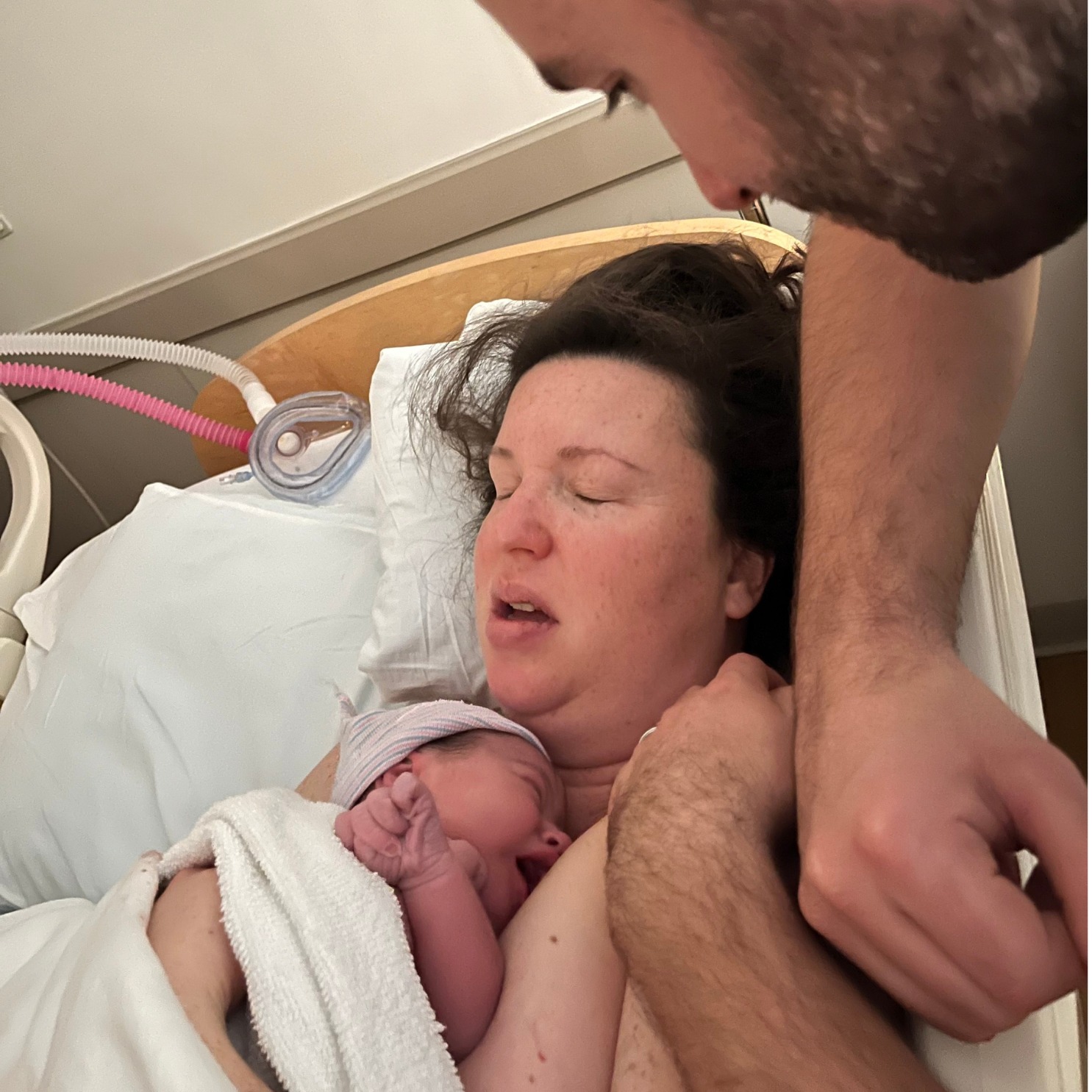
Invalid Date
Episode 292 Jayne’s Business Birth Story + Becoming a Sleep Consultant
Today we welcome Jayne Havens, the founder of the Snooze Fest sleep training course and The Center for Pediatric Sleep Management™ sleep consultant certification program. Just like how Meagan’s birth experiences led her to become a doula and VBAC advocate, Jayne talks about how the knowledge she gained by teaching healthy sleep habits to her own children helped her create a passionate career. Jayne answers Meagan’s questions about sleep consulting in general, how to help children feel safe in their bedrooms, ways to effectively communicate, developmental milestones in both babies and children that can affect sleep, how to become a sleep consultant, where to find them, and even earning potential from a career as a sleep consultant! Jayne's Course - Use code VBACLINK for a discount! Becoming a Sleep Consultant Facebook Group Becoming a Sleep Consultant Podcast Needed Website How to VBAC: The Ultimate Prep Course for Parents Full Transcript under Episode Details 02:24 Review of the Week 05:35 Jayne’s journey to sleep consulting 13:35 How can a sleep consultant help? 19:43 What to do when a child feels unsafe in their room 21:08 The life of a sleep consultant 25:17 Sleep consultant qualifications 30:36 Ages covered in Jayne’s course 36:00 How to find a sleep consultant 40:59 Cost to hire a sleep consultant and potential earnings as a sleep consultant 46:57 Where to find “Becoming a Sleep Consultant” Meagan: Hello, Women of Strength. It is Meagan and we have my friend, Jayne Havens on the podcast today. Hello, Jayne. Jayne: Thank you so much for having me. I’m so excited to be here. Meagan: Thank you. Me too. We actually just met this year, 2024 in January and we met at a business doula retreat. Jayne is actually not a doula. She is a mom and a successful business owner. When we connected, I just felt so much that our stories related in different ways but very much in the same ways and I was like, “I want you on the podcast.” So today, we’re not sharing a VBAC birth story, but we’re sharing a business birth story and some tips on sleep and how to help your babies sleep because we know as mamas with newborn babies, we don’t get a lot of that sometimes and it doesn’t have to be that way. I’m so excited to have Jayne Havens who is a certified sleep consultant and runs her own sleep consulting practice, Snooze Fest by Jayne Havens and you also have a podcast. Jayne: I do. It’s called Becoming a Sleep Consultant. Meagan: Becoming a Sleep Consultant. As a new parent overwhelmed by exhaustion like I just said we all have with a newborn, Jayne found herself reading everything she could find in order to get her own son to sleep through the night. Now, if you are driving, don’t raise your hand because keep your hands on the wheel, but you can nod if you understand that sentence right there. I definitely was that with my son and my daughter and my first. I’ve had three and we have to figure it out and every baby is different. So friends, quickly after she mastered this, started asking her, “Help, please!” She started doing that and helping all of these moms and babies sleep better, feel better, and just live better. Jayne’s children were both fabulous sleepers and they began coming to her for that help because they saw it. We are so excited to have Jayne today. 02:24 Review of the Week Meagan: I do think that a Review of the Week is needed so I”m going to hurry and share a Review of the Week and then we will dive right into this amazing episode. Okay, so this review is from sarahgb and it says, “Full of knowledge, fun, and strength-filled stories.” It says, “First off, I would like to say that I am 16 years old and a doula in training and lover of anything pregnancy, birth, and baby related. This podcast is literally exactly what I have been looking for and wanting. I have been listening for a long time and cannot stop. I think I’ve listened to four or five episodes in one day.” Wow, that’s definitely some binge-listening. It says, “I love the variety of stories and listening to all of the Women of Strength share in their successes. I also love the few minutes at the end when Julie and Meagan give information, facts, and tips on certain pregnancy and birth topics related to the birth story. I have learned so much from listening to these birth stories and it helps me prepare for things I might come into contact with as a doula. I absolutely cannot wait to have my own kids and we will be listening to this podcast forever especially when I’m pregnant. I could say so much more, but Julie and Meagan, I am thankful for all of your hard work, sacrifice, and spirits as this has made all of this possible. “God has truly blessed y’all. By the way, I am going to take your VBAC course and when I graduate high school, I cannot wait.” I love that. That was a little while ago back when Julie and I were podcasting together, so hopefully, sarahgb , you are graduated and with us today. 05:35 Jayne’s journey to sleep consulting Meagan: All right, Ms. Jayne, how are you today? Jayne: I’m good. Thank you for having me again. I actually am just getting over sickness from last week so if my voice sounds a little weird, that’s why, but I feel fine and I’m excited to be here. Meagan: Good. Well, you sound great to me and I’m so excited that you are here. I wanted to start right off with your story. I mean, we are storytellers here on this podcast and I think that your story goes obviously so much into why we are here today. Jayne: Sure. So I am a wife and a mother. I live in Baltimore, Maryland with my husband and two kids. They are 7 and 11 now and I got into this journey of becoming a sleep consultant back really when my son was born. Prior to having children, I worked in catering sales. I was an event planner. I planned weddings, corporate holiday parties, and graduate celebrations. I worked nights, weekends, and holidays. I loved it, but it was really hard work. I always knew that it wasn’t going to be a great fit for me when I had kids one day. I wanted to be more present for them. I was raised by a stay-at-home mom so that’s all I ever knew. My life’s dream was to be a mom who is first in line in carpool with the best snacks. That’s the mom that I wanted to be with the station wagon. Remember station wagons? Meagan: Yes. I sure do. Oh my gosh. Jayne: I wanted to drive a station wagon and be first in the carpool line and have the best snacks and take my kids to tennis lessons and that be my life’s work. So I quit my job in catering when my son was born and I had four glorious years as a stay-at-home mom. My son was delightful and delicious and he was just perfect in every single way and then I had my daughter and she was a really tough baby. I can say this with love now because she is 7 and she’s amazing, but it was really, really hard when she was born especially because my son was just such an easy baby and he was so smiley and happy. Everything just worked out as it should. My daughter had a milk, soy, and protein intolerance and was colicky. She just literally cried. She cried and that was it. Meagan: That’s so hard. Jayne: It was so hard. It gave me a run for my money because I thought I was this amazing mom and I would look around at all of these other moms who had babies that were crying and I’m like, “What’s wrong with you? Why can’t you get it together?” Then I had one of my own and I was like, “Oh, now I get it.” It really put me in my place. I really didn’t enjoy motherhood the second time around if I’m being completely honest and transparent. So I was looking for an outlet. I needed something else to fulfill me because that stay-at-home mom life that I thrived on for four years was no longer serving me in the same way. My husband is a lawyer. At the time, he was traveling a lot for work. Everybody had gotten really used to me being the primary caregiver and the one who maintained the children and the house. None of us could really see that changing. Jayne: Going back to work in the traditional sense didn’t even seem like a possibility. I started thinking about, “What could I do from home? What could I do not even to make a ton of money but just to do something to keep me fulfilled and entertained and inspired?” I kept coming back to sleep consulting because I actually was really good at getting my own kids to sleep. I had sleep-trained my son when he was four months old. He took to it beautifully. It was really– as a first-time mom, he cried for 27 minutes and so did I. It was hard at the time, but he really took to it beautifully and it was life-changing. I understood very early on the value of having routine and order and rituals and a set expectation around what sleep could and should look like in my home for both my husband and I and for our children. The same thing with my daughter– as much as she cried during the day, she slept beautifully. The only time she wasn’t crying was when she was sleeping. Meagan: When she was sleeping at night. Jayne: Yeah. She was a beautiful sleeper, but when she was awake, she was crying. So I was really good at getting my own kids to sleep. For years, I was the friend who just helped other friends with their kids’ sleep. I didn’t have a formal process. I wasn’t formally trained. It was just like, I would get onto a call with them and give them advice and text message them some tips and I would help them. I would get them results. It was working. I did that for years. I helped friends, friends of friends, and eventually, I just decided, you know what? I’m going to get certified. It turns out there are courses online where you can get trained to do this and turned my hobby into a business. My intention was really just to dabble. I wasn’t looking to build an empire. I just wanted to be able to help families and if I could bring in a little bit of money to contribute to our family’s income, great. Very quickly, after launching my business, I realized that this wasn’t just going to be a little passion project, that this was going to be a very legitimate career. That was very exciting to me. It was thrilling. Jayne: Really, the timing worked out because as the business grew, my children were growing too. By that time, my son was in school full-day. My daughter was in at least part-time preschool, so I really had time to build my business. Each year, they spent more time in school and I could spend more time on my business. Really, we all grew together which was amazing. Not too long after that, I founded a center for pediatric sleep management which is an online sleep consultant certification course. The reason I decided to create my own is because I just felt like I could do it better and I did. I’m really committing to supporting my students at a really high level and not just teaching them how to sleep-train a baby or how to set boundaries with a three-year-old, but how to launch, grow, and scale a really successful business. I love taking women, and we actually have a tiny handful of men inside of our program too, but it’s largely women. I love taking these women through the entrepreneurial journey and helping them to realize that they are capable of doing things that are outside of their comfort zone and growing something that is entirely theirs that they can be really proud of. I think at this point, that actually even brings me more joy than sleep-training the babies if I’m being truthful. Meagan: Right? Well, to be able to see so many grow and flourish for their families and for themselves, there is something. I mean, as someone who trains doulas and even has doulas in my own group here in Utah, it’s so awesome to see that confidence. I remember back in the day before I started my journey, I didn’t have that confidence. To think about someone like you or my mentor being there for me, it’s priceless. It’s the most amazing thing and it’s really rewarding on the other end on your side to see that happen. Of course, in addition to helping people sleep and do better all around. Jayne: Yeah. Win-win. Meagan: Win-win. 13:35 How can a sleep consultant help? Meagan: Okay, so let’s talk a little bit more about what a sleep consultant does and looks like because personally, I was that mom who was sitting on the couch listening to my baby upstairs crying. This was my first and my husband was just holding and he was like, “You’ve got this. You’ve got this. Don’t move.” I’m like, “But!” I didn’t move and it worked out and it was great. I still even to this day feel like my kids are pretty good sleepers. It came with a lot of reading and stuff, but I had never even heard of a sleep consultant. My second was also really hard– always crying all the time. She also had milk and dairy and all of these things. It was really tough. So yeah. Can we talk about what that even looks like in general both from a mom’s standpoint and as someone who may be considering becoming a sleep consultant and adding that to their life? Jayne: Yeah, sure. I’ll tell you what it looks like for me to support families as a sleep consultant. I think one of the beautiful things about consulting whether it be sleep consulting or anything else is you actually get to create a business your way. The way I support families and the way my clients are supported by me might look entirely different than what others are doing. I don’t want to speak for anybody else, but what it looks like for me is families hire me because they are struggling in some capacity with their child’s sleep. This could be a four-month-old that’s still being nursed to sleep. It could be a four-year-old who wants a mom or a dad to lie next to them while they fall asleep at bedtime and then they’re up in the middle of the night wanting to come into their parents’ bed. It looks entirely different every single time. It’s the same, but it’s different. So what we do as sleep consultants or at least what I do is support parents through the process of teaching their child how to fall asleep and back to sleep independently. My personal approach, I like to describe as client-led which means I provide all of the age-appropriate options. I have no bias. I have no agenda. I have no dog in this fight other than I want to get my clients results and I feel really strongly that the best way to get my clients results is to support them through methods or techniques that most closely align with their parenting style and that feel safe and comfortable to them. If I were to show up and tell the mom of a four-month-old who is nursing him baby to sleep that they need to implement extinction which is also known as “cry it out” and come back in the morning, she might be really overwhelmed and intimidated by that and not feel like that’s the right way to approach the situation. Therefore, she wouldn’t implement it. She wouldn’t have success and then as a business owner, I also wouldn’t have success. So instead, if I show up and say, “You know what? If it makes you really anxious to just put your baby down and let her get herself to sleep, how about instead of nursing your baby to sleep, why don’t we just try rocking her to sleep and see how that goes? If that goes well, maybe you could have your spouse hold your baby to sleep tonight. Maybe we don’t even do so much rocking. We just hold her. If that goes well, then maybe you could put her down in the crib tonight and see how she does. If she starts fussing, give her some back rubs or belly jiggles and let’s see how that goes.” You can take baby steps. It doesn’t need to be 0 to 100. It can be, but it doesn’t need to be. But really, I pride myself on meeting families where they are and coaching them through methods that feel safe and comfortable to them and that’s how you get results. So that’s what it looks like for me. My clients get a written sleep plan that outlines age-appropriate daytime schedules, feeding and nap schedules, and bedtime routines. For older children, we talk about communication strategies. For a four-year-old who lacks the confidence to fall asleep independently, there should be a family meeting to discuss the changes that are going to be taking place and some role-playing and maybe getting onto a Facetime with their sleep coach– that’s me– and having a coaching session. I love talking to four-year-olds on Facetime. It’s so fun. Sometimes I send them videos. I give them a pep talk. I involve them in the process and get their buy-in and help them to understand that they are capable of this. Yes, it feels hard, but so does pooping on the potty and they learned how to do that and so does riding a scooter and they learned how to do that. Zipping their coat used to feel hard, but now they can zip their coat no problem. Falling asleep independently is just another thing on that list. It’s something that feels hard right now, but it’s not something that is outside of their capabilities so when we show them that they are capable and we empower them to try and then we set what I like to call a loving limit or a respectful boundary and we hold the line, they are really capable of achieving these new skills. I coach the parents through the process. I provide text message support. My role is to get them from point A to point B in a way that looks good for everybody. That’s what it looks like for me. Meagan: I love that. I love that you involve the individual who you are trying to help sleep with their parents. I know with my daughter, she had this weird thing. It was always around 2:00-3:00 AM. She would wake up and she wanted to be in my room. For us, we didn’t really want her in our room. We wanted her in her room. It took a while, but we talked about it with her eventually and she said she didn’t feel safe in her room. She just woke up in the middle of the night not feeling safe, but I was like, “What’s making you wake up?” There was such a journey there. So I love that you are involving the child, talking about change, and normalizing change because change can be really difficult especially for a four-year-old so I love that. I love that you talk about that. 19:43 What to do when a child feels unsafe in their room Jayne: Sure. Sure. A lot of things that parents do to make their children feel safe– the point that you brought up, a lot of parents, when children express that they don’t feel safe in their room, so then they bring them into the parents’ room, what they are actually doing, they are trying to make their child feel safe, but what they are actually doing is providing an accommodation that then exacerbated their anxiety because their room actually is safe. Meagan: It is. Jayne: There is nothing unsafe about the room, so when a child says, “My room feels scary or unsafe,” and you say, “Okay, come in my room. My room’s safe,” what you are implying is that their room isn’t safe. So really, the way over the hurdle is to hold the boundary because their room is not dangerous. It’s not unsafe. It’s not actually scary so by you showing them, “Actually, I wouldn’t leave you in a situation that is scary or dangerous,” that’s how you show them that the room is okay for them. Meagan: Yeah. We did. We talked about that. There was another situation, not even sleep-related where she connected it. She ws nervous for us to leave her at this place– it was a dance thing. I was like, “Remember, I would never put you somewhere that I didn’t feel was safe for you.” She was like, “Oh yeah.” She went in there and danced. I love that you talk about that. 21:08 The life of a sleep consultant Meagan: Okay, so now we know what it looks like from a sleep consultant to what we would be getting, but what does it look like to be a sleep consultant and how could a lot of parents who may be going through similar situations like you and I again, like different journeys– sleep consultant and doula/VBAC podcaster– but I really did. I went through a very similar stage when I quit my job. I was a businesswoman. That’s what I did and that was my title. So then when I became “mom”, even though I wanted to be like you and be on the PTA board and all of the things, I had a little bit of a funk that I went through. I needed something and then I became a doula and it wasn’t that my purpose as a mom wasn’t enough, it was that I just wanted something more as well for me. Jayne: I think our society makes it really hard to admit that being a mother doesn’t feel like enough. We have to justify it by saying, “It’s not that being a mom wasn’t enough for me–” Meagan: See? Like I just did. Jayne: Yeah, we all do it. I point it out because I think it’s really important for moms to acknowledge that it’s okay to want to have a career and to work and there’s all of this guilt around if you’re not giving 100% of your energy and your thought process and your entire aura and being to your children, that you’re not doing enough. I just really think that’s unfair. Now that I’ve lived on both sides of it, I was a stay-at-home mom for four years and I still consider myself to be a stay-at-home mom, but I’m a working mom, I actually think there are so many benefits to having your children see you work. Meagan: Okay, yes. We have talked about this recently, my husband and I. Jayne: Especially for our daughters, but it’s good for all of them. I think it’s really important. I love that my children see that I’m doing something that fulfills me, that I’m following my passion, that I’m using my brain, that I’m being creative, that I’m being resourceful, and that I’m juggling it all as best as I can. Yes, my son is 11 and he’s in that tween stage. He totally rolls his eyes at me when if he says something to me. He hasn’t said, “Excuse me.” Maybe I’m reading an email on my phone and he starts talking and I don’t hear him and then I realize I didn’t hear him and I say, “Wait, what did you say?” He definitely rolls his eyes like, “Ugh. She’s working. She’s not paying attention to me.” And that’s where the guilt comes from. Meagan: I know. Jayne: That’s where it comes from. He and I have had conversations about it recently. “I understand that you want to be heard all of the time. A simple ‘excuse me’ will help.” And then also, “Remember that me working leads to me being happier and then me being able to care for you better, and also, it affords our family to be able to do things that we otherwise wouldn’t be able to do if I wasn’t earning money and one day, I hope that you’ll make the choices that you think are right for your family.” These are complicated things to think about especially as our kids get older to have these conversations with them. Meagan: They are. Jayne: I think it’s a good, healthy thing for our kids to see us working. Meagan: I do too. Yeah. We also have some of those eye-rolls or things where I don’t hear and we actually just recently talked about timing. “If you see that I’m doing something, or responding to an email, I really am not just on Instagram scrolling. I really am working. Hold your thoughts because I really am so excited to hear it. Hold your thought or say, ‘Excuse me’ or ‘Mom, I have something to tell you.’” Right? I agree, though. I echo your message. 25:17 Sleep consultant qualifications Meagan: So yeah, okay. Let’s talk about sleep consultants and how this could be born potentially for anybody looking for what we wanted. Jayne: Yeah. I think this is a good fit for somebody who is either really passionate about healthy sleep hygiene in their own home and maybe feels compelled to help others whether you are staying at home with your young kids or maybe you already have a job that you are not passionate about, not that you need to leave your job and be a sleep consultant, but I’ve actually had many people tell me– teachers, nurses, occupational therapists, accountants– I’ve had them tell me that once they took our certification course and they got trained and they started working as a sleep consultant, they actually started hating their other jobs less because all of a sudden they have something that they are working on that they are passionate about and they’re excited about. It’s lighting them up and lifting them up and they can just accept their 9-5 as something that pays the bills and they have health insurance and a safety net. That’s fine. Then they can understand, “Okay. This is what my 9-5 offers me and this is what sleep consulting offers me.” It doesn’t have to be all or nothing, but I tend to think that a good fit is somebody who is either already really passionate about healthy sleep hygiene for their children or it’s somebody who is drowning with their own kids and desperate to learn more and would like to use this as an opportunity to figure out how to reign it in in their own household, then hopefully get it straight and feel empowered to help others. A lot of women have enrolled in our program for that exact reason where they were really struggling with their own children. They came to learn for their own family and then to help others. When that happens, we actually love to pair these people up with graduates from our program so support them as they are sleep consulting. I give them the accountability, the support, but also the education to make the change in their own home and then one day go off and help others. From a perspective of growing a business and entrepreneurship, I think that entrepreneurship is not for everybody, but it is, I’m sure you can relate, so inspiring and exciting and invigorating if you can just trust yourself enough to give it a shot. I just think it’s so fun to grow something. I don’t know. I’m sure you know. It really is. Meagan: It is. Jayne: It’s scary for a lot of people. A lot of women tell me, “I would love to be a sleep consultant. I would love to support families, but it scares me. I don’t know if I want to put myself out there. I wouldn’t know how to do x, y, and z.” All of that stuff, everything is figure-out-able. Fear, I think, can either paralyze you and keep you stuck or it can be those nervous butterflies that really sort of help you soar. Meagan: Yeah. Jayne: I love those nervous butterflies. I don’t let those feelings paralyze me. I use them to leverage my next big move. Meagan: I know. I mean, when I became a doula, I signed up and took the course. I was like, “Yes.” I started interviewing and so many people said, “Wait, you haven’t had a vaginal birth? How do you feel like you can even support me?” That comment would happen multiple times. That was already an insecurity that I had about becoming a doula, but I still had this fire inside of me that felt right. I easily could have just been like, “You’re right. I haven’t had a vaginal birth and you’re right. I probably can’t support you. I probably can’t.” I probably could have quit there, but you don’t have to. These things are scary and if it feels scary, if it feels exciting, but it’s just a little too nervewracking, that probably means it’s right. That probably means it’s right. That probably means you should go for it. Jayne: I think so too. Meagan: Right? I’m so happy that I did continue pushing forward. Yes, eventually I had my vaginal birth, but I was very capable of supporting and so are you, Women of Strength. If this is resonating to you, don’t let fear get you because I can’t remember. I was just watching an HGTV show the other day and they were talking about if you don’t go for it, you’re going to miss 100% of the time. Jayne: No, that’s one of my favorite quotes. I think it’s Wayne Gretzky or Michael Jordan. I think the quote is, “You miss 100% of the shots you don’t take.” Meagan: That’s it. That’s exactly what they said. You miss 100% of the shots you don’t take. It’s like, okay. What are you going to have to lose if it doesn’t work out? All right, cool. I did it. I showed myself I tried. Great. Move on to the next thing. But anyway, I love that. I love that quote. I was like, “Yes. Yes.” That resonated so much. 30:36 Ages covered in Jayne’s course Meagan: Okay, so let’s talk a little bit more about your course and sleep training. What age range does it cover? What age range and who does it really apply to? Because I mean, luckily I have a 12-year-old who sleeps, but would it apply for a 12-year-old or is it more for the younger age? Jayne: Yeah, the course is geared towards infants, toddlers, preschoolers, I say early elementary-aged kiddos. There is really not a hard stopping point because if you think about it, anything you would do with a 4-year-old, why couldn’t you do it with a 5-year-old, and anything you do with a 4-year-old, why couldn’t you do it with a 6-year-old? I will say that the oldest children that I tend to have success with are about 7 or 8. It’s not that 9, 10, and 11-year-olds can’t learn to sleep independently, they can. The problem with working with families that have older children is that if parents haven’t set a boundary around sleep by the time their children are 9, 10, or 11 years old, it’s unlikely that they are going to just because they start working with me. I feel that they feel they are just too far gone and they just feel like this is something that we are never going to be able to change. It is absolutely something that they could change. It just feels, I think, too hard for them. It’s too deeply ingrained in their family culture to change it and that’s okay but it’s not that it can’t be changed. The course covers the science of sleep. We talk about REM cycles and circadian rhythms. The course covers the science of sleep, and safe sleep. We practice safe sleep per the American Academy of Pediatrics safe sleep guidelines. We teach sleep as it relates to different developmental ages and stages. What happens at 3-4 months that can impact sleep negatively? What happens at 8 or 9 months that can impact sleep negatively? What happens at 2.5 that can impact sleep? At all different developmental ages and stages, things happen that can get in the way of sleep and how do we recognize those developmental milestones and make sure that we are keeping sleep on track regardless of those things happening? We teach all the different sleep training techniques as I mentioned. Everything from really gradual and parent-present strategies all the way through extinction and everything in between. We teach toddler, preschooler, and big kid appropriate strategies and communication techniques. We talk about unique circumstances of how to support moms of multiples, how to support moms who are struggling with perinatal mood and anxiety disorders, and how to support families that have kiddos with special needs. We have an entire section on supporting kids with autism. We have training on how to talk to parents about travel, illness, teething– all the stuff that just comes up. And then we teach you communication strategies so how to talk to moms about crying and how to help ease their fear and anxiety over their children being temporarily frustrated or upset about the changes that you are making. We will teach you how to write a sleep plan so that all of your thoughts and advice are really organized in a way that can be easily received and well-received by really tired parents. And then we teach you how to successfully grow a business. We teach you how to get on a phone call with a tired mom and talk to her in a way that makes her feel comfortable with you. We talk about marketing. We talk about mindset work which I think is so important. So many new entrepreneurs’ minds are not in the proper place for them to thrive and grow as entrepreneurs. We talk a lot about shifting our own mindset so we can position ourselves to thrive just as we help our clients do the same. And then at the end, there is a resource library, a whole bank of articles and studies and evidence and all sorts of good stuff so that when a mom says to you, “I think my baby is teething and that’s why he’s not sleeping,” we actually have some articles with really good studies linked to the fact that teething really isn’t a major disrupter to sleep the way that parents think that it is. So when somebody comes to you and says, “I want to sleep train, but my sister-in-law is telling me that my baby is just going to cry until he is tortured and traumatized and damaged,” we have links to articles and studies that literally prove that that is actually not at all the case. It’s an entirely evidence-based course, science-backed and my goal is for our students to graduate feeling really confident and empowered to support families at the highest level to get them the results that they desire. Meagan: I love that so much. So if you are a parent wanting to take the course, you can take the course. It’s also going to teach you how to be a sleep consultant and then also, at the tail end of it or through the whole thing, get to also learn how and maybe if you’re interested in it. I feel like experience a lot of the time is where we find our passion. Sometimes that goes hand in hand. I think you mentioned that earlier so they can learn how to take off and do their own business. 36:00 How to find a sleep consultant Meagan: What does it look like to one, find a sleep consultant as a parent and two, as a mom who wants to maybe become a sleep consultant or a doula– we have a lot of doulas on this podcast that listen maybe wanting to add to their services– what does that look like to find this course and find a sleep consultant to help? Jayne: To help each other– I understand what you are asking. Yeah, it’s interesting. It depends on how– some parents are very plugged into what’s going on in parenting and some parents are very unplugged. Either way is fine. I think that there are pros and cons to both, but if you’re hanging out on Instagram and you have a young baby, I bet the algorithm is showing you sleep consultants and how to sleep train your baby or that sleep training is terrible. It’s showing you all of that stuff. If you’re totally unplugged, then maybe you don’t even know that sleep consultants exist. I actually hear that a lot. Sometimes when I am connecting with people who are interested in starting their own business from home and they don’t really know what type of business they would want to start and I just share with them what I do, they will say, “That is so interesting. I have three kids and I’ve never even heard of a sleep consultant. I didn’t know that was a thing.” Meagan: That was me. That was me. I didn’t know. I didn’t know I could get help. Jayne. Yeah. Yeah. So I think that it looks different for everybody. As a sleep consultant, I actually just landed my most recent client. It was a referral from a pediatrician. I live in Baltimore, Maryland and a pediatrician in Great Neck, New York, shared my name. Meagan: Whoa. Jayne: Yeah. How exciting is that? Because our businesses are entirely virtual or at least mine is. I work with families all over the country and all over the world and here a pediatrician in Great Neck is recommending me to her patients which is amazing. Meagan: I love that. So awesome. Jayne: I think that some pediatricians are recommending sleep consultants which I can totally understand why. Pediatricians have 10 or 15 minutes with you and they are trying to get a full deep-dive into how your child is doing. One of the questions they always ask is, “How is your baby sleeping” or “How is your child sleeping?” If the answer is, “Terribly,” they don’t really have an hour to go into all of the different options for how to help you fix that and they certainly aren’t available to help support you through it. They tend to be very pro-sleep consultants. They will refer out to us because they know that we are helping their patients in a way that they do not have the capacity to support. Pediatricians are a great referral source both for parents and for sleep consultants. I have partnered up with mental health professionals, therapists, and also not just mental health professionals, but occupational therapists, physical therapists, and speech/language pathologists. I get referrals from a family photographer, one of those photographers who takes those beautiful little newborn shoots. Mom troops into her studio exhausted complaining about how they were up all night and she says, “Oh, let me give you a business card for my friend who is a sleep consultant.” So I get referrals that way. I think for parents to connect with a sleep consultant, the best way is to ask other parents if they’ve received this type of help and if they have the name of somebody they know. Of course, Facebook groups are a great resource for connecting with others who can help you in some capacity. But really, just talking to people. I think what we do is a service-based business. It’s all based on relationships and personal connections. Most of my business comes to me by way of former clients of mine sharing my name with their circle and their network of friends. Meagan: Word of mouth. Jayne: Yeah, word of mouth so if you are a mom who is struggling, ask your mom friends if they have sought help in this area or if they know anybody who has sought help. Ask your therapist, your pediatrician, or your OB/GYN. A couple of weeks ago, I was out to dinner with my husband’s friend who is an OB/GYN. I was telling him what I do and he was like, “Oh, I could blow up your business in a hot second.” I’m actually really busy so I was like, “Please don’t.” Meagan: You’re like, “Yes. Do that, please.” Oh, you were like, “No.” Jayne: Yeah, I’m actually pretty busy so I was like, “Actually, please don’t,” but it just goes to show that he didn’t have a sleep consultant that he was referring, so there is so much room for growth for sleep consultants to be connecting with professionals that could blow up our businesses. We just have to get out there and connect with those people. Same with parents. If you don’t know where to seek help, ask a friend. Ask a professional. Ask your postpartum doula and somebody will have the answer for you. Meagan: Yeah. I love that. That’s how doulas work too. It’s word-of-mouth typically, then you’re like, “Oh my gosh, yes.” You find that personal connection. 40:59 Cost to hire a sleep consultant and potential earnings as a sleep consultant Meagan: What do sleep consultants usually charge for a parent looking and for someone again, I’m going both here. We have such a wide audience from parents to doulas that may want to expand or maybe even parents wanting to add this. What can someone expect to pay and then what can someone expect to make? Jayne: Sure, okay. Fair enough. I’ll speak for myself because I think that there’s a really wide range of services and pricing just like wth anything else. You can go get your hair cut for 19 dollars or you can get your hair cut for $500. Meagan: Yep. Yep. Jayne: I will just give you my own numbers because I’m more than happy to share and understand that there’s a wide range of normal on both ends of what I charge and what I earn. I charge– I have two options for services. I do a two-week virtual consultation which is pretty comprehensive. It includes again, a written plan, a phone call to onboard, text message support for two weeks, and then a wrap-up phone call. I charge $750 for that service. I earn about 8 to 10 to $12,000 a month supporting families. So I don’t know. I support 10 or 15 clients a month typically. I used to support way more, but now that I’m more focused on supporting my students, I’ve scaled back on my client support. In addition to supporting families in that two-week consultation, I also offer what I call an “ask me anything” call. It’s just a 30-minute strategy session. It’s an information dump and I charge $145 for that 30-minute call. It’s really intended for troubleshooting. I don’t get on those calls with parents who have literally never sleep-trained their baby. It’s more for a baby who is already doing well, but maybe needs help transitioning from three to two naps or maybe it’s a 2-year-old who is going to bed just fine and sleeping through the night but waking up at 5:00 in the morning and parents need help modifying their schedule. That’s what it looks like for me. We have people in the program who are homeschooling their kids and this is a passion project for them, a side hustle, and maybe they earn $1000-$2000 doing this work. Maybe they are priced more at $500 and they support two or three families a month and then we have other people inside of our program or who have completed the program who have created sort of an agency model of sleep consulting and they are supporting families but then they also have two or three or four people working under them and they earn more than I do monthly or annually doing sleep consulting support. There’s also the option to support families in-home. All of my work is virtual so I can support families who live anywhere and anytime. I don’t have to physically be there to get them results, but a lot of doulas who enroll in my program actually prefer to support families in person just because they are so comfortable with that already. Meagan: Yeah. Jayne: Their pricing structure is entirely different. They are charging either a flat fee for a certain amount of time that they are either moving in with a family or maybe they are just doing two or three overnights and then transitioning to virtual support. Maybe they have an hourly rate that they feel comfortable charging while they are there. For most of the doulas who take our program, the one thing I tell them when they complete the course is that they’ve got to raise their hourly rates from what they were charging pre-sleep consultant certification to post-sleep consultant certification because really, this education and this knowledge that they now have, the tools that they have to get families results are so much more valuable. So even if they are not traditionally supporting families as sleep consultants, just the knowledge and expertise that they now have warrants, in my opinion, a higher hourly rate. Some of our doulas don’t even necessarily practice as sleep consultants. They just use the credentials to justify higher income earning potential. Meagan: Their rate, yeah. Well, I mean, you really wouldn’t want a surgeon performing– you wouldn’t pay a surgeon a small amount just because– I’m trying to think of what I’m trying to say. You’re going to hire the professional who has the credentials and you’re not going to look at the pay because they have the credentials. It’s important. I encourage anybody looking to become a doula, a sleep consultant, a postpartum doula, or whatever to get the credentials and seriously charge what you are worth because you need to. Jayne: We have this conversation inside of our center for pediatric sleep community all of the time when our grads are getting started. A lot of the time, they are anxious to set their rates at a number that I think would be worthy of their expertise and they are nervous. I always explain to them, “Okay. Would you rather buy your shoes at Payless or at Bloomingdale's?” They all say, “Bloomingdale's.” It’s like, “Okay. Well, Bloomingdale's shoes are more expensive. They’re also perceived to be better and when you charge a higher hourly rate, sometimes what comes along with that is the idea, whether it’s true or not, that you are highly qualified and you’re better at what you do.” You need to command that authority in your business. You do have that knowledge. You do have the skills. You do have the expertise. Charge accordingly. Meagan: Yeah. You’re way better at explaining that than I am. 46:57 Where to find “Becoming a Sleep Consultant” Meagan: Okay, so we’re wrapping up. We talked about what it covers. We talked about what you can make. We talked about how you can be helped as a parent and how you might find extra inspiration through your journey. Okay, so where can people find your course? Where can people find more support? Jayne: Yeah, sure. Sure. So if you’re interested in becoming a sleep consultant, I would say that the two best places to learn more about it would be my Facebook group which is called “Becoming a Sleep Consultant” and my podcast, same name– “Becoming a Sleep Consultant”. The podcast is a really awesome place to get a feel for what it looks like to go through the program and start your own business. You can hear stories of others who have done it– teachers, doulas, stay-at-home moms, engineers, and all sorts of interesting people. I think hearing the stories of others who have been through the program is really inspiring. I would say the Facebook group and the podcast. If you are interested in learning about how you can get support for your child’s sleep, thesnoozefest.com is my website for sleep support. Meagan: Perfect. And then asking around, asking those parents, talking to your community, finding the sleep consultants in your area. Jayne: Of course. Of course. I’m not the right sleep consultant for everybody and I have hundreds of sleep consultants that I’ve trained. You’re always welcome to connect with me and tell me a little bit about what you are looking for and what type of support you feel would be best for your family and I’m happy to match you up with somebody who I think would be the right fit. Meagan: Awesome. We are going to make sure to have the podcast and all of the links for your group and your website and everything all listed right here in the show notes below so definitely go check it out. Yeah. I even think what you said earlier, even if your kid is sleeping pretty well but you are kind of into that transitioning stage, maybe from a crib to a bed or whatever, I just think that everything you offer is so beneficial. I definitely highly suggest checking her out. Thank you so much for being with us today. Jayne: Thank you. Closing Would you like to be a guest on the podcast? Tell us about your experience at thevbaclink.com/share. For more information on all things VBAC including online and in-person VBAC classes, The VBAC Link blog, and Meagan’s bio, head over to thevbaclink.com . Congratulations on starting your journey of learning and discovery with The VBAC Link. Support this podcast at — https://redcircle.com/the-vbac-link/donations Advertising Inquiries: https://redcircle.com/brands

Invalid Date
Episode 291 Meg & Julie + What is Cesarean Awareness Month?
“If you don’t know your options, you don’t have any!” April is Cesarean Awareness Month and we hope this month is one of information, empowerment, and love from us here at The VBAC Link to you. Referring to the amazing resources provided by the International Cesarean Awareness Network (ICAN), Meagan and Julie break down the mission of Cesarean Awareness Month. Whether you are a first-time mom, VBAC mom, CBAC, or RCS mom, there is space for all of you! This month is meant to not only reduce Cesarean rates overall. It is also meant to inform everyone about birthing options, hospital rights, and ways to make Cesarean births better. We need all of our experiences to make positive changes in the birthing world for future generations! ICAN's Website Cesarean Awareness Month Toolkit Infant Mortality Statistics from 2022 Informed Pregnancy Plus Needed Website How to VBAC: The Ultimate Prep Course for Parents Full Transcript under Episode Details 07:03 Review of the Week 09:29 Why we need Cesarean Awareness Month 13:12 ICAN’s Cesarean Awareness Month toolkit 16:00 Ways to make Cesarean births better 21:20 Common reasons for Cesareans 25:59 Your hospital rights 32:10 The safety of home birth 36:52 Lower Cesarean rates = lower infant/maternal mortality rates 40:38 A message to the CBAC community Meagan: Hello, hello everybody. It is Meagan and I have Julie with us today. I always get so happy. Julie: Hello, hello. Meagan: We are going to be talking about International Cesarean Awareness Month. Now, this is sensitive. It’s sensitive. It can be sensitive. It’s a month, a whole 30 days or 29 days. I don’t actually know how long April is. Julie: April is not 29 days you crazy. That’s just February once every four years. Meagan: That’s just February. Maybe 30, maybe 31. I don’t know. Julie: April is 30 days always every year. Meagan: Is it? I don’t know my months apparently. Julie: Apparently. Meagan: It can be a long month for people and we’re going to talk a little bit more about that. But it stands for International Cesarean Awareness Month and it is a month that is truly just brought to create awareness around unnecessary Cesareans, around advocating for vaginal births after Cesarean, improving Cesarean recovery after, and really just spreading the word and getting the information out there because as someone who has been in the VBAC world before, we have been told many times that VBAC isn’t possible and Cesarean is a must. You know, Cesarean isn’t desired by everyone, and a VBAC isn’t desired by everybody, but it’s important to know the options. One of the coolest things is that ICAN which is a nonprofit organization created this mission and I’m just going to read it. Does that sound appropriate? “ICAN is a nonprofit organization whose mission is to improve maternal/child health by reducing preventable Cesareans through education, supporting Cesarean recovery, and advocating for vaginal birth after Cesarean for VBAC.” We are really grateful for ICAN. They do a lot of amazing things and I know that they were a big part of my journey. I mean, wouldn’t you say yours too, Julie? I think that’s actually where we might have met is an ICAN chapter meeting maybe. Julie: Where did we meet? Now I’m going to think. Meagan: I feel like I can picture you in a living room in a chair up front. You were very involved with the presenter and I was just there. Julie: Wasn’t it at your house? Meagan: No. Julie: Okay. Yeah, I remember that one. Meagan: It was at someone else’s house and anyway, that’s the first day I remember seeing your beautiful face. Crazy, but we love ICAN and we support them. Julie was just looking and they had a t-shirt. One of the things it says is, “You have options.” That is going to be one of the things that we are talking about today. Julie: Yeah. That was last year’s theme but they haven’t posted this year’s theme yet. I mean, we’re recording this in February so they haven’t gotten a lot of the information out yet, but I love last year’s theme. Meagan: I know. You have options. And you do. You have options even though a lot of the time we don’t feel like it. 07:03 Review of the Week Meagan: Julie, do you want to read a Review of the Week before we get going? Julie: I was going to say, yeah. I feel like we are already getting going. Yes. Let me read a review and then we will do the intro and then we will go. Hold on. Now, I’ve got to get back to it. Perfect. This review is from unhappyggfan so hopefully she’s unhappy about GG and not The VBAC Link. Unhappyggfan . She says, “Truy helped me achieve my VBAC.” She says, “I found and started listening to this podcast a couple of days before my due date.” Oh, that’s cool. “I was walking a ton every day to encourage labor so I just binge-listened to these episodes one after the other. My due date came and went and I got more worried about having a successful VBAC. I kept listening to these episodes while I walked for hours every day. Fast forward to 12 days past my due date,” oh, poor thing “when my water finally broke right at the beginning of a massive storm and flooding in my city. My doula was unable to make it to my labor and delivery due to flooding on her street and the stories from the women on this podcast truly acted as my virtual doula.” Aw, that’s sweet. “As I labored for 16 hours, I thought back to the many stories I had listened to and the words of encouragement and wisdom from the podcast hosts and their guests. I thought of things I had learned and learned as I pushed for an hour and then my son was born. I truly believe that listening to the stories shared on this podcast helped me to have my VBAC. I wish I could thank every guest whose words gave me strength, but I will just say it here. THANK YOU. This podcast truly means so much to me now. A must-listen if you are preparing for a VBAC.” I love that. Virtual doulas. Meagan: I love that. Thank you. 09:29 Why we need Cesarean Awareness Month Meagan: Okay. All right. I know the motor started and we were gently tapping on the gas before we started reading that review, but yeah. Let’s dive into it. So we kind of talked about ICAN and what their mission is, but Julie, when you hear Cesarean Awareness Month, what do you hear or feel? What does it mean to you? Julie: I feel like here at The VBAC Link, it’s always Cesarean Awareness Month. Do you know what I mean? We are always focusing on that. But I feel like I love the collective call to action for the entire birth community and hopefully, even the world to focus on this. I was just thinking about this and ICAN hosts this big month for awareness to rally for donations and pushes for things like increased access to VBAC and lower Cesarean rates and things like that, but I was like, “Okay. What more is it? What more is it?” I wanted to get into maybe a little bit more about why we need awareness about Cesareans. What’s the point? Why are we worried about this? Why are they worried about this? I really love that they have it on their ICAN website. It’s ican-online.org/cesarean-awareness-month-toolkit and I’m sure that will be updated for 2024. I will link it in the show notes, but it has a whole toolkit that you can use with all sorts of things you can do. What I really like about their page is that they talk about why we need awareness for Cesareans in the first place. I love the bullet points that they show. Researchers estimate that almost half of the C-sections performed could be safely prevented. The next one is, “If families don’t know these options don’t exist, they can’t advocate for them.” Obviously, we are huge proponents of that here. If you don’t know about your options, you do not have them. You do not have options if you do not know what they are. The next is, “Cesareans can be more or less family friendly depending on the practices and protocols of the facility and the support level of providers. Preventable Cesareans may be responsible for up to 20,000 major surgical complications a year including sepsis, hemorrhage, and organ injury.” I feel like sometimes we forget that C-sections are major surgery. They are a major surgery that comes with all of the risks that major surgeries come with. The last one is, “The future risks to birthing people and their future pregnancies and children are not even mentioned when we are talking about Cesareans.” What are the future risks to these mothers and their kids and their families? I feel like that’s the big need to protect our women and the children that are being born and to reduce the amount of people suffering from major birth complications. It’s just a medical safety issue. Yes. We probably should put a plug in here that we have literally seen C-sections save the lives of both moms and babies. We have seen it. We are not arguing that. We are not questioning that. What we are questioning is their frequent use, how overused they are, and how quickly they are jumped to for many reasons besides the true risk to life and health of the people they are trying to save. 13:12 ICAN’s Cesarean Awareness Month toolkit Meagan: Yeah. Yeah. It’s so hard. I feel like there’s this line of– I think I still even have anger about how many unnecessary C-sections happen. I kind of want to talk about, okay. We have a large chunk. We are really high. 32% of Cesareans are happening and I want to know that percentage truly how many of those people didn’t desire it at all. I’m going to guess a large chunk of them didn’t desire it, but I’m also going to guess that a large chunk of those went on to have future Cesareans which again, is fine. But like she was saying, you have options, and a lot of the time, the options aren’t presented so if we don’t know that we have these options, we just keep having Cesareans. They might not be desired. Julie: You’re right. It’s true. I feel like everybody listening right now should go and download this Cesarean Awareness Month Toolkit because I feel like there is so much value here. It gives you so much information even when it’s not Cesarean Awareness Month. Just go download it. They have obviously links to social media graphics that you can share for Cesarean Awareness Month. There’s a t-shirt that you can buy to support the cause. You can become a member of ICAN. It shows you how to donate to the cause. It gives you social media calendars, Facebook groups, and templates for writing a proclamation to your governor or mayor. There is a press release that you can tweet and adjust to send to your local media outlets. There are instructions on how to invite ICAN onto your podcast. We should do that by the way. We’ve had someone on in the past, but it’s been a while. Meagan: We should. Julie: There are webinars that you can follow and listen to. There are ICAN chapters all across the world in 20+ countries. It talks about how to find supportive providers and supportive options. It gives you options. It gives you facts. It outlines things. It tells you how you can have a more peaceful and family-centered Cesareans. It talks about knowing your rights and ICAN and the whole organization there. It talks about how Cesarean can be a lifesaving technique and it’s worth the risks involved when it is a true lifesaving measure. It goes into so much, so much. Go download it now. There is going to be a link to the ICAN website to go and download this but I feel like it is so helpful for all birth workers and families to have. I am just really, really impressed with how thorough this toolkit is. Meagan: Yeah, me too. As I’m looking through it, I’m like, “Wow. This is amazing.” 16:00 Ways to make Cesarean births better Meagan: Let’s talk about– okay. Their mission is to– they say Cesarean recovery and stuff like that. One of the missions here at The VBAC Link is that we want to make Cesarean birth better. So if you are wanting to have another Cesarean, let’s talk about ways that you can make it a better experience. We can make it a better experience by having more people in your OR and having your support people there. Julie: Like your doula and your birth photographer. Meagan: Yep. Yep. Having those people there so when baby is born and birth partner, dad or whoever is there, goes over with baby, you’re not just left alone. I mean, okay. You’re not left alone. You’ve got anesthesia there and stuff like that, but you don’t know that man or woman. Julie: Yeah. You deserve a dedicated support person for you and there’s just not a dedicated support person for you in the OR when your partner has to leave and go with baby. Meagan: Yes. One day in my life, I hope that I can somehow help that policy change because it drives me crazy. Julie: P.S. Layton hospital is working to get doulas in the OR and birth photographers in the OR. It’s a steady thing. You can get into the U with no problem as a doula and as a birth photographer because I’m also a doula. But can we just talk about the whole partner thing though? Do you know how many times when I have been in the OR or as a birth photographer, do you see the partner or the husband when the baby is born and taken to the warmer? This is what happens every time, I swear. The husband looks at the baby and then looks at their wife, then looks at their baby, and then looks at their wife. You can see on their face. They want to go with their baby and they want to stay with their wife or their partner. They are making a decision, then the wife inevitably says or the partner, the birthing person always says, “Go be with baby, every time.” Meagan: Yes, or I was going to say that the mom is saying, “Hey, when this baby is born, I want you to go be with baby,” but Dad is like, “Yeah. I want to be with baby, but I need to be with you. Julie: I also want to be with you. I know that probably having an extra person in the OR is not going to alleviate that sense of obligation to two humans at once, but I do know that I have had partners come back and tell me that they are so glad that I have been there because they know that their partner is being watched over and cared for more so than just what the nursing staff can provide and the OBs obviously. Meagan: Yes. Yes. So yeah, having that extra person, not strapping down our arms, right? That’s something– Julie: I feel like that doesn’t happen too much anymore but sometimes. Meagan: Really? I still see it, but I haven’t been in a birth for a minute. Julie: Mm, in the OR. Meagan: I usually see one arm. Julie: That’s weird. Meagan: I know. So yeah, there’s that and then a clear drape if you want, maternal-assisted deliveries are really, really uncommon but I really hope that we can keep advocating for them and make a change to see them happening. They are happening in Australia and they obviously have pretty strict protocols and reasons for how and why and when, but it’s happening. It’s happening and it is up to us to ask the question and say, “Hey.” Maybe if enough of us ask the question in our Cesareans for a maternal-assisted Cesarean delivery, maybe someone is going to be like, “Okay. This is being asked for a lot. This is desired,” and maybe someone out there will start making a change. Julie: Sometimes, the way to make change is to keep asking for it. You might 1 of 1000 to ask for it before the change is made, but then with the next person, there will be change. I know that the next person getting the change and not you sounds like a bummer, do you know what I mean? But also, what if that next person is your daughter or your kid? So let’s help pave the way for future generations too by continuing to ask for these things. Do you know what? Every time I have a client, regardless of whether it’s a doula client or a photography client, I always ask if it ends up that they need to go back to the OR, I always ask. I know what hospitals are going to say yes and I know what hospitals are going to say no. I still ask even the ones that I know are going to say no because you never know why. A few months ago, I got allowed in the OR for a C-section as a photographer in a hospital that I have never been allowed in in the past almost 9 years now and even in the hospital chain. There is a whole chain of hospitals that is notorious for not letting us do that, but they let me in. The doctor and anesthesiologist were on board and it was fine and it was beautiful. I had this image that I took that is one of my favorite images ever. I sent it to the doctor and she is really happy about it. You’ve got to keep asking. Ask every time. You’re going to get a bunch of no’s before you get yes’s, but you’ll get yes’s as you keep working and advocating for it. It takes a lot of us to make change. Meagan: Absolutely. I agree. I agree. 21:20 Common reasons for Cesareans Meagan: Yeah, that also goes for asking for that extra person, asking for assisted delivery, and asking for music to be played. Always asking. Okay, they might be like, “No,” but if you don’t ask, again, you don’t know you have options unless you know the options you have. Does that make sense? I’m saying that backward. Julie: You are. If you don’t know your options, you don’t have any. Meagan: That’s it. If you don’t ask the question, you might not have the option is what I’m trying to say. Julie: Yes. Yes. Keeping baby, skin-to-skin, doing these things. We can make the Cesarean experience better. That doesn’t mean that a Cesarean is always bad or traumatic if we don’t have these things, but these are things that can help to make things better. Meagan: Yeah, so doing that and then also learning how to avoid unnecessary Cesareans. What types of things lead to Cesareans? We know that we have 4-5 most common ways that Cesareans are suggested or happen. One is breech. If your baby is breech, then you are more likely to have a Cesarean. Now, we do have things like external versions and Spinning Babies and chiropractic care and things that may encourage that baby to rotate. They may just rotate, but a lot of the time, we have providers just scheduling a C-section and that’s it because we are not seeing people having babies vaginally with breech babies much anymore which is heartbreaking. Maybe we are being told, “Well, you’re looking a little bigger and you’re close to 41 weeks so let’s just induce you.” Right? We’ve got due dates. We have breech fetal position. If you’re in labor and your body is not progressing at the timeline that someone wants it to, failure to progress. We have small pelvis. Maybe you’re at 10 centimeters and you’ve been pushing for two hours and your baby is having a harder time rotating, but instead of stepping back and looking at, “Hey, where is this baby’s position?” or “Maybe this baby is really high up and we need to rest and descend,” we’re just saying no. We’re cutting it off and we’re going to have a C-section. 25:59 Your hospital rights Meagan: Let’s see. What else, Julie? What are some things that you feel like we can learn to avoid Cesarean? Julie: I mean, all of those things you said are great, but I just want to pull it in a different direction for some reason. I’m so sorry. Meagan: No, that’s fine. Julie: But knowing your rights. Knowing your rights. Meagan: That’s funny because that’s on this toolkit right now. Julie: I know. I’m staring at it right now, but I love where they say, “Consent forms from the hospital or provider are not contracts.” Meagan: I love that. Julie: They are not a replacement for true, informed consent discussion. They are not a replacement for a true and informed consent discussion. They are not. They are not contracts. You can revoke your consent at any time. No one is going to sue you because you signed the consent form. Do you know what I mean? Meagan: You can change your mind. Julie: Gosh, my mind is reeling right now. I feel like consent forms might be another way of coercion. Meagan: Mhmm. Julie: I really do. They are a way of coercing you into feeling like you are locked into this decision or you are locked into whatever consequences might come from that decision. But also, I feel like hospital policies are the same thing. Hospital policies are not contracts. Hospital policies are not an excuse to not have a discussion and get true, informed decision-making. Hospital policies, a lot of the time, are not set up to help the patient. They are set up to cover the butts of the providers and the hospital. I feel like when you are falling back on a consent form or when you are falling back on hospital policy, then that’s another form of coercion, of getting people of what you want them to do because it’s policy because you signed the consent form. Meagan: Exactly. Julie: Yikes. I can’t stand it sometimes how parents don’t feel like they can change their mind or how they don’t have all of the information and maybe they wouldn’t have made the same choices if they had all of the information or maybe not and it’s not anyone’s place to say what they would or would not have done. I’m not trying to vilify hospitals. I’m not trying to vilify providers or nurses or anybody who sticks to these policies and things like that because it’s not their fault. It’s the fault of the system that they have been born into. It really takes a lot, I think, for a provider and a nurse and an OB and a midwife or whatever to step up and go against the system. “Hospital policy says you have to have an epidural, but you can do just really do whatever you want. I don’t care if you have one.” There is a midwife in our area, a hospital midwife who says that to every VBAC patient. She’s like, “The hospital wants you to have an epidural, but you can totally say no. I don’t care if you have one or not.” I’ve never had a client there who has an epidural placed just because they are a VBAC which is a whole other episode I feel like we are going to talk about at some point. Yeah, anyway. That’s just where my mind was wandering. You have rights. Just because you are in a hospital doesn't mean you are in jail. You are not in jail. You are a human with rights and feelings that should be respected and talked to like an adult and not like a kindergartner who has to follow a strict schedule and go to recess at a scheduled time. Do you know what I mean? Anyway, sorry. I’m getting a little off-topic there. Meagan: No. I think it really goes hand in hand. Here are the reasons why Cesareans happen. I mean, there are other ones too. These are common ones. Okay, you’ve been pushing for 2.5 hours. Your baby is not making a ton of progress, but making slow progress. Your provider says, “All right. We’re cutting this off. it’s time. We’re having a C-section. It’s time. You have to have a C-section.” What are your rights in that situation? If you are like, “I am totally down for that.” Then, okay. But if it’s like, “No, I don’t want that,” but a provider is saying, “You have to. You have to. You have to. It’s time. I won’t do this anymore.” What are your rights in that situation? No one can perform a Cesarean, no one, unless you say, “Okay.” Julie: But they can manipulate and coerce you and tell you that your baby is going to die. You’re not in your logical brain. You’re in labor land so of course you’re going to do a C-section. Meagan: Yeah. Yeah, exactly. There are things like that or there are true emergencies. We don’t want to disregard those where it’s seriously true and to save you and your baby. But you can say no. You also can say, “Thank you so much for your time. I’m going to keep going. Can you get another provider in here? You’re fired.” That sounds crazy, but you can literally let your provider go in the middle of labor and in the middle of pushing. If it’s not working for you, you can let them go. You’re not in jail like she said. You can still make choices. It’s just so important. I love that you brought that up. One, know the reasons why Cesareans are happening, but then really truly know your rights most of all. It’s hard. It’s so hard. Julie: Ideally— it is so hard. It is super hard. It is especially hard when you are in that position in the first place for one reason or another. But the best thing you can do to avoid getting put in a position like that where you are pushing and pushing and a provider wants to do a C-section and now you have to fight for it is first of all, hire a doula, but second of all, don’t be in that position in the first place. Leave the provider. Surely there are red flags. There are things that are telling you that this is not a right fit and a lot of times, we hear people say, “Gosh, I knew I should have switched, but I didn’t.” Listen to that and honor that and honor things ahead of time because odds are by the time you get to that point, you’re just going to do the C-section. 32:10 The safety of home birth Julie: I hate to say it, but I’m never going to dance around the issue or tell you a lie but if you are there and you’ve been pushing, you can’t be the only one that wants to keep pushing. Yes, legally you can say, “No”, and legally, they have to provide care for you, but it’s going to be a circus. It’s going to be really hard to do that. Then what happens to your body? Your body is stressed out because it has to fight then that is not conducive to the natural labor hormones. I don’t know. It’s a hard fight. I feel like going back to I really like that ICAN is highlighting home birth as a safe and reasonable option after Cesarean because one of their graphics from 2023 highlights that there was a 2021 study that found home birth after Cesarean is associated with a 39% decrease in the odds of having a repeat C-section. 39% decrease, you guys. Meagan: Pretty impactful. Julie: I wish that more people would consider home birth as a safe and reasonable option. We were talking about this earlier before we started our episode. I was watching this show last night. You can tell me if you don’t want me to tell you this. Meagan: You can tell it. Julie: I was watching a show last night about mystery diagnoses where this provider is a doctor. She’s a legitimate doctor and she’s done lots of really cool things. She’s started outsourcing diagnoses for people who have these mysterious medical diseases to social media. She goes through all their medical records and she makes reports and she broadcasts it on a blog and then people send in videos from all over the world about what they think the diagnosis is. It’s really, really cool how she is using social media to help them when they are just baffled. There was this girl who has had 9 years without a diagnosis and it turned out to be this really simple thing that she just had to change her diet for. Anyway, I don’t remember the name of the show but you can message me and I can tell you if you want. The point is that this provider is a doctor so she’s been through all the schooling and everything. She said something that really stuck out to me. She said, “The goal of the hospital is to keep the thing that is trying to kill you from killing you.” I was like, “That is the goal of the hospital to keep the thing that is trying to kill you from killing you.” She said, “If you want solutions outside of that, you have to go outside of the hospital.” It just really hit home for me for birth. I know you guys might get sick of hearing me talk about home birth because most women do birth in a hospital, but the hospital’s job is to keep you and baby alive. That is literally their job and it is their main focus. It is what they are going to be focusing on. It’s why we intervene so quickly. It’s why we rush to Cesarens so fast. It’s because it’s the easiest and fastest way to keep you alive. Now, out-of-hospital births also really love alive moms and babies. I’m just going to say that. It’s not different. The goal is similar, but their focus is not on keeping the thing from killing you. Outside of the hospital, the goal is promoting the physiologic birth process and trusting the body to do the thing that it’s made to do. Now, there are circumstances. I feel like we have to say this every time because there are circumstances where out-of-hospital birth is not a safe option for some people. There is a time when labor just needs a transfer to a hospital for additional care. But when the focus on out of the hospital, promoting the physiological birth experience and trusting the body versus the hospital where they are trying to focus on keeping you alive, you’re going to have completely different levels of care. Those levels of care sometimes do more harm than good which is why out of hospital, when you’re going for a birth after Cesarean out of hospital, your chance of having a C-section is significantly lower. I say significantly in the literal way by the study but also in the way we all think of it. 39% decrease in Cesarean is a huge deal. How are we thinking about birth? How are we addressing it in-hospital and how are we addressing it out-of-hospital? Not everyone is eligible for out-of-hospital birth and it’s unfortunate that not everyone has those options, but for women with healthy pregnancies without complications, it is a reasonable option and it’s worth looking into even if you just rule it out. There is my home birth soapbox. 36:52 Lower Cesarean rates = lower infant/maternal mortality rates Julie: What are we talking about? Cesarean Awareness Month, yeah. Meagan: My home birth soapbox. Home birth can be an amazing option. It can obviously reduce the chances of things like interventions and even Cesareans that are unnecessary and pushing those things on people. Typically, I feel like my clients who are in home births really do feel this sense of– I don’t know if awareness is right. Connection, maybe. They are more connected with their labor, their birth, and their team. I’m not saying people in the hospital aren’t connected with their team or their labor or anything. Julie: It’s so different. Meagan: It’s different. It is. It’s very different and until you’ve experienced or if you’ve experienced it, you know what we are talking about. There is something different and it’s very unique. Julie: One more thing, sorry, and then I promise I will close it off. Meagan: No, you’re just fine. Julie: I really like in here– I think it’s worth pointing out because I’m sure there are going to be a lot of people cringing about what I just said about how the goal is to keep the thing from killing you. It’s pretty well-known now. The United States has one of the highest infant and maternal mortality rates in the developed world. The highest in the developed world. Okay? But we have also the highest number of C-sections. One of the highest numbers of C-sections. Okay? I love one of these Cesarean Awareness Month graphics from ICAN states that most places that successfully reduce maternal mortality have a lower Cesarean delivery rate. I’m not just spurting out garbage, you guys. There is information and there is information and statistics and evidence to support that higher Cesarean rates do not equal safer births. Higher intervention rates do not equal safety for mom and baby. It’s all over the place and I really love it since 2020 especially how there has been more information and more research coming out supporting the safety of home birth and home birth after Cesarean. It’s just wild how much the medical system– or not the medical system as much as the people who do these reviews and systemic reviews are getting on board with showing the safety there. I’m not just talking about my anecdotal views as a birth worker. I’m talking about actual evidence for these things. I’m going to read that again. “Most places that successfully reduce maternal mortality have lower Cesarean delivery rates.” It’s science. It’s just science. Meagan: It’s science. Julie: It’s science. Okay, now I’m done. Meagan: Okay, it was back in November 2023 and it says, “Infant mortality in the United States provisional data from 2022 period linked/infant death file.” Now, this is going to be a lot but I’m going to have Paige, our amazing transcriber– Julie: Love Paige. Meagan: –and poster of our podcast put this in the show notes for you guys. If you want to go there and read a little bit about where things have gone, it breaks it down between the methods, the gestational age, the maternal race, infant sex, state of residence, maternal age, leading causes of death, and more. It’s got a lot of studies and things like that and a lot of stats that could maybe be scary actually to find out, but also nice to know the information. We’ll have that in the show notes. 40:38 A message to the CBAC community Meagan: Then next on the goal of ICAN’s mission is to help advocate for VBAC. I think this is one of the areas that a lot of the times our amazing CBAC community struggles with. I do not mean this in any– I don’t mean to say this rudely, but a lot of moms who have had Cesarean birth after Cesarean dislike April because of this. I feel like I see it every year. It’s a very tender topic and very hard. I mean, I’m going to always– for some reason, the radical acceptance episode that we did relates to so many things, but a lot of the time, we have unprocessed trauma, unprocessed guilt– guilt is a really big one. There is a lot to unpack and a lot of the time, that is not all processed or unpacked, and then April comes around and we’re like, “Ugh. Everybody is advocating for VBAC when I wanted a VBAC too but I didn’t have a VBAC. I didn’t have that option or I didn’t feel like I had that option” or whatever. There are so many things. “My body couldn’t do it. I tried but it didn’t work” or “I couldn’t find the support despite looking for provider after provider.” I mean, there are tons of reasons why people have CBACs. I mean, I am a CBAC mom myself. I don’t know if anybody knows that, but I am. I’ve had two Cesareans and I did want a VBAC. I was going for a VBAC and I ended in a Cesarean. Now, I didn’t want that Cesarean at all, not even close. That was not what I wanted. But I had it and I tried to make the best of it. It was a healing experience. I am grateful for that Cesarean which a lot of people don’t understand how I could possibly be grateful for the birth that I didn’t desire, but that’s something that I truly am. Julie: You had to work for it though. You didn’t just get to be grateful. You had to work for that. Meagan: Really, truly work, and let me tell ya. I was still working pregnant with my third. Really, I was reading my op reports. I was so frustrated. I was bawling. I was like, “Why? Why did this happen? This was not what I wanted. Why didn’t anyone tell me?” There were so many things so I get kind of wanting to feel angry about your unprocessed birth or your undesired outcome. I will promise you that in time– it might take years– it can come. It can. This healing can come and you can see Cesarean Awareness Month as a positive thing but also be an active participant in knowing that not only is it to help promote vaginal birth after Cesarean and lower the Cesarean rate, it’s also to make Cesarean birth better. Julie: And safer. Meagan: And not have traumatic Cesareans as often and to support the CBAC as well. So I don’t know. I feel like I’m talking in circles. I don’t know how to say it, maybe, but my message to you is if you are struggling with Cesarean Awareness Month and if you are hating to see all of the posts and all of the things saying, “Yes, I got my VBAC” and “Yes, vaginal birth is better” or whatever. We see those all in the month of April. It’s mid-April and again, we are recording this in February. I mean, I guarantee you that we’ve seen at least a dozen of these types of posts at this point when this is aired. Try your hardest to step back and also find self-healing within yourself so these months don’t trigger you. April doesn’t have to be a triggering month. It can be an empowering, motivational month to stand up and be like, “Hey. I didn’t want that C-section either. It’s not what I desired, but here I am and I am here to help people know their options for Cesarean and have a better outcome and reduce the Cesarean rate,” because yeah. I didn’t want it either. Okay. I don’t really know. I maybe am just off-base, but I just feel so passionately about our CBAC community too and I know. I see them. I see them struggle through April. If you are listening, I don’t want you to struggle. I want you to hear a different message when you see Cesarean Awareness Month. Julie: I agree. I agree because it’s hard. There is space for all of us here. There is space for all of us. Do you know what? Maybe, in April if you are really triggered with all of the Cesarean Awareness Month things, maybe the best thing you can do for your mental health is mute everything before they are talking about C-sections and VBACs and everything. Maybe you leave the group. Maybe you unfollow the page and then come back when it’s a healthier time for you. Maybe that’s the thing that you can do to love yourself the most if you’re not in the space to confront your triggers head-on. Maybe that’s the best thing for you and that’s okay. It’s okay to create space for yourself to grieve and heal and mourn that loss no matter what form that takes. But when you’re in a more healthy spot, we absolutely want you to come back here and rally for us more. Rally with us, not for us. Rally with us more to improve access to better care options for our pregnant people to make Cesareans safer, to allow other support people in the OR, to increase evidence-based practices in hospitals, and things like that. It’s just more than just about reducing the overall Cesarean rate. It’s about so much more than that. We love you here. I mean, there is space for you here and we have all been there. We’ve all been there. Some of us are still in that journey and that’s okay. We’re all in all different spots of our journey and yeah. There’s space for you and we love you. But if you also have to take a step back for a little while, we still love you and we honor that journey and we honor that part of you. Meagan: Mhmm, absolutely. Okay. We will leave this here and we will let you know right now. We love you. Just like she said, we honor your journey. We support you. Let’s rally together. This month, let’s build each other up and let’s spread the information, and let’s talk about our stories, and let’s talk about how someone else can have a better experience based on learning. Download the toolkit. Check out the links right here in the show notes and Happy Cesarean Awareness Month. Closing Would you like to be a guest on the podcast? Tell us about your experience at thevbaclink.com/share. For more information on all things VBAC including online and in-person VBAC classes, The VBAC Link blog, and Meagan’s bio, head over to thevbaclink.com . Congratulations on starting your journey of learning and discovery with The VBAC Link. Support this podcast at — https://redcircle.com/the-vbac-link/donations Advertising Inquiries: https://redcircle.com/brands
Invalid Date
Episode 290 Hayley's Unmedicated VBAC + Epidural and Prolapse Talk
Hayley joins the show today sharing her breech Cesarean and unmedicated hospital VBAC stories. Meagan and Hayley dive deep into the pros and cons of getting an epidural and why providers tell women so many different things when it comes to epidurals and VBAC! While Hayley had the dreamiest birth she could have imagined and everything went according to plan, her postpartum experience with prolapse was not something she was prepared for. Hayley shares her symptoms, what she wished she knew, and what she has done since to recover and feel like herself again. Needed Website How to VBAC: The Ultimate Prep Course for Parents Full Transcript under Episode Details 02:47 Just-in-case epidural 04:16 Dr. McGuire’s insight on epidurals 08:42 Using an epidural as a tool 10:44 Hayley’s first pregnancy and birth 12:00 Doing VBAC research before pregnancy 13:51 Hayley’s second pregnancy 18:15 Labor begins 20:16 Going to the hospital 24:20 Pushing 27:05 Hayley’s prolapse experience 32:01 Symptoms of uterine prolapse 35:29 Prolapse can happen Meagan: Hello, hello Women of Strength. You guys, I am excited about today’s episode. I love talking about VBAC obviously, but specifically, we are going to talk a little bit about unmedicated versus medicated. Our friend, Hayley, from North Carolina has had a beautiful unmedicated hospital VBAC so I want to also talk about the opposite side of that and talk about medicated VBAC. We have so many people in our community that I see type, “I want a VBAC, but I don’t want to go unmedicated and my doctor says I have to. I can’t have an epidural” or the total flipside of that where, “I really want an unmedicated VBAC, but my doctor says I can’t go unmedicated. I have to have the epidural.” Did I just say that correctly, Hayley? Hayley: Yes, yeah. Meagan: It’s either one or the other. We’ve got providers telling people they can’t have an epidural or they have to have an epidural. So I wanted to just talk a little bit today before we get going on those two topics. First of all, let’s talk about unmedicated birth. Hayley and I are living proof today. We are on this episode that unmedicated VBAC is 100% possible, achievable, and safe. A lot of those providers come out and say that they can’t go unmedicated because they say it’s not safe. In the rare chance, we know that uterine rupture happens but it is rare. In the rare chance of a uterine rupture, that is where they say that is not okay. Or they will say things like, “But you wouldn’t want to be knocked out for your birth,” which is scary. I don’t want to be knocked out for my birth and I know people have. A lot of the time, it is not the most pleasant experience. Yeah. Okay, so let’s talk about that. Unmedicated vaginal birth is unmedicated vaginal birth. That’s what it is. I’m just laying it out there. Yes, we have a slight increase in uterine rupture. Yes. What happens if we have a uterine rupture and we are unmediated? A lot of the time, we are noticing that there are signs of uterine rupture. When we get an epidural and a spinal, we go back and have a C-section. Simple as that. Or if it is a true medical emergency, yes, there is that small risk of needing to be put under. Small risk and small risk equal risk of course, but it’s low. 02:47 Just-in-case epidural Meagan: What about if we have the just-in-case epidural? I seriously sometimes just want to sock someone who says “Just in case”. We don’t need to be placing an epidural just to have it ready to dose because guess what? In the event that it is a true emergency and we really do need to go in for an immediate Cesarean, it’s the same thing. We get knocked out. I know that these words are kind of big and harsh words. We get knocked out, but we get put under general anesthesia if we don’t have anything in our system. Now, let’s talk about an epidural. You actually have an epidural placed. It’s running. It’s dosed and we have a uterine rupture. Guess what? Women of Strength, more than likely, it still has to be dosed further because an epidural is not like a spinal. It’s just not. They have to dose it further. With my first Cesarean, I had an epidural. They had to come in, dose it to a deeper extreme so I wasn’t feeling my surgery and I had to wait. Right? We are still waiting. It’s the same thing. There is always a wait and it takes time. It takes about 15-20 minutes for any epidural to kick in deep enough. 04:16 Dr. McGuire’s insight on epidurals Meagan: Dr. McGuire wrote for Yale Medicine. She talks about this epidural and is it safe and how are they different. She talks about how they truly are different than they were back in the day because they are dosing them lighter. We know that. We have seen that, but we still have some pretty serious risks as well with epidurals even though again, they are smaller. There are blood clots, spinal infections, spinal headaches, them not working, and things like that, and blood pressure. I’m going to say as a doula, I’ve attended over 350 births. As a doula, I will say a large portion of any client, not just VBAC, who receives an epidural has a blood pressure dip. Even when they have a large amount of fluid because a lot of the time they will cram fluids in to try to help this, but there is some sort of blood pressure dip and baby seems to struggle when that happens. Then it’s the cascade– rolling over, move, move, move, move. Baby doesn’t recover or mom’s blood pressure doesn’t recover and we are off to an OR. One of the biggest questions that I think is a really hot debate in the medical world is does an epidural raise your chances of a Cesarean? Most people out there are going to say, “No, it doesn’t.” The studies are pretty low, though. I think in one study there were 2,000 people or something like that and they showed it didn’t. But I mean, from a doula’s standpoint, I know I don’t see as many births as these OBs, but I definitely see it seems to do that– the blood pressure drop thing. So is it safe? Yes. Do you have to go unmedicated if you have a VBAC? No. Do you have to get an epidural if you have an epidural? No. Do what is best for you. What she says is, “Those studies we know that have a higher concentration of epidural medicine was associated with an increased risk of Cesarean, though lower concentration we now use actually promotes normal, spontaneous vaginal delivery without assistance.” When she says assistance, a lot of the time when we have epidurals, we have vacuum or forceps assistance because we have lack of mobility. That’s what she was saying here. I want to make sure to provide the link and some other links on our blog for epidurals so you can decide what is best for you. But for now, we are going to get into a story of an unmedicated, vaginal birth. 08:42 Using an epidural as a tool Meagan: Okay, Ms. Hayley. Welcome to the show. Hayley: Thank you for having me. It’s really crazy to be on here sharing so thank you. Meagan: I talk about how it’s crazy to be full-circle where you are listening. You are preparing. All of the people in your ear are motivating and then here you are today sharing your story motivating others in your same space x, y, z months ago. Hayley: Yeah. It’s crazy. It really is a full-circle moment like you mentioned. Meagan: Yeah. Well, I am so honored that you are here. I would love to turn the time over to you. Hayley: Sure. So yeah, I also love what you were saying really quickly on the epidural versus not. Full transparency, when I went into this, I definitely recognized that an epidural is a tool and I knew and wanted to prepare myself. If I am– obviously, birth is not pleasant. It’s not going to be a walk in the park. But I knew there was a difference between being in pain versus suffering. I really wanted to know that for myself. It if turned into that suffering, I wouldn’t have been opposed to helping my body to get my baby. Meagan: To the next point, yeah. Hayley: But there is a difference between being in pain and suffering. Meagan: As a doula, we talk about that a lot where we are like, okay. We are planning to go unmedicated. That is fantastic and then we talk about that pain versus suffering and that transition because when we are suffering, we start having things that come up later. We don’t think about it. We are suffering now, but postpartum depression, postpartum anxiety, and postpartum trauma. We have these things that are not worth it, so in the end, you have to do what’s best for you and keep you in that positive space and recognize pain versus suffering. Hayley: Yeah. Exactly, so I love that. 10:44 Hayley’s first pregnancy and birth Hayley: To start this whole story I guess, is back in April 2021, I had my daughter. She was breech. For me, I knew pretty early on that she was breech. She was so active. I knew that, “Oh, you are trying to flip in there.” I did all of the things. I did Spinning Babies and tried all of the things, but it was still COVID time so I just didn’t go to acupuncture. I feel like if it wasn’t COVID times still, I maybe would have tried more things. But with that being said, I felt like she was literally trying to turn because I’m like, “What are you doing? If you’re not flipping, then I’m not sure. Then you can’t.” I just felt in my body that there was a reason. I didn’t try manually flipping her or things like that. To help with peace of mind, I opted for a Cesarean even though that was the last thing I wanted. I’m terrified of surgeries and needles. I was like, “I do not want this. This is the absolute last thing I want,” but at the same time, I was happy that I could mentally prepare for that instead of it being sprung on me. And honestly, I feel like I had a pretty good recovery with that. At the same time, I knew for any future children, I did not want to have another C-section. 12:00 Doing VBAC research before pregnancy Hayley: So fast forward. We moved across the country when she was about 9 months old. I was definitely not pregnant yet, but we were thinking about expanding our family. I had already started researching providers in the area, joining Facebook pages like the ICAN Facebook group in the area and literally preparing even though I wasn’t pregnant because I just really wanted to make this. Meagan: That is important. Hayley: Yeah. I just did my research. I really, really wanted to be not in a situation where I’m like, “Oh shoot. I’m pregnant and now I need to struggle to find a supportive provider,” because unfortunately, it’s hard to find VBAC-supportive providers. I wish that wasn’t the case, but I feel like that’s unfortunately the majority. Meagan: The reality, it sucks. It’s stupid. I have a lot of words for that, but it is the reality. It is more often that it’s hard to find that true support than it is to find the opposite. Hayley: Yep. I remember I made a couple of appointments just to talk with people to be like, “Hey, how do you feel about this? I’m looking to establish care.” I remember I went to two different places. One was an OB and they did have some midwives there, but yeah. They were like, “Well, you can or you can try that,” and I was like, “Cool. This doesn’t sound like 100%.” I eventually found a group of midwives. I felt was a total 180 with the way that the care felt. Not that you can’t get that with OBs, but they were like, “Yeah. We’re going to do that.” It was just like, “Cool. We’re going to do that.” Meagan: I love that. You’re like, “And great. I was almost not expecting you to say that so fantastic.” Hayley: Exactly. I’m like, “Perfect.” 13:51 Hayley’s second pregnancy Hayley: Fast forward, I then get pregnant with my second. I established care through them. I felt like the whole process was just so chill. Even just with anything, maybe it’s just the difference between your first pregnancy and second pregnancy where you are so nervous about everything with the first, but even the ultrasound that just felt very– with my first, they would really make me feel like they were really making sure, not that you shouldn’t make sure things are okay, but they just really made me feel like everything was so medical and things could go wrong or something. With my second, they were just like, “Yeah, baby is great.” Okay, cool. Perfect. So that was awesome and definitely not what I expected. Again, it’s a different office and a different state. It was a totally different experience and amazing. But I was definitely in my head the whole pregnancy. I did not want this baby to flip. I just kept doing everything I could throughout my whole pregnancy, really working on my mentality and my mindset. I found a doula. I went to a chiropractor towards the end of my pregnancy. I went to pelvic health, physical therapy, and I did all of the things because I’m like, “I want to do everything that I possibly can to make this happen.” That way if I didn’t, I would at least know, “Hey, I did everything and I totally prepared.” So mentally, that’s just what I needed. But yeah. I was definitely so in my head like, “What if this baby decides to be breech again? I would be so sad.” But luckily, that did not happen. I also fell on my tailbone. I hurt my tailbone when I was 4 months before delivery so that was really not great either because one thing that once I would get into labor, I had so much tailbone pain and that was just something that I was not expecting. So the pregnancy definitely had ups and downs. I feel like maybe you can answer if this is your experience too down the line with pregnancies, but I feel like your body just feels everything so much quicker with the second pregnancy. Like, “Oh, I’m already sore and it’s not even the second trimester. What’s happening?” Meagan: I believe that. Hayley: Yeah, so I found that really preparing is my number-one tip of doing your research, listening to podcasts, really get in that space of there was no doubt in my mind that I wasn’t going to be able to have a VBAC and I feel like that really helped me out when labor came because it wasn’t something that I even thought about. I can psyche myself out of I didn’t get worried. Meagan: How amazing is that? I feel like that goes again, it’s like the full circle of, “Okay. I am educated. I have the support. I have the body and the baby ready to do this.” When we have gaps in our circle where it’s like, “Okay, well I’m educated so I feel confident in my ability,” but then we have a provider who is wishy-washy and shutting me down or I have a family member who is like, “Oh, you are really making a bad choice,” or starts questioning us and placing doubt, but then we are confident in our body. We are healthy and all of these things. But when there are gaps, we can’t go into birth with that mentality. That’s something I wish for every single person going in to have a baby no matter what is just feeling confident and having that mentality of stress-free of the doubt. There are always the what-ifs and the wonders and every birth experience is different, but to not doubt ourselves or our ability and it comes with education, support, and all of those things. Hayley: Yeah, exactly. Like reading my books and listening to stories and being like, “Yeah. My body can do this. This is what people have done for all of time.” Meagan: Forever. Hayley: We can do this. Yeah. Definitely, I agree. If you don’t have every single one of those aspects, it just makes things so much harder on yourself and everything. 18:15 Labor begins Hayley: So fast forward, I never went through labor with my first, so I still felt like a first-time mom in the sense that I was like, “Will I know when I’m in labor? What’s it going to feel like?” It was February last year. I don’t know, whatever day it was. I guess it was the 22nd. I guess I was having cramping. I don’t know. They were really mild so I didn’t really think about it. I was working and taking care of my firstborn. Looking back, I’m like, “Oh, I guess it was maybe early labor.” But I didn’t really think about it. But I had pasta for dinner which I think is hilarious. I just ate pasta because fast forward, I am putting my little one to bed at 7:00 PM and I start getting really bad stomach pains. I’m like, “Is this from my dinner? Is my stomach just upset? I don’t know what’s happening.” I remember I had to have my husband finish putting her to bed. I was really not feeling good. I was like, “Okay. Am I just really not feeling good? Is this labor? I’m not sure what’s happening.” So I get in the shower and I’m like, “All right. Let me just get in the shower and see what’s up.” Then my husband comes back in and I’m like, “Hey, I don’t want to freak you out. I’m not sure if this is labor or not, but maybe it is.” It’s getting closer to 8:00 PM or so and things are really starting to ramp up. I’m like, “Okay, this is probably labor.” I do remember having a thought of, “Shoot. If this is how early labor is and I’m already feeling it like this, I’m worried. I don’t know that I can do this.” I had those thoughts. I feel like I quickly got out of that, but it freaked me out. I wasn’t prepared for that. I know you can have those thoughts down the line in active labor, but I was like, “If I’m already feeling this and I don’t even know if I’m in labor yet, shoot. I’m in trouble.” 20:16 Going to the hospital Hayley: Fast forward, we started timing the contractions around 8:30 or 9:00 at night so only an hour and a half or so after I first had that contraction that I felt. They were already lasting over a minute long and coming 3-6 minutes apart. It got really intense really quickly. I was like, “All right.” We put on Harry Potter. I was like, “Let’s just try to get some sleep. Let me rest here.” Jokes on us. We did not rest. We did not get sleep. I ended up calling our midwives and our doula. They were like, “Okay. You should probably think about coming in.” We left our house at 11:00 PM. We live an hour from the hospital or 40 minutes. I was freaking out because one of the concerns I feel like everyone has is, “I don’t want to have my baby in the car,” but you don’t want to get there too soon. It’s one of those things. I really, truly believe though for me-- people say it’s nice to labor at home because you are comfortable and I do get that but for me, I wanted to get to my place of birth and I feel like that was a huge thing for me and my mindset. Once I got to my place of birth, I was like, “Okay. This is where I’m giving birth. I don’t need to travel.” I relaxed a lot. That was also something I assumed I wanted to be at home longer, but for me, I was like, “No. I need to feel comfortable and in my space.” However, when I got there, I was already 100% effaced, 0 station, and 7 centimeters. Meagan: Nice! Hayley: So I was already pretty far along. Meagan: You pretty much labored at home very well. Hayley: Yeah, exactly. So I was like, “Okay.” But I just really wanted to get to the hospital. I was like, “Get me to my people because I need support.” Meagan: Yeah. Hayley: So we finally get to the room. They had a bathtub which was great so they filled the tub up. I did have an IV placed but they didn’t have it hooked to anything. They just had it placed. What was annoying about that was they forgot to tape it when I got in the tub so of course, it fell out. So they literally I think, tried to stick me like 10 times. I’m not even exaggerating. It was a whole situation so that was not fun. Yeah. Laboring in the tub was great and on the toilet was great. But it really, yeah. Once I was there and had my people, I just felt like I was in the zone and everything seemed a lot better than when I was at home in my head just being like, “What’s happening?” So yeah. Everything moved really quickly but I wasn’t prepared for tailbone pain. Then I mean, I guess I probably should have. It was kind of in my head that this should be a thing because of when I fell, but man. The back pain and the tailbone pain so even things like the double hip squeeze that I thought, “Oh yeah, that’s going to help me” were like, no. Meagan: And sacrum, oof. Yeah. No wonder the toilet felt really good because you were able to sit without pressure open and release that. Hayley: Yeah, exactly. That was perfect or hands and knees in the tub because yeah. I couldn’t sit. It was a whole thing. I don’t remember honestly from when my labor started at home, I don’t remember honestly peaking and getting any worse. It just honestly felt the same. Intense from the beginning all the way until the end which was also something that I was not prepared for. I think obviously it is different for everybody, but that was something I was like, “Oh.” I was pleasantly surprised in the sense of at least it wasn’t like, “Shoot. I’m totally screwed later,” but also, it was intense very quickly early on and throughout. 24:20 Pushing Hayley: So fast forward, I feel like now it’s 7:00 AM. We get to the hospital at basically 1:00 AM. At 7:00 AM, I’m at 10 centimeters and I feel the urge to push so we start pushing in different positions. One thing I really wanted for myself was to not push lounging on a bed. However, with my tailbone, I felt like everything hurt so it ended up where we tried so many positions but I was kind of semi-reclined just because I felt like I needed that support. I don’t know. I told myself to be okay with ultimately pushing in the position that I “didn’t want” and being okay with that was something that I was like, “You know what? Listen to what I need in this moment and do what’s best.” So it was one of those moments where it was like, “All right. I need to just let go of what I was assuming and do what’s best for me.” We pushed for a while. It was 60 or so minutes which was– Meagan: That’s actually not bad for a first-time mom. Hayley: Really? I think it was 60, maybe 70 or so. But I do remember pushing being harder than I thought. That was not something that I had prepared for. I feel like for any mamas out there listening, prepare for pushing. Meagan: Yeah. Pushing is hard work. Hayley: It’s hard. I think that tired me out honestly more than the labor. It was pushing and I think it was half because I did not prepare as much for it and because obviously at the end of it, you’re already tired and exhausted. But yeah. I did not prepare for pushing to last as long either. I feel like I did know that, but mentally, I feel like, “Wait. This is still happening,” and it being intense. But then he finally was born and I just literally grabbed him. My husband was helping catch him, but I literally just took him right away. Meagan: Aw, cute. Hayley: It was great. So then I had this huge high of like, “Wow. I did this VBAC unmedicated. This is great,” then fast forward to postpartum, the nurse had kind of mentioned or my midwife had kind of mentioned, “Oh, you have a slight uterine prolapse.” I was just like, “I don’t know what that means. Cool.” They mentioned it as we were in the hospital and it wasn’t until afterward that I still was like, “No one is telling me what any of this means. What is this? I don’t even know what this is.” They were being so casual about it and I wasn’t getting any information. 27:05 Hayley’s prolapse experience Hayley: That was something that was frustrating because then postpartum, a couple weeks in when I was starting to have some symptoms of prolapse, I was like, “Well, no one is giving me answers. Nobody told me what this is. Now I’m postpartum feeling confused and in the dark.” It was really interesting to go from this high high of, “Wow. I had an amazing birth, successful VBAC, unmedicated” to now questioning, “Well, what did I do?” You question yourself. Did I do something wrong? Could I have done something differently? Why did this happen? Because no one else apparently had this which is actually not true. It’s just not talked about. So that was a very big part of postpartum that I was not at all prepared for. Meagan: Yeah. That’s hard. Let’s talk a little bit about the symptoms that you were receiving. What symptoms did you have? Hayley: Yeah. So at the beginning, I felt like I was like, “I don’t know what this means. I’m not really feeling it. You just said I have a slight uterine prolapse. We’ll check that later.” Then you don’t go to your visit until however many weeks postpartum. So I was like, okay. But then when I was home a couple of weeks later, maybe two or so weeks, I was feeling heaviness or uncomfortable or pain a little bit. This doesn’t feel normal. I felt bulging in the beginning. That emotionally and mentally really got to me. I was like, “Why is my body doing this?” Then I would remember messaging my midwife on the little portal and they were like, “You’re really early postpartum. We will talk when we see you,” and no help. I’m like, “Well, that doesn’t help me now when I’m not feeling great. It doesn’t help me when I’m just like, yeah. They were like, “Most of the time, it will resolve” or whatever. It’s like, okay but I’m not happy right now. I’m not feeling great now. So finally, as soon as I did have my pelvic floor PT from before, I emailed her like, “Hey, is there anything you can recommend because I’m not seeing my midwife for a while? No one is really helping me out.” She was like, “Yeah, you can come in. I can’t really do an exam yet because you are still so early, but I can see you. I can talk to you. I can look at things and see what is happening.” So that was really helpful. What’s interesting is now, I’m however many months postpartum, but even I feel like a month or two when I could go onto my pelvic floor PT, she didn’t see any sort of uterine prolapse, but I think I have a slight bladder cystocele so I’m not sure where the uterine thing happened in the beginning of when I delivered and they had said I had uterine prolapse, but now, it looks like it’s just a slight cystocele. But what’s frustrating about what I’ve noticed with people with prolapse is a) the grades don’t seemingly matter in that you can be a grade 1 prolapse which I think technically I probably am, but if you are having symptoms, then let’s get that figured out because so many times, people would be like, “Well, it’s not bad” or “I don’t even see anything,” but it’s like, “Okay, well I am feeling these symptoms and it is mentally causing me– it’s making me in my head. It’s making me depressed. It’s making me upset about my body so let’s find someone to actually work on that with me instead of dismissing that was huge because yeah. I don’t have a grade 4 prolapse or grade 3 or whatever it is that you consider back, but if it’s making my day-to-day and me not be able to do things, then that’s a problem. Meagan: Yes. I love that you are talking about that. Women of Strength, at least here in the U.S., take way too long to be checked in on after having a baby. Six weeks is mind-boggling to me. A lot happens in six weeks. We have a lot of hormones shifting. We have a lot of recovering. We have a lot of things that may need to be addressed earlier on or that can start helping us with our mental health. There are so many things. I agree. If you are experiencing any type of these symptoms and your heart is like, “This isn’t good or this is affecting me,” reach out to someone. If you’re OB or your midwife's office is like, “We’ll see you at six weeks,” go to that pelvic floor PT. Review with them. 32:01 Symptoms of uterine prolapse Meagan: I want to talk about some of the symptoms of uterine specifically and what it is. Uterine prolapse occurs when the muscles and tissues in your pelvis are weakened. We know that through childbirth, that happens. We push and sometimes when we push longer hours or whatever, we can weaken that. But most people with uterine prolapse are a little older. They are 50-80 years old but it can happen in childbirth. So here are some of the symptoms. Leaking of urine, inability to completely empty your bladder– so you go to the bathroom, you stand up and you’re like, “Oh, there’s more,” or you start leaking more. That heaviness down there– so I had a cystocele as well. It’s so weird, but I remember wanting to sit on the corner of the couch or on the edge of the couch just to put some counter pressure. Do you know what I mean? Hayley: Yep. Yep. Meagan: That bulging, lower back pain which a lot of the time we are like, “Oh, back pain. We are nursing. We are recovering. We are hunched. Yeah, that’s normal.” Lower back pain is not necessarily normal. Aching or feeling that in your lower abdomen or down in your pelvic area and even severe constipation. We know that after childbirth, especially if we have an epidural or we’ve had a lot of intervention and stuff like that, constipation can happen. A lot of people get iron supplements and stuff like that to have that be lessened, but these are symptoms that truly need to be discussed and not ignored for six weeks because like Hayley was saying, it can start wearing on our mental health. I remember wanting to go out and walk around the block with my kids and just wanting to hold myself down there because it was so bulgy and achy. Hayley: Yes. Meagan: According to a study, it said that around 35% of women who have recently given birth suffer from prolapse. 35%. That’s a lot of us, you guys. A lot of people. The cystocele is when the wall between the bladder and the vaginal wall weakens so we can’t kegel. It’s not tight. It’s weakened so it comes down. Again, if you are experiencing any of these symptoms, know that it’s not necessarily something you have to just deal with. And yes, it will probably resolve in time, but you could also probably get some help sooner rather than later and help yourself mentally not worry about that. I have a friend who had a pretty high-grade prolapse. She ended up scheduling which is totally fine. She ended up scheduling C-sections for the rest of her births because she was so terrified of having that issue because she did have bladder and fecal issues. When you are peeing and pooping yourself, that’s not fun. It’s not fun, but you can get the support out there and you deserve the support and you do not need to be pushed off for six weeks. Make sure to follow your heart and get the help you need. 35:29 Prolapse can happen Hayley: Yeah, exactly. I think another thing that I would have loved to have known, I feel like no one talks about prolapse. When I went through my pregnancy classes or even just with the doctor or with my midwife, no one ever mentioned, “Oh, this could happen. This could be a complication. This could happen after birth.” No one ever mentioned that to me, so I was like, “I don’t even know what this is,” then I felt really alone like, “Why am I the only postpartum person who has this happen?” Meagan: Right or that’s just talking about it. Hayley: In reality, I’m not. Meagan: No, you’re not. Yeah. There are a ton of risk factors, but giving birth is easily the highest risk. Think about the amount of pressure that we are putting on our pelvic floor and our organs when we are pushing out a baby. I think that is another reason. I know you did this. I know you went to pelvic PT beforehand, but especially if you’ve had this in the past or you are thinking about this, talk to your pelvic floor PT and say, “Okay. Can you give me some guidance on pushing? Can we talk about how to try to avoid this?” I actually had another client– my other one was just a friend. I wasn’t her doula, but this was a client. She had some pretty rough PT things and had to go through a lot of PT. That was her thing and they said, “As soon as you feel this, I want you to change positions. I want you to push differently. I want you to breathe differently.” She believes that her work before and her work during and her different style of pushing helped. Baby came out really fast. She actually didn’t have any pelvic issues which was a really grateful thing for her because she had a pretty severe complication. Yeah. It doesn’t always have to be that so that was another message. If you have it, it doesn’t have to be like that next time or it doesn’t mean it’s always going to be like that next time. But know that if you are having that, you’re probably not the only one. 35% of us, that’s a large chunk of people. That’s right up there with the Cesarean rate. It’s quite high. Hayley: That’s true. Meagan: So know that it’s okay to talk about it. It’s okay to open up. You do not have to deal with it. You can get help and you deserve it. Hayley: Yeah. Yeah. Exactly. I feel like for a while, I just cried to my husband and he was like, “It’s okay to feel this way.” Stop blaming yourself. Really getting out of your head. You didn’t cause this and yeah. You can absolutely get help. If people are pushing you off, let’s find somebody else then who will talk to you in the meantime because your mental health matters. How you are feeling matters because yeah. Now, here I am getting close to a year postpartum and I’m feeling so much better, but it’s because I’ve been listening to my body and I’ve been working with a PT doing exercises and supporting myself and working on drinking water, not getting constipated like you said and all of these things. Again, were there times in my postpartum journey when I was like, “This is not what I want to be dealing with?” Yes. But you can absolutely– it does get better. If you’re feeling this way, it sucks and you feel like it’s never going to get better. I get it. I was there, but it really does and you’re not the only person. At the same time, I don’t want to scare people. This may not happen to you either for sure. But if it does, listen to yourself and you can get help. Meagan: And that’s the message, right? It’s not going to happen to everybody but it does happen and it’s important to know that you don’t have to ignore it. You don’t have to suffer in silence. You can get help and have a better postpartum. There are tons of things– I think I’ve talked about this– in my postpartum journey where I was like, “I got the birth I wanted, but I’m so frustrated that these things are happening.” You can also have both of those feelings. You can be super happy for your birth but also really frustrated with your postpartum journey or vice versa where you’re like, “I had a really crappy birth, but man, I’m so grateful for this postpartum journey.” You can have those feelings together. You don’t have to be quiet because you had the birth that everyone knew you wanted. Hayley: Right, exactly. It doesn’t diminish how proud I am of having a natural VBAC and doing that even though at times in the beginning, I did question that. Meagan: Oh yeah. Yeah. That’s natural. Hayley: But looking back, I’m like, “That’s amazing.” I’m so proud of myself that I achieved a VBAC and had an unmedicated one. It’s just crazy to me. Meagan: Absolutely. Well, thank you for sharing your story today. Hayley: Thank you for having me. I know I can talk a lot. Meagan: It was wonderful. Closing Would you like to be a guest on the podcast? Tell us about your experience at thevbaclink.com/share. For more information on all things VBAC including online and in-person VBAC classes, The VBAC Link blog, and Meagan’s bio, head over to thevbaclink.com . Congratulations on starting your journey of learning and discovery with The VBAC Link. Support this podcast at — https://redcircle.com/the-vbac-link/donations Advertising Inquiries: https://redcircle.com/brands

Invalid Date
Episode 289 Karen's VBAC After Navigating an Unsupportive Provider
Though Karen did research and took birthing classes before her first baby, she didn’t realize how much advocating for herself could change the course of her birth. She wanted to be the “good” patient and told herself she could do without the things her body told her she needed during labor. Karen ended up pushing for over four hours and consenting to what she was told was an emergency C-section, even though the actual surgery didn’t happen until hours later. Karen had some serious postpartum symptoms of swelling and difficulty breathing that were dismissed and even laughed at until things came to a point where she knew something was very wrong. She was diagnosed with postpartum cardiomyopathy, admitted to the ICU, and transferred to cardiac care. Doctors told Karen very different things about her condition. She went from being told not to have any more children to hearing that VBAC was absolutely safe. Karen discusses how her gestational hypertension came into play with the different advice as well. Karen found her voice. She advocated for herself. She knew what her body was saying and what it was capable of. Her labor was so smooth and she WAS able to birth vaginally! Informed Pregnancy Plus Needed Website How to VBAC: The Ultimate Prep Course for Parents Full Transcript under Episode Details 3:46 Review of the Week 06:27 Karen’s stories 08:50 First labor 10:47 Pushing for four hours 15:11 Karen’s C-section 17:43 Postpartum swelling and difficulty breathing 21:03 Fluid in her lungs 23:52 Moving to Florida and getting answers 25:13 Getting pregnant again 29:53 Advocating for a VBAC 32:14 A spiritual dream 34:34 Gestational hypertension 39:36 Signing an AMA 41:31 Going to the hospital 45:20 Pushing for 20 minutes 47:30 White coat syndrome 51:59 Symptoms of hypertension and preeclampsia 54:52 Tips for hypertension and preeclampsia 56:55 Karen’s final tips Meagan: Hello, hello. We are getting into almost our 300th episode, you guys. Every single time I’m recording and I’m looking at these numbers, I am blown away. I cannot believe that we have almost put out 300 episodes. Oh my goodness. I am so glad that you are here. I have this energy this year. I don’t know what it is. You’ll have to let me know if you notice it, but I have this energy every time I’m recording this podcast. 2024 is vibing. I’m vibing with it. I’m really liking it. We have our friend Karen and are you from Florida, Karen? Karen: Yep. I’m in Orlando, Florida. Meagan: Florida. That’s what I was thinking. So if we have Florida mamas looking for providers, this is definitely an episode. I feel like probably weekly we would get 10 messages asking about providers and Florida is huge so Florida is actually one that is really common where we are getting messages for supportive providers. So Karen, along the way, if you feel to name-drop some providers that are supportive, feel free to do so but we are going to get into sharing her story in just one moment because we do have a Review of the Week. 3:46 Review of the Week Meagan: This is from louuuhuuuu . So louuuhuuuu , thank you for your review. They say that this is “very inspirational.” It says, “I knew I wanted a VBAC with my third pregnancy, but I wasn’t sure if it was possible. However, I knew I didn’t feel like being flat-out told, ‘No’ at the first appointment. Listening to the podcast was definitely the start of me really researching birth and looking into my options. I ended up with a successful HBA2C and I definitely don’t think I would have had the courage or believed it was possible without this podcast. Thank you, Meagan, for all of the work that you do to provide this information.” I love that review so much. I think that through time in my own research, I was told no. I wasn’t told, “No, no.” I was told, “Sure, probably yeah. You could VBAC,” but I never really got that positive vibe. I feel like this community that we have created with all of the people on the podcast and all of the people in the community on Facebook truly is something that I lacked when I was preparing for my VBAC. I’m so grateful that we have this community for you today. Thank you, louuuuhuuuu , and huge congrats on your HBAC, your home birth after two Cesareans. If you didn’t what HBA2C meant, that’s home birth after two Cesareans. Just like louuuhuuuu , you can too. Make sure to follow us in our Facebook community. You can find it at The VBAC Link Community on Facebook. Answer all of the questions and we will let you in. You can find out as well that it is possible. VBAC is possible. 06:27 Karen’s stories Meagan: Okay, Karen. Welcome to the show and thank you so much for taking the time to share your story today, well your stories today. Karen: Yeah. Thank you for having me. It’s a little wild actually being on your show. I’ve been thinking about what I was going to say even before you invited me like, “What would I say if I finally get my VBAC? It’s crazy to actually be sharing my story now so I’m really excited to be talking to you today.” Meagan: Well I’m so excited that you are here and sharing your inspirational message. You know, going through your submission, it sounds so similar to so many of us. You went in for a totally planned unmedicated birth that switched to the complete opposite where you had a C-section. There are so many of us. When I was reading that, I was like, “I bet I could probably find hundreds of stories not even just in our own community that start out like that.” Karen: Yes. That’s why I love listening to your podcast so much because for the first time, I didn’t feel alone. But yeah. I can get into my story now if you’d like. Meagan: Yes. I would love it. Karen: Okay. So back in August– or, I’m sorry. My son was due in August 2023. This was our first baby and he was a little bit of a surprise baby, but he was very much welcome and we were excited for him. At the time, we were living in Virginia. My husband had just gotten out of the Navy and he was about to start law school. I did prepare for the birth but I don’t think I prepared enough. I took a Hypnobirthing class and the doula who was leading the class was super supportive. She was just like, “You’re just going to birth beautifully. I can just tell.” The midwives, the nurses at the practice were like, “Oh, you’re going to birth beautifully. I can just tell.” I just kept hearing that over and over again. My ego was a little over-inflated and I was like, “I don’t need to do much. I’ve got this.” I don’t think I was prepared enough. I didn’t know what I was really getting into. 08:50 First labor Karen: So when I actually started going into labor, I got there way too early. I got to the hospital too early. Like you mentioned, I wanted an unmedicated birth. I got there, I think my contractions were about every seven minutes. Now I know that I definitely should have waited at home longer. But everything seemed to be going well. I arrived. They admitted me. They seemed a little bit hesitant, but they were like, “Oh, well she’s in labor. Let’s just bring her in.” My water broke on its own that afternoon. Things seemed to be going well until the pain really started kicking in. I had a really hard time working through the pain even with everything I learned in HypnoBirthing. I still hadn’t quite found my voice yet, my mama voice. I couldn’t tell people, “Hey, you’re distracting me. I’m trying to do HypnoBirthing.” I felt embarrassed about putting up the sign outside my door saying, “Hey, HypnoBirthing in progress. Please keep quiet.” I just didn’t speak up. I was just trying to be a good girl and just listen to what everyone says. I heard so many times in different episodes being a good girl and just doing what I’ve been told. Meagan: Right. We are people pleasers. I think a lot of us are people pleasers. We don’t want to ruffle feathers. We want to stay in line. We want to follow this path that we are being told we have to stay on. Karen: Yes. I mean, I just didn’t realize it was something I needed to form as a mama to be able to stand up for myself because pretty soon there was going to be a baby that needed me to stand up for them. Like I said, during the birth, there were just so many distractions, people coming in and out, nurses, and visitors. It was too much. I did end up getting an epidural because I just couldn’t hold out any longer. 10:47 Pushing for four hours Karen: Around 2:00 AM, the labor and delivery nurse told me, “Oh, you need to start pushing.” I was on my back. I pushed for about two hours. I had some breaks but the baby was just stuck. For part of it, we could see that he was crowning but he just would not come out. During this entire time, no one really looked at me. I just had this one labor and delivery nurse. She was so sweet, but the midwife didn’t come by. The OB didn’t come by. No one really came by and I wanted to move into different positions. I felt my body telling me, “Hey, try this. Try this,” and they would tell me, “You can’t move. You have to stay like that.” I pushed for four hours. Baby was in distress. I felt fine but the midwife came in and told me, “You’re going to need a C-section.” This was the first time I had seen her. She told me. Meagan: Wow. Karen: Yeah. So she says, “You need a C-section. He’s not going to come out vaginally.” I didn’t know. I didn’t know what to do. I mean, I felt that was my only option. I got really upset. I started crying. I felt like a failure. I know now that I’m not a failure. That wasn’t it. But that’s how I felt at the moment and my husband was devastated. He was such an amazing birth partner and he felt like he failed me. I was like, “No. You didn’t fail either,” but at that moment, we just felt so let down that one, I had to ask for an epidural, and two that I was going to need a C-section. Karen: They told me. I don’t remember if the word “emergency” was used or not, but they made me feel like it was an emergency and it needed to happen immediately. When I look at the paperwork and all of that stuff, I’m like, “Where was the urgency?” Because the C-section didn’t happen until 10:00 AM. Meagan: Yeah. That’s not an emergency. This is another thing that I’m going to be honest– it irks me because there are so many of us who are told it is an emergency. When we hear “emergency”, what do we think? Panic. Scary. Right? We divert into asking– divert. I don’t know if that’s the right word. We stop asking questions and we say, “Okay. Okay. Okay,” because it’s an emergency and we are told that. Karen: Exactly. Meagan: I think a lot of times, truly that we are told it is an emergency and that offers some sort of– it’s weird, but some sort of validation where it’s like, “But it’s an emergency, so okay.” We just agree and then we are grateful. We look at them in a way because it’s an emergency so they are saving. Does this make sense? I don’t know. Karen: No, it does. To me, when I think about it now, it feels like manipulation. Meagan: Okay, yeah. Yeah. Yeah. It can be. Truly, there are real emergent Cesareans. Karen: Agreed. Meagan: We are so grateful for Cesareans that can help us and those are real, true emergent situations, but so many of us are told it’s an emergency and then like you said, it’s 10:00 AM or they come in and they’re like, “We need to shave you,” and it’s like, “Okay, that’s not an emergency.” If they have time to shave you, talk with you, and leave you for four hours, no. It’s not an emergency. Karen: Exactly. So if I had known what I know now, I would have asked for my options, asked to push and change positions. There are so many things I would have done but like you said, I thought it was an emergency. I was treating my baby in danger. I need to do this now even though there was nothing wrong with the baby. There wasn’t. Meagan: Or you. Karen: Mhmm, exactly. His heart was fine. Everything was fine as far as I could see as far as I remember, as far as the paperwork says, so it doesn’t make sense anymore to me. But yeah. 15:11 Karen’s C-section Karen: My husband was told to dress in scrubs while they prepped me and then I asked the nurse to make sure that no one was in the room when I got back. When we came back to surgery, they wheeled me over to the OR and they were just checking to see that the epidural was still good. I could feel them touching my belly. I told them and that’s the last thing I remember. The next thing I know, I just hear a baby crying in the distance. I was waking up in a different room and there were just these two nurses chatting about their day. To me, it was traumatizing. I couldn’t even process what was going on and what happened. That was just so, so scary. Meagan: I’m so sorry. Karen: Yeah. Sorry. So then they wheeled me out and that’s where my husband and our whole family were waiting. I was so frustrated because I told the nurse I didn’t want anyone here. I knew I would be upset after the C-section and there was everyone in the room waiting. I also found out that my baby got passed around so I didn’t even get to be the first to hold him. That was so extremely upsetting. I told my husband, “I want everyone out.” Everyone left and it was just me and my husband and our baby, Luke. We were there for about 15 minutes before they started to prep me to move the recovery room and I was like, “Wait a minute. I thought I got a golden hour where I would get to be alone with the baby for an hour.” They were like, “Oh yeah, you can do that in the recovery room,” and they just wheeled me over. I get so sad when I look at pictures of that time because my baby is so beautiful. I love him so much, but I felt so drugged up that I couldn’t connect with him. You can see it in the pictures. I just look like I don’t know where I am. I’m in pain. It’s just not what I imagined that experience to be. Meagan: Right. Karen: I definitely felt robbed of an experience. I felt extremely traumatized. That was hard in and of itself, but I was trying to come to terms with what happened. It was just a very rough time in the hospital. We had some family drama as well so that didn’t help. Meagan: No. Karen: I was discharged less than 48 hours later which now I know is way too early considering the symptoms I was feeling. 17:43 Postpartum swelling and difficulty breathing Karen: My legs were extremely swollen. My whole body was extremely swollen. It didn’t even look like I had given birth because I was just swollen all over. One nurse even made fun of my legs and she was like, “They look like baseball bats.” She was just tapping them. Meagan: That’s a warning sign. That’s something to think about. Karen: Well, I didn’t know that. Meagan: Well, of course, you didn’t, but as a professional, she shouldn’t be tapping on your legs. She should be like, “Hmm, was this like this?” Karen: I’ve told other medical professionals that story and they are horrified. They are like, “That was a big warning sign something was wrong,” but they discharged me regardless. I felt so completely unprepared. It was just a very bad experience all around. They didn’t have a lactation consultant working over the weekend so my baby was crying and crying and crying. He wasn’t getting enough to eat when he was breastfeeding. They were just laughing and saying, “Oh, all moms feel like that. He’s getting enough to eat.” Sure enough, my son was jaundiced and his pediatrician was like, “No, he needs formula. He’s not getting enough to eat.” He had a significant tongue tie so he was not getting enough to eat. When I got home, like I said, baby was starving. I’m not getting any sleep. When he does fall asleep, I can’t sleep. I remember explaining to different people like, “I’m having trouble breathing every time I lay down.” Everyone was just like, “Oh yeah. New mom, new baby. Totally normal.” Meagan: What? It is not normal to not feel like you can’t breathe. Karen: You’re going to love this then. At one point, I called the nurse hotline at the hospital because they gave it to me when I was discharged. I told the nurse, “When I lay down, I can’t breathe. It feels like I can’t breathe.” Her response was, “Oh, sometimes new moms don’t know how pain feels like.” I was just like, “Okay, I guess this is just me.” She was like, “Technically, we’re supposed to tell you to come to the hospital if you are having trouble breathing.” Meagan: Technically. Karen: Technically. So I was trying to be the good girl and trying not to ruffle any feathers and I was just like, “Okay. I’ll keep pushing through,” but the moment I realized things were not good, I was extremely depressed. I thought that I was going to die and leave my child alone. I was having horrible thoughts like that. Then I realized, “I’m starting to hallucinate.” So after three days of not sleeping, there was one incident where I heard my baby crying and screaming. I went over to the bassinet to look at him and he’s sleeping peacefully, but I can still hear him crying and screaming clearly. I’m like, “That’s not normal.” 21:03 Fluid in her lungs Karen: Once he woke up because I was trying to be a good new mom, so once he woke up, I packed myself up and my mom and I went to the ER. I explained to them, “I’m not getting sleep. I can’t sleep. Every time I lay down, I can’t breathe.” They were like, “Okay. Maybe you have a blood clot.” They took me back. They did an MRI scan and when I was lying down for the scan, I started taking these small quick breaths and the nurse was like, “Are you having a panic attack? What’s going on?” I go, “I can’t breathe.” She finally was the one that was just like, “There is something deeply wrong here. This is not normal at all.” I loved her. She really pushed to make sure that I got seen quickly. They determined that I was experiencing congestive heart failure. The way they explained it is my heart was not pumping strong enough I guess. It wasn’t pumping right so that’s why I was having trouble breathing because my lungs were filling up with fluid. They were able to give me medication. It was Lasix to help push out all of the fluid. I was kept at the ICU for two nights then they transferred me to the cardiac wing of the hospital. I was there four nights total because they just wanted to keep an eye on my blood pressure and this obviously wasn’t normal what was happening. My blood pressure was through the roof. That was a really, really difficult time because one, I was away from my new baby and then I had three different doctors tell me, “There is something wrong with your heart. You won’t be able to have more children. Your heart can’t handle it.” That was distressing because my husband and I dreamed of having a big family and we were thinking, “This might be our last child.” But weirdly enough, my OB– the one who performed the C-section– disagreed. I don’t like how he said this, but he was like, “Oh, don’t be dramatic. It was just a little extra fluid. You’re fine.” I was like, “Okay.” He said, “You can have a VBAC. You can have as many children as you want. You’re going to be fine.” I wasn’t a fan of him but that was interesting that he had told me, “You’re going to be a great VBAC candidate.” He kind of put that idea in my head. He said that the only reason my son got stuck was because he was 9 pounds, 15 ounces so basically a 10-pounder. I was like, “Okay.” I didn’t know what I know now, but that’s the reason they gave me. 23:52 Moving to Florida and getting answers Karen: Eventually, we moved to Florida because I’m from Florida so I felt more comfortable with the medical care there. I just kept finding out different ways that I was failed by the medical system back in Virginia. My primary doctor determined that I had postpartum depression. My son was already two years old when she discovered that. It was just like, “Oh, okay.” Here’s some medication. Now I feel like myself again. It made me realize, “Okay, what else do I need to look into?” I got a cardiologist. She was saying, “There is nothing wrong with your heart.” She can’t definitively say because she wasn’t there, but she was like, “They put too many fluids in your body. You are fine. There is nothing wrong with your heart.” She was just like, “You’re good to go. You can have a VBAC. You can have another C-section. You can do whatever you want. You’re fine. We can keep an eye on you, but you’re okay.” I started seeing an OB and I told her everything that happened and I was just like, “I want a VBAC.” I told her everything the cardiologist said, gave her all of the paperwork and she was like, “Yeah. You can totally have a VBAC.” So with both of their blessings, I was like, “Okay. Let’s try for baby number two. I’m okay. I’m healthy. I’m fine.” 25:13 Getting pregnant again Karen: So I got pregnant with baby number two and that was very exciting. I thought everything was going well then at 20 weeks, my OB said, “Unfortunately, I can’t be your doctor anymore. This practice cannot deliver you. You are too high of a risk for this office.” Meagan: For the office. Karen: Yes. Yes. They only delivered at these smaller boutique hospitals so they said that I needed to deliver at a high-risk hospital or a hospital that accepts high-risk patients. Meagan: Okay, got you. I got you. Karen: I got a little tongue-tied. They told me I needed to deliver at a different hospital that I didn’t want to deliver at. I was like, “If I’m going to deliver at a big hospital, it’s going to be Winnie Palmer in Orlando.” I’m a huge fan of theirs. So I was just like, “Okay. I can’t deliver with this office even though they’ve been aware of all my situations for a while. I’ll find a different office.” But I was already 20 weeks so it’s really hard to find a provider at 20 weeks. Meagan: It can be, yeah. Karen: The other disappointing thing they told me is, “Oh, by the way, you can’t have any more children. You really shouldn’t because, with everything that is going on with you, your body can’t handle it.” It was just like, I don’t understand where this is coming from. You’ve been telling me I’ve been okay. My cardiologist says I’ve been okay. I didn’t really get what was going on. Karen: I called around and only one clinic would take me when I was that far along with this high-risk label on me. Meagan: I was going to say the label. That’s exactly the word I was going to say. Karen: Yeah. I didn’t feel like it really fit, but that’s what they said I was. I found a big practice that had lots of doctors. It is a very prominent practice here in Orlando and I felt like I just had to settle. The first doctor I met with I was already frustrated because I asked for a female doctor and they gave me a male doctor. I don’t have anything against male doctors, I just feel more comfortable with a female doctor but he was just like, “Oh. You can’t VBAC at all. You had a vertical incision so you have to have a repeat C-section.” I was like, “I don’t– I’ve never heard anyone say that. Where does it say that in my medical records?” He was just like, “I don’t see it in your records, but this other doctor said that you had a vertical incision.” I’m like, “Well, how does she know that?” So I had to go and start pulling all of these records and got the surgical notes for my C-section and everything and finally, I found something that said I did not have a vertical incision so once I showed it to him, he was just like, “Oh, okay. Well, you still can’t VBAC. Your hips are too tiny. You can’t deliver a baby.” Meagan: Oh my goodness, just pulling them all out. Let me just shift this jar around and pull out the next reason. Karen: Yes. I was just like, “Are you serious? Okay.” Meagan: Goodness. 29:53 Advocating for a VBAC Karen: So me and my husband were like, “No. I want to try. We want to try.” I’m so glad my husband was there because he is always so good at being an advocate for me. He was just like, “No. She wants a VBAC. What can we do to make it happen?” So he said, “Well, your weight is one thing because your baby was so big the first time because you gained a lot of weight. We can help you try but if after two hours of pushing you can’t get that baby out, we’re going to give you a C-section.” It was very frustrating, but I felt like I really had no choice. Meagan: Yeah. Karen: I hadn’t discovered you yet so I was just like, “Okay. I guess it is what it is. I will try my best to have a VBAC, but this guy’s going to stop me.” So I was very blessed that due to a scheduling issue, I had an appointment with a totally different doctor. She was this young female doctor. She was around my age and I felt like I could relate to her. I just really enjoyed talking to her. I don’t know if this has something to do with it, but my background is I am Japanese and Colombian and she was Asian, so it was just like, “Okay. I have someone else who is a person of color who understands at least the cultural differences.” So I don’t know if that really had anything to do with anything, but it did make me feel more comfortable with her. Meagan: Which is important. Karen: Yes. After years of different doctors telling me there was something wrong with me, it was so nice to have her say to me, “Oh. You want a VBAC? Yeah. You are super healthy. You are going to be fine.” It was just like, “Oh my gosh. You think I’m healthy? Every doctor had been telling me that I’m overweight. There’s something wrong with my heart. There’s something wrong,” and she was telling me that I was healthy. That just made me so inspired and I just became a lot more proactive with my health. I didn’t feel like things had to happen to me. I felt like I had a lot more control over my situation. 32:14 A spiritual dream Karen: There was also one other event that happened and this was around Christmas. I’m a Christian, so we’ve been going to God a lot with prayers and I have been asking for a successful VBAC. So Christmas morning, I woke up to a dream but it didn’t feel like a dream. It felt more like a vision and I was giving birth vaginally to a little girl. In the dream, I had the knowledge that this was going to be my third child. I was like, “Wait a second. But I’m pregnant right now with my second child. How did that birth go?” I just was told by God, “Oh, that birth went well too. You’re going to be fine. You’re going to be happy. You’re going to have many children.” So I woke up so happy that Christmas morning. I told my husband with everything I’ve been battling and all of these negative thoughts, there is no way that this could have been something I produced myself or just dreamed of myself because it was such a positive, happy dream when before that, I had just been having constant nightmares about C-sections. It was just this moment of, “Okay. God really is with us and he’s going to make sure everything is okay.” So yeah, between having this great doctor and then having that dream, I just was more motivated to really take control of the situation like, “Okay. I don’t have to let things happen to me. What can I do?” Which actually led me to The VBAC Link. I was already 33 weeks pregnant when I found you guys so it was kind of late in the game, but I’m so glad I did. I listened to The VBAC Link obsessively in the car, when I was walking my dog, all the time and I would just hear these different stories and notate, “Okay. This is what she did. This is how she got results. This is what happened to her.” I started taking all of these notes about how I should respond in different situations and I’m so glad I did because I did use some of that later on. 34:34 Gestational hypertension Karen: Unfortunately, I did develop gestational hypertension but I’m still not completely convinced that I actually had it. They diagnosed me the week I had to put down my dog and I had her since I was 15 so it was just devastating. I was under a lot of stress and I tried to explain that to them. They were like, “No. This is gestational hypertension.” I’m like, “Okay. Here is another label.” But I kept on top of my blood pressure readings. I never had high readings. I ate well. I tried to do exercise as much as you can when you are in your third trimester. Unfortunately, this practice had a policy that patients with gestational hypertension must deliver by 37 weeks. Meagan: Whoa. Karen: Yes. They said that if you are a VBAC patient, they won’t induce you. So there’s another timeline. I had to deliver by 37 weeks. But yeah, things seemed to be going really well. Once I reached around 36 weeks, I actually started having prodromal labor. I’m like, “Okay, yes. Things are going really well.” Because I had gestational hypertension, I was going 3-4 times a week to the doctor at that point. Meagan: For non-stress tests and stuff? Karen: Yes, exactly. They could see that I was already 3 centimeters dilated so I was like, “Great. Everything is going great.” At the 37-week appointment, there was a scheduling issue and instead of being able to see my regular doctor, they assigned me to a different doctor and that just made me really, really nervous. I was just like, “I don’t want to go. I don’t feel right. Something is going to go wrong. It’s not my doctor. I don’t want to go.” My husband was like, “No. It’s going to be okay. It’s going to be okay. Let’s go.” He canceled work so he could go with me. He was like, “Everything is going to be okay.” The other thing that happened that morning was my sister who was going to be in the room with us woke up with strep throat. I was like, “This is not a good week. This is not a good day. I don’t want to go in.” So when I went in, my blood pressure was 160/113 which was extremely high. This doctor told me, “You need to get a C-section today.” So I was just like, “Okay. I don’t want to hurt my baby. That’s fine.” I was really, really upset. I was crying and I told her I was scared and she was like, “Why are you scared?” My husband was pretty blunt and was like, “Because the doctors almost killed her last time.” She was like, “How did they almost kill her?” He was like, “They put too much fluid in her body and they caused heart failure.” She laughed and she said, “That’s not a thing.” I was like, “Well, my cardiologist said it was a thing. How could you say it’s not a thing?” I went to the hospital. I was really upset but the nurse there was amazing. She was like, “What happened?” I basically told her everything like my life story basically up until that point. She was like, “I checked your blood pressure when you came in. You are fine.” She was like, “This is ridiculous. It just sounds like you are stressed out.” At that point, my blood pressure was– Meagan: Reasonably so. Karen: She checked my blood pressure and it was 117/83 so it was great. It was so funny because she kept the blood pressure cuff on me and the doctor who was working that day was the same doctor who told me I’d never be able to VBAC and kept coming up with excuses. My nurse was just like, “Look, her blood pressure is fine.” Then she took my blood pressure again in front of him and it went back up. She was like, “Can you step out?” She took it again and then it was fine. She started advocating on my behalf. She was like, “You guys are causing her heart pressure to go up. You guys are stressing her out. She does not have high blood pressure because of herself. It’s you guys.” The doctor was just like, “Oh, well I guess it’s fine, but wouldn’t you rather just have a birthday today?” I’m like, “No. I would not like to just have a C-section for no reason.” He’s like, “I really don’t want to send you home though,” but you really should consider this C-section just in case your blood pressure goes back up. I was like, “Look. I can check it repeatedly and if it goes up, I will come back. I’m not going to be stupid and put my son’s life in danger. I will come back.” He just kept trying to convince me and finally, we were like, “No. We’re leaving.” I told them, “If I’m going to have a C-section, it’s going to be with my regular doctor. I trust her. I’m going to have control over this situation somehow. Even if I have to have a C-section, it’s going to be by someone I trust. It’s not going to be by you.” 39:36 Signing an AMA Karen: He was not thrilled about hearing that but he said, “Okay fine. You have to fill out this paperwork saying you’re leaving against medical advice, but it will be fine.” I was like, “Okay, fine.” I filled out this paperwork. I was scared like, “They’re probably going to kick me out afterward, but whatever.” I filled it out and I went home. They did make me schedule a C-section for two days later when my regular doctor was on call. I was like, “You know what? If it has to happen that day, it’s fine. I did everything I could. I took control of whatever I could. It’s my doctor.” She made me feel seen and heard and she had my best interest at heart, so we are going to pray and just do what we can. The next two days, I walked 10 miles. I drank raspberry leaf tea. We had sex. We did basically everything you can do to get labor going. I was still having prodromal labor so we would get our hopes up and then it would stop and then get our hopes up and then it would stop. Around midnight the night before I was supposed to get my C-section, I was so upset. I was just like, “It’s not going to happen. I’m just going to have to get a C-section.” I just gave up completely. My husband was just like, “No. God told you this was going to be fine. You’re going to be fine. Let’s just get some rest because it’s already midnight and we have to leave at 3:00 AM so let’s just get a little bit of rest and it will be fine. We will talk to the doctor in the morning.” I was like, “Okay.” So we went to sleep at 1:00. The alarm rang at 3:00 and I was in labor. Meagan: Yay! Karen: I was so excited. 41:31 Going to the hospital Karen: We went to the hospital. They still prepped me for a C-section. They were like, “Just in case,” but I was having regular contractions. It wasn’t going away. My doctor came in. She checked me and she was like, “Okay. If you want to TOLAC, I’ll send you over.” I was just like, “Oh my gosh, yes. This is my dream!” We were so happy. They wheeled us over and it just felt so surreal. We just kept waiting for the rug to be pulled out from under us and someone came in and was like, “No, you need a C-section now. You’re not allowed to be over here,” or something. We were just waiting. I wanted this to be another unmedicated birth, but our midwife came in and she told me her plan. She said she wanted to try a small bit of Pitocin to see if I could make the contractions a little bit stronger and then she saw my hesitation and told me, “It’s only a small amount to help move things along, but you are not on a time limit. You can take however long you need to labor. It’s just to help move things along. The max is 10. We won’t ever get to that point.” I was just like, “Okay. I’m going to put my trust in you because my doctor trusts you.” She also asked if she could break my water to help move things along and I felt at ease so I was just like, “Okay. That’s fine.” My husband was really surprised I was consenting to the Pitocin and to the water breaking. I told him, “I don’t know. All this time, I’m always fighting against my gut and my gut is telling me I can trust them fine and this is going to be okay.” I listened to her plan and I said, “Yeah, let’s do it.” They also kept a really close eye on my fluid levels– the thing that the other doctor said was not a thing. It felt good to know that they were actually paying attention to me and listening to me. Karen: The other thing that happened was at 10:00 AM, my sister completed 48 hours of antibiotics so she was able to join us and I was like, “Okay. Everything is going to be okay.” My husband and I were finally able to relax. Meagan: Good. Karen: Yeah. Again, I wanted to go unmedicated but I noticed something about my body which was that I could not relax my pelvic floor. I was so tired. I was so exhausted from the last 48 hours, from the walking, from not sleeping, and from everything. I was just like, “I’m trying, but I cannot relax it.” I was just like, “I think I want an epidural. I think that will relax my pelvic floor and just relax in general.” They gave me the epidural so I was finally able to get some rest. Without even having to ask them, the midwife would come in, put me in different positions, and just do different things to help me get the baby down on its own instead of last time where they just left me lying in there with no instructions. Then around 4:00 PM, they told me I was fully dilated and they were like, “Let’s do some practice pushes. Let’s just make sure you know what you’re doing with your body. We can troubleshoot and then when you’re ready, you know what to do already.” I was like, “Yeah. That’s fine.” They get everything ready, start doing some practice pushes, and the midwife goes, “Oh, these aren’t practice pushes.” 45:20 Pushing for 20 minutes Karen: She starts getting suited up and the room starts filling up with people and 20 minutes later, my baby was out. Meagan: 20 minutes! Karen: Yeah, 20 minutes of pushing. He was 9 pounds so he was still a big baby and perfectly healthy and beautiful. It was wonderful. One thing that my husband noticed was that the whole room was all women. It was such a cool girl power moment. They were all cheering and so happy for me getting my VBAC and it was just a total girl power that we were all like, “Yes. We did it. Girl power! The doctor is a woman. The pediatrician is a woman. We did this.” It was such a cool, surreal moment and then they had other nurses coming in and they were like, “We heard your story. That is so cool you got your VBAC.” It was so, so amazing. It was just such a huge difference having this supportive environment. I don’t know. In that moment, it was like an instant feeling of relief because I felt like all of this trauma that I had been carrying with me for so long was just lifted. I felt like I was finally healed and I was able to forgive myself for the C-section and realize, “Okay. You didn’t fail at anything. Things happen. You didn’t know. It’s okay.” Finally, I didn’t have this label that I was defining myself with for so long which was traumatic birth. I finally just got to have the birth I wanted for it to be pretty smooth after the drama of the earlier morning. Everything just went perfectly and it was so, so beautiful. I was crying. We were all crying. The doctor was just like, “Okay, is this pain crying or is this happiness?” I’m like, “This is happiness!” Meagan: Pure joy. Karen: That’s my story. 47:30 White coat syndrome Meagan: That is awesome. I love that you truly got to end that way surrounded with women and somebody that you really like and just having everyone rejoicing and happy and crying together and having that space be such a drastic change in your first birth. That is amazing. Thank you so much. Did you have any blood pressure issues during your labor at all? Karen: No. My blood pressure was fine. They were keeping an eye on it the entire time and I was getting nervous because I thought, maybe if it should up they would wheel me over to a C-section, but no. It was fine the entire time. Meagan: I love that. It’s kind of interesting because there have been times where I’ve had clients where they don’t have any signs of hypertension or preeclampsia or anything like that, but then they go to their visit and then they are like, “Oh my gosh. My blood pressure was just through the roof.” They go home and they are checking it at home and they are like, “It’s fine.” But then they go and it’s through the roof every time they go. We just had a client just the other day. She’s 34 weeks and she went and her blood pressure was pretty high. It really was. It was high. The reading was high and they did a couple of readings. They said things like, “Well, we might have to go to an emergency C-section.” This and that. Anyway, she was like, “Whoa, whoa, whoa, whoa. Hold on.” She was like, “I want to go home.” She went home and relaxed and had food. Her blood pressure was fine. White coat syndrome is a real thing and it’s something to take into consideration like, “I never have blood pressure issues. I don’t have any signs. I don’t have protein. I don’t have these things. What may be going on?” I love how your nurse was like, “Hey, can you step out? Go out.” She was very able to relate to that. Then sometimes, we have it and we don’t know why. With your first pregnancy, did you have any high blood pressure at all? Karen: No. It was just a very uneventful pregnancy. Everything was perfect. It was very strange for these blood pressure problems to happen afterward. Meagan: Yeah. I think it’s called peripartum so it could happen before or postpartum cardiomyopathy. Karen: Yes. Yes. Meagan: That’s what I was thinking it was going where the heart muscles weaken and can lead to heart failure progressively. The symptoms include fatigue, hard to breathe, and feeling your heart rush. Those are common. Karen: Yeah, so that’s actually what is on my medical records is that I had peripartum cardiomyopathy but my cardiologist was just like, “I don’t believe that for a second. Your heart is fine.” She kept an eye on my heart the entire pregnancy and after the pregnancy. Nothing else happened. Meagan: I almost wonder if your heart was under stress. You talked about fluids. We get an astronomical amount of fluids during a C-section too. I’m just wondering if your body just went under a lot with a Cesarean. There was a lot of shifting and a lot of things happening and then of course a Cesarean. It just made me curious because sometimes if you have hypertension before, it can be a risk factor in that. Interesting. Karen: Yeah. That’s something that the cardiologist said is that sometimes it gets confused with fluid overload. She thinks that’s what happened. Part of the labeling that was happening is throughout my second pregnancy, I kept having to tell people that I did not have blood pressure issues with the first because they kept going, “Oh yeah, well you had blood pressure issues with your first pregnancy,” and I’d be like, “No, I didn’t. Stop assuming that.” Meagan: I mean, I am no medical professional by any means, but it makes me wonder if it could have been related to the birth itself. 51:59 Symptoms of hypertension and preeclampsia Meagan: I’d love to talk about hypertension and preeclampsia and things like that because hypertension is something that happens during pregnancy and it can be associated with lots of different reasons, but sometimes hypertension during pregnancy can lead to preeclampsia or HELLP or things like that. I want to give a little educational tidbit here. Talking about just hypertension. High blood pressure or hypertension does not necessarily make us feel unwell all the time. You can have that and not know. So you walking into your visit and them being like, “You have hypertension.” You’re like, “Oh.” It’s not completely abnormal to just walk in, but sometimes we might have headaches or not feel super great. If you are feeling crummy or especially if you are feeling like you can’t breathe when you lay down or have shortness of breath, do not think that those are all just normal pregnancy symptoms that people who told you, “Oh, yeah. It’s a new mom.” You’re like, “No.” So follow your body. Trust your body. Preeclampsia is a condition that does affect pregnant women and can sometimes come on after that 20-week mark where we are having some of that swelling. We are having the high blood pressure. We have protein in our urine. That’s when it turns into that preeclampsia stage. It’s really hard. It’s still unknown exactly why preeclampsia or hypertension come, but it’s believe to be placenta-related so sometimes our placenta doesn’t attach in the full-on correct manner and our blood vessels are pumping differently so we can get high blood pressure. I want to note that if you are told that you have high blood pressure or if you have preeclampsia, that doesn’t always mean you have to schedule a C-section. It just doesn’t. It doesn’t mean it’s always the best decision to not schedule a C-section if that makes sense, but that doesn’t mean you have to have a C-section because you have hypertension or blood pressure. I feel like time and time again, I do. I see these comments in our community where it’s like, “I really wanted my VBAC, but I just got preeclampsia. The doctor says I have to have a C-section.” That just isn’t necessarily true. They can be induced. I know you mentioned your one hospital was like, “No, we can’t induce because you are a VBAC,” which also isn’t necessarily true. 54:52 Tips for hypertension and preeclampsia Meagan: Sometimes we also want to be aware of hypertension or preeclampsia getting worse because labor can be stressful on our body and all of the things. I wanted to just give a couple of little tips. If you have high blood pressure, increase your hydration. Go for walks. Cut out a lot of salts so really eating healthy and then you can get good supplements to help. If you are in labor and you are getting induced or something like that, sometimes you may want to shift gears. Maybe an epidural can be a good thing to reduce stress or a provider may suggest that it’s not abnormal. But know that if you were told you have hypertension or you have preeclampsia, it doesn’t always mean it’s a for sure absolutely have to have a C-section. Even your provider was like, “Oh yeah. We’ve got this high blood pressure stuff. I really wanted to keep you.” You were like, “No.” Then your other doctor was like, “We’ll kick you over here to 38 weeks,” because everything really was looking okay. Yay for that doctor for not making you stay and have a C-section that day. Know that you do have options. Time and time we talk about this. Don’t hesitate to ask questions. Ask questions. Can I get a second opinion? Can I go home and relax and take a reading there? Is there something I can take to help with my blood pressure? Those types of things and then following your heart. What does your heart say? That’s just my little tidbit. Do you have anything to add? I know you didn’t have high blood pressure in the first pregnancy and then you kind of did sort of maybe have white coat syndrome or blood pressure with the second but do you have any tips on this situation? You were exactly in that space of they are telling you you have blood pressure. He is telling you he doesn’t want you to go home and that type of thing. Do you have any messages to the audience? 56:55 Karen’s final tips Karen: One thing I started doing during this pregnancy was meditation and that helped a lot. Whenever I felt like, “Okay. I’m going to go into a stressful situation,” which was most doctor visits, I would meditate before the doctor came in and that would really help a lot. Meagan: Yes. Exercising, eating, hydrating, meditation, and doing something to bring yourself back down can help. It doesn’t always help. Sometimes we have high blood pressure and we do not understand it. We cannot control it as much as we are trying to. It just doesn’t want to listen to what we are trying to do or receive the things we are trying to do, but all of these things can help. I am just so happy for you that you found good support, that you found the true bubble of love in your hospital room at the very end, and that you were able to have your VBAC. Karen: Thank you. Yeah. I do want to make sure. I’m not trying to send a message of, “Ignore high blood pressure! Do what you want!” It absolutely can be a very scary thing. If you need to have a C-section because of it, totally understandable. It’s just that my big message that I tell new moms is to listen to your body and you are allowed to say no. You are allowed to say no to people and ask for options. But the big one is to listen to your body. Listen to your gut. You know what is really, truly going on with your body. Meagan: Of course, right. And typically, birth is actually the full cure for things like preeclampsia. Getting baby earthside is typically the end of that preeclampsia and the stop. That doesn’t mean you shouldn’t say, “No, I’m not going to do anything,” but just know that you have options. Induction is still okay typically. Ask those providers about your individual needs. Talk about your individual case but yeah, I would agree. I’m not trying to say, “Don’t listen to your provider.” I’m just saying that you have options and you often will have options if they say one thing or another. Don’t hesitate to ask questions. Karen: Exactly. Exactly. Closing Would you like to be a guest on the podcast? Tell us about your experience at thevbaclink.com/share. For more information on all things VBAC including online and in-person VBAC classes, The VBAC Link blog, and Meagan’s bio, head over to thevbaclink.com . Congratulations on starting your journey of learning and discovery with The VBAC Link. Support this podcast at — https://redcircle.com/the-vbac-link/donations Advertising Inquiries: https://redcircle.com/brands
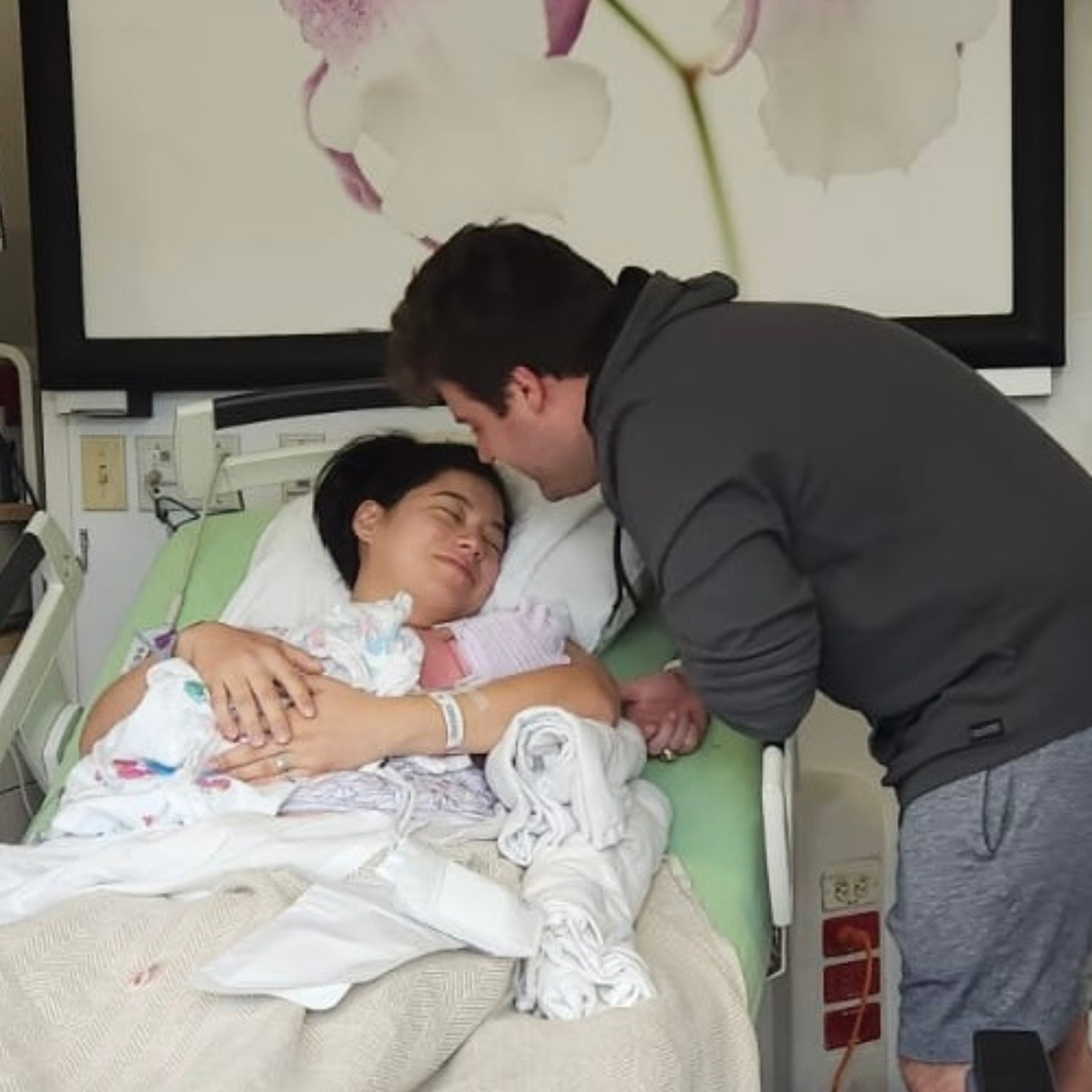
Invalid Date
Episode 288 Jennifer's HBA3C + Getting Pregnant After Tubal Ligation
Jennifer joins us today sharing her HBA3C story! Each birth was a stepping stone that gave her more education and wisdom which ultimately led to her home birth after three Cesareans. Jennifer’s first Cesarean was due to meconium in the water, slow progress, and heart rate issues. Her other two Cesareans were scheduled, but her third was particularly difficult because in her heart, Jennifer really wanted a VBAC. After regretting her decision to get her tubes tied during her third Cesarean, Jennifer opted for a reversal and it worked! Once pregnant with her fourth, she traveled two hours each way across state lines to find a home birth midwife. When labor began, Jennifer booked an Airbnb, called in her team, and had the beautiful home birth she knew she was capable of. Jennifer’s Website Needed Website How to VBAC: The Ultimate Prep Course for Parents Full Transcript under Episode Details 02:20 Review of the Week 05:02 First C-section 06:48 Second C-section 08:02 Third C-section during COVID 10:09 Getting her tubes tied and reversal 13:38 Fourth pregnancy 16:39 Finding a home birth midwife in another state 19:02 Going into labor and reserving an Airbnb 24:04 Complete dilation 26:37 Pushing and catching her baby 31:24 You are worth it Meagan: Hello, hello everybody. This is Meagan, your host here at The VBAC Link and we have our friend, Jennifer. Hi Jennifer. Jennifer: Hi. Meagan: You guys, her story– we were just talking about this before the episode. It has a lot of surprises like, “Oh, I didn’t expect that. Whoa.” So I’m so excited to– I’ve read a summary of her story and am now excited to hear it in her own words. I also thought it was kind of fun. She was just saying her kids are excited to hear her story because they know The VBAC Link podcast too. Jennifer: Yep. It was part of our preparation for the birth just having them hear stuff and hear how births are because obviously, they’d never had any experience. Meagan: Yes, so how old are your kids? Jennifer: 11. 9, 3 and now newborn. Meagan: And now newborn. We have very similar-aged kids. 11 and 9 and then I have an 8-year-old this year. And then we jump. That is so exciting. I’m excited to get into your HBAC after three Cesareans and all of the fun things away. 02:20 Review of the Week Meagan: But I do have a Review of the Week and this review is from mcgrace. I actually think I know who this is. It says, “Must listen for every mom-to-be.” It says, “This podcast is a must-listen not just for the mom preparing for a VBAC but anyone who is giving birth and has given birth or plans to give birth in the U.S. Meagan wonderfully walks through personal stories while preparing helpful advocacy tips and a solid dose of empowerment in each episode. If you want to hear people discussing their path to VBAC, if you’re curious about what giving birth looks like in the U.S., and if you want tips on how to mentally, emotionally, and physically prepare yourself for the best birth, listen to this podcast.” Thank you so much for that review. Jennifer: Totally. I 100% agree. Meagan: That is so sweet. I do agree with her. Yes, VBAC is in the title of this podcast, but it really is for anyone. Jennifer: Totally. Meagan: And everyone wanting to give birth. Jennifer: Definitely. Meagan: I feel like if I had this podcast when I was preparing for my daughter Lainey, that would have changed a lot. Jennifer: Yes. If I had listened before my first birth, I feel like so much would have and could have been different. Meagan: Could have been different. I know. I’m so grateful for all of the Women of Strength who are sharing on this podcast and who are sharing on social media. By the way, we are accepting stories for our social media because we do have a lot of submissions on the podcast and we can’t get to everyone. We would love to still share every story possible, so if you are interested in sharing your story on our social media, email us at info@thevbaclink.com with your subject “Share My Story” and we will get that posted. 05:02 First C-section Meagan: Okay, girl. Let’s dive into all of these stories. They are all– I don’t know. I feel like each one is the stepping stone to this final birth. Jennifer: Yes. Yes. Meagan: And I’m not saying you are done having babies. Jennifer: Well, yeah. Most recent. Meagan: I don’t want to say final like you are done. But this birth that you are sharing, I feel like each one came with learning and growing and all of the steps it took to get you to this point. Jennifer: Yeah. I feel like I was so young with my first and I didn’t have any education at all which is common. Meagan: That’s how I felt. Jennifer: But yeah. It was a slow, long labor which is pretty typical for a first. I went to the hospital right away and I just had in my mind, I didn’t know about physiological birth. I just knew. I was like, “Oh my gosh. This hurts.” I thought I needed to be in the hospital because this hurts and something must be wrong because it hurts. Then I had an epidural and things were slow. He did have meconium. They broke my water and he had meconium. It was that cascade of interventions and it was just kind of one thing after another. It slowed down after the epidural and at 4 centimeters, his heart rate wasn’t looking great and they said, “You need a C-section.” In my mind, it was like it was an emergency. “Oh my gosh, I need a C-section.” So I had the C-section and yeah. That was the first stepping stone like you said. I didn’t know anything. 06:48 Second C-section Jennifer: Then with my daughter, I wanted a VBAC. I heard about VBAC and was like, “Oh, that’s a thing.” Someone who I look up to told me the dangers and the big risks. They really had good intentions. They really thought it was dangerous so were trying to look out for me, but I was very vulnerable and they really scared me out of it. They were like, “You’ll both die if you rupture within a couple of minutes.” Now, after I’ve learned more, I’m like, “That’s not even true,” but at the time, I was like, “Uh, I just don’t think it’s worth the risk,” so I just scheduled that C-section. I think each recovery was also more difficult. The first one was a fairly easy recovery and then the second one was a little harder and then my third was that bigger age gap. I had educated myself a little more or at least I knew what I wanted. 08:02 Third C-section during COVID Jennifer: I knew that I wanted a VBAC. I didn’t want to deal with the drugs again postpartum and the numbness and everything. I just didn’t want to deal with it all with a C-section. That was during 2020 COVID year so that was a whole other level of difficulty added in with that year. That was the one where they did a bait and switch on me. I said from the beginning with my OB/GYN, “Would you let me have a VBAC?” They were like, “Yeah. We can definitely do that. We’ll just look at your scar in an ultrasound later on and as long as it looks thick enough, yeah. You can have a VBAC.” Of course, my scar was not thick enough. I’ve since learned and I think on one of your podcasts you talked about it in great detail. But that test is super– I mean, you talk about millimeters on this fuzzy black screen. Meagan: Yeah. Not necessarily something that should be a determining factor for VBAC. We’ve even had a doctor on the podcast that was like, “No. The evidence is just not strong enough to go off of.” Jennifer: Yeah. I was still in the mindset then of, “Doctor said no so I can’t,” so I scheduled the C-section and that one was really hard. I think it was because I knew that I wanted a VBAC and I wasn’t getting it. With the other two, I didn’t know I really wanted it so I was like, “Well, this is just how it is.” With the third, I was so anxious during the C-section. I remember my doctor down there and she yelled to the anesthesiologist, “You need to give her something to calm her down,” because I was just crying and yeah. Meagan: I’m sorry. Jennifer: Yeah. It was a rough one. 10:09 Getting her tubes tied and reversal Jennifer: And then this is one of the twists in my story. That’s when I had my tubes tied. Meagan: The big twist. Jennifer: Yeah. I had my tubes tied during that third C-section. Meagan: Did your provider offer that or suggest it or did you say, “We’re done having babies”? Jennifer: No. It was suggested multiple times throughout my care. I feel now like it was a little bit of coercion but it was my choice. My husband and I made the final decision as we were driving to get the C-section. Now I’m like, “You don’t decide to get your tubes tied when you are 9 months pregnant.” Meagan: That’s a hard decision. Jennifer: That’s not when you make that decision. Any decision, but definitely not that one because you are so tired of being pregnant at that point. Meagan: You are vulnerable, yes. Jennifer: So I had my tubes tied during that C-section and then the next day, it was instant regret. I was like, “I cannot believe we did this.” My husband felt the same way. We were both just like, “Ugh, what have we done? Why did we do that?” Meagan: Mhmm, yeah. Jennifer: It was really hard to grieve through that. It felt like a loss even though it wasn’t. It felt like I had lost a baby almost because of how intense the grief was knowing that I could never have another baby. Meagan: I understand that so much when my husband got the vasectomy that I didn’t want him to get. I felt like, “I’m grieving a kid I’ve never had but I’m grieving a kid that I had in my mind.” You know? Jennifer: Yeah, totally. It’s a very real grief. My husband right away suggested reversal, but I dealt with a lot of guilt about that like, “No. We chose this. My insurance paid for this. We can’t go and spend money on getting it reversed. We have to live with this.” I had to work through that guilt and shame and finally, we were blessed to be able to get it reversed two years-ish after. Meagan: How was that? How was the process of that? Jennifer: That was hard. It was like another C-section, the operation itself. It was outpatient but it was a big old C-section scar. The pain and everything was the same and not being able to lift. But emotionally, it was really healing. Meagan: Yeah. Jennifer: Right away, I remember waking up from being under anesthesia after it and I was just crying. The nurse was like, “It’s really normal to be emotional.” I was like “I’m so thankful.” Meagan: Aww. Jennifer: I was just so glad. At that point, I didn’t even know if it had worked because it was not a guarantee. Meagan: A reversal. Jennifer: A reversal is not a guarantee. There could be scar tissue that blocks the fallopian tubes. Meagan: That makes sense. Jennifer: I think depending on age, they have different success rates but I think it's 80% or something like that. 13:38 Fourth pregnancy Jennifer: We did not conceive right away which we always did before, so I was not sure if it had been successful. It was almost a year before we finally did conceive, but we did about a year after I had the reversal. Now, I knew I would have the VBAC. I was going to work for it and try for it and it was during the time before I had the reversal actually that I got really passionate about it. I was like, “This may never come to anything for me personally because I may not ever have a baby again,” but I really grew passionate about birth and physiological births. I read a lot and I got to know about rights. I never had to have a C-section even with the last one when he said the scar wasn’t thick enough. I still didn’t have to have a C-section. Meagan: But we feel like that when we have providers who go through a lot more training and school than we do just on our Google searches and our classes and things like that. It feels that way. It feels like we don’t. They know what’s best. We trust them and we should trust our providers. I’m not saying we shouldn’t trust our providers, but we put everything that they say sometimes all in a basket and say, “That’s my fate,” and it doesn’t necessarily have to be. 16:39 Finding a home birth midwife in another state Jennifer: So this time, this pregnancy was with my fourth. I knew I would work for the VBAC. At first, when I had been reading and researching and learning and everything, I knew I wanted a home birth. I was like, “That’s so what I desire.” It was just a dream for me that that could be a possibility. I knew it would help with the chances of having a VBAC just with what I’d learned about hospital practices and stuff. So I met with some midwives in New Mexico where we live and they said– I met with several and they all said, “Law here doesn’t let us do a home birth after multiple C-sections. We can do it after one but not multiple.” I was just trying to be really open and praying that the birth would be how it was supposed to be. I was like, “Okay. We’ll just do the hospital and I’ll be ready to stand up for myself. I’ll know all of my rights and I’ll know all of my info and I’ll just say, ‘I’m not having a C-section’”. Then I met with my OB and I was expecting to have a big dialogue. I was like, “Would you support a VBAC after I’ve had the three C-sections?” I was expecting this back and forth and he was like, “That’s a hard no.” I was like, “Oh, okay. I guess we’re done.” Meagan: Okay. Jennifer: So I started looking in El Paso, Texas which is just two hours away from us because one of the midwives had said that the laws are different in Texas. We found a really great, experienced midwife there in El Paso. She was very confident and I feel like that’s a really huge part of getting your VBAC is your provider’s confidence. Not just that they are tolerant, but that they are like, “Yeah. You can do this,” which is how she was. Meagan: How it should be. Jennifer: Yeah. 19:02 Going into labor and reserving an Airbnb Jennifer: We did my prenatal care with her. It was a normal pregnancy. Then I went into labor at midnight a week and a day before Christmas. Meagan: You went there. You had an Airbnb, right? Jennifer: Yes. That’s the other twist and turn. We were doing this home birth, but we don’t live in El Paso obviously, so the plan was to get an Airbnb and birth there. At first, we were going to get it ahead of time, but just planning-wise and money-wise, we decided not to do that. We still could have missed it even if we booked two weeks around the due date. Meagan: Right and that’s a lot of money to spend. Jennifer: Yeah. We ended up just deciding to wait until I went into labor and then we’d book an Airbnb. The backup plan was we could do a hotel suite if we couldn’t find anything. Yes. Meagan: If it wasn’t available. Jennifer: Midnight was the worst time that I could have gone into labor because you check in to an Airbnb at 3:00 in the afternoon and midnight is about as long away as you can get from the afternoon. But it was fine because it did progress really slowly. Even though it was my fourth birth, it was like a first-time labor. Meagan: Yep. The first time you did really– well, I mean you labored. Jennifer: I labored for a little while, but I never got into active labor. Yeah, so it was slow and we had time. We just messaged all of the AirBnbs that would have worked for us and we were like, “Could you let us check in this morning?” They were like, “We have a guest and we have to clean so we can let you check in at 3:00 or 4:00” or whatever. Finally, one was like, “We’re cleaning it now and we can have it ready by 11:00.” We’re like, “We’ll take it.” It was beautiful. It was a great house to give birth in. Meagan: Good. Jennifer: So I labored slowly. It was really slow and then all of a sudden, it seemed like it was picking up. For a minute, I thought people weren’t going to get there. I texted all of my support people and I was like, “You need to come now. You might miss it,” but we had plenty of time. I had a doula and my midwife there and my friend, my sister, and my sister-in-law so a lot of support which I ended up just really needing. I felt so in need of support– touch, prayers, drinks, back rubs, and everything that could be. I’m kind of a reserved person. That’s not my normal personality, but in labor, it was. I was also really bossy. I was like, “Cover me up right now. Okay, take the blanket off. I need the heating pad. Get me a drink.” I told my sister-in-law, I asked her to change because she had strong perfume and I’m really sensitive to smells. I was like, “Could you please change your shirt? I’m so sorry,” but I just got super bossy in labor. My doula was great. She did lots of hip squeezes and counterpressure. That was so helpful. I remember during the hardest, last few hours, I was like, “How has any woman ever done this? How has any woman ever made it through labor?” I just felt like there was no escape and it was just going to go on forever. My midwife got kind of stern with me which was hard, really hard in the moment because I felt like she was being really mean. My doula told me afterward that she was kind of in the middle range. She’s worked with midwives who are really aggressive and with midwives who are really gentle and this was kind of mid-range. I was like, “I guess that’s good.” I realized afterward, it was really good. It helped push me through, but she was like, “You need to get out of your head. You need to stop feeling sorry for yourself and do the work.” I was like, “You’re being so mean.” Meagan: That is hard to hear when you’re going through labor. Jennifer: Yeah, it was. But I think there was a part of me that did feel sorry for myself for going through it. I did need to get the mindset like, “I need to finish this.” Meagan: We’re doing it, mhmm. 24:04 Complete dilation Jennifer: Near the very end, she wanted to check me and I hadn’t wanted any cervical checks. I did end up having three total. I had one in the very beginning just to make sure it was really it and then she had checked me sometime in the afternoon/evening and this is why I didn’t want cervical checks because I was only at 5 and I was sure I must almost be done. I was like, “I must almost be at 9.” I was only at 5 and I was like, “Ah, how am I going to this much longer?” But then at the end, she wanted to check me again and I did not want to be checked again. She said, “If you’re not progressed much from where you were earlier, with the way you are coping, we probably need to go to the hospital and get you an epidural, get you some Pitocin, and move this along.” I found out later that the baby’s heart rate at that time was looking iffy. It had been spiking and going back to normal. I don’t know if they didn’t tell me during the time or if I just don’t remember it because of labor, but that’s why she was really urgent to check me. I was really resistant to it but finally, I was like, “Okay, fine.” When she checked me, she was like, “There’s no cervix. You are ready to push.” Meagan: That’s a common thing when babies come down, the cervix opens, and everything is complete. Sometimes babies can do a funky, “Whoa, what’s going on here?” with their heart rate. Jennifer: Okay, that would make sense. But I wasn’t pushing or anything. I expected– I had all of these expectations. I expected to do lots of different positions and then in the moment, I was like, “I just have to survive in whatever position I happen to be in.” I had expected to feel that real urge to push and there really wasn’t. My midwife ended up directing me how to push. She put me on my back propped up on the bed. I didn’t want to be on my back because I knew that was not an optimal position for pushing, but I was so tired. This was around 2:00 in the morning the next morning after I had gone into labor the midnight before so it was a 26-hour labor altogether. I was so tired. 26:37 Pushing and catching her baby Jennifer: I was on my back and she was telling me to hold my breath and bear down. Pushing was the hardest thing I have ever done. I wanted to blow out and let some of my air out and she was like, “Stop it. Hold your breath.” I could not feel the baby coming down. I felt no ring of fire. I didn’t feel any of it. All I felt was the contractions. They were so intense and trying to bear down and hold my breath and not blow out was so hard but it was effective. It was just a few minutes, just a few contractions that I pushed for and then her head came out. I didn’t feel her head come out and then her body right after. I had wanted to catch her and my midwife guided her out. She was like, “Take your baby, Jennifer.” Meagan: Aww. Jennifer: So I reached down and pulled her up to my chest. It took a little while for it to sink in that I had the VBAC. Meagan: I bet. Jennifer: I was just in that state of, “This is never going to end.” It was so hard. I was in a wanting to give up state of mind also. I was like, “If they could bring the hospital here, I would take the epidural. I would take the C-section,” at the moment, but I couldn’t fathom getting in the car. That was the only thing that stopped me from, “Let’s just go to the hospital.” I could not imagine getting in the car at that point of labor. Meagan: Which says something too, right? It says, “It’s time to have a baby.” Jennifer: Yeah, totally. Yeah. That was it. It was a beautiful time afterward because everyone in the house heard. It was just me, my husband, and my doula for most of the time in the bedroom, but everyone heard me being very loud when I was pushing and heard her cry when she came out so my kids all came in at 2:00 in the morning and my sisters. Yeah. It was just a beautiful time afterward and was so nice to just be in a home even if it wasn’t my home. Meagan: You were in a home. Jennifer: And relaxed and comfortable. We waited to cut the cord until the placenta came out. It was just all relaxed and very beautiful. We named our little daughter Willa which means protection and just signifies how God protected us through this thing that a lot of people think is really scary and really dangerous. I’m very thankful. Meagan: And you did it and there weren’t really any complications. How was your postpartum experience with this one? How was healing and recovery? You had three Cesareans. It started getting harder with each one and it can get harder naturally no matter what type of birth because we have other kids to take care of, but how was your postpartum experience? Jennifer: It was really good, much easier than a C-section and really different. There’s still hard stuff. Just the pressure and bulging feeling that you have down there, I was like, “Oh, I’ve never experienced this before. I can’t sit up. I have to lay back or lean to the side or something to be comfortable.” Then I kept instinctively putting my hands on my scar area anytime I’d sneeze or cough because that’s what I’m used to having to do. Meagan: Oh, interesting. Jennifer: Then I’d be like, “Oh, I don’t have to do that.” Meagan: That was probably really nice. Jennifer: That was really nice, yeah. Then not having to be on painkillers afterward. That’s a huge thing for me because I feel like it’s always dulled or blurred, those first few weeks. You are kind of out of it and both me and the baby were both more alert than I’ve ever experienced before. Meagan: Absolutely. I would agree. I mean, I was there but it was. It was kind of blurry. Jennifer: Yeah, just a little blurry. Meagan: I was really tired and groggy. You’re already tired and groggy anyway after laboring, especially after surgery, but yeah. Jennifer: Yes, totally. 31:24 You are worth it Meagan: I am so happy for you. I am so grateful that along the way you were able to learn and grow educationally. Knowing you personally, you were finding out who you were more personally. You were like, “I have more to offer to this experience” by learning and growing and advocating for yourself. Driving two hours is not an easy thing and to think, “I’m renting. I’m paying for a midwife. I’m renting an Airbnb.” There are a lot of puzzle pieces that have to come together and fit and those can be really daunting. Really daunting, but typically it is worth it. Jennifer: Yeah, so worth it. I’ve thought about that along the lines of how eating healthy costs more and is a little harder or sometimes a lot harder. It’s easy to eat fast food and processed food and stuff, but when you put in the work and the money also to have better health, it’s worth it. I felt like that with the birth because yeah. We are paying for the Airbnb and we’re paying for the midwife and we’re paying for the doula and it was all worth it 100%. Worth it to pay for that. Meagan: Worth it, right? We talked about this many, many times ago. I think it was Blyss Young who talked about how we put so much money and effort into our weddings and things like that, but then when it comes to birth, we’re like, “Oh, whatever.” Then we just don’t see the value in a lot of these things. So talking about nutrition, eating really good foods, getting the good supplements, even finding the provider, and sometimes we have to pay more out of pocket for that provider or whatever it may be and it’s less ideal but in the grand scheme, when everything is done, I feel like it’s more unlikely for us to go back and be like, “I regret paying for that childbirth education class” or “I regret paying for a doula” or “I regret finding the right provider and giving birth in a home versus the hospital because that was my dream”. Jennifer: Yeah. You’re just not going to. I mean, I don’t. I definitely do not regret any of that. Meagan: I definitely didn’t either. I remember my husband being like, “You’re going to choose the most expensive option.” I was like, “It’s worth it. It’s worth it.” It’s worth it to give back to you. This is a really, really big day. Our wedding day is a big day. Don’t get me wrong. It’s a day that is amazing, but the vulnerability and the experience that sticks with us from birth I feel like is even bigger. Jennifer: It’s just huge, yeah. It really is. Meagan: Yeah. Yeah. Jennifer: It was definitely all worth it to have all of the extras. Meagan: All of the extra, yeah. Not only is it worth it, you are worth it. Women of Strength, you are worth whatever it may be because I promise you in 25 years, you are not going to think about that $5000 that you spend on your midwife or whatever. I don’t know how much midwives are everywhere, but you’re not going to look at that. You’re not going to look at that. You’re going to be like, “That was worth it.” Yeah. Do what’s best for you and know that you are worth it. You are not selfish for wanting to do things differently or spend extra money or get the education. You’re not. It’s worth it. Jennifer: Yeah. I mean, who knows but I have a strong feeling it would have ended in a C-section if I had been in the hospital because we passed that 24-hour mark, and now the baby’s heart rate is looking iffy and I’m utterly exhausted and ready to give up. I just feel like there’s a good chance that it could have ended in a C-section. That’s not what is best. I know that’s not what is best for me at this point. I don’t know if we are done having kids and I know there are more complications with more C-sections. It was definitely worth it to also give myself the location and type of birth and everything that was going to lead more to success. Meagan: Right, yeah. Well, thank you so much for sharing your journey. Jennifer: Yeah. I’m so glad to have been able to. I told you at the beginning that we’ve been listening to The VBAC Link all throughout my pregnancy and yeah, my kids are so excited that I’m going to be on it. Meagan: I can’t wait to hear what they think about it where they are like, “Whoa, that’s your voice, Mom. That’s your voice!” Closing Would you like to be a guest on the podcast? Tell us about your experience at thevbaclink.com/share. For more information on all things VBAC including online and in-person VBAC classes, The VBAC Link blog, and Meagan’s bio, head over to thevbaclink.com . Congratulations on starting your journey of learning and discovery with The VBAC Link. Support this podcast at — https://redcircle.com/the-vbac-link/donations Advertising Inquiries: https://redcircle.com/brands

Invalid Date
Episode 287 Suzzie's HBAC + A Note From a Childbirth Educator
"She was in my arms while she took her first breath and she was just so calm and beautiful. It feels like time just stops at that moment. It was so, so special to me." From turning down the opportunity to take a childbirth class during her first pregnancy to now passionately teaching her own classes (She Births Bravely) as a childbirth educator and attending births as a doula, Suzzie shares how birth has changed her. Located in Seattle, Suzzie talks about how her birth team created a safe place for her to have a peaceful home birth that was still very intense but didn’t feel that way. Meagan and Suzzie discuss pushing, continuous care, the importance of education, and their best tips on what to do during pregnancy to have an empowering birth experience no matter the outcome. Suzzie’s Childbirth Class Suzzie’s Website What Does Your Birth Plan Say About Your Personality Quiz Real Food For Pregnancy Needed Website How to VBAC: The Ultimate Prep Course for Parents Full Transcript under Episode Details 02:28 Review of the Week 03:53 Suzzie’s molar pregnancy 06:27 Beginning labor with fear and doubt 09:01 “It has been over 24 hours. It’s time for you to have a C-section.” 10:51 Making friends with a student-midwife 14:41 Suzzie’s second pregnancy and labor 18:50 Baby Hazel’s birth 27:06 OBs attending home births 30:40 Continuous care during home birth 36:23 Birth preparation tips 43:29 Knowing what questions to ask 48:18 Waters being broken for 24 hours 50:31 Checking in if labor stalls Meagan: Hello, hello Women of Strength. How are you? This is Meagan, your host here at The VBAC Link. I’m excited to talk a little bit today about what can we do before we have our baby or what should we do when we get pregnant to start preparing for birth. We have our friend, Suzzie, with us today. Hello, Suzzie. Suzzie: Hi. Meagan: She is actually a doula and childbirth educator who has a lot of passion in sharing a message of what to do and how to prep and how to navigate through this amazing journey that we call pregnancy and birth and motherhood. She had an unexpected Cesarean just like a lot of us. If we go through most of these stories on the podcast, you’re going to hear that trend of it wasn’t expected. It wasn’t planned. It maybe wasn’t desired. That’s a common thing in our VBAC community. It’s important to know what to do and what to know because most of us just didn’t know what we didn’t know. 02:28 Review of the Week Meagan: So we are going to dive into a little bit more of how to prepare and a message from our darling Suzzie, but of course, we have a Review of the Week so we are going to get into that before we get into the next part. This is from kimberlyspair . Thank you, Kimberly. We love her. She says, “Thumbs up from us! Sharing such an essential message with love and compassion.” That is exactly what we are going to do today, sharing another message with love and compassion. As always, if you have a minute, we would love your review. You can leave it on Apple Podcasts, Google, message us at info@thevbaclink.com . Remember VBAC is V-B-A-C and let us know what you think about the show. 03:53 Suzzie’s molar pregnancy Meagan: Okay, cute Suzzie. So we were talking right before we got on the episode. You guys, she had her C-section birth at a hospital local to me here in Utah then went on to have an HBAC. Was your HBAC in Washington? Where was your home birth? Suzzie: It was. I live in Seattle and it was here in Washington. Meagan: Okay, cool. So Seattle, Washington mamas, listen up if you are looking for options for a provider. Yeah, so you talked a little bit about how birth taught you how much more capable you really are than you thought. I think that is something that happens a lot with us, right? We walk through this birth journey and we are like, “Dang, we are amazing.” We really, really, really are. Yeah, so Suzzie, tell us about your stories. Share your message with us. Suzzie: Yeah, yeah. I’d love to. I think that my birth story actually started before my first birth because I had losses and a molar pregnancy before. Molar pregnancy is a very complicated, unviable pregnancy where you ultimately– it took me about a year to be cleared healthwise after that to be able to start trying again. So I came into birth with a strong sense of knowing things could go wrong and also fear. I also worked in finance and I was very busy. I just didn’t really have a lot of time to prepare. I didn’t have a lot of support at home so when, for example, I had a really great friend that I worked with and he and his wife were having a baby around our same due date and they had hired somebody to teach them private childbirth classes in their home. They invited us to come and join them in that process. I was like, “No, can’t. Too busy.” That whole thought of, “Okay. I’m going to prepare really mindfully,” was too much for me for where I was at that point of life. I also dabbled a little bit in HypnoBirthing. There was a little bit of pressure to do a natural birth and as I was learning about that, the desire for that was growing and evolving, but the fear of labor and birth also wasn’t necessarily dissolving. 06:27 Beginning labor with fear and doubt Suzzie: So I feel like when I went into labor, I had a lot of really complex expectations and fears that weren’t really worked through because even though I had done some reading, the true preparation is truly very emotional. Meagan: It is. Suzzie: And a lot less fact-driven than it is learning about what we really need and how to speak up for what we need and how to ask the right questions and how to develop strong and open and trusting relationships. Meagan: And also trust yourself. Suzzie: Yes. Yes, that’s a really big one because I definitely did not have that factor either. When I had Zoe, my first, it was just such an overwhelming day for me. My water broke at night and I had called the doctor. I was like, “I’m not having contractions. Can I just stay home?” “Sure.” In the morning by around 8:00, I had been having pretty steady– I was probably making that transition from early labor into active labor where you are close to those 5-1-1 rules when you can go in and you can be admitted. My water was broken so of course, if your water is broken, you can be admitted. They have to admit you. Now, it seems like they encourage you to go in as soon as you can. Meagan: They do. Suzzie: Yeah, which has its pros and definitely has its cons. Meagan: Let’s talk about that later too. Suzzie: Yes. That’s definitely something to learn about because water breaking happens in about 10% of people before labor starts, about 10% of the time. It’s not crazy common but it’s way more common than at least what I thought before. You know and realize something like that could throw off my whole birth story or my whole birth experience. When I checked in, the nurse was really upset that I hadn’t come in earlier even though I had cleared that decision with my doctor so there was an initial conflict as I was checking in and signing the waivers. That instilled a lot. What she said to me put a lot of fear into me that I had done something wrong and that I had put my baby in danger and that things might not be okay. I also had those layers of having gone through a pregnancy that wasn’t viable and a lot of health complications from that so when I heard that, the amount of fear I felt was insane. Then my labor completely stopped. The contractions that had been steady and consistent for hours were gone. 09:01 “It has been over 24 hours. It’s time for you to have a C-section.” Suzzie: The rest of the day was about using Pitocin and trying to get labor started in other ways. Ultimately, nothing ever worked. Zoe, I guess was having some kind of heart rate dips. At this point, if I could go back to what I know now, I would ask a lot more questions about how big they were or what they looked like, but at the time, I didn’t have enough knowledge to ask good questions or be proactive about movement and things like that that can sometimes help especially in inductions and especially when you are using medicine or Pitocin to push your labor. By midnight, they had just decided, “Okay, it has been over 24 hours. It’s time for you to have a C-section.” I truly do not know if this is a cascade of interventions story or if there was something wrong. It didn’t sit well with me at the time and it still doesn’t because I still have unanswered questions and that was a really not-great feeling. I feel like it wasn’t a great start to motherhood for me because it was very scary. I was very worried the whole time and then even after she was born by surgery, they had spent at this time more than 12 hours telling me that something could go wrong. They swaddled her up. They let me take a picture of her cheek to cheek with me and then she and her father disappear and are swept off somewhere. After the surgery, they put me in a recovery room and I was in there for several hours by myself shaking from the medication in the dark because it was night not knowing, “Am I okay? Is my baby okay? What’s normal in this picture? What’s not?” That was just overall not a great experience. 10:51 Making friends with a student-midwife Suzzie: I had actually kind of written off. I had just thought, “Oh, this birth thing must not be for me. It’s hard. I don’t like it.” All of the stories that you hear, I felt like, “Okay, great. That’s fine. I’ll move on with my life.” But then I moved and I joined a new moms group where we would go hiking every week. One of the friends that I met there was a student midwife and as our friendship evolved and we would talk, all of these stories revolved around the families that she was working with. I started to see that I had missed out on so much of the journey that I had never learned to ask good questions. I never really did have a great relationship with a care provider. There are care providers that will take more time and help you when you need it and there are some that can’t either from logistics or because they just don’t want to. That was a big eye-opener to me so when I had Hazel, I had a wealth more of information and experience and exposure to what a really empowered birth would look like. I had actually moved again. I lived in Portland for that one year and then I moved here to Seattle so I couldn’t have my friend as a midwife, but choosing the right care provider became my number one priority and I interviewed so many people. People that worked in the hospital and home birth midwives and I found somebody that I really connected with, Dr. Brandy. She just held my hand from the start to the finish. She was a home birth midwife and she was also a doctor of naturopathy. Meagan: Awesome. Suzzie: She had a lot of tools for me going through pregnancy that just didn’t exist before. So when we talked about nutrition, she’d talk for an hour and pretty much all of our appointments were an hour long and always because she had things to teach me or to show me or to help me understand the process I was in and where I was going. It was just so helpful. I also had an amazing doula that helped me process a lot of my trauma and create a vision for myself. I think that whether or not I had ultimately gotten my VBAC, the process and the change that it took for me to go from somebody that was a rule follower and people pleaser– my first birth, I was the type of mom that was like, “Okay, I’m going to bring cookies for all of the nurses because I want them to like me,” versus by my second birth, I was like, “No, wait. These people are doing their job and they are here to show up for me. My job isn’t to make them happy but to work well together. Right? To develop a positive, working relationship.” That was a really big transformation. And also, if you have had questions that weren’t answered or you go through things and you don’t get support, those unanswered questions linger for a long time and they mean a lot. Meagan: They do. Suzzie: Whereas when you go through a situation and you over time have your questions answered, have everything you need to be making decisions that feel grounded and centered and good no matter what those decisions are, it feels a lot better and a lot safer and it makes it a lot easier to relax into the experience. I feel like when I had Hazel, my HBAC, my second, my perfect birth story that I was so lucky to have, everything lined up for me really well. 14:41 Suzzie’s second pregnancy and labor Suzzie: I had gone a little over 41 weeks and my midwife offered a membrane sweep which I did. She also said, “Go home and have sex,” which, you know, the prostaglandins. Meagan: Not fun at nine months pregnant. Suzzie: No, not fun at nine months pregnant or after a membrane sweep, but I will say that it did work because I had the membrane sweep at 8:00. We did the prostaglandin injection I will call it before bed and when I woke up in the morning, I was in labor. Meagan: Awesome. Suzzie: I didn’t have much early labor. I didn’t have a long, drawn-out thing like I did with Zoe. It just kind of– I woke up. I was getting ready for the day and I was like, “Oh my god. That’s a contraction.” Then five minutes later, it was like, “Oh my god. That’s another contraction.” Zoe’s dad was getting ready for work so as he was off out the door, I had him sweep Zoe out to a friend’s house and drop her off then I actually was supposed to have an appointment that day. I called Dr. Brandy and I was like, “Dr. Brandy, I can’t drive.” That was my thought. I expected to have a really long labor and I was like, “I don’t think I can come to you.” She was like, “I think actually I’ll be coming to you, not the other way around.” Suzzie: I called my doula. She showed up. I called the girl who was setting up a big labor tub at my house. She came up and set up the tub then by about noon, I was in full, active labor and everybody was there, Brandy, her assistant– I think there might have been a student there too. I can’t remember. And my doula, who was incredible. By 9:00, I had Hazel. It was just such a simple, I truly don’t remember much about it because it just started and at the first few hours, it was the logistics of getting everyone there then I went for a walk. I remember going for a walk and then I came back. My doula did this cool muscle release thing when I came back and I actually slept through some contractions which was really weird, but it felt great. It was so soothing in the midst of all of this intense pressure work of labor. Then I got in and out of the tub a couple of times which felt so good and so relieving and then Hazel was actually 10 pounds and she actually came out with her hand next to her head. Meagan: A nuchal hand. Suzzie: Yeah, a nuchal hand, and then she had been breech. I did have some back labor, but when my doula did the muscle release things, she must have flipped because she didn’t come out breech. She came out– Meagan: With her hand up by her head. Suzzie: Yeah, the regular way with her hand up. Meagan: Yeah. Suzzie: I mean, when I look back at the story, I’m like, “Okay, so there were a lot of things that could have been potential problems at so many different stages with the back labor–” Meagan: Do you mean breech or posterior? Suzzie: Oh sorry, yes. Thank you for correcting me. Posterior. That is what I meant. Meagan: Okay. Okay. I was like, “Wait, back labor.” Gotcha, gotcha. Suzzie: Thank you, thank you, thank you for correcting me. Yeah. Posterior, not breech. Meagan: You’re just fine. Suzzie: Yeah. She did the rotation, not the flip. Meagan: A lot of babies do rotate and we’re going to talk about that in a minute. Especially if you’ve had a posterior baby, listen up at the end because we will talk a little bit about posterior. A lot of them rotate during pushing. Suzzie: Yeah. It’s actually their job. I didn’t realize this until after I became a doula and I took the training which is so good if you are a birth worker out there. It’s called Optimal Maternal Positioning . I did not know this, but babies actually very, very rarely enter the pelvis with their eyes looking back which is the position most babies are born in. Most babies will rotate to the side or into a posterior position to enter the pelvis and then it’s their job during labor to rotate. 18:50 Baby Hazel’s birth Suzzie: So a lot of times when we are doing these things like, we are saying, “Okay, you are 10 centimeters. You don’t have an urge to push yet, but let’s tell you to push anyway.” There’s a reason you don’t have an urge. It’s because your baby is still doing their job which is rotating. Meagan: Yes. Suzzie: So I don’t know. When I work with moms, I have seen a lot less stress and less pushing and less complications in pushing simply by breathing baby down as long as possible and if a mom does have an epidural to labor down until even with an epidural, most moms get an urge to push at some point, an undeniable urge. Meagan: They feel pressure. There is an undeniable pressure. Suzzie: Yes and it happens with an epidural, but you have to wait because that rotating process can slow down. Yeah. I’m so glad you said that. Hazel was born. I did have to push a really long time. I think I had to push for four hours. I did not know that when I was doing it. I would have said it was 45 minutes. Meagan: Wow. That’s amazing. Suzzie: Right. I was in my zone. I was in the birthtub. I was in whatever position I was in and I had music playing in the background. I had Bergamo oil and there was an ice rag that someone would put on my forehead between contractions and I would just go from that intense work of pushing to being completely zoned out. Meagan: I love that. Suzzie: Totally in labor land. I totally, one, I didn’t find pushing to be that painful. I found it to be a very productive work and two, it was almost this weird time warp. I guess it did take a long time, but it didn’t feel that way to me. Hazel was super safe. It was the most amazing moment in the world. I didn’t see Zoe other than that maybe 10 minutes when we did cheek-to-cheek and took a picture with her in the OR for hours. So to be the one that when my midwife helped deliver her part of delivering of Hazel other than monitoring us, she just did this little scoop position thing so Hazel came out. She scooped her into my arms and there we were. She was in my arms while she took her first breath and she was just so calm and beautiful. It feels like time just stops at that moment. It was so, so special to me. Meagan: I love that. Suzzie: That’s Hazel. 23:12 Thoughts on pushing Meagan: Birth can be that way. It’s not always and it doesn’t mean that it’s not beautiful if it’s not that, but birth can just be that special moment and beautiful time. I love that you pointed out that you pushed for four hours. You guys, pushing can last a while especially when you have a baby with a nuchal hand. There are things happening there. But Women of Strength, pushing for an hour– we have so many providers after an hour sometimes two who are like, “It’s just not happening. It’s not going to happen. Baby’s not going to come down. Baby’s not coming out.” That’s not necessarily true. We just may need to change positions or stop and just like Suzzie was talking about, let our babies come down on their own. Let them rotate and come down on their own, right? Suzzie: I see that all of the time now that I’m a doula and I attend births. I was with one mom when we were at the hospital. She had an epidural. We were pushing. She pushed a couple of hours and they were like, “Okay. We’ve reached the cut-off. It’s time.” She was exhausted. Pushing especially with an epidural when you are not ready can be– I’d say what she was going through was much more intense than what I had gone through when I was pushing Hazel. Luckily, this conversation was happening during shift change because she really wanted a break. She needed a break. So when the new nurse came on, I kind of explained to her the situation and she gave me the wink and was like, “Okay, I’ve got you.” She went about her business as slowly as she could as the new nurse coming on in the morning shift. I had taken my client and I helped her get in a comfortable position. Typically, if a mom is pushing and needs a break, I will do lay on the side, knees together, pillows or peanut balls between the ankles so your knees together, ankles out. I’ll just do a muscle release on that top hip and maybe help her rock back and forth a little bit just so she can relax, but we’re getting some movement into this pelvis area. The doctor came back. They were like, “Okay. We’re going to get you prepped.” They did one last check and they were like, “Oh my goodness. This baby is so low. We can see their head now.” Meagan: Yay! Suzzie: They went from being super high to– Meagan: Ready to come. Suzzie: Yeah. Yeah. She did, I think, two pushes after that. She had to have these hours where there was supposedly no change. It was probably about a 30-minute break and in that time, her baby was just like, “Oh, I’ll just descend myself. Here I am. I can move through in this new position without as much effort from you.” I think sometimes there is so much fear about things that can go wrong, especially in the hospital where– I think now that I do a lot of home births and a lot of hospital births as well, I truly don’t understand how if you come up through the medical system, that you get enough exposure to women in labor without interventions to know enough about it to feel comfortable and safe in that process, right? We have a lot of providers that actually have big gaps in education which is not their fault, right? But it is a reality and one that they have to deal with and one that we have to deal with. 27:06 OBs attending home births Suzzie: I go to the Washington State Obstetrical Association. This year, I went and I was talking to one OB that was like, “Yeah, I did a home birth rotation when I was doing my training.” He was telling me about how it changed his practice so much and I really wish that everybody had that opportunity, but the reality is that most do not. It’s really important to be able to advocate for yourself to know what you want and then ultimately to make really good decisions about your care provider and where you give birth because it shouldn’t be an uphill battle if you have all of the pieces in line. Meagan: Yeah. I love that you pointed out that it’s not their fault because I think sometimes, at least I’m guilty of this where I get a little sassy and I’m like, “Oh my gosh. This provider that or that provider that” or “This hospital this and that” and it can get to the point where sometimes it maybe looks like I hate hospital birth or I hate hospital providers which is the complete opposite. I do not hate anybody for that matter, but it can get a little frustrating when we keep seeing this as birth workers. What you were saying, it’s not their fault. It’s not. They are taught this way. They are taught this system, this protocol, and this pattern that birth needs to follow. It just needs to follow this way and if it doesn’t follow this way, they are taught X, Y, Z, and back all the way to A all the way to do things to manage that to control that situation. Then we have things that unravel like the cascade and then we have trauma. We have fear. We have doubts. We have a lot of things that didn’t necessarily need to happen, but it’s sometimes just how it happens. So if we come in and we’re not prepared to ask questions and advocate for ourselves which is really hard during labor. You guys, it’s really hard to advocate for yourself because just as Suzzie was saying, she was pushing and all in, then she was out. Right? We’re in and then we’re out. That goes through labor all around. There are a lot of things in my labor I remember very well and there are a lot of things I probably don’t remember at all or don’t even know happened. But we have to advocate for ourselves. If we can walk into our birth knowing that our team is on our side, but also give them a grain of salt and know there is training and know that there is X, Y, and Z that they have to follow, then we can have a better understanding and soften our hearts when things don’t go well also understanding that this really is how it is. It is. Like she said, most providers, I mean, I’m going to just throw a number out there. I’m going to guess that 99.9% of those OBs and midwives in the hospital system have not attended or had a rotation of home birth. Suzzie: I would agree with that. Yes. I think that is definitely an exception to the rule. 30:40 Continuous care during home birth Suzzie: Honestly, a lot of providers, when you come in and you catch your first baby as a provider, you might have never seen a woman have a natural labor. That’s not the priority of the medical system as you monitor and you treat which is really important because sometimes things happen and we do need to be treated. I went through a very medical procedure during my molar pregnancy and that saved my life. If I hadn’t had that treatment and that ongoing treatment, there would have been a lot of complications that could have happened which is very scary to think about. But I think about it too, when I chose a home birth, a lot of people in my circle were very uncomfortable with that. Natural birth, especially from my kids’ dad’s family’s point of view was definitely the way to go. My family was very opposite, very medical, just go in and have your baby. But doing a home birth was kind of out there for everybody. It was a big– everybody had a lot of fear around that decision. Ultimately for me, the thing that made me feel really safe in that was that out of all of the providers I had talked to, Dr. Brandy was willing to build that open and trustful relationship with me. But more than that, when I gave birth to Zoe, I was in a hospital where my nurse had multiple patients. She was watching on a monitor. She had a lot on her plate. Emergencies can happen. You have a lot of things going on in those cases. My doctor also had a lot going on because they work on call. They were also a part of a busier practice so multiple patients at one time, bouncing back and forth between everybody’s different needs. The thing that I loved about a home birth was that I had an expert by my side from the moment it started to hours after. Once Dr. Brandy got there, I’m going to assume it was probably around noon although my recollection of the day, everything is very scattered because I was so supported to stay in that labor land. There was a lot of time warp going on. But anyway, she got there around lunchtime and she didn’t leave. The furthest distance that we were from each other was I would be in my bedroom and if I wanted space, she would go to the living room, or at one point, I went outside and went for a walk. But I had her continual monitoring, her continual– I guess I want to be careful with that word because it wasn’t continuous monitoring with the little machine, but she had her Doppler and she was continually listening as appropriate per guidelines. Me– she had her assistant there who also gave me space but was one person she was watching, me. And my doula, who also had been to hundreds of births and was focused on me. Right? So if you think about it logistically, which place am I going to get the better care where skilled and caring providers are taking care of multiple people at once or where skilled and caring providers are only focused on me? I think that’s pretty easy to see. Why did I feel so safe? Well, I had the resources. Suzzie: My degree is in economics so I think about systems a lot. I often think, “How do we scale that so everybody can have that one-on-one attention?” I don’t have the answer to that question, but I do know that as a woman, you can choose which system you want to be a part of when you choose your care provider and when you choose either your midwife or OB. I’ve worked with both that are great. It’s not that you can only choose a midwife or you can only choose an OB, but you do have to build a strong relationship with them. It does make sense if you are advocating for yourself to make decisions where you will be the priority when you are in labor because as a laboring mom, I think we all deserve that. Unfortunately, at this time, we still have to opt ourselves into those systems. I know here in Seattle, I just did a comparison of all of our hospitals and their C-section rates for first-time, low-risk moms having head-down babies and the difference is really staggering. There’s one hospital where first-time, low-risk moms– over 35% of moms are having surgeries and that same category literally 20 minutes away, the C-section rate is only 20%. So if you are thinking about, “Okay, my priority is I want to be safe and in a hospital and avoid a C-section, one of those hospitals is going to be more equipped and have better systems and structures in place to help you with that goal.” Of course, it’s not a guarantee. There’s always risk that exists in birth. It’s one of those things we have to come to terms with, but we can make choices that help us one way or the other. Meagan: Yes. I love that you said that. Okay, we want to go to the hospital, but let’s really figure out what place is best for our needs. 36:23 Birth preparation tips Meagan: So as a childbirth educator, you’ve now gone through an unplanned Cesarean. What do you suggest to do before birth in general? No matter what type of birth you are planning for, what are a couple of tips you have? I think that could probably even be one of them. Find your support team. Find your system. Find the right location. But yeah, do you have any others that you would say would be a top tip from you? Suzzie: Yeah. Yeah. I actually have a little pyramid of these are the factors of building a healthy pregnancy that I try to lead by my mom’s theory. I think a lot of times there’s– okay, I’ll say with me for my first birth. The reason I didn’t do a childbirth class, the reason I was opting out was partly because I already experienced trauma and had a lot of emotions that I was avoiding. But also, because I also had a mindset of “leave it to the experts” which for me, birth really moved me into and really was the thing that made me become aware of what my needs really were. But now that I teach about birth, yes. Monitoring and treating is a crucial part of a healthy pregnancy and it’s important to get a care provider you care about. We’ve talked about that. Childbirth education– there was a study published in 2020 that talked about, okay. If you’re trying to avoid a C-section, let’s look at moms who took a childbirth class before giving birth and those who didn’t. For the moms that took a class, the C-section rate was about 80% which, I think we can do better and we should expect better than that, but on the flipside, the moms who didn’t take a class was only 58% so that’s not much more than flipping a coin. Childbirth education makes a difference. Meagan: Wait, the people who did take the class had a higher Cesarean rate or a lower? Suzzie: No, no, no, no. The people that did not take a class was 58%. So if you don’t take a class, it’s almost like me. I didn’t take a class. I made that mistake. It’s not that different than flipping a coin. After that, you really have to nourish yourself. Pregnancy nutrition is a lot different than what most of us were taught. When I learned about nutrition in pregnancy, there was a lot of unlearning and new habits I had to build. There is a really good book, Real Food for Pregnancy , by Lily Nichols. I love that book and her trainings are inside my class and what my class teaches basically. Meagan: I have it right here in my hand. Suzzie: Yeah. Yeah. And after that, prepping your body. Movement and exercise have so many benefits for labor. Also doing some body balancing work because one of the things that as a doula when I’m looking at, “Okay, when people are having weird contraction patterns or babies that don’t seem to be doing their little rotation dance or not progressing even though they are having contractions,” the three things we are looking at are your passenger. Is your baby just doing something funny or is there a really short cord? Something completely out of your control. Is it the power? Is it how strong your contractions are or is it your pelvis? A lot of the time, the answer is that it’s your pelvis so we have to come in with movements and muscle releases and you can do the chiropractic care throughout pregnancy and it does make a difference in preventing those not common but when you hear people having three-hour labors, that is often, often, often a pelvis thing. So for me, if I have a mom that’s having those contractions 10 or 15 minutes apart and they are not getting closer, I know we’ve got to get in there and do some things to help and usually we can resolve that with movement. Dealing with stress and anxiety is a part of labor. It’s actually the work of pregnancy. It’s to understand that you have anxiety about this because you should because it is one of the biggest and most important things we have and getting help with that, connecting with others, building your community, and then nourishing your purpose because when I look at my friends and the women I work with, some of us connect very quickly to the idea of being mothers. It’s been in our minds and in our hearts since we were little, and some of us just don’t. Or some of us get pregnant and we don’t feel that magical connection that we thought we were supposed to have. That’s actually okay. It doesn’t mean anything is wrong. It means that we have an opportunity to start nourishing and developing what it means to us to go through this process and deliver a baby and to raise a human being and what our role is and to build purpose in that which is really important. I always think that when we are talking about how to build a healthy pregnancy. If you leave any of those out, we are selling ourselves or the people we work with short by not providing resources in all of those different categories. Meagan: Yeah. I love the pyramid concept. We have to care for ourselves and we have to do these things for ourselves. I think so many times, we push some of those things aside and we deserve to do these things for our bodies, our minds, our mental health, and everything. We deserve to fuel our bodies with good nutrition. I also love Lily Nichols. We’ve had her on the podcast. I have her books for gestational diabetes and Real Food for Pregnancy . We are big lovers of Needed and we talk about, okay. We know we are busy. We know that nutrition has changed over the years and get the supplements that you need. Do what you need to do to fuel your body as a whole and then also do all of those other steps so we walk in. Sometimes we may do everything in this pyramid. We may do every single thing and then something doesn’t happen the way we want or we still have an unexpected situation, but we can walk in knowing that our pyramid is strong and then go through the motions. 43:29 Knowing what questions to ask Meagan: Earlier, we were talking about asking questions and not being scared of that. Ask a childbirth educator, how do you educate on being confident in asking those questions? I feel like as a doula, I’m always talking about, “Ask questions. Ask questions.” If you have a doula there, they can help facilitate this, but sometimes, we don’t have doulas there. So how can we really hone in on making sure that we are in a place to ask questions? Suzzie: Yeah. Yeah. I think the really hard thing when it comes to birth is when I think about myself as a first-time mom, that I didn’t know enough to know what questions to ask. Right? You get thrown into that impossible situation. I know in my birth class, my birth class is online, but also, every single person who goes through that birth class gets two one-on-one appointments with me to go over their birth plan to talk a really good picture about how they really feel about birth. It’s okay to want a natural birth and it’s okay to say, “I don’t like pain. I want an epidural as soon as possible.” There are different approaches and there are different conversations you should have with your provider each time. A lot of time, I feel like the induction question is coming up more and more and more often, so a lot of times, that second prenatal ends up being like, “Okay, how do I navigate a conversation about induction because I’m trying to figure out how I feel about it and I’m also trying to figure out how to navigate maybe differences in risk aversion or things like that with a care provider?” One, I would say talk to somebody who has some knowledge and ask them what questions to ask if you are not sure. You can talk to– there’s no limit to the number of people that you can talk to and everyone will have their opinion and you can take what works for you and throw the rest away. The other side of that is also journaling and getting really clear on what a healthy birth looks like to you or what your ideal birth looks like because it’s very possible that you and a care provider have different definitions of what that is. If you can communicate what you want really well, I always suggest when people write their birth plan to think about everything that is important to you and summarize it in 1-3 sentences. Put that at the top of your birth plan because the rest of your birth plan is just logistics, but if you can communicate who you are and if you’ve chosen somebody that you trust, the most likely outcome then is that they see your birth plan and then they ask you the right questions and they help you navigate what you would need to know because they know, “Okay. You are a person that really wants to try the most natural thing first” or “Your big worry is about tearing.” Now they know to filter the conversations that they are having with you through these different priorities that you have. If they don’t know your priorities, they can’t do that. So just setting yourself up so that even if you’re the one who doesn’t know because you are new to birth and you are having your first-time experience, be clear about who you are so that your providers can help fill the gap. I truly believe that if you have taken the time to find a provider or a location whose values somewhat line up with yours, it doesn’t have to be perfect, then that will be enough for most people. It’s when we can’t communicate who we are or when we are in environments where clearly the priorities are just completely misaligned where I see breakdowns in that, but I think most providers care deeply about what they do and who they serve. But every mom that comes in is different so if they don’t know what makes you special, they can’t treat you special. Right? Meagan: Right. Yeah. Such a powerful message. Thank you so much for coming and sharing with us. There are so many little nuggets. I feel like we didn’t even have time to talk about fear releases before you walk in. If you get pregnant, do a fear release. If you are entering things, do a fear release. Journal. Find those fears so you can start navigating them and eliminating them along the way. 48:18 Waters being broken for 24 hours Meagan: I wanted to talk about water breaking for 24 hours. Just because your water has been broken for 24 hours, Women of Strength, that does not mean you have to have a C-section. Suzzie: Can I actually tell a story about that? Meagan: Yeah. Suzzie: I know you are wrapping up, but I’ll just say this really quick. The biggest risk with water infection that you will hear is that it could potentially lead to an infection. Meagan: Yeah, potentially. Suzzie: I will tell you that with all of the moms I have worked with, I have only had one mom have an infection and she got it within hours actually. As her water broke, she already had the infection because, by the time she got to the hospital, she already had a fever. So again, monitoring and treating is important. It’s not that it can’t exist. On the other hand, when I was early in my career as a doula, I got to work with this incredible mom. Her priority was, “I don’t want interventions at all.” Her water broke and we were like, “Okay. How are we going to deal with this?” She went in regularly for non-stress tests and she went almost three days. No infection, nothing. She went into labor and had a super quick, super healthy baby. These obscure rules say, “Oh, at 24 hours, risk increases.” No, it doesn’t. There are different things that can happen. It’s important to monitor. It’s important to treat an infection. Most moms are safe. If you look at the research, it’s totally fine to go way longer than that for most moms. Meagan: We have a mom on the podcast. She’s actually one of my clients. She went five days with her water broken and had a VBA2C birth. Beautiful birth. Suzzie: That’s amazing. Meagan: No infection, no issues. It’s so hard for me to hear, “Oh, your water’s been broken.” I’ve been there. My water was broken for 12 hours and they were like, “Nope. Water’s been broken for 12 hours. You're not doing well.” I was doing fine. “Your baby’s not progressing or coming down. Your body is not progressing.” It was just that I had a completely unnecessary Cesarean but I didn’t know. I didn’t know to ask the questions. 50:31 Checking in if labor stalls Meagan: Yeah and remembering to let your baby navigate its way down the pelvis. Let them help you and know that sometimes it is that tension release. Sometimes it is putting knees in versus out or turning on your side. The pelvis really molds and shifts around and rotates and shifts and babies’ heads mold. Together they work and they can come out so if you were told that your pelvis was too small or your baby was too big or you would never get a baby out of your pelvis or if you had a Cesarean for failure to descend or failure to progress, know that that does not mean it’s going to happen the next time. Learn. Navigate. Learn optimal positioning. Do chiropractic care. Do these things. Find the support because also something I heard in your first story is everything was going, going, going. You walked into a space where you didn’t feel safe and everything stopped. Suzzie: Exactly. Meagan: That is what can happen. Our bodies and minds are so powerful that we have the ability to stop labor. Have you ever thought of that? That is incredible. We have the ability to stop our labor. Suzzie: I know. The body is wild. Meagan: So sometimes, I also wanted to drop just a little tip on if we are having progression issues, we are having really hard, strong contractions, but our progress isn’t necessarily showing the result that we would think that the pattern and strength would be giving, let’s tune in. Let’s tune into those babies’ rotations and all of those things. The fears, the thoughts, and what’s happening in our minds, or if we are having that failure to progress and all of a sudden, our labor just out of nowhere slows down or even stops, let’s check in. Let’s do a fear release right there. Let’s do a mental health check. Let’s figure out what is going on because a lot of the time it is that we are not feeling safe. We are not feeling supported. We are not feeling heard. We are doubting ourselves for whatever reason. There are so many things. You walked into a situation where you were made to feel bad for making a choice that felt right. Suzzie: Right. Meagan: That is just what is not okay, but that is what could easily stop our labor. So do a little check-in, ladies. If you are in this position or you were in that position, honestly go back and say, “Okay. My labor stopped. What was happening? What was I feeling?” Check into that and journal it. I love that you suggested journaling. Journaling is so amazing. Let’s journal our progress and our process in this journey. Okay, well obviously we could talk for a long time and maybe we should just do a part two, but I will let you go. Thank you so much for being here and sharing your stories and your knowledge. I’m just going to hold onto this pyramid. I love the pyramid aspect. I really, really love that. I think that is something that is really powerful. Thank you again so much for joining us. Suzzie: Thank you. All right, bye. Meagan: Bye. Closing Would you like to be a guest on the podcast? Tell us about your experience at thevbaclink.com/share. For more information on all things VBAC including online and in-person VBAC classes, The VBAC Link blog, and Meagan’s bio, head over to thevbaclink.com . Congratulations on starting your journey of learning and discovery with The VBAC Link. Support this podcast at — https://redcircle.com/the-vbac-link/donations Advertising Inquiries: https://redcircle.com/brands

Invalid Date
Episode 286 Alexis' Peaceful CBAC
Cesareans can be peaceful, beautiful, and so healing. Though Alexis didn’t have the VBAC she planned for, she still had the euphoric birth she dreamed of. Alexis unexpectedly experienced PPROM and preeclampsia at 36 weeks with her first baby. Trying to labor and push under the effects of magnesium and all of the other interventions was incredibly exhausting. When baby started having decels, she knew it was time for the Cesarean. After a rough NICU stay and having to exclusively pump, Alexis knew she needed to be proactive about healing from her birth PTSD. She went to EMDR therapy and found the healing her heart needed. Alexis shares all of the ways her second birth was different from the first. She went into labor spontaneously. She progressed quickly and felt strong. But when baby flipped breech mid-labor, Alexis knew it was time for another Cesarean. Her team took their time honoring every wish Alexis had and truly gave her the birth of her dreams! How to VBAC: The Ultimate Prep Course for Parents Full Transcript under Episode Details 02:05 Review of the Week 05:29 Alexis’ first pregnancy during COVID 09:41 PPROM and preeclampsia 13:27 Pushing turned emergent Cesarean 16:54 NICU stay and exclusive pumping 20:45 EMDR therapy and postpartum healing 22:24 Second pregnancy 26:21 Beginning of labor 29:47 A picture-perfect labor 31:26 Baby flipping breech and going for a C-section 38:03 The game changer 40:56 A euphoric birth 43:45 Ways to have a gentle Cesarean 46:36 Music, skin-to-skin, clear drapes, mirrors, conversation, and maternal-assisted Cesareans 50:32 Vaginal seeding, advocacy, and backward dilation 52:29 Swelling in pregnancy and nutrition Meagan: Hello, hello everybody. Today’s episode is one that I am actually really excited to hear and share. I think a lot of the time when we are listening to The VBAC Link, we are looking for empowering VBAC stories, positive VBAC stories, and sometimes when we are sharing these stories, it is accompanied by traumatic Cesareans. We know that through all of these stories, I have personal experiences that a lot of these Cesareans are traumatic, and a lot of the time they are traumatic because they are undesired or they are pushed really hard or people feel like they are backed in a corner or so many interventions come into play that they happen in a traumatic manner. But today’s story is going to talk a little bit about how Cesarean doesn’t have to be traumatic and it can be peaceful. I relate personally to it because my second C-section, I didn’t want actually. I didn’t want it at all. It wasn’t what I planned on, but I still found so much healing through that birth and I think that in a lot of ways, it shifted my mindset of how to view Cesarean. I also want to recognize that our community doesn’t always want a VBAC, right? We are here learning about the options for birth after Cesarean but that doesn’t mean we only want VBAC so I’m excited to share this story today for everybody, especially for those who are unsure of what to do or want to maybe go the Cesarean route but want to have maybe a better experience than their last Cesarean. We’re going to talk about how to have a peaceful Cesarean. We have our friend, Alexis, with us today going to be sharing her peaceful journey with you. 02:05 Review of the Week But of course, we have a Review of the Week, so I want to dive into that and then turn the time over to her. This is from Apple Podcasts and it says lilylalalala . Lots of la la la. It says, “Inspiring and uplifting.” It says, “I first found this podcast in 2020 in the depths of the postpartum after a very traumatic, unplanned Cesarean with my first baby. I listened to every single episode as I struggled to process what had happened to me. I finally gathered up the courage to seek help for postpartum PTSD that I was experiencing. “This podcast is a treasure trove for inspiring stories which helped me regain confidence in my body to have a beautiful VBAC with my second baby last year. Thank you for being such a huge part of my healing journey.” I feel like so often, we hear little things like, “Oh, I loved hearing it” or “That was inspirational” or “That helped me learn the knowledge” but I love hearing that it was a part of the healing journey. It healed. That is so amazing. Thank you so much lilylalalala for sharing your review. If you haven’t yet, you guys, we would love your review on the podcast. You can review our Instagram or our Facebook community. Give us a review of The VBAC Link. You can leave your review at Google. You can just Google “The VBAC Link” and leave a review there. You can leave a review on the Apple Podcasts. I’m pretty sure you can on Google Play. Or guess what? You can even email us at info@thevbaclink.com subject “Review” and leave us your review there. 05:29 Alexis’ first pregnancy during COVID Meagan: Okay. I am so excited for you to share with us today. Remind me. Okay, so we are going to be talking about preeclampsia, EMDR therapy which I think is something that is super powerful. We are going to be talking about repeat Cesarean and it can be better. Yeah. Anything else that you’re like, “This is what my story is going to touch on?” Alexis: NICU time also. We had some NICU time. That was a big part of my postpartum experience. Yeah. Meagan: Okay. Yes. Okay, well without further ado, I would love to turn the time over to you to share your story. Alexis: Thank you. Yeah. There is a lot that goes into this story, a lot of different factors that made my first experience really hard, but I got to learn so much through it and I’ve been able to help a lot of other friends and family just through my experience so I’m super excited to share my story with everybody. Meagan: Can you remind us where you are at as well? Where you are located? Alexis: Yes, Joplin, Missouri. Meagan: Missouri. Alexis: Yep, so southwest Missouri. We are originally from Oklahoma City. My husband and I have lived here for six or seven years now and we call it home. Yeah. We got married in 2017 and we were about ready to have a baby around this time the pandemic hit so fun timing there. I’m sure a lot of mamas can relate to that. I think that’s a lot of our story. We got pregnant at the end of 2020. Things were kind of normalizing but not really medically. I mean, I never saw my OB’s face. We were all wearing masks. My husband couldn’t come to our first appointment because the regulations were still iffy on that. I Facetimed him to hear the heartbeat which was so sad for our first pregnancy. But as things kind of went on, the rules lessened a little bit, but still, it was COVID. We got pregnant really easily. We were so blessed for that experience. For the most part, my pregnancy was really healthy. I did have a lot of nausea and morning sickness. That kind of lasted the whole pregnancy and it probably was the reason that my nutrition was so terrible. Nothing sounded good. All I really wanted was french fries so I could never– the smell of our gas oven made me gag so cooking really wasn’t happening. Meagan: You’re not alone and that’s one of the reasons why we talk about Needed, our partnership, because there are so many of us who go through this morning sickness and the smell of anything is just barf so we’re not getting those nutrients, right? So we’ve got to try to get them in other ways because we’re not getting them through food because we can’t. Alexis: We can’t, yeah. That is totally me. So yeah. My diet was terrible and I didn’t know at the time. Of course, everyone says to eat healthier and a lot of protein, but I’m already not a good eater of protein, and certainly not when I am nauseous, so yeah. My diet was a big factor. I had pretty rapid weight gain and I’m a petite person so that was not normal for me. My midwife really kept an eye on that, but I was still doing CrossFit my whole entire pregnancy somehow. I felt good enough to do that, but yeah. I was probably just wearing my body down. I was not eating well and working out really hard. What’s funny is I was working out because it is proven to decrease your chances of getting preeclampsia and that didn’t happen. Meagan: Which ended up happening? Alexis: Yeah. I was like, “I’m going to be so strong. This birth is going to be so easy. I’m just going to squat down on the floor and pop this baby out, no problem.” Meagan: I love your confidence, though. That is important in any birth. The confidence in your body’s ability is wonderful. Alexis: For sure. I think that because I was working out so hard, maybe my pelvic floor is tighter. I’ll get into all of that. Anyway, that was the pregnancy. Everything was good and healthy. I didn’t have any other issues. 09:41 PPROM and preeclampsia But around 30 weeks, I started swelling really badly. It was a summer pregnancy, so no one really thought anything of it. I knew it was unusual for me. It was a lot of swelling. My midwife was keeping an eye on it. I never had high blood pressure and no protein in my urine. There were no markers and technically, I think according to what ACOG says, swelling isn’t a red flag necessarily for preeclampsia. I think they won’t diagnose you unless, of course, it’s blood pressure and protein. No one was worried about it. Yeah. We were just trucking along. Everything is good, just extremely swollen. My husband travels for work all of the time during the summer so one night, he had gotten back that day and I was about 36 weeks on the dot. He got back that day from California and I woke up in the night to go to the bathroom and sit up in bed and I felt a little bit of a gush. I was like, “That’s weird.” I get up and go to the bathroom. Toilet paper is a little bit pink, watery-tinged so I kind of knew immediately. It smelled different. I knew something was up. I’m calling for my husband to come in there. He is very confused. At 36 weeks, we did not expect that. The chances of your water breaking are less than 10% or something? Meagan: They say 10% or less, yeah, especially before labor begins. You had PPROM and then there is PROM so premature rupture of membranes, PROM, and then premature birth. Alexis: Yeah, so never did I ever think that my water would break and that would be the start of my labor. I knew those facts and I had done a lot of research. I was really well-educated before I had my son. I just– we are all really good birthers and really good parents before we do it. So yeah. My water breaks. I call the midwife. It was my midwife on call which gave me a lot of reassurance too and she just said, “Go ahead and come in since your water broke. It sounds like that’s exactly what happened.” Looking back now, that was such a God thing because my plan was that I wanted to go unmedicated. I planned on laboring at home for as long as possible, but my water breaking just messed up my mind and shifted all of my plans. That wasn’t a part of my plan, so I was like, “Oh, okay. I’ll go in. Sure.” I didn’t think twice about it. When we arrived at the hospital, I felt fine. I had no headaches. I had no vision changes. I felt fine. My blood pressure was I think 200/110. It was insanely high. It was so bad. The nurse was like, “Oh, maybe you’re just excited. We’ll retake it.” We retook it. It was still crazy high and really dangerous. They started the magnesium drip and for any of you girlies who have ever done that, it is a nightmare. Meagan: Yuck. Alexis: I felt terrible. It makes you feel like you have the flu. I threw up the whole labor. I just was seeing double so anytime a doctor or nurse would come in, I would have to cover up one eye to be able to look at them because I couldn’t see straight. I basically could not get out of bed. We had to do an epidural immediately to drop that blood pressure so I was totally bed-bound. The nurses were super helpful with moving me around, so I basically was just side to side on a peanut ball for 20 hours. I had felt some contractions leading up as we were driving to the hospital, but nothing super strong. After a while, my midwife suggested some Pitocin which wasn’t a part of my plan. Again, I wanted to go unmedicated. I wanted to have a super crunchy, awesome birth and I have now had every medication under the sun. 13:27 Pushing turned emergent Cesarean Alexis: We start some Pitocin. That gets some contractions going. I didn’t mention this. I arrived, I think at a 3 or a 4 when we got to the hospital so not a bad place to start at 36 weeks especially. But yeah, we go through laboring in bed, on my back, on my side. Of course, feeling the pains of labor and contractions in addition to magnesium just felt terrible. I didn’t do the research about positions or what I should be doing. I didn’t have a doula so that’s a big part of it too. But I do progress to 10. Things kind of move along over these 20 hours and we start pushing. I could tell you on that first push, I had the thought, “I need to have a C-section.” I was so exhausted before I really even began pushing just from being awake for 20 hours. That was such an exhausting, long, hard labor. I could not. I had no energy left. The midwife that was there tried a lot of different pushing positions. We did tug of war. I actually got on my hands and knees. She was really great about helping me with pushing, but I had no gas in the tank. I was so exhausted. I don’t know what my son’s position was either. I don’t know how high he was. No one ever told me what station he was at. I remember thinking, “Is station just a silly thing people say on Instagram and it’s not real?” Because no nurses have mentioned his station. Should I ask? I didn’t want to feel stupid. Ask all of the questions. It is your birth. Meagan: 100%. Alexis: Ask. If you are wondering, ask. It’s your body. I don’t know why I felt afraid to ask what station or what my dilation was all of the time when they would check me. They just didn’t tell me which was really weird. I pushed for two hours in every position under the sun and eventually, he started to have some heart decels so the OB on call rushed in pretty quickly. He told me it was time to go to a C-section. I, like I said, was kind of ready for it at this point. It was not my plan, but I wasn’t going to put my baby at risk so I was like, “Okay. Let’s do it.” We go back to a pretty urgent C-section. This was all also, perhaps more traumatic for my husband. I was so out of it with all of the medication and so tired and you are already in labor land anyway, so you don’t remember it all. He relayed this all to me later and he was way more affected by it and that’s such a big part of our story too is him. He’s left in a room alone. They take me back. He does get to come in. I didn’t have to be put under or anything, but that’s got to be so scary as a spouse. You hear that things are dangerous. They take you out and now you’re just waiting. Meagan: Yep, having no idea what’s going on. Alexis: Yeah, he had no idea if I was okay or if the baby was okay. The C-section itself was actually fine. Everything went well. I was just loopy and out of it from everything I had been on so I don’t remember it that well, but when they got my son out, his APGAR was a 2. He was not doing great. They had to do some resuscitation so that was just scary. As he came out just not really responding, but he did start to cry. His APGAR came up on that second check and everything was fine at that point. We also didn’t find out gender so what a way to find out your gender was that moment. We were so scared. It was like, “That’s great. He’s a boy. We don’t care.” We just wanted him to be okay. 16:54 NICU stay and exclusive pumping Alexis: Yeah. They get him in a good spot breathing and crying. All is well. I did fine. The C-section was not– that wasn’t the traumatic part for me. I got closed up. I don’t remember honestly anything after this point. I don’t know if I fell asleep. Maybe it was just blocked out of my mind, but we eventually got back to our room. They take my son to the nursery and I don’t remember anyone asking us about that. My husband doesn’t either. I’m sure I was not in a good place. My blood pressure was still through the roof. It wasn’t a great time for skin-to-skin. I understand that, but looking back, it’s just really sad that I didn’t really see him. I didn’t meet him then for two days after. My blood pressure was so high, I couldn’t get out of bed from the morning after he was born until about 11:00 at night. Around 6:00 AM, his pediatrician came in and his blood sugar was low so he had to be sent to the NICU. Now we are in separate jails across the hall from each other because he was in the NICU. They wouldn’t let me get out of bed because my blood pressure was just not controlled. It was so bad. So I didn’t meet my son for two days. That’s kind of where– Meagan: I’m so sorry. Alexis: –the trauma. Labor was traumatic. The C-section was fine and then postpartum was really traumatic as well. That’s kind of my story. Eventually, my blood pressure starts to respond to medication and I’m able to go meet him, but seeing your baby hooked up to cords and a feeding tube is awful. It’s terrible. That was really his only issue though. He didn’t have any breathing problems, thank goodness as a 36-weeker. His only issue was blood sugar and feeding. He was just a sleepy guy. He was not taking the bottle. He wasn’t really vigorous at the breast. We had lactation consultants come in, but it wasn’t super helpful when you’re in the tizzy of NICU. The NICU is not set up for breastfeeding success. Meagan: It’s not. Alexis: You’re on a 3-hour schedule. You don’t feed on demand. You need to measure how long and how much they are eating. That is not how breastfeeding works. We feed on demand. We do skin-to-skin. I just didn’t know at the time. I was like, “Oh, every three hours. Okay.” I’m pumping. I didn’t nurse him a ton in the NICU just because it wore him out so much. It’s a lot of work to breastfeed so we were like, “If you can take a bottle and we can get out of here faster, do it.” So I was pumping. Eventually, after eight days, we were able to bust out of there. Feeding was the only thing he had to get over. When we went home, I was still pumping. I would offer the breast, but I was so unsure of it and so overwhelmed with it all. I ended up just exclusively pumping because now, looking back, I can see postpartum anxiety 100%. I was afraid if he wasn’t eating enough, they would stick him back in the NICU which would not have happened. They would have done other things before that. It was not emergent, but that is what anxiety tells you. Meagan: I was going to say that anxiety tells you things that aren’t necessarily true. Alexis: Exactly. Meagan: We are in a state where that’s what we believe. Alexis: Exactly. My husband and I were both so overwhelmed and traumatized from the NICU that it was just easier for us to pump. I remember going back to my six-week appointment and my midwife was like, “How’s breastfeeding going?” I told her, “I’m exclusively pumping.” She was like, “Oh my gosh. That is much harder.” Meagan: That’s a lot of work. Alexis: I was like, “No, you don’t get it. It’s not harder.” When your baby won’t latch and they are crying on the breast, it is so stressful. No, no. This is not harder. But it is exhausting. It’s so much work. I did it for a year. I’m very proud of that, pumping is not for the faint of heart. Yeah, that was kind of his whole experience. It was just really overwhelming is what I would say. We didn’t really know what we were doing and the preeclampsia of it all was so scary. It’s such a serious thing that I wasn’t super duper-educated on what that could look like. Meagan: Right. 20:45 EMDR therapy and postpartum healing Alexis: After his birth, I just really tried to dive into therapy, and my husband too. We just wanted to work through that because we knew we wanted more kids. I already knew I wanted a VBAC. Immediately, I was like, “This was never my plan to have a C-section so we are going for a VBAC.” I was a great candidate for it. We plugged forward. I did EMDR therapy which I cannot recommend enough. It literally retrains your brain to hop off a thought and get on a healthier track of thinking. My main objective with my therapist was my anxiety around blood pressure because, to me, it felt like blood pressure was something I couldn’t necessarily control. You can do things to support your body like diet and supplements and all of these things, but some of us just have chronic high blood pressure or white coat syndrome which was totally me. So I just wanted to eliminate that piece of it if I could and just calm myself down before appointments, not get stressed about it, and not add more to my plate of trying to be healthy for this next pregnancy. I just wanted to do that work before I even got pregnant. I went through EMDR therapy surrounding blood pressure and also just working through my birth and kind of getting to a place where even if that same exact birth happened again, I would have more peace about it because you don’t know how it’s going to go. The chances of having preeclampsia again the second time are higher than a first birth for anybody else. It could have gone the same way. You don’t know, but I just wanted to be prepared to have a better experience, a better bonding experience with my baby, and a better birth. 22:24 Second pregnancy That really got me to a healthy place. Around the time I was wrapping that up, I got pregnant with my daughter about two years later. I had just done this whole time in between kids and listened to as many VBAC Link episodes as I could. I tried to diversify the information that I was taking in too so a lot of the Evidence-Based Birth, also Dr. Fox’s podcast is a really great one for a little bit of a different perspective. Meagan: Yeah. Alexis: He’s an MFM. He’s been on this podcast and has a very different perspective. He has seen it all so he’s going to be a little bit more conservative with allowing any patient to VBAC or any type of “complication”. It’s a really good perspective to add to the mix if you are looking for it. I just filled my brain with as many birth stories and as much research as I could. I did everything I could to avoid preeclampsia this time. I ate as close as I could to the Brewer diet. It’s so hard if you’ve ever tried to eat exactly the Brewer diet. It feels impossible at least for me so I just did my best. I tried to eat a lot of protein and started my day with a lot of protein just trying to diversify my diet because I did not do that the first time. Also supplements, so any research that I found, I would take the supplement. So low-dose aspirin, I was on that from the beginning. I took magnesium-glycinate every night. Melatonin– I saw a study that shows a direct link between low levels of melatonin in preeclampsia. Vitamin C is to the strength of your bag of water so I took that every night. My water did not break so I don’t know. That worked for me. I also was a little bit anemic during my first pregnancy so I took a grass-fed beef liver supplement and I had no issues with my iron this time either. Just a lot of different things to support my body so I’m like, “I’m giving you the best opportunity, body, to have a healthy pregnancy and that’s all I can do.” You’ve got to throw your hands up at some point and just say, “I did everything I could.” That’s what I did. I switched hospitals because I felt like going back to the same hospital would be kind of traumatic. Meagan: It can be triggering. Alexis: Exactly. I switched OBs. I switched to– a friend of mine had an OB who had a really low C-section rate. I think the lowest in the hospital and then also with her, she pushed for three hours. He really, really fought for her vaginal birth because he knew she did not want to have a C-section. Meagan: I love that. Alexis: I thought, “That’s the type of doctor that I want.” So I went with him. He was really supportive the whole time. I hired a doula as soon as I could and that was a really great tool as well. Webster-certified chiropractor and all of the things. I just tried to throw everything at it that I could. Alexis: Everything was great. Super healthy. I had no issues again this time. My blood pressure was looking really normal, then a little bit toward the end at the end of 27 weeks-ish, I found out she was breech, my daughter. My chiropractor was on top of it. She was like, “I swear. I have a 97% success rate of flipping babies. I won’t say I flip babies, but I give them the space to flip.” Yeah, so I felt confident in that. My doctor had checked. She turned head down later on so everything was good there. A thing that I’ll say now is my husband and I had prayed my whole entire pregnancy if we were going to have a repeat C-section, let it be because of breech presentation. I’ll get back to that, but that was just something. I’m not against a C-section. I’m against a traumatic birth and everything that we went through. I just don’t want to have that experience. Birth is birth. C-section or vaginal birth. You are having this amazing, incredible experience and C-section is not the enemy. Traumatic birth is the enemy. That is what we were hoping for, but she was head down so we were like, “Okay. This is our sign. We’re going for it. This VBAC is going to work. It’s going to be awesome.” 26:21 Beginning of labor Alexis: As we got to the end, I was cool with cervical checks. That was something I was just kind of curious about. I wanted to know where I was at because my doctor was pretty anti-induction which is great. I just wanted to know where I was at by the end to see if we could do some sort of natural induction method. At 36 weeks, I think I was at 1.5 and then at 37 weeks, I was at a 2. I opted for a membrane sweep. My plan was, “I’m accepting. There is a small risk of infection or them breaking your water but it is a small, small risk.” You just have to weigh the pros and cons. For all of us who are VBACing, there is a risk of rupture. There is a risk of all kinds of things. You have to decide what is right for you. The risk of a membrane sweep was so worth it to me because if he wasn’t going to induce me, let’s do something natural that can get things going. So for me, I was going to do it every week. I had my first membrane sweep at 37 and 6 then I went into labor the next morning. It worked. I didn’t notice anything that day really. I didn’t have any bleeding which they usually tell you you could. I really didn’t feel any cramps or anything after so I was like, “Oh, well. It didn’t work. Whatever.” I get up for work the next morning and basically, as soon as I was vertical for the day, I was feeling contractions. Everyone says just ignore early labor. Pretend it’s not happening so that’s just what I did. I went to work and had a normal day. Around lunchtime, I was like, “I’m just going to time these and see where we are at.” They were every three minutes really consistently but lasting 30 seconds. They never changed from that rhythm. It was three minutes all day long and intensified throughout the day. I finished my work day. I picked up my son. I went home. My mom was coming up just for a visit and that ended up working out very well. I got home and things really intensified. I was on the ball just tracking things. Again, I was like, “Once I go to bed, these are going to go away. I’m 38 weeks on the dot. I’m not having this baby. I’m not that lucky.” But they just kept coming, so they intensified and intensified. They got longer. They were still three minutes apart. That rhythm never changed from start to finish. Meagan: Wow. Alexis: Yeah, so around 10:00, I got in the bath because I was like, “I’m going to sleep tonight. I’m going to take a bath and make these things putter out and then I’ll have a peaceful night of sleep and go on for another week.” Alexis: The bath felt amazing. That really helped me to relax. I listened to some Christian HypnoBirthing tracks and then my husband and I decided we would go to bed. If something pops off, I’ll wake my mom up. She’s got my toddler and we will head to the hospital. But I was sure that things were just going to stop as they often do in early labor. They didn’t. As I was trying to lay there, I went from around– I think we went to bed around 11:00 up until we went to the hospital at 2:30 AM. By that point, I was breathing through them, really feeling them. This was real. I had been letting my doula know, “This is what’s going on.” A few hours before that, she was like, “Okay, let’s give in an hour. If it doesn’t lessen, then we need to start thinking about going to the hospital.” She was two hours away, so she had quite a drive. We were really on top of it and around 2:30 that morning, my husband was like, “Okay, no. We’re done. Let’s go.” He did not like seeing me that way. I probably would have gone a little bit longer if it was just me but he was not on board with suffering all night. 29:47 A picture-perfect labor Alexis: We headed to the hospital and I was stressed. Am I going too soon? You hear so many stories where contractions are so intense and you get there and you are not dilated at all or something. We get to the hospital in triage. They checked me and I’m at a 3. I’m like, “Okay, cool. That’s great.” They hold you for an hour and check you again. If you progress, then they will keep you.” They checked again in an hour and I’m at a 4. We get checked in and at that exact same time, my doula had arrived from her two-hour drive through the night. Things felt so picture-perfect. What lucky girl would go into labor at 38 weeks? Going past your due date is so very normal. I felt like an anomaly even though I had an early birth the first time. I just never thought I would go into labor or that it would work and that I would have a spontaneous labor and that things would progress so easily. I didn’t need Pitocin or anything. I felt so thrilled that things were going so well. After having such a birth where everything that could go wrong goes wrong, a birth that is just normal feels like you have won the lottery. That’s how I felt the whole labor. Dealing with contractions, I knew how to breathe through them. I never sat down in the bed. That did not feel good and I knew that wasn’t helpful so I was on my feet. I did a lot of slow dancing and squatting. I would pedal my feet. That felt really good. Things just progressed on their own. It felt magical. This labor is just happening. My blood pressure is perfect even. It just all felt so perfect. I felt euphoric during labor. It was just the most amazing thing to experience going through labor like that. 31:26 Baby flipping breech and going for a C-section Alexis: I mentioned I was at a 4 when we got to stay. We got checked in at around 3:30 AM. They checked me two or three hours later. I was like, “I’m done. This is terrible. I want the epidural.” I planned on getting the epidural just because my issue the first time with pushing was maternal exhaustion so I was like, “I want to be able to give my body the rest it needs so I am all for the epidural at a certain point once we are sure we are in active labor.” I was ready for the epidural. I was like, “Forget this. Get the epidural in here. I’m done. I’m tired.” Of course, in labor land, you have no clue what time it is and it had only been two or three hours. If you had told me that, I would have probably changed my plan, but my body knew. It was time. I got the epidural. They checked me once that had kicked in and I was at an 8.5 after two hours. From a 4 to and 8.5 super fast. We were all shocked so we were like, “Cool. We’re about to have this baby.” My nurse was just like, “Okay. Chill out. Let’s labor down.” We were coming up on a shift change with OBs on call in the next few hours and I had a bulging bag as well. My nurse was like, “We will probably, if you are okay with it, break your water and you will be complete at that point. You are very, very close.” So we were like, “Great. Let’s all take a nap and then we’ll do that and then we’ll have a baby.” So smooth. Everything up to this point had been so perfect. That was the plan. I was good with all of those interventions. Yeah. My husband, my doula, and I all just conked out for a couple of hours. I also didn’t mention this. I was GBS positive which I think kind of ended up working in my favor because it gave me more time to labor down. I had to finish the antibiotics. They could have rushed in and just broken my water then and there and bada bing, bada boom, tried pushing and maybe I wouldn’t have been quite as ready, but it bought me three or four more hours to finish the antibiotics. They just left me to rest and to labor down. Even that felt like a treat when I was hoping so hard to not have GBS. I had taken the probiotics and everything. It felt like, “Oh no, one thing went wrong,” but for me, it was great. Just another thing that not everything is bad in these situations. It can be positive. We were able to just labor down. Then around 7:00 or 8:00 AM, I think the next OB on call came in. We broke my water. It was oh my gosh, the biggest gush I have ever heard. It was so much water. We didn’t measure it or anything so I don’t know if it was unusually a lot. Meagan: Abnormal, mhmm. Alexis: But it felt like it was a lot. Everyone in the room felt like it was a lot. She went to check me and she was like, “Okay. You’re at a 6 or a 7.” We were all like, “No, what? No. You’re wrong. Try again. That’s not true.” She was like, “This is what I’m feeling. Maybe the nurse had it wrong.” I was like, “No.” I was so sure. I was like, “Absolutely not. No. I’m not a 6 or a 7. What is happening?” Then she keeps feeling around and she’s like, “I don’t know that I feel the head. I don’t think this is the head.” I knew immediately. There must have been– I don’t know if there has been a story on this podcast of a baby flipping during labor but I have heard it happen before so I knew in my gut. I was like, “She flipped. That stinker.” They bring in the ultrasound machine and sure enough, she had flipped breech after 8.5 centimeters and was breech. This sweet OB was so great and really, really compassionate. She puts her hand on my leg and is like, “I’m so sorry.” She knew I wanted this VBAC. She was like, “I’m so sorry. We don’t have another option. We have to have the C-section.” Also, for me personally, I was not comfortable with a breech vaginal delivery. The doctor was not well-versed in it. That did not feel safe to me. Again, my goal was a birth that wasn’t traumatic. My goal was not necessarily a VBAC. While at the same time my goal was a VBAC, number one is, “I don’t want to be traumatized. I don’t want my body to be super messed up and hurting after this like I was the first time. I want my baby to be okay.” That wasn’t a risk I was willing to take. The C-section felt fine. So back to what I said earlier about if we were going to have a repeat C-section, let it be because of breech presentation. I was like, “Lord,” when she said that. Meagan: Very validating I’m sure. Alexis: Totally. I had immediate peace about it. My husband rushes over and he was like, “I’m so sorry. Are you okay?” He knew that it was going to be really triggering for me, but I was like, “No, I’m good. This is awesome. We just went through this amazing labor. I was unmedicated until 8.5 centimeters. I felt amazing. I was controlling my pain with my breath. Everything was perfect. Now we’re just going to go for a C-section. That’s fine.” I just had such a peace about it. It was slow. We got to really prep for it slowly. I brought all of the nurses in and we had a little meeting about– here’s my birth plan for a repeat C-section. I had prepared that. Meagan: Good. Alexis: I think people think that is going to jinx them. Make the plan. Make the plan because I hope you don’t need it. Meagan: Put it in the bag. Alexis: Yeah, but if you do need it, it will make your C-section awesome and it did. We went over that repeat C-section plan. The main things were immediate skin-to-skin. I still wanted delayed cord clamping and just the usual stuff but it did not happen with my first C-section so I was like, “Please, please, please can we make skin-to-skin happen? That was my big thing.” So yeah. It was slow. It wasn’t obviously an emergent situation. She was just breech and hanging out. We prepped and slowly went back. We were just chatting with the nurses. I felt very awake and aware. They bolused up the epidural and it worked so I didn’t have to be put under this time either thankfully. I told the OB, “Can you talk through the whole surgery?” That would maybe freak some people out to hear, “Okay, I’m cutting into your uterus now,” but I wanted to know. I wanted to feel involved in the birth. I didn’t want to feel like it was happening to me like it did the first time. I got to be a part of that. She took my daughter out. She held her up in front of us for what felt like a really, really long time. It was because she was doing other things and letting the umbilical cord pulse. They actually took out the placenta still attached to her– Meagan: Awesome. Alexis: –which is awesome. Meagan: Yeah, pretty rare. Alexis: They totally met my wishes of delayed cord clamping. Then my husband got to see the placenta. They brought it over to me to look at. That was something I really wanted too. It was just so peaceful. I felt so a part of it. 38:03 The game-changer Alexis: Once they checked her out under the warmer for just a second, I got skin-to-skin for what felt like a really long time. It was awesome. It was so awesome. I never ever would have thought. I was so against another C-section like, “I’ve got a toddler at home.” My recovery the first time– I was not okay at 12 weeks postpartum with him. I did not feel good. I was going back to work after 6 weeks this time. I was like, “We cannot have another C-section this time. Not an option.” That was my attitude. Through all the work I did, by the time it happened, I was like, “This rocks. This labor was awesome.” It was such a silly way to have a C-section, but what a cool birth. What a funny story I will tell her whole life, “You flipped at 8.5 centimeters, girl. What were you doing?” Meagan: Seriously and the fact that you were able to do the labor, go into spontaneous labor, and see these things, see that your body was doing this and having all of that, that also is validating. Alexis: Totally. Meagan: To have everyone come in, sit down, and be like, “How can we make this special for you? How can we make this a good experience?” That is so empowering and exactly what you said. You can change it to be what may or could have been more traumatic– because honestly looking back, I don’t know if you have ever asked yourself this, but if they didn’t ask you any of those questions, if they didn’t give you any of those opportunities, do you think you’d look at it the same way if they were just like, “We have to go right now”? Alexis: Totally. Yeah. It was a game-changer. Meagan: Yeah. Everything okay. Alexis: We’ve got time. Meagan: Let’s talk about this. How can we make this a good experience for this family? I think that is so important. I think sometimes in the medical system, it’s like, once a decision has been made that a Cesarean is going to take place, it’s boom, bang, boom, boom, boom, baby out and it moves too fast when it doesn’t need to. Alexis: It’s still birth. Meagan: Yes, it’s still birth. Have that conversation and say, “Okay. Your plans just changed a lot. Let’s talk about this.” Or if it’s a transfer from a home birth or a birth center. Let’s embrace what they were wanting, the type of birth they wanted, and still try to help them have a good experience so we have less PTSD in the future. We have less negative opinions of interventions and Cesareans and things like that. I think a lot of the negative thoughts that we have are from the negative Cesareans that happen. Alexis: Yeah. You’ve got to advocate for yourself to get that and also, like I said, my doula was really helpful in reminding me of what I wanted and getting things going. 40:56 A euphoric birth Alexis: Another piece that I think is cool to think about is– maybe this is weird to some people, but when do you ever get the opportunity to be awake in a surgery? If you’re not in the medical field, think about it that way. What a cool thing. I’m in a OR. I get to see this thing that who else would get to experience being in a surgery and being awake for a surgery? Maybe that is someone’s worst nightmare, but I was one of those people where I couldn’t touch my C-section scar. It freaked me out afterward. I was truly traumatized by it but through all the work I did, I now am in this mental place where I was like, “This is cool. I am a part of this whole experience that is not a vaginal birth and that is disappointing for sure. I still feel like, “Man, that stinks.” However, I got this other experience and it went really well because I told them what I wanted. I got what I wanted. Afterward, postpartum was truly euphoric. I was even the person that was like, “I don’t want the shot of Pitocin after my vaginal birth because that might jack with the way my body responds with natural oxytocin.” I was that girl, but it’s not all or nothing. I still have those emotions. My body still did the work with my hormones. I bonded immediately with my daughter. It took months with my son because of the trauma. I just didn’t feel those emotions yet. It was really hard for me to bond with him. This time, because of this different experience, I was bonded. The skin-to-skin was such a game changer for me. We had a few hours of it. We nursed on and off. Breastfeeding was a breeze this time. I never had a hiccup with it which is so different than my first experience. It was night and day different and I truly don’t feel any sort of regret over not getting my VBAC. I almost feel like I still got it. I got the birth I wanted. I still am so shocked by the story. It’s such a funny thing that happened. Not my plan, but it was an awesome birth. It was so cool. Meagan: I love that that is how you describe it. I love it so much and I hope, Women of Strength, if you are listening, and your birth turns in a different way that you weren’t expecting or that you weren’t desiring that you have the support that you have and all of these things to have a better experience. I think too, even with mine, I didn’t want it. I didn’t want it and still in some ways, I’m like, “Why? Why did I have that?” But at the same time, I’m grateful for it. I’m grateful for that experience. 43:45 Ways to have a gentle Cesarean Meagan: Okay, let’s talk about a few things. Ways to have a gentle Cesarean. Skin-to-skin, we talked about that right after. Babies can come out and be placed on your chest. They have those big bands where they put all of the monitors on. Sometimes they are straps, but they also have bands. You can ask for that. You wear a tube top. Alexis: Oh, that’s cool. Meagan: Yeah, so you have them up here. Because when you’re in a C-section, a lot of the time your arms are out straight. Sometimes they are strapped down. Alexis: They did do that. I had asked the anesthesiologist. I was like, “I don’t want these. Don’t strap me down.” He explained, “Here’s why. Sometimes your body responds. You don’t want to do it, but your arms reach out and try to stop what’s happening to you, so we’re going to leave these on. They are not tight.” He talked me through why they were that way and after he said that, I was like, “Oh, okay. That’s fine.” He said, “We’ll get you out of them as soon as she’s born. We’ll just do this for now.” I was like, “Okay, that’s fine. That makes sense.” Meagan: That’s another cool thing that your anesthesiologist was literally talking to you and breaking it down. But yeah, so a lot of the time our arms are straightforward or even strapped out to the side so they are like, “No, you can’t have skin-to-skin because you’re not going to be able to hold your baby.” Alexis: Not true. Meagan: That is not true. Ask for the tube top. Buy your own tube top as a backup. You can wear it then they can literally tuck baby right down in and place baby right there on your chest. So if you’re not feeling the strength or you are feeling nauseous but you really want your baby to be on you, they can be right there and your husband can also help or your birth partner can also help support baby right there. Skin-to-skin is possible 100%. If for some reason, you are not doing well or you are vomiting or something like that because as a baby comes out, things shift and we can vomit, encourage Dad. Encourage Dad to do skin-to-skin. Alexis: That was on our birth plan. Meagan: That can be really comforting and healing to see as well. Those are two of the things. Skin-to-skin. We talked about the cord. Keeping the cord attached. A lot of providers will say, “Nope. We have to cut it. There’s a risk of infection because your body is open so we have to cut it quickly and start the next process.” Not necessarily true. We can wait for it to pulse. If for some reason baby is not doing well or maybe there is bleeding or something is going on, they can milk it. They pinch it and they do a mini blood transfusion. They send any blood that is in the cord at the present time to the baby. They pinch it and milk it. Alexis: Cool. That’s awesome. Meagan: That’s a really good option if you can’t have delayed cord clamping. 46:36 Music, skin-to-skin, clear drapes, mirrors, conversation, and maternal-assisted Cesareans Meagan: Okay, so music. You can ask your nurse or anesthesiologist to play music in the room so it’s not just beep beep. Alexis: They did that when my daughter was born. Meagan: You know? So yeah, so have that music. Alexis: Write it down too. You’re not going to remember these things in the moment. I had all of these things written down. Meagan: You won’t. Alexis: If I can’t do skin-to-skin, my husband will. If it’s not written, it might not happen. They’re not going to think you are stupid for having a birth plan. Write it down. Meagan: Yes, so true. When I went for my first VBAC with my second baby, something I said is, “I just want to see it. I just want to see my baby come out.” That was so important to me so a lot of hospitals these days do have the clear drape, but a lot of them don’t crazy enough. Something I said is if they don’t have the clear drape, I want to see it in a mirror. My husband was like, “What?” Alexis: That’s a cool idea. Meagan: So to your point, and actually when we were back there, I did not remember that. All I was seeing was a table I was climbing up on. It just wasn’t in my mind. My husband said, “Hey, is there any way we could get a mirror so she could watch this and participate in the birth?” They were like, “Yeah, no problem.” They brought it over. They made sure before they even started that I could see and that the angle was perfect. Alexis: That’s so great. Meagan: Then they started. My doctor said, “Hey, if at any point you realize what you are watching is happening to you and it weirds you out, just let us know. We will flip the mirror or you can close your eyes.” For me, I didn’t get grossed out. I know a lot of people listening would be like, “No, hard pass.” But for me, that was part of my healing watching it happen and watching my baby be brought up earthside. So I really love that and same with you, I had my provider talk to me. Talk to me about what is happening because, with my first, they were talking about the weather and their vacation and how depressing it was to be back in the snow. I was like, “No, hello. I’m here.” Alexis: My plans specifically said, “No shop talk. I don’t want anything else talked about.” They acknowledged that. They were like, “Got it. We won’t.” Meagan: Love. Love that so much. So yeah, talk to them and say, “Talk to me. Tell me what you are seeing. Tell me what is happening to my body,” as long as that’s something you want. I really wanted my husband to watch. I really wanted my husband to take pictures and so many providers are against pictures in the OR. It honestly is just dumb to me because if anything were to go wrong, don’t they want proof that everything was okay and they did it right? All right, but whatever if they don’t allow it. But it’s something you can ask. “Hey, I want pictures” or “Hey, as soon as my baby is out, I want pictures of my baby.” You can also ask them to bring them up so they can see you and even better like Dr. Natalie who we talked to on the podcast last year in 2023, ask for maternal-assisted. It begins with us. Women of Strength, if you are having a Cesarean, we have to start advocating for those people who do want a Cesarean or even don’t want a Cesarean but it happens. Let’s get some maternal-assisted happening. Let’s see that shift in 2024 in the U.S. I would love it. It’s happening in Australia here and there. I don’t actually know anywhere else. If you guys know of anywhere, if you are listening and you know of somewhere that does maternal-assisted, let me know. That’s where they literally drop everything. They have moms with their hands reaching down and grabbing her baby and pulling it up. Alexis: So awesome. Meagan: How amazing could that be? Oh my gosh, it would have been amazing. 50:32 Vaginal seeding, advocacy, and backward dilation Meagan: Yeah, so music. Let’s see what else. Oh, there’s more. Alexis: I should have pulled up my birth plan. Meagan: I know. These are just things that stand out to me. Yeah, keeping your baby, letting your baby breastfeed. Vaginal microseeding sometimes. People will say, “Hey, can I swab my vagina before I go into my C-section and then have this?” It’s a gauze. You have to do a sterile gauze. You put it in a sterile bag then baby can literally nurse on this gauze a little bit and wipe it on their eyes. Alexis: Really cool. Meagan: Yeah, there are some really cool things. Know that it is possible to advocate for yourself. Advocating for yourself is going to help you. If you have a doula or your husband or a birth partner or a mom, help them know what you want. Help them know what is important to you and like she said, have a backup birth plan and birth preferences. It’s okay to have them because, at that time, you are not in that space. A couple of other things that I wanted to touch on is you talked about how you were 8.5 centimeters and then they checked you and you were less after your water broke. Sometimes, Women of Strength, this could be a result in this type of situation where the bag is so bulgy that it’s literally stretching like a Foley or a Cook catheter, stretching your cervix, and then it relaxes a little bit. That doesn’t mean it’s not dilated. It means that sometimes it is overstretched, then relaxes, and then it goes forward. Alexis: And that pressure was gone from her head since she flipped. That was part of it too. Meagan: Yep, and the pressure was gone. Yep, exactly. There are situations like that, but that doesn’t mean your body is necessarily regressing a ton and we’ve got big problems. It just sometimes means that the situation has changed. A head isn’t applied as well and your bag broke that was bulging. Okay, and I have all of these little notes here that I was writing. Okay, let’s see. 52:29 Swelling in pregnancy and nutrition Meagan: Oh, swelling a ton in pregnancy. That’s another thing. I also was like you. I just ballooned. I had people tell me I was unrecognizable but I didn’t have protein. Alexis: Don’t you love to hear that? Meagan: Yeah. I was like, “Thanks. I’m so fat. Awesome.” Alexis: Yeah, you already feel awful about it and people comment. Thank you. Meagan: Yes. But that is still something to watch for. Sometimes we think we have too much fluid so we back off on water. Don’t back off on water. Stay hydrated. Add some citrus to it. Alexis: And electrolytes. I took electrolytes every day. Meagan: Yep. Electrolytes and magnesium baths. Do these types of things to help and then of course, just like you said, it doesn’t matter if you had preeclampsia. Dial in on nutrition. Dial in on those supplements because naturally like you were saying, you don’t get enough protein in your day-to-day life and then you are pregnant and you need more. It’s really hard. That’s why I love the collagen prenatal protein from Needed. I love getting prenatals that have protein supplements is what I’m trying to say and things like this. Get the nutrients that you need and your body deserves. Then again, let your body take the lead but give it all that it can to do the best it can. Alexis: Yeah. Do everything you can. That was good for me mentally to just do everything I could to support my body and it’s like, “From here on out, this is on your body.” With my birth, I feel the same way. I did everything I could. I labored textbook how you should and yet, you still flipped. That’s your fault, not mine. Meagan: Yes. It was out of your control. Do what you can. Control what you can. Trust the process. Get the support. Advocate for yourself and love yourself. Love yourself for all of the work that you have done. Women of Strength, we love you. Alexis, thank you so much for being here with us today and sharing your positive birth story. Closing Would you like to be a guest on the podcast? Tell us about your experience at thevbaclink.com/share. For more information on all things VBAC including online and in-person VBAC classes, The VBAC Link blog, and Meagan’s bio, head over to thevbaclink.com . Congratulations on starting your journey of learning and discovery with The VBAC Link. Support this podcast at — https://redcircle.com/the-vbac-link/donations Advertising Inquiries: https://redcircle.com/brands

Invalid Date
Episode 285 Selah's 48-hour VBA2C + Changing Providers in Late Pregnancy
During her first pregnancy, Selah’s doctor predicted that her baby would be over 10 pounds. She insisted that it was not safe to deliver vaginally. Selah went right into her first Cesarean. She didn’t even have the chance to try. Her baby went to the NICU shortly after birth due to lung and blood sugar complications. When her fluid levels were low with her second pregnancy, Selah consented to another scheduled Cesarean remembering how her first one went pretty smoothly. Unfortunately, a turn of events resulted in an emergent situation, another NICU stay, and once again, Selah was not able to bond with her baby like she thought she would. Selah’s journey to her VBA2C included discovering The VBAC Link, building her supportive community, prenatal chiropractic care, and relentlessly educating herself to make sure she was set up for success. Though her labor was MUCH longer than expected, the spiritual, emotional, and physical transformation she experienced was completely worth it. Selah had a beautiful, empowering VBA2C with no complications. The best part– she got to hold that sweet baby immediately and for as looong as she wanted. Needed Website How to VBAC: The Ultimate Prep Course for Parents Full Transcript under Episode Details 01:04 Review of the Week 04:08 Selah’s first pregnancy 07:25 First C-section 09:36 NICU 11:10 Second pregnancy 13:02 Low fluids 16:29 Scheduled Cesarean turned emergent 21:39 Surprise third pregnancy 27:33 Changing providers 36:33 Going into labor 39:20 Going to the hospital 44:54 Pitocin 48:35 The final hours 56:47 A crack in the catheter 1:00:00 The best feeling Meagan: Hello, hello everybody. You are listening to The VBAC Link and this is Meagan, your host. We have our friend, Selah, today. Hi, Selah. Selah: Hi. Hello. Meagan: Thank you so much for being here with us. I feel like there are so many parts of your story that truly are things that people are going to relate to. We’re going to be talking about bigger babies. We’re going to talk a little bit about that. We’re going to talk about changing a provider really late in pregnancy. I actually love this topic because I did it myself and it’s one that is scary sometimes to do. Selah: Yeah. Meagan: It’s intimidating. We’ll talk a little bit about low fluid. She’s got a NICU stay. There are lots of little things. Selah: A little bit of everything. Meagan: You are going to have relations to her story. She is a VBAC after two C-section mama story so if you are a VBAC after two C-sections, listen up. It’s going to be amazing. 01:04 Review of the Week Meagan: We have a review of the week so we are going to get into that then we are going to turn the time over to you, my love. Selah: Yay. Meagan: This review is– if I can find them. I just lost my reviews. It is from hannahargentina and it was on Apple Podcasts back in 2023 in February so just over a year ago. It says, “I have had a natural birth center birth, then moved out to the country and had a very traumatic C-section. I am now 37 weeks pregnant and back stateside working with an amazing birth team. I am really hoping for a VBAC in a few weeks and I love listening to all of the stories. Hearing different perspectives, and outcomes, and gaining wisdom, I feel so much more confident in my VBAC after listening to this podcast.” Well, it’s been just over a year so hannahargentina, if you are still with us, reach out at info@thevbaclink.com and tell us how it went. Selah: Aww, that’s awesome. Meagan: I know right, and here we are for you and your baby’s birthday is in a couple of days. Selah: I can’t even believe it and I got tears in my eyes listening to that review because that was me. That was me listening to every single podcast, your story, all of the stories, and it helped so tremendously. I can’t even tell you. To be on today is such an honor because I was so helped by you and your podcast and the community. I could not have done it without you so thank you. Thank you for having me. Meagan: Yes. Thank you and I also want to toot the horn of the community. They are so special. If you guys have not checked it out yet or if you are not on Facebook, I would say create a secret Facebook just to be in that community because the Facebook community is amazing or join us on Instagram. These other Women of Strength truly do provide so much power. Selah: So much power and help and resources. I mean, I was on there every day just looking and posting every single worry and concern. Yeah. It’s a lot. It’s a lot to learn and to do. You need that community. You need that support. Meagan: Absolutely. Well, let’s dive into that first story of yours that began this journey to you being here right now. 04:08 Selah’s first pregnancy Selah: Yes, so the back story is I had my first son in 2018 and he was an IVF baby. We struggled with infertility for four years about, I think. Finally, we did IVF and we were successful on our first try which was great. However, toward the end of my pregnancy, my doctor looked at me and said, “How big are you willing to push out as far as baby goes?” Meagan: Oh. Selah: Yeah. I looked at her and by the way, I considered myself very well-educated. I was not in hindsight. I had read a few birth books but I did not know what I know now thanks to you and the community. I did, by the way, do The VBAC Link Course so I did all of it. Meagan: Oh you did? Selah: Yes. Yes. So I was not educated to the point that I am now, but I thought I was. I looked at her and very confidently said, “12 pounds.” I didn’t even flinch. Meagan: I love that. Selah: Her eyes turned really wide and was like, “No, no, no, no, no. You cannot push out a 12-pound baby.” Meagan: Then don’t ask me what I’m willing to do here. Selah: Exactly. I was a personal trainer. I was a group fitness instructor. I consider myself very strong so I thought, “I could do that. No problem.” She said, “No. I will not let you do that. This baby is measuring bigger than 10 pounds.” At that point, I think I was just at my 40-week mark so she was like, “He’s only going to get bigger. You’re not going to be able to deliver this baby vaginally. In fact, I won’t even really let you try.” Meagan: Wow. Selah: I know. Meagan: That took a really fast turn from, “Hey, how big are you willing to? Hey, let’s offer an induction” to “Hey, I’m not even willing to let you try.” Selah: Exactly. And looking back, I’m pretty shocked at that that I wasn’t even offered an induction or anything. In fact, my water– so we scheduled the C-section for three days from then and my water ended up breaking naturally the day before the C-section. I know. I was like, “Oh. I’m going to do this. I can do this. I don’t care how big the baby is.” Meagan: Yeah. Selah: Even then, they would not let me try because there was meconium in the water. Meagan: Which isn’t a reason for a Cesarean, right? Selah: It is not. Right. Right. That’s what I know now, but back then– Meagan: You didn’t know. Selah: I didn’t know and ironically, I had a doula who said, “Oh, you need to go straight to the hospital.” I know. Meagan: Interesting. Selah: Very interesting. That is also a lesson in really interviewing your doulas, understanding birth more really, and also knowing what the doula’s experiences with both C-sections, of course VBACs, and with everything. This doula, looking back, did not have a lot of experience, I don’t think, especially with big babies, but in general. I think also she was older and not that there is anything– listen. I am older. But I think she was from a medical mindset where that would be very scary to her, meconium in the water, where now, the doula that I had for my VBAC was much more like, “No. This just means the baby is ready to come out and it means a lot of things.” 07:25 First C-section Selah: I rushed to the hospital. They said, “Yes. There is meconium in the water. Yes, you have a very big baby. We’re going straight to the C-section. You don’t even get to try.” I never even felt a contraction. I was pretty devastated. I had all of these plans for a drug-free birth. I had read The Bradley Method. I had done HypnoBabies. My mom– I’m one of eight kids– had pushed every single one of us out naturally without drugs. I knew I could do it. Do you know what I mean? I just was like, “Wow. This is not happening for me and I’m shocked.” I was very shocked. Meagan: Yeah. Yeah. Selah: So we went into the C-section but I also felt like I had no choice at that point. This was definitely– Meagan: You were stuck. Selah: Yeah. “You’re going in. That’s it.” Everything was just black and white to the medical team and even to my doula frankly. So we went in and my doctor was lovely. I have to say she was very empathetic and she knew I really wanted a natural birth. She was as lovely and empathetic as you can be. She let me play music and set up the room in a way that felt very loving. She let the nurse and everyone take pictures and videos which they are not always supposed to do. So it was as good as it could be. I got to hold him right away. We had the first 12 hours together. But then because he was so big– 10 pounds, 15 ounces, his blood sugar started dropping, and his lungs, because of the C-section, weren’t fully developed. You know how they get the practice. Meagan: Yeah. Yeah. Sometimes there is fluid left in the baby’s lungs too so they can have a harder time. Selah: Exactly. There was fluid left in the lungs. It’s like that sponge where not all of the sponge is there. Meagan: That’s a really good analogy. Yes. Selah: That’s what they told me which is what happened. When they go through the canal, their lungs get that practice going back and forth. 09:36 NICU Selah: So he went to the NICU after about 12 hours with me and that was a terrible experience for lack of a better word. My heart just goes out to every NICU mama who has had that experience. It’s really, really hard. I was only there for five days. I can’t imagine where you have been there for months. There are so many reasons why it is hard but for me, it was hard because I was recovering from a C-section. We were breastfeeding but now he’s hooked up on wires so that was super hard. I all of a sudden found myself having to bottle feed and pump and now I’m engorged because I’m pumping so much. It just was this crazy cycle. Eventually, like I said, he got out after five days and that was fine. I felt like my healing from that C-section was good because I didn’t have any other children to watch. Meagan: Yep. It makes a difference. Selah: It makes a huge difference and I had peace about the C-section. I really did. When he was pulled out of me, my first thought was, “Oh my gosh. He is humongous. He is a giant. He is so chunky. Maybe this was the right thing. Maybe I couldn’t have.” His head was huge. Everything was huge. You know, you do worry about pelvic floor damage and shoulder dystocia, all of that stuff. So I did have peace. I thought maybe this was the right decision and it was good to have that closure and that peace. 11:10 Second pregnancy Selah: But then flash forward to my second pregnancy which, by the way, was natural. It was not through IVF. I should have known I could get pregnant naturally but I thought it was a fluke after trying so hard. My second pregnancy was in the thick of the pandemic. In fact, at our first prenatal appointment, she was like, “Don’t worry. By the time you give birth in August 2020, this will all be over.” Little did we know. Meagan: Nope. That was really thick right there. It’s not over. It’s trudging. Selah: Yes. Exactly. Going to all of the appointments alone, I was lucky to have my partner in the birthing room and in the OR. Same OB, by the way. Same OB. I didn’t know what I didn’t know. I just assumed I would have a VBAC. I told her that at the first appointment. “This time, I’m having a VBAC just so you know.” I didn’t prepare anything though. I didn’t– again, I didn’t know what I didn’t know. I didn’t know about this podcast or the community. I didn’t go to a prenatal chiropractor. I didn’t even have a doula this time because I thought, “Well, she didn’t help me.” Meagan: Honestly, I bet your opinion of that was like, “Meh.” Selah: Yeah. Meagan: And rightfully so. You didn’t have the best support there. Selah: Exactly. I did not. I just felt like, “Well, this time, I’m just doing it. I know what to do.” I did the HypnoBabies course for the first time. I didn’t even do it again. I thought I was going to do it. Also, it was the thick of the pandemic. I had a two-year-old at home. It was just chaotic. Meagan: It was a lot. Selah: It was a lot. So I do give myself a little slack in that. Meagan: 100%. Please do. Selah: Right? 13:02 Low fluids Selah: I go along on this pregnancy and he’s not measuring extra big this time around but around week 38, I go to my appointment in the morning and it’s August, very hot in California. I’m probably dehydrated and a lot of things. I remember going on a big walk the night before. Something my doula now has told me is that in the morning, you’re obviously very dehydrated so if you go to your appointment, they may say your fluids are low. I went to the 38-week appointment and she said, “Your fluids are very low. You need to go see a specialist at MFM, maternal-fetal medicine.” Medicine, thank you. Meagan: Mhmm. Maternal-fetal medicine. Selah: Maternal-fetal medicine to go and check your fluid levels. Side note, I went to the same MFM on my first pregnancy to double-check his weight when they said it was a big baby. So I will say that was smart of me to get a second opinion and the MFM on my first pregnancy got the weight right within an ounce so I respected him and thought, “Yeah. I’ll go back.” Sure enough, my fluids were low. He agreed with her that I should get the baby out that night and said, “You know, you have a history of big babies. This baby is measuring big already.” He was not as spot on with this baby, but he said around 9 pounds and my second turned out to be 8lb 11 oz. But it’s not abnormally big, especially 8lb 11 oz is not that big. Meagan: No, and no talk of induction like, “Oh, your fluids are low. Let’s induce.” Selah: No, and that’s what I don’t understand either. But she did say, I guess I do understand because she did say, “No, I will not induce because of your C-section before. I don’t believe in induction.” Meagan: Mmm. So not evidence-based. Selah: Exactly which again, I have learned since then. Meagan: You didn’t know. Selah: Yeah. I didn’t know. I just said, “Okay.” She just said, “There is way too much risk of uterine rupture.” No numbers, just way too much. “This isn’t a good idea.” Meagan: Yeah. Selah: And also she said with the fluids being low, it was too emergent of a situation. We need to get baby out. Meagan: Yeah. It can cause baby stress. It can. Selah: It can, but there was no stress. We did the stress monitor and there was nothing. Meagan: NST? Selah: Yes. There was nothing to be afraid of except for the fluids being low. She did give me an option to go get IV fluids in the hospital, but she did it with a caveat of, “It’s probably not going to work.” Again, I felt helpless and stuck. I thought, “Well, I guess this is just my lot. I’m supposed to just have C-sections. I don’t get to try again.” Because I didn’t know what I didn’t know. I didn’t know to ask for a low dose of Pitocin. I didn’t know to ask for anything or just to give it another try or even to try the IV or drink a bunch of water and come back. I didn’t know anything. Meagan: Right. Selah: And I did not have a doula to help me or anything like that. I just went along with it. 16:29 Scheduled Cesarean turned emergent Selah: And in the C-section, this is where everything started to fall– oh, and I also thought, “Well, my previous C-section wasn’t so bad.” I had peace about it. I healed very quickly. I was okay. It’s going to be fine. Maybe this is just the way it’s supposed to be. Sadly, I had so many friends who had two C-sections and people in my life. So I thought, “It’s not so bad. These people did it.” Meagan: Right. Selah: Right. I go into it. I’m lying there. All of a sudden, it turns into an emergent situation. The doctor starts yelling/screaming for extra tools. “I need a knife. I need this.” Everybody is frantic. She starts yelling for more team members. “I need the NICU. I need this staff and this person.” Everybody starts running in. There are more people in the room. I hear my husband’s voice shaking like he’s going to cry saying, “Is everything okay?” Nobody answered for what felt like an eternity. Meagan: I have chills all up and down my body for you right now. So scary. Selah: So crazy. So scary. When I heard his voice, I thought, “One of us is not making it out alive. I don’t know what’s happening.” It was so scary. Obviously, I still get emotional thinking about it because I didn’t know what was happening. Finally, I heard him cry and everything was okay, but they whisked him away immediately. My husband said I did put him on my chest for I think it was a minute, but I barely remember that. That’s how traumatic it was. Yes. I do have a picture of me reaching my arms out to him so I know he did land on my chest, but my eyes are filled with tears reaching my arms to him. They whisk him away to the NICU immediately. Same problem with his lungs. He wasn’t breathing. They were worse than my first actually. Later, I found out– my doctor came to visit me and she said, “What happened was when she made the incision, his head had moved,” so she didn’t want to cut through the placenta from what I understand obviously. So she had to make a bigger incision. She needed special tools. Meagan: Special scar. Is it a special scar or just longer? Selah: It’s just longer, yeah. Meagan: Okay, so it’s not up. Selah: Exactly. Thank God because I think that would have made it scarier. Meagan: A little bit more difficult sometimes to VBAC the next time too to get support. Selah: Exactly. To get support, exactly. Yeah. That was good at least that she just made it a little longer. But that was why it became so emergent. Same thing. He was in the NICU the whole five days. I remember saying to my husband in the NICU. I looked at him and I said, “We are done. We are not getting pregnant again. I cannot go through this again.” I didn’t think I’d ever be able to birth naturally first of all, so I cannot have another C-section. This was way too much. Meagan: Yeah. Selah: And then the healing was awful because I had a two-year-old at home. Everything about this was just not good. I did not want to ever do this again. 21:39 Surprise third pregnancy Selah: So flash forward to 2022, two years later, I’m still breastfeeding my two-year-old just at night. I had my period back. I should have known, but I was tracking my ovulation cycle. I was not ovulating. I’m 41 years old and I think, “There’s no way. I’m not ovulating. I’m 41. I’m breastfeeding,” but bam. I got pregnant. Surprise, surprise after 20 years of infertility, I’m like, “Why am I fertile Myrtle now?” Meagan: Oh my gosh. Selah: I know. It was crazy. I have a video on my Instagram of my husband’s expression finding out. It was utter disbelief. So yes. We find ourselves pregnant again and I thought, “Oh no. What am I going to do? I can’t in the operating room again. I can’t do it. I will not do it. There has to be another way.” But I crazily called the same provider because I didn’t know who else I was going to go to. Meagan: Right. That’s who you know. Selah: It’s who you know. The receptionist said, “Oh, she’s not delivering anymore.” Meagan: Oh. Selah: I know. I got chills all over my body. I knew this was a sign from God. I just knew it that there had to be another way and that I was going to do something different this time. I was not going to be down that same road of a C-section in the OR and I didn’t have to go through that again. I reached out to one of my friends I knew who had a VBAC. It was actually a home birth VBAC. It was a HBAC. She said, “You have to start listening to The VBAC Link immediately.” Meagan: Oh, tell her thank you. Selah: Yes. These are all of the resources. She knew this MFM in Long Beach. I’m in Los Angeles so it was about an hour away who also delivers and he is very VBAC supportive. In fact, he does all sorts of births. High risk births he is known for. He was an hour away so that wasn’t my top choice, but she sent me a bunch of different ideas for a doula and different doctors. I set about on my journey. I interviewed five different OBs. The first two said, “Absolutely not. We will not do a VBAC after two C-sections and anybody who does is basically a bad doctor. It’s too risky.” Meagan: Oh my. That doesn’t make you feel good. Selah: I know. But by then, I had been listening to the podcast so I knew. I’m like, “Mmm, no. These are the reasons. This is the rate of risk for uterine rupture. This is the rate of risk for a third C-section. I am doing this and I’m just going to find someone who is going to let me.” So I then interviewed two more I now know as VBAC tolerant, not as VBAC supportive. They had a list of stipulations that I needed to meet in order to do it. Then the fifth one was a doctor that I had known previously. I was not crazy about him. He just had a weird bedside manner for lack of a better word. I just felt like I didn’t mesh with him. He was very VBAC supportive, another high-risk pregnancy doctor in Los Angeles who is VERY well-known as someone who delivers triplets naturally, delivers twins naturally. He does breech births. I had been in my friend’s breech birth– well, she wasn’t breech when she delivered. He flipped baby before she delivered and I was in the room. This was pre-COVID when he was her doctor so I knew him really well. I just did not mesh with him personality-wise. So I chose the other doctor, one of the VBAC tolerant doctors. He was so kind and so lovely, but he did have a list of what I needed to meet. I was showing this list to the community members on Facebook. Everybody was like, “No. He is not a supportive doctor.” He said, “You’re older. That affects things,” which there is no evidence of that at all. He said, “You have to go into labor by 40 weeks,” which again, there is no evidence of that. All of these stipulations. The worst part was that he made me go see an MFM that he worked with of his choosing by the way. I coudln’t go to that other one that I really respected. I had to go to his MFM and that MFM had to monitor me and look at the uterine wall to see if the wall was okay throughout pregnancy. I know. Meagan: Mmm-mmm. Selah: I had to go to countless appointments. Every week I was in the doctor. I know. That MFM, around 20 weeks said, “Listen. Your uterine wall has a window of I think it was 1 centimeters and 3 millimeters thin. I do not think you are going to be able to do this because there is a window in your uterine wall.” This was at 20 weeks, so I thought, “It’s only going to get worse for me from here.” Meagan: That would make sense for you. That would make sense to think that. Selah: I started thinking of other options because I had a sneaky suspicion that this MFM is not going to clear me which my OB said, “If he doesn’t clear you, I will not do it.” Meagan: “I won’t support it.” Selah: “I won’t support it.” Right. 27:33 Changing providers Selah: I started getting a little worried now. Pause to say that I had been going to prenatal chiropractor appointments with an amazing Dr. Berlin in Los Angeles. Everybody knows him. Meagan: We love him so much. Yes. We’ve had him on the podcast and I actually just was on his podcast which was amazing. It was just so crazy that it was happening. We love Dr. Berlin. Selah: He’s the best. He is so great. I mean, he was a doula himself and he obviously is such an amazing chiropractor. He was making sure the baby was in the right position, that my body was open, and all that. I was going every week. I mean, he just was so knowledgeable. He said, “Listen. You might want to give that first doctor you didn’t mesh with another consideration. I’ve been in so many births with him. He is so good at high-risk birth. If you really want this VBAC, you might want to go back to him.” I started rethinking. He was in the back of my mind. Meanwhile, I also had this incredible doula this time around named Johanna, Johanna Story. She said the same thing. She said, “Listen.” She had been in 2500 births in Los Angeles. Meagan: Whoa! Selah: Yes. She is also a licensed midwife so she has delivered babies. By the way, I had considered a home birth for a hot second with Johanna, but my husband was not. He was so supportive of the VBAC that I didn’t want to push him. He was the best teammate and not let me, but he was on board with everything I wanted to do. So I just thought, “You know, he’s not crazy about the home birth with our two others running around. I get it.” I said, “Let’s do the hospital birth with Johanna.” The reason I also liked Johanna is she was going to do– oh my gosh, I am blanking on the word– where they monitor you until you are about to– Meagan: Like Monitrice? Selah: Yes Monitrice. So Johanna, because she is a licensed midwife, she could do monitrice. I felt like that was the best of both worlds. Let’s have her monitor me until the last minute then we will go in. As I learned on the podcast, that is the plan. Wait until the last minute so they can’t do anything to you. Meagan: Labor as long as you can at home. Selah: Yes. That was the plan. That was why I had Johanna. She also encouraged me to go back to Dr. Brock. Meagan: I was wondering if it was Dr. Brock. Selah: It was Dr. Brock. He is very quirky, his personality. Meagan: We have had him on the podcast as well. Selah: He is wonderful and he just has a quirky sense of humor so that is what it is. I didn’t know that at first. I kind of thought, “Who is this guy? What is he saying?” But both Dr. Berlin and Johanna encouraged me to go back to him with that frame of mind. He’s just a little quirky. “Just go back and talk to him again.” But I wanted to wait until I went to my last MFM appointment with the MFM that my first OB had. Meagan: The one who said you had a window, that one? Selah: The one I had a window, yes. He said, “This window has only gotten bigger, obviously at 32 weeks. I do not recommend a VBA2C. I cannot recommend it to your OB. Sorry.” I cried in that office thinking maybe there was a miracle and things were going to change. I actually ended up going to see that first MFM who was an hour away for a second opinion. He explained to me, “Yes. There is what you can see a window on an ultrasound.” He said, “First of all, I do not find ultrasounds very accurate. I do not know how big it is and how thick it is. Secondly, even if there is a window, there is absolutely no evidence of a correlation between that and a rupture. There’s no evidence.” Meagan: Yeah. They can’t really do the measuring thing and tell you that you are going to rupture or not. Selah: That’s what he said. He said, “I really think you’re okay to try. You will know in the birth and your doctor should know if something is going wrong and your doula too.” He said, “I really think you should try and you need to try.” Oh, the other cool thing he did– I really love him. Dr. Shivera in Long Beach if anyone is local. He is really wonderful and does a ton of high-risk birth. I just didn’t want to go that far so that was my thing with that. But he said, “I looked at what happened in the operating room with your second C-section, and exactly what you said before, it is not a special scar.” He looked at all of the details. It really made me feel that there was nothing wrong with that birth. Meagan: Or abnormality, yeah. Selah: No abnormality, yeah. He was like, “I really think you are okay to try.” That was really reassuring too. I cried with happiness. I cried everywhere. Meagan: Yeah. Lots of emotions. Selah: Lots of emotion. Then at 32 weeks, I went back to my first OB and he had gotten the results from that MFM and sure enough said, “I cannot support a VBA2C.” There, it was very interesting. I did cry there too but I felt this weird sense of shame like I should not have gotten pregnant. I should not be in this position because they made me feel like you are risking too much. You are risking your baby’s life. You are risking your life. Why do you want this so much? On the other side, I thought, “I can’t go into the operating room. I can’t do it emotionally or psychologically. I just can’t. Put me out then because I won’t be able to be there.” That was where this weird shame came in like, “Why did I even get pregnant?” I even said it out loud to my husband then I even felt shame about that. We had this miracle baby. I couldn’t believe it. But there were all of these weird emotions and things that were associated with that second C-section in particular. I went back to Dr. Berlin. I remember crying in his office too and he was just saying, “Go to Dr. Brock. Go to Dr. Brock,” and Johanna too. Finally, I made an appointment. I think it was at 34 weeks when I saw Dr. Brock. He said, “You’ve never tried to labor. You’ve never felt a contraction. You can do this. I think you can do this and the baby is in the perfect position. He is not measuring big.” I also loved this. He did the fundal measurement. Meagan: Fundal measurement is the whole from the pubic bone-up thing. Selah: It almost felt like a midwife technique to measure the weight and everything, not the ultrasound. I remember being so scared every time I went into the ultrasound, how big is he going to be? Yeah, but he didn’t even want to talk about weight. He said to me, “Well, how big do you think this baby is?” I said, “Uh, 8 pounds. He feels normal to me. I don’t know.” He said, “So then he will be.” He just was very calm and the other huge thing he did which I forgot to mention. The first OB with this MFM changed my due date because they said the baby was measuring early so they changed it to March 17th but according to my cycle, he was due March 31st. Meagan: That’s a difference. Selah: It’s a huge difference. 31st. The last day of the month. Meagan: The last day, uh-huh. Selah: The last day. That is a huge difference. So when I went to Dr. Brock, he said, “No. This baby is due according to your cycle, March 30th or March 31st. You don’t have anything to worry about. You are measuring completely on time. Go on.” Now, in hindsight, he was born at 40 weeks and 3 days. So yeah, I guess it was March 30th. He was born at 40 weeks and 3 days. If it had been according to the first due date, there is no way the OB would have let me keep going. I mean, that was 10 days after. Thank God Dr. Brock changed my due date and was completely relaxed about everything. I never felt stressed. I never felt any anxiety that I felt going to the appointments from the first OB. Meagan: That’s good. Selah: He was quirky, but now I saw him in a completely different light. I saw him as somebody who would support me and let me do my thing. 36:33 Going into labor Selah: Sure enough, going into the labor, I felt like the night of March 26th, there was bloody show at around 10:00 PM. I texted my doula and she said, “It could be any minute or it could be days still so just hang tight. Relax. Go to bed. Get some sleep.” I went to bed and I woke up with the wetness. It wasn’t a huge gush like the first one. It was just a little bit of wet. Meagan: Trickle? Selah: Trickle, yes. I wasn’t sure. My doula said it could be just a little bit of leakage or it could have been my water breaking. Let’s just wait and see. Sure enough, a couple of hours later, I started feeling contractions and I was so excited. I was just happy. It was so crazy because obviously, most people would be like, “Ow, this hurts,” and I was just like, “Yes.” Meagan: Cheering them on, yes. Well, you had never experienced them before. Selah: Exactly. Exactly. I texted my mom. She was so excited. I just was thinking the whole time, “I can’t believe this is finally happening.” Again, we didn’t know that my water had broken for sure so we just wanted to sort of wait before we told the doctor because he didn’t say, “Oh, there is a 24-hour clock once your water breaks.” He didn’t say that at all, but we were concerned if we told the hospital– whatever. We just wanted to wait and see how labor progressed. The contractions did start progressing. It was about– I don’t know– five or six hours at home and they started getting really fast and strong every four to five minutes. Yeah. I was like, “Oh, this is happening. This is happening fast. I may even have this baby at home,” which is laughable now looking back. I went in the shower. She encouraged me to go into the shower and try to rest. I couldn’t because I was so excited then my kids woke up around 6:00 AM. My doula got there around 5:00 AM and the contractions again were coming super strong and hard. She was helping me. She was massaging me, but because they were coming so frequently, they started speeding up to every 2-3 minutes, I thought, “We’ve got to get to the hospital.” I really actually did think, “Maybe this baby is actually going to fly out.” This is crazy. I might have an accidental home birth which is the goal, right? That’s what everybody wants. Meagan: To a lot of people, it’s a dream, yes. Selah: It was. It was actually my dream. “Maybe it will just fly out. It will be fine.” We go. My doula, to give her credit, was like, “I still think you should stay home. You’re just probably really excited.” I was scared too, I think, deep down. I said, “Oh no. I don’t know. We should go to the doctor.” 39:20 Going to the hospital Selah: We went to the hospital. We had called the doctor. He said, “When did your water break?” I said, “I don’t know. It might have been this morning.” I kind of pushed it a little because I really wasn’t sure. We got to the hospital and at that point, I had labored about 10 hours, but in the triage, a resident checked me and said I was only at a 1 and it had been 10 hours. This is the lesson to everybody. Please try to labor at home longer. I should have stayed at home longer. Meagan: Well and also numbers. We look at 2-3 minutes apart and we’re like, “They’re 2-3 minutes apart. They’re 2-3 numbers apart.” But let’s look at the length and let’s look at that strength. How is coping? Are they so intense that you can’t even focus on what is going on in the space and it takes you a minute to get back into that moment or is it like, “Whoa, this is really, really hard,” and you’re talking through it, but then they’re gone. Selah: That’s right. Yes. I should have listened to my doula because I feel like it’s exactly what you just described. I could have labored at home longer as we will see because I ended up laboring. Selah: I’ll tell you the middle of what happened in between but it ended up being 48 hours total of being in labor. It was way too early to go to the hospital. The reason why that was a problem too is because they hooked me up to the monitor because it was a VBAC and because of all of the reasons they do. We insisted on a wireless monitor but they couldn’t get a good connection so I ended up having to walk around with this wire which was not easy and I could only go so far. I feel like if I had labored at home and been able to move and do stretches or whatever more freely, it would have been way better to do that. That was kind of a bummer. Meagan: Yeah. Selah: But that still wasn’t enough to deter me. I stayed very calm. I listened to worship music for the entire 48 hours and also HypnoBabies. I would say my mantras over and over. I was literally singing and praising God for each contraction. It was crazy. I would feel a contraction come on and I would thank God for it because I knew this was just getting me closer. To be in that state of gratitude and have that openness and open heart and be just thankful for it after all of this time and all of these years and wishes and dreams and desires of my heart to experience this– it was incredible– I mean, incredible to have that feeling. I honestly felt no pain. I know that sounds crazy because it was so long. Meagan: It doesn’t. Selah: It was the most intense spiritual, incredible connection to God I’ve ever felt. I don’t know. It was amazing. Meagan: Amazing, yeah. Selah: The doctor and the nurses were all encouraging me to get a catheter for an epidural to put in and I kept pushing it off. I didn’t want it. I said, “I’m not going to need it. I don’t want it.” This isn’t to say there is any shame at all in having an epidural. Meagan: You just didn’t want it. Selah: I didn’t want it. I researched with you and knowing that it could cause more of a chance for a C-section, I just didn’t want it. I said, “I’m not going to do it.” I put it off, put it off, put it off. I should say this was very interesting. The contractions were happening all day that Sunday 2-4 minutes apart. They felt very intense like they were building up, but again, it wasn’t super painful and my doula kept having me switch positions. She and my husband were incredible with non-stop massages and encouraging words and putting me in positions to really help me. That is another reason I didn’t feel the pain that maybe another person might. They really, really helped. But it was after certainly bedtime. I think it was after 24 hours and my doctor was like, “Okay.” Oh, I should say the contractions slowed down from being 2-4 minutes apart to happening 5-7, even 10 minutes apart. They really slowed down. At that point, after 24 hours, I was at a– I think, I want to say…actually let me look here really quick. Okay, so day turned into night around 8:00 PM that first day. I had dilated to a 4 and I was fully effaced at 0 station. I really thought I was going to keep dilating and I would meet my baby by the end of that night, that first night but soon, it got into I think about 24 hours of labor and that’s when the contractions started to slow down to 5-7 minutes. The doctor wanted to start me on Pitocin. Yeah, it was the 24-hour mark at 2:00 AM to progress more. I did not want Pitocin because of everything I had learned. I just thought, “There’s no way. This is going to lead to another C-section. I don’t want it.” He promised me. He said, “Let me start you very low. We’re just going to try to get these contractions going a little bit faster.” 44:54 Pitocin Selah: So we started the very lowest dose. They stayed 5-10 minutes apart, but I did get to a 6 that way. I did not feel any pain on the Pitocin which I was very scared of. I know. So he kept upping it and soon, I was at the max level of Pitocin. I did not feel a difference. My contractions stayed 5-10 minutes apart. The good thing about that was between those long contraction breaks, I would literally fall asleep and everybody in the room was laughing because they were like, “She’s snoring.” There was a running joke in my friend circle and family that I can sleep through anything and I’m a very deep sleeper so this is no surprise to them. My husband was laughing. I mean, I was sound asleep and then I would feel a contraction, wake up, and start singing out loud. It was hilarious. There were various positions that were better for me. Being on the toilet was definitely helpful. Being in almost like a child’s pose position, but the best of all was side-lying with the ball in between. That really seemed to help open me up and it was also great because then after the contraction was over, I would fall asleep from that side-lying. That’s how that kept working with the sleep breaks. Selah: But that being said, the Pitocin did not seem like it was doing anything. That’s why he kept upping it. We are now at about 36 hours of labor. I was at a 6. So I was getting a little worried that he wasn’t going to let me keep going, but he did. He kept letting me go and then the one thing he did insist on though, at about 4:30 on day two was that I get that catheter for the epidural in my back. That was the only thing that ended up causing pain. I don’t know if it’s where they placed it. I don’t know what, but all of a sudden, I started vomiting from that area. It was really bad. That catheter hurt so bad and there was nothing they could do. There was no epidural in there. I didn’t want the epidural. I didn’t need it for the contractions. It was just that area. They put some numbing cream on it. That kind of helped, but that is what really hurt. I don’t know if it was where the baby was. As he started dropping more, the pain lessened in that area, but that catheter really hurt. Everybody on the community page said not to get it which is why I pushed hard about not getting it. Now, I feel like they were right because again, I understand why people do get it just in case. My doctor said, “Have your seatbelt on. If you go to a C-section, we need that so you do not have to be put under.” You know what I mean? But I should have said in retrospect, “You know what? If go to a C-section, I want to be put under.” Meagan: Well, and the thing is that it still has to be dosed and that still takes time so– Selah: Right. Meagan: I don’t know. Maybe, I guess it’s a little faster but it still has to be dosed. Selah: It still has to be dosed. In retrospect, I don’t understand why he insisted on that so much, but I really appreciated him so much at that moment and all he had done to support me that I thought, “This is the one thing he is insisting on. I’m going to go with it.” I said yes, but again, I wish I hadn’t. It really, really, really hurt. 48:35 The final hours Selah: The contractions were still 5-7 minutes apart, but all of a sudden, around 5:30 PM– this is on day two, and remember, everything had started around 2:00 AM the night before. So now, we’re almost to 48 hours. At 5:30 PM on day two during one of my little cat naps, I all of a sudden woke up with this involuntary urge to push. I just kept pushing with each contraction. All sorts of stuff was coming out of my body. It was insane like, “What is happening?” Everyone in the room was like, “Oh my gosh. This baby is coming. This is awesome.” Imagine my surprise when the resident doctor came in and checked me and said I was only at an 8 and station +1. Meagan: What? Selah: I burst into tears. I think that was the moment I got really discouraged. Everyone said on the podcast and in the community that means baby is about to be born. You are getting close. Meagan: When you start doubting like that, yeah. Selah: Exactly. Exactly, but I just thought, “There is no way. How could I only be an 8? I don’t know how much longer I can do this. It’s almost 48 hours.” I heard myself saying this out loud. My doula reminded me. She was like, “These are just estimates. The residents want to estimate on the lower side because they don’t want to fool the doctor and have him come in and be like, ‘Why did you say she was complete?’ It would not be good.” Meagan: That happens. Just to let you know, that really actually does happen. I’ve seen it with my own eyes as a doula. Selah: Right? They err on the side that benefits them essentially. Meagan: They fluff it in the backward way. Selah: Yeah. Yes. Meagan: They fluff it like, “Oh, you’re 9 centimeters,” when you’re really 8. It’s like you are 8 centimeters and they are saying you are 6 centimeters. They do this weird thing and it’s like magical progression. Selah: Exactly. My doula kept reminding me of that even when we first got there and they said I was a 1. She said, “No. I think you are a 3 or a 4.” So yeah. Exactly. But I was so discouraged. I do feel like another side note God gave me the nurses at the right point that I needed. They were progressively more supportive. The first nurse I started off with was super intense. She, by the way, was insisting on a– is it called a UEP? A uterine– Meagan: IUPC. Intrauterine pressure catheter. Selah: Yes. That’s right. IPCP. Meagan: IUPC. Yep. Selah: IUPC. There you go. She kept insisting on that. My doctor wanted that too, but he gave up basically because I said, “Nope. I’m not getting that. No.” I believe there is a small, small chance of rupture from that, right? Meagan: Well, it causes infection. It goes up into the body so anytime we do any of that, it can increase the chances of things like Cesarean. Selah: Right, so I thought, “I’ve come this far. I’m not doing that. You’re monitoring me with the monitor. I’m not doing this other catheter.” By the way, I was in labor posting that on the community page and people were like, “Do not do that. This is why.” So again, this community is so helpful. So all that to say, the first nurse was very intense. The second one was fine, but the third one that I had during that moment– her name was Shamika. I will never forget. She said, “You are not giving up now. I have seen you. I have seen you singing. I have heard you singing. I have seen you thanking God during these contractions. I’ve seen you laboring with joy. You are doing this. Do not give up.” I am telling you, I felt like God put her in my labor at that moment because I needed that. My husband and my doula, Johanna, were saying, “You’re not giving up now. You’ve come this far. You’ve got this.” And Johanna reminded me again, “This is just an estimate.” So sure enough, I was there. I really thought, I don’t know, “Is it going to happen in another four hours like, 5:30?” Around 8:30 at night, they checked me again and I was complete. The doctor gets called in and he says, “All right. Time to push.” Johanna had warned me about this. She said, “Dr. Brock really likes women to push out on their back.” I know there’s a lot of stuff about that. Meagan: Controversy. Selah: Yeah, controversy. “So I just want to warn you that he’s going to have you on your back. You’re going to be in the stirrups but if it doesn’t work, we can go from there. But let’s start in that position.” I’m so glad she prepped me because I have heard a lot in the VBAC communities that you shouldn’t push on your back and all of that stuff. But for me, I actually did like on my back because he had me hold these bars. I don’t know if that’s normal. Meagan: Yeah. I’ve seen them. Yeah. Selah: I’m a workout junkie, so for me, it felt very strong to pull on these bars with my upper body muscles and then push with my legs. It felt doable in other words, but I didn’t realize how much this is true which is the two steps forward, one step back. Meagan: 100%. Selah: That is so frustrating. I didn’t know. I know I had heard it but I didn’t realize how true it was. That was very frustrating to see his head come out and then go back in. But again, that’s his little lungs getting more developed and everything. I did have a mirror which really helped to see and it felt like again, it was like you were going to the bathroom. Meagan: Yeah. Yeah. Selah: I feel like more people need to know that that it really is what it feels like. You just have to push it out. Meagan: The biggest poop you’ll ever take. That’s what I say. Selah: Yes. It’s so true. It really is. I was just pushing and pushing. We are nearing the 48-hour mark. I was pushing for three hours. Meagan: Wow. Selah: Yes. It was close to three hours. Basically, the contractions stayed 5-7 minutes apart. I stayed resting in between. I was on the max dose of Pitocin. Dr. Brock was getting a little frustrated so he said, “Listen. You have less than an inch to go to get this baby out. He is going to come out. Don’t worry. He’s going to come out, but I really would like to use the vacuum to get him out all of the way.” I thought that was great because a lot of, I’ve heard, VBAC doctors will not use the vacuum because it’s a little bit risky with cranial damage so I was actually grateful and obviously tired so I was like, “Yes. Do whatever it takes. Get this baby out.” “But,” he said, “I want to fill your catheter with an epidural.” At that point, now, I should say I had this prayer list and every single thing had been met from the nurses to not using drugs. I did not want the epidural. By the way, not only did I not want the risk of a C-section with the epidural. The other reason was that I had been so drugged with my other two C-sections that like I said, I barely remember holding the baby on my chest. I was so woozy and out of it. I didn’t want that again. But he said, “I want to put some push epidural in so that you won’t feel the vacuum and that he’ll come out.” I was so tired. My fight was so done that I felt like I had to give in and let him do this the way he wanted to and if that meant having a push epidural, then I’d do it. I’ll do the push epidural. 56:47 A crack in the catheter Selah: In comes the anesthesiologist. She looks at the catheter that’s in my back and says, “There is a crack in the cap of the catheter.” Meagan: No! Selah: “We can’t do it. We can’t put an epidural here. There is a tiny crack. Bacteria could get in, whatever. We can’t do it.” Dr. Brock was like, “Are you serious? This is insane.” I said, “Good because I didn’t want it anyway.” My doula– Meagan: You’re like, “Let’s just get this baby out.” Selah: Exactly. I said, “It’s fine. Listen. I’ve come this far. I’m sure it’s not going to hurt that much.” He said, “Are you sure? Because also thought it would be good to do any sewing up after from any tears.” I said, “Yes. Just do it. I don’t need it. It’s fine.” By the way, there’s no choice. You can’t put it in. She said no. The anesthesiologist was like, “Nope. I’m out.” So I pushed and he said, “All right. You’re going to feel a little pressure. I’m going to push on your stomach. You’re going to push at the same time. I’m going to vacuum and he’ll come out.” I said, “Okay, let’s do this.” Sure enough, it felt almost like the C-section when they pushed on your uterus. Yeah, a little bit. But it wasn’t painful. It was just pressure. It was just a very weird feeling actually of the vacuum. The sewing up of the tear– I had a second-degree tear which isn’t that bad considering he was 9 pounds. Meagan: Very standard. Selah: Very standard. He was 9 pounds, 5 ounces– big baby. He also had a big head so that was pretty good actually that I only tore that much. It didn’t even hurt when he sewed me up at all. It felt a little weird, but it didn’t hurt and it was amazing. I couldn’t believe it, the feeling that he came out of my body that way! He went right on my chest and he was crying so loud. He was so healthy. The best part of all, I mean, I was just so overwhelmed and so happy. I didn’t even really cry. I was just happy. I was just joyful. The best part of all, though, he didn’t have to go to the NICU at all. Meagan: Yes. Selah: He literally laid down by my side the whole night. We were never separated. I breastfed all night and by the way, you know they come in and they want to make sure he’s in his bassinet. I’m like, “Nope.” I kept him right by me. That might be a little controversial, but I couldn’t let go. I really couldn’t let go because this was so mind-blowing that he could be there and that all of my fears, all of my worries, all of my hard work, all of that was over. All of the appointments, all of the wondering, I felt like, “I did it. God did it. We did it.” Meagan: You did it. Selah: It was incredible. Then bringing him home and knowing that there was no worry about his breathing, about his blood sugar, and that so far, my other two have asthma which is so sad. I don’t know if it’s related to the C-sections because my husband also had asthma so it could not be. Meagan: It can be thought. Selah: It can be, yeah. This one doesn’t have asthma so far. No allergies. The other two have allergies. It’s crazy the things that I’ve seen, but most of all, my healing was night and day. I know that’s not always normal for a VBAC or a vaginal birth. Meagan: Yeah. Yeah. Selah: But I personally was up and about on day two. I mean, night and day, no problems. Of course, I was a little sore. It felt like I had just run a marathon, but nothing. And of course, now, I pee a little when I sneeze. Meagan: So pelvic floor therapy will help. Selah: Pelvic floor which I need to do. And that also happens, by the way, with C-sections. I also had that with my C-sections but I feel like all of it was 1000% worth it. Everybody said it would be and they were right. Everybody who I had read the stories or heard the stories about. It was so worth it. 1:00:00 The best feeling Selah: The feeling of having him come out that way but also being able to hold him and be with him and not have surgery. I mean, it was just night and day and such an incredible feeling of empowerment and for me, my faith, witnessing God do what I thought was impossible and what I felt like was natural. It was just an incredible experience knowing that everything was okay. The uterine wall window didn’t happen. Meagan: Oh yes. Yes. Selah: None of those fears happened. Everything was okay and he was perfect. So perfect and beautiful and such a surprise baby to happen that way. Meagan: I am so happy for you. Selah: I feel like it was so redemptive. Meagan: Yes and it should have been. I’m so proud of you for going through the motions, doing the research, recognizing what’s right, and what’s not right, making the change, embracing the change, and then also still pushing forward through that whole birth. That’s amazing. Such a long birth. Such a beautiful birth. Selah: Such a long birth. Meagan: I’m so glad you had the support. It was and I’m just so happy for you and that you are sharing this story today. Selah: Thank you. Well, and I will say like you said, the support is so– my doula stayed the entire 48 hours. Meagan: Wow. Selah: She did not eat. She did not sleep. She did not leave. She was amazing. Then, my husband– I feel like if your partner is not 100% on board, that you really need that. He was 1000% on board and he did not sleep, eat, or do anything either. Meagan: Yeah. Selah: I really am thankful for that and thankful for this community and The VBAC Link podcast and everything. It was really what was the driving force. I can’t believe I did it. I really can’t and I love helping other women now too. It’s just such a blessing. Meagan: Full circle. Yes. It’s the full circle. Oh, well thank you again so much. Selah: Thank you for having me. It was such an honor. It really was. Closing Would you like to be a guest on the podcast? Tell us about your experience at thevbaclink.com/share. For more information on all things VBAC including online and in-person VBAC classes, The VBAC Link blog, and Meagan’s bio, head over to thevbaclink.com . Congratulations on starting your journey of learning and discovery with The VBAC Link. Support this podcast at — https://redcircle.com/the-vbac-link/donations Advertising Inquiries: https://redcircle.com/brands

Invalid Date
Episode 284 Kara's VBA2C With Unexpected Twists
Kara joins us today from the Los Angeles area sharing her VBA2C story! Kara’s first birth was a scary and chaotic emergency Cesarean. Though her second planned Cesarean went smoothly, Kara did not love how her birth felt like such a medical procedure. After experiencing a miscarriage during her third pregnancy, Kara experienced heartache and grief, but also shares how she gained a deep reverence for her body throughout the process. She just knew that her body was capable of having a vaginal birth. Kara pulled out all of the stops with her VBA2C prep. She built a birth team she felt great about. She prepared physically. She processed past fears and trauma. Though her birth had some intense twists, Kara was able to achieve the VBA2C she fought so hard for. She took the leap of faith, trusted her body, and saw what it could do. Kara’s Website Needed Website How to VBAC: The Ultimate Prep Course for Parents Full Transcript under Episode Details 02:45 Review of the Week 05:09 Kara’s first pregnancy 08:17 Kara’s second pregnancy and planned Cesarean 10:57 Miscarriage 16:45 Fourth pregnancy and VBA2C prep 22:30 Beginning of labor 25:08 Thoughts about the hospital system 28:49 Breaking waters 32:28 Pushing, hemorrhaging, and the NICU Megan: Hello, hello Women of Strength. It is Meagan and we have got a VBAC after two C-sections story. Of course, I love VBA2C stories because I’m a VBAC after two C-sections mama. Her name is Kara and she is amazing. I’m just going to read your bio because you are just amazing. It says, “She is an award-winning creative marketer and mother of three. She is in LA.” If you have been listening for a little bit, she actually was on the show quite a few months ago at this point of being aired with her OB. Kara: Oh yes, with Dr. Brock. Oh my gosh, when I was pregnant. I don’t know why I forgot about that, but we interviewed my practitioner, Dr. Barry Brock, together who is a very VBAC-supportive provider. That was a really fun conversation. I think I was 4 or 5 months pregnant at that point. Meagan: Yeah. We really wanted to ask him some questions about VBAC. He was with you along your journey and he was so gracious to come on and talk with us. So yeah. She has worked on so many amazing things, some of your favorite things I’m sure like Netflix, Stranger Things, which is definitely one of my favorites, Patrone Tequila, and some of your favorite women’s apparel brands at Target which is also my favorite store. She started her own brand consulting agency, Always Friday, in 2019, and after the birth of her first daughter, Hadley, she experienced an emergency C-section with her and then a planned C-section, and then a miscarriage, and then went on to have a VBAC after two C-section story. We are going to hear all of the stories today. Thank you, Kara, for being here. Kara: Yes. I’m so excited to be here. I love this community and I don’t think that I could have gotten to a place where I was having a VBAC without your podcast, without finding The VBAC Link Facebook group and just hearing other women really give me the encouragement to not do a third C-section. I am really happy. I’m just about three months postpartum now, so forgive me if I make no sense. Yeah. I’m just grateful for your guidance, your expertise, and all of the things that you pour your heart into as an expert on all things VBAC. Meagan: Aw. Kara: Thank you for that. Meagan: Well, thank you so much. I’m so excited to hear this story because I haven’t even heard the full story. I just have this little blurb right here on my form, so I’m really excited to dive into it. 02:45 Review of the Week Meagan: We do have a review of the week and I put Kara on the spot you guys because she actually took Needed during her pregnancy and first, I’m obsessed with Needed and love and trust Needed. You took it throughout pregnancy and I would just love to hear your review on Needed today. Kara: Yes. I have obviously looked at all of these different types of prenatals and I ended up going with Needed and loved it. I did their prenatal multi and at first, I was like, “This is a little wild.” It’s eight capsules which felt aggressive, but it actually was so much of the nutrients that I needed. I broke it up to four in the morning and four towards the evening. I felt the most energized during this pregnancy. I felt the strongest. I obviously did all of the things, drank all of the tea, had the protein, the dates, and all of that, and my baby was much– I mean, I don’t know if this is correlated or not, but my baby was almost a pound and a half bigger than my previous biggest baby and I felt the strongest, the healthiest that I’ve ever felt during any of my pregnancies. I wish I would have taken it with the other two, but you live and you learn, so yeah. I highly recommend that to all of my friends and I always send people the link for the Needed vitamins whenever I can. Meagan: Yes. I believe it so much too. It’s interesting that you said you have felt the most energy during this pregnancy because I feel like once you have one, two, and three– once we have more kids, during those pregnancies, they are more exhausting because we are not just able to rest and relax. Kara: They are. Meagan: We are being mom, right? So I love hearing that. 05:09 Kara’s first pregnancy Meagan: Okay, let’s get into your stories. Kara: Let’s do it. Cool. I’m excited. Meagan: Perfect. Let’s talk about Hadley’s birth. Kara: Yes. I got pregnant pretty easily and had a healthy pregnancy. I think maybe had this false sense of confidence that my delivery would match my pregnancy. I did not do a lot of prep work. I went into maybe how everyone does to some degree, what you don’t know you don’t know kind of thing. I went into labor naturally. I was a little bit overdue and ended up sort of with the classic cascade of interventions. That was challenging. They broke my water and just set off a bunch of other things that then her heart rate went up, sort of the classic stories you hear, and they rushed me into an emergency C-section which was really scary. It felt like a true emergency like Grey’s anatomy style just being rushed down the halls, with no time for really conversation. I finally asked for my operating notes and it was a class 2 which I guess if it’s a class 1, you guys talk about it. If it’s a class 3, you or the baby didn’t make it. It was really scary and honestly, I was terrified after. I think it took three weeks for my shoulders to come down from that C-section. I’ve said this before, but the only way I could describe it was it felt like a car crash and I wasn’t sure if my passenger made it. It was quiet in the room. I didn’t hear a baby crying. Nobody was really talking. I just remember tears streaming down my face while I was on the operating table completely unsure if my baby had made it. Luckily, she’s healthy and fine, but I don’t think that took away from the birth trauma that I experienced with that first baby. Meagan: Yeah. That just gave me the chills when you described it like that. How scary. Kara: It was so scary. I’ve never seen my husband look so afraid before. I’ve never seen him pray out loud before. So yeah. It was just one of those things where I wasn’t mentally prepared for that. I was not up to date on how many women have C-sections and what you can do to prevent it. I guess in this Instagram world that we live in, you see your friends pregnant and they are cradling their bump and then the next square you see in their feed is a baby announcing its name and weight. You never get to hear unless you ask people how you got from point A to point B, right? That was very just this naivety that you go into the hospital and you come out with a baby and you’re fine. I don’t know why I didn’t maybe do a better job researching all of the options. That was baby number one. 08:17 Kara’s second pregnancy and planned Cesarean Kara: Baby number two– I got pregnant about a year later. Again, quickly and easily thank God and all of that. It was the middle of COVID. It was 2020. I found out I was pregnant in March 2020 so it was sort of the peak of absolute fear and scare tactics to a degree. I kept trying to wrap my head around going into labor again naturally and I just couldn’t get there. I would have borderline panic attacks every time I would think about it. The word birth trauma wasn’t a word or a phrase in my vocabulary so I just thought you kind of toughen up and figure it out. I just really couldn’t get there. COVID every day, a new study came out basically saying that pregnant women are going to die. Meagan: Yeah. Lots of scary stuff was coming out. Kara: I opted for a planned C-section. That just seemed like the logical thing to do at that point. My husband couldn’t come to any of the appointments. I couldn’t have anyone else in the room. I was delivering with a mask on. It was all of these things that just took away from what is a natural birth experience so to speak and all of the things that you need. It eliminated a lot of that and made it this very sterile process that resulted in a great, planned C-section. I can’t describe it any other way than it just felt like surgery. I hate to say that because you get a beautiful baby at the end of it and you created this beautiful baby. I’m not trying to take away anyone’s experience with a planned C-section. But for me, it felt like I scrubbed in for surgery and went into this sterile environment. I was put on a lot of different drugs, laid on the table, cut open, and a baby was handed to me. I have a beautiful three-year-old named Hazel from that experience, but it ultimately left me feeling– I don’t know how to describe it, but not fulfilled in the way I wanted to feel. Meagan: Yeah. I can understand that. I can understand that. Like you said, not everyone is going to experience this, but there is often this disconnect. You went in. You scrubbed in and had a baby. Everyone is sterile and quiet. It’s bright. There is beeping here and there. It just doesn’t feel sometimes like birth. Kara: Right. Yeah. It felt like a surgery. 10:57 Miscarriage Kara: So then we were going back and forth with if we wanted to have a third and ultimately decided we love being parents. I love being a mom so much. I love my work. I love the branding things I do but nothing compares to the purpose, fulfillment, and joy that I feel raising children and being a mom. I got pregnant again and it felt exciting but it also felt like it was coming at a time during my career that was potentially the busiest. Long story longer, I had a miscarriage with that baby and that pregnancy at almost 12 weeks. That was so surprising to me because once again, so similar to C-sections and all of that, it just was not on my radar. I maybe took a lot of things for granted with my very healthy and easy pregnancies. No issues, truly with the first two. That miscarriage was scary in that I was alone at home with the girls. I put down my children for sleep and then I got in the bathtub and basically delivered the placenta. I saw. It was my first experience and the closest thing I had to delivery so far because I normally have C-sections. I’m seeing a lot of blood. I’m seeing the placenta and I’m seeing what was my unborn child. Sorry to be so graphic. Meagan: It’s hard. Kara: Yeah. Yeah. I felt like– and you have contractions and all of that for anybody who hasn’t ever experienced a miscarriage. It’s not anywhere near the same amount of pain as labor, but it is way above a period cramp or however else anyone might want to describe it at least for me. Weirdly though, I have to say that you would think that experience would make me really sad and it did. The number one thing I took out of it is that I felt incredibly empowered. I felt like my body knew what it was doing. I felt a deep sense of trust in that, “Wow. This was not the right thing to happen and my body was smart enough to get rid of what wasn’t a viable fetus and pregnancy. It knew something was wrong and it got rid of it for me.” It’s like, wow. All of that while I made chicken nuggets. That’s so exciting. I really walked away from it feeling like, “Gosh. The female body is so incredible. It is so strong. It knows what it is doing. It is so powerful. Why wouldn’t I go for having the birth that I want to have which was a vaginal delivery?” So yeah. It was sad but also strengthening in a way. Meagan: Yeah. A really sad situation and unfortunate circumstances, but in the end, it was that healing, empowering thing that happened to get you to this next step. Kara: Yes. There is something about listening to yourself and your own gut and your own body in a way that you really just start to know that you know what’s best. My husband wasn’t there and something took over in me that was like, “Get in the bathtub.” I have no experience. I visualized this pain leaving my body. When I did that and breathed through it, I was able to deliver the unborn baby. It was 12 weeks. Yeah. So for me, it was really incredible. It gave me just the strength to know that I can do it and that our bodies are so, like I said, powerful and women are just so strong. Meagan: Absolutely. Thank you for sharing that. Kara: Yeah. Yeah. 16:45 Fourth pregnancy and VBA2C prep Kara: So then I got pregnant again and was confident I wanted a VBAC. I took your course and it gave me a sense of confidence and was so intelligently designed to make me think about visualizing fear, letting go of fear, and things that I really wish I would have done almost before I had a baby to be honest with you of just all of the things you don’t realize you are holding inside of you of the unknown, of what could go wrong, what you don’t know, what you want to ask, what you hope for, what you are going to let go of, and just filled with great information. That course was really helpful for me and my husband so for anyone who is looking to achieve a VBAC or do a VBAC, I highly recommend educating yourself with a course like The VBAC Link’s course or just one that can get you to a place where you guys are both really– Meagan: Feeling confident too in the decisions you are making. Kara: Yeah. So I did that and honestly, with this pregnancy, I was like, “I’m going to do all of the things.” I think women, if you can, if you have the means to do that, I think you should take care of yourself in a way that is– I wish I could take care of myself when I wasn’t pregnant at the level I took care of myself during this last and final pregnancy. I took the Needed prenatal vitamins pretty religiously. I hired an incredible doula, Lia Berquist at Your Natural Birth who teaches The Bradley Method and is also just such an advocate for VBACs. She actually is a VBAC-certified doula with The VBAC Link. Meagan: Yay. Kara: Yeah. Then I took her course. I read Ina May’s books even though my heart was not dead-set on having a natural delivery which, I think if I had a fourth, I would love to go for that but for me, just getting past the C-sections and being able to have a VBAC was really what I wanted. Like I said, I took your course. I listened to a couple of my friends. My friend, Olga, had a VBAC and she recommended her doctor who I already mentioned, Dr. Barry Brock, who is VBAC supportive, and also her chiropractor, Dr. Berlin who also has a great podcast, The Informed Pregnancy Podcast. It’s great and he is also a great resource and a great person. I had all of these people around me. I assembled an all-star team. Meagan: 100%. Holy cow. Kara: I went deep. I read a lot. I took it seriously. I got my head in the game. I did not let fear creep in and I really tried to focus on what I could achieve. I think that you will notice if you are someone who has had two C-sections and you tell people confidently when you are pregnant that you want to have a VBAC, you will get a really, really mixed response even today in 2024. You will get people asking you, “Can you even do that? Is that possible? I thought you couldn’t do that.” It’s not your job to educate them and enlighten them on what you can or cannot do unless you feel like it. Sometimes I was in the mood to tell them, “Yes!” and tell them all of the things I learned, and other times, I was like, “Yes, you can and I will,” and just left it at that and moved the conversation along. But yes. It is important to just not let other people’s fears creep in. Meagan: Absolutely. Kara: I think if you are pregnant in general, people tend to want to tell you their horror stories. Meagan: Yes. Why? I don’t understand. I don’t understand why when you are pregnant, it’s like, “Well, let me tell you how horrible my birth was.” I’m like, “Ahh. Don’t share those things.” Kara: I would actually stop people and be like, “I’m sorry you had that experience. I personally don’t want to hear it.” Meagan: Good for you. Kara: I know that is rude but I had to protect my own space and my own mental sanity. I needed to really do that. Meagan: Protect that. Yeah. Kara: Yeah. I mean, even when I would see people, there are things going on in the world. There are shootings and there are wars. People wanted to tell me that and I really tried to block all of that out, especially in the final months of getting ready to deliver. Meagan: Yeah. Good for you. Kara: Yeah. I was overdue and I went into labor naturally. Basically, contractions picked up. We wanted to wait as long as possible before going to the hospital– another mistake that I definitely made in my first pregnancy of getting to the hospital, getting checked in, and becoming a patient really just too early in the labor process. Meagan: In the labor process, yeah. Kara: What I didn’t know and what I learned through your course, through the Bradley Method course, and through all of the different things that I did to prepare is that your body is not a business and labor is a natural thing that could take as long as it needs to take. Sometimes your contractions stop when the sun comes up. It’s an incredible thing. Sometimes your contractions stop when you get afraid and you go into a space of needing to not– so I learned all of that because my contractions did slow down when the sun came up and my contractions did slow down when I finally did get to the hospital. 22:30 Beginning of labor Kara: My husband and I went to a hotel actually that was near the hospital because if you have ever been to Los Angeles, the traffic is so scary. Yeah. It gave me peace of mind to be able to labor, be close to the hospital, be in a bathtub, and know that I was going to be okay and that I could also be as loud and visceral as I wanted without my other two children being frightened by my primal-ness so to speak. Meagan: Mhmm. Mhmm. Kara: Yeah. That was a really nice experience. Incredibly painful, but I basically got to the hospital and was able to labor unmedicated until about 7.5 centimeters. Meagan: Nice. Kara: At that point, I started throwing up. I think that’s common. I mean, you would know. Meagan: It is. It’s miserable. Kara: It’s miserable. The other thing I didn’t anticipate is when you throw up as much as I did, you lose that– we’re talking bags and bags to the point where my doula, Lia, was like, “Wow. I didn’t even know you could have that much in you.” We were like, “Whoa.” I felt so weak and so dehydrated and just not ready to run a marathon of pushing and all the things I knew were in front of me. At that point, I opted for the epidural. I’m glad I did because I needed to take a rest. I needed the contractions to stop a little bit, to slow down, to be lessened so I could just rest and get a little bit of my strength back before it was time to push. We did that. The contractions slowed down a little bit which was unfortunate because they were so strong for a while, but we did some Pitocin as well which I didn’t want to do because I was trying to have a somewhat unmedicated delivery or birth experience. My wanting of that really was because I felt so helpless during my first delivery where I got an epidural early and then I just couldn’t get up. I couldn’t move and when her heart rate dropped during my first delivery, it just felt like I was at the mercy of the hospital staff and the doctors, and it just, yeah. I didn’t want that. 25:08 Thoughts about the hospital system Kara: This was a great experience though. It did feel a little bit like I was on someone else’s schedule. Another thing I learned is the hospital is a business. Meagan: It is. Yeah. It’s not a bad place to give birth, right? But there is still a system. There are still policies. There are still things where you come in and you’re not always just looked as an individual coming to give birth and that’s it. Kara: No. Meagan: This is an individual coming in to have a baby and we need to have a baby. Kara: In order to bill. Meagan: Yeah, and move on so we can fill the room with the next person. Yeah. That is the thing. A lot of the time when an epidural comes into play, Pitocin is just in there right in the front saying, “That is the next step ‘naturally’” to them because it can slow labor down. It often does. Kara: Yeah. I really do like my doctor. Dr. Brock is amazing and he is so supportive of VBAC. It’s not his fault. It’s actually just how the system works. He had surgeries planned and he had a schedule to keep so in a way, it felt like my labor was taking too long and it was time to get things rolling. Yeah, that and he recommended pretty strongly breaking the bag so it was just another thing where I mentally, Meagan, was getting to a place where I was like, “Oh my god. I’m going to end up in another C-section.” Meagan: Same situation. Well, and a lot of triggers I’m sure. Even processed births, when things happen, even if you have processed them, they can trigger you very easily. Kara: That is such a good point because even though I feel I processed all of the birth trauma from my first situation, the second my husband and I walked back into that hospital, the last time we were there in labor was with our first one and we both almost started crying. It was so triggering. I did not expect it at all. Meagan: Yeah. You know, I as a doula– I had two C-sections at this one hospital, the same hospital. I as a doula, became a doula and I walked in. I wasn’t even giving birth. I wasn’t even giving birth and I was like, “Whoa.” I just felt that. When you are walking in, you are in a lot of discomfort. You are laboring hard, then you walk in and you feel that overwhelming space like you were saying earlier and sometimes they stop when our bodies are responding. Kara: Right. Meagan: That can happen. Kara: And that is what happened. I went to a place where my body didn’t feel safe and my contractions, even though they were so strong back at the hotel, so strong to the point where I had the classic couldn’t walk in, keeled over, grabbing– really just powerful. The second I got there, it was like I froze up and everything slowed down which is so incredible when you think about your body. If you don’t feel safe– Meagan: It responds. It protects you. Kara: It protects you, right? It’s like, “Oh, we are not ready to bring a life into this world if you are in a space of total fear.” Meagan: Yeah. Kara: Exactly. That was so crazy reflecting back on that. 28:49 Breaking waters Meagan: So you kind of went into that triggering moment of, “Hey, let’s break your water.” We’ve already got epidural, Pitocin and now it’s like, “Hey, we need to break your water.” Kara: I told him, “No.” Meagan: I was going to say, what did you say? Kara: I said, “No.” He said, “Well, it’s what I would recommend.” It was a little bit jarring. It was a do you want to have a baby or not kind of a thing. I was like, “Okay. You leave. I’ll think on it. I’ll get back to you.” You know what I mean? I talked with my husband. We were both pretty afraid and ultimately, I decided to have the water broken. I think that if you are making the decision yourself and you are really taking time to come to that decision, it’s not the wrong decision. It’s an informed, empowered decision and you made the decision. Things could go right. Things could go wrong. The point is that you were not backed into a corner and then being forced to choose it. So I chose it because I knew I was getting to a place mentally where I was so tired and I don’t want to say I was giving up on my VBAC, but kind of. Meagan: Yeah, starting to doubt it a little maybe. Kara: Starting to doubt it. 30 hours of labor with exhaustion, vomiting, and contractions were really starting to mess with my mental strength and getting me to a place where I was like, “Maybe I can’t do this. Maybe this isn’t going to happen for me.” Meagan: Yeah. Kara: That sucked. That’s a scary place to be especially after I told you about all of my A student level prep. Meagan: I was going to say, a lot of work and mental prep and physical prep to go into that. It’s hard to have that defeating feeling of, “I don’t know if this is going to happen. I want it to but I don’t know.” It’s hard because we doubt ourselves. I don’t know exactly why we doubt ourselves in labor. It’s so common. I’ve attended hundreds and hundreds of births and the amount of doubt that happens is almost 100%. Kara: Right. Why do you think that is? Meagan: I don’t know. I know it’s getting intense and it’s at the end. Okay, so you have an epidural because that’s a very common stage at 7-8 centimeters to do it when they are unmedicated but here you are even with an epidural internally dealing with that. I don’t know why we always doubt our bodies and our abilities, but for some reason, I’m not kidding you. It’s almost 100% of births that I attend. At some point, there is doubt that crept in. Me too. I doubted it. I was 6 centimeters and I was like, “This isn’t going to happen. This isn’t going to happen.” Kara: I wonder if you are in so much pain at that point that you feel weak. Meagan: And exhausted. Kara: And exhausted. I didn’t realize that your mental strength is almost if not more important than your physical strength during labor. Meagan: Oh yes. Kara: That part of it is just really the trick. Meagan: Well, the mental part can get us through the physical part. If we tell ourselves we are not doing well or we can’t keep going, we physically stop feeling like we can. Kara: Right. Your body listens to everything your mind says and I carry that with me through everything now. It’s the way you talk to yourself and the pep talks you are giving yourself. They are very important. 32:28 Pushing, hemorrhaging, and the NICU Kara: Anyway, I then ended up going to the pushing stage and the epidural was starting to wear off so I could feel it a little bit. I pushed and pushed and pushed and yeah. A bunch of other things happened in that sort of period but I will spare you and ultimately, I asked for a mirror. I could see her head starting to come and that to me was so encouraging. I was just like, “You can do this.” I really gave it my all and was able to have my daughter. It was really magical and amazing and they put her on my chest. I was so excited that I did it. I was crying and all of that. I did end up hemorrhaging pretty badly and during that hemorrhaging, she had swallowed some of my blood on the way out. Meagan: Oh. Wait, so you were hemorrhaging internally as you were pushing? Kara: Correct. Meagan: Wow. Did they notice like, “Oh, we’re having blood here?” Or bleeding? Kara: I feel like they should have but no one said that. Then all of a sudden, after I delivered the placenta, I had a minor tear internally. He was stitching that up and then all of a sudden, I just felt this huge gush of blood and of warmth around my legs. I was like, “What is that?” Then it became an emergency situation again where all of these people came running in to stop the bleeding. We had one person starting a second IV. The other person was jabbing a needle into your thigh. Someone was holding down your uterus to try and stop the bleeding. The baby at this point was taken and is being looked at because she is not breathing super well because she has my blood stuck in her lungs and stomach. As quickly as that beautiful moment happened, it went away. Meagan: Ugh. Which is so hard. Kara: Oh my gosh. It was so hard. It was so hard. Then the room was quiet essentially. The bleeding they were able to stop. My baby went to the NICU and my husband went with her and I was just there with my doula. I remember looking at her and being like, “Why did I ever want to do this? This was awful. This was terrible.” I just started crying and crying. Meagan: Yeah. Kara: By the way, I don’t feel this way, but in that moment, I was like, “I just wish I would have done another C-section.” I felt this super high and then I felt this huge low. Any mom who has ever given birth, however you do it, when your baby gets put on your chest and you have your baby, you forget all of the pain and you are just like, “Yay!” Then when the baby is taken away from you, you are left with the most depressing feeling. Meagan: Yeah. I can’t imagine. Yeah. Yeah. Like you said, the super high to super low. I mean, I think that’s very normal for you to doubt your decision in that moment. Kara: Right, yeah. Anyway, so she went to the NICU and she was totally healthy and fine. They had to pump some blood out of her lungs and belly. I call her my vampire baby because she was sucking my blood. Meagan: Literally. Oh my gosh. Kara: I ended up doing two blood transfusions to build back my blood supply. My face was white. My lips were drained of all color. It was sort of like looking at a corpse, just absolutely iron-deficient. There was talk of sending me home and keeping my baby there which I just lobbied against. Meagan: To not happen. Kara: To not happen. Then finally I was able to leave and I achieved my VBAC so I took my celebratory VBAC photo in the parking lot of the hospital while I was leaving because I didn’t have her in the hospital bed with me while I was there. Meagan: Yeah. Yeah. Well, I am so sorry that that happened. That’s a lot. That is a lot. I don’t know if you’ve heard our radical acceptance episode, but you should go listen to it not just to radically accept your situation. I think that in turn, it will be very powerful as you are healing through this. I can see right now you are still healing. You still are feeling this. I can see it in your face. Kara: Yeah. Right. Meagan: I can see it and I can hear it in your voice. It’s okay to take time in healing that and also, be really, really happy while being really pissed off. That’s okay. You can have those two feelings together. You can be so happy that you had your VBAC but you can be so ticked that it happened and appreciate the experience while also being angry about the experience. But yeah, through processing, I send you love and I wish you luck through your processing journey. I am so happy for you that you were able to get your VBAC. Kara: I am so, so happy. I really am. I know I just highlighted a lot of crazy things that happened, but ultimately, the way I feel about it when I think about it and when I talk about it is that I really just am so proud and so happy that I was able to have that experience, to trust my body again, and just to deliver my baby the way I wanted to do it. Meagan: Right. Kara: I really hate when people say, “All that matters is a healthy mom and a healthy baby.” Meagan: I know, met too. It drives me nuts. Kara: It really bothers me because it’s like, “Well, duh I want a healthy baby and I don’t want to be injured. That is so baseline. I don’t even know why we are saying it.” Meagan: I know. Kara: But it’s also taking away the fact of how you’re getting there and the journey. Meagan: Yeah. Yes. Kara: You know. I think it’s just something we say to make ourselves feel better kind of a thing. Meagan: Yeah. I do too. I feel like it’s the same thing with CPD. Providers are quick to just be like, “Oh, we’ve got a too-small pelvis. That’s why there was a C-section,” just because it makes them feel better. I swear it makes a lot of providers better just to say “CPD” because it justifies the– I’m trying to think of the right word– reason why it happened. Kara: Yeah. It makes it so that it’s clearly a cause and effect. It’s a simple black-and-white thing on paper. It simplifies it for everyone. Meagan: It makes it okay. Kara: It makes it okay. But to me, that’s like saying to someone, “You got in a really, really bad car accident and you guys both survived the car accident. Yay!” But all that matters is that you survived. But you’re like, “Yeah, but what about the fact that every time I get in the car now, I can’t drive or I’m terrified?” Or the effects that it had on you? I don’t know why we are so quick with every other trauma, if you are in a shooting or something horrific that you would be given the space to talk about it, process it, and be given that grace but when it comes to birth trauma, it just feels sort of like– Meagan: Dismissive. Kara: Very dismissive. Oh, but look at the healthy baby you have now. Meagan: Aren’t you happy? Kara: It’s like, they can exist in the same space. You can be happy to have a baby and be healthy and alive while also still being traumatized, disappointed, and saddened of how it all went down. Meagan: Yes. Absolutely. Kara: Anywho, I’ll get off my soapbox now. Meagan: Amen. Mic drop. I believe that wholeheartedly. Julie and I in the past have talked about that. I’ve talked about that. They can co-exist together and you don’t have to dismiss your feelings. Please, Women of Strength, do not dismiss your feelings because the world says you should. These feelings exist. They are in you and– Kara: They’re valid. Meagan: They’re very valid. They’re very valid. Even if to someone else, Jane down the street, it seems irrational or ridiculous because you have that healthy baby, no. She can think that way or someone else can think that way, but you are not wrong for feeling the feelings that you failed. Kara: Right. Yeah. Meagan: Well thank you so much for sharing with us today. Kara: Yeah. I loved chatting with you and am so thankful to this community and you and your podcast and the space that you have created for everyone to talk about it and benefit from it. So yeah. Meagan: Well, good. This space is for everyone here. Kara: Thank you for having me. Meagan: Thank you, thank you and we’ll talk to you later. Kara: Okay, bye. Closing Would you like to be a guest on the podcast? Tell us about your experience at thevbaclink.com/share. For more information on all things VBAC including online and in-person VBAC classes, The VBAC Link blog, and Meagan’s bio, head over to thevbaclink.com . Congratulations on starting your journey of learning and discovery with The VBAC Link. Support this podcast at — https://redcircle.com/the-vbac-link/donations Advertising Inquiries: https://redcircle.com/brands

Invalid Date
Episode 283 Danielle From Sakara Life's HBAC + Fill Your Soul With Inspiration
Danielle Duboise, the co-founder of Sakara Life, has changed millions of lives through her advocacy for wellness and nourishment both of the body and the soul. Danielle is also an HBAC mama and shares with us the valuable lessons she has learned from both of her births about the mother-baby connection, surrendering, and the true meaning of an empowered birth. Danielle and Meagan have just the sweetest conversation that we know will leave you feeling inspired and uplifted. Danielle encourages birthing women especially to care for themselves on the deepest levels. Her words align so perfectly with all of the things that are important to us at The VBAC Link. Meagan had chills throughout the entire episode as Danielle spoke and we know you will too! Sakara Life Website Danielle’s Podcast Eat Clean, Play Dirty Spirit Babies Book Needed Website How to VBAC: The Ultimate Prep Course for Parents Full Transcript under Episode Details 03:51 Sharing your birth plans with others 9:13 Danielle’s first pregnancy with vasa previa 11:29 A humbling birth experience 14:09 Going into labor 17:06 Danielle’s C-section 23:31 Connecting with your baby 32:26 Surrendering 36:06 Choices in birth 39:14 The ripple effect of birth 42:34 Ways to release fear 53:02 Which risks are you willing to take? 56:07 Nutrition and nourishment Meagan: Hello, Women of Strength. We have an amazing guest for you today. Her name is Danielle and she is the co-founder of Sakara Life. It is a wellness company providing the tools to achieve optimal health and vitality. If you haven’t caught on already listening to our Needed ads and other episodes, health is so important, and optimal health and getting the nutrients and the things that you need in your life is so important in how we handle life. She is a true pioneer in the health industry and launched the brand in 2012 with her best friend, Whitney. Creating their unique nutrition philosophy which merges modern science with ancient healing wisdom. Since its conception, Sakara has transformed millions of lives through its signature program, functional products, and supplements. Leading the global movement as an advocate for plants and medicine, Danielle became a nationally bestselling author with Sakara’s debut cookbook which is called Eat Clean, Play Dirty, and is the co-host of the wildly popular, which I also am obsessed with, Sakara Life podcast. A certified holistic health coach, nutritionist, and expert in plant-based living and the microbiome, Danielle is currently pursuing her Master of Science in human nutrition and functional medicine. You can continue to see both personal and professional features of Danielle in things like Vogue, New York Times, The Wall Street Journal, and the Couverture– I think is how I say it- and Goop. She was born and raised in Arizona and Danielle is true to her Sedona roots while living in New York City with her husband, daughter, and son. She is joining us today to share with you her journey. She had a C-section and then went on to have an HBAC as well as giving us some more of her amazing wisdom. 03:51 Sharing your birth plans with others Meagan: Hello, Women of Strength. We have an amazing guest today. Her name is Danielle. And did I say your last name? Is it Duboise? Danielle: It’s Duboise. I think technically, Duboise is maybe proper, but we’ve always said Duboise. Meagan: Duboise. That sounds– I always sat it Duboise in my head because I think I just read it and don’t– anyway. Welcome to the show. Danielle: Thank you. Thank you for having me. Meagan: Oh my gosh. I’m so excited. So so excited. Okay, we were talking a little bit before about HBAC, home birth after Cesarean, so she of course is going to share her Cesarean and her HBAC, but we were talking about how it’s something that happens obviously but a lot of people don’t talk about their plans to do it. They don’t want to share it with people, so we will get into that but I’m curious how you felt about it when you were doing it. When I was pregnant and I had my two C-sections, I didn’t want to tell anyone that I was planning on going out of the hospital because I didn’t want the negative. Danielle: Yeah, I think there are layers. It’s probably multi-faceted. Certainly, when you are pregnant and about to give birth, you have to be very protective of your space. I think people can’t really control their fear. It incites fear in people who aren’t even having children at that moment. It’s crazy how much fear it brings up when you say you’re going to have a home birth. When I was pregnant with my first, I was planning on a home birth and then I could get into the details of why I risked out of a home birth, etc., but before I risked out, I told a dear friend. It was a couple and they were pregnant with their second. I said, “Yeah. We are thinking about a home birth.” I don’t think I said home birth. I said midwife and then later it came out it was a home birth and his response was, “You know your baby could die, right?” Meagan: Right? Danielle: I was 8 months pregnant. I was so emotional. Normally, it wouldn’t have bothered me because I think he learned to put up barriers and that was the fear he was putting on me, but it was such an important reminder of how much you have to protect your space. I think every mother, mother-to-be, parent, and parent-to-be gets to define how they protect their space but I think one of the ways we do it is we don’t talk about how we are going to birth. Meagan: Yeah. It sucks. We shouldn’t have to hide how we want to birth especially if we are making that decision confidently. Danielle: Yeah. I think even after you give birth, it’s still something that I shout from the rooftops because now, I think it has a way, same with prolonged breastfeeding, of making other mothers feel less than when it’s just my story. It doesn’t mean it’s the best way to breastfeed. It doesn’t mean it’s the best way to birth. It’s what worked for me. But I think inherent in the complexities of our birthing system, of our culture, the demands on women, me talking about a home birth might make another woman feel like she couldn’t do it or didn’t do it, so I’m careful about how I talk about it in the world too balancing both I want to empower women who want to make that choice and also empower women who don’t want to choose a home birth. Meagan: Right. That’s what we do here at The VBAC Link. We empower people who want to have a VBAC and women who were like, “This is what I want. I want this.” But then also, we empower those who are unsure and help them find what’s right for them by also not judging anyone for just scheduling a C-section. Danielle: I think the most important thing and what I want for all birthing bodies is just an empowered birth. You get to define it, but inherent and empowered birth is you get to decide. You are in the driver’s seat. You are in control. You feel supported. You feel safe. You can define what are all of the things that make you feel that way, but the point is that you get to decide. It’s very easy to be a victim to the medical system and I’m careful to use that word, but I really think the way most of the medical system is set up is you can feel very bullied in it not even just in birth. If someone in a white coat comes up to you and says, “You have to do it this way, otherwise you are risking the life of your unborn child,” it’s a pretend choice they are giving you. “You could do this. You don’t have to, but your baby might die.” You’re not giving a woman a choice. You’re masquerading a choice. I think you can feel really bullied in those scenarios. That’s the antithesis of an empowered birth. Meagan: I love that you pointed that out. I can connect to that just in my own birth and as a doula watching hundreds of people give birth, seeing that come in and happen. Danielle: Yeah, I bet you see that all the time. 9:13 Danielle’s first pregnancy with vasa previa Meagan: Okay, so you mentioned that your first birth was a planned home birth and there were some things that happened that shifted, and obviously, it was a C-section. Tell us more about that. Danielle: Yeah, so I live in New York City where I would say home births are not maybe as popular as they are in other parts of the country. The insurance rates for midwives are pretty insane. Even just to decide I wanted a home birth in New York City was a feat and to find the right midwives. I had planned for it. I had a really great pregnancy, but then at around week 32, we went in for one of our scans and they found vasa previa. Vasa previa is kind of like placenta previa but it’s where the veins, the fetal vein come out of the Wharton’s jelly and is in the way of the birth canal. If I were to have gone into labor when that happened, then the fetal vein could burst and they say it’s about seven seconds before the baby would bleed out. So I went from, I had this beautiful home birth planned. I had the bathtub. I had this midwife I loved to, “You have vasa previa. If it doesn’t move–” it had to move a half a centimeter. “If it doesn’t move in the next two weeks by the time you hit 34 weeks, you have to sit in a hospital bed until you are full-term and then we’re going to induce you.” It was one of those moments where you just kind of watch reality melt in front of you. It went from my home birth to the most medicalized birth you could imagine. Meagan: Yeah. Danielle: I wouldn’t say I’m a religious person, but I’m a deeply spiritual person and my husband and I were praying every single day. We were visualizing the vein moving. We were doing so many things. We had this little baby shoe that we would pray over and put all of our energy into just– it could make me cry. Just bring her here. Get her here. 11:29 A humbling birth experience Danielle: That’s where you are very humbled. We can talk more about this later, but this idea that the most important thing is a healthy baby. I very much disagree with that. I think that’s one of the missing pieces in this conversation of empowered births, but in that prayer was, “I want a healthy baby and I want a birth that we both need.” That became my prayer instead of the birth that I wanted. Meagan: Yes, that we both need. Danielle: That we both need. I was humbled. I was born C-section in the 80’s and my mom didn’t breastfeed. It was a different time then. She didn’t breastfeed by choice because the doctors were kind of like, “You have a choice. You could breastfeed or you don’t have to. You could just do formula,” and my mom chose formula because that was right for her. I had a lot of judgment. I had a lot of judgment that she didn’t even try a natural birth. I had a lot of judgment that she didn’t even try to breastfeed and I was very humbled. I was served a dose of humble pie. My daughter and I ended up with the birth that we both needed to work through that karma of this judgment I had. What ended up happening was I had to move from my home birth midwife to a hospital. I found these midwives in New Jersey about an hour away from my house in New York City. They had a birthing clinic that was in a hospital so I could go there. But you know, it’s an hour's drive. It’s New York City. You don’t own a car so you have to rent. It was a whole thing just to get there. Just the change was so monumental to go from what really felt like this beautiful, safe place to give birth with these people I had built a relationship with and then I was thrown into this other practice. I didn’t really vibe with the midwives there. It was so much more medicalized. I just started to feel really scared even before I was giving birth. I will say that my HBAC offered so much peace and forgiveness for myself because I realized in my second birth what I didn’t have in my first and why I couldn’t go to the places I went in my home birth in my hospital birth because I didn’t feel safe there. The vein moved and so I went back to a no-risk, regular pregnancy, but I had already moved to the hospital and it was going to be too much to go back. My husband was kind of freaked out at that moment too like, “What if the baby moved a half a centimeter again? Let’s just be in a hospital.” I understood that. 14:09 Going into labor Danielle: I went into labor and I think the fear hit us. We just went to the hospital too early. All of the things they tell you not to do that I think most first moms and first parents just do because it all feels so new. Meagan: Well, it does and it’s like, “Well, wait. These signs mean I’m having a baby and I’m having a baby at this place so I should go there.” Danielle: Yeah. Yeah. I knew the moment I went into labor. I wasn’t in active labor for a while. I could just feel waves, but they weren’t painful waves. I was just a little crampy, so I stayed at home for 24 hours there. My water didn’t break, but then it just started getting more and more intense. They started getting closer together, but my water still hadn’t broken so we just decided to go to the hospital because it’s also an hour away. You don’t want to get caught in New York City traffic because it could have easily been three hours away. So we go. I also had to change doulas because the doula in New York City understandably wasn’t going to travel. She had small kids. So it was just all newness. I didn’t necessarily vibe with my doula. I didn’t feel safe in her arms. She was kind of more like– and I always tell people that you have to find the doula that matches and is the yin to your yang. She just wasn’t that for me. She was kind of small and fairy-like and very airy, but I’m very airy. I wanted a lioness that was just going to catch me and hold my hand and be really grounding for me. It just feels off the minute it started. It wasn’t. It was right. It was exactly what was supposed to happen. I went and when I got to the hospital, I was only 2 centimeters. I had already been in labor for about 24 hours. It wasn’t like I couldn’t sleep, but I didn’t sleep well. I was tired. They were like, “You can go home an hour away. You could get a hotel around here.” We decided to get a hotel and as I was leaving, my water broke and they were like, “Just stay.” Danielle: So God bless them, they let me do a natural labor for about 36 hours in a hospital setting. Meagan: That is impressive. Danielle: I’m really grateful. I chose that hospital because it was run by midwives. They definitely delivered. They let me really try. I hit this moment where I just ran out of steam and my contractions slowed. In retrospect, if that had been a home birth, I think they would have just given me some honey and helped me try and take a nap. Meagan: Got to bed. Danielle: Yeah, but that wasn’t what happened. It was C-section time. I was so tired that I just said, “Okay.” 17:06 Danielle’s C-section Danielle: We went off and it wasn’t as scary as I thought it was going to be. The scariest part was how heavy the medication is and I had been laboring. I think with emergency C-sections, I had been in labor for almost 48 hours and I was so tired. The toll of a C-section is big on anyone, but then especially if you had been in labor for as long as I had been. That was the hardest part and recovery is intense. Recovery, I think, was also emotionally heavy for me too just when you had planned– and they tell you don’t plan for your birth, but of course you do. And then when you have the exact opposite of what you thought, it’s hard not to judge yourself. It’s hard not to wonder what you could have done differently. It’s hard not to be sad and upset and mad and all of those feelings. So it took me a long time to look through those feelings and kind of realize that my daughter and I had the exact birth we were supposed to have. Meagan: That you needed. What did you feel like helped you get through those and walk through them? Was it time and processing and finding that, “Hey, I made these decisions and they weren’t maybe what I thought I’d make, but again, that’s what I needed to have this experience in the end,”? What helped you walk through that? Danielle: One book I always recommend to people is Spirit Baby . Have you heard of it? Meagan: No, I haven’t but I’m going to write it down. We’re going to put it in the show notes here. Danielle: It’s a really powerful book about– it’s written by this medium and he talks about sometimes mediums talk to spirits in the past. Sometimes they talk to angels. He realized that the spirits he was seeing and talking to were spirits that were about to come into the world so he called them spirit babies. The book is just this beautiful story after story of how he would talk to these spirits and then he would help couples talk to those spirits that they were about to bring in and he helped so many people who were having trouble getting pregnant, etc. It just reminded me so much of we think because we are here on Earth and I thought, “I’m pregnant. This is what I want to do. This is what I’m going to do.” I really forgot that I’m bringing a spirit into the world. I’m a vessel. I’m not the driver. We are driving together. It’s the same thing. Then they are born and it’s the exact same thing. You are not my child. You are not mine. You are a soul that came to this Earth and you are on your own path. We’re just here to guide each other and help each other. That was a big part of what helped me. I remembered that she also needed a certain type of birth. It didn’t have to be a mistake that we got there together and just trusted that that was what we needed, but also that maybe it was a lesson I needed. I’m not the boss of her, you know? So that helped. There’s also something called havening you can work with. I don’t know if doulas do it. I worked with a midwife, but it’s physical touch to help you work through birth trauma. It’s a lot of just rubbing the arms up and down, having someone just help you physically release the emotions around it. Meagan: Is it similar to tapping? Danielle: Kind of. It’s like this, like rubbing. It can be a lot of different things. It’s havening. It’s creating a safe space for birth trauma. Meagan: Okay, I’m loving this. Danielle: So talking about it was really helpful and one of the ways I found my midwife for my home birth VBAC, there was not a single midwife in New York City that would do it, but I started making this relationship with this woman upstate about two hours away. She was in her 70’s, this midwife, so she did the havening with me. She just was like, “Just tell me what happened, baby. Just tell me what happened. It’s all right. I hear you. Just tell me what happened.” Just that safe space to tell my story to someone who so deeply knew the birth space and could understand and knew exactly how I was feeling and the safe space I needed and that I didn’t have, it was really healing to talk to those havening ears of hers. Yeah, and she was in her 70’s. She was my midwife for my HBAC and I was her second to last birth. She retired shortly after. Meagan: Wow. Danielle: Yeah. You hear the stories about midwifery and women with these powers and the history of how witches have been demonized and you start to see the connections because you start to see the magic. You’re a doula. You have magic. There’s no way I could have done what I did with the birth of my son at home without my doula and my midwife. I really think it’s the most beautiful form of sorcery and magic to create that safe space because I had to go to another world to bring my son here. You have to cross the veil. You have to go somewhere else, so in order to do that, you have to have people holding a safe space for you where your body is and making sure your body is okay, that your soul is okay. Going through that experience was also very healing from my first birth because I was like, “Oh. This is what a safe space looks and feels like.” It’s not what I had in the hospital, so okay. That’s okay. I didn’t have that with my first birth. If I had, I think she would have been born vaginally and that’s okay too. It offered a lot of forgiveness. 23:31 Connecting with your baby Meagan: I love that you said that it offered a lot of forgiveness. That is something that is very, very, very difficult to do. A lot of the time, we blame ourselves for things like we were talking about, but the forgiveness. I forgive this experience. I recognize I had this. I accept that I had this. It isn’t what I’m having now. I’m recognizing that, but I’m going to forgive that and I’m going to take that step forward and find that healing step in this right direction. Danielle: Yeah, and also I will say two things. One, when my daughter was born and my daughter is the one I had the C-section with. I melted into her. We melted into each other. We were just so connected. It’s inexplicable. When my son was born– and with my daughter, I had the most medicalized birth. I was traumatized after the epidural. I had the worst shakes because I hadn’t eaten so it was just really traumatizing physically, but then my connection with her was immediate. I had the most beautiful home birth with my son. Truly, he was born by a fireplace and my husband and daughter caught him. It was snowing the most beautiful, fluffy snow. It was literally perfect. I did not feel connected. It took a while to build a connection to my son. Meagan: Picture perfect. Danielle: I think also, we have these expectations of, “Oh, if I have this birth, then everything will be just perfect and I’ll feel so connected to my child and my child will latch right away.” None of that means that. So also, releasing those expectations of that. The birth that you want is for you and I think the more you can get clear on that the better, then when you invite the soul of your child to have the birth that they need, that’s when you start to really learn from each other. I don’t know if the birth I had with my son was maybe what he wanted. I don’t know, because it didn’t feel like when he got here that he was ready to be here. He probably could have waited around for a little while. I almost feel like he participated in the birth that I really needed and that my soul really needed. Then he kind of made me pay for it. He didn’t sleep for two years. I mean, he’s the best. I have such a special connection with him now, but it took a while so it doesn’t mean that just because you have the birth of your dreams that that’s going to mean you have the connection of your dreams. There is so much within our power, but there is just also so much outside of it. Meagan: Yeah. Whoa. I just got the chills listening to you. It’s so amazing to look at it that way because I think too a lot of moms that have had C-sections that maybe didn’t have the connection, they are looking for it from a different experience or the same thing where you were like, “I had that immediate connection. I didn’t have the experience that I was desiring or planning on, but I had that immediate connection.” It just differs from everybody. Like you said, what we need, what our babies need, what that journey is looking like, whatever that looks like for us, is usually what is going to unfold. Sometimes it’s not exactly what our minds would write down on a piece of paper or draw. Danielle: Exactly. That’s part of that forgiveness too. It’s just– and this is just I think getting older now is what it’s allowed me to think in this way because the younger me definitely wouldn’t have. It’s just to let things unfold as they are meant to be and trust that they are unfolding in exactly the way they are supposed to. Thank goodness, I had that after my son was born. I think that birth offered me a lot of space for him to be the little soul he needed to be. He wasn’t the kid that was going to melt into me right away. So just letting him be him was medicine for me. It really was to allow him the space instead of me saying, “Oh, I have to have this kind of connection with my son immediately when they are born.” We are taught that. We are taught that equals how good your birth is or how good of a mother you are. That’s not to say– he was a great latcher, but he was energetic. I could tell my son needed some space. He was like, “Let me figure out who I am. Let me figure out who I am.” Yeah. And just offering that I think to our children and to ourselves is such a gift. Meagan: When you were talking about birth plans and planning, if we have this thing in our mind where we absolutely have this plan and we think that we absolutely have to connect with that child or that child has to connect with us, but then we start doubting, “Well, why does that child not like me?” Like you said, “Am I not a good mom? What did I do to fail? Maybe my birth didn’t go as planned and that’s why we are not connecting because I failed my baby.” This is literally where our minds go so often and it doesn’t need to go there. I think in a lot of ways, it’s because the world tells us that that’s what we have to have or that’s what the movies are showing us or Instagram or Facebook is showing us. Danielle: Yes. Exactly. Exactly. None of those things can show your energetic connection. Meagan: No. Danielle: I think having a mantra– and this is a life mantra, but I mean as we all know and I imagine everyone listening is either a mother or going to be soon, but the mantra of– and I say this to my kids all of the time. We are right where we are supposed to be and I’m right here. Even in the middle of a meltdown. “Baby, we are right where we are supposed to be. It’s all right. I’m here. I love you.” The more we can remind ourselves that too, in a birth we weren’t ready for or didn’t think we would have, just remind ourselves that we are right where we need to be. We are safe. This is all part of the cosmic lesson that each of us individually needs and trusting and surrendering. I mean, that is why women and bodies with wombs give birth because we are the feminine– forget gender– the feminine are the ones who know how to surrender. The masculine are the ones that go out and achieve and make things. They use their will. The feminine is the vessel. The feminine call things to it, so the more that you can deeply surrender to that, I think the more we can really embody whatever is happening in that moment instead of feeling like it is happening to us. 32:26 Surrendering Danielle: It’s just so true in birth too. Talk about the ultimate surrender. Meagan: Oh my gosh, yes. It can be so difficult to put ourselves in that next space of surrendering and accepting. I think a lot of people will say, “No, don’t surrender. You have to fight.” I don’t believe that if we are surrendering, we are giving up. Danielle: No, I think it’s the opposite. Meagan: Yeah. But I think sometimes that’s how it’s looked. Surrender is like, “Here. Do whatever,” or just, “I’ll surrender and I’ll give this experience,” but I don’t think it’s that way. Danielle: No, surrender is when you become what you are calling in. If you are calling in an empowered birth, you become that empowered being that has an empowered birth so that you can have it. You surrender to being that empowered person. You don’t surrender to, “Okay, whatever you say.” That is being a victim of circumstance which, by the way, we will also all do that too. I did that many times. Meagan: Sometimes it’s natural. It just happens. Danielle: That’s okay too. I was really grateful in that case to have– there was a part of me when my midwife said, “Okay, it’s C-section time,” I was like, “You know what? Okay.” I think I probably could have fought, but I was just like, “You know what? Okay.” So it’s not to say that– I think victim can be a bad word. I don’t think it’s a bad word. I think sometimes, you just need to fall into someone’s very capable hands and be okay with that, but that is very different to surrender. Surrender is embodying what you want, calling it to you, and surrendering to your embodiment of it. Meagan: Absolutely. I think that is such a powerful message to this community specifically especially because of what a lot of the times we as VBAC moms are going through and where we are mentally through our prep and through our past traumas and through our doubt. A lot of the time we doubt because the world is telling us to doubt. Danielle: To all of the mamas and mamas-to-be out there, just giving birth to a human is the most miraculous, greatest thing in the universe but then to also be up against what we are up against in society and the medical community– and I’m not saying anything bad. I have very dear friends who are OB/GYNs and I love them. They have the best intentions, but that doesn’t mean their actions are the best. As you know, I have a podcast and I had an incredible OB/GYN come onto the podcast and talk about how we have lost reverence for the birthing body, that it’s so medicalized that we are constantly– just by being in a hospital, just by being medicalized, the birthing body is treated like this weird vessel that is just kind of in the way of the baby getting here so you just have to keep the vessel alive. That’s it. You just have to keep the vessel alive and then get the baby out. That’s really why I hate this idea of all that matters is a healthy baby. That’s absolutely not all that matters. 36:06 Choices in birth Danielle: That’s one of the things that you have to confront when you choose a home birth. You have to confront that. You have to confront that perhaps your choices will lead to outcomes that you don’t want, but you have to choose. I believe that how you choose to birth impacts not just you but your child and not just your child in the moment of birth, but your child for the rest of your life, their imprint. Choose is a really important word there. It’s not like everyone has to choose a home birth otherwise your kid will be messed up. It’s how you choose to birth, how you choose to show up to that situation, how you choose to embody, and how you choose to feel empowered. Those are the makings of magic. I think when we say, “All that matters is a healthy child,” we are treating a woman’s body like it doesn’t matter. We are treating a woman’s experience like it doesn’t matter. It is a trauma that lives through generations. Even my grandmother was born via forceps. Her mother was put out using chloroform. Meagan: Yes. Danielle: We’re not that far from it even today. Especially in America, we have so lost our way on how powerful women are and how powerful birthing bodies are. There have been studies that show the more women that are in the room with a birthing woman, the more positive outcomes there are. There is a magic to women gathering and lifting each other up so that’s my hope for women. It’s not that we have all home births or all one way of birthing. It’s that we feel empowered and we let birth feel like the magical experience it can be even if you choose an epidural. It doesn’t matter. The details almost don’t matter. It’s how you feel throughout it. I have a dear friend who had a very empowered C-section. She was like, “I chose it. I wanted it. I felt great.” She felt in control of her birth. That is an empowered birth. Meagan: Yes. Danielle: I think we can use the best of what the medical system gives us to help you have the birth you want, but the important thing is that you get to choose what you want for your body because your experience as the birthing body really matters. Meagan: Wow. Seriously, I feel like you could be on this podcast for hours and hours and hours. I just keep getting the chills over and over again. Danielle: The world’s longest podcast. Meagan: It’s like my feet are on a cooler or something because I can feel chills from my feet all the way up to my head. It’s such a powerful message here. Danielle: This topic is so dear to my heart because I really felt like I was healing generational trauma. I could feel it. I could feel the trauma. My mom didn’t even know what an empowered birth was, God bless her. She didn’t even know it was an option. I want different stories for my daughter. 39:14 The ripple effect of birth Danielle: I don’t know how out there you want to go, but I believe it’s connected to our sexuality. I believe it’s connected to the light within each of us, how we birth, how we choose to birth, the space we hold for birth. We tend to treat birth the moment the baby comes out and it is just so much bigger and broader than that in my opinion. It has such a ripple effect. Yeah, so it’s important to me that women know what their options are. A lot of women don’t even know. When I got pregnant with my first, I was like, “What’s the difference between a doula and a midwife?” I didn’t even know the basics. Meagan: Yeah, I mean, people still. It’s 2024 and people will be like, “Oh, what do you do?” I’m like, “Oh, I’m a doula.” They’re like, “Wow. How long did school take for that? How is catching babies?” I’m like, “No, no, no, no. I don’t catch babies.” Even still today, doulas and midwives are completely confused. We don’t even know now. We do have providers saying things and it just keeps carrying. I had one provider ask me after a client of mine had an unexpected, undesired Cesarean after she was holding baby. We got baby nursing which she was so happy about. She was getting some of the things she wanted and he said, “Is she over it yet? I mean, look. Everyone’s healthy right there.” So to your healthy comment, there’s so much more to all of this and like you said, it’s a ripple effect. Where it starts, if we go all the way back to where the baby actually starts and how amazing and beautiful it is, and then all the way up to birth, but then even further and greater. There are so many things in our outside world today that can try to stomp these down and not help us find that empowerment or belief or faith in our bodies. It’s hard to sometimes find that. Danielle: Yeah. I think most women I know are also the best copers I’ve ever met. That’s a problem because I can promise you guys one thing and that’s that your emotions don’t just go away when you cope. They live inside of you and until you work through them and breathe through them and put them out and get them out and move them out and cry them out and talk them out and whatever you need to do to get them out, but if you had a traumatic birth and then you had a practitioner say something like that to you and then you told yourself, “Oh, yeah. No, it was fine because my babies are fine.” It’s not fine. It’s not fine. It’s okay to let it not be fine and there are lots of people, doulas included, who can hold that space for you and let it not be fine. You know, I had to do that before I could even think about having a second and having a home birth because we all know if you don’t work through your fears, they show up in birth. 42:34 Ways to release fear Meagan: Oh, yes they do. Danielle: I had lots of fears going into my birth so it’s not like they all go away, but I had at least faced them. There were no dark corners. There was no, “Okay, I’m just going to pretend like this never happened and just go into birth,” because those are the things that show up. I think for my first birth one of the things that showed up was, “Okay, anything but a C-section. Whatever it is, episiotomy fine. Just not a C-section,” and then that’s exactly what happened and that’s exactly what showed up. You do have to– and that’s part of back to our conversation about surrender. Surrendering is so hard because it means you had to face all of your fears. You can’t surrender into the places that you won’t go. Surrendering means you’ve made all of the space. You’ve faced your fears. My midwife with my home birth said– because I got to 10 centimeters with my daughter. I was at 10 centimeters for a long time and then it was too painful. I just couldn’t release into the surrender. So because I had worked with her on a lot of my birth trauma, she knew very well about my first birth. She was like, “We’re going to get to this moment and you’re going to have to choose. You’re going to get to 10 centimeters with me and you’re going to have to choose. I’m going to hold your hand and I’m going to need you to choose yes. We’re going to bring this baby boy into this world right here. I need you to choose yes.” That space– we had been through my deepest fears and my deepest fears were that I was going to lose him or I wasn’t going to be able to do it and I was going to have to go to the hospital. We had talked through my deepest fears so I could just surrender into them instead of hide from them. I think that’s why birth asks us to be just so, so brave because you can’t fake your way through your fears. Meagan: You can’t. Danielle: And insecurities and all the things when it comes to birth. It really does strip you down. Meagan: Yes. Have you ever heard of a mother’s blessing? Have you ever heard of that? Danielle: Tell me what it is. Meagan: Okay, so one of my doulas wanted to throw me this mother’s blessing. It was essentially a party for me, but it was very– I don’t even know how to explain it. Danielle: We call it a circle, like a mother’s circle. Meagan: It was very connecting. Danielle: That’s what I call it, yeah. Meagan: Yes. So they called it a mother’s blessing, so a mother’s circle. We did. We got in the circle and we talked about these fears. These are the women within my birth that were welcoming in my birth or women who I was welcoming into my circle of trust along the way because I didn’t feel like I could tell everyone I wanted to have a vaginal birth after two C-sections out of the hospital. Danielle: Wow. Meagan: We had this moment of connection where they asked me, “What are your fears? Let these out. Let these flow through you and not get bogged up.” Then we all connected and created this crazy bracelet. It was really, really amazing. Each one gave me more power in the bracelet and we would wrap it around. We were all connected then cut it and we all wore it together. It was the weirdest thing, but every time I looked down at this bracelet– we talked about it earliest, but the connection, the power, and the magic. I felt this magic of people who weren’t even with me in that very, very moment, but they were so with me. It really helped me face some of those fears and remember that I’ve faced those. Danielle: Yeah. Meagan: They’re still coming in my mind for a minute. Danielle: And you’re not alone. This is the sorcery I’m talking about. This is why most of the “witches” that were burned at the stake were actually women in the birth space because it is magic. You have to have a cauldron and spells and blessings and magic to bring souls into this world. Yeah. I had a baby blessing. It was a baby/mama blessing that was just so beautiful. I wish it were more institutionalized versus a baby shower because you don’t need a baby shower. You need a mama shower. Meagan: Right? I know I felt so uplifted. Danielle: You are the one that’s bringing this baby. Yeah. Yeah. We did a birthing necklace so if anyone listening is wondering, you can Google mama blessings or mama circles. There are some really beautiful things that you can do. You have someone start a string for a necklace and you ask everyone to bring a bead. Meagan: Yep, I had that too. Danielle: You around and everyone puts a blessing and why they chose that bead for you and what they are wishing for you in your birth or in your motherhood and at the end, you have this beautiful necklace. I wore both of my necklaces during both of my births. There’s another thing where all of the mamas who are in your circle are given a flower and they give you one piece of wisdom and then hand you the flower. There are so many beautiful things you can do. Meagan: There’s the candle. Have you heard about the candles? Danielle: No, what did you do with the candles? Meagan: So the flower was the bracelet part and then I also had the beads. I actually have a picture of me in labor holding onto that and I just felt the power within my palm. We did this candle. Everyone has a candle and everyone gives really positive, encouraging words, or a mantra or something, then when you go into labor, you let your team and you let your circle know and everyone lights this candle. Danielle: Yes, they did this too. Yeah. The labor candle. Yeah, it’s just so beautiful and it matters. It really matters so when you say, “All that matters is a healthy baby,” it’s like, “No. How you get to the healthy baby also really, really matters.” Meagan: Yeah, I want to say, “No, duh. Of course, a mom that is alive and a baby that is alive and healthy matters. No brainer.” But why are we saying all that matters? Why is it all that? Why that? Danielle: There is a lot inherent in birth that is death. I think that really, really scares Americans and we don’t confront it. We don’t talk about it. We hide it. We hide away our elderly. They are not the wise people of our society that they actually are. We hide from death. If you hide from death, you hide from birth. I don’t think you get to choose, so there is a reason that birth is treated the way it is and it’s because there is a lot of fear around what it means to die in this country. Meagan: Yeah. Danielle: I think the part that just makes me the most sad in that conversation is that women are not taught how powerful and capable they are and their bodies are and how much wisdom our bodies have. Danielle: I was just talking to a woman the other day and she was like, “Oh yeah.” She is pregnant and she said, “My OB is worried because I have smaller hips.” I’m like, “When you go to the studies, literally, that is just bad medicine. That is like malpractice to make a woman feel like her body made a baby it cannot birth.” So inherently, now she has this seat of fear that her body can’t do it, that her body is not capable, and it’s terrible. I’m so grateful for the role of conventional medicine. I’m so grateful there is a 9-1-1 number you can call if you home birth is going the wrong way. We don’t have to choose. Medicalized birth can be for emergency situations and thank God. Thank God for it. Meagan: Yes. Yes. Danielle: But until you get to that emergency, your body is so capable. Your body can absolutely birth your baby and the more you surround yourself with people that believe that too, I mean, trying to do that, trying to birth a human naturally and just to keep your soul, mind, and body in the face of someone who thinks you can’t do it, might be impossible. It might be impossible. Meagan: That’s what I was going to say. Not only does this woman have this seed of doubt in her mind, but her provider is doubting her before she even begins. It reminds me of that OB you said you had on the podcast on Sakara Life. We are losing this. We are placing doubt before we even get there and I’m going to tell you right now. That provider is probably not going to wait, probably not going to trust the body, probably not going to trust the process, and things are going to be pushed whether she has a C-section or not. I’m not saying that, but if someone doubts someone’s ability before labor even happens that they can’t get the baby out of the pelvis, that is a red flag that is an issue. Think about how many patients that provider probably has that is placing doubt. Danielle: I think connected to everything we are saying, our fear of death, our fear of– we have convinced ourselves that a medicalized birth is a risk-free birth or at least a lower-risk birth. Meagan: Safer. 53:02 Which risks are you willing to take? Danielle: We just know from the literature that’s not true. In fact, it’s the opposite, but even if it were true, I have a firm belief that for every action, there is a reaction. For every– and what I mean by that is in order to bring a human into this world, it’s going to be hard. People are like, “I’m just going to do a C-section.” There is no world where a C-section is easy. There is no risk-free easy way out. We can tell ourselves that there are, but there is not. So back to this idea of the empowered birth are which risks are you willing to take? Which risks are you comfortable with? Which risks are you okay with for your body? Those are the questions we have to be asking. Not, “Oh, I’m choosing a home birth because I’m just a little bit more risk tolerant.” That’s not what it is at all. Meagan: Exactly, yeah. Danielle: Or, “I’m choosing a C-section because I just want it to be easy.” That’s not what it is at all. I’ve had a C-section. It’s not easy at all. I think we fool ourselves in the conversation by making things seem safer, seem easier, and they’re not. Meagan: Well, I feel like these things we are telling us is a way to justify our actions. A provider who is going to tell someone that they have CPD and their op-reports, it may be a way to justify the action of a performed Cesarean on their part. We say these things to soften what we are doing. Danielle: Yeah. Yeah. Yeah. I mean, I know. I’m sure you’ve had conversations around The Business of Being Born , but that’s very real. Meagan: It’s very real. Danielle: That’s why, in my opinion, conventional medicine is perfect for acute, emergency situations because it is a business, and thank God they are there for those emergencies, but if you are not in an emergency moment which, by the way, birth is not an emergency, then I don’t think– and this is true even outside of birth. I have my Masters in functional medicine and human nutrition. It’s the same with nutrition. There’s no role for pharmacology and conventional medicine when it comes to everyday health and wellness. Thank God that it’s there if someone has a heart attack or God forbid gets hit by a bus or something like that. Thank God for conventional medicine, but they do not have the tools to help with chronic, everyday metabolic issues. What they are trained to do is give pharmaceutical drugs that mask symptoms or change physiology to mask symptoms, but it’s not this “well care” that we need both in birth and outside of birth. 56:07 Nutrition and nourishment Meagan: And nutrition is such a passion of mine and something that I would love to also have an episode in the future because there is so much to do with exactly what you were saying. It’s not just birth. There is so much more and that’s a big one. That’s a really, really big one. Danielle: I like to talk about it in terms of nourishment because I think that nutrition is scientific and there is nothing scientific– Meagan: Nourishment. Danielle: Yeah, and to think of it that way because I think so many times women are taught from the lens of nutrition that this is what you should eat for your pregnancy and not eat and this is what you should eat postpartum and not eat. Do you feel nourished? Do you feel good? Do you feel whole? Nourishment is inclusive of your emotional connections with your partner, your emotional connections with your community, your connection to why are you on this planet, your spirituality, and your religion. Nourishment is multifaceted where nutrition tends to just be, “Did you get enough protein?” Meagan: Proteins and carbs and fats. Did you hit your macros today? Danielle: Yeah. It’s such a boring conversation that we haven’t been having for most of humanity. This is our small, small, small understanding of what the body needs and it’s one lens into what the body needs. A lot of my work is trying to help people understand that through the eyes of nourishment, we can actually transform our health because they are thinking about both how we feel from not just a physical standpoint, but from an emotional and spiritual one as well. Meagan: Absolutely. I love how you were like, “It’s just a small lens.” There is so much. There is so much. Danielle: I will tell you the deeper I get into literature, the deeper I get into scientific studies, and the deeper we go into the mechanics of the cell, we go one step farther and we are in quantum and then we have no idea what’s going on, so it’s just this constant reminder of how it’s so cool that we can do heart transplants. That is so awesome and the geek in me and the scientist in me is so intrigued. I so love understanding the biochemistry of nutrition, what’s really going on, and what our mitochondria need to function. I love that and it’s so, so cool that our kids are starting to understand that and can make real changes in people’s lives by understanding that, but also, we can’t— I personally can’t practice there without having reverence for how much we don’t know and making sure that even though I can say, “Hey, after your labs and this questionnaire, I think you might be deficient in a couple of these things, so let’s put you on these things,” if I don’t then also have the conversation of, “How is your relationship with your mom because you’ve talked about some trauma?” Those conversations are so separate from conventional medicine. I hope the new wave of medicine is the whole person and there is a whole assessment. Meagan: Well, yeah. I know time is up, but I was having a conversation about this whole thing. Okay, maybe we are deficient in these areas, but how is our life? How is our sleep? How is our connection? How is our cortisol? What are we doing in addition over here? That’s just not talked about a ton. Danielle: Yeah. I will say this as the nutritionist. I think soul health is way more important than any other health. The more you take care of whatever your soul needs whether it is deep breaths or a vacation or a mantra or a really good book by a fireside or some hot chocolate or a glass of wine or a bowl of french fries after a late night of dancing, answering those questions about what your soul needs, I think, are the most important and then once we can do that, we start to uncover, “Oh, you know what? I want to eat really well because I have this connection to myself.” The way we take care of ourselves is a reflection of our connection to ourselves so I think soul health as our first priority usually ends up being the thing that has the greatest impact because of the ripple effects. Meagan: Yeah, it helps us find the connectivity again because sometimes we are slightly disconnected then we find our soul and we find what we need, and then we flourish through there. Danielle: Yeah, it’s like if you don’t have that, then it’s just another to-do list. “Oh, I need to check off meditating. Oh, I need to check off getting my greens today.” That’s exhausting. Meagan: It is exhausting. I’ve done it. Danielle: Yeah. Meagan: I’m guilty right here. Danielle: We all have. We all have, then you just end up chronically stressed and you have adrenal fatigue and it’s beside the point so it’s trying to anchor people on those soul questions first. Meagan: Absolutely. Well, I encourage everybody listening to tune into your podcast. We’re going to make sure that we have– it’s Sakara Life. Again, that’s how I say it. Is that how you say it? Danielle: That’s right, yeah. Meagan: Sakara Life. We are going to make sure we have that link in the show notes. Don’t forget about us here at The VBAC Link listeners. I’m just saying, don’t forget about us. Danielle: No, you’re work is so important. Thank you. Meagan: You’re immediately going to be hooked. There’s so much amazingness. I mean, everything on there. You guys just do such an incredible job. I’m so grateful for all that you are doing and all that you are helping, your line, and everything. We are going to have everything in the show notes so definitely go click around and go explore. Danielle: Yeah, and just in case people don’t know, I have a company called Sakara. It was started over 12 years ago and it really started as a food company. We delivered the food that changed our lives. We started delivering it to people and then that turned into hundreds of people then thousands of people then millions of people. Meagan: Millions and millions, yeah. Danielle: Yeah, so now we offer fresh food delivery at your door. We offer it to every zip code in the United States. It’s all organic. It’s all plant-rich, really tasty, beautiful food. It’s what I eat every single day. Yeah. Then just on this mission to put people in the driver’s seat of their health to really help you understand what is the toolkit you need to really feel good, to really nourish, so our podcast is also part of that. One of the nourishing conversations we can have is, do you feel lit up at the end? Meagan: Mhmm. Oh, I love it so much. Thank you, seriously, from the bottom of my heart for coming on. I feel like my cheeks hurt from smiling just hearing you speak, feeling you speak. Oh, everything about you is magic. I know you are not the doula, but you have magic too. You are incredible. Danielle: Oh, thank you so much. Thank you and thank you for all the work you do. I told you this at the beginning that I didn’t have your podcast when I was searching for how to have a vaginal birth after my C-section and I think these stories are so important so that we can remind women how powerful they are and that we do have the option and that the best intended medical caregivers who say, “We have increased of blah, blah, blah and rupture,” it’s like, “Do you really understand your risk? Do you really, really understand how much more of a risk you’re taking?” I will tell you the missing part of the conversation is all you are gaining by choosing the birth that you want, so yes. Yes. It’s slightly, very slightly more risky post-C-section, but no matter how you give birth, choosing and feeling empowered is going to give you so much. That’s often the part of the conversation that is missing. Meagan: I agree. Again, another mic drop here. I can’t even. You are just– I need you in my life every day, so that’s why I’m listening to your podcast because you are just so amazing. Again, thank you so much. Danielle: You are so sweet. Thank you. Meagan: We will talk to you later. Closing Would you like to be a guest on the podcast? Tell us about your experience at thevbaclink.com/share. For more information on all things VBAC including online and in-person VBAC classes, The VBAC Link blog, and Meagan’s bio, head over to thevbaclink.com . Congratulations on starting your journey of learning and discovery with The VBAC Link. Support this podcast at — https://redcircle.com/the-vbac-link/donations Advertising Inquiries: https://redcircle.com/brands

Invalid Date
Episode 282 What You Need to Know About Assessing Risk
Hearing about risk is hard. Interpreting risk is even harder, but deciding which risks are comfortable for you is an essential part of birth! Meagan and Julie discuss how to tell the difference between relative and absolute risk, and what kind of conversations to have with your provider to help you better understand what the numbers mean. They also quote many stats and risk percentages around topics like blood transfusions, uterine rupture, eating during labor, epidurals, Pitocin, AROM, and episiotomies. And if you don’t feel comfortable with accepting a certain risk, that is OKAY. We support your birthing in the way that feels best to you! Risk of Uterine Rupture with Vaginal Birth after Cesarean in Twin Gestations Journal of Perinatal Education Article What are the chances of being struck by lightning? Needed Website How to VBAC: The Ultimate Prep Course for Parents Full Transcript under Episode Details 02:52 Review of the Week 06:08 Determining acceptable risk for you and your provider 08:00 Absolute versus relative risk 15:21 More conversations need to happen 25:29 Risk of blood transfusion in VBAC, second C-section, and third C-section 30:37 Understanding the meaning of statistical significance 32:05 “The United States is intervention intensive” 36:27 Eating during labor and the risk of aspiration under anesthesia 43:03 Epidurals, Pitocin, AROM, episiotomies, and C-section percentages 44:43 The perspective of birth doulas and birth photographers Meagan: Hello, hello everybody. Guess who I have today? Julie! Julie: Hello. Meagan: Hello. It’s so good to have you on today. Julie: Of course. It’s always fun to be here. Meagan: It really is. It’s so fun. When we sit and chat before, it just feels so comfortable like that is the norm still for me even though it has been a while, it just feels so normal and I love it. I miss you and I love you and I am so excited to be here with you today. You guys, we are going to talk a little bit about risk. We know that in the VBAC world, there’s a lot of risk that comes up. I should say a lot of talk about risk that comes up whether it be is it safe to even have a VBAC? Is it safe to be induced? What are our real risks of uterine rupture? Is it safe to VBAC with an epidural or without an epidural? What about at home out of the hospital? Is that safe? I don’t know. Let’s talk about that today. Julie: Let’s talk about it. Meagan: Let’s talk about it. I think it’s really important to note that no matter what— and we’re going to talk about this for sure today, but no matter what, you have to take the risks that you are presented and that is given and still decide what’s best for you. That risk doesn’t mean that is what you have to or can’t do. Right? So I think while you are listening, be mindful or kind of keep that in the back of your mind of, “Okay, I’m hearing. I’m learning.” Let’s figure out what this really means and then let’s figure out what’s truly best for you and your baby. 02:52 Review of the Week I do have a Review of the Week so I want to hurry and read that, then Julie and I will dive into risk and assessing. Julie: Dun dun, we’re ready. Meagan: We are ready. Okay, holy cow. This is a really long review, so— Julie: You can do it. Meagan: Thank you to Sara R-2019 on Apple Podcasts for leaving this review. I love how Julie was like, “You can do it,” because she knows that I get ahead of what I’m reading in my mind and then I can’t read, so let’s see how many times it takes to read this review. Julie: You’ve got this. Meagan: Okay. It says, “A balanced and positive perspective.” It says, “As a physician myself I think it is unusual to find balanced resources for patients that represent the medical facts but also the patient experience and correct for some of the inaccuracies in medicine. This podcast does an amazing job of striking this balance! “I had an emergency C-section with my daughter 2 years ago. Despite understanding that the CS was medically appropriate and my professional experience, I still found the whole experience to be mildly traumatic and disappointing. This podcast was the main resource I used to help prepare for my second child’s birth and my plan to have a VBAC. I am now holding my new baby in my arms with so much pride, love, self-confidence, and trust because I had a smooth and successful VBAC. “I am thankful for this podcast which gave me ideas, confidence, strength, and a sense of community in what is otherwise a very isolating experience. I especially appreciate the variety of stories that are shared, including VBAC attempts that result in another C section so that we can all prepare ourselves for the different outcomes. No matter what happens we are strong women and have a welcome spot in this community, even when we may feel alone with our thoughts and fears. Thank you, Julie and Meagan! Julie: Aw, I love that. Meagan: Yes, that was phenomenal. Congratulations Sara R-2019. If you are still listening here, congratulations and we are so happy for you and thank you for your amazing review. 06:08 Determining acceptable risk for you and your provider Meagan: All right, Julie. Are you ready? Julie: Here we go. Here we go. Can I talk for a minute about something you mentioned before the review? You were talking about risk and how it’s not a one-size-fits-all because we were talking about this before. We all know that the uterine rupture risk is anywhere between .2%-1% or whatever depending on the study and what you look at. The general consensus among the medical community is .5%-1% is kind of where we are sitting, right? Now, some people might look at that risk and be like, “Heck yeah. That’s awesome. Let’s do this,” especially when you look at a lower risk than that that it’s a catastrophic rupture. Some people might look at those numbers and be like, “This feels safe. Let’s go.” Some people might look at those numbers and be like, “This feels scary. I just want to schedule a C-section.” Meagan: No, thank you. Julie: And that’s okay. It is okay. However you approach risk and however you look at it is okay. We’re not here to try and sway anybody. Obviously, we’re The VBAC Link, so we are going to be big advocates for VBAC access, right? But we’re also advocates for having all of the information so you can make the best decision no matter what that looks like. But also, I think another very important part of that is finding a provider whose view of risk is similar to your view of risk so that you guys have a similar way to approach things because if you find a provider who thinks that 1% risk of VBAC is really scary, it’s not going to go good for you if you think a 1% risk for a VBAC is acceptable. So yeah, I just want to lay that out there in the beginning. Meagan, you touched on it in the beginning, but I feel like provider choice in risk is really important there. Meagan: It is. Julie: For sure. 08:00 Absolute versus relative risk Meagan: It is and also, one of the things we wanted to talk a lot about is absolute risk versus relative. So many times when people, not even just the actual percentage or 1 out of 5 is shared, it’s the way it’s shared. The way the words are rolling off of the tongue and coming out can be shared in a scarier way so when we say 1 out of 5, you’re like, “Okay, that’s a very small number. I could easily be one of those 5’s.” It’s the way these providers sometimes say it. A lot of the time, that’s based on their own experience because now they are like, “Well, I am sharing this number, but I’m sharing a little extra behind the number because I’ve had the experience that was maybe poor or less ideal.” Does this make sense? Julie: Yeah. Meagan: Sometimes the way we say things makes that number seem even bigger or even worse or scarier. Julie: Right. It really comes down to absolute risk versus relative risk, right? Relative is your risk in relation to another thing that has risk. Absolute risk is the actual number. It’s like 1 in 10. That is an absolute risk. You have a 1 in 100 chance of uterine rupture. That is an absolute risk. Your chance of uterine rupture doubles after three Cesareans. That’s not true. That’s not true. But that’s a relative risk. I really like the example that I feel is really common for people to relate to is stillbirth after X amount of weeks. Evidence-Based– Meagan: That’s a huge one. Julie: Yeah, it’s a big one that gets thrown around all of the time and it sounds really scary when people say it. I love Evidence Based Birth. They have this whole article about due dates and risks associated with due dates and why due dates should really be adjusted and look at differently. They don’t say that. They just present all of the data, but what I really like about that is they have a section here about stillbirth and they talk about absolute risk versus relative risk. I feel like that would be a great thing to start with. I’m just going to read it because it’s so well-written. They said, “If someone said that the risk of having a stillbirth at 42 weeks compared to 41 weeks is 94% higher, then that sounds like a lot.” Your risk of stillbirth doubles at 42 weeks than if you were to just get induced at 41 weeks. Your baby is twice as likely to be stillborn if you go to 42 weeks. Meagan: Terrifying. Julie: Okay? 94% higher. That’s almost double. That is scary. For me, I’d be like, “Uh, yeah. That is super scary.” Meagan: Done. Sign me up for induction. Julie: Right? Sign me up for induction. But when you consider the actual risks or the absolute risks, let’s just talk about those numbers. 1.7 per 1,000 births if they are at 41 weeks. Stillbirth is 1.7 per 1000 births. At 42 weeks, it’s 3.2 per 1000 so it’s a .17% chance versus a .3% chance so you are still looking at really, really, really small numbers there. So yeah, it’s true. 3.2 is almost double of 1.7 if you do the math. Sometimes math is hard so that’s fine. We have to get out the calculator sometimes, but while it’s true to say the risk of stillbirth almost doubles at 42 weeks, it could be kind of misleading if you’re not looking at the actual numbers behind it. So I think that it’s really important when we’re talking about risks and the numbers and statistics to understand that there are different ways of measuring them and different ways of looking at them and different ways of how they’re even calculated sometimes. So depending on how you look at them, you could even come up with different risks or different rates which can really sway your decision. We’re not talking about a 5%-10% double which is still true. It’s still double, but it’s just a really small number. Now, I also want to do a plug-in for people who have been in that .3%. It might as well be 100%. I can’t even imagine the trauma of having to have a loss like that. I can’t. I have supported parents through that. I have documented families like that and documented their sweet babies for them. I can’t imagine the pain that goes with that. But I also think it is very important to look at the actual numbers when you are making a decision. Now, maybe that .32% is too high for you and that’s okay, but maybe it’s not and that is a risk you are willing to accept. I feel like approaching it like that is so much better. If somebody ever says to you, “This risk of that is double” or whatever, I don’t know. I’m just going to make up some random stuff here like, “If you drive in your car to school, you have a 1 in 10 chance of getting in a car crash but if you drive on a Wednesday, your risk doubles so now you have a 2 in 10 chance or 1 in 5 chance of getting in the car crash,” so maybe you would want to avoid driving to school on Wednesdays, but maybe you wouldn’t. But if you say you’re risk is higher of dying in a car crash if you go to school on Wednesdays, they would be like, “I’m not leaving the house on Wednesdays or ever.” I’m not leaving the house today because it’s so dog-gone cold and I’m warm in my blanket. I don’t know. I feel like looking at it like that. Actually, 1 in 10 is really high for getting in a car crash, but I don’t know. I just feel like looking at that is really important for providers telling you, “Oh, your risk of uterine rupture doubles if we use Pitocin so I’m not going to use Pitocin.” Okay, we’re looking at a small increase to an already small risk. We know that any type of artificial induction could lead to an increased risk of uterine rupture especially if it’s mismanaged, but what we do know is that it’s not– I don’t want to say that because that might be wrong. When you are presented with the actual numbers, yes. It might double. I don’t know what the actual numbers are, to be honest off the top of my head. I feel like maybe it doubles, but if you are already looking at a .2% to a .4% or a .5% to a 1% chance, what’s the tradeoff there? What are your risks of just scheduling a repeat C-section instead of doing an induction? Is that worth it to you? What are the risks associated with repeat Cesareans? Are they bigger than that of using Pitocin to induce labor? What is that compared to the other one because there is another that is relative risk? The absolute risk is what the percentage is. I’m not even going to say the number. But if there’s a risk of rupture using Pitocin relative to the risks that come with repeat Cesareans, those are risks that are relative to each other, so how does that compare? Because when we talk about it in just that singular form or that singular amount of risk without considering the other risks that might be associated with it because of the decisions we made from that risk– am I making sense here? Then you know, I don’t know. I feel like there is just a lot more conversation to have sometimes when we are talking about risk. 15:21 More conversations need to happen Meagan: Yes. There are. There is a ton more conversation and that is what I feel like we don’t see happening. There’s a quick conversation. Studies show that 7 minutes are spent in our prenatal visits which is not a lot of time to really dive into the depths of risk that we are talking about when we say, “We can’t induce you because Pitocin increases–”. This is another thing I’ve noticed is significantly. You have a serious–. Again, it comes down to the words we are using. Sometimes in these prenatal visits with our providers, we do not have the time to actually break down the numbers and we’re just saying, “Well, you have a significantly higher risk with Pitocin of uterine rupture so we won’t do that.” When we hear significantly, what do we do? We’re like, “Ahh, that is big.” You know? Julie: Yeah. Meagan: We’re just not having the conversation of risk enough and again, it’s kind of being skewed sometimes by words and emotion. We were talking about this before. I remember we made a post– I don’t know, probably a year and a half ago maybe. It seems like a while ago about the risk of complications in a repeat Cesarean meaning you have a C-section and then instead of going for a VBAC, you go for a repeat Cesarean which as you know, if you’ve been with us, is totally fine and respected here from The VBAC Link. A lot of the time, we don’t talk– and when I say we, I mean the world. We don’t talk about the actual risk of having a repeat Cesarean, right? Don’t you feel like that, Julie? I don’t know. As a doula, I feel like our clients who want to go for VBAC know a little bit more of the risk of having a VBAC, but they have not been discussed at all really with the risk surrounding a repeat Cesarean. We made a post talking about the risks of repeat Cesarean and I very vividly remember a lot of people coming at us with feeling that we were fearmongering. Julie: Or shaming. Meagan: Shaming, yep. A lot of people were feeling shamed or disrespected. People would say, “You claim to be CBAC supportive, but here you are making these really, really scary numbers.” Anyway, looking at that post and going into what we’ve talked about, in some of those posts, we did say things like, “You are going to have a 1 out of 10 chance of X, Y, Z,” Julie: Or twice as likely to need this. Twice as likely to need a blood transfusion or 5x more likely to have major complications. Things like that. Meagan: Yeah. We would say things like that. I remember specifically in regards to miscarriage. It’s a very, very sensitive topic, but there are risks there. So a lot of people were triggered. In the beginning, we talked about the way providers say things and the way they put them out on paper and the absolute risk versus the relative and way they do that. We’re guilty of that too. Right here at The VBAC Link, we were like, “This is the chance. These are the chances. You are 5x more likely to X, Y, Z.” So know that I don’t want to make it sound like we are shaming anybody else for the different ways that they give the message of risk. Am I making sense? Julie: Yeah, and you know what? I feel like sometimes it’s just about giving people the benefit of the doubt. We want to give providers the benefit of the doubt just because it’s probably something that they’ve continuously heard and spoken and that’s okay because we do it too sometimes. We go on that thing like, “Oh my gosh, maternal death.” I think the risk of maternal death is 10x higher in a C-section than it is in a VBAC which sounds really scary and makes me never ever want to have a C-section again, but when you look at that, it’s .00001% to .0001% or whatever is 10x more. It is such a small level of risk, but it is higher. I feel like trying to look at both absolute and relative risk for any given thing together is really, really important. Yeah. Give people the benefit of the doubt. Give us the benefit of the doubt. We are in such an awful cultural climate right now where it’s easy for people, especially on social media to jump on the attack train for anybody when we feel triggered or when we feel like people are being unjust to us or to other people and I hate that so stinking bad. Whenever I catch myself with those feelings, I try to take a step back and I’ve actually gotten pretty good at that, but it’s so easy for us to get on that bandwagon of just railing against people who present information in certain ways or railing people without getting all of the information about that person. Before I go off too much on a soapbox in that direction, yeah. I feel like your provider when they are saying those things is probably not trying to coerce you into anything. Our providers, especially our hospital providers are incredibly overworked. They are incredibly stressed. Their time management skills have got to be off the charts because they are so overloaded with everything and they just don’t have time to automatically sit down and explain things. But you know what I have found? Most of them, when you stop them and ask questions, they are more than happy to answer and explain. Sometimes, they are just repeating things they have heard all the time or that they have learned at some point or another without giving them a second glance. Do you know what? We all do that too. Me, Meagan, you listening right now. We all do that. We hear things. We regurgitate them. We hear things. We regurgitate them and we don’t even think about questioning or challenging those things until somebody else brings it up to us to question or challenge those things. So, don’t be afraid to ask your provider for more information or ask them what the real numbers are to those things. I have a really special place in my heart for our CBAC moms because there are lots of things that they are working through, so many emotional things, but I challenge not just people who have had a repeat Cesarean that was unwanted, but people just in all life, when something triggers you online, stop and explore that. Stop and question because that is probably an area of your life that you could use a little healing and work on. It could be a little bit of work. It could be a lot of work, but usually, when something triggers you, it’s a challenge to look into it more because there is something that your body and mind have an unhealthy relationship with that needs to be addressed. Julie: Anyways, circling it back to risk. Meagan, take it away. Meagan: I just want to drop a shameless plug on our radical acceptance episodes that we did, so kind of piggybacking off of what she just said. We dive into that a little bit deeper in our radical acceptance episode. It really is so hard and like what she said, our heart goes out to moms that have a scheduled C-section that didn’t want to schedule a C-section or felt like they were in a corner or felt like that was the best option, but not the option they wanted. There are so many feelings, but definitely go listen to radical acceptance part one and part two. 25:29 Risk of blood transfusion in VBAC, second C-section, and third C-section Meagan: I just want to quickly go down a couple of little risks. Blood transfusion– we have a 1.89% or 1 in 53 chance of a blood transfusion with a VBAC. To me, 1.89% is pretty low, to me, but it might not be to some. I don’t know, Julie. How do you say the other? Okay, then blood transfusion in a repeat Cesarean is 1.65% in the second C-section. It’s lower. So for vaginal birth, it’s higher. I’m not good at math. Julie: No, vaginal birth, yeah. That’s true. So 1 in 53 for VBAC versus a 1 in 65 for a repeat Cesarean. Yes, right. Meagan: For a third Cesarean, the chances of a blood transfusion go to 2.26%. Julie: Yes, so it’s like 50% higher than if you have a VBAC for the third Cesarean, but it’s slightly lower for the second C-section. See? I feel like we could have talked about this before, but I don’t know if we say it often enough. When you are talking about overall risk for VBAC versus C-section, when you are looking at just the second birth, right? So first birth was a C-section, what are you going to do for your second birth? The risks overall are pretty similar for vaginal birth versus Cesarean. The overall total risk is pretty similar as far as your chances of having major complications and things like that. But when you get into three, four, five, six C-sections and vaginal births, that’s when you really start to see significant changes in those risks. See? I used the word “significant” again, but we’re going to talk about where the more C-sections you have, the higher your chances of having complications you have. The more vaginal births you have, your chances of complications actually go down. So when you are looking at if you want more than two kids, that might be something that you want to consider. If you are done with two kids, then that might be something that is not as big of a player in your choices. So yeah. Meagan: Yeah. Then there are things like twins. So when I was talking about it earlier, the word significantly, there was a systematic– I almost said something– systemic. Julie: Systemic review? Meagan: Yeah, see? I can’t say it correctly. I can’t. Published– oh, I’m trying to remember when it was published. We will get it in the show notes. It talks about the risk of uterine rupture with twins and it does say. It says “significantly higher in women with twin gestation”. That’s kind of hard, I feel like because again, like we were saying, some reviews and studies and blogs and all of these things wouldn’t say the word significantly. They may share a different one. I’m going to see if I can find the actual– maybe Julie can help me while I’m talking– study. Okay, it says three out of four studies in a group of zero cases of uterine rupture. Notably, the study with the largest patient population reported cases of uterine rupture in both groups and demonstrated a significantly greater risk of uterine rupture in the VBAC group. Meanwhile, the other three studies found no significant difference between rates of uterine rupture among groups 31-33. Nevertheless, the study shows that electing–” Okay, so I’m just going to say. It says, “Electing to have a PRCD reduces but does not eliminate the small risk of uterine rupture.” So what I’m reading here is that in some of them, it showed significantly greater, but then in 3 out of 4 reviews, and I don’t even know actually how many people were in each of these reviews, but in 4 reviews, one had a greater risk and three didn’t really show much of a difference, but we see that in the very beginning right here. “Uterine rupture is significantly higher in women with twins.” What do you think? If you are carrying twins and you see that, Julie, significantly higher enters into the vocabulary at all, what do you think? Julie: Well, I think I would want to schedule a C-section for my twins, probably. Meagan: Probably. 30:37 Understanding the meaning of statistical significance Julie: I want to just go off on a little tangent here for a second. I think it’s really important when we are talking about studies that we know what statistically significant means because sometimes if you don’t know much about digging into studies and things like that which I’m not going to go into too much right now– Meagan: It’s difficult. Julie: It is difficult. It’s really hard which is why I’m not going to go into it because I feel like we could have a whole hour-long podcast just for that. Statistically significant really just means that the difference or the increase or the change that they are looking into is not likely to be explained by chance or by random numbers which is why when you have a larger study, the results are more likely to be statistically significant because there is less room for error basically. A .1% increase can be just as statistically significant as a 300% increase because it just comes down to whether they are confident that it is a result that is not related to any chance or external environmental factors. I feel like it’s really important to clarify that just because something is statistically significant doesn’t mean that it’s big, catastrophic, or a lot, it just means that it’s not likely to be due to chance or anything random. 32:05 “The United States is intervention intensive.” Meagan: Yeah. I love that. Okay. There was one other thing I wanted to share. This was published in the Journal of Perinatal Education and it is a little more dated. It’s been 10 years or so, but I just wanted to read it because it was really interesting to me. It doesn’t even exactly go with risk and things, but it just talks about your chances which I guess, to me– do you know what I”m trying to say? Julie: They kind of go hand in hand. Meagan: To me, at least, they do. So when I read this, I was like, “Well, this is interesting.” I just wanted to drop it here and I think it’s more just eye-opening. It says, “Maternity care in the United States is intervention intensive.” Now, if we didn’t know this already, I don’t know where I’ve been in the doula world for the last 10 years. Right? You guys, as doulas, obviously, we’re not medical professionals, but as doulas, we see a lot of intervention and a lot of intervention that is completely unnecessary and a lot of intervention that leads to traumatic birth, unexpected or undesired outcomes and then they lead to other unnecessary interventions. It’s the cascade. We talk about the domino effect or the cascade of interventions, but this is real so for them to type out, “Maternity care in the United States is intervention intensive–” Julie: You’re like, “Yeah, where have you been?” Not you, but the writer. Meagan: Yeah, the writer. Yeah. It says, “The most recent national survey–” Now, again keep in mind it is 2024. This has been a minute since this was written. Julie: About 10+ years. Meagan: 10-12 years. Just keep that in mind. But it was interesting to me that even 10-12 years ago, this was where we were at because I feel like since I started as a doula, I’ve seen the interventions increase– the inductions, the unnecessary Cesareans increase a lot. Julie: Some of them, yeah. Yeah, especially inductions and Pitocin. Meagan: Not all of the time. I cannot tell you that in 10 out of 10 births that I attend, this is the case but through the years of me beginning doula work and what I have witnessed, it’s increased. At least here in Utah, it seems that it has increased. It says, “The most recent national survey of women’s pregnancy, birth, and postpartum experience reports that for women who gave birth in June 2011-2012,” so a little bit ago, “89% of women experienced electronic fetal monitoring.” Okay. Julie: That seems actually low to me for hospital births. Meagan: It does seem low because to me– Julie: I wonder if there had been a ton of stop and drops or something. Meagan: I don’t know, but I agree. 89%. I feel like the second you get into the hospital, no matter VBAC or not, they want to monitor your baby. Julie: Strapped onto the monitor, yeah. Meagan: It says, “66% continuously.” So out of the 89%, it says 66% were continuously meaning they didn’t do the intermittent every 30 minutes to an hour checking on baby for a quick 15 minutes to get another baseline, they just left that monitor on them which makes me wonder why. Usually, when a client of mine goes in and has that, they’re like, “Oh, your baby had a weird decel so we are going to leave the monitor on longer,” and then they don’t say anything. They just keep it on there. Maybe that’s– I don’t know. It says, “62% received intravenous fluids.” Julie: IV fluids. Meagan: Which to me, is also a lot. 36:27 Eating during labor and the risk of aspiration under anesthesia Meagan: “79% experienced restrictions on eating.” 79%. You guys, we need to eat. We need to fuel our bodies. We are literally running a marathon times five in labor. We shouldn’t be not eating, but 79% which doesn’t surprise me, and “60% experienced restrictions on drinking in labor.” Why? Why are we being restricted from drinking and eating in labor unless we have other plans for how labor may go? Julie: That’s exactly what it is. They’re preparing you for an emergency Cesarean. That’s what they’re doing. That’s exactly what restricting non-IV fluids is. It’s not only that, but it is preparing you for the incredibly low risk of you having to go under general anesthesia, and then even people that go under general anesthesia have an incredibly low risk of aspirating and that is what it’s coming down to. Don’t even get me started on all of the flaws in all of the studies that went over aspiration during general anesthesia anyway because they are so significantly flawed that we are basing denying women energy and fuel during labor based on flawed studies that are incredibly outdated and on incredibly low risk during an incredibly already low risk. I mean, you probably don’t want to down a cheeseburger while you’re having a baby. I don’t know. Maybe me. Just kidding. Even I didn’t want a cheeseburger, but I wanted some little snacks, and some water to keep you hydrated. Yes. Oh my goodness. Let’s please stop this. Sorry. Stepping off the soapbox. Meagan: You know, there is a provider here. I actually can’t remember her name. It was way back in the beginning of my doula career and actually, it was in an area that is not one of my more common areas to serve. It was outside of my serving area. Anyway, we were at a birth and there was an induction. I remember being in there with her and the provider, an OB, walks in and is like, “Hey, how are you doing?” He was so friendly and kind and asked some questions like, “How are you feeling? What are you thinking about this?” Then she was getting ready to leave and she turned back and said, “Hey. I just thought about this. Have you eaten anything?” The mom was like, “No.” She was like, “Uh, you need to eat.” Julie: Yeah! Meagan: She had an epidural at this point. The mom was like, “Wait, what?” She was like, “You need to eat.” I literally remember my jaw falling, but had to keep my mouth up because I didn’t want to look like I was weird. Anyway, I said, “That’s something I’ve not usually heard from an OB especially after someone’s had an epidural.” She was like, “Oh, I am very passionate about this.” She was like, “When I was finishing up school and graduating,” she had to write some big thing. Julie: Her dissertation probably. Meagan: Time capsule, I don’t even remember what it was called. Some really, really big thing. She was like, “I specifically found passion about the lack of eating and drinking in labor.” She was like, “I did all of this stuff and what I found was you are more likely–” Here comes risk. “You are more likely to be struck in the head twice by lightning–” This is what she said. “Twice by lightning than you are to aspirate in a Cesarean after having an epidural.” Julie: I love this lady. Who is it? Meagan: I can’t remember. I will have to text my client. Julie: Where was it? What hospital? Meagan: It was up in Davis County. Julie: Oh, interesting. Meagan: It was not an area for me. I said, “Whoa, really?” She said, “Yeah. You need to get that girl some food.” I was like, “Done. 100%.” Julie: More likely to get struck by lightning. Meagan: More likely to get struck by lightning twice in the head than you are to aspirate in a Cesarean after receiving an epidural. That stuck with me forever. Literally, here we are 10 years later. Julie: I love that because first of all– Meagan: I don’t have documentation to prove that. She just said that. Julie: That is 100% relative risk. Aspirating during a C-section relative to getting struck by lightning twice. So that’s cool. What are the numbers? I know that the numbers are super incredibly low and I feel like when you put in context like that, getting struck by lightning twice, I don’t know anybody that’s been struck by lightning once and who has been alive to tell about it. I know of a friend whose sister got struck by lightning and died when she was very young. I only know one person in my entire life who has been struck by lightning. Meagan: I just looked it up really quick. I don’t even know if this is credible. I literally just looked it up really quickly. It says that the odds that one will be struck by lightning in the US during one’s lifetime is 1 in 15,300. Julie: Wow. Meagan: Okay. Julie: So twice that is 1 in 30,000. That’s a freaking low risk. Anyway, what I’m saying is that I love that OB first of all. I feel like from what I’ve read about aspiration under general anesthesia during a C-section seems right in line with those numbers and those chances because it’s so rare, it’s almost unheard of especially now with all of the technology that we have. It’s fine because I’m not going to go on that soapbox. I love that. I love that analogy and that we’re talking about that because 10 years from now or when our daughters are having babies, they’re going to talk about how their poor moms couldn’t eat when they were in labor because of the policies just like we talk about the twilight sleep and how our poor grandmas had to undergo twilight sleep when our moms were being born. I feel like that’s just going to be one of those things where we will look back and be like, “What were we thinking?” 43:03 Epidurals, Pitocin, AROM, episiotomies, and C-section percentages Meagan: Okay, I’m going to finish this off. It says, “67% of women who gave birth vaginally had an epidural during labor and 37% were given Pitocin to speed up their labors.” Sorry, but come on. That also may go to show, that we’re going to do an epidural episode as well, that epidural maybe does really slow down labor. Maybe it really does impact the body’s response to continuing labor in a natural way, so 31% of those people had to have help and assistance. It says, “20% of women had their membranes artificially ruptured,” which means they broke your bag of water artificially with the little whatever, breaking bag water hook thing versus it breaking spontaneously. Julie: Amniohook. Is it an amniohook? Meagan: Amniohook, yeah. “17% of women had an episiotomy.” I don’t know. Julie: I feel like those numbers are probably lower now. Meagan: I think that’s changed, yeah. “31% had a Cesarean.” Julie: That is right in line with the national average. Meagan: It is, still. “The high use of these interventions reflects a system-wide maternity care philosophy expecting trouble. There is an increasing body of research that suggests that the routine use of these interventions rather than decreasing the risk of trouble in labor and birth actually increases complications for both women and their babies.” 44:43 The perspective of birth doulas and birth photographers Julie: I believe it. Do you know what? Can I just get on another tangent here because I know that you all love my tangents? I really wish that somebody somewhere would do something and I don’t know what that something is, to get the voices of birth doulas and birth photographers heard because this is why. Doulas and birth photographers– I’ve said this before. We see births in all of the places. We have a really, really unique point of view about birth in the United States because we attend births at home. We attend unassisted births. We attend births at home with unlicensed providers. We attend births at home and births at birth centers with licensed providers. We attend in-hospital births with midwives and we attend in-hospital births with OB/GYNs and some of us are lucky enough to attend out-of-hospital births with OB/GYNs because there are a handful of them floating around. We see birth in every single variety that it takes in the United States. I really wish that someone somewhere would do something to get those voices lifted and amplified because I feel like yes, a lot of that is going to be anecdotal, but I feel like the stories there have so much value with the state of our system in the relationship between home and hospital birth, how birth transfers happen when births need to be transported to hospitals, the mental health of the people giving birth, the providers and the care, and all of that. I feel like, like I said, somebody should do something to do something with all of that information that we all carry with us. I think it could provide so much value somewhere, right? I don’t know what yet, but if anybody has an idea, message me. Find me on Instagram at @juliefrancombirth. Find me. Message me if you have any ideas. Maybe write a book or something. I don’t know. Meagan: I’ve wanted to do an episode and title it “From a Doula’s Perspective”. We could do that from a birth photographer and all that, but it’s crazy. It’s crazy. Julie: We see it all. Meagan: There was a birth just the other day with one of our sweet, dear clients where the provider was saying things that seemed scary even though the evidence of what was happening was really not scary, went into a scheduled induction, and the way they were handling it, I felt so guilty as a doula and I was like, “This is going to turn Cesarean. This is not good.” Sure enough, it did and it broke my heart because I was like, “None of that needed to happen,” but again, it goes to us deciding what’s best for us. That mom had to decide what was best for her with the facts that we were giving, what the doctor was giving, and all of these things. Again, we don’t judge anyone for the way they birth, but it’s sometimes so hard to see people not get the birth they wanted or desired, or to have people literally doubt their ability because someone said something to them. Julie: Yeah. Meagan: You know– Julie: Yeah. I agree. It’s just interesting. Anyways. Meagan: We are getting off our topic of risk, but risk is a hard conversation to have because there are different numbers. It can be presented differently and like I said, it can also have a tone to it that adds a whole other perspective. So know that if you are given a risk, it’s okay to research that and question it and see if that really is the real risk and if that’s the evidence-based information. We like to provide them here like we were saying earlier. We may be guilty and I hope you guys stick with us if we share some that might be a little jarring on both sides of the VBAC and C-section, but we love you. We’re here for you. We understand risks are scary. They are also hard to break down and understand, but we are here for you. I love you guys and yeah. Anything else, Julie? Julie: No. I just want to say be kind to each other. Give each other the benefit of the doubt. Do everything you can to make the best decisions for you. Trust your intuition and find the right support team. We’re all just trying to do our best– us at The VBAC Link, you as parents, providers as providers, and if you feel like you need to make a change, make it. Meagan: Make it. All right, okay everybody. We’ll talk to you later. Julie: Bye! Closing Would you like to be a guest on the podcast? Tell us about your experience at thevbaclink.com/share. For more information on all things VBAC including online and in-person VBAC classes, The VBAC Link blog, and Meagan’s bio, head over to thevbaclink.com . Congratulations on starting your journey of learning and discovery with The VBAC Link. Support this podcast at — https://redcircle.com/the-vbac-link/donations Advertising Inquiries: https://redcircle.com/brands
Invalid Date
Episode 281 Emily Shares Her Preeclampsia Story + How to Shift Gears
“Your diagnosis of preeclampsia is not forever. It will pass. You will get through it. You can do it.” Meagan invites her dear friend and doula client, Emily, on the podcast today to share her two very different birth stories and what she has learned along the way. During her first pregnancy, Emily was diagnosed with severe preeclampsia at 27 weeks and 6 days. She talks about specific symptoms to watch for and explains why she advises every pregnant woman to have their own blood pressure cuff. Emily had to shift her home birth plans to focus on staying pregnant as long as she safely could. Six weeks later, Emily shares her daughter’s wild birth story and tough NICU experience. Having preeclampsia the first time around does not mean it will come back in the future. Emily talks about the nutrition and lifestyle changes she made during her second pregnancy and how preeclampsia was not an issue at all with her second delivery. Emily was able to have a beautiful home birth and a big, healthy baby boy! Additional Links Needed Website How to VBAC: The Ultimate Prep Course for Parents Full Transcript under Episode Details 01:52 Review of the Week 04:02 Emily’s first pregnancy 10:25 Preeclampsia diagnosis 14:48 34-week induction 21:26 Giving birth 29:25 Learning about and knowing your body 34:37 Second pregnancy 46:16 Working through trauma 53:36 Shifting plans Meagan: Hello, Women of Strength. It is Meagan, and I am so excited to dive into today's episode with you. The episode that we have today, or the guest, I should say, that we have today is someone so near and dear to my heart. And I'm just gonna kind of give a little bit of a spoil alert. She is not a VBAC mama so this is not going to be a VBAC story but our guest today is someone that I think is going to leave you guys with a wealth of knowledge through her experiences and so I want to welcome my own personal friend and doula client, Emily. Welcome to the show. Emily: Hi. Meagan: Hi, you guys were going to be talking a little bit, well, a little bit about a lot of things, but we're gonna be talking a little bit about preeclampsia. We're gonna be talking about shifting gears from our birth desires and birth plans and so much more. I wanted her to be on the show because you guys, seriously, she really needs to write a book. She can talk all day to me and I just stare at her with amazement in my eyes, because she just is so incredible to listen to with her knowledge, her research, and all the things to make birth different the second time around, and do what she could do the first time around, which also goes along with mindfulness. There are so many things, you guys, about Emily that I just love and adore. I'm so excited to have her on the show today and I know that you're going to be taking a whole bunch of nuggets away from her episode. So make sure to take maybe some notes, or get your pen and paper out and join us in just one moment. 01:52 Review of the Week Meagan: But of course, we have a Review of the Week, so I'm gonna hurry and read that, and then we'll get going. This review was left in 2020, so a few years ago. It says, “I love these ladies and this podcast.” She says, “I love listening to your podcast. I listen almost every day in the car so often that my oldest son knows you by both of your names.” I love that. I love that your kids know our names. It says, “Since the stories shared here have inspired me so much, I wish that I had the information with my first baby. I've had two C-sections, and I'm not pregnant at the moment but still have to get my husband on board for a third. But I'm so excited to start planning for my VBA2C to see when the time comes. Thank you, Julie and Meagan, for creating the amazing VBAC community. I'm so grateful for the education and support.” This was a really long time ago. So eecc3, if you have talked your husband into another baby and gone on to have your VBA2C let us know. You could email us, at info@thevbaclink.com. If you want to share your story or share your review please do so. You can email us your review again at info@thevbaclink.com. You can Google us at “The VBAC Link”. You can leave us a review on Apple or wherever you listen to your podcast. We love, love, love, love getting them, and can't wait to read yours on the next one. 04:02 Emily’s first pregnancy Meagan: Okay, cute Em. This has been an episode that we talked about forever ago and ever ago, right? Emily: Yeah. And ever, it's been a while. It's been a while. Meagan: I think you probably think I forgot about you after I talked to you about this, and then never really reached out, but we are here and I'm just so excited to have you on. Emily: Thank you for having me. I'm really excited. No, I think that I just realized that mom life happens. It's just busy. I knew you'd get back to me. I knew. Meagan: Yes, yes. Mom life does happen and The VBAC Link has been busy which has been an amazing thing. I cannot believe that we are heading into the 300s episodes here soon. It's been such an amazing journey. But, so, okay. We talked a little bit about why I want you on here, but let's talk a little bit about your first and how the journey has led you to where you are today. Emily: Okay, well, I got pregnant back in 2020. Oh yeah, that was a rough year for a lot of us. It was especially rough, I think, for just everything that happened. I initially did not want to do a home birth. I just assumed you would birth in the hospital and then I was like, “No I don't want to. I want do a birth center.” So I was on that boat for a minute then I was like, “No. I’m birthing at home.” I just wanted to stay out of the hospital. I was seeing my midwife, Heather, with Sego Lily Midwifery and everything was really good until it wasn’t. It was fast. It was really, really fast. It was actually so fast that I didn’t call you until after everything had happened. Meagan: Yes. Emily: That’s how fast it happened. I was diagnosed with preeclampsia at 27+6. For those of you who have experienced preeclampsia, that 27+6 is kind of a big deal. People are like, “Oh, so 28 weeks?” No, it was 27+6. Every day counts when you have preeclampsia. Every day your baby is still inside your body growing is so important. It’s a lot of rollercoasters of emotions. I went from my home birth was planned, getting ready to prepare for that last trimester of nesting and my midwife coming in, setting up, and then it just kind of blew up. It blew up. Meagan: Plans changed really fast. Emily: It changed really fast and it was like, “Hold onto your butts.” It was quick. You know, a week before I was diagnosed, I happened to get my teeth cleaned and they took my blood pressure. It was a little elevated. I didn’t even think anything of it because during that time with more blood flow, that is normal for your blood pressure to rise a little bit when you’re pregnant. I just didn’t think anything of it. You feel like garbage. I felt like garbage throughout my pregnancy so I didn’t think anything of it when I wasn’t feeling good because I wasn’t feeling good in general. 07:56 Preeclampsia symptoms Emily: When I really started noticing when something was wrong, my swelling was insane. It wasn’t normal pregnancy swelling. The best way that I can describe it was my feet felt like they were hotdogs in a microwave. That’s how bad it was. It was so bad. My husband took me on a date to Barnes and Noble and I remember standing in front of the bookshelves like, “I have to sit. I can’t stand anymore.” My feet hurt that bad. I was wearing slippers because I couldn’t fit into any of my shoes. He had to help get me up. It wasn’t like that normal, “Help me up, I’m pregnant.” It was like something was wrong. Meagan: Physically hard for me to do. Emily: I’m in pain. I’m actually in pain. That morning, I was taking a shower and I saw white stars, like white dots everywhere but I was shaving my legs. My head was down. It was really hot. I was starting to rationalize what was happening. This is where preeclampsia really sneaks up on women because a lot of the symptoms are disguised as regular pregnancy symptoms and they’re not. We got home. I was like, “You know what? I’m going to check my blood pressure.” I had a blood pressure cuff. I was a CNA for a while and I had a sister who had preeclampsia so I knew a lot more than some women do. Luckily, I did. I took my blood pressure and it was– oh my gosh. I don’t even remember. It was 120, 130 over 100, and something. It was insane. I remember sitting there looking at my feet. I had no ankles. I took a picture. I texted Heather. I didn’t even call her. I was like, “So this is my blood pressure.” She immediately called me back and was like, “You need to go to labor and delivery. That is too high.” 10:25 Preeclampsia diagnosis Emily: I went in and the way that they told me too was matter-of-fact. Well, yeah. I remember looking at the nurse and being like, “Do I have preeclampsia?” She was like, “Uh-huh. Yeah. Your bloodwork shows that you have preeclampsia.” I just remember yelling. The anger that I felt, I can’t remember feeling anger like that. I just knew. I knew everything was going to change and it was really hard. They were also kind of panicking too because my platelets were so low as well. My blood pressure was insane, but I did not have the ability to clot. Meagan: Clot, mhmm. Emily: I was on this really thin wire of, “Okay, she could seize and have a brain bleed and then have brain damage,” Meagan: Which is scary stuff to think about and hear. Emily: It really is. It’s really scary. “And then we could do a C-section, but she could bleed out because her blood’s not clotting.” I was in this really weird balance. They gave me magnesium. Ugh. Ugh.” That stuff is the absolute worst. I have never– that’s the closest, I think you could get to being lit on fire. It was pretty terrible. The good news was that Ripley was fine. Her vitals were good. Everything about her was awesome. It was me. My body was just tanking. Things were happening really fast. A lot of things happened that I really wasn’t okay with, but I’ve really learned to work through a lot of that. As a matter of fact, they wanted to keep me in the hospital and I remember telling my doctor, “If you don’t want me to have a baby right now, you need to let me go home.” I had a really good MFM doctor and he trusted me. They did not put me on blood pressure medication. One of the reasons they didn’t put me on blood pressure medication was because they didn’t want to– what’s the word I’m looking for– hide my symptoms or cover up what was happening because when you get preeclampsia, your organs start to shut down because of the high blood pressure. With blood pressure medication, okay, my blood pressure is fine, but my liver is dying. Meagan: That makes sense, okay. Emily: So they wanted to see everything that was happening. My blood pressure was still high. Every time I went into MFM to get the tests for Ripley, I had to go twice a week. I practically had a part-time job there. They’d tell me, “Your blood pressure is really high.” I’m like, “I know. I have preeclampsia. My blood pressure is high.” I was able to keep Ripley in for six weeks. Meagan: Which is incredible. Emily: Even my MFM doctor was pretty shocked. He was like, “I didn’t think you would get this far.” I will tell you, I’m just that person when you tell me, “You can’t do this. You’re not going to be able to do this,” I’m like, “I’m going to show you.” It was hard. I’ve never experienced that kind of exhaustion. I mean, I was tired because I was pregnant, but when you have immediate high blood pressure like that, oh my gosh. I have a tri-level house and walking up and down the stairs was like, “I’m just going to stay right here.” 14:48 34-week induction Emily: At 34 weeks, my doctor called it. He was like, “It’s time. It’s time to have a baby.” I felt a wave of relief oddly enough. It was like, “Okay. I’ve done all that I can. I have done everything to the best of my ability and it’s time.” They did give her a steroid shot for her lungs and I knew that I was now on a new road of having to advocate for myself. It’s really hard to advocate for yourself in a hospital. It’s really hard. Meagan: Especially when they were extra high-alert on you because we’ve got a preemie going on. We have an induction. It’s COVID. There was so much going on. Emily: Yeah and COVID really did not make it easier. It made it that much harder. I knew that initially, I wanted the least amount of intervention possible. I wanted a home birth. I knew that wasn’t going to happen, but that didn’t mean that I didn’t have options. I still actually had quite a few options. For example, the induction. With premature babies and babies with preeclampsia, mothers, like I was, typically are on mag during labor and delivery and after. Magnesium makes babies really drowsy. They usually fall asleep and it’s hard. It’s really hard on babies just like it is on moms. I knew that with her being so young, so little, so preemie, I wanted the least amount of intervention to deal with her so I wanted the least amount of drugs as possible because I knew I was going to be induced so I opted on a Foley bulb instead of Cytotec I believe it is. I also chose not to have an epidural because I just knew the more stuff I was going to be putting in my body than what already was, with the Pitocin and the mag, that it was just up that cascade. So I remember calling you, “It’s time,” and you come in. This is going to sound weird. I think I’m a lazy birther. Meagan: I don’t think so. Emily: That feeling of, “I don’t want to move but I know I need to move.” That exhaustion of being on mag and you being like, “Okay, we’re going to roll you over.” And even rolling over was hard. Meagan: Mhmm. Emily: You know, I didn’t have an epidural but I feel like you had kind of treated me as though I was because I couldn’t– Meagan: It was hard, yeah. Emily: It was hard. I felt like I was running a marathon with a 20-pound vest on. It was just that everything was heavy and hard. Having preeclampsia in the hospital, I still had access to the nurse-midwives and there was one in particular I didn’t really get along with and others I did. I ended up kicking a midwife out of my room because she was not agreeing to the things that I wanted. My home birth midwife, Heather, told me something that I will always remember. It was that “You can always ask for another provider. You don’t have to stick with someone who makes you uncomfortable even the littlest bit. Even the littlest bit.” Meagan: How do you feel like you got the confidence to do that? Emily: Hearing my husband– Shane was at the door when she knocked. We were having problems with her and she knocked and was just like, “We’re going to break her water.” My husband said, “You’re not going to touch my wife.” The moment he said that I was really stressed but it was like that flood of oxytocin like, “Oh my gosh, you are the most amazing man on the planet right now,” and just felt so protected that I heard her say, “Well, she needs someone to care for her. She needs someone to provide for her.” I remember yelling out, “Then you go find me someone else,” and she did. I didn’t have to see her the rest of the time and it was great. I think that when you’re pregnant in general, just in normal pregnancy, I think you’re in a vulnerable state where you are defending your space. You are trying to keep the peace because you are in a sensitive space and when you are sick like you are, it’s amplified a lot. So I think that a lot of women are like, “Oh, I’m not really happy,” but I think personality and stuff has a lot to do with it and your team and the people that you have in your corner. Luckily, I have a husband who just really doesn’t care about other people’s feelings when his wife is in labor. He’s just like, “She’s my main concern.” Meagan: He’s so awesome. Emily: I think having you and Shane as my support made all the difference. I don’t think it would have gone the way it did if I didn’t have you two. Yeah. It made all the difference. 21:26 Giving birth Emily: I gave birth to her. Oh, do you remember when they didn’t want to let you in? Meagan: Oh, I remember. I will never forget in my entire life this lovely nurse who threatened you. She threatened us. That is what she did. She threatened us. Emily: She did. I had such great nurses until the one that had the baby. Meagan: The one that had the baby and keep in mind, you guys, because of the situation, she didn’t have her baby in the hospital room that she was laboring in. We transferred to the OR. Emily: Yeah, which they did not tell me until I was in the middle of contractions. I was in the middle of contractions when they were like, “Oh, so by the way, we are moving you,” and I was like, “What the? We’re moving? No one ever told me this,” and they were like, “Yeah. Yeah, we’re moving you.” They were like, “You can only have one person with you.” I will never forget turning to the midwife who, by the way, her name was Shea. I love her. She was a good midwife. I remember turning to her and saying, “I paid really good money for my doula and she’s going to come in with me, so figure it out.” Meagan: Figure it out. Emily: How crazy is it that at that time, I had to advocate for my doula? Meagan: But that, Women of Strength, that is sometimes that we have to do. You have to advocate to have the people that you want in your birth even when it goes to a Cesarean. We weren’t going in to have a Cesarean. We were going in to have a vaginal birth in an OR, however, a lot of the time, we know that doulas aren’t allowed into the OR and we as doulas fight and we try to get into there, but it really does take it from the patient’s side, the mom’s side to advocate for them and even still, a lot of the times they say no but you do. You have to advocate for your people. Emily: Yeah, you do. Doulas belong in the OR. They belong everywhere in the hospital. That is a hill I’ll die on. Meagan: Yeah, I believe it too. I believe it too. Emily: I think it did. It made all the difference. That was wild. You know, and it’s crazy too. I still remember that people say, “Oh, you forget over time.” No. I remember everything. I remember everything in detail. I remember how I felt. I remember the anger. I’m amazed at how angry I was throughout the whole process. Meagan: I was too, honestly, and I wasn’t even the one giving birth. Emily: You know, but I don’t think for me, I’ve done a lot of work the past three years. I’m still working through that whole process three years later. My daughter just had a birthday on Saturday. I’m still angry. I’m still angry. The difference between then and now is that I have given myself space for that anger. I have space for it. I think when you try to namaste your way through those feelings, it can be dangerous. If you’re angry, feel it. Get it out. Be angry. You’re allowed that. You’re allowed to mourn the birth that you thought that you were going to have. No amount of everyone telling you that you’re just going to be fine makes it so. As a matter of fact, I was so angry that I wasn’t scared. I really wasn’t scared until after. It was postpartum that really kicked my butt and being in the NICU. That was when it really hit me because when you’re pregnant and you have preeclampsia, I felt this really protective, “You have to get through me in order to get to my baby,” because she was still a part of me and then it wasn’t until she was out that I really feel like it got real because I now had to advocate for this little 4-pound human, this beautiful baby girl who could not advocate for herself at all, right? That was a whole other mess of emotions on top of, I was still on mag. I had to be on mag even after birth because you are still at risk of having a seizure. I was moving up and down that freaking hospital because I didn’t want to be in the recovery room. They ain’t comfortable for a reason. I just wanted to be with my daughter. I mentioned earlier that a lot of babies will fall asleep after they are born. They just kind of pass out from the mag. Ripley was loud and proud the entire time. She never fell asleep. Even the doctor was like, “She’s kicking and screaming.” I was just like, “Yeah, because she’s like me.” I will never forget that nurse, that think-in-the-box nurse telling me, “You have 60 seconds.” That was hard. I think about that a lot. “You have 60 seconds to hold your baby.” Golden hour, my butt. Meagan: Yeah, you did not get that. Emily: It’s such an ala carte selling point, “Hey, come deliver with our midwives and you can have the golden hour.” It’s marketing. It’s garbage. I had 60 seconds. You know, the reason why was that they had to make sure she was okay, but she was screaming. Her lungs were definitely working. That was hard. You were amazing and you took pictures, amazing photos. I look at those sometimes and I’m like, “Wow. Those are not exactly Instagram-worthy photos but they are cool.” My placenta was smaller than Ripley and it just fell apart. It just fell apart which is crazy to me. Throughout those six weeks of having preeclampsia, I was pretty angry at my placenta. I was like, “What the heck? Why aren’t you working?” But it wasn’t until after I gave birth that I realized that it was working. Your placenta is amazing. Meagan: It was. It is. Emily: My placenta sacrificed itself for Ripley because Ripley was fine the entire time. It just gave everything it possibly could to make sure she was okay because placentas do have a shelf-life. You grow a new one every time and it did. That, to me, was so phenomenal to experience. Looking at the pictures, it was just so small. It was smaller than my hand. I still think about it and just go, “I can’t believe that that happened.” 29:25 Learning about and knowing your body Emily: I never had a seizure. I never had issues with preeclampsia after. I don’t struggle with high blood pressure. I don’t have heart problems. It’s really common for women in their first pregnancies to get preeclampsia. During that whole process, I did a lot of research and it’s kind of hard to find. Don’t Google the first page because it just tells you garbage stuff like you’re not eating right and it’s very vague. It’s super vague like, “You’re not eating right.” Well, our culture tells us as women and men that we’re doing that all the time. It’s a little bit more in-depth than that. It’s not just women. I think men also play a role in that because their DNA determines that placenta and that information. So men’s health, your health is also just as important as conception. The idea with preeclampsia is that when the placenta is developing and as it adheres to the uterine wall, something goes awry and that’s what causes the high blood pressure. As a matter of fact, when I went into labor and delivery– I had to go in a couple of times during those six weeks because of headaches, I mentioned that to one of the doctors on staff and she just looked at me and was like, “Well, if you know that preeclampsia adheres to the wall, you know everything that you need to know.” She was like, “Okay, this woman has done her research. She is not medically illiterate. She knows her body. She understands. I was actually treated better by doctors than I was by nurses when it came to that. I had a handful of good nurses, but I had a handful of nurses that I could have done without. What was actually probably the most exhausting was the constant advocating for myself and being like, “Hey, I’m not stupid. I know my body.” You know your body. Yes, doctors have a time and a place. They do have the education. I don’t discount that, but you know your body. You know your body. You live in it every single day. You know when something doesn’t feel right. I knew that something was wrong when my feet felt like hotdogs. I knew something was off when I was seeing stars. I knew it. How many stories of women that I heard where they’re like, “My doctor’s not listening to me and I’m having these symptoms,” and I’m just like, “What?” If you have to scream it from the rooftops, then you have to scream it from the rooftops, but you also don’t have to do it alone. I didn’t do it alone. I had you. I had my husband. My mom is a nurse. She’s been a nurse for over 20 years and that was really helpful in navigating the hospital because she just helped me understand policy and where they were coming from so I was able to map that out every time I went in, what I could and couldn’t do or whatever so I was really fortunate to have the support that I had. 34:37 Second pregnancy Emily: I was told not to get pregnant until after 18 months so I got pregnant after 15. My plan exploded, but I got to rebuild it. You know, having a diagnosis of preeclampsia does not mean that your birth plan just gets to be thrown out the window. You just get to change it. That’s why we have birth plans A, B, C, D, and E. There are so many options and as a matter of fact, when I talk to other women, they are always amazed like, “I didn’t know that. I didn’t know that we could do that. We didn’t have that when I was giving birth.” We have so many options nowadays. There is so much information. Preeclampsia is pretty common and a lot of the variables are the same with women, but that doesn’t mean that you have to do it by the book because someone says. I made all of my decisions and I let the hospital know that I was going to make my decisions and they were going to help facilitate that or it was going to be hard. There were times that it was really, really hard but preeclampsia showed me what I was capable of. It really tested my grit. It was a really big life lesson for me beyond just normally just having a baby. It really showed me what I was made of. I think preeclampsia will show any woman what they’re made of because it’s hard. It’s so hard. I was really lucky. I was so lucky. After having Ripley, I got in touch with a lot of women who were in places with preeclampsia which just broke my heart. Women that died, babies that died– this is something that can kill you and many times when I came in that first night with high blood pressure, they were like, “What made you think to check your blood pressure? What made you think to check your blood pressure?” Well, what is the first thing that happens when you go to urgent care, when you go to the emergency room, and when you go to doctor’s appointments? They check your blood pressure because it’s that cascade effect of, “We do this first, then we do this, then we do this.” I think every woman should be checking their blood pressure throughout pregnancy. Every woman should have a blood pressure cuff. That is one of my biggest recommendations. Meagan: Not a bad idea. Emily: They are not expensive and they are easy. I recommend every woman to have a blood pressure cuff. Obviously, don’t obsess about it, but check it regularly, weekly. Just once a week because mine happened quick. Meagan: Yeah, and it can. It can happen quick. Emily: It can happen really fast. And to be honest, I probably wouldn’t be here if I didn’t check my blood pressure that night. Meagan: It could have gotten that bad. Emily: They told me so. They said, “It’s very possible that you could have just had a seizure in the middle of the night and died.” Meagan: So scary. Emily: Isn’t that crazy that fear? I didn’t have any of that fear initially because I think I was in that fight or flight and just that all of a sudden, that masculine energy came in and it was just this, this, this. We’re going to go from one point to the next and that very methodical get your butt in gear happened that I didn’t really have time to be scared. I had some moments of emotional grief relief, but yeah. If I wouldn’t have checked my blood pressure, I would have been in a lot of trouble. Meagan: Yeah, I think it just circles back to be in tune with your body. Don’t hesitate if you feel like something’s off. Don’t hesitate because just like with any illness and things like that, it can get bad. We don’t want it to be bad, but if you do get it, there are ways to control it. There are ways to stay safe and sometimes that means your plans change from home birth to hospital birth or maybe spontaneous, unmedicated delivery to a scheduled C-section or whatever. It can always change. Having gone through this really wild twist of a turn of a hurdle and all of these things through this birth, as you get pregnant again, what kinds of things did you do differently for this time? What did they say to you as far as your chances for preeclampsia again? We can’t look at someone and say, “You’re going to have preeclampsia.” We don’t know. Emily: I don’t think that preeclampsia is a “Once you have it, you’ll always have it. That’s just going to be your life while you’re pregnant.” Now, statistically, you’re more likely to get it because you’ve already had it. But this is crazy. So with preeclampsia, what they found is that DNA has a lot to do with it. Typically, the male’s DNA like we mentioned earlier. Now, my husband, because I have already had a baby with him, though I’m more likely to get it a second time, I’m least likely to get it because I’ve already had a baby with him. Meagan: Really? I didn’t even know that. Emily: Isn’t that crazy? So if I had another partner, my chances would be higher. Meagan: Interesting. Emily: Because I’ve had it before and I would not have had a baby with this partner. I am of fair intelligence and I think in my brain, I just think, “Okay, because my body is like, ‘Hey, I’ve seen this before. I’ve seen this DNA makeup. I know how to do this.’” Our bodies are brilliant and they know what to do if you just kind of let them. We can definitely help them out and that’s what I did with my second pregnancy. I found out I was pregnant and I prioritized protein. I think you should do that no matter what, but I prioritized protein and salt. I sprinkled Himalayan sea salt on everything. I was drinking. I was not overdrinking. I think that you can be over-hydrated. Throughout my second pregnancy, I pretty much just looked at my urine and if it was a pale yellow, we were good. If it is dark yellow, drink more water. If it is clear– Meagan: Back off a little or add some electrolytes. Emily: Yeah. Add some electrolytes. That’s where that salt comes in, right? I did the adrenal gland drink, the orange juice stuff. I don’t know if that worked, but I really liked it. It was delicious. You know, Vitamin C, electrolytes, it doesn’t hurt. Supplements-wise, I did not take a prenatal. I decided not to take a prenatal. I did liver. I really like perfect supplements. I think cost-effective wise and where they source their vitamins I think is great, so I did liver. Meagan: Liver pills? Emily: Liver bills, yeah. I did liver and I did fermented beets. Beets and beet juice are amazing for blood pressure. I’ve heard of people drinking beet juice and their blood pressure points going down by like ten. Meagan: Whoa. Emily: Yeah, beets are amazing for blood pressure. I love beets, but I can’t eat beets every day, so I just did a fermented beet supplement and I took that every day. I also stopped drinking coffee, but I did add a collagen supplement in the morning. I did creo-brew which is a cacao drink. It’s good if you like dark chocolate. It was yummy. It was kind of like my coffee substitute. Meagan: Yeah. Emily: I mixed collagen in with that and I really tried to hit a minimum of 30g of protein per meal. Now, I pretty much lived off of Uncrustables my first trimester because oh my gosh. I was really sick the second time around. So sick. My diet was not perfect, but I was pretty religious about the liver, the collagen, and the magnesium. Two eggs, man. Two eggs a day– there’s your prenatal right there. I also drank raw milk. I did raw milk. Meagan: Hmm, okay. Emily: I am a milk snob now. I will never go back to pasteurized milk. We purchase our milk from Utah Natural Meat and Milk in West Jordan. They’re a small, home family company and they’ve got the best milk. Meagan: Awesome. Emily: We would buy our eggs from there too. I really changed to whole foods other than those Uncrustables, man. They just hit the spot. But I really focused on eating whole foods and not eating fast food, not the processed stuff in boxes. I really tried to stay away from that stuff as much as possible. My blood pressure through my second pregnancy was awesome. It was so good. It was fantastic. Even during that into the third trimester where your blood pressure naturally rises, mine didn’t. It didn’t at all. As a matter of fact, the day that I gave birth, Heather checked my blood pressure and it was so low. It was the lowest ever. My pulse was at 60 which it never is. I’m always in the 80’s or 90’s. It’s always high but I prioritized what I put in my body tenfold. 46:16 Working through trauma Emily: I couldn’t tell you if it was the liver, the collagen, or the raw milk. I couldn’t tell you. I think it was a combination and also working through the trauma of Ripley’s birth. That was hard. I felt like I was really stuck in that masculine energy and I really needed to embrace the feminine side during my second pregnancy. I think mindfulness practice helps a lot. I thought about this last night. I worked a lot. I read Mindful Birthing during my first pregnancy and they talk about mindful pooping. You guys, it’s a thing because guess where I gave birth to my son? On the toilet. Meagan: Yes, you did. Emily: That’s where I had practiced. Thank goodness for magnesium, but I was able to mindfully practice and I would play out my birth and how it was going to go down. I was able to really visualize on the toilet every day. I would do it in the bath, but I didn’t take a bath every day. So that literally was like my birth prep. It was just having my moment to go to the bathroom and then sure enough, it wasn’t until last night it dawned on me. I didn’t give birth in the tub. Meagan: Nope. Me and your husband were standing in the tub. Emily: Yeah, and you guys were standing in the tub. Meagan: We were standing in the tub. You were definitely not in there with us. Emily: At one point, there was 1, 2, 3, 4, 5, 6 people including my son in the smallest bathroom of my house. Meagan: It was so awesome though. Emily: It was amazing and you know what? Not being induced– I will never be induced again if I can help it. Oh my gosh. I remember looking at you. You were standing on the edge of my bed and being like, “Oh my gosh. It’s right here. It feels so normal. Everything feels normal. Everything feels like how it should be.” Night and day difference between my first and my second when it came to how I felt and I think nutrition did play a huge role in that mindset. Having a support system. And you know what? Also, the wisdom of having done it before. Being a first-time mom is really hard. You have nothing to compare it to. Nothing, so my heart goes out to you mamas who are experiencing this for the first time because it’s really hard. It’s really hard. But in the end, you made a human and then you birthed it. They’re there. You’re a mom and it’s a wild trip. It’s crazy to me because I think the hardest part is before and after. Give me giving birth any day. That’s my favorite part. I love giving birth. Meagan: I like it too. Emily: That’s the best part. That’s the bread and butter right there. My placenta the second time around– let’s circle back to my placenta. I had a 10-pound, 2-ounce baby the second time. Asher was 10 pounds, 2 ounces, and my placenta was the size of a Thanksgiving platter. To go from a placenta that was so tiny and just had given everything to the second time, it just beamed this massive– it was huge. I mean, you and Shane heard it. It gushed all over and it was really hard to birth that for me because it was just big. But I really remember looking at it and being like, “That’s because I really took care of myself. I really, really prioritized my health this time.” You know, I just didn’t know then what I know now. Isn’t that just how it goes? Meagan: Right. It really is, yeah. Emily: You really have to give yourself some grace too. That’s really hard for us women sometimes to just give ourselves that credit. You just didn’t know. You can’t blame yourself for what you don’t know. But that second time around, it was just like, “Yeah. I’ve got this.” And I did. It was fantastic. I still didn’t struggle with blood pressure even after that. I have yet to really struggle with that I really do think that diet plays a huge role as well as your spouse’s diet– what they are putting into their body. They play a pivotal role in that. It’s like that beginning part. Meagan: Yeah. I was just going to say that. That’s something that we need to focus on before we are even conceiving. I don’t know. I just think it’s so hard in our day-to-day life. I mean, I think of my husband and his life. It is insane. We were talking about this before the episode started. It’s busy. We’re busy. We’re raising kids. We’re doing things, but when we are also conceiving, growing new babies, and adding to our family, I think it’s always important, but it seems to be extra important to really dial in and focus on that. It can be hard to get the nutrients that we need to give back to our bodies. It’s harder, I think, than it is easy because we have to really dial in and find the best supplements and nutrients that are best for us and figure out what we want to consume and how we can help our husbands know what to consume and get their vitamins and their healthy sperm. Their sperm, like you said, needs to be healthy too so it’s just so important to always remember that there is more than even just prep for labor, birth, and pregnancy. We have to dial in before we have those babies and before we conceive these babies because it can play a really big factor in things. 53:36 Shifting plans Meagan: Preeclampsia is hard. Like I said, we don’t know who’s going to get it and who’s going to have it and if you’re going to get it, how badly you’re going to suffer from it, but if there is anything we can do along the way to try and avoid and decrease our chances of it, I think it’s worth noting. I love your stories because they are so vastly different and they did take turns. I think it applies so much to this community for a variety of reasons. One, most of us don’t plan a C-section. We might have those one-offs where we’ve got a breech baby or a transverse baby or something’s going on or we do have a medical necessity like preeclampsia that is too severe and a Cesarean is maybe going to be the best mode of delivery. But there’s a lot of us I would say, a good chunk of us that don’t expect a C-section, that don’t expect our plans to change in the way that yours did so dramatically. Or even us planning out of hospital and we transfer. We don’t always plan or hope for those things to happen, so to be able to shift our minds, and I love– that’s something that I just value you so much in that. Your mindfulness and your power to get in this mindset and not only be mindful, but have it connect to the entire body it’s this whole plumline that it goes through and your mind was able to connect. You would start having high blood pressure. You would start having these things and you would be able to get into this mindful space and control that and help that and give, like you said in the beginning, your baby every single day more that she could get. Then, you had this really rocky situation in the NICU and all of these things and then you persevered through that and you learned and you grew. I think you would just be one of the best postpartum doulas, especially for NICU moms. Emily: NICU is a whole other bag. NICU is a whole other bag. And you know what? You NICU moms out there, I hear you. I see you. It is real, dude. It is a whole other rollercoaster, but if I have any advice for a NICU mom, I want you to know that you know when it’s time to leave. You know it. Call it divine intervention, but you’ll know. You will know when it’s time to leave and I knew I had to be there for a while with Ripley, but it got to a point where I was like, “Okay, we’re ready to go. Get us out of here. We’re ready to go home and start being a family.” Meagan: You did. Emily: I mean, I had an amazing NICU nurse. She was like a NICU doula. She was really, really great. But NICUitis is a thing. Get a room with a window. Just know that NICUitis is a thing. It really is and it hits you hard and it kind of sneaks up on you. But yeah, you know when to leave. Don’t let anyone tell you otherwise. You know. Meagan: It goes back to following your heart. Follow your gut. Do what you need to do for yourself because it’s real and it speaks loudly and then also embrace the change even when it sucks and it’s not what we want. Dialing in, getting the education, getting the information that you need to make the best decision for you, and then knowing that like with you, next pregnancy, new adventure, you had this, “I know what could happen. I know that I may have this risk, but I’m going to do these things,” so again, dialing back in and prepping, getting all of the things that we can do to control what we can control. I think that is a really big thing that a lot of the time we forget about. We want to control the things that we can’t control, but we need to reel it in and try to control what we can control, and then if there are those out-of-control moments of, “I need to go home. They are telling me no,” then again, fight for what you and your gut say. But yeah, I just think mindfulness, obviously nutrition. We talk about nutrition a ton. I think it’s so important. Get the nutrition you can. If you are like me, I swear that girl, you kill it with your nutrition. I do not. Emily: I’m going to be honest, this last year has been really rough and it’s just tanked. I’m working back. It’s crazy. Both of my births were so different with preeclampsia and not preeclampsia, but I will tell you that postpartum is so hard. It kicked my butt this time around. I had an amazing, dreamy home birth, but postpartum is still like, “Oh hey, I’m here.” You know? So I think that it’s just really important in your planning to also plan for that. It’s almost– I don’t want to say it’s more important because I think every woman is different. There are some women who are like, “Oh, I had my baby and it’s like the clouds lifted.” I’m just like, “Dang, that’s awesome,” because when I had my baby, I could just see the clouds on the horizon. I’m like, “All right, here we go.” Nutrition is key to that, too. You’ve got to feed yourself and some of you ladies were only getting 30g of protein a day. You need to be getting that meal. Meagan: I know, yes. Emily: But also, I think you need to go back to giving yourself some credit. You’re not going to do it overnight. It takes rhythm. It takes consistency. You’re going to fall off that wagon a couple of times, but you just get back on. Meagan: Just like going to the gym. Emily: What? Meagan: I feel like we’re on it to the gym. We’re going. We’re going, then we fall off the horse and we’ve just got to get back on. Emily: You’ve just got to get back on. There’s one thing that I know about women and you guys, we’re so freaking resilient. We’re so freaking tough. We’re so freaking tough. You’re a badass. You really are even when you don’t feel like it, just know as corny as it sounds, this too shall pass. Your diagnosis of preeclampsia is not forever. It will pass. You will get through it. You can do it. The crazy thing about birth, right? There’s always that doubt, “I don’t know if I can do it,” well, you are. There’s no other option. The end result is you’re going to have this baby. I hope that these women know that it is going to show you how tough you are and how strong you are. You can manifest anything. It’s kind of like fake it until you become it. I’ve thought about that a lot with my first. People are like, “Fake it until you make it.” No. Fake it until you become it. Meagan: I love that. Emily: This is it and we’re doing the thing. Parenthood and becoming a mom, getting pregnant, having babies– none of it is easy. None of it is easy. It wouldn’t be worth it if it was, right? So I think you know yourself best. You know your body. Find your people. Get your people in your corner. You’ve got it. Meagan: You have got it. Women of Strength, you are strong. You have got it. You can get through it even when these things sneak up on us or plans change like we were saying, you can do it. Know that we here at The VBAC Link are here for you. We are here. We are rooting you on. We are here to give you education, information, these empowering stories, tips, and all of the things. We love you and we are so grateful that you are here. Closing Would you like to be a guest on the podcast? Tell us about your experience at thevbaclink.com/share. For more information on all things VBAC including online and in-person VBAC classes, The VBAC Link blog, and Meagan’s bio, head over to thevbaclink.com . Congratulations on starting your journey of learning and discovery with The VBAC Link. Support this podcast at — https://redcircle.com/the-vbac-link/donations Advertising Inquiries: https://redcircle.com/brands

Invalid Date
Episode 280 Arianna's VBA2C + Far Travel, PPROM, Short Interval & Gestational Diabetes
“Birth is birth and we just want our babies here safe, but I also think that we all deserve to be empowered to have the birth that feels right.” One night, a few months after her second C-section, Arianna had a dream that she was giving birth vaginally to a sweet baby boy and pulled him right up to her chest. The next morning, she took a pregnancy test and it was surprisingly positive. Coming from a small town in Wyoming, she already knew from her second pregnancy that VBAC was not allowed locally. But at that moment, Arianna knew she was going to do whatever it took to have her VBA2C. Arianna traveled 2.5 hours each way for routine midwife and OB appointments in Montana to have VBAC-supportive providers. She faced many roadblocks including a short pregnancy interval, gestational diabetes, preterm premature rupture of membranes (PPROM), a medical induction, other interventions she wasn’t planning for, and slow progress. But her team was patient and encouraging, Arianna felt divinely watched over, and her VBA2C dream literally came true! The VBAC Link Blog: What to do When Your Water Breaks The VBAC Link Blog: VBAC With Gestational Diabetes The VBAC Link Facebook Community Needed Website How to VBAC: The Ultimate Prep Course for Parents Full Transcript under Episode Details 01:44 Review of the Week 03:52 Arianna’s first birth story 07:04 Requesting a C-section 08:34 Arianna’s second birth 11:36 VBAC preparation 15:37 Signs of preterm labor 20:34 Going to the hospital 24:04 First cervical check 27:10 Slow effacement 31:05 Catching her baby 33:59 Importance of support 36:35 Dual care tips 44:56 Traveling tips Meagan: Hello, Women of Strength. We are on episode two of the week and I am just so excited that we are doing this. It is so fun to bring double doses of VBAC, CBAC, and educational stories to inspire and encourage you during your journey. Today, we have our friend, Arianna, and she is from Wyoming. Is that correct? Arianna: Yep. Meagan: Yes, Wyoming. Where in Wyoming? Arianna: Buffalo. It sits under the Big Horn mountains. Meagan: Awesome. You guys, she actually traveled quite a distance to find her provider and that is something I think we get often in our community where it’s like, “I don’t know how far is appropriate to travel.” I think the answer literally depends on what’s appropriate for your family and your living situation and your needs and everything like that. But Arianna– I just started butchering your name. Did you travel 2.5 hours? Arianna: About 2.5 up to Montana. Meagan: Okay, so we are definitely going to want to talk about that because I know this is going to be something that people are going to be interested in. Also, you had gestational diabetes. Arianna: Yes. Meagan: Yes. So okay, you guys, any story right? But if you are looking for knowing how to travel or gestational diabetes or anything like that, this is definitely the episode to listen to. 01:44 Review of the Week Meagan: But of course, we have a Review of the Week and this is a fresh review, well fresher review. It’s in 2023 so just last year which is crazy still to me to say that this is last year, but it was in 2023 by sayerbaercooks . The review title is “Educating and Empowering.” It says, “Just had my VBAC. My pregnancy and birth changed all for the better thanks to this podcast and the women who shared their stories. This tool gave me the information I needed to advocate for me and my baby. I learned about the medical system and about myself and I had a fantastic birth which was the icing on the cake. I cannot thank you all enough.” I love that so much. I love that this podcast is doing exactly what we created it to do. So Women of Strength, one, if you have shared your story on our podcast, thank you. Thank you so much for creating such an amazing space for all of the Women of Strength listening. And if you are interested in sharing your story, definitely email us. Reach out or you can go online at thevbaclink.com/share and submit your podcast story. We’re sharing both on social media and we’re sharing on the podcast. We are hoping to get to some more of our submissions. 03:52 Arianna’s first birth story Meagan: Okay, darling. I am excited to hear your story. I feel like as I was reading your blurb about your story, I feel like there is so much that you did, truly, that you did between hiring a doula, driving 2.5 hours, going to a chiropractor, reading all of the books, listening to the podcast, eating really well, finding the true support that you deserved– you did a lot and that is hard to do. Sometimes we do all of that and our birth still doesn’t end up the way that we wanted, but sometimes I feel like when we look back, we at least know that we did all that we could, but I’m so excited for you to share your VBAC after two C-section story with us right now. Arianna: Thank you so much for having me. I am so excited. I’ll just start with my first. I feel like that’s where we go. I was a single mom with my first pregnancy and I was young. I was only 22, or almost 22, and I think really the only thing I did was the 2-hour hospital birth class. I think I just had this expectation of, “Well, women push out babies and that’s just what I’ll do.” I didn’t feel prepared. I felt very alone. I was induced at 41 weeks and 6 days because my body was just not having it. I did everything I could think of and acupuncture and he just didn’t want to come out. I had a pretty easy induction. We started with Cytotec and Pitocin. After I got my first dose of Cytotec, my water broke two hours later. I was 2 centimeters. Meagan: Darn it. Arianna: That was rough and the contractions were just insane. Pitocin contractions are the devil’s work, I think. There were super painful. I had my mom with me, but I just didn’t feel like I was in a supportive environment looking back especially. I got the epidural right away because I was like, “Oh my gosh, it’s not supposed to be this painful.” Meagan: Yeah. Well, Cytotec, Pitocin, water breaking– all of those things packed together, that’s tough. Arianna: It was intense. I labored in bed all day. All day long. I progressed really well. I got to 10 centimeters. I started pushing and I was like, “La, la, la. I’m going to have a baby. This is great. I’ve got my drugs. I can’t really feel anything.” But I think within the first hour of pushing, I was like, “Well, I’m doing something wrong because nothing is happening.” The doctor kept saying, “He’s so high up. He’s not coming down.” So I think what broke me though is the older nurse. I will never forget her face, but she just made a snide comment of, “Girls these days just don’t know how to have babies.” Meagan: Oh. 07:04 Requesting a C-section Arianna: I was like, “Oh, okay.” I pushed for three total hours and then I started to just really feel like something was wrong. I asked for a C-section. Meagan: Okay, yeah. Arianna: Looking back, I’m like, “There are so many things that could have gone differently.” We ended up with a C-section and he was OP, so he was face up and he was slanted. Meagan: I was just going to ask that. Arianna: Mhmm. He was a little slanted and OP. You know, later I found out he was kind of having some developmental things and he was struggling with the right side of his body so I ended up finding out that he had actually gone without oxygen and had a blood clot and had a stroke during delivery. I’m grateful for that C-section and trusting my body that things didn’t feel right, but it came with a lot of trauma over all of it. Arianna: Around that time, my son was about 2, I met my now husband and we went down the road of diagnosis and specialists finding out he has mild cerebral palsy. Meagan: I was just going to ask if he has cerebral palsy. Arianna: He is a rockstar, truly. He has saved my life in so many ways. I am so proud of him. He works so hard with PT and OT and all of the things. 08:34 Arianna’s second birth So moving on, I got married to the most amazing man ever. He loved every part of me. I struggled pretty intensely throughout my teenage years with mental health stuff, suicidal ideation, depression, and all of those things. At the time, I was pretty heavily involved in suicide prevention. That is always a huge part of my life. We got married and we got pregnant right away. I had a miscarriage pretty early on and then we got pregnant again. I had heard of this little fairytale thing called a VBAC. I was like, “Ooh, yeah that’s cool.” I brought it up to my doctor at our little small hospital. Immediately, he was like, “It’s not really safe, but if that’s what you want to do, we don’t do them in the state of Wyoming.” So I was like, “Okay. Well, we’ll just have a C-section,” because I really didn’t know and I was still dealing with the trauma of my first birth. Five years had gone by and I wasn’t aware I was so traumatized until I was having another baby. Meagan: That’s often the case. We don’t really recognize it until we are in that new situation and all of the flooding memories come in and we’re like, “Oh crap. Wow, I have trauma.” Arianna: Yeah. My doctor was amazing. He really validated where my anxiety and my fears were coming from. I didn’t want a C-section, but in my mind, we are told, “If you’ve had one, everyone says you have to have another. It’s the safest option,” so I trusted that. At 38 weeks, my water broke. Meagan: Okay. Arianna: I was like, “Oh, my body could do it.” I still had my C-section, but that for me, was redemptive because I was like, “See? My body could do it,” and that was okay. That was an adventure. When my daughter was 6 weeks old, I got mastitis and was septic and in the hospital for a week and a half. Meagan: Yikes. Arianna: That was insane and I was on heavy-duty antibiotics for three or four months but I was also on the pill so those two things counteract each other if people don’t know that, so when she was 7 months, we found out we were pregnant in a wild way. I had a dream one night that I had a baby boy vaginally and I caught him and brought him to my chest. The next morning, I took a pregnancy test. I told my husband, “I will not have another C-section. I will not.” That just started this, “I’m going to have a VBAC and I don’t even know if this is real or if people after multiple C-sections do this,” because living in such a small area, I didn’t know anyone who had ever had a VBAC. 11:36 VBAC preparation So I was like, “Okay. We are doing it.” I got all of the books. I joined all of the Facebook groups. I started listening to The VBAC Link and I hired a doula. I was probably only 8 weeks pregnant when I hired a doula. I found the midwife clinic that was within the hospital in Montana 2.5 hours away. I knew I needed a doula there. I had a pretty good pregnancy. It was scary bringing it up to my provider here. I did see him a couple of times throughout my pregnancy just in case something happened. Meagan: Yeah, that’s called dual care and I think that’s actually a really great option when you are traveling or sometimes if you are going out of the hospital and you just want to be established in the hospital as a backup plan, doing that dual care is actually really good. Arianna: That was the hardest fight of the whole pregnancy because I was so set on getting my VBAC and it wasn’t safe. There were just all of these things and eventually, he got on board, I think, because he knew how serious I was. I had such an amazing experience driving 2.5 hours away. Looking at it now, it wasn’t a big deal at all because I was so set. It didn’t matter. I would have gone anywhere because I was so set. “This is what I am doing.” The midwife clinic was within the hospital so they worked alongside OBs and everything. Sorry, I’m getting emotional. Meagan: That’s okay. Arianna: The midwife clinic was amazing. They never once, every time I would go to an appointment, I’m like, “Okay. This is the time they are going to tell me that I can’t. I can’t have a TOLAC. I can’t even try.” That’s all I wanted. I wanted the chance to try. They were always so encouraging and amazing like, “No, you can do this.” It was a clinic so there were several different midwives that you saw on rotation. There were a couple of times I would catch one that was like, “You’ve had two C-sections. We don’t really do this,” then there would be somewhere it was like, “Yeah. You’re going to do great. This is going to be awesome.” I just tried to hold onto that. Really, the whole experience was just a testament to how loving God is in my life. I really had to find peace towards the middle end of my pregnancy and I just had to give it to God because I was starting to really become anxious. Arianna: Then I failed my glucose test and I was just like, “Well, here we go. I’m going to have a C-section now.” Then I really started to dive deep. The thing that got me through the 2.5-hour” drives there and back was The VBAC Link because I didn’t have an army of women who got it in any way really. I needed that. It gave me a sense of community and this distant village of women I’m never going to meet. They’re there. They’re out there and it’s definitely possible. So listening to stories of women who had similar experiences got me through. I had gestational diabetes. It was diet-controlled. I’m a little thicker than I would want to have been through a pregnancy, so the gestational diabetes in a way was kind of a blessing in disguise because it really held me accountable to exercise and eating healthy. It kind of helped in a way. I’m really grateful I didn’t have to be on medication. Meagan: Yeah. 15:37 Signs of preterm labor Arianna: So at about 30 weeks, I started losing parts of my mucus plug. I was like, “I don’t think this is normal. Meagan: A little early, yeah. Arianna: But it grows back, so I was like, “I’ll be fine.” At about 34 weeks, I went and had a big appointment with my MFM and my midwife. I got to tour the hospital and for a small-town girl, I was like, “Wow. This is insane. This is where you have a baby.” The NICU was right there. There were operating rooms right there on the floor in case of anything. We got to see delivery rooms. The lady who gave us our tour thought that I was genuinely insane because I had two C-sections. She was like, “Oh.” Meagan: I don’t understand. When I went to go get my records, they looked at me like, “What? What are you thinking? You are scary,” like I was some plague or something. What? Arianna: Yeah, and I think the biggest thing I faced was, “Why? You had two C-sections. You recovered just fine. Why does it even matter?” Meagan: I know. Mhmm. Arianna: I could never really give them an answer because it wasn’t– I think a lot of people made it sound like I had to prove myself and my ability as a woman and as a mother to have a vaginal birth. I think that’s very valid for a lot of women because there’s trauma in this “I’m not good enough” feeling still surrounded by C-sections which is not true. Birth is birth and we just want our babies here safe, but I also think that we all deserve to be empowered to have the birth that feels right. Meagan: Absolutely. Arianna: And that feels like we are worthy of that, that we could do it or just an opportunity to try. She was the first person that it didn’t bother me. I’m like, “I’m 34 weeks. I am doing all the things and I’m going to have this perfect, totally chill VBAC experience and it’s going to be amazing.” Well, the next week, I really started to have inconsistent contractions. I was really losing my mucus plug. I woke up at 35+4 and definitely had some bloody show. I just felt kind of leaky. Every time someone was like, “What do you mean leaky?” I’m like, “I just feel leaky. I don’t know.” Meagan: You’re like, “Something’s going on down there.” Arianna: Something is going on, but it’s too early, so I was like, “I’m just going to act like everything’s fine.” My daughter had a doctor’s appointment at the clinic that day, a wellness checkup. The doctor was like, “Are you doing okay?” I’m like, “Yep.” In my mind, I’m like, “If I say anything, they’re going to check me and for all I know, I could be dilating. My water probably broke.” I was pretty sure my water broke. Meagan: Were you still inconsistent with your contractions at this point? Arianna: Yeah, mhmm so it was like, “No, I’m good.” I don’t want to get stuck here. I don’t want to have a C-section. 20:34 Going to the hospital Arianna: So we finished up her appointment. I called my husband. I called the midwives and the midwife nurse I spoke to just told me, “If you want a chance for your VBAC and there is any chance you are in labor, pack up your stuff.” We are 2.5 hours away and those potty breaks at that fully pregnant, I’m going to have to stop and use the bathroom. It was going to take us a minute to get there. We got the kids situated and it was a beautiful day. It was so beautiful. My contractions were super chill and super inconsistent. We drove. We danced and laughed. I cried. I was nervous. I was excited. We got there and I really wanted KFC because I had just eaten super healthy my whole pregnancy and what were they going to do? So we got some food. We got to the hospital at about 2:30 in the afternoon and it was nice because the midwives had their own nursing staff. It felt so different than my first birth, tenfold and then even my C-section with my second. We got there and the whole time, I was mostly angry because we just drove 2.5 hours and there’s no way I’m in labor. There’s no way. We just wasted all of this time to come up here. The first thing they did was check to see if my water had broken. They did that swab. They sent it off and we just sat in the room for an hour. I was texting my doula and I was like, “Oh my gosh. They’re going to make me have a C-section.” She’s like, “No, just calm down.” She was so amazing. Yeah, they came back and they were standing there. We had the OG midwife and then we had a new midwife to that clinic so she was kind of just taking charge of things, but the nurse came in and she started writing on the board. Then I let out some potty words and I was like, “Oh my gosh.” Meagan: What the heck? Arianna: No. Quit writing on the board. I asked, “Is it negative?” She was like, “Yeah, your water broke.” I was like, “Okay, so I have to have a C-section. You’re going to put me on a clock.” I just started downward spiraling. The stress. I was like, “It’s too early. I’m only 35.5 weeks. It’s too early.” That was the scariest moment because I felt so out of control. I really just had to start praying and listening to some music. So I was too scared to get a cervical check because I remembered not dilating with my first then even with my second, my water broke and I was 2 centimeters before I had my second via C-section. Meagan: Right. And you’re not contracting a ton right now. Arianna: Not even. I mean, maybe one every 30 minutes and it was like mild, period cramps. I’d get an intense one every once in a while, but it wasn’t consistent so I was really worried that I wasn’t dilating. My water broke too early and I was like, “Even if they let me try, it’s just going to be this cascade of interventions and everything is just going to go out the window. I’ve worked too hard.” It was awful. My mindset was not great. 24:04 First cervical check Arianna: I did end up letting her check me. I was 1 centimeter and I was only 20% effaced so there was a whole lot of nothing going on. After a few hours, they had to talk to my MFM because I was early. I had gestational diabetes. They had to talk to the on-call OB. We had to have this checklist of people and what we were going to do. She came back in and she was like, “Okay. I’m going to check you and if we’re still good, we’re going to do a Cook catheter,” which is the double Foley, “and we’re going to do Pitocin.” Immediately, my husband stood up and was like, “She doesn’t want Pitocin. Pitocin is not good. That is her last resort.” I felt really supported. I thought, “Oh my gosh. He’s listened to me this whole pregnancy. These are things we don’t want.” I talked with my doula. I talked with my husband and this was kind of my only shot if I wanted to try, we needed to get things going. But they were very good about never putting me on that clock. Meagan: Good. Arianna: Which was great. Yeah, so at about 7:00 at night, we had been there a few hours. I was 1 centimeter, but I was 50% effaced. She was like, “See? You are doing it.” We did the Cook catheter and they let me wait a couple of hours before starting Pitocin and they started very, very low. Meagan: Good. Arianna: Which was awesome. My doula came and we just walked. As soon as I got that Cook catheter, I was like, “All right. Come on, hubby. We are walking these halls because I’m not sitting down. I cannot.” I couldn’t let my mind get the best of me. We walked for 5 hours. We were just moving. Meagan: Wow. Arianna: We didn’t sit down. There were a couple of times with that Cook catheter where I was like, “Dear Lord, help me. This is the most uncomfortable thing ever.” We were on the opposite side of where my room was on the hall and my water gushed. I mean, it was the movies. I was like, “Uh, what do we do?” It’s 12:30 in the morning and this cute little housekeeper came and she helped me get a little cleaned up. I waddled back up to our room. At that point, my contractions were coming. They were coming. They had upped the Pitocin a little bit and I still did not want to get checked or anything. I still had the Cook catheter, but I would say at about 1:30 in the morning, I was on my dilation station backward on the toilet and that thing just popped out. I was like, “Oh my gosh. It’s happening.” That was a moment where I was like, “Okay. I’m going to get to have my baby.” I waited about another hour before I would let her check me because I was scared. I was scared for the discouragement of, “Oh, well you’re only 4 centimeters or something.” She checked me at about 2:30 and I was 8.5 centimeters. Meagan: What? 27:10 Slow effacement Arianna: I was only 50% effaced. So I had not effaced in that whole time. Meagan: Dilated but still thick. Arianna: Oh my lord. We don’t talk about that I feel like. We hear, “8.5 centimeters” and I was like, “I don’t need an epidural. I’m going to push this baby out in an hour. This is going to be great.” Yeah, no. I stalled. Nothing happened. They kept upping my Pitocin and I let her check me again at about 5:00 and at that point, I was having major back labor which then me and my doula were like, “Oh no. He’s OP. He’s definitely face up.” Meagan: We’ve got to work on this. Arianna: I was trying to walk and move in the bathtub and I was just miserable. I probably let those contractions that were on top of each other, no breaks, for another hour and a half and by 6:30 in the morning, I yelled, “Pineapple!” That was my safety word. My husband was like, “Don’t tap out. You’re doing great.” I instantly was like, “I’m not tapping out. Why would you say that?” He was like, “No, no. I just meant you are doing so good.” Because I had gone all that time without asking for drugs, my night nurse thought I did not want the epidural at all. She was very encouraging and amazing. She was like, “No, you’re doing great.” My doula was pulling out the peppermint essential oils and all of the things and all of the counterpressure. I mean, I just was like, “If I don’t get the epidural, I’m not going to make it. I won’t be able to keep going. I’m exhausted. I’m in so much pain.” So lord bless that anesthesiologist because he was there within 15 minutes and I was struggling. I was like, “I can’t breathe. I can’t do this.” The whole energy of that room was so healing. It was so positive because no one was yelling. It was so stress-free. I got the epidural at about 7:30 in the morning and I slowly, very slowly kept going. Very slowly. I think at about 9:00 or 10:00, I was only about 9 centimeters and 70% effaced. That was a moment where I was like, “I’m going to end up having a C-section.” Meagan: That moment of doubt. Arianna: That doubt just came in and my doula and my husband were like, “No, you’re not.” Once I got my epidural, my doula and my nurses were changing me every 30 minutes. I had the peanut ball. We were flipping positions. We were doing all of the things and my nurse came in at about 11:00. I called her and I was like, “I need you to check me because I need to get up and go number two.” It’s not the baby, I swear. I have to go to the bathroom. She kind of giggled and she checked me. I was like, “Don’t tell me.” It was those magical words that I had waited for my whole pregnancy, “You’re complete and it’s time.” Because I was early, we had to have this whole team of people. We had NICU staff and several nurses. We did a couple of practice pushes and his head was down there and ready. I ended up having to push for probably 45 minutes and my midwife had to just do a little snip because we really started to have some decels. I started to get a little panicked. My husband was just there and I just had to close my eyes and start praying, “God, you know my heart. I can do this.” 31:05 Catching her baby Arianna: One more push and he was out. I helped bring him to my chest. He did come out with the cord wrapped around his neck so then I knew why he was starting to have some decels. I got to hold onto him for a little bit and then he had to go to the NICU because he was having some breathing issues. I just remember my husband saying, “You did it.” I think any woman listening to it who has had the VBAC, that moment, there’s no moment like it really. It’s not like, “Oh, I just had a baby vaginally,” it’s “I just did something that so many people told me I couldn’t do or that my body wasn’t capable of” or whatever. It was so healing and so amazing. He was only in the NICU for a few days which was a huge blessing. Meagan: That’s awesome. Arianna: I feel like just stuttered through all of that. I don’t even remember half of the stuff I said or that I wanted to say, but I think overall, the experience was just a testament to how strong our bodies and our minds can be. I know that in the moments, I really believe I stalled because I got in my head. I was just like, “Okay, I can’t do this. This is hard. I’m not progressing. My body’s not working right.” I just really believe in the power of the mind. I think personally, my only goal in medication was to make it to 6 centimeters. I was like, “I just want to get to 6 centimeters without the epidural” and I made it past that. Meagan: Yes, you did. Arianna: I was very happy to get the epidural because I knew that I needed that break physically and mentally. Yeah, that’s a rundown I guess. It was beautiful. I’m blessed that I have all of my babies here and that they were here safely. My second C-section was redemptive. It was healing. I had a doctor who listened to me and made me feel safe and cared for. In my VBAC experience, I had to fight for a support system that was almost 3 hours away, but what was so beautiful was what came after just this, “Wow,” or having people I don’t know super well messaging me and be like, “Hey, what did you do? How did you go about this?” I’m like, “You know what? This is why it mattered?” 33:59 Importance of support Arianna: It doesn’t matter how your baby gets earthside, in my opinion. Meagan: It doesn’t. It doesn’t. Arianna: C-section is okay. It’s totally fine. It’s okay if you want repeat C-sections because that works for you but I think it also needs to be okay for women to want the opportunity to try for a vaginal birth as long as it’s safe and healthy and everything, but I think for me, the biggest thing was feeling supported. It came in so many different ways but it’s how I made it through for sure. Meagan: Yeah. Support is one of the biggest tools in our toolbag when it comes to achieving the birth we desire. Like you were saying, it doesn’t mean we have to have a VBAC. It doesn’t mean you have to have a C-section. It doesn’t mean you can’t be induced. We have to dial into what we desire and then find the support that surrounds that type of birth. I think that if I’m going to be super honest, that’s where I get really angry in this community because I see time and time and time again people not being supported, people not being given the opportunity to even try to have it. You know what I mean? We just cut people off in this world and it’s just so frustrating to me. Providers, why can we not step up to the plate and offer people support? Why do we have areas that are absolutely not supportive? If they are capable of giving birth to a baby, they are capable of helping someone give birth to a baby in any way, right? It’s just so frustrating and it’s for sure the biggest tool that we can have. That sometimes looks like driving almost 3 hours away or that sometimes looks like hiring a doula further away or whatever. It’s important. It’s so important and Women of Strength, I want you to know you are worth it. You are worth getting the support. You are worth finding the support and 36:35 Dual care tips Meagan: Let’s talk a little bit about traveling. You talked a little bit about how you did a little dual care. I think it’s a really great option to have if you are traveling, but there was something that you mentioned and I wanted to talk about this as well. It can actually sometimes be a little difficult because you’ve got one side that’s not supportive and one side that is supportive. Sometimes, they are saying different things. It’s pulling you in all of these directions, making you question, and that can be really, really, really difficult. I had a client years ago who did dual care at the same hospital for a little bit and then transferred out of the hospital. The midwives and OBs were like, “No, your placenta is going to die. Your uterus is going to rupture.” They were saying all of these really, really big and scary things. She would call me and she was like, “What do you think about this? Maybe I’m making a bad choice,” even though in the end she was like, “I knew better, but they got to me.” That can be something that can be hard to battle within your own mind and doubt that intuition. Know that if you are doing dual care, that can come up. Did you notice that? Arianna: Yeah, hearing you speak, I’m like, “Oh my gosh, that was how I was with my doula.” I would go here and see my provider. I think honestly, it’s not that they wouldn’t support VBACs, I just think the information they have is dated and realistically, it’s not safe because “we don’t have 24-hour anesthesia.” If something happened, they wouldn’t be able to provide the care needed. But also, there were so many times where I felt like the information I was being told or the data was not anything I had found and then I talked with my MFM who was 100% on board and he was like, “Yeah. You’re going to do great.” Then I was like, “Wait, what?” A big thing especially was, I don’t think I would ever do that again if I had another. Meagan: Dual care. Arianna: Yeah, I wouldn’t. It implants so much doubt. It’s not that they weren’t supportive, it’s just that they weren’t the support I needed. I think a big thing was I needed to feel supported because a VBAC is this hypothetical creature that lives somewhere far-off that no one has heard of, so that was the hard part was living in this tiny area where it was not safe, super dangerous, no one does it, especially after two C-sections. Meagan: Right, yeah. I mean, my dual care experience lasted very short-lived because I did end up transferring officially to my midwife, but I went in every time knowing that they were going to have an opinion, but I knew where my heart stood. It was nice to have those options if transfer needed to happen and things like that, but I knew what they were going to say, I was going to hear it but let it bounce off. It was really hard to have to go in there every time and be like, “Okay. You’re going to get doubt and that’s okay. People are going to doubt you and that’s okay. You’re not doubting yourself. Know it.” Arianna: Yeah. It was a mental workout every time. I knew they cared about me and my well-being of myself and my baby 100%, but I knew that in their minds, what I wanted to do was not a good idea and it wasn’t safe. I think my biggest encouragement to people who maybe do dual care is the best option is not to go to their appointments alone. That’s huge. I think I survived it because I had such a huge support system. I had friends who were like, “Nope. Do you want me to come with you? Don’t get discouraged. You can do this.” Really, I had to get to a place in my pregnancy where I think with VBACs, we get really stuck with research and all of the information and the podcast and the forums on Facebook and all of these things, where it’s like, “If you want to have a VBAC, it has to look like this.” Everything I thought was going to happen went out the window. I got gestational diabetes. I had preterm labor. I had to get induced. My baby ended up in the NICU. All of the beautiful aspects that everyone talks about around VBAC were not realistic because every birth is different for everyone. I think a big thing for the VBAC community that I didn’t feel supported in is, “What if I have to get induced? What if I fail my glucose test? What if I have these barriers or preterm labor? What if I have all of these roadblocks?” Meagan: Well, you actually had a shorter interval too, but no one ever really said anything. There are so many things that something could come up. Arianna: Yeah, my babies were only 15 months apart. Meagan: There are all of these things and I’m like, “There are so many roadblocks that could have come up along the way.” Arianna: Oh yeah, when I unpack my VBAC suitcase and I look at things, I’m like, “Wow, this is heavy,” because I had also just had this near-death experience with my second child with this mastitis. It was just a God thing. I mean, it was for me. I mean, it was 100%. I know that God knew my heart in the whole experience and He was so faithful to all of it. For me, I like to think that I give things to God but then I slowly take them back and this was the one experience in my life where it was like, “God has to have this 100%” because I look at all of the little roadblocks and they weren’t roadblocks at all. They were just little bumps and we made it through. Meagan: I love that so much. I am so proud of you. I’m proud of you for getting the education, doing the research, and joining the community so like you said in the beginning, you had that community of women all over the world that were in very similar spaces and that you could connect with. That’s something I love so much about our VBAC community on Facebook is you get on there and you’re like, “Whoa. I’m not alone. I feel alone right here, but I’m not alone.” You can turn to that space. You can turn to these podcasts and you really truly become friends with some of these people, right? I’m just so proud of you and so glad that you had your VBAC. I’m so thankful that you were on the show. I wanted to let everyone know that we do have blogs on gestational diabetes. We have blogs on laboring at home, what to know and when it’s not safe, and things like that for people who may be traveling a little distance who are not in preterm labor. We have tons of blogs. I don’t know if you’ve ever had this, but it’s called Real Food for Gestational Diabetes by Lily. Arianna: Yeah. Meagan: You know it? Arianna: I read it. Meagan: That is such an amazing book and we’ve had Lily on the podcast. I just think that one is a really great go-to. She also has Real Food for Pregnancy so that’s a really good one. But yeah, just getting all of the education you can. 44:56 Traveling tips Arianna: I want to touch really quickly on what it was like traveling in preparation for birth. Obviously, mine didn’t go to plan, but I think the biggest thing that I see people asking is, “Well, when do I leave? How do I know?” My plan was for my midwife to have vouchers for the hotel that was right next to the hospital so there were options available or trying to find a family or friend that you could stay with. My plan was actually to go up there and stay at 38 weeks until baby came. I was intending to labor as much as I could at the hotel or whatever. Obviously, things worked out great, but having a plan like that in place between 37 and 38 weeks is really comforting because like my midwife told me, she was like, “If you want that chance for a VBAC, pack your bags and get up here.” That’s my biggest piece of advice. If you are traveling, try to have a plan set up towards the end. Where can you stay? Do you have a support system up there? That was huge. Meagan: Yeah. I agree so much. Yeah. Having that and having the plan in between like, okay. if labor shifts really fast, know the hospitals in between or know where you can go in between. Be prepared. Have the things in your bag. Have a little bit of a plan. Get the support at home and when you’re there. All of those things are going to add up and create a better experience for you. It is possible to travel. It’s worth it in my opinion. I only had to travel a really short distance, but I’ve had clients that travel literally from Russia to Utah to have these VBACs. I think she would vouch every single day that it was worth it. You just have to figure out what’s best for you and your family. Find the resources, get the support, and rock your birth. Closing Would you like to be a guest on the podcast? Tell us about your experience at thevbaclink.com/share. For more information on all things VBAC including online and in-person VBAC classes, The VBAC Link blog, and Meagan’s bio, head over to thevbaclink.com . Congratulations on starting your journey of learning and discovery with The VBAC Link. Support this podcast at — https://redcircle.com/the-vbac-link/donations Advertising Inquiries: https://redcircle.com/brands

Invalid Date
Episode 279 What are the chances if…?
We know that unique circumstances in pregnancy can make a VBAC feel farther out of reach. Do your chances of having a VBAC go down if you had preeclampsia in a previous pregnancy or your current one? What if you have a special scar? What are the chances of having a VBAC if you were diagnosed with “failure to progress”? What about fibroids or gestational diabetes? Julie Francom joins Meagan on today’s episode discussing evidence-based research around all of these topics. They share personal experiences as birth workers and overall takeaways that can help you confidently navigate your VBAC journey no matter what complications arise during your pregnancy. Additional Links Special Scars Studies The VBAC Link Blog: Why Failure to Progress in Labor is Usually Failure to Wait AJOG Article Needed Website How to VBAC: The Ultimate Prep Course for Parents Full Transcript under Episode Details Timestamp Topics 02:54 Review of the Week 5:51 Preeclampsia 08:57 Ask questions 12:51 Special scars 17:58 Failure to progress 26:15 Fibroids 27:54 Gestational Diabetes 35:06 Find a supportive provider, ask questions, and educate yourself Transcript Meagan: Hello, hello everybody. We are getting out of winter and maybe into some spring weather, hopefully. I always hope for spring weather in March because it’s my daughter’s birthday and she always wants sunshine, not snow for her birthday. So I’m crossing my fingers that this is the month we have sunshine, not snow. I hope you guys are having a wonderful beginning– well, I guess it’s not actually spring, but I hope you’re having a wonderful beginning of March. We are kicking off our very first Monday episode for 2024. You guys, we have a little surprise for you. We are going to be sending out two, not just one, but two episodes a week. Make sure to tune in on Mondays and Wednesdays for stories and information. Today, we are kicking it off with Julie. Hello. Julie: Hey. I’m so happy to be here and yes, I’m hoping it’s warm or getting there because I am just a popsicle permanently from November to March so let’s just thaw out a little bit, please. Meagan: Just a little bit. Even if we just get some little sprinkles, let’s have April showers in March. Julie: Yeah. Meagan: You guys, I am so excited for today’s episode. Julie and I feel like these are some questions, I am definitely getting these questions on the weekly Q and A’s, but these are some questions that are often asked and we want to answer your questions today. We’re going to be talking about a whole bunch of things. Julie: A whole bunch of things. Meagan: What are the chances if I have preeclampsia? A special scar? Failure to progress? Julie: Gestational diabetes. Meagan: Gestational diabetes and maybe uterine fibroids. We are going to talk a little bit more about those. What are your chances for VBAC or vaginal birth if you have these things or have had them? Maybe you are not pregnant yet and you had preeclampsia last time or gestational diabetes last time. What are your chances? 02:54 Review of the Week Meagan: So without further ado, I’m going to turn the time over to Julie for a review and we’ll dive right in. Julie: Without further ado, here is Julie. Okay, this review is from Google. It is from Christa and she says, “This podcast is beyond empowering. After my C-section after multiple unnecessary interventions, I knew immediately I wanted a VBAC for my next baby. I found this podcast not long after and have been an avid listener for four years.” Four years, wow! Meagan: That’s amazing. Julie: I know. “The VBAC link lifts the veil on birth and allows women to educate themselves and make their own decisions instead of just blindly trusting providers as many of us have in the past. Because of this podcast, the topic of birth/VBACs has become such a passion of mine and I now feel confident in my knowledge and ability to advocate for myself next time. I recommend this podcast to every mom and expectant parent I know. I am now pregnant with my second due March 2024–” Hey, that’s right now– “and am already preparing and relistening to every episode and have the honor to have Meagan as my doula–” What?! That’s awesome. “Hopefully you’ll hear my successful VBAC story soon.” Meagan, this is your client. That’s awesome. Meagan: I love it. I love it. Thank you, Christa. Julie: Maybe you’ll be at a birth soon for her. Holy cow, that’s amazing. Meagan: I know. I love it so much. I love that she said that we lift the veil. That was so cool. Yes. Julie: Yes. Meagan: Thank you. You guys, these reviews, as you can see, we are over here smiling and gleaming on this Zoom podcast. Julie: Smiling and gleaming. Meagan: Yes, we are. So if you wouldn’t mind dropping us a review, your reviews truly help other Women of Strength find this podcast and find this platform. You can leave it on Google just like Christa did. You can go to Apple Podcasts. You can go to Spotify. Can you? I don’t know if you can on Spotify. Google or you can just email us. Email us at info@thevbaclink.com with the subject “Review” and you never know, you might be read on the next podcast. 5:51 Preeclampsia Meagan: Okay, Julie. Are you ready? Julie: Let’s do it. Meagan: Always, right? Okay. Let’s talk about preeclampsia. You had preeclampsia with your first that did end up ending in a Cesarean. However, you went on to have three HBACs. HBAC if you are just new with us is Home Birth After Cesarean. So yeah. I guess right there I want to point out is it possible to have preeclampsia and then go on and have a vaginal birth? Yes. Julie: Yeah. Yeah. Heck yeah, it is. Meagan: Yes, it is. Julie: I did it. You are speaking to the girl right here. Now, preeclampsia is kind of tricky because a lot of research shows according to the Preeclampsia Foundation. You can find it at preeclampsia.org. According to them, there is a suggested risk that you have a 20% chance of having preeclampsia again after you’ve had it the first time. However, there are some experts that site a range anywhere from 5% to 80% just depending on when you had it in your prior pregnancy, how bad it was, and any additional risk factors that you have. So I have had clients, most of my clients that have had preeclampsia once don’t have it again, but I have had one client that has had it both times. My pediatrician had preeclampsia in both of her pregnancies. It really just depends on a lot of different risk factors, but preeclampsia also doesn’t exclude you from having a VBAC. You’re just going to have to get induced earlier for the safety of your baby usually around 37 weeks unless it is severe. They might want to induce you a little bit earlier than that. But yeah, I just feel like me and Meagan– I’m going to go off on a little bit of a tangent and then I’ll bring it back. But me and Meagan were just talking about how a lot of these things– the biggest risk of VBAC is uterine rupture, right? That’s what we talk about. But a lot of these other things like gestational diabetes and preeclampsia and big baby and all of these other things, the risks of those or the perceived risk sometimes don’t have anything to do with VBAC. It’s completely separate. It doesn’t increase your risk uterine rupture. Not even big baby increases your risk of uterine rupture. There are no studies that support that. Preeclampsia and VBAC should be treated separately although a lot of times, providers don’t treat it separately. They think, “Oh, you’ve had a C-section and preeclampsia so we should just schedule a C-section.” That is where provider bias comes into play and these perceptions when there are just not a lot of studies and evidence to support any of that, right? Anyways, circling it back to preeclampsia, there are lot of things you can do to make your body healthy overall that may reduce your chances of preeclampsia although I guess we are still not entirely certain about how preeclampsia comes about in the first place. But yeah. I don’t know. What do you have to say about that, Meagan? 08:57 Ask questions Meagan: Yeah. I think it’s important to do what you were saying and separate the thought of, “If I have this, I have to do this,” when a lot of providers, especially if it is severe and we’ve got really, really high blood pressure and we are severe, they may specifically say, “You need to schedule a C-section,” but that doesn’t necessarily mean you have to and if you have preeclampsia in general, it doesn’t mean you are going to have a C-section. I think that’s one of the biggest takeaways from this episode. Julie: There is no “have to” ever. There are no absolutes. Meagan: There is no “have to”. Yes. There are no absolutes. There are things where you may be at increased risk of Cesarean, but that’s typically because of those things like induction, right? So yeah. There’s really no concrete evidence on what mode of delivery is best if you have preeclampsia. So again, it comes down to your provider. Get a supportive provider. Talk about it. Really ask them. If they tell you, “Okay, because you have preeclampsia, we are going to have to schedule a C-section,” ask them. Do not stray away from getting the evidence and the information that you need. You can say, “Okay. Can we talk about the evidence of why I have to?” Right? Ask questions. Don’t feel bad for asking questions. It’s okay. If you have that question, ask it. Meagan: So yeah, I think that’s kind of it. Julie: Yeah. I think the overall theme of this episode and maybe the whole entire VBAC Link period is asking questions to your provider, talking with your provider, and having a mutual trust with your provider where they trust you and you trust them. Right? It’s a two-way street where you guys can collaborate together and create a plan of care that is comfortable with you and comfortable with them. I know that a lot of care is centered around the provider and what they are comfortable with. Some providers are not comfortable with doing VBAC for preeclampsia or after two or more Cesareans or after a special scar or with gestational diabetes or whatever. You need to have a plan that you are comfortable with and that your provider is comfortable with because I promise you that you don’t want a provider who is nervous about your care because they are doing something they are not comfortable with. I feel like that’s so important to have that mutual trust between yourself and your provider where they trust you that you are not going to do anything dangerous or stupid and you trust them that they are not going to do anything dangerous or stupid. Do you know what I mean? I say stupid loosely. That’s a very medical term, “stupid”, but it’s important. It’s important that there is mutual trust that you can discuss your plan with your provider. If you’re not on the same page with your provider, it might be a good idea to look for a different one. Meagan: Yeah, it’s also important to ask, “Well, what are the chances of the negative outcomes for a scheduled C-section?” because on the NIH, and we’ll make sure to include the links so you can read them, but it did say, “An increased risk of various postpartum complications was found in patients allocated directly to having a Cesarean section including blood loss.” When we have preeclampsia, it seems that we have a higher risk of issues potentially, but bleeding is not a great thing. We have platelets being affected and things like that, we may have increased chances of blood loss which we already know, Cesareans in general have an increased risk of blood loss. So you may want to ask questions about what kinds of risks you have if you do schedule a C-section with a scheduled C-section in general. What are the risks there? What are the risks to you and your baby there? Yeah. Anyway, ask questions. 12:51 Special scars Meagan: Okay, we’re going to talk about special scars. With a special scar, we do have a blog on that and it does have an attachment of a lot of studies and things that our favorite group of Facebook, Special Scars, Special Hope– is that? Am I brain farting? Julie: Mhmm. Meagan: If you have a special scar meaning you have anything other than a low transverse, so a J, a T, and all of those things, definitely check out that group. The unfortunate thing is that the studies we do have are not really up to date. We don’t have a ton of concrete studies that are really recent or even large particular studies. So we want to talk about just in general, what are the chances if you have a classical or a special scar? The chances are there. You can still VBAC. There may be slightly increased chances of things like uterine rupture, but it is still possible. We have stories on our podcast even of people who have gone on to have vaginal births with special scars. I’ve supported a client that had a special scar. All was really well and they just took a little extra precaution. They wanted to make sure that they knew the signs of uterine rupture and they knew which I think everybody should. They wanted to make sure that baby was doing okay and mom was doing okay. All was well and it ended up beautifully. But all in all, I think in the end, it’s going to come down to finding the support and finding that support. That can be tricky. What are the chances to have a vaginal birth with a special scar? Possible. I don’t have a number for you. What are the chances of finding a supportive provider with having a special scar? Julie: Harder. Meagan: Lower. Yeah. It’s going to be lower and that sucks. Julie: It does suck. It does suck. The special scars website at specialscars.org/studies has links to all of the notable studies, but the biggest studies that are out there show that your chances or uterine rupture are less than 2% with a special scar. I feel like that might be an acceptable risk for some parents and that might not be an acceptable risk for other parents. I feel like that’s really important to acknowledge that what is an acceptable level of risk is different for everybody and each of your providers is going to have a different level of risk that they are comfortable with as well. The hard thing is that there are not a ton of studies on special scars but special scars are not just about if you have different C-section incisions. It’s also about myomectomy, different types of uterine surgeries, and things like that. Basically, anything that is not in the lower uterine segment and has been cut or severed in some way. I don’t know the right way, I don’t know the nice way to say that, but if you have a history of any type of uterine surgery that is not on your lower uterine segment, that is considered a special scar. That could have absolutely nothing to do with pregnancy. Meagan: Yeah. Yeah. 17:58 Failure to progress Meagan: Okay, let’s talk about failure to progress. What are your chances if your last Cesarean was due to failure to progress? Imagine me putting big, giant air quotes around “failure to progress”. You know, I don’t know if this is one of those things I take to heart because it personally happened to me and I was told “failure to progress” and it kind of ticked me off, but your chances if you had a previous diagnosis of failure to progress to have a vaginal birth the next time around are pretty dang, stinking high. A lot of the time, failure to progress is due to certain factors like failure to wait, meaning a provider pushed or a mom– maybe you were like, “I’m done being pregnant. I want to be induced,” and your provider is like, “Cool, yeah. Let’s do it.” Failure to wait for spontaneous labor or failure to wait for labor to kick in while you are in your induction. However, then they are like, “We’ve got to start getting this labor going. Let’s start Pitocin. Let’s start this and they are starting to intervene instead of just allowing the body to receive the induction method and then go forward. I feel like so often in the birth room, I personally, I don’t know, Julie, maybe you would say something differently, but I personally see Pitocin being upped way too fast and often too much instead of going 2mL every 45 minutes or so. We are doing 2-4 mL every 30 minutes and we are not really giving our uterine receptors time to fully, fully react. Pitocin is actually usually quick. It can– what’s the the terrm, Julie? The receiving time? I don’t know. There is a term. Julie; Oh yeah. Meagan: It gets into your body quickly. Julie: Like how long it takes to take effect. Meagan: Yes. You know what I’m talking about. It actually reacts quickly. There is a quick reaction. However, to a full extent, sometimes it can take a little longer than a half hour fot the body to really, really kick in. Or maybe we are like, “Okay, let’s start Pitocin then we will quickly break your water, “ and all of these things so we are not waiting for labor to kick in, we are just forcing labor whether it’s spontaneous labor and things are going slow, then you get in and they check you in and they are pushing it or you are an induction. So, failure to wait. I personally don’t know if there is actually any solid, solid evidence. Julie, you probably would because you are incredible on numbers, but on breaking water too early, I feel like so many times, we will see our clients in our practice be told they need to get their water broken and babies are at -2 station and we’re at 2-3 centimeters. We haven’t even gotten into a solid labor pattern and now we just open the floodgates. Baby is coming down in we don’t even know what position then we have a harder labor. Now we’re trying to intervene even more trying to get labor to go because maybe baby came down in a wonky position so labor is not starting and then it’s the cascade there. I think avoiding AROM, artificial rupture of membranes, is something that we should particularly pay attention to. Maybe have a checklist of what is my contraction pattern like? What is my labor like? Is it all in my back? Is there maybe a sign that baby is in a wonky position right now? Because if so, it’s going to be harder a lot of the time once that water breaks to get that baby to rotate. Not impossible, just harder. Is baby too high? Do we have a higher risk of cord prolapse? We’re talking preeclampsia so “pre” is in my mind. Why are we breaking water at 2 centimeters to begin labor? Why don’t we do something else and do a low-dose Pit or do a Foley to try and get us to a 4-centimeter state? I think that’s something. Failure to wait, inducing too fast, introducing things, and then baby’s position. That’s another one that I think is a lot of the time for failure to progress. A lot of the time when our babies aren’t in an awesome position, it can be harder to put an adequate amount of pressure on the cervix and dilate the cervix properly and in an “adequate time”. Anything else, Julie, that you think about failure to progress? I know I’m probably missing something. Julie: Yeah, no. You pretty much got it. I do have one thing to add though, but first, we have a blog called Why Failure to Progress is Usually Failure to Wait . It’s at thevbaclink.com/failure-to-progress . I just want to say I feel like sometimes failure to progress is actually misdiagnosed because ACOG and the Society for Maternal-Fetal Medicine put out guidelines on what constitutes failure to progress. This is what the guidelines are. I’m just going to read it right from our blog. It’s quoted right there and there is also a link to the guideline if you want to go to the blog and find the guideline. It says, “The new guideline says that a woman is not considered to be in active labor–” Okay, so first of all, you cannot be a failure to progress until you hit active labor. That’s the first thing. Active labor is not until you are 6 centimeters dilated according to all of the guidelines that are out there. I was diagnosed with failure to progress and I was only 4 centimeters dilated so that was a misdiagnosis for sure. It says, “You cannot be considered–” Meagan: I was failure to progress as well at 3 centimeters. Julie: Yeah, for real. Everybody is I feel like. You are not considered to be in active labor until 6 centimeters dilated and “cannot be termed as failure to progress until she is at least 6 centimeters dilated–.” We just said that. “Her waters have ruptured and no cervical change has been made in 6 hours of labor.” Okay? You have to be at least 6 centimeters dilated. Your waters have to have been broken and you have no cervical change in 6 hours. Now, listen. A lot of the time we think of cervical change as only dilation. Cervical change is way more than just dilation, okay? Cervical change is where your cervix moves from the posterior to the anterior position. It straightens out. It ripens and softens which means it gets thinner. It not only opens but it gets thinner so that’s effacement. If you go from 80% effaced to 90% effaced in 6 hours, that is cervical change. Meagan: That is change. Julie: That is not failure to progress. It gets softer. It effaces which thins. It dilates which opens. The baby’s head rotating, flexes, and molds are all considered part of cervical change and baby is descending. If your baby goes from -1 station to 0 station and you don’t dilate any further, that is still considered cervical change because the baby is moving downwards. So I feel like a lot of times, failure to progress is misdiagnosed and lots of other things could have helped progress that baby if like Meagan said, we were just patient and given more time. Meagan: Yes. I wanted to add to that. All of those things that Julie just said and sometimes, we might not be making changes like dilation or effacement necessarily, but our cervix that was really once posterior is now more anterior. Our cervix is coming more forward which to me, is a sign of change and that our body is working because sometimes, our cervix has to come forward to do some work. Julie: Yeah, that was the first thing I said. It moves from posterior to anterior. It straightens out. Meagan: Oh, I missed that. Yeah. I totally missed that. Julie: That’s okay. Meagan: I just think it’s so important to know that if you’re not dilating, it doesn’t mean you can’t. Sorry, I totally missed your first half. Julie: No, you’re totally fine. Meagan: Okay, anything else? Julie: No, I think that pretty much covers it. Like I said, all of the things that Meagan talked about and the link to those guidelines are in that blog that should be linked in our show notes. 26:15 Fibroids Meagan: Okay, so let’s see. What else is one of the other ones? We wanted to talk about fibroids. This is something we don’t talk about a ton actually but it’s something that we get on our– did we talk about gestational diabetes? We did, right? Julie: We haven’t yet. Meagan: That’s what I want to talk about first. Julie: But fibroids, let’s do fibroids because fibroids is pretty much the same as special scars. You have a surgery to remove your uterine fibroids and it leaves a scar. Meagan: Okay, yeah. Julie: And the scar is on some part of your uterus. It just depends on where the fibroids are. That would be similar to your chances of success with a special scar because it is a special scar. Meagan: Yeah, I guess so. I never even thought about it actually like that. A lot of people will be told that if they have a fibroid, they can’t have a vaginal birth and there are studies that show you might have increased chances of a breech baby or preterm birth or even Cesarean because sometimes those fibroids can grow a lot and can cause some issues so there may be some increased chances of Cesarean, but that doesn’t mean you can’t have a vaginal birth. It should never not be considered. Like she was saying, sometimes people will also get those removed before they get pregnant so there’s that to consider. Julie: Yeah, for sure. 27:54 Gestational Diabetes Meagan: Okay, let’s go to gestational diabetes now. I feel like this one is a really hot topic and if you are listening and you had gestational diabetes with your pregnancy, with your VBAC, we actually are looking for some stories to share this year because it has been one of the most requested stories to get on the podcast. But let’s talk about what are your chances of having a vaginal birth after a Cesarean with gestational diabetes. I think it is important to note that even despite you can be the healthiest you can possibly be and sometimes you can get gestational diabetes. We don’t know exactly why sometimes. You should never shame yourself for having gestational diabetes. I feel like so many times, it’s like, “Oh, I should have just been healthier.” I’m like, “No, no, no, no. That’s not what we should be doing.” Then I think with gestational diabetes, sometimes we panic with trying to control our numbers and sometimes we cut eating or we don’t necessarily manage the right way. I think with gestational diabetes, number one, try and learn how to manage it properly and to be as healthy as you can with it, but know that you do not have to have a C-section if you have gestational diabetes. However, you may have a provider who wants to induce your labor. When I say may, I don’t know if I’ve ever ran into a client who had gestational diabetes and didn’t get induced. Do you, Julie? Have you ever had a client that was not, even controlled gestational diabetes, that wasn’t induced by at least 39 weeks? Julie: Yeah, but it was a home birth. I mean– Meagan: Okay. Julie: It was kind of complicated. There is more nuance to it than that, but yes. She had a home birth. Her gestational diabetes was managed well. It was even managed with insulin. That’s all I’m going to say about that. Sorry. Meagan: No, that is just fine. That is just fine. Julie: Her baby was 6.5 pounds by the way. Meagan: Seriously, no. You haven’t had a gestational client that hasn’t had a provider aka a hospital provider I should say? Julie: Well, no. Actually no, yeah. I just had one but she was induced too. Yeah. The nurse I was telling you about. Meagan: She was induced. Julie: She was induced. Meagan: I’ve never had a client who has not been induced so that is something that you probably need to take note of. If you have gestational diabetes, you may have a discussion coming your way from your provider about being induced. Julie: Well, all of the guidelines and recommendations from ACOG are to induce at 39 weeks right now. Meagan: Exactly. I just want people to know that that could most likely be a thing. It’s not that they are not, like she said, following evidence. That is what is suggested by ACOG, but just know that that can be. We know that potentially an induction could increase the chances of C-section because we have all of the things we were just talking about earlier, all of the interventions that could lead to failure to progress or baby in a wonky position or baby is not tolerating it well or maybe your body wasn’t quite ready to be induced yet and is not responding properly to the medication that they are wanting to give you. But in a journal by the American Journal of Obstetrician and Gynecology which is an off-shot journal of ACOG, they said, “In a total of 1,957,739 women were eligible for TOLAC across the study period, 386,092 underwent a TOLAC. Overall, 74.0% of non-diabetics, 74.0% of non-diabetic, 69.1% of gestational diabetic, and 58.2% of pre-gestational diabetic mothers achieved a VBAC.” I’m looking at those numbers and I’m like, “Okay, those are pretty good.” It says that in general, there were some lower odds with large gestational for age infants, babies, so we already know that the big baby thing, sometimes providers are scared of big babies or babies coming down wonky or there is whatever, so sometimes big babies will be taken by Cesarean. However, it’s also to note that if your baby is suspected as large, that doesn’t mean they are large. Also, if they are large, it doesn’t mean they can’t come out vaginally. We have lots of people who have big babies that come out vaginally. Julie has personally attended a birth. Wasn’t it 11 pounds? Her baby? That home birth, do you remember? Julie: Shoot, I’m trying to remember. Which one? I’ve had several. Meagan: Her name starts with an L. She is little, you guys. Julie: Oh, okay yeah. With an A, not an L. Yeah. Her baby was 10 pounds, 7 ounces I think. Meagan: Okay, yeah. Julie: Her most recent one, but all of her babies– well, not all. One was just a 7-pounder, but 9-10 pounds. Meagan: I totally thought that her other baby was just over 11. Julie: No, not 11. But she is 5’2”. She is little teeny. A little teeny girl. Meagan: Yeah. So it is possible. Knowing that if you have gestational diabetes, you will more than likely be induced, I think that if you do have gestational diabetes, control it as much as you can and prepare for induction and learn all of the things that you can about induction. We will have in the show notes a link for all of the things. We will have the ways to self-induce or all of those things– not self-induce, but induce non-medically and the ways to induce with a provider and the pros and cons on that, so check that out. Julie: Right. Also, I think it’s important to note that there are other complications with gestational diabetes besides just big babies. Inducing at 39 weeks has been shown to reduce the chances of these things happening because the more pregnant you are, the higher your chances are of these things. Meagan: Preeclampsia is one of them, right? Julie: Yep. Hypertension which is high blood pressure, preeclampsia, lower blood sugar, obviously, and higher chances of a bigger baby for sure. We just talked about that. Up into needing a C-section as well. There is some pretty sound evidence for inducing at 39 weeks just because it will decrease your chances of developing those complications during pregnancy as well, but yes. Meagan: Yeah, so all around, just doing the education, getting the education, looking at the information, and making the best choice for you. Julie: Yeah. Meagan: Okay. What else do we have? Is that about everything? I think that’s about everything. Julie: Yeah, I think we talked about it all. 35:06 Find a supportive provider, ask questions, and educate yourself Meagan: All around, at the end of the day, I think some of the biggest things to take away from this episode that you can do is find a supportive provider. How often do we stress that? Find a supportive provider. We have, if you didn’t know in our VBAC Link Facebook group, we actually have a list of VBAC-supportive providers under the Files tab. If you are not part of our VBAC Link Community on Facebook, check it out, answer the questions, and you go find that file. You can find your state or even country and see if there is a provider on there that is supportive. Also, if you have a name of a provider that you don’t see on that list, please send it over to us with their location and name so we can add to that list and help more Women of Strength find the support that they deserve. Ask questions. Asking questions is powerful and it’s not done enough. I feel like if I look back at all of my pregnancies, even my VBAC, I don’t think I even asked nearly enough questions to statements that were made or just in general, so ask questions. If you are unsure of something or something is being told to you, ask the questions. And get the information. Educate yourself. Education is power. It is so powerful and you need it. You truly need it. Check out our blogs. Check out this podcast. Keep listening to all of these stories. Every single episode that we put out every single week is going to have little nuggets of information for you. You might be blown away to find out how many of these stories actually relate so much to yours. We also have a VBAC course that Julie and I spent a lot of hours putting together and wanted to bring all of the evidence to you in a– I want to say regurgitated form from studies because I feel like we read those studies. You can read them and it’s like, “Wait, what?” We regurgitated it back into English and presented these facts to you and gave you all of the things about the history of C-sections, the pros and cons of VBAC, uterine rupture signs, and all of the things, so check out our course. Then, of course, check out our Instagram and Facebook. We are always putting information out there and learning from our community on our Q and A’s on Thursdays. Other than that, I just wanted to thank you guys for being here and of course, Julie, thank you for being with me. I always love when I get to see your face and record with you. It’s just something I miss all the time. Julie: Yay. Always a pleasure. Perfect, well thank you so much for having me. It’s always fun. Closing Would you like to be a guest on the podcast? Tell us about your experience at thevbaclink.com/share. For more information on all things VBAC including online and in-person VBAC classes, The VBAC Link blog, and Meagan’s bio, head over to thevbaclink.com . Congratulations on starting your journey of learning and discovery with The VBAC Link. Support this podcast at — https://redcircle.com/the-vbac-link/donations Advertising Inquiries: https://redcircle.com/brands

Invalid Date
Episode 278 Rebecca's CBAC + What To Do With a Swollen Cervix
We love hearing stories of how our Women of Strength navigate birth in an empowered way, no matter the outcome. Rebecca’s story shows how she carefully selected the most supportive homebirth midwife, created a safe birth space in her home, labored hard and beautifully with her husband, took time to process information, assessed her situation, and consented to her second Cesarean when the time felt right to her. Meagan also talks about the different types of positioning and some signs that your baby might be in a less-than-ideal position. Rebecca and Meagan discuss tips and tricks to help prevent a swollen cervix and what options you have if that happens to you! Additional Links Needed Website How to VBAC: The Ultimate Prep Course for Parents Full Transcript under Episode Details Timestamp Topics 01:54 Review of the Week 04:31 Rebecca’s first pregnancy 07:25 Consenting to an unexpected C-section for breech presentation 8:53 Fertility Fridays 11:02 Sparked interest in VBAC and getting pregnant again 13:53 Planning for a HBAC 18:00 Tachycardia and GBS positive 21:27 Early labor 24:18 Calling the team 30:10 Laboring through the night 39:02 Making the decision to transfer 44:53 Consenting to a C-section 46:43 Tips for when things don’t go as planned 50:43 Signs of wonky positioning 53:31 What to do 57:00 Why you shouldn’t skip the repeat Cesarean stories Meagan: Hello, hello. It is Meagan with another amazing story on The VBAC Link podcast. Thank you so much for listening to us, you guys. I love this community. I know I talk about it. I know it’s weird that I don’t even know you, but I love you. I love you so much and I’m so glad that you are here with us today. We have our guest today from, let’s see, Virginia. I think it’s Virginia. That’s what my mind is saying. Rebecca: Yep. Meagan: This is Rebecca, so welcome, Rebecca. Rebecca: Thank you. Thank you for having me. I’m really excited. Meagan: Absolutely. Me too. Her story, you guys, today is a repeat Cesarean story so if you didn’t know on The VBAC Link, we do share repeat Cesarean stories because they are important to share as well. I’m excited for you to share more about your story and we’re going to talk a little bit about swelling of the cervix at the end of this episode because this is something that we see and is a little bit of a part of your story. 01:54 Review of the Week Before we dive into the story and all of the things, we of course want to share a Review of the Week. This review is from shotsie3 and it says, “Amazing is not a strong enough word.” That is really awesome. I love that. It says, “I cannot say enough good things about The VBAC Link. Listening to this podcast not only saved my mental health but gave me the knowledge and confidence to take control of my second pregnancy. After my home birth turned into a hospital transfer and Cesarean with my first child, I felt broken. When I unexpectedly found out I was pregnant just 7 months postpartum, I felt scared and lost. I was afraid of failing again and doubted my body’s ability to birth naturally, but I knew I absolutely could not have another Cesarean so I started obsessively researching VBAC. That’s when I found The VBAC Link. I’ve been binging episodes ever since. Listening to these stories has been incredible. Each episode is like giving a shot of confidence into the arm.” Oh, I love that. A shot of confidence into the arm. We’re giving you guys a little vaccine of confidence. It says, “Both my midwives and doulas have commented on how far my mental prep has come and I know it’s all thanks to The VBAC Link. Julie and Meagan have given me lots of tools and resources to control my birth.” I love that. Control your birth. “I am now looking forward to welcoming my second child via HBAC in just five short weeks. I want to shout it from the rooftop, ‘EVERYONE SHOULD LISTEN TO THE VBAC LINK!’” This review was a little while ago, so shotsie3 , if you are still listening with us, which we hope you are, email us. Let us know how your birth went. 04:31 Rebecca’s first pregnancy Meagan: Okay, cute Rebecca, thank you so much for being here with us today. Rebecca: Yeah, thanks for having me. I’m really excited to share. Meagan: Absolutely. Well, I’d love to turn the time over to you. Rebecca: All right, well I guess I’ll start with just a little recap of my daughter’s birth who is my first C-section. My daughter was born in January of 2021. We got pregnant with her during kind of the height of COVID. That pregnancy went really smoothly other than it was COVID times so of course, my husband couldn’t come to any of the appointments or anything like that. I didn’t really do much prep with her because I wasn’t going to go to a birth class. There weren’t a lot of resources available. All I really did was watch some YouTube videos. I kind of knew I wanted to try to have a natural birth, but I didn’t prepare that much for it really. I read Ina May Gaskin’s Guide to Childbirth and stuff, but I didn’t do too much preparation. She went to 41 weeks with no complications. I didn’t want to be induced, so my OB was like, “We’ll go to 41 weeks and then we’ll bring you in for an NST and an ultrasound.” So we went in on January 10th for her NST. She passed that with flying colors and I had asked them if they would give me a membrane sweep before they would induce me. They said they could try that, so they were going to come in and give me the membrane sweep, but luckily, one of the doctors there was like, “Well, let’s do her ultrasound first just to make sure that everything’s fine because that just makes sense before going down there and doing the membrane sweeps.” They did the ultrasound and she was like, “Did you know your baby’s breech?” I was like, “No, I did not.” Meagan: News to me. Rebecca: Yeah. Every time the OBs would very quickly, I will say, very quickly palpate me, they’d be like, “Yep. Feels like she’s head down. Everything’s good.” She was like, “Yeah. She’s breech so we’re going to go ahead and schedule a C-section for today at 4:00.” It was around 11:00 or something when this happened, so I just immediately started crying because I did not want a C-section. That wasn’t what I was planning for at all. She was like, “Well, we don’t do the (ECV)s here.” Is that what it’s called? (ECV)? Am I saying it right? Meagan: Mhmm, yeah. Rebecca: Yeah. She was like, “We don’t do that here. Your amniotic fluid is kind of low, so yeah. This is your option.” Meagan: I wonder why they don’t do it there. Rebecca: I don’t know. She just said that they don’t offer that service. I guess I didn’t really know to ask for a second opinion or to see what other– I was just like, “Well, she’s telling me that this is my only option,” so we consented to the C-section which was really disappointing. 07:25 Consenting to an unexpected C-section for breech presentation Rebecca: My husband had to go home and get a hospital bag ready because we didn’t bring it with us or anything. We were like, “Oh, we will have time to go back if they are going to induce me.” I don’t know. We just weren’t prepared. Anyways, around 4:00, she was born via C-section and it was uncomplicated. It was uncomplicated. She did well. She did have some hip dysplasia because she was frank breech and they think she was probably frank breech for a long time, so her hips and the bones weren’t in the socket at all. But other than that, she was completely healthy. But yeah, I remember that night kind of laying in bed with her nursing, and my husband was asleep. I just was quietly sobbing because I felt like everything that I was looking forward to kind of got ripped away from me and I didn’t really have a choice in the matter. So I never got to experience one single contraction or any of that with her. I didn’t even really have Braxton Hicks with her. It almost felt like there was no closure to the pregnancy. It felt like I should still be pregnant. I definitely, yeah. That was a struggle. That was a struggle for a while afterward kind of trying to find closure of that whole experience because it was just like, “Okay, you’re pregnant and now you’re not pregnant.” There was no transition. That was her story. 8:53 Fertility Fridays Actually, to be honest with you, shortly after her birth, I was kind of like, “Well, if we get pregnant again, I think I’m just going to do a C-section again because I know what to expect. My body’s already been through it. You know, I think I’m just going to do a C-section again.” That was kind of what I was thinking. But as I went on throughout my postpartum time, when I got my period back, I noticed throughout the year that I had some weird issues. I was spotting a lot all throughout the month and just different things were happening that I was like, “This doesn’t seem quite right.” When I went to the OB about it, they were like, “Oh, it’s fine. Your body is probably just getting back into the swing of things.” But it would be like, “Okay, well I’ve been postpartum for a while now.” This was two years down the line. I think that there’s probably something going on that needs investigating. They were kind of like, “No, it’s fine. It’s fine.” I ended up finding a podcast actually called “Fertility Fridays”. I don’t know if you’ve heard of it, but it’s really awesome. Meagan: I haven’t. Rebecca: It just teaches women about their bodies. How to track your cycle and what your cycle means, and how to know if you’re actually fertile at that time because that’s another thing. It took us a year to get pregnant with Emma Jean. I was also afraid, “Well, it took us a long time last time. Maybe something was wrong.” I just got really into body awareness and women owning their bodies and the different choices that we make and that our bodies have all of these natural processes that we don’t even really know about all of the time because we are not educated about those things. Meagan: Yeah. Rebecca; So as I educated myself on how my body worked and all of its amazing processes, I also became really interested in physiological birth again. It re-sparked my interest in that and my passion for that. I kind of was like, “Well, my body is set up to do all of these amazing things. Why don’t I let it do that? If I do get pregnant again, I do think I want to try to have a VBAC and let my body do what it’s supposed to do.” 11:02 Sparked interest in VBAC and getting pregnant again Rebecca: That kind of sparked my interest back into the VBAC and the physiological birth. I got pregnant again in, I guess it was September of 2023. It’s 2023 now, right? Meagan: Mhmm, yeah. Rebecca: It was 2022 that I got pregnant again with the first time trying because I had used these methods that I had learned to actually know, “Hey, I’m fertile on these days.” Unfortunately, that pregnancy did end in a miscarriage so we miscarried that baby in November around this time of year. That was also crushing, but luckily, we started again in January, and again, right away, the first time we tried, we got pregnant again with my son, Arthur who luckily is here with us today. We got pregnant with him in January of 2023 and that was a pretty scary first trimester because I was definitely worried about miscarriage and things of that nature. But as soon as we got pregnant with him, I started listening to The VBAC Link. I also just started to think about, because you guys talk about it all of the time, finding a provider that was friendly to VBAC, truly friendly. Meagan: Yes. Rebecca: Based on my experience with my OB that I was with, I felt like they were tolerant of VBAC but not necessarily supportive. I figured with her, I went to 41 weeks and I hadn’t experienced a single contraction. I think they would have been like, “Well, if you don’t go into labor by 39 weeks, it’s going to be a repeat Cesarean.” I wanted to look for other options and one of my friends had a wonderful home birth for her second child and she recommended Kelly Jenkins who is Blue Ridge Birth. Meagan: What city are you in? Rebecca: I’m in Winchester, Virginia and she works all throughout the surrounding area so the Northern Virginia area. I called her around 7 weeks. I was like, “I know it’s kind of early.” She was like, “No. This is perfect timing because I’m already almost full for October,” which was when I was due. She was just really great about going through all of the fears and concerns we have as VBAC parents going into a home birth. She just made me feel so comfortable. She was just really thoughtful with all of our questions, had a lot of stats and evidence, and just really practical which was what I was looking for. Somebody who really was practical and knew their stuff, but also wasn’t necessarily a traditional OB. 13:53 Planning for an HBAC Rebecca: We ended up signing on with her for our care. She would come to our house at the normal time and an OB would come and spend a whole hour with us and just answer all of our questions which was awesome. Meagan: Wow. Rebecca: I never felt like, “Oh, well you’re a VBAC so you are a huge risk.” Everything was just supportive and always gave us all of the evidence for all of the choices we had to make all along the way. I also did yoga throughout this pregnancy. I immediately downloaded the Spinning Babies yoga thing. We watched the Spinning Babies parent class because I was trying to do everything not to have a breech baby. Meagan: Yes. Rebecca: I went to the chiropractor a lot and yeah. I just tried to do everything with my posture and all of these things to make sure this baby was not going to be breech. That was my biggest fear. He never was breech, so that wasn’t the problem. We also took a Bradley class. I have mixed feelings about Bradley, especially as a repeat Cesarean parent. Meagan: Yep. Rebecca: I think Bradley is really great, but I will stand on a soapbox just for a minute and say I also think Bradley is pretty dated and somewhat unfair to parents because it really does villainize any kind of drug or anything. Sometimes you have to do things for the safety of your child and I feel like it really villianizes using a lot of medical tools that sometimes you truly need. Meagan: That are necessary. Interesting, yeah. Rebecca: Luckily, we had a great doula who taught our Bradley class. It was Bethany Bagnell. She definitely gave it her own spin and kind of, I feel like, was more open-minded whereas if you read the Bradley book, I feel like he’s very stringent and I just feel like some of the things he promotes are a little bit outdated in my opinion. But I really liked her so it was a very informative class. We felt really prepared going into the birth. 18:00 Tachycardia and GBS positive We really didn’t have any complications until week– I guess it was 34 or 35. Kelly came to our house to do our normal check-up and the baby’s heartbeat was really fast. She called it tachy. She was really concerned about that and so we actually did go to the hospital to get an NST. They were pretty rude to us at the hospital. They were kind of like, “Why are you guys here? I don’t understand why you are here.” We were like, “Our midwife–” Meagan: Just checking up. Rebecca: You know, the heartbeat was really high. I don’t know. They just weren’t very kind to us while we were there. But anyway, they ended up not giving us the test that she asked them for. She wanted them to do an ultrasound and an NST and they refused to do the ultrasound. We ended up having to drive up to Laden to get the ultrasound. Everything was fine. His heart rate had settled back down and he looked fine. He was head down so we were happy about that. But that was the only little scare that we had. The other thing that was a little bit of a complication but not a complication, just something that happened is we did test positive for GBS. That was not a big deal. We could get the antibiotics at home so it did not preclude us from having a home birth or anything. We did research a lot about that because we kind of wanted to avoid antibiotics so we did a lot of research to decide what the best decision was for us whether we wanted to do those antibiotics. We decided we were just going to play it by ear based on how soon my water broke and different things. Meagan: Signs. Yeah, all of those things are really good things to take into consideration. Rebecca: Yeah, exactly. My urine was clear for GBS. It was just the swab so that was another good indicator that it might be okay. Then yeah, we were just going to kind of wait and see. I also went on a really stringent diet. I cut out white foods and a lot of the things that are shown to feed GBS then I added a lot of fermented foods and probiotics and stuff like that. Meagan: Awesome. Rebecca: So those were really the only two little bumps in the road. The whole pregnancy, every time, she would palpate which would be a full belly map by the way. When the OB would touch my belly, it would be for 10 seconds. Kelly would actually go in and she would completely map out my belly and be like, “I can feel his neck here and his butt.” Every time she did that, she would be like, “He’s in a great position. He’s in a perfect position.” We were really hopeful going into things. Of course, he did go over the due date but I kind of expected that because Emma Jean did the same thing. The difference with him was I had a lot of Braxton Hicks and I did actually have a few days where I had some prodromal labor or some episodes that I was like, “Maybe this is labor,” and then it kind of just fizzled out. 21:27 Early labor He went to 41 weeks and I was starting to get a little nervous that we might have to induce. I really didn’t want to do that, so the day that he was 41 weeks, I started feeling contractions every 10 minutes throughout the day. I was at work and I was just kind of breathing through them. They weren’t painful, but I was definitely like, “Okay. These are kind of timable, every 10 minutes or so.” Right after work, I got together with some of my work friends and we went for a really nice, hilly, 3-mile walk and sure enough, by the time I got home from that, I was feeling contractions become stronger and closer together. They weren’t painful yet, but around the time that I was cooking dinner, I went upstairs and I went to the bathroom and I had blood all over my toilet paper. I was like, “Okay. That’s a good sign. Maybe I am in labor. Maybe this is finally it,” because we had a few episodes and we had been trying all of the things to get things going. I told my husband, “Maybe things are really happening.” I texted my midwife and she just told me, “Go to bed early tonight. After you put your daughter down, go to bed and see if you can get some rest because it sounds like this might be it so try to get some rest.” I got my daughter down and tried to lay down probably around– she went to be around 8:00 and I tried to lay down around 8:30. As I was laying in bed, I just couldn’t get comfortable. What it felt like to me was gas pains. I had always heard period cramps, but I was feeling very strong gas pains. I told my husband, “Maybe I just have gas.” He was like, “Your gas doesn’t come in waves like that. I think you’re having contractions.” I was like, “I don’t know.” Meagan: It doesn’t come in waves. Rebecca: He was like, “You’re having contractions. I think you’re really having contractions.” So he started to time those and they were coming every 5-7 minutes and it was too uncomfortable for me to stay in bed, so I was like, “Well, let’s go ahead and go into the basement.” We have a nice finished basement and we were going to birth down there. That’s where we were going to set up the pool. I was like, “You can get the tub set up and I can kind of pace around and we will make sure we won’t wake up Emma Jean,” who is my daughter. We came into the basement probably around 10:00 and pretty much as soon as we got into the basement, my contractions became strong enough that I wasn’t really feeling like I could talk through them anymore. I was leaning over the ball and breathing. My dog, Maggie, was right beside me. Her face is right next to mine the whole time. She was kind of starting to distract me so I was like, “Let’s call my dad to come get the dog.” I was like, “I think this is really happening.” 24:18 Calling the team Rebecca: We called everyone. We called Kelly and we called my mom and my sister who were going to help and attend the birth. Everybody just started rolling in. My dad came and got the dog. My mom and sister came and then Kelly was coming around midnight. By the time Kelly got there, I was definitely like, Rick was already helping me out with counterpressure because my contractions were so strong in my back. Everything was in my back, not in my abdomen at all. I remember in the back of my head, I was like, “Man, I remember that means position.” Meagan: Usually. Rebecca: It’s probably not what it should be. Kelly, on the phone, had told me to try to do some of the Miles circuit. I had been working through that a little bit when she showed up. When she showed up, I was on the bed in the head down position with the butt up which is part of the Miles circuit and my water broke. My water broke right around midnight when she arrived and that was really cool for me because I had not gotten to experience that with Emma Jean so that feeling is still something that I think of fondly because I never got any of that with my first daughter. Kelly was like, “Just so you know, your contractions might pick up now because your water is broken.” I was like, “Okay,” and they definitely, definitely did pick up. I feel like I almost didn’t even go through that early labor stage. I feel like I kind of went straight into that active, you’ve got to focus. You’ve got to breathe. My husband had to be right there with me with the counterpressure. Things were pretty strong. They were tolerable and I was excited, so I wasn’t like, “Oh, this is really painful.” I was like, “Oh my gosh. It’s happening. This is all happening.” That really, I think, helped with the pain tolerance. I was excited for it. But for most of that part of labor, I was leaning over the bed or the couch, and my sister, I would hold her hands and look at her. My husband would be behind me with the counterpressure. They were getting the tub all going and everything. Then Kelly was like, “Do you want me to check you?” I let her check me, but I told her not to tell me how dilated I was. She checked me and she was like, “Well, he’s really, really, really low. I can already feel his head. You’re almost completely effaced so that’s good.” She didn’t tell me how dilated I was, but I was like, “Okay. He’s low. I’m effaced. Things are sounding good.” Then the nurse got there and we had to decide if we wanted to start the antibiotics for the GBS. My water had broken so I was kind of like, “Um, I don’t know. Let’s see.” Then I asked Kelly, “Can you just tell me how dilated I was so I can kind of get a sense of how much time we have?” She said I was only at a 1. I was kind of disappointed by that, but I was like, “I haven’t been laboring that long. I know that dilation can come really quickly. It’s not the only thing. I’m effaced and he’s low,” so I didn’t let it get me down, but we did decide to go ahead and run the antibiotics. She hooked me up with those and I was able to still be in the tub and everything. She just covered it with a dressing and a plastic so I could be in the tub. I did get in the tub at that point. I got in the tub probably a little after midnight. I don’t know the exact timeframe. The tub was nice, but my husband hates baths so at first, he was like, “I’m not going to get in the tub with you.” I was like, “Okay, well I need your counterpressure so buddy, you’re going to have to.” Meagan: Get in. Rebecca: Yeah. I went through a few contractions in the tub without him in there with me and to do the counterpressure, I would press my butt as hard as I could against the bottom of the tub. I was like, “This is not cutting it. You’re going to swim with me now. Get in.” He did. He got in. He’s kind of a germaphobe which is part of him not liking tubs thing. Meagan: Okay, fair. Rebecca: He got in with me and he did what he needed to do. He was awesome. Basically, I would just press against– I was lined up against his pelvis and I would press my butt into him as hard as I could because every contraction felt like my butt would fly apart if I didn’t have somebody holding it together. Meagan: I can totally relate. I was in labor. I was like, “He’s going to come out my butt.” Everyone was like, “No, he’s not.” I’m like, “Yes, he is.” Those posterior babies. Rebecca: Yep. It just felt like my butt would fly apart if no one held it together. That was how I was getting through each contraction. I labored in the tub for a while then I had to use the bathroom so they were like, “You should labor on the toilet for a while. People love laboring on the toilet.” So I was like, “All right.” I did not like laboring on the toilet. Meagan: Dilation station. Rebecca: I think I just really needed my husband’s body. I don’t know why. I needed to be pressed against him in some form or another. He was definitely my rock through that whole thing. He was really good. He read The Birth Partner book and everything. He really was with me 100% of the way which is another reason I’m so thankful that I got to labor this time because the bonding between the two of us going through that together was just something that I could never replace. It was just amazing. 30:10 Laboring through the night Rebecca: We kind of went back and forth between the tub and the bed and doing different things. Everything was going well. I remember asking people what time it was a few times and I was like, “Man, the night’s really going by quickly. I feel like I’m laboring really hard, but I’m managing and everything was going well.” We labored all through the night until my daughter woke up at 7:00 in the morning. I wanted to say goodbye to her before she went off to school to daycare. I waited for a contraction to end because I was like, “I don’t want her to come down here while I’m acting crazy.” When the contraction ended, I called up to my mom. I was like, “Bring down Emma Jean.” She was so cute. She was like, “You’re swimming? You’re in the pool? What’s happening?” I was like, “Yeah. Your brother is coming. Kelly is here,” and she was really excited that Kelly was here because she got to know her throughout the pregnancy. She was really excited. She gave us a kiss and we told her, “Probably when we pick you up from daycare, your brother will be here,” so it was really cute. Then my mom took her. She took her to breakfast and was going to take her to daycare. Basically, as soon as she left, that was my permission to make as much noise as possible. Meagan: Let it go, yep. Rebecca: Yeah. My contractions were starting to be really, really strong. I was starting to feel pushy and I was having to basically roar through them. I was really fighting it. I was sounding angry. I was kind of roaring through them with sort of gritted teeth which I know is the opposite. You’re not supposed to grit your teeth. You’re supposed to let your jaw be loose and all of that. I was definitely roaring through those contractions. At that point, Kelly was like, “Look, it seems like you might be getting kind of close. Let’s check you again and see what’s going on.” The intensity of where I was and what I was doing to get through the contractions, I was really expecting and hoping that she was going to say I was maybe a 9 or a 10. She told me later she was fully expecting to tell me, “You’re a 9 or a 10.” But when she checked me, I was only a 4. That was kind of crushing to me, but I was like, “Okay.” Actually, I told her not to tell me at first. I was like, “Don’t tell me. Again, don’t tell me unless it’s time to push.” Meagan: Do not tell me, yeah. Rebecca: She said, “Okay, it’s not time to push.” The way she said it, I was like, “Something’s weird. Something’s wrong.” She was like, “I really need you to relax. We’re not going to get back in the tub. I want you to lay in the bed. I want you to be in a side-lying position.” She put me in very specific positions and she was like, “I really need you to rest and relax.” 33:09 First signs of swelling I was kind of like, “Okay, something is weird,” so I just asked her. I was like, “Well, what am I at?” She was like, “You’re only at a 4.” I was like, “What? I’ve been laboring all night intensely.” She was like, “And the baby’s head is already trying to come through and his head at the top is starting to swell a little bit,” which they called a caput. She was like, “So you know, he’s good. His heart rate’s good. Your heart rate’s good. I’m not worried, but we do have to keep an eye on that.” So she was like, “I’m going to have you go through some different phases of the Miles circuit to see if we can change his position a little bit, get him off your cervix a little bit,” and things like that. I was not able to get those really strong counterpressure that I needed from Rick in that side-lying position, so I was like, “Let’s get some music going. I need some kind of distraction.” I’m a singer. I love to sing and I play music and stuff so we put on our wedding playlist. We were just both lying on the bed. I had him get my comb for me so I could squeeze it and I was just singing through our wedding songs. That was actually a really beautiful part of the labor for me. I was sitting there and singing through our songs. It was kind of a chance to just be quiet and think about things. I just kept saying in my head, “Okay. Dilate. Dilate. You’re going to dilate,” and thinking that over and over again. She had me do 30 minutes in each of these different positions. The one with the head down and the butt up was super uncomfortable I think because my neck was hurting. I was so ready for that to be over. After we went through those, she was like, “Okay, let’s get you up and get you moving again.” This was probably at least an hour later that she was like, “Let’s get you up off the bed and we’ll just move around.” Rick and I danced around. Every time a contraction hit, I would just squat down really low and he would squat down and hold me in a chair almost and just hold onto me, then we would sway and dance. Meagan: How cute. Rebecca: Yeah. It was really special. We did that for probably another half hour, then it was time for me to get another round of the IV which I guess I had been getting every 4 hours is what that generally is. Kelly was like, “How about we do another round of the antibiotics and then I’ll check you again because it will have been about two hours more or so. We will see if you have progressed and what is going on.” At this point, I was starting to feel a little discouraged. I remember I was sitting on the birth ball and Bethany, the nurse, was giving me the antibiotics. I just remember looking at Rick and I was like, “I’m trying so hard.” I was tearful. I was like, “I am trying so hard. I know that I’m a good mom.” He was like, “You’re the best mom.” He was crying and I was crying. He was like, “We’re going to get through this and we’re going to do what we need to do.” Throughout my whole pregnancy, I had told him, “If I don’t get a VBAC, it’s going to be so hard for me. It’s going to be really crushing for me.” His perspective on it the whole time was always like, “Look. We’re going to make the best decisions possible with the information we have.” He was like, “Hopefully, that is you getting your VBAC, but if it’s not, it’s because we had to move to the next plan because it was the best decision.” He was kind of like, “Look. That’s the same thing. We’re going to make the best decisions with the information we have. You’re a great mom and you’re doing a great job. I’m so proud of you.” That was just really special. We were just going through the emotions. After we got the antibiotics, she checked me again. I want to say this was around 10:00 in the morning and she was like, “Becca, you’re still a 4.” And she said, “Now, your cervix is swelling.” She said, “Look. You know, you’re not in danger at this point. The baby’s not in danger. This is not an emergency. But, I can’t tell you that if you keep going for a few more hours, you’re going to have your baby here. I don’t know.” She was like, “Chances are your cervix will continue to swell. You’ve also been in labor for a long time. You’re getting tired.” She just kind of started to talk to us about hospital transfer. She was like, “Maybe if we go to the hospital and you get an epidural and you can relax and maybe we can try some different positions with the epidural and get the baby to come off the cervix some.” We started talking about it and I remember I was going through a contraction on the edge of the bed. I had my arms up on the bed and I was just sobbing. I was like, “I tried so hard. I’m trying so hard.” But I remember as soon as I found out I was still just at a 4 and that my cervix was swelling, it is very mental because my tolerance of the contractions, my pain tolerance, just went down. Meagan: Yeah. Rebecca: All of a sudden, they just felt so much more painful because I was going from being like, “Well, maybe I’ll meet my baby any second,” to “Who knows? Who knows what’s going to happen?” Meagan: Starting to feel the defeat and doubt. Rebecca: Exactly. We talked about it and we were like, “Well, we could labor here for who knows how long and still need to transfer, or we could go ahead and transfer and try something new.” 39:02 Making the decision to transfer We made the decision to transfer. Luckily, I only live 5 minutes away from the hospital, so it wasn’t a super long process to do that. We already had our hospital bag packed this time. I was ready with that. I had my hospital bag packed. I had my C-section plan just in case. I had my hospital plan just in case. I at least felt ready to go. Nobody said, “You have to transfer.” It was our decision. We felt like we had the information and we made the decision together. That part of going to the hospital, I remember just wishing I could turn these contractions off now because now, getting in the car, not having the counterpressure, all that, and the funny thing was we walked out onto our patio. I had a contraction on the side of my patio and of course, my neighbors drive by and roll down their windows and are like, “How’s it going?” Meagan: “Are you okay? How’s it going?” Rebecca: Yeah. I was like, “Oh my gosh.” I love these neighbors. They are amazing, but I was like, “This is not what I want to be doing.” But we made it to the hospital. We got to triage. They strapped me all up. I was lying flat on my back in the most uncomfortable position, but basically, we got through triage and everything. From the time I got to the hospital to the time I got the epidural was probably still another hour and a half of labor at least. That was really tough. We made it there. We got there. We finally got the epidural placed. I would say it was around noon when I finally got the epidural placed. I will tell you. I am all about natural labor and if somebody had told me, “You’ll have to labor 10 more hours, but you’re going to push your baby out and everything is going to be fine,” I would have found it in myself to do that. Meagan: Yeah? Yeah? Rebecca: I will still say that epidural felt so freaking good. Meagan: I bet. Rebecca: It was just a warm wave of a warm tingling hug. As soon as I got the epidural, all of the pain just kind of melted away. I was like, “This is where we are so I might as well enjoy this for what it is and take this relief.” Yeah. The other thing was that the doctor was, I would say, VBAC tolerant for sure, the doctor on call. He kind of came in and gave us a big spiel about TOLAC and did we know the risks. He was like, “Look, you can try for a VBAC, but if anything goes wrong, we’re not going to try to fix it. It’s just going to be a C-section because we’re going to play it safe.” I was like, “Okay.” I didn’t have any problems with him. He was a nice guy and everything, but as soon as he said that, I was like, “I have a feeling this is going to be a C-section. I think it’s just going to be a C-section.” The nurse was very great. She put me on the peanut ball. She moved me around some different positions to try to get him to back off my cervix. When they checked me again, I was still a 4 even after that time. I labored with the epidural for about two more hours to the point where I was like, “I’m getting kind of bored and antsy. I sort of want to know what’s going to happen. What’s the plan at this point?” At about two hours in, the doctor came back in and he checked me again. He said, “I could push you to a 5, but you’re still basically a 4.” He said, “Your cervix is very swollen.” He said, “I could give you Benadryl or something like that for the cervix to come down.” He was like, “But I really don’t like to do that because at this point, whatever is happening to your cervix is a position thing. It’s a mechanical, positional thing.” Also, the epidural slowed my contractions way down. They went from being 3 minutes apart to being 10-12 minutes apart. He was like, “I’d probably have to give you Pitocin to get this going again.” He was like, “I’m not comfortable doing that.” He basically said, “I recommend a C-section and that’s basically your option.” Meagan: I was like, “Okay. Can you give us a few minutes to talk it over?” He did. He left the room. My midwife, Kelly, was still there. She stayed on the whole time as my doula. She basically was like, “You know, I do understand what he is saying.” She was like, “I kind of wish he would have told you that earlier and not made you wait for two hours.” She was like, “I agree. It probably is positional and there’s probably not a ton we can do.” Oh, another thing he had said was that the baby was having some decels after my contractions. He was like, “You know, that can show us the baby is in a little bit of distress.” She was kind of like, “You know, I understand what he is saying and I’m not sure that I would give you any other advice. I’m not sure I would tell you anything different.” My husband and I talked it over and we were like, “Let’s just meet our baby. Let’s just meet our baby now.” We had them go over our C-section plan and of course, they weren’t willing to do most of the things that we had on that plan. They didn’t have the clear drapes. There were just a lot of things that they weren’t willing to do, but they did agree that the nurse could take pictures of the surgery for us which was something I didn’t have with my daughter. Meagan: Which is nice. Rebecca: Yeah. She took pictures for me and that’s pretty much the only thing, I think, that was really different. She took pictures of everything that happened. 44:53 Consenting to a C-section Rebecca: Around 4:00, we consented to the C-section, and then yeah. They just prepped me. My sister took a picture of me giving a thumbs up getting ready to go. She took a picture of my husband and his whole suit and everything. I was like, “Okay. Let’s just do this thing and get our baby now.” I did shed some tears while they were rolling me into the OR and I remember the anesthesiologist well-meaning was kind of like, “What? Are you afraid of a C-section? You’ve already done this!” I know she was trying to be like, “There’s nothing to be scared of,” but I was kind of like, I even said to her, “I’m not scared. That’s not why I’m crying.” She was like, “Well, what’s wrong?” I was like, “I’m disappointed.” Meagan: This is not what I wanted, yeah. This is not what I planned for. Rebecca: That was a little bit like, “Okay. Come on. Empathize a little bit here. There are lots of reasons why someone could be crying going into this.” Long story short, the C-section all went to plan, but as soon as they did pull him out, they did say he was OP. He was sunny-side up and then they also said, “And he’s 9 pounds.” So he was pretty big. I mean, I could have pushed him out for sure but he– Meagan: Yeah, on the bigger side. Rebecca: But he was in sort of a poor position which could be why I had the swelling and everything of the cervix. He came out and he was really, really healthy. Once we got to the recovery room, he nursed right away. He was definitely a hungry little boy right from the beginning so that was awesome. He latched right on and nursed and everything. Yeah, that’s pretty much the story. 46:43 Tips for when things don’t go as planned Meagan: You know, it’s so interesting how we have these things. We go through all of these things and we end sometimes in the way we didn’t want, right? Rebecca: Yeah. Meagan: I’ve been there too, not nearly as intense as you. You went through a lot. I just had an unsupportive provider from the get-go. I ended up walking down to the OR in general, but we have these experiences, but we still grow from them. Rebecca: Absolutely. Meagan: I mean, I heard little nuggets within your story like bonding with your husband, having faith in your body, working through it, experiencing labor, having support, but are there any other things that you would tell our Women of Strength, our listeners, especially if something doesn’t happen exactly as planned? Rebecca: Yeah. There are a couple of different things. The first one was all throughout when I was prepping for labor in particular, especially for dealing with pain, the word that kept coming up and coming up was surrender. I kept thinking, “Surrender to the contraction. Surrender to the sensation.” I always applied that very specifically to labor and labor pains, but I want people to take it a step further and just be like, surrender to your birth however it’s going to happen because even if you do everything right and you do all of the steps, there are no guarantees in birth that you are going to have the outcome that you wanted. Even if you have a good outcome, most likely, there’s going to be something about it that was unexpected or wasn’t perfect so just try to surrender to the whole experience. Yeah, of course, surrender to the contractions. Surrender to the labor, but surrender to the whole experience and the fact that you can’t control it. That doesn’t mean you are doing anything wrong. Meagan: Yeah. Rebecca: That’s the other thing. I hear it a lot in VBAC and I understand why people use this word, but I feel a little bit, I guess I would say use some caution in using it. A lot of people label their VBAC as a redemption or redemptive. You own whatever experience you have. I’m sure it is redemptive, but I guess what I would say is that we don’t need to redeem ourselves. There is nothing we did wrong that we have to have redemption for. Can the experience feel redemptive? Absolutely, but I don’t want women to then apply that to themselves like, “I need redemption because I failed at something.” You are making the best decision for yourself and your child with the information that you have at that moment. That is what parenting is all about. You can’t control anything when you become a parent either. There are always going to be these little decisions you have to make that are unexpected or huge decisions. I think that was the difference between this C-section for me and the last one was the last one, I didn’t feel like I had a choice. With this one, every step of the way, I was given choices by my midwife with my husband. We had time to talk through things. We had time to think through things. We made the choices that we felt were the best choices at the moment. So those are the two things I would really say. Surrender to your whole experience because you have no idea what it’s going to bring and you don’t need redemption because you are already being the best mom that you can possibly be or the best birthing parent that you can possibly be just by being in the moment and making those good decisions with the information that you have. Meagan: I love that so much. I love that so much. Thank you for sharing that. Rebeca: Yeah, absolutely. 50:43 Signs of wonky positioning Meagan: I want to dial into that. The swelling of the cervix, the “stalling” of this labor and I’m putting it in quotes, but it does happen and sometimes despite all of our efforts, it doesn’t change and sometimes it does change, but I wanted to talk about the swelling of the cervix and what that really means and what kind of signs we can look out for to know that we’ve maybe got a baby in a wonky position that could cause a swollen cervix and then what we can do. I mean, just like you were talking about, we were talking about how you just needed your husband to hold your butt together. That is a sign. If we are having all back or butt labor, that could mean a sign that a baby is in an OP or occiput posterior position. That doesn’t always cause a swollen cervix or a delay or a stall in labor or anything like that, but it can. Another position is called asynclitic and that’s where the head is kind of tipped to the side a little bit and we’re not coming down with a nice chin-tucked position into the pelvis. Another one is where the chin is extended or we’re in that military position. I’ve also seen it sometimes in a transverse. It’s like a transverse asynclitic. I don’t know exactly what that one is where the head is back, the chin is up, and we’re in an asynclitic position. We’re not looking straight up. Those are positions that may mean our babies are in a less-ideal position. Some of the things are prodromal labor beforehand. You had mentioned that. That means sometimes there is a baby that needs help getting in a different position or a back labor or a butt labor. A coupling pattern where there are two contractions and then there is a big break and then there’s a big strong one. Our body is trying to get that baby to rotate. Rebecca: Yep. I did have really long contractions and I did have some double peaks so that makes sense to me. Meagan: Yes. Yes. I call them coupling contractions where that’s what they can do. Our body is brilliant. It’s trying to rotate these babies and work with us, but sometimes, it’s more difficult and sometimes we have to help our body by rotating and moving and working with the pelvis in things like this. 53:31 What to do Some of the things we can do, it sounds really weird and I saw this from a nurse years ago and I was like, “What is she doing?” Then I was like, “Oh my gosh, it worked.” We had an anterior lip where it was swelling on the one side. She said, “I want you to get in the biggest fetal position that you can, the tightest fetal position.” We’re holding her even around and imagine a 9-month belly. So it was a little difficult to wrap ourselves around it, but we brought knees all the way to her chest, had her wrap around her knees like this and she laid there. We had to do a lot of counterpressure. Rebecca: Yeah, I can imagine. Meagan: Because that was not a comfortable position. We did five contractions like that and it was hard, but she said, “I want to do it. I want to do it.” We got into it with lots of counterpressure then we did, I don’t know what you call it, but we did the throne where you sit up feet to feet, knees out, but after that contraction, she got a check and the lip was gone. That was something that was kind of cool that I had never heard of. I had been a doula for years then I saw this and I was like, “Huh, okay.” I haven’t seen anyone do that. Rebecca: Yeah. I read a lot of the books and I didn’t see that anywhere. Meagan: Never saw it anywhere, but yeah. This nurse here in Utah was like, “I know just the trick.” She did it and I was like, “Whoa, okay.” Yeah. Some people will say that sometimes ice, there is a circulation issue and sometimes ice can actually stop circulation. Sometimes ice isn’t the best and then Arnica or Benadryl. You mentioned Benadryl that they wouldn’t give you but they mentioned it. I don’t even know how to say the word. It’s actually something that I just was talking to a labor and delivery nurse in our community who wants a VBAC. It’s Cemicifuga. I don’t even know actually, you guys. I don’t know how to pronounce it, but those, I’ve seen arnica, out-of-hospital midwives will use or getting into a tub. Sometimes that can or sometimes an epidural because it can offer relaxation. But then that always and then yeah, just moving, moving, and working with position. But then sometimes, despite all of our efforts, just like cute Rebecca, for whatever reason it doesn’t change. That’s when we have to surrender on our whole experience and make the choice that is best for us at that point. If that’s a repeat Cesarean, that’s a repeat Cesarean. Repeat Cesareans can also be healing. Rebecca: Yeah. I would say this was because I definitely felt totally different about the experience afterward. I still mourned it of course and you will, but I felt much more empowered and I got so much out of just going through the labor process that I wouldn’t give it up for the world. It still was healing for me for sure. 57:00 Why you shouldn’t skip the repeat Cesarean stories Meagan: I love that. Well, thank you so much for sharing your stories with us, being here with us today, and talking about swollen cervixes. Rebecca: Yeah. I hope people actually click on this. I know when I was preparing for VBAC, I was kind of guilty of, “Oh, a repeat Cesarean, I don’t want to listen to this one.” So again, hopefully, people will be open because you never know what your story is, or maybe you’ll come back and find it after you’ve had a repeat Cesarean and feel proud of yourself for everything that you did because I think hearing these stories after you’ve had a repeat Cesarean could be really helpful. Meagan: Absolutely. Just like they are helpful after having a Cesarean and preparing for a VBAC, after having a repeat Cesarean, these stories can be very healing and validating as well. These stories, I know that there are so many people out there who won’t click or will avoid them because they don’t want to even think or go there, but a lot of these stories with repeat Cesareans actually offer tools that can help heal if that does happen and ways that you can prepare for if that does happen because it’s any birth. I mean obviously, look at all of us. There are hundreds of us and thousands of us who have had an unexpected Cesarean. We weren’t planning on that Rebecca: No. Meagan: So preparing before for all outcomes is so powerful. Rebecca: Definitely. Definitely. Have that backup plan because I didn’t even have one at all for my first and I was really glad I had it for my second. Meagan: Yes. Oh, well thank you again so much for being here with us today, and congratulations on your baby. Rebecca: Thank you. Thanks for hearing my story. I love what you do and I think it’s really, really important, so thank you. Meagan: Thank you. Closing Would you like to be a guest on the podcast? Tell us about your experience at thevbaclink.com/share. For more information on all things VBAC including online and in-person VBAC classes, The VBAC Link blog, and Meagan’s bio, head over to thevbaclink.com . Congratulations on starting your journey of learning and discovery with The VBAC Link. Support this podcast at — https://redcircle.com/the-vbac-link/donations Advertising Inquiries: https://redcircle.com/brands

Invalid Date
Episode 277 Clair's VBA3C + PPROM + Close Pregnancy Duration
Happy podcast Wednesday, Women of Strength! You do NOT want to miss today’s episode. Clair shares her beautiful journey to a VBA3C. After fully dilating and pushing for hours but ultimately ending in C-sections with her first three babies, Clair finally had the vaginal birth she so badly hoped for with her fourth! Clair shows just how powerful birth can be when a woman’s intuition is combined with informed consent and an open-minded birth team. There were unfortunately some technical difficulties during this episode and part of Clair’s third birth story was not recorded. Clair graciously submitted this written account below. 24:08 “With my third baby (attempted VBA2C), I dilated quickly and smoothly, baby was descending beautifully, and I started feeling like it was time to push. I pushed for a long time - a couple of hours - and he was coming down, but slowly. We tried many different positions, moving around, etc… but it was taking a while. Looking back, I was having some back labor and it’s likely that when my water broke on its own, he dropped into a posterior position. After several more hours, we could see his head! I thought a VBAC might really happen! But baby’s heart rate started having decels and having a hard time coming back up, so we decided to transfer to the hospital for monitoring. I was pretty exhausted by that point, so I was hoping that IV fluids would help me regain strength and keep going. When we got to the hospital, however, they would only let me labor in the operating room because I was a VBAC patient, so I was very limited in mobility and my options. Baby seemed stable, but they were basically prepping for surgery from the moment I walked in the door and wouldn’t tell me baby’s stats. We eventually called it, opting for a C-section on our terms so we could have delayed cord clamping and a calm environment. Baby boy was almost 10 pounds and had very healthy APGAR scores! I was disappointed I didn’t have a VBAC, but I felt respected by my midwife the whole way through. Postpartum physical recovery was difficult, but emotionally this birth was much less traumatic because I had a supportive birth team. I also took two intentional weeks to do nothing but be with the baby and rest, which I hadn’t done with my previous two births, and that made a huge difference in my mental health and bonding with my baby!” Additional Links Needed Website How to VBAC: The Ultimate Prep Course for Parents Full Transcript under Episode Details Time Stamp Topics 01:56 Review of the Week 04:30 Clair’s first pregnancy and birth 07:50 Recovering from a C-section while moving 09:24 Getting pregnant at 3 months postpartum & dual care during COVID 14:39 Laboring at home to complete & hospital check-in 17:49 Clair’s second Cesarean 19:08 An emotional recovery 23:38 Third labor with a home birth midwife 24:08 Pause in story – read caption! 24:20 Fourth pregnancy 28:49 Moving to Utah 35:34 Midwifery care in the hospital 38:47 Active labor begins 45:04 Circumvallate placenta Meagan: Hello, hello Women of Strength. We are at the end of February here and we have a story that I swear– VBAC after multiple Cesareans is very highly requested when it comes to this community so we have a story for you guys today for VBAC after three C-sections. Not only was it a VBAC after three C-sections, but it was also a pre-term VBAC after three C-sections. I think in a lot of places around the world if someone came in pre-term and they have had three C-sections, finding that support is going to be hard. It doesn’t need to be necessarily hard, but I know that it can be so I’m excited for this story from our guest, Clair, today because it’s a story that just shows that it is possible even if you have certain things stacked against you that the medical world looks at in a negative way. 01:56 Review of the Week So we are going to be sharing that story here in just a few minutes, but of course, we have a Review of the Week and this was shared on Apple Podcasts. It’s by brittleesmith . It says, “Highly recommend for both VBAC mamas and mamas in general.” It says, “In 2019, after 30 hours of labor, I ended up birthing my son via unplanned C-section. I was devastated and knew my future birth had to be different. I immediately started digging into VBAC resources and came upon your podcast. I listened to every single episode before I even became pregnant with my second baby. The knowledge I gained from both of you as well as your many guests is truly invaluable. This resource is great for any expectant parent, not just VBAC moms and I wish I had discovered you all before my first child. “I am thrilled to announce that I got my VBAC this past February and I owe a lot of thanks to y’all. Keep it up, ladies.” Oh, I love that. I love when people say, “We found you. We learned and then we got our VBAC,” or “We found you. We learned and I didn’t get my VBAC but I had a better experience.” This is what this podcast is here for to help people have a better experience, to learn the information, to feel more empowered to make the best choice for you, and even sometimes when the experience doesn’t go exactly as we planned, to still have a better experience because we know what our options are. As usual, if you guys have not left a review, we would love them. They actually help Women of Strength find this podcast. They help people find the information and the empowerment for their births, do drop us a review. You can leave it at Apple Podcasts. You can even Google “The VBAC Link” and leave us a review there or wherever you listen to your podcasts, drop a review. 04:30 Clair’s first pregnancy and birth Meagan: Okay, cute Clair. It’s been so fun. I just was scanning over your stuff and I was just excited because of all of the people you had at your birth, I know personally because you are also here in Utah. I’m so excited to hear your whole story and your journey. I just want to tell you congrats in advance because it is so amazing. So amazing. Clair: Thank you so much. Yeah. We didn’t expect to be in Utah, but it turned out to be a really great place to birth so we are really grateful to be here. My story actually starts on the East Coast thousands of miles away and I was due with my first in May 2019. I didn’t really know much about birth in general. I’m the oldest child and kind of a rule follower. I was like, “Well, if I just do everything the way I’m supposed to, then birth will just happen.” Yeah. I had a really supportive OB. He has several children of his own. His wife was a friend of mine. He was a really great doctor. But at around 32 weeks, I was flying at the last possible second I was allowed to fly and running through an airport. I kind of felt the baby kind of settled in a weird spot after that. I started having prodromal labor at 39 weeks or something. That went on for about two weeks. What I didn’t realize was that these were all signs that maybe he was posterior and not in a great position. My OB, even though he was really wonderful, wasn’t trained to determine where the baby is, just that the baby is head down. Meagan: Right. Clair: So at 41+1, early in the morning, I was over a week past my due date. I was losing my mucus plug. “Hey hon, we’re going to have a baby today.” I was so excited. We ended up laboring all day at home. We went to the hospital. I had really, really bad back labor so I ended up with a lot of IV fluids. I had a couple more interventions. They broke my water eventually and basically, what ended up happening was that 41+2, so 9 days after my due date, I had dilated to complete, but the baby wasn’t dropping at all. He wasn’t engaged. He was still really, really high and after a while, his heart rate wasn’t tolerating labor well anymore and they recommended a C-section. Meagan: Did they have you push? Clair: I didn’t push. Yeah. They said he was still too high. They didn’t recommend that. Meagan: Interesting. Isn’t that how we get babies down? Clair: Yeah. I’m not really sure. Meagan: Yeah. Yeah. Clair: It definitely was a situation he was not used to or prepared for. He was kind of surprised and honestly very sad that I didn’t have the birth experience that I wanted. He came to visit the next day and just spent a few minutes with us. His wife came to visit who I was friends with. It was really hard and pretty traumatic, but it also could have been much worse. His bedside manner, I was really well taken care of. 07:50 Recovering from a C-section while moving So that was really hard. It was a challenging physical recovery because I had 48 hours of labor and most of it was without an epidural. It was really intense. The hardest part of that birth was that the first time I saw my son, I saw a picture of him that the nurses showed me because they took him away to be measured right away. So that was really hard. He was 9 pounds, just that plus not being in a great position and being with a provider that didn’t have a lot of options of what to do if baby is not descending properly. That was a difficult adjustment to motherhood especially because that baby was born in Louisiana. We were moving back to Virginia where we have a lot of family and friends. We were planning on moving two weeks after the baby was born, but because he came late, we actually left the hospital and started driving north. I would not recommend this. Don’t do it. Meagan: That’s a lot. That’s a lot. Clair: It’s a really bad idea. Meagan: Oh my gosh. Clair: His first night out of the hospital was in a hotel in Birmingham, Alabama. Yeah, don’t do it. So yeah, that was just hard because we were moving and I’m trying to physically recover. So it was pretty wild. 09:24 Getting pregnant at 3 months postpartum & dual care during COVID Clair: That was my first. My second– we surprise got pregnant three months after that baby was born. Meagan: Okay. Clair: He was a cycle zero pregnancy. I had no idea. I just felt off and was like, “Maybe I should take a test,” and I was so shocked that I was pregnant. Meagan: Oh my gosh, yeah. Clair: Like I said, we were in a new state. I found a birth center that would do my prenatal care because I knew midwives knew more about positioning and how to track it and maybe had some recommendations about things they could do to encourage baby to be in a better position because my pregnancy had been great. But because it was right around 12 months between deliveries, they wanted me to have co-care and deliver at a hospital. I kind of just took their word for it like, “Oh, well if that’s what they are recommending, then the risk really must be that much higher.” So then in the middle of all of this, COVID happened and hospitals– I was due in May 2020. Hospitals were kind of changing their– Meagan: Everything. Clair: Yeah, but by the week it felt like. Meagan: By the day. They were changing by the day. It was insane. Clair: Yeah. It was crazy. So it was March. I was due in two months and I had just reached out to the birth center basically begging them to let me deliver out-of-hospital because I was like, “I don’t want to deal with the hospital system right now. I know that they are truly supportive,” but they said that they weren’t comfortable with that. So my plan was to labor at home with the midwife from the birth center, laboring home with me then to transfer to the hospital while I was in labor. She was supposed to be– that midwife was supposed to come with me as kind of like a doula almost in the hospital just as support. Meagan: Yeah. Yeah, a monitrice or whatever they call them. Clair: Yeah, yeah, exactly. So then I had to find a doctor to do co-care with. I had a new friend in the area who had a C-section with her first and she had a not-great experience with this one doctor in the area, but that was the one that the midwives usually worked with so I kind of took her experience as, “Maybe not. I don’t want to work with him.” I found someone else who was really VBAC-supportive historically, but then he had me do an ultrasound to determine scar thickness. This was all in the third trimester. Pregnancy was going really well, but in the third trimester, I had to start doing my appointments with him. Baby was actually breech pretty late on, so I started doing chiropractic care during that pregnancy and she flipped on her own. It was great. I was so grateful. So then at that ultrasound, we determined that yes, she is head down. He was concerned about my scar thickness, although then I did a lot of research and was like, “I’m just not sure that this is actually evidence-based.” Meagan: Yeah. Clair: And then also, they were telling me that she was going to be 12 pounds. I carried a big baby a year before, literally to the day almost and I was like, “This feels just like my first. She’s got to be around 9. I don’t think she is that much bigger than he was.” Meagan: Was the ultrasound saying 12? Clair: Yeah, yeah, yeah, yeah. Meagan: Okay, okay, okay. Clair: Yeah. The ultrasounds measured it and I mean, spoiler alert– it turned out to be way off. She was 9 pounds, 3 ounces. Meagan: Most of the time it can be. Clair: Yeah. Yeah, especially with bigger babies later in pregnancy. I was in a fine headspace with that. I was like, “I know that this can be off. I’m not worried about it,” but they were really nervous and anyway, basically backed me into scheduling a C-section, but I pushed it as far down the due date path as I could because I had gone over with my first and I still really wanted a chance to labor. So chiropractic care this whole time was really helping. I had bad hip pain with my first and I didn’t have any with her after that. They wanted to do another scan at 41 weeks later or another ultrasound at 41 weeks just to check on baby, but I got them to do a non-stress test instead because I was like, “What are we going to look at?” She was healthy at 40 weeks. I was really glad that I had advocated for myself there because that was good. I did have one funky day of pre-labor at 40 weeks where I really thought I was going into labor. It was early labor then it stopped. I was checked after that and I was at 4 centimeters. I was walking around for a week and a half it turned out to be at 4 centimeters dilated so it was kind of interesting to know that that could happen. Meagan: Yes. Clair: The midwives I was with said they see that with VBACs a lot too that the body just takes things slower sometimes which was interesting to hear their experience of that. 14:39 Laboring at home to complete & hospital check-in But yeah, I went into labor at 41+3– or 41+2 I guess– which was when my son was born a year before. I was in early labor all day. My water broke as I was nursing my one-year-old for bed. Meagan: Oh my gosh. Clair: It was kind of crazy and exciting. I was like, “You’re going to meet your sister.” I put him down for sleep. The midwife came over. I labored from a 6 to a 10 in three hours. By 9:00 PM, I was fully dilated. She was dropping. At that point, looking back, I wish I had just stayed home because she was almost born at that point, but I didn’t because I still had the midwife’s voice in the back of my head, “Oh, it’s only been a year. You’re at a higher risk for rupture.” I just was worried and at that point in labor is not the time to be making decisions like that. Meagan: You’re very vulnerable. Clair: Yeah. We ended up transferring. I get to the hospital. They stick a thing up my nose to check if I have COVID. Meagan: Oh jeez, yeah. Clair: So you’re in labor already really uncomfortable and they’re like, “We’re going to swab your nose.” You’re like, “Thanks.” They wouldn’t let the midwife in which we kind of knew, but she came with us just to see if they would let her in, but they were only allowing one support person so my husband came with me. I ended up getting an on-call doctor who wasn’t the doctor that I had been seeing. It actually turned out to be the first doctor that I was trying to avoid in the first place. Meagan: Oh, really? Clair: Yeah, so that I was not happy about. He literally takes one look at my chart and says, “A VBAC? This baby is going to be 12 pounds? Don’t even bother trying.” I was like, “Um, okay.” Meagan: You’re like, “But I’m 10 centimeters.” Clair: Right. Everything is fine. I’m healthy. She’s healthy. Heart rates are all good. We’re doing it. It’s not a question of can I because it’s happening. But he started– I mean, I won’t tell you the things he was telling me about what happens if I should have had a C-section and I don’t and the whole dead baby thing. The nurses were trying to keep him out of the room for me. It was so bad. It turns out later that he did talk to the midwives the next day and was like, “Why did you send her in at all? Why did you tell her she could VBAC?” Basically, he confided in them, “You don’t know what it’s like to be sued.” I guess he had something in his past where he had been sued for something that had happened, so he was just really scared but he was taking that out on me. Meagan: Which is not okay. Understandable, but not okay. Clair: Right, yeah. It took a long time for me to get over this and forgive him for some of the things that he said. Anyway, so my body starts having a stress response. Labor starts slowing. My cervix starts swelling a little bit. Basically, my body is like, “We don’t feel safe here. We’re not having this baby here.” 17:49 Clair’s second Cesarean I did push for two hours, but contractions weren’t really working the same way. He started talking about, “Well, if it’s an emergency, we have to put you under general,” and all of this stuff so I did end up getting an epidural. I basically got backed into a corner and eventually, we said, “Let’s just call it and have the C-section because we can do it on our terms and maybe get a couple of the things we still want.” We really wanted delayed cord clamping. I really wanted to be able to see her right away which I didn’t get to do with my son. So we felt like if we just called it, we would be able to do some of those things because it wasn’t an emergent situation. So really, for no medical reason, I had my second C-section. She was 9 pounds, 3 ounces and the doctor actually said to my husband after that, “Oh, by the way, your wife has a fine pelvis. There is no reason she can’t birth vaginally. She can totally do this again in the future.” Meagan: Oh gosh. Clair: My husband was like, “I don’t want to talk to you right now about that.” Meagan: Yeah, like get out of my face. Clair: Yeah, after you just did what you did and backed us into surgery, and he just wanted to be able to control the situation. Meagan: Yeah. 19:08 An emotional recovery Clair: So emotionally, it was really hard to recover from that. I had a really hard time just working through some of the things that he had said and the images he put in my mind, but it was physically a lot easier. Meagan: Yeah. Clair: We did move again after that baby, but we only moved within the state so that was easier. We move a lot and we’ve moved with every baby at some point which is kind of crazy. 21:22 Clair’s third pregnancy So that’s my second baby. And then about, I don’t know, 15 months later, we got pregnant with our third. We were pretty excited. We had a really early, early miscarriage between those two and it was still really hard and painful but it was like the day after we found out we were pregnant so that was a surprise and that made us think, “Well, are we ready for another baby?” I kind of just started like, “Yeah, actually I think we are,” even though at the time, I felt totally overwhelmed. So that’s kind of beautiful because if we wouldn’t have had that baby, we wouldn’t have our third right now. We were in the same state. The VBAC laws in the state are pretty lenient so I end up having the opportunity to find a home birth midwife because I just at this point really did not want to go back to the hospital after everything. There really weren’t any hospital practices that I knew of and I kind of looked around a lot that were VBAC-after-two-C-sections supportive. So I look around. I found a home birth midwife. I had a beautiful pregnancy. Kind of in the back of our head the whole time, we were thinking, “If we just stayed home with our daughter, things would have happened naturally. It just would have been fine.” The whole pregnancy, I was a little bit nervous, but I had some really, really awesome supportive friends– the same friend who had a C-section and had a VBAC since then. She was so in my corner and another good friend of ours were just cheering me on the whole time. My midwife was really, really supportive. I did have some fears and worries, but I was just like, “We’re just going to walk it out. I have no reason to believe I can’t birth this baby vaginally.” I was continuing chiropractic care. The friend who had a VBAC had since become a doula. I planned on having her there. 23:38 Third labor with a home birth midwife Clair: I went into labor six days after my due date after this pretty beautiful, smooth pregnancy in the early morning and then again, I was dilated to 10 by 9:00 in the morning. It was five hours later after my– Meagan: You labor beautifully. Clair: Right. At this point, I was like, “I know my body can do this,” but I just had never made it all the way. I was starting to feel pushy. I pushed for hours and hours and hours which turned out to be really hard. The midwife, when I started pushing was like, “We’re going to have a baby so soon,” and then– 24:08 Pause in story – read caption! 24:20 Fourth pregnancy Clair: My son was nine months old when we got pregnant with our fourth. Like I said, we had moved to this mountain town in Colorado. We were far away from a lot of things, so it was really hard for me to find a provider in general let alone one who was going to be supportive of a VBAC after three C-sections. I was really open to if I needed to have a fourth C-section, I was open to that. I just wanted to do what was going to be best so I was looking at all of my options. All of our family was back east though and we were looking at support after the baby was born so we were thinking we might go back to Virginia and have the baby there. I ended up doing remote care with my midwife from my previous birth, my last birth, for all of my prenatals. Everything was looking great. The bloodwork looked great. I was taking my blood pressure and checking with her occasionally. I was doing that with her while also looking for a provider and trying to discern what we were going to do for the birth. I should also mention that during this time, I started going to pelvic floor physical therapy. It had been recommended to me a few times, but I never pursued it before. My chiropractors in Colorado had a really strong recommendation for someone that they really liked, so I started going to pelvic floor PT. She found all of this chronic tension that I didn’t realize I had. Actually, my hip pain had come back this pregnancy and releasing my pelvic floor actually took care of my hip pain. It was all referred pelvic floor pain which was so wild, but I felt relief within a couple of visits. She knew really good exercises to be doing during my pregnancy. It also made me more in tune with the rest of my body. I realized where else I was carrying tension and was better in check with my moods, so that was a huge game changer I think. I want to make sure that I mention that because I think that really, really impacted this pregnancy and birth. So we did an anatomy scan at 20 weeks and everything was looking good. It was a baby boy, but we found out he was measuring big which is normal for my babies at this point. Kind of around the same time, I guess, my husband got this really amazing job opportunity in Utah which meant we would have to move again. I was due in October with this baby and we would be moving during the summer. This time, we would move before the baby was born then hopefully have a couple of months to settle in. Because of that, I switched gears and started looking for providers in Utah so that I could have a pretty seamless transition. I found a really awesome midwife. I told her my whole story and when we were in Utah just interviewing and checking it out during the winter, she heard all of my stories and said, “I don’t see why you can’t birth vaginally. I think you are an excellent candidate for VBAC. I would gladly take you on.” Meagan: She is one of the most amazing midwives in Utah, too. Clair: Yeah. She has a ton of experience, too. I love how she has that much experience, so I really felt like she has seen it all. She has seen a lot and if she says I have a really good chance, but also, I totally trusted her to step in if we needed to step in and try different things during delivery. That’s the one thing I felt like could have gone differently with my third baby was maybe we could have intervened a little earlier and maybe that would have gone differently. She also promised my husband that she would be straight with him because he kind of had an experience of people trying to shield him from the truth or whatever in the past just to kind of protect him in the birth process. He just wants honesty, so she was like, “I’m going to be really honest with you the whole time. I’m going to tell you exactly what I think.” It was just a really good fit for our family. 28:49 Moving to Utah Clair: I went back and started packing up the house and everything, but I knew that I had a really solid provider waiting for me in Utah. We moved at the beginning of August. I was maybe 30 weeks or so, 29 weeks, 31 weeks, or something like that when we moved. I thought I had two months or so to kind of get settled and unpack the house and everything, then at about 35 weeks, I started having some pre-labor stuff and a few contractions, but I thought they were just really strong Braxton Hicks at night. I lost a bit of my mucus plug and that was consistent for about a week, but because with my second, I had a whole day of labor and then nothing for two weeks, I thought, “Oh, I’ve still got two weeks. Baby will be here right at 37, but that’s fine. I think I still have a couple weeks left.” I checked with my midwife and she was like, “Are you concerned about going into early labor?” I was like, “I don’t think so.” She goes, “Great. Don’t worry about it.” To my surprise on a Sunday night at 5:00 PM coming back from the grocery store to pack lunch for my husband for his first official day of work the next day, my water breaks. I come home and I’m like, “I think my water broke.” He goes, “Uh, okay. This is really unexpected,” because with all of our other babies, I went past my due date and we had been in our house less than a month. I called my friend who is a doula now. I was just kind of out of it. I didn’t really know what to do. She walked me through. “Okay, call your midwife. See what’s going on.” I called her and she was like, “We can check to make sure that your water broke, but if you are pretty sure, you’ve had several children so if you are pretty sure it’s your water, you should just go to the hospital.” She told me exactly which hospital to go to which I was really grateful for because I had no idea where to go and I really trusted her recommendation. Meagan: You were closer to a different hospital, honestly. You could have gone to this other hospital. Clair: Yes. Yeah, exactly. I was so glad that I called her. I walked in and they were like, “Oh, your midwife called ahead for you. Great. Come here. Let’s check you out.” I was at a 5, so I was 5 centimeters dilated already which was crazy. They did an ultrasound just to double-check his position. He was head down which they were happy with. This OB comes in who was on call. She sits down and just says, “Well, frankly, I don’t think a VBAC after three C-sections is too risky, but it’s just risk. I don’t see any health problems right now. You’re fine.” They hooked me up to a monitor. Baby was fine. “So we’re not going to force you to do anything that you don’t want to do. You’re going to make the call.” We were really surprised because when we knew we were going back in a hospital setting, especially after our last two experiences, my husband and I were like, “Whatever happens happens.” He even said, which was so great, “Let me deal with them. You deal with the baby.” Meagan: Mmm, yeah. Clair: “You don’t need to go in fighting. I’ll go in fighting and you deal with the baby.” But then we didn’t even have to fight. They were disarmed right away. Meagan: Which is amazing because especially with preterm– Clair: Exactly. I expected a frenzy and it wasn’t. It was peaceful. We just basically said, “We’re not going to do that. We’re not going to just do an automatic C-section. We’re going to labor.” They looked at my ultrasound, saw that he was measuring big, and said, “We actually would have changed your dates in our practice with this ultrasound so we think you are closer to 38 weeks.” I was pretty confident in my dates because I had been using a monitor to check ovulation and everything. I still felt pretty confident that he was 35 weeks, so I really didn’t want to induce or make labor happen any sooner than it started because I knew that his lungs could benefit from another couple of days in utero. We talked that through a little bit and the next day, there was a new on-call OB. The nurses were great. They listened to our whole story and they were like, “We are willing and ready and prepared to support you.” So the next day, we get a new on-call OB and she just says the same thing, “I don’t think this is a very good idea, but I’m not going to force you to do anything.” She listens to our reasoning both why we don’t want to induce and also about a VBAC and she goes and she calls the midwife who had been supposed to deliver or catch the baby. She says to the midwife, “I actually don’t think this is a very good idea. Why did you send you here? It is really, really risky.” The midwife says, “It’s not as risky as you think it is. Actually, go do the research a little bit. There are not great numbers out there, but what we have isn’t what you are saying it is.” So that doctor actually called a maternal-fetal medicine doctor at a different hospital that she knew and asked, “Hey, what do you think about a VBAC after three C-sections? Would you recommend it for a mom?” He basically gave her the statistics of the risk of complications with a fourth C-section versus the risk of uterine rupture with a VBAC and he said, “The numbers aren’t great, but as far as we can’t be 100% confident. We don’t have–” Meagan: Enough evidence. Clair: “--a lot of evidence, but I would absolutely support her. It’s actually less risky for her to do this vaginally if she can.” This doctor comes back and tells us that. We were shocked. She said, “I actually think a VBAC is the best thing for you and your baby. I’m going to transfer you over to our hospital midwives–” which was wild and so not what we expected. She was like, “Because I think that’s more like the model of care you wanted.” We were just floored because we never– yeah. We never expected that from a doctor. We had never been respected in that way. That alone was just so healing. 35:34 Midwifery care in the hospital Clair: This midwife comes in and I chat with her a little bit. She made sure I got some food. I hadn’t really eaten much since I got there. Meagan: I bet. Clair: It was great. They just really attended to me as a person. I still was not in labor. They weren’t checking me because my membranes were ruptured and she just talked me through that. “There’s really not that much of an increased risk of infection if you are waiting longer as long as you are not doing checks. If you don’t have an infection already, you’re probably not going to get one essentially.” We did lots and lots of things in that 24-hour period. We prayed. We asked for so many prayers from our friends. We called the midwife and chatted with her a bunch. My husband– I joke that he was my daddy doula during that time because we learned a bunch of things during our other pregnancies. We were doing a Miles circuit. We were doing Spinning Babies and abdominal lifts and everything we could think of. I was pumping. They got me a hospital pump to use. I was showering and trying to relax. We even discussed leaving the hospital and going home. We talked that through with them, but I felt pretty confident that once I went into labor, it was going to be pretty strong labor and I was confident he was pre-term. I wanted to stay. My kids were able to come visit which was huge. That was so helpful. I did a lot of fear release conversation with the hospital midwife was a big deal. I was just really worried. My oldest was only four and I was really worried about, can I do this? Can I be a mother to these four babies? It’s so much more manageable when you are pregnant. The baby is inside, so I think that was actually really helpful. I think that was kind of keeping me from labor in a sense. We just kind of did that for the next day. I was sleeping, but I was continually being monitored so my sleeping was really fitful. At 2:00 PM the next day, my nurses from their first shift are back. They were like, “Oh no, you’re still here and you’re not in labor and there’s no baby. What can we do?” I just said, “I’m so tired. I just have not been sleeping well. Every time I roll over, this monitor messes up the baby’s heart rate with mine so people come flying in the room and I just can’t really rest right now.” She talked with the hospital midwife who was on call that day and she really wanted to get things going. She was a little bit more nervous about the length of time my waters had been broken and was stronger with recommending inducing or something. She said, “Yeah. Let’s just get her off the monitors. We have two days of great readings from this baby. Let’s get her off the monitors. Let’s turn down the lights. Let’s get her in a new room, fresh environment, turn the lights down, and let her take a nap.” My husband even left. He went to go get a snack or something outside of the hospital just to totally give me my space. 38:47 Active labor begins Around 3:30, I finally get tucked in for a nap and fall asleep immediately. I was so tired. Meagan: I’m sure. Clair: It was just a lot of mental stress and I wake up an hour later at 4:30 to a rip roaring, super strong contraction. I couldn’t even believe it. I was like, “Oh my gosh. Napping worked.” It was just what I needed. It was like my body just needed to be left alone. Meagan: And even probably you mentally needed to just get out of the moment and just be. Clair: Yes. Yeah. No, definitely. I start timing them and within five contractions, they were all lasting over a minute. They were all about a minute and a half to three minutes apart. I call my husband. I’m like, “You’ve got to come back to the hospital right now.” They were really strong too, like super, super strong. Meagan: And keeping in mind you were 5 centimeters so you could be tipping into that transition active labor from no labor. Clair: Right? Meagan: No labor to active labor. Clair: Yeah, just thrown right into it. Yeah, it was wild. I felt like I was kind of behind from the beginning like I couldn’t get on top of it for that reason. It was really intense. I called the nurse in the room because I needed to go to the bathroom and I wanted to stand up, but I was like, “I don’t know what’s going ot happen when I stand up, so I’m going to call her in.” She came. She observed me in between some contractions and was like, “I think the midwife should come.” I was like, “No, it just started. Don’t worry. Don’t bother her.” She was like, “No, really. We should get the midwife in here.” The midwife comes in and checks me. I’m only at a 6 so I was a little bit discouraged because it had been a half hour-45 minutes of these strong contractions at that point, but 90% effaced. Baby was dropping. Everyone in the room was like, “This is really good news.” I was like, “Yeah, there is still a lot of work to do.” I just refused to accept that. So I’m kind of wandering around the room just laboring standing up in different positions and supported by a nurse sometimes, then I end up kneeling on the ground and laboring over a couch just leaning on it. The contractions really picked up. There really was not much of a break between them at all so I felt like I couldn’t release the contraction. Everything you hear is like, “Release the contraction. Let all of the tension out of your body,” and I couldn’t do any of that. So I’m telling my husband, “I need an epidural. I’m not going to be able to do this for a long period of time. I’m not getting any kind of a break. I can’t relax.” Meagan: You were already so tired. Clair: Yeah. I need an epidural. I’m not going to be able to do this naturally even though that’s what I planned. He was like, “No, you’re fine.” I was so mad at him, but he would look at the midwife, I guess I found out later and she was like, “No, this is happening.” She was really encouraging him, so he was like, “Nope, you don’t need it. We’re going to be there really soon.” Meagan: Good daddy doula, I guess, there. He knows what you want and will help you get it. Clair: Exactly. Exactly. I’m not saying he was just ignoring me– Meagan: Right, but he was like, “Ah, she’s got this.” Clair: Yeah, exactly. I guess the midwife had observed some kind of a change in me because at 7:00 PM– this is 2.5 hours after these contractions start– she checks me again and she asked to check me. I was at 10. I was feeling pushy, but not in the same way I had before with other labors, so I was surprised. All of the nurses in the room were like, “This is great news!” In my head, I’m like, “I’ve been there before. I’ve been there three times before. It is not over yet.” I was still very much in the mindset of, “No, we’ve got work to do.” I end up trying a couple of different positions to push. I end up pushing on the hospital bed kind of supported by pillows on all fours. They put the back of the bed up and I pushed there for about a half hour or so, maybe 20 minutes in. They were like, “Oh my gosh. We can see the head. This is so great.” Because of my third baby, I was just like, “That’s news, but it’s doesn’t mean it’s over.” Meagan: Not what I need quite yet. Clair: I’ve been here before. So I end up, yeah. I was just kind of like, “I’ve been here before.That’s not news to me, I guess.” But then I really felt a ring of fire and I was like, “Oh my gosh. This is actually happening. This is a new thing. This is a new sensation. This is a new place that I haven’t been before.” So I end up, yeah. He ends up being born. I pushed with all my might. The midwife had to tell me, “Chill out. Slow down a little bit. You don’t want to tear.” But yeah. It was just so beautiful. I was able to birth him vaginally and then they were like, “You have to roll over so you can hold him.” They were telling me what to do because I was in such disbelief when I was born. I got to hold him skin-to-skin for the first time of any of my babies which was such a gift. My husband cut the cord after it stopped pulsing and it was so peaceful. A couple of the nurses were crying because they had been there and were really invested in our story. The midwife was like, “You reminded me why I’m in this field. This is such a beautiful, redemptive story. I’m so happy for you.” I did have a small, little first-degree tear but it really wasn’t bad. He ended up being 7 pounds, 7 ounces so I’m pretty confident that he was late pre-term because that is still small for my babies. Meagan: Yeah, because they are normally 9. Clair: So he was definitely earlier. 45:04 Circumvallate placenta I had a circumvallate placenta which is where part of the placenta turns in on itself when it is developing so there is a smaller area where the placenta can adhere to the uterus. Sometimes that can be related to IUGR and a couple of other things, but it’s really hard to find via ultrasound. I kind of researched it later and sometimes, it’s cause for big concern but there’s really not much to do about it. There’s just not a whole lot to be done. I’m glad I didn’t know that because I feel like would have been a source of worry but unnecessary worry because there’s nothing I really would have done differently in my pregnancy. Meagan: I wonder if that was your body being like, “Okay, it’s time. I’m done doing my job. Now get the baby out.” Clair: Yeah, it can also be associated with pre-term or early labor. Meagan: Okay. Clair: Yeah because I was trying to find a reason. This was so strange. My midwife wasn’t worried about it at all. She was just like, “Oh, interesting. Look at your placenta. This is so cool.” Meagan: In all of the years of encapsulating them, I’ve never seen one like that. Clair: Yeah, it’s kind of rare but also, yeah. They’re not sure why it happens. I don’t know why it happened. Some people say babies that gestate at elevation are sometimes smaller too like at high, high elevation and they come earlier so I’m wondering if maybe that can be connected. I don’t know if there are more placenta abnormalities in that way at elevation. I don’t know. But yeah, he had great APGARs. He latched super well. It was so cool. The first OB that I had called me the next morning in the hospital room just saying, “Congratulations. We’re go excited for you.” My second OB, the one who basically said, “I think this is the right thing for you to try,” came to the room because she was on call again and she congratulated me and just said, “Thanks for letting us be a part of this. This was so impactful to everybody in our practice.” Meagan: Yeah. Clair: I don’t think they would have taken me on as a client upfront. Meagan: Probably not. Clair: For them to see this, and then I talked to the head midwife of that hospital OB/midwife practice and she was just saying that this is their hope that more women who really can labor without intervention or are given the chance to labor without intervention is kind of their goal. She was so happy that so many of the people in her practice got to be a witness to that because they really got to see what happens especially down to napping and leaving me alone is what helped me go into labor. Meagan: Yes. There was a lot of learning happening on all of their behalf, from the OB side, on the nurse side, on the midwife’s side, there was a lot of learning. What I love so much is when places see births like this after– I mean, I’m not saying the midwives or anything. I think the OBs were originally like, “I don’t think this is a good idea,” but then seeing it happen, it’s like, “Okay. Let’s take a step back,” because so many hospitals around the world just shut people out. “No.” They might not, like you said, have supported you walking in. “I’ve had three C-sections. I really want to have a VBAC.” She probably would have said the same. Maybe she wouldn’t have, though. Maybe she would have said, “I don’t know if it’s a really good idea, but we can support you and let you go.” But would it have been the same situtation? I don’t know. They are one of my favorite hospitals in that direction up north, so I love hearing, I love hearing all of this. And then to the point where the OB is like, “Hey, I recognize you are in my care, but I know you came from this care. Why don’t we put you back in that model of care because we offer that here?” Just these fine details that these providers paid attention to was a huge deal. Clair: Absolutely. Absolutely. It’s funny because I had a feeling that whole pregnancy that I was going to have a hospital VBAC. Meagan: Really? Clair: It was in the back of my head. “I think I’m going to end up in the hospital, but I also feel like I’m going to have a VBAC. I don’t know,” but it was this weird thought because I definitely was not going to pursue providers in the hospital, so yeah. The fact that that happened, I was like, “Wow. This is just so crazy for those reasons.” Meagan: So awesome. Clair: Yeah. I just really feel like not being afraid to voice what we wanted was such a big part of this because if we hadn’t spoken up, even though they were very, very willing to listen and were receptive, we didn’t know that so we went in saying, “This is what we want and this is why we want it.” I think that having a conversation where you think the doors might be closed is good to have. Now, it’s also good to be aware of when a provider is not actually going to be supportive of you, but in our case, we really didn’t have any choice. We were where we were and just to, I think, the more calm conversation that is had and the more providers can experience births like this, the more it will become normalized which is really the goal here. Meagan: Absolutely. Well, huge congrats on your beautiful birth and I’m so happy for you. I just love hearing how it all unfolded even though in the beginning and at the end, it wasn’t exactly– well maybe I guess it was something that you envisioned, but what on paper you were putting out that you envisioned this birth center birth with this awesome midwife, but I just love how it unfolded so much. Clair: Yeah. It was so healing for my husband. It was so healing for me. Yeah.” Meagan: Good. Good. Well, thank you again for being here with us. Clair: Thank you. Closing Would you like to be a guest on the podcast? Tell us about your experience at thevbaclink.com/share. For more information on all things VBAC including online and in-person VBAC classes, The VBAC Link blog, and Meagan’s bio, head over to thevbaclink.com . Congratulations on starting your journey of learning and discovery with The VBAC Link. Support this podcast at — https://redcircle.com/the-vbac-link/donations Advertising Inquiries: https://redcircle.com/brands

Invalid Date
Episode 276 Samantha's VBAC with a Special Scar & Gestational Diabetes
We are following up on last week’s informative episode on gestational diabetes with a gestational diabetes VBAC story! Samantha’s first labor ended in a traumatic Cesarean with her first baby, but she didn’t find out many details of what happened to her until she requested her operative report months later. Samantha found out that she had a lateral scar extension. Despite this and other odds that felt stacked against her (i.e. her gestational diabetes diagnosis!), Samantha was determined to do absolutely everything in her power to put her in the best position to achieve her VBAC. And she DID! Additional Links Leslee Flannery’s Instagram Needed Website How to VBAC: The Ultimate Prep Course for Parents Full Transcript under Episode Details Timestamp Topics 2:18 Review of the Week 6:32 Samantha’s first birth story 9:37 Scheduled induction 13:04 Complete dilation, pushing, and stalling 15:49 C-section 22:15 Official reason for C-section 25:15 Recovery 26:57 Second pregnancy 42:46 Labor 52:34 Feeling pushy 55:42 “You’re not going to need a C-section today.” 1:02:39 Finding supportive providers 1:05:53 Prep tips for listeners Meagan: Hello, hello you guys. It is likely a cold winter morning or afternoon. At least here in Utah, it’s February and I don’t know. It’s not something that was intentional, but it seems like this month we are talking about gestational diabetes. We talked about it last week and coincidentally enough, the story today that we are recording talks about gestational diabetes today. So I’m excited to dive more into that and talk a little bit more about that. We were talking about this just before we started recording. It’s becoming more common but it’s not talked about enough so it’s probably fitting that we are doing two episodes this month on gestational diabetes. We have a really great story for you today. We have a C-section that was begun with an induction then she got a double-whammy with an asynclitic and a posterior baby. I’m really excited to hear what your diagnosis was on that, Samantha, because I always get so curious when we know we had fetal positioning if we get that CPD diagnosis and things like that. 2:18 Review of the Week But of course, we have a Review of the Week so I’m going to share this and then we will dive right into Samantha’s story. This was by lindseybrynneohara. Shoot. I always butcher names. It says, “An invaluable resource. I found The VBAC Link shortly after my first daughter was born via Cesarean after a planned birth center birth. My second turned home-birth Cesarean as well. I have found a home in a CBAC (Cesarean Birth After Cesarean).” You guys, for everyone that doesn’t know this, if you’ve had a Cesarean birth after a Cesarean, please know that we have a group for you too. We know that sometimes after not having a vaginal birth, it can be hard to be in a VBAC group, so we have created this Cesarean birth after Cesarean group and it’s amazing. She says, “I’ve found a home in the CBAC group these ladies put together. It helped me through some dark days of postpartum and processing my unplanned repeat Cesarean. You can find VBAC groups all over the place now, but a group for those mamas who are grieving the loss of their VBAC, they can’t find. Not so much. This is a very special group where I feel completely supported, heard, and respected for a birth I sometimes struggle to call mine and my baby’s. I am now diving into all of the VBAC after two Cesarean and VBAC after multiple Cesarean content from over the years and I am finding so much comfort and hope in these brave women who have come before me. I just have this strong feeling I will get to be one of them.” Ooh, that just gave me the chills. “I hope to share my story with you when that day comes. I’m learning so much about birth and myself as a birthing woman. I thought I was informed for the first time, but there are so many layers of understanding past births and planning for future births especially when C-section is involved. Thank you for the well-researched evidence-based content and special stories.” Wow. That review literally gave me chills and made me emotional. You guys, when Julie and I– Samantha can see my eyes. No one else can, but really, they are tearing up. When Julie and I created this group and this podcast and this course, this is why we did it– to help people feel exactly how she was describing. To feel loved, to feel heard, to find a place of education, and to understand that you’re not alone because sometimes it can feel so lonely. Just so lonely. So thank you for that review. I am literally crying. Thank you for that review from the bottom of my heart. As you can see and as you know, we love reviews. They truly make everything that we do. It warms our hearts. It helps people just like you find this podcast. It helps people find the course so they can find the information and it helps people find that Facebook group. You can leave it on Google. You can leave it on Apple Podcasts. You can leave it on social media. You can leave it on Facebook. Message us. Wherever. If you love The VBAC Link and you have something to share, please let us know because we absolutely from the bottom of our hearts love it. 6:32 Samantha’s first birth story Meagan: Okay, Samantha. Now that I’m trying to soak back up the tears that wanted to flow, I mean, I don’t know. Yeah. Sorry for being so vulnerable here. Samantha: No. Meagan: Wow. That just touched my heart. But now that I can see the screen again, I would just love to turn the time over to you. And also, thank you for being here with us. Samantha: Thank you so much for having me. I’m so excited. This is my second goal after getting a VBAC. I need to be on The VBAC Link’s podcast. Meagan: Oh. Samantha: But same thing as the review was saying, it’s an invaluable resource. I had no clue what I didn’t know going into my first birth, 100%. My story starts in 2020, I guess. I found out I was pregnant in August on my birthday, actually, I found out. Meagan: Happy birthday to you! Samantha: That was so exciting. My pregnancy went super well. I had a bit of leg pain at some point, but I was seeing a pelvic floor physio. She fixed me up really well and everything was perfect. I had an anterior placenta so I learned a little bit about that, but it shouldn’t have been a problem so it was fine. I was due May 7. That was the due date that they gave me. I don’t think it was necessarily accurate. I think I was due a little bit later. I think the 11th or 12th. I was tracking ovulation and stuff like that. So at 39+5, I had my doctor’s appointment. He sent me for a growth ultrasound. Had I known what I know now, I would have said, “Nope. No, thank you.” 8:19 Blurry vision and feeling off But he was estimated at being 7 pounds, 10 ounces. Then the week after, Tuesday night, I had this weird episode I want to call it. I was sitting on the couch and all of a sudden, my vision got blurry. I ended up with a headache and I was waiting to see if I should go in or not. I felt off. In the end, I went into labor and delivery because it was the height of COVID. I didn’t want to go to the emergency room and all of my symptoms had subsided by then. They thought it was an optical migraine. He said, “Look. We can’t do anything for you. You’re having some contractions. Nothing crazy.” I wasn’t feeling anything, so they were like, “Look. You have your doctor’s appointment tomorrow. Just talk with them.” Meagan: Talk to them there. Samantha: Yeah. So the next day I went in and he was like, “Oh, it was probably just an optical migraine. You’re fine now, so whatever.” Meagan: I’ve actually never heard of that. Samantha: Right? Meagan: Optimal– Samantha: Optical, like in your eyes. Meagan: Optical. Interesting. Samantha: Strange. But it put me a little bit on edge so that’s why I’m telling that part of the story. Meagan: Yeah, set the story. Samantha: He told me, “You’re almost 41 weeks. It means you’re overdue.” I’m like, “Okay.” He’s like, ”The rate of stillbirth goes way up now.” I was like, “Oh, jeez.” Of course, that puts fear right into your heart. 9:37 Scheduled induction He’s like, “We’re going to schedule the induction. It’s going to go great. It’s going to be amazing. You’re going to have your baby in the next few days.” He’s like, “Look. We’re really booked next week so I’ll set you for Thursday. Thursday, first thing in the morning, come in.” They call me. They were like, “We are ready for you.” I got there at 9:00 AM. The plan was to put a Foley bulb in, but the doctor who was on rotation at that time came in and said, “You’re already 2 centimeters. It’s not worth doing the Foley bulb at this point. We’re just going to start you on some Pitocin if that’s okay with you.” I was like, “Okay. Whatever you say. I trust you. You are a doctor.” Had I known. Anyway, we stayed in that room until 5:00 PM that night because they didn’t have a room to start Pit yet. So from 9:00 AM until 5:00 PM, I was just sitting there having random contractions that I never felt and wishing. I had a gut feeling. I told my husband, “We shouldn’t be here. I shouldn’t be induced. This is not what I want to do.” Meagan: Oh really? Samantha: But I didn’t know I could leave. I didn’t know that it was a thing. Meagan: Women of Strength, it’s a thing. It’s a thing. You do not have to be there. Samantha: There was nothing abnormal about the baby’s heartrate. There was nothing going on. They did a mini ultrasound just to check his position. He was head down. That’s all I knew really. I was at a -2 station. I was 60% effaced, 2 centimeters. Everything was fine. My body was fine. He was fine. We started Pit at 5:00 PM, but they were ramping it up quite quickly. I wasn’t feeling anything at this point. Meagan: They took forever and then ramped it up. Samantha: Yeah, they were like, “Hello, welcome.” Finally, they broke my waters the next morning at 6:00 AM. Meagan: Do you know what dilation or what station you were at that point? Samantha: I was around 3.5 centimeters at that point. Meagan: Okay. Samantha: Yeah. They were like, “You’ve progressed a little bit, but you are not moving fast enough for us.” Okay, cool. Meagan: Oh, so they broke the water real early. Samantha: Yeah, because they checked me at 1:00 AM and he said that baby was still too high to break the waters so he was like, “Okay, we will wait until the morning.” I was still the same dilation so he was like, “Okay, let’s do this.” I was like, “Okay, whatever you say.” They did that, and then all of a sudden, the contractions got real. 100% real. So by 10:30, I decided to get the epidural because they were messing with the Pitocin like crazy. They kept upping it. My contractions were back-to-back. I had no break. It was insane. I was like, “What is this? I can’t survive this.” Meagan: Yeah. Samantha: I was 5 centimeters at that point and I was like, “I still have halfway to go. That’s a lot.” I got the epidural and my nurse was really fantastic actually. She got the peanut ball for me, put me in the bed, was rotating me every 30 minutes. She was actually my biggest happiness point. She was amazing. Then my doctor, my actual OB wasn’t on call that weekend and he had left a note in my file saying that if I gave birth while he was there he wanted to attend because he had seen me since I was 18. We had this really good relationship. So he came to see me and he was like, “I’m leaving for the weekend. Good luck. I’ll try to come visit you after the baby’s born.” I was like, “Okay, bye. I wish you had been there, but you know, Cest la vie.” 13:04 Complete dilation, pushing, and stalling Meagan: Yeah. Samantha: so then at 4:30 PM I was complete. It went pretty quickly from 10:30 to 4:30. I had done the rest of the remaining 10 centimeters, but they said the baby was still quite high, so they gave me two hours to labor down. Well, they said two hours. It ended up being about three. Then there was a change in staff and that’s when things stopped going well, unfortunately. My nurse had to leave. She said her son’s birthday was the next day. I was like, “No, don’t leave.” She was like, “I was asked to do overtime, but I really have to go.” I was like, “I get it. Go ahead.” So then this new nurse comes in with a student doctor, a medical student of some sort. It’s blurry because I was at 10 centimeters and ready to push, but things were really awkward between this nurse and the doctor. He wanted to get in there and help and she was like, “No, this is my job,” so he left and then he came back and he was like, “I was told I have to be here.” She was like, “Okay, fine,” so she came and sat next to my head and let him do whatever he had to do. You know, that type of thing. But it was super uncomfortable in the room. Meagan: Weird. Samantha: Yeah, it was so weird and I was so uncomfortable. Anyways, so then I started pushing and they told me his station was about +1 or +2, but he never moved in the hour that I was pushing. He stopped tolerating when I was on my right side near the end. Meagan: Didn’t like that. Samantha: Yeah. I had horrible heartburn too. I felt like I was going to throw up fire. So fun. So finally, we pushed for an hour. The doctor on call came in, didn’t even look at me almost, didn’t really introduce herself, nothing and just said, “C-section.” Meagan: Whoa. Samantha: I was like, “Excuse me?” At that point, I had a bit of a fever. They gave me Tylenol. They said it could have just been from being in labor and from pushing. I was like, “Okay, whatever you say if that’s normal.” They were like, “But we have to get you to a C-section now,” because he had a decel for 4 minutes at 70 beats per minute. They were nervous. At this point, the medical student had his fingers inside rubbing the baby’s head to get him back. Meagan: Yeah, sometimes they do have to stimulate the baby. Samantha: Yeah. Between every push, he was doing that. Then this one was the final, I guess, they called it there. It was really strange. She’s calling a C-section. She was like, “I’m going to call the doctor.” I’m not sure if she meant the OB or the surgeon. She goes off. The nurse is still getting me to push. I’m like, “How is this an emergency if I’m still pushing?” I was so confused. Meagan: Baby’s heart rate returned at this point, I assume. Samantha: Yes, exactly. It was just very strange. 15:49 C-section Samantha: Anyways, so then they wheel me down to the OR. We had to go to the regular operating room because they only have certain hours during the day from 9:00 to 5:00 which I guess is when they do the special delivery OR. Meagan: Interesting. Samantha: Yeah and it was a Friday night, so we went to the regular OR. The nurse and the anesthesiologist were amazing. They took pictures and stuff like that before. They gave me the spinal, then my husband was allowed to come in while they were doing the test cut. I didn’t feel anything so he was allowed in. Meagan: It worked, yeah. Samantha: Yeah. They didn’t tell me much during the surgery at all. I don’t even remember meeting the actual surgeon other than them saying, “This is so and so. He’s going to do your surgery. He’s great. Don’t worry about it.” I was like, “Okay. Do what you’ve got to do.” I never heard from this man ever again. He didn’t come to see me post-op. Meagan: Stop, really? Samantha: I don’t know who this person was, really. The person who cut into my body never came to talk to me after. I had no clue what happened. Anyway, so it seemed to go pretty routinely. He was pulled out at 9:13 PM. He was 7 pounds, 10 ounces so what they told me he was a week prior was what he was that actual birth. His APGAR scores were 9 and 9 so he was not in distress. Meagan: He was doing okay, yeah. Samantha: Yeah. My husband cut the cord. Everything was fine. Then they brought me to the recovery room, but it was the general recovery room because L&D was closed for the night so I was left alone. My husband took the baby and went to postpartum. When we got there, the nurses said, “Oh no. Not another one.” Yeah. Meagan: Like another C-section baby or another person? Samantha: Any baby. Another person. Yeah, and he was like, “I feel great.” He has all of our bags. I had my boppy. I had his bag. He’s carrying everything. He’s got the baby in the pushing cart thing and nobody is helping him. They just shove him in a room in a corner and they say, “Do skin to skin. Here. Change his diaper. Done.” They left him there for four hours with a baby. Meagan: Four hours? Samantha: Four hours and didn’t go check on him. Meagan: Oh my gosh, I’m so sorry and you were still in that recovery room for four hours? Samantha: My bloodwork and all of my vitals were all over the place because I had hemorrhaged which I didn’t know at the time. I was shaking uncontrollably. I kept on falling in and out of sleep. I guess they had given me morphine. I was so itchy. The whole time, I’m just worried because you hear about the golden hour, the golden hour. I was freaking out the whole time because my plan was to breastfeed and I was freaking out. So then a nurse comes at one point and she’s like, “Here. Call your husband and ask him what the baby weighed.” I was like, “Okay.” So I call him and he was like, “Yeah, he was 7 pounds and 10 ounces.” I was like, “Okay,” then the nurse was like, “Okay, give me my phone back.” I was like, “What’s going on here?” I was so confused. It just didn’t make any sense to me what was going on. So finally after four hours, they brought me back up because I guess the spinal had worn off and my vitals were stable enough that they could move me. I got there at 1:15 AM. I finally got to meet my baby for real. They had only brought him over for a picture. He was on my chest for 30 seconds and they were like, “Let’s go.” That was that. I found a lot of things after the surgery. I found out I had hemorrhaged because I needed a blood transfusion the next day. I never found out about the extension on my scar until I got my reports when I got pregnant the second time. Meagan: Because no one came in and talked to you. Samantha: Nobody. The medical student came to talk to me about the transfusion. Meagan: And in a controlled– an extension for listeners, she now has a special scar. Samantha: I got it after and it was because of my pelvic floor physio that I had an inkling of it because I went to go see her and she said, “Your exterior scar is very long.” I was like, “Oh, well they told me he got stuck. He was pretty stuck.” They said they tried to push him up during the C-section. He didn’t really move so they ended up using the forceps in my C-section which I found out from the pediatrician the next day. I had no clue. Meagan: Really? Samantha: Yeah. Meagan: Wait, so they used forceps externally pushing up or with you cut open? Samantha: Yeah, with me cut open I’m pretty sure because he had the marks on the sides of his head. Meagan: So that’s where the special scar came from. Samantha: Yes. They cut me further to get him out and so he ended up with a huge hematoma on the side of his head because he was OP and asynclitic. They told me his chin had been extended as well. Meagan: Triple whammy. Samantha: I don’t know what happened to this poor child. Meagan: The baby was high and we broke waters in a less than ideal position and he came down and said, “Whoa, the flood gates just opened,” and came down in a wonky position. Samantha: Exactly. It was great. Meagan: Then we had Pitocin cramming him down there. Samantha: Yes, exactly. So when he came out, he had that huge hematoma on his head that they told me would resolve on his own. He had a pretty intense torticollis looking back now. In all of his pictures, he’s got his head completely to his shoulders, this poor child so he did chiro and everything for that. Meagan: Sideways, yeah. Samantha: And I burst all of the blood vessels in his eyes by trying to push him out so hard. So poor baby. Meagan: Oh my gosh. Samantha: Yeah, so my milk took a lot longer to come in because of all of the trauma. Meagan: And blood loss I’m sure. Samantha: Exactly. He was jaundiced. He lost more than 10% of his weight because they had pumped me so full of liquid that he probably lost all of the excess weight that wasn’t true weight. Meagan: Yes. Samantha: But they didn’t explain that to me so they were all panicked. Meagan: So in retrospect, he was probably smaller than 7lb,10oz. Samantha: Exactly. Yeah, and he also had a tongue tie that we ended up revising at 4.5 months after trying absolutely everything not to, but we did it and everything went well other than that. Our breastfeeding journey was a bit tough at the beginning. But, you know. 22:15 Official reason for Cesarean My official reason for Cesarean was the arrest of descent and fetal distress. Meagan: Okay. Samantha: Yeah. The worst part is in the report, they didn’t mention the forceps in some of the reports. Some of them do have forceps in them. Honestly, I don’t know what happened. It was on some reports, some not. It was very confusing, but it did have the extension on there. They said it was a 4cm extension on my uterus. That’s where the hemorrhaging happened because they hit that nerve on the side apparently. Meagan: Oh. Samantha: Yeah. That’s what the doctors at the new hospital where I gave birth to my second told me when they reviewed my chart. She was like, “Okay. This is what happened to you. It shouldn’t be a huge red flag for your next birth. You didn’t hemorrhage just because. There was a reason.” Meagan: Yeah. That probably actually was nice for you to find out and have that validation a little bit. Samantha: Exactly. On the report, it said my waters had been broken at 6:30 on the night of the 13th when they were broken at 6:30 AM on the 14th. They recorded it as being 12 hours longer than I had my waters broken. Meagan: Interesting. Samantha: So I was like, “Hmm. That’s nice. That’s nice to know.” They never mentioned my fever and they reported that I pushed for two hours, not one. Meagan: Wow. Crazy. Samantha: Yeah. I was very upset when I read these reports. Meagan: Did you have gestational diabetes with this baby? Samantha: Nope. My sugars were completely fine. Meagan: Crazy. Crazy. Samantha: In the moment, I didn’t realize how traumatizing the birth was. I was like, “We’ve got to do what we’ve got to do.” Literally, I said, “Put my big girl pants on. Let’s go.” But it’s when I was going through it in my brain and talking about it that I realized how much it affected me. Meagan: Absolutely. Samantha: That was a huge part of my VBAC prep after. I read “How to Heal a Bad Birth”. I did all of that. Yeah. It was intense. And something they never tell you about C-sections– I had the worst gas pain in my shoulder. Meagan: Oh yeah. It gets stuck up there. Me too. With my second C-section, no one told me that either and I was like, “What? Is this my milk? What is this?” I didn’t know. This was literally what I said, “I want to stab a knife in there to release it,” because it was so strong. Samantha: Right? I thought I pulled every muscle in my body from pushing and it was just gas. Meagan: Our body cavities get air after being cut open and sometimes it can get trapped and it travels up to that shoulder. Samantha: It was the worst so just for anybody thinking they are dying from something when they are just healing from a C-section. You know, it’s fun. 25:15 Recovery Recovery went pretty well. I was seeing a pelvic floor physio and did a ton of scar mobilization. We were always working on the scar especially because it was huge. It was so long. That was part of my prep even before I got pregnant. Then at my 8-week postpartum– it’s supposed to be 6 weeks but it was just delayed and it was on the phone because of COVID so that was fun recovering from a C-section not knowing if your scar looks okay. They had put Steri strips to close the scar and said, “They should fall off within a week.” Four weeks later, they were still on. I wrote an email and I was like, “Do I take these off?” I started Googling and it says it can cause infection. I was like, “Oh, great.” So another thing they didn’t really advise me on so that was fun. Meagan: They didn’t give you good post-op care. Samantha: No and we were in a semi-private room. It was just uncomfortable. It was not a great experience. One of the nurses made me cry and it was hard to make me cry in those first few days. I was completely numb and done. I was a shell of a human, to be honest looking back on it, and she managed to make me cry. She came in and she was like, “You didn’t do this. You didn’t do that.” I was so overwhelmed. I had a brand new baby. Meagan: I’m so sorry. Samantha: It was not great. So at my 8-week postpartum appointment, I asked about VBAC. My OB was like, “Yeah, you’d be a great candidate. You got to 10 centimeters. You were pushing. Everything is great.” So I was like, “Excellent.” He was like, “Just make sure that your births have to be two years apart.” I said, “No problem. I have marked it on the calendar. We’re good.” 26:57 Second pregnancy So then I did end up getting pregnant really easily again. My due dates were a week apart. Meagan: Oh no way. Samantha: Yeah, so this baby was due on the 22nd. Meagan: Okay. Samantha: Because my son was born on the 14th, but his due date was the 7th but they ended up being a week apart. I was like, “Well, I got my two years. There you go.” Meagan: So they are 24 months apart? Samantha: Yeah. Meagan: Oh, they are. Okay. Samantha: Exactly. I went to see my OB at 10 weeks. That’s when he sees you. He sent me for an ultrasound early around 8 weeks just to make sure everything was good. I was pulled from work because of COVID and for violent children. I’m a teacher, so we just had to make sure that everything was viable and everything. We did that. I went to see him at 10 weeks. First, he tried to date me earlier than I was. I knew for a fact that I was not again. Again. I was like, “No. We’re not playing this again.” Meagan: Good for you. Samantha: I had my appointment with him and he told me. He started saying, “I think your best option would be being induced at 39 weeks. But I can’t make you do anything. But I need you to go into labor spontaneously before 40 weeks if you’re going to have a VBAC.” I was like, “Hmm.” Meagan: Red flag. Samantha: Exactly. I had started listening to The VBAC Link at this point so I was like, “That’s not good. Okay.” I spoke to my chiropractor who was working on my son who had helped him with his torticollis and everything and she said, “The secretary had a VBAC and with this doctor at a different hospital so I’ll text her. I know her well. I’ll text her. I’ll get you in.” She got me in with this new doctor. I went to go see her and she was like, “Yeah. You’re a great candidate for VBAC. I don’t see a problem.” I brought her my operative notes because she had to wait for them to be transferred. She was like, “The extension worries me a little. I just want you to get checked with a specialist.” Meagan: I was going to ask you if she said anything about your special scar. Samantha: Yeah, she did. I made an appointment at the special, I guess it’s maternal-fetal medicine. Meagan: MFM, yeah. Samantha: It’s called [inaudible] in French. Everything is in French, so it is at-risk pregnancies. I had to go see a specialist there. I made my appointment. I waited and I was panicking. I was like, “I need to have this VBAC. I need this.” I show up to my appointment. I waited for five hours then we were told the specialist had to be called for a C-section. I was like “I get it. If I were that person and I needed extra hands, I get it.” But then she told me, “You haven’t even had your ultrasound for 12-13 weeks.” She was like, “There’s no point in me looking at your dossier” or whatever.” I was like, “But it’s not about anything except for my extension.” She was like, “No, no. Just make another appointment after your ultrasound.” I left there in tears panicking still. I was like, “I don’t know if I can even try for this VBAC. I may just have to sign up for another surgery. We don’t know.” So I went back a few weeks later. It was about a month later. It was a long time I felt panic and nerves. So then I saw this other doctor and she was fantastic. I literally left that appointment telling her I loved her. She was so nice and evidence-based. She took out files and showed me statistics and everything. She explained my previous birth. Meagan: Wow. Samantha: She was fantastic. She was like, “You made it to 10 and you were pushing. The baby was just in the wrong position. You’re a perfect candidate.” I was like, “Okay.” She was like, “And the extension is lateral so it was all in the same direction.” She said, “Same direction or low, we have no problem with. It’s if it goes up that we start looking at things a little bit more seriously.” I felt super relieved after that. She told me the reason for my hemorrhage. It was her who told me. She asked me, “Did they try different positions?” I said, “No. They moved me from side to side but pushing, I was all on my back.” She was like, “We would have gotten you up on hands and knees. We would have done squatting. Did they try to manually turn him?” I said, “Absolutely not. Nothing happened. They literally left me on my own.” She was like, “We would have tried all of those things.” It really validated my whole experience. Meagan: Absolutely. Samantha: She is known for doing VBAC after two Cesareans as well. She is one of the only doctors at that hospital who will do it. She is amazing. So that relieved me a lot. In between that, I hired my doula from a company called Mother Wit. She was fantastic. Her name was Megan Tolbert so I felt like I had a little bit of VBAC Link having a Megan of my own. Meagan: I love that. Samantha: I was seeing a chiropractor every two weeks and near the end, once a week. I did pelvic floor physio once a month. I did acupuncture once every two weeks and near the end, I did three intensive types of get-me-into-labor sessions. I did massage therapy just to relax myself because I was pretty high-strung. I did the dates starting at 36 weeks but that was also with the GD diagnosis. It was rough. I did red raspberry leaf tea. I did pumping and hand-expressing colostrum. I had read how important that could be for a gestational diabetes baby. That was something that was really important to me because I had been separated from my first for four hours. I was like, “This poor child didn’t eat.” I brought my colostrum with me to the hospital and it can help with their sugars. That was really important to me. I walked every day. I did curb walking. I did Spinning Babies Daily Essentials. I read How to Heal a Bad Birth . I read Birth After Cesarean: Your Journey to a Better Birth . There was one story on GD in that book. That’s why I bought it. Meagan: Hey, listen. You’ve got to find the stories, right? Samantha: It was so hard to find gestational diabetes stories at the time. It was really rough. Meagan: Was there a lot of emphasis on your diagnosis of gestational diabetes? Was there a lot of, “Hey, you’ve got to do this? This has to happen,” Or anything like that? Samantha: They weren’t as on top of things as I thought they would be because the doctor I was seeing was a family doctor. She was a GP so everything above a healthy, regular pregnancy, she would send me to the at-risk clinic. They were really the ones who dealt with that. She had sent me for just routine bloodwork. My fasting numbers came back borderline so she was like, “Look. Now you’re going to have to do the 75-gram three-hour test, two-hour test, sorry, here.” I did that. I had a gut feeling my whole pregnancy that I had gestational diabetes for some reason. I had no proof. No proof, but it just kept on popping up. It was so weird. I had a feeling that morning and I got my test results that evening. It was really fast. I did them privately. It was 5.3 so here it is measured a bit differently than in the US, but I don’t remember the conversion. But the cutoff was 5.2. So at 5.3, I was just over but because gestational diabetes usually gets worse before it gets better, they are very safe in diagnosing. But I never actually got an official diagnosis. I just had the prescription sent to the pharmacy for my monitor. Meagan: Insulin? Samantha: No, thank goodness. Meagan: I was like, what? Samantha: They were like, “You are booked for the information session in two weeks.” It was two weeks after and they sent you some documents to read over. So I was like, “Okay. This is not enough. I need to find more information.” I spoke to friends. I ended up on a Facebook group called gestational diabetes Canada which was amazing and I ended up following somebody on Instagram named Leslee Flannery. She was fantastic so if anybody needs her, look her up. She is amazing. Meagan: I’ll have to look her up too. Samantha: She is @gestational.diabetes.nutrition on Instagram and she is just fantastic. She really normalizes it because there is so much stigma with gestational diabetes. You think that you caused it and she really debunks that. I really got in my head about that and I was really afraid for my VBAC chances because if you end up on insulin, they really want to induce you by 39 weeks so I was panicking which doesn’t help your numbers by the way. Meagan: It doesn’t. We talked about this in last week’s episode. We talked about cortisol not helping, lack of sleep not helping, and yeah. It’s crazy but cortisol raises things. Samantha: Exactly and for me, it was only my fasting numbers that were the problem. Those are the hardest to control because apparently, those are the ones that are influenced the most by hormones and by your placenta. So that was really rough. Meagan: Yeah. We talked about that as well. We talked about choline and certain foods and not cutting things that impact our hormones. It’s this cycling thing. Samantha: Exactly. So a lot of people are told to cut carbs completely, but what I learned is that if you do that, then you end up spiking your numbers even further because your body takes over. Meagan: You have to find a balance. Samantha: It was really intense and all of my chances of my VBAC were going out the window. I was crying at every appointment. At his 20-week ultrasound, the big ultrasound, he was measured at the 96th percentile. I was like, “Oh my goodness.” I left there bawling my eyes out. I could not get a hold of myself for three days. Everything was just crazy. I redid my bloodwork three or four times and finally, there were no more antibodies so that was just let go. We don’t know what happened. Meagan: Interesting. Samantha: Yeah. It was just another scary bump. I don’t know. It was intense. The gestational diabetes diagnosis really sent me for a loop too. I found this pregnancy I was very stressed because I was so set on getting my VBAC. But thankfully, I had my doula so I could send her all of my crazy emails late at night when I was panicking and she always talked me down from that ledge of panic. I also listened to a podcast from a somatic therapist who said that stress in your pregnancy can be a contributor to things like gestational diabetes and things like that. I know that put a lot of pressure on me and reading about the facts of gestational diabetes really made me feel a little bit better about that. It could have been, but it’s not something that you can stop. It was nice to know that but gestational diabetes diagnoses really are hard when you are trying for a VBAC, I would say. Meagan: It is. It is which is why we had Lily on last week because we get the question so often. We get the text, “I was diagnosed. Can I still VBAC?” Asking the question, “Can? Is this still possible?” The answer is yes. Samantha: Exactly. So apparently, there is a spike between 32 and 36 weeks most of the time. That’s when your gestational diabetes will be at its worst because apparently, there is something to do with the baby’s growth. They have a growth spurt at that time and then usually, it tapers out at the end. My numbers all of a sudden just got better. It was a relief near the end. I was like, “Okay. Let’s wrap it up. We’re doing all of the things.” I was doing my birth affirmations. One of them was, “I am a Woman of Strength,” let me tell you. Meagan: Yes you are. Samantha: My Hypnobirthing tracks– I did the ones by Bridget Teyler. She’s amazing too. All of the things getting ready. So then that leads up to my appointment at 39 weeks and 2 days. Everything with the gestational diabetes was fine at that point. They told me, “Look. We’re going to treat you like a regular pregnancy. We won’t talk anything until 41 and 4.” My doctor was not a big fan of inductions for VBACs because of the increased risk, but she was like, “Look. If we have to, we will look at it then. Until then, let’s get you to go into labor spontaneously.” Meagan: Let’s just have a baby, yeah. Trust your body. Samantha: Yeah, but I did opt for a membrane sweep because I was getting not close. I wasn’t close because I was only 39 weeks and 2 days but I was like, “Look. I want all of the chances on my side of going into labor spontaneously.” I had started losing my mucus plug so my body was doing what it had to do. I had never had any of that with my first son at all. I was like, “Something is going on.” I started having more intense Braxton Hicks a little bit more often. I was like, “Things are going to happen. We need to do this.” Meagan: You could feel it. Samantha: I had the membrane sweep. After, she checked him on the ultrasound. He was LOA. He was head down. Everything was good. So I was like, “Okay. He’s in a good position. Let’s do this. Okay.” 42:46 Labor The next evening, I started getting my Braxton Hicks. Looking back, I was probably in super early labor but didn’t realize it because they were starting to get uncomfortable. I’d have to sit there and breathe for a minute. Nothing crazy, but I was like, “Huh. I felt that. That’s weird.” I was at my friend’s house and I was like, “Okay. That felt weird. I’m just going to go to the bathroom and go pee.” I came back and was like, “There’s a bit of blood. I’m going to head home just because I want to sleep.” I went to bed and then I woke up at 4:43 AM with a contraction. I was like, “Oh. That’s uncomfortable.” I had listened to so many stories about prodromal labor that I was just convinced that this could be prodromal labor for three weeks. I was in complete denial. I kept on trying to sleep, but they were coming every 10-15 minutes. They would wake me up each time. I wasn’t resting super well. They started picking up around 6:30. I texted my doula at around 7:30 and I said, “I don’t know if I had a bit of a bloody show. There is a bit of darker blood.” She said, “Probably not considering it wasn’t fresh blood,” and all of those things. “But rest. Drink water. Do all of the things. Move around when you need to,” and things like that. It was fine. I said, “Okay. We will continue and I’ll let you know if things pick up or not.” So my husband got up at 7:45 with my first son and did all of the things. I stayed in bed because my body just kept telling me, “Lie down. Rest.” I could not fight it. I was like, “Okay.” I lay down in the bed. Fine. I didn’t even time my contractions. I was really convinced I wasn’t in labor. It was the weirdest thing. I didn’t eat enough. Meagan: This happens. This happens where we’re like, “No, I can’t be.” We want it to be so bad, but we’re like, “But it’s not. It’s not.” Samantha: Exactly. Meagan: We’re in denial. From having zero contractions from the first that I felt and having just Pitocin contractions, I didn’t know what to think of this. I was like, “They are uncomfortable. They hurt a little, but I’m sure they’re just going to fizzle out and we’re going to be fine.” So then my first son went down for his nap around 10:00 and my husband had to go to work to drop off his keys because he was changing positions so that was his last day. He went to go say goodbye and everything then he came back home and went downstairs to watch TV and kind of left me on my own. He figured it was better to just leave her alone. She’s going to be fine. Meagan: Yeah. Just let her do her thing. Samantha: Yeah. So at 11:55, I texted my doula and I said, “My contractions are still far apart.” I feel like they never got much closer at that point. It was 10-15 minutes, but they were getting more intense. She said, “Okay. Do some hands and knees positioning. Maybe take a bath. Continue breathing. Relax,” and all of those things. So then at that point, I said to my husband, “Okay, call my sister.” She was coming to watch my first son. She was on her way to a hair appointment that I didn’t know she had because she didn’t tell me. She knew I’d freak out, so we called my mom instead. She came. She was like, “Sam, are you timing these contractions? Is your husband? What’s going on?” I was like, “No. I haven’t actually taken out my timer. I don’t know.” She started following me around with a pen and paper. “Those were four minutes apart. You need to leave right now.” She was like, “You’re not going to have this baby on the floor at your house. No. You need to go.” Meagan: Was it active like you were really working through them? Samantha: 100%. I was moaning. I was trying to do a low moan to try to get through them. She said I sounded like a wounded animal at the end of each one because they hurt. She was like “You need to leave right now.” I was like, “Well, I need to shower.” She was like, “No, you aren’t showering right now.” I was like, “Yeah, I am.” I had my piece of toast that I took one bite out of. I was like, “Maybe I should eat some more before I go.” Meagan: Yeah. Samantha: I was in too much pain to eat at that point so I was like, “Okay, I’m going to shower. It’s going to be fine.” I got in the shower and it was literally the best feeling of my entire life I think. I was like, “Why didn’t I do this earlier?” But I was not in the mind space to do it earlier. Every time a contraction hit me, I had the instinct to get up and walk or sit on the toilet. I think my body knew that those were the positions that helped the most and then in between, I would lay down because that’s what my body told me to do. I was just listening. I was along for the ride. Meagan: Hey, that’s good. Samantha: Yeah. So then I texted my doula at 12:45. I said, “I’m going to shower, then we are going to the hospital.” My husband, during this time when my mom got there, was packing his bag because he hadn’t and was getting all of our last-minute things. I had a list like my birth affirmations. I wanted to bring them with me and things like that. I got in the shower and got out. We left for the hospital at 1:06. It took us about 40 minutes to get there so there was a bit of traffic. Meagan: There was a drive. Samantha: Yep, but I was so lucky. I only had about four contractions the whole time. They had spaced out. My body knew what to do, man. Meagan: I was going to say your body knew what was happening. Samantha: Yeah. So then we got there. My doula had gotten there about five minutes before us so I saw her at the entrance. This guy stopped to talk to me for two minutes while I was in active labor waiting to go to labor and delivery. He was talking to me about my day and asking me when my baby was due. I was like, “Today.” Meagan: You’re like, “Right now.” Samantha: I don’t think he realized, but then I met up with my doula and I had a contraction on the way while we were walking. A guy passed by like, “Uh-oh.” I think he realized and put two and two together. So then we got there and went to the front desk. He was doing his paperwork going all slow and whatever then I had another contraction and he said, “Oh.” He got up and he walked away real fast and so they got me to triage and the woman, the nurse who came to check me said, “Look. We’re going to check you really quickly and see where you are at, but I think you are going to be going to a room right away.” My sister-in-law had given birth at the same hospital two weeks before me and she showed up at 3 centimeters in a lot of pain. I was like, “If I am at 3 centimeters right now, I don’t know if I can do this.” But I got in my head. I was like, “I’m going to be super low dilation.” Meagan: Those numbers, they mess with us and they really don’t mean anything, but man, they impact us quite a lot. Samantha: Yeah. I remember saying that to my doula. I was like, “If I’m at 3, I’m going to scream and then get the epidural. I can’t continue like this.” The woman was checking me and I’m waiting and I was like, “So?” She was like, “You’re an 8.” I said, “Oh my gosh.” I was like, “I can do this.” It gave me a new spunk. I was like, “I’m ready. Let’s go.” So they put me right into a room and they apologized. They were like, “We have to get everything ready,” so they were bustling around. They turned down the lights. They got me a yoga ball and all of those things. They were like, “Look, we’re really sorry to be in here. We’re going this as fast as possible then we will leave you alone.” They never even saw my birth plan because we got there at 8 centimeters and there was no time, but they wanted to put in the IV and my doula said to them, “Look, does she need an IV?” They said, “We just want the port at the very least.” I guess just the saline lock. Meagan: The hep lock? Samantha: Yeah, the hep lock, sorry. They did that and they wanted to monitor the baby’s heart rate. Those were the two conditions that they wanted to have. Because I was so far along, it didn’t really bother me. I didn’t want to fight that fight. It was not something that was worth it to me. I was like, “Cool.” I was laboring standing up next to the bed, then the doctor came in and said she wanted to do her own checks so that she had her own line of where things were I guess. So she checked me and by then, I was already 9 centimeters. I had already gone up another centimeter. But what’s funny is I guess I went through transition at some point, but I don’t know that it was. Everyone always says that transition is crazy. I didn’t have that. Meagan: Maybe you went in the car with distractions and stuff. Samantha: Yeah. In between contractions in the car, I was falling asleep. I was so tired. I don’t know. Transition was not that bad for me, so I was lucky for that. So then the doctor said, “Look. Your bag of water is bulging. We can either break it artificially or we can wait and see when it breaks by itself.” I said, “Okay, let me wait.” She left and I continued laboring and I was like, “You know what? We are at this point. I’m 9 centimeters. They couldn’t tell me his position yet because my water was still in tact.” Meagan: It was probably so bulgy, yeah. Samantha: So I said, “Just call her back.” She was like, “Well, it’s going to get more intense.” I said, “It’s going to get more intense. Let’s do this.” I’m like, “Okay, hold on. I have another contraction coming.” I was on the bed. I turned over and all of a sudden my water exploded. They even wrote it on my report that I saw after, “a copious amount of liquid”. There was so much. So I was like, “That’s good that that didn’t break in the car because that would have been a mess.” Meagan: Yep. 52:34 Feeling pushy Samantha: So then they cleaned up. I was standing next to the bed again and then all of a sudden, I felt pushy. I was doing the pushing sounds and my doula said, “Look. You need to concentrate. Tell me if you cannot push.” So the next contraction, I was like, “No, no. I’m pushing.” They wanted to check me again because they didn’t want me pushing before 10 centimeters so they did do a lot of checks, but I wasn’t too worried considering how close I was to the finish line for infection and things like that because I wasn’t a huge fan of cervical checks going in, but I was like, “We’re near the end. Hopefully nothing bad will happen.” So they checked me. I was already 10 and he was at a 0 station at this point, but he was LOA. They checked him, so he was in the right position so that was great. I was worried because my contractions were wrapping around to my back at that point, but I assumed that that is probably pretty standard when you’re that low, I guess and things are getting more intense. But I kept on saying to my doula, “If he’s OP, if he’s OP, if he’s OP–” I was so scared that he was going to end up in the same position as my first son especially because I had another anterior placenta. I read somewhere that that could cause positioning issues. I was like, “No, not another one.” He was fine. That was a huge relief in that moment. Then I tried a few different positions. On my hands and knees, I thought I was going to love that but I hated it. I could not push like that. I ended up on my side. I pushed a lot like that, but I was pulling on the rung of the bed and I don’t know if I was using too much energy like that, but the doctor looked at me at one point and she was like, “Look. I know you don’t want to be on your back, but maybe just try. If it doesn’t work, we’ll try something else, but try it.” I really trusted my team at that point. They had really been very aware of everything I wanted. They gave me choices. They were really evidence-based, so I was like, “You know what? This is a good team. Let’s try.” Meagan: Why not? Samantha: So I went on my back and all of a sudden, my contractions were being used. My pushing was a million times better so I guess that’s what I needed in that moment as much as I really hated to be on my back. I was like, “Maybe this is what I needed.” He descended really well to a +3. I had the whole team there around me. I had my husband up here next to my head and then my doula was next to him, then I had the doctor at the foot of the bed, then I had two nurses on the side and they were so good together. Apparently, they are a team that works together a lot, so they bounce off of each other and it was so supportive. They were always there telling me, “You’re doing it.” Pushing was so hard for me though. So many women say, “Pushing was really where I felt empowered and like I could do something with the contractions.” Pushing was the most painful thing I’ve ever experienced, so I don’t think I went in there thinking about that. Meagan: Yeah. 55:42 “You’re not going to need a C-section today.” Samantha: I was shocked by that, but she also, at one point, said, “You’re not going to need a C-section today. We are past that point. This baby is coming out vaginally. No matter what happens from here on out, you’re good.” My eyes just filled with tears. I was so happy at that point. Meagan: I bet. Samantha: They started getting stuff ready at the end of the bed and I was like, “This is a really good sign. This means that baby is coming.” Meagan: Yeah. Constant validation. Samantha: Yeah. They were so nice. They offered a mirror which I accepted. Some people say mirrors really helped them. They were like, “Oh, we see his head.” There was a nickel-sized piece. I was like, “No.” I have so much more to do. I found that not super helpful. The doctor– I don’t know how I feel completely about this, but she did warm compresses and stretching of my perineum while I was pushing. I didn’t end up tearing, so I don’t know if that ended up helping for it or not and they poured a lot of– Meagan: Pelvic floor work before too. Samantha: Yeah, exactly. I did a lot of that. They poured a lot of mineral oil on his head to try to get him to slip out a little bit easier because I was having more trouble. I don’t know if those things are evidence-based necessarily, but in my case, I didn’t tear. They may have helped. They may not have helped. I’m not sure. Though they did tell me I wasn’t using my contractions as effectively as I could have been. I guess they said I was starting to push too early in my contraction and then not pushing long enough. They were really trying to coach my pushing. Meagan: Waiting until it built a little bit more. Samantha: Yeah, exactly. I mean, at that point, he was having a few decels so I think they were getting a little bit more serious at that point. They told me every time I put my legs down between contractions that he was slipping back up a little bit. They had the nurse and my husband hold up my legs at some point. I was exhausted at this point. It was 12 hours. It wasn’t super long, but I think because I hadn’t eaten enough or drank enough water. But they did let me eat in labor even though I was already 8 centimeters. They were fantastic for all of those things so I didn’t have to fight that. So yeah, then at one point, his head was crowning, so the doctor actually had to hold his head in position between my contractions because he kept on slipping back in. Meagan: Oh. Samantha: Yeah. It was really intense and the ring of fire when somebody is holding that ring of fire there is no joke. Meagan: Yeah. Samantha: It was rough. Yeah, then at one point, the mood just shifted in the room. She said, “Look, if you don’t get him out in the next two contractions, I have to cut you.” I said, “Excuse me? You have to what?” I was like, “An episiotomy?” She was like, “Yes. He is getting serious now.” He had a few pretty major heart rate decels so she was like, “I’m giving you two more.” They got the numbing stuff, I guess lidocaine ready. They dropped the bed down at that point so it was completely flat. I guess she wanted to have a better view of how she was going to cut. I pushed harder than I’ve ever pushed anything or done anything in my whole entire life and all of a sudden, I felt his head come out. I was like, “Oh, you didn’t have to cut me.” It was right down to the wire. I pushed him out by myself and it was just like, “Oh my gosh.” It was the best feeling in the whole wide world.” Then she said, “Okay, stop pushing,” to check, I guess, for shoulder dystocia because of the gestational diabetes for the cord and everything. She was like, “Okay, he’s good. Go ahead and push him out.” They said, “Grab your baby.” I pulled my baby out onto my chest. Meagan: Best feeling. Samantha: It was the best feeling in the whole wide world. I cannot describe it. The best. I had my VBA and I just kept saying, “I did it! I did it! I did it!” Everyone was so happy in the room and I had a very, very minor tear in my labia and that was it. It was night and day for my C-section recovery. They put the baby on me. He didn’t budge from my body for 2.5 hours. Meagan: Oh, such a difference. Samantha: Oh my gosh. It was fantastic. He laid on me and I talked with my doula and my husband for an hour and a half until my doula left and then they came in and weighed him and did all of the things afterwards and checked his sugars which they have to do for gestational diabetes. They check sugars four times. Everything was good. It was just fantastic. It was the best, the best feeling in the world. Meagan: Oh, I am so happy for you. So happy for you and so happy that you found the support and the team and everything. All of the things that you had done did add up to the experience that you had. Samantha: Yeah. I went into this birth saying, “I’m going to do all of the things so that if I do end up in a C-section again, I know I did everything possible.” I needed that for myself. Meagan: Yeah. That’s something to point out too because really, sometimes you can do everything and it still doesn’t end the way you want, right? That’s kind of how I was. I was like, “I want to do everything so in the end, I don’t have the question of what if I did this? What if I did that?” Sometimes that was hard because it meant spending more money on a chiropractor and spending more money on a doula. We had to work on that. Sometimes it’s not possible for some people and that’s okay. VBAC can be done doing those things, but that’s how it was for me too. I mentally had to do all of these things to just have myself be like, “Okay, if it happened. I can’t go back and question.” Samantha: That’s it. You’re at peace with everything you did. It’s funny. The doctor that I switched from, so my original OB, my doula had three VBAC clients all at the same time. We were all due around the same time. Two of us switched from him. We all started under his care and two of us switched. I ended up with a VBAC. She ended up with a repeat C-section but dilated to complete so she was very happy. The third person stayed with him and he pulled the bait and switch on her at 36 weeks. Meagan: So she had an elective? Samantha: She ended up with an elective C-section. I was like, “Oh my goodness. Thank goodness I followed my gut and I switched right away.” Intense. Insane. 1:02:39 Finding supportive providers Meagan: Yeah. Support really does matter. Support is important and in our Facebook group, we have The VBAC Link Community on Facebook, if you go under “Files”, you can click our supportive provider as well and this provider will be added to that list. Do you want to share your provider’s name? Samantha: Yeah. Her name was Dr. Choquet. She was fantastic. I think I already submitted her name to be added. Meagan: You did, yes. Samantha: I loved her and Dr. Lalande was the one I consulted with for my extension who was super and is known for doing VBACs after two C-sections as well. Meagan: Lalande? Samantha: Yeah. I also submitted her name as well. Both doctors practice at LaSalle Hospital. It was a further drive, but 100,000 times worth it. Meagan: Yes. Sometimes it’s hard to go far or you get worried about it, but usually, something good comes out of it. Well, congratulations again, and thank you so much for taking the time today. 1:03:53 3-5 prep tips for listeners Before we leave, what 5 or maybe 3-5 tips would you give to the listeners during their prep? What were your key things for prepping? What information would you give and suggest? Samantha: I would say that the mental prep is 100% the work that I did the most that I think benefited me in terms of Hypnobirthing tracks. We did the Parents Course by The VBAC Link which was very helpful, I found, for getting my husband on the same page. He can tell you everything about VBAC now because he took that course. Meagan: I love that. So it helped him feel more confident. Samantha: 100%. He was pretty on board from the beginning, but it just solidified everything in his brain. He was like, “These stats. Obviously, we’re going to go for a VBAC.” He was super on board after that for sure. Meagan: Awesome. Samantha: Then it armed me with the stats. My parents were very nervous about me trying for a VBAC and things like that so it really helped me arm myself. And just mentally, knowing that my chances of rupture and things like that were so much lower than the chances of actually succeeding in a VBAC so really, the mental prep and knowing that doing everything, I was going in there as equipped as I could be with the most education having done all of the prep work and then you have to leave it up to your baby and your body. Really trusting that and I didn’t think the mental game would be that intense. Meagan: Man. It is. Samantha: It is. Meagan: It is intense and really, it can be especially based on what trauma we’ve had or what experiences we’ve had. There can be so much that goes into it and we have to find the information in order to even process sometimes and work through that and then you mentioned all of the amazing things you did. You did pelvic floor. You did acupuncture. You did dates. Samantha: I wrote everything. Meagan: You did it all. Samantha: And for the dates, I did them with peanut butter and a nut on them to balance the protein and the sugars. Meagan: That’s my favorite way. That’s my favorite way that I eat dates as well. Samantha: I broke them into two in the afternoon and then two after supper because that’s when my numbers were the best for my gestational diabetes and I always took a walk after supper so that really helped. Meagan: Oh, I love that. Samantha: Because a lot of people, I would hear say they couldn’t do dates because of their gestational diabetes but as long as you can balance your numbers, it’s still a possibility so that’s helpful and just finding all of the information about gestational diabetes was tough to find, but really important for my mental game as well. Meagan: Yeah. Absolutely. Oh, I love those tips. Thank you so much again and congrats again. We will make sure that we get your docs added to and your doula and everybody added to the list so people can find them because support is a big deal. It’s a really, really big deal. Samantha: And thanks to The VBAC Link. Honestly, the only sad part is that there is not much of Canada that is covered yet, so finding my alternatives that way, but everything else was covered by The VBAC Link 100%. I tell everybody about The VBAC Link. The other day, I went for my COVID shot and I told my nurse– her daughter had just given birth via C-section and she wanted to go for a VBAC. I was like, “Get her a doula through The VBAC Link.” Meagan: Oh, that’s amazing. I love that. Thank you so much. Samantha: Thank you so much for everything you do. It was a game changer, 100%. Absolutely. Closing Would you like to be a guest on the podcast? Tell us about your experience at thevbaclink.com/share. For more information on all things VBAC including online and in-person VBAC classes, The VBAC Link blog, and Meagan’s bio, head over to thevbaclink.com . Congratulations on starting your journey of learning and discovery with The VBAC Link. Support this podcast at — https://redcircle.com/the-vbac-link/donations Advertising Inquiries: https://redcircle.com/brands

Invalid Date
Episode 275 Lily Nichols + All About Gestational Diabetes
We have an incredibly special episode for you today with the one and only Lily Nichols! She is a registered dietitian nutritionist and the author of two books (soon to be three!)-- Real Food for Pregnancy and Real Food for Gestational Diabetes. Lily is truly a pregnancy nutrition expert providing women with access to the most current evidence-based information regarding food. Lily specializes in helping women with gestational diabetes feel empowered with options to help their blood sugar stay diet-controlled. This important work is helping women with gestational diabetes have healthier pregnancies and more birthing options when so much of the conversation around it becomes limiting and fear-based. Whether you have gestational diabetes in your pregnancy, are pregnant, preparing to be pregnant, or just want more nutrition education, this episode is for you!! Additional Links Lily’s Website Real Food for Gestational Diabetes Real Food for Pregnancy How to VBAC: The Ultimate Prep Course for Parents Full Transcript under Episode Details Timestamp Topics 09:28 What is gestational diabetes? 11:15 Are there preexisting signs and ways to prevent it? 13:59 What can we do? 17:00 How much protein you should get in pregnancy 19:11 Best sources of protein 22:04 Getting enough protein on a meatless diet 26:17 Fats & Gestational Diabetes 31:14 Do we have to have a baby at 38 weeks with gestational diabetes? 32:28 The problem with the standard gestational diabetes guidelines 40:20 PCOS and gestational diabetes Meagan: Hello, hello everybody. This is The VBAC Link and we have a very special episode for you today. This is a topic that if I were to show you in the inbox, you would be like, “Whoa. I didn’t realize so many people have this question.” The question is– I mean, there are lots of questions– but the topic is gestational diabetes. So if you have any questions about gestational diabetes, this is your episode for sure. And then actually, right before we started recording, I learned there are even other things that make us at high risk or are a known risk for gestational diabetes. Even if you haven’t ever had gestational diabetes, you’re going to want to listen because there are things that we can do preventatively before pregnancy or during pregnancy to avoid it. But you guys, we have the one and only Lily Nichols on today with us talking about this extraordinarily common topic. Lily Nichols is a registered dietitian nutritionist and certified in diabetes education. She is a researcher and an author with a passion for evidence-based prenatal nutrition. Drawing from the current scientific literature with the wisdom of traditional cultures, her work is known for being research-focused, thorough, and sensible. Her best-selling book is Real Food for Gestational Diabetes . I absolutely love that the start of this is “Real Food”. Real food is something that I don’t feel like we focus on enough in our every day– not even during pregnancy– lives. We live busy lives, so it’s hard to focus on real food. But Real Food for Gestational Diabetes and you guys, she has an online course with the same name so Real Food for Gestational Diabetes Online Course . She is absolutely amazing and has even written two books and now what I learned today is going on the third, so Real Food for Pregnancy and Lily, what is the title of your new book? Lily: The forthcoming book is Real Food for Fertility. Meagan: For fertility. Oh my gosh, you guys. She is evidence-based. It’s amazing and you know here how much we respect evidence-based information and getting this to you guys so you can know the true facts and go on and make decisions that are best for you. So Lily, thank you so much for being here with us today and talking about this topic because like I said, it is one of the most common questions we get in our inbox. Lily: Yeah, absolutely. I’ve spent a lot of work working on gestational diabetes so I’m happy to speak about it with you today. Meagan: Yes. Can you tell us a little bit more about your course? I’m going to start there because you have an online course. I think this is a great thing for anyone who has either had gestational diabetes or has it to really learn more about it. Lily: Yeah, absolutely. The course is really designed for women with gestational diabetes not necessarily healthcare professionals and it kind of expands upon the information that is in the Real Food for Gestational Diabetes book so additional, practical resources that support the same principles that you learned in the course but takes it to another level so there are additional meal plans. There are three weeks worth of meal plans and several different carbohydrate levels so you can customize them. There is more information on lowering your fasting blood sugar naturally with the hopes that we can reduce or minimize your risk for medication or insulin which, depending on where you are and who your provider is can limit your birthing options. Also, I generally disagree with it, that is often a policy. We really often try to use food and lifestyle as much as possible to enhance our ability to keep our blood sugar under control. Probably some of the biggest benefits, though, of the course is that we do have a private Facebook community just for course participants and I do host weekly office hours. People will share what’s going on with their blood sugar. “Hey, I’m struggling with this with my fasting blood sugar. I’ve tried x, y, and z and it still hasn’t worked. Do you have any tips for me?” We have a really active community in there. Once you are a member, you are always a member. We have some moms who are on their third pregnancies and still in the course that can offer feedback but I also answer questions every single week. I’ve been told that arguably the biggest benefit is you can get my eyes on it and get a second opinion. Since I don’t have a whole lot of availability for one-on-one clients, it’s really the main way you can get my feedback on what’s going on. That’s helpful, I think because there really isn’t a one-size-fits-all intervention for gestational diabetes. Obviously, there are some general truths that work food and lifestyle-wise, but individual tinkering is something where you really need individualized attention versus, “Here is this snack that works for every single woman.” There really is no such thing. I wish there was. It would make my life way easier. It would make everybody’s lives easier. It would make the diagnosis less frustrating. But oftentimes, it’s like, “Okay. I need to get my blood sugar under control in two weeks otherwise they’re going to put me on medication.” People really need that kind of information right away at a really important time point in their pregnancy. Meagan: I love that you say that. We have private groups too and I feel like these groups are just money. Lily: Oh yeah. Meagan: Even just seeing things that other people are asking and you’re like, “Oh, actually I have that same question,” then maybe you reply to them and it just filters down. Those groups are so awesome. I love that you have created that and created a space for people because I don’t feel like in the medical world– and this is not to shame the medical world– they just don’t have time to do exactly what you were saying. “Okay, you’ve got this diagnosis. Let’s break it down for you as an individual.” It’s, “Here’s a sheet of paper,” that you can pull off of Google. It doesn’t mean that it applies to you. You have the diagnosis so it could help you but it doesn’t mean that it’s going to be the best thing for you as an individual. Lily: And moreso than that, sometimes you don’t have a provider that is well-informed on the updated research so I get a lot of women in the course who are like, “Okay, I don’t know if I really need this course, but I figured it would be a good idea,” then they jump in and they are like, “I have my meeting with the dietitian this week,” then they come back in the group and they are like, “What the dietitian said that what I’m doing is wrong and that I need to eat this way, so I’m going to try it,” then they come back three days later and they are like, “My blood sugar was terrible. This advice didn’t work. I feel awful. I need to go back to the original.” It’s just the ongoing thread of community members who have been through the same thing. Ultimately, that’s why I do the work that I do and write the books that I do because the standard of care just doesn’t often work or it’s 20 years outdated. Meagan: Oh, I can so relate to that one when it comes to VBAC. It’s the same thing when we’ve got one provider saying this and then another provider is saying this. It’s a very similar situation. You’re like, “Well, what is it? What does the evidence really say?” 9:28 What is Gestational Diabetes? Lily: Right. Meagan: Oh, well okay, so I think I would like to just even start off with what is gestational diabetes. What does that mean? If you get this diagnosis, what does that mean? Lily: Yeah. So at its simplest definition, it is blood sugar that is elevated during pregnancy beyond a certain threshold. The whole diabetes during pregnancy, I think, confuses people a little bit because it is like, “How can I develop diabetes during pregnancy but only during pregnancy?” Really, it’s that your blood sugar is elevated beyond a certain threshold. There are other definitions like insulin resistance during pregnancy or carbohydrate intolerance during pregnancy. They are all speaking to the same thing. Your body has a more limited ability to bring your blood sugar down within the normal range for whatever reason. There can be a number of different reasons. Sometimes there are pre-existing issues before pregnancy that we didn’t know about and during pregnancy, we test for things so there are a whole lot of the population that is walking around essentially with pre-diabetes and has no idea. Then during pregnancy, we screen blood sugar levels to rule out gestational diabetes and then it gets caught on that test. You think that it’s something that developed during pregnancy, but it may have been an underlying blood sugar issue that you had for a while. We are simply identifying it at this point. It can be newly developed or it can be pre-existing and we have identified it at this time point. They are technically both called gestational diabetes regardless of the underlying reason. 11:15 Are There Preexisting Signs and Ways to Prevent it? Meagan: Okay. I did not know that. I didn’t know that we could be– it doesn’t just appear. Sometimes it could be preexisting. Are there preexisting signs where we could know that we did have that or are there things that we could do pre-pregnancy to try? Say I have high sugar or whatever right now, but I didn’t know and I get pregnant and I get gestational diabetes, but are there things we can do during pre-pregnancy to– I don’t know the exact way to say it– almost nix it? To try and help reduce it or not have it at all? Lily: There are. There’s kind of a mix when we talk about risk factors because some of the risk factors are things within our control and some of the risk factors are things that aren’t within our control. We can’t control whether our mom had gestational diabetes during her pregnancy or whether we have a lot of Type 2 diabetes or insulin resistance in our family. We can’t control our age. We can’t necessarily immediately change our weight at the time of conception. Over the long term, we can have some influence over our weight, but if we are talking retroactively, we can’t go back four months and be like, “Oh, I wish I weighed 20 pounds less before I conceived.” You can control, of course, the food you are eating. You can control the micronutrients that you are taking in. There are a lot of nutrients that can reduce our baseline levels of insulin resistance like magnesium and vitamin D and inositol and several other things. Eating sufficient amounts of protein seems to be protective. Our sleep habits can impact our insulin resistance and our stress levels can play a role. Gosh, there was one more. Meagan: Does high cortisol impact our sugars and their ability to come down? Lily: Mhmm. High cortisol raises your blood sugar. Physical activity levels both before conception and during pregnancy– the more exercise we get generally speaking, the lower our risk of gestational diabetes. There are things and sometimes we have so many risk factors that are outside of our control like family history stuff and age at conception where perhaps we have a preexisting elevated risk which makes all of those lifestyle factors that are in your control arguably that much more important because those are the areas where we can make a difference. 13:59 What Can We Do? Meagan: Make a difference. So what can we do? We can lower our stress. We can increase our sleep. We can be physically active. We can eat real food, but can we talk more about that real food? What can we really eat during that? Lily: Yeah. The biggest thing to keep in mind, I would say, is your macronutrient balance like your balance of carbohydrates, fat, and protein as well as the quality of the food that you are eating. Specifically looking at eating a sufficient amount of protein, protein tends to be the most stabilizing for our blood sugar levels whereas carbohydrates are the macronutrient that raises our blood sugar levels the most. When we eat enough protein, it also has a regulating effect on our appetites since it stabilizes our blood sugar. We don’t get a huge spike and crash like we do with carbs. We don’t get the cravings and that same intensity of hunger leading up to meal time or snack time. So hitting our protein goals is absolutely essential. Then second to that, the next most important thing is thinking about the quality of the carbohydrates you consume. It’s kind of wild but in the US, 60% of calories consumed in the average American diet are from ultra-processed foods. These are things made where the primary ingredient usually is a refined carbohydrate of some kind. It’s refined starch or white flour, corn starch, something like that, maltodextrin, or refined sugar like white sugar, corn syrup, high fructose corn syrup, and then all of the random additives and junk added to it. Basically, a lot of things that are in the snack and dessert aisle and prepackaged food aisles in our grocery store, breakfast cereals, and that sort of thing. If we simply displace even a portion, even 25% of this majority of our diet that’s coming from ultra-processed foods, we will have better blood sugar levels. Even if they are being replaced by carbohydrate foods but they are not highly, highly processed, you’ll have better blood sugar levels especially if we are replacing some of that with protein-rich foods. So I’d say it’s two-fold. It’s like the macronutrients and then it’s the quality of the food reading, trying to eat as many whole foods as possible to displace the processed food items. When you hit your protein food goals, you’re not going to have intense cravings for as much of the processed stuff. I like to hit it from the front end instead of being reactive like, “Cut out the processed foods.” That’s easier said than done. What are you going to eat instead? Try getting enough protein and you’ll find that you are drawn less to those foods in the first place. 17:00 How Much Protein You Should Get in Pregnancy Meagan: And with protein, do you know on average– I mean, it’s hard because we are all different ages and weights and heights and all of the things. But on average, during pregnancy, how much protein should a pregnant person consume? Lily: Yeah, there are ballpark metrics that we can use and there are some that are more specifically based on an amount of protein based on how much you weigh because protein needs are individualized by a person’s body size. If we just use a standard 150-pound woman, in early pregnancy, you need about 80 grams of protein and then in late pregnancy, you need a minimum of about 100 grams per day. Meagan: Okay. This is actually higher than was previously thought. Our first-ever study that directly measured protein needs in pregnancy was done in 2015 and they found that our recommendations are way too low. Meagan: Yeah, 80-100 to me seems really low. I’m not pregnant and typically try to get more protein than that. Lily: Well, 80-100 is a lot more than what the current recommendations are. Meagan: Which is crazy, yeah. Lily: The current recommendations for late pregnancy on average are about 71 grams of protein per day. Meagan: Whoa. Lily: Yeah. Meagan: Wow. So we need to beef it up. We need to get some protein in. Lily: Yep. It depends on the person too. We have some individuals who are highly physically active or maybe if your blood sugar is really, really sensitive to carbohydrates, you might do better having a higher proportion of protein in your diet than another person. So while 80-100 is a good minimum ballpark metric, you might do better aiming for 100 or 110 grams per day in early pregnancy and later on aiming for 120-150 grams. It really depends on the person. Meagan: It all depends, yeah. Lily: Yeah. Meagan: That is pretty crazy. 19:11 Best Sources of Protein Meagan: Okay, now we know we’ve got to get our protein. What are the best sources of protein? That is something that I do find that sometimes is hard. It’s really hard to get whole protein and sometimes I do have to supplement with a shake or add some protein collagen to my oatmeal or something. So what types of proteins or what sources of proteins or what ideas could we give to our listeners? Lily: Yeah. When you think of protein, there are a lot of different foods that contain protein, but they have proteins in different concentrations or there’s a different balance of amino acids within those proteins. Our highest quality, the best balance of amino acids, and the highest concentration of protein per the amount of food you are eating is from our animal foods. So meat, fish, eggs, dairy, seafood– those have your highest concentrations of protein relative to any of the other macronutrients. As you go into your plant source proteins, you’ll have a lower proportion of protein and just a different or more incomplete amino acid balance. You’ll get a lot more carbohydrates along with that protein, but they, of course, have other positive things in them. Plant proteins come with fiber, for example. Our beans and legumes of plant proteins would be the highest quality ones that you can get. We have significantly smaller proportions of protein in our grains, for example. Nuts and seeds are a decent source. You can also get, of course, all sorts of protein supplements. They can extract protein from anything that is protein-rich and market it as a supplement. We have our grass-fed whey protein and our beef protein isolate and we have rice protein concentrate and all sorts of things. You have your pick. If you are not getting enough from food, you can always supplement with additional on the side, but my recommendation really is to try to get a balance of different protein sources since there are pros and cons of all of our different proteins. Just try to get a mix. That amount and forms might be different from person to person based on their preferences. 22:04 Getting Enough Protein on a Meatless Diet Meagan: Yeah. That makes total sense. Kind of talking about how some things have less, for any listeners that maybe are not eating meat or don’t eat meat, how? I mean, just eating a lot of legumes and beans and nuts and stuff like that? Or how? I don’t know. Is there a higher risk there if we don’t eat meat? Does that make sense? Is it harder to get it in and how can they focus more on getting that? Lily: It is. It is a bigger challenge. Vegeterians and vegans do consume on average significantly less protein than omnivores. You can kind of plan around it by having a higher proportion of beans and legumes versus grains and considering some specific high protein options like tempe, and fermented soy products. I’m not a huge fan of a lot of soy, but fermented soy as long as it is organic can be okay and tempe is quite high in protein and relatively low in carbohydrates. Your nuts and seeds can contribute more and you can consider supplemental protein options. It does definitely get tricky particularly as we talk about gestational diabetes with blood sugar management on a vegetarian and vegan diet simply because most of our plant sources of protein if you are consuming them as a whole food, they have a significant amount of carbohydrates. So sure, you can get protein from beans, but beans also have carbohydrates. Meagan: I’m sure. Lily: There’s some protein in quinoa, but it’s 8 grams of protein per 40-something grams of carbohydrates in that serving whereas if you were going to consume 8 grams of protein from meat, that’s literally a little more than 1 ounce of meat and it has 0 carbohydrates. When you are looking at macronutrient balance, it gets a little bit trickier. So for vegetarians and vegans– I mean, with vegetarians, you have eggs and dairy so you can do more eggs. You can do more low-carbohydrate dairy products like cheeses, cottage cheese, greek yogurt, dairy protein powders, and egg protein powders and that makes the macronutrient balance much easier. With vegans, we generally do need to rely on some supplemental protein powders just so we are not overdoing the carbohydrates. It does get significantly trickier. It’s not that it’s not doable, but there are of course, always different trade-offs with different dietary approaches. Meagan: For sure. 26:17 Fats & Gestational Diabetes Meagan: So we’ve talked a little bit about the carbs and the proteins and the fats. A lot of, say salmon or even eggs. We’ve got egg whites but then we’ve got yolks which consume a lot of fat. How does fat play into or does it play into gestational diabetes? Lily: Similar to protein, fat does not raise your blood sugar levels so generally speaking, fat is not something you need to be overly worried about necessarily. That definitely flies in the face of conventional guidelines that tell you to limit your fat production significantly. We have to be really cautious when we talk about limiting fat in pregnancy. First of all, we are in a situation where your hormone production is higher than ever. Our sex hormones like estrogen and progesterone are built on a backbone of cholesterol which you get in fatty foods, specifically your fatty animal foods. Whatever you don’t consume, your body produces. So if we are cutting out all of the fat out of everything, you actually run into problems with hormone production. They have shown this in studies where they limit fat in women. Estrogen and progesterone production can be 20-50% lower. Even though your body has the ability to create cholesterol from other precursors, it still negatively impacts hormone production to not be consuming it. I do get concerned about that. I do also get concerned that when you start limiting fat from food, you’re also limiting your intake of a lot of micronutrients. Egg yolks– you gave the example of egg yolks. Egg yolks are high in cholesterol, yes. They are also the richest dietary source of choline which is a nutrient we need for optimal placental function and optimal fetal brain development, and when we are not getting enough, it’s linked to many significant problems. I mean, we now have very high-quality studies like randomized controlled trials showing that taking in actually more than double– the current recommended intake for choline improves child brain development through their toddler years all the way– the study has now been extended through age 7. They have followed these kids through age 7 and they have better brain function essentially at those later ages. If you are cutting out egg yolks for the goal of reducing your fat or cholesterol intake, you are essentially setting yourself up for a choline deficiency. Half of the choline an average American takes in is from eggs. It is such a concentrated source. You can extend that to many other examples for many other nutrients in foods that naturally contain fat. It’s a significant concern of mine actually. People get so laser-focused on fat that they lose the big picture on what are you missing out on. Meagan: What it’s actually giving you. Lily: Yes, exactly. I’m not a big fan of limiting the fat intake. Particularly, when you are talking about blood sugar control, if you are reducing your carbohydrate levels, then you are reducing the calories taken in from carbs. You have to eat something else, right? We can only eat so much protein so it always ends up being a dance between– are you eating more carbohydrates or are you eating more fat? That’s always how the balance is made up in terms of our macronutrient ratios. Certainly, I love the protein. I’m all about eating protein, but our protein-rich foods do naturally come with fat, so what I am personally not a fan of is people obsessively taking out the fat of all of their protein-rich foods. Just eat the fat that is in there. You don’t need to add massive quantities of fat to everything you are eating, just don’t take out what is naturally there. Meagan: Yeah. Yeah. I love that you talk about that because one of the things– so I’m a doula and I’ve seen this in all the years of being a doula, but then I’ve also seen this trend of messages coming in like, “I’m scared to eat too much. I’m scared to eat fat. I’m scared to eat these things because I’m scared of a ‘big baby’” or “I’m scared of having to have a C-section because my baby is measuring big,” or they are so scared of shoulder dystocia so they are now having to induce me at 38 weeks which we already know with gestational diabetes, a lot of the times, providers encourage induction early anyway. Ladies, do not cut out your fats. Eat your good proteins. Get the right kind of carbs. 31:14 Do we have to have a baby at 38 weeks with Gestational Diabetes? Meagan: What does it look like with gestational diabetes? Do we have to have a baby at 38 weeks like many providers suggest? Do we always have a big baby if we have gestational diabetes? Lily: Absolutely not. Meagan: Right? Lily: Absolutely not. Meagan: Can we talk about that and cross out those myths? Lily: Yep. We have very strong data actually that when we are able to keep blood sugar within range as much as possible– it’s not going to be perfect, but as much as possible, keeping your blood sugar within a healthy level and your provider should give you some healthy guidelines. If you don’t, go read “Real Food for Gestational Diabetes” . Meagan: Seriously. Go get your book and the link is in the show notes, everybody. Lily: Yeah. We see a 50% lower risk of macrosomia. That’s the baby being born larger than expected. Meagan: Too large, yeah. Lily: We see a 60% lower risk of shoulder dystocia. Meagan: Wow. 32:28 The Problem with the Standard Gestational Diabetes Guidelines Lily: These risks absolutely can be lessened with dietary and lifestyle intervention. What frustrates me the most and it’s why I wrote “Real Food for Gestational Diabetes” in the first place, is that the standard guidelines for dietary management of gestational diabetes fail to improve outcomes because they often fail to control blood sugar levels because they are arbitrarily way too high in carbohydrates. So what ends up happening is you get these women who get a meal plan that says, “Eat 45-60 grams of carbohydrates at a meal, a super minimal amount of protein, barely any fat” because this is all just an off-shoot of the standard dietary guidelines, and their blood sugar goes way too high after their meals. They are like, “What is going on? I’m eating per the guideline.” Meagan: I’m following. Lily: Yeah, exactly. Unfortunately, they are simply consuming way too many carbohydrates for what their body can tolerate. I mean, it makes no sense. If you failed a glucose tolerance test meaning your blood sugar was not able to come down within range when you had anywhere from 50, 75-100 grams of glucose in one sitting? Why are we then giving you 45, 60, 75 grams of carbohydrates which turn into glucose in a sitting at a meal, and saying that this is treatment? It is not treatment and anybody with a toddler-level logic can see that it makes no sense whatsoever. Meagan: No sense. Lily: Ironically, it’s very controversial advice to recommend a lower than that carbohydrate intake and that’s precisely what I present in my book with the evidence to back it up, but that still remains the standard of care. So then what ends up happening, you get these women who end up afraid to eat because they are worried about their blood sugar going too high. Meagan: Exactly, yes. Lily: So they eat the same type of meal but a really, really, really tiny portion and they are starving. Meagan: Yes. And they are malnourished. Lily: Exactly. They are malnourished. Meagan: They are not getting the macro or micronutrients in their bodies. Lily: It is tragic and it is unethical in my opinion, so if you do find yourself in that scenario where you feel like you are having to starve yourself to keep your blood sugar within range, after you check your blood sugar after that meal, you are clamoring for a snack because you are so hungry, there is another way. Meagan: Yes. Lily: It does involve nourishing yourself enough. You have to get enough calories in. Meagan: Yes. Lily: You can get enough calories and micronutrients in without the blood sugar spike just with a different macronutrient balance. You need to be eating a lot more protein. You need to ditch the fear of fat. You need to eat a quantity of carbohydrates that your body can manage in one sitting. Oftentimes, that isn’t 45-60 grams or 75 grams of carbohydrates per meal. That might be 10 or 15 or 20 or 30 grams of carbs in a meal. Meagan: Right. Lily: It might mean eating your protein-rich foods first before you have your carbs at the end of the meal. That can significantly change how your blood sugar responds. Meagan: Okay. Lily: But the standard approach is very ineffective and I can tell you when they have actually done studies where they switch people to a lower glycemic index diet, so better quality carbohydrates, more protein, and the chances that a woman will require insulin to manage her blood sugar drops by 50%. Meagan: Whoa. Lily: That can make the difference between your birth being sabotaged, overly intervened, you being denied a VBAC, them trying to scare you into the “your baby is too big” and that whole conversation. That can make a difference of it. So we really need to get better information out because it’s not fair. Gestational diabetes is poorly managed and it’s overly medicalized when it is diagnosed. Meagan: I feel the same. I feel it is. Some people have described it as, “Oh, it checked off a box saying you are in this category automatically because you tested positive.” Then they do. They go down rabbit holes. Women of Strength, if you are listening and you are someone who feels that they can’t eat a lot or you are in that space and you are the person that we are describing, you are not alone. You are not alone in this world. But, you have more options. That is why I wanted to do this episode because it makes me want to cry because I hate and I feel their frustration. It also makes me want to punch someone, not our listener, but it makes me just want to punch somebody and be like, wake up. give different information and stop putting this pressure of, “You can’t have a VBAC. you’re going to have shoulder dystocia. You have to have a baby by 38 or 39 weeks.” All of these things or “Your baby is too big.” It’s just, why? Instead of just diving in learning how to better manage and to eat better. Eat more real foods. Lily: I mean, if your blood sugar is maintained in a healthy range for the majority of your pregnancy, you are not at any higher risk than anybody who didn’t get a diagnosis. All of these things are potential risk factors, I mean, in the macrosomia conversation, you can have women who passed a gestational diabetes test, but maybe they gained quite a bit more weight than is expected over the course of their pregnancy. They are actually oftentimes at a higher risk for macrosomia than the woman who was diagnosed with gestational diabetes and had excellent blood sugar control. Nobody talks about that, right? To me, the difference is really in how you manage it. I think we have to try to lose the fear over the diagnosis. It is an unfortunate reality that for a lot of providers, you can be treated differently because of the diagnosis even though I disagree with that, but you can maintain actually quite a low-risk pregnancy, sometimes an even lower risk than if you hadn’t been diagnosed because if you see this as a blessing in disguise and take it upon yourself to improve your diet and lifestyle and really buckle down on this and get your blood sugar in a healthy range, you now are having a healthier pregnancy than if you didn’t have the diagnosis because you are taking a moment to be like, “Hmm, yes I’m pregnant and I’d like to eat for two, but you know what? I’m actually full. I don’t think I’m going to have that extra cupcake.” It’s all of those consistent blood sugar elevations without a gestational diabetes diagnosis that is contributing to the baby growing larger than expected. When you bring the blood sugar within range, we see a significantly reduced risk of macrosomia. Meagan: Yeah. This episode, I feel like, has so many really great tips on just how to eat better in general during pregnancy even if you don’t have gestational diabetes. Lily: Yes. Absolutely. 40:20 PCOS and Gestational Diabetes Meagan: Before we were recording, we were talking about your new book. You said something that caught my ear and I was like, “Wait, what?” because PCOS which is polycystic ovarian syndrome– is that correct? Lily: Mhmm, correct. Meagan: It runs in my family. You were talking about how PCOS could be a sign. Lily: It’s a risk factor for gestational diabetes, yeah. Absolutely. Meagan: Yeah, so can we talk a little bit more about some of those risk factors and how if we maybe have these things we may need to be extra aware and intentional? Lily: Intentional, yep. That’s a good word for it. With that, PCOS is a bit of a complicated diagnosis. There are different subtypes. There are actually four phenotypes and they are all just a little bit different. They share some overlap, but they are all a little bit different. That said, the majority of PCOS cases do have some degree of insulin resistance going on in their body. Your body doesn’t respond normally to insulin and brings your blood sugar down within range with a normal level of insulin. Your body has to release a lot of insulin to bring your blood sugar within range. Meagan: Wow. Lily: This is a risk factor for gestational diabetes because, during pregnancy, your body naturally becomes a little more insulin resistant. So if you are already coming into pregnancy with that baseline challenge with your body responding to insulin, when your body starts pumping out more insulin, your insulin resistance is going up and up and up, it can just compound and be too much for your body to handle. Your blood sugar will surpass that threshold of so-called gestational diabetes. That is a significant risk factor. It also tends to be– PCOS is the most common ovulatory issue in women, so it can make conception a little more challenging. It can make timing sex accurately for conception more challenging because oftentimes, there are really long cycles or delays in ovulation so it’s harder to time it right although women with PCOS can conceive successfully naturally. It can just be a little more tricky. And then when there already is a blood sugar issue going on ahead of time, there is a higher rate of early miscarriage as well. Now, things that you do for managing PCOS, there is a lot of overlap with the same concepts for managing gestational diabetes. If you do have that diagnosis and you are thinking about becoming pregnant, you can implement some of the same tips that we talked about today or blood sugar management. Higher protein, fewer carbohydrates, better quality carbohydrates, eating your protein-rich foods first at mealtimes, and considering supplementing with certain nutrients to reduce your level of insulin resistance. There is some really excellent data on inositol which is a B vitamin compound for reducing insulin resistance and improving ovulation and ovulatory function in these women and that is a supplement that honestly, they’ve done studies where they have put it head to head with metformin which is the most common medication prescribed for women with PCOS. It is also prescribed for gestational diabetes management and it often performs the same or better than metformin so inositol is a really viable option that women can look into and consider supplementing with. We talk about it pretty extensively in Real Food for Fertility as an option along with many other nutrients. There are a lot of other micronutrients that play a role in keeping our level of insulin resistance down as much as possible. So just improving overall the quality of your diet where naturally, you are just displacing more and more of these processed foods from your life because these also are so rich in micronutrients, you’re naturally improving the function of your pancreas and how responsive your body is to insulin and your blood sugar doesn’t spike as much because you aren’t getting as much refined carbohydrates in. There’s a lot of these things that all work in tandem and they work together. They continue to be important during pregnancy as well, so wherever you are, start now. Start thinking about this now. Meagan: Start now. Yes. Start now. It’s never too late to start. Like I was saying in the beginning, we live a busy life so that quick granola protein bar that is easily unpackaged in the car that you can take a bite of might be an okay snack but might not be the best. Maybe carrots. Maybe you can have carrots. Lily: Or maybe having a bag of nuts or some beef jerky. The nuts would be similar to a granola bar, but they are much lower in carbohydrates. They have more protein, fat, and fiber in them so they won’t spike your blood sugar, but they may fill you up better than a granola bar and with a significantly lower blood sugar spike for sure. Meagan: And I guess carrots are a lot of carbs so it turns into sugar. Lily: I mean, carrots do have carbohydrates, but they have quite a bit of fiber in them, so they are a fine option as well. They are just pretty low in protein and have no fat and they are so low in calories that solely as a snack– Meagan: It’s not going to help you feel full. Lily: Yeah. It’s not going to keep you full. I’ve got nothing against carrots. Carrots are excellent, but maybe having them with a cottage cheese dip or something like that would at least provide you with a little more sustenance. Meagan: Yes. Going back to the protein. See? We forget about the protein. Lily: Yep. Meagan: Focusing on the protein. Wow, I just adore you. I think this is such a great episode. I need to just go get your books now. I mean, I’m not even pregnant. I’m done with having babies, but I want to dive in more. I want to learn more because like I said, it’s such a hot topic for our VBAC community especially because we have so many naysayers like, “Oh, you can’t do this if you have this.” So okay, tell us more. You’ve got your website, lilynicholdsrdn.com and I know you’ve got the blog, your shop, your books, and all of the things. Tell us more about where we can find you and what resources we can use. We’re going to make sure to put everything in the show notes, you guys. Lily: Yeah, so up on my website, definitely click the Freebies tab. You can download a free chapter of Real Food for Pregnancy if you want to dive more into what is real food. What are you talking about? That is available for free. There is a free video series on gestational diabetes that is really helpful to help you if you have just been diagnosed or are worried about being diagnosed. That will narrow down the starting point. The biggest thing I hear is that people are really afraid and overwhelmed by what to do. It just feels very dire. You are given the diagnosis. You are told that it comes with these risks and you are not told any good news, so I try to be the bearer of good news and empowering information so you can actually take action on that. Meagan: I love that. Lily: Probably those two resources would be of most interest to this audience. I’m also on Instagram. My handle is @lilynicholsrdn so pretty much the same as my website. And yeah, keep an eye out for the new book, Real Food for Fertility in February 2024. Meagan: It’s coming out this month. This episode is being aired in 2024. That is so exciting. That one is on infertility, correct? On fertility. Lily: Yeah. It’s on fertility. That one I actually coauthored this book with my colleague Lisa Hendrickson Jack. She is the host of The Fertility Friday Podcast and author of The Fifth Vital Sign. We joined forces to talk about the food and nutrition part, the fertility hormone/menstrual cycle part and it really is the best of both worlds from our respective specialties. Meagan: I love that so much. Well, we will have the links for both of your books and then like she said, give her a follow so you can know when this new book is coming out. Closing Would you like to be a guest on the podcast? Tell us about your experience at thevbaclink.com/share. For more information on all things VBAC including online and in-person VBAC classes, The VBAC Link blog, and Meagan’s bio, head over to thevbaclink.com . Congratulations on starting your journey of learning and discovery with The VBAC Link. Support this podcast at — https://redcircle.com/the-vbac-link/donations Advertising Inquiries: https://redcircle.com/brands

Invalid Date
Episode 274 "I Don't Know Who Needs to Hear This, But..."
I don’t know who needs to hear this, but… You do NOT have to be induced at 39 weeks to have a vaginal birth. You CAN have an induced VBAC. Your cervix DOESN’T have to dilate by 40 weeks. Home birth is just as SAFE as hospital birth, even for VBAC. Your pelvis is PERFECT. You are capable of doing MORE than you even know. Tune in to today’s hot episode to hear Meagan and Julie dive deeper into these topics and many, many more! Additional Links The ARRIVE Trial and What it Means for VBAC Home Birth and VBAC Brittany Sharpe McCollum - Pelvic Biodynamics Needed Website How to VBAC: The Ultimate Prep Course for Parents Full Transcript under Episode Details Meagan: Hello, hello everybody. We are already a month into 2024 and we are ending the month off with a nice, spicy episode. I think it will be a little spicy. Julie is with me today. Hey, Julie. Julie: The bringer of the spice. Meagan: The bringer of the spice. You know, ever since you stopped doing doula work as well, you have picked it up a notch in your spice. Julie: Because I’m tired of watching people get railroaded by the system. Meagan: I know. Julie: I have picked it up a little bit, yeah. Meagan: I know. Julie: You have to deal with the backlash by yourself if there is some backlash. Meagan: Seriously. No, this episode is going to be a good one. Women of Strength, I think that this episode is going to be very empowering. Yes, it is going to be spicy. We are going to have passion because if you haven’t noticed over all of the years of Julie and I recording, we have passion. When it comes to like Julie was saying, people not being railroaded by the system or not taken advantage of and really knowing what information is true and not, we are pretty passionate about it. So today, we have an episode for you that is going to be amazing. It’s titled, “I Don’t Know Who Needs to Hear This, But…” We are going to be telling you all of the amazing things. Review of the Week We have a Review of the Week so we are going to get to that and then we are going to kick it up a notch. Julie: Perfect. All right, yeah. I’m really excited about this episode inspired by all of you really, all of us, and everybody in the birth community around the whole entire world. Anyways, this review is from Apple Podcasts and it’s titled “Highly Recommend.” It says, “Thank you, Meagan and Julie, for creating this podcast. It holds space for mothers with so many different birth stories and as we know, representation matters. After an unexpected emergency Cesarean with my first daughter, I found myself seeking stories similar to my own. I literally binged your show. It helped me process my own trauma and was incredibly healing. I have since become a labor and delivery nurse and I find myself recommending this podcast to my patients regularly.” What? That’s awesome. “I’m happy to say that this podcast gave me the courage and confidence to TOLAC and I had the most empowering and beautiful VBAC in November. Thank you a million.” That is incredible. I love it. Meagan: That is incredible. I love hearing when labor and delivery nurses or providers will hear the podcast and recommend it to their patients and their friends and their family. That makes me so happy. If you are like our reviewer and you would recommend the podcast, if you wouldn’t mind doing us a solid, pause right now but come back because it’s going to be great. Pause right now and leave us a review. Go to wherever you are– Apple Podcasts, Spotify, or if you are just listening on our website which you can at thevbaclink.com. You can even just Google “The VBAC Link” and leave us a review and recommend us there because your recommendations and your reviews are what help other Women of Strength find this and find these amazing stories and find the information like what we’re giving today. Meagan & Julie Meagan: Okay, Julie, I am so excited. I am so excited. This idea is amazing. We were talking about this before. This is kind of like a viral reel. This reel went viral. “I don’t know who needs to hear this…”, but Julie said this. Boom. That is what we are going to do. This is amazing. This episode is going to be so fun. We have actually scrolled The VBAC Link Community which by the way, if you are not in The VBAC Link Community on Facebook, we have a private Facebook group that is very safe and very welcoming to all Women of Strength no matter what type of birth they are wanting, vaginal or Cesarean. You can find us at The VBAC Link Community on Facebook. Answer the questions. You do have to answer the questions to get in because we are very, very strict with that and then we’ll get you in. If for some reason, you have a weird decline because sometimes Facebook is declining them on their own, I do not know why, just message us at thevbaclink.com or on Instagram or wherever and just let us know, “Hey, I’m trying to get in,” because we have definitely been having issues. Julie: Weird. Meagan: I know, right? People are writing us like, “We’ve been trying four times and it’s just declining.” But okay, you guys. Julie, do you want to kick it off? “I Don’t Know Who Needs to Hear This, But…” Julie: Yeah, let’s kick it off. Okay, so I don’t know who needs to hear this, but you do not have to be induced at 39 weeks to have a vaginal birth. Meagan: Correct. You do not. Julie: It makes me so mad. It lights my fire. I have a friend who lives in Maryland. He is a major researcher. He researches everything and every topic– politics, home school versus public school, anything. He can give you a one-hour speech on demand because he is on a top-notch level. His head is in the papers. He is just there. But for some reason, we as a culture don’t like to do that amount of research when it comes to having our babies. Right? Why is that? Anyway, so when his wife had their first pregnancy, it was right after the ARRIVE trial came out, and of course, she got induced at 39 weeks. They’ve had two other kids since then. They got induced at 39 weeks every time. Lucky for them, it was super great. They had pretty uncomplicated, straightforward deliveries and everything was fine, but I wanted to scream at him and say, “Friend! You research the heck out of everything. Why are you guys not looking into this for your own babies and your own children and your family, the most important thing in your life?” It’s always been interesting to me for that. So we know by now that everybody is hungry to induce at 39 weeks. We also know by now– I mean, we knew early on, but the rest of the world is catching up now showing that the results of the ARRIVE trial are incredibly flawed. If you don’t know what the ARRIVE trial is, just Google “The ARRIVE Trial, VBAC” and our article on the ARRIVE trial will pop up, but basically it says that induction at 39 weeks lowers Cesarean rates and other complications for mother and baby but there are so many things wrong with that study. There are so many things wrong with that study. I’m not going to get into it because we have a short amount of time, but go look into it. We know now that there have been several research articles from major universities doing research on giant, enormous population groups showing that it actually increases complications and risks associated with induction and it increases the risks of having a Cesarean for mothers. So, guess what though? I hate how fast the ARRIVE trial took on. Everybody is like, “Woohoo! Induction at 39 weeks, let’s do this,” but guess what? Now that we are showing that it is actually harmful to families, everybody is looking away. It’s going to take 10-20 years for this trend to stop. Meagan: But yet it took overnight for it to start. That’s what is frustrating to me. Julie: Because it is more convenient. It is more money. It is easier to manage. Meagan: I have so many feelings. You guys, we have a blog on the ARRIVE trial. We actually have an updated episode on the updates of the ARRIVE trial as well so if you are wanting to learn more about the ARRIVE trial or if you are being told that you need to be induced at 39 weeks in order to have a baby, go check out Episode 247 because we are going to talk more about that topic. Julie: Yeah, absolutely. There’s lots to go into it, but I just want you to know. We want you to know that it’s okay to go past 39, 40, and 41 weeks and wait for your body to go into spontaneous labor. That is really your best chance of having a vaginal birth. Now, there are reasons and times when a medical need for an induction arises that are true and are actually real. Having an induction doesn’t mean you are going to have a C-section, so if you need to go that route for whatever reason that is medically safe for you and your baby, it is safe to do that. “I Don’t Know Who Needs to Hear This, But…” Meagan: So on that topic, I don’t know who needs to hear this, but induction is okay for a VBAC and it is possible to have a VBAC with an induction. So yes, it’s more ideal to have spontaneous labor and for things to happen on their own and not to be intervened. But, if medically, there is a reason for an induction, it is okay. You do not have to just have a C-section because there is a medical reason to have a baby. You can be induced. “I Don’t Know Who Needs to Hear This, But…” And then sort of on the same topic, but I don’t know who needs to hear this, but your cervix doesn’t have to dilate by 40 weeks. It doesn’t have to. It can dilate after. It doesn’t mean it’s not going to. If you are not dilated or effaced by 40 weeks, it doesn’t mean it won’t, right? Julie: Yep. I hate when people say, “I just left my 37-week check-up and I’m not dilated at all. My provider thinks I needed to schedule a C-section.” I’m like, “Your cervix is doing exactly what it needs to do before it’s time to let the baby out which is stay closed, stay tight, and keep that baby in.” Meagan: Yeah. Yeah. I don’t love that because if a provider is checking at 37 weeks and someone’s not dilated, they’re placing doubt that they are not dilated and placing thoughts of, “Oh, you’re not dilated yet. Oh, you’re 37 weeks.” If they’re already having that tune, that, to me, is a red flag because if you are 40 weeks and you are still not dilated yet, what do you think they are going to say then? Julie: It’s just a sign of control. They want to be able to predict and control and yeah. It might not be the best provider to support you. “I Don’t Know Who Needs to Hear This, But…” Julie: Okay, I got one. I don’t know who needs to hear this, but home birth is just as safe as hospital birth even for VBAC. I think that a lot of people don’t know this aside from there have been several major studies in the last 10 years or so showing this, but I feel like what most people don’t realize is that home birth midwives, aside from the random rogue ones– you know, here and there you are going to hear a story– but most home birth midwives are incredibly educated and trained at similar levels as hospital midwives are. Now, depending on whether they are certified or licensed, there are different regulations in every state, but midwives at home can carry Pitocin, methergine, and Cytotec. They can carry antibiotics if you are— Meagan: GBS positive. Julie: They can give you IVs. They can draw your blood. They can do all of the routine prenatal tests that you can do in the hospital. They have emergency transfer protocols in place. Every state is a little bit different, but in Utah, it is amazing. The seamless transition from home to hospital and transfer of care records and everything like that, a lot of people just don’t know that home birth midwives– like I said, it depends on the state and the regulations whether they are certified or licensed and that type of thing– have access to all of the things except the operation room that you have in a hospital. Meagan: And… Julie: Go ahead. You do the and. Meagan: And if there is an emergency like she was saying, there is a transfer protocol in place. Usually, it doesn’t get to anything crazy because we are transferring based on XYZ before there is any true emergency. Julie: Yep. And you know what? Paige is going to be going nuts here because she is going to have to drop so many links into the show notes, but like I said, there have been so many studies that show birth outcomes are similar and some of them are better at home than in the hospital, right? Like a decrease in hemorrhage at home and yes, we can sit here and say that home birth is safe. Meagan: Home birth is safe and a reasonable option for a VBAC. “I Don’t Know Who Needs to Hear This, But…” Meagan: I don’t know who needs to hear this, but your pelvis is perfect. Julie: Your pelvis is perfect. Meagan: Your pelvis is perfect. Your pelvis is not too small, you guys. Yes, there are rare occasions where we have a pelvis that is going to be less ideal to get a baby out or harder where maybe they have gotten in an accident and they’ve had a pelvic fracture. We’ve talked about being malnourished as a child or things like that, but it’s really rare for your pelvis to actually not be able to get a baby out of it. It was designed to do that. It can do that. We all have different sizes and shapes and little ingredients to our pelvis– Julie: Pelvic ingredients. Meagan: It can do it, you guys. Sometimes it’s changing a position because sometimes our babies need to come out posterior. I learned this in a pelvic dynamics class from Brittany Sharpe. She is freaking amazing and we will drop her Instagram in here as well. But you guys, our pelvises mold. They shape. They move. They form. Babies’ heads mold, but they are all different shapes, and sometimes, our babies have to come into our pelvis in a posterior position to get out vaginally, or sometimes they have to come in looking transverse because of the way they are shaped, but it’s really rare that your pelvis is too small. So if your provider in your C-section said, “Yeah, well while I was in there, I looked and it’s way too small. You definitely should have a C-section here in the future,” just move on from that doctor. Your pelvis is perfect. “I Don’t Know Who Needs to Hear This, But…” Julie: Move on. All right. I don’t know who needs to hear this, but big babies are not a medical reason for induction and it does not mean that your baby can’t be born vaginally. Meagan: And it’s not a reason for a scheduled C-section. Julie: Yep. Meagan: That goes with any previous C-section because I’ve seen so many people say, “I’ve had a C-section because my baby measured large.” First baby. Julie: Even ACOG says that it’s not a good reason. Meagan: I know. It drives me batty. Why? Why are we doubting our bodies’ abilities? Women of Strength, if you are one and you said, “Okay,” and that’s why you had a C-section, don’t shame yourself, but know that your body creates a perfect-sized baby. Julie: Yeah. Don’t shame yourself because the system railroaded you. Blame the system. That’s who you blame. Meagan: And don’t lose belief in your body’s ability to get your baby out. If your baby is on the larger side, be like, “Well, dang. I’m going to have a good sleeper and likely a good eater.” Be happy about that and not shame yourself and be like, “Oh, I made a big baby,” because also, what I have seen in next babies, I’ve seen Women of Strength stop eating and restrict themselves of the nutrients that they need because they are so terrified. Julie: Scared that their baby will be too big. Meagan: Yes, they are so terrified of having too big of a baby that they are actually not giving themselves the nutrients. We know, especially with all of the Needed prenatal information that I’ve learned, that we are already malnourished as a society today not even just with taking supplements but in our daily food, our soil has changed. Our food has changed. Our nutrients have changed. We don’t want to be withholding those nutrients and food because we are so scared of having too big of a baby. Do not let a provider– this is my “I don’t know who needs to hear this”, but do not let a provider do that to you. Julie: Yeah, we all have stories that we can pull out of anything about these big babies. I was just at a birth last week. It was a scheduled induction at 37.5 weeks because of baby’s size. They thought the baby was going to be almost 10 pounds at 37 weeks. Baby came out at 8 pounds, 3 ounces. Now, that is a little large for a 37-weeker, but my goodness, it wasn’t a 10-pound baby. Okay? This is one of the harder things about being a birth photographer sometimes is that you are not involved in their decisions prenatally so I don’t always have the opportunity to help them learn things. Some people just don’t want to learn and that’s totally fine, but I have another friend who just left an induction. It was a VBAC induction actually and it ended in a VBAC. It was great, but they suspected IUGR which is a small baby. Meagan: Intrauterine growth restriction by the way for whoever does not know that. Julie: Yes. They expected the baby to be super small and I forget. I think it was in the 39th week. They expected the baby to be smaller than 6 pounds. Baby was born at 7.5 pounds, just fine. Meagan: Perfect. Julie: These things are not accurate and if you are healthy, then I think it’s important to know that your body can do this. Now, okay. Okay. I do want to add a little nuance there that all of these things that we are going to be talking about today there are situations where induction is necessary. With uncontrolled gestational diabetes, for example, your baby might be bigger. But what I’ve found most often with gestational diabetes is that we put these women on really restrictive diets and we tell them to be careful about what they eat and to exercise and all of these things. I find that my gestational diabetes clients usually end up having babies that are a little bit smaller than average because of all the restrictions we put on them like you were just talking about. So I just want to add a little nuance there that there are going to be some exceptions to what we are talking about. What we have a problem with here at The VBAC Link is when people take those 1 in 100 or 1 in 1000 situations where extra help is needed and blanket-apply it to 100% of the people. That’s what we’re trying to combat here. Meagan: Yeah. Absolutely. Julie: All right, Meagan. What you’ve got? “I Don’t Know Who Needs to Hear This, But…” Meagan: I don’t know who needs to hear this, but it’s always okay to say no. Julie: Yes! Meagan: Always. If you are having someone and it doesn’t even need to be a provider, anybody who is telling you what you are going to do and you are not feeling good about that decision, say no. That is okay. I was in another VBAC group during my own VBAC after two C-sections. I was in multiple VBAC groups. I was in a group and there was someone that wrote into their comment. They said, “My provider told me that I could not be induced. I could not do this. I could not do that,” and these things. Did it just irk you? I know you saw it, Julie. Did that just irk you, that comment? Julie: Yeah. It irks me because why do we as doulas, birth photographers, and patients have to be the ones to show our providers what the evidence says? Why do we? Shouldn’t they be the ones practicing that evidence-based care? Shouldn’t they? Oh, here’s my radical acceptance coming in, speaking of radical acceptance. I need to work on radical acceptance of the system, I think. But why? I don’t want to accept it. I want to change it. So there’s part 3 coming out soon. How to change it. Meagan: Part 3 of radical acceptance. How to find radical acceptance through the system. This is the thing. We talked about this, I think, even before we pushed play but a provider or someone who wants to control you in this situation that you are going to be in– your birth. This is someone who wants to control your birth and is telling you what you are or are not going to do or what they are going to do to you. I’m hearing providers saying, “I’m going to strip your membranes at your next visit.” No. No. That is not how it works. Julie: Or they walk into the room while you are laboring, “Okay, we are going to break your water now.” What? Meagan: It is okay to say no. It is okay and I know that it is hard. I know. I have been there. I have been there just in life in general where I’m in a situation and I’m like, “Oh, I just don’t want to cause contention and is it really that big of a deal? Maybe I should just say yes.” No. If your gut– and you’ll know. If someone is coming in like Julie said and is saying, “We’re going to break your water now,” and you’re like, “Ugh,” immediately, that is your intuition saying no. Julie: No. Meagan: It is okay to say no. It is okay for you to say, “I do not want a cervical exam right now. I had one two hours ago. Not much has changed. I’m good, thanks.” It’s okay. Women of Strength, please, please, please. This is how we change the system. We have to be strong and we have to stand up for ourselves. We do and it’s stupid that we have to bring the evidence to the table, but we have to say no. We have to stop letting the system or the world, the world, railroad us especially when it’s to our own body. We would never go down the street to the gas station and walk in and tell someone in that store what we’re doing to them. Never. Would you? I would never. Maybe some would. Julie: I need you to drop those prices of the gas for me. Meagan: Yeah, right now because I’m about to pump my gas. I need you to drop it down 50 cents cheaper. You guys, no. We should not, just because we are in birth and just because we are in labor and just because we have a provider that went to a heck of a lot more school than us, right? I’ll give them that. They went to a heck of a lot of school. I’ve never gone to medical school. It is not okay for them to tell us what you are or are not going to do. Okay, that’s my rant. Julie: Oh, I’ve got one that I just came up with. Meagan: Okay. “I Don’t Know Who Needs to Hear This, But…” Julie: I don’t know who needs to hear this, but you can gain information from Google– accurate and good legitimate information from Google that is similar to information that other people are getting through school. Oh ho, ho, ho. Meagan: Oh ho, ho, ho. Julie: Yeah, take that. This is going to be a little spicy one here. I hate it. I hate it– okay you’ve seen this sign. I know everyone has seen them before or little bugs that are like, “Don’t confuse your Google search with my medical degree,” then be like, “Why the heck not?” If it’s so easy to pull something up on a Google search, then why should I trust your medical degree then? Okay, that’s a little extreme, but what I’m trying to say here is that we have access to the largest collective database of information to ever exist in the history of the world, right? We can literally sit on our computer and order dinner, put in a grocery order, and have it delivered to our house in an hour. We can find information on anything we want to know from legit, credible sources. Right? I could find out how to build an electric outlet into my fireplace above. That’s my project right now. I need an outlet on my fireplace. Meagan: YouTube University. Julie: Exactly. Now, is there a lot of misinformation out there? Sure. But listen, if you know how to find credible sources like Google Scholar, Google Scholar legit has studies and sources and references that university databases pull from. There is accurate information and studies available at our fingertips, so why? The same studies that people are accessing at their universities towards their medical degrees are at our fingertips so I hate when people say, “Don’t confuse your Google search with my medical degree.” Yes, are medical degrees valuable? Incredibly, especially when you can collectively put pieces of information and everything like that together. I feel like there is lots of worth there as well, but when we are talking about individuals, you know your body better than any provider with any level of medical degree is going to know your body. You know it better. Your intuition will guide you better than any provider with any medical degree. I know I’m going to get a lot of cringes right now by talking about this, but your Google search is worth a lot when it’s pulled from a credible source so I hate when people say. That’s one thing I can’t. I usually scroll past the trolls and comments on Facebook now. I just don’t let it be worth my time. I have radically accepted that there are trolls and it’s fine and I’m going to live my life, but when I see someone using those words, “Don’t confuse your Google search with my medical degree,” that is when I’m going to get on there and say, “Why? Why discount these billions and billions and billions of research articles and things like that that we have access to?” Meagan: I think that’s one of the big passions between why Julie and I created The VBAC Link Parent Course and Doula Course because we wanted you to be able to find that information in one spot. It is confusing and it is overwhelming. Those providers, yeah. There are some BS things out there on the internet. It’s really hard to decipher. Julie: Like the ARRIVE trial, right? Meagan: Yes. I think we have three pages of studies and citations and all of these things in our VBAC manual and in our VBAC course so you can take that and take it to your provider and say, “This is what I have found. This is the evidence. Can we have a discussion about this?” Women of Strength, it is okay to have a conversation with your provider. You can ask questions. A lot of the time, you walk in and they are like, “Hey, do you have any questions?” You’re like, “Maybe. Should I have any questions?” You should be encouraging these conversations with your provider. It’s going to help you get to know them. It’s going to help you guys have a better understanding of each other and you’re going to be able to learn about these studies. Julie: I want to cut in here for just a minute before you change gears. I know that when we were putting our course together, this was something that was super important to me and Meagan. You don’t have to take our word for it. I remember uploading lots of studies, the pdf versions of studies and bulletins, and things like that into the course because we wanted you to be able to go and dig deeper on the parts that you wanted to dig deeper from right from these credible sources. I love when I can find a Cochrane review because a Cochrane review is a review of several studies studying the same thing so you can just gather so much more information. We have a Cochrane review in there. We have links to everything. That’s why we are so careful to be so meticulous and cite our sources and where we found this information so that you can go on your own journey to the other parts that resonate with you a little bit more. Meagan: Absolutely. Okay, well we are wrapping up. Is there anything else, Julie, that you are like, “I’ve got to let these guys know”? “I Don’t Know Who Needs to Hear This, But…” Julie: Yeah, I think one more thing without having to really expound on it too much. I don’t know who needs to hear this, but sometimes trusting and believing your body doesn’t work. I don’t know how to say that the right way. Maybe I’m going to expound on it. I loved this affirmation so much because I used it on my home birth and my first VBAC. It was like, “I trust my body to birth my body,” and things like that. I had a lot of trust, but I feel like reframing it to, “I trust my body to know what to do,” is better because what happens when some emergency comes up and your body doesn’t push it out? What happens when you have a traumatic pelvic floor injury and your pelvis really doesn’t know how to push out a baby? I mean, what happens if your baby’s heart starts tanking and baby has to come out right now? That’s not your body failing you. I feel like sometimes that’s what sets people up for failure. They believe so much in their body, but sometimes emergencies happen. There is some nuance there, so yes. Trust your body, but trust it to guide you on the right journey. Sometimes it sets us up for trauma afterward. You’ll be like, “Oh my gosh, my body is broken. How come trusting my body didn’t work?” I feel like trusting your body is a big part of it, but trusting your body to guide you on the right journey for a nice, healthy delivery is more important than trusting your body to be able to push a baby out. I don’t know. What do you say to that, Meagan? Meagan: Yeah. I love that. That, I think, is where a lot of postpartum issues come because we were like, “But, I knew that I could do this.” It’s not that you couldn’t, it’s just that something else happened. Right? Julie: The circumstance. Meagan: Yep. The circumstances changed and that’s hard. That’s hard, yeah. I love that. I love that you said that. “I Don’t Know Who Needs to Hear This, But…” Finally, last but not least, I don’t know who needs to hear this, but you are amazing. You are a Woman of Strength. You are capable of doing more than you even know. Than you even know. I truly believe that. I think through life and experiences, especially when things are hard, it feels like you can be at a loss, like you are alone, and like you couldn’t possibly do these things, right? But Women of Strength, VBAC is possible. VBAC after multiple Cesareans– possible. VBAC with twins, VBAC with big baby, VBAC with diagnosed small pelvis, VBAC with medical induction needed, VBAC is possible. If you don’t want to have a VBAC, that’s my final, final. If you don’t want one, that’s okay. Julie: Yeah. Meagan: That is okay. Vaginal birth is not always desired and that’s okay. But you need to learn. You need to find the information and that is what these stories are here for. That is what Julie and I are here for and other birth professionals here that we have on this podcast. That is what the course is for. That is what the community is for, for you to learn, for you to grow, and for you to know that when you are told some of these things, they are necessarily true. Okay. Julie: I love that, yes. Closing Would you like to be a guest on the podcast? Tell us about your experience at thevbaclink.com/share. For more information on all things VBAC including online and in-person VBAC classes, The VBAC Link blog, and Meagan’s bio, head over to thevbaclink.com . Congratulations on starting your journey of learning and discovery with The VBAC Link. Support this podcast at — https://redcircle.com/the-vbac-link/donations Advertising Inquiries: https://redcircle.com/brands
Invalid Date
Episode 273 Amina's Incredible VBAC + Dialing in & Following Your Heart
Amina’s story shows the true POWER of a supportive provider. Both of her birth stories had similar interventions (but given in very different ways) with very different provider reactions and a very different outcome! “That was the biggest change for me. It’s not like the second birth was just smooth. There were moments when there was blood. There were moments when her heart rate was in distress, but there was that confidence that this woman could do this. This baby is safe and we are doing this together.” - Amina Amina also shares a very special story about visualization during pregnancy and how that can come into play during birth. Her story is a perfect example of listening to the heart, mind, and body in all stages of childbirth. Additional Links Needed Website Amina’s App How to VBAC: The Ultimate Prep Course for Parents Full Transcript under Episode Details Meagan: Hello, Women of Strength. We are in mid-January and we have an amazing story for you today. We have our friend, Amina. She and I were talking before we started recording. She was like, “You are changing lives. You are inspiring. You are changing people’s pregnancies,” and I just want to talk on that. One, it’s absolutely an honor to even hear those words, and is so touching, but two, I’d like to counteract that even and say you guys, you, Women of Strength, you, Amina, you– every single person that has been on this podcast, is who is changing lives and these Women of Strength wanting to VBAC and know their options. I’m just here creating the platform. I’m so grateful to do this. It really, really is so amazing to hear story after story, to hear journeys, to hear how people overcome fear and anxiety and doubt. You know, we’re not here to prove people wrong, but I do love a good proving someone wrong story when it’s like, “Yeah, you tell me my pelvis is too small. I’m going to show you.” No, but really, it’s just such an honor to be here. I’ve been on the podcast now for a year solo without my partner in crime, Julie, and it’s been really hard without her because I just loved being with her, but I’m still so grateful to be with you guys today. Like I said, our friend, Amina, has a VBAC story. I just want to tell you a little bit about her. She is an International Yoga Teacher. If you haven’t checked out her page, you definitely need to. She’s a mother of two and the founder of Honey Studio and of the Movement and Mindfulness App. We know mindfulness, breathwork, and movement are all things that are going to benefit us through our child-birthing years. She is uncovering the infinite possibilities within your body and mind. I love that. Uncovering the infinite possibilities within your body and mind. Review of the Week Amina, we’re going to get into your story in just one moment, but of course, we have a Review of the Week. I love reading these reviews so as always, if you haven’t had a chance to drop us a review, please do so. You can do so on Apple Podcasts. I don’t know, Spotify? Maybe. Maybe. I don’t know if I’ve ever seen reviews on Spotify, or Google, or you can just email us. This is from sydhayes and it’s from Apple Podcasts back in May of 2023. It says, “A Wealth of Information.” It says, “This podcast has so many helpful tools when it comes to birth and especially when avoiding a Cesarean. I listened to it every chance I had when I was planning for a VBAC and I know it helped me achieve my goals. Hearing other women’s stories is so powerful. Thank you for this resource.” Look, she’s saying it too. Your stories are so powerful. We love them so much and if you also didn’t know, we are sharing them on social media because we do have so many inquiries on the podcast. We’d like to try to share more stories on social media. So if you haven’t submitted your story, you can do so and you can also submit for social media. Amina’s Stories Meagan: Okay beautiful lady. I am just smiling. I feel like my cheeks already hurt just looking at you. You are glowing. I can just see the excitement and the beauty coming out of you to share this story. Well, to share your stories. I’d love to turn the time over to you. Amina: Thank you so much for having me. Like I was telling you before we started recording, this is a dream moment of mine. It’s a very manifestation kind of moment because when I was listening to all of these empowering stories, to get to share mine is a true, true honor. It’s something on my vision board so I’m just so grateful to be here. Meagan: Well, thank you. I love that you are talking about your vision board. I think sometimes when we step back and we close our eyes and we truly visualize our life, our journey, and our goals, we truly can help achieve those by doing so. Amina: Totally. I’m going to track this a little bit later on, but I was sitting with a friend in the very middle of all of this. She was telling me that she visualized her whole birth from the beginning to the end and that she saw it all. When I heard her calmly sitting over coffee saying that, I was like, “Wait a minute.” I went home and did my homework and I wrote down the kind of birth I wanted to have which I ended up having. Yeah, I’m going to walk you through the story. Meagan: Yes. Let’s hear the stories. Amina: Yeah, so basically in 2017, I had very, very painful periods and I decided I wanted to have a baby. I went to just check out just to get a little check-up to see that everything was okay before we started trying. We hadn’t started trying yet. I go to the OB/GYN at the time. It was in Dubai. I’m like, “I have very painful periods to the point that I’m crying on the floor and sobbing. No painkiller is working.” She says, “Are you on birth control?” I’m like, “No.” She says, “Well, if you’re not on birth control, then don’t complain.” These were literally her words. Meagan: What? Amina: I was like, “Well, can you check me first just to see what’s going on?” because I was very connected with my body. I had been doing yoga for a few years and I knew something was off. I had this intuition. Something in my body was telling me, “Something is off.” So she’s like, “Sure. Let’s check.” She checks and finds a big polyp in my uterus that would prevent implantation from happening. She’s like, “I’m sorry. You were right. This has to be removed before you start trying to make any babies.” So that was a moment for me where I was like, “This is weird.” We really need to fight for ourselves to be heard. So anyway, we did the polyp removal, and then they said, “Wait three months and then start trying to have a baby.” We waited the three months. It was September 2017. We tried and I got pregnant. Meagan: Yay. Amina: It was just like that. It was amazing. Pregnancy– I felt good. I wasn’t nauseous. I was pregnant with a boy. We did all of the testing and throughout the pregnancy, I started to find my way through Ina May Gaskin’s book. I started to read about it and just learned a little bit more about the system of birthing in the U.S. at the time. I decided I wanted to have a midwife instead of a doctor so I switched out. Again, uneventful. I wanted the birth at a birthing center and I felt like I was super prepared. We did a HypnoBirthing course and on the due date, on the due date exactly, I started to have a little bit of bleeding, not even a period kind of blood but just a little brownish discharge. My mom was like, “Oh, you are not supposed to be bleeding. Why do you have blood?” I’m like, “I don’t know,” but I was super excited. I’m like, “We’re doing this. I’m having the baby.” That was at 4:00 AM. I went to sleep. I woke up soaking in a lot of water. The water had broken. We’re like, “Okay, let’s go to the hospital.” The water was a bit tinted with some blood. I’m still very calm. It’s fine. My body knows what it’s doing. I had all of the mantras and I showed up to the hospital and everybody was panicking at the hospital. I don’t know why, but they were panicking. They’re like, “You’re bleeding. You shouldn’t be bleeding during birth. You have to be monitored.” All of the things that I was prepared for which is to deny interventions, to say, “I don’t want to be checked,” I just remember it being a very intrusive experience where I was constantly being bombarded by nurses and by faces I didn’t know. I was definitely not relaxed and then my doctor was like, “Look, I’m going to give you a few hours to labor on your own because I know what you want.” It was basically a doctor with a group of midwives. A doctor was there and one of the midwives was also there. The doctor said, “I’m going to let you labor for a little longer. I’ll give you the afternoon to labor and we’ll see what happens.” I go into the room and I start to have very intense contractions that were not stopping. It was just like one long contraction. I was just breathing through it and doing all of the coping tools that I was prepared for. My husband is doing the hip squeezes. We’re in that labor land, but then someone keeps coming in and I have to constantly argue for myself because you know how they monitor your belly with the contractions, something will move and then they won’t get the baby’s heart rate and the panic and they run in all of the time. I wasn’t really relaxed I would say. Then the doctor comes in. She’s like, “Okay, look. We’ve been monitoring your contractions from the office. You should be in the transition phase at this point, but your contractions are very intense and they are not stopping. I’m suggesting to give you an epidural just to help relax you and we see what happens.” At that moment, I was in so much pain that I was like, “I want a way out. Give it to me. Give it to me.” Meagan: Yeah. Amina: They gave me the epidural and within minutes or so, everything started turning black. I heard the monitors starting to beep and 30 doctors were in the room. Everyone was panicking and my midwife’s hand was inside of me moving the baby or doing something and saying, “We’re losing him.” I just remember that moment. I was just fighting, fighting, fighting the whole time. In that moment, I was just like, “Surrender. I just want to see my baby. I want to be okay.” My mom was there with me by my side, her and my husband. My mom is this source of strength for me who is always very strong. She didn’t panic, but her face was just stricken with fear. I was like, “This is not good. I need to let go of my dream of birthing this way. I can’t do it. I give up.” In that moment, my doctor, after they get the baby’s heart okay, was like, “Look, I don’t know what’s going on, but I know that neither you or your baby can handle any more of this labor. We have to get the baby out.” I said, “Okay, go ahead.” I was very okay with it like, “Just do it.” So very quickly, I was in the emergency room or the C-section room. Meagan: The OR. Amina: The OR. I was just in total panic. I was shaking from the drugs and it was just so much. I remember looking into my husband’s eyes. He was like, “Just breathe with me.” It was like yoga. I was breathing in, breathing out. This moment was all that mattered. I was just going to stay present. We had the C-section. I had my baby and all of this. He was placed on me in the recovery room and honestly, from then on, it was a very smooth postpartum journey. I healed very well from my C-section. It led me to learning a lot about the core and how to heal and just all of these really amazing things that I didn’t know about before. It strengthened my knowledge of its nature. That journey was great and then I think it took me a little while of, “I don’t think I want to have any other babies. This was the worst experience of my life.” I kind of just shoved it away. I just didn’t think about it. Then he was 3.5 years old. I was like, “Okay. I am starting to miss the baby phase and I would love for him to have a sibling, but I really don’t want to go through another birth.” That was just the trauma. But I think the love for him and bringing him a sibling overcame that fear. I was like, “Let’s just do it.” So 3.5 years later, we tried to get pregnant and I was expecting it to be just like that just like the first time, but it didn’t happen. It was, I think about 6 months that we were trying and when we got into the 7th month, I was like, “Okay. Something’s up. Maybe I have another polyp. Maybe I have a fibroid.” I started going from doctor to doctor to check why I was not getting pregnant. It turns out that they were like, “Everything is great. Everything looks perfect. There’s no reason why you’re not getting pregnant.” Then, in the end, I decided to go the IVF route. I was like, “Let’s just do this. Let’s save some eggs.” I was 34. I said, “Let’s save some eggs in case I want to have future pregnancies and also get genetic tests taken and all of this stuff.” We started doing IVF in July of 2021, I believe, 2022. Yeah. We started doing the first round. We got the eggs out and all of this. It was an easy, breezy IVF cycle I would say. The embryo transfer was in September which was the same time I got pregnant exactly four years apart, almost the same due date so it was crazy. I did the embryo transfer. She stuck and I felt very nauseous for the first few months. I was just super nauseous and I looked up the doctor next to me that was just a great surgeon. I was like, “I’m going to do another C-section. I don’t want any surprises. I just want the easiest, safest option.” I go and see him and he’s like, “Yeah, you probably had a placental abruption the first time.” Meagan: I was going to ask you if they ever gave you an answer and if it was placenta-related. That’s what it sounded like to me. Amina: Yeah, they said that they suspected that the placenta was shaped funny because of my polyp surgery being so close. They said it was a bilobed placenta but they didn’t say anything about it was an abruption. They didn’t mention those words. They were scared of it at the birth and when I would say, “Is my baby okay?” they were like, “Yes.” So okay, they let me labor until it went to a C-section because of the epidural. It was more that it was the epidural that caused a bad reaction to me and the baby. Meagan: Yeah, blood pressure drops which is going black. Amina: Yeah, going black, exactly. I had all of this fear from all of this and I was like, “I want something very low-risk and safe with a great surgeon, but I want to meet with a doctor.” He was like, “How do you want to deliver this baby?” I said, “I would love to have a repeat C-section.” Then I started to get curious. I was like, “But what if I go into labor?” He said, “Well if you go into natural, spontaneous labor on your own, we can do a trial of labor.” I was like, “Okay. That sounds fair.” Throughout, I think, once I was in the second trimester, I started to feel really good. I started to feel very empowered and strong. I was working out and I was just loving the pregnancy. It wasn’t like I felt an alien with the first pregnancy. The second time around, I was savoring it a lot more. I was a lot more in tune and a lot more connected. I was pregnant with a baby girl. Yeah. I was just in this confident feeling. I noticed that whenever I thought of the birth, I started to feel fear. I was like, “I’m going to do a repeat C-section because it’s too scary otherwise.” Then I asked myself this question. “Are you avoiding trying for a vaginal birth because you are scared or because it feels like the right thing to do?” It was 100% because I was scared. There was nothing beyond that. There was pure fear. So I started to talk to my therapist. I started to tell her, “I want to dive deeper into my first birth. Why am I feeling this way?” We started to really dive deep and realize that it was a mystery. We’re never going to fully know why it happened. I’m not going to get the answer that I need of the reason for my Cesarean. It was just something. This was how he was meant to be born and there was really nothing in my hands. I started to listen to The VBAC Link as soon as I felt that spark of curiosity. I would get on my treadmill and I would walk for, I think, an hour every single day on an incline listening to the stories of all of these women. I started to feel like, “Wait. Maybe this is a possibility. Why am I so scared? Let me see what’s on the other side of this fear.” So I decided to have a real conversation with my doctor. He was always throwing around the words “39 weeks”. “When you’re at 39 weeks, if you go into labor–” I was like, “Wait a second. The first time, I went into labor at 40 weeks. Why do I have to get to a very small percentage that I go early?” I started to ask him. I was like, “You know what? I would really love to avoid another surgery if possible.” His response was, “First of all, don’t glamorize vaginal birth because, with vaginal birth, you’re going to most likely tear because you’ve never had a baby come out of there before. You’re not going to be able to hold your pee. You will be in pain sitting down. It’s not something glamorous. It’s not likely to be the better option,” was what he was telling me. I was skeptical. All the stats that I read was that a repeat C-section is the more risky option. It’s not the less and it’s a major surgery. And then I said, “The reason that I had a Cesarean the first time was a bad reaction to the epidural most likely.” He said, “No, it was placental abruption and you can rupture your placenta again.” Again, I researched this and I was like, “Wait, just because even if you say it was–” because we don’t know it was, “the chances of getting that– it’s a whole new placenta, a whole new baby, and a whole new story, so the chances of this repeating again is quite low.” He kind of scared me with these stats that I wasn’t convinced with because they are very low. Then I said, “Also, I would love to avoid the epidural because it was the reason everything literally turned black in the birth.” He said, “Well, no. That’s not possible because I need access in case I need to get the baby out in 10 seconds.” I realized at that moment that I was just an emergency to this doctor. I am just this emergency case. I’m not seen as a human. I’m not seen as a mother wanting to birth the way that I’m designed to and I’m seen as this scare and this risk. Then he boasted, “I’m very fast. I’m known to be very fast. I don’t waste time.” Also, I asked for a gentle C which is like, “Okay, let’s get the baby out. Give me a few seconds for the pulsation of the cord.” He was like, “Well, absolutely not. You are cut open. This happens in seconds. I’m very fast.” I felt like I was a medical emergency and also, I felt like, I didn’t want someone so fast by my side when I was doing the most intense, intimate thing of my life. I don’t want to have this rushed energy by me so I knew I had to get out of there. That was my screaming intuition, “Get out of this practice. Search for a supportive OB/GYN.” Your podcast, The VBAC Link, helped me realize so much with realizing how much that actually can change the outcome. Meagan: Absolutely. Amina: I felt like I was empowered to know that no matter what happens, even if I wasn’t with a supportive doctor, I would still try to get my way, but I was like, “Let me just search through my options.” I remember I had seen one of the doctors when I was trying to figure out what was going on with why I wasn’t getting pregnant. I had met this beautiful doctor. She was a radiating source of warm, calm energy. I was like, “Why didn’t I go to her?” She’s more holistic and loves HypnoBirthing and all of this stuff, but she is an excellent surgeon which is why I went to see her. I was standing– I remember this moment. While I was standing in a museum, I was like, “I need to do this.” It was a “yes” in my body. I called them and right away, they were like, “We can take you.” I met with her and as soon as I met her, she was like, “We are going to have this VBAC.” It wasn’t “you”. It was “we”. Meagan: As a team. Amina: It was this feeling of a team. She works with a bunch of other female doctors in the same clinic. She was like, “Look, I can’t guarantee that I’m going to be there at your birth, but I want you to know that every single person here will advocate for you here in just the same way.” I felt very in touch with her and I would always book my follow-ups with her. I developed this bond with her. But when I would go for my check-ups with her, my body felt relaxed. I wasn’t feeling that something was intrusive which was also something. I had faith, I would say. At about 38 weeks, we started to check for dilation. One time, I got this email from her clinic team saying that we were scheduling a C-section for 39 weeks just by mistake. I was like, “I would love to not see that or not have that.” She was like, “I’m so sorry. That was an internal error. There is no C-section being scheduled.” I love that she was just behind me every step of the way. We started to check for the dilation and it was 0. I was like, “Okay. This doesn’t mean anything. It’s still gonna happen.” Then I was listening to one of the episodes that was talking about the Foley catheter and the low-dose Pitocin. I was very intrigued because I was like, “Okay.” They are starting to say that the baby was getting to 3 kilos or 7 pounds-ish. In the hospital when they would monitor me, they would start to raise the fear of, “Oh, the baby is getting big,” and starting to hint at that. I want to have at least a plan B that’s not a C-section but maybe some light interventions. I read about the catheter and I mentioned it to my doctor. She was like, “Yeah. If the time comes and we need to use it, I’m totally fine with it.” She was very humble. She would research things that I mentioned to her that maybe she hadn’t tried before and she would be like, “Oh yeah, let me do some research on this,” not as if she knew everything. Meagan: I love that. Amina: She also refers to a HypnoBirthing doula that me and her work with. That’s how I knew her from the HypnoBirthing doula. She is so open to maybe we don’t have all of the answers already right away. We can go explore our options. I was being monitored consistently at the hospital and they were saying because of the history of the suspected placental abruption. They were always saying, “Yeah. Baby seems very happy. Baby seems very happy.” That made me feel good. Then I heard also about the membrane sweeps so I asked her, “Can we do a membrane sweep at 39 weeks?” She said, “Yes. Let’s do a membrane sweep at 38-something.” I went in and I wasn’t dilated at all, but she was having a hard time even doing the sweep so she said, “Let’s try after you are 39 weeks. Maybe you will be a little more dilated and there is another doctor who has longer fingers who is very good with sweeps.” She said, “I want you to try her next time.” So 39 weeks comes and then I do the sweep. I feel some cramping, but nothing really happens. That day, I go to the hospital and they are monitoring and they say, “The baby is getting big. The baby is over 7 pounds and the more you stay pregnant, the less likely you are to be able to birth vaginally.” I said to my doctor, “Okay, can we book an induction with a Foley catheter and the low-dose Pitocin?” She said, “Let’s do it.” I go to the hospital at 6:00 AM with my birthing bag prepared. It ws going to happen. I had read about how painful it is to insert the catheter, but she’s just incredible. I was relaxed. Everything was in and it started to do its job. It started to mechanically dilate me because I was at a 0. I was in the room with my husband and my sister just joking and laughing and watching episodes and just not someone in labor. It had nothing to do with labor. Then they would come in. They would check and be like, “Yeah, okay.” I think after 8 hours, they took it out. I was at the 3.5-centimeter dilation from the Foley but she said, “It might close up a little bit.” She said, “Yeah. Let’s just see.” So they started the low-dose Pitocin and I remember sitting there on the ball trying to ease into contractions even though they were very mild. I was like, “Wow. I have really good pain tolerance the second pregnancy. I’m not feeling those contractions,” because they weren’t real contractions. I’m like, “Oh, wow.” Then I started to feel my baby moving up into my ribs. She was bumping into my ribs. They go and check and they’re like, “Yeah, she’s at a 0 station. She’s not moving down. We have to up the Pitocin a little bit higher.” That day, I had seen an osteopath who had checked me. I was like, “Yeah, I’m going for my induction tomorrow.” She was like, “Why are you going to an induction?” I said, “Because the baby is too big and I need to get the baby out.” She was like, “Your baby is not ready. You shouldn’t have the induction.” She said, “Your baby is not ready.” I was like, “Well too bad. I’m not going.” I remembered her words while I was sitting on the ball and feeling the baby move up into my ribs. I was having pain in my ribs. They checked at 6:00 AM. It had been from 6:00 to 6:00, 24 hours in the hospital. My doctor came in. She was like, “Okay, I have the options. You have two options. I either break your water. This has its own risks or you go home. Now you have a more favorable cervix, and let’s let labor start on its own.” I thought about it. I was like, “No. I don’t want that.” My body was telling me just to go home. So this was 39 weeks and 3 days. My due date was on Saturday and I had all of these things planned that the baby was coming out. My son’s birthday, my son’s graduation from pre-K. I show up very pregnant and everybody is asking, “Oh, where is the baby?” That was so annoying. I wanted to switch off my phone because everybody knew my due date and was texting, “Hey, where is the baby? Did you have the baby?” I’m just feeling all of this pressure. She was cozy. She was just there happy and not moving down at all. So I started to go to acupuncture just to soothe my anxiety. In the acupuncture, I was just drifting off and then I started to see this round, black, sticky thing. I was like, “What is this? Why does this keep coming to my head? What is this round, black, sticky thing?” Then I realized, it was a head. It’s a baby’s head. It’s black and sticky and has blood on it. I was like, “Why do I keep seeing this? But this is amazing.” Then I realized it was my baby’s head. I was like, “It’s a good thing I keep seeing a head when I’m doing acupuncture even though I’m not trying to see it.” Two days later, I went back to acupuncture again. I’m drifting off to that space where you’re not asleep. You’re not awake. You’re just in this crazy, floating space. I start to see that I’m feeling my baby’s head with my hands and I’m feeling her come out and she’s on my chest and I’m sobbing, “We did it. We did it. We did it.” I was like, “Okay, this is beautiful, but I don’t know what to do with this. It was just a very cool vision.” Meagan: Hold onto it. Amina: Yeah, hold onto it. The due date comes. The baby is not here. The baby is cozy. We go do another sweep a few days later. I started to feel some cramping and the dilation had even moved backward like she had warned me. I was about 2 centimeters. I was like, “Oh, this baby is never coming out. This is so stressful.” But I was trying to stay positive. The wait was so anxiety-producing because I was like, “What’s going to happen? What if I wait all of this time and I end up still having a C-section?” My mind was all over the place. But then I went to see my osteopath four days post-due date. I saw my osteopath. She checks me and she works on all of this deep tissue stuff. She’s like, “Yeah. Your baby is ready now.” I was like, “Really?” She’s like, “Yeah. All of the muscles that are normally hard and tight are very soft and loose now. Your baby is ready.” That’s all she said. Then my mom gets seen by her as well for a session after. She tells my mom, “Make sure you get some rest tonight. Tonight’s going to be a big night.” She knew.” Meagan: Oh my. That just gave me the chills. Oh my gosh. Amina: I know. It was crazy. I had no idea. That day, I felt pretty good. I had done the sweep. I had seen my pelvic floor therapist and she was like, “Yeah. Everything looks good. There is no tension.” She was allowed to do internal work at that point. She was like, “Everything looks good.” I was like, “Do you think my pelvis is too small?” She was like, “No. I think everything looks great and you will birth this baby vaginally.” She gave me this boost. It was like someone had seen me on the inside and was like, “You’re good to go.” Meagan: You’re good. Amina: Yes, you’re good. So that day, I went for a walk in the rain with my husband. I came back and I was just suddenly, my mind was somewhere else. I was very distracted. It was like this wave and this film of dreaminess was on top and I wasn’t stressed about the time. I wasn’t stressed about when she was coming. I just felt very relaxed. My body was super relaxed. After that osteopath, I sat on the ball. I was bouncing and I started to feel a little something. It quickly started to intensify. I couldn’t put my son to sleep as I normally do. I was holding his hand while I was on the ball rocking, listening to a playlist that I made that was calming labor music that I liked. While I’m putting him to sleep, I’m holding his hand and I’m just in that world. By the time he fell asleep, it was 9-something and they were ramping up. So my husband was like, “Look. If baby is coming tonight, we should get some sleep.” Meagan: Sleep. Amina: Yeah, right. Yeah right, get some sleep. I got into bed and I tried to start sleeping and it’s very intense. I can’t sleep. Then I’m like, “Oh. That’s the contractions that I forgot about 5 years ago. That’s it.” I started to get on all fours and I tried to lay with the ball between my legs in the bed and it ramped up a lot that by midnight, my husband called the hospital, the doctor, and said, “She’s having 5-minute contractions. They’re getting intense.” The doctor was like, “Okay. Just monitor her for a bit, but if you want, she can come in now and we can get her checked in. She can labor in the room. Let’s see.” Oh, the next morning, I had an induction plan already. They had planned it. So she was like, “We’ll get her in the room early and she can just labor there and be checked.” I didn’t want to go. I said no. I waited for a few hours and I think by 2:00, I was like, “We need to go to the hospital now. Now. This baby is coming now.” I just felt that it was not going to be a long time. We go and this time, the different thing I did from my Cesarean is I had my headphones in and I was not talking to anybody. I was just listening to the song in that dreamy state. I was kind of riding the wave of dreaminess. I was just in that world and listening to the music. My husband was giving them my insurance info, my name, and all of this logistical stuff that didn’t make sense at the time with all of the bright lights. Then I’m having contractions. I’m breathing through them. Then comes a resident who is like, “I need to check you. I need to see if your baby is still head-down.” I said, “My baby is head-down. I know that she is. No one is going to check me except my doctor.” He got very angry and he was like, “You’re risking your life and the baby’s life.” I said, “I know my body. I know my baby. I know that she’s head down. I was just at the hospital this morning. If she flipped, I would know.” I was just confident. I was like, “And my doctor can check if she wants, but you’re not doing any exams. Thanks, but no.” My husband is the nicest guy. For him to have this kind of confrontation makes him super on edge. Meagan: Uncomfortable? Amina: Yeah. He’s like, “He’s just doing his job.” I prepped him before. “Look. No means no. No one is going to check me. I’m not being nice to anybody that’s in my body or my vagina. No one is looking inside unless I’m comfortable.” We had done also a HypnoBirthing crash course just to remember as a refresher course. We had decided that also, no one can offer me the epidural. If I want it, I’ll ask for it, but hopefully, I’m not going to ask for it. At this point, the contractions are super intense. I have to sign this thing that says I’m okay with me and my baby dying. I’m in my world. I’m like, “Sure. Here you go.” Then we get to the room and the contractions get so much that I start to feel paralyzed. I start to feel like first of all, my intention with this birth is to feel good. I want to have a good experience and if I don’t get the epidural or if I don’t stop this pain, I’m not going to feel good. I tell my husband who is very well-intentioned, I’m like, “Look. I need the epidural now.” He’s like, “Amina. We talked about this. We said you’re going to ask for this and I’m going to tell you that you can do this.” I’m like, “I don’t care what we spoke about. I want the epidural now.” He’s like, “You can do this. You said that this would happen, but trust me. You’re almost there.” Meagan: That’s so cute. Amina: He’s really doing all of the stuff that he was told to do, then he gets kind of upset. He’s like, “Let me go talk to your doctor.” He goes outside and calls her on the phone. She comes and checks me. I’m still at a 2 so she was like, “Okay. It’s going to be a long night.” She explains to him, “Maybe this will help her feel better.” It’s going to be a very long night. Let her have it. Let her relax. She’ll get some sleep. We’re going to be very careful because of the bad reaction last time. We’re going to give you a lot of IV fluids. We’re going to give you a very tiny dose. We’re going to monitor you so well that hopefully, we’ll avoid the blood pressure drop thing.” It was very hard to get the epidural in because I was contracting so intensely. It was a lot. They managed to get it in and they were like, “Okay. This is the button. You’re going to press it if you want more.” I was terrified. I’m watching the heart rate monitor and the blood pressure watching it and waiting for the emergency. They were like, “You’re fine. Relax. Everything is good. Now you can rest.” They put such a tiny amount that I could probably move around if I wanted to. I have the ball in between my legs. I was lying on my side and I could still feel the contractions, but they were just a little bit more manageable which was very nice. This was around, I think I got the epidural around 3:00ish-4:00ish. Someone came to check and I was at a 4. I was like, “Ugh.” They were like, “It’s still going to be a long time. Don’t worry.” When I was a 4, a woman came in, a resident, and she was like, “You’re at a 4. Would you like me to break your water?” At that point, I was in this very surrendery kind of state. I was like, “Sure. Do it.” So she did. She broke my water. As soon as I look, there’s red all over the sheets. I was like, “It’s blood!” She’s like, “Yeah. Birth has blood. There’s always going to be blood in birth.” I was just like, “But there’s no one panicking around me that I’m bleeding and it’s a lot more blood than the first birth?” They were like, “Baby is okay. You’re okay. Blood is normal. You’re fine. Just relax.” Meagan: Wow. Amina: It was the reverse situation where instead of me being calm and everyone is panicking, it was the other way around where I’m like, “Guys, look. You should panic now!” They’re like, “You’re okay. Everything is good.” That was just such a moment for me where I was like, “Okay. Blood is normal. I have to not freak out when I see blood.” My doctor had warned me. She was like, “I know you’re going to panic when you see blood, but trust me. Bleeding in birth can happen and it’s okay. It doesn’t mean that something is wrong.” That was a very powerful moment for me. She broke the water and then this was at 6:00 AM. At 6:15, I suddenly felt something shift. I’m like, “I feel a lot of pressure.” They had told me it was going to be a few hours. I tell the nurse, “I feel like I have a lot of pressure like I need to poop suddenly.” She’s like, “Poop?” She runs. She gets the doctor and they check. They were like, “You’re 8 centimeters. Baby’s head is right there. You’re almost ready to push.” I start crying. When I heard the 8, I was like, “This has never happened.” That was the first moment that I was like, “This might really happen.” They had this dilation poster on the wall in front of you where you can visualize and see 1 centimeter, 2 centimeters all the way to 10. I would constantly look at it and I was like, “10. It’s possible. It’s going to happen.” That really also helped me, I think.” So when they said 8 and the baby’s head was right there, I had shivers. I was just so happy and so elated. Then they were like, “But it’s still a few hours. It’s not going to be right away. You’re 8. It could take a while until you are ready to push.” 15 minutes later, I was 10 and I was ready to push. Meagan: Oh my goodness. Amina: From 4 centimeters to pushing was in 15-minute chunks. It was very fast, crazy fast. So then at that point, the doctor changed shifts and it was a new doctor, the one with the long fingers who had given me the sweep. She comes in and she’s like, “We’re having this VBAC. Let’s go.” The energy of the room was where everyone was excited for you and cheering for you. It was such a beautiful, beautiful experience. I was like, “I don’t care. I’m just so happy to be here.” The epidural stopped working on one side, so I was feeling everything on the right side of my pubic bone, all of this pressure. They were like, “Yeah. It’s normal. Sometimes it happens. You’re only numb on one side, but the baby is stuck behind the pubic bone, so we need to do some pushes to get her past that.” The pushes, for me, were the hardest part because I felt like I couldn’t do the pushing that I prepared for with my pelvic floor therapist or the stuff that I read. It was all just like, “You’re going to inhale and then you’re going to hold your breath and push, and then you’re going to exhale.” It’s so counterintuitive to what I was taught to do that I was like, “I don’t know if this is doing anything. I don’t feel anything. I don’t know. Am I doing it?” They’re like, “Yes, but you have to keep going.” Her heart rate was kind of in distress in between the contractions and they were like, “You have to push.” She’s like, “I’m not telling you that this is an emergency, but I’m telling you that we can’t stay here for long, so you have to push.” My husband was like, “Come on, Amina. Push!” I’m like, “Okay. I’m trying,” but I can’t connect to it. Meagan: “I’m trying!” Amina: So then I guess I keep purple pushing so much that her heart is going crazy. My heart is going crazy. There is all of this chaos and they were like, “Just forget about all of the monitors. Just push. Push the baby out of your vagina. You can do this.” She moves past my pubic bone and there is a sigh of relief. They start getting out their instruments. There was a guy, a male resident, in the room who started to say, “Can we get out the instruments?” or something like that like the suction. I can’t remember what it was called. Meagan: The vacuum? Amina: The vacuum, yes. He started to say, “Can we get out the vacuum?” Meagan: It goes right on their head like that? Amina: Yeah, I didn’t even see. He just mentions, “Can I get out–?” The doctor says, “I don’t want to hear that word inside of this room.” I was just amazed. Meagan: YES. Amina: Then basically, they were like, “Okay. She moved past your pubic bone. Now is the time to really push.” I’m really struggling with the pushes. I have no idea what I’m doing. I’m getting so tired. I’m about to cry. Then I had this moment of, “Let me just reach down and feel my baby.” I put my hand down. I feel my baby. The doctor is not even cueing me to push at this point, and suddenly, I feel her head. My body’s super strength takes over and pushes the baby out without cueing, without noise, and without anything. Just by feeling her head, I don’t know what happened. It was like this super strength of all of the women in the world. I pushed her out of me and then out came her shoulders and then she was placed on my chest. I was just sobbing with joy. It was the same moment as my acupuncture. It was like, “We did it. We did it.” I’m just sobbing. Meagan: I was going to say that. It sounds exactly like your visualization. Amina: It was. Meagan: You saw this head. You saw this head and then boom. Out on your chest. Amina: There was another moment while I was pushing. The doctor was like, “I see her head. She has black hair just like her daddy.” I was like, “That’s the head I saw the first time.” Meagan: Oh my gosh. Amina: My son was born with lighter hair, so I’m like, “This is that moment, the black, sticky head.” I’m like, “This means it’s happening.” She was placed on my chest. My husband cut the cord and it was just the most healing, incredible moment of my life because I felt like in that moment, I was invincible. If I can do this, you just feel like you are so strong, but also so humbled by the experience. Yeah. It was the most beautiful moment of my life. Meagan: You grew right there, right? I think there are so many things to say about birth. We grow through all of these experiences and you grew through your C-section and you have grown through your healing. Look how long this journey has been and you have grown in every single aspect of becoming pregnant, learning how to follow your body from the very beginning, something is not right, and then they find out, “Oh, she has this polyp.” You have grown into this person and you are just amazing. This story is so beautiful and I love how your provider was there to back you up and be there for you and be like, “Nope. Don’t even say that. Don’t even talk about that.” Amina: “Don’t say that word here.” Meagan: “We are here.” Something else that I love is that you recognized. Breaking water is something, especially earlier in labor that we kind of stay away from a little bit, and in your mind and your body, you were like, “I feel good about this. I feel like I’m going to surrender to this. I feel this is right,” and then you did it. Then 15 minutes– and then you have a baby. Amina: So fast, exactly. It’s not this black-and-white intervention or no intervention. That’s what I love about The VBAC Link because I was learning that, “Oh, the Foley catheter balloon can be a great way to have a VBAC.” There are so many different interventions that can actually help you and I think for me, even trusting the epidural again was a big, big, big lesson. Meagan: Huge. Amina: I was like, “This is the moment where I lost all control in my first birth.” Control is an illusion, but that was the moment where I was like, “Just cut me open. I give up.” Meagan: Well, everything went in a different direction from that moment of your blood pressure dropping and maybe there were placenta issues, maybe not. You know, when you were talking about how this may not be something you’ll ever know, you may not ever know the exact reason why you were bleeding in that first pregnancy and things like that, it reminded me of our radical acceptance episodes and me too. There are things about my birth I will never know. It doesn’t take the wonder route, but it doesn’t consume me anymore. Amina: You are accepting. Meagan: Yeah, you accepted that it was that birth. That was that experience. You’ve grown from that. You’ve learned from that. You are going on to this next birth with what you know and accepting this next birth as this new birth, right? I think that is so important because so many times in life in general, but birth specifically, especially if we have maybe had a more traumatic experience or a Cesarean or something that really seems to relate just like you were saying. I got this epidural and then my control was lost. I did this and then this happened. I think we can tend to relate and then fear those things to happen ever again. Yeah, I mean, when my water broke for the third time, I mean they say so few people– 10% of people have their water break before labor begins and then it happened again, I was immediately triggered even though my mind knew that my body just needed time. I triggered back and I started having those doubts creep in and all of these things. We have to be able to dig really, really deep and be strong enough to say, “Okay. This is the situation. This is how I feel about it,” and be willing to make different choices. Going in for an induction again, you were scheduled to go in again. I also love that about your doctor that they were like, “Hey, here are your options. We can push this forward and see what happens or this isn’t happening right now. We can send you home.” So powerful. So powerful. Amina: This was unheard of. This was unheard of. Meagan: It’s not very heard of, yeah. Amina: Yeah, yeah, yeah. You know, when I told the nurse that day, “My doctor said I can go home now,” she looked at me and started laughing. She was like, “No, she didn’t.” I’m like, “Go ask her. I’m going home.” She came back and she was like, “I guess you’re going home.” She was baffled. This person was here to have a baby, but they’re going home without a baby because that was how much she honors what her patients want, that they are women, that they are about to have a very important experience in their lives, and that they should be a proactive part of it. That was the part that was so important. To be with a provider that doesn’t inherently believe that vaginal birth is always safer than a C-section, I think that was a trigger moment for me. He believed that they were the same or that one was better than the other. Meagan: Well, he was putting a lot of things like, “You’re going to pee yourself,” and this. Let’s be real here. Those are real risks of a vaginal birth. We can have serious urinary incontinence. We can have serious tearing that needs reconstruction. Those are real. What he was saying is real. He was using them as a fear tactic to steer you away and that’s where it’s wrong. That’s where, okay. I’m sorry. I can’t say it’s wrong. That’s where I believe it’s wrong. We should be educating very well on both sides and also talking about the risks of a Cesarean and the risks of having our bladder cut, our baby cut, and having blood issues like having to have transfusions. Also, uterine rupture is not eliminated with a scheduled C-section. It’s just not, but we don’t talk about those things, right? Amina: We don’t talk about it, yeah. Meagan: It’s just pushed so heavily. You could tell that he was pretty cool, “Oh, you could TOLAC,” until you were like, “Actually, I want to do that.” He was like, “Wait a minute. No, you don’t.” That’s where we are lacking here in the world of medicine and that’s, I think, a lot of the times why some people don’t trust providers and don’t trust the hospital because of things like this. We need to steer more into your second provider’s direction of, “Let’s talk about it. What does she want? We know the risks. We’re going to talk about the risks, but what does she want and how can we help her get that in a very safe manner?” Right? We want everyone to be safe, of course, but yeah. Amina: Totally. Staying open. Staying open. If she hears about something that she hasn’t used before, she has the modesty to say, “Let me research that,” not just like, “I haven’t used this before, so hard no.” It’s like, “Oh, let me do some research. Let me ask my doula friends what they know.” I love that about her. Meagan: I love that so much about what you said about this provider. The fact that she was like, “You know, I don’t know. Let me look at that.” We can have a conversation that’s productive. That’s what that is offering is a productive conversation between the two of you and not just shutting you out. She may have seen a different study about that and be like, “Nope. I’ve seen that. That’s not going to work.” But you’re like, “This study–”. I love that so much. It sounds like your provider was amazing. We had talked about providers. Sometimes I think on this podcast, we sound a little provider-bashing maybe because we are like, “Don’t do that. Why would they do that?” We kind of speak poorly sometimes about certain things that providers do. That is absolutely not the case. We love providers here. We love any provider– OB and midwives both. But what we don’t love is when our community is mistreated, when they’re gaslighted, when they’re completely shut out of any options in their own birth experience, and when they’re really pushed in the direction of trauma or lack of support. That’s what we struggle with. It’s not the provider. It’s that this is happening to people who we love in our community. I know I say this time and time again. I love this community. I love you guys so much. You mean the world to me. I see posts and there have been times at 2:00 in the morning. I’ll be scrolling my phone in the community and I end up crying just feeling, truly feeling those emotions from these people where they are like, “Help. What do I do?” But then I also start crying when I pull up Zoom to record a podcast like this and I see you just gleaming and bursting for joy, so excited to share your story and inspire someone. So I truly love you guys so much. I am so grateful for you being here with us today and sharing this amazing story. It sounds like I might need to connect with your provider because this is amazing. Amina: She is amazing. Meagan: Remind me where this provider is located. Amina: New York City. In New York City, it’s hard to find a provider that’s supportive for some reason. I went all over in the first pregnancy even. It’s quite hard, but really finding a provider who believes in you, who knows you can do it, who is excited for you, and who doesn’t just see you as a number and someone who believes you are a woman. Meagan: Or an emergency. Amina: Yes. You’re not just an emergency. That was the biggest change for me. It’s not like the second birth was just smooth. There were moments where there was blood. There were moments where her heart rate was in distress, but there’s that confidence that this woman can do this. This baby is safe and we are doing this together. Meagan: Yes. Which is so powerful. That’s only going to help you during your birth. That’s only going to help build you up and move you forward and help you feel like overall, it’s a better experience. Like you said, sometimes things don’t go exactly as planned or it doesn’t go so smoothly where sometimes you have to move around because baby is struggling or there is blood or whatever, right? But because you were built up in this experience and the support was truly surrounding you, you were able to have that better experience. Amina: Mhmm, exactly. I think also, I just learned so much from this the difference between fear and intuition. If you have that feeling within yourself, you can really easily mistake fear as, “This is my feeling,” but actually, is it fear or is it your real intuition? They can be blurred and when you just sit with that for a bit, you will see your body saying, “Hell yes,” then it’s most likely a yes. Meagan: Yes. I love that you talked about that with your therapist. Let’s dig deeper here. Let’s find out. Is it that I’m scared or is it that this is really what I want? Don’t be scared, Women of Strength, to dig into that and dive deeper into those feelings because sometimes, it can be fear. You’re on social media so much. You’re seeing scary things and you’re like, “Nope. I’m not going to do that,” but once you dive deeper, you might realize something else. Amina: Yep. Meagan: Yes. Okay, well thank you again so much. Amina: Thank you so much for having me. Thank you. Closing Would you like to be a guest on the podcast? Tell us about your experience at thevbaclink.com/share. For more information on all things VBAC including online and in-person VBAC classes, The VBAC Link blog, and Meagan’s bio, head over to thevbaclink.com . Congratulations on starting your journey of learning and discovery with The VBAC Link. Support this podcast at — https://redcircle.com/the-vbac-link/donations Advertising Inquiries: https://redcircle.com/brands

Invalid Date
Episode 272 Grace's Traumatic Cesarean & Beautiful VBAC + Warning Signs for ALL Birthing Moms
Grace: “'If you are COVID-positive as the mother, you are not allowed to do skin-to-skin, you are not allowed to breastfeed your baby, and you are only allowed to hold your baby two times a day for 15 minutes.'” Meagan: "That’s what they told you?" Grace: "That’s what they did. That was their policy." Today’s episode is a must-listen for everyone in the birthing community. We know 2020 was an especially tough year to give birth and Grace’s first birth story shows exactly why. Grace unexpectedly tested positive for COVID upon arriving at the hospital for a recommended induction after providers were worried about her baby’s size. She was immediately subject to the hospital’s policies for that day. Grace felt like her birthing autonomy was slipping farther away with every intervention. She ultimately consented to a C-section for failure to progress. Her lowest point was watching a nurse feed her new baby a bottle in her hospital room while she felt perfectly fine and capable of doing it herself. Grace was a compliant and obedient patient, but her heart was broken. Though she went through so much, Grace’s positivity and commitment to a redemptive second birth experience are so inspiring. Grace is sharing all of the warning signs she wishes she recognized before along with so many helpful VBAC preparation tips. While we wish Grace didn’t have to go through what she did, we are SO very proud of her resilience and strength! Additional Links The VBAC Link Blog: 10+ Signs to Switch Your Provider The VBAC Link Blog: How to Find a Truly Supportive VBAC Provider Needed Website How to VBAC: The Ultimate Prep Course for Parents Full Transcript under Episode Details Meagan: Hello, Women of Strength. I am bringing another VBAC to you for you today. I always do that. To you, for you. It is for you today. We have our friend, Grace, and she is actually from New York, right? Yes. Grace: Yes. Meagan: New York. Yes. That too, is something I want to start highlighting on the podcast because we have a lot of people being like, “Well, where are they from? I want that provider. How possible is it for me to get that provider?” She is from New York, everybody, so if you are from New York, definitely listen up extra sharp on this one. Yeah. She is going to share her traumatic C-section story and her healing VBAC. It just tickled me so much when she said in the beginning when we were chatting that this podcast truly helped her so much. It truly is so heartwarming to hear those things because this is exactly why I’m still doing this podcast. It is because I want everyone to have these stories, to be able to feel empowered, and to learn along the way because I think in addition to inspiring, these podcasts really, truly inform and educate. We can learn from other peoples’ stories. We can be like, “Oh, I didn’t even know that was a thing.” Even though birth is really the same, it’s just the same concept. Our cervix gets to 10 centimeters. We get 100% effaced. Our baby comes out through our pelvis and we push a baby out, it’s just treated so differently truly worldwide. That’s what is kind of crazy to me still that we haven’t caught up to evidence-based birth in every state or country and we do things so differently. I think that’s something really cool too to learn where people are from so we can learn what birth looks like in that state or in that country. Review of the Week We are going to read a Review of the Week and then we are going to turn the time over to our cute friend, Grace, to share her stories. Grace: Yay. Meagan: This is from stephmeb and her title is “Positive Stories Inspire Birthing Women”. It says, “As a VBAC mama myself, I have to say that one of the things I drew strength the most from were the most positive birth stories. I wish this existed with my previous babies and cannot wait to listen and gain strength from the stories that we are blessed enough to have one another sharing.” It says, “What a beautiful thing to have and it all is in one place.” I love that she highlighted that. That is something that we love to do here at The VBAC Link. That’s why we created it. We wanted you to have all of the things– the stories, the information, the education, the resources all in one place because I too, when I was going for my VBAC, had a hard time scrambling all over the place trying to find out the information. It says, “These ladies are really blessing and inspiring birthing women, VBAC or not.” I love that. Thank you so much. As always, we love your reviews. They truly make us smile. They keep us going. I even still to this day will get a review and send it over to Julie so she can see that her legacy is still carrying on today. So if you haven’t left a review, we would love one. You can help us on Google if you just Google “The VBAC Link”. You can leave us a review there. It helps everyone out there looking for VBAC to find us, to find this podcast, and to hear these amazing stories. Or on Apple Podcasts or you can even email us. Thank you so much for your review. Grace’s Stories Meagan: Okay, Grace. Before we were talking, we talked about not the best C-section experience. Grace: Horrible. It was horrible. Meagan: We talked about being COVID-positive. That was a really hard time. We are still having COVID. COVID is not going away, so I think this is also a really good thing to hear about what things to do or what things to know if you are COVID-positive. Fortunately, the hospital system has changed substantially since then. I was probably one of the most angry people that I have ever been. I was a very angry person during COVID watching what was happening to my clients and what was being told to my clients. It was heartbreaking to see and I can’t imagine going through that. So if you are a COVID mama birther whether you had COVID or not, just know I am sending you so much love because I know you went through hell a lot of the time. And then you had a redemptive VBAC. I am going to turn the time over to you to share with the listeners your stories. Grace: Awesome, yeah. Going back, since my first birth which was a C-section, my first is three and a half. It’s been crazy trying to go over what happened before I started recording with you just so I had all of my points down. I started to cry at one point just because it was so traumatic. I don’t know if other women have gotten as traumatized as I have, but I’m sure some have because it just was terrible. So maybe that’s why it’s good I have everything written down. I don’t know where I should start because it’s just so much. So again, I was COVID-positive. This was 2020 and this was right when COVID started becoming so serious that they shut everything down. So March and April 2020, I had to start working from home. At that point, I was 6 or 7 months pregnant with my first baby. I didn’t think anything of it. COVID at the time was scary, but because of my age– and I didn’t have any other conditions. I wasn’t a diabetic or anything where COVID can be really scary. Other than that, we were just isolating the way we were supposed to. I am a teacher and we didn’t have to go to work so that was actually kind of nice. I got to work from home. I went on really long walks and just enjoyed the end of my pregnancy. Nothing was phasing me. I had a regular OB. I picked this OB. Why did I pick this OB? I think it was that I wanted to give birth at this hospital that when I was picking hospitals in my area, I was told that this hospital has the best NICU. I’m like, “Okay.” I had no reason to think my baby should need a NICU, but when you are picking, you’re like, “What are the pros and cons?” I picked that one and I went with the OB practice that was connected with that one. It was, I think, private. There were a lot of providers in that practice. A few people did say, “Just so you know, a lot of people have C-sections there.” I already knew two women who went there and both had C-sections. Warning sign number one, if you are hearing people say that a particular provider or practice is likely to give you a C-section, just be aware of that. Meagan: Yeah. Yeah. Grace: I didn’t listen to that. So probably in mid-April, I started losing my sense of smell. Immediately, I’m like, “I might have COVID.” My husband and I about a few weeks earlier than that did have five days where we didn’t feel great. We were tired. We were run down. We kept thinking, “Maybe it’s COVID,” but our symptoms were super mild. No fever, no difficulty breathing. And remember, in early 2020, everybody was petrified of COVID and expecting it to be this super terrible thing. You’re going to go on a respirator and all of these things. We had that one week. We weren’t feeling great and then mid-April which was a few weeks after that, I lost my sense of smell so I was like, “Crap. I think I might have COVID.” I hope I can say that. Meagan: Yeah, you can. I just said “hell” so “crap” is good. Grace: I called my OB and I called a few other people. I said, “I don’t know what to do. I lost my sense of smell. I feel fine.” I felt fine. They were like, “Okay. Isolate for two weeks. Let us know how you are doing.” We were. We weren’t going anywhere. We were just working from home. I would go out with my mask and my gloves. We did all of the things then, but we didn’t really go to work or anything. So then those few months go by. This is something I didn’t want to forget to mention. Even at 20 weeks of my pregnancy, almost every appointment that I went to whether it was a checkup or a sonogram, they started saying, “Your baby is very big. It’s big. He’s going to be–” Not that they would give me a weight, but they were like, “He’s going to be a big baby. He’s going to be a big baby.” He was a boy, so I was big in the front. I was gaining weight which was concerning me. Meagan: Also normal to gain weight. Grace: Right. Totally normal, but when they started saying that so early, and then at the time, my sister had her first and her son was, I want to say 8 pounds, something. She really struggled to get him out. I’m not going to tell her story, but the things she had to go through to get him out were tough. She didn’t have a C-section, but when I started hearing, “Oh, he’s big,” it started making me concerned like, “I hope I can get him out.” Again, another foreshadowing that you’re not seeing the right people because they shouldn’t be saying that to you. They should just be letting the baby get where it needs to get and letting you know that everything is going to be fine. So I’m going through isolation. Time goes by and I’m getting into my third trimester. As we all know, women who have been pregnant, when you get to the end, you start to lose your mind. You start to get very vulnerable. You start to be like, “Please get this baby out of me.” By that point, I was rotating OBs so I had met everyone because you don’t know which OB you’re going to get. So I went to this one OB and he was the main OB of a girlfriend. She would only want to see him. He did make a comment that was bad bedside manner and it should have been an indicator that this guy was not looking out for you. He said, “Oh, you’re having a boy? We don’t like when you ladies have boys.” Meagan: Oh, whoa. Grace: Yeah, he said that to me. I giggled out of awkwardness, but after leaving, I was like, “Who says that to somebody?” Meagan: Yeah, I don’t like that. I don’t like that at all. Grace: I didn’t like it either. I think that was the first time I had seen him. I only had seen him twice during my whole pregnancy and then the last time was before I got admitted to the hospital. It was at 40 weeks. I think I went in to see them and he goes, “Okay, again. Your baby is really big. Let’s give it a few more days and then we’ll schedule an induction for you.” You know, at the end of your pregnancy, you’re like, “Yeah, get it out.” Meagan: Vulnerable, yeah. Grace: Vulnerable. And because my sister had gotten induced that January, inducing didn’t seem like any kind of fearful thing to me. I had heard stories of women getting induced and getting a C-section, but I just kept thinking, “I’m full term. I’m healthy. There’s nothing wrong.” Again, I didn’t want my baby to get too big. They kept putting that thought in my head. They scheduled my induction and right when I told my mom, my mom had five kids all natural. She never had any chemicals put in her body every. When I told my mom they scheduled my induction, she flipped out. She was like, “No!” Another warning sign for me that I should have listened to. “Don’t do the Pitocin. Don’t do it. It’s not good for you. You don’t need it. Your labor is going to be really hard. It’s going to be really long.” She was telling me, “Don’t. This is a terrible decision.” “You know,” I’m like, “But they’re telling me that this baby is going to get too big. I don’t want it to get any bigger. I don’t want to go too far.” Meagan: It’s scary. Grace: And it’s scary. They do say my risk goes up once you go past the 40 weeks and all of these things. But I did it anyway. I go to the induction. We get to the hospital. They’re like, “Oh, you have to do a COVID test when you get there.” I thought it was a good thing. I’m like, “Oh, good. They’re making sure the COVID people are separate. It’s such a good thing.” No thought in my mind that I would ever be positive. I felt perfectly fine. We were keeping ourselves in the house, wearing the masks and doing all of the things. They do the test. Meanwhile, my husband and I are sharing a water bottle in the room. Then they were taking a really long time to get back in the room. I remember thinking, “That’s not good. Where are these people? We took the test at least 30 minutes ago and these tests don’t take that long.” They come back in full get-up, all three– the OB and the two nurses– full get-up of the gown and everything. Immediately, my heart sank. They’re like, “So it turns out that you are COVID-positive. Your husband is COVID-negative so he can stay.” If he was COVID-positive, he would have had to go home. Yes. I’m hearing this. I’m starting to freak out. Remember, I’m a first-time mom. I’m already petrified of giving birth in general, so hearing that, I’m like, “Oh my god. Oh my god.” Then they told us that the policy that day– because the policy with COVID patients was changing every day. They were like, “So if you are COVID-positive as the mother, you are not allowed to do skin-to-skin and you are not allowed to breastfeed your baby, and you are only allowed to hold your baby two times a day for 15 minutes.” Meagan: Shut up. That’s what they told you? Grace: That’s what they did. That was their policy. Meagan: No. See? This is why I was the angriest doula in my life. It was the angriest time I have ever been because of this stuff. That doesn’t even make sense. Grace: It made no sense especially because I’m thinking, “I’m bringing the baby home with me.” The baby is going to be 100%. I’m going to nurse this baby. I’m going to have this baby on me.” If I was coughing and had a fever and a runny nose and all of these horrible, contagious symptoms, obviously, it’s like, “Yeah. I shouldn’t maybe hold my baby. I don’t want to get my baby sick.” At that time, COVID was scary, so it’s like, “Okay, if I am this COVID-positive, deathly-looking patient, fine. I get it. Baby’s safety first,” but I was fine. I said I was sharing germs with my husband who was negative. I kept saying, “Please retest. Please? Clearly, these tests are wrong.” I actually did all of this research that the COVID-positive gene or swab or whatever it is in you will stay in you for months and I was pregnant. My immune system was not what it normally is. Meagan: Well, and you were pregnant meaning you were sick. You had the antibiotics. Guess who has the antibiotics? Baby is inside of you. I don’t actually know the evidence, so I can’t say that there is no way, but in my head, it doesn’t connect. There’s a disconnect there. How did baby not– anyway. You were the same human– I mean, human in human during that time. Grace: Yeah, like you said, not only could I not do the skin-to-skin, but neither could my husband which all of the antibodies and all of the healthy things, my baby really didn’t get any human skin touch until he got home which was three days later. Meagan: I’m so sorry. Grace: Yeah. I mean, I know he’s fine, but there are these things. Now he’s three and a half, when he has sensory issues or anything, I always go back to how his birth was horrible. Obviously, there’s more. So that hit me like a ton of bricks. I’m just devastated and I’m calling all of my family. I can’t see any family. No one can come to the hospital and I’m just crying. Already, it’s like the downhill is starting. So that happened. I have to just– over the few hours that I’m there getting everything set up, I have to come to terms with, “I can’t have skin-to-skin. I can’t nurse. I don’t know how I’m going to handle that.” Still thinking about that makes me really upset. Meagan: Even the nursing too, those are good antibodies and strong. That’s what helps our babies. Grace: Yeah. I know. It’s completely backward. The OB that was there was actually no one I had met before. She really didn’t seem concerned. She was totally– what’s the word– I use this when it comes to these healthcare workers in the hospitals. They are desensitized. That’s the word. They were desensitized to my reaction and my husband’s and all of it. They were just like, “Yep. This is how it is. Whatever.” Anyway, they get us in the room. We had to be locked in the room. Anytime another nurse came in or whatever, we had to put a mask on. Meanwhile, every time they came in a room, it was the full getup so obviously, I was already a patient that they didn’t want there. That was how you kind of felt. The nurses weren’t nasty or anything, but they gave you the vibe of, “Oh, great. She’s hitting the button. We gotta go help the girl with the whole getup.” You know? I know I’m not the only COVID-positive one there, but you don’t want to feel that. You don’t want to feel like that type of patient. So you know, they started me on Pitocin. We’re trying to get through it. We’re watching TV. The contractions weren’t too bad. I was getting through it. I’m moving around like crazy. The first nurse I had made a joke. She said, “I’ve never seen a pregnant woman move around as much as you.” I was trying so hard to get contractions going. Meagan: Movement is good. We should be moving around in labor. Grace: 100%. I mean, I had to do it in my room. I couldn’t go anywhere which was dumb, but I’m doing all I can do. Hours are going by. Again, Pitocin is slow to go. I think after, I’d say maybe 10 hours of it, I go, “I am so tired and I’m not really progressing.” I think I was only 2 centimeters after 10 hours. I’m like, “I am so tired.” I was feeling contractions at that point that was enough that I needed a break. This is another warning sign that I should have said no to. I was only 2 centimeters. She comes in and maybe it wasn’t 10 hours yet. Maybe it was 8 hours. She comes in. She checks me. She’s like, “Yeah.” I’m only 2 centimeters. She suggested to break my water. She said, “Yeah. That’ll get things going.” I’m like, “Oh, great. Break my water. Totally. Do it.” Now, I shouldn’t have done that. I had read books and I had learned things, but again, you don’t even– it all goes out of your mind when you are trying to have a baby and get from A to B. You’re uncomfortable and you don’t have support around you and all of the things. Already, my vulnerability was so high because of COVID and the fact that I couldn’t hold the baby. At that point, I said, “Great. Break my water.” 2 centimeters? Who does that? Crazy. What was I thinking? Meagan: You’re not alone. You’re not crazy because you weren’t in the space to make a “better informed” decision. You were being told by your medical staff that this is what could help so you are not crazy. Offer yourself some grace, but yeah. It’s just one of those things that we take as a learning experience and a nugget for next time. Grace: Yes. That’s what I think is upsetting. She knew that. My OB knew that. She wasn’t technically who I would consider my OB to be because the one woman I was seeing each time, I don’t think would have done that to me. Meagan: The attending OB. Grace: Exactly. It’s like whoever you get in that Russian Roulette lottery of that day. She didn’t even know me. She clearly didn’t care about me. Oh, and she also made a horrible comment to me that day. I don’t remember if it was before or after she broke my water. I think it was after. She breaks my water. Contractions are going again and they are way more intense. At that point, so much time had gone by that I was exhausted. It was maybe 10 hours. I don’t totally remember exactly, but I think it was 10 hours that I spent. I said, “Let me get an epidural because I can’t take it anymore. I need sleep.” After I got the epidural, I was in bed and I feel like either the next morning or maybe it was the night right before I went to sleep, I was crying to her. I said, “I’m really upset. Is there anything we can do? I would really like skin-to-skin with my baby.” I said, “Wrap me in a garbage bag. I don’t care. I really hate that I can’t have that with the baby.” She looked at me and she said, “Well, you don’t want to give your baby COVID.” I couldn’t believe she said that to me. I was crying already. I’m like, “Of course not.” It made me cry more. How could you put that out there and look at me right now? If it was you and it was your baby, how would you feel that it got taken away from you and I felt perfectly fine? I’m like, “Obviously, it’s not me. My husband just took a test and he was negative.” For her to say that to me, I didn’t want her back in my room again. So the epidural came and I was under the impression– again, looking at my sister’s birth– that with the epidural, I would go to sleep. I’d wake up at 9 centimeters and I wouldn’t even feel a thing. I didn’t know. Again, because my sister did something similar. I don’t think she woke up super dilated, but she definitely progressed after she had gotten her epidural, so I was like, “You know what? Maybe that’s what I need.” And my water was already broken. I get my epidural. I go to sleep. I get some rest and then the next morning, the OB comes in and I’m relaxed. I’m calm. She checks me and I’m only 3.5 centimeters. I barely moved. It was very disappointing. I couldn’t even handle it. I’m like, “Okay. Will I have more time? There is more time now. It’s okay. It’s okay.” But then, yeah. No. I didn’t progress again. This is another warning sign. The OB comes in around a quarter to 4:00 and I remember hearing this on other podcast episodes that it’s that 5:30 PM C-section time, right? Meagan: It does happen. Grace: It’s before the end of the day. I mean, listen. Maybe it was coincidental, but given the fact that she comes in. She checks me. She’s like, “Listen, you don’t have much more time because you broke your water however many hours ago.” I don’t remember the amount of hours after you break your water. You probably know. I don’t remember. Meagan: Well, there’s a lot of other factors than just the time. It’s like, “Are we having signs of an infection? How is baby doing? How is mom doing? Are we making change in other areas?” You know? So after 6 hours of getting in labor, 6 hours after waters have been broken with no progress, they will start discussing things but it doesn’t always have to be a C-section. Grace: Oh, so she definitely gave me a lot of time. She gave me more than 6 hours, but I wasn’t progressing at all. I don’t really know. I will be honest that my timeline will be a little funky because of how long ago it was. This I do remember because of the time he was born. He was born at 4– oh my gosh. I should know the exact time. I think it was 4:36 or something like that. Meagan: Whoa. Really fast after. Grace: That’s just it, right? She comes in. “You’re not progressing. We really don’t have much more time before we’re going to have to give you a C-section. Otherwise, the safety of the baby is going to be at risk.” Now that she says that, I’m freaking out, right? Meagan: Of course. Grace: I’m like, “Oh my gosh.” You know what? A lot of women I had spoken to before said that C-sections are no big deal. It’s fine. Don’t be afraid of them. They’re fine. At that point, I said, “You know? I’m already going through hell right now. Let’s just do it. Let’s just get the baby out.” It’s so crazy how they are so slow to do so many things, but the moment I sign that form, nope. The operating room is ready to go. The team is ready to go. It’s within seconds. They are so ready to get you on that operating table. It’s almost like they want to get you out of the door. She wants to get out of the door. We all know that C-sections are going to bill your insurance way more than if you just had the baby naturally. I hate to think that is how a provider would think, but given the time and given everything that would happen, it’s like, what else am I going to think now? It’s not clear, but I feel like that was a piece of it. They were just trying to get me in and out. Oh, on the operating table, she yelled out, “Just know that this patient is COVID-positive!” to the whole staff. I’m just the diseased person that is in the room. I was walking around like a perfectly healthy person. It was just so awful. So they begin the C-section. I hope I’m not sharing too much and talking about things that don’t have meaning, but I guess I have to live through it a little bit. Meagan: This has meaning. You’re sharing them. We can feel it. Yeah. Grace: Okay. Now, at that point, during the C-section, you’re on a lot of pain meds. I come out of the operating room. Everything is fine. I’m not having any issues. I didn’t throw up or anything. All I wanted was to see and hold my baby. I heard the baby cry. My husband got to see the baby. No one got to hold the baby just yet. We’d get in the room. They immediately put the baby, I think, in the isolette. This is at the time where if you were COVID-positive, the baby could be in the room with you, an isolette I think? Or an isolette? Is that what it’s called? Meagan: Like another room? I don’t know. Grace: You know for NICU babies, they’re in this– Meagan: Oh yeah, I do know what you are talking about. I don’t know what it’s called actually. Grace: I think maybe it’s called an isolate and that’s what the rule was. When you are COVID-positive, your baby would stay in the isolette. You couldn’t hold your baby unless it was those two times during the day for 15 minutes. He went into that. My husband came in. I think that the attending nurse I had at that time– Meagan: Your husband wasn’t with you in the C-section? Grace: No, no, no. He was. I’m in a bed. I’m just trying to go through it again in my head. Meagan: No, you’re fine. Grace: So the whole time, I kept thinking, “I just want to hold him. Please just let me hold him. I won’t do skin-to-skin. I’ll follow all of your rules, whatever. Just let me hold him. It’s my brand new baby.” Again, I’m a first-time mom. I do think regardless if you are or not, I totally get it. It could be your fourth baby and you would still feel that way. When my mom had my sister who was her second, she was like, “The nursery can have her. I need rest.” There is a sense of, “I’ve been there. I’ve done that. I don’t necessarily have that need to hold them in that moment,” but as a first-time mom, seeing my first baby, that was all I wanted in the world was just to hold the baby. So this one nurse comes in. I don’t know. I think she was just a post-delivery nurse and she was very tough. I was like, “Please, can I hold him now?” She was like, “You need to wash your hands. You are COVID-positive.” Nasty. I’m like, “Okay, fine.” I can’t move becaus I just had surgery. They bring me over this bucket of soap and everything. I’m washing my hands and I’m just constantly looking at him trying to get him. She yelled at me. She was like, “You’re not washing your hands enough.” She was like, “I’m an ER nurse during COVID. You have to take this seriously,” just belating me. It was so horrible. But they did finally let me hold him. It was great, but it was obviously short-lived. Then after that, they took him. The nurse had to feed him a bottle. I wanted to breastfeed. I didn’t want to give him any formula. I remember just seeing her sitting there with him thinking– I’m so sorry– that I failed. My body failed. This woman has to feed my baby for me and I’m right here. I can do it. I couldn’t even give him a bottle. I just felt like such a failure at that moment. I did not think I was going to start crying, but just to see a stranger do that just really upset me. That was pretty much that. Right then, I was there and then that nurse would come and feed him every 15 minutes. You know, it’s a baby. You have to feed them every 30 minutes or something. But then that moment when she first did it, I thought I was such a failure. Meagan: Not a failure. Grace: I know. My husband had no idea what was going on. They never really do. He was very much like, “We have to listen to the hospital.” When they would leave the room essentially, I was like, “Give me the baby. Let me just hold him. What are they going to do? There are no cameras. Even if there were, what are they going to do? Kick me out? I just got cut open.” Honestly, I was so ready to break those rules. The baby was going to be right there. My husband was like, “They could walk in. You could get in so much trouble.” He didn’t know what could happen so we had to just follow the rules. He got to hold the baby, but every time he’d pick up the baby, he had to put on a new thing of gloves, a mask, and a gown, and he ended up having to feed the baby because he was allowed to. That started to drive him crazy because he was also on no sleep. If you go back from when we got to the hospital to when we had the C-section, it had already been two days of time where we were just there. He wasn’t really getting the best of sleep. He has had so much going on, so now he has to care for this newborn baby. He’s never held a baby in his life. That ended up being what was going on at that point. Now at this point, the epidural was still in me and I wasn’t in any kind of crazy pain. Then the nurse comes in. She’s a new nurse and was actually very nice. She goes, “Listen, I have a few other pills.” I can’t remember what they are but then she goes, “I have oxycodone for the pain.” I was like, “I really don’t want to take any opiates because I’m going to try to breastfeed when I get home and I am pumping. I don’t want to have any opiates in my system.” I was saying this while the epidural was still in my system. She looked at me like, “Okay,” and I have a Motrin allergy. I can’t take ibuprofen so all I was taking at the time was Tylenol. She gives me probably the Tylenol at that point. The epidural was still there. I’m like, “This will be fine. I’ll just take Tylenol.” But it was a dumb thing to think. When that epidural wore off, I don’t know how many hours later, I was in so much pain. I could barely talk. Motrin and Tylenol work together because some women don’t take the opiate, but working together helps a lot. But when I wasn’t getting Motrin, all I had was Tylenol. It just was so, so painful that she got to my room. I look at her. I go, “You need to get me the oxycodone right now. I can’t move. I’m in serious, serious pain now.” So she gets it for me, but the thing is with pain– oh, I’m sorry my friend texted me– when you don’t catch up to the pain and you have the pain meds in your system, you kind of can never stay on top of pain. Does that make sense? Meagan: Mhmm. Chasing it. Grace: You’re chasing it. So even with the oxycodone in my system, the pain would finally subside, but then once it came back, it came back so bad that I just never felt okay anymore. I just constantly was uncomfortable and in pain. Those moments when the meds would wear off to get your new set of meds, I could barely talk. It was so intense. Then also when you get surgery, you get gas that radiates up and that was insanely painful. The night nurse ended up being late with the oxycodone at that point. It was 3:00 AM. My husband was sitting next to me. He couldn’t even sleep because he was so worried about me because of that pain. I wasn’t myself anymore. I don’t know if other women with C-sections have gone through anything like that, but it was just really bad. He was sitting next to me. It was 3:00 AM and he was like, “I’m really worried I’m going to lose you.” I actually muttered, “I think I’m going to die.” That’s how intense it was. She was probably 45 minutes late with the medication and again with pain meds, if it’s not in your system, you feel everything. That made it even more intense and horrible on top of everything else– all of the emotion, the fact that I didn’t even want a C-section, and it just kept spiraling into horribleness. I will say one positive good bit though that I look back on and I remember. The attending nurse that I had during the day of my C-section actually came in after and was so sweet. She did know that I wanted to breastfeed, so she was trying to get the colostrum to give to the baby. One thing my sister told me to do was she goes, “Make sure before you are planning on giving birth that you start eating lactation cookies and getting your supply to come in.” Because I had done that, when I showed up and she wanted to get colostrum, there was tons of it. He was in shock. He was so happy. He was a bit older, almost like you could tell he was old school. He was like, “I’ve never seen anything like this. This is amazing.” It made me feel like somebody had faith in me instead of some diseased, horrible person. That’s what I felt the whole time. That was nice having that moment. But yeah, so then with the pain, that was starting to make the whole experience really bad. We ended up leaving a day early and even the day we left, the pediatrician made a point to me. He was telling me about the baby and things to do with the baby and everything. I go, “I’m so really worried. I’m COVID-positive. I don’t want to get the baby sick. Everyone is making it like I’m going to make the baby sick and what should I do? Can I hold the baby? Can I do these things with the baby?” She looks at me and says, “Of course you can. You are going to take your baby home and you can nurse your baby. You’re going to hold your baby.” She was like, “Wear a mask,” and was almost looking at me like, “This hospital is crazy. This policy is horrible,” but because this is the routine for them and they are desensitized to everything, I wasn’t getting that from anyone else. It was just common. It made me really look back and say, “How stupid that they put me through this.” I don’t even know. I think there were some COVID-positive mothers where their babies went in other rooms and they couldn’t even see them at all. Meagan: Mhmm. Grace: I mean, I’m sure you’ve heard other horrible stories. So we go. We get to leave and my husband at that point had no sleep either. It was maybe three or four days that we had been there with no sleep. I had no sleep because I was in so much pain. We get home and my mom opens the door because she was waiting there for us to help us. My mother was really upset too. She was crying all night that I was going through that. She looked at me and was like, “Oh my god. What did they do to you?” I had dark circles under my eyes from being exhausted but also from crying. Meagan: Yeah. I was going to say, I’m sure that you instantly knew that you wanted a different experience next time. Grace: Oh my god, yeah. I wanted it different and you know, I have a beautiful, healthy baby so it’s not like it was the worst experience it could have been, but it wasn’t at all what I wanted or what I thought it would have been or that it really should have been. So many things went wrong and I take a lot of blame that I should have researched providers better. I should have researched the policies better. I didn’t know, you know? You never think it’s going to happen to you. You think everything’s going to be fine. My one girlfriend, I think had placenta previa. Something like that, but she said, “I immediately knew I was having a C-section. There was no question there.” That’s one thing. You have physical limitations where it is very dangerous. Okay. It’s fine. You have a C-section. It’s fine. But when you are put in a horrible hamster wheel of horribleness where they already know you are going to have a C-section and they don’t even care, it’s so long. And the COVID-positive on top of it was just really, really hard. My husband said, “Honestly, Grace, the C-section wouldn’t have bothered you as much had you been able to actually hold your baby.” Yes, and all of that positive adrenaline and endorphins in your body probably would have helped you heal faster. So when I brought him home, we had to get him latched and that was a whole other hurdle, but I did. I had a lot of nursing issues with him because he had this torticollis. He had all of these issues, but I totally powered through and I still did it. But now with my daughter, I’m sharing her VBAC story, right? I’m sorry. I hope I’m not talking too much. With her, I had no issues. Nursed fine. She is a thriving, wonderful, beautiful baby and I totally believe that it is because of the birth with her and it went so differently that it is just so much better for me and it was better for her. It was better for my husband. It was better probably for my son too. That was my horrible, horrible C-section birth. Meagan: I’m so sorry. Grace: I think I covered everything. I’m sorry too. I keep talking. Yeah. It was horrible. I mean, looking back, I’ve learned so much and hopefully, other women can learn from it. I hope I covered all of those warning signs I want women to look out for. I don’t know but hopefully I did, but yeah. My heart goes out to the COVID-positive mothers who went through something similar or worse. I can’t even imagine. I do think that if you are positive and you are sick– if I were visibly ill, it’s so different to me. My mindset would have been way different. I would have still been sad, but I wouldn’t have felt like my autonomy was taken away from me. Meagan: Stripped. Grace: Yeah, stripped, which is much more where you feel like you are at their mercy. You don’t feel like you have freedom at all and it’s horrible. Meagan: Yeah. Grace: Yeah. So I get pregnant. My son at that point, I think, was about a year and four months. He wasn’t 18 months just yet. I got pregnant with my daughter and again, I knew I definitely wanted a VBAC, however, I had known a lot of other women who wanted VBACs too, and still ended up getting a C-section. They would say, “Yeah, we are going to try for the VBAC, but if it doesn’t work, you will have to have a C-section.” Every woman I spoke to who said that, ended up with one. As I was going through my pregnancy, I was trying to educate over time. I was like, “What is this that they are missing that I don’t want to miss?” I did not want another C-section. I did not want to ever go through that pain unnecessarily again. Obviously, listen. C-sections save babies. I am not against them. Meagan: Absolutely, yeah. Grace: You know that and you know that in so many ways, they are super important, but for me, if I have a healthy pregnancy and a healthy baby and I don’t have anything going on that would require that other than I had a C-section prior, then I am going to do everything I can to not have another C-section. So I discovered The VBAC Link, I want to say it was further into my pregnancy. I want to say I was at least 5 months into my pregnancy. Meagan: Yeah. Grace: How many weeks would I have to be for that? Meagan: 20? Grace: Was it 20? Meagan: 20 weeks is about 5 months so probably a little over. Grace: It was a little over 20 weeks and I discovered The VBAC Link. I am like, “Okay, I will give this a thought.” I already found a midwife. I didn’t want an OB and the midwife that I had, I really liked her. She had VBACs of her own. Meagan: Awesome. Grace: I was super adamant. I’m like, “I do not want another C-section.” She understood. Here’s the thing, though with these providers and I liked her. I’m not trying to make it seem like she did anything wrong, but they don’t educate women on what to do. There are so many things that women can do to get themselves in the best situation to have a nice, vaginal birth potentially not even needing medicine. They don’t. I don’t know if it’s that they don’t on purpose, but a midwife is not an OB. She’s not going to give me a C-section, so why wouldn’t she want to give all of the resources to her patients? I didn’t even know what Spinning Babies was until I listened to your podcast, then I researched Spinning Babies and I used Spinning Babies. So anyways, I discovered you guys or you ladies and I started listening to you every day on the way to work and the stories were just so wonderful. I learned a lot. I learned that one of the big ones was to find a hospital that is more likely to support a VBAC and has a high success rate of a VBAC. Now, the hospital I picked, I was told it was a good one. It is a good hospital. Nothing specific about childbirth or anything. It was very close to me. I had known other people who had delivered there and it was fine, but I’m like, “You know what? Let’s look at their success rate versus other ones.” Their success rate was 7%. Is that high or is that low? Meagan: That’s low. 7% of their success rate of a VBAC, that’s low. Grace: That’s low. That’s low. There was another hospital I heard about from someone who gave birth there and it was an hour away. Most women who gave birth there had the best experience. It’s a hospital and then it had a birthing center connected to it. Because I was a VBAC, just birthing centers wouldn’t have let me go there because if they needed an emergency C-section. That setup was great. I looked at their VBAC success rate and it was 22%. Meagan: Higher than 7. Grace: Now that you say that, it was probably still fairly low, but that was the highest I found. Meagan: Yeah. Grace: Yeah, and now I went ahead and listened to your podcast for a few months and I started getting scared. I was like, “I don’t have a doula. I don’t have a lot of information that a lot of these women had.” Now that I have it, I was already at that point, I want to say 7 months in my pregnancy. Not going by weeks just because I don’t know why months make more sense to me. That’s when I started becoming very much doing more research and being more actively aware of my birth and wanting to make sure that this birth goes better. I find this hospital. At that point, I go, “I’m going with this hospital and no one is going to stop me.” But because I was already so close, I was actually in my third trimester already and I told my– the way it works is I was very lucky. My provider was part of a bigger company. I’m not going to give out any names or anything unless should I? Meagan: If you have a supportive provider that you would suggest, I highly suggest giving the name because also, Women of Strength if you are listening, we have a provider list. We actually have that, so we will be adding this one to your list. But if you guys have a provider that you highly suggest as being VBAC-supportive especially if there are multiple Cesareans, please send us that at info@thevbaclink.com because we want to add them to our list. Grace: Okay. Okay, yeah. I definitely will. At the time, they were called CareMount near the area where I was, but they just got bought out by a new company called Optum. Meagan: Optum, okay. Grace: Most adults of my age remember them as CareMount because it was super recent that it changed. Optum was in my area and because they were big, they also had a practice up near this hospital. I called the practice up near the hospital and I said, “Listen. I’ve been going to midwives down by me, but you have all of my information because it’s all the same system. I want to go to your office because I want to deliver at this hospital.” Can I say the name of the hospital? Meagan: Yeah. Grace: I can, right? It was Northern Dutchess. They are amazing. They have a birthing center. The staff there is incredible and yeah. I said, “That’s what I want.” The immediately were like, “We don’t take on patients so close to the end like this, but given that you are in the system, I guess it’s okay.” I was going to say to them, “I don’t care if it’s allowed or not. You’re going to help me give birth in your hospital.” I also was going to be like, “I don’t want to see any OBs. I only want to see midwives.” They still had me see two OBs and it’s actually fine because even their OBs were just better. They were more understanding. Believe it or not, the male OB was even more. I was scared to see the male. Nothing against men, but the fact that with my son it was a man and he made that comment to me, treating me, I don’t know. They didn’t give him any kind of nickname, but I think he was known for only really doing C-sections. I was so scared to have a man especially because by the time I saw him– so before I even get to that, they do the switch and at that point, again, I was listening to your podcast still and I’m like, “You know, I really should get a doula.” I’m in my 35th week or something. I’m like, “I need to get a doula. I need this birth to be what I want it to be.” I find a doula in my area. She is amazing. She said the same thing. She was like, “We’re meeting pretty late, but it’s okay.” She was super understanding. I told her about my whole horrible birth and she said, “You’d be surprised but that part is super common.” Not the COVID part, but the whole story. Meagan: The whole story, yeah. Yeah. Grace: Also, I think me being allergic to Motrin and that recovery being so– I hate to say it but traumatic for me because when you’re in so much pain and you are already in so much emotional pain, it is just horrible. She was like, “Yep. It’s a super common story. I’m not going to guarantee you a VBAC, but you’re going to get through this birth. It’s going to be beautiful. You’re going to have a wonderful connection with your baby.” She said, “Don’t worry about the COVID thing anymore. It’s not at all what it was in 2020. Try to think of all of the positive things.” She introduced me to Spinning Babies. I started researching so much of my own and I was like, “Should I do all of the dates and tea and the stretching and the walking?” She goes, “Do all of it.” It’s what they say. It’s like an old wives’ tale, but it’s not going to hurt. Do all of it. Take a deep breath. I started to get almost obsessive at the time. I even made a joke to my provider at an appointment. I was like, “I’m sure it says in my file that I’m the crazy VBAC girl.” He laughed. He said, “It doesn’t say that,” but I was very determined. Again, your podcast helped me so much because there were so many women who have gone through so many things and had to work even harder to get the providers that they wanted and get the support that they wanted. It’s so important and it’s so wonderful that you have it. So thank you. Meagan: Mhmm, yes. Thanks for being with us. Grace: So then, yeah. I changed my provider. I get the hospital. I get the doula and then I start those last, I want to say 5 weeks. I’m walking every day. I’m eating a disgusting amount of dates. I don’t think I’ll ever eat a date again. I’m sure you’ve heard that, but it’s true. Doing the tea and I was doing these stretches I saw on YouTube every night. My husband was very supportive. He was a little scared for me. He was kind of like, “Oh my god. If this girl doesn’t get her VBAC, what’s going to happen in the world?” I was very intense about it and then, yeah. We just waited and waited. Toward the end, this part was scary for me. We also joined this Evidence-Based VBAC Facebook group and it was not– I can tell by your face. Yeah. Meagan: Ugh. Grace: It was not what I thought it was going to be. Meagan: No, unfortunately. Grace: Because I did this all kind of late, by the time I was up to 40 weeks, I went on that page maybe a week before or at 39 weeks. I started reading and I’m like, “Oh my god. Now I’m terrified to go into labor.” Note to listeners, please don’t go on that Facebook page. Meagan: Join The VBAC Link Community. Grace: Yes, 100%. Meagan: Shameless plug right there. I think our community is just one of a kind. Grace: 100%. But the thing is at that point in time, to read any of that at 39 weeks put me into a fear mode. At 40 weeks, I started crying every day that I wasn’t going into labor. I wanted to go into labor at 39 weeks, but that likelihood I think was very low because I was late with my son. I never even technically went into labor with my son. With my son, I was 40 weeks and 5 days when they induced me. So from 40 weeks on, again, because of reading those posts, I started really freaking out. I was crying. I was calling my doula every day. I’m like, “I’m not going into labor. I really don’t want a uterine rupture. I’m scared.” This and that. She was so great. She just was like, “You need to relax. Everything is going to be fine.” She said, “If something is going to happen, it could have already happened. One of my best friends is a nurse and she actually was a nurse in an OB’s office for a while. Every time I would go to talk to her, she would go, “You need to stop.” She would be like, “Anything could happen.” Meagan: Spiraling. Grace: Yeah, yeah. But it was good to have that. It was good to have somebody say, “Anything that could happen. You can’t sit there and say that just because you have this thing which is unique to you that you want to have a VBAC doesn’t mean that you’re definitely going to have something happen. You could have a perfectly healthy pregnancy and everything would be fine and then something bad would happen. You can’t worry about it. It’s not in your hands right now. You need to just relax.” That was a tough part though, just going through that week and then I started getting really bad prodromal labor about a week after at 41 weeks. I started getting it really bad and I kept thinking, “Should I go to the hospital? Is this it? Can I get the baby out?” I was so excited and my doula every time would go, “No, no, no, no, no. You’re not going anywhere near that hospital right now.” Thank God she said that. So then I think I had prodromal labor for about three days or four days or something. Then finally, on the final day, my mom was over and I was in so much pain just from all of the prodromal labor. I’m like, “Something is not right.” She looked at me and she was like, “You are in active labor. I can see your stomach contracting.” I’m like, “But I called. My doula said I shouldn’t go. I don’t know what to do.” I already lost my mucus plug a few days before that. I had never gone through anything like that. Nothing like that. Meagan: You’re getting into labor though, yeah. Grace: Yeah, but my mom again, has five kids. She goes, “No, no. This is labor now. You really should go.” She even talked to my doula two nights before that because I thought that two nights before that I was going into labor and my doula was saying to my mom, “No, not yet. She’s not ready yet.” I don’t know how she knew that. At that point, I called my doula again. She said, “You know what? Your mom is probably right.” I was timing them. I don’t remember what the times were, but they were so strong. I think my mom was like, “I don’t even think it matters. This is labor now.” I get to the hospital and I was 100% effaced and 5 centimeters dilated. Something to start. Meagan: Yay! Getting ready to get into active labor right there. Turning that transition. Grace: Yes. He tells me that. I was COVID-negative. It was like the clouds were opening up. Things were falling into place. The only thing is and this is a totally okay thing. My doula had another birth that night so she couldn’t go. I forgot to mention this. She already knew she was going to not be there. She actually called a backup doula and this was actually the morning before I went into the hospital. I called her. We had a nice conversation. She was like, “I will definitely be available.” I go, “I’m having a lot of prodromal labor. It’s really uncomfortable. I’m tired.” I’m like, “I just don’t know what to do. When should I go?” She was like, “Okay, at this point in pregnancy, it’s totally normal. Why don’t you just go on a two-hour walk?” What? Meagan: A two-hour walk? Grace: I was walking every day for two months. A two-hour walk? I’m struggling to sit. I’m like, “Okay.” She told me at 9 AM. I went on a two-hour walk and listen, I was at the hospital by 4:00 PM that day. She totally knew. She ended up coming and she was so sweet and amazing. I had never even met her before. I would totally recommend either doula if anyone is asking. If it means anything, their rates were nothing crazy. I listened to a bunch of doulas which again, I got from your podcast that you want to really interview your doulas and make sure you know your doulas. They were super reasonable and both were wonderful. That all fell into place. I was just starting to have my contractions. She was there to do all of the lunges together and all of the movements together. She put me in all of the right positions and I ended up not needing an epidural. Let me rephrase that. I ended up not having to require an epidural even though it was very, very painful. But it was a very welcomed pain. I was in labor for about 14 hours. It was a long, long day. I made a birth playlist which I did for my son too and I never got to really use it. One moment during labor, that particular experience was when the doula goes– this was around 6 centimeters, maybe 7 centimeters. She goes, “Why don’t you go dance with your husband?” I had my birth list on and I think it was a Justin Timberlake and maybe Beyonce song. It was a very romantic, lovey dovey song. We were just standing there. The lights were off. We were dancing and it was just so beautiful. The nurse told me after. When you’re in labor, you’re not totally aware of your surroundings. She told me the next day after the baby was born and everything and she goes, “I almost started crying when I saw you and your husband standing there dancing.” Meagan: Such a precious moment. Grace: Both she and my doula I remember were kind of off to the side standing there. It was just so wonderful and yeah. She got me through labor and I had to push for a solid, I think, hour which was fine. It was really painful. At one point, I screamed, “I want someone to help me!” You know, it was really hard, but she was there. I give a lot to her. She did all of these things to help me feel comfortable and safe. I was with someone who was going to make sure I was going to be okay. Yeah. The midwife came and I loved the midwife. She was wonderful. I had met her before. She was very knowledgeable. She wasn’t necessarily the most nurturing. She was much more like, “I’ve given birth to thousands of babies. I’ve done VBACs before. We’ve got this, no problem.” At one point, she came in and she was worried my contractions had slowed down, but right after she left, my doula was like, “All right, let’s go. Get up. Ramp up the speed. We’re going to do this. We’ll put you on the peanut,” and all of the things because she knew I didn’t want an epidural. I am curious about having the doula there if that is why they didn’t push anything on me. They didn’t push anything. Meagan: Good. Grace: Part of me is curious but I also think the hospital is known to not do that. My sister gave her second baby there and they didn’t push anything on her. So now again, you want to go to a good hospital that takes care of you. Meagan: Yes, you do. Grace: She came out and how big was she? She was 7 pounds, 8 ounces. My son was 8 pounds, 5 ounces. He really wasn’t even that big. Meagan: No. Grace: He could have come out. Meagan: He wasn’t. Yeah. Grace: No. I actually forgot to mention that before. He wasn’t even that big. They gave me all of that nonsense and yeah. Everything about her birth was wonderful. She went right on my breast. He latched not right away, but within 24 hours. He latched and was eating fine. It was wonderful. I didn’t have to change rooms or anything. They let me stay in the same room. I got to get up and walk around. Yeah. It was exactly the experience that I had wanted. Meagan: Yeah. Grace: Yeah. Meagan: I’m so happy for you. I’m so happy that you could have that more healing, redemptive experience where you felt the love. You felt that connection. You had the people there for you. You felt safe. You weren’t being pushed. You weren’t having people rushing in like you were some scary alien. You weren’t having these things that honestly doesn’t help our cervix dilate. There are so many things from your first story where I’m like if we can create a special environment, a comfortable environment for us, then that is going to help us progress in labor. We know one of the number one reasons for a Cesarean is failure to progress and a lot of the time, it’s situational. We did this and it’s baby’s position or something like that, but a lot of the time, I think it’s truly the environment and what we’ve got going on and if we feel safe because our bodies are smart. If we don’t feel safe and if we don’t feel comfortable, we are not going to progress. We’re not going to have those things and so yeah. I’m just so, so happy for you. I’d love to touch on a couple of signs when it is time to switch your provider or time to switch your location because I think it is one of the most daunting things to change your provider mid-pregnancy. It can be hard. Grace: Yeah, yeah. Meagan: And/or change your location. I changed my provider and my location at 24 weeks and it was emotional a little bit too. It was just like, “Oh, I hope it’s okay. I don’t want to hurt any feelings and this and that.” Anyway, just so much. We have some blogs on so many topics that we talked about today. But number one, I want to talk a little bit about some of those warning signs because like you said, you were like, “That was a warning sign. That was a warning sign. That was a warning sign,” but you weren’t in that space. Sometimes that’s how it goes. I had the same thing. I go, “Whoa. I should have switched.” One, I want you to know, Women of Strength, that it’s okay to switch. 100%. We do have that provider list if you are looking for a provider in your area or you start hearing some of these signs and you’re like, “Oh crap.” If one of those fits, email us at info@thevbaclink.com and remember VBAC is spelled V-B-A-C instead of V-B-A-C-K. Email us and our team will get you that list. Okay, so warning signs. Recommending a third-trimester ultrasound to check on the baby’s size. When you go in for that 20-week ultrasound and they’re like, “Oh, this baby is big.” Right there, that’s a huge warning sign. I’m just going to say, if your doctor is talking about your baby being big in general, that’s a red flag. That means that they are starting to doubt your ability. Their confidence in you is going down to get that baby out and they will probably push things like induction and all of those things, right? So talking about your placenta dying. They actually use these words. “Your placenta could die if you go past 40 weeks pregnant or past 41 weeks pregnant.” Not true. Not needed. You know? It’s not. You don’t need to have an induction just because you are 40 weeks. Your placenta is okay. Yeah. Making those one-off hand comments of, “Your baby is big. Your pelvis could be too small. You’re looking big. You’re really a petite person.” I don’t like that. Refusing to let you go past 40 weeks. Refusing to induce at all. If your provider is completely refusing to induce you because you are a VBAC, they are not following evidence-based care. I cannot tell you that enough. We see it all the time in our community where it’s like, “I can’t be induced because I’m a VBAC.” False. False, false, false. False. Big F. False. Now, is induction ideal? Grace: No. Meagan: It could be less ideal. It is less ideal. Not even could be, it is. It is less ideal. But it is not impossible. If you are facing an induction or a C-section, do the research. Learn about it. Know that it is still possible and you will not just for sure rupture because you are induced with Pitocin. That’s another myth out there. Overemphasizing the risk of uterine rupture. Telling you that you last time didn’t have good success so you are unlikely to have good success this time, putting doubt there, and so much more. We actually have a blog about it. We are going to put it in the show notes today on 10 Signs it Might Be Time to Switch Your Provider. I also think there are some really good tips for preparation. You talked about that. You did the Spinning Babies. You ate dates until you literally probably couldn’t eat any more or you couldn’t stand the smell of them. You did all of these things. Preparing for birth. You got the doula. You found the location. You researched your area. You found your birthing location. You found your hospital and midwife. You found a VBAC doula. Even in the end of pregnancy, you can find a doula and if you didn’t know, we have a resource online at vbaclink.com where you can find a doula that is actually VBAC-certified. They have taken our course. They understand all of the things about VBAC. They can help you find a VBAC-supportive provider. They can help you find that confidence. They can help you and see those moments of, “This is a really great time. Go dance with your husband. Let’s release the oxytocin naturally,” or “This is prodromal labor. Maybe don’t go to the hospital right now. This is what you can do instead.” Okay, you know? Those types of things. Mental– Grace: Get you off the ledge. Meagan: Yes, talk you off of the ledge. Mental preparation– preparing, we have the VBAC Link Course. We have the blogs. We have the stories. We have the communities. This is what this is for. Mental prep, finding the confidence, processing your op reports, and these things. Physical prep– doing those things. Eating the dates, drinking the tea, and making sure you have good nutrients like our favorite Needed. You’re making sure that you are taking care of yourself nutritionally so that you can also prep in other ways and so many more. We’re going to make sure to have that. We’re going to have blogs and books and things to suggest at the bottom of the show notes. I think that this story although it did start off with a heartbreaking experience– I could see you. I could feel it. Your experience is hard. It’s three and a half years ago and it’s still with you. These experiences stay with us. I think that’s where we owe it to ourselves to give us the best experience and to put us in the best situation possible. Sometimes, I think it’s, “Oh, well a doula could be more expensive. Oh, taking a course is a lot,” but in the grand scheme of things, if we look back at our experiences, my first two C-sections and even with my second, I had educated pretty okay. I’d say okay, not great. If I had looked back and taken the course to help me know that information, if I would have hired the doula to help me feel not so backed in a corner, absolutely. Yeah. I would have paid that no matter what. Grace: Yeah. Money is of no value at that point. Meagan: It’s of no value and it is. Money is a huge thing in this world, especially with the way our world is going. Money is a big deal, but in the end, you deserve it. You deserve to get those prenatal massages, to go to the chiropractor, and to get those prenatal vitamins that are going to truly help you. You deserve these things. Women of Strength, it’s okay to spoil yourself for your birth. Grace: Right. Meagan: Recognize these things and get the tools we can so that in the end, even if it ends in a repeat Cesarean, it can hopefully be a more healing experience. You’re going to know the things. You’re going to know your options. You’re going to know you did everything. I just think there is so much power in these two stories all along the way that you can take from this. Grace: I also think too, one thing I never really even thought about is if you are a mother and you have had children and you have had wonderful births, you’ve had wonderful vaginal births, don’t support new mothers that are pregnant to do those things anyway because just as maybe it didn’t work for you, they might need it. My mother had five natural births. She didn’t have a doula. She had none of that and she made it seem like it was like that. She made it seem like, “Just go to the hospital. They will take care of you.” That’s what I did. I read baby books and everything, but I did not think I was going to be one of those moms. Meagan: None of us do, really. Grace: None of us do, but just because it was okay for you and everything was okay for you if you know a mother and she is nervous or something, tell her, “You know what? Get a doula. It’s going to help you. It’s going to guide you. Did I need it? No, but if you are nervous, do it anyway. It’s only going to make things better. It’s going to lessen your stress.” Like you said, take a course. Support women anyway with those resources so that it can prevent them from falling into those pitfalls which now I think maybe it’s a generational thing. I don’t think my mother had a lot of pressure when she was giving birth to children back then. I don’t really know, but that was my guess because she was my main resource. Yeah, if you’ve had good births, still support other new moms to have more support and resources at their luxury even if you didn’t need it at the time because they might. Meagan: Exactly. Yes. Grace: Yes. Meagan: Oh, well thank you so much for being here with me today and letting me go off on this little passionate rant at the end. Grace: Thank you. I feel like I talked so much. I’m like, “Oh my god.” I don’t know what it is that I wanted to share so much. It’s just so important. Meagan: These stories matter to us and they matter to everyone listening. Women of Strength, thank you for listening today. I hope and I’m sure that you took some information out of these stories. Remember that we are always accepting stories also for social media so if you are ever wanting to share your stories on social media, email us at info@thevbaclink.com. Closing Would you like to be a guest on the podcast? Tell us about your experience at thevbaclink.com/share. For more information on all things VBAC including online and in-person VBAC classes, The VBAC Link blog, and Meagan’s bio, head over to thevbaclink.com . Congratulations on starting your journey of learning and discovery with The VBAC Link. Support this podcast at — https://redcircle.com/the-vbac-link/donations Advertising Inquiries: https://redcircle.com/brands

Invalid Date
Episode 271 Dr. Nathan Fox Returns Sharing Evidence on Uterine Rupture, Induction, Cervical Exams & More
“I think that’s why there is so much discussion about this because it is not the numbers. It is the attitudes. It’s the opinions. It’s just trying to make sure that you have an aligned vision with your provider and with your hospital.” One of the most important things you can do during pregnancy is to find a provider who loves and believes in VBAC. Dr. Fox is back today giving more tips on how to know if an OB is VBAC-supportive and why there is so much variation out there in how practices feel about it. Dr. Fox answers questions like: Why do some providers refuse to induce VBACs? Why do some providers require it? Are routine cervical exams necessary for VBAC? Does a uterine window in my operative report mean my uterus will rupture during my VBAC? Additional Links Needed Website How to VBAC: The Ultimate Prep Course for Parents Full Transcript under Episode Details Meagan: Hello, guys. This is The VBAC Link. Welcome back or if you are new to the show, welcome. We are so happy that you are here. My name is Meagan and I am so excited to have a returning guest with us today. We have Dr. Nathan Fox who is a board-certified obstetrician and gynecologist with a sub-specialty in maternal-fetal medicine. He is here answering your guys’ questions. This community is amazing and every time we reach out and say, “Hey, what are your VBAC questions?” We do. We get a ton. I love bringing on guests, especially within the medical world, OBs and midwives talking about these things with you and what they are seeing and what the evidence says. It’s always fun to get a different provider’s perspective and get a better idea on what really the research is showing. Review of the Week So welcome back, Dr. Nathan Fox. But of course, we have a Review of the Week so I wanted to quickly get into that and then get into these amazing questions. By the way, they are questions about induction– when or is it really necessary? Can I be induced with a VBAC? We are going to talk a little bit more about uterine rupture and the risk which is, of course, a burning question that everyone always has. We are going to talk about maybe if a provider has told you that they have seen something like a uterine window, dehiscence, or even a niche. We are going to talk a little bit more about those so definitely stay with us because this is going to be a really great episode. This review is by Elizabeth Herrera. Hopefully, I did not botch that. She actually sent us an email. If you didn’t know, we love getting reviews in emails as well. You can leave us a review on social media. On Instagram, you can message it on that. You can email us at info@thevbaclink.com or you can leave us a review on Spotify or Apple Podcasts. You can even Google “The VBAC Link” and leave us a review there. All of your reviews help Women of Strength just like you find us and find these incredible stories and these incredible episodes like today’s episode with these providers to learn more about their options for birth after Cesarean. Elizabeth says, “Thank you so much for creating this whole community. After my emergency C-section in 2019, I looked up everything possible about being able to VBAC. This led me to your wonderful podcast and blog. I devoured everything. I owe my knowledge to you all and my doulas. I’m happy to say that I had my VBAC on March 31st and it was the most magical experience ever. Thank you so much for all of the materials that you have provided which all helped me succeed. I hope to one day share my story on your podcast. Many, many thanks.” That was in 2022 so a couple of years ago she left that review. So hopefully, Elizabeth, you are still with us and listening to all of these amazing stories. We would love to share your story which also leads me to remind you that we are always looking for submissions. You can submit your story on our website at thevbaclink.com/share. Dr. Nathan Fox Meagan: Okay, you guys. We have Dr. Fox back on the show today with us. How cool is that that he has come on now twice with us to talk about VBAC and answer your guys’ questions? Dr. Fox, welcome to the show again, and thank you again for being here. Dr. Fox: Back on VBAC. Meagan: Back on VBAC. Back talking about VBAC. Tell me what you think about this VBAC topic and how VBAC looks for OBs. I think a lot of the time, OBs and midwives and providers in general can get some backlash honestly, even from us here at The VBAC Link where we are like, “Oh, that’s not a good, supportive provider.” I think there is a lot from the community that we really don’t take into account on where a provider is coming from maybe with what they’ve seen or what they’ve gone through. Maybe they want to support VBAC but their location doesn’t support it. Can we talk about VBAC from an OB’s standpoint? What does VBAC look like for an OB? Dr. Fox: Yeah, listen. It’s a great question. Thanks for having me again. I’m always happy to come on. I really like this topic medically, but also, it’s just very interesting because there is so much that comes up with VBAC in terms of the medicine surrounding it. It’s also a really good paradigm for how people look at risk. By people, I mean doctors. I mean nurses. I mean hospitals. I mean women who are pregnant, thinking of being pregnant, their families, and their friends because there isn’t a ton of disagreement about the numbers. What is the risk percentage-wise? We have that worked out pretty well. I mean, there are some things that are maybe a little bit more nebulous. There are those situations, but most people agree on what the actual numbers are. The issue is what do you do about that when someone has a small risk of a big problem? Right? Meagan: Right. Dr. Fox: What do you do? That personality comes into that. I think that’s part of the reason that there is so much variation in VBAC practices, VBAC attitudes, and VBAC rules. It’s risk. I talk to people about this all of the time in other contexts like with genetic screening. I tell people, “All your genetic tests are normal. All of the screening tests were normal that we did. Everything is fine which means that your risk of having a baby with a genetic condition now is 1%.” I’ll tell them that. Some people hear that and say, “That’s awesome,” and then they walk out. Other people go, “Oh my god. 1%. That’s unbelievably horrible,” then they sign up and do a CVS and amnio. Neither of them are wrong. 1% is 1%. It’s 1 in 100. People are going to look at that differently based on their understanding of math, based on their personal experiences, based on the stories they’ve heard, based on their own anxieties, based on who is in their family. All of these things contribute to someone’s opinion about a risk that is low. Take VBAC for example. If everything is otherwise ideal– a healthy woman who had a prior C-section that was standard with nothing crazy about it. Pregnancy is going fine and she is deciding whether to attempt a VBAC or whether to do a repeat Cesarean, people are going to talk to her about the risk of uterine rupture. That risk is a ballpark of 1%. Whatever. It’s about 1%. Okay. It’s the same thing. How does everyone look at 1%? I could look at it and say, “Well, 1% is pretty low. It’s only 1 in 100. I really want a vaginal birth because I want it or because it’s going to give me an easier recovery potentially or because I’m afraid of a C-section” or whatever. Or they can look at it and say, “Holy crap. 1%. I don’t want any part of that risk and I’m just going to do a repeat C-section.” I don’t think any of those opinions are unreasonable. I think they are both reasonable based on how you look at it. So if you have a situation where everyone’s aligned– the doctor thinks it is reasonable, the patient, the woman thinks it’s reasonable, and the hospital thinks it’s reasonable, then it’s not a big discussion. Okay, we talk about it and the VBAC happens. Where I practice, that’s the culture in my practice and in my hospital amongst my patient population. We talk about it. Many people want to do a VBAC. They want it. We are supportive. The hospital is supportive. The nurses are supportive. Great. Some patients don’t want to have it. Fine. We’re supportive of a C-section. The hospital is supportive. All is good. I think the issue comes up when there is a disconnect like the patient wants it. The doctor thinks it’s too risky for the patient and the doctor thinks it’s fine, but the hospital thinks it is too risky or whatever. There are all of these situations. Meagan: Yes. Dr. Fox: Since doctors are humans and patients are humans and even though the hospitals are buildings, they are run by humans, you are going to have a lot of humanity and humans and all of our fallabilities and flaws and quirks come into this. That’s a very long-winded answer to your question, but I think that’s why there is so much discussion about this because it is not the numbers. It is the attitudes. It’s the opinions which is why so much about VBAC is not trying to figure out your number. It’s just trying to make sure that you have an aligned vision with your provider and with your hospital. Meagan: Right. I love that you pointed that out. It’s the perspective on this number. We know the number is say 1%, but to some people, that 1% may be 60% in their mind. It might as well be 60. Do you know what I mean? I love that you talked about being aligned. That is something that we talk about here a lot is really being aligned with your team. Find your team because your team is super important. The mom, the doctor, the hospital, the location, and the nurses, everything is aligned so that maybe we don’t have to fight so hard. I feel like this community ends up feeling like they have to fight for their birthing right. Dr. Fox: Yeah. Meagan: Like the way they want to birth, they feel like they literally have to come in with punching gloves and punch their way through to get this vaginal birth. That’s where it is just so hard. We are so vulnerable as pregnant women. Dr. Fox: Yep. That’s an unfortunate reality. It’s obviously a reality, but I would not counter it because I don’t disagree with it. I would advise that instead of coming in with gloves up ready to fight, you need a different provider. I’m not saying this to disparage a provider who is less pro-VBAC. They are humans. Whatever it is. Maybe the doctor had a really bad outcome once with a VBAC and they are scarred from it. Meagan: Exactly. Exactly. Dr. Fox: Maybe where they were trained, the attitude is very anti-VBAC so they are just not used to it. Maybe they would be okay with it, but they practice in an environment where the hospital is not so happy with it or the nurses aren’t. Whatever it might be, if your provider is telling you, “I am not a big fan of VBAC,” they are telling you this. Listen to them. Okay, that doesn’t mean they are a bad person. It doesn’t mean they are a bad doctor. It just means that’s who they are. So if you have an opportunity, seek someone who is more aligned with you. And again, obviously, that is easier said than done. It requires some work. It requires some legwork. It requires asking around, going on message boards, and finding people. If you have a prior C-section and you’re interested in a VBAC, if the doctor says that he or she is uncomfortable, I would first ask why. If they give you, “Listen, normally I am in favor of VBAC, but since you had a classical C-section, it’s too dangerous.” All right, that’s a very reasonable explanation that pretty much everyone is going to tell you, and switching around is probably not going to help you. But if they say, “I just don’t do VBACs or my hospital just doesn’t do them,” they are telling you that for a reason. Say, “Thank you. Have a good day,” then try to ask around and find someone or some hospital or someplace that is in favor of them as opposed to trying to convince someone to do something they are not comfortable with. Meagan: Absolutely. Dr. Fox: That ends up being a combative relationship and ends poorly for everyone. It would be great if all doctors were totally supportive. It would be great if all hospitals were totally supportive. There are sometimes logistical issues meaning since VBAC has the potential for an emergency, hospitals need to have 24/7 anesthesia. They need to have a blood bank. They need to have certain things in place in order to safely offer a VBAC. Some hospitals are just too small to do that. It’s not an attitude. It’s, “Logistically, we just can’t do this.” Fine. Again, try to go to a major medical center that does a lot of VBACs. Most major medical centers are comfortable with VBAC. Most doctors who practice in those centers are comfortable with VBAC. So I think if you do the legwork, you can probably, not always, but probably find someone who is a better match for your VBAC as opposed to trying to convince someone to do something they are not comfortable doing. Meagan: Yes. I love that, so we don’t have to try to convince. That’s why listeners, when you are with your provider– OB, midwife, or whoever it may be– talk to them. Have that discussion. Ask that question. Don’t be scared to ask them why. For me, with my second, I had this feeling that maybe he wasn’t as on board for VBAC as I wanted him to be. I was scared to leave or scared to hurt his feelings. But I think that it probably would have been better for both of us in the end to have found a different provider that was more on board and comfortable versus me trying to go in and push and try and make him do something that again, he wasn’t comfortable with. He wasn’t comfortable with that and that’s okay. For a long time, I had a lot of anger, and a lot of our community has harbored anger, but I’d like to drop a message to our community. Try not to harbor the anger. My provider is a great guy and a great doc and all of these things. He just wasn’t the doc for me, so find the doc for you. Dr. Fox: Right. Listen, obviously, there are a lot of doctors in the world and I’m sure that there are bad doctors or mean doctors or people who aren’t good people out there. I’m sure they exist. But I would say in my experience that most doctors are good people who are trying to do right by their patients. It’s too much work to go into medicine and train to go into it to dislike patients. It just doesn’t make any sense. My experience is that most people are trying to do right by their patients. But we are all human. We all look at risks differently. We all have different experiences. That happens. Humans are varied. It’s part of the reason it’s wonderful to be a human. We are all different. That’s all great. But it’s not complicated to get this answer from your doctor. I think it just requires some preparation meaning ask these questions very early either before you get pregnant or early in pregnancy. Again, they are not complicated questions. I would say the first question you should ask is something related to the numbers. Say, “What is my risk if I try a VBAC? Me, personally?” If they say, “Well, your risk of it is a uterine rupture,” say, “What is the number risk?” The risk is uterine rupture and if they say, “Well, it’s probably about 1%,” okay. That is the number. If they say it is much higher than 1%, well why? Is it because I have had a classical C-section or I have had three prior C-sections, okay, but get the number. Then the second question is very open-ended. Nonjudgmental. Say, “What are your thoughts or opinions about VBAC?” That’s it. Open-ended. They will tell you. Right? No one’s going to hide it from you. They will tell you overtly and say, “I love it. It’s awesome. I’m all over it. This is great. I hope you try it.” Or they’ll say, “Not a big fan. I don’t really like it. It’s not my thing. We don’t do it. I haven’t done it in 20 years,” okay. Or potentially, they will be somewhere in the middle and say, “I kind of like it,” but you’ll know. You’ll know right away what their thoughts are. Then the second question is, assuming they are supportive, about the hospital where you deliver. What’s the attitude there about VBAC? If they say, “You know, I am really in favor of it, but the hospital is awful. They torture me every time there is a VBAC. They make me be there the entire time. They always make me do C-sections. It’s just a terrible environment–” Meagan: Maybe not right. Dr. Fox: Right. Either of those two reasons is probably a reason to look elsewhere but if they tell you, “I’m on board. The hospital is on board,” it doesn’t mean you will have a VBAC, but you have a plan in place and you are ready to go. If they tell you, “I don’t like that. I don’t do that,” then turn around and say, “Okay, I really appreciate that. Thank you for your perspective. Thank you for your honesty. I am really interested in VBAC. I might be seeking a different doctor or a different hospital. Please don’t take that personally.” They will probably say, “Thank you.” Meagan: Yeah, exactly. Dr. Fox: Doctors don’t want a situation where they have a combative relationship. That is horrible. We hate that. It’s awful. That is what keeps us up at night. Do it at the very beginning and no one is going to have hard feelings over that. I would say it’s unusual that people are going to try to convince you to stay for the money. Doctors don’t want that. They would rather have you go to someone else than go to them and want something that they don’t want you to have. That’s just how doctors are. Meagan: I love that you just made that point because it is hard to leave. You get worried about hurt feelings and all of that, so thank you so much for saying that. Dr. Fox: Yeah. Induction Meagan: Okay, so let’s shift gears a little bit and talk about induction because this is a really hot topic when it comes to someone wanting to TOLAC or have a VBAC. I guess the question is when is it really necessary? What is the evidence on induction and VBAC? Because just like support, it varies all around where some people are absolutely no induction. You have to go into spontaneous labor. Some are like, “Yeah, cool. No problem. You can be induced.” Some are like, “You have to be induced.” Then when it comes to induction, that also ranges. Maybe we can’t do a Foley or a Cook or we can’t use Pit and we can only break your water and all of these things. Can we talk about the evidence specific to VBAC? Induction can be necessary. There are a ton of reasons for induction, but when is it really necessary? Dr. Fox: Right. Instead of talking about when it is really necessary, I think the question is why is it even a question? The reason is that the best evidence we have– it’s not perfect evidence, but the best evidence we have is that for someone who is undergoing VBAC who has induced labor, her risk of uterine rupture is about 1.5 to 2x as high as if she went into labor on her own. For example, if your risk was about 1% for a uterine rupture and you get induced, your risk is now about 2%. 1.5-2%. If your risk was a little bit lower because maybe you have had a vaginally delivery before so if you have had a vaginal delivery before, your risk isn’t 1%. It’s closer to .5%, it will raise it to maybe 1%. Again, I say it’s the best data available because the studies that were done, there is a little bit of a flaw in them because they are not randomized, but it seems to be correct that inducing increases your risk likely. The one exception is if you induce with misoprostol, the risk seems to be much higher so pretty much no one induced with misoprostol if there is a prior C-section. That’s usually something that nobody does, but the other ways of inducing whether that’s breaking the water, whether it’s Pitocin, whether it’s a Foley balloon, and all of these things seem to increase the risk slightly. Again, it’s the same thing as before. If now I have a risk in someone whose risk isn’t 1% but 2%, how do I view that? How does the hospital view it? How does the patient view it? Obviously, 1% and 2% are not hugely different from each other, but you could also look at it and say, “It’s double.” You can think of it in two different ways. Based on that, there are definitely doctors or hospitals who would say, “I’m comfortable with VBAC, but I’m not comfortable with inducing labor in someone who is a VBAC.” In our practice, that is not our position. We will induce someone’s labor. We tell them, “Your risk is a little bit higher. It’s 2% versus 1%,” or something like that, but again, if there is a reason not to, we would induce someone’s labor but different people look at it differently. So again, another question to ask to your doctor is, “Not only how are you with VBAC, but how are you with inductions and VBAC?” If they say, “Well, I’m okay with VBACs if you go into labor on your own, but I’m not okay with VBAC if you have to be induced,” does that mean you have to switch doctors? Well, it just means you have a potential limitation. Meagan: A potential roadblock in the end. Dr. Fox: Right, a potential one. Again, it depends on the circumstances. Obviously, each case might be unique. So that’s number one. Number two, there is some data that when you induce labor in a VBAC, your success rate is lower. That data is weaker and it’s a little bit complicated because the data in non-VBACs is that if you induce labor, the success rate is not lower meaning it does not increase your risk of C-section. Whether it’s different for someone who had a VBAC has not been studied appropriately to know for sure. It either has no effect like in everyone else, or we can use the older data that is flawed and say it does increase the risk of needing a C-section, but that’s really more related to the chance of success not so much related to the risk. Now, some people will use in order to make a decision about VBAC, they are weighing the risk versus the chance of success so it may impact the balance of the scales, but that’s really the concern with induction. Now, the only reason that I can think of that someone would insist that someone who is having a VBAC be induced always is only because they are concerned about them laboring at home and they want to have their entire labor watched in a hospital. That’s not the strategy we use, but again, it depends geographically on how far people live from the hospital. Meagan: We talked about that on our last episode. Dr. Fox: Yeah, do they typically wait forever to come to the hospital? Again, is it worth a slight increase in risk of 1% to induce as opposed to having them go into labor and wait four hours before they get to the hospital? That’s a strategic decision that is going to be very individualized obviously, but that would be as far as I can think of off of the top of my head the only reason one would say, “You need to be induced because it’s a VBAC specifically.” There are reasons to be induced all over the place obviously obstetrically, but as someone we are talking about here, if someone needs to be induced then they need to be induced and there is a decision about that. When I counsel people about VBAC, essentially they fall into three groups. Again, assuming it’s a safe option for them. Option one is, “I want a VBAC.” Option two is, “I don’t want a VBAC. I want a C-section,” and option three is, “I want a VBAC, but only if I go into labor on my own. I don’t want to be induced.” That’s based on again, the risk, the chance of success, the experience, all of those things, and those are sort of the three places that people land. That’s fine and obviously, you can switch from one group to another over the course of pregnancy based on how things are evolving, but that’s really the decision that someone is going to make. “I’m trying for a VBAC.” “I want nothing to do with VBAC,” or “I’m into it, but only if I go into labor on my own.” That’s something you want to make sure to see what your doctor thinks about that as well. Meagan: Yeah, okay. I love that so much because yeah. Like we said, there are so many reasons why like preeclampsia and all of these things, but yeah. Just wondering why you would have to be induced in order to VBAC. Cervical Exams Okay, so let’s talk about cervical exams. This is also a hot topic in our community about routine cervical exams or having a cervical exam prior to even labor beginning to determine the likelihood or the success of a VBAC. Can we talk about the evidence of cervical exams during labor in general, right? In physiological birth, everyone is like, “We just don’t want to be touched. We just want birth to happen,” but when we come to hospitals, sometimes it’s a little bit more routine where they want to know the data of what’s happening with the cervix and everything like that. What is the evidence on actually determining someone’s success rate before labor even begins based off of where they are dilated? Dr. Fox: Those are two totally separate reasons why we would check the cervix. In terms of someone in labor, there is a tremendous amount of variation in the frequency of cervical exams in labor based on the provider, based on the culture, based on the patient, and so there isn’t one way to do it, but the reason one would have their cervix checked in labor is just to assess how the labor is progressing. Everybody does it. Doctors do it. Midwives do it. Home birth attendants do it. The question is not do you check the cervix? It’s how frequently do I check the cervix and what do I do about it? That’s going to vary greatly across everything. The evidence is actually that it’s not harmful. Again, I’m not saying it’s not painful or annoying or uncomfortable certainly if you don’t have an epidural. I’m not talking about that. I’m just talking about the risk involved. There are people who say that more cervical exams increase the risk of an infection. The data on that is actually pretty weak amazingly. When we do the exams, we wear gloves. These are sterile conditions, number one. Number two, some of the data that indicates more cervical exams are associated with more infection is really just that more cervical exams are a marker for a longer labor. The longer you are in labor, the more cervical exams you are going to have and a longer labor is definitely a risk factor for infection. So it’s not exactly clear in that sense and also, if anything, if it’s ever going to be a risk, it’s only once your waters are already broken. If your waters are not broken, there is no reason to think that it should increase your risk of an infection or there is at least no good data to support that. I would say in labor, there is a lot of variation in that. Again, it’s hard to say. There isn’t one way of doing it, but the reason to do it is just to assess how labor is progressing to make decisions like do I need to get Pitocin or not? Do I need to do a C-section or not? Is this someone who I want to break their water or not? Is this someone who we can tell, ‘You know what? Just rest and I’m going to go home and come back in the morning’ or not? All of those things, when is she going to deliver? Fine. Before labor, examining someone’s cervix in the office or before we do anything in labor, the data on that is originally meant to give a prediction of when someone’s going to go into labor on their own meaning if you examine someone, the term we use which is kind of crude is “ripe”. If the cervix is ripe versus unripe– for some reason, doctors love to compare things to foods, specifically fruits. I don’t know, whatever. Maybe we grew up in a tree-based society. I’m not sure, but whatever. It’s crude, but that’s the term that is out there. The thought is if the cervix is ripe and the components of that are a little bit open, it’s short, it’s soft, it’s what we call anterior meaning in front of the head versus all the way behind the head and the head is low, the likelihood that person is going to go into labor on her own in the next week or so is higher than if her cervix is unripe. That’s why it was invented. I personally have found that to be mostly useless because okay. If someone’s chance is, let’s say 40% versus 20%, what does that mean? Nothing. You can have a very unripe cervix and go into labor that night and you could be 3 centimeters dilated and not go into labor for 2 weeks. What’s the difference if your chance is 40 versus 20%? What are you going to do about that? Nothing. In our office, in our practice, we don’t routinely check the cervix before 38 weeks and then after 38 weeks, we offer it as an option. A lot of people want to know what’s going on with their cervix. There is a lot of curiosity out there. If someone doesn’t want to know, that’s fine. We’re not going to do it. But one of the reasons it might be helpful practically might– I’m not saying definitely– let’s say someone called me at night. It’s 3:00 in the morning and they are like, “I’m having some cramping. I’m having some contractions. They’re not so bad. They’re this. They’re that. I live 2 hours away,” and I saw her that day in the office and her cervix was long and closed, I may feel differently than if I saw her and her cervix was already 4 centimeters dilated. So, okay. There is some practical information that is to be gleaned, but it’s not always that useful. When you’re inducing someone’s labor, it does give you a sense of the likelihood of success and what agent you’re going to use or not use, so that’s the reason you’ll do it either on admission to labor and delivery for induction or maybe in the office just before to sort of plan the induction because what we do is based on the cervix. For VBAC specifically, it’s not like it needs to be done, but obviously, my thoughts about someone who is trying to VBAC are going to be different if, at 38 weeks, she’s 3 centimeters dilated, the cervix is soft, and her head is low versus her cervix is long and closed and firm and the head is way up near her nose. I’m just going to think about it a little differently and then I’ going to counsel her a little bit differently and then it may be practical. It may, but it’s not usually tremendously helpful clinically is what I would say. Meagan: Okay. So for our listeners, kind of what you were saying is that you can get the information, but it doesn’t mean that you’re not going to be able to have a VBAC or you’re no longer a good candidate if at 38, we’ll say 38 weeks, you have a long, hard, posterior cervix. It doesn’t mean– you might just have different counsel or have a different discussion. Dr. Fox: Right. Yeah. Again, it might be that. It might slightly change your odds one way or another, but it’s not usually something that we use as a decision-making tool about whether you should or shouldn’t VBAC. Again, let’s say– I’ll give you an example where it might be useful. Let’s say we have a situation where someone has a prior C-section. They’re thinking about VBAC or they’re interested in it, but they have some concerns, right? Like most people, they’re interested but they have some concerns. They’re 38 weeks and let’s say the baby is measuring a little bit small and her blood pressure is a little bit high. I say, “We need to deliver you. We need to induce. We need to deliver you.” At that point, there isn’t an option of being in spontaneous labor. It’s either I induce her and if I don’t induce her, we have to do a C-section. Those are the two options on the table because waiting is not a safe option anymore. Fine. It’s possible that my counseling will be different if when I do her cervical exam, it’s long and firm and the head is high versus the head is low and the cervix is dilated and soft because I’ll tell her, “Listen, inducing your labor in one situation is likely going to take a long time. Your success rate is a little bit lower” versus “It’s going to be a shorter time, again, likely not definitively and your success rate is going to be higher.” It’s possible that she might say, “All right. I don’t want an induction if my cervix looks like this” or “I do want an induction if my cervix looks like this.” It’s part of decision-making potentially, but that’s usually if I’m about to induce her labor versus do a C-section. If she’s going home either way, if it’s just the Tuesday and it’s 38 weeks and there’s nothing wrong and I’m just sending her home and she will either come back in labor or come back in a week, then it’s not going to matter much if her cervix is open or closed on that day. It’s really if I have to make a decision about delivery that I’ll be more practical. Meagan: That’s something that I love about you is just that– Dr. Fox: Oh, all right. Meagan: I do. It’s like, “Let’s talk about this.” You offer counsel. I don’t know. You just offer more. It’s not just like, “You have.” It’s the way you talk anyway. I mean, I’ve never been a patient in your clinic so I’m talking very broadly of what I feel like I love about you, but it doesn’t seem like you’re black or white. It’s, “Hey, this is what we have. This is what we’re showing. This is where baby is or where you are and it’s no longer safe to be pregnant for you or for baby. Here are the options and based on that person as an individual, it might be different versus the lady that you had four or five years ago is now the standard for every person that walks into your clinic. Dr. Fox: Right. Right. I mean, listen. Medicine– there’s a lot of balance here. On the one hand, there is this push to be very standardized and that everybody should be the same. There are advantages to standardization. Less mistakes, it’s more clear, everybody has rules versus individualization which has its advantages as well because you can personalize medicine. You can tailor things to the individual. They are not a conflict, but there are two sides to the coin. On the one hand, you want things to be standardized and on the other hand, you want things to be individualized. One of the arts of medicine is knowing which way to lean and that’s where people differ. Experience gets involved. There is also, I would say, this idea in medicine where there are certain times where the doctor is supposed to say to the patient, “This is what you should do,” to be very directive, right? There are other times where the doctor is supposed to say, “Here is option A. Here is option B. Here is option C. Here are the pros and cons of all of those. What do you want to do?” Right? The problem is you don’t want a doctor who is always telling you what to do because that’s authoritative and it’s very– Meagan: It doesn’t feel good. Dr. Fox: Right and it’s also usually not appropriate, but you also don’t want a doctor who can’t make up his or her goddamn mind. You see the problems. When we’re training young doctors, we always talk about patient autonomy, patient autonomy, which is correct. Patients should have autonomy to make decisions for themselves, but you also have a duty as a doctor and as a professional that if you believe one option is better than the other, tell them and tell them why. If my plumber said to me, “Well, I could use the copper pipe or I could use the steel pipe. Which one do you want?” I’d be like, “I don’t know which one I want. Which one is better?” Meagan: Which one is best? Dr. Fox: Right. If he said to me, “Listen, you should absolutely have the copper pipe because they are better,” I would say, “Fine, do that.” But if he said to me, “Well, there are pluses and minuses. The copper is a little bit better but costs a lot more,” then I have to make a decision and that’s appropriate. The same is true in medicine. If I have a patient with pneumonia and I said to her, “Well, you could have antibiotics. You could not have antibiotics,” then I’m an idiot. I should be saying to her, “You have pneumonia. You need antibiotics,” because this is why I trained, why I went to medical school, to tell you, “You need antibiotics. This is the one you should have.” Fine. That’s appropriate. But in a VBAC, I don’t think it’s necessarily appropriate to say that. I say, “Okay. You have a 1% risk of uterine rupture. On the one hand, you could try a VBAC. Here are the advantages. Here are the disadvantages. Here are the risks. On the other hand, you could have a C-section. Here are the advantages. Here are the disadvantages. Here are the risks. I think they are both reasonable. Do you have a preference and which risk scares you more?” That is appropriate. I would say for people who are trying out figure out, do you have a good doctor? Do you have a good midwife? It’s not just, “Are they kind?” You want them to be kind. It’s not just, “Are they smart?” You want them to be smart. It’s not just, “Does their office run on time?” You want their office to run on time. It’s also, do you get a sense that they have a good balance between when it’s appropriate to tell you what they think is correct and when they give you options and have you participate in your healthcare decision-making? If they are always telling you what to do, it’s probably too much on one end. If they never tell you what to do, it’s probably too much on the other end. You need to strike a good balance. Getting back to what you said about the reason you love me, I definitely have situations where I tell people, “VBAC is not a good option for you. You shouldn’t do it. It’s a bad idea. I’m telling you it’s a bad idea.” Again, we’re not the police. I can’t force someone to do something. I’m not going to tie someone down and do a C-section, but I will tell them, “This is a bad idea.” I would say that’s the exception. Most of the time, it’s, “All right. Here are the options. Here’s what we are doing.” It’s not that we always tell people, “Here are your options,” and it’s sort of touchy-feely, we do that when it’s appropriate. It’s frequently appropriate, but sometimes, we have to tell people, “It’s a bad idea. This is why it’s a bad idea. You should not choose this option because of A, B, and C.” I’m very comfortable telling someone that, but I usually just don’t have to. Uterine Window, Dehiscence, and Niche Meagan: Yeah. I love that. Awesome. Well, we’re going to go into the very last topic. I know we are kind of running out of time, but this is one where we’re going to get stuff like that or we’re going to be like, “You shouldn’t do this” or the other opposite where it’s like, “We could do this. We could see how this goes.” It’s uterine rupture. We talked about uterine rupture, but more specifically to uterine window, lots of people are “diagnosed” or told that they had a uterine window maybe in their first Cesarean or multiple Cesareans later and that they shouldn’t VBAC or that they can’t VBAC or my specific provider told me that I would for sure rupture. He said those words– for sure, guaranteed. Then we have dehiscence which is chalked up into a full uterine rupture, but we know it’s not. Anyway, there is some stickiness in there. So can we talk about that? If someone was told or if it was put in an op report that they had a uterine window or a slight dehiscence, as an OB in your practice, what would you suggest or how would you counsel moving forward? Dr. Fox: Right. Right. I will give you the short answer and the long answer. The short answer is if I have someone who I think has a uterine window, I would tell them not to VBAC because I think the risk of rupture is too high. I would never tell someone, “You are for sure going to rupture,” because that is not true with anybody. Meagan: You can’t predict that. Dr. Fox: Even in the worst-case scenario. Someone who has had a prior classical C-section, they have a 10% risk for rupture. Someone who has a prior uterine rupture is not even 100%. I don’t think it’s 100%, but it’s usually too high for comfort. The problem is not so much me making the recommendation, “Don’t VBAC if you have a uterine window,” it’s how do you make that diagnosis? I think that’s part of the trickiness. Some of the confusion is that there is different terminology and some of the reason is we don’t have definitive definitions. So for example, uterine rupture is very clear. That’s when you are in labor and the entire uterus opens up internally and the baby and the placenta come out. It’s exactly what you would think a rupture is. That is pretty clear. The terms dehiscence and window are used interchangeably and what they basically mean is the muscle of the uterus is separated, but the very thinnest outside layer of the uterus, what we call the serosa, which is like a saran-wrap layer on top of the uterus did not open, so the baby did not protrude through this defect in the uterus. Meagan: It didn’t go through all of the layers. Dr. Fox: But it basically went through all of the muscular layers which is basically like one step short of a rupture. Now, we don’t know how many of those people would go on to rupture if you continued laboring then in that labor or in the next pregnancy. No one knows because no one’s really tried it. No one has really pushed that envelope because they are too afraid to. It’s hard. It’s very unusual to be diagnosed with a window on your first C-section because usually, it’s not going to happen unless you’ve already had an incision in a C-section. Usually, it’s someone who has had a C-section, then on their second C-section, when someone goes in to make the incision whether they tried to VBAC or didn’t try to VBAC, they see this and then they are talking about the next pregnancy. Most people are not going to recommend VBAC because the risk of rupture is too high in that circumstance. I fall into that camp as well. I am humble enough to say it doesn’t mean someone will rupture, but I think that risk is too high and I’m not really willing to test it out on someone because I think it’s probably not safe. Now, sometimes, someone may have been told they had a window and they really don’t. It’s hard to know. There’s another situation that is different which is when someone is not pregnant and they have an ultrasound of their uterus and they see some form of a defect in their prior C-section. So someone had one C-section, had the baby, they’re not pregnant. They come to my office and they do an ultrasound. I looked at the area of the scar and it looked like it wasn’t healed perfectly, so instead– Meagan: Properly. Dr. Fox: Well, it’s not proper or improper, it just frequently doesn’t heal to full thickness. Let’s say the uterus is a centimeter thick and I see that only half of the centimeter is closed and the other half of the centimeter is open, right? We call that sometimes a uterine niche. We sometimes call that a uterine defect. Some people call that a window, though it’s not technically a window. The question is A) What does that mean? and B) What do you do about it? The answer is nobody knows. That’s the problem. Meagan: Yeah. That’s the hard thing. Dr. Fox: Nobody knows exactly what you would do to allow VBAC, not allow VBAC, this or that, generally, what a lot of people will do is if they have only had one C-section, they’ll usually let them VBAC, but there is some data that if it’s less than 3 millimeters remaining of closed, the risk of rupture is somewhat higher. Again, that data itself is pretty weak. No one knows for sure. Should you use that? Should you not use that criteria? It’s very, very difficult and you’re going to see a lot of variation out there. In our practice, we don’t use that test so much to decide whether someone should VBAC or not after their first C-section because the data doesn’t support that. What we use it for is someone who has had multiple C-sections and they are already not planning to VBAC, but we are trying to figure out if is it safe to get pregnant at all. Do we need to fix this during pregnancy or if they get pregnant, do we need to deliver them at a different time? That’s a much more complicated discussion, but that’s how we use it practically. If someone has had one C-section, I don’t generally recommend doing that test to check the thickness and then making decisions based on that because it’s not clear that your decision-making is going to be any better with that information than without that information. So I don’t use it personally, but definitely, people will find it out there. They measure the thickness and they say it’s too thin. That data is all over the place, unfortunately. Maybe one day, we will work it out, but it hasn’t been worked out yet. Meagan: Yeah. So you can technically fix a niche? Dr. Fox: You can technically fix it, but that doesn’t necessarily mean they are safe to deliver vaginally the next time. Meagan: Because that’s a uterine procedure. Dr. Fox: Yeah. These are all new questions that are being sorted out. It may take a very long time to sort it out, but I would say for the more typical person who has had one C-section that was basically fine, it went well, and she is trying to decide to VBAC or not, the current data does not support measuring the thickness of the scar routinely either prior to pregnancy or in pregnancy and then making decisions about VBAC or not. There are people who do it and I’m not saying it’s wrong, but the data to support that is pretty weak so it’s not something that is universally recommended to do. It’s a different situation if someone had a C-section and then someone saw with their own eyes there is something wrong with this uterus or if someone has had multiple C-sections and then they see it, those are different clinical situations where it might come in handy. Meagan: Okay. Great answers. Awesome. Thank you seriously so much. It’s just such a pleasure to have you. I do. I just enjoy talking with you. I think it’s awesome and I think this community is just going to keep loving these episodes. Dr. Fox: It’s my pleasure. It’s your wonderful Salt Lake City disposition. Meagan: Yes. Next time you are in Salt Lake, come say hi. Dr. Fox: Love it. We’ll do it. I love Salt Lake City. Good stuff. Meagan: Yes. I love it here except for the cold. Dr. Fox: Except for the cold. I hear ya. I grew up in Chicago which is where my pleasant disposition comes from, but yes. It’s also cold in the winter. Meagan: That’s a whole different cold. Dr. Fox: We don’t get the skiing. We get the cold, but not the skiing so at least you get the mountains so you did it right. Meagan: Yes, we did. Awesome. Well, thank you so, so much. Dr. Fox: My pleasure. Thanks for having me. Always a pleasure. Closing Would you like to be a guest on the podcast? Tell us about your experience at thevbaclink.com/share. For more information on all things VBAC including online and in-person VBAC classes, The VBAC Link blog, and Meagan’s bio, head over to thevbaclink.com . Congratulations on starting your journey of learning and discovery with The VBAC Link. Support this podcast at — https://redcircle.com/the-vbac-link/donations Advertising Inquiries: https://redcircle.com/brands

Invalid Date
Episode 270 Crystal Nightingale Returns + Postpartum & Lactation Tips
Crystal Nightingale from The Mama Coach joined us a few months ago and is back again today diving deeper into postpartum and breastfeeding than we’ve ever gone before! Did you know that new research is showing that cold compresses are more effective in helping clogged ducts than warm compresses or showers? Crystal shares her valuable insight gained as a registered nurse and IBCLC of over 10 years. Meagan and Crystal discuss everything from appropriate newborn weight loss to all types of infant feeding to how to have a successful breastfeeding journey starting even before birth. As we kick off 2024, we promise to bring new topics, deeper discussions, and exciting changes that will empower you even more to continue to have better birth AND postpartum experiences. Additional Links Crystal’s Website The Mama Coach The Lactation Network How to VBAC: The Ultimate Prep Course for Parents Full Transcript under Episode Details Meagan: Hello, hello you guys. It’s 2024. I cannot believe that 2023 went so stinking fast and we’re already here. I think the new year is super fun because I think about all of the exciting things that we want to do for the year and we have this extra motivation. Today, we’re actually going to be talking about something that we don’t talk about a lot on the podcast. This is going to be postpartum. I’m excited to talk about postpartum because, with The VBAC Link, we are all Women of Strength. You are all preparing for birth. You’re all preparing for pregnancy sometimes. We’re so focused on the birth, but we forget about what comes after the birth. So we have our friend, our dear, dear friend, Crystal. Hello, Crystal. Crystal: Hello, good morning. Happy New Year. Meagan: Good morning. I am so excited to have you on today. Crystal: I’m excited. Thank you. Meagan: Yes. You are a registered nurse, an international board-certified lactation consultant which is an IBCLC and for everyone who has never seen an IBCLC, you guys, I have three babies and I breastfed with all three of them. I’ve seen an IBCLC with each baby because I’ve found that each baby is so different. Crystal: Yes. Meagan: If you haven’t seen an IBCLC before, I would highly suggest it. They can help so much. But Crystal is from The Mama Coach and she is going to be talking with us today about postpartum and mood stuff and breastfeeding and so many powerful things. So hold on tight. We’re going to do a review and dive right in. Review of the Week This review is from– I don’t even know how to say it– miralamb04 on Apple Podcasts and it says, “A Must Resource During Pregnancy.” It says, “The VBAC Link was most helpful and encouraging during my TOLAC (trial of labor after Cesarean) preparation. I used all of the episodes to everyone’s different expectations and outcomes to help me prepare for my VBAC. Finding out I was pregnant six months postpartum after a planned C-section due to a breech baby was frightening at first.” We have talked a lot about this close duration. It says, “I knew immediately I wanted to VBAC and started doing my research. The VBAC Link was constant during my stroller walks with my baby and helped me mentally prepare for my second pregnancy. I used the resources provided to help open up conversation during my prenatal appointments and ultimately advocate for myself and my baby for a planned, hospital TOLAC. I successfully had my second baby via VBAC a few days ago and I’m so happy that I did. Everything I could have wanted and so much more. Thank you, Julie and Meagan.” I love that so much. You guys, this is what this platform is for. It’s for you to have the education, the information, and the empowerment to go on and make the best decision for you no matter how that is and what your birth outcome looks like. I love how she said, “To advocate for me and my baby.” Right? Crystal: Yes. Love it. Meagan: I love it. That is so cool. Crystal: Very, very. Meagan: Thank you so much for that review. They touch me from the bottom of my heart and if you haven’t, please drop us a comment. Drop us a review. Let us know what you think about The VBAC Link. Crystal Nightingale Meagan: Okay, cute Crystal. Welcome, welcome. Crystal: Hi. Thank you for having me. Meagan: Absolutely. I’m so honored that you are here and taking the time out of your very busy day to talk more about that topic that we just don’t talk about. It’s not even that we don’t talk about it. I think it’s just that we don’t think about it. Crystal: Yeah, yeah. Meagan: It’s so far over there because we have such an event to get through. Birth is an event. Crystal: Yeah, it’s huge. Meagan: It’s such an event to get through that we can’t think about what we’re doing here or over here because we are right here in this moment preparing for this event. Crystal: Yeah. Yeah. Meagan: I mean, I have ridden tons of bike rides, races, long distances, and ran half marathons. I’m telling you that at mile 10, the only thing I was thinking about was where that finish line was, not where the next starting line was or that next experience. So I’m excited that you are here with us to talk more about this next journey because it is a whole other journey that leads us down a path through life in general and it can impact us for our next birth. Right? Crystal: Yes. Right. Meagan: It’s a circle. It all goes together. Let’s talk about it a little more. Let’s talk about your professional background. What got you into this? What got you into your passion for postpartum and serving moms and babies through postpartum and through breastfeeding? Crystal: Yeah, so I always knew that I wanted to work as a nurse or in the nursing field. I was just fascinated with labor and delivery and women’s health. Of course, being a woman and all of the amazing things that we can do. I had my oldest children younger so I was very naive. After I became a nurse, I really got into postpartum and mother and baby and just seeing new babies come into the world and helping the parents, the whole family, with breastfeeding and helping them take care of their newborn baby and just all of that fascinates me. It’s just incredible to me. I’ve been working with mothers and children as a nurse for a little over 10 years now and you know, just through my time in the hospital and the clinic, I have seen a trend. A lot of parents have the best intentions. They want to breastfeed and they want to do this, but then there is not a lot of support. The WHO, World Health Organization, and CDC all recommend breastfeeding for at least six months, but what? Then parents go back to work at six to eight weeks maybe? Some even sooner. I’ve seen some moms who have to go back to work within two or three weeks. So just seeing that lack of support postpartum for families just triggered, “Okay.” It’s very frustrating to be in a hospital or a large health organization setting and not be able to do as much as I want to because of all of the policies and regulations and things like that. So I teamed up with The Mama Coach to start my own private practice and being part of The Mama Coach has been awesome. We are a group of registered nurses and some nurse practitioners all around the world helping parents to make parenting easier through education, evidence-informed solutions, support, assessment, individualized plans, and all of the stuff to help support parents from the prenatal period to postpartum to feeding and starting solids, all the way up to five years of age with sleep and CPR and things like that. So yeah. That’s a little bit of my background. I have four kids and I did not get to breastfeed my older two because again, I was young and naive. I didn’t know anything. I “tried” to breastfeed not knowing that cluster feeding was normal. I just thought, “Oh no. I need to give formula because they sent me home with formula.” Then all of a sudden, my milk dried up and I was like, “Oh well. I guess I’ll just formula feed.” That wasn’t what I wanted to do. I just didn’t know how to continue the breastfeeding journey. Meagan: Yeah. This isn’t like anything that we talked about, but I kind of am wondering if you know the answer to this. We are talking about how all of these organizations– big organizations– encourage breastfeeding. We talk about how we don’t necessarily have the support but not only do we not have the support, but we have the alternatives given to us so easily which I think is great. I’m not saying it’s a bad thing, but it makes it easier or if we don’t know. Like with cluster feeding, you think you’re baby is starving. You think, “I’m not giving my baby enough. They are always hungry, always hungry and I have to supplement with formula,” when that’s not necessarily the case. Why do you think these companies are providing so much formula right out of the gate? Crystal: You know, I’m not sure. I can say it probably is because they are not thinking of the long-term effects of starting formula. If it’s needed, how I always was taught especially working in the hospital is that really, formula should be used and treated as a medication. Use if absolutely needed. But, when some staff or doctors or whatever see that a mother is struggling maybe, they don’t automatically think, “Let’s support her and see how we can help her reach her goal. Let’s just feed the baby and deal with it later,” not knowing that that can negatively impact the breastfeeding relationship down the road. You know, like you said, that is there for a reason, and if a baby really needs it, of course, use it. I think the organizations are getting better, but they can still be better. Meagan: Yeah. Do you know what I would like to see more? I know that this can be tricky because of all of the things that are put into our bodies and in this world, but I would love to see milk bank donations more. Crystal: Yes. Meagan: There are certain countries that are literally like Winder Dairy and they bring breastmilk to your porch for people who are struggling. It’s so awesome and there are parents out there. There are moms out there who have an insane overproduction, but their baby isn’t necessarily using it and it could go to a preemie baby or to a mom that may have a little bit of a rough start or have had a Cesarean under general anesthesia and isn’t able to really even be present in that moment. I would love to see that happen more. I don’t even know. There are all of the things out there. There are all of the apples off of the tree that I would like to grab and make happen. Crystal: That would be so amazing. Meagan: But they are out there too. So if you are struggling in your breastfeeding journey, it doesn’t hurt to ask, “Hey, is there a breastmilk donation in our area or in this hospital?” because there are situations where some hospitals– it’s not talked about and it’s not big enough yet, but there are banks where people who donate. And because of the craziness in this world, they are really, really strict on who can donate. My cousin did one and you have to check a million boxes to be able to donate. So anyway. Crystal: It makes sense. Meagan: It could be weird to people like, “Someone else’s milk, what?” Crystal: I’ve definitely encountered that before. Everyone has their feelings, beliefs, and opinions, so it’s like, “Well, it’s there.” I am seeing more hospitals in my area up in northern California have donor breastmilk available in the hospital, but the problem with that is they give the donor milk in the hospital, but when they go home, there is still not that support or continuation of care because now, mom’s milk maybe is not quite sufficient yet and how do we help them when they go home? Meagan: Right. Crystal: That’s another thing that we’re seeing too. Meagan: Okay. So that is a question right there even. We can go home, but I’m going to go back and talk about breastfeeding with that. What do we need to not forget about the postpartum journey during the birth preparation? What are some things that people who are pregnant, preparing for birth, and preparing for their birth– they are so excited. They are figuring out if birth is right for them. What do we need to focus on and not forget about during that pregnancy journey? Crystal: Yeah, so of course, like we were saying earlier, getting ready for birth and preparing for birth is a huge event. We prepare for that and all of that, but then we don’t think about like we were saying, the postpartum. Think that postpartum can last a year or two years, sometimes even longer depending on how long you breastfeed if you plan to breastfeed. It takes 9-10 months for your hormones to increase and grow this baby and things like that, then of course, it can take– to me, this is my thinking– at least nine months for it to go back down to somewhat normal levels. If you’re breastfeeding, you’ve still got all kinds of hormones going on. So think about that. Babies have to be fed, so how are we going to feed them? Are you going to breastfeed? Do you know what to expect? Do you know what kind of bottles and what kind of formula to use? Do we know what to expect with just newborns in general and newborn care and diapers? Because babies’ poops look funky. They are different from ours, so it’s like, okay. All of these things, I feel like if parents are a little bit more prepared, then they will have less anxiousness for one because it’s a whole new thing whether you are a first-time parent or even if it’s your third or fourth baby– even with me for my fourth baby, I was like, “Wait. Is this normal?” I’m a nurse and I work in the field, but it’s so different when you’re on the other side. So just to be prepared for that so that way you have the expectations and you know, “Okay, what’s normal? What’s not normal?” Have somewhat of an idea of how to manage some things and know that there is support out there when you need the support. Meagan: Absolutely. Something that I– with my first baby, I ended up going back to work at 12 weeks postpartum. I already wasn’t prepared for a Cesarean, so then I was recovering from that, but when it came to feeding my baby and even my emotional status, I really wasn’t prepared for all that was happening in such a short period of time and then to shift. As soon as I started feeling like I was kind of getting the hang of it and things were in control or I had a routine, it was like my feet got swooshed underneath me and it was changing again. I was all of a sudden in a back storage room pumping every three hours. I was storing my milk in a fridge where everyone stored their lunch and then trying to figure out that and trying to get enough production for my baby while they were with the babysitter. It was so much. Crystal: It’s a lot, yeah. Definitely, going back to work after having a baby, no matter how soon whether it’s six weeks or six months is definitely a big change as well. That’s something that a lot of parents aren’t really thinking about or prepared for which is totally fine. There is so much more going on at the moment, but knowing that, “Okay. I need to prepare and be ready before I go back to work so I know what to expect.” And like I said, getting some support on how to manage that. Get a plan together. Get a schedule together. Meagan: Yeah. So as a doula, I work a lot with my clients right before pregnancy and sometimes they are a little caught off guard when I’m like, “What’s your postpartum plan?” They’re like, “Huh? Aren’t you a birth doula?” I’m like, “Yeah. I am a birth doula, but I know a lot about postpartum and I didn’t plan for it either. Let’s talk about it. How are you going to eat so you can feed your baby? How are you going to get sleep?” because just like you were talking about before, a lot of moms have to go back 12 or so weeks after. Some of them two weeks after. We also have an issue with our paternity leave– Crystal: Paternity leave for the fathers or the partners. Meagan: Yeah. We have one week. Especially if you have multiple kids, we have one week a lot of the time and then they’re gone and we’re like, “What are we going to do?” Get your meal trains. Get your support. Rally up together. Have your birth team. Have your postpartum team. Have a plan. We know plans change no matter what– birth, postpartum, everyday life. I sometimes plan to go to Costco and then I don’t go to Costco that day because something happened. Plans change, but if we can have a baseline of an idea, I will be like, “Okay.” I have a friend who gets mastitis with every baby. Crystal: Oh gosh. Meagan: With her third baby, she was like, “I’m going to do everything.” She had her IBCLC to go to the hospital on day one to get a good, established latch. She met with her as soon as she left the hospital. By day four, she was meeting with her again to make sure. You guys, she was on sunflower lecithin. I don’t know how you feel about that, but that helped her personally to not be so sticky. She was like, “I have got to get this under control. I have two other kids. I cannot be sick with mastitis.” Then she would end up getting thrush after that so she took a probiotic. Crystal: Oh my gosh. Meagan: There are things we can do and it’s really hard to focus on that in the pregnancy stage. Crystal: Yeah, yeah. Meagan: But there are things. We can get on those probiotics. We can contact those IBCLCs. We can have a plan in place so we are not just thrown into the fire. Especially in my case, where I did have a Cesarean and a repeat Cesarean, those were just things that were unexpected so prepare the best you can. I love that. I love your advice. This is so important and get that support. Crystal: Yeah, for sure. I just thought of something because I talked a lot about breastfeeding and feeding your baby, but you brought up a good point. As mothers, we for sure neglect ourselves all of the time so like you were talking about with eating, make sure you eat and hydrate. Moms are recovering too from birth so whether it’s vaginal or a Cesarean, planned or an emergency Cesarean, your body is doing a lot postpartum. It’s just crazy. Meagan: We’re amazing. We are amazing human beings. We are incredible. Crystal: Yes. We are. We are. We so are, but then we have to remember to take care of ourselves as much as possible. That’s where the support and village come in because you can’t do it all yourself. I guess you could. I’m sure some women have, but you shouldn’t have to do it by yourself. Meagan: No, and I think like you are saying, we shouldn’t have to but for some reason, we do. Crystal: Yeah. I know. I know. Meagan: We don’t ask for help. We struggle asking for support. We struggle spending money on ourselves. We struggle getting postpartum doulas or going to an IBCLC because it costs so much and insurance doesn’t cover it. You guys, you are worth it. You are worth it. You are amazing. You grew a human. You birthed a human. You are now taking care of a human. You are feeding a human. There is so much to it. It’s okay to get that support and give back to yourself. Crystal: Totally, totally. I 1000% agree. Meagan: Yes and sometimes, that is finding a coach and just getting some advice or talking to someone and just being heard. Maybe you don’t physically need anything, you just need to be heard. Crystal: Yeah, yeah. Meagan: Yes. Okay, so now we’ve had our baby and everything. What can we look for in the first few weeks to know that maybe we need to ask for more help or get more resources or take care of ourselves? What are some things that we can look for in those first few weeks with nursing and postpartum just in general? Crystal: Yeah, yeah. So for moms, I have spoken to a lot of moms who weren’t aware that there would still be bleeding afterward so there is that. Meagan: That is a thing. Crystal: Yes, that is a thing. You are still bleeding. That is normal, but obviously, from a nursing standpoint, if there is excessive blood or you are filling a pad every hour, then for sure, you want to reach out. A lot of women tend to swell postpartum. Some are like, “No, I didn’t have any swelling during the pregnancy,” then all of a sudden postpartum, you just blow up. Your feet are swollen and things like that. That could be due to some IV fluids or other stuff going on, but for sure, you want to reach out to your provider with that. Contractions and cramping afterward are still a thing, especially with breastfeeding. Some women are just like, “Oh my gosh. I did not know about this.” Some women feel great after delivering. They are like, “Yeah. I don’t need to take my meds. I’m feeling okay,” but once they start breastfeeding and they start feeling these contractions, it’s like, “I’m in labor again.” That is normal. I know it’s uncomfortable, but that is definitely normal. If you still feel that when you’re not breastfeeding or it’s not relieved with pain meds, then for sure, I would highly recommend reaching out to the provider. Meagan: That can also get worse with each baby, right? Crystal: Yes. Yes, it can get stronger. Meagan: It can last a little longer and be a little bit more intense, yeah. Crystal: I know which is like, “Why? We already went through this. Why do we have to make it worse?” Meagan: Our uteruses have to shrink down. Crystal: I know. It’s a good thing. The cramping is a good thing. It’s a normal thing. We want that. It controls bleeding. It gets the uterus back down to the normal size and all of that. Engorgement. Even if a mom is not breastfeeding, the body’s natural, physiological response is to bring in milk. With the delivery of the placenta, your hormones drop and that triggers, “Oh, okay. Baby has been born. Let’s make milk.” Meagan: We have to feed it. Crystal: Yes. So whether you breastfeed or not, if you don’t breastfeed, you may not get as much engorgement, but there is still stuff going on there. If you are breastfeeding, you will almost 100% get engorged in the first few days anywhere from day three to five. Sometimes it is a little bit longer, but around there, your breasts will feel really full. Some women say their breast sizes double or triple. Meagan: Mhmm. Crystal: They can get really rock hard. That’s pretty normal because your milk is coming in. Getting support with latching well so the baby can empty it or if you need to, maybe you have to pump a little bit, but like I said, of course. Reach out for lactation support because depending on the situation or what’s going on, the lactation consultant can further guide you on how to manage that. But lumps, you may feel little lumps in the breast. That is pretty normal. Those are just basically milk ducts that are swollen or filling with milk because of the postpartum period with increased swelling and things like that. After engorgement, I’m thinking of the progression of things, a lot of parents see clogged ducts, but now we know that it’s called ductile narrowing instead of clogged ducts. Meagan: Oh. Crystal: Yes. Before, we thought that the milk was getting clogged. Meagan: Getting sticky. Crystal: Yes, then we had to somehow remove this milk plug, but the new research by the Academy of Breastfeeding Medicine is saying that it’s not that. It’s inflammation and swelling of the milk duct itself that causes the narrowing of the channel or the passageway that milk goes through and that makes it back up. It backs up the milk. Management for that beforehand was warm compresses and massage, massage, massage, dangle feeding or something like that. Now, they are saying that we should be using cold compresses. Meagan: Oh, okay to reduce inflammation. Crystal: Exactly, to reduce inflammation. I always tell parents that if we have a swollen ankle and the breasts are swollen, we wouldn’t put a hot or a warm compress on it. Meagan: No. Okay, I’m noting it. Crystal: You would do the ice or the cold compress to reduce the inflammation and when we reduce the inflammation in those milk ducts, now that passageway opens up, everything can calm down, and milk can flow a little bit easier. Meagan: Mind blown!! Crystal: I know. Meagan: That is amazing. That would have been nice to know a long time ago. Crystal: I know. When I see moms say, “Oh my gosh, I have this lump and my breasts don’t feel empty even with breastfeeding or pumping. I’ve been doing hot showers and massaging it.” I’m like, “No. Try cold.” Almost always, it helps. Meagan: I am totally adding this to my doula toolbox. Crystal: Yes. Yes. Meagan: This is really good information. Crystal: It is. It’s so amazing when parents come back and they are like, “Oh my gosh. It worked. I can’t believe it.” Also, breast tissue is very delicate. It’s soft tissue. Some moms are just aggressively massaging their breasts like, “Oh my god. I have to get this out.” You don’t want to do that because you can further damage and cause trauma to the breast tissues. Meagan: More inflammation. Crystal: Yes, more inflammation, exactly. Light massage. If you need to, cold compresses for that. For moms, I’m going on and on right now. This episode is going to be forever. It’s going to be hours long. That’s kind of the basics of the immediate thing that we need to look for in mom physically. Emotionally and mentally, parents are sleep-deprived so we definitely want to make sure, like you said, have those meal trains. I even suggest adding this to the baby registry when you are pregnant like meal cards, Door Dash cards, a postpartum doula even. It’s like, “Whoa. Instead of giving me all of this, this is what I’m going to need help with in the first couple of weeks.” I know for me, I guess I’m thinking of myself and my baby, but I’m also thinking of everything else in the house that I need to do like, “Oh my gosh, I need to do the laundry. Oh my gosh. The other kids need to get rides to school,” or what have you. If there is anything, you know how friends and family are always saying, “Let me know if I can do anything to help,” please ask for help because moms and parents need sleep definitely. That helps because, for one, sleep is just a human need. Two, for sanity, and three, because the more rest that we can get as mothers, as a breastfeeding and lactating parent, the better our milk supply will be too. Meagan: Yeah, 100%. Like we were talking about, we are not thinking of drinking and that helps our breast supply. That helps our healing physically and keeps us in our minds. On that topic, Be Her Village– I’m sure you’ve heard us talk about it. Check out Be Her Village. You guys can create a registry just like Crystal is describing where you can go and register for a doula or childbirth education or money for an IBCLC or pelvic floor health or mental health. All of these things, if this is your registry– Crystal: Pelvic floor health, oh my gosh, is another thing. We don’t know about that. Most mothers are just– not that we don’t care, we just don’t know. There are just so many things going on down there that for sure you need some kind of pelvic floor rehabilitation afterwards even if you have a C-section. Meagan: 100%. It’s aggravating. I’m not going to spiral off on this tangent. It’s aggravating to me that so many insurance companies do not cover this as a standard part of postpartum. But they’re not covering postpartum pelvic floor issues. They’re not covering this. Crystal: Yeah. Meagan: I went and it was $250 per visit and as a new mom, especially if we invested in a doula and an IBCLC and a photographer or whatever. Crystal: All of those things, yeah. Meagan: It’s like, “Oh, whatever,” and now we have a newborn that has to have diapers at $50/box. It’s really hard. Crystal: Right and that’s where we neglect ourselves again. Not that we want to, but I don’t even know who to blame. Healthcare or insurance or whatever is preventing us from getting the proper care or support. I did the same thing. I just wanted to touch on that. I did the same thing. I was having issues holding my bladder and I asked for a referral from my doctor for pelvic floor health because doing our own research, we’re like, “Okay. I think I need to see a pelvic floor therapist.” They did not. They were like, “Well, normally we don’t do that.” I’m like, “Why?” I did the same thing. I tried to look into it myself to pay out of pocket and it was expensive and I just kind of gave up and was just like, “Okay. I’ll just do my own research and find out some exercises on my own and just do it on my own,” which is sad. We shouldn’t have to do that. Meagan: I agree. I agree. Crystal: But okay, so on to what to expect because there are still a couple of other things. There is so much, but I just want to touch on the emotional and the mood disorders because that is very, very important and huge. I always recommend that when moms take classes prenatally they have a partner or a birth partner or something that is along for the ride with them who comes to the classes and things like that. I really recommend that postpartum too. Any time of postpartum class, newborn class, or breastfeeding class, the partner or caregiver should definitely be involved as well as the birthing parent because as moms, we don’t initially see that there is something more going on with us for postpartum anxiety, postpartum depression, and things like that. It’s usually a close family member who notices things going on first. Definitely, I feel like the whole family should be involved in that and if parents are just struggling with coping and with new life as a parent breastfeeding and all of the things, then definitely reach out for support because that can definitely happen with all of the hormones going on and the stress. Meagan: Lack of support. Crystal: Lack of support. Meagan: Lack of sleep. Crystal: Lack of sleep, yes. That’s definitely something big. Meagan: I want to talk just slightly about this. It’s really hard as a new mom to and I hope this isn’t triggering, pass your baby to someone so you can take care of yourself. We had a client years ago that was really struggling. She had a series of things and was really struggling. One of the things that we ended up coming up with was for her to go to her mom’s for the night. We came up with a good plan and had help with dad and the kids for baby. She ended up pumping and coming up with a supply and for one night– she did wake up engorged– she slept all night. All night. She went to bed at 8:30. She pumped before and went to bed. She woke up. I think she said it was at 6:30 which is still early, but 8:30 to 6:30 is a good stretch. She was probably so engorged that she had to wake up, but you guys, she was a new person. She said that. She was like, “Whoa. It’s like my funk was just sucked out of me just by getting that sleep.” That was really hard for her to do that. Crystal: Of course, I’m sure. Meagan: It was really hard for her to be like, “I’m giving up my baby who is four days old overnight.” It’s not ideal. It wasn’t ideal, but she spiraled quickly and she got to a place where that’s ultimately what she thought was going to be best. Anyway, it was amazing. She still had trials to get through because the next night, she had lack of sleep but she was able to build up that foundation a little bit more by getting a good night’s rest. Crystal: Of course. Exactly. Meagan: Her mom seriously had all of these broths and all of this high-protein food and all of these amazing things to fill her being with all of the good things. Crystal: Yeah, because as mom, we are filling everybody else’s cup usually, but we aren’t filling up our cup. Meagan: Yeah. You don’t have to leave your baby with anyone overnight, but going back to that, have someone fill your cup. Have someone fill your cup. Food, all of those things. Crystal: Everything. I’ve heard of some parents when they finally get three or four hours of sleep straight, they’re like, “Oh my gosh. That was amazing.” Same thing. “I feel like a new person.” Just because sleep is a human need, so we need that and if we’re just constantly days upon days upon days of getting only 1-2 hours at a time of sleep, that’s definitely not sustainable and not enough. Meagan: Yeah. Yeah. She started resenting her baby. Crystal: Yeah. Yeah. I’ve heard of that too. Meagan: She started having anxiety at nighttime. Crystal: Yeah. Yeah. I could definitely see how that can come about for sure especially if you’re breastfeeding, especially with that. We all know that of course, breast is best. Breastmilk is best, but we also have to think of the whole picture. I always tell this to all of my clients and patients that I work with. Mental and sleep health is very important. Very. I know breastmilk is too, but you do the best that you can. Meagan: It’s like when we’re on the airplane and they talk about if we’re in an emergency and the masks fall down, prepare your mask on you first before you help someone else. Crystal: Yes. Meagan: It’s a similar concept to me where if we cannot fuel ourselves with the oxygen and the sleep and these things, we cannot 100% take care of this baby. Crystal: Right, yeah. Meagan: We can’t make milk. Crystal: Right. Meagan: Because our body is going to protect us and sometimes we will see a milk dip with stresses and things like that. I have clients who are nursing really, really well and then a stressful event happens in their life and they’re like, “I’m losing my milk. I’m losing my milk. Is my baby not eating enough?” It’s crazy how just mentally our body can do that. It can stop making as much milk. Have you seen that? Crystal: Yeah. I have. I have actually. A stressful event or if mom starts a new medication, especially birth control. They don’t know. They just don’t know. When I talk to my doula consultation, I say, “Any new medications?” They say, “Well, I just started taking birth control but my doctor said it should be fine and won’t affect my milk supply.” I’m like, anything new can. It can. Meagan: Hormones. Crystal: It’s not to say that we can’t get the milk supply back up, but at least being aware of it. Okay, this is why. It’s not because of something else or whatever. So yeah. I’ve seen that. Meagan: Yeah. Crystal: Periods, too. Moms starting their period again, it can– Meagan: Throw it off. Crystal: Every month during your cycle, yeah. It throws it off. Lots of different things that could happen and will happen, so just something to have in the back of your mind like, “Okay. This is what I remember Crystal, The Mama Coach, saying or whoever saying that this can happen, but there are ways to work around it.” Meagan: This next question is a did-you-know. I feel like this is something actually that a lot of people do not know and that is that babies lose weight in the first few days. They can lose even more than the recommended loss if there was an induction, or a lot of fluids, or a surgery. Can we talk about that? Crystal: Yes. Yes. Correct. Meagan: Can we talk about what is normal? Because I feel like again, mentally, there is so much stress on feeding the baby, getting enough, cluster feeding, and all of these things, then we have this baby that weighed in at 7lb, 12 oz and is now weighing in at 6lb, 15oz, and we are like, “Whoa. This is a big loss.” We’ve got providers freaking out about it, suggesting supplements, and things like that. What’s normal? What is the average loss just without induction and things like that? Can we talk a little bit about that so we can offer some comfort to these mamas who might have a baby that’s losing weight? Crystal: Yeah, yeah. So babies can lose up to 10% of their birth weight within the first three to four days or so. Normal weight loss is about 2-3% per day. So with that being said, when babies are in the womb, they are swallowing amniotic fluid. They are swallowing, swallowing, swallowing, so technically, they are born full and their first stool is that sticky, black, tarry meconium that is just getting rid of all of that amniotic fluid that they were swallowing while they were in the womb. So that’s some weight loss because they are probably pooping five or six times within the first one or two days and it’s super sticky. Then, like you said, if mom was inducted or induced or got a lot of IV fluids, antibiotics, and a Cesarean, then they got extra fluids. Anything that mom gets during labor, baby gets some of it too. Really, some providers are saying that a newborn’s true weight can be seen 24 hours after birth versus one or two hours right after birth. That weight loss takes into account that. Fluids, getting rid of the meconium, and things like that, and then anything more than 10%, then we get kind of concerned. Like you said, some providers are like, “Oh my gosh. Let’s do all of this.” Me, as the lactation consultant, I am less freaked out because I know that especially if a mom is breastfeeding, babies’– we’re getting to probably one of our next questions– bellies are really small, so in the first couple of days, they are only taking 2-10 milliliters per feeding which is less than half of a teaspoon up to two teaspoons per feeding. That is the colostrum that they are receiving from mom, that yellow, thick, first milk that is expressed from mom’s breast and although it’s smaller in volume, it’s really packed with a lot of nutrients and antibodies and things like that. It is nutritionally– Meagan: I say dense. Crystal: Dense, yeah. Nutritionally dense. So baby is getting what they need, it’s just a smaller volume because it makes up for the fact that it takes a couple of days for mom’s milk to increase and increase in volume and things like that. Babies are losing all of this excess fluids, pooping out all of this meconium, and then they’re just getting smaller, frequent amounts of colostrum. All of that are factors in weight loss. And then when mom’s milk starts to increase around day three to seven, they start taking in more volume and then we start to see some weight gain there. Now of course, as a lactation consultant, we look at the whole picture. What happened with the mom’s labor and delivery experience? Is this baby number one or two or multiple for them? Do they have any medical background that might be a factor in milk increasing or milk coming in? All things like that and when I look at that, I’m like, “Okay. Maybe we need to supplement just a little bit if we need to.” And then I will tell moms, “Let’s maybe have you pump or hand express. Any extra colostrum or transitional milk that you can express, give that to baby first and we will see how that goes,” especially if they are not wanting to start formula. Every baby and family is different so I look at the whole picture, look at their goals, and see how best I can help them. But obviously, if a baby loses a significant amount of weight like 13-15%, then we are like, “Yes. We probably need to supplement.” So like I said in the beginning, formula is used when we need it if we need it, not just automatically, “Oh my gosh. Baby is at 9 or 10% weight loss. We need to give formula.” I definitely disagree with that. And it’s all the parent’s choice as well. I give them the options and they decide what they want to do and then I support them in whatever they decide. Meagan: Right. So as we are kind of working on getting our milk to come in and recovering and things like that, we talked about sleep, mental health, food, water, and things like that. That’s all going to help our breastmilk. But are there other things that we could be doing or should be doing to help our milk to come in quicker or once it comes in, to help it be more– savory comes to my mind, but really rich for the baby? You just talked about how some babies do lose up to 13% and then I guess a side question is, do we know why some babies lose a little bit more? Is there a reason or is there something that we as parents could do or should we just be like, supply and demand? Nurse your baby. Your milk will come in. Your milk is great. Just because your baby is not gaining as much weight doesn’t mean you should shame yourself or your milk is not good enough, because there is a lot of that too. Is there anything you would give us tip-wise to help milk come in? There are a lot of questions within this one question so I’m just going to turn the time over. Crystal: Okay. So yes. The best thing we can do is early hand expression. Typically, after birth, during the first 24 hours, babies are super sleepy. Super sleepy that it’s hard to get them to latch or want to nurse frequently. Thinking about how breastmilk supply works, the more you demand on the breast or remove milk, the more milk you will make. So if the baby is sleeping the first 24 hours, the baby is not expressing as much milk and that is where hand expression is important. Frequently, newborns tend to eat at least 8-12 times in a 24-hour period, so if we break it down by hours, it is just so much easier. Every 2-3 hours or so, attempt to put baby to the breast. Do what you can. If the baby is too sleepy or not latching well, then hand express. Hand expression and get out that colostrum. You can spoon-feed that to baby or cup-feed or syringe-feed that to baby, and then you’re still stimulating your supply. Sometimes, I hear parents say, “Oh my gosh, the first day or two, my baby was just so good and slept for four hours.” I’m like, “Did you hand express or pump at that time?” We just don’t know. They were like, “No, I didn’t. I slept too.” I’m like, “I’m glad you got sleep,” but to help your milk supply increase for baby, it is very, very important to express milk every few hours whether it’s hand-expressed, latching, or pumping. I’m trying to think what was the other question you had. Oh, how we can make it more savory. I always recommend doing breast massage prior to any breastfeeding or pumping or expressing session. That’s just because especially in the first couple of days, colostrum is very thick, so by massaging– and light massage. Not too hard, not too aggressively. You’re basically unsticking or loosening up that milk so that way it can be expressed and you can collect that good, sticky, fatty, colostrum or milk. That’s for even at any time. You might have heard of a foremilk and a hindmilk type of thing. That’s basically when you express, you see a little fat layer in the bottle or in the milk and to increase that, some researchers say that you can’t do anything to increase that, but we can help it to come out a little bit more. That’s by hand-expressing or doing what we call a breastmilk shake. I’ve done this myself with my last baby is just doing the breast massage before breastfeeding or nursing. I have seen a thicker fat layer on the milk, so you can do that. Meagan: That’s really good to know. With my son, he was kind of small to begin with, but when I would pump, I was like, “Oh my gosh. There is this much fat in this milk.” All of it separated and I had someone kind of suggest that, but it was a warm compress, not a cold compress. It was a warm compress, slight massage, and then nurse or even hand-express for just a second, and then nurse. Crystal: Yeah, yeah. Yeah. You can do that too. You can breastfeed or even hand-express a little bit too just to help that milk supply especially if baby didn’t have a good feeding or wasn’t quite latched very well just to ensure we stimulate the breast properly to give that signal of, “Okay, make the milk. Bring the milk in,” and things like that. I just wanted to say as a side note, all breastmilk is beneficial for baby whether you have a thin fat layer or not. Meagan: Good to know. Crystal: Your body still tailors and makes the breastmilk to your baby’s needs. Meagan: Awesome. So hand-expressing during pregnancy, we were talking about postpartum, but is it suggested to do a little bit during pregnancy? Crystal: You can, but you have to be considered at least term which is about 37-38 weeks or so, and of course, check with the OB provider because it depends on what risk factors you have. Meagan: Yeah, because it can stimulate. Crystal: It can stimulate because it does with the hand expression, the same hormone is released when you are having a contraction which is oxytocin so it can cause some cramping or contractions so you definitely want to get cleared by the OB first before just starting the hand expression, but yes. Once you get cleared, you can start antenatal hand expression and start collecting. It may be nothing or you might get drops. I’ve actually tried it on myself before and I didn’t get anything. I was kind of discouraged, but I was like, “No, knowing what I know, it’s fine,” but it’s good practice, too for hand expression postpartum. So practice, collect drops, and then you can freeze it and then bring it to the hospital if for some reason baby needs to be supplemented if they have low blood sugar or jaundice or whatever, so yeah. Meagan: So good to know. Okay, and then last but not least, we have different types of feeding. Bottles, paced bottle feeding, we talked a lot about breastfeeding. Can we talk about all of the different types of feeding? Crystal: Yeah, yeah. So of course, you can do exclusive breastfeeding and that’s just feeding baby at the breast, or you can do breastfeeding and pumping so feeding breastmilk in some type of vessel whether it’s a bottle or syringe. I typically see bottle and syringe usually especially when the milk volume increases or you could do combo feeding which is breastfeeding, pumping, and formula feeding so you can do a combination of all three. Some moms do exclusively pumping. They don’t put baby to the breast at all for whatever reason. It could be their own preference or they were just struggling with latch and it just was not working out for them, or sometimes it takes a long time to breastfeed, 30-45 minutes, so some moms feel like that works better for them to just pump for 15-20 minutes and bottlefeed. Or some, whether it’s their own personal preference or medical reasons, exclusively formula feed. With that, when you do any type of feeding other than breastfeeding and you bottlefeed, you want to pace bottlefeed. We do that for several reasons. For one, sometimes, newborns don’t really know how to pace themselves and they will just take that whole bottle. Meagan: Chow it down. Crystal: Chow it down in one minute flat and we don’t want that because I always tell parents to think about how we eat. We don’t just shove food in our mouths. Meagan: Chew your food. Crystal: Yes, chew your food and things like that. One, it can help baby learn how to slow down their feeding and then learn their own hunger cues like signs of fullness which in turn can help in the longer term as they get older knowing their hunger cues and knowing when they’re full and not overeat. Then three, it can help with digestive issues. Gulping too much too fast or drinking too fast, they can take in more air which means they will be more gassy and more fussy and then we are like, “What’s going on? Why is my baby so fussy?” It’s because they are gassy most of the time. A lot of the time, babies are just not very comfortable when they have gas and they definitely express it and communicate that they are uncomfortable, so we want to prevent that. By pace bottle-feeding, we help to remedy that. Meagan: That makes total sense. Sometimes, I feel like when they are gasping all of that air, then they spit up a lot. This is not really one of the questions we talked about, but when a baby spits up, a lot of the time we see it, and it looks like a lot and we are like, “I can’t believe I just fed my baby and it’s right here on this blanket or all over myself.” Is there a rule of thumb to be like, “Okay, really, that is true. Every little ounce of that just came out?” Or is it like, “Okay, your baby still got quite a bit.” Crystal: That’s kind of hard to say because like you said, it does visually look more than it is which is why pace bottle-feeding is important because we want to take frequent breaks, little, quick breaks of a couple of minutes or so to burp, let that move down their belly, and get that excess air out, and then continue feeding. I always recommend that if your baby spits up and it looks like a lot, see how they’re doing and go by their cues. If it seems like they are looking for food again, try and give a little but maybe a smaller amount just to see how it goes. Meagan: Mhmm. That’s a good rule of thumb. Crystal: Keeping babies upright after feeding, if you can, will help to lessen the chance of spit-up, but then again, sometimes babies spit up out of nowhere an hour after feeding. Parents are like, “I don’t know what’s going on. He spit up.” If that happens and you are burping your baby and keeping them upright after feedings, I would definitely talk to a provider because sometimes it can be the formula if they are drinking formula or something to that effect. Meagan: Mhmm. Yeah. Awesome. We’ve gone over so much. Crystal: I know. Meagan: I want to just end on The Mama Coach. How can people find you? What do you guys offer? How does The Mama Coach? I mean, I know how. It’s in amazing ways and who is a good, qualifier to go and find a Mama Coach? Crystal: Yeah, like I mentioned earlier, The Mama Coach is a group of registered nurses all over the world. I am the owner here in Vacaville, California which is in Northern California. Our goal is just to help make parenting easier. Like I mentioned, we do have prenatal services. We have postpartum services and newborn services, helping with any type of feeding even if you are not breastfeeding. Meagan: Sleep? Crystal: Sleep, yes. We have sleep. We help with newborn sleep, toddler sleep, potty training, CPR and choking classes, starting solids as well as one-on-one services here. For me, locally, I do home visits and home lactation visits. I can do any of the workshops one-on-one in home or virtually. My niche is breastfeeding– prenatal breastfeeding education and consultations as well as postpartum of course, newborn care, and sleep because those are all important things. Meagan: Very, very important things. Crystal: Very important. Meagan: You guys make it really, so easy. You just go to themamacoach.com. There is a “Find a Mama Coach”. You can search what you are looking for or you can type in your zip code and you can pull up all of the Mama Coaches near you and go over all of their services. I don’t think there is a single one that only does one thing. Crystal: No, we all pretty much do a lot. Yes, correct. Yep. For sure. If you are a new or expecting parent or even a parent of a three-year-old– any parent that is struggling and your baby is five years old or under, we can help you. I am on Instagram. My Instagram is crystal.night.themamacoach. We also have a website like you were saying. The main website is themamacoach.com. We each have our own individual sites as well and I’m sure we’ll post that information somewhere, but yeah. Reach out to any one of us and myself if you are in Northern California in the Vacaville area. We, like I said, almost all do virtual and then also locally in person too. I do ongoing workshops and that’s always posted on my website in the classes or on my Instagram. Meagan: So amazing. You guys are doing so much. You even have a blog where you can look specifically at pregnancy, newborn, sleep schedules, and parenting in general. I mean, these guys have amazing things so make sure to go follow. We’ll make sure to tag you today on our Instagram and our Facebook so you can go and find it. We’re going to have the website in the show notes. We’ll have all of the things we have talked about and seriously, thank you so much for helping our community because like I said, we don’t talk about postpartum as much. We don’t focus on it as much. We don’t focus on feeding and all of the things, so thank you so much for kicking off the 2024 season with a new type of topic. Crystal: Yes. Yes. Awesome. I was so happy to be on here. Thank you. Closing Would you like to be a guest on the podcast? Tell us about your experience at thevbaclink.com/share. For more information on all things VBAC including online and in-person VBAC classes, The VBAC Link blog, and Meagan’s bio, head over to thevbaclink.com . Congratulations on starting your journey of learning and discovery with The VBAC Link. Support this podcast at — https://redcircle.com/the-vbac-link/donations Advertising Inquiries: https://redcircle.com/brands

Invalid Date
Episode 269 The Most Common Questions of 2023
Meagan finishes out this year of podcasting by answering some of your most common questions! Topics range from the time between births, gentle induction methods, gestational diabetes, “just-in-case” epidurals, home birth, tips for having a successful VBAC, and how to cope if you don’t get your VBAC. “Women of Strength, I just want to thank you so much for all of your continued support. We love your support and we are so grateful that you are here. I love you. I feel so passionate about helping you as an individual find the best path for you. I want to help you walk through this journey and feel loved, supported, and educated.” Additional Links Real Food for Gestational Diabetes by Lily Nichols How to VBAC: The Ultimate Prep Course for Parents Full Transcript under Episode Details Meagan: Hello, hello. Welcome to The VBAC Link. If you have been with us all year, I just want to say thank you and if you are new to joining The VBAC Link, I’d like to say welcome. Welcome to the show. This is the last episode of 2023 and it’s kind of hard to believe honestly. I went through all of our episodes and we have seriously so many incredible episodes. I am so honored for those who have come and shared their expertise and given us their time. I am so excited today to share this last episode of the year with the most common 2023 questions. We have some pretty common questions, but we have so many others as well. So of course, we have a Review of the Week. I want to dive into that really quickly before I get into those questions. Review of the Week This is from cristab . It says, “I am a birth and postpartum doula who is always on the search for a birthy podcast to listen to in my car. I was so excited when I found The VBAC Link so I could listen to these amazing stories from women all over the world who have reached their goals through becoming educated thanks to Meagan and Julie. I’ve recently certified with The VBAC Link and as well, I’m so impressed with the thorough delivery in which their knowledge was shared in their training. I’m super excited to move into this next chapter of my career and I’m thrilled to do so with the amazing community and support.” Thank you so much and thank you for joining our family. Doulas, birth workers, birth photographers, if you love birth and you are wanting to learn more about VBAC and how you can support people out there who are wanting to VBAC, who are wanting to avoid Cesareans, and who are just needing support from the community, we have our VBAC Birth Worker, VBAC Doula birth course where we are going to teach you all of the things about VBAC as well as help you know what us as VBAC moms are up against. And parents, if you want to dive in and get more educated for your future birth, I highly suggest checking out our course. You can check it out at thevbaclink.com. 2023 VBAC Questions Meagan: Okay, you guys. We have so many questions that we get all of the time. If you haven’t also joined us on Instagram, we do Q&A’s almost weekly. We love answering your questions even if it’s a question that we’ve had before. We’re going to get to it and we’re going to answer it. Here are some of the most common questions that we get. Number one on the list is how long after my C-section do I have to wait until I get pregnant? This honestly is a question that I think is personal. Now, there are suggestions out there by providers who are saying anywhere between 18-24 months is what we commonly hear, but we even have some providers who are like, “Yeah, cool. In 15 months, you can go on and have your baby.” There can be an increased risk of uterine rupture with a really small gap or duration. So if you have had a C-section and then three months later, you get pregnant, you may have a provider who is a little bit more skeptical or even six months later, you may have a provider who is a little more skeptical and talking about the risk of uterine rupture, but that still doesn’t mean that it’s not possible or impossible or that you are for sure going to rupture. I think a common rule of thumb is that 18-24 months, but again, it comes down to a very personal decision. If you want closer babies or it happens or whatever, I think that’s more of a personal choice, and then just finding the support out there to support you in your desires. I did a one-on-one consult with a mom back here in the fall and she had a six-month duration. She went from provider to provider to provider and they all said, “No. Absolutely not.” We got her in contact with another provider and they said, “Yeah. No problem. There is no reason.” I was so excited to get a text message from her after saying that she did it. She had her vaginal birth and she was so happy. That was a duration of six months. Okay, another question that is really common is, “Trying to go for a VBAC and really want to go into spontaneous labor, but her provider is saying they can’t go past 41 weeks.” They cannot go past 41 weeks. Now, I’m just going to say that I don’t like the answer to that. The follow-up question to that question was, “Should I switch my provider?” You know, we’re not here to tell you that for sure you need to switch a provider or anything like that, but if you have a provider that is putting stipulations on you like you cannot have a baby past this day and if you get to that day, you have to have a C-section, you may want to look into some other providers because that’s just not evidence-based. Going past 41 weeks in general is something that has become more and more controversial, especially after the ARRIVE trial. We have episodes on the ARRIVE trial. We have blogs on the ARRIVE trial, so make sure to check those out as well. It’s kind of weird. They did an induction at 39 weeks for first-time moms to see if it would reduce complications like hypertension, preeclampsia, and even Cesareans. It’s kind of been since 2019, I feel like, more of a hot topic, but it’s actually pretty common for babies to go overdue. I am putting big quotes on this. “Overdue”, past 40 weeks. Know that if you have made it to 40 or 41 weeks, it’s very common and you’re okay. There are common things that a provider may do at 41 weeks. They may suggest a non-stress test just checking in on baby and making sure everything is going well, but it’s still okay. In fact, ACOG suggests, I think it’s 42 weeks, really. So, you know. At 41 weeks, you could still be pregnant or a week or you could have a baby in three days or even three hours. They have not really found any increased risk of uterine rupture or other complications necessarily like that after 40 weeks, however, there are things that can come into play where VBAC after 40 weeks may be lower or require interventions because there may be things like hypertension and things like that that come into play. But even if your provider is saying that you can’t go past 41 weeks and you have to schedule C-section, that right there is a red flag and something that would be concerning to me because induction is, which is also another question– can I be induced and have a VBAC or can a VBAC be induced? VBAC can be induced. It’s very reasonable. There are ways to do it. Some tips that I would suggest are doing as low and slow as possible. Now, we got a message back on one of the days that we did a Q&A from a mom saying that she did not believe that it was possible to do low and slow. I do disagree. I think that it is possible to do low and slow inductions. I’ve seen it. It happens all the time. You do have to sometimes fight for it and be educated so you can have that conversation and understand what that means. So let’s talk about low and slow meaning that if we are starting Pitocin, we are not upping it to 4 mL every 30 minutes. A lot of providers out there will suggest that. 4 milliliters every 30 minutes. Boom, boom, boom, boom. It’s a little overwhelming, first of all. Sometimes it takes our body a little bit longer to respond fully. Now, Pitocin, once it starts going in, it’s in the body, but it may not fully be responding so if we up it every 30 minutes and then we take 45 minutes to respond, then it may be too much, right? And 4 milliliters versus 2. So maybe you say, “Okay, let’s cut that in half. Instead of 4, we do 2 or even 1.” Sometimes there is a lot of pushback on that 1 because they are like, “Oh, it’s pointless. It will take forever,” but it’s still okay. It’s still okay so decide what milliliter is best for you and go for that. Fight for that. Low and slow there. Then another thing is avoiding breaking water or too many interventions all at once meaning we are going to place a Foley, start Pitocin, and break your water all at the same time. That is unnecessary. We really, really, really do not need to do that. That is just going to overwhelm everybody a lot of the time including the baby. But breaking waters. Breaking water in that earlier stage. Maybe we have– in fact, we are sharing a story. It’s coming up in 2024. I just recorded it not long ago where the mom was 2 centimeters and they broke her water. She wasn’t really contracting. They broke her water, started Pit, all of the things, and not a lot of progression. If we break our water early on, it’s not a guarantee that our body is going to go into labor, but a lot of the time, there is a selling factor of this breaking the water where it’s, “Oh, it’s the natural way.” Okay, all right. Breaking our water is natural. However, artificially breaking our water does not mean that that’s natural. That means that we are intervening and doing something that our body did not do at that point. So if we do that and we do that early on and our baby is high or our baby is in a weird position and then we have these floodgates open and the baby comes down, and the baby is in a wonky position, now we’ve got a poor fetal position, not a lot of progression because that often happens, a harder labor, a longer labor, maybe we’re introducing more interventions, so it kind of becomes a cascade. Maybe when I say slow, take it slow. Let’s not intervene with every single thing that there is possible in the labor and delivery unit. Maybe we just do a Foley or maybe we do Foley with a low dose Pit of 2 and we don’t up it from there. That’s it. That’s where we start. We wait for the Foley to come out and then we assess after that. Low and slow inductions and yes. You can be induced and no, you do not have to be induced at 41 or 40 weeks. So okay, one of the other questions– well, there are a ton, but one of the other questions I’m going to go to is about hypertension. “Can I still VBAC with hypertension?” So, yes. Absolutely, you can VBAC with hypertension. Sometimes, providers will come back and say that it can increase our blood pressure and things like that. It’s kind of weird. I don’t know if there actually is a study that shows this, but a lot of doula clients who have hypertension go to be induced, once they start labor, their blood pressure seems to kind of chill out. It’s kind of interesting. I do not know why, but yes, you can still have a VBAC if you have hypertension. So another question is, “If you get induced, does your risk of uterine rupture truly skyrocket to an insane amount?” We’ve heard people give us such crazy numbers like, “I have an 80% chance of rupturing.” I don’t know where providers are getting that, but no. Or, “I have a 60% chance or I have a 25% chance.” Now, if someone is telling you that you have these chances, I would like to challenge you to challenge them. Now, I never want to say to be combative and blah, blah, blah. That’s not what I’m saying, but I’m saying don’t be scared to ask, “Where do you get that information? Is there a link? Can you provide me with printed information on this topic or on this stat? I would like to see that. I would like to go over this so I can make the best, educated decision for myself.” If they are like, “Oh, well I don’t know. I don’t know if I can find that,” well, yeah. It’s because there’s not one. If there is one and you do receive that, will you please email me at info@thevbaclink.com ? I would love to see that. I’ve never seen a study that says that someone has an 80% chance of rupture because they have had a previous Cesarean. So statistically, uterine rupture really happens in about 0.4 to approximately 1%, maybe 1.2% depending on some providers and some studies. But overall, that’s pretty dang low. That’s really, really, really low. So if someone is telling you that you have a 60, 25, or 80% chance, that’s just not true. Then another common question is about ways to avoid uterine rupture. Now, we don’t always know why uterine rupture happens. It’s hard to say exactly what caused that uterine rupture. I don’t know if you knew this and it’s very, very small, but uterine rupture can even happen in people who have not had a previous Cesarean. So that’s a thing too, but things that we can do are try to avoid those inductions that are absolutely unnecessary and if you do get induced, talk about those best methods like what we were talking about. We have a blog about that as well and we talk about that in our course. Really learn about those methods and avoid aggressive augmentation. Avoid Cytotec completely. That’s a big no. You know, and do everything you can to make sure that your baby is in a better position so maybe Spinning Babies, the Miles Circuit, hands and knees, do pelvic floor therapy so we can help our pelvic floor be in a position where we can push a baby out that way and things like that. Educate yourself. Listen to these stories. Attend our Q&A’s. All of these things can educate you so you can help reduce these things that may increase chances of uterine rupture like Cytotec or aggressive inductions. Okay, another common question is, “If I have gestational diabetes, can I have a VBAC?” Yes, yes, yes, and yes. Yes, if you have gestational diabetes, you can still go and have a VBAC. Sometimes, a provider may suggest an induction at 39 and I’ve even been hearing 38 weeks with gestational diabetes especially if it’s not managed well. One tip that I would highly suggest is really understanding gestational diabetes. Knowing that food and exercise and things like that can impact gestational diabetes and learning how to manage those if you can. Talking with your provider, understanding what they’re going to be looking for, what they’re going to be doing because that’s also going to help you stay more relaxed when you understand the process from them instead of just being caught off guard. I highly suggest checking out the book Real Food for Gestational Diabetes by Lily Nichols. We’ll make sure to put the link in the show notes as well, but that’s a really, really, really wonderful book to check out and it’s going to help you understand a little bit more about how to manage those sugars and just more about gestational diabetes. But also know that you do not have to be induced if you have gestational diabetes. You just don’t, but it’s going to be really common to have that be offered. Okay, so a couple of other questions that we get are, “I had failure to progress. Big air quotes, ‘failure to progress’ and my doctor is telling me that because my body didn’t do it the first time, it won’t ever do it again.” I’m sorry, but your provider is a big, fat liar. Such a big, fat liar. Just because you didn’t progress with one labor doesn’t mean you won’t with another one. Honestly, it’s more likely that you didn’t progress because of an environment, because of a rushed labor, because of a rupture of membranes artificially and baby was coming down so we got a wonky position, lack of ability to move during labor, and things like that. Progressing and trying to push labor on and it’s not progressing because labor wasn’t ready to begin– these are things that truly are going to be more of the reason for a failure to progress other than the reason that your body doesn’t know how to get to 10 centimeters. Truly, it does. Know that if your provider is putting doubt in your mind, that you can’t have a baby because your body didn’t do it before, you may not be with the right provider or you may have to fight hard. And again, it all comes down to, I think, finding that education and support. Another common question is, “Can I VBAC with twins? Is it safe?” Yes, you can VBAC with twins. Yes, it is safe. Sometimes, providers will have some stipulations as far as Baby A needs to be head down and Baby B is okay to be breech, or sometimes it’s like they both have to be head down. They might have some restrictions on that and a lot of the time, they will have you actually give birth in the OR. They’ll have you push and give birth in the OR, but yes. Research shows that a vaginal birth for twins is generally safer than a Cesarean, truly, even though some providers still discourage it. A podcast to check out is Dr. Stu and Midwife Blyss. They have an amazing, I think it’s Birthing Instincts, podcast and they talk about twins and delivery and things like that as well. Okay, so a common question is, “How can I prep? How can I prep for a VBAC?” I’m going to give you a couple of tips right here. I already have said it a couple of times, but your provider. Your provider is really, really, really, really important. You need to find a good provider, a provider that’s going to support you, a provider that wants this birth for you just as much, right? A provider that is not going to disregard you and pull out bait-and-switches in the end with non-evidence-based information to scare you and then make you feel like no one’s going to want to take you because you are already so late in pregnancy. Ask these questions before you settle in with a provider. Ask questions like, “How do you feel about VBAC?” not, “Do you support VBAC?” How do you feel about VBAC? Open-ended questions allow a provider to give you a lot of information without you even saying a word. If they stumble and say, “Oh, yeah, yeah, you know. I feel good. It’s fine. It’s fine. It’s fine.” Okay, know. If it’s like, “I actually feel like it’s a better option and this is something I would suggest and this is why. There are going to be pros and cons to it on both sides. There are going to be cons to having a VBAC for these. Here are the risks. There are going to be cons of having a C-section. Here are the risks.” Yes, there are risks to having a C-section. Also, if your provider ever tells you that there are no risks to having a C-section, that’s bullshit. I’m sorry. I’m saying. It’s the end of 2023. That is B.S. That is not true. So, talking to your provider with open-ended questions. How do you feel about VBAC? Another question, “How do you support your VBAC moms? What does that care look like?” If they’re like, “Yeah, totally. It’s just going to be like normal. We might check you if you go over 41 weeks. We might want to do an NST or we might want to do this,” or something like that and it’s lining up with evidence-based. Okay, that’s to be expected. If it’s like, “Yeah, no totally. We love VBAC, but you have to have the baby by 41 weeks. It has to be spontaneous. You can’t induce. You have to get a just-in-case epidural.” Those are all, again, the B.S. answers that are going to tell you that you’re probably not in the right place. Have open-ended questions for these providers. Number two– get the education. Educate yourself so that if you do have a provider coming in and telling you things that you are unsure of, you will have that resource to go back to and be like, “Oh, I actually do remember that and that’s not true,” or, “Yep, that’s right in line with evidence-based care.” It can also help you have a better discussion with your provider because you want that. They come in and they ask you. They say, “Do you have any questions?” They don’t really have a lot of time, honestly. These poor providers are overworked. They don’t have a lot of time, but too, it will help your time be better when you do go to those prenatals. I remember going and they were ten minutes long and it took a lot of energy to get there. I’m just like, “Why? What is the point of these visits?” Make a point to these visits. Ask these questions. Learn the education so you can have those educated discussions and get a better feel for your provider. They can get a better feel for you. They can learn that they can trust you also because you are educated. They are not going to second-guess you if you are saying no to something that they are offering to you in labor because they know that you are educated. Take a class. Listen to these podcasts. Read the blogs. Get into the Facebook communities. Learn about what people are saying. Read the links that are being shared. Education is important. Another way to prep truly is finding the support even outside of your provider. I feel like if you can have the support and the sounding board, it helps so much. With my VBAC after two C-section baby, I had it, but in places– I loved it in the places that I had it, but it lacked in the places that I wanted it, from my family and friends. That was really hard. I think that’s also another tip for where education comes in because you can help educate your family and friends along the way when they are like, “No. You can’t VBAC. No way.” Truly, finding that support is important, and also, prepping in a way that if you don’t have that support, let those people know that you love them with all of your heart, but unfortunately, you are not going to be sharing your desires and things. Nutritionally and physically, be healthy. Eat good food. Get good supplements like Needed. Drink your water. Stay hydrated. Make sure you are trying to get at least 30 minutes of walking a day and staying active. Of course, if you have certain situations, you want to always make sure with your provider that it’s all in line with your birthing plan and your personal situation, but taking care of yourself is truly important. As we have learned with Needed and things like that, we know we are not getting the nutrients. We know we’re not getting the hydration that we truly need every single day. If we can try and get that, it can help our pregnancy be better. It can help your birth be better. It can help in all areas and also mentally. I think if we are fueling our bodies with the right things, then we are truly going to be in a better spot. Okay, so another question that I have seen here and there and even more in the CBAC community is, “How do you deal or how do you cope with not getting a VBAC?” Now, this can be hard and this can be sensitive. Sometimes we have things in our head or we are told certain things and then it’s in our op report and we were led to believe something that actually didn’t happen or we were led to believe something that actually wasn’t documented. I think that’s a really good way to process. Really undersatnding that it’s okay to be mad or sad. It’s okay to feel those feelings, welcoming them in, and then working through the process step by step. I definitely think that knowing that sometimes we don’t know the answer and accepting that, we talked about that this year with our radical acceptance episodes. Sometimes not knowing the answer can hang us up and really, really impact us and bring us down, but knowing that sometimes we may not know the answer. We may not know the why. We may not know what happened and trying to accept that and let that go is really, really difficult. But trying to practice that radical acceptance is really powerful. Yeah. There are so many questions along the way that we have been asked, but these are kind of some of the most common. Another one, I think probably the last one that I will share today is about an epidural. “Do I have to have an epidural if I have a VBAC?” No, you don’t. No, no, no you don’t. You do not have to have a “just-in-case” epidural if you are wanting to go for a VBAC. You just don’t. It takes time to dose an epidural, so I think if you look at it and you think about it you’re like, “It kind of makes sense. Okay. They place the epidural. It’s already placed. That can take some time.” But then they have to dose it and then wait, what? Maybe it doesn’t make sense, right? Okay, so I’m just going to walk you through it. It sounds like it makes sense until you walk through it. So then they have to dose the epidural which then takes anywhere between 20-30 minutes to really work and get to a point where they can perform a C-section. So a “just-in-case” epidural, although yes, it takes the time of placing it, it doesn’t take the time of dosing. The “just–in-case” epidural is typically placed just in case there is an emergency. If there is a true emergency, they’re not going to have the time to dose the epidural and get it to a point that it is ready for you. They’re going to probably do general anesthesia at that point. The “just-in-case” epidural, I think, is just bull. I don’t like it. I don’t like when a provider puts a restriction on someone like that. Like, “You want to go unmedicated? Well, okay. Sorry, you can’t. You can VBAC, but you can’t go unmedicated or you have to have a ‘just-in-case’ epidural.” Do you have to have an epidural? Another common question is, “Can I have a VBAC if I have an epidural?” Yes. Absolutely. Going unmedicated is not for everyone or if you want to go unmedicated and then you have a really long labor or something is happening and you decided to change your mind, that is okay. Women of Strength, plans change in labor. It changes all of the time. I see it time and time again through clients and through things. It doesn’t always mean the plan is to change from an epidural to no epidural. Maybe it’s from this to that. Maybe it’s, “I didn’t want IV fluids and now I need IV fluids because I can’t keep anything down.” It changes. Plans change, but yes, you can have an epidural with a VBAC and still have a VBAC. Know that if you are wanting to VBAC, but you are not wanting to go unmedicated, you can still do that. If you are wanting to VBAC and you want to go unmedicated and your provider is telling you that you have to have an epidural or you have to have a “just-in-case” epidural, that is also false. Find what works best for you and it all circles back to education and finding the support in the provider and in the system. Okay, I lied. One more. Home birth. “Is home birth safe?” Yes. You can have a home birth. We have HBACs, home births after Cesareans, all of the time. We have them on the stories. We have them on the blogs. We have them on our Instagram. We see them in the community. Home birth is a reasonable option for VBAC. Now, the providers and ACOG are probably not going to suggest it. We go off of ACOG a lot, but know that these providers are probably not going to suggest and out-of-hopsital birth, but can you? Yes. Can you do it safely? Yes. Are there signs of uterine rupture typically before uterine rupture happens? Yes. Usually, do you have time to get to another location? Yes. So know that if you are desiring a home birth after Cesarean or even a home birth after multiple Cesareans like me, a VBAC after two C-sections, that is possible. It is totally, totally possible. Women of Strength, I just want to thank you so much for all of your continued support. We see it on Instagram. We see it on Facebook. We see it in our group. We get it in reviews here. We love your support and we are so grateful that you are here. We truly are here for you because we love you. I know I’ve said this before. It’s weird for me to say I love you because I’ve never met you, but I do. I love you. I feel so passionate about helping you as an individual find the best path for you whether that is VBAC, whether that is CBAC, whether that is unmedicated, medicated, in-hospital, out-of-hospital, inductions, or spontaneous. I don’t even care what type of birth you have. I want to help you walk through this journey and feel loved, supported, and educated. So again, if you are just with us, welcome. I’m so excited for 2024. We’ve got so many amazing things coming. If you have any questions about anything we offer on our podcast, our course, our blog or anything like that, always know you can email us at info@thevbaclink.com . If you’ve been with us and you’ve had your VBAC or you are still working for your VBAC or you are a birth worker or whatever it may be and you are with us and you have been with us forever, thank you from the very, very, very bottom of my heart. I truly love you and I’m so grateful that you are here. We will see you in 2024. Closing Would you like to be a guest on the podcast? Tell us about your experience at thevbaclink.com/share. For more information on all things VBAC including online and in-person VBAC classes, The VBAC Link blog, and Meagan’s bio, head over to thevbaclink.com . Congratulations on starting your journey of learning and discovery with The VBAC Link. Support this podcast at — https://redcircle.com/the-vbac-link/donations Advertising Inquiries: https://redcircle.com/brands

Invalid Date
Episode 268 Radical Acceptance Part Two
“I feel that what I would like to add to this radical acceptance part two episode is that yes, it is so important to feel all of the feelings, not judge them, and give them space to exist so that you can work through them and move on, but it is also equally important for you to not live there. You cannot live with those feelings 100% of the time, 24/7. You have to allow yourself space to get out of that funk, go enjoy life, and feel happiness, light, and joy.” Women of Strength, we love you. We are proud of your healing journeys. We wish all the light and joy for you in this difficult, wonderful, exhausting, and rewarding season of motherhood. We are here for you! Additional Links The VBAC Link Podcast: Episode 251 Radical Acceptance Part One Julie’s Website The Lactation Network How to VBAC: The Ultimate Prep Course for Parents Full Transcript under Episode Details Meagan: Hello, hello everybody. You are listening to The VBAC Link and guess what? Julie is with me today. Hi Julie. Julie: Hi. Meagan: She’s actually looking right now for a message. We are going to do a Part Two of Radical Acceptance because we got so many messages on our social media and in our inbox and then even actually, some people who have my personal cell phone texted me about it and was like, “This episode did so much for me.” We are excited to have a little follow-up. Julie did get a message in her business inbox, right? Julie: Yeah. Meagan: We are going to read a little bit about that. Julie: Yes, so if you are coming in hot right now for the radical acceptance part two, you should go listen to the radial acceptance part one if you haven’t already. It’s episode 251, so go back, and yeah. It was such a good one. I got a couple of people reaching out to me as well on my business Instagram sharing about it and how much it touched them or helped them. I’m going to read this review that somebody– well, it’s not a review. It’s a message that somebody sent to me. Meagan: It’s a message and it’s in place of a Review of the Week. We are reading one of the messages that Julie got on her account. Julie: Yeah, since we are doing Radical Acceptance Part Two, we want to read a message from Radical Acceptance Part One. She said, “Hey, I listened to the radical acceptance as well as your episode about home versus hospital birth–” That is also a good one. Meagan: Yes, it is. Julie: “I wanted to thank you for sharing. My son’s first birthday is tomorrow and I feel I got completely railroaded by the medical system. With this birth, I so appreciate you and Meagan sharing your stories and giving me hope that there is light at the end of this tunnel.” I love that. It makes my heart happy. Obviously, since I’m not actively doing The VBAC Link or anything anymore, I don’t get as many people reaching out or whatever to connect in that capacity. Meagan: You don’t see these messages. Julie: I don’t see it, yeah. So it’s always fun when somebody pops into my Instagram DM’s and gives a little shoutout, so that was super fun. Thanks for that message. I don’t want to say the name just in case because it wasn’t a public message, but anyway. So yeah, we’re going to talk a little bit more about radical acceptance as a follow-up and then I don’t know what you would call it, like an addendum to it. Let’s do it. It’s going to be good. Meagan: It’s going to be so great. Even after that episode, it’s been weeks now, months. I’ve had situations and I’m like, “I need to practice radical acceptance. I need to practice radical acceptance.” It’s so powerful and it’s so easy to use, I think, in all things in life. Julie: Yeah, everything. Meagan: Yeah. I think this episode is going to be super fun to follow up. Julie: Yeah. Meagan: Okay, you guys, it’s almost Christmas and we have had so many amazing episodes, but like we were saying in the beginning, this episode is piggybacking off of one of my personal favorites that Julie and I have done together all year. So we’re going to get into it. Julie, you said that you had a story. Do you want to start off with that or do you want to talk about feeling everything, and what we were talking about a little bit? Julie: Yeah, yeah. I’ll share the story because it’s a good segue into the little addition or whatever to it. So I was at– well, it’s two stories really. So anyway, I was at a birth circle, and pregnancy group down near me and I like to go every month because I like to meet everybody and adult interaction is always fun because being a stay-at-home mom or a slave to your computer all day can take its toll. I go to socialize and meet people and things like that. One of the girls there had her baby and her birth didn’t go as she wanted. This was her rainbow baby. She had a late-term loss with her previous pregnancy, then this pregnancy started taking some– not scary turns– turns where you are just like, “Oh, now we’re a little bit worried about the health of mom and the health of baby.” She has a lot of stuff to work through already going into the pregnancy, right? Then the birth, the baby was healthy and everything was well with them physically, but she was triggered by how the birth went. There were some traumatic things that happened during that birth too. She was well-respected and well-cared for. She had a great birth team. All of those things are great, but she left trying to process the whirlwind of this birth along with still holding onto the loss of her prior pregnancy. At the end of the circle, she took some time to share her thoughts and feelings. She was like, “Guys, I just need help. I don’t know how to process through this. I don’t know how to get through this.” She was like, “I just don’t know what to do.” So me, being the talker that I am, I just told her kind of similar things that we talked about in the radical acceptance episode and said, “Just allow yourself to feel it. The fastest way to get through it is to feel it and sit with it and let it happen and be. Don’t judge it. Don’t give it a morally right or morally wrong. Your feelings are not morally right or morally wrong. They just are. You need to let them be. You don’t have to judge them or assign them or logic them or anything. You just have to let them be.” She was like, “I am getting really good at feeling all of the things.” She was like, “I’m doing really good at feeling everything. I just don’t know how to get out of it. I feel like I’m stuck here in this cycle of feeling.” It took me to this other conversation that I had with somebody who was similar. Similar things, we all have things. We all have things that we need to work through and process and deal with and radically accept or whatever, right? But it was another conversation I had with a good friend who was going through some really, really hard things. He actually ended up in a really bad, downward spiral and ended up checking himself into a mental health facility for a couple of weeks to do some trauma work and get on the right medications and stabilize himself. When I talked to him after he came out of the things, he said that his problem was that he was spending all of his time in the feeling bad and miserable stage. I don’t know if the right word it wallowing, but he was wallowing in that discouragement and that frustration and in that sorrow and in that struggle. He was allowing himself to live there. Meagan: It’s consuming. Julie: I think that other friend too, yeah. It was enveloping his whole life. I feel like my friend who was at the birth circle was in a similar situation allowing herself to be overcome by all of these feelings. It’s a tricky balance, right? I feel that what maybe I would like to add to this radical acceptance part two episode is that yes. It is so important to feel all of the feelings and not judge them and give them space to exist so that you can work through them and move on, but it is also equally important for you to not live there. You cannot live with those feelings 100% of the time, 24/7. You have to allow yourself space to get out of that funk and to go and enjoy life and to feel happiness and light and joy. You have to give yourself space for that because if you don’t, you’re going to end up in a downward spiral and you’re never going to come out of it. I mean, probably not never, but it’s going to be a lot harder too. I told my friend at the birth circle, I’m like, “You can’t live there. You can’t live there so go and do something fun. Go to a show. Go to a movie. Go paint pottery or get a massage or go on a hike with your kids or something like that to create joy and allow space for the light to enter even though it might feel really hard. You have to give yourself a break from feeling all of those things.” Meagan: Yeah. I think that it can be hard sometimes to recognize that you need that break because we are “wallowing”. Julie: I know that it’s a horrible word for this context. Meagan: But it’s really easy to get there. It’s really easy to be in that space. Sometimes, like the message that you got. She was realizing that there is a light at the end of the tunnel, but sometimes that tunnel is so dark that we see no light. Julie: Well, and sometimes we don’t think that we don’t deserve the light. Meagan: Yeah. Julie: Right? We’re like, “Oh my gosh. I made bad choices. I should not have done this. I deserve to feel like this,” and then we live there forever. I did. I can recognize moments of my life where I was so living in that darkness because I thought I was not worthy of the light. I got chills right now. I feel like we have all probably been there in one context or another. Meagan: Yeah. To some people, that thing that caused us to get there may be minute, right? Just tiny, tiny to somebody else, but it’s huge to us. It’s the same thing, so it goes back to not judging and understanding that everyone is going through their own journey and not judging. There are some things that you could be like, “Why are you upset about that? That’s not that big of a deal.” Julie: You have done that to me before. Meagan: I’m sure. Julie: I have done that to you before too actually. Meagan: It’s hard because I don’t understand, but it’s not up to another person to understand it. It doesn’t matter if they don’t understand. We are going through it, but we also have to understand that, okay. We feel this. We see this. We recognize this. Now, let’s get out and not, like you say, live in this feeling and let that feeling consume us. Julie: Well, and it’s so important. You keep going. I have a little ritual I was going to tell you about. Meagan: You’re just fine. I was just going to say that back to the first episode when we talked about, were our Cesareans needed? Julie: We have no idea. Meagan: I just had an interview with a mom this morning who had some hypertension. Not preeclampsia, just some hypertension at 36 weeks. At 37 weeks, she went in for her visit. Still hypertension, again, no preeclampsia or anything like that but they said, “We have to induce you today.” You guys cannot see Julie’s facial expression right now, but she’s like, “Oh, yeah.” Julie: Sorry. Meagan: But yeah, I was listening to this story and I’m like, “Okay, well do you remember what your numbers were?” Anyway, she had hypertension. She agreed to be induced. They did all of the things and after not very many hours said, “Well, this is probably not going to work. We’d better have a C-section.” Had a C-section, and things all happened. She was saying, “At this point, I’m at this spot of, was any of it necessary? Was an induction necessary? Was breaking my water at that time necessary? Was this necessary?” Those things, if we are just living constantly in the hamster wheel of questioning, it can make our hamster wheel dig right down into the dirt and like you say, we have no light. Then we start shaming ourselves because it’s like, “Well, I should have known more.” Right? Julie: That’s one exhausted hamster, Meagan. Meagan: You know me and my hamsters, Julie. Julie: I love it. Meagan: But then there’s no light. We’re blaming ourselves and not deserving the light because we’ve dug it so far. I’m not saying this mom is that deep or anything like that. I’m just saying things like that can make us go so far down and so dark. It’s really hard to get out. Julie: Yeah. My gosh, I get that. I see that pattern in my life in all parts of my life. This is the part where radical acceptance comes in. I have gotten to the point where, yes. I have accepted that I will never know if my C-section was necessary or not. I mean, it probably was. I know the baby needed to get out so the induction was necessary, but I don’t know. Who really knows? But there are just so many other things in my life. It’s really funny because my C-section baby is now 10 and he has some things that he’s struggling with, like some mental health things. He’s in therapy and we talk. Every once in a while, I let my mind wander and I’d be like, “What did I do in his early life to cause him to have these struggles right now?” If I let myself get into that spiral, I would be a hot mess. I probably didn’t do anything, but I might have. I feel like all of our kids are going to need therapy at some point because we’re going to mess them up in some way. We all try to do better than our parents. I don’t know, maybe not all of us, but I try to do better than what I was given. I want my kids to have a happier life and be more successful and be happier and not have to deal with all of the struggles that I did. At the same time, I realize that in the struggles is where we grow. Meagan: Exactly. Julie: A muscle that does no work doesn’t get strong. You have to strain the muscle in order for it to grow and become stronger. That’s where the repair happens. When the repairs are happening, that’s when the strength comes. He’s probably going to be fine. He’s a great kid. I love him. But every once in a while, my mind will start down that path and I have to correct it and be like, “We’re addressing things now. It doesn’t matter what happened in the past. We’re going to live in this moment.” I wanted to share this ritual of something that I do before a birth sometimes when I enter the birth space that I think could probably help in this context. Sometimes it’s really, really hard when you’re in a funk and you’re in a mood and you’re living your life in a state of regret and in unworthiness and you feel not worthy of the happy things or you feel like you’re never going to be happy again, how do you get out of that? This came to my head while we were talking. Sometimes, in fact a lot of time, when we get the call to birth as a doula and as a birth photographer, it’s not a convenient time in our lives. Meagan: No. You can say that again. Julie: It’s 3:00 in the morning. Meagan: Or a soccer game. Julie: You have to leave a soccer game or you have a football game. Okay, so it’s been eight football seasons since I started birth work and I’ve only had to miss one football game. I got to watch it while my client was in the OR while my client was doing her C-section. I turned it on while my client was in her C-section. That was a few years ago, but anyway. It’s not a convenient time. Sometimes, you are in the middle of a fight with your spouse. And it’s fine because we do this work. There are lots of other great things about it, but sometimes, it is hard to separate your mind from the rest of your life before you go into the birth space especially if you are in a bad mood or having a hard day, you don’t want to walk into that birth space carrying all of your baggage. You just don’t. I have this thing I do when I’m on my way to birth or when I get to the parking lot unless mom is pushing, then I’m running my butt into the room as fast as I can. Meagan: You can’t even think about anything that’s happening in your life at that point. Julie: Yes, exactly. It gets shoved down. What I like to do and what I think is applicable here is after I park my car, I sit down. I take some big breaths in because we know that big breaths give oxygen to all of your body parts and help you. I just like to put my hands to my forehead and just pull out what’s going on in my life. I put it in the seat next to me. I physically do this because that physical motion helps so much. I’m like, “Okay. You are not forgotten. I’m going to leave you here until I get back and until I’m done with my work. I am pulling my thoughts out of my head and I”m putting them in a little package on my passenger’s seat.” I will be like, “This argument with Nick (my husband), I’m going to get to when I get back. This problem with football, if BYU is losing or whatever, I’m going to leave you right here and I’m going to talk crap about it to Nick when I get home. This problem going on with my son and if he’s going to make it to therapy today, I don’t know, but I’m going to leave you right here on my seat. I’m not ignoring you. I’m not trying to brush you off. I’m leaving you here so that I can pick you up when I get back or when I’m ready for another thing and when I’m ready to talk to you again. I feel like that practice might be helpful in these circumstances. You can feel your feelings. You have to feel them to get through them, but when you need a break, when it’s time for that reprieve and that joy and that happiness, pull them out of your brain. Put them in a little box in the passenger’s seat of your car, next to your nightstand, or whatever, and say, “I hear you. You are here. You are real. I’m going to feel you later. Right now, I need a break to go be happy.” Meagan: I love that. I love that. And yeah, like you said, we can apply that to anything. I think when we are preparing for a VBAC, there is a lot of clustered thoughts happening in our mind. We’re thinking about who to find as a provider, if we should hire a doula, if we can afford these things, where we should birth, if my risk is okay, and if this risk is okay with me. We’re going through all of that and then we have all of the outside people saying, “You’re going to what? You can’t. How would you even dare?” We already have the pressures of our everyday life, and then we have the other static on top of it when we are preparing for VBAC. I remember multiple nights, especially during pregnancy when I couldn’t even fall asleep because I was so wrapped up in my mind. To be able to pull that out and be like, “I’m going to set that right there. I’m going to rest so I can come back to you with a fresh mind so I can tackle this saying or tackle this topic with a fresh mind and fresh body.” Again, like you said, you’re going into a birth. You’re removing these thoughts. You’re going into that birth. You’re holding space for that birth. I think that’s important to note. We have to hold space for ourselves. We have to. Like Julie was talking about being worthy of even having that light, we have to be worthy of giving that to ourselves and saying, “We’re going to stop. We’re going to take a minute and put this over here. We will come back when I’m ready, but until then, you’re just going to be right over there.” Julie: Yeah, absolutely. Yes. I love that. Sorry, I’m trying to collect my thoughts. I think it’s really important that you allow those feelings 100% of your energy and that space, but you can’t give it 100% 100% of the time. It’s important to allow yourself that space and that break. Carve times in your life. Maybe you have an hour a day where you allow yourself to feel and address and work with those feelings or something like that. Maybe it’s before bed after the kids are in bed and you have some quiet time. I don’t know about you, but sometimes my self-care is when I get home, I sit in my car in my garage for 5 or 10 minutes before I go into my house to kids and dogs and husband and chaos and everything. I allow myself that break between driving and doing the activities to go back. Do you do that? I feel like moms do that. Meagan: I totally do and then my husband or my kids will open the garage door and be like, “What are you doing?” Julie: Open the door and be like, “What are you doing?” Meagan: “I heard the garage door open 5 minutes ago.” I’m like, “I am sitting. I am just holding my own space for 5 minutes.” Julie: Yes, regrouping. Yes. It doesn’t have to be an hour. It can be a few minutes here and there and when you’re in it and when you’re feeling it, it’s important to give it your 100%, but don’t do it 100% of the time. Meagan: Well, on that note, we will end with that. But know that is exactly what she was saying, you don’t have to feel it 100% of the time. It’s okay to take the moments. You do not have to live in this feeling. There is a light at the end of the tunnel. If you are in this space, know that we are here. We are here. If you have a question about VBAC and you want to get that thought out of your mind and that is to get that question answered, email us. Write us on Instagram. Comment on these podcasts on your platform. We get them. We would love to talk about it with you and help you clear out the thoughts and the feelings and the emotions. We’re not therapists, though. I remember Julie said that in the beginning. We are not licensed therapists. We are just two ladies who love birth. Julie: Yes. This is not taken as medical advice. Meagan: None of our VBAC Link team members are trained and skilled in therapy or anything like that, but I just think these messages are powerful and thank you so much, Julie. Julie: You’re welcome. Always a pleasure. Closing Would you like to be a guest on the podcast? Tell us about your experience at thevbaclink.com/share. For more information on all things VBAC including online and in-person VBAC classes, The VBAC Link blog, and Meagan’s bio, head over to thevbaclink.com . Congratulations on starting your journey of learning and discovery with The VBAC Link. Support this podcast at — https://redcircle.com/the-vbac-link/donations Advertising Inquiries: https://redcircle.com/brands

Invalid Date
Episode 267 Caitlin & Chrisie from The Lactation Network + All About Breastfeeding
Here at The VBAC Link, we want to empower you with better birth experiences AND better postpartum experiences. The Lactation Network does just that. Caitlin McNeily is Vice President of Consultant Relations at The Lactation Network, working closely with thousands of International Board Certified Lactation Consultants in all 50 states. Her background in medical device sales led to the creation of Ashland Breast Pumps. It was through this work– connecting with new parents desperate for help– that led to The Lactation Network. Chrisie Rosenthal is an International Board Certified Lactation Consultant and Director of Lactation Content and Programming at The Lactation Network. She has helped more than 7,000 families through her successful private practice, The Land of Milk and Mommy. She's worked alongside large pediatric practices in Los Angeles and as a hospital-based IBCLC. In addition, Chrisie is the author of two best-selling breastfeeding books: Lactivate!: A User’s Guide to Breastfeeding published in 2019 and The First-Time Mom’s Breastfeeding Handbook: A Step-by-Step Guide from First Latch to Weaning published in 2020. Caitlin and Chrisie are both moms who had breastfeeding struggles of their own. They are passionate about helping other moms have the care and advice they wish they had! Additional Links The Lactation Network How to VBAC: The Ultimate Prep Course for Parents Full Transcript under Episode Details Meagan: Hello, Women of Strength. We have an amazing episode today for you with our friends, Caitlin and Chrisie. They are from our favorite, The Lactation Network, and are IBCLCs with The Lactation Network. We are going to get into the topic of how The Lactation Network came about but also, all of the questions and what it means to work with The Lactation Network and an IBCLC. We talk so much about preparing for birth and then birth. We talk a little bit about postpartum. We are starting to get more into postpartum because it is a really important topic, but this is a topic that is near and dear to my heart because I have had three babies and three pretty different experiences. I’ve had some challenges along the way, so we are excited to welcome our guests today talking about breastfeeding and pumping and going back to work and all of the things and what it looks like to work with an IBCLC through The Lactation Network. So, welcome ladies. Caitlin: Thank you. We are so excited to be here. Chrisie: Thanks, Meagan. Meagan: So excited to have you. I think maybe we can just start off right off the bat with what is TLN? We’ve been talking about it for a little while now, but what is The Lactation Network? How did it start and where are you today? Caitlin: Yeah. My name is Caitlin McNeily. I am the VP of consultant relations at TLN. TLN stands for The Lactation Network. We are the largest network nationally in the U.S. of IBCLCs, lactation consultants for short, but IBCLC stands for Internationally Board Certified Lactation Consultants. I am based in Chicago and have been with TLN since its inception and have seen it through a couple of iterations and have watched it grow as my fourth baby, as I sort of lovingly refer to it as. I do have three kiddos of my own– 13, 11, and 8. I had very different nursing experiences with all three of them. All three of them were C-sections and all of those were equally as different. So you know, when starting TLN, so much of it was very much in my wheelhouse at the time. I was pregnant with my third baby and going through that whole process. I wish I knew then what I know now about all of the amazing support that a lactation consultant can offer. The way that TLN was born, I think, is relevant to cover briefly but essentially when the Affordable Care Act mandated coverage of breastfeeding support and supplies, I was brought into a company to start a breast pump, what we call a DME which is a durable medical equipment company. I won’t get in the weeds there, but essentially, we provide equipment directly to patients and we handle the insurance component. It started with the breast pump DME, getting parents the essential tools that we need, certainly in the U.S. with limited maternal leave. We certainly need breast pumps if we expect them to continue their breastfeeding journey. That was where the business really started. Roughly 12-18 months into that endeavor, a lot of these parents were calling me back postpartum saying, “Hey, you were really helpful at getting me a breast pump, but now I’m really struggling with my breastfeeding journey. Can you help me?” I myself am not clinical, so it wouldn’t have been appropriate to try and troubleshoot their nursing issues. I leave that to the experts now. At the time, what happened was I reached out to an IBCLC locally here in Chicago and started sending her on some visits. Now, because the Affordable Care Act mandates that this care be covered, it was seemingly going to be a smooth transition from breast pumps into breastfeeding support. There is some lack of understanding, a lack of a pathway into insurance reimbursement for lactation care and I met that head-on by working directly with insurance providers and working through some new pathways that they could adopt to be able to cover this care for patients. As soon as there was progress made there with some insurers, we were sort of off to the races. Then what happened, was more lactation consultants were hearing about us. I was reaching out to more lactation consultants around the country as our patient base started to grow. It was very much an organic growth process, very supply and demand if you will. Now, our first visit was in 2016 so fast forward to 2023 and we’ve helped over 300,000 individuals with their breastfeeding journeys. Meagan: Wow. Caitlin: Yeah. It’s a huge nod to the exceptional care of our IBCLC network. It’s also really just standing up the reality that parents in this country deserve lactation care. I think a lot of times, we get very stuck in the conversation or drama or consideration around breastfeeding when the reality is lactation care is human health care. When you birth an infant, you are going to experience lactation on a variety of levels and in a variety of facets. However, this is a physiological and biological reality of the birth process and bodies that birth babies and lactate deserve healthcare surrounding that. Meagan: Amen. Caitlin: That is just our steadfast mission is to make this care accessible to all birthing families. Meagan: I love that so much. I love that you say lactation care in general because we are all going through different experiences. We all have these babies and then we are like, “What do we do with these things that are making milk? How do we feed these babies and how do we go back to work?” And all of the things, right? I love this network so much. I can literally scream it to the rooftops, you guys. This is amazing and it should be something that everyone gets. So you work with insurance, but are there still insurances that maybe aren’t quite there yet? How does that factor in? Caitlin: Yeah, yeah. That’s an excellent question. We are dogged in our pursuit of expanding lactation care within insurers that we do work with currently and expanding it into different pairs that are not currently working directly with The Lactation Network. We have no intention of stopping that mission or slowing down that mission. Our goal is to hold insurance companies accountable for this very essential care. The economic argument, the healthcare outcome argument– these things are black and white. There really is no gray area as it pertains to the benefit of taking care of lactating parents. In addition to insurance, understanding the importance of this care and the true economic value of this care, employers are starting to perk up as well meaning they want to make sure that when one of their parents goes out on maternity leave that they are set up for success in this arena because the statistics of predominantly women of childbearing age dropping out of the workforce to take care of their infant and their health and their mental health and their homes and all of those things. It can’t be overstated how beneficial it is for employers to take care of their employees in this capacity. They will have easier times recruiting. They will have easier times retaining top-tier talent. This generation of women having babies and families bringing babies into this world are very contemplative when they choose what business they want to enter into agreements with. So much of that right now is based on the benefits base. They want to know that their employer is going to support their endeavors at home to keep them productive at home and happy at work. Meagan: Oh my gosh. Yeah, when I was working, I had my daughter and then I went back to work. I just remember the stress of, “How am I going to do this? How am I going to pump and keep my milk supply and feed my baby and do all of these things?” At the time, my work was like, “I guess you could go in the back storage room.” That was about all they gave me, then I was like, “Okay, well the milk has to be refrigerated.” They were like, “No. You can’t. No. Bring a cooler.” So every day, I was trucking in this big pump and this cooler and all of these things. It would have been so nice to have more of that support. I probably would have stayed longer-term maybe. I don’t know but it would have been nice to not feel– I mean, I still felt more support than I know some, but I still was like, “This is weird. They are not gung-ho about this.” Caitlin: Yeah. It’s not ideal. Meagan: Yeah. It wasn’t ideal. Caitlin: It’s not ideal. Yeah. I think to paint the picture of what is available through The Lactation Network for those types of parents, it doesn’t matter if you are staying at home or going back to work. It’s not a one-size-fits-all-all, but the lactation care cadence that should be commonplace is that it should be preventative. That is where it falls in the Affordable Care Act. This is preventative care because as I mentioned before, your body is going to do this. Much like we go to scope out a pediatrician prior to the baby being born and then we go for our 7-day check-up and all of these things, we are really passionate about trying to shift the paradigm to match that type of preventative care as it pertains to lactation. What that can look like is a prenatal visit, a 3-day postpartum visit– so the day after you get home from the hospital, and then we can have adjustments because baby adjusts so much as your milk comes in and those first two weeks are so substantially different. You can have a troubleshooting visit. You can have a plan to go back to work and create a pumping schedule visit, storing milk. Occasionally, we’ll run into a case of mastitis or clogged ducts. Oftentimes, when a parent goes back to work, their milk supply can drop a little bit. It can be just trying to engage in a new schedule with your breast pump, engage in a new schedule with waking up early, stress, hydration, and eating at work. Those things can all play into your milk supply. Working directly with a professional to a) set your mind at ease, but also to adjust that plan accordingly. Those visits can go all the way through weaning. This is really a journey. It’s a personal journey and this is where I would love to kick it to Chrisie because we are so fortunate to have her at TLN. She is just a top-notch human being and IBCLC on top of it. I think she can shed some light as to why TLN is so passionate about the IBCLC certification and why we only work with IBCLCs. Meagan: Yeah and more even on what IBCLCs truly do. We are talking about what those look like, but what more do you do, Chrisie, for parents? Chrisie: Yeah, thank you, Caitlin. I’d love to start with just what an IBCLC is because I think that there is a lot of confusion in the space of lactation caretakers to use that word, right? Lactation providers. IBCLCs are unique in that we are the highest credentialled healthcare providers specializing in lactation. We are truly the gold standard. One of the things that exists– and I always say that I love all of the supporters. I love all of the educators. There is a place for everybody, but I think it is important for families to know what differentiates an IBCLC. IBCLCs typically, it takes about 3-5 years to become an IBCLC. That includes a program that takes 90 hours of education in human lactation, coursework in 14 health science subjects, 300-1000 hours of supervised clinical experience, and then passing boards and recertifying every five years. It is definitely an in-depth program and process. Meagan: Very. Chrisie: Yes, absolutely. At TLN, we only work with IBCLCs. I think that’s important to mention. We connect these families with that gold standard in lactation care. As IBCLCs, we are working with the pediatrician and with the OB. We are focusing on the parent-baby diad and what breastfeeding looks like. Consultations definitely differ from LC to LC. We all do it a little bit differently, but in a typical consultation, we’re going to meet. We’re going to go over your medical history. We’re going to do an in-depth, deep-dive into how feeding has been going. We will probably observe a feed if that’s applicable. We’re going to talk about your feeding challenges, your feeding goals, where you want to go, and what’s getting in the way of that. I always make lots of space for parents to ask whatever questions are on their mind and make sure I share evidence-based information, then at the end, we’re going to create a plan for a follow-up and a plan for how to get from A to B and solve whatever issue it is that we are looking at. That’s typically what a consult looks like. As I said, we’re all a little bit different. I stay in touch with my patients in between consults. You know having been there that questions pop up all the time, just little questions. How long can I leave breastmilk out for? Just little things, especially if you’re a first-time parent. I always say that even for parents who have done this before, every baby is different. Every breastfeeding experience is different so as Caitlin said, really think of LCs as being there from beginning to end, from prenatal to weaning is so important. We know that it makes an incredible impact on the breastfeeding journey for parents and for babies. Meagan: Oh my gosh. Yes. I mean, I wish because I had a baby and then I was meeting with an IBCLC days later but I was already days behind in engorgement and a really upset, hungry baby. It wasn’t that I couldn’t feed my baby, it was just that my boobs were really rock-hard. I remember when I met with an IBCLC, she was like, “It would be really hard for you to latch onto a rock,” with my mouth like this. She was like, “We’ve got to soften these up.” I was like, “I don’t even know.” I was just a mess. If I had had that care before I had my baby, we would have been able to do exactly what you said– go over my plans, go over my goals, and come up with things to look for and what to know, then I would have had your help way before I was days past my breaking point of my husband being like, “I’m going to the store,” and I’m like, “I just want to feed my baby!” Chrisie: Exactly. I think that happens all the time, Meagan. I think that families are starting to take prenatal breastfeeding classes which is amazing. I always recommend my families do that. I think a piece that really needs to come to light is the value of prenatal consultation. It’s exactly what you are talking about. Meet with your IBCLC one-on-one consultation before baby is here. I highly recommend doing it if it’s not your first baby and if it’s your second baby. Talk about what happened last time. Talk about a plan for ideally how to avoid those speed bumps the next time. Also, if this is a new IBCLC to you, you’re going to get a chance to connect with them before the baby is here and find out how they work and find out if you will work well together. Is this the person you want to support you in your breastfeeding journey? But to your point, we’re also going to talk about how to navigate those first few days, how to reach out for help, when to reach out for help, common speed bumps that happen including engorgement which you just mentioned, and how to navigate that. It really lays the foundation for getting off to a good start. Meagan: Absolutely. I just think it’s so beneficial and what’s so great about The Lactation Network is that it’s really so easy to get a consult and get going. You’ve made it so easy. It’s a matter of clicking, filling out a form, and starting your consultation. Right? Chrisie: Yeah. We have IBCLCs across the nation in every state. If you don’t have an IBCLC, we will connect you with one. We will check your insurance to make sure we can get you covered, then right. It’s just a matter of scheduling. The other thing that I think is really important to mention is that IBCLCs practice in different ways. We have IBCLCs who do home visits, who have offices that you can come to, and who do virtual consults. Many of my families like a combination of those. They might start off with an in-person but then maybe move to some virtuals for follow-ups. There are lots of different ways to do this. I also think that sometimes people if they don’t know what to expect in a lactation consult, they might feel like– I’m just going to give you an example– they have to do a feed or maybe they have to do a feed virtually and that’s not always true. I think maybe they picture a very invasive physical exam. That is not true. So I also think that another thing that comes up is home visits. Sometimes people worry about, “Oh my gosh, postpartum. My house is a mess. I don’t want anybody to come in.” Oh my gosh. Don’t worry for a second about that. That is the farthest thing from our minds as LCs. We will come to you in the space that is most comfortable for you, take care of you, and make sure you have all the information and support that you need. Meagan: And truly make our lives easier and take out the question even before birth. There are different types of birth. Even like Caitlin just said, she had three C-sections. I’ve had C-sections. There are vaginal. There is VBAC. There are unexpected C-sections and planned C-sections. There are a whole bunch of things that happen in birth. We know that medication, fluids, and all of the things that happen– trauma responses and all of these things can impact maybe how and when our milk comes in. Then also, our mental state. I remember with my first, I came out of my C-section and I just remember being in my hospital room dozing off, coming up, and then there was a new person holding my baby. Then I’d doze off and wake up and then a new person was holding my baby. All I could think was, “What’s going on?” That’s all I could think, not, “I need to feed my baby. Everyone needs to leave. How do I feed my baby? I’m not awake enough to feed my baby.” You know? Should I have started pumping? There are all of the things. Do you guys have any tips even before scheduling a consult that would maybe say, “Hey, look out for these or do these things? Different births can impact the way that milk comes in and things like that.” Chrisie: Yeah, I think it is important to acknowledge that especially in the first few days how the birth that you have absolutely does impact your early breastfeeding experience. In fact, I recently found a study that points out that women who deliver by VBAC are 47% more likely to initiate breastfeeding than women who deliver by a scheduled Cesarean. Meagan: Whoa. Chrisie: I know, right? I felt like that was a little shocking when I saw that. We know that women who deliver via Cesarean birth are more likely to experience early difficulties with breastfeeding. They are less likely to have their baby to breast within 24 hours. All of that to say, it’s an added layer of significant complication in terms of initiating breastfeeding. I always like to tell my families, and in a prenatal consultation is definitely something that we cover, what your birth plans are, what your birth history is if you’ve had a baby before and how that will impact breastfeeding and what your struggles were the first time. I’m going to give you another example. If you have a long labor and you have a lot of IV fluids, that can postpone your milk transitioning. It can make it harder for your baby to latch. Your baby is more likely to lose a lot of weight quickly which means your baby is more likely to be supplemented in those early days, especially in the hospital. All of these have a real impact. Those are the things we are going to cover. With a Cesarean, there are positioning considerations. We’re going to probably move that baby off of the torso and find positions that are more comfortable. Typically, these challenges are surmountable in the first few weeks so I never want to paint the picture that these are things that we can’t have a plan for, but I think having a plan is key. Having the support is key. Having those conversations and having somebody that you can reach out to when you are experiencing any breastfeeding difficulty. Caitlin: I would like to piggyback on that. I think that a lot of people are like, “Well, I’m not one of those people who has a birth plan,” because the joke is always as soon as you make your plan, it changes. Meagan: It all goes out the door. Caitlin: Exactly. But I do think to Chrisie’s point, in hindsight, my first C-section was emergent and I was put under for it. All was well. Everything worked out, but even for my second and third, I wish that I had spoken up about different things. If I have to go under again, this is what I want to have happen. Remembering that when you’re in your labor and delivery suite, let everyone know, “Hey if this does have to go to a C-section, I want it communicated to the OR that I want the baby put on my chest immediately after delivery. I want it communicated that my intention in PACU is to immediately initiate breastfeeding and get skin-to-skin. Those are things where we can have all of the best intentions in the world, but it is worthwhile just thinking through some different scenarios. I think it is helpful to quell any of that anxiety because to Chrisie’s point, these things are out of our control and that is totally the job of the medical professionals to take the best care of us and our babies, but it is definitely possible to just have some of those high-level thoughts and conversations. For my daughter, she was my second C-section. I was conscious, but even then, it was sort of not really outwardly known that you could request immediate skin-to-skin, and then in PACU, the nurse wasn’t really working with me on breastfeeding very much. I lost some of that time and skin-to-skin that you only really realize later because you’re so in this mentality. It’s just such a whirlwind in the best possible way. They are the greatest moments ever, but really put pen to paper and think through some of those different scenarios. That’s why that prenatal visit with an IBCLC is so amazing because when you are meeting with your OB, they are really just making sure that everything is going smoothly. That’s not to say that they are not spectacular. Doulas are certainly helpful in getting some of these plans together, but as it pertains to breastfeeding and the potential different delivery methodologies, an IBCLC is really the best person to set you up for that type of success. Don’t overlook it. We can’t get all of the answers from Google. Breastfeeding is a very biological experience. We tend to like a lot of quick answers and quick fixes. Just knowing that you have time, relax into it, and reach out for help. It’s definitely the way to be prepared. You’ve made your Pinterest-perfect nursery. Let’s focus on what the actual delivery and feeding is going to look like because right after that baby arrives, that is where all attention goes. Meagan: Yeah. When we actually started talking about TLN, we had someone write in. She was like, “Can I do a review on an IBCLC and how important it is?” It impacted her. She had three C-sections. She had a history of getting mastitis with every single baby so she ended up working with an IBCLC before she had her third C-section that was planned and they worked on all of these things. She was able to avoid all of the things that she had last time. She was like, “She was literally at my hospital bed the day I had my baby.” They had scheduled it because it was a scheduled C-section so she was like, “I will come. You tell me when.” She was like, “It was so impactful. It made my experience with my newborn so much more powerful,” because she was able to take out the stress and the question and all of those things and have more of that Pinterest-perfect birth experience. It was so powerful for her. I think it’s so important to talk about those things. You know, she said, “If you can, get skin-to-skin in the OR. Do these things and then I’ll meet you later.” She did all of those things. She just said it was totally life-changing. Caitlin: I’m happy that you brought that up, Meagan. I think a great question for your delivering hospital is, do you have an IBCLC on staff and will I be able to see them? Because having one on staff doesn’t mean that you will be able to see them necessarily. If it is an extremely busy, university-setting hospital, they may have four or five lactation consultants, but they are really, really regulated to NICU. So ask those pertinent questions because once you’ve had your prenatal visit with a TLN IBCLC, you have their contact information. You can even, if you’re having a C-section, schedule your first postpartum visit for the day you get home or the day after you get home depending on how long you are going to stay in house. There are really ways to be so prepared in that capacity. For in-hospital care, it’s really important that you know going in if you’re going to have that bedside care from a hospital-based IBCLC. That would definitely be a valuable question to ask when you are preparing to deliver. Meagan: Absolutely. Chrisie: I will also piggyback on that. It’s such a great point because having worked in a couple of big hospitals here in Los Angeles, and I don’t know if this is true for every hospital, but even if there is a hospital IBCLC, we are often stretched pretty thin. One of the things that I tell my families when I connect with them prenatally is to request to be seen by an IBCLC when you move to the postpartum floor. I know from my experience that families requesting to be seen were at the top of the list. The next group was the patients that either the nurses or the doctors wanted to see to round on. The third group who might not get seen are the families that seem to be doing okay and haven’t asked for a visit. Again, that was my experience, but I think it helps to ask. That’s a great thing to have your support person do to advocate for you. Ask your nurse or the charge nurse to have the IBCLC come by every day when you’re in the hospital. Meagan: Yeah. I mean, one of my experiences, and this is why I think having an official lactation consultant, an IBCLC, is because I did request and they said, “It’s the weekend. They’re not here.” So to your point and to Caitlin’s point, asking ahead of time, “Hey, do you guys have IBCLCs? Not only do they have them, but do they work 7 days a week?” Because I was on the weekend and then I had these C-sections and then days later, I finally found an IBCLC and I was so far behind when I maybe could have connected. Maybe it could have even been a virtual like, “Hey, how does this latch look? It’s hurting,” or all of these things. We could have nipped a lot of problems in the butt honestly. Chrisie: Exactly and then to compound that issue, I often hear from families that while they are in the hospital, they will hear a lot of conflicting information about breastfeeding from different care providers and it’s so frustrating for them. Most families are coming from the place of, “I’ll do whatever I should be doing, but please provide a consistent plan.” That is where either the IBCLC on staff or the IBCLC you’ve connected with prenatally can jump in and help you and be the person who clarifies that plan for you and gives you a way forward. Meagan: Absolutely. Well, we have some questions that people from our VBAC Link community on Facebook asked if you don’t mind. I would love to ask some of them. This one was from a mom. It says she is due in April. It says that she is a stay-at-home mom and has a toddler as well. Her goal is to exclusively nurse because she thinks that pumping will be too much. “How do I navigate nursing a newborn and caring for a toddler’s schedules, general trips, etc.” She nursed and pumped last time. Chrisie: Such a great question. First, again, huge plug for a prenatal consult right there. Let’s have a plan. Let’s have a plan. Then, I’ll just share a couple of tips that I give my families in these situations. The first one is babywearing. Babywearing makes such a huge change. It really helps keep that newborn close. Skin-to-skin has so many benefits. We know breastfeeding does better when babies are skin-to-skin. Babywearing is just skin-to-skin while your hands are free and now you can also take care of your toddler. I’m also going to say a huge plug for support. We know where those difficult moments tend to be. The first six weeks, growth spurts, let’s plan for them. If you are alone with your baby and your toddler, let’s have a plan for support. Who is offering to come help? Who can help you take care of the toddler? Can somebody come to relieve you so you can get some shifts? Is it in the budget to hire a postpartum doula to come and support you? Support, support, support especially in those early weeks. Then as we progress a little farther into the breastfeeding journey, I always like to share with my families some tips for navigating feeding times with a baby while also having a toddler because you probably know this, but it tends to happen that you put the baby to the breast or to the chest and then your toddler wants your attention. Meagan: Mom! Chrisie: It’s not a coincidence, right? It’s the moment when you’re doing this thing. “Oh, I’m really not available.” So how do we navigate that? Again, having a plan in advance. Maybe we reserve some special toys or activities for nursing time. Make it positive. Maybe that’s also snack time for your toddler. Maybe as breastfeeding gets a little bit easier, you’re able to have your toddler come sit with you and read a book. But basically have a plan to make breastfeeding a positive experience for your toddler as well so it’s not set up as this competition for them trying to get your attention during that time which is really difficult for parents to navigate. Meagan: Yeah. I love those tips. This other question from this mama says, “I will be tandem nursing when my next baby comes. My first daughter has a slight lip tie and has always had a little bit more shallow of a latch. Just wondering if there are any ways to get a solid latch if the next one comes with a slight lip tie. It didn’t seem to affect my first daughter getting milk out while nursing, but I do think it caused my supply to never really come in fully.” Chrisie: Yeah. Yeah. So love that she is asking this question in advance for sure. There is a lot we are still finding about restrictions or ties. One thing I would look into in this situation is if the second child does have a lip tie, is there also a tongue tie happening? Often, we know when there is a lip tie, there is a tongue tie. Not always, but often. That’s when working with an IBCLC, they’re going to help you navigate what’s happening with breastfeeding and do you need a referral to what we call a preferred provider? Typically an ENT or a dentist who specializes in ties. Let’s have that baby evaluated by the specialist. Let’s find out early on. Are there any lingual or bilingual restrictions that are preventing the baby from removing milk both efficiently and comfortably for the parent? Information is key there, right? Especially if we know there is a history. IBCLCs in your community will be able to give you the names and contact information for those preferred providers so that we can find out that information right away. I also love that she brings up an important point about supply. Sometimes, very strong supplies can mask tongue ties and lip ties even and really make those issues not so obvious in the beginning, but then they might show up later on. Like she said, maybe it affected her supply. I often see people who do okay even though their baby has some restrictions, but then the 3-month regulation hits, and suddenly their nipples are sore. Suddenly their supply is really feeling an impact and it’s because there was an underlying restriction this whole time. Meagan: Yeah. Chrisie: So early information, let’s find out. Meagan: Yeah, I was just going to ask you if IBCLCs can technically diagnose a lip or a tongue tie or if they can say, “Hey, it looks like maybe there is something going on.” I also had some restrictions. I had some issues in the beginning with my milk coming in. I talked at the beginning about how I was a little bit out of it. I had a rocky first start, but then when my daughter was five, she went to the dentist and the dentist said, “How did she eat? How did she eat as a newborn?” I was like, “We had our troubles, but we got through it.” He was like, “Good for you. She actually has a severe lip tie. We actually need to take care of it because it’s going to start impacting as her teeth are coming in.” It was so thick. I was like, “Oh.” So yeah, those two questions. Can an IBCLC diagnose or can they just say, “Hey, it looks like we may have some restrictions here. I would suggest you go to this provider.” Chrisie: The latter. We are not allowed to diagnose. It is not in our scope to diagnose, but we do connect you with the appropriate medical provider who does. Meagan: Yes. Chrisie: They will do an evaluation and make a recommendation. Meagan: Obviously, we love our pediatrician and we love our docs, but my pediatrician, I asked and she was like, “No, not at all.” Sometimes, I feel like pediatricians aren’t as skilled as IBCLCs at recognized, so maybe they can’t diagnose, but they can recognize and get you to that next-step provider to help your feeding journey and your supply and all of these things be better in the end. Chrisie: Exactly. Exactly. I second that. I also love pediatricians so much, but IBCLCs are really the experts in navigating the lactation aspect and referring you to again, what we call a preferred provider for evaluating lip ties and tongue ties. Meagan: Yeah. I love that. Again, a whole other reason why we need an IBCLC through The Lactation Network. Okay, so this question, I think again plugs into getting that prenatal or that consultation before. This mama says, “I would like for my husband to take some of the nighttime feedings to allow me longer stretches to sleep.” We know sleep is so important. It says, “He wants to help with this too. Is there any way to do this without negatively impacting breastfeeding or getting up in any way to pump?” You know, having her to actually lose sleep and giving it to the husband in a bottle. It says, “There is conflicting information online and I’ve heard from most mothers that they just end up doing the nighttime feedings anyway. Maybe their spouse could help with diapers instead.” This is such a good one because sleep is a good one we know for our mental health, especially after birth and recovery, especially if we’ve had a long birth or a Cesarean and things like that. We just need that sleep, but how can we help our partners be involved without negatively impacting? Chrisie: Yeah, I love that question. I will also say that it taps into something I hear all the time which is about conflicting information online. There is so much conflicting information about breastfeeding online. To be honest, there is so much bad information about breastfeeding online which again, is a plug for an IBCLC. That’s why you need that expert in your back pocket to be the person who says, “Okay. Here is the deal. Here is what we need to do.” In this specific example, I do have this conversation all the time because I think one thing that is important to note is that I find the first six weeks to be the hardest for so many reasons, right? But if you’re a first-time parent, I know it’s common, and I felt this myself, when it’s your first baby and you’re doing this for the first time, it can feel like, “Oh, this is what it feels like. I’m never going to sleep again. Oh my gosh. This is what breastfeeding is like.” I think it’s important to know the different stages, what breastfeeding looks like, and what sleep looks like at the different stages. So just having those expectations and that information can go a long way. In the first six weeks, babies tend to be nocturnal. They tend to be more alert at night. Nights are tough for the first six weeks. Throw in growth spurts where we have all of the cluster feeding. Nights tend to be a little bit harder during those times. We know that. We know that sleep is going to be tough in the first six weeks. It’s important to know that it does get better. It usually does get better after what we call the six-week growth spurt. That is one factor. But to answer the specific question, I like to talk to my families about what I call tag-teaming at night which I think is what she is asking about. Once we introduce a bottle, then you do have a little bit of play in terms of how the partner can support those nighttime feeds. Again, it’s such an important topic to talk about before the baby gets here. How are we going to navigate nighttime feeds? It’s so important. Sleep is so important. One possible scenario and this really depends on the specifics that are happening within the family, but once we are introducing the bottle, it might be possible for the parent to pump before they go to bed. Maybe the partner grabs the next feed with a bottle and then the parent who pumped right before bed is able to skip that feed and then grab the next feed. So we kind of pre-pump essentially. This plan works for some people. We do have to introduce a bottle. Where a lot of people go as well, the standard information is that I shouldn’t introduce a bottle until 4-6 weeks so that plan is not going to help me. My take on that is that we don’t always have to wait 4-6 weeks. Let’s talk about the specifics that’s happening with your baby and your family. But also, it is important to note that in general, we do need a one-to-one ratio, one pump session for every bottle in order to protect your supply and preserve your breast health. If we go too long, especially in those first six weeks, if we go too long before removing milk from the breast, we can get clogged ducts. We can get mastitis. We can get other issues. Now, unfortunately, prolactin which is the hormone that is driving a lot of this, peaks in the middle of the night. So often, we have our strongest supply right in the middle of the night. So how are we navigating all of that? That’s what comes down to the specifics of the IBCLC putting together a plan for you and your family. I will say that generally, we are usually able to carve out a longer stretch of sleep for the birthing parent after that six-week growth spurt. But absolutely, sometimes we can if we just take that scenario. Maybe the other parent or a support person is giving a bottle and it means you wake up, do a 15-minute pump session, and go back to sleep. That might be a lot faster than the process of feeding a baby from beginning to end. These are all things that we look at creating a plan for. Meagan: Yeah, plans are important. Caitlin: They are. They are. I’m not clinical, so mom to mom we’re saying a lot of things that can be interpreted as overwhelming. I want parents so much to settle into this amazingly delicious life moment and we are very much a fast-moving and fast-paced world. This time is so precious. It’s so amazing. You will just want to inhale your new baby. It’s so– I just think giving yourself permission to take those 4-6 weeks to really just rest, recuperate, and establish that connection. Your brain is going to really go to Target. Find some time to go to Target. Maybe that’s with a support person, so that if you get there and 15 minutes later, you need to ditch your cart and go nurse in the car, someone else can stand with your cart or they can say, “This is totally fine. I’ll put back the items and we’ll meet back in the car.” If you are feeling that real urge to get out and do things, make sure you get out and take a walk. I saw a really funny meme yesterday where it said, “Nap when the baby naps.” It’s this new parent with a stroller outside and she lies down on the sidewalk. Obviously, that’s great advice, but in practice, it’s difficult so just know that you will rest. You will sleep. It is the best, most special time and we are here to help you prepare for it the best we can. It’s not a Google time. It’s not something that you can really search Google for all of these answers. It’s important to go into it knowing you can trust yourself, trust your body, and advocate for help. This used to be done with a huge village. We lost that village a bit. Bring in an IBCLC in early and often to be that outside person who comes in and is solely focused on this feeding relationship to nourish yourself, your baby, and your family to give you, your spouse, the grandparents, the siblings– all will be impacted by this peace of mind and this support. It’s very, very crucial and lovely. I wish all of you tons of snuggles. Meagan: I literally just got the chills. Such a powerful message right there. So, so powerful. Women of Strength, if you want to schedule your consult right now, all you’ve got to do is click in the show notes or you can go to our Instagram and look in our bio. It’s really easy to schedule a consult and start your plan today. Then one last question– if we have IBCLCs maybe who are listening, because we do. We have such a large birth community who listens. They may want to join The Lactation Network. How could they do that or is that possible? Chrisie: Yeah, absolutely. Caitlin: Yeah, absolutely. I would encourage anyone listening to check out our website. It’s tln.care. T as in the, L as in lactation, and N as in network dot care. Come visit us. Come ask questions. We are just so, so passionate about this space and are so grateful that we have had this time. Meagan: Well, we love you guys so much. We are so grateful for your time. We just know that you are literally changing lives all over. Thank you so much. Closing Would you like to be a guest on the podcast? Tell us about your experience at thevbaclink.com/share. For more information on all things VBAC including online and in-person VBAC classes, The VBAC Link blog, and Meagan’s bio, head over to thevbaclink.com . Congratulations on starting your journey of learning and discovery with The VBAC Link. Support this podcast at — https://redcircle.com/the-vbac-link/donations Advertising Inquiries: https://redcircle.com/brands

Invalid Date
Episode 266 Sabrina's VBAC + Operative Vaginal Delivery
Sabrina’s first birth was a traumatic crash Cesarean. She and her baby were thankfully perfectly healthy, but Sabrina was left with no desire to have any more kids. She didn’t realize how much her birth experience played into those feelings until she became pregnant with her second. Sabrina found The VBAC Link through another birth podcast and listened every day on her way to work starting at four weeks pregnant! The beautiful stories from Women of Strength gave her the encouragement to go for it. And Sabrina absolutely proved the fight that was within her. After two weeks of prodromal labor, over 48 hours of labor, and listening to her intuition as plans changed during labor which included some help with forceps, Sabrina achieved the VBAC she was fighting for. Even though her labor and birth were physically brutal, Sabrina immediately felt like she could do it all again. Additional Links Needed Website The Lactation Network How to VBAC: The Ultimate Prep Course for Parents Full Transcript under Episode Details Meagan: Welcome to The VBAC Link everybody. I am just so happy. I love reviews so much and want to encourage anyone who has maybe been with us for a while or has been listening to let us know your thoughts. Tell us what you think about The VBAC Link. Today, before we get into this review, I wanted to introduce our guest today. Her name is Sabrina. Hello. Sabrina: Hi. Meagan: It’s so fun to be here with you today. She jumped on and was like, “Oh, it’s so crazy. You were in my ear and now we’re here.” Sabrina: Yeah. It is crazy. Meagan: It’s so awesome though. I love when our guests come on and they are like, “I’ve literally been listening to you for so many years. This is so surreal.” It’s so fun. It’s just such an honor to have you guys sharing your stories because I want you to know that you guys are the reason why this podcast is amazing. Just saying. These storytellers are the reason why The VBAC Link is incredible and all of these professionals come on. They make this podcast what it is. Review of the Week I’ll get into this review and then we’ll get into your story. This is from aliaholland . This was back in 2023 and it says, “Love the host.” Oh, that makes my heart sing. Sing and smile, apparently, my heart does a lot of things. It says, “I’m 35 weeks pregnant and planning an all-natural VBAC in the hospital. I’ve been listening to a few different podcasts but keep coming back to this show. The host is very interactive and nice to listen to. Format is a good blend of birth stories as well as good education.” Oh, that makes me happy and that is exactly what we want to have on the podcast. It is the birth stories and education. If you are out there and you are listening and you are a birth educator or you are a midwife or you are an OB or maybe an anesthesiologist and you work really heavily in the birth world and you think it would be cool to come on the podcast and talk about some education points, we would love that. Always feel free to reach out at info@thevbaclink.com . Sabrina’s stories Meagan: Okay, cute Sabrina. We are talking about two very dramatically different stories today within your own birth stories. I want to just, I don’t know if we need necessarily– what’s the word– a trigger warning, but at the same time, I think it’s really important to talk about how sometimes things just don’t go as planned, but then what we can overcome and how we can grow through experiences and have really, really great experiences. I was just telling Sabrina this before she got on. In her note, at the bottom as a reminder to this community, that doesn’t mean you failed. I love that message so much because I think so many times in this community, we do feel that feeling. Sometimes we don’t even just feel it, we are told that. Sabrina: Definitely. Meagan: Right? We are told. I want to turn the time over to you to share your stories. Sabrina: Perfect. Okay, well I have two little babies. They are two years apart and yes. I’ll just start obviously with my C-section story. I went into birth thinking, “I’m young. I can do it. This is easy. This is what I’m made to do.” Everything with my pregnancy with my first daughter was great. Nothing really happened and then at my 32-week midwife appointment, we were listening on the Doppler and her heart actually skipped some beats. It didn’t come to anything, but it kind of plays into the story a little later. I was just kind of like, “What’s that? Why can I notice this?” Meagan: Abnormalities here. Sabrina: I could hear it so obviously something was going on. We did an ultrasound and everything was fine, so no worries there. My labor started pretty good. I woke up and had that weird feeling that it was coming. My dog was following me around and all of that stuff, so I was like, “Okay. This is the day.” Meagan: Something is happening, yes. Sabrina: The baby is coming. My husband was at work, so I just labored at home. My contractions actually came on right away at 10 minutes apart and progressed like that. He came home probably around 4:00 in the afternoon and we live 45 minutes from a city with a hospital birth at. So I was like, “Okay, we should probably go to the city now.” We go there. I actually had to labor at my in-laws’ so that was quite fun because they are asking you, “Do you want water? Do you want food?” I’m like, “I want to be left alone right now.” We stayed there until about 9:00 PM. My midwife was called and she was like, “Oh, you’re only 3 centimeters.” I was like, “Okay.” She was like, “We’ll see you later tonight.” I was like, “All right.” My husband went to bed. 1:30 comes and I’ve been walking around for the last four hours.” I was like, “Okay, now.” Meagan: Exhausted. Sabrina: Yes. It has to be time now. I can go to the hospital. She comes. She’s like, “Yeah. You’re 5 centimeters. We can go now.” Oh, that’s my little baby. Meagan: That’s okay. Sabrina: We called one hospital that we were supposed to go to and they were actually full. It’s a blessing in disguise because we ended up going to a level 1 trauma hospital, so more advanced and actually probably helped with what happened to us. We go there. I’m still feeling good going through the motions. I wasn’t progressing very fast. This is where the interventions start. She asks if I want her to break my water. I obviously had no idea. I thought that was normal, so I was like, “Yeah, go ahead.” So she did and then as things do, they progressed quite quickly from there. That was probably at 3:00 in the morning. We got to about 6:00 in the morning and I was ready for an epidural. I was like, “This is way more than I imagined.” I’ve already been going about this for 20ish hours, so let’s do it. He came in. Everything was great. I felt great after that. I was like, “Okay, I can do this.” My contractions went from a minute apart to 10 minutes apart. I was like, “Okay well,” I didn’t know any better so I was chilling. My midwife was like, “Okay, we have to do something.” Meagan: They wanted to encourage labor to continue forward quicker. Sabrina; Yeah, exactly. I had no idea, so I was like, “Yeah. Let’s do something.” An OB comes in. We do Pitocin. We start it. Everything is going fine. We had a few dips, so they took it off and it wasn’t like anything was too concerning. She wasn’t recovering great after we took it off either. They said, “We’ll put in an internal monitor.” Meagan: Oh, an FSC. Fetal scalp electrode. Sabrina: Yeah, because she wasn’t recovering. They didn’t know if it was because they couldn’t find it with the belly ones or she was moving. I was like, “Okay.” We had it on for a little while and just hung out until she seemed stable, and I was still at 7 centimeters. Nothing had changed. Meagan: But still, that’s good. Sabrina: Yeah, it still wasn’t fast enough. They come back in and they’re like, “We’re going to start again.” This was probably 1:30. I’m like, “Okay, let’s start it.” They turn it on and probably within 5 minutes, there’s absolutely no heartbeat. There are two monitors on. They can’t find her. Meagan: So scary. Sabrina: I’m obviously hysterical because I can hear the machine not beeping. There’s nothing there. At that point, 15 people ran into the room. This one nurse comes running in. She’s like, “OR, right now.” I had no idea this was even an option. We get to the OR and all I remember is that this one nurse introduced herself to me and her name was also Sabrina. She’s like, “Okay, honey. Here we go.” I’m like, “Here we go, what? Where’s the baby? What’s going on?” She’s like, “You’re under general anesthetic. Your husband can’t come in. This is happening right now.” Obviously, I’m bawling my eyes out because I think my baby is no longer there. Meagan: Yeah. Sabrina: Yeah, super traumatic. My husband comes in. He’s crying. He’s like, “I can’t be in here. I can only give you a kiss. This is it. Good luck.” I was like, “Okay.” Meagan: They’re kind of taking a long time. Sabrina: It seems like a long time in the thing, but honestly– Meagan: It was probably quicker. Sabrina: They were doing everything. I could feel them putting the iodine on my stomach and everything like that. The midwife was like, “Sabrina, babies are born two ways, vaginally or C-section. You’re having this baby. It’s going to be fine.” That’s really all I remember. Meagan: Knocked out after that. Sabrina: Yeah. Mask on, obviously. You’re under general anesthetic. Yeah, I wake up. We didn’t know the sex of the baby. I had no idea I had a baby. I wake up and they’re like, “Sabrina, you had a baby.” I was like, “I did what? I had what?” They’re like, “Yeah, she’s with her dad.” I was like, “She? It’s a girl?” That feeling is the best feeling I had in the whole world. She was perfectly fine and there was nothing wrong with her heart at all. It just wasn’t handling the Pitocin and they got her out quick enough that they didn’t have to do any resuscitation or anything like that. Meagan: What were her APGARs? Do you remember? Sabrina: I don’t know, but she got to go be with her dad right away. Meagan: Interesting. Sabrina: Yeah. I actually have a video of her screaming that my midwife took. I was like, “That’s actually crazy.” Meagan: That is very interesting, yeah. Sabrina: Yeah, so I don’t know what was going on. She didn’t have any NICU stay or anything. She was perfect. They wheel me out. Obviously, I’m not very coherent. My husband is holding her and he’s like, “This is our baby.” I was like, “It’s a girl!” He was like, “Yeah, it is. She’s perfect.” Everything was great. I ended up having a hemorrhage during surgery. I had to stay for a while. Luckily, I didn’t need a blood transfusion, just iron transfusions. Yeah. That was it. I went home. I had the baby on Saturday and I went home on Tuesday. Meagan: Oh, okay. Sabrina: Everything was pretty good and that was my C-section story. Obviously, my midwife was like, “Everything that could go wrong went wrong, but you came out of it fine and so did she.” Meagan: Yeah. Yeah. Sabrina: Fast forward, I didn’t want another baby. I didn’t think it was trauma, I just didn’t want one. I couldn’t relate the two until I ended up with our surprise baby. Meagan: I bet. Sabrina: Three weeks before we were supposed to get married. Meagan: Oh my gosh. Sabrina: Yeah, we had a destination wedding planned in Mexico and I had a surprise pregnancy. It really struck me then that the reason I didn’t want a baby is that I didn’t want that fear happening again. I immediately started research and I was listening to actually a different podcast that you guys were a guest on. Meagan: Oh. Sabrina: Yeah, All About Pregnancy and Birth with Dr. Rankins. Meagan: Yeah, Nicole, yeah. Sabrina: Yeah, you guys were a guest and then I was like, “Oh, I should listen to them.” I was probably 4 weeks pregnant and I listened to every single episode on my drive to work every day. I was like, “This is what I’m doing.” It just gave me the encouragement to go for it. Yeah. We went ahead and we were trying for a VBAC. All of my family was like, “Mmm, are you sure?” “Yep. This is what I want. I don’t want to recover with a toddler and a newborn. My husband has to work. What am I gonna do?” I was definitely questioned a lot on it, but something the OB told me after my C-section was like, “You’re a great candidate for a VBAC because what went wrong wasn’t your fault. There is nothing wrong.” I mean, the too-small pelvis wrong thing that they say. There was nothing there that was bad. It was just her. So his pregnancy was great. I was anemic. I had iron infusions before I labored so if anything was to happen, we would be prepared for that. My midwife was super supportive. I came in at 10 weeks with all of the questions that I heard on The VBAC Link. What about induction? She was like, “We don’t induce until 41 and 3.” “What about all of these other things?” She was like, “No. This is what you want to do. You’re fine.” I was like, “Oh, okay.” So if anyone needs a midwife up in Canada in Calgary, Alberta specifically, Origins Midwifery is great. Everything went well. My first came early, so of course, when your second one comes late, it’s hard. I was 40 weeks pregnant. I had been having prodromal labor for two weeks. Meagan: Oh. Sabrina: I was waking up every night around the same time with contractions and was like, “Today’s the day. Okay. Today’s the day.” Meagan: That darn prodromal labor. Sabrina: Yep. My husband came home one week before it actually happened and was like, “Okay, let’s go.” I was like, “Oh, now they’re stopped. Sorry babe.” I was doing the 10,000 steps every day. I ate all of the dates. I ate all of the things just to make sure that I didn’t go through this again. I was like, “I’m ready.” Meagan: Yeah. You did all of the things to prepare. Sabrina: Yeah, literally everything I could do, I did. So 40 and 3 comes. It’s 1:00 in the morning. I wake up with contractions again. I was like, “Okay, this has to be it. We’re overdue now. Let’s go.” Yeah. I wake up. I’m like, “Okay.” I wait it out. They’re not super strong, but again, they started 10 minutes apart. I had a midwife appointment that day as well, so I was like, “Do I call her right now and be like, ‘Cancel your day or do I wait it out?’” My midwife appointment was in the early afternoon, so I dropped off my toddler and I went there. I was like, “Okay. I’m definitely in early labor. It’s been 12 hours now. I’m on a clock. I’m having contractions consistently for 10 minutes. I’ve tried a shower to stop them. I’ve gone out of the house. I’ve tried to scare them away. They’re not stopping.” She was like, “Okay, let’s do a check.” I was like, “Sure. Let’s do a check.” She’s like, “Okay, well you are 1 centimeter dilated.” I was like, “Are you kidding?” I’ve been doing this for two weeks already and now 12 hours of this and I’m only 1 centimeter dilated?” She was like, “Yes, but I can feel the contractions.” I was like, “Okay.” She was like, “So I will see you later.” Meagan: You’re like, “Okay.” Sabrina: A week later or tonight later? So we went home. She did do a sweep at that point just to see if it would stretch at all. She said that it did. I don’t know what it did, but I went home. I was like, “Okay. I’ll just keep going through it.” They hadn’t stopped. They were still 10 minutes apart. My husband came home at his normal time. There was no real rush. We hung out and made dinner. It was our last dinner as a family of three and I was super emotional about it. We put our kid to bed and I was like, “I can’t sleep. They’re already strong enough that I’m not sleeping, so now I’ve been going at this all day already.” 1:00 in the morning comes and I’ve decided, “Okay. I’m going to have a shower. They’re getting pretty strong. I’m going to try to listen to HypnoBirthing tracks.” I wanted to labor at home as long as possible. I called my midwife. I was like, “Okay, things are changing. They are 5 minutes apart.” Again, we live 45 minutes from a hospital. She was like, “Do you want me to come check you or do you think you can keep waiting?” Meagan: That’s pretty cool that she was willing to come check you or even come see you. Sabrina: Yeah. I was like, “I don’t want you to have to drive all the way here and then drive all the way home and then have to drive to the hospital in a few hours.” I was like, “I’ll just keep going.” She was like, “Try another bath. Try another shower.” I sent my husband back to bed and I was like, “Okay. I’ll just keep going.” I kept going and I was actually in my daughter’s room. She was sleeping in our room. I was over her rocking chair just on my knees with my hands over. This was probably at 3:30 in the morning. I felt this weird change which I learned later was my water breaking, but there was no water. It was a weird feeling and I was like, “Oh, that’s really weird.” Yeah, so then I just kept walking around. I had more mucusy discharge so I was like, “Okay. This is not good now.” It’s 5:00 in the morning. My husband was still sleeping. I was like, “It’s time to wake up.” I’m out here moaning through them. We need to go to the city. We are ready to go. So we call her. She’s like, “Okay. They sound different.” I told her about the water. She was like, “Okay, there’s no fluid?” I was like, “No. There’s nothing coming out.” So she met us there at the hospital. It’s 6:00 AM at this point. She was like, “We’ll check you.” I’m like, “Great.” She was like, “I don’t see your waters, but I can confirm they’re broken.” “Oh, okay sure.” She was like, “You’re only 4 centimeters.” I was like, “Are you kidding me?” Meagan: Yeah, super frustrating. Sabrina: Yeah. 24 hours of consistent contractions and I’m only 4 centimeters? What? She was like, “Okay, because you’re not coping well and you live this far away, we’re going to admit you.” I was like, “Okay, fine.” So we got admitted. I was doing all of the walking and everything like that in our room and by 8:00, she checked me and I was 8 centimeters. I was like, “Oh, okay.” Two hours and I am 4 centimeters further along. Great. Let’s keep going. So I was at the point where they were so bad. I was so tired and I was like, “Okay, I want an epidural.” The midwife was like, “You just made it from 4 to 8 in a few hours. Keep going.” I was like, “Oh, okay.” I was over the bed, on the toilet, everywhere I could go and now, it was 12:00. I was like, “Okay. I am dying.” Meagan: So tired, I’m sure. Sabrina: Yeah. I’m crying at this point. I need an epidural. She’s like, “Okay, let me check you.” She’s like, “You’re still 8 centimeters.” I was like, “What? There’s no way. How did I progress so quickly to here from 4 to 8 and now I’m just stuck?” She’s like, “Okay. Give yourself a time. Give yourself a time limit until you can’t do it anymore.” I was like, “Okay. I’ll go until 2:00. Two more hours. I will just fight through this. At that point, if I’m not any different, call them.” 2:00 comes around and I was like, “Okay, I’m just going to push it a little longer. I really want it.” At 2:45, I was like, “All right, where am I at?” She was like, “You’re still 8.” So we called the anesthesiologist in. I had been doing all of the labor positions. I was on my hands and knees. I tried the peanut ball. I tried a birthing ball and nothing was helping. Meagan: Did you know his position? When she checked, could she tell his position at all? Sabrina: Not really, he was just there. That does play in. He does become asynclitic later on which explains even more of why nothing was happening. So then I was just going through the motions. I was like, “Okay. Maybe my body needs to rest. Maybe I just get it and things are going to happen.” I was very upset because I wanted no interventions. My husband was like, “Just do it, Sabrina. You’ve been at this for a long time.” They come in. It’s 3:30 and at this point, I’m throwing up. I was like, “Oh, this is transition.” It wasn’t. I was just tired and sick. Meagan: Exhausted. Sabrina: They’re like, “Okay.” They gave me the epidural and I was like, “Okay, I feel good. I’m just going to hang out and rest a little bit.” Yeah, then again, nothing happens. I thought I would get some rest and things would keep progressing fast and that was not true. So we were still 8 at about 6:00 PM. My midwife was like, “Okay, if your waters did break at 3:00 AM, you are coming up on a time limit here.” I was like, “Oh.” Meagan: Were you showing any signs of infection? Sabrina: Nothing. I felt good. His heart rate was good. I was just tired and emotional at that point. She was like, “We have to call in an OB.” I was like, “Okay.” She was like, “You have options.” She was like, “You have an option to have a C-section right now.” I was like, “Okay.” She was like, “Or you have the option to start Pitocin.” I was like, “I really don’t want that. I really don’t want it.” I cried about it for about an hour. My husband was like, “This is a different birth. This is a different baby. If it goes wrong, they can still take the baby out.” I was like, “Okay.” The OB warned me. She was like, “If you start Pitocin and he gets down into the birth canal, you cannot go back and have a C-section. You will be birthing this baby.” I was like, “Okay.” Meagan: If something went awry, they totally could. Sabrina: They would, but she was like, “You’re not getting all the way there and then tapping out.” I was like, “It’s not really tapping out, but whatever.” Meagan: Interesting, yeah, that they said that. Sabrina: Then she told me, “I do have a high rate of forceps.” I was like, “Okay, I appreciate the honesty.” Meagan: Like a high success rate or do they use them all the time? Sabrina: She uses them a lot. Meagan: That’s interesting. Sabrina: Yeah, it was. She was like, “Okay, what are your hard no’s?” I was like, “I would not like forceps and I would not like an episiotomy.” She was like, “Okay, but if you need it, would you accept it?” I was like, “Yeah, obviously, for the safety of my baby.” Meagan: Like you would choose that over a C-section maybe that is what she was trying to say. Sabrina: Yeah. We start the Pitocin maybe at about 8:00 PM. I was like, “Okay, here we go.” They’re coming in every half hour doing it up. She said that she had no limit on how much she would give even with a previous C-section. I guess some OBs have a limit. Meagan: Yes, they do. Yeah. Sabrina: She said that she didn’t. Meagan: Interesting, okay. Sabrina: She was like, “If you want to do this, I am game to do it.” I was like, “Okay. Let’s do it.” So we started Pitocin. She came back around 10 and she was like, “You’re still only 8 centimeters.” I had been on Pitocin for two hours now. Meagan: This is seriously a positional issue now. Sabrina: Then she’s like, “Let’s check him.” She’s like, “Oh, I think he’s asynclitic.” I was like, “Could we have not discovered this– Meagan: Hours ago? Sabrina: This morning. So she was like, “Try the peanut ball some more. If he doesn’t move in two hours, you’re having a C-section.” I was like, “Okay, fine.” We’re going at it. I’m on the peanut ball. I’m switching positions. I must have had a decent epidural because I was able to do all of this on my own. My nurse checked me at 11:30. She was like, “You’re 9.5.” I was like, “What?” Meagan: Positional changes. Sabrina: She was like, “You’re mindset, this physician. Keep going.” I was like, “Okay. I can do it.” Midnight rolls around. She checked me and she was like, “You’re 10 centimeters.” I was like, “We did it. We made it. Now this baby is being born.” It is now two days later. Here we go. My appointment was on Wednesday morning. It is now Friday morning. Let’s get it. I was pumped. I’m ready to start pushing. Great. So they gave me guided pushes to begin with. She’s like, “You have it. You’re doing great. Keep going.” The worst part is in between every contraction, I had to throw up. My husband is holding my leg while I’m pushing then he immediately has to put my leg down and has to grab a bucket. It was between every single one. There was no break. I hadn’t been eating because– Meagan: That is, of course, if they don’t let you eat. Sabrina: Yeah. It had been two days. I’m just, yeah. It was rough. He makes a joke of it all the time that he was the nurse. He was like, “I pick up her leg. Put her leg down. Grab the bucket. Put the bucket down. Grab the leg.” So pushing comes up. 2:00 AM. She was like, “Okay, well you’re pushing effectively, but nothing is really going on. You’re coming up to 24 hours on a broken water.” I was like, “Oh my goodness. Just give me more time. I just need– Meagan: Again, no signs of infection, correct? Sabrina: Nothing. Meagan: So yeah, you have 24 hours but baby’s fine. There are zero signs of infection. Sabrina: Yeah, there are zero signs of infection. His heart hadn’t dipped one time. They were saying that his heart rate was too perfect. Meagan: So it doesn’t really need to be a conversation. Women of Strength, just listen to that. If infection is coming into play, then okay, but that just causes stress on you that you didn’t need. Sabrina: Yeah, exactly. I think they were just saying it to say it at that point. Nothing was wrong. So then I continued to push and it’s coming up 4:00 AM. I’ve now been pushing for four hours. I’m so tired. I’ve been up for over two days and literally over 48 hours I’ve been up at this point. I’ve had contractions for 48 hours nonstop, no breaks. I’m looking at my husband and I’m like, “I can’t anymore. My body can’t push. My muscles are weak.” I tried all of the pushing positions with your legs up on your back. I tried the squat bar. I tried with the sheet. I tried over the back of the bed. I tried everything and I can’t do it. I’m literally saying to him, “I can’t do it. I have no strength left. My body is quivering.” I’m bawling my eyes out and he looks at the nurse. He’s like, “Call the OB. She can’t. What is she supposed to do? Keep going?” It takes her a while to get there obviously because everyone else was having their babies. She comes in and she’s like, “What do you want to do?” I’m just like, “You just need to get the baby out. I don’t care what it is at this point. Just take the baby out.” Meagan: You’re so exhausted. Sabrina: Yeah. I wasn’t even upset about anything, but I was just crying because I had no control over anything at that point. My body was tired. My emotions were tired. I hadn’t slept and she was like, “Do you consent to forceps?” I was like, “I consent to whatever you need to do. Just get him out.” She was like, “Okay, I want to do some guided pushes to see if I can help you.” I pushed. She was like, “Your pushing is really good, so something is just not letting him come through.” I was like, “Okay.” Meagan: Did she do any feeling of the head at that point internally? Sabrina: Yeah. Yeah, she was. Then she was like, “I have to go in further to try to turn him a little more.” She tried to stick her whole hand in and I remember the feeling. I was like, “Whoa, whoa, whoa, whoa, whoa. Stop. This is so painful.” She was like, “You can’t use forceps if you can feel that.” I was like, “Oh my goodness.” Then they had to wait and call the anesthesiologist to get a top off of fentanyl or whatever. Meagan: Your epidural. Sabrina: Yeah. She comes in. She’s like, “Okay. We’ve got about 15 minutes before this isn’t as strong. Are you ready?” I was like, “I guess so.” She was like, “Just because you have the medication doesn’t mean it’s going to feel good.” I was like, “Okay.” She was like, “It’s a lot of pressure.” I was like, “Okay. I’m trying to birth a baby. It’s a lot of pressure already.” She was like, “Okay.” She sticks them in and it was not great. It was pretty awful feeling, but she only had to pull twice. She puts in and pulls once. It doesn’t do anything. She was like, “Okay, push really hard,” and then all of a sudden, he was born. I remember just the feeling. All of the pain went away. All of the hardness of the birth was gone. I did have to get an episiotomy and I did feel her cut. She didn’t tell me she was doing it, but I felt it. That was hard for me because I was just like, “I didn’t want that.” Meagan: That’s hard. Sabrina: But you have nothing left and you are just getting that baby out. Yeah. He was born at 4:49 in the morning after 49 hours of labor. He was perfectly healthy. He was a big boy, 8 pounds, 7 ounces. Yeah, and everyone thought it was going to be a girl because boys’ heart rates are wonky usually and girls like to talk on the phone so they are asynclitic. Meagan: Oh, that’s hilarious. I’ve never heard of that. Girls like to talk on the phone so they come out asynclitic. Sabrina: Yeah. That’s what the OB said, the midwife said, and the nurses said. Then the OB comes up to me. She was like, “Those ladies going for VBACs, they’re determined. They don’t care what they’re doing. They just want the VBAC and they’ll do anything to achieve it and you did it.” I was like, “Wow, that was really supportive of you.” Obviously, I didn’t get a natural, no intervention– Meagan: Unmedicated. Sabrina: Yeah, a no-intervention birth, but I did get a VBAC. This is the funny part. They are stitching me up. Obviously, I have my baby. I’m laying on my back and they have a mirror above my eyes so I can see what they’re doing. I was like, “Um, this is a design flaw in this room. I don’t think everyone wants to watch.” Meagan: Yeah, I mean, maybe coming out but I don’t know about suturing. Sabrina: Yeah, and I didn’t notice it was there until they were doing that. He was healthy and everything was fine. Obviously, I had quite a bit of stitching. I had torn plus she had to cut medially so to the sides. Meagan: Mmm, ouch. Sabrina: Yeah, it didn’t feel good. She made a comment that was like, “It’s just the skin that I cut.” I was like, “Okay, that still sucks.” But yeah. He was born and then the next day, we got to go home. I was telling my husband, I was like, “This is why people have four babies.” This is way better than a C-section. I feel great. Meagan: Aww, I’m so happy. Sabrina: He was like, “What?” I was like, “I feel great. I could do it again.” Meagan: Yes. Sabrina: To me, even though it was very different than I had planned, I achieved what I wanted and I got my baby. I got my VBAC and I birthed him myself. Meagan: Yes, and you made it through a really long, tough labor. I want to actually talk about assisted birth because this is actually a really great question to ask yourself as you are preparing for your VBAC. Something that we go through in our doula practice is asking ourselves what they said. You have options. There is a point where we can use an operative vacuum or forceps or go to the OR. There are going to be pros and cons to both. One of the cons can be damage to baby and damage to mom, especially pelvic floor trauma and things like that. So you have to weigh out your pros and cons there as well and decide if that’s acceptable to you or if a Cesarean would be a better route at that point. I encourage you to talk to your providers even before you go into labor about their method of assistance. If you don’t– so a lot of the time, midwives aren’t the ones doing vacuums and forceps. They’ll have, just like in your situation, an OB come in so you can talk to them and say, “Who would be doing this? What is their method?” Obviously, this provider is very forceps-pro versus prone to go to forceps versus vacuum. She apparently uses them a lot. Asking those questions beforehand so you can know and then looking at the information. We actually have a blog which we will put in the show notes today all about operative delivery and the studies and stuff and the risks, the pros, and the cons. I think that is a really important thing to know. Where you were at, you were like, “I would rather do this than that.” Some people are different. Some people are like, “I don’t want to risk a forceps or a vacuum and I’d rather have a Cesarean,” so asking yourself those questions beforehand and knowing what your provider’s style is beforehand is actually a really, really good thing to think about in case you’re in a situation like this. Sabrina: Oh my goodness, yeah. Meagan: You would say that it was worth it for you. Sabrina: Yeah, definitely. Meagan: And baby was good. Sabrina: Baby was fine. I would do it again. That’s what my midwife said at my six-week appointment. She was like, “Wouldn’t it be crazy how you would feel if you didn’t have that?” I was like, “Oh, I’m sure my husband would be going for a vasectomy tomorrow. I would want all of the babies.” It’s just so rewarding if you have that goal in mind to achieve it. Obviously, I didn’t get what I wanted, but I still had the empowered feeling of doing it. Meagan: Good. Good. So good. And it’s not even that you didn’t get it. That’s so hard. Birth isn’t always happening exactly how we want it or envision it. There are some bumps and curves along the way, but the mindset, right? We can be in a space where we are making those decisions and not being told we have to do something, I mean, and Dr. Fox talked about that on the podcast. Sometimes a provider will come in because they’re almost obligated to say, “We need to do this,” like maybe your first birth. “We need to go to the OR right now.” But then there are some times where it’s like, “Hey, this is what I would suggest but here are the pros and cons and here are your options.” I think that there is something that is very empowering when a mom is able to really have some informed consent and make a decision that she feels is best for her. Sabrina: Yeah. Yeah, even if in the end you are begging them to take the baby out. Meagan: Right. Sabrina: But yeah, I would totally do it all over again. Even just what she said to me, “Women trying to VBAC are the most determined. You can do it.” I was just like, “Okay. I can do it.” Meagan: You can do it. You can do it. There is something unique about us VBAC moms where we have this– I mean, we all have a mission to have a baby, but I think sometimes, we have a mission to have a different experience. Sabrina: Yeah. Meagan: We want something more. We are working hard and we’re doing these things. We’re eating the dates and we’re going to the chiropractor and we’re getting massages and we’re curb-walking and getting our steps in and finding providers and listening to podcasts. We’re doing all of these things and we want to try to get what we are prepping for. That’s okay. That’s okay that you want that, but there is some special determination I believe in the VBAC community, 100%. Sabrina: Yeah, definitely. Meagan: Well, thank you so much for being here with us today and sharing your stories. Huge congrats. Sabrina: Oh, thank you. Closing Would you like to be a guest on the podcast? Tell us about your experience at thevbaclink.com/share. For more information on all things VBAC including online and in-person VBAC classes, The VBAC Link blog, and Meagan’s bio, head over to thevbaclink.com . Congratulations on starting your journey of learning and discovery with The VBAC Link. Support this podcast at — https://redcircle.com/the-vbac-link/donations Advertising Inquiries: https://redcircle.com/brands
Invalid Date
Episode 265 Amy's HBA2C + Cervical Exams
We have another follow-up story on the podcast this week! We love hearing from our previous guests and today, we get to follow up with our friend, Amy. Amy was on the podcast for episode 102 sharing her VBA2C story and now we get to hear her HBA2C story! Amy talks about her journey to embracing home birth with her fourth baby, how she found the right team, and how she worked through her fears. When labor began, Amy was steady and strong. She was ready and so was her team. Then everything completely stopped. Instead of giving in to discouragement, Amy trusted the process. Her team went home and she knew she needed rest. 10 hours later, labor kicked in HARD. Amy birthed her baby shortly after! Meagan and Amy discuss the pros and cons of cervical exams before and during labor. Women of Strength, you do not have to have a cervical exam if you do not want one! Additional Links The VBAC Link Episode 102: Amy’s VBA2C ICAN of Summit County The Lactation Network How to VBAC: The Ultimate Prep Course for Parents Full Transcript under Episode Details Meagan: Hello, hello you guys. We only have a couple of weeks left of 2023 and it is blowing my mind. I cannot believe how fast the year has gone and how much has happened. I hope that you have had an amazing year and are gearing up for the holidays. I definitely have had a good year and am not ready for the holidays. I’m never ready for the holidays. It is always a crazy hustle and bustle. But I am always ready for a new episode and story to share. Today we have a special episode. I feel like this is a fun one because we like follow-ups. It’s really fun to sometimes have follow-ups. We have an HBAC after two Cesarean births to share with you today. I’m going to let our guest tell you more about her births and I’ll give you a little bit of a preview, but Amy, is it 102 what you said? It’s 102. Amy: Yes. It’s 102. Meagan: So episode 102. If you want to go and hear more, she’s got four babies you guys. If you want to hear more of the other babies’ stories, definitely go check out episode 102. Review of the Week But of course, we have a Review of the Week so we want to get into that. This is by meganlindsayyy . It says, “The support that I needed.” It says, “After my C-section, I said I wouldn’t even consider getting pregnant again unless I was guaranteed a VBAC. When we were surprised by our current pregnancy, I felt like I had already lost control and a say in the outcome. I immediately went back to my same OB and hoped for the best. Something happened when I was about 20 weeks pregnant. I wasn’t able to sleep. I got up at 4:00 AM and I began researching how to have a successful VBAC. That was the morning I found Meagan and Julie on Facebook. I was listening to their podcast later that day. By the evening, I knew that I had to totally change my plans.” Ooh, that just gave me the chills right there. It says, “I was going to let my birth happen to me.” I was going to let my birth happen to me. That is so powerful right there. Women of Strength, you do not need to let birth happen to you. You can go and you can birth and you can be in control of a lot of things in your birth. It says, “Because of these women I realized that I have a voice in what happens to me. I switched my provider and hospital and am in the process of hiring a doula. I am creating a thought about our birth plan. It is because of these women that I feel confident to go for my VBAC.” Well, meganlindsayyy , I am so happy that you felt that you were able to find your voice again and find your power and take control of your birth and not let birth happen to you. This was back in 2022 and here we are at the end of 2023 so meganlindsayyy, if you are still listening, please let us know. How did things go? How did your birth go? I hope that it went really well and that you felt empowered no matter how it ended. You too, Women of Strength. If you are in a situation where you are not feeling that support and you’re not feeling the love, know that it is okay. It is okay to do what’s best for you. If that’s leaving a provider or switching things up birth location-wise, that’s okay. I know it seems daunting. It is. It is daunting. I did it myself at 24 weeks, but it is so worth it usually. Of course, if you haven’t had a chance to leave a review in the 2024 year, we would love to bring in some new reviews. Go over to Apple Podcasts or Google Play or you Android users. I don’t know. Google whatever or you can actually Google “The VBAC Link” and leave us a review there. Amy’s Stories Meagan: Okay, cutie pie. I am so excited to have you back today. So, so excited. I’m so excited to get into this story, but I also want to talk about something that we are going to talk about at the end. I know that this kind of goes into your birth about cervical exams. I want to talk about cervical exams. What do they look for? What do they do? What do they tell us? Are they necessary? And all of those things. We are going to talk more about cervical exams at the end, but I would love to turn the time over to you and your cute little baby. You guys, if you hear the cute little baby noises, we’ve got a baby on the show today. Amy: We do. We’ve got a wide-awake 6-month-old. Don’t mind the squawks. Well, thank you so much. Obviously, I’m incredibly excited to be back. I didn’t think that was ever even going to happen. If anybody has listened to my first episode, at the end of the episode, Julie was cheering on our husband. She was cheering on us both to have a fourth baby. It was a joke between you and I and it was an ongoing thing in our home. My husband would call it nagging. I just called it persistence, but here we are. Honestly, I really didn’t think I was going to have another baby so I just feel incredibly blessed, excited, and just really happy to share another story. I’m just really hoping that this story can help somebody else who maybe is feeling some fears about a VBAC or a home birth or any part of my story. I feel like there is a lot of different kind of factors that play into it, so thank you for having me. I’m super excited. But yeah. I guess I’ll get started. We know that with every VBAC story, we start with our C-sections. Like you mentioned and I mentioned if you want to hear the full two Cesarean stories and my first VBAC after two C-sections story, check out episode 102 because there are some long, detailed stories. I’m not going to go through them all, but I do think they are important just to hear how I got to where I am today because each birth and pregnancy really builds upon the last. My knowledge, my passion, and just all of the information I learned played a role in my decisions for the next one. So just a real quick birth history. Gosh, it’s been almost 10 years ago. My oldest is 9.5. I will go back to 2013. I really did plan the most natural delivery possible with a birth plan but I didn’t have a doula. I was induced at 41.5 and on Pitocin for 30 hours. Two epidurals, every drain and tube and monitor coming out of me that could possibly come out of me even though I really wanted none of it and then after two hours of pushing, the covering OB came in and said, “We should have done a C-section hours ago.” I gave up. My body just– you know, the adrenaline kind of left my body and I said, “That’s fine. Whatever.” She was 10 pounds and probably OP. I started planning my VBAC in the postpartum room. Let’s fast forward a couple of years. I switched providers and thought she was VBAC-supportive. It was a little bit of a bait and switch and some scare tactics at the end. I ended somehow in a scheduled C-section at 40 weeks and day with no TOLAC. I didn’t really realize it was insane until I met my next provider, but her C-section was straightforward. It was really nice to have a C-section without the labor and 30 hours of Pitocin, but I just didn’t feel like honestly, that was even a chance at a VBAC. She had some big baby fears because she is VBAC-supportive with other people so that was hard to learn about after the fact. My second, Delaney, which is my Delaney. I know you have a Delaney. She’s 7. My oldest is Adeline and she is 9.5. My second is Delaney and she is 7. She was my “scheduled” C-section, but I kind of look at her as a CBAC because I really, really did in my heart plan for a VBAC. She was 9 pounds and 3 ounces so also larger. Fast forward a couple more years. I switched to yet another doctor, kind of the VBAC king in the area. I did all of the research and all of the prep, the chiropractic care, and did all of the things, right? I got a doula and I did have my– which is when I was on the podcast– VBAC after two C-sections just riddled with a lot of interventions after getting to the hospital. The most significant one was him breaking my water at 4 centimeters when I got there for really no apparent reason. Baby turning OP, pushing for an hour, and then it was a forceps assist. I think while it was empowering and it was really life-changing, I think after the fact as I thought more about it, I did this big mental dump on my computer even though I assumed we would never have another baby. I did this big document of what I would do next time. It’s really interesting to look back because I did it pretty quickly after the birth. Not necessarily regrets, but how I would do things differently even down to the first trimester. Meagan: I actually think that’s really powerful. Amy: It was. It was helpful. Meagan: I really think that’s great. Amy: I’m glad I did it because I did look back at it and it was interesting to look at. Although it was a VBAC, and I will say I still feel really blessed and I do think it paved the way physically and emotionally to have another baby vaginally, I didn’t really have those healing moments that I was hoping for. That was really hard for me because the NICU team whisked him away. It was a boy and that was the first gender we didn’t know. It was really special to have two girls and then a boy. He was our smallest baby. He was 8lbs, 12 oz and I think he was 41.4 but I didn’t get to hold him after. I didn’t get to do the golden hour. I didn’t get to do immediate skin-to-skin. He did spend an hour in the NICU for observation which was hard. I was happy he was healthy but with a forceps assist and an OP baby, I could have had a lot more damage than I did and I only had a second-degree tear which I was very grateful for because it could have been a lot worse. But he was fine and we were healthy and I healed well. It was a really great postpartum period and the hormones were real and the birth high is real. That really solidified my passion for birth and what I wanted to do moving forward. I met another mom through my same OB because everybody flocked to this OB. She actually recorded a podcast episode around the same time as me, Tanya. I hope it’s okay if I share her name. We actually ended up through meetings and through our VBACs starting an ICAN chapter in our community in November of 2020 amidst the pandemic. We went through the ICAN leadership training which was really exciting. We now have an ICAN chapter that’s been going pretty strong now for about 3 years and we have just grown our passion even more and connected even more to the birth community. So yeah. Those are my three stories in a nutshell. Meagan: Tell everybody how to find that ICAN chapter in your area if they’re listening. Amy: Okay, sure. I wasn’t sure if I should share the details. ICAN of Summit County. I live in the greater Akron area. We serve the whole Summit County area. There is also a very active, large ICAN chapter in Cleveland which is one of the longest-standing ICAN chapters or the longest-standing which is really neat. That is the chapter we started going to and it really helped us. We love having our own chapter here. We’re growing but juggling a lot of babies. I had to take some pauses at times, so that’s been really exciting and has really just helped grow our passion and desire to keep doing this kind of work. Yeah. Through all of that, I still kept listening to podcasts and just devouring everything I could. I had plans to become a doula and just hadn’t been able to pull the trigger yet, but have always had this hope that one day I will be able to help other women. As the years went by, I still didn’t feel like our family was complete, but I do want to add that I know a lot of women deal with this so I want to speak to this because sometimes, I think that maybe women are not afraid or ashamed to talk about it, but I did struggle with the difference between if I really wanted another baby or child and do I really want another birth experience to do differently. I’ve heard other people talk about that. I’m glad I took quite a few years to trick my husband into having another baby, no, to get pregnant again because I wanted to make sure that I was doing it for the right reasons. But yeah. It was tugging at my soul and I think he was unofficially done. Around comes Mother’s Day 2022 and I conceived baby number four and that was the best Mother’s Day gift ever. That’s where the story starts. I think always in the back of my head, I daydreamed and dreamt of this home birth plan. I said, “That’s a dream of mine that will never happen because of my history and because we’re not having any more kids and because my body probably can’t do that. I’ve always needed an epidural. XYZ.” I had my birth team planned in my mind for years even. This is what I’m going to do if I get pregnant again, but I never thought I’d actually have to commit to that. Along comes this pregnancy and we’re super excited about it. I started my OB care with the same doctor who is extremely supportive. I knew he did co-care for home births just from talking to other women. I went along with my pregnancy. It was textbook. I tried to stay as active as I could. I wasn’t as sick this time, so I was just trying to really stay healthy and do all of the things right that I could because I know that I have big babies. I don’t know if my weight gain plays into it, but I tend to gain a lot of weight every time no matter what I’m doing. With my son, he was the smallest and I had been running the whole pregnancy, so I thought, “I’m going to try to have another smaller baby.” I continued with OB care. I didn’t do all of the VBAC things. We have the lists, right? The Spinning Babies and the red raspberry leaf tea and the dates and stuff. I had three kids and I was working. I didn’t have time to do all of the things, but I really tried to prioritize what I thought was most important. I tried to start early by interviewing as many doulas as possible and really trying to find somebody who would really be the best support for me whether I was in the hospital or at home because I still hadn’t committed even though I knew in my heart I really wanted to at least try for a home birth. I interviewed a lot of doulas. I found one who was spectacular. She wasn’t necessarily the most experienced years-wise, but I was okay with that because of some great reviews from friends and we just really clicked. She was comfortable with the idea of home birth or hospital birth and I know not all doulas are. I think that is one important thing to take into consideration. I did start Webster’s chiropractic care pretty early because I knew the only time my body ever went into labor on its own was with my third, my VBAC. For me, that was a really huge thing. It was a really huge deal to know that my body wasn’t broken because it never went into labor with my first two. Thankfully, that wasn’t really a fear of mine anymore because I knew it could be done and I knew it could happen. The other thing that I really did was I wanted to do some mental health work around some of my fears and anxieties to try to really figure out if I was nervous about a home birth because my intuition, like you talk about, had a fear that something was going to go wrong medically or if it was just anxiety. I worked a little bit with a mental health therapist and it was just nice to talk it out. I worked through those things and what my hesitations were and why and what my fears were and why. I really do think that helped a lot. Meagan: Do you have any tips for our listeners that your therapist gave you to help recognize fear versus intuition? Do you know what I mean? We talk about this a lot on the podcast. Amy: She probably gave me tools and I have an awful memory. There were some charts she wanted me to make, so I’ll have to find those and send them to you, but it had to do with working through the root and then figuring out the why and not so much– I just had a weird fear of having a really catastrophic emergency. I don’t know if that’s just because I’m a nurse and that’s where my mind goes or if because people tell me that it’s so dangerous, so then I finally worked through that by looking at statistics and listening to all of the stories and realizing that it isn’t an irrational fear but that we needed to come up with a plan. We had all of the different plans set in place for that. But yeah. I’ll have to see. I’m sure she had some. I probably didn’t do the homework, but she probably had some exercises for me. Meagan: I think you did. Amy: Yeah, I guess in a roundabout way. It helped to talk to someone who is not your partner and not your mom and not your coworker. So yeah. We did the prenatal co-care. He was on board with the home birth plans as much as an OB can. He was really great in that sense, but I was dragging my feet to make a decision and I think this is partly my procrastination and partly my not-commiting to the idea because then I wouldn’t have to do it. I interviewed a lot of midwives and around 28 weeks, I hired a midwife and the medical professional in me decided to go with a CNM. In Ohio, laws are different everywhere, but certified nurse midwives are the nurses who have the nursing school and a master's degree in nursing. Most of those do not practice in the home birth setting in Ohio. Those are the midwives you would get in the hospital and we do not have any free-standing birth centers sadly, so we just have very few options here. But there are about four nurse-midwives now that do practice home births or come to the home. So I hired one and she was really wonderful. I kind of knew her a little bit personally through another friend. I had my first visit with her and I was feeling really excited. I had my doula hired. I had my photographer hired who was a home birth mama herself times two and I loved the idea that she also would just really understand the space and what I needed. She wasn’t just a photographer. She was like another doula through my whole pregnancy and she was wonderful too. Unfortunately, after my first visit, we waited about four weeks to see each other again, and then the day of that visit, she let me go as a patient over the phone unfortunately due to some things she read in my records. It’s frustrating because she really knew my history really well and I gave her this huge stack of records to be nice. In the op report, it talked about the uterine window which we all know is a little bogus. I understand why she was– Meagan: I had that too. Amy: Yeah. I wonder if she had never seen that, but who knows? I do feel that things worked out the way that they were supposed to but the only reason it was difficult was because I was now 31 weeks and you don’t want to have to change providers that late. I respected her and I would rather have someone who was 110% comfortable anyway. The other CNMs in the area, I will say, wanted to do continuous fetal monitoring at home. One wanted to put in a hep lock at home. They are just a little bit more conservative because of, I think, the climate in Ohio and their license which I totally understand. It worked out for the best in the end. But I raced to interview a couple more midwives and thankfully, one that I had heard of but never talked to, we clicked instantly. My husband talked to her. He told some kind of joke about a uterus and she laughed then he hired her on the spot. We fell in love with her. She is just amazing and we just instantly clicked and I knew she was my person. I continued my care with her. That was 33 weeks on and her office was an hour away. That was one of my hesitations originally with some people up north was the distance. I did some co-care with my OB and with her. Then at 37 weeks, my OB who our whole area just adores, and beyond. Women drove to him from other states. He was unfortunately let go from the hospital. I don’t know the details. I hate to say the word fired, but yeah. Terminated. It left a lot of women. It was really devastating for the birthing community up here in northeast Ohio because a lot of women go to him for breech deliveries, twin, triplet vaginal birth. You know, the renegade of the hospital who is kind of operating on his own accord. He would go to home births and a lot of women would never have even been given an option to have a vaginal delivery without him. It was really heartbreaking. Meagan: One of the most supportive people at birth was let go for whatever reason. Amy: Yeah, unfortunately. There were a lot of tears shed by a lot of people who had delivered with him and who worked with him. Anyway, I don’t want to get too caught up by that, but it was really upsetting for somebody whose hospital transfer plan was an amazing OB. I had all of these birth plans written out and now, my non-urgent hospital transfer– I didn’t really have that option. To me, I’m like, “Well, there goes my home birth because what if I need pain relief or whatnot?” I did transfer to the local hospital midwife group in the hospital about 2 miles down the road in Akron. Thankfully, I delivered my first with them and they had records. They were really wonderful when I went in at 39 weeks saying, “Hey. I had co-care for a home birth.” Even this one OB walked in and I got so nervous because it was supposed to be a midwife. She was running behind and this OB walked in. I’m like, “Oh crap.” The OB just goes, “What do you need from me? I see you are planning a home birth.” I almost cried on the spot because it was wonderful to have this fresh out-of-school OB be okay with that. I’m like, “Thank you so much for that. I really needed that today,” because I am 39 weeks. The end of the pregnancy went fine. I did all of the things, some Miles circuits. I didn’t go crazy with the dates or the tea or anything. I tried to stay active. I didn’t have as many Braxton Hicks as I had in the past, but I definitely had the heavy pressure in the pelvis. I could hardly walk and everything. I felt really low this time and a lot of back pain and hip pressure and hip pain this time. I tried not to focus on the when. When is labor going to start? You can get really obsessive with that, especially when you are known to go over too. I tried to stay really present and be there for the kids and enjoy those last days. I did begin to lose my mucus plug at my midwife’s office which was really funny at 39 weeks. I’m like, “What is this?” She was like, “It’s your mucus plug.” I was giving a urine sample. I’m like, “Oh my gosh.” Things were starting to brew a little earlier which was really exciting. I started having some mild contractions and then I think I was– so let’s see. I was due on February 2nd. The actual early labor contractions that were noticeable started on a Monday. I was 40 and 4. My parents were over for dinner and they were consistent enough. I was just getting irritable so I went up to my room. I excused myself from dinner. I’m like, “I’m going to go lay down.” That was my first day off work. That was a Monday. My last day of work was the previous Thursday. I had gotten a manicure. I’m like, “This is going to be a pampering day,” which was maybe helpful I think. I think a day of rest really did help my body switch into gear. I know that everyone says to rest and that it will happen when it’s time and it did. So yeah. Contractions kind of started kicking up that night. Something of note with my first VBAC, so my third birth was that my contractions immediately went to 1-2 minutes apart and that’s why I went to the hospital so early. I was like, “Don’t call everybody in too soon. You know that this is how your body is in early labor.” I took a shower and I rested. I was just out in the sunroom which was my happy spot in our new house. I think I was watching The Bachelor which was ridiculous but I was like, “Okay. If I can still watch TV, it’s still early labor.” It went on. I texted my team a little bit, but just said, “Hey, I think things are brewing. I had some bloody show around 8:00 PM, but I’m going to just keep doing what I’m doing and resting.” So I think it was around 11:00 PM that I could no longer watch TV or want to so I was like, “Okay. I’m going to keep everybody updated, but no reason to call in the troops yet. I’m going to let my husband sleep.” I think I did text everyone around midnight. Contractions were 2-3 minutes apart. They were definitely getting more painful. I was still breathing through them, but just getting nervous because my midwife was an hour away. I think my husband woke up around 1:00 AM and urged everybody to come over. Everybody got there around 2:00 AM. This was 2:00 AM on Tuesday morning, so February 7th. It was the day she was born. My doula got there first. She kind of just stayed by my side. She did hip squeezes and rubbed my back. She was just super wonderful and supportive. Everyone, as they came into the house, just let me be. What I love about home birth is that they don’t disrupt you. They hold the space for you. They are quiet and respectful of your environment and just check on you when they need to. They take your vitals every so often, listen to the baby’s heartbeat, and really, they just hung out in my living room until I needed them again. I just labored up in my bedroom for most of the night. I took a lot of showers. It was a lot of leaning over the bed and hip rolls on the ball. Nobody ever checked me, so talking about cervical exams. I never really thought about it and they never asked. It would have been interesting to know where I was through all of this, but yeah. I never got checked once during the whole birth. That was, I think, really cool in the end. Everybody filed in around 2:00 AM and stayed through most of the night. Then around 9:00 AM, I went downstairs to see my older kids. They stayed home from school because they were up throughout the night too coming in and out of the room. I really did want them there for the birth. They were really interested and I thought it would be really special. But when I went down to see them, everything stalled and fizzled out completely. I guess I just didn’t think of this as an option. I was really in it, I felt. I was having painful contractions that were coming regularly. I was really having to work through them. Everything died down. I had some food. I said goodbye to them. My husband took them to my mother-in-law’s for the day. We just thought I was going to rest. I went on a walk with my doula. We did some curb walking. I felt huge pressure to get things moving faster because my team had been there since 2:00 AM. I was doing the thing. We were here. I thought this was the real deal and then it fizzles. I finally had this talk with my midwife. I think I was naked or maybe in a robe after getting out my one of my million showers which I loved the shower. She was like, “Let’s just regroup. Let’s just have a chat. I think you need to–let’s just reset. I think we need to get out of your space. Things are happening. You’re doing the work. I don’t doubt that, but I think you just need to rest.” I’m a people pleaser and I wanted them to go home and get some rest. The whole team stayed there for 12 hours. They have babies of their own and they were amazing. She said, “I think this will be good for you.” I had a big cry. That release, I felt so guilty that they had all been there. I felt like maybe this was a false alarm and I just had everybody come over for no reason, but in the end, it was good for us. We had a rest. We napped on and off and ate some food. He’s smearing blueberries all over my shirt. We ate some food, took some showers, and just hunkered down just my husband and I. I think it was really good for us to just have some time. I was napping on and off and my husband decided to take some clothes to the kids at my mother-in-law’s house which is about 20 minutes away. Around 7:00, my mom and dad came over. He planned this behind my back without bothering me. I was like, “Okay, whatever.” My mom had talked about being a deliveries in the past, but it just never felt like the right time. It never really felt right to have someone else in the room. I said, “Whatever. She can sit with me. That’s great.” She was just sitting in the corner quietly of the room and I was resting and then all of a sudden, 7:00 hits. My husband is still gone and I am just like, all of a sudden, contractions come back out of the blue super strong and powerful. My husband Facetimes me with the kids a little after 7:00 and then all of a sudden, I had this giant contraction. I threw my phone out of the bed and yelled, “I can’t talk.” I felt really bad. I just managed to text, “Come home now. Not doing well,” or something like that. I just didn’t even know this could happen where you could labor, have this break, and then it could just shoot you right into active labor, transition. He comes home as fast as he can. My mom is in the room. God love her. She’s a nurse by trade of 50 years. Never in OB and she was just like, “Okay. Do you want help? Do you not want help?” Finally, I’m like, “Rub my back or something.” I couldn’t really talk at this point. It really went from 0 to 100. She was doing hip squeezes as best as she could. We’re getting myself in and out of the tub a couple of times, having to keep putting new hot water in it. God love my mom with her bucket of water and we’re doing it. It was just me and her here. I think I texted the group, “Can’t do this much longer,” to the birth team but not much information got relayed to the team. No one’s fault, it was just a lack of communication between me, my mom, and my husband who was the communicator. Things are getting pretty hard. I’m very vocal and my contractions are back-to-back. My back is just killing me. I think at this point, my husband is home. At 7:40 at night, he’s home. He’s moving cars to the neighbor’s driveway. I’m in the water at this point and there was a pop in the water. I knew from past episodes of other birth stories that that’s when your water breaks in the water, Amy. I didn’t want to believe that was happening because my water has never broken on its own. It was broken for me. This never gets relayed to anybody. My mom was like, “I knew you were probably in transition, but I just didn’t tell anyone.” I’m like, “Okay,” after the fact. Then I was vomiting too. That never got relayed to the team. They’re asking my husband, “Are here contractions different? Has she tried an Epsom salt bath? Where are they located?” I’m looking back at the texts and he’s like, “She’s not answering. They’re different. She wants to be checked now.” I feel like I was yelling but I was probably whispering. At that point, I was like, I need to be checked now because if I’m not very close, I can’t do this anymore. A lot of things, I think I verbalized but they were probably in my head. I was like, “I need an epidural. This isn’t going to happen soon. Get me to the hospital.” I was just– Meagan: Well, that’s what happens in the end. We have this sense of, “I can’t. I don’t want to. I’m done,” but that’s the end. Amy: Yep. Yep. I’m not going to sugarcoat it. It was pure misery and it felt like my bones were breaking but I was trying. I was relaxing my body as much as I could because I knew I needed to. I was in the tub for most of that portion. So I was definitely in transition and nobody knew. I think my husband called my doula and just recently, she said, “I heard you in the background and I grabbed my keys and ran,” because I think I was doing the low, birthy moaning but no one else. I just never thought to call my midwives because in those moments, I couldn’t have even thought straight. I wasn’t thinking to text or call anyone because I was just trying to survive in that primal birth state. She was like, “I sped so fast.” God love my doula. She walks in the door first. I think it was 8:45 at this point, so 7:00 PM was when everything kicked up fast. She walks in and she was really just doing all of the comfort measures she could. I was in the water. I think all the other birth team started heading over. My midwife had an hour drive and she got stuck behind a train. The midwife assistant, who was hired because she lived more in my area which is great, happened to be nearby at a basketball game for her son so she headed over to “check” me. It’s important to note that when they were there the first time, they had all of their equipment, but they packed it all back up and took it home. So when she comes upstairs to check me, she has a flashlight and a doppler, maybe a pair of gloves in her pocket. I never get checked so that’s the end of that. That story ends, but she heads in and our photographer gets there at 9:45. One of the heartbreaking parts of my VBAC was that my photographer left the hospital during my epidural and never came back. I was very heartbroken that I didn’t have photos. God love my photographer. She made it just in the nick of time. She shows up and she also had an hour drive and a baby of her own at home. She gets there at 9:45 and at this point, I think I’m just up to the bathroom a lot. I couldn’t stop going to the bathroom. TMI, but pooping. I just remember the midwife was dragging me off the toilet. She is very direct and I didn’t know her that well. She is a midwife in training also thankfully, so she is very close to the end of her midwifery training thank God, but she was like, “We need to go. Come on, honey. It’s okay if you keep pooping. Come on. Get off the toilet now.” I was bearing down. I didn’t know it, but I was definitely having fetal ejection reflex at that point. I think I was still in denial that it was the baby. I was doing these grunts and moans. I just think I was still like, “Oh, I’m probably 6 centimeters.” I didn’t want to let myself down. I still had so many fears of, “Am I going to end up in the hospital for pain relief? Am I going to get to 10 centimeters? Is the baby going to be OP again?” and all of these things. I get back in the tub and it’s all very blurry and fuzzy at this point. But piecing together from what people told me in texts, I know she said to reach down and see what you feel. I said, “It burns.” I was like, “Oh my gosh, it burns.” She was like, “Well, what do you feel?” I was like, “I don’t know what that is. It’s fleshy.” In that moment, I thought it was a butt. I thought, “Oh my gosh. This baby is coming out breech. My midwife isn’t here yet and I’m at home.” I think it was the head. I don’t know. I really didn’t know what I was feeling. I was kind of afraid to touch it. Meagan: Probably cap it or– Amy: I was like, “What is this?” I guess we knew it was close. She’s trying to look with a flashlight. I really did think I wanted a waterbirth, but I guess I wasn’t in a position that the midwife assistant liked because I kept liking kneeling where I was giving no room for the baby to come out. She kept going, “You have to lean forward or sit back. You can’t kneel like that because the baby can’t come out if you’re sitting on your leg.” You know, whatever. We decided to get out of the tub which was very hard to get up over that edge of the tub. For anyone who has seen my birth video because I had posted it to the group, they helped me out of the tub. It was very difficult and very miserable. I made my way to the side of the bed. At that point, I think my body is pushing and I don’t even realize it. I don’t remember if there was pain. It’s all kind of a blur. It was just all very intense. I know that from photos, I was squatting next to my bed with my arms around my husband’s neck. He’s holding up all of my weight. They said that I was pulling him over. He is 6’1”, 250. I’m 5’5”. I was a maniac, pulling on him with all of my strength. I birthed her head next to the bed and I honestly don’t remember feeling it. I do not remember any crazy pain or anything. I think I was just so in birthland. Her head comes out and I just remember my body shuts down. No urge to push. No contractions. I’ve heard other people say this, I think, on your podcast so it felt very validating to hear this. Everybody was like, “You’ve got to keep pushing.” I really didn’t want coached pushing. From the hospital, you get yelled at to push, push, push. But she was like, “You’ve got to push. The head’s out.” I just remember it being very– not scary, but just very urgent and very matter-of-fact. “We need you to push.” Meagan: “You’ve got to do this.” Amy: Yeah. “You’ve got to do this.” By my husband, there’s a small spot next to the bed. You always birth in small spots. My husband is behind me. My doula is next to me. My mom is somewhere in there. The photographer is across the room. I just instinctively rolled onto the bed. You have to remember, there are no chucks pads down. We are not having a baby on a bed right now. We aren’t planning for it, so I had a mattress protector down, thank God, but no chucks pads. I rolled onto my side. My leg was up in the air, and at that point, it gets a little intense because the midwife assistant was by herself and they do like to have two people there. The resuscitation equipment is not in the house. There is nothing to help me or baby if anything goes wrong. There was some intensity in the moment and she did tell my mom to put a timer on the clock and that after 60 seconds, we were going to call EMS. When I heard that, when I heard her say– So 60 seconds does go by and thank God, my mom is a nurse but nobody knows she’s a nurse. The funny part is that nobody knows that she was an RN of 50 years and on the other side of the house, my dad, I didn’t know he was there. He is a physician by trade, retired. Nobody knows any of that so it was funny after the fact. Funny, but not funny. Comical, after the fact. She’s like, “Put 60 seconds on the clock.” I think it is a conservative amount. I know the head can be out for longer, but I think coloring and other things factor in. So as soon as I heard my midwife very calmly– and everything was very calm I have to say. It was the most beautifully handled situation. I never felt scared. I didn’t feel traumatized after, but she very calmly said, “Please call 9-1-1,” to my mom which has to be hard for a grandma who was supportive of home birth– I know my mom and dad were supportive and I know my dad especially was concerned from his background. I know they had a lot of questions and they trusted me and my research. I live really close to two huge, big hospitals, but that had to be really scary. When she did it, she did great. She went downstairs to open the doors for EMS and she missed the baby being born because when I heard, “Call 9-1-1,” I gave the most roaring push my doula called it. I scream pushed and my midwife did go in and released her arm. Meagan: She had shoulder dystocia, right? Amy: She did have shoulder dystocia, yeah. I guess technically it was a dystocia if I don’t know. I felt like I needed to know and I’ve done a lot of research of was it really? Could I have changed positions or was it rushed? In the end, I think we’ll call it dystocia because she went in and she helped, but she popped right out with a little bit of assistance. By the time my mom got upstairs from opening up the door, baby was born. It’s all such a blur. I think she needed a little stimulation. Her coloring wasn’t perfect coming out, but I don’t think there were any concerns. Her APGARs were fine. We just stimulated her a little bit. She started crying. Everybody had this huge sigh of relief because we didn’t have the equipment. My midwife still wasn’t there yet. She did a beautiful job and I’m just forever grateful for her skill set and the fact that she knew how to handle it. I love that my story can show people that situations can arise. I don’t want to say emergencies, but tough situations can arise where these skills are needed and these midwives are wonderfully trained. EMS walks in and they see this baby that is crying and pinked up. We’re all laughing and happy and riding the birth high. They’re just like, “Okay, you’re good here?” We’re like, “Yep, we’re good.” They’re like, “Congratulations.” They left. They did not. They said, “We would rather deal with a gunshot wound than deliver a baby.” They had a cord clamp. They were like, “Do you need a cord clamp?” We’re like, “No, thanks though.” That was all they brought with them. It was cute. There was apparently a line of men down my steps, nine EMS, two squads, three guys– Meagan: They didn’t need anything. Amy: No. I’m glad they responded. It’s not that I wanted that to be a part of my story necessarily but it was what needed to happen and she felt that she took the steps she needed to feel comfortable delivering on her own. It all ended up wonderfully. Things can go wrong with shoulder dystocia, so I was very blessed that she came out as well as she did. I didn’t have a tear. I had maybe a first-degree tear which was great. She was 9.5 pounds so not my smallest either, my second biggest. We found out she was a girl and yeah. The rest is just the beautiful postpartum bliss. My midwife shows up, I don’t know. She was born at 10:10 PM. The midwife shows up at 10:25 totally bummed because you don’t want to miss it. I loved her and we had such a great bond. I’m so glad she was there with me a lot of the day. She was just, there was just so much joy in the room. They did all of the postpartum stuff you do at a home birth. They weighed her and measured her. We latched. My placenta– I’ll go back. My placenta, I love that they don’t rush it in home birth. I stood up. They were like, “Maybe gravity will help.” I had cramps. I wanted to get up and take a shower. We just crack up because I walked a few steps across the room and my midwife, God love her, had this chucks pad under me because I’m sure I was bleeding and dripping. I gave this little cough push and midway walking through my room, the placenta just plops out like rapid speed. It drops the chucks pad down to the ground. It lands on it. We all start cracking up. We might have named it my plopcenta. Meagan: Plopcenta. Amy: To this day, my daughter still calls it that. But it was hilarious. It was kind of fun. So that happened. I took my shower. She was here. I still couldn’t believe it went down that way and that my mom was there for the birth even though she never was really planning on it. Yeah. I’m sure there are so many details in there I missed, but I’ve been talked forever. Literally, it was just going from thinking you have this scarlet letter of big babies and C-sections and OP babies to– I don’t know. It was really fast. From 7:00 PM to 10:00, it all happened really fast. Meagan: Yeah. Amy: With hardly a push, maybe two coached pushes at the end there with a little bit of help from a midwife, but yeah. It’s wild how each delivery is different. I’m just really grateful that I had the team I had and trusted myself and body and the process and yeah. We’re just really grateful. In the end, it was beautiful. Meagan: I am so happy for you. So happy. And look how beautiful. I know everybody right now can’t see her, but she’s so beautiful and so darling. With having EMS and stuff like that involved, that a lot of the time can have trauma involved with that too or maybe for future kids, maybe some people will say, “Oh, well this had to happen last time,” and maybe question you doing home birth. Do you have any tips for anyone? Like you said, “It’s not necessarily what I would have loved to have happen, but it happened and it was fine.” Amy: I think I had to debrief a lot because I’m the type that wants to know why. So kind of what happened with my first VBAC, I felt really victorious, then as I started nitpicking the birth and all of the interventions, I kind of had a huge dip in my mood and got really upset about it. I have to work through it and go through all of the details. With this, I remember saying it out loud. I really didn’t feel like it was traumatic. I really had to think about the why and why they were called. I felt like it was– Meagan: Extra precaution, yeah. Amy: I said to my midwife after the fact– she’s been catching babies for 10 years. I said, “Would you have called at 60 seconds?” I just don’t know if she can answer that without having been there because I think you do have to look at baby’s coloring. I think they can tell by the cardinal movements as they are coming out. I don’t think she was turning as she was supposed to. She wasn’t turtling in, but she wasn’t doing the cardinal movements that she was supposed to. I don’t know had there been two sets of hands if they would have been called that soon. Maybe we would have gotten baby out before, but I’m actually just really grateful they called and I have to reframe it that way. Maybe working with a therapist if you felt like some of the things that happened weren’t necessarily healing or what you wanted. Yes, you love blowing raspberries. I just thought of it as, “Hey.” Some of my medical friends that I work with or colleagues who thought home birth was so dangerous, look how proactive they were. There are some midwives who think they can do it but they don’t help at the right time or they don’t transfer quickly enough. My midwife always said, “I will never second-guess your intuition. If you say that you need to go to the hospital, I’m going to follow your guidance. We’re never going to risk anything and we’re never going to cut things close.” That’s why I felt so comfortable with this team. I had an emergency transfer plan and I had a non-urgent transfer plan. Everything was spelled out very nicely. I knew they weren’t going to push the limit. Meagan: Yes. Amy: I just had to tell myself that she didn’t have resuscitation equipment. She needed extra hands. When I went through the postpartum follow-ups, they were so wonderful. They come at one day. They come at three days. A lot of that was very therapeutic for me to talk about the why. I didn’t even realize at that time that she was born that it was one of the reasons. She really didn’t have anything with her. A lot of it was in her trunk because we weren’t planning to have the baby that quickly. I think I had this long, drawn-out early labor phase and that’s just how my body was in the past. In my first two other labor, I went from 4-10 with an epidural in an hour. I think my body does this pause until I relax and then I go real quick. That’s just how it has been with the other two. So yeah. I think if you have some parts that might– and it’s okay for parts to be traumatic. It can still be a beautiful birth if there are parts that don’t go perfectly as planned. I think that’s one of the things I had to work through a lot, but it was just still very healing. I just had to look at the why. That’s how I got through that part. I didn’t love sharing that part at first because I didn’t want people to say, “I told you so,” from some of my more medically-minded friends and colleagues. I think shoulder dystocia is scary, but I think after hearing some other birth stories, I feel like, some doctors aren’t even as skilled at handling dystocias as the midwives are or they jump to way more intense interventions because they can and midwives have to have the skills. Meagan: I just love that you did. I love that you did share that because it’s not your traditional– it’s what people fear when they have home birth of having to transfer and EMS. That’s what I noticed is that I love that you were like, “I had to break it down to the why and not let that make it be traumatizing.” She really had nothing, so she was only being the smartest midwife she could be in case this little baby needed help. She knew that this other midwife wasn’t close and couldn’t make it to her in time, so she got the help. I love that you pointed that out because really, most emergencies can be handled within an appropriate time. I know that there are always nuances, but I love that you are like, they got there and were like, “Are you good? Okay, bye.” Amy: I know. I mean, yeah. I always had a little fear of hemorrhaging even though I never had. I had a little fear of, I don’t know, other major things like a dystocia or malposition where I’m not going to be able to push baby out because in my past, I had it and I think it’s important to know that having an assisted delivery for my third, for my first VBAC, really cut my confidence down. Meagan: I’m sure. Amy: It really made me not believe in my body and I kept going, “Well, I really didn’t push the baby out myself last time,” because he really did jump to interventions really quickly for whatever reason. He pushed the time clock. So I kept going to my midwife like, “But I don’t really have the ‘proven pelvis’ because I really didn’t push that baby out myself. They helped him out.” I don’t know where I was going with that, but I think– Meagan: Well, it placed some doubt. Amy: Yeah, it did place doubt. Meagan: It placed some doubt and that’s hard and then you went and totally– the proven pelvis thing, it’s like, no. You did. You’re amazing. Amy: We did it. Yeah. She came out really, really without too much effort. You could see the midwife assistant helped her arm out, but really, we got her out. Meagan: You did it. Amy: I want to say too that for anybody who is nervous about midwifery and their skills, it was her 7th or 8th catch ever by herself and her first dystocia. I asked her just last night, “Were you internally freaking out? Because you were very calm and confident.” She was like, “No, but you know. It was definitely my first dystocia.” I’m like, “Well, I’m almost glad you did it on your own because I hoped it built your confidence as a midwife.” Meagan: Exactly. Amy: If she had that situation. Again, I don’t want the whole story to be focused on that one moment and that one instance and be labeled with this shoulder dystocia, but I do think that it’s important for poeple who have a history of large babies to know that it doesn’t have to keep you from having a low-intervention birth or an out-of-hospital birth. You just have to trust yourself and do what you’re most comfortable with. It came down to me. This is where I felt safest and I knew that if I went to the hospital, in the past, one intervention always led to just another intervention that led to a more difficult delivery than it had to be and I just knew that walking into the hospital, I was just not going to have the opportunity to probably have no interventions unless I showed up crowning. I felt safest at home. I hired a team I felt safest with. If I could give any advice, it would be to just think about that and where you’re going to feel most comfortable and in control, safest, and hire a team that you feel 100% comfortable with. Meagan: Yes. Thank you for sharing. Thank you. Thank you. I do love all of it. I love every single detail. I love that you shared the ups and the downs. I noticed you were alone for a minute and then that’s what your body needed and then you kicked right back into gear. That is just amazing. I want to talk a little bit before we get going on cervical exams. Okay. So let’s talk about cervical exams. In the hospital, they are way more likely to perform them. Then out of the hospital, they don’t. I don’t want to make it sound like we are saying that out of the hospital is better than in the hospital at all. That’s just the way the system kind of goes in the hospitals. We have standard cervical exams. So cervical exams before labor, let’s talk a little bit about that. Are they necessary? That’s a big question. Do we have to start having cervical exams before we’re even in labor? Because we have so many providers and even out-of-hospital providers that will say, “Oh, let’s just check your cervix and see where it’s at,” or they’ll say, “Well, we’re getting to that 39-week mark. We’d better check your cervix and see if you’re going to be capable of having a VBAC.” The question is are they necessary? No. They are not necessary. It does not tell us anything. It really doesn’t. All it does is help your curiosity and tell someone where you are on that day in that moment. That is not going to necessarily change anything to predict the future. It’s not going to predict the future. If you are 1 centimeter dilated and 40% effaced or something like that at your 39-week visit, that does not mean that your body is not going to do it and you’re not going to be able to have a VBAC. What does it help? Nothing, really. Maybe your curiosity. What does it hurt? Well, they can be uncomfortable. It can cause some prodromal labor if they are in there and they are too aggressive and it is stimulating things. It can hurt us emotionally because if we are getting this number and we are being told things at 39, 40, or 38 weeks even. We’ve had some people. That’s really, really hard to hear because then you start doubting yourself. It hurts us emotionally and places doubt. Are you needing a cervical exam before labor? No. Women of Strength, no. If you do not feel like you want one, you do not have to have one. Say no. Say, “Maybe next time.” And maybe next time you want one. Maybe next time, you are still like, “Maybe next time.” So that’s before labor. Now let’s talk about cervical exams in labor. You know, there are actually no real deep studies demonstrating that there are actually clinical benefits in routine exams before labor, but then in labor, they are doing it all of the time too and there’s not a ton of solid evidence that even tells us that it’s going to tell us anything but, again, what it is in that very moment. What can cervical exams in labor tell us? Well, it can tell us what we are in that very moment. It can give us an idea. It can appease our curiosity. It can tell a provider a station, a station of the baby whether how high or how low a baby is. It can help– and this is help, not tell exactly– a provider see where a baby is position-wise. But even then, you really have to be dilated enough. Your baby has to be low enough. Sometimes, the water, they can’t even tell through the bag of water if there is a bag of water and things like that. So yeas. It can help with the position, but it’s not going to always be sure exactly. Okay, so let’s see what else it can help with. Induction– if we are going in for an induction, it can help us know a base and a starting point and what method of induction may be appropriate at that time. Okay, so if there’s a medical reason or a desired reason for an induction, you may want to get a cervical exam to see what you’re going to do because they may want to place a Foley or you may be dilated enough and they may just start Pitocin. Or sometimes, from the mom’s standpoint, a cervical exam can sometimes be unofficial– again, it goes back to curiosity, but on their debate on an epidural. Maybe they are like, “I’m really, really tired, but if I’m past a 6, then I’ll keep going. If I’m a 3, I need a break.” Again, it’s a mental thing. But when would we maybe not? This is another thing. We have a lot of providers standardly every two hours, every two hours, putting their fingers in vaginas. Every two hours. Amy: No, thank you. Meagan: We are introducing things that we don’t need to be introducing like bacteria and the risk of infection. So when would you want to say, “Heck to the no?” When do we want to say, “Hell no”? I’m just going to say it. When do we want to say it? Well, we just kind of mentioned it. Maybe if your water has been broken for a long time or just broken at all. Maybe we don’t want to introduce that. Maybe we’ve been told in a previous exam that we’ve had a bulging bag because we can have an accidental rupture of membranes with a cervical exam. Not too much has changed. In your story, if you were to have gotten an exam further before they left, they would have been like, “Okay, well not much has changed, but let’s still check your cervix anyway.” But instead, they were like, “Not much has changed right now. It’s kind of slowed down. Why don’t we just take a break? We’ll leave. You hang.” Versus, “Well, let’s do a cervical exam.” If not much has changed, probably not much has changed. They don’t feel good, so if you’ve had a previous cervical exam that didn’t feel very good and not much has changed and it’s only been two hours, it’s probably still not going to feel super good. This is another thing. If one nurse came in two hours ago and now we have another nurse coming in, we probably don’t want to do that because guess what, you guys? They are subjective. Is that the right word? I don’t even know if that’s the right word. They’re not always accurate. My hand and your hand are different sizes. My fingers are different lengths and everything and everyone’s perspective is a little different. You may get a, “Oh, you’re at 5 centimeters,” and then you may get a, “Oh, you’re 3 centimeters.” Or, “Oh, you’re baby’s at 0 station,” or “Oh, you’re baby’s at +2 station.” It’s never a full-on guarantee. A big question is, “Can I say no to a cervical exam in labor?” Again, the answer is yes. You can say no. Never feel like you have to have a cervical exam. That doesn’t mean– maybe it’s changing from you don’t want one now and then maybe you want one later, but you do not have to have a cervical exam and there’s really not a ton that it really tells us what we’re going to be in three hours. It’s just not. It’s just not. So anyway, I’m going to get off my rant about cervical exams, but I don’t love them. I also didn’t have many. I did have some at my birth, but I didn’t have many. You know, I’ve been to births just like yours where we’ve never known how dilated. We fixate on this dilation number so hard and we don’t need to. So, Women of Strength, your cervix does not need to be checked. It does not need to tell anybody any information. If you want the information, get it but just know that even when you get that information, that doesn’t necessarily mean that you’re going to be 5, 6, 7, 10 centimeters in the next hour or three hours. Look at Amy. She went from 4 to 10 or whatever. We don’t even know in this situation with this last birth, really. She went from chill labor to intense active labor to a baby out. We have no idea where she was and that’s okay. But do you want to know what I can tell you? She’s got a beautiful baby in her arms right now. Amy: I do think that you have to know yourself. I know people love to know the information, but I think I would have been really discouraged had I known maybe I was 4-5 when my team left after the first 12 hours, and then I think it would have been a huge mental block. Then your body can shut down. Who knows if labor would have started back up or kept going? Part of me goes, “Man, I’d love to know where I was just so I could piece it together and tell the story with the centimeters and just maybe help someone else,” but I’m also like, “I dilated to a 10 and we knew it was time to push because my body pushed.” I think the surrendering was what I needed personally and I think that route was the best for me. For some people, that would stress them out to not know, but I think for us it was helpful. Meagan: Yeah. Amy: I do love that there are options and I do think you need to advocate for that in the hospital because you do get pressured a lot to get checked. I will say that. Meagan: Yes, you do. Amy: For sure. We know that. Meagan: All right. We will let you guys go. I will get off my cervical exam rant and we will catch you next week. Amy: Thank you for having Juniper and I. We are so, so happy to share our story so thank you so much. Closing Would you like to be a guest on the podcast? Tell us about your experience at thevbaclink.com/share. For more information on all things VBAC including online and in-person VBAC classes, The VBAC Link blog, and Meagan’s bio, head over to thevbaclink.com . Congratulations on starting your journey of learning and discovery with The VBAC Link. Support this podcast at — https://redcircle.com/the-vbac-link/donations Advertising Inquiries: https://redcircle.com/brands
Invalid Date
Episode 264 Ali Levine’s HBAC + The Practice of Breathwork
“Feel it to heal it.” Ali Levine is back with us today sharing her HBAC story! Ali was first with us on Episode 166 where she shared the details of her transformational VBAC. Ali and Meagan reflect on the growth they both have experienced since they last chatted. Ali is now a certified breathwork practitioner and intuitive stylist. She talks about how through regulating the breath, we can better surrender and allow our true selves to shine through. Ali experienced this firsthand as focused breath helped her stay calm through her baby’s shoulder dystocia and allowed her to surrender to the guidance of her midwife. She was able to achieve the home birth she knew she could have! Ali shares how important breathwork is in allowing us to release fear, anxiety, trauma, stress, or any other negativity that our bodies hold. And it’s a process! By giving our bodies lots of opportunities to breathe, relax, and release, we allow beautiful healing to take place. Additional Links The VBAC Link Podcast Episode 166 Ali’s Website Awakening with Ali Podcast Ali’s Breathwork App The Lactation Network How to VBAC: The Ultimate Prep Course for Parents Full Transcript under Episode Details Meagan: Hello, hello everybody. You guys, it’s December. How are we at the end of 2023? I cannot believe it, but I am so excited to be kicking the month off with our friend, Ali. She has been with us before, so welcome, Ali. Ali: Thank you. Meagan: Yes, I’m so excited to have you on the show again. She shared her C-section and VBAC journey a while ago because she is Episode 166 and we are now at 264 so almost 100 episodes ago. Ali: Wow. Meagan: So crazy. She’s back today to share her HBAC story, but not just that amazing part, she’s also going to talk to us about breathwork and her journey to become certified as a breathwork practitioner. She is a breathwork practitioner, intuitive stylist, and transformation expert. What exactly is a breathwork practitioner and transformation expert? Can you tell us a little bit more about that? Ali: Yeah. Well, I’m just so excited to be back here with you. Can I just say when you said about 100 episodes, I had such a reflective moment as we were sitting here? I’m like, “Wow. 100 episodes.” Thinking about how much both of us have evolved and grown and shifted, I feel like that’s so important to start with because as mothers, I feel like we don’t necessarily get that time to reflect and look at our growth and look at our evolution. So much of doing that allows us to continue to move forward. I’ve learned so much in my journey. It’s not only the healing work around it but the true reflection and celebration of, “Wow. Look how far I’ve come.” Yeah. I first came to you guys. I was listening to the VBAC podcast. I was pregnant with Amelia almost five and a half years, almost six years ago. She’s five and a half. It’s crazy. I was listening to your podcast and I had my C-section with her. I started listening to The VBAC Podcast to start to understand what was possible and what I could do, then 2020 came and I had Arlee, my second daughter. I had my VBAC in the hospital and then as you said, moving forward into 2022 and having my son and my first HBAC which is a home birth. It’s so cool. You said about 100 episodes and it’s so cool. It’s like, “Wow.” Think about that and the time and evolution even with your podcast and what you guys were doing what you are doing now and when I met you guys and when we first connected, getting to share my story then and then coming here. So I just think it’s really cool to start with that first, right? The journey before we talk about what are these “titles” that we all have. I feel like it’s so much more important and so much juicer. You just feel it so much more when you hear, “Hey, yeah. Okay. This is what people call me, but really at the end of the day, what’s the journey? What’s the story?” That’s how we are going to support each other, help each other, and be of service. So hi, everyone. I’m Ali Levine. If you don’t know me, go back and listen to, of course, my other stories. I’m so excited to be here. A certified breathwork practitioner is someone who, of course, is certified in the work of breathwork. Breathwork is regulating your nervous system through different types of exercises. When people hear regulating their nervous system, some people don’t even know what that means. To break it down really simply, basically think about visually that you have almost this computer in the bottom of your body that is sitting like this hard drive. Think of your whole body as a computer and the hard drive is sitting basically at the bottom, kind of near your womb space and kind of near your stomach in the lower area, okay? It’s sitting there. It gets filled up consistently with files and junk and stories and limiting beliefs and people around us, family, friends, all of the things and our own things. It all fills up. Meagan: As it does every day. Ali: Every single day, every single moment. It’s just the way that life is. What happens is that system basically moves into a disregulated system. Speaking of birth, when we talk about having a baby and when our baby is first born, of course, they take their first breath when they actually enter this world earthside. If you look at your baby and you watch how they breathe, they breathe from their stomach to their chest deeply and out. That is a sign of a parasympathetic nervous system which is the true homeostasis of how we enter into this world. It is a rest and digest place. Most of us are not in that state anymore. We are in a sympathetic nervous system. So when we speak to breathwork, we are moving ourselves back from that reactionary state of that fight, flight, or freeze, that triggered state that happens continuously and moves us back into the flow of how we came into this world which is so perfect of course speaking to birth and what you talk about on the podcast. When you think about that and you think about that flow and how that feels in the body, and you start to come back to that rest, that’s what breathwork does at a very basic level. That’s what is means to regulate your nervous system. The basic benefits of breathwork are just allowing the nervousness to fall off– anxiety, depression, sadness, and stress. It gives you better sleep. It builds up your immune system. It builds up your gut health and all of these things because you are bringing more oxygen into the body and then you do it on a normal basis. We are all breathing, of course, because we have to breathe to be here on the planet, but we are not actually consciously breathing so what breathwork does and what it means is that not only regulating your nervous system, but you are allowing different types of breathwork exercises which is what I guide you in being certified in this work and trauma-informed. I take you through different exercises through your nose and through your mouth. Maybe if we have time, we will do a quick one so that people can experience it. Meagan: Yay! There are different ways of doing it and there are all different types of breaths that will lead you. It can be anywhere from literally two minutes to an hour getting into a full meditation. When you do this practice over and over again, you start to notice that not only do you start to release everything that you are holding consciously or unconsciously, but you do start to notice the benefits that I spoke to. What I like to say is that I help people, especially mothers and women, shift from lower states of consciousness to higher states of consciousness. You go from that triggered state, that reactionary state into actual authenticity of who you are as a soul, more peace, more love, and more calm and you are able to show up better as a mother, as a partner, and all of the things that you do in your job or whatever it may be. That is where my heart is. When we say “practitioner”, some say “facilitator”. Some say “practitioner”. Practitioner for me speaks more to my soul because it is more about the practice, the art, and the modality, versus facilitating the space. Of course, I do both, but I feel like I allow and open that up. It’s where I shine and help my clients. The intuitive peace of styling as you know, when we first met, I had been a celebrity wardrobe stylist for many years and I rebranded after my motherhood journey and postpartum depression and all of the things I went through. The intuitive is more tapping into what I learned from my own journey of what really feels good on you versus the trends. What really feels good on the body because it’s all connected– mind, body, and soul. Even when we start the day, even if we are in our sweats as a busy mother, it’s being conscious of, “Maybe I don’t want to wear that gray t-shirt because I’m going to notice that my mood actually shifts.” Helping people get conscious in their closet and understand that there is a frequency to everything. Everything is energy so what you put on in and out is so important. Hence, intuitive stylist. And then of course, that brings us to transformation. The more you do this and embody this work and allow that surrender, you can move into actual transformation which is what I love to help people with because I’ve gone through my own transformations over and over again. Meagan: Yes. I love that so, so, so much. You had written in your bio, “You help your clients breathe through their closet to tap into the design of their soul and come home to themselves through the wardrobe of their dreams”. That’s so cool. Ali: Thank you. Meagan: I just love it. I just love it. I love it so much. Thank you so much for breaking it down and explaining because it’s like, “Okay, breathwork practitioner. What is that?” You know? Just hearing you, I can hear your energy and I can just feel it. Oh, I could just feel it from you. I can see it. I mean, they can’t see you but I can see you. I can just see it and feel it. Oh, I’m so excited to dive into this episode. Review of the Week Meagan: But of course, we have a Review of the Week, so I’m going to hurry and do that before we jump right in. Okay, it’s not a super long one, but it is by kchidster. It says, “Amazing. Thank you, thank you, thank you. This podcast was my saving grace. Could not have had my VBAC without these ladies and their stories of encouragement and wisdom. A must-listen to anyone wanting to TOLAC.” If you are new to this podcast, that is a trial of labor after a Cesarean. It says, “Keep up the great work. I thoroughly enjoy listening. Ladies, we can do hard things.” I could not agree more. Women of Strength, you can do hard things. There are sometimes things that sound impossible or feel impossible and like Ali was saying, maybe our compartment is on overdrive. We’ve got too much going on and we need to get things going and start working through our breathwork and finding ourselves again, but it is possible. It is 100% possible. Ali’s stories Meagan: Okay, darling. Oh my gosh, I mean, you just spoke for three minutes maybe and I’m like, “Ahh, let’s just keep hearing from you,” so I’m going to turn the time over. Ali: All right, cool. Well, thank you. I’m so excited to get to share this journey. So where do we want to begin? Should we start going back? Meagan: Your HBAC, yeah. Ali: Okay, my HBAC. Yeah, okay. Meagan: Well, and if you want to re-highlight a little bit, if you want to hear the full story, episode 166 is the full episode, but why don’t you talk about like we were saying at the beginning, the journey through 100 episodes, but there was a journey before that too, so touch on all of the journey. Ali: Okay, cool. All right, well thank you. Yeah. I mean like you said, I love that review that came in of how you can do hard things. I think so much, especially as mothers or mothers-to-be, we can get so in our minds. We can get so in the limiting beliefs and like, “Oh, I can’t do that or I won’t be able to,” or we are told by someone that it won’t happen. It can’t happen. But guess what the most amazing thing is? We are divinely created this way so when we can get out of those limiting beliefs, when we can get out of the mind which is why breathwork is so, so powerful, we get into the wisdom of the body and we can actually listen and receive our body. Then we recognize, “Oh, actually, I can do this and more,” which is why obviously, people who are listening to The VBAC Podcast are having these amazing VBACs. Same with my story, it was like, hey. I had a C-section five and a half years ago back in 2018 with my first daughter. It was quite a traumatic birth. 42 hours led to a C-section. I wanted to have a natural birth with a midwife at a birth center. It didn’t work out that way. She didn’t progress. You can go back and hear the whole story, but I didn’t progress. Didn’t happen. Fast forward and I had the C-section. Then after that happened, I went through a pretty heavy postpartum depression journey. After finding myself all over again, or a new version of Ali, and reinventing myself and finding that empowerment and that freedom and all of the work I had to do, meditation, affirmations, prayer, and all of that led me to breathwork. That was where my next journey began. Breathwork really started to change my life in how I showed up, how I viewed my body, how I viewed my story, my baby, and my motherhood journey. It went from being a very dark place to a very bright place and seeing that there was healing within that. There were lessons within that first birth. There were all of these things to learn. I think that’s important to say, Meagan, because I feel like I personally, and I’m sure many other mothers can agree, shamed myself and they guilt themselves through what I could have done, what I should have done. They play the victim mode. I was blaming everybody around me– my parent, my friends, this person, that person. We can blame all we want and we can have all of this shame and this guilt, but it doesn’t actually do anything for us. It actually debilitates us from moving forward. So the more we heal that space and then also see it as, “I had lessons to learn here. There was growth here. There was evolution,” which is what I had to do in my own healing work and really move myself out of the victim to the victor in my life. Move myself out of the victim mode in saying, “I’m going to blame you. I’m going to blame you,” and take full responsibility because, at the end of the day, we have to be responsible for ourselves and say, “Okay. I chose to listen to stories. I chose to take on the noise that came to me,” instead of creating sacred boundaries and understanding that I do have the wisdom. I do have the knowing. So that’s what led me to you guys and listening to your podcast and then finding a chiropractor for my second pregnancy with my daughter to finding a doula who helped me advocate for myself and understand that I could ask those hard questions to help me fire my doctor who told me I couldn’t have my VBAC. I’m putting quotes because they love to tell you that you can’t do this. And then, of course, this is not medical advice, but advocate for yourself. Ask the question, “Why can’t I? What is it?” For me, it was literally just someone who saw me as “You had the C-section, you’re always going to be a C-section.” I wasn’t willing to say yes to that. I wanted a VBAC. I wanted to advocate for myself and luckily, in having those sacred boundaries and having the empowerment and healing I had done, I was then able to move into 2020 and have my second daughter and have a VBAC. During that time, obviously, we all know what went on in the world during 2020. It was a crazy, crazy, traumatic time to say the least. I was also living in California at the time so it was extra crazy. I now live in Tennessee, but I was living in California at the time. The fear, the limiting beliefs, and everything started coming back up for me. I thought all of the healing work I had done was handled. It wasn’t. It all bubbled back up when 2020 came. I say that because I think the healing journey also is an evolution of the continuous peeling back of the onion. We have to understand. We have to be willing to peel back the layers to continue to heal and feel and move through. So long story short, it was crazy at that time and everything was coming up. That’s where breathwork really, profoundly showed up in my life. I was struggling with meditation, my affirmations, and my mindfulness work because there was so much going on. I couldn’t get out of my head no matter what I did. It was really frustrating to me. I was like, “Oh my gosh. I’ve done so much work. Why is this not working?” I surrendered to breathwork and I allowed myself to start to let my body show me what it needs to release. So when we speak to that, again, regulating the nervous system, I always tell my clients and anyone I come in contact with that I believe the nervous system doesn’t lie. The mind, the ego, and our personality love to tell us stories and give us different junk and the monkey mind will go on and on, but the body doesn’t lie. The body will tell you if you have a pain that comes up. The body will tell you if there is a sensation that is coming up. Something is going on. It’s speaking to you. The same thing with breathwork. When we regulate the nervous system, things come up whether it be emotions, breakdowns, feeling more intensity in the body, or whatever it is, it’s meant to be released. We’re not meant to hold it. Everything like you said before, gets junked up and it is meant to come up. The more I recognized when I was doing the breathwork when I was pregnant in 2020 and I would do it, I would have a breakdown, but I would move into another breakthrough. It kept happening and happening. Fast forward to having Arlee in the hospital and basically, she got stuck at the end during my VBAC after labor had gone well. All the things had gone well. She got stuck. I looked at my husband and I said, “I need my earbuds.” I put them in my ears and I basically started doing a whole fear release, breathwork, and meditation, and there she came. There is a lot more to it but of course, you guys can go back and listen. I bring that up because that was the beginning of the journey for me in understanding how much the body has that wisdom and that we can get so stuck in a moment and get triggered or freeze or fight and flight instead of just allowing and surrendering to what’s actually happening. That’s what then led to having my son at home in 2022. After having my daughter in such a crazy time and a world being told that a VBAC wouldn’t happen and it did, and then moving into more of my healing journey and becoming certified in breathwork because that moment solidified it for me to decide to get certified and learn the work and why it was so powerful and transformational. So then I continued on that journey. I started helping people breathe and then I got pregnant with my son. In 2022, I went to my husband and said, “I really want to have a home birth.” He was a little like, “Are you sure? Are you sure?” I was like, “Yes. I am sure. I had my VBAC. I know I can do it. I really want to.” It was something I always envisioned myself having, but again, I had many people come up in my life who did not want to see that going on or different things happening. I honestly had to make really sacred boundaries to the point where I didn’t share most of my birth and what I was doing with many people, even those very close to me. I had to decide this time was sacred for my immediate family– my daughters, my husband, and I– to go through this journey together whether someone respected it or understood it or not because it is our journey. I think it’s really important to understand that whether you’re newly pregnant or going to be pregnant or are in this journey of a VBAC, it really is your sacred space. Just like the sacred womb has your babe or babies, you need to also protect what’s coming in and out. Breathwork helped me to do that over and over again. Every time something would come up that would maybe trigger me or upset me, I’d allow myself to feel it so I could heal it and move through it, but then I’d also recognize, “Okay, but I can also create sacred boundaries around this and make sure that it doesn’t come up again because I’ve healed this and maybe it’s something else that someone else isn’t willing to heal or see the way I see.” We all have different journeys and of course, it’s out of love. It’s out of protection, but sometimes, again, the ego and that protection want to tell us you can’t do these things and then you don’t do the hard things. You don’t push through. You don’t move over to the next level and the next evolution which, for me, was allowing myself to go for this home birth at home. It was pretty wild because when I did go into labor with my son, I had two false starts at home. It was that prodromal labor that came in. I had that with Arlee, but not as intense as I had it with Abel here at home. It was so much so that my team came over both times because we were really, really sure and then it didn’t happen. I felt like even that, Meagan, was a true surrender for me. I started getting in my mind and in my head of, “Oh, am I really going to be able to do this? Why is this happening?” I really had to go back to the breath and go back to my practices and say, “Release that. Release what you think. Release what’s coming up from the other births. Release what you’re scared of. Release the fear. Trust in that you can do this. There is a reason that you have felt you wanted to do this from the beginning. Go back to your knowing. Go back to your intuition.” I had to really work on that space when he wasn’t actually coming and it was these false starts. And then I, of course, had my acupuncturist come the next day because I was like, “Okay. I need help to be relaxed.” Something I’ve learned so much in my journey too is that we are meant to have support, especially as mothers and especially when we’re pregnant. We’re meant to have a village around us who can see our vision and who can support our vision as safe and as best as possible. You find the people around you who can help you in these modalities and support you in healing and in relaxation, so I had my massage therapist come and really relax my body. I had my acupuncturist come to work on me and give me the needles not only to help stimulate natural labor, but just to relax the body so I could get deeper in my breath and deeper in my visualization and allow myself to be at peace versus in the monkey mind that was coming up because it was. I tell my clients all the time that just because I’m certified in this work, I’m still human. Meagan: Absolutely. Yeah. Really. I mean, I was a doula with my VBAC after two C-sections, but I didn’t think, “Oh. I’m having all of this back labor. I bet my baby is posterior.” It literally just went over my head. I was in my space and that’s why you have a team. Ali: Yeah. That’s why you have a team. That’s why you find the extra support and you invest in yourself and you say, “This is important” to be able to help me be able to go through what I’m going through because you’re not meant to do it alone. You’re really not. I know as mothers, we know we can do it all and we absolutely can, but it’s usually to our detriment. I say that over and over again. I can, but why should I if I can actually have support and I can actually lean into that and allow that to have more space for myself and to be able to show up better for my husband and for my kids, for my work, for my clients, and for all of the things that I do versus exhausting myself and then having nothing left and not being able to show up at all? Because then I’m not serving anyone nor serving myself. Right? Meagan: Right. Ali: I say that because I needed to reach out and say that I needed to help my acupuncturist come and help me relax. I need to get the massage to let my body just chill. I need to go back to my chiropractor again during the week and let her work on my hips again. She was so funny. She was feeling me. She was like, “Oh my god.” We didn’t know what I was having this time. It was a surprise gender. She said, “The baby is so low. I just don’t know how the baby is not here.” I was like, “I don’t know.” She was like, “Seriously. Let go. Whatever you are holding, let go.” I didn’t know what that was until I had the different people that I worked with help me move through and my doula sit with me and be like, “Okay, what is it?” A lot of it was birth processing. It was going back to Arlee’s birth and understanding that there was a journey there and that last moment where she did get stuck and what that felt like and what that looked like and that out-of-body experience that happened. Processing that and, “Okay, if this happens again in a different way, will you be able to move through this?” All of these things came up that needed to be seen. I think it’s important where we understand the difference between getting locked into the fear of what could happen versus the reality of the different things that can happen and seeing them so we can see them and release that fear. There is a big difference between creating the story and making it your own. It’s actually seeing something and allowing it to go because I think a lot of times between the motherhood community and then also, I see in the spiritual community from being in breathwork, there is a lot of bypassing that happens. It’s like, “Okay, now I see it but I’m just going to shift it.” It’s like, “No, no, no, no, no.” We still have to experience a piece of it. We still have to heal it and realize what’s coming up. We don’t have to get stuck in it. It’s like I tell everybody. You are not your feelings. Feelings come up. They are meant to move through. They are meant to be felt and they are meant to be released. We are not meant to become them. When we become them and embody them, then it’s, “I have this issue. I have this diagnosis. I have this.” Meagan: Versus, “I feel.” Ali: Exactly. It’s, “I feel this. I feel that. This is how I’m going to work to move through that or fix that or whatever it may be.” Of course, there are different extremes in that, but I think so many times where we get stuck whether it’s a basic issue or an extreme issue, we do add on to that because we are such good storytellers and we create these stories over and over again and then we start to believe them. I know in my postpartum depression journey, I kept telling myself so many things about my body that were wrong with it, and the next thing I knew, I had massive cystic acne. My body was inflaming and everybody was like, “It’s been months since you had your baby. What is going on?” Nobody could figure it out on the medical side. Then on the holistic side, it was like, “Let’s get to the root of the trauma that’s happening. What’s going on?” When we started doing that, my face started to heal. My body stopped inflaming and it was like, “Holy crap. I did this. I told myself all of these stories.” Your body and your cells are always listening and it literally manifested it which is why again, breathwork is so powerful because it is in the body and you release it out. You release the trauma. You release the emotions, the feelings, and everything that is stuck so you can move through. It’s a real understanding that it’s not about bypassing, but it’s also not about becoming it and embodying it. You want to embody what you actually want to have in versus what you’re afraid of. Meagan: Yeah. So many people in our community are afraid. We are afraid. I was afraid. Ali: So was I. Meagan: Right? Especially when I did have people saying. I had some big naysayers. Then to what you were saying when your doula was like, “Well, what’s going on? What do you need? What’s going on in there?” and your chiropractor. All I could think when I was in labor is what my provider had said to me years ago in the OR but I wasn’t saying that. Ali: Sure. Meagan: I was holding it down. Yeah. Ali: Yeah, exactly. Sometimes we can’t communicate what we’re holding. We just feel that we are holding which is why again, breathwork has been so transformational in my life and so many clients that I have worked with. They’ll say that to me. They’re like, “But I’m not holding anything.” We’ll do a breathwork session and they’re hysterical. They’re like, “I don’t even know why I’m crying.” Meagan: You released it. Ali: Right. You don’t have to put a story to it. You released it. Guess what? Later on, the mind is going to catch up and you will know why you are crying. But right now, it’s about the fact that you just allowed the release. You let it go so now you can flow and you can receive more. This is in every area of our lives, not just motherhood. It’s so obviously important when it comes to birth and the work and everything that we do because we do hold so much. Fear is something that does come up through all of this. I experienced it with my VBAC through my daughter, Arlee. Obviously, she got stuck. Now we’re going to go into the story of Abel. I said that I had the two false starts that were happening. I did a lot of work around that and then finally, I went into labor the next morning. This was something funny. I went into labor on September 11th and– this sounds terrible but it is just so true. I woke up in the morning and I looked at my husband and I said, “There’s no way I’m having a baby on September 11th. I’m not in labor.” Right? I mean. Meagan: Yeah. You’re like, “I don’t want to have a baby on September 11th. That’s not a great day that people remember.” Ali: Right, so I was like, “No way. It’s got to be false.” He was like, “What?” I was like, “I’m going back to sleep.” I put my heating pad literally up to a 10 and went back to sleep. I jumped up not even 20 minutes later bouncing like I was on a trampoline, but I wasn’t. I was like, “Oh, this is not a false start. This is not false.” I was really, really, feeling it. I was really in my mind. I was really in the adrenaline. Immediately, I had to take deep breaths and calm myself down. I got in the tub. I started doing my deep breathing. I started regulating myself and I started noticing, “Okay, yeah. No. This is the real deal. This is my third rodeo in this.” I knew my body. This was definitely it. My husband called. He was like, “Do you want me to call the midwife? Do you want me to call your doula?” I, of course, was hesitant because I was fearful that it wasn’t real even though I knew it was. I was still fearful because they had come twice already. I was like, “I don’t know. I don’t know.” Then when I was really feeling it, I was like, “No, no, no. You need to call. Yeah, no, no. You need to call.” I was clenching and doing the breaths like, “Okay. It’s getting intense.” She came over and she checked me. She was like, “This is the real deal. Baby is coming.” I was like, “Okay.” It was funny. She was so smart because she knew me and how I got in my head. I was like, “How far along am I?” She was like, “I’m not going to tell you. I’m going to Dustin and I’m going to tell the team,” but because I had the false starts before and I hadn’t gotten very far, she recognized. I was very grateful for that because that was a fear and a lock that kept happening. She was like, “I’m not going to tell you. I just want you to know that baby is on its way. You’re doing great and we’re going to just keep going.” Now, it’s funny because she told me, of course, weeks later when we processed our birth, “By the way, you were at a 10 right from the beginning.” Meagan: What?! Ali: So I had apparently, from going back to sleep and the whole thing and everything, I had progressed so quickly but because I had psyched myself out and I say this because this is how powerful our minds are, ladies. We can psych ourselves out of something happening good or bad or indifferent and don’t know it until it’s actually happening. When she told me that weeks later, I was like, “Wait, what do you mean, Kelsey?” She was like, “No, you were at a full-blown at a 10, but you weren’t ready mind-wise. You were still up there and you hadn’t fully surrendered to your body yet. I wasn’t going to tell you because I didn’t want you to get stuck again.” I was like, “Wow.” That was a whole other mind-blowing emoji. It was like, “Wait. This mind/body/soul connection. I already knew this was real, but this was a whole other level of connection like, “Wow. This is happening.” So then it honestly was several hours that I still had to go through deep labor to allow him to come down and come through even though I was fully progressed. He still had to make his way through. I was in my tub for quite some time. I moved into the birth tub after doing a lot of walking and birth ball work and a lot of holding myself in the hallway just stretching and trying to let myself let baby come down. We did some walks around the backyard and just more and more movement. We did a little bit on my bed of the side-lying because it was really about just letting him move down and move through. Then when he was getting closer, she was like, “All right. I think it’s time that we get into the birthtub. We can start getting ready to push when you’re ready.” You feel it naturally which also was a mind thing for me. I had to keep deep breathing and getting into my breath exercises because I started getting into the mind of, “Oh, do I feel the push? Do I push? Do I not push?” I feel like that’s all just something with the VBAC is that you’ve had a C-section so you don’t really know how to push and that was the thing I learned with Arlee, but then I still had to learn with Abel. It was like, “Oh. Okay. There’s more pushing here but it’s natural.” It’s when you feel it, not just push to push. That was also something that when I got more and more of the deep breathing and more and more of the surrender in the tub, I started feeling it. I was like, “Okay. I feel him.” She was like, “Okay. Whenever you feel him, go and push.” Or actually feel the baby because I didn’t know what I was having. She was like, “Push.” I kept pushing. She was like, “Push.” So I kept pushing and pushing. Then I guess at that point, she had the mirror in the tub and she could see he was coming, but she said that she knew something was going on because there was a little bit of turtling that was happening which is when the head starts to go back. Something was going on, so she said very calmly, “All right. We’re going to get you out of the tub. I know you want to be in the tub, but we’re going to get out of the tub.” They put me on the couch in my living room that was there in the room because that’s where I was giving birth. She was like, “Okay. I’m going to put you on all fours and move you around. I need you to just let me move your body.” That was a whole other surrender for me of not being in control of what I should do and literally just allowing myself to be loose and let myself be moved and maneuvered how they needed to to help me bring the baby forward. Fast forward, we did that for a little bit and then he crowned. That was at 7:30 that night. I had gone into labor at 10:00 AM that morning. It was a long time. It was a long progression. When he crowned, she saw more of the turtling, so I guess she then let my husband and my doula and everyone know, “Hey, if things become a little bit more intense, we may have to transfer. We’re not there yet, but I just want to make everybody aware of what’s happening.” Of course, without letting me know and keeping me calm which I very much appreciated. She said, “Okay. We’re going to move you more and we’re going to readjust your legs.” They had put my left leg up on the couch to one side and my right leg down a little bit more kind of in a funky position. But I mean to spread me. She said that she needed to use her fingers almost like finger forceps to push down to let him push down further. So she was like, “Okay, we’re going to spread you so I can push down and put pressure.” You tell me, of course, if you’re comfortable, but I need to push down to give you more space to push through. I just remembered in that moment, I started feeling the fear like you spoke to coming back up. It was like, “Oh my gosh. What’s going on? Why is he not here? His head is here. Holy crap. What’s happening?” I had to immediately let that go and say, “Okay.” I started praying. I started surrendering and I just started breathing so deeply and so loudly into my body and just saying, “Allow me to further surrender. Whatever this is, allow me to release it.” As I did, then she said, “Okay. One more push.” I pushed and there he came. She said when I was doing that, and I couldn’t see because my head was down, she said that my other midwife was actually unlocking his shoulder that had gotten stuck with a dystocia. She moved and unlocked on the left side and then he came right through. Meagan: Wow. Ali: Yeah. It was quite surreal when all that had played out and then there he was. She brought him over to me and even in that moment, I noticed how powerful the breath was then too because of course, for anyone who has had a home birth, knows that it’s all about them naturally taking their first breath. Of course, they have everything they need to help them, but they want them to do it naturally. That was another trusting moment for me too. He was lying there and he was like, “Just start talking to him. Just start letting him know you are here. By the way, it was a boy. It was like, “Oh my god. It’s a boy.” I had two girls, you know. I was like, “Hi, baby. I’m your mama. I’m here. Come to me earthside,” and just speaking to him. He took his first breath, but even in that moment, it was remaining in that surrender and that trust of, “He’s here. He’s fine. He’s well and he’s going to naturally take his first breath and be here with you.” So all of it was such a transformational experience. I recognize too, Meagan, when after having the reflection and meeting back up with my midwife, Kelsey, that wow. There was work, obviously, that I still needed to heal from, and the fact that he got stuck again. It wasn’t the same way that Arlee did, but still, there was that moment of getting stuck. Thank God I had a great team which is why you obviously check who your team is, who was able to recognize everything that was going on, make sure everything was safe, and there wasn’t an emergency, but I even think about that now and reflect telling you this story. I’m like, “Wow.” It makes me wonder what I was holding because I still am processing that. Meagan: Yeah. That’s what is so crazy. You were talking about how you released, but then there is still stuff you hold onto, but you released. Sometimes you don’t know or you don’t recognize that you’re holding onto anything until you’re in the moment. Ali: Oh yes. Oh yes. Meagan: Right? Ali: That’s where it all comes up. That’s the final test, am I really going to trust and go through it? The only way through is in and through. It’s like, am I really going to go in to allow this or am I going to come back to that comfort of like, “Oh, but I was fine here.” It’s like, no, you’ve got to take that next step. It’s really having faith and not seeing it but believing it. Meagan: Absolutely. I feel like having faith and taking those steps is what brought your baby there. Ali: Absolutely. Meagan: At home, in the manner that he came. It’s hard. It’s really hard. We’re so vulnerable. Ali: We’re so vulnerable. Meagan: It’s really hard. What tips could you maybe give someone who tends to pull back maybe and not take the dive in? Ali: Definitely. Absolutely. I think first off just really becoming clear with yourself. Knowing your own why of why you want something and what that looks like to you and understanding that of course, things can change, but overall, what is the why, and how are you going to allow yourself to move into that? You don’t have to figure out the how because really, once you figure out your why and your true heart-set like, “This is what I want to do,” and you trust it and you let the body receive that, the how figures itself out. Everything else will show up. I really believe that. But you have to first understand why it is so important for me to do this. And then also, the trust. The trust is such an important piece moving from what you want because everything is based around that trust. If you don’t have that trust and that faith, then you are going to get stuck in the fear. You are going to get stuck in the stories and the limited beliefs and the people and the things that are said to you is going to combine onto you. If you are someone who does that naturally, then create sacred boundaries from the get-go. Immediately, as soon as you are pregnant, and even me, I didn’t tell people my due date because I'm like, "It's a due date.” I’m so sick of people asking me, “When are you due?” I’ll let you know when the baby is here. Stop asking. People don’t realize that makes you so crazy because you are already like, “Why isn’t the baby here? What’s going on?” Then you go back and start tightening in your body. If you need to create sacred boundaries and not give your due date to people that you know are going to continuously ask, then give them, “Okay. It’s around this month and it’s around this time.” Make sure they honor that and understand that. If you need to put certain people on mute, if you need to block certain people, you really need to think about your sacred space of how you’re going to set this up that you feel good going into it, and then as things come up, you see them. You see what triggers come up and you allow yourself to heal them, but you don’t white-knuckle your way through and get tense. You allow yourself to surrender more. You allow yourself to have more faith and more trust. There’s a reason why this vision is on your heart. You, of course, understand that things can change and you need to be open to that as best as possible, but I just think that it’s such an important piece. That’s how we embody this. That’s what I speak to in breathwork is embodying the work. Understanding that it’s not just saying it, but it’s truly feeling it in your body and then doing everything from how the body feels. Like I said before, your body always knows. We feel everything, so if your body feels that something is off because somebody tells you something and it doesn’t feel true to you that you’re projecting a limiting belief on you or a fear, but your body is saying, “No, that doesn’t feel good to me,” then listen to your body and trust yourself. Don’t listen to what somebody else is saying. Ask your body. Ask your soul. Is this still a yes from me? Is this still what I want or is this someone else’s projection? Listen to your body. Your body knows. It’s a divine channel. It is the messenger. Meagan: Yes. I feel like so many times, okay. VBAC. Your heart—actually, I’m going to give you an example of a client of mine. She just called me the other day. She was like, “I had a baby.” She had a traumatic Cesarean. She was like, “From the get-go. I knew I wanted an out-of-hospital birth. That’s what I wanted.” She was like, “But now, all of a sudden, everything is making me question. I don’t know if I can commit to an out-of-hospital. Should I? Is it too dangerous?” She was spiraling and getting the monkey brain. Ali: We do. We spiral. Meagan: We go from branch to branch to branch. We just hop all over. That’s really, really difficult. I love that you said that. Something that you said earlier and you just said it again. I don’t know why, but it made me think of Frozen, the movie. “Conceal, don’t feel.” When we’re concealing things, we’re not feeling things. You said, “Feel so you can heal.” I just love that so much. Don’t conceal and not feel. Feel so that you can heal. Ali: Feel it to heal it. That’s how you can shift it. I tell people when my clients will say to me, “Oh, this trigger came up so I guess I’m not healed.” I’m like, “No, no, no, no, no. This healing is an ever-evolving journey. This trigger came up to see what isn’t healed still, so now let’s work through that and move through that. Don’t shame yourself because that came up. We’re all human. We’re going to have things come up that are going to do that, but let’s feel it so we can heal it. Let’s not get stuck in it. Let’s not conceal it. Let’s not hide it. Let’s not pretend it’s there.” We’ve been doing it for centuries and it’s not working by the way. Actually feel it so that we can heal it and trust our body. This is where then when we regulate our nervous system and we allow ourselves to actually feel to heal, then we actually recognize, “Oh, the body is telling me something. Oh, the body is saying, ‘I do want to do this at home.’ Oh, the body is saying, ‘I don’t believe what you are telling me. That’s your limiting belief. I know what I believe. I know what I feel.’” I had tons of that. So many people say, “Oh, do you think you could do a VBAC? You had that crazy C-section. Oh, do you think you could do a home birth because you had a vacuum assist at the hospital?” All of the things, but it’s like, yes. You can. If you feel the wisdom in your body and you know, listen to your body. I ask my body everything now. Literally, when someone reaches out to do a podcast, I ask myself, “What does that feel like in the body? Do I want to do this? Do I not?” These are the sacred boundaries I speak to of you understanding your own wisdom. We all have it divinely within us, especially as mothers and mothers-to-be. We are divinely created not only to create but we are designed to feel in order to create. So understand that it is something within you and no one can take it from you unless you give it away, so don’t give away your power. Meagan: Don’t give away your power. I love that. Yes. It’s so weird how this sometimes on the podcast where they all connect, but the story last week where it was like, everybody was saying no. No, no, no, but she was like, “No. I feel this. I know I can do this.” Ali: I know. I know. Meagan: I know. Even in a very similar way, I felt it when I went to all of these providers. “No, but I deeply feel this. I do.” Ali: That’s your inner wisdom. You know your intuition is saying, “Yes, yes, yes,” and you have to trust that over when someone tells you, “No,” because they don’t know what you’re feeling. Only you know what you’re feeling in your body and this is when we have to get out of the mind because the mind will tell us tricks all day long. The mind will tell us to conceal. It will try to protect us. It will give us all of these stories. Like you said, the monkey mind of moving around. We have to get into the body and understand that is where we find the wisdom. So anyone, whether you do breathwork or not, find what works for you in your body that’s going to allow you to move into that space of being in the spiral and in the constant dysregulated system into a regulated system where I can receive the divine wisdom that is within me and I can have the faith and the trust to surrender to this process because guess what? If I can do it, you can do it. Meagan: Right. Something else that you had said earlier and again, just touched on now that stands out to me is that it’s okay to serve ourselves with the people that we feel safe with and sometimes I feel like in our community, we put restrictions on ourselves like, “I don’t need to have a chiropractor. I don’t need to do that or I can’t do that.” I’ve heard people say, “I don’t want to be too selfish. I don’t want to have all of the people because I don’t want to be selfish,” especially because it’s financially daunting. Ali: Sure. Of course. Meagan: This is okay for you to do. Women of Strength, it’s okay for you to bring your village in. Ali: Yes, and also too, that’s another limiting belief. “I can’t do this. I can’t afford this. I can’t.” That was such a shift for me even in the entrepreneur workspace of getting out of the “I can’t” and being like, “No, I can. I am worthy of this. I am abundant. I am creative.” When you move into that, you start to feel it and then your body starts to receive it. What’s really cool too is that everything is energy so if we think about our emotions as energy that’s always flowing, then your mind doesn’t actually know the difference between if something is actually happening or it’s happened because this is how our mind gets so crazy which is why limiting beliefs come into play. I say this because if you keep saying things like, “I am worthy. I am going to have this VBAC,” and you keep telling yourself it, your mind will start to believe it and then you already know it in the body, and guess what? Mind, body, and soul all start to sync up, and then now, things have shifted. It’s like, again, going back to the beginning of what we said, Meagan, don’t embody what you’re feeling. Embody what you want and what you already have that you know you are walking into. Make the shift. Trust in it and everything else will show up behind it, but you have to take the leap of faith. Meagan: You have to. You have to. Oh my gosh. I feel like we could talk for hours. We probably just need to do another whole episode. But oh my gosh, okay. So a couple of exciting things. One, obviously you have some social media that everyone needs to check out, and then two, you have an app. Ali: I do. I have my own app. Meagan: You have an app! Ali: I do. Thank you. Yes, I wanted everyone, especially mothers and women and even kids—I have a whole kids section. I wanted everyone to be able to use breathwork whether they go on a deep journey or they use it just for the basics in their lives to help them destress and get back to regulation. It’s called Breathe and Be. B-R-E-A-T-H-E and then you can either type in and or the & and the letter B because it’s all about breathing and being in your being because I really believe that when we allow ourselves to get into our being and our knowing, we come home to ourselves through the breath and that is what I want for everyone, especially mothers. So yeah. Download it on Google Play or the App Store. You’ll find it and you’ll see it right there. Meagan: It has a beautiful logo. It’s white and blue with a B. Ali: It’s very calm. Meagan: Yep. Yep. Ali: It’s got everything. When you download it, there are a few free exercises that you can do just when you get into it and then I highly recommend subscribing for all access. I drop in all new intentions, all of my events I do online as well as in person if you are in Tennessee, affirmations, and all of the tools that I have used that have helped me on this wellness and this spiritual journey I’ve been on. I’m always dropping in new content to different breathwork exercises so like, the power of you, gratitude, helping you sleep, releasing anxiety, just all of the different ways of breathing that are going to help you regulate and shift out of these different states that we get into. So please join me. I have a community. There are two where I can talk to you. We can connect and message. Meagan: That’s what I was going to say. There’s a community. That’s something I love. You go on and it says, “Begin, breathe, community.” It’s like, sometimes we need that community. We need to have those people because sometimes, we may not have people in our circle who are our safe place. Ali: Right. Right, and that is supportive and the safe place and the sacred place is so needed. If you need that and this episode gave you a tug on your heart and you want to check it out or you want to get deeper in the journey, please subscribe and join me. I would love to have you and help you. And of course, you can work with me one-on-one. I do online sessions as well as virtual events, but I tell everyone that if you want to have Ali in your pocket, then download my app and check it out. Meagan: Absolutely. We will make sure to have the links for social media, your app, and all of that in the show notes. If you guys want to make it really easy on yourselves, just scroll to the show notes. Click the link and you will have Ali in your pocket in a snap. Ali: Awesome. Closing Would you like to be a guest on the podcast? Tell us about your experience at thevbaclink.com/share. For more information on all things VBAC including online and in-person VBAC classes, The VBAC Link blog, and Meagan’s bio, head over to thevbaclink.com . Congratulations on starting your journey of learning and discovery with The VBAC Link. Support this podcast at — https://redcircle.com/the-vbac-link/donations Advertising Inquiries: https://redcircle.com/brands

Invalid Date
Episode 263 Petra's VBA3C + Reclaiming the Power You Already Possess
Petra joins us today from Modesto, California sharing her unmedicated, hospital VBA3C story! Petra learned and grew from each of her three C-section births which paved the way for her to manifest the birth of her dreams with her fourth. Though she had very little support around her, Petra stayed steady. She continued to prepare her heart, mind, and body for the physiological birth she knew she could have. She tuned out the negativity. She trusted the path she knew she was supposed to take. Petra was thrilled to experience labor when the time came. She knew what to do. Her education and preparation paid off. She labored hard at home and went to the hospital when it felt right. Two hours later, Petra was crying tears of joy with a sweet baby on her chest. Petra is forever changed by her empowering birth experience and has now dedicated her heart’s work to helping other women do the same. Additional Links Petra’s Website The VBAC Link Blog: VBAC After 3 C-sections Needed Website How to VBAC: The Ultimate Prep Course for Parents Full Transcript under Episode Details Meagan: Hello, hello. I hope you guys had a wonderful Thanksgiving. We are back with another story for you. Today we have a VBAC-after-multiple-Cesareans story. In fact, it is a VBAC after three which is a little bit harder to find information on and to find support for. We have our friend, Petra– look, I almost did it. Petra. I asked her before the episode. Pay-tra? Petra? I had a neighbor, so in my head, it just went, “Pay-tra”. Anyway, hello, hello. Welcome. Petra: Thank you. I’m so happy to be here. Meagan: Yes, so happy. You are from California. Is that correct? Petra: I am, yes. Meagan: Was your VBAC after three C-sections in California? Petra: Yes. Meagan: I feel like especially when we have VBAMC, we have so many people writing in saying, “Where did this person go and where are they located? Because if they are in my area, I need to find that provider or I need to research.” It sucks, but we don’t get the support after multiple Cesareans more often than not. Of course, through your episode, feel free to share and name-blast anyone in a positive way of course. Send those names out to the audience because I’m sure that they will want to research your provider. Review of the Week Okay, so as always, we have a quick review. This is by cve18 and it was actually written in 2020. It says, “Gave me courage. This podcast is everything I needed to switch to a supportive instead of a tolerant provider at 28 weeks pregnant. The education and information I have learned is immeasurable. I have been researching and discussing with my husband to get a doula and all of the things to help me get a successful VBAC in December. Thank you for all of the things and I know I will have done everything I could for my future VBAC.” Thank you so much for your review and as always, you guys, we are always loving your reviews. You can go to Google. You can go to Apple Podcasts. Wherever you can, drop us a review because it may be read on the next podcast. Petra’s Stories I just want to tell people a little bit more about you. Guys, she is a birth doula and if you haven’t noticed on this podcast, we love doulas. She is a birth doula, a birth educator, an advocate for VBAC, and a birth coach who had the most transformative vaginal birth after three C-sections. She now works with women who are ready to strengthen their authenticity and help them not only become healthier mentally, but have the pregnancy, birth, and postpartum experience they’ve dreamt of without feeling the fear and or inhibit– Oh my gosh. How do I say the word? How do I say the word? Petra: Oh my gosh. I think I need to change that word. Meagan: Inhibitions. Petra: So they don’t feel— Meagan: So they don’t feel– Petra: Inhibited. Meagan: Inhibited. Yeah. I couldn’t spit it out. Okay, and hold them back. Okay. We’re back on track. Okay. She wants to help women reclaim the power that they already possess. That right there, I just love that. Women of Strength, I want you to know this. You have the power. You already possess it. This is why I love this so much. You are reclaiming the power that you already possess so we can help break the cycle. Right? Let’s break the cycle that is no longer serving us. The cycles are no longer serving us. That introduction– I’m sorry. You wrote that. I just read what you wrote and apparently couldn’t even read what you wrote, but that is so powerful. So thank you. Thank you for writing that. Petra: Yeah, of course. I just feel like these are all barriers that I had. Going through each one of my pregnancies up until my VBAC and now in my support of clients that I have, it’s huge. It’s a huge barrier. So if it’s okay, I’m going to start placing you in my story. Meagan: Yes. Yes. Petra: Okay, so it all started. I was a teen mom. I had my daughter a month before I turned 17. I was 16. Obviously, it wasn’t planned but it happened and it was the best thing that ever happened to me. Even though I had zero support from family and a lot of people, I went on to– let’s just go straight to the labor. I was in labor for a couple of hours. I went to the hospital. I rushed there because that’s what I see in the movies. Meagan: Right. That’s what we’re taught. Even today, that’s what we’re told by our providers. You have contractions. Your water breaks. You come in. Petra: Yes. Exactly, so that’s what we did. I took a shower and rushed to the hospital. I got there. They stuck me on monitors and told me to stay in bed so that they could see the baby on the monitors and make sure baby is doing okay. I didn’t know any better. I didn’t educate myself. I was a teenager. I was so scared and I had no idea what to expect other than what I had seen in media, movies, and all of the stuff. I never really talked about what could happen with my mom or anything like that. I was just like, “I know what I’m doing.” I was that person. “I’ve got this. My body was made to do this. It will just know what to do.” Well, yes it does, but when you are in a hospital setting and they have certain policies or expectations for how your labor should go, it’s different. So yeah. I was hooked up to the monitors. I was there maybe 6 or 8 hours. I didn’t progress past a 4 for a couple of hours and they told me, “Okay, the baby’s heart is dipping. We’ve got to get to an emergency Cesarean.” Meagan: Whoa. Petra: I was like, “Whoa, what?” I was just so taken aback. I didn’t understand because it was like all of a sudden, everyone was rushing. I’m like, “What is happening?” She’s like, “Your baby is in distress. We have to take you to an emergency Cesarean.” I was like, “Okay,” because she said, “You don’t want your baby to die, right?” I was like, “Of course, not.” I mean, who wants their baby to die? Come on. That’s horrible language to give to somebody. Meagan: Yeah. Those words matter. Petra: Yes. Yes. Oh yeah. I mean, look. My daughter is 18 now and that’s ingrained in my brain forever. Anyway, I went back for the Cesarean and once we got in there, nothing was an emergency. Everything was slow. I was like, “Wasn’t this an emergency? Aren’t you guys in a hurry?” I could hear the doctors talking to each other as they were opening me up and everything. They were talking about, “Oh, now I’ll get to make my dinner, my dinner plans.” Meagan: They were saying that out loud? Petra: Yes. Meagan: Oh, I don’t like that. Petra: Yes. They were talking to each other. I was just like, “Am I really hearing this right now?” I was like, “Oh gosh.” So anyway, I was so drugged up. I was in this fog. They were like, “Here’s your baby.” I didn’t even know what was happening. They brought this baby to me wrapped up in a million blankets. All you could see was literally the little circle of her face. You couldn’t see any other body part of her. I was like, “Oh, okay.” They were like, “Oh, kiss your baby,” and brought her to my face. I was strapped down to the bed. It was horrible. I was like, “This sucks. This is weird. What? This is birth? I don’t like it.” But after I had my daughter, I was so obsessed with her once all of the drugs wore off. It was blissful in the sense that I just loved her completely. It was a hard postpartum recovery because you had a major abdominal surgery. I didn’t plan for any postpartum support. I was just flying by the seat of my pants. We had a nonexistent breastfeeding journey because I didn’t know what to do. I didn’t know who to call to get help but we just made it through. You know, you just get through it. I want to fast forward to my next birth. My daughter was about 8 years– no. Yeah. 8 years later– 10 years later. Oh my gosh, my brain. 10 years later, I was with my then-husband– well, now husband and we got pregnant. Then at my 20-week ultrasound, my doctor was like, “You have placenta previa. You have to have a C-section.” I wanted to have a VBAC, but once she said that she was like, “It’s a non-negotiable. You cannot.” Meagan: At 20 weeks though? Petra: Yes. Yes. She was like, “It’s fully covering your cervix. There’s nothing we can do. It’s not going to move.” I was like, “Well, okay.” In my head, I’m like, “Well, you know best. You’re the doctor.” I didn’t do my research. I didn’t realize that it could move and at the 20-week mark, that’s not really a good gauge for your placenta staying that way. So anyway, I did end up having her at 36 weeks. It was a planned Cesarean. Meagan: 36? Petra: Yes, because I had a little bit of spotting. It was literally a couple of drops of blood and the doctor was like, “Oh no. We need to have the C-section right now. This is an emergency.” It was crazy. I just felt like everything was a whirlwind and everything was telling me, “I had to. I had to.” There was no other choice given to me and no other option. I just believed in the medical system so much because I have a lot of family that is in the medical system. Anyway, we did it and then for my third baby, so going on to my next daughter, this was four years later. She was a planned Cesarean because my doctor said, “We don’t support VBAC. We have a VBAC ban at this hospital. We won’t. We’ll turn you away.” I was just like, “What?” I just was so confused at all of this language being thrown at me. So she was like, “This is the safest route for you. Your uterus could rupture. Your baby could die.” All of the language is horrible to tell a mom who– of course, you don’t want your baby to die or anything bad to happen to them. Meagan: You’ve been told now twice about emergencies and that your baby could die. Petra: Yes. Meagan: Ugh, I don’t like that. Petra: Right. You know, talking to my husband, he was like, “Well, if the doctor says it’s the safest route, I guess.” So we did have a planned Cesarean at 39 weeks. But you know, with that pregnancy, I felt like I was ready to give birth at the end. I was like, “Oh my gosh. I feel so good. I feel like I could really have her. We had already scheduled the C-section and my husband was like, “Well, let’s just do it. We know what to expect.” I was like, “I guess.” Everybody in my family was like, “I think that is safest for you. That’s probably the best option.” Nobody really even has C-sections in my family. Everybody gave birth vaginally so they hear C-section and they’re like, “Well, you can’t,” because they heard the “once a C-section, always a C-section.” We just had her. It’s rough. Every C-section I had, I felt so disconnected from my babies. The breastfeeding journey was hard or nonexistent and I just felt broken. I was like, “What is wrong with my body? Why can’t I do this?” It felt so heartbreaking because you’re a woman and your body is made to give birth so when doctors say, “No, your body can’t,” you’re like, “Wait, what?” You feel like you should trust them because they see birth so often. After that birth experience, we decided we wanted to have one more baby. I told my husband, “Absolutely not do I want to have another C-section.” I said, “I don’t care what it takes. I’m going to prepare my mind and body and I’m doing this.” Because we also were going to have the babies two years apart, so I was like, “I don’t want to be running after a toddler and having a major abdominal surgery.” Meagan: Right. Petra: Once I started diving into the VBAC world, I found your podcast and was binging it like crazy. Meagan: Oh. Petra: It was so helpful hearing all of the positive stories of women succeeding in their VBAC goal. I hate to even put it that way because of course, we all want to have that VBAC if we are planning for it, but if you don’t have it, it’s not that you fail so I hate even putting that language towards it. It’s just nice hearing those stories where they did it. I listened to all of those stories and I tried to find providers. This was before I was even pregnant. I couldn’t. First off, obviously, I started with my OB who delivered my other two babies. She was like, “Absolutely not. This is dangerous. You could die. Your baby could die. Your uterus can rupture.” All the words. All the words. I was just like, “Oh my gosh. Here we go again,” but this time, I was educating myself. I was going full force into what I wanted to accomplish and that was my VBAC. Once we did get pregnant, I started calling midwives and doctors in the area. I called my local ICAN group and I got in touch with the ICAN leader. She referred me to all of the providers in my area and outside of my area that supported VBAC after three C-sections. After that, I found nobody supportive in my area. But I knew– Meagan: But they were on the list or they were just in your area? Petra: Yeah. After talking to my husband and discussing our options, we decided that it was not in our best interest to have to drive 4-6 hours outside of where we live because we have three other children. Meagan: Right, the logistics. Petra: Yes, work and at the time, we had just moved. We moved into this home where our rent was now three times what we were used to. It was a little tight and before this, I didn’t know about Be Her Village. I am all up in Be Her Village’s world now. Meagan: Oh my gosh. I love Be Her Village. Petra: Me too. Meagan: I love Kaitlin and her crew. Oh my gosh. Petra: Yes. I tell all of my clients and everybody. I shout it from the mountaintops, “Check out Be Her Village. If you want support, go to them. Go to them. Go to them.” Anyway, I wish I would have known about them back then. We are there now. We decided that we were just going to do what we could with what we had. I switched providers. I think I was about 30 weeks by the time I was able to switch insurances because I had to switch insurances and I wanted to switch to Kaiser. In my area, it’s Kaiser Modesto. I knew they were supportive of vaginal birth after two C-sections so I was like, “Oh, okay. That’s only one less than I had and maybe it will be supportive.” I went forward with that. I went to my first doctor’s appointment and I told the lady, “I’m having a VBAC,” and she was like, “Absolutely not. That is ridiculous.” I was like, “Well, I’m doing this. I understand your concern. I already know what you’re going to say because I’ve heard it all before. I’m planning to do this, so this is what I’m doing.” She was like, “We need to schedule your C-section. I have to do it.” I was like, “I’m not going to show up. You can schedule it all you want, but I’m not going to go.” Meagan: You have to do it. Petra: Yes. Meagan: Have to. Petra: All of the have-to’s. After that, I had another appointment with her and she said the same thing, “Let’s schedule your C-section,” right when I walked it. I was just like, “No. I already told you last time that I’m not going to show up. You can schedule it but I’m not going to go in.” She said, “Well, now I have to refer you to the maternal-fetal medicine doctor.” I was like, “Why?” She was like, “Because you’re high risk and you’re planning to do a high-risk thing, so I have to give you to them.” I was like, “Okay, that’s fine.” So I went after that. I met with him and he told me all of the same things. I said, “I totally understand. I respect your opinion, but I’m still going to do what I’m going to do and nobody’s going to sway my mind. I’m planning this and it’s going to happen.” He was like, “Okay. It seems like you have your mind made up. I told you the risks and that’s all I can do.” I was like, “Okay.” Literally after that, I saw a different doctor at every single appointment, and at every single appointment I went to, they all told me the same thing even though I told them what I was doing. It was the same and everything. It felt defeating in a sense. Meagan: I’m thinking too if you continue to hear it time after time after time after time, I feel like some self-doubt can start creeping in and being like, “Well, okay. Everyone is saying I shouldn’t do this. Should I be doing this? Is this the right choice? Am I being selfish?” All of those questions, right? Petra: Oh yeah. That’s exactly what crept into my mind after every appointment. My husband was working at the time. He wasn’t able to come to appointments with me which was fine. But I would call him after every appointment and I would cry. I would tell him, “Am I making the right decision? I feel in my heart I am, but it’s hard when somebody keeps telling you no, no, no, no, no.” He was like, “If you feel like it’s right, I support you and you’re doing the right thing. Who gives a crap what they say?” He’s like, “They’re nobody.” I was just like, “I know.” Once I started working on my mindset, I really dove into mindset work and started working on it literally daily. Meagan: You have to almost though. Petra: Yes. I was preparing my mind to be okay with the decision that I was making because those doubts crept in and I had to really sit with myself and ask myself, “Okay. What is the worst thing that could happen? What is the best thing that could happen?” I had to really sit with each of those and decide which one I could live with. In my mind, I couldn’t sit with living with the, “What if?” Meagan: The what if? Petra: What if I did do it? What if I did succeed but I’ll never know because I didn’t try? I had to sit with my husband and talk to him about the risks and everything and make sure that we were both on board. I feel like if you’re going forward with this type of decision that most people are going to say is dumb, is scary, is irresponsible, then you have to make sure that you have a support system that supports you 100%. I felt very confident in my husband’s support. He was like, “If you feel confident in this decision, I trust your judgment.” That to me, was everything because we are a team. We created this baby together. I want to make decisions about this baby together. Of course, ultimately, I’m going to do what I’m going to do and he knows that. When I set my mind to something, it’s going to happen. So yeah, we made the decision collectively and at first, I told a couple of people what I was doing like family and friends and then a couple of them were like, “You should just have a C-section. You’ve already had three. Don’t you have a zipper that they can just zip and unzip?” Meagan: Okay, why do people think that? My husband said the same thing. He said, “Why can’t we just go unzip you?” I’m like, “I am not a pair of jeans!” Petra: Yes. Yes. It was– oh my gosh. Meagan: I get it. Petra: It was so crazy. I was just like, “This is my body. It’s not just a toy or a backpack that you can unzip. It’s a major surgery.” Meagan: Exactly. Yep. Petra: It’s a major surgery that affects you not only physically, your physical body, but your mentality, your spirituality, and everything. Everything. I stopped telling people what I was doing. I only told a handful of people that I knew would support me 100% and then I stopped telling anybody because I did not want to continue to hear all of the negative language that was feeding into my brain. If it did come in, that negative talk or whatever, I just blocked it out. I said, “Nope. I don’t want to hear it. I don’t want to hear it.” I feel like that really helped. That really helped. Meagan: It’s actually really healthy. It’s okay to do that. I did something very similar where I was like, “I love you and you’re my people every day, but right now, you’re not my person.” That’s okay. I might have to accept that. I still love them, but they’re not my people when it comes to talking about birth and having the support that I need. Petra: Yeah. Yeah, definitely. Meagan: That included some of my family members and that was really hard. Oh yeah. I felt that too because I wanted to share this journey with them, but since I knew that they were not going to be supportive, I was like, “You know what? I’m just going to do it and then afterward, I’ll go, ‘Hey, look at what I did!’” I literally visualized my birth. This was one thing that I felt was pivotal. I would sit in quiet and calm and I would literally visualize every single part of my birth from start to finish. The labor, the pushing, and bringing my baby earthside. I would envision what it would smell like, what it would look like, who would be around me, and what it would feel like. The emotions I would experience once my baby came out and I was holding him on my chest. It makes me emotional thinking about it. Meagan: It’s okay. We were crying on last week’s episode too. Petra: It was so transformational for me because it wasn’t just the fact that I gave birth vaginally. It was the fact that I believed in myself. I advocated for myself. I stood up for myself for what I believed in and as a recovering people-pleaser– I am a self-proclaimed recovering people-pleaser. I don’t like to go against the grain. I don’t like people to be upset with me. I don’t like them to not like me. That was really, really hard but you know what? Meagan: Because you were doing all of those things– going against the grain, not pleasing people, not doing what they said, and maybe even shutting people out. Petra: Yeah. Yeah. It was really hard. I’m a very open and honest person, so like you said, shutting people out was hard because I wanted to share this beautiful journey with them. Fast forward to when I hired a doula because I researched all of the things and on one of your blog posts, it says, “How You Can Be Successful in Having a VBAC” and one of the things was to hire a doula. Yes. Get that support team. Meagan: Absolutely. Petra: Build your support team. So that’s what I did. I hired a doula and she had never supported anybody with any VBACs but she was totally on board. She was like, “I’m totally with you. Let’s do this.” I felt really confident in my support system that I had on board. Let’s fast forward to labor. I had prodromal labor and it lasted from Friday night until I went to my next 40-week appointment which was on that Monday. I had prodromal labor for a couple of days. Meagan: That’s exhausting. Petra: It is exhausting. I tried really hard to just get through it. I didn’t want any interventions. That was my plan. I wanted to just go unmedicated and make sure nothing was introduced that didn’t need to be introduced. So I went to my doctor’s appointment. She was like, “Oh, are you okay if I check you?” I was like, “I guess so.” She was like, “Well, you’re 2 centimeters. I can do a membrane sweep.” I was so tired. I originally didn’t want that, but I was like, “Go ahead and do it.” Looking back, I wouldn’t do it again, but at the time, plans can change. Meagan: Right. Plans can change. Yes. Petra: Yeah. So anyway, after that, oh my gosh. It was on. I was in full-blown labor after that. It was incredible. I was so excited and looking forward to my labor. I couldn’t wait. I couldn’t wait to be in labor because I knew I was going to do this amazing thing. I was in labor and I was like, “Oh my gosh. I’m excited.” My husband was like, “You’re so weird.” It was painful. I had back labor which I wasn’t expecting. That was intense. I even felt it through my thighs which I wasn’t expecting either. I literally needed hip squeezes through every single contraction. But it felt manageable. I felt like I could handle it. I felt powerful through it. Between every contraction, I was smiling. I was laughing. I was having great conversations with everybody around me. I labored at my home and my family ended up coming. My mom, my brother, my sister. My nephew was there and my kids were there. Obviously, my husband was there too and it was beautiful. It wasn’t planned that way. The plan was to labor at home, but all of my family coming that way was not planned and it was perfect. They were helping me. They were doing hip squeezes on me. They were talking to me between contractions and it just felt so blissful. It felt right. It felt perfect. I labored like that. 9 AM started the active labor and then by about 5-6:00 PM, it was mentioned, “Hey, should we go to the hospital?” We never talked about it beforehand when I wanted to go, but people kept asking, “Do you want to go?” It was pretty intense. I hit transition and I knew that because I was shaking when I was sitting on the toilet. Dilation station. Meagan: It’s a real station. It does exist. Petra: Mhmm. I agree. Yes. Yes. After that, we headed to the hospital. I think it was 6:00 PM and then everything becomes a blur. We got to the hospital and immediately went up. They were like, “You can’t be in active labor.” I was talking and laughing. They were like, “Okay, can we check you?” I was like, “Okay.” I can’t remember what they said. I was either 9 or 10 centimeters. They were like, “Oh my gosh. How are you this far along?” Meagan: and chatting. Petra: Yeah. It was perfect. I was in the zone. Everything felt perfect. They got me into a room and we started doing different positions to try to help my back labor. At one point, they offered to break my water because I guess I had a bulging bag. At first, I didn’t want that, but of course, in the moment, I was like, “I don’t care, if you need to.” I was trying to focus on the task at hand. They did end up breaking my water and after that, everything was insanely intense. The contractions were more intense. They felt closer together and by 9:00 PM, I was like, “I need to push or I need to do something.” I just felt like I couldn’t get comfortable anymore. I was like, “I’m going to start pushing.” I started pushing and they brought everybody in quickly. I was like, “Oh my gosh. Everybody is rushing in.” Then I pushed five times they said, and he flew out. Meagan: Oh, so everyone was seeing something and they were like, “Oh, this baby is coming.” Petra: Yes. Yes. I remember that they did bring the mirror in. They brought the mirror in real quick so I could see. I guess they were thinking it might take a little bit longer and I needed encouragement but anyway, no. It was really fast. I pulled him up out of me and onto my chest. It was like I literally manifested that birth because that’s literally how I dreamt about it happening, literally. Meagan: Baby coming out, just flying out. Petra: Yeah. Yeah. No, it was perfect. After that, you have that oxytocin dump and I felt like I was in a dream. I was just so happy. I cried. I laughed. I was thanking God. I was like, “Oh my gosh.” It was so emotional and so beautiful. You know, the recovery is like night and day. I was up and walking, going to the bathroom and I didn’t have an IV. I didn’t have an epidural. I didn’t have anything on board so I was able to just move and I was discharged less than 24 hours later. Meagan: That’s the best. It’s so nice when it can just be quick and you go home and can be in your space. Acclimate together. Petra: Mhmm. Meagan: So when they got there, I mean you were that progressed. You were really calm. Things were happening. Did anyone say, “Hey, we need to have the OB come in and talk to you,” or were they actually supportive? Because through this whole prenatal, you’ve been hounded as, “No, no, no. Why would you do such a thing?” I was just curious. Did they seem more supportive? Petra: Oh yeah. I didn’t touch on that, but yeah. When I went in there and especially after they checked me, they were like, “Oh my gosh. Let’s do this. Let’s have a baby.” They were all excited. It was no doctor I had ever seen. It was a traveling OB so I don’t even know where he was from but he was there on-call and then there was a student doctor. I don’t know what he was but he was a student. He was actually the one who was there that helped bring my baby to my chest alongside my midwife. So yeah. There was a midwife there and then that training OB, they were together right there. Everybody was super supportive. My nurses were amazing. I will never forget her name. Her name was Brita. She was like, “I’m so proud of you. You’re doing amazing.” She was so incredible. Of course, my doula was amazing too. She was helping me through everything and had all of the things with her that helped with lavender scents, keeping the lights dimmer, and just keeping that atmosphere calm and cool. My husband was there too. He’s cool as a cucumber anyway. He’s so go with the flow and afterward, we talked about it and he was like, “I was ready once those doctors were right there checking you. I was ready to jump in and be like, ‘She’s having her VBAC!’ but I didn’t have to say anything. Everybody was so supportive and so sweet to you.” Meagan: Good. Petra: Then afterward, it was almost like I was a celebrity. Nurses were bringing other nurses in and they were like, “She was only here for two hours and she had her baby and she had three C-sections.” Yeah. It was amazing. Meagan: Do you know what you did? You changed their mental perspective. You changed a whole bunch of people’s mental perspectives. Think about what you did for the student. VBAC after multiple C-sections, especially three, isn’t widely studied because it’s not happening. Petra: Right. Meagan: So for that provider to come and start right in the school world and training and be like, “Oh, actually I saw that happen and it happened really well and it was okay. Baby was okay. It is possible,” then maybe, just maybe– I don’t know about that provider. Some providers that are in training don’t even go to OB land, right? They are going to some other specialty and that is just their clinical, but hopefully, it will help some other future Woman of Strength who is going in and wanting that whether that be him or her or someone that they talked to, just changing the perspective. Look at what you have done. How amazing. You didn’t just have a VBAC after three C-sections, right? Petra: No, it doesn’t just feel like that. It feels like so much more. Honestly, I’m forever changed by this experience. Meagan: Absolutely. I understand that. Petra: It helped me. And honestly, I feel like even if I did have a C-section, I planned for it if I did end up having one. I had a plan set aside. I didn’t put any energy towards it, but I had that plan just in case so I could have my preferences honored in that situation, but it helped educate me. I am so educated now. It threw me into the birth world. I had always been obsessed with birth, but I didn’t know where I fit in. I went to school and was going to become a labor and delivery nurse, but once I got into the classes and everything, I was like, “This is not for me. This is not where I belong.” It just didn’t feel right. I never knew about doulas. Once I had this experience, I was like, “I know where I belong.” This work sets such a fire off inside of me. Oh my gosh. I am supporting a couple of VBAC after two C-section clients right now. We are preparing for their birth and it’s so exciting to me. I’ve never been so excited about work ever in my life until I hit this point. It’s so amazing to see somebody switch mentally from being fearful to feeling empowered. It’s not that I’m giving them that power. We all have that power inside of us. It’s just somewhere along the way, it’s been dimmed. I’m there to help them find that again. It feels so good when somebody is so confident in themselves and makes that transformation. No matter how their birth unfolds, they can feel good about it because they know that they are educated. They know what they plan for. It’s not the fact that the plan goes exactly how you planned it. It’s the fact that they educated themselves enough to be able to advocate for what they do or don’t want. Meagan: Yes. Petra: That’s huge. Meagan: Yes. I mean, I can relate on so many levels. It’s crazy how the things you are saying, I’m like, “Oh my gosh. That was me. That was me.” I wanted to be a L&D nurse. I wanted to do that. I didn’t even start the classes. I didn’t even get to that. This is so bad to admit. I was like, “That’s way too much math. Nope. I’m not doing that. No.” Then I had my second C-section and I wanted a VBAC. I was like, “Ugh.” I wasn’t in a place where I was mad necessarily. I wasn’t happy that I had a second C-section, but I wanted more. I wanted to support. I felt that desire. I felt that burning in my body that was like, “I want to help people.” Just hearing you talk, I’m like, “That was me.” That was me in 2014. I can just feel your energy so much and so will your clients. You’re going to change your clients’ lives. Like you said, no matter what the outcome is, they’re going to feel supported and loved and educated along the way and that is powerful. Petra: Yes. Yes, exactly. That’s what I’m here for. I feel like I’m here to just help be their cheerleader. You can do anything if you set your mind to it. I know that sounds so cliche. Meagan: I know, but it’s true. Petra: Yeah. Yeah. It just makes me feel so good to know that I can help in any kind of way. I’ve always been this helper anyway. I’ve done in-home CNA work so my heart is in service. That’s where I feel the best, so yeah. It’s just amazing. I feel like also, the most important thing is just trusting yourself. Trust yourself to make the decision and not that it necessarily has to be the right decision to what everybody says is the right decision, but whatever feels right to you and staying true to yourself. We see all of these people on social media and it’s easy to get caught up in what they’re doing and it’s staying authentic to ourselves and bringing that into your journey because not everybody’s journey is going to be the same. I feel like that’s so important to showcase, so yeah. Meagan: It is. Yes. I love that so, so, so much. I wanted to quickly talk a little bit about VBAC bans and multiple Cesareans, just what to do if you are in a situation like this. I feel like you touched on all of these things that you’ve done and I just love your journey. I love your journey so much. If you’re running into a VBAC ban, and one of the things that you did too not necessarily for this purpose, get in contact with your local ICAN groups. See what information they have on local hospitals and their policies and see what they can do to help. Write a letter to the hospital. Write a letter to the state’s medical board. I know that sounds crazy, but we are the ones who are going to be able to change this future. Doulas, we’re loving. We’re supporting. We’re educating, but then also as VBAC parents ourselves, we have– I don’t want to say a duty, but we have this power to start making a change by not letting every single provider bully you into something you know in your heart is not correct. To continue to reclaim that power and stop letting that light be dimmed as you were saying earlier, right? Petra: Exactly. Meagan: Let’s light up the world. Let’s light up the world. We have to light ourselves up first. We have to be fully lit before we can help others light. Petra: Yeah. I just want to touch on something real quick. The VBAC ban drives me insane. Meagan: Me too. Petra: They say they don’t want to do it because they can’t support an emergency situation for a VBAC, but what if a person goes in there in labor and she needs an emergency or if it’s a true emergency situation and they can’t give her a C-section? I’m sorry. That just doesn’t sit well with me. I would go to a different hospital completely. Meagan: I know. I mean, ACOG recommends that VBAC is a great option for women and they can have it at any hospital location that is a level 1 facility or higher which is pretty much any hospital. Me too. I have such feelings about it. Such feelings. If you are a VBAC multiple Cesarean, check out our VBAC after multiple Cesareans blog. We’ll make sure to attach it here in the show notes and it will go over some of the studies. What’s hard is after two Cesareans, we don’t really have a ton of really solid, hardcore evidence showing that your chances of rupture really do increase this much because it’s not happening. It’s not being offered. Look at how many providers shot you down. I’m a VBAC after two Cesareans and I went to 12 providers before I found the right provider for me. They didn’t all necessarily say, “Absolutely not,” but they didn’t necessarily say, “Yeah. Go for it,” either. They weren’t cheering me on. It was, “Well, you can try,” or “Well, if you were my wife, I probably wouldn’t suggest it, but I’m not their wife so sure. Go ahead.” It’s so annoying that we don’t have this information, but it is possible and you are living proof. Petra: Yes, definitely. Meagan: Oh, well thank you so much for being here and sharing your stories. Petra: Of course. Of course. I would be so happy if this touches just one person and it helps anybody. Meagan: It will. Petra: I would love to share my story with anybody. Anybody, feel free to connect with me. I just love talking about anything birth and VBAC. That is my heart's work. Meagan: Yes, well tell people where they can find you. Petra: Yes. I am on Instagram at Birthing Come True. The name comes from my birth coming true and also my website is birthingcometrue.com. If you basically type that in anywhere, you’ll find me. Yeah. Meagan: Awesome. Thank you so much. Petra: Of course. Thank you for having me. I’m so happy to be there. Meagan: Absolutely. Closing Would you like to be a guest on the podcast? Tell us about your experience at thevbaclink.com/share. For more information on all things VBAC including online and in-person VBAC classes, The VBAC Link blog, and Meagan’s bio, head over to thevbaclink.com . Congratulations on starting your journey of learning and discovery with The VBAC Link. Support this podcast at — https://redcircle.com/the-vbac-link/donations Advertising Inquiries: https://redcircle.com/brands

Invalid Date
Episode 262 Becky's HBAC + Changing Providers Late-term + Asynclitic/Posterior Positioning
“It’s very fitting that this is going to come out just before Thanksgiving because I feel very, very fortunate.” Becky’s two babies were both posterior and asynclitic. They weighed exactly the same at birth, but their deliveries were very different. Becky shares her sweet experience going from skepticism around home birth to fully embracing all that it has to offer. Her first birth included residual trauma which made for a very difficult postpartum period. Her second birth was full of safety, peace, and healing which left Becky feeling so joyful, so strong, and so thankful. Happy Thanksgiving week to all of our listeners. We are thankful for your stories. We are thankful for your love for us and for each other within our VBAC Link community. Your commitment to healing, education, and better birth experiences lifts us all and makes the birth world a better place. We are thankful for YOU, Women of Strength! With love, The VBAC Link Team Additional Links The Lactation Network How to VBAC: The Ultimate Prep Course for Parents Full Transcript under Episode Details Meagan: Hello, hello. Welcome to The VBAC Link. You guys, this is my first episode back from taking a really big break through the summer. You guys have still had episodes, but I recorded up through May right before my kids went to school and then took the summer off so I could have fun and spend time with them. I’ve got a middle schooler who went back to school today for the first time in middle school. It was bittersweet then I’ve got a fourth grader and a second grader. So they are back to school today and I figured, “All right, let’s get back to school today.” We’ve got Rebecca with us. Welcome, Rebecca. Becky: Hi. Meagan: Hi. Thank you so much for being here with us today. Rebecca is from Seattle, correct? The suburbs of Seattle? Becky: East side, yeah. Meagan: She is going to be sharing her VBAC story with us today. Her VBAC– we were just talking about this before we pressed record. It has a lot of things. We’ve got– okay. Do you want me to name it or do you want to go through it? Becky: I can name it. There was a late-term transfer to home birth with a sort of faux dual care that ended up not being dual care just before I went into labor and pushed on my back and a posterior and asynclitic baby. Meagan: Yes. Right there, posterior and asynclitic– those two together are like, whoa. It’s awesome because a lot of the time, that is a reason for a C-section. Asynclitic or posterior, but when we have an asynclitic and posterior baby, that definitely adds some things so I’m excited for you to be sharing your story with us today. Okay, so her name is Rebecca but do you like to go by Becky? Becky: Yeah, actually you can call me Becky. That’s fine. Meagan: Okay, yeah. Becky. I was going to say as I was reading through your form, I remembered seeing Becky. Yeah. Becky is a music teacher from little babies all the way to my oldest, middle schooler age. Let’s see. You do voice and Music Together and composing and all of the things. So music is definitely really, really close to your heart. I love that in your bio thing that you gave me, you talked about singing in your C-section, right? Becky: Yeah, yeah. Meagan: And how healing that was. Becky: Yeah, I think it is really important just as an idea for someone to have if it works for you because it definitely was very helpful for me. Meagan: Yeah. I love that. Well, I can’t wait to hear your story and more of the things that help. I think sometimes too when we have unplanned C-sections, or even if we are preparing for VBAC but go in for a C-section, it’s always nice to have some of those tips to say, “Okay, I can try this to see if it helps me stay calm or brings me peace.” Review of the Week Awesome, well we have a Review of the Week as always and then we will get into Becky’s story. This is from postpartummama on Apple Podcasts and it says, “A surprisingly and valuable postpartum resource.” I love that because we are not a postpartum podcast, right? But there is a lot. We were just talking about it two seconds ago about things we can do during our birth to help it be a better experience. When it’s a better experience, it helps with our postpartum experience. She says, “Once again, I found myself listening to episode after episode of this podcast. It is truly an invaluable resource for anyone preparing for birth or healing from a traumatic birth. Julie and Meagan approach topics that are often hard to discuss and they do so without judgment creating a community of acceptance during a season of life that can often feel alienating and overwhelming.” That just gave me the chills. She is not wrong. This journey can sometimes feel so lonely. I know I felt lonely during my experience prepping for my VBAC. It says, “I listened to this podcast while preparing for my VBAC and although my VBAC was successful, it was also traumatic. Now six months postpartum, I’m listening to each and every episode again and in doing so, I’m processing my second traumatic birth experience at my speed. It’s helping me mentally and emotionally heal from everything that happened and lessening my fear of childbirth. Thank you, Julie and Meagan, for–” Oh, I just lost it. Hold on. I moved it. “Thank you, Julie and Meagan, for dedicating your time to educating women in such an approachable way. I can’t recommend your podcast enough.” Wow, postpartummama , this was back in 2021 so a couple of years ago and that just makes me feel so happy. I don’t think we’ve ever had a review that has talked about how it’s truly helped them in the postpartum stage so I love hearing that. I love that she also talked about that she had her VBAC but it wasn’t necessarily all sunshine and butterflies. It had some trauma involved. I think it’s important to talk about that and realize that all C-sections aren’t traumatic and all VBACs aren’t sunshine and butterflies. Julie and I, in the past, have talked about that. We recognize that and I hope, postpartummama , that you have found your recovery and that maybe you are still with us today and listening to your review. But I hope that you have found that peace and recovery through your postpartum journey. As always, if you want to leave us a review, we never reject a review. You can leave it on any podcast platform so thank you so much. Becky’s Stories Meagan: Okay, Becky. Again, thank you so much for being here with us today. Becky: Thank you. Meagan: Yes. Becky: So I’ll just jump in, I guess. Yeah? Meagan: Just jump in wherever you feel that you want to start. Becky: Okay, so I’ll start with the C-section. I was in New York at the time and I felt very committed to having a vaginal, unmedicated birth. I was with a midwife practice. It was three midwives who had birthing privileges, I guess is the term, at a hospital in midtown. Everything was really normal and healthy with my pregnancy. I got to 41 weeks and they asked if I wanted a membrane sweep. I said, “Yeah. Let’s go for it.” So two days after the membrane sweep, I think I lost my mucus plug or something and then two days after that, we went to a restaurant in the evening. We were walking back to our apartment and I started to feel low cramping which I now know is contractions. At the time I didn’t know. I feel like nobody tells you that it feels like cramps. It does. Meagan: Yeah. And it can. It can start just like little period cramps or maybe you even feel like you have to go to the bathroom like bowel cramps. Becky: Yeah. Uh-huh. The bowel cramps come later. Meagan: Right? Posterior babies. Becky: Exactly. We got back and I was keeping an eye out for the timing. I saw that they were very irregular. I knew enough that it kind of hinted towards a posterior baby but I was like, “Whatever, we’re good.” The midwives said to try to get some sleep. It’s not that it was so uncomfortable at that point I couldn’t sleep, but it’s happening. It’s exciting. So I really didn’t sleep. My husband didn’t really sleep much either. We called the doula. She came around at 5:00 AM or something like that and I started to feel pushy. I knew that that is also a symptom of a posterior baby but also, my mom had quick labors so I was like, “Mmm, I don’t know.” It was also a Monday morning, so we decided, “Let’s drive to the hospital,” because it was in Midtown. When we got there, I was only 3 centimeters. We went to a hotel nearby. We got a hotel room for one night and I labored there. Things started to get intense there. I mostly liked the shower. Actually, my midwife because she came to the hospital but since I wasn’t admitted, she was just kind of waiting for me because she didn’t have other patients at the hospital. She actually came to the hotel room and did a check there. Meagan: Really? Becky: Yeah, to see so that I could skip triage. Meagan: Wow. Becky: I hear that is very unusual. She went above and beyond and I was a 7 at that point or something. Meagan: Oh, wow. Becky: I skipped that when we went to triage originally, the midwife had me lay on my back with my legs hanging down. I have learned that is Walcher’s. Meagan: Walcher’s, yeah. At 3 centimeters, she did that? Becky: Yes. Meagan: Okay. Becky: After that, the contractions stopped. It was easy. I could walk again and everything felt fine. I was like, “This is 3 centimeters with a not-posterior baby versus a posterior baby. It makes quite a big difference.” But she went right back. Anyways, when we went back to the hospital, it was supposed to be intermittent monitoring. I was moving a lot and with the movements I was doing, they couldn’t get a clean, 20-minute read. The nurse was very nice. She kept trying to get it, but it kept getting interrupted so it was really continuous monitoring. At a certain point, I started to feel like, “This is not happening.” I started to feel like I couldn’t do this. They were like, “You’re doing it. You’re doing it.” I was on my back and the midwife said, “Why don’t I try to direct pushing for you?” She said that she could see the hair. The energy in the room was like, “You’re doing it.” I felt like, “I am not.” Then, the energy in the room shifted because the midwife felt the ear. She felt the baby’s ear and she said the baby was asynclitic. From then on, the contractions were so close together. I couldn’t get rest in between. I had done some pushing that seemed to be doing something, but I was getting tired because we hadn’t slept. I also hadn’t eaten because I had thrown up what I tried to eat. Meagan: Oh, yeah. Becky: It was everything. Eventually, it was back-to-back contractions. Somebody suggested, “Would you like to try an epidural?” Although I was wanting an unmedicated birth, I was like, “Yeah. I think I need to rest. I can’t.” I could feel like I wasn’t able to push anymore. Meagan: Well, and if you have an asynclitic baby too, a lot of the time we have to get baby up and reset. Sometimes it can be really hard unmedicated when you are so tired and when time has been going. It’s nice to maybe get an epidural and let your positions and rest to really allow that baby to try and reset. Becky: Yeah. Yeah. So I slept after I got the epidural and then when I woke up– my husband later told me that I was only asleep for an hour but I woke up and it was dark already. We had gotten there in the morning. It was late October, so it wasn’t that late, but it was probably 5:30 or something. So they were like, “Okay, let’s try pushing now.” I was like, “Um, what? What do I push and how and also, why?” I didn’t have any connection. I didn’t understand how I could possibly push. I was like, “Is this it?” It was clear from their faces that no, it wasn’t it. It was not it. I don’t know. We tried other things, but eventually, because of the continuous monitoring, they were getting the heart rate and it was starting to look not as good. It was the situation where it was like, “It’s okay, but the OB/GYN on call might not be okay with this.” We could try Pitocin, but the midwife was like, “I don’t know what Pitocin is going to do for you because your contractions are already really close. It could likely make the heart decelerations worse.” It was like we could continue going as we were going or we could start to talk about C-sections. At that point, I was just like, “Yeah.” We didn’t see any other option. We didn’t see any other solution. Meagan: Baby wasn’t turning. Becky: No, baby wasn’t turning. I mean, yeah. So we got ready for the C-section. They gave me some anti-nausea medication. I was like, “I already feel like I’m going to throw up.” They were like, “It’s okay. This will help,” but they gave me the medication and I immediately threw it up. They gave it intravenously. We went into the operating room and I asked them if I could sing during the surgery. The reason for this was that I had another weird medical situation where my husband actually suggested singing because I was breathing so shallowly and I was so anxious about it. It really slowed down my breathing and just made me feel so much calmer. I guess, I don’t think I had thought about it in advance, but once C-section became a reality, I was like, “I’m going to sing.” Meagan: Do it, yeah. Becky: They were like, “Yes, absolutely.” The energy in the room felt like it was a party. Everybody knew each other. They liked working together and they were like, “Now our patient is singing for us? This is great.” The C-section was really quick. I did not feel that way. I did not feel like it was a party, but I was like, “This is calming myself, so I’m going to keep going.” She came out pretty quickly and she cried quickly, but I guess after the fact, it was not a gentle Cesarean because of all of the things. She was off in the corner for a long time and her APGAR scores were good. She was healthy and I was very thankful that I was singing so she could hear my voice, but it felt like a long, long time before she came onto my chest. Even when she did come onto my chest, the feeling was sort of fear and like, “Um, hi. How are you? Who are you?” Meagan: A bit of a disconnect. Becky: Yes. Part of the reason why I had wanted an unmedicated birth was that I was interested and excited about the hormone cocktail that they talked about. This was certainly not that. But we went into the recovery room and the midwife and the doula were with us. They were like, “Do you want to try breastfeeding?” I was like, “Oh.” I had prepared for the breast crawl. I had prepared for the natural things so I did not know how to do it. I didn’t know how to do it. So I was like, “Okay. Go, baby.” She did not know how to do it. So she did not latch. The midwife helped me, but she didn’t latch and then she was getting sleepy so it was like, “Okay, we’ll try it later.” A nurse or something said, “Oh, we’ve got to take the baby for some regular checks of some kind.” So they took the baby. My doula left. My husband and I were left in this room and there were other people in this recovery room. It started to be again, a long time without my baby who had just exited my body. I was like, “What’s going on?” I really felt like screaming. I felt like screaming like a crazy person, “Where’s my baby? Where’s my baby?” Meagan: Getting anxious, yeah. Becky: What stopped me was that there were other people in the room and I was afraid of scaring them. That also feels not good that I was not free but also good that I wasn’t screaming like a crazy person. I had my husband go find her and she was just chilling out with a nurse. They were just waiting for my room to be ready so it was just sort of a logistical thing that they were like, “Oh, her room’s not ready. They’re going to wheel her in. We’ll just wheel the baby straight to the room with her.” Meagan: Why not just keep her with her? Becky: There was no reason for the separation other than that was the reason. Breastfeeding was very difficult. She did not latch. I did not have good lactation support at the hospital and all of the people that came around were like, “No tongue tie, no lip tie.” Spoiler alert, she had a tongue and a lip tie. Breastfeeding has a happy ending. We got the tongue tie and lip tie revision and she latched by two weeks. We had to do triple feeding. That was rough, but she was breastfeeding by the time she was two weeks and I breastfed her until she was two. By then, she was only doing it at night, but that had a happy ending. I did have a posttraumatic stress disorder really not even from the C-section, I think, but from that postpartum period and specifically from the separation. I struggled, actually, with saying that it was traumatic because it’s like, “Well, everybody was healthy and everything was fine.” I was treated with respect. There were no stories of doctors or nurses being snarky to me or whatever but it was just the idea of being separated is still really sad at this point. Now, I can think of it, but for a long time– at first, I would ruminate on it, and then after a while, if my brain started to wander towards the topic, it would be like, “No, no, no, no, no. Let’s go over here and think of something different.” My brain wouldn’t let me think about the postpartum time. Meagan: Yeah. Becky: But therapy is good. I highly recommend it. I went to the Motherhood Center. They specialize in pregnancy and postpartum things. Meagan: Awesome. Becky: Anyways, I had a lot of trouble listening to people’s birth stories. Even with friends, if they shared their birth stories, they were like, “Oh, and then I was pushing.” I was like, “You didn’t even do any of the things that I did. I felt like I had prepared so much for this and some people had done no prep or were just doing it. It was very difficult for me to hear birth stories. So what made me know that I felt ready for another baby was that I was interested in listening to The VBAC Link. I wanted to test out the waters and see if listening to a birth story felt acceptable because before, it was like, “No. I can’t do this.” And it did. But I was like, “I’m just going to stick to The VBAC Link. That’s safe.” I wanted to listen to repeat C-sections to successful VBACs to HBACs and all of that, but it felt comfortable to listen to them so I knew I was ready. Meagan: Oh, that warms my heart. Becky: Yeah. Meagan: That warms my heart to know that The VBAC Link could be a safe space for you. It’s not even something that you’re going to do, but you’re listening. You’re willing to go in and you’re listening and you’re like, “Okay. I can do this.” All of these people and all of these Women of Strength who are telling these stories put power in your pocket. Becky: Yes. It felt good to listen to it and yeah. Meagan: And now you’re one of them. Becky: Now, I’m one of them. It’s so surreal to be telling this story and also to be hearing your voice and seeing you because I’m so accustomed to hearing your voice and I’m like, “Oh, that’s what she looks like.” Meagan: Oh, that’s what she looks like. I’m a hot mess all of the time. Becky: Not at all. Not at all. So we moved to the Seattle area during the pandemic. I felt strongly that I wanted a birth center birth because I was at a hospital. First of all, I didn’t get the lactation support that I wanted and then you were there and kind of trapped, I felt. I said, “Let’s do the birth center because it will be a little bit higher chances of VBAC, but you still have more medical support of some kind.” I quickly learned after reaching out to the birth centers that in Washington state, birth centers cannot do VBACs unless they are birth centers attached to a hospital. So I was like, “All right. Do I want to look into home birth?” It felt like that was two notches of crunchy granola beyond where I was. I’m fairly crunchy granola but I felt like that was just a little bit beyond there. I actually interviewed a home birth midwife and the way she put it was like, “If this happens, you go to the hospital. If this happens, you go to the hospital. If this happens, you go to the hospital.” I sort of felt like there was an additional set of policies that you had to meet. The reason I was interested in out-of-hospital is that I was not interested in being tied down by all of the policies, right? Meagan: Right, right. Becky: So I was like, “No, no, no.” There was one birth center attached to a hospital 20 minutes away. I was like, “All right. The decision is made. I’ll go there.” I went there and it is really a hospital. You go to a hospital and it is in a hospital. Yes, there are midwives. Meagan: It’s similar to what you had the first time. Becky: Yes. It’s similar to what I had the first time. It was just in a hospital. I was like, “All right, I guess.” The midwives were nice. The nurses were nice. I was like, “All right. This is my only option.” So I was going and I got a really, really great doula who they recommended. Part of the reason the doula was so great– I mean, I guess all doulas do this maybe, but she encourages you to do video chats or calls in addition to the regular meet-ups. That was really good because it helped me to feel really close to her. Meagan: Yeah, really personal. Becky: Yeah, emotionally connected. So anyway, things were going fine again. It was a perfectly normal pregnancy except that I got COVID during it. The hospital was a little bit conservative about wanting more checks. I was like, “All right. That’s not great, but okay.” Then at one appointment, they were like, “Okay, now you’ve got to set up your appointment with the OB/GYN just as a VBAC consult. It looks like the doctor you’re seeing is going to recommend not a VBAC. You can just ignore that, but she’s going to recommend not a VBAC because your VBAC score is 69.5 and I know that doctor only recommends that if your VBAC score is 70 or higher.” I was like, “What? The VBAC Calculator? Are they still using the VBAC Calculator?” I was saying, “Please tell me that at least you are using the version that does not use race.” Meagan: The updated version. Becky: They were like, “Well, no. This one is the older version.” I was like, “This hospital is so behind that they are even using the non-updated version which is racist.” It just sort of was a wake-up call like, “What policies am I going to be privy to that I’m not asked about?” because I was just like, “This is my choice and they are midwives so they’re going to be good.” But this is a hospital and there are policies and you have to abide by them or you have to put up a fight. My husband and I are both not prepared for that kind of thing. We just want to go with the flow. Meagan: Well, and what makes me laugh is– okay. Okay, this might sound really rude. I’m not trying to shame anybody who uses The VBAC Calculator. If that’s your thing, that’s your thing. But who in the hell pulls up a random number like that and is like, “No.” Like, what? And it’s 1%? Anyway, I don’t like The VBAC Calculator. Again, not shaming anyone who uses it or chooses to. I personally don’t like it and I just don’t love when they are telling people, “No” based on something that they personally came up with themselves, not something the evidence shows. Becky: Exactly, exactly. I didn’t even want to go to this appointment because I didn’t want somebody telling me, “I don’t think you should get a VBAC.” I just didn’t want that in the air. I had done the research. I know that it’s safe. You know? Let’s not do this. Meagan: You’ve done the research and you are there making the choice to do that. You are looking for support. It’s not that they can’t educate you along the way. They should be on both ends. Becky: Yes, exactly. Meagan: But they shouldn’t be deterring you based on a made-up number. Becky: Yes. Yes. I talked to my doula at length about it. She really recommended taking this because I was like, “Should I be considering a home birth again? This doesn’t feel good. This doesn’t feel good anymore.” She was like, “Why don’t you take this?” There is a VBAC class with Sharon Musa that everybody has been recommending across the board. She’s local to the Seattle area. So I was like, “Okay.” I kept hearing people recommending it so I was like, “Let’s just do it.” I took this class and it was very helpful going into all of the specifics about the risks and the benefits of everything and what is the risk. Not like, “You should do this or you should do that,” but “This is the actual level of risk. It is comparable to x, y, z. What are you comfortable with?” Meagan: What risk are you comfortable with taking? Becky: Yeah. I really appreciated that because it was put in such plain terms. But I was also like, “I know that even though this is clear to me now, but also, what is the risk with home birth VBAC versus hospital VBAC?” The truth is there just isn’t data for that because not enough people have home births and not enough people have home birth VBACs. I was like, “All right. This isn’t helping my decision really.” But she did recommend looking into the hospital VBAC statistics. I was like, “How do you do that?” I tried to talk to the midwife about it. You can’t really get hard numbers. You can just put it in Google. I forget what it was, but there was some outside source from Washington State or something. It’s probably the same in every state that gives a percentage of people who do VBACs in the hospital versus C-sections. I looked at the hospital where I was planning to go. The percentage, I kid you not, was below 20% for VBAC. It was below 20%. I was like, “This number has to be including people who are choosing to do a repeat C-section. It can’t be that low.” The national average is supposed to be 60-70% or even higher than that, right? I asked my doula about it. She looked at the statistics and where I had gotten it. She said, “No. The way they phrased it is for people who go for a TOLAC and get their VBAC.” I was like, “That is an insane statistic. I don’t want to be a part of that.” She recommended two other hospitals that had better statistics, but the better statistics, one was 28% and that was closer, and one was in Seattle which was 54%. That was the highest it gets. I called that hospital up. You couldn’t get a midwife because, at that point, I was 32 weeks or something. I could go and just have an OB/GYN and you’re still probably in a better spot because you’re probably going to a place that has better policies, but it still felt like I liked the midwife care. Also, 54% still does not feel pretty good. Meagan: I know. I know. When the overall success rate is between 60-80% and upwards, when you’re getting these lower numbers, you’re like, “Ah, I don’t love that. 50% is half a chance.” Becky: Yeah. Yeah. So I was like, “You know what?” I originally reached out to home birth midwives. There was one that looked really good, but she said that I was outside of their range. Meagan: Zone? Becky: Yeah, their zone. I learned that my doula had worked with them in the past. I said, “Why don’t I reach out to them again?” My doula has an in with them. I felt like my doula was the key. She knew everybody. Maybe things are different. Maybe they don’t have enough people around that due date. Sure enough, I don’t know if it was the fact that they just didn’t have anybody for that time or if they knew my doula and felt good about it, but they said, “Yes.” I interviewed them and I felt much better about home birth with them. It didn’t feel like now there were more policies, it felt like she knew what she was talking about. She talked about dehiscences which I hadn’t even known about before somehow. I felt really emotionally safe with her. I think that’s something that people don’t talk about, but one of the reasons I chose my doula was that I felt very comfortable crying with her. I’m a crier. I cry a lot and there are times when I’m around people and I cry and it feels blocked and shameful almost. It just feels bad and there are people when I cry around them that it feels cathartic. So I felt like, “Yeah. Let’s do it.” My husband was not on board with home birth at first, but he was like, “You know, your emotional health is really important too.” Meagan: I love that he recognized that. Becky: Yeah. Yeah. I mean he had been there during postpartum for the first one and witnessed first hand so he really knew. But no, actually I skipped the dual care part. I liked her but I still felt really like, “Home birth, this is not me.” I was looking around on your website at the blogs and whatever and I came across the term “dual care”. I had never heard about it before and I was like, “Oh my gosh, this is it.” Suddenly, home birth felt comfortable to me with the idea of dual care that if something happens, you just transfer to your regular doctor. The home birth midwife was on board. I went to what turned out to be my last appointment with the midwives at the hospital. It sounded like they were giving tacit acceptance. They were like, “We can’t do that because health insurance is not going to cover two appointments. We can’t turn anybody away and technically, if you don’t tell us that you’re transferring care, you’re still our patient.” It sounded like this was faux dual care that I would just go to my home birth appointments. I was already 34 weeks at that point. It sounded like I was just going to be able to do it. What I did was I would call them after hours to reschedule my appointment with the hospital midwives, but then when they called me back to reschedule, I would not pick up so then it just would never get rescheduled. Okay. It went like that. The appointments were great. When I missed my 39-week with the hospital midwives, I had three messages from them. This time, two of them were from one of the midwives. It wasn’t just the receptionist, okay? I started to feel really– it was like, “We know what’s going on.” They were like, “The jig is up.” I started to feel really guilty about it and just uncomfortable with lying. I was essentially lying. I talked to my doula about it. I had a really long nap and I was supposed to call her during then, but I called her after the nap. We decided that I was just going to fully transfer care. It felt better than lying. I would call the next day which was Monday but oops, no. The next day is Labor Day so we won’t call then. We’ll call on Tuesday. But I did not get a chance because, at 3:15 AM, I woke up with a little wetness. I was like, “That is not my water breaking,” because, with my first, it was a very dramatic, movie-like gush. I went to the bathroom and I smelled it and it was not pee, but I was like, “Nope. It was probably really diluted pee. This is not my water breaking. This is not it. Nope, nope, nope.” Then I lost some mucus plug and I was like, “Okay, yes. That was mucus plug.” With my first, it was two days later that I went into labor so that was a more comfortable timeline for me. My daughter was starting her new class at school the next day on Tuesday. I was like, “Nope, it’s not happening now.” I just kept saying, “No, I just have to poop. This cramping is because I have to poop. I haven’t pooped in two days. That’s all it is.” My husband was like, “Maybe I should call the doula.” I was like, “No, it’s the middle of the night. You can text her, but this is not it.” Meagan: You don’t need to call. Becky: It was a good thing I was in such denial because had I not been, I would have suspected a posterior baby. But because I was in serious denial, I was like, “No, no, just no.” Things started to pick up. Eventually, we did call the doula. I did the Miles Circuit and it was too intense already. When the doula came, it was like, you know when a horse is whinnying and they are really anxious about something or panicked and whoever is helping the horse is like, “Whoa, whoa, whoa” and calms the horse down? That is what my doula did. Everything took it down a notch. Everything was much calmer. We started filling up the birthtub. Things were getting really intense really quickly. The midwife arrived and she asked if I wanted to be checked. I said, “Yes.” I was already at 8 centimeters. I was very glad that felt good. Meagan: I bet, yeah. Becky: I got in the tub, but in the tub, it felt like I couldn’t hang onto anything. It was hard to get a hold on anything. I learned after the fact that I started pushing there. They kept saying I was roaring, but they kept saying, “You’re wasting that energy up and you need to send that energy down.” Meagan: So you’re bringing it up but not sinking into it. Becky: Yes. Yes. I was sort of like, “What does that mean?” I was told that roaring is good, but I learned that they were right. It’s not so much that I was sending it up, it’s that I was shying away from down there. I was like, “No, everything is crazy down there.” They said, “Why don’t you come? We’ll do some directed pushing.” At that point, I was like, “No!” because that’s what happened in the first one. My doula was like, “No, no, no. Don’t worry. You are already much farther than the first one. This is a different birth.” I had affirmations up on the walls everywhere. She reminded me of one of them. So anyway, we started to do and it was clear that on my back, I was able to push better. Now, this goes against everything I had been taught about pushing and that people talk about pelvic dynamics and everything. I had been getting pelvic floor therapy and my thing with that was releasing. I needed to release. Whenever she did the internal release, I was on my back with my knees out. That was the position where I was doing my most effective pushing because I had inadvertently trained my body that this is the position in which you release. That’s what you need to do to push. So just for any of you who are getting pelvic floor therapy and getting internal releases, try to do it maybe in a position where you want to push. After a while, the assistant midwife was like, “Do you want to try knees together?” I was like, “Knees together? I know what that means! That means it’s late.” But still, even knees together just weren’t as good as knees apart. Something about it with my knees apart on my back was where I had the power to push. I felt the baby’s head at one point. I was pushing and it was getting there. It was taking a long time, but it was getting there. The assistant midwife started taking the heart rate of the baby. Meagan: With the Doppler? Becky: Doppler, yes. I sort of clocked that it was varying widely. She told me after the fact that it was totally normal. She was not worried but I was clocking that and I was like, “This should be over soon.” I asked my midwife, I was like, “Can this be the last one?” as if she had the power to grant that to me. She was sort of like, “Maybe.” I was thinking to myself, “Yes. It has to be.” So I did it. This has to be the last one. I pushed and the head came out. I felt either the ring of fire or tearing. He came out and they said, “Now, wait before the rest.” She told me to breathe or exhale or something. Meagan: Like a little blow? Becky: I pushed for 3 hours when the hospital had a limit at 2. She was worried that there would be shoulder dystocia, but there wasn’t. He came out very easily after the head. He was just immediately on my chest. He was just immediately on my chest. I kept saying, “You’re here.” I had the hormone cocktail that I wanted. It was so serene and beautiful. It was everything I had hoped for. We had that totally uninterrupted golden hour. Totally uninterrupted. It was 10:20 in the morning. It was the day before school started so you could hear kids playing outside. It was really golden. The sun was coming through the window. It was so beautiful. Then I was like, “Huh. Your head is very oddly shaped.” They were like, “Yeah. He was posterior and asynclitic,” exactly like my first but totally because of a different location and a different support team, it’s like they always say, “Location and your team are so important,” but they are really, really so important. Meagan: Crucial. Becky: Not only that, but he weighed the exact same amount. They were both 8 pounds, 4 ounces. Meagan: So on your op reports if you have seen them, what was your exact diagnosis on why you had a C-section? Was it failure to progress? Becky: It was failure to progress, yeah. Meagan: Okay, that’s what I was figuring. Becky: But it was really failure to descend because she was never down far enough. Meagan: Yeah, and you made it to 10 centimeters. Becky: Oh yeah, I was at 10 centimeters for a long time. Meagan: Failure to progress, yeah. So failure to descend due to a less-ideal position. It may be the way your babies need to come through your pelvis. Becky: Maybe. Meagan: Sometimes baby need to come through in a wonky, less-typical position to get out. I truly believe after knowing what I know now that all of my babies had to come through my pelvis posterior. Every single one. I thought I was going to have a baby the other direction because of all of the contraction pain. Becky: It’s like, I would just love to feel an anterior baby and compare. It seems like it must be so much easier. Meagan: Me too. I am with you. I am with you. I am with you. Yeah. Posterior, yeah. It is definitely a little bit different, but you had a C-section for positioning, but then you turned around and had the same position, same pounds and everything, and did it vaginally. Becky: Not only that, he also had a lip tie, but he did latch after that first latch. I also just want to give another shoutout to home birth because my assistant midwife was six months postpartum and she knew about previous difficulty with breastfeeding. She had her pump in her car and she said, “Would you like me to pump a few ounces for you?” I was like, “Yeah.” She found a clean, glass jar and pumped 2 ounces in there and left it in our fridge for us. Meagan: Oh my gosh. Becky: That just can’t happen at a hospital birth. Kindness like that– obviously, kindness means a lot to you, but in those first postpartum times, it’s just amplified. I’ll always remember that. Yeah. I had all of the support I needed and more. I really hope everybody who wants this has it like me. It’s very fitting that this is going to come out just before Thanksgiving because I feel very, very fortunate. Meagan: Thankful. Becky: Yeah. Meagan: Oh, I’m all teary, my eyes and nose and I have the chills. I’m so happy for you. I’m so happy for you. Becky: Thank you. Yes. Meagan: Huge congrats. Becky: Thank you. Meagan: Thank you so much for sharing this story with us today. Becky: Thank you for giving me the opportunity. I hope somebody has something that they take from it. I feel like there are so many random bits and bobs that could be helpful. Meagan: Absolutely. Closing Would you like to be a guest on the podcast? Tell us about your experience at thevbaclink.com/share. For more information on all things VBAC including online and in-person VBAC classes, The VBAC Link blog, and Meagan’s bio, head over to thevbaclink.com . Congratulations on starting your journey of learning and discovery with The VBAC Link. Support this podcast at — https://redcircle.com/the-vbac-link/donations Advertising Inquiries: https://redcircle.com/brands

Invalid Date
Episode 261 Dr. Nathan Fox + Scar Thickness, Uterine Rupture, Due Dates & More
Dr. Nathan Fox is a practicing OB/GYN and Maternal Fetal Medicine provider in New York City. Two of his children were also VBAC babies! He joins Meagan on the podcast today where they discuss topics in depth to help listeners make more informed decisions about their VBACs. Topics today include where to find evidence-based information, how to interpret it, the risks of uterine rupture, VBAC and COVID-19, induction, scar thickness, due dates, and third-trimester ultrasounds. Additional Links Healthful Woman Website MFM, High-Risk Pregnancy New York City Website Needed Website How to VBAC: The Ultimate Prep Course for Parents Full Transcript under Episode Details Meagan: Hello, hello. You guys, it’s November. How are we at the end of 2023? It is crazy how fast this year has gone. We have a special guest today. It’s Dr. Nathan S. Fox. He is so amazing to come on today to talk to us about a couple of topics that I don’t know if we’ve actually ever talked about on the podcast. We’re going to be talking about scar thickness. We’re going to talk about third-trimester ultrasounds. We’re going to be talking a little bit about COVID and is it really best to induce at 39 weeks? We’ve had COVID. What does it mean with our placenta? We know we’ve been hearing it out there where our placentas are not doing well. So you guys, get ready. Buckle up. It’s going to be great. I want to tell you a little bit about Nathan Fox first. He is a board-certified OB/GYN and he is also certified in MFM which is Maternal Fetal Medicine. In his clinic, he sees a lot of higher risk and unique situations. He did his residency at Mount Sinai. He has an amazing podcast that really dials in on helping people know the evidence and then also understanding the evidence in English because if you are like me, you’ll know that it is kind of hard to break down some of these studies sometimes and it’s hard to understand what the evidence is even saying and then how to apply it. He has this podcast and it is Healthful Woman. We are going to make sure that it is linked. You guys, he has so many incredible guests on there talking about a wide range of things. It’s not VBAC-specific, but it definitely has a wide range of topics and things that you’re probably going to love. Definitely check that out. We’ll have it in the show notes. Dr. Fox, seriously, we are so grateful for you today. We can’t wait to have you on. We’ll be right back. Dr. Nathan Fox Meagan: All right, I need to pull up those questions really fast. There are a lot. Literally, we do not have to get to all of them. Dr. Fox: I’ll come back if you want. Don’t worry about it. Meagan: Yeah, we’ll have to do a part two. You are so sweet to take the time out of your busy life, I’m sure. Dr. Fox: We are mission-aligned as they say in the fancy world. It’s about getting good education, and good information out to people so they don’t have to hear crazy stuff on the World Wide Web and get terrified. Meagan: Right. That’s why we started this podcast even just to share stories of people who are having VBACs so people can hear and learn through those VBACs and also know it is an option and it is possible. I have a question. You said before we started recording that you have two VBAC babies. Dr. Fox: Yeah. Meagan: How was that journey as an OB and MFM? Was your wife getting information that you were like, “Wait, that’s not true,” or were you like, “Actually, we need to think about this”? How was that journey as someone in the field? Dr. Fox: Full disclosure, I was getting into the field. I have four kids. My first two are twins and they were born when I was a medical student so I knew very little. I guess more than nothing, but closer to nothing than where I am now. They were born by C-section. Both of them were breech. Thank God, both of them did great. All was well. With the next one, my wife was pregnant when I was a second to third-year resident in OB/GYN. For most of her pregnancy, I was a second-year, then she was born a month after I became– not even. She was born July 17th so 16 days after starting my third year. Meagan: Right after, yeah. Dr. Fox: I knew a little bit more then. That was our first VBAC. Then my fourth was born when I was an MFM fellow. I like to say that I had kids in all of my points in training. Honestly, we didn’t think much about VBAC in terms of being this grand decision and conversation. I would say mostly because the OB my wife was seeing was on board with it and didn’t make it into a big deal and she was delivering at a hospital at Mount Sinai where I trained and where I now practice where VBAC is commonly done. There was a conversation about it. It wasn’t like we were blind to it, but it was part of the normal culture in that hospital on the labor floor so we didn’t think much about it. My wife said, “Why would I want a repeat C-section if I can try and do it vaginally?” It worked out fine, thank God for both of them. The third was also actually a forceps. We’re like a textbook of obstetrics, my wife. But yeah. It wasn’t dramatic. Let’s put it that way, the VBAC process. Meagan: Wow. Yeah. I love hearing about it that it was just a thing. It didn’t have to be a big deal. She was just going in and wanted to have a baby. She didn’t want to have a C-section. Dr. Fox: Yeah, again, I think it is something that should be discussed. People should understand and not even everyone understands that it is a thing meaning people don’t even realize why you wouldn’t. Meagan: Why you would not, yeah. Dr. Fox: There is risk, but ultimately, if it is an option, the risk of a VBAC– again, in the right person– is not markedly higher than the risk of a C-section. So it’s a conversation. Which risk would you prefer or which risk would you least prefer? So that conversation was very straightforward. “Would you want a repeat C-section? Would you want a VBAC?” She was like, “I want a VBAC.” Fine, so that was done. It wasn’t like she had to meet with an attorney to go over everything and sign a waiver or anything like that which sometimes happens. Meagan: Yeah. I love hearing that. Well, I am so excited that you are here with us today. I know that we have so many questions to dive into. They’re kind of all over the place. With the first one, I think a lot of our community members– we have a Facebook community, a forum, and one of the most common posts in there is looking for a provider that is supportive because they were with a provider and then they found out that the provider that was seemingly supportive is not supportive anymore. It all seems to focus around things with evidence-based information and they’re getting all of the different things. One of the questions is why is it so hard to find evidence-based information on VBAC, VBAMC, and uterine rupture– because we have some providers that are saying you have a 60% chance of uterine rupture and then some saying you have a 0.4-1% chance. Those are very dramatic numbers. The range of answers is just so wide. I’m just wondering why do you think it’s so hard and where can we find this information. Where would you suggest our listeners go? Let’s talk about your podcast being one of those places. It’s not just VBAC-specific. Your podcast isn’t VBAC-specific but it’s very, very good at a whole, wide range. But yeah, can we talk about where to find evidence-based information about birth in general but especially about VBAC? Dr. Fox: I mean, yeah. That’s really the million-dollar question. I think that both the problem and solution are essentially that we have access to all of the information that’s ever been available ever. There was a great Simpson’s thing where Homer Simpson said, “Beer. The cause of and the solution to all of my problems.” Information is the same way. On the one hand, it is unbelievable how much information we have access to and that’s a great thing. It’s not hidden. It’s not only amongst the elite that have the information. Everyone can have the same information so that’s the good part. The bad part is it’s very difficult to sift through all of that information and find a) what’s correct or b) what’s applicable to me. So for example, let’s say I’m someone who has a prior C-section and I have a friend who is also someone who has a prior C-section, but one of us has a prior low transverse C-section and one of us has a prior classical C-section. How do we know that we have different percent risks? It’s a high level in a certain sense. So sometimes the websites or the podcasts or whatever will spell it out for you and explain it very clearly, but other times, you just get a list like, “Okay, the risk is this, this, this, and this.” You can’t really apply it appropriately. One of the things we try to do in our podcasts is to be much more user-friendly and to really explain it and what would apply to you, what wouldn’t in certain situations, and what questions to ask, but I would say for people trying to find information, usually it’s a shotgun approach. You Google something and find a website then find a list. You have to be very cautious and make sure that this applies to me and my unique circumstances. Hopefully, you have a doctor or a midwife who can help you with that. You might not. It’s possible that you may not. The other part is sometimes, it’s hard to interpret data. Understanding medical literature is a science. It’s something that we train to do. We practice it. I do a weekly journal club with the OB/GYN residents. This is the top of the food chain. These are the smartest of the smart. They got into a great undergraduate. They got into medical school. They got into residency. These are really, really smart people. It’s not always intuitive when you read a study or several studies on how to interpret it and apply what is and isn’t applicable. It’s very difficult stuff. I would say don’t be dismayed if you are not understanding the information out there or seeing such variation because you are in the same boat as all of us. It’s hard. It’s hard to get the right information out there. Meagan: It is. Yeah. Even when I’m reading through studies or things, it’s even hard for me to just understand what it’s saying and what the relevance is of it and all of it, so yeah. It’s really hard. I think what you said, “Don’t be dismayed,” it can be really frustrating when we’re out there and we’re like, “Okay, I have a special scar or not a normal low, transverse incision. What does this mean for me? What does this mean for my future? What does this mean for right now?” It’s really hard. I think you nailed it where one friend can have this and one friend can have this. You can both have similarities in your risks, but they also don’t apply because there are other things going on in addition. Dr. Fox: There are facts like what is the truth? What is the true fact? There are always some brackets around those numbers because different studies will find different things. Let’s say one study finds 1% and one study finds 4%. Is it 1? Is it 4? Is it the average of the two? Is it a range from 1-4? There are some nuances in that. But then there is also trying to sift through the interpretation of the fact. A lot of that is why sometimes you’ll see different doctors feel differently about something. For example, let’s say the risk of uterine rupture is– let’s just do very rounded, broad numbers. Don’t hold me to it. Let’s say the risk of uterine rupture is 1% and if you’ve had two C-sections, let’s say it’s 2%. Let’s say those are the true numbers and you can argue about those. Those are the numbers. I could describe those very differently. I could say to somebody, “All right, you’ve had one C-section. Your risk of rupture is 1%. You’ve had two. It’s a little bit higher. You need to know that it’s now 2%. Maybe your chance of a successful VBAC is a little bit lower.” Okay. I could say it that way or I could say, “Whoa, your risk of uterine rupture where the baby could die is doubled.” Right? Meagan: Yeah. That just gave me the chills. Dr. Fox: That’s the same number. I’ve said the same thing in two very different ways. One person hears it and says, “It doesn’t sound like a big deal. My doctor said it’s fine.” Another person said, “My doctor said that my baby is going to die.” Meagan: Doubled and die, yeah. Dr. Fox: It’s understandable because the doctors and midwives, people who are pregnant are all humans. Humans are complicated beings. We have emotions. We have fears. We have experiences. We have anxieties. We have all of these things that come into our heads and it colors how we view risk and how we describe it to other people. So I would say that another lesson is when you are getting information, try to differentiate the numbers and the hard facts from the interpretation of the number or the feeling about the number. That’s why you always have to be very cautious when someone says increased, higher, or doubled. That’s a relative risk, right? The risk of something is increased. Well, by how much? Is it increased a lot or a little? If the number was very, very low, is it still very, very low but a little bit higher? I always give people an example. If I walk across the street, there’s a certain chance that someone moving a piano is going to fall on my head. If I look up every time I cross the street, I’m going to lower that risk but it doesn’t matter. The risk is so low to begin with that it doesn’t have any practical application to me. It’s sort of the same thing. You can talk about something increasing or decreasing your risk, but if the risk is still very, very low anyway, it may not matter to the person practically. Trying to get that from a provider is sometimes difficult because they may not know themselves the actual numbers. They may just know increased or doubled or this. They may be so colored by it that they have a hard time talking about it just as numbers or vice versa. They might just give you hard numbers and you want to know how they feel about it and they’re not giving it to you. It is hard, but that’s one thing to try to think about or differentiate. Meagan: I love that. I love that. Okay, this can be a very political topic. Dr. Fox: Oh, all right. You’re not going to mention Trump. Are we going to talk about Trump? Meagan: We are not talking about Trump. Dr. Fox: Everyone in New York talks about Trump. We like him. We hate him. We hate him. We like him. It’s all we talk about. Meagan: I bet. I bet in New York, it’s really hot. Maybe in New York, this is even a hot topic but we’re going to talk a little bit about COVID-19. Dr. Fox: Oh okay. Meagan: We have a lot of moms who had babies during COVID-19. It was a really hard time for everyone involved. Giving birth as a provider, as a nurse, and everybody in life. This whole world of ours. Dr. Fox: It was unpleasant. Meagan: It was and that’s putting it nicely, I think, in a lot of ways. Dr. Fox: I still have scars on my face from wearing my N-95 for six straight months. Meagan: I bet. I bet. It is. It was a very traumatic time. Dr. Fox: Yeah. Meagan: We’re interested to see if you felt like COVID-19 had an impact on the C-section rate and if you saw more inductions happening and things like that. But right now, we have a lot of our moms being told even today, that if they had COVID-19 during their pregnancy from the time of conception to the end, they have to give birth by 39 weeks. Dr. Fox: By 39 weeks or after? Meagan: By 39 weeks. What they’re being told is that their placentas will just crap out. They’re just done. So it can be really hard in the VBAC community when they’re being told this and then we may have a provider who doesn’t want to induce. Dr. Fox: Yeah, yeah. For sure. Meagan: We have providers all over the world who are not comfortable inducing. We have VBAC moms who are like, “I want to have a VBAC. I had COVID when I was 20 weeks. I’m fine. All is well, but now I have to have a baby at 39 weeks. Here I am and my body’s not doing it.” Dr. Fox: Yeah. There is a lot there to unpack. No, it’s okay. You’re throwing fastballs at me. I like it. You’re throwing heat. I’m ready. I knew it was coming. Whether COVID increases the risk of things like the placenta crapping out so to speak is itself a controversial question. The data on that is mixed. It seems that there are some people who COVID has a negative impact on their placenta that manifests as the baby is not growing well. It can manifest as the baby getting preeclampsia. The worst-case scenario is that it can manifest as a stillbirth. However, you wouldn’t expect the stillbirth to come out of nowhere. You would expect there to be multiple things leading up to it like the baby not growing well, the blood pressure going up, the fluid dropping, and a lot of things instead of a sudden stillbirth. Meagan: Right, warning signs. Dr. Fox: Now, that is different from someone with COVID who is in the midst of a very severe COVID infection. That is very dangerous to the mother and potentially the baby but we’re talking about someone who got COVID and recovered or someone who just found out they had COVID and are fine, that type of thing. A) the data is questionable and B) what to do about it is also questionable. Let’s say you’re over the age of 35. You also have a slightly increased risk of all of those things if you had IVF. There is a whole list of things that put you at increased risk of your placenta crapping out so to speak and what to do about it is also more of a philosophical question than a hard-data question. Whether someone has to be delivered– I wouldn’t say before but usually at 39 weeks– because they had COVID, I’m not doing that personally in my practice. We do follow up and do an ultrasound to make sure the baby is growing well, but if someone had COVID at 20 weeks and is otherwise doing well later in pregnancy, we don’t say they need to be induced at a certain point. That’s not something I’m doing. I’m not aware of anybody in professional societies like ACOG, American College of OB/GYN, or the Society for Maternal Medicine who actually recommended that or advocated that, but again, some individual doctors are very uncomfortable with any risk. I think the other part of this that is really coloring a lot of these discussions nowadays is there was a study called the ARRIVE trial that got published a few years ago. It’s a very, very good study. The study was essentially designed to test if inducing everybody– these are low-risk, first-time pregnant moms. The lowest, lowest risk whether inducing everybody at 39 weeks improved outcomes or worsened outcomes. The outcome they really looked at was the death of the baby. It did not have any impact on that in either direction. What they also learned was that the rate of C-sections did not go up by getting induced. That was the biggest, I don’t want to say surprised because medically, we actually thought that would happen, but in the community, that was a surprise because everyone was always told that if you get induced, you have an increased risk of C-section so the study did not show that. It showed a slightly lower risk of getting higher blood pressure which makes sense because the longer you are pregnant, the more it goes. The way I look at that study is if I want to induce someone or if a patient wants to be induced at 39 weeks, there’s an upside. There’s a downside, but the downside does not include an increased risk of C-section. The downside could be longer labor. It takes more time. It’s not as pleasant. Okay, fine. That’s how I look at the study. Some people took the study and interpreted it to say, “Since there’s no risk of C-section, you should induce everyone at 39 weeks. That’s the optimal thing to do.” Meagan: And it’s happening a lot. Dr. Fox: Yes. There are definitely people interpreting it. I don’t think it’s an unreasonable interpretation because you could say, “Listen, if I’m delivering you, there’s no chance for a stillbirth in the next two weeks,” I get it. But I don’t think it’s the only interpretation and it’s also a very impractical interpretation because if you induce someone, the amount of time they are in the labor room is on average 18 hours. 12-24 hours they are in a labor room. A common labor on their own, the average is let’s say 6-12 hours or something like that. So if you induce everyone, you need twice as many labor rooms. I don’t think every hospital in the country plans to double their labor floor so now, you just can’t do it practically. This is a very, very long answer to your question. I think what’s happened is that you have a new risk factor which is COVID which is very prevalent. Everybody got COVID basically at some point and you have a new fact that inducing at 39 weeks does not seem to increase the risk of C-section so there are some people concluding, “Well, I have a risk factor, and inducing at 39 weeks isn’t ‘bad’ so I’m going to affirmatively recommend it on everybody.” That’s tough. I don’t usually recommend it. If they want it, I think it’s an option but I think that that’s again, hard to know when you sign up with somebody who has provided prenatal care what their philosophy is. These are questions you probably want to ask very, very early on in prenatal care. Again, the things that really matter. So for example, if it very much matters to you not to have an episiotomy, you should ask very early, “Do you perform routine episiotomies?” Most OBs these days will say no, but if your OB says, “Yeah. I do them on everybody,” and you don’t want that, get the hell out. Switch. Meagan: Yeah. It’s probably not your provider. Dr. Fox: Yeah, and again, if it doesn’t matter to you, then don’t ask that question. Or for example, let’s talk specifically about VBAC. Very early on, just ask, “What are your thoughts on VBAC?” They’re not going to lie to you. They’re going to tell you. If they don’t tell you, you’re going to be able to tell right away. If they say, “VBAC is awesome. I love it. I love it when I can help someone with a VBAC. It’s so satisfying. It’s rewarding. There are some risks and we can talk about that. I think it’s great.” Versus they could tell you, “I don’t do them.” Or they say, “Yeah, I’m okay with that but I don’t know.” They’re telling you. They’re telling you that it’s okay, but they’re clearly not a fan of it. Meagan: They’re not gungho about it. Dr. Fox: Or the question is if they’re gung-ho, you can say, “What’s the culture in your hospital like?” So if they say, “I’m gung-ho, but the labor nurses think it’s a stupid thing to do and the hospital is trying to get us to stop doing it because they have a lawsuit and this,” you may have a great doctor or midwife but they may be practicing in a place that isn’t supportive. That’s also an issue. Again, I guess there are some people who would lie to you because they “want your business”, but most OBs aren’t like that because if they don’t want to do it, it’s because a) they think it’s wrong, b) they sort of thing it’s okay, but they don’t want to get into a lawsuit, or c) they’re just afraid. So why would they want to hide that from you? It’s the opposite. They would want to tell you upfront. I think if you ask very blunt questions very early, they will tell you. If you have a provider who is uncomfortable, you don’t want to be with them for your VBAC. It’s not a good match. Meagan: We talk to our community members about that a lot. Don’t just say, “Do you support VBAC, yes or no?” It’s, “How do you feel about VBAC?” I love the question of, “What is the culture in your labor and delivery unit?” I love, love that. Dr. Fox: Usually, this is a good time when open-ended questions are best. Meagan: Yep, yeah. Dr. Fox: Let them talk. Let them cook. They will tell you their thoughts and you can read it very quickly. Meagan: Their body language, yeah. So circling back to this whole induction thing by 39 weeks, you’re saying that there’s not really any organization that is hard-core supporting this evidence for someone who has had COVID has to have a baby by 39 weeks. Dr. Fox: I have not heard that of anybody. Usually, if someone said that, it usually wouldn’t be by 39 weeks. It’s a big thing not to induce people before 39 weeks unless there is a very good reason. Meagan: Yeah, and that’s what they’re doing. They’re inducing at 39 weeks or as soon as possible after but I don’t know that anyone is recommending that specifically because of COVID. Again, I’m sure there’s someone who might but I don’t know. Personally, what I would do is if they had COVID, again, I would just check that everything is okay with the placenta. Usually, in later pregnancy, it’s just with an ultrasound and then if everything is fine, I wouldn’t. If there is a concern, then it would be based on the concern. There are people who I recommend to get induced at 39 weeks but there is a reason and COVID has not been one of them. Meagan: Okay, that’s so good to know. We kind of dabbled into the ARRIVE trial. Can we talk about the 40-week mark? We have seen ever since ARRIVE came out that things have moved up. It’s like 40 weeks is really 39 weeks. 41 weeks is 40. Dr. Fox: 39 is the new 40? Meagan: 39 is the new 40, yes. It seems to be happening, not everywhere, but it’s happening. We talk about uterine rupture after 40 weeks. Our original 40-week, here we are, we know ACOG suggests or supports going past it, but can we talk about the risk of uterine rupture the further into pregnancy that we go? Dr. Fox: So there are two risks. Part of the reason for the shift going earlier is not because of the risk of uterine rupture. It’s more of the risk of stillbirth. As you get more pregnant, if you look at just for the baby- I don’t want to say this and be recorded but forget about the mom. Meagan: Let’s not think about the mom. Dr. Fox: For this question, we’re going to forget about the mom. Mother first, baby second but for this question, you’re just looking at the health of the baby and you look at the timing of delivery. Generally, things get better and better for the baby as you get closer to 39 weeks meaning your baby born at 37 does better than at 36 weeks. A baby born at 38 does better than 37 and at 39 does generally better than 38. Once you hit 39, it plateaus and then it starts to diminish meaning that the optimal time for a baby is sometime between 39-41 weeks. As you get past that, it goes down. Part of that is because of stuff after birth like meconium or this and some of it is because some of these babies unfortunately will have stillbirths inside. That’s very, very rare and I’m not saying this to scare anybody, but it happens. As you go past your due date further and further, the risk seems to go up. With that said, is it worth inducing because of that? Generally, for a typical, low-risk, healthy person, the difference between 39-41 weeks is very minuscule in terms of the baby. So I don’t typically tell people that if you are low risk, then you need to be induced at 39 or 40. I tell people that 39-41 seems to be very similar for the baby or have very, very slight differences and I leave it to people’s preferences. If there’s someone who wants to get the hell out of pregnancy as soon as possible because they are uncomfortable and they have family coming in town or whatever it might be or they are worried about stillbirth, fine. We can go closer to 39 weeks versus if there’s someone who really wants to go into labor on their own, then you wait towards 41 weeks. After 41 weeks, the risk really starts going up so there are people who– I don’t really let them– I am okay with them staying past 41 weeks, but generally when we get to 42, pretty much everyone recommends inducing at 42 weeks and pretty much at 41. That’s all because of the baby. Now, in that conversation for someone with VBAC, there is a second risk on top of that which is okay, that’s for the baby, but what about for uterine rupture? So there doesn’t seem to be a huge difference between 39, 40, or 41 weeks for uterine rupture. It’s slightly higher if the baby is bigger and it’s slightly higher if you induce. So you’re sort of balancing, is it better to induce and have a slightly smaller baby or is it better to wait and go into labor on your own and have a slightly bigger baby also knowing that if you don’t go into labor on your own, now I’m inducing with a slightly bigger baby? That’s part of the risk that you may end up in a situation that is worse. And that again, there isn’t a right or a wrong answer. It’s a conversation. For people whose doctors or midwives won’t induce them, out of principle, the hospital won’t allow it, they won’t allow it, then yeah. You wait as long as they will let you until it’s unsafe for the baby and hope to go into labor on your own. In our practice, we do induce people with a prior C-section. It’s a conversation. There are risks that are discussed. They decide, “Is it better to do it earlier? Is it better to do it later?” That’s again, a conversation based on taking on all of the risks. The risk of inducing, probably ballpark adds another 1% so if your risk was 1%, it probably makes it 2%. Again, I could tell you that makes it doubled or I could tell you it makes it 2%. But you know, it increases a little bit. Not so much if they’ve had prior vaginal deliveries. That’s more so if they’ve never had a vaginal delivery. The risk of waiting an extra two weeks is also probably less than 1%. These are very small numbers and I don’t want to say pick your poison because neither is really poison, but whichever is sort of more palatable, that’s the one you’ll do. But again, you have to have someone where both options are on the table and for some people, the option to induce is not on the table. Meagan: So for someone who is really worried about uterine rupture, going to 41 weeks and maybe not getting induced or trying to go into spontaneous labor at 41 weeks, we shouldn’t be feeling that we have passed that 41 weeks so our chance of uterine rupture just skyrocketed. Dr. Fox: No. The chance of uterine rupture doesn’t really go up markedly the more pregnant you get. If you get induced, it goes up a little bit. You have a risk to the baby of waiting. Meagan: Or a bigger baby. Dr. Fox: But the rupture risk is not markedly changed by your gestational age of delivery. Maybe there are slight differences, but nothing crazy. Meagan: Okay, that’s good to know for the audience because they ask that a lot. Dr. Fox: Right. But a lot of people or some of the doctors want a “controlled setting”. It also depends on what the situation is. Again, I practice in an area where people can usually get to the hospital very quickly if they go into labor. But if you are practicing somewhere where someone has– I actually just had someone. She actually was 2 hours away. She comes to our practice because we are a high-risk practice and she doesn’t want to go somewhere local, fine. She is someone who has two prior C-sections and this. That does play into this because she’s not someone who when she goes into labor is going to be monitored right away. She’s 2-3 hours. Meagan: She’s far away. Dr. Fox: Yeah, so that is sometimes a factor in these discussions. What you do about it depends but that may be a reason that someone might prefer to have you induced rather than going into labor on your own if they are worried about time to get to the hospital or something like that. Again, usually not relevant for me but sometimes. Meagan: More of a controlled setting. Dr. Fox: Yeah. Meagan: You have a lot of knowledge in imaging and testing and all of these things. We’re going to take a little bit of a turn from due dates and all of those things and talk about tests that happen during pregnancy. This is kind of something that comes up a lot. We’ve got early, middle, and late tests that are happening. A couple that is happening in the early stages is genetic testing. It’s becoming a lot more popular and a lot of people are wondering, does this impact my chance of VBAC at all? Does this increase my chance of Cesarean? Can genetic testing impact the mode of birth? Is there anything that you feel that our community should know about that early-on test ritual? Dr. Fox: It shouldn’t. It really shouldn’t impact anything about the mode of birth. For genetic testing, fortunately, if you get to the point where you are 10, 11, 12, 13 weeks when this is done whether it’s a blood test or an ultrasound, if it’s a screening test or an invasive test like an amnio, again, fortunately, high 90% of people have a baby with no genetic issues whatsoever, thank God. We are very fortunate. For the few people who unfortunately have a baby with one of those genetic conditions, genetic screening and testing is information. It’s just to find out before birth. Now obviously, some people get results and choose to terminate pregnancies. Other people get results and choose not to terminate pregnancies. It’s just information they want before birth. That’s also another political discussion, obviously. But ultimately, at the end of the day, none of that really impacts the mode of delivery. Occasionally, it impacts the timing of delivery. Sometimes with certain genetic things if there are associated anomalies, then occasionally. So I don’t think it really impacts. It would have to be a very rare case where genetic testing would then somehow preclude someone from a VBAC. Meagan: That they would have to have a C-section. Dr. Fox: Again, if it precludes someone from having a VBAC, it would also preclude someone from having a vaginal delivery with their first delivery. There are some abnormalities in babies where they are better off being born by C-section but then it has nothing to do with VBAC. That’s just the case. But they are also pretty unusual. Even babies with certain abnormalities can usually be born vaginally safely. But occasionally, there are some that they shouldn’t. But again, not specific to VBAC. That’s just anybody. So yeah. I think if they want to know more about their baby’s genetics, they should do it. They should feel comfortable and if for some reason, they don’t want to know, fine. That’s okay, too but it should not impact VBAC. Genetics is the most complicated part of all of prenatal care for patients, for doctors, for everybody. We have 6 hours of podcasting on this and it’s just scratching the surface because it’s complex. It is growing. It’s expanding. So definitely try to get educated on that, but the short answer, it should not affect VBAC. Meagan: Yeah, it’s seeming like it’s growing. Dr. Fox: Huge, huge. Meagan: It’s a popular topic. Dr. Fox: We know nothing more about labor than we did 100 years ago, but we know a bajillion times more about genetic testing than we did 100 years ago. Meagan: Well, and if anyone wants to find out more about genetic testing, then we will make sure to link your podcast or one of the episodes and they can filter through. Dr. Fox: Definitely, they’re free. Meagan: Okay, so another one, and this is usually done through ultrasound, is the scar thickness. Dr. Fox: Mmm, yeah. Meagan: What is the evidence? What do you have to say about the scar thickness? We have some providers that are like, “Ope, it’s too thin. You cannot, will not, absolutely will rupture.” They are making very big comments like that. Dr. Fox: I just did a consultation for someone on this two days ago. Well, today is Tuesday. Friday, three days ago, whatever it was. Here’s the issue. When you have a C-section, you’re essentially cutting open the uterus, taking out the baby, taking out the placenta, and sewing it back together. If the uterus healed perfectly, exactly the same as before you cut it open, then fine. You don’t have a risk of uterine rupture any more than anyone else in the world who is having a baby. But when you cut things open and sew them back together, we know that the integrity of that tissue is always diminished compared to before. That’s true in every part of the body. So when you’re laboring, you are contracting and squeezing and all of that stuff, there is a chance that it would open up. Fortunately, we’ve learned that for people who have this low transverse type of incision, while that is true, the risk of it is pretty low– 1% or less. There are times when it is higher like if you make a different type of incision on them. So the question is are there ways to further quantify this risk or to find who is that 1%? Can we predict who that 1% is or is it just pure luck? So someone came up with an idea that, “All right. If I look at the area of the scar where I made the incision and sewed it together either before pregnancy or during pregnancy and I measure it, I can measure the thickness of the muscle.” You’re taking a muscle and sewing it back together. If it’s very thick, the implication is that it’s stronger whereas if it is very thin, the implication is that it’s weaker. I would say that is probably true that the thicker it is, the stronger it is and the thinner it is, the weaker it is, but the question is how do you use that practically? Right? Is there a cutoff where I could say, “Okay, if it’s this thickness or greater, the risk of rupture is less than 1% whereas if it’s this thickness and thinner, the risk is more than 1%. It’s 2%. It’s 5%. It’s 10%. It’s 50%.” The problem is that we’ve never been able to identify a good cutoff meaning let’s say a lot of people use 2 or 3 millimeters. Under that number, it is a higher risk. If it’s over that number, it’s a lower risk. The problem with that is that there are enough people whose uteruses rupture despite being over 3 millimeters and there are enough people who don’t rupture despite being under 3 millimeters that it doesn’t seem to be any practical or useful cutoff. Most of the studies that have looked at– for example, there is a study where they said, “All right, I’m going to take 1000 women or whatever the number was who have had a prior C-section, and in half of them, I’m going to measure the thickness and do this exercise where if it’s this thick, I will have them VBAC or if it’s this thick, I won’t have them VBAC. And then the other 500, I’m not going to even measure. I’m not going to look.” If you look at those two groups, neither one did better. It sort of indicates that this exercise of measuring the thickness of the incision doesn’t seem to be fruitful. I’m sure there is somebody on Earth who you measure the thickness, you see it’s then, you don’t have them VBAC, and you save them a bad outcome, but there are also probably a lot of people who you then said couldn’t VBAC when they would have a perfectly fine VBAC. So the short answer is that nobody knows. There isn’t one standard and that is something that some people use in their practice and some people don’t. In our practice, we don’t formally measure the thickness and make decisions about it. If we see something that looks remarkably unusual, then we have a discussion about it. It depends on your circumstances, but we don’t do that ourselves. There are those that do it. Whether they are helping the world or harming the world, I have no idea. Nobody knows. That’s the problem. Now, there’s a different situation where you measure the thickness before pregnancy. Meagan: That’s what I was just going to ask. Is there a situation where, “Okay. We’re done. We’re not even pregnant and we measure.” Dr. Fox: That is something that is an emerging field of research. We do that on certain people who have had multiple C-sections. It’s not often because I want to know if they should VBAC or not. It’s usually if I’m worried about something called a Cesarean scar pregnancy where their pregnancy implants there or if they’re at risk of uterine rupture during pregnancy. There are different cutoffs used. You have to have a very specific test called a saline sonohysterogram where we squirt water into your uterus and measure the thickness of the scar. What to do about it, you need surgery to repair that and then what do those people do in pregnancy? This is definitely not standardized and different people do it differently ranging from not doing it at all to doing it very religiously. You still don’t know what is the optimal method for this. Again, we don’t do this test on everybody who has had a C-section between pregnancies. We do it on certain people, but a lot of it is about planning for the pregnancy more than deciding about VBAC or not is what I would say. Meagan: If they can or cannot. Okay, that is good to know. And then in the same area, we have some people talking about adhesions. We get adhesions after we have C-sections. If we have really dense adhesions and we’re having issues, does our risk– and we’re seeing this on these ultrasounds– of rupture go up with adhesions? Dr. Fox: Adhesions are generally scar tissue in your belly. That’s either between the uterus and other parts of your belly or between layers of your abdominal wall. Number one, we don’t think that they have any impact on the risk of rupture. They make a C-section harder on your surgeon but we don’t usually see them on ultrasound. That’s actually not correct. Meagan: People are saying that they are told that. Dr. Fox: Adhesion just means that two things are stuck together. Meagan: It’s just scar tissue, right? Dr. Fox: Yeah. It’s hard to tell if two things are stuck together versus just sitting next to each other on ultrasound. If I showed you a picture of my hands together, you would have no way of knowing if they are superglued together or not unless I tried to pull them apart. So it’s the same thing. On ultrasound, we rarely– sometimes, you’ll see that the uterus is tilted in a really weird way and you know it must be scarred or this or that. That’s also prepregnancy. During pregnancy, your uterus grows very, very large and you can’t typically tell who is and who is not going to have scar tissue. It does not usually impact VBAC. Also, you rarely have a lot of scar tissue after only one or two C-sections. Usually, it’s if you’ve had three or four or five and we’re not doing VBACs on people who have had three, four, or five C-sections and no vaginal births and so it doesn’t really come into play practically. Meagan: Okay, yeah. That’s good to know because people are being told that in these scar thickness visits that, “Oh, and you have a lot of adhesions so your chance of rupture is increased.” Dr. Fox: Listen, I don’t have the skill myself to recognize adhesions on ultrasound. I’m not sure if anyone does. I’m not sure if they’re telling people that because maybe– I guess the only way you would know is say someone has had two prior C-sections and they want a VBAC and the person who did their second C-section saw a lot of scar tissue from their first C-section, then they would say, “Listen, I did your second C-section. It’s a mess in there. You’re not a good candidate for VBAC because if you needed an emergency C-section in labor, it would take a long time to do it.” That is a very reasonable discussion to say, “Listen, part of doing your VBAC is having the capability of doing an emergency C-section if it goes wrong or if something bad happens or there is a concern over that.” If you know in advance, I can’t do a C-section easily, then it makes it more difficult. For example, that happened to someone who we know has scar tissue, or let’s say someone who had multiple surgeries. Let’s say someone had a tummy tuck which has a lot of scar tissue or they have Crohn’s disease and they had three other surgeries. Let’s say because of the size of the person themselves if they are much larger, then it is harder to do a C-section quickly, then that is a very reasonable concern over VBAC. Listen, if the VBAC goes well, great. But if I have to do a C-section in labor and I have to do it quickly, I can’t do it quickly. That’s sort of the reason why hospitals don’t have VBACs because they’re like, “Listen, we don’t have an anesthesiologist 24/7. If you need a C-section, I need 30-60 minutes to get a team in place. That may not be safe.” That’s one of the reasons why smaller community hospitals don’t allow VBACs. It’s not because they’re mean. It’s because they don’t have the proper staffing to address an emergency. Now, anybody can have emergency labor, so it’s a problem for everyone, but it’s more common that if you have a prior C-section, then you may have to do something emergently. Meagan: Okay, and one of the last and most famous ultrasounds in our community is the third-trimester ultrasound to check baby’s size. In our community, we have a lot of people doubting their body’s ability to give birth because they are told that their babies are too large or their pelvis is too small. La dee dah, we could go on for a long time about that, or that their fluid is too low. We’re getting these third-trimester ultrasounds. One, the question is, is it absolutely necessary? Can someone turn it down? Is it a bad idea to turn it down? And two, if they’re told, “You’re baby is too large. Your fluid is too low,” is it possible to increase their fluid somehow? Is it really possible to know exactly how big that baby is? Dr: Fox: To answer that question fully, we need more than the 5 minutes that we have left. I can come back, but the short answer is whether it’s a good idea or not to have that ultrasound is debatable. In our practice, we do it but we have a higher-risk population typically. And I am pretty confident that we interpret the results appropriately. The issue isn’t so much the ultrasound. It’s the interpretation of it. Low fluid is a legitimate concern and that’s a concern for the health of the baby because low fluid could indicate a non-functioning placenta or as we said earlier, that your placenta is crapping out. That could be a sign of that. That’s real. That’s legit. If the baby is measuring too small, most of them are fine, but the concern is maybe it means that your placenta is crapping out. The baby being too big, there are two issues with that. One is that, especially with big babies, they are less accurate. With smaller babies, we tend to be more accurate. Bigger babies, we tend to be more inaccurate. We may be right that the baby is big, but how big, we’re not that precise. And what to do about that. Like you said, most people having a baby can deliver a big baby and everyone’s going to be fine. But yes, there are risks that go up as the baby gets bigger. There is a risk of injury to the baby. There is a risk of injury to the mother and there is a risk of uterine rupture because a) the baby is bigger and b) the labor is likely going to be longer and more difficult which increases the risk. Now, whether that should be used as a criterion to prohibit VBAC, again, is debatable. There isn’t a perfect answer to this. I would be less comfortable managing a VBAC if the estimated weight of the baby is 10 pounds over 8 pounds. Do I have to be so uncomfortable that I wouldn’t allow it? It depends on the circumstances, obviously. It is a legitimate concern that the baby is measuring big, but again, how confident are we? Those are difficult details. Our ability to assess the size of the pelvis is even worse because the pelvis changes in labor. It’s part of our assessment, but we have the humility to know that we are frequently wrong about that. It’s tough. Listen, if someone had a prior C-section and their story is, “I pushed for 4 hours and this 6-pound baby didn’t come out and they did a C-section,” then in the next pregnancy, I’m estimating a 10-pound baby and the pelvis does not feel so great and the baby is very high, I’m certainly a lot less gungho about it than if they said the opposite. “I pushed for 4 hours for a 10-pound baby,” in the next pregnancy, the pelvis feels really roomy and great and the baby is measuring 6 pounds. That’s legitimate. I could be wrong, but that’s information that might be helpful to me. But again, this has to be individualized. There isn’t a perfect answer to this. I wish we could be more scientific. People have tried a lot of different things. There used to be routine X-rays and to see the size of the pelvis and the size of the baby’s head. It didn’t help. The baby’s head changes shape in labor and the pelvis changes shape in labor so we are not precise with this, unfortunately. Meagan: No, I love that you said it’s all unique. We’re all individuals. We’re all different and even from one baby to another, we need to remember that it’s always different. Dr. Fox: Yeah. Yeah. Meagan: Well, I know that we could dive into so much more. There are so many topics, but I really wanted to just thank you so much for taking the time today. I know you’ve got quite the schedule and spent this hour with us answering these questions. Dr. Fox: My pleasure. Thank you for inviting me. Thanks for doing what you’re doing. I think it’s great and hopefully, we can continue getting people better information and making good choices. Meagan: Yes. We will make sure to link everything to your podcast and your website so people can read more about you. In New York, people can find you. Sometimes, it can be that VBAC people are looking for doctors all of the time. Dr. Fox: If you are in New York City, at our practice, we do VBACs so come on over. If we don’t think it’s a good idea, we’ll tell you but if it’s a good idea, we’re on board. Meagan: And you do VBAC after two C-sections, you said? Dr. Fox: We do. It depends on the exact circumstances, but we don’t prohibit it because of two C-sections. Obviously, there are some people in that category who think it is a better idea than others, but it’s not a hard rule or anything like that. Meagan: Okay, good to know. Okay, well thank you so much. Have a wonderful day. Dr. Fox: You too. Thank you very much, I appreciate it. Meagan: Okay, bye. Closing Would you like to be a guest on the podcast? Tell us about your experience at thevbaclink.com/share. For more information on all things VBAC including online and in-person VBAC classes, The VBAC Link blog, and Meagan’s bio, head over to thevbaclink.com . Congratulations on starting your journey of learning and discovery with The VBAC Link. Support this podcast at — https://redcircle.com/the-vbac-link/donations Advertising Inquiries: https://redcircle.com/brands

Invalid Date
TVL BONUS EPISODE: Postpartum with Crystal Nightingale
Crystal Nightingale is The Mama Coach. Her mission is “to guide families through every stage of their parenting journey by providing evidence-informed education infused with nonjudgmental support, compassion, and empathy.” Crystal chats with Meagan today about some of the many resources available to women who are in the postpartum stages of motherhood. While we spend a lot of time preparing for our births, we sometimes don’t know how to really prepare for postpartum. Crystal talks about how to recognize postpartum depression, preparing for going back to work, tips on birth control after a baby, and lactation advice. We are so thankful for the work Crystal does to help families thrive with their new babies! Additional Links Crystal’s Website - The Mama Coach Postpartum Support International The Lactation Network Needed Website How to VBAC: The Ultimate Prep Course for Parents Full Transcript under Episode Details Meagan: Hello, hello you guys. You are listening to The VBAC Link and I am with my friend today, Crystal. Crystal Nightingale is with The Mama Coach. Right? I’m saying that correctly. She’s amazing. I feel like we connected on social media and I just madly fell in love with her. I feel like I could talk to her for hours postpartum and just the journey of what things look like after we have our babies. It’s a topic that we don’t talk about enough in today’s world and honestly, it’s a topic that isn’t focused on. It’s not only not talked about, but it’s not focused on, in my opinion, enough. We have babies and are told to come back six weeks later but a whole load of things happen in that six-week period. There are things from recovering from birth and sometimes we have different types of birth. Maybe we had an easy birth and that’s super great, but sometimes we have a C-section or a vaginal or an assisted vaginal and we have extra tearing. Maybe we’re having a really hard lactation journey and feeding our babies emotionally. There is so much that is packed into postpartum and we just don’t put enough focus on it, in my opinion, in the medical world. So today’s episode is with Crystal and she’s going to be talking more about postpartum. What does it look like? What to expect? All of the things. We’re diving deep into it. We’re going to be talking about baby blues and postpartum and mood disorders and hormonal dips and lactation and when it’s okay to not be okay and when it’s okay to ask for help. Just all of the things, so stick with us today. It’s going to be a really, really great episode learning more about what to expect in that postpartum experience. Review of the Week We have a Review of the Week as usual. Just a reminder if you guys have not had a chance to leave a review, we would love for you to do so. You can do that on Apple Podcasts. You can do that– I actually don’t know if you can do it on Spotify but we are on Spotify. You can do it on Google. Just Google “The VBAC Link”. Find us and leave a review there. Wherever you leave a review, we would just love it and you never know, it might be read next on the podcast. Today’s review is actually from Google and it’s from Elizabeth Garcia. She says, “As a birth doula and mom, I am always referring clients for information to The VBAC Link. For incredible VBAC stories to lift my VBAC clients up and make them know that there are others who have successfully VBAC’d and for advice, information, and statistics, I always turn to The VBAC Link.” Thank you, Elizabeth or Beth, if you go by Beth, for your sweet review. Again, as always, we love your reviews and would appreciate them on any platform that you want to leave them on. Crystal Nightingale Meagan: Okay, cute Crystal. Hi. Welcome to the show. Crystal: Hi Meagan. Thanks for having me. I’m excited to be here. Meagan: Oh my gosh. I’m excited for you to be here. Like I was saying in the intro, you probably know more than I do. We don’t talk about this. There are so many things that I didn’t even know about in postpartum, how our hormones shift and what to look for and I’ve had three kids. Truly, I have not even been informed and I have had three kids so I’m really excited to dive into this with you today. Crystal: Yes, awesome. I know. Like you said, we have all of this attention during the pregnancy and we have all of these appointments and all of this kind of stuff, all of this information and resources, but then when you have your baby, it’s like, “Okay, bye. Take care of yourself and your baby. Make sure you sleep.” Meagan: Yeah. Make sure you sleep. You’re like, “How do I do that again when I have a baby waking up every 2-4 hours?” Crystal: Yeah and then most women don’t have their first postpartum appointment until six weeks and it’s like, oh my gosh. Where is the support for those first six weeks or even beyond? Because postpartum doesn’t last just six weeks. I’ve read somewhere– I can’t state the source because I don’t remember, but it can last up to a year after giving birth. The way I look at it is, okay. You’ve been pregnant for about 9-10 months or so and all of that time, your hormones were increasing and your body was changing. In my opinion, it will take at least that long to fully recover as well. Meagan: Absolutely. It’s kind of interesting that you say that because with my first, my oldest daughter who just turned 12. I’m thinking of when this episode is coming out. She’ll be 12 in a week. Crystal: Oh my gosh. Meagan: I know. It’s so crazy to me. But I was 11 months postpartum with her. I had gone back to work when she was 3 months old. I had been working and things were pretty good, then I had some struggle with my lactation with my supply and was doing things to try and get it back. I just felt a shift in my whole self. I went in at 11 months postop because my husband was like, “I think you should talk to somebody.” I didn’t really know anyone to talk to so I just went to my OB. My OB said, “You have postpartum depression.” I said, “No, I don’t. I am really far out from postpartum now,” because, in my head, almost a year was really far out. He said, “No. You have postpartum depression. This is postpartum depression.” I literally looked at him and my jaw opened and I said, “I think you’re crazy.” He said, “Nope. This is postpartum depression.” We talked about it and I was like, “What?” So I called my husband and I said, “Hon, even though I am almost a year, he said I could still have this. I have this. These are the things we talked about on how to work through it.” I just could not in my mind believe him. I really could not believe that I had postpartum depression. I think one, I didn’t want to admit it. We have a negative stigma around the word “depression”. Crystal: There’s a stigma, yeah. Meagan: With just depression, it’s like, “No, no. I’m not depressed. Don’t say that. Don’t put that diagnosis on me.” Truly, I was scared of that and didn’t want to admit it, but then I was like, “No. I am not a few months after birth. I am almost a year out.” So it’s interesting that you just said that because I was actually told that at 11 months postpartum. Crystal: Yeah. It’s crazy. Like I said, with all of the hormones running rampant during pregnancy, then it’s the same afterward. There’s a hormonal shift right after delivery, during breastfeeding, and if you stop breastfeeding, there’s a hormonal shift as well. Then going back to work has all of these different emotions. It’s just an emotional rollercoaster. Meagan: It really is. I think that is what was happening. I was shifting a little bit within my milk and then I was maybe deciding on not working, then there was a lot of pressure on where my daughter was. There was so much going on. I had those hormonal shifts, but I didn’t realize they were happening. I didn’t recognize them. So yeah. Let’s just dive into that. Postpartum– things to expect as a postpartum mom both physically and emotionally. What are things that we could just automatically expect to happen? Crystal: All the emotions. Meagan: All the emotions. Crystal: There is a big drop of estrogen after you deliver and that increases prolactin hormones which help with milk supply and then there is just the initial recovery. So if you delivered vaginally, you may or may not have had any tears and there are different degrees of tears. I know you are more familiar with that kind of stuff and how to prevent it with perineal massage and things like that. It’s funny because some people think, “Oh, I’m going to have a big baby,” or whatever they tell you that your baby is going to be big or small, but there is a misconception that if your baby is big, then you’re going to tear. You’re just going to tear, but some women don’t tear and they have 10 pounds but other women tear and they have a 6-pound baby. Meagan: Yep. Crystal: It can happen to anyone. It doesn’t matter how big or small your baby is. That’s the immediate recovery from any tears. Of course, you want to to sitz baths. They have the dermaplast spray to help with pain and things like that. Bleeding, if you had a C-section, you will still bleed. Maybe not as long as a vaginal delivery, but bleeding can last anywhere from a few weeks up to 8 weeks so that’s totally normal. Some women are like, “Oh my gosh. Why am I bleeding still?” It’s totally normal for all of that. Meagan: Yeah. The wound of our placenta, we have that on our uterus so we can bleed. We can bleed shorter sometimes or longer sometimes. Crystal: Right. Yeah, and it is a wound which is why it’s not recommended to have any sexual intercourse until at least six weeks. Even when your doctor “clears you”, you still may not be ready. You’re exhausted. You feel touched out, so it’s totally okay to be open with your partner on how you’re feeling in regards to that, but you definitely want to wait at least six weeks for sexual intercourse. And then of course, have a plan for birth control because you are most likely more fertile right after you’ve given birth. Speaking of breastfeeding, there is a family planning method called Lactational Amenorrhea Method and there are three criteria to this. You should be less than six months postpartum. You should be exclusively breastfeeding and not have started your period. With those three combined, you can usually use exclusive breastfeeding as a type of birth control. It’s just crazy. You do have to be exclusively breastfeeding though. That’s the really big key thing. If you’re giving bottles here and there, I believe the CDC I think it was said, “If you’re exclusively breastfeeding and not going more than four hours in between feedings, it’s a good family planning method.” Meagan: I’ve never even heard of this. When I saw it on the list, I was like, “What is that?” I had no idea. Crystal: Yeah. Yeah, it’s crazy. It’s just because while you’re breastfeeding, a particular hormone is lower than usual. It suppresses ovulation and that’s why a lot of women who are exclusively breastfeeding don’t even have their periods until months down the line. Meagan: Yeah, we had a question like that on one of the Thursday questions. When is it normal for people to have their period return? I’m like, “It really just depends. It totally depends.” Crystal: Yeah. Yeah. It could be a couple of months after birth, or like I said, if you are exclusively breastfeeding, it could take a little bit longer. Meagan: Yeah, so talking about hormones and all of this, I have been blown away to see recently that we have providers– if you’re in Utah anyway, this is happening– that literally right after birth, they are saying, “Hey, we can put your Mirena IUD in right now.” Crystal: Oh my gosh. Meagan: What?! My mind was blown. I was like, “Hold on.” They left and I was like, “Let’s talk about this. Let’s talk about placing a Mirena IUD the second you have your baby.” Crystal: I know. Meagan: What? No. I mean, for me, I was passionate about it because my IUD was actually placed too early with my second. My cervix hadn’t completely “hardened”. It hadn’t recovered completely and so it was too soft. It ended up floating up and protruding through my uterus going towards my lung. Crystal: Oh my gosh. Meagan: I was specifically told, “It’s because you got it too early.” I’m like, okay. So that was one thing. But hormonally, why are we giving birth control hours and days after we have a baby? So that is something that is happening. Have you ever seen that? Crystal: That is so crazy to me too, yeah. I have. I have. Meagan: Like what? Crystal: Yeah. Literally right after the placenta is expelled– Meagan: “Well, let’s place your IUD right now.” Crystal: Yeah, we’ll just place it. I’m like, first of all, that’s a big wound. Why are you putting something in there? It needs to recover and two, like you said, the hormone stuff. I mean, yes. Mirena or progestin-only birth control is the recommended birth control to use if you are breastfeeding, but still, this is a very vulnerable time. Meagan: Very. Crystal: I say, if you can, wait until you establish your milk supply so that way you have an abundant, well-established supply because you may experience a dip in your milk supply with any type of birth control. It will be easier to bounce back if your milk supply is established. Make sure you are knowledgeable and know what to do and you are informed and educated on it, but yes. I have seen that many, many, many times. I cringe when I see it. I’m like, “Oh my gosh.” But you know, what can you do? The OB offers it. Moms feel like, “Oh yeah. Let’s just do it. Might as well,” but they are not given all of the facts and are not informed. It’s so crazy. Meagan: I know. I just couldn’t believe it. I could not believe it when I saw that. Also too, we want to know who we are and where we are. We’re already dealing with so many hormonal shifts emotionally and then getting breastfeeding established and things like that. Why are we adding? I don’t know. It wasn’t my thing, but I was just shocked to see that. I was shocked to see that that was happening. Like you said, it can impact the milk supply. By the way, listeners, Crystal is also with The Lactation Network, our sponsor, which is super exciting to find out about. She is really skilled in lactation and things like that. Is that something that can impact our milk before we even establish our milk? Crystal: Yeah, it can. I can’t say always, right? But yes. I’ve definitely seen it impacted. It can take a little bit longer for milk supply to be established if you’ve got the Mirena or started the birth control early on. Like I said, the recommended hormonal birth control is something with progestin-only or progesterone only and no estrogen. But I have seen some women’s milk supply impacted by the recommended one. I always say, of course, birth control, yes, is there and it’s good but if you do plan to breastfeed, at least know that it may be impacted. Be educated on how you can, I guess, counteract that dip. Frequent and effective removal of milk, staying hydrated, having good nutrition, and eating lots of leafy greens and protein and iron are going to help with that. Meagan: I agree. If we can’t get it in through food and nutrients, it’s okay to supplement and get vitamins and things like that. We highly suggest Needed but getting the nutrients your body needs and understanding that you’re going through a lot so if you can’t eat that, supplement with that so your body can still have those nutrients. Crystal: Yeah, for sure. I mean, we are recovering ourselves as well as trying to take care of a new baby and maybe even breastfeeding that baby if you’re planning to breastfeed so for sure. You lose some blood during delivery whether it’s vaginal or C-section and you know, maybe there’s even a complication where you hemorrhaged so now you’ve lost a lot of blood and you need some iron supplements. So a prenatal vitamin for sure especially if you’re breastfeeding and then like you said, if you’re unable to eat– most of us, at least I can speak for myself, don’t get all of the nutrients that I need through food. Meagan: We don’t. We don’t. It’s so hard. Crystal: It is. It’s very hard. Either you’re on one side of the spectrum. You’re either famished because you’re breastfeeding and you want to eat all of the time or you have a lack of appetite. I always recommend for moms if they have a loss of appetite, maybe do a smoothie or a protein shake or something like that. Little snacks throughout the day or a protein bar, nuts, seeds, and things like that. A lack of appetite is a sign of postpartum depression or a postpartum mood disorder. Baby blues versus postpartum depression is pretty similar. Baby blues is basically a temporary, short feeling of that initial postpartum period where you’re exhausted. You’re stressed. You’re anxious. “Am I doing this right for my baby? Is my baby getting enough? I’m tired. Oh my gosh. We’ve got a new routine going on.” Those are baby blues. It’s short, maybe a week or two and you’re able to move on. But if it lasts longer than that and includes other signs such as a lack of appetite, excessive worrying, lack of sleep– I mean, of course. New mothers are already sleep-deprived but if you are just so– Meagan: Really unable. Crystal: Unable and you can’t sleep even when the baby is sleeping, then those are definitely signs of postpartum depression and you for sure want to reach out to your OB at the least or whatever psychiatric resources your insurance plan has, you want to reach out to them. Of course, online there is a lot of stuff and resources for that. Like you said, it can show up at 11 months postpartum so always be aware of that. And then for the partners, just make sure that they are aware of those things because they may see it first before you realize it yourself. Meagan: Yeah. Exactly. That’s what I was just going to say. Yeah, at 11 months is when I really willingly addressed it and recognized it deeper myself, but looking back, I think that it started way further. It just kept getting deeper so going back to baby blues, maybe I was like, “Oh, these are baby blues.” Nursing was really hard for me. I didn’t have the opportunity to have as skilled of an IBCLC. As we know, insurance doesn’t cover that a lot. We were young and didn’t have the best jobs in the world so we didn’t really have things like The Lactation Network to work with our insurance and support. Crystal: Right. Right. You couldn’t afford it. Meagan: So it was really just trying to figure it out. I had the IBCLC in the hospital and things like that, but not on a deeper level so that was really hard for me. Then it was the stress of work and the thought of how I was going to juggle it all. Then it was back to work. Then I was really struggling when my mother-in-law accidentally spilled over my hard-work-pumped milk for my baby for that day. If I look back at all of the things, I actually had a lot of these signs, but I didn’t really chalk it up to anything other than, “I’m a new mom.” I think that’s where we can go wrong. There are so many times where it’s like, “Of course I’m tired. I have a baby that wakes up every couple of hours. Of course I’m sore. It’s because I just had a C-section. Of course I’m this. Of course I’m stressed,” but like you said, if this is continuing, that’s where we need to reach out. Crystal: Yeah, and there are a lot of resources out there. Like I said, the first thing would be to reach out to your own provider whether it’s your general practitioner or your OB. Someone who can point you in the right direction or give you some of the resources for that. Yeah, so speaking of that, our own maternal struggles, also the partner struggles. I talk to dads and a lot of the time, they’re like, “Oh my god, I feel bad. She’s trying so hard and I’m trying to do what I can.” It’s stressful for the partners as well. Meagan: Absolutely. Crystal: Seeing your other half struggle because they really want to breastfeed or struggling with postpartum depression. Partners will ask me, “How can I help?” so I give them tips like, okay. If mom is breastfeeding or doing newborn care or anything like that, try to make the meal for her. Help with the other kids or say, “Hey, why don’t you go take a bath?” because as moms, we just neglect ourselves. I always say, “Make sure she has snacks.” Of course, water and food are probably the biggest things especially immediately postpartum for recovery for ourselves and to nourish our body so we can nourish the baby. But yeah, we should acknowledge that and like I said, obviously, I can’t speak for all moms, but for me, I didn’t realize and acknowledge all of the things that my partner was doing. The partners can also experience some postpartum anxiety and postpartum depression. Meagan: They really can. I was just going to say that I didn’t have the mental space to recognize what my husband was and wasn’t doing and where he was emotionally. It wasn’t until I wanted to VBAC with my second, my VBAC after two C-sections, that I realized that he had some trauma and some things that he had been dealing with based on things that he had said. It was like, “Oh, okay.” So it’s kind of interesting, but I wasn’t in that space because I was so focused on my baby that I couldn’t even focus on myself or my husband. Crystal: Of course. Right, yeah. Yeah. As mothers, it’s instinctual. Of course, we have our baby. We have to protect it and we have to do everything for it but then also we neglect ourselves and inadvertently everyone else around us. But it’s good to acknowledge and even just a “thank you” to the partner like, “Hey, I’m so sorry. I’m just really tired. Blah blah blah. Thank you for what you’re doing and supporting our family.” Meagan: And coming up with a plan. I think communication is really big and it’s really hard for us to say, “I’m not okay,” but it’s okay to not be okay or feel okay. There would be times where I would just be tearful. I didn’t even know why. He would be like, “What’s wrong?” I would be like, “I don’t know. I don’t know. I don’t have anything where I can say this or that.” It got to the point where you have to communicate and say, “I’m not okay” or “I need help today” or “What can I do for you today? I’m feeling really good. You seem like you’re stressed. What can I do for you today?” Right? It’s hard because again, we’re not in that space. We’re already taking care of a baby. We can’t take care of another human, but they are taking care of the other kids and the dinners and they’re still trying to help so sometimes just asking, “Hey, I’m doing good today. I’m just doing a quick check-in. How are you? If you’re not okay, how can I help you?” or “Hey, “I’m not doing well today. Is there any way I can get help with this?” Or if they can’t do it because they are tapped out, talk about it. Come up with a plan. Maybe it’s lactation help. Maybe it’s going to a therapist. Maybe it’s having a cleaner come in and clean your house because looking at it is creating anxiety for everything that’s going on. We don’t want a dirty house with a new baby and all of these things. So communicating and really having that full openness is going to impact our postpartum and the way things are with our spouse and our loved ones. Crystal: Yes. I totally agree. Communication is key. I really believe that preparing for the postpartum period before we get there is key too. Meagan: 100%. Crystal: Yes. That well-known saying, “It takes a village,” I say, try to start forming your village before you deliver. Look up different mom groups if you don’t have family. Of course, family and friends that are near you will be the best because you feel more comfortable asking. It’s pretty hard for us to ask for help. Meagan: It is. Crystal: But it should hopefully be easier with family and close friends so if you can establish that village beforehand before it gets really bad, then you have those resources already. Or, like I said, if you don’t have family or friends close by– like for me, I was in the military and I had my second baby while I was away from all of my family– try to find resources in your county or your community or even online mom groups like The VBAC Link and support groups like that where you can even just vent and type out, “I’m so tired.” Whatever you are feeling, there are just so many supportive women, not only women but supportive people out there who are willing to be an ear or try to put you in the right direction or even point out things like, “Hey, it sounds like you maybe need to reach out to somebody. Please do,” and this kind of stuff. Meagan: Absolutely. We've been talking about that a lot lately how we’re doing so much to prep for the birth and during pregnancy and all of these things, but then we do forget about the postpartum and really, during our prep for birth, we also need to be prepping for that postpartum period. Crystal: For sure. Meagan: That includes finding your village and getting a meal train organized. Truly, meal trains are amazing. If you want to breastfeed or whatever, I would think even if you are not planning on breastfeeding, it’s good to talk to a lactation consultant. Get in touch with The Lactation Network beforehand. Understand your resources and your groups. PSI, postpartum support international, is really great. Resources as well– being familiar with those pages, going and looking at those professionals, understanding, and having a relationship so it doesn’t come to five weeks postpartum and think you need help but now it feels really overwhelming to find that village. Crystal: Yes. Right, right. Meagan: Right? It’s very overwhelming so if we can just have our village in play, then they’re available. We have them on our list. “Oh, here’s my lactation help. Here’s my postpartum help. Here’s my favorite group to vent and get it out because I know I’m going to be validated and feel love in this group.” Crystal: Yes. Meagan: Whatever it may be, do it beforehand. Do it before. Crystal: Yes, yes. I wish I did that before too with my older kids because like you were saying earlier, we were young. I didn’t know. I was naive. I was 20 and I’m just like, “Okay. I don’t know what I’m doing.” Meagan: I’m just going to have a baby. That’s what people do. They show up and have babies then they go off. They know how to nurse and they know how to help. They understand what is going on with their body and how to recover and get those nutrients and fuel our brains. No. Guess what? I didn’t know any of that, you guys. Crystal: I didn’t either. I did not either. Meagan: I wish I did. I wish I did and that’s why we’re here talking to you today. Even if it’s baby number two and you didn’t do it with your first, it’s not too late to create your village beforehand for birth and postpartum. Crystal: Totally. Meagan: Those might be two different villages, just fyi. Crystal: True. That’s a good point. Yeah. Yeah, for sure. Speaking of postpartum, parents need to also keep in mind that things can change. We have our birth plan. Okay, we’re going to breastfeed. We’re just going to pump or however you choose to feed your baby but unfortunately, things can happen that are unexpected things. Complications or issues with milk supply or baby not even wanting to take a bottle, having a bottle refusal or breast strike so just being flexible and like you said, knowing where you can turn to for help like, “Okay. I’m having this issue. I’m going to reach out to my lactation consultant” or “I need some extra help with meals or cleaning.” Like you said, now that I know everything that I know, I wish somebody would have told me– you know how we do our birth registry– that we don’t need a lot of those things that we put on there. What we need are meal trains and if you have family or friends, someone who can take turns once a week to come in and cool a meal for you or just help you clean up or even a postpartum doula. Meagan: Yes. Crystal: Money for that would be great. Way back when, we didn’t have all of this different equipment for the babies and we did just fine without it. Meagan: Yep. Yep. Yeah. There are so many details to figure out. If you really think about it, it’s why it makes so much sense to do it beforehand because we’re tired. We’re sore. We’re recovering. We’re overwhelmed already. You guys, I don’t know. This is my personality. If I’m overwhelmed, I’ll just ignore it. I’m like, “I’ll just get to it later.” Then it never happens and I suffer because I never did it. Crystal: Yep, exactly. Meagan: Honestly, you guys, if it’s overwhelming– say that right now you’re listening and you’re 3 months postpartum and you’re like, “Oh gosh. Yep. Everything these guys are saying, I need help,” delegate. That’s okay. Tell someone. Tell your mom or your friend, “Hey. I need help. This is where I’m at. Is there any way you can help me find these resources?” In the show notes below, we are going to have some resources. We’ll have The Mama Coach. We’ll have The Lactation Network. We’re going to have PSI. We’re going to make it easy for you right here too, but it’s okay to delegate and say, “Hey, I’m not in a space that I can find this.” Wish you woulda, shoulda, coulda, you can’t go back and dwell on it. Let’s get help now. Delegate someone to find you or even send them this resource and say, “Can you reach out to these links?” Crystal: Yeah, because that’s a lot of time too going through these different resources and contacting them or navigating their websites to find the specific information you need. It takes a lot of time and the next thing you know, an hour goes by and you’re like, “Oh my gosh, I could have taken a nap. Now the baby’s up.” Meagan: Exactly, yeah. Send them this podcast. There will be all of the links in the show notes for all of the things that we are talking about including nutrients that your body needs and resources so we can hopefully try to make it easier for you. Crystal: Yes, for sure. Yes. As a Mama Coach, we have Mama Coaches all around the U.S. and even all around the world. Most of us do provide postpartum hourly care similar to a postpartum doula. We could do it even virtually, virtual postpartum care. If you need help with how to birth your newborn or just with help around the house. If you need someone to watch your baby while you take a nap, the Mama Coach has a lot of services as well. Like you said, it will be in the show notes but definitely reach out. If I can’t help you, I can definitely point you in the right direction or connect you with another Mama Coach or resource, whatever that can hopefully help support you. Meagan: Yeah. Do you know what I wish I had you for? Helping me know how to return to work. Crystal: Ah, yes. That’s a big one. Meagan: It was a really big, daunting task. I remember just trying to look online, how to figure out, what a good schedule is, if I wanted to pump, what a good schedule for pumping was based off of my specific work schedule, and things like that. Crystal: Yeah. Meagan: I know you guys can help with that. Just a few tips that you can give our listeners if they are planning on returning to work. Crystal: Yes. I always say to try to start planning for your return to work at least a month before you plan to return to work. If you are breastfeeding, say you are postpartum and going along, you are exclusively breastfeeding and now you’re going back to work, if you’re going to be bottle feeding, don’t wait until the last minute to introduce a bottle. There have been a lot of babies who have refused the bottle and just want the breast so for sure, you don’t have to give them a bottle every time, but I always say that at least once a week or so starting off a month prior to going back to work, start to introduce it if you haven’t already. Yes, definitely you need a plan because there is that separation anxiety too. You’ve just been home with your baby for 6 weeks, 8 weeks, 3 months, 6 months. You’ve been home taking care of your baby and now you have to pass him or her off to either a daycare provider or a family member or your husband. The husbands do a lot of stuff, but of course, as a mother, we just are that nurturing type and it’s like, “Okay. Are you going to take care of the baby as well as I do?” Meagan: Yeah. I wanted to micromanage my husband. I was like, “I know you’re going to do it great.” I kind of was that way with everyone. “I know you’re going to do a really good job, but you’re not me.” It’s so hard. Crystal: Exactly. It’s just different. It’s definitely hard. There is that separation anxiety so prepare mentally too. Like you said, open communication with whoever is going to be the caregiver while you are away for work whether it’s your partner, a family member, a friend, or a daycare provider, be open with them. “Hey, I am breastfeeding and bottle feeding. Paced bottle feeding. Can we talk about that? If you don’t know how to do it, I can send you a video on how to do it.” If they are starting solids, what kinds of foods? There are a lot of different things so you definitely need to come up with a plan. I think that the biggest thing is coming up with a plan and being flexible because you just never know what your baby is going to want to take. Meagan: I know. Crystal: I’ve heard of babies not even eating while they are away from their mom and then they are nursing all throughout the night and now moms are tired and they have to go to work tired. It is a lot so I mean, I think the few tips I have is to get prepared at least a month in advance and open communication with whoever the caregiver is going to be. Reach out for help. Meagan: And reach out for help. Absolutely. Women of Strength, it’s okay to reach out for help. It’s okay to feel like you need help. We don’t want you to have to feel like you need help. We want you to be prepared and feel confident along the way, but it’s more likely to need help than to not need help so know that if you do need help, you’re not alone. There are a ton of amazing resources that just want to do nothing but help you. Crystal: Yes, definitely. Meagan: Awesome. Well, thank you so much. We’ll definitely have to have you on again. I know that we have just brushed the surface. Crystal: Yes. No, I would love to be on here again. Thank you for having me. I love this platform. You guys give a great amount of information and resources and things like that, so thank you for having this platform. Meagan: Yes, thank you. Closing Would you like to be a guest on the podcast? Tell us about your experience at thevbaclink.com/share. For more information on all things VBAC including online and in-person VBAC classes, The VBAC Link blog, and Meagan’s bio, head over to thevbaclink.com . Congratulations on starting your journey of learning and discovery with The VBAC Link. Support this podcast at — https://redcircle.com/the-vbac-link/donations Advertising Inquiries: https://redcircle.com/brands

Invalid Date
Episode 260 Jessica's Precipitous HBAC After Vasa Previa
The chances of having vasa previa in a spontaneous pregnancy is about 1 in 2500. Our friend, Jessica, shares her experience with vasa previa during her first pregnancy which led to a scheduled Cesarean. While Jessica’s Cesarean experience was difficult and traumatic, she knows it is what her intuition was telling her to do. Meagan gives important advice about listening to that intuition with every pregnancy. When the anatomy scan results showed that Jessica’s second pregnancy was completely normal, she went all in to achieve the HBAC she deeply desired. Jessica didn’t expect her birth to be so painfully intense and wildly fast as it was, but now she says that she “would love to do it again!” Additional Links The Lactation Network How to VBAC: The Ultimate Prep Course for Parents Full Transcript under Episode Details Meagan: Hello, hello you guys. This is Meagan and today I am recording in a very different spot. Normally, I am in my office at my home, but today, I am recording from my car. We have our friend, Jessica, and she is from California. She is going to be sharing her HBAC story with you guys today. If you don’t know what HBAC is, if you’re new to all of the terms, it’s a home birth after a Cesarean. She has a unique situation with her first C-section so I am excited to talk a little bit about that and have her share more information and then with her home birth, it was precipitous. Jessica, was it a planned home birth? Remind me, or was it so precipitous that it ended up being a home birth? Jessica: It was definitely planned. Meagan: Definitely planned. Review of the Week Meagan: She will be sharing that story but of course, we have a Review of the Week. This review is by Ashley and it’s actually on our doula course. So birth workers, if you’re listening, if you didn’t know, we have a birth worker course to become certified in VBAC. It says, “TOLAC/VBAC should be treated just like any other birthing person, but there is a certain preparation and information that needs to be offered to them. Your course covered that. The value is held in your careful recognition of how best to support our client who is doing a TOLAC. I cannot praise you two enough for the fear-release activity. Honestly, it is something I can apply to even myself before and after birth and even in life in general. Thank you for that. It has already helped me with three of my VBAC clients.” That is so awesome. That is one of the biggest things we do in our course. We do a fear release. If you didn’t know, listeners, a fear release is so impactful really processing your past births and working through any trauma. Even if you don’t recognize it as trauma, it may resonate as trauma so working through those fear-release activities is super amazing. Jessica’s Stories Meagan: Cute Jessica, thanks for joining me from my car today. I kind of had a crazy day where my husband got thrown into coaching another team and we had soccer tryouts. As we are recording right now, it’s actually May so we are in the thick of soccer tryouts and all of the chaos of the last week of school. I ended up being at the soccer field so that’s why I am coming from my car. So yeah, Jessica, I’d love to turn the time over to you to share your beautiful story. Jessica: Yes. Thank you. Thank you so much for having me. I’m very excited. I’ll just get to it. Basically, I got pregnant with my first son and he was due in July of 2020, well actually, the beginning of August. He was a COVID baby. My husband didn’t get to go to any appointments with me. But that was supposed to be at a birth center. I watched The Business of Being Born. I got down that rabbit hole. We decided we wanted to be at a birth center. Everything was fine, then I had my anatomy scan and they found vasa previa. I had never heard of it. I never really even considered something being– you know, you worry about something being wrong with your baby. You never think about you having something wrong. So we were very shocked and all I remember was the sonographer saying, “It’s detrimental to your baby.” That was very devastating because I had no idea what that meant. I had to wait to get a referral to see a specialist. It was, I think, 4-6 weeks away. In that timeframe, I had to basically just sit and wait and not know what was going to happen. I joined a Facebook group, did research in the meantime, and I realized, “Holy crap. This is a big deal.” I went to the specialist and they said, “Yeah. You have vasa previa but it could still move.” I left with no answers. It didn’t feel any better hearing that. So basically vasa previa is you know, you have your placenta and your umbilical cord. It was explained to me that typically with a placenta and an umbilical cord, the umbilical cord is like a tree trunk. But when you have vasa previa, it’s like tree roots. So basically it’s an unprotected umbilical cord and vessels that could potentially be ruptured with a vaginal birth. Meagan: Yeah. They’re very exposed. Jessica: Yes. Very exposed. I did also learn that I had a velamentous cord insertion which goes hand-in-hand I think. So yeah. Basically, the moral of the story was that it was a big deal on how I was going to birth this baby even more so because his life was at risk. I eventually saw three doctors at the same practice just for follow-ups. They eventually cleared me for vaginal birth. You think that you would be super excited about that, but everything that I was reading was saying that it has to move a big amount for it to be safe. The vessels could still rupture and all of that stuff. So then I got two second opinions at different practices. They also cleared me. I don’t know. Everything that I was reading, I was reading different stories on this Facebook group. I just felt in my gut that I needed to still have a C-section. That is not what I wanted. I still stayed with the specialist because I was still considered a high-risk pregnancy. She said that I could deliver vaginally, but I told her, “I feel like I would feel safer doing a C-section.” She said, “Okay, but we are going to wait until 39 weeks.” With vasa previa, you deliver much earlier than that just because they don’t want your body to go into labor at all. Basically, that whole pregnancy was full of anxiety and fear. I was worried every single time I went to the bathroom. I was worried there was going to be all of this blood. I felt invalidated and like I was silly for still wanting a C-section by this doctor. Yeah. It was really hard and then my husband couldn’t even be at the appointments to hear what was being said. So yeah, it was really hard. Meagan: Yeah. That is a really hard thing to hear. Especially when you are not even planning on giving birth in a hospital. It’s like, “So wait, wait, wait. I have to completely shift all gears.” But what I love was that your intuition was like, “I need a C-section. This is what I feel is best for me and my baby.” You followed that. That is so important. One of the messages here at The VBAC Link is that we strive to say that we don’t shame anyone for having a C-section. We know that they are happening a lot, but especially when your gut is saying, “This is what I should do,” we have to follow that. Women of Strength, we have to follow that. Jessica: Yep. Yep. So ultimately, yeah. I followed my gut and I’m really glad that I did. The nurse who was by my side in the C-section said that she had never seen a placenta like mine. The doctor, of course, said that it looked normal, but every person that I’ve shown, and some of them are birth workers, are just like, “Wow, yeah. I’ve never seen a placenta like that.” I had a ton of exposed, very fragile-looking vessels. I don’t know where they were in my belly, but still, they were very fragile-looking. I feel like I made the right decision. My doctor said that it was normal, but I don’t think that it was. Meagan: Was your baby IUGR at all with the velamentous cord on top of it? Jessica: No. Meagan: Okay, sounds good. Let me just– there are lots of abbreviations in this episode. IUGR is intrauterine growth restriction and that can be a baby that is being restricted of growth. Sometimes with a velamentous cord, a baby can be on the smaller side or have growth restrictions so it’s awesome that your baby didn’t. Jessica: Yeah, he was 7 pounds, 3 ounces at 39 weeks. Yeah. I mean, it was a fine C-section. Nothing eventful happened, but it was still traumatic being strapped. I wasn’t even strapped down. My arms weren’t, but still, the experience was. I didn’t get to hold my baby for an hour and when I did, I was super shaky. I was nervous to hold him. I looked up at the monitors and I feel like my blood pressure was super low at one point. I thought I was dying. It did not feel great. It was traumatic for us. I know that trauma looks different for everybody, so for us, the whole experience was traumatic. My doctor did say, “You know, I’m giving you this incision so that if you do have another baby, you can have a VBAC.” It was always in my head that when we did have another baby, it would be a VBAC. Jessica: So yeah. Fast forward to April 2022, my husband and I were trying and I got pregnant. It was kind of a surprise but kind of not. I toyed with the idea of possibly giving birth in a hospital, but it was for a very short while like maybe five minutes, then I was like, “No. I think I need to do a home birth this time.” Just because of our experience at the hospital, I don’t know. I didn’t want to have to fight to have a vaginal birth. I didn’t want to be held to the hospital policies and whatnot. I follow a lot of birthworkers and see physiological birth and whatnot so we just decided to have a home birth. We found our midwife and she was a midwife. She’s been a midwife for 46 years so had lots of experience. She’s had lots of VBAC babies and it was just really exciting. It felt right to book her as our midwife. I had her, I think, from 9 weeks on and nothing exciting happened in my pregnancy. I was nervous about the anatomy scan, but they did a very thorough check and I could have cried hearing the news. I was just very confident knowing that the placenta was good, the umbilical cord looked good, and all of that. We went on to have an uneventful pregnancy. I would say from 37 weeks on, I would have cramping and whatnot. I always had Braxton Hicks from 15 weeks on, but around 37 weeks, it changed to that more period-like cramping. I tried not to read into it. I was just like, “This is my body preparing.” There were a couple of times where I was like, “Oh my gosh. Is this happening?” I was listening to lots of podcasts and birth stories and stuff to just kind of prepare myself for every scenario. I think I went to my midwife at an appointment the day before I turned 40 weeks. I was toying with the idea of getting checked or not because I didn’t want to be disappointed or get my hopes up. Ultimately, we– I keep saying we. My husband was a big part of this. I decided to get checked and I think I was a 2 and 70% effaced or something. I was in the right direction but I also knew, “Okay, that doesn’t really mean anything. It could be a week.” But they did want to schedule me for a membrane sweep the following week just in case because you can’t give birth at home past 42 weeks. I really did not want to do that, but I also really wanted to have the baby at home. I was just really anxious. Now I felt like I was on a timeline. My due date came and went. I was disappointed. I knew that it’s totally normal for your baby to not come at or before 40 weeks, but you have that hope that maybe they will. Your body is starting to have all of these symptoms so you’re hoping that this is it. My midwife had said, “Make plans because babies like to come when you have plans. They don’t like it when you’re waiting around for them.” Meagan: I love that. Jessica: Yeah. I tried to get out of the house and then one day, I was like, “Okay, do you know what? We have to go do something.” I planned for me and my toddler to go to the aquarium. We had to buy tickets. The day after my due date, I lost some of my mucus plug so I was very excited about that. Two days after my due date, I listened to Bridget Teyler. She has an induction meditation on YouTube. I just did it because when my husband was putting my toddler to bed, that was my time to get in the zone, drink my red raspberry tea, and prepare for birth. I just did it because it was something to do. I didn’t expect it to work. I thought, “You know, if nothing else, I’m bonding with my baby.” It was really great. The next day, I woke up and I was pregnant still. My mucus plug still kept coming out. It was pink and I was like, “Oh, is this my bloody show?” but my midwives were like, “No, that’s still your mucus plug.” I was kind of disappointed about that. I talked to my husband about all of the anxiety and how people were wondering where the baby was and all of that stuff. We had a steak dinner that night. That was the meal that I envisioned that I would have before I went into labor. That was 40 weeks and 3 days. The next day, at 40 weeks and 4 days, I woke up still pregnant with no signs. I was emotional about it but that was the day I was supposed to take my son to the aquarium. We get ready and we’re driving. On the way there, I’m starting to get cramps every four to every 30 minutes. They were 30 seconds long. I was like, “Oh my gosh. What the heck?” We get to the aquarium and my son wants me to hold him. Meanwhile, I’m having these contractions. I’m just like, “Oh my gosh. I wasn’t timing them because obviously, I had my hands full.” We ate at the aquarium and I remember feeling dizzy and nauseous at one point. But then we went home and my toddler fell asleep in the car which is pretty rare. That means it’s going to be a short nap, so I was like, “Oh if he takes a short nap, he’s going to go to bed earlier. Maybe this is meant to be. Maybe if I go into labor tonight, this is meant to be.” I had always envisioned that I would give birth at home while my toddler was sleeping just because he’s a very sensitive little guy. I figured that my being in labor would scare him. So I was just like, “Oh my gosh. He’s going to go to bed earlier than normal.” I got home and my husband got home from work. I was like, “I’m going to go rest and lay down to try and take a nap in case.” I couldn’t sleep, but I did lay in bed for an hour and a half. I went downstairs. I tried to make dinner and I kept having to stop and lean on the counter. My husband was like, “Do I need to turn the lights down? You’re going inward.” I’m like, “No, I’m not.” I was in total denial. He eventually took over because I was just like, “Yeah, I’m trying to cut raw chicken here and I’m not feeling too hot.” They still were pretty inconsistent. I still hadn’t really been timing them. They were probably every 4-20 minutes for 30 seconds. So then we ate. I think I ate on my birth ball and then I texted my doula who was also a student-midwife with my midwife. I saw her at every appointment which was pretty convenient. She was just like, “You know, don’t really worry about timing them. Just try and rest. Eat some snacks and let me know when they pick up in intensity.” It was 6:00 PM and I was just waiting for bedtime because I knew that once my toddler went to bed, I could really focus and not have to hide that I was in labor. But I still don’t think I realized how far along I was. So we did the bedtime routine. I do want to note that I was leaning over on a pillow and my toddler was rubbing my back and saying, “Baby brother, I help you.” It was the sweetest thing. Meagan: Aw, that’s adorable. Jessica: Yeah. So finally put him in bed and I told my husband, “Maybe you should just go to sleep with him just in case. Well, I don’t know. I’ll text you.” I didn’t know if he should go to bed or if he should come downstairs and act as my doula. So he was putting my toddler to sleep. I tried to get in the bath. I could not get comfortable. Our bathtub is so tiny and they were definitely picking up in intensity. I just could not get comfortable. That didn’t last long. I texted my doula and told her, “I feel like they’re on top of each other, my contractions, but they’re not quite a minute long.” I think I texted her, “I’ve had four in a matter of five minutes, but they’re short.” She was just like, “Try different positions. Maybe try a shower.” At that point, I had already gone downstairs to try something else. I could not find a comfortable position. So my husband texted me, “What’s the situation?” I don’t know. All I said was, “Come.” Yeah. I was just like, “Come,” because it was just so uncomfortable. I could not find a comfortable position. I could see him on the monitor because we already had the monitor set up but he was just lying in bed taking his time. I’m like, “What is this man doing?” He did not realize how intense things had gotten. He came downstairs and we tried different positions– laying down on my side and on all fours on the couch, on the ball, and I just couldn’t get comfortable. So after 15 or 20 minutes of him trying to help me, I had him text the doula. She got over there around 8:30 and she was helpful with having me take sips of water and giving us ideas for different positions. She tried doing the Spinning Babies side-lying release and that was unbearable, but we did it. Then she had me move to the ball. Actually, I think while we were on the couch and I was lying down doing the side-lying release, I felt something come out. I had a diaper on at this point because I just kept having bloody show. I was like, “Something just came out. What was that? What was that?” It kind of felt like I pooped but it was out of my vagina, so I was just like, “Was that the baby? What just happened?” She looked and it was my bag of water, but it was still intact. It looked like a boob implant to me. Meagan: Yeah, like it was bulging out of you. Jessica: Yeah, but it came out in a bulge, so that was wild. So that was cool. I knew that because she was the student midwife, she would be the one to tell the midwives to come. We weren’t even worried about that. She was timing contractions, but I had no idea how fast they were coming. I said at one point, “Why are they coming so frequently?” She was like, “Well, you’re in active labor.” Then we moved to the ball and that was unbearable. I felt him move down which was so wild and then I had a birth pool. It was already blown up, but we hadn’t even added water or anything. I was like, “Should we start setting that up?” My husband went and got the pool and tried to start putting water in it and whatnot. I was like, “I feel like I need to move to the couch,” so I did. I got on all fours and I had pillows up by my face. It was just so intense. I just remember thinking, “I’m never doing this again.” I asked my husband, “Whose idea was this?” meaning to have another baby and to do it vaginally because I was like, “This is awful.” It was so painful. Then you know, I just stayed in that position. I knew that once I was in that position, there was no way that I was going to be able to move. My husband was setting the pool up for no reason because I was like, “I don’t know how I’m going to make it in that pool.” I think one of the midwives showed up around 9:30ish. At that point, I was having the fetal ejection reflex. I was making these guttural noises. You hear about what that feels like and how you just can’t control it and it’s so true. I felt like when you feel like you have to puke and you puke uncontrollably. It felt like that in my vagina. The noise I was making was totally uncontrollable. There were some intense sounds. The midwife showed up and before I knew it, she was saying, “You’re going to feel the ring of fire.” My husband, in hindsight, was like, “I thought she was just saying that. Of course, she’s going to feel the ring of fire.” He didn’t realize she was saying it because the baby was crowning. He was up by my head holding my hand and stuff. Finally, he realized that the baby’s head was coming out. My baby’s head popped out and then you heard a tiny little cry, but then it went back in. She had me get in the runner’s lunge to try and help him out. I think I pushed maybe three times. She had to remind me to breathe because the fetal ejection reflex was taking over. I just couldn’t stop having that feeling to push, so she reminded me to breathe. He came out. He was born at 9:58 so I had, I guess, 12 hours of labor, but I think active labor probably started around 4:00 or 6:00. Again, I’m not really sure because we weren’t really timing contractions. He was 8 pounds, 7 ounces. Yeah. It was insane but in the best way. It was so empowering. I couldn’t believe that I had done that. One of my affirmation cards was like, “You’re a badass for having an HBAC.” My husband was just like, “Yeah. You’re a badass. I can’t believe you just did that.” Yeah. It was just wild. So amazing. Meagan: Absolutely. I’m sure it was very different for him, too just with the whole situation. “Okay, I’m going to set up the birth pool. She’s telling me to come but I’m going to take my time.” It’s just a very different experience. Then he’s like, “Okay, wow. We’re in labor. Let’s go.” Then it’s like, “Yeah, of course she’s going to feel that. Oh, you mean that now she’s going to feel that.” Jessica: Yeah, I think neither of us knew how far along I was and how quickly things were progressing. It just happened so fast. Meagan: Yeah. I want to talk about this too because sometimes we get diagnosed with failure to progress. We get to 3 or 4 centimeters and we’re told that we’ll likely never progress and whatever, then we go to have a C-section. Then we fear having a VBAC sometimes because we are like, “Well, maybe we won’t progress past what we’ve progressed.” But a cool factor about your story is that you never even went into labor, right? You had never even dilated or gone through that whole process. This whole birth, this whole HBAC was essentially like you’re a first-time mom. Your cervix was doing this the first time. When we’ve already progressed in maybe previous labor, that’s an even greater chance of a VBAC. You went in and your body did exactly what it needed to do to get this baby out even though you hadn’t had any labor previously. Jessica: Yep. Meagan: Pretty cool. Jessica: Yeah. I was very excited to see how it was all going to unfold. Meagan: Mhmm. Well, it sounds like it unfolded beautifully. Now you’ve got two cute babes and a beautiful home birth under your belt. So now– you were explaining that you were like, “Wow. Why did we do this? Why did we choose to get pregnant? Why did we choose to give birth vaginally?” After it is all said and done, are you like, “Yeah. I would do it again. I’m super happy we did it”? Jessica: Yeah. I actually want to do it again just because it was amazing. At the moment, yeah, it felt like the most painful thing of my life, but after that baby’s out and you do it, it’s like, “Wow. I did that. I am capable. My body isn’t broken. Just because this happened one time doesn’t mean it’s going to happen again.” It was very empowering. Yeah. It was just amazing. I would love to do it again. Meagan: I love that. Well, huge congrats. Huge, huge congrats. I want to talk a little bit more about vasa previa because I don’t think we’ve had anyone on the podcast who have actually had that before. Usually reasons for a Cesarean– we talked about this before we started recording– are “big baby”, small pelvis, failure to progress, or breech. We don’t see these because it is really, really rare. It actually only occurs in 1 in every 2500 deliveries. I don’t know if you said anything about IVF but it’s more common in IVF which is about 1 in 200 but even then, it’s a pretty rare chance. It can happen randomly or if IVF was going on, there is definitely a chance that it could increase your chances. Did you do any IVF at all or was it a spontaneous pregnancy? Jessica: It was spontaneous. I didn’t have any of the risk factors for vasa previa so it was totally random. Meagan: Totally random. You were just one of the really rare cases, but it worked out really well. Jessica: Mhmm, it did. Meagan: Well, thank you so much for sharing your stories with us today. Jessica: Thank you for having me. Closing Would you like to be a guest on the podcast? Tell us about your experience at thevbaclink.com/share. For more information on all things VBAC including online and in-person VBAC classes, The VBAC Link blog, and Meagan’s bio, head over to thevbaclink.com . Congratulations on starting your journey of learning and discovery with The VBAC Link. Support this podcast at — https://redcircle.com/the-vbac-link/donations Advertising Inquiries: https://redcircle.com/brands

Invalid Date
Episode 259 LIVE: Meg and Julie Answer Your Questions in The VBAC Link Community
Meagan and Julie went Live in The VBAC Link Community Facebook Group answering your questions. They recorded the conversation to share with you on the podcast today. Topics include: Risks of VBAC, Repeat Cesarean, and CBAC Cook versus Foley Catheters Cervical lips Membrane sweeps VBA2C and VBAMC CPD Thank you for sending in your questions! An educated birth is an empowered one. You’ve got this, Women of Strength! Additional Links The VBAC Link Blog: VBAC vs Repeat Cesarean Cook versus Foley Catheter Study EBB 151: Updated Evidence on the Pros and Cons of Membrane Sweeping ACOG Article: VBAC The VBAC Link Blog: VBA2C Needed Website Full Transcript under Episode Details Meagan: Hey, hey everybody! Guess what? It’s November which is one of my favorite months because it is my birthday month. I have forever and ever loved birthday months so this is going to be a great month because it is my birthday month. Today we are kicking it off with questions and answers with myself and Julie. Hey, Julie. Julie: Hey, I’m so excited to be here. Meagan: Welcome back. We’re going to get right into this review and get some of these great questions answered. We know you guys have so many questions. This review is from bunnyfolife777. It says, “So much hope.” It says, “I’m 16 weeks pregnant and shooting for my VBAC. I’ve been in The VBAC Link group on Facebook for over a year, but I’ve only just started listening to the podcast. I don’t know why I waited. I’m bawling now just two episodes in. The statistics and advice you share are golden. I’m going to listen to it again and take notes this time. I’m scared about having to advocate for myself living abroad where most doctors push for C-sections so I’m thankful I can arm myself with the knowledge through The VBAC Link. Thank you.” Oh, that makes me so happy. We’re going to be talking about statistics on this podcast episode today. Julie: You know I love a good statistic. Meagan: I know. You are the statistic junkie. Julie: I’m a nerd. Meagan: Okay, okay Julie. I love having you back on the show. It just feels so natural. Julie: It’s fun. Meagan: It is fun. It’s so fun so thank you for being willing to join me again on these random episodes. As we were saying, we are really just wanting to answer some of these questions. So yeah. What is one of the questions right here that you love that you are like, “Let’s start this off with”? Julie: Okay, so gosh. I mean, there are so many good ones. I feel like we’ve talked about a lot of these things many, many times over the years, but I feel like every time we talk about them, we get a new perspective in. There is new information and new evidence. Not everyone goes and listens to every single one of the episodes although lots of people do, but I think it’s fun to revisit some of these things. I don’t know. There are so many that stuck out to me. VBAC vs Repeat Cesarean vs CBAC One thing that we haven’t really talked about directly in this way is, is it really safer to give birth vaginally? I mean, yes. It is. We can go over that but I really like the second part of that question which is, “What if that labor doesn’t work and goes to a C-section? Is that more dangerous?” I want to talk about that because we talk about VBAC is safer than a repeat Cesarean statistically. We are talking about all of the numbers when we talk about all of the different things that could go wrong between vaginal birth and Cesarean birth then actually, for the second, whether you choose VBAC or repeat Cesarean, the statistics are actually not that much different as far as safety goes. VBAC is slightly safer overall, but there really isn’t a big enough difference to say, “You should absolutely do this.” Right? That’s where your intuition comes in. But if you want more than two kids, the more C-sections you have, the higher the chance you have of having severe complications. By the time you get to your fourth or fifth C-section, you have a 1 in 3 chance of having a major medical intervention during your Cesarean. I feel like so many times we as people educating about birth or talking about birth talk about just those two things. VBAC and repeat Cesarean, but there’s actually a third thing that’s worth talking about. That is a TOLAC– I know it’s kind of a trigger word for some, but it’s just a medical term we’re going to use here– that ends in a repeat Cesarean. Meagan: Yes, because we know that happens. Julie: We know it happens. It does happen. Meagan: It happened with me. Julie: Sometimes it’s medically necessary. Sometimes it’s not, and you just don’t know. We’ve got to put it in the order of three things. First, the safest is VBAC or a vaginal birth. Second is a scheduled C-section and the third is a VBAC attempt or a TOLAC that ends in a repeat Cesarean. We also call that a CBAC or a Cesarean birth after a Cesarean. Now, if you labor and then have to have a C-section for whatever reason, there are more risks with that including postpartum hemorrhage or bleeding, and needing a blood transfusion. Obviously, the risks to baby are pretty similar but it’s just harder to operate on a uterus that is contracting. You’re more likely to bleed because that uterus is contracting. Sometimes, if it’s an emergency situation, the providers have to do things like a special scar or a special type of incision or they have to put you under general anesthesia. That has more risks in and of itself. I feel like that’s a really valid question that she asked. What if? What if? There are always what if’s, but what is safer? Meagan: Right, right. For patients or parents that are going for a TOLAC, a trial of labor after a Cesarean, and then may require or end up going to have that Cesarean, there is also a slightly increased risk of postpartum infection. Julie: Yes. Meagan: And also some possible complications. You just touched on it a little bit, but when a uterus is already contracting– so I’m going to backpedal a little bit. When we go in for an elective Cesarean, typically we are not already in labor. We’re not already having contractions so performing a Cesarean on a contracting uterus can possibly cause some issues there as well. That is sometimes why a lot of providers don’t want an elective Cesarean to even go to 40 weeks or past. They want to have an elective earlier on. That may also help give you some understanding of why providers are saying that. But yeah, it just slightly increases in other ways. Yeah. Anyway, keep going. Julie: No, I love that. I just don’t think we’ve ever– I mean, we do in our course and things like that. We talk about it directly, but that’s something to consider. I think that’s also really important. I feel like it adds the extra layer of where you want to make sure you have a really good provider because if you have a provider who is not really supportive or who is giving you tons of red flags or who is saying that you have to induce because of a big baby– I’m surprised that big baby isn’t in some of these questions, to be honest. We can talk about that a little bit later, but it’s really important. That’s something to consider. It’s all about weighing the risks and what risks are you more comfortable with taking on? Are you more comfortable taking on the risk of going into a vaginal birth attempt– you want to try for a VBAC– and having the possibility of it ending in a repeat Cesarean? The possibility of it ending in a repeat Cesarean varies depending on where you are birthing. If it is a home birth, you have a 10% chance of it ending in a Cesarean. Statistically, nationwide, you have a 30-40% chance of it ending in a repeat Cesarean. But if you have a really good provider, there’s probably only a 10-20% chance of it ending in a repeat Cesarean. Sometimes, if you have a really bad provider, you might be looking at a 50 or 60 or 70% chance of having a repeat Cesarean. So what is an acceptable risk for one person is not for another. If that just sounds too scary for you or are risks that you are not willing to take, then maybe scheduling a repeat Cesarean is the right choice for you and that’s okay. But if you’re a diehard and want to fight the system to prove everybody wrong no matter what the costs are, then maybe you just want to have a VBAC and that’s okay. Not that that’s a bad thing, but it’s also probably not a very healthy way of thinking. I was like that. I’m like, “I’m getting my VBAC and I’m going to do everything I can to safely set up the best chances for me and my baby.” That’s why I ultimately chose an out-of-hospital birth with a really amazing provider who had tons of experience in all types of birth situations. But I don’t know. I think that’s super important and something to consider. We’re not trying to scare anyone here, but we are never going to lie to you. We’re never going to dance around the issues. We’re never going to sugarcoat things. Meagan: Yeah. Yeah. I think that was a good question. Okay, well if it really is safer to have a vaginal birth, what’s the safety here? Yeah. I really loved that question a lot. Julie: I wish I had some statistics off of the top of my head, to be honest. I’m pretty sure we wrote a blog about it. VBAC versus a repeat Cesarean. Meagan: Okay. I’m going to bounce to this next question– Julie: Wait, wait, wait, wait. Wait, wait, wait, wait. I have something. Meagan: Did you find a stat? Julie: No. Well, yes actually. I found the blog. If you guys want to know more about the blogs, I’m not going to get into it because we want to move on to all of these other questions. Our wonderful transcriber, Paige, is going to put a link to the blog in the show notes so make sure you check it out and it goes in super, really big detail about all of those statistics, and pros and cons for all of those things. I say our transcriber, but you know what I mean. I feel like it’s still us. It’s still we, right? I don’t know. I’m never going to not feel like that. Maybe one day. No, probably not. I miss it so much. Meagan: Probably not. No, probably not. Julie: Sorry, let’s go on. Cook vs Foley Catheter Meagan: No, you’re fine. So I want to talk about catheters. Not catheters to drain urine, but the catheters to help with an induction. Someone asked, “What’s the difference?” We’ll even hear in Utah a Cook versus a Foley. A Foley catheter can also be the type that actually goes into your bladder through your urethra and drains urine but there’s also a Foley catheter that can help induce labor. There’s Cook and Foley. One of the questions was, “What is the difference between the two?” Really, the only difference is that a Cook has a double-balloon and the Foley is not a double. There’s just one. If you can– I don’t even know how to give this image. How would you give this image of what a Cook catheter is like? The catheter with two balloons on it? I don’t know, like ice cream? Oh, you’re muted. Julie: I’m sitting over here dancing. Meagan: She’s dancing in this image and I’m like, “She’s saying something.” I’m thinking of a double scoop of ice cream. Julie: I’m thinking it’s kind of like a barbell. Yeah. Or like a barbell, right? If you think of a cartoon barbell with the balls on the end but much shorter. Meagan: Yeah. Both of them are inflated with saline. It’s inserted through the cervix, the balloons are inflated, and then they put pressure mechanically onto the cervix which causes pressure and dilation and effacement and things like that. Yeah. It’s been a really long time since these have been being used. We will see, once in a while, providers say that a catheter, Cook or a Foley, is a contraindication for someone who wants to have a VBAC. That is kind of hard. It’s really interesting. It’s just a balloon that goes in. There’s no medicine that is put in at all. It’s just saline and like I said, it’s a mechanical dilation. So if you are curious about methods of induction that your provider is comfortable with, I would encourage you before you get to the 37th, 38th, 39th, 40th, 41st, and 42nd week of pregnancy to discuss with your provider more about a Cook catheter and what they are comfortable with. It is really hard because sometimes, those catheters can be one of the best ways to help induce a cervix or a TOLAC for someone who is wanting to go for a VBAC because they can’t always just do other ripening aids and this can definitely help with the cervical ripening to help get to that further progress of having a baby. Julie: I love it. I think it’s silly sometimes how providers will not induce with a Foley for VBAC. I just don’t get it because there’s no solid evidence that supports not doing that. I just think– me and you, we’ve seen so many VBACs induced with that. It’s been fine and healthy. There is just not anything out there. I know every provider has their things that they will and won’t do. If you have a provider that won’t do that, then you might want to talk to another provider. Meagan: Now that we kind of know that there are two different types, let’s talk a little bit about the differences. There is a difference in what they do. Why would we even use them? Which one is better? I think that is a big question. Which one is better to use? I’m just going to tell you after some evidence that a Cook catheter for cervical ripening has greater results. What have you seen, Julie? What have you seen in the past? Julie: Honestly, I’m trying to think if I’ve ever seen anybody use the Cook catheter. I think I’ve only seen Foleys to be honest. I’m trying to think back. Maybe there has been one but I just can’t think of any. Meagan: I’ve only seen one. Yep, I’ve only seen one and it was up at the University Hospital here in Utah. They used that. She was barely half of a centimeter dilated and 30% effaced, very little. They used that for softening really, but the Cook catheter, I think, through studies has shown that it is more effective or has greater cervical ripening compared to the Foley. However, in fact, I’m going to hurry and pull this up. I’m just going to read this. It shows, “The duration from the balloon insertion to it exiting and delivery was significantly shorter using a Foley catheter.” Julie: Interesting. Meagan: Yeah. So Cook catheter has a greater result of actually ripening the cervix, but the Foley has a greater success rate overall from start to finish. I mean, I have seen so many people with Foleys. It sounds weird because sometimes, everyone is like, “You’re suggesting Pitocin?” I’m not suggesting it. I’m just saying that I have seen a Foley placed with Pitocin at 4mL, just a little bit, and it is insane sometimes how great the result is. Sometimes when the Foley comes out– maybe you’ve seen this– it’s a mechanical dilation so it kind of relaxes just a little. It’s not like we go backward. It just kind of relaxes like it’s overstretched and it relaxes. Then we have to catch up, right? But I have seen where with there is a tiny, tiny lift of Pitocin being involved– Julie: You don’t have that relaxing as much, yeah. Meagan: Yeah. I don’t see where it’s like, “Oh, you’re a 4,” and then they check and they’re like, “Well, you’re kind of a 3.” Listeners, I just want you to know that that’s a thing too. If a Foley comes out, remember that it’s a mechanical dilation in your cervix. It may be stretchy-stretchy, but you might not be a full 4 or whatever. So talking about top to bottom, Julie you just mentioned that a little bit ago. With me, do you want to talk about that? Julie: Yeah. Well, I mean, the Cook catheter has two balloons essentially that they fill up with saline. The Cook has two balloons. The Foley has one. The idea with the Cook catheter is that it puts pressure on both ends of the cervix. My gosh, I don’t know if we even said how they put it in. You insert a catheter in through the cervix and then the Cook has two balloons on either end that they inflate so it pushes to soften and open the cervix. Then, the Foley only has one balloon that they put. They insert it into the top through the cervix inside of the uterus and inflate it there with the balloon. They tape it to your leg and it pulls. Meagan: They tug it. Julie: You’ve got to tug it and it pulls down. It provides a lot of pressure so that the cervix can soften and open. All of my clients have just been pretty uncomfortable with it in. They feel some relief when it comes out because then it just falls out. It pulls out at some point. Honestly, I don’t know. This is maybe making me sound like an idiot but do they tape the Cook catheter to the leg or not? I don’t know. Meagan: I did not see it taped to the leg. Julie: I’m wondering if maybe that’s why the Foley is more successful because you’re having just one downward motion instead of two pressures going toward each other. I don’t know. I don’t know. Meagan: Yeah, maybe. It’s kind of interesting because with the Foley, every 20-30 minutes, they’re wanting you to pull on it. Julie: I don’t know if they do that with the Cook. Meagan: I don’t either because we haven’t seen enough. Julie: Yeah. Meagan: So if you’re listening today, go comment in today’s episode. If you had a Cook catheter, let us know what happened. Tell us about it. Tell us what your experience was. I think they said in the study that really, there was no significant difference in the outcomes specifically between the two having more Pitocin or the mode of delivery or anything like that. It’s just that the Cook catheter had a greater result of cervical ripening and the Foley catheter maybe shortened the duration but there wasn’t any crazy, significant difference of mode of delivery or your for sure had to use Pitocin with a Cook or anything like that. So that’s interesting. Julie: Yeah, interesting. The point is that it is safe for VBAC. This is another thing. I’m going on a teeny little soapbox that I’m going to get off really fast, but why does it take the burn of proof to show that something is or is not evidence-based or is a reasonable patient? Rely on the patient. If your provider says, “No, it’s dangerous. We can’t do Foley for a VBAC,” make them show you why. Ask them where the source is coming from. I don’t understand why we have to bring the stuff to show that it is safe. Why? It’s stupid. Meagan: I don’t know. I don’t know. Why? Julie: Why? Meagan: I mean, even the American Journal of Obstetrics and Gynecology says– Julie: Yeah, and that’s ACOG’s journey. Meagan: They say, “Foley catheter did not increase the risk of uterine rupture in TOLAC.” It says that. “Similar, uterine scar dehiscence was not associated with a Foley catheter.” I don’t ever want to make it sound like we are bashing a provider or it’s a show bashing providers, but we’re having providers tell people that they have zero option to be induced especially if there’s a medical reason. Sometimes there’s a medical reason. We’ve got preeclampsia or something is going on, but this mom wants to have a trial of labor and a VBAC, but then her cervix isn’t super great for induction. We’re being robbed of these options. They even say, “The data shows the Foley catheter is a safe tool for mechanical dilation in women undergoing a trial of labor after a Cesarean.” If your provider is saying that you’re not a candidate or it’s a contraindication for VBAC, then maybe I invite you to have a discussion with them. Right? An open discussion of, “Okay, what I have learned is that it’s not necessarily a contraindication. Is there new evidence that we’re not aware of?” Maybe there is. Maybe there’s new evidence. Julie: There’s not. Meagan: I know, but right? Maybe they have secret evidence. Julie: Give them the benefit of the doubt, right? Meagan: Is there new evidence that we’re not aware of and is there any way that we can have a conversation about it? Can we talk about this because if it is, then okay? But if not– Julie: Well, and honestly, gosh. I just think that it’s just something that they’ve heard or something that their practice does or something that the hospital says. You know, I mean, we all do it in our lives. Our mom says, “Oh, this and this. Oh, you should never cook with refined sugar. You should always use granulated sugar.” I don’t know. I’m not a baker so it’s probably not a good example. But you know, and then you go throughout your life like, “Oh, my mom says you should never cook with this type of sugar,” but that type of sugar is totally fine. Someone you trust had told you that so it’s just ingrained in your belief. I have those things. Meagan: It’s like the trans-fat argument. Julie: Yes. It’s like, my gosh. How many beliefs do we hold that maybe we know they’re just silly, but it’s just something we’ve known for so long that doing it otherwise would feel so foreign to us. There are so many things in the system like that where the providers aren’t meaning to do harm, it’s just the way that they’ve been taught. It doesn’t give them an excuse. Oh my gosh, there was a quote the other day that popped up in my feed. I was arguing online with some photographer about birth photography and I got a little heated because I was super tired because I’d been to three births in four days and I was awake for 16 hours through the night. Anyway, but a little while later, some unrelated person posted this quote in their stories and I like it because it goes along with what I was just talking about. It says, “Don’t assume malice. Assume ignorance. Life is easier. The world is kinder and you can educate. Actual malice is pretty rare, I find.” Then somebody else commented and said, “I always remember Hanlon’s Razor. Never assume malice when incompetence will suffice as an explanation. With that said, never forget Fred Clark’s lot either. Sufficiently advanced incompetence is indistinguishable from malice. There is a certain point at which ignorance becomes malice at which there is simply no way to become that ignorant except deliberately and maliciously.” I’m going to forward this to you. Meagan: I was just going to say will you forward that because that is amazing. Never just assume malice. Julie: Assume ignorance. They just don’t know. It’s okay because there are lots of things we don’t know too but when it gets to the point where you’re just completely refusing to see that there’s any other way, then that’s where it gets to be malice and aggressive. But I love a provider or a nurse when I’m in the delivery room doing peanut ball or Spinning Babies and the nurse is like, “Oh, tell me more about that.” That is a position of maybe ignorance and they want to learn and do better. They just don’t know those things. But when you have a nurse come in who says, “Oh, we don’t use the peanut ball before 7 centimeters because it doesn’t do anything,” that is a malicious form of ignorance. Meagan: Yeah. Yeah. Okay, I love that so, so much. Thank you for sharing that. Julie: You’re welcome. I’m glad I screenshotted it. Cervical Lips Meagan: Me too. Okay, one of the questions is about cervical lips. Julie: Mmm. Meagan: I know, it’s a good question. It’s hard because it happens and it’s frustrating if it doesn’t go away. Right? It’s like, if I make it to 9.5 centimeters and I have this lip that will not go away, one– why doesn’t it go away? Why does it happen? Two– how can I get it away? What are some ways? It sucks if that is the only reason why a Cesarean happens. Julie: Well, first do you want to say what a cervical lip is just in case people don’t know? Meagan: Yep, yep. Julie: Oh, me? Well, a cervical lip is just where your cervix is almost fully dilated, but there is just a little sliver of it, or part of it– so if you imagine a crescent moon shape, where part of your cervix is all the way gone behind baby’s head and there is just a little sliver of it on some part of the baby’s head coming over. Just a teeny bit. Just like a lip. Just like a little lip. Meagan: Yes. So when we have cervical lips, sometimes pressure on that part of the cervix helps it melt away and thin. We work through positions like what Julie was saying by using a peanut ball or we make you more central through a squat or sitting on the toilet. Sometimes it’s an anterior lip. Sometimes it’s way on the side. Sometimes it’s a little puffier in the back. Sometimes we will use positions to help get rid of that lip. But it’s really hard because sometimes even through positions, that lip sometimes doesn’t go away. Sometimes it can be massaged or it can be advanced. I’m happy to continue but I want to give you an opportunity to talk too. Julie: No, you’re good. Meagan: But advancing, right? Julie: The provider will hold it during a contraction and push it back. That’s really painful if you don’t have an epidural. If you have an epidural, that’s a good way to do it. The medical system is going to hate me for saying this, but I’ve also seen people push through a contraction when they have a cervical lip and it slips right over baby’s head. You don’t want to push too much with a cervical lip also because it can cause the cervix to swell if it’s a positional issue. There are a whole bunch of things you can do, but Meagan, I think you were right on track when you were talking about movement, positions, squatting, and all of those things to help put that pressure on and help straighten baby’s head out. I mean, it’s not always because of the baby’s head, but it could be. Squatting and putting that pressure down is just going to really help. Meagan: Yeah, so when a provider is holding it and helping it, I call it an advance. Advancing it over the baby’s head. Sometimes it just needs to slip over the baby’s head. It’s so stretchy. Julie: It will stay there. Meagan: Sometimes, it’s so stretchy that it will just go away. I’m always giving sound effects on this podcast. Sometimes it’s like we’re trying, trying, and trying, but then we have possible issues because then we’re swelling. We’re aggravating it. It’s tissue. It’s the cervix so it can get bogged and it can swell. So if that is happening and your provider is like, “Yes. I think through this push, I can push it. I can help advance it over this baby’s head and it’s going to go away and we’re going to have a baby,” great. It’s worth trying. But if it’s over and over and over again and we’re advancing it and it’s just not going, we are risking it to swell. So yeah. Movement. This sounds weird too. Here I am suggesting Pitocin again. Sometimes a little stronger of a contraction, just a little bit stronger of a contraction and a little bit of a lift can just put the amount of pressure on the cervix or cause the cervix to continue dilating. Then the cervix is done and you can turn the Pitocin off. That’s always an option to say, “Okay. We’ve done this, this, and this. Let’s move on.” Some providers, usually out-of-hospital providers– Julie, I don’t know if you’ve seen this– will place Arnica. Julie: Yeah. I have seen that. Meagan: If it’s starting to feel puffy or maybe have done advancing a couple of times. Julie: I love Arnica, man. It is my favorite. Arnica gel. Meagan: I love it too. Julie: Love it. Meagan: Yes. I love it. Sometimes providers will do some Arnica up there to help reduce inflammation and swelling and things like that. Cervical lips can happen for no reason really other than just it’s happening. People say, “Oh, sometimes it’s baby’s position.” Again, maybe we want more pressure. Sometimes it’s the lack of intensity. If I remember right, if you’ve ever had a LEEP procedure– Julie: Yeah, like some scarring on the cervix can cause that. Meagan: Yes. Yeah. So a LEEP procedure or maybe really bad cervical tearing or trauma to the cervix can create less elasticity. I don’t know if that’s the right word. But it can cause a cervical lip. I’ve also seen– this is more for the edema again on the Arnica– Benadryl. Providers give someone Benadryl because it’s an antihistamine for swelling. Yeah. There are so many things that you can talk to your provider about. If you have a cervical lip, oh. Go ahead. Julie: I was going to say that sometimes, just doing nothing. Meagan: Just waiting, yes. Julie: Sometimes in labor, even us as doulas, we see, “Oh, well it looks like contractions are coupling. Let’s do some abdominal lifts.” But sometimes, that’s an intervention. It just is. Spinning Babies® is an intervention. It’s a more natural intervention, but sometimes, maybe a lot of the time, you just need to leave it alone. I don’t know. I saw this post on social media the other day that was talking about, “I hate Spinning Babies® because it’s an intervention and all of these doulas and midwives are like, ‘Oh, let’s do Spinning Babies®. Let’s do Spinning Babies®.’ It’s an intervention just like Pitocin or whatever.” I don’t think it’s just like Pitocin, but it kind of takes away from the trust of the natural labor process when you’re like, “Oh, you’ve got to fix this.” It’s kind of, in a way, saying that we don’t trust the natural labor process as much. But there are some times when it is good and beneficial to do those things. There are some times when you can’t just trust the natural labor process alone, but a lot of times, you can. A lot of times, we just need to let these things be and they will resolve themselves. This is a big thing where knowing all of your options then trusting your intuition and having someone to guide you like a doula will help you know which is the right thing for you whether you want to try squatting, try different positions, try Arnica gel, or just leave it be for a little while. There’s no right answer. Meagan: There is no right answer and there are these things that we can do. Sometimes they work and sometimes they don’t, but we want you to know that there are things you can do. Sometimes those things just do nothing. Absolutely. Membrane Sweeps So let’s talk about sweeping membranes. Talking about interventions, sweeping the membranes. I’ve heard it called a sweep and a scrape. Julie: Ew. Meagan: Yeah. People say “scraping the membrane”. If you don’t know what sweeping the membranes is, it’s when a provider will insert typically their fingers inside the cervix and separate the membrane of the amniotic sac from the cervix and do a little sweep around. That releases hormones like prostaglandins and things like that. Sometimes, it’s used to induce. It’s a more gentle– I don’t know if that’s how you say it– way of inducing. One of the questions, Julie, was, “Does it work? What are the pros and cons? Should I do this?” We do have a lot of providers that will say, “Oh, we can just strip your membranes.” What do you think? What do you say? Julie: Evidence Based Birth® used to have a great article on this. The one thing that I– okay, I love Evidence Based Birth®. Meagan: I think she still does. Julie: This is the thing though, they took away all of their articles and replaced them with just their podcast transcripts. I wish that they would have their regular blog articles still instead of just having the podcast and the transcripts which makes me a little bit sad because then you have to read through the whole thing in order to find what you are looking for. But I do love me some Evidence Based Birth®. Listen, Evidence Based Birth® does say that there is research that shows that starting regular membrane sweeps at 37 weeks of pregnancy and doing them, I think it’s twice a week until delivery can shorten your pregnancy by one to two days. Personally, for me, that’s not enough evidence to want to do them because you are getting 10+ cervical membrane sweeps. That is a lot for just a one or two-day shorter pregnancy. But for some people, that might be worth it to them. It’s just one of those things where there is that evidence that shows, but this is the thing. Doing one membrane sweep at 40 weeks is not going to shorten your pregnancy by one or two days. It’s not going to shorten your pregnancy at all. This is what the studies show. There might be some anecdotal things or your water might break prematurely and that might kickstart labor, but the one-off or the one or two membrane sweeps here and there is not statistically proven to shorten that. You have to start super early. Another thing I want to say– Meagan: Two days to have to avoid going in or having it massaged or swept twice a week? Julie: Yeah, one to two days. It would cause you so much pain and cramping and it would make you miserable. Meagan: That’s the thing I wanted to say. Sometimes cervical sweeps or membrane sweeps can actually promote prodromal labor. Julie: Yeah. Meagan: Right? We’re up there and we’re disrupting the cervix and making it think that we need to start contracting, but our body is not really ready to labor so we’re contracting, contracting, contracting, and getting exhausted, but labor is not happening. Then the next day, we’re sweeping again or we’re contracting again, but then really, we don’t have a baby for 2-3 weeks. Right? We’re exhausted when labor starts. Julie: Yeah. Meagan: Like you said, they can hurt. If our cervix is posterior, especially at 37 weeks, it’s a lot more likely for our cervix to be posterior than it is anterior, they have to go in, back, and around to get to the cervix and sweep. It’s not just in and out. That can cause a lot of discomfort that’s really unnecessary. One of the questions is, “Does it possibly increase infection?” We are inserting something into the cervix and sweeping around, maybe yeah. Julie: Well, here’s the thing though. I’m just skimming through this podcast article on Evidence Based Birth®’s website. If you want to find it, it’s super easy. Just Google “Evidence Based Birth® Membrane Sweeping” and it will pop up right there for you. Meagan: They give you updated evidence on it. Don’t they have it updated? It was in 2020. Julie: Yeah. It’s in 2020 for sure. They break it down. There are 44 studies that they look at. Some of them show no difference. Some of them show 9% increase in artificial rupture of membranes. Premature and accidental. There are a whole bunch of varying interpretations here, but none of them are too conclusive as far as it causing that significant of a difference in when labor will start. Yes. Go and read it if you’re curious. It’s really good. Or you can listen to it, I guess as well. There is great stuff there. Meagan: Yeah. It’s Episode 151 on Evidence Based Birth®. Yeah. Julie: Yeah. Meagan: Yeah. So I think just closing out this question as a whole, it’s a personal preference. If you want to try something to encourage labor to begin on more of a natural basis, then it could be worth it. But for my personal suggestion to my doula clients and what I would do– again, I’m me. I’m not you. If I was being faced with a medical reason to induce or a concern, but I was going to be induced anyway, I would maybe try it. Does that make sense? If I was already going to be induced for a medical reason, then I would probably try it. Julie: One or two days might be beneficial for you at that point. Meagan: One or two days might be beneficial. If I can avoid going in and being hooked up to a Pit drip, then that might be better for me. That’s one of my things. If I was facing an actual induction, I maybe would try it. For my actual birth, my midwife wanted to. She said, “Hey, why don’t you come in and we’ll strip your membranes?” I said, “Nope.” I didn’t feel like I needed it. I don’t know if it would weaken my membranes or accidentally rupture my membranes because that is a possible consequence. We can induce infection. We can accidentally break our water. We can weaken it as we separate it. So those types of things, for me, were not worth it. I was good to just keep going as I was. Julie: Yeah. VBA2C Meagan: Okay. What are some other questions? I know we have a couple more before we end. Julie: There’s one about VBAC after two C-sections I know. Meagan: Oh yeah. Yes. Julie: Let’s talk about that one. “Why do so many providers not support VBAC after two C-sections? What does the evidence say?” Meagan: Mhmm. Well, the evidence says that it is reasonable. Julie: Yeah. It is. Even ACOG says that it’s reasonable. Meagan: Yep. Yep. Yep. Julie: I feel like this goes back to what we were talking to about before with that quote. I feel like most providers have just been told that it is not safe, so they say that it’s not safe, so they don’t do it and they don’t support it. They throw around terms like, “Oh, it doubles your chance of uterine rupture. 50% chance of uterine rupture,” and things like that, right? We have the system that is just content on not wanting to have or support any evidence that will go contrary to the things that they’ve been taught. You see with the ARRIVE trial. We have been throwing evidence at providers that so many things reduce your chances of C-section for years. Right? Like waiting for labor to start on its own, laboring at home as long as possible, avoiding Pitocin, avoiding elective inductions, and all of those things. We’ve been throwing these things at providers for years about nice, safe, non-medical ways to avoid Cesareans and providers weren’t interested in it all. Then all of a sudden, the ARRIVE trial comes out and they’re like, “Oh, inducing at 39 weeks decreases Cesarean rates,” which, it doesn’t by the way. As soon as providers are shown something that reinforces things they already know and do, they’re like, “Oh, yeah. That’s something I can get behind. I can do this because I already do this all of the time anyways. I already schedule inductions. I already do Pitocin. I already do these surgeries.” So when they’re shown something that will reinforce their beliefs and things that they already know how to do, they’re on board with it. But my gosh, you try and show them these nonmedical ways of improving birth outcomes and nobody wants to buy it because they’re like, “Oh well, that’s just–”. It’s not how they’ve been trained. Meagan: It’s not how they’ve been trained and sometimes they’ve seen a scary outcome. Julie: Yeah, of course. Meagan: Studies do say that women requesting for a trial of labor, a VBAC and having a VBAC, should absolutely be counseled and absolutely be offered an opportunity because we know that the success rate is as high of 71%, if not higher. 71% or higher, right? The uterine rupture rate is not much higher and if you compare VBAC after two Cesareans, maternal morbidity is really comparable to a repeat Cesarean. It’s low. It’s overall safe and reasonable to have a vaginal birth after two Cesareans. Julie: The risks to baby are similar. The risks to mom are actually higher in a repeat Cesarean like increased blood loss, pulmonary embolism, and maternal death is still incredibly low. Maternal death is incredibly low. We’re talking about .000-something-percent, but when you’re looking at it against VBAC, it’s 10 times more likely for a mother to die during a Cesarean birth during a vaginal birth. I don’t want to scare you because 10 times more likely sounds like a super scary number like, “Oh, you’re twice as likely to have a stillbirth after you’re 41 weeks,” but it’s an incredibly small increase and incredibly small risk already. It’s the same thing with this. It’s an incredibly small risk but we don’t talk about those things. Meagan: It’s even harder to find evidence for vaginal birth after three or more Cesareans. That’s where we don’t have a lot of information. Most providers out there, to be honest, if you’ve had three Cesareans, it’s going to be harder to find someone that will allow you to give birth vaginally. It’s so hard. But it still doesn’t mean that you’re absolutely not a candidate or that it is a ginormous risk that completely risks everybody out. People do it and again, we were talking about it earlier. If it’s a risk that you are willing to take and it’s a comfortable risk for you, then that says something. Yeah. VBAC after two Cesareans is totally reasonable and totally possible. We’ve got lots of stories on the podcast. I’m living and walking proof. Julie: And lots of stories of VBAC after three or four Cesareans too. Meagan: Three or four, yeah. Yeah. It’s totally possible. If a provider is trying to tell you that your risk of rupture really is 50-60%, then that is one– not a provider that you should probably be going to for a VBAC, but two– something that probably needs to be changed because maybe they just are really uneducated on the evidence. We’re looking at just barely over 1%. It’s really low. Julie: And not even that, there are several different studies. ACOG sites two studies in their practice bulletin and one of the studies shows no difference in rupture rates between VBAC and VBAC after two C-sections. The other one shows a slightly higher increase. I don’t remember what the numbers are off of the top of my head, but VBAC Link does have a blog on VBAC after two C-sections. You can probably just Google “VBA2C” and it will pull up in the first or second search results, but I’m sure that Paige will probably also link it in the show notes for us. So take a look at those statistics because even ACOG says that and if ACOG says something, why are we not behind that evidence that ACOG published? Meagan: I know. It’s so funny because ACOG goes through a lot to publish these things, these articles and journals, but then we’re not having providers– I’m going to say midwives too. We have midwives that don’t follow these practices. We have providers that don’t follow it. The evidence is there. They’re showing that it’s there. Why aren’t we doing it? CPD I know we’re almost out of time, but I just really want to talk about CPD a little bit because lately in our inbox, we have been seeing a lot of people being told that they hear the stories. They see the stories and they wish they could, but they were diagnosed with CPD and they can’t. They can’t get a baby out of their pelvis. For those who don’t know what CPD is, it’s cephalopelvic disproportion. It’s just pretty much saying that your pelvis is too small. Yeah. Julie and I personally have both been diagnosed. Julie: Told that, yeah, in our op reports. Here’s the thing about CPD. It’s incredibly rare. It’s incredibly rare and most of the time comes from growing up incredibly malnourished like in third-world countries so your bones grow in a deformed way or after a traumatic pelvic injury. It’s very rare for a true CPD diagnosis to come from a normal, healthy person. You can’t even diagnose it without pelvic imagery exam, like an actual scan. It’s not even an x-ray. If you go, “My doctor gave me an x-ray and told me my pelvis is too small.” First of all, that’s not the right way to diagnose it. Second of all, pelvises– your body is so pumped full of hormones that our pelvises expand. They literally move around as baby is coming down. Babies’ heads overlap, the skulls and these bones in their heads overlap and squish together and smoosh together to come out of that pelvis. Your pelvis is opening in ways that it doesn’t normally and babies’ heads are smooshing together in ways that they never will again, so how are you even supposed to tell how much a pelvis is going to open and expand and how much a baby’s head is going to smoosh together? I will die on that hill. Man, I will die on that hill. No. You were diagnosed with CPD and that’s bull crap. That diagnosis was bull crap and unless you grew up in Africa or in these poor countries. All of these African women are still having babies. Sorry, that probably sounded a little bit bad. I didn’t mean to say it like that. These women are still having babies even though they were malnourished. You have to have a severe, severe deformity from malnourishment. Rickets is the disease that comes along usually wth CPD or a traumatic pelvic injury like maybe you got in a car accident. Meagan: Thrown off a horse. Julie: Or got kicked hard in there somewhere sometime by something. I don’t know. But it’s just not as common as people are saying. It’s not. Meagan: Right. Yeah. It’s just overused. So if you have been told that, I hope that through the evidence– we’re going to have links here in the show notes to all of these studies and things. I hope you know that your pelvis is perfect. Julie: Your pelvis is perfect. Let’s make a shirt. “My pelvis is perfect.” Make it a shirt. Do it. “My pelvis is perfect. Hashtag why we VBAC.” Meagan: Right. Okay, well thank you for being here. Thanks everybody for submitting your questions. We’re going to keep doing these. We’re going to bring the questions and answers. We’re going to talk about them. We’re going to talk about some of the statistics and the evidence behind some of this. So yeah. Make sure to watch out on our Instagram if you haven’t followed us on Instagram, and I’ll make sure to let you know when the next Q&A with Julie and I will be. Julie: If you’re in Utah looking for a birth photographer, come and find me. My Instagram is @juliefrancombirth or you can find me at www.juliefrancom.com . I would love to support you and I would love it even more if Meagan and I could support you. So reach out, we’ll give you a deal. We’ll hook you up because we love being in the birth space together. Meagan: Yes, we do. We just got our first one the other day and it was awesome. Julie: It was awesome. Closing Would you like to be a guest on the podcast? Tell us about your experience at thevbaclink.com/share. For more information on all things VBAC including online and in-person VBAC classes, The VBAC Link blog, and Meagan’s bio, head over to thevbaclink.com . Congratulations on starting your journey of learning and discovery with The VBAC Link. Support this podcast at — https://redcircle.com/the-vbac-link/donations Advertising Inquiries: https://redcircle.com/brands

Invalid Date
Episode 258 Hannah's VBAC + Giving Birth in Different Locations
Meagan is joined today by our friend, Hannah, who has been through so much during her motherhood journey. Hannah’s experiences include a blissful first birth at a birth center, multiple twin pregnancies, miscarriages, a difficult C-section, infant loss, and a redemptive VBAC. Hannah shares her unexpectedly traumatic experiences with pregnancy, birth, and grief while living in Argentina. Yet even with all that she’s been through, you can feel Hannah’s strength, positivity, and light. Hannah wasn’t sure if she wanted another baby, but learning about the possibility of a VBAC restored hope in her heart. Hannah spent years researching providers and birthing locations in preparation for her move back to the US. When she became pregnant, Hannah was able to feel safe in the providers she chose. Her VBAC birth was everything she hoped it would be and Hannah was able to find so much joy and healing through her experience. Additional Links The Lactation Network How to VBAC: The Ultimate Prep Course for Parents Full Transcript under Episode Details Meagan: Hey, hey you guys! We have another episode for you today and we are sharing stories from our friend, Hannah. Welcome, Hannah. Hannah: Hi. Thanks for having me. Meagan: Thanks for being here. We are always excited to be sharing new stories. Just a little bit about cute Hannah here– we were just chatting right before we pushed record and she’s had three babies. She has had three babies in three different states which is kind of cool. You kind of know how the birth world looks in a few different areas. Would you say they are very similar? Would you say they are vastly different? How would you rate having babies in three different places? Hannah: Right. Well, I would say from my experience that they were very different but more so having a baby out of the country. I’ve had one in South Carolina and then I’ve had one in Argentina, and then one in Texas. They are very different places and have different levels of care. Meagan: Yes. I think if I were to choose to do anything with my free time– I mean there are a lot of things– but one of the things in the birth world that I’d like to do is teleport to all of the different areas, just be a fly on the wall, and witness birth all around the world, truly. I would love to see the differences between them. As a doula, I’ve only seen birth live here in Utah. I think that would be really interesting. Well, like I said, her last baby was born in Texas so if you guys are listening from Texas, listen up because she did have her VBAC in Texas. But yes, she is a wife. They’ve been married for nine years, right? You and David have been married for nine years and they have three beautiful girls. We’re going to talk about their births and then we’re going to talk a little bit about miscarriage too, right? Hannah: Yes. Meagan: Yes. She’s got some angel babies as well. I’m excited to have you share these stories with us today. I would just love to turn the time over to you. Hannah’s Stories Hannah: All right. Well, thank you. I have had, I guess, a different birth story in the sense that I’ve given birth in different places. I’ll start with our first. I’m from a large family. I’m one of eight kids. My mom had four of us at home, so I was very familiar with midwifery and all of those things. I knew that if we had a baby when my husband and I got married, that’s kind of what I wanted to pursue. My husband, of course, was not familiar with that. Meagan: A little more foreign. Hannah: Right. I think he thought it was a little weird, but he was very, very supportive. About two years into our marriage, we found out we were expecting our first. We were living in South Carolina at the time. I started researching midwives. I found one there, Labors of Love, in Spartanburg, South Carolina. She was just a great midwife. My husband went to all of the appointments. We had an initial meeting with her. I remember he had some questions, but I think what really helped us as a couple and my husband to really get on board and just to be that support that I needed is we took a pretty intensive birth class together. It was about an eight-week course. It was about two hours each night. It was with a group of other couples. We learned about labor techniques and the whole pregnancy process, and then she also covered postpartum. That just really helped, of course, me because I’ve never had a baby before, but also my husband to understand more and then to really be supportive because he really was there for me during my birth. In the beginning, he was like, “I don’t know.” It was a little weird to him. My first birth, I’ll just go over pretty quickly. It was a pretty smooth pregnancy. I wasn’t sick. I was very active. Of course, I was a little bit younger. It was just very smooth. I didn’t hardly gain any weight and it just went by very well. But at about 37 weeks, we went in and she was breech. My midwife suggested I try a chiropractor. I had never been to a chiropractor. I remember I went and was so nervous. We had a couple of sessions with her and thank the Lord, the baby flipped. She got in position. Meagan: Yay! Hannah: I was so excited. We were able to have that natural birth with my first daughter. I really wanted a water birth and at the birthing center, they had a tub. I was laboring for quite a while in the water, but then I had a lip. Meagan: A cervical lip? Hannah: A cervical lip, yes. She had checked me and everything seemed like it was going really well. I had been in labor for about six hours and she was like, “You’re a 10. Do you feel pushy or this?” I’m like, “No. I don’t feel anything.” She’s like, “Let’s get you out of the water and see what’s going on.” It was a lip, so we tried different things to try to get that moved. We ended up going outside on the porch and walking. Meagan: Oh yeah. Hannah: My husband still reminds me of this because he’s like, “Whose idea was it to go walk on the porch?” because it was my husband’s idea. I didn’t want to go. I was in the tub. I’m like, “I don’t want to move. I don’t want to walk.” He’s like, “Come on.” He was putting a robe on me and he was like, “Let’s go outside and walk.” Within 10 minutes of walking outside, my water broke and she was crowning. Meagan: Wow. Hannah: She was there. I remember I reached down and I’m like, “I think that’s her head.” My husband called the midwife and she’s like, “Let’s try to get her inside,” because we were still outside at this point. They got me inside to the bed and in the next contraction, I didn’t really feel like I pushed that much. It was like my body just pushed. Meagan: Involuntary. Hannah: Yes. Her head came out, and then in the next push, her body came out. It was very smooth and very quick. She was 6 pounds, 11 ounces, and was perfect. We were so excited. Then the next year, we found out we were expecting again. We were very excited. They were going to be pretty close together, but we were happy. We went and did an early ultrasound because, between these two pregnancies, I had not gotten my period back. I was breastfeeding. So I was kind of like, “I have no idea how far along I am.” I was nervous about that because at the time, we were planning to move to South America, to Argentina. We were packing up and getting ready to move. I’m like, “I don’t know. Should we stay stateside and have the baby at home?” Meagan: That’s stressful. Hannah: Right. So we went in for an ultrasound, but that ended up ending in a miscarriage at around eight weeks. One of the things that we didn’t know– we were working with the same midwife at the time but didn’t do ultrasounds in her office because she was just a midwife– it was a pretty small birthing center so you would go to another office and do ultrasounds. We had done one and they didn’t tell us anything, but when I miscarried, I called my midwife to tell her that I miscarried and she informed me that I was actually pregnant with twins. Meagan: Whoa. Hannah: She said, “I was going to tell you in your appointment, but that’s what the ultrasound tech saw.” So I was like, “Oh my goodness.” She said, “The reason they didn’t tell you is because in one of the babies, they saw a little bit of an irregular heart so maybe you just miscarried the one and you’re going to keep the other baby.” Meagan: Which does happen. It actually does happen where one twin unfortunately will pass, but then the other, if they are not identical and stuff, will continue. Hannah: I had not heard of that, but that’s what my midwife had told me so I was like, “Okay.” We were actually out of state, so we were driving back home. I miscarried out of state. We were driving back home and then I miscarried a few days later the second baby. It was a rollercoaster of loss then thinking maybe– Meagan: Hope. Oh, I’m so sorry. Hannah: Yeah. That was really tough. We hadn’t really told anybody we were expecting. I had told my parents but we really hadn’t told anybody else. Then when we lost the baby, we just didn’t really feel like telling anybody because we had lost a baby. But then as a little bit of time went on, we did end up telling people and I think for me personally, everyone’s different, but for me personally, it helped a little bit in the loss because I felt like my babies were acknowledged. I know some people would maybe rather just keep it private, but for me, it actually helped me a little bit in the grieving process because I felt like they were acknowledged even though I was only eight weeks along. It was a miscarriage. We did end up telling people that we lost the babies. We lost the babies. We said, “All right. Let’s go ahead and move because I’m no longer expecting.” We bought the tickets. We started packing up and then we found out we were expecting again. Yeah. So I miscarried in April and I found out I was expecting in July. We said, “Well, let’s go ahead and go.” I was a little ignorant on my end. I hadn’t done research, but I’m just thinking, “We’re moving to South America. Argentina is a pretty modern country.” We were going to a big city, Córdoba. We were like, “There had to be people there. There have to be midwives or doulas.” I knew they obviously had big hospitals, but I wanted the same experiences so I was like, “I’m sure they have people there.” I just went with the idea that I would find care there very optimistically which is my personality. I’m just like, “We’ll go and figure it out. We’ll get there and we’ll find people there.” We got to Argentina and I’m trying to find a house, trying to buy furniture. We started from zero. We didn’t know anybody in the state that we were moving to. We’re trying to meet new people and all of this stuff. I started asking people that I would meet, “Do you know midwives?” They’re like, “No. We’ve never heard of that before.” I’m like, “What?” Meagan: Whoa, really? Hannah: Yes. They all start telling me no. So then I asked doctors because then we went in– well, let me go back a little bit. We went in and got an ultrasound because I hadn’t had an ultrasound yet in my pregnancy. We found out it was twins again. Meagan: Really? Hannah: Yes. I had two twin pregnancies back to back. Meagan: Back to back. Hannah: Back to back. They told me it was twins and we were shocked because I had miscarried the twins. I just never thought I was going to be pregnant with twins again. We were very, very surprised. We did an ultrasound. I started interviewing doctors. I couldn’t find any midwives so then the doctors told me, “No. Midwifery is illegal.” Some doctors would tell me that midwifery was illegal in Argentina. Other people would say, “Well, we don’t have any.” It was very confusing. I was pretty bummed because I really wanted that experience that I had with my first. I felt like it was just such a great experience and such a great birth. Through different people and different connections, we started to find health food stores. I really like to eat healthy and things like that. We found more of the hippies I guess you could say. They didn’t live in the city. They lived further out and they would come in and sell stuff. They told me, “We know midwives,” because they had their babies with midwives. I was like, “Oh, this is great.” We actually traveled about an hour out of the city. We would meet with these midwives. I was really happy again. I started feeling optimistic. I was very excited, but it was just very different than midwifery care stateside. For example, they were very nice, but they didn’t do any medical things. Really, they would just be like, “How do you feel?” Meagan: Like more of a monitrice? Well, because midwife and doula– hmm. Hannah: Yeah. They never measured me. They never listened to the heartbeat. They never weighed me. Blood pressure, nothing. Meagan: Did you know what their credentials were? I’m so curious. Hannah: That was kind of a thing too that we were worried about in the sense that some of the people that birthed with them didn’t have birth certificates for their babies. Meagan: Oh. Hannah: We’re like, “Well, obviously we need their birth certificates. We need to get their papers. We need to travel to the embassy.” Meagan: Right. Hannah: Then we started learning that it was more like people who almost wanted to be off-grid. I’m like, “I’m not that natural. I don’t want that.” Meagan: Like underground midwives. Okay, okay. Hannah: Exactly. I was wanting a little bit more care than that because obviously I have twins and I wanted to check on the babies and everything. So they were like, “Well, go to this doctor.” They suggested I go to a doctor so we went to this doctor. In the beginning, he seemed very supportive. That’s where I did all of my bloodwork and my blood pressure. He would check on the babies and all of that. The plan was that I was going to deliver with the midwives as long as everything was looking good. He said that he would sign off on it because he was a doctor and I was under his care. So that was the plan. I was very happy. I was like, “Okay. I’m going to get it.” We were going to do a home birth this time. I had my birthing kit and everything. My parents came in from Texas for the birth so we were super excited about that. Then I went in for my 37-week appointment and everything had been good. The babies were in a good position. Nobody was in distress. My blood pressure was good. Everything was good. I was very healthy in my pregnancy. I go in and he’s like, “All right. Are you going to do your C-section today or tomorrow?” Meagan: You’re like, “What?” Hannah: He completely flipped. It was just like he became very disassociated almost like he hadn’t talked to us about other things whereas before he had told me all of these things that he was going to let me do even if I delivered in a hospital. He said, “Oh yeah. I’ll let you deliver and this and that,” but there was another head doctor that was in that appointment so I don’t know if it was something. Meagan: Maybe. Hannah: Maybe he wasn’t supposed to let me have the baby vaginally. I’m not sure, but it just became a very weird situation. My husband and I just left that appointment like, “What just happened?” Meagan: I bet you were very confused. Hannah: Very confused. We were just like, “We’ll call you,” and just left. So then after that, he started pressuring us a lot to come in and do the C-section. We had to come in and do the C-section. I talked to our midwives about it and they said, “Oh, he called us too and we’re not going to deliver your baby anymore.” I was like, “Why?” They didn’t want to be involved politically because they were underground. It just became– I just felt completely abandoned really by both of my providers because I thought I had a supportive OB and then I thought I had supportive midwives and then within a week they both just abandoned me. Meagan: Switched on you, yeah. I’m so sorry. Hannah: It was very like, “Oh my goodness.” I didn’t know what to do. It was just one of those things. I kept asking the doctor, “Will you just let me try to labor and try to have a delivery if I go into the hospital?” “No.” They wouldn’t. The policy was that they didn’t let the husbands go in. In Argentina, they don’t let the hospital go in. Meagan: Really? Hannah: Yes. Meagan: These are the things I wish I could find out. I wish I could know birth all around the world. That’s interesting. Hannah: Yeah, so there they don’t let the husband go in with you. I think typically, the women are also knocked out under general anesthesia. Meagan: Really? Still today? Hannah: Yes. I think that’s one of the reasons why the husband is not in there. It’s more of really like a surgery surgery in that sense. Our doctor knew that me and my husband wanted to be together so he told us, “If you come in on Sunday, I’ll do the C-section and I’ll let your husband in there because we don’t have any other C-sections scheduled for that morning.” So me and my husband talked about it. We cried. We didn’t know what to do. I just felt like, “Well, at least he’s letting my husband in.” It was just one of those things. Meagan: Yeah. You take the wins where you can. That’s hard. Hannah: Yeah. It’s like, “We’re not going to free birth. What are we going to do?” And my parents were there. That was another thing. I knew especially if I had the C-section, my mom only had a week left to stay. Especially if I have a C-section, I had a one-year-old. She was about to be two but she wasn’t two yet. We were going to have two babies. I’m going to have a C-section. We might as well go ahead and do it. That way I would have my mom here to help us for the first week. We decided to go in. Like I said, I was completely ignorant. I had grown up in this circle, I guess in the sense that my mom had home births. A lot of my friends were also doing home births or birth centers. I didn’t really know anybody who had a C-section. I should have researched it, especially with twins but I really just didn’t. I really did not know what to expect at all. I just went in not really knowing anything. That’s one thing– I wish I had done more research and looked into what it really entails and with recovery just to prepare myself because I really went in with no idea. I went in for the C-section. I felt very forced because we pretty much were forced. It wasn’t like we wanted it. They hooked me up to the monitors and then they told me they were going to monitor me for two hours. They hooked me up and watched me before they did a C-section. They hooked me up and then about ten minutes into being hooked up, they were like, “You’re in labor.” I was like, “What?” They checked me and I was 5 centimeters dilated. Meagan: What? You weren’t even feeling anything? Contractions? Hannah: I was feeling uncomfortable, but I was expecting twins. I was 39 weeks at this point. I’m just uncomfortable all of the time. Meagan: Right, yeah. Hannah: I mean, I felt uncomfortable. My back hurt but I didn’t think it was labor. I just felt like, “I’m uncomfortable. I’m tired. I’m not sleeping well.” I didn’t recognize that I was in labor. I think it probably started that morning, but that day I was so stressed just getting ready for the C-section. I had it in the back of my mind, but then when they told me that, I was like, “Oh stink. I wouldn’t have come in if I knew I was in labor.” Meagan: Yes. Yeah. Hannah: Anyways. Then it just became this cascade of everybody rushing in the room. Rush, rush, rush. They were trying to get the IV in me. They couldn’t get the IV in me. Of course, I was freezing. They wouldn’t let me drink all day. My C-section was planned for 7:00 that night. Meagan: Whoa. Hannah: They didn’t want me eating or drinking since that morning. I hadn’t had anything. Then they were trying to stick all of these IVs in me and it was just not working. I had tons of bruises all over my arms so they brought in a peds to do the IV. Meagan: The light? Yeah. Hannah: That worked and then they rushed me to the OR. Of course, it was freezing. They do the spinal tap and as soon as they put in the spinal tap, I got the shakes really bad. It was just uncontrollable. I almost felt like I was going to fall off the table. My husband wasn’t in there yet or my doctor so there was nobody that I knew in the room. I wasn’t covered and I just remember I felt so exposed. They tied my arms down and it was just very traumatic. I know some people have C-sections and they go really well and really smoothly. I’m like, “That’s great,” but that was not my experience.” My experience was very traumatic. But then my husband came in. He calmed me down. My doctor came in. He was like, “Get her drapes on,” and all of that stuff. He brought a little more order. The thing that surprised me was how fast it was. I guess from having a labor before a C-section, I just felt like they started and he was like, “Here’s your baby!” I felt like I wasn’t ready. My brain wasn’t connecting. Meagan: Yeah. It’s quick. Hannah: It’s so fast. But then again, no skin-to-skin. Nothing. They just showed me the baby over the curtain and rushed it off. They showed me the next baby over the curtain and rushed it off. I told my husband, “Go with the babies.” I wanted him to be with the babies. I stayed there and they stitched me up and everything. We got back to the room and it was just a rough recovery from the beginning. I won’t go into everything for time, but one of the things was that my pain medicine was not administered so they thought they had an IV in me for the pain medicine. When the nurses would come in, they kept on checking on me and I kept telling them that I was in a lot of pain. They told me, “Oh, it’s because you’re breastfeeding. We can keep the babies. Let us take them to the nursery and we’ll give them a bottle.” I’m like, “No. I’ve breastfed before. No. I’m in a lot of pain.” The other thing was they had me up walking pretty quickly. Within about an hour and a half, I was up because I didn’t have a catheter in. They didn’t put one in during the surgery. They came in after the surgery and wanted to place one. I’m like, “No.” So I’m like, “I’ll get up and go to the bathroom,” but I was in a lot of pain. I tried to get up and go to the bathroom. I didn’t know what was going on. That was all night. Then the next morning, a new shift of nurses came on. I told the nurses the same thing when they came in. “I’m in a lot of discomfort and a lot of pain.” They went and they checked my IV. They were like, “Oh, it was never hooked up to the bag.” I had my IV in my arm but it wasn’t connected to the bag. I was taking no pain medication. Meagan: Oh dear. Hannah: Then they just reconnected it but by that time, my pain is– Meagan: Past the point. Hannah: I needed something stronger. That was tough. Just trying to nurse and change your babies’ diapers and trying to swaddle the baby. Meagan: Yeah. Oh my gosh. Hannah: So that was really hard. But we got over that and then I also had an allergic reaction to something that they cleaned me with for the C-section. I had these red, itchy bumps. Meagan: Like the betadine or something? Hannah: I think that’s what it was. It was just these red, itchy bumps all over my torso. That was uncomfortable as well. We ended up being able to go home finally. We were so happy to go home. There is nothing like home. Then about a week into being home, my C-section scar reopened. Meagan: Oh no. Hannah: It was again, something I had no idea that could happen. I had never– of course, I hadn’t researched C-sections, but I was like, “How can this happen? I didn’t know this could happen.” We battled with that for a while. Eventually, it did reclose. We didn’t have to go in and do another surgery. It was just a small part that had opened. That was good. But it was one of those other hurdles I didn’t think would come from a C-section. Then about a month postpartum, the babies were doing well. They were nursing. I was able to breastfeed both of them which I really wanted to do but I didn’t know if I was going to be able to. Meagan: Yeah, because that’s hard. That’s really hard. Hannah: Yes. I did just feel like I was breastfeeding all of the time, but I loved it because it gave me a chance to bond more with the babies. Meagan: Yeah. Yeah. Hannah: So that was really good. But then our son passed away unexpectedly. He was a month and a day old. He passed away in his sleep. That was really, really hard of course. Meagan: I’m so sorry. I just got the chills watching you. I’m so sorry. Hannah: Yeah. That was really, really tough. In any circumstance, it would be, but we didn’t have any family or really any friends. We had met people and we were getting to know people, but we had only been in the country for about six months so it’s different. We didn’t know the procedures of funerals and just all of that stuff you don’t think you’re ever going to navigate. Meagan: No, no. Hannah: With a funeral and things like that, you never think you’re going to plan that for your child. So it was just very unexpected and very hard. It was just something that we didn’t expect obviously and something that when it happened, I was kind of like, “I never want to have a baby again.” Meagan: Yeah. Yeah. Hannah: The C-section being really hard, having a really rough recovery, and then finally feeling like I’m kind of recovering. At this point, my C-section still had not closed so I still had this open wound and I was still dealing with a lot of stuff postpartum, and then to have our son pass away, I was just like, “We’re never going to do this again.” It was very, very traumatic and very hard. Me and my husband are very religious and I think that really, really helped us just clinging to the Lord and reading the songs and all of those things. Of course, we had a lot of people praying for us around the country, and in the States, a lot of people who knew us were supporting us. I think that really helped us to get through that time. Meagan: Yeah. Yeah. Hannah: About a year after losing our son and after having my C-section, I still wasn’t thinking about having another baby. I didn’t know anything about a VBAC or the chances of having a vaginal birth after a Cesarean. I was scrolling my Facebook and I was in a home birth group on my Facebook page. I thought I had put it on mute because it was one of those things where I didn’t want to see people having these beautiful home births. I thought I had put them on mute. One day, it just showed up on my feed. It was a lady and I wish I could remember who it was, but I couldn’t go back and find it. She had actually had a VBAC home birth. She was on The VBAC Link Facebook page but she had posted on the home birth page as well. She was talking about this and then I was so sucked in like, “What? This is possible?” I started researching and I found the Facebook group. Then I found the podcast and I binged every episode. I still didn’t feel ready to have a baby, but just the sense of that possibility gave me so much hope. I was so excited. I remember telling my husband about it. I would listen to it during lunch because, at the time, our babies were still really little so that was my time. I would eat my lunch and I would listen to The VBAC Link. It was so encouraging and so inspiring to hear all of these stories of these ladies. They had different circumstances and different backgrounds and were able to achieve that. I was so happy. I started researching and reading anything I could about VBAC and its options. So about a year after that, me and my husband were talking. We said, “Maybe we would like to try to have a baby next year.” We weren’t ready still at that time, but we were talking about, “Maybe. Maybe we could do this and that.” But I was like, “If we’re going to have another baby, I really, really need to have a supportive provider.” That was my biggest thing that I just really felt like they failed me. I felt like I had support and then I really didn’t have any support from either side. I felt very abandoned. I was like, “I just don’t want that to happen again.” I started researching providers. We were still in Argentina and we had this app where you can call the states so I just started calling doctors, OBs, midwives, and all in different states because we were scheduled the next year to go back stateside. We had been in Argentina for a few years and then we were going to be about nine months stateside. So I was like, “I can pretty much– I’m open. I can go to North Carolina, South Carolina, Georgia, Florida.” I was just calling everywhere. Of course, originally I called my provider who I had my first with. She told me for the state that they could not do VBACs. She couldn’t do VBACs anymore. I was disappointed about that. She referred me to some people who might. So I was calling that area. My parents had recently moved to South Texas. That’s where I am now. We are in South Texas. It’s the valley area so it’s all the way down in Texas. I had not heard great stuff about providers here. I had never really lived here. I started calling around here as well. I was like, “You know what?” I was just calling everywhere. It was so funny. I was like, “I know I’m not expecting but I’m just wondering.” Meagan: Do you know what though? That is one thing I actually think is really good to do before you’re expecting because we’re in a different timeframe. It’s actually really healthy to start before because we’re vulnerable but we’re not expecting. I don’t know. We’re in a different place. Right? Hannah: Yes, for sure. We don’t feel like we’re on a time clock. Meagan: Exactly. “I have to find a provider. I have to make a decision now.” It’s like, “No. I’m preparing and I’m going through these motions to find a supportive provider so when I get there, it’s there. I’m supported from the beginning.” Hannah: Yeah. So that’s what I felt like. I wanted to find somebody before. Of course, I knew maybe once I got pregnant and once I met them in person, it might not work. Meagan: It could change, yeah. Hannah: But I at least wanted a base and something to go off to feel like I had found somebody and at least had someone to talk to if we did get pregnant. Thankfully and fortunately, I did find somebody here in the valley. I talked to her on the phone about two times. We had two phone conversations. She was so nice and really just took the time to talk with me. We went through my history and looking back, I wasn’t even expecting. She just really took time with me and really talked through it. She was so sweet but also very informative letting me know, “These are things that could happen with a VBAC,” and just giving me all the facts. I really appreciated that with her. She wasn’t trying to sugarcoat anything, but also not fear-mongering me at the same time. I don’t know if that makes sense. Meagan: Yeah, totally. Hannah: I really liked her. Anyway, time happened. I’m trying to remember. That was the second year. So the third year, we headed back stateside and we were not pregnant. This had never happened to us before. We had always gotten pregnant pretty quickly with all of our babies. With this baby, it took us about a year to get pregnant with her. You know, six months into it, it’s like, “That can happen.” But then 8-9 months you start thinking, “Something’s wrong with me.” I really didn’t know and to this day, I don’t know because I never went in. I didn’t get any testing. I just thought, “Maybe it’s taking longer.” I really wasn’t sure. I just started trying to focus more on my health, taking some supplements, and making sure I was eating good food and all that stuff. About around the year mark, we found out that we were expecting. We were super excited. We were living in Indiana at the time so I went to an OB in Indiana and actually, we went just because we weren’t going to move here to the valley until I was 27 weeks and my midwife wanted me to have some form of care before. Meagan: Right. Hannah: Obviously, and she wanted to make sure it was not twins again with my track record. Meagan: With your history, yeah. Hannah: She said, “I do not feel comfortable doing a VBAC twin birth.” That’s what she had told me which is fine. So she said, “I do want you to go in. Do an ultrasound. Have a couple of checkups. See what’s going on.” We found an OB, not necessarily looking for a VBAC-supportive OB, but just going in for an OB. But he ended up being great. I really recommend him. He was Dr. Labban in Bloomington, Indiana. They were so great. I was actually kind of sad when we left them because I felt like I could have maybe had a VBAC there as well. They were very supportive of me doing a VBAC and just really, really nice. But of course, he was a doctor and an OB. They weren’t at a birth center or something like that but it was a great experience. We found out it was one baby. She was a baby girl and everything looked perfect. We were so excited. We moved to the valley and I was able to reconnect with that same midwife I had called almost two years ago now when we were still in Argentina. We had done a couple of Zoom calls while we were in Indiana. It was really great just feeling like we could get to know each other. Meagan: More connection, mhmm. Hannah: Right. We could build a connection. We started care with her and really, the pregnancy was wonderful. It was really great. I was really sick in the beginning. I wasn’t with my other wones but that’s okay. I was sick for about four months throwing up every day which I hadn’t had with my other pregnancies. Everything was well. I did start seeing chiropractic care from the beginning this time. I really wanted to stay on top of everything. I was walking. I was doing my squats. I was just trying to do everything to get this VBAC. Around 34 weeks, we decided to hire a doula which I had never had. My husband and I were talking. I was like, “I just feel like maybe I could have a little more support just coming from the traumatic experience we had with our last birth.” I really felt like I wanted that support. So I talked to my midwife and she had some recommendations. She recommended a few doulas in the area. I met with them. We hired a doula and it was really great because she really helped me in the sense of calming me down, in the sense of – I didn’t want to think about if my VBAC didn’t work or if I ended up in another Cesarean. I just was like, “I don’t want to think about that. I just want to focus on my VBAC,” which is great, but at the same time, I think we have to be realistic. She really helped me come up with a birth plan of what if’s. I really felt more prepared in the end because we had a birth plan if I transferred and if it ended up being a C-section with things that I wanted because we talked through it. She was like, “You can request skin-to-skin,” and things I didn’t know about. I’m like, “I didn’t know you could do that.” Something I learned just by listening to The VBAC Link, you can have skin-to-skin with a C-section. You can do the clear drape and things I didn’t know about so that even if it was a repeat Cesarean, I would be able to have a better experience. I think that it is possible to have a beautiful Cesarean as well. She really helped me write everything up and that way, I think I felt a lot more prepared like, “Even if this doesn’t go the way I want it to go, I can still have a really beautiful birth.” That really gave me confidence either way. Time progressed. I got to 40 weeks. I kept on telling my family, “I feel huge. I think I’m to go before. I think I’m going to have this baby early.” It was wishful thinking. I got to 40 weeks and it was a Sunday and I was having labor. I started having some contractions, nothing crazy, but I started having some contractions. We went to church that morning anyway. Sitting through church, I was very uncomfortable I guess because you’re just sitting too. I was like, “I’m really uncomfortable. I don’t like this.” I started losing a little bit of my mucus plug so I started getting really excited because with my first, I didn’t really have any of that until I was in labor. It was like I was going to have her in a few hours when I lost my mucus plug. Oh, this was happening today. I got so pumped. After church, I told my husband, “Let’s go walk,” because I just wanted to get things going. But it was a rainy, really windy, nasty day. We went to this mall and we were just doing rounds walking, walking, walking, and walking. We walked for hours and we came home. I took a bath and my contractions pretty much stopped. I was so bummed. I was like, “It’s okay. It’s all right.” I went to bed. I woke up at 4:00 in the morning with contractions but they were just very sporadic. So I was like, “Oh, here we go again.” I got in the water and of course, as soon as I got in the water, they stopped. They fizzled out. I had a chiropractic appointment though that morning. I was like, “Maybe you’ll get adjusted and it will start things up.” So now I’m 40 and 1 day. I go in. I’m adjusted. Nothing happens. Then I was talking to my mom. She was like, “Maybe I’ll come and get the girls,” because I had the two girls at the house still. “I’ll go ahead and pick them up,” and that way me and my husband could just have time by ourselves and see if we could get something started. So she came. She took the girls and really, nothing happened that day. I mean, I was on the ball. I was walking. I was doing squats. I was just so ready to have the baby. Looking back, I don’t know why I was in such a hurry, but I was so ready. Meagan: Just ready, yeah. Hannah: I was ready. We started timing contractions at 10:00 that night because they did start getting more regular. They were about 5-7 minutes apart lasting about 45 seconds. I was like, “Well, I don’t know.” They were regular for about an hour. My doula is about an hour from us, so I really wanted to labor at home with our doula and then go to the birthing center. My midwife is about 30 minutes from us so I’m kind of trying to calculate all of this. My husband was like, “I think we should call the doula. Let’s go ahead and call her.” So we did. We called her and she was so sweet. She came and of course, as soon as she came, she took my phone away. She was like, “You don’t need to be timing your contractions.” She was like, “I’ll time your contractions.” She turned off the lights. She just really brought everything down. I actually ended up going to sleep. She put me in this exaggerated side– Meagan: Side-lying, yes. Hannah: She’s like, “I think you need to rest,” which was true. I hadn’t rested Sunday night. I hadn’t rested Monday night and this was now Tuesday. So I did. I fell asleep and I slept for about probably 30 minutes and then I woke up and I was contracting again. They were pretty regular and we were here about an hour or so. Then we said, “Okay, let’s go in. Now they were about 5 minutes apart. We went in and we got checked in. My midwife checked me and listened to the baby. Everything looked good. I got in the water because I really wanted my water birth and then within about an hour or two, it was like my contractions just stopped. I was just having prodromal labor now looking back. Meagan: Oh, yeah. Hannah: I didn’t register it during the days that it was going on. I actually ended up going to sleep. I remember I got out of the water and she had these stairs. I wanted to do the curb walking. I wanted to get them started again, but they could tell that I was very tired. They said, “Why don’t you just lay for a few minutes, and then you can start walking again?” I lay down and I went to sleep. I woke up and it was about 6:00 in the morning. I was so mad. Like, “What?” I had no contractions, nothing. We ended up going home. I cried the whole way home because there was no baby and all of this stuff. We went back home and slept. The next day, I was like, “I’m not timing my contractions. Whatever.” Around 1:00, I was having some contractions and my midwife sent me home with a TENS unit. I had never used it before so my husband was like, “Well, maybe just put it on and try it. We’ve never used it before.” So I put it on and within 15 minutes, my water broke. I was like, “Oh my goodness.” I called my husband in the bedroom. I was actually in the bedroom. He came running in. I was like, “My water just broke.” There was some meconium in the water, just a little bit. I called my midwife and she was like– we were about to eat lunch. It was about 1:00. She was like, “Well, how do you feel? How are contractions?” While I was on the phone with her, I had two big contractions that just felt very different than what I was having before. We were going to have lunch at the house and then go. I’m like, “No. Let’s go. Let’s go.” I labored in the car. It was very uncomfortable laboring in the car. By the time we got in the car, I was like, “Okay, this is the real thing.” It felt different. Meagan: This is labor. Hannah: I was like, “I’m in labor.” I just remember my husband doing the countdown like, “20 minutes. 15 minutes.” Meagan: Until you got to the birth center? Hannah: Until we got to the birth center. We made it and then again, of course, she had filled up the tub. I was a little nervous to get in the tub because I was like, “What if it stops?” Meagan: Sure. Hannah: But she really encouraged me. She was like, “If you want to get in the water, get in. Go ahead and get in. Relax.” So I was like, “Okay.” I got in the tub and I’m sitting there. They did slow down a little bit, but then I’m sitting there. My husband had actually stepped out to let people know, let my mom know, and my parents that we were back at the birth center. I remember hearing my midwife tell my doula, “You probably want to bring her husband back in.” I kind of thought, “Why? Why? I don’t know what’s going on.” Then within about 10 minutes, I hit transition. It hit so hard. I was just like, “Oh my goodness. I do not remember transition being like this.” My husband came in. He actually got in the birth pool with me. Meagan: Oh cool. Hannah: I really loved that. He was helping me through the contractions. My doula was giving me counterpressure and another thing at the birth center that I hadn’t had with my first birth was that she had the nitrous oxide. Meagan: Uh-huh, yeah. Hannah: I didn’t know if I wanted to use it, but I remember being in transition and I had in the back of my mind that I wanted to use it but I didn’t verbalize it. I looked up and my midwife was like, “Do you want to put this on?” “Yes, I do.” She noticed that I wanted it, so I did use that during transition and if anything, I think it just really helped to steady my breath because you have to hold it up and breathe that in, then breathe that out. I think it just helped to calm me and ground me if nothing else. Meagan: Yeah. Hannah: But that was super helpful and again, two things that I didn’t have with my first birth center birth. So I went through transition and then I just started feeling that pushy feel. I reached down and I could feel her head. I could just feel this head full of hair. I was like, “She’s going to have a lot of hair.” I was so excited. I had envisioned leaning back onto my husband in the birth pool and catching my own baby. That was what I really wanted to do. That was my vision for this VBAC. That’s really what I wanted. So I tried leaning back on my husband and it was just horrible. I couldn’t do it. I was like, “I need to be on all fours.” It was a huge birthtub, obviously, because we were both in there. I was like, “I just need to be on all fours.” My husband had already told me previously that he did not want to catch the baby which is fine. He was there to support me but that’s why I really wanted to catch the baby. But then I remember, I’m in this zone on the baby’s traveling down. I’m pushing the baby. I have my hand on her head. I remember hearing my husband ask my midwife, “Can I catch the baby?” I was like, “Yes.” Meagan: I love that. That’s awesome. Hannah: So he actually caught her. She came out. It seemed like I was pushing forever with her just because with my first, it was two pushes and she was out and with this one, I would feel her head come out and then with the end of the contractions, it would go back in, retract, and then come back in, then retract. It took forever. Once she was out, it was only about 20 minutes that I was pushing, but it felt really long. Meagan: I’m sure, yes. Hannah: But my labor was really short. It was about three hours from start to finish. Yeah. So prodromal labor did do something. It was working. Meagan: Yes, so for those listening, if you have a history of prodromal labor or are having prodromal labor, it’s not always this so I don’t want to tell you for sure that it’s always this, but there’s a very possible chance that you will have a precipitous birth once labor does begin. So anytime we have clients that are having prodromal labor, we are on extra alert because we do see those 3-5 hour births and a precipitous labor with prodromal labor happening especially if it’s been happening for days and days and days like in your case. Hannah: Yes. I was happy about that because it is a very defeating feeling to have prodromal labor and to feel like nothing is going on. Just to back up, that morning when she ended up sending us home, she did ask me before sending us home, “Do you want me to check you?” I never had a cervical check. I didn’t have any cervical checks during that labor so she did ask me, “Do you want me to check you?” I went back and forth, but I ended up deciding no because if I am not dilated, I am going to feel very defeated in the sense that I feel like I’ve been laboring on and off for two days and I just feel like it’s going to make things worse. Meagan: Yeah. Yeah. Hannah: I’m going to feel like it’s not doing anything. I’m sure it was, but at the same time, if I am dilated far along enough, I’m going to know so it’s kind of one of those things that we wait out and we just decided that I wasn’t going to be checked. So through my whole labor, I never had a cervical check which was great. I was just in the zone doing my thing and we just decided we weren’t going to do any. It worked out really great with this labor. I know some people want to know and everyone’s different but with me, what if she checks me and I’m a 4 and I feel like I’ve been laboring for two days and get really discouraged? What if I’m a 2? I didn’t know what I was going to be. That worked out really well. But going back to her birth when she was born, her head came out. My husband was back there. He caught her and then her body came out later. She opened her eyes and she actually looked at my husband. It was so sweet. He was like, “I can see her!” Of course, I couldn’t see her. I’m like, “What does she look like?” It was really neat. She came out and he passed her to me. We were just in the water with her and it was so magical. It was everything I wanted even from my first. Even though my first birth went so well, it felt rushed being outside and then having to be rushed to bed. This was very much more on my terms in the sense that nobody was down there with me when I was pushing. I didn’t have any cervical checks. I was just very hands-on the whole time with my baby and I just really, really loved that. She was born. We were in the water. We stayed in the water for about 15 minutes just having that time with her. Then we got out of the water because I had decided that I would prefer to deliver the placenta out of the water. I know with water births it goes either way depending on your provider. We get out of the water and we just have this golden hour. I didn’t really realize anything was going on. It goes by quickly when you give birth. You don’t have a concept of time. My midwife came up and she was like, “You know what? It’s getting close to two hours and the placenta is not–” Meagan: Detached? Hannah: Yes. The placenta was not detached and the thing that was worrying her was that I wasn’t bleeding. She said, “I don’t see any bleeding.” Of course, in my mind, I’m thinking worst case scenario, placenta accreta. Is that what it’s called when it’s attaches? Meagan: Attaches to the scar, yeah. Hannah: So I was like, “Oh no.” Again, she was just very realistic and so they gave the baby to my husband. They got off the bed and went over there. She told me, “I have this water saline that I can inject into the umbilical cord.” She said, “We’ll wait ten minutes but if nothing happens, I’m going to call an ambulance and we’re going to have to transfer you to get the placenta out.” Oh, my. I had this beautiful birth. It was such a great experience. That was the last thing I wanted to do was to have to be transported. My midwife took out this shot and it’s huge. It was about this big, this really, really thick thing, and at first, I thought, “Where is she going to do that?” “Don’t worry, it’s going to go into the cord.” I remember I got the shakes. I don’t know if it was the postbirth shakes. I did feel very nervous. My doula started praying. She was a believer and my husband was praying that I wouldn’t have to transfer. So she injected it into the cord and then in about 10 minutes, I started bleeding and contracting. It was just the best feeling to feel like I was going to get this out. Meagan: Wow. Hannah: They stood me up and my midwife was on one side– no, her assistant was on one side, my doula was on the other just standing to give me some gravity and I was able to deliver the placenta with no transferring. Meagan: That’s awesome. Really awesome. Hannah: Yes, so it was one of those really scary moments. It didn’t last that long, but at the time, it felt like this could be really scary because we didn’t know what was going on. My midwife later, she didn’t tell me at the time of course, but later when she came and did visits, she was like, “I’ve never done that before, the injection.” She said, “I had just taken a class a couple of months ago about it and learned that you can do that with placentas if they’re not detaching.” She said, “I’ve never used it before.” I was like, “Oh my goodness.” Meagan: That’s really cool though. I want to research it. I’ve never heard of it. Hannah: I’d never heard of it either. She was kind of explaining it to me but not if it’s a placenta accreta and not if it’s ingrown obviously, but if it’s just kind of stuck, when you inject that water in it, it almost blows it up a little bit and it helps to move it. It gets it a little heavier where it comes down almost. What my midwife explained to me afterward is my placenta did have a big blood clot that had formed on it. She said it was almost like it had formed a suction. I don’t know if that makes sense. My blood clot was in the middle almost like it had a sucky. You know like those bath toys that have you stick on the bath is kind of how she explained it. She said that it wasn’t really stuck-stuck like ingrown, it was just suctioned because of that blood clot. I don’t really know why. Meagan: Very interesting. Hannah: Yeah, so that was something very interesting that happened after the whole beautiful birth was the whole placenta which was a whole other thing. I had never heard of that before and of course, my midwife had never used that technique, but we were very happy with the outcome. Meagan: I just Googled it really quick and it says, “Umbilical vein injection for management of retained placenta.” Hannah: Yes. Yes. Meagan: Cool! I am totally going to geek out on this. This is very, very cool and I’m so glad that you didn’t have to transfer because that would be a bummer. Right? That would be a bummer but oh my gosh. Your picture– if you guys are listening, go check out their picture on Instagram or Facebook. You and your husband are in the tub holding your baby. Oh, it gives you all of the feels. Hannah: I love it. I love it. That’s another thing. My doula actually just snapped that picture on my phone. She had asked me previously of course. She was like, “Do you want me to snap some pictures? Really, once you start pushing, my job is done.” Of course, unless there were other issues, but she was like, “I can just use your phone. I’ll snap some pictures and videos. If you don’t like them, you can delete them. They’re yours.” I was like, “Sure,” because when you’re in labor you just kind of feel disconnected and I love them. Even though they are just snapshots from her, and we have a video of the baby being born. I love it. I’m so glad that she did. Yes and that I have that as a memory.” So yes, we had our VBAC baby. She was my biggest baby by far. We were very surprised. I’m pretty petite and pretty small. My babies were 6 pounds, 11 ounces, 6 pounds, and 5 pounds, 13 ounces. So I’ve had pretty smaller babies. That’s normal for my family. All my sisters have had babies like that and my mom. I did feel like she was big when I was birthing but then I thought that maybe I just forgot what that feels like. When they weighed her, she was 8 pounds, 11 ounces. Meagan: Wow! Hannah: Yes. Compared to my other babies, she was a pretty hefty baby. I had no tearing and I think that letting my body work even though it was a little frustrating to feel her crown, then to feel like she was going back up. I think that allowing your body to stretch and work with your body, our bodies are made to do that and I just feel that if we give it time, I almost wanted in some instances to grit down and push, but I kept trying to slow myself down and have my hand there. Yeah. It was really happy. I’m so thankful. I had a great VBAC. It was a little scary with the placenta, but everything was really, really great. Meagan: Well, huge congratulations. Huge, huge congratulations and we learned something new about a way to help get out a retained placenta. So if you are having that and if you are having an out-of-hospital or even an in-hospital birth, maybe that’s something to ask your provider about and see. It looks like this Cochran data-based review was published in 2021 so definitely check that out especially if you have a history of that. That is such a great educational piece so thank you so much for that. Thank you for being here and sharing your beautiful stories. Hannah: Yeah. Thank you for having me and just thank you for everything you do. Like I said, that really encouraged me to have another baby but also to know that I could attempt this VBAC. I didn’t know it was possible and then just finding a community of other people who have gone through this. Thank you so much for everything you do and all of the research. I know that it takes a lot of time and effort, but thank you so much. Meagan: Absolutely, thank you. Closing Would you like to be a guest on the podcast? Tell us about your experience at thevbaclink.com/share. For more information on all things VBAC including online and in-person VBAC classes, The VBAC Link blog, and Meagan’s bio, head over to thevbaclink.com . Congratulations on starting your journey of learning and discovery with The VBAC Link. Support this podcast at — https://redcircle.com/the-vbac-link/donations Advertising Inquiries: https://redcircle.com/brands

Invalid Date
Episode 257 Windsar's Birth Center VBAC After Twin B’s Cesarean Birth
“There was no fear. There was nothing traumatic about it. It was just healing and it was so empowering to know that my body could do that. It was an out-of-this-world experience.” Windsar has had three pregnancies and four wildly different deliveries. Her first birth was a medicated, vaginal delivery in a hospital. About 18 months later, Windsar became pregnant with identical twins. Shortly after twin A was born vaginally at 32 weeks, Windsar experienced a cord prolapse, and twin B was then born via emergency Cesarean. Windsar knew her next birth needed to be healing and redemptive. She did all she could to achieve an unmedicated VBAC and finally get the golden hour she never had with her three other babies. Her VBAC birth story is intense, empowering, and absolutely beautiful. Additional Links Needed Website How to VBAC: The Ultimate Prep Course for Parents Full Transcript under Episode Details Meagan: Welcome, welcome to The VBAC Link. I am excited to be talking to you today with our friend, Windsar. Hello, Windsar. Welcome to the show. Windsar: Hello. Thanks for having me. Meagan: Absolutely. She has a story that is not something that we hear very often. We do have one person on the show that has had a similar scenario but actually, it was just her first two babies. Of course, it’s a VBAC, but it’s a twin birth where twin A is vaginal and twin B is Cesarean, then she went on to have a VBAC. So yeah, it’s not something that we hear about a ton or talk about but Windsar was just telling me something that I had heard but didn’t know if it was true, so I’m going to take it because she was told and had a twin birth. When they are identical, there is a higher chance, correct? Windsar: A higher chance of what specifically happened to me which was cord prolapse. Meagan: Right. Yep. I was going to say a higher chance of having this happen which would lead to a Cesarean and that’s cord prolapse. So when baby A came out, there was a whole bunch of room that was created. Baby B came, but the cord came first. Windsar: Mhmm. Review of the Week Meagan: That is a very valid reason to have a Cesarean and get baby out. So we’re going to share your stories and your VBAC but of course, we have a Review of the Week. This review is from Janellemb142018. It says, “Perfect combination of data and stories.” It says, “I’m getting ready to attempt my VBAC after three C-sections this month.” Yay! It says, “I always wanted a VBAC, but my providers were what I know now to be more tolerant than supportive which resulted in me never getting the chance to attempt a VBAC. I stumbled across The VBAC Link and have now become a fierce advocate for myself.” Oh, I love that. “A fierce advocate”. That is what we want you guys to feel is that you can be a fierce advocate for yourself through learning from this podcast. It says, “This podcast arms you with the perfect balance of data and stories. The data has helped me make a better-informed decision and push back when providers and even loved ones at times try to fill me with fear. The stories are inspiring and make the data seem real. I know my VBAC is not guaranteed, but I feel like I’m in the driver’s seat which in itself is a better experience already. I am where I am today thanks to the resource like this amazing podcast.” Oh, thank you so much. You know, just like what she said. I know a VBAC isn’t guaranteed and sometimes it doesn’t end in a VBAC. That’s okay, right? Sometimes it doesn’t even end up with that and someone maybe might choose to switch their mind and say, “I want to have an elective Cesarean.” But what’s most important is that you find the information and feel that you have the data to make the best decision for you and your family. That is what this podcast is for. It’s to bring you guys empowerment through these stories, the data, and the knowledge so you can go out and make the best choice for you. Just a reminder, if you haven’t left a review, we love reviews. In fact, these reviews, you guys, make it possible for other people in the community to find this podcast. These reviews are so important. We are so grateful so if you haven’t had a chance yet, please leave a review. You can do it on Apple Podcasts, Google, or wherever. We would love your reviews. Windsar’s Stories Meagan: Okay, cute Windsar. I heard that little baby in the background. Windsar: He’s noisy. Meagan: Oh, I love it. I love him being noisy. Those little coos and noises make me so happy. Welcome to the show. Windsar: Thank you. I’m so excited to share. Meagan: I’m so excited for you to share. Well, I’m going to turn the time over to you and let you start sharing your cute babies’ stories. Windsar: Okay, well my name is Windsar. I live in Austin, Texas. I’m married to my high school sweetheart and we have four kids. Our first is eight then we have twins that are identical twins that are six and then this new baby that is making all of the noise in the background will be four weeks in just a couple of days so he’s brand new. We’re still figuring things out. Meagan: Brand spanking new. Windsar: I’ve been pregnant three times and had four different deliveries. With my first child, a little girl, I had a medicated vaginal birth in the hospital. With my twins, I was medicated in the hospital and twin A came vaginally as you mentioned earlier. Twin B was an emergency C-section for a prolapse. Then this fourth baby, I had unmedicated in a birth center. So I’ll start with my oldest birth. I had the picture-perfect pregnancy. Actually, my OB was the son of the OB who delivered both me and my husband which was really special. Meagan: Really? That is really cool. Windsar: Mhmm, so his dad delivered both me and my husband. We had a great relationship with that OB. He was wonderful. If our daughter had been a boy, we were planning to name him after the doctor. That’s how close we were. We just had a wonderful relationship. Meagan: It just goes to show the impact he had on you guys. Windsar: Yes, but as I’ll say, it kind of clouded my judgment a little bit the day that we had her in regards to informed consent. I’ll get into that a little bit because it did shape my story for this baby’s birth eight years down the road. With her, I went into labor at 40 weeks and 1 day. It was very, very slow as it can be for first-time moms. When I got to the hospital, I was convinced that she was going to come out at any minute just based on the amount of pain I was in and I was 2 centimeters. It was a long night. They wound up putting me on Pit and I was able to sleep. At about 24 hours from the time I had my first contraction to the time that I had her was how long I was in labor. It was about 24 hours so not terrible, but a couple of things happened that changed this last delivery that I had revolving around informed consent. They broke my water without asking me. They just said, “Oh, we went ahead and broke your water,” which I didn’t know was something they could do without asking. They gave me an episiotomy and told me after the fact. Meagan: What?! Windsar: After she was out, he said, “I did just go ahead and give you a little cut there and I’m going to stitch you.” Those two things, I felt a little bit violated after the fact that they didn’t ask me or tell me the risks regarding each thing. Meagan: When they broke your water, was it during a cervical check? Windsar: Yep. Meagan: It was like, “Oh, oops. We broke your water.” Windsar: He literally said, “I went ahead and broke your water when I was in there.” Meagan: “I went ahead.” He actually did make that choice. Windsar: Yes. Again, I trusted this man implicitly so I was just like, “Okay.” Well, it wound up possibly causing a problem because my little girl had a lot of meconium when she was born. She was covered in it, like slick. They suspected meconium aspiration and I had about three minutes with her before they took her to the NICU so I missed that golden hour with her. That was really unfortunate. We didn’t have too many breastfeeding struggles, but as a first-time mom and missing that first hour with her, breastfeeding was more of a challenge than I had anticipated. But overall, when she was born, everybody in the delivery room laughed because I said, “That was easy!” My perception of it was that it was a positive birth experience. I don’t look back on that, besides the lack of informed consent, in any way that I needed to heal from. Meagan: Right. Windsar: About 16-18 months later– so she was born in Dallas then we moved to Northern Colorado so my next birth was with a different doctor in a different hospital. We got pregnant and at about six weeks, I started thinking that something was weird. I was teaching 3rd grade at the time and was having these insane heart palpitations that would stop me in my tracks and make me put my hands on my knees. I thought, “Something is weird here. Something is different.” I started to suspect it was twins. When I went in for my first appointment with this new OB at eight weeks, I said, “I think it’s twins. Can you give me a transvaginal ultrasound to see?” He said, “No. I only hear one heartbeat and your belly is looking normal to me so I think we’re good. It’s just one.” I said, “Okay, well if I come back and there’s two, I’m going to say, ‘I told you so.’” He said, “That’s fine. You can tell me ‘I told you so’.” So I went back at 13 weeks and what do you know? There are two babies in there. Identical. For the rest of my pregnancy, I was pretty heavily monitored for twin-to-twin transfusion, going in every two weeks and then once the school year thankfully ended, I started doing the non-stress tests. The day that I went into labor, I was 32 weeks and 3 days. I had a non-stress test and they said, “Everything looks okay, but baby A is acting a little strange so we want you to come back in two days instead of a week.” I said, “Okay,” but I wasn’t feeling any contractions. Nothing seemed terribly off. I went home. I had dinner. I went to bed and something woke me up in the middle of the night. I sat up and it was like a tidal wave with my water breaking. Meagan: Wow. Windsar: Like in the movies, just whoosh. Very calmly, my husband wasn’t in our room. I think he was out on the couch watching TV. I said, “My water broke. Get the baby ready. We’ve got to go to the hospital.” We didn’t have family there to help us yet. It was 11:30 at night. So we went to the hospital and they did everything that they could to stop the labor. They put me on magnesium which was terrible because it makes you so hot. This train was coming no matter what we did. There was no stopping it. Meagan: How many weeks again? Windsar: I delivered them at 32 and 4. When I got to the hospital, they were 32 and 3. Meagan: So preterm. Windsar: They were planning to induce me because they were identical at 37 weeks. They came 5 weeks before they were supposed to be induced. After several hours, I got an epidural because I knew that there was no chance for me to even try to go unmedicated in case there was an emergency. I got the epidural. We managed to get one of my former co-teachers to come and get our daughter. Literally, about 10 minutes before I told the nurse, “I feel like I have to go to the bathroom,” she looked down and baby A was coming out. She could see his head. Meagan: Oh my! Windsar: It was so quick. We handed our daughter off and they wheeled us so fast. Now, one thing I wanted to mention is that I had been begging for food since probably 1:00 AM. I was starving. So as they were wheeling me to the OR, tears were just streaming down my face and I was saying, “I’m so scared and I’m so hungry that I don’t feel like I have the strength to do this.” I was just bawling because my stomach was growling so much and I was starving. We got down there and they had me quickly sign some release that said I would consent to a C-section if necessary. I signed it and we started getting the rest of this baby A out. His head was basically already out when we got there. Meagan: Already out, crowning. Windsar: They turned my epidural down really, really low so I could feel. I had not prepared at all for any sensation down there and I could feel everything. I was screaming my head off and cussing. He was born. He was tiny. I’ve never seen such a tiny baby. He was 3 pounds, 9 ounces. Meagan: Oh, yeah. Itty bitty. Windsar: They gave him to me in a little warmer bag. It was like a little plastic bag. They put him on my chest. I was looking down at this tiny, tiny baby and they said, “Windsar, baby B’s cord has slipped down and we’re going to have to do an emergency C-section.” I don’t think I could even process that because I’m looking at this tiny baby and hearing those words. I think I just completely disassociated. Because of how vocal I was while I was having A, they said, “We’re going to turn your epidural up.” They turned it up so much that I had to hand off the baby because it felt like I was floating. They started doing the C-section and I was again, screaming throughout all that because I had never experienced a C-section. I could feel the pressure and I was just panicking. Baby A was born. In between when A was born and B was born, it was 26 minutes. I guess that time was them turning up the epidural trying to get me to calm down. Meagan: Were they holding cord inside? What were they doing with the cord? Windsar: They had a hand up holding the cord in. During that time, I started telling them that I was having trouble breathing. Looking back, I don’t know if I was having a flat-out anxiety attack or if the epidural had gotten too high– Meagan: Traveled up, yeah. Which is possible if they turned it up really high. Windsar: But I was panicking and screaming. What they kept saying to me was, “If you’re able to scream like that, you are breathing,” because I was yelling and cussing. So baby was born. They took both of them immediately to the NICU. Baby B was 5 pounds, 4 ounces so that’s why they think that they were preterm because there was growth restriction there that they hadn’t anticipated to be that great. Meagan: For Baby A. Windsar: So they whisked both those babies off. Husband went with them and I had to sit in this little room, I guess while they were weaning the epidural down and I was still complaining that I was having trouble breathing and still complaining that– sorry if you can hear him. He’s eating really loudly. Meagan: That is okay. We welcome the baby coos. Windsar: I was still complaining that I was having trouble breathing and swallowing specifically and then being like, “I’m so hungry. Can I have crackers? Can I have anything?” and they wouldn’t feed me. So that was their birth. They were in the NICU for 26 days which is not terrible for them being eight weeks early. Then they came home and were on oxygen for four weeks. I was able to pump exclusively for them but we were never able to have that breastfeeding relationship on my breast. I pumped exclusively for them for 13 months. Meagan: Wow. Good job! Windsar: I had pretty bad postpartum anxiety with my recovery with them both because of the trauma of the birth, the NICU stay, and then being attached to a pump plugged into a wall 20 hours a day with a toddler. It was just a lot. Fast forward, we wound up moving to Austin and we had a very big gap in between which has turned out to be wonderful. I started getting that feeling in my heart that I wanted another baby, so before I even got pregnant, I started planning what I wanted if I were to be blessed with another baby. I knew that I wanted a VBAC first and foremost. I knew that I wanted to go unmedicated. So before I even got pregnant, I started the mental prep by watching a million birth videos. That was my prep before I got pregnant just so that I could see what natural childbirth looked like. I found out I was pregnant in August and I had been seeing an OB here since we moved here about six years ago that is not VBAC friendly. I went in to him for my urine test to confirm the pregnancy and they said, “Okay, well we’ll see you again in however many weeks.” I said, “Actually, you won’t.” That was kind of my goodbye. Meagan: You’re like, “I’m leaving.” Windsar: Yep. I was like, “Thanks for confirming what I already knew, and see ya later.” So I immediately set up some interviews with doulas and asked them to share VBAC-friendly providers in the area. They both recommended the same practice. I wound up hiring an amazing doula. She has six children that she has all had unmedicated and she was just such a wonderful resource for me. When I was about eight weeks, I went and saw this VBAC-friendly provider for the first time. I do have to say from the get-go that I started seeing red flags that maybe she wasn’t going to be as supportive as I wanted. Tolerant, yes. Supportive, maybe not. Meagan: Just like the review today. Windsar: Yep, exactly like the review. One of the things I was up against was that I was going to turn 35 during this pregnancy so automatically now I was a VBAC candidate– Meagan: You old dinosaur you. Windsar: Yes and I was old. I even asked her, “How is my care going to change when that magical number comes?” She was like, “Well, we’re going to want to monitor you more.” Her office was 45 minutes away from our house and every time I would drive there, I was mentally preparing for a fight. That’s literally what I felt. I felt like I was gearing up for a fight with her about whatever it was– declining to use the glucose drink. I did the more natural version of that. That was a fight that I had to have with her to convince her that it would be okay. It was just every little thing that was a fight. She would only be with me for five minutes. I’d drive 45 minutes, sit in the waiting room for 15 or 20 or 30 and then see her for five. I just wasn’t feeling like I was going to get the birth I had been envisioning. Meagan: Right. Windsar: Around 26 weeks, I sent my doula my birth plan. It was basically a list that said, “No” stamped in red across it, all of the things I had planned to decline in the hospital. Then there was a list of things that I wanted too. She wrote me back and she said, “Windsar, I know that you have planned for a hospital birth, but looking at this birth plan, I just don’t think it’s going to go the way that you’re envisioning and have you thought about going to a birth center?” It was like that was all I needed to hear. It was like I needed her permission or something to look into that option. That day, I booked a tour with the birth center. That was on a Thursday. I was touring it on a Monday and I had fired my second OB in the pregnancy by the following Wednesday. It was very, very fast. I did wind up going back to the OB once and told her, “You know, I’m switching to a birth center. I just feel like I’m pushing up against a wall with you and that things are not going to go my way.” What she said to me was, “I’m a trained surgeon and I can only do what I’ve been taught.” Meagan: Oh, whoa. Then that’s my answer because you’re even talking about surgery when I’m wanting to VBAC. Windsar: I was like, “Okay.” Yep. Mhmm yep. Rewind, I forgot to mention this big thing. At 20 weeks, I had the anatomy scan and growth scan. Baby was in the 96th percentile. We got this fun diagnosis of large for gestational age. Both the maternal fetal medicine doctor and my OB started saying, “You know, if you’re going to have an 11-pound baby, I think that you should consider a C-section.” That was pretty much the biggest fight at that point that I was having. Like, “No. I believe our bodies are divinely divined and I will be able to birth this baby no matter how big he is.” She just kept pushing, “We’ll see how it goes. We’ll see how it goes.” So when she finally made the comment that she was a trained surgeon as I was saying goodbye to her, it was just like this weight lifted off of me like I wasn’t supposed to be here in the first place. I switched to the birth center and immediately felt at ease with the midwives there. I brought up large for gestational age and they were like, “Do not worry about it. You will be fine. You can birth the baby that you grow.” That was so comforting to me. Yeah, so now I guess I can get into talking about his birth. I was 38 weeks and 2 days when I went into labor. My husband and I actually had a really good friend in town from New York. He was staying at his parents’ house about an hour and half away from where we lived and wanted us to come and spend the day there. I was like, “Yeah. This baby’s not coming. Let’s do it.” My husband said, “Stop. I don’t think that’s a good idea for us to travel an hour and a half to go see this friend when you’re this far along in your pregnancy.” I was like, “It’s not going to happen tonight. It’s not going to happen tonight.” He was like, “Just in case, let’s have him come to us. We have three other kids. He has no kids.” So we wound up having him and his girlfriend and his parents come. We went out to dinner with them and had a great time. We came home. It was on a Sunday night. We put the kids to bed. For some reason, I was like, “I want ice cream with a Butterfinger,” which was a very weird craving for me. My husband even was like, “You want a candy bar? What?” I don’t know. The body wants what it wants. That’s what I needed at that time. So we get in bed and turn on a show. I’m laying there eating my ice cream and at one point, I get up and I’m like, “That’s weird. My pants feel wet.” Not like a mom that’s had three other kids wet, but pretty wet. So I was like, “Hmm. That’s odd.” I just changed my clothes and got back in bed. I kept feeling dampness on the mattress so I’m like, “What? Am I just laying here peeing?” Because when my water broke with the twins, it was a tidal wave. I just thought I was peeing myself. At one point, I went to the bathroom and I had read somewhere that amniotic fluid had a different smell. Meagan: Mhmm. A sweet smell. Windsar: So I pulled my pants down. I sniffed my undies and I was like, “That’s not pee.” I told my husband, “I think my water is dribbling, but I’m not sure.” He was like, “Well, okay. What do you want to do?” I said, “I don’t know. I want you to go to sleep. I think that is what I want you to do.” At this point, it was almost midnight or a little past. It was like, “You go to sleep and I’m going to figure out what is going on here if it’s my fluid or not.” I left our room and not much longer after that, I was standing in our kitchen and I involuntary felt a ton of fluid come out so I was like, “Okay.” Meagan: Water breaking. Windsar: This is definitely my water for sure. I went and put on a diaper and was like, “Here we go.” I had been so nervous the whole pregnancy that I would feel scared in labor just because of what had happened with the twins. Also, we’re 45 minutes away from the birth center and I had a lot of fear in my head about getting there on time, but I was just so calm. I was like, “This is happening. This is the day that I’ve been waiting for. Let’s do this.” Between midnight and 1:00, my water was continuing to flow and at about 1:00, I had a very small bloody show so I called my midwife and told her. She said, “Okay.” I wasn’t having any contractions. She said, “I want you to go to bed and go to sleep.” I wanted to say, “Lady, that’s not going to happen. I’m excited.” Meagan: It’s so hard. Windsar: Yeah. There’s no way I’m going to be able to sleep. But I did try to lay down and probably by 2:00, my contractions started up. At that point, it was over. There was no way I was going to be able to sleep. I was bustling around. I unloaded the dishwasher. I packed my kids’ lunches. I took three showers and every time I was in the shower, I was just visualizing what was going to happen once we got to the birth center. I was picturing the whole thing. I felt calm and such peace. At one point, I went out on our street and was curb walking. I did the Miles Circuit all by myself. I didn’t want my husband. I didn’t want to call my doula. I was like, “I’m just going to let the both of them sleep because I don’t need their support right now. I can do this.” Finally, around 5:45 AM, things were picking up really quickly and I called the doula and I said, “It’s happening. Don’t come over. We will meet you at the birth center. We will call you when we’re leaving.” She was like, “Okay. Go shower.” I was like, “I’ve already showered three times. No more showering for me.” In between 5:45 and 7:00, we got our big kids down, packed for school, and got them down to our neighbor’s house. I was doing all kinds of things, bouncing on my ball, on all fours just trying to stay comfortable. Around 7:00, my husband said, “Listen, I think we need to go because we’re going to hit traffic.” I don’t think I was completely ready to leave at that time, but I was like, “Good point. We don’t want to be stalled out in the car and go through transition or something.” We got in the car at 7:00. I was so concerned about him. I was like, “You need to eat breakfast,” so I made him stop for breakfast tacos on the way to the birth center. I was standing outside of the car holding onto the side of the car moaning and swaying. People were probably wondering what was going on. He got his breakfast tacos and we were off. We hit terrible traffic just as he had anticipated. I had my labor playlist going. I was singing and holding onto that handrail in the car and just breathing through my contractions. We got to the birth center at about 7:50. From door to door, it was just about 45 minutes despite the traffic. They checked me when I got there and I said, “Do not tell me if I’m anything below a 4 because it will discourage me and I’ll get inside my head. I don’t want to know.” They checked me. I was 5 centimeters and 100% effaced. They were like, “We can feel the baby. It’s go time. Go sit on the toilet.” My doula and I went into the bathroom and I sat backward on the toilet. That is where I went through transition and oh my goodness, that was interesting to feel that for the first time. I was sweaty and I was not getting any relief. I kept saying to Peggy, my doula, “They’re not stopping. They’re not stopping.” It was just contraction, contraction, contraction. Finally, I had moved to the birthing tub. I had really envisioned a water birth the entire pregnancy. I wanted to birth in the water. I was just– at that point, I had entered a different realm of consciousness. I had studied Hypnobirthing so I was doing all of the Hypnobirthing stuff. I got into the tub and I was in there for probably about 15 minutes when I said, “I need to push.” My doula was not sure that I was really there. She said, “Are you sure?” I was like, “Girl, go get the midwives right now. I am ready.” They came and I pushed in there for probably about eight minutes. I birthed his head in the tub and then the position that felt comfortable to me was one of my legs flat and then the other leg up. So on my bottom with one leg crossed in front of me and the other hiked up. I birthed his head like that, but was not really progressing from there so they wanted me to get out of the tub which was fun with a head sticking out. Meagan: Yes, I was going to say that’s gonna be interesting. Windsar: Yeah. I got out of the tub and waddled over onto the bed and got on all fours. I had two contractions on the bed and he was born. It was crazy and the first thing that I said when they handed him to me was, “You’re not big at all,” because he just felt so small to me. I had been so scared after that seed had been planted that he was going to be a monster, big baby. I think I was just shocked that he was so little. The second thing I said was, I looked up at my husband and said, “Oh my god, I did it.” I was just completely in awe of my body that I had done that. Meagan: Elated. Windsar: Yeah. He had a double nuchal cord and there was never any panic about it at all. The midwife said he had the longest cord she had ever seen so I’m just like that nuchal was a blessing. It’s protective against prolapse. Yeah. He was just perfect. He was 8 pounds, .5 ounce so a completely normal size, not big. It was just the most beautiful experience. We left four hours after he was born. We were like, “We’re ready to go home,” and we were back in time to pick up our older kids from school with a new baby in the car. Meagan: Wow. Isn’t that wild? That’s something that I loved about being in an out-of-hospital birth. It was like, “Okay, go home now.” I was like, “I get to go to my bed? That sounds delightful.” Windsar: Yes and there are not people coming in and out all night bothering you. It was just me and my baby. The big kids were coming in and out every once in a while, but it was just so wonderful. It truly was such a healing experience. There was no fear. There was nothing traumatic about it. It was just healing and it was so empowering to know that my body could do that. It was an out-of-this-world experience. All of my births were beautiful but it was just so impactful and I’m so grateful that I got to experience it like that. Meagan: I’m so grateful that you were as well and I’m so happy. It’s hard because I don’t ever want to say, “Change providers. Change providers,” as a bad thing. We love our providers. They’re all great but it’s not a one-size-fits-all and they don’t all meet our standards or our wishes or our desires. It’s really hard when you recognize that and then some people feel stuck. It’s hard to change. It’s hard to make that change. You went back and were like, “See ya. Peace out,” but you don’t even have to do that if you don’t want to. You can just go to a new provider and request your records. But it’s really hard to do so I’m so glad that you were able to follow your heart, trust your gut, and do what was best for you in this birth because yeah. It sounded like there were some red flags there. If you’re listening and you’re hearing red flags or you’re feeling red flags, know that it’s okay to switch. You don’t have to switch to out-of-hospital. You can still stay in the hospital or go to another provider, but it’s okay to switch. Like you, you switched. I switched at 24 weeks with my VBAC-after-two-Cesarean babe. I think back and I know I wouldn’t have had the same experience but I don’t know if I would have had as healing, as redemptive, and as peaceful of an experience or even a vaginal birth for that matter if I didn’t follow my gut at that time. Right? Windsar: Yeah. I thought about that a lot. Even if I had the exact same labor experience and had stayed in the hospital, from the time I got there to the time he was born was two hours but if I had been in the hospital, so much of the time would have been them forcing me to get an IV, them taking my temperature and just doing all of that triage stuff whereas at the birth center, for me, I was just able to labor in peace alone with my husband and doula. There was nothing that raised my adrenaline to cause me to slow down whereas if they were putting in the IV on me, putting the belly monitors, I know that would have stalled me out in the hospital. I was just grateful that I didn’t have to go that route this time. Meagan: Yes. Absolutely. Well, huge congratulations. Windsar: Thank you. Meagan: Thank you so much for sharing your story. Yeah. It’s just so important to walk away from a birth and feel confident and comfortable and at peace with the outcome. We know it doesn’t always happen, but if we can do things to advocate for ourselves and help that happen, let’s do it. Windsar: Yeah. Meagan: You matter enough. You matter enough to take care of you and do what’s best for you and your baby. Windsar: Yeah. It’s like, everybody always says, “Healthy mom and healthy baby is all that matters.” Of course, that’s true. You want healthy outcomes for both mom and baby, but also, I want to feel positive about my birth experience after the fact. I want to feel empowered and I really, truly wanted a redemptive experience this time as you said. Those things were important too. Meagan: Yes, exactly. The whole “healthy mom, healthy baby” thing– I literally can’t stand it. Duh. Of course. No brainer there. But “healthy mom, healthy baby, good experience, positive outcome” is really still important. We can’t forget about those because we do hold onto these experiences whether we remember every detail or not, they are happening to our body. It’s happening to us, right? If we have someone come in and– talking about your first birth– just do things without your consent, it doesn’t feel good. It’s not going to leave us with a positive experience. Windsar: Right. I mean, this time is the first time out of three deliveries that I got that golden hour with my baby and our breastfeeding relationship has been so easy. I mean, he latched 15 minutes after he was born. That hour where we just laid there and I just stared at him and was like, “That’s who was in there this whole time.” I hadn’t had that before and it was magical. It was truly magical and I’m so grateful that I was able to finally experience that. Meagan: Absolutely. Well, huge congratulations. I’m so happy for you. Your baby is absolutely adorable. I know they can’t see your baby but I can see your baby and I love babies so much. Huge congrats again. Thank you so much for sharing and inspiring others. These stories– I really so wish that I had these stories and I’m so glad that we have these opportunities to share these stories with the listeners out there. Windsar: Yes. It makes all the difference to be able to hear the positive stories. It really, really does. Meagan: Absolutely. Windsar: So thank you so much for having me. Meagan: Thank you Closing Would you like to be a guest on the podcast? Tell us about your experience at thevbaclink.com/share. For more information on all things VBAC including online and in-person VBAC classes, The VBAC Link blog, and Meagan’s bio, head over to thevbaclink.com . Congratulations on starting your journey of learning and discovery with The VBAC Link. Support this podcast at — https://redcircle.com/the-vbac-link/donations Advertising Inquiries: https://redcircle.com/brands

Invalid Date
Episode 256 Anneke's Cesareans + Advocating, Trusting, & Finding Success
Anneke is a Pelvic Floor Physical Therapist from Oregon who is a long-time VBAC Link Podcast listener. During her first pregnancy, she would listen to 5+ hours of episodes commuting back and forth from work! Anneke was more than committed to having a vaginal birth with each of her pregnancies, but what she has learned from her births about advocacy, trust, and defining success are beautiful lessons that have changed her forever. At The VBAC Link, we are here to help you achieve your goals of a vaginal birth. But even more importantly, we are here to advocate for empowered decision-making in the birth space. Anneke is an inspiring example of being educated, strong, and finding healing within circumstances that were out of her control. “Since my first birth, I’ve asked, ‘Why? Why not me? Why does this keep happening and why can’t I just be like so many others on the podcast and so many others across the country? Why can’t I just will it into being?’ From these questions, I’m starting to believe that my story actually might begin at the end. I’ve realized that maybe my story isn’t about the mechanism of birth at all, but what it birthed in me which was the ability to see my own strength.” Additional Links The Lactation Network Website How to VBAC: The Ultimate Prep Course for Parents Full Transcript under Episode Details Meagan: Hello, hello. Wherever you are listening from, welcome to The VBAC Link. We have three beautiful stories for you today. They are all unique. They all have certain things along the way that add some unique factors. We have our friend Anneke. I keep questioning that, but it’s Anneke and she has had three Cesareans. Her Cesareans really all have been a little bit different and for different reasons. We’ve got IVF. We’ve got low fluid and we have breech presentation. I’m excited to share your stories or have you share your stories today, but as always, we love starting our podcast out with a review. Review of the Week Today’s reviewer is from a girl named Megan. It says, “Great resource.” It says, “Such a great resource for VBAC mamas to come and listen to women’s stories and get great evidence-based practice information. I do wish these ladies would do a little less interrupting of the storytellers.” Well, I’m so sorry, Megan. We definitely do jump in so hopefully, Anneke, you don’t feel too interrupted. But we do like to be a part of your story as well because we want you to share your story, but we are listening and we are listening for the first time. We are reacting as if someone else would react the first time they are listening, right? So yeah. Thank you, Megan, for your review. We do love your reviews as always. Seriously, anywhere you listen– Apple Podcasts or Google. You can email us. Write us on Instagram. Let us know what your review is because we would love to read it on the next podcast. Anneke’s Stories Meagan: Okay, Ms. Anneke. Welcome to the show. Anneke: Thank you. Meagan: Thank you for being here and sharing these stories. I just want to turn the time over to you and have you share away and educate these listeners. Anneke: Awesome, well I am a long-time listener of your podcast actually. I think I found your podcast before I gave birth to my first child. Meagan: Oh really? Anneke: Yeah. I was doing 5-hour drives. I am a pelvic floor physical therapist. Meagan: Oh yes. I wanted to talk about that too by the way at the end. Don’t let me forget. Anneke: Well, I was contracted to work where I am actually working now. It was a 5.5-hour drive. I would go down once a month and treat patients so I would listen to 5.5 hours of your podcast. Meagan: You would get through quite a few episodes. Anneke: Yeah. Lots of episodes. I always had this dream that I would be able to come on The VBAC Link with this triumphant VBAC– well, with this triumphant story. I never expected to have a Cesarean. I don’t think anybody ever does. But after I had my first, I was like, “Okay. My goal is to someday be on The VBAC Link with this triumphant story.” I’m not here today with the triumphant vaginal birth that I was hoping for, but I really think that my births tell three stories. The first one is about advocacy and then the second one is about trust and then the third one is about defining success. Meagan: Oh, that just gave me the chills. That really did. So let’s talk about this. Anneke: So my first pregnancy started after about three and a half years of infertility. We went all the way through to IVF. I’d been having some mental health struggles getting through all of the infertility pieces so I’d been doing counseling and that was amazingly helpful. We get into the pregnancy. Everything is going beautifully and at about 18 weeks, I had some really bad swelling. I told my provider and he was like, “Well, sorry. Sometimes people just get swelling.” I just went with that. A friend of mine who is a pelvic floor PT– I was seeing her because I was doing all of the things. I had prenatal yoga and I was seeing a pelvic floor therapist because I had some pelvic pain and pelvic tension in the past. She took my blood pressure one day and it had always been normal in the OB’s office. She was like, “Wow, you’re a little elevated.” That was in August at about 20 weeks probably. Baby looked fine and he was growing just fine. I’m just continuing to get more and more swelling. They were like, “Well, shucks.” I probably went into OB triage three times because I had systolic pressures above 150. Meagan: Oh! Anneke: Yeah. The third time I went in, they said, “Stop taking your blood pressure. Stop coming in. You’re fine.” Meagan: Did you have protein at all? Anneke: No, so everything was always really clear. I was peeing in a cup every time I went into the OB’s office. They would take my blood pressure and they’d say, “You’re fine.” I went in sometime in October to get my flu shot and they said, “Oh, your diastolic (bottom number), is a little high.” I had an OB visit two days later and they said, “Just let him know.” He put me on metoprolol, a beta-blocker blood pressure medication, and had me start tracking my blood pressure which was kind of validating because I had been trying to tell them for weeks that my blood pressure was high. So I’m tracking it and the metoprolo was working okay. My blood pressure was elevated, but it wasn’t scary. I went to my 32-week visit and I actually did have a little bit of protein in my urine at that visit. So we were living in Salem which is the capital of Oregon so it’s a big city. The big research hospital is only an hour away. It’s really close. They went and sent me for bloodwork after I had some protein in my urine. They called me later that day and said, “Hey, your numbers are borderline so we want you to come in and get these injections.” Nobody had talked to me about preeclampsia. Nobody had talked to me about, “Hey, we’re concerned about this.” They were just like, “Hey, you’re probably looking at an induction at 37 weeks.” They said, “You’re borderline. We need you to come in for these shots.” I was heading down to Lakeview where I live now to do some contract work. I said, “Well, I’m going out of town this weekend. Can it wait until next week?” I could come tomorrow. The shots are supposed to be 24 hours apart. They said, “Oh yeah, yeah. It’s fine.” Now, looking back, in a movie, that’s where they would say, “Dun, dun, dun.” They sent me 5.5 hours away to rural Oregon where the only hospital there is a critical access hospital that does not have a NICU. It does not have on-call anesthesia. It has nothing. Although now, having been here, it has a lot more than what we think. So anyway, I go down. I work that day. I woke up the next morning and had all of the preeclampsia symptoms. I bet I had gained 20 pounds overnight. Meagan: Oh man. Anneke: My blood pressure was 180/25. I came down and my mom and my husband were staring at me because I was so swollen. Meagan: You didn’t look good. Anneke: Yeah, and because of the attitude I got from triage– my husband had me call triage up in Salem and they said, “You need to go in right away.” But they had sent me home so many times before, so I was like, “Well, I have a hair appointment so I’m going to go to my hair appointment.” My hair looked awesome and I walked into the local ER here. This is where I grew up, so I knew everybody working and they didn’t recognize me because I was so swollen. I had gone from borderline preeclamptic on Wednesday to by Saturday morning, severely preeclamptic. I ended up being life-flighted out to Salem. Meagan: Oh my gosh. Anneke: The ER doc that was here said, “If you were one week farther along, I would deliver you.” I was only 33 weeks at that point. They got me up to Salem and they were able to stabilize me. They said, “Okay. We’re just going to go week by week. We’re going to try to hold you off until 34 and 35 and get you as close as we can.” So Saturday went by. Everything was looking better. Sunday, our game plan was to wait, and then by Sunday evening, I had stopped peeing. I was drinking tons of fluid. That was actually the first time– I mean, I’m a medical provider and that was the first time that I was like, “Okay. Something is wrong.” Meagan: Yeah. My body is not happy right now. Anneke: Yeah. The nurse was like, “Okay, come on. Let’s just go pee.” I was like, “Dude. There’s nothing in there.” Lo and behold, I had kicked over to near eclampsia. They worked for a couple of hours to try to get my blood pressure down and stabilize me. It wouldn’t stabilize. The OB who was at the hospital in Salem came in and said, “I think we are going to induce you tonight and you’re going to have 36 hours to deliver or we’re going to take you to C-section.” That was really scary for me. I had a doula. I had a doula team that I loved, but my whole birth plan was movement. I really wanted to go medication-free, but they said, “Look, no. We’re going to induce you. Cytotec, Pitocin, and you’re going to be in bed.” I got really scared and talked to my doula and my husband, and then the OB came back in probably an hour later and said, “Nope. Actually, we’re just going to take you to C-section,” then basically turned around and walked off. The poor nurse. I remember just bursting into tears because even though I was scared of not moving, I really didn’t want a C-section. That actually– my son was born the next morning at 3:00 AM and they whisked him straight to the NICU then because of all of the magnesium they had me on, I didn’t hold him. That was Monday morning. I probably didn’t hold him until Tuesday afternoon. I got to see him briefly, but one of the things that stands out to me the most is being in the PACU, the recovery from surgery, and the doc staying with me for about 2.5 hours. Looking back, docs don’t stay with you. Meagan: No. Anneke: They are very worried about you if they are by your bedside for 2.5 hours. We were really lucky. We had a very short NICU stay. We had a wonderful NICU team. My recovery was rough, but as soon as I gave birth, the preeclampsia started to fade. I lost all of that water and I felt a lot better. But I walked out of the hospital 10 days later with my baby, looked at my husband and said, “Next time, I am doing a vaginal birth.” He was like, “Pump the brakes for a minute.” Meagan: He’s like, “Maybe let’s just not even talk about that.” Anneke: Yeah. But I was so committed. I had really severe postpartum anxiety that I probably should have been treated for because if anyone comes out of the NICU, you come out of this gruesome schedule of waking your baby up and pumping and feeding. So for about 6 weeks, I just didn’t sleep and had really severe postpartum anxiety. I should have been treated probably, but you’re not really in a headspace to think about that. But I remember, thank God for my mom and my husband, screaming at my mom about washing the bottles incorrectly. Thank goodness my mom loves me because she was like, “Okay,” and just supported me. Meagan: Yeah, but those are actually signs of postpartum anxiety where you need things to have to be just so or you’re really nervous about a binky falling on the ground. Yeah. It seems super irrational to other people, but it is so real to the person going through it. Anneke: Right. Right. I think it just speaks to the lack of postpartum care that we have. They discharged me. I mean, I found out about 5 years later that I almost died that night. The Cesarean was life-saving. That was absolutely what I needed. They discharged me 5 days later with just, “All right. We’ll see you in 6 weeks,” and then at 6 weeks, they’re like, “Well, back in the saddle, Sally.” There’s no coverage there. No coverage of care for me. Meagan: I know. It’s where we’re going wrong. Anneke: Right. Meagan: They’re going wrong in the postpartum area in a lot of ways. Anneke: Yeah. I had trauma and nervousness. It was probably 6 or 7 months before I finally came out of that postpartum anxiety, probably a year before I felt like myself. After about a year, I mean, I think just like everybody, you’re like, “Okay. I could do this again.” You know? I started to get in shape. I started to exercise again, and then I had this weird episode of bleeding. I thought, “Oh, it’s just my period coming back and being stupid. It actually ended up being a miscarriage. I had never gotten pregnant before. I had never gotten pregnant on my own before so it was kind of this weird happy/sad experience. Fortunately, we were able to naturally conceive my second child, my first daughter, about two months later. Meagan: That’s awesome. Anneke: Yeah, it was amazing. I was so grateful. I found immediately that I had this focus on wanting this vaginal birth. I felt very fortunate because the other podcast I listened to all throughout my pregnancy was one by Parijat Deshpande. She had a podcast– I guess she doesn’t record for it anymore– called Delivering Miracles. It was all about high-risk pregnancy and doing all you can to reduce your risks of having a high-risk pregnancy and also recovering. I think I emailed her office person every week for a year because I really wanted to work with her. I finally was able to get in with her right around the time we found out we were pregnant. She does a lot of trauma relief work. It’s a lot less of talking out your issues and more using movements and visualizations to help bring down your sympathetic fight and flight nervous system. I worked with her throughout my entire pregnancy. I felt like a rockstar. There was no swelling. I guess in the meantime, the other part of the story is that we had moved down to Lakeview– the really rural, critical-access hospital place. We moved down here in between my first and second child. There are no VBACs here so the closest place is about 3.5 hours away for a supportive VBAC provider. Meagan: That’s a long drive. Anneke: It’s a long drive. We actually made the decision that we were going to go back to Salem to do a VBAC. I love my provider down here. I actually went with the guy who admitted me to the ER the day I had preeclampsia. He was a totally different personality than I thought was going to be a good fit for me. When he admitted me that day in the ER, he explained exactly what was happening to me. He explained why he wanted me to do the things he wanted me to do. I thought being flown– and he explained, “Look. You could have a seizure. You could have a stroke. This is my very strong recommendation. This is not a prison, but this is a strong recommendation.” I just really liked that approach. I felt like I had a lot of trust there. He had saved my life. I mean, it sounds dramatic, but he had saved my life once. I went with him again and he was very supportive of figuring out how to make the VBAC work and when to go and how to transition, but he also had a backup plan for a Cesarean just in case. At about 28 weeks, they always do a little ultrasound at the visits, and she was breech but everything else looked fine. He was like, “Oh, you have plenty of time.” The weeks go on and she continues to be breech. He’s in the back of his head thinking, “Okay, we need to probably start looking at the calendar and thinking about dates.” I’m just in denial at this point. I’m like, “It’s going to happen.” Like all of the stories on The VBAC Link, you will it. You positively think. You do the stretches and the walking and the whatever and they’re going to turn. Baby is going to turn. We get to 34 weeks and he said, “You know, let’s just check you on ultrasound. I just want to make sure,” because my placenta had been anterior. He was like, “I just want to make sure that your placenta is off your scar in case we have to do a Cesarean.” We were excited because of course, it’s a really small town. Lakeview is where I live and it is a town of about 2,000 people and a county of about 7,000. You literally know everybody. We’re about 100 miles from the closest next hospital. We’re very rural. We know the ultrasound tech of course and she was like, “Oh, we’re going to do 3D,” so we walked in being very excited. She did the biophysical profile and I had a fluid level that day of– my AFI was a 4.1. Meagan: Oh. What week is this? Anneke: 34. Meagan: 34. That’s low. Anneke: That’s low. She was like, “You’re not leaving today.” I was like, “What?” So thank God, I was working with Parjat Deshpande. We immediately kick into all of the things to help keep my anxiety low and help keep it all out of my body. We were tracking so now I was doing biophysical profiles. I think they started every other day and my fluid numbers started to come back up. Our docs here consult with maternal-fetal medicine out of a town about 3.5 hours away. They said, “Okay, as long as you are trending upward, you are fine.” But at that point, we kind of knew that a VBAC was off the table because with that low of fluid, baby is really unlikely to turn. At that point, I was like, “Okay. Let’s just keep her healthy. Whatever we need, whatever we’ve got to do.” So we are chugging along and at about 35 weeks and a couple of days, my fluid level got all the way down to 2.1. It had come up and then it started to come way back down. The earliest that our hospital can deliver babies is 36 weeks. Meagan: You were a week out. Anneke: I’m a week out, yep. Oh my gosh. There’s all of this lore about low amniotic fluid, so I was probably drinking close to 2 gallons of water a day. There is no direct correlation. There is a correlation with hydration and low fluid, but not pathologically low fluid. But there is all of this lore, so I was drinking close to 2 gallons of water a day and also drinking these buttermilk and blueberry smoothies. It was an Indian culture thing to have buttermilk to help with fluids. They are actually weirdly good but I was drinking one of those every day. Meagan: Interesting. I’ve never even heard of that. Anneke: Yeah. I mean, all of the Google things. We were just doing all of the Google things. We made it to– when I was 36 weeks, both my OB and I breathed a sigh of relief. We’re like, “Okay, we made it. Okay, so here we go now. We’re going to keep tracking her to 37 and get her to early term or late preterm.” The MFM was like, “Nope, just go for it.” We ended up delivering her at 36+1 via Cesarean. What was so wonderful about that birth is because of my work with Parijat and really trusting in a medical team that was around me, I felt like that birth was not traumatic. It was scary and we were worried, but she came out of me and just started screaming right away. I was able to breastfeed. She came right to me in the OR and we breastfed in the OR. I mean, the one nice thing about having a Cesarean is that the spinal takes a long time to wear off and you have a catheter. I think I did skin-to-skin for 6 hours. My husband did not hold her for 6 hours. That was one of the things that really left me with some trauma from my son. So I just remembered these goldeny, autumn afternoons and she was just on my chest and I just could not have been happier. Even though it wasn’t the VBAC and it was preterm, it was still like I just had this incredible team around me that ultimately gave me the experience I wanted even though it wasn’t the method. Meagan: Right. That is something that I feel is so important to touch on because sometimes we hear Cesarean stories and we hear trauma. Scary, traumatic. Anneke: Right. Meagan: I don’t want to say that Cesareans can’t be scary or traumatic or that they’re not, but they don’t always have to be. They actually can be very healing. Anneke: Right. Meagan: And redemptive. You might think, “Oh, you didn’t get a redemption birth because you didn’t have a VBAC,” but there are a lot of really amazing beautiful wins that were very redemptive in her birth, right? Anneke: Right. Meagan: That skin-to-skin and being involved and having that team be supportive of the whole team and motivating you, “Okay, we’re going to get to 36 weeks.” All of these things are really awesome stuff. Anneke: Yeah. It was incredible. You know, we’ve had two births now that were– the first one was very scary. The second one was very scary and we almost stopped having kids. I had this dream of having four children. My husband is like, “Well, I wanted two. You wanted four so we compromised on four kids.” That’s what he says now, but at the time, he was like, “No. I can’t go through this again.” I was actually kind of along, especially for the first year, on the same path. I felt so grateful to have a positive experience. Everybody was healthy. Our family was wonderful. About a year out from her birth, maybe 7 or 8 months out from her birth, I really started feeling like I wanted to pursue our dream of having four kids. My husband really struggled with that so he and I both went to counseling. We went separately to counseling because we both had a lot of trauma actually left over from the first birth, my son’s birth. Both of us– he did some EMDR work which was really powerful and I just did some talk therapy which was really good. Ultimately, we decided that we wanted to have a third baby and then eventually go on for a fourth. It took us a little bit longer to get pregnant. At that time, I found out that in my first birth, they were tracking my labs and one of the things they track is sodium. That fluid imbalance, sodium is a very important lab value that we need. I was digging through pages and pages and pages of notes trying to figure out, “Why did they never even give me a chance?” Because even though my daughter’s birth was very redemptive, I still had this fire in me for wanting to know what a contraction felt like. In the meantime, I’ve developed this pelvic floor and OB program at our little local hospital here and I’m a childbirth educator and I’m just touting the virtues of vaginal birth and feeling like we have totally overmedicalized birth. So I’m digging through all of my notes and I find that my sodium had been trending over the 12 hours before even I realized that I wasn’t peeding. My sodium had been trending down. By the time they made the call to go to C-section, I was three data points away from being a 50/50 survivor. My sodium had gotten so low. I didn’t have 36 hours to try to labor. Meagan: Well, and when sodium gets really, really, really low, can’t you actually have a stroke? Anneke: Yeah. Yeah. Meagan: And a major stroke. Anneke: Yeah. Like 50/50 coin flip on survival. It actually gave me a lot of closure to see that. I wish they had explained it to me like that at the moment, but it was like, “Okay, that was the right call.” Meagan: Validation. Anneke: Right. I hate it when you’re given platitudes about, “Well, healthy mom and healthy baby.” It’s like, “Well, obviously.” I wouldn’t wish for something different, but there’s also an experience that I’m looking for. So rolling into our third pregnancy, shoot. Being pregnant with two kids is no joke. I kind of had a harder pregnancy. We were able to conceive naturally again. Meagan: Yay! Anneke: Yeah. This time, we started with maternal-fetal medicine. They were tracking us from 16 weeks on. I had monthly visits with them all the way up to 36 weeks. Again, everything is going swimmingly. She looked lovely. My fluid is great. My blood pressure is low. We get to 28 weeks and she’s breech. Along with being a pelvic floor PT and a mom of two at the time, I am a varsity volleyball coach and my husband is a wildman firefighter. If you haven’t been out west for the last couple of years, it’s been insane or I guess living under a rock because it’s made national news. So this is during the summer rolling into volleyball season. I’ve got a breech baby. I’ve got this whole plan for a VBAC. I’m going to go into labor. We’re going to drive 3.5 hours. I’m going to labor in the car with my husband driving like a grandma. We’re going to do this. I was back to every day listening to a VBAC Link podcast and just willing it into being. I hit about 33 weeks and I’m doing uterine ligament mobilizations on myself. I bought a Spinning Babies class and was doing close to 2 hours of exercises a day to do inversions and side-lying and all of the rebozo sifting. At about 33 weeks, a friend of mine told me about this postural restoration physical therapist over in Grants Pass which is about 4 hours away from here and I went. I got an appointment with her and drove 4 hours one way to go see her. I got in with an acupuncturist. We did all of the things. Meagan: Literally, yeah. Anneke: Literally all of the things. A little after Labor Day, my husband was home. So firefighters work for 2-3 weeks on and then they get 2-3 days off. Usually, in busy fire burn season, they will turn and burn and go back out. He came home after Labor Day and I was a wreck because I was so stressed out with trying to get her turned. It was the middle of volleyball season. It was a busy fire season. They were supposed to leave the next day to go on another 2-week assignment and I just burst into tears. He was like, “Do you need me to stay?” I’m not very good at asking for help, but I knew that if I didn’t leave everything out on the table, I would always wonder if she didn’t turn, I would always wonder, “What if?” We made the decision that he was going to stay back from what would have probably been his last fire assignment before she was born anyway and we did, like I said, 2-2.5 hours of exercises daily to try to get her to turn. I drove back and forth to Grants Pass several more times and then finally, I was really nervous about doing a version, but that was something that my OB in Medford had suggested as a possible thought and my OB here was like, “Look, we can’t offer you a VBAC here. I don’t feel comfortable doing a version here because we just don’t have the resources.” So at my 36-week appointment, I said, “Look. I don’t know how comfortable I feel with a version. Is that going to be too much?” This is what I love about my OB. He leaned forward and said, “I have never known anyone as committed to wanting a VBAC as you. I think you need to do everything.” We drove over to Medford. We took all of our bags just in case it threw me into labor or something. Meagan: Right, or you had to stay. Anneke: Right. We went over and saw my OB there. He was like, “Okay. You’re going to go to the hospital.” He explains the whole procedure. They couldn’t give me the uterine relaxing medication because I had a little cardiac event in the pregnancy earlier that was just a one-off but he didn’t feel comfortable giving that to me. For anyone who has been through a version, those are really uncomfortable. I mean, it wasn’t the worst pain I’ve ever felt, but it’s like being squished, very heavily squished by a full-grown man. You could see it in his face. He gets a hold of my daughter and he turns her 90 degrees and then she slips back. You can see that he’s like, “Oh yeah. We’ve totally got this.” He hooks his hands on again and turns her 90 degrees and she slips back. So he’s like, “Okay. Third time’s the charm. Third time’s the last time. We’re not going to do it anymore, but we’re going to get her.” He gets a good grip on her and he gets her to 90 degrees and gets her a little bit farther. I felt her jerk and her heart rate dropped to 60. We all just held up our hands and we’re like, “Nope. Nope.” I didn’t know this guy very well. He came very highly recommended. He was very friendly, but I’d only seen him a couple of times. He was just like, “Okay, well you can drive back to Lakeview and go schedule a C-section. We’ll see you later. I have more patients to see.” I really liked him, but I’m starting to get a little sniffly and teary. He was just like, “I’m really sorry,” and left. I think I cried the entire way home and then I cried the whole next day. I told my husband, “I’m not calling my local OB. I’m not calling him.” He was like, “Yeah, but the baby’s got to come out at some point.” I did finally see my OB the next week which would have been close to 38 weeks. I mean, the poor guy. I know he felt so bad, so he was like, “Okay, what can we do?” I really wanted to go into labor. I mean, this OB puts up with a lot of my shenanigans, but that was a hard no. He was like, “Absolutely not. You’re not going into labor. We’re not going to introduce bacteria when we don’t need to.” I’d read a lot about a gentle Cesarean where mom gets to pick baby up or baby gets to go straight to her chest. Meagan: Mother-assisted Cesarean. We’re seeing it happen. Anneke: I know. I’m very committed to the next one to maybe making this happen. I’ve got to work on this guy for a little bit, but that was a hard no on this one. One week was not enough time to prepare him, but what we were able to do is I had good friends who were OB nurses. We were able to schedule it on a day that they could be there. Our normal procedure for Cesareans here is that baby is born and then they do the cord clamping and then baby goes to the warmer, but my OB for delayed cord clamping instead of just laying her on my legs, held her out with full arms extended, probably burning to let me see her. She was a big kid. She was almost 9 pounds. That’s actually the picture that I sent to go along with it. Then he took her over to the warmer and my friend, the nurse, was right behind him and swooped her up and brought her right to me. It was as close to that immediate skin-to-skin as we could have gotten. My struggle in the week between the version and her birth was that I just felt so broken. I really felt like my body had failed me and that for whatever reason, I wasn’t destined to ever feel a contraction or to even try to give birth vaginally. I worked with my therapist over that week and actually did some EMDR myself because I just really felt like what I had done was valuable. I did everything I could to give her a vaginal birth and I under no circumstances wanted that feeling of brokenness to be passed to her even via osmosis. I worked really, really hard to have that open, brave feeling the day of her birth. When she got put on my chest, I didn’t want any of my insecurities to get passed on to her. It was difficult after her birth too. I really struggled with feeling like I was worthy and like I had done enough. The other thing too is that I felt like I was going to have difficulty teaching childbirth education. Who am I to teach in this space? Meagan: I get that. When I became a doula, people would say, “Oh, so how was your vaginal birth? Did you go unmedicated?” I’m like, “I had two C-sections.” They’re like, “Well, how do you feel qualified to support me through a vaginal birth then?” It’s like, “I totally do.” Yeah. It was really something hard to overcome not having ever had a vaginal birth. Anneke: Right. Right. I had one patient. She sticks out to me. She said, “Well, okay. What do contractions feel like?” I had to be like, “Well, people describe them as–”. I wasn’t able to tell her and that tore me apart. Since she was born, I’ve taught two series of childbirth education. I’ve had a bunch of pregnant patients and I’ve helped patients labor and helped teach them positioning and counterpressure. I realize looking back, I’m a pelvic floor PT and I threw my entire base of knowledge into my drive and journey to achieving a vaginal birth three times. When that failed, I literally went with blind faith. Anything that the internet or anyone suggested to me, I tried. I prayed and I meditated and I positive-affirmed myself every day and it still didn’t happen. So in the end, I’ve never had that chance to be able to actively tell her or from experience tell my patients what a contraction felt like. Since my first birth, I’ve really asked, “Why? Why not me? Why does this keep happening and why can’t I just be like so many others on the podcast and so many others across the country? Why can’t I just will it into being?” So from these questions, I’m starting to believe that my story actually might begin at the end. After my belly has been cut into for the final time after the scar tissue knits back down and I can cough without pain, I’ve realized that maybe my story isn’t about the mechanism of birth at all but what it birthed in me which was the ability to see my own strength and give that to my people who are in a world where victimhood and fragility eat away at our resilience and our grit. I thought that not being able to labor to not meet my children has broken me but I can’t be broken. I can’t be a broken mother to them. I want my kids to be strong, confident, and powerful. I can’t teach them that if I can’t model that. So I didn’t get a vaginal delivery. I didn’t get to experience labor pain and comfort measures and to have my partner doing counterpressure and using a comb and work together to bring my babies through my pelvis. I didn’t get to look adoringly at my husband as I pulled my baby onto my chest myself, but what I did was I made the choice to put my child’s needs before my own desires and I sacrificed my body in order to protect theirs. My labor was really giving my control and placing trust in my medical team and God to bring my babies into the world. I’m not broken by my births. I really feel like I’d been remade into what a mother is supposed to be. Meagan: Absolutely. I’m just crying over here. That was beautiful. That was absolutely beautiful. You know, I’ve talked about this before, but the way we give birth doesn’t define us. It doesn’t say that we are a successful mom for giving birth vaginally or by a Cesarean. It doesn’t mean that our children are going to be weak or struggle because they didn’t come out vaginally. Anneke: Right. Meagan: Wow. I just love everything. I’m seriously crying here. That was just beautiful. You are beautiful. Anneke: Thank you. Meagan: Every single one of these births is beautiful. You don’t have to give birth vaginally to have a beautiful experience and to be a powerful mom. Like you said, “I’m not coming here today to share the vaginal birth that I wanted so badly and that I longed for,” but look at what you have done. Look at how you’ve grown. Look at how strong you are. I believe that our children– right now, they are little. They probably don’t really understand the magnitude of what a Cesarean birth or a vaginal birth even looks like and what that means, but I promise you that no matter what, these babies are going to be grateful for you. Women of Strength, as you are listening, know that the way you give birth does not define you. You are incredible. Anneke: It actually hit me during the last childbirth education series that we taught. We go around and we talk about all of the interventions for birth– epidural, IV meds, Cesarean, or vaginal. So often, we have people who say, “Well, whatever baby needs.” It actually struck me during this last class. I said, “Look, of course, it’s whatever baby needs. What you need is to cope. You need to know your strength and what will keep you strong because that is what takes you through this without trauma and takes you through feeling stronger and successful no matter the mechanism, no matter the medications, or the delivery method. It’s about how you approach your birth and how you are going to continue to be strong whether you are pushing them or whether you are being brave and being cut open. No matter what it is.” Meagan: No matter what, yeah. Well, thanks for that. That was amazing. Anneke: You’re so welcome. Meagan: Sorry for the sniffles, guys. That was beautiful. Congratulations. Anneke: Thank you. Meagan: Huge congratulations to all of your growth. Even through your journey with pelvic floor, you are going to help so many people. And with pelvic floor, tell us a little bit more about what you’ve learned even both ways with vaginal and Cesarean and how the pelvic floor actually is connected to both, and how even Cesarean mamas need guidance through pelvic floor. Anneke: Yeah, absolutely. I actually see a lot of the same issues post-vaginal and post-Cesarean birth. With vaginal birth, usually what happens is you’re pushing a watermelon through a quarter-sized hole so those muscles and your joints are designed to stretch. There are lots of movements and things that can help. It would be like overstretching your hamstring. It just reactively spasms and tightens back down. That’s even in the absence of tearing and things like that. Pelvic floor tension is really, really common after a vaginal birth but also after a Cesarean birth. Now you’ve lost stability from your abdomen. You can’t even sneeze for 8 weeks without feeling like you’re going to burst open. My nose actually wasn’t better for a year after my first son because it was just so fast. Oftentimes, I actually see a reactive spasm of the pelvic floor in women with Cesarean deliveries as well because your pelvic floor is overcompensating through your lack of abdomen support. I actually treat those women a lot of the same and then of course, we do a lot more of scar tissue work with Cesarean. It’s a lot more like abdominal training early on in women with vaginal delivery, but yeah. I mean, it’s almost identical. The initial recommendations are a little bit different, but by 6 weeks, I’m treating women the same. What I actually love, I wanted to mention this about rural hospitals. People get scared to deliver in rural hospitals, but what’s beautiful about our situation is that your OB will also likely be the one to come deliver and will also see you for the 3-day weight and color check, the 2-week visit, the 4-week visit, and the 8-week visit. They’ll see you at the 6-week visit for you too. We have so much better follow-up for mom and baby here than I got in a big, fancy hospital in the city. I think I see people way sooner than I would see them in the city. I’m seeing people easily 4 and 6 weeks out where in the city, it might be 6 or 8 months. Meagan: Right. There are so many of us that it’s 6 weeks out. That’s when we are going in for our first visit and they’re like, “Oh, what birth control do you want?” That’s what we’re asking. We’ve gone weeks and weeks and weeks with the pelvic pressure and that bulge or the leaking or that disconnect when we could have been doing something. Maybe 2 weeks out, we’re not doing the exact same things, but there are things that we can do even through breath with our scar or mobilization for a Cesarean and all of these things that we can do. If you are like the many of us who don’t get seen as you have which is the way it should be in my opinion, I think that we should be seeing people 3 days out or 2 weeks out and all of these things because that’s when so many things are not caught. Know that it’s okay. You can still turn to a pelvic floor specialist and therapist even while you’re waiting. Anneke: Yeah. I’ve started a program at our hospital where I actually try to catch C-section moms in-house. I’ll give them laying on your stomach and early abdominal work and how to get out of bed. Nobody teaches you how to get out of bed after a Cesarean. You can really screw up your scar tissue by straining on it too much or just be in a lot of pain for a really long time. The other really great thing about PT and insurance companies now is that you actually don’t often have to wait for your doctor to refer you. If you are 2 weeks out and you are still leaking or you have a lot of peeing, you don’t have to wait to see your doc. You can actually just call a pelvic floor PT and a lot of insurances will let you self-refer. It’s pretty awesome. Meagan: Right. It is awesome. I just think, like you were saying, we just don’t talk about pelvic floor after a Cesarean very much because we just don’t think about it. We haven’t pushed a baby out of our vagina so probably are okay, but the disconnect with our abs– Cesarean birth really is quite intense internally. So yeah. Don’t hesitate. Go out. Can you tell everyone where to follow you? Anneke: Yeah, so where I talk most about pelvic floor and PT stuff is actually called @teamgriffith2011 on Instagram. If you are interested in finding a pelvic floor PT near you, if you go to the section on Pelvic Health, just Google that on the internet and there is actually a PT locator. That is how you will be able to find someone close to you. Meagan: Fantastic. Do you suggest people do it even before birth? I know you did with yours, but as a pelvic floor PT, do you suggest people go before? Anneke: Especially if you don’t have a program in your hospital where PT tries to snag you before you leave, I would think it would be helpful. I do what I call a labor and delivery biomechanics visit. I’ll have people come in. We’ll talk about positioning and counterpressure and then I almost always give them vaginal delivery and Cesarean early-stage exercises. That would be something that a PT would be able to tell you what are the very first things you should start doing, when to start doing kegels, or how to get back. A lot of times, it’s just teaching you how to diaphragmatically breathe because that will teach you how to coordinate your pelvic floor to the yoga breath. Meagan: Awesome. Well, thank you so much for giving me a good cry today. Anneke: You’re so welcome. Meagan: And educating us on pelvic floor. Seriously, it was beautiful, and congratulations to all three of your babies. Anneke: Thank you so much. Meagan: Yep. Closing Would you like to be a guest on the podcast? Tell us about your experience at thevbaclink.com/share. For more information on all things VBAC including online and in-person VBAC classes, The VBAC Link blog, and Meagan’s bio, head over to thevbaclink.com . Congratulations on starting your journey of learning and discovery with The VBAC Link. Support this podcast at — https://redcircle.com/the-vbac-link/donations Advertising Inquiries: https://redcircle.com/brands

Invalid Date
Episode 255 Wendy's VBAC with an 11-pound Baby
After 24 hours of laboring with broken waters, dilating to 10 centimeters, and pushing, Wendy’s first baby was still not descending. She was exhausted and consented to a C-section. When her baby came out at 11 pounds, 3 ounces, the entire medical team told Wendy that her baby would have never come out vaginally due to his size. Wendy’s second baby was ALSO 11 pounds, 3 ounces, and was indeed born vaginally. We are inspired by all of the obstacles that Wendy overcame to achieve the birth she wanted and love how she is already inspiring those around her to fight for their rights in the birth space too! Additional Links Needed Website How to VBAC: The Ultimate Prep Course for Parents Full Transcript under Episode Details Meagan: Hello, hello. This is Meagan. I have an episode. Well, we– I should say– me and my friend, Wendy. We have an episode for you today that’s all about big babies, and not all about babies. We’re going to be talking about induction and things like that but big babies, you guys. This is one of the most frustrating things to me. I’m sure, Wendy, maybe it would be to you because you did have larger-sized babies so maybe you heard it and felt it, but I remember when I was pregnant with my first. I definitely gained more than I anticipated. I swelled on top of that. I remember going to work and my coworker– I was going to the kitchen to get something. I don’t even know. He was like, “Whoa. Do you need a wheelbarrow?” I was like, “Jeez Louise.” He was like, “You’ve got a really big kid inside of ya.” I was just like, “Wow. Thank you so much as I am 7 months pregnant and you are telling me that I am ginormous.” Right? I just know that through doula work, we have clients all the time being told, “You’re probably going to have a big baby.” They start the big baby fear really early on. So in our minds, it’s like, “Well, am I going to have a big baby? Do I not want to have a big baby? What do I do to not have a big baby?” Our minds just spiral and it’s not healthy for us to be stressing over the size of our baby but we do find ourselves being stressed. We find ourselves being stressed without being told that we have a big baby, and then when we are constantly told, “You might have a big baby,” that can be daunting or scary. If you were told or if you believe or are being told that they believe that you have a big baby today, this is an episode for you for sure. We talk about big babies and we’re going to talk a little bit more about what would be considered a big baby because I’ve also heard of 7-pound babies being told that they were big babies and they are not big babies. So buckle up, we are going to be talking about big babies, induction, and all of the things. Review of the Week But of course, we have a Review of the Week so I want to get into that. This is from Kelly and she left it on Google. If you didn’t know, you can Google “The VBAC Link” and you can leave us a review right there. Of course, you can do it on Apple Podcasts or you can message us on Facebook or even on our personal Instagram or at info@thevbaclink.com . Definitely check out Google because we love your Google reviews. Kelly says, “Julie and Meagan are fantastic. They are truly dedicated to providing the most up-to-date information on VBAC. A great resource.” I agree. I mean, not to toot our own horns, but I do believe that we are a great resource. We are honored to be a resource for you if you are listening. Wendy’s Stories Meagan: Okay, Ms. Wendy. Wendy: Hello. Meagan: Hello. So you are from Michigan? Wendy: Yep. Meagan: You had your babies in Michigan so born and raised and stayed forever. That’s how I am. Born and raised in Utah. I haven’t ever left. Wendy: That’s right. Meagan: But you have two boys and you love being outdoors and doing all of the fun things. So yeah. Tell us more about you and how these cute little boys brought themselves into the world. Wendy: Yeah, well thank you for having me. I have two– I was about to say little– but as you are about to find out, they were very large. Meagan: Not so little when they came out. Wendy: Not so little, no. Although my older one now has kind of tapered out. His charts are coming down which is crazy. So yeah. I guess I can just get into it. My older son just turned two last month. My little guy is two months now so they are just about two years apart now. Meagan: Two and two months, awesome. Wendy: Yeah, and they are great together. It’s amazing to watch. Okay, so I guess I’ll start with the story of Isaac who is my firstborn and then I’ll get on to Levi who is my second guy. Since we already know this is about big babies, I’ll start by saying that I myself was a very large baby. Meagan: Were you? Wendy: I was. I was 11 pounds, 9 ounces. Meagan: Okay. Wendy: My mom is a very, very petite woman. I was the third-born though, so I guess that’s a little bit more likely than your first being really big, but that was really shocking. She did have me vaginally. Meagan: I was just going to ask that. I was going to say, “Did she have you vaginally?” Wendy: Yeah, yes. She did have an epidural though. It’s funny because after she had me, the doctors were like, “Wow. We’ve never had a baby this big. If we knew, we would have had you have a Cesarean.” She did it. Meagan: But why? Wendy: It just goes to show that there are a lot of mentalities that it should be that way. So for my first guy, I planned for a home birth because I got pregnant right when COVID started. I think it was June 2020. The hospitals were crazy. In some places, you couldn’t even have your partner in the hospital. I also have never really feared birth that much so I was like, “Okay, with that and these COVID restrictions, I’m going to do it at home.” From the beginning, he was measuring big. At the 20-week ultrasound, he was in the 99th percentile which was not concerning to my midwife. She was like, “Oh, you know. Those could be off. It’s all good.” I’m like, “Okay.” At 33 weeks, I had a small bleeding incident. It wasn’t anything crazy, but it was enough that I went to the emergency room and I got checked out. The doctors at the hospital said I had a marginal placental abruption. Meagan: Oh, okay. Wendy: It actually never showed on the ultrasound. That’s what they said but they didn’t really know. It was just a one-time thing that happened. Meagan: It was just a possible diagnosis. Wendy: Yeah, right. But it was scary. They sent the NICU doctors in when I was there. They were like, “Just in case. We might have to induce you.” It was scary. I talked to my midwife and she did say that she would continue to take me if I wanted but that there were risks involved so I ended up changing to a birthing center that was about an hour away. That’s the Ann Arbor Children’s Hospital. They are a reputable, really great hospital so I felt really good going there. My midwife became my doula. That was nice to have her alongside me. I did the gestational diabetes test. I did it at home with my finger picking and on that, it actually showed that my levels were high, so for a month, I had a really healthy diet but then I eventually did the 3-hour test and my levels were totally fine. I guess the monitor was faulty. I don’t know. That’s what the midwife said. She was like, “I guess you don’t have it.” I was like, “Okay.” Meagan: You’re like, “All right, great.” Wendy: Yeah. I was like, “I guess I’ll go back to eating–”. I mean, I didn’t eat terribly but I was not eating carbs or sugar. Meagan: Do you think it was because you ate so clean that time that maybe it was like you were getting rid of it? Wendy: I don’t know. Right. I’m not sure. She just said that I didn’t and she said that sometimes those monitors can be faulty. Meagan: It is very true. Yep. Wendy: Anyway, so I felt really good. I tend to have pretty smooth pregnancies according to the two that I have so it was great. People always ask, “Oh, you must have been so uncomfortable with a huge baby.” I felt fine. Meagan: That’s good. How tall are you? Wendy: I’m 5’9”. Meagan: Okay. Yeah. Not that tall. Wendy: Right, yeah. Not that tall. Meagan: Yeah, very average. Wendy: Half of me is Dutch. The other half is Japanese so it’s very petite and very large people. I think I just got more of the Dutch. Maybe. I ended up going– I had him at 41+6 days. So at 41+4 days, I took the midwives’ brew which I know is super controversial. Meagan: It is. Yes. Wendy: But it’s okay to do. I was so far along. I see people doing it before their due date or something. I think that’s when it becomes super risky but I won’t get into that just because it is controversial. I ended up taking it twice that day because the first time, I calculated it wrong. I didn’t do enough then I was like, “Oh, shoot. That was not right,” so I did it again, and then 4 hours later, my water broke. I was at 41+4 days. My mom and sister both labored really quickly. Their labors were so fast so my doula assumed that I would as well because I guess it’s typical to follow in line. Meagan: It’s very possible especially when it’s your sister. A lot of people think it’s more when their mom, but through my doula work, I’ve seen that the sisters' births a lot of the time align. But if it was your mom and sister, I would have been a little bit more on alert. Wendy: Yeah. You would think especially because we had to drive an hour away. Meagan: Super possible, yeah. Wendy: Yeah, my sister’s second birth was literally like 30 minutes. Meagan: Holy smokes. Wendy: Really fast, yeah. Meagan: Yeah, and her first was a few hours so she was like, “We’ve got to go now.” Wendy: We went. Contractions didn’t really start. I ended up being in labor for 29 hours which was unexpected and the contractions came and went. One of the reasons I wanted to go to Ann Arbor was because they had hot tubs and you could actually labor in there. In the other hospitals in Michigan, you can labor in the hot tub but you can’t actually birth in the hot tub but at this place, you could actually birth in them. But the hot tub did not do good things for me. It slowed down my contractions both times. They completely stopped. Meagan: That can happen. Sometimes it’s because it relaxes you so much. Wendy: I literally felt like I was drugged. I couldn’t stay awake. I just kept falling asleep. Meagan: So tired, yeah. Wendy: Yes. I was very tired. So that was kind of a bummer that that happened. I don’t know if that’s the reason that things didn’t go as planned, but let’s see. Yeah. So later, I did get to push and I got to 10 centimeters. I was able to push. My little guy just did not descend. I pushed for an hour and a half and he was in the same exact position at the beginning that he was after an hour and a half. I had also passed that 24-hour period from when my water broke. Meagan: Did you have signs of an infection or was it just that they were like, “Hey, you passed this mark.” Wendy: Yes. I think the more concerning thing was the fact that he had not descended. It was that and the 24-hour mark. Meagan: Were they saying anything about your position or his position? Were they talking about that? Wendy: I don’t think that he was in the best position. I don’t think my doula was as supportive in position changes as I thought she would be. She is a midwife. I think she’s more of the medical side of it and I didn’t really think about that. Meagan: She was like a monitrice a little bit coming in. Wendy: Yeah, right. So that was a little bit of a bummer because when the doctors came to me and suggested that, she was like, “Yeah. We should do it. Do a Cesarean.” I was like, “Okay.” She didn’t even say, “Let’s try another hour.” Meagan: Interesting. Wendy: She was kind of throwing in the towel. She could have also been exhausted because she had been up for over 30 hours too. We ended up going for it. I was also going to say that laboring for me– contractions were not horrible. I did not get the epidural or anything. This is another thing. My sister would tell me that her labors were also chill. She was like, “Oh, contractions weren’t that bad.” Before I went into labor, I was like, “Oh, you’re lying. There’s no way.” Labor is so painful. That’s all I’ve ever heard. But I do think that I did get that a little bit genetically from her too because it wasn’t horrible. I was checked at 10 centimeters by one of the midwives there and they actually sent another one in because they didn’t– Meagan: They wanted to confirm. Wendy: Yeah. They were like, “We have never seen a woman so calm before in labor.” I was like, “Oh, that’s cool.” Meagan: You’re like, “Thank you.” Wendy: Yeah, I was in labor for so long, but it was okay because it wasn’t excruciating for me. Meagan: It wasn’t over the top. Wendy: Yeah, yeah which was nice I guess. Anyway, I ended up having him by C-section. He was 11 pounds, 3 ounces. Meagan: What were they all saying? Wendy: They were all like, “Oh, that’s why he didn’t come out. Your pelvis was too small.” Meagan: Your pelvis was too small. Oh yeah. Wendy: Yeah and all the while, I’m like, “I could have done it.” I know I could have done it because my mom did it. Just having that mentality is frustrating especially because the midwife didn’t do a whole lot. I wasn’t angry about it or anything. I was a little bummed. I got the healthy baby. He was all good. His blood sugar was fine. Meagan: You were feeling good about your decision. Wendy: Yeah. Yeah, I’m glad it wasn’t an emergency C-section. I was able to be aware. But I didn’t have– I had my birth plan and I didn’t have anything in there for a Cesarean which when we get to my second birth, I had a section for that because I just didn’t even think about it with my first. Meagan: A lot of us don’t, right? Wendy: I’m bummed that I didn’t because I didn’t even think about lowering the drape or having a clear one. They didn’t suggest that to me at all so it was kind of just a run-of-the-mill Cesarean. It was just what the standard was. Meagan: Yeah. Wendy: Yeah, so that was my first guy. That was Isaac. Then for this second guy, we conceived about 15 months after Isaac. Meagan: After having him? Wendy: Yes, after having him. I’m sorry. Did I say Isaac? Yeah, after Isaac, we waited 15 months. We were kind of shooting for 18 months but it happened the first time and we were like, “Okay, we’re going for it.” It was kind of a bummer though because my home midwife can’t legally take you after a C-section unless you wait 18 months. Meagan: Really? Wendy: Yeah. Meagan: That’s a law in Michigan. Wow, okay. Wendy: Yeah, so I was just like, “Okay. Well, that’s a bummer. All right.” Meagan: I didn’t know that. Wendy: Yeah. I didn’t go back to Ann Arbor because I didn’t want to do all of the long drives with the little guy. We stayed local. I found a new doula who aligned with my Christian and medical beliefs so we clicked pretty fast. I started at the basic hospital OB/GYN practice but I ended up switching after one of the doctors was like, “You’re really going to try for a VBAC after having an 11-pound baby?” and she laughed. I was like, “Okay.” Meagan: This is not the place. Wendy: We’re done here. I switched. I did a little bit of research and there was this one practice that had really great reviews on all of the local Facebook groups with these moms. Everyone just said a lot of really great things about them. So I went there. They were a lot smaller and they had 5 providers. They had a midwife who was going to be starting a month before I was due. That was encouraging too. The first appointment I had was with the OB. We’ll call her Dr. A just because I eventually don’t have the best experience with her so I don’t want to use her name, but this first appointment was awesome. I was like, “Oh, she is the best.” I went through all of my wishes and she was extremely supportive. She was like, “Oh, yeah. We will do that. We can do that and that.” It was awesome. There were no red flags. I felt so good after not having a great experience at the last place. Yeah, so this pregnancy also didn’t have gestational diabetes. Baby measured smaller. He actually measured 60% at my 20-week scan so I was like, “Man, this baby is going to be tiny compared to my 99th percentile kid.” I just was really– I don’t want to say hopeful because I don’t want to make it sound like my babies are bad but I was like, “Oh, it’s just going to be easier.” Meagan: Well, it’s the stigma on big babies. Wendy: Yeah, I just thought that if it was a small baby, my chances of VBAC would be way bigger. No complications during the whole pregnancy. It was fairly easy for me and then around 32 weeks or so, my fundal height started measuring 3 weeks ahead which is once you go past the 2 weeks ahead, they’re like, “Uh oh. Big baby alert.” So they suggested a growth scan at 38 weeks which I was like, “Okay. He’s going to be small though. Don’t worry about that.” Meagan: Right. Wendy: Yeah, and then at 36 weeks, I met with one of the male OBs there. I just casually asked about inductions and what my options were just because I knew with a VBAC that they are limited but they still do them. He laughed at me and was like, “You can’t do an induction.” I was like, “What? Why?” He was like, “Because your chance of uterine rupture is so high. We don’t do that.” I was like, “Okay.” I just didn’t even know what to say because I don’t know. I didn’t have any information to support myself. I was just taken aback. That was a bummer. I was like, “I’m never going to see him again.” I’d make sure he was not the one that was at the hospital. Yeah. I did get the growth scan at 38 weeks. He was measuring 8 pounds, 11 ounces which was the 96th percentile. Even at that time, I was still like, “Oh, the calculations are wrong. I know it can be off by 2 pounds. I’m sure it’s just off.” I also just again didn’t feel like he was big just like with Isaac. So yeah. I took it with a grain of salt. I’m like, “Whatever,” but at the same time, I was like, “What if he is big?” Meagan: What if he is? Yeah. Wendy: That’s the week I started listening to The VBAC Link religiously. I constantly had an AirPod in my ear always listening. But before that, I was just like, “I don’t need help. Small baby. We’ll be fine,” then I was like, “Uh-oh. Big baby. I need support now.” So I listened to all of the big baby stories and positive induction stories, and there were a couple that just really resonated with me. I wish I could remember which one it was but there was one that you had where a lady had an 11-pound baby. I don’t remember what it was but all of the things that she went through were what I was going through. Yeah, so that was just really awesome to hear. I’m very grateful for you guys and that I found you. I just really feel like it’s all mentally. Part of it is physical and the people who support you, but I don’t know. Meagan: Yeah, and when you hear stories that even remotely resonate or kind of follow the same path, you’re like, “Okay. I’m not alone. I’m not the only one in the world who is feeling this way or who is going through this or who might have an 11-pound baby or who had an 11-pound baby.” It’s like, “Okay. She did it. I can too.” Wendy: I can do it. Right. Yeah. Right. So that was really good to hear. Okay, so then at my next appointment– this is 39 weeks– it was again with Dr. A from the very beginning. Meagan: The one that was really supportive. Wendy: Yes and again this time, she was really supportive and I just felt really comforted by her. She was like, “You know, I kind of suggest an induction but no pressure. It’s okay. You don’t have to.” I was like, “Okay. Thank you for that.” She was like, “Leave this appointment today. You can call back if you want. Again, no pressure.” I was like, “Okay.” She checked me that day and I was 1 centimeter and 30% effaced. Baby was super high up. She was like, “Okay. It’s fine. Things can change.” I feel like I’ve done my research too and I know that can change really quickly. I was not concerned about it at all. Also, leaving that day, I felt super conflicted about an induction. I was like, “Why wait until my body goes into labor naturally? Do I do an induction?” I feel like I’ve never felt so– I don’t know. I couldn’t be at peace with either of those options. I talked to my doula and she was like, “Well, yeah. The longer you wait, your baby will get bigger. It could be harder.” I don’t know. Eventually, we talked about it. She was like, “Okay. Let’s just wait until your due date at least. Let’s just do a ton of natural induction methods.” I was like, “Okay.” I felt good about that. I was like, “Another week, I can do this.” I did a ton of things, all of the classic things– red raspberry leaf tea, dates, sex, walks, curb walking. Meagan: Working out. Wendy: Yes. All of the things, but the one thing I wasn’t going to do was the midwives’ brew because of the Cesarean. My doula was like, “That can be really intense on your uterus.” She didn’t suggest that so that’s the one thing I did not do. Let’s see. Okay. At my 40-week appointment, I met with the midwife who had just come on the month prior. She was super sweet. I liked her a lot. She was very down to earth and also very supportive of me but she pulled out the VBAC Calculator two days before my due date. Meagan: You’re like, “Really?” Wendy: Yeah. She was sweet about it. She wasn’t using it as a scare tactic. She was like, “This might make you feel better to see.” It was a 52% chance of success. “50/50.” She was trying to be more supportive about it, but I found out later that Dr. A was there and she was the one who had it printed out for her and brought it out to me so I was like, “Hmm, interesting.” I don’t know. Meagan: Dr. A was behind it. Wendy: Yes, she was. I feel like because the midwife was newer and Dr. A is the head of all the OBs there so that was interesting that she would do that. I don’t know. I just feel like it’s so outdated. Meagan: A little bait-and-switch beginning. Wendy: Yes. Yes. That was the first little red flag. I’m like, “That’s strange.” I was checked again. I was still at 1 centimeter, 30%. He was still really high up. She acted all concerned about that. I wasn’t because I was like, “I can go into labor tonight. That doesn’t really mean a whole lot.” I guess my outer cervix was still hard but the inner was soft. I don’t know. Meagan: Yeah. That is a thing too. The outer side is 2 centimeters but the inside further up is closed. Wendy: Yeah. Right. I just never heard of that but it was a huge concern for them I guess. I was like, “I don’t really know, but okay.” We started talking about an induction just because my due date was coming. They were like, “Well, maybe we can get you in tomorrow,” and then the midwife left and went and talked to the doctor who would be on-call at the hospital that day. She was like, “So, she’s not going to support you with the induction because she thinks it’s too dangerous and she thinks that a Cesarean would be the safest.” Meagan: So she was saying that she would induce. Wendy: Yeah, well this was a different one actually. I haven’t talked about this doctor. Meagan: Okay. This is a different doctor. Okay. Wendy: Yeah. Dr. B. I don’t know. Meagan; Dr. B, okay. We have Dr. A and Dr. B. Wendy: Yeah, different ones. But yeah, I was like, “Ugh.” Then we looked into the next two days because she straight up wouldn’t even– Meagan: Wouldn’t even consider it. Wendy: Yeah. She wouldn’t even consider it just because of my cervix not changing and big baby. I was really frustrated at that point, but it is what it is. We found a doctor who would support me there. Meagan: In the same practice? Wendy: Yeah. Yeah. I didn’t necessarily want a male just because I’m more comfortable with females but I was like, “If that’s the only guy that’s going to take me–” Meagan: I’ll do it. Wendy: Yeah. After that appointment, I actually felt weird and down about it. I called back to the office and I wanted to talk to Dr. A because I still had all of these positive experiences with her. I just wanted to hear what she had to say about it. She was so weird on the phone, like super short, and weird with me. She was like, “Well, you’re probably going to end up with a Cesarean. The odds are stacked against you. Your cervix hasn’t changed. Big baby.” I was really taken aback just because I had all of these really great conversations with her. I was like, “Okay. That’s kind of crappy.” I just wanted to hear– I kind of feel like I was testing her to see where she stood on this. I was like, “What would you do if baby had shoulder dystocia?” Luckily, from your podcast and other stories, I kind of know what they do if that happens. Her first response was, “Oh, we’d have to break the clavicle.” Meagan: Automatically? Wendy: Literally, I was like, “That’s your first step?” Then she went all scientific and said, “There are these other techniques and blah blah blah. We’d literally have to jump on your belly and ignore your screams.” Meagan: Jump on your belly. Wendy: Yeah. I was like, “Oh my gosh.” She was like, “And you know, you could die or your baby could die.” I was like, “Okay.” I know shoulder dystocia happens and I know it can be scary and yes you can die, but the chances of that are very slim. The fact that it was the first thing she would bring up. I’m so glad that I knew already a little bit about shoulder dystocia because if I didn’t, at that moment, I would probaby be like, “All right. Schedule the C-section because I’m not going to risk that.” Meagan: Well it sounds really bad. They’ll just have to jump. It sounds very scary. Wendy: She really said that word for word. She said, “We’ll just have to ignore your screams.” Meagan: Jump on your belly and ignore your screams. Wendy: After that, I was crying. I was so distraught about it just because I was like, “Man, the one doctor who I felt was supportive the whole time just totally bait-and-switched on me.” She was just not friendly anymore. At that point, I was like, “I’m never going to see her again.” I was just really upset. So on my actual due date, two days later, I called back to the OB office and I wanted to talk with the midwife because she had actually been sweet and kind to me the whole time. I just wanted reassurance and just someone to talk to. Meagan: Yeah, someone in your corner. Wendy: Yeah, exactly. So I called that morning at 8:30 and the lady on the phone was like, “All right, we can get you in with a phone appointment at 9:30 because she is here today.” I was like, “Awesome. That’s great.” I’m waiting for a call. It’s 10:00 and I still haven’t gotten a call so I call back. Also, to backpedal a little bit, when I first called, I was like, “Let’s schedule the induction for tomorrow.” I felt at peace with that finally so that would be Friday. She was like, “All right. We scheduled you in.” Anyway, I called back at 10:00 and I was like, “Hey, I know things can get behind, but I was supposed to have the phone appointment with the midwife. I just haven’t heard anything back. I wanted to know if it was still happening.” She was like, “Well, she’s busy now. She can’t talk with you.” I was like, “Okay.” She just kept asking, “What do you want to talk to her about?” I was like, “I don’t really want to tell you all of my fears and concerns. That’s not just a black-and-white question or a yes or no question.” She just kept pressuring me to tell her what it was. I was like, “I just want to talk to her.” She was like, “Well, you’re not going to be able to talk to her today.” Meagan: Today, at all. Wendy: I was like, “It’s my due date.” I just wanted to talk to someone. That was really crummy and I felt like if the midwife had known that I was trying to talk to her, she would have made it happen because she was super supportive so I just felt like they were doing this behind her back. I don’t know. It just felt so weird. Meagan: Yeah. Wendy: Yeah. Very strange. Meagan: A little weasely. Wendy: So actually, okay. I’ll get to this later, but the induction method that we were going to do is Dilapan which is like a Foley balloon. I think you’ve talked about it on a couple of episodes, but it would be an induction Friday and then I’d probably go into labor on Saturday. Saturday was actually my husband’s birthday so I was kind of like, “Well, maybe we should try for an induction on Saturday so that I could give birth on Sunday just so they each have their own special day.” On the phone, I was like, “Actually, do you think we could induce on Saturday?” She was like, “Well, those are only reserved for emergency cases.” I was like, “Okay. What about Monday or Tuesday?” She was like, “Well, let me go ask the doctors.” She left and went and talked to them. She came back and she was like, “They said either Friday induction or scheduled Cesarean.” Meagan: Nuh-uh. Oh my gosh. Wendy: I was like, “Oh my gosh.” That was a true bait-and-switch because I’m like, “What does one or two days change?” That was another thing that was the cherry on top. Meagan: Frustrating. Wendy: Yeah, I was just like, “Fine. I’ll do Friday.” It was funny because I felt at peace with that at some point, but now I was like, “I don’t know.” I just felt so angry about it just because it wasn’t my choice anymore. I was being forced into it. So we scheduled that. Yeah, so the next day which was Friday, we got to have a nice family day together which was good. It was relaxing. We went into the hospital Friday night at 4:00 PM and did the Dilapan which, just for people maybe listening that don’t know what that is, is kind of like a Foley balloon, but they are tiny little tampon sticks that they stick into your cervix then they take up liquid and will expand so it manually expands your cervix or opens it up and dilates it. They got seven in there. They said four onwards is typical. Before that happened though, I was 1-2 centimeters and 50% effaced. I had gotten a little bit better since a few days ago. Meagan: Yeah. Wendy: That was exciting. They ended up doing that. It was funny. I actually had a very young male student do it which I wasn’t super psyched about. He was about to do it and didn’t put lubrication on the spreader things. The person training him was like, “Umm, did you put lubrication on there?” He was like, “Oh no.” So I was super tense the whole time like, “Oh, this is the worst.” That wasn’t fun. In hindsight, I wish I would have been like, “Can I not have the student? Can I just have the RN do it?” but I’m not very good at speaking up for myself so I didn’t do that. I went home that night. It didn’t feel uncomfortable. It just felt like pressure. You can’t really feel it in there. That is the benefit, I guess, to Dilapan versus a Foley balloon because most of the time you have to be in the hospital. Meagan: Some hospitals will do it and send you home. Wendy: Yeah, that’s what I’ve heard but I don’t think it’s actually the norm. Meagan: It’s a little more rare. Yeah. It’s a little bit more rare. They kind of want to have you there so they can monitor you. Wendy: Yeah, which makes sense. I think the Dilapan is a much slower process so they can send you home. We went in that morning at 7:30 AM on Saturday. They took it out and I was at 3 centimeters and 60% effaced so it had done stuff. Meagan: Great progress, yeah. Wendy: Yeah, so I started getting Pitocin at 10:00 AM. The OB cleared me to do two units every hour. He okayed me to do 30 units which I feel is a lot. Meagan: Wow. Normally it’s 20 before they have an MFM. At least here in Utah, it gets to 20 and they have MFM come in and review. A lot of the time, IUPCs are placed so they can know exactly what’s going on and really manipulate that. Wendy: Yeah, so I was a little surprised. I didn’t reach that, but I was like, “That seems like a lot.” Meagan: Yeah. Wendy: My doula came pretty quickly after the Pitocin started. I didn’t really feel major contractions for a while there. It was nice just to have her there to talk and stuff. We did a lot of hallway walking. We took a lot of naps. I know it’s like, “You want to be active and on your feet and doing stuff.” I’m like, “I’m just tired.” I did not sleep the night prior because I thought I’d go into labor and I didn’t so I was just going on zero sleep. So we just did a lot of walking and hanging out. By 4:00 PM, I started having pretty intense contractions where I couldn’t talk through them then I maxed out on Pit at 18 units. That was my cut-off. They were consistent and good. Meagan: You didn’t need anymore. Wendy: Yes. I didn’t need 30 which was good. Meagan: Really good. Wendy: Yeah, so the doula and my husband did a ton of counterpressure pushes for me which was a game changer for me. I know the classic counterpressure is on your hips squeezing but for some reason, I wanted them to use their thumbs and push right next to my tailbone. That felt the best. Meagan: Your sacrum, yeah. Probably in that sacrum area. Wendy: They pushed super hard. They kept checking on me. “Are you sure you’re okay? Because this is really hard pushing.” Yeah. I was like, “Push harder, as hard as you can.” Meagan: I had a mom have that one time. She was like, “Can you just use your elbow?” We were like, “Okay.” Wendy: Yes. As hard as you can. It’s kind of funny actually, maybe not funny. My husband doesn’t think it’s funny. His thumbs are still kind of messed up from it. He has issues with his thumb now. Yeah. I’m like, “I’m sorry, but it was great at the moment.” Meagan: Thank you so much. Wendy: Yeah, sorry you’re maybe messed up forever. He’s like, “I need to go to the chiro for my thumbs.” Meagan: Just a reminder that you were an active participant in our son’s birth. Wendy: Exactly. So at 6:30 PM— Meagan: A couple of hours later. Wendy: Yep, I threw in the towel for hallway walking. I was like, “I’m exhausted. I just want to come back.” My doula did one more big counterpressure squeeze. My water broke and it was just the classic movie scene everywhere. So that was fun. I was like, “Yes. Finally, he’s coming.” At 8:00 PM, I was around 7-8 centimeters. I was progressing very well compared to my last kiddo. I know the rule of thumb is that usually the time is split in half for each next child so I was expecting 12 hours and this was a lot faster than 12 hours which was awesome. At 9:00 PM, I was 9 centimeters and 90% effaced. I felt super pushy. Everything in my body was like, “Push this baby out,” but I wasn’t fully dilated or effaced. They were like, “You cannot push.” That was literally the most painful thing. I don’t know. When everything in your body– it was hard. I was really shaky too. I felt a little bit nauseous at some point. Yeah. I was curled up on the side of the bed. I just couldn’t even move. I don’t know how people could keep moving through labor. I couldn’t do it. It was very painful. My doula told me to do horse lips throughout the contractions to not push. Meagan: Yep. Yeah. Wendy: Which did help. I was surprised. Meagan: Just for you guys all listening, if you are not quite progressed to a 10 and ready to push but have that urge, horse-lipping is a really, really great tool to help you avoid pushing and causing a swollen cervix or something like that. It can actually help you cope in general, but yeah. It’s a really great tool. Wendy: It was. The only thing is that every time I would take a breath, my body would start pushing again so I would take really short breaths. That was hard. My nurse also gave me a tiny comb to squeeze. At first, I was like, “That’s stupid.” But I was like, “Okay, fine.” That was my lifesaver. I held onto that thing. Meagan: It’s so amazing, right? Wendy: It is. It was a little tiny plastic one. I think it’s for the babies to brush their hair afterward to get stuff out, but maybe I should have bought one before. Maybe for my future births, I’d get a hardcore one. Meagan: Yeah, we have one just from the beauty supply store. We actually have a tall one and a short one in my doula bag so for people who have a little bit bigger hands, it’s taller. Wendy: Yeah. It is a good tool. Meagan: It’s really awesome. You know, your hand definitely feels it after depending on how tightly you squeeze but yeah. It’s a really, really great coping tool. Wendy: Yeah, for sure. It makes your brain focus on a different pain that’s a little bit more manageable. So at 10:00 PM, I was ready to go so not much longer. It felt like forever but it finally came so I was like, “Okay, let’s go.” I wanted to be on my hands and knees because from what I’ve heard, that’s the best position if baby does have shoulder dystocia so I was like, “I want that,” but baby’s heart rate would decelerate when I was in that position. They were like, “He doesn’t like that so we can’t have you there.” Yeah. I ended up on my back with my knees up and I did the pull bar with the sheet. Meagan: Yeah. I call it tug-of-war. Wendy: I was sore for days after that. My arms were so tired because I was pulling with all my strength for an hour straight. Meagan: Yes. You were literally doing assisted pull-ups. Sometimes the neck muscles hurt so if you are doing that, have your birthing partner or your doula or whoever supports the back of your neck so you’re not straining your neck. Wendy: That’s a good point. I didn’t think about that. But yeah. I didn’t really work out that much, especially not my arms. I wouldn’t have thought of that, but I’m like, “Okay. You should work out your arms next time if that happens again.” But in the moment, I did not feel that pain in my arms at all. It was just afterward. So that was awesome. They gave me a mirror, like a full-length mirror in front of me which was awesome. I loved that. Every time I pushed, I could see his head coming out. I could see his little black hair. Meagan: It can actually reduce the time of pushing because you can see. You can connect with your eyes what you are feeling. It’s really cool. Wendy: Yeah, because every time you’d have a really good push, you could see him coming out a little further. It was just very empowering. It was on wheels though and it kept moving. I was like, “I can’t see him. Move the mirror back.” But no, it was good. I had a nurse that was there that was really intense and kept yelling at me. The other ones were very soft spoken but she was like, “Keep pushing. Don’t give up.” It was really intense energy but I loved it. I needed that. Afterward, my doula was like, “I wasn’t sure if I should step in or if she was crossing any lines.” I’m like, “Oh no. I needed that woman. She was great.” I ended up birthing him at 11:03 which is funny because he ended up being 11 pounds, 3 ounces. Meagan: Stop! Wendy: Yeah. Isn’t that funny? The time. Meagan: Yeah. I was going to say the time. You were 7-8 centimeters around 7-9:00. I was 9 centimeters at 9:00. I’ve been noticing that. Wendy: Isn’t that funny? He was also the exact same weight as Isaac so I don’t know. Meagan: And born vaginally! Wendy: And on my husband’s birthday. Meagan: Yes, I was going to say on your husband’s birthday. Wendy: Yeah, so that was awesome. Meagan: So no shoulder dystocia? Wendy: No. He shot out very quickly. I guess all of the nurses were in shock that he was so giant. My doula was like, “He just kept coming out. He was so long.” She just never has seen such a big baby. She was also in shock. She was like, “This baby just kept coming and coming.” Meagan: Like, how did you fit him in there? Wendy: I don’t know. I don’t know. It’s funny though because my first guy was basically 42 weeks and this one was basically my due date so I’m like, “Man, if I did go another 2 weeks–” Meagan: 42 weeks, you might have had a 12-pounder. Wendy: At least, or 13 or something. Because I did have such a positive induction experience, I am glad that I went that route. It was good. Meagan: Yeah. Wendy: I know it could go bad as well. I’ve heard both sides of the induction story but it worked out for me and I got a healthy baby so it was all good. Meagan: So grateful, yes. Wendy: Yeah, so the next not-so-fun part of the story is that I tore really bad which is probably expected. Meagan: Because he came out so fast. Wendy: Especially because they were trying to prevent shoulder dystocia, as he was coming out, they shoved my knees up really fast. It was probably a good thing, but I think that also probably didn’t help with the tearing. They tore me apart. Note to listeners, you really don’t feel the tear. I know everyone says that and I feel like people still fear it, but you don’t feel it. Maybe later in healing and stuff, but in that moment, it’s not anything. I didn’t have an epidural either so I did feel all of it and it was fine. I got him on my chest right away. He was covered in blood. I did bleed quite a bit. They were like, “You’ve got a 3rd-degree tear. It’s pretty bad.” They started stitching me immediately so I had to give my baby to my husband. I didn’t get my golden hour which is what it is. I was just so joyous that I was able to have him vaginally that I was like, “Everything else is okay.” He’s here. He’s safe. Meagan: Yeah. That mattered to me so much that it’s okay. Wendy: Yeah. Our time will come. It was actually the RN that was stitching me, not the OB doctor. Meagan: That’s interesting. Wendy: He didn’t even step close to me. He was off in the dark corner. They had a spotlight on me. The room was dark. Meagan: Interesting. Wendy: Yeah, so it was this RN. The stitching took an hour and a half. She did not seem very confident is what my doula said. She’s been to a ton and she was like, “She just seemed like she was stressed out about it.” She was confused that my OB never stepped in. In hindsight, she wishes she had gone to my OB and been like, “You need to take over.” Meagan: “Hey, what’s going on here?” Wendy: Yeah. I get that they need to learn how to do these things, but you should be watching her. Meagan: It’s weird. I’ve never seen an RN. Wendy: Yeah, well that’s great. I didn’t have the greatest experience come to find out. It was an hour and a half. I felt so much of it. I could feel the needles. They were giving me lidocaine shots. Obviously, you can feel the shot going in but it wasn’t numbing anything. I probably didn’t feel it 100% but I felt it enough that I was not comfortable at all. They were like, “Just stop moving. I’m like, “I can’t. I’m in so much pain right now.” So they did a ton of lidocaine shots then they were like, “Well, do you want to do the nitrous oxide?” I was like, “I guess so,” but that doesn’t make the pain go away. It just makes you feel high. I still felt it so they tried putting some pain stuff in my IV and that also didn’t really do anything so I just kind of sucked it up for the hour and a half. Meagan: Oh my gosh. Wendy: Yeah, it was super long. Then at the very end for some reason– I was at the very end. They checked my rectum and they were like, “Oh, you have another tear up there. We’re going to have to undo all of it and redo it.” Meagan: *Gasp* Oh, no. Wendy: Because it was so deep and internal that they couldn’t get to it. I was like, “Oh, that’s great. Awesome.” So they were like, “Well, we should probably take you to the OR to do it because it’s just too much.” Yeah, I didn’t want to go through that again. That’s what we decided on. The anesthesiologist came in. He was on the phone and sounded kind of stressed out. He looked at the lidocaine bottles on the table and was panicking about it. He was like, “I just don’t have any options left,” is what he said on the phone. My doula was saying that they probably gave me way too much lidocaine. There was too much in my body that he was trying to figure out the numbers. Meagan: How he could, yeah. Wendy: Right. I don’t know. How he could be able to take me into the OR? So that wasn’t fun. He came in later and he said, “So spinal tap or general anesthesia?” We went with a spinal tap so I could nurse baby right afterward. It was kind of crappy though because it felt like I was getting another C-section because I went to the OR. I got a spinal tap. It felt like it was happening again which is what it is. Oh, before I got wheeled off, this nurse came in and she was like, “Here’s a consent form for you to sign to give your baby formula.” It wasn’t even a question. She was just like, “Sign it.” I looked at my doula because I was like, “I don’t want that?” She was like, “Can you just give her 10 minutes to nurse her baby before we go in the OR?” The nurse was like, “Yeah, it’s fine.” Meagan: Oh my gosh. Wendy: She was annoyed by it. I was like, “Okay. It’s not going to take that long.” So I was able to nurse him. He latched really well. He was a great nurser. Meagan: Good. Wendy: That was nice. I went to the OR. It took maybe an hour or an hour and a half, then afterward, as soon as he was getting hungry, they were able to join me in whatever the room is that you go to after. Meagan: Yeah, like mom and baby. Yeah. Yeah. Wendy: Yeah, so that was great. Oh, and then the RN came to me later. She was like, “Actually, it’s really great that we took you to the OR because you did have some retained placenta in you.” I’m like, “Oh, that’s good. I just wish we had done that first instead of the other stitching.” Yeah, so Levi ended up being super healthy. They kept track of his glucose of course because he was big. He was fine. All was good. It was a very redemptive birth. Meagan: Absolutely. Wendy: It was way better than I could have ever imagined. It was just awesome. Now I could prove people wrong who thought I couldn’t birth an 11-pound baby with my first but I’m like, “I did it.” Meagan: Yes. “I did do it.” Wendy: It is possible. The day that I was going to be discharged, Dr. A was supposed to be there, or was there, and the whole day before, I was like, “I’m so excited to be like, ‘I did this even after you tried to scare me’”, but she never showed up so that was great. Meagan: Maybe she didn’t really want to be told she was wrong. Wendy: Yeah, probably not but I hope I see her one day so I can tell her that I did it. Meagan: Yes. I’m sure she knows. I’m sure she knows. Wendy: I know. Maybe she would still stand by what she said. I don’t know. Meagan: Yes. Well, congratulations. Huge congratulations. The medical term for big baby or macrosomia is so hard because researchers show that it’s 8 pounds, 13 ounces up to 9 pounds, 15 ounces, and then babies are called extremely large if they weigh more than 11 pounds. So congratulations on having an extremely large baby. Wendy: Oh, thank you. Okay, I want to share one more little thing. I had a friend who was due a week before me that also had a C-section with her first and then she was also trying for a VBAC so the whole time we were encouraging each other and stuff. She wrote me this letter afterward and I wanted to share it because it was really sweet. I’ve always been so passionate about birth, especially with a home birth. We are planning for a home birth with my last baby. I’ve done a lot of research and I’ve heard a lot of stories so I would always tell her those things. I thought it was just talking, but anyway, I’m going to read this little card because it just made me feel really good that your words do matter especially with birthing. She said, “I will forever be grateful for your friendship. I would not have had the confidence to go through the process of fighting for my right to have the birth that I wanted. I will forever credit your friendship as the reason that I had my VBAC and for that, I can’t thank you enough.” So yeah, that was really sweet and gave me the power to be like, “All right. I’m just going to keep sharing my story.” I was really grateful that I was able to be on your show, so thank you. Meagan: Thank you. Thank you so much and congratulations to you and your friend. Yeah, thank you so much for sharing this because we know that so many times, people are left in that corner of defeat of, “Oh, I guess I’ll just schedule a C-section.” Wendy: Right. Right, but there are options. There are always options. Meagan: Yep. Closing Would you like to be a guest on the podcast? Tell us about your experience at thevbaclink.com/share. For more information on all things VBAC including online and in-person VBAC classes, The VBAC Link blog, and Meagan’s bio, head over to thevbaclink.com . Congratulations on starting your journey of learning and discovery with The VBAC Link. Support this podcast at — https://redcircle.com/the-vbac-link/donations Advertising Inquiries: https://redcircle.com/brands

Invalid Date
Episode 254 Q&A With Prenatal-Focused Chiropractor Dr. Elliot Berlin
“We are pieces of an important puzzle and there are a lot of pieces. Working together, we can effect a lot of change.” Joining Meagan on the podcast today is Dr. Elliot Berlin, a renowned prenatal chiropractor based out of Los Angeles who is making a huge impact on the birth community. Dr. Berlin is extremely knowledgeable and experienced in holistic birth preparation and advocacy. He is a birth doula, hosts the Informed Pregnancy Podcast, and his most recent project is the Informed Pregnancy Plus streaming service where birth documentaries and other educational videos can be found on one online platform. Dr. Berlin and Meagan discuss TONS of topics that come from your questions! Topics include: What happens during an adjustment When to start prenatal chiropractic care Bodywork Adjustments during labor CPD Breech Presentation Pubic Symphysis Support at home Breastfeeding Additional Links Dr. Berlin’s Website Informed Pregnancy Plus Pediatric Chiropractic Search Website Needed Website How to VBAC: The Ultimate Prep Course for Parents Full Transcript under Episode Details Meagan: Hello, hello everybody. You guys, we have a very special episode for you today. We have Dr. Elliot Berlin with us today and he’s actually live with me so that’s pretty cool that I actually get to see his face live via Zoom. Dr. Berlin: It feels like we are in the same room. I’ll be honest. Meagan: Right? As live as you can get through a computer. I feel like this is our new norm these days. This is how live works. Dr. Berlin: Yeah. And you know, we got used to it. Meagan: Yeah, we did. We got used to it pretty dang fast actually. We’re so excited to have you on today and we have so many amazing questions that our listeners and followers have asked. But I first want to just talk a little bit about you and who you are so if anyone doesn’t know who Dr. Elliot Berlin is, you need to know and you need to go follow his page right now. Push pause unless you are driving. You can do that later and go follow @doctorberlin on Instagram because he’s amazing and has so many incredible things and has done—I mean, for years—so many incredible things in the birthing community. Dr. Berlin is an award-winning pregnancy-focused chiropractor. If you don’t know yet, on this podcast, we love chiropractic care. He’s a certified birth doula and host of the Informed Pregnancy Podcast. So again, if you haven’t followed his page or his podcast, press pause. Go follow along and go—what’s the word? Subscribe to his podcast— Informed Pregnancy Podcast. He combines his passion for entertainment with his desire to educate and spread awareness about important issues in the birth industry. We know that in the birth industry, we have a lot of issues that need to be talked about. His latest project is the brand new streaming channel on Informed Pregnancy Plus dedicated to all things fertility, pregnancy, labor, and parenting. Informed Pregnancy Plus So, Dr. Berlin, I would love to actually start right there before we get into these questions. Will you tell us more about this new project that you’ve got going on? Dr. Berlin: Thank you for having me and for the incredible work that you do. I was just telling you recently that I feel like we are pieces of an important puzzle and there are a lot of pieces. Working together, we can effect a lot of change. The Informed Pregnancy Plus is a streaming platform. Everything grew organically from me really being a very medical-minded person wanting to go to medical school. Sometimes little arrows pop up. I see my son play video games and he’s not sure where to go, then a big arrow pops up and says, “Go this way.” I get those arrows sometimes and it led me on a more holistic path. I fell in love with chiropractic and massage. I smooshed them together to make chirossage. I ended up with my wife and I having a fertility struggle. We ended up overcoming that with natural means when medical options ran out— and she is a psychologist. We started this mind/body program together, wellness care, with an eye on helping people boost fertility. Over time, that turned into babies and pregnancy. Again, coming from a much more medical background—I used to work in ambulances and emergency rooms—everything was brand new to me on the more natural front. Meagan: Mhmm, yeah. Dr. Berlin: I had never heard of doula. So I would get questions a lot that I didn’t know answers to. It still happens regularly. I would go on to research. I’d talk to experts, read, and try to prepare an answer that was not, “This is what you should do or not do,” but “These are the facts as we know them. What do you want to do?” As I’d get the same questions over and over again, I started to write that as a blog. It became a magazine for a minute when people still printed stuff and then before I knew anything about podcasts, I was doing a podcast. Then I made a couple of documentaries, one of them about VBAC, Trial of Labor. It’s a beautiful film and when we finished it, I realized that the only thing I know less about making a documentary is what to do with it once you have one. How do people get to see it? Right when it came out, there was this big flash of excitement about it. There were screenings and all sorts of people were buying it in lots of different ways and showing it in lots of different ways, but then that excitement fizzled out. It was out there in the blogosphere and the webosphere but people weren’t finding it. I was getting these crushing emails saying, “Hey. I saw your movie, Trial of Labor, and I really loved it. I just wished I would have seen it before I had my baby.” I was like, “No, I made it so you could see it before you had your baby.” Meagan: Right. Dr. Berlin: So after talking to some of the other filmmakers in the space, I realized that I’m not the only one having this problem. There’s not an easy place where people can go and get iconic films like The Business of Being Born, Orgasmic Birth, The Mama Sherpas, Breastmilk, so on and so forth. So I just decided, “Why not make it easy for anybody to access from anywhere without having to pay $25 for each film?” and just boom. You can have it on your phone or your TV. That’s how Informed Pregnancy Plus was born. Every day, we are working on acquiring licensing for more great content. It’s expanded from film to also web series, also mind and body like yoga and meditations and workshops. My wife has a workshop on there on relationships how to still like your partner after you have a baby together. We have one on birth plans. We have one on sleep. It’s just growing all the time. Anybody can try it absolutely free at informedpregnancy.tv. It also has apps for Apple, Android, and Roku. After that, it’s very affordable. It’s $7 a month. Meagan: That’s what I was going to say. It’s $6.99 a month or $59 a year. That’s pretty dang affordable. Dr. Berlin: That was our goal. If you have an internet connection, a device, and $60 for the year, you have access to all of this great content. That’s what we were hoping to achieve. I don’t know how I’m going to survive. It’s like each element of this is a full-time job. Meagan: A full-time plus. Dr. Berlin: Full-time plus like Informed Pregnancy Plus but thankfully we have a small crew here but very dedicated to the project and very hardworking, very savvy. It’s growing both in terms of content and in terms of viewership. The films are finally having an avenue where they can make a greater impact. Meagan: Absolutely. I love that so much. I wish I had something like this back when I was in my childbearing years or having babies, I should say because even the time. In my opinion, how much time I spent researching VBAC and all of the things during pregnancy, even those courses like yoga classes and all of these things, I spent way more time than I would have money. It would have been so much more worth it to just buy a subscription like this and have it all in one great platform. Dr. Berlin: I mean, that’s the goal. Especially for people who live in areas where there aren’t prenatal yoga classes. We don’t have a ton yet, but we are always adding more. We have Baby by Simone on there for people who can’t go to a prenatal workout class. She’s got great workouts. The whole idea is that no matter where you are, these tools should be accessible to everybody. Thankfully, they are trickling their way through the internet and people are finding them. I’m getting fewer messages about, “I wish I had seen your film before I had my baby,” so that’s very rewarding in the way that finances can’t reward. Review of the Week Meagan: Okay, so we do have a Review of the Week so we are going to get into that before we jump into all of the amazing information that Dr. Berlin has. This is from 471046246me and it says, “My Labor and Delivery Nurse Told Me About The VBAC Link.” Oh my gosh, that makes me so excited. If you’re a labor and delivery nurse, thank you, thank you, thank you for the love and we would love for you to continue sharing with your patients. It says, “I had an emergency C-section six months ago with my first baby. I planned and prepared my entire pregnancy for a non-medicated, vaginal birth with midwives in a hospital. I had an amazing team. Labor was going great. Hard, but I felt strong. But my son had other plans that involved wrapping himself in his umbilical cord so the sunroof exit he went. Ha ha,” she says. “In my recovery room, my nurse told me that she had an HBAC and told me to listen to The VBAC Link. I am so thankful that she recommended y’all to me because I already am stoked for my VBAC and I’m not even pregnant yet. Thank you for the work you do. I can’t wait for y’all to come back from your break.” This was back in 2022. It says, “These stories fill my day with so much joy when I take my son for my daily walks.” Oh, thank you so much for your review. You guys, we do love these reviews. We appreciate them so much. We always welcome them in wherever you leave them. You can Google “The VBAC Link” and leave us a review. You can do it on Apple Podcasts. You can message us. You know it. Wherever, we love your reviews so bring them over and maybe they will be read on the next podcast. Q&A Meagan: If you guys are wondering, we will make sure to have all of his links for his platforms in the show notes so make sure to check out the show notes. Dr. Berlin: Thank you. What Happens During an Adjustment? Meagan: Without further ado, I mean there are so many questions. I don’t know if we’ll get to all of them today, but I was shocked, but then I thought, “Oh well, from someone that had never gone to an adjustment before during pregnancy, I didn’t know either.” One of the questions is, “What happens during an adjustment? What does that look like?” Dr. Berlin: These, I’m sure, are going to be amazing questions because they come from real people who are very curious. This is a great question. The answer is it’s different from chiropractor to chiropractor. Generally, the one thing we all have in common is that we’re all looking for restriction in the bones—so where two bones come together, they form a joint. There should be good movement between those two bones, a certain amount of good movement. If they become restricted or totally locked up, they can create problems for you. It may be a problem like you feel like a loss of range of motion or swelling around that restricted joint that starts to become an issue that presses on nearby things like nerves or other tissue. Or it may be a problem that you don’t feel. It might just be restriction where you should have fluid movement. If you’re talking about your low back, hips, and pelvis, those kind of restrictions, that’s the baby’s studio apartment. So where the baby should be able to move freely, your body may not be able to accommodate that. So what we all have in common, really, is that we look for those restrictions and we try to release them. We try to restore motion between those restricted bones around the joint. There are a lot of different ways to find them diagnostically, a lot of different ways to restore movement therapeutically so if you go to a bunch of different chiropractors, you might have very different experiences. Then sometimes, chiropractors also add on top of that other modalities that they do whether it’s a physiological therapeutic thing like electric stim or heat or ultrasound or other types of body work like massage. We tend to combine those two together in our practice. What the adjustment is a restoration of movement where it was previously restricted where two bones come together. Any two bones in the body can pretty much be adjusted but many chiropractors primarily focus on the spine and pelvis and maybe the major extremities. Meagan: Yeah. Like you said, it’s the baby’s apartment. I remember my chiropractor telling me how my pelvis shifted. My right side would shift forward, so it would kind of be off. She was like, “You need to have it aligned for the baby to come out of the apartment.” Dr. Berlin: Yeah. Meagan: I actually wasn’t having a ton of pain. I couldn’t have told you that my pelvis was wonky like that, but she was like, “It’s so easy. You can do it getting in and out of a car or walking up stairs or putting a laundry basket on your hip.” There is so much that happens during pregnancy. Dr. Berlin: That’s before the baby gets there sitting on your hip. Meagan: Right. Your body can get out of alignment through pregnancy. Dr. Berlin: That’s one of the interesting things though. If you come in even if you do have pain but there’s nothing restricted, then on the pure chiropractic front, there’s really nothing for us to do. Sometimes it’s the opposite. You can have hypermobility where things are moving too much. There are ways we can treat that as well, but the adjustment wouldn’t be one of them in that direct area. But on the other hand, you could have restrictions that you don’t feel. We would still want to address them if that’s what you want to do. Bodywork Meagan: Yeah. You touched a little bit on bodywork. That was kind of a question that was answered a little bit farther down on our list, but what all does bodywork look like with that? You talked about massage and things like that. Is there more to it or is it just more like prenatal massage and then a chiropractor? Dr. Berlin: Bodywork is a vague term, even more vague than chiropractic. There are a lot of different kinds. In our office, what we do is massage therapy. It’s more of a clinical massage therapy so it’s focused. It’s usually 25 minutes long. It’s targeted in a specific area. When it comes to musculoskeletal health in general, I see myself as WD-40. I look for things that are stiff, tight, and restricted, and try to get more motion in there. The other side of that coin is duct tape where things are too weak or unstable, somebody’s got to help bring that back together again. That’s more like a personal trainer or a physical therapist. When we are working together, we can get really good balance and function and strength around the muscles and bones of the body. You can really feel wonderful even through all of the different stages of pregnancy, sometimes even with multiples all the way until the end. When things are out of whack, sometimes not even a month into pregnancy, you start to feel weird things happening to your body. Bodywork can be a lot of different things. For us, it’s that more clinical medium to deep tissue, finding muscles, tendons, and fascia that are too stiff, tight, and rigid and trying to use massage strokes to elongate them, lengthen them, and restore normal tone. Other things that we infuse are trigger-point therapy. Sometimes you have a tendon coming to a bone or the center of a muscle where there’s an accumulation of all of the tension in one area so we use trigger-points to release that. Back when I was doing birth work, we would also do a lot of reflexology, cranial massage, craniosacral therapy, jaw releases, and anything that’s going to release the mind and the body through the process. Not so much in the office, we do craniosacral therapy a lot. We have two pediatric chiropractors that work from newborn through adolescence and they do a lot of craniosacral. Meagan: Yeah, my daughter had torticollis from my C-section actually. Dr. Berlin: Oh, interesting. Meagan: It was literally after birth when she was little. Then it just kept getting worse and all of a sudden, her ear was touching her shoulder but her shoulder wasn’t going up. Her ear was going down. Dr. Berlin: Right. Taco neck, they call it. Meagan: Yeah. It was pretty dang bad. We went to PT and that was great, but ended up finding a craniosacral one. Anyway, it was amazing. They did this adjustment and suddenly she was back up. She wasn’t fussy and having acid reflux and all of these amazing things. It is really cool. Dr. Berlin: It is so gentle yet powerful at the same time. Meagan: Right! PT was actually hard on us. It was a lot of forcing her to get in these positions and things then just a few chiropractor adjustments of craniosacral work was a game changer for us. Dr. Berlin: That’s amazing. Meagan: And a lot more sleep for this mama, right? Dr. Berlin: Yeah. It’s not just great for the baby. It’s great for the parents. When to Start Chiropractic Care During Pregnancy Meagan: Yeah. Well, awesome. So when should someone start chiropractic care during pregnancy? Is it something like, “Hey, I’m thinking about conceiving. I should start now.” Should we always be seeing? What does it look like? Dr. Berlin: A lot of that depends on your goals. If you want to optimize your body for pregnancy, it would be great to know ahead of time when you’re definitely not pregnant because there’s a lot of stuff that we can work on that we can’t get to once you’re pregnant like all of the core muscles, psoas, hip flexors, and the ones that go behind the baby. Loosening that stuff up if it’s tight before you get pregnant is ideal. That happens in my case more frequently either if people are on a fertility journey or they had a pregnancy that was either difficult or birth that was difficult and now they’re thinking about getting pregnant again. They’ll come in for some pre-pregnancy bodywork. Once you’re pregnant, it really depends on the goals. If you’re coming for maintenance, in my view, there’s not really a time that is too early. We do make modifications in the first trimester then we make modifications again at different times as you get bigger and your body changes, but there are always ways that we can, almost always, get you comfortable, situated on a massage table and/or a chiropractic table and find those restrictions and release them. I would say our typical patient comes in the second trimester so maybe somewhere around 20 weeks unless they are coming for something specific like sciatic pain or positioning issues or just getting ready for birth and they come later. They tend to come maybe twice a month during that middle part of the pregnancy then at the end in the last month or two, they’ll come once a week to get ready for birth. We don’t prescribe a hard and fast number of visits or frequency of visits. It really depends on your goals, how you’re feeling, and what your life looks like—what kind of resources you have or want to put into it. Meagan: Yeah. That’s what I did at the end of my pregnancy. I did every other week so twice a month then in the very last few weeks, like my 39th to almost 41st, I ended up going a couple of times because I started getting some discomfort and feeling some sciatica pain and things like that. My baby proved his point. He was hanging out in my back. Dr. Berlin: Ouch. Meagan: Yeah. In labor, he did that for 42 hours. Dr. Berlin: Oh my goodness. Ouch. Ouch. I’m sorry. Meagan: It was fine. I was adjusted twice during my labor. Dr. Berlin: Wow. Meagan: I full-on believe—I mean, I believe that my team and everything and that space I had created was an impact, but I swear that my chiropractor really did impact my VBAC. Dr. Berlin: Some people swear by us and some people swear at us. Meagan: I know. Dr. Berlin: I’m really grateful that you were able to have the VBAC. Structure and function are important when you’re trying to get a baby through. Can We Get Adjusted During Labor? Meagan: Yeah. I mean, I saw switches in my labors with both adjustments. It’s so awesome. That was one of the questions. Can we get adjusted during labor? As a doula, I’ve been to a few births where we’re seeing this lag in this labor and the same thing. We’re working through all of the positions, but something is not quite working. We say, “Hey, let’s go get an adjustment.” We’ll go to the chiropractor with them and things big-time shift and we’ve got a baby. But yeah, are there signs that someone could use an adjustment? Maybe we’ve got people in a rural area where they can’t have access to a chiropractor or maybe they’re already in the hospital and sometimes chiropractors can’t come in. Dr. Berlin: Yeah, nowadays they don’t let too many people in. Always, ideally, that’s why we switch to once a week as you’re getting closer to the end so that ideally, you go into as a labor freely moving ball with enough WD-40 to carry you through. But yeah, there’s no problem generally doing adjustments during labor. Some people just schedule it and say, “Hey, will you come check on me when I’m in labor?” Other times, we get called when there are some signs that labor slows if there is no progression like things don’t progress in a “reasonable time frame”, if the baby’s not in a great position, and if there’s back labor like what you were talking about. Those are all signs that it’s worth checking. Are there restrictions here in the pelvic bones? Your pelvis is not a solid bone. It is a bunch of bones connected by soft tissue. It has the ability to expand and contract and accommodate or even facilitate the baby’s movements but if everything is just in a vice grip, then it may not be able to do that the same way. It can be more resistant to the movements. So we don’t do anything to the baby. We’re musculoskeletal specialists. We do things to your muscles and bones and make them more functional. That could make you a lot more comfortable. It could provide an environment in which the baby is better able to line up with the runway and things like that. Yeah. So you know, it’s never a guarantee. Sometimes I’ll get to a birth and there’s really nothing to adjust. In my case, I also do body work so at the very least, I can do some body work. There are a lot of reflexology points that are just calming. There are those famous hip squeezes or counterpressure on the sacrum and lots of different massage stuff we can do to open up muscles. A lot of what I do in the office I’ve learned from birth. When someone is in labor and they’re having these weird muscle spasms during contractions, you realize, “Oh, that is so tight.” I never would have guessed ahead of time that it was going to be so then as part of labor prep, I’ll explain to somebody, “Do you want to release these muscles because they can play a role?” Sometimes you can’t see what looks like the direct effect. It’s all anecdotal. No one studies on this but all of a sudden, things start to loosen up where those spasms are occurring during labor and they loosen up, then all of a sudden, you start to see a healthy progression. The other thing you see a lot with bodywork is somebody, especially in unmedicated birth—I don’t think there is anything like unmedicated birth. Either you get medications or you make your own. The ones that you make look pretty cool. But if there’s someone who’s not medicated medically, there’s this major transition that you can see when a surge comes through and she doesn’t feel totally safe or relaxed and she’ll start to tighten up and sort of not consciously but fight the surge and fight herself, really. That can look pretty violent sometimes. With bodywork, you can sort of help the nervous system relax to a point where it doesn’t feel like it’s in danger. It doesn’t feel like it has to fight even when intensity comes. That’s the most rewarding thing to me from being at a birth. When I see that shift is when it’s like, “Wait a second. This is more tolerable, much more tolerable if I don’t fight it.” They get the confidence to relax into it and they realize, “Okay. I’ve got this.” So it’s not always, in my case at least, the adjustments and bodywork. Things that people can do on their own, there are all of the doula tricks if the baby is not wanting to come down with the peanut ball but sometimes you can actually roll different parts of the low back, glutes, and piriformis if they’re acting up. There is some stretching you can do. Some of the Spinning Babies exercises come in really handy. There is other stuff that you can do even if you can’t get a chiropractor over there. Meagan: One of the clients that I went to, her chiropractor went during labor. He showed me this-- I don’t even know what it was—tight ligament or something right down next to the bone. Dr. Berlin: Yeah, above it? Meagan: Kind of on the side. It was honestly by the butt crack. That’s where it was, this tight thing. He was like, “Do you feel that?” I would feel it and it was so tense. Dr. Berlin: A spasm, mhmm. Meagan: He said, “During a contraction, press on that.” I would press and eventually, it just released and all of a sudden, we had transition coming. It was really interesting. I don’t even know what that is. He said, “Press right here.” I could feel it. It was tight. It was really interesting. Dr. Berlin: Yeah. You’ll find little things like that in labor. With permission, a little trial and error, you can sometimes really find a gem that is helpful for birth or that you can do ahead of time or that you can train a partner or doula to do. It can make a huge difference. CPD Meagan: Yeah. Absolutely. So we were just talking about our pelvis and how it moves and shifts and all of these things. CPD, cephalopelvic disproportion is a common, as you probably know, diagnosis in C-sections and people wanting to have a VBAC. It’s given a lot. In my opinion, too often. I was given it myself. I was told I would never get a baby out of my pelvis. Dr. Berlin: Oh wow. Meagan: So that’s a big question. How can someone tell the shape of their pelvis? Does it matter? How can we make our pelvis “bigger” during birth and what can we do to help these babies navigate through this pelvis without getting this diagnosis of, “Your pelvis is too small”? Dr. Berlin: Well, I think the first and most important thing always with a VBAC is to line yourself up with a provider who is really VBAC supportive, not just tolerant. If you feel really trusting that your provider is like that, then they are only going to tell you things. They know your goal and they are supportive of your goal. They are only going to tell you things that are well thought out or that aren’t just fear-based. There are a few things coming together here. Number one, there is the pelvic paradox. You see someone with really tiny hips give birth to a 9 or 10-pound baby with no hiccups really smoothly. Then you see somebody who has big hips. Maybe they’ve been told their whole life, “Wow. You’re going to have great hips for birthing,” and a 6-pound baby gets stuck and doesn’t come out. How do you explain the pelvic paradox? One of the explanations is that there is a big difference between structure and function. Structure is your pelvis, the bones themselves, the soft tissues themselves, and how big they are. It is measurable to a degree and your baby and how big they are is measurable to a degree. But if you’re just looking at structure without function, you’re going to see what looks like cephalopelvic disproportion a lot partially because we don’t have great measurements on these things. We have approximate measurements and partially because you’re not taking into account function. The baby’s head is not a solid bone. It’s a bunch of bones meant to smoosh through a smaller passageway than it is at its full size and the pelvis is not a solid bone. It’s a bunch of bones meant to expand and transmit something bigger than itself through while you’re in labor. If those functions are working, then for sure, a larger baby can get through a smaller space even though on paper structurally, you have what looks like a baby that is too big to come through a pelvis that’s too small. Sometimes they are too big and that’s the issue. That’s why it’s really important, I think, to be with a provider who really gets you and supports you and is on board with you because if that provider is saying, “Wait a second. You have a head that is like this or the entryway to your pelvis is a concern,” then you’re really going to not be second-guessing them in the moment which is really important, I think, for safety. That’s the number-one thing is if you want to have a VBAC or even a vaginal birth the first time, is to have a provider that is really supportive. Number two—this is again really anecdotal. I see a lot of pregnant people every single day. What I did was a little poll on social media like, “How many people told you that your baby was going to be 9 pounds and it was substantially smaller?” A huge number of people came up. I don’t think it’s nefarious at all. I think that doctors in general and obstetricians in particular are trained to look or what might become a problem at some point which is sort of good. We want them to predict those things. But then it could get carried a little too far away because it’s like, how likely is that to become a problem and what are the interventions that we take to prevent that and what are the side effects of those interventions? That’s a much more complex equation where there’s not always a clear answer. It is sometimes presented as a clear answer rather than, “These are the pros and cons, the risks and benefits as we know them. What would you like to do?” I think that’s something all practitioners can learn over time. I’m certainly still a student every day 25 years later learning how I can do things better and more comfortably and more effectively. I think towards the beginning of practice for me too is that you know what you know and you want to be so helpful, but sometimes, the person on the receiving end of that doesn’t want that and that’s okay. That’s your choice. It’s 100% your choice. Even if it’s not the choice that I would make, at the end of the day, I’m supposed to support whatever choice you want to make. That’s a lesson that at least for me, took time as both a chiropractor and a massage therapist and as a doula especially. Meagan: Yeah. That’s what I was going to say. It’s taken a lot of time for me as a doula. Dr. Berlin: Yeah. Meagan: It can be really hard. Dr. Berlin: Yeah. It’s really hard. And very well-intentioned practitioners who want the best for you, who would do the same exact thing for their wife or their daughter are trying to help you, but at the end of the day, it’s an informed consent situation. What happens with the measurement is that there’s no scale for the baby before it’s born. It’s a computer doing calculations. The calculations have a margin of error. Let’s say that margin of error is a pound or a pound and a half. If I tell you that your baby is going to be 7.5 pounds at birth, based on those calculations, that means it could be anywhere between 6 and 9 pounds if the margin of error is a pound and a half. A) I could have probably told you that without the ultrasound. B) The problem with that is if it’s ticking upwards if the baby is measuring 8 pounds in there, now all of a sudden I’m thinking, “What if it’s 9.5? That could be too big. It might get stuck. We might have problems. We don’t want an injured baby.” Nobody wants an injured baby, so maybe we should just induce you or do a C-section or whatever to prevent that. How many of those babies are actually going to come out at 9.5 pounds? That’s the end of the margin of error on that side. On the other side, you have the same issue. If a baby is measuring 6.5 pounds, you start to think, “What if it’s 5?” because of the margin of error. Maybe the baby’s not getting enough nutrition. These are all logical things to think about and important things to talk about, but we can’t forget that there is this margin of error and that there is a person who really should be the one at least involved if not making the decision. So that, I think is what happens and anecdotally what I see in the office happens with cephalopelvic disproportion. Either we’re doing measurements and we’re guestimating that the baby is a certain size but they may not really be that size and we’re not really looking at function. There’s a great episode of our podcast called “Labor Day Surprises” where there are two women who have both had surprises at the very end of their pregnancies and they are sisters-in-law. One of them had a breech baby and had quite a very interesting story there and the other one had a surprise 11-pound baby. Meagan: Whoa. Dr. Berlin: Now she is 5’8” or so. She is tall but very petite with tiny, small hips. She gave birth to the baby vaginally, unmedicated and are you sitting down? She didn’t even tear. Meagan: Oh my gosh. See? That’s amazing. Dr. Berlin: It was the most incredible thing to watch and it’s one of the few where you saw a very ecstatic birth almost orgasmic birth at the hospital. She really talks about how she got into that mind frame. Her doctor knew the baby was going to be on the larger side and said, “What do you want to do with this?” She said, “I want to try.” He goes, “Well, if you don’t try, we won’t know.” Meagan: Oh, that just gave me the chills. If you don’t try, we won’t know. Dr. Berlin: We won’t know. Meagan: Like you were saying, it’s informed consent. It should be up to that mama to decide if she feels that it’s a good thing to try, but we also have to respect that if we have a provider who is not comfortable with it, we have to respect them too. Maybe that’s finding a new provider or working with their partner or something but yeah. It’s interesting. Dr. Berlin: I mean, I know that I’m not a good match for everybody out there who is looking for a pregnancy chiropractor. I’m not a good doula for people who are looking for a doula. What’s really important is that you find providers that you feel are on the same page and that they are a good match. This happens with dating all of the time. It’s like, “You’re not for me but I have a friend and they would love you.” I don’t think– I’m never insulted if I meet somebody and they’re like, “I don’t want this type of care.” Great. Let me find someone you would love to see. It’s the same with obstetricians. There are some obstetricians who are very paternalistic. They make all of the decisions for you and there are people who love that who don’t want to make the decisions and who don’t want that responsibility. You guys are a great match together, but you’re not going to be a great match for my Prius-driving, vegan, hippie mom, who wants to have her baby hanging from a chandelier over a tub. You know? She’s not going to be a match for them. Meagan: Not so good of a match. Dr. Berlin: It’s not an insult. Neither one of you wants to be with someone who’s not a great match. I always encourage people that if you’re not with a provider that you feel comfortable with, if they’re not on the same page or your interests are conflicting, then try to find a provider who is on the same page. It makes a huge difference and you don’t get to do this very often. Meagan: I know and it’s worth finding that provider. Just like it’s worth dating and dating and dating until you find the one, it’s worth going out and continuing to find that provider because like you said, my best friend went to a provider that may not be the best for me. I’m happy that she found him, but I might need to find someone else and that’s okay to take that time and find that provider. Dr. Berlin: Totally and if you’re going a more natural route, even psychologically if you end up having a Cesarean, which I don’t think is the worst thing on the planet. I think it’s a great thing. I’ve been known to say that I think one thing worse than a Cesarean being forced on someone who doesn’t want one and doesn’t need one is not having one available to somebody who does need one. A Cesarean is a great medical marvel of our time. The doctors who learn how to do them perfect them and do them with very little risk and a lot of skill. They’re heroes to me. But you know, if you want a more natural birth and you end up with a Cesarean and you’re not with somebody who you felt like you are on the same page with, you’re very likely to leave that birth feeling like, “Did I really need that?” It leads to a lot of not-good mental thoughts at a time that you are already going through a tough– for most people, a big transition. Meagan: Yeah. Dr. Berlin: I can’t say it enough. Having a provider that is good for you and that is a match for you is so important on all fronts. Breech Birth Meagan: Beautiful. I love that. I couldn’t agree more. Finding that provider is so important. We were just talking about these two cute sister-in-laws. They had a surprise breech and that is a question. If the baby is breech, what things could someone do on their own to help their baby turn? How soon should they start to worry? How could chiropractic care truly help that baby turn? We know that there’s not a lot. Breech is kind of dwindling away. It’s unfortunate and it’s really unfortunate that we’re not having as much support in the breech world, but we’re not. A lot of people get put in a corner that if they have a breech baby, they feel like they have to have a Cesarean whether they want one or not, but they want options. How can we work with these breech babies? Dr. Berlin: It’s truly interesting. I think if there were more options for safe, vaginal breech delivery– not everybody’s a good candidate for that– but if there was more of an option, primary Cesareans would be down. Meagan: I wonder too. Dr. Berlin: Substantially and as a result, secondary Cesareans would be down because all of those people who had C-sections are told, “Once a Cesarean, always a Cesarean.” They don’t even get a chance. I think it would bring down the Cesarean rate greatly as a whole. The question is, what is a safe breech birth? There is a lot of debate around that but one thing is for sure. There are some people who are much better off seemingly having a Cesarean birth but they’re breech and other people who are much better off with the option to try and deliver vaginally but they’re breech. Meagan: You have an episode on your podcast talking about that specific topic with Dr. Brock and some other providers talking about what that looks like. Dr. Berlin: Yeah, we have a 3-part series called Breech 101. It’s two midwives and two obstetricians just talking everything breech from all angles. With Dr. Brock, we have another episode called “Vaginal Breech After Cesarean Breech” with a mutual patient, Dr. Donna Lou who had a breech with her first and ended up in a Cesarean because her doctor didn’t. She went into labor and didn’t have the chance to meet Dr. Brock. At the hospital, her doctor just doesn’t have the confidence or the comfort to deliver breech babies. He was very apologetic but she had a C-section. One of the few people I have seen over 20 years who was breech again with no known reason, with her second, Dr. Brock also equally baffled said that she is a great candidate for VBAC and a great candidate for breech birth. The two, the risks that come along with those, don’t compound each other. It’s just two different sets of risks. What would you like to do? She opted for the vaginal breech birth after a Cesarean breech birth. I have them both on and they talk about the decision-making that went into it and what the process was actually like. When it comes to breech, I have a premise which is that– let’s talk about a singleton baby in a first pregnancy. That’s where we have the most data. I have a premise that at the end of pregnancy, babies generally want to be head-down. The reason I have that premise is because according to Williams Obstetrics , these numbers are a little bit old, but still seemingly relevant. At 28 weeks into a singleton first pregnancy, about 50% of babies are not head-down yet. Meagan: 50%. Dr. Berlin: 50% at 28 weeks. Now, at 32 weeks, about 10% are not head-down yet. You go from 50 out of 100 babies that are not head-down to only 10 out of 100 babies in a 4-week period of time. Meagan: That’s a lot of babies that turn in a very short period of time. Dr. Berlin: It’s a big migration and it’s seemingly because they run out of space. When they have space to move around, they can move all over the womb. It doesn’t really matter. Nobody really cares. They are exploring so no big deal. As they start to run out of space, they have to pick a position that is most accommodating in the space that they have and generally in a typically-shaped uterus for a typically-shaped baby, that is head down. That is where they try to go. At birth, at 37 weeks and beyond in that first pregnancy, the breech rate is 3-4%. So it goes all the way down to 3-4 out of 100 from 50. That’s where the premise comes from at the end of pregnancy, babies generally want to be head-down. If they don’t go there, there must be a reason for it. There’s usually a reason. It could be something structural. It could be something functional. Sometimes when we have no idea why, like in the case of Dr. Donna Lew. Why would babies structurally? Well, there’s a lot to consider. Maybe the cord is wrapped around them funny. Maybe the placenta is in the way especially when it’s on the front wall, it seems to pose more of a getting-in-the-way factor. None of these, by the way, are absolute factors. I have a lot of people that come in with a placenta in the front and the baby does turn. But it seems like of the ones that don’t turn, more of them have the anterior placenta. Amniotic fluid seems to play a role. So if the amniotic fluid index normal is somewhere between 8 and 24, with all of those being normal is a big range. 8, 9, and 10 are healthy but not so much fluid volume for baby to move around. 18, 19, and 20 are also healthy but so much fluid volume that even after 32, 33, and 34 weeks, your baby may have a lot more room to move around than other babies and not have a trigger to pick a position and get head-down. If you add other things to that like it’s your third pregnancy so there’s more room in the uterus anyway and if you’re tall and if the baby’s measuring small, you can take all of those things into account. Not all breeches are exactly the same. The shape of the uterus is a big deal too. Sometimes if the shape is different, it seems not conducive for the baby to get head-down or for the baby to be able to. Functionally, it’s your body. Your lower back, hips, and pelvis are supposed to be pretty loose, relaxed, and open at the end of pregnancy. Your body is doing that hormonally in several different ways but if everything is stiff, tight, and rigid for various different reasons– injuries or excessive workouts or other things like that without enough stretching, then especially if you’re strong, you can have a pelvis that is strong, tight, and rigid. As the baby’s running out of space, maybe down there is not where they are being invited to go. Maybe the end of the rib cage is a lot more inviting or if they’re trying to move as we said before, the body may not be able to accommodate the movements the same way. When I work on breech, I’m not doing anything for the baby itself. I’m not doing anything to the baby. I’m not trying to turn a baby or move a baby. I’m working on the musculoskeletal structures of the baby’s surroundings which is the mom and if they’re stiff, tight, and rigid, we’re creating more functional space using massage to loosen up the soft tissues and chiropractic adjustments to open up those restricted joints and maybe gravity. We have tables that invert so maybe a little bit of gravity if something is really stuck trying to give the baby an opportunity to move naturally with gravity. We also in our office have acupuncture so we also do moxibustion which seems to stimulate more natural movement so it’s synergistic. I can create more functional space and they can create more movement in that space. It gives those babies a chance to turn more naturally. When do we start? Usually around 32 weeks but I always tell people, “Look. At this point in that first pregnancy, 10 out of 100 babies roughly statistically are breech, and in birth, it’s only going to be about 3.” If I was a betting person, I would still bet that your baby’s going to turn. The stuff that I’m doing is really insurance. It’s going to be helpful for birth anyway but I tell them not to panic at that point. And then of course, you have to look at all of those factors that we mentioned to see who is more or less likely to turn and you can tell based on the fluid, the uterine shape, the placenta location, and so on. Meagan: My VBAC baby kept going breech. At 32 weeks, he was going breech. She would motion him and he would flip then the next visit, I was like, “His hiccups are up here again.” He would be breech. He did that until 36 weeks. I think it was 34.5 or 35 and she was like, “We have to trust this baby. We have to trust that this baby needs to be head-up for whatever reason” and I was kind of grouchy because I was like, “I don’t want to have another C-section just because I had another breech baby.” I really wanted this VBAC, but yeah. At 36 weeks, I went in and he was head-down and he stayed head-down. Dr. Berlin: Do you remember if your fluid was toward the more generous side, middle side, or lower side? Meagan: It wasn’t super high, but it was on the higher of the normal. He did have a shorter cord when he came out, so I don’t know if maybe something was bugging him there, but yeah. He flipped head-down. It was great, but it was hard. It was hard not to get panicky. Dr. Berlin: Sure, yeah. That’s the thing. A lot more people have to think about breech than actually have breech at the end. Meagan: Yeah. Yeah. Dr. Berlin: So if there are 4 million births in the United States every year and 10% of them are breech at 32 weeks, that’s 400,000 people every year thinking about breech but only about 3-4% are breech at the end like 160,000. Meagan: Yeah, I even had a client. I’m going to jump off of the breech topic, but I had a client who was breech and was scheduled for a version the next morning but went into spontaneous labor that night. We went in at 1:00 AM and baby was head-down. She was 9 centimeters when we got there. Her body just needed contractions to finish rotating the baby. I have no idea but sometimes it can happen. Okay, so let’s see. Post C-section. This is in regards to cupping fasical release and stuff like that that you guys do in your office as well. Is that something that you would suggest? This is another type of bodywork essentially. Dr. Berlin: New mama TLC. I think whether you have a Cesarean or a vaginal birth, it’s a lot on the mind and body, and nervous system, so I try to do a longer session soon after usually by two weeks regardless of the mode of delivery unless there is some kind of injury then you are good. We can do most things. The goals are to– sometimes there are smaller injuries from birth like injury to a tailbone or pubic bone or something like that. We can address those right away. I’ve had people pop a rib out pushing so hard so we obviously can pop that back in after a vaginal birth right after birth. Meagan: Wow. Dr. Berlin: The goal is if there are any injuries, we deal with them right away. After that, it’s sort of like the sports massage when you’ve run a marathon. Just wear and tear on the body and trying to move that excess fluid around and have it be reabsorbed so we do some lymphatic work and finding those overworked muscles and to relax those muscles and at the same time, if we can work it in, a little sensual nervous system relaxation work to help reboot the system. Meagan: Yeah. Dr. Berlin: And to come back online with calm and quiet. So either a little meditation and/or some cranial work. While our normal visits are 25 minutes at that point, we do an hour-long session to try and get all of that in during the first one or two postpartum visits. There’s also a great opportunity at that point, especially for people with more chronic things that they deal with pain-wise. You still have the pregnancy relaxation hormone for a bit. You don’t have the baby inside there pushing on you 24/7. You’re kind of more moldable clay. I’ve had several instances of somebody who had a lifelong chronic thing from an injury and during that period, we have a better shot at making a lifelong correction there. Meagan: I’ve never even thought of that. I’ve got this long-term back issue. I’ve got this relaxin and great stuff in my body. Let’s work with that. Dr. Berlin: Yes. Let’s use that advantage. I had a patient who was really eager to do that and then she got COVID and she couldn’t come back. It created a whole bunch of problems for her and she’s like, “Damn. I’m going to have to have another baby.” Meagan: I was going to say. That’s what I would say. Now I have to have another baby. That is really awesome. Like you said, it doesn’t matter. C-section or vaginal, our bodies go through quite an event and take a lot of shifts and changes so chiropractic care can be beneficial after as well. We’ve talked about it with babies as well. They go through a lot and that can be impactful. My little boy didn’t poop forever. It was 9 or 10 days. We got him adjusted and he had the biggest poop in the world. Dr. Berlin: We see that all the time. Meagan: He passed out and slept all night. I woke up all engorged and I was like, “Oh my gosh.” Dr. Berlin: I know. It’s the number-one feedback. “My baby slept so well after the adjustment.” Meagan: I know. We need it. Babies need it. It’s so impactful. Back in the day, way, way, a long time ago, I didn’t love the idea. Chiropractic care scared me. It can be scary because you can hear some people talk about it. Like you say, someone is yelling at you. It can be scary sometimes how people talk about it but it doesn’t have to be scary and if you find that really good, skilled chiropractor, they’re going to take care of you. They’re going to help you through this process. Pubic Symphysis They’re going to help you with pubic symphysis which is another question. I know we’re running out of time but if you have anything you’d like to share on pubic symphysis, that is a really big one. The more babies we have, sometimes it starts earlier. Dr. Berlin: Yeah. And then it’s weird also. Sometimes it doesn’t happen at all. It’ll plague somebody in the first pregnancy and then not be there. Just a comment on the scared about chiropractic bit, certainly chiropractic isn’t for everyone, but it comes back to finding a good match. As I said at the beginning, there are a lot of different ways to find and release those restrictions. Some of them are very, very gentle. It doesn’t have to be that cracking noise that a lot of people are off-put by or violent-looking maneuvers. If you want the benefits of chiropractic but that’s what’s holding you back, find someone who does a low-impact technique or network or activator. Meagan: Drop table. Dr. Berlin: Drop table. Meagan: Yes, I was going to say the activator. Dr. Berlin: Sacro-occipital technique. There are so many that are gentle. The neuro-emotional technique. Okay, so in terms of the pubic bone, there is a right and a left side to the pubic bone. They are separated by pubic cartilage. I’ve learned over time that there are different types of pubic pain and they present differently. It’s still definitely a work in progress. I’m learning new things all of the time. The most common one that presents during pregnancy is pain on sort of the lower pubic bone, the underside of the pubic bone where the fine meets the bone. It’s usually only on one side or substantially worse on one side and it’s like when you separate your knees. When you bring that pubic bone apart, that right and left side apart, so if you get out of bed one leg at a time or if you get out of the car one leg at a time or when you engage it to roll over in bed if you haven’t been moving for a while. A very common one is to lean over to put on pants and lift one leg then ouch, it’s very painful. What seems to be happening there in most cases is that you have an imbalance in the right and left side of your pubic bone. Let’s say that you have the muscle coming up your thigh attaching to the underside of that pubic bone and pulling harder on one side than the other side. When you’re totally stable, your body can accommodate that. But as the relaxation hormones kick in and they kick in pretty early, the pubic cartilage that is holding it together maybe can’t compensate for that imbalance so the right and left sides end up not lined up with each other anymore but they torque so every time you engage it and pull them apart, it’s very painful. If you could get them to line up again, then it would be either not painful at all or less painful. The combination that I use in that case that tends to work pretty well but not always is either massaging out the upper adductor like a deep massage to lengthen that adductor so it’s not pulling so hard and then a trigger point right where that adductor inserts to the underside of the pubic bone. It’s sort of an act of release trigger point as I’m pressing into it. They engage the muscle and then release the muscle. Engage and release a couple of times and then there’s a little test that I do for it also which is if you’re laying on your back or in a semi-reclined position and your knees are bent, feet on the massage table, or a yoga mat, or anything like that, I’ll try to gently pull the knees apart against resistance from the mom. If that is weak, first of all, it doesn’t really have a lot of strength. It elicits that sharpness in the place where the pain has been bothering them. That’s a pretty good sign that this is the mechanism and that doing that combination of massage and trigger point and then adjusting the pubic bone with a drop table will give significant relief. Meagan: Wow. Okay, so that could be a test to say, “Okay. This could be impactful if you do this technique.” Dr. Berlin: Right. Then if it’s not, I wouldn’t do it necessarily because it’s not the most comfortable thing. It’s always up to them. I could still offer it and see if they want to do it even if it’s a long shot or not do it even if it’s a sure bet. But other types of pubic pain that I have identified are definitely the pubic symphysis cartilage itself sometimes gets inflamed. It’s not one side or the other. It’s right in the middle and it’s higher up on the pubic bone. Oh, that’s you. Meagan: That was me. It was ow. Dr. Berlin: I find acupuncture and I’ll tell you something else in a second. Acupuncture, icing, and a support belt that lifts the belly up off of the pubic bone are some of the things that are more relieving there. The third type is the round ligament. They attach to the soft tissue right near the pubic bone on sort of the top ledge of it towards the outside, the upper corners of it. If you have a round ligament that is tight and pulling all of the time, then that becomes very sensitive. In those cases, we try to massage out or gently stretch the round ligament until it relaxes. That usually takes the pressure off there. One thing I would also say if you’re feeling it there in the pubic symphysis cartilage and especially if you’re also feeling it in the back by the sacrum or tailbone is to look for hyperactive pelvic floor muscles, a hypertonic pelvic floor. The pelvic floor runs from the back of the pelvic floor to the front of the tailbone. When it gets really tight, it will pull on both of those areas. Especially athletic women but not only– sometimes you have a hypertonic pelvic floor from all of the activities to strengthen and tighten. You might also be doing that to your pelvic floor. Up until not that long ago, all we knew about pelvic floor was that it can get weak so everybody is instructed to do these kegels and strengthen them but if it’s already hypertonic and you strengthen it, you might be making it worse. So thankfully, we have these pelvic healthy physical therapists as a specialty now. People are just training on that and how to strengthen the weaker ones and loosen the tight ones, making pregnancy and birth more comfortable, more functional, and postpartum wellness. Postpartum sometimes can be treated. Meagan: Yeah. So as you are saying this, I have a weird question. I had all of that during labor and then since, I am really active. I am a road cyclist and I like to lift and all of these things. I get adductor pain now where it’s not as tight and burning right in that pubic symphysis but right in that adductor. Do you think something could still be connected through that pelvic floor? Dr. Berlin: It’s always worth checking if you haven’t had it checked. The adductor by itself could just be the adductor. Sometimes just from the workouts that you’re doing– lifting especially could make it really tight and it just needs to be rolled out or dug out and you might benefit from those trigger points too on the ends or the inserts on the top and the bottom. Pelvic floor could be a factor. There sometimes are other factors too. Even a little drop incontinence when you get the urge, it’s like, “I’ve got to go right now.” Meagan: Yeah. Dr. Berlin: Or pain during intercourse or things like that or if you jump on a trampoline or you sneeze and you pee, those are signs that something is up with the pelvic floor. It’s not functioning quite right and worth investigating with a specialist. Meagan: Yeah. I think a lot of people don’t even remember that even C-sections can impact that pelvic floor and our whole body and create that tension and restrict us from having good mobility. Dr. Berlin: That is an amazing point because it is absolutely true. The end of pregnancy puts a lot of strain on the pelvic floor no matter how you deliver. Body Support at Home Meagan: Yeah, so again, definitely check out the chiropractors in your area. So for those who maybe can’t have chiropractors or can’t have access, are there any tips or maybe places on the Informed Pregnancy Plus channel where people can learn not to adjust themselves but do stretches and do those things that can help create that mobility and help them have these vaginal births that they’re wanting? Dr. Berlin: Yeah, there are tons. Spinning Babies has a whole bunch of great exercises that you can do. It’s a good idea. We have a course that we do called Labor Kneads. We only do it live right now, but it’s where we’re teaching partners and doulas and other support people to do bodywork before, during, and after birth. That’s a great idea for us to shoot that and put it up on the streaming service. I can’t promise it for one, but I will certainly try to do that. The other thing is that there is a great listing of chiropractors with separate post-graduate training. You should know that anybody who is a licensed chiropractor can work on pregnant people. It doesn’t have to be a specialty. Meagan: Or Webster-trained. Dr. Berlin: Yeah, it doesn’t have to be Webster-trained or it doesn’t have to be somebody who is a prenatal chiropractor. There are some chiropractors who don’t feel comfortable working on pregnancies. Some don’t have all that much experience, but there are a lot who are not prenatal. They are just family chiropractors and as a result, they see a lot of pregnancies. You don’t have to have a specialty to do it. So unless there’s no chiropractic in your neighborhood, then there might be people who can work on you even if it’s not a specialty clinic like in our case, we call it pregnancy-focused chiropractic. The other thing is that there’s a great website by the International Chiropractic Pediatric Association that does a lot of postgraduate training in pediatric and prenatal chiropractic care. They have a listing by zipcode and their website is icpa4kids.com. You can search by zip code in the United States and Canada and maybe some other international options. Meagan: We’ll make sure to also put that in the show notes for everyone listening. Last but not least, the big question is does anybody not qualify to receive chiropractic care? Dr. Berlin: Yeah, I mean, I would almost say that there are some conditions during pregnancy that come up that are delicate. During those very delicate conditions, I love to work together with the obstetric provider. At that point, it’s usually going to be an OB/GYN or a maternal-fetal medical specialist and just access their comfort level with the things that we do. Almost always, it’s going to be modifications. It’s not that we can’t adjust them at all or do any bodywork with them, it’s going to be modifications. Sometimes we’ll just wait a couple of weeks and then do the treatments but for the most part, you can do something for everyone who has things that are stiff, tight, and rigid and are either uncomfortable or want to improve their function. Meagan: Awesome. Well, thank you so much for taking this time out of your day with all of your projects. You’ve got so many hands in buckets. You wear so many hats these days so it’s really been such an honor to have you on the show and answer all of these amazing questions. I full-on believe in chiropractic care. Like I said, a long time ago, I was like, “Ah!” and then I started getting into chiropractic and I’m like, “No, this is really impactful on so many levels.” Dr. Berlin: It is. Meagan: I mean, I’m not even pregnant or planning on conceiving but I still go to the chiropractor because it really does impact my life in a better way. Dr. Berlin: We have moms come in here and they make an appointment. They say, “I want to make a postnatal appointment with Dr. Berlin.” The reception team will say, “Oh, how old is your baby?” They’ll say, “13 years old.” I’m like, “Yeah.” You don’t have to only be pregnant or postnatal to come here. Meagan: A postnatal visit. How old? 13. Okay. That’s just called a chiropractic visit. That’s all that you have to say. Dr. Berlin: It is, but once you have the baby, you have all of the bending, lifting, holding, feeding, emotional stress, and things like that. The maintenance during that active phase of life is important. Breastfeeding Meagan: Yeah. Oh my gosh. I just said I’m going to end. I feel like I could talk to you all day. Dr. Berlin: Same. Meagan: But something I feel that impacted me and I know a lot of our doula clients is breastfeeding. When we’re breastfeeding, we’re hunched and curled. Our neck is down and we’re in wonky positions then we’re out and we’re stretching then we’re like, “Oh, this is painful” or all of a sudden, my milk supply is not that great, and weirdly enough, chiropractic adjustments can help your body and you nurse better and help your production because your baby is going to nurse easier. You’re going to nurse easier. Everyone’s going to be better. Dr. Berlin: When you’re in a lot of pain, the stress hormones put you more in emergency mode, and making milk is not an emergency function. There’s that and there’s literally just the– here’s one tip I would say that seems to help a lot of people. If you have a nursing station, especially in those early couple of months, you can put a full-length mirror in front of you so you can see what’s happening without looking straight down. That seems to be helpful for a lot of people. Meagan: Absolutely. Yeah. To just be able to see and not be curled over. I mean, you are looking at your baby, but you can look down at your baby versus– Dr. Berlin: Across. Meagan: Yeah. Dr. Berlin: Yeah. One thing that gets a lot of people is that you’re trying to get some sleep and the baby is in a comfortable position and it’s not comfortable for you but you don’t want to move because you don’t want to wake them up. That’s gold for the chiropractors. Meagan: It is. It is. Oh, well thank you so much again. It’s such an honor. We’re going to make sure to have all of the links to your channel, to your page, and to your website. This chiropractic search forum and everything. Everything will be in the show notes so everybody will be able to find you. Dr. Berlin: Thank you. Meagan: Like I said, if you’re listening and you haven’t been able to yet, hopefully now you’re not driving if you were driving. Stop and go follow Dr. Berlin. Dr. Berlin: Thank you so, so much for having me and the incredible work you do. I could also talk to you all day and I’m going to have you back on our Informed Pregnancy Podcast and I can’t wait to hear your full story. Meagan: I would love to share it. It’s quite the story. Dr. Berlin: Awesome. Thank you. Meagan: Awesome. Thank you. Closing Would you like to be a guest on the podcast? Tell us about your experience at thevbaclink.com/share. For more information on all things VBAC including online and in-person VBAC classes, The VBAC Link blog, and Meagan’s bio, head over to thevbaclink.com . Congratulations on starting your journey of learning and discovery with The VBAC Link. Support this podcast at — https://redcircle.com/the-vbac-link/donations Advertising Inquiries: https://redcircle.com/brands

Invalid Date
Episode 253 Sarah's VBAC with a Family Doctor
Today on the podcast, Sarah joins us from Minnesota. Sarah got COVID-19 very early on in her first pregnancy during the height of the pandemic. The protocol at her practice was to recommend a precautionary 39-week induction. Sarah trusted her doctor and consented to the induction along with other interventions that were suggested. Her birth ended in a Cesarean under general anesthesia. During recovery, Sarah’s knees would buckle to the point where she needed assistance walking and fell until the problem slowly resolved. When she achieved her VBAC, Sarah was able to immediately walk unassisted. She wasn’t groggy from just having had anesthesia. Her throat didn’t hurt. She got the immediate skin-to-skin she missed the first time. Sarah is such an amazing example of how powerful a VBAC birth can be, especially with the right prep and the right team. We just love how hands-off and supportive her doctor was. Sarah went into her birth mentally and physically strong. She labored hard, stayed calm, and pushed her baby boy out in 20 minutes! Additional Links Needed Website How to VBAC: The Ultimate Prep Course for Parents Full Transcript under Episode Details Meagan: Welcome to The VBAC Link. We have a story for you today coming from Minnesota. We have our friend, Sarah. And Sarah, tell me. Did you have your babies both in Minnesota or have you moved since then? Sarah: Yes, both in Minnesota. Meagan: Both in Minnesota. All right, so Minnesota parents, listen up. This is a wonderful episode in your area. Review of the Week As always, we have a Review of the week but first I want to talk a little bit about COVID-19. Sarah and I were just talking about how we have seen so many COVID-19 stories coming through. They had their C-section through COVID-19 or even had their VBAC during COVID-19 and then now they have gone on to VBAC. There is definitely a trend of situations that we are seeing so I’m just so curious today. Go comment on today’s episode and let us know if you have any relation, but a lot of providers are wanting to induce if you have the virus, COVID-19. Sarah, that was kind of the case with you, right? They wanted to induce because you had COVID-19. Sarah: Yes. That was kind of the standard of care at that point. Meagan: Yes, which is kind of interesting to think about the new standard of care. I really am curious to see one day what the Cesarean rates did during COVID-19. You know, there is some evidence here and there on it, but I’m really curious to see what the Cesarean rate did because we do have a lot of people saying that they were induced because they had COVID and then they ended in a Cesarean. So we’re going to talk a little bit. She’s going to share her birth and her induction story that then led to her VBAC. But of course, we have that review. It is by Raving Abbeh and the title is “Confidence.” It says, “I found this podcast at 34 weeks pregnant and it helped me gain the confidence to fight for my chance and get a VBAC. I hope to submit a success story in a few weeks.” And guess what? This was also during 2020, so Raving Abbeh , if you haven’t submitted your story, we would love you to and as always, you guys, we’re always accepting stories. We definitely record in chunks, so know that if it takes time, that doesn’t mean you haven’t been chosen or you will never be chosen, but if you want to submit your story, go to thevbaclink.com/share. Sarah’s Stories Meagan: Okay, Sarah. Welcome to the show. Sarah: I’m so excited. Meagan: I’m so excited. I’m so, so excited. Well, tell us more about this 39-week induction and why they were saying it was the new norm. It was the protocol, right? Sarah: Yes. So at this time, I was working full-time in the hospital where I gave birth as a radiographer– an X-ray tech. I was kind of in the world a little bit. It was definitely not a fun time to work in the hospital. I actually tested positive when I was 8 weeks pregnant, so very newly pregnant. I was seeing family med for my provider and what they were doing at that time, they said, “Okay. This is what’s going to be different. You’re going to meet with a high-risk OB who specialized in COVID.” I would have growth ultrasounds every 4 weeks and then also, they were recommending this induction at 39 weeks. When I asked about that, what she said was that they had seen issues with the placenta. That was the reason that they had. I actually looked back on it now and I think in the study, they really only had 16 pregnant people so that was what they were basing this all off on. Meagan: Which is really nothing to start making a protocol so wide-ranged. Sarah: Right. Right. And actually, right now, my sister-in-law had COVID and she’s pregnant. She had COVID at the same time I did at 8 weeks, but now it’s 2023 and her doctor is not doing the growth ultrasounds. They’re not recommending induction. There actually is nothing different with her current, right-now pregnancy which I find interesting. Meagan: Interesting, right? Right? Sarah: But again, it can range. Meagan: In 2020, it’s interesting because they were like, “Oh, we’re going to have you with this provider who specializes in COVID pregnancies,” but how does someone specialize that fast? Sarah: Right. The person that was the specialized person was the highest-up person in the department of OB. Meagan: Okay, so definitely a specialized OB. Okay. Sarah: Right. I actually only ended up meeting up with her one time because if there was anything abnormal, that’s when I would go to her but my pregnancy was completely normal. I had no issues related to COVID or related to anything else which was obviously a blessing, but kind of also a bummer because now, I’m going to have this completely unnecessary induction at 39 weeks. Meagan: Yeah. Sarah: She did mention at the time that if I wanted to go past 39 weeks, I could definitely make that choice but she would do NSTs. Now after learning so much and being where I am now, I would have been like, “Okay. Let’s go longer and do NSTs,” but at the time as a first-time parent, I was like, “That sounds kind of weird. Let’s just do what you think.” Meagan: It sounds intense with all of these extra visits. It’s a lot. It sounds like a lot. Sarah: Yeah. Otherwise, about that pregnancy, being a first-time parent and having this medical background, it’s no surprise probably that my attitudes towards the doctors were that I completely trusted their knowledge with the COVID stuff because it was so new. Meagan: Oh yeah, and scary. Sarah: Yeah, definitely, but I was completely unaware that there was such a wide range of ways to treat pregnancies and so many different attitudes on how to birth babies. I was just clueless to the whole thing about the cascade of interventions and why do inductions have an increased risk of C-section? I was completely clueless to it. I am just used to with a doctor, you have a certain condition and there are ways to treat it. It was very narrow. But with birth, there are midwives. There are doulas. There are so many different ways to treat someone’s birth and pregnancy that was just over my head. When people would ask me, “Oh, why are you having an induction?” and tell me that maybe I shouldn’t do that, I was like, “Oh, well why wouldn’t I when they say that is the best thing to do for this COVID situation?” For me, it was like, “Well, they know better than me.” Meagan: Right, yeah. Sarah: I think you say all the time that you don’t know what you don’t know. Meagan: You don’t know what you don’t know and you can’t judge yourself for not knowing what you don’t know. Sarah: Yes. I definitely had to work through forgiving myself for sure. Meagan: Yeah. You have to take the information. I think I talked about this too. My husband had said this. We took the information we were given and made the best choice that we felt we had with the information provided. Sarah: Yes. Meagan: Right? And that’s what you did. Sarah: Right. Honestly, it’s funny now. Even just preparing for birth in general, take away the COVID part, it’s kind of funny how I did basically nothing to prepare for birth. I just focused on my registry and other things like that after the baby got there. It was kind of because I had this, “Oh if I go with the flow, I’ll have the best outcome. I don’t want to put too many expectations on myself. I don’t want to pressure myself. I’m just going to go with the flow. I don’t know how my body is going to handle it,” which does have a place. There is a goodness to that, but I think I was a little too extreme where I was like, “My mom had C-sections. I know if that happens, it happens.” It was just very, “Whatever happens, happens.” Now, I look back and I’m like, “Well, now all I did was have no tools in my toolbox to deal with pain, labor, or resources to help make those hard decisions that I was going to have to make.” I had nothing in the background to help me with that. Meagan: No tools in your toolbox. Sarah: Exactly. That’s why it was very different for my second birth but at that time, I was like, “Okay, whatever happens, happens. I don’t know what’s going to happen to me or how my body is going to take it, so we’ll just see what happens.” I was scheduled at 39 weeks on a Monday and actually, that Friday before, they called me and said, “Hey, do you want to come in early? We have a lot of people scheduled on Monday.” I was like, “Oh, I’m excited to meet my baby. I’ll go in even earlier,” which is like, oh. Okay. That weekend, we were actually moving into our new house an hour away. Meagan: Oh my gosh. Sarah: We actually spent one night at our new house and the next day we drove back to Rochester to have our baby but we were so excited. Meagan: Yeah. Absolutely. Sarah: I wasn’t even thinking about anything else. We were scheduled for a 7:00 PM Saturday appointment then. When I got there, I was completely 0% dilated. Closed. 0, 0, 0, -3 station. Furthest from ready. Meagan: Not ready to have a baby, yeah. Sarah: No. So they started me with Cytotec overnight and in the morning, they placed the Cook catheter then they started Pitocin right after. I faintly remember watching Beauty and the Beast bouncing on a ball, but that was the extent of any movement in my labor. Like I said, I didn’t prepare for anything. I just was like, “Oh, bounce on a ball. Everyone says that’s good.” I didn’t do much. But what did start happening was the baby was having decels, not liking the Pitocin, so I had to get moved from side to side. I was lying on the bed– not the best position to have the baby not be so high up. Meagan: Right. Sarah: But then by 10:00 AM, they took out the Cook catheter. I was 4 centimeters dilated. Things were moving along. But then at 11:00, they had to turn down the Pitocin because again, the baby was still not tolerating it very well. Then I felt a big pop in my belly and I was like, “Oh, is this what it feels like when your water breaks?” I was excited. I’m like, “Oh, that sounded like a balloon popping.” So they came in and they were like, “No, we don’t see anything. Your water didn’t break.” I was like, “Oh, okay sure.” Meagan: I felt something. Sarah: So then a half hour later, they came back in because they had to actually turn off the Pitocin because the baby still wasn’t happy. They checked me and they’re like, “Oh, there’s all your water,” and it gushed out on them. So I was like, “Okay, well at least I know that I can trust my intuition even though you didn’t quite believe me.” Meagan: Yes. Sarah: But I’m not crazy. It did break. The contractions were getting really intense at this point. I tried laughing gas. It didn’t really work. At that point, I decided, “Okay. I’m ready for an epidural. I feel like I’ve gotten as far as I can with what I prepared,” which was nothing. I actually found out this after the fact, but at this point, they actually gave me medicine to stop my contractions. Meagan: Like terbutaline or something? Sarah: Yes, exactly. They gave me that at this point. I actually have no recollection of this, but I was able to look at my records after the fact and I was like, “Oh, I never knew they even gave me that.” Apparently, they gave me that to stop things or slow them down or whatever. I was about 5 centimeters dilated at this point and they placed the epidural. Everything went smoothly with that and then an hour later, they were like, “Oh, we’re going to start the Pitocin again.” I was like, “Okay.” I was 5 centimeters at that point and then 40 minutes later, they checked me and I was 9 centimeters. Meagan: Whoa, so your body went into total relaxation mode and dilated. Sarah: Yes. Yes. I was like, “Cool. That was fast.” They had just sent away the doctor. They had to call her back. Shortly after that, I was at 10 centimeters, ready to go. This is when they had me start pushing. One important part that I know now is that I don’t remember ever feeling pressure or the urge to push or anything like that. They were just like, “Okay. It’s time to push.” I’m like, “Okay.” I did end up pushing for about 3 hours. They did let me try a few different positions. They tried to turn down my epidural to help too, but she never really progressed past that zero station. So nothing was happening. I was mostly on my back for all of it. I remember them saying that they would let me push for the most at 4 hours, but at the 3-hour mark, I was exhausted. I felt like we had made no progress. I was just like, “Nothing’s going to change in another hour at this point for me. I don’t know what I’m doing. You try to tell me how to push. I still don’t know.” Meagan: Yeah. You’re just like, “I’m tired.” Sarah: Exactly. The contractions were beginning to be really painful. Again, I didn’t really have a way to cope with them. The pushing wasn’t working so I consented to the C-section. I just remember feeling so defeated and just crying, being wheeled into the OR. My doctor stayed right by my head and talked to me until my husband was supposed to come in because I kept saying, “Hey, I feel these contractions. They are strong.” They were trying to give me all of the medicine to numb me enough. They were doing the prick test to make sure that I couldn’t feel it and I just remember it was really hard because my nose was plugged up from crying. I felt like I couldn’t breathe anyway. I wasn’t sure about the pokes. I was like, “They are sharp to me. I feel them. They don’t feel like pressure. They feel sharp.” They were like, “Okay. Well, we’re going to have to put you under.” They put the mask on me. I breathed in and went to sleep. Meagan: And you were gone. Sarah: Yep. Then I was gone. Meagan: Your husband probably never came in then? Sarah: So he did get to go into the OR. She was born. They let him go in so he was all gowned up. He was in the OR. He kind of tells it like, “Yeah, it was so weird. I looked over and there you were on the table.” He wasn’t so close to me. Meagan: Sleeping. Sarah: But yeah. I was sleeping. He did get to do skin-to-skin. They let him do that in the OR which was really nice. They got a bunch of pictures of her getting weighed and him cutting the cord in there so it was nice to have some of those pictures that I can look back on. Meagan: Right. Sarah: That’s something. Meagan: Right, yeah. It helps you relate, too, when you’re not awake. Sarah: Exactly. It was definitely a weird experience. But when I did come to, apparently, I had been awake longer but you know how that works. When you’re waking up from anesthesia, it’s kind of weird. But apparently, when I woke up, they told me that I was just like, “Where’s the baby? Where’s the baby? Where’s the baby?” They rushed me back. I don’t remember any of that, but what I do remember is when I woke up, my throat was so sore and hurt so bad. But she was on me and she latched immediately and started feeding so that was really special. Meagan: Yes. Sarah: Just how she was able to eat right away and I didn’t have any problems with that which was really nice. I know that can happen sometimes. That’s basically that birth. Meagan: An unexpected ending and a less-ideal situation, but then to come out and have things work out really nicely was probably really healing and comforting. Sarah: Yes. Right away, I was definitely happy. She was healthy. I was okay. She was eating. But I remember just recovering from a C-section, you’re in a fog. I remember my legs being in those machines to keep the blood flowing, having a catheter, having my sore throat, and whispering to talk. That kind of thing was definitely not a fun recovery in that aspect right immediately after. Meagan: Yeah. Sarah: I actually had a really weird thing. I had problems with my knees. Meagan: Oh. Sarah: I have never heard anyone else talk about this. Meagan: Interesting, like wobbly and strong? Sarah: So what happened was once they took out the catheter and then they give you the, “Okay, it’s time to try to go to the bathroom for the first time.” When I tried to stand up, my knees would just buckle. The first day, I had to have two people assist me to the bathroom. The second day, it was also a two-assist. Slowly, they started to not always buckle. I was in the hospital, I think, for four days. Four or five days. Eventually, they wouldn’t buckle but when I got home, they would buckle when I went upstairs. I did fall twice but slowly, they did get better. It was fine. It was just if I unexpectedly took a step. My cat scared me and I stepped and then I would fall because my knee wasn’t expecting it. Meagan: I just looked it up because I am legitimately curious. It says, “Acute lower limb compartment syndrome after a Cesarean.” Sarah: Oh. Hmm. Meagan: Interesting. So it can happen. Sarah: Interesting. I was just kind of assuming it was a mix of me being numbed from the waist down for hours and then my legs being up in the air for hours and then being in the C-section, and then also laying down. Do you know what I mean? Something with that, but no doctor or anything ever said anything to me about it. They were just like, “Oh, okay. That’s weird.” Meagan: Yeah. Really, really interesting. It says that it’s rare. Sarah: Oh. Meagan: It’s pretty rare, so you get to be in one of those rare groups. Thank you for sharing. Sarah: Yeah, so otherwise, I hadn’t really fully processed the birth but every time I would tell my birth story, I would choke up or cry and that’s when I realized, “Oh, maybe I didn’t really like that very much” because at first, you’re just happy the baby is okay and you’re okay. I actually remember right afterward, I was like, “Oh, okay for any other baby, I’ll just schedule a C-section. This time it will be planned and I’m going to be awake for it.” I honestly wasn’t even thinking about VBAC right away. I was just like, “Oh, the future will be easier. It will be fine.” But when my daughter was around 6 months old, I started to listen to The Birth Hour and I found myself searching C-section stories, looking for things like mine which led me to hearing VBAC stories, searching those out, and then finally finding The VBAC Link. That was the big game changer. I am so appreciative of you guys having this podcast and keeping it going on and all that. Meagan: Absolutely. Sarah: Such an inspiration. I learned so much even from both podcasts about interventions, doulas, birth teams, and most importantly, trusting in a woman’s body. It kind of leads me to this big thing. It’s like, why do we have to go through some sort of trauma to become an advocate for women and educate ourselves? Meagan: Right? Sarah: I feel like that’s such a theme. Meagan: It’s so true though. It’s so true. Why do we have to go through a really crappy experience? It doesn’t always have to be crappy. I’m not saying C-sections are crappy, but a big experience to have passion and to feel that motivation behind that. Sarah: Exactly. Yep. Sometimes, it’s so hard because it’s like when you talk to someone who hasn’t been affected by this kind of situation where it doesn’t go their way in the hospital, it sounds like a conspiracy theory. “You can’t trust the doctors.” That’s not what we’re saying. It’s so much more than that. Meagan: It is. It really is. It’s not even just in birth. Truly, right? My husband does not do what he does, I think, mainly just because he didn’t want to do it one day. It was like, “Hey, this really unfortunate situation happened to someone I love and I want to be available in a different manner to help them or help anybody else.” So he took on his profession. It’s like IBCLCs– I’m sure a lot of them have had unfortunate or poor nursing experiences and are like, “We want to help other people have better experiences.” Sarah: Yes, because it’s the information that, “Oh, wow.” It makes complete sense that, “Oh, things might go a little bit better if you let your body naturally do it.” Oh, well yeah. That makes sense. It makes sense that, “Oh, if I have someone who’s trained in positioning, maybe if I move my body in this way, then I can get my baby in a better position to come out better. Oh, that makes sense. Why didn’t I know that? Why didn’t my doctor say, ‘Hey, there are some positions that can help.’” It’s confusing to me. It’s like, well that makes sense. Meagan: Yeah. Sarah: Yeah. So obviously, I just dove right into all of the VBAC stuff and learning all about that and listening to different stories. I was super excited for my next pregnancy because I had made the decision, “Yes. I’m going to go for a VBAC and I’m super excited about it.” I was ready to do all of the things to make it more successful. We got pregnant when my daughter was around 15 months old. We wanted a two-year age gap and they’re both two years apart in April so that worked out for us. Meagan: Perfectly, yeah. Sarah: So the things I did to make it more successful– they are all things that people on this podcast talk about. For physical things, it was workouts that focused on birth prep. I didn’t do anything crazy like walking for miles and miles every day. I just did the minimal which was doing some exercises every day for hips opening, cat/cow, and all of that stuff. I did the Miles Circuit later on in pregnancy every day. I ate my dates every day. I drank my tea. Then I think the biggest thing, too, is mentally preparing. For mentally preparing, I got my doula. I really love that the doula does the meetings before the birth. I didn’t even know that when I had heard people talk about doulas but meeting before and talking about what birth plan I wanted, what things– Meagan: Your desires. Sarah: Exactly and what things could happen. I’m like, “This would be so helpful for a first-time parent to know all of this stuff.” I wish I had gotten her with my first. Also, just talking about coping mechanisms, what are some positions that we are going to do, talk about scenarios. It was great. Then I also, for mentally preparing, I looked up a bunch of different coping mechanisms. I actually did Hypnobabies. I wasn’t consistent with the meditation, but it was very helpful to practice the breathing and visualization. Meagan: I did too. I did it as well. Sarah: I was really bad at the meditations so that didn’t stick with me, but it was really, really great to practice the breathing and all of that. And honestly, just listening to birth stories is mentally preparing because I would really only focus on positive stories toward the end of my pregnancy. I was like, “Okay, now we are in the home stretch. We are just going to stick to all of the positive ones.” The big thing, too, was finding my provider. I joined The VBAC Cesarean Support Group on Facebook way earlier and everyone had all of the recommendations of who to go to. My provider is actually family med, but he is more like a midwife. Actually, my doula said that he’s actually more crunchy than a midwife as a family med. For all of the births that she attended, she said, “He is more hands-off than a midwife.” I’m like, “Wow.” Meagan: Wow, that’s cool. Sarah: And what’s great is that he attends all of his births so there is no rotating call schedule. Meagan: Which is huge. Sarah: There’s no, “Who’s going to be there?” He’s very trusting of women’s bodies. I did my due diligence and I asked him, “How often have you personally seen a uterine rupture? How often do you use the vacuum? How often have you done episiotomies?” You know, so just asking him all of the things. He had really great responses and I felt really solid with him. Meagan: Which is really important, right? To have those conversations also. We know that when they come in and they say, “Hey, do you have any questions?” It’s really okay to ask questions. Sarah: Yes. That’s the big thing. So because he’s not an OB, I had to go do a consult with the OB that he works with in the hospital. The OB who works in the hospital definitely wasn’t making me fearful, but there’s a certain form you have to fill out that says, “Hey, obviously if you’re successful with your TOLAC, that’s going to be the safest option for you. But if you’re not successful, that’s the least safe.” It’s easy to plant doubt, but after I saw him again, I asked my provider, “How often do you see it?” It was such a small amount and since he’s one of the VBAC go-tos, I felt very confident with him. It was really nice to have that fear taken away in that way. Meagan: Yeah. Yeah. Sarah: And then this is kind of interesting. Just for fun, I did message my old provider at my previous hospital just to see what she would say about my chances for VBAC. I actually messaged her before I was pregnant. I said, “Hey, I am kind of processing and struggling from my C-section. What do you think about my chance for VBAC?” It was just on a message. What she said was, “You did everything you could at that time to have her vaginally, but she just didn’t fit your pelvis for whatever reason. We think of fitting as a lock and key situation. Both pieces have to work together to open, so there’s no way to know if a future baby would ever fit your pelvis better than she did.” Then she kind of went on. I thought, “Nope.” I’m like, “Nope. I’m not taking that in.” Meagan: Yes. Sarah: It was interesting. Meagan: Thank you so much, but no thanks. Sarah: Exactly. Sarah: Exactly. I’m like, “I don’t think she didn’t fit my pelvis. That’s not a thing.” Meagan: But you know, it’s an easy thing for people to say or diagnose. It’s like, “Oh, well your baby was perfect. You were perfect, but the two together didn’t really match that time.” Sarah: Right. Meagan: That doesn’t necessarily mean that’s true. We just don’t know. Sarah: Again, we can’t go back in time and have me try something different. Meagan: Yes, yes. Sarah: But I think it’s interesting that she said that. Meagan: It is. Sarah: Again, I talked to my doctor. He’s like, “Oh yeah. Great. Let’s do it.” Meagan: Yeah. Sarah: He said, “You’ve got this.” So you know. Otherwise, I’m preparing. This is the funny thing too, again. At first, I didn’t have any intention of trying to go unmedicated. At first. I was like, “I definitely want to VBAC,” but I wasn’t trying to do that. I was just focused on the VBAC part. But once you hear enough birth stories, you know that if I do all of this preparation and I go as long as I can without this intervention, I’m going to have the best possible chance of a healthy vaginal birth. If it still ends in a C-section, it’s because that was what had to happen not because I didn’t know any better. Meagan: Right. Sarah: So that’s when I was like, “Yes, okay. It makes sense for me to try. I should just try to go unmedicated. I should just do it. Whatever happens, happens.” I still am keeping my go-with-the-flow but with a lot of preparation. It was kind of funny because when I would tell people that, “I’m trying to go unmedicated,” people will say the craziest things to you. Meagan: Right? “I could never.” Sarah: Yes, or “I know someone who did and it was the worst thing they ever chose to do. They said, ‘Never do that.’” It’s like, I know and I’ve heard many, many stories of people doing it and are very happy with the outcome. So definitely right before, I was 37 weeks. I was like, “I’m going to read Ina May’s Guide to Childbirth.” Everybody talks about it, but I just wanted to hone in and focus on those unmedicated birth stories and just say, “How did you guys do this? How was it successful?” That was really helpful. I really liked that book. That was really good. Meagan: Yeah. I really like it too. Sarah: Yeah. Otherwise in this pregnancy though, I physically felt really good. I got Braxton Hicks contractions which I didn’t have in my first pregnancy. That was definitely new. Meagan: Yes. Probably exciting. Sarah: It was exciting. I was like, “Okay, yeah. Every birth is different.” That was one of the Hypnobabies thing that stuck with me. Each baby is different. Your birth is going to be different. Don’t let that fear creep in on you. But at 33 weeks, I found out the baby was breech so that was scary. Meagan: Yeah. It throws you for a loop, right? Sarah: Yes. When I found out that he was breech, I immediately messaged my doula. She gave me Spinning Babies exercises to do every day. I was making sure I was sitting forward and all of that stuff. Then I went to see a chiropractor first and then she also gave me this massage therapist who was trained in breech balancing massage. I went to both of those and the baby was flipped at my next appointment at 35 weeks. Meagan: Yay. Sarah: So I was very happy. The coolest thing with the massage therapist—in our state, I’m pretty sure she is maybe the only one who does this breech balancing massage. She told me because I actually went to do a follow-up appointment. Even though he was already head down, I was like, “Let’s just go again to make sure.” She said that she was treating six other breech moms at that time and they had all flipped when I came back from my second appointment. Meagan: Oh my gosh. Sarah: Yeah. I’m always in the groups. I’m like, “If anyone is breech, try this specific breech balancing massage. Yeah.” It’s really interesting just listening to her talk about it because she is so knowledgeable about, “Hey, your baby is breech for a reason. You have these muscles that get tightened. Your pelvis is this bowl and if things are in the wrong position, the baby wants to be head down. If I can release all of these muscles and make more space in there, even if the massage might not on its own make your baby flip, but giving your baby that space, then your ECV is more successful if you do that. Meagan: Right. Sarah: I was very happy because I had done all of this work and hyped myself up. I wouldn’t want to have to schedule a C-section for this reason after all of that but if it happened, it happened. Meagan: Yeah. Sarah: So everything was going good then until my 39-week appointment. I had a high blood pressure reading so I was like, “Oh great.” But my doctor was not worried. He had me do an NST, labs, and monitor at home. I came back in a few days and everything was good. That was nice. Actually, the day that I went back for my follow-up for my high blood pressure was the day that I got my birth records. They had my birth records there for me. I had gone this whole time. I was almost 40 weeks and I was like, “I still really want to see.” Meagan: You had requested them? Sarah: Yeah, and it just took a really long time to get them. When I had that appointment, I was able to get my birth records earlier than I thought. I didn’t think I was even going to get them by the time I had the baby. I was able to read through them and kind of work through it. My doula was like, “Oh, do you want to call and talk about it?” I was like, “Yes.” It was kind of like a fear release for me because that night I went into labor. Meagan: Yeah. Did you find anything in there that you didn’t know before? Sarah: I mean, that one thing was that terbutaline. I didn’t know that. And then I was just curious about some of the dilation. Also, I saw on my records too that the surgeon who did my C-section put, “This patient is a candidate for a TOLAC.” Meagan: Oh yeah. Sarah: It was nice just to have that and to see that the surgeon who did my C-section would put that on my note like, “Yeah. They are a candidate.” Meagan: Yeah, it’s helpful. Sarah: Just working through it too was nice to see it in a timeline. So that night was the night I went into labor. At 2:00 AM, I woke up with my contractions. Right away, they were 3-7 minutes apart. I had the same situation three weeks before where I woke up and had contractions that were 3-7 minutes apart, but they fizzled out and didn’t come back. I only had that situation one time earlier. So I was like, “Oh, this could be another practice. This could be the real thing.” But they were stronger than the last time. That’s the biggest thing too. Even though they were so close together, I was handling them so well that I was like, “I think I’ll just wait this out,” which is interesting because if you’re a first-time mom, you’re like, “Hey, this is 4-1-1. I’m having them.” Meagan: You have to go! Sarah: And they’re long. A lot of them were long like at least a minute, but they just weren’t strong so I was like, “Okay, well I’ll wait.” Then my husband woke up at 4:00 AM. I was like, “Hey, I’m having these contractions.” His response was, “I’d better hurry up and go work. I’ve got some work to get done.” He’s like, “Oh no. I gotta go.” So then he went away to go work on stuff. Then by 6:00 AM, I was like, “Okay.” I had a couple really strong ones so I was like, “Oh.” Then I was also getting back labor so I was like, “All right. Time to text the doula.” I was like, “Hey, this is what’s going on.” She was like, “Well, your back pain might be because of the baby’s position, so try to do the Miles Circuit. Eat a good breakfast. Hydrate. I’m preparing you for possibly a long day.” I said, “Okay, sounds good.” I had my bagel with cream cheese. I got my Body Armor drinks out, but when I tried to do the Miles Circuit, it was so intense. I could not. The minute I laid down and I had a contraction in the Miles Circuit position, the laying down one, it was like, “Whoa, no.” Meagan: Not gonna happen. Sarah: I’m like, “I think this is time for me to start going into some prep mode here.” So I dimmed the lights in my room. I had my ball but I actually didn’t like bouncing on it so I never bounced on it. Meagan: Was it uncomfortable? Sarah: Yeah. For me, that seated position was uncomfortable. For me, I was in a forward-leaning position. I’d lean against the wall and sway or I’d have my husband come. I’d hug him and sway. I’m like, “This is working out okay.” The back labor was a different aspect that was like, “There’s got to be something I can do for this back labor.” I messaged her and she’s like, “Okay, well obviously have him try to do hip squeezes,” but he wasn’t really getting the job done with the hip squeezes. She recommended the shower to also help us see if it’s going to calm down or if it will keep going. I got in the shower and it was magic. The heat on the back was perfect. My favorite thing ever, but the hot water ran out after 15 minutes and I was so sad. Meagan: Oh shoot. Sarah: So the hot water ran out and I was like, “Oh man.” I got out of the shower and I was like, “Now we might just have to go to the hospital right now because I need hot water. I want to get in that tub.” That was my dream was getting in the tub. Meagan: Right. Sarah: So my doula checked in with me at this point and asked about the shower. I was like, “Yeah.” I think I was kind of in denial because I was like, “Oh, it’s medium intense,” but they were still happening. She was like, “Okay, well maybe you should start heading in as long as they are staying 3-4 minutes consistently for an hour. Go ahead and start heading in.” At this point, she also tells me that she is actually in another birth. Then she joined me with the backup doula so she was at another birth. I was like, “Oh bummer.” But my backup doula ended up being amazing as well. But you know, when you’re preparing with someone— Meagan: Can I just say right there that is a real thing? It’s usually if you have to have a backup doula, it usually works out so well. Right? Sarah: Yeah, it was so good. Meagan: But like you were saying as I was cutting you off, as you were preparing with someone else, it’s hard. Sarah: Yeah, it’s kind of a bummer because you know this person so well and you had worked with them, but it worked out perfectly fine too. I really like my backup doula. She’s great as well. She told me, again because I was like, “Hey, what can I do for now? We’re going to head in probably soon but what else can I do for this back pain?” She was like, “Do you have a heating pack?” I’m like, “Ooh, yes.” I was putting a hot pack on my back which again, wasn’t hot enough for me. Meagan: You needed a hot tub. Sarah: It did something. At this point, my daughter had actually woken up because we were still at home. It was about 8:00 and she was so sweet. Every time I’d have a contraction, I’d go into my room. I’d have my calming music on and my swaying but then I would leave and I’d come back out with her. She was just so sad. She wasn’t crying, but she had these big tears welling up in her eyes. I would hold her and she would pat my back. She was like, “It’s okay.” It’s like she knew that something was going on. I was like, “I’m okay. It’s okay.” She was just kind of like, “What is going on?” I wasn’t making loud, loud noises but I would be doing horse lips through them or moaning. Meagan: Coping. Sarah: Yeah, nothing too crazy, but for her, she could tell that something was going on. Luckily, my mother-in-law and sister-in-law came over shortly after that around 8:30ish. My sister-in-law took my daughter and was like, “Let’s go play,” so she was good. She was good. My mother-in-law saved me because she said, “Oh, I will boil hot water.” So she got a big pot and boiled hot water. She put cloths in them and put those on my back. That was amazing. Meagan: I bet that felt really good. Sarah: Right. So at this point, my husband probably should have been getting the cars ready for us to go to the hospital, but instead, he was cleaning the house frantically. Meagan: That was probably his way of coping. “Oh my gosh, this is happening. I’m going to go work and then I’m going to go clean the house.” Sarah: Yes. Yes, so we’re like, “Okay, it’s time. We’ve got to get going.” I’m like, “Yeah. I’ve got to get going.” So finally, we get in the car. My back is soaking wet from these hot towels but they are saving me. Luckily, the drive was only 10 minutes. I had my hot towel in there. It wasn’t the most comfortable, but we got there. They checked us in and they moved us to triage. At this point, again, the sitting position was not my position for labor. It was, “Nope, not happening.” I was always kneeling, facing the back of the bed. The back of the bed was up. I held onto it. Then when I was in triage, though, I didn’t have my coping mechanisms. I didn’t have my hot towels. My next plan that I had was the comb technique. I had packed a couple of combs. I was telling my husband, “All right. Your hip squeezes—” he was trying to find the combs and of course, he couldn’t find the combs that I brought. But he did remember that he brought his own comb. Meagan: Hey! Sarah: So I was able to take his comb which I can say RIP to his comb. I used it. There were little comb tings, whatever they are called, the teeth of the comb were everywhere at the end of my birth but it definitely worked. So then every time I would have a contraction, I was pushing on the comb and breathing as they were checking me into triage. But they were able to kind of get the band on me. They gave me an ultrasound to make sure the baby was head down while I was in triage. Then they checked me. The nurse checked me and when she was down there, she was like, “Oh, it’s really hard to tell how dilated you are because you have a bulging bag of waters and I really can’t tell what you’re doing.” She was like, “I think you’re almost complete.” I’m like, “Okay.” Meagan: Whoa. Sarah: I’m like, “Okay.” This whole time, she’d been trying to call someone on her radio, but they were really busy. At that point, she was like, “Okay, let’s get this room.” She was like, “I’ll just wheel you on this bed unless you want to walk.” I’m like, “Actually, I want to walk.” I was actually thinking, “You know what? I think I want the bed that is in the room. The triage beds aren’t probably as comfortable.” That’s where my mind was so I was like, “Let me just walk.” Meagan: No. Sarah: So they get me in the room and again, my doula is on her way but she’s not there yet. It’s about, I think, 10:00. My doctor comes in. They put the little IV on my arm in case I need any medicine. All I’m doing right now- Meagan: Hep lock. Sarah: Yes, exactly. All I’m saying is that I just wanted to get in the tub. This is me the whole time in triage. Meagan: I just want the water. Sarah: I want to get in the tub. I want to get in the tub. The comb is helping, but I want to get in the tub. So he comes in. I’m like, “Hey, can I get in the tub?” He’s like, “Well, you can but I should probably check you first if you want me to. If you’re really close like the nurse thinks, then you’ll have to push soon possibly.” I’m like, “Yes. Check me because then, if I’m not, I can get in the tub.” That was in the back of my mind. He checked me. He’s down there for a while and I’m finally like, “Okay, you’ve got to get out.” He’s like, “I understand why they are having a hard time. Yes. You have a big, bulging bag of waters. I can tell why she had a hard time and I think you’re maybe 7 or 8 centimeters but I can’t tell. As soon as the water breaks, you’re going to be fast.” I was like, “Sounds like I can get in the tub.” He was like, “Yes, you can.” Meagan: You’re like, “Perfect.” Sarah: Perfect. This is when my doula came around this time. She helped get the tub in motion because they were like, “Well, it’s going to take a while. We’ve got to get you on these mobile monitors.” She went in and she got the water going and I was able to get in the tub. The only problem is that once I got in the tub, I was like, “Oh, I think I have to poop,” which is the magic— Meagan: Means you’re going to have a baby! Sarah: She was like, “Well if you want, you can sit on the toilet and see if you actually do poop.” I was like, “Sounds like a plan.” I sat on the toilet facing the back of the toilet. I had my hands on my comb. My comb was with me everywhere. That’s when I had the scary, scary transition contraction. I was so happy I had her there because she was saying all of the right things and at this point, I can’t remember any of them except for her saying to me, “This is the hardest part, but it’s also the shortest. You are in transition.” When I heard her, I was like, “Okay, that makes sense.” I was a little shaky. You just feel so out of control. I was like, “Whoa. I don’t know about this. I’m not sure about this.” Meagan: You start questioning. It’s weird. Sarah: It is really, yeah. But she was saying all of the things I needed to hear, so I was good. So then I was like, “Okay, no poop is coming. Let’s get back in the tub.” So I got back in the tub, and then I had probably one contraction and then a lab person came to the door and was like, “I’ve got to take your blood.” We’re like, “Uh, okay. Let’s just wait until she’s in between contractions.” I’m like, “That’s a good idea.” So she comes in. She turns on the light. I’m like, “This is throwing off my vibe.” She sits down next to me and she scans my band and then they were like, “Okay, let’s wait for the next one.” The next contraction came and it was the, “My body is pushing! I’m pushing. Help!” I had that fetal ejection reflex, but my water was still intact so it was more of the water ejection reflex. Meagan: It was pushing that, yeah. Exactly. Sarah: My body did the thing where it pushed on its own. I’ve always heard about this when I’ve listened to the podcasts that this happens. I was always like, “Oh, I want that. That sounds nice. Do it for me,” but I did not like it. Nope. Especially because I was in the tub, maybe that’s why, but I just felt so out of control. I was like, “Whoa. I’m not controlling this pushing,” but I was also very excited because I knew that meant it was time. The lab person promptly left the bathroom and they never got my blood. I don’t know why they needed it, but they never got it. Meagan: I know. It’s so weird, “We need your blood right now.” It’s like, “Really? Why?” Sarah: Yeah. Especially when, “Oh, I’m in transition about to have a baby.” I think you’re okay. Meagan: Seriously. Sarah: I had that. So that happened and then my doula was like, “Well, do you think you want to get in the bed?” I’m like, “Yes. If a baby is coming, I need to be on the bed.” So again, my favorite position—even my tub position was my hands and knees. I was draping my hand on the back of the bed kind of in that—I wasn’t really hands and knees because I started that way and then I ended up hugging a pillow and kind of squatting back. Meagan: Yeah, okay. Sarah: Yeah. I started pushing. Again, my waters hadn’t broken yet which was obviously, this is a big thing with my provider. He is hands-off. Any other provider would have said, “Do you want me to break your water?” Meagan: Absolutely. Sarah: That would have been a thing. It was kind of interesting that “Nope. I’m just doing it all on my own what my body wants to do.” I was pushing for about 10 minutes and then my waters exploded. They all knew it was coming, so no one got drenched, but it was so loud. Meagan: Everyone was probably a little sensitive in that area. They were probably like, “I’ll walk over here.” Sarah: Yes. They expected it. My doctor was like, “I might get drenched, but I’m ready for it.” But he didn’t. Meagan: That’s okay. Sarah: It was so loud. I was shocked. It was like a gunshot. It felt like it was just like BAM when I pushed it out. So that was great. Then about 5 minutes after that, he was born. I pushed the waters out and then pushed him out. His head was right there and they were like, “Oh, you can reach down and feel the head.” I’m like, “I can’t.” I had to reach down. I’m like, “My arms are too short.” So then I pushed him out. It was about two pushes I think. Yes, as soon as that water was done, yeah. He was two pushes after that. It was about 20 minutes of pushing total. Meagan: Whoa. That’s like nothing. Sarah: Yeah, then I got to flip around. They put him on me and they didn’t cut the cord until it was done pulsing. They did delayed cord clamping. They did the golden hour. He was just on my chest the whole time. I birthed my placenta which was fine. I did have a small tear which was just something I was scared about with an unmedicated birth. I’m like, “Oh, that will be not pleasant. I hope I don’t but again, no idea. I probably will. Most people do.” It was a very small, I guess, second-degree tear but he numbed it. It just felt like a bunch of little bee stings. He numbed it and stitched it. It was fine. Baby was on my chest for that whole hour. What was crazy to me—I also consented to having the Pitocin drip afterward to get the— Meagan: The uterus to contract down, mhmm. Sarah: Yes, yes. I had that. Once that was done, I was able to just stand up and go to the bathroom. Meagan: Amazing, right? Sarah: I could just get up to go to the bathroom. I felt good. I felt fine. This was about 10:50 in the morning, so yeah. I was at the hospital for an hour and a half before he was born. Later that night around 5:00, we had family come over to see the baby that night. I felt as great as could be with still normal postpartum stuff. Meagan: Right. You did just push a baby out. But you weren’t knocked out and coming too and all of those other things. Sarah: Yes. So yeah. That’s about it for that. Meagan: Aw, yes. Well, congratulations. I’m sure that was a very different experience. I mean, I’m sure both babies were, right? We all cherish our babies’ births but to be more present in your baby’s birth, I’m sure definitely left an impact. Sarah: Yeah. Even my husband told me that for this time, he actually teared up and felt like it was just such a more of an emotional experience even for him which is completely understandable. It was actually really scary for him with the C-section he told me. They tell you, “Hey, we’re going to go put your wife out. We’re going to come back and get you and then you’re going to come and be part of it.” He’s sitting there waiting, waiting, waiting. They just kind of say, “Hey, you can’t go in anymore. We knocked her out. You have to wait here. It’s going to be a while.” Then he’s just like, “Oh, is she going to be okay?” It was a little scary for him too, that first one. This was a lot, obviously, more emotional and just a really cool experience for both of us. Meagan: Yeah. I’m sure it was very healing for both of you like you said. That couldn’t have been easy for him walking in and seeing you in that manner. I mean, the fact that he even brought it up. “It was weird when I walked in and you were laying there but then I’m over here doing skin-to-skin with this baby.” Sarah: Yep. Meagan: I’m sure it was so healing for both of you. Huge congrats. Sarah: Yeah, thank you. Oh, and one thing to mention with the doctor is that because I gave him all of my birth plan too, at no point in this hospital situation was I ever offered anything. They knew what my preferences were. They never said anything about any interventions at all. They never said, “Do you want us to break this water?” Everyone was on board. It was great. Meagan: Yeah. You really didn’t feel like you had to fight along the way. Sarah: Yeah. It was all supportive which is what I wanted. Meagan: Yeah, and what you deserved. Sarah: Yeah. It was really great to have that. Honestly, the thing I also really liked about pushing in that position where you are facing the back of the bed was that I didn’t see all of the people staring at me. It was nice because—and not that it would have mattered—but I’m kind of socially anxious in that situation so it was nice to just be focused on my husband’s hand holding me. I’ve got my comb. I’m breathing. I’m totally in it. I’m not looking around. With the C-section, that labor was like everyone was staring at you. You’re pushing and trying and nothing is happening. It was so nice to just be here in my world. I never even saw anyone. Meagan: Yeah. Sometimes you see people’s faces and they are not wanting to communicate with their mouths so they communicate with their faces. So when you are just staring at all of these people surrounding you, you find yourself, “What are they saying?” Sarah: Yeah, exactly. Meagan: You start questioning it. It pulls you out of that space. It sounds like you were really able to stay in that space because maybe you didn’t see any of that. Sarah: Yes, exactly. When I was pushing, it was really hard. I’m not saying it was easy. “Oh, unmedicated in 20 minutes.” No. It was hard work. There were times when some doubts would creep in and I was like, “What if he’s in the canal too long? Will he be okay?” It would be easy for those doubts to creep in, but my doctor and my doula were all saying the things that I needed to hear. “You’re doing it. Your body knows what to do. Keep pushing this way. Push like you’re going to poop.” They were saying all of the things to keep me focused. It would be so easy if you’re not ready to give birth to a baby, that feeling would be very scary. You would feel very out of control. I could see how easy it would be for that to be very, very scary. Having the people there that knew what to say to me was very helpful. Meagan: Yeah. Absolutely. The team is really that powerful though. It really, really is. Sarah: Mhmm. Meagan: So get a team. If you’re looking for a doula, we’ve got doulas on our website that are VBAC-trained and certified. Get a good provider who is supportive and loving and willing to just like Dr. Ryan, just yeah. “Let’s do this. Let’s do it.” Super supportive from the get-go. “Yeah, we have to have this consult, but I’m not not supporting you by sending you to this consult.” Sarah: Exactly. Yep. He’s like, “This person knows that I do a lot of VBACs. They’ve been through this before.” Meagan: Yes. Yes. Sarah: Yeah. Meagan: Well, huge, huge congrats. Closing Would you like to be a guest on the podcast? Tell us about your experience at thevbaclink.com/share. For more information on all things VBAC including online and in-person VBAC classes, The VBAC Link blog, and Meagan’s bio, head over to thevbaclink.com . Congratulations on starting your journey of learning and discovery with The VBAC Link. Support this podcast at — https://redcircle.com/the-vbac-link/donations Advertising Inquiries: https://redcircle.com/brands

Invalid Date
Episode 252 Brittani’s HBAC After a Hospital Transfer VBAC
Women of Strength, believe in yourselves! Brittani shares her inspiring two VBAC stories with us today-- one where she mostly prepared physically and one where she focused on intense mental preparation. While all three of her birth stories are wildly different, each taught Brittani valuable lessons. The image of Brittani standing in her bathroom being held up by her husband and doula while she pushes out her baby girl is absolutely unforgettable. We are so proud of you, Brittani! Additional Links Brittani's Clothing Website - Nunuy Apparel How to VBAC: The Ultimate Prep Course for Parents Full Transcript under Episode Details Meagan: Hello, hello. We have another VBAC story. We actually have two VBAC stories for you today. We have our friend, Brittani and she is in Oregon. She has had two VBACs. Brittani, tell me. You grew up in Florida. Did you have your babies in Florida or were you in Oregon when you had your babies? Brittani: All three babies here in Oregon. I lived in Florida until I was 21-22. Meagan: Okay, all right. So all three babies in Oregon, so Oregon parents. Brittani: We are. Meagan: Listen up here. We have some VBAC stories for you. I don’t know if you will share along the way but feel free to share where you gave birth. We have a lot of people a lot of the time write in and say, “Oh my gosh. I heard this story. I am in the same area. I would love to find a provider. Do you know their provider?” So if you feel that you want to share, feel free in your story to share. Brittani: I am happy to give shoutouts, yes. Meagan: Perfect. Perfect. Well, Brittani is a stay-at-home mom with her three children. They are all under the age of four, right? Brittani: Four and under, right? Our oldest will be five at the end of June. Meagan: Yay. Oh my gosh. You are busy. Brittani: Yes, we are. Meagan: Not only are you busy with three beautiful children, but you have created an amazing business. I just want you to share a little bit about this because I think a lot of people will for sure want to go check you out and make sure to know that if you guys miss it while you’re driving or something, the link for all of her stuff will be in the show notes. So yeah, Brittani. Tell us a little bit about your clothing line. Brittani: That’s so kind. Thanks, Meagan. I don’t know if it’ll come up in conversation but I had a really, really tough go at breastfeeding. All three babies, but especially with my first, I was really self-conscious about nursing in public. I got really into sewing at home and just had the inspiration to create my own line designed for breastfeeding. I have three pieces currently. They are all ethically made in my husband’s home country of Peru. We use organic pima cotton which is the world’s finest cotton. I’m working on two new designs, a jumpsuit, and a sweater. It’s called Slow Fashion for a reason. It’s taken forever because I need to let go of the perfectionism. Meagan: I know. But at the same time, it’s your baby. Brittani: Yep. It’s my fourth baby. Yep, yep. Maybe fifth if you count my husband. Meagan: Right. Brittani: Yes. I would even be happy to provide a discount code special to the listeners of this podcast, but yes. It’s called Nunuy Nursing Apparel. I have an Instagram that I wish I could be more active on, but I have all of these babies. Meagan: You have three kids under the age of four. Brittani: Yes. Yes. I will get there. I will get there. The baby is going to be a year old next month, so yeah. Thank you for letting me touch on that. Meagan: Yay. Happy birthday. Brittani: Thank you. Meagan: Yeah, absolutely. I think It’s so important. From one entrepreneur to another, I think it’s so important to share. Especially, this is something that really does apply to all of our moms out there who want to breastfeed. Brittani: Yes, totally. Meagan: Well, thank you. Brittani: Thanks, Meagan: Review of the Week Meagan: Yeah, yeah. We’ll get into a review and then we’ll get into sharing these babies’ stories. Obviously, they’re all amazing. Okay, so we have a review and it was on Apple Podcasts from sydmobley . It says, “Grateful to have found The VBAC Link. I was recently able to have a successful home VBAC—” so HBAC. H-B-A-C. “—due to a large part of Meagan and Julie and the stories of the ladies featured in The VBAC Link. I cannot say enough about the comfort I found in knowing I was not alone in what I was doing and going through. That so many ladies had come before me and found peace in their empowered birth. What a lifesaver these testimonies were for me.” Oh, I love that. I love that so much. You know, we were talking about this before. I wish—there were birth story podcasts and things like that out when I was going for my VBAC after two Cesarean births. I wish so much that there was something like this that was more specific to VBAC. Something that I can relate to and not feel alone just like Syd because the VBAC world can feel very lonely. Brittani: It is. Meagan: It can feel really lonely and then if you’re in an area that is really not supportive—I mean, I felt lonely in Utah where VBAC is supported. I can’t imagine how those who are in rural areas or non-supportive areas or even where there are VBAC bans where they feel— Brittani: The bans blew my mind. Someone made a comment to me, “They let you have a VBAC?” I was like, “Let me?” Meagan: Let me, yeah. Yes. You’re like, “Hold on. Hold on. No one let me.” But so many people feel so stuck that they have no option. If financial means or whatever are not to a place where you can just pick up your family or yourself and go to another state and have a baby, that can really be terrible. So anyway, thank you for your review, Syd. I really appreciate it and as always, if you love the podcast as well, we’d love your review. Brittani’s Stories Meagan: Okay, Brittani. Let’s share these baby stories of yours. Brittani: Thank you. I do just want to start by saying thank you for inviting me here. It feels really surreal to tell my—I also never thought I’d have three babies—but to tell my three stories on this podcast that literally gave me all of the strength and guidance to get through my VBACs. Meagan: Oh, it warms my heart. Brittani: We always have a VBAC story because of a Cesarean birth story. I had a primary Cesarean with my oldest, Olivia. The pregnancy was so easy and I did feel like one of those women that were like, you’re just glowing and everything’s fantastic. But around 28 weeks, my well-established OBGYN told me that she was breech. I didn’t really understand what that meant. I’m a very anxious person so I went into full-on panic mode. Meagan: Research mode? Brittani: Yes, yes. You don’t really think about Cesareans. I was more terrified to get the epidural because I hate needles. I did try everything. I followed Spinning Babies techniques. I was tortured with needles in my toes and moxi with the acupuncture. I did chiropractic work. Meagan: Bladder 6. Brittani: Yes, yeah. I lay upside down on an ironing board. I did inversions on the stairs and she just was determined to come into the world feet first. My OB wanted me to schedule a Cesarean for 39 weeks. I somehow talked her into going to 39 weeks and 5 days. Her due date fell on a Sunday and they “refused to let me go past 40 weeks.” If I knew what I know now. So we did it on a Friday super early in the morning. I was so terrified. They would not let my husband in for the spinal injection so thankfully, I had established rapport with my doctor. She held my hand through the whole thing. The spinal was done. They did all of the things. I had written a gentle Cesarean birth plan. My doctor followed most of it, but her colleague just started chitchatting her up asking about summer plans. I wish I had the—I don’t want to say the guts, but I wish I had spoken up for myself and said, “Yeah, this is my baby’s birth. Can you just walk me through what’s happening?” because it’s so bizarre for half of your body to feel numb. Meagan: Ability, yeah. Brittani: My heart was racing. Oh my goodness. So baby was born. Everything was fine. They did take her from me and wiped her all off before they gave her to me. While the experience wasn’t traumatic rushing into the OR, it was planned, but the actual Cesarean experience was pretty traumatic for me. I’m sure some of that still carries on in my nervous system today but because of that experience, we knew we were going to have a second. I just knew. I was like, “I’m never going through that again.” I found your podcast and started preparing. About 15 months after our first was born, I got pregnant with our second. I started out with the same care team, but my doctor had moved on then you get rotated around. I stayed for the first trimester, but every new midwife or OB that I got was just saying all of these bad things about VBAC. I was like, “This is not the place for me.” Meagan: Good for you for recognizing that. It’s a really hard place to be. Brittani: Yeah. It’s not easy to switch. Meagan: It’s really not. It’s daunting. It’s scary, right? Yeah. Brittani: Totally. I do live in an amazing place with very supportive providers and lots of options. We have several free-standing birth centers. There are birth centers with midwives, so I chose to do an out-of-hospital birth center. The birth team there is called “Omnum Midwifery” and they are just right there in southeast Portland. So they had four midwives at the time. Also, appointments were an hour long. They cared about you and asked you questions. The OB appointments were just so fast. You forget to ask things. It’s kind of like a whirlwind. This was a much slower pace. You feel really involved. Meagan: Really, really cared for. Brittani: So different. I wish I knew more about this, but my husband says, “Hindsight’s 20/20,” so you just work with what you’ve got. This pregnancy was really bad with nausea in the beginning, so I kind of had this feeling, “I hope it’s a boy,” because we already had a girl. We had two so we thought— Meagan: One girl, one boy. Brittani: Perfect, yeah. He stayed head-down. They found him at his anatomy scan head-down. He stayed there the whole time which was awesome because I was so worried about that, another breech baby. I naturally went into labor at 40 weeks and 2 days. It was pretty early in the morning. I went to the bathroom. I had been having—I don’t love the work Braxton Hicks—practice contractions and when I wiped, I had some blood-tinged mucus. I just knew it was different. I called my mom. She came over to be with our oldest. I touched base with the midwives. They actually came and did a home visit to check on me and baby first and then said, “Okay. Let’s meet at the birth center in a few hours.” I was already experiencing contractions where I had to hold onto something and I couldn’t talk and had to breathe through it. I think that kind of psyched me out. I was like, “If it’s this hard right now, what’s going to happen in active labor?” I really did trip myself out that way. But we got to the birth center which was so lovely. They had the bath ready for me. I was in and out of the bath, but after struggling pretty hard, I think I was in labor at this point for 15+ hours, I asked for a cervical check. They hadn’t even offered or touched. I was at 7 which was pretty exciting. Meagan: Wow, yeah. Brittani: Yeah. It was the first time I had been in labor. I didn’t labor with our first. However, things started to get really, really difficult and I had double-peaking contractions for hours on end. Meagan: You weren’t getting a break. Brittani: Not even close. And oh, Meagan. I lost my doula because of COVID. They stopped letting people come into the hospitals as a “guest” or “visitor”. I’m putting that in quotation marks because I feel that every single birthing woman on this planet deserves support. It’s not a visitor. It’s part of your birth team. Meagan: It’s essential. Brittani: I agree. Meagan: I know. I know. I was the doula on the other end during COVID dropping at the door just bawling my eyes out— Brittani: Because you feel so invested, yeah. Meagan: Or feeling very angry because someone was like, “Hey, they just told me that you can no longer be with me.” But our hospital did start finding that people were dropping the hospital, so they started making doulas essential. That’s why they were like, “They are essential to this plan.” Brittani: So essential, mhmm. Meagan: That is so hard to have a plan and then lose your doula. Brittani: Yes. I guess I should backtrack slightly. I hired a birth photographer because that was super important to me and then I hired a doula. The company my doula was working for offered virtual services, but I’m like, “I’m going to end up throwing the computer at the wall.” Meagan: It’s really hard. It’s really hard. Brittani: I wanted hands-on. I wanted to be touched. I wanted to be talked through it. So I did lose our doula, but anyway, I really believe that if she had been there, it would definitely have given me a little more strength because nobody was there to just be like, “You can do this.” Meagan: Yeah, your cheerleader. Your husband probably needed her too. Brittani: Yeah, doulas are totally for the partner as well, my goodness, because sometimes they feel totally lost and just don’t know what to do. When I was going through contractions, I just started rhythmically tapping on things. I wasn’t counting out loud, but I would count in my head because it just helped me feel really present and grounded like I was in control of something. But that counting and tapping in my head turned into pounding on the wall and every time I knew that second surge was coming, my butt would just clench. Meagan: Just tense up, yeah. Brittani: I just couldn’t relax. I had some glute pain throughout the pregnancy and at this point, it felt like there were just electric shocks going down my legs. I don’t want to scare anybody, but it was so taxing that I literally begged to transfer to the hospital. It took a lot longer to get a call back from the hospital than I expected. When I first asked to transfer, by the time we got there, it had been 4 hours with these double contractions. It was awful, Meagan. So the midwives also couldn’t transfer with me because of COVID, so my husband and I were on our own— Meagan: With a new team. Brittani: Yeah, just the two of us there. We get to the hospital. The anesthesiologist was busy so even if you transfer, it still takes a long time to get the epidural. Meagan: So prepare for that mentally, for sure. Brittani: Yes, absolutely. I also forgot to mention they gave me some of the laughing gas at the birth center. Meagan: Oh, nitrous oxide? Brittani: It didn’t help. It didn’t help. I think I was just too deep into it to get my rhythm back, unfortunately. I prepared so much physically for the VBAC that I really didn’t take the time to prepare as much mentally as I could have. So we get to the hospital. I go. I get in. They hook me up to the IV. The nurse offered me Fentanyl. She said it would take the edge off. Meagan: Even at 7 centimeters, I’m shocked. Brittani: It was brutal. I wish I hadn’t done it. It made me so dizzy and really disoriented. Meagan: Kind of foggy. Brittani: Yes. I hadn’t eaten since the morning and here we were at 7:00 at night. So we’re moving on. Everybody’s like, “Oh, you transferred from the birth center.” At some point, I wanted to slap somebody. I’m like, “Can we just let me have my baby instead of telling me where I came from? I know that I transferred to the hospital.” Meagan: I just came here to have a baby. That is where I came from. I came here. Brittani: Let’s just do this. But really, Meagan, I felt like I should have just gone in with this flashing neon sign, "Danger VBAC, Danger VBAC.” Meagan: Really? Brittani: So I got the epidural placed. I had the machinery hooked up. If you’re not breathing well or if you move a little too much, those machines get so wonky. They wanted to break my bag of water to put the little internal monitor on. I really educated myself when I knew our doula wasn’t coming. I made a hospital birth plan. I made a backup Cesarean birth plan. We really just advocated for ourselves. We declined the monitor. They ended up bringing in closer to full dilation a piece of paper saying I had a 79% success rate for my VBAC. Meagan: What? In the middle of labor, you’re at 7 centimeters. Brittani: I think at this point I might have been at 9 because she checked me and my bag of water hadn’t broken yet. Meagan: Oh my goodness. Brittani: So I happily signed saying that I do not want a repeat Cesarean. They did give the risks of VBAC and a repeat C-section which most people don’t talk about the risks for both. Both carry risks. Yep. So I agreed to let them break my bag at 9 centimeters. There was some meconium in the water. My poor baby had just been put through the wringer with these double-peaking contractions. She tells me, “Let’s do a practice push,” and when I did that, I felt my stomach acid come up into my throat. I was so exhausted, Meagan. I was just like, “I’m going to end up in the OR.” I just was ready to give up. Meagan: You just felt defeat. Brittani: Yeah. My husband was so tired but still there the whole time. I did again advocate for myself and was like, “Look. You guys have been in and out of this room. I’ve had zero rest. I’ve been in labor for over 24 hours.” She said, “Well, we’ll give you an hour.” But someone was probably in every 15 minutes because they were getting all of the birth stuff ready and there was meconium in the water so they were prepping the NICU team. Somebody was supposed to be there for the actual birth to make sure he didn’t need to be suctioned. So they let me rest but I didn’t really rest. Then the midwife comes back in and says, “Since this is your first vaginal birth, we’re going to prepare to push for 2-3 hours.” I was like, “Nope. That’s not happening.” I had this whole vision of me birthing the baby. It was not in a supine position with both of my legs in the air and a nurse on one side and my husband on the other. She’s telling me, “Hold your breath. Push as hard as you can.” They call it purple pushing because— Meagan: Your face goes purple. You lose your oxygen. Brittani: Sometimes blood vessels will break. Yes. So thankfully—my son’s name is Enrique—he handled the pushing really well. I got him out in 45 minutes. Meagan: Which is awesome. Brittani: Yeah. The weird thing was—my poor little guy. He had a really rough start. My midwife stepped away. I must have watched dozens of birth videos. My baby is crowning. She asked if I wanted to touch his head which gave me so much more strength. I was like, “Oh my gosh. I’m right there. I know I can do this.” They turn the epidural off when you start pushing, so I got to feel all of that pressure. I felt like I needed to take a really big poop. It was kind of scary. So as he is crowning, I could just feel everything stretching. I don’t know why, but she stepped away. We had been doing three pretty valiant pushes. We. I was doing pretty valiant pushes with each contraction. I hated that feeling of him just sitting right there and I needed him out. Usually, just the head is born, so I gave a fourth push even though the midwife had walked away and my little boy just came shooting out. Nobody was there to catch him. Meagan: Oh my goodness. Brittani: His cord was so long and I’m so grateful because they take the bottom of the bed off and what if he had fallen on the floor? My little dude-- Meagan: So did he stay on the bed? Brittani: He did. He did not fall, but my poor little guy. He screamed and screamed for a whole hour. He didn’t want to breastfeed. The staff wasn’t super duper attentive, but the recovery from that birth was just so much different. I had some pelvic floor damage that I’m still dealing with a little bit today but it’s because I’ve had back to back to back babies and I really do think that athletic pushing just might not have been the sole cause, but it did some damage to my pelvic floor. Meagan: Yeah. Brittani: So after his birth, my husband got a vasectomy. Meagan: Yeah, I was going to say are you going to mention what happened after? Yeah, okay. Okay. Brittani: It was so crazy. In November 2020, he got a vasectomy. We were just two babies, that’s it. A boy and a girl. A couple of months go by and he’s taking his samples back to the lab. They were like, “You still have lots of activity and it’s really plentiful.” I’m just like, “How does this happen?” Meagan: How does this happen? Brittani: Oregon is a great state though. They cover sterilization at 100% when you have insurance so at least we didn’t have to pay a ton of money to have it done, but as odd as it sounds, I just kind of felt like I questioned everything in my life. I have two siblings. My husband, Gonzalo, has two siblings and so just literally joking, Meagan, one night, I said, “I think I want another baby.” I thought he was going to say, “We got a vasectomy for a reason. Why would we go for a third?” Meagan: No! Yeah. Brittani: He was like, “Well, we probably would need a bigger car. If it’s a boy, he’d have to share a room with Enrique. So he started talking about all of these things and I was like, “What?” Meagan: The logistics of it almost like he had thought about it before. Brittani: So it took us a couple of months and we agreed to have one more baby. I never thought I would have three children ever, but our little girl just really wanted to be here so we did get pregnant with our third. This was by far my hardest, most unpleasant pregnancy. I gained a ton of weight but I was nauseous almost to the end of the second trimester. Awful. So I’m actually really glad. I’m going to miss having life inside of my belly because it’s just amazing, but that pregnancy was rough enough that I’m like, “Okay. I think that’s good. I’m satisfied.” Meagan: You’re like, “Let’s make sure that vasectomy is 100% this time.” Brittani: That’s right. So this time around, as I stated in my earlier VBAC birth story, I prepared so much physically, so this time unfortunately, the weight gain got the best of me, but I was really dedicated to mental preparation. Meagan: Yeah. Brittani: I chose a home birth midwife team. Their names are Alicia and Nicole and they are with Flourish Midwifery also in Portland. They are amazing home birth midwives. I started with them really early on and my whole deal with this home birth was that I changed my language. I stopped using contractions. I said “surges”. I was just using different terms to describe birth and I went in just feeling like, “This doesn’t have to be scary. This could be an amazing experience.” Surges just feel like really intense period cramps and you can literally feel the energy coming down. I don’t know if you’re a Bruno Mars fan but his 24-karat Magic was like, “Don’t fight the feeling. Invite the feeling.” So I just kept saying, “I can do this.” I have a friend. She’s a hypnosis coach turned friend and she does Hypnobirthing. My husband also wasn’t super involved in the prep for Enrique’s VBAC, but he was very involved with this one. So I did Hypnobirthing with my friend, Christy. Her business is called Enter Into Calm. She’s also local-ish. She’s a couple of hours away from me here in Oregon. So I just meditated to their rainbow—it’s Hypnobirthing—relaxation every day. I listened to birth affirmations literally in the car back and forth anywhere I was going. Ina May’s Spiritual Midwifery book—I rented it from the library three times and I read all of those birth stories. I dedicated myself so much to all of these positive, amazing birth stories and just gathered that collective strength. I just truly felt it in my bones. I was like, “I’ve got this.” Then 36 weeks, I had an anterior placenta. I didn’t feel—Sophia’s her name. I didn’t feel Sophia move as much during this last pregnancy, so I was always a little like, “What’s going on?” Meagan: Yeah. Brittani: At 36 weeks, we had the placement of my placenta checked and baby was breech. 36 weeks. I have chills all over my body right now just saying it out loud. My husband didn’t go with me because it was just going to be a quick check of my placenta. I felt so defeated. I broke down crying and called my midwives. I took a day to just feel really crappy and sorry for myself. Then I decided to do something about it. I was like, “You know what? I prepared so hard for this. I’m not just going to give up these last four weeks or whatever.” Meagan: Right. Right. Brittani: Again, I’m so lucky to be where I am. I declined an ECV, external cephalic version-- I think I’m pronouncing that right—where they manipulate your belly to move the baby with our first because the OB just straight up told me that I’m going to want an epidural placed. “We’re going to numb you, give you muscle relaxers and by the way, I have less than a 10% success rate.” So I was like, “I’m not going to do that.” But this time around, my midwives knew another home birth midwife who has her own acupuncture and chiropractic practice as well as delivering babies. Meagan: Breech babies? Brittani: Well, I did find breech home birth midwives but she does ECVs and she’s incredibly successful. Meagan: Awesome. Brittani: So I went to her office at 38 weeks. I had done Spinning Babies. The information is all free on their website, but they have a specific program where you can pay a little bit of money to have it all on one sheet. My husband helped me do some belly sifting. I did all of these things for six days which is supposed to give more space in the womb. It’s not always going to turn the baby because she didn’t turn, but also just creates that extra space to help the ECV have a higher success rate. Meagan: Right. Brittani: So we get there. One of my midwives came with me which was so lovely. We brought some oil. The midwife put those darn needles in my pinky toes and it does hurt. She left us for 10 or 15 minutes. Alicia just massaged my belly and we talked to the baby. It was actually really beautiful. I took some really deep breaths. Meagan: Sounds like it. Brittani: While it was incredibly intense, I ended up with some bruising around my ribcage because she got Sophia transverse then she slipped back. So we had to do a second go and I was really worried it wasn’t going to work, but she just had some kind of magic. I remember the rhythmic rocking when I knew she was just getting to the head-down position. My heart is even racing just retelling the story. So when she gets her head down, just busted into tears of relief and disbelief. Then I sat on the stool and she checked the baby’s heart rate. Her heart rate never dipped and I just accredit that to me being so calm. I talked to her. I practiced for 5 months at this point doing this meditation and breath work so it was such a crazy, amazing experience. I ended up going into labor on her due date. During my meditation—you can’t plan, but in my mind, I was like, “I’d love to go into labor when the older two are asleep and they wake up to a new baby sister.” I went into labor just as the kids were going to sleep. It picked up really quickly. I had the tub, but we didn’t have time to fill it up. I was in my tub. I ended up getting out and we called the midwife around 3:00 AM. The midwife and doula got there between 4:00 and 4:30. I was on the bed at this point. I remember feeling this—I don’t know how to describe it right at this point, but it was just such an intense feeling in my back. I now know it was her coming through the birth canal, but I screamed and I was like, “Somebody squeeze my hips!” I can’t remember how many hours, but instead of doing the tapping like I did with my other when I was unmedicated at the time, it was really crazy. I was so loud. I can’t believe the kiddos didn’t wake up. It was like, “I can do this,” with this really low voice trying to bring the baby down. Meagan: And opening your throat. Brittani: I was such a low almost like a growl. Meagan: Yeah. Brittani: It was either, “I can do this” or “I’ve got this”. I felt it in my body, Meagan. I was like, “This is happening.” Meagan: Oh, that’s amazing. Brittani: They somehow got me off my bed because they wanted me to move. I think they could tell I was getting ready to push and I was like, “I can’t do it.” So the three of them somehow helped me to the short walk into my bathroom. This big birth tub is in there with four adults and they get me to sit down on the toilet. I’ll never forget this. My doula who also was a VBAC mama and my acupuncturist for both my second and third pregnancy, she came to be our doula. I was completely naked also which I never thought would happen but that’s just what happened. She wiped my sweaty hair off my face and told me how beautiful I looked. I can’t even describe how that just changed everything because I was feeling really scared and I said at one point, “I don’t think I can do this.” Those women just—I could not have done it without their presence. Anyways, I sat on the toilet and I heard this really loud pop. My water released then the rest of it was kind of just a blur. She’d only checked Sophia’s heartbeat twice. I didn’t have one vaginal exam and here I am and my baby’s getting ready to be born. They asked me to stand up and I was like, “Not happening.” So I’m holding on with one arm on my husband, my doula on the other and I actually sunk my teeth into my doula’s arm as I was standing up. It was so intense. Meagan: I was bit one time as a doula! Brittani: Oh my gosh. Meagan: After, she was like, “Did I bite you or did I imagine that?” I’m like, “Yeah, you did. That’s okay though.” She bit into my hand. She grabbed my hand. Brittani: It’s just such a primal thing. You’re not really in control. Things happen. Meagan: Yeah, that’s what she said. She said, “I thought I maybe did it but then maybe I imagined it.” Brittani: Crazy. I actually felt the same way. I was thinking about it, then I did weeks later apologize to her, but it was just like, what are you gonna do? What are you gonna do? Sophia was born so quickly. When I stood up, my legs were shaking. I had my husband and my doula. Alicia was like, “Do you want to reach down and touch your baby?” I just couldn’t gather the strength to let someone’s arm go, so I said, “No.” Then she offered to let my husband catch her and I was like, “You’re not going anywhere.” Meagan: He’s holding me up! Brittani: I really thought that I pushed for a long time, but she told me it was less than 5 minutes. Meagan: Whoa. Brittani: She just came right out. She had a nuchal cord. She had a really short cord too and she was just placed directly on my belly. They helped me walk from there to the bed and I just couldn’t believe I did it. It was so surreal. Then I went through this—I had really bad shakes after. They said, “It’s just the hormones.” Meagan: Adrenaline. Brittani: But it was wild. I felt so cold. They popped towels in the dryer for me and got me all warm. Wow. Just what a crazy experience. And Meagan, the second vasectomy worked. Meagan: See? This baby girl just wanted to be in your family. Brittani: Not even kidding. She just made our little family complete. Meagan: So complete. Brittani: Yeah. She really did want to be with us, our sweet Sophia. Meagan: Oh my goodness. I love that too that you were all in this bathroom, everybody hands-on right there and you could feel their strength obviously. Brittani: Amazing. Meagan: Yes, and then just boom. Baby’s out. Brittani: I still can’t believe it. Intact perineum actually. Both births, intact perineum. Meagan: I think that has something to do with position and control as well. Brittani: Totally. Gravity was so in my favor. Meagan: Mhmm and then not being stuck on your back in a crazy position. Brittani: Yes, which goes against all of the laws of gravity. Yeah. Being on your back is hard but for an epidural, it’s kind of the only choice you really have, unfortunately. Meagan: Yeah. Yeah, for sure. They can move you side to side but a lot of the time, the providers don’t feel comfortable with that. They really don’t. Brittani: Of course. They want you in a laid-back position. I totally understand which is bad for what do they call it? Biological birth. I can’t think of the word right now. Meagan: No, I was going to say physiological birth. Brittani: Yes, thank you. I think you’re right. I think you’re right. Yep. Yep. Meagan: Physiological. Yes, anyway. Yes. That is also to say if you guys are wanting an epidural and you’re like, you know, you can still fight for other positions. Speak up and like she was saying in the OR, we wish that we could. It’s just hard. We want. We’re here in our heads saying things, but we can’t vocalize it so if you are one of those people that feel like you would get there, I was too. My doctor was also in the OR talking about how sad they were that it was snowing outside and how they just got back from Hawaii. Brittani: Oh my goodness. Meagan: But have someone else, your birthing partner, your husband or your doula, or someone else there to say, “Hey, I know that this would mean a lot to her,” and communicate that, right? Brittani: I love that. Yes. You absolutely can and should. Meagan: And should. If you feel like you can’t articulate it or there’s not someone with you, just move as much as you can, right? Brittani: Right. I should have mentioned that I did ask for a peanut ball and we rotated while I had the epidural back and forth. They wanted me to push. I asked for some rest. I didn’t get great rest, but you can absolutely advocate for yourself and ask for what you want. And yes, doulas or birth partners are the ones that get to be the bad guy. Let them do it. You do your thing and let somebody else do the uncomfortable things. Let’s do it this way. Meagan: Yeah, yeah. We talk about it. I’m happy to be the bad guy. I’m happy to be the bad guy. It’s not bad for someone to say something, but unfortunately, sometimes we are looking like the annoying ones but I’ll be annoying for you. Well, congratulations. Brittani: Thanks, Meagan. Meagan: Congratulations on the completion of your family. I mean, I would usually say that would suck to not have it work but it sounds like it did not suck to not have the vasectomy go through. It’s perfect and is exactly what you needed. Brittani: I quite possibly might have the world’s best husband so I wouldn’t have done it had I not married him. Meagan: Yes. Well, congratulations. You talked about how with the second VBAC, the third pregnancy, you really focused more on the mental aspect. This is where it’s really hard because we want to find this balance between physically and educationally preparing for our VBACs but then also emotionally preparing. So is there anything that you—I mean it sounds like you did a lot. But is there anything that you are like, “This is something that I did that I truly felt I carried through my entire birth?” Brittani: Definitely believing in myself. When you have that self-efficacy, nothing can really stop you. It is important to prepare physically as well because our bodies go through a very physical process and it is physically taxing to be pregnant and then give birth regardless of how your baby enters the world. So just finding that balance of also not overwhelming myself because I get overwhelmed really easily. I just picked one main thing to focus on and where I found the most strength was reading all of the birth stories and listening to your podcast. I even went in the Facebook community, your Facebook group, and told my son’s birth story and just sharing things because you really aren’t alone. There is somebody else going through it. You can find your little village of people and my biggest thing is I always didn’t entertain any negativity. If I talked about, “I’m going to have my baby at home,” or getting the looks or, “Ooh, is that safe?” I’m such a “Let me tell you why I’m right” kind of person. I chose silence at that point. I was like, “I believe in myself. I know I can do this,” and I just kind of put a wall up if you will to any of that negativity. And just know the facts. There is plenty of great information on your website. I knew all of the statistics and I was so educated and when I ended up in the hospital, it worked to my benefit because I was able to advocate for myself. Meagan: Yeah, especially with your team changing. Crazy. I love that. Believe in yourself. Brittani: Women of Strength, yes. Meagan: Women of Strength, you are strong and you can do it. You can get through anything. It’s okay if plans change. Brittani: Totally. Mine did several times. Meagan: But also, know that if plans change, it doesn’t mean that everything is just out the window. It doesn’t have to be that way. We know that sometimes, things happen and it feels like everything just went out the window. It feels defeating and it feels frustrating but know that there are still options. There are still options. Brittani: Always. Meagan: And you are strong. Closing Would you like to be a guest on the podcast? Tell us about your experience at thevbaclink.com/share. For more information on all things VBAC including online and in-person VBAC classes, The VBAC Link blog, and Meagan’s bio, head over to thevbaclink.com . Congratulations on starting your journey of learning and discovery with The VBAC Link. Support this podcast at — https://redcircle.com/the-vbac-link/donations Advertising Inquiries: https://redcircle.com/brands

Invalid Date
Episode 251 Meagan and Julie + What is Radical Acceptance?
Have you heard of radical acceptance? Julie Francom leads our episode today alongside Meagan as they discuss what this concept is and how it is helping them process their births even now, years later. Meagan gets especially vulnerable today as she shares a part of her VBA2C birth story that has never before been shared on the podcast. Women of Strength, birth can be all of the things– empowering, euphoric, intense, and traumatic. We want you to know that we are processing and healing right along with you. We all have work to do and we are all in this together. Has radical acceptance helped you process your births? We would love to hear your experiences! Additional Links Accepting Reality Using DBT Skills Article How to Embrace Radical Acceptance Article Needed Website How to VBAC: The Ultimate Prep Course for Parents Full Transcript under Episode Details Julie: Heyo, it’s Julie here, your co-host for the day of The VBAC Link Podcast. I am joined by Meagan Heaton, the ever-wonderful, always amazing, always uplifting and inspiring. Man, did I already say your name? I forget. I went on a tangent. Meagan: You did. Hello, everybody. It’s so fun. When we were just talking about it, I was like, “Julie, you lead the episode today.” Julie: I’m out of rhythm. Meagan: It’s great. You did a great job. Julie: We are here today. We were just hashing over topics that we could talk about something that I am working through always in my life and different things that we could possibly introduce today and we landed on the topic of radial acceptance. I think we’re going to tell you about why we chose that topic here in just a little bit, but I’m really excited today because birth is complicated. I feel like everyone coming here in this space with us has probably had a complicated birth or witnessed a complicated birth. Hello, birth workers. Review of the Week We’re going to talk a little bit about that and what happens when you just can’t get over it or overcome it. But before we do any of that and before I ramble on my merry little way today, Meagan’s going to read a review for us. Meagan: Yes. Okay, so we have this review from Apple Podcasts. This is from our friend, Tiffany. She said, “VBAC After Two Cesarean” as the subject. She said, “After two C-sections, I doubted if it was possible to VBAC for my third. I listened to your podcast my entire pregnancy and it gave me the strength and the knowledge to advocate for myself. I changed my provider three times before finding a supportive OB. My third baby came into this world on her due date with a successful VBAC after two Cesarean and I couldn’t thank The VBAC Link enough.” Oh, I am so happy for you, Tiffany. Huge congrats. This podcast is literally meant for exactly that– to give you the knowledge, to give you the strength, and to just give you the connection and this community. This community is so beautiful, so vulnerable, and obviously so near and dear to both my and Julie’s hearts. That is exactly what we want this podcast to do– to build you up, to strengthen you, to educate you, to go on and have the birth that you desired, and if you don’t have the birth that you desired, to have a better birth outcome. We don’t have to have a VBAC in order to have a better birth outcome. That’s really important to talk about too. Through this podcast, we share all of it. We share CBAC stories and elective inductions and all of these things because we know that one size does not fit all. That’s exactly what we are going to be talking about today during the episode. Julie: Yep. I love that. Meagan’s going to get a little bit vulnerable. Meagan: I am. I’m going to talk about a thing that I don’t think I’ve fully opened up to yet years later. Radical Acceptance Julie: I’m getting old now. I know that everyone is like, “Oh, you’re not old.” I’m 38 though and I’m feeling it. I can’t even come home from a birth now without creaking my bones in the shower and into bed. I am feeling it. I know 38 is really not that old, but I feel like I look at my friends who are 28 and I’m 38. That’s a 10-year difference, right? I’m starting to see some differences between myself and them just in the space on the time lived and the amount of life lived and the amount of time spent on this twirling rock in the universe. It’s interesting because I know it’s not a secret here that I’ve had a huge mental health journey over these last two years. I feel like a lot of that has helped me grow and evolve as a human. Maybe I’m a little bit older and wiser than I was when I was 28. Oh my gosh, I hope so. I don’t know. Yeah. I’ve come a long way since then. But, we wanted to talk today about a term that I learned in therapy called radical acceptance. I’m just going to get right into it. I don’t know. Do you want to say anything, Meagan, before? Meagan: Yeah, so are you going to define it? I was going to say that radical acceptance is something that can be defined as the ability to accept situations that are outside of our control without judging them which in turn reduces the suffering that is caused by them. I think, Julie, what we talked about before is that you should start right out there and talk about radical acceptance, how you learned about it, and how it came about. Julie: Yeah. Gosh, I love it. I remember when I was going through my big trauma-processing journey a few years back, that’s when I really learned the term “radical acceptance, radical acceptance” and I love it because radical acceptance is where you have to stop fighting reality. You stop responding with impulsive behaviors or destructive behaviors when things aren’t going the way you want them to or looking back on the way things happened. You’ve got to let go of the bitterness that can be keeping you trapped in this cycle of suffering and to truly accept the reality, to radically accept the reality, we have to understand the facts about the past and about the present– like what’s going on now– even if they’re uncomfortable or if there is something that we didn’t want to happen or to be happening. We can examine the cause of this suffering that we have encountered, the events surrounding it, or all of the situations that we went through that have caused us pain or are causing us pain. But by radically accepting them, stopping fighting them, and stopping living in this cycle of suffering, we are better equipped to move forward into a life that is better and that is more promising, and more hopeful and causes us less anxiety and less pain. I feel like it’s just all about embracing things as they were, embracing things as they are, and being able to live in that even though you haven’t changed any of it. I was telling Meagan before we started– I am saying this. This is a perfect example. I will never, ever, ever, ever know if my Cesarean was necessary. I won’t. I think I can list ways and reasons why it probably was and I can also list reasons why it probably wasn’t. I’m just never, ever, ever– I can say ever so many times– I will never know– Meagan: Never, ever, ever. Julie: –for certain whether it was necessary or not. Was my induction necessary? I think so, but I mean, I don’t know really. That used to really bother me because I’m a very analytical person. I liked fixed facts and data. I like to know things with certainty. I do. That is something I won’t ever know. I’m okay with that. I feel like getting to the point of being okay with not knowing and with the certainty that I will never know is very freeing. It’s freeing. I feel free. I am not haunted by it. It doesn’t keep me up at night. Moving beyond that, I know that I am a good mom even though I didn’t know everything that I wish I would have known going into my first birth. I have radically accepted the fact that there were things I didn’t know and that’s okay. I am okay with that fact. I have radically accepted the fact that I cannot be a human superwoman who can juggle all of the things in my life that I need to– my kids, my husband, my birth photography, doula work, The VBAC Link, and all of these other things. I had to drop these other things and I had to radically accept that I could not keep going in the life that I was doing. It doesn’t mean that anything has changed. My C-section was the way that it was. There was no change there, but I have changed the way that I thought about it, the way that I continue to receive it, and the way that I respond to those circumstances. I feel like that’s what radical acceptance is all about. You can’t just turn on a switch and be like, “All right. Radical acceptance. Schwink”, but I feel like if you move forward with the desire of that radical acceptance, then that will impact how you respond physically and emotionally to the thing that you’re trying to accept. I don’t know if that makes sense or not. Meagan: No, yeah. It does. This is going to apply to all things. In all things in life, it’s really hard because like you said, it’s not just a “schwink” like you say. It’s not a switch you can turn on and off like, “Okay. It’s gone. I accept it. Moving on.” It’s not like that. It takes a lot of time and it takes a lot of mind-power and will. You have to be okay to let it go and to let the attachment to the painful past or the pain that you are holding onto go because really what is happening in so many ways is that pain is overcoming you. It’s taking over you. Like Julie said, she’s not staying awake all night thinking about it. It’s not consuming her thoughts anymore. She’s let it go and it’s in a healthy place. “Okay. This happened. It’s not what I wanted. It’s not what I would have chosen, but it happened. I don’t know if it was needed. I don’t know. I really don’t know, but I’m going to accept that it happened and I’m moving on.” Yeah, so I think it’s so important to know that you can’t expect yourself to just do it. Right? But it can be done. So yeah. Keep going. Julie: Yeah, no. I feel like another simple way to say it, and it’s not simple, but a simple way to say it is understanding what you have control over and what you will never have control over. I can control how I respond to things. I can control how I do my self-care. I can control whether I meditate or not. I can control what type of clients I take on and what my travel radius is. I can control what provider I choose. I cannot control what provider I chose. It’s already happened. I cannot control how Meagan thinks or acts in any situation. One of the things that radical acceptance term really clicked and the first thing that I radically accepted was my sister-in-law and I butt heads a lot sometimes. It’s gotten better over the last year and a half because I have radically accepted that she is the way she is. It took me a long time. It sounds easy, but it took me a long time where I just don’t worry about it anymore. She does this. She says this and I don’t worry about it. I interact with my children the way I want to interact with them. I teach them how to treat other people. I respond to people how I do. I know how to treat other people and try my best to treat other people well although I am not perfect at it because none of us are perfect, but just radically accepting it– I remember the day where I was just like, “Yes. She is the way she is and I’m okay with that.” It felt like a light switch at that time, but it was a lot of things building up to that moment. I feel like we should probably say that we are not medical professionals. We are not mental health professionals. We are just talking about our real-life experiences so I feel like if you have things that you need to process through, you should see a therapist or you should see a mental health professional or somebody that can really help you. Meagan, I just sent you an article. You can link it in the show notes. Meagan: Yeah, I have it. Something that I really love is what is reality acceptance. Julie: Yeah, so drop this in the show notes. I feel like this has got lots of helpful tips there, but I want to skip to the end where it says, “10 Steps for Practicing Acceptance”. I’m using DBT. DBT is just a different type of therapy, but I feel like the first one is such a big deal. I could go off on another therapy tangent, but I won’t. The first one is “Observe that you’re fighting against reality.” It shouldn’t be like this. Every time you say, “I should” or “I shouldn’t” or “He should do that. My doctor should know better. I should do this. My kids should go to bed.” Those are requirements that you have for the world and requirements are not usually healthy. They’re just not. I could go off on a whole thing, but I won’t. “I should do this. He should do that. I shouldn’t feel like this. I shouldn’t feel sad. I have a healthy baby. I shouldn’t feel sad about it.” No, that’s a requirement and that is fighting against reality. You’re fighting against reality when you say things like that. That’s a sign that you’re fighting against reality. I feel like sometimes awareness is the first part of it. Or “so-and-so shouldn’t post triggering things like that. Those things trigger me. They shouldn’t be posting that. They should post a trigger warning with their comments.” Those are all signs that you’re fighting against reality, right? Some type of reality that exists somewhere inside of you. And then the second is just reminding yourself when those things happen, instead of sitting with that, “It shouldn’t be like this. She shouldn’t have said that,” remind yourself that that reality, you cannot change it. You are not in control of it. Sometimes that awareness, being like, “Oh, I’m doing this. Okay no, you’re right. This is fine. It’s not going to change. I can’t change this. I have no control over that.” That’s the first step into your radical acceptance path. I’m just going to read through the rest of these really quickly and I highly recommend that you sit with these if you can. “Acknowledge that something led to this moment.” Something happened to you to lead you to have this kind of response. The next one is, “Practice acceptance with not only your mind but your body and spirit.” Be mindful of your breath and your posture. Use your self-care skills. Use half-smiling and take deep breaths. That’s a big thing for me. I take deep breaths when I feel those sensations and that tightening and tensing in my body. The next one is, “List what your behavior would look like if you did accept the facts and then acted accordingly.” Imagine what it would be like if these things didn’t bother you. Meagan: How would you look? How would you feel? How would you be living your everyday life? Julie: How would your environment change? How would your body feel? How would your breath feel? “Plan ahead with events that seem unacceptable and then plan how you should appropriately cope.” Oh my gosh, we go to my in-laws for Sunday dinner every other Sunday. It was like, every Sunday dinner going in, I would see my sister-in-law. We’ve had moments where we’ve been grumpy with each other and moments where we’ve been fine. But during those grumpy stages, I would walk in bracing for a fight, but when I became aware and was working on my radical acceptance, I would just meditate before, breathe deeply on the way in, and walk in with a posture of lightheartedness and airyness and it helped so much. “Remain mindful of your physical sensations” because your body will respond before your mind catches up to what’s going on. So being more mindful of your body is so important. “Embracing feelings of disappointment, sadness, or grief.” It’s okay to have those sad feelings and those hard feelings. It’s okay. You should sit with them. You should sit with them and explore them and let them move through your body, but don’t stay there. Don’t stay there with them forever. “Acknowledge that life is worth living even when there is temporary pain.” Things are worth moving forward and moving through. And then the last one is, “If you feel yourself resisting, complete your pros and cons exercise to better understand the full impact of your choices or your experience.” I feel like all of those things, wherever you’re at in the process, moving through these steps or these little feelings are going to help you grow and become better. You’re going to be released from these things that are burdening you, this reality that you don’t like or that you don’t accept. But yeah. Meagan: Yeah. That’s what I was saying. Radical acceptance doesn’t have to mean that you agree with what happened. Julie: Yes. You don’t have to endorse it. It doesn’t mean you have to like it. Meagan: Right, but it gives you a chance to accept things and not fight against it because it is insane how much we don’t realize that sometimes these things will bring us down. They’re going to bring us down. There are many times– we were talking before we were recording about how sometimes it’s not even to us. As birth workers, we see things and we’re like, “No!” You know? Or we have friends and we’re like, “No, don’t do that.” But we can’t control them. We have to know that we can’t control them and it’s okay that we can’t control them. We may not agree with the choice that they are making, but it’s okay. We have to accept that. That is a choice that they feel is best for them. That is what they are doing whether or not we would do that or not. So, kind of in the beginning, Julie was talking about, “I will never, ever know if my Cesarean was truly necessary,” and something when we were talking about this is that I’m never going to know blank, blank, blank. I don’t know if I’ve ever really, deeply talked about a part of my birth story that happened and that does affect me. It’s really hard. As I’m learning about this radical acceptance, it’s like, “Have I done radical acceptance? Have I practiced this or is it still eating at me?” I think it probably is still eating at me. I probably fully haven’t. I’m working that way and I’m waiting for my light switch to go on and off, but I’m working up to it. It’s like my light switch is half on. It reminds me of Hypnobabies. My light switch is dim. It’s coming down but it’s still there. So yeah, I’m going to open up to you and just tell you guys. I don’t think I’ve ever talked about this that I know of. Julie: I’m so curious. Sorry. Meagan: You’re just fine. So after I had my son, Webster– he’s my VBA2C baby– I was so happy. I was so happy and I will never forget that moment of, “You guys! I did it!” and just ugly crying, screaming, and looking around the room and everyone– not a dry eye in the room– looking at me just smiling from ear to ear. And then what happened after is what I may need to work on accepting. I remember sitting there holding my baby and hearing everyone talking and then all I heard was, “Riiiiing.” Yep. I heard ringing, just like that in my ears, high, high-pitched. My ears were just buzzing. I’m sitting on a horseshoe thing holding my baby. We’re waiting for my placenta. I’m hearing it and it’s getting louder and then everybody started going fuzzy. I woke up on the floor covered in blankets confused. My husband said, “You passed out.” I said, “Okay. I thought I was going.” I knew what was happening, but I didn’t want to say anything. He said, “I looked over,” because he was right behind me. He said, “I looked over your shoulder and your arms just went limp so I hurried and grabbed the baby and said, ‘You guys, she’s passing out.’” I pass out. I’m on the ground. I wake up and I’m like, “What just happened?” Everyone is still so happy. They’re not acting really any differently. They’re just like, “You passed out.” I’m like, “Okay, well I did just go through a long labor. 42 hours of labor, pretty intense pushing. I hadn’t eaten a ton. I hadn’t eaten a ton the day before either because I was not feeling very good.” Anyway, so I was like, “Okay, cool.” A phone was handed to me and they’re like, “Your chiropractor is on the phone. You’ve got to tell her,” so I’m like, “Hi!” I’m telling her how I did it. I’m so excited and back to normal. But laying on the floor, I guess pushing out the placenta, I don’t remember. Then they’re like, “Okay.” I hang up the phone and they’re like, “Okay, let’s get you to the bedroom.” I’m at a birth center. I’m like, “Okay great.” We stand up. We walk to the bed and I’m not feeling very good. I’m feeling really funny. I can just feel my heart. It’s pounding. I think I made it to the bedroom and I was in the bed. I just remember not feeling very good. They were taking my vitals. My vitals were off, but I was just so happy. I was so elated. I was nursing my baby. He latched really fast and I was so happy. Then they’re like, “Okay, we’ve got to get you to the bathroom.” This was a couple of hours later. They fed me some food and I was hoping that maybe it was blood sugar or something. Anyway, they fed me my food and were like, “Okay, let’s go to the bathroom.” I get up and before I know it, I’m waking up. I wake up and the first thing I say is, “I’m on the ground again.” They’re like, “Yeah, you just passed out again.” Did you know this, Julie? Julie: Okay, so it’s kind of ringing a bell a little bit, but I don’t remember. Meagan: You don’t remember all of it, yeah. Julie: Well, I remember other little parts, but I just don’t want to get ahead of you. But go ahead, you’re fine. Meagan: Yeah, you’re fine. I’m like, “I’m on the ground again.” They’re like, “Yeah, you just passed out again.” I was like, “That’s weird.” So I sat on the ground. We’re talking about random stuff, you guys. I still remember to this day. Serial podcasts, Adnan Syed, if anyone likes crime, that was my favorite podcast. I was like, “What do you guys think? Is Adnan guilty or is he innocent?” We were just talking about all of this random stuff. They were probably thinking, “What?” It was like my fight or flight was like, “I can’t deal with what is happening right now. I have to talk about something else.” So we talked about that. We talked about such random stuff. I was like, “Okay. I feel better.” I had sat up and I was like, “I’m feeling really good.” So I sat up. I walked to the toilet. I sat on the toilet and I was like, “I’m going again.” I could feel it. I communicated it. My doula and my husband run over. I’m literally falling off the toilet and I wake up to an alcohol swab. My doula had an alcohol swab on my nose. I wake up and I was like, “What the heck? What is happening?” I go to the bathroom. I go back in and I’m just not doing very well. My vitals are not good. My pulse is really high and my heart rate was actually really low. My blood pressure was low. I’m actually showing signs of shock is what I’m showing, but it’s not clicking in my head. “What in the heck, right?” Needless to say, I go home. I’m not doing really well. The next day, I’m really not doing well. I’m white as a ghost. I have this weird, crazy thing. I stand up. I’ve got ringing in my ears. I feel like garbage. I’m very dizzy. I can’t get my breath. It’s just really weird. Anyway, I went to the hospital because I had gone to the midwife the day before. We did a blood draw and she said, “Yeah, you’ve got low blood counts.” I was like, “Okay.” It was the Fourth of July. I’m really not feeling good. We go to the hospital. We do my blood tests. The doctor comes in and has a very serious face and I’m actually really mad. It’s the Fourth of July. I just had this beautiful VBAC and I’m in the hospital emergency room without my baby. Without my baby. My mom stayed with my baby. I’m pissed. I’m like, “What the heck is happening?” So he comes in and he’s got this very serious look on his face. He says, “Well, we’re going to have to run some more tests.” I said, “Oh, okay. What’s going on?” He said, “Well, half of your body’s blood is missing.” Julie: This is the part that I remember. Meagan: Yeah. Yeah. He said, “Half of your body’s blood is missing. You said you’re not really bleeding, right?” I said, “No.” After you have a baby, you’re bleeding, but it wasn’t bad. I was like, “No, yeah. Pretty normal.” He was like, “Okay. Well, we’re going to do some tests to see if we can find internal bleeding and if you’re bleeding internally.” I said, “Okay.” So anyway, we did all of these tests. We can’t find my blood. It’s gone. It’s missing. I have no blood– or half of my body’s blood. I look like a ghost. I feel terrible. I can’t function very well and he’s like, “We can’t find it. We don’t know. You’re not bleeding internally. You’re not bleeding externally. We have no idea what’s happened to you.” I’m like, “Okay.” So they said, “You need four bags of blood. Two blood transfusions. Two bags each.” I don’t know why. It freaked me the heck out. It was a lot of someone else’s blood. I know we’ve come a long way. I thank all of the donations. I thank all of the donations out there, but it freaked me out so I actually declined and to this day, I need to have radical acceptance. I question, “Why didn’t I get blood? I would have felt better.” Julie: It took you forever to feel better. Meagan: It did. My levels were back to pretty much just above normal at six weeks. Everyone told me it wouldn’t happen. Sorry, I’m weird. Yes. I ate my placenta. I did placenta encapsulation. I swear it helped. Everyone told me I was crazy. They were like, “You’re not going to be able to breastfeed. You’re in bad shape. You’re really bad.” And I didn’t do it. So I had that. Why didn’t I do that? But all in all, I still have this, “What in the heck happened to me? What happened? How did that happen? Why did that happen? How does someone lose half of their body’s blood?” Julie: And don’t know where it goes because you didn’t hemorrhage afterwards. Meagan: No. No. I had very little, normal blood loss after. Anyway, I have lots of questions. I have lots of hypotheses. I have a lot of things. Could this have happened? Could this have happened? I don’t know. Maybe this happened. And some days, Julie, it does take over my mind. I get angry. I get confused and I sometimes question my team. Is there something that they know that they’re not telling me? I don’t know. I struggle. So I need to practice radical acceptance. Julie: Radical acceptance. Yes, you do. Meagan: Because that did happen to me and it is frustrating because I did say– so the signs of lack of acceptance is “This isn’t right. It’s not fair. It shouldn’t be like this. I can’t believe this is happening. Why is this happening to me? Why did this happen?” I have all of those feelings still. It’s not fair. I had this beautiful VBAC. Now, I have this shitty– yes, I’m saying the word shitty on the podcast– postpartum experience. It was really hard and I was mad. I couldn’t believe it was happening. It shouldn’t be like this. I should be screaming from the rooftops, “You guys, I had my vaginal birth after two Cesareans!” But instead, I could barely walk. So I need to practice this radical acceptance. I need to recognize these signs and I need to get better because I am angry with the situation and confused. Julie: Yeah. Meagan: I feel stuck. I feel stuck. What happened? But like you don’t know if your Cesarean was ever necessary, I may never know what happened to me. Julie: You will never know where all your blood went. Meagan: I will never know where all my blood went. Julie: Nope. Meagan: I will never know why I had ringing in my ears and why I passed out three times after I had him. Right? I will never know. So I have work to do. Julie: We all have work to do. Meagan: I was going to say, it’s okay if you have work to do too. Women of Strength, we all have work to do just like Julie said. We have to take one step at a time moving forward and working through it and letting go of the painful past of the unknown. Julie: Oh my gosh. Okay, so I have something to say. Surprise. My therapist is obsessed with his wife. Obsessed. You wouldn’t want anyone to be more obsessed with you if you are married to this guy. A few months ago, she came to him and she wanted a divorce. They are getting divorced now. Meagan: Oh my gosh. Julie: I know. It took everybody by storm. I was like, “What is happening?” Anyway, the details are not important, but he came to one of our trauma support groups the other night. He’s not affiliated with the company anymore, but he just came because I told him to come and he listens to me because I’m his favorite. We were all going around the room sharing how we were doing and he wasn’t going to share, but everyone got done. I came a little bit late and I was like, “Oh, did I miss his check-in?” He said, “Oh no, I wasn’t going to share.” Then somebody else came in and they shared, and then he said, “You know, actually, I think I will share.” He was like– anyways, he had some concerns about sharing or not and he decided to share. What he said, I think, will always stay with me. But while he was sharing, he said, “This is the most pain I have felt in a long time, but I am sitting with it and I am letting myself feel it because I know it is the fastest way for me to get through it.” I was like, “Yes. Yes.” Sitting with that pain and that hurt and that discomfort is hard. It is so hard. So, so, so hard, but allowing yourself to sit with it and feel it and hurt and suffer is going to be the fastest way for you to get through that suffering. It’s going to shorten the amount of time you have to suffer and it’s going to stop it from controlling your life– maybe not right now. Probably not right now, but as you move on and as you go throughout your life, if you don’t let yourself sit in that pain and struggle, then it will continue to control you and you will continue to be miserable. I just thought that was so impactful that he said that. I know that is the fastest way for me to get through this is to feel it. Meagan: Yeah, and that’s scary, right? That’s scary to say, “I’m going to open up and I’m going to welcome this pain.” Julie: And be vulnerable and receive it and hurt from it. Meagan: Yes. Women of Strength, as you are going through your births, you may run into this where you feel cheated or lied to or you are starting to question your own decisions or whatever. We’ve had an undesired birth outcome or experience and we hurt. They sting. They sting. But it’s okay to one, sit with it like she said, and two, be vulnerable and be mad or angry or sad. It’s okay to feel the feelings and then it’s okay to have radical acceptance and move on. It’s okay if it doesn’t happen overnight. I love that. He sat with it or he’s sitting with it. It’s the fastest way for him to heal. Julie: Yeah, because he’s a therapist, right? He obviously knows a thing or two. But sometimes it’s hard even when we know. Meagan: Even when we know. Yeah. Yeah. So as you walk away from this episode today or drive away or wherever you are listening, we hope you know that we love you. We love you and you need to love yourself too. Offer yourself grace. Sit with it. Sit with it and find radical acceptance. Julie: We wish that for you. Meagan: Mhmm. Closing Would you like to be a guest on the podcast? Tell us about your experience at thevbaclink.com/share. For more information on all things VBAC including online and in-person VBAC classes, The VBAC Link blog, and Meagan’s bio, head over to thevbaclink.com . Congratulations on starting your journey of learning and discovery with The VBAC Link. Support this podcast at — https://redcircle.com/the-vbac-link/donations Advertising Inquiries: https://redcircle.com/brands

Invalid Date
Episode 250 Charlotte's VBAC with Gestational Diabetes + Is it Possible?
You don’t hear VBAC stories with gestational diabetes very often, but we want to change that! Charlotte joins Meagan on the podcast today sharing her experience with gestational diabetes and a surprise preterm delivery at 32 weeks. Though she had some pretty significant curveballs thrown at her, Charlotte’s commitment to controlling what she could along with an amazingly supportive team allowed her to have an empowering birth experience. Charlotte knew she wanted a VBAC for an easier recovery. What she didn’t know was truly how much of a blessing in disguise it became during the intense weeks she spent as a NICU mama. Additional Links Real Food for Gestational Diabetes by Lily Nichols Real Food for Pregnancy by Lily Nichols Needed Website How to VBAC: The Ultimate Prep Course for Parents Full Transcript under Episode Details Meagan: Hello, hello. You are listening to The VBAC Link and I am excited to be sharing a story with you today that we have gotten a lot of requests about. It’s something that we don’t see very often and my question is why? I don’t really know why we don’t see these stories popping up. Even in the community, I’ve had to search through our VBAC Link Community on Facebook to find these stories. There are three I think. So I’m excited to talk about this story today because I know that it’s very much requested. We’re going to be talking about gestational diabetes. Gestational diabetes again, is something that we don’t see but it’s actually pretty common. Crazy enough, we’re seeing a rise in fact. Last year, in 2022, there was an article published talking about the actual rise that we’re seeing. They said, “The new analysis of 3.25 million birth records follow a string of studies that suggest gestational diabetes has become increasingly prevalent over the last three decades,” which is kind of crazy. Every year anywhere from 2-10% of women will be diagnosed with gestational diabetes. We know that the Cesarean rate here in the U.S. is just above 32%. If you think about the 32% and 2-10%, you’ve got to think that people who are going for a VBAC are having gestational diabetes. My question is, are we not seeing VBAC with gestational diabetes because providers aren’t allowing us? That’s my question. Charlotte, today, welcome to the show. She is going to be sharing her story about gestational diabetes and her VBAC. Right, Charlotte? Charlotte: That’s right. I’m super excited. Meagan: Yes. Yes. I’m so excited. I’m so glad that we connected. Charlotte lives in South Carolina in Greensville specifically. They have two baby boys– not baby, baby but they are young. She has a very baby and then a younger baby. She works in healthcare administration for a very large healthcare system and has truly become a birth nerd outside of work. This is something that birth just does to a lot of us. It captivates us. Right, Charlotte? Charlotte: Totally. Meagan: Do you feel that your birth is what brought you into your obsession with birth and VBAC in general? Charlotte: It’s life-changing. Once you’ve been through it, it was such a seismic shift for me and it opens your eyes to what women are going through. Then you hear people’s stories and everyone has something that has stuck with them. People who are years and years older remember exactly how their birth story was. I’m very Type A, so I just turned to research. I love it. Meagan: Yeah. Yeah. That’s why I became a doula, through my own birth experiences and I know that’s why a lot of other doulas become doulas or midwives or why OBs become OBs. It’s really awesome and we are really excited to have your episode on the show. So thank you for being here today. Review of the Week I have a Review of the Week as usual so I’m going to get into that and then we will share Charlotte’s birth stories. Today the review is from Blanely and it says, “There For Me When I Needed Support.” It says, “I got pregnant right at the start of the pandemic in 2020. It was a very lonely time isolated with my toddlers. I couldn’t even hug my mom or get her support in the beginning. I had to switch providers due to insurance changes and I was scared. The VBAC Link became my companion at this time. Julie and Meagan, my friends, I would listen with one earbud while caring for my boys. It was educational and encouraging just when I needed it. I learned tons about birth and how to advocate for my VBAC. “In January 2021, I had my successful VBAC. It was a wonderfully redemptive process. Even though they aren’t being produced right now, it is still the first thing that I recommend to any of my friends who are expecting. VBAC or first baby, I just love it and I hope it comes back soon.” Well, this was back in the pandemic and we did take a break and we are back. So thank you, Blanely . I hope you are still with us and I hope you just heard your wonderful review. We really do appreciate these reviews so much so if you haven’t had a chance, I always ask. Stop and go check out on Apple Podcasts, Google, or wherever you’re listening, and leave us a review. We absolutely love them. Charlotte’s Stories Meagan: Okay, Charlotte. Oh my gosh. I am serious– you’re going to be the first episode, I believe. I don’t recall any other episodes of gestational diabetes. Charlotte: I think that’s right because I looked when I was diagnosed. I found a birth story that was a VBAC not on a VBAC podcast about gestational diabetes. It was one that I could listen to. Meagan: Yes. Yeah, and we’ve got some that had diabetes previously before pregnancy, but none with gestational diabetes. So congratulations on being our first. I hope you are not the last. If you are listening out there also, and you had gestational diabetes and you had a VBAC, we do want to share your story. We want to help people just like Charlotte when she was out there looking for these stories and only found one, we really want to add some stories because it’s really not something that we are seeing or hearing. I’d like to turn the time over to you. We know that every VBAC has to start with a C-section, so if you want to talk about your firstborn’s birth, we would love that. Charlotte: Absolutely. Well, thank you for having me. I, once again, was telling you that this podcast really started my journey. There was the C-section and then some conversations with providers that fueled the fire. Then after that, The VBAC Link was one of the first things that I turned to. It’s super surreal being here today. I’m married to my husband, Hunter, and in 2020, my father had– before the pandemic started– two back-to-back major surgeries which put things into perspective. Then the pandemic hit and a lot of things got canceled. It’s the same story for a lot of people. We were like, “Okay.” We had been putting it off. We’d been together for 11 years at that point and we were like, “Let’s just go for it.” We got pregnant very quickly in the first month. We were super excited. It was an uncomplicated pregnancy other than just the general stuff from the pandemic. It’s tough to be pregnant and not have the support or feeling like you can go and be out with your friends or see your family without potentially killing them or being scared of that. Meagan: I know. There was all of this fear. And even then, for a lot of my doula clients here in Utah, they were being told that if they went out and they got COVID, they were threatened. They were like, “You won’t have your baby. You won’t have your husband. You could kill your baby.” They were saying these very, very scary things. Charlotte: Yeah, so that wasn’t great. In hindsight, with that pregnancy, I had a lot more time to myself worrying. Overall, it went very well. Right around the time that they were making sure with no questions that you had a birth support partner and all of that you were starting to see– even though he was delivered in January 2021 which was almost the worst of it. We were at a normal OB practice. As I mentioned, I worked in healthcare administration and academic medicine. I work remotely now, but back then, prior to the pandemic, I was going to the hospital. I was very comfortable with physicians. My mother was a physician. So yeah, I had no issue with that. I really had no reason to question medical care. Meagan: Right. Charlotte: There was also a new birthing center, a new birth wing of our hospital. They had always delivered babies but they had delivered at the other hospital in town for whatever reason. I was one of– within the last year, it had opened 11 months ago. They were still– I mean, it was amazing. Meagan: Getting on their feet. Charlotte: They were. I think there were just some growing pains but they had everything you could think of in this new center. So anyway, I was 30 weeks pregnant so I did deliver a little early with this guy. My son, Auggie. Augustus is his full name. Meagan: I love that. Charlotte: Yeah, I had a trickle come out in the middle of the night around 38 weeks and I was like, “What is that?” It could be pee. It could be whatever. Nothing started. We went back to bed, no big deal. I finished up some things with work the next day. We just said, “You know, why don’t we just get this checked out?” We went to labor and delivery. They tested it and it was negative for amniotic fluid so we were like, “Okay, great.” We went back. We got home around 9:00 PM that night. I went to bed early. I just was tired from being in triage. It always takes longer than you expect and then woke up at 1:00 AM to pee as everybody does in the last trimester of pregnancy. There was more of a gush at that point. That’s when I knew for sure that the startings of my labor started with water breaking. Now I know, that can be the start of a ton of positioning issues which is what happened with me. Yeah, so then I really quickly went into labor. I had actually done a birth class virtually with a doula. I didn’t have a doula, but I felt like, “Okay, I’m going to try to go as long as I can without an epidural.” That was always my thing. “I’ll go as long as I can, but I’ll still probably have one.” I always had this disclaimer. I started laboring. It felt very primal and very natural. It was dark. I was on all fours, but it felt intense from the beginning. I say this now to my husband, “I never feel like I’ve had early labor with either of these labors. It just goes straight to intense for me personally.” So I was feeling really like, oh my gosh, grunting and moaning and doing all of the things. We did that for about 4-5 hours. Then I started to feel nervous. I wanted to go ahead to the hospital. We made our way there. When I got there, they checked me. They checked the amniotic fluid. It was the amniotic fluid. I believe it had been the time before as well. They checked me and I was 4 centimeters so I was super excited. I felt like, “Oh, this is moving super quickly and I’m going to have this baby today.” I was on the birth ball. I was prepared, or so I thought. I got to my room and felt, “This is super intense. I am nervous that this is going to move super fast that I won’t be able to get an epidural, so I’d better go ahead and get anesthesiology to come. There were a bunch of people coming in and out. I’m sure it slowed things down at that point, but I had a medical student and an attending come in and ask if I wanted to be part of a cervical check study. I work in academic medicine so yeah, of course. Definitely. Let’s sign up because that matters for students. You learn all of these things after the fact. You don’t want to say no to things like that. Meagan: It’s kind of awkward because you’re like, “I know you need to learn and I want to help you.” Charlotte: Yeah, but it’s like, “No. I don’t need more checks. I don’t need more people interrupting me.” Meagan: Especially with your water broken. Charlotte: Now I know. Right. Right. So anyway, there were things like that and they come in. I’m feeling very intense still and I’m 7 centimeters. Meagan: Wow! Charlotte: I’m feeling amazing. I’m going to keep moving this along. This is great. I’m texting all of my family and friends, “Hey, this is easy. I’m getting my epidural and in a couple of hours, this is done.” So they gave me my epidural. It worked great and I just chilled. I knew about the peanut ball and I did do the peanut ball, but I think I just laid around. I had my catheter. I was drinking all of the fluids and the popsicles, and just the normal things. You’re hooked up to everything at that point. We were just chilling and then time passed and it was the whole day. They checked me again, “You know, okay. You’re taking some time but it’s still normal.” I actually had a midwife that was the person on call, or the 24-hour provider, so I did have a midwife caring for me. They just kept saying, “This is normal for a first birth.” I was like, “Okay.” More time passed. They decided, “Okay. Let’s get some Pitocin to keep this going.” So I started Pitocin. I’m sure you’re hearing the same old story, the cascade of interventions. Meagan: You know, it does. It does happen like that. Not always, but it does where it’s like, “All right. We’ve been going. We’ve been going. We do need to get this labor going.” Pitocin is the next option, right? Charlotte: Yep. And so yeah, then it started with that. I knew, “Okay, let’s do the peanut ball. Let’s move around.” I didn’t know. I thought a peanut ball was enough. It wasn’t with the right positions and had I known all of the positioning issues I came to find out my son had, if I had a doula and if I had the right tools at my disposal, I would have held off on the epidural. There are so many things I would have done and that’s tough for me. That’s something I struggled with. What if I could have done better if I had known? Meagan: But you can’t blame yourself. You can’t blame yourself. Charlotte: No, you can’t. So anyway, time passes. All in all, the labor was 27 hours. I don’t know exactly the duration of time, but at one point we got multiple checks. “Okay, you’ve gotten a little farther. Great. Let’s do internal monitoring. Let’s do this. Let’s see. Okay, the baby is not coming down as much as we would like. He’s OP, asynclitic.” I come to find out that I think he had a nuchal hand because he came out like this and his hand was super bruised up. Meagan: Oh yeah, so when your water broke, he just [inaudible]. Charlotte: Yep. And asynclitic, your head is tilted to the side. He had all of those things. He was not coming down. An OB manually tried to push him up and switch him and was sweating and working hard for 30 minutes on that so you can imagine my body going through it. My epidural kept breaking through so I’d go from zero to 100 Pitocin, 9-centimeter contractions, and just pain. Meagan: And messing with things. Charlotte: Mhmm. Tons of meds. They’d try to get it all back and I’d be fine again. But it’s like, in hindsight, we did throne position. They let me push on all fours. They let me push. I did end up getting to 9 centimeters or so when we started pushing. They let me push for 4 hours. So in hindsight, there is a lot that they let me do with an epidural, just things I think would be part of a positive story. All in all, 27 hours passed. I’m exhausted. Nothing is wrong with me. Nothing is wrong with the baby, but the midwife comes in and says, “Look. I think we need to call it. I don’t think he’s coming down. He’s super high still.” Right or wrong, I don’t know if more time would have helped, but he was starting to get a swollen part on his head and they just said, “I think it’s time. You can definitely have a vaginal birth one day.” She said that to me and I was like, “Okay. I’m done too.” I definitely was tearful. You always have those angels in your story. I had an angel nurse that came and said, “Oh, honey. I’ve had 3 C-sections and it’s great.” At the time, it’s what I needed just the right person at the right time to comfort you. Meagan: And being able to relate. I think being able to relate and be like, “Okay, you did it. You’re here.” Charlotte: Exactly. I was whisked away into the C-section. Usually, the husband doesn’t follow you right away. They do all of the things and then they come in. Well, my husband never comes in. Meagan: Oh. Charlotte: My husband had not eaten and had not slept. He ended up getting lightheaded and almost passing out in which case he was being cared for by the midwife that was caring for me in the PACU. Meagan: Oh no. Charlotte: He never came in. They got his phone which was a godsend and I had this amazing CRNA that took the most amazing pictures of the C-section that ended up being a big part of my healing process, being able to see everything. Meagan: Yes. Yes. Yeah. It’s weird because sometimes you don’t even think or know if you want to see that, but it is so healing, or at least it was for me. Charlotte: Mhmm. It helps you piece things together. Once again, parts of that were a really positive thing. I had a clear drape. I didn’t ask for that. They did the clear drape. They did skin-to-skin to some extent, or delayed cord clamping– not as much as you would want, but they did all of that. But I was so out of it by that point. I was shaking. I was passing out constantly, so I was holding my baby, but I thought he was suffocating on me, so I was just like, “Just take him to his dad.” It was uncomplicated and exactly what we thought. It was all positioning issues. No big deal, really. They take me to PACU and wheel me in. The Type A person in me goes, “Okay, forget recovering from that. Now I need to take back control of my experience. Hunter, get me a cold brew coffee.” I just shake my head like, “Why didn’t you just sleep when you could have? I drank a cold brew in PACU and put that kid to my boob and they were like, “Wow, you know how to do that already?” I just was like, “Yep. I want to be the mom now. I want to get back to normal.” Well, that was the beginning of a very traumatic couple of days when I didn’t sleep at all in the hospital. I got very engorged. He had latch issues. I was told to start pumping. I got an enormous oversupply, like 90 ounces in one day. Meagan: Oh my gosh. Charlotte: A couple of weeks in, yeah. It changed our experience. Obviously, he ended up getting a milk protein intolerance. It layered on. I don’t blame the C-section on that, but I do blame my mindset a little bit– and probably got some bad advice from lactation. They didn’t know I was going to have an oversupply and go crazy like that. But yeah, I had trauma from that too. I’m like, “Okay, I’m recovering from a C-section and I’m pumping around the clock and all of that isn’t coinciding with me caring for my baby.” My husband learned to do everything in the hospital. Meagan: Or caring for yourself. Charlotte: Yep. It was all focused on my recovery. Anytime he needed to eat, it coincided with me needing to pump. It was heartbreaking, really. The second I allowed myself to stop, we started bonding luckily. After that, our relationship truly began. But yeah, it was a traumatic experience. You don’t expect that you’re going to have this life-changing thing and then have to have you recovering from a C-section too. Meagan: Right. Charlotte: That’s kind of that story. I definitely feel good over time with therapy. I’ll give a plug to EMDR therapy. It’s a type of eye movement therapy. I had one session of that and it helped me get down to a rational level why I was so upset by that experience and just starting to talk about it with people and watch everything helped over time. Looking at those pictures, it no longer became such an emotional thing as time went on. But I still felt sad when I saw people having what I wanted– a good breastfeeding experience and a typical birth. But more and more, I did have a typical birth. In my close friend group, maybe four or five of us have had a C-section. Several were breech, but it started to be like, it wasn’t that I was feeling alone. It was that I started to question, “What’s going on? Why is this happening?” Meagan: Right. Yeah. That’s how it was in my tight friend group. There are four of us from high school. Three out of the four of us have had multiple C-sections. Charlotte: Yeah. Yeah. And more and more so, I’m rooting for people to get a vaginal birth. I’m like, “Get a vaginal birth, please. Have a routine situation.” Meagan: I know. Charlotte: You don’t see it very often, at least not in my close group. That’s what really made me question things. Fast forward to January 2022 and I’m not quite thinking of having a baby yet, but I had a routine OB appointment. I asked about VBAC. I said I wanted to probably stop taking my birth control and that maybe sometime this year, we would start trying. They said, “Yeah, we’re a VBAC-friendly practice.” I told her maybe a one-minute spiel on what happened to me. She said, “Just based on what you’ve told me, I would say you have a 20% success rate.” Meagan: Oh. Charlotte: I guess she can calculate it in her head without even doing the calculator. I guess they’re super friendly like that. They do so many. Come to find out, they have a super high episiotomy rate and a lot of other things, and they’re not friendly really at all. Meagan: You’re like, “You are ‘friendly’.” Charlotte: Yeah. So I felt completely gutted by that. I hadn’t even really committed that I wanted a VBAC, but feeling that I was told that just was so upsetting. It made me start listening to The VBAC Link. Through a couple of episodes, I heard about requesting your operative notes so I did that which was amazing. On that note, it said a bunch of things that I didn’t know. I didn’t know asynclitic. I didn’t know some of the terms which made me able to speak to it in a more educated way. Then yeah. I messaged the doctor. She was like, “No, absolutely. Nothing was wrong. You could totally do it.” She still gave me a success rate of 54% but she was like, “That’s just a conversation topic. You can absolutely do it.” I was like, “Okay, great.” She told me I was 10 centimeters, so they saw. I got there. I can do this again. I started interviewing doulas even before I was pregnant. I just started to hear positive things like, “If you can get through an OP, asynclitic baby, water breaking, 27-hour labor, you’ve got this. With a well-positioned baby, it would not be like what you experienced.” Hearing these things, I started to get hyped up like, “I can do this.” Meagan: Excited, yeah. You felt the empowerment back. You were feeling empowered. That is what is so important because on that first visit, any empowerment that you had was wiped like an erase board. It’s like, “Oh, you’re 20%.” Okay, great. So that’s so good to hear that you were being built back up. Charlotte: Absolutely. So yeah. So then months passed and then in July-August we decided to start trying again. Luckily, again, we were pregnant again and came to find out we were having another boy, another son. We were very excited and that’s when my preparation started. I did all of the things. I joined a midwife practice. It was a midwife practice that delivered at the most acute hospital. They were actually affiliated with the big health system here. So that gave me comfort that I would be able to birth in a suite that had a pool but it would be in a hospital right down the hall from an OR if I needed it. That was great. I hired a doula that had VBACs, that was the VBAC whisperer in town. I went to Webster-trained chiropractic and did prenatal yoga. I did everything I could think to do. I tried not to go overboard with eating and then yeah. I even went to a pelvic floor specialist to practice pushing. I did everything I could think of. That was how I could control it. My control thing with me– I just wanted to feel like I did everything in my control to get this. If it doesn’t happen, I think I could come to peace with that. That’s what I felt would be the case. So anyways, fast forward. Routine pregnancy up until 28-29 weeks when you get the gestational diabetes screen. Did it, failed it. I was bummed by that, but also heard, “Oh, so many people fail it.” So then I did the 3-hour test. I think I failed three of the four that you needed in the time. You needed two to pass. So yeah. I failed it. I was surprised how gutted I was. I was devastated by that because I kept waiting for the other shoe to drop the whole pregnancy because I hadn’t had any barriers. You know all of the barriers that people have where you have to advocate for yourself. I hadn’t experienced that even having a VBAC consult with their OB group that helped them out. I supposedly went to the doctor who is all pro-C-section. He was even surprisingly very supportive. So what’s going on? Meagan: What’s going to give? Charlotte: Yeah. The midwife said, “Nope. You can still see us. You can still come to us even if you have to go on insulin, but you really need to try and stay diet-controlled.” That was what I heard. “Diet control is what will help you stay a normal-risk patient.” That’s easier said than done I’ve come to realize. It’s challenging too because time passes. You have to get an appointment with the dietician. You have to get your supplies through insurance so it takes a while to get in the routine of taking your blood sugar multiple times a day and then maybe weeks pass before you can figure out what’s causing you to have spikes. So it’s a whole new thing. I’m trying to focus on VBAC, prenatal yoga, and all of the things that help you be super zen, but now I have multiple appointments and tracking logs. It was very stressful for me. There are certain things– your fat and blood sugar, for example. There is very little you can do to control that. It’s very challenging to get that control because it’s all about your placenta and how it is metabolizing quicker. It’s not what you ate in pregnancy. There are a lot of misconceptions about it. The best thing that I can share is Lily Nichols has Real Food for Pregnancy and then Real Food for Gestational Diabetes and maybe you can link to those, Meagan. Those two books were super helpful for me because of what I can find out– they probably work for some people, but the dietician stuff you get just from the hospital in one visit, and the handout is really high carb. Considering it’s the carbohydrates and the sugars that are causing issues, it doesn’t work. The plan just on paper doesn’t work for everybody to control their gestational diabetes. That was too high for me. When I followed that plan, I wasn’t in control of my diet. Lily Nichols, you can take bits from each, but I found that that book, and that’s what my midwife suggested, was lower carb and all about real foods. It had stuff about supplements and all of that. I found that super helpful to staying diet-controlled. In hindsight, even though I probably had it the whole time, I ended up only doing diet control for two weeks before I gave birth. So lucky for me in some ways, it was one of the silver linings. I didn’t do the diet for very long but I did get all of the information I needed. Eventually, they were telling me, “If you became insulin-dependent or needed insulin or were out of control,” I think it was 90% of your readings needed to be in control. You could have a one-off here and there. If they weren’t then you needed to start seeing a maternal-fetal medicine doctor who could consult on your diabetes and insulin. You could still deliver with the midwives, but my perspective was if you’re on insulin, you have to start having NSTs weekly. You have to start having– I can’t remember what it is called– BP or some other weekly testing for the baby. I can’t remember. It’s some acronym just to check their heart rate and all of that. I can’t remember what it’s called but there are two types of weekly testing you would have to have if you were on insulin. I don’t think you have to have growth scans, but I think they would probably start to offer them to see how baby was doing. That’s where I feel like maybe people start to get discouraged by their providers when their growth scan is large or when they start to have NSTs obviously. There’s much more surveillance and then they encourage you to get induced. If you are on insulin, it’s a lesser time that they allow you to go. They make you go anywhere from– I’d have to look it up but it’s like 37 if it’s really out of control to 39 if it’s insulin-controlled. Diet-controlled, you’re treated like any other birth. That’s where, I think, maybe you’re seeing not as many VBACs. You have a lot of barriers that come in. Meagan: Yeah, because they’re not in control or they’ve been transferred to MFMs and they’re like, “At this point, it’s just better to get this baby out earlier and control blood sugar and have a repeat Cesarean.” Charlotte: Yeah, and I might have made that decision myself. You just start to get medicalized again and it’s discouraging. You worry, “What’s happening to the baby? Is it okay? The NST is not looking good.” I just think it takes that from you. It’s needed sometimes, I’m sure. In some ways, it was a blessing in disguise. I would have had a C-section if my son could have stayed in for two more months. It was a blessing in disguise in some ways that it happened when it did. So anyways, I guess I’ll continue unless you have other things you want me to talk about. Meagan: No, I just pulled up the book and sent it to myself, so we’re going to make sure that we have it in the show notes. Charlotte: Yeah, great. Meagan: Because I think that’s really important to have. Charlotte: Yeah, yeah. Just more tools at your disposal. Lily Nichols is a dietician and she even says, “Some of the stuff that they are still teaching is archaic. We’ve found that there are better ways to do these things.” She helped develop the gestational diabetes stuff for the ADA so she has major credentials. Yeah. I think she is legit. Anyway, two weeks pass. 32 + 2 and I feel huge. I’m not, but I feel pressure low. I told my mom, “I can’t do this for much longer,” the night before which is weird. I had also bought some Easter stuffies with names on them for my son and I bought one for my other son which was foreboding. He was here by Easter and wouldn’t have been otherwise. Meagan: Yeah. That is interesting. Charlotte: I don’t know if my body knew or if I knew in the back of my head that he was going to come early. I started to feel pressure and just weird but nothing like I would have noticed. I just started to feel like, “Oh, gosh.” I had a pedicure for later that day. That weekend, I was going to have my baby sprinkle. I didn’t have an in-person shower with my son and didn’t end up having one with my second son. But I had all of these things planned. I had a pedicure, of course, and all of that stuff coming up. I don’t think that’s what put me into labor, but it was kind of funny. I’m like, “If I ever have another kid, I probably wouldn’t get a pedicure.” Meagan: Yeah. You’re like, “It’s a little coincidental for me.” Charlotte: Yeah, so I was just like, “I need my back massager,” because I was already feeling something in my back. I was like, “Oh my god, it feels so good.” I get home. My husband and my son are home and we have just learned about rebozo. I was taking a Hypnobirthing class. That was the other thing was my hypnosis class. So he was doing rebozo shifting for me and it felt so good. I was like, “Okay, great.” I was practicing my hypnosis and I was just like, “This is Braxton Hicks I think, but man. These are crazy.” I never remember someone saying that Braxton Hicks hurt. It’s waves. It’s definitely a wave each time. I lay down and I told my husband, “I’m just going to rest for a second and I’m going to get in the bath.” Well, when I get to the restroom, there’s blood. That freaked me out, obviously. I still don’t think I’m in labor, but I’m like, “Something might be wrong.” Meagan: Especially at 32 weeks, right? You’re like, “Uhh.” Charlotte: So I go get in the car. I told my husband, “I just need to go to triage.” It’s 30 minutes away. I always knew we were going to have a little bit of a drive to get to the hospital. I drive myself to the hospital in labor now that I’ve come to find out. I was doing my hypnosis techniques. I was just like, “Let me just get there as fast as I can.” Luckily, I got there fast. I think I got there in 25 minutes. I got there super fast. My mom had me a month early and drove herself to the hospital. That was always her claim to fame. I had to do it too. Meagan: You’re like, “I’m going to do it too.” Charlotte: Yeah. I had to do it too. My parents live in town, so they came over to watch my son so my husband wasn’t far behind me. I get to triage and they put me on the monitor. Baby was fine. It doesn’t look like I’m having contractions which is good news. They’re like, “Okay. Let’s get the midwives in. I’ll check you if that’s okay.” She’s like, “Oh, yeah. These are not really typical waves.” Then she checks me and I see her face go white. She’s like, “You’re 5 centimeters, so I’m going to need to call the doctor because we can no longer help because you’re preterm,” which was a bummer. I’m like, “Okay, great.” Then she says, “Ope, there’s a contraction.” For whatever reason, it wasn’t showing contractions, I think that happens sometimes in preterm births apparently because they are so far up or small or something. Meagan: Yeah, I was going to say that they are used to tracking them lower and it’s not. The uterus is smaller. Charlotte: So anyways, the doctor comes in. He’s a resident. All of these things could have been bad, but it’s so funny. I ended up having the most amazing providers. It was just interesting to me. All of the things I was worried about– I don’t know if VBAC is becoming more of a thing now or because they work so closely with the midwife practice and they see it happen and they see it happen well with success— the midwife group in town has an 80% success rate. Meagan: That’s awesome. Charlotte: Anyways, yeah. So they come in and they’re just like, “We’re so sorry. You’re 5 centimeters. You’re having this baby. We can try and just slow it down. There’s not really anything we can do but you can just lay there and let’s just hope you stay in labor for 24 hours.” Meagan: Did they try to stop your contractions or anything like that? Charlotte: No, I think I was right over the cusp of when they would do magnesium. I don’t know exactly why they do or don’t, but they said they do it with younger than that or I think cerebral palsy or something like that. Meagan: They didn’t try to do any steroid injections for lungs? Charlotte: They did do steroid injections, but– it went too quickly for it to matter. I go in. We’ll just see what happens. I didn’t know what to do. I was like, “Should I be doing labor things or should I just be sitting here?” The nurses were like, “Don’t go to the bathroom. We don’t want you to start going on dilation station.” I was like, “I need to go though.” So I was feeling conflicted. We called my doula. She was in a four-day induction supporting another person, so she was not able to come and she said, “Well, do you want me to send a back-up doula?” I said, “Yeah. Bring them on. Whatever.” That doula ended up being amazing. She gets in. She gets right in. I’m starting to feel really uncomfortable. They checked me again. I’m 7 centimeters. This is moving so much faster than my last birth. This all started around 4:00 PM with not really anything except for the waves. By the time I got there at 7:00, it was starting to feel more intense and I had the baby by midnight, so 12:30. It was fast for me. I wouldn’t say precipitous or whatever. Meagan: But still, 27 hours, right? Charlotte: Mhmm. She gets in there. The doctor says, “No, you can do whatever you want.” Oh, let me back up for a second. When they said, “The baby is coming this early,” I said, “Do we need to do a C-section? Whatever. If we need to get the baby out, let’s just get the baby out.” They said, “No. If you want a VBAC, that’s totally fine,” and that it would be beneficial for the baby at this point. Having a vaginal birth at this gestation is better for the baby’s lungs than doing a C-section. Of course, they’ll do a C-section, but there are some benefits to pushing out. I was so excited by that and then they were like, “You want to go unmedicated, right? Do you?” I said, “Yeah, I do. Can I move around?” He said, “Yeah. There is no stopping this baby at this point. Just do what you need to do.” So I was able to get on the birth ball. I wasn’t in a birth room with a pool, but I was able to do my thing and move around at least. This time, I had really committed that I was going to do unmedicated because of the hypnosis and all of the things that I had done. So yeah, I labored very quickly. I had a very intense transition pretty much the whole time I was there. There was a lot of blood coming out which was scary. I was out of it, but I was like, “Is this okay?” There was blood dripping everywhere and they were like, “Yeah, you’re probably having a placental abruption.” Meagan: Did they say anything about your placenta? Charlotte: Yeah. They said, “This is probably a placental abruption, but if you’re having it and the baby is fine, it’s fine. If the baby is not fine, you’d go to a C-section.” Meagan: Then it’s not fine, yeah. Charlotte: That was interesting. I had never heard of placental abruption. That was probably why I was going into preterm labor because the placenta was starting to separate. So yeah. I just kept moving around and doing my thing. All fours were most comfortable for me and then I was 10 centimeters and the doctor came back in. The NICU staff came in and they never freaked me out about how preterm he was. That was the comforting thing. They said, “32-weekers do amazing. They do well.” Luckily, we were at a hospital that takes care of 22 weekers. We were at the best hospital for this so that was super comforting through the whole experience. I think I would have had a lot more fear had they not said those things to me. So yeah. They broke my water and they were like, “This might take a second for him to come down. We’ve got the squat bar up.” I did two practice pushes. I was feeling so much pressure. It’s like pushes that were semi-productive. And then all of a sudden, I just felt this fire in me to just push him out in one push. I pushed so hard and apparently, I screamed. I don’t remember screaming, but I screamed so loud and he shot out. Meagan: Oh my goodness. Charlotte: We got all of this on pictures too, so yeah. He came out. I don’t know if he was screaming, but he came out. Leo is my second son. He was 5 pounds, 2 ounces so he was a big boy. Meagan: Okay, yeah. That’s a good size. Charlotte: I don’t know if it was gestational diabetes or whatever, but he was a good size. They did bring him over to me briefly. All of these things, I understand. Meagan: Right, right. Charlotte: They let me hold him for 10 seconds because they needed to go get him some oxygen of course. Meagan: They needed to make sure that his little lungs needed some extra care. Charlotte: Yes. He was whisked away to the NICU where once again, there’s trauma and things. Of course, I wish that my baby could stay with me but in the moment, it was rational. He needed to go to the NICU so in the moment, I felt back to myself. I was a little stunned, but I was like, “Oh my god. I feel my body. I feel no drugs, no fluid.” I mean, I think I did have a little bit of fluid, but it was just so different than my last experience where I was so drugged up. Meagan: Yeah. Charlotte: I got to see my placenta which they sent off for pathology and they found nothing. There’s no answer. It was just challenging like, “Why did this happen to me?” But it just happens sometimes. I did have COVID two months before. The gestational diabetes even– no symptoms from it, but I just wonder. I had it in February. I was diagnosed with gestation diabetes in early March and I had him in late March. It just feels like as time goes on, they’re finding placental issues. They didn’t see anything obvious. So yeah. He came. He’s healthy. We spent 39 days in the NICU which was a challenge. It really was. I don’t wish that experience on anybody. You’re postpartum and pumping and going home without your baby, being there for my son but having to be at the NICU all day every day. It was a huge challenge for us, but he had a very routine time in the NICU. He just needed time to grow. He came back to us not this past Sunday, but the Sunday before and we were just so happy. He’s eating well. He’s 8 pounds. He’s amazing. Meagan: Wow, good! Charlotte: So yeah. Now we’re on our healing journey of now it’s postpartum, the typical postpartum things. But I just can’t be thankful enough that I didn’t have to deal with all of these challenges with a C-section recovery on top of that. I mean, I felt physically back to myself very quickly. I had a very small two-stitch tear up, not down but I felt fine. I’m just grateful for that and I’m grateful for all of those providers who let me do my thing and trusted me and my boy to work together to get him out safely so yeah. That’s the story. Meagan: Yes. Your team sounds really, really awesome. Charlotte: Yeah. Meagan: Like really awesome. We hope that those types of teams are cloned all over the world, but we know that it doesn’t always happen that way, so if you’re listening and you’ve got gestational diabetes and you don’t have as supportive of a provider, know that you can always keep looking, but too, know that you can do exactly what Charlotte did. You can control what you can control. Control what you can control. You read the book. Learn how to control your diabetes. Learn all about that and then try and just take baby steps along the way even when random things are thrown at you like early term or preterm labor. That could have been where you are like, “Here’s the boot. Instead of a shoe, here’s a boot. It’s being dropped. Now I’m going into preterm labor.” But you didn’t let it. You just put those boots on and kept walking. Right? Charlotte: Mhmm, yep. Meagan: That’s so awesome. So, so awesome. Did you have any symptoms of gestational diabetes before you got tested? Charlotte: I don’t think so. No. I tried to think back on if I did. I think I caught it so early. I got the testing done. That’s another thing too. I would recommend trying to get your screening done as early as possible because the earlier you catch it, the earlier you can control it with diet. It becomes harder to control as time goes on, but you can stop that baby potentially. You can maybe diet-control enough that the baby doesn’t get too big. There’s a lot of really supportive Facebook groups. Gestational diabetes, nutrition, and all of these things because it’s hard to find information out there and it’s helpful to hear those stories of, “Hey, my baby came out and was small or was 8 pounds,” just not these huge babies that you hear of. I’m sure a lot of people aren’t diagnosed or are borderline and maybe have similar things. Meagan: Yeah, there are undiagnosed where we are like, “Whoa.” I had a client whose baby was 11 pounds. Charlotte: Yeah. Yeah. I mean, I think one way I started to feel was that this may be a blessing in disguise. Had I not just been on the borderline, maybe I would have had an 11-pound baby, and whoa, to be honest. Leo would have been big if he had gone to term. But the earlier you find out, you can diet control. You maybe can control your weight gain and have a healthier pregnancy overall. Meagan: And have fewer issues after. Charlotte: Because I felt amazing. Just the fact that I had such a high-protein diet and things in that time period, I feel like that made me even better equipped to have a vaginal birth. So yeah. I think there are positives if you can get past that initial challenge of it that, “Okay, this is just going to keep me on track to have a healthy pregnancy,” you can do it. You really can do it. I think as long as you just say, “Look. They’re going to do screenings. They’re going to offer things.” It may end up in an induction but I think it’s still worth pursuing if it’s something that you want to do. Meagan: Yeah. That is one of the things. It may end up in an induction and that is still possible. They may be telling you that your baby is big. That doesn’t mean that vaginal birth is not possible. Right? Big babies come out of pelvises all the time. Inductions and VBAC– Yes, it’s not as ideal as spontaneous labor but still very possible. Know that if you are listening, you’re not alone out there even if you might feel alone because there are not a ton of stories out there. That makes me sad so we are going to change that here on the podcast. It’s starting right here with Charlotte. Awesome, well thank you so much for sharing your story today. Charlotte: Absolutely. Thanks for having me. Closing Would you like to be a guest on the podcast? Tell us about your experience at thevbaclink.com/share. For more information on all things VBAC including online and in-person VBAC classes, The VBAC Link blog, and Meagan’s bio, head over to thevbaclink.com . Congratulations on starting your journey of learning and discovery with The VBAC Link. Support this podcast at — https://redcircle.com/the-vbac-link/donations Advertising Inquiries: https://redcircle.com/brands
Invalid Date
Episode 249 Ashley's VBA2C + Postdates + Releasing Fears
“This is going to change the course of your life forever.” Ashley’s first Cesarean was after a 48-hour labor at almost 42 weeks. She deeply desired and prepared for a VBAC with her second baby, but consented to a second Cesarean after another 48-hour labor at just over 41 weeks. With her third baby, Ashley pulled out all of the stops. She was committed to having a VBA2C in all the ways she knew and didn’t know before. Perhaps the most impactful part of her preparation was processing fears more intentionally than ever before. She proactively went to therapy to heal from her previous births and to preemptively combat postpartum depression. She released the weight of failure and inadequacy that she didn’t realize she was carrying. With exciting twists and turns, Ashley achieved everything she hoped she would in her third birth. She says that this VBAC experience has forever changed her and her belief in what she is capable of. Additional Links Baby Bird Birth and Doula Services How to VBAC: The Ultimate Prep Course for Parents Full Transcript under Episode Details Meagan: Hello, hello you guys. We are at the end of August. I hope you guys have had a wonderful summer and that it’s still great weather wherever you are listening from. We have our friend, Ashley, today and we are going to be sharing her stories. Something that we had requested or asked on Instagram is “What kind of episodes are you wanting to hear?” It seems that every time we ask that, a lot of people are saying, “VBAC after two Cesareans” and even extended to that, VBAC after three or even four multiple Cesareans. So today we have a VBAC after two Cesarean story. As always, we’ve got to get into a review but I am really wanting to talk because there is something about Ashley that she wrote in her bio. She said, “Her birth experiences have given her the passion for all things pregnancy, birth, and postpartum and have even led her to be a doula.” I just resonate so much with that because that’s exactly how I became a doula, Ashley. I think that’s how a lot of us in the birth world find that passion and that drive to support and help. So congratulations on becoming a doula and finding your passion through all of these experiences. Ashley: Thank you. Meagan: I full-on believe but I sometimes say that we experience these not-so-desired birth outcomes, right? Not-so-desired birth outcomes, but sometimes I think that we have those because we are meant to do something more and meant to experience those to help inspire and encourage and empower someone in the future. So congratulations on all of that. I am so excited for you to join the doula world. It’s a journey, but it’s awesome. Ashley: Yes, I’m excited. Thank you. Meagan: Yes. And then a little snippet also, a little secret– by the time this episode airs, she’s probably going to be holding a newborn because her due month is August. That’s really, really exciting. I’m just going to congratulate you right now in advance. Review of the Week We also have a review, of course. This review is from– I actually don’t even know how to say this– I’m going to spell it out. It’s bshsjbxbd . The title is “Life Changing.” It says, “This podcast is AMAZING. I just had my VBAC two months ago and I can honestly say that it is thanks to everything I’ve learned by listening obsessively to this podcast and joining this community. I am still listening even after my VBAC because I love hearing the stories of these amazing women and the loving support the hosts offer. Julie and Meagan clearly care so much about what they do and it feels like they truly care about each and every mama they talk to and connect through with the podcast and the community. I recommend this podcast to everyone who will listen when they are going for a VBAC. An amazing resource for those of us who are on our upcoming journeys to birth after a Cesarean. Thank you, thank you, thank you.” And thank you, bshsjbxbd, for your review. We always love your reviews coming in. If you haven’t had a chance, I will never shy away from asking for a review. Your reviews are actually what helps people just like you listening to find this podcast. It is what helps the algorithm and especially in Apple Podcasts and on Google. It helps the algorithm know that people like hearing these stories and want to give you more. So if you haven’t had a chance, leave us a review. We would love it so much. Ashley’s Stories Meagan: Okay, cute Ashley. Welcome to the show. Ashley: Thanks. I’m so excited. I’m so grateful. Meagan: I’m so grateful for you. VBAC after two Cesareans is so hard because I’m sure as you know through this journey– both of us specifically are VBAC after two Cesarean moms– it can be a really hard road. It can be really hard and really lonely, so we don’t want anyone to feel that. I think that through sharing stories and relating, it’s going to help people out there know that they’re not alone and it is possible. Ashley: Yeah, 100%. I don’t know that I would have been able to achieve that without listening to all of the podcasts and searching your site religiously. There is so much power in sharing your story. Meagan: There really is. There really is. Well, let’s turn the time over to you to share your stories. Ashley: Cool, well thanks. I’ll try to keep it pretty concise but as you know, there’s a lot of background that you have to get to. We dealt with infertility for about five years. It was really unexplained. There was no specific reason. I actually had a bilateral ectopic at one point. Meagan: Oh, okay. Ashley: One of two they were able to repair. With the other, I had to have that one removed. So when I miraculously got pregnant in May of 2015, we were shocked and over the moon and just super, super grateful. Really, from the beginning, I knew that I just wanted a husband-coached natural birth. We did the Bradley Method class and we created this cute little birth plan to share with our provider. I really had a healthy and normal pregnancy and I thought, “I know what I want, so I’m going to get it.” C-section didn’t come out of my mouth. It wasn’t on the birth plan. It just wasn’t anywhere around. Then at 40 weeks and at 41 weeks and at 41.5 weeks, the appointments showed nothing of concern, but I still had an unfavorable cervix. At all of those appointments, we had to sign an AMA saying that we did not want to get induced. We kept trying to do normal, regular things. Then on March 1st, I was 41+5. I woke up with a slight abdominal pain. I just did the normal routine. I went for a walk and all of the things we were doing. I did have a dance party that day instead of my normal yoga. I was like, “Let’s get this started. Let’s get moving.” Then those pains intensified throughout the afternoon and I finally was willing to call them contractions at some point that evening. They were about five minutes apart and we decided to go to the hospital. And like normal, not normal but for a lot of people, I got to the hospital and everything stopped. We decided to go home, but a nurse told us that because I was about 42 weeks and it would be against medical advice, my insurance would not cover my labor and delivery cost if we went home and then tried to come back. Whether that is true or not, at this point it is 3:00 in the morning and we are like, “What do we do? I don’t know.” So we were like, “Let’s just hunker down and just try to relax a little bit then in the morning try to get labor moving again.” So that was what we did. We decided to stay at the hospital. At about 8:00 the next morning, my OB came in and she wanted to strip my membranes. She accidentally broke my bag of water at the same time. I refused any other interventions at this point except they said that they did require that I have an IV and some monitoring. So after a lot of pressure from every nurse that came in the room and my OB, we agreed to a Pitocin drip at about 5:00 PM. Then I labored throughout the night. Things got super intense at about 2:00 in the morning. I was frantic. I remembered feeling like I couldn’t handle the pain. I remember that the room was pitch dark and I’m just laying in the bed super frantic, super exhausted, no idea what to do. I tried getting in the tub. I hated it with all of the wires and the monitors around me so I just hated it. The nurse suggested that I try Benadryl to help me rest. I didn’t rest but I got super groggy and I think that just made it worse. I was just physically, mentally, and emotionally– it was bad. There was all of this constant pressure to do things that I did want to do or I didn’t want to do. I just felt so isolated and frustrated. I was dilated to about a 7 the next morning. It was 7:00 AM and I agreed to an epidural just to try to relax and get some rest and some relief. Then my OB came in and checked me. She said that my cervix was swollen at that point and that I started to regress. Knowing what I wanted, she said that she was going to try to hold open my cervix and let me push. I tried but nothing really happened. Looking back, I’m like, “I don’t know if she thought that would really help or if she was trying to appease me and try to give me a little bit of a confidence boost or something. I don’t know.” At this point, I’m in labor for about 48 hours. I’m done. I was out of it. She highly recommended a C-section and I remember before I signed the paperwork, I looked at her and said, “Will you let me try for a vaginal next time?” I already knew. Again, also looking back, I’m like, “I can’t believe I asked her permission.” But we do because we think that it is in someone else’s control. Meagan: We do. Yes, yes. Ashley: So anyway, we had a gentle, normal, healthy C-section. Perfectly healthy baby girl. Recovery was fine. It was normal. It was good, but I had that defeat in my head and in my heart. It just stayed there and I moved on. So then about two years later, in January 2018, I was pregnant again thankfully and we moved. That first birth was in Florida and we moved to Michigan which is where we are now. I did a lot of research just on social media and things like that to try to find who is the VBAC-friendly provider in our area. I was super excited when I got in with one of the most VBAC-friendly practices in the Grand Rapids area. I was really happy that I could work with their midwife team for a VBAC. This time I just felt like I did more research and that I knew what went wrong last time, so I was like, “The same thing is not going to happen. I know what happened. Been there, done that. Moving on.” But that was kind of all we did. I did a couple of meditations. I read a couple of more books. I just was like, “I think we’ve got it.” Then 40 weeks came. 41 weeks came again. I just felt like– you know, from providers that you start feeling the pressure, especially with VBAC. Meagan: You do. Ashley: So then at my 41-week appointment, we denied the induction again. We endured a pretty fear-based lecture from the OB that was practicing there, but he did do a membrane sweep at that appointment. A couple of days later, nothing had happened. He did another membrane sweep and then I was like, “Okay.” I started getting that frantic feeling again. He did the membrane sweep. I went straight to acupuncture. I went straight home and had a castor oil lunch. Then contractions started about an hour later. They were about three minutes apart the entire night and then the next morning, my parents arrived from out of state to watch our daughter and things stopped. They pretty much totally stopped. We went on a long walk. I did more castor oil. I took a nap and woke up with super intense contractions so I felt like, “Okay. It’s time we call the midwife.” She was like, “Try to just do what you can at home until things are unbearable.” I got in the bathtub at home and that’s when I remember things caving in. Mentally and emotionally, I went totally dark. The fear of things I hadn’t totally worked through from the first birth just came tumbling in. I remember laying in the bathtub being like, “I’m done. I can’t do it. I can’t. I can’t do this the way that I want to.” We did end up going to the hospital. We were admitted there at about 6:00 PM and I was dilated to a 5 so that was a little bit reassuring at that point. But as we got to the hospital and all of the tests and the monitoring and all of that stuff, I just was so scared. The fear and the worry and all of the anxiousness crept back in. I did agree to an epidural again even though that wasn’t something that I had originally planned. I just felt like I needed something to help calm me down. At around 11:00 that night, I was dilated to an 8. I tried to rest. We did some nipple stim. The next morning with little progression, I did start Pitocin at about 10:00 AM. I just remember being in the bed. The midwife would come in and we would try a couple of different positions, but that was really it. I didn’t know any different. We didn’t have a doula with us. My husband is a great support, but we didn’t know what else to do. I ended up trying to push. I pushed for about two hours because my midwife thought that I was ready for that. There was no progression. I remember her saying that the baby’s position was why he wouldn’t descend. Again, looking back now, I’m like, “Oh, yeah. That makes sense,” but at the time, I’m like, “I don’t know what that means. I don’t know what to do about that.” So later, after I pushed for a couple of hours like I said, the OB came in, the same one who gave us the scary talk. He came in and he offered a vacuum, forceps, or a C-section. I think at that point, again, I was in labor for 48ish hours at that point and just tired. A C-section felt like the thing that I knew. I didn’t do the research on the other things and I didn’t have a great relationship with him, so I was like, “Let’s do the C-section,” so we moved to the C-section. It was the same experience. It was gentle. It was safe and healthy and everything went fine. Our little guy was born at 9:00 at night. He had some breathing issues but nothing of concern. It was great. But this time, I struggled mentally for months after that with just that feeling like I failed again. I don’t know if I’m going to ever get a chance again to have my VBAC or to redeem what I thought was possible for myself and for my family. Anyways, two years later in May of 2020 in the middle of the pandemic, we had a third miracle pregnancy and again, it was a very healthy, normal pregnancy. I decided to stay with the same practice because one, I knew that they were still one of the most VBAC-friendly practices, however, their midwife team is not able to support VBACs after two C-sections. Meagan: Just after two C-sections. Ashley: Mhmm, yep. I listened to an episode of The VBAC Link and there was someone on who is from this area. I ended up connecting with her and she told me about a great OB who worked who now had transferred into this practice that I was at. She was amazing so I was able to work with her instead of the other person who again, is a great provider but I just wanted a little bit of a different experience. Meagan: Right. Ashley: This new OB was a doula actually before she got into obstetrics. I just felt so much at ease and comfort with her. I remember her telling me, “You’re in charge.” She would offer me things or tell me and give me information and then she would say, “You’re in charge.” That changed the game for me. It just made me realize, “Oh, you’re right. I am.” Meagan: It’s crazy to think what the words, “You are in charge” did for you. Ashley: Yeah. It was amazing. I knew that with this birth, I was like, “This is my chance to get the VBAC.” We didn’t know if we would have any more kids. I pulled out all of the stops. I hired a doula finally. My husband and I were on the same page. He’s always been really supportive of what I want, but we had to sit down and have some pretty in-depth conversations about why I wanted it and why it was so important. I listened to every VBAC Link episode and every Evidence Based Birth episode. I did as much research and educating myself as I could. I started chiropractic care. I did Spinning Babies and nightly meditations. I started mental health counseling. At the time, I did it mainly because I think looking back, after my second, I went through a pretty intense period of postpartum depression. I didn’t know it at the time, but I knew that this time, I needed to get ahead of it so I connected with a counselor just so I had that relationship built for after my third baby. What I didn’t realize until after I started therapy was the mental block that I had from those first two births and so much defeat, failure, and fear. They were so heavy and I quickly realized them after just getting into regular therapy sessions. My therapist really helped me work through a lot of that which I am so thankful for. So fast forward through all of that prep that we do for months and months, this time I was like, “Okay. I’m sure I’m going to go to 42 weeks. That’s just what my body does and I’m cool with it. It’s going to be fine.” Meagan: Right. Right. Ashley: I went in for my 40-week appointment. Everything was normal except I did have a slightly elevated blood pressure which was abnormal for me. We did the NST. They did lab work and then I agreed to a membrane sweep. My OB was a little bit concerned that if my blood pressure would continue to rise or continue to be elevated then I would need an induction so she thought that the sweep would be the most gentle way to just try to get started. I was already dilated to a 3 so she was like, “I think it’s a safe way to go. It’s not too much intervening,” so I felt good about that. I did really normal things for the next 48 hours. With the other two, I got the frantic, “Let’s get started.” Castor oil is a pretty intense thing, so this time I stayed away from that. I did a lot of inversions and curb walking. I went to the chiropractor and then at my next appointment, everything was normal. Blood pressure was back to normal and I was so thankful. I went home. That 40-week appointment was a Wednesday and we had a couple of days. Then on Sunday morning, I woke up and I had some slight contractions so I went for a super long walk. I did a lot of curb walking. I started an abbreviated or my own version of Miles Circuit just to keep things moving along. Contractions became pretty regular around 2:00 that afternoon. I was still hesitant to call it labor because I had experienced such long labors before that I was like, “Eh, this is a long road.” Meagan: Right. You’re like, “Whatever. We’ve got this.” Ashley: But I did ask my husband to come home. He was at work and I asked him to come home just to help with the other two. That was about 4:00. I was like, “I just need to focus. I need to get in my space.” He took them to Target and they roamed around Target. I stayed home. I sat on my birth ball. I put my birth playlist on and I actually colored pictures for them just to calm myself and get in the right frame of mind. By the time they got home, I was just laying in bed trying to relax through the contractions. I managed to make it to dinner and have dinner with them and help with the bedtime routine, but I had to keep stopping through reading them their bedtime story just to breathe. After that, I just moved to our bedroom and I was really struggling. I was laying in bed and just walking around the bedroom. I remember that I felt sick but hungry, but cold, but hot and all of these different feelings were coming in. I had to just lean into my husband and hold onto him through every contraction. We did that for about an hour and he was like, “I think we’d better at least call the doula.” I was like, “Okay, okay.” She just listened over the phone to a few contractions and I remember her saying, “I think it might be time to go into the hospital.” Even though I was really struggling to cope with the contractions, I was super against going in because with my other two, I got to the hospital and everything stopped. I was like, “I’m not doing that.” Things kept progressing through. It was probably another hour and so I finally agreed, “Okay. Let’s go in.” My husband was making arrangements for someone to come stay with our kids and pack the car. My water broke. I hadn’t had that spontaneous experience before so that was kind of cool. He helped me get changed and get into the car. I remember I couldn’t sit down. I was kneeling over the front seat on my knees and he was like, “This is probably going to be the hardest part of the whole labor, the drive to the hospital.” I was ready to push. I remember yelling the whole time, “I’m ready to push.” He was like, “It’s going to be fine. It’s going to be fine. We’re almost there.” He’s driving through– it was February and there was a snowstorm here. He was trying to stay as calm as possible. We pull up to triage. It was about 9:50 PM. I got into my wheelchair still on my knees. They wheeled me in and I’m like, “I’m ready to push. I’m ready to push!” yelling at whoever was with me. A nurse checked me in the wheelchair. She came running out and checked me. Meagan: Turned around just backward. Ashley: Yeah. I heard her yell, “She’s complete!” I was like, “Thank you, God.” It was the best thing that I could have ever heard. They wheeled me into a delivery room and they helped me onto the hospital bed. I was on all fours and I just started pushing. At that point, everything is kind of a blur. I was so focused on just pushing her out. I knew everybody there was looking at me like, “Is she going to do this? Is this actually going to happen?” I knew that until I was holding her in my arms, a C-section was still a possibility. Meagan: Yeah. Ashley: It was never off the table and I was like, “I’ve come this far. We’re doing this.” I do remember that I got a saline lock. At one point, they put a monitor on baby’s head. My doula put my hair up for me. They kept giving me oxygen to help me breathe. People kept urging me to change positions and I was like, “Nope. I’m good right here. I’m not moving.” My OB made it there for about 10 minutes of pushing and helped me through the last few pushes and then I heard her say, “The baby’s head was out and then her body,” and then I just reached down and pulled her up and yeah. It was amazing. Absolutely amazing. Meagan: Absolutely. That’s so flipping cool that you could get there and be that far progressed. For you mentally, I’m sure– like you said, “I knew it wasn’t off the table,” but that had to have just been so huge and put you in a space. Even when they were doing all of these things, you were able to stay in your space and keep going. 10 minutes! Ashley: Yeah. It was crazy. I remember after things, I had pretty significant blood loss and pretty severe tearing just because it was so fast, but my husband said, “This is going to change the course of your life forever.” And he’s right. It does because when you follow your intuition, right? And you really experience something so redeeming like that, that can change you. So yeah. I’m really grateful. Meagan: Yeah. It totally does change you. I hadn’t had my baby yet. I was still in labor and I remember one of my doulas saying, “If this doesn’t go the way she is wanting, I’m worried about what she’s going to do with her career and if she’s going to be able to keep going,” because I wanted it so badly. Then I had my VBAC and everyone was like, “This just changed you forever. This just totally did something for you.” I remember that it’s the weirdest thing. It’s really hard for me to describe, but to have a birth– and it’s not even just a VBAC in general– but to have a birth where you feel like you were more in the driver’s seat and more in control and like you said, following that intuition and trusting your whole soul, there’s something to say with that. There’s a power that that gave me. Ashley: Yep. Absolutely. Meagan: And it did. It’s changed my life for the long term. It’s just so amazing. It’s so amazing. Ashley: And look at all of the community that you guys have built. Meagan: Yeah. Ashley: Your experiences have changed so many people’s lives. It’s just really cool. Meagan: It’s really cool how it all circles around. And every single one of these stories– I mean, we’re hearing it through these reviews how these stories are changing people’s lives. This community and I may be biased, but there is something about this VBAC/CBAC community that is so special. We are so vulnerable. Ashley: I think so. I think also, people don’t really get it. I mean, I have a great family and friends, but there aren’t many that understand it. Meagan: There aren’t, yeah. Ashley: So to be able to come somewhere like this and find other people who really get it and it’s really important to them and it’s really valuable and it just creates this sense of confidence and meaning. Meagan: Absolutely. It’s so true. I remember that there were very few. I could count on one hand people that I could really go to. I love the people that would listen. I would always want a listening ear, but these guys didn’t just listen. They heard and they felt. They felt it when I said, “I don’t know what I should do. I have this provider, but I’m feeling called to this out-of-hospital birth. What should I do?” They could feel the struggle that I was going through. They could feel the desire, the want, and the hurt. I had a mother’s blessing and I will never forget. I was in constant chills because I could feel their energy. Ashley: Yeah. That’s amazing. Meagan: This community is absolutely amazing and you are amazing and then you’re just going to keep going on. You’re going to have this other VBAC and then you’re going to keep going on as a doula inspiring. That’s one of the reasons too why we love having our doula community. We have our certified doulas. When Julie was with me, she and I couldn’t change the VBAC world. We’re just here in Utah. Through this community and all of these birth workers out there and all of these parents inspiring, we have people on our team that haven’t even had a VBAC and they’re like, “Hey guys, did you know that this is an option? Did you know that this is a thing?” It’s so cool the conversations that are sparked and can change someone’s outcome completely. So thank you so much for being here and for sharing your story. Good luck right now and congrats in advance. And yes! Do you have a doula page yet where people can go follow you? Ashley: I do. Yeah, yeah thank you. It’s Baby Bird Birth and Doula Services. So yeah. I have a website and Facebook and Instagram and everything. I’m getting things kicked off and I’m very, very excited to really start working with other families and helping them realize that your intuition is powerful. Your birth experience really matters. Meagan: It really does. It really does. It is not that it matters of the method, but the experience is impactful. Ashley: Yep. Yep. Absolutely. Meagan: Right? Well, thank you so much again. Ashley: Thank you. I really appreciate your time and everything that you guys do. Closing Would you like to be a guest on the podcast? Tell us about your experience at thevbaclink.com/share. For more information on all things VBAC including online and in-person VBAC classes, The VBAC Link blog, and Meagan’s bio, head over to thevbaclink.com . Congratulations on starting your journey of learning and discovery with The VBAC Link. Support this podcast at — https://redcircle.com/the-vbac-link/donations Advertising Inquiries: https://redcircle.com/brands

Invalid Date
Episode 248 Henci Goer + Let's Talk Uterine Rupture
We are so honored to have today’s guest, Henci Goer, joining Meagan today. Henci has made it her life’s work to help women make informed decisions about their care in the birth space. She has written multiple books, received countless awards, and has made current obstetric research more accessible to women worldwide. Henci defines uterine scar separation and talks about what factors may contribute to or help prevent this from happening. Meagan and Henci talk extensively about VBAC, VBA2C, birth plans, induction, and epidurals all using evidence-based research. We love that Henci’s mission is to empower women and families to make the choices that are best for them. Here at The VBAC Link, our mission is the same! Additional Links Henci’s Blog: Is VBAC Safe? Henci’s Website Labor Pain: What’s Your Best Strategy? By Henci Goer Optimal Care in Childbirth: The Case for a Physiologic Approach Needed Website How to VBAC: The Ultimate Prep Course for Parents Full Transcript under Episode Details Meagan: Hello, hello. Welcome to The VBAC Link. This is Meagan and you guys, we have an amazing, amazing, amazing episode for you today. This episode has actually been kind of a long time coming. We have our friend, Henci Goer. She is just a wealth of knowledge. You’re going to absolutely pick this episode apart. I know it. You’re actually probably going to want a notebook so if you’re one of the listeners that goes on walks or is driving, you might want to press pause or listen to it and come back with a notebook because I know you’re going to want to write these stats down. We’re talking about uterine scar giveaway, you guys. I know that this is something huge. All of our listeners, every single one of our listeners that has had a VBAC is aware of uterine scar separation so this is going to be a really great episode filled with wonderful evidence and all of the things for you. So buckle up. It’s going to be amazing. Review of the Week But of course, we have a Review of the Week so I am going to quickly share that with you. This review today is actually on our How to VBAC: The Ultimate Parents Course . This is from Rosie. It says, “As someone who had an unplanned Cesarean myself and as a doula, I really appreciated how well-balanced this course is. There’s no shaming. There’s no bias. It’s just the facts.” Thank you, Rosie. I’m so glad that you are enjoying the course or have enjoyed the course. And if you didn’t know, we do have a How to VBAC Parents Course and a Doula Course for all of you birth workers out there who want to learn how to support your VBAC clients. We have this course. You can check it out at thevbaclink.com. Henci Goer Meagan: Okay, Ms. Henci. I am so honored to have you on the show today. I mean, really, it seems like we’ve been talking for months. I really think it was the beginning of the year, right? Henci: Something around there, yeah. Meagan: Yes. Oh my gosh, it’s been so long. Just for anyone out there who wants to know a little bit more about Henci and why we are having her on the show today, she actually started out as a Lamaze teacher and a doula. Her life’s work soon became analyzing and synthesizing obstetric research in order to give pregnant women, birthing people, and birth professionals access to what continues to be optimal care in childbirth. Just that right there, that little bit right there, I’m telling you guys, it really is her life’s work. If you Google her name, you’re going to find a ton of research. She’s an author of four books. Four books, you guys. Labor Pain, What is Your Best Strategy?, Optimal Care in Childbirth: The Case for Physiological Approach with co-author Amy Ramana– is she on MSN and CNN or has been mentioned? Tell me about that. Henci: She’s a nurse-midwife. That’s Master of Nursing. Meagan: Oh, I was thinking CNM in my head. MSN, so what is that? Henci: It’s a Master of something. I don’t know what that degree is. She’s a nurse-midwife. Meagan: She’s a CNM. Certified Nurse-Midwife, yes. In my head, I read CNM. The Thinking Woman’s Guide to a Better Birth and Obstetric Myths Versus Research Realities. You guys. In addition, she has written numerous blog posts, articles, given lectures around the world, and here she is today on our podcast. I’m so honored. In recognition of her work, she has received among so many others, the American College of Nurse-Midwives’ Best Book of the Year. Henci, congratulations on that. Henci: Yeah, that was a thrill. Meagan: That is amazing. Lamaze International Presidents Award, DONA International Claus– Henci: Both of their memories are a blessing. Meagan: I know. Seriously, a research award on that. Life Achievement Award, I mean, you guys. She has so many awards and here she is to talk with you, Women of Strength, all about one of the biggest topics in VBAC. Right? Uterine separation, also known as uterine rupture. When I started talking with Henci, I love that she was like, “You know, I don’t love to call it uterine rupture. It’s uterine separation.” I have really grown to love that over the last few months that we have been talking. Yeah, so let’s talk about it. What is uterine scar separation, Henci? What is that? Henci: Well, before we get started because I think we are going to be giving a lot of information. I want to emphasize that one of the things that took so long is that what we decided to do is that I would do a blog post that had all of the detailed information in it. Meagan: And it does. Henci: So, not to worry. I imagine that with the notes for the podcast, you’ll post a link to the blog post which will have detailed numbers in it. My life’s work– and I love the review of your course because just sits where I sit. My life’s work has been wanting to give women and birthing people the ability to make choices having all complete, accurate information on the pros and cons of their option which is really difficult to get as you probably know and your people probably know. Meagan: It is. Yes. Henci: What they choose to do with it, it’s just that I’m there for the information. No judgment. I’m here to help people decide they want to plan a repeat Cesarean. Whatever it is, I want people to have accurate, balanced information to the best of my ability to create a space where they can make the choice that’s right for them and their families. Meagan: Absolutely. I love that so much and that is really what we are here about at The VBAC Link. There’s no shaming in choosing a repeat Cesarean. There’s no shaming in choosing an epidural over unmedicated, right? There’s no wrong way to birth, but the most important thing to us here at The VBAC Link is that you know the facts, you know the options, and you choose the best route for you. Henci: And then the other piece which is part of my work as well is to go beyond the information and say, “So now you have this information, what can you do with it?” What are the tips, ideas, and recommendations that will help you craft a plan that will help take you in the direction that you want to go? I’m very careful. This may be one of the more important things that I say to your group and it’s not informational. I’m very carefully not saying “goal”. I think it’s very important to distinguish intention from goal. Goal assumes that you have you get somewhere and if you don’t get to that place then you failed, right? The intention– is this is the direction that you want to go in? To have that in mind helps you, first of all, to plan the journey in a way that’s most likely to succeed in getting there, but it also helps you have your priorities so that if things happen along the way, you’re able to be flexible to know what’s really important, to navigate the space, but to understand that sometimes life has other plans so if you don’t take anything else away from what I say today, please take away that because I think that’s really key. Meagan: Yeah. As a doula, when we’re doing prenatals with our clients, a lot of people will be like, “Can you help me write a birth plan?” I love the idea surrounding birth plans. Let’s have this idea of how we want this birth to go, but I like to reference it more as birth preferences. “Here are my preferences and I’m going to label them from A to D, most important to less important, and have this idea and this plan, but then also know that there are other options and it’s okay if I choose those. It’s okay if my birth goes another route because I have these preferences and we’re going to do everything we can to have them, but we know it doesn’t always pan out that way. We know that. Henci: I think too that something has gone wrong. I talk about this in the introduction to my latest book. I think “plan” has gotten a bad rap. So a plan isn’t a laundry list or a blueprint. It’s more like, “Are you planning for a career? Well then, you’re going to decide what you’re going to do to take steps in that direction. Are you planning a vacation?” But it’s not something that has checkboxes on it. Meagan: It’s not a list. Henci: I think, if I may be so bold, the problem with preference is that at least, I think especially if you talk about preferences to medical staff, it becomes like, “Well, I think I’d rather wear a blue gown or have chocolate ice cream instead of vanilla.” It doesn’t have the same strength as saying– Meagan: “This is my plan.” Henci: And that can be internal to the woman or the birthing person. But yeah, let’s get into the meat of what I want to say today. Meagan: No, I love that message though. I do love that message. I think it would be really good if we did stop because the reason why we change “plan” is because if things don’t go as planned, we failed. That’s how our minds work and it’s not how it is, but that’s how the world has– Henci: Right, but this I think is what happened when birth plans became a thing in the medical environment. It became a checklist. But when you say, “I’m planning a vacation,” if your plane flight gets delayed and you miss your connection to the cruise boat, you don’t say, “Oh, I failed.” Right? Meagan: Right. Henci: It’s a plan. “All right. How am I going to get to Costa Rica?” It’s a very different mindset and I’d just like to relieve the audience from the idea that a plan is too limited. Meagan: Yeah. I love that. I love that. Let’s talk about how when we are planning to have a VBAC and when we are going for a trial of labor after a Cesarean, we have a lot of providers talking about– Henci: I’m going to plan a VBAC trial. I think language is just so key to all of this. Meagan: Right? I know. Henci: A trial suggests that– Meagan: We’re trying. We’re trying. Henci: The other word that I’d just like to take out is “success”. You either plan a VBAC and have a VBAC or you plan a VBAC and you have a repeat Cesarean. Meagan: Like you say, those words are so important. We talk about VBAC and TOLAC language in our course and talk about how you might hear TOLAC and that actually might be triggering. It is to a lot of people because you are like, “I’m not trying to do anything. I’m going to have this baby. My goal or my plan is to have a vaginal birth after a Cesarean.” I don’t love trial, but we talk about how that is how medical professionals will label it so we try to get comfortable with the term TOLAC so when we hear it at birth, we’re not triggered, but knowing in our minds, we are planning to have this VBAC. So when we are planning for our VBAC, one of the number one things that focuses on that from a lot of providers is uterine separation. Henci: Right and even there, the language that the medical practitioners use is right with the language of failure. So let’s even take that. You hear, “What are my odds of–” even if they don’t call it uterine rupture? The thing is that there are a couple of really big studies, like 50,000 because now we have these big databases and in one of them, the likelihood of the scar giving way was 5 out of 1000 and in the other one, it was 3 out of 1000. What you have to think of is, in one of those studies, the odds were 995 out of 1000 that you wouldn’t have a problem with your scar and in the other one, it was 997 out of 1000 that you would not have a problem with your scar. The other thing that people have to understand is that even if you do, even if the scar gives way, yes, it’s an emergency. The odds of having something bad happen to your baby– Meagan: Catastrophic, yeah. Henci: Catastrophic happen to your baby are again, 997 out of 1000. When that problem happens with your scar, 997 times out of 1000, your baby is going to be just fine. You’re going to have an emergency Cesarean, but your baby is going to be fine. Meagan: Usually Mom is fine too. Henci: Yes, absolutely. So you have to think in those terms so that the numbers are very low. The thing there is that it’s a general number. Meagan: Right. It is a general number. That is something that we really, really need to keep in mind. This is a general number. Henci: I want to drill down and look at some things that affect that number. The first one, and don’t worry, I go into details and give all of the numbers in the blog post. The first one is what I noticed when I started doing the research for this is that you have two factors that pull in opposite directions. One of them pulls towards having a problem with the scar and that is the use of induction or augmentation. The other pull in the direction of not having a problem with the scar and that’s having a prior VBAC. Before we get to, “Well, my last baby was big. Does that increase my chance because I might have a bigger baby this time?” Those two things are key and one of them, you sort of have control over. Meagan: Yeah. Yeah, not inducing. Henci: What I can tell you is that it’s pretty clear that the stronger the stimulus to the uterus, the more likely you are to have a problem with the scar. In other words, particularly the highest risk is if you are induced at all just with oxytocin and then if you’re induced or augmented, it really goes up– this is really the key point– if you are induced when the cervix isn’t favorable for labor and they give you an agent. Meagan: To help soften the cervix and get you ready for induction. Henci: Right. It does a great job of softening the cervix, but there actually may be a reason why the agents that soften the cervix are problematic for the scar because the cervix is made of connective tissue. What those agents do is that they cause the cervix to soften by pulling in water and softening the way you’d wet a sponge. Meagan: I love that analogy. I’ve never thought of that. Henci: Guess what the uterine scar tissue is made up of? Connective tissue. That could be where the problem is. But anyway, so the more you augment the uterus, the more likely you are to cause a problem with the scar if the contractions are stronger and longer and for longer periods of time. One thing to keep in mind is that induction is never an emergency or a necessity. If, for example, you do have a medical issue like your blood pressure is going up, there’s a real reason that induction and getting the baby out sooner rather than later is possible. I’m going to put this on the back burnerhere are studies that show if you are really careful to induce to mimic as much as possible what the body does naturally, you can induce without overstressing the scar. That’s something to say if, “Oh my god, if my only choice is induction or a repeat Cesarean, I guess I’d better choose repeat Cesarean,” then I would say, “Yes, there are ways to do this.” Like the wicked witch says, “These things must be done carefully.” That’s one thing. The other thing is that there is very strong evidence that if you have had a VBAC, you are much less likely to have a problem with a scar. Having a prior vaginal birth, a vaginal birth before a Cesarean doesn’t seem to have as much of an effect on that, but if you get a VBAC under your belt, you are very, very likely to go on having uneventful VBACs if you choose to have more children. Meagan: Why do you think that is? Just because the uterus has progressed and it has pushed a baby out? I read that question a lot and in my head, I know there is a showing that you are more likely, but in my head, I’m like, “Why? Why is it exactly why you are more likely to have a VBAC if you’ve had a vaginal birth and if you’ve had a VBAC, you’re less likely to have separation when the uterus is doing the same chemical functionality?” It’s contracting and squeezing and pushing a baby out. Henci: If that were true, then it wouldn’t make a difference whether you’ve had a vaginal birth before you’ve had a Cesarean or you’ve had a VBAC after you’ve had a Cesarean. Meagan: It’s really weird. Henci: So I have no idea. I’m just the literature lady. I just can tell you what the research says. Meagan: Yeah. Right? I don’t know that either. I can’t figure it out myself either. I don’t understand why. Yeah. Okay, I had a vaginal birth and then I had a C-section and then now I don’t have as high of a risk. It’s just interesting. It’s really interesting. Henci: Yeah, certainly. If you have had a VBAC, for anybody to say, “Oh, we just don’t do VBACs and you really need to have a repeat Cesarean,” your best option is to plan a repeat VBAC. I mean, that is a really strong link there. Meagan: Right, but we’re not having providers suggest it. We’re still having providers saying, “It is your best option to have a scheduled repeat Cesarean.” Henci: Do they say why? Meagan: We have people writing all over. One, we just don’t support it. Two, the vaginal birth that you did have– say if they had a vaginal birth– wasn’t until 41 weeks so if you have a baby by 39 weeks, it’s fine. You can have that but after 39 weeks you can’t. Henci: Yeah, that’s what I call a Cinderella VBAC. You can have a VBAC if you go into labor before 40 weeks and if your previous baby wasn’t too big and if you make progress in labor, but you know, the basic reason is, “We don’t do VBACs here because we can’t handle obstetric emergencies.” Oh, wait. Let’s think about this. You’re a hospital. You have women coming in in labor. Some of them have high blood pressure. Go down the list and you’re saying that you can’t handle an obstetric emergency 24/7? You shouldn’t be doing births here. Meagan: You shouldn’t be having babies here. That happens a lot where you’ve got more rule areas like, “We can’t support VBAC because we can’t handle an emergency Cesarean.” It’s like, “Well, if you can’t handle an emergency Cesarean, then that’s a big concern for anyone to give birth because VBAC or not, we know emergent Cesareans can be needed for first-time moms.” If they can’t handle a VBAC Cesarean, then how are they totally able to handle someone who has an emergency Cesarean just in general? Henci: Unfortunately, this isn’t something that your audience can change. They’re not going to talk that hospital into changing, so it just hurts my heart that people are put in this sort of form of dilemma where they don’t have a good option. They have a least worst option. Meagan: They feel stuck. That is the same thing with me. It hurts my heart that so many people feel so stuck out there. We have mamas that travel out of the country or out of the state just to find somewhere but that option isn’t for everyone. So it’s really hard if you feel stuck and you’re not feeling supported in your community. So yeah. It hurts. That’s a whole other type of podcast. Henci: That’s a whole other topic. Meagan: Yeah, so let’s talk about what uterine separation is. We talk about uterine separation. I’m going to use the word that a lot of providers use as rupture. So when we hear this really big word, when I picture a water balloon breaking– Henci: That’s why I don’t like that word. Meagan: That’s what we hear. That’s what we hear. We hear “rupture” and that’s what I hear is a water balloon breaking and popping. That is really terrifying to hear and to think of when in actuality, it’s not usually how that happens, right? Henci: Right. Meagan: Our uterus doesn’t just break open and explode. It doesn’t so let’s talk about separation. What does it mean? What does that mean? And there are multiple types of separation. Henci: Actually, it’s been interesting to see because I’ve actually been involved in this work since the 1980’s so to watch the evolution when VBAC started coming in and went out again, as the research has grappled with an agreement on a definition of exactly what that meant because they find this all the time in repeat Cesareans that little windows can open up in the scar. It’s not a big deal. Scars are tough. They don’t cause any problems so what they finally ended up with is the scar completely gives way to form an opening in the uterus between the uterus and the abdominal cavity. That would be in combination with symptoms, usually heavy bleeding or the baby being in distress. Meagan: Or baby going high up. Henci: There is no clinical significance to a window. There are no symptoms. Nobody is hurt. Nobody is at risk, but if the scar gives way to the extent that there is heavy bleeding and in very rare cases, the baby or part of the baby can actually be in the abdominal cavity, that’s a scary situation. Meagan: Yeah. Yeah, and talking about the uterine window– as she was saying, it’s where it thins out so we’ve got this thinning. The crazy thing is that there really aren’t any symptoms. Henci: There are none. Meagan: You really wouldn’t know if you had a uterine window unless you were opened up. Henci: Unless you had a repeat surgery, yeah. So there is the interesting thing about that. One of the things they tried to do– and I hope that none of the doctors they are encountering are doing this– was they thought, “Hmm. Why don’t we do an ultrasound to see how thin the scar is? Maybe that will help us predict whether the scar will give way.” It turns out and there is absolute agreement on this that you can’t use that. It isn’t accurate enough to tell you anything and what’s more, the correlation in that study was when she was pregnant, we did this ultrasound and we measured the thickness of the scar. Then, when they had their surgery, we looked to see if in fact there was a problem with the scar. They found some little windows, but that didn’t mean they would have had a problem if they would have gone into labor. So that whole idea of, “We have some way of predicting when the scar will give way so that we can advise whether it’s a good idea to try a VBAC,” all of the studies that have been done of that have said that they aren’t accurate enough to be used to counsel a person about VBAC. So anybody that’s using that one is not scientific. Meagan: Yet we get those messages all the time. “Hey, my doc said I can’t have a VBAC because my uterine thickness is too thin.” We get that reason all of the time, being told that they cannot VBAC because of that. It’s so disheartening when we’ve got evidence showing certain things, but we have providers not following evidence-based information. Henci: Yes. You can always find a reason to do something you don’t want to do. Meagan: Yes. That is what I was going to point out too. Sometimes when we have providers saying things that are completely opposite of what evidence even says or just don’t support evidence in general. We got a message saying that they had a 60% chance of uterine rupture. Henci: Oh sheesh. Meagan: Yeah. They said that their uterine scar would give way 60% of the time. I’m like, “No way. No.” Where do we even get that? But a lot of the time, these providers are, like you said, saying things because they don’t want to do things or they’ve seen things that make them scared so they put people under this general umbrella and they’re like, “Oh, you’ve had a C-section. You’re under this umbrella and this umbrella is not going to let you have a VBAC.” Henci: I have a dear friend who was interested. She was a marriage and family counselor and she was doing work with PTSD, child-related PTSD. We were sitting at a conference and there was an obstetrician who was lecturing who started actually talking about an emergency birth where things went wrong and she actually started to tear up. My friend had an epiphany. She said, “Oh my god. It’s not just women who develop PTSD.” Meagan: Yeah. It’s these providers. Henci: It’s birth professionals as well and if you’ve been at a crisis birth even if everything turned out right, but if it was that sort of an emergency, “Oh my god, we might lose this mother or we might lose this baby,” that’s going to change the way you practice because what is the signal effect of PTSD? It’s intended to be protective. Your brain says, “I never want to be in that situation again. What do I need to do to avoid it?” Meagan: Right. Henci: I have compassion for that, but it doesn’t help your audience who is stuck with these people who have no idea what is actually driving their decisions. Meagan: Right. I guess I want to mention that just because sometimes I feel like, and even on this podcast, we’re guilty of saying things that make it feel like we’re painting bad pictures of providers and putting them in a bad light. That’s not the goal here in this podcast. That’s definitely not what we want to do but we do know that a lot of people have been let down. Henci: Yeah. Meagan: I mean, here’s this failed word but there are a lot of people out there who have been failed. Henci: They’ve been failed by their care provider. I will use failed in that case. Meagan: They’ve been failed by the staff or by their care provider or their location. A lot of the time, it’s really hard because we don’t know what that other person has experienced. We hope that those professionals will work through those and stop putting these general umbrellas over people, but we know that it’s probably not going to ever stop happening. Henci: No, unfortunately. But I want to move back to how we just talked about a case where the research doesn’t back up what the doctor says, but I want to talk about a couple of cases where- and this is where being more critical of what the research has to say. It does on the surface back doctors up. So now let’s get into some of the categories for induction. The big one is, “We don’t want you to get past 40 weeks because we know that with longer pregnancy duration, there is more chance for scar rupture.” That sounds good and it’s actually in the research, but here’s the catch. Underneath that is what happens at 40 or 41 weeks? They induce labor and there is research that shows that the reason that you get more is that all of the scar ruptures were in induced labor. We know that induction increases the risk of scar rupture. It creates the illusion that it’s pregnancy duration. It’s not. It’s pregnancy management. The other one where that happens and it’s actually in the research is women who are expecting a big baby or they think the baby is big. Meagan: Suspected big baby. Henci: First of all, if your doctor says, “Oh, you know. This baby is going to be on the big side. We did the ultrasound. I’ve been feeling your belly.” You might as well flip a coin because there is a 50/50 chance that that is incorrect and your baby isn’t going to be on the big side. So number one, they may be anxious about something that isn’t even true. Meagan: It’s so true. Henci: The second thing is, then what happens next? Let’s induce before the baby gets bigger. So again, you find an association between VBAC labors with bigger babies and an increased risk of scar rupture but that’s not the root cause. The root cause is those laboring women were induced. So that is something to take into account when you hear those things and again, I’ve got the numbers. The reason I keep coming back to the importance of the blog post is one of the things that I think is less than helpful is vagueness like, “There is a chance.” The first question I’d have is, “How big?” so I wanted to as much as possible give people the numbers so that they can do what feels right for them but also know how those numbers are distorted by management. The VBAC rate itself is distorted by management because VBAC studies outside of the hospital coming from home births and birth centers show a VBAC rate in women who have not had any prior VBACs– the first birth was the Cesarean and this is the second delivery. The VBAC rate was 81%. Out of the hospital-based studies, they range up to the low 70 percentile, but the hospital studies don’t get up that high. Here’s the important thing. If it’s at all possible, find a care provider who’s really comfortable with VBAC and knows how to manage them because where do you see the bad outcomes? To a huge extent, they’re in labors that were induced and labors in which there was a problem with the scar which is much more likely if they were induced or augmented or she wasn’t given enough time and then she went to C-section. The complications happen in C-sections so the more you are able to have a birth that proceeds at its own pace with no stimulation and there is a spontaneous vaginal birth, your birth by your own efforts, that’s when it’s minuscule in terms of having complications. Meagan: Right. It’s so hard because yes. We talked about this earlier. Oh, we’ve got hypertension and oh, we’ve got this thing and we have options. Do we induce or do we have a C-section? It still is very possible to have a VBAC with an induction. We’re just talking about uterine giveaways and the chances. You increase your chances by choosing to be induced. That doesn’t guarantee you’re going to have that happen or anything but you have to know walking into it, “Okay, I have this, this, and this, and I’m going to choose to induce.” You have to know the risk that you are taking. We have to weigh out the risks and say, “Okay. I know it increases a little bit. I’m comfortable taking that risk or I am not comfortable taking that risk.” Henci: Right. Or how can I minimize my risk? Because it still is possible. You have to do it diplomatically but if you have a care provider who is willing to be flexible and is like, “Yeah, I’m not sure about this one,” but you’re able to have that conversation where you feel like they can hear you and you’re going to be respectful and hear them, then I think there’s a lot that can be done. You can say, “No or not yet.” Meagan: Yep. We just made a post on Instagram and Facebook about that saying, “I appreciate the time that we just took. I’m going to choose to wait” or “Thank you so much for that, but I’m not going to do that.” Henci: The other thing I would suggest if you’re in a situation where you’re saying no is to have a discussion around which new information would change your mind because that again creates space with, “Oh, I don’t have one of these patients that’s just being difficult,” but to say and talk about, “If my blood pressure goes up–”. I don’t know what it might be, but to have a conversation about under what circumstances might you consider changing your mind. Meagan: Right, yeah. It’s powerful. Conversation and information are powerful. I always encourage someone to ask questions and to get their research. If we have a provider saying you have a 60% of uterine scar giveaway, let’s talk about that. “Wow, that seems really high. Is there any way that you can provide me with that information so that I can study that and see what’s comfortable for me?” And then you’ll look and it and go, “Oh, there aren’t statistics showing that I have that? Okay.” Then you might make a different choice, but if you just hear that number and don’t ask any questions, then you automatically might say, “That seems really scary. I’m not even going to go there.” We have these myths and these numbers and if we don’t ask for information, we’re doing ourselves a disservice. Henci: I’ve got the American College of Obstetricians and Gynecologists practice bulletin. I wonder if there is any way– I mean, a summary of recommendations and conclusions backed by level A evidence, good and consistent scientific evidence. The first one on the list is, “Most women with one previous Cesarean delivery with a low transverse incision are candidates for and should be counseled about and offered TOLAC.” Meagan: Yes. Henci: My eye goes down and I want to talk about women who’ve had two prior Cesareans. I know we wanted to talk about that. Meagan: We do want to talk about that. Yes. Henci: I will say that they’re not enthusiastic about it, but nonetheless, this is under level B evidence which is limited or inconsistent scientific evidence, and what it says is, “Given the overall data, it is reasonable to consider women with two previous low transverse Cesarean deliveries to be candidates for TOLAC and to counsel them based on the combination of other factors.” They have all of these VBAC predictions which I’m just going to be blunt, they’re crap because they’re evaluating the wrong thing. What they should be evaluating is the doctor’s propensity to care for VBAC and their confidence in VBAC. Then you’d get the numbers that would really correlate with whether labor would end in VBAC or they wouldn’t. Meagan: Right. Right. I know. Then just going one step further, vaginal birth after two Cesareans, then we’ve got people talking about vaginal birth after three or more. There’s no evidence in there because we’re not doing them very often. Henci: The evidence is not there for three. It is there for two, although again, you can get very low, again, the equivalent of sort of the average. There are some Israeli studies where there is a very large population of women there who have large families so you do get people with two Cesareans, but the thing there is they need to be managed carefully. In one case, it was like, “We don’t do inductions other than by rupturing membranes in someone whose cervix is ready to go.” There are ways to do that. But what I wanted to say is that now here’s a case where you have to look at the other side which is that there are studies that show there are consequences because as you accumulate uterine scars, the complications in subsequent pregnancies go up. So when you get to two prior Cesareans and there are studies that looked at the branch in the road. You had two prior Cesareans. Did you plan a VBAC or did you plan a repeat Cesarean? And guess what? The severe complication rates were identical. It was an identical rate of hysterectomies. There was the same rate of perinatal mortality so it’s not like, “Oh, I’ll just choose that safe third Cesarean.” There are increased risks, but there are also increased risks to taking another Cesarean on board. Meagan: And then to add to that, future pregnancies. With each Cesarean that we have, we have also risks in future pregnancies that are not discussed when we’re counseling in this medical world from what we’re finding. We’re being counseled for VBAC. We’re being counseled about the risk of uterine separation and the VBAC issues, but we’re not talked to about the blood loss or the risk of hysterectomy. We’re not talking about those things. Henci: Or chronic pain. Meagan: Chronic pain or dense adhesions or placenta accreta. We don’t talk about these issues or even deeper issues. We’re not talking about them. That is where I think is one of the places we’re going wrong in this medical world. We’re not truly counseling on all sides of things to really give people the opportunity to make that really informed decision. We’re kind of just prefacing over here, but like, “Oh, but we could schedule your baby’s birthday and get your hair done the day before because you know exactly when your baby is coming.” We’re not counseling. Like you said, there are issues and there are risks. So with VBAC after two C-sections, through your education and ACOG not saying, “Yeah, go for it for sure, for sure,” But they’re saying, “It should be reasonable.” Through your uterine scar separation research, is it substantially larger? I know there are going to be numbers in the blog and we talk about it in our course and things, but is it like you have a 0.4% to what? To 10% if you’ve had two to 1%? We’ve got people being told things all over the place. I guess my question is through your research with VBAC after two Cesareans, we’re going to specifically talk about two Cesareans here, is it increased and truly that much higher? I mean, I know the answer, but let’s talk about it. Is it really that much higher or is it pretty low statistically? Henci: Well, I actually turned to that page in the blog post and I had a couple of different studies. There was an increase in both studies. It was quite small. The difference in these studies, I really think, had to do with the fact that in one of the studies, that was the one where they would only allow the rupture of membranes as a means of induction. So in one case, it went from 3 per 1000 with planned VBAC after one Cesarean to 6 in 1000 with planned VBAC after two Cesareans, and in the other one, it went from 7 to 1000 to 16 per 1000. But that’s still a 98% chance of not having a problem with your scar. Meagan: Right. Henci: The thing is, there is a consciousness, but if you’re planning a large family, that maybe I think a lot of care providers will say, “Well, if you’re only planning on having two children, it really is not that big of a deal to have another Cesarean.” But the thing with that is that I think it is really important to understand that you may plan to complete your family with two children. That doesn’t necessarily mean that’s what’s going to happen. Meagan: That’s true. That is so true. Henci: I think unless you or your intimate partner are planning on doing something permanent about your fertility, you have to consider the fact that you may choose to have another baby or you may find yourself pregnant and decide you’re having another baby. Meagan: Right. Henci: I think you always have to take that possibility into consideration when you’re making that first decision. Personally, this is totally my opinion and my judgment. No pressure here. I think the best thing that you can do is get off the Cesarean track if you can. Meagan: Mhmm, yeah. I mean, it really is. There’s proof in the pudding that a vaginal birth is the ideal route in the long run overall. Henci: Yep. Meagan: I guess as we’re wrapping up here, let’s talk a little bit about, well, how you do you decide? How do we decide? Henci: I know that I wanted to get to something because we talked about this. I wanted to get to the epidural issue. Meagan: Epidurals yeah. Let’s talk about that too. Yeah. Henci: What you are saying is you’re hearing both sides. One is that you can’t have an epidural and the other is that you have to have an epidural. Meagan: Literally, they say that you have to have an epidural to have a VBAC. Some of them are like, “Well, yeah. You can VBAC. Just know.” I feel like it’s used as this fearful thing. “Just know that you can’t have an epidural so you’re going to have to go unmedicated.” Henci: Let’s take care of that one that you can’t have an epidural first because that’s the easy one. Again, I go back to ACOG. Level A evidence. “Epidural analgesia for labor may be used as part of a TOLAC.” I mean, I was jaw-droppingly shocked because it’s at least two decades since that myth about, “Oh, we can’t give you an epidural because then we won’t know if there is scar separation.” So that is totally bogus. But let’s get to the, “You have to have an epidural.” The thing about that is that there are two problems, I think. First of all, the idea is in case there is an emergency, we can deal with it faster. The thing is, an epidural is problematic in a couple of ways. One is, one of the more common side effects of an epidural is that there is a drop in the mother’s blood pressure and the baby’s heart rate. Guess what is the best predictor that the scar has given way? The number one predictor that the scar has given way– and again, in most of those cases, it hasn’t but nonetheless, it’s a better predictor than pain, is the baby’s heart rate. You are adding, number one, something that will possibly provoke concern and a Cesarean you don’t need. But the other thing is that it interferes with mobility. I think the number one reason– I mean, you want everything in your favor in terms of making good progress and an epidural interferes with that. Plus, you then have the problem of epidural fever because obviously, they want to give you that epidural early. You’d maybe have it for hours and then you’d start to develop a fever and they’d be like, “Mmm, it’s time to get the baby out.” An epidural actually decreases your chance of a VBAC. But about the emergency piece, the thing is if you have a sterile water lock where you’ve got the business end of the IV, the needle is there but it’s not hooked up to anything. Meagan: Are you talking about the “just in case” epidurals? Henci: Right, the “We want you to have an epidural because of the emergency possibility. We’ll already have you anesthetized.” We first talked about, “We’ve given you a procedure that may lead to an unnecessary Cesarean,” and they decreased your probability of progressing to a vaginal birth. So that’s already like, “Umm, really? Do you want to do that to me? Why?” The answer is, “Well, in case there’s an emergency.” You can do a spinal a lot faster than an epidural. It is perfectly possible to get you numb within a very short period of time and sufficient to do the Cesarean surgery. It really is kind of bogus. Meagan: Yeah. I want to talk about this too because if it is a true, serious, serious surgery where we’ve got minutes if that, we’re going to usually be put under general anesthesia. Henci: Well, that’s a possibility too. Meagan: Yeah, so that’s the thing. Henci: The other thing is that I also want to move into that gray zone of, well, I just talked about the drawbacks of having an epidural, but I mentioned that there’s a fair number of members of your audience who are thinking, “I’d really like to have an epidural.” For some of them, depending on what their first labor was like, it may have been like, “I can only contemplate VBAC if I can also contemplate having an epidural.” This is where my new book comes in. The full title is, Labor Pain, What’s Your Best Strategy? Get the Data. Make a Plan. Take Charge of Your Birth . In that book, I give all of the evidence, pros, and cons of all of the different other methods of do-it-yourself comfort measures to epidurals and then the last chapter is again, the fork in the road. You would like to avoid an epidural and here are all the ways of doing that, and you would like you plan an epidural. You want to make an epidural plan A and then here are all of the ways of maximizing your chances of having one that goes smoothly. I don’t think I need to go into all of the details here on the show, but if anybody is interested in finding out more about the pros and cons of their pain-coping options including epidurals and how to plan to avoid an epidural if it is plan A or the reverse, then I think my book could be helpful. Meagan: That is amazing. Just to let you guys know, we’re going to have so many things in our show notes here. We’re going to have, of course, the blog with all of the numbers going deeper into what we’re talking about today. We’re going to have a link to all of her books because I think it is important to know things from all of them. Henci: I mean, I would actually stop you because I think Thinking Women’s Guide was a great book. It was published in 1999. Meagan: Yeah, so it’s a little older. It’s a little dated. Henci: Optimal Care was really intended for birth professionals. Meagan: We have a lot of birth professionals. Henci: Even that was in 2012. Meagan: We have a lot of birth professionals listening. Henci: So I really want to preface the new book. It’s been out less than a year so it’s really current. Meagan: Mhmm. We’re definitely going to have that number one. I haven’t read it yet, so I’m going to read it myself because I think it’s important too. I know you and I trust you but I want to know even more so I can keep referring it out and also learn by reading it myself. Henci: Yeah, I think you’ll get some ideas for your classes. Meagan: Yeah, for my clients, and keep referring them out. I mean, you guys. The more information you have, the better. The more knowledge that you have under your belt as you are entering into these births, it’s going to help you along the way. It’s going to help you feel more prepared, more educated, and more confident. Right, Henci? Don’t you feel like confidence is something that no matter what, VBAC or not, just with birth in general that we need? Henci: That’s why the name of my new series– I’m working on a book on induction– is Take Charge of Your Birth. You can’t take control of your birth because you don’t know what’s going to happen. Life happens. But you can take charge in terms of having the information, having thought through what is really important to you, and there is actually research on this. Feeling in charge is the key component in having a positive experience. If you felt helpless, if you felt like you didn’t have any say in what was going on and you were scared and you didn’t feel supported, you could have a lovely, uneventful vaginal birth and be traumatized. If you were in charge, you were a full participant in all of the decisions, you felt like your options were presented, you made the best choices you could, the people around you were encouraging and supportive of what you were trying, and you could have a very difficult experience in terms of what actually happened and it would still be a positive experience. Trauma is a very personal experience. It’s what you feel in the moment. No one can say of you that you shouldn’t have been traumatized by that birth because it wasn’t traumatic enough. It’s subjective. Meagan: Right. Right. Henci: But as a whole, feeling like you are in charge is powerful. Meagan: It’s really powerful and there are actual stats behind that. My second birth didn’t go the way I desired. I still to this day believe that I wasn’t allowed enough time or wasn’t given enough resources that I deserved. But at the same time, once the decision was made to have a second Cesarean, a repeat Cesarean, there were a lot of things that I communicated. I took charge at this moment. “If this is how it’s going to go, this is what I need and want.” My providers were really receptive to that. With my second Cesarean, although still not desired at all or even felt that it was necessary, I actually have a very different viewpoint on it because I was actively involved in that birth and in the decisions that were being made. Again, even though I didn’t feel that the decision that I made for the repeat Cesarean was really warranted, it was a decision that I made. I accept that. The other decisions along the way, I literally can look back at that birth and say that it was healing. A lot of people are like, “Wait, what? You’re saying that you didn’t want your second C-section but it was healing?” I can say, “Yeah, absolutely. It was healing because I was able to really participate in this birth in a different way.” I just think it’s so powerful because I could have looked back with a lot of anger and hate. I probably could have beat myself up even more, but I viewed that as a positive, healing experience. I think that’s what I needed to end my C-section journey. I needed that birth to say, “Okay. This is a better experience. I’m ending the C-section journey now. VBAC from here on out, but I needed this experience to have a different view on the C-section experience as a whole.” Henci: I think I heard something else which is key and correct me if I’m wrong, but it sounds like when you agreed to the second Cesarean, you were making the best decision that you could at that time. You still had a decision. It sounds like you weren’t sort of bullied into the repeat Cesarean. It sounds like there was a discussion and you felt like, “Yeah, I think I’ll go along with the repeat.” I think that’s key too is when you do make a decision and it is your decision and you can own it, I think that helps too because later, you can say, “You know, if I were in that same spot again, I might do something different. I’ve learned something from that. But you know what? That was also what made sense to me at the time and now I can let go of it.” Meagan: Yeah, you know, when I got my op reports when I was going to interview all of the providers for my VBAC after two Cesarean baby, which I wasn’t even pregnant, but I started interviewing before, I was reviewing my op reports. As I was reading them, I did get a little triggered and I got a little bit angry. My husband looked at me as I had a tear rolling down my face saying, “These were unnecessary.” He said, “Babe? We made the best choice we knew at the moment with the information that was given to us at the moment.” Henci: Mhmm. Meagan: He said, “Do not ever shame yourself for making these choices because you were not given the information and you were not in a space mentally where you could be in that– oh, the statistics say–”. Right? That’s one of the reasons why I think doulas are so important because they can help remind you of those things, but I wasn’t in a space where I could go through my journal of information and say, “Oh, but this and this.” I was given these facts, this information, and I made a choice based off of the information that I was given. I can never shame myself for that. When he said that, I was like, “You know what? You’re right.” I would go back and do things differently if I were to look back. If I were there again, I probably would have made different choices or I would have done different things, but I’m loving the journey that those experiences have given me and brought me to. Does that make sense? Henci: Yes. Meagan: This journey that I’m on right now, I probably wouldn’t be on if I didn’t have those experiences. I wouldn’t be with all of you here today talking about VBAC and repeat Cesarean and what the evidence shows and sharing these absolutely amazing stories and bringing on these incredible professionals without those experiences. So yeah. I had two births that I didn’t desire the outcome of the Cesarean, but I will be forever and ever grateful for those experiences. Henci: I will add that I wouldn’t be who I was here today if I hadn’t had an emotionally very negative experience. I talk about that in the prefaces of who I am today and why I wrote the book and the difference between my first birth and how I experienced my second. Well, the first one, I was delivered. The second one, I gave birth. That in a nutshell is the difference between the two and that started me on my journey. I wanted other women and birthing people to know that the choices that they made were crucial to how they were going to end up feeling about themselves, their partners, their babies, and their everything, that it was not trivial, and making my life’s work looking at the research, because that’s my skill so that they would have that information. Information that I didn’t have until I started reading stuff after my first delivery. Meagan: Yeah. That’s how a lot of us doulas and birth professionals start based on an experience where we want to help people have a different experience. We want to empower people. Henci: I’m so glad that you’re in the world. It sounds like you are doing a great service for a lot of people out there. Meagan: Aww, well thank you so much, and likewise. You are incredible. All of your blogs are amazing. Seriously, people could spend hours and hours and hours on your blogs just picking apart the information and the stats and putting these large studies into English because honestly, that’s one of the hardest things about studies. You go through and you’re like, “I don’t even know what this means. Can I just get a clear conclusion?” But your blogs make sense. They’re English to me. Henci: Oh, thank you. Meagan: I know they will be for so many of our followers as well. Well, thank you so much for being here today. Seriously, I am so, so grateful. If you guys want to go follow Henci, like I said, we’re going to have all of the links for all of the things in the show notes but you can also go onto Instagram and Facebook @takechargeofyourbirth. Henci: Yes. That is correct. Meagan: Or hencigoer.com. Henci: And actually, I think there are places on social media but if you go to hencigoer.com, you can also sign up for my newsletter. I have a monthly newsletter. Meagan: That’s what I was just going to say, hencigoer.com. Like I said, we’ll have this in the show notes. Go in there. Sign up for the newsletter. Sign up for all of the amazing things that she’s putting out because you really are. You’re a wealth of knowledge and it’s really so fun and I’m so honored that you took the time today to be with us. Henci: Well, it’s been my pleasure to be here. Closing Would you like to be a guest on the podcast? Tell us about your experience at thevbaclink.com/share. For more information on all things VBAC including online and in-person VBAC classes, The VBAC Link blog, and Meagan’s bio, head over to thevbaclink.com . Congratulations on starting your journey of learning and discovery with The VBAC Link. Support this podcast at — https://redcircle.com/the-vbac-link/donations Advertising Inquiries: https://redcircle.com/brands

Invalid Date
Episode 247 Meagan & Julie + Does a 39-week Induction Actually Reduce Your Chances of a Cesarean?
Meagan and Julie talk about the ARRIVE trial and compare those findings with new research released from a retrospective study conducted at the University of Michigan. Many first-time moms and VBAC moms are being told by their providers that an elective induction at 39 weeks will reduce their chances of a C-section. Is this really true? Meagan and Julie will empower you with information about elective inductions to help you make decisions about your birth that are right for YOU. Additional Links University of Michigan Study The VBAC Link Blog: The ARRIVE Trial ARRIVE Trial How to VBAC: The Ultimate Prep Course for Parents Full Transcript under Episode Details Meagan: Hello, hello you guys. Guess what? Julie is on today. I have kind of, well not kind of, really missed Julie. I reached out to her a month or so ago and was like, “Hey, would you like to come on with me and we can do episodes?” And she said, “Yes!” Julie: Yes. Meagan: I should have brought chocolate cake. Instead of her proposing to me with chocolate cake, I proposed to her with my smile. I don’t know what I’m trying to say. I don’t know. I don’t know. But she said yes and I’m so glad that she said yes this time. So welcome, Julie. Welcome, welcome. Julie: Welcome. It’s good to be here. Meagan: Yeah. It’s good to have you here. It’s good to see your face. Julie and I are going to be talking about the ARRIVE trial today. That is something that if you’re not familiar with, it was done in 2018, and I think it was published in 2019. Does that sound right, Julie? Julie: Yeah, I think the final analysis was published in 2020. Meagan: Yeah. Julie: The study was completed in 2018. Meagan: Yeah. Yeah. It is where they did a trial to see if elective induction at 39 weeks reduced a lot of things. Not just Cesarean, but because we are in the Cesarean world, it was definitely, I would say, one of the most important topics. Does it reduce Cesarean? But also, does it reduce the chances of preeclampsia, hypertension, and other things? But the big question was does it reduce the chances of Cesarean? So we are going to talk about that today. We have a blog on it today, but there is actually an update. That was done in May of 2023 so we are going to talk about that. Review of the Week But of course, we have a Review of the Week and Julie is going to do the honors. Julie: Yes. I’m so happy to be back and joining the podcast anytime. All right. This review is from bethanystaggart or something like that. The title is, “Podcast Was Part of My VBAC After Two C-Section Journey”. She says, “I am so thankful for this podcast. I listened to so many episodes in preparation for my VBAC after two Cesareans. Listening to other women share their stories gave me the courage to keep working and fighting for my upcoming birth. I just gave birth to my third boy and the birth was everything I could have asked for. I am so thankful for this podcast and blog and refer every expecting mom I know to it in hopes that it gives them the courage and confidence it gave me to get the birth they want and deserve.” That just makes me so happy to hear those things and to know that the podcast is making a difference in everybody’s lives. I feel like there is such a feeling of solidarity when we sit and listen to other people’s birth stories. There is so much we can learn and there is so much that we can be inspired by and there is so much that we can use as we navigate our own birth journeys. So thank you, Bethany, for leaving that incredible review. ARRIVE Trial Meagan: All right, Julie. ARRIVE Trial. I feel like when this came out, you and I– I’m going to say for sure I– was just a little grumpy. I was like, “This can’t be. This cannot be.” Being in the birth world, especially since COVID, but this is pre-COVID, we definitely see induction and it can happen just fine, super smooth, with no problems, but then there are a lot of times too where it doesn’t. We see the cascade that leads to that Cesarean. I remember when Julie and I started the birth course and the How to VBAC Prep Course, we were teaching in person. We had a mom who came and when we talked about this, she was like, “I was in that. I was in that trial.” We were like, “Oh, how did it go?” She was like, “Well, I’m here prepping for a VBAC.” She had a Cesarean. She talked to us a little bit about it, but Julie, what do you remember about your first feelings when this trial came out? Julie: Well, I had a really hard time because you and I have been to many, many, many, many, many births in a hospital, out of a hospital, inductions, unmedicated, medicated, scheduled C-sections, emergency C-sections, crash C-sections. We’ve been to all of it. I think that’s really the unique perspective that we have as doulas and birth photographers because we get to see the biggest range of births, I feel like, of all of the people that work in the birth world. My first reaction when the ARRIVE trial came out was that it did not reconcile with my real-life experiences and living in all of these types of births. There was this disconnect between what this study said and what I had witnessed. Before I even got into the study and saw all of the flaws and the different little nuances that people be considering that they don’t because I just knew that something didn’t feel right. This cannot be right. This cannot be right. Meagan: Mhmm, yeah. That is kind of how I felt too. It didn’t click. I was like, “So, what? What did they do?” This was my first question as I was reading. I was like, “What did they do to ‘lower the Cesarean rate’? What did they do differently?” I think that one of the most frustrating parts is that we don’t really know exactly all of the protocols and all of the exact nitty-gritty details of this study. They haven’t released it from my knowledge anyway. Julie: Yeah, and I looked too just a little bit before we started recording. Yeah, sure. It’s really interesting because in the study results, the elective induction group had a Cesarean rate of 19%, and the expectant management group, which we’ll go into all of the reasons why that is a little bit crazy, had a Cesarean rate of 22%. But here’s the thing. The national Cesarean rate is 30% so I feel like already, they were doing things in the study that impacted the chances of having a C-section anyways. But we don’t know what those protocols are. We don’t know how they were induced. The results said, “When this induction protocol is followed, then the Cesarean rate is reduced,” but the problem is that we have providers all over the country inducing willy-nilly not knowing what the protocol is, and probably being more aggressive in their inductions. We know the providers that led this study. We know who they are. We have worked with them in their space. We know how they practice and we know that the induction protocol was probably– and again, this is me speaking with no real knowledge, just my assumptions. Take that for what it’s worth. They probably had a pretty gentle, slow induction process. They were probably pretty patient along the way just from what we know of those providers and the hospital that it originated from. That was also a thought. 22% is not a low Cesarean rate, but it’s 8-9% lower than the national average. So that’s something I think to consider as well into that. Meagan: Yeah. It is interesting to me because it was 50,000 patients that were screened for this study. Of those 50,000, 22,000 were eligible but only just over 6,000 actually accepted to be in this trial. Those numbers to me are pretty dramatic. 50,000 to 22,000 to 6,000 is a really big thing. I wish I knew more. We know what people have said who were in the ARRIVE trial. They had to do certain things, but I wish I knew more about why all of those people were declining and then why from 50 to 22,000 were eliminated. Why were people eliminated? But maybe it’s just because, “Yeah, we don’t want to,” because what we had seen is that induction raises Cesarean deliveries. Like Julie said, yes. We are going to share some studies and some numbers and things, but this is all just us brainstorming this out loud really because it is really interesting to me. Like Julie was saying, how long were these people able to be induced? Because induction– I mean, even if you go listen to all of these stories, Julie. Induction is not something that is able to be carried out for days and days and days usually. Julie: But sometimes it is. Meagan: Sometimes it is. Julie: Sometimes and that’s what we were talking about or I was talking about earlier. At this hospital where the study originated and where the providers practice that were the authors of this study, I have been to many, many, many two and three-day long inductions there that ended in vaginal deliveries. Meagan: So have I. Julie: And not all hospitals are that patient. In fact, I don’t know of any that are that patient in our area. Meagan: Yeah. No. I mean, the hardest thing is that if your client doesn’t want to be induced, you want them to not be induced because that’s not what they want, but if they are going to be induced, you almost want them to be induced at this specific hospital because we know that they will let these inductions happen. I think the longest induction or the longest birth– well, it is the longest birth I’ve ever been to, but at that hospital specifically was 52 hours. Julie: Yes. Meagan: I remember crawling up on the ground, putting a towel on the ground and falling asleep trying to take a nap because I as a doula had been there that long. They had called me in the very beginning. That is just not normal. Right? It’s not that normal. What kind of piqued our interest in wanting to talk about this again– I mean, we’re talking about something that happened in 2018. Now it’s 2023. It’s that the University of Michigan just released an article talking about this. It’s called “Labor Induction Doesn’t Always Reduce Cesarean Birth Risk or Improve Outcomes for Term Pregnancies”. So we want to talk about that and update you guys because we believe that updates, as we get more information, is important. So yeah. It was a 14,000– Julie, you were kind of analyzing– births. Julie: Yeah, so what I really liked about the Michigan study that was released is that it was a sort of analysis. This study was looking back at births and how they ended. Births that did not enter into a study. Births that were not set up in order to track. Births that just happened without any care in the world in this regard. They looked back at the data that they had already had. I love that because that’s what I love about Cochran reviews. I’m a big Cochran review junkie because Cochran reviews look at a whole bunch of data and a whole bunch of studies and put them together instead of creating a study and moving through it. The ARRIVE trial study was created in order to show if induction reduced the risk of Cesarean or other maternal or fetal mortality rates. How does induction impact that? That’s what this study was designed to do, but this study, the Michigan State study, looked back at data that had already existed without any type of bias going into it. Yes, there were 14,000. They looked at 14,135 deliveries in the year 2020. They analyzed all of those to look at the outcomes. Who ended in a Cesarean? Who ended up with hypertension? Who had postpartum hemorrhages? Who had– what was the other one– oh yeah, high blood pressure? Did I say that already? Operative vaginal deliveries– vacuum and forceps? That’s how they pulled it. There are different ways of looking at data as accurate so I don’t want to say that it’s more accurate, but I love that they looked back and that reflection on it. They showed that the group that was induced in the 39th week had a 30% rate of Cesarean which is what I was just saying. What was I just saying? The national average is 31.2%. That fits more in line with the national average of people that went in and got inductions versus 24% of the people who had the expectant management. 24% is not a great Cesarean rate either but it’s just a 6% decrease in those amounts of Cesareans. Also, for people that are wanting to know, the rest of it was people who were induced had higher instances of postpartum hemorrhage, so 10% versus 8% for the expectant management group. When we say expectant management group, those are the people who were not induced. They were just going through taking pregnancy as it came and then delivering whenever that looked like. When it was medically indicated to have an induction after the 39th week, those are probably included in those numbers as well. Operative vaginal delivery, vacuum, and forceps were 11% in the induction group versus 9% in the expectant management group. Although people who were induced were less likely to have hypertensive disorder which is high blood pressure. Those numbers are 9% in the expectant management group versus only 6% in the elective induction group. There were no significant differences, no other differences, in neonatal outcomes. No differences. Nothing dramatic, nope. Meagan: Nothing dramatic. The researchers mimicked the exact same framework used in the national trial. A CNM said, “We designed an analytic framework mirroring the previous trial’s protocol using retrospective data but our results didn’t reinforce a link between elective induced labor in late pregnancy and a reduction in Cesarean births.” Julie: Yep. Meagan: It did not. It’s so interesting because even now, today, we are still– as a doula still working in the field– seeing these inductions not even just being offered but flat out just being scheduled. Like, “Hey, we are going to schedule your birth at 39 weeks.” They do. They say, “Because that is going to lower your chance of Cesarean rates.” Julie: That’s what they tell you. Meagan: Yes. They do tell you that. When you are expecting for the first time, the second time, or anytime, most of the time, someone is not necessarily wanting to go in for an elective Cesarean, right? I don’t want to say that it doesn’t happen because it does and that’s okay. But it’s really not what’s happening. People don’t just start raising their hands and sign up for Cesareans, especially first-time moms. Julie: Do you mean inductions? Meagan: No, Cesareans. Julie: Oh, okay. Gotcha. Meagan: No. They’re not like, “I want a Cesarean. I want a Cesarean.” So when you have a provider say, “Hey, at 39 weeks, we’ll go ahead and schedule an induction because that is going to lower your chance of having a Cesarean.” Julie: Then they’re like, “Oh, yeah. Absolutely. Go for that.” Meagan: They’re like, “I don’t want a Cesarean.” Right. So that’s where we go but then we’re looking at this and we’re like, “Mmm, but does it really lower our chances of Cesarean?” Julie: Mhmm. Meagan: That is where it’s frustrating and that is where I feel like– Julie: People are being misled. Meagan: Yes. I was just going to say that we have misguided people into doing certain things that actually don’t have the most solid data out there. I don’t want to discredit the ARRIVE trial. I’m not saying that it’s completely false or wrong. I’m just saying, “Let’s look at it deeper and why don’t we release more about this trial?” It’s been how many years now and that hasn’t been released but we are still inducing at 39 weeks. Julie: Yep. Well, it’s so funny because– okay. I’m going to change my thoughts actually. Strike that. I feel like I want to go back and talk a little bit more about what you talked about in the beginning about how the number of people that were eligible in the trial versus those who elected to be in the trial. 72% of women who were approached to be in the study declined to be in the study. Meagan: Declined it. Julie: So this is what happens. Your doctor comes up to you and says, “Hey, we’re doing this study.” Some people are just not going to want to be in studies and that’s totally fine. It doesn’t matter, right? But your doctor comes up to you and is like, “Hey, we’re doing a study. We’re going to randomly assign you to a group. You can be induced at 39 weeks or you can be in the expectant management group, but if you hit 40 weeks and 5 days, we’re going to induce you anyways,” because that is another thing that they did. They counted those in the expectant management group. If they got to 40 weeks and 5 days and hadn’t had their baby, they were indued. Now giving intel, ACOG recommends 42 weeks and 6 days before induction is absolutely necessary. They say it should probably be considered in the 41st week so between 41 and 42 so why are we not waiting until 41 weeks? Why are we not giving them two more days? Why are we not giving them nine more days to get to 42 weeks? But that was the cutoff for whatever reason. Meagan: 75% of the group overall had their babies by that day. Julie: Yeah. That’s a big percentage of people that are still being induced at 40 weeks and 5 days. So your doctor comes to you with these two options and you say, “You know what? Sure, that sounds great” or “No, I don’t really want to.” 72% said, “No, I don’t really want to,” for whatever reason. I know for me– well, first of all, you had to be a first-time mom so there are no VBACs included in this at all. It was all first-time moms. So it doesn’t apply to anybody else. This study’s risk findings do not apply to anybody else. Same with this Michigan study. The Michigan study only looked at first-time birthers. So as a first-time mom, I know that as I was planning for my first birth, I wanted a Hypnobirth. I was planning on going unmedicated. That was what I wanted. That was my birth plan and my birth desire. It obviously didn’t end that way, but I wouldn’t have elected into or opted into that study because it went contrary to the things that I knew I wanted for my birth. I feel like the ARRIVE trial automatically excludes it. People will automatically not do it if they are a more naturally minded person who wants a more hands-off birth experience. I feel like you are going to get really honed into a medical demographic that is okay with the medical system, that trusts their doctors, that wants to just go in, get hooked up to an epidural, and have a baby. Not that there is anything wrong with that, but I feel like the mindset going into birth can influence how you respond during birth and how your body responds during birth. That’s the other thing that I really like about this Michigan study. I feel like you have a wider demographic in the mindset department of how these people birth. I feel like there are going to be more types of birth plans involved there. There is going to be a bigger variety of people and of experiences that are sought after in the birth space in the data set for Michigan. Meagan: Yeah. You just kind of talked about this. So how does VBAC and the ARRIVE trial even apply or does it? Julie: It doesn’t. Meagan: It doesn’t. That’s the answer, but you guys, we are still seeing so many, so many of our VBAC mamas being told that they have a higher chance of Cesarean or they have to have a baby at 39 weeks in order to have a vaginal birth because they have a higher chance. The ARRIVE trial is actually brought up to these people because they are viewed as first-time moms because they haven’t had a vaginal birth. But that’s not the case, right Julie? So many people who have had a Cesarean actually labored and dilated to some degree, if not all the way, right? Julie: Yep. Meagan: So why are we applying it at all to anyone– I mean, if I had my way? Julie: They shouldn’t. I feel like there is probably something a little bit unethical about doing that. Saying, “Hey, look. There’s a study that came out saying that inducing you at 39 weeks reduces your chances of having a C-section.” I feel like when that alone is being said and offered, it’s a little bit unethical. Meagan: Yeah. I just don’t love it. I don’t love it at all. So let’s talk about some other ways. I guess let’s wrap it up. Does inducing at 39 weeks as a first-time mom or according to the ARRIVE trial, does it really reduce your chances of Cesarean? What would you say, Julie? Based on what we’ve got, what would you say? Does it really? Julie: I would say, if somebody asked me that, this is exactly what I would say. I would say maybe, but there are a lot better things that you can do to reduce your chance of having a Cesarean besides being induced at 39 weeks. Meagan: Yeah. That would be my thing. Possibly. Possibly. However, it depends on how it’s done. It depends on the hours that you’re going to be given. It depends on the patience of the provider. Julie: On your doctor, on your provider, on their Cesarean rate. Meagan: Yep. It depends on a lot. So could it actually lower your chances of Cesarean? In my opinion, maybe. Maybe. But does it yes or no? I would say there’s not an answer there. No. There’s not a yes or no here. Could it? Maybe. But okay, what are other ways to reduce your chances of Cesarean? Right? I think induction really is a hard one because sometimes there are things that are coming up. In this ARRIVE trial study where it’s like, “Okay, it seems to lower chances of hypertension and hypertension can be an issue for vaginal birth so if we can reduce our hypertension levels, maybe an induction at that point can reduce a Cesarean.” Julie: Maybe. Maybe, yes. But maybe– here’s the thing though to consider because I think this is so individualized. It should be individualized but it’s not being individualized. Here’s the thing. If you have a history of pregnancy-induced hypertension, then maybe elective induction at 39 weeks is something that you heavily consider. I guess if you’re a first-time mom, then it doesn’t matter. You don’t have a history of anything because it’s your first pregnancy. But if you have a history of hypertensive disorders in your family, if your blood pressure is starting to creep up a little bit, if you’re having signs of preeclampsia or something like that, if there’s a reason where you might be at a higher risk for pregnancy-induced hypertension, then maybe that’s something that you consider. Meagan: Right. Julie: If there are other ways to manage hypertension, first of all, there are lots of dietary things that you can do. There is medication that you can take, pharmaceuticals, and things like that if it starts to creep up. That’s why I’m saying that it’s such an individualized thing but I hate how we apply– we as in our healthcare system– the same standards to every single person. That’s my biggest peeve about it I think. Meagan: Yeah, yeah. Exactly. It’s the same thing when we look at VBAC. It’s like, “Oh, well this, this, and this. The calculator or whatever.” You cannot do that. You have to look at the individual. You have to. You have to. You have to. Because guess what? Julie and I are not the same person. We do not have the same body. Our cervix isn’t the same. Our uterus isn’t the same. Any of that, nothing is the same. We might have similar characteristics in our bodies or the way our cervix does things, but we are not the same. You cannot say. I don’t love and I don’t feel comfortable that they are grouping so much in this wide range because it’s not necessarily the case. So let’s talk about it. What are other ways to reduce your chances of having a Cesarean? I know that Julie and I got a little passionate on an episode in the past about home birth but there is something to be said about home birth and what it can do to a Cesarean rate. We know that it’s not for everybody, but it is there. It is there and you are going to have fewer chances of having induction or interventions which can lead to reasons for a Cesarean. So choosing a home birth and a provider. A provider is one of the biggest things you can do to have a vaginal birth and to lower your chances of Cesarean. Mine and Julie’s– if you’re just new to us, Julie and I actually had the same provider who performed our Cesarean with her first and my first and second. I mean, I don’t know Julie. Did you know about him that he had such a high Cesarean rate? I didn’t. Julie: No, not until years later. Meagan: Me neither. Yeah, I didn’t either, and then obviously, years later when the numbers were actually there for a little bit but also seeing other people go to him and them all having Cesareans. I was like, “Hmm. That’s weird.” I still to this day know people who are having babies with him and are still having Cesareans. Julie: Yeah. Meagan: He’s not all Cesareans, but he’s very high in the Cesarean rate. So choosing your provider who is comfortable with birth, who trusts birth, who trusts you as an individual to make decisions for your baby and body, right? What are some other suggestions, Julie, that you would give? I mean, there are so many. Julie: We know that having a doula decreases your chances of having a Cesarean by 25-39%. I think it’s actually 39% but in our blog, it says 25%. It’s interesting how they break it down. There’s a study about doula support. They break it down by having continuous support and then continuous support from a doula. I feel like the numbers probably got switched out. I think 25% by having anyone with you continuously like your mom or somebody and then a doula is even higher at 39%. Having intermittent monitoring versus continuous fetal monitoring reduces your chance of having a Cesarean by 39%. I could go off on a whole soapbox on continuous fetal monitoring, but I will not so I don’t want to turn this into an hour-and-a-half-long episode. But obviously, your provider, like Meagan said, is so, so, so important. Look into alternative methods of pain relief like laboring in the water, different types of counter pressures, different types of birthing positions, and laboring at home as long as possible. I think you already talked about that a little bit too. All of those things– having a supportive environment and being able to move freely is going to help with all of those things. I would also argue that waiting for labor to start on its own and waiting for spontaneous labor is also going to decrease your chances of having a Cesarean just by the things that I have seen in my own practice as a doula and now birth photographer as well. It’s not going to get rid of your chances all the way doing any of these things or even doing all of these things are not going to guarantee that you’re not going to have a C-section but they’re going to drastically reduce your chances of needing lots of interventions including a Cesarean. Meagan: Right. And really too, in all of this, education is so, so important because as you’re going through this, you’re vulnerable you guys. It’s hard. Especially when we are actually in labor, it is not easy. If you have a provider coming in and saying this, this, and that, it’s not easy to say, “Oh yeah, well the evidence says this.” It’s not, but at the same time, if you have the education in your mind and a provider comes in and says something, you’re less likely to get spooked or scared because you’re going to know the evidence. Whether or not you’re in a spot where you can actually talk about the evidence, you mentally are prepared because you’ve educated yourself to know that what they are saying is maybe true, maybe not, but you know the alternatives to those things or you know the evidence against those things so you can say, “Okay, I really appreciate the conversation. I’m going to need some time.” Maybe you feel comfortable with that because you know the evidence. I think all of these things along the way are so impactful for you to truly have a better birth experience. Even if it does go the Cesarean route, again, with being educated, feeling supported, and all of these things, you’ll likely have a better Cesarean experience because you’ll have the options. You’ll know and you’ll feel better about making the choice and the decision. Julie: And you’ll feel like you have made a choice. Okay, so except we’re in extreme circumstances where there’s a really life-threatening emergency, you will feel like you did everything you could. You will feel like you were in control of what was happening. You will feel like you called the shots. I just had a client a few weeks ago. She was going for a VBAC after two C-sections. She felt like she wanted to be induced in her 39th week. She followed her intuition. She leaned into it. She trusted her doctor. Her doctor was super, super supportive and he was really just trusting her. He had his recommendations, but he also felt good with the choices that she made even though they weren’t necessarily always in line with her recommendations. He supported her and it was a really beautiful relationship to see that happening. But she chose to be induced at 39 weeks. Her provider was comfortable with her going beyond that, but she felt like it was time for baby to come. I won’t talk about all of the reasons why. So she ended up getting induced and they went for almost 24 hours. She told me the night before– the induction was, she wasn’t dilating. They started Pitocin. She wasn’t dilating. She told me, “If I’m not dilated to a 3 which is the farthest I’ve ever gone in my other two pregnancies and my other two inductions, then I’m calling it in the morning.” I was like, “Okay. I support you in your choice.” I was doing doulatog for her, so doula and birth photography. “Just let me know when you want me to come. I will be there.” She ended up not dilating at all overnight so she called it and she had a C-section. Her provider was there along with her the whole way supporting her and he was like, “Okay, well we can do this. We can keep going if you want. We can call it if you want. Whatever you want.” She was literally calling her shots the whole time. I was also her doula for her last C-section and it ended similarly. She was induced a couple of weeks earlier for preeclampsia and she labored for a long time and just didn’t dilate. Both of these two Cesareans were relatively calm for her even though it wasn’t the end goal that she wanted. She feels confident that she made the right choices all along the way. She had all of the information and all of the knowledge. Here is the thing. On another note, I had another client. No, it wasn’t a client of mine. I’ve had many similar clients. I was just talking to another birth photographer friend a few weeks back. She had a client who was a first-time mom who was 39 weeks. This client didn’t have a doula but she was her birth photographer. She called her up one day and she said, “Hey, just so you know, I’m going to be induced at 39 weeks. This is the day that I’m being induced. I’ll let you know along the way when I’m ready for you to come.” The photographer said, “Oh, why are you being induced?” She said, “Well, my doctor just told me that it’s going to be better for me to avoid having a C-section. It’s going to be safer for my baby.” I don’t know why they said that. Keep in mind, this is also secondhand information. Then my photographer friend was like, “I just don’t know why she’s being induced because she says she doesn’t want to be induced but she also trusts her provider.” Okay, we trust people too. You have to let people make their own path. Anyways, the long story short is that my friend’s client ended up having a C-section. My friend was allowed in the operating room which is really good when that happens, but it’s really funny because who knows if it would have been able to be avoided or not? We just will never have the answer for that by waiting but I feel like I tell these two stories. They both ended in Cesareans after 39-week inductions because one didn’t want an induction but she was just doing what her provider said and the other worked with her provider and her provider trusted her and she made the choice. Who do you think is going to be the one that has questions about how the birth went or one day wakes up and says, “Wow, I feel like I just got railroaded by the system”? What I wish more parents could understand is that we have a responsibility for our education around birth. Meagan: Yes! Julie: I feel like it’s a big disservice that we aren’t teaching parents more about these options and choices and what’s available to them, but you have a responsibility to step up, to learn more, to figure it out, to trust your intuition, and to ask questions of the people supporting you and if they will not answer them or if they make you feel uncomfortable, then you have the right and the responsibility to seek care elsewhere. Meagan: Yeah. Yeah. Absolutely. We know it’s not easy. We know it’s not easy, but you have the right. You always have the option. There are so many times when we get hired as a doula and we hear, “This is what happened. I just didn’t know I had an option. I just didn’t know. I just didn’t know.” It’s hard because you can’t blame yourself for not knowing but at the same time, it is our responsibility for getting an education. It’s the hard thing because I didn’t know what I didn’t know, but at the same time, I could have learned more. It’s a really hard topic but get the education. Get a good, supportive provider. If you can, hire a doula. Eat really healthy. Do all of the things you can to lower your chances of having a Cesarean and know that if you are induced at 39 weeks as a first-time mom or a first-time vaginal birther, that doesn’t mean that your Cesarean percentage is absolutely factually going to be lower. It just doesn’t mean that. We hope that through listening to this, you’ve gotten some information. You’ve learned more about the ARRIVE study. As updates come through in all aspects of birth, we want to be here. We want to update you and share these. Julie, thanks for being with me today. Julie: Absolutely. Closing Would you like to be a guest on the podcast? Tell us about your experience at thevbaclink.com/share. For more information on all things VBAC including online and in-person VBAC classes, The VBAC Link blog, and Meagan’s bio, head over to thevbaclink.com . Congratulations on starting your journey of learning and discovery with The VBAC Link. Support this podcast at — https://redcircle.com/the-vbac-link/donations Advertising Inquiries: https://redcircle.com/brands

Invalid Date
Episode 246 Jaime's Precipitous HBAC + Protecting Your Space
After finding wonderfully supportive midwives who were willing to deliver a breech baby at home, Jaime was sure that her first delivery would be peaceful and empowering. Things quickly turned traumatic, however, when she developed a fever and was rushed to the hospital where she was treated poorly and sent straight to the OR. It took seven years for Jaime to finally get to a peaceful place where she felt ready to birth again. Jaime shares her different approaches to this birth and how she found the courage to prepare for another home birth. Jaime was able to stay grounded, present, and in control during her labor and delivery, allowing her to achieve the beautiful HBAC she desired! Additional Links Birthing From Within by Pam England and Rob Horowitz Reclaiming Childbirth as a Rite of Passage by Rachel Reed How to VBAC: The Ultimate Prep Course for Parents The VBAC Link Facebook Community Full Transcript under Episode Details Meagan: Hello, Women of Strength. It is another day for another amazing story. We have our friend, Jaime, here and she is from Nashville, Tennessee so if you are from Nashville, Tennessee, you’re going to want to listen up. I know that people have been wanting to know where some of our listeners are coming from because they are looking for providers and hospitals and all of the things like that in their area. So today is coming from Tennessee. She had kind of a traumatic birth which a lot of us do and then was able to set a good path and redeem her story with a VBAC. We are so excited to be sharing this story with you guys today from Jaime but of course, we have a Review of the Week. We could never go without sharing one of these amazing reviews, you guys. Review of the Week This is from Apple Podcasts and it’s from erind39 . The subject is, “Planning Second VBAC with Confidence.” It says, “I am planning my second VBAC in July and I’m so happy that this podcast is back.” This was actually left in 2022 so last year when we came back. That was awesome. It says, “The VBAC Link is a great resource for anyone considering a VBAC. The stories are empowering and the data presented is affirming. I feel like I am so well-prepared for my second VBAC and have this podcast to thank.” Erin, thank you. We have you to thank for leaving this amazing review and if you guys haven’t had a chance, drop a review for us. We love them. We absolutely love them. We read them on the podcast. We have our amazing crew that drops them into this amazing spreadsheet. I see them and seriously with some of these reviews, I bawl. They are so long and so detailed and so amazing. I get chills and I bawl. So thank you, all for leaving your reviews. Jaime’s Stories Meagan: Okay, Jaime. Welcome to the show. Jaime: Thank you for having me. Meagan: Thank you. I am excited for you to share your stories and talk more about– well, we’re going to talk more about your story but not get discouraged along the way. So let’s talk about it. Tell us where it all began. Jaime: Yeah, so Eloise is my first daughter who is now 7. We have a very large gap between kids but Eloise’s birth was like you said, pretty traumatic for me in a lot of different ways. We wanted to do a home birth with her which off the bat, I’m just a crazy person for wanting to do a home birth. We were in Michigan at the time. I was pretty gung-ho about it. I felt very prepared. Maybe midway through my pregnancy, she ended up being breech. There were a lot of things that we tried to do to get her to flip. I spent a lot of time and energy worrying that she was a breech baby and what I was going to do. My midwives were like, “If you’re comfortable doing a breech, we’re comfortable doing a breech.” Meagan: Oh wow. That’s amazing. This is in Michigan. Jaime: Yeah, it was. It was in Michigan. So they literally handed me their midwifery books which are three inches thick, two of them. They were like, “Read this section.” So they had me read everything about breech birth in their midwifery books. I feel like I’m still overeducated on breech birth just from doing that. Meagan: Yeah, that’s amazing actually, though that you had that opportunity. Jaime: Yeah, so they were like, “After you read this if you’re comfortable doing a breech birth, we’re comfortable doing it too.” I read through everything and I was like, “Yeah, okay. This feels good.” It was. She was born in 2016 and it’s crazy to say this, but the information we have available today was not like what it was back in 2016. Just having those books, I didn’t have any other resources to really go to for breech birth or home birth or anything like that. But yeah. So I was comfortable doing it. I knew from reading if one single thing went wrong, that I was going to be going to the hospital. That was the midwifery thing. Typically, you’ve got multiple chances in a regular, normal pregnancy but with breech, it was one thing. So I go into labor. We had thought she flipped, but then I had my waters break and then it was all meconium. I was like, “Umm, I think she is still breech.” From there, I was kind of freaking out. I ended up getting a fever and one of the assistants walked in and she was like, “How are you feeling?” I’m like, “I feel awful. I just feel sick. I have chills. I don’t feel normal. This doesn’t feel good.” Her jaw hit the floor. I’m like, “Oh no. What did I say?” She took my temperature immediately and she was like, “You’ve got a fever.” They tried to get it down. They gave me one hour to get it reduced to a normal temperature and it wouldn’t. I knew right away that we were going to the hospital. We ended up in the hospital. Michigan isn’t very friendly when it comes to home births and midwives. I know everyone’s been working on that relationship between hospitals and midwives, but Michigan at the time had no cooperation. So we just had a really bad experience. We are there. The doctor at one point is like, “You’re going to be put under,” when the whole time, everyone else was telling me I was going to be awake. Then he comes in– I basically said, “I would like to hold my baby. I would like skin-to-skin as soon as possible.” Then he’s like, “Well, that’s not possible.” I’m like, “What do you mean?” He goes, “Well, you’re going to be put under.” I was just like, “What? What are you talking about?” My husband looks at me and he’s like, “Are you okay with that?” I was not trying to be any sort of way when I said this, but I just was like, “I don’t really think I have a choice.” I was just saying, “I have to be okay with it because I don’t have a choice.” I wasn’t being snarky. The doctor was like, “You have a choice.” I was like, “Oh my gosh, I do? Tell me more about my choice.” He basically looked me dead in the eyes and he goes, “You can leave.” I was like, “What?” So it was just a really traumatic experience. I had the C-section. I got to be awake which was great, but Eloise ended up being in the NICU for 10 days. It just felt like we were trapped. We had CPS called on us. Meagan: Stop it. Are you serious? Jaime: There was a lot. There was a lot happening. It’s like the horror story that you think of when you hear someone trying to have a home birth and then they end up in the hospital and anything that could go wrong went wrong. Eloise is perfectly healthy. It was just the dynamic of it all that went wrong, I guess, is what I’m trying to say. But yeah. I had a lot to work through. We didn’t get pregnant for the longest time. I had no desire, really, because I just was terrified. I’m like, “I don’t want to experience this again. I don’t know what’s going to happen.” It wasn’t necessarily a bodily thing where I was feeling like my body failed me, it was more so just true traumatic, mental PTSD I guess. I’m not really sure how to put it. We got pregnant in 2020. I had a miscarriage with that baby, but when I found out I was pregnant, I was immediately not ready. I was terrified. There were so many things running through my brain. I just didn’t know how to handle it. I started the course, that pregnancy course, going to an actual doctor. Off the bat, I was like, “I’m just going to go to a doctor because I don’t want anything like what happened last time to happen again. I just want to avoid all of the hoop jumping. If I’m going to end up there, I’m just going to go there from the start,” basically, was kind of my mindset. We lost that baby and then with Delaney, the new baby, we got pregnant in 2022 with her. It was just different from the get-go. I think my husband was actually more nervous this time about everything than I was but I felt just very grounded. I felt confident about it. I was like, “I want to do a home birth. I definitely don’t want to be in the hospital.” Things were still very weird with COVID so that was another big thing because I’m like, “I don’t want to be in the last hour telling me that my husband can’t be in the room,” or just weird rules like that happening around everything. So yeah, I’m like, “I’m going to do a home birth. I’m going to find a midwife.” It took me forever to find a midwife. I think I called everyone in the Nashville area and they were either busy, they were all booked up, or they wouldn’t take a VBAC, or just not a good fit. I had one lady. I get on the phone with her and she’s like, “Well, you know uterine rupture is not something to be just pushed under the rug.” I literally hung up the phone and I go to my husband Matt. I’m like, “I don’t know. I’m a crazy person. What am I doing?” Meagan: You’re not. Jaime: It just freaked me out. Yeah. So I found my midwife around 11 weeks which I felt was pretty late in the game. From that point, it was just a rollercoaster of ups and downs battling doubts within my headspace. My pregnancy from a physical standpoint was a little bit rough. I don’t know. I just felt like my body was old and not functioning well. I was the person that couldn’t tie their shoes towards the end. I couldn’t wear any rings because all of my fingers were so swollen and everything. It was just a rough pregnancy physically compared to my first, but also, just dealing with the mental aspect of everything, I would be super confident one day that I’m going to do this and I’m going to have this home birth– not even a home birth, but just have a VBAC. Like, “I can do this. We were made to do this,” and then the next day, I’m like, “What am I doing? Who wants to do this? Maybe I should just sign up for a C-section again.” Meagan: Just all over the place emotionally. That’s so real though. So many of us doing that. One day, we’re like, “Yes.” The next day, we’re like, “What am I doing? Is this right?” and questioning ourselves. Jaime: Yep. Yeah. 100%. So I really went into this birth. I tried to protect my energy as much as I could. I didn’t tell a lot of people I was trying to have a home birth because it was already enough trying to do a VBAC. It was already weird enough. I’m like, “I don’t want to tell everyone what I’m doing. No one needs to know what my birth plan is besides the people that really matter.” I read a couple of books that I felt were really pivotal for me. One was Birthing From Within by Pam England. I didn’t even finish the whole book. I got through one chapter but it changed my life because, in the beginning, she says that every woman has a question that needs to be answered before they can birth their child. You might find your answer to your question during pregnancy or you might find it in transition or you might find it when you’re about to push the baby out. She basically was like, “What is your question? When you think you have your question, you have to dig a little bit deeper because that’s probably not your question. Your question is underneath that question.” So I spent 7 months trying to find my question and at the end of it, it felt like it wasn’t so much a question, but I felt that I was punished anytime I tried to go outside of the norm of what society deemed normal. That was my big, pivotal thing where I was like, “Wow. I can do this. That is a lie believing that I am going to be punished for trying to do something abnormal.” There was another birth, Reclaiming Childbirth as a Rite of Passage by Rachel Reed. The whole beginning of the book was talking about “herstories”, so history but for women, “herstory”. Rachel is a medical doctor. She is an MD and I felt like this book wasn’t super crunchy and it wasn’t super medicalized. It was very much right in the middle which I felt was what I needed to hear. I didn’t feel like she was biased in one way or another but she laid the facts out of where we started to how we got to where we are now within the birthing industry. It helped me to realize. I knew this already going into it, but it helped me to realize that I actually had really deep-rooted, preconceived ideas about what birth was just from how I’ve grown up in the society that I’ve grown up in watching movies, listening to stories, and all of the stuff that we just see on TV. Birth is this crazy thing that happens. The woman is always out of control. The doctor is always there to save the day, all that kind of stuff. I was like, “Wow. I have these opinions of things that aren’t even my opinions. They’ve just been given to me from movies and society and culture.” It really helped to weed through some fear that I was having realizing that I don’t have to have this anymore. I don’t have to believe this because it’s not my story. It’s not even real, actually. It’s just culture. So those were the two big things. And then obviously, I found your podcast. I also started listening to a free birth podcast. I had no desire in my life to ever free birth ever, but I had read something on Instagram that was like, “If you’re preparing for birth, prepare to do a free birth so that way, you are aware of everything that could happen and what you can do to go through obstacles or you know the steps and the phases that you’ll go through when you’re in labor.” So basically, be overprepared even though you’re going to have people there to help you. That helped a lot. I just listened to everything I could about any positive experience of someone having a VBAC. I hired a doula not for any other reason other than it would increase my odds of having a successful VBAC. I still joke to this day that I have no idea what a doula actually does, but I hired one. It helped me have a VBAC, I just think, by doing that. I was just doing all of the things that I could come up with to try and get my head in the right spot and to set myself up for success. I did The Bradley Method with my first daughter and Bradley Method is like a 12-week course if you’re not familiar. It is hours long so it is very in-depth. But I found this lady on TikTok and I took her virtual train-for-birth class. Her name is Crisha Crosley. It was, I kid you not. I think it was an hour and a half and it was the most informative thing I’ve ever done. It helped me. The whole premise is “Train for Birth” so movements and different things that you can do to become ready to birth your child, to get the baby in the right position, pushing, how to push, and different things to do while you’re in labor so when I actually went into labor, she was in the forefront of my mind of, “Okay, I can’t stay in this position for too long. Let me go to the bathroom every 5 seconds. Make sure I’m drinking my water,” lots of movements when I was actually in labor. It was all because I took that class. It was amazing. That was around 38 weeks when I took that class. My brother and his wife, so my brother, Michael, and Ashley came when I was around 40 weeks because Ashley was going to help with Eloise during the birth. All in between that, I’m curb walking. I’m on the ball doing figure 8’s. Just to backtrack a little bit, when I hit 37 weeks just to give you an idea of where I was at, I went to Costco and ran into one of my midwives. She’s like, “How are you doing?” Because I’m like, “I’m so depressed. It’s 37 weeks and I haven’t had this baby.” I just was in my brain, I’m like, “Okay, it’s 37 weeks so it means I can have the baby when I haven’t had the baby yet. I need this baby out of me. It’s time to go.” She’s like, “What? You’re depressed?” I’m like, “I’m kidding, sort of. But yeah, I want to have this baby.” Meagan: You’re like, “I really just wish I could have this baby right now.” Jaime: Yeah. Yes. So yeah. We’re nearing the end. My brother and sister-in-law come around 40 weeks to help with Eloise. Delaney, the new baby, was LOA if that’s right. She was on the left side. Meagan: Left occiput anterior. Jaime: Yeah. I think the optimal is ROA. Is that correct? Meagan: Well, it really depends but LOA– so it moves the uterus usually clockwise. LOA is really good actually because then they just kind of go forward and down. But it all depends on the shape of our pelvis too. Some babies need to enter a ROA position. Some of them need to actually enter posterior which is frustrating that we have posterior in any sort of labor, but sometimes that is how. So yeah, LOA is a really great position. Jaime: Okay, then she must have been the other way. She must have been ROA and I was trying to get her to go to the left, LOA. Yeah. I was trying to do movements to give her some space so she could turn. The midwife told me that the right side is okay, but the optimal would be LOA because it’s just easiest. When you said posterior, that reminded me that I was actually very nervous about back labor because I had felt like every podcast I listened to where someone was having a VBAC, all they ever talked about was back labor so I was just terrified of it. On top of doing a VBAC, if that’s not hard enough, I’m going to deal with back labor and all of this stuff. That didn’t happen to me at all. I had no back labor so it was perfect. In Tennessee, my midwives were licensed by the state. They cannot help me past 42 weeks due to their licensure. We were nearing the end. I had a clock ticking. My brother and Ashley were here which was stressing me out, not in a bad way, but I was kind of under a clock if that makes sense. I’m like, “I need to have this baby because they are here and then I need to have this baby because I’m nearing 42 weeks and at that point, I’m either going to be a crazy person and do unassisted which doesn’t make you crazy, or I’m going to have to go to a hospital. Those are my two options because I can’t do it with them.” Then she wanted me to do that test where they test for movement, heart rate, and practice breaths or something like that. I needed to do that in my 41st week just to show if something happened early 42 weeks, that it was okay for me to birth at home with them still. I scheduled that for Friday, so September 2nd. I reluctantly scheduled it. I was like, “Fine. I’m just going to put it on the books and see what happens.” Then my brother actually had to leave on Sunday to go. My brother leaves on Sunday to go do an interview. Delaney is born on Thursday. I scheduled that test for the next day on Friday. The next Sunday was my 42nd, so that was my hard out if that timeline makes sense. Meagan: Yeah, yeah. Jaime: Michael, my brother, left to do an interview that they scheduled for him that Monday then he was going to come immediately back. He’s like, “If I miss this birth, I’m going to be so mad.” Then Sunday, Ashley and my husband and my daughter, and I went to the splash pad. That was the first day I had a contraction where I was like, “Oh, okay. Something is happening.” I didn’t tell anyone because I didn’t want to be put under a clock or to feel pressure to have this baby when I wasn’t ready or anything like that. I just kept to myself. I had a couple of contractions Sunday and then that just led to me having contractions every single night. It was all night, every night and then it would die off in the early, early morning. Meagan: Prodromal labor. Jaime: Yeah. I’d get a few hours of sleep so I’m just getting exhausted. I told Ashley actually maybe Monday or something. She woke up Tuesday and was like, “So, did Jaime have any more contractions?” She was asking my husband. I didn’t even tell my husband this. My husband was like, “She was having contractions? What are you talking about?” I literally kept everything. My lips were sealed. I kept everything to myself. I texted my midwife on Tuesday. So Sunday I had no sleep. Monday, I had no sleep. I texted her Tuesday and I’m like, “Hey. I’ve been having contractions. Nothing is sticking around. Everything stops. I have nothing all day and then it starts again at night.” She’s like, “Cool. Nothing to worry about. Everything is normal. Sounds good. No big deal.” My brother did make it back because he came back Monday evening so he was here for everything. Then Wednesday was my absolute breaking point. Wednesday comes. Michael and my husband go shooting and then the girls, all of us, go to this park just to hang out. I had a massive contraction as we were leaving that stopped me in my tracks. I literally just hung back and I’m like, “Yeah, you guys just keep walking. Go ahead and I’ll just meet you there in a second.” I’m just stopped in the middle of everything. Ashley, my sister-in-law is like, “Okay.” They just keep walking to the car and then I catch up later. She’s like, “So I think we want to go to the grocery store to get some stuff for dinner.” In my head, I’m like, “I don’t know if I’m going to be able to make it.” I’m emotionally at the end of my limits and then physically also, the contractions were intense, but it was more an emotional thing where I’m like, “I can’t do this again. I’m going to have another sleepless night. It’s already starting. It’s 5:00. This is awful.” We go to the grocery store and it was my full focus just to not have a mental breakdown and start hysterically sobbing in the middle of the grocery store. We go. I make it through and we get home. I immediately go upstairs just to be alone. I put a movie on to start watching and have these random contractions that happen. Looking back, it’s funny because in the first stage of labor, they always say that the woman goes into a cave and wants to be alone. In my brain, I was ready. I’m like, “I’m going to pay attention so I can see the signs and make sure that I know I’m going into labor.” It never once crossed my mind that I was entering a cave to be by myself. It never crossed my mind. I just was thinking, “I’m going to have another sleepless night and I’m drained emotionally.” I think I cried, then dinner was ready. It’s 6:00 so I go downstairs. I shovel dinner into my mouth and then have another massive contraction at the table. I sit there silently then I’m like, “I’m going upstairs.” I run back upstairs and literally, I put this movie back on and I’m in hysterics. I’m sobbing uncontrollably. I just don’t know that I can do this again. I get very crazy when I don’t have any sleep. I just was future thinking about how this night was going to go where I’m going to have these crazy contractions and then I’m not going to sleep on top of it. I was just a mess. I go back upstairs. I have a couple of breakdowns. I’m extremely exhausted. I started timing my first contractions around 7:06. Not my first contraction, but my first timed one where I was like, “Maybe I should see what’s happening here.” Delaney was born at 1:20 AM so it was six hours from start to finish basically. Meagan: Wow. Jaime: Nothing was consistent whatsoever. I’m upstairs with the peanut ball doing all of the moves trying to go through the Miles Circuit to make sure she’s in the right position and all of that stuff. I texted the night midwife. They have a 7:00 AM to 7:00 PM and then a 7P to 7A so depending on when I went into labor is who I’d be talking to. So I texted the night midwife around 8:30 with a picture of my contractions, my timed-out stuff. I wanted to take Benadryl so I could go to sleep. I’m like, “Is it okay if I take Benadryl? Will I be okay? I just don’t know if it picks up, am I going to be exhausted and trying to push a baby out?” She’s like, “No. If you take a Benadryl and you actually go into labor, you’re going to be fine. Trust me.” I was like, “Okay.” She’s like, “Take a bath then if things slow down, go to sleep. Try to get some rest. If they don’t slow down, call me and let me know.” So I took a bath. Nothing really happened. I kicked my husband out of the room multiple times because I just wanted to be by myself. I don’t think I let him stay until 9:30-10:00 at night. I was waiting for these clues. I lost my mucus plug. I don’t even know if this is accurate but in my brain, that meant I was around 3 centimeters. My husband was like, “Do you want me to call someone?” I’m like, “No. I’m 3 centimeters if anything so I’ve got 24 hours of labor to go. I’m in trouble, basically,” is what I was thinking. I was waiting for my bloody show which meant I’d be 5 centimeters. Again, I don’t know if that’s accurate but that is just what was in my brain. Almost immediately after I lost my mucus plug, within an hour– it felt way more immediate than that– but within an hour, I had bloody show happening all over the place. My doula was an hour away. I’m like, “Okay. Fine. Call the doula.” This is me caving to my husband. I’m like, “Call the doula. She’s an hour away so just have her come, I guess.” He calls the doula and in my brain, I’m like, “I hope I’m still in labor when she comes here.” I just was very nervous that everyone was going to get to the house and then I was either going to stall out or this wasn’t really it and then they’re all going to leave and I had wasted everyone’s time or they’re all just sitting around twiddling their thumbs watching me go through labor. I did not want that to happen at all. But he calls the doula and talks with her. She says, “Okay.” Then he calls her again. She hears me in the background and she’s like, “Okay, I’m coming. I’m coming. I’m on my way.” So that happened. I’m telling Matt. I’m like, “Can you go fill up the tub, please? Not so I can have a baby in the tub but just so I can get some relief,” because again, I’m thinking I’m going to be here for many, many more hours. He calls the midwife and tells her that the doula is on the way just to give her an update. That’s probably around 11:30. She was like, “Okay, great. Let me know when you need me to come.” He goes down, fills the tub up, and then comes back upstairs. Again, time is lost in this space. He comes back upstairs, calls the midwife again, and the midwife hears me in the background and she is like, “I’m on my way,” and then just hangs up. She was only 30 minutes from us, so she hears me and she’s like, “Oh my gosh. I’m coming.” At that point, I’m trying to go down the stairs. It takes me three full contractions to get down the stairs. Matt’s talking to the doula. She’s like, “Does she feel pushy?” I’m like, “I don’t know what pushy feels like because I’ve never done this before.” At some point on the stairs, I felt Delaney change position. I don’t really know how else to say it, but it just felt like she dropped down and was right there. I’m still not thinking I’m about to have a baby. Even that, I’m just like, “Okay. I’m in it for the long haul here.” Meagan: Right. Jaime: I finally get down the stairs. I get in the tub again, just to find relief. I’m not trying to have a baby here. Matt’s trying to make a smoothie. I’m chaotic. I was not a calm laboring person. I was very loud. At this point, when the bloody show happened, I stopped timing the contractions at 11:32 PM. At that point, I was just like, “Forget it. I don’t care.” But then when the bloody show happened, it was one on top of another on top of another on top of another and I had no relief, nothing whatsoever. It was wild. I get into the tub. I’m yelling every time a contraction comes. Matt’s trying to make a smoothie and I’m yelling, “I need you here right now.” My daughter is crying because I’m being so loud. I get into the tub and I had three contractions in the tub. On the second contraction, I push her head out. I’m just like, “I’m having a baby.” The coolest part about it was that there was no fear. It was very natural, very primal. I never for once thought, “Oh my gosh. No one is here yet and I’m pushing this baby out.” I get her head out and my brother is right there. He sees the head and he’s like, “Jaime, the head is out. You’ve got to push the rest of the baby out now,” because he’s thinking that the head is out and she’s drowning underwater. I’m just like, “No. It’s okay. It’s okay.” I have all of these things in my brain from what the midwives had told me. I’m like, “Okay. So I birthed her underwater so I have to stay underwater. I can’t get out and go back in.” I have all of these things going through my head. The next contraction comes and she’s out and on my chest. No one was there except my brother, Ashley, my husband, and my daughter. The midwife walked in literally one minute after she was born, then the doula ran in, and then the assistant ran in. Meagan: The whole team, boom. Jaime: Yeah, so it was one after another and everyone walks in with their jaws on the ground like, “What just happened?” I’m like, “I don’t know. We just had a baby and here we are.” So that’s my VBAC story. I did it and it was great. I wouldn’t have wanted it any other way. It would have been nice to have a team of people there, but that wasn’t how it was supposed to happen. It worked out perfectly. Meagan: That’s okay. Yeah. I’m so glad. I love how your brother is like, “Uhh.” Jaime: It’s time to go. You’ve got to get the rest out. Meagan: Yeah, but you would see that and that would make sense. Jaime: Yeah. Yep. Meagan: Oh my gosh. I love that. So first of all, huge congratulations. Jaime: Thank you. Meagan: So awesome. So, so awesome. And yeah, let’s talk about overcoming your fears. Talking about your first birth, CPS, all of the things. Yeah, you have options. Oh yeah, let me tell you my options. Go. Leave. You have no options other than to leave. Jaime: Yeah. Yeah. Meagan: So much surrounded it that could have carried forward in this next birth. What are some tips for the listeners that you would give? You were reading. You were taking this course. What other types of things would you say are some key components to overcoming your fears and getting to the point where you were literally birthing– not alone– but you were here birthing alone? You were like, “I’ve got this. I’m strong.” So yeah. Any tips that you have? Jaime: Yeah. I mean, for me, I would suggest really, really, really protecting your energy and what that looks like– not even watching a movie with a crazy birth scene in it, not talking to people who have opinions on how you’re going to birth your baby, just trying to stay within the scope of healthy, positive stuff. Even some of the Instagram accounts will give you statistics and they are trying to be helpful, but sometimes reading those statistics send you on a spiral so it was just really trying to hone in and stay close to what you know to be true, focusing on the fact that you want to have this VBAC, that it is safe to have a VBAC, and everything else just kind of block it out. Unless it is a positive experience, don’t listen to it. Don’t talk about it. Just focus on yourself and what you’re trying to do. Meagan: Yeah. Hold onto what’s important to you because yeah. There is a lot of outside static. Like you said, right here at The VBAC Link, we are guilty of posting statistics, right? Statistics can be very helpful for some and it can be something that creates fear or angst as well. If you know that that is not something that can keep your space safe and will cause angst, then yeah. Like you said, don’t read it. Don’t look at it. Jaime: For sure. For sure. Meagan: Put it away. If you’re wanting to know those numbers to make you feel better, okay then there you go. If you’re wanting to not hear any– we’ve had listeners who are like, “We couldn’t listen to any repeat Cesarean stories because they were not what we could have in our space.” That is okay too. You can filter through. Some people are like, “I wanted to know all of the possible outcomes.” You’ve got to find what is best for you and like you said, protect your space because your space is what matters. Jaime: For sure. Meagan: Oh, well thank you so, so, so much for being with us today and sharing with us this amazing story. Totally unexpected. I bet your team was just freaking out driving. Jaime: Thank you for having me. Yeah. Meagan: I wish we could have had a dash cam looking at them or even just there to see their pattern of driving. I bet they were weaving in and out and really, really, really rushing to you. Jaime: That’s funny. Meagan: But like you said, it all worked out how it was supposed to be. All was well and here you are sharing your story and inspiring others. Jaime: Thank you. Well, thank you again so much for having me. I hope it helps. Meagan: Oh, it will. It will. Closing Would you like to be a guest on the podcast? Tell us about your experience at thevbaclink.com/share. For more information on all things VBAC including online and in-person VBAC classes, The VBAC Link blog, and Meagan’s bio, head over to thevbaclink.com . Congratulations on starting your journey of learning and discovery with The VBAC Link. Support this podcast at — https://redcircle.com/the-vbac-link/donations Advertising Inquiries: https://redcircle.com/brands

Invalid Date
Episode 245 Kelsey's VBAC + GBS Positive + Ruptured Membranes for 24+ Hours
Kelsey would title her VBAC story, “When Everything Goes Wrong”. This episode is a must-listen as she shares her VBAC birth after testing positive for Group B Strep. Kelsey’s first provider: Pushed a scheduled C-section due to a possible big baby Chose elective C-sections for all of her own births Kelsey’s second provider: Wasn’t concerned about Kelsey’s blood clotting disorder Didn’t push for induction upon borderline amniotic fluid levels Limited cervical checks Suggested a Cook’s Catheter at 0 centimeters dilated with ruptured membranes Didn’t push for C-section after 24 hours of ruptured membranes with GBS We are incredibly grateful for all of those VBAC-supportive providers out there! They make ALL the difference. Additional Links The VBAC Link Blog: Group B Strep Prevention and Your Options for GBS+ Birth How to VBAC: The Ultimate Prep Course for Parents The VBAC Link Facebook Community Full Transcript under Episode Details Meagan: Hello, hello you guys. Welcome to The VBAC Link. This is Meagan, your host of The VBAC Link. We have a story for you today that has been something that we’ve been seeing trickling in our inbox a lot. So I went onto our VBAC Link Community on Facebook and said, “Hey, I’m looking for some stories with this specific topic.” That specific topic is GBS, so Group B Strep if you don’t know what GBS means. That is something that we’ve been seeing in our inbox of people being told they cannot have a vaginal birth if they test positive for GBS which we all know, I hope through listening to these episodes that you’d know by now, is false. If you are told that you absolutely cannot have a TOLAC, a trial of labor after Cesarean because you have Group B Strep, that is not true. That is just simply not true. We have our friend Kelsey today from outside of Dallas, Texas is that right? Kelsey: Yes. Yes, yeah that’s right. Meagan: Yes and she is going to share her story just proving that. Another fun twist to her story is that she had a rupture of membranes. One of the things providers fear more or worry most about is GBS and rupture of membranes and the longevity of the membranes being ruptured increasing risk of infection. So a lot of providers will say, “If you have GBS, the second your water breaks, TOLAC or not, you need to come in and start antibiotic treatment immediately.” There is definitely some evidence with treating with antibiotics and we’re going to talk about some of that in the end and also some ways that you can try and avoid testing positive for GBS, but one of the crazy things or cool things I should say about Kelsey’s story is that her rupture of membranes was 24+ hours. So a lot of the times, we have providers also saying after a certain amount of hours and they have a cutoff or a certain number of doses of antibiotics, we’re at a high risk for the newborn getting GBS and then we need to have a Cesarean. So I’m excited to hear Kelsey talk about her journey with 24+ hours with a rupture of membranes with GBS. Then another twist to her story is when she did arrive, she was a certain centimeter that a lot of people also think can’t be helped. I’m just going to leave that right there and we’ll let Kelsey talk about that. Review of the Week But of course, we have a Review of the Week so I want to dive into that. This was back in 2021, so a couple of years ago actually from mckenna_123 and her subject is “You’re Not Alone, Mama.” It says, “When I had my first baby 7 months ago via C-section due to placenta previa, I was left discouraged and sad with little to no tools to help me process all that had happened. It was hard for me to tell my story to others confidently and joyfully because I felt so isolated by the experience. Enter The VBAC Link.” Ooh, that just gave me chills actually. “I spent my early postpartum months listening to an episode every day while I nursed my newborn. When I came across the placenta previa story on the podcast, I felt so seen and understood. This podcast gave me the opportunity to feel bound to other strong mamas who have healed from similar experiences. All of a sudden, I didn’t feel so alone. I’m not pregnant with baby #2 yet, but when that happens, I will be armed with invaluable tools and knowledge for my journey to have a beautiful and redemptive VBAC. Thank you ladies for being the voice for moms who feel alone and unseen.” Whoa. I got chills all while reading that whole thing. She is so right. You are not alone. We are here with you. I know I’ve said this before and I’m going to say it a million times again but here at The VBAC Link, we truly love. I know we don’t know you, but we love you and we don’t want you to feel alone. That is why we created The VBAC Link because we felt alone. We were in that spot. Julie and I years and years ago felt alone wanting to have this vaginal birth which seemed so normal. Vaginal birth just seems like it should be normal. That’s what happens, right? But then we had these C-sections, unexpected and undesired and we didn’t know where we belonged. We didn’t know what we could do. We didn’t know who was saying whether that was true or not. That is why we are here. That is why The VBAC LInk exists. So thank you, McKenna, so much. Congratulations on your baby that is now probably almost two. Kelsey: And we need an update, McKenna. Meagan: We need an update. Are we having another baby? Where are we at? Are you still with us? Let’s hear that update. Definitely email us. If you haven’t had the time or a chance to put a review in, we would love that. We love getting them in the email box, on Apple Podcasts, and on Instagram. We love seeing your reviews. I’m not kidding you. When I was reading this review, I would get chills and then they would go down and then I’d get chills again and then they’d go down. They mean so much. So definitely if you haven’t, drop us a review. Kelsey’s Story Meagan: Okay, Kelsey. Welcome to the show. Kelsey: Hey, thanks for having me, for having me on the VBAC podcast. I’m so excited to be here. Meagan: Oh my gosh. Well, I am so excited that you are here and sharing, like I said, such a great topic because I don’t know. Tell me what you have heard about GBS. Have you heard that you can’t have a vaginal birth with GBS? Or have you heard anything like that? Kelsey: Oh absolutely. Not from my doctor per se and I’ll give you some more info about that as I share my story, but I believed that everything had to go according to plan despite listening to y’all’s episodes, despite hearing other VBAC stories, I just felt like there is no way that I can have this vaginal birth after a Cesarean unless everything goes just as it should. My story is one that should be titled, “When Everything Goes Wrong”. Meagan: Okay, “When Everything Goes Wrong”. Kelsey: Yes, yes. I definitely heard that. One of the things that I kept in mind and I’ll mention this too is that when you have ruptured membranes longer than 24 hours– I mean, I Googled this last night just to be sure. You’ll see all over the place, “You’ve got to get baby out. You’ve got to get baby out. You’ve got to get baby out,” and that just wasn’t the case for me. So yeah, I’ve got a lot of fun to unpack with you. Meagan: Yeah, and actually, my water was broken for over 24 hours too and so I connect so much to that because I hear it so much with our clients, “Within 24 hours, if you haven’t had a baby, we’ve got to get baby out.” Some people are like, “Oh, within 8-10 hours, if contractions haven’t started, we have to induce.” But that’s not necessarily the case and we are two people that are living proof of that. Kelsey: Absolutely. Absolutely. Can I start by giving you just a little rundown of baby #1? Meagan: Absolutely. I was going to say, let’s unpack where it all began. That’s exactly where it began, right? Kelsey: That’s exactly where it began. My son was born via scheduled Cesarean in July of 2018 at 40+2. I had never felt a contraction prior to having my son. I was diagnosed with polyhydramnios in the latter weeks of that pregnancy which of course as you know, leads to increased ultrasounds, and the more ultrasounds you have, the more– I don’t want to say that things can go wrong, but he did get the big baby label because he was seen so much. Of course, you guys have shared that those can be up to 2 pounds in either direction. I remember somewhere along the 36-38 week mark, my provider because discussing delivery with me and she mentioned that she would hate to see me run out of the clock on a 24-hour labor which should have been red flag #1. Meagan: Uh-huh. Kelsey: She said that I would be so tired from laboring all day only to have a newborn that would not let me get any rest. She mentioned shoulder dystocia and that he would get stuck. She pulled out all of the stops. Then she even said– and you’re going to die when I tell you this– she said, “I’ve seen too many things go wrong with vaginal deliveries during my residency and it’s why I chose elective Cesareans for the births of my own children.” Meagan: Oh, dear. Oh, dear. She is in the wrong field. Kelsey: I don’t want to demonize her. I trust that she was– Meagan: Probably speaking from her heart. Kelsey: Yes. She was. She was not out to get me. Meagan: No, and this is the thing. A lot of the time, these providers have this bad rap. I’m like, “Oh dear, red flag.” They do take, a lot of the time, from what they have maybe seen. She was mentioning shoulder dystocia. Maybe she’s seen really hard shoulder dystocia so she fears that. She fears that but she’s labeling every other birth that way to the point where she even scheduled her own Cesarean because she was that scared of vaginal birth. Right? Kelsey: Right. Meagan: If you have a provider that is that scared of vaginal birth for herself, then that is a red flag for sure. Kelsey: Yeah, absolutely. Meagan: But we don’t even think about that. Kelsey: Yeah, and I didn’t have the knowledge or experience to present a case for vaginal delivery for myself nor did I feel like I had the ability to so I walked in and had a scheduled Cesarean. It was very routine, very rote. My son did weigh 9.5 pounds, but there I was a first-time mom. I felt like this experience that I so desired to have, this vaginal birth, was snatched right out from under me. I had never felt a single contraction. I don’t know why that was so important to me, but I just felt like I was missing something. Meagan: It’s a signal to our minds and our brains that our baby is coming. Kelsey: Yeah. Meagan: It’s a sure sign when we start having contractions and experiencing labor that, “Okay. We are now entering this stage.” I swear because the same thing, I remember the last time I felt a contraction with my second and I was sad. I’m like, “Wait. Where did they go?” Kelsey: Yeah. So that feeling really set the stage for the birth of my daughter. She didn’t come until about 4 years later, but I knew that the first weapon in my arsenal would be to find a new provider. I conducted some interviews with two providers here in the Dallas/Fort Worth area. You are a part of the Facebook pages like DFW VBAC and you see names pop up over and over again. I chose Dr. Downey who you guys actually, one of your very first episodes was with a gal named Rachel and she used Dr. Downey for her VBAC. I remember there were 13 months between her Cesarean and her first VBAC. Meagan: Wow. Kelsey: So we’ve got a repeat doctor on here. Meagan: Yeah, that is really good to know. Dr. Downey. Kelsey: Dr. Downey, yeah. He was amazing. He never batted an eye. He briefly mentioned induction by 41 weeks due to health concerns on my end. It was nothing major, but I had a few markers for antiphospholipid antibody syndrome. Meagan: I don’t think I’ve ever heard of that. Kelsey: It’s a blood clotting disorder. Meagan: Oh, okay. Kelsey: So I was on Heparin shots. Lovenox shots and then moved to Heparin shots closer to delivery. But he was largely very patient. Very, very patient. He said, “You’re going to be getting a call from the hospital to schedule an induction by around 41 weeks.” I kept waiting, waiting, and waiting for the call. I hated the waiting. I wanted to decline the induction, but I also, to be honest with you, wanted to follow my doctor’s advice so I felt like I was in a really weird place. Anyway, I never got that phone call. I never got that call to schedule an induction. I never had to make that decision because the hospital was packed and they didn’t have room for me and it was not truly medically necessary so I left my 40-week appointment with my next appointment scheduled for 41 weeks and he was like, “Okay. I guess we’re just going to wait for you to go into labor.” I said, “Great. I love that.” So fast forward to my due date, I texted my doula that afternoon an update, and at about 9:30 PM that evening, to my surprise, I started cramping sporadically but because I had never felt a contraction as I said, “I just kept thinking, is this it? This can’t be it. This is it. It has to be. It can’t be. What is going on?” I even got out my contraction timer just to see. My sense of time was so distorted because I was excited but confused. So I got out my contraction timer just to see how long were these cramps. How much time was between them? I didn’t expect any regularity, but I did continue to cramp until early morning. I woke my husband up. Talk about excitement. That guy got showered, packed a bag, and was fully dressed in 7 minutes. Meagan: Oh my gosh. That’s awesome. Kelsey: I very kindly reminded him that this could take a while. He should probably rest. I was resting as best as I could, eating, and drinking, and at 3:21 AM the next morning, I felt that little pop that everyone talks about that you just don’t really know until you experience it. I was glad. Is there such a thing as TMI on this show? Meagan: No. No. Kelsey: I had a pad on by that point because I had some bloody show. I was so glad because I didn’t have this massive gush of water. It was just some leaking. When I went to the restroom, I noticed that it was not clear. I think one of the things that I hope people glean from my story is that you have to do what you’re comfortable with despite risk and statistics and all of the numbers. I knew that yes, I could stay at home and I could continue to labor but I just felt more comfortable going to the hospital with the fact that my waters were not clear. Meagan: Yeah. Kelsey: I called my doula. I send her pictures, God bless her, and with my own gut feeling, my husband’s urging and her advice, we headed to the hospital about 2 hours later and we were admitted by 7:30 AM that next morning. Meagan: Yeah. I just want to talk about despite what evidence may say, “Oh yeah, I’m safe to be here but my heart says that I shouldn’t.” That is so important to listen to. We talk about it on the podcast all of the time. What does your heart say? What does your gut say? But it really, really, really is so important. I love that you had a doula to validate you and say, “Yeah. That’s totally fine. That’s a great idea. You can go on in.” Kelsey: Yeah. Yeah. Absolutely. I think you have to take into account all of your experiences in the past too. What is going on in your life as you’re experiencing this labor, as your baby is coming into this world? I kind of felt like I was taking a risk by having a VBAC. I know that I wasn’t necessarily, but that was big enough for me so I needed to mitigate the other smaller risks by just going to the hospital and being in a place where I felt comfortable. That might not be the case for others listening and that’s okay. Something else I decided fairly early on in my pregnancy was that I did not want to know how far dilated I was. I didn’t want to know baby’s station. I knew that this was a mental game, so whether I was a centimeter dilated upon admission or 6 centimeters, I just did not want to know. I wanted to do what my body was doing, lean into that. My husband was told how far dilated I was. He relayed that info to my doula until she was present and then obviously, my doctor knew as well. You mentioned at the beginning of the show, I was a certain centimeter dilated when I was admitted and that was 0. Meagan: Not dilated at all. Kelsey: Not dilated at all. Meagan: A lot of the time, with people who are wanting to VBAC, if you walk in with ruptured membranes, nothing is really happening, and you’re not dilated at all, Pitocin doesn’t help when not much is happening. It helps us dilate but usually, they want it to be something. Do you remember how effaced you were? Kelsey: I don’t remember how effaced I was. I don’t know if I even was at all. Meagan: Okay, yeah. See? And then right there, a provider sometimes might say, “There are no options here.” Kelsey: Yeah, and let me tell you. Because I was not having any contractions, I didn’t know how dilated I was, but I do remember my labor and delivery nurse saying, “Because you’re not having contractions, Pitocin is really your only option.” My doctor came in right after that and said, “I don’t see why I can’t insert a balloon catheter. He was the one who was like, “Wait a minute. I’m the doctor. I’ll make that decision.” Meagan: Let’s not let the nurse call the shots. That’s good that they were willing to give you Pitocin because sometimes, we’ll have providers say, “We’ll try to give you Pitocin and try and help you efface and open just a little bit to help us get a Foley or a Cook in,” but some providers are like, “No. No contractions, no dilation, no effacement, rarely is Pitocin going to help.” But it can. Kelsey: We didn’t do Pitocin yet. We started with a balloon catheter. Meagan: Can you tell people how uncomfortable or comfortable it was and how you could get through it? Because not dilated at all, you’re literally putting a catheter through a closed, hard cervix. Kelsey: Absolutely. It was painful. It was painful getting it in, but the real painful part– and I’m sure that your listeners know and you’ll have to correct me if I’m wrong– the balloons are inserted. They are pumped with saline to manually being to dilate the cervix. They fall out by themselves somewhere around 4 centimeters. Is that right? Meagan: 3-4 centimeters, yep. Kelsey: Putting it was painful, but the real pain came when my nurses would try to put some tension on the balloon to tug on it to see if it would come out. My husband will say, “That looked like it was the most pain that you were in the whole time.” That was so painful. And of course, I don’t have an epidural at this point. It’s not coming out, lady. It’s not coming out. Give it a minute. So that was pretty painful. Meagan: Yeah. And they pull and push and put pressure on it to try and encourage it and see because sometimes it will just slip out but it also needs to come down and put pressure on the cervix but it’s obviously not the funnest. But could you say manageable or worth it or would you say, “I’d never do it again in my life”? Kelsey: No, absolutely. No. I would absolutely do it again because it worked for me and really, only one of the balloons that came out was painful. I got up to use the restroom at about maybe 5:00 PM that night. It was inserted at 9:30 in the morning. I got up to use the restroom one time at 5 and the second one just popped out like that. It was easy peasy. So I would absolutely do it again. It was not that miserable but it was certainly not comfortable. Meagan: Yeah, not pleasant. Kelsey: Yeah. And I love what my doctor said. He came in whenever that second balloon fell out and he said, “You’re dilated. We know you’re dilated to a certain point at least.” I was very conservative with cervical checks. I was like, “You can check me when I’m admitted but other than that, I really don’t want anyone up there,” because I know that increases the risk of infection. So he said, “There’s no reason for me to check you. We know that you’re at a certain point, but now we’ve got to work to get your contractions to match your dilation,” which was such an easy way for me to understand what was going on. And you’ll have to forgive me because I don’t remember when they started the antibiotic drip. I was diagnosed with GBS as we mentioned and I did choose to go the antibiotic route just because– and this takes into another point that we talked about earlier– I had a friend whose daughter did contract GBS during delivery and she was very, very sick, hospitalized the first week after she was born. So I knew statistically the odds were very small for my little one to experience any adverse consequences but that was a risk I just didn’t want to take. I wanted to mitigate it. Meagan: And that’s great. Kelsey: So I did take antibiotics. I don’t know how much, but I did go that route. Meagan: Yeah, most people do. Most people do. Kelsey: Yeah. So we did begin to work to get contractions to match my dilation. I pumped a little bit. I moved around. We began Pitocin and this was honestly my favorite part of labor. I would do the hours from 5:00 PM to 10:00 PM when I did get an epidural over and over and over again. I put my headphones in. I got in the zone. I spent a lot of time on the birthing ball and on the toilet. When people say the toilet is a magical place to be when you’re in labor, they’re not wrong. They’re not wrong. Meagan: I loved it too. I loved it. Kelsey: I loved it so much. Meagan: It was this weird way to put counterpressure, open the pelvis, take off the pressure, but also at the same time, get the good pressure. I don’t know. I loved it too. Kelsey: Yes, and my doula had set up candles in the bathroom and the lights were turned off. It was a moment when I was unhooked from the machines. She had some essential oils in the toilet. I don’t know. I never knew the hospital restroom could be so relaxing, but it was great. Meagan: I love that. Kelsey: It was so great. I did work through contractions for about 5 hours. I was getting so tired by this point. I had been up for 24 hours without a drop of sleep. I didn’t have the same fortitude that I maybe would have had 12 hours prior, so I began to no longer work with my contractions. I was just fighting against them. I was yelling, “No” a lot. I was saying things that– I don’t know. Laboring brings out a whole other individual within a woman I believe. At about 10:00 PM that night, Pitocin was up to a 5. I was dilated to about 7 centimeters and I decided to get the epidural which is something that I necessarily didn’t plan on, but I’m glad that I did. It was a good decision. Meagan: I love that you say that because I think that there’s so much shame sometimes about having this goal and desire, but then “giving up” which is not giving up, just to let you know, listeners. The epidural can really come in as such an amazing tool when you’re exhausted. Sometimes we’re holding so much tension, so getting an epidural actually offers relaxation. There are other pros and cons to epidurals, but the epidural can be such a great tool and you should never feel bad or question your decision to change your mind. Kelsey: Yeah, absolutely. And this is another thing that I learned as I was laboring or really reflecting on the labor and delivery process is that first of all, for the most part, none of your decisions have to be instantaneous and I remember my doula telling me this. She was like, “You can take a minute. You can ask everyone to step out of the room and it just be you and your husband. You can think through the pros, cons, risks, and advantages. For whatever decision you make, for the most part, you have time.” I was always afraid that I would be pressured into, “Okay, you’re in here. We’ve got to make a decision. What do you want to do?” and I wouldn’t know what to do. So I was so glad that there was time and that there were options. I feel like my epidural was one of those things. I remember asking everyone to leave the room and it was just me and my husband. We were talking through it, but it allowed me to rest. I got to sleep a little bit. Because of my doula and nurses, they positioned me just so that baby moved several stations. I dilated to 9 centimeters and I was 80% effaced in a matter of hours. Meagan: Wow. That is awesome. Kelsey: Yes, it was great. I still didn’t know how far dilated I was until this point. My doula, nurse, and husband decided it would be– I mean, they let me make the ultimate decision, but they thought it would be a good idea to know that I was 9 centimeters because I was 24 hours into this thing and kind of discouraged to be quite honest. Anyway, we were quickly approaching the 24-hour mark since my water broke. That was another thing that I was starting to freak out about. I felt like, “Okay, because my water is broken and it’s been 24 hours, this is going to be an automatic C-section,” but that was not the case. I remember– my doctor didn’t really come to see me that much, but he just seemed so unbothered by it. Meagan: So what you’re saying is that he didn’t even treat you any differently? Kelsey: No, no. Meagan: That’s amazing. That’s amazing. Kelsey: He is so– if you’re ever in the DFW area– Meagan: That’s what we want. That is what we want. If you in your mind are like, “Oh, I’ve got this C-section. I’ve got this and I’ve got that,” and your provider is just acting like you are any other person coming in and having a baby, yeah. That’s awesome. That’s what you want. Kelsey: That’s how my nurse was too. I remember telling her, “I’m so scared every time you come and take my temperature because I’m afraid that I’m going to have spiked a fever.” Meagan: That you’ll say I have an infection, yeah. Kelsey: Yes. I remember she put her hands on my knees and she looked me in the eye and she said, “Even if I come in and you’ve spiked a fever, a C-section is not the only way to get this baby out. She’s right there. She’s right there. There are other options. It’s going to be okay.” Meagan: Yes. That’s awesome. Kelsey: So we just kept on keeping on. I slept. I kept sleeping a little bit. I rested from about 2:00 AM until 6:15 AM when I was complete. We started doing some practice pushes, but on the first practice one, the baby’s head started coming out. Meagan: Ah! That first practice push. Kelsey: Yes, so my nurse was like, “Can you hold on a minute? Let me go get the doctor.” I’m pretty sure he came from home. This is probably one of those do as I say not as I do situations. I was so tired of waiting and I was so tired in general. I just started pushing even when contractions weren’t necessarily helping me, but that girl came out in 30 minutes. She was born and put in my arms. It was the very best. I never heard a single, “Well, you’ve got Group B Strep or your waters have been broken this long.” I mean, none of that from my doctor, from nurses, no one. Meagan: Awesome. Kelsey: I feel like they treated me as an individual case because I was. I was not a textbook that they were reading in nursing school or medical school or anything like that. It was, “At this moment, how is your baby doing? How are you doing? What are the signs that we have from data and all of those kinds of things and experiences? I think we’re okay to keep going.” So that’s what we did. Meagan: I love that. This team sounds really awesome. Kelsey: They were great. Meagan: It would be really cool if we could just replicate them and send them all over the world. Kelsey: I know. They were awesome. Meagan: There are providers just like them for sure, but that just sounds so awesome and so non-pressuring especially when you have all of these little factors that could really impact a provider’s view. Kelsey: Yeah. Meagan: Ah, it’s so awesome. Well, I am so happy for you. Huge congrats. Huge congrats. Kelsey: Thank you. Thank you. Meagan: I’m so glad that along the way you were one, supported, and two, you were able to follow your heart and feel validated for following your heart, and being able to shift gears based on what you were giving. This is so important to know. Plans can change. Things can change and you didn’t go with the same exact provider. A lot of the time, we do so that’s another little tidbit I would like to talk about it providers and how important providers are and can really impact. This is even before having a C-section. From the get-go, right? If we have a provider that is really against vaginal birth in the beginning or really prone to induction and pressing and pushing Pitocin really hard and then we stress baby out and then we’re not doing well and then we have a C-section, we needed to be supported and not pressed from the beginning. Know that if you are feeling these red flags as a first-time mom if you’re listening because I know we have first-time moms listening. Know that if you’re feeling weird about a provider, it’s okay to change at any point. It’s really okay. Find a provider like this that supports you and says, “Okay, this is what we’ve got. Everything is looking okay. Here we are. Let’s keep going,” and really helps you as your guide. Kelsey: I remember there were two things. I guess I just want to rave about him more. Towards the end of my pregnancy, we were doing– oh gosh. What is it? A non-stress test. We were doing that at every appointment because of my blood clotting disorder and just making sure that baby was doing okay. My amniotic fluid level was kind of decreasing. It was getting pretty close to that line where most doctors would say, “Oh, it’s getting too close. You’ve got to come in tomorrow. We’re going to induce at 39 weeks.” He just said, “Oh, we’ll check it again next week. Just make sure you’re drinking a lot of water.” When I came in to be admitted, there was meconium because I had that rupture of membranes and there was meconium. It wasn’t clear so I was freaking out and he said, “That’s actually pretty normal for full-term. We’re not going to be worried about it.” And I didn’t know that! Meagan: Yeah. Yeah, it is. The longer-term the baby goes, it’s common. I mean, it can happen really anytime, but yeah. Meconium is more common than the world knows. Kelsey: Absolutely. Absolutely. Meagan: There are so many babies that are born with meconium that the nurses and the staff pay attention to a little more after birth but have no complications. Kelsey: Yeah, yep. That’s exactly what happened with us. Meagan: Yeah, yeah. That’s important to know. Well, I want to talk a little bit about GBS. Let’s talk about the actual evidence. The risk of a newborn getting a GBS infection– you kind of mentioned that it’s pretty low, but based on your own experience you’re like, “Yeah, it wasn’t worth the risk to me.” It’s the same thing when we’re talking about TOLAC. Okay, uterine rupture risk is pretty low, but then we have to evaluate what risk is acceptable to that individual. Kelsey: Absolutely. Meagan: Not treating meaning no use of antibiotics which is usually Penicillin via IV and it’s usually done about every 4 hours, especially after a rupture of membranes. The risk of serious infection including so serious death is 1-2%. Kelsey: Yeah. It’s small. Meagan: It’s very small, but again, it’s what risk you are willing to take. Some people are 100% willing and say, “I would really rather not receive antibiotics,” and that is okay too. There’s not a ton of evidence with Hibicleans and stuff like that. It’s a vaginal wash. Honestly, it’s like a douche. Sorry for saying that word everybody, but that’s what it is. You put it on up there and it cleanses the canal. So the risk of infection with the treatment of antibiotics is about 0.2%. So, still very low. Kelsey: Also small. Meagan: Also very small. But still, there you go. And then one thing that– and it’s from a small trial and it was quite a few years ago. I think it was 7 years ago maybe in 2016. They did a small trial and they found that women that were GBS positive that took probiotics decreased their chance by 43%. 43% of them became GBS-negative by birth. Kelsey: Okay, interesting. Meagan: So really interesting. Probiotics. I believe in probiotics not even pregnant, just all the time. I think it’s really a good thing because there is so much in our food and everything these days but that was kind of an interesting thing. Again, like I said, it was a smaller trial. It was done quite a few years ago, but 43% of them became negative by birth. That’s pretty high. Kelsey: Absolutely. Meagan: 43%. So knowing also that if you test positive, you can retest closer to birth because it can go away. It doesn’t always though, so don’t think that if you get positive and you start probiotics that you are for sure not going to be positive, but know that there are things that you can do or the garlic and things like that. We’ll have a blog in the show notes today linked about GBS. We’ll have these trials and things linked as well so you can go check them out for yourself and make the best decision for you. Kelsey: Yeah, I think it goes without being said too that there is going to be a risk with antibiotics as well. Where there is risk, there has to be choice. I made my decision but probably hundreds of thousands of women listening to this are going to choose differently. Meagan: Yeah. Yeah, and that’s okay. That’s one of my favorite things about this show. We all have opinions and we all have things that we would do versus someone else, but there’s no shaming in any decisions that anyone makes. I was actually never GBS positive so I never even had to make that choice which I’m grateful for. A lot of people will say, “No. No way. I don’t want antibiotics because there’s risk with antibiotics.” But then a lot of people will say, “Well, I’d rather have the risk of taking the antibiotics than this risk too.” So you just have to weigh out the pros and cons and decide what’s best for you. But yeah. I love your story. I love that you had a long birth, premature rupture of membranes, walking in at no dilation, and a less-ideal cervical state. Kelsey: Yes. Adding that to my resume. Meagan: A less-than-ideal cervical state with my VBAC. And a Cook catheter and that took time and all of the things. Here you are and you had a vaginal birth. Kelsey: I did. I did. I would do it all over again. Meagan: A lot of people ask me that. “Would you do it again?” because I had a really long labor as well and I’m like, “Yeah. Yep. I totally would do it again. 100%. Absolutely.” Well, thank you so much for being with us today and sharing your story. Kelsey: Thank you for having me. It was great. Closing Would you like to be a guest on the podcast? Tell us about your experience at thevbaclink.com/share. For more information on all things VBAC including online and in-person VBAC classes, The VBAC Link blog, and Meagan’s bio, head over to thevbaclink.com . Congratulations on starting your journey of learning and discovery with The VBAC Link. Support this podcast at — https://redcircle.com/the-vbac-link/donations Advertising Inquiries: https://redcircle.com/brands

Invalid Date
Episode 244 Nurul's VBAC in Singapore
“Because of that VBAC, it has opened a new me. I did not birth my daughter. I had a rebirth of myself, a stronger self." Nurul joins Meagan on the podcast today all the way from Singapore! She shares how finding The VBAC Link gave her the hope she needed to believe a redemptive birth could be possible after a traumatic C-section experience. After interviewing 11 doulas and many doctors, Nurul fought to build a safe, supportive birth team which made all the difference in the end. We are SO proud of how Nurul achieved her VBAC and found a safe, supportive team with limited resources. We know you will be inspired by Nurul and her beautiful family just like we are!! Additional Links Needed Website How to VBAC: The Ultimate Prep Course for Parents The VBAC Link Facebook Community Full Transcript under Episode Details Meagan: Hello, hello VBAC Link listeners. This is your host, Meagan and I am so honored to be here today with our guest, Nurul. Am I saying that right? I always feel like I say it Nurul. You guys, she is in Singapore and right now, it’s 11:00 PM her time. She was so gracious to stay up super late and record her story. We have an amazing story. I know they are all amazing, but I think that this is a story that a lot of people are going to connect to because we know sometimes how hard it is in the VBAC world to find and really get the support that we deserve. So make sure to buckle up because this episode is going to be so wonderful and Nurul, I’m so, so grateful for you to be here with us today. Nurul: I think, like I started this journey, honestly I started with The VBAC Link. The moment I found out I was pregnant, I’m like, “I’ve got to find something that understands how I feel inside,” so I went straight to finding something. I found you on Instagram and was like, “Oh god, they have a podcast.” I went straight to Spotify and I’m like, “Okay. I’ve got to listen to this.” I’m hitting play and playing and playing. I listened to episodes all the way down to the day before I gave birth. Meagan: Oh my gosh. I love it. So all of these stories carried you through your whole pregnancy journey and inspired you. Now here you are going to record your story and inspire someone else in the same way. Nurul: Yes. I definitely wanted to come here so bad because I do not know how many of you know how so important it is, but I’m sure you’ve watched Crazy Rich Asians knowing that Singapore literally is a dot on the map. It is so tiny but it is one of the most densely populated countries in the world. It is probably one of the top five, so it is very crowded here. The pollution is terrible but if you’ve been to Singapore, it’s completely clean. It’s clean and beautiful and what comes with all of that is convenience. That’s the thing with convenience. When you talk about convenience and how we talk about morning times and everything, come to Singapore and it is really about convenience. It’s terrible to say but I was proud to see that we don’t want more than say five or ten minutes to a bus stop and to travel from one end to another in Singapore, it takes no more than one hour. Meagan: Whoa. Nurul: That’s how tiny Singapore is. And with how tiny Singapore is, you’ve got 9 government huge hospitals that are heavily subsidized by the government and we’ve got 9 equal hospitals that are private. Meagan: Wow. So 18 hospitals. Nurul: Yes. If there are more, I’m not sure, but these are the hospitals that are quite known amongst *inaudible*. And with all of these hospitals, I have to say that there is a culture that comes to see people being comfortable. It’s the culture of, “I want the best doctor. I want the best hospital. I want the best of this and I want to be treated well. I’m giving you the dollar. I want to be treated–” Meagan: Like royalty. Nurul: Yes, really. It’s terrible. So it happened in 2019. I was married in January 2019. I found I was pregnant in March 2019. The due date was in November. Of course, I was one of the few of my friends that got pregnant. I didn’t know who to really talk to about this. So then my husband introduced me to some of his friends and wives and all of that. This doctor, I’m not going to say his name, popped up many times. I’m like, “Okay.” This doctor was famous even when my mom was pregnant with me. Over 30 years ago– Meagan: That’s how it was with me. My mom’s doctor delivered me and performed my first two C-sections. Nurul: Oh my. Meagan: Yeah, but he did me. Yeah. Nurul: Really? Crazy, yeah. I think it’s also crazy that these doctors are carrying these names with high Cesarean numbers. I know. So, Dr. A., I went to Dr. A. My husband and I are people who are very honest. We like honesty. We want it. He had this joking tone. He made me feel comfortable. He was like, “Do you have any questions?” and this and that. I said, “Okay, then I’ll see you again next month,” and next and next. There were many red flags which, of course, I didn’t know to look out for these flags. That’s why when you are first pregnant, I strongly say that many of us are like, “Oh, I’m pregnant. What am I going to do? How am I going to get everything?” Ask any mom and they will say, “Oh, you’ve got to get this crib and you’ve got to get these wipes and you’ve got to get this swaddle.” No one really talks about, “Hey, do you want to talk about your birth plan? How are you going to prepare for everything? Are you thinking of going to this class or this birthing class?” No one asked me that. I even had a friend who said, “Oh, I wasn’t reading until 38 weeks.” I thought, “Okay, I’m just going to stop work for a while and then get myself ready.” But you know, no. We don’t want to read about birth. Not a single person. Even my mom and you know? Now, in 2023 in modern Singapore, talking about birth is such a taboo. No one really talks about it. Meagan: Really? Nurul: Really. I asked my mom. I said, “How did you give birth to me?” “Oh, I ended up there. They induced me. I put a pill on top of my lip and then you came an hour later.” I said, “Oh, it’s that easy?” She said, “Yeah, you just push.” I said, “Oh, okay.” Nothing about how there are some that you might get this way and nothing like that. So then pregnancy was all good. I’m now at 37 weeks. He said, “Oh, your baby is growing well and is very healthy. I like that. Your blood sugar level is good. Everything is fine. Iron was a little low, but manageable.” At 38 weeks, he said to me, “Do you know that if your baby is out now, your baby can breathe on his own? You don’t have to *inaudible* and your baby doesn’t have to go into the NICU, nothing like that. Your baby will be healthy.” I said, “Oh, it’s okay. I’ll go a little bit more.” At 39 weeks, he was like, “Oh, your baby is getting a little big. I’m sure he’s getting very heavy.” I said, “Yeah, I am feeling heavy, doctor.” He said, “But if you want to wait, go ahead.” All of these signs were all conditioning which I did not know. And then at 40 weeks, so we came in at 40 weeks and he was like, “Do you know that when your baby hits 40 weeks, your baby doesn’t grow anymore in your tummy?” Meagan: Oh! Nurul: Yeah, he told me that. He spoke *inaudible”. He said that the baby is not going to grow anymore. It’s like, there’s nothing more that your baby is going to absorb. He said that if you feel like you want to haste things up and you want to make things faster, come on in. You can induce. If you want, I can check you to be in. I was like, “Great.” I got my son checked. I was high, high, and 0 centimeters dilated. Everything was telling me, “You are not ready for this.” He said, “I’m sure you’re tired.” I said, “Yeah, I am.” He said, “You know what? If you think that you want to get induced, drop me a text. I’ll come down that morning myself.” So at 40 weeks, at clean midnight I was telling my husband, “I am really heavy. I don’t want to be like this anymore. Can we just go?” It was a few minutes after midnight and he said, “Oh, let’s go to the hospital.” We go to the hospital with *inaudible*. I said, “I want to get myself induced.” They sent a text to my doctor. He came in that morning and said, “All right. Let’s get you induced.” They got me induced. 18 hours later, nothing. Nothing. Every check they did, I was on the highest level of Pitocin, nothing. I felt nothing. Even though they said, “Oh, look at this. Look at the numbers. They’re so high. Are you not feeling anything?” It was like, “I think your baby is really big and this is what needs to happen. The passenger is big. Your passage might be small. That’s why baby’s not coming.” Meagan: Oh, barf. Your passenger may be big. Nurul: Yeah. Your passenger is big but your passage is small. Meagan: Your passage is small. Nurul: You know, he used these words. I said, “Oh no.” It was like, okay. He was like, “It’s been 18 hours. It’s getting dangerous.” But I did not know how to ask him all of the questions I should have asked. I didn’t know because it was like, “If you are going to wait any longer, you can go ahead. I’ll give you 6 more hours. 6 more hours. If you don’t go into labor, I’m taking over.” Then I’m like, “Taking over?” He said, “Yeah. It’s getting dangerous. If you don’t feel comfortable, you can find another doctor.” I was like, “Oh. I’m really here, you know.” I was like, “No, no. Of course, I don’t want that.” He said, “Okay, then if you want to go ahead with 6 hours, but I can’t guarantee that baby will come in 6 hours.” He said those words and I’m like, “Oh god. I’m really so tired. I want to rest. I just want to see my baby.” I said, “You know what? I don’t know what I should do now.” I asked him, “What should I do now?” He said, “If you want to think about Cesarean, easy. We’ll do a Cesarean. You can wait 6 hours. I can’t guarantee your baby will come but you can wait and see all that time.” And I went through it. My husband went down with the payment. There was *inaudible*. Now that I’m looking, I don’t see any emergency Cesarean. When you see the word emergency, it means that you can’t wait. My husband had time to go down to the counter, make payment, and come back up. We had a little talk and all of that. There was no emergency to this but I still went for it. I went for it. He was born– Meagan: I just want to say that that is okay too because the same thing with me and so many out there, right? With my second, it was like, “I can give you another hour,” and what was an hour going to do when I was having this pressure? What it did was it stopped my contractions. I don’t remember feeling a contraction out of that because I was so stressed, so overwhelmed, so defeated. I was like, “Let me just walk,” so I started walking and I just remember breaking down and I was like, “Fine. I feel pinned against this wall.” It’s not, again, mine wasn’t an emergency. I walked down to the OR and climbed onto the OR table. It wasn’t an emergency. They actually called it an elective. I wouldn’t even call it an elective. I mean, yes. I did elect, but it wasn’t like, “Sign me up. Sign me up. Take me down.” So many of us are in that situation where we’re like, “Okay, all right. Let’s do it then.” Nurul: Yeah. He didn’t even explain to me, “I’m going to cut this many layers.” The only thing he said to me was, “When I call out your name, wave up and give the hardest cough that you can because you will be intubated with this.” Meagan: Oh, they intubated you. Nurul: Oh, because I said, “I don’t want an epidural.” Meagan: I got you. Nurul: It was when we decided on the C-section, I gave myself just a few seconds to shed one or two tears. I’m like, “I can do this. I’m strong. Let’s get through it.” I told my doctor that I wanted GE. I don’t want to go through it. I woke up. He woke me up and then he said, “I was right. Your passenger was big but the passage is small. Baby isn’t big but your baby’s long.” I’m like, “Okay.” Meagan: Oh my gosh. How big was your baby? Nurul: He was 3.47 kilos only. Meagan: Okay, okay. Nurul: So pretty average, yeah. Then I wanted to breastfeed badly but I mean, when you go through such trauma that then I didn’t know was trauma, I ended up going through a lot of that. You’re just not happy. Milk didn’t come. I jumped back into work because I just wanted to drown myself from the weight of all of this. I had this feeling of, “I’m not good enough. Why couldn’t I birth my son? Why couldn’t I do it?” There is this saying in Singapore, in my race, I believed and aunties would say, “Oh, yeah. Baby went out the window instead of the door.” Most are shocked. As much as women mean to jokingly say it, they are shocked. They hit you at the most vulnerable state because you’re already at your lowest. I was really down but I constantly had a smile on my face. I was keeping it all in. My husband knew that I was going through a time where it was just postpartum depression with postpartum anxiety. But I was so lucky because I had the support there at home. I had my husband there. He played such a huge role in just being there with me and trying to understand what it was that I was going through. But the thing was that he was also going through it. We went through such a difficult time together. We didn’t even want to talk about having a second one because that was how bad it was. I think it was almost two years later and we got pregnant with my second one. I remember when after I gave birth to my son, my first one, I saw this TV star who was talking about VBAC. I was like, “What’s VBAC? What’s VBAC?” I wanted to listen and then I was like, “Oh, you can have a vaginal birth after Cesarean?” I didn’t know that was possible. No one tells me that. I thought once you cut yourself, you have to cut yourself forever. I went to see stories. I read about her story. I’m like, “Wow. She is amazing.” But then she was full of *inaudible* mind. She was strong and she was loud. And yeah. She was a TV star. Meagan: Still, she’s a human being doing that. Nurul: Exactly. It was like, that was how much my self-esteem was completely gone. I thought that I was not sufficient. I’m not mother enough to birth my son. It was so sad. When I found out I was pregnant with my second, I was like, “I don’t want to go through that.” It took me so long to get up on my two feet so that my son would have the best version of me. I cannot. I cannot do that again. I remember those words VBAC. I went to Google VBAC, what is that? I’m like, “This is interesting.” Then I went onto Instagram and I went to search on the hashtag VBAC. Already, it was just right on and then I found The VBAC Link. I found you guys. I started to listen. It was like, “Okay. I can do this. I can listen.” The next thing I know, I was on episode 5 and I think it was the husbands. Meagan: Oh, uh-huh. We had our husbands on. Nurul: Yeah. I remember I was like, “Oh my god. This is the best thing. I can do this. I can do this.” So then I was thinking. Also, I met a friend. She tried to VBAC three times. She tried to VBAC two times. It was a complete failure. She was really sad. I was talking to her saying, “What do I do?” I even talked to her husband. They said, “Get a doula. Make sure you get the right doctor.” This was my in. I was like, “I have got to get a doula. Someone’s got to help me. Someone’s got to get me and my husband on track. I’ve got to get the right doctor. I’ve got to get the right doctor.” And from then on, I actually interviewed 11 doulas. Meagan: Yeah, okay! You’re like me where I interviewed 12 doctors and you interviewed 11 doulas. But that’s awesome to hear that you guys have that many doulas in your area. That’s awesome to hear that you have a good amount of doulas. Nurul: Okay, but with the amount of doulas, there are only a handful. There are a lot in hospitals. Meagan: Oh, really? Nurul: Really. Only a handful. Only a handful. So with every interview that I did with doulas, one of the first questions I asked was, “Can you be there with me during my active labor?” There were so many that said, “I can’t be there. I’m not registered with the hospital. I’ve not worked with this doctor. Not all doctors will want to work with a doula.” Meagan: They have to be registered. Interesting. Nurul: Mhmm. You have to register. There are only two hospitals that allow doulas in and with these two hospitals, only a handful. I think it was 4 or 5. It was during COVID with my second one. It was so difficult. No water birth. There were only a handful of doulas. There were so many barriers that I had to cross. I was like, “You know what? I’m going to take this step by step.” I interviewed 11 doulas and I think it was doula number 10. She gave me this incredible vibe. She was calming. She had so much knowledge to her. I’m like, “Okay. I might actually have something.” There was this voice inside of me, “I’ve got to interview one more doula.” I spoke to her and she was like, “Yeah, go ahead. Say my name on The VBAC Link. Yes please.” So her name is Doula Lorraine. She is fantastic. Everything about her is just calm and all so when I spoke to her, I felt so much warmth that I have not felt in the longest time. It was such an incredible conversation with her. I asked her which doctors she had worked with and which are pro-VBAC. I asked whether she had done any VBACs. She said that she has. She is so humble. She’s incredible, I’m telling you. When I first met her, she gave me this hug and rub on my shoulder. It was during COVID and it was like, yes. We had to keep our distance but she was fantastic. She went through all of the things. She didn’t really give me all of this information at once. It was slow and steady. I took her up. I was like, “Okay, Lorraine. I want you to be my doula.” It was like, “All right. Fantastic.” She knew that I wasn’t quite set up with the doctors so the first doctor I went to, he went through everything and I said, “Yeah, but doctor, I want a VBAC.” The first thing he said to me was, “Yeah, I have extra charges for VBAC.” Then I was like, “Oh, okay.” Why are you telling me you have extra charges? I was telling my husband after the appointment, I was like, “No. I don’t want this doctor. I don’t feel comfortable. If you’re going to talk to me about money, I don’t really want to talk to you anymore.” The second doctor, you would be shocked. I went back to my first doctor, Dr. A. I went to Dr. A. Dr. A. was like, “Wow, welcome back. You came by.” I was like, “Yeah.” He was like, “Wow. Expecting number two after two years. That’s good. That’s good after a Cesarean.” I said, “Yeah. I really want a VBAC, doctor. I really want a VBAC.” He said, “Oh, we will have to see. I can really only determine that you are a candidate at a later part of your pregnancy.” I said, “How much later?” He said, “30+ weeks?” I said, “Oh, okay. All right.” But he had conditions. He said, “Yeah, but there are conditions.” I said, “Yeah, what are the conditions?” You’ll be shocked. He said, “The condition is that your baby cannot pass 3.4 kilos.” I’m like, “What? My first one was 3.47. That’s not possible.” He said, “You can’t pass 40 weeks.” What? My body wasn’t ready at 40 weeks with my first one. Meagan: Nope, yeah. Nurul: And he said, “You can’t be overweight. You have to be healthy.” There were so many of these conditions, but I could do this. I was like, “Okay.” I went okay, okay, okay with it. I went to see another doctor as well. This doctor is one of the pro-VBAC doctors in Singapore. There are only a handful. Literally, you can count with one hand. I went to see him and he asked me, “What happened with your first one?” He knew Dr. A. He was in a completely different hospital. He knew Dr. A. I said, “Oh, Dr. A. said that the passenger was too big and the passage was too small and also there was no progress in my labor or something like that.” He said, “Okay. Why was there no progress?” I said, “I went in to get myself induced at 40 weeks.” He asked me, “Why did you get yourself induced?” I was like, “I didn’t want to wait. My doctor was telling me there was no point in waiting and I was feeling really heavy.” Meagan: He also told you that your baby wasn’t going to grow anymore so at that point, you’re like, “Okay, I guess it’s pointless to keep this baby in here.” Nurul: Yeah, I know right? So he said, “If you want a VBAC, we are not going to induce you. If it didn’t work the first time, it is not going to work the second time with you. Your body wasn’t ready at 40 weeks. We are not going to do anything until 42 weeks, then we will see what we can do.” I was like, “Yes. Yes. I have found someone who is actually going to go all out with me in this,” and they are so little. I’m telling you that you can count the amount of doctors that will allow you to go to 42. There are all kinds of excuses that they will give you. You are putting baby in danger and all of that. It was so hard and this was only the first level trying to get a birthing team that I could trust that would respect my wishes, that would listen to me, and that would understand that, “I hired you and I will fire you if you don’t listen to me.” I was going into this with so much heat. I was angry. I was like, “You know, I can do this.” Meagan: I’m sure. Nurul: Yeah. I told myself, “I’ve got to get a trusted doctor.” And then I remember Lorraine asking, “Why do you want a VBAC?” I was telling her, “I want the best version of myself for my number two, my number one, my husband, and especially for me. I don’t want to put myself for that again.” I told her that it was like, it’s not about proving to society or to family members or to friends, “Hey, I can do a vaginal birth too, you know.” It wasn’t about proving that. It wasn’t about proving myself. I wanted it. I wanted it because I needed it badly for myself. I needed it so badly. Yeah. And then she was like, “All right, then we will do this.” I went to her Hypnobirthing classes. I told her, “I’m a person who is always stressed.” There were all these things in my mind with micro stresses from work and all and being a stay-at-home mom. There was so much. She said, “All right. We’ll take it step by step. Slow.” I said, “Okay, let’s do this.” I went for her classes. I learned to let go. The whole process of it was just letting go. It was to forgive myself and to show compassion. It was to tell myself, “If you’re going to go to Dr A. and say ‘This is all your fault’, he is not going to take a single responsibility because he’s going to say ‘You hired me. You hired me to tell you what you want to hear deep down inside.” Yeah, he’s not going to take any responsibility. And what’s the point of me wanting to tell him, “You are wrong”? There’s no point. I told myself that I would take ownership of what happened. I have to. If I don’t, then there’s no way out of this. I have to live on it and then Lorraine reminded me that you have to have gone through all of that because if you did not then you would not be where you are right now. Meagan: Yes. I agree with that so much. So much. Nurul: Yeah. And into that whole journey of Hypnobirthing and private sessions with breathing and everything, I learned to really let go and really relax. Even at, I think it was 36 or 34 weeks when I shows that I still had tension. “You have a lot,” she was saying. “You have to get everything out of the way.” I remember in my class that there were two other moms. One of them wanted to try for a VBAC and the other one was wanting to try labor without an epidural. The lucky mom, she went into labor on a full moon– something I read about a full moon– and Lorraine told me her birth story. She was saying, “You have to get everything out of the way. When your body is ready and when your body goes into labor, everything should be out of the way. It should only be you and your birthing partner in that safe space.” She was telling me. I said, “Okay.” I went home and I did a full list. I had this list and I gave it to my husband. My husband is a very, very busy man. I said, “I need you to go through this list and tell me what you don’t understand because if you don’t understand, I’m just going to put it in more words so you will do it when I go into labor or before I go into labor and after I give birth, I need all of this done. I don’t want to be thinking and have all of these micro-stresses stress my body out and not allow my body to go into labor.” He said, “All right.” So my husband, even though he wasn’t present at most of Lorraine’s lessons or at the doctor’s appointments, I didn’t mind that at all because he did his work. He wrote up what he had to do and how he had to prepare himself and I loved that. At week 40, he said, “So how are you feeling?” I said, “I’m heavy, but I want to wait. I really want to wait.” He said, “Oh, okay.” He still went off to his meetings. He went to settle with our toddler. Everything was still on its way and everything like I wasn’t pregnant. Meagan: Right, normal life. Nurul: Yeah, normal life. Completely normal and that was exactly what Lorraine told me. “You have to live your life normally. If you want to go somewhere go. If you want to eat something, eat. Nourish yourself. If you want to have fun with your kid, go. Don’t stop yourself. There should not be any limitations to what you want to do. You have to feel happy. When you’re happy, all of these happy chemicals will help you.” She was always there with me. She was always checking on me. At 40+3 or 40+4, I was feeling very nervous. I felt a lot of anxiety. I was like, “Oh my god. Things are taking so long. I should be going into labor.” The thing is, yes. It was 40+5, but I had another week plus two days. I don’t know what I was stressing. I don’t know why I was stressing but when you put yourself in that situation, one hour feels like ten million years. “Oh my god, when am I going to go into labor.” It’s like, “Oh, my tummy feels hot.” It’s just gas. I’m not going into labor tonight. You wake up and it’s like, “I’m still pregnant. Water is still in me.” There were no signs showing that my body was ready to go into labor. I did so many things. You name it, I did it because my belly did not want another Cesarean. I ate spicy food. In this part of the world, Southeast Asia, the food is extremely spicy so I ate international spicy food. I ate the Chinese mala, spicy. I remember eating so much. I ate pineapple core. I drank pineapple smoothies. I ate dates every day. I remember one of the episodes, you guys were saying raspberry leaf tea and the 3:1 rule. In the first trimester, one bag a day. In the second, two bags a day. I did that every day. I did Spinning Babies. I sat on my yoga ball, tilting on my hips and thrusting and everything, mostly everything. The Miles Circuit is so long. She was like, “Give it a try.” I was laying down and adjusting here. I did curb walking at 3:00 in the morning, literally. Meagan: Oh my goodness. Nurul: Yeah, because I wanted to get into labor so badly. She said, “You need to just relax. Rest.” Meagan: Just do nothing. Nurul: Do nothing. She’s like, “Do nothing. Spend time with your husband.” My husband’s name is Shah. It’s so much easier. I spent so much time with Shah. It was 40+6. I had sent my toddler with my in-laws. I said, “You know what? Let’s stay in and watch a movie.” I remember it was in the afternoon. I was watching a movie with him. I’m watching something funny and eating spicy food, nothing. And then I reached 41 weeks and Lorraine was saying, “How are you feeling?” I said, “I’m afraid that as much as I’m trying to relax, my body I think could be halfway there or maybe not but these stresses are getting to me.” She said, “All right, there’s one more thing. You can do it.” I said, “What is it? I’ll try anything. I’ve tried even Chinese acupressure on my foot.” She was like, “Do you want to try the midwives' brew?” I said, “What is that?” She was like, “Give it a try. If you’re afraid, you can have half the portion.” Midwife’s brew is peanut butter with castor oil. I was so afraid because I told Lorraine that I was afraid. I read so many things that I might get diarrhea or something bad might happen. She said, “Well, have half of it then.” I said, “All right, I’ll have half of it.” I had half of it and there were really good surges that came. I woke up and Lorraine was like, “You know what? If you want, you can try the full dosage but you’ve got to prepare yourself.” I said, “I’m prepared. Everything is prepared.” She said, “Come over. Get the oil and drink your smoothie.” But yeah. Before all of that, I wanted to spend time with my son. I wanted to let all of these happy hormones kick in and spend time with my toddler, spend time with my husband, my in-laws, and my parents. I took it at home with just my husband. He really stepped up. I gave him that list to follow so that I could focus on laboring. He dimmed up the whole room. He turned on the essential oils. He had lights and music turned on. The sheets were new and clean. Everything was nice and calm. Then he was like, “Are you ready?” I said, “Yeah.” I sat in the room. I drank the smoothie. I said, “I’m really tired. I just want to sleep.” He said, “I’ll join you in a little bit.” He went to do some house chores or something. I remember he crept in. I was already sleeping. I woke up. I think it was close to midnight. I drank my smoothie at about 8:00 in the evening. I woke up at about 11 or something and I felt really, really strong surges. I was like, “You know what? I’m just going to time them.” I timed them and they started to get really intense. I’m like, “This is two minutes apart.” Then it was 65 seconds, 70 seconds. I’m like, “Okay.” But my husband was dead sleeping. He was snoring. I was like, “I’m not going to wake him up.” I remember suddenly, everything I learned in Hypnobirthing class like getting into the shower. It might not be really, but maybe you just need to relax. I got into the shower. I stood in the shower. I’m like, “This is not going anywhere.” I said, “You know what? Just try to go to bed. Let’s just try to go to bed.” I couldn’t. I grabbed my yoga ball. I put it on the bed. I rocked myself on it. I kept thinking of all of these things that I learned. It was instinctive. Listen to your body. Just trust it. What it wants to do, just listen. Go along with it. Don’t go against it. So I took my ball and I put it on the bed. I’m on all fours and I’m just rocking away. I didn’t even realize that I was actually timing myself. After giving birth, I don’t even know what I was timing. It was all over the place. I think my husband woke up to me moaning really badly. He said, “Are you okay?” I didn’t know what to answer. I just remember showing him the phone. I took this to him and he was looking at it. He said, “I’m going to send this to Lorraine.” I said, “Yeah, yeah. Send. Send it to Lorraine.” So he sent it to Lorraine. I said, “Can you call her, please?” He was like, “She’s not picking up.” Then I was like, “You know what? I’m okay. I just want to rock on my ball. I feel comfortable.” He called again, I think. Lorraine asked him because he told me all of the stories that Lorraine asked him. She was like, “Is she talking?” “Not much. She’s just moaning.” She said, “Okay. Time for you to go to the hospital.” There are no birth centers in Singapore. Zero. So it was the hospital. I remember he was like, “Okay, you know what? I’m going to get the car. You do what you want.” He was talking to me so gently. I said, “I’m going to be in the shower.” So I popped into the shower again. I was just rocking in the shower and enjoying the warm water and everything. All then suddenly, he was like, “Are you ready, okay? I’m going to bring you to the hospital.” I was like, “Okay.” I was there and I just stuck on my dress. I walked slowly. I remember it was the longest walk to the car even though it was just downstairs. I had to take the lift down because we live on the fourth floor. I had to take the lift down and it was 7:00 in the morning. Like I said, in Singapore, it’s densely populated. You don’t meet someone in the lift in the morning. I went in and I remember there was this middle-aged guy and an auntie in the lift. She looked at me and she looked at my husband. She said, “Is she going into labor?” He was like, “Yes.” He was just nodding his head and I did not want anyone to annoy me. I was just facing the door, rocking myself. I walked and then she was like, “I’ll say a little prayer for you. I’ll say a little prayer for you.” I just nodded my head. I didn’t want to talk. So I went in the car and my husband already had the seat reclined all the way to the back because I put that in the list. He did everything. He is so, so sweet. I went in the car and I sat in front. There was a little pillow that was ready for me. I hugged the pillow. The journey from my place to the hospital that we chose is about 25-30 minutes. Meagan: Okay, not bad. Nurul: But it was the weekday in Singapore, peak hour. Oh my god. I told him to blast the music. I wanted him to blast the music. He turned on the Hypnobirthing music and he blasted it completely. But with how loud it was, I could hear the motorbikes passing through. I was like, “Oh my god. Stop that. It’s so loud.” I was telling my husband. I didn’t say anything but I was moaning. I was putting myself in that zone. You have to let the body receive the surges. I could feel him mumbling because I think he was cursing at the traffic. Meagan: I bet he was like, “Come on. We’ve got to go. Come on.” Nurul: Because I could feel the cars going past. I remember that we were probably just one U-turn away from the hospital and there was a bus coming. He didn’t care. He just made the U-turn. I was one minute away from the hospital. I’m not going to get one bus in my way. He turned and he went in. When I was stepping out of the car, I was actually annoyed with a lot of people to be honest. I was annoyed with the bikes. I was annoyed with the auntie. I was annoyed with the valet. The valet was asking me, “Do you need a wheelchair?” He kept asking my husband, “Does she need a wheelchair? Does she need a wheelchair?” “I don’t want a wheelchair. I want Lorraine. I want Lorraine.” Then suddenly, I heard this plop, plop, plop, plop and there she was, my doula. I said, “Oh my god.” She was there. She was running in her flip-flops down the stairs and with her yoga ball. She came straight to me and she was like, “You’re doing an amazing job. You’re beautiful and you’re incredible.” I felt so much love from my husband and with her there. My space was protected. I can feel so much love here. She asked me, “Do you want to walk or do you want to go in the room?” I said, “I want to walk.” I had to go up three flights of stairs. Meagan: Oh my goodness. Nurul: Yeah. She said, “Are you sure?” I said, “Yeah. I want to walk.” In my mind, it was like, “I don’t want to sit down. I don’t want to sit down. I do not want to be pushed. I want to walk.” Every one and a half minutes that the surges would come, I put my face against the wall and I put my hand on my forehead. It was like, “I can do this. I can do this.” She was just like, “It’s okay. You’re doing fantastic. You’re doing great.” The labor room was full. It was a full house. We had to wait for a room. While I was waiting for a room, I was checked. While I was checked, I was so defeated because the nurse was so pushy. I did not want any noise. She was like, “Oh.” She checked me and was like, “Oh, you are 1 centimeter dilated, -2, and high and hot.” I was like, “No, how can that be?” Everyone was like, “This can’t be it. You are 1.5-2 minutes apart.” I was like, “Just get me a room. Get me a room. I want to get into a shower.” They managed to get me into a room. I got into the shower. My doula was reading to me scripts. I remember that my husband was there. It was getting really intense. The surges were getting so, so intense and I refused the epidural. I had my birth plan and my birth plan was down to every little thing that you can imagine. In the birth plan, I was like, “No artificial lights. All monitors turned off. No CTG allowed.” I didn’t allow any monitors on me because I didn’t want to feel that on my body. I didn’t want to wear their coats. I went in wearing my dress and I wished to go out wearing my things. I’m in there, I’m like, “I’m not a patient. I’m not sick. Being pregnant is not a medical condition. I’m just birthing my child. I don’t need all of this. Yes, I’m thankful for modern medicine but rescue me when I need rescue.” I don’t need you to tell me, “You’re pregnant. I’m going to help you birth your baby.” No. Yeah, so I remember going down there laboring in the shower. My husband was behind me. I was standing and he had the showerhead behind me. I got down. It was on my shoulder on the left and on the right. They tried their best to comfort me. It was getting so bad that I started begging my husband, “Just get me the epidural. Get me the epidural.” Meagan: Which is a sign. Nurul: Yes, it was a sign. You know, but when you feel all of that, I remember my doula telling me the day before, “You are going to be a force of nature and nothing is going to get in your way.” I didn’t believe her until I was there at that time. I turned to my husband and I said with serious eyes, “Get me the epidural. Get them in here and get me the epidural now.” I was angry and crying at the same time. He looked at me dead on into my eyes and he looked at my doula. He looked at Lorraine and Lorraine looked at him. They kept giving exchanges with their eyes and they were just ignoring. I was like, “Why are you ignoring me? Listen to me. Listen to me. I want an epidural now.” I was crying. Then Lorraine tried to talk to me. She tried to go on like, “Just try to lay down. I’m going to breathe with you.” I didn’t want to listen to her. I turned to my husband. I spoke in my mother tongue to my husband because she wouldn’t understand. I was like, “You don’t want to listen to me? Fine. I’m going to speak to my husband. I’m going to speak to him in the language that he and I share.” Can you believe it? I was a real force of nature. He just kept on looking at me. He didn’t want to respond. I said, “Why aren’t you listening to me? Why is nobody listening to me?” I think he was close to giving up because he kept looking at Lorraine. They kept giving exchanges and all. I said, “You know what? Okay. You don’t get me an epidural? Fine. Get me gas. Just get me gas.” She was like, “All right. I’ll get you gas.” I remember Lorraine stepping out and coming in with the gas mask but I wasn’t listening to the instructions. I didn’t know how to use the mask. I thought it was to just breathe, put it on your mouth over your face and breathe. I did not know that when it vibrates, it means that you’re not breathing in right. So the whole time I was breathing, it was vibrating. But I just needed something to hold tightly. There was nothing to the gas. I was telling my doula, “I want to sleep. I want to sleep. I’m so tired already. Please just get me the epidural.” She was like, “Just try to breathe through it all.” I was holding onto the mask but I wasn’t breathing right. I told her, “Get the nurse. Get the nurse and get her to check me. I think the baby is coming.” She was like, “Okay, okay. I’ll get the nurse.” She got the nurse at about 11 AM. It was just a few hours, but time distortion makes you feel like it was forever. Meagan: Yeah, yeah. Nurul: Yeah. So the nurse checked me and she said, “You’re soft, but you’re only 1, maybe 2 centimeters dilated. Meagan: What?! Nurul: I felt even more defeated. I’m like, “This can’t be.” I was close to giving up. Even Lorraine saw that I really struggled to sleep. She was like, “Tell me what you want to do.” “I just want to lie down.” She kept putting a peanut ball between my legs and I kept kicking it. I remember a nurse coming in, one of the L&D nurses. She spoke in a really high-toned voice and I specifically said in my list that no one is to speak loudly in the room. I turned to her and was like, “Can you talk softly?” “I’m sorry, I’m just excited for you.” I rolled my eyes. I said, “Oh my god. What is happening to me?” It’s just not me. But like Lorraine said, “You are going to be a force of nature and no one’s going to get in your way.” She checked me again and I was 1-2 centimeters. I laid down. I’m like, “This is getting away. I give up. I want to sleep. I don’t care. I want to sleep.” I kept thrusting my hips in that squat that Lorraine told me. She checked me and I think was at 12:30. It was only an hour later. Can you believe it? She was recording with her phone. She checked me and she was like, “I see hair. I see hair.” She was like, “I see hair. I see hair.” She ran out. I could hear her slippers. She was like, “The baby is coming. The baby is coming!” The nurse came in and because I was laying on my side– everything I did, I did not want to be strapped down. I did not want to lay on my back, nothing. She checked me and she had the audacity to take a piece of gauze and put it on my perineum and say, “Mommy, don’t push. Your baby is it.” She pushed a little on my perineum. Meagan: She pushed baby up. Nurul: She pushed baby in, in fact. I’m like, “I’m not pushing. I’m not pushing.” She’s like, “I’ll get the doctor. Calm down.” The doctor came in at 11:40. They were busy putting on his clothes so they were facing the wall, three of them. Two nurses and one doctor. Two nurses putting on his gloves and his, I think robe thing. His gown. I was like, “I want to push but I feel like she’s coming.” I remember Lorraine was reading a script about a hot air balloon, imagining yourself in a hot air balloon breathing and going higher. I was just putting myself there and I felt like I needed to just sit up. When I sat up, the next thing I know, my baby was out. I just breathed out. I didn’t push. Meagan: Oh my gosh. Nurul: I didn’t push. I felt like I needed to sit up. I breathed out and I sat up and she just came. Meagan: Oh my gosh. Nurul: Yes, the doctor wasn’t there. The doctor was facing the wall. My husband was like, “Oh my god.” Lorraine said, “She’s here, she’s here.” I remember Lorraine screaming or shouting, “Take your baby. Take your baby.” My husband went to wrap my daughter and he just placed her on me. I even took off my dress and was like, “Put her on me. Put her on me.” I even asked Lorraine, “Is she really here? Is she really here?” I didn’t even realize it because I just breathed out. I didn’t push. I didn’t know how to push. There was no cutting or nothing. When the baby was on my chest, the doctor turned around and was like, “Oh, congratulations. You did such a great job.” My husband was so happy. I was crying. I remember saying to Lorraine, “I was on a hot air balloon. I was on a hot air balloon.” I was looking down on my daughter and she was on me. I was like, “I can’t believe she’s here. I did. I can’t believe I did it.” I kept on saying, “I can’t believe I did it.” The doctor was like, “Okay, I will leave you for a while with skin-to-skin.” I didn’t allow them to clean her. I didn’t allow the cord to be cut until it was completely white. All of my wishes were completely respected until it came to my placenta. This is ridiculous because they left me alone. They left me and my husband and Lorraine alone for our time with the baby. It was amazing and fantastic. I had one hour with my daughter and then my husband had one hour. Before my husband had that hour, the nurses came in and were like, “Mommy, your placenta is coming out. I think you need help with it because you’re bleeding a little.” I’m like, “It’s fine. I’m fine. I’m holding my baby. I’m talking. I’m fine. It’s all right. I don’t need help with it.” She was like, “I’ll give you another ten minutes.” I said, “No. Give me more time. I want more time. Give me another 30-40 minutes, okay?” She said, “Okay.” She came back. It wasn’t 30-40 minutes. She gave me, I think, another 10 minutes and said, “Mommy, you really need to get this placenta out. I’m going to just pull and tug it.” I said, “No. No. Give me time. Can’t you wait? Can’t you wait?” I saw how Lorraine was looking and it was like, “Oh, okay.” It was like, “No.” She was proud that I stood up for myself. I advocated for myself because going into this journey, I thought my doula would need to help me advocate my wishes, but no. I advocated strongly. She was like, “Okay. Let her birth her placenta.” I went into Hypnobirthing again. The placenta came out beautifully. There were no complications. I tore naturally. There were 35 stitches. I think you have one of the episodes where the mom was saying about the birth high. I did not understand it then, but when I gave birth to my daughter– Meagan: You understood it now. Nurul: Yeah. It’s been with me and I refuse to let it go. It’s a different kind of euphoria that you cannot explain because mine came along with working so hard at trying to have that birth and having that goal, fighting every battle just to have the baby the way I wanted. It was every fight. It was exhausting. Meagan: Yes, but you did it. You did it. You just sat up and baby came out. That is so amazing. Nurul: I sat up. Thank you. I remember my husband saying, “She looks like she came out on a waterslide.” He was like, “Do I need to pay the doctor now because he didn’t deliver the baby?” Meagan: Because he didn’t catch the baby? Oh, yeah. Nurul: Yeah, he was like, “Ahh.” It was and still is a wonderful thing for me. I’m going to say this for every mom who is going to try a VBAC or even given a chance to TOLAC or those who have had a VBAC. You have to really look at it and think of the journey that you had because for me, because of that VBAC, has opened a new me. I did not birth my daughter. I had a rebirth of myself, a stronger self. I’m starting a new healing journey. Even my doula– and I’m so close with my doula. Whenever I feel like I’m having a hard time, I will talk to her. She was like, “You’re having another healing journey. It is fantastic.” I say, “Yeah. It was because of that big step that I made advocating for myself. Fighting for myself.” It doesn’t have to be because everything is all laid out for you. No. Just do it. Meagan: Oh, well huge congratulations. Nurul: Thank you. Meagan: Thank you so much for sharing with us today. We are so happy for you and I encourage you to continue staying on that birth high and going out there and sharing your journey just like you are right now is only going to inspire and motivate others as well. Nurul: Yes, definitely. Thank you. Meagan: Thank you. Nurul: It’s been amazing. It’s actually midnight now in Singapore. Meagan: Yep, it’s midnight. Oh my goodness. But seriously, thank you so, so much. Nurul: Thank you. Thank you. Meagan: Okay. Nurul: And every mom who asks me, “How did you get onto this journey?” I say, “Listen to The VBAC Link.” I’m serious. So much information, so many things you are going to learn. Meagan: Aw, well thank you. We agree. This podcast still even educates us, right? So yeah. Well, thank you so much. Closing Would you like to be a guest on the podcast? Tell us about your experience at thevbaclink.com/share. For more information on all things VBAC including online and in-person VBAC classes, The VBAC Link blog, and Meagan’s bio, head over to thevbaclink.com . Congratulations on starting your journey of learning and discovery with The VBAC Link. Support this podcast at — https://redcircle.com/the-vbac-link/donations Advertising Inquiries: https://redcircle.com/brands

Invalid Date
Episode 243 Dr. Kimberly Spair's VBACs + Postpartum Depletion
Dr. Kimberly Spair does it all! She holds a Ph.D. in Holistic Natural Health and Nutrition along with lots of additional certifications and degrees, all of which have helped her create an amazing career around helping others find holistic healing. Dr. Spair specifically helps postpartum women find ways to naturally combat symptoms like anxiety, exhaustion, and overall depletion. She is a VBAC mama herself and knows personally what kind of support birthing women deserve. Dr. Spair is so lovely and gracious. We know you will love this episode like we do! Additional Links Dr. Kimberly Spair's Website Free Postpartum Recipes Needed Website How to VBAC: The Ultimate Prep Course for Parents The VBAC Link Facebook Community Full Transcript under Episode Details Meagan: Hello, hello Women of Strength. We have a special episode for you today. We have our friend, Dr. Kimberly Spair. Is that correct? Did I say it correctly? Dr. Spair: That’s correct. Yep. Meagan: Okay. That’s how I say it in my head. Sometimes I say it and it’s totally wrong. Dr. Spair: Yep. You’ve got it. Nope. Meagan: I said your name wrong like three times. Kimberly. Let me start sounding it out. Dr. Spair: You’ve got it. Meagan: You guys, she’s amazing. I was really drawn to her page a while ago because of something I had seen. I think it was a post about nutrition. Nutrition is something that is huge for me. I saw such a change when I dialed in on my nutrition, especially for my VBAC. I really dialed deeply into nutrition for my VBAC. I do believe that it helped me so much. So as I started digging into her and following her posts more, I was like, “I love her. She’s amazing.” So it is so awesome to have you today on the podcast. Dr. Spair: I am so excited and I love looking at your pages because you’ve got all of the statistics to give moms that home. The moms, and the resources like, “Oh, I had a C-section? Guess what, I can still have a vaginal birth.” I love it. I’ve been quoting you left and right in my posts so I’m glad we’re here today. Meagan: Well, thank you. We actually just shared one of your posts which was amazing. So you guys, definitely want to check her out. We’re going to have all of her links in the show notes today. Review of the Week We do have a Review of the Week today and then we are going to dive into this yummy episode. This is from wallabygirl and the subject is “We Got Our VBAC”. It says, “Meagan and Julie, after my first birth turned into a C-section, I knew that I wanted to try for a VBAC with my next baby. When we found out that we were pregnant in January 2022, my husband and I started doing a ton of research. I found The VBAC Link Podcast and was so inspired and encouraged. I love the mix of data, birth stories, and interviews with experts in the field of your podcast shares.” Well, guess what? That is exactly what today’s episode is. A podcast with a VBAC story and data and amazing information from a professional. It says, “I listened to your podcast on my commute to and from work and learned so much. My husband and I took Spinning Babies and I started seeing an amazing chiropractor who specializes in pregnancy and bodywork. Our midwives and OB team were so supportive and awesome and the podcast helped us know the right questions to ask. Finally, after a long labor and an unmedicated delivery, we welcomed our baby girl postdates at 41 weeks + 1 day.” That was in September of 2022. It says, “I feel amazing and I cried when I got home and was able to pick up my two-year-old son. Thank you, thank you for this awesome podcast. I will be continuing to listen and highly recommend this valuable information for friends and family.” I love reviews like that, wallabygirl . Thank you so much for leaving that review. And if you haven’t had a chance to leave a review, push pause right now. Head over to Google, Apple Podcasts, or wherever you are listening, and leave us a review. Dr. Kimberly Spair Meagan: Okay, Dr. Kimberly. Dr. Spair: I have to say you know you’re in the right field. That review just gave me goosebumps and tears not just because I’ve seen so many VBACs now but it took me back to the first time that I VBAC’d. It’s just a full body, tears, chills, emotion, and all of it. It’s the best. It’s the best. I love that. Meagan: I know that. Anytime we get these reviews or when we’re doing consults because we have one-on-one consults as well. We work with people and they tell us the update. It just makes me so happy seriously down to the core to hear these amazing people being inspired. Even if it doesn’t end in a VBAC, right? Dr. Spair: I love that. They’re still empowered. Meagan: They are empowered and educated along the way so we are making the choices and sometimes we know. We are going to talk about how sometimes emergency Cesareans happen and sometimes they’re out of our control but if we can feel empowered along the way, it truly does help our outcome in the postpartum stage which again, we’re going to talk about today. You guys, we have such a great episode for you. So, Dr. Kimberly, I would love to turn the time over to you and just let you share your story and how you got going. Dr. Spair: All right. So why I’m here is because I’ve had two VBACs myself. My first birth, I was planning for a natural birth. I had the Webster Chiropractic. I did the Hypnobabies. I was doing prenatal yoga. All the things. Massage. I just wanted this beautiful water birth. That’s what I was planning. For my first birth, I decided to birth in a birth center. Thank God it was attached to a hospital at the time. My pregnancy was beautiful. I had no issues. When I was 37 weeks, I stepped out of the shower one day and my water broke all over the bathroom floor. I called my midwife and I said, “My water broke.” She said, “You probably peed.” I’m like, “Nope, I’m pretty sure I didn’t pee. It literally was a burst all over the floor.” I went into the midwife’s office. She was like, “Yeah, I don’t really think your water broke. I don’t think you’re in labor.” Okay, I went home. I was having all of these contractions. Again, I was a first-time mom. I didn’t really know what was going on. I also was doing Hypnobabies so my threshold was in a good place with it. Long story short, the day progressed and I’m still thinking, “Man. These are a lot of Braxton Hicks. Something’s going on.” I called the midwife again. This was 8-9 hours later. She was like, “All right. Head over to the birth center.” I go to the birth center. They’re like, “You’re not in labor. You’re dilated but your water didn’t break.” They used those little strips. They’re like, “You know, you’re water didn’t break.” Okay. I go home. Now, it’s 3:00 in the morning and I wake my husband up. I’m like, “We’ve got to go now. We’ve got to go now.” So we get in the car and had a 45-minute drive. I didn’t know until after but I went through transition in the car. Meagan: Okay. Dr. Spair: I got out of the birth center and I stood up and my son’s leg was out. Literally out. I waddled into the hospital. I should have started with this. I don’t like to share war birth stories with moms that are about to give birth so I should have said before I started if you are about to give birth, listen to this later. I don’t like to scare moms. It’s such a rare occurrence that these kind of situations happen. Emergencies do happen and when emergencies happen, we are so grateful for modern medicine and we’re glad that we were okay. My son, I’ll go back to the story in a minute, but I just wanted to say that if you’re a mom that’s ready to give birth, don’t listen to any negative stories. So anyway, I got out of the car. My son’s leg was out. I waddled into the birth center. The midwife on call came in and she’s like, “Yeah. You’re 10 centimeters.” Then all of a sudden, everyone was like, “Don’t push!” They’re screaming at me. She was like, “Can I just wiggle him out? What do we think is going to happen here?” And he was stuck. So leg out and his body was basically– Meagan: Doing the splits. Dr. Spair: He was in a split. If they would have tried to let him come out vaginally, he would have broken his hip, his leg, his shoulder, and maybe his neck. Meagan: Complications. Dr. Spair: It was a very, very complicated situation. So of course, it was the coldest day of the year and there’s no doctor in this birth center even though it’s attached to a hospital. So they were like, “All right. We’ve got to get to the OR now.” They’re prepping me. They’re screaming at me not to push. I’m traumatized completely because here I’m thinking that I’m having this beautiful water birth. It’s going to be peaceful and nice. Here I am strapped down to the table which I never knew was a thing until I went through it myself. They’re saying to me, “If the doctor doesn’t get here soon, we’re going to have to knock you out.” I’m like, “Knock me out? What is happening?” Long story short, my son came. Thank God he was fine and I was fine but it was one of the most traumatic things that I have ever been through in my life. The healing was really hard. I remember trying to change my newborn son’s diaper and being in excruciating pain. All around, I just had this postpartum, we were just talking about this how people say postpartum depression, but to me, it was postpartum depletion. Especially after a C-section, we’re so depleted because we’ve had all of these medications and all of these interventions. We’re not getting that natural oxytocin that we get with a vaginal birth because your baby’s right on your chest and you can nurse right away. There are gentle C-sections, but in my case, they took the baby. I had some complications. He had a fever. There was a lot going on because my water did break. It was broken for all of those hours that they kept saying, “Your water didn’t break. Your water didn’t break.” My water did break and my son had an infection. So the bottom line is that I ended up with a C-section even though I was planning for this beautiful, natural birth. Again, I do believe that God gives us these situations because it makes us who we are and just like you shared, we go through– that’s why I share my other birth stories. I have experienced a lot of different birth scenarios and I think it helps us relate to other women who are going through similar things. Meagan: Absolutely. Absolutely. I think that’s a really unique thing about us here at The VBAC Link. Me and my team have all of these unique situations where we can really personally relate. Dr. Spair: Yes. You personally relate. But then I like to bring women back to say that if you are someone that is planning a natural birth, a home birth, or whatever, these situations are really rare. Like yes, I went through it. Yes, she went through it, but it’s not that we shouldn’t be trusting our bodies and knowing that they know what to do. Just that emergencies can happen just like with anything. Things can happen and we’re grateful for lifesaving measures when necessary. Now, are C-sections overdone and are they done just because it’s Christmas morning and the doctor wants to get home? I mean, that’s a whole other conversation about how C-sections are definitely performed way too often. Moms who have had one C-section are basically put into this box of, “Okay, you’ve had a C-section. Now you should have another C-section. Now you’ve had two C-sections. You definitely should have another C-section. Why would you even try to have a natural birth after that?” Meagan: Yeah. Dr. Spair: I love that you share that you had two and then you had a vaginal birth. That’s just incredible and I think that provides a lot of hope even for my community. It’s never too late to trust your body and give it a shot. Meagan: Absolutely, yeah. Dr. Spair: So then two and a half years later, I got pregnant again and I’m like, “I’m going to have a VBAC. I want to have this natural, beautiful birth.” And I did. I had my daughter right next to the hospital. It was a home birth but it was not in my own home. Because of the state that I live in, I actually had to cross state lines. And that’s another thing. People say to me all of the time, my women will say, “Oh, well near my house, there’s not this resource or there’s not that resource.” Sometimes we have to go get the resources. The state that I live in does not allow VBACs to happen outside of the hospital, so I went to another state. These are things that we can make happen if it’s that important that we don’t go through another C-section. For me, I knew that if I went through another C-section, I never would have had a third child. It was that traumatic for me. It was that hard to heal from. It was something that I never wanted to experience again and I knew if it happened a second time that I was done. I knew that I wanted more babies. So my second one was a home birth VBAC literally a mile, two miles from a hospital at a location with midwives and it was a beautiful, healing birth. He was 42.3 weeks and that’s the other thing I would love to talk about. People who get induced at 38-39 weeks depending on what’s going on, 41– oh my gosh. We have to give medication. When you wait until your body is ready and your baby is ready, your chances of having a natural birth, especially a VBAC, go way up. Way up. My third birth was a VBAC at home right here, right over there in a pool right in my own bedroom. I went from a very traumatic, horrendous birth to a second birth where I was hanging onto hope but I was still a little nervous about this whole situation, to a third birth where my midwives literally got here at 11:00 at night and I stepped into my pool and at 1:08, my baby was here. I was in labor all day long. I was at the park with the kids. They were scootering around. I was walking. I was doing squats on all of the play equipment. I cooked dinner. I was just holding the counter going through my pressure waves. I took a shower and was oiling up my belly and the whole thing. I went down and had a snack. I’m on the ball. The kids are with me and then I was like, “It’s time to go upstairs.” They got here. I went through a couple of birthing waves. I got in the birthing pool and there she was. There she was. It was beautiful. With the third one, I truly visualized my birth and this is part of what I’m going to be helping women do in the future. It’s a whole visualization process because it’s so true when you can take your fears which, with that first VBAC, I had fears of all of the things because they brainwash you into thinking you’re crazy and that you actually want to go ahead and do that. But I love seeing your statistics because it’s like, wait. You actually have a better chance of a VBAC. But what I was going to say is the process of visualizing what you want your birth to be like is so powerful. That’s what I want women to hang onto. Even if you come into a situation where interventions have to happen or the birth plan changes because they do, coming from an empowered and relaxed state is completely different than showing up at the hospital in this raging fear, terrified mode. There’s so much to be said about the education and the empowerment piece when it comes to successful VBAC. Meagan: Absolutely. Yeah. I think, like you were saying, there are so many people out there, not just providers. Providers are sharing things and sometimes they share things that may sound fluffed a little bit because of maybe one of their experiences so they have trauma. Dr. Spair: Yeah. Always. Meagan: They see these things and sometimes the way they say them is like, “Oh, whoa. That’s really scary. Maybe I am scary.” Then they twist our thinking. But it’s not just providers. Many people out there– friends or family. Dr. Spair: Family. All the time. Yep. Yes. Meagan: Everybody, right? I mean, I was in a VBAC-supportive group on Facebook and I was still being told, “How would you even?” It’s so hard so that’s why it’s so important for us to really learn those stats and then figure out what’s acceptable to us. Dr. Spair: Yes. Meagan: What’s acceptable to us? Dr. Spair: What risk is acceptable and then how can I make myself feel comfortable? My second birth was a VBAC. I didn’t want to be in the hospital, but I live very far from a hospital, so what can I do to make myself feel comfortable? If I’m a mile away from the hospital and something goes wrong, am I okay with that? I’m right there. For some moms, it’s a VBAC in a hospital situation. What would make me feel comfortable? Meet that with your risk. That way, you’re not in a situation where you’re feeling fear and trying to birth because that doesn’t work either. We have to be comfortable and confident with the decisions that we’re making. I think that women out there are swayed in all of these different directions. They’re either in the category of a C-section camp over here, repeat C-section, or in the natural birth community which I will say that the natural birth community, after you have a C-section, is extremely unsupportive. Even if you are a mom, like I was my first time, I was planning for this beautiful, natural birth and after, it’s like, “What did you do wrong?” It’s like, “Wait. I didn’t do anything wrong. An emergency happened and I had a C-section because it saved my son’s life.” There’s a time and a place for that but you feel this guilt from this community that’s looking at you like, “Oh, you didn’t have this rainbow and butterfly birth?” Meagan: Oh yeah. I will never forget the feeling that I had when my second birth, I was going for a VBAC and I didn’t obviously end up in a VBAC. I ended up in a repeat Cesarean. I will never forget the feeling inside of my head of, “Great. Now, I have to tell people and they’re all going to think I failed.” Especially those people who didn’t support me in this in the beginning. They’re going to be like, “Yeah, I could have told you that five months ago.” I just remember that feeling and then when I talked about it, I did get some comments like that. Dr. Spair: Yes. Yep. Meagan: I encourage our community to never be that person. Dr. Spair: Whichever way you end up in your birth, birth outcomes are birth outcomes. Women need to be supported no matter what they decide. No matter what they decide. Even if they are in a fear-filled state and they choose a C-section again, we have to support those women too. Meagan: Yes. Dr. Spair: Even if we don’t agree with that choice because a woman who is giving birth whether it’s vaginally or Cesarean, they’re a mom and they have to feel loved and supported so they can love and support that infant. Tearing women down in this very, very vulnerable state that we are in after we give birth is setting them up for postpartum depletion, depression, anxiety, fear, and all of these crazy things that again, women don’t talk about. We put people in this camp of, “Oh, well you’re just anxious. You’re just depressed.” Meagan: This is normal. You just had a baby and this is what you’re supposed to experience because you’re tired. No. Dr. Spair: No. You’re depleted. You’re depleted. It’s depleted in nutrition, depleted in sleep, depleted in resources, depleted in support. Sometimes it’s just someone to say to you, “You did a great job. You brought this baby into this world. You went through Hell. You can’t even laugh or sit up but you did a great job.” It is hard when you have people surrounding you and say, “Well, see? You ended up with a C-section.” It’s almost like they’re proud to tell you that you failed at what you were going for. I had that experience too. Meagan: Exactly. Yes. That is how I felt from a lot of people and then when I chose to VBAC after two Cesareans, oh boy. Dr. Spair: Oh gosh, now you’re really in trouble. Meagan: Now I’m a nutso, right? It’s so hard. I just encourage our community to build one another up. I’ve made posts on this. I challenge every single one of you to love everyone for who they are and what they decide even if it’s not what you would decide, right? Dr. Spair: Yes, exactly. Meagan: Let’s dive more into what you do and talk about that postpartum and how we don’t talk about it enough. We don’t share. Dr. Spair: We don’t share. We don’t talk about it. I have a practice primarily, well, almost all women. I do say that I get the husbands and the sons when women heal and they go through something. I work a lot with women with chronic illness, postpartum, and those kinds of things. When they heal, they do send me their husbands and their sons, but it’s mostly women and a large majority of pregnant and postpartum moms. What I can say is 90% of postpartum women go through some type of depletion period. It’s part of becoming a mom. When we go through a birth whether it’s a C-section or a natural birth, there is a load of adrenaline that happens. Massive adrenaline. Massive cortisol as we are birthing a baby either way. It doesn’t matter if it’s a vaginal or surgical birth. What happens is that women become completely depleted especially if they don’t have support. They don’t have someone there cooking meals and making sure their toddler is taken care of. They’re running around the house trying to do all of these things instead of resting. That whole thing “sleep when the baby is sleeping” is the silliest thing you’ve heard in your whole life because your kitchen would be covered in dishes and all of that. We all know that. Meagan: And then we feel anxious when we look at those kitchens. Dr. Spair: And then we’re anxious when we look at that or we’re anxious because our toddler is not being taken care of correctly or eating things that we don’t want– those kinds of things. I think it comes down to women sharing and talking. Women postpartum have really crazy, irrational fears. We all, most of us, have had those feelings. When women talk about it, they think, “Oh my god. Someone’s going to think I’m crazy because I’m sitting here watching my baby sleep all night long. People are going to diagnose me with PPA or all of the things because I’m going through this.” If women would just share so that other women could say, “Oh my gosh. I definitely went through that too. I felt that way too. I was terrified. I had those crazy thoughts where I was just afraid something bad would happen,” they would say, “Okay. This is part of postpartum. I’m just depleted. I need to nourish myself with nutrition. I need to make sure that I’m hydrated and I need to prioritize sleep someway, somehow, when I can.” I think a lot of our anxiety would go from here to down because we hold ourselves and compare ourselves to other women out there who may have a lot of other support or they may have someone that’s taking care of their every need and not every woman has that, then we are afraid to talk about our experience when we’re trying to hold up all of these different things. I remember with my first birth, my husband went back to work right away so it was just me and this newborn. I had a C-section. I had a straight staircase up and down and they’re saying, “Don’t go up the staircase.” I’m like, “Well, I’ve got a newborn.” I did set myself up downstairs so I could mostly be downstairs, but things happen. You run out of diapers, all the things. I had an enlarged uterus because I was going up and down those damn stairs even though I wasn’t supposed to be. The dog is up there. So it’s just a matter of really looking at support and then talking with other women, women that are honest though. Women that are in a place where they’re comfortable sharing what they have gone through because a lot of women will just tell you, “Oh yeah, my birth was beautiful. It was la, la, la, la, la,” and they’re not really going to share that peace about, “Oh, no.” Meagan: The vulnerable part. The vulnerable part. Dr. Spair: Yes, yes. Meagan: The stats show about 1 in 7 which I think is about 15% or so will actually be diagnosed. I think we sometimes hear that– you just said it again– they get scared to be diagnosed or labeled. Dr. Spair: Some women go through more than others, but for most women, it’s just that TLC piece. If we had someone to really nourish us with the food we need to recover, I’m really big on infusions and herbs and teas, and those kinds of things. If we had that and we could set ourselves up, which is what I do. I help women to prepare for the postpartum period so that they can– I can’t say that I’ll eliminate it completely, but mitigate that and have those things on hand so that when they start to feel a little anxious, they know what to do. That’s where it comes into play. Instead of going into this thing that women don’t talk about postpartum, women don’t really talk about the birth so much, they just talk about this beautiful baby and that’s the great part. That’s the amazing part but nobody really talks about walking around in a diaper for 3 weeks. Meagan: Right? Dr. Spair: But that scar and feeling that scar and peeing your pants and all of the things that women don’t want to talk about. So that’s my mission is when I have a mom who is newly pregnant, it’s not a fear thing. It’s just like, “Hey. You’re a woman. I’m a woman. These are some of the things that a lot of women go through postpartum and it’s normal. It’s normal.” You go through it and you come out the other side. You really nourish your body. You’ll feel like yourself again, but there is a period where we don’t really quite feel like ourselves and that’s okay too because you just birthed a human.” Meagan: Yeah. And it is okay. It’s also okay to talk about when we don’t feel normal or don’t dismiss something because you think, “Oh, this is normal,” if you’re having those scary thoughts. I had an adorable client that called me and she was really struggling. She said, “I’m not having scary thoughts about hurting my baby. I have this irrational fear of me dying.” Dr. Spair: Yep. A lot of women go through that. Meagan: Right? She was like, “I just need to talk about it.” We just talked and I just listened. After, she was like, “Oh, thank you.” It’s like, if we’re sitting there inside of our mind thinking such scary things like we’re going to die– Dr. Spair: Yes. A lot of women go through that and then think that something will happen to their child. That happened to me after my first child. I was so afraid that something was going to happen to him that I was hyper-vigilant. That put me in a very anxious state. It wasn’t depression. I wasn’t sad. I had to be with him every second because I was afraid that something would happen. I think a lot of women go through that and they don’t talk about it. Then you think something’s wrong with you. You think something’s wrong with your brain. Meagan: Yeah, a lot of times we are scared to talk about it because we’re scared of being labeled or diagnosed with things. Dr. Spair: You don’t want to be labeled or diagnosed or have someone trying to shove things down your throat, right? Meagan: Yeah. Let’s talk about that. What are the steps to talking about it? You talked about herbs and teas and feeding. I love the analogy of depletion. Depression and depletion, right? Dr. Spair: We’re just depleted. We’re depleted. We don’t have to stick a label on it. There’s a huge thing around nursing moms and that depletion piece where they usually get this information of, “Okay, well you should just wean your baby and stop breastfeeding and focus on yourself,” where there are hormones involved for moms that choose to breastfeed. We have a lot of oxytocin just from being skin-to-skin when we are nursing our babies. So instead of saying, “I’m not going to do this now,” a lot of times, if moms get the right support and they choose to do the skin-to-skin and they nurse, they do start to feel better mentally because they are getting that oxytocin. It does bring the cortisol down when we nurse a baby. For me, it’s always been an instinct. When I’m nursing a baby even now, if I go through something stressful and I nurse my kid, it’s like, “Ahh.” You feel calmer. Now in the beginning, it’s not always like that because it can be a struggle for women– the latch, the this, the tongue ties, the lip ties, this, that. We’ve got to get those things right and those are other things that I help to identify in women because that part can be challenging but once we get over that hump, those hormones are really important to our bodies, to our immune system, and to our recovery. If you’re not a mom that’s nursing, that skin-to-skin is still very important for that feel-good hormone production to help your brain feel better. Holding your baby tightly, skin-to-skin and all of that is just very, very, very important to how we feel. Yeah. It’s definitely part of that. And then in terms of herbs and nutrition, a lot of us and I’ll say us because I went through it myself the first time, we are so into this “Everything is about the baby. Everything is about the baby,” and I put myself aside. Meagan: We forget. We forget to take care of ourselves. Dr. Spair: We forget to take care of ourselves and we will go hours without eating or we aren’t drinking and then we’re nursing and we’re using up all of this hydration and we’re not replenishing. So we’re dehydrated. We’re having skyrocketing blood sugars and plummeting blood sugars because we’re going so long without eating then we are eating a huge meal and then we’re not eating again. When our blood sugar is down, or cortisol is up so we can have anxiety and jittering and things like that. What I always tell my moms is every two hours, make sure you’re having something. Small bites, small sips. Make sure that something is going in. Even if it’s, “Oh, I don’t have time for myself,” make a big smoothie on your counter and every couple of hours, fill it up. Sip on it. Keep your blood sugar steady throughout the day. And then the things post-birth that I love– nettle infusions. People talk about nettle a lot, but they’re using a tea bag. I’m talking about an infusion in a mason jar. A couple of tablespoons of herbs that you soak for a good hour or two and you’re sipping on it. That’s like an infusion. That’s a vitamin and mineral infusion. When we say that we are depleted post-birth, we lose blood when we give birth. Even if it’s a natural birth, we are still losing blood so we are depleted in minerals. We are depleted in vitamins. So nettle infusions and I like the raspberry too because it helps to tone the uterus which means those post-birth contractions. So infusions with red raspberry leaf and nettle is a wonderful tonic for all women, not just to balance the hormones and to help with breastmilk, but to also help to give us back some of– we’ve really done a job of growing a baby and we’re depleted. The other thing that I love post-birth and some women will argue, “Oh, it decreases breastmilk supply,” but I’ve never seen that in my practice, is a little bit of lemon balm in that infusion because it, again, helps to bring down those feelings of anxiety. It’s really good for the nervous system. The total nervous system calms everything down because again, post-birth, we’re in an adrenaline surge. The body went through all of that adrenaline. Some women feel that for days, weeks, or months before they start to calm down again. Those are some things that I find really helpful. Meagan: You said that a lot of people think about a tea bag, but you’re saying herbs. Where would one something where they make this? Dr. Spair: Mountainherbreserves.com is my favorite. You just take a mason jar. You can get these at the grocery store, Tractor Supply, Amazon, or anywhere. They make a little infuser that goes at the top. It’s about this high. It sits at the top. You put the loose herbs in there. Fill it with hot water and steep that for an hour or two hours. The longer you steep it, it will be stronger. So if you’re just starting out, do a little bit of herb. Let it steep for 20 minutes and see how you do with it. I like to let it sit for a while and sip on it. Meagan: This would be good for anyone, Cesarean or vaginal. Dr. Spair: Yes, to help us recover. We need to recover either way. Either way, we need to recover. Meagan: Is it stinging nettle? Dr. Spair: Yes. Yes. Stinging nettle and then red raspberry leaf. Meagan: And then some lemon balm. Dr. Spair: Some lemon balm if you’re not afraid. It’s in the peppermint family so some women say, “Oh,” but in my practice, I’ve had postpartum moms on lemon balm for the last 8 years and I’ve never had one that has had issues with milk production. I wouldn’t say a ton of it off the bat, but a little bit will help to take the edge off. I always say that there is this risk/benefit thing. If a mom is really struggling, she's probably not going to make it with breastfeeding anyway, so if we can help her central nervous system, we can deal with other things. I love Ashwaganda post-birth. I think that’s another one that’s really beautiful for the adrenal glands. Magnesium is so good. It helps, again, with post-uterine contractions. Women are feeling that. They’re feeling uncomfortable. Magnesium is great for that. It helps with fluid retention in the body. With C-sections, you know what happens with that. I didn’t have an ounce of swelling during my entire pregnancy. I had that C-section and my feet, I was like, “Oh my gosh,” and I had zero swelling. Meagan: I sweat. I had severe night sweats. Dr. Spair: Yes, because you know what those night sweats are? It’s all of the drugs that have to come out of the spinal. Meagan: It’s everything coming out of my body. Dr. Spair: It has to come out and that’s a problem too. What I love for that postpartum is milk thistle. A milk thistle tincture for moms that have C-sections to get rid of the drugs that we have to have when we have a C-section. Even if you’re a mom that has a VBAC and you have a spinal, and you’re feeling like your system is a little gunked up, milk thistle is amazing. We can do a lot with nutrition. If you don’t want to use herbs, there are a lot of other things you can use. Green juices, cucumber juices, those kinds of things are wonderful too, but if you want a tincture, milk thistle is a beautiful way to gently cleanse the body. Meagan: Cleanse the body. Awesome. Well, let’s talk a little bit about nutrition. So many times, we have a baby, and then any extra support that we have, they want to bring meals and they bring things like lasagna. Dr. Spair: I know. Meagan: And bread, and pizza. Dr. Spair: I know. It’s not something that you’d be like, “Okay, this is good.” It’s easy. Meagan: You’ll take anything. Dr. Spair: You’ll take anything. Meagan: I don’t want to ever shame anyone who has ever made lasagna for someone who has had a baby. Dr. Spair: No, exactly. Meagan: I’m guilty of that. But at the same time, there are so many nutrients that we are lacking that we need for our brain functioning, our body functioning– Dr. Spair: There are some key things that we really need. Raw, leafy greens are one of them and it’s like, “Who the hell wants to eat a salad after they birth?” I get it but there are easy ways to bring greens in. I’m going to go back to the smoothie again. My favorite way is frozen mangos, spinach, and coconut water. You can throw bananas in there if you want. You get those greens in your body, you are a different woman. Again, we’re depleted so those raw, leafy greens are just– again, it’s like an infusion. Moms feel better mentally, physically, all of it pretty much immediately because of the leafy greens. Again, when we lose blood, our iron reserves go down. So low iron, fatigue, and all of that, raw, leafy greens help to bring that up. So does the nettle. The nettle helps with raising the iron. Raw, leafy greens are so important. Again, you can do them in the smoothies if you don’t want to eat a salad. The other thing I do if I have a warmed soup or even if you had something like a lasagna, chop them up really small. Put them on like a garnish. At least you’re getting something in. You can fold raw, leafy greens right into a warm soup or a stirfry so you’re still getting warm food, but you’re bringing some greens in. Some women postpartum have a hard time with that, so we have to find alternative ways. It’s not always just black and white. Go eat all salads. Sometimes we have to meet women where they are and say, “Okay, you’re going to eat that warm meal. Let’s doctor it up a little bit.” Meagan: You can still have your comfort meal. Dr. Spair: Yes. There’s a way to do it. There’s a way to do it. Meagan: With empowering, enriched nutrients. Dr. Spair: Yes. Yes. There’s a way to do that. And you know, things like selenium and iodine, there are simple ways. A little bit of seaweed for iodine protects the thyroid. It really helps moms recover and then selenium, one to two brail nuts a couple of times a week really helps again with that thyroid function for moms postpartum as things start to fluctuate. There are really easy little tricks that are like, “If I just did these few little things, I’d be in a different place.” Meagan: Yeah. Yeah. Dr. Spair: I’m really big on freezer meals. I have a free thing on my website. It says preparedness, be prepared and it’s a bunch of meals that moms can make ahead of time. Meagan: That’s huge. Dr. Spair: They can freeze them. I’m guilty of it though. With the third baby, I was like, “Oh, I’m going to make all of these things,” and whatever. She didn’t come until 41.5 weeks and I still didn’t have too many things in my freezer but if you’re a planner and you want to do things ahead of time, we have a resource there that’s free. Meagan: I love that. We’re going to be sure to drop that in the show notes right now because there are a lot of people who are saying, “You’re coming up on your due date. What can I do to help?” You can send them that link and say, “Can you make this meal for me?” Dr. Spair: Yes. “I would love for you to make some of these things,” if there are people that would be open to that. That would be great. Meagan: Yeah. Yeah. That would be so awesome. So cool. Is there anything else that you feel is important to share? There’s just so much. As a specialist in health and nutrition and seeing the postpartum and knowing your own journey, is there anything that you’re like, “This is the biggest takeaway for you as a listener”? What is your biggest takeaway? Dr. Spair: For me, it’s that moms have to take care of themselves. I understand because I’m a giver. People still tell me. I’m guilty of it. “Kimberly, you have to take care of yourself.” But it’s my baby, my middle kid, my big kid. We’re giving, giving, giving, But when we don’t take care of ourselves, those babies need me. Our babies need us so if we don’t take care of ourselves with the same love, compassion, and consideration that we take care of them, then they have half of us or a shell of us. We have to take care of ourselves. We need to prepare with the nutrition. If herbs are something that you are into, I highly recommend that for that depletion stage and just really take care of yourself. Even if it’s just, “Okay, I need to get outside for 10 minutes. Fresh air. Put my feet in the yard.” Those kinds of things make us feel alive. With my second, I remember my midwife saying to me, “No matter what, take a shower every day. Once a week, put on make-up.” It’s like, make-up? I never thought of, “Put on make-up? Why would I put on make-up?” But let me tell you something, you do it and you’re like, “Oh. I know that woman in the mirror. There she is.” There’s a feeling to that. There’s a feeling that comes with feeling like yourself. So if you can get in a shower and once in a while, put on some make-up and put on some clothes that make you feel like a human even if you’re dealing with diapers and poopy hineys and all of those things, every once in a while, take care of yourself. That’s the most important thing. Meagan: Yes. Yes. So Women of Strength, as you’re listening, I can’t agree more. Use this as a takeaway. Take care of yourself. Make sure you are knowing that you are important too because I think naturally, it’s weird but naturally as moms, sometimes we get in that, “Well, this baby and this baby and this and that,” and we just think about all of the things. Then like you said in the beginning, we get to the end of the day and we’re like, “What have we eaten today?” Dr. Spair: And sometimes we get to, “Who am I? Who is this person in the mirror?” Meagan: Yes. Yes and at the end of the day, we’re like, “I don’t know, but I’m too tired to think about it so I’m just going to go to bed.” So it’s so important for us to remember that we exist and we’re important. You have classes that help people along this journey. I know you’re creating more classes too. Do you want to tell everybody before we go a little bit about your classes? Dr. Spair: I have a course called Empowered Moms. It’s coming up in May. It’s a month-long course and it covers everything and anything that you want to know as a mom. Literally, I learned all of these things on my journey about holistic health and nutrition. Moms come to me that have kids with chronic ear infections or chronic symptoms or illness or they just want to do things a better way. They feel like they’re always in the pediatrician's office and they want to take their power back. They want to learn how to use herbs and homeopathy and use things medicinally so that it’s not that you’ll never need your pediatrician again, but maybe you can break free from the cycle of things that you’re– if you can catch my drift– having to give over and over again for chronic symptoms. My course helps to help moms. Again, it’s called Empowered Moms. It’s empowering moms to take their power back and giving them the tools necessary to help their families nutritionally and herbally. Again, I get into homeopathics. I also get into self-care and things for moms and what they can do for nervous system healing because that’s all of us. And then I have a birth course that’s going to be launching by the end of the summer. I’m super excited about that. It’s going to be all about preparing for birth, birthing itself, and then the postpartum part which I think is so important. And then I have one other course called Empowered Women. That one is only for women for all women’s health issues, so moms who struggle with anything from hormonal issues to thyroid issues. All the things are covered in that course. Meagan: Adrenal fatigue. Yes, when I was looking through, I was like, “Dang. I think I might need to take this course myself.” Seriously because I know that there are so many things hormonally that I haven’t figured out yet. I am in that routine of, “Okay, I’ll go get my blood drawn again. Let’s go and do this. Let’s go and do that.” I’m not figuring out what’s really going on at the root. Dr. Spair: Because a lot of the time, they say it’s hormones but we all have this viral and toxic load. I’ll just briefly explain. When we keep the viral and toxic load here under the bucket where we all have, there are no symptoms. When it starts to bubble over and now we’ve got lots of toxic load and lots of viruses and pathogens in our body, we see symptoms. My job is to help people get all that back down. We are cleansing. We are taking care of viruses, pathogens, and latent infections in the body, and then symptoms disappear. That’s what it is. It’s not always that people think, “I need a diagnosis. I need a diagnosis.” I think everyone should go to their doctor. I think that people should definitely go but a lot of those people are searching and they’re getting all of the bloodwork and they’re going through all of these things, but I recovered from Hashimoto’s, a neurological disease, myself. Meagan: Yes. There’s a whole story. Dr. Spair: Yes. I went through all of that. I had a $15,000 book of labs and notebooks and all of that. We lost our first home because of my chronic illness and it wasn’t until I took my own power back and said, “All right. There are things that I need to learn about my own body and I can cleanse my way out of this.” Again, it’s not telling people not to go get the labs and figure it out, but if you’re in a situation where you’ve done all of those things and you’re like, “Well, shit. I’m not feeling better,” sometimes, there’s something else going on. Meagan: Yes. Your story is just amazing. It’s so empowering. I encourage everyone to go to drkimberlyspair.com and spend hours on this website because seriously, you have so much. You have product guides. You have testimonials. You have the fertility and pregnancy and your amazing blog. I know you offer not only these courses but one-on-ones and more about you and your history and your journey and why you are here today empowering these women to again, take things back and have the power in their pocket. “To reclaim your health, empower your family’s future” is what you say. I think it’s amazing and what you’re doing is so amazing and I just am so grateful for you today. Dr. Spair: I’m grateful for you. We’re going to be sharing this too and I’m going to be sending all of the people to your page too because moms need the information. They need the statistics. They need the support and they need to feel seen and heard. Thank you so much. Meagan: Thank you. Closing Would you like to be a guest on the podcast? Tell us about your experience at thevbaclink.com/share. For more information on all things VBAC including online and in-person VBAC classes, The VBAC Link blog, and Meagan’s bio, head over to thevbaclink.com . Congratulations on starting your journey of learning and discovery with The VBAC Link. Support this podcast at — https://redcircle.com/the-vbac-link/donations Advertising Inquiries: https://redcircle.com/brands

Invalid Date
*SE10 Learn more about prenatal vitamins with Julie Sawaya + Needed
We have a very special guest on the podcast today, Julie Sawaya, who is one of the co-founders of Needed, a company that focuses on providing women with the highest quality of vitamins needed during the entire perinatal period. Julie shares with Meagan the research behind Needed's prenatal vitamins and supplements. She talks about why you need a prenatal vitamin in the first place, the optimal dosage and forms of specific vitamins in pregnancy, how supplementing proper nutrition in the best ways can positively impact your entire birth experience, and so much more! Use the code VBAC20 to receive 20% off at www.thisisneeded.com Additional Links Needed Website What to Look for in a Prenatal Vitamin Folate vs Folic Acid. What's the Difference? Ryann Kipping: The Prenatal Nutritionist Real Food for Pregnancy: The Science and Wisdom of Optimal Prenatal Nutrition How to VBAC: The Ultimate Prep Course for Parents Full Transcript under Episode Details Meagan: Hello, Women of Strength. We have a very, very special episode for you today. We have our friend, Julie Sawaya, and she is the co-founder of Needed. If you haven’t heard us talking about Needed yet, go listen to the other episodes and get on Instagram. You guys, Needed is incredible. She is a mama of two young girls. We were just talking before the episode and her youngest is nine months. She is a lifelong nutrition nerd. I love that she calls herself this, a nutrition nerd. I’m a birth nerd. When we find ourselves passionate about something, we just nerd out, right? It’s so amazing. Julie grew up in a family of medical doctors and learned at a young age the power of nutrition and how it can influence or help. Julie went on to study the issue of nutritional access in college and got her Master’s in business from Stanford where she met her Needed co-founder, Ryan Of the most nutritionally aware of their friends, Julie and Ryan were shocked to realize that through nutrient testing, they were seriously major deficient in key nutrients. We don’t think about it, Julie. We just don’t think about this, I think, enough. We think we’re taking something and we think that we’re good. They found out that there was really much more needed for a healthy pregnancy. They dug into the research and they realized that they were not alone. 97% of women take a prenatal, yet 95% have nutrient deficiencies. Let me just say that again. 97% of women take a prenatal, yet 95% have nutrient deficiencies. Most prenatal vitamins just weren’t cutting it and Julie and Brian started Needed to create a new, higher standard for perinatal health. Working alongside a collective of more than 3,000 perinatal nutrition and health experts, together they have redesigned the products, education, expertise, and experience that women need. Welcome to the show, Julie. I seriously am reading this and I’m like, “Oh my gosh.” This is amazing because like I was saying when I was pregnant years ago, I did not pay attention to anything. I got the bottle. I took it. Check mark. Julie: Yeah. No, I mean, I think it’s a problem. The core underlying problem that we’re solving at Needed is that women are nutritionally deficient in this life stage. It’s a problem both with the products that are available. Most prenatal vitamins are designed to meet just the bare minimum nutrient needs, not to set you up for optimal health, and it’s also an awareness or an education problem because, in some way, it’s a problem that you don’t know you have until you feel the effects of it. We’re told it’s normal to feel depleted, that it’s normal to not feel your best, to feel like yourself during pregnancy or postpartum. So many of the complications of pregnancy have a nutritional root to it whether it’s gestational diabetes or preeclampsia or hypertension or nausea even, or more severe nausea like hyperemesis. There is a nutritional component to it. Not to say that nutrition is a cure-all, but it’s a reasonable first step in supporting your body optimally. Meagan: It’s huge. Julie: What Ryan and I found when prior to starting the company is that despite how important nutrition is and yes, I am a lifelong nutrition nerd. Ryan and I are also trained nutritionists. It was truly and utterly shocking to us that we had these deficiencies but what we realized once we looked under the hood is that this problem is widespread and part of the problem stems from the fact that it’s so common for women in the U.S. to see an OB. I come from a family of MDs and I have huge respect for the medical profession. But most doctors aren’t trained in nutrition. It’s actually not a requirement in most med schools. I think somewhere in the range of 50% of med schools don’t require one nutrition course. The average OB appointment time in the US is 7 minutes long so even if an OB is trained in nutrition and has the intention to help educate their patients. OBs are generally very well-meaning. They’re just people who are constrained on time and with the curriculum as we like to say, the curriculum is flawed, not the people. But even if all of the stars align in 7 minutes, you can’t get all of your nutrition questions answered. What we hear again and again, the most common recommendation is, “Take a prenatal vitamin,” and then you ask, “What kind?” and then they say, “It doesn’t matter. They’re all the same.” Meagan: Just take one, yeah. Julie: “Just take one. Make sure it has folic acid in it,” which I’m sure we’ll get into. That particular nutrient and nutrient form. But there is so much more to prenatal nutrition than vitamins and minerals. But even if you just focus on vitamins and minerals, it’s really hard to pick a prenatal. There are over 100 on the market. There is a vast difference when it comes to quality. The quality of the nutrients, the quality of the nutrient forms, and dosages. We spent over three years formulating our first products with a collective of health and wellness practitioners that study perinatal nutrition and looking at all of the available clinical research on nutrient dosages and forms, and what pregnant and lactating women need. The reality is that there are a lot of nutritional gaps. That’s where this collective of practitioners that are testing women’s nutrient and hormone levels every single day really, really matters to understand in practice what does it take to dose? What dosing of Vitamin D do you need to give your patients to be in optimal nutrient ranges? It seems like such a basic question, but no prenatal company had done that legwork to understand what’s actually optimal. Meagan: That is what I was going to say. There are so many things about Needed that I love. Honestly, one of them is how this company came about. It’s two women that found that there was something lacking out there and had a passion from themselves and had passion to share it with the world. That’s how The VBAC Link started. Myself and my old partner, Julie, same thing. We just found this passion so I love the heart that comes behind this company and then really what you guys have done. You’ve built it from somewhere where it was really mediocre if you could even call it that is incredible. Like you said, not only getting ingredients but the optimal amount. As I have compared in the past, there are so many out there that are even recommended on Amazon or wherever and they don’t even have the ingredients at all let alone that optimal amount. I am so excited and honored for you to be here today and be talking to our community because I think that it is so important. Like you were saying, it’s not that my provider had any ill intent to not give me that information, but it really was as I was walking out, he goes, “Oh, and by the way. Make sure to start a prenatal right now.” I was like, “Oh, okay.” That was it. That was it. I did. I found myself Googling it and found one. I was like, “Okay, cool. That one has some okay reviews.” I got it and I really didn’t know the impact that it was leaving or lack thereof. Julie: Yeah, totally. I think some of that comes from there is misunderstanding that a prenatal vitamin is for the baby. By and large, unless you have massive nutrient deficiencies, the baby’s going to get what he or she needs to develop properly, but often at the expense of your own nutrient reserves. As a mom of multiples, you know that oftentimes, women experience and understand the pain point more as a second-time or third-time mom than as a first-time mom because once you’ve been through pregnancy and birth and if you choose to breastfeed or pump, you can feel it viscerally how depleting that experience is maybe more so than a first-time mom that hasn’t yet been through it all. In some ways, it’s an experience that has to be lived to fully appreciate the problem probably much like the topic of VBACs. You go into a first birth maybe not fully understanding how one birth choice or one birth outcome will impact the second birth choice or birth outcome. What we’re really trying to do at Needed is to raise awareness so that you can make the best choices possible with the information that you have. That’s all that it’s about. It’s not about what I would have done differently with one pregnancy versus another. It’s not at all. Any of the information we share is not in any way meant to shame or add guilt. There is so much of that mom guilt, so much of that fear-mongering out there. That is the antithesis of who we are as a company. But we find that when you’re empowered with the right information, you can make better-informed decisions so that’s a huge part of what our mission is here at Needed. Meagan: Yeah. Yeah, I mean we can relate to so much of that over here. I didn’t know what I didn’t know when I had through perinatal care to birth to recovering after a C-section. We grow from our journeys. Yeah. There’s never any more shame. Mom guilt is way too thick. We lay it on way too thick, especially with social media. So here we are today to have this episode so you can start learning and growing and finding that information so you can make the best choice for you and your growing baby or maybe through your fertility journey or nursing journey or whatever part of the journey that you are in, Needed has so many incredible things, really it all. I’m sorry, but you kind of have it all out there. It’s just amazing. So thank you so much. Yeah, let’s get into some of these questions. Julie: Yeah, I’m excited. Meagan: Me too. Okay, so one of the questions is what is the importance of a prenatal vitamin? Really, why? We’re being told to take these prenatal vitamins and we were just a little bit talking about how there are a lot of things that we need, but why do we really need them and does it matter if we don’t take them? Julie: Yeah, that’s a great question. I like to answer it with a look back at context from nature because first and foremost, I think people are right to have skepticism about supplements in general. Do I need them? Why do I need them? Is it just snake oil in general? I think something that was an aha moment for me as someone who was a little bit of a, “Food is my medicine, not supplements.” That’s the perspective I came into before starting Needed. I think it’s really helpful to understand that one of the main reasons we need supplements generally and then specifically at the life stage of pregnancy or the perinatal stage is because our soil is depleted. Food isn’t as nutritious as it once was and it tends to take a lot longer to reach us than it used to. We’re not generally growing our own food. We don’t necessarily know who is growing our own food. Even if you shop at the farmers market as Ryan and I did at the time. We were testing our nutrients way back 6 years ago when we started Needed. Your food can still be depleted because the soil quietly is depleted. We’re also subject to a lot more environmental toxins which that toxic load increases baseline nutrient requirements. Your body has to consume more nutrients to operate at homeostasis because of the burden of toxins it’s trying to process effectively. Meagan: Yeah. Julie: We have a great book posted on our website. The title is “Why Your Grandmother Didn’t Take Prenatal Vitamins But You Should.” It’s really talking about these factors that are an evolution of modern life. We also now know as we didn’t previously how important some nutrients are, especially nutrients like folate which is vitamin B9. It’s really critical for babies’ brain and neural tube formation. Folate’s sister nutrient is choline. It’s a super important nutrient for many of the same reasons– brain development, cognitive function, neural tube formation. Those are nutrients you don’t want to skip out on in that even with your best intentions, you might be deficient it. 95% of women are deficient in– sorry about that. I have a rowdy dog. 95% of women are deficient in the nutrient choline. It’s most abundant in eggs, liver, and foods like that but in the first trimester, many women have a food aversion to eggs. I certainly was not consuming any liver in my first trimester. Meagan: Yeah, I was going to say that liver never crossed the path of my pregnancy, unfortunately, or fortunately. Julie: Yeah, not at all. Yeah, but in any event, at a high level, prenatal vitamins are there to fill the gaps in your diet. I think that a misunderstanding and the way that prenatal vitamins have been formulated historically is that they’re dosing around a concept called the RDA level which is basically a dosage framework that came out of World War II when the government was trying to determine how to set nutrient levels to avoid serious diseases like scurvy, like a significant deficiency of vitamin C. The entire concept of an RDA is rooted in this idea of, what’s the bare minimum amount of a nutrient I need to give someone to avoid a disease or worse like famine or starvation. Minimalistic, not optimal. There’s a big order of magnitude of difference of what amount of vitamin C your body needs to avoid scurvy versus what it needs to support postpartum tissue healing and repair and optimal immune health during pregnancy or optimal reference ranges. But at a high level, basically, prenatal vitamins are there to fill in the gaps in your diet. They are, unfortunately, a necessity because of our modern food system and they are especially important at a life stage like pregnancy and breastfeeding when your body will never have higher nutrient needs than it does in these life stages. It’s really, really critical that you’re getting the right nutrients. As I said earlier, it’s not just for the baby. It’s for you too. I think that a concept that we’re really passionate about is centering women in this journey because ultimately, your baby is most likely going to get what they need but you might be left depleted and that depletion can have long-term impacts. If you want to have two kids or three kids or ten kids, your body has fewer nutrient reserves to give to the next baby with each sequential baby unless you are replenishing those nutrient stores. If your family feels complete, it’s still important to supplement throughout the postpartum and a time period thereafter to support your hormone health and your thyroid health. Just general vitality and overall well-being. I think it’s super common for women to say that it took them several years to feel like themselves post-pregnancy and a lot of that can be tied back to nutrient deficiencies. Meagan: Yeah, something that you said that resonated with me is that through each pregnancy, my life became busier because I had little toddlers and newborns. You know, all of these things around. So like you were saying at the beginning, you were like, “I can get it through my food. I can get it through my food.” Yes. Food definitely is impactful but obviously, as we know, is not as great as it used to be. Not only was it not as great as it used to be, but when I was really, really busy running around, I’m going to tell you right now that I was not eating correctly. I wasn’t even getting enough calories at the time let alone the right foods. I was like, “Oh. There’s a Nutrigrain bar. Let me just grab that because I’m hungry.” I wasn’t grabbing the right things or enough. It just goes to show that as we keep going on too, it’s so important. Julie: Yeah. That’s absolutely the reality. I think where it’s almost more important to take supplements with each subsequent pregnancy for that reason or even in the postpartum period because when you’re pregnant with your first, you generally speaking have more time than you do in postpartum with your first. And in postpartum with your first, you generally have more time than pregnancy with your second or third or fourth so that’s absolutely right. Meagan: Yeah. I would also remember breastfeeding my baby even in the middle of the day and just feeling sucked. Literally dry of energy and everything. Julie: Hydration and nutrients. Meagan: Hydration, yep. My mouth was getting dry. It just goes to show that you are feeling it. You are literally feeling your body change right there. Okay, so now we know it’s definitely important to take prenatal vitamins in the perinatal/postpartum stage and everything. But what ingredients should we focus on? We talked a little bit about folate and choline. What should we be looking at when it comes to the back of our bottle? Are those really the two main ones or are there more ingredients that are like, “Hey, we really need to be focusing on these and if we don’t see them on the back of our prenatal, we should have our alarms going off”? Julie: Yeah. There are really 24 vitamins and minerals that Needed has chosen to include in our prenatal vitamins because they are the ones that have the most clinically validated need for them. Choline and folate are two really important ones. I think they are really easy ones to scan a bottle for or a supplement facts panel and see not only does this have choline in it, but what’s the dosage? The most common dosage of choline– it’s a nutrient that has had an RDA. We talked about RDAs. It’s a minimum amount. It’s at an RDA of 450mg in pregnancy for 20+ years, 550 for lactation. The most common dosage of choline in a prenatal vitamin is 0, followed by 55mg which is 1/10 of the breastfeeding RDA. RDAs are the minimum. They’re taking 1/10th of that in most prenatal vitamins. The reason for that isn’t because you’re getting all of the extra from your diet. It’s because choline is a bulky nutrient that is hard to fit into a one-a-day prenatal. It’s hard to fit into a gummy. You just really can’t effectively do so. To dose it optimally, you need to include it in multiple capsules or in a powdered form like we offer. One of our options for a prenatal vitamin is a powder which is really, really great, especially for those bulkier nutrients like choline. The other bulky nutrients that are really important are calcium and magnesium. I would look for dosages of at least 200mg of those two ingredients. Ideally, magnesium and other minerals are in the glycinate form. Sometimes that’s on a label as magnesium bis-glycinate or magnesium bound to glycine. Glycine is an essential amino acid that just helps with absorption, keylation basically, the usability of that nutrient in the body so that’s a really important one. Other nutrients I suggest scanning a panel to see if they are in there– vitamin D is a telling one. I think nearly every prenatal vitamin will have vitamin D in it but the dosage matters and the form. Some prenatal use a less-absorbed form called vitamin D2. We recommend the D3 form. We also suggest looking for at least 2000 international units, IUs or more optimally would be 4000. Our prenatal vitamin capsules and multi-powder have 4000 and then our essentials multi which is a paired-down version in only three capsules has 2000. Those are the ranges that we typically like to see for vitamin D. Vitamin D is best absorbed with vitamin K. Make sure that vitamin K is on that supplement facts panel and 90 is the dosage that we tend to look for vitamin K. It should be in the K2 form. That’s the best-absorbed one. Those are some key ones. The other things to look for are– I think we’ll probably get into the question of what form of folate so let’s have that’s conversation. Meagan: Yeah. Julie: If you’re told nothing else about prenatal nutrition, you’re probably told to take folic acid which is the manmade synthetic form of the nutrient folate. Folate is naturally occurring in food. It’s an essential nutrient. We talked about its use in the body. It’s really important for babies’ neural tube formation so for spina bifida. That’s why it’s emphasized usually in the first trimester because the neural tube fully closes during the first trimester. It’s a nutrient that is so, so important and many women don’t know they’re pregnant until well into the first trimester so it’s pretty common to hear that you should start taking it preconception which we definitely agree with, with one caveat which is that the synthetic form of folic acid is not readily used by the body. Many women have a genetic variation, MTHFR which makes it impossible for their bodies to convert synthetic folic acid into the usable form of folate. Instead, Needed uses methylfolate which is a naturally occurring form of folate. It’s the active form meaning it doesn’t have to go through the conversion process. It’s been shown in clinical research to be better utilized by the body, especially for those with the MTHFR. There is controversy out there of folic acid versus methylfolate. Primarily what the controvery stems from is the fact that the clinical studies on folate for neural tube defects was done with folic acid. That’s because the research is old. It’s 30 years old. Now that we know how important folate is to neural tube defects, it would be unethical to do a clinical study with a double-blind placebo controlled study where you’re putting women on a placebo that has no folate in it versus one that has folate in it. We know the risk factors. We don’t want to induce spinal cord issues or neural defects. So a lot of those who are pro-folic acid are relying on stale research. Really, this argument is that all of the clinical research around neural tube formation is on folic acid. We’re not arguing with that. That’s actually a true statement. But there’s a huge wealth of research showing that head-to-head comparing methylfolate versus folic acid, methylfolate is better absorbed by the body. 96% of the circulating folate in your body is methylfolate so that’s pretty clear evidence in support of it. Mechanistically, in the body, how we’re preventing neural tube formations is the serum folate status of mom. There is research showing that methylfolate raises serum folate status in mom in the same way or better than folic acid does. We have a really well-researched blog post on this topic on our website. It’s dense. Maybe we can link to it in the show notes for those who want to learn more, but there is a reason why many of the higher-quality prenatal vitamins are including methylfolate, not folic acid. I would tend to distrust– there are some out there who are saying, “Oh, it’s a designer prenatal vitamin. They’re just trying to charge you more.” The reality is that methylfolate is so much more expensive than folic acid. You could make a lot higher profit margin if you used folic acid than methylfolate. I think it’s around 100 times more expensive which is also why most of the clinical research is relying on folic acid. Folic acid is a nutrient that is often fortified in cereals and bread, so there’s also a food lobby that has an interest in keeping folic acid in things and not methylfolate because it would be cost-prohibitive to include methylfolate in a $3.00 box of cereal. Meagan: Interesting. Julie: Yeah, there are a lot of factors. I don’t want to bog listeners down in all of this information, but this is a really good nutrient to highlight how much information and nuance and research goes into selecting optimal nutrient forms and optimal nutrient dosages. It’s a quick way of saying that we did a tremendous amount of research and there is a lot of evidence behind what we’re including in the Needed prenatal. We include references for every single nutrient that we use for those who are, like me, nutrition nerds that want to go many layers deep. For those of you who are like, “Oh my god. This is over my head,” I would say that the core message is that we’ve done extensive research and these nutrients have been utilized in practice with perinatal nutrition and health experts for decades. This isn’t newly redesigned. We did design our prenatal vitamin from the ground up, but the insights, expertise, and recommendations behind it have been put into practice for many, many decades. Really, what Needed did was bring together all of this inside of a single product instead of previously how practitioners were having to say, “Okay, go take this magnesium and this vitamin D and this prenatal and this amount of choline,” because no prenatal had everything that you needed in one package. Meagan: Right. That is another reason why I love and trust you guys so much. Literally, it’s all of the research that has gone into creating such a solid product for the birth community so I love that. Thank you so much for explaining that because yeah, it definitely is a hot debate sometimes. Julie: Yeah. I think it’s good to have that. We love a healthy debate. We work with practitioners. We actually have now almost 4000 practitioners in our community. It includes OBs. It includes reproductive endocrinologists but it also includes a lot of registered dieticians and naturopathic doctors and functionally-trained practitioners. We’re collaborating with all of them when designing products. We appreciate that some people come from different training backgrounds. Some people might have different skepticism and all voices are welcome. We want to have a construction conversation on this specific topic of folate versus folic acid, sometimes, the status quo argument is unwilling to hear the other side. It’s nuanced and that’s why we have a great blog post on the topic. Also, if you’re just early in your research and want a basic primer on what to look for in a prenatal vitamin, we also have that free resource available on our website as well as a review of over 75 of the prenatal vitamins on the market. It compares the pros, the cons, and overall recommendations. So if you love your prenatal, but it doesn’t have choline or it doesn’t have magnesium, we’ll give you those recommendations on how to supplement or how to get more of those nutrients from your diet. Again, we’re really not trying to tell you, “Everything you’re doing is wrong.” It’s really about how you can upgrade what you’re doing or make small changes on the margin that can have a huge benefit for you and your baby. Meagan: Yeah. I was going to say, All I can see is that it’s an improvement. We’re making improvements. We grow and make improvements in everything in our day-to-day lives. This is one that is really important so that’s why we’re doing this today. We’re sharing this so we can make improvements. Sometimes just it’s just small tweaks to benefit ourselves. Okay, so now we’re talking about all of the things that we really should be looking for nutrient-wise during pregnancy. Are there any nutrients we really should be avoiding taking during pregnancy and through your guys’ research, have there been some of those ingredients even in prenatals out there? We were just talking about folic acid and folate, but are there any where you are like, “Okay, if you see this, this is one of those tweaks that you really should make”? Julie: Yeah, it’s a great question. We talked about folic acid. We would suggest avoiding that nutrient. The other very common nutrient form that we suggest avoiding is a form of B12 called cyanocabalamin. It’s easy to remember because it’s actually derived from a cyanide molecule. There is just not research to substantiate. It’s a synthetic nutrient form. It doesn’t exist in nature and there’s not safety data to suggest why you’d want to consume cyanocabalamin. We’re leveraged the two naturally-occuring active forms, methocobalamin and adenosylcobalamin. We use those in a 50-50 ratio. Try to avoid cyanide if you can. Try to avoid synthetic folic acid. We’re always using nutrient forms that exist in nature and we think that that’s the best way to make sure that we’re on the side of safety. It’s often contrary to cost. Those synthetic nutrient forms tend to be cost-effective but they really don’t necessarily perform as nature intended. Meagan: Right. Julie: And then another one that’s maybe a little counterintuitive or nuanced is the nutrient iron. Most prenatal vitamins have iron in them. We chose not to include iron in our prenatal for a few reasons. Iron is absolutely an essential nutrient for pregnancy and postpartum. It supports your blood volume. Your blood volume effectively doubles in pregnancy and you lose blood postpartum. It’s a super important nutrient for avoiding anemia and for just overall blood volume expansion during pregnancy. The reason to not include it in a prenatal is that your needs vary by trimester or by stage. We wanted to make a prenatal vitamin that was safe to take before, during, and after pregnancy and safe for all women to be taking. Iron also competes with calcium and other nutrients for absorption in the body. Oftentimes, prenatals will just include both calcium and iron and you can be pretty well-assured that the calcium that you’re taking isn’t going to be absorbed in that case. Or sometimes they just leave calcium but they don’t tell you that you should take calcium at a different time of day. We’ve kept calcium in our prenatal and we offer iron as a separate add-on. The advantage of that is that you can take exactly what you need. If you’ve done any iron testing, which is pretty common in pregnancy, you can tailor the dosage to your ferritin levels. That’s the type of iron testing we recommend. And then taking it at a different time of day ensures you’re absorbing all of the calcium that you need as well as all of the iron that you need. We like delivering iron in the kelated form bound to glycine. It’s much gentler on the stomach. A lot of prenatals have a really high dose of iron in a form that’s not well-absorbed. It can cause GI issues and then women will stop taking their prenatal because they say it makes them nauseous. Meagan: Yes! Julie: There are many reasons why we think that iron in a prenatal is suboptimal. I think if you don’t know that information, you might scan prenatals like Needed’s and say, “Oh, it doesn’t include iron. That’s a problem,” and it’s actually a really intentional choice so I like to call that nutrient out. Meagan: I love that you talked about that because as a doula, we actually do have a lot of clients who pee on a stick, see it’s positive, and start looking for a prenatal. We have clients that do hire us in that stage and we’re always there for our clients. They’ll be writing us and be like, “We’re just so sick and it seems to be after I take my prenatal,” so they stop taking their prenatal because it makes them sick or their nausea gets so intense when in fact, it’s not what we should be viewing. Again, not to shame anyone if you’ve stopped taking your prenatal. We should be taking our prenatal, but we don’t think about that. I love that you guys have done that. I’ve been sharing it since I learned about this. I’ve been sharing that with my clients really early on because I think it’s really important. Something also I love about your products is that there is a lot that can help with nausea as well. Julie: Yeah. I’m glad you mentioned that because that’s one of the key reasons why it’s really, really beneficial to start taking a prenatal vitamin before you try to conceive. We suggest up to 6-12 months before conception getting on a high-quality prenatal vitamin for a couple of reasons. One is that it can support cycle regularity so ovulation and healthy ovulation. It can also support egg quality. We have now a separate add-on, egg quality support, which is amazing in helping your egg follicles as they mature into egg cells before ovulation which is great. And then it can help you to build up your nutrient stores. Oftentimes, and I’ve been there. I’ve had first-trimester nausea despite all of my best attempts and taking all of the right supplements. Sometimes it just happens. You can minimize nausea by having adequate nutrient stores prior to conceiving. And then if you do find yourself with severe nausea in the first trimester, if your nutrient levels are optimal pre-conception, it’s more tolerable to skip a day or two of your prenatal vitamin because your levels were already in a great range before so your body has enough nutrient stores. I’m not advocating not taking your prenatal in the first trimester, but if life happens and you skip some days, the fact that you started early on means that your body is going to have enough of those nutrients to draw upon to get you through to the second trimester when hopefully you’re feeling much better. Meagan: Right. If we have really bad nausea and vomiting and we’re throwing up all of the time, we’re also losing nutrients, so it’s a whole cycle. It all goes together. Julie: Yep. It sure does. It sure does. Not to push our products, that’s not what this is about, but I would say hydration, hydration, hydration for nausea. We have hydration support if you are interested at all in trying it, I suggest trying it. It has the right nutrient ratios for pregnancy. It’s made without artificial sweeteners. It just has monk fruit which is naturally occurring. It comes in three flavors, three very first-trimester-friendly flavors. They are citrusy so grapefruit, lime, and lemon. But you can also make hydration stuff at home. You can just take a glass of water and put in some sea salt. You can add a squeeze of lemon. You can add in– you probably have your own recipe for a labor aid, but that’s another use of our hydration support during labor. Hydration can really impact. It’s like the chicken and the egg. “I’m nauseous. I don’t want to drink water. Water makes me nauseous,” but also if you’re dehydrated, nausea is worse. I would really recommend trying to stay hydrated during the first trimester if you can. Meagan: Yeah, absolutely. From the first trimester to the end, sometimes we can have early prodromal labor and stuff like that when we’re actually dehydrated. Julie: Exactly. Meagan: It’s just so, so, so important the whole time. Julie: And just to support that blood volume expansion that we were talking about that takes place in the second and third trimester. It has to come from nutrients but largely water. Your amniotic fluid levels increase. Sometimes they decrease too and they risk you out of a VBAC or a home birth and the things that you want for your birth outcome. So yeah. Hydration is key. It’s your mom’s advice, “Make sure you’re drinking enough water,” but it’s really true. Meagan: It really is true. My kids all roll their eyes at me. They’re really big into sports and I’m like, “No, your body, your muscles, and everything needs that hydration.” Okay, so we’ve talked about when it’s good. We’ve talked about taking it before. One of the questions is, “Oh, I’ve had my baby. I’m done with my prenatal vitamin, right?” But we talked a little bit and skimmed the surface about why it is important to take it during breastfeeding. We talked a little bit about how it’s still depleting our bodies, but after having a baby, how long should we be taking these? Then if we want a close baby, is it something that we should just continue? Julie: Yeah. Yeah, great questions. The minimum that we would recommend is 6 months after delivery and that is whether or not you are breastfeeding. So from your choice or from how things turn out and you aren’t lactating, it’s still beneficial to give your body that time to replenish because pregnancy and labor are really depleting events on the body. It just takes time to rebuild those nutrient stores. That’s the minimum. So yes. Please, keep taking a prenatal vitamin postnatally. There are postnatal vitamins on the market. Generally, that is a marketing differentiation, not a product-quality differentiation. Most postnatal vitamins are almost identical to their prenatal counterparts except for a couple of nutrients where they take maybe 25mg more vitamin C which is less than you would get from one strawberry. It’s basically a marketing play. We skipped that step and we just offer one prenatal vitamin that’s appropriate for the entire perinatal, before, during, and after stage. And then if you are breastfeeding or pumping or otherwise producing milk, we recommend staying on a prenatal vitamin for that full duration of time. If you can give your body a couple of months once you stop lactating, that’s really beneficial for the same reasons we just discussed. It gives your body a chance to recuperate. There is a concept known as the recuperative interval when we’re thinking about pregnancy spacing if you’re having multiple kids. I myself did not do this. I breastfed my first daughter basically until the day my second daughter was born. Maybe not optimal– optimal in some ways, not optimal in others. Meagan: Really common, though. Julie: Really common. Yep. Meagan: A lot of people do it and then they want to feed both babies. Julie: Exactly. Or maybe you can breastfeed until you’re pregnant with the second. In any event, that is a reason why you should keep taking your prenatal vitamin because it ensures that your body has enough nutrients to give to your baby. Basically, the order of operations is going to be growing baby gets first, older baby gets second, and mom gets last. So if you are nursing while pregnant, if you are tandem feeding, that’s what your body is going to do. It’s evolutionary. Your body is really smart. Except for in the example that we talked about in the recording about severe postpartum hemorrhaging, your body’s first priority will be surviving but second to that, your body is going to give to baby before it gives to older baby before it gives to itself. Make sure to take your prenatal vitamin all throughout. I think that’s a general misunderstanding. A lot of women are like, “I’m not pregnant anymore.” Men, when looking at the category when Ryan and I were starting the company, they’re like, “It’s 9 months. You’re going to have a customer for a maximum of 9 months.” We were like, “Just frankly, you’re wrong,” because this is a life stage that women are in for five years, or seven years, or ten years. It’s a much longer life stage when you account for trying to conceive, pregnancy, postpartum, breastfeeding, trying again, or preparing to conceive again. That’s why this is a consequential decision and taking care of your body during those five or ten or one or two really intensive nutritional years can set you up for long-term health and your babies up for long-term health for the rest of their life. Meagan: Yeah, absolutely. I was one of those after my first. My provider didn’t say, “Continue taking these vitamins.” That wasn’t even a discussion. It was, “How are you feeling? What birth control would you like?” That’s really the conversation that we had. Again, we’re not shaming the provider for that but that’s just following the script. “Okay. We’re six weeks. This is what we’re doing.” I just needed so much more. Julie: At six weeks, honestly, nutritionally depletion-wise, you are nowhere near recovered even if your scar is healing well from a Cesarean or if your stitches are healing well from a vaginal delivery. Emotionally and physically, we are very much postpartum at that point. Even at the stage I am now at 9 months postpartum, this is still postpartum. We call it the fourth trimester sometimes which at least allows for three months, but in a lot of years, it’s two years after having a baby that your body is still returning to homeostasis, whatever that homeostasis is for you. Meagan: Right, and then by then, we’re kind of entering that prenatal stage again. Julie: You could be. Exactly. Meagan: Right? A lot of people are. I love this. Okay, so a couple more questions. I know we are kind of running out of time, but collagen is a big thing that I never really heard about when I was pregnant. The words didn’t even come out of anyone’s mouth. I honestly didn’t even read it online. You guys have prenatal protein collagen or collagen protein. I think it’s important to talk about that too because it can impact us in a really positive way not only during but especially after healing from surgery or anything. We’ve got tissues that are healing so I don’t know if you’d like to share a little bit about the protein. Julie: I’d love to. I think that this is something that we are super passionate about and something I learned a lot about when we were in the formulation stage. We know that protein requirements increase substantially in pregnancy. You need 80-100g of protein a day. That is the low end of the range. There is newer research showing that you need upwards of 140g of protein a day. That’s a lot to hit when you’re pregnant. Those needs are there because you’re growing a baby obviously. Amino acids are the building blocks of life, the organ that you’re growing, the placenta, and blood sugar regulation. Especially as your blood volume is expanding, protein is really important for stabilizing blood sugar and for a lot of other things. We love collagen proteins specifically because it’s a single ingredient. It’s really cleanly sourced. Plant-based proteins can be high in heavy metals whereas we don’t find that to be the case with collagen protein. The amino acids in collagen protein are specifically really beneficial for pregnancy. Two of them, glycine and proline, are conditionally essential meaning that your body can’t synthesize them on their own. They have to be consumed by food and many of us are not consuming the foods that are high in glycine and proline like the carcasses of animals and the skins and bones. It’s just not very common, especially in pregnancy. We tend to eat boneless, skinless chicken breast. Maybe some even have animal protein aversions during pregnancy. Collagen is an awesome form of glycine and proline and overall meets your protein needs. It’s effectively flavorless. You can blend it into smoothies. It blends really well with our prenatal multivitamin powder. You can mix it, especially for those first-trimester mamas, into mac and cheese. You can mix it into just about anything to get some protein in even when you’re feeling a bit nauseous. Then for postpartum, why it’s beneficial is that your skin tissue stretches. It needs to recover whether that’s because you had a vaginal delivery or a Cesarean. Collagen can be really, really helpful for tissue healing and repair and recovery in that regard. The last thing I should mention is that the placenta is actually comprised of collagen so it really makes a lot of sense to be consuming those building blocks when you’re making your new organ for pregnancy. Meagan: Yeah. I want to share with you guys that I love it in my oatmeal. Julie: Yeah, that’s awesome. Meagan: I put it in my oatmeal. I’ll put some apples and a little bit of cinnamon and it works really well. I actually put a little bit of yogurt. It’s amazing. Julie: I sneak it into my daughter’s oatmeal. She calls it sprinkles. Kids have lower protein requirements than adults of course, but it helps to balance out their blood sugar too in a really beneficial way. Making sure she’s not bouncing off the walls more than necessary. Meagan: I love that. I love that. That’s something too I love. A lot of this is really good for kids. We could go into it. There are so many other products. There are a lot that my kids love as well. Okay, so the last question, we kind of talked about this in the beginning how we can get this through food. It’s hard to get that because we’re not typically eating carcasses and skin and liver, right? Julie: Yep. Meagan: So what are some foods that we can drop for this audience to eat that help us during pregnancy just in general and in postpartum that will help us in addition to Needed and other products? Julie: Well, I would say that in general, we are huge advocates for food. You can’t out-supplement a bad diet. Food should be a critical component of your nutrition plan. It’s just really hard sometimes to eat optimally. But foods to focus on during pregnancy, are lots of organic if you can, leafy greens, vegetables, and fruits. Eat the rainbow. I think some people tend to be afraid of fruits because of the sugar content and gestational diabetes but there is fiber in fruit. Unlike fruit juice, there is actually fiber in fruit. You can pair it with something like nut butter to add a little bit of protein and fat to help with blood sugar stability. Other things to focus on are prebiotics and probiotic-rich foods like kimchi and depending on your stance on it, I drink kombucha during pregnancy. There is a tiny, tiny, tiny amount of alcohol in it but the benefits to me outweigh any potential risk of alcohol content. Sauerkraut is another really great one and fiber. A lot of women during pregnancy have hemorrhoids or they’re constipated so foods that are rich in fiber are generally very good for you and your baby. Probably one of my favorites when I’m pregnant– I tend to fall off the wagon a little bit postpartum because you have a newborn and whatnot, but I’m usually really good at smoothies during pregnancy. Smoothies are a great way. You can put our collagen in it or our prenatal multivitamin powder. If you are not a capsules fan, you can even take our pre-probiotic and add it or vitamin D. You can add in a lot of our capsule products. Just break open the capsule and dump the powder contents into the smoothie. That’s a really great way to put in greens and fruits and whatever else– nuts, seeds. That’s a great way to get in your fat content. That’s definitely one of my favorites as well as depending on the season. If you’re pregnant more in the winter months, you can make soups. Stir the collagen protein into the soup. Try to load it with those other fruits, vegetables, and fiber-type-rich foods. But I think we’re really, really passionate about debunking some of the concerns around pregnancy like pregnancy weight gain. You are eating for two. It doesn’t mean you should go load up on ice cream and pretzels and chips. Some of that in moderation is totally fine, but think about nutrient density. That’s what you’re going for both for you and your baby. It’s going to help you avoid depletion, to feel better. Pregnancy, even if you’re eating well, is pretty uncomfortable so I think eating foods that are going to nourish you and leave you feeling good is definitely the priority. We do share some really great recipe ideas over on our Instagram. A couple of people in our network that you can check out if you’re looking for more food recommendations, the prenatal nutritionist, Ryann Kipping, has a prenatal nutrition library that is full of really great food-based nutrition ideas. We also love the work of Lily Nichols. She’s really popular with midwives and doulas also. She wrote a book called “Real Food for Pregnancy” that has some great, practical tips for nutrient-dense meals. A lot of what she’s recommending is going to sound familiar from this podcast like collagen and eating more meat than you might think you need and eating more. Honestly, I say this coming from the perspective of having been a vegetarian and a vegan for a long time. I think that you can do that during pregnancy but you have to be really intentional about protein and about nutrients like vitamin D and choline. It’s much more difficult but it’s possible. I would not advise undergoing a vegetarian or a vegan pregnancy without working with a dietician or a nutritionist to help you figure out what those nutritional gaps could be. Meagan: That’s a really good point because we do. We know we all eat differently and we all have different allergies and things that have developed so that is really, really important to know. We are going to have all of these links that she is mentioning like the blogs, the recipes, all of this linked in the show notes. So if you want to go and dive in– Julie: Nerd out with us. Meagan: Nerd out and get your teeth sinking into this, then check it out because you guys, Needed is just amazing. Really, it’s such an honor to have had you on today to be talking about this. Julie: Thank you for having me. Meagan: Because it is so important. With my first and second pregnancies, I was healthy-ish but each pregnancy got better because I learned more. Julie: Isn’t that amazing that there is this concept of, “Oh, you’re too old or you’re subsequent.” If I have a third, I’ll be a geriatric mom but it’s so much more about your health span or your health status than it is about age in some ways you can have your healthiest pregnancy at 40 if you’re doing the right things and taking care of your body in the right way. Meagan: Yeah. Yeah. My best pregnancy was the older one. The oldest that I was. I was the oldest in my pregnancy and it was my best pregnancy. It just impacts. I wanted to touch a little bit on what you said that sometimes we hesitate to eat or we are eating the right things. Women of Strength, if you are listening, I know that as a person wanting to have a VBAC and as a mama wanting to have a VBAC, sometimes we get scared of the world out there saying, “Your baby is too big and you can’t have a vaginal birth.” I saw just today three posts in our community, “A doctor said that my baby is too big.” Then we sometimes tend to hold back and not get the right nutrients, right? Not purposely, but purposely because we’re trying not to make too big of a baby because we really want this vaginal birth. It’s all twisted and I don’t love it, but it’s really important to remember like she was saying, get these nutrient-dense foods in you and don’t be scared to supplement. Don’t be scared to supplement because our bodies and babies deserve it. We deserve it. Julie: Yep. And on the other side of birth, I tend to feel that bigger babies sometimes sleep better. They sometimes eat better. My second daughter was almost 9 pounds, but the first daughter was late. She was born almost at 42 weeks. I was so nervous about it, but she was a champion sleeper and feeder. I think there is a lot of natural wisdom in that your body knows how big of a baby to grow and your body knows how long to carry that baby for. But I loved this conversation. I think it’s so important. It might not be immediately intuitive why nutrition and birth outcomes go so hand-in-hand, but they do. Oftentimes, what risks women out of the birth that they want whether it’s a VBAC or just a primary first-time vaginal birth is a factor that can be traced back to nutrition like preterm labor or gestational diabetes or whatnot. We are very aligned on the idea that nutrition for prevention and for optimal outcomes. Meagan: Yeah. Yeah. I had a client during COVID who had pre-eclampsia. She got it at 18 weeks. She had a home birth planned and all of these amazing things planned. She had to completely shift gears. The second one, she was like, “I’m going to start trying soon and I’m going to dive in.” She did. She dove in and changed so many things and had an incredible, incredible home birth with her second. She was like, “I really do feel that because I fed my body and fueled my body, it gave back.” We know that sometimes we do all of the right things, everything, and still, we have undesired outcomes. But if we can do everything within our control, if we can do what we can within our control– Julie: That’s exactly it. Yeah, I’m nodding my head here because we keep saying to ourselves and are starting to say more externally that there is so much on this journey that you can’t control. You can do everything right and still have things not go as you want. That’s just a reality. But nutrition is a big one that you can control so why not focus on the things that you can control and let go of the rest? Meagan: Right. Absolutely. Well, we will end on that note because I think that is such a powerful ending point. I want to share with everybody that we are going to have the link in the show notes, but if you want to go check out Needed and all of the amazing products because we just barely touched on a few today, you can go to thisisneeded.com to learn more about Julie and Ryan and go learn about their partners. There are a lot of partners that we’ve actually had on the show. We just love you guys. We appreciate you so much so thank you for taking the time today. Julie: Absolutely. It was really fun. Closing Would you like to be a guest on the podcast? Tell us about your experience at thevbaclink.com/share. For more information on all things VBAC including online and in-person VBAC classes, The VBAC Link blog, and Meagan’s bio, head over to thevbaclink.com . Congratulations on starting your journey of learning and discovery with The VBAC Link. Support this podcast at — https://redcircle.com/the-vbac-link/donations Advertising Inquiries: https://redcircle.com/brands

Invalid Date
Episode 241 Why You Need a Doula and How to Pay for One + Kaitlin with Be Her Village
“Doulas are great. How do I get one?” ‘Hope you’re rich, bye!’ “Wait, now I can’t have one?” We are so happy to be joined once again by our friend, Kaitlin McGreyes with Be Her Village. Meagan and Kaitlin talk all about the benefits of doulas and what they love most about being doulas themselves. Not only that– they also talk about how to actually afford one. Every mama deserves continuous support during her labor and birth. Kaitlin has created the platform to make it a reality. Additional Links Be Her Village Website How to VBAC: The Ultimate Prep Course for Parents The VBAC Link Facebook Community Full Transcript under Episode Details Meagan: Hello, hello you guys. It is Meagan from The VBAC Link and guess what? We have our friend, Kaitlin from Be Her Village, back. I am so excited to have you, Kaitlin. Kaitlin: I am so excited to be here, Meagan. Thank you so much for having me. I love this little friendship that has burst out of our VBAC love and our desire to get everybody their VBAC. Meagan: I know. Our passion around birth. It’s just so cool to see how people from different parts of the world can connect so deeply. I just adore you and love you and I do hope that I get to meet you one day soon in person. Kaitlin: Oh, for sure. We’re going to make that happen. Meagan: Oh my gosh. Last time we shared her VBAC story and this time we are going to be talking about doulas. So if you didn’t know, we are both doulas. Obviously, we are very passionate and heavily involved in the birth world. We are going to talk about, okay great. That’s wonderful. We know about doulas. Now what do we do? We are going to talk about that today so if you are wanting to know more about doulas, the stats around doulas, and how to pay for a doula, you want to hold on and listen to this episode. Review of the Week But of course, I have a Review of the Week so we are going to get into that and then we are going to talk all about wonderful doulas. This review is from txliberty92 and it was in 2020 and it says, “From Fear to Confidence.” It says, “When I found out that I was pregnant for the second time, I instantly felt so confused about how to birth this baby. I had heard so much conflicting advice about repeat cesareans and just wanted to hear the facts and hear from people who had been down this road before. I am now 36 weeks into my pregnancy and prepared and totally confident in my upcoming VBAC. I don’t know if I would ever have gotten to this point without this podcast and community.” Oh, that makes me so happy. Txliberty92 , if you are still listening, because that was in 2020. That was three years ago. If you are still listening, write us at info@thevbaclink.com and tell us how things went. And hey, we want to share your story. Be Her Village Meagan: Okay. Let’s talk about doulas. First of all, I think it’s fun to talk about why us doulas become a doula because I know that when I was in high school, I knew I loved babies. I always wanted to babysit. I always wanted to be close to a baby, holding a baby, and then through high school, I was like, “I would love to be a labor and delivery nurse,” because hello, they get to be close to babies and hold babies all of the time, right? And then I started having babies of my own and learned more. I decided that I did love the idea of becoming a labor and delivery nurse but to be honest, I hate math. That’s literally one of the reasons why I decided not to become a labor and delivery nurse because they have to do so much math. Kaitlin: There is so much math in nursing, yes. Meagan: So much math and I just hate it so much. For those listening, you guys, I actually had to take Math 1010 three times. Kaitlin: Oh my goodness. Meagan: That is how much I hate math. I hate it so bad. I suck at it. I hate remembering it and still to this day, I’ve been a doula for over 8 years and I still have a hard time. I have to Google how to calculate mpu’s every single time because I hate math. So that is something that steered me away, but the thought of being able to love and support and educate and hold space for somebody and not do the math– Kaitlin: Sign me up. Meagan: It sounded amazing. It sounded so amazing. So through my first birth, after my undesired, unplanned C-section, I definitely had more of a passion for birth, and then after my repeat and learning more about doulas, I was like, “Yeah. This is it.” I remember the fire lit inside of me that day just like, “This is what I’m going to do. I’m going to love people. I’m going to support people. I’m going to educate people and let them know what their options are.” I have loved it ever since and I am so glad to be here today. So where did your fire ignite? Kaitlin: Oh my goodness. My fire ignited from my VBAC actually. I love that your story was like, “I always knew that I wanted to work with babies and mamas.” I had no idea. I was a special ed teacher in New York City. My husband still works as a special ed teacher in the school where we met when we were 22. That was the path. It was getting out at 3:00, working with kids, and feeling good. It was not being a maternal healthcare advocate at all. It was not doula work. It was not changing the baby industry. It was just not any of that. But then I went and I had a baby. My first birth, as you can listen to on the other episode, was on a spectrum from underwhelming on some days. I would reflect that it was underwhelming and other days, it was full-blown traumatic. It really depends on where I am in my head space. But it was kind of awful and the C-section wasn’t what was awful about it. It was how people treated me. It was the powerlessness. It was being dictated to and people making decisions around me and not acknowledging me as a human being and as an adult, grown-ass woman who could make decisions about myself and my body. Meagan: We’re having another human, right? Kaitlin: Right? How dare they. How dare they disempower me so quickly and then less than two years later, I had this incredibly different VBAC experience that was transformative before the baby ever came out of me. It had nothing to do with the vaginal side of it although that was amazing and kickass and I totally recommend it. But it was really about how I went in. I researched. I decided for myself that I wanted a VBAC first off. I hired a doula. I hired a VBAC-supportive provider, a doctor actually, and I just walked into that birth powerful and in charge. I ended up having a vaginal birth which was spectacular but that was the fire in me. It was sort of, “Wait a minute. How can I have two completely opposite experiences over the past two years?” So that was where I was just like, “I think the doula was a big part of it,” because I took childbirth education. I hired midwives. I did the things I was supposed to do and the doula, having someone in the moment when you’re in that crucible where you’re just being challenged and tested and you’re in crisis, for many of us, and where you have this deep desire for your baby to be safe and for you to be safe yet you know. You know because you’re listening to The VBAC Link. You know that this system is sort of rigged against us. How do you make sense of all that? The answer for me was in my doula. I knew that I needed to become a doula so that I could help more people. I have to be totally transparent. I definitely started out with a little bit of a savior complex. I was like, “If you hire me, I can save you from trauma,” which is not true or healthy for any of us. Meagan: It was probably you coping with your trauma. Kaitlin: Absolutely. There was this idea that my doula saved me in my birth so I could save somebody else. But it’s true in that sure, we can have an incredible impact but we can’t save anybody. You can’t just hire a doula and like, “Okay, that’s it. It’s done.” You have to hire a doula and work with them and ask questions and still be very much an active participant in your care. The doula is the tool to learn how to advocate. The doula is the tool to set yourself up for success and that was why I got into it because I just thought, “Man, I have had two completely opposite experiences and I want to help more people have the second one, have the empowered one, have the voice, have built the team around myself.” So I thought, “I’m going to be a doula.” Little did I know how that would all end up but it’s just amazing. It’s the best thing there is. Meagan: Yeah, exactly. I would have never told you when I was becoming a doula, or it was nine years ago in September. Right now when we’re recording, it’s almost June. So almost nine years and I would have never said, “Oh yeah, in nine years, I’m going to have a podcast and be a VBAC advocate and educator and all of these things.” I never would have guessed that, but man. I am so grateful for this journey and where it’s led us. You know, we talked about that. Doulas are there to help you. They’re not there to rescue you. I think sometimes even I would say if I would be really honest. I was kind of like that too. I would have a client where they would be going in having these really deep goals and I was like, “I am going to make sure that happens.” I would go in and then sometimes if they didn’t happen or if births went differently or we had unexpected events or something like that, I remember going home and I remember feeling like I failed as a doula. I felt like I failed them. Kaitlin: Yeah. Oh, it’s a horrible feeling. Meagan: A really bad feeling. For your birth workers listening, it’s important to know that you are there and you love your clients but we can’t save everyone. Just like the clients that are hiring us need to know that we’re not there to save but we’re there to help educate, guide, love, and help you facilitate the things that you need along the way. It’s just an extra crutch. Kaitlin: Yeah. I feel like it’s really the work of labor and birth happens in the pregnancy. That’s why you should get your doula as early as you can because it is in your doula’s ability to help understand what your true desires are and help keep you connected to them because one of the things so many of us do and I’m speaking really about myself here too. I’m projecting my own experience. We abandon ourselves. We know what we want. We know that we want XYZ for our birth and then we sacrifice ourselves because as mothers, this is what we do. We sacrifice our time and our energy and our bodies for our babies but that gets used against us sometimes. It’s really great to have somebody dedicated to your team that can sort of continue guiding the entire experience back to you back to those original goals, back to that original desire, and reminding you of what is possible and helping you stick to that. Then if you have to shift away from it, they are helping you navigate that shift in a way that feels intentional and purposeful and that you are emotionally able to shift as well so that we avoid that feeling of, “I don’t even know what happened. I felt like I got hit by a bus and now I have a baby and I’m not sure how it happened.” We can’t control a lot of things that happen in birth and doulas can’t control them either which is a journey we go on as professionals. But we absolutely can help people navigate their births in a way that feels empowering regardless of the medical factors that end up happening. Meagan: Yeah. One of my favorite parts about being a doula is actually helping the partner along the way because I mean, obviously, Mom is the star of the show. She’s having the baby and she’s a very important person. She’s definitely the MVP in that room but guess what? So are these partners. It’s so fun like you said to circle around and help these partners feel more a part of birth as well because they sometimes have that same feeling where all of a sudden they are like, “Oh my gosh. My wife has a baby. What just happened?” So it’s so nice to help dads and birth partners feel more involved and more connected and in control in a way of their own birth experience as well because it is their birth experience too. Kaitlin: Absolutely. I would argue that doulas are more for the partners in a lot of ways than they are for the birthing person. I personally didn’t hire a doula for my first birth and I regret it. I can say pretty blatantly and bluntly that I regret it because I was afraid that it would take away the intimacy. I was afraid that it would be too many people and that I wouldn’t have this intimate with my partner but what ended up actually happening is that my partner was so panicked by this mess of labor and by his wife being in so much pain. He wasn’t of any help to me. I mean, he was as much help as he could have been. I’m not trying to attack my partner but he was really in this place of being a deer in the headlights. I was flipping out. He was a deer in the headlights. Everything was going wrong and he didn’t have the tools. He had never done it before and that’s in a birth that was very stressful. Even in a birth where you’re not in a medically-induced place, it’s still really hard to have the entirety of the responsibility of this experience to see your partner who is for the most part– this is a little stereotypical, but it’s true– the women who are giving birth are making the lists and they’re choosing the doctors. They’re setting up their doulas. They’re doing all of the things and they’re making a birth plan. They’re dotting every i and they’re crossing every t and then what happens when they go into active labor? They retreat. Their minds retreat into their bodies and then all of a sudden, they’re not communicating much of anything which can be really disorienting to a partner who feels to them that they need to keep their partner and their baby safe. This creates this feeling of alarm and can really not make the whole thing not feel good for everybody. When we have a doula that can come in for the partner and normalize the entire birthing experience whether it’s in the hospital really medicalized or at home during early labor to transfer or have a home birth, it’s so cool to have somebody who has walked this path before to be able to tell your partner, “Hey, this is all fine.” To have someone not react when you have somebody vomiting or contracting or shaking or all of these things that happen in the throes of labor, can be so relaxing. What is does is that it helps the partner then join his woman or his birthing person with intention and with this presence without all of the anxiety. It actually creates this beautiful expression of love. Not to mention, it’s so cool to have someone show you how to touch your partner. One of them when I was teaching childbirth, I remember he was half joking but he was only half joking. He was like, “I just want you to teach me how far away to stand from her,” because he was just so nervous about the whole thing. It’s like, imagine having someone come in and be like, “Hey, when she does that, just press here,” and it’s like ooh. You get to learn and have a coach that helps you take on that care. It’s the opposite of what so many of us think, myself included, was that a doula would replace my partner or get in the way. Really, what we do is help partners get more hands-on in such a helpful way. Meagan: Yeah. Exactly. My husband was really not keen on the idea of hiring a doula. He was like, “I’m not good enough? You’re going to replace me?” That’s where he snapped too. It’s like, “Whoa, whoa, whoa. It’s not like that.” But it wasn’t until we had a doula that he was like, “Whoa. Okay. I see what you do as a profession. I love this and we would never do this again without one.” So yeah. Doulas are there for you. They’re there for your birthing partner, but guess what, you guys? They have actual stats on how impactful doulas can be. That is so cool to me to think that there are stats on the profession that I do. It sounds silly. Kaitlin: It’s science. It’s science. Passionate science. It’s science. Meagan: There are actual statistics that what I do and what I love is helpful. Okay, so let’s talk about them. Doulas can decrease pain medication so epidurals, fentanyl, and stuff like that by 10% which seems little, but if you think about all of the people giving birth. Kaitlin: 10% is huge. Meagan: 10% is huge if you have 24-hour labor or more. I was 42. Yeah. It’s wonderful. There’s a 38% decrease in the baby’s risk of a low 5-minute APGAR score. Kaitlin: And that, I really want to pause on that because that’s a really big deal. The APGAR is your sign of life. That’s literally like do you have muscle tension? Are you pink which means there’s oxygen coursing? Do you have a pulse? It’s literally, is this baby thriving? The APGAR is an enormous measure and what’s wild about this is that doulas are not medical providers. We’re not medical providers. I can understand the epidural being applied. It’s like, “Yeah, we have some tools and tricks up our sleeve to help you manage pain. That makes sense to me.” But influencing an APGAR? This means that if you hire a doula, a non-medical provider, whatever magic thing that we’re doing is not really magic. It’s just being present and helping people advocate for themselves, can have health impacts on your baby. That’s wild. Who we’re not touching, who we’re not making medical decisions on. We have no medical training and yet we’re impacting medical outcomes. That’s a big, big, big deal. Meagan: It’s pretty stinking huge. In this study, it doesn’t necessarily single out doulas. It’s continuous support which guess what doulas do? Continuous support. Kaitlin: Yeah. Well, no other provider is doing that. Meagan: No. I mean, they’re in and they’re out. Midwives and OBs, we love them all. Kaitlin: Yes, we do. Meagan: But they can’t. They can’t. Kaitlin: The system is not set up for continuous support. Absolutely. Meagan: They can’t. They might be in there for a little bit but then they’re in and they’re out. So a 31% decrease in the risk of being dissatisfied with the birth experience. Kaitlin: That’s a big one. That’s a big one. Meagan: You guys! 31%. So one of the things that I love about being a doula– I mean, there are a lot of things– but I want someone to walk away from their birth, even if it didn’t happen exactly how they wanted on their birth preference sheet or birth plan, to have a good experience. I want them to look back and say, “You know, I didn’t get this or that or this happened and wasn’t my ideal but overall, that was an amazing experience and I’m happy with my experience and I don’t reference my experience as traumatic,” and just have an overall better view on their birth. Kaitlin: That’s the thing though. We all know there are uncontrollables but having respect and feeling in control and feeling like you were part of your birth in a powerful way has ripple effects and implications well beyond that day of your birth. That’s a huge metric and that’s really, really important. Meagan: Yeah, huge. Another one, I think, that is really cool is that they have one showing continuous support such as a doula can shorten labor by 41 minutes. Kaitlin: Um, yes. They shorten labor. They shorten pushing time and reduce your risk of C-section or surgical birth, forceps, or vacuum, up to 25%. I think there is a saying and I’ll have to find the quote but it’s like, “If doulas were a drug, it would be unethical not to use them. It is clinically proven that continuous support by a non-family member– that’s the doula part, right? Meagan: Yes. Yeah, I want to talk about that. Kaitlin: Yes. Continuous support by a non-family member is wildly impactful not just on your emotional experience but on your pushing time, your laboring time, your surgical birth risk, and your baby’s health. It’s really something that every single person in the United States deserves to have. I also want to just put this other steed in here that doulas are not the cause of surgical birth. We are not the cause of longer labors or lower APGARs. We’re not the root cause of these issues but we are one of the solutions that our healthcare system is looking at. It’s hard to talk about this because I do want to talk about how doulas are awesome. Everyone should have a doula. Meagan: They’re seriously so awesome. Kaitlin: But we are very much also a bandaid on a broken system so yes. We’re all currently giving birth in this system so we all should have access to doulas and that’s part of the work that we’re both doing is getting people connected to the doulas in their area and getting people connected to the funding to pay for them because that’s sort of the elephant in the room. It’s like, “Okay. All of these doulas are great and they’re highly impactful.” You listen to a podcast like this and it’s like, “Oh, that’s great. How do I get one?” It’s like, “They cost $2000 out of pocket. Hope you’re rich, bye!” It’s like, “Wait, now I can’t have one?” It’s all a really messy stage in the American maternal healthcare system that we’re in right now, but the idea of having a doula or not having a doula when you think about what we all think about as we are preparing for our birth is, “What’s best for my baby?” It’s best for your baby to have a doula-supported birth both for their health and for their parents’ health and their parents’ experience. If anyone’s on the fence about it, I hope that this will spark you into researching and talking and looking into it because there are a lot of misconceptions about doulas. They are for everybody even if you are planning a C-section. Even if you’re listening to this podcast because you’re like, “I don’t know. VBAC’s not for me.” Even if you’re listening because you’re a hater. Doulas are for everybody. They’re for every kind of birth. You can plan a C-section. You can plan an epidural. You can plan a home birth. You can plan a birth in the middle of the woods and a doula can be really instrumental in being an advocate for yourself throughout that. Meagan: Yes, and I have been to scheduled C-sections. I had two and I wish that I had a doula to be there. So I love that you were talking about, “Okay, wait. We know that doulas are awesome.” Sorry guys, but doulas are awesome. Kaitlin: But we are. Meagan: Okay, where do we find them? There are websites all over. You can search “Doula Near Me”. The VBAC Link has specific VBAC doulas. You just go to thevbaclink.com and search “Find a Doula”. Type in your zip code and boom. But yeah, then what? Then what? How do we pay for $2000 doulas? Kaitlin: Yes. $2000. I’m in New York. $2000 is kind of run-of-the-mill. Medicaid is covering $1900. They’re paying out for doulas. That’s just the cost of doulas in New York. It really varies according to market but it’s expensive. If it’s an $800 doula, then that means the salaries in the area and the cost of housing and everything else in that area is low. I think it’s safe to say that it is a heavy lift for most people to be able to access a doula and not just a doula, but all of the other care that comes with it as well. Postpartum care, tongue tie clips, breastfeeding care, pelvic floor care, maternal mental health. How many insurance companies are covering those things? There’s just an enormous amount of funding that needs to happen in order for us to get the care that we deserve, the baseline of care that is happening in other countries for other mothers. One of the things that I love to talk about because it’s sort of my life’s work– Meagan: Listen how to solve this problem! Kaitlin: Drumroll, please! It’s really your baby registry. It’s using Be Her Village which is what I created. It’s our platform, our baby registry platform so that you can use this event where all of your loved ones are opening their wallets. They’re going to buy you thousands of dollars of gifts. Literally, the stats are 12 billion dollars divided by almost 4 million babies. It’s a lot of money, a lot of money being spent by communities and well-meaning, well-intentioned, so generous– everyone wants to support a new mother. Everybody does. But right now, you can just go to baby stores and get a bunch of baby stuff. I don’t know. We’ve all bought gifts before and I guess the swaddles can help but it’s not the same as knowing that this gift is going to be impactful. One of the best things that we’ve done is we’ve created this platform where you can register for and find the practitioners in your area– the doulas, the lactation consultants, the pelvic floor specialists, the childbirth education, the acupuncturists– everybody who is supporting mothers in their birth and their postpartum time. You can find them and add them directly to your gift registry. Your friends and family can send you funds, cash, cold-hard cash to pay for them so it’s totally flexible. We’ve had $165,000 funded on our platform so far just from communities who are generously opening up. It is such an amazing tool and funding opportunity that is already happening. We already know about baby showers. They’re happening. We already know how to use a gift registry. What if we use it to pay for doulas? What if we use it to pay for that care? It’s really, really cool so I just highly recommend every single person that’s listening to go to Be Her Village. Click on our shopping guide. Click to get started. If you’re a doula, add your services there. We’re reclaiming the baby shower because the baby shower has become this place where we get carloads of boxes where we get all of this stuff. For me, I had to haul it back to my tiny apartment. I’m like, “Where am I going to fit all of this stuff for my baby?” I was living in New York City at the time and we’re really saying, “You know what? Moms need stuff for their babies, sure. We’ll find them and how to pay for them but there’s this real need for care for ourselves.” It’s like the conversation we just had. Who doesn’t want a doula after listening to that? Who doesn’t want a doula after knowing the stats of how impactful it can be? What better gift than to say to someone, “Hey, I’m going to help you find that so you can have a better health outcome and so you can have a better experience so your entire transition into motherhood can feel better than it would have otherwise.” Meagan: Absolutely. I’m going to pull it up. Seriously, it’s so easy. This website is so incredible. You can go and create your registry. You can shop for services. You can give your gifts. Anything, right here. Also, there is virtual. That’s something too. Doulas and birth workers, if you are offering virtual courses, help people find your course so they can get more educated. They can go more prepared. There are tons of virtual services. You can go in. There’s childbirth education. There’s a fourth trimester. There’s restoring your body. There’s heart and mind. You guys, this is such an amazing platform. To say I’m obsessed is an understatement. It really is an understatement to say how much I love this platform and how genius you are for creating this space for people. I didn’t hire a doula with my second baby because get this. You’re going to laugh out loud. Everyone’s going to die. I thought that $150 was too much at the time. Kaitlin: Oh gosh. Meagan: We didn’t have a lot of money. Kaitlin: I get it. Meagan: Yeah. Kaitlin: Meagan, it’s all so backward. We have our babies when we’re making the least amount of money. Then when we have a baby, for many of us, you stop working. At least temporarily, if not for a long time. Meagan: You do. Yes. Kaitlin: You get squeezed financially and at the earliest time in your career. You’re barely established and who wants to wait to be established? I’m 39 and I don’t even feel established right now. But it shouldn’t be that we have to choose how much care we receive because of our income level or because of the disposable income that we have. It’s not enough. My doula cost $1200 and that was nine years ago. It was the same amount as my mortgage. Meagan: Right. Kaitlin: It was a huge lift for us but luckily, I knew. I was so driven for the VBAC. Actually, my VBAC approach was to do everything the opposite. I didn’t take the childbirth education. I hired an OB instead of a midwife. I hired a doula instead of not. But it’s a big, heavy lift and we have to start thinking about not just, “Can I afford it?” but “I deserve this. How do I do this?” So we have to be more creative as a collective. It’s really cool. This baby shower is sort of this untapped area that we’ve just been going to for decades. You go. You buy the stuff at the store. You give it to parents. They return half of it. It’s this thing that we’re doing on repeat and I think it’s time for some serious evaluation about, “What do we actually need? What does a mother actually need?” If you were to make a list, which we do. We have the top ten things you need on your registry and none of them can be found at a store because it’s all about support and care from the community which often looks like professionals as well as friends and loved ones and family members and neighbors. Meagan: Absolutely. I am so grateful for what you do. I encourage everyone. If you are looking to hire a doula and you’re just not sure or the funds are hanging over or maybe a postpartum doula. Maybe you’re really needing that support educationally or whatever it may be, this is the place for you to go and check out. You could even hire a birth photographer if you’re wanting to capture your birth. I mean, you guys. They have everything. So definitely, definitely, definitely check them out at behervillage.com. We’re going to make sure to have all of the links in our show notes. Go to Instagram. Follow Be Her Village. You’re amazing and I’m so grateful for you. I’m so grateful that your births have taken you on this journey honestly, just like I have with mine. It’s such an honor to be sharing this space and this beautiful community with you. Kaitlin: Thank you, Meagan. I feel the exact same way. I’m really, really grateful for you. As much as I hate that we have had these hard birth experiences, it’s all worthwhile because of how we are using it and how we’re using it to help the next person, so thank you for that. Meagan: Thank you. Closing Would you like to be a guest on the podcast? Tell us about your experience at thevbaclink.com/share. For more information on all things VBAC including online and in-person VBAC classes, The VBAC Link blog, and Meagan’s bio, head over to thevbaclink.com . Congratulations on starting your journey of learning and discovery with The VBAC Link. Support this podcast at — https://redcircle.com/the-vbac-link/donations Advertising Inquiries: https://redcircle.com/brands

Invalid Date
Episode 240 Abby's VBAC + Choosing Your Birthing Location
Abby Inman is a pelvic floor therapist, a soon-to-be mother of four, and one of the authors of the book Baby Got VBAC: An Inspiring Collection of Wisdom for Better Births After Cesarean . Located in Milwaukee, Wisconsin, Abby is advocating for hospital policies to make pelvic floor therapy more accessible to all birthing women. As a VBAC mom herself, Abby talks with Meagan about why every woman should have a pelvic floor physical therapy consult in the hospital before going home. Abby also tells us some obvious as well as more commonly missed signs indicating that you could benefit from pelvic floor physical therapy. Additional Links Baby Got VBAC: An Inspiring Collection of Wisdom for Better Births After Cesarean Abby’s Website How to VBAC: The Ultimate Prep Course for Parents The VBAC Link Facebook Community Full Transcript under Episode Details Meagan: Hello, hello you guys. This is Meagan with The VBAC Link. I apologize that I sound a little hoarse today. I have totally caught a darn bug. I have been trying to get away from it all year not getting sick and apparently, I couldn’t get away with it. So here I am. I sound kind of froggy today but that’s okay. We’re still going to carry on. You guys, we have our friend, Abby, with us today and I’m really, really excited because I was just telling her before we started recording, she is just a big ball of everything. She’s got a lot of amazing things to talk about and share so it is such an honor, Abby, to have you on our podcast. Abby: I am so excited to be here. Meagan: Yes. Oh my gosh. I just want to talk a little bit even before we jump into the review. I don’t want to talk too much about your story because I want to give you all of the time but have you guys heard, Baby Got VBAC ? Have you guys heard of that book? If you haven’t, go check our highlights or on our blog because we have it on there and it is such an incredible, uplifting book. And guess what, Abby? I don’t know if you know this. I don’t know if you were actually the one that contacted us, but forever ago, someone contacted Julie and me about being in this. We had so much going on. We were in our course and we were like, “We can’t take anything more on,” and we declined the opportunity and now we are kicking ourselves in the pants. We’re like, “Dang it. We should have been in this incredible book.” It has so many incredible people and stories and information in it. I mean, it’s amazing, right? Do you want to tell us a little bit about it? Abby: Yes. Baby Got VBAC . I don’t exactly know what is the subheader. It’s like, “A Collection of Wisdom for Better Birth After Cesarean.” Meagan: Yeah. “ An Inspiring Collection of Wisdom for Better Birth After a Cesarean .” Abby: And it was the brainchild of a VBAC mom herself who is also a writer and an independent publisher, so she just got us all together, found us likely through various social media channels as things are done these days– Meagan: Yes, yes. Abby: And yeah. It’s a combination of VBAC stories from all different kinds of people as well as some awesome chapters done by various birth professionals so some birth educators, some doulas, some chiropractors, PTs– Meagan: Brittany is in it and we love it. I’ve taken her course. She’s on our podcast. She’s in it. Brittany Sharpe, yeah. Abby: Her chapter is awesome. So even though the stories are all VBAC stories, I mean really, a VBAC is the first time going through the whole process and having a successful vaginal birth so I also think it’s a great resource for first-time parents who haven’t necessarily had a Cesarean in their past as well. Of course, it’s awesome for if you’re preparing for a VBAC. Meagan: Yeah. I love that you touch on that. We talk about this on the podcast. This is a VBAC-specific podcast. We discuss vaginal birth after Cesarean, but all of us on this podcast– I’m telling you, except for maybe the providers are people who haven’t had a Cesarean, but all of us were in that spot of preparing and had these Cesareans. It is a way to learn how to avoid a Cesarean, your options for birth, your options for location, and all of that. So yes, it is VBAC-specific, but just like this book, it is for all parents that are expecting and working and wanting to learn and grow their education. I love this book. It’s amazing and it’s so fun to have you today on the podcast. Review of the Week Meagan: Before we jump in, we have a Review of the Week so I want to hurry and review this and then I will introduce you. Abby: Sounds good. Meagan: Okay, guys. This actually came in 12 days ago via email and this is from our friend, Jessica. She says, “Hello, VBAC Link. I wanted to write about my appreciation of The VBAC Link Podcast. I had a C-section in September 2020 due to an arrest of descent. It definitely affected my postpartum mental health. When I found out about being pregnant in July 2022, I Googled VBAC resources and found your podcast. I signed up for your emails, read your blogs, your Instagram, Facebook page stories, and listened to your podcast on my morning jogs and walks. I cried. I smiled. I empathized with the moms telling their stories and more importantly, learned so much. I followed many of the tips from you and the moms. “On 3/14,” which was not that long ago from the day that I am reading this today, “I was on my morning walk listening to the last VBAC Link episode and switched to my birth music playlist. Five minutes later, I started having contractions. After getting home and calling my doula, my husband took me to the hospital and I was able to achieve my VBAC and had a baby girl. Thank you for setting up this resource. I will continue to listen to the stories even though I don’t plan on having more children. I love the stories, the information, and all of the passion for helping women like me. Thank you, Jess.” Oh my gosh. Jessica, congratulations on your VBAC, and a little part of me is so happy that we got to be a part of your birthing day. That is so awesome that you were listening to these amazing stories and went into labor. So congratulations, Jessica, and yes. Just like Jessica, you guys can too. You can VBAC too. Just like she said, we have blogs, Instagram, and Facebook. We even have a private Facebook group so if you are looking for a special space that is protected and filled with people just like you wanting to learn more about your options for birth after Cesarean, head over to Facebook and search “The VBAC Link Community,” answer the questions, and then we will get you in so you can start learning. Abby Inman, PT, DPT Meagan: Okay, Ms. Abby. Abby: That was awesome. Meagan: I know. Wasn’t that so awesome? That was such an awesome review. I got it and I just left it in the inbox unread because I’m like, “That’s going on next week’s podcast.” It was so amazing. I was like, “Oh my gosh.” And we love reviews. We love the reviews so I always encourage people. Maybe you don’t want to drop it on the podcast app. That’s fine. You can send it in an email, but we would always love a great review so that we can read it on the podcast because it makes me smile so much. So much. I remember when Julie and I were together, we would get a review and we would just be texting. Our cheeks would hurt. They would hurt because we were like, “This is what we are wanting to do. We are wanting to inspire and motivate people to find their options,” because so many people around the world feel that their options are taken away or that they are robbed of them and that is not how we ever want anyone to feel. I do feel that through this podcast, you get to learn your options and you get to take back that power that maybe once was lost. Abby: Mhmm. Meagan: So oh my gosh. Well, Abby. You guys, I tell ya. She is just a ball of it all. She is involved in pregnancy and postpartum and pelvic health, writes in a book, and teaches classes. She works in the hospital system. Abby, you’re just amazing. I’m going to turn the time over to you. You’re in Milwaukee, is that right? Wisconsin? Abby: I am. Meagan: Tell us it all. Share your story. I would love to know more about working in the hospital system and teaching birthing classes and stuff like that as well. You guys, she does this all while having little kiddos and is expecting. So seriously, good on ya girl. You’re killing it. Abby: Yeah. I like to describe my life as beautiful chaos. Meagan: I love that. Yes! Can I just take that with me and be like, “Yes. Beautiful chaos. That is what I live.” Abby: So yeah. I am a physical therapist. I specialize in pelvic health. I’ve been doing that for almost 8 years. Crazy how time goes by. Nobody at the time that I was going to PT school goes into PT school thinking they want to do the pelvic floor. People definitely do because it’s becoming more common which has been such an awesome progression in the 8 years that I’ve been doing this. But I was lucky in that I was able to do an internship in pelvic health before I graduated which again at the time was super rare. I’ve been treating, again, in pelvic health my entire career. Really now though, my specialty or even my niche is pregnancy, birth, and postpartum just because that’s the season of life that I’m in and just where my passion is drawn and where there is such a need. I could for sure argue that there’s a need for all pelvic health, but this field is growing so there are a lot of other people doing all pelvic health and there are not quite as many people focused pretty fully on pregnancy and postpartum and just that specific time. Meagan: Yeah. I was talking to a friend of mine the other day and you know how we have a six-week gap like, “Oh, you have your baby. Okay, see you in six weeks! Hope you’re doing okay.” The two things that I wish that we could fill the gap with are mental health and pelvic PT. Abby: Yeah. Meagan: Right? There’s such a gap that needs to be filled so it’s so good to hear that there’s a little bit more and that it’s starting to come around where people are focusing a little bit more on pregnancy and postpartum. Abby: Yeah. I have a lot of theories about different things related to how we get here but I just think that there is still this saying, “It takes a village,” but a lot of people really don’t have the village– Meagan: I know. Abby: I think that’s what has created the gap. You used to have your other female relatives around who would make you dinner and help you with your baby. Obviously, we just have to live in the reality and that’s why people need help and need services because that’s just not the norm anymore. Meagan: It’s not and we’re expected to just bounce back like, “Oh, you had a baby. Okay, great. Keep going as fast as you can.” That’s how it feels. We just had a mom hire us for 80 hours of postpartum and I was like, “Wow. That’s amazing that you are focusing so much on your postpartum.” She’s like, “I want continuous for 80 hours,” and we’re like, “Great,” so we made this work because her mom is from Korea. She was like, “People don’t leave their bedroom. They don’t leave their bedroom. They are with their baby and just like you said cleaning the house and making food,” but here we are. So many of our birth stories, our couples, and our parents, literally have to go back 3 weeks later to normal life or work. Abby: I know. It’s crazy. That’s not normal. It’s not how it was meant to be. Yeah. I work at a hospital-based clinic part-time and one of my projects is just now really coming to fruition. We’re still in the pilot phase but we’re already seeing really great results and an increase in referrals and again, these are people we would have otherwise not seen. The program is for a PT to see moms in the hospital before they go home, not necessarily as a rule, not as, “You can’t go home until you see the PT,” but just as a support service. We started it to be a standard or trigger a referral for anyone who has had a Cesarean and anyone who has had a third or fourth-degree perineal tear. I mean, obviously, this is The VBAC Link so we talk a lot about the birth after the Cesarean, but a Cesarean is a major abdominal surgery. Some people, of course, are expecting it and have been through it before and that obviously makes it easier a little bit because you know what is going to happen, but there’s just about no other surgical example that you can compare to the care of a Cesarean. It’s possible that you could have an appendectomy and see a PT in the hospital before you go home. Such a benign procedure is often done laparoscopically now. There is just nothing that compares to the gap in care after a Cesarean. It’s literally like, “Oh, we just cut open several layers of your body.” Again, whether you were expecting it or not, you’re also just recovering from being pregnant or if you labored at all and then having this major surgery. Oh, and you’re going to stay here for two days or three days, but now you have to take care of this other human. Meagan: Yeah. Yeah. But don’t forget to take care of yourself. Abby: But also, here’s no direction about how to do that. Meagan: Exactly, yeah. Abby: That’s slightly not fair because I don’t mean to imply that postpartum nurses– Meagan: They send you with nothing. Abby: Yeah, that they're not doing their job or taking good care of you. It’s actually that I’m making the argument that it’s why there is room for this kind of program because PTs are movement and rehab and recovery experts. That is what we do. That’s what we are trained in. All PTs graduating now are doctors in physical therapy. I have a doctorate. Just like your dentist is a doctor, I am a doctor. Like I said, it’s really an expertise in this area of care and that’s why we’re just the most well-equipped to do that. You don’t have to actually even be a pregnant or postpartum or even really pelvic health trained PT to do this work. You could be a hospital-based acute care or inpatient therapist it’s sometimes called because you really teach people the same sort of things that you would teach your other patients in the hospital like early things about scar tissue healing and scar tissue work. Meagan: Scar tissue massage. Abby: How to lay flat in bed because guess what? You’re going to have to lay flat in bed when you go home but sometimes they don’t even do that. Meagan: And then how to get up. Abby: That’s right. For sure how to get up, how to hold your baby when you walk, if you’re having pain, how to go upstairs. Again, if that’s painful, what to do? Just really practical things that people are going to have to do after they are discharged from the hospital and go home. I just think it is invaluable. Obviously too then part of our program is to at least get the scheduled for outpatient pelvic PT as well to make that transition really seamless. So yeah, it’s been really cool. So far, it’s going well. Meagan: That’s awesome. So awesome. I hope that all around the world, a program like this can be implemented as a standard, just as a standard thing because like you said, it’s invaluable. I also want to say that my nurse and my doc sent me home with a paper that was like, “Keep your wound this. Keep your wound that,” with wound care and instructions like, “Don’t lift more than 10 pounds,” and stuff like that. That is so wonderful but no one told me about the things I was going to feel or even encouraged walking. Abby: Or breathing. How to breathe. Meagan: Or breathing. It wasn’t encouraged. Yeah, get up and go to the bathroom, but it wasn’t like, “Get up and move as much as you can within a certain range and that’s going to help recovery and breathing and scar massage.” Never. Not once in either of my C-sections did anyone ever talk about the adhesions that could happen and the scar mobilization and things like that. That is where it lacks. We just lack so much so I would love to see programs like this happening all over the world. So if you are listening and you are in the medical world, this is something that you could try because it is so important. Abby: I’ll send you some articles that are being published about it. There is just a handful of PTs who are really pioneering this work and again, trying to get stuff published because obviously, that’s how it works in this medical world, so yeah. Just to have some scientific journal articles. Meagan: Yeah. We’ll drop them in the show notes too. Awesome. So yeah. You’ve got the PT. You’re influencing this amazing program. You’ve had a VBAC. In the book, you talk about– and this is not word for word what you are saying– recognizing your birthing plan and then also recognizing your birthing location and making sure that they match because if you are wanting certain things and then you choose– say you want an epidural. You’re not going to have a home birth. You’re not going to have a birth center birth. Maybe you’re like, “I absolutely do not want to be induced with Pitocin. I don’t want it to be discussed,” then a hospital birth may not be your best option. I want to also say that sometimes it is possible to avoid that, but it doesn’t always go super easy. It’s often times where you have to fight about it. So yeah. I would love to know if there are any highlights of your birth story or talking about birthing location and how it impacted your– remind me, you were induced with your first for, was it IUGR or was it preeclampsia? Abby: Yeah, I think it was a pretty common story. I was trained in pregnancy, pelvic floor, and postpartum before the first time I got pregnant. I had taken some coursework about all of this stuff so I don’t want to say that I was cocky at birth, but I felt like I knew more than the average person. Meagan: Confident. You were confident. Abby: But as we know, birth is a very humbling experience. My first daughter was, I think I went to my 38-week appointment and I had been measuring fine. Her 20-week ultrasound was fine. I don’t think I had another one since then, but it was 38 weeks. My OB did the portable ultrasound to see if she was vertex. I don’t even know. I really should probably ask her. She probably doesn’t even remember at this point because my daughter is about to be five. She saw something that she didn’t like. Her suspicion was that maybe the amniotic fluid was low or something. So she wanted me to have a real ultrasound which I ended up doing. All of those things came back fine. The blood flow was fine. My fluid levels were fine, but of course, they measured her as well in the full ultrasound and they said that she is very small and we don’t know why. That was their reason for wanting to induce me. Again, being the stubborn person I am, I was scheduled to give a presentation at the Wisconsin State PT conference later that week. I was like, “Well, I’m not staying to be induced because I have a presentation to give in four days so I’ll do that and then we’ll talk. I’m not having a baby before then.” I’m sure my team already didn’t like that so I gave my talk on Friday and then we went for the non-stress test on Saturday afternoon and that’s when they told me, “Yeah. You should stay and be induced.” I was really not super early or anything. Meagan: Two weeks? Abby: Yeah. That was a Saturday, so she would have been 39 weeks on Monday, I think. But really, I mean, my induction story is just that my body was not ready. I mean, I tried to do everything I could to make it slow. It just, like I said, that’s just really what it comes down to. My body really just was not ready. I did not progress. I was doing all of the things that I know how to do and teach people how to do, but at that time, because I hadn’t gone into labor myself, she just was nestled in there. I obviously have some qualms about the saying that you hear a lot, “Well, at least you have a healthy baby and at least the mom is healthy.” That should be the low bar. That’s the minimum. That’s not the goal. Meagan: I have feelings toward that comment too. I want to be honest. I kind of want to punch people when they say that because I’m like, “Yeah, duh. Duh.” Yeah. Abby: Yeah. The birth itself again, was not necessarily traumatic in that I did actually choose. They were like, “Okay. I guess you could keep going. I’ll let you do this for however many more hours, but we’re not getting anywhere.” I was tired and just was like, “Okay. I’m just ready to meet her. Let’s have the Cesarean.” Meagan: Let’s do this. Abby: It wasn’t like she was in distress and they rushed me to the OR, so it was not an emergency in that sense, but again, just like this is going to happen whether it’s right now or in a few hours and then it probably would have been more of an emergency things just because of the timeline of how that goes. I would say that my trauma from the birth was more just mental and emotional. Yeah. Really from there, I knew I wanted to basically get pregnant again relatively soon. I knew as we were starting to grow our family, we were going to do that by several children if we could. I knew I was not going to elect to have a repeat Cesarean. So basically, my mindset was, “Well, I have to be somewhere where that’s essentially not an option unless it is absolutely necessary.” Meagan: It’s an emergency, yeah. Abby: I made the choice then when I got pregnant again. My two older ones are almost 18 months apart to the day, so also about as close as you’re supposed to have babies after a Cesarean. I chose to have my care with midwives at a birth center in town which is not an option for everyone because sometimes it doesn’t exist. Meagan: I know. Yes. We’ve got states right now taking midwives away from the hospital even. Abby: Oh, totally. That’s all kinds of crazy. I’ll get on that fight. Actually, so now I’m pregnant again. We are expecting our fourth in July and that’s why I’m still with the midwives at the same birth center and preparing for my third VBAC. Even though I’ve now had two successful vaginal deliveries, I’m always considered a VBAC patient which is just crazy. Meagan: We’re always going to be a VBAC, yep. Abby: I mean, it’s not crazy. Obviously, it’s a definition but it’s crazy that there is risk associated with it. Meagan: It’s hard to think that it’s still considered, yes. Abby: So that risk, I don’t know. I mean, I’m assuming that this is just the insurance that my midwives use but their insurance company charges them $1500 just for accepting a VBAC client. Meagan: Are you serious? Abby: Right? It’s completely insane. That’s new. That wasn’t true for my last two. It’s new for this one. So that’s crazy. Like I said, it’s a definition but it’s always going to be with me no matter how many children I have. I just think that’s one of the things that’s sort of a part of informed consent, too. You just don’t realize how that’s going to affect you. You know? Anyway, not that again, I would have chosen differently in the moment but things that you don’t think about and don’t realize are going to affect your childbearing experience for then the rest of that time. Meagan: Yes. And on the other end, could potentially affect a provider’s ability or choice to accept, right? These midwives could say, “$1500 a person, we’re not going to do this because we don’t want to up our prices,” or whatever. “We can’t take the risk that the insurance is putting on us.” Not that they're scared of the risk of birthing out of the hospital with a VBAC, but that could change. That could impact things so much as well. Abby: Very much. Meagan: Yeah. Abby: Yeah. Meagan: Interesting. It makes me sad. Abby: Yeah. When my kids are maybe a little older or just after I have this one and can think about things, after that, that’s my next thing. I need to get embroiled in the legal battles of this then I can be like, “This is totally ridiculous.” Meagan: That is what I want to do. I always say that I have a bucket list of if I have all of the time in the world type thing. I have this bucket list and there are so many things surrounding it. It’s birth. It’s where I’m at in birth. I’m even done having kids, but as a doula and stuff, I’m seeing this. I’m listening to these podcast stories and I’m like, “We need to make a change.” I’d love to start facilitating more change in policies and things like that. One day when I have all of the time in the world, we’ll get there together. Abby: We’ll get together again. Mhmm. Meagan: Yes. We’ll get together again and start to make some changes. I mean, we are moving in a forward progress. There is change happening. Abby: We are. Meagan: Okay. I’m going to bounce really quickly back to some PT. I would love to know any tips that you would like to share with your listeners. You mentioned, “Yes. We’re The VBAC Link so we’re talking about birth after Cesarean,” but what kind of PT things can we do prior to? Because I know for me I didn’t even think. It didn’t even cross my mind that I should consider a pelvic floor PT before giving birth and then of course, after having my Cesarean, again, I told you that there was nobody to tell me anything about anything and then here I go, and have another Cesarean and then even with that, nobody. So I had two Cesareans without knowing anything. Any tips for previous and/or after that you can give anybody? Abby: Yeah, so really in my ideal world, every person sees a PT in her first pregnancy and the reason for that is because your body, of course, just has to make these natural changes in your posture. Your various muscle groups have to change to accommodate the growth of the baby. That changes your center of gravity and center of motion which affects how you move and aspects of movement. Again, like I said before, PTs like me are the experts in movement. Again, it’s not to imply that somebody currently is not doing their job, but nobody else is looking at that. So right now, I would say that providers are generally pretty good about offering a PT referral, and again, with things like social media, people are advocating for themselves better as well. But they’re pretty good about putting something in if a patient raises an issue. “Oh, I’m having this back pain” or “I’m having pubic symphysis pain and I’m having hip pain. I’m having bladder leakage,” or whatever. XYZ things. Again, yes. If you are experiencing some symptom in your pregnancy like that that you think would be muscle or posture related, you should see a PT. But like I said before, I really think that everyone deserves that consultation because again, the natural changes that are happening are natural and we’re not going to stop them, but I can teach you strategies to mitigate the effects of that. How do you consciously move your abdominal muscles and the connection between your diaphragm and your deep abdominal muscles and your pelvic floor and your glutes? How are you sitting at your desk or how are you standing? Starting those things when you’re pregnant then carries over to how you move postpartum. Obviously, postpartum is a lot. It’s hard for a lot of reasons, but to also have pain or these other symptoms, any bladder or bowel/pelvic pressure sort of symptoms is just going to make it harder. Again, I really think by learning about these things consciously and applying specific strategies even if you’re the pregnant person who is exercising and running right up until the day she gives birth, that’s obviously wonderful and I support you. Maybe it’s just this one-time consultation sometime around, I usually say around the beginning of the third trimester is a good time to do it. You meet the PT. We talk about these strategies and things to implement for the rest of the pregnancy, and then now you’ve met that person and have a relationship with them, so you at least have a resource then postpartum to then be like, “Oh, Abby mentioned this could happen and guess what? It’s happening. Now I know that I’m just going to call her and get on her schedule,” instead of Dr. Google in the middle of the night when you’re nursing and all of this XYZ stuff comes up. Meagan: A lot of the time, it says that it’s normal. It’s normal to have these things. It’s like, “Oh, well duh. It’s normal. Yeah. You just had a baby. Yeah, it’s normal.” But it’s like, “No. No, no, no.” Too, I want to mention that sometimes athletes have these tighter pelvic floors and we need to actually learn how to calm and release for effective pushing so that we won’t have more damage. So one of the big things that I think is really good, even if it’s just once, is coming in and learning about your pelvic floor. Your actually pelvic floor, not just the pelvic floor in general. Your pelvic floor and learn where you’re at. Do some practice pushes and learn some breathing techniques and learn what’s normal. Learn what’s not so you’re not on Google thinking that your uterus is falling out. Do you know what I mean? It can go that extreme where you’re like, “I’m having this.” You Google it and it’s pure panic which is not going to help anything. It’s not going to help recovery. It’s not going to help our mental health. It’s not going to help breastfeeding if you’re breastfeeding because we’re stressed. It’s crazy how there’s a cycle. It’s a domino effect, so yeah. I think it’s so, so, so important as well. I wish I would have known that. I wish I would have known that. I did that with my son, with my VBAC babe, and yeah. There was a lot to learn. Abby: Yeah. You know, I mean while I’m so grateful when I get clients that are done having children and they’re like, “I’m finally prioritizing me. I’ve been having these symptoms since I was pregnant or since the birth of my first,” or whatever. I’m like, “Yes. Good for you. I’m so glad that you’re here.” But it also just breaks my heart because I really think that maybe the symptoms are not entirely preventable. The dysfunction is not entirely preventable, but potentially it could have been less. Or again, now these women have lived “x” number of years– 1, 3, 5, 15, 20 years– Meagan: I know. Abby: Like I said, I really think that early intervention is key. Again, the changes happen in your first pregnancy. Even if you don’t necessarily have symptoms in your first postpartum period. Meagan: Yes. Yes. That’s the thing. Is it possible to not have any symptoms but to have some pelvic dysfunction or pelvic issues or scarring? Especially with C-sections, I have a friend who was like, “I have never had a diastasis recti. I’ve never had pelvic floor issues. I’ve never had adhesions. I don’t have adhesions.” She’s had multiple Cesareans and is like, “I do not have adhesions.” I’m like, “Yeah. Yeah, you probably do.” But you know, she says she has no symptoms. Then sometimes I wonder, “Do you know what symptoms to look for?” Abby: Right. Are you just living with things? Meagan: Yes. Yes. Abby: Right. Obviously, yes. That can definitely be true. The symptoms don’t have to be so severe that they are really affecting your day-to-day life or quality of life. Of course, usually, people seek care when they’re so fed up with it. But there can be sneaky symptoms or again, things that people view as not that bad, I would consider as not normal. Meagan: It’s just our new normal because we had a baby and we’re being told that. Abby: Knowing where every bathroom is in the stores that you go to is actually not normal. That fact that you have a map of where the bathrooms are in your brain– now again, the same argument could be made for people that are potty training their children. But okay, they’re learning for the first time. Meagan: Or the second you walk into a store, the first thing you say is, “Where’s the bathroom?” Abby: Right. “Where’s the bathroom? I’ve got to go to the bathroom.” That’s a symptom. Again, it doesn’t have to be that way. You can change that. This was certainly true for me and I did lots of scar work and stuff, but I basically could not wear normal pants or jeans– definitely not jeans– until I was postpartum with my second, and that had been all stretched out again and everything was slightly less sensitive. That’s a modification that I made and that lots of people make. That becomes your new normal that you sort of forget about, but it’s like, “Oh, well I would just never wear jeans.” Well, that’s not normal. Meagan: Why? Is it because you didn’t want to or is it because you didn’t feel like you could or you weren’t comfortable? What types of signs? Just for our listeners because we’re in this spot of, “Do I have anything?”. What kinds of signs or symptoms would be a sure sign? If you are finding the restroom the second you walk into a store, this is a sign. Yes, 100%. Maybe we’ll go from an extreme guarantee that this is a sign to more of the subtle, hidden, could this be a sign? Abby: Sure. Meagan: Yeah. What symptoms and signs would you say for people listening? Abby: So anything obvious would be any sort of daily pain. Just pain every day anywhere. Related to pregnancy and postpartum, hip pain, low back pain, people will say SI pain which is your sacroiliac joint which is the back lower down in your butt, pubic symphysis pain, and tailbone pain. If you feel like you cannot sit on any surface for any given period of time and it’s because your but is hurting, again, not normal. Meagan: Yeah, or even pressure. I remember after I had my baby I would be standing up and I would want to sit. This is so weird, I know. But I would want to sit on the corner of something right at the vaginal opening to support it or feel my hand like, “Oh, I just look like a little girl that needs to go pee but I’m just pushing,” because I’d have this pressure after more than 30 minutes or standing after more than 30 minutes. Or sometimes even just going to the restroom, I’d be like, “Oh, I have some pressure down there.” Abby: To support it. So that’s a common symptom of the medical diagnosis we call pelvic organ prolapse so if you Google that, it can seem like, “Oh my gosh, things are falling out of me.” But again, that’s not necessarily abnormal especially in postpartum because all of those organs were shifted while you were pregnant so some of it is the settling back into place. Some of it is that your ligaments are still relaxed from again, what your body does in order for us to have babies. Some of that for sure continues postpartum especially if a person is breastfeeding, that laxity. But yeah, it’s like learning strategies about how to help that. So certainly, yeah. Pressure, heaviness, any obvious bladder and bowel stuff. If you for sure had to go change your underwear and pants after you sneezed, again, not normal. Meagan: Not normal, yes. Abby: If you’re a year postpartum or six months, a year, 18 months, 2 years, 5 years, whatever and you are one of those people that’s like, “Oh, I can’t go jump on the trampoline with my kids. I can’t run. I had to stop running.” Again, that’s not normal. We can help you. Meagan: Yeah. What about even the inability to hold your core? Abby: Uh-huh. Meagan: It’s like a big plumb line. It’s all connected. If we had this ability to maybe hold a plank or run or ride a bike and we were able to hold our core in and not feel it release and start taking pressure in our back, but now all of a sudden we’ve had this baby and we’re a year, two years, even three years or more down the line and we’re like, “Jeez.” Abby: Why do I still look pregnant? Where are my abs? Meagan: Why do I still look pregnant? Where are my abs? Why can’t I hold a plank for 60 seconds anymore when I could hold it for three minutes? Would you say that’s connected to your pelvic floor? I feel like I know the answer. Abby: Yes. You mentioned diastasis. It doesn’t matter how you say it. Meagan: I know. Everyone says it differently. Abby: That’s the condition you’re describing which again, almost everyone has a little bit of that the last several weeks of pregnancy because it’s related to the baby growing. But it’s a pressure management problem and tissue laxity, muscle coordination problem postpartum. Meagan: I recently was reviewing my op reports over some things and so talking about Cesarean, we don’t think pelvic floor naturally because we didn’t have a baby come out of our vaginal canal. We don’t think that. We don’t think about abs as much either. I think a lot of the time, even though we were cut down low, I feel like our minds are like, “I wasn’t pushing and using my abs in my Cesarean,” but listen and sorry as a disclaimer, it’s a little blunt. It’s a little aggressive. Abby: It’s okay. I mean, all of the pelvic floor therapy is TMI. Meagan: Yes. Abby: It’s a no-judgment zone and no topics are off-limits. Sometimes you’ve just got to put it out there. Meagan: Yes. I don’t want anyone to feel triggered by the words that I’m using because the words that I’m using are directly from my op reports, but this is how they describe my first C-section. It says, “The fascia opened in the middle and extended laterally with mayo scissors. Fascia was separated from the rectus muscles superior and inferior with sharp and blunt dissection. Rectus muscles were entered sharply and opened and then extended bluntly.” Abby: Yep. Meagan: And then a low incision was made above the bladder. That’s where they go on. But I read I was dissected bluntly with sharp scissors. Abby: Yep. Meagan: Right? My abdominal muscles were literally stabbed and cut through. As I’ve been reading this, this was my first C-section and she’s 11. 9 years ago tomorrow as of this recording is the anniversary of my second Cesarean, the birthday of my second Cesarean daughter. 11 and 9 years later and I have abdominal issues and I have pelvic floor issues and I’m working on things. I have pain with intercourse sometimes that I would have never related to my pelvic floor, right? And sometimes I read this and I’m like, “Well, no flipping way. No wonder I have a diastasis recti way above my belly button because I was manually cut with sharp scissors.” Listeners, I want you to know that if you’ve had a Cesarean and you’re not having any pain, that’s wonderful but that doesn’t mean your body hasn’t received trauma like this. It means it has if you’ve had a Cesarean. You may benefit from pelvic floor PT more than you ever know. And if you haven’t learned about scar mobilization and things like that, it’s time. It’s time to learn about it. So yeah. Any other symptoms? I know we’re cutting short on time, but any other symptoms that you would say to listeners, “If you’re experiencing this, go check out your local PT”? Abby: Your C-section scar can cause shoulder pain because of that word you used “fascia”. Fascia means connective tissue. It’s basically the thing that connects the whole body. Any good pelvic floor therapist is going to look at your whole body. They’re going to look at you from head to toe. People typically, you mentioned pelvic floor tightness can have dropped. Feet issues, so plantar fascia issues. Your pelvis is in the middle of all of these areas. It’s a highway interchange for things to happen. So again, yeah. You might have a collection of weird symptoms that you maybe didn’t put together as related to pregnancy and birth and postpartum. Maybe you’re even seeing another PT and you’ve made some progress, but there’s still whatever sort of issue. You know, it might be worth it just to have a consult and have that area checked out. Or to just be looked at from that perspective. Meagan: Absolutely. Such good information. Always, women of strength, remember that you never have to deal. You never have to deal with this. You can take care of yourself and I encourage you to do things for you. Like Abby was saying, she’s like, “Yay! You’re finally coming in. You’re finally taking care of yourself.” But dang it, it’s taken so long. I am guilty of that in so many areas. Abby: Yeah. Again, that’s not your fault though. Meagan: Nope, nope. Abby: Like I said, it’s a problem with our healthcare system. Meagan: And not being informed. Abby: And not even the individual provider’s fault. That’s why I’m working so diligently and passionately to make it more of a standard because I think that everybody deserves this care. Just because you were pregnant, it doesn’t even matter how your birth went. How it went will mean different things, will do different things, and address different things. Some of it will be similar because the common denominator was that you were pregnant. You grew a baby in your body. Meagan: Yep. Your body changed. Your body made amazing changes and did amazing things. It is okay to give back to yourself and thank yourself. Thank your body for doing this amazing thing multiple times for a lot of people. It’s so important. Oh my gosh. Well, thank you so much for sharing these tips and a little bit about your story and choosing a birth location and all of the things. Abby: I didn’t really even get to my VBAC story but you can read it in the book. Just pick up a copy of the VBAC book. Meagan: A copy of Baby Got VBAC right here. You can find it in our show notes today. You can find it on our blog. You can find it on our Instagram highlights. You can Google it. We’ve got it right here. Baby Got VBAC. It’s an amazing one. So thank you so much and good luck for this next amazing journey, your third VBAC. And yes, thank you again. Abby: Yeah, thanks so much for having me. I could talk about this all day long. Meagan: Right? We could talk for hours and hours about this. We’ll just have to have you on again after you have your VBAC and we’ll just share about each VBAC. Abby: Sure. Yeah, that would be great. That would be great. Meagan: Okay. Closing Would you like to be a guest on the podcast? Tell us about your experience at thevbaclink.com/share. For more information on all things VBAC including online and in-person VBAC classes, The VBAC Link blog, and Meagan’s bio, head over to thevbaclink.com . Congratulations on starting your journey of learning and discovery with The VBAC Link. Support this podcast at — https://redcircle.com/the-vbac-link/donations Advertising Inquiries: https://redcircle.com/brands

Invalid Date
Episode 239 Sarah From Made Mindful + Preparing For Birth
“Labor is an event of the mind, the body, and the soul. We have to make sure that we are preparing in each of those elements so that we can then know at the end of the day that we are true to ourselves.” Sarah, one of the founders of Birth Made Mindful, joins Meagan on the podcast today to talk about how to mindfully approach motherhood in the way that is best for you, your body, your baby, and your family. She also shares her Cesarean and two VBAC stories! Sarah and her sisters created the Made Mindful platform to help women find their own innate power from within. All VBAC Link listeners will receive 30% off any of their courses by using the code “vbaclink” at checkout on www.birthmademindful.com. Additional Links Birth Made Mindful Website Sarah’s YouTube Sarah’s TikTok How to VBAC: The Ultimate Prep Course for Parents Receive 20% off on Needed Products The VBAC Link Facebook Community Full Transcript under Episode Details Meagan: Hey mommas have you ever looked at the back of your prenatal vitamin and wondered if you are truly getting everything you need? I know I didn't when I was pregnant. Well today I wanted to share with you the #1 prenatal I suggest to all my doula clients, friends, family, and YOU women of strength. It's by a company called Needed. I honestly don't think I was the only one that didn't really understand just how important certain nutrients were for myself or or my growing baby. And that is why i love needed. They have gone above and beyond to create solid products not only that have the key nutrients but also have the optimal amount. Don't be overwhelmed picking a prenatal. Check out all Needes products, including their prenatals, pre/pro biotics, immune support and more at thisisneeded.com enjoy 20% off by using code VBAC20Meagan: Hello, hello Women of Strength. It is Wednesday and we have another great episode for you. Normally we have VBAC stories, but today we are going to be chatting about a lot of topics actually. We have our friend, Sarah. She is actually a VBAC mom and she has been on the podcast before so welcome, Sarah. Sarah: Thank you so much for having me today. Meagan: Thank you. Thank you. I’m so excited to have this discussion and this episode because it’s something that truly we need to remember. I love sharing all of the VBAC stories of course. That’s what this podcast is about, but it’s also really good to get education and empowerment through other episodes. Review of the Week We are going to get into this episode after I share the Review of the Week. I’m going to tell you a little bit more about our friend, Sarah. This review is by spicyhotcurrie . I love that name. That’s fun. It says, “The best education for all pregnant mamas.” I just love that so much because really, I mean, Sarah would you agree? At this podcast, we obviously talk about VBAC stories and how to empower people to make the best choices after Cesareans, but this really could be a podcast for all pregnant moms. Wouldn’t you agree? Sarah: Absolutely. Meagan: Yes. We share so many tips. It’s something that I wish I had when I was pregnant and preparing for my VBAC. Even if I didn’t know if I wanted a VBAC, this would be a great podcast to listen to and see what options were out there and then even what led to Cesareans so I could learn how to avoid them. I love that topic. She says, “After one unmedicated hospital birth and one medicated hospital birth, my third birth ended in a physically and emotionally traumatic emergency Cesarean. The VBAC Link Podcast started soon after. I listened to them for over a year before getting pregnant. This podcast has made me laugh and cry and given me so much knowledge I didn’t have even after three births and working in the postpartum unit at the hospital. This podcast has made me so excited for my VBAC in November. Thank you, Julie and Meagan.” This was back in 2020 so spicyhotcurrie , if you have your story to share, I would love to know. Contact us at info@thevbaclink.com . If you haven’t left a review yet, we would love your review always anywhere you want to leave a review– Apple Podcasts, Google, or you can email us. Wherever it may be, we would love your review. Sarah From Made Mindful Meagan: Okay, Sarah. Welcome. Sarah: I’m just giddy to talk to you about birth today. Meagan: I am giddy to have you here to talk about birth. I don’t want to share your story. I want to let you share your story, but I do want to tell everybody who you are. You are an amazing person, an amazing individual, and you’re a mom of course. Of course, you’re a mama of three now. Sarah: Three boys. Meagan: Yes, a boy mama. You’re a birth coach, an educational coach, a doula as well which you guys, I’m just going to point out that Utah is amazing. I’m just saying that if you’re in Utah and you’re listening, you’re spoiled. We’ve got some good doulas here. Let’s see what else. You’re the founder of Made Mindful, right? Sarah: That’s right. Meagan: Made Mindful. Okay. Tell us more. Tell us more about that. Sarah: Made Mindful came out of all of our experiences, me and my two sisters, with the different births that we have experienced together. Meagan: It’s Carly– Sarah: Carly and Christina. Meagan: Christina, yes. Carly and Christina. Sarah: That’s right. Meagan: I love that you’re all sisters. That’s so cool. Sarah: We have our website, Birth Made Mindful. We want to encourage women and families to empower themselves with education, positivity, and most importantly, just believe that they have the strength within themselves to create the birth of their dreams. Meagan: Absolutely. I love that. It’s so hard sometimes because it’s so overwhelming. There’s so much going on and we’re getting so many opinions coming from all of the other places to know and you hear things like, “I wanted to do that but my body couldn’t and this but I couldn’t, and this but I couldn’t,” so then we start doubting ourselves like, “Can I? Can I do that? Is that possible?” Don’t you feel like that is happening all over the place? Sarah: It is. It’s just an overwhelming amount of information that we have to sort through. I think that also adds confusion. When we can look inside ourselves, we can find out really what matters most important to our families and to us as mothers and blossoming mothers if we are first-timers. Knowing what our options are, knowing some of the medical events that could take place with birth, and then being able to be in tune with ourselves and our bodies to know how to proceed. Meagan: Absolutely. You have experienced very different experiences. Do you want to share just a little bit more about your experiences and what truly led you here? Sarah: I would love to. My first son was five years ago, his birth. My water broke prematurely. I wasn’t in labor. After about 40 hours at the hospital, we had a Cesarean section. It wasn’t an emergency at that time, but he was sunny-side up so I just wasn’t having meaningful dilation. His Cesarean was necessary, but after that experience, I started looking back and just thinking, “I want to have a vaginal birth for my next birth.” I just didn’t want to be in pain and have the recovery and some of the problems that stem from abdominal surgery right after birth. So I prepared a lot. I listened to your podcast. I just researched as much as I could when I was pregnant with my second son. It was right around COVID. His due date was March 20th, 2020 so about three days before his due date, my obstetrician let me know that she could no longer support me in a vaginal delivery. Meagan: Did she tell you why? Sarah: I share that entire story in Episode 132 so if you haven’t had a chance to listen, it was just a remarkable story. I think it was mainly because of COVID. The hospital had updated their policies that all of the women in the queue for delivery that week and that month would either need to have an early induction or a repeat C-section and that they weren’t going to be able to support VBACs. But because I armed myself with knowledge, I had gotten myself a doula, I just felt like that wasn’t the route I wanted to go. I wanted to allow my body at least the chance for my first VBAC. I know that a lot of women even after having multiple Cesareans will attempt a VBAC but your chances of getting support in the medical system are a lot stronger the first time. So I knew that this was my window. I was actually able to find a midwife who took me on. This is just a couple of days before he is born. I ended up having a beautiful, redemptive VBAC at a birthing center. It wasn’t short labor. He was actually also in a sunny-side-up position so it was about 30 hours. My wonderful, supportive midwife confirmed, “If you would have been in a hospital, they would have done another C-section in the amount of time it took you to dilate again with being sunny-side up and all of those twists and turns of our labor.” But we did have a VBAC and it was amazing. The feelings, the emotions, all of the energy that I felt, I literally wasn’t tired for three days after his birth because all of those chemicals were appropriately working within my body. I was able to breastfeed and latch in a much easier way with that child so I knew that I wanted to start sharing my story and offer encouragement to other women. So in between his birth and then the birth of my next son which was about two years later is when my sisters and I put our knowledge together and created digital courses. We created affirmation cards and just decided that we were going to try to start sharing our message with all of our sisters and our community so that they could have great experiences in their birth. Meagan: Yeah. Sarah: For my third son, we actually delivered with that same midwife but I opted for a home birth. The reason why I wanted to have him at home was mainly because of tracking contractions. There’s always that question, “When do I go to the hospital? Am I too early? Am I too late?” If you show up and you’re only 3 or 4 centimeters dilated, are you then a burden on your medical staff? And they’re starting the clock if you’re in the hospital. So I thought, “I wonder if I was just at home if my body would relax enough that there wouldn’t be any halting from my body.” I just said, “It doesn’t matter how long it takes. I’m prepared to labor as long as this baby needs.” I also had made peace with the fact that if we needed to transfer to a hospital, I would not feel like a failure. I would approach that with the understanding that I was going to the hospital and utilizing the tools and the help that I might need if we did need a transfer because a lot of people are afraid of what a home birth means if there’s a transfer. Most of the time, it’s not an emergency if there’s a transfer that’s needed. Meagan: Yeah. Really, most of the time it’s due to a hangup and there are resources at a hospital that aren’t at home anymore. We’ve exhausted our resources. Maybe there is a little bit of Pitocin that is needed. I say needed, but it is something that could help and they’ve exhausted breast stimulation with the breast pump or maybe it’s been a really, really long labor and we’re just tired, and that epidural is something that really can help to actually have that final outcome that we were looking for. It’s just going to be in a different place. But it’s rarely an emergency and it’s okay. It is okay to transfer. It’s okay to make that choice. No failing or giving up. They don’t go together. There’s no failing. Sarah: Exactly. Meagan: Just because there’s a change of plans doesn’t mean there is failure involved. Sarah: Yeah. That terminology is so tricky when people consider a transfer from your home as a failure but most women just choose to transfer to the hospital before they plan to push their baby out. So his birth was remarkable. It was a few days after his due date again. I had started feeling a little bit anxious about when he would come. I decided that I needed to release all of that. I went swimming and I just told him, “I know that you’re safe, but I also want you to come as soon as you’re ready.” My labor started that night. I could sense that the contractions were ramping up, but I wanted to rest as much as possible. I didn’t want to have the mindset that I needed to walk around or be upright because with my prior births, it had taken me a full day and I didn’t want to feel exhausted myself. So at about 1:00 in the morning, I went into the guest room so I wasn’t waking up my husband and I just tried to sleep in between my contractions and it was successful. I was able to listen to some meditations and to find that quiet comfort within my bed. With sunrise, the contractions started ramping up and after about one hour of steady contractions, I thought, “It’s time to wake up my husband. It’s time to let him know that things might be started.” So after observing me for a few minutes, he decided that we should call the midwife right there. I definitely didn’t think that I was ready because I had really only been in what I would consider active labor for an hour, but when our midwife came to my home, I was 8 centimeters dilated and they were ready to fill up the birth pool and have me hope right in. It was just peaceful and quiet. My midwife and her team almost seemed like they were just working in synchrony in the background. There wasn’t any coaching. There wasn’t any interruption to what I was experiencing and having my husband and I there. We did send our toddlers off to Grandma’s house so that we could just have the house to ourselves. But it was amazing. I got in the birth tub and my water broke probably 20 minutes after that. And then after about 20 minutes of pushing, I was able to deliver him and just have that same concoction of hormones that just make you feel so elated, so happy, so grateful for your baby being born that immediately, any of those feelings of pain that come with pushing have gone and just being able to snuggle him there in my own home and be tucked in our own bed just minutes after. I felt like a home birth really was the birth of my dreams. I felt like a queen and it is what made me want to help encourage women to create the environment that they want so that they know that they are the leader of their birth. Yes. Oh, I love it. I love it. I love it. Meagan: I want to take a quick moment to hear about our partner Needed. The leading women's health supplement brand recommend by nutritionally trained practitioners. Needed was founded by two incredible mommas who were navigating their fertility journey. They were shocked to realize that 97% of women take prenatal vitamins, yet 95% of us are nutrient deficient. Is that not eye opening or what? Getting the right prenatal vitamin is super important. So how do we know what one is best. While most perinatal supplements include the bare minimum of the nutrients women and babies need, Needed has all of your needs covered from your prenatal vitamin, to pregnancy specific pre/pro biotic, immune lactation and nausea support, as well as supplements that help us with our protein needs, balancing our blood sugar, and helps with postpartum healing. Needed's Complete Plan delivers unparallel nourishment for every phase. Weather you are thinking of conceiving, pregnant, postpartum, or deeper into your mommy years like me, these supplements are amazing. I take the prenatal collagen protein every single day, and absolutely love it. Learn more about Neededs complete line of perinatal and women's health suppliants at thisisneeded.com use code VBAC20 for 20% off that is V-B-A-C-20 at thisisneeded.com Meagan: I really do love it. I really, really do. It’s just so amazing. And it connects with me so well because of the same thing. After my second Cesarean, I learned more about doulas. The doula work just called to me. I was like, “This is what I want to do. I want to help people know that they can have different experiences.” One of the hardest things during our pregnancy journey is the preparation and knowing what preparation to do. There are so many things out there. You’ve prepared differently each time especially because you are preparing for different scenarios with different locations and stuff but are there any tips that you would have for birth prep in general and self-empowerment? How do you truly believe in your ability to do what you want to do and then create the environment to do that? Sarah: With my first son, I prepared with HypnoBirthing. I wanted to be able to find that meditative state so that I could move forward with an unmedicated birth but one of the disservices that the course instructor did for me was she said, “We’re not going to study Cesareans because you’re not going to have a C-section. We don’t need to start focusing on that because it won’t be an option.” So looking back, I would advise women to actually get as educated as they can with the medical system and know about inductions and know about options for inducing labor both natural and medical options regarding induction. But I also think one element that is most missing in the system is for our doctors or our providers to help us know that we have the power within us. We’re not taught about the physiological process of birth so we don’t understand that there are hormones within us and messages that our baby will signal to our body that it’s time to start the process. Right? Knowing that our bodies are made to go through this and that everything is intended to stretch, I think that we can eliminate a lot of the fear that we have if we only believe that we will be successful with an epidural or with vacuum assistance. Just knowing that our bodies are made to birth our babies whatever size they come, whatever date they choose to arrive, that our bodies have the answers within them. I also think it’s important to realize that the perception of pain is also internal. One thing that I have been learning a lot about is that our body only feels pain because of the messages that our brain then starts to comprehend. So if we begin to feel a contraction and our brain’s message is, “This is wrong. This is bad. This has to stop immediately,” all of a sudden, we create an environment of tension and stress within us. This is the opposite feeling that we need in order for our baby to continue to dilate and for the baby to be born. So what I try to instruct women and families to focus on is that the contraction is the method by which the baby is going to continue to descend and it’s the correct feeling that we should be having at the time. Now, I’m not saying it’s easy. I’m not saying it’s absolutely pain-free, but understanding that the waves are the only way for our uterus to contract and expel the baby then will give us power inside. We also have different pain-blocking receptors within our body. So as our contractions rise with each stage of labor as they start to get more intense through transition and then as we start to feel that natural urge to push, we have also been experiencing the counteracting force within ourselves of being able to block that pain. Then when our baby is born, having the skin-to-skin time completely erases all of those feelings that we had. So knowing that our bodies are perfectly designed to accommodate everything that we will experience gives us so much confidence that we can then proceed and we are able to labor as long as it takes. We are able to continue to breathe. One thing I like to think about as I’m experiencing a contraction, and one of the reasons I think that my labor was so much faster, was because every time I had a contraction, I would try to breathe as if I was allowing his head to push into my toes. I wasn’t pushing, right? You’re not supposed to push until you feel the urge to push, but I was allowing myself to think open thoughts so that my body could open and be in that state for cervical change but I was also trying to focus on the down and out of the baby being born. When we have a contraction and we’re not grounded or we’re not prepared for those feelings or those really strong sensations, it’s a lot harder for our bodies to then continue to progress in a way that is unhindered and allows us to feel safe and secure and that everything is a correct sensation. In both of my vaginal deliveries, I actually did not feel like transition was a stage of torment or suffering for myself. I know a lot of women say that they can start to feel when they are in transition. For me, that always came in the pushing element. When I felt that pressure, that’s when I decided, “I really need to get grounded here because this is happening.” So for my third birth, I knew that the more that I can focus and feel what was happening inside of me and utilize those feelings to help push the baby, the sooner I can come through this situation. Right? Sometimes people talk about a hard scenario and they say, “The only way out is through.” That’s another thing for labor where you have to go through all of those feelings. Meagan: Yeah and those feelings can be really intimidating, right? Really intimidating so through our prep, prepare for those feelings. Prepare for the way to change up your breath because there are those moments sometimes where it’s like, “I don’t know if I can do this,” and our shoulders raise and our faces tense. If we can breathe through that, breath is so incredibly powerful. It’s so powerful. But if we can breathe through that, it can really, truly help. Just our breath alone and then like you were saying, how our mind relates to pain if we can change our mindset– this is totally not birth related but I am really big into cold water therapy like Wim Hof and all of the things. My husband and I converted our deep freezer into a cold plunge in our backyard and I will tell you, when I am in that, it’s freezing. At 40 degrees, it’s really cold, but when my mind connects to, “It is cold. It is cold. It is cold,” my whole body just trembles and I’m freezing. I’m telling myself, “It’s so freezing.” I’m trying to work through it, but I can’t. I’m just shaking. Then when I breathe and I’m like, “Okay. Calm down. You’re okay. You’re right here. You’re strong,” and I start coming out of that space of fear and exactly what’s happening if that makes sense– I’m telling myself that I am freezing. I am cold. I mean, I am cold but I’m also okay and I’m also going to get through this. It’s crazy. I just did it with some friends and they witnessed it. They were like, “Wow. That’s crazy.” I audibly have to say it out loud. I can’t even just do it internally. They are like, “Wow. That is really cool.” It’s the same with labor and with birth and all of these things. Sarah: Knowing that you are exactly where you need to be is what then will give your body confidence to do what it needs to do. I think that’s why birth affirmations can be so positive because as we speak out loud, our brain believes what we say. So if you are in labor and you are saying, “I can’t. I’m in pain. Make it stop,” all of a sudden your entire body starts to feel that tension and starts to feel that panic. But if we can use affirmations to say, “I am safe. I am secure. I am strong,” saying these things will then solidify to our bodies that that is how we feel. Meagan: Absolutely. Absolutely. I want to talk about changing plans and things like that. If we have a birth that is going another way which is maybe undesired, maybe a Cesarean or a repeat Cesarean. Maybe we’re at home and we are transferring to the hospital or you wanted to go unmedicated and you’re getting an epidural, I wanted to talk about the word failure and how impactful that word can be and how we have to offer ourselves grace. Do you have anything to say about that? Sarah: Absolutely. I think the first thing to do is to understand that when you share a birth story that didn’t have the outcome of your desire, a lot of people will say, “At least there’s a healthy baby. At least there’s a healthy mom.” While those things are most important and unfortunately, the opposite can happen at birth. It’s devastating. We also have to know that our mindset can control how we feel about an experience. So just as I shared that I had made peace knowing that a transfer to the hospital would not equal that I’m a failure, knowing that you have done everything that is within your power to achieve your main goal will help you then to feel like you’ve had the most beautiful birth. Sometimes I think that it’s more about just knowing that you’re respected and knowing that your wishes were granted during birth, that you had a birth partner or a support team that listened to you, and that made you feel like the goddess that you are in birth. Meagan: And heard. Sarah: And heard. Sometimes what we want is we want that epidural or we want that induction and we have reasons within ourselves knowing why we want the birth that we want. When we can create an environment within ourselves that then fosters that, that’s when our birth feels like it’s unstoppable. That’s when we know that we have achieved everything that we set out to do. I think one important way to prepare in that regard is to do what I call a fear release. When we’re thinking about all of the options that can go wrong, we tend to stop that thought immediately because we don’t want to think about a worst-case scenario. We don’t want to fill our minds or our bodies with that negativity but if we can approach it before it happens and we can actually say, “What is my plan? If my water breaks before my labor has started, what is my plan? If dilation isn’t happening at a good rate, what are my options? Can I get a Foley bulb? Is Cervadil an option while I am laboring?” we can actually walk down the path of each of our fears and we will start to see that we have the same amount of knowledge essentially that our providers have in what paths would be available. For me, I was writing everything down and every single thing that I would feel prior to birth. If I was feeling frustrated, if I was feeling scared, if I was feeling nervous about adding another child, “How am I going to take care of all of their needs?” all of those things are real and can feel overwhelming. If we don’t have the support externally, then we have to find where we stand within ourselves. Labor is an event of the mind, the body, and the soul. We have to make sure that we are preparing in each of those elements so that we can then know at the end of the day that we are true to ourselves and that we have listened to the promptings that come and that we follow what makes us feel like we are driving the car that will get us to the destination of our baby’s birth. Meagan: Yes. So in saying that, we have to act on the promptings that we feel and sometimes it may be something different than what’s being suggested. For a long time in birth, I didn’t realize that I could say no or could say, “I would like to do this,” or “Talk to me about this,” and have that discussion and that active conversation about what I was feeling. With my second C-section, I didn’t want to go down to the OR. I didn’t want to have a repeat Cesarean and I didn’t feel like I could say much more than, “Okay, let’s go.” So I want to talk about that. We have these feelings and then how do we act on them? Obviously finding that supportive provider and having that supportive team, but then how do we find the courage within ourselves to say, “Hold on. I hear you. I hear what you’re saying, but I would like to talk about this,” or “My heart is telling me this. Can we talk about that?” Sarah: I think the first step that we take is knowing our rights. Just like you said, if we have a provider that is suggesting an intervention. Maybe it’s a position that doesn’t feel comfortable to our bodies. We have to know that we are allowed to say no and that when informed consent is a part of our birth plan, we can always ask them what the options are. So if someone comes in and says, “Your labor hasn’t progressed for 4 hours. You don’t have anymore dilation. It’s time for Pitocin,” we can say, “What are my options? What might happen if I do not choose to have Pitocin at this time? Is it something that we can look into 2 hours from now?” Because I have had a hospital birth that ended in a C-section and then my other two births outside of a hospital, I recognize that it’s not always as easy as we might think if our providers are– Meagan: Pushing back. Sarah: If they’re pushing back and if they have a protocol that they have to follow based upon their hospital. Those are put in place to protect them as providers with liability and also to protect mothers and babies, right? No doctor would want to take a risk for a mother and a baby but when we feel like the request that we have should be honored and that we can ask those questions to then receive a response that we are able to then come together and work as a team. Knowing that everybody who is there really does want the best for you and your baby, knowing that you might offend someone by letting them know that, “Hey, I don’t want this to happen at this time,” but that you have the right to do that and that if needed, you can actually switch providers. For me, that was very scary. Meagan: A couple of days before. Sarah: It was a stressful event to have to be finding someone. I went to a few other obstetricians and they said, “You’re far too late. You’re too far along in this pregnancy to be coming to me.” That’s when I decided that even if having a VBAC outside of the hospital presented an added element of risk because I might have to transfer to a hospital if something went awry, I knew that was the route that I needed to take in order to achieve what I felt like was my right to attempt a VBAC. I love the work that you’re doing because so many women, as they are deciding if they should have a C-section or if they can try for a VBAC, find that there are roadblocks that are in our way. I don’t want to say all of the time, but a lot of the time, our providers want the very best for us, but some of their suggestions might not be what helps us achieve a VBAC. One example I can think of is an early induction. Right? We know that the highest chance for a VBAC is for spontaneous, vaginal delivery to occur and yet we are also under pressure for our babies to be delivered by 40 weeks. Meagan: Or 39 even sometimes. Sarah: Or 39. And just as a woman’s menstrual cycle is not always a 5-day event or our cycles aren’t always the same amount of days– Meagan: 14 days apart, yeah. Sarah: Exactly, that maybe you knew exactly the date you conceived or you had IVF so you knew exactly when your egg was implanted, it’s very hard to know if that 40-week date is accurate. Both of my VBAC babies were born at 40 weeks and 3 days. To me, that’s interesting because I think, “Maybe my body is regulated enough that that is just when my babies are developed.” You know? So knowing that if a provider is telling us, “You have to have your baby by 40 weeks,” we can say, “What are my options if I choose? Can I take a non-stress test after the 40-week mark to find out how my amniotic fluid is doing and to make sure my baby is healthy and strong?” Meagan: Yeah. Sarah: And if you do find that there are complications, then there is no regret when you have the induction at that time. Meagan: Right. Yep. Sarah: Or when you seek medical assistance or when you elect to have that repeat Cesarean because you knew that your wishes were honored and that you were able to be number one. Meagan: An active participant of your birth. Being an active participant in your birth is so important. Like she said, if you choose an elective Cesarean, that’s okay because you were a part of that decision making or if you choose to be induced or if you choose to keep going or whatever it may be, being an active participant in your birth can truly impact the way you reflect in your postpartum experience. Last but not least, I would love to talk about the postpartum too. I think we would both agree that a lot of the times– I don’t want to say this with everybody preparing to give birth, but I feel like it’s very much so in the VBAC world, we are so focused on how to get a VBAC, a vaginal birth after a Cesarean, and how to have this end result that we forget about what comes after the birth whether it’s a vaginal birth or Cesarean. We are so focused on how to get this birth and this outcome that we forget what happens in that last period. Sarah: Exactly because our bodies know how to birth a baby without the knowledge that we possess. Even after we gain all of this knowledge, it really is our body’s job and our baby’s job to be born. But the postpartum period then falls all the way back on the families. So if you’re not prepared, if you don’t understand what will be happening physically within your body and how long it takes to heal, you could find yourself underwater at that time. Your baby requires food every few hours so if you’re attempting breastfeeding and you’re having struggles with breastfeeding, all of a sudden it feels like the postpartum period is harder than the birth for a lot of women. We have a separate course for the postpartum period. We call it “The Fourth Trimester”. In it, we dive deep into sleep both for parents and for infants. We talk about breastfeeding or feeding your baby if you elect formula. We go into postpartum depression and anxiety and really just try to help women understand that the time to prepare for the postpartum period is during pregnancy. It’s not just the 38th week of pregnancy because your baby might come at that time. I remember with my first son, my hospital bag wasn’t even packed when my water broke because it was in that 38th week and I thought I still had a few more to go. Everybody said that first-time moms always go overdue. So even knowing that the La Leche League offers free consults over the phone at any time of the night or day, knowing that alone is just a resource that we can use. I have to tell you for my third birth, I thought, “Okay. We will just have this set. Everything is going to go swimmingly,” and my little baby boy just was not latching correctly which causes so much pain as you’re trying to nurse but it also caused one of my breasts to be engorged in a way that he wasn’t extracting the milk but I was still experiencing those letdowns. So after a few days of just struggling– and I had met with the hospital lactation consultant– and feeling like, “I don’t have the resources I need,” I met with women from the La Leche League multiple times and finally, one of the pieces of advice that she gave us was the turning for my son. She mentioned, “When you sit down to feed your baby, you’re not going to think of it as a feeding session. You are going to try latching.” She actually gave me a number. She said, “I want you to try 20 times to latch.” I thought, “That is way more than I have been trying.” I usually start to feel defeated after the 5th or 6th time of trying to get this all to work. Then she said, “Your baby might be angry. Your baby might be hungry, so feed them an ounce of milk from the bottle or spoon feed however you want to feed them, and then try again 20 times on the other side.” I cannot tell you what a difference this made knowing that I was going to sit down and try 40 times to latch my baby. After the 8th attempt, he latched and we never had problems again. All that it took was for me to change my mindset as far as what I expected. Right? So even though I was an experienced mom, I had breastfed before, my little baby is just learning this for the first time. He’s awfully small. He has the reflexes to suck, but he needs to be trained just as much as I do. We had to come together and work through that. I don’t think that I could have made it happen without the support of the La Leche League. A lot of the time I think, “There are always excuses,” when we’re in the postpartum period when we’re tired or we don’t have a store open when we need something and Walmart is closed at 11:00 and all of a sudden, you’re having a fight with your partner in the middle of the night because you’re not prepared so knowing just the amount of supplies that you’re going to need and how long you’re going to bleed after birth, all of these little details can be really overwhelming. Thank heavens that we have more people talking about it. We have companies that are responding to these needs. I think that we have more individuals offering support at this time where they say, “Oh, I”m just going to buy you that gift basket that has all of the support that you’ll need.” Having a friend that can bring over their old nursing bras that they’re not using anymore so that you’re just ready to go with the supplies that you need, can make your postpartum period feel like you are off to a great start. Meagan: Absolutely. There was something you had mentioned too, and this goes for birth, where you were like, “I never had problems before. I nursed my other babies just fine and this baby’s brand new and a new experience.” That goes with all things in life and with birth and postpartum. Just because we birthed this way or this is how our birth went or this is how or breastfeeding journey or this is how my postpartum went, doesn’t always mean that we shouldn’t prepare for the next baby and the next birth and the next postpartum. It doesn’t always go exactly the same. Then also, remember these babies. Yes. Is it instinctual? Yes. They know where to get milk but again, their mouths are different. Everything is different so it can change so having patience and getting to that spot where you get to your nursing station, you take a deep breath in, you are taking a deep breath out, and you try 40 times. You are trying and not letting number three get so infuriating because your baby is going to feel that too. Your baby is going to feel that stress. It’s the same thing in birth where if we have someone bring in some stressful feelings, we’re going to all react to that. Our bodies react so remember to find your breath, find what you need to do, and have the patience to walk through that. Sarah: The reason we named our company Birth Made Mindful was because the word mindful in and of itself just means that you are taking in everything around you and you are allowing yourself to feel without judgment what is happening. It’s the hardest thing whether you are in birth or whether you are having a challenging experience as a mother, just know that you have enough time to pause, you have enough time to think, and to really find out what answer feels right to you. What is your heart telling you? What is your mind telling you? Can those two things come together in a way that then you can make a decision that will empower you? I’ve been writing the book for our company, “Birth Made Mindful”, and it has just been an amazing process of going even a level deeper than just a digital course to explain to women that they have the strength within and that each of us is powerful. We are champions. I love the phrase “birth warrior” but I don’t want anybody to feel like they have to have their sword and their shield as they go into birth. We want it to be more of a collective feeling where all of us are working together so that we can have an experience that will then launch us into motherhood or maybe it’s our second child so launching us into having multiple children in a way that will really give us vibrancy. It gives us energy. It gives us meaning in motherhood and the support that we know that we can do it. It really does come from having an understanding of where we are at inside and allowing anything that doesn’t feel congruent, that we can work through those things and we can then find out where our true passions lie and make sure that we honor ourselves and honor our desires. Meagan: Our intuition. Oh, well tell everybody where they can find more about your courses and your blogs and hopefully soon, your book. Sarah: Yes! We are at birthmademindful.com and most of our social media handles are at Made Mindful. That way we can cover Motherhood Made Mindful as well as we continue to grow our course offerings and continue to try to help our community find joy in birth and motherhood. That is our mission to have every family feel like they are armed with knowledge and that they have all of the support that they need to take on the most important event of their lives. Meagan: Absolutely. Thank you so much for sharing a little bit more about your other birth story and sharing these tips with the listeners. It really is so important to prepare our mind, our body, and our soul for all of the experiences. Obviously, we know that things happen sometimes and there are going to be unexpected things that come but even through preparing and being in that space and taking that time to say, “Wait, what is happening?” just processing it in the moment and having the question be asked can help you as well for after. I love that you talked about doing the fear release. We talk about doing the fear release too. Sometimes we don’t realize that we have traumas because we don’t look at it as a super traumatic experience but then as we walk through our birth and things, we realize, “Oh, that might be a traumatic thing I need to process. That’s a fear,” or “Maybe it’s not traumatic but it’s a fear of mine. It’s enough to hang me up.” So it’s important to walk through these situations as well. I think it’s awesome that you offer the two courses. Postpartum. Obviously, I love VBAC and I love the prep but there’s so much to postpartum that is just forgotten about so I think it’s really important that we talk more about that so thank you so much. Sarah: Absolutely. We want your listeners to get a discount when they come and buy your courses. So they enter VBACLINK into any of our courses, then they’ll get 30% off of both of those courses if they want to come to check it out. Meagan: Wow. That is amazing. Sarah: We just hope to continue to provide education, knowledge, and support to families. Like I said, birth is a transformative event. It’s the day that your baby is born but it’s also the day that a mother is born. In this day and age, we need all of the help that we can get. Meagan: Absolutely. Thank you so much for taking the time to be with us today. Sarah: Thank you so much for having me. Closing Would you like to be a guest on the podcast? Tell us about your experience at thevbaclink.com/share. For more information on all things VBAC including online and in-person VBAC classes, The VBAC Link blog, and Meagan’s bio, head over to thevbaclink.com . Congratulations on starting your journey of learning and discovery with The VBAC Link. Support this podcast at — https://redcircle.com/the-vbac-link/donations Advertising Inquiries: https://redcircle.com/brands

Invalid Date
Episode 238 Kaitlyn's Viral Hospital Birth + What You Need to Know
A few months ago we posted a video clip from Kaitlyn’s birth taken by Danielle Wilstead at Wild Oak Birth Photography and it went viral! We have Kaitlyn and Danielle with us on the podcast today sharing the backstory behind her inspiring video. In the video, a nurse is asking questions incessantly and Kaitlyn is advocating for herself while literally pushing out her baby! Kaitlyn shares the power of trusting that your body will tell you what it needs and listening to it when it does so. Additional Links Kaitlyn’s Photography Website Danielle’s Photography Website Emma’s Birth Story How to VBAC: The Ultimate Prep Course for Parents The VBAC Link Facebook Community Full Transcript under Episode Details Meagan: Hello, hello everybody. Guys, this is Meagan with The VBAC Link and we have such a fun episode for you today. It’s actually not a VBAC mom. I’m just going to put that flag right out there right now. She is a mama. I’m sure you will recall if you are following us on social media that went viral after her birth photographer posted a very incredible little snippet of a story of her birth. We posted it back in February and we will probably post it today. If you have not seen it, definitely go today to go watch this video. Her birth photographer, Danielle at Wild Oak, posted this video and it immediately gave me chills. Immediately. I want to say that she is not a VBAC mom but the episode today is going to be sharing her story and then also sharing more about how to really truly advocate for yourself and even make decisions that might be hard or sound weird to someone else. This mama has a history where she actually birthed out of the hospital and then with this baby, she birthed in the hospital. A lot of people would be like, “What? Why would you go back?” so we are going to talk a little bit about that. I want to welcome Kaitlyn and Danielle to the episode today. Ladies, thank you. Danielle: Thank you for having us. Kaitlyn: Mhmm, thank you. Emma and I are here together. Hello. Review of the Week Meagan: I love when babies are on the episode. I love it, love it, love it. Okay, so before we get into the story, I do want to turn the time over to Danielle because she is so gracious and going to read a Review of the Week. Danielle: Yes, okay. So this review came in from Apple Podcasts and this is from kim_md44 and they titled this, “When a Podcast Gives You a Transformative Experience.” The review says, “It’s hard for me to put into words how much this podcast has meant to me the last four months. I discovered this podcast during my second pregnancy when I was prepping for a TOLAC and wanted so desperately for a VBAC. Like many other listeners, my first birth was traumatic and ended in a C-section. One of the biggest hurdles I had to overcome was the mental gymnastics of getting over that trauma and truly believing my body was capable of birthing a baby vaginally. “This podcast did wonders in that journey. Hearing so many other women sharing experiences similar to mine not only helped me feel so validated, but it gave me so much hope for the future. This podcast gave me a community, my people. It gave me resources to help me advocate for myself and well, it paid off. I got my VBAC. On October 5, 2021, I had a beautiful, healing birth experience where I was able to birth my daughter vaginally. I did it. “So to the provider who told me that my pelvis was too small to birth my baby, who told me that this baby would have to be significantly smaller than my first to even think about attempting a VBAC, my second-born was a whopping pound heavier than my first and I pushed her out of my vagina. I did it.” So powerful. Meagan: That just gave me the chills. Danielle: Yes. All of the chills. All of the chills. Meagan: Yes. Such an empowering message and review. Thank you so much for that review. Just like she did, you can too. You can too. It’s hard to sometimes imagine it being possible, but it is possible. So thank you so much for that review. Kaitlyn’s Stories Meagan: Okay, beautiful ladies. I have been looking forward to this. I texted Danielle. Obviously, it was going viral within seconds but I actually saw it from someone else’s page. Of course, I recognize Wild Oak Birth so I was like, “Oh my gosh, this is from Danielle,” so I went over to your page and watched it 50 other times. I was trying to reshare this because this is such an empowering video. This is so amazing and then I had to text you. I texted you and I was like, “Holy cow,” and then I was just thinking about it and I was like, “Hey, this is such a great message that we can share with our listeners,” because as TOLAC mamas, as VBAC mamas, it can be really hard to be in a situation where you have people constantly saying, “Well, you could do this but you don’t want to,” or “You don’t want to do this,” very similar to Kaitlyn’s, “Well, you don’t want to birth like this.” Well, why don’t I want to birth like this? We’re being told how and what to do. It’s very hard, very hard in the medical system to advocate for ourselves and say, “No, actually I don’t really want to do this.” Anyway, so I want to turn the time over to Kaitlyn and Danielle if you have anything to say. But really, if you want to share this story because I know that we’ve only seen this tiny bit of this story so can you tell us a little bit about your journey and how it came about? I know that Danielle posted that you did choose to birth in the hospital after out of the hospital so maybe talk about the decision to do that because decisions in this VBAC world and in birth in general can really be hard to make but they can truly impact the way our birth has the outcome. So I would love to turn the time over to you. Kaitlyn: Thank you. Yeah, it was wild seeing that little two-minute snippet of a very precipitous birth– I will not lie. That was precipitous. Danielle: Very fast. Kaitlyn: Very intense, but just that last little bit go everywhere around the world honestly. I’ve had a lot of beautiful, beautiful messages from people reaching out just sharing that they were terrified about birth and now they feel a little bit of hope and a little bit of peace. That’s, I think, I hope that your listeners will be able to get out of listening and hearing this story and my experiences and my feelings because it’s that hope that everybody needs. Yes. You can make good decisions. Yes, they are hard and yes, things can be beautiful regardless of what happens. So yeah. It was a very big experience. This is my third. Emma is our third and my first was a hospital induction. Like many, it was more on the traumatic side. I had an OB who was not super supportive. They were like, “Why would you not have an epidural? That’s dumb.” So not a good fit. With my second, I had a birth center down the street from us in Colorado. That was a water birth and so healing. The midwives gave me over and over and over again the opportunity to decide for myself like, “Okay, here’s this option. What do you want to do? Here’s what we understand. What do you want to do? Do you want to do your GBS swab?” “Yes, I do. Thank you.” They were providing that kind of care which I loved and as a birth worker myself, I love. Families deserve that kind of shared decision-making all over the board. We moved again and got pregnant. This was the one that we weren’t expecting. We have three December babies now, three December girls so March is very fertile apparently. That was exciting but I wasn’t ready to be pregnant yet. The only person I knew I wanted to be on my birth team was Danielle. I was like, “Danielle, I’m pregnant. I’m due a few days before Christmas. Please come.” She was like, “Okay, I’ll think about it.” Danielle: I remember it being so close to Christmas. It is a hard decision but I’m like, “This is Kaitlyn. It’s Kaitlyn. I have to be there. I’m going to make it work.” Kaitlyn: I was so grateful for that because honestly, I don’t know who else would have come flying. But then it was like, “Okay, great. I have Danielle. Who else?” So yeah. For me, again that shared decision-making is really important to me but I felt really torn between my second and my third. I think I just got a little bit clearer on, these are the exact risks in the hospital and out of the hospital. They are pretty matched. Like, oh okay. There’s no set risk like, “This midwife will have this much risk.” I attended some births where some midwives out of the hospital didn’t transfer fast enough. That was partly the family’s preference as well, but just like, “Oh, this is what I’m comfortable with and it’s not quite this.” I interviewed a bunch of midwives and actually switched care temporarily and it just didn’t feel right. It didn’t sit right to be out of the hospital. I was like, “Okay, we’re going to have a home birth.” My oldest was stoked. It was like, “Great. We’re going to have the birth tub and I’ll be there for you.” It was super sweet but it didn’t feel right. I remember working with my therapist and writing a pros and cons list for both in and out of the hospital then being like, “Okay, how do I feel about this? How do I feel about this?” I was able to think through and process, “Okay. This is my bucket of fears and the pros in a hospital birth with this midwife, and here’s my bucket of fears and my bucket of pros in this home birth midwife group,” that I was looking at. I just felt, “Okay. Nope. I’m going to pick the hospital bucket.” That felt a little wild to me. I definitely got in my head a lot about, “Okay. I’m a birth worker and who’s going to judge me for doing this? Will people think that I’m making the right decision?” Meagan: Which can I just add that it makes my heart hurt a little bit that anybody let alone a birth worker has to– not doesn’t have to but it happens because I did the same thing when I was preparing for my VBAC after two Cesarean birth. It was like, “Oh, who’s going to think this? What are people going to say about my decision to do this?” to the point where I didn’t even feel like I could share it. I didn’t feel like I could tell anybody. I had just a select few people who knew my plan but I was scared to share it. It’s hard because the biggest thing that matters is that it felt right for you. That’s what matters. Kaitlyn: Yeah. That was interesting and good for me. I have a fantastic therapist so we talked about this at length like, “Okay. Why do you feel that this is important?” You are right. And just trying to pull that back and pull back that power of decision-making and coming back to myself. Meagan: Yeah. Good for you. Good for you. Kaitlyn: That was big and lots of work and lots of talking with my husband as well like, “This is how I feel. This group of people says that this is the right decision and this group of people says that that’s dumb and stupid and you should go with this decision. I can’t please both groups so I feel so torn.” But yeah. I think that it felt good and I knew that my hospital midwife was going to support me. I had literally brought– so the next thing I did was that I went through and my therapist was like, “Okay, let’s acknowledge all of the trauma points from your first birth in the hospital and why this feels so scary because we can work on this. We can make this feel less scary.” That was really helpful because I literally made a list that I sent to Danielle. I was like, “These are points that are trauma points. This is how I can address those per se.” I brought that list to my midwife and was like, “Okay, let me tell you that these were the moments from my first in-hospital birth that was traumatic for me that I don’t want to happen again. These are the points that I would appreciate and why these points in my birth plan are meaningful to me.” That was an awesome realization. I felt so much better like, “Okay. I know my provider is on my side. I’m not hiding anything from her. She’s not hiding anything from me. I trust her and I trust her to take care of me if whatever happens.” That was the foundation that I needed. I needed it to be there. Meagan: I’m sure it solidified, “Okay. Yep. Definitely right. This is definitely right.” Kaitlyn: Yeah. Meagan: Which is such a great feeling to have. Kaitlyn: Mhmm, it is. I remember at my 40-week appointment, me getting all nervous over here because my last 40-week appointment with an in-hospital person was like, “All right. Let’s schedule your induction.” She was like, “No, we’re not going to talk about it. We’ll talk about it when we need to. Everything is going to be just fine, Kaitlyn. Trust.” She told me about a client of hers that had birthed beautifully next to the bed. She was like, “That was such a beautiful birth.” It restored my hope in birth. Meagan: It’s like she was projecting your fate. Kaitlyn: Yeah, that was kind of funny. Yeah. I walked out of that appointment being like, “Okay. I trust. I trust. I trust. This is going to be okay. I trust myself. This is the right decision. Let’s move.” So the day after my due date, we went in. I just wanted some data. I was like, “Okay. Let’s check. Let’s see where we are at.” I was 3 centimeters. I was like, “Okay, that’s good. Whatever.” Danielle and my team were like, “Woo! 3 centimeters!” I was like, “Sure, thanks.” But then I decided to do a stretch and sweep. You just have to be where it’s like, “Okay, that’s right. This is mindfulness. That’s how I’m paying attention to sensations. This is what pushing feels like. It’s pressure on the vaginal wall.” Yeah. The rest of the day, I got some cramps and bloody show out of that. It was midnight. I think I texted everybody. I was like, “All right. These are solid contractions. They’re punchy. I don’t feel like I need support yet, but FYI, things are starting to move.” My husband woke up. I made myself some eggs. Great. It’s my birth tradition that I have eggs in my early labor mostly because in my first birth, I was like, “I want eggs,” and they were like, “Sorry. You can’t have them.” Meagan: Hey, listen. Eggs are good protein and fat. That’s power food right there but I love it. Kaitlyn: That’s what I was craving. Meagan: It’s all in spite of you telling me that I cannot have these. I will eat these with every baby. Kaitlyn: I will eat my eggs and I will enjoy them. Yes, and I do. So yeah. I woke up and I made myself eggs. I walked around the house. My husband woke up and was like, “Oh, are we moving? Okay. Let’s do this.” Then we were like, “Okay, this is early birth where you pack yourselves and finish wrapping presents.” And then all my birth team was like, “Yeah, these were consistent minute long, 3-5 minutes together contractions. We’re coming.” I was like, “Okay, that sounds good but I don’t feel like I need support yet so no rush.” Then Danielle started driving and then I texted her and was like, “Nope, never mind. They stopped.” So Danielle turned around and they just stopped so I went to bed at about 3:00 AM and yeah. I’m not sure why it stopped but it did so I got more sleep. I woke up the next morning and there was nothing happening. I was like, “Oh, okay. I still don’t feel l like I’m going to be pregnant much longer so let’s move.” I scheduled an induction massage with one of our fantastic people up here. He is awesome. I sent my girlies off to play with grandma and got some alone time with my husband, some cervix ripening. So yeah. I remember getting to my prenatal massage at 12:30 PM. I got there, walked up the stairs, and felt, “Ooh. That is a solid contraction wave. Maybe we’re not going to make it to sushi,” because that was our plan. We were going to get a massage and go to sushi. We never made it to sushi. Danielle: Nope. Kaitlyn: I remember walking in and Eva asking, “Okay, are you having any contractions?” I was like, “I think a few, yeah.” By the end of that massage, 80-90 minutes later, I remember I was in full-blown active labor at that point. I remember thinking and realizing, “Oh.” Eva’s a birth doula as well so she was like, “Do you want some counterpressure?” I remember her counterpressure feeling fantastic and that’s when I knew, “Oh, this is active labor.” I finished my massage. It took me forever to get dressed again. I texted the birth team super trembling. That’s another cue for me like, “Oh, my body is changing things kind of fast.” I was like, “Okay, it’s time. Come. I want support now.” That was at 2:00 when we left the massage. I got home at about 2:30. I remember on the way home being like, “Okay. We are going to go home. I’m going to get some calories. My birth team is going to get there. We’re going to stay home for a few hours and I’m going to know when I need to go. I’m going to trust myself. My body will tell me when it’s time. I know where to go. It’s going to take a little bit. We’re going to get settled at the hospital and we’re going to have a baby in a few hours. It’s going to be fine.” That’s not quite what happened. We got home. I gobbled a little tiny bit of food because at that point I don’t feel like eating very much. Danielle got there first then my doula, Carly. I just remember everybody being there and realizing everyone was there and just being like, “Okay, whew. I’m all good.” It felt bigger than the last time. “This is already hard.” That’s what I remember telling Carly. I was like, “This is already hard.” She was like, “It’s supposed to be.” “Yes, you’re right but it’s hard.” Meagan: But it’s hard. Kaitlyn: Yeah. Then I remember my oldest came in. My middle child was taking a nap. She pretty much napped throughout my whole birth but my oldest got to come in and be with us while we were home. That was so sweet and filled that bucket for me of, “I’m not having a home birth. I don’t get to be with her throughout my whole labor,” but she got to be there for at least a little bit which was a little sweet. Meagan: Special, yeah. Kaitlyn: Yeah, sweet moment. She was super, super sweet. Danielle: She was. Kaitlyn: “Come in, Mom. Hold out your hand and sit here.” Then she started offering me books because that is her favorite thing. Then she told us, “Mom, that was too loud. Don’t wake up Sophie.” Meagan: That’s hilarious. Kaitlyn: That was so funny. Then I felt it. My body told me, “Shift. It’s time to go. I don’t want to be in the car for any more of this. Let’s move.” It took me 10 minutes to get out the door, but I’m pretty sure Danielle followed us on our tail the whole way to the hospital. Danielle: I sure did. Kaitlyn: I put my AirPods in with my mindfulness track and I fell asleep between contractions in the car on the way to the hospital. Danielle: Yeah. Kaitlyn: I remember sitting there and waking up, “Wait a second. How in the heck did I fall asleep?” Danielle: Yeah, well behind you driving, all I could see is her head tilting back like this and I’m panicking inside. You know, that backward arch is very common when baby is coming out. You are going back. Baby starts coming. Kaitlyn: Danielle was freaking out thinking I had a baby. Danielle: Is she having a baby in that car?! Pull over! Then she stood up again. I’m like, “Okay. What was that?” Kaitlyn: It was me falling asleep. Meagan: Were you in the back seat? Danielle: No, I was in my car behind her. Meagan: No, her. Was Kaitlyn in the back seat? Danielle: Oh no, she was in the front seat. Kaitlyn: I was in the front seat. Meagan: So you could see this. Danielle: Yes. Yep. Yeah. Yeah. Meagan: Oh my gosh. Kaitlyn: That was incredible. She was like, “That’s a sign that you were coping excellently.” I was like, “Oh, thank you. Thank you.” Which I never imagined because that car ride was the most dreaded part of my labor. I hated being in the car for that five minutes down the road to the birth center.” So I was like, “Okay.” I remember getting in the car being like, “Nope. I’m going to make this. It’s going to be totally fine. We’re going to be fine.” I remember my body slowing down a little bit. Contractions were not so close together in the car. There were probably four in that 20-minute car ride instead of six or seven which was really good. People will be like, “You almost had a car baby,” but I didn’t. My body knew where I was and I think that’s a pretty incredible part of births for me is that my body will slow down and pick up depending on what I need. Meagan: Obviously. Yeah. Kaitlyn: They will slow down. An hour and a half before Sophie was born, I slept for a half hour. Meagan: Oh my gosh. It was starting and then it was like your body needed a break and went to sleep for the night. Kaitlyn: Yep. Take a break. Kick back up. Meagan: We’ve got to trust our bodies. Kaitlyn: Yeah. That was really cool. I was mind-blown that it happened. But yeah. I got to the hospital, pulled in the parking lot, stepped out of the car, and things picked right back up. I was like, “Okay, we’re moving.” I booked it to the front door. Nobody was in the lobby. We sat there for a contraction and I was like, “Nope. Let’s go.” We went to the elevator and went upstairs to L&D. We didn’t see anybody until we busted into L&D. I let myself be loud. I was like, “All right. Things are intense. I’m going to be as loud as I want to because I do not want to go to triage right now. I want to go to a room and I want to be done.” Meagan: Yeah. I need a room! Kaitlyn: Yeah. I remember Danielle. I don’t think it was you. Maybe it was Carly. Maybe it was you. Danielle: Carly was behind me. Kaitlyn: We have a mom. Here. She’s in labor. They were like, “Oh yeah, come in.” I was like, “Thank you.” Danielle: Mhmm. Kaitlyn: Glide down the hallway. Glide down the hallway. They brought a wheelchair. I was like, “No. I’m not sitting down. That’s not happening.” Danielle: At this point, you were probably already 10 centimeters. Kaitlyn: Um, no. I was probably in transition. I was transitioning. Danielle: You think so? Kaitlyn: Mhmm, yeah because we got to our room and they were right on top of each other. That’s when I was like, “Okay. We’re at transition. Let’s get Heather here now, please,” but I couldn’t say that because I was answering all of the questions. I was amazed at how much mental capacity I felt like I had at that point. I’m not sure if that’s because things had just moved so fast or what, but I felt like I could answer all of their questions. “No, I don’t want a gown. Yes, I want this. No, I don’t want that. No, thank you. Yes, please.” I was like, “Nope, that’s going to be hard to get on the bed. Sorry.” Meagan: I remember you saying on the video, “Yeah, I know but it’s not going to happen.” Kaitlyn: Yes. I was on the other side of the bed first. I tossed off all of my clothes in those little tiny in-between moments between those on top of each other transition contractions. I tossed off my shoes. I tossed off my dress and then moved to the other side of the bed so that he could have a base reading of the heart rate. I remember my doula asking me– I remember seeing Danielle out of the corner of my eye setting up my tripod and being like, “Okay, Danielle’s good. I can have a baby now. I just need to document it.” Danielle: I’m good to go now. Kaitlyn: I remember hearing my doula start to fill up the tub because she knew that I liked water and water was helpful. I listened to that and was like, “Mmm, I don’t think I’m going to get there.” I remember her asking me, “Kaitlyn, do you feel pushy right now?” I was like, “No, not right now.” Then my water broke literally five seconds later all over my husband’s shoes. I was like, “Ha ha, now I feel pushy. Psyche!” Yeah. So then my nurse was like, “I really want to check you. I really want to check you.” I was like, “I’ll check myself.” Meagan: She was adamant. Kaitlyn: So I checked and I was like, “Yep. Her head is at a finger’s width from my perineum.” She looked at me and then moved to the other side, “What did you say?” I think she was just a little bit in disbelief of, “Wait, are you having a baby? Am I going to be okay?” I could feel her anxiety mount beside me but didn’t feel like there was any room for that. I was stoked. Meagan: I can’t imagine how you felt because I was feeling it watching it and I’m sure many other people were how she was like, “Well, I’d hate to have you just be 4 centimeters and have your midwife come.” She was feeling anxious. Kaitlyn: I clearly say, “That’s not happening too. No, I’m not 4 centimeters. That’s not happening.” I’m literally complete and going to push out a baby any minute here. Meagan: Yes. We could feel the angst and I’m sure you could feel it with her next to you, touching you, saying, “Get help in here!” Having those things being said, you were able to just really stay in this space even though all of these other things were happening. Kaitlyn: Mhmm, yeah. I think that was also interesting for me as a people pleaser. Meagan: Okay, so you’re a people pleaser person. How do you feel like you were able to disconnect that, “I normally would say to do whatever and follow your direction?” Kaitlyn: That’s an excellent question. Meagan: Yeah. I don’t want to make it sound like, “Go against your medical provider!” Kaitlyn: I mean, I didn’t anticipate that from myself. I did not expect myself to be able to hold boundaries for myself because that’s not something that I’m a super expert in. Meagan: Intuitively, it came out. Kaitlyn: It’s something I struggle with. My therapist was like, “Don’t expect too much of yourself in labor. You’re literally pushing out a baby. Rely on your team.” That’s why I had my team there was to back me up and talk for me when I didn’t feel like talking but somehow, there was just– I don’t know if it was because I had thought things through and knew, “I know where you’re coming from.” These nurses are there to manage risk and they are trained. Who knows how many things they hear all day long from an OB or some provider who ranted on a nurse for not checking their client before they got there? Meagan: Right, before they arrived so they’re feeling angst. Kaitlyn: How many stories have they heard? So I think I came in with that perspective. These nurses are trying to help. They’re trying to do their best. They have a very risk-averse perspective. That’s their job. It’s to manage all of that. Great. I don’t have to worry about it then. They’re going to be there doing whatever. So I could hear her fear and I feel like, I don’t know if it was my subconscious or what, but somehow it was like, “Okay, she’s scared. I’m not. I’m going to push out a baby. She’s coming. I’m stoked because I’m almost done and I know I can feel that she’s here. I’ve done this before.” It was really helpful because I had done that before. It felt really familiar. I was back in familiar territory. I had done work to know and trust myself a little better to say, “Okay. I know how to make good decisions. I can decide things and now understand what my body is saying about myself. I’m feeling scared. I’m feeling anxious,” and at that moment, it was, “I’m going to have a baby. She is coming and I am excited because she is almost here. It doesn’t matter what this person over here is feeling. That’s not my job to regulate her emotions. She can do that. She’s an adult. My job is to just be here and push out a baby.” That’s what I did. I had that pause, that conversation happened all in that pause between, “Okay, I’m complete and pushing,” which maybe happened for a minute. Danielle: Yeah. Kaitlyn: So yeah. It was like, “No, you’re not going to check me because I’m going to push out a baby right now. There’s no space.” My doula was like, “Okay, where do you want to push?” I was like, “I’m not moving. Right here apparently.” Yeah. It was big. That was the beautiful, beautiful part of this birth was feeling my instincts take over. It was like, “Hey, this is intense, but my body knows exactly what to do,” and feeling her head come down and push on my perineum, and my hands were right there. Then her head was out. I don’t even remember everybody being like, “Oh, there’s a head.” None of that had any space in my ears. And there were all the other sensations happening. I pushed her out. I remember looking down. I felt like I didn’t see anything until I looked down. I was like, “Oh, there’s a cord around her neck. I’m going to pull it around her neck and I’m going to pull her up.” I had walked through that step by step with my midwife more to get a feel of, “How are you going to support me because I want to catch my baby?” So my brain knew what was happening. And she was fine. All is well. We’re done. Then yeah. Then there was space for joy. I remember laughing. That was amazing. That joy and laughter and then the nurse was like, “Let’s sit you down.” I’m like, “Sure. We can sit down now. Now I can do this. I can’t move when I have a head at the top of my vaginal canal but I can move now.” We sat down and I just remember looking up at my team and we all just laughed at each other like, “What just happened?” I cried and I laughed and I cried and I laughed. That was amazing. Then I think as soon as all of the checks happened, I could feel my nurse beside me calm down. Her adrenaline spiked and made its course. I feel like she came back to herself and was like, “Well, that was crazy. Let me go get you checked in now.” It was so funny. So that was kind of cool too being like, “Okay, look. Everybody has big feels and if you’re not used to this then that’s fine.” Meagan: Yeah. You know, I love that you said that about your nurse. You could feel her anxiety. You could feel the tension but at the same time, you weren’t going to allow that tension to enter your space when it was so easily able to do. It’s so easy to let the tension that is happening in the room enter the body. We know how it can impact our birth and our modes of delivery. Kaitlyn: Absolutely. Meagan: I love that you said, “You’re the adult. I know you’re an adult. I know you’re here. I know your intentions. I know you’re here because you care and you want all things to be well, but I’m not letting you project that. I’m putting my wall here. You can be next to me but your space isn’t coming into my space. We can be in the same space with different emotions.” Kaitlyn: Your emotions are yours. Mine are mine. Meagan: That’s going to be a big takeaway, in my opinion, for this episode so listeners, it’s going to be hard. That’s a hard thing to do. It’s really hard. Kaitlyn: It doesn’t always happen and it’s okay if it comes in a little bit. Meagan: Exactly. Kaitlyn: That’s where your team comes in. That’s why I was depending on my doula or was going to depend on my doula but somehow didn’t need her to do that and build that wall for me but to be that reminder of, “Hey, where do you want to birth? Where do you feel like pushing? Are you pushing? Let’s stay present with yourself. What are you feeling right now?” and letting yourself feel those emotions because it doesn’t have to be joyful right away. That’s not a requirement for a good birth. That’s something that I also worked on. It was like, “Okay, what’s a beautiful birth? It does not have to be this painless, joyful thing,” even though Emma’s kind of was. It was intense but it was joyful. Meagan: It looked intense. Kaitlyn: And intense. It hurt and it was hard and felt manageable all at the same time. So yeah. Meagan: So incredible. Kaitlyn: That was amazing. And yeah. So happy. My midwife got there seven minutes after Emma was born to help with the placenta. The hospitalist walked in three minutes before that like, “Heather is right behind me on the road. I promise that she’s coming.” Meagan: You’re like, “It’s all right. I’m holding my baby. I’m good. I’m good.” Oh, man. Kaitlyn: She delivered the placenta and laughed with us. She was like, “Oh yep, she wasn’t waiting for anybody. That’s totally fine.” You didn’t miss out on me here. You did fine. I’m not worried. Yeah then everybody left us alone for the most part. That was amazing. Danielle: Yeah, I mean you did so many things postpartum that I don’t think many people ever do. You can share more about what you did but the staff really did give you so much space and that was really awesome on my end to see. It was almost like you were at home but at a hospital sort of just hanging out. Your girlies came in and even while your girlies were there, you and Carly were looking at the placenta. There was so much that I don’t typically see in a hospital setting and it was really, really cool to see. The energy was just so calm. Overall, so calm, just so happy. Everyone was elated like, “Wow.” Just kind of in complete shock but in the best way. Meagan: Yeah. I’m sure there was an overwhelming amount of joy and again, shock like, “What just happened? But whoa. Wasn’t that amazing?” I’m sure. One of the questions we get often actually was kind of what Danielle talked about. They say, “I want to have a VBAC and I really want the out-of-hospital experience, but I don’t feel like I can go out of the hospital. I don’t feel comfortable or my insurance, or whatnot. Do I really need to?” Kaitlyn: Generally for a VBAC, yeah. Meagan: Absolutely. So what tips would you give for that postpartum and how to create that good postpartum? You intuitively just were here. You were confident in your body’s ability which I think is one of the biggest things. You were confident. You’re a people pleaser you say, but because you were so confident, I think it made it easier. I don’t know you very well, but I think it could have made it easier to not please people because you knew. You knew things were going to be okay. You knew you were here. You were confident in your spot. Sometimes that’s hard and we don’t have confidence. That’s okay too and that’s again why we have our team. So we’ve got our team building confidence, education– these are my takeaways from this episode. Having those conversations with the providers before. You had some really good provider conversations that helped you know what to expect and know that she was truly on your team too. So yeah. Any other tips that you would suggest? Kaitlyn: Yeah. I mean, I went through all of those postpartum details with my midwife like, “Okay. I want to birth the placenta attached to my baby. I don’t want to cut the cord for a while. I want that to be calm and unrushed. I don’t want to worry about it right away. I’m in no rush for you cut that link quite yet.” Meagan: Which in the hospital doesn’t happen a ton. Usually, they cut the cord as soon as they deliver the baby. Kaitlyn: My provider had never done that before. My provider had never delivered the placenta attached to baby. Meagan: Oh, see? Yeah because that’s not very common. Kaitlyn: She was like, “I’ve never done that before. Can I clamp it first?” I was like, “No, let’s just let it be.” She was like, “Oh, okay. If that’s what you want then that’s fine.” She knew that was important to me and was one of the things on my backup plan if a Cesarean was ever going to be in the cards that if nothing is emergent, let’s keep the placenta attached. That would be really meaningful to me. She knew that and I knew that she would advocate for that for me. Meagan: And that is okay to not have it be attached. Kaitlyn: It ended up having the placenta attached for two hours. She left it in the bucket next to me. I was like, “Yeah, it can right here. It’s fine.” Then they were like, “Okay, call the nurse when you’re ready to cut the cord and do the newborn exam.” I was like, “Great. We’ll let you know. Thanks.” So we called them about two hours later like, “Okay. I’m ready. I’m ready for my placenta prints.” I also do a print with paper and blood and do a tree of life. It’s kind of hard to describe in the audio but my doula and I nerded out over my placenta and did that while my husband was with my girly doing all of the newborn exam stuff. That was so fun. Meagan: Awesome. Kaitlyn: Yeah. I had my mom bring my older girlies in and they were so, so cute. “We are so excited to be here with you.” They wanted to hold her so we got that family time together too. I had to really convince them to leave before bedtime. That was hard. Meagan: I’m sure. Kaitlyn: And then yeah, I took a bath postpartum before we moved to the postpartum rooms and that was awesome. Danielle and my doula and I just sat there in the bathroom processing what had happened. Meagan: Yeah. Kaitlyn: Okay, what just happened? Did that happen? Did this happen? When did this happen? Did that really happen? And just being together. I loved how unrushed that felt and that nobody was in a hurry. Everybody was chill. They’d check on things and make sure all was well, but they filled that role and then I had my emotional support team to be with me. So sorry, I don’t know if that was too much but that was all amazing. Yeah. It was that kind of experience that I loved from my out-of-hospital birth was the team filled up the tub for me and asked if I wanted to take a bath. I was like, “Yes. That would feel glorious.” So I stuck that in my birth plan. I would love to take a bath postpartum. Meagan: I’ll never forget the first shower after I had my baby. It really was so wonderful. It just makes you feel fresh and clean and new. You know? Kaitlyn: Mhmm. Meagan: It’s a lot. Your body just went through something pretty intense so I’m sure that felt lovely and probably helped the cramps. Kaitlyn: Yes. Postpartum cramps are more annoying than the labor ones in my opinion especially because they get more intense after each child. That was also my birth plan. And then postpartum, give me IBUprofen as fast as possible because those stink and I want to enjoy myself. Then it took them an hour and a half to get me admitted so that didn’t happen but that’s okay. Meagan: Darnit. Kaitlyn: It’s fine. Meagan: Well, thank you so much. So much. There are so many nuggets within this episode and listeners, I know it’s not a VBAC story but wow. Wow. How amazing can it be? It can be so amazing. We know that it isn’t always like this. We know that this is not every birth story out there and it is a little bit more rare but it doesn’t have to be either. It doesn’t have to be. We can create those teams. We can talk with our providers and have a solid plan. We can trust our body, believe in our body, and believe in our ability. We can advocate for ourselves. We can block out the stresses of others and not let them into our space. There are so many things here that we can do. A big takeaway too is that even if it doesn’t end in the actual result that you’re wanting, maybe the VBAC isn’t the result. But even if that isn’t, if you are an active participant of your birth and you are truly going through this and it’s not just letting people make you get on the bed, make you get a cervical exam when your baby’s pretty much coming out and doing all of these things, you will feel more empowered about the decision and hopefully will be more included in the decision made in the end. Kaitlyn: Mhmm, yeah. And if that’s something you value, being in control and in charge of your body and decision-making in your birth process, then yeah. That’s possible however it goes. Meagan: It’s possible. Yes. Also just remember there’s no wrong way to birth, guys. You don’t have to show up last minute and have a baby. You don’t have to. You can go in and be induced and you can have an epidural and you can still have these beautiful experiences. Truly, you really can but yeah. I feel like there are some golden nuggets within this episode and I just want to thank you guys both again for being here, taking the time, and sharing this remarkable video. It really inspired the world obviously. Obviously, it’s inspired the world and we’re excited to share this episode with our followers. Kaitlyn: Thank you. Meagan: Thank you. Danielle: Yes, thank you so much for having us. This has been amazing. Closing Would you like to be a guest on the podcast? Tell us about your experience at thevbaclink.com/share. For more information on all things VBAC including online and in-person VBAC classes, The VBAC Link blog, and Meagan’s bio, head over to thevbaclink.com . Congratulations on starting your journey of learning and discovery with The VBAC Link. Support this podcast at — https://redcircle.com/the-vbac-link/donations Advertising Inquiries: https://redcircle.com/brands
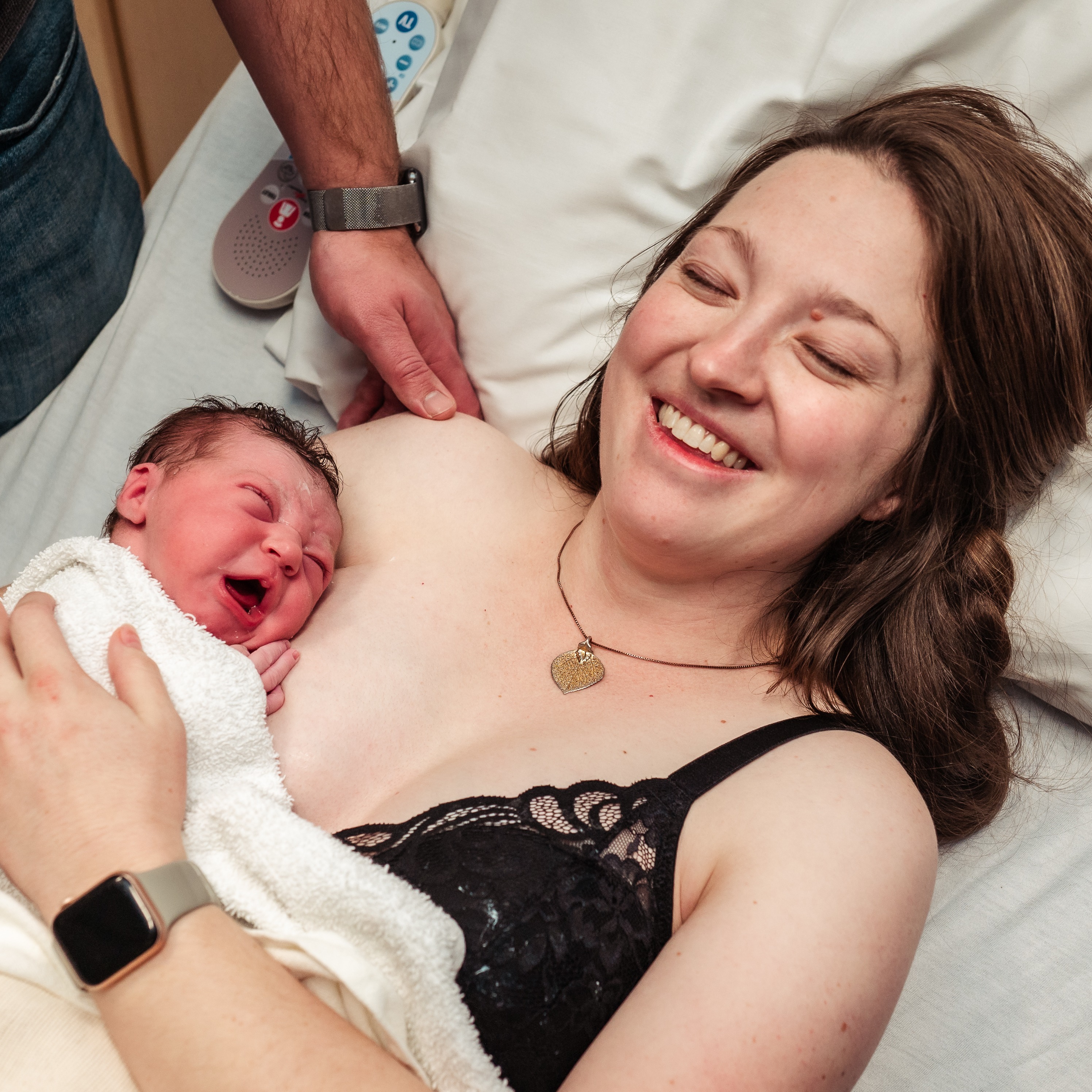
Invalid Date
Episode 237 Morgan's Surprise HBAC + AFI
Today we are joined by a truly amazing woman of strength, Morgan. She recently retired after 25 years of active duty service in the Coast Guard and is a mama to two boys and one girl, each with their own very unique birth stories. Morgan’s first baby was born vaginally. Her second was a lifesaving crash Cesarean. Her third was a surprise HBAC born en caul! The high of this empowering birth carried her through a difficult postbirth hospital experience in which she almost lost her uterus. Meagan and Morgan share facts and insight regarding the amniotic fluid index. Morgan also gives tips on how to have necessary conversations with your provider to advocate for the birth experience you deserve. Additional Links Bridget’s Website (Morgan’s Doula) How to VBAC: The Ultimate Prep Course for Parents The VBAC Link Facebook Community Full Transcript under Episode Details Meagan: Hello, hello. Happy Wednesday, women of strength. We are bringing another story to you. You are listening to The VBAC Link and we have our friend, Morgan, here today sharing her stories. I’m really excited because just before we started recording, we talked about how Morgan said that she is a numbers girl. She’s like, “I love numbers.” It’s something that I love too but never have ever retained as well as Julie did. I’d be like, “Okay, I’m trying to remember. Is it this or that?” and she’d be like, “It’s this.” I remember names and stuff like that and she remembers numbers. That has been something that I have really missed without Julie being here so I’m excited to talk about numbers with you today, Morgan. We’re going to talk specifically maybe about amniotic fluid and percentages and things like that. But yeah. I’m excited to get into some numbers. If you’re looking for some numbers on the chances of VBAC, we’re going to talk about amniotic fluid. What really is a scary number and when do we really need to induce a labor? Stay tuned. Review of the Week Of course, we have a Review of the Week so before I turn the time over to Morgan, we will read Britjl14 . That is their review today. The subject is “Tears of Joy.” It says, “I literally got teary-eyed when I saw that your podcast was coming back. You gave me the courage to have my VBAC after two Cesarean baby, 9 pounds, 15 ounces, in late August. Such an uplifting and informative podcast. I tell everyone who mentions wanting a VBAC to look this up. So excited for more to come.” I love that. You guys, when we decided to bring the podcast back, it was so exciting for us too. So, so exciting. It was so fun to get all of the emails and the messages on Instagram saying, “Ahh! We’ve been waiting!” because we took a 10-month break. A 10-month break. That’s what we needed to do for our personal lives but we are so happy. I am so happy to be back. I definitely miss Julie every time that I’m recording, but I’m really so happy to be back and so honored to be a part of all of these beautiful stories because really, I wish I had this when I was preparing for my VBAC. I really do. I go back. This probably sounds silly because I’m recording the stories and I’m hearing the stories but then every week, I go in and I listen to the stories because I am learning things after recording and hearing them the first time, a second time. I’m learning things about births and certain procedures so it’s always a learning experience even for me who “specializes in VBAC” so it’s really, really fun. So yeah. Thank you so much for your review. Remember, if you have not had a chance to leave us a review, we love them. We always, always read them and add them to our queue to read them on a podcast. Morgan’s Stories Meagan: Okay, Morgan. Hello. Morgan: Hi, hi. Thanks for having me. Meagan: Hi. Thanks for being here. Thanks so much for being here all the way from Alaska. Morgan: Yes, yes. Juneau. Meagan: Awesome. So awesome. Well, I’d love to turn the time over to you to share your story. I guess it was actually your second birth story technically? Morgan: My third. My third, yeah. My second was a C-section. Meagan: Yeah, sorry. That’s what I am talking about, your C-section. Your second birth story, I also want to talk about because it was a very valid Cesarean. Morgan: It was. Yeah. Meagan: I want to talk about that too because we can come across as so negative with Cesarean because it’s a VBAC podcast and we’re sharing a Cesarean story that led to a VBAC but a lot of the times, the Cesareans were negative or unneeded or undesired or unplanned, so sometimes it can come across that we are talking badly about Cesareans but I want to point out today with Morgan’s story especially that it was very, very needed. We are so grateful for Cesareans too. Even though we are a pro-VBAC podcast, we are not anti-doc and anti-Cesarean. That is for sure. I will let you share your story but I just want to talk about that because sometimes I think it can be like, “Wow. This podcast hates Cesareans,” and that’s not the case. That’s not the case at all. Morgan: Yeah, so I have three kids now and my first was a vaginal birth. It was mostly pretty well sought out and went through as expected. I was 41+5 and everything went pretty well. I did have some retained placenta at the end so I had to go back in for a D&C at six weeks postpartum because we hadn’t caught that before. My second pregnancy was a really good pregnancy. I was healthy. I was working. Everything was going as expected except my son, Cooper, was transverse. He would not budge. I tried so many things to have him budge. I was doing Spinning Babies. I went to the chiropractor. I could not find an acupuncturist where I was that I trusted and was ready to go to, but we tried so many things to get him to turn and it wouldn’t work. Toward the end, my doctor and I discussed doing a version. To me, we had discussed the risks of it were having a C-section at the end, but that’s what we were going in and trying to avoid anyways so the risks weren’t bothering me at that point so we did end up trying a version. It worked. It was very exciting, but then he turned back. I was like, “Oh no!” It was devastating. It was so devastating. Meagan: Oh, that would be hard. Morgan: That was one version and he turned back. So the doctor had said, “Man.” She was right with me on my birth plan too. She was there. She was ready to go. She said, “Well, let’s try another one.” I was like, “Okay. Let’s do it.” I went through it. I got through the first one. It was uncomfortable but we did it. So the second one, we tried another one, and sure enough, he turned. We were like, “Yes! We’ve just got to keep him there.” I was standing up all day. I wasn’t going to move. He was going to stay in. He turned back. I felt him turn back. I was like, “Ugh.” A second successful version that then turned back. After that, we were coming up on our due date and I was just so adamant about wanting a vaginal birth at that point that I said, “You know what? Why don’t we try a third version and we’ll just induce right after that? Maybe I won’t get my unmedicated birth but I’ll still have a vaginal delivery,” which for me was important because I wanted to be able to breastfeed without any concerns. So we tried. We tried a third version. It was on my due date. We were in the hospital. We were ready to induce afterward. My doula was on call. We were going to call her in after I started laboring. In the middle of the version, we lost his heartbeat. She had me connected with an ultrasound the whole time. She’s doing the version and there’s a nurse that’s doing the ultrasound and all of a sudden, we had no heartbeat. She said, “Maybe it’s just where we are. Let’s move a little bit and see.” I turned and I moved. We tried to find the heartbeat again and we couldn’t find it. She said, “Just give me a second.” She walked out of the room. I was all the way in the back of the labor and delivery unit at that point. She walked out of the room so calmly. She went into the hallway and yelled, “We need help in here!!!” Meagan: Whoa. Morgan: I was like, “Whoa.” I was not expecting that. What went from calm right in front of me went to a massive emergency in a hallway. All of the nurses descended and the bed got moving. We went into the operating room and it took 20 minutes because I didn’t have an IV or anything connected to me at the time. So 20 minutes later– Meagan: So you were under general anesthesia? They didn’t put you under general? Morgan: They did not. No, I saw it. I saw the whole thing. I mean, they had the cover up but there are so many reflective units and metal everywhere that I could actually see what was happening which was fine. I don’t mind that. But yeah. They pulled him out 20 minutes later. He was not breathing. No breathing, no heartbeat, or anything. They had to do CPR. Meagan: Scary. Morgan: They got him back. The nurses got him back which is just amazing. He was rushed to a NICU at another hospital, the highest level NICU. I think it’s a 4. Meagan: Yeah, mhmm. Morgan: Yeah, so he went to a children’s hospital where there was a massive NICU. He’s good. Friday is his birthday and he’ll be 8. He’s just an amazing little kid. Meagan: So amazing. Morgan: So I’m very, very grateful for that C-section. Meagan: How was that for you? How was recovery for you? Morgan: Recovery was fine. There were no unexpected occurrences. We knew it was going to take a little longer. I knew not to work. The thing that was hard was, well first, breastfeeding because I had so much IV fluid in me. Meagan: I was going to ask. Morgan: Yeah. I got really nervous because I was pumping. He was at a different hospital. After two or three days, I saw my levels go down drastically and I was like, “What is this?” What happened was that the IV fluids had left my system so it was just my natural breastfeeding amount. I was not expecting that drastic change. But once we figured out what that was, that was good. The second thing that was hard was his being in a NICU. Once I was discharged from the hospital, my husband was driving back and forth from the home to the hospital. Luckily we were close enough, but I could only sit. I couldn’t lay in that NICU. I couldn’t lie so there was a little bit of pain there. Once we were ready to get him breastfeeding, we didn’t have a room for us. He was still in the NICU so I was sleeping outside in the guest area, like the waiting room along with other families that were going through things like their kids in cancer and stuff and there was nowhere for the parents to stay so we were all making tents in the waiting room. So that was a little hard for that recovery. Meagan: That is hard. That is really hard. Morgan: Yeah. That part was stressful but once we were all home, it was good. It was good. Meagan: How long was he in the NICU? Morgan: He was there for 11 days. They were worried about brain damage so it was a hypothermic treatment that they put him on. Meagan: Did they put him in a cooler? Morgan: Yep, mhmm. Meagan: Yeah. Well, so grateful that all is well. There must have been something. It’s so hard because my baby kept going breech. My midwife would flip him and then boom, back breech. Flip him, and then boom. Back breech. It was the same thing. I’d feel him and I’m like, “What the heck?” She finally was like, “We have to trust him. There’s a reason. We don’t know why. We don’t understand it, but we have to trust him.” It’s so hard. It’s so hard. Morgan: Yep, yep. Meagan: Because I was like, “If I have to have a third Cesarean because he’s breech, I will be so mad.” But yeah. That’s so hard. Morgan: Right. That’s so true. I think Cooper was telling us, “I’m not supposed to be here if I go this way. Things are going to go bad,” and sure enough, they did. He tried twice but then yeah. Meagan: The third time was too stressful for him. Morgan: It was too stressful. I think possibly that maybe that umbilical cord got bent in a way that no airflow could go through or something. We don’t know. But yeah, thank goodness for that C-section because it brought him back to us. Meagan: Absolutely. Yeah. So then baby number three? Morgan: Yep, baby number three. That was five years later. We’ve had a lot of difficulties with some miscarriages. I didn’t mention before that I’m Active Duty Coast Guard. I also am on the ships all of the time so you have to plan pregnancies around shipboard life. Meagan: Oh my gosh. Morgan: Yeah. There are big time periods between my kids. But baby number three was five years later. I wanted a VBAC from the start. I wanted an unmedicated VBAC. I knew I could do it. After my first pregnancy where I was so close to being unmedicated and my second pregnancy being a C-section, I knew that VBACs were available. I knew that I could do it. I was so adamant about going down that route. With the Coast Guard, you don’t really get to choose. With any military, you don’t really get to choose your provider. Most of the time, we are in a military treatment facility. I was very, very grateful to not be there. I had some negative experiences in both the local MTFs. This was in Washington, D.C. so getting to be with a civilian provider was just amazing to me. I was very happy. We were with the INOVA hospital system at that time. The provider I went to for the first appointment was at 10 weeks. We had a great heartbeat. Everything was going well. I was like, “I’m going to have a VBAC with this child.” He said, “Okay. I am good to go on that.” It was exactly what we were expecting. I would never have expected him to say otherwise at that point. I’m like, “Vaginal birth is clearly the way to go without any sort of condition saying otherwise.” The pregnancy progressed. I guess I should mention that I was 40 at this time. With my second child, Cooper, I was 35 or 36 when I had him so I was in that high-risk stage just for age at that point. So of course, I’m there now at 40 and everything was fine. The pregnancy progressed. Everything was going well. At some point midway through, we were looking at what position the baby was in and she was breech. I was not happy about that and he was like, “It’s okay. It’s okay.” Knowing what happened with Cooper, I was not so thrilled. Meagan: You’re like, “I have some trauma on that.” Morgan: I did, yes. At this point, I didn’t go for a chiropractor but I did learn that there was a wonderful acupuncturist in the area that had wonderful success with turning babies so I went to him. It was a 3-hour session and I actually felt her move in the session. It was just amazing. I couldn’t believe it. It was so cool. I’m like, “I feel her moving.” So she did. She turned a whole 180 at that point. He left us with homework. He called it, “Hot hot sticks” where you burn this incense over your pinky toe. Meagan: Bladder 6, yeah. Morgan: My husband would do it and the acupuncturist said, “You don’t take it away when she says, ‘Hot’, you take it away when she’s like, ‘Hot, hot, hot, hot!’” so that’s why she called it hot hot sticks. Meagan: Hey, I have actually seen that work though. The baby flips with those things. It’s called Bladder 6. It’s really cool. Morgan: We did that. He’s like, “You have to do this every day.” We continued to do it. It was great. I mean, I speak wonders about his service in the D.C. area. So that worked. We go back to the doctor and around 30 weeks, he started saying, “Okay, we need to schedule your C-section.” I was like, “Why? No. We don’t need to schedule a C-section.” He goes, “Well, you had one so we just need to schedule it.” I said, “I’m doing a VBAC. We talked about this.” Meagan: Yeah, remember at 10 weeks? Morgan: Right, right. He said, “Well, just in case.” I was like, “Why can’t we just induce? There are many steps between vaginal delivery and a C-section.” Meagan: Yes. Morgan: And scheduling a C-section I should say, right? So he taught me then, “We don’t induce with VBACs. There’s no Pitocin.” Later on in the story, I found out that that’s not exactly accurate. Some doctors will do it but he wouldn’t. That appointment was leading us down the road of research and starting for me to learn more about how to advocate and how ACOG and obstetricians and gynecologists work in their network and what their risk levels are and how important being able to talk to them in their language was. Meagan: Yeah. Morgan: He said, “We’re going to schedule a C-section for 37 weeks.” Meagan: Whoa. 37 weeks? Morgan: I was floored. Yes. I was like, “This isn’t even a full-term baby. No. No, no, no.” He goes, “Well, this is when they do it. It’s just easier. If you want a VBAC, as long as you go into labor before the C-section then we’re good.” Meagan: 37 weeks?! How rare is it that people go into labor? I mean, it happens. We know this but it’s not very common that the body just spontaneously goes into labor before 37 weeks and then we have a baby going into labor at 37 weeks and we’re concerned because before 37 weeks, we’re not full-term. Interesting. Morgan: Exactly. I was like, “No. No, no, no.” I was so upset after that appointment. I was like, “First off, my body would never go into labor before that.” I mean, sure. I’m speaking in exacts. Meagan: Didn’t you say that your first one was 41+5? Morgan: Right, 41+5 for my first. With my second, I had no contractions. I mean, he was transverse, but I had no contractions before 40 weeks so I was like, “There’s no way my kids are coming early. That’s just proven to be wrong for my body so far.” Meagan: Oh my gosh. Morgan: I left that appointment and I was really frustrated with it. I started doing work. I started doing research on where are the risks, what are the risks, and getting myself familiar with it. I started being in that defensive zone where I was having to prove myself. I found your website. I found your blog. I started listening to every single episode. I mean, it just gave me so much knowledge on where to look and what to look out for and the bait-and-switch that you were calling it. I was like, “This is me! This is what’s happening.” So I did. I researched and defenses were up at that point which is unfortunate because you don’t want to be in a defensive situation. Meagan: It is unfortunate, exactly. It’s so hard because again, we’ve talked about this on the podcast. We don’t want to have to walk in with our arms up and be ready to punch. It’s not what we should be doing. We just want it to be a nice, cohesive relationship where the provider is listening and we are listening to the provider because it’s also important for us to listen to the provider. They did go to medical school for a reason but at the same time, we also have to know that sometimes what those providers are saying is maybe skewed based on their own experience or maybe whatever. I don’t know. We’ve had providers tell people that they have a 30% chance of rupturing after one Cesarean. We have to still be aware that there is more information but we should never feel like we always have to have our wall up and our fists ready. It shouldn’t be like that and it’s unfortunate that sometimes it is. Morgan: Right, right. So after that appointment, I had already known I wanted a doula, but I was adamant about getting a doula with this one as well. I found one and she was amazing. She had been a doula for a VBAC before so she had also pointed me toward research and was ready to help me. She really was. She was awesome through this whole event and the whole birth. Time continued to progress. I remember going and taking my older kids to Chuck E. Cheese one day. They were off doing their thing with all of the arcade games and I’m on my phone. I’m listening to a podcast. I’m scrolling through ACOG research and I’m like, “I don’t want just the bulletin. I want the research behind it.” I’m doing all of this on my phone trying to find it all and I found it. I found what I was looking for. It was not just the risk of a VBAC and the risk of a second C-section. It was, “What happens when a person has already had a vaginal birth?” It’s a conditional probability, right? I’m a numbers person. I had already had a vaginal birth. Then it looks up, “What are those risks for a person to have a VBAC and a person to have a C-section?” When a person had already had a vaginal birth, the risks for a uterine rupture and the risk for mortality were actually so far below what the normal risk levels were. They were actually below your first birth. So if you’re a first-time mom and you’re having a first-time vaginal birth and you still have the mortality risk and you still have the uterine risk, my risk was lower than that because I already had a successful vaginal birth. Those were the risk levels he was working on. I was using his research and I was like, “No, no, no. You can’t tell me my risk levels are extraordinarily high when your own research that you are following tells me that I’m actually safer. I’m in a less risky stance now than when I had my first child.” I was even more adamant at that point to go towards a VBAC. I told him, “I will not have a C-section at 37 weeks.” I think it was your podcast that helped me advocate for myself in terms of standing up to a doctor. I have advocated in many other situations like law enforcement, school, or whatever but doctors were a whole new ballgame for me. To be able to say, “This is my right and this is my voice and I get to make this decision,” was a little intimidating before. Meagan: Oh absolutely. Morgan: I learned how to do it. So over the course of 3 or 4 weekly appointments at that point, I had rescheduled and rescheduled and rescheduled until finally, I got him to 41 weeks for a C-section. That was with the threat of going to another provider who I did go see on my own who was willing to induce with a mild amount of Pitocin, was willing to wait until 41+4 for a C-section, and was just on board with the concept. I had gone to see them and the unfortunate part was that they were not in the network so while I could pay a little bit of that bill, I couldn’t pay the what-if part of it. Like what if things go bad and I have to be in the hospital? All of that wouldn’t have been covered. Meagan: Which is so hard. Morgan: That would have been tens of thousands. Meagan: That’s so hard when we are restricted by insurance. Morgan: Yes and I was. Tricare is very restrictive. You don’t get to go choose another doctor just because you don’t like this one on Tricare Prime. You are stuck and I was. I went back to him and said, “I don’t want to be here right now but I can’t be anywhere else. I can walk into an emergency room and have a birth that way.” I was totally fine with doing that so I told him, “This is where I am. I am not happy with your care for me right now. I don’t think that you’re listening to me. I’ve seen another provider that tells me that this is possible and I also know that there is a wonderfully VBAC-friendly hospital in Washington D.C. I will easily drive past yours to go to that emergency room if I need to,” because that’s where I was bound within our insurance needs. He listened. He listened then and he said, “Okay.” So that’s where 41 weeks came. He did, though, say, “I’m not going to give you Pitocin.” I did learn that was his decision. He felt that– Meagan: You have to respect that is his opinion. Yeah. Morgan: Right. He gets to determine what is safe in his mind and he thought a C-section was safe. He did not think that Pitocin was safe. I was like, “Fine. That’s fine.” So we waited. We waited until 41 weeks for a C-section. Through that time period, I continued with the monitoring appointments that they want high-risk women to do. So two times weekly, I was going to the hospital. Not his appointment area, but the hospital where they had a clinic. Meagan: The non-stress tests and stuff? Morgan: Yes. All the non-stress tests. It was the non-stress tests where you have 20 minutes of checking the heartbeat and then always an ultrasound as well where they were checking the amniotic fluid levels. After all of these things got done, it took about an hour and I would meet with the doctor who would go over the information with me. That was one-on-one time. I think there were three or four doctors there doing all of the work. I ended up getting to see this one doctor pretty regularly. She was great at answering my questions so I asked her all of the time, “Where are your numbers for amniotic fluid? You are telling me I have an amniotic fluid level. In my world of work with the Coast Guard, then that means there is a risk level if it goes too high or too low so I want to know where your levels are. If you’re giving me a number on amniotic fluid, what’s the high level and what’s the low level?” They told me. They said that the low level was 5.5. I have no idea what the measures of unit are but I know 5.5. I kept going and kept going. Everything was always perfect. On Friday around 40 weeks, she was starting to get worried about a VBAC. This is again a different doctor. At that point, I had already gotten my membranes stripped once. I was dilated to 1 and I was still up a little higher. So there was no movement. There were no contractions, nothing but everything was still fine. All of the levels were still fine. On that Friday, my amniotic fluid was a 9 so it had dropped, I think, by 2. It was 11 that week and by Friday it was a 9. I had been busy but it was still above the 5.5. Everything was fine. She said, “We should admit you.” I said, “What are you going to do if you admit me?” They couldn’t answer me. Meagan: Because they’re not willing to give you Pitocin so they’re not willing to induce your labor. So what is admitting going to do I guess other than signing up for the Cesarean at that point? Morgan: Right, right. So I was like, “Are you just going to let me sit in a room for days on end until I go into labor naturally?” Meagan: Yeah. Morgan: Is there a time limit for that? She couldn’t answer those questions. So I said, “You know, I’m okay. I’m going to go home.” So we went. We agreed that I would come back on Monday. I would do a lot of drinking water and Gatorade and I would come back in on Monday and see if that changed my amniotic fluid level. So I did. I came back in first thing on Monday and again, everything was fine in terms of how they had prescribed the numbers to me ahead of time. So fetal kick counts, fine. Baby’s heartbeat, fine. The non-stress test and everything there was fine. The amniotic fluid level was at a 7. It had gone back down a little bit further but it was still above the 5.5. At this point, she called in the on-call doctor for my provider’s group which was another female and we said, “Let’s just do another check right here to see if I’m dilated any further.” I was okay with that. So she did. I hadn’t dilated any further but the baby had dropped some at that point. I was happy with that because the baby needs to drop first before you start dilating. That helps it. Meagan: Yep. Morgan: But they didn’t see that as anything. They were only looking at dilation. I said, “I’m good. I don’t feel like I need to be here. Everything is fine.” They said, “Well, you haven’t started dilating further.” I’m like, “Well, it’s not like you dilate 10 centimeters over the course of 10 weeks. That’s not how it works.” Meagan: Nope. Nope. Dilating needs some contractions a lot of the time too. Morgan: Right, right. We’re having this weird conversation where they’re telling me that I’m in trouble and I’m just not seeing it. There’s no urgency in their voice. There’s no actual concern in any of the testing that was happening and again, I’m asking again, “Well, what are you going to do if you admit me today?” They again can’t tell me an answer. So I said, “I’m going to go make a call.” I called my doula and we had a long conversation. At that point, we really thought, “If I had to go back again on Tuesday or Wednesday, it was just going to get worse with them urging me and urging me and how much stress did I want to add on for them to do that?” We were getting close to that 41-week C-section date at that point. So even doing all of the things, right? All of the induction things that you do. You’re pumping and you’re doing the red raspberry leaf tea– Meagan: Walking, yes. Morgan: All of the walking, everything. Nothing had changed, right? I went back to the doctor and I said, “I’m not going to be admitted today. I am going to go home.” We went home and we went to our last resort of induction which was taking the Cytotec, that weird horrible tasting stuff. Meagan: Castor oil? Morgan: Castor oil. Taking castor oil. Cytotec is that horrible drug that induces miscarriage. It was castor oil. So I did two tablespoons of castor oil in a milkshake. It was Ben and Jerry’s peanut butter. I wanted a really strong, intense taste to get rid of the castor oil taste. I told my doctor ahead of time that I was probably going to do that. I wasn’t trying to hide it. Meagan: Yeah, you weren’t sneaking around. Morgan: I did it. That was what I had for dinner that night at 6:30 and at 10:30, I had to go to the bathroom. At 11:30, contractions started. We were home and the kids– both boys were in bed at that point. We were just in labor. I went to the bathroom a few times. At some point, I said, “I really want to be in the bath,” so I went to the bath. I had a nice warm bath and I stayed in the bathtub probably for 45 minutes or so. Then I said, “I need to go to the bathroom again,” and that was when it probably felt like starting to push at that point but we weren’t sure if it was still the remnants of castor oil or if it was literally pushing. Our doula had said, “You’ll probably feel the castor oil effects for that first hour of labor.” We were still in that first hour so I was like, “Okay. Okay.” But Dave, bless him. He saw a change in me that I didn’t see. He saw me get into a more determined working mode in my face. He called my doula and he called my sister. He got everybody in motion. My sister was going to come to watch the boys so that we could get to the hospital when the contractions were around five minutes. My first vaginal birth was 14 hours so that’s what I was expecting. I thought it would be somewhere around 12 hours or so for this one. By the time my doula got there 30 minutes later, I was crawling on the floor. She said, “Let’s just see how you’re doing.” I must have looked like the devil because I said, “We’re going to the hospital,” while I’m crawling. Then I had a contraction while she was right there and she was like, “Whoa. You’re pushing, Morgan.” Meagan: Whoa. Morgan: “We need to go to the hospital. You’re right.” I was like, “Okay, okay. Let’s go.” That was one contraction. In between that next contraction, we got dressed. That contraction happened and then the next one. These are about two to three minutes apart at this point. Meagan: Really close, yeah. Morgan: I’m crawling to the end of my bedroom. I had another contraction at the top of the stairs. After that one was done, I walked down my flight of stairs and I got to the front door. I had another contraction and by then, my doula Bridget said, “You’re not going to make it to the hospital. We have to have this baby here.” “Okay.” Meagan: Oh my gosh. Morgan: Yeah. Dave calls 9-1-1. Fairfax County has an amazing fire system set up so we were expecting them within seconds. They did. They probably got there five minutes later from our call. Meagan: Wow. that’s fantastic. Morgan: They’re really fast but I had already had the baby by then. Meagan: Oh no way! Morgan: Yeah. He was out looking for them to show up and I had the baby one contraction later. Meagan: Oh my gosh. Morgan: Kori comes out. Meagan: So he missed the birth. Morgan: He did. He was outside getting the ambulance and firetruck to come. So Bridget was in there and she’s like, “Morgan, you’re baby’s coming. Catch your baby.” I was like, “Oh.” So I reached down and I was on my hands and knees. I reached down and caught her. She was still fully inside the amniotic sac. Meagan: She was born en caul? Morgan: Yeah. Meagan: Oh, so cool! Morgan: Yeah. There was no water rupturing or anything so she was fully inside her sac. Bridget had said, that’s the doula. She said, “She’s inside your amniotic sac. You need to open that up.” So I remember opening it up and having the water come out around her and fall to the floor. We had gotten some towels down. Then she screams and I just bring her up onto my chest and hold her. She’s bright and pink and everything is fine. I felt wonderful. Meagan: I bet. Morgan: It was such a great experience. There was no scariness to it. I wasn’t worried about being at home. I felt really in control of the entire process. I knew what was happening. I knew my body was working the way it was supposed to work so I wasn’t worried about the pain. There was a lot of pain but it wasn’t like pain. It wasn’t like someone was pinching me. It was intentional work. It really honed me in on what was happening and it was just amazing. I loved every minute of it. I’m holding her on my chest and two minutes later, nine big firemen come running over. I’m naked. I’m naked. I’m breastfeeding because I had taken off my bra at that point. I’m breastfeeding. I’m just sitting there against the coat closet. Meagan: And your husband was probably like, “Uhhh.” Morgan: Dave is right there. He’s right next to me at that point. It has to be nine or so. It was definitely a full firetruck and an ambulance and it was all men. They all walk in and I was mortified. I was like, “Oh my god.” Everything about my toned, intact, powerful, and in-control birth just went out the window. They got me a blanket so I covered up and they were ready to cut the cord. I said, “Let’s just hold. Let’s just hold off for a minute,” and they did. They let me hold off on cutting the cord. Meagan: Beautiful. Morgan: We let all of the blood drain out. I breastfed. I made sure we got that in and then eventually again, Bridget was so good because she kept a really good awareness of everything that was happening in the situation. She said, “You know, you haven’t delivered the placenta yet so we need to go to the hospital.” I was like, “Oh, right.” In the big transition, I had lost my big, powerful, intact mode of doing what I knew I needed to do and I switched to covering up my body and all of that. I wasn’t in the zone. Meagan: Yeah, which is kind of telling if you think about it. When you’re vulnerable like that, you’re like, “I forget that I have this other part of birth that I need to take care of,” because you’re just so protective of yourself. Morgan: Right. Right, yep. So we walked out to the ambulance and I did. I walked out to the ambulance holding her and we got there. We had a 20-minute ride. At some point in that ride, I thought I needed to get the placenta out but I couldn’t. I was by myself. I didn’t know these people. I felt too vulnerable to be able to do it there. Meagan: You didn’t feel safe, yeah. Morgan: We get to the hospital and the ER decides that they don’t need me. I’m not an emergency at this point so they take me up to labor and delivery. The doctor that I had seen earlier, the day before because it was a 24-hour shift, she’s the one that was still on call. She said, “Okay, well we have to get the placenta out.” She was doing this in a very rushed, not pleasant way. She was upset with me because I didn’t listen to her earlier and now I’m coming in on an ambulance. I could tell that she was mad. She said, “We can do this here or we can do it in surgery.” I said, “Well, let’s do it here. I don’t need to go into surgery if I don’t need to. You can give me an IV, put a little Pitocin in me and let’s go. I know that’s how you do that to get the placenta out.” At this point, there’s no issue with uterine rupture because the baby is already out so Pitocin should be fine. But that is not what happened. I said, “Yeah, we’ll do it here.” The next thing you know, she sticks her entire hand all the way into my uterus. I am in so much pain and she rips out the placenta and with it, she ripped open my uterus. Meagan: *Gasps* Morgan: I screamed. It hurt so much. I handed Kori, who is my little girl, over to Dave at that point. Bridget was just floored. She tells me this afterward because I passed out. Meagan: I’m sure you were in shock. Morgan: I must have been. She went over and went out of the room and yelled to get help even though the doctor was in there. There was another doctor that was nearby. It was the anesthesiologist who came in. She said, “No, no, no. We’re not doing this here. We’re going into surgery.” My doula took a picture of my blood pressure or my heart, whatever it is. The blood pressure monitor at the time. I was at 50/20. Meagan: I’m sure your heart rate was through the roof. Morgan: Yeah. It must have been. Meagan: You were in shock. Morgan: It was bad. They took me back to surgery and I did come back when I was in surgery. I remember feeling pain like they were moving my legs all around. I was telling them, “You’re hurting me. You’re hurting me. Get me under. You’re hurting me.” I had five D&Cs at this point in my life so I knew what they were supposed to feel like which is easy. They’re not supposed to hurt at all. I was supposed to be under and I wasn’t. I was telling them, “You’re hurting me.” I remember that it was either the anesthesiologist or the nurse. I couldn’t see who was next to me, but they were saying, “She’s not under. Stop. She’s not under.” So finally, I did get under and I had to have a big blood transfusion because of all of the blood loss that I had. Meagan: Blood loss because of your uterus, yeah. Morgan: They stitched me up– Meagan: Stitched your uterus? Morgan: Yep. Whatever they had to do. I don’t even know what they did but I still have my uterus. It’s still in there. Meagan: Which is great. Morgan: Yes. Yeah. They fixed whatever they needed to fix. That same doctor fixed whatever they needed to fix. I went to recovery. I woke up maybe four or five hours later and it was my doctor that was on call by then. He had said, “You’re lucky you still have your uterus.” I was like, “Well, I shouldn’t have been in that situation to begin with.” I definitely shouldn’t have had a hand go into me the way that it did. 18 hours later, I walked out of that hospital. I went home. I was discharged. I felt fine. The blood transfusion worked wonders. Meagan: Yeah. I’m sure it made you feel better. Morgan: Yeah, and now two years later, I’m allowed to donate blood too so I do regularly because of that. I did before but now I totally recognize that need and do it. But I look back at my birth story and I think about the home birth. I don’t really think about what happened at the hospital too much but I do think about how amazing that home birth was and how wonderful it was to have the people near me that were fully a team. Everyone that was there was there for me and it was an amazing team. It was just an amazing birth. I loved it. I knew I could do that. I knew I could do an unmedicated, vaginal birth and I did. Man, it was awesome. Meagan: An unmediated, vaginal birth en caul too! Morgan: Yeah, yeah. Meagan: Oh man. That is so amazing. What you said, you hold onto the home birth. You hold onto that experience. I think sometimes we have to hold onto those experiences. I had kind of a really wonky experience. I don’t know if I’ve talked much about it. I need to do an episode and talk about my postpartum but after I had my son, my VBAC, my body went into some weird shock too and I kept passing out actually. We don’t really know to this day. I didn’t bleed externally or internally. We don’t really know what happened and it’s been really frustrating to me to know that and it’s there. It’s in my mind just like this hospital experience. Obviously, this insane uterine/placenta issue that shouldn’t have happened like you said is in your mind but then you’re holding on to this over there and that’s what I do. I hold onto my VBAC because I do still wonder what happened or whatever. You’re like, “Yeah, it shouldn’t have happened in the first place, but I’m holding onto this HBAC technically.” It was an unplanned HBAC. That is sometimes where we have to go. We just have to hold onto the good. We have to hold onto the good because there is so much good that outweighs potentially the bad. Morgan: Right, right. Meagan: Yeah. Yeah. Congratulations. Congratulations. Morgan: Thank you. Meagan: I’m sorry that your husband missed it. Morgan: I know. He did. He walked in right afterward and then my sister came right after the firemen to watch the kids. I mean, it all worked out. It was great. Even the boys got to see her before we went to the hospital. My older son, Zach, was just wonderful. He came over and just connected with her right away. Cooper who was five at the time was like, “Oh, firetrucks!” Meagan: Firetrucks! That’s cool! Morgan: He’s like, “Awesome! Firetrucks. Can I go back to bed?” I was like, “Yep.” It was neat. It was perfect. It was the perfect home birth even as unexpected as it was. It was wonderful. Meagan: Yeah. Yeah. Oh, well congratulations. Congratulations. Morgan: Thank you. Meagan: Yeah. Let’s talk a little bit about AFI which is the amniotic fluid because you were getting into this space of, “Oh, they’re getting concerned. Oh, let’s admit you. You’re at a 9.” I think you were at a 7 maybe when they were like, “Oh, let’s admit you.” Morgan: They started at 9 on the first day. It was like, “You’re at 9. Let’s admit you.” Meagan: Yeah. Yeah, okay. Morgan: I said, “No.” Meagan: I’m glad my memory is not too far off. Morgan: You’ve got it. Meagan: But yes. Let’s talk about that because something that can happen and it doesn’t always happen but it can happen when we’re doing non-stress tests or things like this very commonly in the end is that they’re paying attention to this AFI. Sometimes that is one of the factors that pushes people to being induced. Not push reluctantly, but it’s the ticket for induction for a lot of providers so let’s talk about it. You love numbers and you talk about 5.5. A lot of providers will even say 5-25. 25 is high so after 25, we’re looking at high fluid which is also another concern for providers if we have too much fluid. But after 24 weeks of pregnancy, it’s most common for them to measure an AFI. They usually don’t pay attention to it before 24 weeks but they sometimes do after. It is normal for it to be anywhere from 5-25. The question is, okay. Say you’re at 6. Say you’re at 7. What do we do? Do we have to induce? No, we don’t. You are proof of that. We do not have to induce. What can we do to help with amniotic fluid? Are there other ways? You mentioned drinking Gatorade and water. Definitely increasing your fluid can make a huge difference. We’ve had a client go in and she was actually at 6, just above 5. She was like, “I just want to go home tonight. I’ll come back tomorrow. Obviously, I’ll come back in if baby’s not very active or anything like that.” She went home and she drank magnesium, like Mag-calm, and a lot of fluids. She went back in and it had gone up. It was just above 7 so not a ton, but it had gone up. They were like, “Oh, okay.” She was like, “I feel good about this.” She kept doing that. She kept going in for non-stress tests and fluid checks. Fortunately, it continued to stay just fine. Then sometimes it doesn’t and we don’t know exactly why, but hydration is super helpful for upping amniotic fluid levels. Salt can help us retain that a little bit. But yeah. And then getting actual IV fluids. Did they ever offer for you to get IV fluids or anything like that? Morgan: No. Wouldn’t that have been helpful? Huh. Yeah, they didn’t. I didn’t even think about it. You’re right. That would have been really helpful. Meagan: Yeah, so sometimes when we’re ingesting through our mouth, we don’t retain the fluid as much but sometimes via IV, we can and it can be really helpful if we’re dehydrated. I’ve been dehydrated before and I’m drinking, I’m drinking, and I’m drinking but it’s not seeming to help then I’ve gotten into Instacare and gotten an IV and it was boom. Night and day, it felt so much better. That can really improve by getting an IV fluid. So you can be like, “Hey, I want to get an IV fluid. I want to get some fluids.” Sometimes, low amniotic fluid can be caused by underlying conditions like high blood pressure or maybe if they’re a diabetic patient. I actually don’t know exactly if gestational diabetes can affect it but I would assume probably. Treating these and checking in with blood sugars and making sure our blood pressure is good can also help our fluid levels and our hydration just by checking in and making sure there aren’t any preexisting things. Then if we have moms that are dropping dramatically by 5 points or whatever, that could be something where we just do bed rest. We just chill. Just don’t do anything to exert our body. And then of course except for eating and going to the bathroom, showering, and taking care of ourselves, we aren’t out and about going to Chuck E. Cheese but that doesn’t mean going to Chuck E. Cheese lowers your amniotic fluid, I’m just saying we are literally doing nothing. That can sometimes help increase amniotic fluid as well and of course, stay hydrated. Then diet. Diet. Getting more lean protein and whole grains and really fresh fruits and vegetables can also– there’s not a ton of really heavy evidence within this but there is some evidence that shows it can impact your amniotic fluids which is kind of crazy. You’re like, “Oh, food.” But hydration and stuff come through food and it gives back to our body. So anyway, there are others out there and everything but those are some tips on how to raise amniotic fluid and help. Like you said, you felt very comfortable, very comfortable where you were at. Morgan: I did. Meagan: Yes. That’s still another leading factor. We always have to check in with our gut. Always, always, always. Morgan says, “Okay. I’m feeling good about this. I’ve done the research. I know the numbers. I’m a numbers gal. I feel good. I feel good about this.” Look what happens, right? But it is hard. I would love to know any opinion that you have or anything that you would like to share because it is really hard. You spoke about it earlier. Having that conversation and where your research started and learning how to advocate for yourself which you did very much so. I mean, it would have been very easy for you to schedule a Cesarean at 37 weeks or it would have been really easy for you to schedule a Cesarean at 39 or 40. But any tips that you have for our listeners to really, truly advocate for themselves? Again, we talked about how we don’t want to go in with our punching gloves. We don’t want to be punching and be combative back and forth but we want to have that really healthy relationship saying, “This is what your practice of obstetricians and gynecologists says. Let’s talk about this. Let’s have this conversation.” Morgan: Yeah. It was a hard conversation. I would say it was not one that ended in one appointment. That actually made it hard too because you’ve got a 30-minute appointment and you have to stop this conversation and start it a week or two weeks later. But every time, I really thought ahead of time. It was not a spur-of-the-moment discussion point for me. It was one that was planned. I wrote down exactly what I wanted to discuss beforehand so that we could really have that conversation and we could get through it in the amount of time that he had available. I do want to still be respectful and respect his schedule. I want to respect the other women that are there that need care as well. I also wanted to hear from him on why he wouldn’t do Pitocin, why he was worried about wanting to be so far in front of 40 weeks, or not wanting to go past 41 weeks. I got the answers to those things. Some of them I agreed with and some of them I didn’t, but really these decisions on pushing the C-section date back to 41 weeks, he ended up being okay with after all of the discussion and me saying, “Look, I don’t care about scheduling. I don’t care if it’s first thing in the morning. You’re assuming that I want to get in on the schedule at 8:00 AM but I don’t. I don’t care about that. If it has to be 3:00 in the afternoon, whatever. I want it to be at 41 weeks. That’s more important to me than an 8:00 AM scheduling of stuff.” I did go to the other doctor and get a second opinion but I had to pay that $300 for that appointment. Meagan: To do that, yeah. Morgan: Right, right. Meagan: I love that you mention how it’s so easy on both parties, on the birthing parents' side and the provider’s side to just assume, “You don’t want to fast all day because when you have a scheduled Cesarean, you have to fast so you want an 8:00 AM Cesarean, don’t you?” But it’s so important to say what you mean and where you’re at so there is no assuming. They know. They know where you’re at. Morgan: Right. Right. Meagan: I mean the same thing with providers. I encourage them to not just assume that the patient wants something but also talk about where they’re at. Like you said, you could have that conversation and be like, “I can see that. I can see that 100%. This is where I’m at,” and then you guys can have that meeting ground. It’s so important. It’s really hard, you guys. It’s really, really hard when you are in that space because we don’t want to go against a medical provider. We don’t want to fight. We don’t want to say, “You’re wrong.” That’s just not the position we ever want to be in but if there’s something that’s deeply in your gut and you’re like, “No. This is not what I’ve found out,” or “No. This is not what I’m okay with,” then have that conversation. I encourage you to have that conversation because that is going to better your relationship with your provider. Morgan: Yeah, absolutely. Meagan: Well, thank you so much. Morgan: Thank you. Meagan: Thank you so much for being here with us and sharing your beautiful story. I’m sorry that happened at the hospital but I’m so glad that you were able to leave pretty quickly and get back to your family at home. Morgan: Yeah, me too. I did not like that. But when I look at everything that happened, it was a wonderful story. I got my baby girl. Our family is complete and I’m just in awe of what a woman’s body can do. Meagan: Yeah. Absolutely. We are true women of strength. Morgan: Absolutely. Meagan: No matter how we birth, we are women of strength. I full-on believe that. Thank you so much and have a wonderful day. Morgan: Thank you. You too. Closing Would you like to be a guest on the podcast? Tell us about your experience at thevbaclink.com/share. For more information on all things VBAC including online and in-person VBAC classes, The VBAC Link blog, and Meagan’s bio, head over to thevbaclink.com . Congratulations on starting your journey of learning and discovery with The VBAC Link. Support this podcast at — https://redcircle.com/the-vbac-link/donations Advertising Inquiries: https://redcircle.com/brands
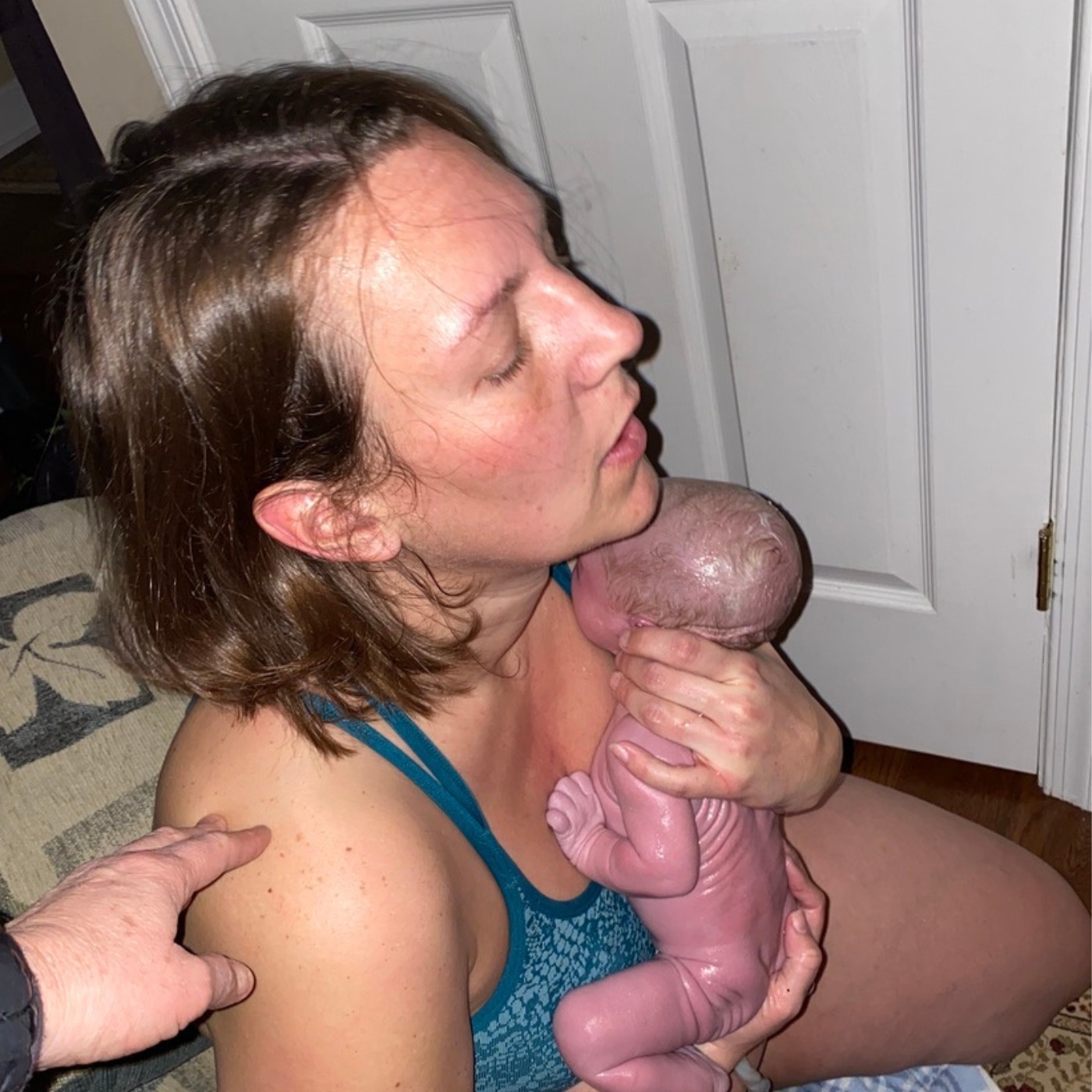
Invalid Date
Episode 236 Carlise's VBAC + Signing an AMA
When the empowering VBAC experience she envisioned took a hostile and combative turn, Carlise knew she needed to change birth locations immediately. Though signing an AMA was not something she thought she would ever have to do, Carlise found the strength to fight for the birth she deserved. Her thorough research and supportive husband and doula gave her the confidence to not tolerate a doctor’s inappropriate behavior. Meagan shares the pros and cons regarding AMA forms to help you feel educated if you find yourself in a situation similar to Carlise. While it was extremely difficult, leaving that first hospital during labor was ultimately what allowed Carlise to have her beautiful, unmedicated VBAC! Additional Links Carlise’s Instagram AMA Article How to VBAC: The Ultimate Prep Course for Parents The VBAC Link Facebook Community Full Transcript under Episode Details Meagan: Hello, hello. You are listening to The VBAC Link and we have another story for you today. We have our friend Carlise and she is from all over the place but she is in Texas currently. This is where you had your VBAC. In Texas? Carlise: Yeah, so both of my pregnancies have been here in El Paso, Texas. Meagan: Perfect. She had a VBAC in Texas and she had a wild journey kind of similar to a month or two ago, I want to say maybe it was Morgan where she had to sign an AMA and leave while in active labor. We are going to talk a little bit about AMAs today as well in addition to her VBAC because it’s something that we don’t talk about a ton. If you don’t know what AMA is, it’s against medical advice. That is a form that we would have to sign to pretty much say that we are leaving against medical advice but sometimes we are put in situations– and I’ll share a story that I’ve been to as a doula– where we feel that we have to sign these AMAs. Review of the Week In this situation, you signed the AMA and went on to another hospital and had a VBAC and a different experience. So we’ll talk a little bit about AMAs but first, we have a Review of the Week as always. Just a reminder, if you haven’t left a review, we would love your review. You can leave it on Apple Podcasts or on Google. You can just search for The VBAC Link on Google. You can email us at info@thevbaclink.com or wherever you listen to your podcasts. We love your reviews. This is from runnervt . It says, “This podcast helped me get my VBAC.” It says, “I started listening to The VBAC Link to process my Cesarean due to breech presentation. It helped so much to hear women put into words all that I had thought and felt. Then I listened to it in preparation for my VBAC. Today, 8/7/22 and there were times I thought that my VBAC was slipping away but I was able to be prepared and get a little lucky and pushed out my 9-pound baby in 48 minutes with no tearing!” It says, “Thank you so much. Talk about the feeling of being superhuman. Thank you so much, Julie and Meagan.” I love that, superhuman. You are all superhumans. Birth is just so wild. Wouldn’t you agree, Carlise? It is such a crazy experience but it is so amazing. It is so beautiful. It is crazy to think about how different births can be. Carlise: 100%. It’s crazy. Meagan: Between one baby to another or say you have five babies and you’re like, “Yeah, this has been the same.” I have a friend who has had her 5th baby. She was like, “Okay. I have had easy peasy births” and all of these things, and her 5th baby was a Cesarean. She was like, “That came out of left field.” It was a whole crazy thing. She was really sick and baby was really tangled in her cord. But yeah. It’s wild. It’s wild to think just how the unexpected can happen so I think it’s so important to listen to stories just like the one that we are going to be sharing today and all of the stories on the podcast so you can get a better grasp and understanding of childbirth, how it looks, the interventions, and all of the things that can happen in childbirth. Sometimes it’s really hard to listen to those Cesarean stories for sure because you’re not wanting another Cesarean or if you’re a first-time mom listening to the podcast which we do have first-time parents listening to the podcast, it’s hard to want to listen to those because it’s not what you’re preparing for or it’s not what you think would ever happen but like 90% of us on this podcast, we didn’t think a Cesarean would happen either so it’s so, so, so important for us to learn all of the ways birth can come at us. We are going to get to your story but I would love to know if you have anything that you would like to add in the beginning of advice to the parents listening. Carlise: I think just doing as much research as you can possibly do and know that you may have some pushback in getting your VBAC or the birth that you want in general. But be confident in that research and also share that with your spouse or your support. Let them know, “Hey, this can happen or these are choices that we might have to make,” so that everybody’s educated and everybody goes in the room knowing what can happen because anything can prep for all of it but you’ve got it and it’ll be fine. Meagan: Yeah. Yep. I love it. Carlise’s Stories Meagan: Okay. Well, we are going to get into this story but first, I just want to quickly introduce you a little bit more. We talked about how you are in Texas but you are from a small town in Missouri where you met your husband right after high school which is so awesome. You have been married for six years. You’ve lived in Alabama, Germany, and now Texas. You are a stay-at-home-mama providing stability for your girls. You have the two girls. What are their ages? Carlise: My oldest daughter is two and we just had Amelia last month so they are almost exactly two years apart. Meagan: Two years apart. That is so awesome. Your husband is an Active Duty Pilot? Carlise: Yes. He flies Apaches. Meagan: Yes. That’s so awesome. That’s really, really cool. I am so grateful to you for being with us today and I would love to turn the time over to you to share your VBAC story. Carlise: All right. My first pregnancy was super uncomplicated. There weren’t any issues throughout the entire time. We actually got pregnant in Germany and then when we were PCSing or moving back to the States, I was 17 weeks. We didn’t have any issues. Then we got to about 34 weeks and baby was breech. They were like, “No, no. It’s good. It’s good. Baby can flip, whatever.” I’m over here planning my vaginal birth, no problem. I have all this research done and then 35 weeks, still breech. 36 weeks, yep. Still breech. They gave me all of the things. ECV, moxibustion, Spinning Babies, and chiropractic care, but it was right in the middle of COVID so I couldn’t do chiropractic care. I couldn’t do acupuncture. I tried all of the things but she just wanted to be like a little taco. She was my little frank breech baby. We scheduled a C-section for 40 weeks. She wanted to come at 38+4 so we had gone in because I had a very, very slow leak. It was slow enough to where I was like, “Okay. Is this my water? Is it not my water?” Yeah. Sure enough. So when we got in, we had to wait a few hours because I had eaten that morning. We had a pretty uncomplicated C-section. The spinal took multiple different tries so that was horrible. The drain was at my collarbone so I didn’t get skin-to-skin after. All of the medication just made me super foggy and I straight up don’t remember the first two hours of my daughter’s life. I don’t remember latching her for the first time. It’s still really rough because that’s not the experience I wanted at all. Meagan: Right. Carlise: So when I got pregnant again 14 months later, honestly I walked into it a little naive because when I had done my research for my first pregnancy, I knew I wanted that vaginal birth. I had seen information on VBAC a lot actually when I was doing some of my research. I just kept seeing that it was a good thing. It was recommended by ACOG or whatever so I just thought that that was normal. Meagan: You didn’t even question it. You’re like, “Okay, great.” Carlise: I didn’t even think about it. When I was trying to make my appointment on post because we have Tricare Prime and you have to be seen on post. They were like, “Yeah, no. We can’t get you in until you’re 17 weeks pregnant.” I was like, “No. That’s not going to work.” They pushed me into the network off post and that’s actually kind of what I wanted but little did I know, the military hospital is the most VBAC friendly. I didn’t know that at the time. I had chosen an OB that everybody was like, “He’s great. He’s so good.” I was like, “Awesome.” At my first appointment with him, he sounded so supportive. He was like, “Yeah. You sound like a really good candidate.” He looked at my OP report. I was feeling really good about it. Then every consecutive appointment with him, I think I had three legit appointments, he just kept saying, “C-section this. C-section that. Whenever you want to schedule a C-section–” and I’m like, “Yeah. I have a sneaking suspicion that this is going to be a bait and switch here.” Meagan: Which is a terrible feeling. It’s not a fun feeling when you’re like, “Why is everything switching?” Carlise: Especially when he sounded so supportive, it was so disappointing, and then having to switch at 20 weeks, you’re like, “Okay, great.” Then, the anatomy scan that he did was literally less than five minutes. We both know that is not an anatomy scan. He pointed out major features. He didn’t look at the spine. He didn’t look at the heart. He didn’t look at any of these things. I was just feeling so uncomfortable with my care so I was like, “Yeah, no. I think I’m going to be done.” I was interviewing doulas and my doula had asked where this doctor delivered. I told her. The two hospitals that he delivers at have the highest rate of C-sections in the area as well as really, really bad reputations for episiotomies. Hearing her stories from being a doula at those hospitals was not great. I was like, “Okay, yeah. No, I’m going to switch now.” I talked to her about where she recommended and she’s like, “Honestly, on post. If you can get back on post, that’s going to be the most recommended but if you can’t,” which I wasn’t able to, the university hospital was going to be the second best place to get the VBAC. I switched my care. My pregnancy was super uncomplicated again. At the university, I never saw the same doctor which I really didn’t want but I was just like, “Whatever. I’m going to do this whether or not I have a supportive provider, so it’s good. You’re just here to give me prenatal care.” They were definitely more tolerant than fully supportive. They kept saying at every single appointment, “You’re going to get an epidural, right? You’re going to get an epidural.” I was like, “No.” They’re like, “Okay, well it’s just in case.” I hear that a lot. But no, I’m planning on going unmedicated. They just kind of left it. Then we got to about 38 weeks and my doula had called me. She’s like, “Hey, I just had a horrible experience at UMC. The nurses were really pushing back at everything that this first-time mom had wanted.” They didn’t treat her well and it just sounded super, super iffy. She’s like, “We can obviously still go. I just want you to be prepared that it might be something that we could encounter.” The whole time, I was like, “I just want to go to the military hospital.” I had my daughter there. I was really comfortable with the staff. I really liked their care. So I was like, “You know what? We’re just going to go to the military hospital in labor.” She was like, “Okay, cool. Sounds good.” So that’s what we ended up trying. One day before 40 weeks, I went into labor super early in the morning. It was 1:30 in the morning. They were very odd contractions. It was like a rollercoaster for 24 hours. They started at ten minutes apart and then six but they would bounce around. They weren’t consistent at all. That just happened forever. I was just like, “I just want to be done.” Meagan: You’re like, “I’m tired.” Carlise: I was so tired. I was trying all of the things like the Miles circuit and curb walking, playing with my daughter, and trying to rest. Nothing was working. My doula was like, “Do you think it’s a mental block? Do you think there’s something?” I was like, “No, I feel good. The TENS unit is amazing.” I baked a cake while I was in labor. I was just like, “I don’t understand.” She’s like, “You’ve got this. It’s fine. It’s going to progress. Just try to rest as much as you can.” Then it was at 40 weeks at 1:30 in the morning that we started progressing a lot quicker. I was at 6 centimeters and I was like, “Yeah, I’m going to call the doula.” My husband ended up calling and while he was on the phone with her, they were just getting really, really intense. He was like, “Yeah. I think we’re ready for you to come.” She started making her way. It was about a 45-minute drive. At about halfway for her, she calls and she’s like, “You know, Carli sounded like she was ready to go. Is she progressing?” Doug was like, “Yeah. It’s getting serious.” She’s like, “Okay. Let’s just meet at the military hospital. Let’s meet there. I’ll meet you at the parking lot.” We go ahead and make our way over there. It’s about a 15-minute drive so it’s not too bad. She gets there at the exact same time that we do. The doula had also let the hospital know that we were on our way. They were already expecting us. When we got to the L&D, the nurses took me back. They did all of the normal blood pressure. They hooked me up to the monitors. They asked me why I had decided to go to the military hospital in labor. I gave them my whole explanation and they were like, “Yeah. Okay, sounds good.” They were super nice and very supportive. I had also taken all of my labs with me, the GBS strep results, and all of the things as well as printed out my post-OP report for them to have as quick and easy access. Meagan: Which as a side note is always good to have even if you’re not planning on going to another hospital because you never know if a precipitous labor happens or anything but it’s really nice and usually providers enjoy having that. It brings comfort. Carlise: Yes so that’s why we brought it. They also had seen that I had been in triage two weeks before because my daughter wasn’t moving as much. I decided to go there so that way they could check the baby and also have me in the system already. I had talked to a doctor as well about coming there in labor. They asked me all of the things like if I knew the risks and benefits of VBAC, just took some medical history, and were very supportive. They were like, “Yeah, absolutely. We don’t mind you coming here in labor at all.” I felt so confident. I felt so confident going in. The nurses had been like, “Okay, cool. Sounds good. Are you wanting an epidural? Are you wanting an IV?” I was like, “No. I don’t want an epidural. I just want a heplock. I’ve been able to keep down fluids and everything so I’m not having any issues with that. I just want a heplock.” They were like, “Cool.” So very supportive and nice nurses. They were like, “Okay. We’re going to get your support.” They went and got my doula and my husband and then they did a cervical check. At this point, my contractions were three minutes apart and very consistent. When they checked me, I was at 4 centimeters, 90% effaced, and -1 station. Baby was still up there a little bit. They also noticed some decels on the monitor. I was on my back and I was so incredibly uncomfortable. My daughter did not want me on my back. Every time I was on my back, it was awful. We had asked the nurses if that was a possibility and they were like, “Yes, but you bought your ticket for admission because of those decels.” We’re like, “Okay, no problem.” We were expecting to get admitted anyways. So then the nurses were like, “Okay, we’re going to get the doctor but I want you to know that he’s very military.” My husband, my doula, and I are looking at each other and we’re like, “Hmm. That’s a weird way to describe a doctor. Okay.” We were just expecting very blunt and very upfront. While we were waiting, I was just so uncomfortable so I got up beside the bed by the nurses’ station and was just rocking. I was having a really hard time with my contractions at this point. My doula came up behind me and gave me hip compressions. Then the doctor comes in. He doesn’t introduce himself. He’s not like, “Hi, how are you guys doing?” Literally nothing. He goes over to the doula and just goes, “And who are you?” The doula introduces herself and he’s just going on and on about how she’s in the way. He’s yelling at her like, “You’re in my way. You can’t be in my way. You can’t be in front of medical equipment.” She’s just helping me with a contraction so he’s not even recognizing or caring at all that I’m having contractions and that I’m in pain and she’s trying to help me. He’s just more concerned that she’s in the way. So then she moves beside the bed and he looks at her and goes, “After the exam, we’re going to have a chat.” We’re like, “What is with this dude? Why is he being so aggressive?” So then the first thing that he says to me again just in a very disrespectful tone is, “Why are you here?” I’m like, “What a weird question to ask someone in labor.” I was like, “I’m in labor.” He goes, “No. Why are you at this facility when none of your prenatal care has been here at all?” The nurse was trying to tell him because again, I’m having contractions pretty often but no. He wanted all of the answers from me. He was just being so aggressive and I told him the whole explanation that I had already told the nurses. I also mentioned, “You’re being really, really combative. You’re making me uncomfortable.” He’s like, “You know, I’m not trying to. That’s not my intention, but you need to understand the position that you’re putting me and this hospital in by changing your care at 40 weeks.” I was like, “Okay. I’m sorry, but I’m already here.” He just goes on for 30 minutes about how we’re putting him in a precarious position and we need to understand this. We need to understand that. We don’t have your records. I was like, “Dude, I brought you all of my labs. I brought you my post-op. What else do you want? What else do you need?” Again, he just keeps going on and on. Eventually, my husband was just like, “Okay, man. What do you need from us? Do I need to go to the other hospital and get your records? Can you request the records or can we just move on because we are getting nowhere?” The doctor was just like, “You need to understand.” I was just like, “Dude, we get it. We understand.” After that, he was like, “Okay, well I need to see if you are intact” which is a very weird way to say that he needs to check my waters. For some reason, I just had the fog. I knew that it was a swab. My doula was like, “It’s okay. It’s just a swab. They’re just going to swab you to see if your water broke. It’s not a big deal.” The nurses are like, “We’re pretty sure that her water hasn’t broken yet.” He’s like, “No. I need to check myself.” So they’re prepping the swab and then my doula hears him ask the nurse for lubricant. I could have sworn that he said something about a speculum but I’m not sure about that. My doula was like, “Hey, Carli. Do you consent to a cervical exam?” I was like, “Wait, no. No, no. I do not consent. I just had one not even ten minutes ago. So, no.” So then the doctor starts yelling at the doula again and saying, “Stop. You don’t give medical advice.” Then I’m having a contraction and he’s accusing her of making medical decisions, of moving me before the doctor came in the room, but he didn’t like that I was beside the bed standing up. He thought that she did that. So then after the contraction, I was like, “Dude, no. She’s only acting on my behalf when I have asked her to do something. You really need to back off. No. I do not consent to a cervical exam.” So then he explains why he wants to do a medical exam. Meagan: Again, you had just had one not long ago. Carlise: Right, exactly. Meagan: A little backstory, guys. I was reading this story on social media and I remember when I was reading this, I was like, “Why? Why? Why?” Every time, in my head, I’m like, “Why do we need to do this? Why do we need to do this? They just did this.” I was putting myself in your situation. Carlise: It was so aggravating. The fact that he was prepping the cervical check without talking to me first. The doula had to mention it. You’re like, “Okay, that’s a super big red flag. Thank you for letting me know,” because if she wasn’t there, my husband would have no idea. So he explains why he wants to do a cervical check again and I’m like, “No. I don’t want a cervical check.” So then he goes and sits down, stops prepping any exam at all, and he’s like, “I’m a really good doctor but I need to be able to do my job.” I’m like, “Dude. I already said that you could do the swab to check my water. I’m not refusing your care. I just don’t want a cervical exam.” He’s like, “No. You’re refusing my care. I have to do both in order to–” Meagan: Make an assessment. Carlise: Make a decision. I was like, “Okay. I’m really uncomfortable with your insistence here. I want a new doctor. You’re not listening to me. You don’t seem to care that I’m having contractions every three minutes. I want a new doctor.” He goes, “There isn’t one.” I’m like, “What?” He’s like, “Yeah. I’m it.” So then the doula was like, “Okay. There has to be somebody on call. Can you go ahead and call them in?” So then he says, “Stop” again to her and says, “I do not engage with you.” I was like, “Okay. I’m going to repeat the question. Can you call the person who’s on call please?” He was like, “No, there isn’t anybody on call. It’s just me. The next provider doesn’t get in until 8:00 AM.” At this point, it’s around 4:00ish. I was like, “Okay. Can I just labor with the nurses? Because you’re not touching me.” Meagan: And the nurses were being so great. Carlise: They kept trying to interject and answer questions for me but he wanted the answers from me. At that point, I was like, “Okay, dude. Just get out. Everybody needs to leave. I need to talk to my doula and my husband.” They go ahead and leave. I’m like, “Okay. I don’t know what to do.” I’m freaking out. My doula was like, “It’s okay. You’re fine. We can stay here and deal with this dude. We can go ahead and just leave and go home. Your contractions are probably going to slow down since we’re dealing with this or we can go straight to the other hospital.” I was like, “Okay. Let’s definitely just leave. I’m done.” We told him that we were leaving and he just seemed shocked. Meagan: I’m sure. Carlise: Just completely shocked. I was just like, “No. We’re leaving.” So then they were like, “You have to sign out AMA then.” I was like, “Cool. I’ll go ahead and do that. You’re not touching me.” We went ahead and signed the paper. As we were walking out, I’m having to stop every minute. The doula is like, “Okay. Yeah. We’ve got to go straight to the hospital.” We ended up, and in mind fog, I was like, “I forgot my birth plan so we’re going to run home real fast. I’m going to get my birth plan.” That turned into an F-1 pitstop because I’m over here with really, really low sounding and having a rough time. Doug, my husband, is also freaking out. He’s like, “We’re going to have a car baby.” Meagan: Oh yeah, I’m sure. Carlise: He’s just panicking. So he’s speeding on the way to the other hospital. We get there and I had never gone through that entrance before. I had always gone in a different one on the back because my prenatal care was with Texas Tech and UMC, they’re right next to each other. So I always went into a different entrance. So the entrance that we went into, I had no idea where to go. I’m over here. I swear I’m about to push and we don’t know where to go. This super nice lady who was coming into work was like, “Do you guys need a wheelchair?” Doug was going to say no! I’m like, “Yes. Yes, I do.” So she gets a wheelchair. She brings us up to triage. As soon as we get up there and there was a trash can right next to the elevator. I’m just throwing up right next to the elevator. They’re trying to get Doug to fill out paperwork and have me sign things. I’m just kind of dying. Then I needed to go to the bathroom. I didn’t need to push. I just needed to go to the bathroom. I go in there and my water breaks. My plug comes out. So then I’m just gripping the walls. I’m just blinded here by my contractions. So they get me into a triage bed and they’re like, “Oh yeah. Yep. Mhmm. She is ready to go. She is fully dilated. Baby is definitely ready.” The doula is over here like, “Okay, yeah. We need to switch her bed too.” So they switched me into a labor and delivery room. She’s calling all of the shots here because the lights were so bright. I’m over here like, “Oh man.” So she’s like, “Okay, those lights need to be dimmed. We need to take this gown off of her.” She was taking off my TENS unit. They’re trying to put on monitors and I’m promptly trying to take them off so just being very unhelpful which I did not care about. So then they were trying to get the monitor on to check the baby. I was on my hands and knees which they did not want me on. I did not care. The doula is trying to help so she had reclined the bed so that I could lean over it so that way they could get the monitors on. That actually ended up working super, super well. Then I was feeling the need to push. Then I was just really self-conscious because I was feeling like I needed to poop. I was just like, “Oh no. This is horrible.” She’s like, “No, that’s normal. It’s fine.” I was like, “No, I actually think I need to go.” So she’s like, “It’s fine. They’re going to catch it. Don’t even worry about it. Just focus on the baby right now. You’re okay.” She snapped me out of it. I was like, “Okay, we’ve got this.” I was pushing and they were like, “No, no, no, no. The doctor’s not in. Don’t push. Don’t push yet.” I was like, “I’m not not pushing so y’all need to figure it out.” So then the doula’s over here like, “She’s crowning. Baby’s crowning right now.” Then they’re just rushing in and I could feel the ring of fire. I was like, “Okay. I need to pause for just a minute,” because I could feel if I kept going that I was going to tear up. I honestly loved that I could feel that versus having an epidural and not being able to feel that. Within another couple of pushes, baby was out and I didn’t have any tearing. I didn’t have any issues at all whatsoever. I did not get the Pitocin for the delivery of the placenta and I didn’t have the IV. I didn’t have anything, just honestly the most natural birth except for the hospital situation. Meagan: Yeah, yeah. But no interventions other than maybe a cervical exam here and there. Carlise: Exactly. It went super well honestly overall and I was so proud of myself because I was just like, “I did that and I was able to advocate for myself.” My doula was amazing. My husband was very supportive even though he was freaking out. Meagan: Oh I’m sure. Yeah. Carlise: He told his dad. He’s like, “It was super, super intense. The last couple of pushes, she sounded like a banshee and then baby was out.” I was like, “Wow, babe. Thank you. Thanks. That’s super sweet of you.” The nurses afterward kept coming in and they were like, “Okay, we need to drain your IV and we need to check your stitches.” I’m over here like, “No guys, I don’t have any of that.” They’re like, “Wow, okay. You’re the easy patient.” That birth, I was able to feel her before she came out. That was amazing. She got right on my chest. Delivering the placenta was super easy. I love that I can remember it and I’m proud of myself. The first thing that I said after birth was very colorful which definitely included, “F that doctor” which we then had to be like, “No, no. Not you, ma’am. Sorry.” Meagan: Yeah, yeah. I can relate to that one because that’s what I said. I said, “Screw you,” and then I named the doctor. Take that. Carlise: Mhmm. I was just amazed and then everybody that I tell when I’m like, “Yeah. I left the hospital at one-minute contractions,” and they’re like, “Oh, no.” I was like, “Yeah, no. I would rather have had a car baby legitimately–” Meagan: –than to go there. Carlise: Absolutely not. I was so disappointed and the fact is that’s what we encountered. We put in all of the complaints that we could possibly put in and I’m still waiting on the head of OB to contact me but the doula had a really, really good meeting actually with the head of OB, a lot of the staff, the provost marshall apparently was in there as well. Meagan: Wow. How did she connect? How did she go about doing that? Carlise: Apparently, with doulas, there is a different system for them. I’m not entirely sure but there are different routes that they can go because they are professional birth workers. She had contacted the head of OB and then the head of OB was like, “Okay, this is really serious.” So I think they just coordinated together. The end of that resulted in a giant meeting with all of the OBs to basically educate them on what to do when a doula comes in. Meagan: Oh wow! Carlise: And that doctor that we encountered has to go to those meetings. My doula’s teaching it. It’s a class. I was like, “Yeah man. You’re going to deal with that.” Meagan: That’s actually really cool to help that space be a little bit more collaborative because I feel like we are a little spoiled here in Utah. People are like, “How do the doctors treat you and handle things when you are in there?” Usually nine times out of ten, it’s very friendly and it’s not hostile like that but if it were, I think that we would probably want to be doing something like that as well and say, “Hey, we are all here for this patient. We are all one team here. We’re not here to be combative and create trauma emotionally.” That’s really cool. That’s really awesome. Good for your doula. Carlise: Yeah. I was so proud of her, especially being yelled at by a doctor. Meagan: Yeah. Yeah. Carlise: She’s trying to advocate for me as much as she can but she also doesn’t want security called on her so she was having to find a balance between that. Meagan: And she doesn’t want to make it any worse for you. Carlise: Exactly. That was super, super odd. The fact that I meant to mention it in my story, but he had been quizzing me over VBAC facts, then he was telling me that I was wrong. I was just like, “What?” and just freaking out. She just helped me so much. I’m a huge advocate for doulas and having one and I 100% recommend anybody to have one for sure. My husband would have had just no idea exactly how to advocate for me in the way that my doula had. It was great. Meagan: Yeah. Yeah. I feel like there are so many benefits of doulas but just like we were saying, she helped him too. She helped him through this process I’m sure to feel more comfortable and at ease with the things that were taking place. Even that alone whether you had a lot of help with counterpressure and stuff like that but being able to have a sounding board and someone there that you feel is on your team and it’s not you two against one person. I’m sure that brought so much comfort to him. Carlise: 100%. The fact that the doula had also done some childbirth education with him so that he knew how baby comes out and the different stages as well. Meagan: Yes and then when you have a provider questioning the facts around VBAC and you’re saying this and then they’re saying no or they’re shutting you down or they’re giving you false percentages which I know is a thing, that can be really, really scary if a partner is not educated or doesn’t know ahead of time. So that’s another really great pro of doulas is that they usually meet with you before, counsel, and go over all of those stats. I remember the feeling. I literally was on the treadmill walking, trying to pass the time because I hate the treadmill, reading your story and I’m like, “Oh my gosh. This is just so intense. It’s so intense.” Carlise: It was nuts. When I was trying to prep my husband for the VBAC, I’m pretty sure he just got really annoyed by me listening to this podcast all of the time. I’d be like, “Babe, you should have heard this from this mom.” He’s just like, “Ugh, I can’t wait until you’ve had the baby because I’m so done hearing about all of these VBACs all of the time and all of these stories.” But then honestly, it prepared him. I was like, “Babe, this can happen,” so when we were facing this doctor, he wasn’t second-guessing me at all. When I told the doctor the different things that I knew about VBAC because he wanted to make sure that I knew, Doug was like, “No. She definitely knows the stuff. She could spout this off normally.” He was confident. That made me more confident and with my doula being there, it helped a lot. Meagan: That makes me smile. I love it. Now you can be like, “Yeah, now I’m one of those people on the podcast.” Carlise: Mhmm, yeah. He was like, “I get to hear this story for the 35th time.” Meagan: I love it. Carlise: I was like, “Last time, babe. Last time.” Meagan: Last time. Maybe, maybe not. You’ll be sharing it for years. You’ll be sharing it for years. Carlise: Exactly. Meagan: Well I want to talk a little bit about the AMA, the Against Medical Advice form. It is one that like I said, maybe I’m crazy. It might have been a year ago actually that we talked about. It’s not one that happens often or that people maybe even know exists. I just want to give a little side note. It’s not something I suggest always doing like, “I’m just going to sign this AMA.” Against Medical Advice forms are taken pretty seriously but when you are in a combative, hostile environment, an AMA may be something that can get you out of that experience. I, as a doula, was at a birth where a mom chose to sign an AMA. From a doula’s standpoint, it was really interesting. I was like, “I would have totally done that too as a mom.” We were very much in labor. It was very clear that we were in labor but the toco, the monitor, wasn’t picking up the contractions. This doctor comes in very rudely and says, “You’re not even contracting. I don’t even understand why you’re here.” She looks at me and her husband. She’s like, “I’m contracting, right?” We’re like, “Yeah, you’re contracting. You’re doing really great.” They’re like, “We’re probably just going to send you home anyways so we can just sit here and wait,” and just was very rude, questioning her, and pretty much saying that she was not even in labor and that she was over the top. Carlise: Oh, lovely. Meagan: This one doctor that came in was like, “You are just highly sensitive and being overdramatic. Maybe you should learn how to cope better because you’re not even contracting yet,” and just talking down and being very rude. She’s vomiting. She’s shaking. She is clearly laboring. They leave and she turns to us and says, “What other hospital takes my insurance?” As a doula, I wasn’t expecting that but at the same time, I should have expected that because of how rude they were to her. I said, “Well, this hospital and this hospital.” She rips out her IV because they had given her an IV for fluids for vomiting. She ripped it off, was holding her arm, and was like, “Let’s go!” Carlise: That’s intense. Meagan: I was like, “What?!” She was literally holding her arm and she was like, “I am done.” Her husband was like, “Me too.” They were getting her dressed and as a doula, I’m like, “Okay. I go where you go.” Carlise: Man, all right. We’re doing this now. Okay. Meagan: She’s walking out and they’re like, “What are you doing? What are you doing?” They’re freaking out and she’s like, “I’m leaving. I am going somewhere else to have my baby. You said that you were going to send me home anyways so I am going home.” They were like, “We’ll have to have you sign an AMA.” She was like, “Where do I sign?” They were like, “Oh, but your insurance won’t cover this.” Carlise: Mhmm, yeah. Okay. Meagan: She was like, “I don’t care. I’m signing this AMA.” We went. We were 6.5-7 centimeters when we got to the hospital and had a baby a couple of hours later. Dad caught the baby. It was a beautiful, beautiful experience. So AMA, what does that mean? It’s really leaving the hospital without the physician’s advice before they decide to discharge you. It says right here in a NCBI which we will make sure that this is in the show notes today if you want to read a little bit more. But it says, “Leaving a hospital against a physician’s advice may expose the patient to risk of an inadequately treated medical problem and result in the need for readmission.” That is important to remember, that we as parents know that. We are signing this form and we are saying, “We assume the risk of us leaving because we are leaving against your advice,” but I also think it’s important for us to know and follow our mom's gut to be like, “I’m just going to have this baby and do this.” Carlise: 100%. Meagan: You have to think about it. If you are in an AMA situation, you want to really think about it. You want to weigh out the pros and cons and you want to be educated. If you’re listening to this podcast, you’re definitely starting your education because as you mentioned, you learn along all of these stories. But it’s a big thing. The article says, “The problem with AMA discharge is the prevalence of risk and costs. It can formulate recommendations of managing and preventing them on the basis of available evidence.” That’s so hard because they can say, “Well, this happened because you left,” or even the cost of insurance. They can say, “Oh, well we won’t do this because you left against our advice.” So it’s important to definitely learn more about an AMA and why you would sign an AMA but know that an AMA exists because if you are in a hostile environment, it’s probably not a healthy one. Carlise: Right and that was my thing too. I didn’t feel safe with this care provider and then being told, “No, there isn’t another provider,” I feel like there are going to be so many more interventions and so many things that are going to be done without my consenting because obviously, they already tried to do that once. I would rather sign an AMA and leave than to have you touch me and cause issues that shouldn’t have been caused at all. Meagan: Yeah. Yeah, exactly. I think it’s important to know that it exists and then know the pros and cons. It’s just one of those other things. Know the pros and cons of signing an AMA or what that entails and then having that backup plan. But just know that it exists because for the client of mine, she was like, “I couldn’t have stayed there. I was feeling so anxious. I was feeling so triggered and traumatized by what they were doing and what they were saying to me.” She said, “The second I walked into this new hospital, I just truly felt 100% at ease. 100% at ease.” So yeah. It’s so important to feel that comfort, know your options, and look at you. You did! You went and you had an unmedicated, no-intervention VBAC. Carlise: Yeah. Honestly, it’s been amazing. The recovery has been fantastic and I am so proud of me and every mama who has had a VBAC and had to fight for it. That’s just awesome. Meagan: You should be so proud of yourself. Congratulations. Thank you for coming on and sharing this story. I also want to end with a preface by saying that sharing this story is not to bash an OB or anything like that. Carlise: 100%. Meagan: It’s not anything like that because OBs are great. I’m sure he was caught off guard. He had his stuff but at the same time very much acted in a very unprofessional way. Carlise: Absolutely. Meagan: It’s important to know all sides of things. Carlise: 100%. Absolutely. Closing Would you like to be a guest on the podcast? Tell us about your experience at thevbaclink.com/share. For more information on all things VBAC including online and in-person VBAC classes, The VBAC Link blog, and Meagan’s bio, head over to thevbaclink.com . Congratulations on starting your journey of learning and discovery with The VBAC Link. Support this podcast at — https://redcircle.com/the-vbac-link/donations Advertising Inquiries: https://redcircle.com/brands

Invalid Date
Episode 235 Brittany's VBA2C + Foley Induction with Zero Dilation
Brittany’s first C-section came after a long and exhausting pushing phase with no progress. Her second C-section came after providers gave her a 50/50 chance of VBAC success due to the VBAC calculator. Brittany chose a repeat Cesarean for the comfort of a controlled environment following multiple traumatic pregnancy losses beforehand. She did not expect another horrible recovery with an elective Cesarean, but it was even worse than the first. Brittany immediately began devouring all information about VBAC after two Cesareans even before her third pregnancy. When she became pregnant, she found an extremely supportive provider 2.5 hours away which proved to be the best decision she could have made. Her VBA2C was everything she hoped it would be– raw, difficult, beautiful, redemptive, and empowering. Right after that birth, she wanted to do it all again! Additional Links Brittany’s Instagram How to VBAC: The Ultimate Prep Course for Parents The VBAC Link Facebook Community Full Transcript under Episode Details Meagan: You are listening to The VBAC Link Podcast and this is your host, Meagan. I am always honored to be on this podcast with you. I love the listeners. I love the storytellers. I love the reviewers. We just love everything about this community and I am excited to bring a VBA2C– I’m not even going to be bringing it actually. Our friend Brittany is going to be bringing it. We are having a VBAC after two Cesareans story. Our most requested podcast topic is VBAC after multiple Cesareans, specifically two. We know how hard it is to find providers to support a VBAC after multiple Cesareans even though ACOG themselves says that VBAC after two Cesareans is totally acceptable and reasonable to go for. It’s really hard and it’s frustrating. I know as a VBA2C mom myself that it’s so frustrating. It’s so frustrating, right Brittany, to feel total defeat over and over again, being told that you cannot, you should not, and being filled with horror stories. I mean, all of the things. It’s so frustrating and this is why we are here. We are sharing these stories. We are letting you know that you can. It is possible. It might not be easy along the way and you’re going to hear today in Brittany’s story that it’s not easy but it is possible. So we have our friend Brittany like I mentioned. She is from southern Minnesota. She has been through quite the journey which she is going to share with you. If you want to know what some takeaways will be from this episode, one thing is finding that supportive provider just like we were talking about. It’s so important. It’s so key but we know that it can be challenging being rejected multiple times and being told no, and then not finding a supportive provider until the very end of pregnancy. You guys, this is something that I want you to know. If you are not feeling like you are being supported, if you are feeling or seeing the red flags, if something in your gut does not feel right, you are not stuck. You do not have to stay with any provider because they saw you for 34 weeks, 28 weeks, 40 weeks, 41 weeks, or even 42 weeks. You are not stuck. You can change. It’s not always easy and we understand that, but you always have options to change. You can fire a provider at the very moment. We don’t necessarily encourage you to fire your providers. I don’t want to make it sound like, “Fire your provider!” but you can. If it’s not feeling right, if it’s not a good mix, you can say, “I would like to request a new provider at this time,” or you can start finding it through so many amazing resources like right here at The VBAC Link. Women of strength, if you are looking for a provider, write us. Go join our VBAC Link Community. We have a whole list of providers on there that have been known as supportive. I can’t tell you. I’m just here in Utah. I’ve not met all of these providers. I’ve not talked to them. I’ve not interviewed them. These are providers that are being suggested by our other women of strength who have truly gone through this experience and believe them to be VBAC supportive. Their names are being compiled on this list for you all over the world not just here in the U.S. as guidance for you to help you find a supportive provider. So go to The VBAC Link Community on Facebook, answer the questions, and go check it out. And if you are listening today to this episode, please PM us on Instagram, Facebook, or info@thevbaclink.com . Tell us who your supportive providers are. If they are not on the list, we want to get them on. If you are a supportive provider listening, we want you on this list. It is so important and we as VBAC moms ourselves, and Brittany, I am sure you will attest to this. It is so important to have that provider on your side. It is so important. Review of the Week Okay, I will jump off my soapbox and we will get to our Review of the Week so cute Brittany can share her stories. This is actually on our How to VBAC: The Ultimate Prep Course for Parents. Parents, if you didn’t know, we actually have a VBAC prep course for you. It’s filled with information on the history of Cesarean, the history of VBAC, the pros and cons, how to VBAC, and how to find these supportive providers. We will provide you with a lot of printables and things to take along with you on your journey to make sure that you’ve got the perfect team and that you feel confident in the birthing choice that you are choosing. This says, “This course was so helpful, especially with helping to educate my husband on the safety of VBACs. As he had previously been nervous about my choice, we watched all of the videos already and will also be reviewing the workbook again before birth. Highly recommended.” Thank you, Heather, for sharing that review. Yes, just like she said, this course is amazing. We have reading material and then we have a workbook that you can follow along. You can either download it or purchase a workbook to go along with it. We encourage your birthing partners to take this course with you because it is important for them to know this information. So check it out at thevbaclink.com if you haven’t already and we will see you on the other side. Brittany’s Stories Meagan: Okay, Brittany. Brittany: Yes. Meagan: Thank you so much for taking the time today to share these stories. Like I said, we get emails and messages on Instagram and Facebook in our inbox saying, “Please share more VBAC after multiple Cesarean stories,” because there are times when we go in and we have an unplanned Cesarean and then sometimes we get coerced or we feel that it’s best to choose another one, but then we start learning more and we want a different experience. We know how hard that is. I welcome you and let’s turn the time over to you. Brittany: Absolutely. I am honored to be here. I am very excited to share my story. I know am a mama to three babies. I’m going to share a little bit about my C-sections before I move on to my vaginal birth. I found out I was pregnant with my first son in 2016. I’m sorry. I had him in 2016. I was actually newly sober. I’m a person in recovery so I was very new to a lot of things in life. I was going to be a single mom and I also was sober so a lot of big changes were going on at that time. I was very uneducated about birth, being a new mom, and everything at that time. I was going through so much at the time obviously and then I was nine days overdue which we know truly isn’t overdue but that’s what they say. At that point, I just wanted to have him. I was not educated about interventions or anything like that so I just went with the punches. Whatever the providers and team wanted, that’s what I did. I also knew as much as possible, I didn’t want as many pain meds as possible just because of my recovery from substances and I really liked narcotics so I knew that I didn’t want to go down that slippery slope. I allowed them to induce me with two doses of Cytotec. It started working but then they wanted to break my water and I allowed them because I truly didn’t know better or have any information on that. I got an epidural super early even though I think I panicked more than anything. I didn’t want to have pain so I just got it not knowing that I was going to have a long labor and being stuck in bed wasn’t going to do me any favors. After laying in bed basically for 24 hours, I pushed for two hours. He was not descending. At that point, I was truly done. I was exhausted. I had been up for two days being induced, so we decided on a C-section. He was sunny-side up so that’s what made it more difficult for him to come down which made sense. So he was here. Recovery was rough. I’ll talk about that a little bit more later. Fast forward to some time in 2017, I went into the ER. They couldn’t really figure out what was going on with me. I really wasn’t feeling well. Long story short, I actually had an ectopic pregnancy. I was on the IUD at the time so I had no idea that I was even pregnant. It was very traumatic. I went from not knowing I was pregnant then they had to take the baby out. I actually lost one of my tubes at the same time. I had to have lifesaving emergency surgery. I was in the hospital for five days and they couldn’t do it laparoscopically. They did have to cut me all the way open and take everything out. So that was very traumatic and a very big loss. Then I met the man that I eventually married in 2018. We experienced an early miscarriage in 2018 as well so another loss. In 2019, we found in late 2018 going into 2019 that we were pregnant with our rainbow baby. At that point, I was very unsure of what I wanted for my birth. I knew how terrible my C-section experience was but I was also terrified of laboring for that long and then ending up with another C-section again. I trusted my doctors. I was listening to them. Of course, they did the VBAC calculator and at that time, they told me I had a 50/50 chance. Being that he never descended, they said, “It’s up to you what you want to do” and I had lost two babies. I just wanted a baby here safe so I was like, “You know what? 50/50. Let’s just go with the C-section.” I was hoping that not having that long labor beforehand would really help with my recovery. I just wanted my baby here safely too. With it being my rainbow baby, I just wanted my baby here. Meagan: Absolutely. Brittany: Yeah. My C-section, the surgery itself went fine with my second son but it was an even worse recovery. I had a severe reaction from the adhesive tape that was on my belly. I broke out completely all over my whole body. Meagan: Oh man. Brittany: I had shoulder pain and I have high blood pressure so it was very scary to have shoulder pain. It was very scary because I instantly thought of heart problems. It was just shoulder pain from the C-section. Meagan: It’s usually air actually crazy enough. Air gets trapped. I had that too. I was like, “What is happening? Is this my milk?” They were like, “No, it’s air.” Getting up and walking can really help but it can sometimes get trapped up in that shoulder or even the rib area. Brittany: Yeah, so strange. I was so sick and throwing up for 36 hours. Meagan: Oh, and with a new incision. Brittany: And then I was dehydrated and blacking out from that. It was just an absolute, awful mess. Basically immediately after he was born, I began researching vaginal birth after two C-sections because I knew I never wanted to do that again and I knew we were not done having babies. I binged every single episode that you guys have. I couldn’t listen to them fast enough because I knew I wanted all of the information before we had another baby. Even before we were trying, I was doing all of this. I read many books and watched YouTube videos. I was practicing meditation and mindfulness because the mindset is such a big part. I learned about HypnoBirthing and I was also so much healthier. I gained way less weight. I was eating healthier. I was being active and trying to be as mobile as possible to let the baby descend when that time came. Like I mentioned, I do have chronic hypertension so I really wanted to keep that in check because I knew that would be a big red flag for everyone. So then eventually, we did get pregnant with our third baby. I was still doing all of my research and things like that. At that time, I actually did hire a doula as well. I wanted to do everything I possibly could. She was very supportive of a VBAC after two C-sections. So then we started the hunt of trying to advocate for myself. I really worked on relaxing myself just to get in that positive mindset. Initially, where I gave birth to my birth son, they now do some VBACs but they will absolutely not look at people who have more than one C-section and then it’s case by case for just a single. They were like, “No, you either have to go to a C-section or go to the high-risk unit.” I said, “Okay, then send me to the high-risk unit. That’s what I want.” At 32 weeks, they saw me at the high-risk and complex unit. This was basically to see. They would assess me and see if they believed that I had a fighting chance. My blood pressure at the time was in a great range and I was actually off medication because I was so healthy doing what I needed to do. Meagan: That’s awesome. Brittany: Yeah, it was great. I advocated for myself with them saying, “I hired a doula. I have a supportive husband. I have done all of this research. I know what research truly says,” and of course, they pull out the calculator. Meagan: Oh boy. Brittany: It kind of depended. Sometimes it put me at 20%. Sometimes it put me at 40% depending on who did it because of the blood pressure and because of the two repeat C-sections with no vaginal birth before that. They said they would work with me. That was their wording yet they said that they wanted me to have a C-section no later than 38 weeks. Meagan: No later than 38 weeks? Brittany: Yep, yep. Knowing that my first son came at 38.5 weeks, I knew that was probably not likely. I was also in the mindset that if I went to 42 weeks, I was okay with it because I knew that as long as they continued to monitor things, then it was okay. I knew that if I didn’t go into spontaneous labor myself, so say that my blood pressure spiked or anything like that, they would not do anything to help induce me. No low Pitocin, nothing like that, no breaking of water, nothing. I would have to do it all on my own. I knew that was a huge barrier too. Meagan: Yeah. They’re putting restrictions on you already. Listeners, if you are getting, “Yeah, okay,” but then you are getting restriction, restriction, restriction, then it’s probably not the right space. Brittany: Yeah, exactly. Those were my first thoughts. If I’m already knowing that these restrictions are being put up, I’m going to hold in more tension even when I come here and just wait for some kind of failure in the process for them to say, “Okay, we need a C-section.” So I truly wasn’t even getting a chance to try. I literally left the office bawling with my husband. And of course, my husband is not as educated as I am because he’s not going to be giving birth. He’s very supportive and educated just not to our level but they fearmongered him. They made us, not me because I knew the statistic and things, but he was more worried like, “Are you sure this is safe?” and things like that. I was feeling so discouraged. I was 32 weeks pregnant and I was like, “What am I going to do because I know this isn’t going to work?” I actually have a very good friend who had her first baby by a C-section and then she had two VBACs after that. She was one of my biggest supporters. She rooted for me so hard. Meagan: She was your motivator and in your space. Brittany: She had to be induced at 37 weeks with her babies due to being high risk with medical complications and she still did it. She just really gave me hope. We began researching together. She literally lives in a different state and she was researching with me. Meagan: That’s amazing. Brittany: It is so amazing. That’s what’s great about this community. We found a provider that actually is 2.5 hours away from where I live. I knew it was crazy, but I was like, “You know what? What does it hurt for me to even go and see this guy once?” Meagan: Listen, it’s not crazy. It’s not. I know it sounds crazy and the world we live in makes it feel crazy to go so far. It’s not crazy. It’s not crazy. It’s just you advocating for yourself and finding what you need for yourself. Brittany: I came on Facebook groups with you guys and other VBAC groups specific to our area. I just read testimony after testimony about how amazing and old-school he is. I called and even at this point, I was okay if insurance didn’t cover things. I just wanted this. He’s a different breed. He’s a lone wolf, one of those very rare people that we find. I made an appointment. I believe it was for about 34 weeks so it was still a couple of weeks away. When the appointment came, I actually had influenza so I had to cancel it. I was like, “Oh my gosh. Everything that could work against me is working against me.” I said, “Nope. At his next appointment, I’ll go.” I went and he had my medical records but he barely looked at me and he was like, “Yep. We’re going to do this.” He was so positive. Meagan: Wow. Wow. Brittany: Not that we were going to try, but that we were going to do this. That was great. I continued to go to appointments weekly until post baby’s due date. But also he was not naive. He told me the risks of both very realistically but not in a scary way. Just like, “This is what it can look like.” Meagan: These are the facts, yeah. Brittany: The clinic has just a small-town, homey feel. It’s truly about the patient. It’s not like we are just another number. Truly at the end of the day, he gave me the empowerment that not only was I going to do this but he was going to allow me to try. That’s all I wanted was to be able to try this and to have hope in myself. At 38 weeks, we discovered that my blood pressure had skyrocketed. The next day, it continued to be so they monitored me for a little while. I’m also 2.5 hours away so they kept me for a little longer. The next day, it continued to be. Being that I was in a safe zone, the doctor said, “Would you be okay if we did a slow induction?” At that point, I trusted him even though I truly barely knew him. He gave such good vibes. My husband loved him. I said, “Absolutely.” I was completely closed so it did not seem like any baby was coming anytime soon from looking at it. At 7:00 PM that night, they inserted the Foley bulb to help me dilate. At 8:00 PM, my body actually took over and I had some major contractions. My job for the night was to rest, let the bulb do its work and just mentally get in the mindset that we were going to be in labor the next day. In the middle of the night, my COVID swab came back positive even though I had no symptoms. Meagan: Oh no and you had just gotten over influenza. Brittany: Yes. That was very interesting. My doula, this was the one weekend that she was unavailable of course, so she had her sub-doula available but she couldn’t come in because of COVID. She was only available by phone which was a bummer but we made it through. 12 hours in the next morning at 7:00 AM, the Foley bulb was removed and I was 4 centimeters. That was great because with my first son, I had already gotten the epidural and I was panicking at that time. I was already in a great mindset. I was managing the discomfort so great. He started the Pitocin super slow and low. That’s what he’s known for, starting it super low and slow at the smallest amount possible. The baby’s heart rate had some decels so they turned the PItocin off for a while, no panicking. They were just going to go with the flow. At 10:00 AM, they broke my water. We just hung out. I was feeling good. My contractions picked up on their own without that Pitocin ever being restarted. My body began doing it with that very little bit of intervention. At about 1:30, I began struggling pretty badly with pain and pressure. I stated, “I want an epidural.” Everyone knew that I didn’t want that so I said that I would wait another 15 minutes and give it a minute. I still wanted it 15 minutes later and I knew in my mind that I was holding so much tension in. I just couldn’t let it go so I was like, “You know what? At this point, let’s do the epidural.” We did it. As soon as the anesthesiologist came in, I knew that I made the right choice. I was already feeling that relief that I was going to feel from just letting my body relax. I knew how important the mindset was that I just needed to let my body do it. Baby’s heart again had a few decels but the team worked great to reposition me after the epidural was in. I could still feel the pressure of the contractions. I could tell we were progressing but at 2:45, I progressed far enough to be able to push. I progressed very quickly from being completely closed to being here very quickly within less than 24 hours. The team was so supportive. I could feel the baby moving down still, that pressure. I was ecstatic. Once we started the pushing phase, I was very nervous because that’s how far I got with Benny, my oldest. I had pushed with two hours with him and he had never moved down. I was very scared that that was going to happen. With the first push, I knew it was different. I could feel him moving. I could feel the baby moving down. We were gender-neutral beforehand and at 3:44, our sweet baby girl was delivered vaginally. Meagan: Aww. Brittany: Yes. It was quite amazing to feel baby on my chest. It’s still shocking now feeling the baby on my chest and having my husband look. He was crying and was like, “It’s a girl.” After having two boys, it was the icing on the cake. It was absolutely amazing. Meagan: Yeah, and a different postpartum experience? Brittany: Absolutely. My provider had known how traumatic my C-sections were and then of course with my ectopic, completely being cut open with that too, it was totally different. It was stunning. Even with the epidural, I barely had the epidural so it’s not like it was running for a long time. I was never able to eat right away after birth. I pretty much ate almost all labor until the epidural and then to be able to eat as soon as I wanted to right after without throwing up, that alone was huge. I could walk practically right after. No crazy abdominal pain because of the C-section. I could help the baby right away whereas I was stuck in bed for so long after the C-section. The doctor looked at me and he was like, “How is this?” I’m like, “Indescribable.” Meagan: Do you even need to ask? Brittany: It’s insane how different C-section versus pure vaginal delivery was. I was ready to do it again. My husband was like, “Okay, we’re done having babies because we got our girl.” I was like, “I’m ready to do it again.” Meagan: Yes. Oh, I was the same way. I was like, “No, I want to do this again. This was amazing. I got the birth that I wanted.” There is something special. I want to also point out that sometimes vaginal births can be traumatic too but there is something about that baby being placed on your chest after you’ve gone through some less ideal or traumatic experiences. Yeah. It’s hard because you compare it and you’re like, “This is a breeze.” It’s still hard. Recovery is still hard but it’s just magical. Oh, I love it. I love that you at the end of pregnancy were like, “No. We’re going to do something differently.” It ended up being an induction so it was like, “Hey, come. Drive and come and it’s planned.” But I would love to know or I’d love for you to share if you can any of your plans for listeners assuming that it was going spontaneously. I think a lot of people get nervous. It’s a daunting feeling. They get nervous about, “When do I go? What do I do? It’s a long drive.” Do you have any tips or suggestions of what your plan was to travel that distance assuming spontaneous labor went into play? Brittany: Absolutely. We talked about that. That was one of my husband’s biggest worries because obviously, he would be driving me. We knew first of all that obviously every labor can be different but that my son’s took forever. He was also induced. We were hoping for that but then also, we knew and had great backup for the other kids for daycare at a moment’s notice. We had great people to be able to drop them off at. We had talked to the provider too. Basically, if my labor got at all semi-regular if it had happened at home, if my water broke, I was going to head right in because we knew we would be having a baby. We also knew with having two C-sections that we wanted to be near medical attention just in case. We knew that even if my contractions started coming semi-regularly that we would likely head in. I was ready to labor hard in the car if that’s what it had to be. Also, say all of a sudden, I got pushy and that’s how fast it was progressing, we were okay going to our hospital closer just because then, I’m in the thick of it. We don’t want anything to happen to anybody but we knew that it could possibly be a barrier having to drive all the way 2.5 hours to this hospital. Meagan: Yeah. That is a really good point. Preparing to labor hard in the car is no joke for sure. Obviously, that’s not what happened but preparing yourself mentally is so beneficial because if that does happen, it can take out some trauma because it could be traumatic in the car if you’re not prepared for that and labor is progressing, and then of course, having that plan of, “Okay, if things shift and I’m pushing that baby out, we’ll go to this nearest hospital.” Also, I would suggest, you were saying, “Oh, if things were getting active then we would go,” but you could also, when you get there, you don’t have to go straight in but just be in the vicinity. Grab a hotel or go to a park and walk around. Just be close by. Preparing for that financially as well if you’re getting a hotel or something like that is something that’s important because you don’t want to have anything crazy happen but also educate yourself on the signs of something going wrong so if you know that it’s happening in the car and you still have 45 minutes, you can just go to the nearest hospital at the next exit or whatever. Brittany: Yeah, absolutely. Meagan: Great tips. I seriously love that. Prepare to labor hard in that car because it can happen. Congratulations to you and I am so proud of you on all of your journeys. It’s hard because we’ve had these Cesareans, undesired, sometimes traumatic, or desired with unidentified outcomes where you wouldn’t think that it would have been like that. These are the stories that make us who we are today. It’s these stories that are changing others’ lives and empowering them. Whatever your takeaway is from today, maybe it is recognizing a supportive versus non-supportive provider. Maybe it is figuring out what you need to do for yourself. Maybe it’s traveling or whatever it may be. Maybe it’s scheduling that repeat Cesarean. Whatever it may be, know that it is your birth. It’s your birth. This is your body. This is your baby. This is your future and whatever decision you make that is best for you, we here at The VBAC Link support but do have all of these resources for you to turn to and learn so you can know what your options really are. Brittany: Yes. Information is key. That’s one of the biggest things I took away. I am all for people making whatever decision they want in regard to anything including birth, but I just want people to have the information, the correct information, to be able to make those informed decisions. Meagan: Absolutely. Absolutely. One other quick thing I wanted to talk about is how you went in for a VBAC after two Cesareans with no progress. There wasn’t any progress being made meaning that your body was not showing signs at that moment of labor beginning or progressing. They started with a Foley bulb or a Cook catheter depending on where you are or what your hospital uses. That can be something that a lot of providers will refuse to use if you’re not dilated to a 1. Now, I want to preface. You’ll have to tell us actually. It can be very uncomfortable getting a Foley in with no dilation because they’re putting a tiny little tube in something that is closed. Brittany: Yes. Yes. Meagan: That is definitely a little bit of a disclaimer there. It can be very uncomfortable but just like Brittany and I want to say it was Shannon? I could be totally wrong. It was a VBAC after three Cesarean birth. She ended up doing a little bit of Pit to try and get her cervix to do something and then got a Foley in. It barely opened if I remember right. It just shows that it is possible. It is possible. They may say that it’s not possible. I will say that it’s not common for them to do it but it is possible. You can request it. Yes, prepare yourself mentally because I don’t know Brittany if you want to describe it at all but it’s possible. It’s possible to do that. So if you’re in a situation and they’re like, “You are in no state to be induced,” but you’re really not feeling like you want to do a scheduled C-section, try it. Brittany: Yes, totally. It was very uncomfortable. It was truly painful. I had been induced with my first son so I knew what labor was like, but I was like, “Oh, this is pretty rough.” But hands down, I would do it again. After that initial insertion which took a little bit because I was completely closed– Meagan: And probably posterior a little bit so they had to send the tube up and forward. Brittany: It was rough. I was worried that it wasn’t going very well, but it just takes time because I was fully closed. I had pretty good contractions just from that for an hour. My body totally took over which was good. I mean, but then it was such good progress. I slept all night. By morning, I was 4 centimeters. I mean, can you honestly ask for more than that? Meagan: That’s amazing. Brittany: That was the perfect start to an induction. Meagan: Yeah, absolutely. Absolutely. That’s one of the things that the Foley can do is it can get your body to 4 centimeters, sometimes even to 5 centimeters. It’s also important to note that sometimes when it falls out, the cervix relaxes. Do you like my sound effects? It’s hard because we can see each other. She can get my emotion. It can relax and go backward. It doesn’t really go backward, it just relaxes. So sometimes keep in mind that if a Foley comes out at 4 centimeters, you might be closer to 3.5 or 3 but it stretches to a 4 because it just stretched to a 4. If you get checked again and they’re like, “Oh, you went backward. You’re a 3.” No. Don’t let that get in your head. And then they started low-dose Pit and things. That’s something I wanted to point out. It’s not something that is super common and oftentimes, providers say no but it is possible. Brittany: It was absolutely incredible. I mean, really the biggest thing is to educate yourself. I went to the chiropractor. I did all of the things. I was in so much pain at 37 weeks pregnant, 36 pregnant. I’m a firm advocate of the chiropractor anyway. I love it for everything. Helping my kids poop as weird as that is– Meagan: Oh no, I know. I’ve done that too and it’s amazing. It works. Brittany: Yes. So I had been going very regularly anyway because I knew how much that can help get baby in place and help with pain, help with hips. I was in so much pain and I’m like, “Oh no. This is not good. I can’t be in this much pain going into birth.” My chiropractor actually got COVID of course right around that time so I was like, “I can’t even see her. Who knows if I’ll get to see her again before I have his baby?” I was lucky enough to find a very nearby chiropractor the day before I went in to be induced. I swear that helped a lot too. Just incredible. It turned out beautifully. Meagan: Absolutely. Yeah and if sometimes you’re having prodromal labor or if labor it just carrying on, carrying on, and carrying on, going and getting an adjustment can be a game changer. Yes. Awesome. Well, thank you so much for being here with us today and sharing these beautiful stories. Brittany: Thank you. Closing Would you like to be a guest on the podcast? Tell us about your experience at thevbaclink.com/share. For more information on all things VBAC including online and in-person VBAC classes, The VBAC Link blog, and Meagan’s bio, head over to thevbaclink.com . Congratulations on starting your journey of learning and discovery with The VBAC Link. Support this podcast at — https://redcircle.com/the-vbac-link/donations Advertising Inquiries: https://redcircle.com/brands

Invalid Date
Episode 234 Sydney's VBAC + Do We Really Have to Have a Baby by 40 Weeks?
Sydney joins Meagan on the podcast today to share her VBAC story and talk about her experiences going past 42 weeks for both of her pregnancies. Meagan shares a story about one of her doula clients who went past 43 weeks! Sydney and Meagan discuss how due dates are calculated and the flaws behind the method that is so widely used. Meagan shares evidence-based information about the risks involved with being pregnant longer than 42 weeks as well as risks surrounding the choice to induce earlier. Having multiple sources of information along with your personal experiences and feelings will help you feel more empowered to make the right decisions surrounding when to birth your baby! Additional Links Birthful Podcast Episode on Due Dates EBB: Evidence on Due Dates Blog How to VBAC: The Ultimate Prep Course for Parents The VBAC Link Facebook Community Full Transcript under Episode Details Meagan: Hello! It is The VBAC Link. My name is Meagan and we have another VBAC story for you today. In addition to the VBAC story, we’re going to be talking about postdates. This is a really hot topic especially in the VBAC world because we have a lot of people, I don’t want to say forced necessarily, but pressed to induce their labor. I think after the ARRIVE trial came out, it’s become even more pressing to have a baby by 39 weeks. I feel like the way we view the new due dates is that 40 weeks is 41. 39 is 40. 38 is 39. I feel like in a lot of areas in the world, that is how our mental state has shifted and we don’t really hear 41 weeks or 42 weeks as much anymore. Today, we have Sydney, and guess what you guys? She had 42 weeks and 5 days, right? Is that right Sydney with your first? Sydney: Mhmm, that’s right. Yes. Meagan: And then 42 weeks and 3 days with the second. So you are one of those mamas that carry further along than a lot of people. We’re going to actually make sure to have it here in the show notes but the Birthful Podcast, I don’t know if you guys listen to Birthful Podcast but I love it. I’m not even expecting anymore. I’m done having kids but I still love listening to it because the guests that she has on there are just filled with information. I want to say the guest she had, her name was Gayle I want to say. Don’t quote me on that. But she has an episode all about due dates and talking about how the body carries. Review of the Week We are going to get some more into that at the end but of course, we have a review of the week and then we will have Sydney share her VBAC story with you. This review is by Rachelmademusic. It says, “Such a gem of a show. Thank you, thank you, thank you, Julie and Meagan, for creating this supportive and powerful space for mamas like me to learn and prepare for our VBACs. I’m currently 33 weeks pregnant and preparing for my own VBAC. I can’t begin to express just how thankful I am to have found this podcast. I am truly grateful for this resource and for all of the mamas who come onto this show and share their stories. There is such an incredible strength and collective wisdom to be found here and I highly recommend this podcast to anyone preparing for VBAC or not.” Oh, thank you so much Rachelmademusic. I would agree. This podcast is such a great platform for first, second-time, third-time moms, fourth-time moms, and not even just VBAC moms because there is so much information that is shared on this podcast that talks about how to avoid a Cesarean. When we have a Cesarean in the US, it’s almost 32%. That’s pretty stinking high especially when it used to be 5% way back in the day. Although our VBAC rates are also going up, Cesarean rates have just skyrocketed. So if we can learn how to avoid an unnecessary Cesarean or undesired which a lot of us have had undesired and unplanned or maybe unnecessary Cesareans, we can start lowering that. I think it could be super impactful to a lot of the world because as part of these stories, we hear these first-time Cesareans or second-time Cesareans and they don’t always resonate with positivity. That is hard because we want our birth experiences to be positive. So yeah. I think that it’s super important that anybody listens to all of these birth stories. Sydney’s Stories Meagan: Okay, welcome to the show, Sydney. Thank you so much for taking time out of your day to be here with us and share these stories. Sydney: Thank you. Meagan: Are you in Virginia? Is that correct? Sydney: Yep, I’m in Virginia. Meagan: Awesome. We’re going to start trying to say where people are because a lot of the times, we’ll get messages that will say, “Oh my gosh, I’m in the same area. Is there any way I could get their providers?” So it’s fun to be like, “I’m in Virginia. I will listen to this too because I want a VBAC and I want to learn who is supportive or who is maybe not supportive.” Yes, okay. Well, I would love to just hear your story and share this with all of you women of strength listening. Sydney: Yeah, great. Okay, thanks. Yes, I’m Sydney. I’ll just jump into my first birth story. I was pregnant actually during the pandemic. My due date was August 8, 2020. Meagan: Okay, in the thick of it, really. Sydney: Yes, right in the midst of it. We were planning to birth with our birth center here locally. I actually was living in Tennessee when I got pregnant then moved about halfway through and started prenatal care with a birth center here so I was planning for a natural birth and just sort of assumed everything would be fine. Women had been giving birth forever. I come from a lot of strong women having a lot of babies so I just did not even think. I assumed it would be fine. Meagan: Yeah, you didn’t think anything of it. Yeah. Sydney: Yeah, this is just what people do. I’ll be fine. Everything was pretty normal with the pregnancy. I got to 40 weeks and had no signs of labor. I was not really worried about it at that point. Then I started getting to the end of 41 weeks and I was like, “Hmm. Huh. What do I do now?” The midwives were really helpful and gave me of course all of the things to try. I tried all of the things. I was going to the chiropractor multiple times. I tried acupuncture. I was drinking tea. I was pumping and doing all of the things that they told me I should do to try and get labor going. I just was not having much luck. So finally we decided, “Okay.” I was going to be 42 weeks on a Saturday so we thought, “I’ll try the big guns, castor oil, on Saturday.” Something happened with the midwife. She wasn’t ready for me to do it on Saturday so we had to wait until Monday which was 42+2. I took it first thing Monday morning at 6:00 or 7:00 AM. I could not keep it down. I threw it up so I had to do it again which was horrible. I hated it. I was like, “I’m never doing this again.” Meagan: Did you drink it straight? Did they have you mix it in a concoction? Sydney: They had me do a milkshake with vanilla ice cream, peanut butter, and castor oil. Meagan: Yeah, that’s actually similar to what I drank. Sydney: Really? Okay. Meagan: Yeah, with my second. It’s gross. Sydney: It was still so disgusting. Meagan: Yeah, yeah. Sydney: I did it a second time. The castor oil did its job. It got some contractions going but I was walking a lot to just keep them doing anything. That sort of continued through Tuesday. I was having just mild contractions on and off. Then by Wednesday morning which was when I was 42+4, they were strong and consistent. The midwives were like, “Okay, we think you’re ready to come in. Let’s get things going.” I remember they had to meet us at the birth center. It was 7:30 in the morning. I got there and apparently, another mom had beat me there. She was also in labor. So as soon as I walked in, I’m a first-time pregnant mom, she is pushing her baby out and screaming. It was the most terrifying thing I had ever heard. Literally, I think my cervix just closed up and was like, “Nope. Not doing that.” I literally didn’t have contractions for a couple of hours after that. It all stopped. Meagan: Yeah. Sydney: That was unfortunate, Meagan: That can happen. That can really happen though. It doesn’t even matter. Maybe nothing significant like a woman screaming in labor, it doesn’t have to seem significant. It can be just shifting from the car to the hospital or your home to the car or downstairs to upstairs. Something off can calm things down. Sydney: It did, yeah. Meagan: Sometimes it’s just your body responding and needing a break. Sydney: Yeah, yeah and that’s really what happened. The midwives worked with me all day. We were doing Miles Circuit. I remember that it was August so it was scorching outside. They had me climbing hills and stairs and curb walking. They made my husband stay inside and take a nap because he was exhausted. I was doing all of the things, pumping every half an hour and they were giving me tinctures every 30 minutes. Still, by 5:00, I think I was maybe 3 centimeters but contractions were not picking up. They weren’t strong enough and we were both exhausted so the midwives were like, “All right. I think the best plan is for you to go home, drink a glass of wine and take some Tylenol PM. Let’s get these mild contractions to stop so you can relax and then you probably need to go be induced in the morning.” Because at this point, we were 42 and 4. I was starting to get uncomfortable. I was just exhausted. They were like, “It probably would be beneficial for you at this point to be induced and have an epidural so you can just rest and relax and let your body do what it needs to do.” That was our plan. We went home and did that. It worked for a couple of hours but the contractions actually really picked up overnight so by 4:30, I was like, “We need to go. I can’t do this anymore.” I think we did the wine and Tylenol PM again later in the night and it just was not working. So at this point, I was like, “Okay. We’re ready to go.” We ended up going to the hospital. By the time I got there, they were like, “You do not need to be induced. You’re already in active labor.” I was like, “Okay, great. Let’s do this.” We labored for a while and decided later that morning to try for an epidural so that I could just get some rest because we were so tired. As soon as I got into position for the epidural, the baby’s heart rate decelerated so there was panic. There were a ton of people in the room. They were doing oxygen. They wanted to check the baby’s position to see if the baby had maybe dropped or something but the baby stabilized almost immediately. They said I was at an 8. I was like, “Oh wow. Okay. Forget the epidural. Let’s just do it.” I continued to labor for a couple of hours and they checked me again. This was probably at 11:00 and they said I was at a 4. Meagan: What?! Sydney: I was like, “Huh? What?” I don’t know if the first person got it wrong. I have no idea what happened but I was in a different position when they checked me. It was a whole thing. Meagan: It’s happened. I’ve been to births where that’s happened where they were like, “Oh, you are 9 centimeters,” and getting the cart out, then getting the provider to come in then the provider comes in and is like, “She’s 5 centimeters,” then we’re like, “What?” The one provider explained to me and the team said that sometimes if we have a really, really stretchy, favorable cervix, especially during a contraction or certain positions, it can feel thinner than it is or feel like it is dilated more than it is and then they change that or a different person checks and they’re like, “Yeah, no.” But man, that’s a frustrating scenario. Sydney: I was devastated. So at that point, I was like, “All right, bring me the epidural.” I’m only at 4 centimeters. Meagan: Yeah. Change of plans, let’s do that again. Sydney: I cannot go much longer. So they were bringing the epidural. Meanwhile, they decided to break my water because she could feel the water and there was meconium in it so that gave them a red flag. When they went to bring the epidural and I got into position, the same thing happened. Baby’s heart rate went this time way, way down into the 20s. Meagan: Like something is being compressed. Sydney: Yeah, so at that point it wasn’t even a question. They rushed me out for a C-section immediately. By the time we got to the OR, baby had stabilized but they were like, “You’re both exhausted. We need to get this baby out. You’ve been doing this way too long,” and I was postdated and there was meconium so I think there was a lot of concern. Then they went to give me a spinal tap so I could be awake and it didn’t take. They did it twice and it didn’t take. Meagan: Did the baby’s heart rate react then? Sydney: Not that I know of. Meagan: It’s not working. It’s not working, yeah. Sydney: So they put me under and I birthed my baby asleep which was a whole thing but she was on my chest not too much after she was born and I was able to nurse immediately. They tried to be really accommodating to me and they were very mother/baby friendly. Meagan: Yeah. Did they bring you back pretty quickly? Sydney: Yeah. Meagan: Like you were awake right after? Sydney: Yes, pretty much. I think they were still working on me while I was awake. Meagan: Okay, yeah. Sydney: And then my husband was able to be there. He got to see her first while they were examining her. It all was fine. We were both healthy and we were okay but it was a little bit of a traumatic experience and not what we were planning for at all from a natural birth to a total C-section. Moving on to being pregnant again, I was like, “All right. What do I want to do now because it feels like the natural birth didn’t go well but this time around–” I don’t know. I felt like I was more prepared and knew a lot more. There were a lot of choices I made with the first birth that I knew I wouldn’t make with the second. I had said, “I’m not going past 42 weeks.” Obviously, I didn’t but that was my mindset. I was like, “I’m going to do what I can to have the baby ahead of time.” So anyways, my second baby was due July 10, 2022, so just under two years later. I did decide to go with the birth center again, the same birth center. We had a good prenatal experience there and I love the midwives there. And again, I felt like I was more knowledgeable this time around. I knew that I was getting a doula. I did not have that the first time. I knew that I wanted to set myself up for success as much as I could. So again, I was doing everything I knew to do to shorten the pregnancy. I went to the chiropractor early and I went consistently every week. I drank lots of the Nora tea. I started pumping at 36 weeks every day. I was taking Gentle Birth and walked consistently. Meagan: So great. Sydney: I was doing everything. The pregnancy was fairly normal. This baby was breech at 34 weeks and I was so discouraged because I was like, “I’m a VBAC. A lot of people aren’t going to want to do that.” Even my midwives were a little bit hesitant to do that because I had never had a vaginal birth. They usually are good with breech births, but with my situation, they were like, “We’re not sure we want to take that risk.” So I knew my chances of VBAC with a breech baby were very low. So I was doing inversions. I did acupuncture. I put frozen peas on my belly. I did everything that people told me to do. He did flip by 36 weeks which I was very thankful for. So anyways, I’m doing all of these things to make sure that this pregnancy is shorter. At 40 weeks, I upped the walking. I started swimming but no signs of labor at all. At 41 weeks, the same thing. Not dilated at all, getting discouraged. And of course, during this time, we’re doing a lot of non-stress tests and trying to make sure that baby is still doing well. Around 42 weeks again, I said, “I’m not going past 42 weeks,” but of course when it gets to that point, I’m like, “Just a couple of more days. I want to do everything I can to have the birth that I want.” So at 42 weeks, I was 1 centimeter and we were all so thankful. The midwife did a sweep and I did castor oil again. I tried to hit it with everything in one day. I think I ended up doing the castor oil three times because it wasn’t doing anything. Meagan: Oh my goodness. Sydney: So eventually, it worked and I got some contractions at midnight to 3:00 AM and then it just sort of fizzled out. I just kept having really mild contractions. At 42 weeks and 3 days, I decided that there was not much more I can do at this point. I need to go be induced because we really were trying everything. They were not getting strong enough or consistent enough to make any progress. Meagan: Again, post date. Sydney: Right, right. My body is going this long, so do I trust that? I know that the risk goes up significantly after 42 weeks from what I’ve heard and read so it’s weighing that balance of, “I know baby’s okay but how long am I willing to wait this out and take risks?” So I decided to go be induced. They put me in triage at 7:00 AM on a Saturday and of course, the nurse was basically like, “You’re this huge fish that doctors never see because you’re a transfer. You’re a VBAC. You’re post dates.” Just all of these different things that made me an interesting patient. Meagan: All of the checkmarks against you here. Sydney: Yes. They were able to get us into a room later that morning. It had a tub. The nurse we had was really sweet. She knew that we were from a birth center. She was like, “I have this room with a tub. Someone’s in it but if you can wait a couple of hours, you can get into that room.” So we got into the room with the tub. They started me with a Foley balloon and that did not take very long at all and then they started Pitocin at a very, very low level, like a 2 I think. Meagan: That’s a really great, nice way to induce. A Foley with a low dose of 2 or 4 milliliters of Pit for a little bit. Sydney: Yeah, yeah. I was able to be in the tub for a little while. I stayed in there for a couple of hours and then I think around some time that afternoon at 3:00 I did ask for an epidural because again, I had been up for days at this point and needed to just rest. Meagan: So tired, yeah. Sydney: The anesthesiologist was in surgery so it was a few hours. I think they didn’t come until 7:30 that evening. This time, everything went fine. I was able to get the epidural and get some rest. It was just like, “Wow. I did not anticipate feeling this good right now.” It was such a relief and I was able to get some rest. My doula came around then and was very helpful and sweet. Then around 11:30 that night, I started throwing up. They thought maybe it was the epidural. They said that can sometimes make people nauseous. They were checking all that and my doula was like, “She might be in transition. Why don’t we check?” And I was fully dilated which was so exciting. I was getting ready to push and I was happy to finally be doing something and feeling productive. I was pushing for a while. After about an hour or so, the doctor that was with me switched out with another doctor. I think she had another surgery to be in or something. The doctor that came in was the doctor that did my first C-section. He almost immediately– he hadn’t been in the room very long but he said that if I couldn’t push the baby out that they would have to use forceps or do a C-section. Meagan: Had he been pushing with you at all at this point or did he just bluntly say these things before even assessing? Sydney: Yeah. He had been in there maybe for five minutes. I was so discouraged and my doula just looked at me and winked like, “Don’t worry about that.” Meagan: Don’t worry. Yeah. Ignore what he just said. Sydney: Yeah. I think it took me– we started pushing around 12:30 and then he was born I think at 2:30 or so. So 2-2 ½ hours of pushing. Meagan: That’s not long at all. Sydney: It wasn’t too bad. That was really sweet. I finally got to have a vaginal birth. My husband was there. He got to announce the gender and cut the cord. I got him on my chest immediately and it was really sweet. I did have a 3A tear which was– Meagan: 3rd degree, yeah. Sydney: Yeah. It was a tough recovery with that but otherwise, it was a really, really good experience. Again, not in the birth center, not the natural birth that I had envisioned but it went so much better than I could have anticipated. Meagan: Good. Sydney: I’m really thankful for that. Meagan: I want to talk about that a little bit before we get into due dates. Like you said, it wasn’t the natural birth you anticipated, but in the end, you had an epidural that truly was such an amazing tool in your labor. At first, you couldn’t get it, but then you were able to rest, and like you said, “I didn’t anticipate feeling this good.” The world puts such shame on people for both sides actually of, “Hey, if you don’t go unmedicated then you’re crazy and you’re going to have a C-section,” or “Hey, if you go unmedicated, you’re crazy and then if you get an epidural then you’re crazy and you’re going to have a C-section.” It’s just not that way. We need to take out these absolute statements of, “If you do this, you won’t have this,” because it’s not true. I can’t tell you enough. We get so many emails of, “I really want to VBAC so badly but I just don’t feel I can go unmedicated. It’s not my personality. It’s not what I desire.” They’re like, “It just sucks that I can’t have a VBAC because I don’t want to go unmedicated.” I’m like, “Wait, wait, wait, wait. If you want a VBAC, you don’t have to go unmedicated.” It’s the same thing with induction. Are there some things around induction that may increase some risks or some chances? Yes. That doesn’t mean it’s going to happen though, right? This provider that started you out with this induction is a really great way to induce. Yeah. You had progressed a little bit before with your first so that’s also a really great factor, but yeah. You don’t have to go unmedicated to have a vaginal birth in general. I mean, look at all of the people that truly don’t go unmedicated. It doesn’t make you less of a person if you don’t have an epidural. Something I love about your stories, both of them, is that you had the discussion with the midwives but you had this thing of, “Okay. We’re going to go to the hospital now. I’m making this choice for me, for my baby, and this is what I feel good about.” I think that’s important to note too. Sometimes plans change and plans can change. Sydney: Yes, yes. I held it a lot more loosely the second time around than I did the first. Meagan: Yeah. Well, I think it’s just because in the world we get a lot of pressure and shame for decisions that we make. My kids are in a lot of sports and I get shamed for my kids being in sports and that has nothing to do with anybody else’s life. Yeah. Listeners, you guys birth the way you desire. If that’s a repeat Cesarean, that’s a repeat Cesarean. If that’s an induction, that’s an induction. If it’s unmedicated, medicated, or whatever it may be, birth the way you want. But on the way to birthing the way you want, make informed choices by getting the education and the knowledge behind every choice that you are making. Okay, so due dates. Here you have two babies that have gone over 42 weeks. Neither of them had many issues or anything. Maybe we had some mec which is common, especially in postdate babies. So I want to talk about what postdate means or what all of the terms mean. An early-term baby is between 37 and 38+6. That’s an early-term baby. A full-term baby is 39 to 40+6. A late-term baby is 41-41+6 and then a post-term baby is 42 weeks or later. Technically, you had two postdate babies. I had an early, a full, and a late baby. I had three different ones. One of the resources that we love so much is Rebecca Dekker at Evidence Based Birth. If you guys have not checked out that website, it’s so amazing. They turn studies into English for the people who can’t understand a lot of these studies because it’s really hard. They turn them into English. One of the things that she talks about on this specific blog which we’ll have in the show notes is titled “Evidence on Due Dates.” One of the things she talks about, and shame me if I’m pronouncing this wrong, but it’s called the Negel’s Rule. It’s something I had never really heard about until probably a year ago but back in the 40s, a professor in the Netherlands created this rule on how to calculate estimated due dates. She says, “Based on the records of 100 pregnant women, they have figured an estimated due date by adding 7 dates to their last period,” then that is 9 months. It’s crazy though because if you think about this world and our periods as women, we are not the same. Nobody. I can guarantee you that I am not the same as my neighbor or my friend or even my sister. We have different cycles and this was based on a 28-day cycle ovulating on the 14th day. That just doesn’t happen all of the time. I don’t love the method because it can be different. On the Birthful Podcast, we talk about how people sometimes carry longer. That doesn’t mean that they’re super, super, super overdue. It just means that they have carried longer. In her blog, she talks about a person that had a 44-day cycle so she may have been viewed as 42 weeks or 41 weeks + 2 days, but really, she was 40 weeks. So we were adding a week and two days onto this due date and we’re telling people that we’re got a higher chance of stillbirth and things like that but really because of her long cycle, she is 40 weeks. It’s just so hard. It’s so hard. I mean, there is research and this blog is amazing but even then, it’s hard. But we do want to talk about the risks of going past your due date. What risks, Sydney, did people tell you about going past your due dates? For you and baby, was there anything said that was very specific like, “If you go one more day, this is going to happen or more than likely to happen?” Sydney: The biggest thing that stands out in my mind is the meconium and the risk of baby aspirating and then also just the general risk of stillbirth going up after 42 weeks were the two obvious things that I remember. Meagan: Yeah. That is correct. The risk of moderate or thick meconium increases every week starting at 38 weeks. It’s interesting. We don’t know exactly why a baby has a bowel movement in utero all the time. Sometimes it’s due dates. Maybe sometimes it’s stress or a really fast transition or whatever. They just do. We don’t know exactly why all of the time, but it does seem to peak between that 38-42 weeks. It’s 3% at 37 weeks, 5% at 38 weeks, 8% at 39 weeks, 13% at 40, 17% at 41 and 18% at 42 weeks. An 18% chance that a baby may have a bowel movement within that 42 weeks. 18% might sound really, really high but to some people, they’re like, “Okay, well if it happens.” Then like you were saying, we worry about the risk of aspiration. Sometimes it happens and sometimes it doesn’t. If it does, sometimes we have other issues. Another risk for infants is the increased chances of NICU admission. They were the lowest at 39 weeks at 3.9% and rose up to 7.2% at 42 weeks. Again, some people may look at that and say, “That’s enough for me to have a baby at 39 weeks.” Some people might be like, “7.2%. I’ll take the chances.” It’s a totally personal preference. One of the other risks, and when I say risks, I’m really putting quotations around this because it’s one of those eye-rollers for me. It’s a big baby. A lot of providers will say, “Oh, your baby is going to get way big. You might not be able to have that vaginal birth.” Especially with VBACs, it’s like, “Last time, your baby was larger.” Let’s say last time your baby was 8 pounds, but this time it could be really big if you keep going. It shows that for greater than 9 pounds, 15 ounces rose during 38 weeks which is 0.5%, and then doubled at 42 weeks which is 6%. But I mean, we recorded a story last week with Morgan whose baby was 10 pounds, 12 ounces. Big babies still come out and they’re just fine. It’s hard to hear the risk of the big baby because why are we shaming these babies? It’s fine if they’re big. It’s fine if they’re chunky. We love when they’re chunky. And then some of the risks of having a lower APGAR score or stillbirth. The stillbirth I think is probably one of the most intense risks that we look at. It’s the scariest risk for obvious reasons. It says, “Absolute risk is an actual risk of something happening to you. For example, if the absolute risk of having a stillbirth at 41 risks was 1.7 out of 1000, then that means that 1.7 mothers of 1000 or 17 out of 10,000 will experience a stillbirth.” So you hear that and it’s very scary. Then it says, “Relative risk is the risk of something happening to you in comparison to somebody else. If someone said that the risk of a stillbirth at 42 weeks compared to 41 weeks was 94% higher, then that sounds like a lot but some people may consider that that actual or absolute risk is still quite low at 1.7 versus 3.2.” We’ve had a post like this. It actually stirred up a lot of angst because we talked about some absolute risk and some relative risk and actual risk, but really it can be very scary to hear a 94% higher chance than a 3.2% chance. Ultimately, yes. There are risks of stillbirth the longer we go. There are risks of placental issues or infections in moms because there is a whole other category of risks for moms that we a lot of the time don’t talk about too much. But yeah. It’s just a matter of what is best for you. At the beginning of the podcast, you said, “I haven’t met a lot of people who have carried as long as me.” I was telling you that in eight and a half years of being a doula, I have had one client specifically– I’ve had some 42-weekers at one or two days, but one client specifically who went 43 weeks and 1 day. It started at 40 weeks. Her provider was like, “You have to induce. You have to induce. You have to induce. She was like, “No, I don’t want to.” Then at 41 weeks, the same thing happened. “You have to induce.” At 42 weeks, she was like, “I’m over it. I don’t want to be here anymore.” She called me and she was like, “I’m changing providers. Does that change anything?” Her home was farther away from me than her hospital location so she was like, “I’m changing providers. Does that change anything to do with you supporting me? Because I need to know if I need to find a provider closer to you or if you’ll come to me.” I’m like, “Yeah. I’ll go wherever you go.” So she called I think it was the next day. At this point, she was 42 weeks + 1 day. She was like, “I found a provider. She’s out here by me. She’s going to support me.” I’m like, “Okay, great.” She goes to 42 weeks and the doctor is like, “We’re going to do two non-stress tests this week. We’re just going to check.” They did and they were like, “Everything’s great. No problem. Baby might be on the larger side, but other than that, everything’s looking great.” At the next one, she was like, “Yep. Everything’s looking good.” She’s now at 42 weeks and 5 days. I’m like, “Wow.” This is the first and this is in the very beginning of my doula career. I’m like, “Does this really happen? What is happening?” I was feeling nervous because I still didn’t know much then. Anyway, at 43 weeks or the day before 43 weeks, she went to her provider and they were like, “You’re really not showing a ton of progress. You’re barely effaced. You’re maybe a centimeter.” Sydney: Oh my gosh. So triggering for me. Meagan: Yes. Well and for her, she was like, “I’m never going to have a baby.” She said that. She was anxious. She was like, “I think I’m going to be pregnant forever.” I’m like, “No, you’re not going to be pregnant forever.” But you can understand where she’s coming from. Sydney: Yeah. I just don’t believe that people go into labor on their own. I just don’t get that concept. Meagan: Yeah because of your situation which I totally understand. Yeah. They were like, “How about you come in tomorrow? Let’s do this. Let’s induce this labor. Let’s have this baby.” So she called me and I was like, “Yeah, do it if you want to.” We went over everything so she was like, “Yeah, okay. I’m going to do it.” She actually started contracting through the night and we were like, “Oh, she’s going into labor.” I do think she was actually going into labor because we went in. She had only progressed another half a centimeter but she was contracting. I wouldn’t say that they were anything too crazy strong or anything but they were there. But then they did induce the labor with those contractions and at 43 weeks + 1 day, she had a really chunky little boy. Everything was really great. Nothing was wrong. He did have meconium. He pooped. They believe that he pooped on the way out so he wasn’t super gray or anything but yeah. It’s just very interesting. It’s very, very interesting. Due dates are interesting and it might be a hangup for you for a long time. Sydney: Mhmm. I always was so curious about this and they said, “We think you’re probably just one of those women that if we let you go, you would naturally go to 43 or 44 weeks. Some women just carry longer. Some women carry shorter. Everyone is different.” Meagan: Yep. Yep. I keep thinking Gayle. Gayle is what is coming to my mind for the podcast with Birthful. She talks about that. Some people just go to 43 and 44 weeks. It’s crazy but again, back to what was in that study on Rebecca Dekker’s blog is that it’s not that she was 42 or 43 weeks. That’s where the hangup in my mind comes from. This is where she is based on her last period based on this calculation that Google does or the little wheel. My doctor back in the day had a little wheel to tell me when I was due. That doesn’t mean that that’s when my baby is due and it doesn’t mean that I had that 28-day cycle and I ovulated at day 14. Really, that’s my hang-up in my head. What more can we do with these due dates? How can we calculate these due dates better because, in my opinion, induction is also really, really high? We’ve got a high Cesarean rate, a high induction rate, and a lot of people going in. Induction is just fine if that’s what you are wanting but a lot of people are getting that pressure to induce and they are getting these scary things being said. Let’s figure out what these due dates and these guesstimation dates really mean. Honestly, there is not enough evidence without induction and stuff like that, I don’t think, to really, really, really, really know what the average length of pregnancy is. Sydney: Yeah, that’s probably a good point because people just don’t go that long. They get induced. Meagan: Yeah, they just don’t. In your mind, you’re like, “I wholeheartedly do not believe that anyone can go into spontaneous labor. I don’t get it,” because you’ve had two experiences and it makes sense. You’re welcome to feel that way but at the same time, it’s like what is missing here? Like your midwife said, “You’re probably one of those that we would let you go and you would go.” But does that really mean you’re 44 weeks? Does that mean you’re 41 or are you actually 42 at that point?” Sydney: Yeah. We do plan to have more at some point, but I’m going to track my cycle consistently and track the actual conception date if I can and make sure I know exactly when and probably even do an early ultrasound which I haven’t done before just because it’s always the question people want to ask. “Well, are you sure about your due date? Are you sure about your cycle?” I can’t be 100% sure about my cycle but I can be 100% sure about when my last period was. I know what that is. Yeah. I field that question a lot. Meagan: You know, it’s an interesting thing that just popped into my head. Remember when I told you earlier that I’ve had an early term, a full term, and a late term? With my third baby, we were crazy. We were trying for a boy specifically and my friend was like, “Read this book.” I was like, “I’m going to follow this to a T.” We had two girls and my husband was like, “This is the last. You have one more try to get your VBAC.” He was really, really stern on this one more baby. I was like, “Okay, fine.” I was waiting for him. Before he was ready, I started temping. I mean, going more extreme. It consumed me a little bit but I really got familiar with my body because I really wanted to try for this boy. Anyway, so I had temped and done everything. We conceived. I knew almost the hour. It was ridiculous. It was absolutely ridiculous. I knew exactly when I got pregnant and I was 41 weeks, 5 days but with my first, they said that my due date originally was October 26th and then she was measuring small so then they bumped it up to November 6th, 10 days later. She ended up coming November 4th but then I wondered, “Was I early? Was I late? What was I?” because I wasn’t tracking. With my second, she came at 38 weeks, 5 days so it makes me wonder there too because I wasn’t really paying attention but I felt very pregnant. But then she was small so they were like, “No, it was totally fine.” I’m like, “She was measuring small from the very beginning.” It always makes me wonder. Maybe I was closer to the 40-week mark or maybe I was almost 41 weeks. I don’t know. It’s fascinating. Sydney: It is, yeah. Meagan: And it’s hard. It’s hard because we don’t know and we are only trying to do what’s best. We are only trying to do what we are given the information on. As always, we have to follow our gut and decide what’s best for us. We’ll make sure to include those studies. If you guys are listening and you find this interesting too, go down to the show notes. Find it. Read them. Listen to the podcast. It’s a really, really great episode. Anyway Sydney, thank you so much. Sydney: Thank you for having me on. Meagan: Thank you for bringing this conversation to the table because it’s not one that we talk a lot about. But I’m sure you’ve got some frustration. Like you said, “It’s kind of triggering to hear that.” Sydney: Yeah. It’s not fair that I have to do all of this work before I actually go into labor. We’ll see what I do for the next one. I’ve said, “I’m not going to do anything. I’m just going to get induced at 42 weeks.” But I’m sure when the next one comes along, I’ll be like, “No, I really want to try and do it naturally.” Meagan: Let’s do the castor oil again. There are some ways to naturally induce like breast stimulation or sex and starting sex earlier on or evening primrose oil and things like that. Things that we can start doing at 38 weeks leading up. But even then, it’s not a guarantee and sometimes it can be frustrating when you’re like, “I’m doing all of the things. I’m taking castor oil and I’ve puked it back up three times and I’m still not having a baby.” Sydney: Yes. Well at this point, it will probably be a matter of, “I’m just going to trust my body. My body knows. My baby knows when they’re ready to come out.” I just need to follow my intuition and weigh that risk like you talked about. Meagan: Yeah. Sydney: Yeah, but we’ll see. I don’t have to worry about it yet. I’m not rushing it. Meagan: You don’t. You don’t. You don’t have to worry about it but keep grabbing the information so then you’ll be prepared. Sydney: Yeah. Yeah. Thank you very much. Meagan: Awesome. Thank you. Closing Would you like to be a guest on the podcast? Tell us about your experience at thevbaclink.com/share. For more information on all things VBAC including online and in-person VBAC classes, The VBAC Link blog, and Meagan’s bio, head over to thevbaclink.com . Congratulations on starting your journey of learning and discovery with The VBAC Link. Support this podcast at — https://redcircle.com/the-vbac-link/donations Advertising Inquiries: https://redcircle.com/brands

Invalid Date
Episode 233 Morgan's Empowering VBAC + The Power of Doulas
Morgan’s story is full of so much joy! You will be smiling ear to ear when you finish listening to Morgan tell her VBAC story alongside her VBAC Link Doula, Jennie. She is a beautiful example of why The VBAC Link Podcast exists. We want these stories to inspire you to heal from past birth experiences so that you can view your future births with all the light and love you deserve. Morgan worked so hard to heal from her first birth and prepared for her second in every way. She created a team where she could feel 100% safe in her vulnerability. She knew that she could fully trust them through any wild twists and turns of birth. And they definitely happened! But even with the extreme intensity, Morgan walked away from her VBAC with absolute gratitude and joy. Additional Links Morgan’s Website Jennie’s Website How to VBAC: The Ultimate Prep Course for Parents The VBAC Link Facebook Community Full Transcript under Episode Details Meagan: Hello, women of strength. We have an amazing episode for you today but first I want to talk to you just a little bit about postpartum depression. Studies show that 1 in 7 new mamas will develop postpartum depression. It’s scary and a topic that doesn’t really get discussed a lot. So before we jump into today’s episode, I wanted to share a little bit about our podcast sponsor and partner, Happiest Baby. As you guys know from listening to The VBAC Link, this podcast means so much to me. I love every single one of you. I know that’s hard to believe because I don’t personally know every single one of you, but it is true. I love this community so much and it means so much to me that Dr. Harvey Karp and his company Happiest Baby are such big supporters of VBAC and are supporting our mission. One of their biggest products that people may know or have heard of is called the Snoo. The Snoo is an amazing baby bed that can truly help many mams out there during their postpartum journey, especially if you were like me and have a husband or partner that has to go right back to work and is left with these amazing, cute, snuggly babies but also exhausted. Whether you had a C-section or a vaginal birth, for those few days and let’s be honest, probably months, you’re just exhausted. I was in pure survival mode. So many people refer to the Snoo as “the mama helper” who's there to help soothe your baby so you can just get a few more hours of sleep. They even have a rental program which I think is pretty awesome so you don’t actually have to buy the bassinet. As I started to learn more about Dr. Karp and his mission, I just loved learning that he is so passionate about reducing postpartum depression in parents. They even got FDA approval which I believe is the only bassinet or baby bed that has been FDA-approved. It’s also been known for reducing SIDS in babies as well. I asked our community for their reviews of Snoo and I was overwhelmed by the positive responses. I just wanted to say thank you to Dr. Karp for creating the Snoo and helping millions of mamas sleep for just a few more hours at night so we can continue bonding with our babies and having a better postpartum experience. Thank you, Happiest Baby. Hello, hello, and happy Wednesday. This is Meagan, your host, at The VBAC Link Podcast and we have a cohost today. We have Jennie so welcome, Jennie. Jennie: Thank you, hi. Meagan: Yes. She is one of our VBAC doulas and we actually have a fun episode that she is personally connected to because we have one of her doula clients which is always so fun. I think it’s really fun because when Julie and I would listen to stories, we didn’t have personal connections so we’re hearing it for the first time but it’s kind of fun to hear it from the storyteller as well as someone who experienced the birth. So again, thank you for being here with us today. Morgan from New York, so New Yorkers, listen up because this is a great VBAC story. She’s going to be here with us today. Review of the Week Meagan: But of course, we have a Review of the Week and our cute Jennie is going to read it for us. Jennie: Great. This is from laurateachesmusicstayathomemom and her subject is, “I did it.” She says, “I’ve been listening to you ladies for months and getting ready for my VBAC after two Cesareans. I had our baby yesterday with an unmedicated hospital birth. Still amazed and ecstatic. I said if this all works out, I’m going to share my VBAC story on the podcast. Hope to talk soon. Hearing the many stories assisted me in my positive outcome. Thank you for serving the world in this way.” Meagan: Oh, thank you so much and that was from Laura. That is such a great review. Thank you so much. I know that a lot of the listeners when we reach out on Instagram, we have a lot of people say, “I want more VBA2C, VBAC after two Cesarean, stories.” So Laura, if you are still listening, contact us. We would love to share your story because I know the world wants to hear it. Morgan’s Stories Meagan: Okay, cute Morgan. Welcome to the show. Morgan: Thank you so much. Meagan: Thank you so much for being here. I always love sharing these VBAC stories but I really do love it when the doula is with us. I’m going to turn the time over to you to share your VBAC story. Morgan: Awesome, thank you so much. Yeah. I’m really excited that Jennie will be with us as well. Of course, we have to start with the reason why I needed a VBAC. You can’t have a VBAC without the C. Meagan: How it all happened, right? Morgan: My daughter, Audrey, is four and she was an unplanned, unwanted, unneeded Cesarean after induction in 48 hours of labor, 3 hours of pushing, and she was just still floating. I didn’t know all of the things that I know now. I didn’t have a doula. I thought I couldn’t afford one. I didn’t do all of the things. That birth was very traumatic and postpartum was really hard. I swore I would never have another baby because I thought it would be the same thing again. About a year later, I also became a doula and saw other people having subsequent births that weren’t traumatic, especially after the first one that was. I was like, “Oh, okay. It doesn’t have to be the same.” So I got pregnant again and unfortunately miscarried but then three months later, we got pregnant with my son, Will, who is one now. He is about 14 months. Even before I got pregnant, I had known Jennie and we had met through the Cesarean group that she runs, the Cesarean/VBAC group that she runs locally and I knew that I needed her as my doula. I made sure that she was going to be free that month when I was planning on getting pregnant and planning on having a baby. I did all of the prep work– having Jennie, chiropractic, acupuncture, craniosacral, pelvic floor PT, Spinning Babies Daily Essentials, therapy for me, and switching to midwifery care. My midwife even said to me, “Do you think you’re doing too much?” I said, “No. I think for my type of personality I need to do it all because then I know if I need another Cesarean, it wasn’t because of me.” Meagan: It wasn’t anything you didn’t do. Yeah. It leaves out the what if. That’s totally my personality too. I’m like, “I know it might sound extreme that I’m doing all of these crazy things.” And when I say crazy, it’s air-quote crazy but to people, it sounds really excessive. I needed to know that if it ended in a Cesarean, there was nothing that I didn’t do. It would have helped me be more content with the outcome I think. I totally get it. Morgan: Jennie says all of the time, “As soon as you accept that a Cesarean may be the way that it happens the second time, especially after a primary Cesarean is when you can really heal and achieve that VBAC.” I had been having prodromal labor for probably two weeks and every night before bed, I texted Jennie, “Don’t go to bed. It’s going to be tonight.” In the morning, I’d text her, “Sorry.” Jennie: It was fine. It was fine. I wanted to touch on one thing about the prep work with you, Morgan, because you did so much work in the four years that you came to the group. Morgan, the first time that she came in was like, “I’m never having another baby. I’m never doing that again.” You did so much emotional work over the course of years to get yourself to a point where not only were you prepared physically, but you were really prepared emotionally and that was so awesome to see. Meagan: Oh, yeah. I bet. Morgan: Thank you. Yeah, it was a lot. So then comes December 8th and I woke up with a bloody nose which I never ever get bloody noses. I texted Jennie and I said, “I have a bloody nose and the last time and one of the only times in my life that I’ve had one is the day I went into labor with Audrey.” Meagan: Really? Morgan: Yeah. Could this be a sign of labor? We’re like, “Yeah, maybe. Whatever.” Jennie: I’m like, “Get off Google.” Meagan: Yeah, right? Morgan: I asked Jennie to Google everything for me because I didn’t want to go down the rabbit hole. Meagan: That’s actually really healthy. That’s really healthy. Jennie: Yeah. I’m always happy to do it. Morgan: Yes. She always sent me evidence-based things and peer-reviewed so I wasn’t like, “Oh, I got a bloody nose. Now I have cancer.” You know? Meagan: Uh-huh. Yeah. Morgan: So just tried to keep myself busy. I took my daughter to the store with me to pick up a prescription and then she asked if we could go to my parents for lunch. I remember standing at my parents’ house and my dad was like, “Sit down. Have a cup of coffee.” I said, “No. I feel like the baby’s in a really good position. I just want to stand and let gravity do its thing,” because I feel like the prodromal labor was because he was in a funky position. I finally sat down and had a cup of coffee. Maybe five minutes later, I felt a little pop and a little tear, and then a big movie theater, a movie scene gush of water. I just said, “My water just broke.” My mom, my dad, and my daughter were all sitting there. My dad hopped up and he was like, “I’ll get you a towel.” He came back with a washcloth. I said, “Dad, you have five children. Do you not remember that there might be a lot of water?” Meagan: This is birth, not a spilled glass of water. Morgan: Yeah. It was a lot. I was borderline poly so I had a lot of fluid. Polyhydramnios. So at first, my parents are like, “Well, you’ve got to go. You’ve got to go.” I’m like, “No, no, no. The next 24-48 hours. I need to just relax, go home, and take a nap.” So that’s what I did. My husband, Billy, met me at the door. We finished packing Audrey’s bag. My parents live five minutes away. He brought her bag. She was going to be staying there while we were at the hospital. I laid down to take a nap after texting Jennie saying, “My water broke. I”m going to try to nap,” but I was really anxious and really excited. Meagan: Super normal. Morgan: Yeah. But I remember with my daughter, this took a long time. Early labor was at least 12 hours and then I went straight to the hospital and had an induction. I was like, “I just want to be calm. I need to be in my bed. I need to just zen out,” and I couldn’t. I had been taking baths and doing some prep work in that way so I’m like, “I’m going to take a bath and do my thing and try to calm down.” Contractions did start in the bathtub, but they weren’t painful. But at the peak of them, I was having little mini panic attacks. I don’t know if it was because I was by myself at home or just excited or what, but I called my husband and said, “Make sure our daughter is good, but I need you to come back home.” I also texted Jennie because as soon as I got out of the bathtub, things got pretty intense. I just texted her, “Okay, come,” because I knew she lived 30 minutes door to door from me. I knew things were really happening and I really needed at least emotional support at that point. Jennie: Yeah. We’re in Rochester so it’s snowing of course. Morgan never texts one-word texts. That is not in her nature so when she was just like, “Okay, come,” I was like, “Oh, boy. Drop everything.” Meagan: Coming! Jennie: Yep, time to go. Morgan: And of course, snow makes it a little bit longer, and traffic and whatever, so by the time my husband got home about five minutes later, I was moaning through contractions on the toilet and needing to stand and hold onto his shoulders during the contractions and then just sit and release during the breaks. By the time Jennie arrived, I was getting new pants on to head to the hospital. I think the first thing I said was, “I need to push. I need to go and I need to push.” Meagan: Ah! Jennie: Yep. Morgan: But I said, “I need to go to the bathroom one more time. There’s just so much fluid and it’s so intense. The toilet’s so comfortable.” I could not get off that toilet. With every contraction, I was pushing and moaning. Every break, I was like, “Why is no one going? Why are you not making me go?” Jennie finally said, “It’s going to continue to be intense. If you want to deliver at the hospital, we need to go right now.” I was like, “Okay.” I got into gear. I walked to the car. I contracted twice on the way to the car and then got in and I was like, “Can I kneel? Can I kneel on the seat?” Again, I’m a rule follower. I don’t drive without my seatbelt on, but I could not sit because his head was right there. Meagan: Oh my gosh. Morgan: I give my husband so much credit. I feel like he’s been working his whole life to be the driver that he was that day. He was like someone on Mario Kart. Meagan: I love that. Mario Kart. Morgan: I never got, “Are we there yet? What are you doing?” or whatever. We were at home and then we were at the hospital. I think I had about six contractions on the way to the hospital. Jennie probably could tell better because you said you could see. Jennie: I was behind them and I kept seeing her head come up and then her head would go down. I’m timing her head coming up and going down thinking, “Okay. She’s either starting or stopping.” I’m on the phone with my husband like, “I’m going to deliver a baby on the side of the road I’m pretty sure.” Meagan: Oh my gosh! Morgan: Yeah. I said to my husband, “Just pull into the valet even though they aren’t running it because of COVID. Just pull in there. I know you can just park there and that’s going to be the easiest way that we get up there.” Of course, the security guard is like, “No, no, no. You can’t park here.” We’re all yelling at her, “I’m pushing!” “She’s in labor!” “Baby coming!” Finally, my husband just parked the car. I got out and she offered me a wheelchair. I said, “Can I kneel?” She was like, “Oh no, no honey. You can’t kneel.” So I just took it from her and started pushing it like a walker and walked myself up to L&D. Jennie: It was my favorite thing. Meagan: Then I will sort of kneel leaning onto this and walking. Jennie: Yeah. She literally in one motion spun it around, gave this lady a look like, “Please move” and then started going. Morgan: Meanwhile, it’s the middle of the day at a strong hospital on a Wednesday at lunchtime. There were so many people to try to navigate around. Here I am moaning and pushing and obviously pregnant, obviously in labor and these two beautiful nurses came out of nowhere. I don’t think they were L&D nurses. They took the wheelchair and told me to kneel. One of them ran up and pushed the elevator button so that we could get up to the third floor quickly. Thank God I was in that deep of labor because my husband was like, “She’s not going to take the elevator. She’s way too afraid of taking the elevator. She’s going to make us walk. She’s going to deliver in the stairwell.” And I did. I took the elevator because I could not walk up three flights of stairs at that point. Meagan: No. Not with a baby coming. Morgan: Right? I kept saying to him, my eyes were closed, and I’m like, “Billy, are you still here? Billy, are you still here?” He’s like, “Yes, yes.” I said, “Is Jennie here?” He said, “She’s parking and she’ll be right up.” We skipped triage completely and we went straight to a room. Someone came in and offered to check on me and I said, “Are you from my practice? I don’t know anyone with that name.” At the same time, Jennie walked in and continued to advocate for me to have my personal midwifery check me. My midwife came in and she checked me and said I was fully dilated and +2. That was the moment. The moment we all dream about, it was happening. She’s like, “Morgan, keep going. Do what you’re doing.” So I was kneeling on the bed on all fours and I pushed for a short time that way, then she said, “Are you willing to move into a different position because I think if you go on your side, your pelvis shape might just shift enough that he’ll come right out.” So I was like, “Yeah, absolutely. I will do whatever you think is best.” I wanted to move during the pushing stage and try different things. So I pushed on my side for a short time and I definitely started feeling the ring of fire. But then the mood in the room shifted and the midwife called out. She said, “Shoulder. Call OB.” Everything happened very quickly. She had flipped me onto my back. My feet were by my head. A nurse was on top pushing. The midwife was telling me to push and then I just felt him come out and go right in my hands and on my chest. That was the best moment of my life by far. They asked my husband to cut the cord quickly since they did need to break my son’s shoulder to safely deliver him so they needed to get him over to the warmer to assess him. He wasn’t breathing well because he came so fast that his lungs weren’t squeezed and all of those things. He got suctioned. He was only there for a couple of minutes with the NICU team and then he was back with me for skin-to-skin for a couple minutes. But then the midwife was saying that they were noticing that I was having a little bit more bleeding than they’d like to see. They tried some shots of Pitocin, rectal miso, and a few other things but she had said that removing the placenta is going to help start the stopping of bleeding. She asked for my consent to manually remove it. She said, “It’s going to be really uncomfortable,” and since I didn’t have an IV yet, they wouldn’t be able to give me any pain medication. They tried to get an IV in nine different times during labor but every time– Meagan: You were probably having a contraction. Jennie: Yeah. You were like, “I don’t like that. I don’t like that.” It was so polite but very firm. “I don’t like that.” They would stop. They listened. Morgan: Yeah, I would have my arm out. I would be so ready for them and then a contraction would come and I’d just ruin the whole thing. But wherever they cleaned off or had a vein ready so I said, “If this is going to be that uncomfortable, I need my husband to take the baby because I’m probably going to scream in his ears.” My husband took him and did skin-to-skin with him while they figured out what was happening to me. They were able to manually remove my placenta, but my uterus kind of came with it and inverted. So when they were doing the fundal massage and trying to find the borders of the uterus, they couldn’t find them. They asked if they could go back in manually and kind of push it back into place which again, those two were the worst pain I’d ever felt in my life. By the way, I had just had a 10-pound, 12-ounce baby with no medication. The amount of pain was just really overwhelming. Meagan: That stuff is intense. Everything’s already tender and they’re going up and pushing things and scraping things. I mean, think about the fundal massage on the outside. It’s intense enough let alone it being on the inside. Morgan: Yeah, yeah. Jennie: I was impressed too with the provider because it was not the midwives at this point. It was the OB team and I don’t know if you remember this, Morgan, but you kept saying, “No OR. No OR,” because that was the big thing. We are not going to the OR for this birth even if it’s after the baby is out. That was a big sticking point. It was one of the residents, I believe, who was right by your head and she kept saying, “No OR. We’re not going to the OR. We’re going to do this here.” Morgan: Yeah. I really give credit to the URNC Midwifery group that I worked with because the midwife that was there that day delivered my son, I think she advocated a lot for that. Jennie: Yeah, for sure. Morgan: The OBs are comfortable in the OR, especially for a third-degree tear where they are stitching for 45 minutes and they’re afraid of blood loss and all of these things. They definitely probably would have been more comfortable in the OR but I didn’t want to be separated from my baby and I did not want to be in the OR. Anything that they could do safely in that room was fine with me. Finally, they were able to get an IV in and give me some pain meds. I also asked for some anxiety medication because I was very overwhelmed. Jennie: Understandably. Meagan: Yeah, a lot, and not even just those two things but a lot before. You just had a precipitous birth, a 10-pound baby, shoulder dystocia, all of these things. You’re hyper-stimulated at this point. Morgan: Yes, yes. I got Will back on skin-to-skin. They stitched for 45 minutes or so and it was just everything that I had hoped for. Jennie was right here. My husband was right here. My baby was right here. It was calm and I felt so positive about it. I was able to call my mom and I just said to her, “Well, he’s here.” She said, “What? You just left my house!” My water broke at 11:15 AM and he was born at 2:50 PM, so very, very, very fast. It was so positive. Looking back, I think that my Cesarean was very textbook, very typical, easy, whatever, but I had so much trauma associated with it and then if you look at my vaginal birth, it had a lot of complications but there’s no trauma associated with it because I felt so supported and so educated and informed. The midwifery group asked for my consent for everything even when it was an emergency. The birth and postpartum time was, I don’t even remember having the baby blues. I think I only cried because I was just so happy and so proud of myself and so grateful for the team that we had around us. It was incredible. Meagan: Oh my goodness. I love that you talked about the fact that you’re like, “I had this textbook C-section, but I associate it this way. Then I had this crazy thing with unknowns that you could definitely say were traumatic but you look at it differently.” It’s so interesting how we as individuals and human beings how in a position like that where you have an undesired, unplanned, unwanted as you described it, situation where you didn’t feel like you had a lot of real true say along the way, but then this one where you definitely had some things happen that were undesired and unplanned but you had a say along the way and it has impacted you so much in a positive way. It just goes to show how informed consent, education, and support around you make such a big impact, right? Morgan: Yeah, yeah. Meagan: I had some weird things with my VBAC and then I had textbook Cesareans that were not necessarily wanted, but I was alone with my first and had no one talking to me, and the same thing. I view that as not a pleasant experience and then even though I had some frustrations, I was still frustrated that things happened in certain ways with my VBAC, but I was still so happy and overall, I view it so differently. I would say if there are any providers out there or all of our doulas listening and Jennie, I’d love to know your two cents on this too, but I think it’s so important to remind your patients and to remind yourself that your patients are people. They are living this experience. They need that informed consent. They need that knowledge and that guidance. Even those moments of, “You’ve got this. We’re going to be okay,” or “Hey, I see this. Let’s try this.” Anything like that. Or, “I know this is going to be really intense but we’re going to be right here with you.” That can just make such a difference. I don’t know, Jennie, if you have anything that you would like to add. Jennie: At our support group, we say all the time that you can’t control your birth. We know this. You can do everything that you can to prepare, but one thing that Morgan has said often is that she totally trusted us. She picked us because she trusted us. She knew that whatever happened, we were going to have her back. I tell people all the time that a doula/client relationship, a provider/patient relationship is so intimate and vulnerable. There are so many of us out there that if I’m not the doula for you, if my provider isn’t the provider for you, that’s fine. Go find someone else who is. You need to be able to be completely trusting and vulnerable in the moment. Because Morgan did the work and found her team, she was able to take something that on paper might look traumatic and have it be so empowering and wonderful and the best day of her life. I’m so proud of you, Morgan, still even though it’s been a year. Morgan: Thank you. Jennie: The other really empowering thing that sticks out to me is that no one ever told you that they needed to take him away from you. He was on you during all of everything and the only time he was taken away from you aside from right at first to check everything was when you said, “Billy, can you please take him? I don’t feel comfortable.” I think for providers to hear how much that changed your experience knowing where he was, knowing he was on you or on his father, that was so important. As a doula and the photographer standing back and watching it happen and being a part of it, knowing that your baby was somewhere that you were comfortable with and where you could see him at all times was really, really cool. Meagan: Yeah. Morgan: Truly, truly the only reason that I felt comfortable and confident doing that was knowing that Jennie, you were right there by my side too because if Billy was over there with Will and I was by myself, I would have said, “Take him to the warmer or take him wherever. I’m not comfortable being in this emergency state with my support person not right by my side,” but because I had you and trusted you completely, I knew that I could have Billy go and take care of him and I would be okay. I’m so grateful because I definitely would like to be able to control my environment and with birth, you can’t control much. You try and you definitely have preferences advocated for, but being able to release that to the people that I trust the most in my life was really incredible. I’ve never felt so cared for and so confident about the care. Meagan: That is so beautiful. So beautiful. I’m so grateful for you sharing your story. Jennie, thank you so much for being here. We love when our VBAC doulas are on the podcast, especially with their clients. We really do because again, I know you guys maybe can’t see what I can see right now, but the joy on Jennie’s face as she’s listening to this, you can tell she is wholeheartedly proud and just so amazed by Morgan. She even said, “I’m still so proud of you even though it’s been a year.” You can really see it in her face. Morgan, you said that you are a doula now. You guys understand. As a doula, I’m just going to rave about doulas for a quick second. As a doula, it is an absolute honor to be invited into someone’s space. It’s a very intimate, beautiful space and to be invited into that space is absolutely an honor. And then to be able to witness this beautiful event, this beautiful birthday? It’s so incredible. So incredible. We hold on to them forever. I mean, I’ve been a doula for eight and a half years and I will never forget the first or the second of the third, right? It’s not that I remember every detail of every birth but there are things that stand out like grabbing a wheelchair and being like, “Yeah, move out of my way. I’m going upstairs,” or even just knowing that person so well as Jennie said. She has elaborate messages every time. She writes a lot so for her to say, “Yeah, come.” We get to know our clients so well and truly, I always tell people. You don’t have to be my best friend but I want you to know that I’m always going to be your friend and I’m always going to be there for you because really, it’s such an amazing experience to be with people and watch these incredible births just like yours, Morgan. Jennie: Absolutely. Closing Would you like to be a guest on the podcast? Tell us about your experience at thevbaclink.com/share. For more information on all things VBAC including online and in-person VBAC classes, The VBAC Link blog, and Meagan’s bio, head over to thevbaclink.com . Congratulations on starting your journey of learning and discovery with The VBAC Link. Support this podcast at — https://redcircle.com/the-vbac-link/donations Advertising Inquiries: https://redcircle.com/brands
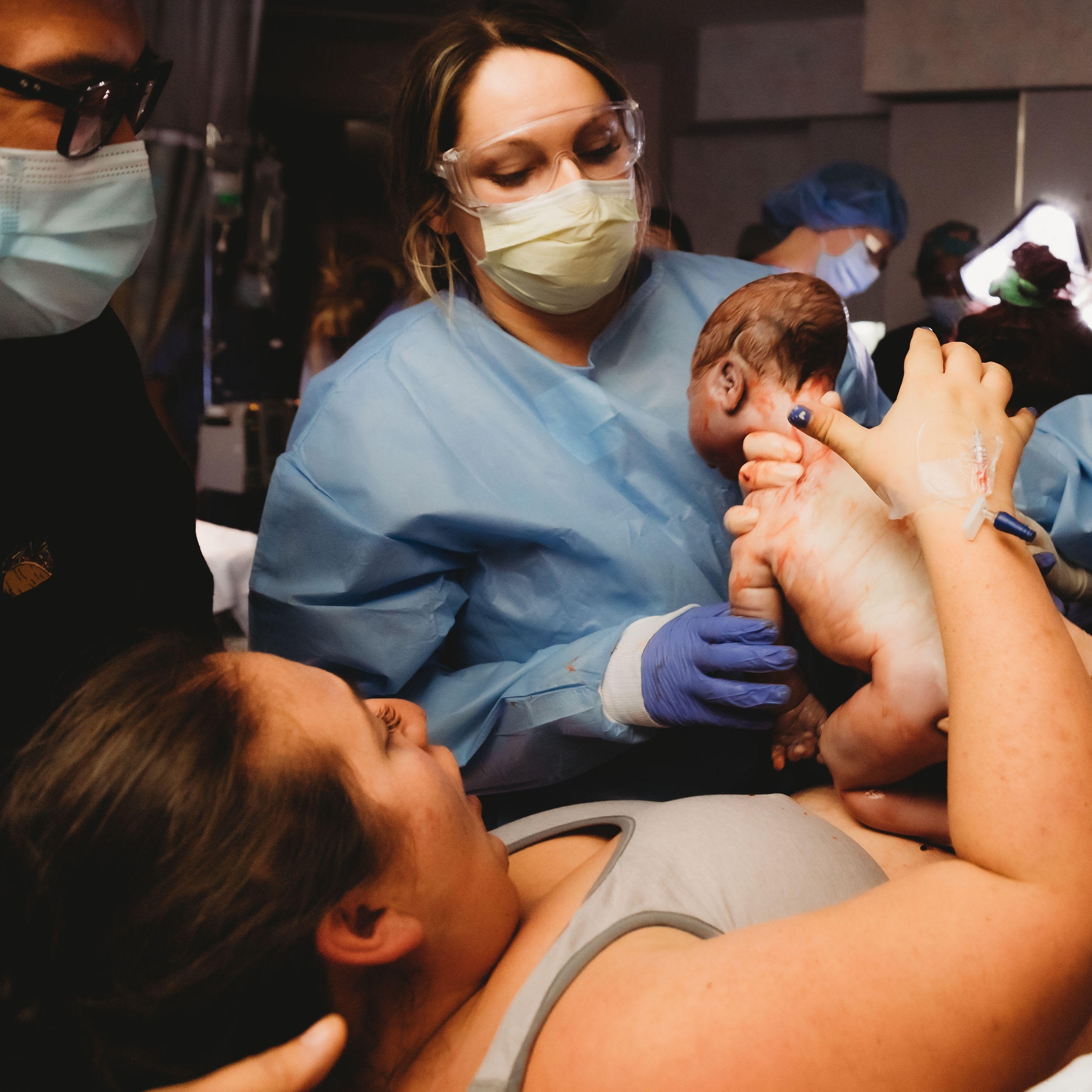
Invalid Date
Episode 232 Rachel's VBAC + Placenta Previa + C-Sections & Dental Health
Rachel is a pediatric dentist who owns her own practice in Pensacola, Florida. She fought for an empowering second birth experience even with an initial diagnosis of complete placenta previa. When her placenta thankfully moved, Rachel was cleared to go for her VBAC and she was all in! Rachel drove six hours to be able to birth with the provider she knew would best support her VBAC. With her doula and supportive family by her side, Rachel achieved the beautiful birth she envisioned. Additional Links How to VBAC: The Ultimate Prep Course for Parents The VBAC Link Facebook Community Full Transcript under Episode Details Meagan: Women of strength, you are listening to The VBAC Link and I cannot wait for today’s story. Reading this story, there are so many twists. Not even twists I should say, but factors to this story. We have our friend Rachel telling it from Florida so welcome, Rachel. Rachel: Thank you so much. I’m so, so honored to be on this podcast. I can’t believe I’m actually getting to share this amazing journey with you guys so thank you for having me. Meagan: We are honored that you are here with us. Yeah. I feel like there are quite a few things within your story. Things like baby’s position, placenta previa which we are going to talk a lot about at the end, even dental stuff, close duration, so there are a lot of things where I feel like people can relate to this story. Review of the Week I will read a review and then we will get right into your beautiful story. Today’s reviewer is haley222222 . It says, “I can’t recommend enough. I found this podcast shortly after my C-section in 2019 with my first and it has helped me so much. My doctor had told me that I was only going to be able to have four children because I was going to have C-sections from here on out. This podcast opened my eyes to the possibilities I didn’t have a clue about and I had options.” Oh, I just scrolled, and okay. Here we go. It says, “I was able to find providers that I trusted and who actually believed in me. I prepared for my VBAC and unfortunately, my first VBAC was a stillborn at 26 weeks, second baby boy in October of 2022.” So sorry to hear that, Haley. It says, “Although it was heartbreaking, it was truly an amazing experience and I can’t wait to have another vaginal birth hopefully with a better outcome and a baby we can bring home. I am pregnant with my third now and I’m relistening to all of the episodes. I am so excited to do this. I am in the process of hiring a doula and we will be taking a birth course this time around. Thank you so much for creating this podcast and I’m so grateful for all that I have learned.” Well, Haley, thank you so much. Again, my condolences to you on your second and congrats on your third, and thank you so much for sharing your review. Rachel’s Stories Meagan: Okay, we have our friend Rachel. Like I said earlier, she is from Florida. So you are a dentist and you have your own clinic, is this right? Rachel: Yes. I am a pediatric dentist. I only work on children. We have a private practice in Pensacola, Florida which is the panhandle of Florida. It’s lower Alabama, kind of LA but it’s on that end of the spectrum, not south Florida. Meagan: Awesome. That is so exciting. So, so exciting. Rachel: Thank you. Meagan: Well, thank you so much for being with us. I would love to turn the time over to you to share this story and then at the end, we’ll get into that placenta previa and some dental stuff. Rachel: I know, who would have thought that dentistry could be related to C-sections? Meagan: Who would have thought? Really, though. Rachel: I know. It’s all related. Meagan: We never talk about it so I’m excited too. Rachel: Well, I guess I’ll just get excited about my children journey. Again, I’m just so thankful that I get to talk on this podcast. I listen to you guys every single day when I was preparing for a VBAC and Meagan, what you’re doing is changing so many people’s lives. Like we talked about, I’m sure recording a podcast can get a little crazy like with any job that we do, but you really are making such a difference in so many people’s lives so I really thank you for that. Meagan: Oh, thank you. Thank you. Rachel: Yes. So okay, my children journey I guess what you could say started in Gainesville. My husband and I were living in Gainesville. He was finishing up an orthodontic residency at that time and I was working as a pediatric dentist. I had just finished residency and I was working at a private practice. We became pregnant with our first baby. They said I had a subchorionic hematoma around 7 weeks and said, “Don’t worry.” It’s a pretty common thing I think. Meagan: It is. Rachel: I came back for a follow-up ultrasound anyway around 10 weeks or so and no heartbeat. We had a miscarriage. They gave me two options, either the misoprostol pill to pass the baby or the D&C. Meagan: Cytotec. Rachel: Yeah, or the D&C. After talking to a lot of people, I just decided to have the D&C. It seemed less emotionally scarring. Anyway, so we did that. Right around that time, the day before surgery, the whole COVID thing in 2020 started and they said that for some reason, dentists were considered non-essential so everything was shut down for the whole month of April. Meagan: What?! Rachel: I had never not worked my whole life. This was the most time I had ever had off ever so it was crazy. I was not working. I had scheduled the D&C. That morning, I had a 99-degree fever or something. My OB in Gainesville was amazing. The whole hospital staff was like, “Oh my gosh. She might have COVID. We can’t do the surgery.” Yeah, so crazy. My OB had to vouch for me to say that I didn’t have COVID and that we could still do the D&C anyway. I’m pretty sure I was the last elective surgery to have done and then after the date, literally I think it was March 20th, and the day after, they stopped doing elective surgeries and stuff. I was super thankful for that. It’s Dr. Erin in Gainesville and she was just awesome. We had a miscarriage. It was a super tough time for me and my husband. I just remember praying and asking God to comfort us because we are Christians and I just really believe that God is close to the brokenhearted. The Bible says, “He’s near to the brokenhearted.” It’s still hard though because he’s not here to comfort you physically. I just remember I was praying and there was this dove that came to our house and lived in our backyard. It was so crazy. For several weeks, he just made a nest on the ground. Meagan: That just gave me the chills. Rachel: It is. I’m telling you, I prayed so hard. He can comfort you but he’s not going to give you a hug or something. I don’t know. Do you know what I mean? So literally this dove came and lived in our yard. That dove was there. I’m not even kidding you. The day that I found out I was pregnant, the dove just left. We were like, “Where did that dove go? He was living in our yard and now he’s not there.” That was the day I found out we were pregnant with our second baby, or our first baby. Meagan: Uh-uh. Wow. Rachel: It was so insane. Meagan: Oh my gosh. Rachel: Yes. That was the first crazy thing. I had wanted a puppy after the miscarriage and we had a really small courtyard so my husband was like, “Well, if we get a puppy, I’m getting a monkey.” I’m like, “No.” I was like, “Well if you really do want a monkey, I can look into finding us a monkey if you’ll let me have a puppy.” He’s like, “Okay, deal.” Well, he knows not to put anything past me after that because I found a monkey and we literally have a little squirrel monkey. His name is Rocko and we have a Maltipoo whose name is Remi. So the week after we got our monkey, that’s when we found out we were pregnant again. I was like, “Now we have a monkey and this puppy and now we’re going to have a baby.” That’s how life goes. If you know me, that’s just how my life goes. It’s just like, the more fun, the better. Anyway, so I was pregnant with the second one. I also had a subchorionic hematoma in the beginning and Dr. Erin was like, “Okay, I know I told you not to worry about it last time but seriously it’s usually not a big deal.” But you know, you’re still worried because you have the same thinking. Meagan: Yeah, trigger back a little bit. Rachel: Exactly. So I was just a little worried about that, but I kept pressing forward. So then fast forward later, everything is healthy. Six months into the pregnancy, I found out that we got a great opportunity to move back to Pensacola which is where I’m from. It’s about six hours away from Gainesville. It’s near my home town. My parents live here. A pediatric dentist, Dr. Stu Bonnin was selling his dental practice in Pensacola so we decided to merge together and transition. I went there. I was probably about seven months pregnant when we moved to Pensacola. I was starting up. I’m seven months pregnant. I’m starting brand new seeing all of these patients I’m just getting to know. My husband started an orthodontic practice next door which is a dream come true. We have always wanted to do this. The doors opened up to where it could happen. Timing sometimes seems crazy but it just happened that way. I mean, I remember we moved here on December 24, 2020, so Christmas Eve. U-hauls are a lot cheaper then by the way. Our family had COVID so we weren’t going to go see them anyway. I remember waking up on Christmas Eve or Christmas Day morning and I was sleeping on an air mattress. We had just bought our house and moved everything in. I’m like, “Wow. What a whirlwind. This is crazy.” So we moved halfway through. I’m a new business owner. So then I started seeing patients at about eight months pregnant. I’m trying to establish rapport with my new patients. I just decided it was in their best interest to work up until my due date. I worked up until my due date. At this point, I had no knowledge of birthing a baby at all which is my fault. I should have researched everything but there was just a lot going on. Meagan: Yeah. Don’t put too much pressure on yourself there. Rachel: Knowing what I know now– Meagan: You had a lot of juggling pieces. Rachel: I know. Plus I was like, “I don’t want to know how the baby gets here. I just want to know what to do after it gets here,” so I did a lot of Taking Cara Babies, reading how to get them to sleep through the night. I really wanted to breastfeed so I was focused on what to do when the baby gets here. Meagan: Which also is something that a lot of the time we forget to do. Rachel: I know. I know. It’s all hard. So I worked up until my due date. I was expecting to be two weeks late for some reason because I was two weeks late as a baby. My husband was two weeks late and we were both first babies. I’m like, “It’s going to be fine. I’ll probably just be a little late.” A week passed and I had found an OB here. They did the BPP thing, the biophysical profile. Everything had been healthy. Nothing was out of the ordinary. She started talking about inducing me because I had borderline low amniotic fluid. That’s the reason they gave me. So I guess amniotic fluid level from my understanding can be anywhere from 5 centimeters to 25 centimeters and mine was a 7. So she’s like, “It’s borderline low. The baby’s not in distress but the older your placenta gets, the more likely that you’ll have a stillbirth or you can have babies born with cerebral palsy and complications.” Meagan: Big words, very big words. Rachel: Yeah. I’m like, “Oh my gosh, well I don’t want that.” I trust the doctor. I’m a doctor. I feel like I look out for people’s best interests. I mean, I know I just deal with baby teeth but I truly want the best for my patients so I know she was probably recommending the same thing. All of that is not untrue, but anyways. Knowing what I know now, I’m just like, “What in the world?” She recommended that I be induced because of the borderline low amniotic fluid and that the longer time passes by, the increased chance of stillbirth. Because I had done zero birth education, I had nothing to really guide my decision-making process and my husband wasn’t there because it was all COVID stuff. He couldn’t come to any of the appointments so I was making these decisions on my own. I was just like, “Okay. We’ll get induced. That’s fine.” I only had a month off for maternity leave anyways, so I’m like, “Okay. It’ll probably work out that the baby’s born more on time.” Meagan: That you’ll have some time. Rachel: Yeah, exactly. The day before, I just had this really bad feeling. I called the doctor’s office and I was like, “Hey, is there any way we can postpone the induction?” I was really nervous. They were like, “No. This is the only time. We don’t recommend that. This is the best thing.” I’m like, “Okay.” I got to the hospital. I started on, is it Cervadil? Meagan: Yeah, Cervadil. Rachel: The insertion pill thing. Meagan: So the pill is Cytotec and then there’s the tampon-looking thing and that’s Cervadil. Rachel: Okay. I think that might have been what that was. So yeah. I did that. I got to 2 centimeters dilated and they started the Pitocin. So then after the Pitocin, it was a gentle induction. The doctor I went to I guess is known for gentle inductions so that was good. I got to 2 centimeters dilated. Our daughter’s name is Heidi. Her heart rate started dropping even this early on. I was only 2 centimeters dilated. Every time they turned the Pitocin up, it would drop. I was just like, “Just take me off of everything. Let’s just wait.” The OB came in and she’s like, “We’ve already had nonreassuring fetal heart rates.” I hope I’m using the correct words but I think that’s what it is. Meagan: Correct. Rachel: It’s just not looking good so we would recommend some kind of intervention at this point. I was like, “What about an epidural?” She was like, “Maybe you could use an epidural. It would help you relax and just speed things along.” So I got an epidural and then Heidi’s heart rate dropped again. This just kept happening and I will never forget. There was a younger nurse. The doctor wasn’t there. It was 2:00 AM and she came walking in the room. She said, “Hey, so the doctor just told us that we need to prep you for a C-section.” I’m just like, “What? A C-section? Excuse me? No one told me this was a possibility.” I had never even researched what that was. I never even knew that was a possibility. Meagan: A lot of us don’t. Rachel: I mean, I’m stupid for not realizing that is a possibility, but at the same time, you’re not planning on it. It’s just an unplanned surgery. Meagan: Yeah. We go in thinking we’re just going to have this baby which we do have a baby but we just don’t envision it that way. Rachel: I know. I just truly wanted what was best for my baby. Meagan: Absolutely. Rachel: If it meant a C-section to save her life, then obviously that’s what I would do but I was realizing this cascade of interventions was leading from one thing to another thing to another thing and I just was so upset. The OB got there and finally, my husband was like, “Whoa. Okay. What is going on here?” He talked to her and he was like, “Let’s just take her off of everything and see how her heart rate is.” We literally asked her. We were like, “Listen, if you think our baby is going to lose oxygen or something dangerous where it’s going to save her life to do a C-section, we will do a C-section, but if she is okay and we can work through–” the nurses were changing my position and the heart rate would get better. Sometimes I think the cord can just get compressed or things like that. She literally looked at us. I was really upset. I don’t even know what I said. I was just really upset. But she looked at us and she was like, “Okay, yeah. The heart rate looks great. You’re doing great. I’m okay with that. Let’s just give it a little bit longer.” It was probably another 12 hours that we had done that. Long story short, the same thing happened again and after she gave me time, and at that point, I think I had progressed to 6 centimeters. I was like, “Okay, we’re going to have this baby. This is looking good.” Even the nurse said that it was looking good. I think the final thing that happened is that I started running a fever and then when I ran a fever, the heart rate shot up and it was super high. Yeah, she was tachycardic. I’m like, “Yeah, she is not looking good.” At this point, it’s been 72 hours. I mean, I have so many fluids. I’ve been on an IV. So we were like, “Okay, we really need to do this.” I was kind of expecting it at that point even though I was super upset and super sad. I was just kind of waving my little white flag. We did what we could and they prepped me for a C-section. It was the craziest thing I’ve ever experienced because everything went really well with the C-section. The OB was great with the C-section. All of the team was really fast. I kept saying, “I can still feel some pressure. Give me some more medicine. More, more, more.” I was so numb that my intercostal muscles were numb all the way up into my chest so it was kind of hard to breathe. I knew it was just because my muscles were numb so I was okay with it. It was so crazy because I was so happy. I heard my daughter cry so I knew she was healthy. I knew she was there. It was the best moment ever but at the same time, you’re sad. Everybody that has talked on this podcast, you know the feeling of where you’re so happy. Your baby is here. You’re healthy. There could be way worse other things, but at the same time, it’s just that this was not what I was expecting. It’s crazy. Anyway, she had to go to the NICU because there was fluid in her lungs so she had to have help with oxygen and then she had to get IV antibiotics because there was suspected chorioamnionitis. Meagan: Because of the fever? Rachel: Yeah, because of the fever. So it wasn’t proven, but they go ahead and put the baby on antibiotics before the results get back from pathology because it takes a while so they want to go ahead and get them on antibiotics just in case. It came back and it wasn’t chorio so she had unnecessary antibiotics. But I get it. You have to have certain protocols in place. So she had to have that. She was in the NICU for just a couple of days. It wasn’t bad. I was able to breastfeed. It was a struggle. You have to really make sure you’re on a strict schedule when your baby is in the NICU. You have to go feed them and pump especially when your milk is coming in. So that was hard but we were able to do the breastfeeding which is good. Oh, Heidi had a lot of donor milk in the NICU because it was good that they gave her donor milk. I always joke around. I’m like, “She’s going to have the best immune system because of all of the donor milk that she got.” Side note, whoever donates breastmilk, you guys are amazing. I just cannot believe that is a thing, so thank you to whoever donated breastmilk. Fast forward to the follow-up, everything is looking good after the C-section. Heidi is doing great. I’m so happy. I wanted to share this. I don’t know if a lot of people have ever experienced this but I talked to my provider. I mean, I really liked her other than she suggested the induction. I just really wasn’t that on board but she was like, “Yeah. In the future, you will definitely be a candidate for a VBAC.” But then I got this letter in the mail. I’m just going to read it. It says, “Dear Rachel, The patient/physician relationship is important in providing quality care. I feel your unacceptable behavior toward me and the hospital staff as well as your unwillingness to follow my recommendations for your safety and the safety of your baby has jeopardized our relationship. Therefore, this letter serves to notify you that I will not continue to be your provider.” Meagan: What? Rachel: I was so, so sad because I thought I followed her recommendation. She thinks I put my baby at jeopardy. If she thought my baby was at jeopardy, she should have told me that I should have had the C-section earlier. I just was so sad. I, as a physician, I’m not a physician but I’m a dentist and all of my patients, I try to give them both sides to everything. Not everybody is as informed as I am about teeth. Duh, we all don’t know. That’s why you go to a doctor for advice. Meagan: That’s why you go to a specialist. Rachel: I try to give everybody two sides. I try to inform them and then they make the decision. I don’t ever want to force someone into doing something that they don’t want to do but also if someone doesn’t take my recommendation, I’m not going to say, “Okay, you’re dismissed from my practice.” I get that some people just don’t feel comfortable treating certain people which is fine. I’m not bitter about that but I was super floored that she would dismiss me as a patient because I didn’t take her recommendation to get a C-section in the first place. Meagan: You did and then you had a conversation and she said, “Yeah, I’m totally fine with it. Let’s keep going.” Rachel: I had a doula with me, Ashley Andrews, she is amazing. She is my prayer warrior doula. She even said, “I don’t think you’re out of line, Rachel. I’m really confused.” Meagan: I’m sorry. Rachel: Anyways, not to harp on that but it was really sad. It was really for the best because I started looking at other providers anyway because I knew I wanted another baby. Okay, so here’s the good part of the story. Dun, dun, dun. Nine months later, we found out we were having another baby. This time, it was a boy so I found a different provider in Pensacola that was okay with VBAC. It’s really hard surprisingly to find someone that is super on board. It really is up to you to do the research and all of that. We have doctors. People think doctors are there to give you a magic pill and everything is solved. Doctors can’t do anything if you don’t make an effort on your end too. I feel like that’s why there is so much diabetes and all of these things because you have to do some kind of work on your end too to educate yourself and realize that you can’t just go to a doctor and expect them to fix all of your problems. I realized that and I’m like, “Okay, that’s in every situation. I have to become educated myself.” I found you guys. I listened to your VBAC podcast literally every single day at lunch and I would cry on my lunch break. I’m such a loser. Meagan: You are not. These stories are amazing. Rachel: I would listen to these stories and I would just cry. I’m like, “Wow. This is so awesome.” My husband, I love him. He’s so sweet. He’s like, “You guys should make a podcast for husbands on how to deal with their wives when they have decided that they are going to have a VBAC,” because he’s like, “All right, I’ve already accepted all of this stuff. It’s fine.” Anyways, at 20 weeks I was diagnosed with complete placenta previa, not just partial. The placenta is completely covering your cervix. My OB here in Pensacola, the new one, was like, “It’s highly unlikely that this is going to move. It’s complete. It’s very rare.” He started talking about placenta accreta and how sometimes it can even grow into the C-section scar and grow out into your bladder and stuff. I’m like, “Whoa.” I was so sad. I’m like, “Y’all, okay. I guess I’ll just have another C-section. This is fine.” But then I was like, “Okay. God, you said in the Bible.” Matthew 17:20 says, “If you have faith the size of a mustard seed, you will say to this mountain, ‘Move from here to there’ and it will move and nothing will be impossible.” I’m like, “God if you can move mountains, I know that you can move this placenta. I know that nothing is impossible for you.” I just started praying. In the meantime, my sister who lives in Jacksonville had this great practice that helped her with her delivery. Full Circle Women’s Care, I highly recommend. I also talked to a friend, Saundra Fetner, who had a VBAC with them. I talked to her about it and she was like, “Yes. You need to go there.” I had a Zoom conference or a telemedicine conference with Dr. Adams. She is the owner there, the OB there. She was like, “Okay, yeah. We even have some missionaries that will be in Africa and then fly here and deliver their baby here and go back.” She was like, “If you want to deliver here, that would be fine with me. You just see your provider in Pensacola and then when it gets time, you just make arrangements to stay in Jacksonville until you have the baby.” Meagan: Dual care. Rachel: Yeah, exactly. I was like, “If something crazy happens in Pensacola, then I have the provider here.” I talked to my provider here and he was completely okay with it. He was like, “Well, with the placenta previa, you might want to try to rent a private jet so you can get there really quick.” I’m like, “Okay, that’s not going to happen but whatever.” He was okay with it. I didn’t care. Dr. Adams by the way, just has such passion for what she does. If you don’t have passion for what you do and you don’t enjoy it, why are you doing it? She actually had a C-section with her first baby and she’s an OB. So she’s like, “I understand how medicine is there if you need it, but sometimes you need to let your body do what it was created to do.” I was like, “Oh my gosh, yes girl. Preach, preach. I’m going to come see you. I don’t care that I have to drive six hours. I’m going to come here.” I scheduled a follow-up. Granted, it had only been two weeks since I had been diagnosed with placenta previa. Coming to the follow-up, I had another ultrasound and all of that at Full Circle Women’s Care. My first appointment, my sister went with me and we were like, “Let’s just not say anything. Let’s not say that I had placenta previa. Let’s just see what they say.” The ultrasound tech looked at everything and she was like, “Yeah, everything looks great. Your baby’s healthy. We just might need to get one more little position of the head when you come back.” I’m like, “What?” So then I’m like, “Okay, well you don’t see placenta previa or anything going on?” She’s like, “No. The placenta is way over here. This is the placenta here. This is your cervix here. There’s no placenta previa.” I’m like, “Oh my gosh.” My mom had been praying. My dad, my mother-in-law, Angie. I’m like, “Y’all, you will not guess what just happened.” I sound so crazy but I’m like, “God moved my placenta.” I even had Ashley, my doula, had her Sunday School group. She was like, “Girl, we’ve been praying for you.” I know that’s not the story with everybody, but it’s just so crazy. I really do believe that and I’m just so thankful. I had my appointment with Carol, one of the midwives and she’s like, “Yeah, everything looks great. You’re due around September. We’re going to do everything we can to help you have a successful VBAC.” I’m like, “Okay, Carol. You promise I don’t have placenta previa?” She’s like, “What are you talking about sweetie? Your placenta is far away from the cervix.” I couldn’t believe that it was the case. I had this regained energy and excitement. We were back on track. Let’s do it. Then a couple of weeks later, I met with Dr. Adams and it’s a group so you meet with different people because you don’t know who’s going to deliver you. Everyone I saw, I’m like, “If you deliver me, I don’t care. Everyone is great. Fantastic.” I met with Dr. Adams and she’s like, “You know, there’s this thing that you can read.” It is a recommendation for TOLAC or how to have a successful VBAC and how to ripen your cervix. She had all of the guidelines there. She was like, “Have you been following the guidelines? Have you been doing your daily squats to open up your pelvis and doing the specific Spinning Babies exercises to get the baby in the right position?” I’m like, “Yeah, I’ve been doing my squats.” She’s like, “Let me see you do 20 squats right now.” This is at my OB appointment. I’m like, “Okay.” She’s holding my hands and doing squats with me at the appointment talking to me about what I need to do. Meagan: Oh my gosh, I love that. Rachel: I’m just like, “This is awesome.” Anyway, she really practices what she preaches. She’s like, “All right, then let me see you do some squats.” So I did that. Also, going back so for Valentine’s Day of last year, instead of giving me chocolates and stuff, my husband printed off the recommendations that they gave me. I’m like, “You don’t care about this as much as I do. I wish you could just know what I’m going through.” He’s like, “Okay, Rachel.” He printed off the guidelines of how to have a successful VBAC and he highlighted all of the things. This is on the OB’s website, How to Have Your Cervix Ripened Before Birth. These were the things you needed to do. At 20 weeks, drink red raspberry leaf tea. At 36 weeks, do acupressure, acupuncture, and chiropractic care. At 37 weeks, start taking evening primrose oil. At 38 weeks, start using clary sage oil and do birth stimulation, sex, and all of that stuff. At 39 weeks, you can do membrane stripping. He’s just so funny because he even bought all of these things. He’s like, “Are you drinking red raspberry leaf tea? Is it 36 weeks yet because that’s when you need to start going to a chiropractor.” That was awesome. I was just doing everything. I wasn’t perfect. I tried to eat healthier and all of that stuff. You do what you can but I work full time. At the end of the day, we’re not perfect but I tried to do all of those things. I did that. I found a doula in Jacksonville and she helped me through Hypnobabies. It is super interesting because your mind really can help you control pain. It’s so crazy. It really can. I even want to look into this for my patients. I think it would be so cool if you could learn to hypnotize. Dentistry is scary, especially for kids so I’m always looking for new things to try. Okay, so we go to Jacksonville. I was due September 29th. I took a week off early from work. We closed the dental clinic down. I had a dentist that’s working for me too, Dr. Bonnin and he’s awesome. Thank you for working for me on maternity leave. I closed for a week. We just went to Jacksonville. We had a little mini vacay. We took Heidi. I feel like it was so much just to spend time with me and Edwin with my daughter for a straight week in a really long time and focus just on our family. We have had a lot going on up until then so it was a nice little breather away. Meagan: That’s such a beautiful way to spend the end of pregnancy. Rachel: I know. Meagan: Sometimes in the end of pregnancy, we’re so stressed. We’re getting a lot of pressure from the outside world or from whoever. Why haven’t you had your baby yet or why haven’t you been induced? So it’s nice to just be with your family and create this space going into it. Rachel: Yeah, it really was. It was such a blessing that we were able to do that. I didn’t have to worry about, “Okay, let me do the last-minute touches on the nursery.” It was just relaxing. So I’m like, “Okay, for sure this baby is going to come soon.” I’m super relaxed. I saw a shooting star. I’m like, “All right. It’s going to happen.” It didn’t. A week passed so I’m already a week later and then I think I was 41 and a few days. I had the BPP again and they start doing the monitor thing. They just do the heart rate monitor. Meagan: Oh, a non-stress test? Rachel: A non-stress test just to make sure everything is good. They kept saying, “Everything is good but we are going to keep seeing you back.” They weren’t letting me go very long. Meagan: It’s very standard doing NSTs at 41 weeks, very standard. Rachel: Yeah, okay. They were just doing all of the things to make sure everything was good. But Dr. Adams was like, “I know you want to go into spontaneous labor on your own. If you’re not by 42 weeks,” and she was one to wait up until 42 weeks to do an induction. She’s like, “We’ll do a super gentle induction. We’ll start with breast stimulation. We won’t even go to Pitocin or anything.” I didn’t even want to hear the word induction so I’m like, “Okay.” But she was great because she allowed me all the way up until two weeks to schedule the induction whereas for some people, it just depends on the hospital scheduling and that’s where modern medicine is sad because you have to do the schedule and your body’s not on a schedule. Your due date is just a guess date. I mean, Jane, the doula in Jacksonville is like, “So what’s your guess date?” because it is. We try to do what we can but at the end of the day, sometimes you just have to let nature take its course. Anyway, so I talked to Dr. Adams and everything was good. I was trying to go into labor on my own. My best friend from dental school, Jackie, actually had premature contractions at 32 weeks so her doctor was telling her all of the things she needs to do to not go into labor and I was trying to do all of the things that they told her the opposite. I’m like, “Okay, what did your doctor say? Okay, I need to do that.” It just goes to show you that getting babies on this earth is just hard no matter what way you look at it but if you’re educated, it’s a lot easier. Hurricane Ian was brewing up and we had to move from our hotel because our hotel was on the beach and they were like, “We are going to have to evacuate the hotel because a hurricane is coming.” I’m like, “Oh, this baby is for sure coming. It’s a hurricane.” It didn’t. The hurricane came and went. I even drank midwives’ brew and all of that stuff. I was 41 and 5 days or something like that. Our daughter, Heidi, got really sick. She contracted something while we were there. She was throwing up. She couldn’t keep anything down. My husband was getting a little bit antsy. My husband was like, “I have a lot of stuff I need to work on at home. Why don’t you just stay here with your sister? I’ll take Heidi home and I’ll come back when you go into labor.” I was like, “Okay, sounds good.” He took Heidi home. She actually couldn’t keep anything down when he got home. Home was in Pensacola so it was six hours away from Jacksonville. He drove home and she actually had to be admitted to the ER because she had to get an IV and all of that stuff. I’m just like, “Oh my gosh. My daughter is in the hospital.” I feel guilty because I’ve been focusing on myself and making sure I don’t have a C-section meanwhile my daughter is at home in the ER. I was thinking about, “I’m just going to go home. I’ll just be induced again.” You just want what’s best for your babies. That’s why we’re here. That’s why we try to avoid C-sections when we can but have them when it’s going to save our babies’ lives. We just want what’s best for our babies so I just felt so guilty that I wasn’t there with her. But anyway, she was fine. I finally went to Dr. Adams again. It was the first time I had a check. She said, “Okay, you’re 2-3 centimeters dilated.” I’m like, “Why am I not in labor right now?” I was 2 centimeters dilated at the hospital a couple of hours in. So anyways, she’s like, “You are super favorable. You are 2 centimeters dilated. You’re at whatever plus station where your baby is really low.” She’s like, “I’m surprised you’re not in labor right now. All you’re waiting on is for this baby to say, ‘Okay, it’s time for me to come into the world.’” I mean, we just don’t know. That’s why medicine still has some mysteries to it. You just don’t know what puts someone into labor. Anyways, she did a membrane strip which was great. Membrane stripping, is that what it’s called? Membrane sweep. Meagan: Yeah, a stripping or a sweep. Rachel: She’s like, “Okay.” We had the induction scheduled for that Thursday and it was a Monday. She’s like, “Rachel, you’re going to have this baby. You’re not going to have to be induced. We have it scheduled just in case but you are going to go into labor on your own.” I’m like, “I really hope you’re right.” I went home. My sister and I went to a coffee shop and we just relaxed for a little bit and then we went home. We were going to see a movie. My brother lives in Jacksonville too. Me, my sister and my brother were going to see a movie together. He happened to be off work. It was crazy. We’re getting ready and then I start having some Braxton Hicks stuff but some contractions. Anyways, it really progressed and it started getting uncomfortable. I didn’t know. I thought, “Okay.” We contacted our doula. We met her at the hospital. She was like, “Do y’all really think y’all should go to the hospital?” I was having trouble breathing through everything. I was like, “I don’t know. It might just be Braxton Hicks.” We got to the hospital. I couldn’t breathe through it very well so then Jane, our doula, was like, “Okay. Let’s just go to the hospital and get checked.” I’m getting scared. “No, they’re going to trap me. They’re going to make me stay and I’m going to have to get a C-section again.” She’s like, “Rachel, no. That’s not true.” I’ve got my birth posse with me. We go in. They checked me and I was only at a 4. I’m like, “What the heck? I’m such a woosie. I’m only at a 4?” I’m like, “Let’s just go back home.” Carol was there, the midwife that I really had a good connection with and she’s like, “Rachel, I really don’t recommend you going home. I really think that things are progressing quickly. You should stay here and just relax.” Then I talked to my husband too. Meagan: Make your drive. Rachel: As soon as I got admitted to the hospital, Heidi actually got dismissed so he’s like, “We’ve got two babies heading out.” I’m like, “You’re such a nerd.” He’s like, “Rachel, stay at the hospital. You’re being crazy. Just relax. Do your Hypnobabies thing and I’ll be there.” I did that and it was crazy. As soon as I zoned everybody out and put my little headphones on– Meagan: And acclimated to the space. Rachel: Yeah, exactly. I had time to get acclimated. I was like, “Okay. This is going to be okay. This baby is coming.” I just relaxed and then things started getting a little cray cray during transition. Yeah. Now I know what people talk about with that. Also, I didn’t have an epidural because I’m like, “No. They slow things down. I do not want to get an epidural.” Yeah. So that was great and then the transition thing. Okay, things started getting really serious. My sister was there with me because my husband couldn’t be there. I had my sister and a doula. I was like, “Sarah, why did you talk me into this? This is so stupid. I can’t believe I’m doing this. This is the dumbest thing ever.” Then Jane was like, “Okay, I think she’s ready.” Meagan: Usually when there is intense talk and doubt kicks in, it’s like, “I think it’s happening right now.” Rachel: Exactly. So then Carol came in. She checked me. I was 9.5. I had a little cervical lip and I was like, “Oh my gosh. No. I cannot believe it.” I was just like, “How in the world?” Carol was like, “Okay, I think your husband is almost here so we can wait to pull the cervical lip out of the way.” I’m like, “No. We are not doing that!” I’m not waiting. He should have been here a little bit ago. Anyway, so we did that. I’m about to start pushing. My brother was there at the hospital. He met my husband out in the hospital parking lot and they were literally sprinting. They were like, “Okay, your baby is about to be born. Here you are.” Luke led him to the exact room. Edwin comes in. He has a backward baseball cap on. I’m like, “They’re going to think you’re a crazy person coming in here.” They’re like, “Is this the baby daddy? Okay, come in here.” I was pushing and I’m like, “Oh my gosh. The baby is going to get stuck,” because I’ve heard stories that the baby is going to get stuck at 10 centimeters. Carol was so amazing. By the way, she has a British accent. She’s from Africa and she’s the coolest person ever. She’s like, “Rachel, you are doing it. You’re about to have this baby.” I’m like, “No way. Are you serious?” At that moment, she’s like, “Rachel, you’re having this baby. This is happening. It’s too late to turn back. He’s not getting stuck.” I’m crying. I’m like, “This is the best feeling ever.” He was born. He’s healthy. He’s here. I’m healthy and this is how things are supposed to happen. It was the most amazing thing ever. You just can’t explain it. I’m just like, “Oh my gosh.” I just can’t believe that it actually happened and everything was great. The births were such polar opposites. No one's birth is less important than the other. I don’t ever want my daughter to think, “Oh my gosh. I was a failure birth, and then baby John–”. His name is John Edwin Richard the Third and then John was a regular birth. It’s not about that. It’s just how God can take our pain and our failures that we have and turn beauty from ashes. That is what happened. This is how it’s supposed to be. It was the best feeling in the whole world. I was just so thankful. I can’t believe my husband made it there. I didn’t think he was but he did. Meagan: So close. Rachel: Yeah. I was like, “Oh my gosh.” I do want to say that I’m not trying to diss C-sections. You need it when you can but who you have as a provider is the most important thing. I trusted them and I knew that if she had recommended that I needed a C-section I was going to say, “Okay. I know that I’ve tried everything I can. I’m going to trust you guys.” She even said, “The position of the baby is the most important thing.” Baby has to be in the right position to do that. So anyway, it was just the most beautiful thing ever. I’m just so thankful for everything. Meagan: Oh my goodness. It’s such a beautiful story honestly from all of it, from the dove in the yard flying away to moving and driving six hours away. Those are hard decisions sometimes to make and sometimes dual care is really hard too because sometimes you will have providers disagreeing with the other provider so that’s really hard. But so beautiful. I could see the emotion and I could hear the emotion in your face. You’re so happy. It sounds just so beautiful. Rachel: I know. It’s amazing. It’s the best. Meagan: Well, thank you. I do want to talk about that placenta previa because it’s interesting to go from being diagnosed with complete previa to so far away. That’s a miracle. It’s so crazy but a lot of the time, we hear diagnoses of full placenta previa so I wanted to talk about what that is. You mentioned accreta too but previa is where it covers the cervix. To diagnose complete previa, it should be directly over the innermost side, so the OS. Directly over the canal of the uterus which is the cervix. So with pregnancies 16 weeks or more when this is happening, sometimes they’re diagnosed with a low-lying. Low lying is when it’s really, really close or the edge is less than 20 millimeters away from the OS, the cervix. 20 millimeters is 1 inch or 2 centimeters. Usually, most providers when it’s 20 or more are totally okay and comfortable with that. One of the interesting things, and I’m curious how you had yours, but a transvaginal ultrasound to diagnose the placenta previa has a way higher chance of it actually being accurate than an abdominal. Did you have an abdominal? Rachel: It was transvaginal, yes. Meagan: It was. Rachel: Yes. On both, yeah. Meagan: See? Look at that. That’s so amazing. If someone is diagnosing you with previa on the abdominal outside, you can also request a transvaginal because that can bring higher accuracy. If we get diagnosed and there are placenta issues within the pregnancy, then sometimes they will suggest a 34-36 week induction so that’s another thing and then if there aren’t any complications, sometimes it’s 36-37. So just for those who have been diagnosed. I also want to mention that a lot of the time when we have low lying or something like that, it does move throughout pregnancy. Rachel: Yeah, and usually it does take a lot longer than that. I did so much research too. So yeah, just like what you were saying, and if it does migrate upwards, it never will migrate back down because your uterus is growing up, not down. It all is about where the placenta attaches to the uterus. It’s this tissue and you can’t help it. It’s when the baby is conceived, that it attaches. I had a D&C and a C-section which can increase the risk of it. I had a friend that was diagnosed with it and she even had some bleeding. She almost had to have a C-section but it had migrated more than what did you say it was? Meagan: 20 millimeters, 1 inch, or 2 centimeters. Rachel: Yeah, she said it was 3 centimeters so her provider was letting her go. I’m not saying that everybody’s just miraculously moves all of the time but the chances are pretty good that it’s going to move. If your provider says that you need a C-section, just maybe give it some time. Everybody is different. Meagan: Yeah. Well, yeah. I think it’s just something that a lot of the time we don’t talk about, placenta previa. It can be really scary when you hear at 20 weeks, “Hey, you’ve got this possible placenta previa or low lying and you might have to have a C-section,” so at 20 weeks we’re hearing, “I might have to have a C-section,” and it immediately starts making our wheels turn. Rachel: It does. It’s crazy. Meagan: And then last of all, I really want to talk about teeth. Rachel: Yeah, teeth. Meagan: Our pearly whites. So obviously, you’re a pediatric dentist and one of the interesting things that you have found that we didn’t realize is that C-sections can affect enamel. Rachel: Yes, it can. If you think about it, at about six months in utero is when the baby teeth are starting to develop. Anything that happens, if the mom gets a fever or you don’t have the certain Vitamins A, C, D, or E which are really important for your teeth to mineralize and you don’t have the certain minerals, then your teeth can be a little bit weaker when you are born. All of these things in pregnancy affect the development of your teeth. Right at birth is when your adult molars, so you have four adult molars in the back and the front four on the top and the front four on the bottom. Right at birth is when those molars start to calcify. If you have, and I’m not saying that a C-section increases but it’s more of a correlation. It’s not a cause and effect. It’s a correlation. Meagan: It’s a correlation, yeah. Rachel: Yes. That’s observed if you have anything that happens right around the time of birth. With a C-section, sometimes the baby might be a little bit earlier. When you are born, you have things that happened at birth. The baby might be a little bit earlier. A C-section brings the baby earlier. Sometimes those things can affect the mineralization process of those six-year-old molars and the front four top teeth and the front four bottom teeth. It’s called molar incisor hypomineralization. If you have something like that, it’s just a really good idea to see a pediatric dentist. You can put sealants on it. Sealants can protect the adult molars from getting cavities and things like that to strengthen it. Also, being on antibiotics right at birth– Meagan: That’s just what I was going to ask. What about antibiotics? Rachel: Yeah. I’m not getting into the nitty-gritty of everything, but certain antibiotics are worse than others. Usually, the C-section has a higher chance of having to be in the NICU and taking antibiotics. That can affect the mineralization process of your molars. That in turn can cause them to be weaker which puts them at higher risk for cavities. It’s just so crazy that even a C-section can affect your teeth which is my small little bubble of medicine that I do. Even that can have a role. It’s not like if you have to have a C-section, you’re like, “Oh my gosh. My kid is going to have cavities forever.” It just puts you more at risk for that just like someone could be more at risk of being overweight but there are things that you can do through your diet and all of that to keep yourself healthy. It’s not an automatic thing. There are things you can do. Don’t drink juice and eat sugar. There are things you can do to keep cavities from forming. But yeah, at around that time is when everything is forming. It’s so crazy. Meagan: It’s just good to know. Rachel: It is. It is. Meagan: Even if you’ve had a vaginal birth with a lot of antibiotics from Group B Strep or something like that, it’s good to just be aware. Rachel: Yes. It’s not necessarily with a C-section, but with antibiotics and stuff. Meagan: Awesome. Rachel: Oh my gosh. Awesome. You guys are the best. I love you. Meagan: We love you back and we are so honored that you wanted to share your story and touch the world around you. Closing Would you like to be a guest on the podcast? Tell us about your experience at thevbaclink.com/share. For more information on all things VBAC including online and in-person VBAC classes, The VBAC Link blog, and Meagan’s bio, head over to thevbaclink.com . Congratulations on starting your journey of learning and discovery with The VBAC Link. Support this podcast at — https://redcircle.com/the-vbac-link/donations Advertising Inquiries: https://redcircle.com/brands
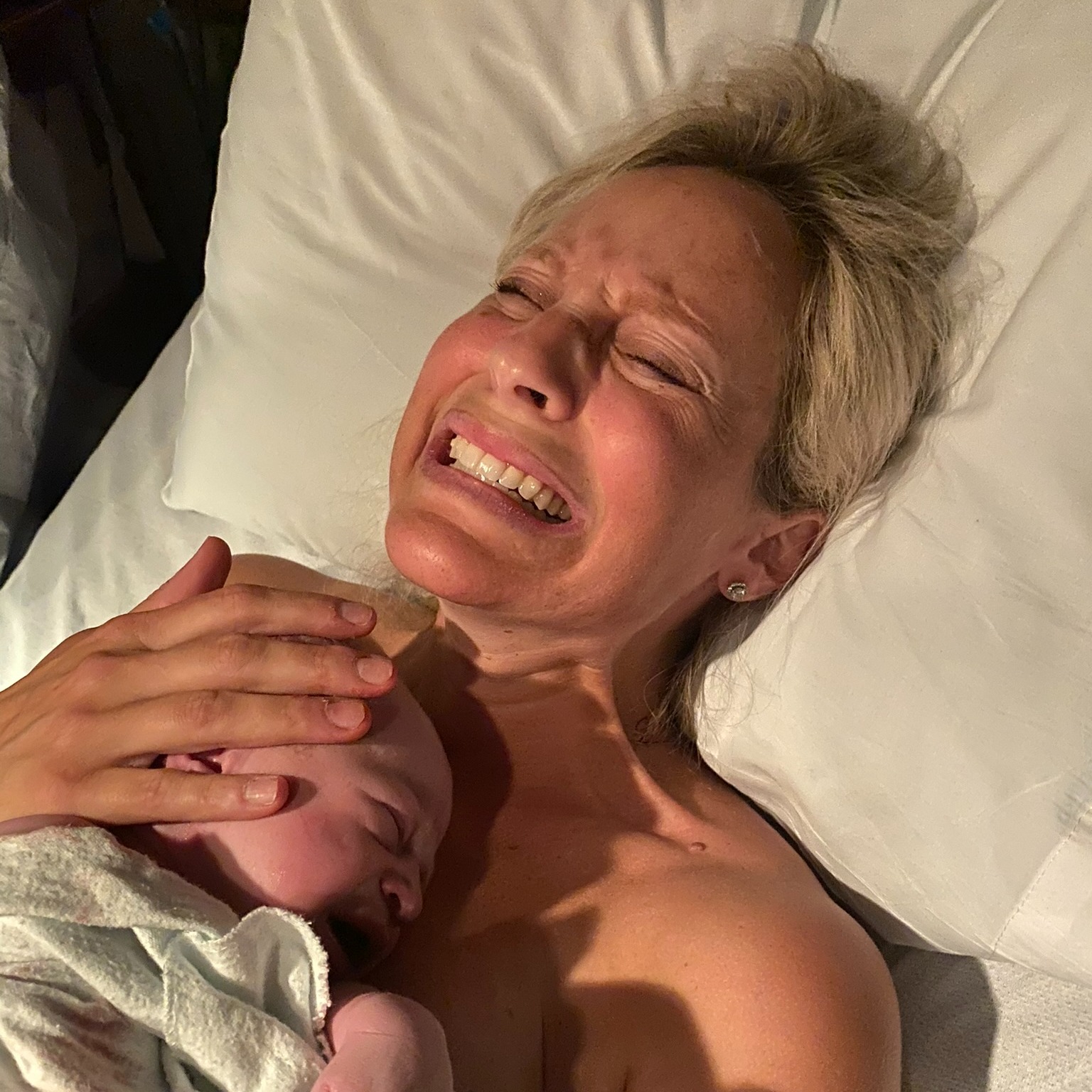
Invalid Date
CAM #3 Blyss Young Answers Your Questions
Blyss Young is a seasoned home birth midwife who has so much knowledge, experience, and a special heart for VBAC. Blyss hosts her own podcast, Birthing Instincts, alongside her cohost Dr. Stuart Fischbein where they normalize physiologic birth outside of the hospital. We asked our VBAC community what questions you have for a midwife who supports home births after Cesarean and Blyss has answers! You will leave feeling inspired, educated, supported, and loved for whatever your birthing choices may be after listening to this beautiful discussion. We absolutely adore Blyss and know you will too! Additional Links Blyss’ Website How to VBAC: The Ultimate Prep Course for Parents The VBAC Link Facebook Community Full Transcript under Episode Details Meagan: Hello, hello women of strength. It is Wednesday. Actually, it’s Monday the day of this episode and we are coming at you with another Cesarean Awareness Episode. I am so excited to be doing extra episodes this month. Today we have our friend Blyss Young. You guys, if you don’t follow her and her podcast with Dr. Stu, you need to do that right now. Push pause and go find them because they are amazing. They are a wealth of knowledge. They just make me smile. I feel like every time I’m done listening to an episode, my face hurts because I’ve just been smiling. Really, though. I remember I fell in love with Blyss and Stu years and years ago. We’ve been so fortunate to have them on the podcast before and Blyss agreed today to be on the podcast blessing you again with her wealth of knowledge and answering some of your questions. We put out in The VBAC Link Community, “What questions do you have for a midwife?” and we got quite a few surrounding home birth. I know this might sound like a really heavy month of talking about home birth because Julie and I got a little salt at the beginning of April talking about a home birth but it’s just such an important topic that a lot of people don’t know is an option. Review of the Week So we’re excited to dive into today’s episode with cute Blyss but of course, I have a review of the week that I would like to read. The title says, “Thank You” and it’s from cara05 . It says, “I just wanted to drop a review and say thank you. Because of listening to some of your podcasts, I felt empowered to talk to my OBGYN about skipping the repeat Cesarean in the event that I go past my due date. This was something I had in my head that I really wanted. Opting for induction to still try for a VBAC was important. She was and just over all of this so supportive.” Sorry, that was a little weird for me to read. “She was so supportive of the idea and totally on board which helped me get more excited about championing–” Blyss, I can’t read this morning. Sorry, Cara. “--this VBAC so thank you.” Oh, man. This is where Julie always would come in handy. She would really read reviews really well. So going on and having her VBAC. Congrats, Cara, for feeling empowered and that you were able to talk to your OBGYN. This is something that is so important whether you are a VBAC mom or not. We want to have a good relationship with our provider and we want to make sure that we can have those tough conversations. When they may be suggesting induction or a repeat Cesarean for going past your due date, but if something in your heart is telling you no or you are seeing the evidence and you’re like, “That doesn’t feel right,” have those conversations. I encourage you to have those conversations with your providers. I mean, is there anything that you would say to that as well with being a provider in the world? I feel like as a provider in my head, I would want someone to tell me their thoughts and feelings. Blyss: My relationship with my clients is very intimate. Meagan: It is. Blyss: Yeah. One of my teachers, Elizabeth Davis, who wrote Heart and Hand is a longtime midwife and teacher. She talks about the more we do prenatally, the less we have to do in labor. So I feel like that relationship that we have and hearing the internal landscape of the client is so important because when we are in labor, our body responds. Our hormones respond to feeling safe and having trust and being able to really relax. That’s true for every one of my clients but especially with my VBAC clients because they have another level of trauma many times that they are having to go with. That could be their experience that happened in the hospital or maybe they were transported from a home birth and had a Cesarean. And then there’s that level of, “Does my body really work? Can I trust my instincts?” So the more that we can dialog about those things and start to really pull that apart and work with them prenatally, I feel like the better chances we have in having that successful experience. Meagan: Yeah, absolutely. I will never forget it. I transferred to my midwife at 24 weeks with my third, my son, my VBAC baby. I just remember looking forward to those days when I got to go see my midwife because I would be feeling angst and hearing all of the static in the world. I remember just walking and she would always greet me with a hug and say, “How are you doing today? What do we need to talk about?” We talked. We dissected those fears and really talked about the things that were going through my mind at that time. I remember always leaving, going with a weight on my shoulders and leaving just feeling refreshed and more connected to her. Blyss: Yeah. Meagan: I think it’s important. I know that it’s hard in the system because we have providers that are restricted on time. They have so many patients. They’ve got bogged schedules. They’re tired so it’s a little harder for them to be more intimate, but I still encourage our listeners to have those conversations, to let them know where you’re at so like you said, you can work through it prenatally so that during the birth, those things aren’t coming up. We talk about that in our course. VBAC can be different and need more time prenatally. So yeah. If we don’t do those things ahead of time, it can definitely impact us during labor. Blyss: Yeah. You know, expect that kind of care. You’re not getting that kind of care if you’re not feeling the way that you just described when you leave your provider’s office. Start to think about what it is that you really want. I know not everybody has the option to either financially or because of availability be able to work with a midwife necessarily, but plan to have somebody on your team that you do feel can support you that way whether it’s a doula or maybe doing some concurrent care with a midwife in your area where she can hold the space for you and give you those positive feelings that can help prepare you for your delivery. Meagan: Absolutely. Talking about that, I did dual care for just a little bit as I was debating a little bit and figuring out logistics. Just doing dual care made me feel so much better. I would go to one place and hear one thing and then go to the other and have to work through that. She did have the time and the resources to provide me with that comfort. I love it. Q&A with Blyss Young Meagan: Okay, well like I said, we have some questions and I think they are really good questions from our listeners. We’ll just dive into those if you don’t mind and then feel free if we need to stagger away from them on any other topics or passions. This is one of the questions actually that was put in. We talked about this right before we jumped on. What is a CPM versus CNM or a licensed midwife? There are so many questions that people ask. There is a myth that CPMs are not qualified or able to handle VBAC and especially HBAC. I feel like this is the big myth. If you wouldn’t mind, could we debunk this a little bit? I don’t necessarily agree with that. Blyss: Yeah. I think it all comes down to what you feel aligns best with your values. Just so you understand a little bit about how we’re trained. Certified professional midwives, our licensing body is different across the United States. This is one of the problems with our systems whereas we look at other European countries where midwives are integrated into the medical system, we don’t really have it together in that way here in the States. The licensure is different from state to state depending on the local jurisdiction. CPMs’ certification is our national certification. I practice here in California so when I take my board exams, I’m licensed by the medical board. It’s the same licensing board that licenses OBs that gives me my exams. I take my exam and I take the CPM and the LM. That may not be the case across the country. We learn our bookwork and then we have an apprenticeship. We work side by side with midwives or doctors to learn our hands-on skills and then we take a board exam similar to many doctors and nurses and people like that who have this professional capacity. A CNM is a certified nurse midwife. They are licensed by the nursing board and they become nurses first and then have their specialty added to it of midwifery. As professional midwives, all we train for is out-of-hospital birth. That is our specialty. We specialize in low-risk, normal, healthy pregnant moms and their babies. A mom who has had previous Cesarean labor and delivers exactly the same as any other mom. They have an increased consideration because they have this scar so the integrity of risk has been affected but other than that, everything is exactly in terms of their pregnancy and their labor and delivery. We absolutely are champions for these moms being able to have and experience a vaginal delivery for the healing of all of that trauma that we talk about. And also because of your long-term health as a woman who is delivering maybe multiple babies in your lifetime, it’s actually much better for you to be able to have a vaginal delivery than to continue to go and have Cesareans. The benefits for the baby of being able to pass through the biome and have those mechanics that help empty their lungs as they are delivered and all of those things that the baby benefits from having physiologic birth. We are champions for that for these moms and for these families because we know. There are some things that we watch for in case there is a uterine rupture or dehiscence as we would say where the scar opens a little bit. There are things that will be a little bit different than a mom who has not had a previous surgery, but other than that, this mom is just a mom who is pregnant and wants to have her baby. So we’re absolutely skilled to be able to support that. If you look at the statistics of success because a mom who has had a previous Cesarean is a TOLAC. She is desiring to have a trial of labor after a Cesarean. I lost my train of thought. Meagan: You are just fine. You were just talking about uterine rupture. We have a small increased risk but we are just having a baby as well so at home we have to pay attention to uterine rupture and dehiscence and things like that. There are signs and then you were going to the statistics. Blyss: Yeah, there are signs that we are skilled to be able to look for. Meagan: Yeah. Statistically, uterine rupture happens at 0.4-1%. It’s pretty minimal but having someone who is trained in out-of-hospital birth is a little bit different but it doesn’t mean that anyone is less qualified to support someone giving birth after having a previous Cesarean or previous Cesarean. Blyss: Oh, yeah. So what I was going to say and where I lost my train of thought was the statistics in terms of success so actually having that vaginal delivery is much higher out of the hospital with a midwife than it is in the hospital. That is something to consider as well. If that’s your desire, you want to put yourself in a situation where you’re going to have the best possible support to be able to have the vaginal birth that you are desiring. Meagan: Absolutely. That’s what Julie and I spoke about at the beginning of April kicking this special episode series of home birth and the chances of success outside of the hospital. We talked about how I want to say it was 18% of people may transfer. Tell me if you know the stat. I think it was 18 or so percent. But within that 18% of transfers, it was usually exhaustion, needing an epidural, or maybe we’ve got some scar tissue or something that we can’t work through, it’s a failure to progress, and maybe we need something else if we can’t get a homeopathic way to work. I want to say that was what we found. Is that approximately what you would say? Blyss: That’s not my statistic. Meagan: Well, yeah. Your statistic is low. Blyss: I would say for a mom attempting to have a vaginal delivery after a Cesarean is the same statistic as a mom who is attempting a first-time delivery. We treat them in the same way in a lot of ways because they haven’t had that pushing phase. They haven’t pushed a baby out. Their labor depending on how far they dilated in their previous labors is going to give us some information as well. If a woman got all the way to 10 and was pushing her baby out and then they for whatever reason decided that a Cesarean was appropriate, her labor is going to be more like a multip, so someone who has labored except for that pushing phase. And someone who maybe didn’t ever get to have labor– you’re raising your hand. Meagan: Yep. Blyss: Or I think one of the questions that is coming up is that you only dilated to so far and you’re not sure if you’re going to be able to get past that point? Those moms are going to be treated more similarly to a mom who has never had labor before. We are going to support them in that way. You have to really, I think this is what we don’t understand. A lot of the studies and statistics that are done when you’re looking things up or hearing about things are from a medical perspective. They’re from medical perspectives. The way that they treat– and I was a doula for many years before I owned a center. I was a doula for many years before I started doing a private home birth practice. I know what it looks like in the hospital to support a VBAC. I’ve been there with them. Your provider and their faith in you and the way that you are treated by the nursing staff and all of that has a huge impact on your ability to be able to labor and progress normally. We are mammals so our bodies are going to respond the same way a cat or a dog or a cow who wants to go and be off by themselves and have privacy and not feel like they’re being watched. Your hormones respond to that. Labor moving straightforwardly in a normal way is affected by you feeling that way. That’s what I was saying when we were talking about the different licensure. It really depends on where you’re going to feel the most comfortable but you want to have a team that really believes in you and makes you feel, as we were talking about in the beginning, relaxed, comfortable, and empowered because those are the things that are going to affect your body progressing normally. Meagan: Absolutely. Absolutely. As a doula, I’ve supported VBAC clients both in and out of the hospital but there are times where there is a lot of pressure and angst that is created. That is not helping our labor. Julie and I mentioned it in our episode. We have to think about it like we wouldn’t give birth in the same place where we conceived. We don’t conceive in front of a whole bunch of people with bright lights on a bed with things strapped to our bodies, right? Blyss: Right. Meagan: But then we do give birth this way. It’s just something to be mindful of for sure. Blyss: I didn’t get a chance to say that my statistics for first-time moms are a little bit higher than for moms who have already had a vaginal delivery. That statistic is about 10%. As you pointed out, the majority of those are not emergent transports. Those are transports where we are ready for something a little bit different. Again, this is when even midwives have a different level of comfort in terms of how they care for you. I don’t transfer someone to the hospital because I’m ready for them to go. I transfer people to the hospital unless there is a medical indication. If there’s a medical indication then obviously, I’m like, “Okay, we need to go,” but in terms of this exhaustion and wanting something different and maybe wanting to rest and get an epidural or get access to Pitocin to augment the labor, those kinds of things, for me, if everything is looking great medically, then this is the mom’s choice. This is not something that I’m going to make that decision for her. I had a mom the other day. This didn’t happen to be a VBAC mom, but just in a normal labor. She had the pushing instinct. It went away. We labored with her for another nine hours because she had a lip and then she pushed her baby out. All of the doulas who were with us were talking about how if that happened in the hospital, that mom probably would have definitely been augmented, definitely not left alone, given a lot of pressure, a lot of vaginal exams, and then probably would have ended up having a Cesarean or a “failure to progress.” But what that mom needed was rest. She needed to eat. She needed to feel like she was ready for the next level of her labor. It was a very mental thing for her we believe. That’s not something that is always given either at home or in the hospital. Sometimes, especially, I was just talking to a VBAC mom right before we got on the phone because she went in to see if she could get a consult with a backup doctor in her local area. I sent her to the most common doctors that are supportive of transport. This doctor said, “No doctor in their right mind would back up a mom attempting to have a vaginal delivery at home.” And this is the best we’ve got. We got on the phone and we were talking about her feelings about all of that because she would really love to know if she’s going to have a repeat Cesarean, she would really like to know the person with who she’s having a Cesarean. Meagan: Totally. That’s one of the reasons why I did it. Blyss: Yeah. That’s a reasonable thing to desire but what she’s finding out is that she might not have that option and just being in that doctor’s office, she said that the nurse came in and said, “Can you take off your pants so we can do a pap smear?” She said, “I’m not coming in for a pap smear.” Just that was a perfect example of being treated like every other person and not being individualized. This woman was coming in for a consult. But it solidified her desire, “This is why I’m not going into the hospital again. If I need it, then it’s a good option but it’s not something that I’m feeling like I want to choose.” It’s just solidifying her desire to have this out-of-hospital experience. Meagan: Absolutely. I think for those who are doing dual care, it’s important to still learn the stats and the facts because they can sometimes inflate these numbers and these statistics then you are left thinking, “Wait, am I making the right choice?” My provider told me, “Good luck, no one is going to want you out there.” It was a little different than what she was told but very similar. No one was going to want me out there. It made me question, “Why? Am I that scary of a patient?” That’s just not a good feeling and it’s not how you should be feeling during pregnancy and especially not during birth. I’m going to lead into one of the first questions that were actually written. Why is there so much backlash around HBAC? When we were talking about backlash, I think it really just means so much hate and distrust about HBAC. I mean, do you find that a lot of people are coming to you saying, “Everyone’s telling me not to do this,” or maybe they’re even scared? I feel like maybe by the time they come to you, they are confident in their decision, but do you ever have any clients come to you who are still unsure? Blyss: I think that people can be in care and still feel a little unsure. There is part of the process of just unraveling the experience that you had last time and being with somebody who consistently says, “Everything looks good. You’re doing great,” and just normalizing the experience of having a joyful pregnancy. The mom that I just talked to, she’s like, “There are risks in everything.” I think that’s true too. You can look at a statistic that says, “You have a 1% chance of having this happen,” and you can try and say, “I want to try and take that risk down to zero.” Obviously, there is risk in everything. You can’t have no risk, but there are people who look at it and go, “I have a 99% chance of having success.” Meagan: That’s what we say. Flip it and be like, “I have a 90.9 or 99% chance of full success.” It’s like, “Well, dang. That means I’m pretty high up there.” Blyss: Yeah. That’s probably how you look at life in general. So if you’re wanting to flip the script for yourself not just about this particular instance but about how you look at life in general because you talk about how the birth of your child is just one day. You’re actually going to be raising this baby and they’re going to have all kinds of risks. Do you want to spend the rest of that time with this child being worried all of the time about what possibly could happen or do you want to enjoy what life has in store for you? That’s a lifestyle thing, but you can have a transformative experience and you have this thing in your life that people are looking at. They are projecting onto you their own fear. You have the ability to ground yourself in your own belief about how you are wanting to take control of not just this delivery but your life in general. I think it can help you move into feeling more confident about your choices in general. Meagan: Absolutely. I think you just nailed it right there. A lot of the time, the people that are feeding the backlash are people that have experienced an unfortunate circumstance or have experienced something personal. They are feeding it out there to the world because that’s where they’re at. Blyss: Yeah, or not. Or they haven’t had any. Meagan: Or they haven’t. Exactly, yeah. Blyss: You know, I had a mom one time in my care who was attempting to have an HBAC. Her previous doctor was sending me the records. She was transferring out of care. She was like, “This is so dangerous. How are you going to know how the baby is doing? How are you going to know the signs?” She didn’t even know what we do at a home birth. She didn’t know that we monitor the baby, that we have all kinds of medications, and the ability to be able to manage things at home. I think a lot of times, there is just ignorance too. There is just not an understanding of the role that midwives play. We’re not doing a seance with our incense and our Birkenstocks and just hoping for the best. We actually have been trained to know what to look for. Because we do normal all day every day, that’s our specialty. When something is not normal, it stands out. It’s like a bad nook. You’re like, “Huh. This is not normal.” If there’s something going on with the mom’s uterus during labor and delivery, there are going to be signs. There’s going to be pain in between the contractions near the site that’s unusual. There might be bleeding that’s unusual. The baby’s heart tone might be unusual. The patterns of her labor might be a little bit funky. There are a lot of things that will stand out to us as “This is not normal labor progressing. Something is going on.” If you’re being conservative and it’s a question mark, “Huh. Does this mean that something is happening with the scar?” then you can conservatively transport to the hospital and be monitored continuously because we use intermittent monitoring. Maybe nothing. Maybe you’ll have a vaginal delivery at the hospital, but you have the ability to do that and not wait for something catastrophic to happen. You have plenty of time to get there and do the more conservative management of this labor just in case. Meagan: Right. One of the questions was, what are the stats of transfer for an emergency? Again, everyone’s stats might be a little bit different, but what she is saying is that there are signs that indicate a change of plan before there is a crazy emergency. Blyss: Right. Meagan: I do think that what you are saying is that she didn’t know what the care was. It circles back to the backlash. I think that a lot of people don’t.My mom said some really crazy things. Years later, it wasn’t until I really understood the mental process of my mom and everything. She was saying those things out of fear, the unknown, and uncertainty. She didn’t know what out-of-hospital birth looked like because she only knew what Cesarean birth looked like. It’s so important to learn those things and learn those signs but know like Blyss said, that it’s not usually even just one. Blyss, you would know way more than I do. But from my experience, there are usually a couple of symptoms. It’s not usually one. It’s like, “Okay, we’ve got this, this, and this” or “We’ve got this happening. Let’s transfer. Let’s take a plan of action.” Blyss: Yeah. You were talking about my cohost, Dr. Stuart Fischbein, and one of the things he says– he was a doctor in the hospital for many, many, many years and has now been providing out-of-the-hospital support for families for 12 years now. He has the benefit of both worlds. He talks about when we say that a uterus has a rupture, we imagine a tire bursting on the freeway where it’s all of a sudden a pop. But usually what it is, is what we call dehiscence. There’s a little opening in the uterus. Oftentimes, that can go without having any real incidence and the only way they would know that happened is if they went in and did another surgery. So a lot of times those things will heal on their own. I think you were saying there’s a 6.2% out of the people that do have a dehiscence or a rupture that have something really catastrophic that can happen. The statistics are really on your side but you have to be the one who makes that decision to say, “I would really just rather have another Cesarean,” or “I really want to try,” because there is such a high statistic of having success. One of the things that I was saying to this mom earlier is what I notice and I would consider myself a specialist in VBAC. I really love caring for these women. One is because I feel like their options are limited especially in the area that I am in. There is actually a ban on VBACs in the local hospital where they would deny these women pain relief if they came in to try and have a vaginal delivery. The women in my area are driving 40 minutes to go to a hospital in another town to be able to have this support. I feel really honored to provide this option for people who desire that. It’s really important to me. And, I was transported in my first delivery and had a forceps, an instrument delivery. I didn’t end up having a C-section. But when I had my vaginal delivery on my own at home after that, the triumph of reclaiming my body and knowing that my body wasn’t broken and that it was just a mismanagement of my labor that led to that. I know what it’s like for these women to be able to have that redemptive birth after the surgery. What I notice with VBACs is that they’re totally straightforward and normal just like another mom giving birth which I talked about earlier or they come really fast. It’s like the uterus knows, “I can’t do this for very long. I need to be super effective.” I actually just had a woman who had a VBAC after two Cesareans with me and it was so fast that I didn’t make it. That’s how fast it was. I was so happy for her and her husband because he’s a paramedic and he caught the baby and it was absolutely amazing. I was on the phone and on my way there. All the work that we did to prepare her for this and she just popped that baby out like she had done it her whole life. Or we might have a labor that meanders. The uterus is wise in that way too. It’s like, “I need to be really conservative with my energy.” So you might have these contractions that are really far apart. Just like I did in that birth when I was telling you that we gave her nine hours to try to have that lip back, nothing was wrong. We weren’t getting any signs that anything was wrong. If you’re a mom attempting to have a vaginal birth after a Cesarean and you have labor like that, you want somebody with you who is going to honor and respect that your body is progressing, it’s just going to take a little bit longer because the integrity of that scar, the uterus knows, “I just need to be smart about this.” If you augment that labor or push that body past what it’s saying it can do, that’s when you can have a problem. Meagan: Yeah. I love that you said that because I was one of those where my uterus tinkered around for a little bit. I had a 42-hour-long labor. I was like, “This is never going to happen,” but it did and I’m so grateful for that. I think that’s just what my uterus needed. It needed to take its time and then it was 6-10 hours to get baby out really quickly. It just took a long time to get there. Blyss: You said you hadn’t had labor before, right? Meagan: I labored like a first-time mama. I only went to a 3. My water broke before contractions really started so it had to kick in. There was a lot. Blyss: Yeah, yeah. Sometimes first-time laborers can be that way. I tell my families to be prepared for three days. That’s normal. That’s normal labor for a first-time dilation and delivery. I don’t think that’s what you’re going to hear from a medical provider because they don’t know normal. They only know what they decide as being normal so most of those labors get augmented in some way. Either they’re induced or they give them Pitocin at some point or they just call it and say, “Your body’s not doing this so we’re just going to give you a Cesarean.” Meagan: Yeah. That’s what happened with my second. They were like, “Oh, it’s just not going to happen.” It hadn’t been very long. So it does happen. Another question was going into failure to progress. If we didn’t want to transfer and if there was no need to transfer but maybe we’re getting tired and we’re trying to progress at home, obviously we know time is our best friend. Time, trust, and faith in our body, and sometimes it is going to sleep, getting some food, and maybe doing a fear clearing. I truly believe, I’ve seen it so much through my own doula work and my own personal self and through the podcast and everything, that clearing your mental fears during labor can change our pattern just like that. It’s crazy. But for home birth midwives, are there things that they can do to help things progress? In the hospital, we talked about how you are more likely to be augmented with Pitocin or something like that. Maybe they’d break your water. But are there things that you can do out-of-hospital to avoid a transfer because it’s not really necessary at that point but to help progression if we’re starting to get tired and things like that? Blyss: Well, I think that when you do have that scar, you want to be mindful of pushing the body like I said. I’m not against augmenting a VBAC but it’s something to really give really good informed consent and talk through. I would probably lean more toward, “Let’s sleep. Let’s take the pressure off. Let’s figure it out.” If you’re in early labor, sometimes you can take a Benadryl and maybe even have half a glass of wine. Sometimes that can help you sleep. If you’re in full-blown labor, it’s a little bit harder to do. But like you said, maybe having a conversation about, “Is there something that you’re afraid of? Are there people at birth that are nervous and that’s affecting you?” Sometimes you have too many people there too early. Your mind can be wanting to take care of those people like, “Gosh, this is taking forever. I feel bad that my midwife is here and that my mom is here.” Send people home. Keep one person there just in case, but clear it out. You can refresh the space. If you’ve been in labor at home for a long time, sometimes you just change the smells. Clean up a little bit. Meagan: Go outside. Blyss: Go outside. We send our mama outside barefoot in the grass in her backyard. Those things can be really healing. I send people on walks all of the time. I know it’s really hard. You don’t want to get your clothes on and go outside but this is going to be really good because it takes your mind off of it. Also, going back to that hormone flow, you want to increase oxytocin so do things that can do that. Maybe put on a funny movie and get distracted that way. Maybe you and your husband can go and get in the shower together. You can have a little bit of making out and a little bit of nipple stimulation. If your bag is intact, I know this sounds totally crazy, but I’ve had people actually have sex and it’s very effective. Or if you have a toy or something. I just saw a post the other day talking about how masturbating during labor can bring on the sensation of being able to relax a little bit more. Meagan: I’ve had a client do that. Blyss: Yeah, totally. Meagan: It totally worked. He did it for her but it totally worked. I was like, “I don’t know what you just did and I don’t need to know the details.” I was like, “Why don’t we all leave? Why don’t we grab some lunch? You guys do your thing.” We came back and it was business. Baby was coming. I mean, seriously, baby came three hours later. It can work, yeah. Blyss: Totally, 100%. One of the other things you can do is have a dance party. Change up the music. You don’t need the spa music and Hypnobirthing or something the whole time. Put on some fun music and laugh. Shake your booty a little bit. All of these things can be really helpful. Doesn’t that sound much better than laying in a hospital bed being monitored and strapped? Meagan: Or hooking up to a pump? Blyss: Yeah. So facilitating oxytocin is another one that can be really, really helpful. But you know, midwives have homeopathy. We have herbs. Our big gun is castor oil. Those things can be utilized. I think it’s just a matter of really talking it through. The first thing I would always recommend is respecting the body and respecting that there’s a reason why it’s having a challenge. If labor really can’t get going and you’re really tired, then the hospital might be the appropriate place because that again might be your body telling you, “This may not feel the right way for my uterus. There might be something else going on that the uterus is protecting itself from working too hard and causing that scar to maybe not keep its integrity.” Meagan: Yeah. That’s a really good point. I want to talk about how you did transfer. You weren’t a VBAC. You have transferred. I want our listeners to know that if a transfer takes place, that’s okay. That is okay. You’re not failing because you left and changed your plan. There is no giving up because you decided that you wanted an epidural. There’s no failing in that. It doesn’t need to be negative is what I’m trying to say. A lot of the time, people writing in are a home birth turned Cesarean and feel totally deflated like they failed. That’s just not how it is. It’s not how it is. You are doing an amazing thing. You are birthing a baby. You are birthing a child out of your body. You are giving birth and you are becoming a mother to a human being. It doesn’t really matter how you do it or if the plan has to change but like Blyss said, sometimes we need to tune in and say, “What is our body saying right now?” Is our body saying that we need to do nothing? Is our body saying that we need to do something? I think that is one thing that we need to remember. I think sometimes too that people think, “Oh, home birth midwives will do everything they can to avoid a transfer.” I really disagree with that. Yes, they are going to help you get the birth that you want. They are going to do everything they can and they are passionate, but I’m telling you right now listeners, or an OB that helps at home too. We know that those exist with Stu and I think there are some others. They’re not going to just do something for themselves. They’re not just going to keep you. “You can’t leave. Nope. You can’t leave because you’re going to change my statistic.” It’s just not going to be. It’s important for you to remember that you are going to be safe. They are going to have these discussions with you and it’s okay for you to have those discussions if you’re feeling like you need to transfer. If your intuition is saying, “Something is not feeling right,” and not feeling like you are giving up, failing, or disappointing anybody because you’re not. You’re doing what’s best for you. Blyss: Yeah. Again, going back to the work that you do prenatally is going to really help you in labor. The more that you can tune into your own body and know what’s important to you and what you need as a sovereign person, the more you’re going to be able to tune into that in labor. You don’t want to be handing over your power to a provider. You want to be the one who is in charge of what’s happening to yourself. They may give you information and consult with you about how things are going from their expertise, but ultimately, it’s about you being the one who’s saying, “This is really what I want and this is what my body is telling me.” You don’t want to just wait until you get into labor to do that. You want to practice that throughout your whole pregnancy. I think that is a really important piece. And yep. Thank God we have medical advances. What I find with my clients is if we end up transferring, we’ve done all of these things. They’ve had great prenatal care. They’ve been able to talk and process all of these things. If they’re going to have a repeat Cesarean, what they would like to do differently this time that they learned from their last experience? So if they get to that point, they know that they did everything that they could to give themselves the best chances and they feel empowered throughout the process. I think that the most important thing is that you feel like you weren’t bullied or made to do something and that each step of the way, you are making a choice that feels right for you and your family. As human beings, we deserve that for everything. We deserve to be able to make these choices for ourselves. Meagan: Yeah, and I think with being able to make those choices and to feel that empowerment to be able to do that, even if the outcome isn’t what we planned on, we’re going to have an overall better view from that experience because we aren’t going to feel like birth happened to us. We’re more likely to feel like we were the active participant in our journey and the leader or the driver in the seat and have a better postpartum experience. Blyss: Yeah. And welcome to life, right? Meagan: Yeah. Blyss: Our lives don’t turn out exactly the way that we planned. We ultimately have to meet life on life’s terms and know that we are not in control of every single thing that happens. It’s how you respond and how you move forward through a challenge that really makes you who you are and gives you the life experience that you want to have because labor and birth and being a mom is the greatest lesson in not being in control of things. It’s an important one. It’s a really important one. The only thing that you can really have control over is going in and deciding, “I’m going to deliver on this day and have a repeat Cesarean.” That is within your control. But if you are really wanting to trust your body and to have a physiologic birth experience, you have to be willing to let go of that control and ride the waves and see where it takes you and meet each moment with the best that you’ve got at that time. Meagan: Yes. Oh, I love that. I love that. Ride the waves. That is the perfect ending. I have one more question but I want to just end on that. Ride the waves. Ride the waves. Trust your body. So if I’m having an out-of-hospital birth, what should I be asking? Are there specific questions I should ask my midwife? Do I have qualifications? Are there certain things where you would say, “You’re probably not a good candidate for a VBAC at home?” Are there any final tips that you would give as people are researching this option and talking to people? Blyss: Yeah, I think it goes back to what we were saying in the beginning. How do you feel when you are in this person’s presence? That’s a big one. Telling your story to them, telling them how you feel and what you are desiring this time and then just really feeling into do you feel that this is somebody that you want to have by your side? Ask them about their experience with VBACs. Ask them what would be the situation in which they would require a transport or that they would want to transport? See if that aligns with how you are feeling about this decision and what you would want from a provider. Maybe ask their statistics how many VBACs they have done. What is their transfer rate? When did they transfer with those people? I think that’s all really important and how comfortable are they? Are you a mom who has had multiple Cesareans? How comfortable are they with those risks and do you feel aligned with what it is that they are sharing with you about their philosophies? I think that is a big part. Again, your provider and how they feel and how they approach things whether it’s in the hospital with an OB or a certified nurse midwife or at home with a CPM, their feelings about it and their trust in this process is going to have a huge impact on your experience because they are going to bring those fears or concerns into the birth room or into your pregnancy and you don’t need that. You need someone who believes in you 100% and when you’re with them, you feel better than when you got there. That’s what you’re looking for. If you don’t have those options available in your area, find somebody who can provide that for you virtually or find a doula who can be there with you as a continuity of care that you do have that connection and trust and faith with. I feel like that is probably the most important part of the process. Meagan: Absolutely. That’s what I was looking for. I had a lot of questions at my visits but ultimately, one of the biggest things I was looking for was how I felt in their presence, their confidence in me, my confidence in them, and yeah. I mean, I liked to know what would happen if I needed to transfer or what would they be looking at to make me transfer so I would know, “Okay, this is happening. She talked about transfer,” but overall, I needed to know that that person was in my corner because I had never been in anybody else’s corner if that makes sense. I was in my own corner with my first two babies and I didn’t want to feel that way again because it’s a very lonely corner. Blyss: Yeah, yeah. The only contraindication would be a classical incision. Other than that, I think that it’s just about exploring what the risks are. Let’s say it’s a short interval or something like that. I think giving true informed consent to that family and making sure they understand the increased potential risk, if this is an option that they want, I would rather be able to support them in this option than send them to the hospital if that’s not necessary or having those people maybe do an unassisted birth because no one’s willing to support them. That’s me. Not all providers feel that way but I believe if this is something that you’ve researched, you understand the risks, and this is what you’re desiring, you deserve to have somebody there by your side. That’s what we’re there for. Birth is meant to happen with nobody around just like a mammal. We’re designed to survive. Our babies are designed to survive. You don’t actually need anybody with you, but when you hire somebody to be there by your side, we are there to be able to help you decide when it is time to get support or be able to step in and offer that medical support if needed. So if someone never wants to deal with any kind of complication that may potentially arise in childbirth, you probably shouldn’t be a provider because that’s our job. We’re the ones who are supposed to step in calmly and help you make a decision that’s going to keep you and your baby healthy. Like you were saying earlier, us keeping you home when you don’t want to stay home, none of us want to have a bad outcome. We don’t go to work thinking that we want to force somebody to stay home and have a bad outcome. We all want the same thing, a healthy mom and a healthy baby. For us, there’s that additional layer of transformation, elation, joy, rights of passage, and having the family have an experience of understanding that this is how we were meant to deliver our babies. Meagan: I have feelings about the healthy mom, healthy baby. Just like you were saying, I add to it. Healthy mom, healthy baby, and a good experience. That’s going to look different for everyone. I hope that as you are listening to this episode, you know you have options. You have options. I know sometimes Blyss talked about financially or maybe even location-wise, you are feeling that those options are stripped or you are feeling restricted. I understand that and I know it sucks. But don’t ever hesitate to explore your options or maybe look for those virtual support meetings and things like that. Or maybe drive 40 minutes because deciding what is best for you is most important. Here at The VBAC Link and Blyss, I’m going to speak for you, there’s no judgment in the way you birth. There’s no judgment. We just want you to have a good experience and know your options. Blyss: Absolutely. Thank you for having me on. I love you and as I said, I love supporting families in general but I have a special place in my heart for VBAC moms and for the work that you are doing so thank you so much for inviting me to have this conversation. I am available for people to come out to Santa Barbara if they feel like they don’t have options which I know is not for everybody. I’m also happy to do consults with people over the phone if they just need somebody who can tell them that they can do this. Meagan: Yes, I know it sounds crazy that I’m going to go to another state and have a baby, but you guys, people do it. Before COVID, I had a Russian clientele. People from Russia would come to the states here to Utah. Think about how far that is. It’s not super crazy. A lot of the time, people are like, “It’s a lot of money. It’s a lot of effort. It’s a lot of this.” You guys, this is one day in your life that will impact you forever. It really will. I will never forget my births. Money will come and go but your experience will stick with you. Blyss: Forever. Meagan: So if you can make it work, if you have a VBAC ban, or you are restricted or something like that, check out Blyss. Check out midwives in the next state over. Look at these options. Expand your ideas. Expand your ideas and know that you have options. Blyss: Yeah. Take back your power. Meagan: Take back your power. Take back your power and know that it’s okay. It’s okay to do something that seems weird. People are going to be like, “What are you doing?” but it’s okay to do that. Blyss: And that’s how change happens. If we all do the same thing, no one is ever able to see that this is possible. You deserve that. You deserve to listen to your own heart and your own instincts and what your soul is telling you is right for you. That’s okay if it’s not right for everybody. Meagan: Yes. Absolutely. Just like we were talking about earlier, there are going to be different outcomes and that’s okay if that wasn’t your outcome or if that wasn’t your choice. We have people who after learning about VBAC and the statistics, the risk is too much for them and that is okay. That’s okay. Closing Would you like to be a guest on the podcast? Tell us about your experience at thevbaclink.com/share. For more information on all things VBAC including online and in-person VBAC classes, The VBAC Link blog, and Meagan’s bio, head over to thevbaclink.com . Congratulations on starting your journey of learning and discovery with The VBAC Link. Support this podcast at — https://redcircle.com/the-vbac-link/donations Advertising Inquiries: https://redcircle.com/brands
Invalid Date
Episode 231 Janelle's Unmedicated Hospital VBAC + It's Okay to Say No!
Janelle is such an inspiration. You can feel her beautiful spirit as she shares her birth stories with us today. She talks about how it’s okay if your life circumstances don’t allow for the perfect birth setup. Janelle was able to adapt and make peace with where she needed to let go. She was able to achieve the unmedicated VBAC she desired in a hospital setting. She found ways to strongly advocate for herself which also worked with her kind personality. Janelle has such a heart for women as she shares relatable advice about how to create a special experience throughout all of the unknowns of pregnancy and birth. Additional Links How to VBAC: The Ultimate Prep Course for Parents The VBAC Link Facebook Community Full Transcript under Episode Details Meagan: Hello, women of strength. We have an amazing episode for you today but first I want to talk to you just a little bit about postpartum depression. Studies show that 1 in 7 new mamas will develop postpartum depression. It’s scary and a topic that doesn’t really get discussed about a lot. So before we jump into today’s episode, I wanted to share a little bit about our podcast sponsor and partner, Happiest Baby. As you guys know from listening to The VBAC Link, this podcast means so much to me. I love every single one of you. I know that’s hard to believe because I don’t personally know every single one of you, but it is true. I love this community so much and it means so much to me that Dr. Harvey Karp and his company Happiest Baby are such big supporters of VBAC and are supporting our mission. One of their biggest products that people may know or have heard of is called the Snoo. The Snoo is an amazing baby bed that can truly help many mams out there during their postpartum journey, especially if you were like me and have a husband or partner that has to go right back to work and is left with these amazing, cute, snuggly babies but also exhausted. Whether you had a C-section or a vaginal birth, for those few days and let’s be honest, probably months, you’re just exhausted. I was in pure survival mode. So many people refer to the Snoo as “the mama helper” whose there to help soothe your baby so you can just get a few more hours of sleep. They even have a rental program which I think is pretty awesome so you don’t actually have to buy the bassinet. As I started to learn more about Dr. Karp and his mission, I just loved learning that he is so passionate about reducing postpartum depression in parents. They even got FDA approval which I believe is the only bassinet or baby bed that has been FDA-approved. It’s also been known for reducing SIDS in babies as well. I asked our community for their reviews of Snoo and I was overwhelmed by the positive responses. I just wanted to say thank you to Dr. Karp for creating the Snoo and helping millions of mamas sleep for just a few more hours at night so we can continue bonding with our babies and having a better postpartum experience. Thank you, Happiest Baby. Welcome to The VBAC Link, everybody. This is your host, Meagan, and we have our friend Janelle with us today. She is going to be sharing with you her VBAC story. She is from Minnesota and has so many amazing tips. Some of the highlights of her birth stories are post-dates. This is one that we talk about all of the time on the podcast, but baby being born after or by a certain day so 41 weeks, is that right, Janelle? Janelle: Yep. Meagan: Someone told you that you had to have an induction and then you declined and then your baby came spontaneously within that time. So really, really cool stuff and then planning for an unmedicated hospital birth with little to no interventions– that’s also something that is very possible so if you are looking at how to do that, this is definitely a story you’re going to want to listen to. And then financially or physically or even relationship-wise, you don’t have to have the ideal birth to have a great birth. So I’m really excited to hear Janelle’s story about all of these little details. Review of the Week I’m going to jump into a Review of the Week and tell you a little bit more about Janelle and then we will get into her story. Today’s reviewer is Bethany Sagaert . I am hoping I didn’t just butcher your last name, Bethany. I’m so sorry if I did. This was back in 2020 so just a couple of years ago. The subject is “Podcast Was Part of My VBA2C Journey.” It says, “I’m so thankful for this podcast. I listened to so many episodes in preparation for my VBA2C. Listening to other women share their stories gave me the courage to keep working and fighting for my upcoming birth. I just gave birth to my third boy and the birth was everything I could have asked for. I am so thankful for this podcast and blog and refer every expecting mom I know to it in hopes that it gives them the courage and confidence it gave me to give birth the way they want and deserve.” Thank you so much, Bethany for this wonderful review. Just a reminder for all of you listeners, we do have a blog. We have a wonderful website where you can go. You can find a whole bunch of stuff on our blog. We have our resource page. We have doulas if you are looking for a VBAC doula. We have a list of VBAC doulas all over the world. We also have a VBAC course. We now have a mini-course which is really exciting. So if you are wanting to keep upping your game and fill yourself with education, hop over to thevbaclink.com and find all that we have to offer. Janelle’s Stories Meagan: Okay, Ms. Janelle, thank you so much for being here. Janelle is a full-time stay-at-home mama of two girls and after an unexpected Cesarean in 2020, Janelle began the process of planning and preparing for her VBAC. She and her husband enjoy getting outside with their girls, cooking up good food, and playing board games together after all the kids are in bed. Janelle, welcome. Welcome to The VBAC Link and thank you again for being here. Janelle: Yeah, I’m so glad to be sharing my story. Meagan: Absolutely. We know it’s going to inspire just like all of the stories on here, so we’d love to turn the time over to you. Janelle: Okay. Well, I’m Janelle. When I was planning for my VBAC, I would always be doing the dishes at night listening to The VBAC Link. It was always my goal to have the VBAC but then the second goal was to be able to share the story. So I’m really glad to be sharing. Meagan: And here you are. So awesome. Janelle: Yeah. Well, I’ve heard a lot of other moms say every VBAC starts with a Cesarean so I’ll start there. Meagan: Exactly where it starts. You can’t have a VBAC without a Cesarean, right? Janelle: Right. So with my first daughter’s birth, my water broke and I was really wanting an unmedicated, natural, vaginal delivery. The water broke and I got so excited. I thought, “It’s going to happen. Things are going.” This was a few days before 40 weeks so I thought I was going to have my first baby right on time. It was going to happen perfectly how I wanted. But then after the water broke, no contractions started. I hadn’t really educated myself and really prepared for the labor very well so I didn’t know to maybe stay at home for a little bit to try and get things going. I ended up going to the hospital which led to many interventions. I got induced and nothing was really happening. I was dilating a little bit but it wasn’t “fast enough” and there was meconium present. There were a few things that I felt were stacked against me and in the end, we decided that it would be safest for me and the baby to get the C-section. If I could go back, I would do a lot of things differently, but that’s just how it was. Meagan: Yeah, and it’s what you knew at the time. Janelle: Exactly. Meagan: It’s what you knew then. That’s one of the things about birth is that we grow. We grow as we learn. Sometimes we have to learn “the hard way” in order to make changes for the future. Janelle: Right. I see a blessing in it really that I was able to go through the C-section and then have learned so much in the process of preparing for a VBAC. I never thought I’d say that, that I’m thankful for how the story was but now I am. So anyways, I had the C-section and right away, I was pretty sad about it. I was bummed and I knew I wanted another baby. I was hoping to have another baby. I really wanted a VBAC. From the second I left the hospital. I thought, “The next time I come here, I’m not having another C-section.” I put my mind to it and about a year and a half later I think it would have been– our girls are about two years apart– we got pregnant with our newest baby. I started all of the research. The educational research, the physical research. I tried to prepare emotionally and spiritually. I was just trying to do what I could to prepare. Leading up to it, I had always heard, “You need a supportive provider. You need a supportive provider.” That’s the number one thing. But because of some family circumstances, we had some interesting financial goals. Our deductible had already been met because of some surgeries that happened that year, so it really was the best decision for me to be at the hospital. I know some people say, “It’ll only be $5000 (only $5000) to get a midwife at home,” but that was a lot to us. Meagan: Yeah. Janelle: That is not pocket change. Meagan: We talk about how in the end, two, three, four, five years down the road are you going to be like, “Okay, that $5000? It probably was worth it.” But at the same time, you have to take into consideration where you are at that time. If it is going to cause stress and angst and hardship, it’s probably not worth it. Right? You have other alternatives. You can still make a great birth. Janelle: Right. I was thinking, “This is the main recommendation that everyone has to have a good provider.” I thought, “I don’t really have that opportunity.” But I did have the opportunity to have a doula. I said, “This is my situation. I’m getting a doula that I like but I will be at the hospital.” I said, “I’m going to learn what I need to learn for my situation. I’m going to stop complaining about not being able to do it just how I want.” That’s when I started the education of how to do this at the hospital because that’s where I was going to be. I had some pressures during the pregnancy to have different interventions that I wasn’t interested in. One of them, the one I should highlight, is the pressure to be induced at 40 weeks. My baby was measuring a little bit on the bigger side. She came out at a little over 9 pounds so that was the reason that they were interested in inducing. Also because of the previous of Cesarean, they were telling me it was a better chance of things going well for us if I was closer to 40 weeks. But because of my views and what I had educated myself on and what I believed, I did not want to accept that intervention. I told them I wanted to wait. 40 weeks came and went. I was really surprised that it came and went because I was trying to do all of the things but you know what they say. You cannot force the baby to come before they’re ready. We were walking. We were hiking every day. I felt the baby. There was so much pressure but nothing was happening. I would wake up every morning and think, “I’m going to end up with another C-section. The baby’s not coming. I’m not going to go spontaneously,” but I had some really good support around me. My husband knew how much the VBAC meant to me. Our doula, her name is Kayla. Shoutout to Kayla, I know she’ll listen. She was so supportive and she just told me, “Hang in there. Take it day by day. You can always make a decision the next day or the day of.” What are they going to say if I come in and ask to be induced? They probably are going to be happy to have me. So I just kept waiting and then 41 weeks came. I was getting Braxton Hicks for the whole pregnancy but so many. By this point, having feelings down there wasn’t really anything new. Meagan: Yeah, not foreign. Janelle: Right. I was just like, “Oh, they’re probably Braxton Hicks again.” I was playing that game where I wanted to be in joyful denial because I wanted to progress naturally. I was in this mindset of, “If anything is happening, I don’t want to think about it anyway.” We got up and we made breakfast. I was getting contractions at this point but I had never had natural contractions. I had only had contractions that were induced so I didn’t really know what was going on. I made the breakfast then I had this urge to clean the front closet which should have been the sign. Meagan: That can definitely be a sign, a surge of energy. Janelle: Yeah, so the front closet was cleaned. We listed a lot of stuff on the marketplace. Things were sold. After we put my toddler down for a nap, I had a chance to think about what was going on. I thought, “These are still going.” I hadn’t really paid attention to it. I heard this trick of if you get in the shower and they continue and get stronger, then it’s probably labor. But if they go away, then it’s probably not. I had done this before. I had gotten in the shower and then I’d get out and they were gone. So I just thought, “I guess I’ll do the test again.” So I get into the shower and I feel one. I thought, “Ooh. That was interesting.” Then I get out and they would continue. I thought, “Maybe this is something,” but I wasn’t fully convinced. I got to my room and I downloaded the first contraction timer app that I could find. I timed a few. I thought, “Well that’s weird, two minutes apart. This can’t be it. They say that they’re supposed to be five minutes apart at first. What’s going on? They’re probably two-minute-apart Braxton Hicks contractions of course.” So I screenshotted it and I sent it to my doula. I asked her, “What do we think is going on?” She played it cool and said, “Are you having any other symptoms?” I said, “I just feel like I have to poop but nothing more than that.” She said, “Okay. I’m going to come over to your house.” The plan was to labor at home for as long as possible and then head over to the hospital very late in the game. I asked my husband to bring our toddler to a friend’s house because I was starting to have to breathe through some things. I was in that mindset of where I wanted to focus. I was like, “She’s got to leave. I have to focus.” Our doula got there. My husband got back from dropping our toddler off. I just wanted to be in our bedroom away from everyone. I was laboring standing up. I was using that breathing technique of four seconds in, six seconds out. And okay. I had just researched and researched VBAC that I had forgotten– I researched positions and how to deal with medical staff but I had forgotten that I should have some breathing techniques. So oddly enough, a few days before labor started, I was watching this YouTube vlog of someone in labor. That is what her technique was and thankfully it stuck with me and worked for me because it was all I had. That is just what I did. I guess it calmed me down and it worked. Meagan: Mhmm, it’s really powerful. Our breath is so powerful. Janelle: Yes. So four seconds in, six seconds out. That’s what I did the whole time. My doula said that anytime I was ready we could probably go to the hospital because she was watching. She knew that I was progressing and that it was getting close to active labor. That’s what it’s called, right? Active labor is when it picks up? Meagan: Active phase of labor, yep. Janelle: Oh, transition is what I was meaning. She knew that I was getting close to transition. Meagan: Oh, yep when you’re entering into transition, which is in the active phase of labor. Janelle: I was getting shaky and ready but I said, “No, no. We don’t want to head in before it’s time. I want to have this VBAC.” So she pulled my husband aside. I heard that she told him, “If we don’t plan on having the baby at home, we’d better head in. We’ve got to get her in the car.” They told me, “No, we think it’s a good time.” I trusted them but was still a little in denial. Is this it? Should we go in? We drove to the hospital. It wasn’t that bad. We live pretty close. Thankfully, my wonderful doula and wonderful husband got us to skip triage which is something we had talked about before. It was a goal that we wanted to be able to skip past triage. It was a little bit rocky because I don’t think the hospital staff fully wanted that to happen but my doula pressed. She was like, “Her contractions are two minutes apart. Please just let us go. She wants to have a natural labor. She’s in labor, I promise.” So we got back to the room and that was such a blessing to go right back to the room because I think it kept me calmer. Once we got there, I started having more shakes and adrenaline. I started feeling scared. I realized that I was the only one that was going to do this and I realized, “Okay, this is the real deal.” I finally realized, “This is happening today and this baby comes out of me. No one else is able to really help me here.” That was a little bit scary. So during this time, it was pushed on us to get a check in order to Meagan: A cervical exam? Janelle: Yep, in order to get admitted to the hospital. I pushed against that. I wasn’t interested. I wasn’t interested. But then I got to the point where I thought, “If I got a check, I think that might be something that is encouraging to me if I get that.” I told them that I was okay with it and I was a 9.5. I was like, “I really think it’s happening!” I was so thankful that things were progressing. Meagan: That’s funny that you were contracting to the point where your cervix is at 9.5 but they’re questioning admitting you. Janelle: No, that’s what we were telling them. “No, this is real.” Meagan: “This is it. I’m going to have a baby.” Janelle: Right. But I’m glad that I didn’t do the check too soon. We were there for a little bit before I said that that was okay. I think that kept me in that labor land. I turned inward and was focusing. Something that I used getting to the hospital was that I kept going with the breathing. I let my husband and doula really do all of the talking and I just shut my eyes. If people asked me questions, I was feeling really free to put my hand up and just continue what I was doing. My doula told me, “You’re a very sweet person but it’s not the time that you have to be super polite. You don’t want to be rude. But this is the time. You are the woman in labor. It’s okay if you tell them, ‘One second please’ or just put your hand up because you’re busy. You’re doing something right now.” So I practiced that and being okay with making people wait which was odd for me. I’m not used to being that way. But just to realize that today is my day. Today it’s about me and that’s okay. Meagan: Exactly. I feel like so many of us moms especially in labor are so like, “I’m sorry. I’m sorry.” We don’t want to put anyone out but really, it’s okay. They can wait. They don’t have to have anything right then. Janelle: Here’s a funny part. I guess some people came in while I was nearing pushing. I was feeling pressure and saying, “I think I need to push.” People are coming in and introducing themselves. My doula says that I told them, “It’s very nice to meet you all but not right now,” while I was doing the thing. I thought that was kind of funny that those manners came out during such a time. Meagan: Yep. Janelle: But anyways, so 9.5 centimeters. I was super excited. My water broke soon after that. I was confirmed complete about 40 minutes after my water broke. About 20 minutes after starting to push, our baby was born. Meagan: 20 minutes?! Janelle: Yeah, loudly crying. She was a little over 9 pounds and I was just so stunned that it had happened. I was so glad that it had happened. Meagan: Yes! Oh my gosh. That’s fast pushing. Janelle: It was. I was up in the position where you lean the bed up and you lean over the back so maybe a modified all-fours type thing. Meagan: Yeah, yeah. Oh, I love it. I love it. Janelle: Yeah, me too. Meagan: That is awesome and you did. You labored as long as you could there at home and then you got there. It’s just so awesome to hear the difference where it’s like, “Yeah, I don’t want that. I don’t want that. Okay. Now, I’m okay with that.” That’s something I’d like to make note of for the listeners is that it’s okay to not want something and say no, and then it’s okay to change your mind if that’s what you want. Right? Same thing with epidurals and getting an epidural. You can change your mind in labor. It’s okay. You’re totally warranted in doing that and it can help you when you are the one making the decision. Like you were saying, “I was really glad I didn’t check before then because I was in this great labor space and then I was ready and that was okay with me.” Janelle: Exactly. It really, really pushed me along to know that I was 9.5. I think it gave me a boost to say, “Okay, this is happening.” It gave me some confidence. Meagan: Yes, absolutely. You know, every time we have a storyteller, we have them fill out a sheet and the question is what is a secret lesson or something no one really talks about that you wish you would have known ahead of time when preparing for birth? Do you want me to read this or would you like to tell everybody? Janelle: I’ll tell everyone. Meagan: Okay, yeah. Janelle: So like I said, when I was preparing for my VBAC, I think I forgot to prepare for some obvious things because I was so focused on VBAC-specific things. So I forgot that music can be really motivating and special during transition. I think if I could go back, I would have thought of certain songs to request during that time. My doula was really kind and she had some songs in mind that she put on for me and they ended up being perfect. They are super special to me now but I think something to remember to plan, just picking a few songs that will motivate you or be special to you during that time because I remember it so clearly, those moments right before meeting your baby. Meagan: Yes. It’s something that can help you stay in that space because sometimes transition can be scary or intense. It’s always different for everyone but if you have those familiar things, you’re doing something and you’re doing work but in a familiar space. I personally connect to music so much. I have my whole life. I used to be a dancer. Music connects to me and the same thing for me during birth and even preparing for birth. I would listen to those songs especially when I would struggle. If there was anything scary that had come into my mind or someone had said anything, I would go on and listen to those songs. To have that during that transition period would be so awesome. Like you said, there’s probably a lot about your labor that you remember vividly and there are some things you don’t remember as vividly but to have those songs and you remember them. You probably remember what you were doing during that time. It’s just so powerful. Janelle: Yeah. Meagan: I love it. Thank you so much for sharing your story and your tips. Janelle: You’re welcome. Meagan: Are there any other tips that you would like to give our listeners before we go? Janelle: I think the last thing that I would say is I shared about how the situation that my family was in maybe wasn’t ideal but some things are just out of your control as far as where you will be laboring. I think I would just remember to focus on the things that I can control. On those days when you feel like you’re going crazy anticipating and preparing for your VBAC, I know I felt like I just want to know. I want to know if I’m going to have a VBAC. I want the day to come and I want to know, is it going to be a Cesarean or is it going to be a VBAC? On those days where it just seems like you’re kind of, maybe the word is obsessing over it, I was there. I would just take a day off from thinking about it and when it came down to it, I was really able to relax when I realized it was not fully in my control. I can control some things and I’m going to do the best that I can. I really got to the point where I thought, “Even if I have another Cesarean, I’ve done all of this research and preparation that I feel like I would be able to choose that in a lot of ways and be confident that it happened.” In my first experience, that’s what really bothered me. I didn’t feel like I got to choose it. I wish I would have done things differently but I didn’t have all of that information. Yeah, some things are just out of your control. Meagan: So powerful. Like you said, we can only control what we can control. Sometimes it’s hard to not be able to control some things but if we can do our best to stay in there, educate ourselves, and be in that space like you said, even if it ultimately does go to a repeat Cesarean, we’re probably going to be looking at that very differently in the end. Janelle: Exactly. Meagan: I know for sure, I didn’t even have all of the stuff I wish I had with my second that ended in a repeat Cesarean. It wasn’t the birth I wanted, but I was a participant in at least making the final say and that stood out to me. I think that helped my recovery and it was healing for me to do that. And then on top of that, I had things. I wanted to watch my Cesarean in particular. I wanted to feel more like a part of my Cesarean and that was huge. I was able to say those things. “I desire this.” It wasn’t within my control and I didn’t want that Cesarean. I definitely still felt pressure to have it, but at the same time, once I made the choice, I still was able to try and control some of the things that had happened. It really did. It reflects very differently to me today than I think it would have if I didn’t so I love that message. Thank you. Janelle: You’re welcome. Closing Would you like to be a guest on the podcast? Tell us about your experience at thevbaclink.com/share. For more information on all things VBAC including online and in-person VBAC classes, The VBAC Link blog, and Meagan’s bio, head over to thevbaclink.com . Congratulations on starting your journey of learning and discovery with The VBAC Link. Support this podcast at — https://redcircle.com/the-vbac-link/donations Advertising Inquiries: https://redcircle.com/brands

Invalid Date
Episode 230 Riley's VBAC + Length Between Pregnancies
Riley shares valuable lessons learned as a first-time mama not knowing what to advocate for or how to advocate for herself during labor. Something as small as bringing your own gown to the hospital can make all the difference in finding your power. Riley mentions some of the shocking things her first provider did which drove her to immediately switch as soon as she became pregnant again. Meagan and Riley discuss how key a VBAC-supportive provider is especially during short birthing intervals. Opinions on the ideal length between pregnancies vary dramatically among providers! Additional Links The VBAC Link Blog: Length Between Pregnancies How to VBAC: The Ultimate Prep Course for Parents The VBAC Link Facebook Community Full Transcript under Episode Details Meagan: Hello, hello. It is Wednesday and we have another VBAC story for you today. Our VBAC storyteller is Riley so welcome, Riley, to the show. Riley: Thank you. Meagan: Yes. She is from Alabama so if there are any Alabama listeners out there, listen up because she definitely has a great story. I feel like there is something special about her, or I should say unique, about her story and that is the time between birth and pregnancy. That is something that’s really big in the VBAC world. We get a lot of questions about it. Unfortunately, we have a lot of providers naysaying VBAC when there is a close duration. I’m sure, Riley, you are going to tell us all about what types of stuff people said to you. We are going to talk about that at the end as well because we do have a lot of people who have a close duration between birth and pregnancy. Yeah, so we are going to be talking about that. Review of the Week Meagan: But of course, we have a Review of the Week so I want to make sure to read that review. This review is on Apple Podcasts and it’s from RokFray . It says, “Getting VBAC Ready. This podcast has been inspiring and motivational to me as I prepare for a VBAC with my fourth baby.” Oh, that’s awesome. “Listening to each of these stories and realizing that through listening, I am learning how to advocate for myself and my family. It’s been a true blessing. Thank you.” Well thank you, RokFray, and I am with you. I feel like one of the best things about this podcast is truly learning how to advocate for yourself. That comes with getting educated. We have to educate ourselves in order to advocate for ourselves because if we don’t know what we’re advocating for and we don’t know the stats, facts, risks, and all of that stuff, it’s hard to advocate. You’re like, “I don’t know any better. I don’t know any better.” So if you guys are also wanting to learn more about VBAC and all of the stats and facts, we also have a VBAC course. If you guys didn’t know, we have a parent and a birth worker course. You can find them at thevbaclink.com/courses. Riley’s Stories Meagan: Okay, Riley. Thank you so much for being here. Riley: Yes, I’m so excited. Meagan: I’m excited too. I would love to turn the time over to you. I know both of your stories are vastly different. Everybody’s stories are usually different but I would love to know and have you share your stories. Riley: So my name is Riley. Like you said, I do live in Alabama. My husband and I will have been married for three years this coming May. We are practicing Catholics and fully open to life hence, the two kids are close together. Meagan: I love it. Riley: We have been blessed with two kids these past two years of marriage. So one kid one year and another kid the next. I am a stay-at-home mom. My son is 18 months old and my daughter is 4 months old right now. It’s a very busy time of my life. Meagan: Very busy, yes. Riley: 5 months after we were married, I found out I was pregnant. I was finishing up college and hadn’t quite graduated yet. I had no knowledge of pregnancy, birth, or hospital interventions. That wasn’t a term in my vocabulary at all. I just didn’t really know much about it. I was very thankful to have a sweet cousin during my first pregnancy who basically walked me through it. She helped me know kind of what to expect but I still didn’t know how much of an advocate I was going to have to be for myself. I learned so much going through that first pregnancy. Some knowledge I gained through that experience and then some knowledge was just research topics that would pop up and I would look at. The main thing that I learned from my first pregnancy was that I was just way too compliant. For example, I learned that you can say no to cervical checks. That was a very small thing it seems like to some people, but that is something that some first-time mamas just really don’t know anything about. I’ve learned that, and that you can choose whether or not you get all of the recommended vaccines during pregnancy. You can also choose small things like whether or not you want to labor in the hospital gown or if you want to wear your own clothes. You can say that you’re going to move during labor instead of laying in bed the entire time which happened to me. We’ll get to it. All of this might sound like common knowledge but it isn’t for everyone, especially for those first-time mamas like I said who don’t have a lot of outside resources other than the hospital staff which is not always the best resource. Meagan: I agree. That is something that I would love to carry on a comment from that. This podcast is very VBAC-specific. People are wanting to have a vaginal birth after a Cesarean and are learning the good things, but I feel like this podcast really would benefit everybody, especially first-time moms learning about, like you said, interventions. That wasn’t even in your vocabulary. You were like, “What?” Riley: Yeah. Meagan: So walking through this podcast and learning what interventions can maybe lead to a Cesarean or how certain situations could lead to a Cesarean or what you can and can’t do. Like you said, you are your own advocate and you can say no to anything. Riley, you’re not the only one that was very go-with-the-flow. Guess what? I was too. So many of these listeners were very compliant. “You say that. You know better than I do. You went to medical school and midwifery school.” Again like you said, it’s not always the best resource to have just that information. There might be a lot of information outside of exactly what they’re giving you. So I love that you said that. Riley: Yes. My friends who are first-time mamas, I’m just trying to fill them with all of the knowledge because it’s almost like with your first birth, you want to prevent that Cesarean. That’s almost how the interventions have become and how bad it’s gotten. I’m just always in my mind, “Please let me help you be able to have your first baby vaginally and not have a Cesarean.” Meagan: Yeah, yeah. Let’s get these rates down and it starts with not having a Cesarean the first time assuming you don’t want one. We know some people do and they have reasons why and that’s totally fine. But yeah, getting this rate down would be great. Riley: So to continue, my first pregnancy was very normal, no complications. My son’s due date was estimated for the end of June which is another big thing that doctors put. They put a lot of pressure on that due date. So when you’re that first-time mama, you’re waiting for that day. When that day comes, you feel like something’s wrong. It’s a lot of pressure. My husband and I had in our minds that baby boy would be in our arms mid to late June. It was a lot of pressure on that due date. My mom had me on my due date so these people I was surrounded with, it was like, “Okay, we’re waiting on the due date.” Meagan: Yes. We have a VBAC Link Podcast follower that said, “As much as I was okay with going over my due date, it was the daily pressure that got to me.” Having that pressure at the end of your pregnancy doesn’t help us go into labor. Riley: Yes. So much pressure. No, it doesn’t. So when the due date came and nothing happened, we were a bit surprised because most providers like I said, put lots of pressure on having the babies on that date or very, very close to that date. Once the due date had passed, I began to get slight pressure for an induction, no reason other than I had passed my due date. We knew we wanted to wait for my body to go into labor naturally if possible. That was our goal. So at 41 weeks, my water broke. I was having no contractions. My water broke, no pain or anything with that. Regretfully, my husband and I packed it up and headed to the hospital. That was just our gut feeling. We called the nurses and they told us to head there. If I were to do it again, that pregnancy and that time frame, I would definitely wait at home longer and just labor at home and wait on those contractions to come and not go. Even if your water breaks, you’re going to be fine. Meagan: You’re going to be fine. And if your water breaks, take a quick note. Let’s run through it. “How am I feeling? Do I feel like I have a fever? Do I feel like something is wrong? Is there a lot of meconium on the ground?” You can run through this checklist and say, “Okay. Everything’s okay. I feel great. Baby is moving. Everything is great.” Do a mental checklist. Riley: Yeah, so we packed it up and headed to the hospital. We only had a 20-minute drive so we got there pretty quickly. Once we entered, it was just a cascade of interventions. As soon as I walked in, my mindset was going to be, “Active during labor. Walk around the hospital room and be able to get into positions that I want.” As soon as I walked in the door, they asked me to take my clothes off, get into a hospital gown, and get into the hospital bed. I asked if I could– because this might be TMI but I had put a diaper on because it was most comfortable for me because my water had broke and after your water breaks if you don’t know, you need a little something down there to walk around. Meagan: You just keep leaking. Yes, you do. Riley: That was my plan. So they wanted me to strip down and just get in bed. I asked if I could do what I wanted and they basically gave me a stern no because of the infection. Meagan: Let’s just stop right there. How does infection come into removing your clothes or not removing your clothes or having a diaper or not? Riley: Or get an infection walking around. Meagan: I’m sorry, but vaginas are not vacuums. They don’t just suck up infections. Things have to be inserted into them. Riley: Yes, yes. Meagan: So you wearing a diaper or a pad is not– yeah. Riley: Not very much logic when into that. Meagan: I digress. Riley: That was our first, I would call it, intervention. It’s very small, putting a hospital gown on, but it was the first one of many. Meagan: But for you, it was an intervention in the way of where you were like, “Wait, that’s not what I want to do,” and then you didn’t feel at the time because we didn’t know. You weren’t given an option. It’s just like, no. Riley: That’s the number one thing that starts making my comfort level go down. Meagan: Yeah, exactly. Riley: In labor, you need to be as comfortable as possible. Meagan: You’re becoming very vulnerable at that moment. Riley: I later realized that the risk of infection, like we said, is very low, and after your water breaks, walking around is not going to cause an infection. It was a very slippery slope after that. I was put on a time clock due to my water breaking, so the doctor wanted the baby out in 24 hours. I really had no knowledge about that. I was just like, “Okay,” staring at this clock on the wall. Man, these 24 hours happen fast. Meagan: It really does. Riley: The hours go by and it’s not happening like the doctor wants it to. I’m getting nervous. I didn’t really want to use Pitocin, but that was something that he wanted to do so we compromised. I was like, “As long as you do it at a very, very, very low dose and do it very slowly.” So he started the PItocin. At this point, I’m still bedridden. They would not even let me get up to go to the bathroom. They gave me a bedpan. Meagan: So crazy. Riley: The bathroom was literally right there. I asked them if I could go to the bathroom and they were like, “Oh no. We’ll bring you a bedpan.” I’m like, “That’s not what I want.” Meagan: I want to get up and move. Riley: So the contractions were not fun stuck in the bed on Pitocin. Pitocin contractions are not fun period, but if you get to walk around with them, I feel like you can cope with them. But being stuck on your back in the bed, you can’t really cope anyway in that position. So then I ended up asking for an epidural because I was not coping well in bed with those Pitocin contractions. Meagan: You’re stuck in one spot. Riley: Mhmm. Fast forward to time to push and the doctor told the nurses to pull the epidural. No questions asked. It was almost like I wasn’t in the room and he was just talking and giving the nurses orders. Meagan: Wow. Riley: He came in a few times and asked if I was feeling pressure. I always told him, “No, not really. No.” I knew when my contractions were coming, but no. I’m not feeling any pressure. He didn’t like that answer and he told the nurses to pull the epidural. It was a weird feeling in the room. He walked out and the nurses turned the epidural monitor around. They told me, “We’ll leave it in as long as we can.” They were against the doctor. They said, “We’re just going to watch for him down the hallway and when he comes back, we’ll pull it. We’ll let you have it for as long as possible.” They said, “He does this to everybody.” Meagan: What?! Riley: I was like, “Okay, thank you.” Anyway, by the time he got back, they pulled it without my consent. I was supposed to last for a couple of hours. It probably lasted 30 minutes and I could feel everything. That’s a huge change going from that medication to nothing. Meagan: Yes, yes. Riley: I pushed for over an hour until I heard the words no mother wants to hear and that was, “Stop pushing.” He was staring at the monitor. It felt like an eternity but he eventually told me what was going on. He said that the baby’s heart rate was spiking every time I would push so even though my body was wanting to push, he was telling me, “No, no. Don’t push.” He eventually announced that we were going to do an emergency Cesarean. My mom and husband were there. My husband started suiting up to go to the OR for the Cesarean. The anesthesiologist had to come back to push the epidural back because I didn’t have it anymore so she was trying to do that and she got tears in her eyes. She was like, “I don’t think it’s working.” I was like, “Yeah, I can feel the washcloths and everything you’re putting on my legs. I can feel everything.” She was like, “You’re going to have to be intubated. Your husband or mom, nobody can go back there with you. You have to go back there by yourself.” I was like, “Okay. Let’s just get this show on the road if this is what we’re doing. I’m in so much pain. I’m tired of talking about it.” They rolled me back there by myself. I waited for a minute and then they put me under. I basically woke up in a closet-like room without baby, without my husband, and just by myself. I was crying and I was like, “Where’s my baby?” The doctor was standing over me and he tells me how big my baby is or something. I had a decently big baby, like 9, 12. It was just very traumatic, all of the interventions, waking up without my baby, and having this emergency surgery, not getting to be awake when my baby was born, missing all of the first times. They went ahead and did all of the stuff without me. I didn’t meet him until he was already two hours old because that was how long it took me to wake up and everything. My husband was there with the baby. Meagan: Can I ask how long from the time when he was like, “Your baby’s heart rate is dropping, we’re going to have to do a Cesarean,” to you going and having a Cesarean? Riley: Like how long from when he announced I was having it? Meagan: You mentioned it was an emergency but I was just curious because it seemed like a lot of stuff had happened leading up. Riley: Yeah, it was pretty quick. It wasn’t like everybody was rushing around and getting me back really fast. But it was like, “Okay, emergency Cesarean,” then they tried the epidural. That’s what took a little bit of time and then maybe I would say maybe an hour. Maybe I’m wrong. Meagan: Yeah, no. I’m always so curious when providers say “an emergency Cesarean” and then this emergency takes so much time. An emergency is quick. You’re saying all of these things and I’m like, “Oh.” Riley: I guess if it really would have been an emergency, they wouldn’t have tried the epidural since I didn’t have it. Meagan: No, yeah. Riley: They would have just taken me straight back there and put me under. Meagan: But we hear emergency in our reports and they’re telling us it’s an emergency and we get scared. “Emergency” is a very big word. I’m sorry, keep going. I’m loving this. Riley: That is basically the end of my first story. So that was just very traumatic, but then we were still open to life so we were not going to close that off. I was also kicked out of my six-week postpartum appointment. I never really got to that postpartum when they even say, “Wait a certain amount of time,” so I never encountered that because it was just an odd situation. I just didn’t go to it so we just did our thing. We had our baby and then we were just like, “We’re just going to go with it and see what happens.” We actually got pregnant five months after having my son. Something about the five-month timeframe for us, but I knew initially that I wanted to have a vaginal birth. I had so many things running through my head when I was staring at that pregnancy test. The first thing I knew that I wanted to do was to change providers. I knew that if I was going to plan for a VBAC, then I needed not just someone who was tolerant but someone who was going to be completely on board with my VBAC. I didn’t want any rolling eyes. I wanted to be on the same page. I asked friends and family and finally found one. The instant we met, I knew that she was a perfect fit for us. I had a pretty normal pregnancy once again except for some tachycardia that lingered and would not go away. In addition to changing providers, I also knew that I wanted to write a very detailed birth plan which I did not do with my first pregnancy of all of my wishes and everything that I wanted. I talked with my provider at the end of my pregnancy and she had no reservations about anything. At around 30-ish weeks, she mentioned me getting a doula. I didn’t really know everything a doula entailed, so I did some research and talked it over with my husband. At 37 weeks, we decided to hire a doula. Meagan: I love it. I love it. It’s never too late until the baby is born to hire a birth doula. It’s never too late until you’ve had a baby. Riley: It was definitely towards the end but we got her in. We were eagerly awaiting those contractions. I had never felt that slow progression of early labor because, with my first like I said, just my water broke with no contractions. Finally, at 40+3– she came a little bit earlier– I had the smallest contractions at 4:00 AM. They kept coming at random times. The new provider we chose is a much longer drive. She is about 45 minutes away. We did keep that in mind. Around lunch, the contractions were a little stronger and much more regular. After nine hours of laboring at home, we headed to the hospital. I had very regular contractions on the 45-minute drive there. We arrived and finally got admitted to a room after going through triage. I was dilated to about a 5 and I was at -1 station, 90% effaced. Meagan: Great, yeah. Really great progress. Riley: I labored in all of the positions that felt most comfortable to me, never being forced to be in the bed. I was even able to get in the shower at one point. After 15 hours of laboring including that early stage at home, I was just exhausted and began to have back labor. I was just contemplating an epidural because I was so tired of laboring. After getting the epidural, I was able to rest a bit until it was time to push. I do think the epidural probably prolonged my labor a bit. I’m just going to throw that out there. It’s kind of a win-lose situation. You get some rest and feel a little bit better come time for pushing, but then you look back on it and think, “Did the epidural really prolong this an extra 2-3 hours?” I was given a light epidural which was such a blessing. If you don’t know what that is, you can ask for a light epidural and I would suggest that to anybody wanting to get one because it gives you the ability to feel all of the contractions and to feel the pressure as well. That is such a big deal. I was actually able, with my epidural, to get in different positions for the baby and to also push on my own and not have to be coached with the countdown and all of that. I was able to just feel my body and know what was happening. My provider and doula teamed together and gave me all sorts of positions to try and help labor the baby down. Three hours of pushing and a busted blood vessel in my eye later, the baby was finally born. She was healthy and I had no complications afterward. I was like, “It actually happened. I did it.” Meagan: You did. Riley: I did. I achieved the VBAC that I desired for these whole nine months. This story wouldn’t be complete if I didn’t mention all of the rosaries and prayers said in preparation for this birth. We knew our baby’s name pretty early on. We chose to name her after two saints– Saint Sylvia and Saint Anne. Both of these saints really helped us through the entire pregnancy. The Blessed Virgin Mary and God especially were there every step of the way hearing all of our prayers and knowing that they would be answered in God’s own time. Even when I was getting anxious around the estimated due date, He knew that three days later, I would have my successful, redemptive, holy VBAC. Thanks be to God. Meagan: Oh my gosh. I love it. I love it. You talked about blood vessels bursting in your eye. Sometimes that happens. Riley: It does happen. Meagan: It does happen. We try to avoid it but sometimes it happens. Riley: Yes. Meagan: Oh, well congratulations. Riley: Thank you. Meagan: I love it. I would love to talk about the 5-month mark and everything. You got pregnant kind of soon. What would people say to you? What would providers say to you about really more in-depth of what they would say to you about this? Did they place doubt? Did they encourage? It seems like overall, they were pretty dang supportive. Riley: Yeah, so we changed providers so the only provider I encountered was our new provider with the spacing. The people we encountered, there was a lot of negativity. Family members and people were very nervous about something happening and me not thinking about my body and taking care of myself. Things like that. Our provider was totally on board. Meagan: Okay. That’s awesome. Riley: I was very nervous. That first appointment, I really was planning on going in and her making the decision and her saying, “You’re either going to have to have a Cesarean or you can try for a VBAC.” I figured she would tell me one or the other. I walked in and she totally just puts the ball in your court. She says, “It’s up to you. I’m going to give you the stats. I’m going to give you both sides.” It’s just literal stats. It’s something you can look up online. She was super supportive. I was nervous to say, “My son was born last July. I just had a baby.” But she was like, “That’s not a big deal.” She said, “The time difference in your babies is not the issue.” She said, “It’s if you have complications in this pregnancy that might pose an issue to have a VBAC.” She was like, “The time difference, yeah maybe waiting a little bit longer could help you,” but she said, “14 months is not a huge deal at all.” Whereas if I would have gone to another provider, I don’t think that would have been what I would have heard. Meagan: Yes. That is what we are finding. I always ask people what their providers say just because it’s so different and it’s dramatically different. Riley: Yes. Meagan: That’s what’s kind of interesting to me about everything. There are studies. There’s research and all of these things, but some providers will say, “Oh, you can’t get pregnant whenever. It needs to be a 24-month gap.” For some, it’s 18 months. For some, it’s 12 months. For some, it’s 15 months. It varies so, so dramatically. There are studies that show that really, really close intervals like 6 months or something increases the chances of uterine rupture because we don’t have a Cesarean scar that is completely healed. It takes your body time to heal, but some tips to give to you right after pregnancy is eating well with high protein and really good nutrients. Feed your body all that it needs so it can do its job and recover quicker. But it’s just so interesting to always hear. We have a mom that reached out probably a couple of weeks ago and she said, “I’m 20 months out and my provider said no.” They pretty much told her, “No, you’re going to have a uterine rupture.” She’s like, “Is this true?” It’s like, “No, it’s not.” We have a blog about getting pregnant after a Cesarean and how long should you wait? So be sure to check that out. It’ll be in today’s show notes or just at thevbaclink.com/blog but it isn’t a guarantee. It isn’t something. Here your provider was not really worried about it. Do you feel comfortable sharing with the audience your provider’s name? Riley: Sure. She is actually not an OB. Meagan: Is she family? Riley: She’s family, yeah. She delivers babies all of the time. She actually has lots of experience with VBAC mamas so a lot of people go to her. Marcia Daniel at UAB in Huntsville. Meagan: Awesome, awesome. So again, if you are listening now and you want to explore your options, there’s someone to check out. We always love suggesting providers. We have a list in our private VBAC Link Community on Facebook. We have a list under the Files section of providers all over the world of what people have said. We will make sure to get her added to that list. If you’re listening and you’re looking for a supportive provider that maybe is more accepting of birth and you want to check her out, check her out. Okay, well thank you so much. Riley: Yeah, you’re welcome. Thank you for having me on. Closing Would you like to be a guest on the podcast? Tell us about your experience at thevbaclink.com/share. For more information on all things VBAC including online and in-person VBAC classes, The VBAC Link blog, and Meagan’s bio, head over to thevbaclink.com . Congratulations on starting your journey of learning and discovery with The VBAC Link. Support this podcast at — https://redcircle.com/the-vbac-link/donations Advertising Inquiries: https://redcircle.com/brands

Invalid Date
CAM #2 Kaitlin McGreyes + Be Her Village + Intentional Choices
We are so excited to have Kaitlin McGreyes from Be Her Village here with us today! Kaitlin began Be Her Village as an avenue for women to register for birth services instead of typical baby shower gifts to help support their transition to motherhood. Kaitlin shares how through her Cesarean and VBAC stories, she learned how to become an empowered and active participant during birth. Kaitlin and Meagan also answer a burning question. What is the real formula for how to have a successful birth outcome? Research, research, research, then trust yourself to make choices that are best for YOU! Additional Links Kaitlin’s Website How to VBAC: The Ultimate Prep Course for Parents The VBAC Link Facebook Community Full Transcript under Episode Details Meagan: Hello, hello you guys. It is Wednesday or maybe Friday or Thursday or Tuesday, whatever day it is that you are listening, today is Wednesday when we are recording The VBAC Link Podcast. I’ve been a little giddy for this episode because we have our friend Kaitlin. She and I connected. She is with Be Her Village and we actually connected two weeks ago. Maybe a week ago, a little bit ago. We got off the phone and we both felt the same feeling, this energy. Can we just be best friends? That’s what you were saying. We’re best friends. It’s just so fun. We definitely have very similar passions and drives for the birth community and VBAC and all the things. She has a story of her own today that truly led her to where she is right now which I think is one of the biggest things that relates the two of us because my journeys led me to where I am right now at my desk recording this podcast and serving this VBAC community. So I’m going to introduce her a little bit more in just a moment, but we do have a Review of the Week. Review of the Week This was actually sent via email as well. We got two emails back to back about reviews. Just a reminder, if you have not had a moment to leave a review, please do so. We love them. They mean the world. Our team loves reading them. You can leave them on podcast apps like Apple or Google. You can send us a social media message on Facebook or Instagram or you can be like Daria did and she sent it to us via email. That is so wonderful as well. She says, “I just wanted to leave a review of my favorite podcast. It’s almost an obsession at this point. I had a C-section with my twins almost two years ago and am currently pregnant with baby number three. I’m writing in March as I listen to your podcast on my walks and get ready for VBAC as much as I possibly can. I can’t describe how much valuable information and most importantly inspiration it gives me. Maybe it’s just pregnancy hormones but I swear I cry every time I listen to moms describing the emotional moments of their birth stories. Nothing feels more precious to me at that moment. I am dead set on having a VBAC in August and all of the episodes of the podcast give me extra encouragement and strength to advocate for myself. I religiously listen to every new episode and maybe I’ll get to hear this review soon.” Yes, you will. It is coming up soon, just before your VBAC actually, Daria. It says, “Look out for my next email in August with hopefully a successful VBAC story. Thank you so much again for everything you do for women all over the world.” Oh my gosh. Then she says, “P.S. English is not my first language. I’m from Ukraine but I hope my English is fluent enough to reflect my feelings.” Oh my gosh. Kaitlin, is that not just an amazing review? Kaitlin: I really just feel it. I’m sitting here getting ready to tell my story and I’m getting teared up about the fact that the people listening are in my position right before I had my VBAC. It’s such a place of unknown. It’s such a place where you need support. It’s such a place where there are so many forces working against us unfortunately and the fact that this podcast and my story might help someone in their preparation. It might impact them. It might be what they need to hear to stay and get furiously determined. Oh my god. I love it. I want to give her a hug.” Meagan: I know, right? I just want to squeeze her and say, “I love you. I love you. Yes, you can. Yes, you can advocate for yourself. Yes, you can do the things that so many people in this world believe are unachievable.” It makes my heart so sad to know that there are so many people out there that want a different experience and are told they can’t or are told it’s not possible. Yeah. I love that you’re here. I love that you’re in this space. I cannot wait for your email in August myself. Kaitlin’s Stories Kaitlin: Oh my goodness. I am so excited. Let’s get her her VBAC. Meagan: Yes! Let’s do this. Yes. You get so invested Kaitlin. It’s so amazing. You get so invested in this community. These people are writing and are like, “Hey, I have a question.” By the way, if you didn’t know, you can always email us at info@thevbaclink.com and write us your questions. We love speaking with you. We love doing consults. We love doing all of these amazing things to connect with you and to build you up whether that be through a consult or the blog or just an email or this podcast or our VBAC course. Whatever it may be, we want to help you through your journey. Kaitlin: It’s amazing. What you guys are doing, I’m so excited to even be here. This is the work. I’ve been a doula. I’ve helped so many people achieve their VBACs and witness them. I’ve literally been in the room with them, but this platform and everything you’ve created with it is helping so many people. It’s so powerful to have this narrative change. It’s so powerful for us to tell our stories and counter what the doctors are telling us, counter what maybe other people in our families are telling us. This fear and this risk and this, “How could you be so irresponsible to think about a vaginal birth? How selfish?” I don’t know if we’re allowed to curse here, but that is what drives me and that is so powerful to be like, “Nope. I did it. I trusted myself. I trusted my body. My body is not broken. I can do this with the right support, the right advocacy, and a little bit of luck.” Not going to lie, there is a little bit of luck in there. We can do this. That’s such an incredible message that we need to keep spreading again and again and again. How awesome is this? Meagan: Oh my gosh. I couldn’t agree more. Okay, you guys. We have Kaitlin and if you can’t already tell, we just are so passionate about birth and options and birth workers and all of the things. I’m so excited and honored to have you, Kaitlin, on this podcast. You guys, she is the founder of Be Her Village. Be Her Village. Definitely go check it out. She started doula work in 2014 which, you guys guess what? So did I. I didn’t know that until actually just barely. We started around the same time. She is so passionate about creating access to maternal care for all. She has a gift registry on this Be Her Village. You guys, it’s a platform. It is literally– actually, I’m going to let you talk about it because it is literally amazing and genius. Genius. Kaitlin: Thank you. Meagan: It is such a great tool for people because I’m sorry. I love all baby clothes. I love my baby clothes so much. Kaitlin: I love baby clothes too. I don’t tell anybody that, but I also love baby clothes. Meagan: I do, but after my two Cesareans specifically, actually even after my VBAC, luckily my husband was in a situation where he could be with me. He was home all of the time so we had the support but he could have even used some support. I loved all of those cute little baby gifts, but to have some resources or to have that doula that I wanted to hire with my second but my husband was like, “We can’t afford it. I don’t like the idea.” Right? Tell us about what you are doing with Be Her Village. Kaitlin: Awesome. Absolutely. First of all, thank you for having me. Meagan, I just love you. I love what you are doing. Everyone who is listening, thank you for this space to tell my story. Be Her Village is just my answer to having a baby and having this perfect nursery surrounded by all of the gifts, all of the wonderful, generous things that my friends and family showered me with, and actually having nothing I needed. Just feeling completely alone, being post-C-section because I didn’t have a doula. I couldn’t afford a doula. I didn’t know that I needed a doula. That wasn’t the norm. I was just surrounded by all of these gifts and had none of the support. Breastfeeding was hard. The C-section recovery was hard. Life with a newborn was hard. It’s just difficult. What I’ve realized is that our community has so much love to give. They’ve sort of been tricked into this idea that all I need is stuff. We need stuff. Meagan: Wipe warmers. Kaitlin: Yeah, wipe warmers and seventeen different bouncers. Meagan: You don’t really wipe warmers. Yeah. Kaitlin: It’s a little extra. I feel like we can get all of the stuff in the baby nursery. You can get a whole baby’s store worth of stuff and you’re still going to need some support for yourself as a mother. So I thought of Be Her Village. I was like, “Why don’t we connect parents with doulas and why don’t we give doulas, lactation care, postpartum care, and pelvic floor visits as baby shower gifts?” What an incredible gift to be like, “I’m going to help you get your VBAC. Here’s a doula to help you advocate for yourself. Here’s a pelvic floor provider so you can get back to running, Cross Fit, or exercise,” which for many of us is a mental health tool. What about impactful gifts that actually care for the mother so she can take care of herself and her baby? Meagan: Yes. Yes. This is something Julie and I did when we were together hundreds of episodes ago saying that you can afford a doula because we are huge advocates here for our doulas. Clearly, we’ve seen the impact and we just know this impact, but we talk about asking for money towards something else. You don’t have to. But this is an actual tool and resource where it is easy to do that. It is easy to do. It is easy to register for that. It’s incredible. I’m obsessed with it. Kaitlin: Thank you. Meagan: I’m obsessed with you and I just can’t wait to one day actually finally meet you in person. Kaitlin: Oh for sure. Meagan: Yes. Just yeah and just to see you grow because this is so amazing. Women of strength, we understand. We understand that finances are not always in a place to have a birth doula, a photographer, a lactation consultant, a postpartum doula, and a PT pelvic floor or to give birth out of a hospital and all of these things. We know that these things cost. We know that they do but I’m telling you right now there is serious value in this and it is honestly so amazing to have a doula or support versus a baby wipe warmer or one extra pair of newborn onesies. Kaitlin: Yeah. I want to provide insight into that. It’s not just that it feels good to moms because that’s something that we’re not always comfortable with. “I’d rather get something for my baby. I don’t need to feel good. I can do hard things.” And we can. We can do more than we know. But using a doula reduces your chance of a C-section. Using a doula reduces your chances of an episiotomy which is where they cut your perineum. It reduces the chance of forceps use or vacuum use. It reduces– Meagan: Time in labor. Kaitlin: Time in labor which I’m like, “Just sign me up right there. Are you kidding? Forget about it.” Meagan: Labor can be shortened by at least 41 minutes. Kaitlin: And you know what? It’s more than just the shortness of the labor, it shortens pushing time and it increases the APGAR score of the baby which is literally the baby’s health upon being born. There are just so many things that a doula does. It’s not a promise that one doula will do that for you but collectively when people line up doula support, their outcomes, and their baby's outcomes are better. If you’re thinking about a VBAC which I’m guessing you are if you’re listening to this, you need to get a doula. You need to think about a doula. It has always been this thing that I personally even as a doula felt uncomfortable saying and recommending because how can you say, “Hey, doulas are vital. Sorry, you don’t have $1000.” Meagan: Or more. Kaitlin: Or way more. It’s such an uncomfortable conversation. That’s why I created Be Her Village because 12 billion dollars are spent on baby gifts every year for baby showers. It’s like, “Well maybe the generosity exists. Maybe the love exists and maybe the money exists. We just need to create a platform where people can line up their doulas and ask for them for their baby shower gifts.” That’s exactly what we did and we’ve had over $135,000 gifted on Be Her Village directly to parents. They’re getting the gifts. They’re getting the support and it’s literally the coolest thing in the world. Meagan: It’s so amazing. Kaitlin: It’s just so cool to see it come to life and to have people find out about it, then literally get better gifts that are taking care of them and improving their entire experience. Unfortunately, it’s because I needed it. I wish I could go back in time and do it again which is something we really often hear is, “Oh my god. Where was this when I was having my baby?” Meagan: Right? That’s why I’m here right now. I needed more. I felt alone in so many ways preparing for my VBAC. Everyone looked at me and was like, “What? You’re doing what?” I’m like, “Yeah. I want to push a baby out of my vagina. Why does that seem so weird?” Because I had that Cesarean, everyone was like, “No, you can’t do that.” I’ll tell you what, when I came around to that second C-section and was wanting to have a vaginal birth, it was even more mindblowing to people. It felt very lonely and cold. I was like, “No. No.” There wasn’t a lot of inspiration. Facebook was going on and there were stories being shared but there wasn’t inspiration like what we have today. There wasn’t a lot of knowledge in one spot so that’s why we’re here today. Kaitlin: I have to say that one of the things too, and there is so much to talk about, but this is actually part of my birth story too so it’s such an interesting place to begin. I think people legitimately think that vaginal birth and Cesarean birth are equally risky or quite honestly even the opposite. They think that vaginal birth is more dangerous than Cesarean. It’s like, of course. If that’s the underlying held belief, the subconscious belief is that vaginal birth is risk and Cesarean is not, then of course, Meagan, why would you do that? Why would you risk your life and your baby’s life just to have a vaginal birth? You don’t get an award for that. I’m just imagining what these people are thinking. Meagan: They would say that. Kaitlin: You don’t get an award and it’s like, “Well, hold on a second. What if we actually find out where the risk lies?” That was something. I was not set on a VBAC. Not at all. I was totally disappointed. I was probably the least impactful word I could use but there was just a defeated feeling about my C-section. I just felt like, “Oh, that wasn’t really what I wanted.” I also went into my VBAC birth, my second pregnancy sort of like, “I’m not going to take unnecessary risks for my baby or for myself just to get the VBAC badge or the vaginal birth experience.” You have to balance your desires with what’s risky and what’s safe. So I didn’t research. I remember one of the things that stood out for me was that I had this vision of– and I’m sorry. Get your earmuffs ready. This might trigger somebody. But I had this vision of vaginal birth ending in hemorrhage and being very, very, very scary and very dangerous. I don’t know. This is what you see in the movies. So I didn’t research this. I don’t know if you know this Meagan. I’m so excited if I can share this with you for the first time but vaginal birth hemorrhage is 500 ccs of blood loss. Cesarean normal blood loss in a totally run-of-the-mill, we-did-a-great-job, there-was no-extra-bleeding Cesarean, is 1000 ccs. It’s double. Meagan: Yes. Kaitlin: As soon as I realized that, I was like, “Oh. We’re not talking about the same thing. Everyone talks about vaginal birth and C-section on this leveled playing field and we are not in the same ballpark.” That is incredibly risky when it goes normally. It is twice as risky as when a vaginal birth goes horribly wrong. To me, it’s like, “Oh, we’re not even in the same stratosphere.” It’s a completely different thing. I think once we start talking in facts and figures and we start really sharing that, it takes so much of the fear away. The fear can be such a big monster to deal with when we’re talking about VBAC because it’s scary. There are unknowns. Every pregnancy is a little scary because fear is what drives us but if you walk away with one fact from this podcast, just know that it is not the same thing. It’s not even close to the same thing. Meagan: It’s not. It is not. It isn’t. Even with vaginal birth after a Cesarean, yes. There are risks to having a vaginal birth after a Cesarean, but it’s also not the same thing. There are also risks for a second Cesarean, a third Cesarean, and a fourth Cesarean, and the risks are pretty substantial. It’s important and I encourage you if you are preparing to actually look at the pros and cons of both sides. I also want to point out that sometimes the cons of a vaginal birth might make you be like, “Yeah, I don’t want to do that. That’s actually not what I feel comfortable with. That’s not what my heart says.” And that is okay. Also, know the risks and the cons of the other side. So know the pros and the cons of both vaginal birth, vaginal birth after Cesarean, and vaginal birth after multiple Cesareans. Know those risks. Dial in and decide what risk is applicable, safe enough, and comfortable enough for you. My risk, I live a little bit more on the edge. I have jumped out of a plane multiple times and I have a friend who thinks that is the scariest thing and she won’t do it because she has children. She fears the risk of dying. I totally understand. Kaitlin: I’m like, “I would VBAC every day of my life and I will never jump out of a plane. They are not the same risks.” Meagan: Right? So not the same risks to you and to me. So I’m like, “Yeah, my risk is nothing. It’s not enough for me to not jump out,” and you’re like, “Yeah, no. I’m not doing that.” So it depends. There are benefits and risks to both sides. You have to decide what is best for you. What risk is impactful enough for you to make that decision? Know that it’s okay if you are not making the decision that Sally is making. It’s okay. It doesn’t make you any less of a woman of strength. It doesn’t make you any less of a mother. Nothing. You’re not failing your body. You’re not failing your baby if you make one choice or another. Kaitlin: Absolutely. The big thing is that you have to get that information so that you know the right information so that when you have to go talk to a doctor and they write you off and say, “Nope. We do repeat C-sections because it’s risky,” that you actually know what they’re talking about and you actually know whether you are at risk or not because there is a much bigger picture than what you might get at a standard OB’s office. Meagan: Yes. Absolutely, so this information is so important. Cesarean Awareness Month is April and one of the biggest things that a lot of say are, “So are we promoting Cesareans?” It’s not that we are promoting Cesareans, it’s that we are promoting information about Cesareans, VBAC, and your options. Even though Cesarean Awareness Month is in April, every month is Cesarean Awareness Month in my mind. Every single month and every single day is information that we need to be sharing, that we need to be getting out there because women of strength, you need to know these stats and these facts so that you can make the choice that is best for you. Kaitlin: Yes. Oh, I love that. Meagan: I don’t know exactly all of the choices and the things that led up to your Cesarean but for me, I didn’t know. I walked in. I was uneducated, you guys. I was young. I was 22. I just knew I was going to have a baby. I went to the same doc that my mom did who delivered me via Cesarean coincidentally and all of these things. I just didn’t know. It takes knowledge. It takes time. It takes time. If you are willing to put in that time, you will likely, even if it ends in a Cesarean, feel better about your outcome and carry on with your life. Kaitlin: Yeah, and that VBAC prep, I don’t think anyone here is anti-Cesarean. It’s such an interesting thing to point out because there’s nobody out there that is saying– April is not an anti-Cesarean month. Meagan: No. It’s awareness. Kaitlin: It’s awareness so that you can go in with intention, with a conscious choice, and with the information you need. You know what? I went through a whole research phase. I was not sure that VBAC was for me. I wasn’t because I wasn’t sold one way or the other, but the ability to have a choice is everything. That is where your power comes from. It’s not from being the loudest, the strongest, the fastest, or even having a VBAC. It’s about getting there on your terms. I know people who have had surprise VBACs believe it or not. I should send her to you. A surprise VBAC was not planned and she was kind of traumatized by it because she was planning a repeat C-section. She didn’t go through that prenatal that a lot of people listening are going through of, “Okay, so what are my options and how do I step into my path here?” Whatever that path might be, there’s a lot of power and a lot of healing in whatever birth you have, but unless you do that work of identifying your choices and not just your risk assessment but also your practitioners and lining yourself up with support, then you’re going to be sort of that passive participant. I think, not all of us, some of our C-sections come after being active, but with a lot of us, myself included, there was this passivity where as soon as I hit the hospital, I was stripped of my power, stripped of my clothes, stripped of my humanness, and told to lay back flat. Keep the baby on the monitor. Here’s your medication and boom. That’s a C-section. It all happened to me and I wasn’t actively there. That was a big part of what changed for me. I felt like I benefited from my VBAC whether I had a C-section or vaginal birth. For the record, I absolutely asked for a C-section as soon as I hit transition. I said to my doula, “Okay. I’m done. I’m done with this. Can we just get a C-section?” I’m really glad I asked my doula and not my OB. Meagan: Right? Right? Your doula and your team were probably like, “Wait, wait, wait, wait, wait. Let’s give her ten minutes.” That is a very normal thing too to say. We need to hear your stories. Let’s hear them. We could chat forever. But let’s hear these. Kaitlin: Oh cool, okay. I know. We’re already halfway through. I can give you a quick synopsis of the C-section because I feel like it’s always relevant when we’re talking about VBAC. My C-section was a 41-week induction, the oldest story in the book. Mine was a little bit interesting because I actually planned an out-of-hospital birth and I planned a midwife-supportive birth. I got a little bit of the bait-and-switch. It’s a little spicy because in New York where I was giving birth at the time, midwives could not own a birth center. Now they can, there has been a huge push in legislation on that but at the time, I was told that midwives were in charge of my care and they were not. They were on the phone with an invisible OB I had never met. I did not know he was calling all of the shots. I always start off by saying that I planned an out-of-hospital birth with midwives. I thought I was doing all of the right things. That is part of what makes me feel a little extra angry about my treatment because I thought I was doing the right thing and I wasn’t. Meagan: They never told you that you were actually under an OB umbrella? Kaitlin: Nope. Everything was midwife-facing. It was really disingenuous the way that they did that and then basically at the 41-week appointment, literally, an OB was on the phone with them in their ear telling them it was time to induce and I was sent to the hospital for an induction. I didn’t know that was the bad part. It’s only sort of upon reflecting and becoming a doula and realizing that, “Wait. They were never really in charge.” Meagan: You never actually had the midwife you thought you had. Kaitlin: No. I was not in midwifery care. I had a midwife mouthpiece for an OB. Meagan: Oh my gosh. Kaitlin: That wasn’t great. It’s also awful because that’s the only birth center in New York. New York state is so far behind the rest of the country in a lot of ways and birth centers are definitely one of them. I want as a doula, in my heart of hearts, I want to recommend birth centers but I can’t recommend that one because of the way that they behaved and their ownership. So I went to the hospital and it was alarming to me how fast the power was stripped away. My voice– my midwife dumped me there and left me there. This is crazy to say because I’m such an advocate and I’ve doula’d people through so many things that to say I allowed this for myself is kind of amazing. I was given Cytotec, a double dose of Cytotec in the C-section recovery room. That’s where they sent me because I was in this busy Brooklyn hospital and I was set up with Wendy, the nurse, who I hate. I still remember Wendy. These people become bigger characters in your story. Meagan: They do. Kaitlin: Because they stay with you. But anyway, long story short, I went from nothing eating a sandwich with my family to absolutely full-blown, every three-minute transition level contractions. I couldn’t move. She wouldn’t let me move off of my back. I felt like a trapped animal. I ended up getting the epidural because my whole birth plan was out the window. Meagan: Oh, I’m sure. Kaitlin: I was like, “Why am I torturing myself?” and the baby didn’t respond well to the epidural. His heart rate went down and I just looked at my team. They all looked very nervous and I said, “What are we doing here?” She said, “The OB is going to come to talk to you in about 45 minutes.” I’m like, “This baby is actively in distress.” Meagan: But your baby is not doing well. Kaitlin: Actively in distress. The OB was going to come in 45 minutes. I looked at her and I say this, the only reason this is okay is because I said it. I would never say this to another person but I looked at her and I said, “I want a healthy baby. I want a healthy baby at the end of this.” I say that because it’s really toxic to be like, “At least you had a healthy baby.” It’s like, “Okay. I get to say.” What I was trying to say to her in the fog of the labor was, “After all of this misery and all of this horrible treatment, at the very least I would like a baby that’s alive and handed to me.” So I did. I got a C-section. It was scary. It was cold literally and otherwise. It was not what I wanted. It was not the ending that I wanted. I ended up in my house. My husband was back at work. He didn’t have literally any time off and he was back at work the day that I was released from the hospital two days later. It was just underwhelming. It was not how I wanted to enter motherhood. Meagan: No. Kaitlin: In the least. I felt like besides the physical– the physical recovery was horrible and I recovered really well but it was just so intense. It’s major surgery. I also just felt disempowered. I felt highly anxious. I didn’t realize it until later that it was postpartum anxiety but I was just so set off-kilter by the whole experience. It just took my power and my voice and my strength away from me and then handed me a baby and a C-section scar. I was like, “Oh. That’s not how I thought motherhood was going to go.” Meagan: Oh my gosh, yeah. That’s hard and being alone. Oh, man. Kaitlin: Yeah, being alone. Meagan: It started your journey off really intensely. Kaitlin: It was really hard. Then when I had my second, I just knew it needed to be different. I knew I needed to do more research. I actually, this is funny. I did everything the opposite. I planned hospital birth. I planned an OB birth. I hired a doula. Everything I didn’t do, I did the opposite. But the thing I did along the way was that I was really intentional about all of my choices. I found the doctor that does VBACs where I live. There’s a handful of them and I found Jessica Jacob at North Shore. She does a lot of Orthodox Jewish women who see her. That’s her practice. A lot of those women have 6, 7, 8, and 9 babies so when they have a C-section if the thing is “once a C-section, always a C-section,” that can result as we talked about earlier, that can result in really dangerous situations. So she specializes in VBAC, vaginal births, and preventing those primary C-sections. So I went to her. I had done my own research and then I went to her and said, “Knowing my story and looking at my chart, am I a candidate?” She said, “Absolutely.” I was like, “Okay, sold. I’m in.” Meagan: That’s awesome. Kaitlin: Yeah, it was really good. This one was so much less traumatic and not even less traumatic. I had a full-blown spiritual experience with my VBAC. It was completely on my own terms. It was private. The day that I went into labor was my due date believe it or not. What a magical little baby. Awesome and obedient and wonderful. Now he’s not. He’s not obedient at all. He’s 8 now. He’s not obedient. But it was actually Father’s Day in 2014. That was my due date. I woke up with these little Braxton Hicks turned into these contractions that would– you know the Braxton Hicks where they just tighten and release and you have them forever? It was like that except at the very height of it, it was this little squeeze that just took my attention. I was like, “Oh, what? What is this?” Meagan: You’re like, “Oh, something’s happening.” Kaitlin: Because I had never been in my own labor. This is part of it. I had never been. I had this suspicion, you know that intuition, I just knew that if I could get into labor, I could do this. I went to an acupuncturist, one that my doula recommended. They put these beads on my ears. I don’t know if you’ve ever had this Meagan. Meagan: No. Kaitlin: Okay, so they put beads on my ears in these pressure points and they taped them. Then he told me as much as I could, and I am touching on the actual points because that’s where they were. I’ll never forget where they were. And to just pinch them and just keep doing that as much as you can to activate. Meagan: Really? Kaitlin: I did it. That was Friday. Friday night was when I went. I pinched and squeezed those until Saturday. I literally ripped the tape and the beads off. I was totally overstimulated and couldn’t touch them anymore but I did as much as I could. I remember knowing that I had an instinct that I was going to go into labor because I could not stop eating the day before. It’s so interesting how our bodies know. Meagan: It’s fueling. They’re fueling. Our bodies fuel. I did the same thing with my VBAC. It was so weird. I had all of this energy and was eating all of the stuff. Kaitlin: Everything. Meagan: Everyone was like, “How are you eating that much? You’re 9 months pregnant.” I’m like, “I don’t know. I’m so hungry.” Kaitlin: My husband, we went out for lunch and he got food for me, him, and my two-year-old at the time. I remember looking at him and I was like, “What are you guys going to eat?” I was insatiable which had been different from any other day. So anyways, I wake up on Father’s Day, the day of my birth and it was this incredible, gentle, slow labor which was such a wonderful way to learn how to work with my body. The whole morning was this questioning time of, “Am I in labor?” In between, I was literally like this talking in between. I would convince myself, “No, not in labor.” There was this whole discussion of, “Should we go to Father’s Day brunch?” Then I would have a wave come and I was like, “No, no, no. We’re not going to sit at a restaurant right now.” Meagan: Yeah, no. Kaitlin: So I labored like that all day with just me and my husband. We watched World Cup soccer. We got lunch. We were eating. I was learning how to move. I was learning how to breathe. Every single contraction was just this opportunity to figure out how to work with my body. Then the nighttime came. It’s what you learn in your childbirth classes. At night, the night falls and it signals this privacy and safety. Again, it was still just me and my husband. Things just picked up. Oh my goodness. I remember my doula called me. I had been texting her all day. I didn’t want anyone to come. It was so private. She called me and we spoke. I just gave her an update then we hung up the phone and it’s amazing the switch. Everything about labor is so mental and emotional. I just kicked into high gear. The waves that I was able to get on top of earlier, it was taking the full essence of my being to work through these contractions. It was so incredibly wild how fast that happened. We labored at home until maybe midnight. Yeah, about midnight. We called our doula. We had called the doctor and said, “Hey, I think we’re going to come in.” The doctor said, “Well, she might get turned away. She’s not ready.” Because this is what VBAC-supportive looks like. It looks like saying, “You might not be allowed to be here because that’s how I keep you safe in this hospital.” I remember that really stood out to me. It was like, “Oh, this is interesting what she is saying. Maybe I shouldn’t come.” So we waited as long as we possibly could. We called the doula around midnight. The doula came here to my house. I was on my knees next to my bed. I could not be in my bed for hours and hours. I looked at her as soon as she got there and I said, “Let’s go. It’s time to go.” She was like, “Oh, okay. I just got here.” Between my bedroom and my car, I had probably five contractions. It was just one after the other after the other. At this point, I’m thinking that I’m going to go to the hospital and spend the day there. My mom will come for the birth. I’m not really getting– Meagan: Where you’re at. Kaitlin: Where I am in labor because it’s part of labor. You just kind of can’t tell. Meagan: It’s true. There’s no sense of time. There’s no sense of understanding sometimes. You’re like, “I know I’m feeling this, but it’s probably going to be a while.” Kaitlin: Yeah, that’s actually literally a part of it. You’re not supposed to know. Your brain shuts down. The prefrontal cortex of language analysis shuts down and you’re living in this beautiful other existence where you’re in a wave. You’re out of a wave. You’re in a wave. You’re out of a wave. So we went to the hospital. I walked all the way up. They offered me a wheelchair and I was like, “I literally cannot sit down. There’s not a chance of that.” So I waddled my way and had contractions every few minutes. When I got to the floor, they were like, “Okay, just skip triage. Go right to the room.” They took one look at me. I think they obviously knew that I was much closer than I knew. I went to go pee in the bathroom in the room right before I went to go lay in the bed and get checked or whatever. When I sat on the toilet, I had a contraction and I now know it was spontaneous pushing. But I had this contraction where it was like, “Oooohh.” Meagan: Yeah. Uh-huh, uh-huh. Kaitlin: At the top, the peak, when you’re moaning, it just caught. It was like, “Oh my god. I think I’m pushing.” It was this weird thing. It was weird because I hadn’t experienced it before. So I got in bed and everything was really a blur because the doctor came. She checked me and she said I was 6 centimeters and +2 station, -2 station. I wasn’t ready. When I was pushing and I was working, the best thing she did was she just said, “Okay. Just do your thing. I’m going to be right outside.” The nurses were skirting around asking me so many questions and I just ignored all of them. Where I was, was in the stars. I was just so far away from the hospital room. It doesn’t make sense but I just imagined this tunnel from the top of my head to the outer regions of the universe. That’s where I went. I went to this place that was just completely apart from the realities and the things that the nurses were worried about. I just could not care less. I was so deeply in tune with what I was feeling and where I was going in my brain and my body. I remember feeling so primal in a good way. The first time, I felt like a trapped animal and this time, I felt like this primal goddess being just feeling deeply connected to every sense of myself and every sense of my body. It was just wild. It’s hard to put into words but it was one of the most powerful experiences I’ve ever had laboring my baby down and pushing him out. There was no other anything at that moment. It was just me, my body, and this baby. It was the coolest thing I’ve ever done. There were funny moments in it too. This is the reality side of it. At one point, I was curled up on my side against the side of the hospital bed. In the middle of a contraction, the bed starts going up and down, up and down. Meagan: Was your head pushing it? Kaitlin: I snapped at my husband, “Why are you moving the bed?” He was like, “It’s you.” Meagan: It’s you! Kaitlin: So it was quite the sight. But yeah, and he just flew out. My body just apparently, so I didn’t realize this until a lot longer later, but I experienced fetal ejection reflex with my next baby who was a home birth, but I experienced it with him too. He went from inside of me to in the doctor’s hands in one big push. It was just wild. It was really wild and it was really, really the coolest thing ever. It’s hard to explain how intense the moment is and how good it feels to have that relief. Then the oxytocin was just pulsing. Everything is good. I remember he was put on my chest and he was so alert. He was so awake. He was not drugged. I was not drugged which was not necessarily part of the plan. I just want to throw that out there. I was wanting to go without an epidural but it wasn’t– Meagan: Set in stone. Kaitlin: I wasn’t deadset on it, yeah. I was open to whatever happened. Meagan: Which is healthy. That’s a healthy way. Kaitlin: Because who knows? But it was so cool to have him go through those initial stages and be aware of his surroundings. I remember feeling even in that moment of joy, I remember feeling a little bit like I was experiencing what was stolen from me the first time around. It felt like a little bit of grief associated with that. I’m getting a little teary-eyed thinking about it right now. I honestly think it’s why I had a third baby. I should have had this. I should have had this the first time. He looked just like his big brother. It was just this feeling of, “I was really robbed.” I knew I was robbed the first time but I didn’t know what necessarily. Meagan: Right, because you hadn’t been there yet. Kaitlin: I just knew there was something I was missing. There was this incredible feeling of triumph. That was absolutely the overwhelming feeling but there was this little linger of grief too, of just, “Oof. Now I know what I missed out on.” It was beautiful. I screamed from the top of my lungs, “I just had a baby out of my vagina!” Literally, the entire floor of the hospital could hear. My doula sent me a video of that later on. Meagan: Oh my gosh, I love that. I love that you have that. Kaitlin: Yeah, I’d have to find it but it was just this pure, pure triumph. I was forever changed by that. I was forever changed by the whole experience and that vaginal birth was the culmination of all of the work I put in. It was the culmination of doing the research, lining up my support team, and doing this work to be an active participant in my care. It was the best thing in the whole world and I am forever changed by that moment. Meagan: Yeah. I love that you said being an active participant in your care. It’s so important, listeners, for you to be that person in your birth and not have birth happen to you. We know it happens. We know. It happens way too often. I hope in time that we stop seeing it happen so often and it’s more of a rarity but right now, a lot of the time– I don’t want to make it sound like we are painting a bad picture on providers or the system or anything like that. I mean, look. You were going out of the hospital– Kaitlin: And I still got burned. Meagan: It depends, right? But it’s so important and it all stems back to what we were talking about in the beginning is having the education, having the support, and being prepared to be that active participant and to be that person and finding those supportive providers that will say, “Hey, why don’t you stay? You’re probably going to get sent home for a little longer.” It’s just so important and it can be vital to the outcome of our birth. Kaitlin: Yes. That’s such an important thing, Meagan, if people are listening and trying to take things away. I think something that we can do often is, “I’m going to listen to this. I’m going to listen to as many birth stories as I can so I can learn exactly the formula. What did she do? What did she do? What is the thing that I have to do?” The thing you have to do is get the information and then trust your gut. Part of being an active participant is research, research, research, then trust your gut. That’s what I always tell people. Do all of that research, but at the end of the day, you’re the only person that can make each of these hundreds and thousands of tiny decisions for yourself. That’s the real formula. Meagan: Yes. Kaitlin: Trusting our instincts, trusting ourselves, trusting our own wisdom in these moments to steer us and guide us forward. Meagan: Yeah and just like each of our bodies is made out of different things and chromosomes and hormones and all of the things, we are made to be the person we are, we have to trust all of those things. Like she said, and create our own formula because her formula is going to be different than mine. She’s not jumping out of a plane. I jumped out of a plane twice because I loved it so much. I had to do it again. Kaitlin: I’m definitely not jumping out of a plane. Meagan: Right, I’m just saying that the formula is going to be different. You have to tune into your own formula and it does start with that intuition, education, and gathering support. Kaitlin: Meagan, you said it earlier too. I know we’re running out of time. Meagan: No, you’re fine. Kaitlin: You can see all of those stats and also do the opposite. You can see that it’s safer to have a C-section and choose a vaginal birth. You can see that vaginal birth is riskier for you and choose that anyway. The evidence is there. The “evidence” is there as part of the decision making but you get to do what feels right for you and your family and your baby and your body and your birth. That is the thing. Evidence is not everything. It’s one of the tools that we have. Meagan: Yes. Mic drop right there. Oh my gosh. Thank you so much for being with us today. I mean, I know that we could talk for hours and hours and hours about all of the things. We probably need to do this again because of that. Kaitlin: I would love that. I love you and everything you’re doing here. Thank you so much for having me. Meagan: Thank you. Can you tell everybody where they can find Be Her Village? Kaitlin: Absolutely. Behervillage.com is a great place to start. You can just hit the “Get Started” button. You can create a registry or if you’re a birth worker and you want to get involved with what we’re doing, you can add your services. We have training courses. We have so many great things. You can find us on Instagram and Facebook. Both are @behervillage. I’m in the stories. I’m answering the messages on Instagram so if you want to be in touch, that’s the best way. Meagan: Absolutely. We’ll make sure to drop all of those links in the show notes. So while you’re leaving a review, also go check all of these amazing links out because Be Her Village is incredible, doing amazing things, and is seriously so important. So, so important. Thank you again so much. Kaitlin: Thank you so much, Meagan. Bye, everybody! Closing Would you like to be a guest on the podcast? Tell us about your experience at thevbaclink.com/share. For more information on all things VBAC including online and in-person VBAC classes, The VBAC Link blog, and Meagan’s bio, head over to thevbaclink.com . Congratulations on starting your journey of learning and discovery with The VBAC Link. Support this podcast at — https://redcircle.com/the-vbac-link/donations Advertising Inquiries: https://redcircle.com/brands

Invalid Date
Episode 229 Nicole's VBAC + Induction
Nicole joins us today from Canada. She has had an induced Cesarean birth, an induced VBAC, and is now pregnant with her third baby! Nicole shares her journey with IVF before pregnancy as well as what it’s like to have a subglottic stenosis during pregnancy. Meagan gives tips about the best types of induction for VBAC. You can be induced and still confidently achieve your VBAC! Additional Links How to VBAC: The Ultimate Prep Course for Parents The VBAC Link Facebook Community Full Transcript under Episode Details Meagan: Hello and welcome to The VBAC Link. This is Meagan and we have our friend Nicole with you today. She is from Canada and she has a VBAC story which is awesome. One of the things I wanted to talk about today within her VBAC story and her Cesarean story is induction. Induction is a hot topic, especially in the VBAC world. A lot of providers out there will not induce or they’ll tell people they can’t have a VBAC because of an induction needing to take place or people are scared of induction. I find that a lot of our followers are scared of induction. So at the end, I want to talk a little bit more about induction. Review of the Week Meagan: We are going to get into our review so cute Nicole can share her stories. Today’s review is, let’s see if I can get this to pull up. My computer’s slow here. It’s by Rucca the Silly Frenchie . I love that name. Lucathesillyfrenchie. The title is, “An essential resource if you are VBAC hopeful.” It says, “Writing this review from Columbus, Ohio. I’m a VBAC hopeful with my second daughter due on September 4, 2021.” So Rucca the Silly Frenchie if you are still listening, let us know how things went. It says, “After my first daughter was born via Cesarean due to a footling breech position, I knew TOLAC was in my future. This podcast has been beyond educational and inspiring. Be prepared to be addicted to listening to all of the powerful and unique birth stories from strong women around the country. Regardless of what happens with my upcoming labor, I feel empowered knowing I took a more empowered and educated approach with this pregnancy. Thank you, Julie and Meagan.” Thank you, Rucca the Silly Frenchie for your review. I would love to know how everything went. If you guys have not had a chance to leave us a review, please drop us one. We love them and we love reading them on this podcast. You can leave them wherever you listen to your podcasts. Hi birth workers, this one’s for you. In an ideal world, VBAC parents would be treated just like other birthing parents. In today’s world, most medical providers sadly don’t fully support VBAC parents. However, 90% of parents with a prior Cesarean are good candidates to attempt a VBAC. This is why we have created the advanced VBAC doula certification program. In this doula course, we share evidence-based data for you to educate your clients, teach you the tools on helping them how to process past fears and trauma or help them decide if VBAC is even right for them. You will feel better prepared to support them during this beautiful experience. All VBAC-certified doulas are listed on our website so parents know who you are. To learn more, go to thevbaclink.com. Nicole’s Stories Meagan: Okay. Nicole, I am so excited. Thank you so much for taking the time out of your day. I know that all of you guys here who have recorded your stories are sacrificing time out of your day to be here to share this amazing content for all of these wonderful, hopeful listeners. Nicole: Thank you for having me. I’ll jump back to before my Cesarean, but this podcast was such a resource for me in planning for my VBAC so I’m happy to be a part of it in a different way. So thanks for having me. Meagan: Yes, thank you. Nicole: I’ll start from the very beginning. My husband and I were high school sweethearts. We got married in 2015 so about a year after we got married we decided, “Okay. We’re ready to start trying to have a family.” I stopped taking my birth control pill and literally nothing happened. I wasn’t having any cycles or anything like that. So I went to my family doctor. We started inducing cycles and then going from there just on our own. It turns out that notwithstanding the fact that we were inducing a bleed, I wasn’t actually ovulating at all. So that’s fine. So then we started doing a couple of rounds of letrozole with her just with timed intercourse. We did five rounds of letrosole with that timing with her and then with no luck or success at that point, she referred us out to a fertility clinic where I was diagnosed with classic PCOS and ovulatory PCOS because I don’t ovulate on my own. So we did the first IUI with them. Again, no success with letrozole so that’s fine. We had another one scheduled. After doing all of that, I had stopped responding to the letrozole at the highest dose so then our only option was either superovulation or IVF and it just worked out timing-wise to do IVF and it made more sense to do that. We ended up going through IVF and because I had PCOS, the numbers that we got in terms of eggs were really, really good. We got 41 eggs which is insane. Meagan: Wow, yeah. Nicole: When it was all said and done, we ended up with 10-day five embryos which was really promising so that was good. We had our first transfer, a frozen transfer, in August 2018. It was successful so we were super excited. I had a really good pregnancy. I never felt sick. Aside from the first-trimester fatigue and exhaustion, I felt really, really good. I loved being pregnant. I was one of those annoying people. I never complained about being pregnant. I felt super good. Even at 41 weeks, I wasn’t like, “Oh, get this baby out.” I loved it. It was great. Of course, we did all of the things that you’re supposed to do like taking birth classes and all of those other things. I never had a birth plan per se. The birth plan and goal were just a healthy baby and a healthy mom whatever that looks like. Maybe in hindsight, we should have had something more concrete but I’m not sure it would have changed anything. Fast forward, I was 40 weeks plus 10 days, so 41 and a half weeks, maybe a centimeter dilated. Baby was just holding up shop. Meagan: Very comfortable. Nicole: Yeah, too comfortable, arguably. They decided to induce me and I was totally fine with that. They induced me with Cervadil. It was fine. They put in the Cervadil We stayed there at the hospital for about an hour or so. Everything on the monitors looked fine so this one woman said, “Come back when you have contractions for at least an hour lasting a minute,” or whatever the 4-1-1 is. Meagan: Yeah. Four minutes apart, one minute long, for at least an hour. I want to add in strength because sometimes it can be 4-1-1 and it’s not really strong so we go in a little bit early because we are seeing 4-1-1. Add strength in there if you are taking notes for when to go. Add strength. Nicole: Yeah, so when we left the hospital, it was fine. We went out for lunch and just hung around at home. Other things they told us before we left the hospital was if it feels like baby is not moving, if your mother’s intuition kicks in, to come back and they’ll make sure everything was fine and they’d go from there. It was around suppertime and I started to feel like, “Okay. Maybe baby’s not moving as much as she usually does or maybe I’m just being paranoid.” I said, “Let’s just go in. Let’s double-check just to be safe. I’m not going to get any sleep if I’m worried about her not moving so I’d rather just go in and get it checked.” We went in to get checked a little after supper so in the early evening. That was fine. They hooked us up to the monitors and everything looked okay. I could feel the contractions but I wasn’t really in any pain. I wouldn’t describe it as being painful yet. Baby looked really good and everything so they said, “Okay. You can go home” because I was still, I think, only a centimeter or maybe 2 being generous. They said, “Yeah, go home,” on the same kind of instructions so that’s fine. We went home. A few hours went by at home and now the contractions were quite a bit stronger and quite painful actually. I didn’t want to rush off to the hospital again because we had only just been there two or three hours before that but the contractions were very painful and very long. So I had one of those little contraction counters or whatever on your phone and I wasn’t sure if I was recording them correctly. I was logging them at two minutes but I was like, “That doesn’t sound right. That seems long.” I was like, “I can’t imagine spending the night at home with these feelings like this. I need something for my pain.” I actually had my husband call the hospital and say, “Okay. This is what’s going on. If we come in, are we able to give her some pain meds and send her back home?” or send me back home if I’m not dilated enough yet to warrant admitting us. They said, “Well, maybe but you were already here for lack of fetal movement so there would be some hesitation about giving you something for it like morphine for example because then you are really probably not going to be feeling the baby. But come in. We will take a look at you and then go from there.” So okay, that’s fine. We ended up going back to the hospital maybe around midnight or shortly before then. It was quite late. I could barely walk through these contractions. They were so painful. In the back of my mind, I couldn’t imagine it getting any worse but I’d never done this before. Maybe my tolerance for pain isn’t as high as I thought it was or would like to think it is so that’s fine. We got back to labor and delivery. Right from the moment they hooked me back up onto the monitors in the triage room, you could just tell the vibe and the mood were completely different as soon as they looked at the strip. My contractions were lasting anywhere from 2-3 minutes. More than not as I was having 3, 4, 5 of them in a row without any break in between which was then really hard on baby because there was just no amount of time for baby to recover. So before one contraction would basically fully come down, another one would start. Meagan: Wow. Nicole: They were worried that the Cervadil has essentially hyper-stimulated my uterus. Meagan: Yes, that’s what I was going to say. It can do that. Cytotec and Cervadil can hyperstimulate. Nicole: Yep. So the first thing they did was take the Cervadil out. They said, “Okay. We’re just going to give you a little bit and see if things go down.” They didn’t. Meagan: Yes. But even Cervadil is less likely to stay in your body as long because it is removed so that’s a nice thing about Cervadil. Nicole: Yeah. They took it out and it didn’t change anything so then they gave me a dose of, I think it’s called nitroglycerin. It’s a spray. I don’t know if it comes in different forms but essentially it was described as what they can use in an attempt to relax the uterus and stop it from contracting. Meagan: They sprayed in your vagina? Nicole: In my mouth. Meagan: I was like, wow. Okay, in your mouth. Okay. Nicole: I think it’s also used for cardiac patients because it has the same effect on the heart if someone’s heart is having a heart attack or something. Meagan: If it’s too high or something. Nicole: Yeah, don’t quote me on that. I’m certainly not a medical professional but that was my understanding on that. Anyway, so they gave me something like five doses of that. Again, this is at this point a train that had left the station and nothing was working. Throughout this process, they were having me change positions so I’m being asked to go on my side and my hands and knees. I remember at one point, there was so much commotion and moving parts. I’m still having these super intense and painful contractions that they had asked me to move in some way and I said, “Okay, I just need a minute. I just need to catch my breath. I just need a minute.” The nurse very sternly but kindly looked at me and said, “We don’t have a minute. When we ask you to do something, you have to do it. We ask because baby is not doing well.” That’s kind of when despite all of the craziness, I clued in. I was like, “Okay. This is obviously maybe more urgent than I appreciate in the circumstance. So it was intense and scary. They decided that even though I was only 2 centimeters just to admit me because what are they going to do, send me home? They put me in a labor room because, until this point, we had just been in a triage room. Things kept going from bad to worse. At some point, it was decided that they would break my waters so that they could put in the little internal monitor to baby’s head. They did that. I had a few more doses of nitro. Throughout this whole process, I made it very clear, “I am pro-epidural. As soon as you can give me one, I want one. Give me one right now.” They said, “Okay, we hear you but technically you aren’t even 3 centimeters dilated yet so you’re not even considered to be in active labor so we can’t give you an epidural yet.” I said, “Okay. Just so you know, I want one as soon as you are willing to give it to me.” I’m not sure how much time actually passed after. They broke my water and looked at the monitor until the call was made, “Okay. It’s time to get baby out.” But I kind of just remember the OB who was on call coming up to me. He was this big, intimidating man. He had such a gentle and soft voice. He said, “Look. Baby is not doing very well. I think we need to go in and get her. She’s not tolerating labor and it’s really important that we get her out as soon as we can.” He’s like, “Unfortunately, that means we are going to put you to sleep.” I was like, “Okay, that’s fine.” As soon as the words left my mouth, it was like, whoosh. A team of people rushed in. Somebody was in my face with a waiver that they were asking me to sign which in the moment, I get. But I was just like, “This is ridiculous.” Someone else was taking off all of my jewelry. My husband was being ushered out of the room. It was madness. We are running down the hall to the operating room which is, in our hospital, literally down the hall. So I’m on the table. They’re doing all of their counts or whatever they do. I’m basically awake and the anesthetist is sitting right by my head. He was complaining about how long everything is taking and how I should already be asleep and how we need to get the baby out which was terrifying. I remember he kept saying to me, “Just close your eyes. Just close your eyes.” I had never had surgery before so laying in this chaotic mess with someone telling me to close my eyes was so unsettling. I just remember being so scared to close my eyes because my husband wasn’t in the room with me. Meagan: And they never let him in, right? Nicole: They let him in after our daughter was born. Meagan: Being separated, how did that make you feel and being put to sleep? Nicole: It was scary. I obviously wasn’t worried about my husband. I didn’t think at the moment about how he must have felt. I’m sure it was scary for him too. It just all happened so fast. There was hardly any time to feel anything other than fear because you almost didn’t have enough time to process any other emotion. But I just remember laying there. You’re strapped to the table naked, having these 10-minute-long contractions. I was almost begging them at this point to put me out because it was so awful. My husband wasn’t there so I was so thankful that there was this one nurse. I just remember hearing her voice come from somewhere behind me. I must have had this terrified look on my face because I had this anesthesiologist saying, “Close your eyes. Close your eyes.” She said, “It’s okay. You can keep them open. Everything’s fine.” It was the only moment of relief or calm that I felt in that entire OR. Everyone was doing their counts. Somebody must have asked where the sponge is for an antiseptic or whatever they use on your belly. The response from across the room was, “Nope. We’re just going to dump and cut.” I was like, “Oh.” All of a sudden, you feel this cold splash come across your midsection. Thankfully, they put me out shortly after that so I could stop listening to these conversations that were happening around me. But it was very scary. It turns out that baby was born a couple of minutes later. When it was all said and done, from the time the call was made that they needed to do the section to when she was born was less than 10 minutes. In my mind, it felt like this eternity but it wasn’t. It was quite quick. They brought my husband into the OR just as they were walking my daughter over to the warmer. He got to see her right away. She was totally fine. Everything was fine with her which was nice. They heated her. She went up to the nursery while they finished the section and were stitching me back up. I woke up a few hours later and they brought my daughter and my husband over to the recovery to see me after. I had a really good recovery in terms of C-sections. Meagan: That’s great. Nicole: Yeah, it was really nice. I don’t actually remember being in any pain after the fact either in the hospital or at home but I did struggle in the weeks that followed bonding with the baby which really took me for a loop. We had spent so much time and emotional energy and money trying to have our family and trying to have a baby. Then here’s this baby in front of me and it sounds awful to say now to feel almost nothing, to feel indifferent. I didn’t have this overwhelming sense of loving joy. I certainly didn’t want any harm or anything or have thoughts of harm that way, but the easiest way for me to describe it is that I felt indifferent. It didn’t really matter if she was crying to me. I didn’t really care if she was there or if I got to hold her or if someone else held her all day. I was indifferent. Meagan: Yeah. I call that a disconnect. You’re just not fully connected. It’s not that you're not recognizing that she’s there or anything, you’re just not feeling that full connection that we hear about. Nicole: Yeah. Meagan: But that’s also really common when you’ve had the type of Cesarean that you had or just Cesarean in general too. It happens in vaginal birth too. Nicole: I thought that was the case at the moment. I did think it was because I really didn’t have a birthing experience. At one moment, I was pregnant. The next moment as far as I was concerned, I woke up and I’m not without anything really connecting the two. That was kind of the struggle emotionally for those first couple of weeks. It kind of resolved itself around 7 or 8 weeks. It’s never been an issue and I’m obviously obsessed with my daughter and I love her. Thinking back on those memories and feelings is hard. Once we got through it, it was good. So that was the birth of our daughter. Shortly after she turned one, we started talking about having another child. We always knew that we wanted more than one. I come from a family of three and my husband comes from a family of four. We always thought that in an ideal world, more than one would be great. We did another frozen transfer in August 2020 which was successful so that was really exciting again. Similar to my previous pregnancy again, I felt really good. I was never sick. I loved being pregnant. Then I found this podcast and I listened to it religiously. I knew that I didn’t want to have an elective section. I really wanted a VBAC. That was the goal in terms of if I didn’t have a birth plan the first time, the birth plan the second time around was a VBAC. I found a doctor who said that she would deliver our baby. She wasn’t delivering babies with our first but she was back delivering them. She said that even if she wasn’t on call that day that she would come just for us to do ours which was really nice. She was super supportive and very much like, “If you need to be induced, we can talk about that.” She wasn’t insistent that I go into labor on my own or by a certain date or whatever the case was. I felt very much in good hands with her. Meagan: Yeah in not putting those restrictions on ever from the get-go. Nicole: Yes. That was really nice. It was such a weight off of my shoulders from the beginning. But it was the fall of 2020 I guess it was that both personally and many people around me noticed that my breathing was really poor. Part of me just chalked it up to being extremely out of shape. I was a new mom. I wasn’t doing as much as I had. But it really hit me when I started noticing that when I would read my daughter her books at her bedtime. You know toddler books. There are five words on every page, but I would have to stop between each page to catch my breath just sitting at rest. Meagan: That’s concerning. Nicole: Yeah. So I thought that maybe there was more to this. We went. Through a series of referrals, we ended up at ENT. He said, “This looks like something but I’m not one that can fix it for you,” so he referred us to a further specialist just in the next practice over. I was diagnosed with what’s called subglottic stenosis. Meagan: I’ve never heard of that. Nicole: In the simplest form, it’s a narrowing of your airway. It’s not scar tissue from my understanding but just normal tissue kind of like an overgrowth of normal tissue that causes this narrowing. It was likely caused by my intubation during my Cesarean. Meagan: During your Cesarean. Nicole: Yep. There was just something about my airway that didn’t like being touched and this was the result. The specialist informed me that it was about a third of the size that it should be and that it would be dangerous to attempt to labor without having a surgery to open it back up. Meagan: Wow. Nicole: That was another hard decision but we decided to go ahead and get that surgery while I was pregnant. I got that surgery. It’s called a dilation where they open it up with a laser and a balloon and all of this stuff. I had that surgery at 24 weeks and it was amazing how much better I could breathe. I didn’t appreciate how bad my breathing was until they fixed it. You don’t realize how much of my day and my time I spent just thinking about breathing so that was really nice. Then we were given the green light to TOLAC and try for a VBAC. The rest of the pregnancy was uneventful. I ended up going overdue again. I was 40 weeks and 7 days, I guess 41 weeks. It was decided that at that point, I would be induced because I was only a centimeter dilated. There were no signs of labor. So, fine. This time obviously though, they said, “Under no circumstances can we use Cervadil,” so we decided that I would be induced with a Foley bulb. We went to the hospital. They put in the Foley bulb that morning. They said, “Okay. Come back when it falls out.” It fell out a couple of hours later that afternoon. We went back to the hospital. I should add that during my pregnancy after my dilation surgery, we had an anesthesia consult to make sure, “Okay, what can we do to avoid another intubation?” It was decided, “When you come into the hospital, we’ll give you an epidural probably earlier than would usually be offered just in an abundance of caution to try to do everything we can to avoid intubating you.” So that was fine. We got to the hospital. They started me on a low dose of Pitocin. Contractions started to look like they were getting longer again and not really following that nice pattern that they like to see. Our nurse started getting a little nervous and concerned and suggested that we call anesthesia to do the epidural which sure. I’m totally on board with. I was proepidural from the very beginning with the both of them. From my perspective, I didn’t need to make my life or job harder than it already was. Anesthesia came in and gave me the epidural. It was great. I felt nothing. Then the contractions actually fell into a really nice pattern after so no one was worried. We hung out for two or three hours at the hospital again contracting. I had no idea. I never felt anything. At one point, I said to my husband, “It feels like I peed a little bit.” He was like, “You have a catheter in.” I was like, “Yeah, but I feel wet.” It turns out that my water broke on its own which was nice but I didn’t have any urge to push or anything like that. They said, “We’ll let you just hang out for a couple of ours. Just let us know if you feel that urge.” That urge never came so they said, “Let’s start pushing anyways because it’s been a little bit since your water broke.” I said, “Okay.” We pushed for about an hour and a half and then at that point again, baby started having some decels and it looked like baby was starting to not tolerate labor that well. Slowly, the vibe became a little more tense. The message started to be, “Okay. It’s time to get this baby out. We have to push this baby out sooner than later.” At some point, the call was made to use the vacuum to help that happen sooner. That was all explained to us and we said, “Okay, sure.” The vacuum was used and then the baby came out two pushes later. When my son was born, I didn’t get to hold him right away. He wasn’t crying. They took him over to the warmer right away. He had no tone. His body was completely limp. He wasn’t crying. He was breathing, but only barely and had the flared nostrils and all of those telltale signs that he was working really, really hard. Meagan: The traction and all of that. Nicole: Yeah, so they had him on the bag and worked on him for about 15 minutes. In that time, he never cried. He never perked up so it was decided that he needed to go off to the NICU to get some extra attention there. My husband went with him to the NICU. I stayed behind. I ended up having a third-degree tear that required some attention. They took me up to the NICU once I was all ready to go a couple of hours later. It turns out that he had a severe meconium aspiration so he actually ended up spending four days on a ventilator and was in the NICU for nine days. Meagan: Was there any sign of meconium when your water broke? Nicole: Not when my water broke. Before, I think right before the call was made to use the vacuum, I do remember our doctor saying, “It looks like there is a lot of mec in there,” but there was no mention of it when my water broke. Meagan: So maybe during labor. Nicole: So I’m assuming it was sometime after that but during the labor that it happened. That was a scary experience, but he’s totally fine now. He’s a happy, strong, healthy boy. We just call him as being built to last because nothing phases him. But my VBAC wasn’t necessarily what I had envisioned but ultimately it was really successful and a better emotional experience which is weird to describe because there are a lot of emotions around having a child in the NICU. I didn’t have any issues bonding with him. I felt that connection to care for him right away. If anything, if nothing else, I’m hoping that having that VBAC, it will help what will hopefully be my next VBAC better. I’m actually currently expecting. Meagan: Awesome! Congratulations! Nicole: Yep, so we’re hoping that the third time is the charm. Yes, so I’m just shy of 31 weeks. We are due April 1st. Meagan: Really soon! Actually, right when this episode airs you will have a baby. Nicole: This kid is probably going to be late too. Meagan: You’ll either have a baby or just about having a baby. Oh, so fun. Nicole: Or will be preparing for one. My husband and I always joke that getting the babies in and getting them out usually takes quite a bit of work, but baking them is where I thrive. Meagan: Yeah. Nicole: The plan again, even with everything that happened with my son, the recovery was quite difficult with a third-degree tear, but we’re going for another VBAC. We’re hoping like I said, if anything, my son will help pave the way for hopefully a smoother, less eventful experience. Meagan: Absolutely. Your chances are higher of that. Sometimes that first vaginal birth, even if there is no previous Cesarean, can be a little longer or have things like forceps and vacuum and things like that. It can happen. So hopefully like you said, it will pave the way and be a beautiful redemption. They all have been great but a redemption birth of the two with less drama maybe. Nicole: Less drama. Less excitement. I just want a nice, run-of-the-mill birth. But yes so it will be good. I’m glad that I experienced it. I wouldn’t change it. Meagan: Yeah. You are still happy with the outcomes. Nicole: Yeah. I’m still happy we had the VBAC. Everyone is happy and ultimately, that has always been our thing. Healthy baby, healthy mom. Whatever that looks like, we can deal with but hopefully it looks like a VBAC. Meagan: You’ll have to let us know. Definitely let us know. Nicole: Yeah, I will for sure. Meagan: That’s awesome. I want to talk a little bit about induction. I’ve been taking notes along the way just about things that you’ve said. Right before I get into induction, something that you had said during your first, something that they said to you is that they were just going to dump and cut. You heard that and then you were gone. Those longlasting words, I think it is so important to note to everybody listening especially if you are a provider, that words matter. Words matter. Even though you may not be thinking that something that you say that your patient is going to hold onto, it’s possible that they will. I don’t think that you held onto dump and cut, but I heard that and that is a very scary thing. “We’re just going to dump and cut.” I just want to remind everybody to please be mindful of your words when you are with someone especially in a vulnerable state. But induction. I want to talk about induction. I just want to talk about what ACOG says and going over 40 weeks and stuff like that. Because Nicole is proof that induction can happen and VBAC can happen. An induction can happen and a VBAC can happen with no complications. Sometimes it can’t and we don’t know why. We can’t always blame induction at all, but I don’t want you to be scared of induction. I don’t want you to be so terrified of induction that it consumes you because I know that some of our listeners are in that space especially because they had an induction that spiraled down and went Cesarean. I want to talk about how ACOG concludes that, “Induction of labor between 41 and 7 and 42 and 7 can be considered. 42 weeks to 42 weeks and 7 days is recommended given evidence of increased morbidity and mortality.” Something has changed over time and that is the ARRIVE trial. We have a blog about the ARRIVE trial and we have a blog about induction. We have a blog about going over 40 weeks. Since this has happened, we see a lot more people at 40 weeks and if they haven’t had a baby yet, providers are rushing to get babies out. I just want to let you know that doesn’t have to happen, but if you choose to induce, that’s okay too. Just like Nicole said in the beginning of her induction story, no she didn’t qualify for Cytotec or Cervadil because she is a TOLAC, but she had a great induction with a Foley catheter or a Cook catheter. Depending on where you are at, everyone calls it something different. Those are really great alternatives. You do have to be dilated a little. Sometimes they can give Pitocin a little bit and then give a Foley. But talk with your providers. I encourage you to talk with your providers. I feel like her provider really said, “Okay. Here’s what we should do and this is why.” It worked out in Nicole’s benefit. I want everyone to know that induction doesn’t have to be scary. Right, Nicole? Nicole: I don’t think the spiraling with our son had anything to do with the induction. Meagan: It just happened. Sometimes we have babies that have a fast transition or during pushing and meconium is really common too. So yeah. I know people who go into spontaneous labor and have meconium and I know people with meconium aspiration with induction. It just happens. I felt like there are lots of people on here who are living proof that induction is possible but Nicole just said it right here. She’s been induced and she had two very different circumstances with induction. Take it slow. Speak with your providers. Go over all of your options and remember that words matter. Closing Would you like to be a guest on the podcast? Tell us about your experience at thevbaclink.com/share. For more information on all things VBAC including online and in-person VBAC classes, The VBAC Link blog, and Meagan’s bio, head over to thevbaclink.com . Congratulations on starting your journey of learning and discovery with The VBAC Link. Support this podcast at — https://redcircle.com/the-vbac-link/donations Advertising Inquiries: https://redcircle.com/brands

Invalid Date
Cesarean Awareness Month #1 Meagan & Julie + The Hospital System
We are bringing you extra episodes all month long in honor of Cesarean Awareness Month! Meagan and Julie kick off the conversation with a passionate discussion about the realities of birthing in a hospital setting. Doulas are birth workers who uniquely experience births in all settings. Meagan and Julie share what they have seen and how it has formed the strong opinions they have now. Additional Links Julie’s Website How to VBAC: The Ultimate Prep Course for Parents The VBAC Link Facebook Community Full Transcript under Episode Details Julie: Welcome, welcome. You are listening to The VBAC Link podcast. This is your cohost for the day, Julie Francom. I’ve missed you guys so much. It’s so fun to be back here but I am also here with Meagan Heaton, the cofounder with me of The VBAC Link. We are so excited to be on a really special episode with you today. We were actually having lunch together the other day and talking about life, birth, and everything. We just decided that it would be better if we recorded the conversation so that’s what we’re going to do today. We’re going to record our conversations about birth, VBAC, and everything in between. Review of the Week Before we get into it though, Meagan has a review for us. Meagan: Yay, yes I do. It’s always so fun to have you on Julie. I am excited to have our conversation that we were having the other day only recording it because it is definitely a great conversation to be had and to be heard. If you guys didn’t know, April is Cesarean Awareness Month. This month, we’re going to be kicking off with some extra episodes in addition to our stories. Here is number one for you. As Julie said, I do have a review of the week. This is from mathletic and it says, “Empowering and Addicting.” It says, “This may be my second time leaving a review, but it is because I am preparing for my second VBAC and felt that it was necessary. I first found this podcast as I prepped for my VBAC in 2019. I religiously listened to a new episode on the way to and from work daily and am always excited for Wednesday morning’s new episode.” Julie, that is crazy to me that people have been listening since 2019. Julie: Forever. Meagan: It is 2023. It says, “This podcast has given me so much education and strength that I took going into my TOLAC and achieving my successful VBAC in May 2019. I am now preparing for my VBAC as I am 36 weeks pregnant and due in early June.” This was in 2022 by the way so last year. “Although I have now had a VBAC, I knew starting my mornings off with this podcast again with this pregnancy would be something that would help me get into the right headspace. I sometimes feel like Meagan and Julie are now my new friends.” We are. We are friends with all of you. Julie: We are your friends. Meagan: Yes. “As we commute to work together–” We’ve been commuting to work with her, Julie. Julie: Yeah. Meagan: “I am very bummed to learn that there was a break, but I am so pumped when I found out that they were returning this May.” So yeah, seriously, this was a long time ago, you guys. We returned in 2022. “Thank you for all that you are doing in helping us mamas feel educated and strong as we go into our next births. I recommend this podcast to all my friends even the first-time mom friends as it’s been such a great wealth of knowledge going into any birth.” I could not agree more. This podcast is going to teach you so much and not only how to have a VBAC but how to avoid a Cesarean in the first place. As we know, Julie and I were talking about this, Cesareans are through the roof. It is above 32% here in 2023. It is sad. It’s scary and it’s concerning. It is concerning. Why are we having so many Cesareans? We are going to take one moment and then we are going to get going into this wonderful new episode. Cesarean Awareness Month Meagan: Okay, Julie. Hi. I miss you. I love you. I just saw you last week. Julie: It was so great to have lunch with you and just jibber-jabbering away about life, the birth work, getting old, and my salty attitude about birth. We’re going to talk about it. Meagan: Your salty attitude. You guys, she has become a little salty and sassy. Julie: I am. I’ve always been that way, but I feel like I was pretty good at toning it down and being diplomatic, especially doing The VBAC Link and things like that. I definitely have opinions as we all do. I was just making sure that we were including everybody and that everybody has a safe space here. We certainly want to do that on this episode as well, but I will hit 100 births this year. Meagan, you are probably at 600. Meagan: No. Julie: But either as a doula or a birth photographer and you know what? One thing that I wish people could understand a little bit more or take more seriously is that doulas and birth photographers probably have the most unique perspective on childbirth because we see births in the hospital, out of the hospital, at birth centers, with hospital OB/GYNS, hospital midwives, out of hospital midwives, and unassisted births. We have seen a few of those. We have such a unique perspective and we see how things unfold in each environment with each intervention and with each provider. I wish that somebody would hone into that and try and work to collect those experiences and perspectives because if you ever want to hear about the state of childbirth in the United States and probably even in the world because a lot of countries are not too different from ours, talk to a freaking birth worker that does hospital and home births because that is where you’re going to find these priceless gems and perspectives that you’re really going to learn from. Yeah. I just wish that people could see that. Meagan: It’s hard because we have clients hire us as their doula or their birth photographer and we talked about this at lunch the other day how we come in and one of the mean things as a birth worker that we are going to do is talk about what birthing experience that person wants. It is important to us as birth workers and as your friends to help you get the best experience that you can get and help you get a lot of those things that you desire. Am I wrong there? That is one of the biggest things. Julie: No, I think that’s right. Meagan: That’s one of the biggest things of what being a doula is. It’s one of the most important things is helping these clients and helping our parents get these births that they want. We come in and we ask things like, “What would you like for your birth? How do you envision your birth? What kind of things do you desire to happen or not happen in your birth?” It’s more often than not a very similar answer. It’s usually things like, “I would like to labor at home as long as possible. I would like to go unmedicated. If not, as long as possible before getting an epidural. I would like to have a vaginal birth and avoid unnecessary interventions.” Julie: Don’t want to be induced. Meagan: “Don’t want to be induced. I want to go into spontaneous labor,” is just what I was going to say so they don’t want to be induced. “I want to avoid a Cesarean.” Julie: “I want my water to break on its own.” Meagan: Yep. “I want to avoid a Cesarean. I want to push as my body and myself direct.” Julie: “I don’t want to push on my back.” Meagan; “I don’t want to push on my back.” Things like this. If you’re listening to this episode, I’m assuming you’re shaking your head, “Yep. That’s what I want too. That’s what I want too.” It’s not a bad thing that we want these things. It’s not a bad thing. Julie: It’s a good thing. It’s natural. It’s instinctual. It’s primal. Meagan: Yes. These things are things that we want for a reason. What I hear when I hear these things is, “I want to birth the way my body is going to birth and was made to birth.” Right? Julie: Yep. Meagan: But as birth workers as Julie was talking about, we have this interesting perspective because we’ve seen things. I’m not going to sit and say that I’ve seen all of the scenarios and all the things in birth. I’m not. Again, no I have not been to 600 births but I have been to a lot. I’m still learning as I go but there are so many situations where I can see things unfolding. So we have this client and these people that are wanting this type of birth and then what Julie? 37, 38, 39 weeks. Julie: “Oh, we’d better do an ultrasound to see if your baby’s measuring big or check your fluids My gosh, I hear you complaining so much about being pregnant. Let’s just induce at 39 weeks. You can pick your baby’s birthday. You can do this.” Or all of a sudden, maybe your blood pressure is maybe a little bit high so maybe you have preeclampsia so you have to test that. What does that do? It stresses you out so it makes your blood pressure high even more. Everyone starts to get a little anxious because the due date is approaching. Mom, dad, and parents are getting anxious. Providers are like, “Okay, well we don’t want you to go past this date” Especially with VBAC. Oh my gosh, it’s not safe to go after 40 weeks because that increases your chance of uterine rupture. Not true, by the way. Meagan: Or we’ve got a big baby. Julie: “Or we’ve got a big baby and your last baby was 8.5 pounds so we want to make sure.” All of these are non-evidence-based reasons because people treat 40 weeks like an expiration date rather than an average. That’s when, in a hospital system, things start to happen that decrease your chances of all of those beautiful, perfect, wonderful things that you want in your birth. Meagan: Yes. Julie: Sorry, go ahead. Meagan: No, you’re fine. You’re fine. I was just going to say that this is what we see happen so often. We meet with our clients at 24-34 weeks pregnant and these are their desires. This is what their hearts and their souls are saying. Based on a lot of the time, what they have learned too. They know the evidence-based information so they are like, “Based on that, I don’t want to do these things.” But then 37, 38, 39, 40 weeks come and we have these new introductions and new seeds being planted. For some reason, those things leave. They leave our minds. Julie: Well, you’re tired. You’re very pregnant. You’re easily influenced and yes you want to be done. Yes, it sounds nice to be done sooner. Oh no, you don’t want to have a complication or preeclampsia, or a big baby. That sounds scary. Shoulder dystocia sounds really complicated. In some instances, it is for sure, but when you start planting those little seeds, then they grow into self-doubt. It’s easy to confuse our worries and our fears with intuition. Meagan: They’re lost. Yes. Yes. That is the hardest part. We are getting these seeds planted and then they’re being watered. The seeds are growing and the roots are pushing out what our intuition was saying from the beginning. Then we make choices and decisions. We are human beings that have the opportunity to make these choices and decisions, but sometimes we are backed into these corners because our seeds are being poured on. We are being flooded with overwhelming, scary feelings. As a birth worker, it can be frustrating. I’m going to be super honest. Julie must be spitting the salt at me. I don’t know what she’s doing here. It’s so infuriating to see and heartbreaking to see someone we know and loves go into this space that we know is not where they wanted to go and then see the cascade happen when it didn’t need to. The other day, everyone at Zupas was probably like, “Whoa. These two broads are crazy.” We are very animated. Julie: We weren’t very quiet. Meagan: We’re not quiet people first of all and we are animated. I feel like in the past, Julie has been a little bit toned down with her bluntness. She’ll be blunt but I’m over the top and she’s like, “Oh my gosh, Meagan stop.” Julie: Now I’m just like, “Heck yeah, girl.” Meagan: So us together, we’re at Zupas saying these things. One of my questions is, and I wish I had the power, knowledge, and time to produce this huge study because I really want to know what happens if we do nothing. What happens? What happens? Julie started adding to that. Do you want to talk about what you added to that? Julie: Yeah. Meagan: Do you remember? Julie: Yes. Okay, sorry. My mind is going on 17 different paths right now like it usually does. I think if you really, really, really want to get a good perspective about birth, really sit down and talk to a doula. One that you haven’t hired because I know when my clients hire me, they hire me for my knowledge and my experiences and to support them. I’m not going to say my full, unbiased opinion to a client because I don’t want them to feel like I’m not supportive of them. I am supportive of them. Meagan: Or jading them. We don’t want to jade. Julie: I don’t want them to get doubts about their birth plan going into it because everybody else is planting doubts so I don’t want doubts to come from the doula. But really, sit down and talk to a birth worker because I’ll tell you what. I see way smoother births at home. I see way less need for induction at home. I see more love and support in the birth space at home or a birth center. I see more mother-led pushing, way more mother-led pushing at home. I never ever see anyone birth on their back at home ever. I see more partner involvement. I see kids involved. I see whoever you want at your birth involvement. I see mothers who are satisfied with their birth experiences at home. I see babies healthier and more skin-to-skin time and happier families and happier outcomes at home hands down. Yes. Are there a few here and there where it is hard and they need more help or there is a hospital transfer every now and then? Sure, but I guarantee that you are more likely to have problems and your baby is more likely to have problems in a hospital because it is set up to control things and it’s not set up to trust the mother-baby unit, to trust the parent-baby unit, the birthing person, whatever pronouns you choose to use, insert them here. It’s not set up like that. It’s not your provider’s fault. It’s not your nurse’s fault. It’s not anybody’s fault. It’s the system and the way that it’s integrated and taught to these health providers that birth has to look xyz and has to be done by xyz. The baby should be this size. The mother’s xyz has to look like this. It is all set up to facilitate a system that does not trust the parent-baby unit. It does not trust it. At home, it is very well-trusted. It just is. It just is. I don’t want to sugarcoat it. This is maybe where my saltiness comes in but you are way more likely to have that birth experience at home. Yes, it can be done safely. Yes, there are still providers at home that will keep an eye on you and transfer you as soon as you might need any medical assistance because it does save lives. It has. We’ve seen it. We know it, but most of the time, you are— yeah. I’m just going to pause that here for a second and go into where you were trying to lead me here, Meagan. Meagan: You’re just fine. Julie: Sorry. I just have so many opinions clearly. Meagan: It’s passion, Julie. It’s passion. You are passionate because you are seeing things. I am too. I’m seeing things that are unnecessary. They are unnecessary. We will circle back to where I was going, but we will start where you were at. There are so many unnecessary things that are happening in the system that is so frustrating as a birth worker to see because we also have seen the other side. We have seen. Yes, Julie and I personally have experienced the other side. She was at home. I was at a birth center. We have seen it and experience it. The passion that is coming to you through this episode is because we believe. We know as we’ve experienced it ourselves as people who have given birth in a system that is “off” the straight and narrow path as a lot of people will say. When people were hearing that I was going to VBAC after two Cesareans out of the hospital because I kept it quiet from most people. But you know what happened when it happened online. People were attacking me, “How dare you?” Julie: People are going to throw salt at us now for this episode. Message me on Instagram @juliefrancombirth. I will engage with you. Meagan: But no. This is passion coming from you. This is your passion in saying, “I have seen other things. I’ve seen other opportunities.” Julie: I’ve seen the other side. Meagan: We know. We know, women of strength. We know that it is not always suitable, comfortable, or appropriate for you to birth outside of the hospital. We know that. We do. We definitely just have seen things outside of the hospital that are incredible. Julie: Way better. They’re way better. They are. Hold on. Let me interject here for just a second. People might say, “Oh, well you’ve only been to a hundred births. Providers do a hundred births a week in a hospital.” Not a hundred births a week. That would be a lot. But significantly more. I am not going to argue that at all. I’ve only been a doula for 8 years, 100 births. That’s 10-12 a year besides having babies in between then as well. Last year, I did almost 30 which was super great. But here’s the thing. When you’re in a hospital, you’re only seeing hospital births. You are only seeing hospital births. You are only seeing, I don’t even know statistics for this, maybe 90-95% of people have an epidural in a hospital? I don’t know. Maybe 70%? I don’t know. I should probably rescind that number. But a lot. And if you don’t have an epidural, guess what you have? You’re hooked up to an IV. You have continuous fetal monitoring. You are in the very system that we’re trying to break away from right now. That is what you see. You don’t see hands-off birth. You don’t see the normal, physiological process that happens when you do nothing. Yes, at home you have intermittent monitoring every 30 minutes. You do the lab work and stuff like that. The routine tests and everything like that is done at home prenatally and during the birth, but what happens? You don’t get to witness that if you work in a hospital in the labor and delivery unit. You don’t get to see that. Meagan: Just a quick search by the way, it’s 65-80% of people receive epidurals and stuff. Julie: Huh, there you go. Meagan: But yeah. They don’t. Their opinions is tainted a little bit. This is why I kind of wish that I had the power to do this study. If there is one and you are listening and you are aware of this study, please let us know. But the study of what happens if we do nothing? We know the ARRIVE trial. We know that if we induce people at 39 weeks, we sort of know what happens. Julie; Do we induce them at 39 or do we induce them at 40 and 5? Meagan: This is the thing. Really, this hasn’t really been done for a long time. We know that ACOG says 42 weeks is the cutoff. We’ve got an increased risk of things like stillbirth and things like that. But okay, so at 42 weeks, we assess. But what happens if, at 38, 39, 40, and 41, we do nothing? What happens if we don’t strip our membranes? What happens if we don’t even perform a cervical exam until 42 weeks? Julie: What happens if we don’t talk about induction? We don’t even talk about it. Meagan: Yes. Don’t talk about induction. So what happens if we do nothing? What does our Cesarean rate do then? I’m really curious. Do we go down? Do we go up? Do we start having more issues? I don’t know. Julie: What does maternal and fetal mortality look like? Because right now, it is a disaster. Meagan: Yes. It just makes me wonder. Cesarean Awareness Month is something that is near and dear to our hearts. We want to bring awareness to it. Cesarean is 32.1% right now. Julie: Yeah. It went up. 2020 and 2021 preliminary data, the Cesarean rates went up. Surprise, because of COVID. Meagan: As a birth worker, what do we know that happened during that time? What did we see? I’ll tell you what I saw. Induction, induction, induction. Julie: People’s support system’s being taken away. They wouldn’t even allow partners there. Guess what else happened? Everybody put masks on. Who feels secure? Some people had to push their baby out wearing a mask. Birth, being a very instinctual and intuitive process, anything that creates that feeling of unsafety or difference or fear will interrupt that process. It will make it less efficient. So when you were taking away people’s partners from the birth room, when you’re making everyone wear a mask in the birth space, when you had a positive COVID test, or if you did not want to do a COVID test, people would come in wearing hazmat suits. Meagan: Even the fear of testing positive and then the threat of everybody being taken away including the baby. Julie: Yeah. All of these things interrupt that process and then yes, people with COVID. I can’t even imagine what it was like in the healthcare system. I cannot even imagine what it was like to be a healthcare worker during COVID and having to deal with all of that also. But then needing to also predict and schedule births to control the number of patients coming in and out of a hospital created this “need” for induction and for causing things to be a little more predictable for everybody. I can understand that to a degree but also, but it introduces the need for other interventions to get the baby here including a Cesarean. Meagan: Right. We’re seeing this stuff happen and it is just so hard because if you’ve been with us for a really long time, you know. You know what we’re for. We’re here to educate on birth after Cesarean. We’re here to educate you on your options for birth. That doesn’t mean you have to have a VBAC either. Right before this call, Julie and I had another call. We were talking about not necessarily advocating for a Cesarean, but we’re also not saying you’re bad for having a Cesarean, right? We’re not pro-Cesarean people. We’re not advocating for unnecessary Cesareans, but at the same time, we’re not shaming anyone or wanting to make you feel bad for choosing that route. Julie: Yeah, absolutely. I think it’s important to say that. Our intention is not to shame anybody but also there’s a certain point where you’ve got to stop sugarcoating everything. I tell this to my clients too. I’m not going to bounce around the issues with you. I’m going to tell you things. I’m never going to lie to you. I’m never going to say xyz. I’m not going to tell you, “You’re wrong for choosing this,” or whatever because I don’t think anyone is wrong for choosing this but I feel like it’s so easy to get coerced into doing something we normally wouldn’t have done. I feel like it’s so easy to feel safer in a hospital because that’s how we were raised. I feel like some of these things are ingrained so deeply in us that it’s hard to break away from them, but I also am not going to pretend that people’s choices are conducive to their birth preferences. There are just some things that don’t go together. Natural birth in a hospital does not go together very well. It just doesn’t. Not natural, but unmedicated, hands-off birth does not happen well in a hospital. It’s a lot harder and it’s much more of a fight to get that in a hospital versus out of a hospital. Meagan: Yeah. Well and I think too it’s important to talk about creating that space and that environment. If it’s in the hospital, okay. But let’s talk about how to set that up, how to set that space up. We just recently posted about creating a more homey, comfortable environment. We’ll make sure to drop all of it if you guys are interested in checking out these awesome things like getting into your own birthing gown. Going to a hospital, taking off your clothing, and Julie you just talked about this and in a second I want you to bring up what you were talking about with me, but naturally, showing up to a new location with new, strange faces. It’s maybe a little cold. It’s maybe a little foreign. It’s maybe a little staged-looking. Everything is folded up on the bed. Then take off your clothing. What does that do to our body and to our mind? It puts us in an uncomfortable feeling. Julie: A little bit of a fight or flight mode. Meagan: We talked about putting on this thing that is open in the back so our butts are showing. So getting into your own gown, into your own soft, cozy, comfortable gown can bring you some comfort even though you are still changing once you’re getting there or maybe you go there in that. Maybe you prepare and you get in that before and you go. Or maybe you don’t like IVs and the bottom of an IV looks yucky. There are IV covers to take it away and make it feel less hospitalized because you are in a hospital. But Julie, talk about what you were saying earlier. I was like, “Huh. I’ve actually never thought of that.” Julie: I saw this on Instagram a few days ago. I’d seen it circulating around before. I wish I knew what account it was so I could tell you to go look at it, but I don’t remember. Maybe I saved it. I’ll have to look it up while I’m talking. But it basically said, “What would happen if we conceived babies in the same manner that we deliver them?” In order to get pregnant, okay. We need to preface this with sometimes how people need interventions to get pregnant and sometimes you have to have IVF or other things in order to have a baby. But for most people, what if in order to conceive a baby, instead of being in the comfort of your own home with your partner, or I guess wherever you decide to conceive in a car or a forest or wherever, a movie theater. Anyways, whatever your choice, not my business. What if instead of that, you first went to a hospital, changed into their gown, got your blood pressure taken, got hooked up to an IV just in case you need to have some kind of medication– Meagan: Have monitors placed on your belly. Julie: Have monitors placed on your belly, have nurses come in and out and tell you that you can’t get started until the doctor comes in– Meagan: Asking you lots of questions. Julie: Asking you about your insurance, your cycle, when your last period was, and all of these things. I don’t think you’re going to make a baby in that situation. You bring your partner and be like, “Okay, partner. Go get changed now.” Your partner gets changed and everybody’s watching you. Everybody’s watching you. Meagan: You’re on the monitor outside. Julie: I mean, when babies are born, everyone’s watching. Freaking hands are in the vagina and freaking everything. What happens if we conceived babies that way? How would that work? How would that work? Let’s flip this around. Let’s flip this around. What happens if we birth our babies in the same manner that we conceived them? We get in our house, movie theater, car, forest, whatever. We go into our home. We turn the lights down. We run a hot bath. We snuggle with our partners. You probably don’t want to have your kids or mother-in-law in your space, but what happens if we created that same environment to increase the flow of our natural hormones, to safeguard and protect that process and make it as intimate as it was when we conceived our babies? Meagan: Yeah. It’s a big question. Julie: It’s way better and I can say that it’s way better because I’ve had my own, but also, I’ve seen over a hundred almost births and I see the contrast. I see the contrast and it’s a beautiful situation when it’s allowed to unfold naturally. Every once in a while, I’ll get a nice unicorn birth that has a nice, unmedicated, parent-led birth in a hospital but it’s very rare. Meagan: I want to talk about that because, with Cesarean Awareness Month, that’s what we do during Cesarean Awareness Month. We talk about things. We do see preventable Cesareans and preventable interventions. Talking about advocating for birth after Cesrean and advocating for yourself, here we are. We go into this space, into the hospital, and we are vulnerable. What do we do? We feel vulnerable because I didn’t go to school for 4+ years. I didn’t study this. I went to the forest and conceived a baby. Julie: Or a movie theater. Meagan: I went in. I have this. I’ve learned. I’ve learned, but now I’m in this space and I’m vulnerable. It’s bright. Like Julie said, it’s this less-ideal space to give birth. We would never conceive there, so why would we give birth there? But if you’re in this space, what do you do? What can you do to create a better space? A better environment? We just had a mama. She wasn’t a VBAC but her video went viral. Julie: Katelyn! Meagan: Yep, Katelyn. Maybe actually she might not have been– actually, her episode hasn’t even aired yet but you guys definitely need to check out the video on our social media because it is so incredible. Chills all the way from head to toe. It went viral because she advocated for herself. She had nurses. Bless their heart, we love nurses. By the way, if you’re a nurse, we love nurses. I don’t want to say we hate nurses. But she had nurses following their protocol– Julie: Trying to get her on the bed. Getting baby’s blood pressure. Meagan: Trying to get blood pressure. Trying to monitor baby. They tried to get her on the bed and tried to give her a cervical exam, because how would it be if she was 4 centimeters and her midwife was called to come? These things are being told to her. She is pushing out a baby as she’s being questioned for all of this stuff. She’s literally pushing a baby out of her vagina and standing up in this hospital room. That scenario and that story is few and far between because it is hard. It is so hard. You guys, I was a mom in a birthing room the other day at the veterinarian. I had my puppy. We’re sitting there and this doctor is like, “We have to do this. We have to do this. We have to do this.” You guys, I’m a doula. I know how to advocate. Do you want to know what happened? This is a real thing. This really happened. Julie: You have a puppy? Meagan: He’s like a puppy. He’s five but he’s like a puppy. My pup. So we’re there and he’s telling me all of these things we have to do. Not only is he telling me what we are having to do, but he’s also doing things to my dog in front of me, then telling the nurse what he’s doing and charging me for these things that I did not ask for. I did not consent to them. I left and I literally paused and thought, “Holy blippity bleep, blah blah blah, bleep.” That is what happens in the birth room way too often. Julie: Yep. Meagan: Women of strength, we do not want this to happen to you. Julie has spit her salt all over and it’s all over me too. We’re feeling it. Julie: Oh, I’m not done. Meagan: We’re feeling it. We’re feeling it. Don’t let these things happen to you. It’s okay to stand up for yourself. It is okay to say, “No, thank you.” It is okay to say, “I hear you. I respect you. I feel differently. I don’t want to do that.” Or maybe at a later date. Or maybe at a later time. Julie: Or just cancel your prenatal appointments. I’m not advocating for that, but I’ve had clients be like, “You know what? I know when I go for my 37-week visit that they’re going to push for this and this so I canceled. I’m not concerned. Everything’s healthy.” Meagan: Yeah, you just don’t have to do anything. I think one of the biggest things and one of the biggest places we can start at avoiding these unnecessary Cesareans– Julie: Is by staying home! Meagan: It’s by staying home and advocating. You guys, y’all can tell where Julie is. She’s feeling it here at home birth. Julie: I just see it. Go ahead. You go then I’ll go. Meagan: I’m just saying that it’s okay to stay strong. It’s okay to stand strong and try your hardest not to let your vulnerability because it’s there. You’re so vulnerable in the end. You’re tired. You’re miserable. You’re vulnerable. We just want this baby in our arms. We just want this VBAC more than anything. Don’t let people break your vulnerability, sneak in there, and take advantage of you because there is no need. Obviously, if there is a medical, true medical reason, we understand that. Right? They happen. Like Julie said earlier, we’re grateful. We’re grateful. Julie: There’s no shame in that. You should have mercy on yourself if you got railroaded either by the system or by an unexpected emergency. Have mercy on yourself. Give yourself grace because it happens. It’s not okay that it happens if the system is the cause of that, but it doesn’t make you a bad mom. It doesn’t make you a bad human. It doesn’t make you a bad anything. It’s just what happens sometimes. Meagan: Most Cesareans are unplanned because we had no idea what was happening, but a lot of the time these Cesareans are happening because they are sneaking in, these little sneakers. I don’t even know what. I was going to call them weasels. They are weaseling their way in and tapping into our vulnerabilities. I was not the vulnerable one with my second C-section. My husband was and my provider saw it. He snatched it and turned him against me. What did I do? I walked down for a second, unnecessary Cesarean. We don’t want these things to happen to you. We want to bring awareness and maybe you’re like, “Wow. These chicks are coming in strong.” But you guys, we are passionate. We love you. Julie: We want you to have the birth you want. That’s why. Nothing hurts me more than loving someone, knowing what they want, and seeing them get railroaded in a hospital setting. We see it a lot. Meagan: That’s what we see most of these times. Julie: A lot. Especially more as a birth photographer. As a doula, I was more involved in the prenatal prep. Sometimes I show up to births as a birth photographer and I’ve never met the people. They fill out my questionnaire. They hired me. I come in and I’m like, “Hey, I’m Julie. You’re in labor. It’s nice to meet you.” Those are the hardest ones. I’m never going to watch someone suffer. If you’re suffering, I’m going to put my camera down and I’m going to help you. But for first-time parents that didn’t feel the need to do any type of childbirth education or learn anything about the process, you just sit there and watch them get railroaded by the hospital setting. You’re watching trauma unfold and you’re just like, “How is this happening?” But you know how it’s happening because you’ve been watching it for years. I’m talking about myself in the third person or second, or whatever person. But here’s the thing. It breaks our hearts. We see it all the time. We see it in The VBAC Link Community all of the time. So many times, people are like, “My water broke so I went into the hospital. I’m only 0 centimeters dilated. They started Pitocin. It’s at a 10 and I don’t know what to do. I’m not dilating and contractions aren’t coming. Help me.” This could have been stopped if you knew that it’s okay for your water to break without labor starting and to wait at home for 12-24 hours for labor to start on its own and rest, hydrate, and watch for fever or chills or anything like that then go to the hospital. It’s a simple thing to learn but people don’t think that because they trust their system. They’re going to the hospital and getting railroaded. So many times we see that. All of a sudden, you’re water has been broken for however many arbitrary hours your hospital decides is important, and then you get a C-section because all of these things happened. If you would have just known that it’s okay to stay home, and there is evidence of staying home. We’re not just making this up. There is evidence to support this and just takes a little bit of time to learn. But anyways, that’s why I’m sounding really salty today is because I see people get railroaded by the system all of the time. All of the time and it breaks my heart. It breaks my heart. I can leave birth and not be super affected by it anymore usually, but these birth experiences are yours. They’re going to affect you for the rest of your life. We don’t only know that. We don’t want you to be railroaded by the system. We want you to know and follow your heart and follow your intuition. If your intuition is telling you, “Unmedicated birth, not pushing on your back, not getting induced, not wanting cervical checks,” then you probably want to birth at home because as soon as you walk out of the door when you are in labor to go to the hospital, your chances of having that birth go down a lot. Meagan: Yeah. I mean, studies show that people are much more likely to have interventions in labor and birth as soon as they are admitted in labor, especially in early labor. If we rush to the hospital, but in your mind, you’re like, “I don’t want to do this. I don’t want to do that. I don’t want to be induced. I don’t want interventions,” but the second we start contractions, if we run and go in, our chances of interventions are sky high and the chances of Cesarean are high because we’re pushing these things that are leading to Cesareans. Don’t shame yourself and offer yourself grace if you’ve experienced an unexpected, undesired Cesarean. You are not alone. You are not alone. But know that you have options. Sometimes I want to say to open your mind a little bit. Whether you come back to that openness or not, you come back to that original idea or birthing location, open your mind a little bit and learn the stats. See the stats. Hear the stories. Hear what it can be like. I don’t want to take away from anyone who has birthed in the hospital and had a beautiful experience because they can happen and they do happen. They do. But yes. There are a lot of other things that can happen in the home or outside of the hospital that may not lead to interventions and things like that because we’re at home and we’re doing those things. We’re doing more of nothing. We’re not doing a lot of anything. We’re doing nothing. We’re watching. We’re trusting. We’re having faith. It’s so important to understand that your body is capable of doing this. I’ve had some consults lately that broke my heart because people have literally told them they can’t. They won’t. They shouldn’t. Those three words. They can’t have a vaginal birth. They will never have a vaginal birth. I was told that. Right here, I was told that I would not get a baby out of my pelvis. Hello, okay. They shouldn’t and they can’t. Don’t believe that. If you are listening to this podcast, whether you be a first-time mom, a second-time mom, a VBAC, a CBAC, a HBAC, breech. Julie: A breech BAC. Meagan: Whatever your history is, whatever you’re coming from, know that you are capable. You are capable of making these choices. You are capable of doing this. It is totally possible. Totally possible. Yes, we might sound salty today. We might sound aggressive. Julie: We’re passionate. We’re seeing women get hurt by the system. Meagan: It’s really hard, but sometimes, we have to have these hard, raw conversations. Julie: Direct. Meagan: Direct conversations to say, don’t let the system get you. Don’t let it get you. Don’t let it bite you in the butt. It doesn’t have to be like that. It doesn’t have to be like that. I hate that it even has a label as “the system”. You guys, this is a system. It’s unfortunate that it has come to this. It is unfortunate. I wish that we could all just go back to the farm. Let’s have the farm everywhere. Ina May’s farm. Let’s bring back the farm and just give birth like that. Don’t you think, Julie? Wouldn’t that be lovely? Julie: That would be beautiful. I think it’s a double-edged sword because up until the 1940s, 1950s, maybe a little bit earlier than that, probably the 1920s or 30s, most people gave birth at home. You only went to the hospital if there was an emergency or if you were at higher risk. Meagan: And there were some downfalls about birthing back then too. Julie: Right. That’s what I’m getting at because there’s a reason why people transfer to the hospital. In the advent of the 50s, 60s, and the 70s, mostly the 70s, all of these new technological advancements and things like that provided ways that we could save lives that otherwise would have been lost. For that, we are incredibly grateful. We are so grateful. Like we talked about a little bit earlier in the hospital, with that, it has evolved into a system that tries to control the birth process so it’s a trade-off. I feel like an ideal situation would be where everybody births without intervention unless there are true emergencies. We’re not talking about emergencies like, “Oh, I was induced at 39 weeks and my body wasn’t progressing past a 4 and it’s been 48 hours. My baby’s heart rate is starting to go down so now I have to have a Cesarean.” That is a hospital-created, emergent Cesarean. That is a system-created circumstance where a Cesarean became necessary. That happens so much. It happens so much. We have been raised to go to the hospital and have babies. We get induced. My mother-in-law was induced on her due date every single time. She had her babies every time on her due date. She had five kids. Everything went perfectly well. She has no trauma. Who really knows? It’s been a while since those things but she speaks very fondly of her births and that’s okay. That’s good. But now, we are a generation of traumatized women from our birth experiences. You go into a room with four people that have had babies, I guarantee that two of them had a really rough experience. That’s another number I’m just making up. You’re not going to be able to find any resources for this. Meagan: What do they say? Two out of five people have unexpected Cesareans or something like that. Say at a restaurant and have everybody raise their hand that had a Cesarean. That’s the question. Have you ever had a Cesarean? A lot of arms are going to go up. How many of those Cesareans were planned? There are going to be some. Julie: Less than half I would say. Meagan: There are going to be some that stay up, but most of them were unplanned. Julie: I have a cousin that had four Cesareans. The first one was unplanned, the three other ones were scheduled. She says, “It’s the best way to have a baby. You go to the hospital, go to sleep” because she would go under general “then you wake up and have a baby.” She loves it. She speaks very fondly of it. That’s the way that she likes to birth and that’s okay. I don’t want to come off as romanticizing home birth because birthing at home is hard. Sometimes your baby is in a wonky position or sometimes your body might be not quite ready. It’s going to be a longer and harder process. Sometimes emergencies happen and you have to transfer to the hospital. Things like that happen. I don’t want to make it sound like that never happens because it does. I think there are three major home birth studies now that show it’s just the mortality rates for mothers and babies are similar in the hospital and at home, so there is not enough difference to say that one is better than the other, but also, at home, guess what is less? Less postpartum hemorrhage. Less chance of the baby needing resuscitation. Less chances of severe tearing. Less chance that baby is going to the NICU at home. It’s worth considering. It’s worth exploring and my gosh, if you are a 100% hospital birther, I think Meagan touched on this a little bit earlier, we encourage you to check out home birth resources in your area. Just check them out. Just go and talk to a home birth midwife. Ask her what she does in the case of an emergency, what would risk you out of birthing at home, and just talk to them. You don’t have to hire them, but talk to them and see what else is available. See if your intuition jives with that. If your partner is on board with a home birth because it’s going to freak them out, and you feel like it’s something that you want to explore more, it’s time to sit down and have a serious talk with that partner. Do not let your partner or your provider take away the chance of having the birth that you want because they feel uncomfortable about it. Meagan: Yeah, that’s a hard one. That’s a whole other– Julie: I know it is because it’s important. You should respect each other’s opinions. You should. You should respect each other’s opinions. You should respect your partner. You should understand where your partner is coming from. You should take their point of view into consideration. You should be able to come to a compromise, but if your partner is not willing to do that for you, then that’s a problem. Meagan: I want to just quickly before we end, plug in some numbers. Look, you guys. Are you so proud of me? Julie, you should be proud of me for talking about numbers. Julie: I am proud of you. Meagan: This is what you usually do. Julie: Before we get into that, I want to say one more thing. I understand that some of the things that we’ve said are probably going to be pretty emotional for some people. Maybe some people have gotten triggered. Maybe some people just hate us now and they’ve already unfollowed us on Instagram, who knows? I say us but probably me too. Probably a lot of VBAC Link people follow me on Instagram as well. Let me try and figure out how I’m going to circle back around and say this. If you have been triggered by this episode, I really, really encourage you to lean into that trigger. Don’t run away from it. Don’t slash The VBAC Link. Don’t unfollow us. Don’t unsubscribe. Don’t trash talk to your midwife buddy about us. I guess you can do all of those things. It’s really your choice. But I encourage you to really lean into that trigger because I wish that we were a society of owning our triggers instead of blaming other people for our triggers. Triggers are our own emotional responses caused by some sort of unresolved trauma or issue in our life. If you lean into that trigger and explore it and figure out why it’s happening and where it’s coming from, you’re going to be able to heal emotionally and become a better human. It’s going to affect your future pregnancies, your future births, and your future interactions with other people. How would it be to not ever feel triggered like that? It would be really cool. I wish that I was never triggered but I also know that when I get triggered, instead of running away from it, I have learned to really lean into it, explore it, figure it out, and resolve that. I encourage you that if something we said has triggered you, then lean into it. Maybe leaning into it is unfollowing The VBAC Link. Who really knows? But I bet you that there is a deeper issue there. I wish or I hope that you would take some of the things that we have said here and consider them. Maybe lean into that too and explore a little bit more some of the things that we are talking about and why we are feeling this way. I also encourage you to talk to a local doula or a birth photographer and ask about their experiences observing home birth and hospital birth. That’s my little parting piece. Meagan: Great, you’re right. A quick plug-in before we talk about these numbers, if you are not aware, The VBAC Link has VBAC-certified doulas all over the world. I’m serious, all over the world. So if you are looking for a VBAC Link doula or if you are looking for someone that’s really educated and knows their stuff about VBAC, knows how to support you, and also to help find a really solid provider and location and help you determine where is best for you, check out our directory at thevbaclink.com/findadoula. Search your area because seriously, these doulas are incredible. Julie and I a long time ago, back in 2018, started– Julie: 2018, 5 years coming up. Oh my gosh, in a couple of more months. Meagan: Yeah, back when we got together and started this company, our goal was to help change the VBAC world. We cannot do this alone as individuals, so we have all of these incredible doulas helping us out there. So if you are looking for a VBAC doula, I have to gloat about them because they are amazing. Julie: Really amazing. Meagan: But let’s talk really quickly before you go about success rates. There’s a study that has been done. It was published in 2015 but I believe that it was from 2004-2009 which makes me even wonder now after COVID what it would be because home birth and HBAC have skyrocketed since COVID because a lot of people were, just like we were talking about in the beginning, having their people stripped from them, having to wear a mask, having to deal with the fear of losing their baby if they tested positive and all of these things. But this was a while ago. The success rate was examined. It’s a lower number like 1050 or something like that but the rate of successful HBACs was 87%. Julie: That is pretty amazing. Do you know what I love? That’s higher than APA because APA says that 60-80% of people who attempt a VBAC will be successful. Meagan: Just in general, a VBAC, yes. Julie: That’s general. Hospital, home birth, movie theater birth, whatever. 60-80%. But this at home, did you hear that? 87%. Meagan: At home, 87%. Now, I want to talk about transfer rates. They had an average of 18% transfer rate. Julie: That’s kind of high. Meagan: It is kind of high but I want to talk about that because a lot of people might think of an 18% transfer rate and they automatically go to Joe Rogan’s page and hear, “Oh, what they are saying is so true. All of these terrible things are happening.” You guys, no. Yeah. Did you see it? Julie: No, send me a link. Meagan: There’s a video. You’ll have to check it out with Joe Rogan and this lady. I don’t even want to get into it. It was so annoying. I just rolled my eyes the whole time. Anyway, the majority of these people that were transferred, I want to preface. It was not because there was a crazy emergency. It was most common for failure to progress. Failure to progress we know has a lot of things. We know that sometimes failure to progress can be due to cervical scarring or maybe we’ve had really long prodromal labor and things like that. There are a whole bunch of different reasons why but failure to progress and they needed to go to the hospital to then benefit from some of the things that the hospital offers like Pitocin or something like that? But still, only 18% which I know sounds high but still, 87% had a successful VBAC at home, so an HBAC. Julie: Okay, so I also want to say two things. First of all, the study might have had certain protocols to follow for a transfer. That might have caused the transfer before it was necessary. I don’t know. I haven’t seen this study. But also, the second thing is that I heard somewhere, and it might be different with study protocols, but I heard somewhere and I feel like my circumstances support that most hospital transfers are due to maternal exhaustion. They are so tired. They have labored for so long but I don’t have a number to back that up. But that’s interesting that that study shows that. That’s really cool. Meagan: Yeah. There are things. We know that women at home can sometimes lack resources, but you can also talk to your provider if you’re birthing at home and talk about, “Hey if I’m not progressing, what kind of things can we do to help progress?” Sometimes that’s processing and sometimes that’s nipple stimulation. Sometimes that’s getting everyone out of a room, turning off the lights, and taking a nap. There are so many things that go into it but it’s a pretty small study relatively. But still, wow. It does represent something. It represents something and we can’t ignore it. But anyway, we are pro-choice. We are pro everybody making the best choice for them but we do. Julie: We’re also pro-not watching the system railroad people. Meagan: I was going to say that we do see so many things that are so avoidable. I’ve had clients in the past years. One client probably two years ago, she was 38 and 5 I want to say. I’d have to go back and look at my notes and the provider was like, “I don’t know. You look big. It looks like this baby is measuring big. It could be anywhere from 8-10 pounds. We should probably induce. I will totally support this VBAC but let’s induce.” The cervix wasn’t doing much. It just wasn’t an ideal spot to be walking in for an induction and they required breaking water. They wouldn’t put Pitocin in. When the water was broken, they needed Pitocin after that which is interesting. She got up to a 1 and started Pitocin, had an IUPC placed, an FSC placed, and all of these things. Boom, boom, boom, boom, boom, and it was just so hard because you guys, I adore this person. I adore this person but it was so hard to see these things and see the path that it was going down knowing that the end result was likely coming to a repeat Cesarean when that’s not what she was wanting. It was so hard texting my doula community, my resource group that we all have as birth workers saying, “You guys, pray. Pray. Pray that this is just one of those miracles because it’s one of those situations that we see too often.” It did. It ended in a repeat Cesarean. It was healing. It wasn’t an emergency. She did heal from it, but it didn’t need to happen. I can’t say that for a guarantee. I can’t say something wasn’t going to happen, but it didn’t need to happen that way. So women of strength, here we are. We love you. We know that you are in a hard situation. We’ve been there. We’ve been there. Julie’s been told by providers in the hospital that she would rupture. I was told that I would rupture. No. You were told that your baby would die. Julie: Me and my baby would die. Meagan: Yes. We were told these really scary things. Do we hate the hospital? No. Do we hate it? No. Do we hate what we see in it? Yes. Julie: Yeah, a lot of time. Meagan: We hate it. We hate what we see. I mean, not always. I can’t say that we always hate what we say but so many times we hate seeing things that are just avoidable. So here we are. Know that we’re here. We’ve got our course. We’ve got the blog. We’ve got this podcast. We’ve got our private Facebook community. We have Instagram. We have so many resources filled with evidence-based information. If you are wanting to up your VBAC game and learn the history of VBAC, learn about Cesarean, the history of Cesarean, learn about VBAC, learn how to find the right provider, learn how to tap into where you want to birth, and really tune into that, this course is going to help you walk through that path. Whether or not you choose a Cesarean, you choose a VBAC, you choose an induction, you choose home birth, hospital birth, midwife, OB, unmedicated, medicated, whatever it may be, we are here to support you but it is so important to us that you find that information that you are filled with the evidence-based information ready to take on the birth and have the birth experience. So if you want to learn more about all of these resources, check the show notes. They are all going to be listed. Go to thevbaclink.com and click around you guys. You’re going to get lost in there because there is a lot. There is a lot of incredible information. But yeah. Julie, anything you want to add before we let the listeners go? Julie: I do. I do have something we want to add. Listen. Me and Meagan want to do a birth together, a VBAC. Maybe at home, maybe at a hospital but if you are in Utah, Salt Lake or Utah County, Weber, Davis, Tooele, Park City, and any of those areas, reach out because we have a special bundle discount that we will give to you if you hire Meagan as your doula and me as your birth photographer. Meagan: Yes. We’ve done a birth together as doulas switching up. We’ve never done a birth as a birth photographer and a doula. Julie really wants us to work together. Julie: I do. We will be a package deal. We will take some money off of our services for you so that we can have that experience and then you get both of us at your birth which is a total win. Meagan: That would be really fun. It would be really, really fun. Okay, listeners, we love you. We love you so much. Happy Cesarean Awareness Month. It’s April. We’re going to be posting those stats and all of the things this month so stay tuned. If you have not followed us on Instagram or Facebook, check us out at @thevbaclink. You can find us anywhere and we are so grateful that you are here. Hopefully, after today’s episode, you’re not unfollowing us on all of this. We love you. We just have to say that. Julie: And you can follow me @juliefrancombirth. Meagan: Yes. You can follow Julie at @juliefrancombirth. Julie: Bye! Closing Would you like to be a guest on the podcast? Tell us about your experience at thevbaclink.com/share. For more information on all things VBAC including online and in-person VBAC classes, The VBAC Link blog, and Meagan’s bio, head over to thevbaclink.com . Congratulations on starting your journey of learning and discovery with The VBAC Link. Support this podcast at — https://redcircle.com/the-vbac-link/donations Advertising Inquiries: https://redcircle.com/brands

Invalid Date
Episode 228 Lindsey's HBAC + Paternal Postpartum Depression
“It’s a dream. I am so thankful and just hope I can return the favor to the community because you all have been such a gift in my life. If I can give anything back, I hope that my story helps people.” Lindsey’s episode has SO much to offer! From listening to over 200 VBAC Link birth stories and extensive evidence-based research, and now fresh off of her own HBAC, Lindsey shares her list of helpful VBAC tips. As an active duty Air Force servicemember, Lindsey also shares tips on finding birth support during a military PCS as well as getting a referral to birth outside of the hospital under military insurance. Finally, Lindsey shares her husband’s journey with paternal postpartum anxiety and an update on how his anxiety levels are now– three months after her HBAC. Lindsey’s stories are just as impressive as she is and we are so honored to have her on the podcast today! Additional Links How to VBAC: The Ultimate Prep Course for Parents The VBAC Link Facebook Community Full Transcript under Episode Details Meagan: Hello, you guys. Welcome to The VBAC Link Podcast. We have a story coming to you today from Maryland. We have a mama. Her name is Lindsey and she married her high school sweetheart which I think is so fun. So fun. They have two boys, right? Lindsey: Yes. Meagan: Pretty fresh postpartum. Three months out. Lindsey: Pretty fresh. Meagan: Pretty cool. Your husband is a stay-at-home dad and you are on active duty Air Force and work as a dentist. How? You are a powerhouse. That is awesome. Lindsey: Thank you. Meagan: You are doing a residency and you have lived all over the country and seen so many things and you’ve had a VBAC. Lindsey: I can’t wait to share. Meagan: Yes, I can’t wait to get into this story. You guys, one of the things we are also going to be talking about today is something that I actually don’t know if we’ve ever talked about on the podcast but it is something that I feel like I saw in my husband when I was going to VBAC for the first time with my second birth. I saw what happened and he shut out, so we want to talk about paternal postpartum anxiety a little bit today because it’s something that we don’t focus on highly. We are focused on the mom giving birth and the experience that they have had, but it’s so important not to forget about our significant others or our birth partners, or anybody there that was in the space and witnessed birth. I’m excited to be talking in just a minute with Lindsey about paternal postpartum. So if you have a significant other that may have had a traumatic experience, definitely listen up. It’s going to be great and then also sometimes, I think just hearing these stories and hearing maybe some of the characteristics and things that are happening, it might help you know. I didn’t know until he had said things when I was preparing for my vaginal birth after two Cesareans, he was saying things and I was like, “Okay. You are not okay completely. That triggered you and let’s talk about it.” So I’m really, really excited. Review of the Week Of course, though, we have a review of the week and this is a long one. I would always make Julie read the long reviews because I swear I can’t read and hear myself at the same time. I just get mixed up so we’ll see how this goes. Lindsey: You’ve got this. Meagan: This is from likap8 so thank you. It says, “I did it. I have my VBAC.” It says, “Hello, ladies. I was waiting to write this review since I was pregnant and tell you thank you very much from the bottom of my heart. I knew I was going to achieve a VBAC thanks to the knowledge you provide. When I was 12 weeks pregnant, my doula team recommended it to me and I immediately felt really empowered by listening to every single story. I finally had something real from real women telling me that VBACs are possible, that I just needed to educate myself and do everything in my hands to make it happen, and that’s what I did.” “I hired a doula team. I went to the chiropractor. I did Spinning Babies. I followed doulas on Instagram that tell you what exercise you must do to prepare for labor. I did Hypnobirthing. I submerged myself in everything about natural birth and I trained my body and my mind for this big day. I had my VBAC on March 15, 2022” which is almost a year ago. Actually when this comes out, it will be over a year ago. It says, “and it was the most healing experience. I did it thanks to you all and people like you to help women like me have our dream birth.” Wow. That was incredible. Such an amazing review. Thank you so much. We are always smiling when we see these reviews come in on Apple Podcasts or Google. Sometimes like I’ve said in the past, we’ll just get an email that says, “Hey, I just want to quickly write a review.” So if you have a review for us, please shoot it over. We would love to read it on the next podcast. Lindsey’s Stories Meagan: Okay, Lindsey. Are you ready? Lindsey: I’m ready. I’m excited. Meagan: I’m so ready. Thank you so much. I’d absolutely love to turn the time over to you and share all your wealth of knowledge and your experience that these listeners are definitely going to benefit from. Lindsey: Thank you so much for having me. This is a moment that I daydreamed so many times when I was walking with my son, well, when I was pregnant with him and when I drove. At one point, I was driving to a provider in Virginia and I would listen to it on the drive. I was like, “Maybe one day I can be on the show.” Meagan: And here you are. Three months postpartum. Lindsey: Oh my gosh. It’s a dream. I am so thankful and just hope I can return the favor to the community because like your review said, you all have been such a gift in my life. So if I can give anything back, I hope that my story helps people. Meagan: Awesome. Lindsey: Yeah. So I first learned about The VBAC Link actually right after I had my Cesarean. It was a week after my Cesarean. I searched #vbac on Instagram and you guys popped up. I started following it and tucked it in the back of my mind because I had heard about a VBAC and I knew that I wanted to try for that. I didn’t start listening to the podcasts until I was 24 weeks pregnant. My family and I had just done another military move. We moved from Kansas to Maryland and I was pretty overwhelmed by starting over again. The moves have been pretty good, but when you start adding kids to the mix, it makes it a little harder. I felt like I didn’t have a community and I was starting this intense training program and feeling kind of lonely. I felt like I didn’t have the time or mental capacity to learn everything I should learn to have a good VBAC, so the podcast was such a gift because it packaged it into a reasonable amount of time that I could do when I was multitasking and then provide evidence-based information and hear a powerful story. It was just everything that I needed, so I learned so much from you all. I’m so thankful. My Cesarean story, to start out, I wanted an unmedicated birth with my first son. We hired a doula. We found the only midwife in the town where we were living in Kansas who covered our military insurance. The base I was at didn’t have OB care so we got an automatic referral. I kept a really active pregnancy. I even did cardio kickboxing up until the day before my water broke. Meagan: Cool. That’s awesome. Lindsey: I was like, “Yeah, I’ve got this.” But a couple of things looking back on my pregnancy, I did have a brand new midwife. She said I would probably be the first birth that she attended which is fine. Meagan: Yeah, you’ve got to start somewhere. You’ve got to start somewhere. Lindsey: Yeah, but the way that it worked in the city where I was living in Kansas, she was not on her own. She was actually part of an OB practice. She couldn’t be on her own so that practice, I found out later, had the highest Cesarean rate in town. I didn’t know that at the time. She also gave me the recommendation to start using primrose oil vaginally at 38 weeks and I didn’t know that that was an induction method. I found that out on your podcast. She said that it would prevent tearing so I was like, “Oh.” I found out things later. Things I didn’t ask about. I didn’t know to ask about them. My water started leaking at 40 weeks and 1 day. I woke up at 3:00 AM. It was just a trickle and mild contractions. I went back to bed and called the midwife on call at 6:00 AM. She was like, “Well, you have an appointment today at 8:00 so you can wait for that.” At 8:00, she checked and my waters had ruptured. She left the room to talk to the OB and then when she came back, she was like, “You know, let’s have you eat some breakfast and then have you come start Pitocin.” The hospital had a birthing center across the street from the hospital so you weren’t actually at the hospital but they were prepared if something went south. You could have a Cesarean there too, but not really meant for it. So then I arrived to the birthing center, or a birthing suite, and they didn’t have a cordless monitor so they put me on a monitor that had the cord. I remember being really disappointed because I was like, “I want to walk around,” but it was really limited with that. They started Pitocin and really an hour later, I was having a hard time handling them. The contractions were really hard and really fast. We called my doula and she came. I remember my midwife saying, “Don’t scream.” I said, “Okay, well I don’t know what to do. I’m trying not to scream.” I labored with Pitocin for seven hours and got to 6. My midwife then had me stop Pitocin and labor on my own for three hours. I remember sitting in the bath and not wanting to get out. I was like, “I don’t want to get out of this bath.” I wasn’t really feeling any contractions at this time. I did have the labor shakes and I remember asking why. No one really answered me why I was having the shakes. I found out on your show later, one episode, and I was like, “Oh, that’s normal. I didn’t know that it was normal.” Meagan: So was the water helping you contraction-wise? You weren’t really feeling them or did it just stop? Lindsey: Unfortunately, she checked me and I was still at a 6 three hours later. Meagan: So when they turned Pitocin off, your body wasn’t quite in that active phase on its own. Lindsey: Okay. Meagan: Okay. That’s when I was like, “Hmm.” Lindsey: I know. She put me back on Pitocin and I said, “If you’re going to do that, you’re going to have to give me an epidural,” because my body had just calmed down from not having it for three hours. The epidural worked so well. I was numb all the way up my chest. Meagan: Oh wow. Lindsey: I know. I remember asking, “Can we turn this down?” They never turned it down because it never felt less than that. Then seven or eight hours later was when I made it to a 10 and I had got some rest. They said, “Okay, time to push.” Again, I couldn’t feel anything. They showed me how to do it. They said, “You’re doing it.” After two hours of pushing, my midwife went in and manually tried to turn my son because she said that he was in a weird position. When she did, his heart rate deceled. She told my husband, “Go pull the cord.” He pulled the cord. Eight people flooded in the room and then I heard, “Turn her on my side,” then I was like, “Oh.” So I turned myself on my side and my midwife apologized actually to me afterward. She was like, “I didn’t mean for you to turn you on your side,” but I was just like, I don’t know if it’s because I’m in the military and I heard something so I was like, “I’ve got to do it.” But we laughed about it. It was something to laugh about. After another hour of pushing, so three hours total, she asked the hospitalist who was working to come in and the hospitalist did a pelvic evaluation. She determined she couldn’t get forceps around my son. He was asynclitic and at that point, she said that she recommended a Cesarean. I learned that it’s an unplanned Cesarean, not an emergency Cesarean, but still, it felt emergent and it felt unplanned. It felt very unplanned. Meagan: Yeah. That’s one of the hardest things for me as a doula, as a mom who has had them, to decipher what is emergent because they treat it as it is an emergency and we are feeling that feeling so we think that we had these emergent situations. Lindsey: Yes. You definitely feel it. Meagan: I’m not saying there aren’t. There are definite emergent situations, but sometimes, we label them as emergencies and they’re not but the way that everybody is making it seem feels that way. Lindsey: Yes, and the tension was definitely in the room. I mean, even when I was in labor and pushing. Meagan: Was he doing okay? I know he had the decels a little bit, but was he doing okay now? Lindsey: Yeah. Oh yeah. He was stable at that point when they brought me back which was good. So he had had the decels. Then I consented and thirty minutes later, they pulled my son out. He was crying and I cried and felt that instant love that you feel for your baby like you’d do anything for them and it was very special, but I definitely felt really excited and then also really robbed of the birth that I wanted at the same time so it was kind of weird to feel both things at once. Meagan: But that’s okay. That’s okay. Lindsey: It is okay. What was encouraging though was like, “Man, I labored for nothing.” 20-something hours of labor, but all of those hormones, the midwife did say, “You know all of the hormones you had released are really good for the baby too,” so I was like, “Okay if it worked for something.” So then about 4-5 hours after my son was born, they left us alone for a little bit. They still came and checked on us. I woke up and my husband was pacing the room. I asked him, “What’s going on?” He said that he was shaking. I could see that he was shaking and his heart rate was racing. He was really emotional. I told him, “I think you’re having a panic attack.” We were married for almost ten years before we had kids, then we were together for five years before that so we’d been together for a long time and I’d never seen him go through anything like that before. I was like, “Oh my gosh, just come,” and I had him lay in the hospital bed with me until he stopped shaking. Yeah, so that was our experience at the hospital, and then we got home and I remember we ordered pizza and he couldn’t eat it at home after the hospital. He couldn’t eat anything for a few days after we were home. He barely was eating anything. He couldn’t be in the same room with our son when he was crying. He felt like another panic attack would come on, then couldn’t be in the room when we were sleeping at night. I remember feeling so concerned that he would never be the same again. We would never want any more children. He is my best friend, so it was like, “Oh my gosh. Who do I talk to about this? What do we do?” We actually ended up, he talked to one of the pastors at our church and worked through that. We were like, “Okay. This is a hard moment. We’re working through it.” Evenings were the worst at the time. When the sun started to go down, that’s when we would try to connect together and talk about what he was feeling and going through. We would pray and we would watch Gilmore Girls which is our favorite show. It seemed like things were slowly getting better, but then five months later, my husband was watching our son and I had already gone back to work after 12 weeks and then he was also watching our friend’s baby who is a little bit younger than our son and the baby started crying and he had a panic attack. He called me and I was working across the street. Our base was across the street from where our friends lived. Thankfully that day, a skunk had gotten into the ventilation system at work. Meagan: Oh gross. Lindsey: We were all being evacuated at that moment. They called it a natural disaster. Meagan: Oh my gosh, that’s a natural disaster. That is. Lindsey: It was $80,000 worth of work to fix it in the end. It was nuts. I was literally leaving my desk at that moment to go home. I said, “I’ll be right there.” So I was there and had him go walk it off. I had heard of a therapy group in town from a friend and got the information. He started therapy pretty soon after. I think it was in that week. He ended up going for the rest of the time we were in Kansas which was I guess a year and a half that he went. It made a huge difference, a huge huge difference. I am really thankful for that. Meagan: Did he feel that the birth itself was what brought everything on? Was that a trigger? Lindsey: Great question. That’s what we’re thinking is that it was all of the heightened emotions from me being in labor and that not going well, then all of a sudden we were in a Cesarean. The pulling of the cord was something that really stood out in his mind, like, “Oh my gosh. This is a serious thing.” Just that fight or flight reflex was on for that whole time. Meagan: He was the one that pulled the cord, right? He was the one that was told to go pull the cord. Lindsey: He was the one that pulled the cord, exactly. Meagan: Which if you think about it, when someone tells you to go pull the cord when you know that’s an emergent, really scary, someone-could-be-dying cord, you can imagine where his mind went. Lindsey: Exactly, exactly. He brings up this story when they brought me in for the Cesarean, they had me on the– I don’t really remember because they had given me medicine at that point, but he said that I was on a table naked. No curtains were up. They were rubbing iodine on me or something and he was like, “Oh my gosh. Are they not going to put a curtain up? I’m just going to see my wife being sliced open?” They had my arms tied down. Meagan: Scary. Lindsey: Scary, yeah. He’s not a medical person at all. I’m a dentist and he doesn’t do the blood thing. He said, “No, that’s not for me.” I’m going to bounce back and forth between what he went through and then jump back into the story too. I had a lot of questions about my Cesarean mainly about how did I go from wanting an unmedicated birth to having a Cesarean? I remember asking my midwife at my six-week postpartum because I had done some reading on Evidence Based Birth, the website of how you can wait after PROM so many hours before you start Pitocin. I asked her, “Why did we start so quickly?” It was six hours after I had PROM that we started Pitocin. She said in a hushed voice– no one was in the room with us, but she kept her voice really low. She said, “Oh, it was the OBs that I’m working under.” I was like, “Oh, okay.” I don’t know. I was disappointed that I had a Cesarean, but in the state of weakness, it really taught me to rely on faith and it also set me on a path to really deep-dive into the world of birth education. I’m no expert by any means, but I learned so much compared to where I was at the first time. Flashing forward to January 2022, we were celebrating my son’s first birthday and I found out I was pregnant. I was nervous and excited. We were going to be getting orders from Kansas to Maryland, so we will flash forward to Maryland. We moved when I was 24 weeks pregnant. My doula, Lauren, came as a recommendation from a friend in the area who lives in Virginia. Lauren, the doula, suggested a practice that was VBAC-friendly. At this point, I am working at a military installation, so they expected me to give birth there, but long story short, I was able to get a referral, so if anyone is on active duty listening to this, hang in there. It’s hard. Sometimes you can’t get a referral. But I was able to get one thankfully and the practice in Virginia was an hour away so I would drive to the appointments. They were nice, but I didn’t see anyone consistently. I did move later on in my pregnancy, so it was hard to see every person because there were so many people that worked there. I did have one experience before I decided to ultimately change to home birth. When I was 30 weeks pregnant, I was feeling menstrual-like cramps and it really concerned me because I know that could be a sign of labor contractions. They didn’t go away, so I called. It was a Saturday. I called the OB on call and she said, “Well, why don’t you ahead and come to the hospital? I’m working here. We’ll put you on some monitors and check.” So I drove and I remember driving by myself and again, feeling really lonely because I was there by myself. My husband was with our son. It was late in the evening. His bedtime would have been soon. I called my doula and she offered to come with me because she’s awesome, but I was like, “No, it’s okay. I’ll just call and check up.” When I got to the hospital, I got checked in. I was crying and the nurse was like, “Oh my gosh, what’s going on?” She was really sweet. But the OB popped her head in, looked, and she said something quickly, and walked away. Then I never saw her again. She had the midwife come in and talk to me. The midwife said, “Everything looks good. No contractions. You’re probably dehydrated. Let’s get you some fluids.” She asked to do a cervical check. We did a cervical check. I was at a 1, but she said that most women who have either given vaginal birth or have dilated to a 10 walk around at a 1 at any time. I was like, “Okay.” Meagan: Or more. 1 or more. Lindsey: I’m sure. I’m sure. She walked away and went to talk to the OB. She came back and said, “Okay, so OB would like you to start some steroids for the baby in case you go into labor.” I was like, “Wait, you just said that I’m fine.” Meagan: I’m not in labor, yeah. Lindsey: Right. I felt really conflicted. I wanted the best for my child. I was confused because I didn’t have any other signs of being in labor. There was a woman who was– it was the triage room so it’s just curtains. I heard a woman who was the same gestational age as me and she was at a 5 and in labor, so they were like, “Okay, we’re going to do this intervention and this intervention.” I thought in my mind, “That makes sense. This woman is in labor. I am not.” I felt really disappointed that the OB didn’t come and look me in the eye or talk to me, put her hand on my shoulder, find out that, “Hey, you just moved to a new area. You’re stressed out. Stress could make this happen,” which I found out later. So I ultimately ended up declining and had a very healthy pregnancy. It was just that one time that I had that happen for about a week and everything was okay. He actually came a week past my due date, or eight days past my due date so no worries about being early. That’s something and I’ll touch on this later too, as a provider, it’s so important to connect with your patient and in my specialty that I’m getting into, we talk about, “Listen to your patients. They’ll tell you what’s going on.” It’s not that we have to stand over them and make a clinical decision, it’s like, “Look at them. Hear what they have to say. They will tell you what the problem is even if they don’t know what it is. Their story will tell you.” So it’s so important that they do that. Find a provider that’s willing to listen. So then at 35 weeks, I was actually listening to an episode of The VBAC Link on my lunch break and I texted my doula. I said, “You know, if I have a third child while we’re living here, I really think I’ll do a home birth.” She said to me, “It’s never too late” –I wrote it down– “to follow your gut and find the perfect birth team. I was like, “That’s nice to say that but that is way too stressful to try to figure out a home birth at 35 weeks pregnant, get a new referral from the military,” and I said, “I’ll look into it,” but it seemed really overwhelming. She was really encouraging. Meagan: Very daunting. Lindsey: Very daunting. She said that she would support me either way, but she did send me the names of a few midwives in the area. I ended up calling three and one had openings around my due date. I felt really connected to her right away. She put my mind at ease and she had worked with a lot of military families so she knew about my insurance. She actually has delivered over 2000 babies at this point, so tons of experience which was really nice to have. Meagan: Kind of the opposite end of things. Lindsey: The opposite end of things, yeah. We told her we would get back to her. I went home and presented it to Zach because I did all of this in one day. I just ended up having an extended lunch break and called then went back to my residency, then called more. I told my husband about it and he was like, “What?” At that time, we were doing a birth education class with our doula, so we were watching some of the videos that she sent us then we watched a video of the hospital room. He couldn’t finish the video of the hospital room. I was like, “Babe if you can’t finish the video of the hospital room, how do you think it’s going to go if we get in there?” So we thought about it that day and prayed about it, then the next morning, he was like, “Yeah. Let’s do it.” I was like, “Okay. Now I need to think a little bit more,” so I took the rest of the week to think about it. We ultimately decided to do it. I remember my first prenatal appointment with her was a few days after that and she spent over an hour with me. I kept looking at the time and I was like, “She’s got to go. She’s got other patients and I feel guilty.” It was weird. I felt this guilt of, “I’m taking up too much time from her. Then I could tell by her demeanor though, she was in no rush to leave at all. Even when she walked out the door, she was just like, “Okay, yeah.” So with that being said, her appointments were kind of a time range like, “I’ll be there around 2:00.” Sometimes it was later. Sometimes it was a little bit earlier so we had flexibility with our prenatal appointments. They were all at our home. Meagan: Which is awesome. Lindsey: Yeah, it was so nice. My HBAC story, at 8:00 PM, I had a few painful contractions the night before my son was born. I texted my doula and she recommended doing the Miles Circuit. Then I texted my midwife and she recommended I have a glass of wine or some Benadryl and go to sleep. I didn’t because, at the time, I was like, “Alcohol interrupts your sleep cycle. I don’t know. Maybe I shouldn’t.” But I probably should have done some Benadryl or something because after I gave birth, I was talking to her about it and she said, because I had these irregular– maybe someone will connect with this– but I had these irregular contractions all night and I was so tired. She said, “Having some Benadryl probably would have helped you sleep and stopped the irregular contractions. I’m like, “Okay. The next time that happens, I will take Benadryl.” But I go into the shower an hour later and that really helped to labor in the shower, just the hot water hitting my back. I was on my hands and knees and I really wanted to let my husband sleep because, in the back of my mind, I was thinking of what happened our first time. I just didn’t want that to happen again to him and to us. But I didn’t feel like, “Oh, I just have to do this because I have to be strong for the two of us.” It felt like, “Okay, we’re a team. I’m able to do it myself right now and then at some point, I’ll need him to tap in, but I can do it now.” As much as you enjoy labor, I was like, “Okay, I can do this on my own,” so it was kind of a good time to just be with myself and my baby and think about what was ahead. Zach did bring me a birth ball around 10:00 PM and I used that. At 11:00 PM, I tried to get some sleep. I couldn’t get comfortable. I took a nap in between contractions, but they kept waking me up. Then until basically 4:00 AM, they were 5-20 minutes apart so I would try to sleep on the floor but every time a contraction hit, I had to move and get up on my hands and knees. I felt like I just couldn’t stay still during the contraction. At 4:00 AM, I was like, “Okay, I need Zach. I need some help.” He worked with me from 4:00-5:00 and did hip squeezes. He was super sweet and encouraging. Then we called my doula at 5:00 and she arrived around 5:30. She was like, “Okay, where are you feeling it?” I was pointing to my back and she said, “Let’s get this baby off of your back.” We did some Spinning Babies and this really helped the back labor. I mean, it was still labor, but it was all in the front at that point which was really helpful. The contractions were more regular, still pretty far apart like 10 minutes apart. She said, “All right, you’re at a good place.” This was a little before 8:00. She said, “I’m actually feeling really sick by the way.” I was like, “Oh.” She said, ”I called my backup doula just in case, but I just want you to know where I’m at.” I was like, “Oh no, Lauren.” She’s like, “Nope, not about me. Don’t worry about me.” I was like, “Okay.” But at 8:00 AM, she left, and then within half an hour, it was all in my back and I was like, “Oh my gosh.” I wanted to call her back right away but I also knew, “She is sick. I don’t know.” We waited a couple of hours and it actually ended up being a really sweet time for my husband and me because we talked and we prayed and we cried. We just talked about how different our life would be. I mean, we had done that too before our second son was born, but it felt like that was such a special time to talk it out. I’m thankful for that. 10:30, I did call my doula back and she said was going to tough it out and come over, then the backup doula would be coming, but then she called me right back and said, “Lindsey, I have a fever. I’m so sorry.” I was like, “Oh no.” I didn’t want to expose myself to a fever and the baby, so she took care of all of that. The backup doula was going to be coming at 12:30 but I was like, “Oh gosh. I have to make it until 12:30.” I found out two weeks before I was giving birth that my pastor’s wife is training to be a doula so I invited her to come. I don’t know her very well and I especially didn’t know her very well at the time, but I told her, “We’re going to know each other very well after this.” So we called her to come and it was nice because she is not a birth worker, but it was really beautiful to have her there and she was helping my husband at a few different points. Just watching her cry when the baby was born and I actually heard– jumping ahead here– but I actually heard my midwife telling her, “Okay, this,” and giving her tips. Meagan: Tips and stuff? Lindsey: Tips and stuff, yeah. That might bother some people, but maybe because I’ve been in school for so long myself, but I liked hearing it too so it ended up being a really beautiful thing. She was praying for us while everything was going on. The whole house was so peaceful. The backup doula ended up coming at 11:30. She came a little bit earlier at 11:30, then I had the pastor’s wife, and then when my midwife came, I felt so surrounded by loving, confident women and felt very safe. That’s something that I really wanted to feel was just like I knew everyone there. I felt really safe. That’s what I felt. At this point, I was back in the shower when the doula arrived. Ashley is her name and I had never met her before. I turned off the shower and I was like, “Thank you for being here,” naked and sobbing. I hugged her. She said, “Okay, let’s do some Spinning Babies.” We did a few things and then at 12, it wasn’t even that long later, I was like, “I’ve got to go back to the shower.” So I was back to the shower and things continued to build up. I get out. They called the midwife and Ashley had thought of a few things we could do with Spinning Babies. She and the midwife were immediately on the same page. The midwife was on her way. They were like, “Let’s have Lindsey do the side-lying release,” and I was like, “Nothing in me wants to get on the side of the bed.” I looked at her and I said, “I’m done. I’ve got to go to the hospital. I need meds. I tried. I can’t do it.” She was very, very kind and acknowledged what I had to say and said, “Let’s just try this.” Meagan: Yeah. It’s such a hard thing as a doula because you’re like, “I know you want this and you’re saying this. I don’t want to ignore you and not take you seriously, to then later have you not feel heard or respected…” Lindsey: I can only imagine. Meagan: But you can see a different space than they can see. Yeah. It’s a hard space to be in. Lindsey: Right, especially when you met them an hour ago. Meagan: Yes. Oh, I can’t even imagine, yeah. Lindsey: Yeah, yeah. No, exactly. I appreciated that she was validating me, but I was like, “No. I’ve got to go.” But then I was pacing the house in my diaper naked and Zach said I was walking around like a zombie. The little amount in me that could think reasonably was like, “Okay, if I have to go to the hospital then I have to get checked in, and then if I get checked in, then I have to wait for an epidural from the anesthesiologist, then I have to be in the car to get to the hospital. That’s going to take so long. Okay. Let’s just try it.” So I tried it through three contractions, then she had me flip over to the other side. As soon as I flipped over to the other side, my water exploded. I was wearing those diapers and it felt like the water filled up like a water balloon in my diaper and then burst to the floor. I was like, “Oh my gosh.” I looked down at the water and it was green. I stood up and I was like, “Ashley!” I was hysterical. I was like, “It’s not clear. It’s not clear.” She was like, “I’ve been to a lot of births. It’s something that happens. We’ll talk to your midwife and see what she has to say.” It really ramped up. I went back to the shower. I remember I ran to the shower and turned it on. When I got in, it was cold, but the water warmed up. Meagan: Yeah, but shocking. Lindsey: Shocking, a cold shower, yeah. I was gasping. Then the water warmed up and I started screaming. She really was helping me through the contractions and was like, “Keep it low,” and so sweet in how she did it. I was just following her voice. So really, my husband at this point, when the doula was there, he was like, “I’m going to let her help my wife.” I didn’t feel like, “Where is my husband?” I felt like, “Okay, this is good. I’m glad that Ashley is helping me.” Actually, I found out later that he went and cleaned up my water. He was like, “I have something to do,” and he cleaned it up. She reminded me, I failed to mention that when I did want to go the hospital, she reminded me, “When you get to this point, I know you’ve listened to a lot of birth education and listened to a lot of podcasts,” you know that this means that you are really close. It just didn’t feel real. I was like, “Yeah, but they were close. I don’t think that I’m close.” Meagan: It’s not possible that I’m the same. Lindsey: I just felt like it was not possible, no. I did find this out later too because Jennifer, my midwife, wasn’t worried about the water. She said, “The color of the water, when it’s bright green, usually means that a baby is in distress, but when it’s brown and murky, it just means that the baby is old and has been in there for a while.” Again, he was eight days past his due date because I asked her later, “Why weren’t you concerned about it?” So she said that it was fine. That was good to know. Meagan: Yeah, very good to know. Lindsey: Yeah, so then I get in the shower. I had the mucus plug come out, the bloody show, and then things were ramping up. The midwife gets here and they want me to get out. I started to make a grunting noise. I was like, “Oh my gosh. Did I actually just do that?” Ashley said, “Are you feeling pushy?” I said, “I don’t know. I think so, maybe.” Then the midwife arrived and she was checking the water. She said, “The water is not warm enough,” because I had used all of the hot water. They were filling up the tub and the water was gone, so my husband was boiling water in the kitchen because there’s a certain threshold for the temperature that it has to be. I still didn’t believe even though I was making grunting noises that I was going to give birth. I still thought, “I’m going to have to go to the hospital.” They tried to get me to sit on the toilet, and I can’t. I was like, “No.” I go to sit down and then I would get back up. I know the toilet is a dilation station and I was like, “Oh, I just can’t do it.” When she arrived, my midwife put her hand on my lower back. She never did a cervical check. She put her hand on my lower back. She said to my husband, I found out later, that I was probably a 7 or 8 when she got there. I asked her how she knew that and she said she would feel the tailbone push out and then the back of my buttcrack is a darker color. I was like, “Oh, interesting.” I’m in the tub and they are adding hot water. I am pushing and they don’t have to coach me. I’m doing it. They’re encouraging m– my doula and my midwife– but my body just knew how to do it which was so cool. I did start to feel the ring of fire which actually to me didn’t feel that bad because the whole labor felt really bad. Meagan: It didn’t to me either. It just felt like I had a whole ton of pressure. I just remember pressure. I don’t remember the full, full ring of fire. Lindsey: No. Oh wait, I did forget one thing. I didn’t want to forget this. I didn’t think I could do it when I started to get to almost pushing. I think I must have said something. I should ask my husband. I must have said something because my midwife gave me a pep talk and she said, “Okay. Would it help you if you felt your baby’s head, like a little bit of biofeedback?” As a dentist, we talk to patients about different things like biofeedback so I was like, “Yeah, that connects with me.” I was like, “I don’t know how to do it.” She said, “Reach down, feel, and then you’ll feel something firm and squishy. It won’t feel like you.” I was like, “Okay.” Then I did. I was like, “Oh my gosh. He’s there.” That was definitely a big motivator for me. I didn’t do that with my first son. They had offered and I was like, “Oh gosh, no. I don’t want to,” but I think that it was very helpful. There is a mental hurdle to giving birth. I think VBAC moms, I don’t want to say more of a hurdle, but I think we do. Meagan: Sometimes we have extra stuff. We just do. We just do. Lindsey: Yeah, so setting yourself up for success if it is touching your baby’s head. That was my point when I had to have the Cesarean was when I was pushing, so that pushed me through the threshold. It was mental at that point. The baby was coming. I just had to work with my body to do it. My husband has a funny memory of me when I was in the birth pool. I was holding both sides because there were the sides of the tub. I literally am roaring and I felt like I was roaring. I was like, “Come on.” My son’s name is Finn. I was like, “Come on, Finn. Let’s get this over with,” and just roaring him out. My doula was standing in front of me. He was like, “You were just yelling in her face.” It took me an hour to push which sounds like a long time but didn’t feel like a long time at all. I held him and I cried. Zach was crying. The picture that I sent is really cool because you can see my husband tearing up in it. The pastor’s wife cried. Ashley was crying. Except for our midwife, she was cracking jokes the whole time not in a disrespectful way, but she kept the mood really light. I didn’t notice because I was in labor land, but my husband said that it was really nice. It kept him calm because she was so chill. She said to me later actually when I got in bed that my son didn’t cry right away but she checked. Actually, my doula recorded it so I could hear her. She checked the pulse and the cord. She wasn’t concerned that the baby didn’t cry right away because she felt that the pulse was really good. In the video, she was like, “He’s just getting ready to take his first breath,” really calm. She said to me later that she did do a little bit of suctioning which I was like, “No, that’s fine. I didn’t have a problem with that.” I say that because everything was so considerate. For all of the questions that were asked or what she did, she wanted to let me know. I could have never known that she did suctioning ever but she wanted me to know. I just thought that was really cool. She has me quickly get out of bed. I didn’t think it was quick, but we talked in our debrief later that it was quick because she saw that I was bleeding but no placenta came out, so she wanted to figure out where it was coming from. She had a really cool way of testing or trying to triage me without me knowing. At one point, I did pick up on it because she asked, “Are you feeling any pain in your arm?” Then I was like, “Oh, she’s checking my heart. I know that from being a dentist?” She would just ask low-key questions but was trying to make sure everything was all right. Meagan: Without making you feel like it. Lindsey: Panic. She was like, “Okay, we’re going to check your blood pressure.” Blood pressure was 100/40 so she said, “All right, Lindsey, let’s start you with some IVs,” I was like, “I don’t care. Do anything. I have my baby on my chest. Do whatever you want.” She said, “You have some bleeding. We’re going to try to see where it’s coming from and get the placenta out.” She had me try to push and I was like, “I feel like I can’t. I have no urge to push.” She said, “All right. I can try,” so she tried to pull it but then the cord was feeling like it was going to separate so she said, “Okay, I’m not going to do that.” Sorry, when they started the IV, she was like, “I would like to give you a shot of PItocin.” I was like, “Okay, yeah. Go for it.” So she gave me a shot of Pitocin in my leg. It turns out that she was concerned about the bleeding. She was like, “I’ve got to figure out where this is coming from.” At that point, she had tried to pull it out. She wasn’t able to so she said, “Okay, Lindsey. I need you to push the placenta out.” I was like, “Okay.” So I pushed it out and she said, “I’m sorry. I have to be really mean and press on your abdomen,” so she really got on there to make sure that I wasn’t hemorrhaging or anything. The birth assistant was stuck in traffic so she had just arrived at that point. She had her check too and she did find a small tear, a first-degree tear. Oh, sorry. I wasn’t going to do this but I’m going to do this one time. When I did feel that ring of fire, she said at that point, “Okay. Put your hand down there and where you are feeling burning, move the tissue out of the way,” so I think that helped. She told me in a prenatal visit that she has women do that because she can try to feel or try to guess where they might tear, but when moms do it, it usually is really successful because they can feel it. I thought that would be really interesting. I did have that first-degree tear, but she said, “You probably don’t need a stitch, but I’d like to go ahead and do it because you have blood.” I said, “Yeah, fine.” So we did it. It was a venous tear so that’s why it ended up bleeding more. The bleeding stopped. We weighed the baby and they did the tuck-in service. My in-laws were in town. They actually are the best and they were supposed to fly back to California that day because they came two weeks early. They came a week before my due date and stayed a week past because we thought the baby would be born then but he wasn’t. They were flying out that day but they canceled their flight and stayed because I had gone into labor the night before they left so they were with our one-and-a-half-year-old. They ended up saying, “We’re just going to get a hotel room and you guys hang out,” which was nice to have that time with just Zach and I and our new little baby boy. After my HBAC, we were sitting on the bed with our second son and just so thankful. I asked my husband how he was feeling because I was curious about this experience. Would it be different than the hospital? He said that he was feeling great. He felt like in the hospital, he couldn’t really do much. The doula didn’t take over but he would try to support me in labor, but then he was like, “Well, what else do I do?” He felt like being at home, he put water in the tub. He cleaned up my water. At one point, he even said, “I put the dishes away.” That night in bed, he did have a little bit of shaking, but I think his sympathetic nervous system was so ramped up. That happens. The specialty I’m getting into is pain– head and neck pain. Oral-facial pain is what it’s called. We have patients with chronic pain, people who have undergone post-traumatic stress and TBI, or I should say have post-traumatic stress disorder or TBI and their sympathetic nervous system is ramped up. It’s designed like a zebra outrunning a lion. You’ll see a zebra shake after it’s done and shake it all out. But a zebra doesn’t keep thinking, “What if that lion would have caught me? What if I would have lost the let?” Zebras just move on. But we as people are the ones that think about, “What if?” So that’s what causes that sympathetic nervous system to keep staying on. Anyway, so he had a little bit of the shakes. I was thinking through that and one of the things that we have patients do for chronic pain patients, it can also help with anxiety, and it can also help lower your blood pressure. Feel free to link this and look into it because there is a lot of evidence-based research on it. I’m saying that to all of the listeners too. It’s called diaphragmatic breathing. I highly recommend it just in general for any type of chronic pain. It’s really helpful but there have been studies of people lowering their blood pressure. I was like, “All right, honey.” We were in bed. I was like, “We’re going to do some diaphragmatic breathing.” We did some diaphragmatic breathing and it really helped him calm down. What it does is it activates your vagus nerve which is that fight or flight reflex responsible, that nerve that innervates and starts up the fight or flight. It helps activate your parasympathetic nervous system to calm your body down. So that’s what I did and it was awesome. Meagan: I love that. Lindsey: Yeah. One more thing to go over after this, but to show where we are now, I did go back to work and this is my second week back, so very timely. My husband did a full week by himself with the kids and there was lots of crying because my baby doesn’t take a bottle during the day which is another story and also stressful. We’re working on it. The baby’s been crying a lot and is hungry. I asked him last night, “Okay, I’m on the podcast tomorrow. Let’s give a full update.” He said, “I have not felt any anxiety at all.” I was like, “That is so awesome.” Meagan: Oh awesome. Lindsey: Right after the birth we talked about it, I was like, “Do you feel like you would have had this in the hospital?” He was like, “I don’t know. I don’t know if I would have because I would have had the same smells, same sights.” He and I both feel like the total change of environment was what was best for our family and really helped my success in my HBAC and for him too. I really do think that I would have gotten an epidural 100% if I was in the hospital. I was so close so I just wonder, “Would that have hindered me?” Who knows? You can’t play those games. You never know. Meagan: It’s hard to know. It’s hard to know. I believe that if I were in a hospital for the second, and this is not to say anything bad about a hospital birth– Lindsey: No, no definitely not. Meagan: I probably would have had an epidural too and I do believe that I probably would have had a third Cesarean but it’s so hard to know. I’m curious, maybe not. I have no idea. Lindsey: Right, yeah. Absolutely. Meagan: Oh man. Lindsey: I have one last little thing I want to go over. Thank you. So one of the key components I think that was missing from my first birth was education. At almost every prenatal appointment, my midwife would say, “Any questions?” Almost every single time, I didn’t. I guess I trusted her and not that you shouldn’t trust your providers but I didn’t even know what to ask so that’s why I recommend your podcast to first-time moms too because then you know what to ask. I did some reading. I definitely did some reading and I did the hospital birth class. I did a class with our doula too, a birth class with our first doula, but I did so much more the second time around. My point is that definitely finding a provider you can trust and you can feel like you can ask those questions or who would maybe even prompt you with what questions to ask is so helpful because being informed as a patient– I strive to build that rapport and trust with my patients every time. I tell them this, “We’re working together as a team and I want you to do your own research and I want to work with you to determine the best plan for you,” because when you feel empowered and informed, you have better outcomes. I really felt like birth happened to me the first time around and then the second time, I was actively a part of my birth which was really a powerful thing. Meagan: Very, very, very powerful. That’s something I was going to say. Even if it doesn’t go the way you want, you can still be the driver in the driver’s seat. We know that with babies and birth, things go certain ways and everything but you can still be empowered. Lindsey: Thank you for saying that. I actually had that thought to say to share that too. Birth is crazy and you never know how it’s going to go or what’s going to happen but you would know, “Okay. I did all of the research beforehand and I can rest in the fact that it’s okay. We made the best decision at the time given the information that we had.” Meagan: Absolutely. Lindsey: I’m just going to read if it’s okay, a quick list because I am a list person and I listened to all of your VBAC Links. I gathered my own list. Everyone’s list of how to have a VBAC might look different but this is my list. Meagan: Yay, I love it. Lindsey: I’m a list person for all of you guys out there. I did listen to as many birth stories as possible. If I would have started sooner, I would have listened more, but my number one on Spotify in 2022 was The VBAC Link. I had listened to 206 episodes. I know there were almost all of the 206 episodes at the time. Almost all of them, not quite. I did learn things like the risks and benefits of Pitocin, what the labor shakes were, how having a tight pelvic floor can prevent baby from descending, how important movement is in labor, and coached pushing versus self-directed pushing. I learned a lot about breathwork. There’s a really good YouTube video by Bridget Teyler that my doula told me about. Meagan: Bridget’s awesome. Lindsey: And then your podcast too talked about breathing. The low tones are so important. I didn’t know that the first time around. I did see a chiropractor once a week for the majority of my pregnancy starting really in the second trimester. When we moved here, I couldn’t find a Webster-based chiropractor in my area but I saw a corporate practice called The Joint. The woman there was trained in Webster. She just wasn’t certified because she doesn’t pay an annual fee to get the certification. Something to think about there. I did drink the tea, the red raspberry leaf tea, and ate the Medjool dates at 37 weeks. Spinning Babies, I started that three to five days a week. I didn’t do as many intense workouts as I did with my first son. I really did a lot of walking partially because I had so many Braxton Hicks and partially because of hearing that having a tight pelvic floor can prevent the baby from descending. Hydrotherapy– I did so much of that during labor. I squeezed a comb through every single contraction. The comb was the comb that we brought home from my first birth that they give you at the hospital so it was kind of poetic. By the end, the comb was very destroyed from all of my squeezing. I did write down my fears and emotions with the birth. I did boil it down to three that I was feeling. I told my doula and my midwife about them. I was like, “In case I stall in labor, I just want you to know.” I tried to really turn the fear/tension/pain cycle to not give in to the fear through every contraction. I’d turn that into prayer. Every contraction is helping my body to move down my baby and to work with that. I remember, and I would say that Pitocin contractions were worse than actual contractions, but I do remember that I was bracing every one like, “Oh no. Another one is coming.” I’d fight every contraction. It was still hard, but I tried to work with my body instead of pushing them away, then moving every 15 minutes to a new position in labor. Meagan: Such a powerful list right there. Lindsey: Oh, thank you. Hopefully, if someone is like, “Oh, my VBAC might be tomorrow, maybe they can listen to this episode and get some tips at the end there in the final hour.” Meagan: Yes, the final hour. The final countdown. I love it. Thank you so much and huge congrats. Lindsey: Thank you. Thank you. Meagan: Congrats. What a crazy journey to go from moving and finding providers, then changing and even changing doulas in the very end. You had change up until the very end. Lindsey: The very end. I didn’t even think about that. That’s true. Meagan: Yeah, you really did. Awesome. I’m so happy to hear that everything is going well right now and your husband is going better. That’s really awesome. Lindsey: Thank you. It’s really good, really, really good. Thank you so much. I’m just so honored to be here and to see you face to face and just thank you for all that you do. Meagan: Thank you. Closing Would you like to be a guest on the podcast? Tell us about your experience at thevbaclink.com/share. For more information on all things VBAC including online and in-person VBAC classes, The VBAC Link blog, and Meagan’s bio, head over to thevbaclink.com . Congratulations on starting your journey of learning and discovery with The VBAC Link. Support this podcast at — https://redcircle.com/the-vbac-link/donations Advertising Inquiries: https://redcircle.com/brands

Invalid Date
Episode 227 Brenda's VBAC + Heart-Shaped Uterus
Due to a velamentous cord insertion and breech presentation, Brenda decided to schedule a Cesarean for her first birth. It was a peaceful, calm, and beautiful experience. When she became pregnant with her second baby soon after the first, Brenda knew she would be okay with another Cesarean if necessary, but also intuitively felt that this birth experience would be very different. Though she didn’t know exactly what to expect from labor, her body took over and knew exactly what to do…even in the car! Additional Links Brenda’s Website Brenda’s Instagram Brenda’s Facebook How to VBAC: The Ultimate Prep Course for Parents The VBAC Link Facebook Community Full Transcript under Episode Details Meagan: Happy Wednesday, everybody. You’re listening to The VBAC Link. This is your host, Meagan, and you guys, we have a great story for you. A really, really great, exciting story. One of those stories that you see go viral. Brenda, you might have gone viral. They go viral, a lot of these stories, and they’re really fun to listen to. I always remember imagining and being like, “That would be cool if that happened to me,” then I’d be like, “What would I do?” I don’t know what I would do. Our friend, Brenda, is here to share her story with you. You guys, trust me. It’s going to be an amazing one. I’m going to read a review and then we are going to jump right into it. Review of the Week Today’s review is by jess63636 and it says, “Fantastic resource for mamas looking to VBAC.” It says, “I listened to the VBAC podcast in the days leading up to my delivery. I wish I had discovered it sooner. The VBAC Link resource helped me through a successful VBAC induction.” Love it, congratulations. “It was an empowering experience facilitated by the support of The VBAC Link.” Oh, that makes me so happy. It makes me so happy. We have a lot of people that will find us toward the end and they’re like, “Oh, we wish that we knew about you.” I’m like, “I love that you love the podcast in the time that you did have us.” Don’t stop listening because guess what? All of these stories are going to continue and they’re all amazing and have their own special twists. So if you would also like to leave a review if you feel like jess63636 and would like to leave us a review, we would love it. So check it out. You can go on Google or on Apple Podcasts. You can shoot us a message at The VBAC Link on Instagram, Facebook, or wherever and you might be the next review read on the podcast. Brenda’s Stories Meagan: Okay, Brenda. I’m excited to hear it. I was reading it, but I’m excited to hear from your words. I just think it’s great. We kind of talked about this right before we started recording, but I want to also tell listeners that you have something that a lot of our followers will write in and say, “My provider is telling me that I can’t have a vaginal birth because…” What do you have? Brenda: A partial bicornuate uterus. Meagan: Yes. Brenda: Also known as the heart. Meagan: Heart-shaped, exactly. So a heart-shaped uterus. Is it different? Yes. But you are living proof, right? You are living proof that it can be done. So yeah, if you have a heart-shaped uterus then listen up. This is quite the story. Brenda: All right. I’m just going to start with my daughter’s quick story/birth and everything and also just mention her C-section. There was nothing traumatic about it for me. Everything went really smoothly and it was a really good C-section. I almost fell asleep during it was how calm and peaceful it was. Meagan: That’s so beautiful though. That’s so beautiful. Brenda: Yeah, it really was. I love listening to redemption stories, but personally, it wasn’t a redemption for me. It was just another experience that I wanted to experience. Meagan: Which I think is important to note by the way. Just saying that right there because we do hear a lot of hype, and mine was hyped I believe, and a traumatic experience. I don’t mean hyped like we are hyping it up. It’s a very intense lead-up and sometimes you can look back and are really struggling. It doesn’t always have to be that way and it isn’t always that way so we also need to be mindful of our listeners that didn’t have a traumatic Cesarean because sometimes we carry our feelings outwardly so it’s okay that someone had a beautiful experience. Brenda: Yes. Yes. It was really beautiful and leading up to it when I found out I was going to need the C-section with her, I was really disappointed. Ultimately, I wanted to have an unmedicated, vaginal birth with her and then we ran into, they weren’t really complications, but we didn’t know about my uterus. I had a very healthy pregnancy. She never moved much. She was breech pretty much the entire time. From my 20-week scan on, she never moved or flipped or anything but she was fine. A bunch of sono techs kept asking me, “Do you know what the shape of your uterus is?” By the time they had started asking me, my uterus was too expanded from being pregnant. I never had a reason to go find out what shape my uterus was. We had switched our OBs multiple times throughout my first pregnancy. We went from a friend’s OB, who had two Cesareans with him which were great. He was a great doctor. I just didn’t want to be in the hospital really, so we switched to a birthing center and then we were kicked out of the birthing center because she was breech and I also had a velamentous cord with her. Meagan: Which I feel like is also more common than we know. Brenda: Yeah. Yes, it definitely is. But I know too, our OB from my second pregnancy said that he usually doesn’t find out until birth about it, but with my first pregnancy, everyone was scaring me about it because it can be scary. Meagan: Yeah. It can result in IUGR and complications during birth. Brenda: Yes, but I just feel like they really hyped it up for me like, “You need to get a C-section.” I did feel like I needed to because she was breech on top of the cord insertion. So we ended up switching to a midwife after we got turned down. It was a midwife that one of our friends who was also pregnant was using and I was just like, “You know what? Let’s just do it. I don’t really want to be with an OB. It’s a pretty good hospital here,” so we switched and she basically explained the velamentous cord because I feel like it was really hard to find information on it when you Google it. There’s no clear information on it. She had drawn out a picture for us to understand it and then she explained, “And the baby’s breech and we don’t know what—” They thought that my uterus was a notch. I don’t know if I’m staying that right, but they thought that there was something stopping her from moving and then it ended up being that my uterus wasn’t what they expected it to be. So then once she drew the picture, it was just clear and I felt like, “Okay. This just needs to happen. I can’t even attempt it.” I even went through trying to find doctors who would deliver breech babies and there were not really many around here. Meagan: There’s not really many around anywhere. Brenda: Yes. So I did go down that route for a little bit and then I was just like, “Okay. I think I can’t do this. I’m stressing myself out too much and I don’t want the baby to be stressed,” so we had scheduled a C-section for May 17, 2021, and no. She was due on the 17th. The section was scheduled for the 13th and then my water ended up breaking at midnight on the 8th, the day before Mother’s Day. But I did also do all of the squats and I tried to induce labor because just personally, I wanted her to pick her own birthdate. I’m one of the oddballs when it comes to C-sections. I don’t like to plan the date. I would prefer to go into labor and let the baby choose so I was so excited when my water broke in my sleep. My husband was freaking out because he was like, “Oh good. We have the C-section date,” not freaking out, but he was at ease. Meagan: He was planning that day, yeah. Brenda: Yeah, and then the next day was Mother’s Day. We got to the hospital. We had a doula and she ended up meeting us at the hospital. Because of COVID and everything, she wasn’t allowed to come into—I think in the OR they’re usually not allowed to come in at this hospital, but she couldn’t even come in after to see us, but she was with us before. It was nice because even though I was excited, both of us were really nervous. Meagan: Yes. Well, talking about that. We get a lot of emails about, “What if it goes to a Cesarean, or what if I need a Cesarean? Is a doula worth it? Would you say yes?” Brenda: 1000% yes. Yeah, I would say because we had hired her before I needed a Cesarean and then that happened. She was with us after and just comforting me. I really, really wanted to do an unmedicated birth. It was definitely worth it because she also came over to the house after. We didn’t know what we were doing. We were first-time parents also and then I’m recovering from a major surgery. It’s not just a birth. It’s a surgery too and I had never had any surgeries in my lifetime, so that was the first one. But yeah, it’s definitely worth it if you can afford it or if you find somebody. I know around here, they have a lot of communities where they have affordable doulas which are really nice. Yeah, it was worth it and she was there, thankfully. My husband and I were both freaking out inside of our heads at the same time. I don’t think we both realized it and when we talked about it after, we had to wait for five hours for my C-section in the hospital. Meagan: Wow. Brenda: Yeah, because I had to get the COVID test and then I wasn’t really progressing or anything. Meagan: Oh, wow. I was going to say that normally with that type of situation, they would get you right in so that’s interesting. Brenda: Yeah, they were very busy that night. Meagan: They’re like, “You’re okay. You’re not having a baby right now.” Gotcha. Brenda: Yeah. Right before I went in, I started to get some mild contractions, but I didn’t know what contractions were until the second pregnancy. It was like, “Oh, I think I was getting a contraction. I don’t know.” But she kept us calm waiting to go in because five hours was a long time to wait. Meagan: That’s a long time to wait. Brenda: Yeah, so that was good and like I said, I almost fell asleep on the table and my husband was rubbing my head. He doesn’t do good with blood and stuff so he was trying to keep his eyes on me and rubbing my head to focus on something and not knowing it was really keeping me calm. But yeah, then she was born and it was Mother’s Day the next day. It was one of the hospital’s busiest weekends in years they said. Meagan: Wow. Brenda: Yeah, so that’s why we had to wait five hours. Meagan: Makes sense, makes sense. Brenda: Yeah, and then the next day, the OB—he was an on-call OB. I actually don’t even remember his name but I really, really liked him just because when he came in to check on us the next day, he had drawn out my uterus. He said, “So we have figured out your uterus. It is the partial bicornuate heart-shaped uterus” and explained, “This is where your daughter was in the womb,” and all of that. I don’t remember if I asked him but he basically just said to me, “You can totally have a vaginal birth going forward now that we know,” because this is the part I forgot. They didn’t want to manually flip her because they were sure and then with the cord insertion and everything, it was too much. It could have been a big storm. Meagan: Yeah, totally. That’s cool that he came and spent that time and was like, “This is where we’re going,” and that he even did say, “You can have a vaginal birth in the future, assuming we’ve got all of these other things.” But that’s really cool that he took that time, especially during one of the busiest weekends of the year. Brenda: Yeah, yeah. Actually, thinking back now after my second pregnancy, the midwife, I wouldn’t go back to her even though she was great for that, but thinking back, I’m like, “She didn’t check on us.” There are a lot of things now looking back I’m like— Meagan: Yes, and all of those things matter. They matter. They really do. Brenda: Yeah, but then that was my daughter, Harper. I’ll just go right into Hudson. Meagan: All right. Brenda: So Hudson is five months today by the way. I was very excited to record this for his five-month birthday. My husband and I had my daughter. We decided that we wanted to have another child and we just tried and two months later I became pregnant with him. I had reached out to the doula that we worked with for the first pregnancy. So I’m in Queens but I’m in the furthest part of Queens-- not the furthest part. I’m by the beach in Queens and she’s in Brooklyn and just where we are, it’s long to get to places in Brooklyn or in Manhattan and stuff. We’re just really far and it’s a long commute everywhere. So she had recommended this other doula who was closer to us from her doula community and we ended up clicking really well. I know when I first met her— Meagan: That’s awesome. Brenda: Yeah, it was nice. When I first met her on the Zoom call, she had just said—I just assumed I was going to need a scheduled Cesarean for the second time because this is now, they’re 15 months apart. It’s pretty close. Meagan: It’s close, yeah. Yeah. Brenda: Yeah, but she had said, “No, if you want a vaginal birth, you should totally do your research,” and she recommended The VBAC Link. So then we ended up looking into it and my husband was freaking out a little bit because he also just had in his head, “Oh, two years. Two years.” That’s what everybody is told. So once she recommended that I started listening to you guys and the more stories I heard, I was like, “Whoa. Okay.” I started researching, “How about babies who are born 15 months apart?” Just the shorter age gaps and stuff and I just kept hearing more and more and more, so then I decided, “All right. We’re going to try for a VBAC.” We ended up calling the midwife back again— Meagan: The out-of-hospital midwife? Brenda: Yes. She was in the hospital with us. She was with me through the C-section. Meagan: Okay, so not the birth center one. Brenda: No, so the birth center wouldn’t allow me back in either because of the Cesarean. Even if it was five years later, they wouldn’t take me on. Meagan: It was the fact that you were a previous Cesarean. Brenda: Yeah. We did meet with her the first two appointments and I did find out from a Long Island VBAC Facebook group because the hospital that we went to was in Long Island and I had seen a post that our midwife, someone else who was seeing our midwife, wasn’t delivering anymore. My husband is a New York City firefighter and another couple in his firehouse was going to the same midwife. They were also pregnant and didn’t know either, so I guess she didn’t tell anybody. It was really odd. Meagan: You were planning on giving birth with her. Brenda: Yeah and she did say too at our first appointment, “Yeah, if you go into labor by 39 weeks, you can totally try for a VBAC. If you don’t we have to schedule you by 39.” It was that same thing and then I found out she wasn’t delivering, and then I went to hop around to the other OBs in the office just to see if I clicked with anybody and every appointment for me just felt like another doctor’s appointment. They all said the same thing. In the VBAC group, somebody had mentioned a doctor from the practice and she had to fight with him to let her go to 41 weeks. I’m not a confrontational person. Meagan: Well and it’s hard because you’re already so vulnerable to have to walk in with your boxing gloves up, it’s not a great start. It’s not a great start. Brenda: Yeah, so I was just like, “I’m not fighting to want to go to 41 or 42 weeks. If I need to, the baby wants to.” So our doula and her doula community recommended the OB that we had switched to. My in-laws live next door and when I was talking to my mother-in-law, she was like, “Oh. That’s the practice that I went to when Sean was born,” but it was a different doctor. He had passed away and it was just a different doctor at the same practice. I was like, “Wow.” I felt like it was kind of meant to be.” While I was on the way to, I think I had already been switched to him, an old friend had randomly reached out to me. I hadn’t talked to her since before COVID. We were talking on the phone. I’m driving to the OB and she’s like, “How are you?” She wanted to ask me something and I was just telling her, “I’m pregnant again and I had to switch OBs because I want a VBAC.” She had her VBAC with the same doctor. Meagan: That’s awesome. Brenda: Yeah, and she’s a little bit older than me. Her kids are my age. I’m 31. Her kids are my age. I was like, “Oh wow, so you had a VBAC with them?” Yeah, so it was just another sign like, “All right. This is meant to be. This is who we’re going to go see for this pregnancy.” When we met him, he said to me, “I don’t see why you can’t go to 41 weeks and then once you get to 41 weeks, we discuss other options or routes like induction or whatnot.” That just made me feel really good the way he said that. He said, “You can totally. You had a healthy pregnancy. This pregnancy is healthy.” So we ended up switching to him and that was the second half of my pregnancy. Actually, I think I switched to him closer to the third trimester again. So then fast forward to 39 weeks. I went for my 39-week checkup and everything was good. I think I was 2 centimeters dilated. I ended up getting my cervix checked and everything which was fine. I was asked if I wanted to just see where I was because, with Harper, my water broke at 38.5 so now I’m past the date that she was. I think I was 39+2 for my checkup or 39 and one day and everything looked good. No real signs of labor. I go about my day and I was eating carbs all day. There was nothing around. I was too tired to do anything and then after my appointment, I went to a bagel store. It was in a very big Jewish community and they didn’t have meat or pork or anything so I had to get a grilled cheese but on a bagel, because they didn’t have regular bread either. It was a really thick sandwich but I was so hungry so I was like, “Whatever. I’m just going to eat this.” Meagan: I bet it tasted really good. Brenda: Yeah. I also had cookies. It was just all carbs all day. I remember thinking, “Man. I just need to eat protein tomorrow. This is too much. I feel carb overloaded.” Meagan: Yeah, and then sometimes you just crash. Brenda: Yeah, and that night we went out for a walk with my husband, my daughter, and my mother-in-law. We took my daughter to a playground and there was a little food truck by us. We got burgers after and I was just like, “More bread, but can I just have the patty?” but it was a little food truck, so I ate it. We came home. I put my daughter down. I went to the bathroom and I lost my mucus plug. I had read about mucus plugs, but if it never happened, then I never knew. It didn’t happen with my daughter. I had no idea and then I was like, “Oh. This is the mucus plug that I’ve read about and that people talk about all the time.” It was a lot and it just didn’t stop coming out, so I just texted our doula. Also this week, the doula that we hired was on vacation which we knew going into the pregnancy and I met the backup doula. In my head, I also knew. I’m like, “This is what’s going to happen. He’s just going to come the week that she’s on vacation,” kind of thing. I just had a gut feeling the whole pregnancy. I called our backup doula, Makee, just to let her know. I was like, “Hey, I lost my mucus plug. I know it doesn’t mean anything or it could mean something. Just to let you know.” I was a little crampy but not enough to be like, “I’m in labor.” I went down to my husband and I just said to him, “We need to go to bed tonight. I don’t know what’s going to happen, but I might go into labor tonight. We should just get sleep while we can.” Meagan: Prepare. Way to prepare. Brenda: Yes. So we got ready to go to bed and I went to go take a bath really quickly because I had really bad restless leg syndrome. They were really bad in both pregnancies for me so I would take a bath before bed and it helped a lot. So I took a bath. I went to bed or tried to go to bed. My husband passed out with no problem. He’s like, “Okay, let’s go to sleep.” I tried to go to bed but Hudson was moving all around. He moved a lot but I was not used to the movement because Harper didn’t move at all that whole pregnancy and then this pregnancy, he was moving a lot but then that night was a lot more than ever. He was full-on partying in there. Finally, when I was able to fall asleep, it had to be five or ten minutes before my water broke. My husband and I, because he knew I was trying for a VBAC, and our OB, Dr. Bachman, said to me when I met him that in order for a successful unmedicated VBAC, he told me to labor at home as long as possible. Meagan: Yeah, wow. Brenda: Which was the plan, yeah. That was one of the first things that he said to me. My husband would agree to a home birth if we lived in an area that had a better hospital nearby. The closest hospital is just not somewhere you want to be for emergency labor or whatever. So yeah. Our doctor had said to labor at home as long as possible, so my husband and I agreed that if my water breaks again, I’m going to let him sleep until I feel it necessary to wake him up because I wanted him to get sleep. Meagan: Yeah. He needs to rest too. Brenda: Yes. So he agreed and I went downstairs. I was like, “All right. Let me call our doula just to let her know that my water broke and things are moving along.” She had asked me, “All right, when you want me to come over, let me know.” I had to think about it because I don’t know how far along I am and I didn’t really go through full labor or even half of labor. So I was just like, “All right.” One of my friends was up. This was 1:00 AM and she was up so I was like, “Okay. I’m going to call her.” So I called her and I was on the phone with her for almost two hours just to keep calm because I was getting contractions, but they were 6-7 minutes apart. I don’t know if that’s too close to being calm, but I felt fine and I was able to talk and stuff. I just couldn’t relax and go to sleep. But Malky, our doula, also was telling me to eat whatever. I was trying to eat, but I ate so many carbs that day that it actually was great for me going into labor. Meagan: You carb-loaded literally. Brenda: So I was on the phone with my friend for two hours. I threw up in the middle of our conversation which I didn’t know was a thing while you are in labor, but it was just a one-and-done, so it was good. Then I was like, “All right. Let me just go wake Sean up because we have to get the car seat in the car still.” I don’t plan ahead. I had everything out for my hospital bag and I knew where I put everything, so I was like, “All right. When I go into labor, I’ll just pack it. I’ll have time,” which I did pack it, but we needed the car seat still in the car and stuff so I was like, “All right. Let me just go wake him up and just let him know.” I called our doula. I was like, “You can come over now.” She was getting over something. She had been sick, so there was another backup doula for her, but she was over the hump. She had let me know on the phone. She was like, “Do you want me to connect you because she knows that you are in labor too?” I just said to her, “Nope. I need you here. I met you.” I’m sure the other doula was also great. I trust who they work with, but I just needed somebody that I had known and met already in person here. I was like, “I don’t care. Just come over. You won’t touch the baby and if I need you to hold the baby, you’ll just have a mask on,” kind of thing. I said, “Otherwise, you said that you’re over the hump. I trust you. Come over please.” She came over and I took another bath while I was in labor. My husband lit some sage in a candle for me and made my bath water. He was just getting everything together. We have two dogs. Our daughter was sleeping throughout this whole time. She sleeps 12, 13, and 14 hours so she was out cold. I kept saying, “Oh, I can’t wait until she wakes up. She can hang out with us for a little bit.” I was still moving and talking and whatnot. I was able to fall asleep in the bath for five or ten minutes and then my contractions were still five minutes apart. Our doula had explained, “Once your contractions start increasing to one minute long, a minute and a half long, we’ll start to decide if you are ready to go to the hospital or whatnot.” The entire time, they were 30-45 seconds. They never reached a minute. My daughter woke up probably at 8:00 in the morning, a little after 8:00 and my husband went to go get her dressed and brought her into our bedroom. I had gone through the biggest transition during labor. It was just immediately like, “Okay. I feel like I have to poop. I know I have heard this in stories.” I looked at my doula and I was like, “Malky, we have to go to the hospital.” My husband was still with our daughter. She was just like, “Are you sure?” because she was timing the contractions for us and making sure we have time to get there. She was just like, “Are you sure?” and then I had to think about it and I know in my head too, I couldn’t picture having the baby in the hospital. I’m very intuitive and it was just one of those things where in my head, I was like, “I don’t think we’re going to make it, but we can’t do this here because Sean is going to freak out.” When she said that, I was like, “Yeah. We do have to go. I can’t have the baby here because this is what we had agreed on.” I was just like, “I didn’t plan to have the baby at home kind of thing,” so I was just like, “Yeah. We have to go.” Sean brought Harper into our room and the plan was for her to hang out with us in bed and have her morning milk with us. Meagan: But it was past that at that point. Brenda: I looked at him and I was like, “You need to bring her next door to your parents. We have to go now.” He had told his parents that I was in labor, so they knew, “All right. We’re going to be taking Harper soon,” so he brought her to his mom’s and then we were trying to go downstairs. At one point, I did have to poop so then Makee was like, “Can you feel for a head or something?” Sean was right outside our bedroom so I was like, “Oh no. He heard that. I hope he doesn’t freak out.” But he was really good. He was really calm hearing all of that. So then I tried to feel, but I was too afraid to know if there was a head there kind of thing. My dream birth was if the baby was coming, just come out. I don’t want to have to push. So I just didn’t want to know. I just wanted the baby to come out if he was coming. I was like, “I don’t know. We have to go to the hospital.” I was too afraid to know. Meagan: Yeah. You’re like, “Let’s just go.” Brenda: We make our way down to the car. That was like I said, a little after 8:00, so finally, we’re all in the car at 8:45. I also looked at Malky and I was like, “You’re coming in the car with us, right?” She’s like, “No, that was the plan. That was the plan.” I was like, “Okay good because Sean is driving. I need you in the back with me. I can’t do these contractions by myself.” She was with me the whole time at the house and I couldn’t imagine doing them by myself in the car while Sean was driving. So we all got in the car and we were driving. The tension in my body went away completely. I was still contracting but it wasn’t as bad as that last transition. I just felt a little more at ease and my contractions were still there, maybe four minutes apart, but less than a minute long. I’m talking to my husband and Malky in the car breathing. I was fine. The hospital was 28 minutes on the GPS to get there. It was morning traffic, but it wasn’t terrible. It wasn’t terrible. It was actually a good time when we left, but my husband didn’t think we were as far as I felt at first before leaving the house. Then I did start to feel a little pressure moving downward and Malky was like, “Can you feel for the head?” I was too afraid to know still in the car. I was like, “I don’t know. I don’t know.” I don’t know what happened that made her ask me. She asked me. She was like, “Pull your pants down!” We were a couple of blocks away from the hospital. Meagan: She wanted to look for the head. Brenda: I was like, “You just need to look. I can’t do this.” I forget what exactly happened at that moment when she told me to pull my pants down to check. She was like, “I see a head.” Meagan: Out or she’s seeing crowning? Brenda: I think she’s seeing crowning. On top of this throughout my entire labor, I had asked her, “Take all of the pictures and videos you can.” So on top of doing all of that and calling the doctor in the car to update them, she’s recording everything for me. Meagan: That’s amazing. That’s amazing. Brenda: Yeah. So she said, “I see a head,” and I think she meant that the baby was crowning. He ended up flying out a few seconds later in the car and we were a block away from the hospital. Meagan: I can’t. What did Sean do? Brenda: He kept driving. He had to run a couple of red lights. Yeah, because he was taking his time at first and then once she said she saw the head, he had to skip through some red lights and go around because we were so close. He just went right to the front of the hospital. Malky kept calling the hospital and was just saying, “Okay, we’re coming. She’s literally about to have the baby.” I don’t remember if she called when the baby was there, but when we got there, the nurses were waiting for us in the lobby. Sean parked right in front of the entrance and ran in. They were like, “Oh, where’s your wife?” She was like, “She’s in the car with the baby.” They all came running out of the hospital. They all came running out of the hospital and then the nurses came in to check on us. While we were driving that last block, I was trying to get Hudson skin-to-skin because I had a t-shirt on. I’m like, “Wait, how do I rip this off? I can’t.” At the same time, I’m like, “Is Sean okay? Is he going to pass out?” because he gets really woozy. And then I was like, “Wait, but I also just had a VBAC.” I was so excited. Meagan: All of these things are going through your mind. Brenda: Yeah, yeah. I didn’t know what to do at first. I’m trying to get him on my skin, but it was really cool. They came out and they let me cut the cord in my car. Meagan: That is awesome. Brenda: Yeah, that was one of the things I really wanted to do was cut the cord myself. Sean wasn’t able to cut Harper’s cord because like I said, he gets woozy but after that car ride, he was able to cut the rest of the cord for Hudson in the hospital which I was shocked that he was just like, “Yeah. I’ll do it.” Meagan: He was probably in the fight or flight like, “Sure, yeah,” not able to really think about what he was doing. Brenda: Yes. Yeah. So he was able to do that and he made it without passing out. One of the first things when we parked and as soon as he got out of the car, I was like, “Is he okay? Is he going to pass out?” Meagan: Yeah. I love that you just had this baby in the back of a car and you’re so worried about someone else’s feelings. I love it. Brenda: I just wanted everybody to be happy and safe. I didn’t want my husband to pass out and he didn’t, thankfully. But he was in for it. Meagan: I love it. Brenda: And then the placenta was delivered in the hospital. They had given me a little Pitocin to get it out. Our OB was in the middle of another labor when we got there and then actually, I think he just got out when they got me in the bed to get into the hospital and the first thing he said was, “Well, you didn’t need me for your VBAC.” Meagan: He’s like, “You did that on your own.” You did that all on your own. That’s crazy to think about. Brenda: Yeah, it really is. I didn’t push. I felt the pressure, but I didn’t know what I was doing. Even after all of the stories that I’ve listened to, I was just like, “I think the baby’s coming but I don’t know,” and I think that maybe part of me was trying to hold it in until we got to the hospital so my husband wouldn’t pass out. But Hudson was just like, “Nope. I’m coming right now.” Meagan: I’m coming. And there he was in the back of the truck. Brenda: Yes. Yes. Meagan: That’s amazing. Huge congrats. I’ve always wondered what it would be like. You see those videos and the videos go crazy because I remember I was like, “This is amazing!” But really if you think about your story as one of those that everybody thinks about or that they are like, “I don’t want to do this,” but then it sometimes happens. Brenda: Yep, yep. Yeah. It was quite the experience. I know I’ve heard even on your podcast stores, there are people who are like, “I almost had the baby in the car,” and that wasn’t really my intention, but it happened. Whenever I heard them in stories and stuff, I was like, “Wow. Could that be me? No. I might just be a C-section mom for the rest.” That was just in my head, but yeah. Like I said before we left, when I said to Malky when she asked me if I’d be more comfortable, no. I wouldn’t be more comfortable in the hospital, but in my head, I couldn’t picture having a baby in the hospital which was crazy. It was like I kind of knew we weren’t going to make it but I wasn’t trying to not make it. Meagan: Yeah. Right, right, right. Yeah. That intuition was speaking to you. Brenda: Yeah. I was like, “Oh man. We might have stayed home a little bit too long.” Meagan: I love it so much. It’s so awesome. It’s so, so awesome. You’ve had this journey of finding providers, a little bit closer timeline of pregnancy and birth, and a heart-shaped uterus. You’ve got all of these things and then you just had this beautiful accidental car birth, but a beautiful VBAC. I’m so happy for you and huge congrats. Brenda: Thank you. There was just one more thing I wanted to mention. When we did switch to our OB, they are a very old-school practice so they don’t do the measurements. They don’t measure anything but he had sent me to their high-risk tech just to check everything out toward the end. I only had one appointment with them and I remember being in there. After the tech measured everything and everything looked good, the doctor came in to talk to us and she made me feel like I was crazy for wanting a VBAC so close. I know towards the end of the appointment, she was like, “Do you want to know your success percentage?” Meagan: The VBAC calculator? Brenda: Yes, which I didn’t even know was a thing until she asked me. Meagan: Totally a thing. Brenda; I don’t really get intimidated. I’m just the type of person that I need to know every little thing that could go wrong and it doesn’t stress me out, but I have friends who it does stress out and family who stresses out over that stuff and they would rather not know which I respect. I’m just the opposite of that. So I was like, “Yeah. Go ahead. Do it. I’m curious.” I think I was something like 75% or something. It was in the seventies and I’m like, “Oh, great. That’s a good number.” I think she was trying to scare me. It was really weird and uncomfortable. They had mentioned too that I had a velamentous cord insertion the second pregnancy too and I said, “No, I don’t think so. It’s been pretty strong from the beginning.” When we were still at the other office, I know it can change, but nobody ever said anything. They had told our OB this time that “Oh, she has a velamentous cord insertion,” kind of thing. I know she didn’t make a big deal of it but I just knew it wasn’t a velamentous cord insertion. At the hospital, when the placenta was delivered, our OB was like, “Nope. You were right.” They were reading the paperwork from my first pregnancy. I kept saying that to her. I was like, “Are you sure you’re reading the right notes? Everything you’re saying is from Harper’s pregnancy, not this pregnancy.” She was just like, “No, no, no. I’m right and you’re wrong.” I was like, “Okay, whatever you say. I know what I’m feeling.” Meagan: You’re like, “But okay.” Brenda: Yeah. Yeah. Meagan: Yeah. It sounds like you’re really intuitive. Brenda: Yes. I was just happy to be right after the VBAC and then when the doctor told me because I was just like, “Can you just make sure? I’m curious. I know the placenta is here. Everything went well. I just needed to know. Did they really mess up?” Meagan: Yeah. Interesting. Brenda: But yeah. That was Hudson’s story and I can’t believe that he entered the world like that. Meagan: Me neither but it’s amazing. Such a fun story to share forever. He’ll be like, “Yeah. I was born in a car.” That is so awesome. Well, thank you so much, so so much for being here with us today and sharing your story. Really quickly before we go, I feel like you’re an entrepreneur and I just wanted to share your stuff. We’ll make sure to tag all of your stuff on Instagram today and have it in the show notes but do you want to tell everybody? To me, it looks like custom designs and t-shirts and hoodies and hats and beanies and all of these things, and then are you a yoga instructor? Brenda: Yes. Meagan: Okay, that’s what I thought. Brenda: Yes. Yes, so I teach yoga. I actually recently went back to a spa where I was teaching at. I guess I’ve been there for over a month now. I’ve been back for over a month because COVID happened then I was pregnant for two years and then recently, I was like, “Okay. I need to go back and teach.” I don’t want to work full-time. I love being home with the kids so yoga is nice because it’s just one hour out here and there. Like I said, we live next door to my in-laws who are amazing help and I’m able to go teach because of them. If we didn’t have the help, my husband works too and his schedule is all over the place, so we have that. Meagan: Where can people find you? Brenda: My Instagram is @YogiBrendaLee and then I also make t-shirts and sweatshirts and stuff at home. We do local designs and are starting to branch out to do not some local designs so that people elsewhere can find them. My husband’s been helping me with our website and that’s called Channel Creations. I think the website is channelcreationsbc.com. Meagan: Yep. That’s what I have. Brenda: Okay, yes. I had to go double-check. Meagan: Super cute stuff. I should have you do a custom VBAC sweatshirt. Brenda: Oh, yeah definitely. Meagan: I’ll have to write you. That would be awesome. Brenda: We’re here. We make stuff for some local companies here and a bunch of our friends usually hook us up with people that they know for their businesses. But yeah, so that’s that. Yeah, we have—I’ll show you, but it’s this mama shirt that we just recently came up with and it has the hearts with everybody’s name on it. Meagan: So cute. Brenda: The dogs’ names are on here too. Meagan: I love that. So cute. So cute. Brenda: Thank you, yeah. Closing Would you like to be a guest on the podcast? Tell us about your experience at thevbaclink.com/share. For more information on all things VBAC including online and in-person VBAC classes, The VBAC Link blog, and Meagan’s bio, head over to thevbaclink.com . Congratulations on starting your journey of learning and discovery with The VBAC Link. Support this podcast at — https://redcircle.com/the-vbac-link/donations Advertising Inquiries: https://redcircle.com/brands
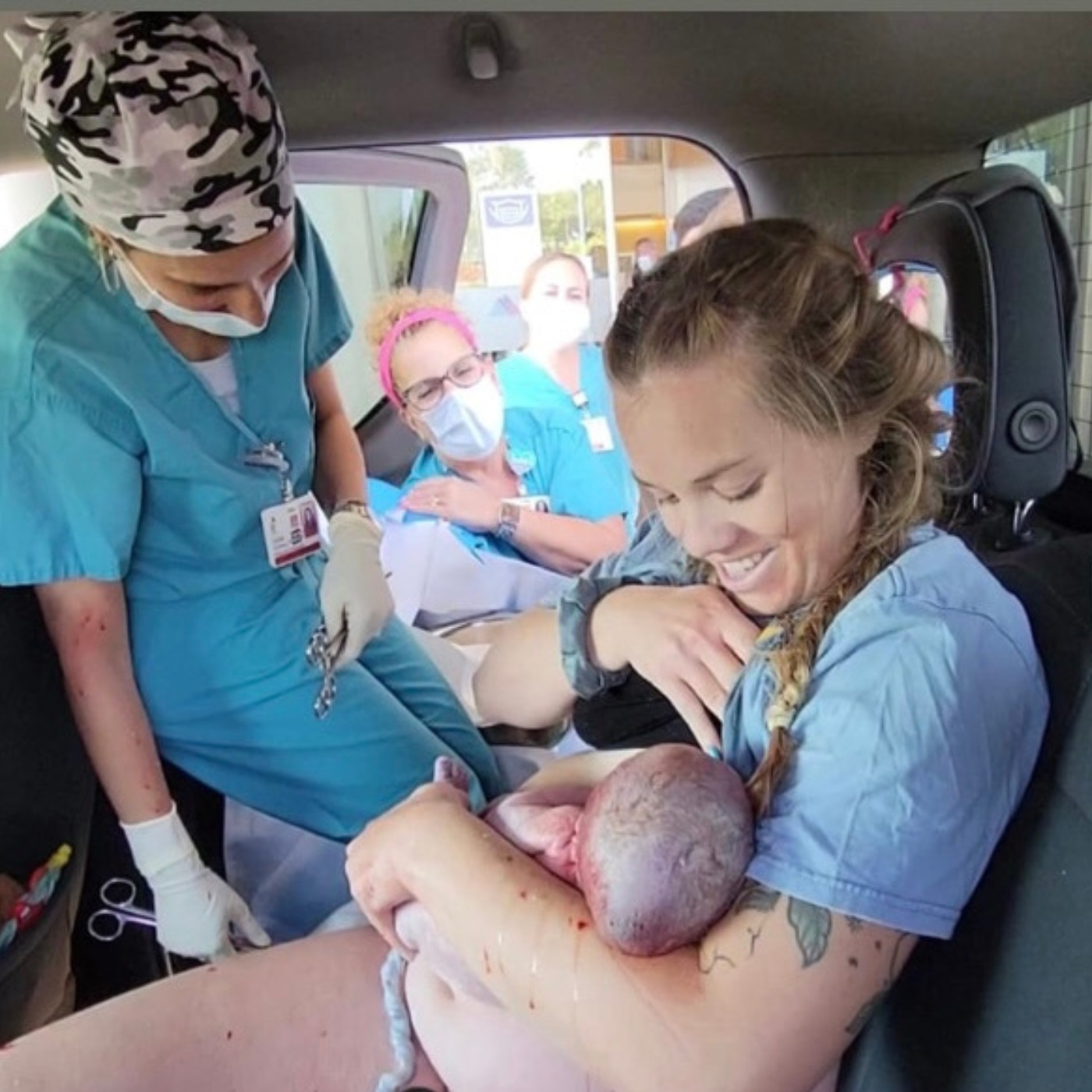
Invalid Date
Episode 226 Pat's VBAC Over 40 + Processing Your Difficult VBAC
Achieving your VBAC is an accomplishment worth celebrating, but it's also important to hold space for processing the difficult moments. Pat joins us today to share how she birthed both of her babies over the age of 40 as well as how she found a supportive team to go for her VBAC. She shares the importance of paying attention to your feelings when choosing a provider even if everyone around you feels differently. Pat experienced some traumatic events during her VBAC which left her feeling grateful for the outcome desired but unexpectedly having to grieve the loss of what she thought would be a dreamy and empowering experience. Additional Links Pat’s Website How to VBAC: The Ultimate Prep Course for Parents Full Transcript under Episode Details Meagan: Hey guys, this is Meagan. I’m so excited for another amazing story. We are actually going to be talking about something that I don’t feel like we talk about a ton and it’s going to be pregnancy after 40. Even really 36, right? I feel like in the medical world, 36 is old. I’m doing air quotes because it’s such an annoying thing to be but we are going to talk about that. Pregnancy after 40 and what that looks like and how that may feel for someone. We have our friend, Pat, today from L.A. She’s going to be sharing her stories. She did have a VBAC and we talk about this often on social media and things like that where people may have a vaginal birth after a Cesarean and it’s the most healing, amazing, beautiful experience and then sometimes it’s not. So I’m excited to hear from Pat today and hear more about her experience. Review of the Week But of course, we have a Review of the Week so I’m going to make sure to get into that before Pat starts sharing her story. Just a fair reminder, if you guys have a chance, if you would please leave us a review, we love your reviews as you know. We talk about it all the time but really, they make us smile so much and we love reading them on the podcast. So push pause and go leave a review wherever you listen to your podcasts. This specific review is from Sarah. She doesn’t have a subject on it but she says, “I am a birth and postpartum doula who is always on the search for a birthy podcast to listen to in my car. I was so excited when I found The VBAC Link so I could listen to these amazing stories from women all around the world who reached their goals through becoming educated thanks to Meagan and Julie. I recently certified with The VBAC Link as well and I’m impressed by the thorough delivery with which their knowledge was shared in the training. I’m super excited to move into the next chapter of my career and I’m so thrilled to do so with an amazing community and support.” Sarah, I love it. Thank you so much. It is so awesome to have you as one of our VBAC doulas. Birth workers, if you didn’t know out there, we actually have a birth worker course on how to support your VBAC clients because again, we talk about it. It shouldn’t be anything more than just someone going in to have a baby, but with vaginal birth after Cesarean or a Cesarean I should say, and wanting to go for vaginal birth after Cesarean, there are hurdles that a lot of clients have to jump through. It’s so nice to learn how to support them so we have a certification course and we add you to our doula list and share you with the world. So parents, if you are looking for a VBAC doula, go to thevbaclink.com/findadoula and see if there’s a doula near you. Pat’s Stories Meagan: Okay, Pat. I can’t wait. Thank you so much for taking the time today to be with us. Pat: No, thank you for inviting me. I’m so excited. This podcast has been such a big and helpful thing to prepare for my VBAC so thank you for that. Meagan: Absolutely, well I’d love to turn the time over to you. Pat: Yeah, I am Spanish so that’s why I have a weird accent but I’ve been living in L.A. for the last ten years with my husband. I have two kids now. One is two and a half and the other one is going to turn ten months in just a little bit. My journey started really late or later than other people here in the states. I always knew I wanted to be a mother but then I saw my friends having kids and saw what that really means to your life, so for a little bit, I was trying to decide whether I could really take on motherhood or not. I knew that if I were to be a mother, it would be in my late thirties. I really wanted to push it which makes sense now because if I hadn’t done that then, I would have different kids. I really believe in destiny and these kids were meant to be for me. So I think I’m happy with that. With that also came a lot of stress from the doctors. All this talk about the extra risks and how difficult or impossible it was going to be to get pregnant at 39. My journey, thank God, wasn’t that hard. I had an IUD, a copper IUD, and I took it out in January 2019. For the first three months, I didn’t get pregnant, but I also had weird pain and my period was really strange. I had an ultrasound and they saw that actually, I had an IUD inside of me even though they took it out. Meagan: What?! Pat: Yeah. It was so bizarre. I don’t want to get into details because it will take us the whole hour, but what happened was that someone along the way, and I had an IUD since I was 20 because I had DBT and I couldn’t take hormones so that was the way I chose to go. In those years, someone forgot to take out the old IUD and just pushed a new IUD inside of me. Meagan: Oh my land. Pat: It was crazy to discover that. So anyway, they took it out and three months after that, I was pregnant. That was October-November I think of 2019. So it was fairly quick for my age and everything. I was thrilled. My pregnancy also was super healthy. I did have certain things here and there but nothing that a younger person wouldn’t have. I barely had any morning sickness or anything. I did have a couple of weird symptoms. One of them was palpitations. I didn’t know that I had them and then towards the middle of my pregnancy, I started having not fainting, but lightheaded episodes where I really had to lay down in the street when I was walking my dog around several times We discovered that it was something regarding my breakfast really, so I had a thing for toast with peanut butter in the morning and I guess the way my blood sugar was doing something weird and I was really almost fainting in the street. Once a doctor told me to actually change that for protein and to have protein first in the morning. Immediately, that disappeared. Other than that, everything was great. I was feeling super beautiful with my pregnant belly and I was going for an unmedicated birth. I was really preparing mentally and physically for it. I did Hypnobabies. I was really in my head. I was obsessed with it as a friend of mine recommended me to be if I wanted to achieve it. I was doing all of the work. Everything was going great. Of course, we get into 2020. COVID comes in. My husband was able to still come into the 20-week ultrasound which was awesome, but after that I was alone and there was a lot of stress added to the pregnancy. I feel like it was toward the end of my third trimester that I don’t know why, but my mind started to lose its balance. All of the fear about motherhood came crashing down and the last few weeks, they were full of excitement but also fear. Everybody was like, “Are you so excited?” I was like, “Yeah, but I’m also so scared.” I felt guilty. I couldn’t talk to anyone about that. Because I was scared, people would think I am a bad mother or I’m going to be a bad mother. Anyways, we didn’t hire a doula which is important in this birth story because of COVID but I guess I didn’t know that I was going to need her so much. The doctor told me towards the end of the pregnancy that he was OP but that he could still move. I would feel the baby. He didn’t have space. I could feel that my belly was so tight. I didn’t think that he was going to move. I didn’t know anything about helping him position more than a couple of exercises I saw on Spinning Babies. When the birth started, it was after my 40-week appointment. I wasn’t very dilated. My doctor checked me and I was 1 centimeter and then she said that I wouldn’t probably go into labor for a few days. But then the next day, I woke up with contractions. They were light and just like period cramps every ten minutes. So I was excited but I also was in denial. “This cannot be. I’m only 1 centimeter,” which didn’t matter at all. I’ve learned that now. During the whole day, they went like that. They progressed a little bit in how painful they were, but they were ten minutes apart. Nothing was really happening so I just kept going. I had heard of prodromal labor, so I thought that maybe this was not it. By the time I went to bed, they were 7-10 minutes apart, but they were not super painful but painful enough that I couldn’t sleep during the whole night. Meagan: So tired, I’m sure. Pat: So tired. This was a Friday. So Saturday, it just kept going the same. Actually, the contractions got a little bit weirder. Instead of coming down and getting a pardon, they were all over like seven minutes to ten, five, and they were getting more and more intense as I would go but still, nothing was happening. Basically that night, I tried everything because I called my doctor and she confirmed that it could be prodromal labor. I had the feeling that it wasn’t, that it was labor that was not progressing because nothing would stop it, not any bath, nothing. So that night, I took some Benadryl and could sleep between contractions, but it was a few minutes here and there. But the next day, it was Sunday. I was so tired and then up to this point, I had been trying to move forward with this pregnancy and this birth. I would do exercises but at this point, I was scared because I thought, “I am going to get caught up in this level of pain for two more weeks and I just don’t think I can take it.” I tried to slow it down. I wanted to wait basically. I was also losing my mind a little bit. It was my third day with very little sleep. I didn’t know what was going on. I didn’t know how to cope with contractions, or how to breathe properly. This is where a doula, I think, would have made a difference. Obviously, my baby was not coming down, and just having someone with me that would have helped me position the baby better, I think, would have made a difference but it was what it was at this point. So another night without sleeping and we are on Monday now. The doctor tried to convince me to go in for a membrane sweep, but I really couldn’t get out of the house, so again, I lived in the bath. I was in the bath, in the bath, in the bath. Finally, my water broke a little bit. There was a gush of water but it was yellow. That’s how I could see it. I didn’t know what that meant, but obviously, it meant that there was some meconium. So my doctor told me that since my water broke, she felt comfortable waiting until the next day, but I had to be in the hospital at 7:00 AM on Tuesday. By that night, I think it was 1:00 in the morning when the pain was so bad and my mind was so out of it. I was even regretting being pregnant at this point. Just get me out of here. So basically, I told my husband, “Let’s just go because I don’t know what this is. I want an unmedicated birth but if this is nothing then I really need help because I just cannot go on like this anymore.” So we got there. The triage was horrible. It was hours until I was checked in. Discovering that I was only 3 centimeters was crushing, to say the least. Once I was there, I knew that an epidural would help me sleep and that’s what I needed. So by that time, they still did walking epidurals which I don’t know why they call it that because they don’t let you walk anyways. Meagan: It’s just a lighter epidural essentially. Pat: I know, but they should change the name. Definitely. So that really helped me. I slept for an hour and when my doctor came and checked me in the morning, I was 5 centimeters. I was at 0 station. Basically, the doctor said because of the circumstances, she thought that I had to be around a 6 by the time she came back later on. I thought it was achievable. I had a whole morning. By that time also, I had developed a lot of pain in my left side and in my right side. The right was a sciatica type of pain and the left was just my lower back. It was hurting a lot like my kidney type of thing. I was drinking water and drinking water and I just couldn’t get satiated. I kept laboring in bed. They didn’t mention the OP baby. They didn’t offer a peanut ball. Nothing, so I was there just surviving in bed. They wouldn’t let me get up, so I would sneak in between visits from the nurse and get up with my husband a little bit because I would feel my legs and everything. I needed to get up because it was so excruciating, the pain in my back when I was laying down. The doctor came at 3:00 PM and I was again 5 centimeters. Her fear of infection was clearly high. She was scared for me even if nothing really was happening. At that point, my water really, really, really broke and there was this green, thick layer. It was full of meconium coming out of me which I knew was only a matter of watching it. It didn’t mean that I could not have a vaginal birth, but it was a little concerning. The doctor convinced me to take Pitocin at that point. I started that at 3:30 and the pain in my sides increased. It was more and more difficult to try to stay in bed. A few hours later, I think it was around 9:00 PM, I had blood pressure issues. Everything was starting to pile up. There was a little bit of protein in my urine, but I had been given so many different infusions of liquids that my doctor chose to change one first before giving me my other medicine to see if that worked. That worked, but by that time, for someone who didn’t want any interventions, I was full of tubes everywhere to my uterus with a catheter, it was just really bizarre. During that time, I also had a resident come in. She was the chief of residents and she was one of the sources of my trauma really in the hospital because she was really disrespectful to me not only in her comments. When she saw me in pain, she said, “Oh, you wanted a natural birth so I don’t know what you expected,” and things like that. Also, she came and checked me and she really hurt me. I asked her to stop and instead of stopping, she pushed harder inside of me. Meagan: Oh! Pat: I didn’t even know how to react to that because she ignored me and she kept doing it even harder. I felt so violated by that and that just stayed with me. Meagan: I’m so sorry. Pat: Yeah, it was crazy. I continued laboring and the blood pressure resolved. The kidney was failing. They said it was damaged. That was why the protein was coming out on the tests. But with that change of liquids that they gave me, apparently, it just made it better. The pain was still there, but the protein disappeared. My blood pressure came down and that was really it. Around 10:30, following my notes, apparently, the baby’s heart dropped. It lasted more than eight minutes, but it wasn’t a big drop. That was also my first experience with everyone coming into the room screaming. This is another thing. I saw this chief resident talking to my husband about what was happening to me but no one was talking to me. They were yelling at me, “On all fours!” That was after I got up and they saw me up, so they were also yelling at me, “What did you do? This is all you. Go back to bed.” I was so scared. Yeah, but nobody was explaining to me what was happening. Luckily, they got that under control and then they explained to me what had happened. They told me to lay on my side really, really still. On that side, it really, really hurt almost like torture. A really well-designed torture. They had stopped Pitocin and they restarted it an hour later. Everything was going well, but again, after a couple of hours, there was another deceleration. We are now at 4:00 AM so it is 24 hours after I had gotten to the hospital. This one was shorter, but it was deeper. I was only 6 centimeters when I had it. I couldn’t even picture myself having a baby frozen in this position. “You cannot do this. You cannot do that.” How am I going to birth a baby then? I was really sad, but I didn’t see any other way out. I had my cry with my husband and then we just went to the OR. It wasn’t an emergency, so we had a minute to process. It was something that needed to be done. My doctor was great at talking to me. This was the first time that she actually came to the hospital after 24 hours, so once she was there, I didn’t have to deal with the chief resident. She is always really respectful and she always talks to me about everything before making a decision so that was great and helped me calm. The surgery went great, but I was so out of it. For example, when they were going to pull out the baby, they lowered the curtain but I couldn’t see. I couldn’t even say it. I didn’t see it. I couldn’t see and I said, “Okay,” then I turned and looked at my husband and at his face. He was looking at our baby being born which also was beautiful, but I was really, really out of it. I think it took them 15 minutes or so to bring the baby. They also raised him, but I only saw the legs. I remember him crying and just realizing that I actually had a baby. It’s a real baby and not a fish that was inside of my belly. It was pretty great. Then they wheeled me into recovery and I was in a lot of pain, but my husband recalls actually that when they brought the baby, he actually said, “I thought you were dying but then they brought the baby and put him on your chest and you were fine.” I didn’t remember that but I keep that as a memory because I thought that was one of the most beautiful things that happened. He also crawled to my breast which was really great. Meagan: Yay. That’s really cool because a lot of times with Cesareans, they don’t allow that to happen so that’s really cool. Pat: Right. No, they were really good at giving me the baby as soon as they could. I also held him in the OR but I wasn’t feeling great and then they took him back. But then this nurse came and without saying anything. I’m in this beautiful moment. The baby latches. I’m just enjoying it and this woman starts punching me in the uterus basically. That’s how it felt. Massaging me and I screamed like I’ve never screamed in my life. It hurt so much. I asked her. Again, she didn’t say anything. I asked her, “What are you doing?” She said, “I have to do this because it’s either this or you’re going to bleed to death.” I said, “But I’m not hemorrhaging or anything. That was just another thing that really impacted me. Meagan: That sticks in your mind, yeah. Pat: Exactly. The flashbacks come afterward. It might not sound like a big deal, but it is a big deal. It’s a really big deal. We went to the room and after that, everything was beautiful getting to know our baby and naming him because we knew that he was a boy but we had different names. He was great. He was drinking. He was wetting the diaper but then because of all of the liquids that I got, first of all, he was 8 pounds, 12 ounces when he was born but almost a pound of that or half a pound of that was liquid. He was so swollen. Meagan: Yes. I want to talk about that because a lot of people don’t realize that’s a thing. We have long labors and we receive a lot of fluid or we receive a lot of antibiotics and all of these fluids, it can actually make our baby bigger than they actually are. So yeah. It’s crazy. You have to have an 8-pound baby come out, but then they’re 7 pounds. It’s scary because it looks like they’ve dropped so much weight and then you’re not thinking that you are feeding your baby right and they’re not getting enough milk when actually, they’re getting rid of that excess fluid. Pat: That was part of the problem. It’s crazy that they don’t know it. Meagan: They don’t talk about that. Pat: The problem was that he was losing so much weight because he was getting out of the liquids but in the process because apparently, all of the liquids threw his pH off so he was dehydrated. He was eating normally but he was dehydrated. After another day, his diaper was dry. I told the nurse, “I don’t think this is normal.” She was like, “No, no. This is normal. Don’t worry.” I was like, “Okay. I guess maybe babies are like that.” But then we had a great lactation consultant and she noticed that he was breathing really fast. They had to take him to the NICU just because of dehydration. It was another setback on the happy ending type of thing. But luckily, he only spent the night and a morning there and he was okay. We took him home. This was already day number four in the hospital. From then on, he thrived. We had to do for a little bit, I think it’s called a [inaudible] feeding thing just to make sure he was gaining weight but it was really obvious from the get-go that my milk was enough for him and he was good with it so after a week, we weaned him out of the bottle and he was only breastfeeding, gaining weight, and everything was great. Yeah, I had a lot of emotions but my postpartum was really good. I think that has a lot to do with my placenta encapsulation but I will never know I guess. Meagan: I know. I love placenta encapsulation myself. So yeah. Pat: So yeah, second baby. I remember a nurse in my room. I was actually getting wheeled to the OR and I had a nurse talking to me, “Don’t worry, honey. You can have a VBAC.” I was like, “I don’t know about this VBAC, but I’m telling you that I’m not having more kids.” So that VBAC thing stuck with me. I started having baby fever really early on like six months postpartum. I thought my baby was so cute, I thought, “I want another baby.” My husband was a little resistant but I knew that I was going to convince him so in the meantime, I started listening to The VBAC Link Podcast. It was a great source of learning. I’ve always loved birth stories, but this was really specific. Listening to so many Cesarean stories, I could also understand better what happened to me and maybe make a plan for why I didn’t want it to repeat again in the future. When I got pregnant, I got pregnant on the first try. I just want to say it again because I was 42 at the time. I was 41.5. I turned 42 when I was pregnant. Age doesn’t have to be an impediment to having kids. Every person is a person. Statistics don’t represent you. I want people to have hope for that. This pregnancy went also really well. The symptoms were a little bit worse. I didn’t have extreme nausea or anything, but it was a little bit worse. Not too bad, but a little bit worse. I hear that happens with second babies and third. At this moment, what I was more focused on was my VBAC. Of course, I wanted to go unmedicated too, but I really wanted to do everything possible to have a vaginal birth. I hired this doula. I live in L.A. and there is this famous doctor who everyone goes to. I thought, “I love my doctor, but she already was talking about how she follows a certain procedure at the hospital.” At 39 weeks, she recommended being induced and all of that stuff. I just thought, “She’s great, but I really want to have the best chance. If they call this guy the king of VBACs, shouldn’t I go with him?” I went with him and he was really hopeful about my VBAC. He has a weird personality. He’s really nice but at the same time, he is just not everyone’s cup of tea and not my cup of tea in a lot of different things. I had a little bit of a red flag for certain things that he was trying to force on me. When I would tell him, “I don’t want this or I don’t want that,” he would just get mad basically and try to push it. I was going away from having to convince my doctors of what I wanted for my birth so I landed on a guy who was supposed to be– it felt to me at the time– the only way of having a VBAC and having to have the same fights with him, it felt really confusing. I think it’s really important to know that because a provider might be VBAC-supportive, it doesn’t mean that they are not also intervention-supportive which is what happened with this guy basically. I continued with him because I was really scared to not have my VBAC unless I was with him. Meagan: Right, because everybody around is like, “Go here.” Pat: Yeah, and here’s another thing. I could find maybe one or two medium reviews, but all of the reviews about him in all of the VBAC groups were like, “No, this is a great guy.” Meagan: This is the person, yeah. Pat: People don’t want to tell bad stories. They don’t want to talk badly about the doctor then what are you doing then? You are just protecting this doctor. You are not protecting women or people that are birthing. Meagan: Well, and what’s hard too is even though one provider may be very VBAC-supportive and be very cohesive with that patient, it doesn’t mean that he or she is going to be an amazing VBAC-supportive doctor, but may not still fit the same desires. They can be VBAC-supportive but they might not be the right provider for everybody else. Pat: Yes, yes. I wish I could have read a little bit more about him because then just talking to other women in the group privately, they would say, “Yeah,” and most of the people had a good experience with him, but I wish I would have been able to read or find these reviews because that maybe would have made a difference in trying to find another VBAC-supportive provider. But I stuck with him. Everything went well. I had no problems that could have been related to age or problems at all. It was a normal, healthy pregnancy. I had been really careful of my positioning during the pregnancy so baby wouldn’t be OP but he was OP too. By that time, we didn’t know he was a he. I knew that it doesn’t matter he’s OP. It’s another baby. It’s another birth. I have a doula now. If I get stuck in another 4-day or 5-day birth, this person is going to help me get through it. I believe I can do it. I just need help. That’s it. Meagan: Well, and it would probably shorten it because they would probably know and have some tools that would hopefully help. Pat: Which she did because my story, with this second baby went really similarly. I actually was 39 weeks pregnant this time. I don’t know if it was all of the cleaning I did or my two-year-old, my one-year-old then had this huge tantrum, one that he never had. He cried in my arms for two hours and I felt my first contraction when I was with him. From there, it started the same way. Really low-key, a cramping feeling that went a little bit up during the day but nothing was happening either. But then at night, I tried to sleep and I was in so much pain. I was having really huge contractions. We are still cosleeping basically. My toddler was there. My husband was there and my body didn’t feel free enough to move things forward. My husband had me labor during the night, but in the morning, it went down. The contractions, I didn’t even time but in the morning they were back to 7-10 minutes and less painful but still really intense. I remember I kept cleaning. I did a set of exercises to get things going from Spinning Babies. Meagan: Three Sisters? Pat: The [inaudible] one. Meagan: Oh, yes. I know what you’re talking about. Pat: There were a bunch of exercises you could do so I did all of them. Here’s another thing that I recommend to people who have had trauma in their first births. I thought, “I’ve got it.” I thought, “I have processed this. I am okay.” I even wrote a script about witches. It’s named The Resident . I thought I had processed it but I didn’t so when things were really starting to get similar to my first birth, my mind got out of whack. I lost it and I remember crying to my sister-in-law, “This is the same as with Liam. It’s going to be five days. I’m going to end with a Cesarean.” Totally negativity that I didn’t need at that moment. Meagan: You spiraled. Yeah. I did that too. Pat: I spiraled, yeah. So you really need to process your first birth before going into a VBAC. But I could feel that things were different. I felt the body recharge that I never had. I could feel my hips hurting a lot which meant something was happening down there so that kept me hopeful. My husband told me, “Listen. I saw you with our first. This is different. You are so much more advanced right now. You never got to this point.” Meagan: But in your mind, you’re relating to what you know. Pat: I know and also your mind is not a rational mind in that moment. It is full of fear and you’ve been told that you cannot do this, so why would you think you can do it? That’s where your mind goes in that moment. My doula came finally that afternoon and she had me breathe through the contractions which I think was key because from there on, I could relax with them and I got in the bath and everything felt more controlled. One of the things that she actually had me do for the last couple of months before the birth was sleeping with two or three pillows in between my legs as if it was a peanut ball or a peanut ball. I had a bunch of pillows. I feel like that was key too because my hips are not too wide for how tall I am. I feel that keeping my hips open really helped this time. That night, the second night, I went to bed with a Benadryl again and I woke up at 1:00 or so. I was in a lot of pain. Really big contractions that you couldn’t sleep through. Again, I went to the bath and the counterpressure really helped. It really, really helped. It was one of the things that helped me the most. I had the HypnoBabies in my first pregnancy, but it never got to really help me at all. It’s really funny just singing a song in my mind. It was Yellow by Coldplay. Not even loud in my mind. Every contraction and that was it. I could go through them. It was just crazy. Meagan: I did the same thing with Believe by Whitney Houston. Pat: It was a random song also. Meagan: “If you believe,” and singing it in my head, and then I ended up making a slideshow video with that song. It just connected to me. Pat: That’s so cute. Yeah. It was magic. I think it was 3:00 or 4:00 AM in the morning. It was intense enough that I thought, “If I keep going then I might have him in the car.” I would feel different things in my hips. I could feel a little bit of the movement going down. It was like, “No, no. This is different.” I’m now going to get there and I’m going to be just 3 centimeters. If not, I don’t understand birth at all. So we went to the hospital. It was 40 minutes away, 30 with traffic. It was bad but not horrible because of Coldplay. When I got there, it was amazing because I had a really strong contraction and the nurses just put me in a room. Meagan: You didn’t have to be in triage for 3 hours. Pat: If you go to the hospital, just have a really, really, really big contraction so you don’t have to wait there for 3 hours. So yeah, I got checked. I of course didn’t want a resident around me so I had a midwife team. The midwife checked me and I was 10 centimeters she said but I had a bulging bag so I was 8 centimeters. Meagan: Yeah. Sometimes a bag can overstretch the cervix and then the bag breaks and the cervix relaxes. It seems like they check and they’re like, “We don’t feel any cervix,” but then the bag goes away and they’re like, “Oh. There’s some cervix left.” So that’s probably what happened. Pat: I was not even defeated because I thought, “I am still 8 centimeters. I never made it through 6.” Meagan: Huge. Huge. Yeah. Pat: I was so proud of myself, but I must say that when I got there, I was walking into the room and my doctor came in. He looked so tired. He had two births before me. What he said was, “Don’t tell me you are in labor.” I’m like, “I am in labor.” You could tell he was not there. He was tired which I understand, but I still feel like you have to be professional. You cannot tell that to a birthing woman. That’s where the problems with him started. It didn’t feel good but I forgot about it. I had my midwife and I was mostly laboring with her. He would just come in and out. I thought I was doing it. I didn’t want an epidural. I was laboring in the room. I was really tired, but the baby also was really high like -3. He was not down but it didn’t worry me too much. I kept going. I kept going for two or three hours. In between, my doctor came and checked me but there was no progress. At some point, I guess I wasn’t coping as well. I think I was just getting into transition because in between contractions, I was like, “Ohh,” like kind of fainting. I felt like my body needed rest. Two days laboring with this kid felt much more than five days laboring with my other kid, so I don’t know. My doula suddenly said, “You know, I know you want an unmedicated birth, but I just don’t think you are going to progress if you don’t take the epidural.” I understand she said that because she was scared for me not to have my VBAC but also, I feel like it was early in the game. Why don’t we try other things before that? But it was true because basically what I thought– my husband though was my huge supporter. He was like, “No, no, no. You’re doing great. You can do this. You can do this.” He still tells me nowadays, “If you could have heard me and not the doula–”. I was like, “Supposedly, doulas have so much experience–”. Meagan: Sometimes, an epidural is a great tool. There’s this spot where we get in labor where we’re tense and we’re not really letting our body go, so an epidural can come into great play and allow us to finish out that cervix and that dilation and that process, but yeah. If you didn’t want one then there are other things you could do. Different positioning and coping and breathing and water. Pat: I think that’s what she saw. She saw that I was too tense and that was not going to go anywhere. So I said, “Okay. I’m going to wait half an hour and if I did not progress, then I will consider it. It would be the right thing. It makes sense.” This was almost four hours from the moment we got there. When we got checked, I hadn’t progressed and I accepted the epidural. Meagan: Did your water break? Was it bulging and then they broke it or was it still bulging? Pat: The doctor broke it a little bit but just enough so that it would just come out a little bit and come down, but he didn’t break my waters completely. They actually broke when I was laboring in the room. It was really funny because it was gallons of clear water which was a different experience. It was like, “This is so clear. This is so clear.” But it was gallons and gallons of water coming out of my body. It was crazy. But yeah. After the epidural, I rested. At that point, they didn’t have the option of the walking epidural anymore so it was a normal epidural but I could still feel my legs and a little bit of pressure. It was good but I could rest. I couldn’t sleep but I could rest. Two or three hours after that, I was already at a 9.5 and I had a cervical lip. Oh, in between that also– this is an important piece of information. These are things I want to forget so I forget to tell them. The doctor came in. He was coming in and out. This was probably at 12:30 or 1:00. He said, “Well, I have a dinner at 5:30 so we need to start pushing at 2:00.” I’m like, “Okay.” And he left. I didn’t know if it was a joke or if it was true but it turns out that he really had a family dinner at 5:30. It turns out that also I was ready and I was almost ready to push, but I was fully dilated by 1:30. That lip really went away. The midwife put me on my side and it was great. She was amazing. I wish everything would have happened just with her. I started pushing. The pushing phase was really weird to me because I was expecting it to feel good and they were like, “Okay, you’re ready to push. Do you want to push?” I was like, “I guess.” Meagan: Disconnected. Pat: Disconnected. Totally disconnected like, “What am I doing here? I don’t understand what’s happening.” I pushed for an hour or so. I asked for the mirror to see what was happening. That was cool but also got me a little bit discouraged because I could see the little advancement with the push. When I was more advanced or ready, they called the doctor. The baby was doing fine. He had a couple of moments where his heartbeat was taking a little longer to come back, so I could see my midwife calling the doctor, but he wasn’t concerned so we kept going. I think it was one hour into pushing that he came and turned on the lights, propped me up, changed the way I was pushing, and just sat in front of me with a boring face and said, “Okay, let’s see.” It was just not the kind of person you wanted there. Meagan: Impersonal, yeah. Pat: Yeah, really impersonal. He was also yelling at people like the nurses. He was in a really bad mood. Yeah. Everything was getting weird. I already had this weird feeling of, “What is happening?” I don’t know. I cannot really describe that but it was this fight or flight mode that you get when you’re birthing that makes your baby come. That’s what started happening to me. The thing is that I kept pushing and pushing and pushing and little by little, there was some progress. At some point though, he started to mention how he wanted me to get a little bit more of the epidural, but I talked to my doula and to my husband. I really wanted to feel what was happening, but then he kept going on about how if I had the epidural it was going to be better because he was going to have to stitch me and then, “Oh, that hurts a lot,” and then this and this and this. He kept going into my head. I really regret this, but I let him convince me and I got a little bit more of the epidural. At that point, all of the pressure disappeared. I could feel but yet I couldn’t feel as much. After that, when the epidural was already in, he said, “You know what? The head of the baby is coming in and out, in and out, in and out. What if I take a vacuum and I use in only just to hold the head of the baby in the same space in between contractions?” I had heard this on a birth story. It worked for the mother. This was two and a half hours into pushing so I said, “Yes, yes. Let’s do it,” because I could see in the mirror that that was true and that was happening. He put the vacuum on and they closed– I don’t know. I closed my eyes and when I opened them because everyone was telling me, “Open them. Open your eyes. The baby is coming.” He’s basically yanking the baby out of me. This is all how I felt that it happened. I’m sure the other side is different. This is where my problem comes with this VBAC and it’s just that I felt I was tricked into using an intervention that I didn’t want. The baby was born at 4:45 basically. Meagan: Right before dinner. Pat: The other thing is that he had the baby. The baby was crying. It was a boy which was super exciting to discover. He was pink and one of the other things I had told him was that I wanted that baby on my stomach. One of the things I missed in my other birth was the feeling of this high when they put the baby on your chest and he knew. I had told him so many times. He had the baby and he kept cleaning him up, cleaning him up, cleaning him up. I have a file of pictures where I’m holding out my hands to grab him and I retract them until I just snatched the baby out of him basically. Meagan: Give me my baby. Give me my baby. Pat: Give me my baby. Give me my baby. I breathed out this moment of rage and I could be present with my baby. I welcomed him and everything was great. From that moment on, nobody took him away from me. I held him and he felt so familiar. I felt like our family was complete. At least that feeling wasn’t taken away from me, just the joy of welcoming my baby. Everything in the postpartum was great, but I really struggled. I struggled a little bit. I don’t think it was depression but the baby blues were really hard on me for 2-3 weeks. I couldn’t stop crying all the time. I would remember my VBAC and I felt really guilty. I even remember the midwife, “You got your VBAC. You got your VBAC.” It was like, “Yeah, I got my VBAC.” I’m glad. I didn’t want a C-section, but this is not what I wanted. I feel so robbed. I feel robbed and it’s so bad of a feeling to have. Meagan: Yeah. You did. You got your VBAC. Everybody on the outside is like, “Yay. This is what you wanted,” but it was very traumatic getting there. It was really positive and then it took a spin and things happened to you that reflected not as positively. We’ve talked about this back when Julie and I were together too. You can be grateful for your vaginal birth after a Cesarean. You can be grateful for your CBAC, your Cesarean birth after Cesarean. You can be grateful for your birth, but that doesn’t mean you can’t grieve another experience or be upset. You don’t have to have one without the other. They can go together. Unfortunately, you have this space now where you’re like, “Yeah, I did, but I reflect differently than everyone might think.” Pat: Yeah. I feel like all the work that I did, he just took it away from me because he was in a rush and it wasn’t necessary. Meagan: Yeah, I’m so sorry. Pat: I’m processing it. You can focus on the positive things, but it’s not great. Meagan: Well, congratulations on your baby boy. Pat: Thank you. Meagan: But yeah, I think that’s something to note and it’s so hard. We as doulas here had a client who said the same thing, “I knew I didn’t want this. We went over this with you. We all went over it, but for some reason, I just went with what the doctor said.” It’s so hard not to. We are in this very vulnerable space and they have this way sometimes– I’m not going to say all the time– but projecting this, “You have to make decisions right now” or “You have to do this or this scary thing will happen.” I don’t think that they really realize how their speaking to us impacts us as birthing women, but it does. It does. The things they say and even like you said, he sat down and gave you a blank stare. “All right, let’s see what we can do here.” Just that right there takes away from someone’s space. Providers, doulas, if you are listening, anybody who is entering a birth space, please make sure that whatever is going on in your personal life, whatever is taking over at that moment, leave it at the door. I know it’s hard. I know it’s hard. As a doula, if there’s ever a situation where I have that, I might need to call my partner because if I can’t shut that off and join this beautiful space and hold space for my clients, then maybe I shouldn’t be there. It’s hard because these providers are just going to be there but we have to be mindful. We have to be more mindful of how we present ourselves, what comes out of our mouths, and again, the actions that are done to us because they impact us so much. So I’m sorry that that did happen and I’m sorry that along the way, you had to go back and forth in everything. I am happy for you but at the same time, I grieve with you. I feel you. I am so sorry. So sorry, but congratulations at the same time. Pat: Thank you so much. I feel like you really understand. When I’m telling this story, not everybody understands why it hurt me so much. I feel that you and your community probably will understand. Meagan: Absolutely. We understand. We hear you. We feel you. We’ve been there. I really appreciate you and I know you are 10 months postpartum, but we’re still here. We’re still here to help you heal through this journey. Pat: Thank you so much. Closing Would you like to be a guest on the podcast? Tell us about your experience at thevbaclink.com/share. For more information on all things VBAC including online and in-person VBAC classes, The VBAC Link blog, and Meagan’s bio, head over to thevbaclink.com . Congratulations on starting your journey of learning and discovery with The VBAC Link. Support this podcast at — https://redcircle.com/the-vbac-link/donations Advertising Inquiries: https://redcircle.com/brands

Invalid Date
Episode 225 Heather's VBAC + Postpartum Depression + Patient Advocacy
“I knew I was having a daughter this time. I was like, ‘I’m going to approach this as the model that I want her to have. I want her to know that she is empowered to make whatever choices she needs to in life and I need to practice that now.’” Though Heather’s two birth outcomes were very different, the most inspiring part is what Heather fought for within herself. Heather went from knowing she had a voice and being afraid to use it to knowing her voice and making sure it was heard. In the depths of depression and anxiety, Heather continued to be proactive and choose healing. Through vulnerability, therapy, patient advocacy, medication, and staying attentive to her needs, Heather’s second postpartum experience was drastically better than the first. Additional Links Heather's Website How to VBAC: The Ultimate Prep Course for Parents Full Transcript under Episode Details Meagan: Welcome to The VBAC Link, guys. This is Meagan, your host, and today we have our friend Heather. She is from Kentucky and she is sharing her amazing story. One of the highlights of her story that we’re going to be talking about is postpartum depression which is something I’m really excited to talk more about because postpartum in general and Heather, maybe you would agree, I feel like it’s even more sometimes in preparing for a VBAC because we’re so hyper-focused on the birth and having this vaginal birth and avoiding a Cesarean and all of the interventions. I mean, really. We’re just so hyper-focused that we forget what comes after. Not just recovery after, but mentally and physically. All of the things, and so I’m really excited that you are going to touch on this today and I already want to thank you for your knowledge because I’m excited to hear what you have to say. Review of the Week Okay, I have a review of the week and then we’re going to go into it. Does that sound good? Heather: Great. Meagan: This is actually a review of The VBAC Link course. This is from Ashley and she says, “TOLAC/VBACs should be treated just like any other birthing person but there is a certain preparation and information that needs to be offered to them and this course covered that. The value is held in your careful recognition of how to best support our clients who are doing a TOLAC.” I’m assuming Ashley is reviewing the doula course in this one. She says, “I cannot praise you two enough for the fear release activity. Honestly, it is something I can apply to even myself before and after birth and even in life in general. Thank you for that. It has already helped three of my VBAC clients.” Even starting right there talking about processing and fear release before going into birth can ultimately help us in our postpartum stages. Heather: Absolutely, yeah. That’s a big part of, I think, what I was working through in my second pregnancy. Heather’s Stories Meagan: Okay, well then let’s turn the time over to you. Heather: Well thank you so much. I’m really humbled to be here today. I’ve heard so many amazing stories and I wasn’t sure that mine was really amazing enough, but I really just feel so strongly that talking about postpartum depression is important even now, even five years out of recovering still that I just really want to be there to help others who need that light. Meagan: Absolutely. Heather: All right, so I got pregnant with Theo in 2017. We made the decision in March and literally the weekend I had my birth control out, we looked at each other, and bam. We were pregnant. Meagan: Oh no way. Heather: So I was like, “Oh my gosh. This is amazing. Oh my gosh. I’m terrified.” I had no chance to really start processing this. I was still weaning down from my depression medication. I had been in treatment for depression a few years prior. I had been out of it but still on medication. I was feeling good. I was feel pretty stable. I thought going off of my medication was going to be great. So we find ourselves pregnant and oh man, that pregnancy was hard. I was sick. I was exhausted. I’m a performing musician and teacher of music, so I was getting through my days with little kids and getting to gigs and driving and throwing up in the car on the highway. Meagan: Oh, bless your heart. Heather: I’m still processing this whole, “Wow. Our lives are going to change.” I was really excited too, obviously. I was really happy to be starting this but we were really apprehensive heading into that. I was due Christmas Day that year, so starting in November, we started getting serious about birth prep. We did a very comprehensive birth course. I was seeing midwives for my care during that pregnancy and I thought they were just really great. They had the same view I did. I was really happy with the care I was receiving. It was very encouraging and just like, “Whatever it is that you want, we will get this for you.” The hospital I was going to deliver in had nitrous. It had one room with a tub. It had showers in every room. It had obviously the epidural and the IV meds. I felt good about the options, although something inside of me really wanted a more natural kind of experience. I think looking back, I really did want a home birth, but I was scared and it’s expensive, so this is the direction that we went in. Our birth prep, like I said, was very comprehensive and on top of that, I was reading books. I was making sure that I was informed in case of a Cesarean. I knew about the cascade of interventions and coping with contractions and stuff. We got to the end of that video class and oh my gosh. So they do this, “Congratulations. You’re going to have a baby.” I was just like, “Oh my god.” I was terrified. To be perfectly honest, my husband wasn’t much better. It was about another four weeks before I actually went into labor since that moment and it was an exciting time. I got through 39 weeks at work and then I stepped back because as an organist, I wasn’t going to be playing the day before my due date. My due date came and went and he didn’t come. I was very thankful for that because as an organist, I did not want to have a baby on Christmas Eve. Christmas Day would have been preferable frankly. Meagan: I was going say, did you guys have performances at all? So you took a step back but did you have Christmas stuff at all? Heather: I had backed off by the week before Christmas. Meagan: Oh that’s so nice. So you completely stopped. Heather: Yes. So 39 weeks on, I was on maternity leave. I had some Braxton Hicks, nothing really, not moving too much. I got to 40 weeks. My mom came. 40+1, we go for a walk. 40+2 I think is when I had my next appointment with my midwife who was one of the two midwives I had seen in the office and she was the one who actually was still doing hospital deliveries so we were like, “Okay, let’s get in to see her a few more times in case I possibly see her,” which I did. We decided to do a stretch and sweep. It kind of went. It was possible. I was pretty high and closed and stuff, but I think the sweep worked. I didn’t really experience much from that. My mom was like, “Well, I’m going to go see my sister in the other state,” so we had some space again which was really nice to have. Thursday that week, I go to my massage guys who are also acupuncturists and I was like, “Get this baby out of me.” They were wonderful people. They are not prenatal or anything. One of them is from India and he was like, “So your baby is a little bit over here and is not pushing on your cervix.” He just lightly touched my belly and it was so gentle. Then I had some acupuncture and they left me to chill. Then Friday comes the next day and that evening, I just had a sense. I was like, “Hmm.” I don’t know. I was just feeling this. So that night, I went to bed on the couch downstairs. My husband was upstairs. I woke up around 3:00 or 4:00 AM and I’m like, “Yeah. I’m having contractions.” I was like, “Okay, early labor. I’ve got to rest.” So I went and crawled into bed with my husband and that was just a no-go. It was too painful. I pretty quickly got out of there. Mostly, I would labor bending over, leaning over something. We did lots of different places. I was at home for a good 7-8 hours probably. I was feeling pretty good in early labor there. I just had some food, keeping it light. My husband was packing his bag because of course, he hadn’t packed ahead of time. I guess contractions probably started around 4ish. I took a bath. I know you’re not supposed to slow them down, but I was like, “I need to rest.” Meagan: This is the thing with taking a bath. I don’t want to say full-blown labor like you’re not in labor at all, but if it’s going to progress, it’s going to progress and water’s not going to stop it. If your body responds by slowing down and taking a break, that’s probably what it needed. Heather: Yeah. It still continued. He would put Netlifx shows on for me. He’d put stuff on for me. I’d be breathing through the contractions. After the bath, I guess shower, then bath. I don’t really know. I started having to moan through contractions and they started, “Okay. I’m doing my low breathing. I’m feeling good.” I was feeling like, “Okay. I’ve been prepared so far.” Around 11:30-noonish, things started changing and I started getting antsy and anxious. Contractions started coming much closer together. It was probably about three minutes apart. They’d been a minute long for hours at that point, so we knew that we were really in labor. I was definitely starting to get that worry, that anxiety going then. It was like, “We’re not at the hospital.” We weren’t far from the hospital, but I was like, “We need to get there.” I remember I was using the bathroom and laying down was a no-go. The toilet was absolutely excruciating. It was really intense when I hit a contraction. My dear, sweet husband comes and jokingly brings me something to put on that was lacey underwear or something like that. I was like, “You just do this. We need to go.” I was not having any of it at that point. So it was like, “Okay. We’re definitely ready to go.” We got in the car probably at about 12:30 and we head to the hospital. Man, the car ride contractions were not fun. I’m going, “Ohhh.” I start going, “We’re going to have a baby.” Meagan: All the emotions. Heather: All the emotions. I mean, it was funny but it was also like, I was starting to become a little unhinged there. I had gotten out of my safe, comfortable, “I’m in a space. I’m in a zone.” Looking back on it, I realize now that I was starting to experience back labor. That was still a whole extra level of, “Oh my god. I’m not prepared. This is really intense.” We got there. I insisted on walking the whole way. Meagan: Probably good for you though. Heather: That’s what I was thinking. I was like, “I don’t want to have interventions. I want to get there as late as possible so I’m going to walk.” Every 30 feet, we were stopping to moan through things. We go to where we think triage check-in is and it’s moved because they were doing work. So we were standing there and my husband’s calling the midwives to come from across the hall. It was ridiculous, but the midwife was like, “Let’s get you a chair.” I didn’t really want it, but they could tell that I was in labor. I get to triage and they check me and I was 5 centimeters. I was so excited. I was a first-time mom. I’m halfway there. This is awesome. I’m freaking out though. So I’m freaking out and I’m there and okay. It’s time to admit me. I knew my preferences. I knew in my heart what I wanted and I didn’t ask for that. Meagan: You can’t say it probably right? Heather: Yeah. I thought, “I want a water birth. I want to ask for the tub room, but what if I don’t end up doing a water birth and I’m occupying it and I’m taking it from somebody else?” All these I would say people pleaser things came in. I was like, “You know, I want to get in the shower. I want to labor back in the shower,” but I was starting to shake. I was getting scared. I was getting more and more scared and just feeling out of control. So I was just like, “I’m progressed enough. I want an epidural,” even though I knew I didn’t really want an epidural. I was having this back labor. I had been laboring for a long time. I was 40+5 and I was tired. You’re not sleeping well by that point. The midwife was great. She was supporting me. She was applying back pressure and a lot of tailbone pressure, especially with the back labor and it was really helpful, but I eventually got the epidural. The first one didn’t take. They did another one immediately and that one only half worked. They put me on my left side because I could feel my contractions all the way down my left thigh. It was really, really intense. The medicine worked that way. I guess we got some sleep. A few hours later, they come to move me to my right side. A few hours later, they move me so I’m sitting with my legs and knees out. That was all they moved me. I couldn’t really move. Over the course of having to move, the epidural definitely started wearing off on my left side again. Then shift change happens around 8:00 PM and the midwife that I had been seeing comes on. I was so happy. I was so happy to have her because she was wonderful. She comes in and the room is dark. She checks me and I’m complete. Well, I’m almost complete. She’s like, “there’s a bulging bag of water. We could break them and start pushing or hold off on pushing. What do you want to do?” That voice inside again says, “I want to labor down. I want to have some time to really feel the urge to push,” but baby was having some heart irregularities, so I was like, “Well, then let’s go ahead and break my waters. We’ll start pushing.” Even though in my mind, that really wasn’t what I wanted. Meagan: Your intuition it seemed like so far has been saying one thing, but then your voice said something else. Your mind talks you into something else. Heather: Absolutely. I think that’s really the motif throughout that whole labor. My intuition was in one way and what I was agreeing to and saying I was okay with was another. My midwife was very great. She wasn’t pushy, but having a baby who has nonreassuring heart tones, not dangerous yet was like, “Okay. I’ve got to consider this as well.” So on one hand, I wasn’t thrilled to be accepting breaking my waters, but I wanted to know that he was in a good position. I didn’t know it was a he, but I wanted to know that baby was in a good position, but the labor nurses were like, “Oh yeah. Baby’s ready. Baby’s ready.” Meagan: And you don’t really know about back pain at this point. You kind of maybe do because it’s half working, but you’re not feeling it the way you were feeling it so you couldn’t even really identify where he was at. Heather: Yeah, exactly. I’m a first-time mom. Meagan: You don’t know what you don’t know. Heather: No, you don’t. We start pushing and they were pretty good about letting me push on my sides and on my back. They would turn me to my left side and I would push. They would turn me to my right side. I would push. I did a lot of pushing on my back which was probably where the more effective pushing was happening. At this point, my temperature has been climbing so that was one of the reasons why my midwife wanted to break my waters was because my temperature had climbed a bit. She said, “Sometimes with an epidural, that can happen but if it keeps going and it becomes a fever then we know that it’s not the epidural and it’s an infection.” I’m thinking, “Okay, then we’ve got to get this baby out.” I’m pushing and an hour goes by. My husband is watching me get sicker and sicker. My temperature finally breaks into a fever around 9:30-9:45 PM. By this point, I definitely have a fever. Baby’s heart is not tolerating it well and I’ve not made much progress in pushing. So my midwife starts consulting with the obstetrician who is overseeing her who comes in and she says, “We need to get this baby out. Our options are C-section and vacuum.” I’m like, “Well, I definitely don’t want a C-section.” So she goes off to get ready for the vacuum. Now, she doesn’t feel that she can do the vacuum because I guess she had an injury or something so she goes and gets the other obstetrician that night to go and do the vacuum. So they’re back ten minutes later. I’m still pushing. I’m still feeling it. My epidural has worn off even more by this point so I’m really feeling the contractions and feeling them build. I’m working with them. I’m feeling like that was a good experience. I appreciated having that knowledge especially when into my second birth. I didn’t really know much about a vacuum. I figured, “Oh, it might be assisting in pushing. I’d push a bit.” They’d assist the baby out over a period of time is what I was expecting. After a couple of pushes with the vacuum, the obstetrician who had come on, not the one who was doing the vacuum but the other one, says, “I’d like to do an episiotomy. Is that okay?” I said, “No. I do not want an episiotomy.” We push again. The next contraction after that, she’s like, “Okay. I need to do an episiotomy. You’re going to tear anyway.” I talked to my husband and I was like, “Okay, fine.” Meagan: Oh, love. I love you and you’re not alone where you’re like, “Fine. I just want this baby out.” Heather: Yeah. I didn’t really understand that that was coercion at the time. Meagan: Yeah, because you are vulnerable. Heather: So vulnerable. I was sick. I had a fever. Meagan: I was going to say that you didn’t feel well probably. Heather: No, my husband was seeing me get sicker and sicker like I said. By this point, it’s probably about 10:00 PM. I’ve been pushing for over two hours. I have a fever. I just consented to something that I really didn’t want going into it. The next contraction comes and I’m feeling all of this movement down there. I’m thinking, “Oh my god. He’s out.” They’re like, “Vacuum just popped off for the third time and we can’t do it anymore.” I’m like, “What?!” Meagan: At this point, they had done the episiotomy. Heather: Yeah. They hadn’t told me that it had popped off at all. I didn’t know where we were in that process. Meagan: There was no communication. Heather: There was not that communication. It was just, “You’re going to tear anyway.” A certainty. “You’re going to have this baby vaginally and you’re going to tear so you need an episiotomy.” Meagan: So you made the decision with the understanding that this baby was then going to come. Heather: By that point, we really had no choices. I was pretty sick. I could feel the contractions. I wanted baby out. Meagan: Yeah. You just want it to be over. Heather: My midwife was there the whole time. She helped coordinate getting my husband to the OR. They turned up my medicine. They wheeled me down. She brings him in after they’ve determined that I’m numb enough which I almost wasn’t. This is the OB who cut me and that’s who she is. When I talk in conversation about my birth, that’s where my mind goes and that’s really what was like, “Wow. That was obstetric violence. She cut me.” I just can’t process it any other way. She almost put me under because they had to numb me and she thought it was an emergency. In my mind, I’m hearing her say to the anesthesiologist, “If the next time, she’s not numbed, we’re going to have to put her under.” My mind is going, “No. Don’t let me. Tell them no. Tell them you do not consent to go under.” Fortunately, they didn’t put me under, but the medicine was high. My husband was there next to me and my midwife was there as a support person. They performed the C-section and my midwife was like, “Do you hear that baby crying? That’s your baby.” That was beautiful. It really was. We didn’t know the sex, so she brought my husband over to the warmer where he was and he came back. He whispered in my ears, “You have a son,” which was a really beautiful moment too. They bring Theo over and I get to kiss him a little bit. I can’t really hold him. I want to ask if I can hold him, but I don’t. But I also just needed to sleep at that point. He was born at 10:38 PM and I had been going since 4:00 AM so I was exhausted. They take him away. Apparently, he was having some breathing issues so I sent my husband with him. They went to the nursery together. I want to back up and say though that while we were having this C-section discussion, the one thing I asked for was delayed cord clamping. That was the one thing and the OB said no. In my mind, I’m thinking, “Can I ask for a clear drape? You want a clear drape. Ask for this.” I knew the things that I could ask for. I didn’t though. I had already just said no to an episiotomy. I just had one anyway. I had just been told no to delayed cord clamping. I think I was just almost out of fight. Meagan: Well, yeah. Like I was saying earlier, it’s to the point where sometimes in labor, we want to use our voice but we can’t. We’re using it in our heads, but we can’t get it out. It’s just this weird thing. I could probably see you too just being like, “I give up. Everything I did want, I’m being told no, or the opposite has happened to me.” Heather: Yeah. That was something I really had to process through. Where was that voice? Where was I? Where were we working together and where were we not working together my voice and me? But he goes to the nursery and because I had developed an infection, they wanted to get him an IV and antibiotics as well. He was there for a long time. I was alone in recovery. At that point, I was like, “I just want to sleep.” At one point, my midwife and the obstetrician came in to have a talk afterward. What I remember from that talk was basically like, “You have a small pelvis. You have an incision where you could have a VBAC, but I think your pelvis is too small.” I was just like, “That sounds ridiculous.” Meagan: Yeah. You’re like, “I know better. I know better.” Heather: I knew better. I knew better. I knew that was ridiculous. Even in recovery, I felt like I timed out because of the fever more than anything and I timed out also because I didn’t have a lot of movement going on. There was no continual positioning during labor. I had been born via C-section. I was OP. That had been in the back of my mind in preparation. I was like, “I’m going to help this baby get into good positions.” I knew the positions to help me. I knew these things and I still ended up with a C-section. The hospital stay, unfortunately, was not better. I finally met him and got to hold him at about 3:00 or 5:00 AM. I’m not sure. It was a really long separation and that was a really hard separation to come to terms with. When he finally came into the room with my husband, we tried breastfeeding and it didn’t really work. He didn’t latch and then we just went to sleep. The lactation consultants came around the next morning. They were fantastic. We started getting a latch. We diagnosed him with tongue and lip ties. We got those revised and then breastfeeding was off to a much better continuation. The next day, so I went into labor and had him on a Saturday. Sunday was New Year’s Eve so we got to look out over the city and see the fireworks. Monday, I had this rash all over my body. We were like, “What is this?” It was particularly around my incision and my belly, but it seemed to be everywhere. We were like, “What is this?” It didn’t seem like PUPPPS. It wasn’t just in stretch marks. It was like, “Maybe it’s the antibiotics.” Meagan: The sutures? Heather: “Maybe it’s something you’re wearing. Maybe it’s the sutures. We don’t know.” I had part of my thyroid removed a year prior and I actually had an allergic reaction to the surgical prep. I was like, “Maybe it was the surgical prep.” It wasn’t. We don’t know what it was but they gave me Benadryl. I was like, “Great.” It made me tired. My baby was constantly trying to breastfeed. I was also on medicine for the infection and pain which was just horrendous. That pain was worse than back labor for me. That was almost the most traumatic was trying to walk the day after. It got better quickly for me. I was very fortunate, but it was really scary getting out of bed the first few times. Like really scary, I was in so much pain. So yeah. The Benadryl didn’t really help. The next day, I asked for more because I was still itching and the nurse was like, “It can make your milk dry up.” I was like, “What? I’m not doing that.” We got home eventually and it was just really hard. He very much wanted to be held all of the time. We weren’t sleeping. I felt like breastfeeding wasn’t going super well. We got to my two-week appointment and I saw my midwife who had been there in the birth and I mean, she was wonderfully empathetic. She was just like, “How are you?” I was like, “I am not well. This is not going well. This has been really hard. He’s not gained weight.” She asked me what did we want to do about it? I was really lucky in that the practice and the hospital in general had a licensed clinical social worker attached to it, so I could go to the same place and see this therapist. She was a specialist in postpartum and prenatal counseling and just maternal and child psychology. At two weeks, I was like, “Okay. I want to talk to her.” I went to that probably a week later and I just cried for an hour. I just cried. I talked about the C-section and the episiotomy and about how I was pumping at that point but he wasn’t gaining weight and how this was hard. She just listened the whole time. I was like, “Wow. I just cried for an hour.” She was like, “Is that a good thing or a bad thing?” I was like, “I think it is a good thing. I needed this.” Meagan: Sometimes you need those releases. Heather: Yeah, the release was really important. I was seeing a lactation consultant. I was triple feeding so I was feeding, pumping, and supplementing. We get to, I guess, his one-month appointment and he’s passed birth weight. He’s doing well. I went back to the lactation consultant who was like, “Keep triple feeding.” I was like, “I can’t do this,” so I just started to listen to my intuition on that. By that point, yeah. He was gaining weight well. A few weeks later, I go for my six-week appointment and I still was not myself. At that point, I decided to go back on medication. We found something that was breastfeeding-compatible and I felt comfortable doing that. I knew that I needed to take care of myself and that antidepressants were definitely going to be the next step. I would say after I got on antidepressants, I stabilized for a while. There were a good few months there where I was continuing with therapy. We were dealing with a lot of, “Okay. I still have a newborn. I’m still exhausted. I’m adjusting to motherhood,” but just other things in life were coming up. Like I said, I felt like my mood was pretty stable. At about six months postpartum, somebody in my close circle had a pretty decent vaginal birth and I was really happy for her, but oh my gosh. I just fell apart. I dove right back down into depression. I showed up at therapy the next week and I was just like, “I’m so happy for her,” and was just crying. Again, I don’t know where this is coming from. That’s when we started the next step in processing the trauma. Since my therapist was attached to the hospital system, and since she had the specializations that she did, we were able to go through all of my labor notes. For those appointments, I asked my husband to be there for me as well, so we went together. We went through those over the course of a few sessions. We really dug into some of that. I remember going through the notes around the fever and pushing and I was like, “Yeah. I really did need that C-section.” That definitely helped me take another step forward, but at that time also, my therapist was like, “Just so you know, there are other avenues for discussing this.” That’s when she told me about the patient advocate at the hospital. I didn’t know about patient advocates, but my therapist was like, “She’s really great. She’s not just there to prevent lawsuits or malpractice suits. She will be there. She’ll be emotionally there for you. You call her and she’ll set up a meeting with the doctors and head of obstetrics and neonatology if you want.” So that was something that I decided that I wanted to do. It took me a few weeks definitely because it’s still something very close to my heart. It was still very hard. It was just hard to make the call. I think just making space for ourselves when we find ourselves in a place where there’s another step forward, but it’s still hard. It’s just so important. Meagan: It’s hard to make those steps. Heather: It is. You can feel like you know it’s what you want to do and you can still give yourself the time until it’s really right. But I made the call and in September we had the meeting. It turns out that the doctor who had cut me was no longer at the hospital. Meagan: Oh uh-uh. Heather: It may have been because of her attitude. I can neither confirm nor deny, but I did meet with the head of obstetrics who was actually performing the vacuum and assisting in the C-section. That meeting, I went into it and I wanted to ask about the fever. I wanted to ask about the infection like, “How does this happen? Did I do anything? Should I not have taken a bath that morning?” The doctor was like, “These things happen and you can’t control them and all we can do is make the best choices that we can make.” And then I brought up with her the episiotomy and I said, “That was not okay. I should not have been pressured into that. This hospital needs to know and the doctors need to know that all around, this was not okay and this should not have happened.” She said that they have trainings and there’s one coming up and that she was going to use this scenario in the trainings. That was really powerful for me to hear that they were going to talk about it in whatever way they did. It was really important for me to speak out and say, “This was not okay. This happened. It should not have happened that way,” but then also to have the doctor hear me and agree with me really did help. The meeting was also interesting. She said, “We would be happy to do pre-pregnancy counseling. We could do a VBAC calculator.” I didn’t know about that and was like, “Okay.” I also said, “I think this hospital should have more access to clear drapes, and women in my position should be offered these things, not just expected after all of what we’ve been through to ask for these things. This seems like a basic thing that we can do to be more mother-baby centric.” Meagan: It’s minuscule to make such a big impact. It’s a minuscule thing that changes someone’s experience so much and I love that you brought that up. I love that. Heather: Yeah, so this was back in 2018. I brought that up. I was like, “This could have been and I think this would have helped.” Neonatology was not at that meeting. They were unable to be there, but the head of neonatology did give me a call a few weeks later and she was lovely to talk to. She said, “I was reviewing your notes.” The obstetrician in the patient advocate meeting had not reviewed my notes. I had really hoped that she would have. But neonatology and I went over the notes for Theo and it turns out that he was in more distress than I had believed at birth. I also think that I just was like, “My baby is going to be fine.” Babies have trouble breathing sometimes. That’s why we have an umbilical cord. That’s why I wanted delayed cord clamping for a little bit of a buffer. But the care that he received was important. She just reaffirmed that getting the mom and baby together is really important from the get-go for us. We do value that and you are right to bring that to our attention, but we will continue this value. I got a lot of closure from all of those meetings. I definitely understood all of the medical things that had gone on better. It didn’t solve my depression. I’m still in therapy to this day, but it really helped turn the page. Meagan: Yeah. Heather: So fast forward to about a year ago, December 2021. I had even written that in my notes. I can’t do the math. Meagan: The years are blowing by so fast. Heather: It’s going by so fast and my daughter is in a sleep regression. It’s just great. We were starting to finally feel like we had our feet underneath us. We moved states. We got settled in another place near my parents which has been great and we were like, “Okay. We want to grow our family.” So that December, we decided to start trying, and two weeks later– Meagan: Did you look at each other? Yep. Heather: Yeah. Yeah. Two weeks later. From my last menstrual period, I was three weeks pregnant and I was like, “How am I getting a pregnancy test positive already?” I was terrified. I was like, “What is up with us? We are never taking risks. This is just too freaky.” Yeah. We got pregnant right away. So right away, I’m like, “Oh. But I have all of this trauma that is resurfacing.” My son was born at the end of December which means that the really hard postpartum was right during my first trimester which was hard again. I was very sick. I was resting a lot but it was also a different feel because we were so much better as a team this time. We were so much more open about how we were feeling. We were more excited. We knew that we knew more this time. But it was still an adjustment getting used to being pregnant again. I definitely had some anxiety and I don’t usually have much anxiety. Going into my first provider appointment, I was so scared. I really was not looking forward to being in prenatal care again because of my experiences before. So because we got pregnant so fast, I didn’t know exactly where I wanted to go, but I knew I wanted midwives again because I just did not feel safe with obstetricians. I went with what ended up being a community clinic for anybody. Anybody can go and it’s price-capped, etc. It’s a rotating group of people who provide the care. It just so happened that the first time I went there, I met with one of the midwives so I thought, “Okay. I’ll be seeing midwives.” I didn’t really know how they assigned people. The midwives were good. From the first appointment, she asked me what I wanted to do for birth and I said that I wanted a VBAC. My second appointment a month later, I was like, “But I have really bad tailbone pain, so maybe I do want a repeat Cesarean.” A few months later, I was like, “Nope. I definitely want a VBAC.” I started preparing for it. I did some more courses online learning more about VBAC. That’s when I got introduced to the Facebook community, The VBAC Link Facebook Community which was really great. I started really digging into that towards the end of my second trimester. I will say, unlike my first pregnancy, my second trimester was lovely. I really had a good time. I was taking medication for nausea which never went away again, but because I had it managed, I was able to enjoy and move a lot more this time. I did a lot of pregnancy yoga and pilates. That was really lovely. It really helped me feel more in charge and in control of that aspect at least. Towards the end of my second trimester, I was like, “Jake, I really don’t want an epidural. I really think that is the whole reason why I had the fever in the first place. What I’m learning now is that epidurals can cause fevers.” What everybody told me back in 2017 was that no, no, no, no. Epidurals don’t cause fevers. They might elevate your temperature, but I really don’t believe that at this point. I really think it was because of the fever. I knew that my epidural had not been great. I didn’t want it. I had back labor. I was like, “We need more support.” We got a doula and she was amazing. I had her by the end of my second trimester going into my third trimester. At the beginning of my third trimester, I went to a prenatal appointment on the regular day that I had been going and this new provider walked in. She said, “So you’re going to have a repeat C-section?” I’m like, “No.” She’s like, “Okay, well I mean, I have one priority, really two priorities and that’s a healthy baby and healthy mom.” I’m like, “Okay, but I signed the trial of labor consent last time.” She’s like, “Okay, well as long as you signed it.” It was a horrible discussion. I kept trying to be like, “No. I don’t want to talk about that. I’ve done my research. I’m good.” Meagan: Well and just what she had said there was pretty much saying, “Well, this is my priority and that’s the way to get it.” It was that. Heather: It was horrible. She didn’t go over my charts. She didn’t go over my gestational diabetes screening which I didn’t have, fortunately. She didn’t go over my TSH levels. She didn’t go over anything. She had a hard time finding the baby’s heartbeat. I was just like, “Man. Who is this person?” So I went home totally shook. I was not okay. This is not a good provider. I am being bait-and-switched. I called every office in town. I called every office two hours away. Nobody could take me by that point. I was bawling and I was just talking to my doula and I was just like, “I feel like I should drive two hours and show up in labor.” We examined all of the options. Because I hadn’t found anybody by the time of my next appointment, I went to my next appointment and my blood pressure was through the roof. It was 150/90 something and I was always fine. This midwife comes in and she’s like, “I was looking at your notes. That other provider does not do births. She can’t see. She is not indicative of this practice, Heather.” Right off the bat, this midwife was like, “I can see from your blood pressure readings and from what happened last time that this was not okay.” I think I just started crying. I brought my husband that time because I was like, “I’m not going in alone.” So we went. We had a 45-minute to hour-long meeting with her. She was just amazing. She really got me back on track. She was like, “Okay. So here’s what we’re going to do. At 36 weeks, you’re going to start the evening primrose oil. You’re going to start doing this. You’re going to stretch that. We’re going to do stretch and sweeps if you want. If you don’t want them, that’s okay. If we have to induce, this is what I envision.” I’m like, “Oh my gosh. They’ll even induce.” You don’t know all of these things and her overall approach was like, “Okay. I’m feeling so much better about this.” So for the remainder of my pregnancy, I pretty much only went in on days when I knew that the other provider would not be there. I started seeing these other two midwives mostly whereas I had seen a third midwife on Wednesdays so I knew a few of the providers. I was like, “Okay.” As we were getting closer and closer, I’m checking back in with my doula and I’m like, “This hospital doesn’t have the things that I want. There are only two shower rooms. There are no tubs. There is no nitrous. It’s just two medication options, but I don’t feel like I can drive. I don’t want to be laboring in the car. I want to stay home as long as possible.” But I definitely was starting to feel more comfortable with that decision. Knowing that my husband and I had done the self-work since our first birth, knowing that we had all of this time to really talk through things, knowing that we had a doula, we just felt so much better prepared to advocate and face this. This time around, I did a hospital birth course which included a tour of labor and delivery. I was not prepared for how anxious I got in the labor room. I really was back in that place. Meagan: Triggered, yeah. It triggered you. Heather: I’m heading to the hospital. I’m having a baby. There are going to be interventions. It’s not what I want. But we got through it and I just had to take it by faith that I was going to be okay and I was going to be able to stand up for myself. Fast forwarding a little bit, we get to 34, 35, and 36 weeks and I’m just having tons of Braxton Hicks contractions. My job is keeping me on my feet a fair bit teaching little kids music, so I’m wiggling around and every time I’m moving, I’m feeling tightening. I’m like, “Wow. I’m getting ready. This is so amazing.” I was feeling very positive about that. By 35-36 weeks, every night from 10:00 PM on, it was like baby dance and squish hour. So I’m having those tightening Braxton Hicks. Sometimes they were timeable. They were pretty regular. They were not stopping, but I wouldn’t call them painful. I was on the link, “What is this? Okay. It’s probably prodromal labor.” So I was having that quite a bit. I started at 36 weeks. I started, “Okay. I’m going to do the evening primrose oil,” and boy did that make my uterus angry every time I would do it. I’m like, “I don’t know if the midwife really intended this. Maybe I shouldn’t do it.” I go to my 36-week appointment. I go to my 37-week appointment and I’m like, “Yeah. This is crazy.” I didn’t have any checks by that point. I did have a check, I guess, at 35 weeks when we did the GBS positive swab and I did come back positive. I was so upset. I was like, “Man, I really should have just declined that,” because I wasn’t going to change what I was going to do for labor anyway. I had one of the nice midwives check me at that point. She said, “You’re soft but you’re still pretty high and baby is right there. She moved when I poked her.” I thought that was pretty funny. I’m not sure if my son had ever gotten down that low, honestly. At 38 weeks, we go for a walk. I stopped working. I just had so many contractions. I had been bringing my husband to work with me because I work an hour away. I was like, “I’m not going to drive if I’m contracting. It could literally be any time.” But we had the appointment and the midwife was like, “So Tuesdays, Wednesdays, and Thursdays are the midwives that are really on board with your birth plan. They’re the ones that you really want to see.” I was like, “Awesome.” So Monday night, I’m 38+3 and I do my prenatal yoga, pilates, and birth ball bouncing. It’s probably 10ish, 10:00 PM. My husband is like, “Let’s get this baby out of you.” He’s bouncing me on the ball. We’re just being lighthearted and silly and just like, “Okay, whatever.” But that night, I woke up at 3:00 AM which was not unusual having contractions which were not unusual. I get up to pee which is very usual as we all know. At that point in pregnancy, I just could not sleep and my water broke. I went to the bathroom and then I’m still leaking and it was dark. I’m like, “What’s going on?” I sit back down on the toilet. I get some light and I’m like, “Oh my gosh. There’s vernix in it. This is really my water.” I was so excited. I wasn’t really feeling any contractions and I was like, “Of course,” because I’m GBS positive, my water breaks prematurely. Meagan: Your water breaks first. Heather: I was so mad but I was like, “I’m not going yet. This could still be a day or more,” but I started calling my doula and let my husband sleep a little bit longer. I go into the room finally probably at almost 4:00 and I’m like, “My water broke.” He was dead asleep but his face lit up and he was so excited. That’s one of those really sweet memories from labor for me was just seeing his face get so excited like, “We’re having a baby! We’re having a baby!” Another hour and a half goes by. I canceled all of the things that I had to do that day. My parents come to get my son and I had a very tearful goodbye because by this point, I was definitely in labor and I was emotional. I was like, “My baby.” So my parents show up for my son and I’m in the shower. I’m groaning, moaning through things and I’m definitely having back labor. My doula isn’t there yet, but we still have a lot of time. Contractions were fairly close by that point, probably 3-4 minutes apart for a solid minute, really, really strong ones. Meagan: Which is common with back labor and posterior babies where it’s really, really close. That’s really common. Heather: Yeah, I was like, “The shower is great, but you know what would be even better? A bath.” So I drew a bath and I’m emotional. My son is gone and I’m crying to my husband. He’s like, “You’re going to see him again.” But I’m like, “But he’s not going to be my only baby.” The doula shows up and she’s like, “Now, is your bath too warm?” I glared at her. I was like, “No. I was a good girl. I didn’t make it too warm.” All I wanted was to be in the sauna. But I get out. I was like, “Okay. It is time to go to the hospital. I’m facing that reality. I’m going to have to go to the hospital now.” So I used the bathroom and I’m on the toilet. Oh man, once again it was just so painful being on the toilet. I start feeling my body push. I’m like, “Okay. We need to go.” So we were packed up. I put on a robe and underwear and nothing else. Meagan: That’s great. Heather: We show up in August to the hospital in the south and I’m in my not regular robe, like a fuzzy robe. Meagan: Like fuzzy warm? Heather: Yeah, yeah. That’s what I wanted. I was beyond rational thought at that point. My husband parks right in front of the doors. It’s totally fine. We’re in a small enough town. It’s great. He gets the wheelchair and wheels me up. People are clearing the elevator for me and I’m like, “Uhhhhhhh.” We only had a ten-minute ride to the hospital, but I had at least five contractions so I was in full-blown transition at that point. I’m horse-lipping it. I’m doing whatever I can to not push. We get up to the room. We skip triage. We go right into the room and they’re pretty calm. My birth plan never made it over there, so they don’t know who I am really. I’m like, “That’s great. I’m happy with that because I’m a VBAC person and I don’t want the monitoring. I don’t want to be in your constrictions, rules, whatever.” It took them a long time actually to figure out I was a VBAC person. They’re kind of intermittently monitoring me but I’m moving around. I’m fully naked at this point. I had no modesty. I did not care. Oh, I had a TENS unit and I had a comb. Meagan: Combs are amazing. Heather: They really are. I’m leaning against the back of the hospital bed and I’m screaming through them. I got checked and I was like, “Can I have medicine?” They were like, “Uh, it’s too late for that. You’re at a 9.” I was like, “Oh my gosh.” I started labor maybe around 3:30 or so and I’m at the hospital by 8:30. Meagan: Wow. Heather: So I’m at a 9. I had my TENS unit turned way up. I’m screaming for things. As my husband, I want to say this. As my husband was wheeling me into the room, I was like, “I’m going to ask for an epidural. I want the epidural.” He was like, “No, you don’t. No, you don’t.” That moment was so important because at that exact moment, I forgave myself for that first epidural. I don’t think I could have in any other situation. I really was like, “No. I did what I had to that first birth. I understand again why I did it. This is no joke.” Just that thankfulness and that gratitude for that started. One of the nice midwives was on call so she comes in and she checks me. Even though I’m a 9, my cervix is moving out of the way, so she was like, “You have the green light to push.” So I’m pushing and I probably got ten minutes into pushing and I was like, “This isn’t working. I want a C-section. I want to be awake for my baby’s birth. I don’t want her to get stuck.” The midwife was like, “This was your choice. We have not been doing this for long enough. Okay. We are not there yet.” Everybody like my doula is in the back saying, “No, Heather. You’re doing great. You’re fine.” My husband is like, “No. We’re not doing that.” I was like, “Okay. Okay, no. I know how to push. I remember this. I can do this.” So I was pushing. I started off pushing holding the back of the hospital bed. I pushed on my hands and knees. I wasn’t feeling like it was super effective at that point. I really wanted to try the squat bar. They didn’t really know where it was. They had to figure out where it was. I guess they don’t use it a lot, but I was like, “No. We’re doing this.” I pushed squatting for a while. That was pretty good, but we were like, “Okay. Let’s find a position where I can rest in between contractions too.” I tried on my left side for a while and then I turned to my right side for a while. One of the pushes on my right side, I felt a shift and I was like, “Oh. Now we’re in business.” I could tell. She had moved farther along. I actually ended up pushing on my back for a little while. That felt good too. It felt really effective. While I was on my back, I asked for a mirror which was something in my first birth, my voice had said, “Yeah. Go for the mirror,” but my fear had gone, “I don’t want to see. I don’t want to see that.” But this time, they didn’t have a mirror so my husband whips out his cell phone and I was like, “Don’t you dare.” He’s like, “No, no. It’s just so you can see. I wouldn’t do that Heather.” I was like, “Okay.” Meagan: That’s actually a really great idea. Heather: Yeah, honestly. I got to see that. I got to really be so much more present. By the time I was pushing, yes contractions were really intense, but I was so thankful to just be able to do something about them. I had experienced this in the first labor too. With the epidural wearing off, pushing felt good. Ring of fire did not. I could feel that. That was super intense, but I had really gotten back into the zone at this point. I guess I had tested out my provider and she was like, “No. You’re doing it. You’re doing great.” They really could never get the monitors to continuously monitor me. They tried one of the wireless ones and baby girl and I were just moving too much. I was thinking, “That’s fine. We’re moving. That’s what we need to do.” So I would push and then the labor nurse who apparently was a little snarky about me not being on continuous monitoring would slide the monitor down and at one point, the midwife was like, “That’s your baby’s heartbeat. Your baby’s doing good.” A few times, they reminded me to take really slow breaths in between so we kept that oxygen going. After a while, probably about 45 minutes or maybe longer of pushing, I got back up on the squat bar and it really got serious by this point. I remember the midwife was like, “Okay. There is about this much, about two inches between you and the bed, so once this head is delivered, we’re going to carefully roll you to your back and then we’ll deliver the rest of the baby.” I was like, “Oh my gosh. I’m having this birth.” So the next contraction comes and it builds. I push and I feel her just slip out entirely. Meagan: Whoa. Heather: She fell out of me at that point. In one motion, I had my eyes closed and I had been on the bar. She’s out of me and I roll back onto the back of the bed. All of a sudden, I have this very slimy, meconium-covered baby on my chest. She wasn’t covered, but she had all of this fluid come out. Meagan: Warm and sticky. Heather: Yes, very sticky. I was just like, “Oh my god. I did it.” It was an amazing feeling. I didn’t have this huge rush of love. It was a little bit like when I had held my son for the first time like, “Oh my gosh. There is this beautiful stranger in my arms,” but that was kind of nice. I was like, “Okay. I’m used to that. That doesn’t mean anything. I did it.” They did all of the APGAR scores and everything watching her on my chest. The nursery nurse was like, “If you see her starting to peck around, you can nurse her.” We had a successful first latch. My doula was taking pictures so we have some beautiful pictures of my husband and me just looking at this baby and looking at each other and grinning. I mean, I would say the biggest feeling I had after Juniper’s birth was just gratitude. I really felt so cared for in the hospital this time. I knew the midwife and she was really, really supportive. Having my doula and my husband there was great. My husband was a rockstar this time. I would say we were both kind of deer in headlights the first birth. This time, he was giving me sips of water. He was encouraging me to put on chapstick. He was holding my hand. He was just an amazing partner through this and I mean, I know my doula did a lot but I feel like she was also just kind of there. I know at one point when they were like, “There’s no birth plan. What does she want?” my doula was on it because at that point, all I would have been able to say it, “I want the things,” which would have been, “I want skin-to-skin. I want delayed cord clamping.” My husband cut the umbilical cord while she was on my chest. We got to see the placenta. We got alone time just to have that golden hour. I was very sore but it was nothing compared to the back labor. I just felt really like, “Okay. I can handle this recovery this time.” Important to note, I did have a mental health plan in place for postpartum. I still saw my providers two weeks later and it was the really warm and fuzzy midwife. She was like, “How are you feeling?” I was like, “Honestly, I’m great.” I had a little bit of baby blues a few days after where I was comically crying because my babies were growing up when one is four days old, but it was honestly a night and day difference between the baby blues and postpartum depression. Baby blues, I felt great most of the time. I had this abiding sense of gratitude and love for my husband, for my kids, thankfulness and so appreciative of the staff. My midwife had actually told the labor nurse to back off because she was freaking out that I wasn’t being monitored as a VBAC person but my midwife had said going into it, “I think number one, we’re going to get you a better birth this time and I think that’s going to help your mental health but number two, we’re here. We can up your dose.” I had therapy appointments already scheduled. My therapist was like, “If you need to see me twice a week, that’s fine. We’ll make this work.” Ultimately, I went into it having done a lot of preparation for postpartum and knowing that I had been through the fire the first time and I could do it if need be. Actually, it was a lot easier than I had expected. I think the other reason why this postpartum reason was easier was because I did do so much intensive work since my first child’s birth. I really dug into the trauma. It took a long time. There’s no timeline where you have to have it all figured out by and even during pregnancy, I was still figuring out bits and pieces of it and piecing it together and facing difficulties, but I had just told myself going into that birth, “I’m going to l listen to myself. I’m going to listen to that voice and if baby needs to be born via C-section, it’s going to be okay because I will have listened to myself this time.” That’s going to be the big difference. So I really tried to manage my expectations but also just to hold onto what I knew I could control and what I knew I could do. Meagan: I love that you say that. Hold onto what I could control. Hold onto what you can control We know in birth and in life, in everything in life, there are so many things that are truly out of our control, but for this birth, you held onto what you could control and then you were open-minded for the things that you couldn’t control. It didn’t go another route which is awesome, but if it did, you were much better prepared this time. Through this birth, I feel like we saw such a shift in you, Heather. We saw such a big shift in, “I’ve got this voice. I don’t feel I can use it. I’ve got this voice. I’m going to use it and I’m going to get my team. They’re going to know what my voice is before I get there even so if I don’t ever feel like I can use it because I’m in a space where I’m vulnerable, my team knows and they’re advocating for me.” Heather: Yeah. That was such an important part for me. I knew I was having a daughter this time. I was like, “I’m going to approach this as the model that I want her to have. I want her to know that she is empowered to make whatever choices she needs to in life and I need to practice that now.” I also want my kids to know sometimes life is uncontrollable and that we can trust things but we can also just accept that some things are going to be hard. We don’t know what the outcome is going to be. I really had this saying in the back of my head, “Don’t push the river. The river of labor is going to come. It’s going to take me where it takes me.” From the water breaking to her being out, it was maybe 7 hours. She was born at 9:58 AM so an hour and a half after I got to the hospital. So much did go how I wanted. So much was a lot harder than I expected, but I had prepared myself in so many ways. I knew I was strong. I knew I had been preparing my body, my mind, and my emotions. I really had just been so vulnerable with my husband and myself. I knew I could tap into that vulnerability as strength which is honestly one reason why I am here today is that I really hope that we can all find that. It’s hard. Meagan: It is hard. It’s really hard. We’ve talked about this in other episodes. It’s hard to even recognize or accept that you need to do that. It’s hard to even get to that point. There are so many times when we just brush it away so I love it. I love that you go through all of that work for for yourself. Look at what that did. Look at the impact. Like you said, it’s okay. You’re still going through things. You’re still working through things and you are probably going to for a while and that is okay, but you’re helping you and you’re taking charge for you. Heather: Mhmm, yep. I feel so good about the example that’s for my kids. Meagan: Exactly. Exactly, yes. Thank you so much for coming into this space and being so vulnerable and sharing these beautiful stories. I know as a mom myself going through two undesired Cesareans and both in different ways, I understand that space of wanting to be that strength but not feeling like you can and then through work and processing and education, being able to be there and say, “Okay. I’ve got this for myself. I’ve got this for myself.” Listeners, you can do that too. If you are like Heather and I and have been in a moment, and it doesn’t even just apply in birth, it may apply in all things in life where we feel vulnerable and we feel stuck, you can do it. You can trudge through the mud. Sometimes it’s really feeling like you’re trudging with ankle weights on. It’s thick and it’s heavy, but you can do it. You are strong. Something I also wanted to mention is patient advocacy. I don’t know if that’s ever been spoken about on the podcast. I don’t know if many people even know it exists. I believe from my knowledge that it exists in every hospital because there unfortunately are things that happen in hospitals where patients need to go in. But if you are like Heather and you’ve had this experience, don’t shy away. Heather, do you have any tips on how to maybe approach a provider in that way of, “Hey, I’ve got this going on.” How could someone start that conversation or who in the hospital can they contact to find the patient advocacy program? Heather: Yeah, so I knew about it because my social worker was also a therapist. I would say that finding social workers is going to be the first step because they are the ones trained to know the systems. I know that there are always going to be some kind of social worker attached to the hospital system. When I had that awful doctor appointment with that obstetrician, I actually did approach the social worker. She’s not a therapist but she was like, “Here’s the name of the person who you should talk to.” I actually have that card but I haven’t contacted them yet because I’m giving myself space and grace but I will. I will at some point and say, “This happened and it was not okay.” I would say if you are afraid to talk to your provider about it, just ask your provider who the social worker is and how to get in contact with them. I don’t think hospitals usually advertise that super well at all. Meagan: They don’t. Heather: But telling your provider if your provider is the one that you are reporting, telling them that you want to talk to the social worker is a neutral way to go about it. If you’re like me and had a wonderful midwife but had an issue with another person, you could probably talk directly to your provider about like, “I need to talk to a patient advocate. What happened was not okay and I want somebody to listen to me.” Meagan: Yeah. This is the thing. I think you touched on it earlier. It’s not always to just be like, “I want to sue this person.” It’s not about that, but I will tell you right now, it’s going to make change. It’s going to make change. You are advocating for another birthing person who is walking in and maybe is in a vulnerable space and doesn’t feel that they can speak for themselves or maybe after some more education from a provider’s standpoint or a nurse’s standpoint, they can step back and be like, “Okay. I’ve learned about this and I’m not going to take this approach because it’s affected someone else.” It’s okay. It’s okay to do that. You really are. You’re advocating for the future people. Heather. Yep. It really can help you heal too. Meagan: Absolutely. That’s one of the biggest takeaways from personally doing that. Like you said, it didn’t help everything. It didn’t cure all of your feelings, but it gave you some validation. It gives you power in your healing. So I love that you spoke about that and all about the postpartum. I’m so glad you had a much better and healing and beautiful experience the second time around. Heather: Yes, me too. I really felt so much better cared for this time. Meagan: Good. Good. Well, congratulations again. Heather: Thank you. Closing Would you like to be a guest on the podcast? Tell us about your experience at thevbaclink.com/share. For more information on all things VBAC including online and in-person VBAC classes, The VBAC Link blog, and Meagan’s bio, head over to thevbaclink.com . Congratulations on starting your journey of learning and discovery with The VBAC Link. Support this podcast at — https://redcircle.com/the-vbac-link/donations Advertising Inquiries: https://redcircle.com/brands

Invalid Date
Episode 224 Abby's VBA2C After a Pulmonary Embolism
Abby has always had a heart for birth. She became doula-certified long before becoming a mother and even introduced her husband to The Business of Being Born on their second date! She knew that undisturbed, physiological birth was the way she wanted to go. But Abby’s birth experiences were filled with wild twists and turns including chorioamnionitis, posterior and breech positioning, pulmonary embolisms, hemorrhaging, multiple miscarriages, an ICU stay, and many blood transfusions. With the odds stacked against her, Abby did not give up the fight. She knew deep in her soul that a VBA2C was something she could do. AND SHE DID! Fresh off of her VBA2C, Abby shares every intense, tender, and raw moment of her journey. We know you’ll love Abby just as much as we do. Additional Links Abby’s Website How to VBAC: The Ultimate Prep Course for Parents Full Transcript under Episode Details Meagan: Hello, this is Meagan with The VBAC Link and today we have another beautiful story for you. We are so excited to share all of these stories in this beautiful 2023. It’s going to be a great year. That is what I keep saying. It’s going to be a great year. No more weird viruses and all of the things. It’s just going to be a good, positive year and we are starting this week out with a positive VBAC story. We have Abby with us today and she is from North Carolina. Is that correct? Abby: Yes, Charlotte, North Carolina. Meagan: Yes, I love it. We have quite a few doulas in North Carolina as well. Maybe you guys could all connect. She is actually a doula as well. She is not practicing right now because she has a whole bunch of little bodies around, but this birth has totally motivated and boosted her spirits into the day that she does get back into doula work. So Abby, welcome. Review of the Week Meagan: I am going to share a quick review and then we will jump right into your beautiful story. Abby: I can’t wait. Meagan: Me neither. I really can’t wait for your story. This is PaigeBroadway . She shared her review and it was on Apple Podcasts. It says, “Allowing me to believe in myself.” Just that subject right there makes me so happy because that is exactly why The VBAC Link exists is allowing you to believe in yourself. We talk about this all of the time. It’s to believe in yourself to make the decision that is best for you. We don’t always have to have a VBAC. We don’t always have to have a repeat Cesarean. Or maybe a VBAC is chosen to a repeat Cesarean or a scheduled one. It doesn’t matter the way we birth, but as long as we believe in ourselves and we believe in our ability to make the right choice for us, that is exactly what this podcast is for. Her review says, “My husband and I are currently trying to conceive. I knew immediately after my C-section that I never wanted to have an experience like that again. This podcast has already given me the strength to switch providers and the knowledge to prepare for a VBAC. I can do this.” Paige, you absolutely can do this. Just like all of the others here, right? Right, Abby? Do you feel like that? Abby: Oh my gosh. That is just the most encouraging thing and that’s how I felt about The VBAC Link for five years and now I’m here telling my story. So yes, Paige. You can do it. You really can. Meagan: Yes. You really, really can. We always accept more reviews. You can drop us an email at info@thevbaclink.com or Apple Podcasts or Google Play. You can send us a message on Instagram. Wherever it may be, we love to read your reviews. We love to receive your reviews. So definitely if you wouldn’t mind, push pause and drop us a review. Abby’s Stories Meagan: Hello, women of strength. This is Meagan. I am so happy that you are listening to the podcast. When I was preparing for my vaginal birth after two Cesareans, it was hard to find the evidence-based information in one spot. It could lead me to feel lonely or even confused. This is why Julie and I created The VBAC Link Podcast. Did you know that we also send out emails with helpful tips and advice on how to achieve your VBAC all easily digestible in one email form? Just head over to thevbaclink.com. Okay, Abby. We have so many stories on this podcast and I know that like you said, here you’ve been for five years and now you are here sharing your story. You are just fresh. You are fresh out of it, right? 2 weeks? Abby: Very fresh. I just stopped wearing Depends the other day. Meagan: Oh my gosh. I love it. That is fresh. That is fresh out of it. Abby: Very fresh. Meagan: Fresh out of birth. Sometimes I feel like right out of birth is so fun because again, it’s so fresh and it’s in the forefront of your mind so you have all of the detailed things to share. I am so, so, so excited for you to share your story. So go ahead. Abby: Oh my goodness. Well, I should start at the beginning about five years ago. My daughter is turning five on January 31st, so it’s been almost exactly five years since she was born. I went to a doula training when I was 20-22ish years old way before my husband and I met. On our first date, he told me that he didn’t want to be in the room when the baby was born. I literally told him that he should go on a date with someone else because it was so important. I was like, “This isn’t going to work out.” I showed him The Business of Being Born on our second date and he has changed dramatically since then. Meagan: Oh my gosh. I’m dying. Abby: But I feel like that just gives a little bit of a background of who I am as a human being. Meagan: And your passion. Abby: I feel very strongly about it. Yes, yeah. I was really quite young. Honestly, I have to give a shoutout to a friend of mine who is now a midwife but was a doula at the time. We went on a mission trip to Africa. We were sitting on a bed in Uganda and she was talking about how beautiful birth was. I was a teenager. I think I was soon to turn 21. It was like, “Why would you not get an epidural?” I was very far away from childbearing years at the time. I just didn’t understand. She just sat patiently with me and explained in such a beautiful way how beautiful birth is and that it can create a mother and that it’s worth it to go through what you go through and come out on the other side of it. It was just such a meaningful conversation for me. It really shifted my whole worldview and made me who I am today. It’s interesting thinking back on that girl who would have said, “Why would you not get an epidural? Why would you want to have a natural childbirth?” to the way that my stories ended up which is just bananas. Needless to say, I was very crunchy and felt like, “Okay. I’d love to have a home birth.” It was my first baby, so my husband was like, “Maybe we should do a birth center.” At the time, there was a birth center in Charlotte, so that’s the direction that we went. I was just picturing the twinkle lights and a tub and all of the things that you see on Instagram for birth. That was the mental picture that existed in my brain. At that time, I was listening to another birth podcast and I specifically remember skipping over C-section stories. I was just not interested in them. I didn’t even think it applied. It wasn’t intentional. It was, “Oh, well I don’t need to listen to those because I’m not going to have a C-section.” Meagan: That’s not what I’m doing. Exactly. Abby: Yeah, that’s not what I’m doing, so why would I need to listen to that? In retrospect, that really messed me up and I love that y’all’s podcast mentions that this is a podcast for all moms. This does not need to just be people who have had C-sections. I think listening to The VBAC Link can help you prepare to a) not have a C-section, but also prepare for a C-section if that’s what has to happen for you. It was just a really difficult transition for me from the twinkle light picture to ending up with a C-section. But my pregnancy with Hadley was fine. It’s funny because I’m older now and I’m like, “Oh, that pregnancy was great.” I was in great shape and I was much younger. Everything was fine and easier. I did have a rib pop out of place. I know now that she was sunny-side up for almost the entire pregnancy, so my whole third trimester was excruciatingly painful. I had never seen a chiropractor before that, so I went to a chiropractor eventually but it was really just like bandaids. It wasn’t really helping because my body was not in the right condition beforehand. I’m a really big proponent of bodywork. That will come back in the rest of my story. But at the time, I didn’t know what I didn’t know. I was in a lot of pain toward the end, but other than that, everything was fine. I went overdue which I expected. I was excited when I made it to 37 because I was still allowed to be at the birth center. I think I was probably pretty ready. I tried to do some induction acupuncture, and I’m not sure if it actually did anything but a couple of days later, I started having what I felt like were contractions. I had never been in labor before, so they were two minutes apart but really, really short and not getting any longer. I was just confused. My doula-gut was like, “This feels off, but also I’m dying.” I don’t know what to do about this. So we called my doula over and went to the birth center after almost 48 hours of having those contractions at home. Again, if I knew then what I know now, I would have taken a bath and had some Epsom salts. It was probably prodromal labor. We went to the birth center and I can’t not tell this part of the story. I told the midwife, “If you tell me that I’m 1 centimeter, I’m going to kick you in the face.” She backed up because I was only 1 centimeter. Oh, I was like, “No, don’t back up. Come in my face and tell me I’m a 4 or something.” I just knew at that point that it was over because I was like, “I’m so tired. This is the point when I’m asking for an epidural and I’m 1 centimeter.” How could I possibly get through this? The worst news was yet to come. She said, “You have to transfer to the hospital. You have a fever of 100.2.” She thought that I had chorio. I think, I don’t know how to say the actual word. It’s chorioamnionitis. Meagan: Yeah. That’s why they call it chorio. Abby: Exactly. Meagan: Infection. It’s an infection. Abby: Right. It’s a uterine infection. She said, “I’m sorry. I’m diagnosing you with a uterine infection. You have to go to the hospital.” I was just devastated. Honestly, that was the point of my birth where I feel like I really lost all of my power as a person and a mother. The rest of the birth felt like it just happened to me. I was not an active participant. I went to the hospital and they said, “You actually don’t have a fever,” because the hospital system’s standard of fever is over 100, and at the hospital, I was 99.7 or something. So they said, “You don’t have a fever. We’re going to let you labor.” Meagan: So it went down? Abby: I don’t know if it went down or if it was just a different thermometer and they were like, “According to us, you don’t have a fever so we’ll let you labor.” In retrospect, it was good news because if they had just sliced me open the second I got there, I probably would have never set foot in a hospital again and that would have been very bad news for my second birth. So I think that would have really turned me off of the medical system altogether and doctors. I just would have gone real red pill in the other direction. So they let me labor, but I ended up with an epidural at 1 centimeter. I tried to get in the little dinky shower at the hospital and it was cold half water. I was like, “This is doing nothing.” I wanted to be in the tub at the birth center. I ended up with an epidural flat on my back and at that point, you’re like, “Well, who cares? If I’m already here, why not do Pitocin? Why not break my water?” So thus began the cascade of interventions ironically that started with an epidural. I feel like that’s not always the case, but that was very much the cascade of interventions for me. I did not want them to break my water, but eventually, they did. I was there for three days and they really let me go for a really long time. Meagan: That’s actually really impressive for a hospital. Abby: I was so pleased with the care that I received. Both of the OBs that were flipping on and off of call were very patient with me. I think they kind of knew, “Oh, this is one of those birth center moms. We might as well just let her try.” Meagan: Let her do it. Abby: That was kind of a vibe that I got, but it was genuine. They really were like, “Yeah. You can totally do this.” But really, it was an unnecessary induction because I was 1 centimeter and I wasn’t really in labor. I wasn’t having true labor contractions. I wish that I had just gone home and gone to sleep, but we wouldn’t be here having this conversation if that happened. I got to 10 eventually and I made it to pushing eventually. The epidural that I had was so strong that I could not feel from my shoulders all the way down. I was numb. I’ve never been so numb in my life, but again, I didn’t know that’s not what an epidural was supposed to feel like. They were telling me to push and I was just like, “What do you mean?” They told me to lift my legs up and I was like, “I can’t hold my legs. They weigh 4000 pounds. What are you talking about?” The nurses were not as kind as the OBs and I could tell that they were not approving of my pushing and that it wasn’t doing what it was supposed to be doing. But the benefit of Hadley’s birth, she asked that I say her name on the podcast, so the benefit of Hadley’s birth was that by the time I made it to 10 and pushing, they tried to use the vacuum seven times. They tried all of the things. They really, really let me go. So by the time they said it was time for a C-section, I really trusted them. I didn’t feel like it was a snap judgment. I felt like, “You know what? Okay. I agree. If this isn’t working, it’s not working. There’s nothing else we can do.” So come to find out, she was sunny-side up. Meagan: I was going to say, was she sunny-side up still? Abby: She was. She was. So when they had broken my water, she basically got stuck up in that broken rib cage and never made it around my pubic bone. I also did have chorio we found out after. Meagan: Oh no way. Abby: It was just the wildest. We joke that it was a Murphy’s Law birth and that every random thing could have possibly happened, but everyone was fine. I was fine. Hadley was fine, but it was deeply traumatic for me. I really did not feel like I was present for it at all. It was really difficult to feel like I wanted to have this empowering, personal experience and it was so impersonal and medicalized. I was separated from Hadley for the first few hours of her life and they took me into, I don’t even know what it’s called, but it was a terrible experience. My husband was super traumatized because it wasn’t what he thought was happening either and it was really, really difficult for us. That is really when I started listening to The VBAC Link right away. I was like, “Done. I’m having a VBAC. That was terrible. I’m not doing that again.” I felt pretty strongly about that. Unfortunately, it took us two and a half years to get pregnant with our second. We had three miscarriages along the way, so a lot of our story has been “not right nows” and “maybe laters”. We are really thankful for the children that we have which is wild how they all got here at the correct time. We were filling out adoption paperwork in January 2021 after so long of trying and found out on February 1st the day after my 5-year-old’s third birthday that we were pregnant. It was the darkest line I’ve seen since I was pregnant with Hadley. It was like, “This is the baby. This is the one. She’s going to stick around.” I felt like this was my VBAC. I don’t know if that was just my personality and my, “Oh, this is going to happen. I’m going to manhandle this into being the case,” but I very much wanted it to be my VBAC. That pregnancy went kind of similarly with rib pain. I started chiropractic earlier this time, but still really struggled with the rib. Her name is Ginnie. Ginnie was sunny-side up the whole time, so that was against me from the beginning that she was sunny-side up, but again, I don’t know how I didn’t spend more time thinking about it or trying to get her into a better position, but I just didn’t. It was honestly the height of COVID and I had a toddler. Life was just still happening, so I went into labor I thought. I was 39 weeks exactly and my water broke at home. I was elated because, with Hadley, my water didn’t break on its own so I felt like, “Oh my gosh. Labor is starting. I’m going into labor naturally. This is exactly what I wanted.” I stood up and it was a gush. It was very much my water. It was no mistaking, “Okay, that’s not pee. Definitely, my water has broken.” I was so excited and then nothing happened at all. Meagan: I can totally relate to that. Abby: Yes. I’ve listened to your birth stories. It was a Sunday so a friend came to pick up our toddler and we were all excited. We were going to have a baby. Nothing. Meagan: Nothing. Abby: Crickets. Not even a single cramp. I walked four miles that day. We did all of the things and it just was like no. We went to sleep that night and I was like, “I’m not going to the hospital until 24 hours and then I’m not even going to tell the hospital that it’s been that long,” which is sort of what happened. We went in about 24 hours later and I still had not had a single contraction. Absolutely nothing happened. Meagan: Were you still leaking? Abby: Yes. Yeah. Meagan: Still coming. Abby: Again with the diapers, I need to buy stock in Depends at this point. But yes it was definitely my water and it was definitely not doing anything. I went to the hospital. Triage takes a million hours when you’re not in active labor, so we were in triage forever and they wanted to get me hooked up to continuous fetal monitoring. I said, “Oh, okay. So I’ll have the wireless one.” They were like, “Oh, it doesn’t work.” I was like, “That’s not what I signed up for.” My practice was very like, “Yes, you can have a VBAC.” Actually, my midwife was very, “You can have a VBAC,” but she was part of a practice that had OBs and you sort of don’t know who you’re going to get until the day of. I felt very supported throughout my whole pregnancy. Everyone thought I was going to have a VBAC. I had plenty of those conversations with OBs that they’re like, “Okay, so just so you know, here are the risks.” I’m like, “Yeah, yeah. I know all of the risks. I’ve done the research. Thank you very much for informing me. Have a nice day.” When I think back, I think there were probably some red flags that it was friendly but not supportive. Meagan: Tolerant. Abby: Yes, a tolerant but not supportive practice. But again, I didn’t know that until I knew that. I started an induction. My contractions started getting regular. It worked. I was dilating and I made it to about 6 centimeters. I don’t think I mentioned this before but my husband had childhood cancer, so he has pretty severe medical trauma and hospitals are particularly triggering for him. Other people being in pain is also triggering for him. Meagan: I’m sure, yeah. Abby: Around 6 centimeters, I was starting to need a little bit more support. My doula, because inductions take forever, was like, “I’m just going to go home and spend the day at home. I’ll come back at night when you really need it.” I was chilling. I was just watching Friends and hanging out until I wasn’t. It started to pick up really quickly. What made me start to need more support was that they turned off the Pitocin when I had to go to the bathroom and then they turned it back on and didn’t change the number. I think it was at a 9, but something about turning it off and turning it back on made my body go, “Whoa. That was really intense.” All of a sudden it felt like insane Pit contractions. My husband started to have a really hard time supporting me through it and my doula was stuck in line at Chick-fil-A. You know, once you’re in the line, you can’t get out of the drive-thru. Meagan: Of all the places too, darn it. Abby: We wanted it. I was like, “Bring me food. I want to eat something. I’m going to break all of these rules.” Meagan: She’s getting everyone food and stuck. Abby: Yes, she’s totally stuck. My husband needed to eat dinner. It had been a long day already, so she was stuck. I was like, “You know what? I have peace about this. I’m going to get an epidural. I’m going to ask for an epidural.” I really was pretty okay. I was not dying mentally at this point, but I felt like my husband needed a little break from me not being okay and I felt like, “I’m at a 6. I got an epidural at 1 centimeter last time so all right. We’re doing it. This is happening. Things are progressing. Let’s do it.” Naturally, my doula got back right before they were placing the epidural. She was like, “What are you doing? We’re not doing an epidural. Let me do some hip compressions. What are you talking about?” She’s very, “Come on. Let’s do this.” That’s why I hired her because I needed that, but I had made up my mind mentally. Meagan: Yeah, which is okay. Abby: Yes. Very much so. I think it is honestly what needed to happen for a litany of reasons. But once my doula got back, she noticed that my heart rate kept beeping on the monitor and when you’re in hospitals, you hear beeping all of the time so we weren’t paying attention to what the beeping was. It wasn’t the baby’s, so no one was really all that concerned, but my heart rate was insanely high. So much so that my doula was checking my Apple Watch for my history of what my normal heart rate was. She was like, “Give me your Apple Watch and let me look at what this normally is,” but I had only gotten my Apple Watch while I was pregnant, so I didn’t have a baseline, “This is my normal heart rate.” Basically, the nurses just turned down the volume on my heart rate monitor that was saying, “Alert, alert! Something is wrong with this woman.” Meagan: That could be a sign of infection. Abby: It could be a sign of a lot of things. Meagan: A whole bunch of other things, yes. Abby: It seemed like my doula was the only one who was concerned about that. I was concerned only about having a VBAC so I was like, “Whatever. I don’t want any hindrances to the VBAC. Don’t panic about me because I’m good. Baby is good. I’m good. I’m fine.” Again, I made it to 10 and pushing. My heart rate was through the roof and I guess I need to rewind a little bit, sorry. I had a cough for the last four weeks of my pregnancy, maybe more like six. It was a dry cough and it was a the height of COVID, so I had 75 COVID tests because they said that I had COVID.” Meagan: Because you had a cough. Abby: Yes, exactly. They said that if I had COVID, my doula couldn’t come into the birth with me. With my husband’s history, I was like, “No, no. I have to have my doula. That’s not an option.” I took 1000 COVID tests, but it was never COVID. It was never positive. I just had this dry cough that would not go away. The cough combined with the heart rate was really freaking my doula out even when I had an epidural. I took a little nap. I made it to 10 and pushing. When I was pushing, my cough really started to ramp up. I was coughing incessantly. I remember the midwives joking, “We’re all going to have COVID at the end of this birth. Obviously, this lady has COVID because she is coughing up a storm.” We were talking about how one of the midwives had just gotten her taste or her smell back or something after having it. She was like, “Oh my gosh. I’m going to get it again.” It was all of this sort of lighthearted conversation, very, “Yeah, haha. We’re all going to get COVID I guess.” Yes, except for my doula. She was like, “This is odd.” But she said, “You know, maybe you’ll cough your baby out. Maybe it will help you. Maybe those pushes will help you get the baby out.” She was trying to be encouraging. I don’t even remember. I should probably look at my notes on how long I pushed. I think it was a couple of hours and again, I had a sunny-side-up baby with my water broken. She was just lodged and would not come down. Meagan: Were they able to try and rotate at all or was she not low enough? Abby: Neither of the girls ever descended. I don’t remember what station they were at, but it was high. I looked at a picture of my third baby at 37 weeks and my belly was so much lower at 37 weeks than either of the girls on the day I went into labor. They just never dropped. They were not ready really. So when they said that it was time, an OB came in who I had never met before and was not the kindest about the way that she shared that information with me. For me, I felt like, “Who’s going to let me try for a VBAC after two? This is my opportunity to have a vaginal birth and if this is it, this is it. I can’t.” But it felt like at that moment, everyone in the room just sort of fell to what she said. I didn’t have a choice. Even my doula who I adore was like, “I think it is time.” So when your doula and your husband and your midwives all say, “I think it’s time,” then what choice do you really have? Meagan: Well, you trust these people. Abby: Right, right. You also don’t want to be the person who, this sounds horrible, but something happened to my baby because I was so hell-bent on having a vaginal birth. At that point, that’s how the conversation felt. Her heart rate was dropping and it wasn’t coming back up in between contractions. They were like, “Okay. I think it’s time.” I reluctantly consented, but really, really struggled. I sobbed through the C-section and threw up through the C-section. I hate having my arms out like Jesus on the cross. It’s just the worst thing in the world. It’s just terrible. It’s not for everyone. I feel like it’s important for me to say that that was my experience. I have a friend who just had a C-section and she was like, “I thought that it was really cool to know that they were down there doing all of that stuff.” She had a great experience and I think that’s amazing. I’m so glad she did, but for me, it was just so different than what I expected that it was deeply traumatizing for me, especially for the second time. But the baby came out and she was fine. I think it took her a couple of seconds to start breathing. I think she had some meconium or something, but they handed her to my husband. She was all cute and then they brought her over to me. She licked my cheek. I do remember having a very different reaction to meeting her than meeting my first daughter. With my first, I had never had a baby before and so I felt like the first thing I thought was, “I didn’t think that’s what she would look like.” I didn’t feel like, “Oh my gosh, I made this human and I love it so much.” That was just not my experience. But with the second one, I had a three-year-old at the time and was like, “You’re going to turn into the coolest little person,” and I knew how to love a child then so it felt much better and different which actually made the next part a lot harder. I still had my cough. It did not go away and after they had sewn me up on the table, every doctor had left the room and it was just the surgical techs and the people that are basically cleaning up the floor. I had to cough and my arms were still out. I was flat on my back and you know when you have a cough, you want to turn to the side or sit up and I couldn’t do either of those things. My lips turned blue and they called a code. I was breathing so I don’t know what the codes are. They pressed a big alarm and people came running. Brian, my husband, was holding the baby and they took her out of his arms and basically pushed him into the hallway so that he wouldn’t see me die, I suppose was the thought, or drop the baby or who knows. I just wanted to turn over and I was trying to explain to these nurses while having a coughing fit, “Can you just let me roll over?” They were trying to put oxygen on my face. I was like, “That’s not going to help this tickle in my throat. I don’t want you to put oxygen on my face.” I was fighting them off. Meagan: I need to get up. Abby: Yeah, exactly. I was just like, “Why can’t you understand me?” But I wasn’t speaking words, so that’s why. The first person who ran back into the room was my anesthesiologist and she apparently was a cardiac-specific anesthesiologist which I didn’t even know was a thing. She took one look at me after I had settled down and said, “I believe that you just had a pulmonary embolism and you need to go to get a CT scan.” At that point, I didn’t know what a pulmonary embolism was so I was not all that concerned about it. I was like, “You’re silly. I just have a cough. I’ve had a cough for four weeks. What are you talking about?” I knew that my husband was going to be really upset obviously, but he wasn’t going to be allowed to come with me to get a CT scan. I was like, “You have to let me go talk to my husband. I have to go tell him that I’m okay.” It’s not funny, but it’s now just sort of a dark humor inside joke that when I went to go talk to him, I was like, “Babe don’t worry. It’s just a pulmonary embolism.” He was like, “Abby, those kill people. That’s not a just kind of thing.” They found several bilateral pulmonary embolisms in my lungs. One of my lungs was 98% occluded, so 2% away from not being able to make it. I spent the first two days of her life in the ICU. Again, it was COVID so I wasn’t able to see her because everyone in the ICU was there for COVID. They were like, “We don’t want your newborn to get sick,” and they were on different floors so they brought her to me one time and then I pumped milk for her that nurses took back and forth but it was really insane. Meagan: Wow. Abby: They gave me blood transfusions and immediately put me on heparin and a drip to start clearing up the blood clots and get them thinned out. When I got finally sent home from the hospital, I had to start blood thinner injections and do those for the next six weeks which unfortunately led to a postpartum hemorrhage. Meagan: Oh my land. Abby: It’s a wild ride. This wasn’t even that long ago. It was October 2021. I basically didn’t have any postpartum bleeding for the first week. I was like, “Man, maybe the C-section is just the way to do it. Maybe this is making the bleeding a lot easier,” but what they think happened is that I had some major swelling and it was basically holding all of the blood in my uterus and by the time it opened up, it was like floodgates. I won’t be too graphic, but when they tell you to call the doctor is when I called the doctor. I had a couple of other scary experiences at home. I passed some clots and they had given me some Cytotec which is supposed to squeeze the uterus. Meagan: Clamp the uterus down, yep. Abby: It clamped too much blood out and I lost too much blood in one hour basically. I passed out on the floor and I was on blood thinners so my mom caught my head because you can get a brain bleed if something happens while you are on blood thinners. I had to get a blood transfusion the next day. My postpartum experience was recovering from a C-section, recovering from the ICU, and then postpartum hemorrhages and I think I had three blood transfusions after being outside of the hospital. Meagan: Holy cow. Abby: I don’t even know how to end that story and shift to the next one because it really was not that long ago. That daughter is now 15 months old. Like I said, it took us a long time to get pregnant with her so I suppose you could say that we were not all that cautious after she was born. Six months later, we found out that we were pregnant. Well, we didn’t know at the time that it was a boy, but we found out that we were pregnant. I had already been asking the hematologist and the pulmonologist, literally everyone. I was like, “So what happens when I get pregnant? Do I need to be on the blood thinner injections on day one? How does this work? What am I going to do?” They all thought I was crazy because they were like, “This chick almost just died. Why is she thinking about getting pregnant?” I was like, “Is this ruling me out of a VBAC?” I had all of the questions. I’m glad in retrospect that I asked them early. I was like, “It could be two years from now, but I want to know what I’m supposed to do on day one. I’m not going to be seeing a pulmonologist on a regular basis when my baby is two, so I might as well just ask now.” I had all of the information that I needed which was wonderful, but I struggled really hard with nursing her. All of my kids had tongue ties and it’s just been a difficult journey breastfeeding. Ginnie, the middle one, had colic and food allergies. I was down to seven foods that I could eat. Meagan: That’s the worst. Abby: It was terrible. I was off eggs, soy, dairy, gluten, caffeine, tomatoes, and corn. Meagan: You weren’t really eating anything. Abby: I really wasn’t eating anything. I was losing my mind. I was pumping around the clock to try and get my supply back up. She was still not gaining weight and we just were like, “If this was working, I could maybe keep doing it,” but it wasn’t working and she wasn’t gaining weight, so I switched her to formula. Once I weaned, we pretty much immediately got pregnant. Very much a surprise but I feel like I need to share the beginning of this story because this is really the start of my VBAC story and I’m really going to try not to cry. I had a postpartum nurse when I was postpartum with Ginnie whom we had never met before, but she just adopted our family. She brought me Uncrustables in the postpartum room and those are the best. She was like, “Here’s candy from the nurses’ station.” I think you get a little extra attention when you’re a pulmonary embolism mom in the ICU, so she just adopted us and became a friend to our family after the baby was born. She called me a week before Mother’s Day and said, “Abby.” She was bawling. She told me that she hasn’t cried in three years but this was the first time she cried. She was bawling her eyes out and said, “Abby, I just had a dream about you. I have to tell you the dream.” As a nurse, she has seen, in her time, one stillbirth and it really deeply affected her obviously. She had a dream that she went to heaven and saw her stillborn baby girl as a teenager. She was holding three of my children. Carly did not know that I had three losses because she met me after Ginnie was born. She just knew I was a miscarriage mom and in her dream, the reason she was sobbing was because she thought that meant I was going to experience more loss. She was devastated. She was like, “Oh my gosh. She’s already been through so much. She just had a pulmonary embolism five months ago,” so this stillborn baby girl who was a teenager in the dream calmed her nerves and said, “No, no. These are supposed to be here but this little boy is coming down soon.” Meagan: I’ve got the chills. Abby: This is a true story. It’s the craziest thing in the world. It’s just wild to me that this is part of my story but it is. She said that he looked just like Hadley, my five-year-old, and that his name was John which is our boy name and my dad’s name and my grandfather’s name. That was always going to be the name. Meagan: Oh my gosh. Abby: We were like, “Okay. That’s really weird.” You think that’s weird. I think that’s weird. It is the reason that I took a pregnancy test. We weren’t trying so I wouldn’t have taken one. It was the faintest little line. Truly, so, so faint but because I knew that I needed to be on Lovenox day one and because I knew from my miscarriage history, I needed to be on progesterone day one, it was a Friday so I texted my midwife and I said, “I need HCG labs and I need you to call me in progesterone and Lovenox.” My HCG that day was very, very low. I think it was a 5 and the lowest considered viable pregnancy is a 7. They want it to double or triple by 48 hours from now. I went back on Monday. I started my progesterone and Lovenox on that Friday with a very faint test and a very low HCG and it was up to 77 on Monday. It was doubling or tripling in the appropriate amount of time. I kept going back and it kept going. He is sleeping in the other room right now, so he clearly stuck. I really contribute his life honestly to Carly’s dream and the fact that I never would have taken a pregnancy test. It was a Friday. I was able to be so proactive about the medicine and care that I needed. I knew when she told me the dream, I said, “I’m pregnant. This is going to be my VBAC.” I just knew it in my bones so intimately. I really don’t know how to explain it. It was just a soul-knowing. I just knew. She was like, “The dream wasn’t literal, Abby. I’m not saying you’re pregnant right now.” I was like, “Nope. I know.” I just knew. I just knew. People always say things like that, but that had never been my experience, especially trying to conceive. You’re always like, “Oh, I stubbed my toe. Is that a sign of pregnancy?” You’re looking for every little thing and this time it was like, “No. I’m pregnant.” We’ve wanted a boy the whole time and I was like, “This is going to be my boy and this is going to be my VBAC.” I just knew. So really, on day one I started fighting like hell for my VBAC because it was after two and I knew that I was going to need to basically be a psycho about it. I think that’s my biggest VBAC advice for people is that if you really want a VBAC, you have to kind of have to be a psycho about it because no one wants you to have a VBAC more than you want to have a VBAC. You need to advocate for yourself. I think a lot of people can take a sort of, “If it happens, it happens” attitude and that is fine if that is how you truly feel about it. If it happens, it happens but if you really, really, really want a VBAC, you have to really, really, really fight for your VBAC no matter how supportive your providers are, no matter how wonderful your doula is, it’s only you who is going to get you that birth. You’re the one who has to push the baby out. You’re the one who has to do all of the work even if there are people helping you. And I did day one. We would like a large family, so our position from the beginning of the pregnancy was, “Well, if this baby is a C-section, then are probably done.” I really don’t want to put myself through more than three C-sections. The other two were so deeply traumatic for everyone in our family. I can’t imagine recovering from a C-section with three or four children. We are going to be done. So that really lit a fire under me to fight for it even more. Even if we do decide now to be done, I didn’t want surgery to be what decided the size of my family. That was something I felt really strongly about. I started chiropractic on day one. I started doing all of the things. I took obviously all of my medicines and I just took really good care of myself and my body. I think bodywork played a huge part in my pregnancy this time around. We found out at 20 weeks at my anatomy scan that the baby was breech. I’d never had a breech baby. All of my babies were OP before, so I was like, “Okay. Surely this is 20 weeks. He’s obviously going to flip at some point.” He really didn’t. He was breech until 35, so I went to a Webster chiro twice a week. I did moxibustion. I did all of the Spinning Babies. I hung upside down off my couch 700 times a minute and did everything you could possibly do, handstands in the pool to flip a breech baby. Really, nothing was working. I went to a bodyworker who was like, I don’t really even know how to explain what he does, it’s something between chiropractic and massage therapy, but he tried to manually move the baby for me. It never worked. Nothing happened. They told me I couldn’t have an ECV because I was a VBAC after two and my last birth was so recent and I had an anterior placenta. Meagan: All of the cards were stacked against you. Abby: So many cards. I basically was like, “I have this deadline. If I made it to 39, they’re going to schedule me if he doesn’t flip by then.” It was really dark honestly because I had that deep knowledge the whole time that this was going to be my VBAC. I really started to doubt that and say, “I’ve had such shit luck before now.” Sorry if I’m not allowed to cuss on the podcast. Meagan: You’re just fine. Abby: Maybe my terrible luck is going to continue and it wasn’t a true feeling, it was just a desire. He finally flipped after a lot of tears and a lot of, “I think I’m going to have to have a C-section.” I went to birth trauma therapy for the whole time. We talked a lot about, “Okay, well what happens if you do have to have a C-section? How are you going to be okay with it if that is the outcome?” He eventually flipped which, praise God, was amazing but the minute he flipped, he was LOA. I have never had a baby in a proper birth position. That is intense, girlfriend. He was down low doing what he was supposed to be doing and I was like, “Ow. This is a lot of pressure all of the time.” It was just constant pressure. It felt like a lot of contractions. They were obviously prodromal, but with my experience with Hadley, I just ignored them the whole time. I was like, “La, la, la, la, la. Nothing is happening.” He flipped at 35.5, maybe 36. The contractions really picked up right away. I never had a cervical check, so I don’t know this but I have a feeling that I was walking around at a 3 or a 4 for a while. I was having very regular contractions, not necessarily timeable, but they were real for sure and doing something for sure. His position was doing something also. He was putting pressure down low and dilating me in my opinion. At about, I guess it was 38, everyone kept saying, my doula kept saying, “I think you’re going to go early. I really think you’re not going to make it.” I was like, “I’m going to go 42. Nobody is going to stop me. I will do whatever I need to do.” Meagan: Mentally prepared. Abby: I will have a 42-hour labor, okay? I will have a 42-hour labor if I need to have a 42-hour labor. I will do all of the things. They were all like, “No. You’re not going to make it.” But then, when you keep not having the baby, you’re like, “This is making me crazy.” Prodromal labor is insane. It’s such a mental game. It’s just like, “Is this it? Is this it? Is this it?” especially because I’d never gone into labor naturally before. But when it was it, I knew. There’s really no denying it. I went to the chiropractor in the afternoon. I’m so excited. I’m about to start telling my VBAC story. Sorry I’m long-winded, but this right here is truly what I’ve been dreaming of for a really long time, so thank you for giving me this space to share my story. Meagan: Yes. I love it. Abby: I went to the chiropractor on a Monday at 4:00 and I said, “I think I’m going to go early. I’ve been having all of these contractions.” I had one while I was standing there talking to her. She actually encouraged me to get a membrane sweep. I denied them the whole time with all of my midwives. I was just like, “No, no, no. I’m not doing that.” She was like, “Hey, I went to 42 and I wish I had started the process a little earlier.” It made me doubt all of the prodromal labor I had been having because I was like, “Why do you think I need a membrane sweep? I’m obviously having a baby in the next five days.” Meagan: Yeah. You’re like, “My body’s working.” Abby: Exactly. That’s what I thought. I was like, “I don’t know about that.” But I had a contraction while I was standing there talking to her, checking out, and paying. She said, “Are you having a contraction right now?” I was like, “Yeah. This is just what it’s been like lately.” I went home and was annoyed by the contractions. I drank a Body Armour with some electrolytes and took a bath because that usually slows the prodromal down. I had five contractions in the bath. I was like, “Hmm.” So I texted my doula and was like, “Usually when I take a bath, it stops the contractions. Surely this means that something is happening.” I didn’t mention that for the last two weeks once he flipped his head down, I started bleeding pretty regularly. I’m on blood thinners, so I could get a papercut and it would be like the red sea, so it was not all that concerning. My doctors were like, “Well, it’s not your uterus. The baby is okay. You would be in pain if you had a rupture. Everything seems okay.” Meagan: Yeah. Abby: My poor doula, I texted her a lot of pictures being like, “Is this bloody show? Is this bloody show? Do you think that this is bloody show?” But finally, on the night that I took a bath and had contractions in the bath, she said, “That looks like blood show.” I was like, “All right. Okay. Now we’re cooking with gas. Something is happening.” I got out of the bath and was very annoyed. We had a long day. We have two other kids and my husband and I were both just so tired and wanted to go to bed. He said, “Can I make you some dinner?” I don’t think I had eaten anything. He said, “I have a couple of steaks. Can I make you some steaks?” I was like, “That sounds awesome.” I was like, “I’m just going to sit in bed. I’m going to watch New Girl and ignore these contractions and eat some steak.” I attempted to do that, but the contractions were starting to pick up and I couldn’t eat. I had to eat in between contractions and chew and swallow. I was not enjoying the steak at all. I lay down and I felt a pop. I had experienced my water breaking with Ginnie and I was like, “That was my water.” I texted my doula and said, “I think my water just broke.” She had been fielding all of these texts from me for the last two weeks about the blood and contractions and blah, blah, blah so it’s not that she didn’t believe me, but she was just like, “Okay, so tell me what makes you think that your water just broke.” I said, “Well, I didn’t pee.” She was like, “Okay.” I got up out of bed. My husband had just put down a piddle pad underneath the sheets because he was like, “You know, just in case. You’re having all of these contractions.” I didn’t want to totally ruin the mattress, so I hopped up out of bed really quickly because I wanted to go back to sleep after my water had broken. I was like, “Even if there’s a piddle pad, I don’t want the sheets to be wet because I want to sleep in them.” It was a flood. It was very much my water. I was like, “Okay. Nope. That’s okay. Things are happening.” And things really did start to happen so, so quickly. You know, as a doula, you have all of these numbers in your head of, “Okay, so there’s 5-1-1 and you call the doula when it’s 5-1-1 and then you go to the hospital when it’s 4-1-1 and your contractions are a minute long and not slowing down in intensity.” That was very much not my experience. It was 0 to 60. I think the prodromal that I had been having just ramped my body right up and so there was no real labor. Meagan: That’s the thing. Prodromal labor can do that because your body has been working. We call it prodromal labor but it’s not like your body wasn’t just doing anything. Abby: It did. It felt like it was doing nothing but it clearly was doing work. Meagan: It was. Yes. So listeners, if you have prodromal labor, seriously, just be on the lookout. Sometimes when labor does start and you’ve had a history of prodromal labor, it can start right out of the gate. Abby: It was aggressive. Meagan: Yes. Abby: So basically, immediately my contractions were two minutes apart and at first, they were 40 seconds. My doula was like, “You know, they can start out intense and maybe taper off a little bit.” That is not the direction that it went. They started ramping up in intensity. I watched about four minutes of New Girl and was like, “That’s it.” And we were so tired. I just kept saying, “I want to do this tomorrow. I really just want it to wait.” With my middle child, I had been able to go to sleep after my water broke. I slept all night in my own bed and it just ramped up intensely so quickly. I hadn’t washed my hair when I took a bath. It was just a soaky kind of bath, so I was like, “I’m going to go take a shower.” I wanted to wash my hair in the shower. I felt like then my doula could braid it and it would look cute in the morning and I’ll just have clean hair. If I ended up with a C-section, I wouldn’t be able to wash my hair for five days, so I might as well just do it now. My contractions picked up in the shower and I remember getting back onto my bed and being like, “I don’t know how I’m going to get dressed.” Meagan: So intense. Abby: So intense. I just was expecting, even with the second birth, the contractions with the Pit were scheduled essentially. They were intense, but they were scheduled, so you get a break in between them. You get to, “Okay. Let me take a deep breath. Let me reassess.” There was no time for reassessing. Honestly, it was really scary. I have to be honest and say that I’ve had a lot of people say, “I’m so glad you got your dream VBAC.” I was like, “I don’t think I would use those words.” I got a VBAC and I’m so glad that I did, but it was really, really scary because it was just so intense so quickly. Part of the birth plan was to stay at home for as long as possible. You don’t want to go too soon and have them tell you that you’re 2 centimeters and all of a sudden, you’re stuck at a hospital, especially with your water broken. I just remember struggling to get dressed and telling my husband, “I think we need to go to the hospital.” He was like, “It’s literally my job to tell her not to go to the hospital. I have one job and it’s to not let her go there.” Meagan: It’s to say no. Abby: I’m not supposed to do that. These are very specific instructions. So he called my doula and was like, “She’s begging for you. She’s really starting to moan through them and not be able to get sentences out.” She said, “Let me listen to her.” He put me on speaker and she said, “I’m going to meet you at the hospital. I think it’s time to go.” I was like, “Thank God someone is letting me go to the hospital so I could get an epidural.” I was ready for this show to be over. I was like, “If I get an epidural, they’ll let me take a nap.” All I wanted was to go back to sleep. I just wanted to go back to sleep. We got in the car. My friend was coming to keep our children and just sleep on our couch while we were going to the hospital and we were about to leave before she even got here. They were well asleep. It was 10:00 at night, but we were like, “We have to just leave the front door open for you.” She ended up making it. She saw me in the front yard and she was like, “Brian, do you think she’s in transition right now?” He was like, “I don’t know but this is really intense.” The car ride was horrible. We only live 9 minutes from the hospital, but it was just so intense, and just no breaks. It was scary and so painful. I follow pain-free birth on Instagram and they are liars. It is not pain-free. I just don’t want anyone to listen to this podcast and be like, “Pain-free is what I experienced” because it is not. It is excruciating. You always think you are a badass until you’re not. I was like, “No. Get me an epidural right now. I am dying. I will do anything. Just send me the anesthesiologist right now.” So by the time we made it to the hospital 9 minutes later, I was screaming. Screaming like in the movies and we always joke as my husband and I are now birthy people, I’ve transformed him to the dark side. Meagan: I love it so much. It all started with the Business of Being Born. Abby: Exactly. Meagan: Second date. Abby: Oh, literally. We always make fun of Hollywood movies where this woman’s water breaks and she is screaming in the hospital 20 minutes later and that is exactly what happened to me. It was so instant. My water broke at 8:30. We called my doula at 9:30 and she said, “Holy crap. Go to the hospital.” We got to the hospital. Oh, I wish I had the exact timeline. I might have to look. We got to the hospital and I was screaming bloody murder getting out of the car. I don’t even know how I walked out of the car to get to where I needed to be. The woman at the front desk heard me screaming and ran to get a wheelchair for me and run me up to the OB floor because this poor woman was like, “We are not having a baby in the lobby today.” Meagan: Yeah. I’m sure. Abby: She truly was like, “Go. This is my job. I’m going.” She ran me up to the OB floor and my doula apparently pulled in right behind us. She was on the floor but heard me screaming through the elevator from the 8th floor. I was screaming Meagan. It was a lot. I feel like I owe a lot of people some cookies at the hospital. My midwife said that I came in hot. Meagan: You came in hot. Abby: I really did. They were running me down the hall and this poor, I will never forget, this poor girl at the triage desk was very obviously new and she asked me if I could fill out paperwork. I was like, “Do I look like I could fill out paperwork right now?” I was sideways in the wheelchair with my leg up yelling at everyone. I just was like, “No. I will not be filling out paperwork right now.” They took me to triage which honestly was BS. I was like, “I’m obviously having a baby. Why do I need to go to triage?” But they saw me right away which was very helpful. I saw a midwife I had never met before which made me nervous because as a VBAC mom, you’re like, “I want to know that it’s the right people.” Meagan: Right. Abby: But around the corner comes– they tried to get an IV in my arm. I was flailing. There was just no way that that was going to happen which was awesome. I didn’t want an IV anyway. But around the corner comes a student midwife who has been with me through my whole pregnancy. She shadowed a bunch of different midwives and I saw her several times. We actually had a really wonderful conversation. I guess one of the times the baby was breech at the doctor and I told her about my birth trauma and how difficult it was for me and all of the reasons we didn’t want another C-section and she just gave me the most trauma-informed care. She just sat and listened to me well beyond the time of the appointment. She made friends with my five-year-old during the appointments. She was just such a light. The midwife came in and she said, “Hi, I’m Barb and I have a student with me today.” I had literally just been screaming at everyone in the room and I said, “Is it Cara?” and it was her. I gave her a big hug. She was like, “It’s me!” and it was the most joyful moment of a really, really intense birth. It was 3 and a half hours from start to finish. It was so, so fast. It was a very intense, honestly scary time but seeing Cara was just like, “Okay. You are a safe person for me right now.” It felt like, “I know that you know how badly I want this and I know that you are going to do everything in your power to help me get it and why this is important to our family.” It was just like, “Okay.” But I still didn’t calm down. I was not calm. None of it was a calm experience at all. There was just no time to emotionally switch from sitting in my bed watching New Girl to I’m at a hospital having a baby. It was just so quick that I couldn’t wrap my head around the change in my life situation. They checked me and it was Cara who checked me, the student midwife. She said, “Well, you’re an 8.5.” I was like, “Okay.” My husband was like, “What? I was not supposed to come to the hospital,” and then he was like, “Oh my gosh. Thank God I came to the hospital. I’m so glad I’m not delivering a baby on our toilet right now.” That was not what he wanted at all. She said, “You can start pushing though.” No one ever told me that I was 10 which I thought was interesting. She basically said, “If you’re feeling pushy, you can push.” I was like, “I just want this baby out of me because I want this to be over. I’m very much done with this process.” So they took me to an L&D room and tried to switch me from a triage bed to the regular bed and I truly was in so much pain with no breaks in the contractions that I was like, “No. I can’t even get on the bed.” They were like, “Trust me. You don’t want to be on the triage bed to deliver a baby. Try to get over there.” Every movement that I made felt so challenging and so painful. They asked if I wanted to– I went on my hands and knees and they were like, “Is that comfortable?” I was like, “Do I look comfortable?” It was just the most erroneous question. I was like, “What part of me screaming makes you think that anything about this is comfortable right now?” Of course, it was too late to get an epidural, so when they tell me that it was basically time to push, I was like, “I don’t want that. I just want to take a nap. I just want an epidural.” When she said 8, I was like, “Oh no. I have to do this. I have to be here and I have to do this.” Obviously, in retrospect, I’m very glad that it was too late and that I did it, but it was truly just so, so intense. Again, just how quickly it happened just did not allow time for me to even understand what was happening. But I started pushing when we got in L&D and the midwife who was very old school, I’m not going to guess her age but she’s older, got in my face. I’m an Alabama football fan, so I kept saying that I needed someone to Nick Saban me in labor. I needed, “All right, Abby. Here’s the deal. See you at the finish line.” I had never met her before. She totally got in my face and Nick Saban’d me. She said, “Abby.” I said, “I just want the baby out. I just want this to be over. I just want to get the baby out.” She was like, “We can get the baby out. You can get the baby out, but you have to stop screaming. You’re letting all of your power out of the top of your body by screaming. You have to channel that. Take a deep breath and push down.” I just felt totally incapable of that, but I was again, so over it that I just was like, “Okay. I guess I’m just going to do whatever this random lady says.” I started pushing and less than 30 minutes later, my son was born. I was at the hospital for 48 minutes before he was born. Meagan: Oh my gosh. Abby: Truly like a movie. It was just the fastest thing I’ve ever experienced. It was really scary and apparently, it was also really scary for him because he came out not breathing. Meagan: Fast transition. Abby: Yes. It was so fast. Everything was so fast. It’s officially precipitous labor, the timeframe that I experienced. He was just totally unresponsive. My doula said that she saw his chest rising and falling when they took him away, but you want the pull the baby up on your chest experience. I was so shocked when I pushed him out. Pushing was so hard. It was the hardest thing I’ve ever done in my life and they told me that I could see his head. I touched his head and I was like, “Oh my gosh, there is a baby coming out of my vagina. I can’t believe that this is happening.” But the endorphins that you sort of expect to follow didn’t really happen because we were panicking. My husband and I were like, bawling and praying out loud and just were so nervous that the baby was not going to be okay. My doula said that it was less than three minutes, but of course, it felt like an eternity. It was terrible. There were eight people around him on the table and oxygen. It was just a very medical experience. Again, I’ve had a lot of weird birth things and when I first envisioned being a mom, I envisioned a home birth really. All of my births have had reasons that they needed to be at a hospital. With Ginnie, praise the Lord that I was on an operating table when I threw a pulmonary embolism and that there was a cardiac anesthesiologist that knew. Honestly, had I had a vaginal birth with Ginnie, that pulmonary embolism would have flowed up into my lungs walking around my culdesac on a Tuesday and I wouldn’t be here. That’s just not the kind of thing that you can come back from. They are literally called the silent killer for that reason. It’s hard to admit that the way that I wanted things to happen was not the way that they happened, but I am so thankful for all of the medical people and all of the things that happened the way they happened because my children are safe and I’m safe. That doesn’t make things any less traumatizing if you’ve experienced trauma, but it’s just really overwhelming to think about how things could have happened had I been more stubborn or insistent on a home birth this time or whatever. So I think my biggest shift obviously once the baby was okay and everything, I had a second-degree tear which was no big deal. She stitched me up. That took forever. I was kind of over it by that point. By the time she was done and they had handed him to me and everything was fine, people had cleared out of the room, I had to go to the bathroom. I had so much water during labor. I have a big Stanley cup and I just kept asking my husband to give me water in between every single contraction. I was like, “Water, water, water.” It was the only thing I said for an hour. I was like, “I really have to go to the bathroom” and the nurse just looked at me and was like, “Okay. It’s over there.” I was like, “I can go to the bathroom? I can just stand up and go to the bathroom?” And I did. She was like, “I can help you.” She wasn’t trying to be rude or anything. She was like, “Okay, yeah. We can totally go.” I was like, “No, I think I can go to the bathroom.” Totally unmedicated. I had no IVs. The continuous fetal monitoring did happen, but it was someone just holding. They didn’t even have time to put anything on me. They just held it down at the bottom of my belly. I was pretty unencumbered and by the time I was done, I could just get up and go to the bathroom. I took a shower in the postpartum room the next day and everything was just like night and day. I have already taken walks with my family. I took the baby out of the house yesterday by myself. I carried his car seat by myself. The recovery is, my birth was not a dream birth. It was terrifying and I’m glad it’s over. I’m glad I did it. It’s amazing and empowering, so don’t hear me saying that it wasn’t amazing, but the postpartum experience is what has solidified for me that it was worth every second because for three and a half intense hours, I don’t have to have four-plus really terrible weeks trying to recover from a major abdominal surgery, so it was worth every very, very intense second. Meagan: Oh my gosh. Abby: I know, I’m sorry. Meagan: Well congratulations. Abby: Thank you. It’s a very long story. Meagan: Congratulations. It’s okay. I love it. I love it so much. I appreciate your sharing. I could just feel the intensity. Abby: Oh, it was intense. Meagan: I’m sure for everybody it was just like, “Ahh!” So much was happening and those precipitous births, just recently recording, I think it was last week’s episode was accidentally at home. Sometimes there are these babies that just come and they are ready to go. I really appreciate you sharing your story. Abby: I’m so glad. I’m so glad. It was really such a joy and overwhelming to be here. Honestly, thank you. I feel like what you do is just such a service to women. When you have a C-section, you might think that your body is incapable or not able to do what you thought it might be able to do and it’s really disempowering to feel that way. So to hear these stories is such a gift. I just ate them up like candy. I listened to The VBAC Link on the day that I went into labor and I was going on a walk before I went to the chiropractor. It just gave me the power to say, “I think I really can do this.” And I did. So thank you for what you do. Meagan: And now, you’re one of those stories. Abby: I’m one of those stories. Meagan: Before we go, I just wanted to share with everybody if you guys want to go find Abby on social media, again, she’s not actively doula-ing right now, but I can see it in the future. Abby: Definitely. Meagan: She’s at @AbbyKraftMac which I absolutely love. Abby: Yes. Kraft with a K. Meagan: Yep. Kraft with a K or abbykraftmac.com. We’ll make sure to be tagging you today on Instagram and all of the things. So thank you again so much for being here. Abby: Thank you, friend. I’m so thankful. Closing Would you like to be a guest on the podcast? Tell us about your experience at thevbaclink.com/share. For more information on all things VBAC including online and in-person VBAC classes, The VBAC Link blog, and Meagan’s bio, head over to thevbaclink.com . Congratulations on starting your journey of learning and discovery with The VBAC Link. Support this podcast at — https://redcircle.com/the-vbac-link/donations Advertising Inquiries: https://redcircle.com/brands

Invalid Date
Episode 223 Mikaella's Precipitous VBAC + Overcoming Trauma + JULIE!
We are so excited to be joined by Mikaella as our guest and our dear Julie as a cohost today! Mikaella’s VBAC story is one of redemption, healing, and embracing the unexpected. By allowing herself to recognize that her Cesarean birth was traumatic, Mikaella was able to begin her healing journey and prepare for her VBAC. As her birth progressed, plans changed from a faraway hospital to her local hospital to a fast and furious birth at home! Julie, Mikaella, and Meagan share thoughts on the importance of acknowledging our traumas and how to avoid comparing them to others. Additional Links Mikaella’s Instagram Clark Film and Photo How to VBAC: The Ultimate Prep Course for Parents Full Transcript under Episode Details Meagan: Good morning and welcome to The VBAC Link or maybe it’s the afternoon or evening or I don’t even know. Whenever it is that you are listening, welcome to The VBAC Link. This is Meagan, your host, and guess what, you guys? We have Julie today as a cohost! Julie: Yay! Hi. Meagan: It’s always so fun to have Julie on and today is actually one of her own clients which is super fun. I love when we have a doula client on the podcast because you can just connect with the story and people are bouncing back and forth, so it is so fun. She is here from Utah, so we are all Utahns today here on the podcast. Review of the Week We’re going to jump into a review, and then I’m going to tell you more about our guest Mikaella. Julie: Yeah, I’m so excited to be here. I was a little nervous this morning. I’m not going to lie. It’s so strange being on here as a guest instead of a regular host. I don’t know. It’s just this weird little thing, but also I wanted to clarify that Mikaella is actually a birth photography and video client of mine. She had a separate doula, Jenessa who is incredible. But she’s going to go into that more in her story, I’m sure about it. I do have a review and I love this review. It’s incredible. It was by springr and the title of the review is, “Wow, Just Wow.” I love that. She says, “I’m what I like to consider a still pretty new mama, but I’m also a C-section mom. For a while, I really thought that’s what I would always be. I hit some pretty dark places, but this podcast has given me light. I listen to multiple episodes a day and have a long stream of notes on my phone.” Let me add, I’m not pregnant again, but that’s how prepared I want to be when we do get there for our next baby. This podcast has given me my first tool to get there. Recently, as quarantine life has become the new normal, I’ve almost always got an episode buzzing in my ear. My husband says I’ve got a bit of an addiction. I snapped back really quick and said, ‘I’ve got hope. It helps me believe in myself.’ He quickly got quiet.” Meagan: Oh my gosh, I love that. Julie: Yeah. “These ladies answer personal messages asking for help. I just can’t say enough good things. They are that good. This podcast is just that good. Thank you from the bottom of my heart.” This sounds familiar actually, this review. It might be somebody that has contacted me and wants to hire me as a doula when she gets pregnant. Now I’m just thinking because that review did sound a little bit familiar. Anyways, we’ve been talking for a bit of a year now and she’s not even pregnant. Anyways, it might be. Who knows, it might be completely random and somebody else but when she said personal messages, I was like, “Oh, maybe.” Thank you so much to whoever left it. Meagan: Maybe. Well, I love that review. And you know what? That’s okay if you are addicted to a podcast. I have podcasts that I’m addicted to and I always have an AirPod that I actually have lost now. There is one missing because apparently, I can’t put it right back in the case. I just sit there and I listen to my podcast in one ear and then do life in the other while I’m doing things and that’s okay. I love it though. I love that this podcast gives you hope. That is exactly why this podcast is the podcast. That is exactly why it is here. It’s to give people hope, inspiration, and motivation, and to empower you to make choices that are best for you for your birthing day. So thank you so much for that review. Mikaella’s Stories Meagan: Okay, Mikaella. We are so excited to have Mikaella on. Mikaella: Hi. Meagan: Hi, yes. Thank you so much for taking the time today. You have a lot of things. You’re a photographer, right as well? Mikaella: Yes, yep. Meagan: Okay, and then you have three kiddos and you have been a 911 dispatcher for five years. Love that. That’s really cool. I love that you say trash reality TV is your guilty pleasure. That is so funny. I love that you also love Taco Bell because I have this weakness for Taco Bell too. In fact, we just went on a weekend trip for my daughter’s gymnastics meet in St. George, Utah and we got a taco from St. George. You guys, it’s the best Taco Bell taco I’ve ever had. Like seriously, St. George does it right. So when you are in St. George next time, you should go to Taco Bell. Julie: Meagan and Mikaella, you guys. I’m sorry but Taco Bell is not very good. Meagan: Do you know what? It depends on the Taco Bell because the Taco Bell by my house sucks. But St. George, holy cow. Even my husband was like, “That was the best Taco Bell ever.” I was like, “Right?” So I love that. I love that so much and I’m so excited to dive into this story because I love hearing the big baby stories. It sounds like you heard, “Big baby, big baby, big baby” for so long and so many people telling you that you’re not a good candidate for VBAC, and then boom. Julie: Boom. Mikaella: Basically, that’s the best way to put it. Meagan: So let’s turn the time over to you to share your stories and how this big baby and a non-VBAC candidate mom rocked her VBAC. Mikaella: So I have three kids. I have a five-year-old Claire, a three-year-old Boston, and then Charlie is my VBAC baby. I feel like Charlie’s VBAC story really starts with 21-year-old first-time mom Mikaella who knew nothing. I was along for the ride. I had no interest in pursuing any sort of birth education or anything like that especially with my mom’s own traumatic birth history so I was like, “Whatever happens happens. It’s fine.” For my first birth, that was okay. It wasn’t that big of a deal. I do wish I had been equipped with more knowledge, but it was smooth sailing for the most part. She came on her own the morning of my scheduled induction so I was already in labor when I got there anyway. My body was doing what it was supposed to do. She ended up being vacuum assisted because she was posterior and then it ended up being a trend with all of my babies with them being posterior so that was a really big worry I had with Charlie. It just felt like a normal birth experience. And then Boston because Claire’s was so normal, I went in feeling like, “Oh, nope. I’ve got it, no problem.” Then I was talked into an induction because I was along for the ride. I didn’t know the ins and outs and the cascade of interventions and things like that. I was induced about a week early with him. Both he and Claire, my labors were about 12 hours long with lots and lots and lots of pushing. But with him, I felt completely out of control from being induced and having my dura nicked with the epidural. Then I had some major blood loss that was still unexplained there in the middle which was pretty traumatic. With him, I pushed for hours as well and he was just not coming out. He was so stuck. My provider was not pushy at all actually. He was very, “Here are your options. You can keep pushing. We can try a vacuum with him too, but if he gets stuck, it’s going to be more complicated with him being farther down the birth canal.” So we opted for a C-section with him. I don’t know. I think I reacted really strongly to the extra medication because I was numb from the chin down. It was a very unpleasant experience which just added the whole out-of-control feeling. I went in there and as I’m feeling them tugging, I didn’t feel any pain which was great. I was feeling the tugging and then everybody starts laughing. I was like, “This is not the time to be laughing. What is going on?” They pulled him out and were like, “He’s huge.” He was. He was a 12-pound baby. There was probably no way I was actually going to get him out on my own, but ever since having him, everyone was like, “Oh you just make big babies,” because my first baby was 8 pounds, 9 ounces. He was 12 pounds. Julie: And he’s still such a big kid. Mikaella: He is a really big kid. Julie: He is so cute. Mikaella: He’s bigger than all of the other kids in my preschooler’s class and he’s only three. He’s just big like my whole mom’s side of the family. So after his birth, it took a long time to be able to talk about it out loud. I posted a really watered-down and foggy version on Facebook as a birth announcement post, but I don’t even remember writing half of it. I just remember feeling traumatized but not that the trauma was valid because I knew people with worse stories and that was something that I had to come to grips with. My trauma was still valid despite it not being maybe as bad as somebody else’s. Meagan: Totally, yeah. Mikaella: I knew we wanted more kids, but there was so much anxiety surrounding the decision of when to have more kids so there was a little bit more of a gap between Boston and Charlie. I was still pretty afraid of birth until I had a life-changing experience attending a birth as a photographer. It was actually for Jenessa who ended up being my doula later down the road but it was this beautiful, intimate home birth. I found it so healing. She was singing through her contractions and the atmosphere was just so sweet and loving. She was definitely in charge and she knew what she wanted. She was a practical stranger at that point, but it was still such a positive experience to watch her have such a positive birth experience. It was life-changing. So then when I got pregnant again, I knew I did not want a C-section just based on how the last one had felt. I didn’t even want an epidural based on the spinal headache I had gotten with my dura being nicked. I felt like having the epidural and not being able to move around during labor contributed a lot to both of my babies getting stuck, so I felt like being able to move in labor was going to be really important to me. My OB who delivered Boston was actually super supportive but I wasn’t allowed to VBAC at the hospital. Where I live is a really rural area. He said he would send me north whenever I went into labor, but I really wanted to know my birth team. With that it option, it was just, “You get who you get and hopefully they’re supportive of a VBAC too,” which I think we’ve all come to realize is hard to find VBAC-supportive providers. Meagan: Very, very, yeah. Mikaella: So when I was looking for a provider, I went through so many, but I began my research. I met with multiple providers and I just kept hearing, “You make big babies. You make big babies,” because Claire was 8 pounds, 9 ounces, and Boston was 12 pounds. “You just make big babies and it would just be easier for you to have a C-section. Here are all of the risks and complications of a VBAC,” but no one wants to talk about the complications of a repeat C-section, right? This one particular OB, I don’t know if I can shout him out because he might be really upset. I want to make sure that no one else looking for a VBAC goes to him. He didn’t even give me the decency of a conversation before completely shutting me down. I had gone in. I spoke with the nurse. She was like, “Whatever you want, you get. You are the birthing mom.” I was feeling on cloud 9. I was even texting my husband, “This is going so well,” as she was checking me in. I guess the casual conversation that I was having with her about my birth history, she relayed to him in the five-minute span before he came into the room and that was all it took for him to decide that I was not a good candidate for a VBAC at all. He didn’t want to talk about the preparations I had made, that I had a doula, that I didn’t feel as big as I was with Boston. None of that even mattered. Meagan: He just put a label on you and was done. Mikaella: Immediately. Immediately. There was no conversation about any of it. Not about my birth history. Even my original OB who delivered my last baby was like, “No, you can do that. That’s fine,” but it just said that it made him and his staff uncomfortable. I ended up at Valley Women’s Health, the Orem Midwives’ Group at 35 weeks pregnant and I just stuck with them because they were the first ones to not tell me no right away. There were still some things that I was hesitant about. There was a lot of, “You’ll have to do this and this and this. These are the requirements, but sure. We’ll try,” kind of thing. I did, however, have to go through a VBAC consultation at Utah Valley where they all discuss the risks of a VBAC. Nothing about the risks of a repeat C-section of course. They had me sign all of those forms and then had me do a growth scan which showed Charlie being about three weeks ahead. She was going to be absolutely massive according to them. I did not feel big at all at least compared to my last two. I was more active in this labor. I was eating healthily. I was doing all of the stretches and sitting in the right positions to make sure that she wasn’t posterior too. I just felt like I could do it. It really helped to feel like I was going to be in charge of this birth. My doula was very, very supportive all the way through. She was just like, “No. You’ve got this. You can do this. I know you and I know your willpower,” so she was a huge support that way and as well as my husband. He’s never not backed me on anything. He’s great. I should also add that the hospital where I was going to deliver is about an hour and a half away from me. Only like what, five minutes away from you, Julie? Julie: Yeah, it’s about 20 minutes from me, but super far from you. Mikaella: Okay, you’re a little bit further. I was thinking it was only about five minutes away. I was preparing to labor in the car. They had been like, “Are you sure you don’t want to be induced?” I was like, “Nope. I don’t want to intervene with this at all. My body is going to do its own process.” I was mentally preparing myself to labor for an hour and a half in our van. I had my husband get the puppy pads ready and line the bottom of the van with the puppy pads. I woke up to my strongest contraction at about 4:00 AM and that’s when I began timing them. I got in the shower to see if they would get closer together and then they started getting closer together really fast. The timeline is kind of foggy, but the contractions were so strong. I texted my doula at 5:30 letting her know that my contractions were about 5-7 minutes apart and that I was going to try and leave soon. She was going to have plenty of time because she was right next to the hospital, but in reality, I had only maybe two more contractions that far apart. It was just happening and happening really fast. I called my mom. She was getting ready to come over and I woke up Preston and had him load up the car while I was getting dressed. I do actually wish I had had him with me during those moments, but at that point, I thought we were still going to make the hour-and-a-half drive to the hospital, so I was like, “No. Get this. Get my bag. Get my charger. Throw all of the things in there,” the last minute things and grab whatever. Just throw it in the van. So he was running around like crazy trying to make sure he’s got everything. I couldn’t even get my pants on in between the contractions. I was sitting in the same spot just powering through these contractions. I remember thinking, “There’s no way that I can do this unmedicated. I’m going to get that epidural as soon as I get to the hospital,” because all that I’ve heard in all of my research is that when you think you can’t do it anymore, that’s when you’re at the end. I was like, “Well, I just barely started. How am I supposed to make it any farther than this?” and not realizing that I was actually right there at the end with how quick it was all going. Meagan: Oh my goodness. Mikaella: Yeah. It was about 30 minutes later that I knew we were not going to make it up to Provo. I called my doula and I think that was all I said. “I think we’re not going to make it to the hospital.” She’s like, “Oh, okay. Well, get to Sanpete Valley,” the one that’s only 20 minutes away. “They can’t force you to do anything,” because that was my biggest worry. I was like, “I don’t want them to just throw me on a table as soon as I get there.” That contraction that I had on the phone with her was actually the only one that I was able to have my husband doing counterpressure for. I was just bracing myself against the tub. He’s doing his best because we really thought that I was going to have a doula there. She would be able to walk him through things. I wasn’t the most prepared. I’m not going to lie as far as the actual coping mechanisms, I think, that I was going to use. I had a metal comb that is used for dog grooming that I was clutching in my hand as tight as possible. Meagan: Powerful. Mikaella: Yep. I loved having that thing. That was a godsend honestly. My mom arrived at about 6:15 and I was just holding onto her. It’s funny because the two births I attended were so peaceful and one like I said, Jenessa was singing through her contractions. It was a beautiful environment and then another friend of mine was low moaning. It was a quiet atmosphere still and I am just screaming. You could even hear it in the background of the 911 call that my husband had to make. I’m just losing it in the background. I’m like, “This is not the calm, cool atmosphere that I was expecting.” But my mom got there. I had a super strong contraction and I was just feeling the irresistible urge to push. When I sat back up after that contraction, I felt my water which was bulging and that’s when I had to tell my husband to call 911. He was like, “Oh, okay. This is happening right now and right here. We are not making it to the hospital.” Because I am a 911 dispatcher, the operator that he called is my coworker, so I knew the instructions she was going to give me. I was not about to lay on my back even though she was about to tell me to. He kept telling me, “She says that you’ve got to get on my back.” “I am not getting on my back. That is not what I want to do right now. Just tell her to get the ambulance here. We’ll make it work.” At that moment, I made it from my bedroom floor back to my bathroom which is the tiniest room in my house. I don’t know why I felt like I needed to be in there. But the EMT that lives around the corner arrived as I was crowning. I’m holding onto my mom. I did finally end up laying down, but she arrived as I’m crowning. With one push, Charlie’s head comes out and my EMT unwraps the cord that was wrapped around her neck. It was wrapped around twice so she was super nervous– the EMT was. Another push and she was out. She was super pink. She was a really healthy color. What was really cool was that this whole time, despite it not being my plan at all, there was no fear. There was never a sense of, “This is going wrong.” There was a little bit of panic and there were a lot of self-doubts there in that first hour, but there was no fear. I just was able to trust my body and know what I was doing despite none of it going to plan whatsoever which was a really cool experience. Then they load me up into the ambulance. They took me to the hospital which was where I delivered my placenta. We actually were only there for six hours because, for some reason when you don’t deliver at the hospital, they’re like, “Oh, you can actually go home,” which seemed backward to me but I wasn’t about to fight it. Jenessa and Julie arrived around the same time. I didn’t even call Julie myself. I just told Jenessa, I was like, “Please call Julie and let her know what’s going on.” The rest is history. It was just the most amazing redemptive birth. I got basically everything I wanted. I had written out a list of birth goals that I had wanted and on that list was intermittent monitoring which, I didn’t end up having any monitoring. Getting my VBAC was super important which I got. I didn’t have to have an epidural. I didn’t even have to get an IV. It was just completely and 100% me and that felt incredibly powerful. It’s been a really, really cool story to share especially to other moms who are looking to do VBACs and stuff like that, especially after I was told, “You make big babies. You make big babies.” This was another big baby. She was a 9.5-pound baby who came out on my bathroom floor with no tearing whatsoever. I did that. Meagan: And you did it. You did it very quickly. Very, very quickly. Mikaella: Very, very quickly. From the first contraction that woke me up to her being born was about 2.5 hours total compared to the 12 hours each for my first two kids. Meagan: Oh my gosh. That is amazing. That is so amazing. I’m sure on Julie’s end, she was like, “Oh my gosh. I’ve got to make it. I’ve got to get there.” Julie: Well, let me tell you. Can I tell you my version really fast? Mikaella: Yes. Julie: So I met Mikaella. Oh, I don’t even remember. It was a month or something like that before you had your baby or something like that? I was excited because I’ve had clients in the past drive up from 2.5 hours away up here to have their VBACs, so I love those stories. I love people that really want to fight for it. We connected and I got pulled onto the team. I was excited to do a birth with Jenessa as well. But that morning, I got a phone call from Jenessa. I want to say it was around 6:00 or 6:30, somewhere around there. It might be a little earlier. She told me that you were in labor, that you had to change plans and go to the local hospital instead, and that you were just going to wing it, push for your VBAC, and fight if you needed to. You were prepared to do that, but things were moving quickly and you weren’t going to make it up to Orem. I was groggy and half awake. I’m like, “So does she still want me to come?” I think I asked that or whatever because you know when you’re half awake, I’m like, “I have no idea what to say.” She said, “Yeah. Get dressed and start heading down.” She said she was on her way, so I got dressed and I grabbed my cameras and gear, and headed out. It was about an hour and twenty-minute drive for me or maybe just an hour. I’m not quite sure exactly. So I started heading down and then I was just like, “Please don’t let me miss this birth. Please don’t let me miss this birth.” I was so frustrated because I had missed two other births already this summer because of people having fast babies. I had one VBAC client that went from 3 centimeters to baby in an hour and they didn’t call me in until she was pushing. I was like, “Why, why, why?” and then the other client that I missed had only a 41-minute labor and it was a 46-minute drive for me. I was on my way and I was like, “Please don’t let me miss this birth. Please not another one. Please not another one.” But I was excited to be going and supporting Mikaella. As soon as I was getting ready to go through the canyon in Spanish Fork which is about halfway there, I got another call from Jenessa and she said, “She just delivered her baby on the bathroom floor.” I was like, “What?! She didn’t even make it to the hospital?” I was so surprised. And yes, I was absolutely super sad to miss it, but I’m also super happy that Mikaella got everything she wanted. It’s funny because we have pictures and video clips of you reading off your list of everything that you wanted and stuff. That was super fun to go. I still kept heading down and we did a nice golden hour session. I was there for a few hours with them and the kids came in to meet baby and everything. But it was wild. This summer was wild. There were so many crazy things happening with births and babies. I just actually had a 9.5-pound baby born about a week ago even, a 9-pound, 7-ounce birth center birth. I just love seeing these big babies come flying out into the world just as fierce as they want to be. I love it. I love your story. It’s so wild. I’m excited that you get to tell it today. Mikaella: It’s so fun. I love being able to tell it. I think it’s really cool that Charlie’s got that story that she can tell now too. Now even, she’s got news articles that she can look back on. Meagan: Yes, I was going to say that you said earlier that the news had contacted you and you were on the news. How did that story get out? Were they just like, “Oh my gosh, this accidental home birth.” Did they talk about VBAC in there too? Mikaella: It was very interesting to see how they took my story and spun it. I won’t say it wasn’t factual, but they definitely put a certain light on it I guess you could say. Our local ambulance, two or three more of my coworkers work in the ambulance too so I’m really close with a lot of them. Meagan: I would really like to see this article. Julie: I’ll send it to you or she can send it to you. One of us. Mikaella: I think that there’s a video as well as an actual written one. So basically, our local hospital does an EMS highlight at the end of the year and they decided that they were going to highlight Ephraim's ambulance this year which is where I’m from and the story that they were going to highlight was Charlie’s story. A big emphasis was put on the EMT which I totally appreciate her. I love her. She was a godsend in that moment that she was there and she knew what to do especially with the cord wrapped around Charlie’s neck. There was not a lot about me in the article which I find interesting. It’s not as much about the birthing mother despite it being a birth story. So when the interviewers actually came over to my house, we were just having a casual chitchat before the actual filming and the interview began. They were saying, “The hospital was worried that this was going to make people want to have a home birth. They were worried that we were advocating for a home birth.” She’s like, “You weren’t planning on having a home birth, right?” Julie: What? Mikaella: Yeah. I was like, “Not that there’s anything wrong with having a home birth, but no. That wasn’t the plan.” I was like, “It is now if I have another one. I’m probably just going to have it at home.” I found it interesting that the hospital was like, “Oh, we don’t want to promote home birth because that’s risky,” or whatever. Then in the article, it was very much about EMS which is fine because it was their highlight, but they kept saying, “The baby that came early, the baby that came early.” I was like, “She didn’t come early.” She came maybe two days early before her due date, but she just came fast. Julie: Oh my gosh. What got me was like, “The cord was around her neck and it was so emergent.” They went and talked about how the cord wrapped around her neck was that they saved your baby’s life. That’s what people say. That’s what people think, but we all know that the cord around the neck, 99% of the time is not a problem. Mikaella: Exactly. The EMT that delivered her is wonderful. I have fostered a relationship now with her after the fact and I know a lot of people that work on the crew, so I didn’t mind them getting a little highlight, but it was very interesting to see how they spun it there at the end and how they spliced it together. I know they were trying to work with what they had because I was so nervous about sharing my story that I was kind of all over the place. Preston had to keep anchoring me and be like, “Don’t forget about this part of the story. Don’t forget about this part of the story.” I’m like, “Oh right. I know.” Meagan: Yeah. Mikaella: It’s interesting, yeah. Meagan: It just goes to show just in general with news how things can be spun and taken a little bit more out of context to make it sound different or more desirable in one factor or another. When you have a perfectly safe, beautiful, vaginal birth after Cesarean with a larger-sized baby that was a fast, precipitous labor and then this amazing EMT comes in and they just help. How awesome it was that they were there. There was this nuchal cord and how nervewracking it was for them, but they knew what to do. They were trained and they helped. Instead of just talking like that, it’s a little different so it’s kind of funny to think about that but still so cool that Charlie can go back and see and be like, “Look. I even made it into the news because I came so fast.” Mikaella: Exactly, exactly. Yep. Not a lot of big things happen in our tiny town. Meagan: Yeah, yes. So oh my gosh, well thank you so much both Mikaella and Julie for being with us today. Julie: Yeah. Meagan: One of the things I just want to talk about really, really fast is something that you were talking about from your second birth. You say that you had trauma but you know other people have more intense trauma or whatever. Mikaella: Right. Meagan: I don’t want you to discredit the trauma that you did have because, for you as an individual, the trauma that exists exists. It’s okay and sometimes I feel like it’s just natural for us to be like, “Well, I know I didn’t have to have this, this, this, or this happens like that person which is more traumatic.” It seems more traumatic to the listening ear, but at the same time, you personally went through this traumatic situation. It’s okay. You can own that and be like, “This was very traumatic for me and it sucked. I had to work through this.” I want everyone out there to know that it’s okay. It’s okay to accept your trauma and recognize that it is trauma because that’s one of the hardest parts is recognizing that it’s traumatic. I’m proud of you for recognizing that, “Yes. This is traumatic for me.” Even Julie I’m sure would have situations with her own births or her clients’ births where sometimes we walk away as doulas and we’re like, “It doesn’t seem very traumatic to them,” but it was really traumatic for me and I wasn’t even the one going through it. I was an observer and went through it that way, but it wasn’t happening to me. Trauma just exists so differently for everyone. So for everyone listening out there, one recognizing your trauma like Mikaella did is so important. I know for me, I think I told the story of how I was in the driveway stomping around processing trauma that I didn’t even realize that I still had. Trauma is one of the best things that you can do, so I want to just really quickly talk about Julie because Julie is on the podcast today too. She actually did a really cool YouTube video on our YouTube at The VBAC Link and it’s a smokeless– Julie: Smokeless unless you have lots of people doing it. Meagan: Yes, we did it one time with a lot of people and we definitely had smoke. Julie: We set off the fire alarm. That was awesome. Meagan: Yes we did. But yeah, check it out because even the smallest traumas may resonate largely inside and impact the result. So definitely check that out on YouTube at The VBAC Link. It’s smokeless fear release. Julie: Smokeless fire fear release. Can I add something really fast about trauma because you know how I am with trauma? Meagan: Yeah, you’ve learned a lot about trauma. Julie: I went through a big, massive trauma-processing PTSD thing in 2021 and it was super intense. It was a lot of therapy and a lot of sessions. There were group sessions and everything like that. One thing that is so interesting is how everybody perceives their trauma differently. I feel like everybody feels like, “Oh, my trauma is not as bad” or “This person’s trauma is way worse.” Meagan: We compare. We compare. Julie: Yeah, we do. There are people that are like, “I never would have survived the things that you went through in your childhood,” and I was like, “Dude. Are you kidding me? You saw this and this and that and I can’t even imagine going through that.” It’s really interesting because we do. We tend to compare, but one thing that I’ve learned through that process and one thing that I tell people, one thing that I want people to remember and know and one thing that I want to remember myself whenever I am feeling like maybe my stuff is not as bad as somebody else’s is that trauma is trauma. There’s no capital trauma or small trauma. It’s trauma. The thing about trauma is our bodies and minds respond the same no matter what that trauma is. There are physical and emotional symptoms that come when trauma happens and those symptoms are the same no matter if you feel like your trauma is more or less than another person’s. All of the symptoms are the same. We all go through those same things. Our bodies feel it the same. It may manifest differently and things like that, but trauma responses are trauma responses. And processing through them, it doesn’t matter what caused the trauma. The trauma is there and it lives there. That is something that we all have the same. You know what I mean? No matter what the trauma was. I think that I see it so much Mikaella. When you said that, I was like, “I want to talk about this.” But yeah. Don’t discount it because it lives inside of you the same as everybody else’s does no matter what the circumstances were. Mikaella: Definitely. Meagan: Yes. I love that. I love that and it is pretty crazy to think about all of the women that have experienced birth trauma. I mean, it’s upward towards 1 in 9 of people who are actually diagnosed, and then think about all of the people that don’t seek help. We’ve got a lot of trauma out there. It makes me sad that it happens, but I love that you said that. I love that so much. So thank you. Julie: Yeah. Mikaella: Something I’ve noticed too on the trauma side is that so many women don’t recognize it as trauma because they have been conditioned to think that birth is just a big, scary, traumatic thing that happens. When you have that trauma, that’s just what comes along with birth, but hey, at least you’re still here. My mom has her own traumatic birth history and she would not say it’s not traumatic. She would definitely be the first to tell you, “No. That was trauma.” But my mother-in-law and I have sisters-in-law and they have all had one thing or another, but it’s like, “Well, but my baby and me are here so it’s fine.” Meagan: Exactly. Mikaella: The trauma is still so valid and it took me a long time to realize that and push against what has been perceived as normal for so long to recognize that no, it was traumatic for me. Just because it wasn’t as bad as somebody else’s or just because the baby and I are here and healthy, that doesn’t mean that it wasn’t traumatic. Due to that trauma, it took me a long time to even see a doctor when I found out that I was pregnant because I was like, “Nope because that makes it real. That makes this pregnancy real.” So even after having some healing experiences, it was still like my body was postponing calling the doctor and making an appointment. My body was postponing and putting off all of the things that I needed to do to prepare. It had its own kind of trauma response. Meagan: Exactly. That’s one of the reasons why I congratulate you for recognizing that because so often, I didn’t even recognize it until I was in labor and I was like, “Oh my gosh. I have all of these trauma factors that I’m now letting out in labor.” It’s so hard. It’s natural, I feel like, for our minds to downplay it and be like, “Well, but I got this so I shouldn’t be traumatized or I shouldn’t have fear or I shouldn’t have sadness because I do have my baby and I’m okay overall,” but that doesn’t mean we have to write it off. We don’t have to write it off. We don’t have to push it down the tunnel and just forget it ever happened because we have a healthy mom and a healthy baby. There was one birth that I was at here in Murray and the mom ended up having a Cesarean. It was a, I would say, pushed Cesarean more than a needed Cesarean. She didn’t want it and she was crying. Lots of things were happening and I ended up going into the OR on this. It was a traumatic Cesarean. It really was. And then after, the doctor said to me, he pulled me aside and he goes, “Well, isn’t she just happy now that she has her baby? Can’t she just let all of that stuff go?” Because I stepped out to give them a moment because they were really upset. I just wanted to let them be together. It was clear to me that they just wanted a moment just the two of them and their baby. I said, “I don’t think it works that way.” He goes, “Well, that’s how it should work.” Julie: Wow. Meagan: I will never, ever forget that. It was like, “You totally just pushed her trauma aside. You did your job. You got the baby here, but now what happened leading up to that, what happened during it, and what’s happening after shouldn’t matter because she has her baby here.” Julie: Well, that’s totally gaslighting. I mean, come on. Meagan: It was bad. He didn’t say that to her. I hope that he never did, not that I know of it, but he said that to me. I was like, “You totally just discredited everything that she just experienced.” I was very frustrated. Julie: I hate the system. Meagan: You know, it’s hard. Julie: I really do. Meagan: It’s hard because I’m sure overall in his head, he just doesn’t understand. He doesn’t understand. He didn’t experience that. Julie: Yep. Meagan: But that doesn’t mean she should just be okay. So if you’re one of those moms, and I’m going to tell you that there are lots of us out there that are like, “Okay, well it’s okay because it’s fine. I’m fine. I’ll heal. My baby’s here fine and safe.” We all should be glad and happy about that, but it’s okay to accept that. It’s okay to say, “You know, that was really hard. I didn’t like that” or “That was triggering for me.” Like Julie said, the mind and the body and everything, we’ve got to work through it and we’ve got to accept it and it’s really hard too. Mikaella: I want to add even if it’s not necessarily traumatic, you’re also still allowed to mourn a birth experience that you didn’t get to have. Even if there was zero trauma involved, if you had something in your mind that you were working towards and didn’t get it, that’s still so valid. I know with Boston, my C-section, at the end I feel like it was necessary. I didn’t feel pushed toward it or anything. I don’t know that it would have been necessary had I gone without all of the interventions leading up to the C-section. At that point, the C-section was necessary but I definitely mourned the experience of not having a second vaginal birth. I feel like a lot of women feel that way because it’s like, “Well, your baby is here and you’re fine. Your birth wasn’t even traumatic, so what’s the matter?” But you’re more than allowed to mourn a birth experience that you didn’t get to have. Meagan: Right. Julie and I have talked about that all of these years on the podcast. It’s okay to be happy for your baby and everything but also mourn. You don’t have to only be happy or only be mourning or grieving the experience. They can go together. You can grieve the experience that you didn’t receive while also being happy for your newborn baby. Mikaella: Exactly. Julie: Yep. It’s complicated. It feels complicated, but it’s not morally right or morally wrong to mourn the loss of a birth experience you wanted while being incredibly excited about your new baby. It’s not. It’s not morally right or morally wrong. It just is. It’s okay to feel these things. It’s okay to sit with them and it’s okay for it to feel complicated. Meagan: Absolutely. Okay, ladies well thank you so much again for being here with us today. I do. I love your story. Honestly, I long for that birth. We’re done having kids. We definitely are not having anymore, but I kind of long for it. Those fast, precipitous births can be really, really crazy and very intense because your body is doing a lot but it kind of sounds really fun too. Mikaella: I honestly enjoyed it. Out of all three, that was my most enjoyable birth and the easiest recovery afterward. I got to experience spontaneous pushing or the pushing reflex. The ejection reflex was so incredible because, with my other two, I pushed for hours and hours. It started as, “Let’s do practice pushing,” and then it was just pushing and pushing. It was exhausting. So getting to feel the ejection reflex was honestly awesome. Painful, but it was awesome. Getting to just check all of those things off of my list and knowing that I can do it and taking charge of my own birth there at the end was really incredible. Meagan: I love it. Well, thank you. On that note, we will just leave on the positive. It was incredible, that positive note. Thank you again, both of you. Mikaella: Thank you. Closing Would you like to be a guest on the podcast? Tell us about your experience at thevbaclink.com/share. For more information on all things VBAC including online and in-person VBAC classes, The VBAC Link blog, and Meagan’s bio, head over to thevbaclink.com . Congratulations on starting your journey of learning and discovery with The VBAC Link. Support this podcast at — https://redcircle.com/the-vbac-link/donations Advertising Inquiries: https://redcircle.com/brands

Invalid Date
Episode 222 Necey's VBAC + RCS + VBA3C
Our friend Necey joins us with her inspiring five birth stories today! Necey had a scheduled Cesarean for her first birth, a redemptive VBAC for her third, two scheduled C-sections after that, and a VBAC after three Cesareans for her fifth baby. She shares how her VBA3C was a spiritual journey that gave her the strength to advocate among skeptics and have faith in herself to follow the path she knew she needed to take. We are so in awe of Necey’s powerful stories! Additional Links Necey's Family YouTube Channel How to VBAC: The Ultimate Prep Course for Parents Full Transcript under Episode Details Full Transcript Meagan: Hello, you guys. It’s February and we have more beautiful stories coming your way. Today we have our friend Necey. Her name is Donice but she goes by Necey. She has a whole bunch of stories. She is unique because she is a VBAC and then a VBAC after two Cesareans. She has five cute kiddos and she had an unexpected Cesarean like a lot of us do, then a VBAC, and then two Cesareans, and then a VBAC. I think it’s cool that you have a VBAC after multiple Cesareans and then you have a VBAC. I’m so excited for her to share her stories today, all five of them. So amazing. Review of the Week But of course, we have a review of the week. I’m going to share it from koggli . Sorry, I always butcher the names. The subject is “The Reason I Got My VBAC.” It says, “I cannot thank these ladies enough for the impact they had on me and my second birth. My first was a 24-hour labor with an emergency C-section. After delivering my precious son, I was sure I never wanted to go through a C-section again. Through their knowledge and resources, I was able to feel much more prepared for my second birth. Because of these ladies and all of the ones who have also shared all of their testimonies, I had a successful VBAC in October 2020 with a little girl.” She had a little boy and then she had a little girl. “Now I am preparing for my second VBAC with another little girl due October 2022” which means at this time of recording, she just had her baby a couple of months ago. So koggli , if you are listening, please write us. Let us know how it went. It says, “Because of them, I became so passionate for VBACs and the beautiful redemption they can bring. Thank you, ladies.” Well, thank you koggli . So excited for you. Congrats on your VBAC. I can’t wait, I hope, to hear about your second VBAC. So as usual, we love reviews from you guys. They are so amazing. They warm my heart. You can leave them in all sorts of different ways. You can do it on Apple Podcasts, Google, Instagram, and Facebook or just email us at info@thevbaclink.com . Whatever it may be, we would love to know what you think about the podcast. Necey’s Stories Meagan: Okay. I can’t wait. Let’s dive into your stories. Five stories. Obviously, everyone starts with a C-section, so let’s dive into that. Necey: Okay. First, I want to say thank you for allowing me to be able to come on your podcast and share my story with you and your listeners. Okay, so first we’re going to talk about Joshua. He’s my firstborn. When I got pregnant with him, it was my first one. I didn’t know anything about anything. Meagan: Right? You just don’t know what you don’t know. You know you’re going to have a baby. That’s what that pregnancy test confirms, right? Necey: Yes, yes. I just didn’t take good care of myself. I was eating. I was just happy to be pregnant so I took it as an excuse to eat whatever I wanted. I gained a lot of weight rapidly. Around 7 months, I ended up getting diagnosed with gestational diabetes. That made me have to go to the doctor more often, sometimes twice a week, and get a lot of non-stress tests. I didn’t know what I was doing or what the tests were for. So then at around 37 weeks, I went in and got a non-stress test done. I didn’t pass it. They said that he wasn’t moving the way they wanted him to move and therefore, they took me to get an ultrasound to make sure that he was still doing okay. The measured fluid and everything. The nurse ended up calling the doctor. The doctor said to have me go home and have me come back in the morning, and if it’s the same then we’ll go from there. So fast forward, my husband and I come back the next day. Nothing changed, so they said that they were going to have to keep me at the hospital I was at because it wasn’t the original one I was supposed to be at. They said it was because it had a children’s hospital inside. Meagan: A NICU, uh-huh. Necey: Yes. They wanted to make sure that if there were any complications with him that we would have the option. They ended up taking me up to labor and delivery. I thought I was going to get induced, but once I got up there, and when the doctor came, my family was there and she just was like, “We’re going to do a C-section.” I was like, “Okay.” Meagan: Oh! Necey: Yeah. I was just like, “Okay.” We didn’t know. Meagan: Right. Necey: I heard the nurse ask her, “You’re not going to induce her? You’re just going to give her a C-section?” The doctor was like, “Yeah. Just going to give her a C-section.” I didn’t know. I was just like, “Okay.” So I did the C-section and everything went good, no complications. As she was pulling him out, she said, “Oh, that’s what happened. The cord was wrapped tightly around his neck.” I now know that just because the cord is wrapped around the neck doesn’t mean that you cannot deliver your baby vaginally. Meagan: Correct, yeah. It actually happens all of the time. Babies come out with nuchal cords all of the time. Necey: Yeah. So you know, I was just like, “Okay.” I was just happy that my baby was born. He was born 6 pounds, 11 ounces I believe via C-section. Everything went good. I was just happy to be a first-time mom. So for my second pregnancy/baby, I had another son, Reggie the Third. He was actually a successful VBAC. The pregnancy was fine. No complications and no gestational diabetes which I was happy about that. Everything was fine. I actually went into early labor with him on Thanksgiving Day. Meagan: Oh, a turkey baby. Necey: Yes. I guess it was all of the food. And then so I actually was going some Black Friday shopping because I never had labor before. My husband and I were at the store and I kept going back and forth to the bathroom. I was just telling him, “I don’t know. It keeps feeling like I have to go to the bathroom but nothing is happening. It’s kind of weird.” He was just like, “Okay.” So one time when I was going back to him, I ended up having a contraction that stopped me in my tracks. I was like, “Wait a minute. Is this possible? Oh, a contraction.” So I was like, “Okay. Oh, Lord. Just let me make it through this so I can get back to him because I don’t know what’s going on.” I made it back to him and I was like, “I think we need to go home because I feel like I may be having contractions.” He was just like, “Okay.” So I got home, called the exchange line, and told them what was going on. They wanted me to go on and get checked out. I did and I went about midnight. They let me go at about 8:00 in the morning and said I was contracting. I just didn’t have any change. I went home and relaxed. At around 6:00, so that was Thursday, then Friday around 6:00, I started to have contractions. I was like, “Wait a minute. It’s time now.” So I had my sister and my sister-in-law, so family over. I ended up on all fours making this moaning sound. My sister is on the phone calling my doctor. My sister-in-law is massaging my back and she was like, “I’m almost sure you’re in labor.” So they said to go back and I went back. They checked me and I was about 4-5 centimeters dilated. So they said, “Yeah, you’re in labor.” Active labor is what they called it. I immediately asked for an epidural. I didn’t even try to labor. I was like, “Give it to me. I want it now.” Meagan: Yeah, that’s okay. Necey: Although I had the epidural, for some reason, I still felt my son. He felt like he was coming out of me. Some hours had passed, maybe about 8 or 9 hours or so, but before that, the nurse ended up checking me and she was like, “You’re complete. I just have to wait until the doctor comes.” She called the doctor and I was like, “I think I feel him.” She was like, “Oh, I just checked you. You’re good. You’re complete. You’ve got time,” is what she said. She had me do some practice pushes and as they had my legs open, my mom and my mother-in-law were like, “Oh, I think you need to close your legs.” Meagan: I thought I had time. Necey: Right? I was like, “Okay, why? He’s right there, isn’t he?” She was like, “Yeah.” So then the doctor ended up coming. Actually, I had a resident. He ended up coming in and the doctor soon followed. I didn’t even get to push. I pushed a time and a half. I didn’t even get to push hard or anything. He just came right out. I think my body had already done it for me, just unaware that that’s what it was doing. He was born 6 pounds, 14 ounces. Meagan: Okay. Necey: Yes, so I’m in the 6-pound range. So yeah. Then for my third baby, Miss Addison, my first baby girl, the same thing. No gestational diabetes. The pregnancy was actually good. We were on track for another VBAC, but around 40 weeks, I went in for my check-up and the doctor was just like, “I wonder why you haven’t gone into labor.” I was actually thinking the same thing. So she said to follow her to the ultrasound room. I did and she did a quick check to examine and she was like, “Oh, that’s what’s going on. She’s transverse inside of you.” Meagan: Sideways. Necey: Yeah. I had no clue what that meant. I was just like, “Okay, transverse.” I’ve heard of breech or head-down. She told me to come back the next day and do an EVC. Meagan: ECV. Necey: ECV, I’m sorry. Meagan: It’s a version where they are trying to manually, from the outside, rotate the baby. Necey: Yes. She said if that was successful, then good. If not, we would have to do another C-section. So of course, it wasn’t successful and I didn’t know anything about Spinning Babies or anything like that because I probably would have tried some of those things, but yes. We ended up going for a C-section, got prepped, and for some reason, when they got me to the operating room, I became very panicked. I started shouting and asking them to get me up. I didn’t want to do it. The whole team lifted me up and the doctor talked to me. She calmed me down. We went on with the C-section. Everything went good. She was actually 8 pounds even. Meagan: A big jump, about a pound heavier than your other babies. Necey: Yes, so I don’t know how or why, but that’s what it was. So for my next pregnancy/birth, it was my daughter Madeline. Her pregnancy was good too with no complications and no gestational diabetes again. However, I was still with the same provider, so since I had two Cesareans, she said she wasn’t comfortable with doing a vaginal because I actually unknowingly started to advocate for myself with her. I just asked. I asked and asked. She always told me no, so I was just like, “Okay.” I didn’t think I had another choice, but I did try to compromise with her. I was like, “If I go into labor before the scheduled date, can I just have her vaginally or try it out?” She was like, “I guess. I really don’t want to do it, but maybe so.” I didn’t go into labor though. So I went to the scheduled Cesarean and I think for my last birth, I had trauma so I was just scared. I started to panic again. This time, it was before we got into the operating room. It was right after they gave me the spinal tap. It was so bad. It was really bad. I was a little embarrassed, but they ended up saying that they had to give me some medicine. They ended up giving me Xanax. I was scared because they said it was not good for the baby. It messes with the baby’s heart. They were like, “We really don’t have another option because we really need you calm.” So I just agreed. But after I got that, I didn’t even know what it was, but I was really relaxed. I didn’t have a care in the world. We did the C-section and Madeline was born. She was 6 pounds, 12 ounces. Meagan: Okay. Necey: I know. So I don’t know. But yeah. It was good and no complications, just the panic attack. Oh, and you know what? Yes. My husband did say that she didn’t respond. I didn’t know because I was out of it. And so he said that he got scared because she didn’t respond for a while. I’m just assuming it was because of the medicine, but she was fine. I just thank God that she was okay. I was very depressed after that. I think it was a trauma for me, so I didn’t want to have any more babies. I didn’t want to go through the delivery process or any of that. I ended up getting pregnant again. Meagan: Oops, someone else had a plan for you. Necey: Yep. So with this pregnancy and birth, I knew deep inside that I didn’t want to do it, but I was okay with having another C-section. I wasn’t looking to be pregnant. It was actually at the end of the COVID lockdown, so I have all of these friends and I see people having these babies and I tell my husband, “We missed the wave. We did good.” And then nope, we got caught right up in the wave. So yeah. Her story is a journey for me. I didn’t realize I had trauma with the rest of the other two births before her. One day while I was minding my business and having some alone time, I heard the Holy Spirit tell me that I was pregnant, that I was going to have my baby vaginally, that I needed to call my sister to have her bring me some pregnancy tests, and that this is going to be a faith entrenched journey between me and God. Meagan: That just gave me the chills. Necey: I’m telling you, I was scared. I thought I was tripping. I said, “No, I am not,” but I decided to be obedient, so I called my sister. She came over with three pregnancy tests and sure enough, every single one of them was positive. Meagan: Pregnant! Necey: My husband and I were like, “How did this happen?” We thought we were doing good, but when God has other plans for us, His plan always trumps what we want to do. I remember my friend telling me that she ended up not going to doctors anymore. She ended up doing midwives. She told me that they had done research that the midwives are saying that there is more research out saying that it’s possible for people to have vaginal births after multiple Cesareans. Meagan: At this point, you’ve had three technically, right? You’ve had a vaginal birth in between, but you’ve had three. Necey: Yes. I had three. I called the midwifery info she gave to me. They said no. They said maybe if it would have been one that they would be able to do it, but they gave me the information for somebody else. I called them. They said no. After that, it was just a rabbit hole with a lot of no’s, so I decided to call my previous doctor although I had that trauma. I just didn’t really feel as comfortable as I did once with her. It was just familiar to me. Meagan: Some comfort there and familiarity. Necey: Yes. I ended up calling her and went to my appointment, but that was the last appointment I went to her because she did a couple of things that I feel like as a provider, you just shouldn’t do even as a person. It’s like she was passively trying to get me to get a tubal done. Meagan: Oh. Necey: Yes. She was like, “I need to know if you want to get a tubal or not because I need to schedule your C-section at a different hospital so we can do it all at the same time.” I was like, “Okay.” I didn’t say anything to her. I didn’t plan on getting one, but even if I did or didn’t, I didn’t say anything. I actually wanted to talk to her about having my baby vaginally. Meagan: Right, yeah. Necey: That was a red flag and I just said, “Okay.” Then the second thing was that she asked me about the routine testing that most doctors do which is fine. I didn’t have a problem with it. It’s just that she started to say because I told her that I didn’t know. I would tell her at the next visit. She was just like, “Well, the sooner the better in case your baby has any disabilities and you want to terminate your pregnancy.” Meagan: Oh, whoa. Necey: Yes. I was shocked because I couldn’t believe she had said that to me. But for me, if that’s what God wanted to bless me with a baby with disabilities, I’m okay with that because I’m going to do what I need to do. I just thought that was kind of out of line that she would do that. It hurt my feelings a little bit, but I was like, “Okay. This is the only choice I have.” The third thing was after we were wrapping up and she was leaving out, she said in a low tone but I could hear her clearly, she was like, “Well, thanks for keeping us in business.” I was like, “Okay. Have a good day.” Meagan: Maybe a little unprofessional. Necey: Yeah. But I had been with her since my second birth and my second pregnancy, so that was just new for me. I decided I wasn’t going to go back to her. That was in January. I found out I was pregnant in November, so from the beginning of January to the end of February, I didn’t have a doctor. I’m calling. I actually wrote a letter to one of the head obstetricians in my area of a big institution where I’m from. She actually called me back. That phone call had me in tears because he basically was laughing at me literally and telling me that it is a joke. No institution here would ever– Meagan: He went out of his way to call you back to tell you that you are a joke. Necey: Yes, that, “No institution in our area or anywhere is going to allow TOLAC after three Cesareans.” I was just like, “Okay, God. Why would you tell me this? Why would you have me go down this road if it’s not true? This is impossible. Nobody is going to let me do this.” After I went on my rant, I was just like, “Whatever.” I just kept going. I kept on and ended up finding a doctor who ended up giving me a referral to a high-risk clinic here. But in between that time, I ended up hiring a doula. I suggest anybody that’s pregnant, get a doula if you can. I ended up joining some Facebook groups and following people on Instagram. It’s where I found you guys, The VBAC Link Community and it was so encouraging for me just to know that I wasn’t alone. There are people out there who are going through the same things. I ended up going to the high-risk clinic and they told me that they were going to accept me as a patient. Of course, they told me all of the cons of TOLACing after three Cesareans. They said that they suggested that I get a repeat C-section. I told them that I didn’t want to do it, but this was the first time that I understood that even if I didn’t want to do it and someone forced me to it, they said that it was assault. I said, “Is it?” They were like, “Yeah. If you don’t consent to it, we can’t do that.” I was like, “Oh. Okay.” But yeah, so to her birth. My water ended up breaking. I did want to say that they told me they would absolutely not induce me. No Pitocin. I had done a little research, so I knew that. They said that Pitocin can increase uterine rupture rates or the percentage of it, so I wanted to stay away from it. They had told me that. That Wednesday, fast forward to my labor and birth with her, my water broke at 1:00 AM on Wednesday. I never had experienced that before, so I’m like, “I think that’s what it is,” because it kept coming out in gushes. I had a doctor’s appointment Thursday morning, so I tried to do some walking to try to get things moving because I wasn’t contracting. I didn’t feel anything. I went to the doctor Thursday morning and told them what had happened. Of course, they wanted me to go to triage and get checked out to get the test done to make sure that it was actually my water. We went home. We didn’t go back right away. We waited a long time. We went back at 11:00 at night, got the test done, and it was my water. I had to be admitted and I was scared, but I knew the word that I had so I held on to it. We got upstairs and the first resident that came in was really forceful and was like, “You have to sign this paper saying that you are declining the C-section.” We were like, “Okay. Can you give us a second?” The nurse that we had was really, really good, the first nurse. Both nurses. She talked to me. She consoled me. She explained things further than what the resident was saying. My husband and I ended up signing the paper, but I still had no change. My water was ruptured. Meagan: Were you contracting? Okay, yeah. Just ruptured, but nothing happening yet. Necey: Yes ma’am. They ended up telling me that I had to get induced. Meagan: You’re like, “But they said they wouldn’t.” Necey: Yes. So my husband and I were scared. I was like, “I don’t know about that. I thought you guys said I wasn’t going to be able to do that.” They were like, “Basically, your options are to get Pitocin or have a repeat C-section.” The nurse was really nice. We asked her if we could take a second to just pray and talk among ourselves. She was like, “Okay,” but she stayed there. She didn’t leave. Meagan: Amongst ourselves like him and I and a doula. Necey: Yes. Yes. So we looked at each other and that’s what we kind of said. She was like, “Oh, well I wanted to pray with you guys.” Yeah. It was so shocking. I wasn’t expecting it. We said, “Okay.” After she prayed, the atmosphere just changed. I was like, “You know what?” I’m taking this hospital gown off. I brought my own gown. I’m putting that on. I had the affirmation vision board that I had made. I pulled that out. I turned off the lights. We brought LED light candles and lit the room up and put on our worship music and just went in. I’m like, “You did something there,” talking to the nurse. They started me on Pitocin. I told them I wanted to start at 0.5. They said they don’t usually do that. They usually start around 2. I told them I was scared and that I would rather start off low and work my way up. They ended up saying, “Okay.” Meagan: Good for you. Necey: So then the doula ended up getting there. This was around 3:00 PM. She was there and I started contracting. They put in an internal fetal monitor, I think is what it’s called. Meagan: An FSC or an IUPC. A lot of times with VBAC or TOLAC, they put this IUPC monitor in to tell them exactly the strength of the contractions so they can manipulate the Pitocin. The FSC is the little probe monitor that goes on the baby’s head to tell them exactly what the heart rate is. Necey: Yeah, they put the one– Meagan: IUPC, intrauterine pressure catheter is what it’s called. Necey: Okay, you got it. But yeah, so they did that. Between 3:00 and I would say around 10:00ish, I was still just at a 3. The contractions were getting stronger and they didn’t want to check me often because my waters were broken. They didn’t want to introduce infection. I was, is it B strep positive? Meagan: Group B strep, GBS? Necey: Yes, yes. I was positive for that. Meagan: So they probably wanted to do antibiotics. Necey: Yes, so all of that is going on and then the shift changed and the other nurse came in. She was just like, “Okay. I just took these classes. I want to put you in all of these positions.” She and my doula had me, I don’t know what the position was but they had me laying on the bed and I had to arch my back and they had the birthing ball in between my legs. Meagan: That’s Walcher’s. Oh, arch your back laying on your side? Necey: Yes, that’s exactly what it is. Meagan: Oh, okay okay. Like a Sims position, like a side-lying position? Necey: I was calling it swimming. Meagan: Sims, yeah. Exaggerated probably. Or there’s the flying cowgirl where you are really, really arched. Necey: I think I may have done that one too. They were on it. I had no clue. I was just doing what they told me to do. All I knew was that I was feeling contractions. I started going back and forth to the bathroom. I ended up throwing up. It was unmedicated for me too. We didn’t find out the gender. It was a surprise for us. We thought that the journey was more important than that at that point. At about 10:45ish, the nurse and my doula were like, “I really believe that you are in transition,” because I was making these weird noises. Meagan: Isn’t it funny how our body just intuitively makes weird noises but at the same time, we’re like, “Oh wait. That’s a good noise.” Necey: My doula said, after it was over, she looked at me and she was like, “I have never in my life heard anything like that.” We all laughed about it at that point, but yeah. For some reason, the resident doctor that was there would not let the nurse check me. I don’t know why, but the nurse kept asking and was like, “I really just think she’s ready.” I don’t know. It was just taking the doctor a really long time, but she finally got there. She comes and she was ready to check me. I was like, “Wait. You have to wait. Here comes a contraction.” The contraction comes and I’m like, “Okay. It’s over. Check me now. Let’s move fast.” She did. I was complete. They were like, “Okay. Get ready. We’re going to do a couple of practice pushes and get things going.” They were like, “Whatever position you want.” I ended up on the bed in the weirdest sideways– it was just really weird. They were like, “Okay, if that’s what you want to do.” I’m like, “Okay, I guess.” Meagan: That’s what my body is doing, yeah. Necey: The room quickly filled up with people. I pushed two times and I ended up yelling out, “It burns,” because it burned. Meagan: Uh-huh, the ring of fire. Necey: Yes, that’s what they said. They chuckled and they were like, “Yeah, that’s the ring of fire. That’s supposed to happen.” My husband was all, “I see the head.” I’m like, “Oh, it’s happening!” Then I pushed again and I mean, she popped out. We didn’t get it on camera. We videoed the whole thing, but my husband, I guess, got so excited. He snatched the camera from the doula and accidentally cut it off, so we missed her actually coming out. Meagan: Darn it! Necey: I know. I couldn’t be mad though. He was excited. She was born. Hannah Faith, 6 pounds, 5 ounces. She came out. He was screaming, “You did it. God did it, honey.” I’m like, “Yeah, God did it.” Everybody in there was in awe. The doctor– I even asked. I said, “Has anybody in here ever witnessed a vaginal birth after three Cesareans?” and everybody said no. This was amazing. And so she was born. I’m happy she was born. I didn’t realize just how much I needed to have a healing birth, this faith journey with God and me, and just the information I learned about giving birth. It only took five, but– Meagan: But hey, you learned and grew with each one. Necey: Yes ma’am. Yeah. So that’s it. My babies. But that’s why her name is Hannah Faith. Meagan: That’s so beautiful. Necey: Thank you. It was our journey. We didn’t even have a name picked out either. Meagan: It just came. Everything fit just perfectly. Necey: Yes. Meagan: Yes. And do you know what? Something that you did for all of those providers that were there, is you proved to them, and not that you were there to prove anything, but you proved to them and showed them that it’s possible because I guarantee before that, they were probably all a little doubtful and a little skeptical, right? But there it goes. It happens. The hardest thing with VBAC after– so from VBAC after two Cesareans, ACOG is like, “Okay. Vaginal birth after two Cesareans is reasonable. We feel like it’s okay. We know that the rupture rate is anywhere between .2-1.5% depending on the study.” But then VBAC after three Cesareans, there’s not a lot out there and it’s because we’re not doing them and providers are cutting people off saying, “Nope. You had those two. You’re done.” But then we’ve had story after story after story of VBAC after three Cesareans where they’re beautiful and they pan out. Look, you had Pitocin. Do you know what your Pitocin got to? Necey: 5. Meagan: A 5. See? You had Pitocin and you had an IUPC. I want to talk a little bit about that because sometimes, it’s a less-ideal thing because it’s an intervention, right? But sometimes, a provider may agree to allow a VBAC after multiple Cesareans. If you’re feeling stuck and there’s no one in your area and it’s a rule, you could talk to them and say, “Let’s have this. Let’s watch what my contractions are doing. I’m willing to have this intervention for this birth. I never want to say to give in to anything, but it’s just an option because it sometimes brings comfort to those providers and I guarantee that that’s what it did. In the beginning, they were like, “No, you can’t have Pit,” and then it was like they totally forgot that they said that. So they were saying one thing and doing another. That happens a lot of the time, so you are just living proof, right? VBAC after three Cesareans with an induction. I mean, yes you went into spontaneous labor. Your membranes ruptured spontaneously, but then labor didn’t start. It probably would have in time, but they jump-started it. They jump-started it with Pit, so it’s possible. It is possible. There are not enough studies out there because it’s not happening. Necey: It’s not. That’s actually a goal of mine to just advocate and give a voice to the problem. Maybe the issue is the fact that we are being denied and the proper research isn’t given because during my research, YouTube, The VBAC Link Community, and others, I saw multiple women having vaginal births after two, three, and I even saw four. If we could get across the board and get a good average and a good study was done, then maybe we can move forward. Meagan: Right, it’s just getting the person and getting the connections to start back. It’s going to start with people just like us, just regular old humans. It’s going to start with us facilitating this. We have our Dr. Natalie Elphinstone, I think is how she says it, she is doing maternal assisted Cesareans which is something also very foreign and not heard of. Everyone is like, “No, that’s not possible,” and here it is and it’s happening. As each of us starts implementing things, maybe it takes writing these providers like you did. It is unfortunate that they called just to laugh at you and say, “Yeah, right.” Maybe write back and say, “I just wanted to let you know that this happened.” Necey: That’s what my doula said to do. I haven’t done it yet. I actually had forgotten and I think I should too. Meagan: Yes. It’s just that every little thing. I wanted to write a note to my doctor too because he was like, “Good luck. No one’s going to want you out there.” I remember yelling. I’m holding my baby and should be not thinking about my doctor, but that’s exactly where my mind went. I was like, “Screw you. Look at what I just did. This happened. You told me this wouldn’t happen. You told me I would never get a baby out of my pelvis because it was so small.” Yeah. It just goes to show that one, we are capable of amazing things. Our bodies are incredible. God is good and it’s okay. It’s okay. It’s not like you’re shoving his face in it and saying, “Oh, look at this,” but it’s like, “Hey. I want you to know that this happened. I even had Pitocin.” And then he might look at it and scoff and say, “Whatever,” or he might be like, “Hmm. All right. Maybe I shouldn’t doubt.” Necey: That’s the biggest thing. It is possible. It just goes to show that we are all human, even doctors. It’s not to discredit them at all, but nobody knows everything and we should work together as a birthing team and not as an enforcer and just the patient. This should be a collective thing. I think a lot more can get done if it goes that route. Having a doula is very important during pregnancy, delivery, and postpartum. My doula came a week later to do the postpartum visit and she asked me how I was feeling. I was fine and she was just like, “Well, how are your feet?” I was like, “Well, they seem like they are a little bit swollen.” She was like, “I think you should check your blood pressure because there is such a thing as postpartum hypertension.” I said, “Okay.” I checked it and my blood pressure was really, really high, almost stroke level high. She said, “You need to go to the emergency room now.” I’m just thankful that we had the doula because I probably would have just gone on. I was feeling fine. I ended up going. I had to stay. They had to put me on magnesium and some other things for a couple of days. They sent me home with some medicine, but everything ended up fine after that, but I just want people to be aware that postpartum is care too and there are those signs. Meagan: Yes. So often, postpartum is just forgotten about. It’s hard because we are so focused on birth and pregnancy and all of these things, but then we forget about postpartum. If something is not seeming totally right, and it’s normal to have– especially if you’ve had a lot of fluids or medicines or anything like that, it’s normal to be swollen, but if you’re getting more swollen or you weren’t swollen and now all of a sudden you’re swollen, that’s definitely a sign of postpartum hypertension. It’s definitely something to call and discuss. It never hurts to just call. Even if it’s nothing, it never hurts to call and just check out. Necey: Yes, yes. Meagan: Thank you so much for sharing all of your stories and spending time with us. Necey: No problem. Thank you again for having me. Meagan: Absolutely. Closing Would you like to be a guest on the podcast? Tell us about your experience at thevbaclink.com/share. For more information on all things VBAC including online and in-person VBAC classes, The VBAC Link blog, and Meagan’s bio, head over to thevbaclink.com . Congratulations on starting your journey of learning and discovery with The VBAC Link. Support this podcast at — https://redcircle.com/the-vbac-link/donations Advertising Inquiries: https://redcircle.com/brands

Invalid Date
Episode 221 Our VBAC Link Doula Sarah's Beautiful VBAC Story
“If you want to have a VBAC, trying is so empowering. If it’s on your heart, you have to go for it because it’s possible.” We have had her on the pod as a fabulous cohost a few times, but now we get to hear Sarah’s own VBAC story today! After a PROM and stalled long labor, Sarah was told her pelvis was too small. She was labeled as a “failure to progress” and “once a Cesarean, always a Cesarean”. Sarah put in the work to change the way she let outside opinions influence her choices. She didn’t let self-doubt control her thoughts and surrounded herself with positivity. Sarah went all in for her VBAC and everything worked out beautifully! Additional Links Entering Motherhood Podcast Sarah’s Instagram How to VBAC: The Ultimate Prep Course for Parents Full Transcript under Episode Details Full Transcript Meagan: Hello, this is Meagan with The VBAC Link and we have another VBAC story coming for you. Today is actually kind of a fun episode because we have one of our own VBAC doulas. She’s actually been a cohost on a couple of episodes, so this is really fun to have her be on the other side of things instead of being a cohost, now sharing her story. I am so excited, Sarah, for you to be with us today. She is a mom of two, a wife, and a mechanical engineer. Since entering into motherhood herself, she has become certified in postpartum nutrition and is a birth and postpartum doula which I think is amazing. Postpartum nutrition is such a big factor. We are going to hopefully have a special guest on here sometime maybe in the spring and she’s going to talk about that and how nutrition can play a huge factor in our recovery and how our incisions, like our C-section scars, heal and how it can impact VBAC. It’s amazing, so I love that you are certified in postpartum nutrition. If you have anything that you would like to share at the end of this, please be my guest and definitely share anything. I am so excited for you to be here today. Review of the Week Meagan: I’m going to read a review and then we are going to jump into your amazing story. Sarah: Sounds good. Meagan: Perfect. This is a more recent, August 2022 and it’s from Connor Alyse Hoelle. Sorry, I’m really bad at names obviously. I’m probably butchering it. But the review says, “I was planning on waiting until I give birth to leave a review, but I love this podcast so much. I have to do it now. Julie and Meagan have created such a fantastic and empowering resource in The VBAC Link podcast. When I first got pregnant, I wasn’t sure if I wanted to pursue a VBAC and had a lot of self-doubts. Now, I’m just a few weeks from my due date” so I bet she’s had her baby because right now it’s the end of 2022 “ and thanks to this podcast, I’m genuinely so excited to go into labor. I’m been binging every episode and can’t believe how much it has changed my perspective and increased my confidence in my body and my baby. I promise you’ll be hearing an update from me afterward.” So Alyse, we would love to hear the update and see how things went and see how you’re feeling about your birth. I love that she has been with us and binging. It warms my heart so much. So if you also have a review, please never hesitate to drop us one. You can leave it on Apple Podcasts. I think Google Play maybe, actually, I don’t have Google Play so don’t quote me on that but if you can’t do it on Google Play, you can to go Google. Just search “The VBAC Link” and leave a review there or you can send us a message on Instagram. You know all of the things. I say it every time, but we love your reviews, so please if you wouldn’t mind, leave us one. Sarah’s Stories Meagan: Okay, Sarah. Are you excited? I’m excited. Sarah: I am, yeah. I am just super thankful to be here. Like you said, I was able to be a cohost on some other episodes but to be able to share my story is just something that’s near and dear to my heart. I love sharing it, so I’m happy to be here. Meagan: Well, thank you. Share away. Anything that you would like listeners to hear. Sarah: Well obviously, every VBAC story begins with a Cesarean. Like many other episodes, I am just going to briefly go over what went on with my Cesarean. With my first, she was born in August of 2019 and it was an unplanned Cesarean. I was a first-time mom doing all of the things, quote-on-quote, all of the things I felt like I was supposed to do. I was reading books and talking to other moms. I took a birth course. I had a baby shower. I was looking at all of the cute baby things. I went to all of my prenatal appointments and was checking all of the boxes. I was even seeing a chiropractor. I had a doula. I was just doing all of the things that I felt I needed to do to prepare. I was convinced that I was going to have a completely normal, unmedicated birth. I was just going to walk into the hospital, pop out my baby, and just start this new life of a family of three and being a mom. Everything was just going to work out. Obviously, I’m here because that did not go according to plan like most of our Cesarean experiences. Actually, very similar to your story, my water broke first. Meagan: Mmm, yeah. Sarah: I was just shy of 39 weeks and I got up to pee and sure enough, there was a little bit of a pop and trickle down my leg. I was like, “Man, I peed myself.” I was fully convinced that this was just pee and I was super embarrassed. I went to the bathroom and just continued on. Sure enough, every time I went to stand up, I just kept on peeing a little. Meagan: Like how much pee do I have? Sarah: I was like, “This is weird.” I’ve never been pregnant before. I’m so far along, maybe this is normal. There I am. Of course, we all have our phones when we’re on the toilet. I’m sitting there Googling, “What happens when your water breaks?” or “What is it like when your water breaks?” All of these scenarios are running through my head because everything leading up to that point was basically, “Oh, your water’s never going to break. It’s not going to be until later on in your labor.” Everything like that, and sure enough, soon after, I believe it was my mucus plug that came out. It’s honestly so hard to try and look back on the experience knowing what I know now and say, “What actually happened?” There’s no way of being able to go back and actually relive it through the lens that you have now, so it’s really crazy to go back and everything, but we were there in the moment and just convinced, “Okay. Water broke. What do we do?” Sure enough, it was just like, “Well, I guess we go to the hospital.” Meagan: That’s what I was told. It was like, “If your water breaks, you come straight in.” So I was like, “Okay, cool.” So my water broke and what did I do? We got ready and we went in. Sarah: Yeah. So here I am. I remember my husband took a picture of me standing outside of the hospital. I was happy like, “Okay, we’re going to go have the baby now. The water broke. This is great.” I was just convinced that this was all cool. Like, “All right. Baby’s coming. My water broke. I must be doing something right.” I got there. They checked me. I wasn’t even a centimeter dilated. They were just like, “Okay. We’ll see what happens, but you’re staying here.” That, I think, really threw me in for a loop. I figured that I was going to be staying there, but I did not think I wasn’t even a centimeter dilated. I did not. Meagan: Right, because you think, “Water breaks, I’m in labor.” Sarah: Mhmm. It’s go-time. Meagan: We associate water breaking with the movies where it’s like, “Hurry! Get to the hospital! We’re going to have a baby.” But in hindsight, we weren’t really contracting or anything like that. Sarah: Not much was going on. Knowing what I know now, sure. I should have stayed home and all of these things, but again, in the moment and in that situation, it’s like, “Okay. Go to the hospital. Show up.” So now, here I am at the hospital and contractions did pick up. They put the monitors on me and set me all up. It was just kind of like shock. I was like, “This is happening. I’m having a baby. What’s going on?” So almost through every single contraction, I was shaking and then I was throwing up. From my birth class, it was like, “Oh, if you’re shaking and throwing up, you might be going through transition.” So again, I’m like, “Oh yay. My body is doing what it’s supposed to. I’m so far along. Let’s do this.” And sure enough, I was only at a 2. They were doing all of the cervical checks. I remember specifically this one nurse said to me– so I was only at 2 centimeters at the time and she was like, “Oh honey if this is how you are at a 2, you’re never going to make it to a 10. You should just get the epidural now.” Meagan: Awesome. Thank you so much for the encouragement. Sarah: I was just defeated. Over and over in my head, I’m like, “This isn’t how it’s supposed to be. This isn’t what is supposed to happen. What’s going on?” And of course, you can’t stop birth. It’s coming. It’s going. Things are moving and all I wanted to do was just take a moment and pause and stop. My body didn’t want to. It was just all happening. Naturally, I was just so defeated. I had only made it to 4 centimeters a few hours later after she had said this and I was still trying to motivate myself. I had my doula there. She was like, “You can do this. You’re okay.” I was shaking and feeling so scared and just not able to calm down. I think I took what the nurse had said and also just how I was feeling and was like, “I’m never going to be able to relax. I’m never going to be able to do what my body needs to do to get this baby out.” I was like, “Let’s do the epidural. Let’s just see where this goes.” It let me relax, but ultimately what I was feeling was just all of the pressure. She was posterior and it was just a lot of pressure and everything going on. I think maybe if we did some repositioning, that could have helped, but you never know what’s really going on. With the epidural, I was able to relax and calm down. I wasn’t shaking anymore. Meagan: Yeah, which makes it more pleasant. Sarah: Right, yeah. I was like, “Okay. I can get through this. This is fine.” I had gotten to 7 centimeters. Now, they were amping up the checks because I had the epidural, so why not? Meagan: You can’t feel it, so why not? Sarah: Right, and then I was approaching that 24-hour mark since my water had broken. I did get to 9 centimeters, but they were just saying, “This is taking too long. You should have progressed further at this point. We should really start to consider Cesarean so that we don’t fall into any emergency situations.” Meagan: Did they offer any intervention to help you get over that little hump? Was there any talk there like, “Hey, let’s give you 2mL of Pit. Let’s do something.” Sarah: Yeah, really nothing was discussed in that sense, but I found out afterward when I was pregnant with my second that I did have Pitocin. I was hooked up to antibiotics because I was GBS positive and then after the epidural, I believe they just added on the Pitocin. Meagan: But didn’t really talk to you about it. Sarah: No because my provider with my second was like, “Oh, so you had PItocin and everything.” I was like, “I did? No.” They were like, “Well, that’s what it says here in your report. I had no idea that they were even administering Pitocin. Maybe that’s what helped me progress further, but ultimately, it was just not moving as fast as they would like. Meagan: Yeah. Ultimately, it was that lovely failure to wait. Especially because your body went into spontaneous labor, rupture of membranes spontaneously and then it needed its time. There were some interventions which sometimes, not always, but sometimes can slow the body down because the body is like, “Whoa, hold on,” and then it catches back up, but maybe it sounds like they didn’t give you that time to catch it back up. Sarah: Yeah, yeah. It was just one thing after another. After the word “Cesarean” was thrown into the picture, I was just like, ”Oh my goodness. It hasn’t even been 24 hours and I have gone from wanting a completely unmedicated birth to now thinking a Cesarean is in the picture.” I just sat. I laid there in the bed just honestly praying and hoping and saying, “Whatever my body needs to do to get this baby out, allow it to happen.” They came back in and checked me. I still wasn’t dilated, so they just prepped the OR and I ended up with a Cesarean for my first birth. It was just like we said, I was classified as a “failure to progress”. They were convinced that maybe the baby was too large. My pelvis was too small. All of these things were being documented in my report. “This woman had this happen.” In their mind, they were thinking, “She’s never going to have a vaginal birth.” This is just a classic, “Oh, she’s going to always have Cesareans if she wants any more kids.” I think that was the picture that they drew up in my file and what was laid out for me with that provider. So going into my 6-week postpartum appointment, I was already like, “Okay. I have to have a vaginal birth. I want more kids. What does this mean?” They basically said, “Oh, well because of your situation, you could try again, but it’s probably going to result in the same situation.” They were already telling me that I should just go for a repeat Cesarean if I were to ever have kids again. Obviously, that did not happen, but I had to really put in a lot of work for myself and my education. I found this podcast. I started my own. It was just all of this rush of, “I need to figure out how I can get this to happen because I’m not getting that support from my provider of believing that I can do this. I know it’s not the story of “once a Cesarean, always a Cesarean” anymore. People are doing this. People are having very successful VBACs. It’s one of those things where if you choose to have a repeat Cesarean, that’s your thing, but if you want to have a VBAC, I feel like trying is something that is so empowering. If it’s on your heart, you have to go for it because it’s possible. Meagan: It is possible and what’s so hard for me to hear is what you just said. Before even getting pregnant or before even getting there, we have these providers placing doubt and fear in our minds. When I say doubt, it’s doubting our body can do it, but also, they pretty much say, “Well, sure. You can try but it’s going to end up the same way, so why waste your time? Just go in and have a baby.” So we’re being placed with all of these seeds. They’re being placed before we even fall pregnant again, so then we are doubting ourselves. I’m just going to say it how it is. It bugs the living crap out of me. It bugs me so much that we have people placing doubt in our ability to have a baby when they don’t know. Sarah: Right. I could have easily been like, “Oh okay. From now on, I’m going to always have Cesareans.” I could have gotten pregnant with my second and scheduled a full-on Cesarean and that would be the path that it went, but I had that successful VBAC. I had a baby come out of my vagina. It was possible. It’s just crazy that I think we need to share these stories. We need to show that it’s possible to send some shock to the providers and make them see, “Okay. We can rethink this situation.” It is something that’s going on. Obviously, women are doing this. It’s really crazy. That provider too was like, “Oh, I just delivered a baby from a mom that had her 10th Cesarean. You can have as many as you’d like.” Meagan: Kind of funny, coincidentally I should say that you said that. We just had someone commenting. I did a reel on breech and she said that she had 10 Cesareans. 10. That is a lot of Cesareans. It is. She just said, “I wish I knew what I know now.” The same thing. That’s the hardest part. We can’t shame ourselves for not knowing then what we know now because that is how this works. We grow. We learn. We experience things and that is what morphs us into the passionate people or passionate person that wants to have a VBAC, right? And again, it’s no shame to those that don’t want to. That’s okay too. It’s just a matter of knowing, “Hey guys, really though. It’s really possible. It really is, and don’t doubt your body for a minute,” because I know people out there do, but you don’t need to. Sarah: Yeah, yeah. It’s so much easier said than done. It’s like, “Okay. Don’t doubt my body.” That’s what I mean. I think for some of us, it is easy to not doubt ourselves. It’s easy to have that confidence. I really needed to work on my confidence. I really needed to work on trusting myself. Meagan: Yes. Sarah: It’s just those quote-on-quote “simple things” that for some of us really take time and a lot of rethinking what we have known about ourselves. Meagan: Mental capacity for sure. Sarah: Yeah, and also, the language that we’re using and the way that we speak to ourselves and then also the way that people are speaking to us like that nurse that was commenting on me only being 2 centimeters and my provider saying, “You should just go ahead.” I had to learn how to take that information and refilter it to just be like, “Oh. That’s their opinion. That’s not truth.” Meagan: Love it. Sarah: That was so much of my VBAC journey and really preparing for stuff. I also was not only like, “How can I have a baby?” because that was the message that I was aiming for from my first, it was, “How can I have a vaginal delivery? How can I have this VBAC?” I took a HypnoBirthing class which covered all of those techniques. It was pregnancy and birth. I even used it in postpartum and was constantly reiterating these tracks that they had of, “You’re doing great. It’s perfect. Believe in your body. Trust in your body.” I needed to put myself into that hypnotic state in order to reframe my mindset to be able to successfully have this. I was just fully embodying everything in that sense. They also say that the color orange is also a really great color for having more activity and oxygen to the brain and really being more clear. I believe it also enhances confidence and happiness, all of those things that you need when you are birthing your baby. Meagan: Very positive. Sarah: Yeah, so I bought this big, fuzzy blanket that was bright orange. I had an orange water bottle and I had all of these little battery-operated tea light candles that were orange. I was like, “I am just covering myself in orange.” I am just all positive thoughts because I needed to have that because I knew, “Okay, if I come across a nurse again and if I come across friends or family–”. People were like, “Oh, what? You’re going to be in the hospital though right?” It was like all of their fears were— Meagan: Projecting? Sarah: Right. Also, after my Cesarean, it was so much like, “Oh, I’m so sorry that that happened to you.” All of these other people’s perspectives bombarded me with second-guessing my decisions and wondering what I just went through. I was having so much doubt because I was not confident in any of my decisions anymore. I was like, “What am I doing?” Now, I feel like I’ve gotten to a point of that true confidence. Obviously, there’s always going to be something else that comes up. Now, I’m dealing with a toddler and a baby and all of these new things, but being able to throw yourself in that position knowing that there are going to be things that come up that are unpredictable and you’re just going to have to renavigate through that. Having the experience of knowing, “I can rethink this situation. I can put myself in something that I’ve never been exposed to before and make it out.” That’s why I took The VBAC Link doula certification. I was already doing some doula work and things like that. I was like, “You know what? I really feel like I need to educate myself as much as I can and become certified that is specifically in something that’s going to prepare me not only for my birth but also to be able to help other people that are going through these same scenarios.” Meagan: Right. That’s why I became a doula. Sarah: Right. Meagan: I was so inspired. I’m like, “No, I don’t want anyone to feel the way I felt.” I can’t take that completely away. I can’t take someone’s feelings away, but I want them to hopefully feel supported, educated, backed, and overall just loved because I lacked that. I lacked that with my second. Sarah: Yeah, yeah. I think it’s just dropping into different communities and finding podcasts like this that are going to be able to be amazing resources to give you that, “Oh, hey. Somebody’s doing what I want to do” or “Somebody’s already accomplished something that I see as a potential for me.” I think that we need to see those examples. We need to have these stories be told because it really helps us see that it’s possible. Sometimes, that’s literally all you need when you’re going through this journey. I felt like I was doing all of the things now again with a different perspective and not only preparing physically but mentally because I knew that was just as powerful and as important as all of those external, surface-level things that you are shown when you’re just preparing for birth in general. Even just staying hydrated and I got certified in postpartum nutrition because I was like, “Something is going on here. There is some sort of disconnect. My body is different. My body has changed.” What I believed about nutrition before is not the same as how I’m experiencing the postpartum period. Honestly, just all of that coming together has been super helpful, so I’m excited to listen to that episode that you’re going to have. Meagan: Yes, me too. Sarah: Yeah, yeah because it’s so much information there that is really being uncovered. It’s a lot of new research. Women’s health in general, I think, is being real.y pushed and needed. That also, I feel like, just helped me. Watching what I was consuming and what I was putting in my body. Maybe it’s old wives’ tales but the dates and the red raspberry leaf tea. I was all about it. Even just different smells and the environment that you’re in played such a part in creating that good, calming atmosphere and just reiterated my confidence and held me centered in my birth. I originally when back to the same provider that was telling me, “Oh, go ahead. Have so many Cesareans.” My kids were about two and a half years apart. I went in. “Hey, I’m pregnant again. I’m ready for this VBAC. Let’s go.” They just kept on saying, “Okay, We’ll see how it goes.” My billing came and basically, the bill was for a Cesarean. I was like, “I don’t understand. I’m going to have a vaginal birth. Why are we billing me for a Cesarean?” They were like, “Oh well, you know, just in case.” I was like, “Just in case I have a vaginal birth. Why is that not a route that we’re leaning toward?” It was right after my anatomy scan at 20 weeks. I switched over to midwives that are in the area and they have, I think, an overall 80% success rate here in Greenville, South Carolina. I believe that if you’re going for a VBAC, they are one of the better providers in the area. They definitely want vaginal births. They want that to be the outcome. Once I switched to them, it was not even a thing. They were just, “Oh yeah. VBAC. VBAC.” Meagan: Let’s do it. Sarah: Yeah, like, “Okay.” Meagan: We’re just going to have a baby. Sarah: Right. I felt so much better. It wasn’t until the very end that I was listed as that, “Oh, too big of a baby,” and things like that, they did suggest doing the scan to see the size. I denied it. I said, “No, thank you.” Meagan: How big was your baby? Sarah: My first was 7 lbs, 14 ounces. Meagan: What?! That is not a big baby. Sarah: No. Mind you, I’m only 5’0”. Meagan: But still. I’ve seen a 5’2” give birth to an 11-pound baby. Sarah: Yeah. Yeah. By no means were my babies big. My second was actually 8 lbs, 4 ounces so he was bigger than my first and he was my VBAC. It’s really just crazy. That’s one thing as a doula, it’s hard for me to hear people be like, “Oh, well my provider thinks that my baby is going to be big.” I’m like, “Okay, but maybe no?” Meagan: Right? Exactly. Like, “Okay, but we could look at it this way too.” I had an interview with someone the other day and she was like, “Well, how do I tell if my pelvis is going to be adequate?” I was like, “Your pelvis is perfect.” She was like, “What?” I was like, “No, really though. Really.” I started talking to her about it and she was like, “Oh.” It’s hard. So you got the diagnosis of “big baby, small pelvis,” but then you look at the baby and you’re like, “But the baby wasn’t big.” So they did the scan… Sarah: I did not do the scan. Meagan: Oh, you didn’t do the scan. That’s right. You declined it. You declined it. Sarah: I declined it because I said, “Well, what is that going to tell me?” If they said, “Big baby,” then I was going to have that in my head. I was like, “Do I need to get it?” And that’s what I really enjoyed about them because they were like, “No. It’s up to you. You can make that decision.” I was like, “Okay. I don’t want it.” Also, the same with the checks toward the end. I was like, “Nope. I don’t want any cervical checks. I’ll just wait until baby comes and we’ll see if I want checks then.” But they were super considerate of all of those things and never made anything along those lines a requirement. If they would have said, “Oh no, we need to have a scan,” that could have turned into some other things. It went, I feel like, as well as it could have. By the time this comes out, he will be over a year old, but right now, he is almost a year old and I am still just absolutely amazed at myself and what was able to happen. Meagan: Yeah. Yeah. Sarah: The birth itself was crazy. I started to have pressure waves, contractions, whichever you want to call them, really early in the morning, and then probably for about an hour, I just let it play out. I didn’t wake up my husband. It was maybe only 3:30-4:00 in the morning so he was still sleeping. We were still hanging out and then it just continued though. I was like, “This is pretty intense already.” I was like, “I think maybe baby is coming. Let’s see what’s going on.” I had a doula again the second time. We were messaging her and she was like, “Okay, yeah. Perfectly normal. They’re probably just going to teeter out and span out. We’ll see where you are in a couple of hours or so.” I mean, they did not slow down. They were super consistent and kept on coming. I’m like, “All right. Maybe if I get in the shower, I’ll be able to relax a little bit. I’ll be able to get through these.” I feel like the shower was one of the worst ideas because I couldn’t even dry my hair off afterward. I was just like, “Just get clothes on me.” I did not want to do anything after getting in the shower. I was constantly using counterpressure which I feel is the best thing for me and I definitely recommend at least trying it. We did all of the hip squeezes. Every time I started to feel the need for one, I would just yell, “Squeeze!” My husband would run over and squeeze my hips. Again, it was just ramping up and getting super intense. I had piles of pillows in my bedroom and wrapping around them. I was on the edge of our little ottoman in our bedroom and then went to the bathroom and just was moving around as much as I could on all fours, side-lying, and things like that. At some point, I was laying on my side, then my water had broken well into it all. I was just like, “Oh my goodness. We need to get to the hospital now. Once that happened, I felt him drop. I was panicking because I mean, I specifically wanted to have a hospital birth because I just felt like that’s where I needed to be to feel at my comfort level, so once that happened and I felt him, I was like, “We need to get to the hospital! I am not having this baby here.” My friend that was watching our oldest had not gotten there yet and our doula was still like– I think my husband was like, “Oh, we don’t want to get to the hospital too early.” He was downplaying everything because of the previous scenario. Now I say, “New baby, new birth.” This is different. We can’t take what has happened from our past births into this new one because it’s going to be a whole different situation. Meagan: Totally, yep. Sarah: Finally, my friend came over and she was watching my daughter and was like, “Okay, yeah. I’ve got her. I’m covered. We’ll take her to our house,” and things like that. We got in the car and I just remember grabbing and holding on to the holy cow bar and having a foot up on the side and just gripping everything around me going through all of the motions. My eyes were closed and I was just like, “Let’s just get to the hospital.” Somehow, we just kept on gaining more time. I think my husband made a wrong turn and I was like, “Just get me there. Get me there.” I think he was panicking. I’m not sure what happened. We finally got there and my doula was standing right at the door of the hospital. There was actually a wheelchair right out there that I thought she had gotten for me. I just jumped right into the wheelchair and she was like, “Oh, okay.” “Wheel me up. We’re having this baby.” I was so ready to go. I was so amped up and so pumped. I later found out that the wheelchair had literally just been left there by somebody that had gotten picked up minutes before, but she was like, “Okay. We’re going in.” I’m gripping my belly, breathing, and everything. I just remember the person at the front that was checking everybody in was like, “Oh no. We don’t do that here. Go straight up.” Sure enough, we got in and I was already at 8-9 centimeters. They were like, “Okay. You’re having a baby. Let’s get you in there.” I really wanted a water birth or at least to be able to be in the tub, so they started to fill up the water when I was in there, but then after they hooked up the monitors and everything, they said, “We don’t really like what’s going on with his heart rate and we’re just going to keep you out.” I was honestly just like, “Okay. It’s not the plan, but let’s just get the baby out.” They checked me again and they were like, “You’re ready to go. You’re ready to push.” The only thing I had to do was get hooked up to antibiotics because I was GBS positive again which was something that I definitely tried to prevent, but I think that’s just one thing with my body. I am just forever GBS-positive. Meagan: Sometimes it happens and we don’t know why. You might be surprised if you have another baby. Sometimes it doesn’t happen. Sarah: Yeah, yeah. They did ask me as I was getting wheeled over to the delivery room, “Do you want the epidural?” I was like, “Heck no. I made it this far.” Meagan: You’re like, “No. I just want to have a baby now.” Sarah: Yeah. It was probably a little over an hour from when I got wheeled in until when he came out. I pushed for maybe about 20 minutes and just that feeling of him on my chest. It’s literally goosebumps. I felt so proud of myself and accomplished and empowered. I was like, “Oh my goodness,” because I didn’t get my daughter to be on my chest with my Cesarean. They had said that that could have been an option and it was not. It was not something that I got to do, so just literally, I didn’t care what he was covered in. I didn’t care what I was covered in. I was like, “Give me the baby.” I mean, honestly, it was such a cool feeling to have that. Meagan: Absolutely. It’s euphoric. You’re in a whole other world. It’s the weirdest thing because you’re there and everyone’s there around you, but you’re in a completely different space. Yeah. It’s a really cool feeling. Sarah: It is. And like I said, he was bigger than my first and when they weighed him and everything, I was like, “See? I can have bigger babies. I can do it.” Meagan: You pushed for 20 minutes. I was like, you pushed 20 minutes with your small pelvis and big baby. Sarah: Yep, yep. I felt on top of the world. I was like, “I can deliver a baby vaginally. I did it.” I took the iconic hand-up-in-the-air photo and was just there snuggling him so much, but yeah. That’s my birth story. Meagan: Oh my gosh. So amazing, so amazing. I’m so happy for you. I’m so happy that all of the doubt that was placed in the first birth was able to just be washed away at the end where it’s like, “Whoa. Yes. I can do this. I did do this. This is amazing. My body is amazing. My baby is amazing.” Hearing your first story, it sounds to me like– I mean, I wasn’t there. I haven’t seen your OP reports. I don’t know. I didn’t see the tracings, but it sounds like still positional probably, or something like that, so yeah. I’m so happy for you. Sarah: Thanks. Meagan: I’m so happy for you. Sarah: Like I said, it’s been almost a year later and I still get so giddy about it. I think it really allowed me to really– I am appreciative of my Cesarean because I feel like if it wasn’t for that, I would not be so called to do this work and such an advocate for it and so wanting to be a part of the birth community as hard as I am. I think we have to take those experiences for what they are and like we were saying earlier, learn from them and really grow with them and be thankful for it and just heal from it and see where you’re still hung up and what needs to be processed. But go into another birth with a completely different perspective and mindset and just what it is. Finding a provider and finding a location where you feel safe, finding a support person, a doula, and things like that, connecting with the community, and really having that comfort is great, but I do feel like we are our one and only true advocates. Meagan: Absolutely. Sarah: We have to take that action. We have to follow through with what we’re learning and like I said, listening to this and being a part of online communities, in-person communities, and things like that is great, but if you’re not implementing what you’re learning and you’re actually taking those actions, it has to click. It has to be like, you do your homework, you study for the exam, and you pass. It’s just like one of those things where I feel like you have to really embody it and when I hear people say, “Oh, it’s so easy.” I’m like, “It was not.” In the end, overall, it’s like when you’re running a race. You have to train for it. You have to be a runner in order to complete it without stopping or feeling exhausted. It’s a lot and I think that’s one thing that is sometimes overlooked. With my first, “I’m just going to walk into the hospital. I’m just going to have this baby.” What needs to be done? I think it’s just those kinds of things. You really have to ask yourself, “Am I honestly doing the things that I need to do? Am I implementing them into my life? Am I drinking my water? Am I clearing my fears? Am I healing from my first birth? Am I asking my provider all of the questions that I have? Am I not embarrassed to find the resources that I need? Am I clearing out all of that negative feedback from other people? Am I doing those things and am I dropping into communities that are supporting me and cheering for me?” I think that’s where the magic is. That’s when it clicks in and that’s when you really get to feel confident and empowered and happy with your decisions moving forward. That bleeds into motherhood. I think that bleeds into the whole postpartum period and really just continuing to build that confidence in yourself is my favorite thing that I learned in motherhood. Meagan: I couldn’t have said it better. I mean, really. You just nailed it. All of those things are so important. In the end, we have the support. We have the processing. We have all of those things, but in the end, we still have to tune into ourselves and you have to believe in yourself. You have to have that. You can have a huge team of believers and cheerleaders, but you also have to cheer for yourself. I love it. Thank you so much, so so much for all of the information. Sarah: Yeah, this has been so much fun. Honestly, thank you so much. Closing Would you like to be a guest on the podcast? Tell us about your experience at thevbaclink.com/share. For more information on all things VBAC including online and in-person VBAC classes, The VBAC Link blog, and Meagan’s bio, head over to thevbaclink.com . Congratulations on starting your journey of learning and discovery with The VBAC Link. Support this podcast at — https://redcircle.com/the-vbac-link/donations Advertising Inquiries: https://redcircle.com/brands

Invalid Date
Episode 220 Dr. Natalie Elphinstone + Maternal-Assisted Cesareans
“Let’s make every birth the best possible version of that birth that it can be.” Dr. Natalie Elphinstone is a true trailblazer! When one of her patients asked about the possibility of a maternal-assisted Cesarean, she listened intently, took the idea to heart, and advocated for change by creating a new hospital policy to allow this beautiful procedure. Dr. Elphinstone is creating a whole new experience for Cesarean moms as they get to deliver their babies, hold them first, have uninterrupted skin-to-skin time, and feel like birthing women instead of patients on an operating table. Dr. Elphinstone shares how she was able to make this change, how we can implement this procedure in our areas, and even offers some VBAC tips as she is a big VBAC advocate as well! We are SO honored to have her with us today. Additional Links Dr. Elphinstone’s Instagram Dr. Elphinstone’s Introduction Post How to VBAC: The Ultimate Prep Course for Parents Full Transcript under Episode Details Full Transcript Meagan: Welcome to The VBAC Link, you guys. This is Meagan, your host, and I am so excited to be here with you today. Today’s guest is an amazing OBGYN in Australia. She has caught over 1500 babies and believes in supporting women and families to make individual choices that feel right for them. You guys, she is making such a big impact in Australia and I am just so excited to pick her brain and hear more of her journey about how she has been changing the norm in Australia. Review of the Week We have a Review of the Week so of course, I’m going to jump into that before we start with Dr. Natalie. Okay, so today’s review is actually pretty short. It’s from Dr. Steven Roushar who is amazing. We actually have him on a podcast probably back in the early one-hundreds. He is a chiropractor and his wife has also had a VBAC. He said, “The VBAC Link is phenomenal. Great podcast content and training for birth workers.” Thank you, Dr. Roushar. We are so happy that you love The VBAC Link. We love you and believe in chiropractic care so much. As usual, if you have not had an opportunity to leave The VBAC Link a review, we would love that. I love getting these reviews. It makes me smile and we love reading them on the podcast. So push pause right now, and head over to Apple on iTunes. You can leave us a review. A 5-star review would be awesome along with a written review. You can do it on Google. You can do it on Facebook or you can email us. Wherever it may be, we would love your reviews. Dr. Natalie Elphinstone Meagan: Okay, Dr. Elphinstone, we are so excited to have you. We are so grateful for you. I know your time is precious in OB-land. You are obviously seeing a ton of births. So grateful to have you. Again, thank you so much for being here. In the birth world, we get these comments sometimes, “You’re The VBAC Link, I have a girl crush on you.” I am girl-crushing on Dr. Natalie Elphinstone. She is the freaking coolest. You are so cool. I am so honored to have you on the show today and I’m so honored for her to share with you her knowledge because you guys, you are going to fall in love with her too. If you don’t follow her Instagram, right now, press pause and go check her Instagram. Do you have a Facebook too? I think we just follow you on Instagram. Dr. Natalie: Yeah, sadly I just do the Instagram thing. Meagan: That is okay. You are @drnatalieelphinstone, right? Dr. Natalie: Yep, all one word. One really long word. Meagan: One really long word, but you guys, it’s amazing. I want to do a little bit of a background. This is how I found her. I actually found her off a video. You may have seen these going around of a maternal-assisted Cesarean delivery. It brought me chills. It made me cry. I was just like, “Oh my gosh. I want to do this. I want to have this option here in the U.S.” She is in Australia too, so not here in the U.S. I don’t even know. Your page just started blowing up and this video started going viral. I shared it and I think I wrote you. I think I just wrote you and was like, “Wow, this is amazing,” or something. Crazy enough, we had some crazy emails coming through like, “That’s fake. That’s not real. It’s a simulation.” I was like, “What? No.” Anyway, so I wrote Dr. Elphinstone and I just said, “Hey, I would love to have you on the podcast.” She is so gracious and said yes, so we are going to dive right in. I always say “dive right in” but we are diving right in to learn more about what she does and how she is truly changing the birth world in Australia. Okay. Dr. Natalie: Thank you, thank you, thank you so much for even thinking of having me come and talk on a podcast that of course, tends to be concentrating on VBACs, yet yes. I am getting known for this maternal or parent-assisted Cesarean. And so to be honest, it took me a little bit by surprise that you thought maybe I would be somebody to talk to. I mean, the whole thing took me by surprise. When I started off just sharing some of the videos of my maternal-assisted Cesareans, it was not with any kind of intention of trying to be this game changer. I actually just wanted to show something that we did that was really, really awesome and maybe with it, that idea of, “Well, if we can do it here, then maybe it can inspire other people to open up their mind to this possibility as well.” And then, it kind of just blew up as you said. It started getting reshared. I started getting contacted by people all around the world asking for my help and my advice on how they could possibly do it in their country. I’m super, super honored to be able to share my journey and my knowledge. To date now, I can say that– I was just contacted today by another country over the weekend who contacted me to say, “Thank you very much for the information that you shared. It was able to allow me this opportunity to do a maternal-assisted Cesarean for possibly the first time in my country.” This was Ireland, so I’m pleased to say that Ireland is the sixth country that I’m aware of that I’ve been able to help impact at least one individual person. This is just mind-blowing to me and I feel so privileged to be able to not do anything special. I don’t think I’m doing anything special. I’m just open to changing my practice and then sharing it so that it is seen that it is something that is possible. When you then get people that say, “That’s fake,” I mean, oh. That actually just makes me really sad. It makes me really sad that this idea of what I’m showing, a maternal-assisted Cesarean, is so far removed from what they believe to be reality and what they know in their world that they think it must be fake. That’s actually sad to me. Meagan: I’m with you. Me too. It does. It breaks my heart that this world has come to the point where we are so blinded, we are so closed-minded, and just looking down this tunnel that we can’t see the possibilities outside of the norm. Dr. Natalie: Yeah, yeah. That’s what it is for me. This is just me thinking with an open mind, “Can we do something different?” If the answer is yes, then why don’t we? Why can’t we and how do we make that happen? So that’s how I started. Meagan: Right, I know. That’s what I love. It’s going to take someone to get it started for it to happen. Here you are. You’re doing it. You are doing it and you are changing it. It’s hopefully just going to trickle on down and spread throughout the world to see that Cesarean birth can be different. It can be different. Each video, they are all different. Sometimes, I have seen that you’ve got videographers or someone in the OR even on the other side. You’ve got two different views of baby coming out. You have mom reaching down and pulling baby out, and then we have the other side where the amniotic fluid is pouring out. It’s just so dang cool. It’s so dang cool. I love it. For my second Cesarean, I watched it in a mirror. I wasn’t able to be a part of my birth in the way that you are creating people to be a part of their birth, but I saw it in the mirror and it was really cool and really special. That right there, that and the skin-to-skin that I was able to get made the difference and created the healing for an undesired Cesarean birth that I had. It truly created that healing aspect. I’m just going to shoot it out there. How? You’re seeing it in your head and you’re like, “We’re going to do this.” What kind of flack or backlash did you get or pushback did you get in your space there in Australia? What did you get there and how did you personally push back? Dr. Natalie: Yeah. It’s a really good question because I think everybody who has wanted to pursue this journey comes back and says, “But I’m getting met with these challenges and I’m getting met with these accusations. I’m just getting shut down.” I think that probably everybody will meet some of those challenges. And yes, I’ve met those challenges too. My journey of how this happened to me, and I always tell this story because I think it’s a really important part of this story. This wasn’t on my radar. To be honest, I didn’t think of it myself. I had a single patient come to me who I was looking after for her antenatal course. It was her first baby. She had decided for various reasons that a Cesarean birth was the way that she was going to go. She came to me and said, “I’ve seen on somebody else’s social media this idea of a dad-assisted Cesarean, a partner-assisted Cesarean.” She said, “Can we do that?” I said, “Well, I’ve never seen that happen before in real life. It’s definitely never been done at this hospital. I don’t know that it’s ever been done anywhere in my area before,” and so one easy spot to stop there would be for me to say, “So no, we can’t do that,” and that would have been a really easy answer. But instead, I went, “Well, maybe. Why not? Why can’t we do that? That does seem pretty cool. That does seem like it might be a really valuable thing if that’s something that you want to do. So how do we make that happen?” So my point is, number one, this whole thing started with one person, one patient herself coming to me saying, “Can we do this?” It can start really, really small. I was in a privileged position where I had the opportunity to go basically straight to the top of the hospital. So I’m talking about working in a private hospital in Australia for this scenario, so I literally just went to the CEO of the hospital. I asked her, I said, “I don’t know how to make a new procedure happen. Tell me what I need to do to be able to make this happen.” I mean, number one I asked her, “Are you on board? Can I make this happen?” To be fair, I was expecting to be shut down at that point, but my gosh, she said yes. She said, “That sounds like, yeah. Why not?” A very quick answer would be that when it always comes down to new procedures, is there a value in it? Is there an importance? Does it achieve something so to speak? And then the second thing, is it dangerous or are there risks or are there concerns about that? If you can tick off those two boxes, then yeah. We can do a new procedure. But there are some hoops to jump through. She told me what those hoops to jump through were. I had to write a policy. Hospitals always want to know this very streamlined checklist of how you do this new procedure. And then I had to get that policy approved by the various levels of boards if you like at the hospital, so I had to present this to a couple of different meetings. That’s where things got really interesting. I can write a policy. I can write a protocol. That’s just me sitting at the desk and talking stuff out, but then presenting this idea to boards of people to get a general consensus that this seems like a good thing to do, I guess I was really naive going into that. I guess I believed that this was a really important thing to do, so I probably expected that everybody else would as well, but clearly not. That was definitely my naivety at play there. I then got met with challenges from the people hearing it. Everything they just laughed off like, “That sounds like the most ridiculous thing in the world.” I guess when you are talking to surgeons for example, surgeons, yes. We operate. People are asleep and we cut them open and we do a procedure. There are a lot of these rules around that to keep it sterile and to keep it clean and to keep it safe. To be fair, here I am suggesting that this woman who is awake and having her operation is going to literally reach down into her own open wound and pull out her baby. So yeah, okay. I get why it might sound ridiculous if you don’t have the understanding of the fact that this is birth rather than it being an operation. I think that’s a really important part to remember. I hope that none of us ever forget when we are doing any kind of Cesarean or any kind of instrumental birth or whatever that this is not just a procedure that we are performing on somebody. This is their birth. This is the thing that they are going to remember forever. So even if this is the 5th Cesearean I’ve done this morning and I’m getting a bit hungry or I’m a bit bored or whatever, oh my gosh. That’s not the point. The point is to remember that this is the most astounding thing that has ever happened in this woman’s life and in this family’s life so let’s make it really, really special. Anyway, I digress. I digress. Meagan: Absolutely. You digress in a good direction though because it’s so true. I’m sure. I’m not a provider. I don’t know. I’m sure it just gets repetitive, right? Dr. Natalie: Yeah, it can. Meagan: Walk in. Catch a baby. Walk in. Have a Cesarean. But if you can, if you can walk in. If you are a birth worker and you are listening, and that goes for all birth workers, walk in and truly hold space for that person and be there for that person because it is something that they are going to remember forever. You probably aren’t going to remember two months down the road, but they will. Dr. Natalie: I think that’s something that hopefully every provider continues to keep in the forefront of their mind. I think I’ve certainly had the times where let’s be honest, sometimes I haven’t honored the birth experience, or perhaps it’s a Cesarean and often we then think that the woman’s really distracted now. The baby’s out. She’s focusing on the baby and we’re just getting on with the rest of the operation and closing her up, and often, let’s be fair, I am just having a conversation with my colleagues around me. I’ve had that not come back to bite me because I don’t think I’ve ever said anything inappropriate in that situation, but the women and the partners have come back and said, “Oh yeah. We heard you chatting about other things.” Actually, a lot of the time when they are telling me that, they are telling me that they were kind of reassured by that because they knew that if I was just perhaps having this general chitchat then clearly I wasn’t worried about anything in their operation. Meagan: Yeah, I can see that. It is interesting though because, with my first baby, that’s what I remember. I don’t remember my baby’s cry. I don’t remember seeing my baby. I remember the doctor and the assistant on the other side of the curtain talking about how terrible the storm was outside and how one just got back from Hawaii and was so depressed. That’s what I remember about my birth. Dr. Natalie: Yeah, yeah. I don’t quite know what the answer to that is because it is going to be this balance between definitely wanting to honor that birth space, but yes at the same time, we are humans too and it is our job. We love our job, but sometimes yes. Part of that job is bonding with our colleagues as well. Meagan: Talking on the job. Yeah, talking on the job. That’s what you do. Dr. Natalie: That’s always a wake-up call for us to always be really mindful of even just what that general chitchat might be that, okay yeah. Let’s talk about our holidays. That’s a good memory, but maybe let’s not complain about something else like another colleague down the road. Let’s keep that somewhere else. Meagan: Yes. Dr. Natalie: Oh gosh. So yeah, I did definitely meet with some criticisms as I said. Just that general not understanding of the importance of birth and this incredulity of the ridiculousness of the things that I was asking for. And then there was the stuff you would expect like the actual medical concerns that the other people might have like, is this a danger to the woman? Does it increase her infection rate? Is it a danger to the baby? The baby might get too cold and the pediatricians can’t get access to the baby quickly. There were those sorts of concerns actually coming from a genuine place of still wanting to do the absolute very best for our families but of course, there is an answer to all of those questions. And then there were the people who I’m not sure what their motivation is. Maybe it was a threat to them. Perhaps other providers have always done things a certain way, so anytime you’re wanting to change a procedure, number one you’ve got to realize why it’s important to change the procedure. So with a Cesarean for example, we’ve been doing a fairly stock-standard way of doing this Cesarean for who knows how long. Certainly, for as long as I’ve been training, it’s always been done a certain way and possibly I imagine, it’s been done pretty much in the same way for many decades, so why would I change something that I can’t see a problem with? In most providers’ eyes, there’s no problem with this. There’s no danger in this. There’s nothing going wrong apart from all of the things we know certainly can be a danger and can go wrong, but we accept those risks. But why would I change and certainly why would I change into a direction that might become more complicated, especially more complicated for me as the provider having to change the whole way I do things? Because let’s be honest, we’re people. We might not really like change especially if we’ve been doing something the same way for a really long period of time. So I definitely also got this pushback from maybe the people who felt challenged by that and who came back to me with even some threats. I don’t even know. It was sort of ridiculous and if you weren’t in a really serious board meeting, I would have laughed at these people who were coming to me claiming wildly with no evidence behind it things like, “You’re going to kill women doing this.” What? What? Where is that coming from? And then the other really one that did actually make me laugh out loud, I certainly got one threat if you like or they thought it was a threat. They said, “But once you do it once, that woman is going to tell her friends and she’s going to put it on her Facebook and you’re going to get other people asking for this.” I went, “But that’s the point.” That is why I want to do it. Meagan: You want to make this change. That is what we are doing. Dr. Natalie: So yeah, I thought that was funny, but that’s definitely not where they were coming from with that. Anyway, that is what happened so they were right. Meagan: They were totally right. Here we are. All of us are totally in here loving it and wanting to talk to you about it because you are willing to. Like we were saying earlier, it’s sad to know that so many people are so closed-minded. “Oh, well if you do this, then it’s going to get it.” It’s like, well yeah. We’re not doing this as a secret. I’m not going through all of this to keep it a secret. We want to make this change. We want to make Cesarean birth better. My slogan is “Make Birth After Cesarean Better”, but to be really honest, sometimes our VBACs don’t end up going exactly as planned, or maybe we decide in the end that we want a scheduled Cesarean, so let’s have a healing experience, a beautiful experience and let’s incorporate these moms as you are doing because it’s truly going to make a difference. I don’t know how many of these you have done, but I would be so curious to start learning what it does for the postpartum period, where it’s taking us in postpartum, and how we are viewing these births. So many of these people that I talk to, and you can only imagine, have had very traumatic Cesareans, very terrible experiences, ones that they truly have to process and work through before they can even fall pregnant again. It makes me wonder with this even if it is a Cesarean and even if it wasn’t desired, in what ways would it change our view? Have you had a lot of people talking about their experience of how they are viewing this? What are your patients saying? Dr. Natalie: I would really love to be able to do, if I had time in the world, to do an in-depth study basically of what the feedback was from all of the families that so far have had this procedure, this maternal or paternal or whatever you want to call it assisted Cesarean. Certainly, one thing I know for a fact is that I definitely have never had anybody come back to me after they have done this and complained or actually had any concerns. I have not had anybody ever come back saying, “Oh, yeah. Well, maybe next time I won’t do that” or “I wish I hadn’t done that.” Nobody has ever said that. It has definitely always been a really positive experience for them. Some families and mothers are only having their first baby and doing it this way, so perhaps they don’t have anything to compare it to but that doesn’t matter. What they know from this experience has been that it was really empowering for them and that it achieved a lot of the things that they would be imagining from a vaginal birth anyway. And then I’ve had all the way up to somebody having her fifth Cesarean and her four previous Cesareans had been with other providers and had not been any kind of maternal-assisted Cesarean. In particular, her fourth Cesarean before she came to me was a really difficult, traumatic experience for her because of things that happened at that time. This was an unplanned pregnancy, so this wasn’t meant to happen in the first place, but happy about it and accepting it for sure. She was acknowledging that certainly she was going to have a fifth Cesarean. So she came to me and we performed this maternal-assisted Cesarean. We had spent an extensive period of time talking about what all of the very specific things that had been difficult for her in her previous Cesareans and how we could overcome that and what we could do differently this time around. She has this fifth Cesarean which she then says is so dramatically different from all of the other experiences that she had and so healing for her that she could now say in retrospect she hadn’t even processed perhaps how difficult the other Cesareans had been until she had this experience where she could now see the difference. She’s like, “Now, I can actually rest happy that this was my final baby now. The fifth one, we’re done. We’re taking permanent measures.” But this then was so healing for her that she can rest on the knowledge that this is her lasting impression of what birth is now, that it was this rather than the previous one in particular that had actually been really, really difficult. She had the insight to say that even the postpartum bonding period with her baby was so impacted by the difference in her Cesarean experiences that yes, she knew this baby from the very beginning. She got to be the first person to put hands on her baby. She got to have that immediate skin-to-skin with her baby and that uninterrupted bonding time. It often takes the women by surprise, perhaps they haven’t thought about these details but they often will say things like, “Whoa. This baby’s warm and slippery and wet.” I’m like, “Yes, of course, it is warm and slippery and wet. I don’t know what you were imagining otherwise.” But that hadn’t been their experience before because previously, the first way that they had experienced their baby was only after the providers had dried off the baby and wrapped it up in a blanket and maybe now given it to them, so they’ve only got the view of this little face and all they’ve gotten is “I can touch your cheek” kind of deal. So yeah, it has taken them by surprise that it turns out when you first lay hands on your baby, it’s warm and wet and slippery. Meagan: It’s kind of crazy though. I had the same thought. With my VBAC, I pulled him up from my vagina and pulled him onto my chest and he was. I was like, “Am I going to drop him because he’s so slippery?” Before, I was strapped to the table and didn’t really get that. So it is. It’s such a different feeling and you wouldn’t think about those little details being dramatic, but they are going to leave an impression. So how can we as listeners and people who are going for a VBAC, or maybe just a scheduled Cesarean, maybe going for a VBAC which ends in Cesarean, are there any tips you can give, or is there anything that we can start doing, especially if the hospital is not doing what yours is doing, to try and get this going like your patient did? If any providers are out there listening, do you have any tips for anybody? Dr. Natalie: I think it definitely can be achievable to make a change in the space of your own pregnancy, but perhaps start that early. So perhaps if you knew that a Cesarean was the way that you were going to go, start that conversation early with your care provider to say, “Okay, well if it’s a Cesarean, can we make it look like this?” Perhaps it’s not necessarily going to be to that extent of the maternal-assisted Cesarean because that does take all sorts of hoops to jump through and it will take time. I was incredibly– I don’t know if luck is the right word, but in a privileged position to make those changes in the space of only a few months in my hospital to introduce this new policy and to be able to achieve it for that one woman who had asked for it. But I know that for a lot of hospital workers trying to change policy usually takes much, much, much longer than that. But it’s got to start somewhere. So if you as a mother are wanting to make that change, it is possible, but if it’s not going to work in your pregnancy journey, you could still be a voice for future mothers if you start the process at some point. It’s got to start somewhere. The really easy first start is to start talking to your care provider. Just say, “This is what I want it to look like in whichever way it may be a maternal-assisted Cesarean, or let’s lower the curtain down so I can see the baby emerging from my uterus.” Perhaps because I think a lot of care providers are going to take the easy way out and say, “No, you can’t do that because we don’t do that here.” The next step in that conversation to ask gently is, “Why can’t we do that?” I say gently and I don’t mean that you should be pleading or begging, but confrontation often doesn’t achieve what you want it to achieve, so just have an actual, sensible conversation with your care provider. So if they come back and they say, “No, you can’t do that,” then perhaps you can say, “Why can’t we do that?” to actually find out what the legitimate reasons are if there is a legitimate reason because if the answer is, “Well, we don’t have a policy for that,” then you can ask the next one. Meagan: How do we create one? Dr. Natalie: Exactly. How do we go about creating a policy? If the answer is something like, “My belief is that it’s going to increase maternal infection,” then you can come back and say, “Is there evidence for that? Can you show me the evidence for that?” because I actually don’t believe that there is any evidence for that. Whatsoever the answer might be, just keep the conversation rolling so that hopefully at some point, there might be this little click in the care provider’s mind that says, “Oh, well maybe you’re right. Maybe this is a legitimate question to ask and possibly I could maybe even be that change in this woman’s life.” Maybe again, perhaps not. Maybe that care provider is still just not going to be open to change and not willing to make that personal effort that it takes, so if you’re in the position of having different care providers or you have the ability to request a different care provider, then go to the next person and ask the same question. Maybe again, this is not perhaps going to achieve it in your pregnancy journey so to speak, but if then I as a care provider have multiple people coming to ask me the same thing, I would think that at some point, there’s going to be a realization where I say, “Huh.” Meagan: This is desired. This is desired. Dr. Natalie: Exactly. Because if there is that desire, then maybe it is worthwhile actually making that effort to make a change. If I also believe this because I think it does take this understanding on the care provider’s behalf to have that insight to say, “Actually, this is an important thing to do for our women and their families.” It takes an open mind for that, so maybe you’re not going to get that with the first care provider, but ask for another one and just keep going. Meagan: And just keep going. Yeah, because the more that it is asked like you said, the more it’s going to be in our heads as a provider and then maybe a provider one day is going to say, “Okay. Let’s look into this.” Dr. Natalie: Yeah. You can always ask to go up that chain of command so to speak as well. If the obstetricians themselves are perhaps not able to change, then you can ask that question of, “Can I get the contact details of who the clinical director would be?” or perhaps what the titles are of the people in the hospital who are in charge of making that change. So just go up the pipeline. You can do that as a consumer. You can directly approach the director or in my case at the private hospital, the CEO. Just write them an email. Don’t knock on their door, but gently ask in an email, “Perhaps is this something that we can work on?” And it is happening. All of those countries that I’ve said have come back to me and said, “We were able to achieve this for the first time in our country,” a lot of the time, that started with the patient herself asking her care provider and then hopefully meeting a care provider who is amendable to that challenge and who will take up with that in themselves. They’re going to be more powerful going up that pipeline to make change happen. It’s possible. It is possible. It is happening. Meagan: It is. It is happening. Your page has all of the proof. Dr. Natalie: Yeah. They’re not fake videos. I don’t have time for that. Meagan: Fake videos, I know. Like I said, it just makes me sad that people would even question that they are fake. Okay, we’ve talked about your journey of how this happened and now this is how we as consumers– I love how you said that we are consumers. We are really in a place where we can implement this. We can get things going and that’s simply just by putting the idea in a provider’s mind. I love that so much. You recently posted an introduction of yourself and something that stood out to me is in your post, you talked about, “What if we do nothing? What if we change the care and stop intervening and do nothing?” Then you prefaced it with, “I don’t mean literally doing nothing, but I’m meaning continuously supporting, loving, educating, and empowering.” It really resonates with me. I love that so much. I love your words in that post. In fact, we will link it in the show notes so everyone can find it really easily. It’s just beautiful and I love what you’re doing. I really love it so much. I can’t even tell you how grateful I am. Like you said, we are a VBAC podcast. I am doing these Cesarean episodes. Yes. I would like to see the Cesarean rates go down substantially. That is a huge goal of mine in my personal life. I would love to see Cesarean birth percentages going down, but at the same time, I do understand that they are needed. They are desired and there is that to be said. One of the questions I was going to ask you before I let you go is a lot of these videos look very calm and very planned. Sometimes Cesareans aren’t calm or planned. Are there restrictions there, pre-restrictions that have to come into play before a maternal-assisted Cesarean delivery could happen? Dr. Natalie: Yeah. One thing I always definitely want to say because I’ve had this crisis myself as well going, “Am I getting known as a Cesarean doctor?” I don’t want to. Meagan: I can see that. Dr. Natalie: I don’t want to be that. I certainly don’t want to become that person who then only does Cesareans and maternal-assisted Cesareans, but if a Cesarean is the right choice for the woman in her situation, then yes. Let’s make it the best possible version of a Cesarean that it can be. That’s the internal catchphrase that I say. Let’s make every birth the best possible version of that birth that it can be. Whether or not that’s a vaginal birth or whether or not that’s a Cesarean or whether or not that’s anything, a forceps, let’s make it the best possible forceps that it can be. Okay, that’s not on the top of the list of whatever you want to plan for, but if it’s going to be that, then let’s make it the best possible version of that that we can be. So yes. In a Cesarean situation, how can we make that calm– I mean not even calm, right? It’s about that connection. It’s about the instant connection of the mother and her baby, so how can we try to achieve that where she can be this integral part of her own birth rather than it being that she is a patient having an operation? It’s about changing that viewpoint. I think that there are then so many little elements of that that we can achieve that even if it’s not necessarily straight up to the maternal-assisted part, that there are so many other steps that can be important that we can do without necessarily having her scrubbed and putting gloves on and putting her hands in her belly. Let’s lower the curtain. Let’s do direct skin-to-skin. Let’s do delayed cord clamping. Let’s not take the baby away from the mother. All of those things can still be achieved as well perhaps even and mostly still very achievable in an emergency Cesarean situation. We use the word emergency Cesarean a little bit willy-nilly because it’s not often an actual emergency. Meagan: Yes. I love that you pointed that out. But sometimes when we use that emergency word, it triggers people and they think that it was a life-saving thing, so I love that you said that. We have a lot of people say, “Oh, we had an emergency C-section.” I’m like, “Oh, what was the reason for your C-section?” “I didn’t dilate past a 3 for a few hours, so we walked down to the OR.” That wasn’t an emergency C-section. Dr. Natalie: I think in our hospital, and I know most other hospitals in Australia have a very similar classification system, but we either call it an elective Cesarean meaning that it’s planned and booked well in advance, or if it’s an unplanned Cesarean, it gets called an emergency Cesarean. But we have then six different categories of how we classify how urgent that emergency Cesarean is, but they all then come under the banner of an emergency Cesarean. A category 5 is that it just needs to be done within the next 24 hours. It’s still called an emergency Cesarean, but clearly, if we’re happy to wait 23 and a half hours, it’s clearly not that urgent. But it still gets called an emergency C-section. Yeah. There’s a very wide degree of how urgent an emergency Cesarean might be. So yes. At my hospital where I am able to do maternal-assisted Cesareans because I’m not at all of the hospitals that I work at, but at the one where I am able to do it at, at the moment, our policy is written in such a way that it is only for these planned, elective Cesareans. That’s got to do with a whole range of factors. It’s got to do with me being able to prepare the woman and her family ahead of time to know what this is going to look like. We go through all of those nuances of how she is, for example, going to become sterile because it is still an operation, so we do need to actually play by those rules to make sure that it is safe. I often get questions or comments on my maternal-assisted Cesarean videos saying, “Oh, isn’t it a shame that she’s got gloves on? If it was truly a bonding experience, she would touch her baby without gloves.” I go, “Yes, absolutely. That would be really, really nice.” Of course, it would be preferable to be able to grab her baby with her bare hands, but we have to keep in mind that this is still actually an operation, so from that perspective of we need to keep it safe for her, yes. She needs to have gloves on. I can’t see a way around that at this point in time. Once the baby is out of her, once the baby is on her chest, once the baby is not in that sterile field so to speak, then of course, take the gloves off. She can touch her baby straightaway. That’s what you’ll see in those videos is that I often then lower her gown down so that she can put her baby directly onto her skin, onto her chest and then I’d be very happy for her to take her gloves off. They often just don’t in that instant because they are holding their baby and they don’t want to move from that moment. Part of the reason why it’s currently only getting performed in an elective Cesarean situation is that pre-preparation where I’ve told her all of these rules of maintaining sterility so that she doesn’t inadvertently break any of those rules. She has to follow the same rules that I as the operating surgeon have to. We go through the same handwashing process. There is a little technique to putting on the gowns and the gloves and whatnot. Meagan: Yep. I’ve seen it. Dr. Natalie: Yeah, you’ll see it. Hands up in the air. Meagan: They get their hands up in the air and everything goes on. The gloves go on. Yeah. Dr. Natalie: Exactly. She can’t then touch anything after that point that’s not sterile. It’s all of that pre-preparation and it’s the pre-preparation of what it is going to look like and what it’s going to feel like for her to put her hands on that wet, warm, slippery baby and to be able to lift it out of her. I get that if she starts to lift and she’s like, “I can’t do it. It’s stuck.” You have to be reasonably firm because I try to make hopefully only a small enough hole that you can get the baby out, but it’s not hip to hip so it’s a little bit of a squeeze. But yep, pop it out. Meagan: That was a question I wanted to ask you. Since you’ve been doing this, have you seen any special scar situations with a mother assisting meaning any extensions, J’s, or anything like that? Dr. Natalie: No, I haven’t. I really haven’t. Again, that’s a question that we get. I get the question from people. I think this comes from their previous expectations of what they’re being told perhaps in previous Cesareans that isn’t it going to damage her abdominal muscles if she sits up like that? If she’s reaching and grabbing? She’s lifting her head up. People have told me before that in their previous Cesareans, they’ve been very much guided to not lift their heads up. In fact, I’ve had people tell me from other countries in particular that not only were their arms strapped down to the table but their head was strapped to the table as well. Meagan: I’ve heard that as well. Dr. Natalie: So they can’t move their head and they have a system where they have to lie down flat for six hours after a Cesarean so that they still can’t lift their head up or sit up for hours after the Cesarean because of this idea of things like a spinal puncture headache. I don’t even know what those rules are because they don’t make any sense to me. But if that’s what people’s experiences have been, then, of course, that’s why they are questioning the validity or the safety when they see then what I’m doing that they themselves might think that this is dangerous. But no, there’s no abdominal muscle trauma in excess of what a Cesarean does anyway. No, there’s no risk to women of lifting their heads up off of the table. There’s no risk to women of bending so to speak and lifting their baby up at the same time as a Cesarean. Yes, it can be a little bit more difficult because of course, they are anesthetized, but we are there still. She is not going to drop this baby. I’m still very much within catching range, supporting range and you might see on some of these that yes, I do still give her that helping hand to pop its bottom out, but once she’s got that baby, you can just then watch their faces. You watch those videos and sometimes blur out the rest of the stuff that’s going on, and just watch her face. It’s really powerful to watch her have this, first of all, maybe this anxiety that’s building. That would be an obvious response. Here she is lying down for this operation and then we lower those curtains and there’s this wonderment of what this is going to be and then she touches her baby, and then she lifts it up. There’s that moment of pure joy on her face every single time. Often, you’ll see the tears that come with that too. It’s just powerful. That’s what birth should be like every single time. Just because it’s now in an operating theater, that doesn’t mean that we can’t achieve all of those same things. Meagan: Right, yeah. Dr. Natalie: We might as well stop after that, right? Meagan: I love that. I love that. One day, I’m thinking, okay. I totally get that. You have to pre-prep and talk about this in a planned situation. I hope that maybe one day the conversation can be had in prenatal appointments where it’s like, “Hey if you don’t have a vaginal birth or if you don’t have a VBAC or are a first-time mom, there are these options. Here, sign this form if you would like to be educated on this, and let’s educate. Assuming it’s all calm and it’s not a true emergent baby out in seconds, but a very calm decision where everyone is making their way to the OR, maybe we can start implementing it there too because I do know for sure it would be so healing in so many ways for all of these moms that maybe wanted a VBAC and didn’t have their VBAC.” Dr. Natalie: For sure. I think that’s so true. I am definitely like that where I’m constantly pushing the boundaries at my hospital. That’s where I next want to take it because as I said in my policy, it’s written that this can only be performed on elective C-sections and I wrote that policy. That’s a shame. If I could go back, I would take that out. I mean, it’s got to be that way to start off with because we did want to do this in a really controlled way because we were introducing a new technique, but now that we’ve seen it and all of the reasons that we believed we would need all of this extra time to be able to plan for this, now that we’ve done enough of them that we’re all practiced and experienced at them, it literally maybe takes an extra five minutes to the time of the operation just to get it ready. So there’s no particular reason that I can see that we then couldn’t achieve that same sort of thing for the vast majority of unplanned Cesareans as well. That would be a game changer because obviously, the unplanned Cesarean is in particular where the woman might come out traumatized at the other end if she’s not getting what she was aiming for. Meagan: Yeah, absolutely. Dr. Natalie: Wouldn’t that be powerful if we could still make it then the best possible version of the emergency Cesarean that we could do? Meagan: Absolutely. Well, I want to be conscious of your time. I know that you’ve been up all night for multiple nights on call doing the amazing things you do. I would love to leave with– since it is a VBAC podcast, is there anything that you would like to share about VBAC or anything cool that you’ve seen or anything that you’ve been implementing with VBAC or any tips or anything as a provider who is making a change in birth in general? I do want to focus on that. I don’t personally see you as the Cesarean birth provider. Dr. Natalie: Great. Meagan: That’s one of the reasons why I just think that you are amazing. I do think that is an amazing thing that you have done because you have started something that is really tricky. It’s a really tricky thing and you’ve started it. That’s where we start making changes just to start but I see all of your other posts too. I see all of your beautiful, amazing posts. I mean, I’m pretty sure you just shared a home birth after a Cesarean video. Dr. Natalie: The HBAC, right? Meagan: Yes, the HBAC. A lot of providers even in a hospital setting would be like, “Nope. Big no-no. That is terrible,” and you’re still out there sharing it. You’re still out there educating. Is there anything else you’d like to share for VBAC? Dr. Natalie: Yeah. I think that’s right. I definitely am still very, very much in support of basically every woman being able to be empowered and informed to make the best possible choices for her in the situation that she’s facing because whilst yes, aiming for a VBAC is a really lofty goal, sometimes that isn’t going to be the best possible choice for her in whatever situation for whatever reason that might be. So yeah, number one is always having enough information being given to you or that you’re finding out yourself that you are equipped to make a decision and probably multiple decisions that feel right for you. That’s difficult sometimes, I think, to know where to go for that information, so thank goodness for places like The VBAC Link that can actually give you appropriate medical advice, research, and the studies and the actual, accurate information so that it’s not just fear-based information that’s getting thrown your way. Meagan: Yes. Dr. Natalie: And then it’s about always advocating for yourself which is unfortunate that it has to become that way, but the hospital system, in particular, is a fear-driven, litigation, consent place so you’re often not necessarily going to get that unbiased opinion on what your choices are. You probably are going to have to go to external places to get that information, but then you just have to be really careful about where you’re going for that information. Trust your sources. Also, my other tip is always going to be about looking at that whole birth mapping thing. So, okay yes. We are going to aim for a VBAC. For example, that might be your choice, but what if X happens? Then what’s going to be my choice in that situation? If Y happens, then where am I going to diverge now and what’s going to be my choice in that situation? We know that a lot of birth trauma comes from a situation that wasn’t prepared for. The woman comes back at the other side and says, “Well, I just didn’t consider that that could have happened to me,” so the unexpected or unplanned thing that happened is perhaps where a lot of birth trauma can come from. Having that fine line between considering all possibilities but not needing to dwell on those scary ones. There are fear-based ones, but knowing what if you then need a hospital transfer? What if you need a Cesarean? What are your choices going to be in that situation? So that you can continue to make it the best possible version of that now that you can possibly make it. Meagan: Yeah. I love that. It’s something that a lot of our followers will say when they had their initial Cesarean. “It was traumatic because it wasn’t even in my mind. It wasn’t even a thought that that was a possibility” or “I was so focused on this birth plan, this one route that I wanted to go and then it did diverge and it diverged completely over here and it threw me for a loop and now I’m processing.” I love that just in general for anyone going in to have a baby. Even with a planned Cesarean, we want to have an open mind because birth takes weird turns sometimes. Having an open mind and having all of your ducks in a row and having the education because you may not ever get there, but if it’s there, it’s going to help you if it comes. So I love that. I love that tip. Thank you. Dr. Natalie: Yeah. Meagan: Okay, well thank you so much for sharing how you have got this implemented and how it started, and how we as people can try to implement it in our lives and in our cities, states, and countries because we have people listening from all over the world. I love hearing that it is slowly creeping out there and having it put in place. Thank you for all that you do, for your hard work, and for your support in all types of birth that you support. I really do. I just appreciate your time so much. Dr. Natalie: You are very, very welcome. I am always keen and passionate to of course continue to advocate for change wherever we can. I’ll always give a little shoutout and say if you are a pregnant woman or a provider considering this as a change and you need a place to start, you can very much reach out to me via Instagram. You can send me a DM and I can email you information like the policy and some information that I’ve generated that may be able to help you along in your journey as well. I’m very open to that. Meagan: Awesome. Thank you so much. Dr. Natalie: You’re welcome. Thanks, guys. Closing Would you like to be a guest on the podcast? Tell us about your experience at thevbaclink.com/share. For more information on all things VBAC including online and in-person VBAC classes, The VBAC Link blog, and Meagan’s bio, head over to thevbaclink.com . Congratulations on starting your journey of learning and discovery with The VBAC Link. Support this podcast at — https://redcircle.com/the-vbac-link/donations Advertising Inquiries: https://redcircle.com/brands

Invalid Date
Episode 219 Ashley's VBA2C + Special Scar + High BMI
Ashley joins us today from Australia sharing her three birth stories and how she learned to truly trust herself. Driven out of the hospital due to discrimination and not being able to find support from home birth midwives, Ashley decided to go for a free birth. With a special scar, two previous Cesarean surgeries, a big baby, a high BMI, and a history of gestational diabetes, Ashley accepted all of the risks and was able to reap the beautiful benefits of undisturbed home delivery. Ashley shares with us her journey to acceptance when things didn’t go the way she planned, but also how to persevere through to fight for the story she wanted. She now hosts The VBAC Homebirth Stories podcast and is a Homebirth/Freebirth Mindset Coach inspiring other women to have the courage to take back control of their birth stories! Additional Links Ashley’s Instagram The VBAC Homebirth Stories podcast How to VBAC: The Ultimate Prep Course for Parents Full Transcript under Episode Details Full Transcript Meagan: Hello, hello. Welcome to The VBAC Link. This is Meagan Heaton and we have Ashley here with you. Can I just tell you? She is amazing and you’re going to want to listen to this episode 5 million times and then when you’re done listening to it 5 million times, you’re going to want to check out her Instagram and watch her videos 5 million more times because she is amazing and such a wealth of knowledge. We reached out and said, “Hey, we want to share your story on the podcast. We think it’s going to be an amazing episode.” I don’t think. I know it’s going to be an amazing episode. Review of the Week Before we do that, I’m going to get a review per usual and remind you that if you would like to leave a review, we are on Google and Apple Podcasts. You can email us. Shoot us a message on Instagram. We love to add your reviews to the queue and read them on the podcast. This specific review is from Ana Neves and it says, “I’ve been preparing for my VBAC ever since my C-section, and listening to the stories in this podcast has not only taught and informed me all about the different options, but also inspired me. I know that when the time comes, I will be prepared and feel the power of the great and courageous people who shared their stories here.” Oh, I love that. “The great and courageous people.” Oh, I love that. I love that so much. Thank you so much for sharing your review and like I said, if you have a review to share and you want us to know how you feel about the podcast and all of these great and courageous people, please leave us a review. Ashley’s Stories Meagan: Okay, Ashley. I am so excited that you are here. It’s been interesting from now in recording, we’ve had Australian people on the podcast a lot. It warms my heart and makes me so happy and makes me feel like I probably need to go to Australia now because one, I am obsessed with all of the knowledge you guys have on birth and I actually really like the way that birth is in Australia in a lot of ways. But I am just so honored to have you here with us. Ashley: Thank you. I am so excited to be here. That was such a beautiful, warm welcome so thank you very much for having me. Meagan: Yes, oh my gosh. I’m serious. I just love listening to you too. I just love your guys’ accents. My Utah accent is pretty lame, but yeah. So let’s turn the time over to you. I am so excited because I feel like I’ve heard little things, but I’m excited to just hear it right now with you. Go ahead. Ashley: Okay. So let’s start from the first babe then. Basically, I went into that one expecting that I was going to have a vaginal birth because my mum had vaginal births, and all of the women before me did too. My mum had me in 7 hours. I was the first baby. My sister is two, so mum said, “If you have medication, you’re weak. You’ve just got to suck it up.” So I had this, “If she could do it, I can do it.” I had this, “I’ll have the epidural if I need it” sort of vibe. A lot of my friends had babies before me. They had children when they were 17-18. By the time I had mine, I was 28. I was newly married and I had watched all of my friends. They told me all of their birth stories and things. They had all had vaginal births. I thought that Cesarean birth was really for celebrities basically because when I was in high school, it was Posh Spice who was having this C-section and things like that. It was a trendy thing to do. It wasn’t something that normal people did. It was an expensive thing that rich people did. Meagan: Like in Brazil. That’s how it’s viewed in Brazil. You are high-class if you have Cesareans. Ashley: Yeah. I mean, I went to the GP before I got pregnant and checked on my levels to make sure. I have always had a high BMI, so the doctor said to me, “The only thing I recommend is that you lose some weight because you might struggle to conceive,” so I went in knowing that there may be a hardship there. Some of the women in my workplace at the time had multiple miscarriages. My mother-in-law had 7 before my husband, so I went in with that kind of, “We’ll see what happens, but it could take a while.” So I conceived within the first month of trying so that was a shock, but also so exciting. Super exciting. It was a month before my wedding, so I got sick just after my wedding for my honeymoon and all of the fun games and after that, I was just like a sloth dying because I got HG. I got HG and it was just 20 weeks of basically a challenge. Meagan: Yeah, miserable. Ashley: It was hard. I was so excited to be a mom. I couldn’t wait from the time I conceived to birth the baby and have the baby in my arms. That’s all I wanted. I went to the hospital and there was a bit of a mix-up between when I went to the GP and had the GTT, the test for gestational diabetes. The doctor told me that I didn’t have it. I went to a hospital because that’s what they do. You go to a GP and they just send you to the local public hospital and that’s the one that you are allowed to go to, but they didn’t really discuss any of the other avenues like private, or midwives, or homebirths or anything like that. So I went excitedly to my first appointment. I waited for over an hour and I saw some random gyno-obstetrician and they said to me, “You’ve got gestational diabetes so you’ll be seeing us.” I was like, “No I don’t. I don’t have gestational diabetes.” “Yes you do,” she said and I burst out crying. It was this big thing. Basically, the difference was if I had birthed or if I had gone to the hospital in Brisbane which is the next suburb over, I wouldn’t have had gestational diabetes but in the hospital that I went to, they were up with the times with the lower numbers because that was cycling at the moment. It was 2014. I had gestational diabetes and that meant that I had so many more appointments. It meant that I was only with obstetricians. It meant that I had to go to nutrition or a dietician. It was just so many appointments. It was out of control. From a very early stage, I was told, “You’re going to be induced and you’re going to be on insulin.” As soon as I was diagnosed, I was told, “You’re going to be on medication.” Meagan: No talking about it. Ashley: “Yeah, let’s see how this unravels and we’re not going to start you on the pill, we’re just going to go straight to insulin for you,” so it was kind of like they had already decided my fate. I was really excited to have an induction. It meant that I got a date for my baby and I was going to have my baby early. When I spoke to the other ladies in the GD who were getting induced, the lady said to me, “It’s all good. I was induced and I had my baby in 5 hours.” I was like, “Awesome. Awesome.” I don’t know what number baby that was for her because when it comes to induction, I know now that it really matters whether it’s your second or if you’ve had a vaginal birth before, then an induction probably isn’t going to land you with a C-section. I ended up getting my date, coming into hospital, and having no discussion. I kept asking, “Can we have a birth discussion?” It was always, “Next week. Next week. Next week.” There was no discussion about what happens at birth or really what to expect or any niceties or anything. It always felt quite cold. It was like the people didn’t even want to be there, the junior obstetricians, it was like they were doing their time so to speak. It just wasn’t a pleasant experience. I was expecting my first baby and I just felt like another number. Meagan: Yeah. It wasn’t warm and fuzzy at all. That’s for sure. Ashley: No. I just felt like it didn’t feel right. It just felt really not nice. Meagan: Yeah, impersonal. Ashley: Yeah, exactly. I basically went in for my induction and my husband came in with me. That was a couple of days of having gels and people putting their fingers up and continued monitoring and just very uncomfortable. I found after they had done all of that process that my cervix was right shut up. It wouldn’t open up. They said, “Okay. We are going to try and put the balloon in there.” That was the most excruciating pain. Meagan: Especially when you’re not dilated. Ashley: It was excruciating and I was in so much pain. The doctor and midwife made out that I was making a big fuss because I was responding that it was painful, so they gave me a lot of gas and I was pretty much tripping out. It was really trippy. Meagan: Like nitrous oxide? Ashley: Yeah. I just felt like if this is how painful it is to put this thing in, how painful is labor going to be? How am I going to handle that if I’ve just been through two days of this? I think that I had a cannula in my hand as well because I couldn’t really go to the bathroom without assistance from my husband. It was really getting uncomfortable. I had something up inside me. Meagan: Or poking you or something all of the time. Ashley: Yeah, exactly. So another night in the hospital we slept and then they said, “If it doesn’t open and it doesn’t drop out by the morning, then we’ll talk about it.” I wasn’t allowed to eat. I had to fast. Meagan: That’s going to serve your body well. Ashley: I know. It’s really cool. It’s like they give you so much amazing care in the hospital to set you up for this amazing birth, and I woke up and it was still in there and nothing had changed. I felt really defeated and I felt like my body was broken like there was something wrong with me. Nobody had ever discussed or told me that there is a high failure rate to this or that this procedure can fail or that you may not be a great candidate for this procedure. Meagan: Or more time. More time can make you a different candidate statistically and raise your BISHOP score. Ashley: Yeah, they obviously did the BISHOP score and they would have seen that I wasn’t a good candidate for this. They would have known that when they did all of these things to me. Now I see that as my body is so amazing that you tried to do all of this stuff to my body and my body was like, “Hell no.” Meagan: Nope. I’m keeping this baby in. Ashley: Clam shut, yeah. The junior doctor came in and she said, “Look. We recommend that you come in tomorrow for more monitoring. Go home and come back on Monday and we’ll start the process again.” I was like, “What do you mean you’re going to start the process again? This was really torturous.” I said, “What’s the difference between a day or two? My body’s not going to respond any differently. Can I just come back in two weeks?” I’m 38 weeks at this point and I’m like, “I’m not even 40 weeks. Can I come back in 2 weeks when I’m in labor?” Meagan: And a first-time mom. Ashley: Yeah, because my mom had me and my sisters right on 40 weeks, so I’m just expecting the same. She said, “No. You can’t.” I was like, “Oh, okay.” She said, “No, you can’t do that.” I said, “Okay.” She said, “You know what? We’re just about to have an obstetrician meeting, so I’ll go in there and I’ll ask the consultants what they think and I’ll come back with a plan.” “Okay,” I said because she also did talk about my option of being a Cesarean on the Monday and I said to her, “Look. I’m going to be honest with you. There’s no way in hell that you’re going to get me to come in for elective surgery. It’s just not going to happen. I never wanted to birth like that and I don’t want to.” She came back and she said– they obviously spoke about what I had said and they made for me later a plan to push me in the way they thought that I was going to bend the most, so they said, “Look. We’ve bumped all of the surgeries for the day and we’re going to book you in as priority because we feel like you should be having this baby now.” I was kind of like, “Okay.” So they were bumping all of these surgeries. There were people sitting out in the waiting room waiting to have their babies, but they were going to bump me to have my baby first. I had my sister in the room who was a surgery nurse who had been pushing me to have surgery the whole time because she was traumatized. I’d been fighting her the way through like, “No. I don’t want to do that. I want to have a vaginal birth.” I was so exhausted and my husband only had 5 days off of work, so he had to return in a couple of days. I had my in-laws at my house babysitting my dog and I was promised a baby. I feel like at that point, I was just like, “Okay, well if that’s what you think, then okay. I’ll do it.” I signed this 3-page waiver form by the way, which I was really scared of. I was like– Meagan: What am I doing? What am I signing? Ashley: My sister is getting me prepared. She just finished a shift from working upstairs in nursing and she organized for herself to get in there, so it was going to be my husband and her. They never allowed a third person, but because she worked there and knew people, she was able to weasel in. She’s getting me ready like a good nurse. She’s so excited. She gets to be a part of it and I’m just recording a video of, “If I die, tell my baby I love my baby.” I am so petrified. I’ve got video and photos and I just look at the photo and it’s like me trying to look excited, but actually, I’m like, “Holy crap. This is really scary and I don’t want to do this.” Meagan: Why is everybody so excited and I’m terrified? And why is no one talking to me about this? Ashley: Because I’m giving up control. They’re not getting the knife, but I am. It’s really scary if you’ve never had surgery. It’s not something that we do every day and it’s not something that I had ever gone through before. So off I go into surgery and it’s really good that my sister was there because she got to take a lot of photos and she got to be a part of it. Meagan: That would bring some comfort maybe. Ashley: Yeah, I felt like they would step up a bit as well because they knew that it was one of their own in there and I was one of their own. She took a lot of photos and things like that, but when they were doing the spinal, no one can be in the room. I just remember feeling so petrified and shaking and looking into this big man’s eyes who was holding me and thinking, “You look like a nice man. Keep me safe.” This midwife came around and she was like, “You look like a deer in headlights” because it was like all of these lights shining down at me. I’m in this crazy room with surgery stuff. I’m really scared. I’m petrified, but I went through the whole process and the obstetrician and everyone, it was Christmastime. It was early Christmas. It was December 5th and they were all having their Christmas party that night, so they were all very happy talking about the Christmas party. “You’re going to the Christmas party? I’m going to the Christmas party.” I thought, “Well, they’re not fast. They’re not stressed. They’re very happy. They’re starting their day. I’m the first one. They’re excited about the Christmas party.” It didn’t feel very personal. I definitely didn’t feel included in the process. They were just talking among colleagues. Meagan: I can so relate. So relate. Ashley: It’s horrible. Meagan: Yeah. They were talking about the snow outside and how depressing it was because the one just gotten back from Hawaii. He was like, “Oh, I came back to snow.” I was like, “I’m right here. Can we talk about my baby? Can we talk about me?” Ashley: Yeah, it’s very impersonal. I mean, it’s one thing at the dentist to be chatting it up. I don’t mind it at the dentist if they’re chatting or something, or the orthodontist or something, but yes. I thought, “At least they’re calm.” The baby was born in no time and then announced, “It’s a baby girl.” I just thought, “Oh, can I go to sleep now? I’m not really interested in this. I’m very time. I’m shaking. This is not a great experience.” I just turned around and said, “Can I go to sleep? I don’t want to hold the baby.” It’s uncomfortable anyways, but I can’t really hold the baby. I’m shaking. I’ve never really had that many drugs in my system before and off to recovery we go basically. That’s a new experience as well. Yeah, it wasn’t a great postpartum experience in the hospital. It was quite a negative experience with the night midwives, so I was really excited to get out. I left a day early because I just did not want to have to put up with the night staff. My husband wasn’t allowed to stay. Meagan: Oh, why? Ashley: So in our hospital in the public system, some of them have got 4 or 5 to a room, so I was in a 4 or 5 to a room. They don’t allow husbands to stay. I couldn’t get out of bed. Meagan: I didn’t know that. That’s like old school. Ashley: It is old school. A lot of them are getting upgraded now because obviously, it’s better to have your own room and stuff, but that’s where I was lumped. No one wants to birth there because no one wants to share a room, but if you’re in the catchment, that’s where you get stuck unless you go private. So he got booted out at 10:00 at night, and then I was left with this witch of a midwife who every time my baby cried, she was like, “Oh, look. You’re just going to have to sleep with the baby on your belly because I can’t be coming back here to get the baby all of the time.” I was like, “But it’s not guidelines. I’m not allowed to sleep with my baby with my chest. I can’t sleep and it’s stressing me out.” In my head, I’m saying those things, but yeah. It was horrific. The next morning, my husband came and I was letting loose at him. I was like, “Why weren’t you here? The baby and I haven’t slept.” I was so stressed. I mean, think about it. Being awake for 3 days, having been in the hospital for a long time, and then having gone and had major surgery, you’re left on your own with this baby with barely any support. No one telling you what to do, trying to breastfeed with your nipples getting ripped by the way. Meagan: Pretty much abandoning you. Pretty much. Ashley: Basically. So the second night, I stayed and sorted that out, then I went home the next day. I did have a bit of a thing with the midwife. She was on again, so I ran down to the bathing room and I hid from her because– okay. One thing you should know about me is that I am a highly sensitive person, so something that someone might say to someone may not affect them as much as it would affect me. Meagan: It triggers you. Ashley: It really upsets me and being in a vulnerable position, I need someone who’s gentle, nurturing, and loving. So I ran away and I hid in the bathing room with my baby. I was trying to work out why she was crying. I had fed her. I swaddled her. I changed her. I was really trying to work it out. She could hear the baby screaming and obviously thought that I was not looking after my baby. I said, “Look, I’m just trying to figure out what’s happening here.” She’s like, “You just need to hold her.” I was like, “No, I just need to figure out what’s happening because I’ve got to go home with this baby and work this out.” She’s like, “Why don’t I take the baby and I’ll look after the baby so you can get some sleep?” I’m like, “No. That’s not happening.” I was so against this woman. She was like, “Here’s your medication. Take your medication. I’ve been looking for you,” and then she sent another colleague down to come and check on me and try to convince me to give the baby up. But what I discovered by sticking to my guns and doing what I felt was intuitively right for me was that my baby was pulling her arms out of the swaddle and that was waking her up. So I put her in a little zip-up and from then on, she slept through the night. My husband came the next morning right on the dot. I had a shower. Baby was sleeping. He’s like, “Where’s the baby?” I’m like, “She’s sleeping,” feeling like a million dollars. “I’ve got this. I’ve got this and we’re checking out today.” Meagan: Yep. Get me out of here. Ashley: I went home and we struggled with breastfeeding. I got some really bad advice from one of the nurses that came to my house so I felt like a double failure. By 6 months time, I was mixed feeding to just formula feeding and I felt like a real failure. I let her down. I hadn’t birthed her the way– I didn’t feel like I birthed with, “When I had my baby,” or “When my baby was born.” I didn’t say “When I birthed,” because I didn’t feel a part of the experience. It happened to me. It wasn’t inclusive to me. I just felt completely excluded. So I knew when I was going to have my second, I was having a VBAC for sure because I knew there was a thing possible. I knew about VBACs and I said to my GP, “What’s the timeframe between babies?” She said, “24 months between birth and birth.” That was the thing then or whatever. I said, “Fine. I’m having 24 months.” I literally started trying within 24 months, whatever it was, 15, or whatever. I fell pregnant the second time. I was having a VBAC and I think I joined the VBAC group in Australia. I started learning all of the stuff, becoming informed and advocating. I knew that this time I wasn’t having an induction because that’s what caused me a C-section. I knew that I wanted to try to avoid GDM because that’s what I thought was the lead-up for the induction rush. I didn’t realize that my weight was obviously pushing against me so much. I didn’t understand the reasons why or some of the discrimination that happened in the hospital at that point. I did the early GTT test and I passed that. I was like, “Yes. Maybe this is going to be different.” I’m going to show them. I’m educated. I know what I want. I’m informed. I’m also a people pleaser so I’m trying to get them on board with me. I’m trying to get them to agree with my decision. I’m trying to get them to be a part of my team and cheer me on and get excited. I’m just kind of getting met with obstetricians who were like, “VBAC is great and it’s the best way to birth your baby.” I’m like, “Yes. This is amazing.” Meagan: You’re like, “Thank you. This is what I want to hear.” Ashley: “But not for you.” I’m like, “What? Not for me?” “Well, for you, we recommend a planned Cesarean.” “Okay.” They never really spoke in plain language or explained it to me. It was only through digging and digging and digging and asking and asking and asking that I was finally able to get some answers. I essentially ended up getting gestational diabetes at 20 weeks, so then I wasn’t allowed to see midwives because I had asked to see midwives and they said, “If you get GD, we won’t release you.” Meagan: It disqualified you. Ashley: It disqualified me from seeing midwives. I said, “Look, you’re a surgeon. Can I just see you if I need surgery?” The thing with GD is that there is a GD counselor and somebody that you report to outside of them, so why do I need to see you because you’re not a GD expert or specialist? I actually see somebody. Why is a midwife not capable of looking after me? It doesn’t make any sense. They’re just trying to pull in all of the patients to keep their bellies full and make sure they’ve got jobs. I was gutted. I was absolutely gutted. I only failed by .1 on one of the tests and I wish I had known back then that I could have redone it and I probably would have passed it. It was really disappointing and I was like, “Oh, goodness me.” So I was diet-controlled through that time. I say diet-controlled because that’s the readings that I gave them. I wasn’t really diet-controlled but I was being a bit of a rebel because I was getting the same numbers as I was with my first baby and I was on insulin with her and insulin didn’t do much. I thought, “Well, what’s the difference going to be if they’re the same numbers? She came out healthy and had no sugar problems or anything.” I kind of started to think, “Is this GD thing a bit overrated? If I was in a different hospital or a different country—” Meagan: I was going to say if you went somewhere else like last time, would it have been different or would it actually have been GD as well? Ashley: If I had gone somewhere different and I knew this because I was part of the GD community and I had friends that were birthing in Brisbane who were even having to keep below higher numbers than me. They had much higher numbers than me, so I thought, “You’re with a private obstetrician and you’re getting different information than me,” so I started to clue on that. And then also, when I was doing my readings on my fingers, I would get a different reading on this one to this one, so I started questioning, “If this one’s .5 difference to this one, how accurate is this measuring?” Meagan: Yeah, interesting. Very interesting. Ashley: So it was very scary for me to do that because nobody’s doing that and every time you’re going there, they’re like, “Dead baby. There was a woman who had gestational diabetes and her baby died.” And I was like– Meagan: You hear these and you’re like, “What?” Ashley: I was like, “How did she die? How did the baby die?” They said, “Oh, we can’t disclose that information. You’re telling a room full of women with gestational diabetes that a baby died and the mum had gestational diabetes. She could have been hit by a car for all we know and you’re using it to fearmonger us, but you’re not willing to tell us how the baby died. It could have been negligence on the hospital’s part. It may not have been GD related at all.” Meagan: Yeah, she just had it. Ashley: She just had it, so I found that quite disgusting and all of those things started to really add up. The more that I saw in the VBAC community, the more that I saw this was happening around Australia, the more I was determined to advocate and fight which is really hard for a highly sensitive person, but I got a student-midwife. I got the head midwife to come to my appointments. I had a student-doula who was a dear friend of mine and I started to grow a team around me. I refused to see one of the doctors at one point and wanted to speak to the best, most amazing doctor in the hospital, so the midwives set me up with the nicest obstetrician who still didn’t support me to have a vaginal birth, but he was nicer to deal with. I mean, I had some crazy conversations with some of the obstetricians during that time. One of them was a junior and she said to me because I didn’t want to have continuous monitoring. I just wanted to have the doppler. She said, “You know what my boss says? He says that if you don’t have continuous monitoring, then you’re basically free birthing in the hospital.” I looked at her and I was like, “You’re crazy.” At this point, free birth to me was crazy and she was telling me that because I’m in a hospital and if I’m not doing that, then I’m free birthing. And I thought, “But I’m getting checked with a doppler by a midwife. I’m with obstetricians.” That is absolutely insane, but it goes to show the kind of mentality and the thought process that goes through the fact that they don’t know how to be with women. They don’t know how to observe and watch a woman. Now, my mindset is the complete opposite way. I see things in a different light than how they would see. They rely on machines whereas they don’t rely on that connection. I’m the type of person that relies on human-to-human connection and I’ve listened to people and I love stories. That’s how we learn. We don’t learn about humans by watching machines. I started to learn about the inaccuracies of their machines and some of the equipment that they were using. It made no sense to me to have continuous monitoring when I knew that one obstetrician would send me to surgery for the reading whereas another one with maybe more experience who may be older and more chilled would be like, “Yeah, that’s nothing.” If the results are at that rate, then that’s not beneficial to me because then I’m putting my fate on whether I get a choppy-choppy obstetrician or a chilled, relaxed one on the day. So that was kind of my thinking. I didn’t do growth scans this time. I didn’t see the point in me having a growth scan to tell me that I was having a big baby. My first was 3.7 at 39 weeks. I knew this one was going to be 4 kilos and I said, “Look, I’m happy to birth a 4.5-kilo baby out of my vagina,” which is almost 10 pounds for your listeners and they just wanted to do Cesareans on 4-kilo babies as well as inductions. It was always about induction and I found out the reason why they wanted to do induction. They wanted to manage me. They weren’t a tertiary hospital, one of the bigger ones, and so I found out that the junior obstetricians wouldn’t be comfortable doing or maybe confident or capable of doing an emergency Cesarean on someone of my size, so I said, “That’s fine. Just send me to that hospital or that hospital. Let’s just do this. If it’s a staffing issue, I don’t want to stretch it out.” They just laughed at me. It can’t be a big deal then, can it? If they’re not willing to send me to a different hospital. We had so many conversations and it was anxiety-inducing. I would cry on the way to the hospital. I would cry on the way home. I’d have to get my fight on and I even had a conversation with an obstetrician that said to me, “We’ll fight about that later.” I said, “That’s exactly right though isn’t it? It’s a fight, the fight.” Meagan: Yeah, we’ll fight about that later. That right there. Ashley: He goes, “Oh, I didn’t mean fight. I don’t mean fight.” I go, “Yeah, but no. You do.” Meagan: But you just said that. Ashley: But you do. Meagan: You’re like, “Yeah, I can tell that you’re not agreeing with me and you’re telling me that if I want something else, I’m going to have to fight with you.” Ashley: And so I’m hearing about this informed consent and I’m like, “Informed consent.” I’m fixated on what would get them to be on my side. I’ve learned about informed consent. They legally have to support me, right? But that is just the fast in my opinion, in my experience, they wouldn’t know what informed consent or working with a woman, it just blows my mind. I didn’t realize that at the time, but there were a lot of conversations that were happening about my weight. “You’re not going to be able to. It’s harder for bigger women like you.” I would leave conversations thinking, “I’m not going to be able to birth my baby out of my vagina because I’m big.” Meagan: They were shaming you. Ashley: Yeah, basically I was told by an obstetrician that, “She’s not a fatist, but—.” I was like, “I’ve never heard someone say ‘I’m not a fatist.’” I don’t even know what that means. I had some really interesting conversations because I was asking questions and I was asking questions because I was asking so many questions. Every time I went to an appointment, the obstetrician would say to me, “Ah, I see you’re having a repeat Cesarean,” and that would spike adrenaline. Read my book. Read my book. You would know that I’m having a VBAC and then, “Oh, well do you know the risks of VBAC?” Yes, I do. “Oh, you really do know the risks, but we still recommend that you have a repeat Cesarean,” and I would have to go through that every single time. Meagan: So discouraging. Ashley: It was a nightmare. By 36-37 weeks, I had received a phone call and they said, I could feel the smugness and a smile through the phone, “Oh, we’re not willing to take the risk. You’re going to have to go to a different hospital.” I was just horrified. I was so scared. I’ve just been kicked out of hospital because nothing has changed with me.” Meagan: But because I won’t do what they want me to do and I’m being stern in following my heart. Ashley: Yeah, because I won’t submit. I’ve told you from day one what I’m going to do, but I suppose the rate of success with that tactic is probably 99%, I’m probably the 1% of women who actually says, “No. I actually will not fall for your trickery.” Meagan: Yeah, okay fine. I’ll leave. Ashley: I was so determined, so then I went to a different hospital and it was a newer hospital. They had birthing pools. I was hopeful that I might get in a birthing pool. You get your own room in the postpartum. I was excited. They had informed consent signs. The receptionists weren’t fighting each other. This first one that I went to was pretty rough down there. They were lovely and polite. I thought, “Oh, this feels nice. Maybe I’m going to have a different response,” and I did. I saw an amazing midwife on entry. She was like, “If they’re not going to allow you to do this, you advocate and you can make a complaint. That’s disgusting how you were treated.” I thought, “Oh, wow. This is the best thing.” I saw an obstetrician. They were supportive. They wanted to do some of the same things, but they respected me. I felt like I was seen as a human. They would ask me questions and they would go and ask a consultant and the consultant would agree with me. I was like, “Wow, I am ticking boxes here.” I made some compromises because I was vulnerable. I did a growth scan and they found out that baby was about 4 kilos. Meagan: Like you already guessed. Ashley: I knew that at 39 weeks. I said, “That’s fine.” “Oh, we recommend induction.” I said, “Yeah, I know you do. I’m not doing it.” That’s what caused me the C-section last time. I’m not doing it. We went through the study at 39 weeks. I said, “That doesn’t apply to me. It doesn’t apply to me. I’m not in that study. It doesn’t mean anything to me.” I don’t know how you can have a study saying that it’s going to work better on someone at 39-41 because you’re not doing the same people. You’re not doing induction on someone at 39 weeks and then going, “Hey, let’s try it again at 41 or whatever it is.” You’re doing different people. I don’t want to know about it. I don’t care about it. They said, “Okay, well I’ll talk to the consultant. We’ll look at the scan,” and then she came back and said, “Yep, you’re fine. There’s no fat on the shoulders, so yep. That’s fine.” But if I hadn’t said that, I would have been booked in for an induction, right? I would have just said, “Let’s go, yep.” I sat there on the weekend with my husband shaking like a leaf again having to advocate for myself. It isn’t an easy thing to do. Every time I have to raise my voice, I’m putting adrenaline into my body. I’m not raising like screaming, but I’m having to raise my voice. My baby would have been under attack the whole pregnancy essentially. I eventually get to the due date. A week before my due date– it was a couple of days before my due date– my midwife turns to me at the last appointment. She was training in the hospital last time, so I was really grateful that she was willing to come with me and support me even though she wasn’t going to get her book signed off for this birth. And on that appointment, she said to me, “Look, my daughter’s booked a holiday for me, so I’m going away on your due date. Are you going to have this baby soon now?” I was like, “Oh my goodness. You’ve just fought with me the whole time and now you’ve turned into them trying to get me to have my baby before my due date because it suits you.” Yes. I was heartbroken and I was so angry. I decided then and there I was not going to invite her into my birth space even if it was sooner because she had betrayed me on every level. I went into that appointment and the obstetrician didn’t recommend it, she said, “Do you want to do a cervical stretch?” A sweep and I said, “No, I don’t.” I turned to the midwife and said, “What do you think?” She was like, “Yeah, why not?” Of course, she said that because it gets the baby out quicker. So again, you’ve got to be careful about who you’re with because if you’re relying on people who’ve got a different agenda, you’ve got to take their advice or their opinion with a grain of salt. But I was a little bit interested myself. I’d never had a stretch or a sweep like that before. I was a bit interested. I was worried that I was going to go over due dates and I was willing to wait for 40+10 and I was getting a bit stressed like, “Oh, what if it goes longer?” You start to freak out at that point. There’s a bit of pressure and with what I’d been through, I had the stretch and sweep. She said, “You’re 3 centimeters and you’re stretchy.” I was like, “Wow. Wow. Last time, they couldn’t even– I was closed up.” Meagan: Get a Foley in. Ashley: Yeah. So I was so excited. I started to get some niggles and lose some mucus and a bit of blood and things like that. Two days later, I went into labor. She said to me, “If it does nothing in the next couple of days, then the baby wasn’t ready to come. If it happens, then the baby was always going to come,” sort of thing. Now, obviously, what’s the point in doing them if the baby is going to come and it does nothing but disturb? I mean, my complete mindset changed and flipped. But yeah, I went into straight labor. I was so excited and so proud of myself. I’m in labor this time. I never knew if my body was broken after all of the fearmongering and talk. I was just so proud of myself. It was exciting. I had adrenaline pumping through me. I was shaking with fear and excitement. I was going to wait the whole day to go in. I was going to essentially go to hospital when my baby’s head was coming out. As soon as I went into labor, I was like, “Yeah. I think I should go to the hospital.” I was adamant the whole time I wasn’t going in until I was ready to push and as soon as I was in labor, I was like, “Yep. Okay, it’s time.” Meagan: Let’s go. It’s exciting. You’re like, “Okay, let’s go have this baby.” Ashley: Yeah, and it was fast and hard. When I go into labor, it’s not any prelabor, it’s just that this is on. I dilate pretty quickly. When I got to the hospital, I was 5 centimeters. They were really surprised at how I was doing because I was quite calm and quiet. They were like, “Oh.” I got eventually into the birthing suite. My doula came and set up the room really pretty. I went into the shower and had a midwife assigned to us. She just sat down and read my birth plan and was happy with everything. She wouldn’t let me in the birthing pool of course because I was over 100 kilos even though they’ve got a hoist for bigger people if they need to. They’re just not comfortable with bigger people in the birthing pool. I just did my thing and I said, “I don’t any doctors to come in. I don’t want anyone annoying me or harassing me.” And I just labored for a few hours until I felt like there were some waters or something I could smell and feel. The midwife said, “Do you want me to check you?” I said, “Yeah. Yeah, we’ll see if the waters have gone.” She said, “Yeah, the waters have gone and yeah, this is a little fore bag so would you like me to break that?” I said, “Well, if you think so, okay.” At this point, my education had gone to the point of getting past the induction. If I had gotten into spontaneous labor and I saw a midwife because everything was raving about midwives, I’m going to be fine. This baby’s going to come out of my vagina okay. I didn’t know anything about birth really. I just knew what not to do. I’m probably not going to have an epidural, but I’m open to it. You shouldn’t break the waters, but I don’t really understand why. But I wasn’t having my waters broken. I was just having a little bit of my waters broken. And then came the tsunami and it was my entire waters. It was all over the bed and it was all warm. I was like, “What is happening?” She had either– Meagan: So your bag never really did break until then. Ashley: No, yeah. Yeah. Yes. And there’s some other information. She’s like, “Oh, we’ll put the screw on the baby’s head. Meagan: The FSC, fetal scalp electrode? Ashley: We call it the clip. Meagan: A clip. Ashley: Yeah, some call it the screw. I call it the screw. It’s a little clip and it barely hurts. That was one of my compromises from not having continuous monitoring. I said, “If I have that, then I can be mobile.” That was the compromise and negotiation. Then, I found myself locked to a machine by the way because it wasn’t mobile at this point. Then as soon as I got off the bed, there was a decel, so I was back on the bed. I was in excruciating pain at this point. I come out of my nest in the shower where I was able to breathe through everything and I was standing upright. Now there was a bit of fear happening because there was a decel that she didn’t recover from quickly enough, so then the obstetricians and everyone had to come in. They were kind of like, “Oh, C-section,” talking about it already. I said, “No. I don’t want to talk about it. The baby’s fine. Just let me do my thing.” “Okay, okay,” and then they hounded me to get a catheter in my arm even though I didn’t want one. I said, “No, I don’t want one.” It’s really painful and I don’t want it. She said, “Oh, come on. We’ll just get one in.” I said, “Okay, fine. Just do it then. Just leave me alone.” So she put it in and I’m walking around with this thing coming out of my vagina, this thing in my hand and I’m out of the zone and really finding it hard to get back into how I was feeling. Meagan: Your space. Ashley: Yeah, my space. I must have been in there for an hour or two, maybe a bit longer. By this point, they’ve told me that I’m 10 centimeters on one side, 8 centimeters on the other and there were a couple more decels and maybe one more and they were saying things to me that I don’t understand. They were like, “You’ve got an anterior lip. It’s swollen. You’re 10 centimeters on this side and 8 centimeters on that side. Your baby’s asynclitic. Your baby’s up high.” They’re looking at me and I’m like, “I don’t know.” Meagan: You don’t know what any of that means. Ashley: I’m 10 centimeters. The baby is going to come out right any minute. I’m just like, “Is the baby’s going to come out soon?” I was starting to feel some pushy pains as well, so my body was pushing a little bit too and then I think I went back into the shower and I called in my husband because he was a weak link and I knew he would do what I said. I was like, “I want an epidural.” And the epidural was there within 10 minutes. I knew that would happen. They wanted me to have an epidural on arrival because of my said. I went to the anesthesiologist appointment and they looked at my back and said, “No, you’ve got a fine back.” What they’re worried about with bigger people is that there can be fat over the spine. I said, “Okay, well I’ve got a fine back,” which I thought would be fine because I never had any problems with the C-section. They said, “But we still recommend an epidural on arrival.” I was like, “Okay. Well, at least I understand why.” The thing is that I’m trying to get information from them so I can make informed choices, so if it’s in my best interest, then I will say yes and I will do it. But if it’s in the best interest of you to make your life easier, then I’m not going to do it. I’m not going to put myself or my baby at risk to make your life easier. I understood that an emergency C-section was a higher risk than a planned C-section. I understood that induction was a higher risk. I knew all of the before things and the choices. What I got stuck with is I didn’t understand physiological birth. I hadn’t done any research on that. So they were talking to me gobbledygook, all of these things were happening. I just never thought that this could happen. I never ever thought this would happen to me. My mom had me in 7 hours. What is happening? What are these things that are happening? Now I’m on the bed. I’m stuck on the bed because I’ve chosen to have an epidural and now I’ve negotiated because we have had a couple of decels. I’ve negotiated for myself what I think is a pretty sweet deal which I realize is actually a really bad deal of vaginal examinations every hour. The normal standard practice is about every 4 hours and I’m like, “Okay. How about if we just check every hour and see if there is any progress?” They’re like, “Yeah, that sounds great.” Every hour, they come into me and they’re saying, “No change. Baby’s up high. No change. We recommend C-section. These are the risks if you wait.” They were talking to me about the risks that would happen in a Cesarean, not about the risks that would happen in a vaginal birth if I wait. So it was very biased. I was like, “Okay, so what happens if I wait to have a vaginal birth?” They were like, “Well, we just recommend a Cesarean.” I feel like I’m in a room stuck with the enemy. I said to my doula, “I don’t trust them. I feel like they know what they’re talking about, but I don’t know any different either.” My doula was a student doula and it’s not like I came in there with a midwife who is on my team. I’m looking at the midwife and I’m like, “Are you going to help me?” I’m realizing that she’s team obstetrician. I mean, I’ve never met her before. She was just working there. I’m thinking, “This is not what was sold to me in the VBAC group if I see a midwife. Midwives are amazing, blah blah blah blah.” What I actually missed was that independent midwives that are not working in hospital have more free reign are the midwives that everyone’s raving about. I’m thinking it’s just random midwives, any midwives are awesome. And not every midwife’s awesome because you’ve got different personalities. You’ve got different experiences. You’ve got different passions and every person is different just like you can find an amazing obstetrician. You can find an amazing personal trainer, but they’re not going to suit everybody or everyone’s needs. And they have a bias against different people based on color, based on gender, based on size, based on the way that you look. If they can identify with you, they are going to be more attached to the story and fight and advocate a bit more. If they’re not really into you, they’re going to be like, “Oh well. I’m not going to lose my job over this,” sort of thing. I’ve learned all of these things since. Eventually, after about 6 hours, I had another decel. I think I had about 3 in total. It wasn’t a huge amount. Meagan: Yeah, and how low were they? Do you remember? Ashley: I don’t remember. The problem was that she wasn’t coming back as quickly as they would have liked. Meagan: Prolonged. Ashley: Yeah, it was prolonged. I also didn’t know at the time that the epidural also slowed down my contractions too. I only know this from getting the hospital notes which is quite common with epidurals as well. Eventually, I just said, “Okay, fine. I’m fine. I’ll go.” After the last one, it felt like my baby was at risk. If someone is coming to you every hour saying, “This is the risk. We recommend that,” eventually, you just give up. I think I had been in labor for a total of 12 hours at that point. The first labor I had ever had and off I went. As I was going out, the midwife said to me, “It’s okay. I had a home birth planned, but I ended up in a Cesarean. You’ll be okay.” I was like, “See? You never would have been on my team because you hadn’t even had a vaginal birth yourself.” I looked at her and I was like, “That was the worst thing you could have ever said to me at that point.” I was like, “Just because you had one and you’re okay with it doesn’t mean that I’m okay with it.” It was the worst thing. She obviously thought it was really supportive, but I felt so betrayed. So off I went and I had my surgery. Everything started to go downhill. My husband got rushed out of the surgery with my baby and you could just feel that it was intense. I said to my husband, “I love you. Look after the baby. I think I’m either going to lose my uterus or I’m going to die.” Meagan: Were you hemorrhaging? Ashley: Basically, the story that they tell me, I’m not sure if I believe it, but even if it is true, it is what it is at the end of the day. One of the risks that they were worried about is when a baby descends too much, there’s a– you know this yourself– there’s always a risk of a special scar happening because there’s more risk of a tear or them having to cut more. So that’s what they were informing me about the whole time. They knew about the risk and they were trying to stop– Meagan: But they kept saying that baby was high, right? Ashley: They told me that baby was high. They said that when the baby came out, she flung her arm up and ripped it down to my cervix. Meagan: Oh, okay. Ashley: Now, how does that happen when a baby is up high? If she’s up high, how is she ripping down to my cervix? Now I think about that. How does that happen? Because my cervix was fully dilated. Meagan: Yeah, except on that one side. Did it ever finish? That swelling, that edema, did it go down? Ashley: Not that I know of. What they told me was nothing had changed positioning in that. Then when I looked at the notes when I got the notes, he laid out, “I saw that the positioning had changed.” She had come down a station, but they never communicated that to me. I have a feeling that she was probably down a bit further than they had put because, on the paperwork, they also said I was only 7 centimeters. There was no mention of an anterior lip, so they fudged the papers a little bit and weren’t honest. I mean, if you’re going to make a few little changes, then obviously, there’s a reason for that. It obviously looks better on paper. Meagan: That’s what happens all of the time. The patient will hear one thing, then on the op reports, it’s a little different. So we always encourage you to get your op reports. It’s sometimes hard to read but get your op reports. Ashley: It is hard to read. You know, they put it on the board too here in Australia what you are and at what time, so the information is there for me to look at the whole time while I’m in labor, so it’s not that one person just said it, it’s literally on the board for you to see. I was quite upset when I saw some of the notes. I went through the notes. I’ve been through them multiple times now and I was just trying to learn. I was Googling, “What does this mean and what does that mean?” because I don’t know the medical jargon. I’m learning all of the things and I’m looking at Spinning Babies. I’m looking at everything and trying to learn after the fact, but essentially what had happened was apparently, she had flung around there, tore my uterus down to the cervix and then they needed to call in a specialized team to come in and resolve that problem that they had created. The surgery went on for a number of hours and it was a very challenging surgery. I wanted to crawl out of my body essentially because I had been laying there for so long. It was just a horrible experience. I was reunited with my baby. She was born at 6:30. I was reunited with them at about 12:00 at night, so I had been in labor from 4:00 in the morning and then I was breastfeeding her because my husband advocated for her to be breastfed. So that meant that she had her sugars checked. They were fine, so they were happy for her to wait for me. I was really, really glad that my husband advocated for me. I was so tired when I got out of surgery and I was back in this hot room. I was sweating profusely. There was no aircon. Some of the rooms, even though it was new, didn’t have aircon. I ended up in a room with no aircon and it was so hot. I had to have a midwife stay with me and do observations every 15 minutes to check me. I didn’t end up in the ICU, but I lost 3.1 liters of blood. I had blood transfusions in the surgery, all of the stuff in the surgery to keep me awake, and all of that. I really wanted to go under, but they wouldn’t put me under because I had been eating. It wasn’t a great experience and I came out very traumatized from that experience. I ended up having PTSD with flashbacks. I was crying for months. I felt broken. They told me to never have a vaginal birth again, and that I could have two more babies so that was amazing. I was like, “Well, you must have done a good job if you think I could have two more,” but they must be born Cesarean. I was like, “Okay, no problems.” I was so grateful to be alive after that experience. I was trying to make sense of what had happened. The next few years, that was my mission to try to make sense because I’ve gone from a space of you’re not allowed to have a vaginal birth to what happened, trying to understand what happened, and then planning our future because we wanted four children total. So I almost never had any more children. For 6-12 months, I was done. I was never going to go through that again. I was a broken person. I was really struggling, but I trained as a postpartum doula and I started to want to help women in breastfeeding and the things that I knew that I could support because I ended up breastfeeding that baby for 12 months and I felt like a success at that regard. I learned a lot about breastfeeding. I wanted to share my voice and help women, but I wasn’t well enough to help women in the birth space because I felt like a failure. I was trying to learn and I wanted to be in a space where I felt safe. This was trauma and challenges were happening and this was me being able to help people and make a positive out of a negative essentially. And then I found you guys. I found your podcast and I was like, “This is amazing,” because you were the first place that was promoting VBAC after two Cesareans. Back then, nobody was having VBAC after two Cesareans let alone multiple now that we see happening. I think a lot of it has to do with your podcast because when you hear women’s stories and you hear the statistics and you can actually hear other women doing it, that was the start of me getting hope and realizing that there was another way. Meagan: Oh, that just gave me the chills. Ashley: Thank you so much for your podcast. Meagan: I have a sweater on right now, but literally it just went up my arm. Ashley: Awesome. It is really nice to know that if I didn’t come across your podcast, I probably wouldn’t have taken that next step, so it is life-changing to hear other women’s stories and have that resource. The fact that you guys had the stats and everything, I was very much in the stats trying to move through special scars. I eventually had gone onto Special Scars, Special Hope. Meagan: Such a good group. Ashley: Yeah, so amazing and started to connect with other women who were having worse scars than me. They were birthing on classical scars. I was like, holy moly. I think it was ACOG or maybe RANZ of New Zealand and Australia. They said it was okay to labor on a scar like mine because I had a vertical scar down to my cervix. That’s the low-risk special scar. I was like, “If it’s good enough for them, it’s good enough for me.” Look at these people saying that. All of the obstetricians that I had spoken to because I had a meeting with an obstetrician. I had met with so many midwives who knew about the system. They said to me, “Look. They are going to be petrified of you coming to the system.” It was really good to get that feedback and from my own experience, they wouldn’t allow me to have a VBAC let alone a VBAC after two Cesareans with a special scar and high BMI. I started to really try to uncover, so I met with an obstetrician from that hospital and she basically said to me, “Look, you’re a square peg trying to fit in a round hole or a round peg in a square hole.” I looked at her. I didn’t understand that. I had never that and I have never been referred to as that kind of person. I quite like doing what normal people do. I was looking at her. I’m like, “What are you talking about?” She just said to me, “Basically, I ended up with this surgery because the surgery who was working had decided that because of my weight, that that was all that I was capable of or that was the path that I was going through.” That was really the first time that I’ve felt like my weight has actually held me back or I’ve been discriminated against. When I look back at the fact of how I was treated and the conversations I was having, it was obvious that it was happening the whole way through, I just was so naive to it that it was happening in my face and I didn’t even realize it because the thing is that I understand that being of high weight can put you at risk for all of these things. I’m looking at it from their point of view, but I’m not actually sometimes looking at it from Ashley’s point of view. I understand their concern and I understood all of the medical stuff because I had listened to them. I had asked questions. I had read their policies for obese people. I understood that it was discrimination. I didn’t understand it at the time. I didn’t understand that they probably weren’t seeing me as a human as maybe they would have if I was a skinny version of myself. We probably would have had a different conversation. They probably would have been cheering me on and holding my hand and saying, “You’re an amazing VBAC candidate. We support you. We probably still want to do all of these things to you, but we’re not going to kick you out of hospital.” That’s the difference when I hear women’s stories. Oh, she’s allowed to get in the water bath and she’s allowed to have a beautiful birth. She doesn’t have to bend over backward and do a cartwheel and it’s because she looks a certain way or she was really lucky because she got an obstetrician that was amazing. There are all of these things that have to line up. That’s what has propelled me on my journey to find home birth as an option. Meagan: Home birth, home birth. So you talked about stats. You were on this mission of stats, so you went out and you found the stats about VBAC after multiple Cesareans, two Cesareans, special scars, found some stuff, said, “Okay, this seems acceptable,” and then you started a home birth. Based off of your own research, for you, you felt completely comfortable starting this journey. Ashley: No, I didn’t. Meagan: Okay. Ashley: I didn’t. I mean, I had to work through the fears with the stats and I was comfortable with home birth and the idea of home birth. I understood that home birth was as safe as birthing in a hospital and I understood that if I was birthing with a midwife I would have a medical person with me. Now, the next challenge that came for me was that I couldn’t find a home birth midwife who would support me. I feel like I leveled up. I was leveling up the whole time. It was like, now you’ve got a VBA2C. Now you’ve got a special scar. Let’s work through this. What do I feel comfortable with? What am I willing to take on? Okay, okay. That’s doable. That’s doable. I can work through that. What’s the next thing? Oh yeah, the next thing is this. Okay, what am I going to do with that? A home birth. Okay, a home birth feels like a safe option. I can do this. I can do that. I can do that. Okay, that’s going to be the best thing for me. I’m not going to go back to hospital. Meagan: I love that you said that. I can do this. I’m comfortable with this. You kind of have to go through that with anything. In life in general, but especially with this birth, you went through it and you were like, “Okay, yep. Yep. Yep. Yep. Yep. Yep. Okay. Now, here I am.” Ashley: Yeah and I was seeing a psychologist at the time for all of the things to help me lose weight actually. My GP, I wanted to lose weight. I’ve been overweight my whole life. I wanted to lose weight. I went to a nutritionist and she was like, “You know everything. I think it’s emotional.” I’ve got childhood stuff going on. I worked with him and I said, “The way that I feel about the hospital system, is this right?” He’s normalizing my experience for me and saying, “You’re perfectly normal.” I’m trying to say, “Am I having a trauma response here? I don’t want to go into a home birth because I’m having a trauma response,” because the obstetrician said to me, one of them, she’s like– she wasn’t the best obstetrician for the debrief. She said to me, “You’ve got a risk of special scar, a 7% rupture rate.” I said, “That’s a little bit different from what I found in Special Scars, Special Hope where they are looking at women.” I said, “Have you got any statistics?” She’s like, “No.” I’m like, “So how can I trust that what you’re saying is correct then?” Meagan: Well then, where’d you get 7%? Ashley: Exactly. She’s like, “Look, if you find any doctor who’s willing to support you, then they’re not the doctor for you. I’m telling you what is the safest thing for you.” I was challenging her because at this point, I’m angry. I’m so done. I’m so done. I’ve just been through hell because of you people and I want to get information. I don’t want to hear your judgments. She said to me, “If you find a doctor, then basically they’re not right. They’re doing the wrong thing.” I said, “So you’re the best doctor in the whole world? You know everything right? You’re the best and you know the best then? So if I find another doctor who says yes then they’re wrong and you’re right, that’s what you’re saying?” She was just looking at me. She was like, “I just feel like what you’re going to do is you’re going to keep looking until you’re going to find someone and then you’re going to put yourself at risk.” I’m like, “That is exactly what I’m going to do.” Meagan: You’re like, “Well, I’m glad you feel that way.” Ashley: I should have sent her a postcard after my free birth and said, “I freebirthed. Thank you for driving me to this.” It is amazing the conversations you have when you really do have conversations. You can see where they’re coming from and how very different their views are. Some of the fears and worries that they have are not about you and your baby. They are about themselves and their career, but the information I didn’t know about her was that she was actually the head of obstetrics and she just lost her title and her job. She’d been bumped down. The reason why I went to her was because she supported breech birth in hospital and she was very vaginal friendly. She did support me. She was the consultant I saw on the paperwork that supported me to have a vaginal birth, but in the timeframe of me organizing to meet up with her, the information that I didn’t know that I found out later was that she lost her job because she had supported somebody to have a breech and there was a poor outcome that the parents accepted, but somebody else had basically complained about. The only thing is that breech is so risky they say even though it’s not. She’s one of the radical obstetricians so she had been punished and so she was coming from a space of where she was. It’s really important to know that information. You never know where they are in their career or how they are feeling, so she might have been really bitter at the time and negative and feeling like there was doom and gloom in the world. It was really shameful when I was speaking to my doula friends and they were like, “Oh really? She was so amazing.” I’m like, “Yeah, well maybe she is amazing but not for people like me. Maybe she supports this person because they’ve got a thin body and because of me, she’s like, ‘No. I wouldn’t touch you with a 10-foot pole,’” because it’s too risky for her and for her job also. They are up against it as well in the system and that’s something I have learned. My next mission was that I needed to find a midwife who was going to bat for me, not somebody who was going to be worried about losing their career because they come after the midwives too that are home birthing. So I had gone to the free birth podcast as well and I was listening to their stories. I was like, “They’re a bit out there for me. I’m not brave enough to do that. That’s a bit radical.” Eventually, my husband was the one that talked me into a free birth when we couldn’t have a midwife to support me. It took me a long time to feel okay with that choice because that is a very different choice than what a lot of people were making at the time. Now I feel like home birth is very popular because everyone was flocking to it in COVID times and because of that, so many women are free birthing at least where I lived. And because I work in the space now, I see so many but there were only a handful of free birth doulas at the time. Now, everybody’s doing it. It’s like it’s no skin off anyone’s nose. It’s like, “Oh, just another free birth. Just another free birth.” It’s so normalized and it was very scary because I was the only one that was doing this, but also, the only one doing this that had a special scar and a high BMI. I was looking for somebody like me who had made this same choice and there wasn’t really any. So I was kind of connecting with the VBACs and hearing their stories as I went along. That gave me faith and trust. I had to learn about physiological birth and I had to take on a lot of responsibility. If it was a poor outcome, it was on me. If it was a poor outcome in the hospital, it was on me anyways. I had to live with the consequence of that choice. And so that was a hard thing to work through that no matter what, it was on me. It was just who did I want to place blame on. To the rest of society, if I birthed in a hospital and I lost my baby, society would be loving me and supporting me. If I lost my baby in a home birth, I’d be demonized and burned at the stake. As somebody who likes to fit in and not be– I’m not a Maverick-type personality I don’t think– it was quite challenging for me, but I eventually worked through it and I asked those questions to myself. I did this and I did that. I did healing and I did all of these things and I started my own podcast when I was 6 months, 5 months pregnant as well. It’s one thing to choose free birth, but then when you are pregnant, it’s like oh, there’s a baby now and all of these new fears come up. I got a doula straight away because I knew that I wanted emotional support. I wasn’t really sure that I needed physical support on the day. I felt really comfortable and capable of doing the birthing. I had gotten up to 10 centimeters whilst pushing out the baby. I thought that maybe having her there for the placenta would be really helpful because I don’t know. I was worried about postpartum hemorrhaging and also the placenta. I really knew that as a highly sensitive person, I needed that extra emotional support and I knew that that’s what doulas did. It’s what I did for my postpartum clients and at this time, I had been working with clients for a few years and supporting clients for a couple of years through our program. I really realized how important this work was. I was looking for somebody like me basically to support me through that experience. I went for somebody and this is why it’s important to choose the right people. I went for a free birth doula, but I went for a really tough person who was confident and strong. I didn’t go for a nurturing person because that to me wasn’t a strength and that you’re confident in this situation. Even though I said, “This is the support I want and need. Can you do this?” She didn’t have the personality to be able to deliver the kind of emotional support that I wanted. She had a very busy practice going on so she wasn’t able to support me the way I needed. And also, she didn’t know what a highly sensitive– I find that some people are okay with minimal support that maybe you check in once a month or maybe you check-in every couple of months or just really checking in at the end of the pregnancy, some of the doulas do. For me, I needed that every week, “Hey, how are you going? Are you alive? What’s going on for you? What kind of fears are you having?” I felt, as somebody that was free birthing for the first time who had PTSD and trauma, there was so much stuff that I needed support with, but I felt that I was really left to myself to kind of doula myself which is why now I work with women in this space doing the emotional support, but it was so easy that I didn’t have to go to the hospital, but I felt really alone through that period because I didn’t have the checks anymore. I didn’t have anyone checking in with me in that capacity. I didn’t have. It was COVID time, so I called a GP and got some scans and things that I wanted to get done which was really cool, but I was feeling really alone and that sort of thing. I was lucky to call in some of my village of doulas and my postpartum doula really stepped in from about 30 weeks for me. She would come and visit me. She’s a very dear friend of mine. We were friends before. We were business friends, so I had a lot of friends through my work. They became really good friends. I really relied on them and they were more than happy and honored to be part of my journey. I learned the skill of support because I was teaching my clients, “You’ve got to have a circle of support. You’ve got to have people to support you. Let’s talk about this fear.” I was doing all of the things that I was teaching my clients. I thought, “I’d better do these things, otherwise I’m a bit of a hypocrite, right?” Yeah. I was like, “I can’t ask my clients to do hard things if I’m not willing to do them, right?” Have hard conversations, put myself out there, and make myself vulnerable, so I was doing all of these things. Meagan: But it’s hard to do. It’s easier to preach. It’s easier to preach. Ashley: Oh yeah, it is easier. But then when it’s you, you’re like, “Oh, what if they say no? What if they don’t want to help me? What if I’m a nuisance?” and I just had to have faith. I’ve learned about boundaries this time and healthy mindsets, so it was a completely different experience. My friends didn’t understand free birth, but they supported me. They were hospital doulas, so I couldn’t sit down and say to them, “I’m really worried. What if my baby does die?” They would be like, “Maybe you should just go to hospital.” I couldn’t really have truthful, honest conversations because that would be quite scary. Meagan: Yeah, man. You know, I just think what you just said is so powerful. “I couldn’t have truthful conversations because that would be scary.” Ashley: Yeah, it would be because they would be scared. Meagan: That is just so powerful to me because, in this world, we need to have that. We need to have those truthful conversations because they are going to be hard and they’re going to be scary, but you couldn’t. Ashley: No. And that’s why because it was such a small percentage of people doing it, it was hard. In the free birth communities, there were varying people. Meagan: I was going to say, was it quiet? Was it tight or did people talk about it? Ashley: In the free birth community, it was full of people who were free birthing because they wanted to and that was their choice. They had access and were able to get midwives, but there’s a difference. There are people in the community who live and breathe it because it’s a Christian upbringing or their mother did it, or intuitively, they are intuitive and they are connected with it. They are naturalists. They are very crunchy whereas I’m more mainstream and I couldn’t get a midwife, so I’m like, “Boo-hoo me.” I couldn’t get what I wanted in the hospital. Boo-hoo me, I can’t get support. I can’t even get the prenatal care that I really want because no midwives will support me because they were worried about their insurance. So while I’m in the free birth community, I didn’t feel like I fit in. I’m half in the mainstream space, half in the free birth because I’m not making this choice from, “Oh, I love the idea of free birth.” I was, “I want to have a home birth, but I can’t get a midwife, so what’s the next best thing?” Meagan: You feel stuck too maybe a little bit where you’re like, “If I want this birth, this is what I have to do.” Ashley: Yeah, exactly. It was the safest and best choice for me and my baby at the time, but I wasn’t making it from, “I’m so excited that this is my option.” Now, I’ve had the lived experience and confidence and I find that a lot of people, especially VBAC women or people who have had trauma in the hospital system if they choose to have a free birth, it’s usually from a space of so much baggage and so many emotional things that are coming with that. A lot of the time, they’re doing it because they want to protect their birth space from being interfered with by a medical person and they can’t trust even a midwife because even midwives can interfere in physiological birth, so they learn about free birth. This is where I was at. I wanted a midwife, but I didn’t want a midwife. I don’t want somebody who’s going to judge me because of my size or because I’m a VBAC, they’re going to be like, “Oh, you’d better go to hospital now. You’ve been in labor for 12 hours.” That would crush my soul to have to go to a hospital, so I was worried about that because I had been listening to free birth stuff. But I was also interviewing Dr. Rachel Reed who lives here in Australia and Dr. Sarah Buckley. I don’t know if you know these ladies. Ashley: Yes, Sarah Buckley. She’s got an amazing book. It’s on my desk here. I think it’s called Gentle Birth, Gentle Mothering, and Dr. Rachel Reid. Sarah’s on undisturbed birth and she’s had a free birth herself. Rachel talks about physiological birth and instinctive birth, so if you grasp the concept of how we birth outside of the system without medicine and that our body instinctively does what it needs to do without any involvement from midwives, she shares her story of being an attending midwife and not interfering in births and allowing them to unfold which meant she had to really look at how she practiced and how much she was really disturbing births by, “Oh, it looks like a woman needs to get in this position. By telling the woman to get in this position, I’m going to disallow and see what happens.” She would share stories of this woman is getting in this crazy position, but she’s a second-time mom. She’s had a vaginal birth. I’m just going to see what happens. Finding out the reason why the woman’s pointing her bum up to the sky is because the baby’s got its arm bent up and if she was standing up, gravity would have ripped her a new one whereas this is a slow birth. But nobody knows what’s going on except for her beautiful body and the nerves and everything that’s happening. I thought, “She’s a home birth midwife who’s attended hundreds of births in her career. She’s got a Ph.D. on this stuff. She knows what she’s talking about.” And then there’s this other doctor, Sarah, who’s talking about the hormones and she’s talking about undisturbed birth and how important it is, so you can’t really have an undisturbed birth in a hospital setting. You could, but you would be putting everyone’s nerves and wits on end. Meagan: You would be free birthing. You would be free-birthing in the hospital. Ashley: You’d be free birthing in the hospital and everyone would be shaking out the door like, “Ohhhh.” You can have one at home, but what if I get someone who judges me because of my size or because they are worried about a VBAC? I also interviewed Melanie Jackson who did a study on free birth and why women of high-risk free birth. I asked her, “How would you feel attending a VBAC?” She said to me, “Generally, they do look for things with VBAC women.” They’re looking for the uterine rupture things, prolonged labor, surges between, infrequent surges and bleeding, and things like that. If you go over a certain time, they’re much more likely to transfer you to hospital. So I’m like, “Okay, well that’s good to know. Do I really want somebody who’s going to possibly be trigger-happy at my birth and end up in hospital again and goodness knows what happens?” So I’m stuck between having to go with these midwives because I know that they do physicological birth and I don’t know about them. They are a risk for me. That’s where I was. And then when I got rejected by the midwives that I knew were physiological and stood back and watched, I was like, “That’s it for me. I guess I’m free birthing and I’m going to muster the strength.” Meagan: Here we go. Ashley: It was a very hard pregnancy with the HG again. It was a very different pregnancy. It was COVID times. I was lucky enough to get some of the appointments and scans and things without seeing a GP. I just kept saying I was seeing a midwife and I need you to do these scans or whatever and write the scripts for the scans. Actually, what had happened was I got to 38 weeks and my waters broke. It was the first time, so every experience is different. I was in my bed and I moved. I was like, “Did I just do that? Did I just make this happen?” I got up and I said to my husband, “Royce, Royce!” He’s running down the hallway. All of this water is coming out and he’s got a towel and he’s going behind me. I’m excited. It was 4:00 again, so my last one was at 4:00 and this one was at 4:00. I called my doula. She said, “Okay. Just go back to bed.” I’m already putting myself on a clock because I’ve got the things that I’m willing to wait for too. 48 hours. 48 hours. I’ve got to have this baby in 48 hours, otherwise, I’m transferring in. I’m stressing myself out. I’m like, “Okay. I’ll get into bed and see what happens.” Within a half hour, I was already contracting. I said, “Call her and tell her to come back down,” because I really wanted that womanly support and I wanted somebody with me. I always felt like both of my labors were going to be really quick because of my mum. Meagan: Yeah, you hear, “Oh, how’d your mom birth? Oh, you’ll probably birth like that.” Ashley: I went straightaway into labor and it was painful. I’m talking like very, very painful. My second one was fine. I could handle it. I was moving for hours before I asked for the epidural. This time, I went straight into it. I really think for me, it’s the fact that the waters went. Meagan: Yeah. It does make a difference. Ashley: It really did make a difference because I was in excruciating pain when the waters went and the same with this one. I thought, “Oh, what am I going to do? I’m going to sit on the toilet. No, that doesn’t work. I’m going to sit on the birthing ball. No, that doesn’t work. I’m going to lay on the bed. Okay, that’s okay. That’s okay, but I’m still stressing.” Music goes on. Hubby’s got the music on. I’ve got my birthing [inaudible], deep breathing. I’m moaning. I’ve got me on video. I’m just looking at my video now like, “You were in so much pain. I feel for you.” My kids are getting up. They are so excited. They’ve been trained. They’re little doulas. They’re like, “You’re so good, mom.” I can feel their high energy and I’m looking at them like, “I just hate everyone right now. I hate your soul.” On the video, they’re all like, “What’s mummy doing? She’s in labor. It’s so exciting.” They’re little faces. My husband was so excited and I’m in hell. And then eventually, I got into the birthing pool and I was still in hell. I was breathing through it and I was looking through my affirmations. My husband had scrambled to get the birthing pool and put everything out because we weren’t expecting me to go into labor until 40 weeks. I said to my doula, “Is this normal? Is this normal? Is this normal?” “Yeah, yeah. It’s fine.” I’m like, “Can you hold my hand because I really need to hold your hand right now?” I’m doing the cone and I’m breathing and she’s giving me some water and she’s doing a little homeopathic thing. I’m moaning. Nobody really knew the pain that I was in because it was all inside and internalized. I look at videos and it’s very peaceful and calm. I don’t look like I’m in much pain. I’m dealing with it really well. I’m very quiet. And then eventually, maybe after about 4 hours of that really challenging pain, I flipped a switch. There was nothing. It was just bliss. Peaceful, calm, no real pain. I mean, I was having surges and then I started pushing. I started to have pushing urges. Every third or fourth contraction, I was pushing. I was pushing out poop, so I was like, “Okay. This is great.” My husband’s having to clean it up. Meagan: It’s a good start. Ashley: It felt so satisfying and my body was taking over. I had no control. It was so satisfying and I would get on my knees and lean over the pool. I was bearing down, and then I would have a few contractions and I would just be laying back in the water relaxed. In between them, I was laughing. My leg went numb and I was like, “Oh god. My leg really hurts. I wish I could chop it off. It’s so painful.” I was leaning on the other side. I thought, “Is it because I’m laying on it?” But it wasn’t. It was the baby. I didn’t know that at the time. The baby made my leg go numb and I didn’t realize it. I had another posterior baby. I had a bit of pain in my back, but not too much. My theory is and I believe this to be true considering that I was 10 centimeters in 7 hours. I think the real pain for me was dilation. I think I got fully dilated and then knowing what I know about the pushing stage– I know the different stages and I know the different variations of normal now through Dr. Rachel Reed. I realized that what I had been taught about early labor, active labor, transition, and pushing stage isn’t true for every woman. Every woman is different. I had posterior babies, so I pushed every third or fourth contraction because I had fully dilated, but my baby now had to come down and I knew that because of my last one. So the whole rest of labor was my body pushing and my baby rotating. My husband said to me, “Look, you can see the baby is moving,” because you can actually see my stomach moving. I was like, “Oh wow, yeah.” It was literally just allowing that process to unfold the way that it needed to, listening to my body and getting into the positions that felt right for me. I had instructed my doulas to not tell me, coach me, or put me into any positions because I believed in undisturbed, instinctive birth and I wanted to allow it to unfold the way that it needed to unfold. I felt that was the safest way for me to birth my baby outside of the hospital setting. If I was birthing in a hospital setting, I would want to get that baby out as quickly as possible because there are a whole set of rules that happened in the hospital, but when you’re at home, you can do whatever you like and that’s what I really love about the birth that I had. Eventually, we were just going through that process. My husband was in the pool, he was out of the pool, and he was supporting me. People were laughing. The doulas went outside to give my husband and me a bit of privacy. There was a bit of a fuss about, “Have you done a wee? I can’t do a [wee]. I’m trying to do a wee. I’m trying to get a wee.” I watched a bit of orgasmic birth, so I said, “Why don’t we just get a little bit frisky for a bit and see if I can get wee?” So my husband was touching me and I was touching him. I still couldn’t wee. I was really fixated on that and I really wish I hadn’t. It was every now and then. I’m like, “Oh maybe it’s the water.” The wee is stopping the baby from coming out and getting me ahead a little bit which is why I don’t like people asking things, but I understand why people do ask things because they’re checking if you’re okay. Eventually, I said to my husband, “Oh, can you put your hands in there and see if you can feel anything?” Before, I had felt this huge push, this humungous poop the size of a head was coming out. I was like, “Oh my god. I’m going to do the biggest poop,” but of course, it was the baby’s head coming right down. I didn’t know at the time and it was baby’s head coming down. I said, “Can you put your fingers in?” He said, “It feels like a kiwi fruit.” Do you know what a kiwi fruit is? Meagan: Mhmm, yeah. Ashley: Like a little soft, hairy– Meagan: Yep. Ashley: He’s like, “Well, maybe it’s a muscle though.” I’m like, “Oh, well maybe I’ve prolapsed.” This is what we’re thinking. I’m like, “Oh well, what will be what will be.” Of course, a kiwi fruit is a baby’s head. Meagan: A squished, fuzzy baby head. Ashley: We were so clueless. Meagan: I love that he said that it felt like a kiwi fruit. Ashley: He has no idea, like absolutely no idea but it’s so funny looking back at it now. Eventually, I knew. I started pushing and the doulas came running in. Everyone was excited and eventually, she was coming in and out and in and out, and then eventually, she came out. The doula said to my husband, “Don’t touch the baby. Move away from the baby. Don’t touch her.” I was like, “Why is she saying that? I’ve watched so many videos of babies being born and the mum’s encouraged to touch the baby’s head. What’s happening?” I’m thinking, “In breech birth, you’re not supposed to touch the baby.” I’m in my head again now. Meagan: Because people are talking. Ashley: People are talking. I’m feeling scared and I had no more contractions. I’ve completely talked myself out of contractions. I’m like, “There are no contractions.” And then her shoulders are out and her head was out. I’m like, “Okay, what do I do?” Because once that happens, the baby always comes out. I’m like, “Okay, well can you pull the baby out?” to my husband. He’s trying, but he doesn’t want to hurt the baby. He’s really soft. I’m like to my doulas, “Can you pull him?” “No, we don’t do that.” “Okay.” I’m just going to purple-push here because I don’t know what to do. I’m pushing, pushing, pushing and eventually, I’m going black in my visuals. Meagan: Pushing so hard in your head. Ashley: Yeah. Eventually, she pops out. It must have only been a minute or two, but in that time, they were yelling at me, “Push! Push!” I’m getting all of the things I didn’t want. Coached pushing and I could feel their energies because I’m empathic and one of the things I pick up the most are people’s feelings and energies. I know that everyone’s freaking out. Nobody knows any answers and I’m just like, “Oh my god.” She was born. She was happy and she came to me. I felt and I’m like, “Oh, it’s a girl. I thought it was a girl,” and then my doula comes racing around. She was like, “I think there’s a bit of labored breathing. I think you should call the ambulance.” I was like, “Okay. Well, just call the ambulance then.” The ambulance was called and they were there within a few minutes and then my doula said, “We think you should–” At this point, you have to understand from the birthing point of view, I’ve handed all of my power over to somebody else to make those choices for me because there were a few suggestions on birthing on positions throughout and I rolled my eyes and I was like, “I’ve got this. No one’s telling me what to do.” But because I handed over that power, and I think there is a place to have some collaboration, but I think that for me, I would have preferred if I had taken the full responsibility on, but for whatever reason, I had it in my head that that’s how it was going to go or that. It is the way it is and I accept that path, but I’ve certainly learned a lot of, “Ashley needs to take full responsibility next time,” but I don’t think that’s for everyone and I don’t think that women need to birth like that either. If we look at thousands of years before us, we’ve been birthing with wise women and that’s the whole reason I had the experienced person in my room with me, so I could rely on her experience and wisdom. It’s just a shame that some of those things unfolded the way they did, but she suggested that we cut the cord and my husband pick her up. As soon as that happened, she let out the biggest cry. I knew she was totally fine. Yeah, I was really happy that she was fine. I didn’t get to have the things that I really wanted to have like the golden hour and the crawl to the breast and things like that that is really sold in the home birth community of why you have a home birth. I was just so grateful to have my vaginal birth, but I know that other people like some of my clients– it is a little bit disappointing when you don’t get the thing that you want at the end. Meagan: Totally. Ashley: But then baby was cleaned and she was fine, but then what had happened was it was all attention on me. My doula was like, “Has the placenta come out? Can you stand up? Can you get the placenta out?” and things like that. There was a lot of blood in the pool. Meagan: Sometimes when it’s in the pool, it looks like a lot. Ashley: It does look like a lot and the other reason why I hired her was because she had experience with that whereas I didn’t have the experience. I know that a lot of free birth is transferred in from blood loss because they don’t have the experience of knowing what is normal or in water, it looks like a lot but it really is nothing. That’s a unique experience and that’s why it’s really important to have wise people with you if that’s what you want or feeling confident. Personally, I think it’s probably better to tap into yourself and listen to how you feel rather than sometimes what you are seeing because I know from experience, I can handle a lot more than some other people can, so what might be okay and acceptable for that birth– I’m a heavy bleeder for periods for example. Maybe my body works a little bit differently so I think tapping into that intuition and knowing how you feel. People know if they feel like crap or if they feel pretty good. But yes, then another ambulance was called and another ambulance and another ambulance. Yeah. I had this protocol that if I had lost a certain amount, they had to give me a bag of bloods before I came into hospital even though I live 5 or 7 minutes from the hospital. They were just waiting for this one ambulance to come that had my blood type on board. Then they had to give it to me and eventually, 2 hours later, we got to the hospital. By this point, I’m pretty much passing out. Meagan: So you were bleeding. Ashley: I was bleeding, but they called my doula to ask her how much blood loss there was. They didn’t ask the ambulance which, they were there and they saw, so I don’t really know how much blood I lost. I feel like I lost probably the same as I did with my second baby because that’s what they said that she said. My doula said, “I think she’s lost about 3 liters or 2 liters.” When I got into hospital, they were waiting for me. They were ready and straightaway, they tried to do the removal without any medication, just putting their hand up my vagina and trying to manually remove it which was very, very painful. It felt like a shovel going in and coming out. After three attempts, I said, “Stop. I do not consent to this.” She said, “Okay, fine.” I was screaming before that, but that doesn’t matter because all they listen to is the actual legal words, “I do not consent. I want to be put under. I want surgery. I want to do under.” I did not want to be awake for this. I knew after my last experience, I was just out. The anesthesiologist was like, “I can do that. I am more than happy to do that.” I was like, “Yes. That is amazing.” I was so happy that this one was willing to put me under and agreed that it was safe for me to do. I signed the waiver of what could happen. I could lose my uterus. I could have this or that. I woke up in the ICU. They said that because my blood pressure dropped so low, I think, because of the blood loss, I went into ICU. I think it’s standard practice to stay there for 12 hours and then if you do fine in that period of time, they then move you on to that room with a midwife for an hour, and then if you– I call it graduation– graduate that room, then I graduated that one and then I was just in maternity and I was treated like everyone else. But this time, I was back at the first hospital sharing a room. This time, I was the hot gossip of the hospital because I’m the free birther who came in and had a vaginal birth on my own after how many surgeries. Meagan: All the things. Ashley: All the things. Big baby, high BMI, 99% of them were pretty supportive and then there were a few that were midwives who were like, “You were so lucky that you didn’t tear. You were so lucky this didn’t happen.” One went up to my husband and said, “Promise me. You tell me you will never do something silly like that again.” He was so shocked that this weird old lady came up to him and was telling us what we should be doing. He just looked at her and he said in his mind, “No, I’m not going to say anything back to her. I’m just going to let it go.” She had been spending the whole time bitching about her daughter so she was just one of those people about her future birth choices and mothering choices, so she wasn’t a lovely lady anyways. But they went above and beyond to really support me and listen to me. I went along with some of their crazy things. They wanted to do all of these tests on me and stuff. The thing is, they’re very fearful. I said, “Can I just have another bag of blood? I’m really tired. I know from experience that this is going to happen again.” They said, “We’d better do all of these tests on you just to make sure because you could die tonight.” You could have a clot in your lungs, so I had a heart test and a lung test, and the fluids come through my body. I had all of the things done. It must have all come back good because they eventually said, “Okay, look. We’ll give you an iron transfusion.” I said as again, “Ashley knows what’s right for her body, right? But I’ll go along with your crazy tests,” which at the time was in the middle of the night. So at the time when I was supposed to be getting sleep, I’m getting wheeled across the hospital getting all of these tests to satisfy them. But I understand. They think that I am a crazy free birther so they were really worried about me because I didn’t get prenatal care even though I had two scans and blood tests throughout. I had all of the things that you pretty much do. Maybe I just didn’t have the blood pressure readings which is really interesting that they view that in such a way, and then my baby was in special care because my husband came in and it’s very common practice for them to take the baby for a home birther or a free birther. They always try and take that baby into special care because they don’t know what prenatal care the baby had. I didn’t know it at the time, but now that I’ve interviewed so many people on my podcast and I have spoken to people in the community, I realize it’s quite normal practice and they are legitimately very fearful for that baby. They are on the opposite side of the fence. They think that prenatal care is like, if you don’t have it, your baby is going to be deformed, but prenatal care is nothing. If anything, prenatal care for me was anxiety-driven, negative, and horrible. It’s just having a couple of scans and some bloodwork which is what I had during the time. She ended up going on CPAP because she had that labored breathing even though the ambulance said it was okay which led to eventually, she had mild jaundice which we consented to. She had antibiotics. Meagan: A lot of babies have jaundice. Ashley: Yeah. So I consented to her going under the lights. I regret some of the stuff. I didn’t know and so they don’t practice informed consent a lot of the time. They just are doing what they are doing with the babies. It was like, “Can I breastfeed my baby?” and I had to get myself to the special care unit and breastfeed my baby. I was running myself ragged trying to breastfeed. It was an interesting experience. I feel like this is the positive takeaway. It’s like, so you’ve done all of these things now. Now you can help so many more people because you’ve lived through all of these experiences and you understand how challenging it can be. Also, you can inform people. Now you know how to prepare yourself. My audience can prepare themselves for birth planning and special care planning. Also, how do you advocate if you end up in this situation? You can say no or yes. These are the things that they are probably going to recommend and that sort of thing. That’s the positive takeaway I take from that experience. I also feel like I really healed myself with the hospital itself on the second birth because they treated me with respect and they really wanted to– I felt like they actually cared about me. Some of them had a few tears and I thought, “Well, you are a human. That’s all I ever wanted. I just wanted you to listen to me and respect me. If you did that, I would come back and birth in this space.” Not now, but I would want to get in the birthing pool. If you respected me to do some of the things, then it would be a safe space for me, but if you’re going to be the opposite and you’re not going to be on my side, then I can’t feel safe with you. I understand their fear. I’ve spent a lot of time thinking about it from their point of view, but I think they need to spend some time thinking about it and seeing it from ours. So if they heard our stories and they really understood that it’s not just a baby’s life that matters, it’s the fact that this woman is going to carry this for the rest of her life and it’s going to shape her motherhood journey and it’s going to dictate the kind of person that she’s going to be in 10-20 years because some women can end up depressed. They could not look after their child. They can have bonding issues for years. Meagan: Even deeper. Ashley: Yeah. They don’t understand that when I say to them, “Healthy baby is not acceptable. I was always going to have a healthy baby, but you’ve done this to me.” They do not understand trauma and they do not understand the human-to-human connection. That’s not their field. That’s not what they signed up for and it’s not how they treat each other and it’s not how they’re treated. They’re run ragged in the hospital system and their culture is, “I’ve worked for 50 hours this week and I’m doing another two days.” It’s who is the biggest, strongest, and badass, who’s done the most surgeries on the most complicated people. That is their culture for a lot of them. It’s two competing things. I work with people and I care about hearts, humans, and stories. I care about how people feel and they are more masculine. They don’t care about how people feel. They care about people living and an outcome that they know that they are not going to get in trouble with their insurance. It’s really a shame on the insurance companies as well for supporting and encouraging that because they are the driving force. These people can’t practice without insurance and the only way they can feel safe is by doing surgeries on people which is more dangerous than vaginal birth. I don’t understand it, but that’s the driving force. It’s a pretty insidious culture to start with. Meagan: I just made a post the other day about a safe and healthy baby and mom. That’s all that matters, right? It’s so not right. It’s so wrong. Of course, everybody wants a healthy baby and a healthy mom. Of course, but there is so much more to it. I love that. I wish that we could somehow get in front of providers and say, “Listen to these people’s stories. Listen to how this experience affected them or what this did for them,” because like you said, they are driven in other ways. Yeah. They love and care for the patient the best they can and they want them to have a good, healthy baby and mom but they do. They have these blinders on and they sometimes look past the experience and what trauma. Sometimes it’s not even things being done, but things said or things not being done and being left alone. There’s so much. So much. Ashley: The thing that I’ve been grappling with lately is I did listen to an obstetrician who did start listening to Dr. Rachel Reed and she started to realize that some of the stuff she had been doing is actually traumatizing and hurting people and babies. Dr. Reed talks about this because she teaches midwives. It’s like, “This is how we were trained in hospital. This is how we were trained in university, but this is all wrong and this is why it’s all wrong because it’s based on this kind of birth. I have to take responsibility that I’ve caused harm when I thought I was helping.” How do you take responsibility for that knowing that potentially hundreds of poor outcomes have happened that you’re responsible for? That alone is so heavy and in our society, people can’t deal with the smallest of things let alone that mammoth responsibility. We don’t even know how to deal with things. We’re not even allowed to feel things. Who are they going to turn to do even debrief without being dismissed or told, “No. You haven’t done anything wrong. You’re a doctor,” in our society? There are so many steps that need to happen. Even a few of them, this obstetrician is training other obstetricians and talking about it. They are going to listen to and respect her much more than a midwife. It’s just a stinky old midwife. When they say a witch, I see it in the newspapers. Hypnobirthing is all witchcraft or hocus pocus. The degrading things to try to bring it down as if it’s a mockery and nothing. “We’re doing medical science.” There are so many steps and so many things, but if you can get past that and work through that, then you’ve got to completely change how you practice and then you need to, at that point, change everything you do and how you practice. Then, you’re the black sheep in your establishment. You might go from the top surgeon to maybe you’re doing VBACs or you’re doing vaginal birth now and that’s weird. You’ve got to transform yourself. There are a lot of steps. It doesn’t mean that people can’t make small changes and people can’t make a positive impact because even just having a conversation and saying, “Look, you know what? I think you should go see this midwife.” You might be losing clients, but even in America for example with private people, you go, “I’m not really happy to take you on in my career, but I know a midwife,” and then that midwife sends their surgery people to you. I think you’d be better with a surgeon. This surgeon prefers doing this. They will do more medical. I will help you have a vaginal birth. There are some of those things that are small steps to start rather than, “I don’t agree with home birth. I don’t agree with midwife birth.” Explore and open your eyes. Obviously, those people aren’t listening to this podcast now, so that’s not really beneficial for them, but it’s just some thoughts that I’ve been having when I’m trying to think about the bigger picture, how can we make a change? I think of podcasts like this. You changed my life. It was the planting of a seed to opportunity and I know just from listening to a podcast, women say to me, “Oh, because of your podcast, I had my free birth.” I had this amazing birth and I’m healed. It was a positive thing and I didn’t have anyone calling CPS on me or telling me that this was going to happen. I’m so happy for you. It’s a labor-intensive thing to do a podcast. You know yourself. It is a labor-intensive thing, but if it’s a little piece of how we can help, I think your podcast paved the way for VBACs and really opened that space up. Now there are so many more resources out there and people supporting and doulas supporting in that space and knowing, so it really does make a difference. I know that we were discussing before that what the next level is and what we can do further which is exciting. Meagan: Oh my gosh. I’m obsessed with this podcast and can’t wait to relisten to it. You’re just a delight. I am so grateful for you being here and sharing your stories. You’ve been through a lot. You’ve been through a lot. You’ve learned a lot and you’ve come a long way. Here you are inspiring people, educating people, and helping people process and learn. If you wouldn’t mind, first of all, tell people where to find your podcast and your Instagram, and then share more of what you do and where they can find you. Ashley: Sure. I created my podcast when I was about 5 or 6 months pregnant. The reason I created it is because I wanted to listen to home birth stories. I was like, “I had a VBAC.” I listened to all of the stories and I was like, “No. Now I need home birth and free birth VBAC stories,” so it was a very selfish mission and then I was able to connect with people who I considered birth experts and I could ask more questions for my podcast but really for me. It’s called the VBAC Homebirth Stories Podcast and you can listen to it on all of the podcast players. My Instagram handle is @ashleylwinning and I’m sure you will link it anyways. I work with women virtually all over the world who are having home births and free births, usually women who are having second and third babies who have had traumatic experiences or Cesareans previously. Usually, the women connect with something about my story. They’ve got a special scar or have had a Cesarean before or something. Maybe they are a bigger woman or highly sensitive. My field is really working in high touch with my clients because, after my experience, I was like, “I really want other people to have the same support as me.” I hid behind the fact that I was weak. I wasn’t really embracing that about me. I am really starting to embrace that, you know what? Just because I value emotional support and connection doesn’t mean that I’m the only person in the world who needs that. Now I am connecting with so many highly emotional, highly sensitive women and empathic women who get really anxious in the mind. They overthink things so what we can do a lot of the time is overthink our choices. We are overthinking the things that are happening. We are overanalyzing and we’re overplanning and we’re procrastinating. We’re living in fear and sometimes that can spiral out of control where it completely consumes your life. You need to have someone that you know is safe to talk to about all of your fears deeply and that isn’t going to make you feel like an inconvenience is available for you all the time because a lot of doulas lack 24/7 support. Meagan: But don’t really call me. Ashley: Yeah and then you message them and it’s a week before they get back to you. You feel so unloved and unsupported. I really set boundaries with my clients and let them know that every Monday I’m going to message you so that they know every Monday. If you don’t get back to me, that’s cool. I know you’re a pregnant person. Don’t ever feel– my clients are also worried, “Oh, I didn’t get back to Ashley,” because they are highly sensitive. I say, “Don’t stress. I’m here to support you. Don’t worry about me. I’m looking out for myself. I’m here to look after you.” It’s having that high-touch support and connection. We do virtual sessions like we are talking here every fortnight and that’s a space to unload everything, all of your fears, all of your worries. We go through mindset stuff but also, I find that women talk about their partners getting on their nerves or their kids or motherhood stuff or work stuff, so we work on boundaries and mindset things and fear things. We going into the evidence. We go into physiological birth. It’s a whole mixture of motherhood. It’s a full circle of things and then we get them prepared for their postpartum too because I trained as a postpartum doula. I find that my clients, even though they’ve had a postpartum, they often lack the ability to reach out to their network because they are highly sensitive and say, “Can you please help me with this? Can you please help me with that? Can you look after my child?” I basically am supporting them as they grow the strength the way I was supported to really put myself out there and be vulnerable and create the life that I wanted. That’s what I see as the starting foundations of a woman truly being herself, loving herself, and advocating for the things that she wants. Eventually, I hope that she takes those skills and nurtures them to be the person that she wants to be and find some bliss and everything. Meagan: I love that. Such amazing things that you are doing. You are such an amazing resource. Thank you. Thank you so much. Ashley: Thank you so much. Thank you for having me. Closing Would you like to be a guest on the podcast? Tell us about your experience at thevbaclink.com/share. For more information on all things VBAC including online and in-person VBAC classes, The VBAC Link blog, and Meagan’s bio, head over to thevbaclink.com . Congratulations on starting your journey of learning and discovery with The VBAC Link. Support this podcast at — https://redcircle.com/the-vbac-link/donations Advertising Inquiries: https://redcircle.com/brands

Invalid Date
Episode 218 Eve's VBAC + IUGR
Here at The VBAC Link, we often talk about how to VBAC with a big baby, but what about the tiny ones? When Eve received an IUGR diagnosis with her first baby, she was no longer able to birth at her desired birth center. A medically necessary induction occurred soon after which then led to one unwanted intervention after another. Finally, her baby boy was born via an emergency C-section and was admitted to the NICU. Nothing about her first birth experience went as planned. Eve’s second baby was also measuring very small, but she was able to avoid an IUGR diagnosis. Everything about her second birth experience was different than the first…in all of the best ways! Additional Links Eve’s Website Eve’s Instagram: @get.creative.wellness How to VBAC: The Ultimate Prep Course for Parents Full Transcript under Episode Details Full Transcript Meagan: Good morning, everybody. This is Meagan with The VBAC Link and we are here today with our friend, Eve. She is amazing. All of you guys are amazing. We love you all and are excited to hear her story and a little bit more about what she does. I’m kind of excited to pick her brain a little bit about what she does as a profession. She is an art therapist and a mental health counselor. As you know, in the VBAC world, there is a lot of– well in the whole world, there is a lot of mental health. Mental health is a crisis. Eve, I don’t know if you would agree, but I feel like we are in a mental health crisis right now, and sometimes right after birth whether it be the birth that you wanted or not even that you wanted, with both, we can have struggles and we also know that through birth and postpartum and all of the things that mental health is a big, important factor. So I’m excited to talk more with her about that and of course to hear her share her story. Review of the Week Meagan: We have a Review of the Week first and this is from Anne. She says, “These ladies are an absolute joy to listen to on their podcast. I feel so fortunate to have found them on my journey to what will hopefully be 2VBAC” which means a second VBAC “with twins.” That’s awesome. “When I had my first VBAC, I felt educated as I had read through books and websites. Now, I feel empowered thanks to Julie and Meagan. I feel more confident advocating for myself and asking the right questions. I recommend you to all of the mamas I come across in the VBAC groups and often refer to specific episodes I’ve listened to. Thank you for all that you do, you women of strength you!” I love that. I love that. That is something that we totally encourage. This podcast, although it’s VBAC-specific, can really benefit anybody listening to it. So a first-time mom can learn how to avoid the C-section, learn how to advocate for herself, learn how to find a supportive provider, all of these things for first, second, third time, and fourth-time moms. Whether you are a C-section mom or not, it’s going to benefit you. Eve’s stories Meagan: Okay, Eve. First off, I wanted to just say thank you so much for taking the time out of your day to be here with us and I also really want to dive into a little bit of what you do before we get into your story. Can you tell us a little bit more about art therapy? What is an art therapist? What do you do because you wrote a little bit in the form that you sent us and I was like, “Okay, this is awesome.” So share more with us. Eve: Sure. Thank you so much for having me first of all. This is such a privilege and I feel like this is the icing on the cake to my whole experience so just thank you. So as an art therapist and a counselor, I provide traditional talk therapy, but there is an extra spin on it because I invite the creative process into the work I do with my clients. So sometimes we have traumatic experiences as a lot of listeners have had and I myself have had, and sometimes that trauma makes it really difficult to speak about the things that happened to us to be able to move forward. That’s just one example of a reason why doing some of the creative could really help you to draw out some of those emotions and make it a little easier to speak about it or just to get some of that off of your chest by putting it out onto paper or making something out of clay or even through movement. There are a lot of different ways that creativity can be expressed, but for the things that are really challenging to speak on, the creative process can be really wonderful to help benefit clients. So what I do, my specialty is using the creative process one-on-one with clients, but I also have recently launched a new part of my program which is doing professional development with companies and also community groups who believe that they want to bring more self-care into their worlds. What I would do is I would come in, I’d do a mental health wellness piece, whatever feels relevant to that group, and then we will do a related art project and talk about how that went so that they can deepen the experience and learn a bit more about themselves and hopefully bring some of those tools into their lives for their own self-care on a regular basis. Meagan: Wow, I love that. So you have a course. Did you create the course or is this a collaborative thing? Eve: Yeah, it’s all me. This is something new that I’m just launching. I’m really excited to share it. I have done professional development in other ways and I wanted to bring my creativity and my passion for art therapy to the general population, so this is for people who are not just interested in therapy, but people who want to deepen their self-care and gain some more self-awareness and hopefully find some better ways to relax. Meagan: Gosh, I love that. That is so awesome. Do you mind plugging in your website? Will you tell everybody about your website? And then we’re going to have that in the show notes for you as well, listeners. Eve: Sure. Absolutely, yep. It’s getcreativewellness.com and I will drop it into the chat right now so you can see it. Meagan: Awesome, awesome. And you are on Instagram as well, right? Eve: Yes, yes. Meagan: It’s @get.creative.wellness so definitely check her out. Awesome. Is there anything else you’d like to share about mental health? Eve: No, just that it’s something that applies to everybody and not to let it go if you sense that something is off with you. Definitely follow your instinct and don’t let it go because the longer you let it go, the more it will take over your life and be harder to come out of. So it’s really important not to keep pushing through some of these mental health challenges that we have because sometimes it’s a lot more than just day-to-day stress and we really don’t want to let these things build up inside of us. It really affects all of the things that we do. I mean overall, I think that moms tend to put themselves last a lot and self-care is really not selfish. It’s really something that is necessary in order to be the best mothers and partners and daughters and all of the other roles. Meagan: Person, the best person that you can be. You’ve got to be well-balanced. It’s okay if you’re unbalanced. That’s okay too. It happens. Eve: Exactly, yeah. Meagan: It’s okay to take charge of your care. So I love that message. Eve: Thank you. Meagan: Okay, well let’s dive into your story because you have a lot of things in your story as far as an induction that didn’t go as planned, IUGR (intrauterine growth restrictions), baby in the NICU, so you’ve got all of these little things that are unique, so I would love for you to share. Eve: Thanks. I was really excited to share my story because I’ve listened to so many episodes and I know I hear a lot of stories about big babies, so I’ve always listened and been like, “Are there any episodes on small babies?” because that has been my experience with both of my babies. They both were a little bit different, so I’m excited to share and hopefully, it will help some other people who might be experiencing something similar. All right, so I will start with my first pregnancy. My husband and I were married for about a year and we figured if we were going to start a family, we should probably get on that because I was 35 and we didn’t know what that journey might look like for us. So we figured we would give it a shot. We were fortunate to be pregnant very quickly. We said, “Okay. We’re really doing this now.” So we had planned for a natural birth at a birth center. I tend to be very natural and holistic-minded in everything I do in life, so that was a no-brainer for me that I really wanted an out-of-hospital birth if possible. I really never gave much consideration to other possibilities because I didn’t realize how often interventions are pushed and the frequency of other outcomes. I thought a C-section of a hospital transfer would only happen if I was in labor and something went wrong and we would have to go that route. I really didn’t think about any other ways that you might end up with a C-section. I thought that we were going to have this birth at the birth center. My pregnancy was fairly easy and comfortable. I took very good care of myself. I was eating well. I gained the right amount of weight that was recommended. I was doing chiropractic my entire pregnancy and also before that, I had been in chiropractic care for many years so I just continued with that through my pregnancy. I was exercising a lot, a lot of walking and doing some light weights and yoga. I was drinking red raspberry leaf tea. Just in general, I felt really great throughout, so I had no inkling of, “Oh, this is not going to happen for me.” We went for our anatomy scan at 19 weeks and there were some concerns with the size. I believe at the time, my son was measuring at about the 12th percentile. They also saw that I had complete placenta preva, so I was recommended to come back again to check in the 3rd trimester to make sure the previa had cleared and do another growth scan. I came back at 28 weeks and the previa had cleared, so I was good to go with that, and then I was also very thankful that the weight was now measuring around the 23rd percentile I believe, so I said, “Okay. We’re in the clear.” I didn’t have any more scans. At 40 weeks, I got to my 40-week appointment. I should mention that I still continued to feel great throughout. In fact, now looking back, maybe I felt a little too comfortable towards the end of my pregnancy but at 40 weeks, I was still pregnant, so I went to my appointment and I had a cervical check. I was hard and closed and the midwife there said, “There’s a strong chance that you’ll still be pregnant next week.” She said that I should go get my amniotic fluid levels checked. So I did that at 41 weeks. My fluid levels were fine and the blood flow to and from the placenta looked good. Everything was looking pretty good. However, the baby was measuring small. I had to go to a hospital to get these scans done since I was having my care at a birth center and they didn’t do these tests there. So the doctor at the hospital who read my scan recommended that I induce that day. They said, “Your baby is estimated at weighing 6 pounds, 13 ounces and that would be considered IUGR for a 41-week pregnancy.” But to me, I felt like, “Well, 6 pounds 13 ounces. I’m only 5’3”. My husband’s not that tall.” That probably sounded like a decent-sized baby for us to have. So I declined the induction and I called the midwives and they had me come in that day to the birth center. I remember being very awkward because the office was closing soon, so the lights were out in a lot of the office and they sort of took me into this one room that was still open. So already, it was kind of an eerie feeling just being there at that time of day. I think it was maybe 6:00 or so. They had me come in and do a non-stress test and a membrane sweep. They had three different people try to put in a Foley balloon, but they couldn’t get it in so that was really probably the first time that I started feeling like I was being experimented on because it was like all of these people trying to do this thing which was really vulnerable because I also never had that done to me before. But I was willing to try anything because I really didn’t want to be induced and I was still hoping at this point that I could deliver at the birth center. However, while I was getting my non-stress test and they were telling me, “Oh, everything is good,” they also dropped the ball on me that I was now considered high-risk with my pregnancy and I couldn’t deliver at the birth center because now my baby had this IUGR diagnosis. That was really difficult to accept because I was really pumped about having these natural childbirth classes and I was reading all of the books. Meagan: You were ready, yeah. Eve: I was ready. I was ready and I really believed wholeheartedly that this was the type of birth that I wanted and that this was going to be possible for me. I really had no thought in my mind that this was not going to happen to me. I felt like if I willed it, it would be so which I obviously realize now is foolish or maybe just naive, but I think that that’s a big part of my story is feeling like a failure because I didn’t get the things that I hoped for. I know that there were people along the way who questioned my choice to deliver at a birth center and the fact that I wanted everything to be natural and I had this feeling that people would say, “See? See? You can’t just go in and do that.” So I already was sort of feeling a bit like I failed because now I was going to have to deliver in a hospital. Part of me was also angry because I didn’t even know that they were going to be measuring the baby at that time. I thought I was just getting my amniotic fluid levels checked and I didn’t give consent to do any other testing and then they just came in and they were like, “The baby is measuring small.” So I was angry because I said, “Well, what if it’s wrong? What if the baby is really 7 pounds, 13 ounces?” With that being said, at this point, I was 41 weeks and I finally decided to stop working. I was working all throughout and I was showing up to work every day and people were saying, “Why are you still here? You’re still pregnant? Why are you still here?” That was also getting frustrating because I knew that the baby should be coming soon, but I was frustrated too, and to have people just point it out to me wasn’t really that helpful. So I decided to stop working and at that point, I was being pressured to be induced not in a harsh way, but I was getting a lot of phone calls daily from the midwives at the birth center saying, “Are you feeling anything? Do you think that anything’s happening?” I had to go for daily non-stress tests and I had all of them passed, but I felt very pressured to go into labor on my own to avoid the induction, so I told myself, “Well, at least if I have to have a hospital birth, if I could somehow get something going without an induction, maybe I could still have somewhat of a natural birth experience.” I had no education on this at all. This was not anything I had even considered, so now in the last week of my pregnancy, I was trying all of these natural induction methods so I was doing evening primrose oil and eating pineapple and walking a bunch even though I was already walking. I was just increasing that. I did acupuncture a couple of times. I had a couple of membrane sweeps and then the last thing that I tried was castor oil. That was very intense. I did have some mild contractions after taking the castor oil, but I think it was just because it was such a violent cleanse coming out both ways because then it sort of just tapered all off and didn’t turn into anything. I was getting frustrated about being encouraged to induce from my providers and even one of my family members was starting to turn in that direction. I was starting to question if I really was putting my baby at risk by staying pregnant. I agreed to induce at 41+6 and I just remember so clearly the feeling of walking into the hospital already clutching my pillow and feeling really defeated. Each step in the process felt like it was against what I wanted. I was in the hospital and every time there was an intervention proposed, I was asked if I wanted it, but I really didn’t know of any other choices and I didn’t feel good about any of the interventions that were proposed to me. I was just like, “I guess I have to go along. I don’t really think I have any other choice.” So I was very closed to the process overall and I do think that that really affected my recovery emotionally because I was so against it. I think being close-minded and wanting this really natural childbirth experience hindered me in a way because I was not open to anything else. There were a couple of things that were on my hopes and dreams list that I was able to do while at the hospital during this induction. They let me take a shower and I brought music and I brought some aromatherapy and some visual aids, but I didn’t use most of those things. The first thing that they did was they inserted Cervadil and two hours later, I remember I was talking with my husband and I started laughing and my water broke. I was like, “Oh, maybe something’s going to happen now.” I asked to wait an hour or so to see if anything would pick up because I had heard of people who once their water broke didn’t really need any other interventions and contractions just picked up on their own. That did not happen for me. After a couple of hours, they started me on a low dose of Pitocin. I remember at this point, I needed to be hooked up. Since I was now on Pitocin, I needed to be continually monitored. That was the first time where I really started to feel that I was being experimented on because I was hooked up and they didn’t have mobile monitoring at this hospital, so I had to stay tethered to the bed. I could only move about 5 feet from the bed. Meagan: That’s so hard when you’re already feeling like you’re an experiment and now you’re feeling stuck. Eve: Yeah, and also, until the very end of my pregnancy, I had a very comfortable pregnancy. I didn’t have any issues with high blood pressure or sugar issues. I felt really good, so I felt like I really didn’t want to be hooked up to things. I wanted to go to the bathroom, so I got up and I went to the bathroom. I unhooked myself and I remember one of the nurses came in and yelled at me and said, “What are you doing? You’re on Pitocin.” I was like, “I have legs and I want to use the bathroom. I don’t want to sit on this toilet right next to the bed.” So clearly, that was not allowed. I basically stayed in the bed the whole rest of the time. After about 18 hours of my water being broken and really no changes happening, I was barely dilating, I started leaking meconium. I think I might have had a mild fever. I’m a little fuzzy on it, but I think I was starting to have a fever too so when I was checked, I was only at about 3 centimeters, so the midwife who was there with me from the birth center recommended that we increase the Pitocin to try to deliver vaginally because we were really up against the clock. Those were her words. That made me feel very pressured and I was just like, “Okay. Well, I guess that’s my only choice, so okay. Let’s try it.” I agreed to get an epidural even though I was really scared and I really didn’t want it. The anesthesiologist came in and I remember she was very, very impatient. She had no empathy for the fact that I was unsure about wanting this and she said to me, “I have other people waiting, so I need you to make a decision.” So I was just like, “Okay. I guess I’ll do it.” I got the epidural. There were no issues actually placing it, but as soon as I laid back down and I started to go numb, I had a severe panic attack. I’m not really prone to panic attacks. I’ve definitely had some general anxiety and I have had some more mild panic attacks, but this was really, really bad. My teeth were chattering. I felt totally out of control and I had no feeling in my legs at all. There was one spot that didn’t take on the right side of my pelvis, so they were telling me, “Oh, you have to turn your body.” I’m like, “Well, I can’t move.” So they had to turn me. I just felt totally out of control and like I had no choices and I felt like everything just had gone from bad to worse by this point. Now they were like, “Okay, well we can’t start the Pitocin again because your heart rate is totally too high right now.” It took me about 45 minutes to finally get my heart rate to a normal level. I remember the midwife who was there came in and she started doing needlepoint right next to the bed. I remember at first being very annoyed by that, but then I was like, “Oh, I think I know what she’s doing,” because as an art therapist, I’m thinking, “Maybe she’s doing this to distract me because she wants me to be able to try to focus on something else.” So that’s what I did. I just sort of watched her. I watched her fingers as she was doing the needlepoint and that was what helped me to calm down. Finally, I said, “Okay. I’m ready. I feel calm. Let’s try putting the Pitocin back on.” So the nurses came in. They put it back on and then literally less than a minute afterward, the baby’s heart rate was not responding well. I don’t remember if it was going up or down, but it was not even a minute and they were like, “You’re coming in to have a C-section.” I will admit that in some ways because I knew the C-section was the last stop in the road, I felt relieved that there would not be any more interventions to try and fail or be coerced into without having enough information, but I also did not understand what would happen in a C-section besides that they cut you open and they take the baby out. I really had no idea what really happens in a C-section. So the same anesthesiologist comes into the room and it was just like a movie. She comes in and she goes, “I’m back.” I was like, “Are you kidding me? As if I already didn’t have ill feelings towards you from the first time.” Meagan: Thank you for announcing. Eve: Yeah. And honestly, I have no idea if this is true, but I had this feeling that she made it so heavy because I felt so drugged, I could barely hold my eyes open or form sentences after that and while having the surgery, I felt that she was kind of like, “Oh, she’s a live one. Give her a high dose.” But who knows? So I also remember at the time before we went into the OR, someone came in from the NICU who I had never met. I don’t remember if it was a physician. I don’t know who it was, but somebody from the NICU who was on the team that would be working on the baby if it was necessary came in. I remember she was holding my hand and being really syrupy sweet and saying, “Don’t worry. I’ll take care of your baby.” I found it to be very inauthentic and annoying because I didn’t want to talk to her. I really just wanted peace for a few minutes and I wasn’t very welcoming of her support. I later did apologize to her for that, but the timing was not the best. I also felt like I could see through it. I felt like she was putting something on because I had never met this woman and she didn’t know me and here she was holding my hand really tight. I was like, “I didn’t really show you any signs that I needed my hand held right now.” So anyway, right before surgery, I’m laying on the table and my husband came in with me and the midwife was there next to me on the other side, so I did have their support. I remember not being able to form sentences and she said to me, “Don’t worry because sometimes people feel like they can’t breathe from the anesthesia.” I’m thinking, “I just had this massive panic attack and now you’re telling me that I might not be able to feel that I could breathe?” I tried to not let it get to me because I was like, “Well, here I am. I’m not going anywhere.” But what I did like is throughout each part of the C-section, the doctor explained what was happening. They said, “You might feel this here. You might feel a little tugging.” Every single thing that was happening they did tell me, so I felt that I was included a big in the process. But one thing I do remember was once they actually got to my son, the doctor said, “You made the right decision. This baby wasn’t coming out.” I didn’t know what that meant. That was the first time where I felt really the mom guilt like, “Did I keep him in too long? Should I have induced sooner?” type of thing. After he came out, he wasn’t crying yet and I was very drugged, so I really didn’t know what was going on. The midwife brought him around for a brief second before taking him off to the side where people were working on him. I’m assuming because they were pumping out all of the meconium. It felt like a very long time before we heard him cry. I remember thinking, “Oh, his cry sounds really cute,” even though I always hated the sound of babies crying before. I asked my husband, Mike, and I said, “Is he beautiful?” because like I said, I was really drugged. He didn’t really say anything because he wasn’t really sure what was happening. I could tell he was worried. Finally, the midwife brought him over to me and he was all wrapped up. I tried to hold him to my chest as best as I could and she said, “He’s doing well. We’re going to take him to the regular nursery” which meant to bring him to our room. I felt some relief that he was okay. He was born on the small side. He was 6 pounds, 7 ounces which might not sound super tiny, but he was also 21 inches long so he was very thin. After talking with other people after the fact, it sounds like his presentation was very typical for an IUGR baby because he had a very large head and his body was very skinny, so it’s like all of the weight and energy was going toward the brain and the areas that most needed it, so his body had lost all of that round fat, so he was very thin. I remember in his newborn pictures, you could see his ribs and that was another time when I felt some guilt like, “Did I cause this somehow?” That sort of thing. My mom and stepfather met us in recovery. My husband was the first one to spend time holding him because I really didn’t feel stable enough to hold him while being wheeled on a bed and then he was really only in the room with us for half a day because his temperature kept going down. So at one point, it had gone down to 92 degrees. He went to the nursery under the warmer a couple of times, but at the hospital where we were, apparently the third time that happens, they get sent to the NICU. After they had done the warmer a couple of times and it wasn’t working for very long, he went down to the NICU and we had so many tests run. Everything was coming back to normal. It seems like getting him to gain weight was really what was needed to get his temperature to stay in a healthy range. They were giving him a lot of formula and this was also not my plan because I wanted to exclusively breastfeed in the beginning and now he was being pumped full of all of this extra calorie formula, but I felt fine with that because I was like, “He needs to gain weight.” I didn’t really have milk coming in yet, so I just went with it. Shortly before he was discharged, I remember a NICU nurse who was there telling us that she was in the surgery. She said, “I thought for sure he would be going right to the NICU because he was covered in poop when he came out.” He was there for a week and during that time, it was really difficult to process because I was recovering from a C-section and we were in the hospital for most of that week as well, but I had a lot of disappointment and shock. I just felt very disconnected from my body. It was really hard to move and walk. I felt a lot of times like my body was just ripping in half where I had the incision if I moved the wrong way. It was just really challenging and frustrating. I also felt exhausted and very sad. I felt like I had no time to process what had happened at all. I just really felt like I got robbed of the birth experience in general. I felt like I really didn’t have the chance to experience any part of labor and that the birth experience I had hoped for was taken from me. I don’t feel that way now necessarily. I feel that certain parts could have been different, but I know that my son definitely needed some help and some extra support when he was born, so I’m accepting of that now. So the feeding schedule in the NICU was every 3 hours. We would go down. We would do a diaper change. We’d take his temperature. We’d feed him whatever breastmilk I had, then give him some formula, then we’d go back to our room. I would pump for 20 minutes to try to get some supply going and I would have a snack and then I would have people coming in and out of the room constantly all reminding me to eat and rest, but there was really no opportunity to be alone to do that, so it was very challenging to be on this really rigorous schedule after having surgery and trying to be there for my son but also not having a chance to emotionally process everything that had happened. The nurses really weren’t communicating well during changes of shifts about my medications and I was really just taking Motrin and Tylenol so it would wear off and I would be in a lot of pain because I wasn’t taking anything stronger than that, so I kept reminding them when I needed my medication and it was just very frustrating. So we spent 5 days in the hospital including Thanksgiving which was really sad because I was thankful that my son was there and that he was okay, but we also really didn’t know if he was going to be okay yet and so we had a lot of mixed feelings and it was hard to be alone in the hospital during that time. I should mention that this is before COVID by a few months, so it wasn’t that we were alone because of COVID. We were just alone because with him being in the NICU, a lot of visitors were not allowed. The nurses and doctors gave him great care. We learned a lot in that experience. We had a lot of help with breastfeeding. We learned how to change a diaper the right way and how to take his temperature. We got him on a sleep schedule right from the beginning so we did get some benefits from the NICU experience. But shortly before he was discharged, one of the nurses said, “He makes his needs known.” I remember he was one of the only full-time babies that were there and he had the loudest cry in there so I think they were ready to discharge him too because it was pretty quiet except for our son screaming, but I realized that comment that she made how fortunate we were to have a generally healthy, full-term baby who just needed to put on some weight to be able to take him home because I know a lot of families who experience the NICU have much greater challenges than what we went through, so I just want to mention that. He was long and skinny when he was born, but eventually, his growth did catch up after a few months and I worked really hard to build up my milk supply. Now, he is almost 3 and he’s smart and energetic and he just amazes me every day. I had a lot of guilt about my son’s beginning even though there was really nothing I could think of that I had done to cause it and that was hard to accept because I really wanted to have an answer. I knew I wanted some support around my recovery and I was really having trouble relating to the birth experiences of the people in my inner circle even though they were trying to be supportive because nobody really had an experience like mine. I Googled “C-section support group” and that was how I found The VBAC Link. Meagan: Oh, that’s awesome. Eve: Yeah, and I remember I was just back to work. I was about 3 months postpartum and I found the podcast. On one of my breaks, I started listening. I was like, “Oh my gosh. This is exactly what I need. I need to hear people who have stories that I can relate to and get some inspiration from that,” because I knew that I didn’t want to have a similar experience if we had another child. I also started seeing a postpartum therapist in addition to listening to the VBAC Link. I was having some past trauma come up, so I knew that I needed some more formal therapy, so I was doing that as well. And then a little over a year later, our son was 14 months and we got pregnant again but we had an early pregnancy loss. We believe I was only about 7 weeks pregnant, so we decided to wait a while to try again and process that experience. We were working on some other goals at the time, so we figured, “Let’s put having another baby on hold for a little while,” because I felt like I really needed to process that and I didn’t want to rush into it. During that pregnancy that we lost, I had started care with a midwife in our area who people have called “The VBAC Whisperer” and I thought, “Oh, she’s going to be a great fit for me,” but when I had my pregnancy loss, she had no compassion and I remember when I called because I was bleeding and I said, “Should I be alarmed?” Because she sounded a little annoyed that I called and she goes, “I don’t know. Do you want me to tell you to be alarmed?” just like that. I was like, “Um.” I was thinking that I would like some education about what I could do or some possibilities. There was nothing constructive for me to try anything. So I swore that I would never work with her again and I ended up getting much more support around that loss from the midwives at the birth center where we had gone for our prenatal care with our son. Luckily, I still had other providers that I trusted that I could reach out to. That baby’s due date was estimated to be October 8th of 2021 and we found out we were pregnant again on October 6th, 2021 a couple of days before the baby we lost would have been born. It was very meaningful to me because it made me feel like somehow the loss made way for a new life. I just held that with me. It helped me to remember the loss in a more positive and meaningful way. So I started my care at the birth center even though I knew that I couldn’t continue there because they don’t accept VBAC clients, so I ended up moving on to care with a different midwife who I had never met or worked with previously and this midwife was VBAC supportive and very trauma-informed and was able to deliver my baby at a different hospital which I had heard was more VBAC supportive. I really liked this midwife because they kept it real with me about possibilities about what to expect in a hospital setting to help me prepare to go into this birth expecting to be in a hospital because I think like I said, I was thinking all along with my first pregnancy, “I’m going to be in a birth center. It’s going to be all-natural. It’s going to be like being in a bedroom.” I hadn’t even considered, “Well, what if I end up in a hospital?” so it was helpful for me to consider some other possibilities this time around. I was trying to be more realistic this time. I also hired a doula who was very comforting and nonjudgmental. She had two children with a similar age gap to what my children would have and so I felt that she could relate to some of my experiences and that was really nice. This pregnancy was very similar to the first one. Again, I did chiropractic throughout. I had minimal discomfort throughout the pregnancy until the third trimester for a couple of weeks, I did have some sharp pelvic pain which made walking and moving, and even lying down comfortably very difficult. I also had some digestive pain for a few days, so I was wearing a support band and I went to the chiropractor a little bit more during that time. I went to a pelvic floor specialist. Eventually, it did get better, so I was thankful that it got better because I was 37-38 weeks at that time, but luckily, it improved before I was at the very end of my pregnancy. So at one point, I thought, “Maybe I’ll deliver before my due date this time,” because I was having that discomfort, but then my due date came and went and I started asking my midwife more questions about what an induction might look like because that was really what I most feared and I wanted to have more information this time so that I could prepare. I feel much more comforted when I have more information. I was really worried about the cascade of interventions happening again and going into the process in a similar way as I did with my first birth. This midwife that I was working with said that they would be comfortable with me going to 41+5 or 6 before inducing as long as everything was looking good, so I might have to go in for a non-stress test again or something like that. Because my son was an IUGR pregnancy, my third trimester, I was being monitored more closely this time and we wanted to make sure that we didn’t miss anything because we didn’t have the IUGR diagnosis until 41 weeks and that really, I think, made it difficult to prepare. I had more ultrasounds at the hospital where I was going to deliver and at 32 weeks, we had a scan that looked like we might have another IUGR diagnosis. Her abdominal circumference was between 10-11% and once you get below 10%, that’s considered IUGR. So now, I had to keep going for more scans because of that. The doctor who read my scan at the hospital came in and warned me that with IUGR, they recommended delivering by 39 weeks which, of course, made me nervous because I had gone to 42 weeks without labor the first time. I wondered whether I’d be able to have the experience of labor at all since this would likely be my last child and I was 38 years old. I wasn’t really planning to have more than two children. I really just wanted to have some experience in labor. When I told her of my hopes for a VBAC and my preference not to induce, the doctor said to me, “Look, as someone who has done it three times, it’s not all that.” I remember being like, “Oh my gosh, lady. That’s great for you to say, but you’ve had three vaginal births so you obviously don’t know. You don’t know what it’s like to not experience it.” She had no sense of how that could be a loss. She didn’t know that could also be a loss. The birth experience can be mourned as well. I actually considered not having another scan because I wanted to avoid everything that had happened with my first pregnancy and I still had it in my mind, “The numbers could be wrong.” It was causing me so much stress. Ultimately, I did decide that I wanted more information so that if we did end up with an IUGR diagnosis, I would have more data to decide on the next steps and have time to accept a change of plans this time if I needed to. Luckily, we went back at 36 weeks and her growth had improved and now the abdominal circumference was about 23%. So now, we just were going to wait and she was just considered constitutionally small, so I did not have the IUGR diagnosis with her. I started taking red raspberry leaf. Meagan: That’s so awesome. Eve: Yeah. So I started taking red raspberry leaf tea again. I decided to stop working at 38 weeks this time, so I already had some time on my hands to just be pregnant and relax and do things that I needed to do. So as I was getting to 41 weeks, I started to feel like I was on the clock and I was pressured to make something happen to avoid another induction. That was my own pressure. Nobody was putting pressure on me, but it was in my own mind. So at 41 weeks, I went for acupuncture and I felt a lot of movement. My midwife never pushed cervical checks, but when I was there, I asked, “Is there anything that we can do to get this moving?” My midwife said, “Well, we can do a cervical check and a sweep,” so I decided to do that. I was 2 centimeters and 80% effaced at 41+1. I was shocked and very excited because I hadn’t had anything. Meagan: That’s awesome. Eve: Yeah, something’s happening. So I had this membrane sweep and then that night around 8:00, I started having sharp cramps. They were about 10 seconds long and they were coming every 3-5 minutes. My doula advised me to rest and hydrate, so I tried to do that. I was lying on the floor with the lights dim and my birth ball, but I asked my husband to stay up with me because I was starting to need some support with the contractions. I wasn’t sure if I was in labor, but I asked my mom to come anyway because she lives about an hour and a half away and our plan was for her to stay with our son while we went to the hospital. She got there at 1:30 in the morning and I had these contractions that were not really following a pattern yet. The next morning, our son got up around 6 and my mom and my husband were taking turns watching him and then giving me counterpressure. They were sort of going back and forth. Since I hadn’t been in labor before, I didn’t call the doula to come because I was expecting that I still had a while to go. I was coping fairly well just with them, so I said, “Why don’t we just ride it out a little longer?” And then my contractions started spacing out, so I asked my husband who had gone to the park with my son to come home. This was around close to 10 in the morning. At 9:30 or 10 in the morning, I asked him to come back because my contractions started picking up again once they had left. I think my body was having trouble focusing when my son was there and wanting me and needing me, and then once they left the house, everything picked up and started to get much stronger. So of course, our bags weren’t packed and it took us a while to get out of the house. We get in the car and now my contractions are 3 minutes apart in the car. I was putting my left fist behind my low back and gripping the handle above the window with my right hand and doing horsey layups and moaning really loudly. I don’t know how my husband was even able to drive throughout all of that, but luckily, there was no traffic and it was 25 minutes to get there. We got to the hospital. It was 12:40 PM. We left the car on with the hazard lights in front of the hospital and of course, my husband’s bag dropped with everything in it in front of the hospital. We get in there and immediately, they obviously realized I needed help so they put me in a wheelchair and we rushed to triage. Our midwife met us there and I couldn’t even lie down to be checked because my contractions were so close together. I really felt like I needed to bend over and get counterpressure. My midwife was like, “You’re obviously staying. Let’s get you in a room.” I got in there and they were trying to put the monitor on me. The nurse in there, as they were having trouble getting the monitor on, says to me, “I really need you to get this monitor on because of the great risk you’re taking of uterine rupture.” I was, at this point, so in the zone getting through the contractions that I was like, “I can’t let this get to me.” I was just too busy trying to cope, so I just silently rolled my eyes. My husband and the midwife were both like, “Okay. Lay off.” At this point, I still hadn’t gotten a gown on or anything. I basically just stripped everything off to get on the monitor and I just stayed naked the entire time because I had no modesty at this point. Eventually, we got the monitor going and I started feeling pushy almost immediately after that. I realized we never told the doula to meet us, so my husband texted her to come. She got there as I was pushing. We tried a few different positions and at some point, it started to be clear that it wasn’t effective. I wasn’t really, I guess, pushing effectively. I remember the midwife saying, “I’m going to give you some help so that this baby doesn’t need any NICU time. I’m going to put my fingers inside you and I want you to push to where you feel them.” I did that a couple of times and I was able to feel my daughter’s head which was really awesome. Then I pushed again one more time the same way and she was out. It was just so awesome and shocking that it actually happened. I pulled her to my chest and it was just amazing. Like I said, she did not have IUGR. Meagan: I was going to say, how big was she? I was just curious. Eve: She ended up being actually smaller than my son. She was 6 pounds, 4 ounces and she was almost 20 inches long. She was in the 5th percentile for weight, but overall she was healthy and so I will say that the difference was when she was born, she was considered SGA which is small for gestational age, but her presentation was different. She was more proportionate. It was just interesting how you could have a baby weighing less and be almost the same length, but very different. Meagan: But not have that diagnosis, yeah. My baby was 6,2. Eve: Oh wow. Meagan: Yeah, but she was 18 inches. Eve: Yeah, so it puts it in perspective, right? Meagan: Yeah. Eve: I will have to say, my husband was so amazing the entire time. He stayed calm. He advocated for me. He believed in me. There were times during my pregnancy that I got annoyed because I felt like he didn’t understand how difficult this could be to actually have a vaginal delivery after having a C-section because he sort of was of the mindset, “Well, this is how it’s supposed to happen.” I was like, “Well, that’s what I thought the first time.” So I felt like I wasn’t getting through to him, but I do feel like that mindset that he had really helped to normalize the process in that he could stay positive when I was doubtful. And during the contractions, we basically labored at home the entire time. She was born two hours after we got to the hospital. When they finally checked me after I started pushing, I was like, “Maybe this isn’t working because I’m not really fully dilated,” and the midwife was like, “Well, I never really got to check you.” But I was complete. I was complete so it was time to push. But one thing that I think helped me cope for as long as we did while we were home was my husband kept reminding me, “You really only have to get through the first 30 seconds and then it starts to ease.” So each contraction, we would have the build-up, and then once we were halfway through, it was like, “Okay. Now you’re downhill.” I think having that mentality really helped me to stay with it and be able to cope for so long at home without going to the hospital or even having the doula present. But like I said, since I was never in labor, I was thinking, “Well, we might get to the hospital and I’ll be 7 centimeters and I’ll still have a little ways to go,” or even 5 or 4. Who knows? So it was really a shock that we got in. The last thing that I want to share about this experience is that during this whole time, I wasn’t even thinking about how long it would take me to push her out. I was just trying to push. I had never done this before. The midwife did share with me because I asked about the urgency, “Why did we need to get the baby out so soon once she was coming out when you needed to help me?” The midwife said, “Well, they were getting ready to use a vacuum because the baby’s heart rate was starting to not recover as well after each contraction.” I guess since I was complete and pushing for about an hour, for some reason, I guess they thought the baby maybe had been in the canal far down enough where she should have been out sooner or they thought I would be able to push her out sooner and because it was taking so long, her heart was having trouble recovering. I’m glad that nobody told that to me in the actual experience. It was scary. It was scary and I told my midwife I was scared before I started pushing and they said, “You’re safe.” I remember feeling, “You’re right. I have these people around me. I have you. I have my husband. I have my doula,” and I had people around me to support that process and I’m grateful that this birth experience and that this hospital was very different than the first experience because after my daughter was born, I just remember feeling, “We did this. We did this together.” Me, my baby, and my husband, this was a team effort. The nurses really just let us be. We had all of this time alone in the room with her and it was just so special. Even though we were in a hospital, it really was as good as it could have been. We got to go home the very next day, so it was a night and day experience hospital-wise, birth-wise, recovery-wise, and now after having this birth experience, it’s really helped me to make peace with my first birth experience and I don’t really see that as a failure anymore. I just see it as a different birth story. Meagan: Yeah. I love that. There is no failing at birth. We often times label ourselves as that failure, but it’s because of the way the world creates that word failure. They place it into our minds and they say that word and it’s like, “Oh, well if this doesn’t happen, then you failed.” It’s just not true, so I love that you have come around to say, “Okay. I didn’t fail. That was just a different birth experience.” Eve: Right. Right, and I’m grateful that I’ve had both experiences now because I do have two beautiful, healthy children and they arrived in two very unique ways even though I had similar pregnancies and similar questions throughout both pregnancies, the way they arrived was very different and I feel like I learned so much from them. I hope that my story can help other people who might have experienced something similar. Meagan: I love it so much. Thank you so much for being with us today. Like you said, being on the opposite end of a big baby with a small baby. A small baby can be a quote-on-quote “concern” or problem if you want to say from a provider’s standpoint. They can view things differently, so yeah. It’s fun and unique to have the opposite end of things. Thank you so much again and congratulations to your cute two babies, to both of your babies. Thank you again. Eve: Oh, you’re welcome. Thank you so much for having me. It’s really been a true pleasure. Closing Would you like to be a guest on the podcast? Tell us about your experience at thevbaclink.com/share. For more information on all things VBAC including online and in-person VBAC classes, The VBAC Link blog, and Meagan’s bio, head over to thevbaclink.com . Congratulations on starting your journey of learning and discovery with The VBAC Link. Support this podcast at — https://redcircle.com/the-vbac-link/donations Advertising Inquiries: https://redcircle.com/brands

Invalid Date
Episode 217 Lizzy's 10 VBAC, HBAC & RCS Stories + Birthing Unconventionally
*Trigger Warning: This episode contains sensitive discussion topics including infant loss, miscarriage, preterm delivery, and hemorrhaging.* Lizzy has a passion for all things birth and babies as reflected in her amazing 10 kiddos! Her birth stories in order are as follows: an emergency C-section, VBAC, RCS, VBAC, HBAC, VBAC, HBAC, RCS, and a twin RCS. Though Lizzy has chosen to birth differently than most, she has always made sure to do what her intuition has felt is best and what she and her husband felt was right for their family. Through the highs and lows, every decision was made from a place of peace, not fear. We want all women to feel confident in the birth decisions they make. The VBAC Link is here to provide you with the education and resources to do just that! Additional Links How to VBAC: The Ultimate Prep Course for Parents Full Transcript under Episode Details Full Transcript Meagan: Hello, hello. This is still 2023. I cannot believe it. I am sitting here right now recording and we’re just getting into the holiday season thinking that this is going to be airing in 2023 and it’s just crazy to me. I cannot believe that 2023 is here. Today, we have quite the stories for you. And guess what? We have a special cohost and it’s Paige, our transcriber, and a dear VBAC Link family member. So excited to have you with us, Paige. This story is even close to your heart because this is your family. Paige: Yes, this is my sister-in-law, Lizzy. Meagan: Yes, so exciting. You guys, I can’t even tell you. I’m sitting here looking at her notes right here and she has so many stories and they’re all different like, crazy, crazy different. But Paige is going to do the review and then we’ll get started. Review of the Week Paige: Yes, I am. So my review comes from an email sent to us just a few days ago which is so exciting. It’s from molly and she says, “Hi there. My name is Molly Marshall and I just wanted to reach out and send a review of the pod. I’ve been listening for quite some time now since I had my first baby in August of 2020 via C-section. It was absolutely the opposite experience that I was expecting to have mixed with a scary pandemic. “After that, I began listening to your podcast just to hear other women’s stories who had gone through similar experiences. This made me feel a lot less alone. Once we decided to try for a second baby, I began listening to the pod even more frequently on top of lots of other research and such. Just last week, on Wednesday, I welcomed my second baby boy via successful VBAC. I give so much credit to your podcast and what you’re doing because it was the driving force and motivator for me to push for my VBAC and I’m so, so glad I did. It was truly a redemption story and I’m so thankful for the work you’re doing. I told so many people about the podcast and I hope to be able to help any friends of mine explore VBAC too if they desire. Please don’t stop sharing these stories. It means the absolute world to those of us listening. After my second birth, I just want to scream it from the rooftops that VBAC is totally possible even if feels overwhelming and out of reach. Needless to say, I love your podcast and you’ve changed my life. Thank you so much. -Molly” Meagan: Oh. When I saw this review come in, I got teary-eyed. I really got teary-eyed. It meant so much and I’m so happy for her and so happy for everyone who’s listening. Even if it doesn’t end in a VBAC or even if that decision through listening to the podcast isn’t to go for a VBAC, if there’s any just even slight, one tiny little thing that The VBAC Link can bring to you whether it’s empowerment, education, whether it’s processing something through learning, whatever it is, that just warms my heart so to hear that review, I love it. Thank you so much, Molly. As always, we’re always accepting more reviews to read on the podcast. You can really submit it anyway. She submitted it through an email. You can send it to the podcast on Apple Podcasts or you can go to Google or you can go to Facebook or just send us a message on Instagram. Whatever it may be, we love your reviews. I seriously, I’m not kidding. I wish I could have had– you know the Taylor Swift TikTok thing where the mom is dancing and the kid is recording but it’s really recording them? I wish I could have had that because I wish I could really portray the emotion that I was feeling reading this review. Paige: So sweet. Meagan: Oh, it was amazing. So thank you so much. Lizzy’s Stories Meagan: Hello, hello VBAC listeners. This is Meagan here. I just wanted to drop a quick trigger warning in today’s episode. It does contain some details and verbiage that may be triggering or alarming to the listening ear. Okay, Lizzy. Lizzy: Hi. Meagan: Hi. Thank you so much for being with us today. I cannot wait to hear about all of your incredible births. And you guys, when I say all, I want to say that she has 10 kids. 10 kiddos. Isn’t that amazing? I love it so much. I love being a mom. I don’t know if I could do it with 10 kids. It takes a special person, Lizzy. You are incredible and I can’t wait to hear about all of these births. Lizzy: Thank you. Perfect. Well, I guess I’ll just start from the beginning. I had my first baby in December 2011 and I was horribly uneducated. I didn’t even know what the birth process looked like or anything really. My husband is the oldest of 9 kids and his mom is very pro-natural birth. She had her last two babies at home with only her and her husband there and so my husband was very pro-natural birth, but we were still newly married and trying to figure out how to talk to each other. You know, have communication. So I was about 10 days overdue with my first baby. I went into a doctor’s appointment and they were like, “Yeah, everything looks good but do you want to be induced? Usually, by now, women are begging me to get the baby out of them.” I was content and pretty happy, but I was like, “Oh. I guess meeting my baby might be a really cool thing,” so I was like, “Sure, let’s do this.” I wanted it to be a little less invasive, but like I said, I wasn’t super educated. My husband was like, “Maybe we should try to do as little as possible.” I was like, “Okay.” So we checked into the hospital the next day and they broke my water which, I remember it’s like a legitimate crochet hook. They came in and opened the package and I was like, “That’s a crochet hook.” They’re like, “Um, it’s a medical instrument.” I was like, “No, it’s not. That is just a crochet hook from JoAnn’s.” But anyways, so they broke my water, and then I just chilled for lots of hours and didn’t have any labor. Nothing happened. So then they came in and they were like, “We’re going to put you on some Pitocin to see if we can get things moving.” So they put me on Pitocin and every time I had a contraction, his heart rate started to drop. So then they got really nervous understandably and it had been lots of hours since they had broken my water and they were worried about infection. It was just the classic cascade of interventions, so we ended up doing an emergency C-section. It turns out, well, this is what we assume. I wasn’t actually in the womb to know what was happening, but he had this huge dent on his forehead like he wasn’t lined up in the birth canal right like his forehead just kept getting caught on my pelvis. But he was 10 pounds, 11 ounces and he was just this big baby. Then that was his birth. I had been told that nursing counted as birth control which is not true. Anyone listening, that is such a lie. Meagan: But so many people think that though. Just FYI, they really do. You’re not alone out there. Lizzy: Right? So 3 months later, I was pregnant again. I remember it had been 3 months. I turned to my husband and I was like, “Did I have a period this month?” He was like, “I don’t know.” And then I took a pregnancy test and I was pregnant. I was like, “Oh, there we go.” That’s when I really started getting into VBACs and birthing and getting educated. I gained a lot of weight with my first pregnancy like 40-50 pounds. So with my second pregnancy, I followed the gestational diabetes diet because when I tested, I wasn’t officially gestational diabetic, but I was right on the border, so I was like, “Maybe there’s a margin of error and I probably am.” So I followed the diet and I maybe moderately exercised, but probably not. Mostly just dieted. And then I went into labor on my– oh no, that’s right. Sorry, I have to remember. There are a lot of stories. Meagan: There are so many, yeah. Lizzy: I also did HypnoBabies last minute because I was like, “Wait a minute. I want to do this VBAC, but I have no education really.” And so I started listening to HypnoBabies and going through that whole program. Then one day, I decided to walk home from church because I was so sick and tired of having this baby in me. I was, I think, a few days overdue. For some reason, we had expected him to come early, but he just wasn’t. So I powerwalked as fast as I possibly could for half a mile, three-quarters of a mile until I was so sore, I almost couldn’t walk anymore. I got home and I contracted a little bit, and then it all petered out and I went to bed. I woke up the next morning and just was contracting throughout the day, just gradually building. It was the perfect labor story kind of and then that night, I was like, “Okay. It’s time to go to the hospital.” We actually called my mother-in-law to come down because we wanted her to help us labor because she was so pro-birth and we just wanted an extra person in our court. My husband was so supportive. We were laboring and it just was going. Every time, I was like, “This is awful. Give me an epidural,” my husband was like, “No. It’s okay. We can do this. Just keep breathing. One more contraction and then just face the next contraction.” We really worked through it together and it was a really beautiful experience. My mother-in-law was really awesome. My husband was sitting on a rolling stool while I contracted and every time I contracted, I basically just headbutted him on that rolling stool. He was trying really hard to give me counterpressure, but that’s really hard on a rolling stool, so my mother-in-law just stood behind him and braced him the whole time. She didn’t say anything. She just was there making sure the process could continue and it was so wonderful for my husband and I to do this really hard thing together. It was so bonding and beautiful for us that that’s part of what we love most about vaginal birthing is just the relationship builder it is to be able to go through something so hard and painful together and do that. And then he came out. It was a VBAC and he was 8 pounds, 2 ounces. His was just the classic, what you read about in a textbook how a baby is born vaginally. That was awesome and we were so excited about that. We had done it and there was all of this joy and it was so happy. I healed faster and I felt better. And then I had a miscarriage pretty early on, I think 6-8 weeks. Right after the miscarriage, I got pregnant. I did not watch my diet. I did not exercise. I gained a lot of weight and finally, I was two weeks overdue. Actually, I was a week overdue and they were like, “Hey, maybe we should think about doing something.” I was like, “No.” I was seeing midwives and I was like, “I need to give it the whole two weeks. I have to know that if I wouldn’t have waited a little bit longer, if it wouldn’t have just happened.” I really pushed them all the way to the two weeks and then I just never went into labor. Actually, that’s not true. A few days before, I had hard labor for 3-4 hours and then stopped and nothing else. Except for those couple of hours, nothing had happened. I felt nothing. Finally, I went in and we did a planned C-section. She was 10 pounds, 14 ounces. I think my body was just like, “Um, friend? I’m not sure I can do this. This is a really big baby.” There was that and then on my fourth baby, I learned my lesson and I went back to my diet and my exercising. I went into labor on my own and went to the hospital. I’m a very vocal laborer. I yell and I moan and I say mean things about the baby when I’m in transition. My midwife was getting really nervous because she had never seen me labor. She had been there for my C-section baby, but she had never seen me in active labor. She kept turning to my husband and saying, “Is this normal? Is she having a uterine rupture? How do I know what this pain level is?” My husband was like, “No, no. She’s okay. This is just how she does it.” But she was super nervous. She kept pushing me to try different positions and it wasn’t my favorite birth. She ended up having me lie on my side with one knee pulled up high to deliver the baby and I just didn’t love that position. It wasn’t terribly comfortable, but the baby came out and we had a VBAC and everything was happy. That was awesome. And then my next pregnancy was a set of twins. I had a subchorionic hemorrhage and I bled a lot. I would wake up regularly in the morning with blood stains the size of cereal boxes on my bed. Meagan: Oh my gosh. Lizzy: I would call my provider and be like, “Hey, I’m bleeding,” and they were like, “Well, as long as you don’t have any cramping, you’re fine. Bleeding’s okay. Cramping is bad so when the two of them happen together, call us.” But I just was bleeding so much and it was so weird. I remember just feeling like these babies were going to come early. I just had this feeling. I remember counting down to viability because I was like, “Oh good. At least now, I know they can make it if I deliver.” A few days before they were born, I started passing really big clots, and then a few days later– oh, and I had gone into labor and so I went into the hospital, and by the time I got checked in and lay down and had all the cords hooked up, they were like, “You’re not in labor anymore.” I felt like an idiot because I was like, “I’ve already had four kids. I know what labor is,” but they were like, “Make sure you’ve labored for at least an hour with strong contractions before you come back in.” I felt very patronized and patted on the head and sent back to bed. I just felt humiliated. I went home and I was like, “That’s it. I’m not going back unless it happens for two hours because I’m not doing that again.” Getting sent home from the hospital is the worst thing ever. It’s happened to me a couple of times and I just hate it. So then a few days later, I started going into labor again. I was like, “Okay.” So I drank lots of water. I lay down on my left side. I took a shower. My husband was trying to get our kids in bed because we had four other kids and they must have known something was up because they were being awful and super rowdy. So finally, we just locked them in their rooms. My husband came to check on me and I was still laboring. I was like, “You know what? It’s been two hours. I think we should go.” It was actually funny. I remember going to him after about an hour of labor and being like, “Ugh, I just don’t like this baby anymore. This hurts so bad. I don’t want to do this anymore.” He chuckled and said, “Haha, it sounds like you’re in transition.” We both laughed and then I went back to my room and kept laboring because, in my mind, there was no way you could have a baby in two hours. It just wasn’t possible. I went back to my room and he finished up with the kids and then I was like, “Okay. It’s time to go to the hospital.” So we called our babysitters which were these three little girls that lived across the street, these sisters that were 9, 8, and 7. They came over and they were sitting in the front room. I was like, “Okay. I need to go to the bathroom. I think I’m having some gas cramps. I’m going to see if I can work something out.” My husband knew because the same thing had happened to his mom when she felt like she needed to go to the bathroom and had a baby. He was like, “Wait. I know what this means,” so he followed me, and all of a sudden, I was like, “This is not right.” I started pushing and I was like, “Oh my goodness, something is coming out of me. Honey, what is happening?” I stood up and the baby fell out. My husband just caught him right before he hit the water. Meagan: Oh my gosh. Lizzy: But I was 23 weeks and 6 days. So he was a pound and a half. His entire body fit in my husband’s hand. His head was the size of a clementine. He was just so little. I remember my husband laid down– Meagan: Way preterm. Way preterm. Lizzy: Way too early. I remember he laid me down in the shower and put the baby on my lap. We just all of a sudden were like, “Okay. What do we do now?” He was moving and it looked like he was grunting, but we couldn’t really tell if he was breathing or not so we called 911. The amazing thing was as we were figuring out what to do, we just felt so peaceful. We’re very religious and we just felt like God was like, “It’s okay. It’s okay. Now you should call an ambulance.” Meagan: Wow, I’d be like, “Ahh!” Lizzy: I know and that’s what I expected, but we both took a deep breath and were like, “Okay, now let’s call 911. We can do this.” So we called them and the paramedics get here. We’ve totally forgotten about our babysitters so these paramedics just come in through the front door. These little girls are like, “Um, what’s going on?” They come back to our bedroom and it seemed like it took them forever for me to get on the stretcher and out to the ambulance. I think they were waiting to see if I was going to deliver my other baby because twins usually come pretty fast in succession. I remember laying there being like, “Why aren’t you taking me? Why are we just sitting here? My baby is maybe not breathing. Can we get a move-on here?” But as soon as I got my first twin out, twin A out, my body just stopped. I don’t know. It just didn’t need to contract anymore. It was like it just turned off. They got me in the ambulance. There was a hospital just a couple of blocks from our house, but it was a very small hospital. I think they had a NICU, but it was for 37-week babies who needed help with breathing. It was not well-equipped for this situation. They took me to the OR. They cut the cord and whisked twin A off and tried to get him breathing. It ended up taking about an hour to get him oxygen because they didn’t have any neonatologists there. They just had pediatricians. So he was on the phone with the neonatologist trying to figure out how to intubate this pound-and-a-half baby. Meagan: Holy cow. So baby was breathing, but not well, not enough. Lizzy: Yes, that’s my memory. Meagan: So they had to really help this baby’s undeveloped lungs to breathe and give baby oxygen. Lizzy: Yeah. He was not going to survive on his own. He was not going to make it without intubation. But then I never delivered the placenta so they just sanitized the part of the cord that was hanging out and shoved it back in. Meagan: What! Lizzy: They wanted to keep the other baby in as long as possible, so they didn’t want to induce labor to get the placenta out. They were like, “You know what? We’re just going to put this back in and see what happens,” because everyone figured that probably within 24 hours, I was having my other baby. They gave me all of the shots. The magnesium, the steroids, and everything. Magnesium is awful. My whole body felt like I was on fire, from the inside out burning. I don’t like magnesium, but I understand its purpose. Meagan: Yeah, it has a purpose, but it definitely makes you feel crummy. Lizzy: Yeah. So then they transferred me to a different hospital and they just watched me. They were like, “Okay.” It had been 24 hours and I hadn’t had the baby and they were like, “Well, I guess we’re just going to check you into–” I think it was labor and delivery and they were like, “You’re just going to chill here until you have a baby.” Meagan: Just curious, so they didn’t transfer you, right? Lizzy: They did after. Meagan: For baby number two, they transferred you to a better hospital. Lizzy: Yes. Once they had me stabilized and realized that I wasn’t having another baby in the time it took to get to the hospital, they sent me. They transferred me. Meagan: Let’s get you to a place that can handle a 23-week birth. Lizzy: A micro-preemie, yeah. And as soon as they had Cayden, twin A, stabilized and had him intubated, they transferred him too by life flight because they couldn’t help him there. Meagan: Okay, gotcha. Lizzy: So then, I was in the hospital for 11 days before I delivered my second twin. Paige: With four kids at home. Lizzy: Yeah. My husband was working and trying to play mom to four kids. He definitely had the hard job. I mean, I was sitting in that hospital room for 11 days making homemade thank-you cards and making jewelry and I was like, “This is amazing. This is like a mom-cation. This is awesome.” I’d go sit and look at my baby. I mean, it was a little scary, but it honestly was really relaxing. I felt so bad for my husband because he was doing everything and was holding it together really well considering everything he had to do. Paige: And it was over Thanksgiving so we all came and visited you. Lizzy: That’s right. It was Thanksgiving. Paige: I remember visiting Cayden and his body was just so translucent, so tiny. But yeah, that waiting place. Meagan: Wow, wow. Lizzy: Yeah. And so then 11 days later, I just went into labor on my own. Well, the other thing they kept trying to decide was which is better? The baby does better in the womb, but if he gets an infection, that’s worse. So they kept balancing the, “Do we induce you or let it go?” So they monitored me really closely for infection, but I didn’t show any signs and then 11 days later, I just went into labor on my own. I remember my doctor– oh, Dr. Dabling. I’ve been trying to remember her name for the past three days. I finally remembered it. She was super awesome. We loved her and she came in. She was like, “Okay. I really think we should give you an epidural.” I was like, “This baby’s going to be itty-bitty. It’s just going to literally fall out of me. That’s not going to be painful.” She was like, “Yes, but I’m really worried the placentas aren’t going to deliver well and that I’m going to have to go in and scrape them out of you and that will be very painful. I really suggest you get the epidural.” So I did because the idea of people scraping things out of me was sufficient to push me to an epidural. They gave me the epidural and my husband got there. Twin B was born and they immediately whisked him off and got him to oxygen. He was set and stable within a matter of minutes. I delivered my placentas just fine and it was a great delivery. That was that. That was awesome and we were excited that both babies were here, but then four days later, twin B got an infection and died. Meagan: *Gasp* Just a random infection? Lizzy: My understanding, there were a lot of medical terms that I don’t understand, but they automatically put babies that young on antibiotics as soon as they’re born because they know that infection risks are high. He had been on them for about three days and wasn’t showing any signs of anything. It’s not good to be on medications you don’t need. So they took him off the medication and then within about 12 hours, he was looking really gross. He wasn’t looking good and then 12 hours later, he was gone. He was so little. He was 2 pounds. I’m not angry at anyone. I don’t feel like it was anyone’s fault. I feel like this was God’s plan. The fact that Cayden was born at home, twin A, and didn’t have any oxygen for an hour and didn’t have any of the drugs and is still alive today and his twin brother who was born in a hospital with everything and everything he needed and then died, it just seems so clear to me that God has a plan and that this is what was supposed to happen and so it did. You can try and control things and do the best you can and that’s great. God wants you to do that, but in the end, what needs to happen happens. So I came away with a lot of peace and not very much anger. I was really fortunate in that. I mean, it was so painful. It was so unbelievably painful and it was really interesting because we learn that my husband and I grieve in different ways. When my husband grieves, he wants to be around family and be supported and be around people and I just want to hide and be alone. I don’t want to talk to anyone. I don’t want anyone to tell me it’s going to be okay. I just want people to say, “You’re right. This sucks. This is so painful. I’m so sorry.” That was hard moving through that, but we figured it out and we’re doing a lot better now. Then, we got pregnant again. I was so nervous. I was so nervous that something was going to go wrong and something was going to break or the baby was going to die. I just couldn’t. I didn’t know what was going to happen and it was very stressful for me. The pregnancy went really well. It was a very smooth pregnancy, but I still had all of these lingering fears that something horrible was going to go wrong. I went into labor and we checked into the hospital. The room they put us in to be evaluated was two doors down from the room that we said goodbye to our little boy. It totally shut off all of my labor. We tried walking the halls to get things working, but we kept running into people we knew from the NICU and his respiratory therapist and it just brought back all of the memories and all of the fears. We just couldn’t do it. My labor totally shut off, so they sent us home and I remember as we drove home, I said, “I can’t do it. I can’t go back to that hospital. There are too many hard memories there.” My husband felt the same way. He said, “What if we do a home birth?” I was like, “Are you nuts? I’m 39 weeks pregnant, 40 weeks pregnant. This baby is coming. We can’t do a home birth.” He was like, “Yeah, we can. Let’s do it. We’ll call my mom. She’s delivered babies. We could totally do it.” We were like, “Okay. I guess we’re going to do a home birth because we know we can’t deliver in the hospital, so I guess that’s the only other option.” So we called his mom and we were like, “Hey, we need you to come to help us deliver this baby.” She was like, “I’m sorry, what?” But she was wonderful. Meagan: “Are you serious?” Lizzy: No, I know. She was like, “Okay, well when do you want me to come down?” We were like, “Now. If you could get in the car now, that would be great.” She was like, “Okay.” Meagan: Oh my gosh. Lizzy: Because we had just been to the hospital for labor, so we assumed it was imminent. We were like, “No, really. I think you should head down here because, at any moment, I could go into labor again.” She came down and then it was a whole week. She just hung out at our house. I remember finally one day, I was like, “I need you to leave my house for the day. I can’t see you. It reminds me that I haven’t had my baby yet. I need to stop ultra-focusing on this and I need you to just– you have a daughter that lives here. Go visit her. Go away for the day and come back. It’s not that I’m angry at you. It’s all that I’m thinking about.” I finally just went into labor on my own and it was a really hard labor. I was in transition for two hours. It was much harder and much more difficult than my previous labors had been, but then she came. It’s actually really funny because it was kind of early in the morning like 6:00 or 7:00 and she came out. Like I said, I’m a really vocal laborer so there was lots of yelling and lots of screaming. My kids were awake. They were watching a movie in a different room while we were trying to have this baby and so she comes out and 15 seconds later, my son walks in the door. He’s– gosh, I don’t know– probably three or four. I think four is about right and he walks in the door. He goes, “Is that the baby?” I mean, there’s blood. There’s fluid. We’re trying to make sure this baby is breathing. She has just come out. We’re like, “Yep, it is. Can you go away, please? Give us a few minutes.” He’s like, “Uh-huh. Uh-huh, okay.” So he leaves and 30 seconds later, he comes back with all of our kids and is like, “Look! Mom’s had the baby!” And we’re like, “Yep, we did. Can you please give us just a few more minutes?” But it was so beautiful and so wonderful. I laid down in my own bed. It felt so healing after our traumatic twin birth and not being able to face the hospital and everything associated with that. To be able to have this successful home birth where we were all together and my kids climbed in bed with me, it just was wonderful and beautiful and everything that we needed. And then we got pregnant again. Meagan: I love it. And then another baby. After a really healing birth, though. That had to have been just so special. Lizzy: It was so special and all of my kids are about 12-18 months apart. I have 10 kids and my oldest turns 11 next month so they are all really, really close which is something else that was really interesting is that a lot of times you hear with the VBACs and with getting pregnant after a C-section, you need to wait 9 months. You need to wait a year. You need to wait 18 months before you even get pregnant or whatever and we just did what we wanted. I mean, you definitely should consult medical professionals with your specific instances, but we felt really good every time we got pregnant like, “Yep. We’re ready to get pregnant. Let’s do this again. We feel good about this,” so we went ahead and did it even though I don’t think any doctor in the world would advocate doing what we’ve done. But we got pregnant again and my water broke the very first night of our family reunion. This was a week early or so and everyone was coming up for the weekend to our house for a family reunion. That night, my water broke. I was like, “Oh my goodness. Everyone is at our house and we were planning to do another home birth.” So I told all of the moms that as they were putting their kids down to bed, I was like, “I don’t think you want your kids upstairs. I’m probably going to be in labor all night screaming, so find someplace farther away so your children will sleep through the night.” So everyone was kind of like, “Why aren’t you going to the hospital? Your water has broken. What are you doing here? Why are you having a home birth?” But we were good with it. We were just like, “You know what? This is what we are doing.” I went to bed that night trying to sleep knowing what was coming and then woke up the next morning and I was like, “Wait a minute. I was supposed to have a baby. What happened?” I was hanging out waiting for labor to happen and we hiked a small mountain to have a bridal shower for my sister-in-law, all the while I’m like, “Okay. Maybe this will get it started. Maybe not.” Finally, it had been 18 hours or something, and nothing. Not even really any contractions and I was like, “I think maybe we need to call someone now.” Infections are real as we know, so let’s get on the phone with someone. They were like, “Your water broke when?” We were like, “18 hours ago.” They were like, “Will you please come into the hospital now?” I was like, “Yeah. I’ll come in.” So we checked in and actually, the doctor I met there was not my normal doctor. My normal doctor was on vacation and getting back the next day. So we had the guy that was just on call and he was actually really supportive. He was like, “You know what? Let’s try giving you a little Pitocin, just a little something to maybe get things going and see what happens.” He was totally on board with, “Let’s go for a vaginal birth.” But I was feeling a lot of fear. Something about having a vaginal delivery did not feel right to me. I was scared and scared of the pain, to be honest. Part of me was like, “I don’t want to. That’s so owie. I don’t want to do that. If I just do a C-section, they’ll drug me up and I’ll have a baby.” Which, I knew wasn’t true in my brain, but I wasn’t really thinking clearly because I knew that the delivery wouldn’t be painful, but the recovery would be so much worse. But at that moment, I was like, “I just really don’t feel good about this.” I was really torn and my husband was like, “You want to pick a C-section?” I was like, “I think so. Something doesn’t feel right about this.” So I finally did. I said, “Can I just choose to have a C-section?” And they were like, “Yeah. Yeah. You can do that if you want to. We’ll go prep the OR.” They started the C-section and I could feel everything. It was awful. I kept telling them. I was like, “You guys, this really hurts. I can feel you cutting me.” They were like, “Oh, it’s okay. The pain meds are kicking in.” The anesthesiologist kept pushing more drugs. He didn’t understand why I was feeling this, why the pain meds weren’t working. It turned out that because I was feeling so much pain, I kinked my wrists. I was flexing my wrists because I was in so much pain and it kinked my IV so none of the drugs were getting to me. So when they finally realized that, they were like, “You need to relax your hands.” I did and all of the drugs hit me at once. I remember watching myself floating away from my body while Lucy in the Sky with Diamonds played in the background. I’ve never been stoned before, but I’m pretty sure this is exactly what it feels like. But yeah, I remember I was like, “Bye Lizzy,” as I floated away from my body and it was all psychedelic. It was really intense and I remember them asking me and then the rest of the C-section was pretty much a blur. They got the baby out and I remember them saying, “Do you want to hold your baby?” I was like, “Nope. I don’t even know where my arms are, so please don’t put that baby on me because it’s just going to fall off of me.” I was so out of it and it was just weird. It took me a long time to come back to even afterward. I didn’t hold my baby, I don’t think, for a couple of hours because I just didn’t feel enough in control of my body that I could do it safely. But he came and that was happy, so that was his birth. And then we got pregnant again with twins. I was so excited. I had prayed for so long. After Levi, our twin, died, I prayed for so long that we would get another chance at twins. I had always wanted twins and I thought that was so cool. I said, “Please, please, please give us another chance except it’s got to be a different outcome. I can’t do this dying thing. Please send us twins and make them healthy and happy and it’s going to be great.” So we got pregnant with twins and I was so excited except I was bleeding again and it was just like the first time. I was so scared. There were huge blood stains, but the bleeding seemed to heal itself a lot faster. It totally went away so I was like, “Oh, great. This looks awesome. This looks like we’re in a good spot.” And the rest of the pregnancy went really well. It got time to deliver. Now, I currently live in a very rural town where they have a hospital, but they were like, “We don’t have enough blood on sight that if you hemorrhaged, we could save you. We really think you should deliver somewhere else. We like you. We love taking care of you. We’d really love to deliver your babies. You should go someplace else for your safety just because you’re a high hemorrhage risk with the number of kids you’ve had. You’re having twins. They’re high risk because you’ve been bleeding. Please go somewhere else.” So we did. We went to a hospital two hours away. We scheduled it and we showed up and got all ready and went into the C-section and everything. I actually asked, “Can I record the C-section on my phone? Is there an extra nurse that can take a video of my C-section?” Because I’ve always wanted to see myself birth a baby but I always forget to tell people that I want to do that. So we’re in the middle of birthing and my husband is like, “Oh, do you want a mirror?” and I’m like, “Just get this thing out of me!” I’m not in the mood to deal with it at that point. I don’t know. I’ve never even watched birth videos of other people having babies because I just want to watch myself. The first time I see it, I want it to be me. So I asked them, “Can some nurse record this?” He was like, “Um, yeah. Sure.” So I totally have a video of my C-section on my phone which is a little disarming to watch actually. Meagan: Oh, I wish I had mine. Lizzy: My kids have watched it and they think it’s very cool. I remember as they were doing the C-section, I got so nauseous. I really thought I was going to throw up everywhere. I don’t know why or what caused that, but the babies came out and everything was beautiful. I had these two beautiful girls that look totally different and were a pound and a half different in size. I was in the recovery room and all of a sudden, I noticed that all of the nurses were starting to get really agitated. My husband was there with me too and they were like, “We’re going to take the babies to the recovery place. We need to help mom. Are you okay with that?” My husband was like, “Yeah. Take the babies away. I’m going to stay here with mom.” They were like, “Okay, good.” I started hemorrhaging really bad. I wasn’t sure really at first what was going on, but I could just tell that something was wrong. Everyone was starting to panic. The doctor came back, so they finally told me, “You’re hemorrhaging. We’re trying to get it to stop. We’re going to try some stuff.” I was like, “Okay.” Then they proceeded to punch down on my most recently cut open belly and that was the most excruciating pain I have ever felt. Oh my goodness. It was awful. They just kept pushing and pushing trying to get my uterus to start clamping down again and it just wasn’t happening. They told me. They were like, “Okay. We previously discussed that you don’t know if you’re done having babies or not, so we don’t want to do a hysterectomy if we don’t have to. We have one more thing we can try, but if not, we’re going to have to do that. We’ve got to stop this bleeding.” So we were like, “Do what you can. But we understand that emergencies happen.” So they took me in and did this crazy– I was so out of it. I was in so much pain and said, “Whatever you do, if you have to take my uterus, will you please just put me under? I’m so done. I can’t feel this anymore. I need to be put out.” They were like, “Yes. I promise I will put you under if I have to put you in surgery again.” It’s called a uterine artery embolism. They took a picture of my uterus and all of the arteries from above, and they shot contrast fluid into all of the arteries. This doctor had to take a probe, a really long cord, and he went into the femoral artery in my leg. It had to go up around my heart and back down into my uterus. I don’t know medicine does these things, but it was so crazy. They take a still picture of where all of my arteries were and he would guide the probe by feeling through my body. They’d take another picture, see what it would look like, and he would push it through until it got to the artery and filled it with the medical equivalent of minimal expanding foam and just totally clogged up that whole artery so that it couldn’t bleed anymore. Meagan: Very fascinating. Lizzy: I know. It was a total miracle. Our doctor told us afterward that I think it took him a total of 20 minutes to do it and he said, “I’ve never done it faster than 45.” This was unbelievably fast and wildly successful. It stopped the bleeding and I was able to keep my uterus, but it was a hard recovery after having the C-section and then getting pounded on after that and then all of the procedures afterward, it was a really rough recovery. And I was older. I had lots of kids. It kind of all compounded and that was the recovery, but the twin girls were here and they were beautiful and so happy. I was able to tandem nurse which was something I hoped I would be able to do and now I have these 10 beautiful children that are just adorable. Meagan: Oh my gosh. I love it. Yeah. I mean, wow. What a journey you have been through. Holy smokes. I am sorry about your loss. That is hard. Lizzy: Thank you. Meagan: I definitely felt the emotion in your story after, but thank you so much for sharing all of these beautiful stories and this journey that you have been on. It has definitely been quite the journey. So many unique things. You mentioned it yourself talking about waiting until you’re 18 months after to get pregnant or give birth and things like that. Between your C-section and your first VBAC, you said 3 months. Lizzy: Yeah. Meagan: 3 months. So we know that it’s possible. I think the biggest thing is yeah, there are all of these studies and I think that everyone needs to read the studies, educate themselves, and then make the decision that is best for them, but it’s really just that. Make the decision that is best for you and for you, your kids are closer and it sounds like you have such a happy crew for sure. But yeah. Are there any tips that you would give to our listeners especially going through such high and low emotions from each birth? Do you have any tips that you would give our listeners? Lizzy: I think I would say that each birth is its own birth. You need to be able to let it unfold the way it needs to without worrying about what has happened previously. Every birth can be so different. I felt a lot of fear after we lost our boy that it was going to happen every single time after and once I realized that this is a new baby. This is a new experience. I just need to have faith that it’s going to work out, I think that helped a lot, and just saying, “You know what? Yes. That happened. I hated that. It was awful. I don’t want to ever do it again. I’m going to try heading forward believing that this is going to be different.” Not to the point where you ignore bad signs or bad feelings, but just where you say, “You know what? I’m going to let this baby be it's own and not be controlled by the fear of my previous pregnancies.” That was a big help for me to let each baby be their own. Meagan: Oh, I love that because especially with VBAC, we have this past and sometimes they are traumatic. Sometimes they are not. We all have experienced different Cesareans and things, but we still have this past birth and for me, I mean, even with my third, I was triggered because I had similarities to the way the labor started. I had to truly be like, “This is a different baby. This is a different birth. This is years later.” I had to try to stay present in this space and not flash back to three years ago or two years ago. It’s really hard to do. Lizzy: It is very hard. Meagan: Yeah, but I love that you said that. Each baby and each birth is individual. Lizzy: And I think the other thing I tell myself a lot is a healthy baby is most important. The end goal is a living baby at the end. As long as I get a baby at the end that’s healthy, it’s going to be okay. The experience might not have been what I wanted, but the thing I really cared about was the baby. That was the end goal. The end goal was getting the precious, perfect, beautiful baby and every time, I got that. So every time was a win because that was my expectation. Now, I had other expectations too, but would I have rather gotten the perfect VBAC to have my baby die? No. My goal was to have the baby and so you try as hard as you can, do everything you can, and if it doesn’t go the way you want it, you still get this beautiful baby and that’s what’s really the happiest about this. You got the baby. Paige: I think what I look up to the most about Lizzy and her stories is that no, it’s not conventional. I don’t think there is anybody in the world who has had similar stories quite like Lizzy’s with kids that close together. I mean, typically in families that have a lot of kids, it’s kind of all vaginal– I mean, I don’t know. Right? Lizzy: Yeah. I think it’s mostly vaginal births that are very successful. Paige: I think Lizzy’s stories are very unique because there are C-section stories sprinkled in there and then a VBAC. We can all relate to that feeling deep within us of being drawn to VBAC and it’s like, “I know this is a little riskier. I know this isn’t maybe what a doctor would recommend initially.” I mean, hopefully, your practice is supportive. But that calling is in your heart and you go for it because your intuition is telling you that your body can do it. And that’s what Lizzy has refined. She has refined her intuition to be able to listen to that, follow it, and recognize that there is this calling to have these babies and bring them to the world in lots of different ways but also to move forward not in fear, but how she feels is appropriate. It’s probably not what’s going to work for you or for me. I’m not going to have 10 kids, but I can still look up to Lizzy and I’ve taken so much inspiration from her as I prepared for each of my births because she understands and has such a heart for birth and unconventional ways of birthing in the way that’s right for you. Meagan: I love that. Yes. Lizzy: I mean, I’ve now had four C-sections and I knew after my third C-section that no provider would let me vaginally birth again. Even after two, most of them say no but because I had accidentally had those twins vaginally, it kind of opened that door back up for me, but I knew that once I had another C-section, I was done. I’d never vaginally birth again and there’s part of me that still really mourns that. As I think about having more kids, I’m like, “Maybe I should just go off the reservation and have another home birth.” Paige: We talk about that all the time because I’ve had three now. Lizzy has had four and we’re like, “We can do it.” Lizzy: Right? Let’s just be each other’s midwives and deliver our babies at home in secret. Paige: So TBD what is in the future. We don’t know. Lizzy: So part of me does mourn that I’m not going to get that experience again because I think I know that it’s not good for my body with the history I’ve had that it’s probably not medically very smart for me to try and do that. But that’s okay. You know, because I’ve been through a lot and I got the baby and that’s what matters. I got the baby. Meagan: Yeah. Oh, well thank you so much for sharing all of your stories today and being here with us, taking the time out of your day. I know time is so precious and I just feel that in so many ways you’re going to touch someone out there listening just like Molly said in the beginning. In this podcast, every story is going to connect with someone differently, and with all of your stories, I guarantee there is someone out there who is going to connect or has maybe had a similar situation or was told something similar or something. So it’s going to be amazing. Thank you so much. Lizzy: Well, thank you for having me on. I love talking babies. Meagan: So do we, obviously. Closing Would you like to be a guest on the podcast? Tell us about your experience at thevbaclink.com/share. For more information on all things VBAC including online and in-person VBAC classes, The VBAC Link blog, and Meagan’s bio, head over to thevbaclink.com . Congratulations on starting your journey of learning and discovery with The VBAC Link. Support this podcast at — https://redcircle.com/the-vbac-link/donations Advertising Inquiries: https://redcircle.com/brands

Invalid Date
Episode 216 Happy New Year! Holly's 2VBAC + Prodromal Labor
Happy New Year! We are kicking off 2023 with a podcast filled with doulas. Meagan is joined by one of our VBAC Link-trained doulas, Sarah, to welcome our guest, Holly. Holly is a wife, mama, RN, doula, and placenta encapsulator. Holly’s first birth was a planned Cesarean due to breech presentation. Her second birth was a hospital VBAC with a long labor. Her most recent birth was a redemptive, quick, and dreamy HBAC (almost in her toilet)! Holly shares her tips on keeping a positive mindset through weeks of prodromal labor and how she was able to fight doubts and fears to achieve her beautiful HBAC. Additional Links Holly’s Doula Website How to VBAC: The Ultimate Prep Course for Parents Full Transcript under Episode Details Full Transcript Meagan: Hello and happy 2023. I cannot believe we are starting a new year off, but I can’t wait to see where this year takes us. Today, we have Sarah. She is back today. She actually was on a little bit ago, but we had some time craziness so we are having her back on for a full episode. So welcome, Sarah. Sarah: Hello, glad to be back. Meagan: So happy to have you back. So fun to be cohosting with our VBAC doulas. If you guys did not know, we have a VBAC doula certification for VBAC and we are going to start hearing from some of our VBAC doulas because I’m going to have them on here and there as cohosts. I’m so excited to have them on, share where they’re at, and of course, have them be a part of this amazing community too. Sharing these stories and hearing these stories on the podcast seriously lights my day up. So on those days where I’m like, “Okay, we’ve got 4 hours of podcasts.” A lot of people might dread 4 hours of work, but I don’t see it as 4 hours of work. I see it as 4 hours of inspiration and motivation for me to keep going on The VBAC Link and to share these stories with you. Review of the Week We have our friend Holly today and she’s going to share her VBAC story but I’m going to have Sarah read a Review of the Week before we do. Sarah: Okay. This review is from Apple Podcasts and I hope I’m saying this username correctly, but it’s Kyeiwaaglover . Meagan: Yeah. When I saw that I was like, “Kyoa?” Sarah: Kyeiwaaglover, I believe, and it says, “As a doula, I’m grateful for platforms like this to refer to clients and for me to learn as well. “ Meagan: I love that. It’s kind of fun. Today, we’ve got me, Sarah, Holly, and then Kyeiwaaglover – I don’t even know how to say it. Sarah : Kyeiwaaglover . That’s what I’m going with. Meagan : Yes. We are all doulas. A fun background story about Holly is she is actually a registered nurse by trade but after her VBAC, she found the passion like a lot of us and has since become a doula and a placenta encapsulator. I think it’s fun how we’re sharing a VBAC story, but together, even with the review, I didn’t even make that connection until you just said that, but we’re all doulas today so yay for doulas. I’m so excited to get into Holly’s story. Holly’s Stories Meagan: Okay everybody. Holly, thank you so much for taking the time today to share your story. I know you’ve got your little one in a wrap strapped to your chest. So stinking adorable. How old is your baby? Holly: He is 7 weeks today. Meagan : 7 weeks! Holly: So we’re going on 2 months. Meagan : Just really little and he was trying to turn into the camera. Holly : I know. Meagan: Well, we would love to turn the time over to you to share your VBAC story. And of course, your C-section story too if you would like. Holly: Absolutely. I have a bit of a journey with my birth stories. My first daughter is 4.5 now, so I was pregnant a little over 5 years ago with her. I was finishing up nursing school. I was really into the medical model of care at that point just being in nursing school and getting all of that information. During my pregnancy, it was my last semester, and I was with a midwife at a clinic. I overall had a great pregnancy and great care. I finished nursing school, took my MCLETS, finished everything, and so we were in the last few weeks of pregnancy and I got to about 41 weeks with her and we had those tests at the end so you can check to see their growth. Meagan: It’s like a third-trimester ultrasound where they go through everything. Holly : You go overdue and they’re like, “Let’s make sure everything’s okay.” Blah blah blah. A bunch of time went by and they can’t tell you anything in the ultrasounds, and then my midwife had called me later that evening and she’s like, “You know, your baby is actually breech and these are my recommendations,” and so on. At that point, I still had prepared myself for a natural birth. I didn’t want to do an epidural. I wanted as few interventions as possible. I didn’t even think of that as a thing that could happen, so it just tore my heart out. At 41 weeks, you’re so emotional and so full of hormones so it took a long time for me to process it. I went and had a consult with an OB at the local hospital and they were like, “Well, we could try turning the baby, but at this point, you’re 41 weeks. There’s a lot of risk to it.” They’re like, “Basically, your only option is a C-section.” I’m like, “Okay.” I didn’t have all of the education and resources that I have now, so at that point, I had to put a lot of trust into the medical system and took their word for it and we had a planned C-section with her. But I was 41.5 weeks by the time we actually scheduled it, so it wasn’t an emergency. They were like, “If you go into labor, it’s an emergency, but we’ll still schedule it for 3 or 4 days from now.” Overall, my C-section went really well. I was able to have my baby skin-to-skin right away. She never left me. We stayed together which was awesome. I had a really good recovery from that, thank God. There weren’t huge traumas with it but once I got pregnant with my second, I realized how actually traumatic emotionally it was for me, so it took a lot of healing and processing to be able to give myself that second chance and to go for my first VBAC. About a year and a half later, I got pregnant with my second daughter. She is now 2.5 years old. At that point, I really had gotten into more– I was still working as a nurse and I had really gotten into more of natural living and natural solutions and just a holistic view of health. I had hired a doula. At that point, I was interviewing providers at the hospital and I hired a doula who was going through midwifery school. She was just a wealth of knowledge. I had a doula with my first baby, but it wasn’t what I had expected out of a doula, unfortunately. But, my doula with my second baby was absolutely incredible. She just provided me with so much information and was there for me to support me, to help me through all of my emotions with my first birth. So talking with her about the providers I had interviewed and told her, “I still don’t feel comfortable choosing one.” She was like, “Well, have you given home birth a thought or hiring a midwife?” I’m like, “Well, there are no midwives at the hospital that will take me because they can’t take VBACs at the hospital.” And in Minnesota, home midwives are allowed to take on VBACs at home. They don’t have huge restrictions there on the home birth midwives so I’m like, “Okay, well maybe. I don’t know. There are these risks that I’m not sure if I’m comfortable with that right now.” She’s like, “Well, either way, you can always just interview one and get the information so you have both sides so you know which way you want to choose and you are fully informed.” I said, “Yeah. You’re right.” So my husband and I interviewed a couple of midwives. One of them was a little iffy with taking us on. She didn’t seem very comfortable with VBAC which was fine and another one was pretty good. She was more medically minded and then I interviewed a third midwife. She had a lot of experience with VBACs and was just overall matched really well with us. We ended up choosing to home birth with my second baby. That whole prenatal care with our home birth midwife was incredible. The prenatal care alone was just so different from a clinical setting. I was about 40 weeks at that point and we were going for our home birth. You get to that 40-week mark and you’re just like, “Okay. When is this going to happen? I’m so ready to have this baby,” but also trying to trust your body and knowing when that time is right. So I was a couple of days away from 42 weeks and labor happened spontaneously. I labored at home with my doula and then my midwife came later on. My husband was there and my mom was there. I labored for a total of 24 hours and we ended up suspecting after checking my cervix and checking baby’s position that she was stuck. Her head was flexed, so her chin was up instead of tucked down to her chest, so she was stuck on my pelvic bone for quite a while. After assessing the risks and everything, we ultimately decided to transfer to the hospital. The hospital was 5 minutes from us so it was one of those things where it was comforting knowing that it was so close, but also, in this pregnancy and in this experience with my second, I really had a hard time letting go of control and really trusting my body fully 100%. I think that also kind of affected the way I labored and my thought process. We transferred to the hospital and had a really great resident doctor. She was incredible. She was like, “You know, do your thing. Do what you need to do. Just let us know what you need.” The OB that was there was a different story, but I ended up laboring there for about 8 more hours and that included about an hour and a half of pushing. I had my first VBAC at the hospital and she came out just screaming and crying, eyes wide open. I just remember crying and saying, “We did it. We did it.” I couldn’t believe it. I was just in shock and it was very healing. But later on, I found that there were still parts of it that were a little traumatic for me and I had things to heal from with that birth too even though I had successfully had a VBAC, it was different and not fully what I expected. So that leads me to my third and final baby here. We again decided to plan for a home birth. My daughter was a little less than 2 and my other daughter a little less than 4 when we got pregnant with him. Again, we decided to home-birth and my husband was like, “Are you sure? Last time we ended up going to the hospital. Do you think that’s just going to be easier if we just plan for that this time?” I said, “No. Absolutely not. We’re having this baby at home.” My mindset was so different. I started as a doula after my second daughter was born and I had really gotten into that natural birth and trusting your body and just knowing that our bodies were designed for this. Our bodies were perfectly designed for birth. Yes, there are times when medical intervention is needed, but really, I just was so in this mindset of, “I can do this. This is it. This is my redemption. I know I can do this.” I didn’t even have to interview any midwives. I actually hired my doula from my second birth. She had become a midwife and was practicing and I just instantly knew her philosophy and her beliefs surrounding birth were exactly what I needed in my prenatal care and my birth, everything. We started seeing her from about 16 weeks onward and so we had all of our prenatal care at home. It was incredible. She really put everything into my hands which was what I wanted. I wanted control of the tests that we did and that we didn’t do, everything. We weren’t going to have an ultrasound to find out the sex but ultimately, my husband and I agreed to have a 20-week ultrasound at 23 weeks. We found out the sex and we were just so surprised and so happy because we were having a boy and if we were having a girl too, of course, we would have been just as happy, but at that point, I could get rid of all my girl clothes and start organizing and getting ready. It was just one of those things that my heart needed. So with my midwife that we had, like I said, she really put the control in my hands. I felt so much respect from her and I felt like in every decision I made, I was fully informed. I understood everything. I made the decisions that were best for me and my baby and our family. Leading up to my birth, those few weeks before, we talked about fears and if there was anything I needed to process before my labor. This time I was like, “No. Really, I feel good. I don’t have any fears.” There was a part of me that was like, “What if we do transfer to the hospital?” but the other part of me was like, “Don’t worry about that. Put that out. You’ve done it before. You know what to do,” so I put that part out of my head too. I was like, “Nope. We’re having this baby at home.” We actually were planning to move cross country down to South Carolina in September so my midwife was like, “Do you feel okay about this timeline you’re on?” I’m like, “Oh yeah. I’ll go to 42 weeks and I’ll still have 3 weeks before we have to move. It’ll be fine.” She was just like, “I can’t believe you’re fine with that.” I’m like, “Yeah. I feel totally good about it. I have so much support.” My husband’s family was coming right after the baby was born. The amount of support we had was exactly what we needed and I’m so thankful for that. Near the end of my pregnancy with our son, there were a couple of points where we actually thought he was breech, and those brought back a lot of feelings. I kept telling my midwife throughout my pregnancy, “This pregnancy feels a lot like my first just my cravings and everything.” She was like, “Okay.” We ended up thinking he was breech and I’m like, “Oh great. Here we go.” But at that point, I was like, “It doesn’t matter what position he’s in, I’m still letting myself go into labor. If he was breech, I was still going to birth him vaginally and everything.” It didn’t matter to me but it was also like, “Okay, I have to prepare for this if this is a change of plans.” Another midwife locally has a little ultrasound that you can plug into your phone, so we checked quickly to see where his head was just so we could confirm and prepare if needed and she was like, “Yeah, I think he is breech. I think this is his head up here.” She was like, “Let me check a little bit lower,” so we checked a little bit lower, but it turns out that his head was super, super deep in my pelvis. I’m sure I probably was dilated too to maybe 2 or 3 with him because he was just so low in my pelvis that they were feeling his shoulders when they would palpate. I threw that out of the window. He was head down. We were good to go. The next few weeks, I was about 39 weeks, maybe a little before that, and I started having prodromal labor. I kept referring to it as that and I’d have contractions all day long, all day long, and then I’d go to sleep at night and they’d go away. Nothing would happen. They were fine. They weren’t contractions where I’m like, “Oh man,” trying to breathe through or anything, but they were uncomfortable and they had changed from Braxton Hicks because I had Braxton Hicks throughout my pregnancy too. So they had changed. They were stronger and lower. It was just one of those things which messes with your head. You’re like, “Okay. Could this be it? No, probably not. I’m just going to go to sleep,” and when you wake up in the morning, it’s like, “Okay. No baby.” Weeks of that and it was just physically exhausting, mentally exhausting and then you get family who are like, “When’s the baby coming?” You’re like, “I don’t know.” You want to tune everyone out, but at the same time, you can still hear them and you get in your own head. That’s why now, with my own clients, I’m like, “Don’t tell anyone your due date. Just don’t. Tell them your birth month. Sometime in August. That is it,” because people mean well and they don’t necessarily mean to be pushy with it, but– Meagan : I know. Holly: –-it’s just one of those things where it doesn’t help. It really doesn’t. And then there was one weekend, I got up and I was 41 and 2 or 3 days. That weekend, I just told my husband, “We just need to go. I need to get out of the house. I need to go out and do things all day long. I don’t want to be here contracting.” He’s like, “Okay. All right. That’s fine.” So we took the girls and we went to my sister’s camper and we were there all day swimming and hanging out. I started having contractions like, “Oh man,” like twinging pains in my cervix. I’m like, “Okay. This is different. Maybe something’s happening. I’m going to be patient and keep myself busy.” I went to the bathroom later on around dinnertime. I had actually brought my daughter to the bathroom and I’m like, “Okay, I’ll go too.” I wiped and I’m like, “Oh my god, there’s some mucus plug on my toilet paper. Yes. Things are happening. Okay. Back to trusting my body and knowing that everything is happening at the right time.” I went out, of course, and told my husband. He was like, “Okay. Do we need to go?” I’m like, “No. We’re fine. We’re going to stay here. We’re going to finish our day then go home.” We went home and there were more contractions. It felt like there were more. Actually, a week before this– I forgot to mention this– my midwife was like, “Stop referring to it as prodromal labor. Think of it as early labor.” I’m like, “Okay. I’ve been in early labor for 2 weeks now. That’s not helping, but okay.” Meagan: Well, I will say this though. Sometimes when we tell our clients, “Oh, it looks like it’s prodromal labor,” they’re like, “So you’re telling me that I’m not laboring?” So maybe if we change it to early labor, it’s just– I don’t know. Like you said, it’s just a really long early labor. Holly: Yeah. I know. And it kind of helps. It’s all a process. It’s all doing something. It’s not for nothing. My body was doing– I don’t know. Maybe he wasn’t in the right position where my body wanted to birth him, but he wasn’t finding the right position. Meagan : That’s a lot of the time the reason why prodromal labor happens because our uterus is brilliant and it’s trying to work and get our baby into the right spot before labor begins. Holly: Yes. Yes, yes, yes. So much yes. So the next morning came around, I’m like, “Okay. I slept all night. That’s great, but nothing happened. Okay. What are we going to do today?” So we drove 45 minutes north to my dad’s house and my husband was like, “Do you think this is too far?” I’m like, “No, this is fine.” I thought this was going to be our last time at my dad’s house before we had a baby and then move. I’m like, “This is what I need.” So we spent the day on the lake swimming and just hanging out. I still had those contractions and twinging. I’m like, “Okay. This is good. We’re just having a nice time,” and then we went home and had dinner and went on a walk with our girls. I think it was that night, we had a couple of friends over. They were fixing something in my husband’s car. I went back inside and got my girls to sleep. I went to the bathroom and I noticed even more mucus plug that night. I was like, “Okay. Awesome. We’re on the right path still.” I went to sleep that night. Actually, early, early Monday– because that was a Sunday night– so early Monday morning at 3:00 AM, I was waking up to these stronger contractions and I was sleeping, but I was breathing through them. I could tell that it was more than what it was before. That morning comes and I told my husband. He actually had an interview for a new job that day virtually. He was like, “Well, I have to be at this interview.” I’m like, “Okay. It’s fine. We’re not going to have a baby yet.” I went throughout that day and I had these contractions where I was breathing through them. I was stopping what I was doing and shushing my girls and being like, “I need this moment to get through this, and then we’re good.” My midwives came over to check on me and my contractions stopped. They went away. I was like, “Okay. This is obviously my body telling me that I need alone time.” They left and my contractions started coming back again. My girls were around. They are 4 and 2. They were just nuts at this point. It’s kind of like my body knew to pull back for a while and then I actually went to Target with my mom Monday afternoon. We bought a rocking chair. I’m like, “I need a chair. This is going to happen soon. “ I wasn’t going to get one because we were moving and then I’m like, “Nope. We’re just going to do it.” We were walking around Target and I’m just having these contractions and stopping and she goes, “Are you sure we’re okay to be here?” I’m like, “It’s fine. Everything’s fine. It’s not happening yet.” I’m just in denial. We get home and we do our nightly walks with the girls and I’m curb walking and just trying to get things to keep going and get stronger. I texted my midwife. I’m like, “Yeah, they’re like 10 minutes apart. Definitely stronger and lower and more painful, so yeah. We’ll see what happens later.” She’s like, “Okay. Whatever.” That night, we were outside and my daughter Hannah is my two-year-old. She’s like, “I’m ready to go to bed.” I’m like, “Okay. Let’s go.” We get her inside and my husband and my other daughter were outside playing still. I got her to bed and we just cuddled in her bed and got all of that oxytocin flowing. Then after that, my contractions were really starting to pick up and started to get a little closer together. They were about 8 minutes at this point. I started texting my husband. I’m like, “Where are you? Where’s Callie? You need to get her to bed.” I called my husband’s parents and I’m like, “Can you pray for me? I want you to pray over me now. I feel like something’s going to happen here soon and maybe tonight’s the night.” So just having that prayer really helped me calm down and really settle down. Then after that, my husband comes in with my daughter. She’s not wanting to go to sleep and keeps coming out of her room. I told him, I’m like, “Okay.” I don’t know what came over me, but I’m like, “You need to get her to bed right now. She cannot be out here anymore. I can’t do this.” He goes, “Okay, all right.” Finally, she goes to sleep and stays in her room. He’s in there with her until she falls asleep. So I’m like, “Okay. I’m going to make myself some toast and a snack and some tea and relax a little bit. Maybe just go to sleep.” So I’m in my kitchen and all of a sudden, this contraction just comes over my whole entire body. I’m like, “Oh man. This is it. This is the one. This is the start of it.” Finally, I took myself out of denial. I’m like, “Okay. Things are going to happen.” At the top of this contraction, I’m standing at the kitchen sink, and my water breaks. My husband is in my daughter’s room. I don’t have my phone on me and I’m just like, “Oh my god. Oh my god.” Meagan : Like, “Okay. This isn’t going to stop. I don’t think this is going to stop.” Holly: I know. I’m like, “This is real now. My water broke. This is actually happening.” It took my water breaking for me to actually believe it at this point. Thankfully, I was actually standing over a rug by my kitchen sink. I’m like, “Okay. This is great. I’m on a rug, but I want to move. I don’t want to walk down to my room.” I stand there for a minute and I’m like, “Oh my god. Oh my god. Jason!” My husband’s name is Jason. He doesn’t hear me of course because he’s in my daughter’s room and so then I finally waddle all down the hallway down to our room. I get my phone and I text him. I said, “My water broke.” He texts back, “Great!” I don’t know what he was thinking. I called my midwife and I was really calm. I was like, “Hey, my water broke and things are happening.” She goes, “Okay, great. How far apart are your contractions?” I’m like, “They’re probably 6-8 minutes, 8ish minutes I guess.” She goes, “Okay, well why don’t you time them for the next half hour and then text me and let me know how they are?” So I’m like, “Okay, I have some time.” Little did I know, she was actually texting my husband, “I’m on my way. I’ll be there as soon as I can.” She’s like, “I don’t want to miss your birth.” My husband finally comes out of the room. I wasn’t panicking but moreso excited and being like, “Okay. It’s happening. This is it. This is what we’ve been preparing for and waiting for.” At this point, I was just emotional every day about wanting to have my baby and not be pregnant anymore. He was like, “Okay, great. What do you need from me?” At this point, I’m already cleaning up our room, and not because we were having our midwives but mostly because I wanted our room to be prepared. I had everything set up like my twinkle lights and my affirmations, everything. So at that point, my contractions were 3-4 minutes apart. So as soon as my water broke, they really got going. I was really starting to labor through them now and breathing and moaning and doing all of the labor things. I found my ideal position of laboring. I was on my knees hunched over my bed because my bed was just on the floor at that point. My husband was telling me, “What can I do? How can I help?” With my first VBAC, I had this weird, sharp, dull pain. It was so hard to describe. It was on my right leg from my butt all the way down to my heel. It was awful. It never went away. I couldn’t find anything that made it comfortable, so I’m like, “Can you just massage my legs? I have that same pain this time through every contraction.” I think that was the only fearful thing. I didn’t want to have that this time and of course, I did. So I’m like, “Just massage my legs,” so he grabbed some [towels] and he was massaging my leg through every contraction in between and then he was doing counterpressure on my back. At this point, things were really picking up very fast. So my water broke at about 8:40ish and then my midwife and her assistant midwife and then another student got there at about 9:40 because she lived about 45 minutes away. So then they got there and I was really in labor land and just really in the thick of it and I just remember thinking, “Why am I not getting a break? These contractions just keep coming quicker and quicker and I’m not having as much time in between. Why am I not getting a break?” She goes, “Well, things are happening fast.” I’m like, “Okay, all right,” and still not thinking anything of it. I was in the on-my-knees position laboring which felt super great and my husband was doing counterpressure perfectly through every single contraction, bless his heart. At one point, I’m like, “Okay, I’ve got to get up. I’ve got to go pee. It’s been a while.” They’re like, “Okay, you’ve got to get up. Let’s go to the bathroom and sit on the toilet for a little bit. That’ll be good for labor, for dilating, for everything.” I’m like, “Okay. I can do that.” It took all my might to stand up because his head was in my pelvis and– I don’t know. Some women labor standing up and push and everything. I just cannot even imagine because I stood up and I just waddled. I’m like, “This is the weirdest feeling and so uncomfortable.” I got to the bathroom which is attached to our room thankfully. I got on the toilet and I remember being like, “I can’t pee.” In my previous labor, that same thing happened and they actually gave me a catheter and took out a ton of pee which eventually actually helped my baby come down. So this time that happened, I’m like, “Oh no, we’re going to have to put a catheter in.” She goes, “I don’t know. Just give it some time.” We were on the toilet for maybe 10 minutes and I had a couple of contractions that felt good this time. They didn’t hurt. They just felt like my body was– it’s so hard to describe and now, looking back, I’m like, “Okay. That was my body pushing.” So this time I really got to experience that my body was actually doing it. I wasn’t pushing. I wasn’t doing anything. These contractions were just pushing my baby out. She was like, “Why don’t you just put your hand down there and just see if you can feel baby?” To my surprise, I’m like, “Oh my god. His head was maybe a knuckle deep.” I’m sorry if that’s too much information. But he was so close. He was right there. I’m like, “Oh my god. I’m doing it. My body is doing it. He’s doing it. We’re so close.” I had another very light contraction that didn’t feel like it did anything at all. I’m like, “I don’t know what that was, but I’m sure it was my body just getting a little bit of a break.” Still, at that point, I didn’t think I was about to birth him, but another contraction came and I put my hand down. This contraction came on so suddenly and my body just was pushing. All of a sudden, I felt my baby’s head emerge. My hand was over the top of his head. I was still on the toilet and I was like, “Oh my god. He’s coming right now. I need to get off of this toilet. He cannot be born into the toilet. That cannot happen.” My midwife was in front of me beside the toilet and my husband was behind me. He was doing the counterpressure, so I told him, “You have to lift me up.” He was like, “Okay. Here’s a stool back here.” I’m like, “No, I can’t sit on a stool right now. You just need to hold me. He’s coming. He’s coming right now.” I told my midwife, “You have to catch him.” Our bathroom is tile. I’m like, “He can’t hit the floor.” I mean, this is all coming out super quickly at this point. Things were just happening fast. So then his head was born and then my body stopped, and then it started contracting again and his whole body just came out. My midwife swooped him up and it was very quick. She brought him right up to my chest and he was right there with me. It was just like, “Oh my god.” I couldn’t believe how quickly he came out and how my body had done so much work at that point. At first, he wasn’t crying. He was actually very pale and floppy. It gives you a little bit of a panic. I’m calling out to him. I’m saying his name like, “Your mom’s here. We’re here. We love you.” Yeah. And then I saw one of the midwives give the Ambu bag to my midwife because it had been about a minute at that point and he hadn’t quite pinked up and cried yet. We were just kind of giving him the time he needed. In my heart, I knew that he would be okay. I knew that he just needed some time and that he just came out so quickly. He was stunned. So just over a minute came and he started crying. They come and they’re born and you’re like, “Oh my god,” like, yes but then that first cry, and when they make that face and you’re like, “Oh my god. Okay. He’s here. We did it. Everything’s okay.” It was just amazing how most of the time at a hospital if that were to happen– I say most of the time, but not always– they want to help them breathe. They want to suction them. They want to bag them. They want to do all of these things to help them breathe and we really just gave him that time that he needed to come into his body and be there with us. It wasn’t traumatic for us at all. I think if someone would have put a bag on him or suctioned him, that would have been more traumatic than this experience. So he came to and he got pink and started crying. We were just holding him and oh my gosh. It was a different feeling than my first VBAC. I truly believed in my body’s ability and my baby. We prayed so much about having our baby at home and we just felt so safe. My husband was there behind me. He was crying and I was crying. Everyone was crying at this point. My midwife and I were just so close. She is one of my really good friends too so it just made it that much more special. Meagan: Such an intimate time and everyone was probably feeling all of the things. That’s how it was at my birth too. Everyone’s watched you work so hard and go through all of this. Now you’re here. You just did it so the emotions are high. Holly: Oh yeah. I just remember, they were like, “Do you want to sit down on the floor and get comfortable?” I’m like, “No. I just want to go to my bed.” “Are you sure? You just had a baby.” “I know. I just want to go to my bed. That’s where I want to be.” That was a big reason why I wanted to birth at home. I just wanted to be in my bed. So I got in my bed. Another thing that we had actually thought near the end of my pregnancy was that there could have been a hiding twin where you hear with babies that are either really big or maybe there is a twin in there or something. I had a lot of fluid and he took up the space that he really wanted, so I started having these cramps again and she goes, “Do you mind if I actually listen?” No, I don’t think she actually listened, but then when she felt it was like, “No, it’s the placenta.” The clot behind the placenta was the hard spot we were feeling because my placenta was anterior. She goes, “Okay. I don’t think there’s another baby.” I’m like, “Oh god. I hope not. I’m not having another baby.” But no. Meagan : That would be a surprise. Holly: I know. I’m like, “No. That’s not going to happen.” I don’t know if that was intuitively or I just didn’t want it to happen, but I’m like, “No.” And so about a half hour went by and then I was able to birth my placenta. I had my midwife assist me with it a little bit just because I hadn’t done that with my second and because at the hospital, they managed it which actually wasn’t what I wanted either so I didn’t have that experience of naturally birthing my placenta yet, so I was just like, “Can I just have your assistance?” and she helped me with that. It came out perfectly and it was really cool because being a placenta encapsulator, I’m like, “I really want to assess and look at my own placenta,” and so I was able to do that. It was perfect. It looked great. My amniotic sac was just huge. I mean, you could just tell I had lots of water in there. He was actually only 7 pounds, 12 ounces so he was my smallest baby. But yeah. My first was 7 pounds, 15 ounces and then my second with my VBAC was 8 pounds, 9 ounces. So not a huge difference, super small, but I’m like, “Wow.” My husband and I had a bet that he would name him if he was under 7 pounds and I would name him if he was over 8 pounds. I’m like, “He’s for sure going to be over 8 pounds. I’ve got this.” No, he won that one but I actually still named him. Sarah: That’s an interesting way to choose who gets to pick the name. Holly: I know. And really, I knew that either way it goes, I still want the name that I want and he loved the name that I picked too. I’m like, “Okay, fine.” Since we couldn’t agree on it, we made a bet. Meagan : I love that. That’s so fun. Holly: Yeah. It was just such a good experience and it healed my first birth. It healed my second birth and it was just the most redemptive, healing birth I could ask for. It was the cherry on top of my birth experiences really. It was just amazing how I went from my C-section and then I went to my home birth transfer to the hospital but still had my VBAC and then had my VBAC at home on my terms and in my own space with the people that I chose to be there. Meagan: Yeah. You’ve kind of experienced a whole slew of outcomes which is fun and I’m assuming it will help you in your doula career too if you do have a home birth transfer client, you can say, “I get it. I’ve been here. This is what we’re going to do when we get there,” and help them along the way. Holly: Yeah, exactly. Exactly. It’s really shaped me into the person that I am today with my birth work. Meagan: Yes. Well, huge congrats. Holly: Thank you. Sarah : I think the most beautiful part of your story is your ability to really trust your body and I think a lot of moms underestimate that mindset concept. You worked on it. Meagan : It does. Holly: Yeah. It makes a huge difference. With my second, I tried, but there was still a part of me that was holding onto the what-ifs and I think that’s partly due to when you have a C-section, you get that doubt put into you and I didn’t even labor with my first. We went straight to a C-section, so it was like a first baby all over again and not even knowing what to expect at all even though I had a baby already. Sarah : Yeah. I think that’s one of the harder things to really try to separate our births and especially as people that have had Cesareans to really dislocate that experience from our VBACs moving forward. Holly : Yes. Every birth is so different. Even within the same woman, your births can be so, so different. Babies are so different. It’s amazing. It can be so much of the same, but so, so different. I went from a 36-hour labor and birth to 2 hours and 10 minutes from start to finish. Well, early labor was weeks, but I don’t count that. My water broke and then 2 hours and 10 minutes later, he was born. It was just so fast. It wasn’t too fast where I couldn’t process it because I’m like, “As long as it’s under 12 hours, I’ll be happy.” It was just so fast. Meagan: I would love to know if there are any suggestions you would give for our listeners on getting to that place with your mindset. What tips would you suggest for getting into that mindset because it can be really, really hard? Holly : Yes. One aspect of it is you look at social media and if you are following accounts that aren’t giving you positive, good information, I think that can be really hard. For me in the beginning, I started unfollowing all of these accounts that were not good for me and just started following accounts that were sharing positive birth stories and videos and all of the good things that I needed to fill my mind with. It made a really big difference for me. I watched birth videos with my daughters every day because at first, I really wanted them there, but they were both sleeping and that’s what I needed in the end. But yeah. I think following accounts that give you good information that is positive, watching birth videos that have positive outcomes, and watching things and listening to the things about the birth that you want. I think that just makes a huge difference and helps your mindset. Meagan : I love that. Just jumping right into that space and not allowing any of the other things into that space, yeah. Love it. Holly: Just connecting with other women and that can be huge too. I’m a very faithful person and we prayed a lot during this pregnancy and through our birth. That’s something that really helped me and just surrendering that I wanted to be in control of everything but surrendering that control too was huge. Meagan: That’s awesome. I love it. I love it so much. I love your picture. I can’t wait for everyone to see it. If you’re listening to it today, head over to our Instagram or Facebook and look at this incredible picture of her holding this sweet, little baby. Oh, it’s beautiful. It is so beautiful. So thank you so much for sharing. Holly: Thank you. Absolutely. Thank you so much for having me. I listen to your guys’ podcasts all through my second pregnancy and it made such a big difference to me to hear other women’s stories and different stories. It was so helpful to me, so thank you. Meagan: Yes. That’s one of my favorite things. We were talking about it in the beginning. We love having people on that have listened through their whole pregnancy. They’re like, “All of these stories have changed my life. Now I’m going to share my story to help someone change theirs.” I love it so much. Thank you again. Congrats. Sarah, thank you so much for being with us again. So fun and Happy New Year, everybody. Happy New Year. It’s kind of weird to say that right now because it’s October as we are recording. Holly : It’ll be here sooner than we know. Meagan : It will be here so soon. Closing Would you like to be a guest on the podcast? Tell us about your experience at thevbaclink.com/share. For more information on all things VBAC including online and in-person VBAC classes, The VBAC Link blog, and Meagan’s bio, head over to thevbaclink.com . Congratulations on starting your journey of learning and discovery with The VBAC Link. Support this podcast at — https://redcircle.com/the-vbac-link/donations Advertising Inquiries: https://redcircle.com/brands

Invalid Date
Episode 215 Dr. Christine Sterling + Board-Certified OBGYN Answering Your Questions
It’s so hard to believe that 2022 is coming to a close. Today is our last episode of the year! We have had so many inspiring guests on the podcast in 2022 and are so thankful to all of our listeners. No topic is off-limits in today’s Q&A episode. Dr. Christine Sterling is a board-certified OBGYN and founder of Sterling Parents. Meagan is here today asking Dr. Sterling questions sent in by our listeners. We cannot emphasize enough the importance of interviewing multiple providers, researching evidence-based information, and paying attention to how YOU feel about their responses! Additional Links Dr. Sterling’s Instagram: @drsterlingobgyn Sterling Parents Bebo Mia’s Webinar How to VBAC: The Ultimate Prep Course for Parents Full Transcript under Episode Details Full Transcript Meagan: Turn your love of babies and bellies into cash. If you love babies and bellies and want to provide care and support to families, then Bebo Mia’s webinar is the right place for you. Get answers to those burning questions like how to be the voice you wish you had at your birth and how babies and families can be supported by doulas. Learn all about the different kinds of doulas. You can work in fertility, pregnancy, birth, postpartum, or just enjoy working with those squishy babies. Supporting families by becoming a birth worker, aka doula, is perhaps an option that hasn’t even crossed your mind. That’s why we want you to join this webinar. You can have great earning potential while doing something you love. Bebo Mia is the one-stop shop for education, community, and mentorship. Reserve your spot today at bebomia.com/freewebinar . Meagan: Hello, hello. You guys, this is our last episode of the year. 2022 has come and gone and I cannot believe it. So many things have changed this year as you know. Julie has left the company and I’ve been solo for a little bit. That was a big, big change for us, but I am doing one of our first, I should say one of my first, episodes with a birth professional Dr. Christine Sterling. I cannot wait for this episode to be aired because it’s going to be amazing. Dr. Sterling is a board-certified OBGYN and a founder of Sterling Parents which is a membership that provides the heart-felt support, expert advice, and timeless wisdom people deserve as they grow their families. After becoming a mother herself, she discovered first-hand how little support Western medicine offers to women moving through the life-altering transition into motherhood. Amen to that. It makes me sad. It breaks my heart how little support there is. So now as a mom, she is on a mission and dedicated to ensuring women get the maternal care and support they deserve. Dr. Sterling has developed a signature body, mind, and heart model of care combining cutting-edge science and ancient wisdom with her years of patient care, thousands of births, and long-standing meditation practice. So, Dr. Sterling, we are so happy that you’re here. I am so happy. I still say we. We as in The VBAC Link. I don’t know if you know, but I used to have a partner named Julie. We had been together for years and years and she has just recently left, so I just can’t get out of the ‘I’ and the ‘we’. I’m always going to be a ‘we’. Dr. Sterling: You know what? In medicine, we always talk about the ‘we’ when you are part of a team, so I will oftentimes always use the ‘we’. Meagan: Yes, yes. Thank you so much. Is there anything else that you would like to share that I did not cover, all of the amazing things that you do? Dr. Sterling: I think we will get all into it, but that is the long and short of it. Meagan: The long and short of it. There’s so much because you are so amazing. Okay well then, we will just dive right in. Dr. Sterling: Let’s do it. Meagan: As we were getting questions, a lot of people asked very similar questions. One of the number one questions that people are asking is how do you truly advocate for yourself? What is the best way to advocate for yourself? As a VBAC mom, you can feel very much against the world when you are entering a birth space, and sometimes when you are entering a birth space where there’s an on-call provider like you said, when you work in a team and you don’t know that person and you haven’t really established the relationship of them knowing what you want, it can be hard and with different nurses and all the things. So what would you say is one of the best ways to advocate for yourself as a patient? Dr. Sterling: Yeah, so I think that sometimes the word ‘advocate’ can sometimes put a lot of pressure onto the individual that, “I need to advocate.” Meagan: “I need to be strong.” Dr. Sterling: Yes, exactly and it feels like this really heavy weight. There’s a mental weight to this, “I have to advocate to get what I need.” I completely understand where that comes from especially when you are wanting a VBAC. It can feel like there are policies going against you and that people aren’t working with you, so I think that the first thing is to hopefully get into a therapeutic relationship with a midwife, a doctor, or a practice of doctors in which there is a collaborative relationship in which advocating isn’t so heavy. It’s a conversation. It is a discussion that you are having with each other. For me, I think that oftentimes physicians and patients are communicating to each other on different levels. We are not really understanding where the other party is coming from and we don’t understand what’s the tape that’s playing in their mind. As a patient, you may be playing this tape of, “They’re trying to get me to have a C-section and the odds are against me and I’ve got to fight my way through it.” And as a physician, you have a whole other tape playing. One of the things I encourage with my members is really, I share the behind the scenes and the thought process that is going on for their OBGYN when they’re having that conversation so that the patient can show up with a perspective and in the space that creates that really strong, collaborative environment. I can go through some of the things that I typically talk to my members about with that, but I like to tell my members, “This is not about you having to advocate so hard for yourself, but rather to invite your provider into a collaborative relationship with you and there are ways that individuals can do that.” I want to caveat that with I wish that it wasn’t something that patients had to do so much. I wish it was something that as physicians, we showed up in that space. A lot of physicians do, but not everybody does. I like to think of it as it’s not the problem of each healthcare provider being, “Oh, you’re bad and you should be showing up and collaborating with patients better.” It is a system problem very much. We have burnt-out physicians. We have hospitals that are coming down on them so we have a system that does not foster a collaborative relationship between patients and there are things that individual patients can do to invite their providers to have a more collaborative relationship. I wish patients didn’t have to do that, but I do think that it can be beneficial. Meagan: For sure. I think sometimes too as a patient coming in, we do know that our providers are burning out a lot of the time. They don’t have a ton of time, so you have a lot that you want to bring to the table, but at the same time, you hold back and restrict that because you don’t want to drill your provider with a million questions. Sometimes the provider, although they really want to answer, they don’t have time to have that conversation. Dr. Sterling: 100% yes. Meagan: It’s not even that they don’t want to, it’s that they can’t because they are seeing 60 patients that day. Dr. Sterling: Oh trust me, we would much rather, much rather—when physicians leave and stop taking insurance and go and do a private practice that is just cash-based, which that’s how some physicians solve the burnout issue is, “You know what? I’m exiting the insurance realm,” because what do they do? They have longer appointments with their patients. They take fewer appointments. That’s what we want. You only want to see 10 patients a day and give each patient 45 minutes. 100%. But you can’t if you take insurance. We are locked into this system that makes us not able to have the type of therapeutic relationship with our patients that all of us at our core want. Some of us have awakened to the fact that the patients aren’t the problem, the system is the problem. Some physicians will say, “Oh, the patient Is asking too many questions and I’m annoyed at the appointment.” But they’re not saying, “You’re not annoyed at the patient,” but that patient was paying whatever amount of money for that appointment and if you had a whole hour with them, you would be so happy to show up and educate. Meagan: Yes, yes. Well then and sometimes too on the patient side of things, we can see it as, “Oh, well my doctor is not supportive. My provider is not supportive because they don’t even want to listen to me or they are very quick to answer.” From a VBAC standpoint, a lot of the time when we’re coming into these providers to ask them these questions, we really want a heartfelt answer. Dr. Sterling: Of course you do. Meagan: We don’t just want to hear ‘yes’ or ‘no’, so that’s another one of the questions that a lot of people have asked is what are some of the signs or red flags I should be watching out for that maybe my provider although probably wonderful, may not be the best provider for me or for that patient, right? How can someone decipher through that and try to understand that that provider doesn’t have a lot of time as well? There’s this happy medium. What are some red flags or signs that you would say, “That might not be a good provider for you”? Dr. Sterling: Perfect, so there are two main issues here. One, how do we have a conversation about VBAC when we have so little time? I want to address that. The first question though is, what are the red flags? How do you know if you have the right provider to support you in having a VBAC? This is actually really, really simple and very easy to do. What you’re going to do is you’re going to go to your provider and you’re going to say, “What do you think about VBAC?” You’re going to be quiet. You’re not going to lead them to that you want a VBAC. Nothing. And just let them talk. If you have a provider who is like, “You know, VBACs makes me really nervous. I’ll do them but they make me really nervous and I’ve been burned. I’ve had some bad experiences.” Or if you have someone who’s like, “I love VBAC. When I get a pregnant person who has a quote-on-quote ‘successful VBAC’, it makes me happy. It makes my day.” Those are very different people, right? It’s not that somebody who has that more negative view of VBAC can’t provide you with appropriate medical care, but it’s that whole extra level of your experience. Do you know what I mean? If you are going for a VBAC and you feel like your provider already has the scalpel in your hand, it puts extra stress and extra pressure on you to advocate for yourself whereas the person who is in a relationship with someone who loves a VBAC is like, “We’re doing it together. We’re collaborating.” Also, when that provider who loves VBAC and who is gungho with you says, “You know what? We’ve got to call it. Let’s do it.” You come to that from a place of, “You know what? I trust this person. I know she wanted this for me and I trust that what she’s telling me right now that I really do need—” Meagan: It is best. Dr. Sterling: It is best. That’s why I think you just ask a question. Stay very quiet. Don’t let them know how you feel about VBAC or that you want a VBAC and you just let them tell you their perspective. Both providers can provide excellent medical care, but you want to be in an environment with someone who’s into it and who’s excited about VBAC. Meagan: Yeah, who’s just going to create that extra level of experience because like you said, this provider over here may be more hesitant and is quote-on-quote going to let you ‘try’ but may not have that extra oomph, energy, and positivity in your experience but you still might get your VBAC with that provider. That doesn’t mean that they’re not totally unsupportive. We talk about tolerance and stuff like that, but yeah. This other provider over here may be the perfect provider for your experience. Dr. Sterling: Exactly. There are really great physicians who have attempted VBACs themselves and had bad experiences. The reality is that physicians are human beings and we bring our experiences to the table. Too, ideally, we would maybe do a little less than that but that’s just the reality of human beings. We are bringing our experiences to the table. If we’ve been burned, it can be hard to work past that. Meagan: Well and just like you were saying at the beginning, that provider might be playing a different tape in their head and that was based on their experience, right? Okay, I love that. Anything else you want to touch on with that? Dr. Sterling: Oh, so in terms of the VBAC, how do you have this conversation with your provider about VBAC? I want us to look at having the conversation about VBAC over an entire pregnancy. Please do not try to fit it in—it is okay to start talking about VBAC at maybe not your first appointment because there’s so much going on with all of that, but it’s okay to start talking about it in the first trimester. I’m a big proponent of that. I’m a big proponent of and I believe that a lot of pregnant people are carrying around this mental weight of uncertainty and unanswered questions and concerns and worries. For me, part of having the VBAC discussion early is let’s start relieving some of that weight. So that’s really important is if it’s on your mind and if your provider is saying, “You know, we’ll talk about that closer,” just say, “You know what? I get it. I’m so far away from my VBAC. I totally get it but it’s on my mind and I think that it would really help with my stress levels and with my quality of life if I can start having some of these questions answered now so I don’t have to carry them around for my whole pregnancy.” Meagan: Right, yeah. Something that one of our followers asked was about—I’m sure you’ve heard of it—bait and switch where they seem supportive and then at that last minute where you really start talking about it, they kind of shift their gears. Sometimes I feel like if we can do what you said and start talking about it in the first trimester then we may recognize earlier on whether that provider and you are a good match or not because the bait and switch a lot of times feels like it comes at the end where they’re like, “Yeah. Yeah, we’re supportive,” but they’re never having that full conversation. There are so many questions but like you said, there’s a whole pregnancy so we can keep asking these questions at each visit taking a little time that a provider does have and having that to avoid that final trimester, the last few weeks, feeling like your provider just switched on you. So I don’t know if there’s anything that you want to talk about with bait and switch. It seems very negative to talk about people doing a bait and switch but it does happen where providers shift their gears and it sucks to be in that spot at the end. Dr. Sterling: Yeah, so the parting line of the OBGYNS—if you’re in the United States and you’re an OBGYN, ACOG encourages VBAC. We want people to VBAC. We want people to VBAC. So what it often is is that you’re kind of getting the parting line at the beginning of pregnancy because it’s far off and it’s like, “Yeah, yeah. We support VBAC. You can do a VBAC,” whatever. And then push comes to shove and you do understand that “Oh, this provider has some more nuance to their support for VBAC.” You know? I think it’s again, it is about talking to them about and asking very—sometimes you want to hear what you want to hear. Sometimes we have to ask the hard questions and ask in a non-leading way because human beings and all of us to some degree are people pleasers. It’s just a natural human behavior thing. So if you can just say, if you can ask more-detailed questions like, “Is there anything about me and what happened to me last time and my personal, medical, and obstetric history that makes you more nervous or reticent to recommending a VBAC?” Understanding that what you’re getting at there is yes, you’re getting at their medical assessment of what kind of candidate you are for a trial of labor after a C-section, but also, you’re getting an idea of what are they going to bring up at the end of pregnancy? Is there anything that I can address now? And really, it is okay to evaluate your provider as you move through and make sure that you are on the same page. Meagan: Yeah, for sure. I love that. I love that question. Write that down, listeners. Write that down. Okay, so one of the questions is, of the VBACs that you have seen, what are some of the things that have stood out to you about TOLAC and about people who go for a VBAC? Is there anything good and bad that you’re like, “Okay, this is something that stood out to me in a positive way or this is something that I never knew about and then I saw this and now I’m watching for this for the future births”? Dr. Sterling: Yeah, so I talk about this thing with my members all of the time. The thing that I have found to be most important when we’re thinking about the mode of birth is to understand that the most important thing is that regardless if you end up with a repeat C-section or you end up with a successful vaginal birth after a C-section, what we want is somebody who had as empowering of an experience as possible. Hopefully, it was also a beautiful, empowering experience. You can have a beautiful birth experience by having a C-section and have it with a vaginal birth. What I have my members do is have them come up with their birth values. We usually stick to three or five. What are your birth values? And understand the why behind it. “I want a vaginal birth because—” what’s my why? And underneath that, there’s oftentimes some really good stuff, and if you can bring that to the surface, those values. “I want to feel present in my birth. I want to feel that I have autonomy over my body.” It's different for everybody, but these values come up and what’s important is that we talk about how you can honor those values and those deep desires regardless of the mode of birth so that if we set up, “I want a vaginal birth and that is the success for me and if I don’t get that, I have failed. The birth has failed” if you can fail at giving birth. What we want to do is to work towards a vaginal birth while also acknowledging that at the core, even if the vaginal birth doesn’t happen, we want these values to be honored. Let’s talk through how we can honor these values in a C-section. What can we do to prepare you for a C-section that is beautiful and I will tell you, some of the births that really stick out in my mind from experiences I’ve had with patients were the most beautiful belly births. I mean, really beautiful experiences and experiences that still bring tears to my eyes. I think a lot of times we act like the only time birth can be beautiful is if it’s vaginal. Meagan: Is if it’s vaginal, yeah. It’s not true. Dr. Sterling: It’s not true. Oh my gosh. The births actually that I think about the most in terms of a beautiful birth experience was a belly birth. That was me as a provider. That’s not me as my personal birth experiences but they can be really, really beautiful birth experiences. Meagan: Yeah, with my second it was undesired. I didn’t want a second Cesarean, but it was a beautiful experience and I will cherish it forever. It helped me grow and it helped me heal from my first one too. Okay, I love that. The next question is about induction and VBAC. At what weeks would you suggest induction for VBAC in general and I know further down in the questions there is when would you suggest induction for VBAC with gestational diabetes? Maybe they’re the same. Maybe they differ, but yeah. That’s one of the questions. Induction and VBAC are also controversial depending on the provider. Dr. Sterling: So the issue with induction with VBAC is that two things are true. This is the part that really trips people up. We have some data that an induction at 39-40 weeks with a VBAC may increase your chances of a vaginal delivery. We also have data that people who go into labor on their own have a higher chance of having a VBAC with a trial of labor so both things are true. If we had a crystal ball and knew that you were going into labor on your due date with a VBAC, we would not induce you before that because that would be best for you to go into labor on your own. However, if we had a crystal ball and we knew that you were not going to go into labor and you would need to be induced at 41 weeks and 5 days, we would have wished that we had induced you at 39 weeks. There is no right answer here. I’m a huge believer in membrane sweeps for people who really want a vaginal birth. Ideally, around 39 weeks, I’ve had many membrane sweeps myself. They are not necessarily the most pleasant experience. Meagan: And sometimes they work and sometimes they don’t. Dr. Sterling: Sometimes they don’t. So membrane sweeps reduce the chance that you will need a formal induction of labor. They are kind of considered a method of induction so we usually don’t do them too early. They reduce the chance that you will need a formal induction of labor. On average, they are going to shorten your pregnancy by about four days. They don’t always work to put you into labor, but with a VBAC, we also want to think about how much medication we have to give you if we do need to induce you. We would like to reduce the amount of medication we give you so that may help your cervix just be a little bit more ripe, ready, and primed for labor. We don’t have data to support this so that’s why I’m saying this. It may be helpful to reduce the amount of Pitocin we need to use for your induction. That’s why I’m a big proponent of membrane sweeps in the right patient and with informed consent. That is very, very critical because unfortunately, that does not always happen and that’s absolutely not acceptable for someone to undergo a membrane sweep without informed consent. Meagan: Right, going over anything. Yeah, I love that. Like you said, it’s so hard because there’s no crystal ball. You have to go through and look at where you’re at and what’s best for you and your situation. Another question about induction is, are there any methods you will or will not use? We do know through the history of Cesarean, there are certain things like Cytotec that we really don’t use but then there are random providers out there who you will hear give Cytotec and things like that. Dr. Sterling: And your other question about gestational diabetes, when you are induced for gestational diabetes depends on how well your glucose is being controlled, if it’s requiring medications, and oftentimes, your provider is going to prioritize the recommendations for your gestational diabetes induction especially if you are on insulin or say your fasting glucose is not where we want it because with some types of gestational diabetes and with certain levels of control, there is that increased risk of stillbirth, that is typically where they will put the priority. So if your glucose is poorly controlled, even if it might be the best thing for your potential VBAC to be induced at 38 weeks, if you have poorly controlled glucose and we are looking at an increased risk of stillbirth because gestational diabetes is mostly a risk when the glucose isn’t well-controlled, then your provider is going to say, “Yeah. It might not be the best thing for a VBAC situation,” but for the health of the pregnancy, this is going to be our recommendation. I just wanted to answer the gestational diabetes question. Meagan: Yes, so let’s go back into induction methods and what you’ve seen. We talked a little bit about membrane sweeping and I am going to quickly run. My daughter is sick and screaming for me so keep talking. I’m going to block my screen out for a second and I’ll be right back, but if you want to talk about induction methods. And maybe too, what you’ve seen work better and maybe also where the cervix is or not. Does that make sense? If you’re not dilated at all, how can you induce and all of those things? Dr. Sterling: There is a bit of a question mark when it comes to induction with a trial of labor after a C-section. There are medications that most OBGYNS are not going to use. Cytotec is one of those medications that when we are inducing labor at term, we don’t like to use because there is some data that it has a higher risk of uterine rupture which is when the scar of the uterus breaks open. We really, really want to do everything we can to avoid that. That’s the complication that we are most concerned about with We really, really want to do everything we can to avoid that. That’s the complication that we are most concerned about with a TOLAC. Some providers won’t do any kind of medication for an induction. They’ll only do mechanical, so membrane sweeping, the Foley balloon or a Cook balloon. They’ll do ruptured membranes, but once it comes to any medication, that will be a hard stop for them. The reason why some providers don’t use Pitocin is that we don’t have enough data to say that this level of Pitocin is a-okay but once you get to this level, that’s where we see the increased risk. We know that using Pitocin can increase the risk of rupture, but we don’t know where the line is. So some providers are like, “Okay. In that setting with that doubt, I’m just going to say no to Pitocin altogether,” whereas other providers will say, “You know what? We will use a lower dose protocol for our people who are undergoing a trial of labor and inform the that we are going to use Pitocin.” It does slightly increase the risk of rupture, but it’s not unreasonable to use Pitocin. It isn’t, but the person has to be informed that this may increase the risk of rupture. We’re going to use a lower-risk protocol to try to mitigate that risk, but we don’t actually have the data to say, “This amount is okay. This amount isn’t okay.” And so this is where it comes to how different providers land when there’s nuance and when there’s gray. Some providers are going land in the, “No. I don’t want to do anything that could increase your risk of rupture,” and other providers are saying, “Hey, if you’re aware of this risk and you’re okay with it, I’m okay doing Pitocin.” It just depends. Meagan: Yeah. I know it’s such a hard one because there are different providers. With my second, I was begging for Pitocin. First of all, who begs for Pitocin? Not normal, not a lot of people, but I was begging for it. He was like, “No, no, no, no,” but then I was a doula and I started working and I was like, “Wait. There are all of these providers doing Pitocin, but then there are also providers that won’t.” It’s like you said, “Okay, I’ll a Foley or a Cook, or I’ll break your water. And sometimes I’ll use Pitocin if we have an IUPC and we can monitor the strength.” So it’s just so hard. Again, it’s one of those questions where there are two answers. Dr. Sterling: That’s the thing is that there are some things in medicine and some things in obstetrics where you will get clear answers. That’s always really comforting as a patient to be like, “Oh. Everybody agrees on this. Okay. I feel comfortable.” But then when you get to the situations where there is a gray zone and there is nuance and you see some providers doing something this way. Where I trained, they gave Pitocin for vaginal births. That was my standard practice. I left residency and I joined a practice and they were like, “No. We as a group do not do Pitocin for TOLAC.” And so it was like, “Oh, okay. This is different.” Patients would ask me what my perspective is and I’m like, “My perspective is that I’m used to doing this and I think that it can be done safely, but I’m part of a practice where that is a no-go.” Meagan: That is restricted. Dr. Sterling: We’re restricted. So you know, one physician could feel a certain way about what they do but then be in a setting where this is not how it’s done. Meagan: And that’s hard too because a lot of time, they would be viewed as unsupportive, but it’s actually not that they're unsupportive but that they're restricted. From a patient’s point of view, we have to remember that sometimes it’s not that the provider doesn’t want to, it’s that they can’t within the practice that they’re in. And again, that’s where it’s like, “Okay, well maybe that practice isn’t the right practice for you.” Dr. Sterling: Exactly. Even if you were with me and you loved me, you’re like, “I love Dr. Sterling. We get along so well,” but her practice and some physicians are their own bosses. A lot of physicians are employed and they are dealing with an employed physician that has a group that says, “We don’t do this and you are an employee and not an owner of the practice.” Then you’re like, “I love her, but she can’t offer me Pitocin so I may have to go with someone else, and maybe I don’t have the rapport that I had.” So it’s unfortunately with physicians, oftentimes you’re compromising on something. The question is what do I need? What are my non-negotiables within the practice? Stay firm on those. Your non-negotiables are your non-negotiables. Be clear. Some people may say, “You know what? I don’t like that they don’t offer Pitocin but the rapport is more important to me.” Other people may say, “You know what? I need to go somewhere that’s willing to induce me if that’s what I need with Pitocin.” Meagan: Yeah, with my third, I really wanted a VBAC again and I had a super supportive provider. He was top-notch supportive and known in Utah as one of the most supportive providers, but in the end and at the end of things, I was just feeling like I shouldn’t be there. Everyone was like, “Why? You have the most supportive provider,” and I’m like, “Because I know that he’s going to be restricted. I don’t want to have that restriction although there are other providers who just don’t have restrictions but not as many,” so I changed. I had a VBAC after two Cesareans and it was beautiful and amazing. Maybe I would have with that provider but I don’t know knowing my birth story. I think he would have been cut off. He wouldn’t have wanted to but he would have been cut off. Okay, so one of the questions was is a C-section always safer than a vacuum or a forceps delivery? So if you’re coming to the point where you’re pushing and you’re about to get this VBAC and you’re so close, but you might need an extra little bit of assistance, do you feel like a Cesarean is quote-on-quote “safer” or a better route than those other assisted delivery methods? Again, everybody has a different perspective and their history of using these things might come into play. But just share some of your thoughts. Dr: Sterling: You can’t make a blanket statement that a Cesarean is always safer than a vacuum delivery or a vacuum is always better than a Cesarean. It really is each individual situation. What I can tell you is that if the vacuum is successful, if the forceps are successful and you have a vaginal birth and baby is okay and you’re okay, then yeah. That was a better decision than going for a C-section in the second stage of labor. C-sections in the second stage of labor are not risk-free. As we know, there are a lot of risks to that too. The thing that becomes the more unsafe situation is when you have a failed vacuum or a failed forceps and then you go to a C-section. Meagan: That’s what I was going to ask. Dr. Sterling: That situation, we want to avoid because that’s the highest risk situation. Failed vacuum, failed forceps, then go to a C-section. If we knew that was going to happen, it would have been way better to go straight to a C-section than to attempt a vacuum. So I think that what I would want if I was in that situation, I was going through a trial of labor and my provider offered me a forceps or a vacuum. I would want to know their confidence level with that. I would not want to be the one pushing, “Can we try a vacuum? Can we try a forceps?” I would want the other person on the end of the table saying, “I think we’ve got this. I think if I just put a vacuum on real quick, we’re going to pop that baby out and we’re going to be good. We’re going to have a baby.” I want that level of confidence. I want somebody who’s like, “Let’s do this. I have no problem. I think we’ve got it.” I do not want somebody who’s like, “Mmm, we could.” Meagan: We could, we could. Dr. Sterling: If it was me at the other end of the table, somebody saying, “We could,” is like are you feeling good about this? Meagan: Are you confident? Dr. Sterling: Yeah, when you’re about to do a vacuum, I’ve never done forceps. On the West coast, very few people do forceps. On the East coast, a lot more people are still doing forceps. West coast, we have them on labor and delivery, but not something that we did. It was some reasons for that and some of it is medically legal, just the lawsuits from forceps, departments are like, “We don’t do forceps anymore. We’re not doing that.” There are patients where I’ve been like, “Let’s do a vacuum. I think with a few pulls, this baby’s going to come out,” and then there are vacuums where it’s like, “Listen, I could do this. There’s a shot,” but I didn’t feel really good about it and in that setting, I was always super honest with patients that if they were highly, highly motivated for that vaginal birth, they might be willing to take that risk of, “I’m thinking there’s a 50/50 shot here,” but me personally, I would want a provider to feel really good that it’s going to work. Meagan: It’s going to be [inaudible]. Yeah. That makes sense. Another question, we’re just drilling out the questions here. This person had felt during her VBAC, and she did have a VBAC, but she felt burning sensations around her previous incision. She wants to know what that could have been. Could it have been scar tissue? Could it have just been that baby was passing through and stretching out that weakened uterine spot? I will admit, I had that a couple of times with my VBAC where it felt like a muscle being strained. Dr. Sterling: That’s how my first labor felt was burning— Meagan: In your abdominal cavity. Dr. Sterling: Yep and I’ve had other patients where that’s how they described contractions was this burning, stretching pain. My thought is that I can’t answer that question specifically, but that could have nothing to do with the fact that you had a scar in you because that was my first labor experience. It felt like that, but then with my other labor experiences, the contraction pain felt different. People experience contraction pain differently and depending on the baby. My contractions when I had a baby who was sunny-side up when he was occiput posterior, they felt different than the contractions that I had with my other kids. It could have something to do with the scar, but also, it could just have been how your contractions felt. Meagan: Yeah, yeah. Mine seemed like it was a variant. Right before I started pushing. Maybe baby was just descending and the wider part was stretching. I don’t even know. I don’t know the details as far as her labor. She just said that she had it. Could it have been scar tissue or what could it have been? Dr. Sterling: It’s always so difficult to point out what the cause is of a bodily sensation, but I think that there are a lot of different possibilities of what it could be. Some of them are related to a scar and some of them have nothing to do with a scar. Meagan: Yeah. There was another one in regard to talking uterine scar and VBAC. She said that after her first C-section, she was told that the lower uterine segment was thinner, so she was saying, “Could I still VBAC? Is this a total hard no, I absolutely shouldn’t VBAC?” What are your thoughts on that? Dr. Sterling: It’s an area of active research. It’s an area of active research looking at, can we on ultrasound or even MRI measure the lower uterine segment and thus determine the risk of rupture and successful VBAC? It’s still a question mark here, but if you do have an extremely thin lower uterine segment, sometimes we open people up after they’ve had a C-section and there’s a window, right? Meagan: Yeah, that’s another one of the questions. They said they had a window. I’ve actually had a window as well. Dr. Sterling: Yeah. So the window depends. Some of the research didn’t really define what is a uterine rupture. Is a uterine rupture only when you get in and you open up the belly and the tissue is bleeding and it’s clear that it’s just ruptured and this was previously tissue that was together? Or what if you open up the abdomen and you look and there’s this separation but it looks like it had been there for a while? Is that a uterine rupture or a uterine window? Not all of the research and the data have clearly said, “This is what we consider a uterine rupture. This is what we consider a uterine window.” Meagan: Or dehiscence. Dr. Sterling: Or a dehiscence, exactly. There are all of these different terms. There’s a window, dehiscence, and rupture. Meagan: But sometimes it goes to rupture. Dr. Sterling: Yeah, so I think that personally in this gray zone of where the cut-off is for how many millimeters we want to see the lower uterine segment, it’s hard for me to separate that from my own personal experiences having patients have uterine ruptures and have them go through these long labors and then open them up and they’ve got a window. I think that I would lean more towards if my physician was telling me, “Hey, you have a really thin lower uterine segment,” I personally would probably lean more towards a repeat C-section in that setting because to me, if I’m thinking about being in labor and also having the weight of, “What if my uterus ruptures?” If that weight is too heavy, I feel like that’s not what I want to feel and that fear. Meagan: That constant questioning. Dr. Sterling: That constant questioning, and “Oh, they said it was thin. Am I making the wrong choice?” That to me would be very heavy. That isn’t necessarily how another person would feel. What I think is important to think through for you as an individual is, “Is that fact that you have been told that you have this thin lower uterine segment? Is that going to be really prominent and heavy for you when you are in labor or do you still feel light? Does your body still feel light and you still feel like that’s the right choice moving forward, that’s the right path?” With my members, when I take them through—we have our confidence in VBAC path—when I take them through that, I have them ask their body. Ask your body, “Is this a yes and a no?” You have to figure out, “What does a yes feel like in your body? What does a no feel like in your body?” Ask your body, “Does this feel good or does this not feel good?” And then that’s part of making a confident decision about whether you go forward with a repeat C-section or a trial of labor. That doesn’t make the decision for you because you still get to ask your mind and you still get to ask your emotions and you still get to have a collaborative relationship with your provider, but you need to know how your body feels about the decision. Meagan: Yeah, we talk about intuition all of the time and digging deep into what is that saying. What is that intuition saying? A lot of times, that’s the first thing where it’s like, “I shouldn’t have a C-section,” or “I want a C-section”, but then it’s like, “Oh, there’s this VBAC thing. Maybe.” But our initial gut was saying, “I think I should have a C-section,” or vice versa, “I want a VBAC.” Dr. Sterling: 100%. Meagan: I think that’s such a good thing, talking to your body, asking your body. I love that. Okay. I know we don’t have a ton of time left over, but a few more questions we have. Would you suggest an ECV for frank breech wanting to VBAC or would you just say C-section or would you say maybe find a provider if there is one in your area that could support that? Dr. Sterling: Yeah, okay. Meagan: Breech is a whole other podcast. Dr. Sterling: Breech is a whole other thing and it’s so funny. For me, when people talk about breech vaginal delivery, all OBGYNs have birth trauma themselves. It’s called the second victim. We all carry. I don’t know a single OBGYN out in the world who doesn’t have their own trauma from birth. One of my traumas is breech. Of course, this is an unplanned breech so it’s different. I have to always calm myself when breech vaginal birth is brought up because I want to talk about it in an impartial way. An ECV, an external cephalic version, when we do a procedure to turn baby from a non-cephalic, non-head presenting position down into the head presenting position is going to increase your chances of having a vaginal birth. We know that. It also has some risks to it. Some of the risk is that your water breaks. We cause a placental abruption. We cause the placenta to separate. We injure the fetus. That would be super rare, but it’s always something that we educate people about. I’ve never seen it but it could certainly happen. One of the things is that we typically do an external cephalic version before 39 weeks because we know it’s more successful. We typically do them around 37 weeks. If your water does break at 37 weeks because you had an ECV, then we’ve got to do a C-section at 37 weeks and that’s a higher-risk situation for your baby. We want babies to get to 39 weeks if we can. There is that risk of an earlier delivery or an emergency C-section because something happened, but it does increase your chances of vaginal birth. To me, it’s how confident is your provider that they can turn the baby? It depends. There are different characteristics of a person and of how good of a candidate they are for ECV. If you have a provider who’s like, “I’m super confident.” Sometimes I’d be ultrasounding patients and I’m like, “I feel like I could in the office, I’m not going to do it, but I feel like I could push this baby down. There’s a lot of laxity to the uterus. Baby seems to be letting me move them.” So sometimes, it’s like this is a very clear yes. Sometimes it’s a very clear no. Meagan: Then there’s all of the gray. Dr. Sterling: Yeah and then there’s everything in the middle. So what risk do you feel comfortable with? If you want to be able at the end of the day to say, “I did absolutely everything to get that vaginal birth,” then yeah. ECV may be the way to go for you. Most of the time, even if it doesn’t work, everybody’s fine. But there’s that 1% of the time where we’re running back to the OR because baby is having a heart rate deceleration and not recovering. I have certainly been in that situation more than once so it happens. It’s not common, but I don’t classify it as rare. Meagan: But also not that it doesn’t happen. Yeah. It’s just less common. Dr. Sterling: Yeah. To me, rare things are things that I may never see but if I see them every year I’m doing it, to me, that is not rare. Meagan: Right. Right. Someone asked if you’ve ever seen VBAC after multiple Cesareans. ACOG says VBAC after two Cesareans is reasonable for VBAC, but it really kind of falls of the ledge after that. VBAC after three, four, all of the things and we know they happen. They’re out there, but there is very little research. So someone just said, “What about a VBAC after three C-sections?” What would you say and again, I think it’s important to note that it depends on every certain person that you’re with and it also depends on your whole history and the reasons and all of those things, but anything that you would like to bring to the table for VBAC after 3+ Cesareans? Dr. Sterling: After more than two C-sections, yeah. At the end of the day, you have to consent to a Cesarean. You have to consent to a Cesarean. A Cesarean cannot be performed on you without your consent unless you were unconscious and you were brought into the ER and we needed to perform a Cesarean to save your life or you are not medically capable of making your own medical decisions. Meagan: Usually then, they have someone else too. Dr. Sterling: Sometimes. I trained at the place where we got most of the data on VBAC. I trained at LA County Hospital, USC. That’s where back in the heyday of 1% of the US population was born there. It was such a maternity ward that we got the data on VBAC because we couldn’t get those patients back to the OR. They were giving birth in the halls. So a lot of the VBAC data, the initial VBAC data comes from where I trained. Where I trained, we had a lot of people who would come in and give birth and they were very unfortunate stories and circumstances with drug abuse, homelessness, and mental illness. They would not know how many C-sections they had had. They would be coming in and they would give birth and sometimes after they gave birth, we would dig in through the charts looking for who this person could be and we found out that person had had four Cesareans before. Meagan: Wow. Dr. Sterling: I have been part of that. I have never had a patient who had three C-sections where we did that intentionally. I want to be upfront about that, but I think that it’s all about what had happened. Let’s say your first birth was a C-section for breech and then you go on to have a vaginal birth and then you had another C-section for breech and then you had another vaginal. If you’ve had multiple vaginal births, then you’ve had three C-sections, then I’m like, yeah. You are at increased risk of rupture. You’ve got three scars on your uterus for sure, but that’s a very different situation than somebody who’s had three C-sections in a row for failure to progress and then you’re like, “You haven’t had a vaginal birth. We are just putting you at a lot of risk with very little prospective of it being successful.” I have never been in a situation where somebody has had three C-sections and we’ve made the decision to proceed despite the risk with vaginal birth, but I have been part of deliveries where they had had multiple C-sections and we didn’t know because they were actively giving birth and were not able to communicate how many C-sections they had to us. Meagan: That’s an interesting thing to me in my mind. In so many ways, I wonder. Like you said, you didn’t know. But if you would have known, would care have changed? Dr. Sterling: Yeah, it probably would have. We would have made a different recommendation because-- Meagan: Because of what you knew. Dr. Sterling: To us, getting up to a 2% risk of rupture or higher, it’s a difference of perspective on percentages in a risk. As a physician, 2% is a lot of freaking people. That’s 2 out of every 100 and when you’re doing hundreds of deliveries a year, that 2% with a potentially very dire outcome, that 2% weighs much more heavily than somebody who’s like, “Well, 2% is so small.” There’s a whole different weight to that 2%. Meagan: Well, and we talk about that. We talk about how you have to decide what percentage is enough for you. If 2% is fine, then go find that provider that is supportive in that because it might not be like you said, a 2% from your standpoint is a lot but then to someone else, it might not be a lot. Dr. Sterling: Exactly, exactly. Meagan: It’s interesting, yeah. Okay well, that’s good to know. That’s just so interesting. I wouldn’t have even thought of that. You don’t even know the history and you have to go find out who that person is. Wow, I’m sure that was an experience. Dr. Sterling: Unfortunately, I had that experience quite a bit. Meagan: Oh my goodness, yeah. Crazy. Okay well, last question. This one is what can cause a swollen cervix and what would you suggest if anything to help get that unswollen? Is there anything from an OB standpoint that you can do to help the swelling? This is something that a lot of people are like, “Oh, well I went in and I was 8 centimeters dilated and then all of a sudden, I was a 5.” It’s not that you are literally going backward, but swelling can happen based on a lot of things like disruptions of checks and heads and babies’ heads and all of these things, but yeah. Anything you would like to speak to about swollen cervix? Dr. Sterling: Yeah, we don’t necessarily know why sometimes the cervix swells. It’s a really unfortunate situation. What I have seen anecdotally in my experience is oftentimes when a cervix swells and then I have ended up doing a C-section not just for cervical swelling because that’s not an indication for a C-section, but if that person did not progress after that is oftentimes, we have found that baby is not in the optimal position to move down the birth canal. That is something I have experienced personally and it’s very frustrating because when you’re in labor and when you’re giving birth, you feel like it’s all you and your body. We put a lot of pressure on ourselves. I want to remind people that you are only half of the equation at birth and babies can be cooperative and they can be very uncooperative. I have had an uncooperative baby and it was really, really hard. We can try things like Benadryl. We can try. Sometimes, it’s like, if everything is safe, if you’re on Pitocin, maybe we turn it down. We just give it a little break. We can try some Benadryl. We can try some Tylenol. These are things that are aimed at anti-inflammatory. Meagan: Do you take that orally, I assume? Dr. Sterling: You can, or you can give it intravenously if somebody is not tolerating oral. There are some mixed data out there about Tylenol and about Benadryl and their use in labor. But fixing the swelling once it’s occurred doesn’t always happen. Sometimes you can dilate past it. You certainly can dilate past it and I have seen that many times, but I think that the important thing to keep in mind is that it’s not something that you have done wrong. We don’t necessarily know why sometimes that happens. It may be that baby’s just not in the ideal position because really, baby is dilating your cervix. It’s this nice feedback loop whereas baby descends into the birth canal, it sends signals into your brain to release oxytocin. It’s a collaborative process between you and baby. I have had three births and in my first birth, I pushed four contractions and baby was out, phenomenal. Then all of a sudden, my third birth, I was pushing for an hour and nothing. Not a budge. Not a budge. We thought that maybe he was sunny-side up, but we also knew that he was big. He was essentially 11 pounds when he was born, so he was big. I was so down on myself. I was like, “I shouldn’t have pushed the epidural button the last time. Why did I forget how to push?” Meagan: You blamed yourself. Dr. Sterling: Oh my gosh and I know better, but I did. I was blaming myself like, “Why can’t I do this? How did I forget to push?” OB comes in and she’s like, “Yeah, I agree with you. I think he’s OP. I can try a manual rotation.” I looked at her and I was like, “Girl, just do it.” Meagan: That’s another one of the questions by the way. Dr. Sterling: So she goes in and she does. Listen, she was better at manual rotation than I am. I have not had as much success. The fact that this manual rotation worked was a little bit of a surprise to me because in my experience it has always been really hard to do. She went in. She pushed him up. She turned him down and he came out. I didn’t even have to push. The whole time, I’m thinking, “I’m not pushing correctly. How did I forget how to push?” putting all of the pressure on myself. There we go. It wasn’t me. It wasn’t me. Meagan: I love that. That just gave me the chills. Dr. Sterling: I didn’t even have to push. I had to push past my perineum but he came all the way to crowning once he was in the proper position and that was a huge eye-opening moment for me. I instantly felt bad for all of the patients who I had coached and tried to get to push correctly. I was like, “What?” Meagan: Yeah. Dr. Sterling: Yeah, yeah. Meagan: We really do as a society. We need to stop not just in birth but in all things. Motherhood, so many things like, “I’m a bad mom because I did this” or “Oh, this happened.” We put so much pressure and going right back to the very beginning of this whole conversation is being an advocate saying that we have to advocate for ourselves, it puts all of this extra pressure because not only are we saying that you have to go into labor. You have to dilate. You have to efface. You have to bring your baby down in the right position. Then you have to push the baby out. Then you have to nurse the baby. All of these things, right? So it’s like, why are we adding all of this extra pressure onto ourselves where you were doing all of the right things? You were doing everything but it was just this little factor that you needed to change and it was out of your control. You were trying to do everything you possibly could. Dr. Sterling: Exactly. Meagan: I love it. And going back, I said the last question but that was one of the questions. Can you as an OB help if I have a posterior baby? I’ve seen it as a doula. I’ve seen the same thing. This provider who I think is amazing goes in. He did the same thing. Goes up and I could just see him. He closes his eyes and he does this whole thing with the head and he’s like, “Okay, we’re good.” It’s like okay! That is a thing. The very, very last question is how as a patient if you’re like, “I think my baby is OP” or your doula, or your nurse, or your doctor is saying, “I think this baby is OP,” how can you as a patient ask? If we say, “Can you help me rotate this baby? I’m having a hard time doing it with pushing.” Dr. Sterling: Yeah. You do have to be completely dilated. You have to be completely dilated and I find that it can be really difficult to perform, but in the right patient, it is a wonderful tool to have in your toolkit. But there are some providers who are so good at it and there are some providers who haven’t done it as much. I was really impressed by this OB. She was a newer graduate. She had just graduated that year from residency and I actually have some friends in common. She had trained where I had friends do their fellowship, so I texted them after and I was like, “She was so good at that manual rotation.” They were like, “Yeah. That program really pushed manual rotation. They do a ton of it so they come out really well trained in that.” I was like, “That’s so awesome,” because I feel like in our training, that wasn’t something that we did a ton of but I always was like, “Yeah, I can do it” and I would try and once in a while, I would have succeeded but I didn’t feel super confident in that skill. That’s the thing. Where you train really depends on the skills that you pick up. But anyway, so yeah. I think that if you think that your baby is OP and your provider really does have to feel like they’re OP because they don’t want to turn a baby that is OA. You don’t want to turn it the opposite way. But you can say, “Hey, if we think this baby is OP, can we do a manual rotation and try to get him head down?” I think it’s important to ask what the risks are and communicate to your provider if that is something you want. You have to say, “Yeah, I’m okay with those risks,” and then you put your provider in a place of comfort. We get uncomfortable when patients, for me, when a patient is signaling to me that they don’t understand the risk or they don’t believe the risk is possible, that’s when you put your provider into a nervous situation. Meagan: Right, yes. I love that when your patient is confident, it helps you. Yeah. That makes so much sense. Dr. Sterling: If they’re like, “Well, I don’t think that would happen,” then you’re like, “I need you to understand that this very much could happen.” Meagan: Yes, it could happen. This one provider that I was talking to about how there was one time where he was going the way that you would normally go and he was like, “Nope. This baby has to go the other way.” I was like, “What?” And seriously, just rotated it and was like, “All right, now it’s good.” Sometimes too, talk to your provider and say, “Can we try one more time?” or “I understand that it’s not working. Can we take a little break and try again?” Or whatever, assessing. Dr. Sterling: And asking questions. I think it’s really good to just ask questions. If somebody is saying no, it’s okay to say, “Can you walk me through your reasoning?” Meagan: Yeah, I love that. Can you tell me why? Dr. Sterling: It’s totally okay. It’s totally okay to ask that and sometimes when they walk you through your reasoning, you may say, “You know what? I’m actually okay with that risk” or when they walk you through your reasoning, you might be like, “Yeah. I feel you there. I feel much more confident about this decision. It’s not the outcome that I wanted, but I am resonating with your thought process and thus I feel more comfortable with this decision,” so that a month later after this birth, I’m not thinking back on that situation and wondering, “Should I have pushed just a little bit harder?” Even if you’re not getting the birth outcome that you had envisioned, it’s important for you to understand the why-- for many people, I should say, it’s important to understand the why so that your birth story becomes part of your story. I don’t want people to always be questioning, “Should I have done this? Should I have done that?” I think a lot of the time because we feel uncomfortable asking for more explanation and we’re not necessarily always given the explanation then we have all of these questions that we carry with us for literally years. Women who gave birth 20 years ago will comment in my DM’s and be asking questions about that and it breaks my heart that they’ve been carrying that weight for so many years. Meagan: Yeah. I think that is such a great spot to end on is ask questions. It’s okay. It’s okay to ask those questions. It’s okay to have that doubt too. It’s okay to have that doubt and have that question because sometimes it’s like, “Oh, well it’s a stupid question,” but it’s not a stupid question because it’s a question that you want to know. Dr. Sterling: It’s a question you have and there really is no such thing as stupid questions. There really is no such thing. Meagan: Well, thank you so much for taking the time. I know that so many people are going to be just waiting so patiently for this episode to air because we had so many questions we didn’t even get to. Again, thank you so much. Dr. Sterling: Oh, you’re welcome. It was an honor. Meagan: Can you tell everyone where to find you on social media and maybe talk a little bit more about your program? Dr. Sterling: Yeah, yes. I’m @drsterlingobgyn on TikTok and on Instagram and then I have a membership where I support people through trying to conceive, pregnancy, postpartum, and the whole journey and that’s sterlingparents.com . We have a beautiful curriculum that we put people through to help support them through the physical and emotional challenges of the whole journey. We have a really lovely database that I’m really proud of that really can replace all of the internet searches and Google. That database all has three E verifications so all of our information is evidence-based, expert-based, and experience-based so we like to talk about things and with people who have had that experience themselves. Meagan: Yeah, I love it. Awesome. We’ll make sure to drop all of those links in the show notes, so listeners, check out the show notes. We’ll also have you on our social media today and we’ll have everything tagged as well. If you’re not knowing how to do it in the show notes, go to our Instagram. Thank you again, so much. Dr. Sterling: Oh you’re so welcome. Thanks for having me. Closing Would you like to be a guest on the podcast? Tell us about your experience at thevbaclink.com/share. For more information on all things VBAC including online and in-person VBAC classes, The VBAC Link blog, and Meagan’s bio, head over to thevbaclink.com . Congratulations on starting your journey of learning and discovery with The VBAC Link. Support this podcast at — https://redcircle.com/the-vbac-link/donations Advertising Inquiries: https://redcircle.com/brands
Invalid Date
TVL Holiday Special #3 Stephanie with My Essential Birth + Preparing Physically
For our final holiday special podcast episode, we want to help you feel as physically prepared as possible when going for your VBAC! Stephanie of My Essential Birth joins Meagan to share her wisdom from her own two VBAC births as well as what she has helped women learn through her many years as a birth worker. You will hear tips on how to choose and vet providers, three free exercises that might just make all the difference during your labor, and the secret lesson Stephanie has learned that she wants all of our listeners to know. Additional Links Stephanie's Website and Course Pregnancy and Birth Made Easy Podcast Bebo Mia’s Webinar How to VBAC: The Ultimate Prep Course for Parents Full Transcript under Episode Details Full Transcript Meagan: Turn your love of babies and bellies into cash. If you love babies and bellies and want to provide care and support to families, then Bebo Mia’s webinar is the right place for you. Get answers to those burning questions like how to be the voice you wish you had at your birth and how babies and families can be supported by doulas. Learn all about the different kinds of doulas. You can work in fertility, pregnancy, birth, postpartum, or just enjoy working with those squishy babies. Supporting families by becoming a birth worker, aka doula, is perhaps an option that hasn’t even crossed your mind. That’s why we want you to join this webinar. You can have great earning potential while doing something you love. Bebo Mia is the one-stop shop for education, community, and mentorship. Reserve your spot today at bebomia.com/freewebinar . Meagan: Hello, hello you guys. It is the end of the year. This is Meagan with The VBAC Link and I have another holiday edition for you. Today is one that I am so excited about because this is someone that I know personally. She’s a dear friend of mine and we have taken similar journeys through our doula careers, so it’s really fun to be with someone that I already know and that we have the same mindset and goals for all of you out there. This is Stephanie and she is amazing. So amazing. She is a mom and a doula. She’s had a VBAC and she actually has an amazing course through My Essential Birth. That’s correct, right? My Essential Birth? Stephanie: Yep. Meagan: It’s a course on how to prepare and get ready for birth. She has the same drive, I feel like, and passion as I do to get the information out to all of you and to help you know what is best for you whether it be, again, scheduling a repeat Cesarean or having a VBAC or maybe you’re a first-time mom and you just want to know how to go along the way, seriously, Stephanie is going to be that person for you. So I’m so excited today to have her on. Welcome, Steph. Stephanie: Thank you. That’s quite an introduction. I love it. Come to my podcast. Do the same thing. Meagan : No, no seriously. I was going to say, she has a full-on introduction here too. But you are amazing. You are so amazing and I love what you have done with My Essential Birth. You’re busy. You’ve got three kids. You’ve got three kids and something too that is really fun is every single birth has been so different which I think just broadens your knowledge and passion, even more, to do what you do because for me, my births were all so different and I don’t know, I really don’t know if I would be here today if I didn’t have all of those births. Stephanie : Yeah, 100%. Yes. Meagan : Don’t you feel like these experiences in our lives have brought us here today and have brought passion to our hearts? But yeah. On top of that, you homeschool. You do so many things. You wear so many hats, so I’m so grateful for you taking the time today to talk to us about all of the amazing things that you do. But I think one of the really cool things right off the bat is, let’s talk about your VBACs and how you really got started in all of this. Stephanie: Yeah, I think you really hit the nail on the head because 100%, if I hadn’t had the experiences with the births that I have had, I wouldn’t have not only the passion but the knowledge from seeing things go wrong. It makes me think of when I was 16 and I got my first car and it was a piece of crap and everything broke down on it so I had to learn about things [inaudible]. Meagan : Yes. Stephanie : No, I’m not comparing my body to a car, but I will say that those experiences totally shaped the way that I do what I do today and the passion behind it. My first baby– now, mind you, in my head, this was my goal. I wanted to go unmedicated. It was what I wanted to do. I just wanted to have that experience for myself for no particular reason. That’s just what I wanted to do. We got around 34-35 weeks and I was reading a birth story online. Mind you, this was 13, 14 years ago, so it was a little bit ago not like what we see today with birth stories and stuff, but I’m at work and bawling because I’m super pregnant. I’m like, “That’s what I want my birth to be like,” so I researched the classes that kind of went along with this book and I reached out to some local birth educators. It was this 12-week series and I had four or five weeks left to go. There was this one lady that was like, “Okay, I’ll do these intensive courses on the weekend if you could make it.” I’m over like, “My husband works every weekend. We’re super broke.” She was going to do it for this bigger prize. I’m like, “It’s fine. I’ll wing it. It’s going to be fine.” Fast forward to that birth and missing some red flags, things like my provider telling me when first of all, he didn’t want to have the conversation until 36 weeks about what the birth was going to be like, so I told him early on, “I don’t want to have an epidural. I want to go unmedicated.” He was like, “We don’t talk about that until 36 weeks.” That was a red flag, but I didn’t know any better. Meagan: Interesting, yeah. Because that’s what they do. Stephanie: Uh-huh and I was like, “Okay. Sure.” Totally. He was super old school. There were a couple of things and just the way that he talked to me that I should have caught on, but when 36 weeks came and I said, “I really want to go unmedicated,” and whatever and he was talking about, “Well, I actually let my patients get their epidurals much earlier than others. Why be in pain?” And I’m like, “No, it’s really important to me.” And then he continued with, “Well, women with size 5.5 shoes and smaller tend to have Cesarean births.” Now, mind you, I’m a small person. I’m 5’0”. My shoe size is 5.5 and I’m sitting there just, “You’ve got to be freaking kidding me,” because my grandmother who was 4’10”, and her grandmother. I’m just going down the line like, “Nobody would be here. What are we talking about?” But at the same time, I’m a new mom. It’s my first birth. I’m scared, so I stayed with him, and anyways, the cascade of intervention that happened was my water broke with just a trickle. I didn’t have contractions. The provider ended up telling me once I was at the hospital that I needed to have Pitocin and I say that because I remember asking the nurse, “Did he say that word need ?” She was like, “I’ll come back.” But she was like, “He said need .” So I said, “Okay, well then I must need Pitocin.” So we took Pitocin. That baby did not do well with it. He couldn’t crank up the Pitocin enough to make the contraction strong enough to actually make labor progress because my baby’s heart rate would drop. That was, in my opinion, a medically-caused Cesarean because yes, when I have a baby in distress, then there we are. So that was my first experience with birth. I didn’t connect with my baby right away. On top of being a new mom and figuring out life, I had just had abdominal surgery. I was a mess of emotions and then the next two births are where I found some redemption and healing and passion and power for women’s bodies and what we can do. During my second birth, we had moved overseas to Germany and I was meeting with a doctor. I’d met with an OB but it was actually midwives who you give birth with. I had taken a really good birth course and I had been practicing a lot of stuff. I did not understand a ton about positioning though for my baby and so I had two days of prodromal labor which is not that big of a deal. Two days of prodromal labor, then finally things kicked in and I was in full active labor, but then I had pushing contractions at 4 centimeters, so now, my doula brain goes, “Oh, it’s a positional thing. I have all of these ideas,” but then, I was like, “Oh my gosh. I’m not going to make it.” And then too, the wonderful German nurse there– there was a little bit of a language barrier for sure, but I was like, “I really want to get into the water.” She was like, “Oh, later. And also, I have something, honey, that will take all of that away. You just let me know if you want a little bit. We’ll just stick it in the bum. A little bit of pain meds.” At the time, I was like, “Yeah, that’s a good idea. Let’s try that.” But I had the pain meds. That ended up being like, I was comfortable before two contractions before my water broke. It took the edge off enough that my body was like, “Let’s get things started,” but then the contractions were right back on. I did end up with an epidural for that birth. My baby did fine with the Pitocin. I pushed that baby out vaginally. I wasn’t forced into another Cesarean or anything and that birth was amazing. I was very, very pleased with the way that that birth went. And then we were moving from Germany back to the United States, particularly to North Dakota. If you know anything about North Dakota, they don’t even have– my midwife was not a licensed midwife on purpose. You cannot be a licensed midwife and deliver babies outside of a hospital setting. They can get arrested. Meagan: Yeah. Yeah. It’s illegal. Stephanie : It’s not the black market, but she’s not licensed. She was a direct-entry midwife. So we were moving back from overseas to North Dakota and I called the hospital first before I met with a home birth midwife. They told me, “Well, we don’t really care that you’ve had a vaginal birth after Cesarean. You had a Cesarean before, so you need to plan for another scheduled Cesarean birth,” so talk about my red flags now. Meagan : You’re like, “Nope. Nope.” Stephanie: No way. I’m going to do whatever I have to do. So I did. I reached out to a home birth midwife. I found a doula and all of those things that I probably should have done with baby #1. We planned for me to have an unmedicated experience at home. I was really excited about that up until 35, 36 weeks. I had a breech baby for one and that breech baby, we were able to get him turned, so that part went away, but then it was the mental game of, “Can I actually do this? You’ve never not had an epidural.” All of that self-talk starts happening and it’s not good. My doula was like, “Here’s a list of affirmations. Take what you like. Leave the rest and start saying them out loud several times a day every day.” And so I did that and within a week or so, I was like, “Oh my gosh.” I went from being scared and nervous to confident and excited. I was like, “I can do this.” So that baby had a week of prodromal labor. It was about 5 or 6 days of prodromal labor and then things get moving and I have some active labor that hit, but my contractions never really got closer than about 6 minutes apart. They would last a minute to two minutes long, but they were never those super crazy close, consistent. Things kept going off in my head like, “If I was in the hospital, I definitely would have been offered a Cesarean birth.” It wouldn’t have been a question, especially in that hospital. These contractions were coming. My midwife, we finally call her and I’m like, “Look. I’ve been in prodromal labor and now it’s active labor, but they’re not closer than 6 minutes.” She checks me and I’m 6 centimeters. I was like, “My labor is progressing on my own.” It was so cool. And then it was another 12 hours from that point and I had my baby. But it was incredible. Those contractions and just knowing that my body was doing what it was meant to do. There was a point where I was like, “Oh my gosh. I’m so tired. I need to sleep.” For sure, we went upstairs. I slept for 45 minutes. I had two contractions. It was another moment where I was like, “Yeah.” If I was at the hospital, somebody would say, “Oh, she’s stalling. We’ve got to do something.” Whatever. But those two contractions and the second one, I woke up and I was like, “Oh my gosh, what is happening? I can’t do this anymore.” Sure enough, I’m thinking, this better be transition. My midwife comes in. She had heard me. She was sleeping downstairs. She comes to the door. She’s like, “Do you want me to check you?” I’m like, “Yes, please. Let’s see where I’m at.” She’s like, “You’re 9.5 with a bouncy lip of cervix. You’re good to go. Let’s get you to go to the bathroom. You can get in the birth tub now.” So we did that and i can laugh about it now, but I went downstairs. I went to the bathroom and after I was done peeing, I had my first pushing contraction. I remember telling my husband, “I don’t want to give birth on the toilet. I have to get out of here.” 4.5 hours later because of the mental blocks that I had– we can laugh about that now, but at the time, it was very serious. Like, “I’d better get to the birth tub.” Meagan: Yeah. I’d better get out of here. Stephanie: Yeah, but it was wonderful. I will tell you the differences. The major differences for me in the spaces that I was in for being able to give birth unmedicated and as a VBAC, my birth team made the biggest difference. When I was at home and feeling like, “Oh my gosh. I can’t do this anymore. Oh my goodness. I’ve been pushing so long. I’m so tired,” everyone was like, “But you are doing it. You’re doing great. Keep it up.” I’m like, “Oh. I can take that in and chill and feel supported.” So I did. We kind of joke about, first of all, I was making noises that my husband the next day told me, “You sound like the screaming goats.” I was like, “Oh my gosh. I do.” Meagan: I was called a cow. My husband was like, “You’re a mooing cow in there.” I’m like, “Thank you so much.” Stephanie: Well, the best part of this story, I actually love this story, the next day, my husband is sitting at the table and showing our little boys the screaming goat video. His mom’s walking down the stairs and goes, “You recorded her?!” Meagan: Uh-uh! Stephanie: So I’m like, “Okay, yeah. I get it. I get it. I really did sound like that.” Meagan: You really did sound like that. That is so funny. Stephanie: But anyways, I’m pushing all this time and I do remember hitting a point even during pushing, I’m like, “Oh my gosh. I can’t do this.” I was scared. I had never pushed a baby out before. Instead of holding my breath and bearing down, I was purposely breathing through my nose and not leaning into that pushing. My husband was finally like or I told him, “You need to make the bed. I need to get out of the tub,” because in my head, all I’m thinking about was, “If I can’t do this, then I’m going to have to go to the hospital. We’re going to have to call an ambulance. The lights are going to be on. There’s going to be people I don’t know.” I had to walk myself through all of those things. Meagan : You were really deep in that space. Yeah. Stephanie : Yeah. I was like, “No. This has to happen here because I can’t deal with all of that.” So I told my husband, “Go upstairs. Make the bed.” I was like, “Make sure you get the lining down so we don’t mess up the mattress and all of that.” When he went upstairs, it was the first time that I paused and tuned into myself. I just said a quick prayer and for me, I call God Heavenly Father . “Heavenly Father, please. I can’t do this alone. I’m scared.” My husband comes down the stairs. I’m just finishing that prayer. He’s ready to lift me out of the water. He was like, “Come on. Let’s go. Let’s go now.” He went to lift me and I’m like, “No. It’s happening.” Two pushes later, that baby was out. Meagan: Oh, that just gave me major chills. Stephanie : It was the most spiritual experience of my life. I love everything about it. Yes, it was probably one of the hardest things I’ve ever done physically. Mentally, how it pushes you to your limits, and then you feel like you are the strongest woman alive. You can do anything. You’re a good mother. You’re all of the things. It was that feeling and looking at what I had done through having good support that I was like, “No. We’re lying to women. You know what? If I could do this, anyone can. So now I’m going to become a birth educator and now I”m going to work with women one-on-one. I know that you can do this.” So that’s where the passion came from. Those were my birth stories. Meagan : I love it. I love it. Oh, that just gave me such chills. You know what’s interesting is I don’t think I’ve ever even heard all of your birth stories like that. Stephanie: Oh really? Meagan: I don’t think I have. We have some similarities. We have some similarities. Stephanie : I know. I’ve read through some of yours too. I love it. Yeah. Meagan: Even more. I don’t think I realized. Yeah, maybe I have and it was a long time ago and I forgot, but there are a lot of similarities. I love it. You’ve had these VBACs. You found this passion and here you are today. So in past episodes, we’ve talked about mentally preparing and mentally getting into that space. You just did that. You just talked about that which is so important. It is so crucial to be in that space because when we’re out here, we can’t dive into birth. I feel like I did the same thing. I wish that it was recorded so I could really show people how big of a tantrum I was throwing, but I was legitimately throwing a tantrum in my driveway pacing back and forth saying, “If my water wouldn’t have just broken, this would be totally different. This is happening all over again.” I was really spiraling and everyone just sat there. My neighbor was seeing me. She was like, “Oh!” I’m like, “I’m in labor.” She stopped and was like, “Is she okay?” Rick was like, “She’s just gonked or something right now.” I had her watching me. My mom was watching me. The kids were like, “Mom!” I’m throwing my hands and voicing everything that was in my head out loud getting it out there but I needed to do that. I needed to do that but as soon as I could get that out, I remember the drive. We were getting in the car to go to the birth center and meet my midwife. I had my baby later that night, but it was the morning before I had my baby and he was just like, “So, how did that feel?” I was like, “So good.” I just remember labor coming on so much stronger. You have to get in that head space. We know there is the headspace, but what about the physical? I feel like there is so much goodness that you talk about. The physical aspect of preparing for birth and not even just preparing to actually give birth, but preparing and creating that team and creating that environment. One of the first things is knowing your stuff. How can our listeners know their stuff? Right now, they are listening to this, so this is what you can do to know your stuff. But yeah. When you say ‘know your stuff’, what would that all entail? What would you suggest? Stephanie : Yeah, this is kind of the tricky thing that I’m always weighing one thing against the other where it’s knowing what you want for your birth and how to get there and then making sure that you’re vetting your provider. They really do go hand in hand but it’s really tricky because just depending on what order you take, you may have to change up one or the other. But when it comes to understanding what you need in order to have the birth that you desire, one of the things that I tell moms to do is, “Take a meditative moment. Close your eyes and take some deep breaths. Picture yourself from that very first contraction through to when you give birth. What does that look like? Where are you? Who is around you? What are the lights like? What do you smell? What do you see?” That will help you decide. It gives you some idea of how to get there or what you’re going to need in order to get there. I’ll do this exercise with moms and moms that were planning to give birth at a hospital but never make it there in their minds. They’re at home. They don’t ever get in the car to go to the hospital. They’ve had their baby at home. So I think really understanding what you are looking for. And even for a mom that has that experience, she’s planning to give birth at a hospital, but she has this really calm, relaxing thing at home, it doesn’t necessarily mean that she needs to be giving birth at home although it could, maybe it’s more of, “So I need to have control over my body, control over the situation. I need to be in my own clothes,” and those sorts of things. Meagan: Oh, I love that you just said that. Stephanie: And really understanding what is creating that image in your mind. But of course, I’m going to talk about taking a good birth course because not only is that what I did that was so life-changing for me but that is what I help moms do today just like you have a birth course where you talk about preparing for VBAC. A good birth course is going to include all of those things like how to stay healthy and low-risk with nutrition, and good exercise that you can do not just moving your body and keeping your heart rate, but what are things positionally that you can do for yourself and your baby? How are you going to stretch the perineal area or use the specific muscles that are going to be used for birthing and labor time? That’s going to be all the way through understanding each phase of labor, how to work with your birth partner, how they can support you, how relaxation can be so important and meditation, all the way through to birth and postpartum. That includes every situation that can happen on the way. When you walk into your birth space, are you going to have an IV or wear your own clothes? Do you want to have intermittent fetal monitoring or do you want to be on the monitor the whole time? If you’re talking induction, what are your options? So I think really understanding what your options are, and some of that changes as your birth changes or as other options are provided whether or not you have gestational diabetes or if you’re GBS positive. Those are different decisions you have to play with and make, but if you like listening to podcasts, taking a good birth course, watching birth videos, if you’re gathering all of that information and coming together for yourself deciding what you want for yourself, then you can move into asking the right questions to help that provider because that really is the next step. You can have this wonderful birth that you have thought of and dreamed of in your mind and if your provider is not on the same page, if they are not supportive, you might not get it at all and it’s not even your fault. Meagan: I know. That is so hard because sometimes we don’t know what it looks like to have that supportive provider. We don’t know what it looks like because for me, with my first birth, I went to my OB and he was really nice and welcoming, and charming. I was like, “Cool. He’s rad. He’s great,” and then there were the red flags but I didn’t see those red flags. It's so hard to know how to find that provider and you say to vet your provider. What do you mean by vetting your provider and what tips would you give to start that process and know right away what you really want to look for? Stephanie: Yeah. I’m glad you asked that. I think probably one of the best things you can do is meet with more than one and different practices. Meagan : Yes. Yes. Different practices are such a big thing because even the one provider in the same practice, they’re going to have similarities so it is so important to branch out. When I was going that with my VBAC baby, I did. I went to multiple people and I could physically feel the difference without even speaking to anybody. Stephanie: Yes. 100%. I always said that I didn’t believe I was intuitive at all just as a person, I don’t feel like I am in touch with myself. If that’s you, you’re wrong. Just like you explained right there, we do. You know when you have conversations with other people or you walk into a room. There’s a feeling there and how you’re treated matters. The problem is, I think and I mean, I’m guilty of it too. I think we put providers on this pedestal and they’re kind of untouchable. They’re above us in some way because they’re gone to school and they’ve got knowledge about things that we don’t. In some ways, maybe that’s true. That’s why we hire them because they have skills that we need that we can’t meet while we are in our vulnerable state. The other side of that is that they are also a person and how they treat us matters. And so when you are asking questions and meeting with providers, how are you feeling? Were you respected? Were you rushed when you bring up something? Providers will actually eye roll or laugh at some of the things that you say. That’s a red flag. Meagan : It’s so true. Yes. Stephanie: I say too, you know what? Go meet with a birth center out-of-hospital provider. You don’t have to plan on giving birth there at all. Pay attention to how you are treated. How does that feel for you? For people that are maybe interested in that and they are like, “Oh, that’s so scary and my husband doesn’t want to or my birth partner really doesn’t want me out of the hospital,” great. Go take him and have a free interview with an out-of-hospital care provider and just see how you feel. If you hate it or it’s not for you, then that’s great but I think that you need to have the contrast. I think you deserve to have the contrast. It’s the same with doulas. I’m like, “You don’t know if you want a doula? Great. Go meet with one anyways. It’s a free consult and then you can decide.” But vetting a provider, like I said, you have to have some questions going in. VBAC-specific moms, they’re going to want to know things like, “Okay. For a mom like me, I’m healthy and low-risk. It’s my second baby and I’ve only had one Cesarean birth. What does it look like for someone like me in your practice having a vaginal birth after a Cesarean? What are your percentage rates? Do you use the VBAC calculator or how do you decide? Do you induce? What are your reasons for induction and can I say no?” You always can but it’s always fun to ask a provider, “Can I say no?” The answer should always be yes but it might not be. “We’ll talk about it when we get there.” So you have to have some specific questions that you’re bringing in to decide if this is somebody that you can handle and you are probably maybe not going to match up on every single thing. That’s okay too, but are those big things being met? I think that’s what helps you decide, “Is this going to be a good match for me or not?” Meagan: Yeah. I love that. And just tuning into your overall feeling. Like you said, providers can eye roll and they can be subtle. They can be subtle, really subtle, right? Even midwives can do that too. Stephanie: Oh totally, yes. Meagan: OBs, midwives, it’s so important to really tune into that. I think it’s so important to do that even before becoming pregnant too. Sometimes to find an OB—if you are thinking that you want to become pregnant soon and you have an OB or a midwife, start there. That’s totally fine, but it’s okay to branch out and say, “I’m not expecting yet. I’m preparing. I want to find that provider right from the beginning.” Sometimes that doesn’t happen, but I think it’s good to do if you can. I mean, I wasn’t pregnant and I went to 12 providers. Stephanie: I love it. Meagan : 12 providers which were maybe excessive. Maybe, but that’s what I needed. I needed to go and I needed to hear all of their things and feel all of that in those environments. I chose the provider that I thought was totally amazing. He still is. I’m not saying he’s not, but for me, I thought he was perfect. He was exactly what I needed out of everybody and then I still changed at 24 weeks, right? And so a lot of people are like, “Why would you change? He’s so supportive.” I’m like, “He is so supportive and I still feel all the good, but something is not resonating.” That’s okay too. Even if you do find your provider. Say at your appointment, you find your provider and you’re not feeling it or you’re getting things like Stephanie where it’s like, “Hey, this is what I want to do.” “We don’t talk about that yet.” Those types of things, if they are not willing to hear you and they don’t want to know how they can help you in this birth experience, are red flags. Don’t feel like you have to stay like both Stephanie and I did because I felt like I had to stay too. I felt like I was cheating on my provider if I left him. He had gone this far with me. He had supported me this far, but at the same time, I truly believe I probably wouldn’t have had that second Cesarean. I really don’t believe that if I would have changed, but it’s okay because it’s my birth story and that’s why I’m here, but it’s okay. It’s okay if you’re feeling off and you want to change. It’s okay to do that. Stephanie: Yeah. I think you can’t shout that from the rooftops enough because it’s true. You do feel like, “Oh, I’m going to hurt their feelings or something.” No, you’re not and if you do, who cares? You’re never going to see them again. Let it go. Meagan: Exactly. Stephanie: It’s so important for you and your future. It’s such an important moment for you. It doesn’t matter. It should trump that. Meagan: It should trump that. Someone else’s feelings. That’s the hardest thing. We have so many people out there. If you are a people pleaser, you’re not alone and it’s easy to please your provider. You want to please your provider, but remember, they are working for you. They are there for you. If they’re not pleasing you, it’s okay to leave. It is okay to leave and so yeah. It’s a hard thing to do, but I do encourage people to tune in, follow their hearts, tune into that and do what’s best for them because if they don’t truly vet their provider, it can make or break an experience. Stephanie : Yeah, it can. A good provider is going to help make it just like you said. My midwife and my doula who were in that third birth, oh my gosh. They are a part of my life forever whether they like it or not. You are bonded with those people forever and you need that kind of support in your life. Meagan: Right, yes. Yes. Okay, so we’re talking about knowing your stuff and vetting your provider. Now, let’s talk about putting in the work. We’ve got these things. Now, going for it. What things would you suggest? Stephanie: Yeah as far as putting in the work, I really recommend– and I have it on my website as well and you can tell me if you like these ideas or not, but I recommend these three exercises that you can do every day. First is the forward-leaning inversion. You’re literally—you get up on a low-lying chair or couch probably with support. Put a pillow down in front of you. Get your elbows on the ground with your bum in the air and you hold that for three breaths. You do that once a day. If you’re somebody who has heartburn or something, obviously, you’re maybe going to want to not do that depending on how the heartburn is or there are a couple of people who shouldn’t do that. Basically, that is really good because it releases certain ligaments. It allows more room for baby. It allows for really good positioning. That’s something that you can do to make sure baby is in a good position. Meagan : Every day. Stephanie : Every day. An easier, more comfortable labor. The other thing you’re going to do is pelvic tilts. You can choose to do how many you want, but I like to do them at least when I get up in the morning and before I go to bed. That’s 20-40 tilts. That’s in the hands-and-knees position. You’re tilting your pelvis forward and into a flat back, forward and into a flat back. Again, that’s strengthening certain areas. It’s helping baby’s position. Those are really, really good for you to be doing. The third one is the squat. This is a deep-seated squat. It’s not like we are going to grab weights and do a weighted squat or anything like that. This is like how you see people in third-world countries who don’t have chairs or new babies, toddlers when they go down to squat and play with something, look at that squat because that’s the one that you are going for. The reason for that is because it stretches the perineal area. It strengthens the muscles in your legs. Chances are when it was pushing time, you’re going to be in some kind of squat. Now maybe not, but chances are the majority of us are going to end up there. The other thing about squatting is that it shortens the birth canal, it makes it easier to be able to push baby out and that’s why we end up in that position but if you’re practicing that squat specifically, and this is where my husband was so good. “I’ll tell you what, for every minute you squat for the day, I will give you a minute of massage at the end of the night.” I was like-- Meagan : Oh my gosh. Done. Done, done, done. Stephanie: An hour a night, I am not joking. So he was so good supporting me that way, but I’ll tell you what, when I started squatting and it was probably later in my pregnancy like 34-35 weeks. When I started squatting, it was 1-2, maybe 3 minutes before my legs were numb, my feet hurt and I had to stand up. Everything was tingling, but a couple of weeks in, I could hold it for 15 minutes comfortably. So when I was telling you before that I was pushing for 4.5 hours, I was in a birth tub in a squatted position for that amount of time— Meagan : Wow. Stephanie: --and I remember thinking, “I’m so glad I practiced these squats because I wouldn’t have had the stamina.” As far as physical prep, those are things that you can do every single day. Meagan: I love that. Stephanie : Thank you. I know and I’m like, you and I have taken some similar training and stuff. It’s valid. It’s real. Meagan: It really is. Stephanie: The other things that you can do are, let’s stay healthy and low-risk. That means you’re eating a high-protein diet. You’re drinking a lot of water. You’re taking your prenatals, well-balanced. That matters because it can keep things like preeclampsia at bay. It’s also going to make you feel better and give you more energy, so there are a lot of benefits to that. But my favorite part of staying healthy and low-risk is that you remain in charge of your birth decisions. That’s why it matters to me so much. It’s not even just for the health of myself and my baby. It also comes down to, “I want to have a say as to how all of this goes.” So those are some of the physical things. Then we move into the, once I understand how birth works, what are the signs that I’m in labor? What are the signs I’m in active labor? How do I work with my body? Learning things like relaxation and I do that through relaxation practice. Even just a simple one, and you can do this with your birth partner or by yourself, but you set up this stage. So use your senses. You should be leaning back in a chair or in your bed lights dimmed with essential oil or a consistent smell that your body gets used to smell. You just practice breathing deep into your belly. Imagine how you breathe when you wake up in the morning. First thing, pay attention to how you breathe when your eyes first open. It’s really deep belly breaths so try to aim for that. Do that for 10 minutes. Just go from your head to your toe and be like, “Okay. I’m going to feel the hairs on my head relax, and then my eyebrows, and then my jaw.” All the way down. The thing is, it’s not easy to do when you’re not used to relaxing but when you utilize all of those senses, then it becomes something called muscle memory. So if I know my body knows because I’ve been doing this for the last several months that every time the lights are dimmed and I smell lavender essential oil and I’m breathing into my belly, then when you do those things during labor, it’s like, “Oh, lights are dimmed and lavender,” then you don’t really have to think about it. Meagan: It’s intuitive. Stephanie : Yes. “I’m supposed to relax now.” And then obviously you need to practice relaxation. Once you get good at that, you can practice it with the lights on, with the TV on, with your husband or kids walking through the room because that’s the reality of birth and especially if you’re in a hospital. Meagan: Yes, yes. Stephanie: But learning relaxation is really important. And then you move into—there’s a lot more to do with that like meditation and the mental stuff and all of that. Labor rehearsal where you practice with ice and other things. There is plenty that you can do, but I would say relaxation, your three exercises, and staying healthy and low-risk are probably just top of the list things that you can do on a daily basis. Meagan: Oh my gosh. I love it. So good, so good. I love that you talked about preparing and then it becomes muscle memory. It’s so true. It’s so, so true. I encourage if you’re ever in a moment where you’re feeling stressed or overwhelmed to dive into that because there are going to be moments in labor and birth when you might feel stressed and overwhelmed. If you can practice doing that in those moments, oh my gosh. It’s going to be so beneficial. So I know we’re almost out of time, but I wanted to ask you what is a secret lesson or something no one really talks about that you wish you would have known ahead of time when preparing for time? Stephanie : That would be that you can say ‘no’ to anything. I feel like I teach this all day long and I talk about it a lot. I don’t know how often moms let that register because they will know that and then you’ll get with their provider and they’re doing non-stress tests or whatever and it’s like, all of a sudden, oh crap. I need this and this and this. No. You can actually say ‘no’ to literally anything. Meagan: Anything, yeah. Stephanie: Anything, yeah. They can’t do anything. The best that they can do is make you sign, what is it? Meagan: An AMA. Stephanie: A medical release, yeah. AMA, against medical advice. Meagan : Against medical advice. Stephanie: Sign it. Sign it. It’s your body. You get to choose. And then kind of like I talked about, when I talk about health and nutrition, I think a lot of times, moms don’t register. “Okay, yeah. I get it. I’m supposed to be healthy.” But it’s so you can be low-risk and in charge of your birth. I think that’s a really important part of that. Meagan: Yes. I think so too. It’s so hard. It’s so hard to be in that moment and be like, “Uh, okay.” When you’re like, “I really wanted to say no. I had a prenatal last night with a client and they were like, “One of the biggest things that we don’t want to do is go in and just say yes to everything. That’s one of their biggest goals is not to just say yes to everything. They’re not saying, “We want to refuse everything,” they’re just saying, “We want to be educated and we want to know what we’re saying yes to.” It's so important to know. If you are saying yes, know why you are saying yes. And if not, it’s okay to say no or “One moment. Let me think about it.” It’s okay because there are times where things are going to be thrown at you and it is hard to say, “No” or actually, “I want more time” or “I’m not sure about that right now” but you can. You can. You have the right to say no. You have the right. So it’s so important to know. I love that. Any last final tips for someone preparing for VBAC that you would like to give to our listeners? Stephanie: I think we’ve kind of touched on this before. It just really matters who you pick for your provider. I know we kind of talked about some things that warrant a red flag or time to interview somebody else or something, but really, if you’ve got that education and you’ve got that provider piece, you’re setting yourself up for success. It should be somebody that supports you, not tolerates the opportunity to try for a VBAC, but somebody who believes in the natural process of birth and that having a vaginal birth after a Cesarean is more healthy and safer for mom and baby than having another abdominal surgery. I think that matters that you’ve got somebody that believes that way. Meagan: Totally. I love that. Oh, well thank you so much for being here with us today. I want you listeners to know that she has the three free, that’s what you say, right? Stephanie: Yes, three free exercises. Meagan: Three free exercises. I’m having a hard time lately with tongue twisters. Three free exercises, so we are going to be providing that in our email. If you’re not subscribed to our email, please check it out because we are going to be providing so many new things and some really exciting upcoming things with The VBAC Link are going to be happening. We are going to be providing that and then will you tell everybody where they can find you? Because everyone needs to know where you’re at and follow you. Stephanie: Thank you, yes. So I too have a podcast. It is called Pregnancy and Birth Made Easy . Pregnancy and Birth Made Easy is the podcast so anywhere you listen to podcasts, you can take that in. I’m also on Instagram @myessentialbirth , Facebook, TikTok, all the things, and then if you are looking for information on the birth course or anything else in regards to where some of the podcast show notes and some of that live, it’s myessentialbirth.com . Meagan: Yes and all of these will be listed in our show notes today so if you want to go follow her which I promise you that you do, go click that and give her a follow because her content is amazing. Her podcast is amazing and it’s been such an honor to have you here today. Stephanie : Thank you, Meagan. I love what you do too and I love that we get to do this together. Meagan : Me too. Yeah, so before we let everyone go, I didn’t really give a full, “Hey, we know each other,” but we actually were in the same doula course. We became doulas together which seems like forever ago, but it was so fun to be there and to learn. You had already had your VBACs, hadn’t you? Stephanie : I did. Meagan : Yes and I hadn’t yet. I had only had my two Cesareans and so I just remember you being so inspirational to me and motivating me. I was like, “Okay. She could do it. She’s here. She is doing this too. We have the same interests,” and I just connected to you so much. Stephanie : Same, yeah. Well then, and now look at you with The VBAC Link. You just took off. I love it. Meagan: I love being here and I love being here with all of our listeners, so again, listeners, thank you so much for being here with us today, and thanks again, Steph. Stephanie: Thank you. Closing Would you like to be a guest on the podcast? Tell us about your experience at thevbaclink.com/share. For more information on all things VBAC including online and in-person VBAC classes, The VBAC Link blog, and Meagan’s bio, head over to thevbaclink.com . Congratulations on starting your journey of learning and discovery with The VBAC Link. Support this podcast at — https://redcircle.com/the-vbac-link/donations Advertising Inquiries: https://redcircle.com/brands

Invalid Date
Episode 214 Megan's VBAC + Positive Home Birth Transfer
Megan joins us today all the way from England! Megan planned for a home birth after a Cesarean with a wonderful team of midwives. She was well-prepared for any potential outcomes and made sure to secure continuity of care in the case of a hospital transfer. 27 hours after her waters broke with intense contractions and no sleep, Megan was devastated to learn that she wasn’t even dilated at all. She was thankful for the supportive midwife team she had in place at the hospital. As her birth experience presented the unexpected, Megan embraced flexibility. Interventions she didn’t initially plan for brought pain relief, rest, progression, and her VBAC! Our guest cohost and certified VBAC Link doula, Madison, shares her love and wisdom throughout this episode as well. Additional Links Madison's Doula Website Bebo Mia’s Webinar How to VBAC: The Ultimate Prep Course for Parents Full Transcript under Episode Details Full Transcript Meagan: Turn your love of babies and bellies into cash. If you love babies and bellies and want to provide care and support to families, then Bebo Mia’s webinar is the right place for you. Get answers to those burning questions like how to be the voice you wish you had at your birth and how babies and families can be supported by doulas. Learn all about the different kinds of doulas. You can work in fertility, pregnancy, birth, postpartum, or just enjoy working with those squishy babies. Supporting families by becoming a birth worker, aka doula, is perhaps an option that hasn’t even crossed your mind. That’s why we want you to join this webinar. You can have great earning potential while doing something you love. Bebo Mia is the one-stop shop for education, community, and mentorship. Reserve your spot today at bebomia.com/freewebinar . Hello, hello. I cannot believe 2022 is almost over. We only have one episode left of the year, but this episode is going to be amazing. We are so happy that you are still with us for 2022 and we can’t wait until 2023 because we’re going to have really fun things coming. I want to share with you, you’ve probably heard it a little bit in the past, that I’ve been having some co-hosts on the show and it’s so fun to have different voices and people from all over the world sharing reviews and being involved in these stories. These are all of our certified birth doulas who are really fun birth workers. Today, our special guest is Madison and it is so fun to have you, Madison. Thank you so much for being with us. Madison: I’m so excited to be here, Meagan. I am a Cesarean mom myself and I haven’t had my VBAC yet, but taking your class and being able to support VBAC moms better through your class was just amazing, so thank you. Review of the Week Meagan: Yes. Thank you, thank you. Well, I would love to turn the time over to you to read a review. Madison: Yes, so this review, the title is “Confidence Boost” and it is from a user named musicfeedsthesoul. I love that. The review says, “Meagan and Julie, thank you, thank you, thank you for what you have built here. Story after story, my confidence in myself and my plans for a successful VBAC were lifted. I learned so much from you” and then she put in parentheses “(cervix nerd over here) and your experience with them watching Women of Strength birth the way they desire. I hired a doula for my VBAC baby boy’s birth born on 8/20/22” so not that long ago. Meagan: Oh my goodness, not long at all. Congratulations. Madison : Yes, congratulations. That’s so exciting. She says, “And I felt so in control. So confident in my body and my ability to advocate for myself in the hospital room all thanks to you. Got my VBAC!!!” Love it. “Feeling him come out of my and having him onto my chest was the greatest single moment of relief and joy I’ve ever felt. Thank you for being there along this journey. Big hugs to both of you. Meagan: Oh, that seriously just gave me chills. It gives me chills to hear that. Madison: Same. Meagan: That makes me so happy for her and thank you so much for leaving a review. We really do love these reviews. We like to share them on the podcast. We love hearing them. Some of them even make us cry. They give us chills and they keep us going. They keep me going. I love them. When I see a review come in, I’m like, “Okay. Yes. There is a reason why I’m here” and the reason why I’m here is that I’m doing this and it is helping. I make a difference and I love it. I know that kind of sounds silly because I’m like, “I make a difference,” but that’s what I want to do. I want to try and make a difference in people’s lives and let them figure out how they want to have birth and educate them and empower them no matter if that’s a Cesarean or a VBAC. So I love it. Please leave your reviews. Google, email, Facebook, you can Instagram us. Apple Podcasts. I think even Google Play or whatever the one is for Android. I think you can leave a review there as well. They really are so appreciated. Megan’s Story Meagan: Okay. We are going to get into Megan’s story. I just want to share a little bit about her. Her VBAC baby actually is- how old is she, Megan?- did you say 12 weeks old? Megan : Yeah. She’ll be 12 weeks this Sunday. Meagan: Yeah, 12 weeks! Just little. Just little. She’s here recording with us which is so awesome. She is living in England and some of the highlights of her birth are a long labor, following intuition, and then you know that term that we are all labeled “failure to progress”, she also had that label which I don’t love. I’ve also had that label personally. And then she actually is a mental therapist by trade. So Megan, I feel like I’d love to know more about that at the end too. But let’s turn the time over to you to get this amazing story out here with the world. Megan: Yeah. Yeah. Thank you for having me. Thank you for that introduction. I’m really happy to be able to share my story because I’ve listened to so many birth stories during my pregnancy and it was really, really helpful for me to feel confident and prepared as much as I could be to have a VBAC. So I have two baby girls. Like Meagan said, one that just turned 12 weeks and that’s is my VBAC, or is about to turn 12 weeks, and is my VBAC and then my first baby girl is now a toddler. She’s two and a quarter, so the babies are just over two years. Two years and one month apart. That baby was born by Cesarean because she was breech. She was born in June 2020 a couple of months right after the start of the pandemic. She was breech throughout the entire pregnancy. Actually, my husband was born breech so I just kind of had a hunch throughout the pregnancy towards the end especially when it started to be more of a concern to the OB that I was seeing that she was going to stay breech. I did, like so many women, try everything to get her to flip but she didn’t. Meagan: Did your provider offer to– I’m always curious. Did your provider offer any help on their end? Megan: Yeah, they offered the ECV, so the external cephalic version I think is what it stands for, but they said that the success rate, I think, is only 1 in 3 for first-time moms. So, fortunately, it wasn’t, I had heard a lot of stories about that being really horrendous. It wasn’t a bad experience for me and it just didn’t work. I think my provider was pretty gentle about it which was why it didn’t actually hurt that bad for me. But he gave a couple of pushes to try to turn her around and just could really tell that because of her position, I think, her little bum was right underneath my hip. He was like, “Nope. She’s not budging at all.” I tried everything on my own and we did try the ECV too. And I actually was okay with having the scheduled Cesarean. I might have tried to find another provider, but from my research– I was living in Colorado at the time. Madison: That’s where I’m from. That’s where I’m living right now. Megan : Oh cool, cool. Yeah. We are a military family so we were in Colorado Springs. Madison : Gotcha. Megan: But from my research, there wasn’t a provider in Colorado. Dr. Stu in California which is my home state, I would have, but it was the start of the pandemic and I was like, “I’m not going to travel states. I don’t even know about getting on a plane right now.” It just wasn’t going to happen and I was okay. I was okay. I am a planner. I liked the idea of having it planned. We could get kennels arranged for our dogs and I just kind of found the silver lining in it and was okay with it. But the morning of my firstborn’s birth, I asked my OB, “How long do I have to wait to get pregnant” because we knew we wanted at least another baby “in order to get a VBAC?” So I had on my mind before even the Cesarean that I would want to have a VBAC. His answer, interestingly, was only six months so I was surprised to hear that. My babies are much further apart than that, but I know that a big question that a lot of women do ask is, “How long do I have to wait in order to have a VBAC?” And he said, “Just six months.” Meagan: There are different studies out there, so that’s the crazy thing is some of them say, “After six months, there’s no difference” and some people say, “If it’s before 18 months, it’s a really high risk.” It’s interesting how provider to provider, you’ll find that different number. Megan: Yeah, yeah. I thought that it was interesting. He seemed like he was a pretty conservative– he wouldn’t have even entertained the idea of a vaginal breech birth. He seemed pretty traditional. He was kind of an older provider. So yeah. Six months and he seemed like he was conservative too. But the Cesarean was a good experience for me. It really wasn’t bad. There was nothing about it. Even the recovery went well. It is kind of a strange thing to one minute– it’s so fast. And now, here’s your baby. They just kind of produce this baby from you. So that part was a little bit strange and I didn’t feel super connected with the birthing experience. I thought that maybe had something to do with it, but it wasn’t bad. There was nothing about it that was bad. Like I said, even the healing was fine. It took me maybe about three weeks to kind of start to feel more myself and like I could move without pain. I did have hypertension during that pregnancy, gestational hypertension and it came back postpartum so that was a little complication, but that wasn’t related, I don’t think, to the Cesarean at all. So yeah. Moving on to the VBAC, the birth that I’m most interested in talking about today. I got pregnant when my firstborn was about 15 months and the pregnancy was super, super smooth sailing. I didn’t even have hypertension and knew that I wanted a VBAC like I said, before I even got pregnant. That was always the plan. The way the care works here is that you are seen by midwives in England. So we moved as a family to England in August of 2020 when my toddler was only 9 weeks old because like I said, we are a military family. We got assigned here. The care does look quite different here in the UK, but it’s midwifery-led. You’re seen by a doctor if you have any risk factors and having a previous Cesarean is considered one of the ones where I would need to be seen by a consultant is what they call them. I don’t think they are considered obstetricians but by a doctor. I was talking about my birth plan at 12 weeks during that first ultrasound that they offered and they said that they would be supportive of a VBAC, so that felt really good then around the middle of the pregnancy, my husband and I started to talk a little bit more about the birth plan. I started to have some anxiety about who was going to watch our toddler while we had the baby since we are here and don’t have any family here in England. My husband suggested and kind of started to almost push the idea of a home birth which really surprised me from him. I didn’t even think it would be something that he’d be comfortable with, so for it to be his idea came as a surprise. Meagan : I love that. Megan : Yeah, yeah. My husband surprises me all the time in really cool ways. So yeah. I started to look more into that as an option and to talk to the midwife that I was working with. She explained to me that it was considered against medical advice since I had the Cesarean, but I think in the UK they are actually required, I might be wrong by that, to offer a home birth so I could continue to explore it even though it wasn’t necessarily encouraged. Around, I would say, 28 weeks, maybe 30 weeks, I told them that I was interested in planning that. I met with a consultant who was that same doctor who I think was basically trying to talk me out of the idea at 34 weeks. My husband came to that appointment and we both felt like, “No, let’s continue to move forward with the plan.” So one of the things that I think is really beautiful about the way that they do birth here in the UK is that while there’s no continuity of care necessarily in terms of seeing the same doctor and the same midwife every time I had an appointment, there is continuity of care in terms of if I had planned home birth and at any point, even if I decided– so if I woke up the morning that I went into labor and said, “No, I want to go to the hospital,” I could easily just go to the hospital. So I liked the idea of planning a home birth because it gave me the option of having a home birth and I could change my mind at any point versus if I hadn’t planned a home birth, I couldn’t wake up and decide, “I just want to have this baby at home today,” and have the support of the midwives if that makes sense. I wasn’t necessarily dead-set. Like I said, it was more my husband’s idea of having a home birth, but some of the things that did appeal to me about it was one, I knew that I would have some more flexibility of staying home longer with my toddler and if I felt like her being around me when I was in labor wasn’t scary for her or a distraction for me, then she could even stay. I heard a lot of beautiful stories of women having their babies in the middle of the night and then their toddler wakes up to a baby and never has to even go anywhere. So that appeals to me. And then also, I really wanted a VBAC. I was really set on the idea of a VBAC even though a Cesarean wasn’t a bad experience for me. It was just an experience that I wanted. From the research I had done, you were much more likely to be able to have a successful VBAC if you stayed at home. If you originally planned a home birth, even if you didn’t end up giving birth at home. I knew that it would help me to avoid that cascade of interventions earlier on so that was another reason why I wanted to plan the home birth. So yeah. I moved forward with the home birth even though it was against medical advice even though it felt– there were a lot of decisions that I made throughout this pregnancy that felt pretty gutsy for me because I’m pretty compliant, a rule follower, I don’t like to ruffle feathers. I kind of go with the flow so it felt courageous for me to be taking a stand against these different recommendations. Meagan : It feels off, right? Megan: It can especially toward the very end when providers– so I’ll just share two. It was against medical advice for the home birth because of the Cesarean and then also towards the end of the pregnancy, I started to have some growth scans actually because I was measuring big. My fundal height was measuring big so they sent me for a growth scan and then the baby was actually small. So the baby was measuring small for gestational age and I wasn’t actually concerned about the risk of uterine rupture for me. I just wasn’t. That just wasn’t a concern for me. I had this feeling, you never know for sure, but I just didn’t feel like that would happen. But once they started to tell me that my baby was small and I had a provider tell me that sometimes small babies are more fragile and have a hard time tolerating that was when I really started to question my decision because I can feel, I just turned 35. I had 34 years on this planet to build confidence in my body’s capabilities, but my baby is just brand new. Anyways, even at that, I had this feeling that my baby was fine and continued to move forward with the planned home birth because she was continuing to grow but also, it’s just this balance where you don’t want to be reckless and you don’t want to be overly confident. I at least wanted to be cautious and wise. I didn’t want to just be stubborn and like I said, reckless, but I also knew deep down that everything was fine and didn’t want to be scared into making a decision that didn’t fit for me. So yeah. It kind of went against my character a little bit and I’m glad that I planned things the way that I did. But yeah, it definitely did take digging deep in terms of that courage piece. Okay. So kind of starting with, I think I covered everything about the pregnancy that I wanted to share. It was really the baby being small for gestational age and then the Cesarean that were the two complicating things in the pregnancy. Madison: Quick question really quick. Megan : Sure, yeah, please. Madison : What was the percentage of growth restriction? Did they say? Megan: Yes, yes. So I had the first scan at 34 weeks and because of the position of the baby– so the sonographer did the measurements and I went back into the waiting room and came back and grabbed me and wanted to remeasure her head. She said because of her position, because she was head down, which was wonderful to hear, she couldn’t get a great measurement of the head. The head was measuring several weeks behind, so at that point, she was at the 3rd percentile which is when they start to consider it a growth restriction. They had me come back every two weeks and then from 36 weeks onward, she was hovering and maintaining right around the 10th percentile. It was the 8th percentile, 9th percentile, and then the last one was right at the 10th percentile so she was just barely considered small for gestational age. There is a difference between being growth restricted and being small for gestational age. She was continuing to grow, so when I talked to– because I did talk to the home birth midwife team about these different concerns and they said, “One, we are not concerned about your Cesarean scar at all. That doesn’t worry us.” And then two, they said that they don’t necessarily worry about baby’s size because ultrasounds can be pretty inaccurate unless the baby is not growing or there is because they also did a placenta doppler. I don’t know if they do this in the US because I didn’t have that experience when I was pregnant with my first. If there are any kind of concerns with blood flow to or from the placenta, then it wouldn’t make sense to have a home birth, but if the placenta looks fine and if the baby is growing on their own curve, they don’t worry so much about its size. Madison: Yes, totally. Megan: I actually did feel like having a smaller baby, in the end, set me up, I think, for more success with having a VBAC because she was smaller and she came out very cone headed which I was grateful for, so I think she did her part to make sure that she would be able to be born vaginally. But yeah. One provider did tell me that sometimes smaller babies can have a more difficult time tolerating labor and that was probably the one thing that I heard that made me feel most nervous about planning the home birth, but I knew if I at any point didn’t feel comfortable with it, I could go straight into the hospital. I was not dead set at all on staying home. Madison : Can I just say that I see that a lot, the difference between how midwives explain risk and how OBs explain risk? I feel like OBs sometimes try to pull on your heartstrings a little bit to get you to sway one way or another where it sounds like your midwives were like, “This is the reality and you get to make your own decision.” Megan : Yes. Yes, and I appreciated that. I felt very supported by the midwives, very supported. And if there is a risk, I want to know about it, but yeah. Exactly like you said, I felt like the midwives gave me the information and let me make a decision about it on my own whereas at least one of the doctors that I spoke to was pretty shaming and told me– so in the end, I did agree. I had this hunch throughout this whole pregnancy. I wanted a Fourth of July baby. My baby was born on July 3rd, but the baby was going to come on that specific weekend. So I initially did agree to an induction. They recommended induction at 39 weeks for small gestational age, so I kind of felt pressured honestly to schedule this induction at my last appointment and I knew that I would just reschedule it if I needed to. I did schedule an induction, I think it was for Friday, and then called to push it back just by a few days because I had this hunch that the baby was going to come that weekend. It was scheduled for Friday and I talked to a doctor about pushing, just a random doctor that I hadn’t met before because anyways that’s who had called me for the appointment, on Monday and he was very shaming. He told me I was putting my baby at serious risk and told me that the placenta was going to stop working. I got off the phone with him. I rescheduled the induction still for Monday, but got off the phone and cried and cried and cried, so I was definitely impacted by some of the things that were said to me, but I also trusted the decision that I was making and didn’t think that I was doing anything really risky by pushing the induction back by just a few days. Something that does bother me is that there’s a lot of conversation about the risks of not acting, but there’s not a lot of discussion about the risks of acting. And so in my mind, if small babies do have a hard time tolerating labor, then what’s it going to be like for her if I get induced? To me, that seems a lot more aggressive if I’m deciding when she’s going to come and maybe she’s not ready yet. Maybe she wants a little more time to grow and then also, just the different methods of induction can be more aggressive and more difficult for a baby. There was a lot of, like I said, information thrown at me on how it’s risky and not smart to not act, but no information about the risk of induction really was given to me, at least verbally. I was given some pamphlets that I could look through, but I think that’s a big piece that’s missing. I get that that’s from a place probably of providers protecting themselves from a liability perspective, but I just wish that I hadn’t been shamed because I spent a lot of during my pregnancy educating myself and I just really do feel for women who maybe haven’t done that and I did feel as confident as I could about the decisions that I was making. For someone else in a different position where maybe they hadn’t educated themselves or didn’t feel as confident in their decision or their knowledge, I think it would have been an even more vulnerable position and I just think it breaks my heart that doctors do talk to women in such a vulnerable time in their lives the way that I was spoken to. Meagan: Absolutely. Megan: So anyways, that was my biggest complaint towards the end of the pregnancy. Otherwise, I felt like I was empowered even from– so the consultant that I was working with throughout the pregnancy was the same provider, it just happened to be a random doctor that called me on this one day. And even he, I didn’t really like his style, but even he, I felt like, was like, “Okay. You’re going to do what you’re going to do and at the end of the day, we’re here to support you.” So I did appreciate that doctor for that fact. The recommendation is for induction at 39 weeks for babies that are small for gestation age, but by the time I had gone to the doctor for that final growth scan, I think I was one day shy of 39 weeks, so that doctor and I decided to schedule an induction for when I was 40+1 because I was already at 39 weeks and I was like, “My baby is growing fine. You want me to come in for an induction tomorrow? That doesn’t make any sense.” He agreed. “Let’s schedule it for 40+1. Let’s do a lot of” they call them stretch and sweeps here. I think maybe they are called membrane sweeps in the US. I don’t know if there’s a different term, but stretch and sweep. “Let’s do as many as possible between now and then and then have you come in at 40+1.” So I went in for my first stretch and sweep when I was 39+1 and the midwife told me, “You’re not dilated at all. We can’t even do a stretch and sweep.” She tried and it was actually really uncomfortable because my body wasn’t ready for it at all. I started bleeding right after that and I continued to bleed actually until my baby was born, so I just continued to kind of spot. Madison: Did hearing that you were not dilated at all, did that mess with your mental state at all, or did you know that this doesn’t necessarily mean anything? Megan: Both. It definitely messed with me and the cervical checks– my whole labor turned into this mental game for me and the cervical checks did not help at all. But I also did know that cervical checks aren’t a crystal ball and that it didn’t necessarily mean anything about how things would look in the future, but it still was discouraging. But yeah. I started spotting. I started cramping. I started having menstrual cramping throughout the weeks. That’s why going back and having the induction one week from them felt too rushed because I was like, “Look, my body isn’t even ready for a stretch and sweep.” He wanted me to have 2-3. “How am I going to fit these in?” It was really uncomfortable for me and the fact that I bled didn’t feel good for me either. So I was like, “I’m not going to schedule one for Monday. I don’t feel ready.” So I scheduled another one for the following week and that’s one of the reasons why I pushed the induction back to Monday to what I was 40+4 I think is what it was. Anyways, so yeah. I went back on Friday. Thursday night, when I was on my due date, I started to have contractions. I was cramping all week, but I started to have contractions that felt rhythmic. From 1:00 AM to 6:00 AM on Thursday, so I guess it was Friday morning, I was up having contractions every ten minutes that were lasting about a minute. They weren’t painful. They got my attention and they kept me up. I was awake through that whole time, but I just put a heating pad on my pack. It was kind of intense menstrual cramps, really. But they were rhythmic. I woke my husband up that morning and was like, “Look, we’re having our baby today. Are you ready to have a baby?” I was really excited and then they fizzled out. Basically, as soon I announced that the baby was coming that day they stopped completely. So I went back in, that was the day I had scheduled that second stretch and sweep. I went back in in the early afternoon for that and this is when it was even more discouraging. The midwife said, “In this last week that you’ve been having all this cramping and you’ve been having these consistent contractions last night, you’re still a 0. I still can’t even do a stretch and sweep for you.” The method of induction that I had talked to my consultant a bit about that I was the most comfortable with was the Foley bulb. I asked the midwife at the time because Friday was my original date of having the induction scheduled, I said, “Could you even place a Foley bulb right now with me not being dilated at all?” She said, “No. If you were to have come today, no. We wouldn’t have even been able to place a Foley bulb.” So that was kind of validating. It was discouraging to hear that but also validating of my decision not to have the induction scheduled for that day because I think I would have just had everything packed and then just turned around and gone back home because I don’t think I would have agreed to another method of induction at that point. Okay. So that was Friday. Still not dilated at all and I was confused because I had had all of these what I thought were these contractions. The midwife asked me, “Were you feeling the contractions mostly in your back?” I said, “Yes.” She said, “Because it looks like your baby is sunny-side up, so OP I think is what it is.” Posterior, anyways, faced the wrong way. That was really discouraging to hear because my first baby was breech and now it was just like, “What’s with me and these babies that aren’t in the right positions?” So it kind of sounded like I was having back labor and it wasn’t productive at all because my baby wasn’t in the right position. I went home and had a normal evening except for the fact that I was exhausted because I had been up for five hours the night before and hadn’t really slept since 1:00 AM. I told my husband and I knew that I was going to be having a baby in the next week, so I told my husband, “I need to go to sleep at 7:00 PM.” He put my toddler down for bed and I did. I went to sleep at 7:00 and woke up at midnight with, very similar to the night before, these contractions that weren’t super intense but were rhythmic and coming in a pattern. I had talked to– oh, I hired a doula. I hadn’t mentioned that, but I talked to her about the fact that the baby was in a bad position and she suggested some things to get her into the right position. One of the things that she suggested was curb walking. So this is going to make me sound like a crazy person, but when I had insomnia during the pregnancy, I live in a very safe neighborhood. I would sometimes get up in the middle of the night and go on walks. I had the urge to do that this night too, so at midnight, I got up and went and walked around my little village and did curb walking while listening to The VBAC Link. Actually, in hindsight, because my labor was so long, maybe wasn’t the wisest choice to be exercising essentially before this marathon that I was about to do, but I also don’t regret it because it was actually a really nice memory of just me alone. I was talking to God, talking to my baby, and telling my baby, “I’m ready for you to come.” I was listening to The VBAC Link like I said. My mom even called me because there is this time difference. I talked on the phone with her for a little bit and it was kind of sweet. I did a bunch of curb walking and got home at 2:00 AM and tried to go back to sleep. I laid back down and was still having the contractions rhythmically but similar to the night before where it was one every 10 minutes. And then, I heard a little pop sound which I would not have heard if it was during the day, but since it was at night and I happened to be awake, I heard a little pop sound. This was at 3:30 and then went to the bathroom. I couldn’t tell if I was peeing or if I was leaking fluid, but then went again and it was becoming more obvious that I was leaking fluid, but it was just a trickle. I was getting excited so I went downstairs. I’m not sure what I did for a half hour, but I did call the hospital and let them know, “I think my water broke.” And at this point, as soon as my water broke, I think I had this surge of adrenaline because my contractions were really intensified and I just kind of got into this state. But I did want to wait because the morning before, I had woken my husband up really early and told him, “We’re having a baby today.” I wanted to wait. I decided that 5:00 AM was a reasonable time to wake him up. I don’t know why, but that was morning because I had been up all night. Meagan: That was long enough. You waited long enough. Megan : I did. I waited an hour and a half. I called the midwife and they were going to come by to see if it was in fact my fluid. So yeah. I woke him up at 5:00 and then the midwife I think arrived at 5:30 and came to my home which I was so, so grateful that I had planned this home birth because I had midwives come to my home three different times. I would have at least for the first two times, at least the first time, at 5:30 in the morning, I would have had to go by myself. I don’t know what I would have done with just my toddler and my husband and how we would have worked that out, but having someone come to my home was really, really nice. I declined a cervical check at that time. She had offered one, but because my waters had broken and I know the risk of infection goes up ever so slightly once it has, so I didn’t know if there had been any progress, but at that time, she told me, “You’re clearly not in labor to where we would stay” so she left and said that she was ending her shift at 5:00 PM. She said, “Maybe I’ll see you before I end my work day.” I was like, “Maybe? Won’t you definitely? Aren’t I going to have this baby in the next few hours?” I was confused that she wasn’t sure if it would be her that would come back even though it was 12 hours from now. I did. I did feel like my contractions went from feeling noticeable to feeling uncomfortable and I was trying to do some things to keep them going because I knew that at this point, once your waters had broken, there is a little bit of this time clock that they want you to be on. And so I was trying to do things. I took a bath. I was trying to do things that were relaxing. I was doing things with my toddler that I thought would give me an oxytocin boost, trying to do things to keep things moving and I did. My contractions did continue. I asked my doula to come. I think she came around 12:30 in the afternoon. As soon as she arrived, I don’t think it had anything to do with her because she was wonderful and I felt supported by her, I think it was just something about maybe having someone new come into my home or something, I started to talk with her and my contractions slowed down. I was still having them but they weren’t as consistent, so things kind of did start to stall there and my daughter’s daycare provider, fortunately, ended up being available. So I had her come pick her up at 3:00 and my thought was, “As soon as my daughter is in good hands and I know she is being taken care of, then maybe my contractions will pick up and I’ll be able to settle into them.” But they didn’t really. They didn’t really start to intensify again until early evening and then I think it was at 7:00 PM. So now, we’re over 12 hours since my water had broken, maybe 17 hours. Somewhere around there. I had a midwife come back to check me and she checked me again. Actually, yeah. Anyways, I don’t know if I necessarily would have wanted to be checked, but what she said was– they had told me I had a birth pool that I needed to wait until a midwife was there to get into the pool, so I asked about getting into the pool because I was wanting other options for coping with the contractions. They said, “Well, we usually recommended checking you first because we don’t want it to stall you. We want to make sure you’re far enough along.” I don’t know. I think they just wanted to check on me to see if they needed to stay and that was kind of a reason for it. They checked me and I still was not dilated at all. I was so discouraged! I was like, “What is my body doing if this isn’t moving forward?” I was tired at this point and starting to feel more of that pressure of this 3:30 AM deadline that was starting to feel close to needing to go into the hospital. So she suggested that I rest and that I take Tylenol and try to rest. I did take Tylenol and I did try to rest, but the only position that I was comfortable in during the contractions was on my hands and knees, so this whole time, I would be talking with my doula, talking with my husband, and they would know that my contraction was coming because I would collapse on my hands and knees. This whole time, that’s what I was doing to cope with the contractions. Meagan: That’s making me think about the position. Megan: Yeah. Meagan: Asynclitic or something. Megan : Yeah. Yeah. I think that my body knew that that’s what I needed to do in order to get her into the right position, but it was the only way that I could cope with contractions. So I couldn’t sleep because every few minutes, the contractions were coming frequently at this point too. My doula, we decided to call the midwife back out because they wanted you to have three in 10 minutes that lasted a minute long each and I was having those, so I felt like it was a good time to have them come back. And then to hear that even though I was meeting that threshold of calling them back out, I still wasn’t dilated at all was really, really discouraging. But that midwife said, “Feel free. Try to get some rest. Feel free to go into your pool and call us back if things change. Otherwise, go into the hospital at 3:30 AM.” So I tried to rest, wasn’t able to rest. But I did get into the pool. I think I tried to rest from 9:00 PM to 11:00. I think I ended up getting into the pool at 11 and was in the pool for 3 hours. This is the part of my birth story that feels kind of dark. I was really loud. As soon as my water broke, I started vocalizing through all of the contractions. That’s just what my body wanted to do. By the time I got into the pool, I was thrashing around in the pool making crazy animal noises and I felt like a killer whale in this pool. I was alone because the doula and my husband were there, but I was in the pool by myself and I was in a lot of discomforts. I was just really discouraged. I think before I even got into the pool when I was with my husband and I went into the bed to try to rest, I told my husband, “Look. I think I just need to go to the hospital and tell them that I want another Cesarean not because I want another Cesarean and not because I am in so much discomfort that I can’t tolerate this anymore, but because my body’s not making any progress right now. I don’t know what it’s doing. I don’t think that it’s going to make any progress. I have never had this experience before of it working, so maybe my body just doesn’t work. I don’t want to continue this and exhaust myself even further just to have surgery, just to need to take care of a newborn. I don’t think I can do all of that. So why don’t we just go in for a Cesarean–” Madison : That’s a lot to be processing while you’re in labor. How long had it been at this point? How many hours from when you first noticed a contraction? Megan: It was about the 24-hour mark. Madison : Okay. Megan: And I think that if there is something about me, I think labors are just long and that can be normal and I was really grateful for my doula. That’s the biggest way that she supported me is telling me that this is normal because it did not feel normal to me at all. But I think yes. This is what I was going to say. I think that if there is something about me that isn’t so well-lined up with the birthing process, it’s that I kind of do overthink and I think I had a really hard time getting out of my thinking brain and just letting my body do what it needed to do. I was. These were all of the thoughts that were racing. Especially, I think it all started with that 24-hour deadline because they had even scheduled the induction at the 24-hour mark. I felt this time pressure from the very beginning and I think being in my head in that way was not helpful for my progression. So if there is something about me that made the process more difficult, I think it’s that. But yeah. I was definitely really discouraged before getting in the pool and then being in the pool, while it did feel good to be weightless, it did just feel like a darker– and it was the middle of the night– time when my birth felt the darkest. Getting closer to 3:30 AM, they had scheduled me for an induction. My doula, I think this was at 3:00 AM, suggested that I call the midwives because she could tell that things had intensified for me while I was in the pool. But I called the midwives yet again another time and asked them to come out to my home again and check me again to see if I had made any progress maybe they could stay and I could avoid having to go into the hospital because she knew that my preference was to be able to stay at home. The midwives came back out and the same midwife that had checked me at 7:00 PM or whatever time it was checked me again and said that I still was not dilated at all and that I looked the same as I had looked before. I was so, so, so discouraged. At that point, I kind of wanted, honestly, to go to the hospital because I wanted some support. I wanted some extra support with pain and I knew that I needed to rest. Yeah. I was at my limit. So we did. We got some things ready and headed to the hospital. I think we got there at 5:30 AM. Everybody talks about the car ride being horrible. The car ride was horrible. It really was because I was only comfortable on my hands and knees and I couldn’t be on my hands and knees. I did have a TENS machine that I used throughout those first 27 hours before I went to the hospital and that was actually really helpful. I recommend a TENS machine to anyone. That really helped me cope for those first 27 hours. So we got to the hospital and actually getting to the hospital felt like a big relief because we just had extra support. At that point, I had been up since midnight, my husband had been up since 5:00 AM. The doula, I think, had got up pretty early as well but came over to my home at 12:30-1:00 PM, so we had all been up and at it for a while. But getting to the hospital and having some fresh, energized people supported us. It turns out that we actually were the only people there which is really unusual because usually, the hospitals are pretty overloaded, but it happened to be a night when I was the only patient there. All the midwives brought a special energy to them which I think is because they weren’t taking care of anyone else and they were truly energized and fresh. So that felt good. They had the room set up for me with some pretty lighting. The town I live in in England is known for having a pretty cathedral and it had a view of the cathedral. I felt really welcomed and supported upon arrival at the hospital. I was never against the idea of going to the hospital, but it felt like a turning point in the labor arriving there and having such a sweet welcome. So I got there and they talked to me about some different options for some pain relief. They offered me an injection of diamorphine which they said could cause some problems for the baby. It could make them a little sleepy so they don’t recommend it if you’re about to give birth, but it can be great for these earlier stages of labor when you’re not dilated. And then the doctor that was there came in who was wonderful. She suggested that I get on IV antibiotics. I wasn’t hugely concerned. In fact, The VBAC Link episode that I was listening to right before my water broke actually was an interview with Dr. Stu and he had mentioned that the risk of infection only goes from .5% to 1% once your water is broken, so I didn’t think there was a huge risk of infection, but at this point at the 24-hour mark, I was happy to go into the hospital because I didn’t feel like I was coping well with labor and I just needed more support with pain management and to rest. But also, I was like, “Okay. I’m already against medical advice because of the Cesarean. I’m already against medical advice for home birth for this home birth.” I really didn’t want there to be this third risk factor that I was fighting up against. I was happy to go into the hospital at this point even though I wasn’t really concerned about the increased risk of infection at the 24-hour mark. I felt like it was this artificial timeline, but again, didn’t want to be pushing back against a third reason to not have a home birth. So she suggested IV antibiotics which I agreed to and then suggested that I be started on Pitocin so the Foley bulb, I guess, wasn’t an option anymore because my water had broken is what she said. She also suggested another cervical check which I didn’t really want, but she said it could be helpful for her to take a look at my waters and make sure that they are fully broken because I guess sometimes if they are not fully broken, then there can be a cushion of the water bag that maybe prevents there being that full pressure against the cervix which can prevent dilation. She did. She said there was a little bit of fluid in between my baby’s head and my cervix. She broke that. They started me on IV antibiotics. I did get this diamorphine injection and was able to rest. I was started on Pitocin. I was able to rest. The diamorphine that they gave me did really allow me to rest in between contractions. I could still feel them and then they started the Pitocin at 8:30 AM. I think around a few hours into that, the medication started to wear off. The injection that I got was only supposed to last about 4 hours and the Pitocin really started to intensify my contractions. They were just on top of each other, so before I had been getting a break in between them, but these were back to back which was kind of the point– and I did ask them to do the Pitocin slow and to tell me before they increased the dose. Those were my requests because I know that they can sometimes up the Pitocin maybe without telling you once you have the IV placed and then also they can maybe increase the dose pretty quickly. They did give me a smaller amount and increased it slowly, but I could feel the contractions intensify where I eventually asked, I think around 11:00 AM, to turn it back down because I wasn’t coping well with the pain from the Pitocin especially with having such a long labor already. At that point, the midwife was like, “Look, this is going to work or this isn’t going to work. We really need to give the Pitocin an opportunity to work,” so she wanted me to keep the higher dose of Pitocin. I said, “Okay, but I need more pain relief,” so I did get the epidural which was kind of hard for me because I didn’t originally want that and also really because in my mind, any intervention that I did decrease my ability to have a VBAC. But also, in my mind, I still wasn’t dilated at all and so I’m like, “Look, I’m needing an epidural when I still haven’t dilated at all.” I just felt a little bit pathetic about that. But I did. I got the epidural and that worked really well. I didn’t have any pain hardly at all. I could hardly even feel those contractions and then at the 6-hour mark from when they had started the Pitocin. They started it at 8:30. They checked me again at 2:30 and I should say, an hour before this, I started to feel a lot of pressure on my behind. I just started to feel a lot, a lot of pressure. I told the midwife that and she said that it was a good sign. When she checked me at 2:30 PM, she said, “The baby’s head is right there.” That was just the sweetest moment for me. I felt so much relief. Meagan: After all of it too, it’s like, “Yes.” Megan: I was in disbelief in all of the right ways. I was just so, so, so happy and so relieved. It was not what I was expecting to hear. Honestly, I was kind of expecting to hear the same thing I had heard so far like, “Oh, still not dilated at all.” I knew at that point that the recommendation would be for a Cesarean, so I was really, really happy. I was overjoyed. What they suggested was that we wait an hour from then. They give you an hour to relax and rest and then you start pushing. That hour was the sweetest time in my whole labor experience because my husband and I talked about what position I wanted to push in. My husband and I finally decided. We had the hardest time naming this baby and decided on a name for our baby. I was just overjoyed. So yeah. Then an hour came and it was time to push. I decided that I wanted to push in a squatting position because the hands and knees position, even though that was the position I wanted to be in the whole time, felt a little bit vulnerable for me. With all of these people behind me, I wanted to see what was going on so I wanted to be facing forward and I wanted to be squatting. The pushing phase didn’t– so I did have the epidural although I had a really low dose. You can do clicks of it and I had done the first two clicks but hadn’t done it in a while, so I was able to feel the pushing, but it didn’t feel painful for me. It could have been because of the anesthesia. It could be because I am someone who actually felt relief because I know that’s the case for some women, but they started to– this was the frustrating part. One of the frustrating things about being in the hospital was that they had these CTG monitors here. It’s like the non-stress test bands on your tummy that they wanted me to have the whole time. But because I was on my hands and knees throughout the birth, they kept shifting around, and then they’d be concerned about losing the tracing on the baby. Anyways, so when I was pushing in the squatting position, I was leaning forward and the monitor shifted. So while I was pushing, they started to have some concerns about the baby’s heartbeat even though I think it was just that it shifted and it started to pick up my heartbeat instead because after the baby was born, that’s what they told me may have happened. But there was this drama around the pushing phase of, “We need to get this baby out right now.” They were suggesting episiotomy. They were suggesting forceps and it just felt like this huge sense of urgency. They called the doctor in and all of these people were rushing in. I wasn’t super concerned about my baby’s well-being at that moment, but I also was like, “I know that I need to get this baby out.” So I did. I pushed her out in 20 minutes I think it was. She came pretty quickly and that was exhausting after everything I had been doing. I was so grateful that I had the rest that I had both from the pain relief that was injected and also from the epidural because even though there are parts of you that don’t like the fact that I needed the pain relief, I think in the end, I needed that rest in order to be able to effectively push her out as quickly as I was able to because it was such hard physical work to push her out. I felt like I needed to do it really quickly. But yeah. She came. She was born at 4:14 PM. She came out. She was 6.5 pounds. A little, super skinny thing and she’s the sweetest baby. She’s the very, very sweetest baby. I felt so grateful to be able to have a VBAC and so much relief that she was okay after everything. The doctor who came into the room when they called him in I think also knew that the monitoring was just kind of funky because he told me at the moment, even before he got fully involved, that my baby was fine and winked at me and gave my husband a thumbs up. I was just grateful for him even within some of the panic of the pushing phase and of really the whole pregnancy and the whole birthing experience, I was grateful for the calm and the peace that I did experience throughout it all. And yeah. She was perfectly healthy. They, I guess, test the blood of the placenta to make sure that she wasn’t oxygen deprived more than they would expect a baby to be and she wasn’t, so they didn’t have any concerns with her after she was born. They didn’t have any concerns about infection. The cord was wrapped around her neck multiple times and her whole body. I had the longest cord the midwife had ever seen and she said she had been practicing for a while, but I wouldn’t have even known had they not told me. She was absolutely fine. The midwife gave me a tour of the placenta. I told them that I was interested in seeing the placenta and she was like, “Oh, that’s my favorite,” and gave me a whole tour of it. She showed me everything and was really enthusiastic about it. They brought me toast and tea for me and my doula and my husband afterward which is a cultural thing here to have and that was also a really sweet moment. I tried to get the baby to latch right away. She just was with me the whole time. We didn’t have to be separated at all. And yeah. It was a good experience in the end. There are some things looking back that maybe I would have liked to do differently or I might do differently next time, but in the end, I was processing some of this with my husband last week in preparation for knowing that I had this interview and my husband was like, “But look, we got what we wanted,” and that’s true. Even if maybe, I needed more pain relief that I wanted or there are different things that were a little bit more chaotic or dramatic in the end, we got what we wanted and there are more things about my birth experience that I’m happy with than maybe parts of it that I wish maybe were a little bit different. So in the end, it was good. Meagan : I love it. Sometimes those ends when it’s like, “I’ve got to do this right now,” it can be really intense. Really intense, but I think it’s pretty incredible how we are just capable of dialing in 150,000% and just getting the job done. Megan: I felt like my eyes were going to come out of their sockets, I was pushing so hard. Meagan: You were pushing so hard. Megan: I really didn’t want an episiotomy or the forceps so that was also a motivator for me. Because I wasn’t actually that concerned about my baby. There was this peace that kind of transcended the whole experience, a peace that was incongruent with what was going on in the room that almost felt like, “Okay, I’ll get this baby out as quickly as possible to keep you all happy, but my baby’s fine and I’m fine.” And then to have the doctor come into the room and kind of reflect back to me what I was already experiencing that my baby’s fine, I’m fine and everything is going to be fine. But providers see things. They see bad outcomes probably more often than they would like to, so they are geared up, especially in a hospital setting for being prepared for something going south. So I don’t necessarily fault them for that. Meagan: Yeah. For sure. Awesome. Awesome. Well, huge congrats. Love on that little one. Thank you for sharing and taking the time today to be with us. Madison, is there anything that you wanted to share today as well? I want to make sure we hear your voice before we end. Madison: Yeah. I just wanted to say, Megan, the difference in your birth stories and how you really emphasized that you made sure that you got educated the second time around, I’m a birth educator at a birth center here in the area and that’s my whole thing. Education is the way that you can, first off, minimize birth trauma and second, have your best chance at not only a vaginal birth but a positive birth experience. Education is so, so important so I’m just really happy that you did that for yourself. An amazing birth story. I’m so proud of you as a doula. Megan: Thank you, yeah. The education piece is so important. I don’t think you can educate yourself enough. I really don’t because I had educated myself and there were still a lot of things that came up. I wasn’t expecting my waters to break before. There were still things that come up that you might not know a ton about. I think it’s also okay to ask for education at the moment which I didn’t do enough of but to ask for the information if you’re in a state to do so at the moment because you can’t educate yourself enough and there are going to be things that will come up that maybe you don’t know everything about. Information is power. Madison: Yes. Hiring a well-educated doula is a great way to be able to get that information at the moment too if you are not comfortable asking questions to your provider at the moment. Megan: Yes. I agree. I’m very grateful for my doula. Meagan: Awesome. Well, thank you ladies for being with us today. It was such a pleasure. Megan: Thank you. Madison: Thank you, Meagan. Closing Would you like to be a guest on the podcast? Tell us about your experience at thevbaclink.com/share. For more information on all things VBAC including online and in-person VBAC classes, The VBAC Link blog, and Meagan’s bio, head over to thevbaclink.com . Congratulations on starting your journey of learning and discovery with The VBAC Link. Support this podcast at — https://redcircle.com/the-vbac-link/donations Advertising Inquiries: https://redcircle.com/brands

Invalid Date
TVL Holiday Special #2 Eyla Cuenca + Processing the Past and Preparing for Your Upcoming Birth
Meagan is joined today by the amazing Eyla Cuenca! Eyla’s many years of experience as a birth worker have led her to specialize in holistic birth guidance. She helps women process past birth experiences and prepare for the most optimal future birth experiences. Eyla has so much wisdom and such a beautiful way with words. You will definitely want to take notes and save her advice! “There is no right way to do things. It’s simply what is in alignment with you. That’s what matters at the end of the day.” Additional Links Eyla's Website Bebo Mia’s Webinar How to VBAC: The Ultimate Prep Course for Parents Full Transcript under Episode Details Full Transcript Meagan: Turn your love of babies and bellies into cash. If you love babies and bellies and want to provide care and support to families, then Bebo Mia’s webinar is the right place for you. Get answers to those burning questions like how to be the voice you wish you had at your birth and how babies and families can be supported by doulas. Learn all about the different kinds of doulas. You can work in fertility, pregnancy, birth, postpartum, or just enjoy working with those squishy babies. Supporting families by becoming a birth worker, aka doula, is perhaps an option that hasn’t even crossed your mind. That’s why we want you to join this webinar. You can have great earning potential while doing something you love. Bebo Mia is the one-stop shop for education, community, and mentorship. Reserve your spot today at bebomia.com/freewebinar . Meagan: Hello, hello. This is Meagan with The VBAC Link and we have an episode today to bring to you all about preparing, processing, and so many other things. This is something that a lot of people will write us about on our Instagram, our email box, “How do I process my previous births? How do I process what I’m going into and how do I prepare for birth when I’ve never even given birth?” Now, I want to just note on that right there that just because you’ve had a Cesarean does not mean you haven’t given birth. That is just simply not true, so if that is in your headspace, I want you to crinkle it all up and throw it away. You have given birth. You just haven’t maybe labored because I know for me, I hadn’t labored. I hadn’t progressed. I hadn’t dilated, but that left me questioning, “Could I dilate?” especially when I had a provider telling me that I couldn’t. So I’m excited today to bring Eyla on. She is going to talk all about the wonderful things that she does. Eyla is a holistic birth guide doula, trainer, childbirth educator, lactation counselor, health freedom advocate, and mother. That is a lot just right there. Her work is dedicated to offering guidance that supports women and men in the process that is a return to the deepest knowing about birth, individual sovereignty, and the body’s innate intelligence. Wow. A conscious birth building a conscious world. Does that just give you chills? Because that just gave me chills. Eyla, thank you so much for being here with all of us today and taking the time out of your very busy life where you do a whole bunch of things. In fact, you even mentioned in the beginning that you homeschool. What do you not do? What do you not do? Seriously, thank you so much. Normally, we read a review, but we are actually just going to get right into it. I want to know more about what led you into doing what you do today, all of the many things. Eyla: Yeah, thank you so much for having me. I’m super excited to be here. So what led me to this? I actually was a birth photographer for many years before I started holding space as a birth doula and before I became a childbirth educator. I’ve been in the birth space for quite a long time. What I started noticing as a photographer, kind of a fly on the wall, was how different births were unfolding for women in different environments and how her birth team would also influence the energy feel of the birth. I started taking note of all of these factors. I was a part of a few transfers meaning from a birth center to a hospital. I was a part of a woman’s journey when she would decide not to go to a hospital and just work with a midwife and do a home birth. I started noticing all of these nuances and I really wanted to get more involved and offer guidance. So I’ve done various trainings for myself and carved out what is now this path that I am on of offering support as a holistic birth guide. Holistic really means all-encompassing. Whatever journey you’re on, whatever part of your journey you’re on, I’m going to meet you there. There is no right way to do things and that’s really what I’ve learned over the last decade is that there is no right or wrong. It’s simply what is in alignment with you. That’s what matters at the end of the day. Meagan : I love that. I love that. It’s so important to touch on that because I feel like in today’s society, we put so much emphasis on right, wrong, failure, and success. Eyla: Right. Meagan : It’s so hard to feel that you failed. It’s so hard to even be labeled, even labeled on a medical record that you failed. Eyla: Yeah. Meagan: Or that you didn’t do this. I know that for me, when I was reviewing my previous Cesarean op reports, it triggered me and I knew. I knew. I was a doula at that point. I knew I didn’t fail, but seeing the word fail was so hard. So I love that you’re like, “I meet you wherever you are. You didn’t fail.” Yeah. I just love that. I love that so much. Eyla : Yeah, the litmus test for a successful birth if we want to look at it, if we want to use the word successful is how you feel postpartum. Even if a woman has had an “ideal birth” and there is a lot of sludge that she is working through postpartum, that’s indicative to me that there was something about the birth that was not resonant. Meagan: Right. Elya : You know? That, for me, is like I said, the litmus test. What is happening to you postpartum? Are you having triggers when you are looking at your report? Are you feeling like you are still ruminating about something that occurred or something that someone said? There is always something to process. Even for women who have had an epidural, everything went smoothly, and no bumps in the road, no obvious bumps in the road, she might be having a lot of anxiety postpartum and she’s not really sure why because everything went fine. Baby is alive and healthy. She is alive and healthy. When you start to dig in, you realize that she maybe didn’t do things a certain way that she thought she wanted to. Maybe there was someone in the room who was not treating her well, but she just ignored it and betrayed herself, and told herself that it went fine. Meagan: Yes. Right there. Eyla: Our postpartum state is really indicative of how things shook out during the birth. At face value, it might not seem like anything was wrong, but when we start to dig, there might be things that we just need to unbraid. It’s not right or wrong, but there is an unbraiding process that is an opportunity. Meagan: Yeah, for sure. I love that you pointed that out because sometimes I will have clients tell me their past birth experience and I’m like, “Oh, it sounds so amazing.” Your “ideal” birth and they are like, “Yeah, but this.” Right? And I’m like, “Okay.” It might not have even been something that happened, but it was something someone said. It’s so crazy how we look back like yeah. That totally did happen every what that you would want it to happen, but like you said, there may be something that didn’t happen the exact way they wanted or someone said something. We hold onto those things. I know for me, I held onto something. No, my second birth didn’t go the way I wanted it. It didn’t, but at the same time, I was getting some things in that birth that I did desire. But something that was said to me held on for a long time. Sometimes, it’s those little things and it’s hard to recognize them. How can we go, especially if we had this “birth”, but how can we go back and realize what it may be that is triggering us or bringing us into this space of confusion of why we are feeling this way? Eyla: I think it’s first important to recognize that we really can’t do this in a vacuum. If a woman is trying to process her birth on her own, it’s difficult. It’s helpful to have someone that can reflect back on what you are saying, that can just reflect back to you what they are hearing. And also being witnessed by someone is really helpful to express. It helps us in expressing. We feel safe in expressing ourselves, so you want to find someone that you feel safe talking to whether it’s a good friend. Maybe they don’t know anything about birth or it’s someone who assists with birth processing. That’s something that I do. I do one on one sessions. Even if it’s a birth from 15 years ago, I have clients who birthed 15 years ago and they are like, “I’m just now realizing that things didn’t go down in a way that felt good for me.” So what that can look like is just walking through, “How did the labor begin?” talking about the labor and pregnancy, reflecting on the dynamic between the woman and her partner at the time, and then looking at, “When did we arrive at our birthplace? What happened? Who was there? What were the faces that you were experiencing? What were the things that were being said? What did you plan for? What went differently?” After looking at the big picture, going back and saying, “Well, let’s look at what purpose and role each of those things played in our growth.” It’s an alchemy process that we go through. It’s like your wounds become your gifts. How do we look at everything that shook out and how do we spin that into gold? It’s not negating that things were painful or that things were deeply wounding on an emotional level. We want to acknowledge that, but we want to say, “How do we alchemize that?” Otherwise, you’re just circling the drain for years and years. I know women in their 60s who still talk about how horrible their birth was and how they would never do it again. It’s like, “Wow. Do you really want to feel that way for the rest of your life?” That’s why I tell people in preparation for birth, “Really educate yourself. It’s never going to look exactly how you want it to, but you can get pretty close based on how well you prepare and how flexible you become.” Right? Because making a birth plan is not all of it. It’s how flexible are you with change. Meagan: Yes. Eyla : So if you have those components, your birth is going to unfold the way that it should and you are going to be in deep acceptance. But if you just walk into it and say, “Well, I’m just going to show up at my birthplace. The midwife is going to take care of it because midwives are into natural things. They’ll just do all of the natural things and I don’t need to think about it,” so we kind of dig our heads in the sand. That’s often when things don’t go as planned and they don’t turn out how you want them to. I would say that getting into space with someone who can reflect back to you what you experienced and sometimes just speaking it out loud is all you need to do. It’s helpful if you know someone who understands physiological birth, so they can say, “Oh yeah. Sometimes when you get an epidural, it can slow down the baby’s heart rate and that’s probably why you heard a deceleration in the heart rate and that’s often what can lead to a C-section.” Then for the woman, it clicks for her as, “Oh. That’s what it was. There wasn’t something wrong with me or the baby.” Meagan: Yes. Eyla : It was the epidural and it’s okay. Now I know. And then that unlocks and she can move on. Meagan: Yeah. I think sometimes that can be hard because I’ve heard so many people say, “Epidural doesn’t cause C-sections.” I don’t want to say that is true. Epidurals don’t necessarily cause C-sections, but there are things that happen sometimes after an epidural takes place. Eyla: Yeah. There are symptoms of the epidural that can cause a C-section. It’s not that A + B = C, but sometimes A and B together can go to C. They can go to D. They can go into different things and you have to understand that it’s a possibility always, but it doesn’t necessarily mean it will cause the C-section, but it is possible. Meagan : It is possible. Yeah. Another thing that stood out to me just now is a lot of things, but another thing that you just said– we were talking about birth plans. So many of my clients and maybe you have seen this through your experience through birth, but so many of my clients want these birth plans. I’m not going to tell you that a birth plan is bad, but sometimes I feel like when we have a birth plan in place, we hold ourselves to these high expectations and we have to check this birth plan off. But when you were saying, “How flexible are you with change?” I was to encourage all of you listening whether you have had one, two, three, or however many Cesareans or maybe you are a first-time mom listening and you are wanting to learn how to avoid Cesarean and how things can pan out. If we can’t be flexible in childbirth, that can be really hard on us. It can impact us because childbirth doesn’t happen exactly the same way every time. Even my third kid was totally different. I love that you said, “How flexible are you with change?” Is there anything that you would suggest or any tips that you could give for learning how to be flexible? Because we want what we want. We desire what we desire. We have this vision and we want this vision to pan out exactly how we want it to. That is no shame. We are human beings, right? I go to Target. I see that shirt. I want that shirt. I’m going to do what I want to get that shirt. We go into birth and we have this birth plan and it’s this path. This is what we want. We are here to get what we want. Sometimes it doesn’t happen, so is there any way that you could give us any ideas of how to learn how to be flexible while also not getting all of your desires and shoving them to the side saying, “Oh, I have to be flexible because birth doesn’t pan out.” does that make sense? Eyla : Totally. I think the latter like you said, “Oh, I just have to do whatever comes comes.” For me, there’s a level of self-betrayal there because you’re not asserting your needs which you should be. Meagan : Yes. Eyla : I don’t necessarily think that polarization is helpful to go to that end of the spectrum, however, I want to say that when we want to look at how to become more flexible, there are two main components for me. One is having faith, which a lot of people don’t. It’s having a lot of trust and faith in this process. Meagan: It’s hard. Eyla: It’s really hard, but that is something that is deeply personal when it comes to having faith in every area of our lives that what is laid out is meant for us. Meagan: Mhmm. Eyla : Seeing what we call curses and blessings and gifts. That’s how we have to look at things. Meagan: It’s a change of mind. Eyla: It’s a perspective shift. Meagan : Uh-huh. That’s what I was going to say. It’s a whole perspective of, “Let’s look at it this way.” Elya: And it’s a level of spirituality that a lot of people are resistant to for whatever reason. You know? So there’s that if you’re asking me which you are. The other piece of that for flexibility is looking at where our desire to control comes from. That’s going to require a level of inquiry that a lot of people are uncomfortable with accessing because that does require us to look at our history. I’m not one to be stuck living in the past, however, it is helpful to look at certain experiences that we’ve had throughout childhood and growing up that cause us to really need control in order to feel safe. That comes from being in an unstable environment in childhood, right? Did you have a parent that required caretaking and did you have a parent who was emotionally volatile that required you as a child to be like, “Okay. I can’t control how my parents are responding to me. I can’t control the yelling. I can’t control the physical abuse. I can’t control the up and down, and schedule changes all of the time, but what I can control is this tiny little world in front of me. Maybe I organize my toys and my clothes a certain way. Maybe I eat certain foods because this is what I have control over.” That compounds and becomes a patterning in our adult life of, “Well, if I don’t control the time and the place, who my OB is, the nurse that’s going to be there, and the birth plan, and the this, my hair, my clothes–” we become hyper-controlling of everything because that’s how we feel safe because as a child— Meagan: That was our safe space. Eyla: We could access safety. That’s just one example because, for me, holding onto that birth plan so rigidly is that there is a fear that if we lose control, we’re not going to be safe. Meagan: Yeah. Totally. Sometimes that’s really hard to process. I have to let go of this and I’m going to be safe and create this safe space. This is not necessarily for VBAC in general. This is just preparation. You do a lot. Obviously, I just read off 10,000 caps that you wear and there are caps that you wear that we don’t even know about, right? You have all of these caps, I swear, that you wear, but in addition to processing and stuff like that, preparing. Physiological birth– we talked about it. How can you prepare for that specifically? What tips would you give to really prepare for that and hone in on that? Eyla : So, yeah on the physiological level, what I invite people to do is return to what I would call indigenous ways of moving. How we’ve moved before, how we moved as human beings before modern society and modern design. What does that mean? It does not mean doing a specialized pregnancy yoga or pregnancy pilates program. Meagan : Dance. Eyla: It means, how did we move before we had these specific things? We were squatting often. We were bending down to garden. We were resting in a squat. We were sitting in tailor pose. We were weaving, sitting in tailor pose for two hours. Meagan: Hands and knees. Eyla: We were walking, hands and knees. We were climbing things. So if we integrate all of those natural movements which are very second nature for our body, that’s the best physiological preparation for birth. There is no $5,000 program that is going to make your body. It’s nothing like that. It’s daily movement and resting actively. I could sit in a chair. I could slump into the couch and rest or I could rest in a squat against a wall. I could check my emails and rest. I could scroll through my phone while I’m in a squat. Resting should be active and that’s going to open the pelvis. It’s going to add elasticity to the perineum. It’s going to make the woman’s legs stronger and ready for being in what is the marathon of labor. Meagan: Yes. Eyla: So that’s what I would say. We just don’t move enough as a society. You don’t need to be doing high-level cardio either. You don’t need to go to the gym. You need to walk at least an hour every day and rest actively. That’s what I would say. The other part of the preparation is a lot of the more psycho/spiritual work that I talk about. It’s owning where we feel fear and say, “Okay. Well, I want to feel safe. This is my birth plan. I need it to feel safe.” Well, if you feel the need for that safety, it’s because there is something about your birth environment or your birth team that doesn’t feel good. So let’s address that because you shouldn’t have to rely on a birth plan to feel safe. You shouldn’t have to rely on a birth plan. You should be able to communicate the things that you want and if you’re trusting that your birth team is hearing you, then you are not going to feel so attached to that plan like, “Follow it.” Right? You’re not going to be controlling. You’re going to be able to surrender. So we have to look also at who is supporting us and if is this the right environment for us. Meagan: You know, that just resonated with me so much because, with my second, I wanted this VBAC. I didn’t have a doula and my husband wasn’t on board. I had this feeling at 36 weeks that I should change providers but then I didn’t because I didn’t want to hurt his feelings or I felt bad that I was leaving his care. Eyla: Oh, you were caretaking your doctor. Meagan : Yes. Yeah. I really did. I was like, “I don’t want to leave him. He’s been with me for two babies,” and all of these things. I went to the same place that I knew deep down, but I didn’t want to accept it that it triggered me even just walking into my prenatal visits. Eyla : You went back to the scene of the crime. Meagan: Yes. I went back there and I kept going back there. I would feel it when I was there and I would feel angst. I would get more annoyed as I was waiting longer in the waiting room and I never felt like that. I am actually very calm and chill, very lax, probably too lax of a person. So all of these things were signs and things happening and then obviously, I had a repeat Cesarean and I wasn’t necessarily supported during that birth. It happened and I have worked through it and processed it, but with my third, I had a provider who was super supportive. Super supportive and everyone was like, “Yeah, you are totally going to have this VBAC. Oh my gosh.” And something didn’t sit right. Something did not sit right. Every time I would go in, I was like, “I don’t know. I don’t know. I don’t know.” I ended up leaving his care, a supportive provider at 24 weeks and I changed care. Exactly like what you just explained. I knew I wanted a VBAC. I knew I wanted that. Other than that, there was nothing set in my way during my labor with my third that I was like, “I have to do this. I have to do this.” It was like I was just there and I was in full trust of my entire team in that space. I felt that that space held me and it held me tight. It held me warm and I felt all of the love and all of the support and all of the tingles along the way because truly, I mean, I don’t want to give myself a cookie, but I nailed it with my birth team. Eyla: Give yourself the cookie. Meagan: It took a long time for me to find it, but having that in that space, even when it was taking longer and there was a question of, “What do we do? We’ve been doing this for a really long time.” Even then, it was okay. It was okay. Eyla : That’s so beautiful. Meagan: And I loved that. I loved that space and I will cherish it forever. I will say that there were some things postpartum that happened that I was kind of not super loving. That’s more what I hold onto interestingly enough. I hold onto that and I still talk about this. I probably still haven’t processed this and I probably might be that 60-year-old in my sixties talking about– Eyla : Yeah, we’ll process it one day. Just call me. Meagan: Yeah, my postpartum. I think that processing is going to come to know more, just answering the questions that I have, right? It wasn’t bad. There were just some things that I was like, “What happened? What was that?” But yeah. I think what you were saying is getting that team, feeling that space where you might still have those desires of those birth preferences, but it’s not even something you’re focused on. You don’t even question it. Eyla: No, if there is any part of you that is like, “This doesn’t feel good.” If you are sitting in that waiting room and you’re like, “I don’t even like being in this waiting room.” It’s not just because waiting rooms suck. There are some waiting rooms I’ve sat in where I didn’t even notice I was waiting. I felt good. I felt safe. I felt at ease. I want to invite women to stop gaslighting themselves and trust their intuition. Meagan : That just gave me the chills, literally. Eyla: And just because all of your friends birthed with that doctor or that midwife and they have great Yelp reviews, it does not mean that it works for you. There is nothing wrong with you if you switch providers four times in your pregnancy until you find the right one. People spend more time shopping around for cars and test-driving cars than they do the person who is going to hold space for their birth. Meagan: Yes. Eyla : It’s kind of wild, right? So I really want to invite women to do that. Spend more time noticing how your body feels when you are in certain environments and with certain people who are going to be there for your birth. It might be the most amazing doula that everyone loves and you meet her and you’re like, “I am not vibing. Is there something wrong with me that I am not vibing with the best doula that everyone recommends?” No. You just don’t vibe and that’s fine. Meagan : Yes. Eyla: You might vibe with the doula who’s only done one birth and doesn’t have any reviews, but you just feel really safe with her. That’s where you need to walk toward. So yeah. The birth plan is helpful only because it’s an exercise in learning about what goes down at birth, but it’s not because it’s going to keep you safe from the unknowns, right? You need to feel safe with your team. Meagan : Absolutely. Eyla: The birth plan is not a contract. Just because you have one does not mean that everyone has to abide by the contract. It’s just an opportunity for you and your partner to be like, “Oh, what’s PKU? What’s an epidural? What’s Pitocin?” That’s where you can learn about this process. But I would just invite everyone to shop around with who’s going to be at your birth. Do not caretake like, “Oh, my mom really wants to be there.” It’s like, “That’s okay that she wants to be there, but if you have a really charged relationship with your mother and it would actually stress you out for her to be there because she’s an anxious woman, she’s not supposed to be there because the woman birthing is supposed to surrender and how can we surrender to birth when we are taking care of everyone’s feelings? Meagan: Yes. I mean, I can relate to that so much. My mom, to this day, I don’t know if she will ever forgive me. Seriously, she holds this grudge against me that I didn’t love her unconditionally enough to invite her into that space, but right there just goes to show right? My mom, I love her. I love my mom. I do. She’s not the person I want in my birth space. I would have been that person. I would have been that person worrying about what she would have been thinking and her worries along the way and hosting my mom. So yeah. Sometimes those things are really, really hard. Those choices are really hard to make, but creating that birth space is going to be so powerful and like you said, you can change many times. You can change. You can change during your labor. If someone comes in and they are not resonating with you and you are not feeling it and you are feeling contention, excuse them from the birth space. Ask your husband or your partner or your doula, or someone else to play the bad guy and let them go. That is okay. When I went in to go get my op reports for my second, he looked at me, laughed, and he said, “Good luck. No one’s going to want you out there.” Right there. Why did I stay with a provider that treated me that way? Why didn’t I follow my heart? Why didn’t I follow that heart? I was feeling good about my provider with my third. I was, but something didn’t feel right. I couldn’t put a pointer on it, but it was. It was more like, “I think my provider is going to be restrictive in the end,” and he would have. He would have been restrictive in the end. Eyla : Wow, yeah. Isn’t it amazing? That’s what the classic narcissist says when you try to leave them. It’s like, “Good luck out there. No one else is going to want you.” It’s literally what a narcissist says to their– I don’t want to say victim because no one is a victim. No one is a victim. Everyone has a choice. Even in a narcissistic relationship, the one who is “being abused” is choosing to be there. They are the ones who are choosing not to leave. It’s interesting that we get into these dynamics with our medical providers. It’s not just OBs. It’s midwives as well. I want everyone to get very clear on the reality that just because you are working with a midwife does not mean that it’s not going to be a highly controlled, potentially conventional relationship and birth. Meagan: Yeah. Yeah, I mean, there are providers out there that are going to be right for you and not right for you. I do too. I encourage you to follow your heart. Like you said, check into it. If you’re in that waiting room and your heart is racing and you’re feeling anxious, I don’t know. You’ve got to tune into it. This is where I speak a lot about intuition and when Julie was with me, I swear, we preach intuition. It is hard sometimes to really dive in and figure that out, but it’s important. It’s really important. It’s going to tell you something. It’s going to tell you something. Same thing with processing birth. Tune into what’s hanging there. What is hanging there and what are you talking about? For some, that’s probably something. That’s probably something that’s triggering you. Eyla: Of course. Of course. Yeah. This is also something that I do. I lead doula training and mentorships. This is a lot of what we talk about in this mentorship is how to hold that space. It’s not necessarily– some of the women that do this training, it’s not even to become a birth doula, it’s just learning how to hold space for a woman and offer reflection when they are going through their process or if they want to process something postpartum. In this training, I also require that the trainees do their own amount of share of processing because we can’t really be holding space for a woman unless we are also in a self-actualization process. So yeah. It’s just learning to tune into the body and again, not gaslight yourself, right? Meagan: Yeah. I love that. Oh, so many things. You have so many amazing things. Tell everybody where– let’s see. We’ve talked about the course and your training. Tell everybody where they can find you and find more information about everything that you offer. Eyla: Yeah, so my website is obviously the best place to get in touch with me. It’s eylacuenca.com . There’s also uncoveringbirth.com and that’s where you could go through the master class even if you’re not pregnant, if you’re a practitioner of any kind, you’re a chiropractor, or a friend of yours is giving birth and you just want to understand the arc of birth. How were we birthing? How have we arrived here? I really feel that everyone should understand their own birth even if they don’t plan to have kids. Understand how you came in because the way that we are born and what we experienced in our mother’s womb when she was pregnant with us influences and creates the blueprint for our life. So a lot of unanswered questions that you might have about your health, about your mental/spiritual state, those are things that you can uncover in understanding birth more clearly. I also have an Instagram , so I do a lot of interaction there. I like to answer questions on Instagram. I do a lot of health advocacy on Instagram. I provide different types of forms for people who are going into hospital settings and want to make sure that they can keep their placenta, for example, and want to understand their rights to the placenta. So yeah. I offer a lot of those resources through Instagram and through my website. Meagan: I love it. Awesome and we’ll make sure to have all of your information in the show notes in case you don’t know how to spell Eyla Cuenca. Don’t worry. It’s right down there and it is not Ayla, it’s Eyla if you’re looking on Instagram as well. So thank you so much Eyla. It’s been a pleasure. You are amazing. I can just feel, I can feel the passion coming through this Zoom. I really can. I feel like I need to come be your friend. Eyla: Please, please. Meagan : You are amazing and I’m so grateful for you and I know so many people will take so many nuggets out of this episode and they are going to apply it in their journey. Eyla: Yeah, thank you so much for having me. Closing Would you like to be a guest on the podcast? Tell us about your experience at thevbaclink.com/share. For more information on all things VBAC including online and in-person VBAC classes, The VBAC Link blog, and Meagan’s bio, head over to thevbaclink.com . Congratulations on starting your journey of learning and discovery with The VBAC Link. Support this podcast at — https://redcircle.com/the-vbac-link/donations Advertising Inquiries: https://redcircle.com/brands
Invalid Date
Episode 213 Jackie's Precipitous VBA2C
Jackie’s first birth was a beautiful, well-informed, planned gentle Cesarean due to breech presentation. After putting everything in place for a VBAC, Jackie was ready for it all. However, after pushing for hours on end with limited support due to the newness of COVID, Jackie consented to another C-section. Surgery didn’t go as smoothly this time around, and Jackie did NOT want to be in that situation ever again. With her third, Jackie found incredible, VBA2C-supportive midwives who validated every birth desire she had. Since her first TOLAC was 48 hours, she knew a 2-hour drive to the hospital was no big deal. Until…labor came fast and furious. Did she make it to the hospital? Additional links Bebo Mia’s Webinar Tara’s Website The VBAC Link Facebook Community How to VBAC: The Ultimate Prep Course for Parents Full transcript Note: All transcripts are edited to correct grammar, false starts, and filler words. Meagan : Turn your love of babies and bellies into cash. If you love babies and bellies and want to provide care and support to families, then Bebo Mia’s webinar is the right place for you. Get answers to those burning questions like how to be the voice you wish you had at your birth and how babies and families can be supported by doulas. Learn all about the different kinds of doulas. You can work in fertility, pregnancy, birth, postpartum, or just enjoy working with those squishy babies. Supporting families by becoming a birth worker, aka doula, is perhaps an option that hasn’t even crossed your mind. That’s why we want you to join this webinar. You can have great earning potential while doing something you love. Bebo Mia is the one-stop shop for education, community, and mentorship. Reserve your spot today at bebomia.com/freewebinar . Welcome, welcome. This is Meagan Heaton with The VBAC Link and we have a cohost today. I am so excited to start welcoming in some cohosts. These are actually our VBAC doulas and birth workers. Welcome, Tara. Thank you so much for being with us. Tara: Thank you. It’s awesome to be here. Meagan : It’s super fun. It’s been something I’ve wanted to do for a long time and I thought it would be fun. It just adds some different vibes to the podcast. You guys are all over the world too so it’s fun to hear your stories and your tidbits and what you see. At the end, we are going to let her share some information as well. Review of the Week Without further ado, we always have a review and just a reminder, if you guys have not left a review, we always love them and welcome them. You can leave them on Apple Podcasts. You can shoot us an email. You can go to Facebook and write one there. You can even Google The VBAC Link and leave us a review there. Wherever it may be, where you are comfortable, drop us a review. It may be read next on the podcast. Okay Tara, if you wouldn’t mind reading someone’s amazing review. Tara : Yeah, I got it. This is from Paige who reviewed The VBAC Course. Meagan: Oh yes. So not the podcast but the course. Tara : She says, “This course is as comprehensive and user-friendly as it gets. The workbook is so beautiful and the information is so easy to find. I used the data pages more than once when interviewing providers and discussing hospital policies in preparing for my VBAC after two Cesareans. I felt so empowered and confident in setting myself up for a positive birth experience with these tools in hand.” So that’s from Paige. Meagan: I love it. Thank you, Paige. Seriously, we have done a lot on this VBAC course. It’s going to be continuing to update because birth updates all of the time. It is always updating. It is always changing, but for our VBAC students, I don’t know if anybody is out there and has taken our course, I want you to know that as information comes in and as the course updates, you’re always getting access to these updates. So excited, Paige. Thank you so much. Yeah, if you’re interested in learning more and upping your VBAC game, then we have courses for both parents and birth workers who are wanting to find more information about VBAC and how to support VBAC. Tara, she’s one of them. She’s one of our VBAC doulas. We love to spotlight them and we are going to have them on the podcasts. We love our birth workers. We talk about how VBAC is something that is all over the world. I personally, as Meagan Heaton, cannot change the VBAC world alone. It’s physically impossible, right? So between all of us birth workers out there and all of us parents out there learning about our options and advocating for ourselves and advocating for clients, it’s going to help change the VBAC world immensely. So definitely check out the course if you are interested at thevbaclink.com. Jackie’s Story Meagan: Okay, Ms. Jackie. You are holding a brand-new baby. Tara: So cute. Meagan : Tara and I got to see this little squish when we started. Oh, I love it. It is perfect. You are fresh out of your VBAC after two C-sections. So excited. We know, we talked about it a little bit before we started. We know so many people are wanting stories about VBAC after multiple Cesareans and specifically two. So, Jackie, we would love to turn the time over to you to share this beautiful baby’s story. Jackie: So I guess where you always want to start is why you had your first C-section. Meagan : Yep. Jackie: With my first baby, we lived in a rural area. Walmart in Canada was closer than Walmart in the States for us. Very rural. The closest hospital was about an hour and fifteen minutes away from us. There were three hospitals I could choose from. One was an hour fifteen, one was an hour thirty, and one was an hour twenty or something like that. So I did my research on all of the hospitals. I found the hospital with the lowest C-section rate because I was not going to have a C-section. I did all of my research, found myself awesome midwives who were going to work with me, and then I went in for a scan around 34 weeks to find out that my daughter was breech. Nobody in the rural community that we lived in or any of those hospitals would deliver a breech baby. I could travel three hours and deliver a breech baby vaginally, but I opted for the C-section. I figured it was the safest bet for where we were at. I cried a lot about that. My midwife was amazing. She comforted me because all I had heard was from my friends who had C-sections recently and how terrible their C-setions were. One of them got knocked out with general anesthesia and couldn’t see her baby for six hours. Another one told me at the hospital she went to, she didn’t get knocked out, but they told her she couldn’t go see her baby in recovery until after she could move her legs after the C-section. Meagan: Whoa. Jackie: Yeah. I was crying my eyes out because I was like, “I’m not going to be able to see my baby at all.” I’m telling the midwife this and she goes, “No. That will not happen to you at this hospital at all. Those other two hospitals, I don’t know what they are doing, but we will not allow that. Your baby will be checked over for four seconds right next to your head by the pediatrician and then she’ll be with you. I will be in the operating room with you even though I don’t need to be there.” I loved this midwife. She is an amazing woman. I absolutely loved her. I tried giving this third baby her name as a middle name and my husband was kind of against that. Meagan: Oh, that is so sweet of you. She must have impacted you a lot then. Jackie: She was amazing. I remember coming into the OR. They were getting me all prepped and laying me on the table. She comes in. She pulls down her mask and goes, “You can’t tell who I am underneath the mask right now, but I’m here with you. I will stay with you the whole time.” I absolutely loved her. Tara: That’s the best thing anyone can do is just be present like that. How many weeks were you, Jackie, when you had your C-section? Jackie: I had a scheduled C-section at 39 weeks. They wanted to make it a little bit later than that, but I wanted my child to be born on the 22nd, so I chose the 22nd. I said if I had to have a C-section, I wanted my baby born on the 22nd. My birthday is the 22nd. My husband and I got married on the 22nd and then his birthday is 2/11 which multiplies to 22. Tara: That was special. Jackie: I was going to have my baby on the 22nd. They were like, “All right. Well, we would like it to be closer to 40 weeks.” I go, “It’s 39 weeks. It will be fine.” Tara : The silver lining of choosing the date is at least you can have a little bit of control over that, right? Jackie: Yes. Having a planned C-section I guess, made it easy. We were able to drive down the night before the C-section. Again, we were driving an hour and a half for this and they wanted us there at 6:00 a.m. So we drove down the night before. It went so smoothly. Everything that I wanted, I researched everything I could for a gentle Cesarean. I had a gentle Cesarean and they had the leads for the monitors on my back. They put the IV where I wanted it. They helped me take off my gown and put the baby right onto my chest as soon as the pediatrician was done after two minutes with her. It was a perfectly done C-section. Everything I wanted went well. Baby didn’t leave my chest until my husband, I think, probably a couple of hours after I had her goes, “Do you think I could hold her now?” I was like, “I guess so.” They were great. They postponed any weights. They postponed wiping her down. She still had blood all over her. It was the perfect C-section if you had to have a C-section. With my second, it was the time of COVID. She was born in May of 2020, so a beautiful COVID baby. Her due date was the day after my first daughter’s due date, so they are exactly two years apart. We planned it out perfectly with the dates so I had the two years that my midwives told me I had to have to be able to have my VBAC. Because of COVID, they started doing only phone appointments and if I went in, I always made sure to schedule my favorite midwife because I absolutely loved her. She’d be measuring me. She’d be like, “You’re measuring a week ahead. You’re measuring a week and a half ahead, no big deal.” She didn’t have any concerns with that. At my 39-week appointment, I had it with the head midwife of the department and she got very concerned that I was going to be having a VBAC and my fundal height was measuring larger, like a week and a half, two weeks ahead at that point. She sent me for a growth scan that I had to have immediately. So I scheduled it. I think it was three days after that appointment. I scheduled it with the ultrasound people. I think I was 40 weeks exactly that day. I went in to the scan and I said, “Don’t tell me it’s breech,” because I had already been fearful that this would be a breech baby again. He said, “Nope, you are not breech, but you are measuring about 10 pounds for this baby.” I was like, “You’ve got to be kidding me.” I was freaking out because I knew they’d probably say that I couldn’t have my VBAC because I was having this big baby and as a tiny, rural hospital without anesthesia on staff, they can’t handle that sort of thing. He tried comforting me, telling me, “Don’t worry. These scans can be two pounds over or under. You’re probably having an 8-pound baby. Don’t worry about it.” I was like, “Okay.” When my midwife got the results, the next day I was 40+1 and she said, “Nope. Your baby is measuring 10 pounds. We can’t have you do that here. If you want, you can come in for a C-section today.” I said, “Well, I don’t want to have a C-section.” I already had talked to the larger hospital that I would have to go to if I were to go. At the rural hospital, they were going to allow me to go 10 days past my due date and if I was going to be pregnant for more than 10 days past my due date, I had to go to this larger hospital. Meagan: Oh man. Jackie: So I had already had my phone interview with the MFM at the larger hospital. We discussed if I needed to have an induction because I was past the date by more than 10 days and they were all on board with that. They understood that it was going to be a VBAC. They were fine with everything. Actually, the night before, I started having contractions that I told the person in the interview about. I said, “Well, last night, I had contractions. This morning, they’ve gone away, but hopefully, I have this baby and I don’t need to come to see you guys.” Tara: Jackie, can I ask you, what was the birth weight of your first baby? Jackie: 7 pounds, 2 ounces. Tara : Okay, so that would be a big difference. Jackie : I did have gestational diabetes with the first one. Meagan: That’s still a small baby. Jackie: Yes, but I monitored my sugars religiously with her because if I did not have good sugar numbers, I would risk out of the midwives and have to be with the OBs, so I made sure that every little thing that went inside of me was the right amount of sugar and the right amount of everything, so I maintained my gestational diabetes with her amazingly. The second one, I did not get classified with gestational diabetes, but again, it was COVID and I was baking every single day with my two-year-old to keep her busy and eating every single new cookie we discovered and new bread and everything we were making because that’s what you have to do when you’re stuck in quarantine, I guess. Tara : Yeah, COVID brought on the baking for a lot of us. Jackie: Yeah, and most likely with gestational diabetes, it probably wasn’t the best idea. Even though I had tested negative for it, I should have maintained those sugars better, I guess. The midwife called back and told me, “It is a 10-pound baby. It’s not going to happen. You’re going to have to go to this other hospital or have a C-section with us.” They contacted the other hospital. The other hospital called me back and said, “Hey, you can come in for an induction tonight. When can you be here?” I said, “Well, we’ve got to pack up, and then we can drive down there.” This hospital is about 3 hours away from us. I said, “Oh, it’s going to take me 3 hours.” “Yeah, we will definitely have a bed for you in 3 hours. Come on down now.” So my husband and I drove down as I’m having contractions again all the way down there as he was hitting every single railroad track there was because that’s what you do in a rural community. There are lots of railroad tracks. We get down there and they were going to check me, but then there was somebody actually having a baby, so the OB that was there stepped out and went and delivered that baby then came back in. They checked me and I think I was at 5 centimeters or something like that. I told them that I didn’t sleep the night before because I was having little contractions and I was too excited to sleep. I asked for something just basically to let me get some rest. They gave me something in an IV. I can’t remember exactly what it was, but it was a lovely concoction of something and I went into their birth pool/tub thing and just floated around all night long with whatever they gave me. My husband kept telling me that I kept falling asleep and snoring in the pool while he was there. He kept having to be like, “All right, let’s make sure she doesn’t drown now.” Tara: Yeah. I’m glad he was with you. Jackie : But I got some rest and that was nice. In the morning, they had me come out because they needed to do rounds or whatever and the new OB was going to check me. They checked me and I was at 8 centimeters. Tara: Wow. Jackie : I was basically told– also, they had been giving me Pitocin– I think it was at 2 is what they had told me– the whole night to get contractions going even though I already had contractions going. It was at 8:00 in the morning and they told me basically, “This baby is going to be a 10-pound baby. We are going to need to use forceps to get this baby out. You should probably think about getting an epidural now.” I thought, “Well, I’m at an 8 already and they always say to wait until you get to 6 centimeters. 8 sounds good. I’ll get the epidural,” because the idea of giant forceps did not impress me very much. It sounded very painful, so I said, “Sure. We’ll take the epidural.” I got some sleep from the epidural too which was nice, but then they checked me a few hours later and I think I was at a 9. A few hours later, still at a 9. At one point, the doctor– it must have been close to 6:00– came in and said, “Hey. You’re still at a 9. We’re going to do a C-section.” My husband is not very good physically with labor and birth and all of that stuff, but he is amazing at advocating for me and he knew what I wanted. He knew I wanted this VBAC. He talked to the doctor and pulled him aside and said, “No. She wants this VBAC. You obviously want to go home. You go home. We will wait three or four hours and we will reassess the new doctor coming in.” He has listened to The VBAC Link with me. He has listened to other podcasts with me and he knows. Meagan: Oh, I love that. That’s amazing. Tara : That is amazing. Jackie: But he was like, “We’ll see who else comes in. We will reassess then. She really wants this, so you can leave. Nothing is wrong with the baby. Nothing is wrong with her.” They were like, “No. Nothing’s wrong.” So that doctor went home for the night. A new doctor came in. Three hours later when we gave him a timeline, he said, “Hey. You’re still at a 9. We’re going to do a C-section now.” My husband turned to me and said, “We took the time and we were still there.” In the meantime, between that three hours, I was looking up all of the different things that I could do. The flying cowgirl– Meagan: I was going to say, was there anybody offering any suggestions or saying, “Okay. This is why we think you are at a 9,” or “Okay, the front of your cervix is thicker than the back.” Was there any of that communication or was it just like, “Oh, you’re still there?” Jackie: I’m blaming COVID still because nobody was coming into the room at all. Nobody would come into the room because it was the beginning of COVID, nobody knows with COVID what was going on. I had no nurses coming in. A nurse would come in every once in a while to make sure the monitor was on my stomach correctly if it lost, but other than that, nope. Nobody was coming in. It was basically me on Google figuring out what I could do. I asked for a peanut ball. I had the peanut ball, going back and forth on the peanut ball. I moved the bed around at one point. I called her in. I said, “I can feel my legs. Can I just get up and walk?” She was like, “No. You can’t. You have an epidural.” Tara: Jackie, do you know how high the baby was when you were at 9 for a while? Jackie : Zero. Tara: Oh, so it was pretty well engaged. Jackie: Yeah. So again, I blame everything on COVID. That’s what I’m going to keep telling myself not that it was the hospital or anything. I’m just going to say that it was COVID. I told the MFM I had this time about that and he goes, “Yeah. I think they just didn’t wait. I blame COVID too.” I was like, “Thanks, dude.” Meagan: Yeah. You’re like, “Thanks for validating me.” Jackie: Yes. Thank you for that one. So I ended up having a C-section with that one which, an unplanned C-section was not the best. The epidural I had was causing problems. At one point, it pulled out while I was in labor still. I didn’t realize and I thought I was just being a wimp and being like, “Oh, I could feel this through my epidural.” They’re like, “Oh, no. You pulled it out.” When I went into the OR, I told the guy, I was like, “I can feel my legs. I can feel everything. I could stand up right now if you want.” He was like, “No, you’re fine. I’ll just put more into this epidural. You’ll be fine.” I was like, “I can feel everything.” I was arguing with him that my epidural wasn’t working. He told me, “Fine. I’ll put you under general anesthesia then.” I said, “No.” I was like, “No. You will not. I am fine. My baby is fine. I don’t want to do this. Get me out of this OR. Get my husband. Get me out of here. I am not having a C-section if this is the way it’s going to be.” I started yelling at him and he told me that I needed to calm down, that it was not a big deal, and just was the absolute opposite of the anesthesiologist that I had in my first birth who was doing everything she could do to make me feel great. This one was just arguing with me. So he told me if I keep up whatever I was doing and don’t calm down, then he was just going to put me under general anesthesia. So I just yelled at him I said, “Fine. Cut me open now then. I really don’t care. You’re not putting me under. Just cut me open. I don’t care if I can feel it.” So they tested it out and I couldn’t feel it as much as I thought I was going to be able to feel it, but I could still feel it much more than I did in my spinal for my first one. They did the C-section. My husband was there and I got pain between my shoulder blades from the epidural and I couldn’t lie down. He was telling me that he was going to have to strap me down because I was going to grab at my belly and I have to be strapped down for this. I was like, “My first C-section, I was not strapped down. They didn’t even argue with me that it was fine.” He goes, “No. C-sections you have to be strapped down for.” So then when I started complaining about my back hurting and I couldn’t lay down, he unstrapped my arms, that way he could turn me to my side and make it so my back wouldn’t hurt. They took the baby out and instead of the baby coming straight to me, they took the baby and wiped her all down. They measured her. They did all of that stuff. I had my husband go over onto that side, which, he is really squeamish so he was not happy about being on the other side of the curtain. Tara: I’m waiting for the drumroll of the birth weight. Jackie : She was 9 pounds, 15 ounces. Tara : Oh, so they were pretty close. Jackie : Yeah, yeah. They were an ounce off. She was a giant baby. She was in the 99th percentile in head, height, and weight, and she has maintained that 99th percentile in the two years of her life. She got down to the 95th percentile at her 2-year appointment, but yeah. She’s just a big kid. Meagan: Hey, though. We had Katrina, one of our doulas, talk about a VBAC client. It was 11 pounds, something. Jackie: Wow. Meagan : So 9 pounds is pretty small compared to that. Tara : It’s not all about the size. Meagan: It’s not all about the size, yeah. Jackie: Yep. 9 pounds, 15 ounces, and I still think that I would have been able to have the baby just fine. Tara: Yeah, you got most of the way there. I mean, you’re kind of one of those people that did both. Meagan: Yeah. You did both. Yeah. That’s hard. Jackie: At my six-week appointment with my midwives, I came in and talked to them. I said, “So, when can I have a VBAC after two Cesareans?” Six weeks later, I’m already asking them. I asked the OB while I was at the large hospital if they did VBAC after two Cesareans and they said, “Yep. You can come down for that if you have another kid.” When I was back at my little rural hospital, the OB there– there was a new OB and she said, “Oh yeah. I don’t see why you couldn’t have one. That would be fine. Just don’t have a big baby this time.” My midwife looked it up and she found online that they don’t have a policy against a VBAC after two Cesareans either, so she said, “Oh yeah. You can definitely do this.” Tara: Wow. Meagan: That’s so hard. That’s a lot of pressure. “Don’t have a big baby this time.” Jackie: Yep. Just don’t have a big baby this time. Meagan: Yeah, kind of hard to totally control. I mean, you can obviously do your best. Jackie: So when we got pregnant with our third, I went and met with them, and we discussed VBAC after two Cesareans. They told me two years ago that it was still in the plan. My midwife says, “Well, let me talk to the head OB person at this small hospital.” There are three midwives. I believe there are two or three OBs. She talked to the OB and the OB said, “No. You had a 10-pound baby last time. We will not allow you to have a VBAC after two Cesareans.” I said, “Okay. Well, when do I transfer over to the big hospital then? It’s a longer drive. I don’t really want to make that drive for my appointments. Can I do my appointments with you guys and then I’ll transfer over later?” They said, “That’s fine. Stay with us as long as you need to and then we’ll figure this out.” I said, “Okay.” In the meantime, they checked to see if I had gestational diabetes because after having gestational diabetes and then having a large baby, they assumed that I’m going to have it again. I failed the one-hour and then passed the three-hour. I passed the one-hour at 18 weeks at this one, and then I did it again at 28 weeks and I failed the one-hour, and then I had to do it again for the three-hour. According to the numbers in Vermont, I would have failed by one point and been diagnosed with gestational diabetes. I might add at the time, we also moved states. At 28 weeks, we moved from New Hampshire to New York. Again, a nice rural community in the middle of nowhere. So at 28 weeks, I had them do the test, but I also had them prescribe the stuff for gestational diabetes so that way I could monitor my sugars and make sure that I don’t have a giant baby. While we were in New Hampshire, I started researching and asking on The VBAC Link Community Facebook group, asking mom groups in the area where we are in New York where I could have a VBAC after two Cesareans. I did all of my research on the different cities that were close to us. I say close because both of them were about two hours away from us to find out where I could have this. Somebody recommended that I have a home birth. I was like, “Sure. I would love that idea because I wouldn’t have to go anywhere. It sounds like a great idea,” but in New York state, if you are having a VBAC after two Cesareans, you have to have it in a hospital. You can’t have it in a birth center. You can’t have it at home. That was kind of a bummer because I found a midwife local to us who does them in Pennsylvania because Pennsylvania would allow it, but New York doesn’t. I found a hospital with midwives in Rochester, New York and I talked to them. They had a Facebook Live Meet Your Midwife one day. I talked to them and I asked them some questions. I said, “Could I have a VBAC after two Cesareans?” They said, “Well, why do you need to specify that it’s after two Cesareans?” I said, “A lot of places won’t allow you to do it after two Cesareans.” They were like, “No. It’s just a VBAC.” They didn’t seem to have a problem with that. I said, “Well, what if I have a large baby because my last one was 10 pounds? Could I still have my VBAC?” They were like, “10 pounds really isn’t that big.” I was like, “Okay. I’m liking these answers.” Tara: That’s incredible. Jackie: I’m liking these answers so far. Meagan : You’re like, “I’m not going to disagree with you.” Jackie: Yep, and then I asked, “What if I have gestational diabetes because I know some places when you have gestational diabetes, you risk out of being able to have the midwives. You end up with OBs.” They said, “Why would you have to have midwives if you have gestational diabetes?” Everything that I was told before, they were just like, that doesn’t make any sense. Tara: Wow. Meagan : They were pushing back on you. They were like, “Hey, listen.” Tara: They were like, “We don’t think that this is a problem.” Meagan: We have VBAC statistics for you. Jackie: Yeah, so after that Facebook Live event or something, after that, I was like, “All right. I think I have found where I want to go.” Then we went to see my mother-in-law and we get a text from our friend saying, “Hey, you guys were at our party this past weekend and somebody at the party just tested positive for COVID.” So we took our tests right there at our mother-in-law’s house and we tested positive for COVID. Tara: Oh no. Jackie: So my first appointment got to be a virtual appointment because of COVID. We all tested positive. Meagan: Bummer. Jackie: It was a bummer having to quarantine and do all of that fun stuff. So a couple of weeks later, after I’m out of the COVID quarantine, I got to actually go up and meet my midwives. A large midwife place with a waiting room that actually people are in, it was a lot different than my tiny little hospital in the middle of nowhere in Vermont. I met with the midwives there. I explained to them that according to the numbers that my midwives pulled for the gestational diabetes screen that I have gestational diabetes. I read them the numbers that I had from my chart. They looked at me and said, “No. That’s not gestational diabetes. Our cutoff is 185, not 180 here in New York.” So now I don’t have gestational diabetes anymore and I told them that I would like to keep my monitor going, just to continue monitoring because I didn’t want to have a giant baby again. They were okay with that and they just took it off of my chart. I drove two hours every two weeks, then every one week to all of those appointments all the way up to Rochester to meet with these midwives. Anytime I went in with a concern, they basically told me, “Nope, that’s fine. You can have your VBAC.” I also hired a doula in the area too because it was recommended by my favorite midwife up in Vermont that if I’m going to be somewhere new with people I don’t know, I should have a doula who could help support me. I agreed with that, so we got ourselves a doula. Now we are talking about the lovely birth story. My doula kept contacting me and I kept telling her, “Nope, I’m going to go late. I’m not going to go to 40 weeks. It will be more than 40 weeks. I will have this baby inside of me forever. This pregnancy is so easy compared to my other two. I’m not in pain. I could be pregnant for 42 weeks and not even care, but I definitely can’t have my baby this week.” She’s like, “Why?” I said, “Well, my husband is a teacher. It’s the first day of school.” It was Labor Day weekend, so his first day of school was the day after Labor Day and my oldest is starting preschool at a new preschool. I don’t want to ruin this week for them. It’s their first week back to school and I can’t have my baby this week. Maybe next weekend I’ll have the baby. It’ll work out then.” My doula was like, “Okay, whatever you say. This baby can come whenever they want, but sure. You can go late. Whatever.” My kid and my husband have their first day of school. Everything goes great. That night, I put my kids to bed and I started having little contractions like I did with my second. I was like, “Well, it’s probably just going to keep me awake all night.” I had heard many a birth story on here that said to take some Benadryl, take some Tylenol and try to sleep through it. That’s what I did. I took some Benadryl. I took some Tylenol and I slept through it. I’d wake up every once in a while. Around midnight, I was like, “Maybe I should start timing these and figure out what’s going on.” They were coming 5-10 minutes apart or something like that. They weren’t consistent. I could sleep through a lot of it, so I just said, “All right. I’ll take some more Benadryl and Tylenol and just keep sleeping.” My two-year-old crawled into bed with me and while having contractions, trying to sleep with contractions and a two-year-old was not very fun. I snuck out of the room and slept on the couch. I was timing the contractions there. My two-year-old started crying, looking for me and asking where I was, so I went back upstairs and snuggled her in her bed. The contractions were still happening. I was like, “This is strange. Last time, basically when I woke up, they went away.” But whatever. They weren’t very painful and I could sleep through them so I didn’t think anything was happening. My husband gets up for his second day of school. He’s in the shower and I said, “Hey, don’t get too excited to be at school. Don’t get too excited about this.” I go, “I’ve been having contractions. They’re probably going to fizzle out when the sun comes up. Don’t worry about it, but maybe have some plans together for the afternoon because I’ll probably call you and say ‘Hey, we need to go to the hospital.’” He said, “Oh, you think you’re going to have the baby?” I said, “I don’t know, but just have some plans just in case.” I get my four-year-old dressed and send my husband and her to school. I bring my two-year-old out to our makeshift living area in the barn. I climbed the stairs to the barn. I’m making us breakfast and all of a sudden, my contractions went from, “Oh, this is nothing. I can sleep through it,” to “Maybe I should have not sent them to school. This is not feeling right.” I’m having contractions now a lot closer together. They are a lot more painful, and I’m trying to breathe through them, and my two-year-old is copying me and making fun of me. Tara: Does your doula know yet? Jackie: I sent her a text at this point. I said, “Hey, just letting you know.” She’s like, “All right.” I go, “It’s probably nothing.” Again, I don’t think anything is going to happen. I was in labor for 48 hours with the other one. Nothing is going to happen anytime soon. I didn’t want to worry her. I did send a text to my mother-in-law too because she lives about 45 minutes away. I said, “Hey, if you get dressed and ready for the day, do you think you could come on over to the house instead of going to work today? Would that be okay?” She was like, “Yeah. That would be fine. I’ll be over after my shower.” I said, “Okay.” They picked up a lot more. My doula texted me and she said, “Maybe you should hop in the shower until your husband gets back,” because I hadn’t been able to get a hold of him. His school had been in the news because they said, “No cell phones at all for kids,” so he was making sure that his cell phone was not even seen in the school building, so I can’t get a hold of him even though I told him to keep an eye out for me. I’m trying to text him. My doula says to hop in the shower. I was like, “Yeah, you’re right. I’ll probably hop in the shower and this will all go away.” So I bring my two-year-old inside. On the way inside, we have our crew who is working on the house is all there and they volunteered the day before to take me to the hospital if I needed it, so I’m trying to not show them that I’m in labor at all. I’m hiding my facial expressions like, “This is no big deal. Construction crew, you’re fine to stay here.” I bring my two-year-old and set her in front of the TV and hop into the shower. I tried calling my husband’s school and I realized that I can’t get through the automated messaging system to find out how to get ahold of my husband at his new school before another contraction comes. So I texted my mother–in–law and I said, “You need to call him. I can’t do this and he’s not answering.” She asked what the telephone number is and I’m like, “I don’t know. Google it.” I could not even think through these contractions. All of a sudden— Tara: It was getting serious. Meagan : Stop talking to me. Jackie: They were awful. I did not have contractions like this with my second and again, I dilated to 8 centimeters. I was just like, “I’ve got to get in the shower.” I get in the shower and I’m sitting there. I sat there until the water ran out of hot water and I plugged the tub before that because I was like, “Well, maybe sitting in a tub would be nice too.” So when the water ran out of hot water, I am now laying in the tub and I am screaming at the top of my lungs. I’m just thinking about the work crew who was on the other side of this wall in our kitchen working on making our kitchen and I’m just screaming at the top of my lungs. My two-year-old keeps walking in asking for something and I’m just yelling at her to get out. She’s like, “Mom, mom, mom, mom I hurt my nose,” and I’m like, “I don’t care. Get out of here,” just screaming. It was just so painful. All of a sudden, my husband walks in and he goes, “Uh-oh, what’s going on?” And I’m like, “I’m having a baby.” Obviously, you can hear me screaming. He was like, “Well, the entire crew was standing outside in a huddle like, ‘What should we do?’” I’m yelling orders at him now and I’m like, “You need to get the bag.” He’s like, “Okay. I’ve got the bag.” I was like, “You need to get my dress.” He comes down with– I don’t remember what dress he came down with. I was like, “No. There is a black dress in the closet. Go get me my black dress. I’m not going to be able to put clothes on. Go get that.” He goes up and gets me the dress. He comes in and he goes, “My mom’s here, so we don’t need to take the girls with us.” I was like, “Thank god,” because I was going to leave the girls with the workers. I wasn’t going to care right then. The workers can watch our children. I was done. Slowly, I get out. I tell him, “Yes. Put the dress on me,” because there was no way I was going to be able to dress myself. I tell him to grab my shoes because, for my first two children, I went home barefoot because I did not have my shoes. This one, I wanted to make sure I had my shoes so I had him grab my shoes. Tara: Good tip to put out there. Jackie: Yeah, I went home barefoot for a third time too, so I’ll explain that afterward. I get into his truck and I can’t sit down. I said, “Get a towel to put under me just in case my water breaks.” I’m just screaming and obscenities are coming out of my mouth. I feel terrible because my kids are looking at me like, “What the heck is going on?” They only know about Cesareans because that’s all I’ve had. Those are the pictures that I have shown them. So I was basically standing up in the front seat of his truck just standing there screaming, “Drive!” We live on dirt roads, so the entire time, I’m cursing the dirt roads because it’s all bumpy. Tara: And you had a two-hour drive to the hospital, is that right? Jackie: Yes. We had a two-hour drive to the hospital, but I am certain that I’m going to make it because my last labor was so long. There was no way that we were not going to make it. We were driving two hours. So we’re driving and our little town is having its bridge work done, so we have one red light now. And of course, we hit that one red light. Tara: Figures. Jackie : I’m now cursing at the red light and my husband is like, “Really?” He’s just laughing inside himself because it’s like, this is what’s happening. Exactly. We have one red light and this is what we’re doing. We’re hitting the red light. I keep screaming obscenities at it. Tara: This is your moment to blow that red light, right? Jackie: Yeah. If you could see the other side of the bridge and didn’t know if people were coming across, or knew people were coming, I probably would have told him to do so. Tara: You probably don’t need a head-on collision at that point. Jackie: In our mommy group that I am in on Facebook or the due date group or whatever, the day before I think it was, there was some girl who was like, “I almost had a car birth,” and I was like, “Well, I’d take a car birth over a Cesarean any day.” And I’m thinking to myself, “Did I just wish this upon myself? Am I going to have this baby in this car?” We’ve got two hours to drive. All of the little hospitals around us don’t do VBACs, not even VBACs after Cesareans. They don’t do VBACs at all, so any chance in my head that I’m going to get a VBAC is, “I have to drive two hours. I have to get to this hospital.” My husband’s driving. We make it about two exits down the highway and I’m telling him, “You need to call the midwife group.” The midwife group has two different locations and he’s calling the one on speakerphone that is the second location. I’m like, “No. That’s not the right one. You need to call this one.” So he calls that one. He tells him that we are on our way and they ask, “How often are her contractions coming?” I just yell, “Too close together! We’re coming. We’re not going to stop this.” I had him call my doula. He was talking to my doula and she says, “Is that her in the background?” He goes, “Yeah, that’s her.” She goes, “Stop the car right now. Call 911. Get an ambulance.” I’m like, “No. We don’t need an ambulance. Just keep driving. You’re going to slow us down. Just get there.” I’ll add that he was using Google to get there because he hadn’t been to any of my appointments and he’s never been to this city really at all. Meagan: Oh gosh. Jackie: So he’s following Google and the way Google takes you is back roads through Amish country because we live in an Amish country. I’m like, “No. Get back on the highway. I don’t care if it’s two minutes longer. You’re driving on the highway. I am not going through Amish country and getting stopped by a buggy or getting stopped by a train. Stay on the highway.” We’re two exits down and he’s like, “Okay, well the doula said to call an ambulance. I’m calling an ambulance.” I’m like, “Okay. Call the ambulance. You’re overreacting, but whatever,” as I’m screaming. Tara: You are a multi-tasking queen, Jackie. Meagan: Uh-huh. Jackie: Behind us, a trooper pulls up and my husband tells me, “Oh look, the ambulance is coming.” I’m like, “That’s not the ambulance. That’s a trooper. He’s not going to be able to help us with anything.” The trooper comes over– Meagan: Escort you. Jackie : He goes, “The ambulance will be here in a second. They’re right behind me.” The ambulance pulls up and I’m still standing in the front of the truck. No seatbelt, nothing. I can’t even kneel down or sit down in this truck. I’m just standing and screaming. The guy from the ambulance comes in and says, “Okay, I’m going to need you to get on the stretcher.” I said, “I can’t move.” I’m yelling at him. He goes, “Childbirth isn’t that bad.” Meagan : Ohh. Jackie : I looked at him and I just screamed again more obscenities. I have my four-year-old and two-year-old watching TV in front of me, so I will not be screaming those obscenities. But I was like, “You’re a man. You have no say in this. You have no idea what this is like. You cannot tell me it is not that bad.” He was like, “I’ve delivered many babies. I’ve delivered five of my own from my wife.” I am just like, “Yeah. You did not have a baby.” I am yelling at him. He’s like, “Well, I need you to get on the stretcher.” Somehow, I managed to get on the stretcher, but I am on the stretcher on my hands and knees again, holding onto the top of it. He tells me, “No. You have to roll over. You have to lay on your back.” I told him, “There’s no way I’m going to roll over. There’s no way I’m going to lay on my back. I’m good like this.” After arguing with me for a few minutes that it’s not safe and that I can’t go like that, he finally decides to put this seatbelt or whatever the stretcher has around the back of my legs and wheels me into the ambulance. With him, he’s got another guy with him I believe and there’s this young girl. The young girl is obviously very new to being an EMT. At one point, I hear him thank her for coming because they needed a female to come I guess, but she had no idea about anything with birth or anything. Tara: Her eyes are wide. Jackie: Yep, yep. I’m yelling at her to squeeze my hips because I’m in so much pain. My husband was squeezing my hips in the truck for me for each contraction. After everything was said and done, my husband told me that if we have a fourth, which before, he told me absolutely not we were never having another kid after three. If we have a fourth, he needs to go to the gym and work on whatever muscles he needs to be able to squeeze hips because he has no muscle there. Tara: That’s right. It’s hard work, isn’t it, Meagan? Meagan: Mhmm. Jackie: I yelled, “This is why I needed a doula. She knows what to do.” Meagan : Yeah. Well, and that’s another pro of a doula too is that they can switch off. Jackie : Yes. That’s what I was looking forward to. I was going to have this really long labor and they were going to switch off when his arms got tired, her arms would pop in and it would be wonderful. But I’m in the ambulance and I’m yelling at this poor, young girl that she needs to squeeze my hips. The guy is trying to tell her, “You’ve got to squeeze her hips. That’s what she wants.” Then my body decides that it is going to start pushing on its own, but not push out a baby, but push out poop which– Meagan: Mhmm, that comes first sometimes. Jackie: I read that all the things said, “Yeah, if it happens, people will just wipe it up and you’ll never even know.” I’m yelling at the girl like, “I apologize that this is happening.” She’s looking at the guy like, “What do I do?” He’s like, “Just don’t worry about it. Just don’t worry about it.” With every contraction now, I am now pooping and extremely embarrassed by this and screaming because I am in so much pain. The guy who has delivered so many babies and said childbirth isn’t that bad tells me that I need to relax so that he can put an IV in my hand. Meagan : Oh boy. Jackie: I tell him that if he wants me to relax, then he needs to give me some drugs. He tells me that he can’t give me any drugs because I’m having a baby and there are no drugs that are safe for a baby. Tara: Oh dear. Jackie: He goes, “Well, if I get this IV in you, at the hospital, they’ll be able to give you some drugs.” I said, “Okay.” So I managed to somehow stop squeezing my hand and let him have it. He got the IV in. We pull up to the hospital and they rolled me into the hospital. There were probably about, my husband said he counted 25 people in the room. One of the nurses I talked to later said he counted at least 30 people in the room. It’s an ER room because this hospital does not have a maternity ward at all, so they don’t deliver babies at all which was a surprise to me especially when I asked for drugs and they told me that they couldn’t give me anything. The EMT guy promised me that they would be able to give me drugs. Tara: So that’s a good point, Jackie, because if you call an ambulance, they have to take you to the nearest hospital, right? Meagan : Mhmm. Jackie : Yes. Tara : Yeah. So he wasn’t able to take you to the one that you had intended to give birth at. Jackie: Right. But I still thought that they would take me to one where I would give birth at. 30 minutes north of this hospital, there was a hospital that I ended up being transferred to after I gave birth that does have a maternity ward. But yep, they brought me to the closest one possible. They had again, no maternity ward. Nobody has delivered babies. Tara: But the entire staff standing by. Jackie : Oh yeah. The entire staff, I’m pretty sure, of this hospital, standing in the room with me. My husband was like, “I had nothing to do during your labor. I walked in.” First of all, he followed Google again and did not end up at the right hospital and then was like, “Oh, wait a second. I know what hospital this is. I’m pretty sure we’ve passed it before.” He said that he walked in and he had my bag and my birth plan. He hands my birth plan to the nurse and the nurse goes, “We don’t have time for that.” He was like, “Okay. I remembered the one thing that I had to remember and they don’t even want it.” He goes, “I got in there. They put me behind you,” or at my head, because I’m still on my hands and knees on top of the stretcher right now. He goes, “There were so many people around, I had nothing to do.” He goes, “You had two people who were wiping your forehead for you. You had three people who were holding your hand for you. You had someone who was wiping your butt.” He goes, “Every single person had something to do and I was just standing there looking like an idiot. There were so many people in that room.” I was like, “Yeah, it was a lot different than our second labor where we were the only two people in the room.” So we’re in there with all of the people staring at me. There was a sweet woman up by my head who kept telling me wonderfully nice things and if I wasn’t in labor, I would probably hug her and tell her that she was a wonderful person, but I was in so much panic yelling at her to just shut her mouth and be quiet and all of these terrible things that I feel so bad about now. At one point, she advises whoever is on the other side of me, I don’t know, to maybe shut the blinds to the ER room because it’s all glass. So you walk into the ER and what you see was my behind as I’m trying to give birth on the stretcher with 25 people around me. I was very thankful she said they should probably shut all of these blinds so people weren’t watching. They have someone come in and they tell me that this is a pediatrician. She has delivered babies before, so it’s going to be okay. That’s my first hint that they don’t have anybody to deliver babies at this hospital, that there is a pediatrician here now and she has delivered babies. It’s okay. The pediatrician decides that she needs to check me and in the middle of a contraction, shoves her hand up and I’m just screaming. I’m like, “Get your hand out of me.” I started kicking her which, again, I feel terrible about. I apologized for it after the fact, but I definitely kicked her a couple of times telling her to get away from me. They kept telling me that I had to be on my back to be checked and I told them, “No,” that you can have babies on your knees. “I’m not laying on my back. I can’t do that. I can’t roll over.” I again involuntarily am pushing so much poop out of myself which, again, no one prepares you for that. Everyone tells you, “Oh no. Don’t worry about it. No one is even going to notice.” Everybody knew it was happening. My husband knew it was happening. There was poop in front of me on the stretcher. There was just poop everywhere and I was so embarrassed. I was like, “Nobody told you that this much would happen.” At some point, they told me that I am pushing out this baby. I think it was at 9:30 a.m. when my husband called the ambulance and we were at the hospital by probably 9:50, maybe 10:00. We were there and the pediatrician starts telling me, “You’ve just got to start pushing. Just keep pushing. Keep pushing.” I’m like, “There’s no way I’m having this baby.” I went 48 hours with the last one. I was barely having contractions an hour ago. There is no way this baby is coming out of me. She was like, “You’ve got to push. You’ve got to push. You’ve got to push.” I start pushing and then they finally convince me to roll over that I might be able to push better in that position, so I roll over to that position. I think it was three or four more pushes, and out popped a baby. At some point, I thought that she again was trying to find out where my cervix was and had her hand up inside of me and I am yelling at her to stop that. She’s like, “It’s not me. Your baby is coming out.” Again, I did not believe that there was a baby going to be born. I could not believe it at all. When she came out, I was again shocked like, “I just had a baby and it wasn’t a C-section.” This didn’t make any sense to me whatsoever. I’m just sitting there in complete shock. I couldn’t believe it. I felt like, “You have a —-” because we have surprises for each of our kids. They go, “What do you have?” I told them it was a surprise. They were like, “You have another girl.” My husband was like, “Oh, three girls. Just what I always wanted.” I had my VBAC after two Cesareans and again, like you said, you’re just on this birth high of, “I actually did this.” I had a second-degree tear and the pediatrician person is trying to stitch me up. Again, I’m on a stretcher. I’m also covered in poop because I was kneeling in it, so there are four nurses wiping me down and giving me a sponge bath to get all of the poop off of me. My husband and I are joking that the room smells terrible and why would 25 people want to stand around and watch this because it smells so bad in that room? So that was a lot of fun. We still joke about that now even though I tell him that he can’t talk about it with anybody else. They stitched me up. The pediatrician was complaining because they don’t have any beds with stirrups and they don’t have any beds with the broken down parts that you give birth in, so I was on an ER stretcher and she could barely get in there to do my stitches comfortably. While we’re doing this, some other lady walks in and says, “Hey, just to let you know, we don’t have a mother/baby wing, so you guys are going to be transferred. Do you mind going to this hospital” that was a half hour away and I was like, “Sure. I already had the baby. I guess it doesn’t matter which hospital I go to now.” They get another ambulance and they put me in an ambulance and they take me to this other hospital where I saw the OB that walked in, I think, as I was pushing from that hospital, they followed that OB down about a half hour away to come. I guess I must have been pushing there for at least a half hour because the OB walked in. He comes up and said, “Is your husband coming?” “Yep. My husband will be up.” He was at the hospital. He was like, “Oh, he was the one–” my husband has got a really big, orange beard. He’s like, “Oh, he’s the one with the big beard.” I was like, “Yeah.” He was telling the nurse, “This guy’s got a great beard.” He goes, “I thought he was a–” the way he was dressed too, he came from school, so he was in a shirt and a tie and khakis. He goes, “I thought he was the other OB that they called and he got there first and he was just watching.” He goes, “Yeah, when I got to the hospital, she was in active labor about to have this baby, one of the nurses turned to me. She goes, ‘So, are we going up to the OR now? Are we going to do the section now?’” He was like, “I turned to her. ‘She’s pushing out the baby. Why would we need to go into the OR for a C-section? Just let her have the baby. She knows what she is doing.’” It just made me laugh that again, I had a VBAC after two Cesareans in a hospital that was absolutely not prepared to even deliver a baby. Tara: Wow. Jackie: I delivered the placenta. They had to look for a hemorrhage kit because they couldn’t find Pitocin to give me Pitocin. My husband was like, “Hold on. Are they dusting off that box over there? Have they never seen this before?” One of the nurses who we asked how many people had come in and had babies, she goes, “Well, I’ve been here for a year and nobody has had a baby here yet this year.” Tara: Wow. Jackie: She goes, “That’s probably why everybody was in here. They wanted to see somebody have a baby.” Tara: Yeah. You gave them a story that they will be telling for a long time. Meagan: Yeah. Jackie: It definitely was crazy. I never thought that it could happen as fast as it did. I never thought that yeah. I never thought I would have a VBAC after two Cesareans for starters, and never thought I would have one in a hospital that doesn’t deliver babies. Meagan: Mhmm, yeah that doesn’t even do babies. Tara: You sent your husband to work and had the baby before lunchtime. Jackie: Well, that’s what I said when I had the baby. It was 10:42 when I had the baby, so again, I was texting him at 8:00 that maybe he should come home. I think we were in the car around 9:00. 10:42 is when the baby was born. I said, “Hey, you have lunch duty soon. Do you want to go back for that?” He laughed. He goes, “I think I’ll take the rest of the day off.” Meagan: I think I’ll stay. Tara: His adrenaline was sky-high. Jackie: He went back to school the following day. His principal was like, “Uh, you had a baby yesterday. Why are you here?” He said, “Why shouldn’t I be here? She’s got nurses looking after her. She’s fine. My mother’s with the other two kids. We’re good. I can be at school.” Tara: That’s the parent of a third child right there. Jackie: Very much parents of a third child. Meagan: I love it though. I love it all. It’s so awesome. Such an adrenaline rush. I mean, one that so many people are never going to forget. Seriously, you did something Jackie: I feel like I need to send them something though, like a card saying, “I’m sorry for all the obscenities. I’m sorry I was so rude to you.” Meagan: No, no. You know, we don’t take anything personally as birth workers. I mean, I know they weren’t birth workers, but they can’t take it personally, right? Tara : That’s right. Doulas always say that everything is forgiven in labor. We know that things happen. Drama happens. Words said. People get kicked. Meagan: Words get said. Things get done. I had a mom bite me one time, my hand. Jackie: Yeah. Meagan: Yeah, she just grabbed my hand and bit it. After, she was just like, “Oh, did I just bite you?” I was like, “Yep, but that’s what you needed to do, so you’re good. You’re good.” Oh, I love it. Well, congratulations. I know you’re still fresh off of this and I can just feel the energy. It’s so amazing. It’s so amazing. Tara: It’s incredible. How are you feeling about your healing so far? It’s been a short time. How’s it feeling in comparison? Jackie: I was a little shocked at the fact that there was more pain than I thought there was going to be having a second-degree tear and lots of lovely hemorrhoids, so sitting was not something fun. Meagan: Mhmm, yeah. Tara: Yeah. Jackie: So a little shocked by that, but compared to a C-section, it’s so much better. I was thinking about how our bedrooms are on the second floor. The barn rec room that we’re in is on the second floor, where we hang out right now doesn’t have a bathroom, so I have to go up and down stairs. How was I going to do that after having a C-section? Meagan : Mhmm. Tara: Yeah. Still try not to do it too much after this birth. Meagan : Still take it easy. Still take it easy. Sometimes, we just want to get back into it. We just want to get back into it and we have to remember that we still just did a very big thing. We pushed a baby out of us and we still have to recover and give our body time. Tara : Yeah, and that’s a big mistake. I definitely made it too, but when you feel so much better than the other time, you think, “Oh, I’m good to go. I can climb stairs. I can make my family dinner. I can do things that I did before I had the baby,” and it catches up with you and your healing takes a lot longer. Meagan: Yeah, don’t rush it. Awesome. Tara: Give yourself some grace. Meagan: Yes, give yourself some grace. I always tell people that when you are feeling really good, that means that you need more time. Tara: That’s a good one. Meagan: Just keep giving yourself time. It’s okay to take it. I love it. What an amazing story though. One you will never forget. Thank you again, so much for sharing it with us. Seriously. Tara : It’s an exciting one. Jackie: Thank you. One of the things my husband said to me after I had the VBAC, he goes, “Hey, now you can be on that podcast you listen to all of the time.” Meagan: Oh! Jackie: He’s like, “You can call them up.” Meagan: Did you tell him when you got the email? Jackie: I haven’t yet because I was like, “What happens if something goes wrong and we don’t actually get to record and it gets canceled or whatever?” But I’ll tell him when he gets home. My four-year-old actually woke up throwing up this morning and I was like, “Oh, I’m not going to be able to do this because she’s going to be throwing up all day,” but she’s held it down for the whole hour. Tara : You’ve got a lot going on. Meagan: Yes, you do. Oh my gosh. Well, thank you for taking all of the time today to share this beautiful story, and congratulations once again. Jackie: Thank you so much for inviting me on. Tara: Congratulations, Jackie. Enjoy those baby cuddles. Meagan : I know, those little coos are so sweet. Closing Would you like to be a guest on the podcast? Tell us about your experience at thevbaclink.com/share. For more information on all things VBAC including online and in-person VBAC classes, The VBAC Link blog, and Meagan’s bio, head over to thevbaclink.com . Congratulations on starting your journey of learning and discovery with The VBAC Link. Support this podcast at — https://redcircle.com/the-vbac-link/donations Advertising Inquiries: https://redcircle.com/brands
Invalid Date
TVL Holiday Special #1 Olga Leiser’s Breech VBAC + 2VBAC
“We named her Frankie because she was frank breech.” Guess what, Women of Strength? For the month of December, our gift to you is TWO weekly episodes! We are honored to kick off our Holiday Special episodes with our amazingly impressive friend, Olga. Olga shares her birth stories of an unplanned Cesarean, a frank breech VBAC, then ending full circle with an unmedicated VBAC. She has so much wisdom to share and we are here for all of it. She experienced so much personal growth and transformation with each birth. Topics include: AROM checklist Hip Dysplasia Protecting your mental space before birth Freezing colostrum during pregnancy Sibling doulas Happy Holidays, TVL Community! Additional links Bebo Mia’s Webinar The VBAC Link Doula Training Course Informed Pregnancy Podcast VBAC Breech Episode How to VBAC: The Ultimate Prep Course for Parents Full transcript Note: All transcripts are edited to correct grammar, false starts, and filler words. Meagan: Turn your love of babies and bellies into cash. If you love babies and bellies and want to provide care and support to families, then Bebo Mia’s webinar is the right place for you. Get answers to those burning questions like how to be the voice you wish you had at your birth and how babies and families can be supported by doulas. Learn all about the different kinds of doulas. You can work in fertility, pregnancy, birth, postpartum, or just enjoy working with those squishy babies. Supporting families by becoming a birth worker, aka doula, is perhaps an option that hasn’t even crossed your mind. That’s why we want you to join this webinar. You can have great earning potential while doing something you love. Bebo Mia is the one-stop shop for education, community, and mentorship. Reserve your spot today at bebomia.com/freewebinar . Hello, hello you guys. This is our very first-ever holiday edition. I decided that in the month of December, we are going to put out two episodes a week. I am so excited today to bring you the first one. This is a good friend of mine. Her name is Olga. You guys, she is amazing. She is a powerhouse mom. That is for sure. She graduated from Harvard. She’s been featured in Forbes magazine with 30 under 30, 40 under 40, Cranes New York. She has run an insanely successful business. She raises three kids. She is an amazing wife, an amazing person, so amazing. I’m so honored to have her here with us today. She has a story to share with you that we actually haven’t heard for a long time. It’s going to be a breech VBAC. Review of the Week Meagan: I’m so excited to hear her story, but of course, we have a review of the week so before we do that, I’m going to review our course actually. This is from Erin Stanton. She says, “I absolutely love this doula training course. I feel far more prepared on the unique needs of the family planning of VBAC birth. Thank you so much for creating this resource for birth professionals and families.” Thank you, Erin. If you guys did not know, we have a course for both preparing parents that are wanting to know their options for birth after Cesarean and then we offer an education course for doulas and birth workers who want to learn more about the unique needs of a VBAC parent and a VBAC family. Unfortunately, we talk about this all of the time that we are just people going in to have babies just like everybody else, but because we have that previous Cesarean, unfortunately, we have this unique part where we are viewed a little bit differently in most of the medical world. So if you are wanting to dive in and learn more about your options for birth after Cesarean or how to support your birthing clients, definitely check out our website at thevbaclink.com . Olga’s Story Olga: I’m actually the person who took a class, too. Meagan: Yes, you did. Olga : I loved the course and actually, I did it with my husband which was really helpful for him to feel more comfortable about the birth. I definitely, highly recommend it. I know you didn’t ask my opinion, but I do highly recommend the course. Meagan : I love your opinion. It is so important. My husband, personally, didn’t want to do any of the birthing courses with me and wasn’t super interested in it. He just didn’t understand it way back when. Now, he’s like, “Oh, yeah. I totally get it.” But it’s so awesome to do with your significant other or your birthing partner because VBAC definitely has some things and some scare tactics, and just some interesting things that come along the way. If your partner can be as educated as you are, you’re not feeling left like you have to defend your reason why you do or don’t want to do something, so it’s so great for you guys to be in a collaborative space. You guys know, you’re educated equally, and then you can support each other because they need support too. Olga: Totally. Your course is awesome because it was self-paced, so we actually broke it down into 30 minutes. We did it whenever our toddler was sleeping. We did it on Saturdays together and I think it brought us together and got him comfortable with the idea of a VBAC because it has so many helpful statistics about how safe it is. I think as you said, there are so many scare tactics, but when you see data on paper in front of you, it just helps lose that fear, so I highly recommend it. I’m sorry to jump in. Meagan: No, I love it. I love it. Why don’t we just segue right into your amazing birth journeys? I feel like in ways, I have in each birth– and it’s probably with everyone really. We all each have unique birth stories, but I feel like all of your birth stories have even more unique spins. You have very different things and each one of them is even more amazing. So let’s turn the time over to you and share your stories. Olga : Thank you. I am just so privileged to be here because I listened to every single podcast episode when I was preparing for my VBAC. I feel like I know you so well, so it’s just such an honor. So thank you so much for having me. To jump right in and start the story where it really started, I had a miscarriage before my first birth. I just think that people who have gone through miscarriages– it’s just such a difficult situation and it’s such a difficult process. I do think that I was definitely depressed after and I think having a miscarriage before you have kids is so difficult too because you are questioning, “Can my body even have a baby?” and all sorts of things. When I got pregnant with my first baby girl who made me a mommy, who I wouldn’t change anything for the world, I really was scared. We did not take a single course because when I got pregnant with my miscarriage baby, I bought all of the books and I started planning in my mind. I think as I got pregnant, I was just scared to jinx it. I think I really didn’t even admit it to myself that I was pregnant or get attached to the baby– Meagan: Yeah, that is very common. Olga : –until I was probably 24 weeks. I remember reading, it was like, “Hit 24 weeks and the baby’s survival rate was 90%.” I really took a deep breath. I felt like at that point, I was like, “Oh my god. I am having a baby.” Meagan: Mhmm, yeah. Olga: And so I think a lot of things I did differently with preparing for my VBAC were the complete opposite from my first birth. I trusted the provider right away. I sort of fell into this– I was living in New York City. I had lived in New York City for 15 years at the time. My OB had a practice on the floor above her that was delivering babies. She was like, “Okay, that’s where you go.” It turned out that the practice was pretty desirable. I didn’t know the questions to ask and I just sort of, as you said early on, trusted that we all deliver babies and I would know what to do when it all happened. Meagan : Right. Olga: We looked at having a doula and we thought it was this boho thing to do. We were two professionals in New York and we were like, “Whatever.” We knew the doctors. We were delivering at NYU, and so it was this sort of fear of losing the baby, not believing that we were pregnant, and then trusting the system, trusting that they have the best interests in mind and that everything will be done. And then the other thing I think is that there is so much pressure around you that it’s 40 weeks, everybody is like, “It’s 9 months.” I never even knew that people go past their due date ever. I am a fairly educated person, but I’ve never heard anything. To be fair, I did not take any courses or anything with my first because I was just so scared of the jinxing of having a baby. I literally was– here we are, about to go into the birth. At 40 weeks, I was just like, “Oh my god. The baby is not here.” My husband has two sisters and they all delivered pretty early. They were like, “Be prepared.” So at 32 weeks, I wrote a transition birth plan in my office. Everybody was ready and then here we are two months later and still no baby. The other thing is that my daughter is named after my grandma who is the closest person on earth to me. She is no longer with us. She was born on January 1st and my due date, I think, was January 4th and so I was sure I would be birthing on January 1st. I think I mentally prepared myself so when that didn’t happen and the due date came and there was no baby, I was like, “What is going on?” I gained quite a lot of weight because I felt like it was a free pass to eat whatever I wanted to. Meagan: Oh man, right here. That’s what happened to me too. Olga : That was you? Yeah. Also, I was in New York City. They were so scared of me falling on ice that they wouldn’t let me work out. I also had some sort of previous situations where I was sort of put on no working out starting in the second trimester and no sex. I mean, it was nothing scary. I had two little procedures. I had precancer cells early on. They cut those out, so they were worried that the cervix wouldn’t hold the baby. They were like, “Don’t work out. Don’t do this.” I’m not naturally working out because I’m not walking. It’s winter in New York City. I’m going and not doing anything, so I was gaining weight and eating whatever I wanted. I also did not know anything about baby positioning, so I was lying in the corner of my couch every night, basically encouraging my baby to be OP which we will talk about as I prepared for my second birth. I got sciatica or whatever it’s called. Meagan : Sciatica? Uh-huh. Olga : Sciatica, yeah. Meagan : Which is miserable. Olga: Well, so it was on my due date. I was actually at a museum with my husband and my mom. We were so amateur that we flew my mom in at 39 weeks to help us and here we are, no baby and we were like, “What are we doing?” Both of us were working crazy hours. I was in the office the day before I delivered. There was no mental preparation. It was sort of like this was happening to me and I wasn’t in control of the process whatsoever. I was letting all of these things happen to me. The doctor was like, “Oh, you should go take a bath,” so I went in to go and take a bath. When I was in the bath, there was some sort of liquid that came out. As pregnant women know, there’s just stuff that happens to our bodies, so I didn’t think anything of it except, later on, I called them and I was like, The leg didn’t get better.” I couldn’t walk, basically, during the last few days of my pregnancy. I was like, “The leg didn’t get better, but my underwear just keeps getting wet.” She’s like, “Well, your water probably broke, so you have to come to the hospital within 12 hours.” The 12 hours was supposed to be 3:00 a.m. I was like, to my husband, “Let’s just leave more.” So at 6:00 a.m., we go to the hospital. They test my underwear and they were like, “Oh yeah, your water did break.” They admitted me to the hospital and there were no contractions, nothing. The woman, the doctor comes in. She checks my water levels through an ultrasound and she’s like, “Oh no. There’s so much water. Your water didn’t break. But now you’re here and you’re admitted, so you’re going to stay and we will induce you.” To be fair, they did give me an option of whether to be induced or not, but when you are uneducated, everything being positioned to you is very much like, “This is what you do next,” as opposed to, “Here are the risks. Here are the benefits.” Because I was in so much pain, I couldn’t really walk, and I was ready. I felt so ready. And also, mentally, my mother-in-law was there, and we were ready to send my mom back. I felt so much pressure on me to go and deliver this baby as opposed to waiting for this natural moment of her being ready. Also, they were so worried about infection because they did think the water was breaking first and then they kind of put this fear in me. Long story short, they started me on Pitocin. I think they did the Foley bulb. That fell out. At 4 centimeters, I get an epidural. Again, everything is positioned like, “This is what you do.” I was also very natural during pregnancy. I didn’t drink coffee. I just was so thoughtful about it. At that point, I’m like, “Give me all of the drugs.” I was so scared of this birth. Meagan: Yeah, yeah. Olga : We’ll talk later about how my attitude shifted during this experience. There, I was like, “Give me all of the drugs.” They put an epidural in me. I’m rotating. They were like, “Oh, we’ll see you in the morning.” I did dilate from 6 to 10 centimeters in an hour. Meagan: Which is amazing. Olga: But I’m telling the nurse, I’m like, “I have to go poop,” or “I have to push.” She’s like, “No. That’s not possible.” So I did have to advocate for myself a little for them to check me. They checked me and they were like, “Oh my god. Yes, that’s true.” So they check me. I’m 10 centimeters and they were like, “Here we go. Time to push.” I pushed for three and a half hours. The baby was OP. They did break my water at 4 centimeters which is probably why I dilated so fast. Nobody checked the baby’s positioning. She was really, really, really high up, OP, and I know all of this thanks to the course that I did with you because, after the course, I did request my operating notes. Those are all of the things that I was able to learn in those operating notes. I remember making that call was so scary, but after three and a half hours, I was okay. My epidural didn’t work. It stopped working and I was feeling all of the pain. I will say that the Pitocin contractions are so brutal. There’s no break for a woman. Again, now that I’ve experienced natural labor, it’s just so different. Meagan: It’s very different, yeah. Olga: Very different. Meagan: They are in a whole different ballpark with Pitocin versus natural Pitocin. Olga: Absolutely. Exactly. There were three times in my labor that I truly thought I was going to die actually. I had this out-of-body experience where I wanted to move. My body was screaming, “Move!” and they wouldn’t let me because I had an epidural and I was lying down. My body took over and I got on my knees and my fours. Sadly, that was already three hours into pushing, but I was still willing to push more. I was so committed and the doctor’s position was, “No.” I did ask her for 30 minutes more. The baby would come down as I was pushing and then she would come back up because she was stuck. There was no lubricant. They broke my water. Again, now knowing everything, I’m so glad for whoever is listening to this episode. Everything I’ve learned and educated myself with was through the course and listening to the podcasts. But here I am with a really traumatic birth in the sense that they rolled me in after three and a half hours of pushing and 24 hours of labor. I’m exhausted. I developed a fever by that point. They get the baby out and I’m shaking. I literally want to cry just flashing back to that experience. Yeah. Lying down there, arms trapped and shaking profusely. The baby comes out. Of course, you are happy to see the baby. Who isn’t? They touched cheek to cheek. They didn’t do skin-to-skin or anything like that. The anesthesiologist is like, “Do you want me to knock you down?” And I said, “Yes.” Meagan: Because you were shaking so badly? Olga : I was shaking so badly. I remember asking my husband to tell me why he loves me and how we met. He was just sitting there next to me telling me the story of how we met and why he fell in love with me because I just wanted to make it all worth it. I don’t know what was going on through that, but his telling me that story is what started to calm me down. But I wanted to get knocked down. I was shaking. I was cold. The experience is not what I later loved about delivering vaginally. I also felt like those things were done to me as opposed to my body birthing my child. I remember a few days after, I didn’t even see my baby. They took her to NICU because I had a fever. They put her on antibiotics. She also had jaundice. Everybody was texting us, “Oh, did you have the baby? What’s the baby’s name?” It honestly didn’t feel like I had the baby. You still have the tummy. You’re just lying there and in New York, I really hope nobody delivers in the kind of inhumane conditions. You’re next to other people who maybe have their baby. You’re sharing a room. Meagan: That’s crazy. Olga: It’s really crazy. I just felt like I didn’t know if I delivered the baby. I didn’t know any of those things. It was not a pleasant experience. My girlfriends were asking me after. They were like, “Oh, are you going to have more kids?” At that point, I was like, “No. I don't think I’m going to have more kids.” It felt like my body failed me which is unfortunate to say, but in reality, I failed my body in part too because I wasn’t prepared to advocate for myself. That was a really traumatic experience for Ryan, my husband, and really traumatic for me. Part of it was not being educated, not knowing a lot, and letting somebody else decide what is right for me. But I did have a beautiful baby girl. Meagan: And her name is Lara? Olga : Her name is Lara. She is named after my grandma. She was born on January 7th and she made me a mommy and I will forever be grateful to her for that. When she was one, I got pregnant with my little Frankie. She was basically a COVID baby. I decided that I was going to step down. I had a really intense job. As I said, I worked right before I delivered my baby. I went back to work four days after. Meagan: Oh my gosh! Olga: Yeah. It definitely took me– literally on the day of the C-section, I came home and I had a call. It was investors and things like that. A lot of it was self-imposed. I think it did take me a minute to figure out that I’m a parent and that things have changed. I’m a very driven person as many people are. Yeah. I just felt a little bit disconnected at the moment from my body and the birth realizing all of that stuff. I went back to work. I had the most amazing nanny who helped me and my mom was there, so I felt very supported, but my C-section recovery was brutal. I had to sleep sitting up. I couldn’t lie down. I don’t know now why that was. I was on all of these drugs. I just was in so much pain. Again, I don’t wish C-section on anybody. I do think it saves lives and I think there is a place for it, absolutely. I think it is the most amazing invention, but I don’t think it should be as widely used as it is today by just anybody when you get bored. I later learned that my doctor was about to change shifts and she just was ready for me to get this going. I love when you guys talk about failure to progress as failure to wait. I mean, obviously, mine wasn’t about failure to progress but it was about partially about failure to wait and also not letting my body move around and get this baby in the position that my body needed it to be in. Fast forward, here I was. I decided that I was going to take a year off. I worked really crazy with no vacations for many years and then I decided to take a year off and travel. Of course, you plan and then life happens. COVID happens. I get pregnant and I was going to travel with my one little girl, but I definitely wanted my kids to be close in age. We got pregnant and we found out it was a little girl. COVID pregnancy was definitely a challenge and I think you covered it. Husbands couldn’t go there. You don’t have support. You don’t have as much self-care. I think it’s different today, but we were really early in COVID. At the time, I lived in New York City and it was very, very scary to be there. We moved literally in four days. My girlfriend who lived in L.A. was like, “Stay in my house. We are going up to San Francisco because my parents need to help with childcare,” so we moved in four days. We told to movers just to send it to L.A. and that we were going to find an apartment. It was an incredible decision for us because, in COVID, I was able to be active. The weather was nice. My toddler could run around and explore. It was a really wonderful decision. I ended up working through COVID because the situation was so volatile that my board asked me to stay. I did end up stepping down a month before my baby was born. But even though I was working, my husband always laughs. I was a Type A student. I took VBAC as something I was really going to learn a lot about and feel really prepared. I took the class with you. I got a doula who also was a VBAC mama. I know you guys have a directory of VBAC-trained doulas and I think that is so, so important. My doula was incredible. I started preparing mentally and physically. I read a lot about Spinning Babies and really getting baby into the optimal position. I walked for 3 miles. I ran for as long as I could and then I walked for 3 miles at the end. There was a ritual that my husband and I did. We would put our toddler to bed and then we would walk around our house. It was our moment for each other, but also to bring us together and talk about the VBAC, and talk about us preparing. Those months preparing for the VBAC were what I should have done probably with my first, but you live and you learn. I’m so grateful that I’ve had all of these experiences. I stayed active. I learned a lot. I listened to the podcast. I took the course. Every time I would go to the chiropractor or my doctor, I would just listen to an episode. One piece of advice that I have, and I know we haven’t talked about giving advice to people, but I would save my favorite episodes so at the end, during my last month, I only stayed in positive spaces. I only listened to the episodes that I saved. Meagan: I love that. Olga : There was an episode that you guys had where a woman from Atlanta also had a breech birth because, at that time, I already knew that I was having breech. She had it out of Atlanta. She is a wife of a football guy maybe. Meagan : Uh-huh, yep. Olga : I don’t remember her name, but that episode, I probably listened to 10-20 times in that last month just to channel that positivity. With my third baby which I will talk about in a second, I also had a few episodes that were relevant to me and I just felt like relistening to them all of the time was a really helpful thing for me at least. That’s my advice is to save your favorites so that you can easily channel them and listen to them. Meagan: I love that. Olga : I saved for my husband the episodes I wanted him to hear. Very curated. I would be like, “Listen to this girl. She pushed for a long time too,” or whatever so that he was comfortable, but that he also knew what to do and how to get comfortable. By the end of August, my baby was born at the end of September, but by the end of August, I stepped down from my job. Again, I feel very privileged that I was able to do that. I know a lot of people have to work until the last moment. But even if you have to work until the last moment, I think carving out space for yourself and your baby and connecting with them is so, so valuable. Whether it’s when your toddler is napping or when your husband comes home, even if it’s that 3-mile walk around the neighborhood, I just think that we expect our bodies and ourselves to just go with this birth. No. It’s a big thing in our lives. Let’s give it the attention that it deserves. I really eliminated anything. That last month was just so spiritual for me and really, surrender is the word that I wrote above my bed. Anytime I would have things that you guys would say or I learned, I would write in big letters and put these flashcards next to my bed so that I would remind myself. I think I still have it. Meagan : I love that. Olga : And by the way, “ Eat before you go to the hospital” was my big one. Meagan: Yes. Olga: A couple of things– I know some people consider home birth but for me, the hospital was a no-brainer. Actually, even though I had this traumatic birth, luckily, I was now in a different city, so the hospital was different. I didn’t have those negative associations with this hospital, but for me, hospitals actually make me feel safe because I feel like if I need help, there is care just seconds away which we will talk about how that played into my birth as it unfolded later on. We never even contemplated the idea of home birth. When I moved to L.A., as I said I was staying at my friend’s house and I asked her about who her OB was. The one thing that was really, really important to me was having the same person who sees me deliver the baby. That, I really knew was important to me because the first practice was a rotating practice and I felt lost because I would see different providers at different times. I felt like there was no consistency of advice or thoughts. It was just that everybody would give you different things. Even before I found the amazing provider who I ended up with, even before that, the few places that I called, I was always asking. I did decide not to go with a few practices because they were on a rotating schedule. The woman I found was absolutely lovely and I think was probably VBAC-friendly as opposed to VBAC-supportive. At least she wanted to position herself as VBAC-supportive, but I could tell that she was more on the VBAC-friendly side. She was delivering all of her patients and that was important to me. So when my baby consistently was showing up breech, I was 30 weeks and I was like, “Well, I know you keep saying that it’s still okay. The baby might turn, but if the baby continues to be breech, can I still have a VBAC?” At that point, she said, “No. It’s hospital policy.” Mind you, I delivered a breech VBAC at that same hospital. She said, “It’s hospital policy to do breech via C-section.” So I said, “Thank you.” Through your podcast, I already listened to women who had delivered breech vaginally. I started looking for a provider. I saw Dr. Berlin who I think you have had on the podcast for chiropractic care. Meagan: Yes, so amazing. So amazing. Olga: Yes. I love him so much. When I found him through my doula, I was like, “Dr. Berlin, she continues to be breech,” and she was like, “Oh, then you see Dr. Brock.” I was like, “What? I see Dr. Brock. Who is Dr. Brock?” Then I went and listened to his podcast. He has a podcast as well called Informed Pregnancy with Dr. Brock . As I was driving home, I listened to a breech VBAC birth with Dr. Brock, I just loved him. He was totally a straight shooter just like me. I was like, “This is going to be my doctor.” Making that phone call to him and be like, “Will you take me? I’m 34 weeks,” was really scary. He was like, “Absolutely.” It was so empowering. I saw him and he is just amazing. I switched my care at 34, maybe it was 35 weeks to Dr. Brock in L.A. He delivers at Cedars. Again, that other doctor was saying it was a hospital policy not to do breech. Guess what? Dr. Brock delivered at the same hospital a breech VBAC. When baby continued to be breech, I think at 36 weeks, he did an ultrasound to confirm the position. He honestly gave me the most informed decisions. He said, “You have three options. You can have a C-section if you want and here are the risks. You can have an ECV and try to turn the baby, and you can just not have an ECV and you can have a breech VBAC.” I guess there were four options. He was like, “You can have an ECV and still decide to have a C-section. You don’t have to do an ECV and you could have a C-section or you could have a vaginal birth.” I wanted to try to turn the baby. I had an ECV. Dr. Brock has a pretty high chance of turning during an ECV. I also did acupuncture and moxibustion. I did it all. I had Dr. Berlin who is known to turn babies do all of his magic. I did Spinning Babies. I did the ice over my belly. She is stubborn. She was stubborn in my belly. She is so stubborn still. She was really wedged down in my pelvis. She was really low really early in my pregnancy. She was really breech. Meagan: Not moving. Olga: Yeah, she was not going to change. She wanted her own story. I will say that women who have breech babies just have to remind themselves that breech is a variation of normal. That saying was a mantra for me that I kept. “ Breech is a variation of normal. Breech is a variation of normal, ” and just reminding myself that this is just a variation of normal and that it’s okay to have a breech baby. Of course, I was nervous. Meagan : Right, yeah. Olga: Breech babies can have their complications and Dr. Brock was terrific at explaining all of the risks. The bottom line is that the risks of breech are very different than the risks of VBAC. They are just different. It’s not like the breech VBAC is scarier or more difficult. It’s that they just each have their own fears. We decided to do breech VBAC. Dr. Brock is a super expert in that. We felt really supported. It did change a few things. I really wanted an unmedicated VBAC because my epidural failed with my first and I also never wanted Pitocin. I just wanted to move around. There is something I learned which is a walking epidural which I actually did not use, but my hospital at Cedars offers. For anybody listening, they should learn about a walking epidural. It sounds like a way better option than just the regular epidural but everybody has their own choice obviously. The walking epidural allows you to move around. Meagan: It’s a lighter dose. It’s technically a lighter dose. Like you were saying, you were fighting the urge to move with your first one and your body took over and you went hands and knees, with a walking epidural, it’s lighter. You’re able to feel a little bit more, but still not feel everything if that makes sense. Olga: Yeah. I was so scared about the positioning and everything as well. I wanted to move. I wanted an unmedicated VBAC, but as we learned that she was breech, my doctor’s rules were that you had to get an epidural for the delivery stage which I also didn’t know that pushing and delivery are two different stages. For him, you can push without an epidural, but as it came time to deliver the baby, there was a chance in a breech that he had to move the baby and he needed the mother to stay completely still obviously because my understanding is that with breech, the biggest risk is that if the butt comes out and it’s so big that it blocks the cord and there is no air coming into the baby’s head. So he at that moment would have to maneuver and deliver the baby right away fully and he could not have the mother move around. That is obviously, the worst-case scenario. That’s why you want to have a provider who is very experienced. I knew that I would have an epidural. I get to the hospital. Long story short, here we are. I am mentally prepared. I have an amazing provider. I studied with you guys. I listened to all of the podcasts and it’s Friday. I’ll never forget it. My husband was like, “I’m going to go golf. Are you okay with that?” I’m 39+2 days. As a reminder, my first baby was late. Meagan : Yep. Olga : I was like, “Fine.” Oh actually, after the ECV, I do have to say that he did check me. I was at 37.5 weeks. I was 4 centimeters dilated already. Meagan: Okay, so your body was doing some prep. Olga: Yeah, so I was already 4 centimeters dilated, but my doctor told me and I think I was 50%, maybe 80% effaced. He was saying to me, “Guess what? As a second baby, you can go for weeks like that.” Meagan : So true. Olga : That was a good reminder not to freak out, but I still put everybody on alert. The other thing I did the last month was that I really stopped talking to anybody negatively even close people in my life. I do recommend creating and being your own advocate. What do you need? I needed a positive space, a healthy and happy. I didn’t listen to any podcasts that I didn’t preapprove in my prep before. I was just in this happy, protective space. Meagan: Yes. Olga : I wasn’t reading the news. I really isolated myself to these happy things and hung out with my toddler. As I said, I stepped down from work and really had the space to prepare. I got my own gown for the hospital. I got my own socks for the hospital. I got an IV band that said, “I can do this,” to remind myself and really cover because I didn’t want to get an IV, but my hospital still required me to get one. Meagan: Especially with VBAC. Olga : Yeah, exactly. I wanted to cover that because again, I wanted to be in this special mental space. My husband was like, “Oh. I’m going to go golf.” I’m like, “No problem. It’s a Friday. Go golf.” I was kind of feeling yucky. Meagan : Signs. Olga : I was texting my girlfriend, but I didn’t take it as a sign at all because I didn’t feel great with my first baby at the end, so I figured it was just sort of that I was getting so late in the pregnancy. I remember texting my girlfriend. I’m like, “Do you remember feeling yucky at the end?” She was like, “I really don’t.” I was like, “I’m feeling so yucky today.” I had a work call. I took the call and I’m starting to have this leakage in my underwear. I texted my doula and she was like, “Well, just put a pad on it.” Sorry, TMI. But I’m like, “Okay.” I put a pad on it which I wouldn’t have even thought. I love and am such a big advocate for doulas. My doula, Elizabeth, from Luma Birth but used to be Grace and Gratitude is just so incredible. So I basically went in and put the pad in. It kept soaking but super slowly. From listening to your podcast and from all of the studies, you always say that if your water breaks, if you stay in your own environment with your own bacteria, there is really not a high risk of infection. Just don’t go outside. So I was like, “Okay. I’ll stay home,” even if the water broke. Literally, I am at home in the middle of this work call and it dawns on me, “Oh my god. What if it is different with breech?” So I freak out. I’m like, “Oh, I am so sorry. I have to call you back.” I hang up the phone and call my doctor. I’m like, “Dr. Brock. There is a small chance that my water broke. It is leaking. I didn’t have a gush or anything like that.” I’m like, “Oh my god. Do I come to see you? It’s still Friday.” He’s like, “Okay. Here’s the thing. If your water broke, I’ll see you in 12-24 hours because your contractions are going to start. If your water didn’t break, I’ll see you on Monday for our scheduled appointment.” You know, he is incredible. He is so professional. He has done millions of births. He has done breech VBAC and to hear the reassurance from him. He was so calm and collected. This just again is a reminder to everybody who is listening that if your water breaks, don’t worry. Until contractions start, nothing else matters. Your water breaking doesn’t mean your labor began at least in my opinion. Meagan: It doesn’t mean you’re going to have a baby at home necessarily either. You have to have contractions. Olga: Right, no. Meagan: You have to push a baby out. It’s so hard. I always want to remind people that if your heart and your mind and your whole soul and your intuition is saying that you need to go somewhere else, then follow it. But if not, you’re typically pretty safe just hanging out and waiting for labor to begin. Olga: Totally and that was so helpful for me that he reassured me. And now, looking back, I do think that my daughter’s water broker partially from just the leaking, and I was rushed to the hospital when I did. I probably would have leaked over time. That was happening, so all day, I was feeling yucky. I wasn’t having any contractions, at least the ones that I could feel. Again, I have never felt natural contractions so I wouldn’t even know what it was feeling like. Meagan: Right. Olga: It was all happening. I did lose my mucus plug weeks before. So here I am. I ordered Domino’s. I just was sort of in this environment and my daughter who was at the time 20 months knew. She was holding my baby the whole day. Meagan: Clingy. Olga: Yeah, yeah. Looking back at the pictures from the day, it was one of the sweetest days of my life, to be honest. We just hung out at home, held each other, and watched shows, which, we almost never watch TV. It was a really special day. And then my husband came home. I was like, “You know what? I’m tired. I’m just going to go rest.” At 1:00 a.m., I woke up to go to the bathroom which as anybody in the third trimester knows, we go to the bathroom a lot at the end. I go in there and I’m on the potty. I sit there and I almost felt like she just kicked me. It was like, “Now I know.” It was such a strong contraction. I moved around in the bathroom and it felt great for me to sit in the bathroom always through the third trimester, so I did spend a lot of time on the toilet. I was sitting there. I repositioned myself. I got up to go back to bed. I didn’t think anything of it and then boom I get another one. When people say that when contractions start, you know you know, you absolutely know. Meagan: You know, yeah. Olga : On the second contraction, I woke up my husband and I was like, “This is the real deal.” To be fair, for a week before, I did have some Braxton Hicks which I didn’t really have with my first. I was calling my doula and I’m like, “I’m having contractions and we are walking around.” She was like, “Okay. How long are they lasting?” I’m like, “I don’t know. They fizzle out.” She’s like, “That’s not a real contraction then.” It is so helpful to have a doula because you can ask all of these questions that maybe feel silly but they’re not. Meagan: Well, and help you avoid going in if you don’t need to go in and having to call a doctor to get a question. It just helps, yeah. Olga : Totally, totally. So here, I woke up my husband. I’m like, “I know it’s real.” We called my doula. She was like, “Stay at home as long as you want and as long as you know.” I’m going to start getting ready. This is 1:00 a.m. On Friday morning, I recall my water breaking at 9:00 a.m. and leaking. This is 1:00 a.m. on Saturday morning. I woke him up. My doula was like, “Listen, let your husband sleep so that he can get some rest, and if you can sleep, sleep as well,” but I was like, “I’m not going to be able to sleep.” I’m calling my girlfriend who is on call to take my baby. She is not picking up the phone which is quite a story but I’m like, “Okay. Let’s get going here.” He went to bed in the living room and about 20 minutes in, I woke him up. I’m like, “We have to go to the hospital.” But I guess it wasn’t 20 minutes later. It was probably about 4:00 a.m. I just knew at that time that it was starting to get real. Meagan: This is it. Olga : I do have to say that this birth, to me, was so spiritual. During my wedding, I honored my grandma. As I already mentioned, I honored my grandma during the naming of my first baby. But I was not really thinking about my grandma during this birth and during my prep. She was there. I just know. This birth was so spiritual. I was preparing by moving. I read Ina May’s Guide to Childbirth. I love that book. I was practicing moving. I was practicing doing all of these things. I was singing like my grandma would. Out of nowhere, and I am not good. Let me preface, I am not a singer or anything like that. That was such a feeling from within. During my wedding, I made this reference to her, a bracelet. I found the bracelet and I held it in. I just have to say that my baby’s birth was so, so spiritual in so many ways. It was one of the most incredible things that had ever happened to me. I was in another world. I was truthfully in another world. I see sometimes people post on Facebook and ask how a body can survive without an epidural and all of these things. You are not in this world. You are bringing life into this world. This is incredible and our bodies can do this because it’s not Pitocin contractions. It’s really your body that creates them. I was singing through my contractions. I picked up my baby and she was holding me tight. I was having contractions and I was holding her. It just was such a magical moment bringing another baby. I was talking to her and I was telling her how we were working as a team. I had to drop off my daughter. Luckily, my girlfriend gave me the code to her house. Otherwise, they both had their phones off her husband and her. I’m literally walking into their bedroom. It’s 5:00 in the morning. I’m like, “Here’s my baby. Please.” Meagan: I’ve gotta go. I’ve gotta go, yeah. Olga : They were 5 minutes from the hospital. We get to the hospital. It’s 6:00 in the morning. They check me. I’m 6 centimeters dilated and 100% effaced. She checks me and they admit me. They then say, “Okay. You are admitted.” From triage, my doula joins me. I really didn’t love the nurse and my doula was like, “Don’t worry. They change shifts at 7.” At 6:45, I feel like I have to push. I’m so grateful that my doula was there because she advocated for me. Again, I was so educated. I thought that you could advocate for yourself. No, you cannot. You are in a different world. Meagan: It’s really hard. Really hard. Olga : So I’m like, “Elizabeth, I have to push.” I’m on my knees, singing through it. She’s like, “You have to check her.” They were like, “No. It’s not possible.” The lady comes in. She checks me. She’s like, “It’s not possible. Her water is intact.” Then, the physician assistant comes in who works with my doctor is like, “That’s not her water. That is her butt.” I guess it feels the same to them. Meagan: Squishy. Olga : The water did break. There was no water at that point. It was squishy, yeah. Crazy thing is, here we are. I’m ready to push. We need to put the epidural in. My doctor is away because he didn’t realize that would progress so fast. Everybody is waiting for him. Everybody is freaking out. I don’t know anything because I am in a different world, but my husband told me that everybody was freaking out. There were a hundred doctors in there, a breech VBAC. What is going on? Meagan : Have to see it. Olga : Yeah, and so until my doctor got there, my husband always talks about how once he got there, the atmosphere was like, okay. Everything is going to be okay. That’s the other thing. You can ask your doctor if he is going to be there for the whole pushing stage. My Dr. Brock was there for an hour and a half while I was pushing. He held my hand. He talked to me. It was just so incredible. I did have an epidural. I dilated to 10 without an epidural, then got an epidural and pushed for an hour and a half. I had the most beautiful, amazing beautiful baby girl. We named her Frankie because she was frank breech. We were so interested to know. Is Frank the name of the guy who invented frank breech? We weren’t sure. We later found out that frank just means stubborn breech. Meagan : Oh, I didn’t even know that. Olga: Frank breech is stubborn breech. She is so stubborn. She picked her own name. It was already sort of part of our list of names. That was the breech VBAC story. So then when my little stubborn baby– oh. The one thing I do want to mention here is with breech, if your baby is breech for a long time, even if they change to head down, make sure you have them check for hip dysplasia. I do think a lot of people don’t know. I didn’t know about this at all. It’s completely normal. My baby had hip dysplasia because she was breech basically the whole pregnancy. This is really important because I think that a lot of people think that if they had a C-section, their babies wouldn’t have hip dysplasia, but that’s not the case. It’s how the baby is inside of you. Their hips just don’t develop. My baby was then placed in a pelvic harness. That harness imitates what a head-down baby down inside of your body and the hip develops normally. Most times, it resolves on its own. You still have to follow up, but my recommendation is to just make sure that you have them check for it because I am in all of these Facebook groups with people who didn’t get checked and they, unfortunately, have a much more complicated time fixing it a little bit later. That was definitely an adjustment and journey on its own. When my little baby was 8 months, we surprisingly got pregnant with our little gift, baby boy. We always wanted three kids, so he just had his own surprise timing. We did try pretty hard with our first two girls. We didn’t use IVF or any of the other procedures, but it still took us a while to get pregnant. So it definitely was a surprise pregnancy with our third. He is such a miracle. I had a very difficult first trimester and now, thinking back about it, it could have been because he is a boy. I don’t know if there are gender stereotypes in pregnancy but I had a lot of bleeding. I really almost lost him a few times. One of the times there was so much blood. I still cannot believe that he survived. He is such a miraculous little baby. I just cannot be happier having him. He is my light. He is 9 months actually, so 9 months in and 9 months out. Meagan: Crazy. Olga: Yeah. I had an unmedicated birth with him. I think one of the reasons that he wanted to be born so fast is because I think he was scared that Dr. Brock would retire. He knew that I had to have that birth. So I got pregnant. Again, I was very, very active. I obviously had two little kids who still really needed me. I did walk 3 miles. This was much harder in the sense that there are two kids that need you who are so young, but my husband and I both worked as a team. We made sure that I had the space to– and again, you have to advocate for yourself. I talked to my husband. I said, “I need this time to walk because that’s how I feel like I am preparing for this birth.” We hired a doula again. One thing that I would say is that this time, my doula had to be gone at 41 weeks. She had a scheduled vacation. I found a backup doula with her help. They partnered together so that if I would go past 41 weeks which in my book is a little bit more complicated birth because the baby will be bigger naturally, so I wanted to make sure that I didn’t feel rushed. You have to be so thoughtful about ensuring what you need for a good birth. Set yourself up for success. I didn’t want to have any pressure. I had two amazing doulas this time. One of them was at my first birth and the same woman, Elizabeth, ended up being at this birth too. I was doing all of the same things– chiropractic care, acupuncture, listening to all of the podcasts again because this time it wasn’t a breech baby. He was head down and I wanted to have an unmedicated birth. The book that I read both times was Ina May’s Guide to Childbirth. This time, what really stuck out to me what, I don’t know if you remember the chapter where she was developing this mantra of, “I’m going to be big”. Essentially, what she was talking about is that you can channel your vagina to open up wider to let your baby out so that you don’t have any tears. I didn’t have tears with either of my births and I do say that my doctor told me that that’s kind of on him. I said to him, “Dr. Brock, what can I do to prepare to not have tears?” He said, “It’s all on me. We have to go nice and slow, nice and slow.” It was so helpful for me to just channel that mantra and I did use that during my birth with my son. I’m going to be big. It also did take my mind off the ring of fire and all of those things that people talk about that sound scary. I wasn’t thinking about that because I was chanting almost like, “I’m gonna be big. I’m gonna big.” Long story short, at my 39-week appointment, leading up to it again, I was 4 centimeters dilated. I guess that’s how my body processes it. We were talking about doing a membrane sweep at 40 weeks. I was contemplating whether I wanted to do it or not. I really wanted a no-interventions birth. I decided that at 40 weeks, I would do it. I was going to my 39-week appointment and because I was already 4 centimeters dilated, I was a little bit nervous. We lived an hour and a half from the hospital because now we had moved further out. I was a little bit nervous to be driving and also, we don’t have family living nearby and my girlfriend couldn’t really take on two more kids who are so young, we got a sibling doula. Meagan: Yes. Olga: Our goal as a sibling doula was anytime I had my appointments, she would come and cover the kids at an extra cost so that she could get to know them. My sibling doula was amazing. She was with my kids. I said to my husband, “Do you mind driving me? You can take calls while I am in my appointments.” So he would drive me to the hospital, and just in case, we took our bags everywhere except, and that’s a tip that I actually wanted to write down to tell people, except my colostrum which I’ll address in a second. We took the bags with us. I had my acupuncture in the morning and then I had my chiropractor appointment so I’m super aligned. I go to my OB appointment. I’m 39+3. He’s like, “Well, you’re in labor. You’re 6 centimeters dilated. Go to the hospital right now.” He’s like, “I’m going to break your water.” To me, those were such trigger words. I didn’t because I felt like my baby got stuck the first time. I listened to an episode that you had earlier on at some point and you had a side note about never letting someone break your water until they check the baby’s positioning. Meagan: Yes. It’s a check mark that you have to check, where are we feeling? What is this position? Where are we at? If it happens spontaneously, it happens spontaneously which was done for you the second time, but the first time, it was maybe a fore bag. Olga: Exactly. Meagan: And then they broke your main bag, but it is. It is so important to cool it and wait. Olga: Totally and I think something you said, it’s like a lubricant for your body. You need that liquid to be able to have the baby get into the best position possible. So I was really not into the idea of breaking the water. I walked around. I called my doula. He just said, “Go to the hospital. Call them.” I did take about an hour to decide to go to the hospital. I didn’t even though this doctor who already delivered my baby, I still just wanted to check in with myself to see if I was comfortable. At the end of the day, here’s what I arrived at. It’s not the right decision for everybody, but for me, it was the right decision to go to the hospital because my other two babies, which was my biggest fear– I actually did a fear release as well two days before. There’s a technique that you guys shared on YouTube. There’s a YouTube video. My biggest fear was not taking care of my other girls because they were so young. I had a whole tree of neighbors that were going to come in until the sibling doula comes in and all of those things. Dr. Brock did say. He said, “Your baby is -1 and already 6 centimeters positioned.” He’s like, “I’m not going to make it to the hospital.” I was like, “What if I get a hotel room across the street?” He’s like, “You are not going to make it to the hospital. The baby is low.” So I decided that for me, for my well-being of being in the right mental space, this is the right time because my baby’s are taken care of. There is a sibling doula right there. We went to the hospital. He took his time to come in too which I loved. He gave my body natural time to progress. I requested a pump right away. I was walking. I was bouncing on the ball. I was pumping, trying to get the labor started naturally because there were no contractions still which was really frustrating to me because again, I wanted no interventions. So here we are. He comes in and I’m like, “Dr. Brock, give me the answers to two questions. Number one, what is baby’s positioning?” He checks it. It was LOA. It was the most perfect position. And number two, I said, “If you break my water, and my labor doesn’t start,” because remember with my second, when my water broke, it took almost 24 hours to labor. I was like, “I do not want to feel rushed. I also want to have the chance to leave the hospital if I want to go home and labor at home.” He said, “I guarantee you.” I already knew his word is right because he delivered my other baby. He’s like, “I can guarantee you that you can leave the hospital. I can guarantee you that there are no interventions that we will implement,” because I also did not want Pitocin at all. So I let him break my water and literally, things start within seconds. I think he broke my water and an hour and a half later, my baby was there. Right away, maybe 20 minutes later, I was like, “I have to poop,” and he was there. He’s like, “Do not let her go to the bathroom!” He checks me and I was already 8 at that time. It went pretty fast from 6 to 8 to 10 again. My doula was on the way. This time, my husband and I were such a team. I feel like the first time, we were both so scared. We just didn’t know and we didn’t feel as comfortable. This time, we were swaying together. I just feel so appreciative of the moments we shared just the two of us. My doctor comes in. He’s like, “Okay, it’s time to bring this baby to the world. Get on your back.” I’m like, “No, can I please have a few more contractions standing up?” He’s like, “Eventually, you’ll have to get in bed.” I was like, “Okay,” because I trust my doctor, but I was disappointed for sure. I probably would have loved to be standing, but once I got in bed and laid down, I actually did feel better. I did enjoy delivering in that position until the last second. I laid down and had about four pushes. I kept saying to myself, “I’m going to be huge.” I did want to make a joke to my doctor. I’m like, “Is this too late for an epidural?” but I didn’t say it because you’re kind of in a different world. You’re almost in your own little world. I delivered my baby boy without any medication and I have to say that the recovery, even with the epidural for pushing, the recovery with unmedicated birth is the most surreal thing on the planet. With breech, so many people ran in right away to check her because one thing that people might not know about breech is that when baby is coming down, there is always poop, the meconium from the baby. My doctor was telling the nurse, “This is normal. You don’t need to freak out.” I think that with head-down babies, they are worried about meconium being in the water. With breech babies, it is always in because they are pushing in the stomach as the butt comes out. Here, they left us alone for two hours. I was telling Dr. Brock. I’m like, “How big is the baby?” He’s like, “Well, you can’t have it all. We haven’t even weighed him. I don’t know how big he is.” He ended up being 8 pounds, 2 ounces. Which, they did. For two hours, nobody bothered us. We were just in this peaceful moment with my husband and me. It came full circle from all the interventions and everybody there and not having a moment to ourselves to just being there by ourselves the three of us and having this most incredible, peaceful experience. It was really something. I really wish for everybody to experience that. The recovery, again, I was ready to go hiking that afternoon. It was so different. I think I did push myself a little too much right away primarily because I have two little, young kids. It’s good to also let yourself recover, but it was also so, so, so special to have this. Sorry, one last thing that I will say is that breastfeeding was really important to me. I had some challenges in the past, so I had an amazing lactation consultant who I saw at 37 weeks. I also took some breastfeeding classes, but she told me about expressing colostrum starting early on. After 37 weeks, it is safe because baby is sort of technically full-term. I brought this colostrum that I froze starting at 37 weeks. The other thing is– the lactation consultant didn’t say this, but we know that nipple stimulation is a good thing. Meagan: It’s an inducer. Olga : It’s an inducer, exactly. So every day, and ti was amazing for my kids to see me do things with my breast without the baby there so they weren’t hating on the baby for taking my attention away. I would just sit there in the playroom with them while they would play and I would say to them, “This is how mommy will feed the baby.” I would express colostrum. I froze so much colostrum. Every day, I honestly wish I did more of it because as you deliver this baby, there’s no milk yet, you can take that day to recover and sleep if your partner is there. My baby had jaundice so we had to have him under lights. The nurses would take him, but I was able to give him colostrum. With jaundice, it’s very important that they eat a lot. I didn’t have to give him any formula because they had so much colostrum. I just highly, highly recommend it. My sister was able to go back. As I said, we didn’t take it with us. She and her boyfriend went back and brought it to the hospital frozen. Check with your hospital policies. Ours allowed. Cedars allowed you to bring it. It was so great because it allowed my body to rest for the first 24 hours, my baby to get a lot of colostrum, and I didn’t have the pressure of immediately breastfeeding or all of those things because I had it frozen. And I think the breast stimulation actually helped my body dilate to 6 centimeters by the time I was 39 weeks which I think was obviously awesome. Meagan : Yeah, I love it. Olga : That’s it. That’s my story. I have three amazing kids. They make me the person I am and I’m just so grateful to them for choosing me to be their mommy. Meagan: Being a mom really is amazing. I love all of your stories. You had a Cesarean, medicated breech, and unmedicated. Each one morphed you into this person and this parent that you are today. First of all, congratulations on all of your babies and thank you for sharing. Just along the way, I wanted to give a little bullet point of things to remind people of. I’m sure this podcast will be one of those saved episodes for the future. But some really cool things that you brought up is the sibling doula. I have been a doula for people and they have had sibling doulas and it is amazing. It’s absolutely amazing. It brings so much comfort because when you feel like you have to be mom, it’s really hard to be in labor world and to be doing that. I love that you had a sibling doula. I love that we talked about breaking waters. It’s something that I am passionate about and I think it’s because although they didn’t break my water, it broke spontaneously, but I had poorly positioned babies and a lack of knowledge of getting baby in a better position. So if you’re not checking the box of, “Hey, my contraction pattern is good. I’m close. I have good head compression. My baby is in a good spot,” it may not be the most ideal thing to do. And then sometimes you do. You break your water and it’s a game changer and that is the best thing for you. So I loved that you talked about that. I loved that you talked about not preparing and then preparing. And I loved so much that in the end of your pregnancy with your second that you went into this space called the bubble. We go into our bubble and we get rid of all of the negativity, all of the hate, all of the news, and stuff that’s going to stress us out and all of that. I personally had to do that unfortunately with my mom. That was really, really difficult and it’s really hard to do that to someone that you love, but unfortunately, she was bringing negativity into my space. Remember to protect your space. Those people love you. They’re not going to hate you. They’re not going to never talk to you again, but it’s okay to turn social media off, turn text messages off and go into that space because if you can enter that space in that really amazing, powerful zone, it can make all the world of a difference. You educated. You listened to the podcast. So many amazing things. So, thank you so much for sharing with us today and I’m so happy that this one is kicking off the holiday season for us. Olga: I’m so honored to be here. Thank you so much for having me and thank you so much for doing this and starting The VBAC Link. It just is such an incredible resource and I would definitely not have had the birth I had if it wasn’t for you guys. Meagan: Oh, well thank you so much. Closing Would you like to be a guest on the podcast? Tell us about your experience at thevbaclink.com/share. For more information on all things VBAC including online and in-person VBAC classes, The VBAC Link blog, and Meagan’s bio, head over to thevbaclink.com . Congratulations on starting your journey of learning and discovery with The VBAC Link. Support this podcast at — https://redcircle.com/the-vbac-link/donations Advertising Inquiries: https://redcircle.com/brands

Invalid Date
Episode 212 Michelle's VBAC + 5 Tips You Won’t Want to Miss
Michelle’s first birth began with an induction via an artificial rupture of membranes at 42 weeks per the recommendation of her midwives. Looking back, Michelle realizes that many factors contributed to what may have been a preventable Cesarean. Right after the first trimester of her second pregnancy and at the height of COVID, Michelle’s husband deployed. Knowing he wouldn’t be home for her birth, Michelle did everything in her power to fight for the redemptive VBAC she deserved. We are in awe of Michelle’s strength, resilience, and all of her impressive victories along the way! PLUS…as a certified professional midwife, educator, and a monitrice/labor/bereavement doula with a wealth of knowledge and experience, our guest cohost, Katrina, shares her top five tips on how to have your most empowering birth experience. Additional links Real Food for Pregnancy by Lily Nichols Katrina’s Website Katrina's Instagram How to VBAC: The Ultimate Prep Course for Parents Full transcript Note: All transcripts are edited to correct grammar, false starts, and filler words. Meagan: Welcome, everybody. You are listening to The VBAC Link Podcast. This is your host, Meagan and we have a cohost today. This actually is someone I know personally too. She is one of our VBAC doulas and she’s even a midwife now. This is Katrina. Katrina : Hello. Meagan: Thank you so much for being with us today. Katrina: Thanks for having me. Meagan: It’s so fun to have you. She used to live here in Utah and then she moved far away. Not really that far, but you feel so far now. Katrina: Yes, yes. I know, I miss everybody. Meagan : But you are doing amazing things where you are at. You are in California, right? Katrina : I am, yes, here on the central coast, so San Luis Obispo county. Meagan : Perfect. Do you want to tell everyone what you are up to these days? Katrina: Sure, yeah. A lot is going on for me. I am a licensed midwife– a certified professional midwife. I’m an educator. I do placenta encapsulation. I’m a labor and bereavement doula. I have a small and intimate practice here on the central coast in Templeton, California where I offer midwifery services, clinical sneak peek, gender draw, monitrice and doula services, encapsulation, and well-woman care. Meagan: Holy smokes. Katrina: A little bit of everything, but I love it all. Meagan : I don’t know if you have enough fingers and toes for all of the things you are dipped into, but that is incredible. Holy cow. Katrina: Thank you. Meagan: We’re going to make sure everybody if you’re in her area, we’re going to make sure to have all of her information so you can find her here in the show notes. So don’t hesitate to check those out and go find her. She’s incredible, you guys. Katrina: Thank you. Meagan : No, thank you. I’m going to turn the time over to you to read a review and then we are going to jump into the incredible story that we have today. Review of the Week Katrina: Yes, so I have a review to read today that was sent in by Elizabeth Herrera. She says, “Wishing I had Apple Podcasts right now to leave a review. I hope this does the trick. Thank you so much for creating this whole community. After my emergency Cesarean in 2019, I looked up everything possible about being able to VBAC. This led me to your wonderful podcast and blog. I devoured everything. I owe much of my knowledge to you all and to my doula. I’m happy to say that I had my VBAC on March 31st and it was a magical experience. Thank you all so much for all of the materials you have provided which helped me succeed. I hope one day to share my story on your podcast. Many, many thanks.” Meagan : Oh, I love that. We want to keep reminding you guys, we are always taking submissions for podcast recording and I am going to be recording– we are kind of backed up, so if you want to share your story on the podcast or if you want to share your story on social media which we are also doing, please email us or go to our website, thevbaclink.com/share and you can submit your story. Because we don’t have as many podcasts as we do posts on social media, feel free to post your information there and we are happy to post your story and share. Every single day, people are searching our Instagram looking for stories to read because they want to hear them. They want to read. They want all of them. I’m sure if you are preparing, you know what I’m talking about. You want it all. You want to digest it all. So if you want to read or share, head over to thevbaclink.com/share and submit your story. Michelle’s Story Meagan: Okay. Michelle from Iowa. So excited for you to share your story. As I was reading through a little bit about your summary of everything, one of the things that stood out to me and connected was the feeling of not wanting to be recovering from a Cesarean with a second child, with a little one already around. Even though you have lots of support around, not wanting to have to recover and do that alone because your husband was deployed. My husband wasn’t deployed, but he didn’t have a lot of time off and had to go right back to work so I was like, “Oh my gosh. I don’t if I’m going to recover.” I did have to recover with that because I did have a repeat Cesarean, but I was like, “Oh, I understand that want so badly to not have to have that second Cesarean to recover and raise two kiddos without that support, right?” Michelle: Yes, yes. Meagan: I connected with that so much. But okay. And I also connected with your baby turning breech a couple of times. That’s so stressful. Michelle: Yes, I was so scared. Meagan: Oh my gosh. With my VBAC, my little guy kept flipping. I’m like, “No. I am not going to have a repeat Cesarean because this guy cannot keep his head down.” Okay. We would love to turn the time over to you and share your story. Michelle : Yes. Jumping in with my first pregnancy, I thought it was a pretty healthy pregnancy. It seemed pretty normal and everything. I didn’t have any gestational diabetes. I did end up with quite a bit of fluid retention starting pretty early on, but my blood pressure is always really low, so my midwives weren’t really worried about it at all. I had hospital-based midwives for that birth. Looking back, my diet was not good at all. I remember I would read about if you have a craving, just have a little bit of it even if it’s something that’s not super healthy. So I’d have a tiny little bowl of ice cream, then I’m like, “Well, that’s not enough. I have to have a giant bowl of ice cream too.” Meagan: Uh-huh. That’s the thing is that sometimes those little tastes can be eating the whole gallon of ice cream. Michelle: Yes, and then when I stopped working at 39 weeks, I didn’t feel like cooking myself lunch, so I would just have a microwaved s’more for lunch. Just in general, I was not very good, but I thought I felt okay for being pregnant. Like I said, I didn’t have any gestational diabetes, but I was measuring a little bit big around 33 weeks, so they ended up wanting to do a growth scan. That came back just fine. He was in the 50th percentile, around that area, except for his head. His head was in the 98th percentile. I do have big heads in my family, so I wasn’t too worried about that. My midwives, most of them, weren’t too worried about that, but there was one that kept bringing it up when I would see her. She’d be like, “Oh. Maybe he’s having a hard time–” we didn’t know it was a “he.” “Maybe the baby’s having a hard time engaging because he has a big head, whereas some of the others were more encouraging. It was like, “Maybe he had a growth spurt in his head and the rest of his body will catch up later.” But this one midwife just kept mentioning that. That same midwife, I also noticed, where some of the others would spend several minutes feeling around my belly to make sure they knew what position he was in, I had one check where she felt for his head, “Oh, his head’s down,” so she just listed him as OA and didn’t check anything else. Yeah. I didn’t think too much of it at the time. I got along with her personally and everything. We’re going along and I’m trying to do everything naturally, so I just kept waiting to go into labor and it didn’t happen. We get to 42 weeks and I’m not ready to wait anymore. I’m comfortable waiting anymore. My midwives are not comfortable waiting anymore, so I went in for an induction. Because I wanted to do everything naturally, what they suggested and what I agreed to was to have them break my water to have my body go into labor on its own. The midwife that was on that day was this midwife who kept doubting that I would be able to. She never said, “I don’t think you’ll be able to push out the baby with a big head,” but she kept mentioning his big head even when I went in for the induction. So I had them break my water. I think I was probably, I want to say 2-3 centimeters before they broke it and I think I must have been 4 centimeters because she must have stretched me to 4 centimeters because she said, “You’re now in active labor,” which didn’t make sense to me. Meagan: Yeah. Michelle: I was having some contractions that morning, but I didn’t think that I was in active labor. Meagan: Nothing substantial to be in active labor. Michelle: Yeah. But yeah, she must have thought, “Oh. You’re in 4 centimeters so you’re in active labor.” Anyway, so I was walking the halls and I was in the tub. Things were going okay. I eventually ended up with the epidural and everything and Pitocin. I kept dilating. Everything was going fine. But 12 hours later– and I had multiple, multiple cervical checks. I get to about 12 hours later. I’m basically fully dilated. I’m 9.5 centimeters and I’ve got an interior lip. She keeps telling me, “He hasn’t descended at all.” And then she did say, “He descended a little bit, but it’s just the molding of the head. He’s not actually descending.” His heart started getting a little bit elevated, so they started worrying about an infection. I was a little bit confused about it at the time, but I wasn’t able to think too much of it because my epidural had fallen out. So I’d had all of this build up into transition and everything plus Pitocin without being able to feel it, and now I’m feeling everything. So I wasn’t able to think too much of it, but they just took me back for a C-section. We agreed to it, but we didn’t ask any questions. My question that to this day I have not had answered is, “Why didn’t they have me at least try to push? I was basically dilated.” But in my head at the time, I was just like, “Well, she must just know that he is stuck, so he needs to come out.” Like I said, she didn’t really believe in me. I guess she just didn’t think he was going to come out. Plus, it was probably 10:30 at that point, so I don’t know what time shift ends, but I just felt like she didn’t really try. She wasn’t in the room that much. She didn’t really give me that many suggestions, just was there and gone. Meagan : Kind of left you feeling hanging. Michelle: Mhmm, and unsupported. Yes, yes. So they took me back for the C-section and everything went pretty well. I had a pretty good recovery, but even from the day after my C-section, I was planning for a VBAC. So at my 6-week follow-up appointment, a different midwife from the same practice looked at my chart and she was like, “Yeah you can probably have a VBAC no problem with a smaller baby, just 7-8 pounds.” she looked at my chart and say I gained 55 pounds with my pregnancy and she was like, “Next pregnancy, just eat popcorn and salad and you’ll grow a smaller baby and be just fine.” Meagan : Oh! Oh. Well… Michelle : Yeah. So I started looking around after that trying to find out what my other options were for the next baby. At about 7 months postpartum, I was able to find a home birth midwife who said she would be able to see me for a VBAC. She would do nutritional counseling because she was like, “Yeah, that swelling was probably because you didn’t have enough protein in your diet.” I’m like, “Yeah, that probably makes sense.” So she said that she would see me for a VBAC whenever that would happen. She would do nutritional counseling and be able to do a home birth at least out of the hospital because I did live kind of far away from a hospital. I wasn’t necessarily comfortable doing an actual home birth. Also, about 1-2 months, somewhere in there, after our son was born, we did find out that my husband was going to be deployed. He’s with the National Guard, so we didn’t know when it was going to happen. We knew it was going to happen, but thankfully, we had quite a bit of warning. I know some people in the regular Army are living far away from family and deployments can happen at a moment’s notice. Thankfully, that was not the case for us. Since he’s National Guard, we were able to live where we live. We were able to live close to family. Meagan: Yeah. Michelle : So I’m very thankful for that. And again, we knew that the deployment was going to be coming. We had lots of notice instead of not very much notice. But that did make it very difficult because we didn’t know exactly when it was going to be. We wanted to try to plan for another baby and that made it difficult to do because we didn’t know how to time it. Obviously, things don’t always work according to plan anyway. Meagan: Mhmm, yeah. Michelle : But we ended up getting pregnant when my son was 19 months old. Basically how it ended up working out was I was right at the end of my first trimester when my husband left. I was thankful he was there for at least the first trimester. That helped so much. Meagan: Absolutely. Michelle: And that was the beginning of COVID, so he was actually home quite a bit. He took a few extra weeks off of his job to quarantine and stuff, but also just to be home which was so nice. But when I got pregnant, I started looking around for out-of-hospital options because that’s what I really wanted this whole time. No one in my area wanted to see me for a VBAC because I hadn’t had any vaginal births before. I didn’t have a proven pelvis. Even the home birth midwife who had said she would see me for a VBAC wanted me to have a vaginal birth in the hospital before seeing me for a VBAC later. But she did agree to see me for nutritional counseling and to be my doula in the hospital with this particular midwife practice. Meagan: Great. Michelle: Yeah, that seemed agreeable to me. I had come to the point where I believed in my body’s ability to birth a big baby, but at the same time, I was ready to commit to a much healthier diet in order to be able to hopefully grow a smaller baby so that I wouldn’t have to fight with any providers about it to have them not try to use scare tactics or anything. I read the book Real Food for Pregnancy by Lily Nichols. Such a good book. Meagan: I love that book, yes. Michelle : I felt so much better through my whole pregnancy even in the first trimester just focusing on eating protein with every snack, trying to go for more complex carbs, keep my blood sugar helped so much with morning sickness and I just felt so much better. Meagan : Good, that’s awesome. Katrina: No, I was just going to say that nutrition– we don’t really often put too much time or thought into it but it can make such a difference in terms of how we feel, how we carry our babies, and even just our mental capacity and caseload when we’re well-nourished. Meagan: Mhmm. Michelle : Yes. Meagan : Yeah, I was going to say that it’s crazy how just switching it up ever so slightly can truly impact, like you said, the way you felt and then even outcomes as well. And recovery. Katrina: Absolutely and kudos to that midwife who stepped up and helped you with that nutritional component because I do feel like oftentimes, that’s one of the pieces and elements that is left out of prenatal care. Michelle: Yes. Katrina : We talk about, “Are you exercising?” We weigh you. We say, “Oh, you’re gaining too much or not enough,” but that piece of, “Okay, well what are you eating? What are you taking in? Is it processed foods? What are you eating?” I think sometimes, is just really overlooked even though it can have such a monumental impact on you, your body, and your baby. Michelle: Yes. And like I said, after my first, they would be like– the only nutritional guidance I got was, “Oh, you can eat popcorn and salad.” That’s just not really helpful. Meagan : No. Katrina : No, it’s not. Meagan: Not necessarily the tips that you had been wanting with you. Michelle : Yeah, so then the midwife practice that I was seeing close to where I lived– like I said, another hospital-based midwife practice. Again, I felt like I could get along with the midwives personally, but just every now and again, some less-helpful pieces were sprinkled in. For instance, I mentioned that one of the reasons I really wanted a VBAC was because we wanted to have a big family and I didn’t want the size of my family determined by the way I give birth. So she was just like, “Yeah, I understand that, but you know, you might get to four kids and not really want anymore anyway.” I’m like, “Okay, but that’s still not how I want my family size to be determined.” Katrina: Right. Michelle : I just felt like there was a lack of trust from the beginning. I just felt like I wasn’t able to make my own choices. They used a VBAC calculator to determine whether I was even eligible to be in their practice. They had a 41-week deadline where I had to have the baby or be induced. I was like, “I went to 42 weeks last time and I’m okay with doing that again. I’m all set to do that again.” But if I didn’t agree to be induced by 41 weeks, I would risk out of their care and I’d have to be seen by the OBs who are not as VBAC friendly. I also felt like I didn’t have any choices with the glucose test. I asked about alternatives and they didn’t allow any of that. I asked about if I was to agree to be induced, how would I be induced? Their preferred method of induction was the artificial rupture of membranes which I was absolutely deadset against. I feel like that’s the number one reason I ended up with a C-section with my son because I felt like– Meagan : Mmm, too early? Because then with the decels and all of that? Michelle : Yeah, the infection risk as well as my feeling that since it was so early and he was kind of high beforehand, I just felt like it had him settle in a bad position and he couldn’t get out of it. Meagan : Mhmm, yeah. Totally. Michelle : So I was deadset against artificial rupture of membranes, especially artificial rupture of membranes as the induction method. And then they would do Pitocin after that. But they wouldn’t do a Foley bulb or anything because apparently somehow, they said that it increases rupture risk. I was like, “That doesn’t sound right to me.” Even when I went in for my anatomy scan, because it was COVID like I said, and I had heard so many other people be like, “Yeah, I was able to do a video call with my husband because he wasn’t able to be in the room for the anatomy scan.” I thought I would be able to do the same. They were absolutely like, “No way. You can’t have any sort of video recording device.” I had a total breakdown at that point. I was like, “This is one of the very, very few parts of my pregnancy that my husband can be a part of because he’s gone. He’s never going to be able to feel her kick because she was too small before he left and she is going to be born by the time he gets back. He can’t feel her kick inside me. There’s no other part that he can be a part of.” Finally, they at least let me have him on an audio call. Meagan: Oh my gosh. I’m just over here shaking my head. Katrina: I know. Well, and how disempowering for them to pull everything away from you like that. Especially during COVID. Michelle: Yes. Meagan : Mhmm, yeah. And unfortunately, we know you’re not the only one that had similar situations like this. I was so frustrated and I’m still frustrated just listening to you. Oh, I’m sorry. Michelle : So yeah. Again, just a lot of things where I just felt like I didn’t have choices and didn’t have a lot of trust. Finally, my breaking point was when I got to my glucose test. I felt great afterward. I was just like, “I’m so excited to get my results. I feel good that I passed. I want to get my results and get on with my life and not worry about it anymore.” I waited for the call with my results and I didn’t get one. It just kept not coming and finally, I don’t remember if it was a day later. It was far after I was supposed to get my results. I finally got a call and they were like, “Our lab lost your sample. We weren’t able to test it.” Katrina : Oh no. Michelle: I had to go back in and do a second one-hour glucose test and I felt horrible afterward. I had such a bad headache, heartburn, and stomachache. You name it. I got my results back and it was pretty high. I was like, “I don’t even trust that this is actually my result because they lost my sample last time.” That’s when I realized that I just didn’t trust this practice. I know it’s a good practice. I even heard a story on this podcast from someone who went to the same practice and had a great experience. It’s a good practice. It just, in my situation, I didn’t feel like I had the choices that I wanted. Meagan: Yeah. Well, just when you hear, “Oh, this VBAC-supportive provider was super amazing,” that’s great for them, but it may not be the right supportive provider for you. Katrina: Right. Meagan : It’s the same thing with location and everything like that. Even though there are some people who have had amazing experiences, that doesn’t mean that it’s the right place or you are feeling the support that someone else may have felt. Michelle: Yeah. So at that point when I finally realized that I don’t trust this practice, I called the midwife who was going to be my doula and she was like, “Yeah, I’ve been kind of holding onto this, but if you feel like you don’t trust them, maybe you should just go to Iowa City.” I had been thinking that too, so I was like, “Yeah. I think it’s time.” So I switched to Iowa City, but because she is a home birth midwife as well, she wasn’t able to make the trip with me because she had her own clients for home birth. So I had to find a new doula. I switched practices around 29 weeks, so then I was 31, 32, 33 weeks looking for a doula and all of the doulas in my area were booked. I finally found one and even though I was traveling to Iowa City which is about a 2-hour drive for me, I wanted to choose one from my own area just in case something happened. I was due in December so if there was a snowstorm or if I was having a really fast labor and I couldn’t make it all the way, I still wanted to have my doula with me. I chose one from my own area. I was finally able to find one, and then now that I was traveling for two hours, I’m like, “There’s no way that I’m going to take a 3-hour glucose test because that’s now a 7-hour ordeal trying to drive two hours while starving and then three hours there, then two hours back while having a glucose hangover.” I just decided that I was going to test my glucose every day. I thought at first that they were going to let me do it just for a week, but then they said that since my one-hour test was already elevated, they wanted me to do it for the rest of my pregnancy. I’m like, “You know what? That is still worth it.” I started doing the 4-hour round trip every two weeks and then every week. It was a lot, but it was totally worth the peace of mind just knowing that if for whatever reason I do end up with a C-section, it’s going to be because I actually needed it and not because I was scared into it, because they didn’t have enough patience or anything like that. And plus, I was able to listen to The VBAC Link podcast on the way. That was my companion for the drive there. I started doing all of the things for prep– eating the dates, drinking the tea, doing the walks, and going to the chiropractor. Apparently, I created too much space for my baby because then at 37 weeks, I found out that my baby was breech. That particular day, my midwife made it a little bit scarier like, “Oh, you can try the ECV. These are the things that you can do, but if your baby’s breech, then you’re going to have to have a C-section.” That was a stressful day and a long drive home. That same day, I found out that I had been exposed to COVID. I ended up testing positive for that. I didn’t end up having any symptoms beyond regular pregnancy symptoms. My nose was already stuffy every day. I was tired because I was 37-38 weeks pregnant trying to chase around a 2-year-old by myself, but everyone thought I was going to die. It was just like, “I’m fine. Just leave me alone.” But within the next couple of days, I was doing the Miles Circuit every night. One night I fell asleep doing it and when I woke up, everything was different. All of her movements were different. I was like, “All right. She’s head down again. We can keep going along.” We were able to confirm at my next appointment that she was, in fact, head down. I finished my quarantine. I was able to start going back to the chiropractor. I got to 40 weeks and my little gymnast keeps doing flips and she was breech again. Meagan: Oh, so stressful. Katrina : Yes. Michelle: Yes, but a little bit less stressful this time just because my midwife was so much calmer about it. She was like, “If baby is still flipping around at this point, she can do it again.” That helped so much just having her calm presence with the whole thing. We went ahead and scheduled the ECV just in case. She was like, “Well, if we have the ECV and it’s successful, we will just go ahead and induce you because you are already 40 weeks, and that way she doesn’t have a chance to come out of your pelvis and flip again.” I was able to flip her again with the Miles Circuit. At that point, I started belly binding because I think I had a pendulous belly probably, looking back. I just think that my uterus was a little tipped forward so she couldn’t settle in my pelvis and had all of that room to be free-floating and flipping around. So then we get to 40 weeks and 6 days. I started feeling some contractions. It was 12:30 in the afternoon. I was like, “This feels a little bit different.” I hadn’t had any Braxton Hicks contractions that would be a little bit uncomfortable. Mostly, it was just tightening like, “Hmm. This one actually is a little bit uncomfortable.” But it didn’t really feel like too much yet so I just went about my day. I was scared to lie down because I didn’t want it to stop. I didn’t want to rest. My mom came in that evening because I was supposed to have an appointment the next morning, but the contractions kept going. Toward the evening, I finally started contacting my doula, the hospital, and then my sister-in-law who was going to drive me to the hospital. I tried doing some resting. I took a bath and then I was able to put my son to bed as an only child for the last time. I was glad that I was able to do that. Just one last moment of normalcy. Yeah, so we made the 2-hour drive. We made it to the hospital at about midnight. I was about 4 centimeters. They were able to confirm on the ultrasound that she was head down still. I did make a point to wear my own gown for laboring because I didn’t want to get into that patient mentality. One thing I did not do that I wish I would have is I did not wear my belly binder, so I think she was still kind of floating around a little bit. I got to my room. They were able to have me on the wireless monitor so I could keep moving around. My belly was so round that they had a hard time keeping it on her. This whole time, I still didn’t really even feel like I was fully in labor. I was able to have a conversation and I definitely wouldn’t have gone yet if I didn’t have a 2-hour drive. My doula kept encouraging me to rest which I did not want to do. I wanted to be up and moving during the contractions. I felt like if I was on the bed and a contraction hit, then I couldn’t get up to move and it just made it so much worse. Probably at 5:30-6:00 in the morning, she fell off the monitor which I didn’t think too much of. The nurse came in to adjust it. She’s moving it all around and she finally finds the heartbeat way up high on my abdomen which is where they had always found her heartbeat when she was breech. Meagan: I was going to say, I bet your heart was thinking, “Breech!” Michelle: Yeah, I was in total panic. I was like, yeah. I was panicking. I couldn’t stay calm during contractions. I couldn’t relax during contractions anymore. I was just in total panic. My doula and my nurse and everything kept trying to keep me calm. I was just like, “Just let me panic for a minute. This is scary. I don’t want to be calm right now.” Meagan: Yeah. That’s a valid feeling. It’s okay to get it out and process it versus having to hold it in and deal with it until later. Just let it be for a second. Michelle: Yeah. It was around 7:00 a.m. when they made it in. The ultrasound confirmed that she was still head down. My thought now was probably that she was descending into my pelvis and where they were able to find it changed. She was still head down, so we were good to go. At that point, I still couldn’t calm down. I was still in that panic mode. I wasn’t able to cope anymore. So I was like, “As long as she comes out vaginally, I don’t care. I wanted to go all-natural, but now I don’t care. Just give me the epidural. Get her out.” My doula was like, “Yeah, you can have the epidural if you want, but let’s try the shower first.” The shower was awesome. Instant relief. Immediately, I was like, “I can think clearly again. I can relax during contractions.” But then almost immediately after that, I started wanting to push. I told my doula, I was like, “I feel like I’m going to push her out really fast.” My doula was like, “Well, you still will need to probably pace yourself. The first time pushing, it’s probably going to be a while.” I got out of the shower. She encouraged me to labor down on the toilet. That’s when I started actively, involuntarily pushing. My water broke almost right away and it was kind of funny because I immediately hopped off of the toilet. I thought I had accidentally pushed out my baby in the toilet, but it was just my water breaking.” Meagan: It’s crazy how sometimes, that water right? Michelle: Yeah. Meagan: We never know how it’s going to happen or what it’s going to feel like, Michelle: Yeah, and again, it hadn’t happened naturally for my first either. I wasn’t ready for it even though I had been in labor for 19 hours. I just wasn’t ready for it. But yeah. They got me off the toilet. They could see, obviously, that I was pushing so they were like, “We’d better go check and see if you’re complete.” They tried to get me back to the bed and someone told me that they wanted me on my back for a cervical check. I wanted to go on the bed and go on my hands and knees, but I was told that I had to get on my back. I made it on the bed. I made it on my side and I was like, “I’m not moving anymore. I’m done. I’m not moving anywhere.” So then I was complete. They were letting me push. I was like, “Well, that’s good because there is no way I’m going to be able to stop even if you tell me that I can’t.” Katrina: Yeah, once your body takes over control, that’s it. Michelle: Yeah. I felt really good having my legs closed trying to push, but they had me keep opening my legs. In retrospect, I can’t help but wonder if they would have let me have my knees together and my feel apart if that would have felt better for me, but that’s not what happened. The funny thing is what I remember most is what I could hear throughout this whole thing. When they were trying to open my legs for me or getting things ready and I didn’t like it, I just remember saying, “No, no, no.” I just remember thinking even at that moment, I just feel like I sounded like my son. I feel like I sounded like my two-year-old, but that was all I could say at the time. And then I just remember the sound of myself grunting while I was pushing. I remember the sound of everyone in the room really loudly saying, “Yes, yes, yes! Push!” They weren’t coaching, but really loudly encouraging. Behind all of that, what I really remember and what really stands out to me is that I was able to have my husband on FaceTime and his voice being the calm voice, just the calm, steady encouragement. That was so helpful. Yeah, that’s what I remember most, and being on my side. What I did really like about it was being able to completely and totally relax my whole body in between contractions. If I had been on my hands and knees, I would still have to hold myself up. But being on my side was total rest during contractions which was really nice. Meagan : Really lovely, I’m sure. Michelle: Yeah. So then she was born at 8:14 a.m., so I had been in the hospital for 8 hours. She was born OP. I only pushed for 11 minutes. Meagan: Whew! Katrina : Wow, that’s amazing. Michelle: Yeah. My first thought is, “Yeah, I probably could have–” She was a lot smaller than my son, but if he was in a good position and she was OP. If I could push her out in 11 minutes, I probably could have pushed him out if he had been in a good position. To everyone who doubted me, I’m pretty sure I could have done that. But I was able to announce the gender because we didn’t know beforehand, so I got to do that. I got to cut the cord which was great and very special. I did end up having a third degree tear and definitely some sacral bruising which makes sense because she came out really fast and she was OP. She was just over 2.5 pounds smaller than her brother. It kind of makes sense where she got all of that extra room to be flipping around. But even with some of the bigger injuries of the third-degree tear, I still felt like what most people describe as a second-degree tear, so I had a pretty easy recovery. It was still easier than a C-section even though I had an easy recovery from my C-section. I will say that I did also have a little bit of a lack of immediate connection just being completely unmedicated and not quite expecting her to come that fast. My first thought when they pulled her out and put her on me was, “Where did this baby come from? This is not my baby.” But of course, it was because no one else brought a baby in from another room. This is my baby that I just pushed out. Meagan: Just magically appeared right here. “I did do something before this.” That’s so cute. Michelle: But yeah, she was the first vaginal birth out of all the grandkids on both sides of the family. They’ve all been born by C-sections for various reasons. Meagan: Oh, really? Michelle : Yeah. Meagan: Interesting. Michelle: My parents have six kids. The first two were born vaginally, but then they had some pretty adverse birth injuries, so they had her have C-sections for the last four of us, so on my side of the family, she is the first baby born vaginally in 40 years. Katrina: Whoa. Michelle: So that was pretty cool being able to break the traditions and set my own standards and goalposts. Meagan : Yeah. Katrina: Yeah. Meagan: That’s fun, so what did everybody think when you were like, “Hey, I want to go for this VBAC” in your family? Michelle: Well, my mom definitely understood but didn’t understand. I mean, for the most part, my family was pretty supportive. My husband was very supportive. His mom has eight kids. They were all natural. The last one was a home birth, so they are all on board with all-natural. So yeah. They were supportive for the most part. Like I said, my mom understood but didn’t understand. She didn’t understand not wanting to be induced. Meagan: Didn’t fully understand. Michelle : Yeah, she didn’t understand me wanting to make my own decisions rather than just following whatever the provider says. Meagan : Mhmm, yeah. That makes sense. That makes sense. Well, congratulations. Michelle: Thank you. Katrina: Yeah. Michelle: It’s been a little while now. She’ll be two in December and it’s great too because I never was able to decide where to start on writing down a birth story or anything, so it’s nice being able to fully get it out all in order and everything. Meagan: Mhmm, I love it. Awesome. Well, Ms. Katrina has a little bit of our end-of-topic. You know how at the end of episodes, we like to share an extra topic? I’m so excited to hear what she is going to bring to you. Katrina’s 5 Tips Katrina : Yes, yeah. I have a few tips that I’d like to share and then I have a little bit of a piece of home birth after Cesarean that I wanted to share that I attended. The beliefs that you hold in the abilities of your mind and your body are hugely influential in preparing for your birth. The following are some tips that I’ve put together to support an empowering birth experience. The first is to cultivate your physical, mental, and spiritual strength, stamina, and endurance. The second is to love yourself. Be mindful of your nutrition and your hydration. Manage your stress. Make yourself a priority when it comes to self-care in both emotional and physical elements and prioritize your rest and sleep. Number three: build the best birth team you can and one that will support you in all components of your pregnancy, labor, birth, and postpartum periods including emotional, mental, and physical support. Don’t forget that this birth team works for you and you can replace team members at any point if they no longer align with your values and your goals. Number four: arm your toolbelt with knowledge. Practice physical positioning and utilization of your comfort tools. And lastly, number five: move, move, move. Your mind, body, and baby need movement and motion throughout your pregnancy, labor, birth, and beyond. In closing, I just wanted to share that I trust birth fully. I believe in personal autonomy, informed decision-making and consent, and birth options for all birthing people. I wanted to share– like I said earlier, I had the honor and privilege of attending a beautiful home birth after a Cesarean just over a year ago. This family was amazingly strong and determined. They birthed their baby in the comfort of their home at 42 weeks on the dot and had a beautiful baby boy who was 11 pounds and 15 ounces. Meagan: Whew! I love it. That just gave me chills because it’s like, yes. This is possible. This is possible. Katrina : It is. It’s possible. Women and birthing people are amazing and incredible. I truly believe following your intuition and seeking the support that you feel that you need and desire is just monumental in terms of the entire birth experience. Meagan: It goes back to even proven pelvis and all of that, right? Why, why, why do we have to prove ourselves? Why do we have to do that? Because I feel like, when someone says, “I can’t do this because you have to prove to me,” and then if we don’t “prove” in the way that they see it, then we feel like we failed. This failure word, this word fail comes up way too often and I don’t like it. I don’t like it. Katrina: Right, and ultimately, everyone should have the opportunity to have a trial of labor. There’s no reason to not let people do that. Meagan: Absolutely. I agree. Absolutely. I love it. Thank you both for being with me today. So happy that you were both with me. Katrina: Thank you and congratulations, Michelle. I love your story. Michelle: Thank you. Yeah, thanks for having me on. It’s an honor to be able to finally share my story. It’s great to be on after listening throughout my pregnancy and everything. Meagan: Yes, yes. I love it. Well, thank you both for your time, and again, congratulations, Michelle. Katrina, I’m blown away by all of the amazing things that you are doing. You always have been amazing, but it’s like you just keep adding to this amazing resume. I’m so happy for you. Katrina: Thank you. Thank you. Closing Would you like to be a guest on the podcast? Tell us about your experience at thevbaclink.com/share. For more information on all things VBAC including online and in-person VBAC classes, The VBAC Link blog, and Meagan’s bio, head over to thevbaclink.com . Congratulations on starting your journey of learning and discovery with The VBAC Link. Support this podcast at — https://redcircle.com/the-vbac-link/donations Advertising Inquiries: https://redcircle.com/brands

Invalid Date
Episode 211 Taylor's VBAC + Words From a Labor and Delivery Nurse
You will NOT want to miss today’s episode! With her first pregnancy, Taylor was committed to having an unmedicated, vaginal birth. But after a 5-day induction at 37 weeks due to cholestasis and no cervical change or dilation, she knew it was time to consent to a C-section. Taylor knew she would fight for her VBAC even before she became pregnant again. 18 hours after her water broke, Taylor was barely 1 centimeter dilated. Labor continued for hours with transition-like symptoms. She knew she was close. Taylor agreed to a cervical check. She was 2 centimeters dilated. Find out how Taylor’s resilience helped her overcome that HUGE discouragement we feel when labor isn’t progressing the way we think it is. Additional links How to VBAC: The Ultimate Prep Course for Parents Full transcript Note: All transcripts are edited to correct grammar, false starts, and filler words. Meagan: Welcome, everybody. You are listening to The VBAC Link podcast. This is your host, Meagan. Guys, I am so excited about this story today. This is Taylor. Taylor, we are so excited to have you on today. I am going to share a little bit about our course. Normally, we dive into reviews before we start the story, but I want to share a little bit more about our course. I wanted to let you guys know. We have a VBAC Prep Course. This prep course is for anybody wanting to explore their options for birth after Cesarean. You may or may not know if VBAC is right for you. This course is going to help you learn the pros and the cons of both VBAC and repeat Cesarean. We are going to dive into the history. We are going to give you tools. We are going to give you things to help you take with you to your provider to help establish a better relationship and help find out if that provider truly is supportive of you. Of course, there are some more stories in there and so much more information. This course is created for any birthing parent looking to know their options. And also, any birth worker wanting to expand their knowledge of VBAC and the history of VBAC and how to support future clients, especially if you are a doula on VBAC. Taylor is a labor and delivery nurse which is super exciting so we are going to talk a little bit more about that. I want to ask her some questions but even labor and delivery nurses, midwives, and birth workers, this course is going to be great for you. Learn more about our course at thevbaclink.com. Taylor’s Story Meagan: Okay, Taylor. I cannot wait for you to share your story. I was telling you in the beginning, when I saw your face pop up on our Zoom when we were getting ready to record, I just knew exactly who you were from your image. I just remember seeing it and having all of the feels so I can’t wait to hear from you. Right from your voice, so thank you so much for being here with us today. Taylor: Yes, thank you for having me. I am so excited. Meagan: Seriously, I’m so excited. I would love to turn the time over to you. Share away. Share this wonderful story with the world. Taylor: Okay well, gosh. There are so many things. My first pregnancy was in 2020. July 2020 was when I had my first baby. That pregnancy was very uneventful. It was great. I didn’t have any issues. I strongly desired an unmedicated, vaginal birth. I got my husband to read The Bradley Method twice. Yeah. I just was chugging along. I actually wasn’t working labor and delivery yet. I was working in the mother/baby unit. That will kind of come into play later because I didn’t know what I didn’t know at the time. So just chugging along and then I got to about 36 weeks and I just felt like my feet were really itchy at night. I ended up telling a friend and she said that in her first pregnancy, that happened to her and she ended up having cholestasis. Meagan: Mhmm. I was going to say, cholestasis. Taylor: Yes, and so of course, I was just like, “Oh wow.” I went down the Google hole and I was like, “Oh, I have to tell my doctor. This sounds so scary.” I know y’all have talked about cholestasis on your podcast before, but basically, it’s a random issue with your liver during pregnancy. The worst-case result is a stillbirth or arrhythmias in the baby and things like that. My mind was just going straight to that. I told my doctor and she was of course like, “Oh yeah. We need to draw some labs.” They ended up drawing some labs and sent me on my way. They take about a week to come back, so I just was going on with life. Meagan : Which is so crazy to me. Can I just say that? This is a potentially serious thing and it takes a week. Taylor: Right, yep. So yeah. She gave me some medicine that was supposed to help with the itching and things like that. Meagan: I think it helps lower your liver enzyme levels right? Taylor: Yeah. It really is supposed to slow things down. I took it and I didn’t really feel like it helped, but I took it. Of course, I wanted the best thing for my baby. So I get to a little over 37 weeks at this point. I think I was 37 + 3. I was just at home. We had this really bad storm. My husband was normally off this day. It was a Monday. He was working late. The power went out. After the storm, I went outside to try and send him a text. He was calling me and said, “Hey. Have you talked to (one of my best friends who works at the hospital with me)? She’s been calling me. She’s been trying to get a hold of you.” I just was like, “No. I haven’t had service. We lost power so the Wi-Fi went out.” So I called her and she was at work. She just said, “Taylor. The doctor’s been trying to call you. Your labs came back and you have cholestasis. They want you to come in tonight.” I was just like, “What? What? Hold on.” You know, I just was— Meagan: Yeah, yeah, yeah. You’ve got to wrap your mind around it for a sec. Taylor: Yeah. I could tell that she was really sad to be the one to call me because she knew that I just really wanted this Bradley Method birth. So my husband came home and I just was like, “No. This is not what I wanted at all. Ugh.” I just was so sad. We ended up going in, of course, because I thought that was my only– they didn’t give me any other options. I just thought, “Okay, well I need to do what they say.” So I went in and yeah. I was a little over 37 weeks. They got me admitted. I ended up having a Cervadil that night and I was closed by the way. My cervix was closed, thick, and high. So I had a Cervadil just thinking, “Oh great. I’m going to have my baby probably tomorrow.” The next day rolls around. It’s still closed, thick, and high. I had another Cervadil which, if anyone has not had a Cervadil, it’s like a sandpaper tampon. It is horrible. Meagan: Mhmm, yeah. Taylor: It’s really horrible. So I had a second one with those and by the end of that day, still closed. I went in Monday night and between Monday night and Friday, I had had three Cervadils, Cytotec orally and vaginally, and a whole day of Pitocin. They tried to put a Cook Catheter through because, at some point, the furthest I got was a fingertip basically. The midwife was really, she was just trying so hard because I worked there and she knew I really wanted a vaginal delivery. So she was actually really awesome. But they tried to put a Cook catheter through my fingertip cervix. It was horrible. And yeah. So Friday morning rolls around and they came in. They were just like, “Yeah. There is really nothing else we can do at this point. I don’t know why nothing is working.” The doctors had already been trying to have a C-section on Wednesday and this was Friday. I just remember feeling so exhausted, so tired, and honestly, just in so much pain from all of the things. I looked at my husband and I was just like, “I guess I just know. I know that I’m going to have to have a C-section.” They were just like, “Yeah. That’s kind of your only option.” I ended up asking, “Can I go home? Can I go to antepartum? Can I just have some more time?” They just said, “No. We’ve done so much. You have cholestasis already. If it was going to work, it probably would have worked already.” I ended up having a pretty good C-section. It wasn’t bad. It wasn’t rushed. Nothing was wrong with my baby. He wasn’t in distress or anything. We actually didn’t know it was a he. We didn’t find out what he was until he was born. But yeah, I just was pretty devastated. My husband was pretty devastated for me. We both were crying in the labor room all day until my C-section and then we just came to terms with it and it was fine. I had my C-section. I had my healthy little baby boy, Mason. And yeah. I had an easy recovery. I went home and I just knew that I was never going to have another C-section. That was my mindset when I went home because even though it was smooth and nothing was an emergency or anything, I just felt pretty devastated. I just remember even months after he was born, I would just cry in the shower thinking about it. I was like, “Why am I feeling like this?” I just never knew that your birth experience was just– now I know. It’s just truly one of the most important things that you’ll ever go through in life. Yeah. So I was determined that if I was going to get pregnant again, I was going to have my VBAC. So fast forward, my little Mason turned one. That was in July and I ended up finding out I was pregnant in September, so he was a little over one. I was ready. I was going to do all of my research and yeah. I started reading all of these books on VBACs. I went to the doctor and I knew– at this point, I was a labor and delivery nurse. My hospital is actually a community hospital and we don’t have in-house anesthesia, so we technically don’t do VBACs there. I went to see my doctor for my new appointment. She said, “Okay, well, we can put you down for a repeat C-section since you’ve had one.” I said, “No. I really want to have a VBAC.” She was great. She said, “Okay well, we, unfortunately, don’t do them here. The hospital that does is 2 hours away.” I said, “Okay,” because I already knew that. I knew she was going to say that. I was like, “ I am doing this.” Of course, then comes the VBAC calculator. The biggest thing that everyone kept saying was, “Well, your cervix never dilated with your first pregnancy, so that’s kind of a concern. We don’t know why that happened.” But anyways, I just knew that I still had a chance. They did the VBAC calculator, and yeah. I just planned on having my VBAC. I went through my pregnancy and all of my appointments just knowing that that was what I wanted. I found The VBAC Link podcast and listened to y’all every day. Meagan : Aww. Taylor: Yeah. I listened to VBAC birth stories. Yeah. It was just the best. I was listening to all of those and I remember I was 20-something weeks pregnant and I was at work one day. Someone I worked with was just like, “You know, I am totally for VBACs. I think they’re awesome, but I just don’t know if you’re a good candidate. There was a reason why you never dilated. I just remember I went in the bathroom and I just cried. I was devastated. She was not mean at all. It was like an honest conversation, but I texted my friend who had a VBAC after two C-sections. She ended up being my doula with my VBAC. I will tell you more about her. But I texted her and I was just so devastated. She was like, “Taylor. That is just not even true. You can do this.” I went forward and later in pregnancy, I went to the chiropractor, ate all of the dates, and drank the red raspberry leaf tea. I walked every day. I was chasing my toddler. I felt like I was healthier during this pregnancy, and yeah. I ended up being referred to that hospital that is two hours away when I was at 36 weeks. It’s a big teaching hospital, and so of course, they were like, “We prefer probably to be induced around 39 weeks.” I said, “Nope. I am not going to be induced. I don’t want that.” “Okay, well, we definitely want you to deliver by the time you are at 40 weeks.” I said, “Nope”. Meagan: “Thanks, but no thanks.” Taylor: I said, “Nope. I don’t want to be induced.” The doctor was just like, “Okay. Well, then what we will do is every week we will check your cervix and do a membrane sweep and see if we can get things moving. After 40 weeks, you’ll just have to come back for NSTs and things.” I said, “Nope.” I was like– Meagan: Way to advocate for yourself. Taylor: Yes. I, oh my gosh. That was just comical looking back. In the moment though, it was really scary because it is scary to tell a doctor, “No,” especially because we just assume that they know everything. Even being a labor and delivery nurse, sometimes it’s hard for me and I have to advocate for my patients and things. In the moment, it was scary, but now, I’m just so glad I did. I ended up having an appointment at 39 weeks at my local OB here. She was like, “Can I just check you, and maybe can I do a sweep?” I was just like, “Okay,” but telling myself, “Okay. This is not going to change anything whether I’m closed.” I just knew that it could be a trigger for me because the whole week of being induced with my son, everyone was just like, “Oh, you’re still closed. You’re still closed. Closed, closed, closed.” This time, I was like, “Okay. I am not going to let it be a trigger. It doesn’t mean anything.” I let her check me and of course, I was closed. But honestly, it didn’t bother me. Of course, the doctor was like, “We’ll have to talk to the other hospital and they’re probably going to want you to be induced. If you’re not dilated by 40 weeks, then I feel like they’re going to want you to have a C-section.” I just left there and I was really just like, “Seriously, no. No. I have come so far,” because I had my other baby so early. It ended up being 38 weeks because I was there for so long. I was like, “No.” I did not schedule another appointment. I was like, “I am not going back until I have my baby,” which probably was not that smart, but I just knew I was going to pay attention to my body, pay attention to baby moving, and if I went too far past, I definitely would make an appointment, but I was like, “I’m not right now. I can’t think about that because I don’t want them to check me again. I don’t want to have a weak moment and be induced.” So anyways, I went on my way. The day before my due date, I ended up drinking some midwife’s brew castor oil. I drank that the day before my due date and I ended up within a couple of hours just having intense contractions every 1-3 minutes. This lasted for a few hours. My husband was like, “Okay. Is this labor? Do we need to go?” Because we have a two-hour drive. He ended up calling my friend, Cami, who was going to go as my doula. She, like I said, had a VBAC herself at the same hospital two hours away. So he calls Cami. She comes over and I was just really into these contractions. She said, “Yeah. We have a long drive. Let’s just go.” These contractions continued the whole way down there. We get there. At this point, it had been past midnight, so I’m 40 weeks on the dot. They checked me and I was closed. Closed, thick, and high. Meagan: Oh, I bet that was hard. Taylor: Yeah, it was. I had actually had some bloody show on the way there, so I just knew I was going to be dilated. Meagan: Yeah. Taylor: I was like, “Okay, I am not dilated. This isn’t real. This is just from the castor oil. I’m going home.” The resident was just like, “Oh yeah. I don’t think that’s going to happen. You’re 40 weeks. You have a previous uterine scar and I just don’t think we can discharge you.” I just said, “Yes, you can actually.” Meagan: “I don’t think we can discharge you.” Huh. “Hello, I’m leaving.” Taylor : I just remember that my husband was like, “No, no, no,” because we had already been through so much with my first birth, and so I was like, “Yeah. Actually, can you go talk to someone else? Your attending or someone? I’m leaving. I know if I sleep, my contractions will stop. I’m not worried. I know all of the risks.” They tried to tell me the risks so many times. I was like, “Yeah. I know all of the risks and I still want to go home.” Anyways, they came back in, and actually, they made me sign out AMA. I was like, “Oh my gosh. I’m a nurse and I’m signing out against medical advice.” Meagan: AMA. So against medical advice is AMA, everybody. They’ll say scary things like, “If you sign this AMA, you might not be welcomed back,” or “If you sign this AMA, insurance won’t cover you when you do come back,” or “If you sign this AMA, no one is going to help you.” They scare you. Taylor: Yes. Yep, definitely. And honestly, if I hadn’t just listened to so many people’s birth stories and done so much research and I didn’t know everything I knew, I probably would have been scared into staying which makes me sad for a lot of people because I know I would not have had my baby vaginally if I would have stayed. So I signed out AMA. I went home, slept the whole car ride home and sure enough, my contractions stopped. I was 40 weeks at this point and slept most of the day. I woke up in the middle of the night with these intense-seeming, regular contractions. I was like, “Oh wow. Maybe it’s starting for real.” It happened for a couple of hours and ended up stopping. I was like, “Oh wow. Okay. Well, I guess that wasn’t real.” So fast forward a few more days and that happened every night. It was horrible. I had some nice prodromal labor. Yeah. It was horrible because I just felt like, “Is labor ever actually going to start? What in the world? What is this?” I just remember my friend, Cami, who was my doula, she was just like, “Taylor, with every contraction, your body is just getting ready. Okay? It’s doing what it’s supposed to do. Don’t be discouraged. You can do it.” She was just so encouraging. I just have to stop and say that a good doula is so key. Oh my gosh. I never even realized. Even as a labor and delivery nurse, I never realized how important. Meagan: It’s so true. It’s so true, yeah. Taylor: Yes, yes. My husband was so great too. He was awesome. It was the day before I was 41 weeks, so I was 40 + 6. It was my birthday, so my husband and I just went to a quick dinner out and we ended up stopping at the grocery store. I kind of had some random contractions that afternoon every 15 minutes, but again, I had this prodromal labor for a week, so I didn’t believe anything was real. We go to the grocery store after dinner and I felt just like, “Maybe I peed my pants.” I went to the bathroom and I was like, “Maybe I did,” because there wasn’t much of anything. I was like, “Caleb, I think maybe I accidentally peed my pants or something. I don’t know, but we need to go home.” We go home and I just laid down. When I stood up, I felt a big gush. I was like, “No. No, my water’s not breaking right now,” because I definitely was not in labor and that was kind of my worst nightmare was my water breaking and not being in labor. Yeah. I definitely knew my water broke. I was like, “Okay. I still feel baby moving. Everything feels fine. I am laying down. I’m just going to try to wait it out and see if maybe contractions will start.” I texted Cami and told her, “I think my water broke, but I’m going to lay down and see if maybe some contractions will start up.” They did. They ended up being every 4-5 minutes for two hours, but I ended up noticing some meconium in my fluid. I just knew, “Okay. Well, I guess we do have a two-hour drive.” I wanted to just stay home so badly just because of the last time driving down there and still being closed. But then I just knew, “Okay. There’s meconium and I have been contracting for about two hours. Maybe we’ll just go head down.” On the way down there in the drive, I could totally tell that the contractions were spacing out. I just kept trying not to think about it. I had my AirPods in. I was just listening to music trying to be comfortable, trying just to relax as much as possible. We get down to the hospital and get checked in. Basically, they remembered me from the week before. It was actually the same nurse. Meagan: They remembered me. Taylor : They did. They remembered me and basically, instead of a triage room, they took me straight to a labor room. They were not going to let me go home this time which, of course, I didn’t. I go in and there were just so many doctors because like I said, it is a teaching hospital. There were so many people in the room. They were just telling me all of the risks again of having a uterine scar and, “Are you sure you don’t want a C-section?” I was just like, “No. I don’t want one. I’ve said this so many times.” “Okay. Well–” And I was super uncomfortable because all of these people were there. Bright lights were on and at this point, no contractions whatsoever. Of course, they checked me and I was closed. I was just like, “No. This is not real. This is my worst nightmare. I can’t believe this is happening,” because immediately– Meagan: So frustrating. Taylor: Yeah. Immediately, it was, “Okay. Well, you need to sign this form saying you don’t want a C-section and then we really want to start Pitocin.” I just said, “Yeah, no. I just need everyone to please leave me alone for a little bit. Can I just be alone in here?” I was so overwhelmed and it was the middle of the night. They were like, “Uhh, sure. We don’t have much time because your water has been broken for a few hours and you’re not having any contractions, so just know that we are going to come back and talk to you about Pitocin.” I said, “Okay. That’s fine. I just, please, want to be left alone. I just want to sleep.” So we ended up being able to sleep for a couple of hours. The next morning came around because it was already 5:00 a.m. when we were there. I wake up and the day shift nurse comes on. She said, “Yeah, they’re going to want to come in and talk to you.” I said, “Okay. I just want one person coming in.” I was determined because I tend to be a people pleaser and so I was just like, “No. I am not going to do that again because last night was so uncomfortable with all of those people here. Labor totally sucked. I just want one doctor coming in.” She said, “Okay.” A couple of hours later, a midwife walks in. I’m sure they were like, “This girl’s crazy. Who wants her?” A midwife walked in and she was just so awesome and so calm. She asked me what I wanted. I said, “I just really don’t want Pitocin. I want a VBAC so badly.” She was like, “Okay” and basically just said, “Well, how about you pump for a little bit, try and do some nipple stimulation to get some contractions started.” She’s like, “I really wish that I could tell you to take some midwife’s brew.” I guess she had worked at a birth center for 12 years before this teaching hospital. I said, “I have all of the ingredients. Don’t worry.” She said, “Okay. Well, if you take it, don’t tell me. It could take a few hours, so I’m just going to leave you alone for a while and we’ll see if your contractions start up.” I was just so thankful. That just kept the momentum going because I kind of felt at a loss before that like, “Oh, I’m going to have to have Pitocin.” Anyways, I take the midwife’s brew, pump, and that afternoon, it was a few hours later, and I did start having contractions. At this point, it was 18 hours after my water had broken, so yeah. I started having contractions and the midwife went off. A new doctor came on and they checked me and I was 1. I was 1 centimeter. I was just like, “Oh my gosh. My cervix dilated. Oh my gosh. I can’t believe this is happening.” Even though I was just 1, I remember high-fiving the resident. I was like, “Yes. This is happening.” Little did I know, I still had a long way to go. But yeah. So they were like, “All right. We really want to start Pitocin. You’re just really not progressing very much, but 1 is good. But we want to start Pit.” I said, “Okay. I want the absolute lowest dose and I want it as low as you can go basically.” They said, “Okay. We can do that. We’ll start low.” My night shift nurse was amazing. They started Pitocin. Literally, after an hour, they had to shut it off. I just started contracting so much. It was really intense. It was, I mean, every two minutes at least. Every 1-2 minutes. They had to shut it off because I was contracting too much. I was in and out of the shower, just throwing up. It felt like I was in transition. It was that intense for hours. I think maybe 4 hours of just sleeping between contractions, again, up to the shower, just walking around the room, not being able to focus on anything but the contractions, my husband and my doula were like, “Man, we really feel like she’s been acting like transition for hours. Maybe, Taylor, do you want to be re-checked?” So at 2:00 a.m., they came back in and I was 2. After all of that, legitimately thought the baby was coming and I was 2. The doctor was actually very happy about that. She was like, “You’re 2. That’s awesome.” I just really actually loved this doctor that was on. But of course, my husband, my doula, and I were like, “Seriously? A 2?” It just felt like all of the air was sucked out of the room because we were all exhausted and I just truly didn’t know what I was going to do. They really wanted to start the Pitocin back up because they were like, “Maybe these contractions just aren’t strong enough.” I was like, “I can’t. I just don’t think I can do this plus more Pitocin. This is just so intense.” So they were talking to me. I’m still having these really intense contractions while we are talking. They leave the room. My husband goes out because he just wants to know how he can continue to be positive for me because he basically just wanted to know if something was wrong. So he leaves the room. My doula and I, I was just telling her. I was like, “Is something wrong with me?” I’m crying and I’m just like, “Maybe my body wasn’t meant for this. Maybe I really can’t do it.” We all were sitting there and she was just trying to be encouraging. The doctor comes back in and she was like, “Taylor, I just really think you need to rest.” Because at this point, I did not have any pain medicine. I didn’t have an epidural. I was still determined that I was going to have my unmedicated birth. I ended up going back and forth for a while. “No, I don’t want an epidural.” I agreed to some pain medicine. I got to sleep for a little bit. I did end up getting an epidural around 5:30 in the morning and we all got to sleep for a little while. I woke up the next day. My day shift nurse came on and she was like, “Okay. We are going to change your position. We are going to get on this. We are going to have a baby.” I still hadn’t had much Pitocin because I was still just contracting so much on my own. My nurse was just amazing. We did a whole circuit of all of these positions which actually, I already knew from being a nurse but a lot of people don’t do them. I had actually taken a class that she had taken too. It was kind of like a Spinning Babies class. So I was just like, “Oh my gosh. What are the odds that I get this girl?” I just was so happy. So we did all of the stuff and I started feeling all of the contractions again. I was like, “Okay. Well, maybe the baby is in a weird position or whatnot.” They came in to check me and the doctor was in there for a while. I was like, “Great. She’s trying to find my cervix. Can’t find it. Oh wow. Still a 2 probably.” Meagan : Or it’s gone. Taylor: Yeah, or it’s gone. She was like, “Okay. Well, you are a 9.” Meagan: Oh! Really, actually, it was gone. Taylor : Yeah. I was like, “Oh my gosh! What? Are you serious? I’m 9? Because all of this emotion just came flooding because everyone had said, “You probably won’t dilate again” or all of these things. I was just like, “I’m 9. Oh my gosh.” Anyway, so I ended up just having a super smooth delivery. I was complete. I just felt like the baby was coming out. I told my doula. She was like, “Yep. Baby is coming out.” I went and got my nurse and I pushed a few times and boom. She came out. I didn’t know it was a girl until she came out. Yeah. I just remember being like, “Y’all. I did this. I cannot believe this.” I just was in so much shock. I didn’t cry or anything. I just was like, “Yes to everyone who told me I couldn’t do it.” It was just amazing. Yeah. I just couldn’t believe that I did it. I still can’t believe that I did it. Meagan : Yeah. Well, when so many people place doubt, even though we believe that we can do it, we start believing that we can’t. We start believing that doubt, right? Taylor : Yes. Meagan: Then having to go through all of what you had to go through and sign an AMA then return at the same stage. All of these things, yeah. That could be a time when you would let self-doubt get you. But you did it. Taylor: Yeah, it was amazing. I did. Oh, I still can’t believe it. Meagan: You did it. Oh, that’s awesome. Congratulations. I kind of love the doubt stories. I know it sounds really bad, but I have this weird thing. I love proving things wrong because I did the same thing. My doctor doubted me and was like, “Yeah. No one is going to want you there.” I was like, “Yeah. You watch me. You watch me.” It drove me even further, so I love it. I love that you stuck with it. You advocated for you and your husband together. Just so awesome and then having that total shift of positivity and “Let’s do this. We’re going to have a baby.” It’s so important. I want to talk a little bit about labor and delivery nurses as you are a labor and delivery nurse. What tips or suggestions would you give to people that are on the other side like you were? Giving birth and wanting certain things and maybe having a labor and delivery nurse that maybe isn’t as supportive of your wishes or pushing hard whether it be them or the provider pushing hard against them. What would you suggest? Taylor: Yes. So my number one thing is to try so hard to research and just educate yourself before you go in. But the biggest thing is asking questions. If you’re not sure about something or if you– let’s say they want to come in and break your water. You’re just like, “Okay. I don’t know anything about that, but I don’t actually know that I want to do that,” and you don’t feel good about it, you don’t have to do it. You can say, “No.” I think people don’t realize that they can say, “No” or at least ask more questions about it. That is what even as a nurse, I always tell my patients. If a doctor comes in and wants to do something, I say, “Okay. Are you okay with that? Do you have any questions?” Just really advocate, advocate, advocate for yourself because luckily I had an awesome doula. And get a doula! I had an awesome doula and my husband who could bring me back down to Earth and say, “Taylor, no. You don’t want this” or “Are you sure about that? Why don’t we ask some questions?” But definitely just advocate, advocate, advocate. Ask questions. If they want you to be induced, why? Is there an actual reason? What other options do you have? Ask for options. When I had cholestasis, I didn’t know that I could have had another option. My value was not high, my bio acids. It was only 16. Meagan: Ohh. Taylor: Yes. I didn’t know. Maybe I could have asked. Could you trend that? Do I have to come in tonight? Meagan: Yeah. Taylor: Yeah. I didn’t know and I didn’t know then. I think a lot of people probably are like that. You don’t know. Meagan: You don’t even know that there are different numbers that could make it seem like you don’t need to go in right then. Taylor : Right, yes. So advocate for yourself. Ask questions. You know yourself better than anybody. Meagan : Yes. Oh, I love that. I love that so much. Thank you so much again for being with us today. I love your story. It’s just so hard coming in. There are so many times where you were like, “It’s not going to happen. It’s not going to happen. It’s not going to happen. It’s not going to happen.” But look at what patience and time did for you, and making choices like getting an epidural and getting some rest. Your body was able to rest and get the rest it needed to progress and the relaxation that it needed. A lot of people say that you can’t have a VBAC without an epidural. Some people say that you have to have a VBAC with an epidural. It just is dependent on that person and that situation. You make the decisions that are best for you. It looks like you nailed it. Taylor : Yes. Thank you so much for having me on here. I still. Thank you so much, Meagan. Meagan : Oh, thank you. Okay, I can’t wait for everyone to hear your story. Closing Would you like to be a guest on the podcast? Tell us about your experience at thevbaclink.com/share. For more information on all things VBAC including online and in-person VBAC classes, The VBAC Link blog, and Meagan’s bio, head over to thevbaclink.com . Congratulations on starting your journey of learning and discovery with The VBAC Link. Support this podcast at — https://redcircle.com/the-vbac-link/donations Advertising Inquiries: https://redcircle.com/brands

Invalid Date
Episode 210 Julia's CBAC + How To Cope When You Don't Get Your VBAC
After infertility and an initial C-section due to breech presentation, Julia knew that a VBAC was the redemption she needed. During her VBAC prep, she truly did it all. Julia labored hard, completely dilated, and pushed like a warrior. She was calling the shots and was fully supported every step of the way. But as she pushed, the radiating shoulder pain became hard to ignore. Baby’s heart was decelerating. Yellow-tinged amniotic fluid suggested meconium. Julia wanted to keep pushing, but she also knew something wasn’t right. Julia proved her true strength by listening. She put her body and her baby above her own birth dreams. We are SO proud of Julia’s courage and know you will be inspired by her many victories! Additional links Bloom Nutrition TVL Blog: Understanding Uterine Rupture TVL Blog: How To Cope When You Don’t Get Your VBAC TVL CBAC Facebook Community How to VBAC: The Ultimate Prep Course for Parents Full transcript Note: All transcripts are edited to correct grammar, false starts, and filler words. Meagan: Happy Wednesday, everybody. This is Meagan with The VBAC Link and we have our friend, Julia, with us today. Julia’s story is going to be a CBAC. I love CBAC stories. I know that here at The VBAC Link, you think, “Oh, it should be all VBAC,” because that’s what we talk about which yes, it is a main focus of VBAC, but we don’t want to forget about our CBAC mamas. I was a CBAC mama myself and it is so important to talk about that as well because just like every first birth may unexpectedly go into a Cesarean, so are those VBAC births. Sometimes those are unexpected. Sometimes they are desired, and so we really like to talk about everything here and share all of the pros and the cons of everything. I am excited about Julia’s story. I feel like in so many ways, even though I have had a VBAC, I can connect to CBACs so deeply as well because I have had a CBAC. That CBAC wasn’t actually something that I desired necessarily, but that CBAC was something that I found a lot of healing through. So I’m excited to go into this story. Review of the Week Meagan: But of course, you know we have a Review of the Week. We are always looking for more reviews so if you haven’t yet, feel free to jump over on Apple or wherever you are listening or email us. Google and send us a review. We would love to know how you feel about The VBAC Link podcast and how the stories of all of these incredible people are changing the way you’re viewing and the things that you are learning along your journey. This review is actually on our VBAC course for our Ultimate Parents’ VBAC Course . This is from Dani and it says, “This course gave me the knowledge and confidence I needed to move forward with my plan to have an HBAC.” If you didn’t know, HBAC is home birth after Cesarean. “When you realize that VBAC is just birth and hear the studies and insights that eliminate the mess and evoke a lot of the fear in many C-section mamas, you realize you’ve got this. I was empowered to find a provider that truly supported me and realize how much my gut was telling me my previous provider was not the way to go. I can’t wait to share my HBAC story when the time comes. Thank you so much for all you do.” And thank you, Dani. That is amazing. That is what we want to do here at The VBAC Link. We want to share all of the pros, the cons, and prepare you the way you need to be prepared whether that is for a vaginal birth after a Cesarean or a Cesarean birth after a Cesarean or home birth. Whatever that may be, we want to empower you and put the tools in your pocket for you to use. So if you have any other questions about our online course, we actually have them for birth workers as well. We have certified doulas, which, also, if you are looking for a doula, check out our website. We have so many incredible doulas all over the world. Seriously, all over the world. You can go to thevbaclink.com and click “courses” or “find a doula” to learn more about our online self-paced course. Julia’s Story Meagan: Okay, Julia. I am so excited to talk with you today. Thank you so much for being here with us, for taking the time out of your day, and for being someone to share a very vulnerable space because I know sometimes CBAC is vulnerable. It is vulnerable, but I’m looking at your picture of you holding your baby after your C-section and it is beautiful. You are glowing. You are absolutely glowing. I mean, your smile is amazing. So I will turn the time over to you to share your experience with a CBAC. Julia: Okay, thank you so much. I’m so honored to be here at The VBAC Link. I had the goal of sharing a VBAC story, but I am proud of myself for coming back and sharing my CBAC story regardless even though it didn’t turn out the way I had planned it to. I hope that my story can help at least one other person as your stories have helped me. Meagan: Yes. Yeah. It will. It definitely will. I remember having that feeling of that too of wanting so badly to share my VBAC story on The Birth Hour actually if you guys know The Birth Hour podcast. Julia: Yep. Yep, I’m very familiar. Meagan: I was like, “I am going to be a VBAC. I’m going to share on The Birth Hour.” It was not a VBAC and then I was like, “Oh.” And I did. I kind of was like, “Oh. I won’t submit it.” But I regret that. I totally regret that. I actually did submit my VBAC story as well. They get so many submissions as well, but I am so glad that you are here and that you are proud of yourself because you should be. Julia : Mhmm, yeah. Thank you. Thank you. So I’ll start out by tracing back to my first pregnancy because it paves the way for my second pregnancy and birth if that’s okay. Meagan: Right. Right. Yeah, absolutely. Julia: Going back, starting in October 2018, my husband and I had just gotten married and we were ready to start a family. My story has a bit of infertility in it, so I’ll touch on that if that’s okay. Yeah. I started trying to get pregnant in October 2018 and wasn’t getting my period. I decided to take matters into my own hands very quickly and go see an OB. They started me on medicated cycles with them, and I did three of those. Those were unsuccessful. In September 2019, I went to a reproductive endocrinologist, and in November, so two months later, we did our first IUI and it was successful. That’s how my first daughter was conceived. Just wanted to touch on infertility. It’s over now, but it was quite a big part of my story too because just another– I thought my body could do something that is always talked about happening very easily and it didn’t, so that was crushing at the time. It still is part of who I am and also dictated my feelings with my C-sections. I’ll fast forward to finding out that I would need a C-section with my daughter, Charlotte. My pregnancy with her was uncomplicated aside from happening during COVID and just not having a lot of support during that time. I just did an online birth class through my hospital that was just very cookie-cutter. I didn’t really get the opportunity to explore. I did interview some doulas in April 2020 and then it never really came to fruition. When I was 37 weeks, I found out that Charlotte was breech. There had been no indications of it up until that point. My OB does a check at 36 weeks to see if baby is head down and I was a little late for that. That appointment was a little further down. Meagan : Delayed. Julia: Yeah. Delayed. I didn’t get seen until 37 weeks and then at that point, it’s kind of a lot to find out that your baby is breech then because efforts to try and turn them are not as easy. It happens, I’m sure, but not for me. I had the opportunity to try an ECV, an external cephalic version, but I opted not to. I just didn’t have a good feeling about it. They scheduled my C-section for August 6th. I will say that this was hard for me to cope with. I did have a period of grieving. During my whole pregnancy, people would ask me what my birth plan was and I said, “Anything but a C-section.” When that happened to me, I felt that I had jinxed myself, but I know that’s not necessarily true. Her birth was on August 6th of 2020. I went in at noon. They gave me a COVID test. They hooked me up to the machines. There was a little delay because my OB was dealing with a vaginal birth. I remember at the time, even then, I was like, “That hurts,” that the person having a vaginal birth is getting precedence over me. It just was one last dig that I wasn’t getting the vaginal birth that I had hoped for because I had been hoping for a vaginal birth. But anyways, they took me back at 3:00 and my daughter was born shortly after. I had no problems with breastfeeding. She latched quickly. I was only in the hospital for 36 hours just, especially during COVID, they were encouraging people to leave as quickly as possible as long as things were okay. That was my story, so I do think I went home a little too early post-C-section. I remember taking that first trip up my stairs because I live in a two-story home and it was brutal. Meagan: Yeah. I had stairs with my second C-section. We had a breezeway that you had to pull down and then you had to climb upstairs to get to the first level and then climb up the stairs to get to the second level. There were 16-17 stairs in each set. I was just crawling, crawling up them. I was like, “I’m not coming downstairs. Everyone can bring me food. I’m not coming back down.” Julia: Yeah. Yeah, yeah. I had dinner in bed that night or the next few nights. Yeah. Same story. I was like, “I’m not going back down for a while. So I dealt with that. Overall, my feelings around it were I was disappointed that I didn’t get my vaginal birth, but as the weeks went by, my experience as I looked back, was okay. It was straightforward. No complications and my recovery went well. It was hard though as we just talked about it. It’s easy to glaze over that. I had started to read already about pregnancy number two and how it’s extra hard to care for your first child while recovering from a C-section so that was a big motivator for me for my next birth. But yeah. Pretty soon after, I remember sitting in the rocking chair with my daughter while I was nap-trapped and getting on forums researching about C-sections and having weird, sad feelings about having a C-section after a birth. I think that was new to me. I felt a lot of feelings of inadequacy or just disappointment around it. I didn’t quite know that that was normal and then I think researching that led me to find out that a VBAC was an option. It’s interesting to think back to a time when I didn’t know what a VBAC was really. Meagan: Right? Julia: I could talk about it for hours now. But yeah, that term VBAC kept coming up, so I knew that in my next pregnancy that that was what I wanted to aim for in my next birth. After my daughter turned one in August 2021, I pretty quickly wanted to start trying for number two. One, I was genuinely excited to try and start working towards a VBAC, and given my history of infertility, I wanted to get started sooner rather than later. We had to get help with getting pregnant again. We did an IUI and we were lucky enough that it was successful on the first try again. That was in September 2021. I pretty quickly started forming my birth team just having already done so much research on VBAC and knowing that was essential to success. I did go to my first OB appointment at my old OB’s office and just wanted to pick their brains about what their policy was on VBAC. They told me that they don’t induce VBACs or don’t induce with a previous Cesarean delivery. They would give me up until 40 weeks up until my due date to go into labor naturally but if I didn’t, they would schedule a C-section. I heard that and I was like, “Yeah, I’m out of here.” I, in the meantime, joined some local mom groups and my local ICAN chapter Facebook group. I stumbled upon this group of midwives in the Michigan area that was close to me that was very VBAC friendly. I read a lot of success stories with that group of midwives. There was one in particular whose name kept coming up. I reached out to them and got set up with their group. I had to switch complete hospital systems. It was a little complicated but it was worth it. I switched providers and I also hired a doula very early on or signed on with her very early on, maybe at 9-10 weeks into my pregnancy. She also offered Hypnobirthing classes so my husband and I did those virtually. That was really cool. Like I said, with my first pregnancy, I really didn’t get much support to help me towards a vaginal birth although I ended up with my daughter being breech and if I had prepared, that wouldn’t have necessarily changed things much. But I felt really well supported during this pregnancy through those Hypnobirthing classes and exploring the more holistic way of prepping for birth. I got really into– I mean, I will say it was towards the end when I really started practicing my Hypnobirthing breathing and practicing the meditations. I did that and I also started seeing a chiropractor at 20 weeks. I went pretty much every week especially given my history of having a breech baby, I wanted to optimize my pelvic alignment for that. So that was another way that I felt supported just constantly getting really good, positive feedback from my providers like, “Oh yeah. You are such a good candidate for VBAC. You’re doing all of the right things.” I also did the Spinning Babies Daily Essentials. I was constantly thinking about my posture and my sitting position when I was sitting at night on my couch. I would sit forward again to promote good alignment with the baby’s head. I did all of the usual. At 34 weeks, I started red raspberry leaf tea. At 36 weeks, I started eating dates 3 times a day. I was walking. I was sitting on my birthing ball a lot more towards the end just to ideally promote labor to start naturally because as I got closer to the end of my pregnancy, the pressure to go into labor naturally started to build in my head just because I read that the best chance of success with a VBAC is going into labor naturally. That was heavy on my mind as it got closer and closer. I live in Michigan, but I’m originally from Massachusetts so my mom flew out the day before my due date which was June 17th of 2022. When she came out, I felt even more pressure. She was not pressuring me at all, but I just felt the pressure building like, “Okay. The spotlight’s on me to go into labor.” I just remember those few days until I did ultimately “go into labor” were very hard emotionally but they were also nice. I spent it walking with my mom and just doing activities with my daughter to pass the time. It was a time I was very much present just because I was very much aware as the days went by that I would inevitably be having this baby sooner than later. I went in at 39 weeks for my checkup and I knew I wanted to get checked then. I hadn’t been checked until then. I was tempted to but I didn’t just to avoid the mental gymnastics of dilation and all that. At 39 weeks, my midwife checked me and I was a fingertip dilated, but she said I was very soft. My cervix was very soft and my cervix was 80% effaced. She was very hopeful about that. I went home and Googled that. They said that was a good place to be for labor to start eventually. I wasn’t totally closed and high or anything like that. I had the next checkup at 40 weeks and 4 days. I was still the same, a fingertip. Soft cervix, 80% effaced so I was a little discouraged by that. In the meantime, I had started upping my attempts to induce labor naturally. I started pumping at night. I did a lot of curb walking and my doula encouraged me to buy some clary sage essential oil. I guess if you put some on your feet and I had my husband massage my feet with the clary sage oil and put it on some pressure points that it could help kickstart labor. Meagan: Spleen 6 can help. A lot of people go and get pedicures and then they go into labor and they’re like, “Oh what?” That’s what they’re doing. They’re massaging down there really well and it can totally help. Yeah. Julia: Yeah. Yeah, so I did that clary sage and the foot massage the night before I did actually technically go into labor. I don’t know if that helped or if that kickstarted things. At 40 weeks and 5 days, it was about 9:00 in the morning and I was sitting down for breakfast with my daughter. My mom was there and my husband was there, but he was working from home. I went to go stand up and I felt a warm gush of fluid. I was like, “Oh, that’s interesting.” I stopped and said, “Oh my god. I think I just peed myself.” Yeah. Of all the ways I thought my labor would start, I never thought it would be with my water breaking. I don’t know why. You always hear that women are like, “I’m just peeing myself. That’s not my water breaking.” It didn’t come out in a big gush, but it was small gushes throughout the morning. I put on a pad and I did notice even from the beginning that my pad was a little yellow-ish tinged. I didn’t think too much of it. Immediately, my mind went to meconium, but I thought that would be a little more green or brown, I think I was reading, so I wasn’t too concerned about that. I just went about my morning because I was still skeptical that I wasn’t peeing myself and that it was my water. Around noon, I texted my doula to let her know. She was excited that things were happening. I did tell her that the pad had a little bit of a yellowish tinge. She texted back that it was likely meconium but to not be too concerned. Once she confirmed that I got anxious just from what I had heard from birth stories. That’s not the best way to start labor is one, your water breaking first without really any cramping or contractions afterward. That was the other side of it. I didn’t really have a lot of cramping afterward that was indicating that labor was picking up. Once she told me that was meconium, I pretty much was like, “Okay. We need to go to the hospital.” I think in an ideal world given that I was trying to avoid intervention as long as I could that I would maybe hang out at home for a little while longer to see if labor progressed, but once I heard it could have been meconium, I was like, “Okay. We need to go.” So we did. I arrived around 1:00 p.m. that day. I went to triage and got checked. They confirmed that my water had broken and that there was some meconium staining as they called it. I got checked in. We went over my birth plan. The vibe was very positive and I had submitted a birth plan to my midwife. She submitted it to the hospital so it was very nice to know that they were on board with my birth plan. They had looked it over. The midwife that came in to check me said, “I know what your birth plan is and what you want.” That was really nice to hear already and to feel supported. They checked me in. I got into a room and they encouraged me to walk the halls to kickstart contractions and also tried nipple stimulation with pumping. They recommended pumping for 10 minutes on, 20 minutes off, and also going in the shower. All of the rooms at the hospital where I delivered had a tub and a shower. They encouraged me to go in there and use the showerhead for nipple stimulation as well to help kickstart contractions. I did that from 1:00 until about 8:00 p.m. Labor really didn’t start up. Around 8:30, the midwife came in and we decided to start Pitocin. I wasn’t too keen on it just because I knew that starting any intervention like that could decrease my chances of VBAC, but I was also at the same time excited to get contractions going and get things started just because I knew that I was on somewhat of a clock. My midwife group did not push the time between when my water broke and when I would have to deliver. They didn’t put that pressure on me which was very nice, but in my head, I knew that I personally didn’t want it if there was something going on, I didn’t want my baby to be in danger given that my water had been broken for 12 hours already. It broke at 9:00 a.m. and this was around 9:00 p.m. when we started Pitocin and there was some meconium staining in it. I was nervous for myself. I put faith in my midwives, but I knew that I was also concerned. Initially, she started at 2 units of Pitocin and then upped it every hour I believe. She upped it, I want to say, by 2 units every hour. Around 11:00, things picked up. I took a selfie of myself in the hospital bed at 10:45. I was looking back at my pictures. I was smiling and that was the last picture I took for the remainder of the birth up until my daughter was born. That’s how I know that at 11:00 things started to pick up because that’s when I went into labor land and full-on contractions. My husband and I started timing contractions. I was really excited to feel a contraction. I wanted to deliver vaginally of course, but one thing that I missed out on with my first birth was the labor experience because it was planned. I didn’t feel a single contraction with my first birth so I was excited to feel that and at least have that experience I did get that experience so that’s something that has helped me come to terms with it all. When the contractions started, I was happy although I was in pain. We were just trying different positions. I went into the tub and since I was a VBAC, I was on continuous monitoring so being in the tub was hard, but my nurse was great about making sure that the monitors stayed on my belly even when I was writhing around in pain in the tub. They had the band around my belly and then they put a pantyhose sleeve over it to secure the monitor, but it did keep moving around and all that. They never made me get out of the tub or anything to keep it more secure. That didn’t happen. They just worked hard to do their best. Around 5:00 a.m. on the next day, I was up to about 12 units of Pitocin. I was reading back through my notes and my midwife said I wasn’t tolerating those contractions very well, so she turned it down to 10 units. I will backtrack a little bit and say that around 3:00, my doula showed up just because I was in a lot of pain but I wasn’t ready for pain relief yet and just wanted her to come and help me along. My doula showed up around 3:00 a.m. She was very supportive and was helping me through contractions. She did encourage me to get in the tub another time even though I had gotten out. It just was not working for me. It was not giving me pain relief. The tub wasn’t very big. It was kind of like your classic tub, so it was hard to really get in a comfortable position. It even felt like the contractions were worse in the tub. I didn’t experience that relief that I thought the water might give me. Around 6:00 or so, we started talking about pain relief medication. They gave me the option for fentanyl which, they said, would be a short burst of relief, or the epidural. I was pretty well educated on both options, but I did take a little while to make the decision to ultimately go with the epidural just because I knew that again, it could slow down my labor and could lead to not achieving my goal of a VBAC. I was contracting every 2-4 minutes at that point. The surges, I guess I haven’t been calling them surges as we had been taught in Hypnobirthing. The surges were very intense. Around 7:00, I got the epidural and I felt some relief when they gave it to me. They pretty much encouraged me to take a nap. I was able to close my eyes for 40 minutes but didn’t sleep too long. I didn’t get that 3 or 4-hour nap that you sometimes get post-epidural. And then around 10:00, I said that I was feeling some pubic bone pressure. It was just very intense and I could not ignore it. It didn’t seem like the epidural was touching it much. I will say that I wasn’t using the epidural button too much to give me more medication. I don’t know why. I think that maybe I was just in labor land and didn’t think to use it. I did press it a couple of times and it didn’t really seem to touch the pubic bone pressure. I had the midwife come in. She checked me at that point around 10:00 a.m. I was 5 centimeters dilated which was exciting. Meagan: Yeah. That’s way awesome. That’s really awesome. Julia: Yeah. Yeah. Yeah. I know. The whole time, I was just in disbelief that I was living the story that I had heard so many times of actually having interventions and dilating and all that. But when she checked me, I was 5 centimeters, but she also said that the baby was malpositioned. Her chin wasn’t tucked as it should be. It was up, so that was likely causing the pubic bone pressure and also keeping me from dilating more. They hadn’t checked me much. I think that was the first time they had checked me since I went to triage the previous day just because my water had broken and they try to avoid that as much as they can to reduce the risk of infection. So from 10:00 until 3:00, we worked on getting the baby to move into a better position so that I could dilate more. I think a midwife checked me at another point between 10 and 3 and I hadn’t progressed at all. I think there was a little bit of pressure or just a little bit of tension with not dilating during that time, and given the “clock” that I was on with my water broken. We talked about options for what would happen if I didn’t progress more, but by 3:00, she did check me again and I was 7 centimeters dilated. I remember being like, “Oh my gosh. I’m going to have my VBAC. It’s happening.” I remember crying because I was really concerned that I wasn’t going to progress. Especially, I think I was blaming it on the epidural which made me nervous. So that was exciting. Right after that, from 3:00-5:00, I took a nap. It was a really nice time. While I was sleeping, my doula was reading me birth affirmations and up until that point, she had also been helping with different positions as we had tried to move the baby’s head down. I had my head up on the top of the bed facing down on the bed, my head on the top of the bed and she was just reading me birth affirmations and helping me through contractions. In hindsight, it was such a nice time. While I was in a lot of pain, I was enjoying it. I will say a lot of my pain was in my butt and back area. I think I was having back labor. My husband, I haven’t given him any credit yet, but he was amazing during birth and was really putting counterpressure on my back to help counteract the pain that I was feeling down there. It was just really, really, really good with how he worked with me and how he helped me to get through each contraction. That was most of the day. I woke up around 5:30 and I felt pubic pain again and then all of a sudden, it radiated up to the top of my abdomen under the top of my rib cage and it also radiated up into my clavicle. Immediately, I got on all fours and I was like, “I do not feel good.” It was interesting because earlier in the day when I felt that pubic pressure, I was questioning, “Oh, is this uterine rupture?” My doula said, “No. Usually, if you have a uterine rupture, one symptom is that you have pain up in your shoulders.” I was like, “Oh. I don’t have that” at the time when I first felt that pain, but they had attributed it to the malpositioning of the baby. Fast forward to when I said I was in a lot of pain and said, “I really don’t feel good,” I did have that pain in my shoulder. Immediately, I was like, “Oh my god. This is happening. This is rupture.” None of the midwives or nurses were saying that it was. I guess I learned during all of this that there aren’t a lot of easy ways to know if you have had a rupture. It was kind of up to me to communicate how I was feeling. Meagan: right. Julia: You know, because I could have gone along and ignored that pain or thought it was maybe related to contractions or the baby moving down, but it was a distinct pain. At that time, I also started throwing up, but it was at the time that could be transition. I think the nurses thought that was what it was. Meagan : Baby was doing okay at this point? Julia: Yeah. Baby was great up until this point. Yeah. In all my notes, it said, “Fetal heart tones great, in the 140s,” but after I had that episode or series of episodes of vomiting, the fetal heart rate dropped. That’s when things started to get a little dicey or they were dicey. It had been very chill and just letting me do my thing up until that point, but then they started saying, “Okay. We need to start making some decisions because we are having some decels.” That was happening at the same time that iI was dealing with the pain. I forgot some of what happened next, but I had pretty good notes from my doctors that helped refresh my memory and one of the OBs came in. I guess baby had flipped OP, so one of the OBs came in and actually turned her to be in the right position, so that was great. At that point, I was complete. They gave me permission to start pushing. Meanwhile, I was still dealing with this pain. I had become, I think I just stopped talking about the pain as much thinking, “Oh maybe if I don’t talk about it, it’ll go away” or that I could still carry on with pushing and get this all over with and get my vaginal birth. They gave me a chance to push. I pushed for about an hour. I always hear how it feels like it was five minutes, but it was a full hour of pushing and it felt like it went by really quickly. I think during this time, they had inserted an IUPC, the intrauterine pressure catheter just as a way to also monitor how baby was doing and also to backup the pain I was feeling to see if anything was off, maybe they would pick it up with that because that’s the only true way to measure the strength of uterine contractions I guess. I started pushing. It was a really exciting time. I had all my team around me. I had my doula put washcloths on my forehead. I had my husband on one side. My mom was actually there. She was just coming to visit because the rule was that I could have two people at my bedside during birth, two extra support people. My mom was able to come and go to the hospital as she wanted to, but she couldn’t be at my bedside. She walked in at the exact same time that my pain started. It was probably traumatic for her to walk into that. I was screaming and vomiting. Everyone was caught up in that, so I think people forgot about the rule and just ignored it. She was able to be at my bedside while I was pushing too which was really cool because having given birth back in August 2020, I just had my husband which I’m grateful for, but I didn’t have my mom there and I’m very close with her, so it was just like a dream come true to have my mom there while I was pushing, my husband there, my doula, all of the midwives there encouraging me and cheering me on. They brought over a mirror and I got to see the baby’s head. They even brought the pull-up bar or whatever and wrapped a sheet around it and had me pull on that to help me. Meagan: They call that tug-of-war. That’s what it’s called. Tug-of-war. Julia: Tug-of-war. Yeah. Yeah, so that was really great aside from the intense pain I was feeling. I really didn’t feel like I could push effectively. I was pushing, but I just couldn’t push how I thought I should because of this pain. I felt like if I pushed too hard, something was going to happen. Something was going to burst because I did have that in the back of my head that it was probably my uterus rupturing. Like I said, they trusted me to tell them to make the call if things weren’t feeling right. You know, of course, I had done all of this work, and yeah. I had done all of this work to prepare for a VBAC and I really, really wanted this to happen, so I had quieted down about the pain. They let me keep pushing, but then at some point, I was like, “What I’m doing is either putting my life and/or my daughter’s life at risk.” I felt kind of selfish continuing to push despite having this pain and despite pushing through what my body was telling me to do. I just knew something wasn’t right. They had, of course, brought up the concept of the C-section around this time, but they were giving me the chance to see if baby could progress further down. I was pushing and like I said, I didn’t feel effective enough and it was reflected because baby was not moving down that the rate that they would have hoped, and given that the baby was having heart decels, that was really concerning to them. I ultimately made the call for the C-section because I just couldn’t keep doing it. Like I said, I knew something wasn’t right and if I continued to push, I was probably putting myself or my daughter at risk. So that was around 6:30 and then once I made that call, everything was a flurry. I had a C-section before, so I know how things in the OR how busy it gets, and how quickly it gets busy, but I hadn’t had an emergency C-section yet, so that was just a new experience. It was a lot to go from pushing and everyone cheering me on to getting prepped for surgery, getting pulled this way and that way. I had said that my epidural wasn’t working very well. The OB that had since taken over now that it had taken a turn and it might be heading towards the surgery route, the midwives had to step back a little bit. The OBs were in the room and my OB had mentioned something about, “You might have to be put out.” I said, “I would go for the C-section, but I knew that if I had to go under general anesthesia, I was not going to be good mentally.” I did not want that. I did not want to be asleep when my daughter was born. So I did say that. I did advocate for that. I said, “Can’t the epidural be converted to a spinal?” The anesthesiologist was already in there. She was optimistic about that. I forget why it might not have happened and why it’s hard to convert one to the other, but I knew that was a thing that could be done, so I pushed for that. I said multiple times, “I do not want to be put to sleep,” so I’m happy about that at least. And then, yeah. I forget if I walked or was wheeled to the OR, but I was in so much pain at that point. I couldn’t wait for the spinal because I knew the relief that it gives. You feel nothing from the neck down, so I couldn’t wait for the spinal. At that point, my doula said that she was going to leave. I was just about to step into the OR and she said she was going to leave. I don’t know what the rules were, but I believe that just my husband or one support person could go into the OR with me. My mom was still there at that time, so she could be waiting in recovery for me, so my doula said that she was going to leave but that she would check in with me the next day. Yeah. So I remember going into the OR and I had just done this less than two years ago so I remember the whole story of how it goes. You know, getting the spinal, then laying me down quickly, and doing the time out, then the surgery started. I wasn’t sad at that time. My focus had shifted to, “Is the baby going to be okay?” During surgery, at one point, they said, “Yeah. You had a rupture,” so I knew. Meagan: So you did? Did they confirm a full rupture? Julia: My doctor said it depends on who you ask. What ended up happening was not a complete or catastrophic rupture. Meagan : A dehiscence? Julia : Exactly, yeah. Meagan: Okay. Julia: A dehiscence. It was a 3-centimeter dehiscence that was not coming from my scar at all. It was in my uterine wall elsewhere down below, lower in my abdomen but not near my scar. There was amniotic fluid and meconium leaking out of it into my abdomen. Yeah. So all the while, I was still feeling this pain and this clavicle pain is what became my primary pain during all of it. During the surgery, I kept trying to move because I was in so much pain. The anesthesiologist kept saying, “You have to sit still. You have to sit still.” So that was very hard. So once I was in surgery, my focus shifted to my daughter. I had requested, as I was going into the OR, for a clear sheet. I was trying to fumble for ways that I could make it a gentle C-section as best as I could. I didn’t really prepare for that. I didn’t really put in my birth plan what to do in the chance of a C-section. So I asked for the clear drape, but I don’t think that my daughter was doing well enough when she came out to drop the drape. They never did and I’m assuming that’s why. I’ve also gone through and read her notes and her APGAR score at one minute was a 4. She wasn’t doing so great. She had to be resuscitated somewhat, then by five minutes, her APGAR was a 9. They did say that her cord gasses were concerning, so they did end up having to take her to the special care nursery. But as you saw in the picture, I was able to be with my daughter for some time. I got a picture with her. She was there for a while. Again, it felt like I was in there for five minutes, but I was in there for probably an hour and a half. I had my husband go with her to the special care nursery once they said they had to take her. I was just there and yeah. As they were sewing me back up, they pressed on my uterus. I forget what they were doing but they pushed on my uterus. Meagan: Probably Credé. Julia: Yeah, is that right? Yeah. Meagan: Yeah, they are checking for bleeding and clogs and those types of things. And probably fundal height. Julia: Yeah, they did something, but it made me scream from the pain that it caused. That was a little traumatic, but eventually, I was wheeled out to recovery and my mom was there. Luckily, my daughter only had to be in the special care nursery for two hours I believe. I was reunited with her in recovery and she latched right away and all that good stuff. I was very grateful for that. Shortly after, my OB who did the surgery came in and started talking to me about the rupture. She did call it dehiscence but she said in her book, any sort of tearing in the uterus is a rupture. She told me that I could get pregnant again, but I’d have to wait. I think at the time she said 18 months to conceive again and then she went on to say that a future pregnancy would be very closely monitored and that I would have to deliver between 36 and 37 weeks. That was pretty heavy for me. Meagan : Yeah. Julia: And still something that I am still working through. I guess I feel most sad about the repercussions of trying for the VBAC on future pregnancies just because I tell myself that if I had gone for a repeat C-section, none of this would have happened and I could have gone forward and tried for a VBA2C. Yeah, but as I’ve thought about it, if I hadn’t tried, I would have been very disappointed. I had to try at that point, so I’m glad I got the labor experience that I had hoped for. Like I said, I got to that point where I was pushing. Everyone was cheering around me. I had my doula. I was doing the position changes and getting in the tub, birth affirmations, and all of that but I didn’t end up getting to deliver vaginally which was a big part of my goal and still something that I am working through. But after the fact, I did realize that my daughter could have been– things could have turned out worse for sure. I’m very grateful for her health and my health. I did have some complications after the birth. I had to go to the ER twice in the week after her birth because I had this debilitating pain in my ribs and still on my clavicles. They ended up telling me that it was just trapped air which sounds silly because of how much pain I was in. Meagan: No. It’s not silly. I had that with my second C-section. Julia: Really? Meagan: It’s no joke. Julia: Yeah. Meagan: I’m like, “I just want to poke a hole right here in my shoulder.” It was so bad. Julia: Yeah. Yeah. Whenever I moved, it was debilitating pain. It was crazy. It was trapped air and then also as I had mentioned, the meconium and amniotic fluid had gone up into my abdomen, so that was causing a lot of irritation. Yeah, so the first week of my daughter’s life, I was in and out of the ER. I had to have a CAT scan at one point and drink the contrast. They recommend not breastfeeding and pumping and dumping for 1-2 days after that so I did have to give her formula for a day. At the time, I was like, “Whatever. Everything’s gone not how I had planned, so whatever. I guess I’ll give her formula for a day.” But it was just a day. It is what it is. Meagan : Yeah, but it impacted you too so try not to just cut it back. It’s like whenever everyone’s like, “Well, yeah but your baby’s okay and you’re okay.” You’re like, “Yeah and I’m happy about that, but it doesn’t mean I’m not upset about the other things.” Julia: Right. Meagan : that’s one of the biggest things. It’s okay to be grateful for a safe mom and a safe baby and that everyone was okay, but it’s totally okay to grieve and to feel upset or even mad or sad. You have those emotions. If you don’t allow yourself to have those emotions, we can’t start healing, right? Julia: Right, right. Yeah. Meagan: So I want to talk about a couple of things. One is dehiscence. It’s not a word that a lot of people hear. Like you said, it depends on the provider. It depends on who you’re talking to because most providers correct you. It’s like, “If you had dehiscence, it was a rupture.” There are three layers to the uterus. If the uterine scar opens up partially, but yours didn’t, stretching the scar out can cause that bottom layer to tear open. Yours was in a different place, but it means it’s not through all of the layers. That’s what they categorize as a dehiscence where it was starting. I’m very proud of you for following your heart and following your mind because you were like, “Something’s off.” It’s so hard because you were in that so close moment of, “I can do this. The baby’s right there. I can see my baby’s head.” Julia: Yeah. Meagan: I can’t imagine the banter that went through your mind of, “I’m so close to the birth I want, but something’s not feeling right,” so be proud of yourself for really following that intuition. We talk about that a lot here, this intuition and the intuition is strong. It doesn’t usually bring fear. It brings facts. It’s like, “Yep. This sucks. This isn’t what I wanted, but I have to make this decision.” So yeah. There’s a uterine window, uterine dehiscence, and then uterine rupture, a full rupture. Sometimes, even a window will be documented as a rupture on op reports. It’s really important to give it a look, but still, I mean, it happened and it sucks. It really sucks. It doesn’t happen often and we don’t know even why it happens, but it happens. I’m so glad that you guys are okay and I’m so glad that you were able to have your baby on your chest and be with your baby a little bit more. I also want to talk about how to cope when you don’t get your VBAC. It’s hard. It’s really hard. I can’t say that it’s easy. I can’t say that I didn’t cry my eyes out. Ugly cry. Sobbing. Even though my second C-section was a healing experience that I’m grateful for, I didn’t want that birth. That’s not the way that I wanted to give birth. I had to process it. Not getting your VBAC and processing it. What tips would you give? I’m sure you’re still healing and processing, but what tips would you give to our listeners who may not have ended in a VBAC or may not end in a VBAC for processing and working through that? Julia: Yeah. My biggest tip would go out to people who are trying for a VBAC right now would be just to definitely explore being okay with things not going to plan because I think that dictates how you can cope with things afterward. I think if I had gotten ahead of it a little bit and listened to more CBAC stories and written on my birth plan what I would want in the event of a C-section. It’s such a hard balance of wanting to stay positive and keeping those negative thoughts out of your mind but also not negating the fact that there is a chance because I definitely did not think I would have a uterine rupture. I just had a planned C-section for a breech baby, so I had no indication that I would have a rupture. I think just exploring that and not pushing away those feelings that come up when you see CBAC stories on the Facebook groups. I would even ignore those and just focus only on VBAC success stories. I think if I had surrounded myself with more of that and more of the alternative, I would have come out a little bit stronger. It still would have been hard and it is hard, but if I could go back in time, that’s what I would have done. For women who have had a CBAC and had their story about how things didn’t go according to plan, I would say to get help and not be afraid to get help. I’m lucky that the hospital I delivered at has a program to follow up with women who have had traumatic births and have a history of anxiety or other mental illness. I do have a history of anxiety so I was glad for a consult from a midwife who is also a therapist and works with therapists who will give you help to process your birth. It’s not just any old therapist. They are birth trauma specialists. That was really amazing. In hindsight, it still doesn’t fix anything, but having someone there to support you is important. You can talk to your family about it, talk to your spouse about it, but they are not in your head and they don’t know really how truly, truly invested you were in it. You do get a lot of, “You should be happy.” One tip with working with mom therapists is every time you go to a negative thought about, “Oh, this is all my fault or I did this wrong and that’s why I ended up not having a VBAC,” to replace it with a positive thought. If you are blaming your body for not doing such and such, replace it with something that your body did do. For me, that was, “My body gave me a very strong message that things were not right.” That likely saved my daughter and my life, so when I go to think of those negative thoughts about what I could have done differently, I tried to replace them with that thought or something similar to how my body did work with me during that process. That’s been really helpful. I think that could be helpful for other women listening too. Meagan: Absolutely. Absolutely. Yeah. You know, we say it all too often. We hear it all too often. Failed VBAC. Failed. The word “failed”. I’m sorry, but we did not bleepity bleepity bleepity bleep fail. There is no failure in birth. It sucks that we have even incorporated that word and we use it as “failure to progress”. We use it in medical terms. “Failure to progress”, that’s what the medical providers use it as and we do. We reference that. But holy cow. There is no failing. It’s important to know that. Yes. For me, my body didn’t make it past 3 centimeters the first time, 1 centimeter the second time. My doctor even told me, “Yeah. You won’t be able to.” But that’s not true. I love that you said, “Fill my mind with something positive.” Look what it did do. Look what it did achieve. Look at what I achieved. Look at how hard of a thing I did. Julia: Yep, absolutely. Meagan: I love that. I love that so much. We are going to have a uterine rupture blog and how to cope if you don’t get your VBAC in the show notes but something else I really want to include in the show notes is your website. I love what you do and we will make sure to of course tag you and everything in the post but I love what you are doing. You are a registered dietician. A lot of people write us and they say, “I already had my baby. I’m 6 months postpartum. I want to start really working on this prep early for my future VBAC.” They’re like, “What can I do?” One of the number one things– there are so many things. Education, finding a supportive provider, and all of those things, but truly, it’s working on our whole self. That means mentally, too. We’ve got to work through previous traumas and fears and work through that, but also nutrition. Nutrition and exercise are so important. You help with pregnancy and postpartum. You talk about intuitive eating. You even help with fertility. So before we go, I would love for you to share because you do online stuff, right? Julia: Yep, yep. I see clients virtually all over the country. I’m based in Michigan right now, so a lot of my clients are from Michigan, but I see clients in other states as well. I work from an intuitive eating mindset trying not to focus on dieting and numbers and all of that, but trying to just as we’ve talked about in this episode, learn to trust our bodies when it comes to our hunger cues, eating, and how we like to move our bodies, finding movement that we genuinely enjoy, not exercise that we dread. Meagan : Yeah, yeah. Julia : That’s especially important during pregnancy when you really have to listen to your body, truly, and what it’s telling you. So yeah, that’s what I do. Meagan : Awesome. You even help with snack and meal plans. I mean, just as a busy mom in general, it’s really hard and when you are prepping and you’re like, “I’m raising 1, 2, 3, 4, or however many kids. I’m doing all of the other things around the house. I’m trying to educate myself for this VBAC.” You do all of these things. We sometimes forget to serve ourselves with our food, so I love that. If I could just have that plan, it would be so nice to know that this is what I’m going to eat today instead of, “Oh, I’ll just grab a quick snack that’s maybe not so healthy for me because I’m so hungry.” I love that you do that. We will make sure. It’s Bloom Nutrition. Bloom Nutrition, is that correct? Julia: Yes, yes. Yep. Meagan: We will make sure to put that in the show notes and make sure to tag you. So if you are listening, go hang out. Check out the show notes or go hang out on her page. Check her out on Instagram and Facebook. We’ll have all of that listed because truly, it is important. It is really, really important. Thank you so much for being with us today. Thank you for sharing your story and for being vulnerable. Julia: Thank you so much. Meagan : I know that that had to have been hard in the moment, but I’m so proud of you and I really am so proud of you. I hope you know that you are a Woman of Strength. You are so strong and you are capable of so many things. Even though the birth didn’t happen the way you desired, I know that your daughter way down the road and any kids that you have in the future are going to love you and say, “Thank you for bringing me here today.” Julia: Yep, absolutely. Thank you so much. It’s been great to be here. An honor, truly. Thank you. Meagan: Thank you. Closing Would you like to be a guest on the podcast? Tell us about your experience at thevbaclink.com/share. For more information on all things VBAC including online and in-person VBAC classes, The VBAC Link blog, and Meagan’s bio, head over to thevbaclink.com . Congratulations on starting your journey of learning and discovery with The VBAC Link. Support this podcast at — https://redcircle.com/the-vbac-link/donations Advertising Inquiries: https://redcircle.com/brands

Invalid Date
Episode 209 Author Hazel Keedle, PhD + Birth After Caesarean: Your Journey to a Better Birth
We are honored to have Dr. Hazel Keedle join us today all the way from Australia! Hazel is the author of Birth After Caesarean: Your Journey to a Better Birth . She has more than 25 years of experience as a clinician both in nursing and midwifery, an educator, and a published researcher. Her work remains rooted in her desire to strengthen and empower women. Hazel tells us how her own VBAC birth journey lit a fire that led to the completion of her doctorate degree and her book. Everything in her book is ESSENTIAL for VBAC-hopeful mamas and is all backed with evidence-based research. We know you will LOVE listening to Hazel. She is so gracious and such an invaluable asset to the birth world. This episode is a must-listen and her book is most definitely a must-read for all! Additional links Birth After Caesarean: Your Journey to a Better Birth by Hazel Keedle, PhD Hazel’s Instagram: @hazelkeedle Hazel’s Facebook: https://www.facebook.com/VBACmatters Sarah’s Instagram: @sarah_marie_bilger or @entering_motherhood How to VBAC: The Ultimate Prep Course for Parents Full transcript Note: All transcripts are edited to correct grammar, false starts, and filler words. Meagan: You guys are listening to The VBAC Link and I’m so excited for today’s episode. We have Hazel Keedle today. She’s in Australia and it’s 1:00 a.m. She stayed up all night just to be with us today on this podcast. So grateful for her. We’re going to be time sensitive so we can make sure to get her tucked into bed at a somewhat reasonable hour, but guess what? Today, we have a co-host. A co-host! I’m so excited to start bringing on some co-hosts here and there. Today, we have Sarah and she is one of our VBAC doulas. I’m so excited to have her with us today. Review of the Week Meagan : Sarah is going to actually do the honors of reading you a review. So go ahead, Sarah. Sarah : Hi, yeah. I’m glad to be here. We have a review from Katelyn Bayless. This one is from google and it says, “I honestly can’t recommend The VBAC Link enough. I had my son via C-section in 2021 and even though I’m not pregnant with number two yet, I feel so ready and even excited for when that time comes because of all of the stories and education from The VBAC Link. I have been binging the podcast for the past couple of weeks and I have a note on my phone that is specifically for VBAC resources and education that has been mentioned on this podcast. “I am looking into providers and planning on starting interviewing some soon. I can’t tell y’all enough. Thank you for all that you do and I hope one day I can share my VBAC story.” Meagan: Oh, I love that. I love that. Well, today’s episode is going to have some more resources for you for sure. Hazel Keedle, PhD Meagan: We are coming to you from The VBAC Link. We have a guest from Australia. We’re so excited to have her. We’re so, so excited. We actually just connected here. We are connecting for the first time, I should say today, but Hazel, our guest today, just connected with us about a week or two ago. You guys, she is so amazing. It’s 1:00 a.m. and she is in Australia recording right now, so I just want to give her a huge shoutout and thank you for being with us at 1:00 a.m. Oh my goodness. I told her I probably would have been, “Nope. Let’s find another time,” but here she is. She is so dedicated at 1:00 a.m. recording with us and I cannot wait to share with you this wonderful, wonderful human being. We are going to jump right into it because again, it’s 1:00 a.m. I don’t want to take too much time but I wanted to introduce her quickly. This is Hazel Keedle. She is a lecturer of midwifery and completed her PhD in 2021 at Western Sydney University in Australia. Hazel has more than 25 years of experience as a clinician in nursing and midwifery, educator, and researcher. Her research is – it might as well be 1:00 here Hazel. Hazel: You’re doing great. Meagan: Her research is recognized internationally and focuses on midwifery practice, education, and women’s experience in maternity care. Hazel is passionate about improving support for women during pregnancy, birth, and early transition to mothering. She is amazing. Right here in my very hands, I am holding a book that she wrote. It’s called Birth After Caesarean: Your Journey to a Better Birth by Hazel Keedle. I definitely am going to suggest this and we are going to talk more about her book here in just a minute, but again, I don’t want to take too much of her time so we are going to jump right into it and turn the time over to you to share all of your wonderful knowledge and of course, your story. Hazel: Sure, okay. Well, thank you for having me here. I really don’t mind waiting up for you. Okay, so yeah. My name is Hazel Keedle and I’m originally from the U.K., but I moved to Australia 20 years ago now with a backpack and I never left. I came over here as a nurse and then I trained to be a midwife while I was here. I was kind of destined. My granny was a midwife in England and she told me that I would be one, so I followed what she said and I became a midwife here. And then, I wasn’t particularly interested in vaginal birth after Cesarean at that point. I was just trying to get my head around what being a midwife was and what it meant. I quickly met my husband during my UgradG* as a midwife. We quite quickly got together and had a baby which was a planned home birth but ended up that he was being breech and I ended up having an emergency Cesarean because in my area at the time– this was 15 years ago– there wasn’t anyone who supported breech vaginal birth. I knew that I would have to have a Cesarean. I didn’t have a great experience and I didn’t do too well with my health afterward. But then, which was not planned at all, I got pregnant again very quickly. There were only 4 months between my Cesarean and getting pregnant. When I did find out, which was a few months after that, so I was breastfeeding, I had to think about what I was going to do and I really didn’t want to have a Cesarean. My whole first experience was the most hospitalized home birth you can have. I had pneumonia at 34 weeks with my first and then I had a Cesarean and I had mastitis and a childhood fever, so I was in the hospital three times. Meagan: Oh my goodness. Hazel: I was really sick and I really did not want to go through that again, but I also wasn’t sure if I would get support to have a VBAC because there would be 13 months between them or 14 months, I thought, at that point. I did lots of reading. I was a midwife by this point and I dug my head into the numbers. I read the only book that was out there which was The Silent Knife which as you know, is very old and it was very old then, but it was really good at getting me the statistics. I then dated my reading. For a whole weekend, I shut myself in a room and just read and read and read and read. I came out of it freaked out because a paper had come out that year that said if it was less than 6 months between a Cesarean and conception, then you had a 2.7% chance of uterine rupture compared to less than 1%. I got a bit freaked out by those numbers. I came up to my hubby who is a very rational numbers man and I said, “I can’t do it. I can’t do it. I can’t have a VBAC.” I told him the numbers and he said, “You’ve got over a 97% chance of everything being fine.” I was like, “Well, yeah.” It was more dangerous and get in a car and drive to the hospital. Why don’t you just go for a VBAC? I adopted his idea and I thought that it was a great idea. I became dedicated to having a VBAC at that point. I didn’t realize at the time it would shape my future career and life goals, but I stuck my head in the sand. I avoided antenatal care to be honest because I didn’t want to hear the negativity but I was a midwife, so I was able to get someone to listen to my baby and did my blood pressure every time I went to work. I did plan a home birth for my VBAC, but all of my team couldn’t be there at the time, so I transferred in. I had to fight during my labor. There was just lots of coercion, lots of “you must have your baby by 4:00 or you’re going into a Cesarean”, and I had to just keep fighting. It was so hard to keep fighting when you are in labor. They also knew I was a midwife. I trained there, so I couldn’t understand why I had to fight so hard. And then I actually pushed her out of my vagina at 4:00 on the dot. Meagan: Oh my gosh, no way. Hazel: Yeah. The time they were going to take me into theater was her birth time. It was amazing. I didn’t know I could feel that high after doing something that was so hard, but I did and it left me with a couple of questions when I looked back and reflected on how I felt. First of all, I wondered if there were any other women who felt as amazing as I did. I really was on cloud nine. I felt like I was healed and that all of the medical stuff I had after my first was gone. But with that came a question of how does any other woman in Australia manage to have a VBAC with that much drama and with that much negativity during labor? Meagan: Yeah and pressure. Hazel: Yeah and I was a midwife. I could see through it, but how did other women who didn’t have that knowledge? So I was left with those questions. I was at a community forum. We had a lot of access issues up here to our local maternity and there were lots of petitions and community action. I went over to one of the forums. I shared my VBAC story in that forum and there was a professor of midwifery there who said, who I’d never met before, “You know, you’re a midwife. I think you should research this.” I stayed in contact and then about a year later, I started doing research with her. She was my supervisor for both my Master’s Honors and then my PhD. Now, we work together on a lot of projects. So yeah. It was sharing my story in that location that started my research career. Well, I think having a VBAC started my research career but that started my formal research career. Now I’m here. She’s about to turn 14 and I have done a Master’s, a PhD, five or so papers on VBAC, maybe more, and written a book. So that’s my story in a nutshell. Meagan: Those are amazing things. And written a book. It’s so funny because you were like, “Yeah, it started,” but I think it had been with you for a while and then that inspired you and gave you the extra oomph. It was like, “Now I’ve gone through this and experienced this. How can I change this? How can I change this for everyone else?” I always had this desire for birth and a passion for babies. I would have wanted to be a labor and delivery nurse, and then I had my first C-section and was like, “Oh. That wasn’t really what I wanted or what I envisioned.” Hazel: Yeah. Meagan : And then after my second, learning more about doulas and birth, and really the options, then also going through that second Cesarean, although it was healing and everything, just having a different experience, I was like, “Yeah. This is what I’m doing. This is what I want to do.” It’s like it was always in you and it was always in me, but these experiences that we’ve had have lit the first. Hazel: Yeah, it became the drive. I’ve always been interested in research. I got an Honors degree when I was a nurse back in London, and so I had a bit of a passion for research and for reading research, but I think you have to have that real drive and reason for going on such a big path. And yeah, definitely. For me, it was not even how amazing I felt. It was just that question of, did other women feel that? Is it hard for everyone? There was one point when I had stayed overnight. I wish I hadn’t. I wish I had gone straight home, but I had been coerced to stay overnight in the hospital. Midwives would be coming in and saying, “Are you the VBAC woman?” I thought, “What is this? Is this a zoo and I’m a prized animal that they are coming in to stare at?” It made me think that it actually was quite rare then to have a VBAC here. It was really so rare that they had to come in and go, “Are you the VBAC woman?” Meagan: “Are you the VBAC woman?” Yes. Hazel: Yeah. But I hadn’t learned much about it in my training. I was working in the low-risk units, so we didn’t offer VBAC in the hospital I was working in, so it was quite a rarity for me as well. Meagan: Yes. So tell me more about VBAC in Australia. Tell me more about what it’s looking like, what it’s seeming like, and what you’ve learned through all of your education. I would love to know. We talked about this in the beginning. I’m just here in Utah. We are actually very fortunate. We have a high VBAC rate here. I mean, Cesarean rates are still through the roof in general in my own opinion, but we still have a higher VBAC rate and we still have to fight for it. It isn’t as uncommon, but I’d love to know more about your research and what you’re seeing there in Australia. Hazel: Yeah. So what is your VBAC rate, out of interest, in Utah? Meagan: I’m trying to remember the exact. I will look it up. Hazel: I’m trying to think that the US in general is about 12% isn’t it the last time I checked the numbers? Meagan : Yeah, that does sound right. Hazel: Interestingly, I do a lot of presentations on VBAC. When you look across the world, they really do vary from Finland with, I have a 50%, down to across to you guys at 12%. We match you. We actually don’t have the high European numbers. We have 12% as well. Meagan : It says 23.9%. Hazel: Okay, so that’s pretty good. I wish we had that. Meagan : Yeah, so it says in 2020, well, oh my gosh. 21.3% were Cesarean, but vaginal birth after Cesarean from 2017-2020 in Utah averages 23.9% overall. Hazel: Yeah. Meagan: And then it breaks it down within the cities here. Hazel: Which is pretty good. I mean, I know that’s not consistent across the U.S. because the national number comes right down. We do have varieties over here and those varieties are down to the model of care and access. So here in Australia, we have a public maternity system or a public hospital system that is paid through the taxpayer. In that system, where everyone gets free health care, they will be able to access a few different models depending on what’s available in their area. They might have a midwifery group practice where they could see the same midwife throughout and there would be a few of them that were on call for free. It’s part of the hospital service, but that is relatively new. That has really been rising in the last few years as the health services are increasing those models. We have the standard antenatal care which is where women see whichever midwife is on duty or whichever doctor is on duty and whoever is in the labor ward will look after them during labor and whoever is on the ward would look after them postnatally. We call it “standard care” but we also call it “fragmented care” because you see somebody different all of the time. Then we have– so outside of the hospital system, we have some smaller ones for first nations women, and for migrant women, there are some specific models as well. But then outside of the hospital system, we do have privately practicing midwives who are able to prescribe medications, get some money back from Medicare, and offer home birth services. Some of them also have visiting rights in hospitals. That is more state specific. We have more ** there than in any other state here in Australia for the visiting rights. Meagan: So then are you able to come over if a transfer were needed to happen and things like that, they could come over and perform their care? Hazel: Yeah, they could have an agreement with the local hospital, but that’s a growing thing and it’s more popular in some states than in others. Where I am, which is New South Wales, which is where Sydney is, there’s only really one hospital that offers that in such a very big state. Meagan: Yeah. Hazel: And then we also have the private hospital as well where you would be through a private obstetrician. You would get that continuity, but it’s obstetric care, not midwifery care. You may or may not see a midwife during your antenatal period and then you will have midwives along in the labor ward or in the private hospital, but with the private obstetrician you signed up for. So we’ve got a few different models of care and what we do know from the studies that have been done, the VBAC rates do vary across those models of care. They are higher with privately practicing midwives, so a lot of women who choose home birth are choosing it after a Cesarean and that’s what I did my first study on which was their experiences. Then we have good rates in midwifery models of care such as the midwifery group practices and then we have low rates in private hospitals. They have higher repeat Cesarean rates and a lower VBAC rate in private hospitals with continuity of obstetric care. That’s really how it looks. But obviously, we are a very big country with a lot of areas in between, so we will have hospitals that maybe don’t offer birthing services, but a lot of our remote communities are a bit like Canada where all of them, I say in areas of Canada, they have some birthing in-country services. We are still a bit behind on that, so it really is a variety of services, but in most metropolitan hospitals, you’d get a private model, a public model, and midwifery models within that. Meagan : Yeah. Oh my gosh. I love it. I wish so badly that I had the capabilities or I guess I was in a time in my life where I didn’t have little, like little kids, where I could bounce around to not only different states but different countries and somehow observe birth and learn birth around the world. That is this dream of mine that I could understand birth from all areas other than just little Utah here. I have a doula partner who just came from Texas and birth is so different here in Utah than it is in Texas. What you’re describing is so different. Obviously, there are similarities all around. We hear all of these stories and there are definite similarities. It’s birth, but the way care is and everything, so yeah. One day. One day maybe I’ll be able to bounce around in life, but I love hearing that. Hazel: That’s right because only then you’re limited then to really what is published and so some other countries that have higher VBAC rates– just across from us is New Zealand where they have a midwifery model of care and the numbers we can get from them, they don’t have national data on this, they seem to have much higher VBAC rates to us, but then they aren’t published very much on it, so it’s really hard to know. Unless you’re there, it’s hard to get a sense of what’s going on. Meagan : What’s really going on, what they’re doing, and why do they have such a high rate? Hazel: Yeah, yeah. Meagan : Other than maybe midwifery care. Hazel: There are some studies out there, especially in Europe, there are some studies that looked into the culture and how different that is, but not enough. Not enough to really give us an idea. Meagan: Absolutely. So, Ms. Hazel, I would love for you to share more about your book too. You have so many amazing things in this book. I’m going to hurry and just flip over to the table of contents, but it reminds me a lot about our VBAC course. It covers so many incredible things, these topics. Obviously, your VBAC journey is in there, your research journey which I think is amazing, your PhD journey, birth trauma, and experiences and symptoms of birth trauma which are so important. We don’t talk about that enough. Seeking help and debriefing– again, something we don’t talk about enough. How to access debriefing. I don’t know if you want to cover any of that, but that’s so important right there. You have so many things in this book. Do you want to cover some of your highlights? Sarah and I are both here in the states, but we would love to know more about this amazing book. By the way, listeners, we’re going to have a link for this book if you want to purchase it and give it a read because it’s going to be amazing for you. I promise you. Hazel: Oh thank you. Well, my publishers are in the U.S., so when I was writing it I very much had the U.S. in mind, Australia, and the U.K., so even when I looked at any resources in the book, I tried to find U.S. ones as well. Meagan: Yeah, I noticed. YOu have some Lamaze and everything in here. You have tables of words broken down and it does have U.S. things. That is something, I think, that is so amazing because a lot of our listeners are in the U.S. so it’s super nice to be able to read something and have some resources for here where they are. Hazel: Yeah. The idea behind the book was I was towards the end of my Ph.D. journey and I used a methodology called feminist critical theory. Part of that is that you give back your research. You get your research. You get your data from women in the community, but you want to give back to transform that culture for the better. When I was really evaluating, “Well, how do I do that?” When I was writing my thesis, I was like, “Well, how am I giving back to my community?” I had research papers and I know people read research papers. You guys do and then you translate that evidence into your doula course. A lot of people do that. But I thought, “Maybe that’s not everyone.” When I did my Australian VBAC survey, I asked what kind of resources people used, and there was a real want to have more books out there. I wondered if I could have this crazy pipe dream of writing a book and then I had the opportunity to do that, so I submitted my thesis in the October and by the December, I had signed a book contract. I was really keen while it was all fresh in my head to get it all out and down on paper. I think lockdowns were in my favor because I had to take leave because it was building up. I couldn’t go anywhere so it was like, “Well, I will just sit and write this book then.” That’s really how I used my time to do it. I put it together as my findings of my PhD. One of the first papers I wrote on my PhD journey was looking at all of the evidence that was out there. The title of the paper was, “The journey from pain to power.” That was a thread that went through all of my PhD journey. When I was then looking at, “Well, how do I write this book?” The term “journey” was very high up there. I thought, “Well, I go on that journey from pain to power.” That first thing is that pain and that is that previous Cesarean. One of the things I found out from my studies was that usually in the community, we have about a third of women say “yes” to experiencing birth trauma. That’s the full state of birth trauma which includes psychological birth trauma. When I asked that question in my VBAC surveys– so all of these women have had at least one previous Cesarean– that was ⅔ of women that suggested birth trauma. We already know we have a highly traumatized group of women who have had a previous Cesarean, so that’s why I started with that. I think it’s really important. It certainly is. I was a home birth midwife for many years. I know you need to work that out and talk about it, and debrief about it before. You’ve got to work at that past to be able to look forward to the future. Meagan: Yeah. Well, and even recognizing it. Hazel: Yeah, that’s a great one. Meagan: Sometimes, it’s hard to recognize that you look at your experience as traumatic because I feel like so many times, we are mentally trained to tell ourselves, “Oh, we had a safe and healthy baby, so no. It’s fine.” They suppress their trauma down. They’re like, “No, I was fine. It’s fine.” Sarah: We’re led to believe that as well. Hazel: Yeah, absolutely. That’s why I really brought in quotes and what it can look like for women and quotes from the stories that had been shared with me for people to go, “Maybe that is what I experienced. Maybe those symptoms are what I am experiencing.” I start that chapter off with, “Go grab yourself, in pure English style, go grab yourself a cup of tea and a chocolate bar because this chapter will be tough,” just to recognize that this might not be the easiest one. It might not be where people want to start off with. They might go back to that. But yes. I started off with that pain and then I used what I found through my PhD and what I did in my qualitative. So in my PhD, I had qualitative and that moved into quantitative. So the qualitative is all of the feelings, experiences, and exploration, and then the quantitative is all of the stats and the numbers. When I did the qualitative, what I did was I had this crazy idea of designing an app. Women, after their appointments with their healthcare provider, would come home and record their experiences on the app. They would do that after every appointment and then I interviewed them afterward as well. I had some really rich data. I had 52 recordings. I’m so grateful to those women. I’ll be forever indebted to those women. Then I had all of these interviews as well, so I had these really rich stories. We use that term in qualitative is rich data. Sarah: These were appointments leading up to their birth or after in the postpartum period after their Cesarean? Hazel : Right, this is during their pregnancy. Sarah: Okay. Hazel: So they were planning to have a VBAC. That’s what their plan was and then they would go and see their healthcare providers and then they would do recordings for me. They were given some prompts and questions, but it became very organic like it was more like a journal. They would start going, “Hi, Hazel. I’m so many weeks now and this is what just happened.” It was a really novel way. The research hadn’t been done like that before, so it was really interesting. What I was able to do was a narrative analysis which was comparing all of their stories against each other to look for commonalities and differences. What I found is that there were these four factors that impacted how they felt after the birth because I interviewed them all after the birth as well. Those four factors, if they were really positive on those four factors across them and they had a cumulative effect. One had an impact on the other. They felt better about their birth experience regardless of the birth experience. If they felt lower on those four factors, they were more devastated after their birth experience. It didn’t mean that those who had a vaginal birth didn’t feel more positive than those that had a repeat Cesarean because it kind of was that as well, but there was a lot of resolution that could come when you had a repeat Cesarean, and felt higher in those factors. Those factors are then what I go into in the book. There’s a chapter dedicated to each one of those factors. They are having control, so having control over your choices, your wishes, and your birth outcomes. Then there’s having confidence, so having confidence in your ability to have a vaginal birth after a Cesarean, but also, having confidence in your healthcare providers’ belief in you. That was quite surprising for me how pertinent that was. Women really wanted that. It makes sense, doesn’t it? You really want that person to believe in you and believe that you can do what it is that you want to do. And then there’s having a relationship, so that was the relationship that you have with your healthcare provider whether that’s one that is developed such as continuity of care or whether it’s with a different person each time, and even then, not all continuity is the same and that really came out in the study. And then the last one is being active in labor. That seemed a bit of a strange one to add on, but women who felt they were really able to do everything that they wanted to do during labor and birth, being as active as they could, as upright as they could, felt better after their birth experience. If they then ended up with a repeat Cesarean, then they still felt very positive because they had done everything that they could compared to not having the opportunity to be upright and vocalizing that. Meagan: Yes, yes. We have found that. I have found that personally in my group of doulas. We have found that even if it doesn’t end the way they want, there are bumps and curves. It’s labor and birth, but along the way, if they felt like they were in charge and were able to be in the positions they wanted and call the shots a little bit more, overall after, they felt immensely more positive and happy about their experience. Hazel: Yeah, absolutely. That’s it. In the book then, I really go into what they all mean. The control chapter might take some people by surprise because I actually know a lot of women, especially when they are reflecting on their previous Cesarean which may have been, let’s just take probably the most common example these days. Induction, they’re having their first baby, they get close to the date, post dates, they get encouraged to have an induction. The induction doesn’t quite go to plan. They have a cascade of interventions and have a Cesarean. When they are then planning for the next birth before or during the pregnancy, one of the common themes is getting armed with knowledge. It’s like, “Okay. Now I need to know everything about labor, birth, and pregnancy. I really want to be able to call the shots.” There’s a bit of grieving in that time of, “Why did I say yes? Why didn’t I say no?” A bit of self-blame. I think as women, we are kind of hardwired to blame ourselves for everything, especially blaming our bodies because we are never quite right. The media never lets us think we are right because we are either too big or too small or our boobs are not quite right or whatever. Meagan: Right. Hazel : There’s nothing to make us feel better and then we blame ourselves for not being able to stand up against the patriarchal medical system. I actually start the control chapter looking at the impact of the patriarchy in medicine and especially in obstetrics and how the different waves of feminism have impacted that and also the impact of reproductive justice which is something that is obviously very important in the U.S., but also over here with our host nations’ women and migrant communities that have come to Australia. I look at all of that and really frame it to go, “You know, it’s actually not your fault. It’s actually really hard to stand up for yourself and say no when you are at the bottom of a really oppressive ladder.” Not to come and say, “Well, you can’t do anything,” because then I explore all of the ways of what you can do to help that and actually how you need all of those factors together to really build your position. But almost to take that guilt off and also understand where we’ve got to today with a hospital-based maternity system, why it is like it is, and the impact of all of those different changes in society that have got to where we are today. So yeah. Those are the different chapters. Some of them have activities that you can do. There are a few guess righters in there. And then one of my favorite parts, probably because I didn’t have to write it, but I put a Facebook post out and asked for women who had any VBAC stories that they wanted to print in the book. I wanted a VBAC with just something a little bit different or complicated risk or whatever. I have got 12 stories of women from around the world including the U.S. who’ve had VBAC with something a little bit different there. It might be after multiple Cesareans like your story or it might be at home or it might be with a larger body which, as we know, gets a lot of stigma in maternity care. There’s one that is a VBAC after a uterine rupture. There’s one after a classical scar. There are all of these different stories at the back of the book in full with pictures, but I also weaved them into some of the chapters earlier as well. I love those stories. Some are short. Some are in poem form and some are really long. I just kept them as they were and put them in the book. Just really so women can identify and go, “Maybe I’m not quite sure what Hazel is saying,” and then they get to that story and they are like, “Oh, actually I really relate to that person.” Meagan: Yeah. That’s one of the reasons why we’re here on The VBAC Link podcast, right? All of these stories, some of them you might not connect to as deeply, and then some you’re like, “Oh my gosh. That’s me. I felt that. I had that. That’s my story. It’s like they’re taking it out of my own mouth.” Hazel: Absolutely. It is so important. Meagan : We’ve had that many times where it’s like, “Whoa. That was almost creepy how similar those births were,” and then to be able to connect and be like, “But look. They went on and they did it. This is what they did.” It’s so empowering. Just flipping through these beautiful pictures is absolutely stunning. Absolutely stunning pictures. I’m sure these stories are going to, again, relate to so many people out there that may not even know that they’re going to relate to them until they read them. Hazel: Yeah. I do mention in the– oh my gosh. I’m testing myself on which chapter that one’s in now. I think it might be Confidence about really relating to stories and listening to podcasts. I mention that you really need to tap into your peers because we have very large social media groups now and pages to follow full of positive VBAC stories. That’s important in there. I do also add there, it does say that the title is Birth After Cesarean. I do throughout the book look at, you are choosing the best birth for you. You need to prepare for both, but you may either have or choose a gentle Cesarean. There is a chapter in there as well about what a gentle Cesarean is, what evidence says, and maybe some of the things you might think of if you have a repeat Cesarean. There is that part of it as well because I explore how important it is to really if you’re going to be in control of everything or have more control, then you have to be aware of all options that might happen and be able to still have the best birth for you regardless of that outcome. Meagan: Yeah. We just posted– we reposted I should say– from Dr. Natalie Elphinstone. I think that is how you say it. Hopefully, I’m not butchering her last name. She’s from Australia actually. She’s an OB and she posted this video of a gentle Cesarean where the mom was actively involved in giving birth to her baby with her own hands. Hazel: Yeah. Meagan: For me in my Cesareans, both of them, my arms were strapped down in a T and after my second daughter was born, they undid the one arm and I did have skin-to-skin. I was able to hold her with that one arm, but watching this video was captivating. It’s a 30-second thing, but I watched it probably 40 times because I’m like, “Oh my gosh.” I looked at the mom. I looked at the baby. I looked at everyone around her. There was no curtain. She was able to be totally a part of her birth. I’m like, “Yes. This is what we need.” I literally texted a midwife here in Utah. I’m like “I know I’m a really small fish in a big ocean, but let me know if there’s anything I can do from my end to start bringing this option to people.” We got so many messages after like, “Whoa. How can I get that? What do I need to do?” It looks like in Australia, there are multiple videos of this happening. Hazel: I will add that it’s not common and it really does depend on who your OB is. Meagan: Exactly. Hazel: But a few years ago, one of my dear friends did her PhD as a video ethnography of skin-to-skin in theater. She was videoing Cesareans and seeing really what happens to what enables skin-to-skin in theater and what doesn’t. It was really fascinating. She was one of my PhD buddies. One of the Cesareans she saw was a gentle Cesarean with the woman reaching down to grab her baby. She wrote this beautiful article, but it was actually in a midwifery college magazine that doesn’t exist anymore. I could say that she had written it, but I couldn’t find my copy of it. I emailed because we are friends. I emailed her and I said, “Look. Do you have a PDF copy because I really want to read it?” She sent it to me. I read it. I wrote about it in that chapter and then I sent the chapter to her. I said, “Could you just read it to make sure that I’ve said all the right things?” because that’s her expert area. She was happy with what I had written, so that was good. Yeah. It really is down to providers. But really, the more women that ask for it, the more pressure there will be to explore it. There are a lot of resources and videos out there now that can show people how to do it. Meagan : And how to do it and that it is possible. Hazel: Yeah. Meagan: I think sometimes it’s like, “No. That’s impossible. It’s a sterile environment. We can’t have extra bodies in the operating room.” But look. Hazel: The woman’s already there. There’s not going to be an extra body. Meagan : Right. Hazel: And really, the ones that I’ve seen really, they will do the surgical scope with their hands. They will have double gloves on so when they get to the point of needing to reach down, they can take that first pair of gloves off, and then you’ve got the sterile ones on underneath. There are lots that can be done. Even just lowering the screen. There’s often still a screen there, but it’s lowered so they can reach down and then take the baby, and then it can go back up while they do the suturing. Meagan: Absolutely, yeah. Hazel: There are ways it can be done, but it’s just having people understand why. I remember being in an OB’s office with a client, a woman I was caring for. She was exploring her options after having a Cesarean. She mentioned having a gentle Cesarean. His attitude was, “Well, if I offer that, then nobody will want to plan a VBAC.” I was like, “That’s actually not going to happen. Don’t worry. It’s just giving an option to women. Women still really want to have a vaginal birth after Cesarean. That’s not going to go down. Your rates are not even that high anyways so don’t stress. This is what you can do to support them.” But yeah. That was an excuse for not wanting to go there because it sounds a little bit too hard. Meagan: Mhmm. Sarah: Yeah. That just goes back to sharing our stories too because I feel like without sharing those experiences like we were saying, you’re not going to know what your options are if you’re not being informed about them. If others are doing this and more people are asking for it, then it’s going to open that door and allow other people to be in control of what they want for their birth. Meagan : Exactly. Hazel: And throughout the book, it really is based on evidence. I am a researcher with a very large library of articles and I did dive into them. Straight after the trauma chapter, I go into what the evidence is for the different choices. I have a really deep dive into uterine rupture and then what was meant to be part of a chapter actually ended up on its own which was Can I Have a VBAC If…? and then I look into different scenarios or issues that potentially people will say, “Can I have a VBAC if I’ve got this?” So that is all evidence-based with numbers and going through what current data is out there. Meagan: Right. There are a lot of percentages in your book. I love it. There are graphs. You may not think that this may impact care, but she has this, it’s Figure 2 in the book. It’s talking about the length of time for pregnancy appointments under different models of care. You may not right now think the length of an appointment matters, but I can tell you right now firsthand from experience that when I had with my VBAC kiddo, I switched care at 24 weeks. I had an OB and he was great. I seriously loved the guy. He’s wonderful and I still think he’s wonderful. But then I switched care to a midwifery model-based care. The difference between my visits and again, OBs will spend time, but for me, the difference between my visits was incredible. I actually looked forward, really looked forward to visits with my midwife. I was always greeted with a ginormous hug. She never walked in without giving me a big hug and saying, “How are you doing? Really, how are you?” and then would sit down. We would just have a discussion. She became my best friend. I could just open up to her. She spent quality time. For me, it really helped me as I was entering into this next stage of birth to feel confident in her. I was so comfortable because of all the time that she spent with me. Hazel: I love that. I do love that graph. That came out of my VBAC in Australia survey. We asked what model of care they had and then I asked, “What was the time spent at your appointments?” When we looked at the data, it was just so obvious that the shorter time frame, so maybe 5-15 minutes was certainly with obstetric-led care, and then the 20 minutes plus– certainly, with the privately practicing midwives it was more, and then an hour usually was with the midwifery models of care. That was important because relationships take time. In that relationship factor, you need to have someone by your side who understands your wishes and your trauma if you have some which, as I said, ⅔ of women did, and understands what you want, what you are planning for, and what you are hoping for. Just understanding you and how you tick. Certainly, in my years as a continuity of care midwife, in all models of care, you really, for me as a midwife, I really want to know the person that I’m caring for so that I can see those changes, those really subtle changes in behavior even during labor and also you can pick up when things really aren’t quite right and that you might need an extra hug at that time or an extra kind word. Meagan: Yeah. Hazel : That takes a lot of trust. Relationships in healthcare, I believe, should be based on trust and equity. That takes time. The very simple graph, there’s no way I could have done an appointment in ten minutes because I have to have a cup of tea at least. There’s no way I could drink a cup of tea in just five or ten minutes. So sit down, have a cup of tea, and learn about what’s going on. The physical part, feeling the baby, the blood pressure, that you do at some point, but that to me, finding out what’s going on for the woman and how she’s feeling and what’s going on with the family, that is far more important. That takes time. When we saw that in the graph format, it was like, “Oh perfect. That exactly shows what we are saying.” A relationship takes time. Most of us don’t usually marry someone that we haven’t really or get into a relationship with someone that we haven’t spent a fair bit of time with and figured out whether we like them or not. We understand that those relationships are important. I think that when you are only doing something a few times in your life, but you will remember it for the rest of your life, then you really want to choose the team and the support people there. That includes your healthcare provider who completely knows you and completely understands where you’ve come from and where you want to go. Meagan : Oh my gosh. I love it. I feel like I could talk to you until 4:00 a.m. in Australia. Hazel: I’m wide awake now. Meagan: My family and I are getting ready. We are going on a trip this weekend. Your book is going to be in my hand the entire airplane ride there and back because I just want to soak in every single word that you wrote in this book. I am so excited. I definitely encourage everyone. I haven’t even read it yet, but I’ve skimmed it I should say. I started, but I haven’t had time to just sit down and read. It’s going to be amazing I can already tell just by browsing through this and listening to you. Oh my gosh. There is something that you say here. It’s in the very beginning. This is where I have stopped reading, but it was something that impacts me personally because I feel emotional. It’s kind of funny. I felt like this. I felt like a failure and I feel like there are so many times in life when we can– like you said, we beat ourselves up. If it’s not about our body, it’s about something else, but failure is a word that comes in. I actually have recently, today actually, it’s going to be launching. I recently made a reel about failure and how there is no such thing as failure, but this is something if you don’t mind, I’m going to quote you reading this book. It’s page 10 everybody if you have the book. “In this book, I will talk about planning an elective Cesarean, planning a VBAC, having an elective Cesarean, having a VBAC, or having a repeat emergency Cesarean. There is no failure. You haven’t failed if you choose one birth mode but have another. You are amazing and your choices are valid. Be true to you.” That, to me, is so powerful. “Be true to you.” And no, you did not fail no matter what birth mode you chose or what birth mode ended up happening, right? Don’t you feel that, Sarah? Sarah: Yeah, I completely agree with that. I think it touches back into the trauma too that maybe you are not aware of that you’ve experienced and really fear-clearing and taking the time to process your previous birth knowing that whatever the outcome is for your next journey, you’re not that failure. You’re fine and perfect. You’re enough. Hazel: Absolutely. Meagan: Mhmm. You are enough. Yes. Hazel: The research, when you read it, is really full of emotive damaging words when it comes to VBAC. Saying that women are a trial of scar or a trial of labor, we are not criminals for wanting to have a vaginal birth and when we use that language in research, then it means OBs and clinicians and nurses and midwives will use that language as well and tell you that you’re on trial. What do you imagine when you think of that? You’re not thinking about, “Is this uterine scar going to survive?” You get a feeling that you’re a criminal and you’re not just because you want to have a vaginal birth. I even challenge researchers. Take that language out. You don’t need it. It’s unnecessary. I’ve been writing a paper with some OBs over here recently and just saying, “I won’t be on it if you use the term ‘trial.’ I won’t be on it if you use the term ‘failed’ or ‘succeeded’. Just take the emotive words out and call it what it is.” We have to show by example as well and not have that language in the papers that are influencing policy, guidelines, and practitioners. Meagan: Yeah. Sarah : There is such power in the language and the words that we use. Absolutely. Meagan: Mhmm, yeah. Well, Hazel. It has been such an honor to chat with you. Like I said, I feel like we could go on and on and on. Maybe we just need to have you back on. Maybe we need to do something even bigger and do a webinar with you because you have such a wealth of knowledge and we’re so grateful for you. Like I said everybody, we will have the link for her book Birth After Cesarean: Your Journey to a Better Birth in our show notes. So Hazel, before we go, do you want to share where everyone can find you? I’m going to be sharing you all over our social media as well. We’re going to have everything in the show notes, but tell people where we can find you. Hazel: Yeah, sure. I’m on Instagram at @hazelkeedle . I’m on Facebook at VBAC Matters or Hazel Keedle, VBAC Researcher. That’s where I share my book information but also future research that I’m doing as well. I’d love to come on and do a webinar with you and talk further about this anytime even at 2:00 in the morning. Meagan : Even at 2:00 in the morning! You are amazing. We are so grateful to you. Seriously, thank you so much, Hazel. Yeah. I can’t wait to share this episode with the world. Hazel: Thank you for having me. Sarah: You know, a lot of what we talk about in the episode is so important and so true to how I feel too. I think calling out trauma has been something that’s really near and dear to my heart and something that I had to do to prepare for my own VBAC, so I definitely recommend anybody that is going through this journey to make sure that you are taking the time to really heal from that previous birth and taking time to process and doing some fear clearing and even physical healing from the scar and doing scar massage and such like that. Also, I really think it’s important to find that support and build that relationship like Hazel was talking about. Make sure you have somebody that you are able to build a relationship with and feel comfortable with because that’s going to matter so much when it comes to your birth. And also, finding a doula that you have a good relationship with, not just your provider. I think those are really main things that I really try to instill in anyone that’s going for a VBAC. Meagan: Absolutely. I 100% agree and Sarah, we are so happy to have you in our VBAC Link doula community. Can you tell everybody where they can find you as well? Sarah: Yeah, sure. I am in Simpsonville, South Carolina. It’s in upstate South Carolina. More commonly, I guess you’d be familiar with Greenville, South Carolina. I am in that area. You can find me, mostly I hang out on Instagram, so either @sarah_marie_bilger or Entering Motherhood . You can find me there on Instagram. We’re actually planning on starting up local VBAC support groups. Meagan : Oh, amazing. Sarah: So if anybody is around and in the area and interested in doing that, there’s going to be me and another doula in the area. We’re excited to start that and really provide in-person support for people either that have had Cesareans, may be thinking of a VBAC, or really just any realm of Cesarean/VBAC. If you’ve already had your VBAC and you want to come share your story of success to motivate and help women that are preparing for it as well, we’re going to include story sharing and different topics to cover. Meagan : Absolutely amazing. Awesome, awesome. When all of that information is available if you wouldn’t mind shooting that over to us, we will make sure that the world knows that. Awesome. Well, thank you so much for co-hosting with me today. It was such an honor to have you. Sarah: Thanks for having me. Closing Would you like to be a guest on the podcast? Tell us about your experience at thevbaclink.com/share. For more information on all things VBAC including online and in-person VBAC classes, The VBAC Link blog, and Meagan’s bio, head over to thevbaclink.com . Congratulations on starting your journey of learning and discovery with The VBAC Link. Support this podcast at — https://redcircle.com/the-vbac-link/donations Advertising Inquiries: https://redcircle.com/brands

Invalid Date
Episode 208 Camden's VBAC + EMDR Therapy
“Trauma is anything that overwhelms your nervous system’s ability to cope.” On paper, Camden’s first birth went really well. It was an elective, scheduled C-section. There was no emergency. Her physical recovery was smooth. Yet Camden was later able to realize and admit that she was actually carrying significant emotional trauma from her birth. She often felt powerless, helpless, overwhelmed, and robbed of the birth experience her heart truly wanted. EMDR therapy not only helped Camden heal from her first birth, but also gave her the tools to cope during her second delivery through over four hours of pushing, severe postpartum hemorrhaging, and a tough recovery. Though her VBAC was much more dramatic on paper than her C-section, Camden hasn’t felt any emotional trauma this time! Her hard work was all worth it. Additional links The VBAC Link Blog: All About Third Trimester Ultrasounds Find an EMDR Therapist The VBAC Link Facebook Community How to VBAC: The Ultimate Prep Course for Parents Full transcript Note: All transcripts are edited to correct grammar, false starts, and filler words. Meagan: Hello Women of Strength Wednesday. It is Meagan with The VBAC Link and we have our friend, Camden, here with you today. She is from Tennessee. Camden is amazing. She is a wife and a mother of two. She had a C-section with her first one and then had a VBAC. We’re going to have her story shared today. I’m so excited to have her share her story. She’s got a couple of things that really happen often. One with her first is the third-trimester ultrasound. If you have ever been told, “Hey, we’re going to do a third-trimester ultrasound and see how big your baby is or see what’s going on,” stick with us because that is common and at the end, we are going to go over some information on that. She also has an awesome thing that I think is added to her story. She went through EMDR therapy. I am very fascinated with this, so I cannot wait for her to share more. She’s actually a licensed clinical psychologist. Is that correct Camden? Camden: That’s right. Meagan : Perfect, yes. She has a private practice and is a coach, a writer, and a speaker. She specializes in women’s issues and relationships and faith. She is just a wealth of knowledge. I am so honored to have her here today and to be sharing her story. Review of the Week Meagan : Of course, we have a Review of the Week. I’m going to dive into that and then we will get into the nitty-gritty of these beautiful stories. Today’s review is from Katelyn and I’m hoping that we did not read this review already. It was given just two weeks ago on Google. If you didn’t know, you can Google The VBAC Link and leave us a review there. We love your reviews. We know we say it all the time. I know I say it all the time. I don’t know when “I” is ever going to come naturally. It’s always “we”. I just miss my Julie. But we love reviews and we need your reviews to read on the podcast. So if you wouldn’t mind, drop us a review on Google, Apple Podcasts, social media, or anywhere and we would love to read your review on the podcast. Katelyn says, “I honestly can’t recommend The VBAC Link enough. I had my son via C-section in 2021 and even though I’m not pregnant with number two yet, I feel so ready and even excited for when that time comes because of all of the stories and education from The VBAC Link. I have been binging the podcast for the past couple of weeks and I have a note on my phone that is specifically for VBAC resources and education that has been mentioned on this podcast. “I am looking into providers and planning on starting interviewing some soon. I can’t tell y’all enough. Thank you for all that you do and I hope one day I can share my VBAC story.” I love that Katelyn. I love that you’re starting your journey even before you’re pregnant. I also did that. For me, it felt right and everyone has a different time that it feels right to start their journey and start their prep and interview providers. But for me, unfortunately, it took a while. I’m glad that I started that journey before I fell pregnant because I was able to really decipher who and what I wanted as well as what answers were truly something that I believed to be supportive. So congratulations on starting your journey and I too hope that you are with us one day to share your VBAC story. Camden’s Story Meagan: Okay, Camden. Are you ready to share your stories? Camden: Yes, I’m ready. Meagan: Well, I’m ready to hear them and share them with the world. Go ahead. Camden: Okay, well thank you for having me on here, Meagan. I do a lot of podcast interviews for my work as a therapist and a coach but not a lot about me personally, so this is a little bit different for me. Meagan : Yeah, that’s awesome. Camden: Yeah. I am a licensed clinical psychologist but I’m really going to talk about my own personal experience here as a mom. As you said, I had my first child which is my daughter from a C-section in 2018, and then I had my son this February 2022 as a successful VBAC which was so exciting and felt so empowering. It just was a great experience. I knew as soon as I had my daughter from a C-section that I wanted to try for a VBAC, so I did a lot of preparation to get me there. Mostly just educating myself about how her birth as a C-section was unnecessary. As you said, I went into that third-trimester growth ultrasound. I was 36 weeks. That’s where they estimated her size. The ultrasound estimated that she already was 8 pounds at 36 weeks and that she was going to be about 10.5 pounds by the time I had her. They said at over 10 pounds, they recommend a C-section. Meagan: Yeah, and that number alone just saying, “Your baby could be 10-10.5 pounds.” You’re like, “What?” You know, that’s overwhelming too to hear as a mom. Camden: Yeah and I didn’t realize how off those estimates could be at the time. They did tell me, “Oh, it could be off about a pound either way. She actually could be a pound bigger.” Meagan: Uh-huh. Camden: Yeah, and as a first-time mom, my husband and I were just freaked out. They told me, “You could get 3rd or 4th-degree tears. You could have shoulder dystocia. She could get stuck and not have oxygen to the brain.” Just all kinds of problems that they said could happen if I tried to have a vaginal birth with her. So from 36 weeks on, I was a basket case. I had a lot of anxiety. I went in at 39 weeks to have another ultrasound and that was when they said she was estimated to be about 10.5 pounds, so we went ahead and scheduled a C-section, but very begrudgingly. I don’t feel like they forced me to, but yet they had some really strong words to say. We spoke with several different doctors at our practice and one of them said, “At this point, the risks of having a vaginal birth are higher than the risk of a C-section with her.” One said, “If this were my wife, I would recommend that she would have a C-section.” Meagan : Ugh, I hate those comments. Camden: Yeah. One doctor said, “Maybe you could try for a vaginal birth and maybe she won’t be as big and it will be fine, but if something bad happens, you never forgive yourself.” Meagan: Mmm. Mmm. Camden: I was just thinking, “Yeah, I couldn’t live with myself if something bad did happen to her because I was stubborn and tried to have her vaginally.” And so we went ahead and scheduled the C-section on her due date. I did not go into labor at all. I didn’t have contractions or anything like that. The C-section went fine. She was healthy. She was 9 pounds, 2 ounces, so she was over a pound less than what they estimated, although still on the bigger side of things. She was healthy. I was healthy. They had thought I had gestational diabetes and I had been tested so many times. I did not have it, so there was really no explanation for why she was a little bit on the bigger side. Not a family history of it, nothing I did because I kept feeling like I did something wrong. I have PCOS, so that does make you a little bit more at risk for developing gestational diabetes, but they tested me many times and I did not have it. I was relieved when she was born healthy and everything went fine, but then I had breastfeeding difficulties. I had a low milk supply and they encouraged me to supplement in the hospital because she had lost weight. It was like, first the problem was that she was too big and now she is losing too much weight. It all really psychologically affected me. Even though everything was healthy and safe and there were no complications, and my recovery was also pretty good, I still felt psychologically traumatized from the experience. Meagan: Mhmm. Well, and then you felt as though, and this is what my perception of it is, you felt as though you must place blame on yourself for that. You were searching for this reason when like you said, it just happens. Sometimes babies grow bigger. It just happens. Camden: Yeah, and I also had this sense, “This is so unfair because I’ve done everything right.” I stayed active during my pregnancy. I watched what I ate in moderation. I took my medication for PCOS. I managed everything and stayed healthy and tried to do everything right, and still just didn’t get the birth experience I wanted. And then with the breastfeeding difficulties and low supply persisted, so we supplemented her with formula throughout her life. To keep breastfeeding and pumping with me going back to work and everything I managed to do for 8 or 9 months makes me proud that I kept up with it for that long with her, but all of that contributed to developing postpartum depression/anxiety. Like I said, I am a psychologist and therapist. I do therapy in private practice, so I was familiar with those signs and that that is a common occurrence, but as a first-time mom, I didn’t realize that it was more than the baby blues. I was crying every day for several weeks after her birth. I felt like a failure. I felt not good enough. I just really grieved my birth experience and also grieved my life before becoming a mom. Even though I loved her, it was just so much responsibility, such a huge life change, and an identity change. It was just a really tough transition. Meagan: You know, I feel like I can relate to that so much. It’s not that I didn’t love being a mom and having that role, but the identity change was weird. I was like, “Who am I? Am I mom? Am I Meagan? Am I the return-to-work coordinator at my work? Who am I?” It can really throw you. Camden: Yeah, my career had always been so important to me and that had always been where a lot of my identity and value came from, so being on maternity leave was really weird. I went back to work after 8 weeks which now, I wish I had taken more time, but I was almost relieved to go back to work and feel like, “I know what I’m doing here. I’m valuable here and I don’t feel like a failure all of the time,” like I did at home breastfeeding and being a new mom. So that was my first birth experience. Yeah. I struggled with postpartum depression and anxiety for quite a while. It took me almost a year before I started seeing a therapist myself who specialized in postpartum mental health. I also took antidepressant medication to help with my mood too. That helped a lot, but really just giving myself time to adjust to being a new mom too. Meagan: Good for you. Camden: Like I said, I knew I wanted to have a VBAC, so we waited quite a while to try getting pregnant with our second. Of course, the pandemic happened during all of that. I got laid off from the job I was at. I was a college professor when I had my daughter and I got laid off from that, then transitioned to private practice. So starting a new job, all of that led to us waiting a little bit longer than we had planned. But as soon as I got pregnant, we interviewed doulas and I switched practices to stay with the gynecologist who had been treating my PCOS for a long time, but who had left the practice I had been at for my first birth. I switched to that practice and I just did a lot of research. I’m somebody who likes to be really prepared. I listened to your podcast a lot which was really helpful. I read a lot of books and had my doula as support. Yeah, I listened to your podcast. I started seeing a Webster chiropractor and just really advocated for the birth experience I wanted. I was very clear with my OB that I wanted to try for a VBAC. That was my intention. Setting that goal for myself and putting in as much preparation as I could really helped me feel more empowered. I started going to EMDR therapy. I was still seeing my therapist who specializes in postpartum and maternal mental health, but she did not provide EMDR therapy and I actually do not either. It’s something that requires specialized training and certification. It stands for Eye Movement Desensitization and Reprocessing or EMDR. It’s really the most effective treatment for trauma and one of the most popular ones right now, one of the most requested ones. It’s in high demand. My regular therapist referred me to someone for EMDR and I started doing that, but I’m not knowing what to expect. It ended up being, I think, the number one key to my healing from my first birth experience and setting me up for success with my VBAC. Even more than having a doula, as wonderful as she was, and even more than– I took a HypnoBirthing class. Those things were all great, but I really attribute my mindset success to the EMDR. Meagan: What do you feel like a part of this program and this therapy, what do you feel impacted you the most? Was it processing? Accepting? Camden : Yeah, so EMDR is a unique treatment in that you really don’t verbally process your trauma experience a lot. You don’t have to talk about it a lot which is good for people who feel uncomfortable talking about it. It’s really working with brain science to help your brain process the trauma. When it feels stuck in a certain spot, it involves bilateral brain stimulation meaning both hemispheres of the brain, and so I wore these headphones that played sounds in each of my ears going back and forth while the therapist would prompt me to think about times during my birth or to think about statements I believed about myself like, “I am a failure,” and then replacing them with statements like, “I did everything the best that I could. I am the best mother for my baby.” Things like that. Yeah, so it’s really working the sides of your brain without a lot of verbal processing, but a big healing part of it for me was actually admitting that my birth was traumatic. I had a hard time just even admitting that because nobody was hurt. Nobody came close to death. She was fine. It wasn’t an emergency C-section. It was scheduled, so I thought, “There are people that have such worse experiences than me. I can’t call this a traumatic birth experience.” But for me, it was because it overwhelmed my ability to cope. That’s really what we now understand as trauma is anything that overwhelms your nervous system’s ability to cope. It left me with these feelings of powerlessness and helplessness and fear which is what trauma does. You have this sense of, “I’m helpless. I’m not in control.” I felt powerless and just a lot of fear. Owning that it was a traumatic experience for me helped put words to it, processing it in EMDR, and then coming up with new ways of how I wanted to cope in my VBAC was a key part of the therapy too. Meagan: I just love that. I actually don’t think I realized that it’s not talking it out. I thought it was finding the trigger and then working through that verbally, so I am learning. I’m learning. This is awesome. Camden : Yeah. Most therapy is talk therapy and that’s what I do myself as a therapist. It’s processing your memories, talking about them with a therapist, and looking at stuck points or thoughts that are keeping you stuck and replacing those with healthier thoughts. So EMDR does a little bit of that, but it’s really not as verbal. It’s really not telling all of the details of your trauma to the therapist, but thinking about them while you allow your brain to process them. Meagan: Yeah, I was going to say that I’m learning it’s a tool. Learning how to by yourself, solo, work through those, and then learning how to even find out what is triggering or what is affecting you. That’s awesome. Cool. Camden: Yeah. Toward the end of my treatment, before I was due, we worked on setting a future template. That’s what she called it. “How do I want to cope and what do I want to think and believe about myself in my future births?” The one that hadn’t happened yet. We did some, “What if I do need a C-section? How am I going to cope with that? What if there is an emergency situation and I’m separated from my husband and my doula? What do I want to believe in how I cope?” That ended up being really helpful in my birth experience. Meagan: Yeah, I think that’s good. I think sometimes we shy away from the what if’s or other scenarios because we don’t want to think of those. We don’t want to bring those into the atmosphere. We don’t want to bring those into our space, but sometimes it’s really good to plan for X, Y, and Z scenarios. Camden: Yeah, for me, I’m already a worst-case scenario type of thinker, so we didn’t go worst, worst case. We didn’t go death, but we did process like I said, if something does go off plan or if I’m separated from my husband, and yeah. That ended up helping because that did happen at my birth. Meagan: Mhmm, yeah. Camden: So bringing me up to my VBAC now. I went into it with three words of how I wanted to feel. I wanted to feel calm, empowered, and prepared. The preparation was all of the reading, courses, and therapy I did. The empowered– I wanted to speak up and advocate for myself and I wanted to feel calm. I did HypnoBirthing. I had tracks playing during it and I just wanted to really be focused and calm about everything. Meagan: I love that. Camden: I think I was able to. Meagan: I absolutely love that. So you just picked those three words and defined them. Camden : Yeah. Those were the three words for me. I was a few days overdue and I had listened to all of your episodes about due dates, so I was getting a little anxious about, “Oh no. If I’m induced, that’s going to lower my chances of success.” I was getting a little anxious and nervous about it, but I did agree to a membrane sweep when I was 40+3 days. That ended up, I think, doing the trick because the next day, I went into labor. I saw the doctor on a Wednesday and did the membrane sweep. On Thursday, I was in early labor all day at home. You know, it was every 30 minutes or so, and I was tracking and telling my doula what was going on, but I was still walking around the house and doing stuff. We decided to call my parents to come to spend the night with us in case something happened during the night and then the contractions definitely intensified Thursday night and all through the night. I did my HypnoBirthing breathing during the night during my contractions at home. And then Friday morning, I was in my bathtub at home and my water broke. Yeah. I was going through contractions at home. My water broke, and so at that point, we did go to the hospital. Of course, I wanted to wait as long as possible, but when that happened, we felt like it was time. We called my doula. We called my OB, so we went in then which was a Friday morning. Meagan: Were things picking up more actively or just went in because of that? Camden: Yeah, I would definitely say it was more active. I was having to concentrate and breathe more through them. They were a little bit closer together. They still weren’t probably as close as we had planned, but it seemed to progress fairly fast at that point. Yeah. We went to the doctor. I declined the cervical check because I did not want to know how many centimeters I was dilated. I knew that was just either going to frustrate me and discourage me later on or give me false hope. I don’t know. I just didn’t want to know. Meagan: Well, and it doesn’t really matter. It really doesn’t. You’re in labor. You’re going to have a baby. Your body will tell you when it’s time to have a baby. Camden: Yeah and I was not in a hurry. I just wanted to stay calm and let things come as they came, but the funny thing was when we checked in to the hospital, we had called ahead of time of course, so when we checked in, they said, “Oh, you’re here for the TOLAC” and I said, “No. We are here for a VBAC. We are VBACing.” Meagan : I know, right? We talk about this. We actually talk about this in our birth course about TOLAC versus VBAC and just the terminology. You’re like, “No. I’m here to VBAC.” Sometimes, that can really actually throw someone off. It can really throw them off because they are like, “Well, no,” because trying, right? I love that you were like, “No. I’m here to VBAC.” You pushed it aside. Push it aside and be like, “Okay, I get that that’s what you guys call it from a medical standpoint. A TOLAC, a trial of labor after a Cesarean, but I’m here to VBAC, so I’m just going to keep saying that.” Camden : Right, yeah. I was very determined and yeah. I labored with my husband, my doula, and a really supportive nurse by my side. She was assigned to us, the nurse, and it ended up being the same nurse who was there when I had my C-section with my daughter in 2018. That felt really redemptive to me because she had actually been really supportive during my C-section, and so kind, so being able to see her and be there with her and her being a part of that experience. She didn’t even remember us but my husband and I remembered her. That was just really cool being able to come– Meagan: Some familiarity too and it was a positive part of your last birth. Camden: It was, yeah. The hospital I was at had one room with a tub, so I requested that room. I got it which was so exciting, but then they saw meconium, is that what it’s called? Meagan: Yeah, in the water. Meconium is baby poop. It’s actually a very common thing. We actually had a mom the other day write us and say, “Hey, I had a C-section because when my water broke, there was light meconium.” I was like, “Oh, that’s actually pretty common.” Camden: Yeah, yeah. They saw that, so they would not let me get in the tub because of that. I guess because of the increased risk of infection. Meagan: Yeah. Every hospital has its different policies. Yeah. Camden: That was a bummer because I was really looking forward to that. I had used the tub weekly if not more than that at my home during the late weeks of my pregnancy when my back was really killing me and stuff, so that had been very common for me. I did use the shower a little bit. I tried laughing gas, the nitrous oxide. I tried that and I could just not get the hang of it really. The timing of when to breathe it in and the contractions and everything, I just didn’t quite get the hang of that. Meagan : Yeah. I used that for my VBAC as well and everyone was like, “Oh, it was working.” I just remember feeling sleepy in between the contractions, but now that I look back I’m like, “Oh yeah, I guess.” I think I should have started when I started feeling them versus when it started hurting. Camden: Right, yeah. I just couldn’t get the timing right and of course, at that point, you’re just frustrated in many ways and not thinking clearly, so I kind of gave up on that. I did get checked and I was 6.5 I think at that point, maybe 7 centimeters. Meagan: That’s great. Camden: Yeah. At that point, I did get an epidural. I had been open to it either way. I didn’t go in dead set on an unmedicated birth, but I didn’t go in dead set on one either. I was just kind of, “We’ll see.” I ended up getting one. I don’t regret it. With the epidural I got, I still had some feeling. I could still move around and get on all fours and move side to side, so I wasn’t just flat on my back. I was using the birthing bar on the bed and I could feel when a contraction was coming on, so I asked for uncoached pushing, so I pushed on my own. Yeah. I didn’t regret getting it. I think it ended up working out getting the epidural. Meagan: Yeah, a lot of people say, “I don’t feel like I can VBAC if I don’t get an epidural,” which, it’s just simply not true. People have VBACs with epidurals all the time. You just have to do what’s best for you. It’s a great tool if that’s a tool that you are needing or desiring. Just know it’s there and if you use it, great. If you don’t, great. It is what it is. Use it if you need to. There’s no judgment. There’s no failing. But with epidurals, we have this weird stigma of failing if we get an epidural. I’m like, “Can we please stop? Can we stop?” because it was a great decision it sounds like. Camden: Yeah, I think sometimes there is a badge of honor if you had a “natural” birth. I call it unmedicated, not natural. Meagan: Yeah, yeah. Camden : I didn’t feel that way. I was open either way. Yeah. At that point, I had been pushing for a really long time. The doctor who was on call– that was the bad thing about the OB practice was that whoever delivered you was whoever was on call. It wasn’t my regular OB that I knew and trusted. The one who was on-call said, “You’ve been pushing for a really long time. Your contractions have really slowed down, so we want to give you some Pitocin to pick them back up.” They did that and they did pick back up a little bit. I mean, I was really chill. I was doing my HypnoBirthing, my breathing baby down birthing, and uncoached pushing, and the doctor was like, “No. You need to let your nurse coach you. You need to hold your breath and push,” because, in HypnoBirthing, you don’t hold your breath, you breathe down. Meagan: Yeah. J breathing. Camden: Yes. Yes. Yeah, so they wanted me to switch it up and I was okay, but they were like, “You’ve been at this for a really long time.” It had been four hours at that point. I tried it just to see, doing a little bit of a more hold your breath pushing and then went back to my breathing pushing, so I just mixed it up. But yeah. So after four hours of pushing, he finally came out. It was so empowering to feel him come out. Even with the epidural, I could feel the head come out, and then I felt the rest of the body. They immediately put him on my chest and it was just the wonderful moment that I had been waiting for. That was the moment I felt like I had been robbed of my daughter with the C-section, just being able to hold him right away, and yeah. It just felt so gratifying to be able to do that, to have him on my chest right away, and to know he was safe and to know that I did it. Meagan: Absolutely. I can hear the emotion in your voice just right now. It really is. It’s an amazing moment and like you were saying too with an epidural, you can still feel things. There are still pressures. There are still sensations, so it’s really awesome that you got to feel that and redeem that moment that you didn’t get to have last time and have that redemption birth. Camden: Yes. Yeah. My husband and I had already decided that this was our last baby too. It was my first and my last vaginal birth experience, so I really wanted that moment. He was fine. After that, I started hemorrhaging. Meagan: Yes, from pushing for a while? Camden: They thought it could have been from pushing for a long time. I also had second-degree tears so they were stitching that up, but then, of course, the doctor was also concerned about uterine rupture because of all of the bleeding and couldn’t get it under control, so they said, “We’re going to move you to another room where they have better lighting and your husband and doula can’t come with you.” That’s why I said I’m glad I prepared for that moment with EMDR because I was able to try to stay calm and remind myself of the words and phrases we had practiced. “I’m safe. I am cared for. These people are all here to take care of me. I’m not alone.” I just kept repeating those to myself as I was not without my support team. Meagan: Did they take you to the OR? Camden: Yeah, I think so. They were stitching and trying to control the bleeding, so at that point, I would have had an epidural even if I hadn’t already had one, so that’s why I said that I didn’t regret it. That was one of the other reasons. I was back there, it felt like a long time to me, but my husband said maybe 30 minutes or so. They kept saying, “I don’t know. We might have to open her up. It might be a uterine rupture.” I literally said, “You guys aren’t going to tell me. I just had a healthy baby and you’re still going to open me up?” The whole goal of this was to not have surgery. Meagan: Yeah. Camden : I said, “Can’t you do an ultrasound? Can you look at it?” So they did. They did do an ultrasound. They did not have to open me up thankfully, but they did this thing where they put a balloon up inside. To control the bleeding, they had to put a balloon and I had to keep that in until the next day. Yeah, so that was really unpleasant. Meagan: Yeah. That is a hard way to end. Being taken away and having that issue. I also had some weird things. I had some weird bleeding after and it was frustrating to feel like, “I just had this amazing birth.” Camden: I know. Meagan: And then you had this weird ending that was maybe less than ideal, but I mean, look at all that you did before and what it did for you. It prepared you for that very moment and you were probably meant to go through that for some reason so you could help your patients down the road, connect with someone, or share here on this story so someone is like, “Oh, I had that moment too.” It’s okay to be bummed that that happened and to be happy for your VBAC. Sometimes things like that happen. Just like every C-section is not butterflies, sometimes every VBAC doesn’t have all of the warm, fuzzy butterflies, right? There are little things here and there that happened. I’m so sorry that you did have that happen, but I’m proud of you for staying strong and still carrying on your words. You advocated for yourself. “Can we just do an ultrasound instead?” You carried on those three words the whole time. Camden: Yeah. Meagan: That’s something hard to do when you’re alone, so you can be proud of yourself for sure for that. Camden: Yeah. I did. I stayed calm and I had prepared for that moment. You’re right. I did feel empowered still that I could speak up and advocate for myself and ask questions. Yeah. I don’t carry the same trauma over that moment even though maybe on paper it seems scarier than my C-section. Meagan: Yeah, I was going to say that. If you look at it then you’re like, “Okay, scheduled C-section, healthy baby, everything’s good,” but then with this one, “pulled away from her support team, by herself, had this procedure done,” it sounds bigger and scarier. Camden : Yeah, I think because my baby was right there and he was fine, that gave me a lot of reassurance and I think yeah. The preparation and those phrases of, “I am cared for. I’m not alone. All of these people here are taking care of me.” Just reminding myself of that as there are a dozen people all looking at your vagina. Meagan : I know, right? Camden: It just helps to remind yourself that they are all here to take care of me. Yeah, so the bleeding, they eventually got it under control. I was able to recover and didn’t have to have a blood transfusion or anything like that, but it did make my recovery more challenging. I think that was my biggest surprise with the VBAC. I had expected the recovery to be so much easier than a C-section recovery. That’s what I had always heard. For me, it wasn’t. It was probably smaller amounts of pain drawn out for a longer amount of time if that makes sense. Meagan: Yeah, totally. Camden: Yeah, my C-section was more intense pain but a shorter amount of time. The VBAC was, it was hard to sit. It was hard to stand because of the tearing and the swelling. I had a ton of swelling from pushing for four hours, and then I was just weak and low energy because of losing so much blood, so I had to take iron and rebuild that backup. It took a lot longer, I think, to physically heal myself again. But emotionally, I was so much better. I was not crying every day. I was not feeling like I don’t know who I am. The transition emotionally for me was so much easier even though I did have some breastfeeding challenges again. It was a low milk supply and I just did all of the things to try to help that. With my first baby, I did them all again with my second and then some. Nothing really seemed to make a difference, so I just had to come to peace with it and accept that, and grieve that my breastfeeding journey was not as I would have liked. But yeah. All in all, I would definitely not trade my VBAC for it. It was so worth it and so empowering. Yeah. Just how I was doing emotionally afterward was a world of difference from my first birth experience. Meagan : Yeah. Well, congratulations. So happy for you. So so happy for you. It’s crazy. It’s crazy how everything can just unfold and like you said, you would expect to bounce back with a VBAC and sometimes you don’t. Camden: Yeah, I think that’s helpful to know. I mentioned that in The VBAC Link Community Facebook group. I shared my story there and I’ve mentioned that to people. Don’t think that something is wrong with you if your recovery is harder or in a different way than your first birth. It’s okay. I’m doing pelvic floor PT again, so that’s definitely helped from some of the pain from the tears. I definitely recommend that. But yeah. It’s been such an empowering experience overall. Good. Well, I’m so happy for you. I want to talk a little bit about our blog that talks about the third trimester, all about baby weight prediction and third-trimester ultrasounds because you did have that. Like you said, it wasn’t like they said, “Baby is 8 pounds right now,” and then your baby came out 6 pounds. You know, baby was growing and it was somewhat accurate. That’s the hardest thing with these ultrasounds. They can be somewhat accurate, but they can also be really far off. I was just going to list a couple of reasons why a care provider may suggest a third-trimester ultrasound. One, because during the 20-week ultrasound which is the big anatomy one where a lot of people find out the gender although people are finding out the gender at 8, 9, and 10 weeks now, but at that one, sometimes the placenta is positioned low and covering the cervix, or called placenta previa. They are going to want to make sure that the placenta did in fact make its way up and get away from the opening of the cervix. That is a valid reason for an ultrasound. That’s a really good reason because if the placenta for some reason did stay and cover the cervix, it needs to be a C-section. We can’t have a baby vaginally for that reason. Confirming position. Maybe if we are unable to tell or we are suspecting baby is breech or transverse, that may be something to do. Or if maybe baby was breech and then they did a version and wanted to confirm that baby was head down, that would be a reason. Failed a non-stress test. If there was for some reason there was a non-stress test, which, I’m also learning that some people are getting a million non-stress tests during pregnancy for no real crazy reasons, but if your provider ordered a non-stress test for a medical reason and it was nonreassuring, sometimes they may do an ultrasound to check everything and check fluid and things like that. But yeah. They can be effective for monitoring baby’s weight and some medical concerns, but they can be super inaccurate and like you were saying, it can be up to 1-2 pounds plus or minus. So when we hear, “You’re baby is probably going to be 10 pounds,” and you’re like, “Wait, larger?” Because there was one time I went to an ultrasound with a client and they did say that her baby was 10 pounds. She was like, “Wait. My baby could be bigger than 10 pounds?” It’s very scary and very daunting. So yeah. If your provider is suggesting a third-trimester ultrasound, it’s okay to question. It’s okay to say, “Hey, I don’t want to,” or “Why are we doing this?” and then for them to just schedule a C-section even just without really inducing too, those are not great things. Those are not great reasons. You never even got to labor. Did they even say, “Hey, let’s try?” They didn’t say anything like that? Or was it that you opted for it because you were nervous about that? Camden: No, they really presented it as the best option because I asked, “Is an induction an option?” They said, “No. We wouldn’t induce a big baby.” Meagan: Mmm. Camden: I said, “Well, what if I just wait?” But at this point, it was a couple of days before my due date and they checked my cervix. I wasn’t dilated and of course, now I know that doesn’t necessarily mean anything, but at the time, I was thinking, “Oh my gosh. I could be a week away and she’s just going to get bigger.” Meagan: Right. Camden: Yeah, so it really was presented as the best option, but if I knew then what I know now, I think I would have just waited. Meagan: Yeah. Waiting it out or maybe opting for a slow gentle induction and just because the cervix isn’t dilated doesn’t mean they can’t do anything to help get baby here. Oh, man. Yeah. It’s a hard one. It’s a hard one, but like you said and the same thing for me, I wish I knew then what I know now, but I don’t and now I’ve grown and now I’ve got these journeys that I can share. I mean, that’s why I’m here. Right? That’s why I’m doing what I’m doing because I’ve been through that and I want to help people know so they don’t necessarily always say, “I wish I knew then what I know now.” Right? Camden: Right. Meagan: Let’s just know now. Let’s learn now. Yeah, well thank you so much for sharing your stories, and congratulations again. You got me all tingly in the eyes hearing your emotion. You are just amazing and I am so grateful for you being with us today. Camden: Thank you. I wanted to just share a resource if anyone wants to look for an EMDR therapist, you can go to emdria.org. It stands for Eye Movement Desensitization and Reprocessing International Association. Meagan: Whoa! Camden : They have a Find an EMDR Therapist link there. Meagan: That was a tongue twister. That’s amazing. I don’t even know how you just said that all. I mean, I can barely read a review on a podcast like that. That was amazing. Okay. Would you mind emailing us that and we will make sure that we will include that in the show notes? Camden: Sure. Meagan: That would be awesome. Well, thank you again, and have a wonderful day. Camden: Thank you, Meagan. Bye. Meagan : Bye. Closing Would you like to be a guest on the podcast? Tell us about your experience at thevbaclink.com/share. For more information on all things VBAC including online and in-person VBAC classes, The VBAC Link blog, and Julie and Meagan’s bios, head over to thevbaclink.com . Congratulations on starting your journey of learning and discovery with The VBAC Link. Support this podcast at — https://redcircle.com/the-vbac-link/donations Advertising Inquiries: https://redcircle.com/brands

Invalid Date
Episode 207 Rachel's HBA3C + Plus Size Birth + Big Babies
For her first three births, doctors refused to allow Rachel to go into labor and pushed for scheduled C-sections. Rachel knew the risks involved with being plus-sized and potentially having large babies, but she just wanted someone to give her a chance. With her fourth pregnancy, Rachel knew she needed to pursue birth on her own terms. She found a supportive community, prepared with extensive research, and hired a very experienced, VBAC-friendly home birth midwife. After weeks of prodromal labor, Rachel was able to deliver her baby girl at home without any complications. She finally felt safe and protected in her birthing space. Rachel found redemption, healing, and confidence both in her body and in herself. Additional links The VBAC Link Blog: Plus Size Birth The VBAC Link Facebook Community How to VBAC: The Ultimate Prep Course for Parents Full transcript Note: All transcripts are edited to correct grammar, false starts, and filler words. Meagan : Good morning. Good afternoon. Good evening. Whatever time it is where you are listening, welcome to The VBAC Link. This is Meagan and I just can’t even begin to tell you about this episode that is coming your way. You guys are going to love it. Like, seriously love it. As we were talking a little bit before we started recording, I was dying. I was sitting here taking notes. Let me just tell you, our friend Rachel here has been through so much. Everything. I mean, seriously. There are all of the things. Plus-sized mama, a big baby, VBAC after three C-sections. I should say HBAC after three C-sections. Let’s see. A bait and switch. So many things, oh my gosh. So many things. I’m not going to take too much time right now because I really want to turn the time over to her. Just in the ten minutes that I was talking to her a little bit about her stories, I was dying. I was dying. I was like, “Okay. We have to start her recording because everyone needs to hear this.” Review of the Week Meagan: We are going to dive into it, but of course, I have a Review of the Week. If you have not had a moment to leave us a review, we would love it. We would absolutely love it. You can leave a review on Apple Podcasts and Google Play. I think maybe Spotify . You can email us at info@thevbaclink.com . You can just Google us. Send us a message on Instagram or Facebook . Wherever it may be, we would love your reviews and we would love to read them on the podcast. Today’s review is from Kim.Aboo and this is on Apple Podcasts. Her topic is “Prepping for My VBAC.” It says, “My first pregnancy, I elected for a C-section for my twins. In my second current pregnancy, I was very indecisive on whether I wanted to VBAC or not. My provider actually brought it up to me. Upon doing more research, I came across The VBAC Link’s Insta. At 22 weeks pregnant, I decided that I’m going to VBAC. In one of your episodes, the mom said, ‘I had to trust my body. Know you can do it and believe in yourself.’ That empowered me and I told myself, ‘I can do it.’ “I have been listening to all of the episodes ever since, doing the research, prepping my body through exercise, squats, chiropractic care, and everything else I have heard. I am excited and I look forward to it. My baby is due in August and I will let you know how it goes. I have to say thank you, thank you, thank you for your podcast, Insta page, and the wealth of information you share.” Well, thank you, Kim. And guess what? It’s actually August right now as we are recording, so Kim, if you are still listening, we would love to know how the birth went either way. This is one thing I want to emphasize about this podcast. Yes, we are sharing stories about VBAC and we encourage VBAC. We want people to know their options about VBAC. However, we also know that CBACs happen and that is okay too. Sometimes, we also know that they are desired and that is also okay too. I just want you to know that if you have a CBAC, we still want to share your story. We still want to hear your story and we want you to know that you are a woman of strength. We are so happy for you and proud of you. Rachel’s Story Meagan: Okay, Rachel. I am so excited. I’m not kidding you. I saw your post. It kind of went viral on all sorts of pages and I was like, “She has to. She has to be on the podcast.” I got chills reading and like I was telling you before we started recording, I can’t wait to hear it from your, from your voice, and from yourself because I feel like when you are reading it, you put your own emotion and emphasis and tone into it, but I can’t wait to hear yours. And then like I said, just before we were recording, listening to all of the things you’ve been through. You are flipping incredible. I just want you to know that I am so honored that you are here with us today to share your stories. So without further ado, I’m going to turn the time over for you to blow everyone’s minds. Rachel: All righty. So a little introduction of myself, my name is Rachel Richard. I currently live in Oklahoma. I was born and raised here. I’ve been married to my husband, Dennis, now for going on 8 and a half years. We’ve known each other for about ten and we just had our fourth little baby on August 6th. I should say, big baby, not little. Meagan: A perfect, perfect-sized baby. Rachel: Yes. So a little back story on how I came to my fourth home birth after 3 C-sections. My very first one, I was 20 years old. It was my first pregnancy. I had a great pregnancy. It was very normal with no complications at all. But come 40 weeks and 2 days, I had my routine weekly checkup with my OB and they started noticing that my blood pressure was slightly elevated. Nothing concerning, but they did test my urine and I did have protein in my urine. The fear-mongering started. He brings me into his office which is outside of regular exam rooms. It was just his office. We sat down, my husband and I, and he basically says that with my weight and the fact that I wasn’t dilated at 40 weeks and 2 days that it would more or less be an uphill battle for labor. Our induction methods, I guess, would be limited based on what he was telling me because I wasn’t dilated. By then, I was over being pregnant. It was my first pregnancy. I didn’t really know that having one C-section would lead to the cascade of issues I’ve had since then so, unfortunately, I was like, “Yeah. Let’s have a baby!” Two and a half hours later after my appointment, he quote-on-quote “fit me in after the twins”, so I literally drove directly from the doctor’s office to the hospital and they started prepping me, essentially, for the delivery. Completely no complications. It was a great delivery. I had no negative feelings toward it. I was happy I had a baby. I had a great recovery. I was up and doing everything normal after baby. Probably within two weeks, I felt like it was great. I do have an apron belly, so I did have some discomfort. I couldn’t lay on my side and things like that. I basically lived in the recliner for the first few weeks which is fine, but a great baby. She was only 6 pounds, 9 ounces. Meagan: Oh, teeny. Rachel : She was tiny. I was a 10-pound baby. All my mom’s babies were 10 pounds, so we were expecting a larger baby, but all of her ultrasounds were in the office by my OB, so I never had an actual tech do any of those, so all of his measurements were not accurate. He stopped measuring her at 34 weeks or whatever because she was just in weird positions. We don’t really know when she stopped growing or if she really tracked to be that small. Not really sure. It is possible that I did have preeclampsia and she did have some delayed growth there, but who’s to say? Maybe she’s just a small baby. But anyways, other than her size, it was a great pregnancy. She was healthy. We had some breastfeeding issues, but otherwise, she was great. Fast forward to my second pregnancy, they are 2 years and 10 days apart, so I waited for a little over 15 months and got pregnant with my second. Great pregnancy. I was actually researching midwives and got turned away from several midwife groups due to my BMI which I understood. It wasn’t a big deal. They have regulations they have to follow. It’s whatever, but they did refer me to a VBAC-friendly, size-friendly provider. I had a great experience with her. I still like her to this day. I just have some issues with the end of my pregnancy because I was bait and switched, unfortunately. I was one of those people that had a great experience, was told I was going to have this most amazing VBAC ever, and then come 38 weeks, she pulls out her VBAC Calculator online. Just that, “Your chances of a VBAC are less than 25%.” Blah, blah, blah all because of my weight, I would need a C-section. Meagan: You’re 38 weeks. At 38 weeks. Rachel: Yeah, and then she was like, “Well, and I like my VBAC moms to deliver by 39 weeks and you haven’t started dilating yet.” Basically the same spiel as the first one that my chances are a lot lower because my body isn’t ready, blah blah blah. He was also larger. I was seeing a perinatologist the entire time because of my suspected preeclampsia that happened two hours before my first child’s delivery. That is tracked on all of my records, so they had me see that doctor just to make sure I didn’t have it again. I didn’t. I had to take a lot of their testing more than once because I feel like they were looking for an issue based on my weight, that I was going to have gestational diabetes or preeclampsia or whatever and I never had any of that. It was a perfect pregnancy, a perfect baby, and never had any issues. I did have a lot of NSTs and a lot of ultrasounds with that pregnancy. All of that was normal. Meagan: Do you feel like looking back that those were maybe some red flags or do you feel like they were all warranted? Rachel: Going from my third pregnancy, honestly, that was the reason. They were unwarranted. I felt like they were excessive and unnecessary. Meagan: Yes. That’s a lot. Rachel: I get it that you are wanting to do that, but once you start to see that there’s nothing wrong, I feel like they should have stopped and I felt like they got more frequent. In several of the appointments, I intentionally didn’t go because I was just like, “I literally had one a week before and everything was fine. I feel fine and nothing has changed,” kind of things. It was really more annoying to me because I wasn’t working at the time, but I had another child at home who was less than two years old and I had to find childcare because my husband was working or bringing her with me which is chaos. That was very annoying and that’s kind of what led me to my fourth being unassisted was the delivery of my second. Basically, at 38 weeks, she was like, “You are not dilated. I’ll have you come in again and we’ll check you at 38.5.” It was a Monday at 38 weeks, and then on Friday, she checked me again. Of course, nothing had changed magically in 5 days. So she was like, “I like to deliver by 39 weeks.” Blah, blah, blah. I was just like, “Are you serious? I don't have a chance?” I cried in her office and I was very upset because I felt like I was bait and switched. I didn’t know that terminology at the time, but I was like, “You’ve been telling me all of these rainbows and butterflies for the last 38 weeks and now the whole script has changed.” I was just very blindsided by it. There was a term I used to use and I can’t remember what I used to say. It will probably come to me in a little bit, but I was devastated basically because I researched this lady. I had gone through and I was like, “I’m getting my vaginal birth. I’m getting it. That’s what is going to happen this time.” And unfortunately, I felt like all of my options were stripped from me and that the only option I had at that point was another C-section. I was so devastated. At 38.5, she basically said, “We’re going to schedule you for a C-section on Monday.” We got home and that appointment was early afternoon. When I got home, we started talking with my husband and I was like, “You know what? Why delay the inevitable? If you’re saying I can’t do anything. Nothing is going to change between 39 and 39 and a day because I think she scheduled me for Monday. I called back and I was like, “If you guys aren’t just going to let me have a vaginal birth, why don’t you just take him at 39 weeks?” I called them back and they scheduled me for first thing Sunday morning because I was like, “I’m not going to wait for two more days or for one more day for a C-section when you already said you wanted to take him.” I was just like, “You know what? Take him Sunday morning.” He was born. He was 9 pounds, 3 ounces at 39 weeks exactly. He would have easily been close to what my fourth was if he kept baking until he was ready, but perfect baby. Perfect delivery. I had a rough recovery. Rough. My incision didn’t close for about 4 weeks and after it did close, I had multiple rounds of antibiotics because it just oozed and oozed. Once it did close, I had several seromas that developed and we were concerned that they were abscesses, so I had several ultrasounds to rule that out. I was afraid that I was going to have to be cut back open. It was rough and with having two babies, my daughter had just turned two and my daughter is delayed. Delayed I say. Developmentally she wasn’t, but in speech she was. I didn’t really have any communication with her. They were both still in diapers. It was like having two babies. I was also breastfeeding both of them because my daughter was still nursing full-time, so I was tandem feeding all day long. Horrible pain, it was a rough recovery. I knew after that one that I did not want another C-section ever. Unfortunately, I did end up having a third. With that recovery, it took about 7 total weeks until I was back to normal and not in any pain. My incision was healed, but it was the polar opposite of my first, and I was not expecting it, so I didn’t have anything in place other than the fact that I had a recliner that I lived in basically for a month. Fast forward again a little over, so they are two and a half years apart, it was April. I had waited almost 2 years to get pregnant with my third. At that point, I knew that I did not want another C-section. I was going a different route. I was like, “I’m just going to have a home birth because obviously, the hospital is not going to let me do what I want to do.” I contacted a midwife who was actually the midwife I used this time with my fourth, but I was going the free birth, unassisted route with my third because I just felt like I could do it on my own. I was like, “You know what?” I hated everything about my second’s prenatal care. I felt like it was all unnecessary, and so I was just like, “You know what? I’ll just go unassisted. I’ll have the baby unassisted and I can do this. It’s totally fine.” I went 42 weeks and a day completely unassisted. I did have one ultrasound at 26 weeks when we found out that he was a boy. Everything was normal. I really did that for two things: to know the placental placement and make sure that there wasn’t any kind of Previa. Meagan: Yeah, especially with what you were planning. Rachel: I didn’t want anything to be interfering with that. Everything was perfect. He was fine. Measuring fine. Everything developmentally was great. There weren’t any red flags on his health or mine, so I felt comfortable with that. It was the only ultrasound and the only prenatal care I had up until the day before he was born. Everything was great. I had friends over. I had several weeks of random days of prodromal labor that would last 14-17 hours. Knowing what I know now after my fourth if I would have known because I didn’t know what a contraction felt like. I never had contractions with my first two, so going into my third, prodromal labor felt like labor to me because I hadn’t felt what a real contraction was. So every time I started having consistent contractions, I would call my doula over, call my friends over, call the birth photographer over, expecting it to go anywhere, but unfortunately, it went nowhere. It really wasn’t painful, so that’s another red flag for me knowing what I know now. If I would have had somebody there, I mean, yes. My doula was there, but she couldn’t feel what I was feeling and it was just one of those things. I just kept getting my hopes and kept getting my hopes up and kept getting my hopes up for several days and it led nowhere. My best friend at the time and the photographer both go out of town for the weekend of 42 weeks. I turned 42 weeks on Friday. They both leave town, and so I’m just feeling abandoned basically. Meagan: Yeah. I was going to say, feeling alone. Rachel: Yeah, alone and not necessarily scared, but the unknown was there and I was just like, “Can I do this fully alone?” And knowing that my husband– he’s a great guy and all, but he’s not very supportive when I’m in pain or anything like that, so I knew I couldn’t count on him during the birth. Any kind of trauma, my son cut his finger this past week and he was freaking out. He’s not one of those people that can keep calm, so I knew he was going to cause more of a problem for me if it was just me and him. I knew I needed somebody else. I did have my doula. She’s a great girl and I went to school with her in elementary school, but we didn’t reconnect until my pregnancy. So there’s a big gap in our lives that we didn’t really have time to catch up on. She was a friend of mine, but it wasn’t that close relationship that I would have needed to feel confident in my own abilities. I knew I needed somebody to support me. I don’t know why, but I expected to get support from nurses and staff at a hospital. Little did I know, that wasn’t going to happen. At 40 weeks on my due date, I also had family and stuff barking down my neck because I’d had two C-sections. Meagan: You hadn’t had a baby yet. Rachel: Yeah, and that. It was 42 weeks. I had two C-sections previously. Everybody was like, “What are you doing?” And so at 42 weeks exactly, I went to the hospital by myself which I should have never done. I went by myself. I walked in and was like, “I just need to have an ultrasound to check baby’s position.” Blah, blah, blah. They sent me up to triage in labor and delivery. Everybody is looking at me like I have five heads because they are asking me who my OB is and I tell them that I don’t have one and I don’t have any prenatal care at 42 weeks with two previous C-sections. They think I’m a nut job and I can hear them whispering behind the sheets and stuff because it was just a triage room. I didn’t even get a room. They did an NST. Everything was fine. They did an ultrasound. Everything was fine aside from their wanting to scare me with calcification on the placenta which is normal. Everything was fine. He was still head down. He was in a great position. Then, I was just like, “Okay cool. I’ll just go home.” I should have just gone home and gone to bed, but I didn’t. They basically cornered me in the room with two nurses and the OB there and were like, “We don’t want you to leave without having a C-section. You should have a C-section today.” I was there by myself. I was like, “You know what? Let me call my husband because I don’t feel comfortable right now. I can’t make a decision basically.” I ended up signing an AMA. I told them that I was going to go to another hospital where I delivered my second. I signed that and so I was like, “You know what? I’m just going to go there. They’re going to allow me to have a VBAC. Everything will be fine.” No. I get to the hospital. Checked in. I’m in a labor and delivery room. They check me. I’m a 3.5 which is the most I’ve ever been dilated and I was so happy. Meagan: Yeah, that’s a great starting point. Rachel: Right. Right, I thought so. The nurse was even like, “That’s good.” Her eyes perked up a little and she went to go get the OB. He still said, “We’re not going to induce you. We’re not going to give you anything.” I didn’t want Pitocin because of the additional risk of uterine rupture. I was 42 weeks. I had two C-sections. That wasn’t something that I wanted, but I was like, “Give me a Foley bulb or give me something. Or just give me time.” I felt that because I hadn’t had prenatal care, I didn’t want to sign an AMA a second time, just because I didn’t want any DHS or anybody else trying to get involved just because of my choice of how I wanted to do things. In my head, I was in this battle of, “I don’t want a C-section. That’s the last thing I want, but I also don’t feel comfortable going home.” I felt the need to stay, but at the same time, I was getting brick-walled by these providers that were saying, “No. There’s no option.” Even with my doula there asking them hundreds of questions of, “Can I do this? What about this?” I was having contractions, but they weren’t consistent at the time. I wasn’t in active labor, and so they couldn’t really do anything besides give me time which they weren’t going to do because I was 42 weeks and I’d had two C-sections. I needed to be delivered now in their heads. Meagan: Yeah, even though nothing was saying that. Rachel: Nothing was wrong. Baby and I were fine. There were no issues, but this provider was just stone-walled. He was not changing his mind even after finding out what I was dilated to. Didn’t change anything. I just was again, devastated. Like, “What do you mean I have no option? You’re totally ripping it away basically.” In my head, I still felt like I was able to. There was nothing dire that was happening that would prevent me, but I was still being told, “No. It’s not an option.” I, unfortunately, went along with it and signed the documents to have another C-section. It happened the morning after because they needed more OBs on staff. I ended up having a total of four surgeons during my C-section, my third C-section which probably was a great idea because I had a lot of scar tissue with all of the seromas and the rough recovery from my second. There was a lot of scar tissue that was in the way and whatnot that they had to cut away. It took about 40 minutes to get to my son during that delivery. He did have to be intubated in the OR, but by the time they get down the hall going to the NICU, he had already pulled out the tube. It didn’t last long and he was fine. He had to be, based on their protocol, on oxygen for a certain amount of time, and then they were able to pull him off and whatnot. I didn’t get to hold him until a little after he was 24 hours old. That was rough. After he got out and they cut away all of the scar tissue, they put me back together and everything was fine. I healed amazingly and I had a great recovery with that one. He was 9 pounds, 9 ounces at 42 weeks and a day. He was technically smaller than my second son who was 9 pounds, 3 ounces at 39 weeks. We were expecting him to be bigger honestly but he wasn’t. He was a great chunky baby and healthy. Everything was great with him after the initial shock of it all. His issues with breathing initially very well could have been from those four surgeons putting all of that weight on me during delivery and getting him out. After all of that, I decided that enough was enough. I told my midwife when I first contacted her that I will never step foot in a hospital again unless there is a true emergency because I just don’t ever want to be in that position where I feel like somebody is revoking an option that is still a valid option. Meagan: Yeah. Rachel: That feeling of your brain telling you, “You can do it. What are you talking about? You can do it,” but then everybody else in the room is saying, “No. You can’t.” It’s like I was forced in a way and unfortunately, that’s just the way that it was. After that, I just knew that if I were to have a fourth, it would be a redeeming, healing birth and I wasn’t allowing anyone or anything to get involved. It was November of last year, I found out I was pregnant. I was actually going through a weight-loss program because I was planning on having weight-loss surgery and I found out I was pregnant, so we put all of that on hold. I contacted my midwife immediately and she said basically that there was nothing that was going to get in the way. She was totally on board. She tells me now that even though I didn’t hire her for my third, as a midwife, she felt like she failed me in that birth because she wasn’t involved in the end. If she would have known that I was in that position, she would have stepped in. I wish I would have reached out to her, but I didn’t unfortunately. But with my fourth, I had her involved the entire pregnancy. I had prenatals with her. I was actually going to an OB just so that insurance could cover the initial ultrasounds because I did want with it being my third, again, I wanted to make sure that everything was fine. Everything was fine. At 22 or 23 weeks, I just ghosted that OB because as soon as they started saying, “We’re going to do this at the next appointment for the baby,” I’m just like, “Nope. You’re not telling me to do nothing.” I did their blood tests, but I never did anything else. I never did the glucose. I never did any of the other testing or vaccines or anything that they were pushing on me. I just wasn’t going to have that. So I ghosted them and we continued our prenatal visits with the midwife. Everything was great. I actually wasn’t going to find out what we were having. I did get the blood test results at 12 weeks and I told my closest friends, but my husband and I didn’t know. I was in this position where I was going to tell all of them because I had a girl and then two boys. So I was like, “If it’s a boy,” and in my head, I was convinced that it was a boy. I was like, “I’m just going to have another boy. I have everything for the boys. It’s fine.” I kept everything, but then in my head, I’m like, “If it’s a girl, I’m screwed. I’ve got to start over from scratch.” I was like, “Well, if I find out now,” in my head, it was already a boy, so I was just in this battle. I was like, “Do I wait or do I not? It would be the greatest surprise of life if I wait until birth.” But at the same time, I knew that if it was going to be a girl, which, in my head, it wasn’t going to be, I was going to have to start over. I was going to panic. I want to be prepared for a girl if it is a girl because I want to buy all of the things. So I tell my friends. They all find out. Nobody spills the beans to me, and then I started getting these little inklings in the weeks. I waited four months before I found out after we had the results. I could have known by the click of a button, but I didn’t. I refrained, but I started getting these inklings of, “It might just be a girl.” I found a massive amount of clearance girls' stuff for a dollar each at Walmart. Little things. I’m like, “Mmm, it might just be a girl,” and I bought all of it. I was like, “It’s probably a boy, but I’ll buy it all just in case.” Meagan: Just in case, yeah. Rachel: All of my friends are trying not to give it away because I told them all. You know, if it’s a boy, it’s fine. I’ll still use them. Most of it was towels and things like that. I didn’t know anybody who was having a girl. I just thought I would donate it if it was a girl. My friend took me out to lunch. I decided, “Do a reveal to me somehow because that way it is still a surprise and I won’t be disappointed if it is one way or another.” I was going to love the baby the same. I’ve had two boys and a girl, so I had the experience of both. So I was like, “Whatever it is, it is. Nothing is going to change whether I find out today or in two or three months when he or she is born.” In my head, it was still a boy. We went out to lunch and my friend called the bartender over to make a virgin drink in the color that it was going to be. Meagan: Aww, that’s cute. Rachel: We went to lunch and she took a picture of me when I found out. I bawled. I looked at her because I thought she ordered it for herself. She orders drinks for herself. She just starts looking at me and staring at me as soon as the bartender set the drink down. She was like, “Do you know what this means?” I was like, “What? What kind of drink did you get?” She was like, “Do you know what this means?” I was like, “Wait. Is it a girl?” And I just started bawling. I was like, “No it’s not. It’s not a girl. There’s no way.” We wanted a girl so bad. Having two of each would perfectly end everything. I was convinced that it wasn’t. I was like, “This has to be wrong,” and immediately, before we even left that little diner, I called and had a same-day ultrasound scheduled with a private ultrasound place to confirm that it was a girl. We went straight over there and sure enough, it was a girl. I was like, “I still don’t believe it. I really don’t.” In my head, it was so clear as day that it was going to be a boy. I think, in my head, I was doing that to make myself feel better because I knew I wanted a girl so badly. That was exciting. We got a girl. Our fourth is a girl. I had a great pregnancy. I did start prodromal labor again, unfortunately, probably around 37 weeks. I knew I had started to drop because she started to “disappear” every time I took a picture. I had no belly anymore. People were like, “Did you have the baby already?” I’m like, “No, still pregnant. She’s just hiding.” Even my midwife was hopeful that it was an indication that I was going to go early. Unfortunately, that didn’t happen. I actually tested positive for COVID the week of my due date. Meagan : Of course. Rachel: And the AC in our house went out. This is the middle of July. We were out of our house. We were in a hotel for three nights and then four more nights at my in-laws’ house. This was the week of my delivery or the week of my due date. So I was like, “Uh-uh.” I was very upset by the fact that I could possibly have a random hotel or my in-laws' address on the birth certificate and that was wigging me out. I was like, “No. I built this house that we live in. I want the address on the birth certificate to be our home. I want to deliver at home.” The thought of having my first delivery at some random location, I think, put me off. I didn’t really have any prodromal labor, thank God, during the week that we were away from home and nothing really happened. We get back home the week of 41 weeks. That Tuesday after we got back, I mowed my lawn with my zero-return mower and the bumpiness of it started more prodromal labor. Really, it’s like it never went away, though. My prodromal labor was really like early labor but took forever. It started that night. The next day, I was 40 weeks and 4 days on a Wednesday. I had a little baby shower with my office at my real estate office because I’m a real estate agent here locally. We had a little baby shower that week and I lost my mucus plug before I left the office, part of it. Every day after that, I would lose more of it, and then that Sunday after, I was 41 and 2 days. I lost some bloody show. Meagan: You started having bloody show, yeah. Rachel: Yeah, but every day I was having these contractions usually at night. They were painful. It wasn’t until I started losing my bloody show that they started to wrap around my back. That last week was pretty miserable. I wasn’t sleeping. I couldn’t lie down. The last few days, I couldn’t lie down on my side anymore because every time I would lay on my side, it was very frequent which was great that it was progressing, but I just needed relief. I was changing positions. My favorite position, which was kind of silly, was the only position I could find. I have a picture of me sitting on my ball leaning up to the end of my bed with a pillow behind my head. I was sitting, it was almost like I was in a recliner which, I wish we had a recliner here but we don’t. I was sitting on the birth ball with my feet on the ground and leaning back onto my bed. I was able to get 20-30 minute breaks between contractions. That’s the only time I slept for the last four days in that position because it just never ended. Any time I was up and awake and doing stuff throughout the day, I was still getting the kids ready. I have three other kids here and was still doing daily activities, but the last couple of days, I was so exhausted and miserable that I just was reclused in my room. I didn’t open my door. I didn’t want to do anything besides have a baby. I was miserable, tired, uncomfortable, and in pain. I was in and out of the bath. I took several baths a day, but when the contractions would get going, I wasn’t comfortable there anymore. It wasn’t until, I’d have to look back at my text messages with my midwife, but two days before I actually had her, I really thought I was going to go into labor because I just had this shift in feeling where I was having a lot of back labor, a lot. It was only happening in my back in a way. I could handle my front cramping, but my back was uncontrollable. I just wanted to cry. No position was comfortable. The same thing, I couldn’t sleep. I get through it. I get breaks here and there. The night before I had her, I literally didn’t sleep at all. I didn’t have any breaks between contractions. I stayed awake. I was pretty miserable. I was laid up in the morning and all afternoon. I didn’t leave my bed. I put on those little diaper things. I didn’t even care. I was going to pee on myself. I didn’t care. I didn’t want to move. I just sat on my bed and leaned up against some pillows and this rubber dinosaur thing that my kids had. It was kind of in the shape of a peanut ball. It’s about the same size. I would lean up against that on the wall of my bed. I basically sat there for hours. I basically laid there watching TV and just contracting the entire time. I was moaning through some of them, but it wasn’t until I got up to go to the bathroom that I felt something. I was like, “Mmm, that’s weird.” I got up. It was probably about 1:00. I go to the bathroom and I wipe and I feel my bag bulging. I feel it. Meagan: Ooh. Oh. Rachel: Yeah, feel it bulging. It wasn’t all the way out, but I could feel it there. I was like, “Oop.” I texted the midwife and I was like, “You probably should come over because the bag is bulging.” That was my first sure sign that it was happening soon. That was the first time that I was like, “Okay. The end is near. I can start to feel excited again,” because I was just in this dread of in-between contractions of just no relief and annoyed that it was taking so long. It was 42 weeks and a day, finally felt some progress. My bag starts bulging at 1:00 and I’m excited, telling everybody, updating everyone, and then probably about an hour and a half later, the midwife gets there. She’s trying to get me into a good mental state, getting all of the kids out of the house. My dad ended up taking the kids and my other three. My roommate here took her two boys and they went fishing and did some other stuff, and got out of the house, so that really helped with the chaos. I was able to relax a little bit more. It got quiet. I turned on some music. I was in and out of the bath. I just couldn’t get comfortable. I really wanted a water birth, but I was really just trying to focus on following my body, listening to what I needed, and getting comfortable where I was. Meagan: However you could. Rachel: Yeah, really. The only place, again, that I could get comfortable was on my birth ball. I spent pretty much the entire time there. My midwife did leave and sat in the driveway for a little bit because she feels like in a way, that birth is to be undisturbed as far as her presence. She sometimes feels like she doesn’t need to be there. So she did sit in the driveway for a little while just to give me time alone. I didn’t mind that, but I was texting her and she was like, “Anytime you want me to come back, just let me know.” I was like, “I enjoy the company.” My husband was in the other room playing a game. Like I said, anytime I’m in pain and whatnot, he’s just not good. In fact, he still hasn’t watched the birth videos. He won’t. I’m going to get him to one of these days just to have him see it all. He was there when it happened, but he didn’t want to see anything. So around 3:45, I get in the bath while the midwife was in the driveway and I noticed and felt that my water bag was out further. It was sticking out. I could feel it from the outside. I was curious about it. I kept telling my midwife, “It’s still bulging and I can feel it.” At that time, she was kind of skeptical. She was like, “Are you sure it’s the bag? Or whatever.” I was like, “No, I’m pretty sure. It feels like a water balloon to me.” It was squeaky-rubbery. In my head, that’s how I felt like it was. I get my phone to take a picture and I took a video because I couldn’t reach the button, so I have a video of my bags bulging. As soon as I get the phone down there, it pops and bursts, so I have a video of my bags bursting. Meagan: That’s amazing. Rachel: Yeah, so I have a quick video of that. I was shocked, but yeah. I posted that before the baby was even born on our unassisted group on Facebook and everybody was like, “Oh my god, I’ve never seen that before.” A lot of people haven’t ever even seen a bag. Most bags break when they are still inside or it will be when the head is right there. There was nothing there, but it was pretty cool. My midwife said that she was googling, “How dilated do you have to be to have your bags so far out?” We had no idea. We didn’t do any cervical checks or anything like that. It was all just a guessing game, but that was probably about 3:45-4:00 when my bags officially burst. And then after that, it was just kind of like, “Okay. Now it’s really going to happen today.” Again, I wasn’t really crying or in a lot of pain. I mean, it was uncomfortable, but I had a very– to me, in my head, vaginal delivery, I guess because of the media and all of the videos and stuff I’ve seen, I thought I was going to be more vocal and in a lot more pain. I thought it was going to be more exaggerated than it was. To me, it felt like it was just going to keep going. I was expecting it to increase or intensify, but I think also that the days and days and days of prodromal labor numbed me to it all maybe. I don’t know. In my head, I was like, “I’ve got a long way to go. This is not that bad,” but my midwife started to notice certain cues as I was laboring like different sounds I was making and things like that that she knew that we were getting close. But again, to me, it was all the same. It was no different. I couldn’t distinguish one contraction that was more intense than the other or anything like that. I just sat on my birth ball and leaned onto the wooden vanity that I had in my bathroom. The crease in the wood on the shelf was hitting me in the palm, kind of like how people use the comb technique. That’s kind of how I used it in a way to counter any kind of pain I was feeling. My midwife was sitting in front of me. She actually had a folding chair we got her and she was sitting in the shower. We have a curb-less shower. She was facing me and taking notes. Her assistant was texting her and she was just giving her updates. I have all of those screenshots. It’s really cute to see, “She’s a warrior.” They were just hyping me up through text. It was so cool. I didn’t get to see any of those until after the birth and she sent me everything. She was taking pictures of me during contractions and little videos and stuff because she knew I was going to want that, but also, it was helping her little intern learn through my experience too. We get through– it was probably 8:00ish by the time I just couldn’t get comfortable. I felt like I needed to get off of the ball. I was going to get in the bath. That lasted all of three seconds and I drained the water. I was like, “Not going to happen.” I couldn’t sit. I couldn’t lean. I couldn’t do anything in the water. I was not comfortable so I immediately got out. I tried to sit on the toilet and the contractions were way too intense. I couldn’t do it. I wanted to crawl up the wall. I had my husband lean in front of me and I couldn’t even get up off the toilet because every time– that’s when I knew that things were progressing really fast. I needed to get comfortable as soon as I could. I tried to sit back on my ball and I was comfortable, but I felt like the pressure– I needed to get off my butt. I moved onto my bed and as soon as I got on my knees and pillows in front of me, I just started feeling the urge to push. It all started probably at about 9:00-9:15. I only pushed for about 15 minutes. In the last five minutes or so, her head was out, but we were trying to get her shoulders out. My midwife reached in just to check to see if there was a cord around the neck or anything like that. There wasn’t a cord, but as soon as she stuck a couple of fingers in to check for the cord, her shoulder popped out and she just shot out. It was at 9:31 when she was born. Immediately following her, my midwife says, was three gallons of water. It came in waves. Unfortunately, I didn’t have a mattress protector on my mattress, so that was a regret, but it’s fine. They used literally every towel in the house and every chux pad that we had left and it was still seeping through my bed. They tried. As soon as they got her out, she was fine. She was crying right away, but when I went to turn over from my knees to my back, I turned over without them realizing that I was turning over and my midwife was holding the baby. When I turned over, her cord snapped, so it was kind of this quick, frantic, “Get the cord clamp!” My husband was standing in the corner and I just remember looking at him. He was panicked. He was like, “Oh my god.” He was traumatized by the last three C-sections. With my third, when he followed the baby to the NICU, he turned to me and said, “Please don’t die.” He was traumatized. I think, after my third, I knew that not only could I not have another C-section, I couldn’t put my husband through it. I felt bad the moment after my fourth was born that I was now traumatizing him again. But this time was all under control. They just got the clamp. It was fine. As soon as I got turned over, they moved the baby to me. Within five to ten minutes, the placenta came out. Everything was fine. Everything went great. I didn’t have any bleeding really. I barely tore. Probably about 30 minutes after she was born, we weighed her. We all took our guesses. I was guessing 9,7 only because my birthday is September 7th and I was like, “My boys were 9. I’ll just do it in the middle.” And no. From the moment she came out, my midwife was like, “This is an 11-pound baby.” I said, “No way. Absolutely no way, an 11-pound baby.” Everybody else in the room was guessing in the 9’s, low 10’s. We get out the scale and sure enough, she’s 11,1. My midwife was like, “I told you.” I didn’t believe it. After the midwife left, I had my husband hold her and weigh her on the scale, then put her down and weigh on the scale again and sure enough, she was 11 pounds. I was like, “What!” I was like, “Did I really just do that and didn’t even really tear?” Within a few days, I didn’t even feel the tear anymore. It was already healed. And so, yeah. Honestly, it took me several days. It still doesn’t really hit me now, but I had the birth that I’ve always wanted. I feel like I was expecting it to be worse. I know that it sounds weird, but I was expecting to have to scream, cry, or be in excruciating pain. I was expecting there to be more going on, but it was like this, not an out-of-body experience, but I felt like I was living through someone– maybe it was out-of-body. I was expecting more of it. After it was done, I was like, “That’s it?” You know? Like, “That’s all?” Meagan: That’s all? Wait. Rachel: Yeah. I just was expecting more. I don’t know why. Maybe it’s just because in my head, I’ve worked it up for so many years expecting this and I watched so many birth videos and things like that. I just wanted to so badly, but in my head, it was going to go such a different way. I mean, it was great, but I was expecting more as in it to be worse. Meagan: Yeah, right. Rachel: But, no. I had an amazing delivery. The entire time, I was supported by my loved ones and my midwife. My midwife’s assistant got there 30 minutes before she was born, right when we were getting on the bed and getting comfortable with the pillows and stuff. She came in and it was the perfect time because that apprentice assistant had also had three C-sections and a home birth with my midwife. It was almost like I got to experience what she did and she got to see it through another person. Meagan: Yeah, I love it. Rachel: Yeah, and I think my midwife put it this way. She got to give me what she experienced herself with my midwife. The same midwife delivered her baby at home. Meagan: So awesome. So awesome. Rachel: We both got to get that experience and it was healing for me, but I think it was also healing for her especially because she had those preconceived beliefs about weight that would interfere with my birth and it went fine. She had some fears lingering with that and for her to witness it and see that women like myself have just as much strength as anyone else. I’ve shared my birth videos with people and they are shocked that I am quiet and I seem calm. I really felt that way. I didn’t have any pain. I don’t remember feeling any pain. I just remember feeling it burn during pushing, but it wasn’t me pushing. The only push that I forced out was at the very end because we were concerned about her shoulders being stuck because we knew that she was big by the time her head came out. She didn’t have any molding or anything like that. It came out round as all could be. By that time, we realized that there was a possibility of her shoulders getting stuck, but no. They just came right out. She was fine. It was just a very healing experience. Redeeming in a way. I love that word. It was redemption. Meagan: Absolutely. Rachel: People keep saying, “Don’t you just want to rub it in all of your providers’ faces?” And honestly, I do. I wish more women like myself could experience this because I feel like the option is taken away even though it shouldn’t be. I have friends that have felt the very same thing as myself, that bait and switch. Even personally, locally, they feel like they never got the option. It just makes me, I don’t want to say angry, but it is angering for sure. I just wish that more women would try to push to experience this or find a provider like my own that refused to believe that I couldn’t do it until something was shown that was truly indicative that something was interfering. But because this option is taken away from so many women, it’s even harder for those of us that push for it to get it. Even fewer midwives are willing to take on plus-size women. I was over 415 pounds on the day of delivery. When people think of that, I mean, I carry it well. I’m 5’8”. I’m very proportioned. I have no mobility issues. I have no pain or any issues with my joints or anything like that. I’m very healthy and strong, but my weight is my weight and my BMI is what it is. That’s what providers see. They don’t see my body. They don’t see my abilities, my physical strength. They don’t see any of that. Unfortunately, for many women, it’s the same. Even with mobility issues or things like that, it doesn’t interfere with your cervix. It doesn’t interfere with your uterus or the biology of birth itself. I wish that wouldn’t hold people back. Yes, there are risks associated with your weight and being bigger, but there should be more than just the number that predetermines how you should birth. Meagan: Yes. Rachel: And unfortunately, with a lot of providers, even midwives, it is about the number on the paper. I’m grateful that my midwife refused to just see the number because she knew what I weighed. I told her. I was honest. She knows me and my ability. I have three kids. I am active with them. I can squat for days. I will squat competition you and beat you. I just have strength in my body. Regardless of my weight, I have the ability to do more than a number on a scale. Meagan: Yeah. I love that. I love that you said that because there is a slightly increased risk for BMI over 30, but that doesn’t mean you can’t do it. Even with those risks being increased, it should be noted that ACOG, RCOG, and SCOG still don’t say that it means that you have to have an automatic Cesarean. It doesn’t mean that you can’t do it. We actually have a blog all about it. We talk about it. We have a plus-sized blog and we will make sure that it is in the show notes. It is possible. Stand up for yourself. You were saying, “I’ll take you on.” Don’t judge a book by its cover. Just because someone is plus-sized doesn’t mean they don’t have the ability to do what some people think is unachievable. Rachel: Right. I mean, yeah. Not that I think their ability shouldn’t be tested– Meagan: Right, exactly. True, yes. Rachel: My body was tested over and over and over with my third being with my size, but I feel like there should be an obvious distinction between somebody that physically can’t, that may have some biological issues that may interfere with– maybe their pelvis was broken at one point and things like that that are seriously considered. But just because of my weight, just because of this, which is all an assumption and unfortunately, those assumptions somehow become fact, and that just because of a number or my size or whatever automatically means that my cervix doesn’t work or that my uterus is incompetent or something. In my brain, it doesn’t make sense. Yeah. That’s what I refuse to allow medical providers or people in general, even family that had doubts about my abilities which is all out of fear. Meagan : Yeah, and uneducated. Rachel: Yeah or just been misguided, or told certain things about it. Everybody that I have talked to is like, “Oh, I thought you always had to have a C-section after you had one.” That whole “once a C-section always a C-section”, is like no. My midwife herself has delivered a home birth after 7 C-sections. It happens. Her body didn’t forget how to birth. It just was not given the chance. Meagan: Doubted, yeah. Rachel: My midwife does more VBACs or home births, she’ll even go to the hospital if you want to go the hospital, but she does more HBACs than regular first-time moms or repeat vaginal births. She takes on people that nobody else will take on because she wants to be that outlet and she has this heritage midwife training that she’s doing to extend her knowledge and her outreach to more midwives so that they will start taking on. She educates on the true risks of VBACs and things like that and that they aren’t to be feared. A lot of people have a lot of fear somehow that every time a woman births after a C-section that her uterus is just going to explode or something. That’s just not how it works. Meagan: Right. Rachel: She has a lot of insight and experience with VBACs. She is a wealth of knowledge and I appreciate her so much for advocating for those like myself and giving us a chance when nobody else will. Big huge props to my midwife for that. Meagan: Absolutely. Rachel : It’s just been an amazing experience. Sitting here with my baby who is three weeks old now which, to me, it’s gone by way too fast. I can see maybe a week, but three is– no. She’s still little. She had slow gaining after I had her because my milk came in about four days after she was born. I mean, she was a big girl. She was pretty chunky. She had a lot to lose. She did lose a little over a pound, but she’s back up there now and eating like crazy. She’s healthy and great. Nothing wrong with her or myself. I feel amazing. I’ve been out and about since day three after I had her. I was taking my kids to school. I had the meet-the-teacher night four days after she was born, so we all went together. Even the day before that, I went out to lunch with just the baby and me. I wasn’t in any pain and it was a whole different experience having a vaginal birth than a C-section because I wasn’t cut open. I didn’t have an open sore. Meagan : Right. Recovery was better. Rachel: Yeah. I didn’t feel like– I mean, yes. I had pain but it was only when I nursed. It was just the initial pains the first few days and then obviously when I went pee, it burned. But I got some numbing spray that helped with that. I tell people every time I’m out. “How are you out? I was still on the couch.” I’m like, “Don’t let it fool you. I’m still wearing a diaper.” But physically, I feel amazing. Meagan: Good. Rachel: It’s the polar opposite and I wish I could have had this experience for every one of them, but in a way, it makes this one that much more special because I didn’t get that with the first three. I’ve learned so much more about myself and I’ve gained a lot more strength and confidence in myself after my second, and then with the third unassisted pregnancy and then a third repeat C-section, I think that really just put me over the edge where I just had this empowerment in a way that I knew I was going to get the birth that I wanted and nothing was going to get in the way. I just had this peace about it. It was really hard the last few days especially, just because I had such a long prodromal journey in the end. It lasted over two weeks and I was just miserable. But that last day, I really started just to get that peace back. Meagan: Good. Yeah, I love that. Rachel: It was going to happen. It was going to happen. It was going to happen the way it was meant to happen and it just went. I got happy again once my bag started bulging. I was like, “All right. We’re going.” Meagan: We’ve got this. Rachel: I was happy because before, it was a dreadful journey the last few weeks. Every time I thought it was going to happen, it didn’t. I got amped up and got let down over and over. But I knew that my body needed that time. It really helped, I think, with the pain. Even though it lasted forever and I was uncomfortable and whatnot, I think in the very end, I think that really helped with the management of the pain just because I was expecting it to get worse and it never did. I had that peace and calm through the whole end of my active labor. Even through transition, which looking back now, I can see when that happened, but yeah. I really think the long prodromal journey played a huge part. Maybe my body just needed extra time to mold and transition and expand and whatnot because it had never done it before. Meagan: Yep. We’ve just got to allow our bodies time and peace. Well, you’re amazing. Rachel: Even if I had gone into labor with my first or my second, it’s very possible that I could have wound right back up as a C-section because my body just naturally needs more time. Looking back, I feel like I don’t think anything would have changed. Meagan: Yeah. Rachel: I think that if I would have gone through labor before and it ended up in a C-section, I feel like maybe that would make me doubt myself more looking back. Just reflecting on it, I just feel like maybe if I had done it and then ended up in a C-section, maybe I would have doubted myself more and this is just the way that my journey has had to come to have that confidence in myself. I’m very much that person where it’s like, if you tell me I can’t do something, I’ll do it and stare you down in the face and laugh at you afterward kind of thing. Like, “Oh. Do you think I can’t? Watch me.” Meagan: Right. Rachel: I feel like maybe that was just the way my journey was supposed to be and this way, I have a little bit more of an impact on my experience for people. I’ve had three Cesarean births and I had a home birth of an 11-pound baby on my bed in my house. Meagan: Yes. Oh, so amazing. So amazing. Rachel: Yeah. I just think it couldn’t have happened any better and I’m more than happy with how it ended up. I would do it over and over again, but my husband is pretty adamant that he is getting a vasectomy and he is done. Meagan: Oh well, hey. That happened to me too. Rachel: It hasn’t been scheduled and it hasn’t happened so you know, you never know. There might be a fifth. Meagan: Well, if another one comes, you just let us know. I really appreciate you so much for coming. I seriously loved it and it’s going to be amazing. Rachel: Aww, well thank you guys for having me and letting me share my story because I definitely want it to help others like myself. Closing Would you like to be a guest on the podcast? Tell us about your experience at thevbaclink.com/share. For more information on all things VBAC including online and in-person VBAC classes, The VBAC Link blog, and Julie and Meagan’s bios, head over to thevbaclink.com . Congratulations on starting your journey of learning and discovery with The VBAC Link. Support this podcast at — https://redcircle.com/the-vbac-link/donations Advertising Inquiries: https://redcircle.com/brands

Invalid Date
Episode 206 Ana's VBA2C + Induction
When Ana found The VBAC Link podcast, it was Meagan’s VBA2C that inspired Ana to go for her own! Though VBA2C is thought to be possible only without medical interventions, Ana had a nice, gentle induction, an epidural, and only pushed for 20 minutes! Meagan and Ana discuss different VBA2C induction methods including some non-traditional ways that could be just what you will need. Make sure to listen closely because providers are not likely to offer them unless you ask! Additional links The VBAC Link Blog: VBAC Induction Methods The VBAC Link Blog: VBA2C The VBAC Link Facebook Community How to VBAC: The Ultimate Prep Course for Parents Full transcript Note: All transcripts are edited to correct grammar, false starts, and filler words. Meagan: Good morning. Good afternoon. Good evening. Whatever time it is where you are listening, welcome to The VBAC Link. This is Meagan Heaton and as always, I’m excited to be with you today and share another story. A couple of months ago when my kids went back to school in August, I asked out on The VBAC Link Facebook and Instagram page what people wanted more of. What that was was vaginal birth after two Cesarean specifically stories. I am going to deliver that to you today. Actually, Ana is going to deliver that to you today. We have a guest sharing her VBA2C story with an induction which is also something that a lot of people don’t know. A VBAC after two C-sections can also be induced. We are excited about her story and so grateful for her for being with us today. She even wants to be a doula here in the future, so I’m so excited to talk with her more about her journey, her story, and her desire to be a doula. Review of the Week Meagan: But of course, we have a review of the week so I don’t want to miss that. Today, we have EmilyRessman and this is from Apple Podcasts. She posted it back in June, so not too long ago. She says, “Prepping for my VBAC in August.” Oh, that’s actually right now when we are recording, guys. “I found this podcast and it is so inspiring. Hearing facts from experienced doulas and successful VBAC mamas has given me the confidence I didn’t know was possible. I now feel comfortable talking to my OBs as well as my family and friends about why I want to VBAC and feel informed about the risks. I also love hearing about the CBAC stories as well so I will be able to find healing however my next birth plays out. Thank you for all you do.” Well, thank you, Ms. Emily. There was another review. Hopefully, I didn’t just reread this review, but there was another review that was also talking about loving hearing the CBAC stories and I love that. I love that you guys love that. It’s something that can be triggering and hard to hear, but it is really good to listen to because sometimes birth ends in a Cesarean birth. It may not be desired, but it can still be healing and beautiful. My second C-section, although not desired to be a C-section, I really found it healing and it was nice. It was peaceful to be a part of my birth and to know those options. These CBAC stories are beautiful and I’m so grateful for all of you guys who have shared them. We welcome all stories here. VBAC, even uterine rupture, CBAC, VBAC after multiple Cesareans, you are welcome here. So if you haven’t and you want to share your story, feel free to apply. We are sharing both on podcasts and social media because we have so many wonderful submissions. We want to try to share all of your stories. So if you haven’t had a chance, head over to thevbaclink.com/share and submit your story today. Also, if you haven’t had a chance, we would love your reviews. We are in need of more reviews. So if you wouldn’t mind pressing pause right now before we get into Ana’s beautiful story and leaving a review on Apple Podcasts, Google Play, or wherever you are, you can just Google The VBAC Link and leave a review there as well. Or on Facebook, or send us a message at info@thevbaclink.com . We would love, love, love to read your review on the podcast. Ana’s Story Meagan: Okay, Ana. I am so excited for you to share this story. So excited because I think the induction is something that makes me really excited because we don’t have a ton of induction VBAC after multiple Cesarean stories, and so I’m excited to hear about how your induction went and how you navigated through that, where you were, and all of the fun things. So if you wouldn’t mind, I’m going to turn the time right over to you. Ana: I have to say that I can’t stop smiling because it feels surreal. I’m such a big fan of the podcast. Meagan: Oh! That makes me so happy. Seriously, we are so grateful for you and all of the listeners and all of the stories shared because we wouldn’t have this. We would not have this without you. When Julie and I were together, we could sit and probably talk VBAC until we were blue in the face because we love VBAC. We are passionate about VBAC, but the stories. These stories are what make this podcast, so we are so grateful to you today for being here. Ana: Yeah, so I guess I’ll start with my first birth. I was 18. It was a long time ago. I was very, I would say, uneducated about birth. It was also an induction at 41 weeks. Meagan: Okay. Ana: That’s important to know because it’s the same as my VBAC story, how it started. Meagan: Mhmm, yeah. Ana: I went in for my induction. I was 1 centimeter, 50% effaced. Again, same as my VBAC. Meagan: That’s kind of funny, same stats. Same stats. Ana: Yeah. Yeah, so that was a battle in my mind, actually, for my VBAC because I was so nervous. But everything went well up until a certain point. They started with Cervadil which I hated. It was super intense with super painful contractions as soon as they started it. I got an epidural because of the Cervadil before even Pitocin or anything. I stalled at 5 centimeters for about 12 hours. There was no change. I don’t know. I was super upset. I remember when my doctor was like, “Okay. Well, you haven’t made any progress. It’s been 12 hours.” It was just so devastating to me. I did not want to have a C-section at all. During that first C-section, I was really young. I was 18. It was traumatizing for me. I felt so scared and I didn’t have, I had my boyfriend but he was also 18, so we had no idea what to expect or anything. The worst part of that one was that they actually had my boyfriend leave with my baby, so they left me alone in the OR to be stitched up. I’ll never forget that. It was horrible. I wanted to see my baby and they left with him. It was terrible. Meagan: Yeah, you can feel abandoned sometimes. Ana: I did. Meagan: And you don’t know anyone around you. I’m so sorry. Ana : Yeah, it was definitely something hard. So fast forward to my second birth. Originally, I planned for a TOLAC for this birth as well. That was with my current partner now. I should have said. I had a boy and then another boy. So this is my second son. Yes, anyway backtracking all over the place. I wrote notes and everything and I’m still all over the place. Meagan : That’s okay. Ana : So my second birth, I planned to TOLAC, but I did not really prepare as I should have. I think I went into it just like, “It didn’t work the first time. What are the odds it’s not going to work the second time? I’m going to be fine. I’m just going to wing it.” That did not go well. I think I had prodromal labor. Meagan: Oh yeah. Ana : Yeah. I didn’t know what it was at the time though. I just had really intense contractions. They started at 39 weeks and 4 days with him. They didn’t cause any cervical change at all because I went to the hospital two nights in a row because they were so intense. I’m like, “What is happening?” And I couldn’t get any sleep. So they did medicate sleep for me which was nice. Meagan : Oh, really? Ana: Yeah, so I could get a little bit of sleep. But when they told me that nothing had changed after that, I just felt ready to meet my baby. I was tired of being in pain and nothing was happening. I had no idea what prodromal labor was and I had no idea that it could have been the positioning of the baby or The Miles Circuit. I didn’t know what any of that was. I just was like, “I’m done. I want to meet my baby. Sign me up for a C-section.” It was actually healing. It was much more peaceful. They never separated us. I got skin-to-skin in the OR. That experience was healing for me because I did get a much more peaceful and better experience, but it was not a VBAC. Meagan : Right. It’s not that it wasn’t the birth you desired, but it was still great. Ana: Yeah. Meagan: That’s how it was for me too. I didn’t desire another C-section, but I still was able to make it healing and positive for the birth that it was. Ana: Right, exactly. Meagan: Yeah. Ana : So my VBAC after two C-sections. Honestly, when we were trying to get pregnant, I was still thinking about options, but I really was considering a repeat C-section actually because of the prodromal labor. I didn’t know what prodromal labor was still at this point. I was just very ignorant of it all, I guess. To me, I was like, “Oh, well. You know.” I didn’t even know that VBAC after two C-sections was an option. So actually, what happened was that I looked up VBAC on the podcast and this VBAC Link came up. Meagan: Aww. Ana : Meagan, I heard your story and I was like, “Oh my gosh. This is a thing. I can do that too.” Meagan: Yes. I love it. Ana: And then I think I listened to every story probably a million times my whole pregnancy. Meagan: There’s something about having those stories when you are prepping that heals you. Ana: Oh yeah. It’s huge. It is for sure. And then I feel like you learn so much too from other people’s stories. Meagan: Mhmm, absolutely. Ana: So thankfully, the hospital I deliver at is very VBAC friendly. I didn’t even have to fight for a chance to TOLAC at all. It was so supportive which is so great because battling with yourself mentally, at least for me, was a huge part of my journey, so I’m happy I didn’t have to fight with somebody else to get what I want. At my first doctor’s appointment, my midwife asked me, “Do you want a TOLAC or do you want a C-section?” I was like, “Oh wow. I want a TOLAC.” I originally told her that my plan was to, if I went into spontaneous labor, I would TOLAC but I didn’t want to be induced again because of how the first experience went which is ironic. I was like, “Before 41 weeks, I’ll try and if I get to 41 and I don’t go into labor, I’ll just have a scheduled C-section.” The whole time until the last month, that’s what I thought, but obviously, that changed. To prepare this time, I just completely absorbed everything I could find about birth and VBAC. I took The VBAC Link course actually, too, which was super helpful. I read Ina May. I think I read all of her books. I read, I think it was, How to Heal a Bad Birth . Meagan: Such a good book. Ana : Yes. Yes, it was huge. I just realized from my second birth that I had a lot of things that I needed to work on to be able to believe in myself. Also, a huge part of my story too before I get into my birth story was that my mom had all C-sections and then my older sister had four C-sections herself. So to me, there was a huge belief with my mom and my sister that, “Oh, we just can’t do it. We just can’t give vaginal birth. None of us can. That’s just how it is.” So when I told them that I wanted to have a VBAC after two C-sections, they were a little taken aback like, “What? Why do you want to do that? You’ve tried twice. Why do you want to do it again?” Especially my mom, I would say. I was actually a TOLAC, so she was trying to have a VBAC with me. Meagan: Oh really? Ana: Yeah, and this was the ‘90s so that’s when it took off. It was in the ’90s. She was induced though. She didn’t progress and she had another C-section. She really believed that “My body doesn’t work. It’s broken,” and then she thought that it was genetic. We got into some arguments actually. I love my mother, but it was hard to work through. That was another thing I had to shut out with my mom and my sister. I was kind of like, “I know. I understand and respect your concerns, but I don’t want to talk about this with you,” because it was that negative voice that was like, I know when I’m going into labor that’s what I’m going to think about. I had to really tone that down. Meagan : Yeah. Ana: Coming into my birth story, I hit 40 weeks, and then it just kept dragging once I hit my due date. I’m like, “I really thought I’d go into labor by now.” I actually decided– I think it was my 39-week appointment– that all of a sudden, I did want an induction at 41 weeks. That was actually because of The VBAC Link Facebook Community . There are a lot of stories there too that I thought were super helpful. When I was looking up VBAC after two C-section stories, I came across quite a few that were induced. I talked with a midwife and I decided that was something that I wanted to do. So 41 weeks came and I was scheduled for my induction. My partner and I got there and they completed all the intake. It took a while. We started with the Cooks catheter. That started at about 1:30 in the afternoon. They placed it. That went well. A little bit after, I started contracting. It was manageable and then it got really uncomfortable, so that’s when I was looking for relief. I got into the shower which was amazing. Hot water is amazing for contractions. That went on for a few hours. I tried the TENS machine. I did not like that. I tried the nitrous. That made me nauseous. I was like, “Nope.” Those were the three things I wanted to try were water, nitrous, and the TENS machine. I was like, “Okay, now I want an epidural.” I was like, “I can’t do it anymore.” I was just so tired because obviously I have two kids at home and then I was there all day. This was probably at 8:00 or 9:00 p.m. at this point. I was just really ready to get rest. I knew I had a long way ahead of me. At around 9:30-10:00, I got the epidural placed and I felt amazing at that point. I immediately got some sleep and then the Cooks Catheter didn’t come out on its own actually. But when they took it out, I was a 3 or a 4. Meagan : That’s great. Ana : Yeah, so that helped a lot. They started Pitocin at around 3:30 a.m. and then my water broke on its own with one contraction which I was really proud of because it never happened before. Then I started feeling, I think after my water broke, that was at about 6:00 a.m. I think. I started to feel more pressure and the contractions were coming back. I got more medicine for my epidural. The nurses were amazing. I have to say that was the best thing about the hospital I delivered at. It was just amazing and all of the nurses were great. My nurse was coming in switching sides. I had the peanut ball which I think helped so much in making the difference between my first experience with induction and this experience. Around 3:30 in the afternoon, that’s when I was experiencing a lot of pressure that I’d never experienced before. It wasn’t pain. It was just pressure. Meagan: Was it vaginally or rectally? Ana: Everywhere. Meagan: Everywhere. Ana: Yeah, it was really intense pressure. My midwife came in. She checked me and said, “You are 8 centimeters.” I was like, “What?!” I stalled at 5 centimeters with my first so right there, I felt that feeling of, “Okay, my body is not broken. It made it past 5.” That was the big moment where I was like, “Oh my god. It’s happening.” At that point, it was the waiting game. Waiting to be complete because she was at 0 station, so she was coming lower. That’s what all the pressure was. She was starting to come down. I remember that this was such an out-of-body experience from this point on. My epidural just stopped working that well. I started to feel everything again. I was at 8 centimeters hitting transition. I didn’t know what to do to cope. I remember my partner and the nurse were just like, “Just breathe. Just breathe.” I got the sweats. I was like, “I can’t breathe.” Meagan : It’s hard. Yeah. Ana: I was trying to stay calm, but I was like, “Oh my goodness.” That was another moment in my head when I was like, “Why did I sign up for this? Why am I doing this to myself?” Even though it was what I wanted, it was such a mental battle every step of the way. My partner was such a huge help in bringing me back to reality. He was like, “You can do this. You can do this. I believe in you.” He was great. At about, I remember I was complaining about more pressure, so actually, at this point, it was probably at 5:00 p.m. Every time I had a contraction, I was actually bearing down. Unless you’ve had the feeling of the fetal ejection reflex, it’s hard to explain. It was an uncontrollable bearing down just like when you poop which, the nurse was telling me– Meagan: I always tell my clients that it’s the cutest poop you’re ever going to take. Just embrace it. Embrace the feeling. Ana: Yeah. I was right. I was like, “Oh shoot.” I had that feeling. I was complete when the midwife came in. They got everything ready for me to push. Baby was having a couple of late decels that they had been monitoring. They were monitoring the whole time. It was starting to get, I think, to the point where they didn’t really like it as much. I felt the pressure in the room change. They were telling me to push, teaching me how to push, but after a couple of times, the OB that was there explained to me what was happening. She said, “If you can’t get her out in the next couple of contractions, you have an option. We can do a vacuum delivery or a C-section.” She said, “A vacuum delivery is going to be much faster to get her out.” But her heart rate was not what they wanted. So that part was intense. It got a little scary there for a minute, but I only pushed for 20 minutes. When she told me that, I just gave it all I had. I pushed her out and it was the most intense thing I ever felt, but also as soon as she was out, it was all worth it. They put her on me for the first time and I never experienced that before. It was amazing to be the first person to hold your baby. She came out perfectly healthy, so that was good. I will never forget it. After they put her on my chest and I looked over at my boyfriend, I literally was just like, “Why did I even want to do this more than once?” My nurses started to laugh. They were like, “Because you forget it all.” I felt like I just could not, I couldn’t believe it. I just couldn’t believe I did it. I just kept saying over and over again that I did it. I did it. I did end up having a second-degree tear which was not fun, but I’m actually kind of grateful. I felt like it could have been worse with how hard I did have to push to get her out because of the heart rate decels that were happening. I mean, my first vaginal delivery and only pushing for 20 minutes is really good. It was pretty fast. Meagan: Yeah, I was going to say for stalling, not progressing and all of these things, it was pretty quick. It makes me think that with your first, “Oh, it’s been 12 hours.” But the same thing with me. My first was also 12 hours where he was like, “Yeah, it’s been 12 hours.” We’re first-time moms. My body had never done this before. It just seems like the first time, we weren’t given a chance. And look, it took time. This induction took time, but amazing. You just needed someone to trust your body and its ability and your ability to do this. It is hard when it comes down to it and they are like, “Hey, we’re talking about all of these inductions. We’ve got to get this baby out fast.” That’s a lot of pressure on you. It can be scary, but you went it and you did it. You totally did it. Oh, I love it. For the Cook’s catheter, in some places, they call it a Foley. In some places, they call it a Cook. That is such a great way to induce. A lot of people say that it’s contraindicated, but we see it happen all the time. It does have success. Ana: Yeah, definitely. My first birth, I should add, was at a different hospital. That’s why I did not go back there because I felt like the team you have around you plays a huge role in your birth outcome. The experience was night and day at the hospital I delivered at this time. Actually, I had my second and third birth at the current hospital. They both were amazing experiences. Meagan : They really sound supportive, loving, and encouraging. It really helps when they educate and tell you their options like, “Hey, we’re going to do this. These are some options, but we don’t want to do that. Let’s just get this baby out.” Ana: Right. They never did anything without talking to me which is huge. Because sometimes, I know in my first birth, I definitely felt that things were just happening to me. I didn’t have a say. It was very like, “Oh, we’re going to break your water now. We’re going to do this to you now.” This time, it was not like that at all. I was a part of my care which I think is really important. Meagan: Mhmm, absolutely. That’s one of the things. Even if the birth doesn’t end up exactly how you wanted or envisioned, I feel like being a part of your care and being an advocate in your space and having someone talk to you as though you are someone making these decisions because you should be. It really makes a difference in the overall view of birth. I’m not saying that it totally takes away from any sad feelings or anything like that, but it makes a big deal when you are a part of your birth and you are helping to call the shots in making the decisions versus having people just say, “We’re doing this. We’re doing this,” or “We did this.” Not even like, “We’re going to do this.” It’s, “We’ve done this. This is what we did.” That happens too. Ana: Right. I didn’t realize how much it did happen until I went on this journey of reading everything I could and reading stories and watching documentaries. I’m happy that a lot more women are educating themselves so now I feel like we are taking back our power with birth. Meagan: Absolutely. We are taking back our power with birth. I love that. Oh my gosh. I love that. Okay, let’s talk a little bit about– so you kind of mentioned a few of them. How were you induced with your first? Ana: They did Cervadil and then Pitocin. Meagan : Cervadil and Pitocin, okay. We know that Cytotec, Cervadil, and those types of things are usually not used with VBAC because they are contraindicated and there’s a whole history with that. That’s probably why they didn’t do that with this baby. But sometimes, the cervix isn’t soft enough, open enough for a Foley or a Cook. They can’t get it in. That’s where a lot of people feel stuck. They feel like they don’t have any other option other than scheduling a C-section. I also just want to say on a side note that scheduling a C-section is okay too. That is not a bad thing. If that’s something that someone desires, that is okay and we encourage everyone to follow their heart. If they are like, “Okay. In my mind, I’m going to do everything I possibly can on my mind and if my baby doesn’t come by this date, I’ll schedule a C-section.” That’s similar to what you were thinking. That’s fine. That is totally okay. But there are other ways to induce. Like I was saying, sometimes the cervix isn’t in a prime state for those balloons. There are other things that they can do. They can actually start Pitocin on a really low, slow drip. The thing about Pitocin is that it’s not something that is going to open your cervix. It’s got to cause contractions and do its work. But it can get your cervix just enough where you can get a Foley or a Cook catheter. A long time ago, Julie had a personal client who was a VBAC after three C-section mom. In fact, I think she’s on the podcast. It was kind of that way where nothing was happening with her cervix at all. They were like, “No. We really suggest a C-section.” She was like, “No. Just start me on Pit.” She was on Pit for a really long time, but it got her open. It got her a catheter and went from there. You can start and you can do that where you get a low dose of Pit. These aren’t things that are normal. They are not as common, I should say. These are things that you are going to have to request and really talk to your provider to see if they are on board with doing this and if they can help you in that way. Sweeping membranes is a softer VBAC induction method. Sometimes scraping the membranes can stimulate, evening primrose oil, or nipple stimulation. Quite frankly, sex is a great, great tip to start softening that cervix. But if you’re past that point, yeah. Slow-dose Pit before a catheter is really wonderful. Sometimes providers are like, “Oh, we’ll just break your water right off the bat.” That’s fine too. It’s called artificial rupture of membranes, but it’s not necessarily as ideal because if you have a high baby or baby is in a wonky position or labor is not ready to start, then we still have Pitocin and things to come after that. I love how you were like, “My water broke on its own this time and I was so proud of my body.” It’s awesome. It’s more ideal for us to wait for our water to break spontaneously, but sometimes, artificial is the answer. Doing what is best for you and what is the most comfortable thing for you in that state. Going through this now, having had an induced VBAC after two C-sections, are there any tips that you would give to the listeners out there walking into that space? Ana : I would definitely say that an induction can take a long time. Do not feel pressure because even this time, it was 28 hours from start to finish. That’s a long time but everything was going fine. I mean, it doesn’t matter how long it takes as long as you are healthy and your baby is healthy. It can take days to be induced. Meagan : Mhmm, exactly. Ana : Don’t go in with the expectation, “I have to have a baby in 12 hours or 24 hours,” because that’s often not the case especially if it’s your first vaginal delivery. Pushing, usually, the second stage in your first delivery can take longer as well. I also would say to educate yourself on every method of induction even for VBAC specifically just so when every step you get to, you are educated and you can make whatever choice is best for you. Meagan: Absolutely. Absolutely. Again, whatever choice is best for you. Exactly what you were saying, that is how you find what choice is best for you. You get the education. You learn about VBAC. Learn about CBAC. You learn about induction. Learn about all of the things and then you are able to take charge and make the choice that is best for you, your family, your baby, and your experience. I love that so much. I’m so proud of you for going in and going for it and taking charge of your care and learning, listening, watching the stories, and all of the things so you could feel prepared. I’m so glad that you had a beautiful experience. Ana: Thank you. When I think about it, I’m still like, “I can’t believe I did that. I did that.” I’m like, “If I can do that, I can do anything.” Meagan: Right? Don’t you feel untouchable? Ana: Yeah, it’s so empowering. Meagan : Yes, it really is. That’s amazing. Birth should be empowering. Birth should be empowering. This is a big deal in our life. You might have little details fade, but you will never forget the day. I will never forget the day that each one of my kids was born. Our family was growing. Our family was transforming into this beautiful family of two, three, four, and five. It’s just something that I won’t ever forget. I want those memories to be happy and positive. Like I said, I didn’t desire either of my two C-sections, but I still can find the positive in them and have found healing. I’m so grateful for them because I wouldn’t be here probably today. I honestly wonder. I always wanted to be a labor and delivery nurse but I even wonder if I didn’t have those two C-sections if I would be here with you today and be so passionate about VBAC and understand VBAC the way I do. I don’t know if I would or if I wanted to be a doula. I don’t know. I wonder. I know you mentioned maybe wanted to be a doula one day. Do you feel like these births have inspired you from that or have you always wanted to be a birth worker? Ana: It’s actually kind of funny because when I was a little kid, I had a million baby dolls and I always would pretend to be a mom. I think that I was always drawn to being a mom and motherhood. Through my birth experiences and discovering all of the different aspects of the birth world, I think that came from my desire to just be with women. I’m so passionate about women and being empowered. Every woman should be educated and should never feel like they had no options or no choice. I think that’s the part that makes me so passionate. Definitely, experiences like my first experience in birth were traumatic and that definitely lit a fire in me to seek out all of the education and other women with like minds who had gone through similar things. I stay at home now, but I was a nail tech, so I would talk to women all of the time, all of my clients, and held their hands through them getting married and having babies. I’m always the person when they get pregnant, I tell them everything. I’m like, “You need to get this book. You should do that. Oh, do this.” They always say, “You would be so good at that. You would be a good doula. You would be a good nurse. You would be so good at that.” Meagan: It’s coming your way. It’s coming. You’re going to do it. You’ve got the passion. Oh, well thank you so much again for being with us today. Thank you for sharing your beautiful story. I know that just like everybody else you’re going to touch someone out there. There is going to be someone that connects to your story so much and listens to it on repeat because they are trying to do the exact same thing that you did. So thank you so much. We will have the induction blog in the show notes if you want to learn more about those methods of induction. Feel free to check that out and then we will also have a link for more about VBAC after two C-sections as well. Closing Would you like to be a guest on the podcast? Tell us about your experience at thevbaclink.com/share. For more information on all things VBAC including online and in-person VBAC classes, The VBAC Link blog, and Julie and Meagan’s bios, head over to thevbaclink.com . Congratulations on starting your journey of learning and discovery with The VBAC Link. Support this podcast at — https://redcircle.com/the-vbac-link/donations Advertising Inquiries: https://redcircle.com/brands

Invalid Date
Episode 205 Zoei's VBAC + Birthing With an Unsupportive Provider
“I decided to start listening to my body instead of the doctor…” In preparation for her VBAC, Zoei found a wonderful midwife and a VBAC Link-trained doula. She did her research and stayed patient as her pregnancy carried on past 41 weeks. Once labor started, she was in it for the long haul. Unfortunately, a hospital shift change brought a new, unsupportive doctor who Zoei had never met. She felt the energy change. She recognized the fear tactics, but stood her ground. You will find yourself both gasping and cheering with Zoei as you listen to her inspiring VBAC story! Zoei ends with her best tips on how to navigate labor when you unexpectedly find yourself under the care of an unsupportive provider. Additional links The VBAC Link Doula Directory The VBAC Link Blog: How to Find a Truly Supportive Provider The VBAC Link Blog: Family-Centered Cesareans How to VBAC: The Ultimate Prep Course for Parents Full transcript Note: All transcripts are edited to correct grammar, false starts, and filler words. Meagan : Hello, Women of Strength. We are so excited to be with you today. I am hoping that it is Wednesday or maybe you’re just listening all over and it’s a Tuesday or a Saturday, but this is Wednesday and we are so excited to be back with you with another amazing story as usual. We have our friend, Zoei, today. She is from Washington and she is going to share her VBAC story with you. We’re going to talk a little bit about unsupportive providers, so if you are finding yourself stuck in that spot of not having a supportive provider, stick around because we are going to be sharing some tips. She’s even got a name to give you if you are in Washington, so hang tight and listen up for that. Review of the Week Meagan : Before we dive into her amazing story, we are going to do, of course, a Review of the Week. This review is on Apple Podcasts and it says, “I got my VBAC. I am four days out from my VBAC. I told my husband today it was the greatest accomplishment of my life thus far. Thank you Julie and Meagan and all of the women of strength who have shared their stories. I cried so many times on my daily walks while listening to this podcast including the day before my TOLAC started. It was truly inspiring and one of my main resources in preparing for my VBAC and I will continue to listen to every new episode.” Well, this is from jmclane04, and thank you for your review. Congrats on your VBAC and I hope that you are still sticking around so you can hear your review today. Zoei’s story Meagan: Okay, Zoei. Thank you so much for being here with us today. I can’t wait to hear your story and how you navigated through working with a not-so-supportive provider. Zoei: Yeah, absolutely. I’m really excited to be here. Meagan: Well welcome, welcome. Dive right in. Zoei: All right. So when I had my son, he was ten days past due when I had him. He had been breech up until he was about 35 weeks. I had been really concerned about it actually because I know that breech can’t run in the family, but my brother was breech, my mother was breech, her mom was breech and I didn’t even know that that could happen. They were all breech so I was really concerned about it. I talked to my midwife and fortunately, my son flipped at about 39.5 weeks right before that cutoff where we would have to do something. Meagan : Oh yeah and kind of nerve-wracking. Zoei: Incredibly nerve-wracking because COVID was happening and we weren’t sure what the hospital policies were. They were changing nonstop so I was really anxious about it. But thankfully, he did flip at 39.5 weeks. It was crazy because when he flipped, I actually got this feeling of dread. I was so worried that something bad was going to happen to him or me during birth. I just couldn’t shake it. Whenever anything bad is going through my head, I usually just try to write it down to get it out, but every time I wrote it down, it would almost be a goodbye letter to my husband. Meagan: Oh. Zoei: I just could not shake it for the life of me which is crazy because I had complete faith in my body. I truly believe that our bodies are made to birth and that my body could do it, but I was just really afraid for the first time and it was the instant I found out he had flipped. So at 9 days past my due date, I woke up at 5:30 in the morning and I was getting this lower back pain pretty consistently and I was starting to go into labor. My husband hung out with me all day and we just were really chill for the whole day. By about 10:00 p.m., the midwife said that I was good to go into the birth center. My contractions were about two minutes apart, a minute each. But the thing was that even though I had been in labor that long and my contractions were so close together, I didn’t feel like anything was changing or adjusting in my body if that makes sense. Meagan : Yeah. No, yeah. Totally. I mean, that’s something that we talk about with our doula clients is that sometimes that pattern reflects really close to go-time, but that doesn’t always mean that physically inside things are changing the way that you would think the pattern would show. Zoei: Yes. I had watched my best friend give an all-natural, unmedicated birth to her daughter and what I saw happening with her was not physically happening to me. I could think through each contraction and it just felt like the contractions were all that was happening. My son was still moving. He was doing good, but nothing was changing in my body which was kind of adding to my feeling that something was wrong. We get to the birth center at about midnight and my midwife checks me. I’m barely a centimeter dilated if that. Meagan: Mmm. Zoei: Yes. She’s about to send me home. She’s like, “You’re a first-time mom. It happens. It’s just one of those things.” She sits and watches me for a few contractions and she was like, “You know, I think I’m going to have you stay for a little bit if you’re okay.” Absolutely. She has me lying in bed. My husband is behind me so I lay into him through each contraction. My midwife gave me these pills. I’m not quite sure what they were, but it was to ease any anxiety between each contraction. Meagan: Oh, I can see it because I have had a client that has been given them. Did you put it under your tongue? Zoei: Yes. Meagan: Yeah. Oh, what is it? I’m going to think about it. We’ll come back, but I have had clients that have had that and it did help them. Zoei : Perfect. Yes. Yes, and it did. I was laying into my husband between each contraction and relaxed and then went through the next one. My midwife was telling me to vocalize between each contraction, but I didn’t have an urge to do that. I didn’t really need to which was another thing that just felt a little odd for birth. So it was midnight when that happened. At about 5:00 a.m., my midwife woke me up because I had actually fallen asleep. My contractions had basically stopped. So 24 hours after they started, they stopped all on their own. She asked if she could do a cervical check because she wanted to know what was going on. I agreed and she does a cervical check. The first thing she says is, “Wow, you’re handling this really well,” because I guess some people get pain with cervical checks. But the instant she did it, I felt almost a relief of pressure inside. She finishes. I still haven’t really dilated. She tells me that she thinks that my son is stuck behind my pelvis and she would like to transfer me to the hospital. As soon as she said that, I had this wave of relief like maybe I haven’t been crazy this whole time. Meagan: Yeah. Zoei: We go to the hospital. We check-in. It’s COVID, so there’s not really anyone in the labor and delivery other than those needed. We honestly just had the best experience from there. My midwife met us at the hospital and she was like, “These are the options that we have for you. We’re pretty sure he’s stuck behind your pelvis.” We didn’t know the gender at the time, so she was just saying, “The baby”. We had the option to do Pitocin to possibly jumpstart my contractions. She said, “It could push the baby into where he needs to be, but you can be in labor for up to three days or we can do a C-section.” I took a moment to talk to my husband. Hearing that Pitocin could push my baby into where he needed to be sounded so scary to me. I’m like, “I don’t like to be pushed as an adult. I don’t want to push my newborn and possibly hurt him.” So we decided to do a C-section. It was really amazing because I had a really hard time coming to that conclusion. The midwife came in and she asked how we were feeling. I started asking all of these questions about C-sections because I was stalling. I didn’t want to say that I wanted a C-section because it felt like giving up. My midwife looks at me and says, “You have permission to have a C-section. It is okay if that is what you need to do. You’ve done everything you can.” I just started crying. It was just exactly what I needed to hear. Meagan: Because you felt relief? Yeah. Zoei: Yes. Yes. I needed to know that it was okay for me to do that. We were so lucky. I hadn’t done any research on C-sections at all. Every single person that was going to be in my birth room took the time to come in and introduce themselves. They told me exactly what they were doing, and asked me what I wanted out of this birth. They offered me the clear drape. I didn’t even know that was a thing, so I was incredibly fortunate. We get into the room for the C-section. They do the spinal tap. They bring my husband in afterward. I get really nauseous. The anesthesiologist is on top of it. He gives me medication to help with it. At this point, I was just so exhausted and everything felt fuzzy, but I was still there which was nice. They started to lift my son out of me and we didn’t know the gender. They lifted him up and I just remember the umbilical cord was in the way, so we still didn’t know if it was a boy or a girl. They moved the umbilical cord. We found out it was a boy and we were so excited. All of a sudden, everyone in the room was taking bets on how much he was going to way. They were like, “Oh my gosh, he’s huge.” It was just such a lighthearted, wonderful thing. My son was 10 pounds, 1 ounce and it was just great. We were so excited. They put him on my chest and something that I’ll never really forget though is that they put him on my chest and I couldn’t even feel excited. I was just so exhausted and I had so many drugs running through my system. I looked at my husband and I asked him to take our son. I was like, “I’m just so tired.” My husband scooped him up on me. They finished sewing me up and they wheeled me back. I was sweating so much that they couldn’t even stick anything on me. Everything was sliding off. I remember all of those small things. When it was time for me to get to bond with my son, I felt really protective of him but I wouldn’t say that I had that immediate love for him. I would do anything for him. I would make sure he was okay. But everyone always talks about this overwhelming sense of love you have as soon as your baby is born. I just felt really protective over him and it took a little bit for that love to come in. But it did. I was able to breastfeed him and we had an amazing breastfeeding journey for about 20 months. When my son was about a year and a half, my husband and I decided to try for another baby. We got pregnant right away. At this point, we had moved to Wenatchee, Washington. As soon as we found out we were pregnant, my husband actually started calling the midwives and the birth centers. That’s how we found out that they don’t do VBACs here in Washington. I started doing a lot of research and I found an amazing provider. Her name is Bridget Kamen and she was the most amazing provider I could have found. Something else I wanted to add is that after I had my son, my midwife had come in and she was like, “You would be an amazing candidate for a VBAC.” My husband was like, “What’s a VBAC?” He looked at me and asked. I thought it was a vacuum birth. I didn’t know. That’s how little I knew. Meagan: Vacuum, VBAC. I mean, V. Vacuum. Zoei: Yes. I just assumed that because my son was stuck, she was saying that in case the next one is, it could be a vacuum birth. Meagan : I could totally see how you would have related that. I really do. Zoei: I just had no idea. It’s crazy that once you have a C-section, it’s like a stamp. You are forever a VBAC or another C-section. I had no idea. But you don’t know what you don’t know. So back to being pregnant with my second, I found the most amazing provider and I knew right away that I would need support. I was so worried about a hospital because you hear those horror stories about how you just get pushed around and bullied in a hospital sometimes. Meagan: It can happen. Zoei: Yes. I don’t think that’s normal, but I know that it can happen and I didn’t want to have to feel like I was fighting. So I messaged a couple of doulas. I met up with them and they weren’t the right fit for me. Then I remembered that The VBAC Link has a full list of doulas that are certified through you guys and I really wanted someone that knew about VBAC. I went and looked at your list. There was a small handful in Washington, but one of them was in Wenatchee. I reached out. Her name is Christine Potter and she was amazing. The instant I met her, I knew that she was perfect. She was so warm and kind and supportive. I remember my son was just running around everywhere at this cafe where we met. She looks at me and she goes, “There’s a park down the street. Do you want to walk there?” We started walking to the park and it was icy. I’m holding my son and I almost slip. She didn’t even hesitate. She reached over, picked up my son out of my arms, and started walking with him instead. I knew right away that she was perfect. She preemptively helped with everything before I even realized that I needed help. Meagan: That’s how it should be though. Zoei: Yes, yes. It was amazing. She saw my needs before even I realized that I needed them. She was like that throughout the entire pregnancy. I had a really normal pregnancy. With my first, I gained about 70 pounds, and then with this one, I gained about 50. I was walking. I was a lot more active. You can’t sit around as much when you have a toddler. Around 36 weeks, my doctor and I sat down and were talking about what I’m looking for with my birth. She’s like, “I know you said you don’t want to be induced. What is that looking like for you?” I was like, “Well, I would really prefer not to be induced. I don’t want Pitocin. I don’t want an epidural. I’d really like for my body to do things as naturally as possible.” She was like, “Okay. If you change your mind, just let me know.” That was the whole conversation. It was amazing. Meagan: Yeah. Zoei: She knew that my son was 10 pounds, 1 ounce. Every now and then, she’d ask if this baby felt any larger. I was like, “I really couldn’t even tell you. It’s such a different pregnancy. I wouldn’t know.” At about 36 weeks, every time I went in, the nurse that would check me in would ask me if I was ready for my cervical check. Each time, I would say, “No, thank you. No, thank you. No, thank you.” At 38 weeks, I decided to ask my doctor, “Hey. I’ve done my research, but is there really any reason for a cervical check that I should know about?” It was really nice because she was just really upfront and really honest. She was like, “No. There is honestly no reason for a cervical check unless you want a membrane sweep or if you are just interested in where your body is at. It doesn’t make a difference and it doesn’t do anything,” which was perfect. When I hit 39 weeks, my older sister came to stay with us. We don’t have any family in the area, so she was here to be here until we had the baby to be able to watch our son. Over the next week up until my due date, we were walking every day. We were being really active and just trying to get the baby out. I hit 40 weeks and my husband and I sit down. We decided that at my next doctor’s appointment, I would ask for a membrane sweep. I would do a cervical check, get the membrane sweep, and go from there. Because my son was so late, I just had it in my head that if I went past 41 weeks, it would hit that spot for me of starting to be more afraid of a VBAC and the reality of it. I didn’t want to be thinking about a C-section while I was working so hard for this VBAC. At 41 weeks and 3 days, I go to my doctor’s appointment to do a membrane sweep. I get there and the nurse is– it was really crazy because the nurse who had been asking if I wanted the cervical check each time was like, “I can’t believe you’re still pregnant. Are we planning your induction today? What are we doing?” I was like, “No, no, no. We’re just going to do a cervical check. I don’t want an induction.” So it’s 2:00 in the afternoon. I’m three days past my due date. My doctor comes in. She does the cervical check and I’m not dilated at all. So they can’t do the membrane sweep. At this point, it was almost again, a release like it was out of my hands. I felt conflicted about it. I wanted my body to do things naturally and on its own, but I was so worried about going past 41 weeks that we had decided to do a membrane sweep if it was possible, but because I wasn’t dilated at all, it wasn’t possible. It was just like, “Okay. It’s out of my hands. I’ve done everything I can. Whatever happens at this point happens.” We leave the doctor’s appointment and we go to the park with my son and my best friend and her kiddo, my sister, my husband, and we just spent the rest of the day really just enjoying the moment and getting to be outside and getting to be together. Between 5:00 and 6:00, I realized that I was getting a lot of Braxton Hicks. They were just still going and going. Usually, they taper off and die down. Around 7:00, I realized that they were still going. So I decided to start casually looking at my watch and seeing how far apart they are. They were about 5-7 minutes apart. After I realized that, I started timing them in between. They were about an hour, excuse me. They were about a minute each. So they were 5-7 minutes apart, a minute each, but they just felt like Braxton Hicks so I’m like, “Oh, my body is just doing its thing.” At about 10:00, it was still going. I stand up and my sister looks at me. My husband looks at me and I look down and my stomach has dropped. It is the lowest it has ever been because my son didn’t drop. We were like, “Whoa. That’s crazy.” I’m still thinking that this is just prodromal labor, Braxton Hicks. At about 10:00, I decided that I was going to go lay down. I lay down in bed and all of a sudden, they get so much stronger. I can’t sleep through them. I’m really uncomfortable. At midnight, I decided to draw a bath. I’m like, “If this is prodromal labor, a bath should help it stop so I can get some sleep tonight.” As I’m drawing my bath, it wakes up my husband and he comes in. He sits next to me and I try and convince him to go back to sleep. I’m like, “This is nothing. It’s just prodromal labor and if it’s not, then you should still get some sleep before anything happens.” He’s like, “No. I’m not leaving.” So he sat next to me and I have him text my doula and tell her that they are 5 minutes apart, about a minute each, but I am still not quite convinced that anything is happening. Probably within 15 minutes of being in the bath, my contractions go from 5-7 minutes down to 2 minutes apart, a minute each. I’m someone who always thought I would want this natural, beautiful water birth and I hated being in the water. I hated it. I wanted to move. I felt so trapped and I needed to be moving. Meagan: Isn’t that funny how that works? You have this whole vision. I always envisioned giving birth in the tub and I gave birth on the bathroom floor. Zoei: It is. No, I just was like, “I need to move. I can’t just sit in this water anymore.” My contractions within an hour went from 5 minutes apart down to 2 minutes apart, still a minute each, and it’s all in my back. It was just really strong. My doula messages me and she is like, “Your contractions are pretty close together. Are you ready for some more support?” I say yes, so she comes over. At this point, my husband and I are in the living room. I’m on the birth ball. I’m moving. I’m using hip support during each contraction. I go and I wake up my sister. I’m like, “Hey, I think I’m actually in labor and I just want you to know that you are going to be here alone with our son soon.” So she comes out into the living room also to be a big support. My sister is almost like my mom. She is 9 years older, so she was always really great about being there for whatever I needed as well. My doula gets there probably at about 1:30. She starts doing some rebozo on me and starts having my husband do some rebozo on me. They try and do some counterpressure and again, I hate it. I’m like, “Don’t touch me. I know you’re trying to help me. Don’t touch me.” At this point, they are still 2 minutes apart, a minute each and I’m getting really vocal. I didn’t feel the need to get vocal with my son at all, but this one, I understood what my midwife was asking me to do the first time. I couldn’t help it. They were these deep moans. I was getting really worried about waking up my son in the other room, so we decided to go to the hospital at 3:00 a.m. It’s a little over 12 hours since I had been at the doctor and I hadn’t been dilated at all. We get to the hospital. They check me in and I am maybe a centimeter dilated. I’m like, “Okay, well, almost exactly like what happened with my son, right?” Meagan: Yeah, but you were feeling further this time, right? Zoei: Yes, definitely. I could feel the changes in my body this time and I didn’t feel the changes at all with my son. So I was like, “Things are happening now. I understand now. I see what was missing the first time.” We go ahead and they decide to check me in because my contractions are still so close together. They are consistently 2 minutes apart. The nurses look at my doula and they were like, “Hey, has it been back labor the whole time?” She says, “Yes.” So again, she knew right away what was happening and I wasn’t sure, but my baby was OP. Her spine was to my spine. It was miserable. I had planned for unmedicated. I wanted to be able to move around. I wanted to be able to experience this birth, but more than anything, I wanted to be able to enjoy it. I told my husband, “I am not going to be able to enjoy this as long as I have this back labor. I need an epidural.” He was really supportive. He’s like, “I want to make sure that you actually want this because you’ve talked so much about not wanting an epidural.” I was like, “It’s so important for me to be able to look back and be excited about this birth and not look back and cringe about how much pain I was in the whole time.” It gets to be about 6:00 a.m. and I ask the nurse when I can have an epidural. They didn’t check me again, so as far as they know, I’m still at 1 centimeter. They were like, “We will order one for you right now.” They were like, “The only thing we ask is that while you can still be up and moving around, have your doula do some more rebozo on you to try and flip the baby around.” I go and I sit on the toilet backward. Christine starts doing some rebozo trying to help flip the baby. Baby is just not having it. By 6:30, I have the epidural. It starts working immediately and I can feel my legs which was fantastic. It just numbed the pain which was great, but I could still move around in the bed with no issues at all. At 7:00 a.m., it was a shift change and that is when I met my new doctor. I hadn’t had another cervical check since I had first been checked in and this doctor walks in at 7:30 and he introduces himself. He sits down, leans forward, and looks at me. At this point, I think he’s only read my chart. The first thing he says is, “Do you want more kids?” Meagan: What? Zoei: Yeah. I was like, “We talk about having a third sometimes,” and he’s just sitting there silent. I’m like, “Are you asking because of the C-section?” because he didn't say anything after that. He was like, “Yes I am.” I was like, “Okay, why are you asking that?” He was like, “Well, at this point, our fear is that the same exact thing is happening that happened with your first. You had such a large baby the first time and shoulder dystocia is such a tragic thing when it happens. With a VBAC, you can rupture and although it might not happen when it does, it is absolutely awful and tragic.” He’s really laying it on. Meagan : So lots of fear. Lots of fear was poured out onto you. You are in a very vulnerable state already. Zoei: Yes. Yes. I was like, “I understand. I have done the research, but I really am looking forward to doing this VBAC.” He was like, “Okay, but why? Why do you even want to have birth naturally?” Meagan: Oh my gosh. Zoei: Right? At this point, my doula has also left. After I got the epidural, she asked if it was okay if she went home to sleep. I was like, “Absolutely. Go for it.” She had her phone on loud, so at this point, it was the doctor, me, and my husband. I’m like, “I want a VBAC because I have a two-year-old at home that I need to be able to go home and play with. It’s really important to me because I wasn’t mentally present when my son was born. I just felt really out of it and I really want to be mentally present for this baby.” He’s like, “Okay, but I don’t even think that your body is going to be able to progress past what it already is. You haven’t done it before.” I was like, “Okay. I’m not concerned about what my body is able to do. If you would like to do a cervical check to see where I am, that is completely fine, but I am not worried about it.” He actually word-for-word says, “Okay. Well, I would like to see if your bony pelvis is even capable of birthing a child.” Meagan: Oh boy. And he has never touched you before? Or even seen you? Yeah. Zoei: No. First time meeting him. No. I have this huge blanket over me. He can’t even see my pelvis for starters. Meagan : He’s already diagnosing your pelvis as a bony pelvis. Zoei: Yes. Correct. Meagan: Okay. Zoei: He keeps trying to tell me about how he doesn’t think I’m going to progress at all. It goes on for about 20 minutes before he has even checked me still and it gets to the point where I tell him, “Can you please do the cervical check? If I’m not dilated past the 1, we can keep talking about what you are talking about, but unless I or baby is in danger, I am planning on this VBAC.” He lets me know right then that baby being in danger is really subjective to what the doctor views as danger. Meagan: Oh! Okay. Zoei: I just said, “Can we please do the cervical check?” We do the cervical check and lo and behold, I’m 4 centimeters. Meagan : Woohoo! Zoei: Yes. It was funny because he was like, “That’s interesting. When I started the cervical check, you were at a 1, but now you are at a 4. So he was saying that while he did it, I went from a 1 to a 4. I’m like, “I don’t even know if that’s possible, but whatever. You can see that my body is progressing.” Meagan: Yeah. Zoei: He gives the okay for me to continue. Or I guess he gives me his blessing to continue the VBAC because I was doing it one way or another. He leaves the room and my husband and I just sleep. We sleep until about noon which was when our doula came back. Around 2:00, the nurse comes in and asked if she could do a cervical check. I’m still only at a 4. Nothing has changed at all. But my contractions were still really consistently every 2 minutes apart because you could see it on the monitor. Baby’s heart rate was great. They weren’t worried. They just let me keep doing what my body wanted to. Oh, also, because I could move, every hour, I was changing positions with the peanut ball. I would be on my right side for an hour, then my left side for an hour, and I just kept going back and forth. So probably about 4:00, I decide that I want to see if gravity can help at all. My doula and my husband helped me get onto all fours on the bed and they start doing some rebozo work for me. She does it for a little bit, and then she shows my husband how to do it and he does it. I’m in that position for about an hour and then after that, we do the throne position for an hour. By then, I’m exhausted again. With an epidural, it’s really easy to forget that your body is running a marathon. So while you’re getting exhausted and you think that you’re just sitting there– Meagan: You’re not. Zoei : No. Your body is doing so much work. Meagan: Yep. Yep. Zoei : I’m exhausted and I decide to lie down for a little bit. The doctor comes in at about 6:00 and he checks me. I’m at a 7. After that, about every hour, the nurse would ask me if I wanted a cervical check. I kept declining because I could start to feel pressure in my pelvis and so I knew that we were getting closer, but I didn’t want to do a cervical check and have them see that I was at a 10 and try and get me to start pushing because I really learned a lot listening to your podcast that just because you’re at a 10 doesn’t mean that you’re ready to have the baby. I kept declining until I was feeling a lot of pressure between my bottom and my pelvis. I felt just a lot of pressure had built. At about 10:15, my nurse checks me and she says that I am at least at a 9, but she didn’t want to check further than that because my water was bulging. It hadn’t broken yet. I’m like, “Okay great. I’m going to go nap some more.” And then, I woke up at 11:15 to the doctor coming in. He has two other nurses with him. They walk in and the doctor wakes me up. He has me lay on my back and he says that we are about to get going. What I didn’t know at this point was that my daughter’s heart rate had been having these small drops. So at 11:15, they get everything all set up. It was funny because we had actually planned to have my husband catch the baby, so my doctor walks my husband through what that was going to look like. I’m on my back and he’s like, “With this next contraction, I want you to bear down.” I did and my water broke. The doctor, at this point, looks at me. It’s the same doctor as in the beginning and he says, “Okay. You can’t feel your contractions so I’m going to tell you when to push.” I let him know that I actually can feel my contractions so I will be pushing on my own. Meagan : I was going to say, did he ask? Zoei: No, he kept telling me what was happening with my body. He kept not asking me. Meagan: Oh man. Zoei: I was like, “I will be doing this, thank you.” He was like, “Well, you can try.” This man has the audacity to turn around and start talking to a nurse during my next three contractions. Each one, I’m pushing. I’m not making any sounds, but I’m pushing. Meagan: Yeah. Zoei : He turns back to me and he’s like, “Are you going to start pushing?” The nurse who was with me was like, “She’s been pushing each time.” He looks at me. Again, hasn’t even watched me through a contraction. He was like, “You are going to have to push a lot harder with each contraction if you want this baby out.” He continues with, “This baby is OP which means it’s going to be a lot harder and a lot more work. It’s going to be a lot more difficult. You’re going to be pushing for hours so you are going to need to be prepared for that.” Oh, I was just completely just tuning him out at this point. He’s not helping me. He’s not mentally encouraging me. He’s just telling me how hard it’s going to be over and over again. He finally watches me push on the next one and he’s like, “Oh, that wasn’t bad.” Thank you. I’m aware. I’m still on my back and it feels so uncomfortable. I know I have the epidural and I’m feeling all of the pressure, but I do not want to be on my back. I look at him and I’m like, “Hey. I would like to move on to all fours. Is that okay?” He stops and looks at me. He says, “Well, I guess you can, but you’re going to make it a lot harder for me and the nurse if you do that.” Meagan : Okay, well thank you for letting me know. Yeah. Sorry I am making it harder on you. Zoei: Yes. This is not your birth. This is my birth. Meagan: I’m pushing a baby out of my vagina right now. Zoei: Yep. So it’s 11:15 and he sends the two nurses that he brought in away. It’s me, my husband, my doula, the doctor, and the nurse that is assigned to me. I switch onto all fours and my baby’s heart rate evens out. He’s like, “Oh, it looks like the baby actually really likes that position.” So I’m pushing with each contraction, but again, I don’t feel this need to push. I’m almost getting frustrated that I’m pushing because I don’t want to be. Nothing in me is saying “push”. I know I’ve had the epidural and I know it can numb you, but at this point, it felt like my body had told me everything to do, so I don’t know why I wasn’t listening to it. I decided to start listening to my body instead of the doctors and I stop pushing. I’m on all fours and I just start swaying my hips back and forth. I do that for about three contractions and the nurse really kindly and really gently is like, “Hey, you’re having a contraction.” I was like, “I know. I’m taking a break.” At midnight, the doctor walks over to the nurse, doesn’t look at me, doesn’t say anything and he says to the nurse, “Baby is still OP. This is going to take a while. I’m going to go do other things,” and he walks out. My first thought is, “Why am I pushing if he doesn’t even think I’m going to have this baby anytime soon?” I turn and I say that to the nurse. She’s like, “Well, it can just take a lot of time.” I was like, “I don’t think I should be pushing, so I would like to just labor longer.” The nurse and my doula start talking about the best position to get me in to sit there and labor more. I’m still on all fours and I’m swaying my hips. I keep going into the resting child position and I can’t stop moving. I feel so much pressure. I don’t feel the need to push, but I can’t stop moving. It feels almost like this tingling is happening. At 12:08, I go into the resting child position and I feel my daughter flip and go directly into my pelvis. Immediately, I knew I needed to push. Meagan: Whoa, that’s amazing. Zoei: Yes, it was 8 minutes after the doctor left the room. She dropped so far down that I actually reached my hand down to see if I could feel her head because it was just so quick and sudden. I came back up and all I had was just some blood on my hand, but I was like, “It’s about to happen.” I’m on all fours and all of a sudden, I start pooping. The nurse goes to clean me up and she sees the head start coming out. She runs over and presses a button and she calls anyone that is in the hallway. She runs back up to me and she is like, “You need to slow down.” The only thought I had was, “I’m not slowing down for anyone.” My doctor chose to leave. I am doing this. I go and it was absolutely amazing because I felt everything. It felt so natural and so right. Within two or three pushes, she was completely out. A nurse had run in and caught her. She was, as they put it, a little floppy when she was born, so they had to cut the umbilical cord pretty quick and bring her over to their little warming area and help her out for a minute. She didn’t get immediately placed on my chest or anything, but that was totally fine. I was just so excited and so proud that I had done it. The doctor walks in five minutes later. And he’s just like, “Wow, that happened really fast.” I had a second-degree tear. Again, you would think at this point that he would start asking me questions, but he was like, “You can’t feel anything so I’m going to start stitching you.” I tell him again, “I can feel everything.” So he gives me a little bit of numbing but not enough to numb everything. But he finishes stitching me up. One of my really big fears was actually that I would feel an immediate love and connection to this baby when I didn’t with my first. I was really worried about the guilt that would come with that. But for me, it was almost cool because I didn’t feel that immediate love for this baby either. Not in a bad way, I felt so protective and I knew that she was mine, but you give birth to a little stranger, you know? That’s not wrong. There’s no issue with that because I still knew that I would do anything for her, super protective, but just like with my son, it just took a little bit for those love hormones to really hit me hard. That was my VBAC. It was amazing and I got to come home. I got to play with my son and I got to hold him. It was just exactly what I wanted it to be. Meagan: I love that. I love that. I hate when providers doubt, but I love when people prove providers wrong. It’s so bad. Zoei: It was my favorite part. I’m not going to lie to you. Meagan: You know, that was one of the things right after I had my baby. I was like, “Yeah. I did that.” I said his name. I was like, “Yep. I did that.” In fact, I actually said, “Screw you.” Zoei: It was so funny. My doula took notes. Yes, exactly. My doula took notes through the entire birthing process to be able to give to me later and when the doctor left the room, she actually wrote a specific note saying, “So glad he left. He was not bringing any good energy.” And then after I gave birth to my daughter, she wrote a note saying, “Gave birth. Doing amazing. Felt good to just almost give a giant ‘screw you’ to the doctor.” Meagan: I know and I don’t want to feel that way. I really don’t, but man. Zoei : But it feels kinda good. Meagan : It does feel good and there was no reason to doubt when nothing was telling anybody anything but positive. Zoei: Yes, exactly. Meagan: He brought this negative feeling into this space that was undesired and placed fear, and doubt. It’s so hard. It’s so hard. You had started with a shift change and here you meet your new doctor who is already telling you that your pelvis is probably bony and things like that. I would say, what would be one of your tips to our listeners because unfortunately, this happens all of the time when we are with our supportive provider, yet that supportive provider is unable to specialize. I call it “specialize” meaning to only see and catch your baby. They are in shifts, which, I understand why these providers out there work shifts. It’s hard work. They are long shifts. They get tired. They get burned out. We are grateful for all of the providers out there. But what tips would you personally give to anyone that one, maybe going into it with an unsupportive provider because they are unable to find a supportive provider in their area, and two, dealing with that shift and that doubt and that fear that was placed? Zoei: I think that the biggest thing to remember is that you and the doctor have the same exact goal. You both want a healthy baby and a healthy mom. But you guys might have two different routes on how to get there. That doesn’t mean that either is wrong, but I think that just knowing that you have the final say is. It’s not up to the doctor. Really, anything that they are saying is a suggestion. It’s up to you. It’s your body. It’s your baby and it’s your birth. They’re not going to look back on your birth and be like, “Oh wow, such a great job.” If it’s a C-section, they might look back and be like, “Wow, that was some great stitch work,” right? If it’s vaginal, “Wow, that went really smoothly,” but it’s your birth. You have to live with it. Meagan: Mmhmm. I love that. Zoei: Yes. You’re not going to forget it. You’re going to look back on it. It’s your birth story, not their birth story. Meagan: Yeah, and that is something even when I was debating on changing providers. In the end, I loved that provider, but in the end, this is an experience that I am going to live with for the rest of my life, that I am going to hold onto. Although, I agree. Our providers are there to have a safe mom and a safe baby with everyone healthy and happy. That is true. However, they are not going to live with this experience for the rest of their life more than likely. Some providers may hold onto it. I’m sure they have births that they hold onto, but yeah. It’s more unlikely that they are going to remember your birth forever. Zoei: People aren’t going to go up to them and be like, “Hey, how was that birth today?” like how people will go up to you, “How was the birth?” Meagan: Right. Or, “Do you remember that birth four years ago?” And they would be like, “Uhh, kinda.” Zoei: “Which one? I had five that day.” Meagan: Exactly. So it’s your birth. It’s your baby. It’s your experience and it’s okay for you to stand up. We do have a blog on VBAC-friendly care providers and all of the different types of providers because we have got midwives. We have family doctors. We have OBGYNs. We have MFMs which are maternal-fetal medicine doctors. We have a love of people that can help with VBAC. It’s just finding the right provider for you. This blog talks all about that. How to find out whether they are truly supportive or not, questions, we have some questions in there. If you are looking to start interviewing VBAC providers, check out our blog at thevbaclink.com/blog . It’s all about finding a supportive provider. We’ve got lots of questions in there that you can take with you while you are interviewing providers. Even if you’re not interviewing providers, feel free to take the questions with you to your prenatals. They always say, “Do you have any questions?” Well, usually, in prenatal visits, and a lot of the times, we don’t really have any questions or we don’t really know what questions to ask. But a lot of these questions are really great to do a little check-in and see if your provider is truly supportive of your desires of the way you want to birth. Sometimes that’s in regards to a VBAC and sometimes that’s maybe through your research and you are learning that you are not comfortable or you are not desiring a VBAC. Talk about a CBAC or talk about having a scheduled Cesarean. Ask those questions as well. We also have a blog on CBAC if you are not wanting to VBAC and how to do a family-centered Cesarean as well. We will provide those in the show notes for you and definitely suggest taking these with you along with your provider because it can help. And if you’re like Zoei and you run into a situation where a nonsupportive provider comes in, like she said, stand your ground. This is your birth. It’s okay to be strong. It’s okay to advocate for yourself. So I’m proud of you. So happy for you. Huge congrats and thank you so much for being with us today. Zoei: Thank you so much. I’m so glad to be here and just have one more thing to add. If any doctor is trying to use fear tactics, the last thing you want to do is make a decision out of fear. Meagan: Yes. Zoei: That is not going to give you the results that you want. Meagan: Yes. Zoei: Do what your heart is telling you but don’t do it because you are afraid. Meagan: Yeah. Earlier before we started talking, you were talking about, “Don’t make a decision that is fueled by fear.” That can happen. Sometimes, when you’ve got scary things coming in and being said, you feel like you have to make a quick decision. Zoei: Mhmm. Meagan: Because those scary things seem urgent. Sometimes it might be. Sometimes it’s like, “We have to go down for a C-section,” and you have to make those decisions really quickly, but a lot of the time, you can stop. Wait. Discuss. Look at the pros, the cons, and the alternatives, and really go through things. Do not make a decision that is fueled by fear, but fueled by education, peace, knowledge, and following your intuition. Closing Would you like to be a guest on the podcast? Tell us about your experience at thevbaclink.com/share. For more information on all things VBAC including online and in-person VBAC classes, The VBAC Link blog, and Julie and Meagan’s bios, head over to thevbaclink.com . Congratulations on starting your journey of learning and discovery with The VBAC Link. Support this podcast at — https://redcircle.com/the-vbac-link/donations Advertising Inquiries: https://redcircle.com/brands

Invalid Date
Episode 204 Sarah-Ann's VBA2C + Misconceptions/Reasons for C-Sections
We polled our social media followers asking what more you’d like to see from The VBAC Link. You asked for more stories about vaginal births after multiple Cesareans. Well, today is that day. We LOVE our VBAMC mamas! Sarah-Ann joins us from Canada to share her beautiful journey of healing and empowerment through her two Cesarean birth experiences, lots of research, a supportive community, and The VBAC Link podcast. She gives so many great ideas on how to prepare physically, spiritually, and mentally for a VBA2C. Sarah-Ann defied the doctors who told her that her pelvis was too small and that a VBAC after two C-sections was literally impossible. Sarah-Ann, we applaud your courage and are so proud of you! Additional links The VBAC Link Facebook Community The VBAC Link Blog: Why Failure to Progress is Usually Failure to Wait Five Minute Fear Release Video How to VBAC: The Ultimate Prep Course for Parents Full transcript Note: All transcripts are edited to correct grammar, false starts, and filler words. Meagan : Hello, hello. This is Meagan with The VBAC Link. I still don’t know when it’s going to be normal for me to not have Julie on here with me. It’s still so weird to not say this is Julie and Meagan, but this is Meagan and I’m so excited to be with you guys today. Back when school was starting, I posted on social media and asked people what they would like to see from The VBAC Link now that all of my kids are in school full time. I’m really going to be diving in on The VBAC Link. A lot of people said that they want more stories of vaginal birth after two Cesareans. Today is that day. We have a VBA2C story with you today. We have our friend, Sarah-Ann, and she is going to talk about her journey through her two C-sections and then her VBAC. Before we started recording, we talked about a lot of similarities between her and my history with Cesarean and how crazy it is that if you go through so many people’s journeys, and if you go through all of these episodes, you’re going to find a lot of similarities with misconceptions. Some of those misconceptions are a small pelvis, a big baby, your body can’t dilate, failure to progress, and all of these things. She has similar things like I did in my story, so I’m excited to hear more about what she went through and how she navigated through into a vaginal birth after two C-sections. At the end, we are going to talk a little bit more about those misconceptions and what we can do to avoid them and educate ourselves so that if they do come up, we know how to navigate that. Review of the Week Meagan: Of course, I have a Review of the Week, so I’m going to jump right into that, and then we will get into this wonderful story. This is from Renee. It’s from Apple Podcasts . Her tag is, Re-nee-nee , but I’m thinking it’s Renee. It says, “Best Podcast Ever. I am so happy I found this podcast. I had a C-section in early 2019 after two days of failed induction. It really caused a lot of stress on me and even though recovery was fine, my emotions were all over the place. I knew the minute we started trying for our second, I wanted to try for a VBAC. Listening to these stories helped me become so educated and confident in my body. I did have my successful VBAC last month and couldn’t be happier. I’ve learned that believing in yourself and having a provider in your corner really makes all the difference. Julie and Meagan are inspirational, positive, and so easy to listen to.” Aww, that makes me so happy. Thank you, Renee, or Re-nee-nee . Congrats on your VBAC and thank you for sharing with us. Just like she said, there are so many factors that come into play when going for a VBAC and not even just for a VBAC, just having a baby in general. You really want to have that supportive provider who supports the desires of the way you want to birth. You want to have a supportive community feel whether it be a doula, family member, of course, birth partner, you want everyone in your space to be in your corner. It really does make a difference. If you haven’t already, please leave us a review. I love seeing the emails come in and adding them to this queue so we can read them here on the podcast. You can leave them on Apple Podcasts , Google , and Facebook . You can email us. You can Instagram message us. You can Facebook message us. Google review, wherever you are, you can leave a review. We would love it and we may just be reading your review on the next podcast. Sarah-Ann’s story Meagan : Okay, Ms. Sarah-Ann. Sarah-Ann: Hello! Meagan: Are you excited? I’m so excited. Sarah-Ann: I’m very excited, yes. Meagan: I really appreciate you being here today and like I said, so many of our followers are wanting more vaginal birth after multiple Cesarean stories because sadly, in today’s world, it’s harder to not even achieve but to find a provider to support you in vaginal birth after multiple Cesareans. So thank you for being here today and I’m so excited about your story. Do you have anything that you’d like to tell our audience before you’d like to dive into your story? Sarah-Ann: You know, I think I’m just really excited to share my story and like you said, the provider thing is huge which I will touch on, and then yeah. I’m very, very excited. I applied two years ago to be on the podcast, and so when I got that email, I pretty much jumped for joy. Meagan : I know. We took our big, long break and everything. It’s so good to be back. I’m loving all of the stories and it is so fun. We have seriously so many podcast submissions. It was so fun to go back to some of the old ones and send out those emails and see. Because yeah, we sent out a lot of emails and it was like, boom. Scheduled! We are so grateful for you. I would love to turn the time over to you to share these beautiful stories of yours. Sarah-Ann: Okay, wonderful. Thank you so much for that. I think the way that I want to kick things off is that I want to touch a little bit on prebaby because it kind of tells the full story. But before I do, I just want to mention a trigger warning. I will touch on the topic of miscarriage. When my husband and I finally decided that we were going to start trying for a baby, I was very, very naive when it came to anything regarding planning for a baby, the conception process, and just the overall pregnancy journey. So when I did get pregnant after three or four months of trying, I was absolutely elated. I immediately began planning everything, but what actually ended up happening was that I had a miscarriage. I found out at about the 9-week mark just at a routine ultrasound that the baby had stopped growing around 5-6 weeks. I felt very, very betrayed by my body and very angry that I had lost this opportunity to enjoy any sort of, in my mind at the time, it was being able to enjoy any future pregnancies. That ignorant bliss, I guess, for a lack of a better word. But what ended up happening was that I was actually pregnant within one cycle after the miscarriage. To put it into perspective, I had a D&C on April 11th, and then by June 10th, I had a positive pregnancy test in my hand. I really didn’t allow myself a lot of time to grieve or go through the process of all the emotions from the miscarriage which, subsequently, also carried into my second pregnancy. With my first baby, I was pregnant with my firstborn and I quite literally was a complete puddle of emotion the entire pregnancy. Anything that I felt or I didn’t feel created extreme anxiety for me. I literally worried about everything. Because of that experience of going through the miscarriage, I let fear play a large role in how my pregnancy played out. I think that parts of it actually contributed to my C-section. For example, I stopped moving in any way. I stopped exercising. I was quite an active person before getting pregnant, but I had all of these fears in my mind that can sometimes spiral. I let that fear eat away at me, so I stopped exercising. I really indulged in that whole eating-for-two mentality. Outside of staying away from the recommended foods to avoid, I didn’t really eat healthy which actually led to quite a bit of weight gain. So aside from that, going back to this whole theme of being very naive because I feel like the topic of pregnancy and preparing for childbirth is not a widely discussed conversation at least in the OB world. I did have an OB and pretty much, I listened to anything and everything that he told me. I really did not know that I had a choice in anything at all or if I had the ability to have questions. I remember being close to full term and being told at one point, “Okay, we’re going to do a sweep today at this appointment.” I had no idea what that was. I actually didn’t even know that I had the option to decline. For other examples, I remember my doctor talking to me about pain management and being told that I needed to get an epidural. He said that it’s completely unnecessary for women to try to do childbirth without any pain intervention and upon reflection, I was really only educated on the things that the practice I was at wanted me to know or had opinions on, so I really didn’t know that I had alternative choices offered. Meagan : And he wasn’t making it sound like there were any either. Sarah-Ann: No, no. Pretty much was just like, “This is the way it is. This is what you need to do.” Meagan : Yeah. Sarah-Ann: Yeah, and so when I finally did go into labor, they were actually very, very inconsistent and all over the place for over 24 hours. I actually didn’t know what was going on. I was like, “Why isn’t labor picking up? It’s been over 24 hours.” But what I didn’t realize at the time was that this could possibly be a sign of a poorly positioned baby. I also had an anterior placenta. I think it’s important to note that I reclined for most of my pregnancy. For those who follow the Spinning Babies, for example, my belly button was always straight up in the air for most of my pregnancy. Even though I didn’t know it at the time, my baby was actually OP. I think it was sometime around 2 centimeters that I went into the hospital. I was immediately admitted within the hour even though I was still in very, very early labor. In hindsight, I wish I had actually been sent home to continue moving and trying to get labor to pick up a little bit more on its own. They requested the epidural even though I wasn’t really in a whole lot of pain. But again, going back to that conditioning that I had been told by my doctor, “Just get the epidural right away.” So again, I’m only at about 2-3 centimeters. I’ve now had the epidural. I’m completely laid up in bed on my back. Nobody has offered for me to be turned. Nobody has offered me a peanut ball, for example. My doctor comes in around 4 centimeters. He says, “Let’s just get things moving. I’m going to break your water and we’ll get you on Pitocin. Let’s get things moving along.” Baby was completely fine at this point. There were really no contradictions to anything that was happening. It was more or less just him saying, “Let’s pick things up.” I lay in bed for the next five hours. Again, not moving, just completely on my back and unsurprisingly, the doctor came in five hours later, I was still at 4 centimeters and had not progressed at all. He just basically said, “You know what? We need to do a C-section.” Because of the miscarriage that I had gone through and all of the things leading up to that point, I pretty much just agreed. So that was my firstborn. It was a little girl. She came in weighing 7 pounds and 15 ounces. Meagan: Which is a perfect size. Sarah-Ann: Yeah, yeah. I really didn’t have a whole lot of ill feelings towards that labor and delivery. I honestly just thought it was a one-off. Again, not being educated and being very naive, I just figured that was just what happened that time around and the next time would be totally different and I would just have a VBAC. I got pregnant with my second 10 months later, so 10 months after my C-section. My oldest two are about 20 months apart. I was more relaxed this time around, but I still didn’t take the opportunity to educate myself. I did switch providers and go with more of a primary network of care providers here in Edmonton. I had this one doctor. She was my one doctor for all of the prenatal care, but the doctors who delivered the babies were on a rotational basis. There was an opportunity to do a meet and greet, but it was kind of like a you-get-who-you-get when you go into labor kind of thing. And so again, as I was reflecting and going through my notes for this session, it’s funny how some of those red flags actually come up with some of the things that were told to me by my provider. I wanted to share some examples. One of the things that was said to me was, “You know, if you’re feeling really anxious in any way about this delivery because you’ve already had a C-section, you could literally walk into a hospital right now and they have to give you a C-section.” So no talk or encouragement about a VBAC at this point. It was just like, “Go get your C-section.” Another thing that was said was, “Please know if things don’t work out the way that you want them to, you will never again have the opportunity to try for a VBAC.” So again, all of this conditioning was going into my mind. It just adds a lot of pressure, so in my mind at the time, I’m thinking, “Oh my goodness. If I don’t have a VBAC this time around, I’ll never get the opportunity to do it again.” And then the third quote I wanted to share was, I had asked my provider, “Does this impact fertility and future children if I have to have a C-section this time around?” She was like, “No, no, no, no, no. You can have as many C-sections as you want. It doesn’t affect anything in any way. I once saw a woman who had ten C-sections.” She actually said this in a very admirable tone and so it was almost like it was very glamorized. Again, reflecting I’m like, “Why did I not recognize these red flags?” If I’m comparing it to my first as well, I think I had a very similar pregnancy. Again, I did not engage in the healthiest of lifestyles, did not exercise, and didn’t eat properly. I gained a considerable amount of weight, reclined my entire pregnancy, and when I started to get close to term, I started to stress a crazy amount. I stressed and stressed and stressed. I was like, “Why am I not going into labor? I need to go into labor early. This baby is just getting bigger,” and so it just compounded on top of everything else that I was going through from a mental perspective knowing in my mind, thinking at the time, “You’ll never get the chance to do this again if you don’t have your VBAC.” So just very, very stressed. I opted for two or three sweeps a week. I tossed and turned every night just desperately waiting for any sign of labor to come. Labor actually did start on its own eventually. I was about a week past due and it was a very identical pattern to my first. Very inconsistent, irregular contractions all over the place, would not pick up, just stop-start. Again, not realizing at the time that my baby was an OP baby. I did have an anterior placenta this time around as well. I went to the hospital again too early in very, very early labor but because I was a past C-section mom, I was immediately admitted. You start to get those individuals who start to come to talk. They share their views and perceptions on C-sections and VBACs as well. I remember being tracked down in the hall at one point when I was walking through my contractions and the nurse said, “Oh, I just talked to your doctor. She wants to break your water. It’s not going to do anything other than picking things up. What do you say?” I honestly didn’t know at the time that if you break your water too early and baby is in a poor position that this can make them more or less be further stuck, right? Meagan: Right, yeah. Which, in your first birth, I’m like, “Okay, OP baby. 4 centimeters. Water breaks. Baby comes down OP. It’s going to take longer to dilate.” Sarah-Ann: Yeah, exactly. Meagan: Right? Mhmm. Sarah-Ann: Pretty much the exact same thing was happening with this second baby. So now that my water was broken, I needed the epidural because the contractions were so strong. I made it to about 6 centimeters this time around. I was so frozen, though, from the epidural. I couldn’t even wiggle my toes. It was just cranked to the max. Baby went into distress at this point. They called for a second opinion. I was actually very, very devastated at this point around that I knew things were starting to look like a C-section. A seasoned doctor came in and something happened to me that was actually very, very profound and played a very, very large role in my third pregnancy which was my VBAC after 2 C-sections. He did a check on me and he said, “Your baby is sunny-side up and your pelvis is shaped like a V.” He held his index finger and his middle finger up in a V shape. He said, “Baby is not going to come.” I’ll touch on that when I go into my third pregnancy, but just that single moment right there of him telling me that I had this V-shaped pelvis which later on, in my mind, I thought was an Android-shaped pelvis. It really played a large mental game for me. So baby was born. He was born stunned and very unresponsive. It was quite traumatic and I do recall a lot of Code Pink being shouted over and over. It was pretty much a whirlwind of a birth and very, very traumatic. He was my second born, a little boy. He weighed 9 pounds and 5 ounces. He was quite a bit bigger. But in hindsight, nothing that I think I would have had trouble with if the baby had been better positioned. He actually ended up having to be in the NICU for a few days. While he was in the NICU, I was recovering in my room. This one nurse came in and she was so kind. I remember her so vividly in my mind. I actually only ever saw her once. She never came back after that. She said something to me. She said, I was telling her how disappointed and sad I was that I didn’t get my VBAC. She said in the most casual tone ever, “Well, maybe your next one will be your VBAC.” It was so profound for me. I was like, “How could this experienced labor nurse be telling me something that apparently all of these doctors had been telling me that I could never have a VBAC after 2 C-sections?” I was like, “Wait a minute. What are you telling me? This is an actual thing?” This actually opened up a whole new door because, at this point, I was starting to realize in my mind that there was not a consistent form of care or approach to C-sections and VBACs as I had originally thought. I just thought that this was the rule and this was the way it was and that’s the way it had to be. But obviously, it’s not the truth. Meagan: Well, and you are not alone out there. A lot of people do. A lot of people will have conversations with me. I talk about what I do all the time and they will say, “What do you do?” I say that I talk about birth after Cesarean options and they are like, “Well, there aren’t any options so what do you talk about?” And I’m like, “There actually are options.” Then we talk about my story and they are like, “No you didn’t.” Yeah, I did. Sarah-Ann: Yeah, yeah. It’s just crazy. So it was actually as I reflect on everything as a whole, that was a very distinct moment in my memory that really changed the course of things for me for my future pregnancy. So at my 6-week follow-up appointment after having my second C-section, I actually went and saw this doctor who had delivered my son. I asked him about a VBAC the next time around. He was so hesitant. He shook his head. He was so reluctant. He said, “Your baby would need to be less than 7 pounds for you to even be able to do it. No doctor in their right mind will induce you.” So again with the misinformation, right? These doctors had different opinions as far as the way things should be done and how things should be done. They say it to you as a matter of fact as opposed to their opinion. So it really plays on you having to try and decipher what is truth in this, what is maybe not necessarily the truth, but at that point, I had already had a sudden thirst for the truth. I remember going home and putting out this post. In Canada here, we have this Canada-wide baby forum where you can ask all of these anonymous questions for all of these different groups. So in the VBAC group, I had asked this question. I said, “Is this true what this doctor told me?” This one woman responded to me and she was like, “It’s not like they can tie you down to a table and force you to have a C-section.” I was like, “Whoa.” This was just like all of this light opening up in front of me. I was like, “Okay. Things are going to be different the next time around.” I knew going into my third pregnancy because we wanted to have three children, I knew things would be different this time around. I actually got pregnant with my third. My youngest two are exactly two years apart, so when I got pregnant with her, I actually started my preparations well in advance of being pregnant with her because I was very determined to do everything differently from the start. Even before I was pregnant, for that year leading up to me even trying to conceive with my husband, I began preparing my body before I was even pregnant. I brought my BMI down to, I think it was about a 23. I exercised regularly. I enrolled in hot yoga because I wanted to learn how to loosen my body and take a little bit more of a holistic approach to taking care of myself. I actually started going to, this was pre-COVID, we had a VBAC support group here in Edmonton that I had come across, so I started attending some of those meetings before COVID happened. Really, any information that I could find on VBACs after two Cesareans, I literally devoured immediately. I think this was at this point that I came across The VBAC Link which quite honestly changed my life both from an information perspective and also a community perspective because as you know, the community there is huge, huge, huge. Meagan: Yeah. Sarah-Ann: Everyone is so supportive, so it was really quite literally life-changing. Meagan : I know. I love the Facebook community and our little private group. Everyone is so sweet in there. There is so much love. Sarah-Ann: Yes, yeah. Regardless of the outcome, like you said, there is just so much love and support. Meagan: Mhmm. Sarah-Ann: So yeah. I actually did some research on placentas because I had read that there is an increased chance of OP babies when you have an anterior placenta. It’s funny. I’m by nature a stomach sleeper. I always have been. I have read that when you’re trying to conceive that if you sleep on your back, you have a higher chance of a posterior placenta. I don’t really know if there is any truth to that, but I will say that I changed from being a stomach sleeper to a back sleeper while I was trying to conceive my third baby. Meagan: Interesting. Sarah-Ann : Yes and I ended up having a posterior placenta. Meagan: Really? Oh my goodness. I’m actually a back sleeper too and I always worried about having an anterior placenta. I always ended up having a posterior placenta, but wow. Sarah-Ann: Yeah. I can’t even remember where I came across that information, but I told my midwife that too and she had the same reaction. She’s like, “That makes sense.” I was like, “Yeah.” Meagan: Yeah, gravity. Sarah-Ann : Exactly, just the natural law of gravity. Meagan : Interesting, okay. Sarah-Ann: Yeah. Some of the other things I did, I had seen I think it was Julie who did a 5-minute fear release video on YouTube. Meagan: Oh yes, she did. Sarah-Ann: Yep, yep. I started to recognize the importance of not only physical preparation like healing my body but also the mental component as well. So healing your mind for it, working through all of those fears, working through the trauma. I saw a birth trauma therapist to work through some of the trauma from my second birth. I wanted to touch on this as well. I did this emotion code therapy as well. I’m not sure how many people are too familiar with it. It’s kind of like a form of Reiki but basically, it was developed by this chiropractor actually. Basically, what it is, it works on releasing trapped emotional energy in certain parts of your body to try and release the negative energy that is being housed there from past trauma. Meagan: Love that. Sarah-Ann: Yeah. I guess it’s a profound thing that happened to me during one of the sessions. I was working with this woman and we were going through the session. She was working on releasing this energy with me. I had never told her ever, never discussed really with anyone that I had a miscarriage. While she was working on my pelvis, she stopped so suddenly and looked at me. She said, “I’m so sorry to ask this, but have you ever had a miscarriage before?” I was so taken aback. I was like, “Um, yes I have.” I was really caught off guard. She said, “I’m so sorry to be abrasive and ask this question so frank to you, but your baby just told me that it was the baby from the miscarriage and that it’s come back to you.” And she started crying. Meagan: Whoa. Sarah-Ann: Even I get choked up thinking about it. Obviously, tears were flowing down my face. For those who are active in the spiritual community or have the belief in a higher faith or a higher belief and have that faith, this was really profound for me. It was really a full-circle experience that I was going through. I did want to mention that as well because it was something that was really special that I experienced during the pregnancy. Meagan: That’s pretty unique too. It’s a unique thing to hear and be told and to have her feel that. That’s pretty cool. Sarah-Ann: Yeah. Yeah. Yeah, and to hear her cry. To see the emotion, because I feel like people can just say that here and there, but just to see the emotion in her face and to see the overwhelm that she was going through, I was like, “Wow. This is intense.” But yeah, so it was pretty profound. And then just some of the other things that I did differently this time around, when I did eventually find out I was pregnant, I was like, “Okay.” I applied for a midwife. I hired a doula. I enrolled in Hypnobabies classes. There were so many things that I did differently this time around. I was very, very active. I did cardio 4-5 times a week. I saw a chiropractor. I saw an acupuncturist. I really just did everything that I thought was within my power to do. I worked on food. I saw a dietician to help me make healthier food choices and I found Spinning Babies, for example, and did forward leaning inversions for 45 seconds every day. And then just really worked on all of those different pain management techniques with my doula. I really felt that I had done as much as I possibly could within my power to prepare for this labor regardless of what the outcome was. So for me, in those final weeks, the biggest thing for me was that mental game, just accepting that whatever was meant to be will be, that it’s going to be okay either way, just trying to relax and work on that mental component, and not stressing. I guess in my final week leading up to the delivery, I really was relaxed. I pampered myself. I stopped working out. I really just wanted to breathe and make sure I was having a very positive experience. I also never had a single sweep the entire pregnancy nor did I have a check. My midwife was completely fine with that. She was like, “Literally, your cervix isn’t going to tell me anything until you are in labor. I’m totally on board with you.” Meagan: I love that personally because it really doesn’t. It doesn’t tell us anything. Even in early labor, when we’re in early labor, it’s not telling us much besides the fact that we’re in early labor, right? Sarah-Ann: Yeah. Yeah, exactly. So I really didn’t actually have my first check until I was in the hospital with her because our midwives here have hospital access. I’m not sure if it’s like that everywhere. I went into labor with my third baby on Canadian Thanksgiving, Sunday morning. It was such a beautiful experience. I woke up. I was calm. My husband was calm. We just relaxed the whole day. At about 8:00-9:00 at night was when things really started to hit me hard and fast. This was again, a very new experience to me because as I mentioned in my first two labors, it was that stop-start. I couldn’t figure out what was going on. There was no rhyme or reason to the labor pattern, but once I hit a more active stage, it was like, “Wow. This is super, super intense.” They were coming at me very consistently. I think I threw up a couple of times, but my doula assured me that it was totally normal. She seemed totally okay with it even though I was like, “Oh my gosh. I can’t believe that I’m throwing up in front of her.” Meagan : Listen. Burps, toots, and pukes. Burps, toots, and pukes. Those things are good signs. That’s what I always tell my clients. When they’re like, “I’m so sorry I’m burping.” I’m like, “This is a good thing. Baby is moving down. Air is moving.” Sarah-Ann: Yep, exactly. A new experience for me, but like I said, she was totally cool with it. But the intensity did overwhelm me. Contrary to what some others feel, I actually felt a lot safer being in the hospital. I never really felt like it was an unsafe space for me. Because our midwives have hospital access, we just get our room, and then, for the most part, we’re supposed to be left alone. Now, because I was going for a VBAC after two Cesareans, there were some doctors at the hospital who were a little uptight about what was happening. I remember my midwife saying to me that she got cornered in the hallway being like, “Why are you doing this?” But she was like, “Listen. We’re doing this.” During my first check after I got into the hospital, my midwife was like, “You know what? Let’s just do a check so we have a baseline.” So this was my first time. My doula was like, “Whatever it is, don’t worry. It’s just a baseline.” I was 2 centimeters and I will have to admit that I was very surprised that I was only 2 centimeters after the intensity of what I was experiencing because again, it was so new to me. But again, it really didn’t mean anything at that point. I labored on the toilet and in the shower. I did some hypnosis and I had a bit of help from some morphine. At one point, one of the doctors came in. He was quite rude. He had said that he had looked up all of my last reports and one of the reports had shown that I had a T-incision for my last C-section. Meagan: Oh really? Sarah-Ann: Yeah. This was complete news to me and complete news to my midwife because she had obviously gone through all of my histories so I had no idea where this came from. I had never heard it in any of my past reports or follow-up appointments. It was literally the first time I had ever heard it. So he had said that it actually increases the risk by 5% or more. I don’t know the stats. I don’t know if that’s true, but that’s just what he said to me. He was quite aggressive about it. I literally looked him in the eye. I said, “Unless I or my baby are in danger, I’m not consenting to anything.” I actually didn’t see him again after that, so I think he just wanted to come in and make his point, then he left after that. Meagan: Interesting. Have you since gone back and looked through any of your op reports to see if you do, in fact, have a special scar? Sarah-Ann: No, I should though. The way he positioned it was that during the second C-section, there was a tear while they were doing it and I think that’s what led to the T-incision, but I’m not quite sure. Meagan: So you had a vaginal birth after two C-sections with a special scar potentially. Sarah-Ann: Yes, yes. Meagan: Wow, okay. Well, that just adds a little spin to your story. Sarah-Ann: Yeah. Meagan: All right, keep going. I’m excited. Keep going. He leaves the room. He leaves the room. Sarah-Ann : He leaves the room and doesn’t come back. I’m quite glad that he doesn’t come back because he brought negative energy to the room. Quite frankly, I think that he wanted to come in and assert his authority or whatever they want to do at that point. Everything was fine. Baby was doing beautifully. I was totally good. Like I was saying, I was laboring in the bathroom. I lost my mucous plug. I think it was about 9:30 in the morning at this point. I was about 4 centimeters dilated. Contractions were still coming very consistently on their own. It was about 11:00 and I finally, I didn’t want to but I felt that at this point, I had been laboring for over 24 hours and I wanted the epidural. My doula and my husband were like, “Wait a second. Are you sure? You’ve literally spent the last 9 months telling us that you would be super upset if you get the epidural.” I was like, “No. I’ve made peace with whatever will happen. I definitely want the epidural.” And so while I was waiting for that, my water actually broke naturally and on its own. Meagan: Okay. Sarah-Ann : Yeah, so things were still progressing very, very nicely. I got the epidural and I don’t know if the stars were just aligned for me at this point, but the epidural took effect just enough to take the edge off. I still had quite a bit of pain, but it was manageable and it was almost like a walking epidural. Even though my midwife was saying that there is no such thing because I had asked her about it, I could fully move. I could move my legs. I was changing positions on my own. I was on all fours at one point. I didn’t actually try to walk. I’m sure I could have if I wanted to though. But like I said, it just took the edge off, so it wasn’t a full-blast epidural. I think that really helped me with all of the position changes. Meagan: Right. Right. I think with the walking epidural thing, it’s that they don’t really exist meaning that you can’t really get up and walk the halls, but you can move your body. You can even have an assisted squat and things like that. I feel like they need to change it from a walking epidural to a light epidural. Sarah-Ann: Yes. Yes, exactly. Meagan : Or minimal. I don’t even know. Or half epidural. You know, something because people think they can get up and walk around and usually they can’t. Sarah-Ann: No, yeah. But quite a bit of difference like I was saying. Meagan: Oh yeah. Sarah-Ann: Like I was saying with my second, I was so frozen. I couldn’t even move my toes to just being fully mobile. Meagan : Uh-huh. Uh-huh. Yeah. Sarah-Ann : Yeah, so very, very helpful in that sense. And again, how come– I guess these are all of my questions. Why doesn’t anybody ask you, “Do you want the full blast epidural or do you want just a little bit?” Nobody talks about this and nobody asks you. Meagan : Right. I know. Sarah-Ann: I wish that they did. But yeah, so I think that it was around 3:00 in the afternoon. I was around 6 centimeters. The head was coming down nicely. Baby was managing well. We were rotating positions every 30 minutes. I was using the peanut ball. About two and a half hours later, I was 7 centimeters. There was another midwife that came in to relieve my current midwife but they all were within the same practice, so they were very, very supportive. At this point, because I had been in labor for quite some time, I actually started to get a little bit of a fever. It’s funny. This doctor came in to prescribe the antibiotics that were recommended by my midwives, they were preparing me. They were like, “Okay. He’s going to come in. He has a history of telling women who are trying for VBACs that their babies are going to die and that they’re going to die. So whatever he tells you, just ignore him and tell him that you want the antibiotics.” I was like, “Okay. I’m ready for whatever he tells me.” He comes in. He’s like, “Yeah, let’s just do some antibiotics. Sounds good,” and just walks out. The midwives look at each other in disbelief like, “I can’t believe this just happened.” They were like, “This doctor does not do this.” They were like, “Who is this guy?” So that did help me a bit out with the fever, but again, we were starting to get around the 7:00 timeframe. Baby’s heart rate baseline is now 155, but contractions are every two minutes. Now I’m about an 8, stretched to a 9 as far as progress goes. Baby was actually starting to move down nicely. I think it was at this point where I was like, “Oh my gosh. Is this really going to happen? I think this is going to happen.” I was in disbelief because it’s kind of like one of those moments that you have dreamt about for so long and it’s starting to come to fruition. You’re like, “Wow. This is going to happen for me.” The midwife did the check and I was almost fully dilated. There was a little bit of a lip present. She was like, “I think you’re going to do it.” I had goosebumps at that moment. I was like, “Oh my gosh. My midwife thinks that I’m going to do it.” So that was a pretty impactful thing for her to say to me. I think right before I started pushing, one other thing that happened was that I said to her, I’m like, “Do I have an Android pelvis?” Again, that fear came back into my mind coming back from that second birth that I had where he said that I have a small pelvis and that I would never do it with a baby that is bigger than 7 pounds. She shook her head so aggressively. She was like, “Your pelvis is fine. You are going to birth this baby no problem.” After that, it was go-time. I started pushing. I pushed for about an hour. Baby was born via forceps, but it was only because she had that elevated heart rate. Meagan: It was more of a time thing. Sarah-Ann : It was more of a time thing, yeah. My midwife was like, “I literally had no doubt in my mind that she would have come naturally on her own,” but we thought it was best to get her out at that point. So yeah, and then they put her on my chest and she was a surprise baby. She was a girl. There were lots of tears. Everybody was cheering because I had this big birth team that had been working with me for so long. Even my midwife, I was her first VBAC after two Cesareans. It was a very, very, very special moment. Meagan: That’s amazing. Sarah-Ann: Yeah. Meagan: Congratulations. Sarah-Ann: Thank you. Meagan: So happy for you. I love it when she was like, “Your pelvis is fine.” Sarah-Ann: She was like, “There’s nothing wrong with it.” Meagan: Oh man, that should be one of our next shirts. We sometimes will make– well, Julie would totally do it. She would make bonfire shirts based on quotes said in the podcast. “Your pelvis is fine.” Sarah-Ann: Yeah, exactly. Meagan: Oh my goodness. Well, huge congrats. That’s so amazing, so amazing. And look at that, your pelvis was fine and your body could do it. Sarah-Ann: I should note that she was 8 pounds. She was over the 7-pound mark. Meagan: Bigger, yep. Because 7,15 was your first? Sarah-Ann: Yep: Meagan: And then what was your second again? Sarah-Ann: 9,5. 9,5. Meagan: 9,5. Sarah-Ann: Yep. Meagan : But it was OP. Sarah-Ann: Yep. Yeah. Meagan: Oh, that’s so amazing. That’s so amazing. Well, yeah. I’d love to talk about-- so we hate this word. We hate the word “failure”. It’s really poor. When we say it, we’re referring to it in the way that medical professionals use it as a “failure to progress”. Now, my little tidbit on this. If you see “failure”, try your hardest to know that you are not a failure if you don’t give birth vaginally. You’re not a failure if you decide to get an epidural. There is no failing in birth. You are birthing a human being. That is pretty stinking incredible. It doesn’t really matter how you do it. It’s remarkable. It’s amazing. It’s so many words. You guys are amazing. You are full of strength. Do we talk about a failure to progress or is it a failure to wait? We believe that a lot of times, it’s a failure to wait. There’s an ACOG study that shows that before, they would deem “failure to progress” more at that 4-centimeter stage, which is kind of where you mentioned with your births where you got to 4 centimeters, they broke your water which, I will touch on the way he said that then they would wait for 4 hours and it’s done. Now, active labor isn’t really accurately considered super active until 6 centimeters. So even at 4 centimeters, we shouldn’t be deemed or given the term failure to progress. I was also given the term “failure to progress” and I was at 3 centimeters. Sarah-Ann: Yeah. Meagan: Yeah, and there’s no cervical change meaning no effacement, no station change, nothing happening, and that’s within a long time. So we have a blog about “Is it Failure to Progress or Failure to Wait?” and the things that may lead to failure to progress. One of them is breaking water prematurely. For my doula clients, they will always say, “Should I break my water?” That’s a hard question because sometimes breaking your water can totally do the trick and get your baby here pretty quickly and smoothly and it’s beautiful. Sometimes, it doesn’t. It brings baby down. Baby’s in a poor position. They start having heart rate issues and it’s just a downward spiral from there. But breaking your water prematurely and the way your provider did it was like, “Hey, I’m here. We’re going to get things going and I’m going to break your water.” I wanted to note to all of our listeners that a lot of providers do that. I don’t think it’s because they necessarily have any ill intent to say, “I’m doing this. You have no choice.” But the way they say it sometimes makes people feel like they have no choice. A lot of the time we go along with it kind of like you did. My water had already broken, but now I was just like, “Okay, they are telling me what they are going to do and they are just doing it.” I didn’t really play a part in my birth in that way. Know it’s okay to say, “Hold on. I’m not ready to break my water yet. Let’s talk about it. Let’s look at the factors.” I always tell my clients that with breaking your water, if it doesn’t happen spontaneously or naturally and they are wanting to do it artificially, it’s kind of a wildcard. We have to look at a lot of things like how high is baby? What is my baby’s position? Do we know? How is my labor pattern? Is it strong and effective or is it early on and is that why we are breaking my water is to get things to try and go? There are so many little factors so definitely check out the blog. We will make sure it’s in the show notes and then we will also include in the show notes the video that Sarah-Ann talked about that Julie did about the fear release because it’s amazing. And then, yeah. Anything else that you would like to say about misconceptions and the whole shebang? Sarah-Ann : I think the best recommendation I could give is just to really, truly believe in yourself and just surround yourself with people who believe in you because that makes such a huge difference. I hear so many and read so many stories on The VBAC Link Community of people who don’t have their group who are supportive and that’s probably why they are at the Facebook group for that support, but it makes such a huge difference. I was very, very assertive with people in my circle saying, “If you have any sort of negative thoughts or opinions, I don’t want to hear them. I mean this in the nicest way possible, but you will not see me until after I have this baby if that is the case.” Meagan : Mhmm, mhmm. Sarah-Ann: So having that group is really, really important. Meagan: It really is. We did that. I can’t remember what they call it, a mother’s blessing, but we did a little circle thing and we all did this yarn thing. It was really cool and we connected. So each time, we would wrap a piece of yarn around our circle. It was based on a positive affirmation and that piece of yarn was a strong affirmation. It stuck with me and I wore it all through labor and my birth. I just think it’s so important to have those people who weren’t all with me physically, but every time I looked down, I remembered my circle. I remembered their words. It touched me, made me stronger, and it encouraged me to keep going. So get your circle and hold onto them tight. Don’t be scared to tell people that you love them and you are grateful for them, but they are not invited into your circle. It’s okay to not have people in your circle. My mom wasn’t initially one of the people in my circle. She wasn’t super supportive. She didn’t really understand why I wanted to have a vaginal birth. She thought it was scary. She didn’t know some of the risks. All of these things. She told me that I was crazy. Lots of things, right? It was really hard for me not to have my mom in my circle, but at the same time, that’s what I needed at the time to keep my circle positive. So yeah. I would definitely, definitely agree with that. Okay. Well, thank you so much again for being with us today. Sarah-Ann: Thank you. Yeah. I so appreciate it. I so enjoyed it, so thank you so much for the opportunity. Meagan: Absolutely. Closing Would you like to be a guest on the podcast? Tell us about your experience at thevbaclink.com/share. For more information on all things VBAC including online and in-person VBAC classes, The VBAC Link blog, and Julie and Meagan’s bios, head over to thevbaclink.com . Congratulations on starting your journey of learning and discovery with The VBAC Link. Support this podcast at — https://redcircle.com/the-vbac-link/donations Advertising Inquiries: https://redcircle.com/brands
Invalid Date
Episode 203 Kayana's VBAC + Birth After Preterm C-Section
“It was the most amazing moment of my life. I still get emotional just thinking about that feeling of pushing that baby out of me and being able to have that immediate skin-to-skin that I had wanted so badly and wasn’t able to have with my daughter. I had waited and waited so long to be able to have a brand new, fresh baby boy on my chest.” Kayana is a strong powerhouse with such a sweet, beautiful heart. Her stories are filled with so many wild twists and turns including infertility, IVF, premature birth at 31 weeks, NICU time, a miscarriage, a cerclage, progesterone shots, being abandoned by a doula, a low and slow Pitocin induction, scary postpartum hemorrhaging, and the blissful, magical VBAC moment she was dreaming of. We know you will learn so much from Kayana’s many experiences and leave feeling inspired by her strength and positivity! Additional links The VBAC Link Blog: VBAC After Preterm C-section Find a VBAC Link Doula How to VBAC: The Ultimate Prep Course for Parents Full transcript Note: All transcripts are edited to correct grammar, false starts, and filler words. Meagan: Happy Wednesday, everybody. It is Meagan with The VBAC Link and we have another VBAC story for you today. Our storyteller today is on a road trip, so we are going to have maybe some kiddos along the way, maybe my dogs. My dog likes to bark too, so it’s going to be a fun one. We are going to bring everyone along with this birth story today. We are going to be talking about a lot, you guys. She has so many things that really are relevant in her story. She has infertility, IVF, premature birth, miscarriage, cerclage, was actually abandoned by a doula so we are going to talk about that, induction, and postpartum hemorrhage. It’s heavy. We’ve got a lot of yummy things to go into, so I won’t take up too much time so we can definitely get into her story, but I want to do a Review of the Week and then we’ll jump right in. Review of the Week Meagan : Today’s review is from Amylynn Seider . Amylynn, I typed it wrong. Amylynn Seider and this is on Apple Podcasts . She says, “I really can’t express how informative and empowering this podcast has been for me following my traumatic birth in 2019. In the 16 weeks I’ve been pregnant and a listener, I feel deeply strengthened by the stories of women from across the globe and more informed thanks to the education provided by Meagan and Julie. I look forward to my VBAC in October knowing that I will be fueled by the women in this community. So very grateful.” That was in April, so she’s coming right up on this VBAC. It’s August right now during this time that we are recording, so this is going to be fun. So Amylynn, if you wouldn’t mind, write us and tell us how things went. Kayana’s story Meagan: Okay, are you excited? I am so excited. So okay, is it Kayana? Is that how you say your name? Kayana : It’s Kay-anna. Meagan : Kay-anna, okay. Kayana: Yes. It’s a hard one. Meagan : I’ve been calling you Kay-ahna in my mind. Kayana : No, you’re good. It’s a hard one. Even my husband said it wrong for the first three or four months of dating, so don’t feel bad. Meagan: Okay, and she’s in Idaho, so we are excited to hear about her journey with her two babies. If you haven’t seen her image, it’s on Instagram and Facebook . You guys, this family is beautiful so go give her a shout of love today on the post or go find it. But okay, we’ll turn the time over to you to share whatever you feel is going to be wonderful for these listeners. Kayana : Okay, so I guess we’ll just start from the beginning. Before we ever got pregnant with our little girl who is our first, we struggled with infertility for about four years. We don't really know the cause of it. I have been diagnosed with PCOS and so the doctors have said that that’s the reason for infertility, but there were years within that trying phase where I was on different medications and things to induce ovulation. That ovulation was confirmed. That was for months and months at a time and I still didn’t get pregnant. I don’t know if there’s maybe more to it than just the PCOS or what. We don’t really know. It’s kind of a question mark up in the air. Meagan : Yeah. That’s the hardest thing when it’s a mystery like that. Kayana: Yeah, it is because it’s just frustrating. Infertility is so hard. It’s excruciating, but yeah. We struggled for about four years with that. We tried, like I said, a bunch of rounds of medication. We tried, oh gosh, I think we did four or five IUIs, and eventually, we moved on and went ahead with IVF. We did an IVF round and we were so, so blessed that it worked on the first try, which, I know not everyone has that situation and I feel for that. It’s so hard. We were able to have it work the first time and we got pregnant with our sweet little baby girl. The pregnancy with her went pretty smoothly. I was very, very, very sick, like, throwing up 15 times a day every day. Meagan: Oh. Kayana: Yeah. Meagan : That does not sound pleasant. Kayana: No, it was awful. From week 5 until probably week 28, it was just never-ending. But other than that, it was a pretty uneventful pregnancy. She was due in August of 2018. The doctor I was seeing with her at the beginning of my pregnancy, we love him so much. He’s here in Idaho and he was with us through all of our infertility stuff. He helped us through a lot of that. He did some of our IUIs and stuff. He obviously had to hand me off to an infertility doctor for IVF, but he was with us through everything before that. He actually, he and his wife experienced infertility as well. So he kind of– Meagan: Connected. Kayana: –just really was there for us and understood a lot of it. Yeah, and so when we went to him for our first pregnancy appointment after doing IVF, he just sat in the room and cried with us. He just, it was just so sweet. We just love him to pieces. We planned on him being our doctor through delivery with our baby girl, but plans changed. Out of nowhere, around 27 weeks– I think I was 27 weeks– we ended up moving out of state super last minute. It was very unexpected. We ended up leaving Idaho and moving to Washington. Obviously, I was devastated to leave my doctor who I loved so much. We moved up to Washington and we were in a frazzle trying to find a new doctor and things because I was 27 weeks. I was getting further along and needed more appointments at that point, but we didn’t know anything would go wrong yet. We got up there and I had one appointment with a doctor up there who we found. It was one of those clinics where they just cycle you through all the doctors and have you see everybody throughout your pregnancy. They had nine different doctors there at that clinic. I saw one, just whatever one they placed me with. I had one appointment with that doctor and then a couple of weeks later, I went into labor at 31 weeks. Yeah. Out of nowhere, totally unexpectedly, I went into labor at 31 weeks. I want to say a Saturday is where I really started feeling some contractions that were stopping me in my tracks a little bit. I feel a little silly now looking back because I didn’t really realize that that’s what it was. I was only 31 weeks, so it’s not like I was expecting to go into labor. I had heard from so many people, “Oh yeah, you start to get contractions here and there towards the end of your pregnancy and some cramping is normal.” You hear all sorts of things, so when I started having what I thought were just cramps, I didn’t think much of it. So that was Saturday. That continued Sunday and by Monday, it had gotten pretty dang intense. They started to get closer together and more intense. My husband and I started to think, “Okay. This is not right. I don’t think this is a normal thing to be happening at 31 weeks.” We started timing it. We realized just how close together they were and started to panic a little bit. We looked at each other and said, “Okay, we need to go to the hospital.” I stood up to go get my shoes on and I went to the bathroom before we left, sat on the toilet, and just gushed blood everywhere. Just so much blood. Our hearts dropped. We were freaked out. We’re like, “What is going on?” My husband picked me up, carried me out to his truck, threw me in, and I don’t think he’s ever driven so fast in his entire life. I’m pretty sure he was going 90 mph through 35 mph speed zones. He was booking it to the hospital. We lived about 15 minutes away from the hospital. At one point actually, while we were on the freeway, a police officer ended up behind us while he was speeding so fast and followed us until he saw us turn into the hospital. He kind of backed off and left us alone. I’m sure he realized what was going on. Meagan: What was going on, yeah? Kayana: So that was kind of funny. Yeah, seriously, so he didn’t pull us over. That was Monday. We got to the hospital and sure enough, I was in full-on labor. I was between a 4 and a 5 dilated when we got there. They were able to stop the labor with medications, but they did say that “Because of how dilated you are, you are not leaving this hospital until the baby is here.” Of course, I’m all geared up. I’m like, “Okay. I’m going to lay in this hospital bed for another 9 weeks until my due date. That’s totally fine. I’m ready for anything. We’re going to keep this baby in. We’ll just watch shows. This is totally fine. It’s going to be fine.” That was my mindset. I’m like, “We’ll just keep this baby in. We’ve got this.” So that was Monday. Tuesday and Wednesday passed. We were just hanging out at the hospital. My in-laws had flown in to come to see us. We’re really close with my in-laws, so they flew in to see us and spend time with us in the hospital. It was all good and then Thursday came along and they said, “Okay, one of these medications that you’re on,” I can’t remember what it was, but they said that there was one of them that you can’t be on for long periods of time without a break. They said that you could only do it for about two days at a time, then your body needs a break from it. So they were like, “We’re going to take you off of this and you’re just going to stay in this bed. We’re going to hope for the best. I think you’re going to be fine still, so we’re going to take you off and just see what happens.” I’m like, “Okay. Sounds good.” So that was Thursday mid-morningish. My husband and my father-in-law left to go get some lunch. My husband had not left my side for two and a half days and he was like, “I need to get out. Let’s go get some lunch.” So they left. My mother-in-law and my sister-in-law stayed there with me. She was only like, how old was my sister-in-law at the time? She’s 16 now. My girl is 4. So she was probably 12. Am I doing that math right? Yeah, 12. Anyway, so they were there with me and after they took me off the medication, my contractions got really strong and really close again really fast. I called my husband and I said, “Hey, I don’t know what’s going on, but you might want to get back here. I’m not sure what’s happening.” I told my nurse a couple of different times, “Hey, things are getting more intense. It’s getting close together. Can you go get the doctor and have him check me?” She kept saying, “Oh no, you’re fine. You’re not going to progress as fast after being on all of those meds for a couple of days. It’s fine. It’s fine. It’s fine.” Well, I knew it wasn’t fine. Finally, I got pushy enough and said, “Please go get the doctor.” So finally, she went and got the doctor. He came in and mind you, I didn’t have any pain medication or anything at this point because we didn’t know what was going on. Meagan: Right, right. Kayana: So I’m just laboring through all of this unmedicated. He comes in and he checks me. He says, “Oh my gosh. You’re at a 9. I see your baby’s bum.” Meagan : Oh, oh. Kayana: She was bum down. She was bum down, so he said, “You’re at a 9. I see your baby’s bum. This baby’s coming.” He looked at the nurse and said, “Prepare the OR now.” It felt like seconds. Everybody ran in and I got whisked away to the OR. Luckily, my husband was back by then. They brought me in there and as they were wheeling me to the OR, I got hit with the biggest panic attack. That was my first time ever experiencing something like that. I don’t think that I have, I don’t know, diagnosed anxiety. I’ve never had a panic attack before. I’ve never had one since, but something about the way it was all going down and the way it was happening so quickly, and I was in pain from laboring, just everything all together was the perfect storm and I had a panic attack. I could not breathe. I thought I was suffocating. I thought that the world was just crashing down on me. I just, yeah. It was bad. I couldn’t breathe. They got me into the OR and they put me on the table to try to get the spinal block in for my C-section. I could not get in the correct position for that spinal block because of course like I said, I’m laboring through these contractions. Meagan: 9 centimeters. Kayana : At a 9 and trying to get in this very, very specific crouched position all while literally feeling like I could not breathe. Nothing I was doing– I couldn’t breathe. I couldn’t get air, so I just couldn’t get in the position. Obviously, it was a pretty intense situation. Everybody in the room was feeling it. The anesthesiologist was yelling at me, “I need you to do this! I need you to do this! Come on!” trying to show me, and I couldn’t do it. All of a sudden, this nurse walks over to me, and still to this day, I think she is one of my angels. She was so sweet. I’m sure that she will never hear this. I don’t know if she listens to this podcast, but Sheena, shout out to Sheena if you ever hear this. You are my angel. She came right up to me. She put her hands on my shoulders. She put her forehead to mine and looked me in the eyes. She said, “Just breathe with me. We’re just going to sit here and we’re going to breathe. I’m going to help you through this.” We just stared into each other’s eyes. She helped me get some deep breaths. She helped me calm down. She helped me stop shaking and they were able to get the spinal block in me. There were so many tender mercies and miracles along the way, but that was definitely one of them. They got that spinal block in and literally what felt, I’m sure was more than ten seconds, but what felt like ten seconds later, I heard my baby girl crying and she was here. She did well. She actually scored very well on the, is it called APGAR? Meagan: Mhmm, APGAR, mhmm. Kayana: Yeah, so she actually scored pretty well on that especially for being 9 weeks early, but obviously, they still had to whisk her away to the NICU. There was a whole team in the room just for her and a whole team in the room for me. They pulled her out of me and brought her around to my head. I didn’t get to hold her, didn’t get to touch her. All I got was to see her. I got one quick, little glance. They said, “Here’s your baby,” and they took her away. Meagan : They just didn’t say anything about anything or they just took her? Kayana: No, I knew nothing. Meagan: That’s so hard. Kayana: They took her. They whisked her off to the NICU. That was absolutely excruciating. To not know after all of that I mean, I heard her cry. Meagan: I’m assuming because she was early. Kayana: Yes, yes. So I knew she was at least alive at that point, but I didn’t know if she would be breathing because preemies lungs aren’t great. I didn’t know anything. I had told my husband before any of this happened, I said, “No matter what happens with me, I want you to go with the baby. You go. You go be in the NICU. You go be with her. Make sure she’s okay and I’ll be fine.” He listened to me. He respected that and he went with her to the NICU. So I knew that she would be watched over and taken care of by him at least, but it was so hard not to be able to, you know, I wanted that skin-to-skin and after trying so hard for so long to get her, she was finally here, but she wasn’t here with me. That was really, really hard to swallow. They finished with my C-section, took me to recovery, and if I remember correctly, it wasn’t until that next day that they allowed me to go into the NICU and go see her. So that was really, really hard. I had talked to my husband since. I had talked to him throughout the night and stuff. He was back and forth between my room and the NICU checking in on both of us, so he was giving me updates. I at least knew everything was okay, but it was so hard not to be able to actually go in, see her, and be with her until that next day. So yeah. That was it with my C-section story. She ended up being in the NICU for 5 weeks which was actually amazing because they told us to plan on her being there at least until her due date if not longer. That would have been 9 weeks or longer and she was only there for 5 weeks. That was such a miracle. She progressed really well and she did great in the NICU. She was able to go home about a month before her due date, so it was kind of special. I just got her for a little longer than I would have otherwise, so that was great. Meagan : Yeah. It’s just a journey. It’s a long time hanging out in the hospital doing all of those things, and then boom. It’s crazy that they didn’t know baby was breech before too. Kayana: Well, I think they did. I think they did because they had done an ultrasound and stuff when I had come in. They did know that she was breech, but I think it just all happened so fast and everything was crazy. Meagan : Gotcha, gotcha. Kayana: If I remember correctly, and obviously it’s all a blur especially now that it’s been a while, but I feel like I remember them trying to flip her and stuff too for those couple of days while I was in there. They did, what is that called where they use their hands? Meagan: Oh, maybe I missed that. Okay. Kayana: But it didn’t work. She was still bum down. Meagan : Still bum down, yeah. Kayana : Yep, yep. So anyway. Yeah, that was kind of the reasoning for the C-section. Meagan: Mhmm, yeah. Kayana: I didn’t really know at that point. I was just along for the ride. I wasn’t as educated in birth or different things, so I didn’t really do much to, “Oh, maybe we could try Spinning Babies,” or all of the things that I know now from listening to your podcast, thank you very much. But yeah, so I kind of just went with it. I was like, “Okay, it’s a C-section. I guess there’s nothing we can do.” Meagan: Yeah, mhmm. Kayana: Just naive. So then when my daughter was 18 months old, we ended up moving back to Idaho, woot woot! So happy. We love our Idaho. Meagan : And your supportive provider that you loved. Kayana: Yes, exactly. I was back to that doctor and right after she turned 2, we decided to try again with IVF. That summer, the summer she turned 2, we did IVF again. We got pregnant with that and ended up miscarrying with that baby which was super, super hard. Miscarriage is its own– it’s super hard. Such a difficult thing to go through. We’re very religious so that obviously helped to know and have the testimonies that we do about families, but it’s still hard. It’s hard regardless and especially, too, after going through IVF to get that baby and spending all of that money, all of that energy, all of that physical strain that that is, and then to have that literally just go down the toilet very literally, that was really hard. So after that happened, we planned on waiting a little while and taking a break just for the financial strain as well as the emotion. I felt like I needed to heal emotionally, heal physically, and give my body some time before going through the whole process of IVF again because it’s a lot to go through. We felt like we wanted to wait a little bit. We felt very strongly one day that we needed to just go for it again, not wait, and just dive right back into another round of IVF. We figured out how to make it work financially. We pulled up our boots and just went for it again. We ended up transferring another embryo in very, very early November of 2020. Yeah, November 2020. It was Election Day. Meagan : I was going to say, right before the craziness started happening or I guess at the end. It was already crazy and then it was getting really crazy. Kayana: Yeah, exactly. It was November 3rd, 2020 when we transferred our sweet little baby boy. That obviously resulted in a pregnancy and would result in our sweet baby boy that just turned one. So with this pregnancy, we decided to take some precautions due to my history of preterm birth. We were back to my doctor in Idaho which we were so happy about because we just love him. He was supportive of a VBAC from the very beginning. Actually, I think before we even did IVF again and got pregnant, we had talked to him. I had asked him, “Hey, can I have a vaginal birth after this happened?” He said, “Absolutely.” He was confident in my ability to do it. He was confident in his ability to help. He said, “If that’s what you want and if that’s what you feel like you can do and you want to do, then let’s do it. What’s stopping us?” He’s like, “We’ll watch things carefully. We’ll make sure you’re safe and that the baby’s safe. Obviously, if things don’t go as planned, we can reevaluate and be open-minded.” But he was like, “Let’s go for it. Why not?” Meagan: I love that. Kayana: And I love him. I love him for that. He’s just the best. We love him so much. So yeah. He was supportive of it from the beginning. Meagan: Do you feel like you could share his name? Kayana: Yeah, sure. He’s in Idaho Falls. His name is Dr. Leavitt, Dr. Glenn Leavitt at Leavitt Women’s Healthcare. He has other providers at his clinic and all of the ones I have seen are all really, really good but I obviously have a special place in my heart for him. Meagan: Awesome. I’ll nail him down. Kayana : Yeah, he’s really good. He has midwives there as well. They were always very kind and very supportive as well. So yeah, he’s great. He’s in Idaho Falls and he’s a little bit of a drive for us. We had to drive about 40 minutes for each appointment with him, but it was so worth it to us. So yes. We decided to do some precautions. Since we didn’t really know what had caused the preterm labor with my daughter, we didn’t know if it was an incompetent cervix or if it was just random labor. We didn’t know what it was, so we decided to do a cerclage as well as progesterone shots just to cover all of our bases and that’s what my doctor felt good about as well. At 14 weeks, I went in for a cerclage and that went really smoothly, no complaints there. I don’t feel like it was even any sort of recovery. He told me that it would probably be a couple of days that I would be down and need to rest, but I felt great. I don’t know. I know that’s probably not everyone’s experience, but the cerclage was very uneventful for me. Meagan: That’s awesome. Kayana: Yeah, it was good. But then at 20 weeks, I started having very strong contractions that were consistent and did not feel right. I ended up zooming down to his office that day. We had originally planned to start the progesterone shots around 28 weeks, but because I was having contractions at 20 which obviously is not good at all, he had me start the progesterone shots at that point. So I started them at 20 weeks. That was just weekly. Just once a week, which is not too bad honestly. You have to do progesterone and stuff up until about 12 weeks with IVF, so I got a little break for a little while before I started again at 20 weeks so that was great. The IVF ones are daily, so once a week was not bad at all. It was just in my back right on the back of my love handle above my hip. We started that. Everything else was pretty uneventful. I stayed on the shots and things went well. I hit 35 weeks and the cerclage came out and the shots stopped at that point. We had no idea what was going to happen after that. Obviously, since I had gone into labor so early before, we didn’t know if we should expect that I would go into labor that day that the cerclage came out if it would be another 5 weeks, or another however long. We just didn’t know. But I did know that I wanted an unmedicated VBAC with no interventions. That’s what I wanted. I wanted to go into labor on my own with no interventions, unmedicated, and push that baby out of my vagina. That’s what I wanted. We just played the waiting game at that point. I had gotten my heart set on maybe having baby at 37 or 36 weeks just because I had the girl so early. Meagan : Right. Kayana : But it didn’t happen and it didn’t happen. I went in for my appointment at 39 weeks on the day that I turned 39 weeks and had the ultrasound. My fluid was very, very low. It was below the safe range that it should be. That was obviously a concern. My doctor recommended, “Hey, maybe we should induce you. I know that you don’t want to do that. I know you are trying to avoid interventions and do everything as naturally as possible.” But he said, “This could be dangerous where the fluid is so low.” This was a Thursday, so he said, “We have some options.” He said, “We can induce you today if that’s what you decide that’s what you want to do,” or he said, “We can wait through the weekend and have you come in first thing Monday morning and check again and see how things are going.” He’s like, “Honestly, you could go into labor over the weekend or you could come on Monday and we will see what happens and reevaluate then.” He said, “Basically, just go home. Pray about it. Talk to your husband. Make a decision and call me and let me know what you want to do.” So I said, “Okay.” I left his office obviously very flustered, upset, worried, and stressed trying to decide what was going to be the best decision to do because like I said, I wanted to avoid induction because I knew just from listening to you guys and from the research that I had done that the fewer interventions you do, the more likely you are to be able to accomplish that VBAC and avoid another Cesarean. I was kind of a wreck on that 40-minute drive home trying to decide. I was praying and like I mentioned earlier, we are very religious. We believe in personal revelation from God and that He’ll help you make big decisions like that. I called my husband. We talked about it. I was crying. I hung up with him and prayed some more. I just felt very, very strongly that we needed to go ahead and get induced that day. Even though that wasn’t what I wanted, I knew that was what we needed to do and that’s what was going to be the best decision for us, for me, and for my baby. So I got home. My husband and I confirmed with each other that he had gotten that answer as well through his prayers. We called my doctor and said, “Okay. We will see you tonight.” We made the arrangements. We got our daughter all situated with my amazing mother-in-law that watched her for us while we were there at the hospital. We made sure that everything was ready to go with our bags and headed to the hospital. Oh yeah. So another thing was that we had the hospital that we wanted to go to for the birth. It was a smaller hospital, a little bit newer. It was more naturally minded which was the kind of thing that I like and prefer. So we wanted to go there, but it turned out that they were full. There were a lot of babies being born that day, so we weren’t able to go to that hospital. We went to the other one, the bigger hospital across the street. Luckily, they were really close. They were able to get us in. They got us all checked in. That was at about 7:00 p.m. that we got there. We got us checked in, got me changed. I was only dilated to a 1 when I got to the hospital. Meagan: I was just going to ask what you were dilated to because the cerclage had been out, so I was curious if you had started dilating. Kayana: Yeah. The cerclage had been out for what was that? Four weeks at that point? Meagan: Yeah, quite a while. Kayana: It came out at 35 and it was the day I turned 39, so it had been out for 4 weeks. Like I said, we expected to go early again, as I had before, once it was out, but my body just had different plans. I was only at a 1 when I got there. They started me on Pitocin around 8:00 p.m. I walked laps around the labor and delivery floor for hours. My husband and I just walked around and around and around trying to get contractions going, but nothing was happening. I wasn’t feeling any contractions. My monitor was showing that some were happening, but they were really light. I wasn’t feeling them. So it felt a little bit discouraging and frustrating that it seemed that no progress was being made. From 8:00 up until about midnight, there was nothing. We just walked and walked trying to get things going, tried different positions and nothing was working. So at midnight, my doctor came into the room and he asked if I wanted him to go ahead and break my water manually to help things move along. I told him, “Yes. Let’s go ahead and do that. Let’s get things going. I don’t want to be here for three days.” He went ahead and broke my water. He used the crochet-hook-looking thing. Contractions started almost immediately after that. They were strong and they were progressive. They were doing their thing and they were there. Meagan : Awesome. Kayana: Yeah. They started going. That was at midnight that he broke the water and everything started moving along. I labored through the night just to try different positions and different natural coping mechanisms that I had read about and learned about beforehand. I had my husband do the hip counterpressure on me. I ended up laboring in a hot shower for a little while with the water running on my back which felt amazing, just lots of walking, changing positions, bouncing on the ball, you know, all of that fun jazz. Obviously, it got more and more intense as the night went on. We’ll talk about my doula at the end, but my doula didn’t show– spoiler alert. She did not show up, but luckily my nurse that I had was a little bit older and she was very naturally minded which was such a blessing. She knew a lot of tips and tricks for helping with labor and different positioning. She was all for it, so that was a big blessing to be able to have her show me things and try different things with me to help with the pain management because I really, really wanted to go unmediated and not get an epidural. So it was a blessing that she had that naturally minded attitude and was able to help me with things. So midnight, broke water, and things started. By 6:00 a.m., I was fully dilated. I did have a little bit of a lip. They said that I was good to go to start pushing which, looking back, I think, was a little premature. I wish that I would have waited until I had the urge myself and felt that need. Lesson learned for next time but in the moment, sometimes you’re just going for it. You’re just in your own world and it didn’t even cross my mind. I knew beforehand that I should wait for the urge to push. I had read, done the research, and listened to so many episodes from you guys. I knew that I should wait, but in the moment, I guess I kind of just forgot. I was just trying to get done, get through it, be done with the pain, and get my baby here. It just kind of went over my head. I should have waited, but I started pushing when they told me to. I did have a little bit of a lip. It ended up that I had to push for about two hours. The baby kept getting, not getting stuck necessarily, but it kept hitting against my pelvic bone and he was just having a hard time getting out. I was having a hard time pushing. I was just so exhausted from labor and everything. So I pushed for two hours which was so hard. Honestly, having that being my first time ever pushing a baby out, I was shocked at how hard the pushing part was. It was amazing, but it was hard. I felt like it was harder than the pain of labor and getting to that point. Not more painful, it wasn’t painful for me, it was just hard. It was not something I was expecting. I pushed for two hours and ended up needing a small episiotomy which, again, my doctor was so respectful and so good about everything. He did ask before it, “Hey, is it okay if I give you just a little episiotomy just to help get this baby out?” So he did that and baby pushed out at exactly 8:00 a.m. Meagan: Oh my goodness. Kayana: It was the most amazing moment of my life. I still get emotional just thinking about it, just that feeling of pushing that baby out of me and being able to have that immediate skin-to-skin that I had wanted so badly and wasn’t able to have with my daughter. I just waited and waited so long, it felt like, to be able to have a brand new, fresh baby boy on my chest. Sorry. Meagan : You’re fine. Kayana: It was the most amazing feeling. He was so perfect and so beautiful. It was the most incredible thing I’ve ever felt. I felt so whole and just so healed from that previous experience. I couldn’t stop crying. I felt like I was crying and smiling and laughing all at the same time. I just couldn’t stop. My husband was there, obviously, by my side and he was so happy too. I just kept saying over and over again– all I could think to say was, “We did it. He’s here. He’s here. We did it. I can’t believe we did it. He’s here.” Just over and over, “He’s here. We did it. We did it.” It was just amazing. Meagan: Oh my gosh. Kayana: Yeah, he was here. He was safe. He was healthy. I had my baby boy with me. I had accomplished my VBAC and I was so proud. Meagan: You should be. Kayana: I was. I was so proud. I still am. We enjoyed a few blissful moments of that before I noticed the energy in the room completely shifted. My doctor is very, very confident. He’s very experienced and I’ve never really seen him worry too much, but I could tell by his face that he was a little bit worried and something was going on. Everyone started rushing around me. Nurses were putting all of their weight on my stomach trying to push on it. It turned out I was hemorrhaging really, really badly. I think at least the explanation I remember getting, was just that my body was super worn out from pushing for so long to try to get the baby out that it kind of just exhausted itself and had a hard time delivering the placenta. The doctor ended up elbow deep inside of me trying to pull things out. That didn’t help. I was still bleeding, so I ended up with an emergency D&C while laying on the bed completely unmedicated. Meagan: Yeah, I was going to say whoa. I’m sure that was intense. Kayana: Had the little metal scraper and everything, you know, casually performing a D&C on me. He ended up having to do that twice, so I ended up having a double emergency D&C laying there unmedicated. It was absolutely excruciating. Literally, the only thing keeping me calm through all of this was that sweet baby boy on my chest. I just held onto him and just tried to stay as calm as I could while I was going through all of this pain and these D&Cs and everything going on. My husband was obviously very, very freaked out, nervous, and didn’t know what to think. He was obviously very worried about what was going to happen to me, but that baby kept me calm. I was able to get through that. They finally, after the second D&C, were able to get the bleeding to stop, and get the placenta fully delivered. But through all that, I lost about twice the amount of blood as you would in a normal vaginal delivery is what they said. I believe, if I remember right, it was about 1 liter of blood that I lost. Meagan: Wow, that’s a lot. Kayana: Yeah, kind of scary. I was exhausted for quite a while after that. I didn’t really realize. I was out of it a little bit. I was naive thinking, “Oh yeah, I just pushed a baby out. That’s why I feel like crap,” but I think that a lot of it was the fact that I had lost so much blood and didn’t really realize in the moment how big of a deal it had really been until after the fact and after my husband was telling me everything that had happened days later, going through everything with me, and telling me how scary it really was. I did end up having to get some bags of blood and have a transfusion. I had to stay in the hospital an extra day just to make sure that things were good. Meagan: You were okay, yeah. Kayana: Yeah, but we came home two days later. My induction was Thursday night, baby boy was born Friday morning, and we brought him home Sunday afternoon. And yeah. That’s my story. My recovery from my VBAC was absolutely incredible. Obviously, I was sore down there for a while which is to be expected and I did have some stitches from the episiotomy that had to heal, but overall, I felt like the recovery went really smoothly and I felt really great. I was just on cloud 9 through it all and didn’t really think much of the soreness and the pain that was going on because at least it wasn’t a C-section I was recovering from again. Meagan : Right. Kayana : So yeah. Anyway, that’s it. Meagan : Oh, that’s beautiful. I’m so happy for you. I get tingles in my nose when I get emotional. Have you ever felt that? Kayana: Yes. Meagan: I get a little tingle in my nose and I was like, “Don’t do it. Don’t do it.” You can just tell. You should be so proud of yourself and so happy for yourself. I’m sorry that you did have a postpartum hemorrhage and it does happen sometimes after long deliveries or long births. You were contracting even early on, so your uterus could have just been like you said, tired. So I’m just so happy for you. Kayana : Yeah. Meagan: I want to talk about two things before I let you go. I know you’re on your road trip and your family probably needs you back, but one of the things that we have a lot of people be told is that they cannot have a VBAC or that they do not qualify because their C-section baby was preterm. Kayana: Really? Meagan : Yes, yes. We actually have some of our stories on the podcast who have been told, “No, because you had a preterm C-section.” Kayana: Why would that even correlate? I don’t know know why that would mean anything. Meagan: Well, the uterus wasn’t as stretched out as it would have been full-term. I mean, there are reasons. It’s so hard. When you hear that, you’re like, “I don’t want to do something that’s bad.” But I do have a study to share here and it says that out of 131 women that had previous pregnancies, 93 of them went on to have a TOLAC or a trial of labor, and 80 of them actually did achieve a VBAC. That’s still a pretty great percentage. Kayana : That’s amazing. Meagan : 86% of people who went for the trial of labor to have a VBAC ended up with a VBAC, but there are so many times where people are told that they cannot or it is absolutely unreasonable to even consider it when it is technically possible. So I would say to definitely follow up with your provider of course. Know your options. Learn more. Everyone has a unique situation, but your provider didn’t even question it. It was like, “No, we’re good. Why would we not?” We do have a blog. It’s a shorter blog, but VBAC After Preterm C-section , so if you’re in that category, go check that out. Last but not least, I know you mentioned your doula, unfortunately, didn’t show up which breaks my heart. Doulas are incredible and we love doulas. Obviously, we have a whole bunch of VBAC doulas but here in our own directory on thevbaclink.com/findadoula . They are amazing and we advocate for them. However, I wanted to just point out that as seen here, it is still possible to VBAC without a doula. Yes, we encourage them. We think they are amazing and they bring a lot of powerful education, but this is still possible. So what happened? I’m so sorry that did happen. Kayana: Oh, I hate to end it on a negative note after all of that high and beautiful VBAC story. Meagan: We don’t even have to. We don’t even have to. Kayana: I guess the gist of it– pretty early on in my pregnancy, I did decide to hire a doula. I really felt that it would be a beneficial thing. Like I had mentioned multiple times while I’ve been talking, I had listened to your podcast so much and heard so many wonderful positive, beautiful stories about doulas and how amazing they are, and then of course you and Julie. I felt like, “Oh, doulas are so amazing. I want one so badly.” I felt like I did some really good research and found one in my area. I did interview her before hiring her. We met up and went to lunch. It really seemed like we vibed. It felt like she was the right match and a good choice for me. I ended up hiring her and the closer we got to my delivery, we stayed in contact and had our plans. She checked in with me occasionally and checked how things were going. The day that we ended up having the induction, she was involved a little bit in that decision. I had called her. She was one of the phone calls I had made when I was trying to decide, and praying, and had talked to my husband about it. She knew that it was going to be a very likely possibility that I was going to be induced that day. She had planned on leaving on a vacation two or three days later after. That was her plan. She had been transparent with me about that and told me that. That was fine, but then after I told her my decision that I had decided that I needed to go in and get induced that day, she went ahead and let me know that she had decided to leave three days early for her vacation, that she was leaving that day, and that she would not be there at my birth. Meagan: Oh no. Did she not have a backup or anything? Kayana: She said, “I have a backup. I’m going to send my backup,” which, okay. That makes sense but also was kind of thrown on me. I had never met this backup because I wasn’t really expecting her to just up and leave on the day of my induction. I hadn’t ever met this doula. I was not as comfortable with her and just didn’t know her. I didn’t know what to expect. I did end up calling her, the backup doula, while I was on my way to the hospital. She said, “Okay. You go get checked in. Get everything going. I’m going to take just a small little nap and then I will come when I wake up.” I said, “Okay, sounds good.” I let her know what hospital I was in and I figured she would take maybe a one or two-hour nap. I don’t know. She said she was going to take a little nap and come to the hospital, and she never came. Meagan : Aww. Kayana: I labored all through the night and kept expecting her to show up and be there, and she just never came. It ended up that I still had to pay my original doula in full for her services that I did not receive. I don’t know. I just felt very betrayed, very sad, and upset about that whole situation. I don’t know what happened and I don’t know. Just not a great experience and I’m sad because I feel like I hear so many positive, beautiful experiences about having such wonderful doulas and it just wasn’t mine, but that’s okay. Like I said, I’m still grateful that I was still able to have my VBAC despite that happening and that I had a very supportive nurse who was very knowledgeable in probably a lot of the same things that a doula would be. She stepped in and acted as that for me. Things were good still. It still worked out, so I’m just grateful for that. Meagan: Good. I’m so glad. I’m sorry that happened for sure. Kayana: But anyway. Yeah, kind of crazy. Meagan: Well, if you are listening and you are looking for a VBAC doula like I said before, we do have VBAC doulas. They are amazing. I love them so much. You can find them at thevbaclink.com/findadoula . I’m so sorry that you had that experience, but I’m so happy and proud of you for having the beautiful birth that you desired despite all of the crazy things along the way, all the shots, and the cerclage, and the contractions early on, everything. You powerhoused through it and I just wanted to say congrats. Kayana: Aww, thank you so much, Meagan. You are so sweet. This has been fun. I’ve been so excited. You have no idea how honored I feel that you asked me to share my story. I’m so happy and I hope that at least one small aspect of it may help some other moms on their journey. That’s all I can ask for. I just hope that it lifts someone up and helps someone else along the way. Meagan: It absolutely will. All of these stories are just amazing. I really appreciate all of you who submit your stories to share content. We actually are sharing content now both on our podcast and on social media because people want more stories, more and more stories. Hopefully, we’ll be able to bring some more podcasts in a week but now we’re one a week. So if you’re out there listening and you really want to share your story, please email us your story or email us what to do and we will get that in, or you can just go online and submit your story both via social media and podcast. We will get those shared because really, there are so many people out there just like you were, I’m sure, wanting to hear these incredible stories. Now here you are, one of them, sharing with all of the listeners all over the world and I know you’re going to inspire. Kayana: Thank you so much. Thanks for giving me the opportunity to share. Closing Would you like to be a guest on the podcast? Tell us about your experience at thevbaclink.com/share. For more information on all things VBAC including online and in-person VBAC classes, The VBAC Link blog, and Julie and Meagan’s bios, head over to thevbaclink.com . Congratulations on starting your journey of learning and discovery with The VBAC Link. Support this podcast at — https://redcircle.com/the-vbac-link/donations Advertising Inquiries: https://redcircle.com/brands

Invalid Date
Episode 202 Katie Davis' HBAC + Is home birth right for you?
“It was just the most amazing experience. I have never felt so strong.” Meet Katie, the newest member of The VBAC Link team! You will be in awe after hearing about her 39-hour HBAC journey (not including a week of prodromal labor!). Find out how Katie was able to bounce back after being told she was complete, pushed for hours, then learned she was actually only at 7 centimeters. You will also hear what chiropractic care did for her after 30+ hours of active labor. Katie followed her intuition to pursue her HBAC and worked hard during pregnancy to make sure that she was mentally strong during labor. Little did she know about the sheer exhaustion she would have to endure, but that preparation made all the difference. Additional links How to VBAC: The Ultimate Prep Course for Parents The VBAC Link Blog: Home Birth After C-Section The VBAC Link Blog: Chiropractic Care Full transcript Note: All transcripts are edited to correct grammar, false starts, and filler words. Meagan: Happy Wednesday, Women of Strength. We are so excited to be back with you today. This is Meagan with The VBAC Link and we have a special story for you. Obviously, all of our stories are amazing and special, but if you haven’t seen on our social media yet, we have a new team member on The VBAC Link team and she is Katie. Her name is Katie and she is going to be sharing her HBAC story with you today. If you didn’t know, she started in August and has been killing it. So grateful for her. She has been helping me with emails, social media, and all the things so you may run into her if you are writing on Instagram or anything like that. You may run into her messaging. Just tell her hello and give her a squeeze because you guys, she is amazing. Head over to her post on the Instagram page. Learn more about her and say hello that way as well. So yeah, we are going to dive into this story. Review of the Week But of course, we have a review. You guys, we are running down on reviews, so we need your reviews. If you would not mind, send us your reviews. You can give them to us on Apple Podcasts . You can do it on Google or Spotify . I think just google.com. On Facebook , you can message us and you can Instagram us. We love your reviews and we would love to read them. We have so many amazing stories coming up to finish out 2022 which is crazy to even think about that. It’s August right now at the time that I’m recording and we have almost everybody booked up for 2022. We have amazing stories, I will promise you that. But send us a review and maybe your review will just be read next on the podcast. This review says, “Must have for all pregnant women.” I love that because definitely, this is something we want to portray out there. Yes, VBAC is specific to vaginal birth after Cesarean, however, this podcast really applies to so many people out there who are just wanting to have a baby. Ways to avoid a Cesarean, ways to find good care, good providers, all of the things. So I would 100% agree with that. Must have for all pregnant women. It says, “Prepping for my VBAC in August” which is right now. “I found this podcast and it has been so inspiring. Hearing facts from experienced doulas and successful VBAC mamas has given me the confidence I didn’t know was possible. I now feel comfortable talking to my OB as well as my family and friends about why I want to VBAC and feel informed of all the risks. I also love hearing the CBAC stories so I will be ready to find healing however my next birth plays out. Thank you for all you do.” This is from Emily and that just gave me the chills because exactly. We want to prep for all things, all scenarios, all situations. So definitely listen to the CBAC stories. You guys, they are still so beautiful. A vaginal birth doesn’t always have to be for everyone too. Some people just choose a scheduled CBAC and that is okay too. So we love, Emily, that you are listening to all of the stories and that you are loving it. So it’s August, and if you haven’t had your baby yet, we are sending you the love and if you have and you are listening, send us a message. We’d love to know how it went. Katie’s story Meagan: All right, Katie. How are you doing? Are you excited? I’m excited. Katie: I’m so excited. So happy to be here, Meagan. Thanks for having me on the show. Meagan: Oh my gosh, absolutely. We couldn’t not have you on the show. Thanks for being with us and with The VBAC Link. I’m not kidding. You are a saving grace. Every day, I feel so confident that everything is just going to be okay because you are in my life. Katie: Oh my gosh, you are so sweet. Thank you. But seriously, I love Meagan. I love The VBAC Link, so it’s such an honor for me to work with you and work with The VBAC Link. It’s so special. Meagan: Well, thank you. Thank you, thank you. I would love to turn the time over to you to share your journeys. Katie: Yes, I would love to. I just want to say that this is a special story for me especially because Meagan was such a big part of my journey. And all of you listeners, I just have to say that Meagan is as amazing as she seems. She is so wonderful. When we were living in Utah, I met with several different doulas and I loved them all. I knew them personally because I’m a doula as well and for some reason, I just felt like Meagan was my girl. She just helped me so much in my journey, so I am so grateful for you and it’s fun that you were there with me. So you can remember everything I don’t. Meagan : I will never forget it. I will never forget your birth. It was absolutely incredible and I’m so excited to hear you tell the full story in your words because obviously, I experienced it from my point of view, but I’m so excited to hear it from you. Katie: Oh thanks. I’m excited too. So I’ll just start off with my C-section. My first son, whose name is Ellison, was born in 2019. He was born via C-section. I ended up having low amniotic fluid. I went in. I think I was 38 + 5 days or something for my appointment. He had low amniotic fluid. I was with a midwife group in Utah, a midwife hospital group, and she was just saying, “Oh, that’s super low.” I was measuring low and she had me go in for an ultrasound. They saw. They checked the pockets of amniotic fluid and I can’t remember what mine was but it was actually really low. It was probably 2 or 3 or something and so she was like, “Oh man. You have to have your baby right now.” I was a doula and so I did know things like this could come up. I felt like I knew how to counteract things like this because I really was hoping not to get induced and have to go that whole route, but it was really hard being the mom in this situation. I didn’t have a doula. I hadn’t hired a doula. So being the mom, I was feeling really scared and like, “Oh my gosh. This is my first baby. What should I do?” I was trying to research it and it just kind of felt like we needed to go in for the induction. So anyway, we had an induction. My baby wasn’t tolerating the induction and I think it was probably 18 hours into labor or something. Actually, pretty much right when we started the induction, it seemed like things were going downhill. He just wasn’t ready. His heart rate kept decreasing. We were having some scary signs. We did end up having a C-section and that was really devastating for me. Especially looking back, I feel like the induction was not necessary at all. I feel like the C-section maybe was necessary, but it was caused because of the induction. Meagan: Mhmm. Katie: Learning more about it and talking to the midwife that I had for my second baby, she was like, “Yeah, it seems like there are some things that you could have tried first or some things you could have done.” It’s hard looking back and knowing that there were some things that were maybe still in my power that I could have changed for my experience, but it’s okay. I’ve processed it and it was unfortunate, but it ended up being okay. I’ve healed from that. But then it was really stressful and just anxiety-inducing for me knowing that I would have to have a VBAC. I just didn’t even imagine that that would be in the cards for me. I got all of the VBAC resources and I joined The VBAC Link. I knew Meagan and Julie just in passing, networking as doulas and stuff. Yeah, so I was planning for a VBAC and I did all of the things to prep for it. I would say that I mostly prepped mentally for my VBAC. I know how hard it can be to give birth generally, but especially with a VBAC, it just plays with your mind so much more. I was originally planning on doing a birthing center and I think it was maybe my first trimester, maybe into my second, when I decided to do a home birth. My husband and I hired Meagan. We felt really good about Meagan. We felt really great about our midwife that we decided to go with, so we were feeling really, really excited for my HBAC. I had prodromal labor for about, I think it was six days before I went into actual labor. That was just a nightmare. Anyone who has experienced prodromal labor knows how horrible it is. I just kept thinking, “This is the night. This is the night,” but it wasn’t. It was just going on all night long. I was exhausted. I couldn’t sleep. One of the days, my midwife suggested that I pump a little bit on and off during the day to see if that would kickstart my body into labor. That didn’t work. It just made it worse. So anyway, I was already exhausted, but I was also hoping. I’ve heard so many women say that when they have prodromal labor, their labor goes quickly. So in my mind, I was like, “You know what? This is going to be okay. I’m laboring a lot right now and maybe I won’t have to do it later.” In my mind, I had an idea that my labor would be kind of fast. I felt prepped and I was just giving myself that affirmation that it was just going to be quick and that it was going to be a strong, powerful, quick labor. That was not the case at all. I went into labor. I started having consistent contractions on my due date which was kind of fun. It was probably around 10:00 or 11:00 p.m. that night. They started out milder, but I definitely noticed them. My husband and I went to dinner. We dropped our son off at my parents’ house. We were just going to go on a due-date date. We went out to dinner and I remember I was just so exhausted. I was having mild contractions, I really didn’t think anything of it at this point because it had just been so regular. It had been happening so much. We got home and I got into bed and I remember thinking, “Okay. This feels different. I think this might be it,” because I hadn’t started my prodromal. It usually started around 2:00 a.m., but this was around 11:00 p.m., so I was like, “Oh, maybe this is it.” I did start having stronger contractions. I think it was 11:00 p.m. that night. I labored through the night. I couldn’t sleep because they were so strong. I was laboring on my birth ball. I got in the tub. I did different positions and stuff, but I couldn’t be in bed because they were painful enough for me not to be in bed. The next morning, my husband woke up and I was like, “Hey, I think this is it. I’ve been up all night and they’ve been–” They were mild to strong. I think that night, they started getting around 4-5 minutes apart and they were staying like that. So then I woke up and I was doing all of the things. I called my midwife and I was like, “Hey, this is what’s happening.” I think I had told Meagan the night before, “Hey, I’m having contractions like this, so get some sleep if you can.” So I called my midwife and she was like, “Just let me know how it goes. I’ll come by this afternoon,” kind of thing. It seemed like it was still early labor-ish. They did feel strong, but it seemed like they were going from 4-5 minutes apart to 6-7 minutes apart, so we were just trying to keep it going. My midwife ended up coming over. I think it was around– my midwife came over around 4:00 p.m. to check me because I was telling her, “They are getting a lot stronger, more consistent. I think I’m ready to get checked and see where I’m at.” So she came over and I was dilated to 3 centimeters, 0 station. I remember being so excited because, with my first baby, I hadn’t been dilated at all. I mean, he was a little bit early and I was being induced, so I was dilated to a 0. I didn’t have many expectations or hopes, but 3 felt very exciting to me. I was like, “That’s okay. We can work with a 3. We can keep going with a 3.” So I felt very excited. I kept switching between rest positions and upright positions. We would go on a walk and bounce on the birth ball, and then I would try to do some side-lying or laying in the bath or something like that and switched back and forth. I was pretty tired at that point. Then my contractions started getting stronger and closer together. I called Meagan and she came over. I think that was around 10:00 p.m. or 11:00 p.m. They felt really strong at that point. As a doula, I was like, “You know what? I’ve been laboring for so long. I know the process of what labor normally looks like.” So in my mind, I was like, “I probably don’t have too much longer. I’ve probably been in active labor for a couple of hours or something.” So I set in my mind, “I can do this for a little bit longer. I’m okay.” But I was really tired and they had been getting really strong. Meagan was there and I remember she did a bunch of rebozo stuff on me. My contractions were weirdly really strong, and then I would randomly have a couple of smaller contractions. We were wondering if baby was in a wonky position or something. That night, it was 2:00 or 3:00 a.m. probably and I was having so much pelvic pressure. I was shaking. I was throwing up. I remember just being in bed and it was so intense. I had Meagan and my husband doing counterpressure. The funny this is that my husband had surgery on his pec. Meagan: Oh gosh, I know. Katie: A week and a half before my due date or something, he tore his pec at the gym and then had surgery. I was like, “You’ve got to be kidding me. Why did this happen right before our HBAC that we planned?” That was stressful to me and I felt so bad for Meagan because I knew she would have to pick up a lot of the slack because he was in a full sling and a cast. Meagan: He was. Katie: He was hardly even moving. He wasn’t supposed to lift anything, so that was a rough situation for us. Meagan was doing so much with the counterpressure and the physical labor. So we were all tired. Anyway, they were doing counterpressure and I was side-lying. I was throwing up. In my mind, I was like, “Yes. This is awesome. I’m throwing up.” I think I had around that point, I had someone call my mom and my sister. I had three sisters who were coming over and were hanging out in the front room. My mom was there. I was wanting them to be a part of it as much as they were wanting to be. We were all waiting. I don’t know about you, Meagan. I don’t know if I’ve actually ever talked to you about it, but I think around that time, I was convinced that I was in transition because I was showing so many of the signs. Meagan: You were. Katie: So in my mind, I was like, “This is awesome. I’ve been laboring for long enough. I’m shaking. I’m throwing up,” and it was getting me kind of excited thinking about it. I was thinking that I was getting really close. So yeah, then I was just like, “Okay, let’s wait it out and let things keep progressing.” An hour later, things still hadn’t been progressing. It seemed like it was still the same. I was completely exhausted at this point. I had been in labor for a really long time. A full day, a full night. It had been 24 hours at that point. We were just trying to decide, “Should I rest right now? How far along am I? Should I just rest and conserve my energy because I still have a while to go or should I get up and move and try to keep this thing going?” I decided to have my midwife check me and I told her I did not want to know. It felt so important to me that I did not know what progress I made or what my dilation was just because it is such a mind game. Especially for me, I knew it would mess with me so much to know the dilation and to do the math that doesn’t really add up between dilating, so I really didn’t want to know. She checked me and I remember her being pretty stoic. She didn’t really say anything, kind of walked out. But then it was the worst feeling ever because she went into the other room and was talking to my mom and my sisters. My mom and my sisters were planning on being in the long haul until I had the baby, but I think everyone was assuming it would be sooner rather than later. But then my mom and my sisters were like, “Okay, Katie. We are going to head home and go to sleep. We will be back in a little bit.” I was like, “Oh my gosh.” I didn’t know what I was at, but I knew that it was bad enough that people were leaving the house. I remember just being so devastated. Meagan: They went to go get lunch, right? Katie : No, it was 2:00 a.m. Meagan: Oh, she went out to sleep. She went out to sleep. Katie: Yes. So Melissa, my midwife, went to her van to sleep. My mom and my sisters went back home. They live close. Meagan: Yep, yep. Katie: Meagan and my husband were with me and I was just like, “Are you kidding me? Everyone knows that I’m not going to have my baby soon?” So I didn’t know it at that point, but I later found out that I was still a 3. Still 0 station. I was a little bit more effaced. I barely made any progress and it had been almost 12 hours since she checked me the first time the day before. I’m so glad that I did not find out because I don’t even know what that would have done to me and to my mental game. I don’t know if I could have come back from something like that. I was so upset by it already and I remember I was just crying and just like, “Oh my gosh. I can tell that it’s bad.” Meagan came up and hugged me and was being so nice. She was like, “Katie, it’s okay to cry. It’s okay. You are so strong. You can get through this.” It was exactly what I needed to hear, so I just had the little pity party for a second and it was just probably the lowest moment for me in my labor. I had a pity party for a little bit and I was like, “Okay, well I guess I’m just going to try to sleep as much as I can and keep resting because I probably have a long way to go.” I labored in bed and I was in the shower and on the birth ball. My midwife came back in and she was being so nice. She was massaging me and Meagan was doing counterpressure because my poor husband couldn’t do anything. They were working really hard and my husband was standing next to me and sleeping next to me. He was there with me the entire time which was so special. That entire night was rough. I can’t even remember it honestly. It was so exhausting. I was so tired, my contractions were so strong, and I still had a lot of pelvic pressure. I just couldn’t believe that I was not very far in my mind, so that was really upsetting. I think it was the next morning, I think, around 9:00 a.m. I was going to have my midwife check me again because again, we were just like, “What’s our plan? Do we need to keep sleeping? Should we get up and move around?” It was morning. I remember I had been laboring in the bath for a while and the sun was coming up and I was just out of it. I was so tired and everyone was like, “Okay Katie. It’s morning. It’s best to get up and live your life during the day. We’re not going to be sleeping anymore. We need to have a baby soon,” kind of thing. Not that they were pressuring me but they were just like, “Let’s keep this going. We can’t just keep laying in the bath this whole time.” She checked me at 9:00 a.m. She checked me not during a contraction, I believe, so she was like, “Oh my gosh. I can stretch you to a 10. You are +1 station.” We were just over the moon so excited. My husband and I went into our bedroom and we just cried and cried. My midwife was like, “Hey Katie, I think it’s time to start pushing. Let’s give you a minute to gather your strength. We’re going to start pushing.” We were so excited. I started pushing on the birthing stool. That was going on for maybe an hour, an hour and a half, or something like that. We started pumping just because weirdly, my contractions just didn’t get– they were strong, but it was just on and off. They were 3-4 minutes apart, and then 5-6 minutes apart. They never really made a clear pattern which was kind of weird. I was pumping and trying to stimulate my nipples so my contractions would get stronger and I’d be able to push the baby out quickly. We were doing that for a while. I wasn’t making progress. We could tell that baby wasn’t really coming or that nothing was really changing. We were kind of like, “Hmm, what’s happening?” My midwife checked me during a contraction and she was like, “Shoot, Katie. You don’t want to hear this right now.” She was like, “I think you’re going to kick me actually, but I think you’re only at a 7.” I don’t really even know. I’m not sure what happened. I think it had something to do with how she checked me not during a contraction so things were a little more loose and open, and then she checked me the second time during the contraction, so it was tighter and baby wasn’t ready to come and I wasn’t open. Is that right, Meagan? Meagan: Yeah, and I’m wondering too exhaustion-wise. Your body was needing rest. Katie: Yes. Totally. I had been in labor for probably 32 hours at that point. Meagan : Forever. Katie: Or something. Meagan: Yeah and not even just that, but prodromal before too. I’m trying to remember if it was more that your body just needed rest. And also, the position of the pelvis. Katie: Yes. Meagan: But yeah. It was such a bummer. It was a bummer. Katie: Yeah, it was just the worst news ever. It was so hard to go from 10 and pushing, I did it, I can do this for a couple more hours, and then she was like, “You’re at a 7.” I was like, “No.” Meagan: Yeah, and we weren’t sure if it was any swelling maybe. Maybe you were pushing prematurely. It felt like 10, then with the swelling. I don’t know. Yeah. Katie : It was a strange, unfortunate situation. Meagan: I know. I wanted to cry for you because I was watching you kill it and then to hear that, that’s just hard. That’s just hard. Katie : Yes. It was pretty devastating. For some reason, I felt strong mentally at that point. I was just like, “Okay, a 7. We can work with that. That’s great. I’ve seen people go from a 7 to a 10 in 20 minutes. I’ve seen them go from 7 to 10 in an hour. I’m getting closer than I was.” So we kind of had a pow-wow. We talked about it. My midwife was like, “How are you feeling? Are you doing okay? Are you coping? I don’t want to push you into anything.” She was super nice and gave me the autonomy to decide what I wanted to do. She was like, “We can break your water if you are wanting to move things along.” I decided, it just felt in my mind that I still had more to give. I was just like, “I think I’ll know when I’m maxed out and I’m not there yet. I think I can make it. I’m going to keep going until I just can’t keep going any longer.” I went on a walk. Meagan and my mom and my husband came on a walk with me. Meagan was making me do curb walks and these squat jump lunge things. She was like, “I know you hate me.” I was like, “Yes. This is horrible.” Meagan: You were like, “Yes. This is stupid. What are we doing?” Katie: It was the worst. I was just in so much pain and laboring. So we were doing that. I was trying to get baby to move, and then Meagan had the best idea ever to go to the chiropractor and get adjusted. For some reason, I don’t know why we didn’t think of that before. I had been going to the chiropractor my entire pregnancy for that reason. Because I was having an HBAC, I wanted to opportunity to go to the chiropractor if I needed to. For some reason, I was just in labor land or something. I just didn’t think about it. Meagan : Well, and it was nighttime. Katie: Yeah, that’s true. Meagan: And at this point, it was early. Not early, early. It was 11:00 maybe. I’m trying to think of what time it was. A little bit before lunch, maybe right after lunch, so I was like, “Hey, is your chiropractor's office open?” Did Matt call? Katie: I think it was Matt or my mom. Meagan : Someone called and was like, “Can you come?” Katie : Yeah. Someone called because I was like, “Have him come to my house,” because I had talked to my chiropractor about it and he said that he did home visits and stuff, so I was like, “Have him come over. I need to be adjusted.” The receptionist on the phone was like, “Yes, he can totally come over. It’ll be an hour, an hour and a half or something.” I was like, “No. I am not waiting that long for the chiropractor to get here.” Luckily, the chiropractor is really close, so my mom, Matt, and I jumped in the car and my mom drove us to the chiropractor's office. The car ride was horrible and I was just in the back seat moaning, vocalizing, and just having strong, strong contractions. We get to the chiropractor’s office and I’ll just always remember. It was the funniest thing. Even though I was out of it, I can still remember so clearly what was happening. I was a mess. I had been in labor, I think, for 36 hours at that point. I was a complete mess. I looked exhausted. My belly was sticking out. I was not wearing shoes or something. It was crazy. These two receptionists were teenagers or in their early twenties or something like that. You could just tell that they were shook. I was in there at the office and I was making my sounds every four minutes or whatever and they were just like, “What the heck?” Meagan : What are you doing here? Yeah. Katie: They’ve probably never seen a woman in actual labor who was not at the hospital. Meagan: Right. Katie: They were just like, “What is happening?” It was so funny and I was just past the point of being embarrassed. I just couldn’t care less at that point. The chiropractor adjusted me and I remember him being like, “Okay, how long have you been in labor? Okay, 36 hours.” He’s like, “Yeah, totally. Hopefully, after I adjust you, you’ll go home and have your baby in half an hour or an hour or something.” I was like, “Are you kidding me? I hate you so much. It’s not that easy. No. It’s not just going to happen in an hour.” I was so bugged that he said that. Meagan: Like, “Don’t tell me that.” Katie: Yeah, exactly. It was well-intentioned of course, but I was just like, “I’m in labor. I’ve been in labor forever.” I feel like I can say that because that’s actually pretty much what happened. So I left the chiropractor’s office and seriously, the second I walked out, my next contraction after being adjusted, I felt the difference in my contractions. I was like, “Oh man. That did it. Baby is coming. I’m ready to go,” kind of thing. So we drove back home and I feel like everyone could tell, “Oh wow. This is different. These contractions are different than they have been.” I was excited, but I was just so focused. I labored on the toilet. I labored in an upright position in bed a little bit. I probably did that for an hour and a half or two hours or something like that. Then I started making grunting noises. Everyone was like, “Yep, sounds great. That’s exactly what you should be sounding like right now.” Those contractions were so intense. I remember one of my biggest affirmations was, “These waves or these contractions are not harmful to you.” I remember just feeling an out-of-body experience almost where I just got in my mind, “This is not harmful. This is helpful. This is natural,” so I could disconnect from my body almost and just have my body do its thing and have my mind be in la-la-land. “Everything’s fine. We’re doing it. Don’t worry about it.” That was crazy. I experienced that for a couple of hours of just total disconnection from my body almost. So then I pushed on the birthing stool for a little bit. I probably pushed for 40-45 minutes or so. Meagan: Yeah, I was going to say close to an hour. Katie: Yeah. Meagan: You pushed hard too, really hard. Katie: I was just like, “I am done. Let’s get the baby out.” It was so weird. I had never pushed a baby out through my vagina because I had my C-section, so I kept being like, “Is this right? I’m not sure. Am I doing it the right way? I can’t tell.” I kept asking for a lot of affirmations and stuff. That was really helpful. I just remember that Meagan was right there. My midwife was right there. My mom and my husband had been physically holding me up the whole time. I was leaning against him on the birth stool and he was just right there the whole time. I just felt so loved and so supported in a way that I’ve never felt before. It was incredible and so amazing. I was getting close. We could tell that he was getting closer and I was about to deliver him, so then we moved to the bed to help tearing-wise so he didn’t shoot out in that upright position. We moved to the bed and I remember that the ring of fire was so real to me. I was like, “Oh wow. Yeah. That’s it. I know what everyone’s talking about.” I remember I just kept asking, “Guys, can I do this? Can I do this?” It just felt so intense and it was just a crazy moment in my life. Everyone was like, “You can do this Katie.” People were giving me water. My husband was holding me and people were brushing my forehead and stuff. It was just so sweet and so tender. I kept pushing and then my baby was born that day. It was the best feeling in the whole world. Every time I look back, I just think about that moment and think, “I am so strong.” I can’t believe that I went through all of those challenges and the ups and downs. I just felt like the strongest woman in the world that I was able to accomplish that. I kept saying, “I got my VBAC! I got my VBAC! I’m so excited!” I was a mess, just crying. I was just exhausted, completely exhausted. I remember even feeling like I couldn’t even really hold my baby because I couldn’t even move my body or do anything. I was needing support to hold the baby. My husband was holding him and stuff. It was just the best moment ever. I had been in labor from the beginning of the contractions to the end for 39 hours which is just crazy. I just can’t even believe that that is a thing. How is that even possible? How did I go through that? I just think it’s so cool because I don’t know if people remember your story, Meagan, but you were labor for– was it 42 hours? Meagan : Yeah, 42. Mhmm. Katie: I just thought it was so amazing that Meagan was there with me the whole time and knew exactly what I was going through because she went through it too with her VBAC. She knew exactly what to say and it was just wonderful that I had the support and the team because I wouldn’t have been able to labor for that long in the hospital. There’s no way. I just really needed that time and the space and the patience. Everyone gave that to me. It was the most beautiful experience for me and my husband. We think about it all of the time. Meagan: Yeah, oh my gosh. It’s funny because that’s where I was too where I’m like, “I feel this for her so much. I understand this in so many ways.” We both had differentparts of our stories and everything. When you pulled that baby out when that baby came out, I mean, I wish that I could create this image for our listeners because you were in bed and everyone was surrounding you. Your family had returned. Katie: My sisters were there, yep. My mom. Meagan: Everyone had returned and the energy and the power in this room, oh. It was so incredible. It just gave me the chills. It was a whole level up of strong. Katie : I know. It was so powerful. My midwife and her assistant and I were just surrounded by women. And then my sweet husband who was by my side the entire time. So I started labor and I labored that night. It was just early labor and stuff and he slept, but he just didn’t even sleep the rest of the time. He was there with me the whole time supporting me emotionally. He still did a lot physically as much as he could, but he was there and so strong. It was just the most amazing experience. I have never felt so strong. I always look back and it makes me feel so confident knowing that I was able to do something like that. My body did that with me. Meagan: Absolutely. There were a lot of parts along the way where you could have just said, “I can’t do this.” The doubt could have taken over. And even if you had a moment, which is fine, those crying moments are healthy. Get it out. Cry. Let’s vent. Let’s yell. Whatever you need to do, and then you honed back in and got to work. Oh, it paid off and it was just remarkable. Leaving that birth, you would never have known that we were up all night because I was so high on life and happy and energized. I literally left energized. Katie : Oh my gosh. That’s so sweet. That’s so nice. I just felt so grateful. I had been preparing so hard for my HBAC. The second I found out I was pregnant with my VBAC baby, I started preparing. I feel like somehow, I don’t know. I knew that I would need all of that mental preparation for what was coming. Meagan : Yeah. Katie : It just paid off. I wouldn’t have been able to do it if I hadn’t been so strong mentally. Meagan: Yeah, yeah. And sometimes we prepare as much as we can before mentally and physically, and then at the moment, we still have some work to do. That’s okay too, right? Katie: Absolutely. Meagan: We still have processing. We hear these stories and I was triggered. I mean, I was in my driveway stomping around, throwing my arms, throwing a fit and all of the neighbors were probably like, “What is happening with her?” because I was like, “If my water didn’t just break, I would be able to do this.” I was just such a mess. Yeah, you know, we just have these things that we need to work through. It really is. Mental and physical prep is so important. Deciding where to hold that space and give birth. You did it in your home which is amazing and Julie did hers in her home. I did a birth center. I wanted a home, but my midwife didn’t do home births, and then we know that amazing births happen at the hospital too. I think that finding your space, finding your support, prepping your mind, all of these things are going to benefit you. Even in the review, even if it doesn’t end up in the exact way that you want it to, through this preparation, you will be able to feel better about the situation, hopefully. That’s what we hope. Katie: Absolutely, yeah. Meagan: That’s one of the things that we talk about in our VBAC class, in our parents’ class, is that here are the tools and the information. We are letting you decide what is best for you whether that be the hospital, home, birth center, CBAC, induction, whatever it may be, right? Here are the stats. Here are the facts. Here’s the information and here are the tools, and then we support you and love you no matter how you birth. Yeah. I will cherish your birth forever. I’m so honored and grateful that I got to be in that beautiful space and witness such power. Really, I can’t explain the power that came from that room. People were standing on the bed. We were standing on the floor. We were all over. I remember when I looked at Melissa, I was like, “Try closed-knee.” She looked at me and was like, “What? You must be intoxicated.” All of these things, we just come up with ideas and that’s one of the best things about having that team is that you have all of the brains instead of just one entire brain. Katie: Yeah, for sure. Meagan: And when you’re in the moment, you can’t think about those things personally like, “I should do this. I should go to chiropractic care.” Right? I didn’t think that we should do rebozo at my birth. We didn’t do rebozo. I’m like, “Duh. Why didn’t we do that?” I don’t know. Okay, so I want to share a little bit of a stat that we have on our website. We have a blog about home birth after Cesarean and how to decide if HBAC is right for you or if the hospital is right for you. But it says, “Home births are becoming more common, especially home birth after Cesarean or HBAC. Laboring at home is common, but even more and more parents plan to stay home for the delivery itself. In 2017, almost 1.4% of births in the U.S. happened at home or a birth center, up to 50% since 2004.” Isn’t that crazy? Katie : So crazy. Meagan: Up 50%. So we have the study here and we talk about how to plan for a home birth if you are wanting a home birth, the risks of home birth, the benefits of home birth, and then same thing, how to choose if the hospital is right for you, how to plan, all of the things. And so definitely check out that blog. We will have it in the show notes, and then we also love chiropractic care. We have seen powerful things with chiropractic care, and so we will also link our Benefits of Chiropractic Care in the show notes as well. I encourage if you can or if you are comfortable with it to check out a chiropractor near you who specializes, if you can, in Webster-trained or in pregnancy. Not every chiropractor is going to suit a pregnant person well because there are different types of chiropractors out there. Try to find one that knows how to correctly adjust a pregnant person and is able to really work with the pelvic dynamics while pregnant as well. Anything else that you would like to share, Ms. Katie? Katie: I just want to share that I, like so many women, am so grateful for The VBAC Link and for you Meagan, and when Julie was doing it, just so much for sharing these stories. I listened to the podcast so frequently when I was pregnant with my second and getting prepped for my VBAC. I’m so grateful to you guys for creating the community around VBAC, helping us find resources, and giving me the encouragement and confidence to do a VBAC for my second. Meagan: Aww. That makes me so happy. That’s really our goal here– giving you the education, the confidence, and feeling better while you are going through your journey. Thank you again so much. I seriously am not kidding. I am so grateful to you. I am so happy that you are back in my life even though you are not here in Utah anymore. Seriously, I just know that you are going to do amazing things here at The VBAC Link and you are going to continue to touch people all over the world. Katie: Aww, thank you, Meagan. Closing Would you like to be a guest on the podcast? Tell us about your experience at thevbaclink.com/share. For more information on all things VBAC including online and in-person VBAC classes, The VBAC Link blog, and Julie and Meagan’s bios, head over to thevbaclink.com . Congratulations on starting your journey of learning and discovery with The VBAC Link. Support this podcast at — https://redcircle.com/the-vbac-link/donations Advertising Inquiries: https://redcircle.com/brands

Invalid Date
Episode 201 Lucy's Big Babies
Big babies can come out of vaginas! During her first pregnancy, Lucy was told that she had a macrosomic baby. She was pressured into an induction which ultimately led to a C-section. Her baby was just over 8 pounds. Lucy later learned she was closed up with internal staples and only glue on the outside. Her incision popped open not long after surgery, she developed an infection, and she spent her first few weeks of motherhood traveling to the hospital to get her incision packed. The second time around, Lucy refused to take no for an answer. Though she stayed with the same hospital practice, Lucy equipped herself with an amazing VBAC doula and lots of VBAC Link education. She trusted the birth process and her team, safely delivering a 10-pound, 2-ounce baby! Additional links Aussie Doula 5 Tips to Deliver a Large Baby Vaginally Blog Baby Weight Prediction and Third Trimester Ultrasound Blog 5 Steps to Get Your Partner on Board with VBAC Blog How to VBAC: The Ultimate Prep Course for Parents Full transcript Note: All transcripts are edited to correct grammar, false starts, and filler words. Meagan : Hello, everybody. Guess what? We are doing an impromptu episode today. This is our friend, Lucy. You’re listening to The VBAC Link and we can’t wait to hear her story. We are going to talk about big babies. We hear it all the time. Big babies. “I can’t have a vaginal birth because I have big babies” or “My pelvis is too small.” But she is here to share her story with you today and let you know that big babies can come out of vaginas. That is the big statement today. Big babies can come out of vaginas. Review of the Week Meagan: I’m going to hurry and read a review, and then we will jump into her story. This is from bjmg104 on Apple Podcasts. It says, “This podcast is empowering and positive. As a home birth transfer turned Cesarean, this podcast has been so instrumental in helping me shed the shame and sense of failure I have been feeling since my son’s birth. Armed with the knowledge gained in this podcast, I now feel more confident than ever in my next pregnancy. VBAC is possible for me. Thank you for this podcast.” Well, thank you, bjmg104 for sharing your review. Lucy’s Story Meagan: Okay, Lucy. We are jumping right in. I am going to turn the time over so you can have all of the time to share your story about big babies. Tell us about it. Tell us about your experience. Lucy: Oh my goodness. You know, I see all the time “big babies, big babies” and from 18 weeks pregnant, the second pregnancy now, I was told all the time. They would measure my belly and they would say, “You know, he’s measuring two weeks ahead. He’s measuring two weeks ahead.” Part of me was like, “Well hopefully, he’s big like one of his Uncle Nicks,” because I have an Uncle Nick, my brother-in-law, and an Uncle Nick, my brother, and I was like, “Maybe he’ll just be a big dude.” It’s okay. My mom had 10-pound babies so I was like, “I think we’ll be okay.” But obviously, I was really, really hopeful for my VBAC and I left my previous practice after my first birth because my first birth was something that was just really, really traumatic to me. It didn’t go at all the way that I had planned. It really came down to me just even talking to myself and my husband and us looking at ourselves and saying, “Being educated is just such a big thing.” I remember from the day that I found out I got pregnant, I would go on walks every day with my daughter and I would listen to The VBAC Link. I would say, “These women know what the deal is.” They are educated. They understand what’s going on. They’re empowering themselves. I was like, “You know? I’ve heard so much about doulas.” I didn’t really know if a doula would be for me. I talked to a couple of different companies and I found Aussie Doula here in Charlotte. I spoke to Helen and she said, “You have to meet Raquel. She’s my VBAC queen.” I was totally swept away after meeting Raquel. My husband and I joke because Raquel has that spiritual vibe to it where she really centered me, but then she also had a voice for me. From the beginning, Raquel helped me make that decision and stand up for myself from those appointments where maybe you don’t want a cervical check right in the beginning because anything can happen. That’s kind of what I’m going to share. I don’t know if I need to touch at all on my first experience with my firstborn. Meagan: Yeah, feel free. Feel free. Lucy: So with my first, I was pregnant. I had a really healthy pregnancy, with not one issue whatsoever. I was the girl that people didn’t really want to talk to when they asked me how my pregnancy was. I was like, “It’s really rainbows and butterflies. That’s how it is. It’s great.” People were like, “Ugh. Not even morning sickness?” I was like, “Literally nothing.” So I was told that I had a macrosomia baby. I really trusted my doctor. I had been with that practice for five years. He was like, “Listen, if you don’t do an induction, you’re basically asking for a C-section.” I didn’t know who to ask. I wasn’t part of the different groups online, so I just trusted. At 39 weeks and 2 days, I went in on a Thursday and I got induced with Cervadil and Cytotec for two days. I was completely zero dilated. Nothing was happening. On Saturday, they hit me with Pitocin, then about 30 minutes later, my water exploded. I still wasn’t dilated. Then, I got an epidural at 6 centimeters and I just plateaued. During that time, I got a fever and an amniotic fluid infection. Everything that could go wrong was going wrong. I remember from the first night on Thursday, a doctor walked in and said, “You know, we don’t have to do this.” He goes, “You could just have a C-section and you don’t have to go through this pain.” At the time, I laughed it off, but in hindsight, I was like, “He was so not supportive and that should have been my red flag from that moment.” Meagan: Yeah. Lucy: But I really trusted the process. He was someone at the practice I didn’t know and I had never met. Turned out that he was the guy who did my C-section on Sunday. So that Sunday when I had my C-section, I started to feel a lot of things and a lot of pressure down there. I don’t really do great medically when it comes to– everything grosses me out. Towards the end of my C-section, I was hollering. Josephine came out, my daughter, and she wasn’t really crying or doing anything. That’s another sign to me that she wasn’t ready, you know? She didn’t have her full time to be ready and do what she needed to do and my body needed to do for her to have the birth that also she deserved. I was closed up in a way that really wasn’t grand to me. I had internal staples and outside, I had only glue. I say this because I’ve empowered so many of my friends already to just know, “How are you closed up in the case that maybe you do have a C-section?” It’s something that many of us don’t talk about or think about because we are like, “Well, a C-section won’t happen to me.” Well, after a three-day filled induction, you can only imagine how swollen I was. By the time we got home on Tuesday, I popped my incision open. My top layer. I ended up back in the ER. Meagan: Oh man. Lucy: It was awful. We got home Tuesday. Thursday, that happened. So in the hospital, they swabbed me for COVID. I’m positive for COVID, so now I’m like, “Well, the world’s ending, surely.” So then I have an infection in my uterus. I need antibiotics. They want to admit me for three days and I’m just like, “I can’t.” If you want to put a woman into postpartum depression who is surviving it and getting through it, take her away from her baby for three days and put her in the hospital. I was like, “I can’t physically do that. Not mentally.” I just had this sweet little girl that I want to be next to. I want to have my moments with her and my husband so I was like, “There’s just no way.” Thankfully enough, I was given antibiotics, but I did have to drive all the way to uptown which is 30 minutes from where I live in Fort Mill, South Carolina, and have my incision packed every two days by the doctors because it needed to close up. It was just such a nightmare. For five good weeks, I looked at my husband and I was like, “Maybe we’re only child kind of people.” We come from big, Greek and Italian background families and I always thought I wanted four kids. I was like, “I just don’t think I could ever go through that again.” The time passed and like all women, we forget our trauma. So then the time came when we were like, “Let’s add to the mix.” I’m more educated. I’ve been reading a lot on this. Things are possible. Just because I had a C-section doesn’t mean that I am now married to that. I had family that still lives in Greece and even my aunt was like, “Well, now that you had that, that’s all you can ever have.” I was like, “No, that’s not true. I’m going to show the world that that’s not true.” So when I got pregnant, I looked for a practice that was supportive. I went on The VBAC Link and I just got on Facebook and I read about different doctors. I went to this one practice in Charlotte at around my 18-week appointment. I was told that at 40 weeks to the day that I would have a C-section. I asked, “Why?” He said, “That’s what we do with all women.” I said, “Well, I’m not all women. My name’s Lucy and I have a unique medical history. I’m me and my own pregnancy.” He said, “That’s just not the risk that this practice takes.” I said, “Well, I’ve heard that Pitocin is safe. Foley bulb if necessary. There are other mechanisms and other things that we can do.” He said, “That’s just not something that we are willing to do.” I said, “Well, going back to our first visit and our other conversations, you’re not VBAC supportive then. You’re barely VBAC tolerant.” He said to me, “Well, I’ll give you my suggestion, and then worst case scenario, you just don’t come to the hospital.” I said, “Well, I’m not here for that worst-case scenario. I’m here to fully trust in my doctors and my provider.” I said, “So that’s just not the option that I’m looking for.” He responded with, “Well, we’re going to part ways. Better sooner than later.” So that was my hint. I came home, looked at my husband, and said, “The one appointment you didn’t come to.” I was like, “Everything hit the fan.” I was like, “No way.” So I reached out to my old doctor, Dr. Graham, who had left the OB part of the practice and stuff. She had gone on her own to a different practice and I said, “Who do you recommend?” She said to me, “There’s a great doctor at Midview OB/GYN. His name is Dr. Gibbons.” So my husband and I made an appointment. We went out there and we spoke with him. From the first second that I sat there, he said, “Macrosomia baby? Why is this on your chart? She was 8 pounds, 4 ounces.” He said, “This is irrelevant.” Meagan: Ahh! Lucy: He said, “There is no practical reason that you had a C-section.” I said to him, “Thank you. That’s exactly what I’m saying.” I said, “I’m just here for a fair chance.” He talked to me and he said, “If it does end up in a C-section, I don’t want you to think that you failed.” I said to him, “By no means if that’s how the ending happens and I have a healthy baby and a healthy mama, that’s not how I’m going to feel.” I said, “However, I do want the full experience, the full opportunity to be able to have a trial of labor and achieve my VBAC.” From there on, every time we met, he would talk about the size but he never told me that the size meant that I needed to get that baby out. So as things progressed in my pregnancy, I would hear a lot that he was large. Around 40 weeks, I had an ultrasound. I also had one at 36 and they said that he was big. And then I had one right at 40 weeks to the day which was two Thursdays ago. The ultrasound tech was the sweetest. I loved seeing her at this one location. She measured him and he measured in the 97th percentile. Then she did one whole measure again, everything, and she goes, “I’m getting the same exact number.” She’s like, “I just feel so confident that he’s 97%.” I said, “Okay, great. Thank you.” She said, “He looks healthy. The amniotic fluid is healthy.” I was like, “Great.” So then, Friday, I went in to the doctor– so I guess earlier in the week on Monday, I just decided that I would have a membrane sweep, but I was only 1 centimeter dilated. I was 50% effaced. I didn’t really know if doing that was for me. I hadn’t had one check my entire pregnancy and every time I said, “No,” it was a question when I went to the doctor. It was, “Would you like to be checked?” I said, “No, thank you.” And then that was the end of the conversation which was perfect to me. I will stop and just say one day I was having some pain. I want to say that I was early 30 weeks pregnant. I went to an urgent care OB here in Charlotte and it just so happened that my doula was in the area so she went with me. When I got there, I was having some pain. That’s why I went. The nurse practitioner opened the door and she said, “Go ahead and undress from the waist down. You’re in labor.” As she closed the door, my doula went, “Is that what you would like?” The lady opened the door and just looked at me. I said, “No, that’s not what I would like and frankly, you don’t even know the color of my hair. How would you even know that I’m in labor?” I said, “What I would love is for you to come in and have a conversation with me and if we feel the need to do something, we will be on the same page.” She goes, “Well, I am going to have to mark your chart that you declined it.” I said to her, “Do what you’ve got to do.” At this point, I said, “But I would appreciate it if you could come in and you could feel my belly. We could just talk through it.” She just had the worst attitude the whole time and then when the ultrasound tech came in, she did a scan and she was so sweet. She was showing me the baby and she was like, “Look, everything looks great here,” and blah blah blah. I was just so thankful that she brought me back down. I’m not one to leave a review, but I made sure. I was like, “I want the world to know that if you are going to come here, you’re going to have to have a voice,” and then I realized there was a theme at that urgent care that you really didn’t have a voice when you went in. I was so thankful that Raquel was with me, my doula, to help me have that first experience of standing up for what I wanted in my birth plan and in my pregnancy. That’s why I thought it was such a big deal when I would go to a Midview OB/GYN that it was just a question of, “Would you like this?” So around 39 weeks when I had my first sweep, 39 and a few days, I had that ultrasound and I saw Dr. Gibbons on Friday prior to going into labor. At that point, I was 1.5 centimeters and he did a sweep. I had actually lost a lot of my mucus plug during that sweep. He just said to me, “Well, the goal is to go into labor naturally. That’s what we’re going to keep saying.” That was really it. He didn’t tell me my baby was big or I needed to get him out. That night, I started having contractions all night every eight minutes for hours. The next day, they were gone. I was like, “Oh no, was that not real? What’s going to happen now?” Of course, the later you get in your pregnancy, you’re like, “I really want to go into labor. Is this going to happen for me?” So on Sunday, I was 40 weeks and 3 days. Around 6:00, contractions started happening again every ten minutes. I hung out on my yoga ball. I walked around. We went for a walk in my neighborhood. Around 9:00 p.m., I was like, “Okay, it’s time to lay down and relax.” I lay in bed and they kept getting closer and closer and closer, but they were still more than five minutes apart, and then around 12:25 a.m., I felt a pop. I was like, “That’s got to be my water.” So I stood up and sure enough, it was my water. I called Raquel and she said, “I’m going to come by the house first” because the goal was not to get to the hospital too early as well. Although I had trust in the process and the doctors, I was still really nervous that someone would try to force an epidural on me or even just a catheter in case I needed a C-section so we were trying to really get to the hospital at the right time. I started to get ready though and Raquel was on her way to my house. My husband was packing the car. Something didn’t feel right. I felt a little bit of extra pain and I’m very high pain tolerant. I called Raquel and I said, “I just want to go to the hospital.” My contractions at that point were five minutes apart and she said, “Absolutely.” She had just pulled up to the house, so we left. We went to the hospital. We got there. The nurse came into triage and she checked me. She didn’t say anything. I said, “Well, good news? How dilated am I?” She looked at me in a sad little voice and she said, “Have you ever been checked?” I said, “Yeah, I was checked on Friday. I’m 1.5.” She said, “You’re still 1.5.” I was like, “Oh no.” She goes, “That was your water and your baby has meconium.” The monitors were reading a really high heart rate for him. All of a sudden, my world crashed down. I was like, “That’s it. This is it. I’m going to have a C-section.” Raquel looked at me. It makes me all sad and I just want to cry as we talk about it. Raquel looked at me and she said, “It’s a marathon. It takes time.” She goes, “You have to remember to release and allow your body to do what it needs to do and surrender.” She goes, “The beginning is going to be slow. It’s going to happen so fast once it gets going. You’re not going to expect it.” I believed. I believed at that moment that Raquel was telling me exactly what I needed to hear and know for my body. We hung out in triage for maybe an hour and by the time we got to a room, I was 3.5. I was like, “Okay, progress.” Thirty minutes later, I was 6 centimeters. I was like, “Okay.” We got to the hospital at 1:45 at night. By 4:45 a.m., I was 8.5. I was 8 centimeters dilated. Raquel had been constantly moving me. She would not let me stay in one position. I was just like, “Is this really happening? Everything is happening so fast. These contractions are so hardcore.” But she recommended nitrous for me because we were trying to stay away from the epidural at least in the beginning. At that point, I was begging for it. She said, “If you make it to 5, we will get an epidural, but just try the nitrous for me.” I tried the nitrous and while it didn’t remove the pain, it took the edge off. I don’t know if you’ve heard of other women using it, but I will say that it definitely was a great tool to have in your belt in the delivery room. Meagan : Yeah, I used it as well. It was great. Lucy: Yeah, I had no clue. If you had told me, I would have had no idea. So by that point, when I got to 8 centimeters, Raquel was like, “Listen.” She goes, “We’ve got this.” She goes, “I’m going to have you get up. You’re going to sit on the yoga ball. We’re just going to keep moving.” I was still asking for the epidural. She said, “Can you try asking for the epidural when you’re not in the middle of a contraction so I can believe you?” I was like, “That’s not fair.” The nurse comes over and she hangs a bag of liquids. She says to me, “When this bag is finished, I’ll get you an epidural.” I said, “Y’all are so setting me up right now.” There’s no way there is going to be time to get an epidural. Everybody is looking at each other and not looking at me like, “She ain’t not getting an epidural.” So by the time I got up and sat on the yoga ball, I was like, “Oh my god, I have to push.” They get me right back on the bed. They check me and I’m 10 centimeters dilated, but he’s not perfectly face down. He’s not all the way sunny-side up, but he’s not all the way down either. Raquel manhandled me. She totally flipped me on my side. It was Spinning Babies to the max in the middle of contractions that are happening every couple of seconds. I just relaxed into what she was doing. It was the flying cowgirl and he just flipped right back to where he needed to be, the perfect position. I pushed for an hour. So at 5:00 a.m., I started pushing. By 6:06, he was here. I just can’t say enough for a hospital that I went to and didn’t have a great experience with my first, I had the most phenomenal redemption birth that I could have dreamed of. The nurses, even the NICU team that was in there just in case. The doctor from the practice that I had never met, Dr. Rogers was at the end of my bed for the entire hour that I pushed stretching me, helping me to the point where I only have a midline of a vaginal tear. I didn’t tear any other way with a 10-pound, 2-ounce baby. It’s just so unreal to me that you’re told all the time, “Big babies. You can’t get them out.” I’ve been reading these posts online for days since I had my little one on the 18th of the month and I feel the need every single time a woman posts in distress to respond and be like, “You have this. You’ve got this.” Meagan: The 18th of this month?! Lucy: I just had him! Meagan : Like not even 10 days ago? Lucy: Not at all. Meagan: Oh my gosh. Lucy: Yeah, he’s so fresh. That’s why I’m so in all my feels about it. But I did. I looked at Raquel and I don’t know if I’m allowed to say bad words here, but I looked at her and I said, “I got my f-in VBAC.” And we high-fived in the room. I was like, “Yeah.” We high-fived. I was like, “This happened.” I was like, “I need the world to know.” Meagan : Yes! And here you are. You’re sharing it with the world. You’re sharing it. Lucy: Yeah, absolutely. Meagan : And it is. It is possible. We’ve seen big babies come out of vaginas. We have seen it. We really, really have. Lucy: Yes. I think that we just need the opportunity to allow our bodies to do what they need to do. I mean, he was born at what? 40 weeks and 4 days? Meagan: Yeah. Lucy : A healthy, happy boy. Meagan: Yes. Well, you know what? In the show notes, we are going to include a couple of blogs about getting big babies out. So five tips to avoid a C-section and delivering a large baby. We are going to post that in the show notes. So if you want to read more about big babies and how possible it actually is, check out the show notes. If you don’t believe this story alone because a 10-pound baby, that’s a good size baby. It’s possible. You’re not a big person. Lucy : I’m 5’5”. Meagan : Yes. You’re 5’5”. It’s not like you’re 6 feet, super, super tall because a lot of the time, taller people, when I say big, I mean tall torso and stuff like that, but 5’5” is still pretty small. Lucy: He was 23 inches long too. So he’s a long, tall boy. Meagan: Way long, yes. Lucy: Yeah. Meagan: Oh my goodness. Well, congratulations. I cannot believe it was seriously less than 10 days ago, but we are so happy that you shared your story with us. I know that you are going to inspire so many out there. You know, also too, there’s a lot of times where providers will say, “Oh, you’ve got a big baby in there,” and then the baby’s not that big. Seriously, we’ve had clients that were told that their babies were 12 pounds and they had to have a C-section and then they had a C-section and their baby was 7 pounds. Lucy: That’s why I feel like I’m here on The VBAC Link because I was told that with my first. Meagan : Yep, exactly. Lucy: That’s my story. Meagan: And it was. And your baby was 8 pounds. It’s so hard. You’ve got to follow your intuition. Good for you for sticking with it and fighting through everybody even when there was some tension. You were fighting through, so congratulations and thank you so much. Lucy: Thank you. Thanks, Meagan. This VBAC Link just has empowered me through this whole process. Meagan : Oh, that makes my heart so happy. Lucy: Mine too. My husband, too. He was so on board with everything. I can’t ask for a more supportive partner. Meagan: We are going to drop that one too, talking about supportive partners and how to get yours on board because that truly makes a big difference when you have that support, especially if there’s not a ton of support coming from the provider or they’re not as gung-ho if you can have that support from your partner, oh my gosh. It makes a world of difference. Lucy: Absolutely. Thank you so much. Thanks for all that you do and all of our voices that are heard. Meagan: Absolutely, thank you. Closing Would you like to be a guest on the podcast? Tell us about your experience at thevbaclink.com/share. For more information on all things VBAC including online and in-person VBAC classes, The VBAC Link blog, and Julie and Meagan’s bios, head over to thevbaclink.com . Congratulations on starting your journey of learning and discovery with The VBAC Link. Support this podcast at — https://redcircle.com/the-vbac-link/donations Advertising Inquiries: https://redcircle.com/brands
Invalid Date
200 Episodes with JULIE!
Meagan welcomes Julie back today to celebrate 200 episodes of The VBAC Link podcast! They celebrate this milestone with a special live Q&A podcast recording session joined by followers of The VBAC Link Facebook community. Topics include: how to talk to your provider, all about Spinning Babies, adhesions, managing sciatica pain, induction, nipple stimulation to induce labor, VBAMC, C-section consent forms, and much, much more. We can’t wait to continue sharing new episodes with you as we stay committed to our mission of making birth after Cesarean better! Additional links Spinning Babies website The VBAC Link Blog: Pumping to Induce Labor Fear Release YouTube Video Episode 18 Leslie’s HBAC + Special Scars Julie’s Instagram The VBAC Link Community on Facebook How to VBAC: The Ultimate Prep Course for Parents Full transcript Note: All transcripts are edited to correct grammar, false starts, and filler words. Julie: Welcome to The VBAC Link podcast. This is our 200th episode and yes, you are listening to Julie. I’m back just for this episode and probably some more in the future at some point, but we are so excited, Meagan and I, because this is the 200th episode. We are now live in our Facebook group. Not now when you are listening to it, but right now in this moment in our timeline. It took us way too long to get in here live, but we are doing a Facebook Live podcast episode. We have never done that before and we probably will never do it again because this was kind of traumatic. Meagan : Yeah, this was a little rough, but that’s okay. Now that we know, now that we know, we are good. We’re good. Julie: Now we know. Meagan: It just took 34 minutes to figure it out. Review of the Week Julie : Oh my gosh. Cool. So, let’s get started first. There is a Review of the Week. Meagan, are you ready? Do you have one? Meagan: Yep, I do. This is from blpinto and it’s from Apple Podcasts . It says, “Wonderful resources for ALL moms, not just VBACs.” It says, “I didn’t have a C-section for my first birth, but I had a traumatic experience with a forceps delivery and an induction that was not at all what I was looking for. I started listening to the podcast before I even got pregnant a second time to prepare for a better experience. Julie and Meagan were a huge part of my process and journey. I ultimately had a beautiful home birth and a 10-pound, 6-ounce baby. I felt this podcast helped me overcome my fear that I couldn’t push my baby out without help because many VBAC moms had the same feeling.” I love that. I don’t know many first-time or second-time moms who haven’t had previous C-sections that have listened and left a review. So that was awesome. We truly believe that this is also a podcast for everybody. Just like wonderful Brian says at the beginning of this podcast, it’s for all expectant parents who want to avoid a Cesarean and want to learn their options and learn what’s happening out there. So that is so exciting that we had someone who hadn’t even had a C-section before. If you know someone who is expecting and has fear or maybe a first-time mom who has some doubts and problems and traumatic experiences in birth, definitely share the podcast. These stories are amazing for all to listen to. I would 100% agree with her. Julie: I love that. Do you remember years ago when we first started and we were trying to figure out how we could make something, maybe not separate, for first-time parents? We were like, “How do we get first-time parents to understand that these are things they need to know?” Because you didn’t. I didn’t. As a first-time mom, I didn’t even think about a C-section until the doctor said, “We need to do a C-section,” and we never really got very far with that because the focus of The VBAC Link is a vaginal birth after Cesarean. Yeah, so we love that. We, I say “we”. I will always say “we” talking about The VBAC Link. Meagan: Literally, just earlier today, I was recording a podcast and I was like, “we”. I mean, “I”, but Julie is just over here. Julie : My spirit and presence exist in the VBAC realm. Meagan: Yes. But it’s so much fun. It’s so fun to be here and I’m excited. If you guys haven’t had a chance or if you are watching live right now, we would love your reviews. Love, love, love your reviews. You can send us an email. You can write right here and I will copy it over and put it in the reviews. We are excited to dive in today on episode 200! Q&A Julie: Yeah. All right, all eight people who are watching. I guess one of those is me and maybe you, so six. Six people. Drop your questions. Nothing is off-limits. We are going to talk about everything you want to know. Everything you want to hear. We are going to get down and dirty with everything VBAC, wives, and kids. If you want to know what Meagan’s kid is doing right now in the background, we will talk about it. Meagan: Yeah, drop your questions. I’m posting here letting people know that we actually are live now. Julie : Oh heavens. VBAC: Where do I start? Meagan: Yes. It’s so funny. I keep looking on the wrong forum. Okay, who do we have in here? Who do we have? Kathryn, Jen, and AJ thank you so much for being here. Let us know your questions. I want to maybe start off just on VBAC options. We had someone write in yesterday and was like, “One, I didn’t know VBAC was an option. I didn’t even know what it was.” So that’s wonderful that they’re starting to find out that VBAC is an option, but let’s talk about how we can have a conversation about VBAC being an option with a provider. That’s just random, I know. But what would you think, Julie, if you’re starting to discover VBAC, learning what it is, feeling like you want to feel it out, maybe you want to learn more about it and do it, how would you suggest approaching your provider? Julie: Oh man, that’s a great question. First of all, we’ve got some good questions coming in too so I’m excited to answer these. Provider, honestly, I would just ask where their thought process is. I would approach them and say, “Hey. this is what I’m considering. What are your thoughts about it?” And I will tell you what. No matter what their response is and no matter what ultimately your birth plan is, you’re going to get a really good feeling for how your provider feels about body autonomy, informed consent, and birth in general because if they answer and say, “Oh, well I don’t think you are a great candidate. I don’t do VBAC. I don’t support them,” or anything that’s very sounds set in stone, so, “I don’t do this. We won’t let you do that. We would have to look at this and make sure your percentage is high,” or whatever. Anything that is set in stone shows you that your provider is not as supportive of other options or your provider has a very set way of doing things and may not be a good choice for you. But if they answer and say, “Yeah. We can consider VBAC as an option. Let’s talk about some things about what your goals are. I do VBACs a lot. I love VBACs” or anything like that with a more open or a more fluid answer is going to let you know that your provider is going to not only be good with whatever outcomes that you choose but is also very open to having the parent or the mother be part of the birth process and be involved in the decisions regarding their care. That’s really what you want to have on your side no matter what type of birth you’re having or where you are giving birth. You want to have a provider that is going to be open to your input, be a little flexible, a lot flexible based on what your needs are and the type of birth you want, and is able to accommodate that. Meagan: Yeah, and just that’s willing to have that conversation because a lot of providers don’t honestly come out and say, “Hey, do you want to have a TOLAC?” which is a trial of labor after a Cesarean. That may be something that you have to take charge of and say, “Hey. I’m learning about this. What are your thoughts? How do you feel about it? Tell me about some experiences.” We always talk about open-ended questions but really, truly if you can ask an open-ended question, you’re going to be able to get more information than a “yes” or a “no” or an, “Oh yeah. Sure,” versus, “Yeah. I feel really comfortable with that. We do that all of the time. This is why.” So I love that. I know it was a random question, but a lot of people are asking, “How do I even approach this topic with my provider?” Okay, are you ready? I’m going to read some questions. We’ll bounce back and forth. Julie: Yes, let’s do it. What is Spinning Babies? Meagan: So Ms. Kathryn says, “I just found your podcast last night.” Yay! And now you’re here on the first live one. It says, “Bingeing ever since. What is Spinning Babies? I’ve heard it talked about a lot on the podcast.” Spinning Babies is a wonderful resource. They have all sorts of circuits and tips and tricks on ways to navigate babies through the pelvis. Breech positions, so if you have a breech baby, they have positions and exercises to do that. We’ve got posterior. We talk and they also do baby mapping to help figure out where your baby is. Julie: Belly mapping. Meagan: What did I say? Julie: You said “baby mapping.” Meagan: Baby mapping. I meant belly mapping. Julie: They’re the same thing. Meagan: That’s what I meant. Baby mapping. I almost said it again. Belly mapping to help you figure out where your baby is. They can educate on if a baby is posterior, what types of things to do and what to do if a baby is asynclitic or comes over the pelvis, and what tips and tricks you can do. A lot of doulas are really educated in Spinning Babies. It is so awesome. So awesome when the client, don’t you think, is educated in this and they are familiar with it. Julie: Yeah. Meagan: So obviously, we talk about it a lot in the podcast, but we really encourage people to check out their website . They have updated their website and it’s really quite great now. It’s really friendly to navigate, so check it out. It can be a game changer. I have had positions in labor where things were just hanging out, stalling, not really going anywhere, and then we have done a Spinning Babies technique and boom, that baby rotates and labor is speeding along. Julie: Yeah, I love that. I think one thing that I really like about Spinning Babies too is that it puts less emphasis on babies being in this specific position and it creates more emphasis on creating room and space in the pelvis. Meagan: Balance. Julie: And with the connective tissues and yes, balance and all of those things because sometimes, babies need to enter into the pelvis in a little bit what you would call “less than optimal.” Meagan: “Less than ideal”, yeah. Julie: But as long as baby has enough space and room to wiggle and progress through the pelvis in the way it needs to, then you’re going to have a great, not a great, that’s a bad promise. You’re not going to have a great labor necessarily, but you’re going to be able to encounter less problems that are created by a poorly positioned baby or tissues that might be more difficult to move and things like that. So yes, balance, space, and flexibility. Do adhesions impact fertility? Meagan: Yeah, absolutely. Okay, let’s see. AJ Hastings. “Do adhesions really impact fertility? Currently trying to conceive for seven months and was told by acupuncture that I need 12 months of weekly treatments. I definitely want another opinion.” So the short answer is yes it can. It can affect things. In fact, we have an episode and I will go find it here. I’m going to go find it. I’m going to drop it. It’s so weird because we are on Zoom, but we are on Facebook over here. I’m going to drop it in the Facebook group right here because it definitely impacted her. It impacted her and adhesions, depending on how dense and how thick and everything, it can impact fertility. 12 months of treatment? I don’t know. I mean, I’m not a specialist in how intense that needs to be. I have adhesions as well, but I don’t know how dense they are. I was fortunate enough to become pregnant, but it can impact it and it’s something to look into. I don’t think it’s bad to get a second opinion for a whole year of treatments, but I also wonder if scar massage, starting with scar massage by yourself, or going to a pelvic floor specialist and starting there might be beneficial. Julie, what would you think? Julie: Yeah, right along with what you said, it can. That’s the thing. It doesn’t always, but it might. Adhesions, especially ones that are denser or thicker can tug and pull things in the wrong way. They can make it harder for eggs to implant and can cause a whole slew of problems for your overall health depending on the relation to different organs that they might be adhered to. All sorts of things, but it doesn’t always, right? One thing that I would ask my provider that’s recommending that is what other options are available, what other things might be impacting my fertility? Have you seen any other types of providers? Have you seen an OB/GYN or maybe a fertility specialist in that regard or gotten a second opinion from them? Sorry, I think she said. Yep. I’m trying to see that it was told by acupuncture. Yeah, so I would maybe consult another type of provider. But trying to conceive for seven months is kind of a long time, but it also could take up to a year without there being any problems at all for just any random average to get pregnant too. That is just what was going through my mind. Is that the only thing that you are treating and addressing or is it part of an overall care plan? Are you seeing anybody else? That type of thing. Meagan: Mhmm, yeah. And like she was saying, maybe a different provider, maybe a pelvic floor specialist to even just dig into what those adhesions look like or a care provider, but yeah. It can. I’m going to go find it. I was just scrolling, but I’m going to go find it. Do you remember, Julie, do you remember her name? Julie : You’re asking me if I remember anybody’s name? Meagan: I’m the name person. I keep thinking it starts with a J. I’m going to find it though and I’m going to drop it in for you, AJ. Okay, “I just had a VBAC a few months ago and,” awww. “I’m so thankful for both of you.” Thank you, Allison. That’s so sweet. So, so sweet. Julie: Thank you. How to manage sciatica pain Meagan: Congratulations! Okay, Jenn. “I’m 39 weeks. My sciatica only allows me to walk for about 20 minutes without cramping. I see a chiropractor twice a week, but other than that, what can I do to help keep my baby in a good position and get labor going?” I would suggest the Miles Circuit right off the bat. Miles Circuit is wonderful. You can do it multiple times a day. There are three circuits and you want to try to do it for a minimum of 30 minutes but sometimes you have to lead up to that. That would be something that I would suggest. Maybe giving it a try. Also, Spinning Babies is very much a balance factor in creating balance. It sounds like your sciatica is not loving you right now and that is hard. That is hard, so being mindful also of being symmetrical and getting out of the car. I know that sounds really weird, but not stepping out with your left. Stepping out with your right. Trying to move out together because that separation with relaxin and things like that can cause the pelvic to shift, which then causes sciatica issues and all of those things. But I would suggest Miles Circuit. I would also suggest a massage. Getting things relaxed and soft because sometimes when things are tense, we’ve got that sciatica issue. Julie, what else would you suggest on that? Julie : Yeah. First of all, I would say that if you are in pain, then don’t do anything. It’s okay to stop. You don’t want to hurt yourself and cause pain, tension, and stress in your body because that could interfere with your natural labor hormones. But honestly, I would think going to a chiropractor twice a week and walking 20 minutes a day is great. I think that’s great to do. If that’s all you can do, then I don’t think you need to do anything else. 39 weeks could still be early based on when your baby wants to come, so don’t feel like you urgently have to do anything. If your provider is pushing you a little bit, then it might be time to have a conversation about what your boundaries are and where you are willing to go as far as how far along gestationally before you interfere. But yeah, what Meagan says for sure. The Miles Circuit, absolutely. Two positions in the Miles Circuit are that you are resting pretty much and just creating more space in the pelvis. I would say maybe if you want to try changing it up from walking, one of my favorite things is going up and down the stairs sideways two at a time. It’s kind of like walking, but you are really opening up that pelvis. So you go up with the right foot first, down with the right foot first, then switch to the left foot first, up and down. That’s creating a nice, flexible, open space and lots of equal balance like Meagan said. Meagan : And listening to your body on that. Listening to your body. If it’s too much, stop or just do three sets of stairs, three stairs. Just don’t push your body. Yeah. But I like that one. I actually did that with a client at a birth center where there were some stairs. We did that to get labor going and it totally helped. It was amazing. Julie: Yeah, I love that. That’s my favorite or curb walking. You just walk right foot on the curb and left foot off the curb and then switch with the other foot to keep that balance and stretch both sides of the pelvis. But yeah, change it up a little bit. I think you are doing great, personally. Meagan: Mhmm, yeah. Going to the chiropractor that often is amazing. Realigning. But yeah, 20 minutes, maybe cut it down to 15 minutes. Just a little less before you are in too much agony. Yeah, yeah. Julie: It’s okay to take a rest. It’s okay to not do it one day too, or a few days, or every other day or twice a week. Meagan: Yeah. I would also say shaking the apples which is a Spinning Babies thing, but that actually really relaxes and softens down there and can help with sciatica pain. That’s just where you put the rebozo around your bottom and have someone sift, so you’re kind of doing this. Julie: It’s so fun. Meagan : This is so hard to be on a Live because I talk a lot with my hands. If you can see this in this video, Julie is very much here and I’m dancing. Julie: I even brushed my hair today. Meagan: You kind of get sifted and it really is nice for that sciatica. Okay, oh let’s see. Just listened to all,” oh my gosh, “all 198 episodes of you guys.” Oh yes, yes. I just can’t believe that we are at 200 episodes. I was telling my husband today and he was like, “Whoa. That’s a lot.” Yeah, that’s awesome. So awesome. Okay, do you guys have any other questions coming in on here? What else would you like to talk about, Julie, while we are waiting on any other questions? It’s been a minute. It’s been a minute since you’ve been on here. Julie: I know. It was 15 minutes before it was about to start. I was editing photos all day, so I was like, “Oh shoot, I should brush my hair and change my shirt,” because I had this frumpy little shirt on. I’m like, “We’re going to be on video today. We never usually do that.” Meagan: Yeah. You don’t have to be induced at 39 or 40 weeks! Julie: So it’s just interesting. Let me think. I was just trying to think what has been bugging me from The VBAC Link Community lately. Not bugging me, but you know when you just want to grab ahold of people’s shoulders sometimes and say, “This doesn’t have to be this way. You don’t have to do this!” Or just like, “It’s okay to stand up for yourself.” I think a lot of the things I have been seeing lately a little bit is when people talk about induction or their doctor not letting them go past a certain amount of weeks. Meagan: Yeah. Julie: That’s really kind of heartbreaking because, in America, we have a really frustrating maternal health care system. It’s really easy to get trapped in that if you’re not comfortable standing up for yourself if you don’t know that it’s okay to stand up to you’re provider, and if you don’t have an opinion about everything that you possibly can in birth. It’s hard when I see people going in and getting induced. We’ll see posts all of the time where people will be like, “Oh my gosh, I’m 6 centimeters. I’ve been soft for 8 hours. I was induced at 39 weeks. My provider said this and that and the other.” I just want you to know, everybody. You do not have to be induced at 39 or 40 weeks in order to get a VBAC. Meagan: You don’t. You don’t. I also wanted to talk about the opposite. On the flip side of that, I want to say that you can have a VBAC if you are induced. Julie: Yes. Nipple stimulation to induce labor Meagan: So there are both sides where it’s like you have to be induced or you can’t go for a VBAC or it’s, “I will not induce you.” And so anyway, it’s so hard. I was just looking. We have a group member that posted a couple of hours ago and she said, “I have a question about nipple stimulation to induce labor. I’ve been trying since yesterday and I do get contractions although they might just be Braxton Hicks because they are not really painful. But as soon as I stop, the contractions also stop. Any advice?” I just want to talk about this. In fact, I think Julie wrote a blog about this. I think, didn’t you write a blog about nipple stimulation and pumping to induce labor? I’m pretty sure you did. Julie: I’m pretty sure that was you. Meagan: It might have been. I don’t remember. Julie : That doesn’t sound like anything I would write. Meagan: Well, yes. So this is something that I actually did when I was in early labor. I wanted to talk about that, but my midwife kept saying, “Hook up to the pump. Hook up to the pump.” I hated that thing. That thing was not my friend, but it worked. It helped, I should say. But sometimes it doesn’t. And so kind of similar to what this group member is saying is that it sounds like it is releasing oxytocin in your body and it’s stimulating something. Something enough to cause your body to contract or have some sort of spasms in your uterus, right? Which is a contraction whether or not it is strong. But when you stop, it stops and so that is– this is what I tell my clients too. That is a sign that your body is not quite ready or it’s not going to respond to this type of method right now. Pumping is a really great option, but if it’s not going, I would say to pause. Maybe just give it a break and see what happens. You can try again later or follow the advice of your provider. I would say that it’s not bad that your body is not responding and it doesn’t mean anything like it’s not going to work ever, but it just sounds like your body may not be ready. So my advice is to maybe give it a break, try it a little bit more, try it a little bit longer and see, or maybe go have sex instead and try to release oxytocin in a different way in your body. So anyway, I just saw that. Are there other questions that have come in? Do you see any? Julie: Yes, there is. Meagan: Okay. Julie: Hi Paige, by the way! Hi Paige. Paige commented on the pumping to induce labor blog. Meagan: Oh yeah. Julie: Okay, so Tiffany, nope. Not Tiffany. It’s before that one. Tiffany, I’m going to get there. Angel said that if we want to read her post in the group that she would love some thoughts. So I found Angel’s post and I will read it. I love this. I have lots of thoughts, so Angel, if you are still watching, could you drop your location in the comments so I know? Oh, you’re in New Zealand. You already said that. VBA3C Julie: She said, “I would love your opinions. I have contacted 15 midwives in New Zealand and all have said ‘no’ to a VBAC after 3 C-sections. The main reason why I don’t want a fourth Cesarean is because fentanyl is in a spinal block.” P.S. a lot of people don’t know that. When you have an epidural or when you have a spinal block, the epidural is not the medicine. It is the method of giving it into your body. An epidural has lots of different medications in it. Fentanyl is one of them. Tramadol is another one. Sometimes there are antibiotics in there with them. But a lot of people don’t know that fentanyl is in an epidural and a spinal block. Okay, so she says, “Tramadol is the pain relief afterward.” Tramadol is a form of morphine. That will be present in the milk which is one of the reasons why she doesn’t want it. Antibiotics afterward, milk again, and all of her children have had severe colic and reflux to the point of sleeping four scattered hours overnight until they are 16 months old. All day naps are held upright. This is physically and mentally shattering. Could there be a link between colic, reflux, and antibiotics? It may be a possibility. “I live a 100% organic, tox-free lifestyle. I don’t even take pain relief for headaches. Cesareans go against my holistic lifestyle.” “That being said, the first two Cesareans, I believe, were medically necessary.” Cord wrapped very tightly around necks, very thin and short. Babies were wrapped up by their necks tightly and couldn’t move down, couldn’t descend. Fetal distress straightaway for the first baby, second repeat Cesarean for the same issue. The third, the cord was fine, loosely on my tummy, but the amniotic fluid was a 4. It should have been a 7. She was pressured into a repeat Cesarean in case there was the same issue as the first two. She said, “I just need tough love, realistic answers.” Should she just have a fourth Cesarean and do everything else holistically? Meagan: That’s tough. Julie: Yes. Meagan: We had a message come in earlier. I’m wondering if it’s the same person because it sounds strangely familiar. New Zealand. I can’t speak. But wow, that’s tough. That’s tough because you have good, solid reasons, beliefs, and feelings. Yeah. You know, it sounds like you are getting a lot of pushback in your area. A lot. That’s a lot. There may be somewhere underground there that would allow it, but yeah. I don’t know. It seems like you have enough reason to not do certain things. I don’t know. I would maybe. I would maybe, actually. What would you do, Julie? Julie : Well, she says she wants tough love and I love tough love. So when I get permission for it, I will fork it out. Meagan: Yeah. Julie: So here’s the thing. First of all, vaginal birth after three Cesareans, I love, love, love that we are seeing more stories come out about VBAC after 3 C-sections. Meagan: Me too. Julie : There’s not a lot of data to support its safety or not. We have a few studies if you want to google VBAMC. We have a whole blog about the information that is available, but there’s just not a lot out there. The way we get a lot of information out there is for more people to do it, right? That might not be a risk that a lot of people are willing to take. Personally, I would probably try it because I kind of know all of the information and everything, but I don’t know because I haven’t been there. So here’s my tough love, okay? It sounds like you have talked to a lot of providers. This sounds like the providers you have talked to do not want to support you in your choice. And so when that happens, and this is for anybody who can’t find a supportive provider not necessarily just directed at you, Angel, you have a few options. First is to go into labor and wait as long as you can and go to the hospital and fight and fight and fight. Out-of-hospital probably wouldn’t take you on as a patient. But depending on, I don’t know how the healthcare system is set up exactly out there. So go to the hospital, show up pushing, which I would never recommend that ideally if you could, but that’s an option for you, okay? Go into labor. Go into the hospital. Maybe get a doula. Have your partner on board or somebody there who can really heavily advocate for you and be fighting the whole time. Or you can birth unassisted at home, which I also don’t necessarily recommend, but there are a lot of people that can do it and do it smartly. Meagan: They have a lot of solid resources. Julie: A lot of resources, have a really solid backup plan, know everything that you need to look for as far as warning signs in labor, maybe labor close to the hospital or in the hospital parking lot or something like that. Neither of those might be good options for you, but it sounds like there’s not really a good option anyway. I think also, sometimes I appreciate and envy, to some degree, the holistic lifestyle that you have. Sometimes, if you don’t feel comfortable fighting in the hospital or having a baby unassisted, your third option is to have a repeat Cesarean. Meagan: Make it really special. Julie: Maybe you won’t have a holistic lifestyle at that moment. ** You’re going to have to get some medications that you don’t love, right? You’re going to risk having those things *** began with the colic and maybe the upset digestive tract from the antibiotics and things like that, but that also might not be the worst thing to have ***. The only thing that you are going to be able to know is what the best choice is even though there is not a good choice. I don’t know if that makes sense or not, but yeah. I mean, you can create a nice, beautiful space like Meagan just said. You can ask for the spinal block and see if there are any alternatives to the fentanyl or other kinds of medication that they can put in there. You can ask for a shorter hospital stay. You can look into ways to heal your baby’s gut after the C-section. You can look into vaginal seeding which can get the baby’s gut populated with your flora from the vaginal canal which is really helpful for the baby’s microbiome and things like that. I feel really angry for you a little bit. Meagan : I know. Julie: –that the system is set up to work against you in such ways. But I feel like this is something that you are really going to have to sit with and tune into your intuition hardcore and figure out what risks you want to accept, right? Because it sounds like you are going to have to accept some whether it’s birthing with a C-section and not having the birth you want and introducing those different things to your baby, birthing unassisted without a provider present, or fighting as hard as you can in the hospital for your VBAC. Meagan : It infuriates me that people even have to be in this space at all. Julie: Yeah. Meagan: The providers are so worried about supporting people doing vaginal birth after multiple Cesareans, yet they’re pushing people and making people feel like they have no choice other than to birth with no provider. I am not saying that someone who births without a provider– I’m not shaming anybody for sure, but I think it’s nice to have that supportive provider behind you, that trained, skilled provider. A lot of people that do go unassisted, I’m not kidding you guys, they dive in deep. They are prepared and that’s awesome. Good for them. Absolutely good for them. But it just makes me so mad that someone even feels like they are stuck in making that option. Julie: Yeah, I agree. Angel also asked a follow-up question if she could decline antibiotics. Here’s the thing. You can decline anything you want to decline. It’s just going to depend on what’s going to make your providers nervous and if they’re willing to provide care or not. I don’t know. I don’t know if your provider will be comfortable doing a C-section without having antibiotics available during and after the C-section or not, but that’s something that you can talk with your provider about ahead of time and see what that looks like. Or have a minimum dose or only one round or something like that. Meagan: Mhmm, yeah. I love that. Sorry, my little boy, this was also part of our technical difficulties. Look at his head. Show everybody your head. Julie: He got konked. Meagan: And your arms, huh. Yeah, he fell today at recess. Julie: All right, let’s move on to the next question. Angel, I give you all of my love and support. Meagan: I wish you luck. Julie: Yeah, I do. Please keep us updated. Us, again. You guys, this is killing me. Meagan, you have to let me know when Angel updates you because I’m invested now. Gentle induction plans Julie: Okay, what’s next? We have– oh, yes. Let’s get to Tiffany. Hi Tiffany. Tiffany M. Okay, so she said that her doctors told her that they will not allow her to go past 39-40 weeks. She was able to control her blood pressure thus far and she had hypertension in her last two pregnancies. Her doctor doesn’t want to induce because it allegedly increases the risk of rupture. Meagan: Your voice. Julie: Sorry. “They’ve been insanely supportive of VBAC but this contradicts what I’ve been seeing.” Yes. This is what we were talking about before, right? Induction. You can have a VBAC after being induced, but also you don’t want to have to be induced at some arbitrary deadline to have a VBAC. Induction does increase the risk of rupture slightly, but when it’s managed appropriately, the risk is very minimal. So definitely look into that. Poke your provider. I say “poke your provider”. Don’t poke the bear, right? Don’t poke the bear. Ask your provider. Talk with them and see because that might not be a provider that is that supportive. It is sad that when you have a provider that you absolutely love and there’s this one thing. There’s one thing and it sounds like this is the one thing. Meagan: But that’s a big deal. Julie: It is a big deal, yeah. Meagan : A big deal, yeah. Julie: And people won’t allow you to go past 39-40 weeks. I would bust out the ACOG bulletins on VBAC and the late-term management of pregnancies or something. Meagan : Yeah, and induction. Yes. I was just going to say. Bring them, even if it sounds over the top because I’m going to tell you, print it all off and take it to them. Julie: Do it. Meagan: And say, “But this is what this says. This is who you are under and this is what they are saying, so why can’t we discuss a gentle induction plan?” Or, “Let’s observe and do more monitoring with all of these things and take it day by day. Take it every other day. I’ll do an NST. Let’s break it down so you’re comfortable. I’m comfortable. We’re all doing what is safe for me and baby of course.” Sometimes it sounds extreme, but it might take bringing it in and saying, “Hey. This is what I have found. Let’s talk about it. Let’s break it down.” Are you going and getting that for her? Is that what you’re doing? Julie: I’m responding to whatever comments. Meagan : Oh okay. Julie : Obviously now, I’ll just do it verbally. So she said, “Managed how? Through a slow administration of induction medicine?” Yes, absolutely. Yes, so this is the thing. Sometimes you’ll hear the phrase “Pit to distress” where nurses will, this is a real thing. It’s sad but it is, where nurses will up the Pitocin so aggressively that it literally forces the baby to go into distress so they just do a C-section. It’s a very aggressive way to administer Pitocin. You don’t want that. You want to do a nice, slow dose. Increase it by 1 or 2 every 45 minutes to an hour. Give your body a chance to respond before upping it even more. I’ve seen VBAC inductions where they konk out the Pitocin by 4 every 30 minutes and before two hours happens, you’re up at the max dose of Pitocin and then the baby gets so stressed out and you have a C-section. Meagan: And the body isn’t responding fast enough. Julie: The body’s not responding at all because it doesn’t know what the crap is going on. It’s being slammed with Pitocin, this artificial hormone. That is not an induction that is managed well. A managed well induction is nice and slow. Start with a Foley bulb. Start with a nice, slow dose of Pitocin. Rest during the beginning of it. Give your body time to catch up. While being monitored, that’s a nice compromise and making sure everything is being tolerated well. If your body is responding, stop turning the Pitocin up at all or even turn it off after your body kicks into labor. Meagan: Yes. I was also going to say there is something called a “Pit holiday” where sometimes our uterine receptors get too full and overstimulated with Pitocin. It’s okay to do a “Pit holiday” and cut it in half. So say you’re at 20, let’s cut it down to 10 and see how our body responds because sometimes we can be overstimulated and our body is like, “This is too much too fast. I don’t know what’s happening.” It’s not responding and then we cut it in half, our uterine receptors empty, our body kicks into that natural labor, and then boom. We’re in labor and we don’t even need 20 mL of Pitocin, right? Or like Julie said, we get into this active phase and we feel like we have to keep upping the Pitocin, but if we’re getting into the active phase and we’re making progress, we don’t need to keep pushing Pitocin. And yeah, slow dose. Sometimes, some people, we recorded a story just now and talked about this. It’s coming out in October, so let’s talk about it right now. Sometimes we get in a space where induction is what’s needed this time, but we’re not cervically progressed enough to just put in a Foley or a Cook, right? So sometimes, we have to start a low dose Pit, maybe 2, 4, 6 mL max and just let it be for hours. It could take hours, you guys. I’m not kidding. Not three hours, not four, but ten plus hours it can take sitting at that slow, low dose to get the uterus stimulated enough to open just enough to get a Foley or a Cook catheter in comfortably. And then, we start from there. We work with the Foley and the Cook. Maybe you leave Pit right there or maybe they start increasing it or they just do the Pit at 6 or 8 or 10, and then just let the Foley do its thing until it falls out and then we start from there. There are so many ways that we can manage and take things slowly. Walking in, breaking someone’s bag of waters is not necessarily slow, managed, and controlled but that’s what a lot of providers will do also. They say, “Oh, I’ll just bring you in. We’ll just bring you in and break your water.” Sometimes, the body doesn’t respond to that and it takes hours, and then we’ve got Pitocin coming into play anyway. But then sometimes, that’s the perfect way, right? So we have to take it slowly. We have to decide what’s best for us and where we are at cervically can make a big difference of where we start. Julie: Where we are at cervically, I love that. Meagan: Yeah, where we are at cervically. Julie: Cervically, cool. All right. Thank you, thank you. All right, let’s move on. Christine, Christina. She says, oh I think it’s maybe more of a review. Thank you. Okay, so she says, “Listening in from South Africa.” We have lots of people from South Africa lately by the way. Meagan: Yay. Julie : I say “we” like I’m, anyways. “Been listening to the podcast, binge listening all the time and so amazed at how much I’m learning in each story and from you both. I also love how listening to everyone’s stories, especially the C-section stories have helped me process mine and helped me feel much more peace going into my VBAC at the end of this year. Thank you so much for the podcast and everything you guys are doing. I keep sharing relevant episodes with friends that are currently pregnant with their first. Things I wish I had known despite having done a lot to prepare for my first birth.” Meagan: I love that. Thank you. Julie : Aww. I love that. Thank you. Yes, Meagan. Grab this and drop it into the review spreadsheet. Meagan: I know, will you copy and paste it for me? I’m going to read this. I pulled into the group and found a question that just was posted. We actually got a lot of recent questions here in the group and so I figured I’d throw this one in. Julie: Wait, but there are more in these comments, though. Meagan: Oh, keep going. Julie: Do you want me to do the comments first? Meagan: Yes, sorry. I didn’t see it. What happens if you don’t sign a C-section consent form? Julie : No, you’re totally fine. There’s AJ, Juleea, and maybe more. Okay so AJ said, “Hypothetically, what happens if you don’t sign a C-section consent form? I know they can’t just make you take you back, but how would you handle this if they were being forceful?” Meagan : Now that one’s super hard because you have to be strong. You have to be really strong. But how I would handle it, I would break it down. I would ask them to break it down and talk about why. “Why are you asking me to sign this form? Am I in danger? Is my baby in danger? Are we facing death?” Julie: Facing death. “Will I die?” Meagan: Yeah, complications by dying. “Are you telling me that my baby and I are going to die right now? Because if we are having this conversation then that probably means that it’s not the case.” But yeah, break it down and say, “No. I don’t consent to this. I don’t feel comfortable with this. If this is not life threatening right now, and this is not emergent, then I want to continue on the path that I’m going.” This sounds really bad and it’s so hard because everyone can be– we’ve got people all over the world, right? Sometimes it’s saying, “Okay. I’m going to leave. I’m going to go somewhere else.” We’ve had that. Julie and I personally have had clients say, “Okay, I’m leaving then. If we’re not going to do this, if this is not what’s going to happen, then I’m going somewhere else.” And sometimes they change their tune right there because they don’t want you to leave. They usually don’t want you to leave, so they change their tune and say, “Okay, hold on.” But sometimes, it takes leaving and going to somewhere else that is supportive. But that’s not what you really want to do in labor. Julie: Yeah, this is why you want to figure it out before labor starts. Meagan: Yeah, it’s not the space that you deserve to be in during this labor journey, but sometimes it’s fighting. It’s fighting and it’s hard. It goes back to what we were talking about with Angel. It makes me so mad that there’s not the support that everyone really deserves. We deserve the support, you guys. We’re just going in to have babies. That’s all. We’re just going in to have a baby just like everybody else, but sometimes we’re not viewed as that. So yeah. Any other tips, Julie? I mean, yeah. I would say breaking it down and having that conversation, but what would you say? Julie: I mean, I would kind of say the same thing. A lot of the times, I feel like, they just have you sign all of the forms that you might possibly ever need while you are in labor at the beginning of labor because it saves on admin time and it saves on things you have to do later on and things like that. But what I would ask about the C-section form, when they’re going through that whole process is, “Do you make first-time moms sign this form?” Because I bet you, I know their answer because they don’t make every laboring person sign a C-section form, but they will if they are getting you ready for a C-section or they think that you are at an increased risk for one. And so, we all know what the numbers are surrounding VBAC and what your chance of success is and how, if given the option to try, you are very likely to succeed. So I would just ask that. And if they say, “No,” or whatever their answer is, I would change my next question or next statement. My next statement after they answered would be that, “I will sign it if it is looking like that is going to be an option, but for now, I am planning on a vaginal delivery. Until a C-section becomes imminent, I will refrain from signing the form.” And then if they raise a big fuss after that, I might go to more extremes like what Meagan talked about. But I mean, this is the thing. If it’s a life or death situation and you’re not looking great or baby is not looking great and I’m not talking about, “Oh, we have some concerns.” I’m talking about, “We need to do something now.” They’re not going to care whether the consent form is signed or not, they’re going to wheel you to the operating room and save your life or save your baby’s life. And so I think that waiting and asking to wait until it looks like a C-section is needed or necessary is a perfectly reasonable option. Meagan: Yeah, I agree. Okay, so I realized that I didn’t see because I only saw one last comment from Tiffany saying that she is anti-Pitocin over there. Releasing fear around childbirth Julie : Yeah. Julie has one. And this is a great one for you, Meagan, too. It’s how do you release fear around childbirth? I’m 40 weeks today and I’m anxious for labor. My first arrived via C-section at 37 weeks due to high blood pressure and being breech. I never experienced any part of labor and I’m just fearing the unknown. Fearing uterine rupture, not progressing, tearing, all of it. Meagan: Yeah. You know, fear release is so important. So important and I think I’ve talked about this maybe on my story or maybe in other things, talking about how I thought I released everything, and then I was in labor and there were still stuff that I was processing and working through and having to go through. But a few tips that I have are actually Julie’s fear release that she did a long time ago on our YouTube and it’s a smokeless or flameless. Julie: Smokeless fear release except that’s used very loosely because we did create smoke at a fear release once. Meagan: We did. We did. We did. Julie: There were a lot of people releasing their fears, but yes. Meagan: Yes, I actually remember. That was really crazy. We did that in a VBAC class actually. Julie: Yeah, at my house. Meagan : Yeah, so I actually really, really, really love that activity and suggest it all of the time. I’ve actually done it with my own clients in labor. We’ve done it in living rooms on the floor. Obviously, it’s hard to do if you’re in a hospital at this place, you can’t just break that out. Julie : Light a fire, yeah. Meagan : But doing it, and even if it’s every night because for me, when I was preparing, I had different thoughts and being on social media didn’t help me quite honestly in that very end. And so some of the tips would be the fear release activity, going through, writing them down, burning them, and truly burning them. Burning your fears. Letting them go. Letting them go and accepting whatever is coming your way. Know that you have done all that you can to prepare for whatever does come your way. So that and I also suggest doing that with partners because sometimes partners’ fears will trickle in and create fear. Not that they’re meaning to do it, but they have fears and then they say things and our minds are like, “Oh, I didn't think about that.” And we have to process that. Another thing would be a social media break. Sometimes social media in the end is wonderful and motivating and positive and keeps us in a great place, and sometimes, it just starts creating more fear. So sometimes we think that taking a total social media break is really healthy and helps process because you can just be with your own thoughts and not with all of the other hundreds and thousands of people on social media’s thoughts because everyone is going to have an opinion. Everyone is going to have an experience. You love hearing those just like we love hearing this podcast and these stories, right? But sometimes, those feelings and those experiences can rub off on us, sometimes in a negative way. So if you’re noticing that some of your fears and things you’ve seen and heard on Facebook or social media, any social media platform, maybe take a break from that. I would say journaling is one of the best things I did for myself in processing fear. I was told by my OB that I was for sure going to rupture. He told me that. As I was on the table, he was so glad I didn’t have a VBAC because I for sure would have ruptured. For sure. When I heard the words “for sure”, that was very dominant in my mind and it hung with me. So when I’m laboring with my third, I was feeling that in my head. “What if I rupture? What am I doing? Am I doing the right thing?” I knew in my heart that I was doing the right thing but I had self doubt. And so if that starts creeping in, voice it. I would say that my suggestion would be to get it out. Get it out. I’m sure that Julie has seen it, but as a doula, sometimes we can see our clients are thinking really hard in here and they’re maybe having self-doubt and things like that. It’s just so good to get it out. Get it out. Processing. Getting it out, talking, saying it out loud, hearing yourself say it is the first step to processing it as well. So if you’re doing a fear release, don’t just write it down. Write it down. Say it out loud and then burn it. That would be some of my suggestions. And then keep educating yourself. Keep educating yourself. You said tearing, rupture, and these are all valid feelings and fears. I want you to know that. These are all valid and you’re not alone. But yeah. Fearing not progressing, that’s a big fear. I know that. But again, setting yourself up with a great supportive provider who’s going to give you time, trust, and giving you the things you need to progress. That will help. Anything you’d like to add? Julie: No, I love that. I want to get a little bit sciency and nerdy on here. I don’t know. It’s not a secret or anything but I’ve been doing a butt load of therapy over the last year and a half and part of the things that, at some point, I learned this in therapy, but your brain, I think we all know that your emotional brain and your logical brain are in separate parts. They do not touch each other. They do not talk to each other. They do not know what each other has going on, right? Your emotional brain is very reactive and responsive. It’s where a lot of this anxiety comes from. It’s where your fear comes from. It’s where all of your negative feelings live, well, all of your emotions live. All of your big things. Your logical brain doesn’t know what’s going on in your emotional brain. They do not communicate with each other or else we would probably all be a lot more reasonable about our entire lives. In order to process your emotions and reconcile them and get rid of your fears, the best thing you can do like Meagan just said, in lots of different ways, is to get them out there. Get them out. Verbally talking about them, writing them down, talking to a therapist, talking to whoever is a nice, safe space for you. Any safe way that you can get them out of your emotional brain, then your logical brain can say, “Oh. That’s what’s going on over here.” It gives your logical mind a chance to take over and reconcile a lot of these things that are going on and put this emotional brain at ease so they’re not fighting and conflicting. They’re able to reconcile with each other. I don’t know if that makes sense. That’s a big thing for me which is like, “Oh yes. I need to get these things out.” Don’t stuff your emotions down or stuff your feelings down. Get them out and it helps your brain process and work through them together so that you’re not so isolated and your feelings are not so isolated from the other parts of your body that are a lot more logical. Meagan: Yes. Oh my gosh. I love that. Thank you, Julie. Julie : You’re welcome. Meagan : Okay, let’s see. She has been thinking about taking a social media break, actually. It’s really refreshing. Worried about tearing more than uterine rupture. And yeah, tearing is scary. It is scary to think about. Lots of people do tear and it is repairable, but I would say my tip for that would be to really follow your body when it comes time to push whether it be unmedicated or medicated, really listen to your body and when that baby is crowning, just little, little nudges, assuming all is going well and that will help. And then really, baby position, right? We want to work on baby’s position because the more the baby is in an ideal position, the better it is for baby to come out. But sometimes we have these little things where we have babies doing this and sometimes we have babies doing this. Julie: Or doing this. Meagan: Or doing this or they come out like this and they do funny things. Tears happen, but try your hardest and let gravity help. Squatting on your side, positions that may reduce tearing and may focus on centered gravity versus a perfect spot, I don’t know the word that I’m looking for. A specific spot of gravity. Does that make sense? On your back, the bottom of your perineum has more direct pressure than when you’re squatting. It’s more central. So working on positions and even if you have an epidural, you can push on your side. You can push squatting assisted. It’s totally possible. But yeah, anyway. Tearing is scary. Julie: Tearing happens. I love that you said that. Meagan: Tearing happens. It does. I mean, I’m going to be honest. Julie : Most of the time, it’s not that bad. Most of the time. Meagan : No. Julie : I had a first degree with my first VBAC. I didn’t tear with my other two. I heard somebody say once, maybe it was on social media or something recently, but the biggest impact on whether you tear or not and how bad is your provider. Meagan : Yeah. We’ve got providers that just are a little rough. Julie : They force you to push on your back or stretch your perineum out so much. A lot of people think that helps, but it can actually increase your chance of tearing too. I don’t know. But yeah, give that a chance too, and talk to your provider seriously about not pushing on your back. Even with an epidural, you can push on your side. Meagan : Yeah. Totally. Totally. Love it, love it, love it. Okay, any other questions that you are seeing coming in? I love that she was like, “Yeah. People say this and then we just nod and assume they’re scheduling a C-section.” They just nod like, uh-huh. We have a ton of questions coming in on social media, so are you okay if we do a couple more? Julie: Yeah, I just have to grab my kids in 25 minutes, so I’ve got some time. And then I want to wrap up and do a little short catch-up on how I’ve been doing since The VBAC Link. That would be fun, right? Do you think? Meagan: Yeah. Yes. Julie : Okay. Labor expectations Meagan: Okay, so this is from an Instagram follower and she says, “VBAC after a scheduled C-section. Should I expect labor as long as a first-time mom?” Julie: Can you say that again? You broke up just a little bit. Did she say what should I expect as a first-time mom? Meagan: “After a scheduled C-section, should I expect,” assuming she’s going to VBAC, “Should I expect just as long of labor as a first-time mom?” So meaning that she’s scheduled the C-section, never went into labor, never dilated, things like that. In short, yes possibly. Julie: Yes. Meagan: Yes, right? So my VBAC was my third baby, my first real labor. It was kind of freaking long. It was long. But then, we sometimes have moms that had a breech baby and it was a scheduled C-section. They go in, right? Yes. Julie : Pick me, pick me. I’ve got some stories. Meagan: Don’t share her story. Julie: Did she talk to you? Meagan : No, but I’m going to talk to her. Julie: Okay, good. Meagan: So anyway, but sometimes it just goes really fast and we don’t know. So just like a first-time mom, not everyone goes long. Some people are precipitous. Some people can go really long. That can happen too and so yes, maybe is my answer. Okay, let’s see. Julie: Wait, wait, wait, wait, wait, wait, wait. Before you go on. Meagan: Oh, you really wanted me to pick you. I pick you, Julie. Julie : Pick me. Pick me. Pick me. Okay, so I just want to let you know that yeah like Meagan said, you are more likely to labor for longer identical to a first-time mom, but man, sometimes this baby is going to fly out and it’s going to catch you off guard. And I have two stories, I’m not going to tell them, but I have two stories where the labors were super short. Moms got their VBACs at home on their bathroom floors because the labor just catches you off guard so much. Meagan : It can happen. Julie: Plan on going to 42 weeks. Plan on a 24-hour labor because it’s probably not going to be that long, but the more you can, if you expect that, then anything shorter is just going to be encouraging rather than planning on a shorter amount of time and having a longer thing being discouraging. That’s my advice. Double-layer suture versus single-layer Meagan: Yeah, for sure. For sure. Okay, this next question is, “Does the type of suture matter much? I had a single-layer but read that double was better.” Julie : Oh, pick me again. Meagan: Yeah. Julie: Sorry, you’re looking at me. Meagan: I’m looking at you. Julie : All right, so here’s the thing. There used to be a belief that a double-layer suture is, because there are several layers of the uterus, right? The single-layer versus double-layer. A single-layer closure means they sew all of the layers up with one stitch, one suture. Double-layer is where they close it in two separate layers, right? So there used to be a belief that a double-layer suture was safer and would decrease your risk of uterine rupture if you go through vaginal birth, or I guess, overall because you don’t have to go for a vaginal birth to have a rupture. But since then, there have been several studies come out that show that there’s no significant difference in rupture rates between single-layer versus double-layer closures. So, no. It doesn’t make that big of an impact. Now, there has been one recent study that shows that a double-layer closure is optimal, but that one study isn’t very big. It’s not very credible. It’s not as big and not as inclusive as a Cochrane review and things that show that there are not really big differences. So sometimes, people will say, “There’s this one study in 2021 that shows this.” See, probably not in that voice, but anyways. But the majority of information that we have shows that it does not matter. However, ten years ago, people used to think that it would make a big impact. Things have shifted since then. Meagan: Yeah, we still have many providers that say it actually determines eligibility based on that. Like, tons. We get emails all of the time. It’s like, “Hey, I really want a VBAC but I found out that I only have a single-layer suture, so I can’t. Is this true?” So yeah. Okay, ready for the next one? Julie: Yeah. Special scars Meagan: Low, transverse uterine incision that extends one side vaginally. Vaginally? Can I VBAC? Vaginally? Julie: Vaginally? I wonder if it’s a J? Meagan: That’s what I’m wondering. Julie: Except she said, “Vaginally.” Meagan : I’ve actually never heard of a uterine incision extending all the way. Julie : I don’t think it can. It can go down into the cervix. Meagan: Yeah, the uterus is up and then it has the cervix. It goes like this. Julie : Yeah. Meagan: Yeah, and then that comes down into the vagina, but they’re separate. Julie : I wonder if there’s some word confusion there. Meagan : Maybe. I will ask her, but I’m wondering if this is meaning a special scar. Julie: Well, yeah. Meagan : I’m wondering if maybe there is some confusion about a special scar and yeah. People still VBAC with special scars. They do. We have special scars on the podcast. Julie: Leslie ’s is my favorite birth story. She goes into such detail about the data and everything about that. Meagan: Yes, Leslie did a home birth, right? Julie: Yeah, I think it’s episode 18 or something in the teens I think. Meagan: She was really early on. So yes you can. It’s still possible. You still want to educate yourself. Just because you can doesn’t mean you are going to choose to or that you’re going to want to. Julie: Or that you’re going to find a provider that’s going to support you. Meagan: Or that you’re going to find a provider that’s going to support you, and so we encourage everybody to do the research, look at the education. We have some blogs. We talk about special scars in our parent’s course. We have some episodes, so there is information out there for you guys. Julie : Yeah, the risk of rupture is a little bit higher with special scars, so that’s something to consider too, but what an acceptable risk is to you is going to be different for everybody. So I think it goes from about half a percent to maybe 1.2% or something in that range. It’s less than 2% overall, and so is a less than 2% risk of rupture acceptable for you? You’re going to be the only one to answer that. Meagan: Yeah. Yeah. Julie: Does that make sense? I feel like I didn’t understand the words coming out of my mouth. Meagan : Yeah, no. No, it made sense. Julie: Okay, do you ever do that? Anyways. Warning signs and symptoms for uterine rupture Meagan: Yes. Okay, next question was, “Warning signs and symptoms for uterine rupture?” This is a really great question because we were talking about that, the fear of uterine rupture, and there are signs. There are, I should say, symptoms. Some of the signs and symptoms may be one, pain. Pain down there and if there’s an epidural in place, it might radiate up. The uterine rupture that I attended a long time ago, she had an epidural and they kept calling it a hot spot, but it was way, can you guys see me? Way up here in her ribs where it was hurting which is kind of an interesting spot, but it was just radiating where she wasn’t numb, where she could feel. So yeah, pain. And also pain that doesn’t go away. Pain and discomfort during a contraction or surge comes and is there, and then it goes away, that may be different than the pain that is there, increases with contractions, doesn’t go away, and is still very intense. Bleeding, lots of bleeding, lots of bleeding. Stall of labor, where your labor is just not progressing. Baby going up, so moving stations, but dramatically. Like your baby was +2 and now your baby is -2. Stations can be subjective, they say their baby is a 0 but now it’s a -1, and they’re saying that maybe it’s a 0 to +1. It’s kind of subjective. Julie: Yeah, they’re just centimeters that we’re talking about with baby’s station. It can vary from provider to provider. Meagan: If you think about my hand to Julie’s hand, right? Our hands are very different. They look different. I have long skinny bony dumb fingers that I can’t stand. Julie: Not dumb. Meagan: Really wide palms, so my long, skinny fingers versus someone with shorter fingers may be different. One of the number one things that providers look for, although I will say that this isn’t always the number one first symptom is fetal heart tones. Fetal heart tones that are just tanking and not recovering, that is a concern. That is a concern and that is a sign. Let’s see, what else am I missing? Julie: I’m trying to think. I think that’s it. Meagan : I think that might be all. Julie : Yeah, and that’s the biggest reason why they’re really particular about continuous fetal monitoring for a VBAC. But yes, if you can feel the head on top of your pubic bone, it’s kind of weird to really describe that, but I’m not going to show you. Meagan: You can usually see it. There’s a bulge. Baby’s not in the right spot. Julie : Yeah. Meagan: We also have a blog on that. So, okay. Are there any other questions in the Facebook group that I’m missing, Julie? Because I’m on Instagram right now. Julie: Let me check. Meagan : This one is, “My C-section was because of failure to descend. Do I still have a chance to VBAC?” Absolutely. Failure to descend means that baby just didn’t come down. A lot of the time, that’s due to positioning, that’s due to more failure to wait and let the baby have time to come down. Just because you’ve reached 10 centimeters doesn’t mean it’s time to have a baby necessarily. Sometimes baby needs to have time to rest and descend and come down, but yes. Absolutely. You guys, on Instagram, if you’re not there, we did pull over. So if you’re over here, yay. If not, then I’m going to try and get these answered on Instagram as well. Do we have any other questions? Julie : I didn’t see any. Yep, nope. Still no. Meagan: Okay, any other final questions for the eight of you that are left? We’d love to finish up, but yeah. While we are waiting for any other final questions, Julie, did you want to update everybody on how the last couple of months have been for you? Julie’s update Julie: Yeah, I think it was a little bit of a hard transition for both of us. Meagan is doing amazing trucking along, keeping everything going and I’m super excited to see all of the changes and stuff that are going on over on social media and the website and everything like that. I’m really proud of you. You’re doing amazing. Meagan : Thank you. Julie: And welcome the new admin, Katie, helping. She’s doing an amazing job too, it seems like so that is really great. Yeah, I mean, I’ve been trucking along with the birth photography thing. I think we talked about that on the podcast episode where I made the announcement that I was leaving, but it’s been going really good. I’ve been to several, many births since then. Meagan : Tons of births. Julie : Yeah, the last two weeks, I did five and it was actually ten days. It was five in ten days. Two of them, I was a backup for somebody, so it kind of doesn’t really count, but it kind of does. Several of them have been VBACs which have been amazing because I love still being able to be in that space and supporting people. Things are going well and I’m really excited. I do have, it’s a hard and separate feeling. I don’t know how to describe it because I know it was the right choice for me, but it’s also kind of sad at the same time. And so, yeah. I’m excited. I’m glad to still be kind of part of the community and being here in and out with Meagan every once in a while. I’ll pop back in to give an update and talk more. Yeah, I would love it if anybody wants to keep in touch. You can find me on Instagram, I’m just @juliefrancombirth . All one word, you can give me a follow or ask me questions. I’d be happy to talk or answer questions about anything, but I’m just so excited to see The VBAC Link thriving as it is. It makes me happy. I still talk about it. I still say “we” whenever I talk about The VBAC Link. I think it’s going to be a long time before that goes away. But yeah. I’m just proud of you for doing a great job. I’m excited. Life is just busy with other things. Meagan: Just other things, yeah. Julie: I’m able to manage all of my priorities right now instead of having everything halfway. Meagan: Yes, which is important. Julie : Yeah, it is important. What other questions do we have? Meagan: Let’s see. “I had second-degree tears with my VBAC. Unmedicated, no coached pushing. It is still–” Oh, this is probably to comfort. “It was still worlds better than my C-section recovery was.” So yeah, like we were saying, tears happen, but it is a lot less invasive, usually those tears aren’t full tears cutting through all of the layers and things for a C-section. But yeah, I would agree. I didn’t end up tearing necessarily, but it was really tender down there. I just pushed a baby out of my vagina. Julie : A vaginal tear heals up way easier and faster, yeah. Certain parts of your body are more inclined to heal faster. Meagan: Yeah. Julie: But then, Tiffany asked, what’s the podcast name, and your Instagram? So obviously people listening and you replied there, but I want to say it for people listening. Obviously, if you’re listening to the podcast, you already know what the podcast name is, but it’s just The VBAC Link podcast just like our Facebook group. See? There I go again with “our.” We’re on Instagram and everywhere. The VBAC Link on Instagram, Facebook, YouTube. There’s a Twitter. I don’t think we’ve tweeted in a really long time, but anywhere you want to find The VBAC Link, you just search. They are on so many platforms. Same with all of the podcast hosts, any major podcast platform or you can listen on thevbaclink.com/podcast. Meagan: Yeah, we’re everywhere. Instagram, all of the places. Yeah, and then like Julie said, Julie Francom Birth if you want to still follow Julie and her journey. We’re all supportive. I have a doula business. It’s Tiny Blessings Doula Services. You can see what we’re up to on the other side. But we really appreciate everybody. I think that’s all of the questions. We really appreciate everybody for coming on today, and dealing with our 34-minute delay. Julie: That sucked. Meagan: Because we knew there was one setting. We knew it had to be in the group, but we figured it out. Julie: But we figured it out. Meagan: That’s what matters. Julie: That’s what matters. Meagan: This has been really fun. So let us know if you really like this, this live podcasting, because that might be something fun that we can do here in the future in this amazing group. So yeah. As always, we love you. We thank you. Love any other reviews that you want to leave. You can email us if you have any other further questions at info@thevbaclink.com . Instagram, Facebook, you can drop it still down in this, it’s going to be I think it will be in there. So yeah. We love you. Thank you so much. And Julie, I’ve missed you. Julie: I know. Gosh, it’s been so weird. Meagan : It is. Julie : So weird, and yeah. All of the feelings. Meagan : Yeah, but I’m really happy for you and we’re having fun over here at The VBAC Link still. We’ve got Katie helping out, so you guys will probably see Katie’s husband flipping around on Facebook. Julie: That was fun. Meagan: Or her cute face. She’s a cute little blonde so you’ll see her and you’ll see more of me as well. We’re really excited. Thank you so much for being with us today and mwah. We love you a lot. Closing Would you like to be a guest on the podcast? Tell us about your experience at thevbaclink.com/share. For more information on all things VBAC including online and in-person VBAC classes, The VBAC Link blog, and Julie and Meagan’s bios, head over to thevbaclink.com . Congratulations on starting your journey of learning and discovery with The VBAC Link. Support this podcast at — https://redcircle.com/the-vbac-link/donations Advertising Inquiries: https://redcircle.com/brands

Invalid Date
Episode 199 Lauren's VBAC + PPROM
“I hope I give you some hope.” All around, Lauren’s stories are different. Her birthing journey includes Asherman’s syndrome, infertility for over 10 years, two rounds of IVF treatments (each with only one viable embryo), a miscarriage, placenta accreta, and significant hemorrhaging after her first Cesarean delivery. Lauren miraculously got pregnant naturally with her second son. She was committed to having a VBAC even with her complicated medical history. When her water broke at 32 weeks, Lauren made her desires known loud and clear to every person who entered her birthing space that a Cesarean was not an option. Sure enough, Lauren was able to successfully VBAC with no signs of placenta accreta or hemorrhaging. After years of so much heartache and holding onto hope, Lauren was finally able to see one miracle unfold after another. Additional links The VBAC Link Community on Facebook How to VBAC: The Ultimate Prep Course for Parents Full transcript Note: All transcripts are edited to correct grammar, false starts, and filler words. Meagan: Good morning, good afternoon, or good evening, whatever time it is where you are at, welcome. You are listening to The VBAC Link podcast. This is Meagan and we have our friend, Lauren, today. You guys, she is currently in Vietnam and it is 4:10 a.m. where she is recording. I cannot believe that she is up and ready to record an episode. We are so grateful for her for being with us today. She has a lot of great things in her story, a lot of great things that sometimes we don’t talk about or know of. There’s a certain thing in her story where I hadn’t even ever heard the word before until I saw it in her story. So I can’t wait to dive into her story and have her tell more about all of the things about her story. Review of the Week Meagan: Of course, we have a Review of the Week so I will read that and we will dive right in. This is from saraalbinger and she says, “One month ago, I had a successful VBAC induction just 18 months after a Cesarean section. I almost called to schedule a repeat on my due date because I was so scared. Then I found your podcast and listened to it for two days straight. It gave me the courage to go through with the induction and I am so glad I did. I hope more people find this as a resource.” She actually emailed us, which is awesome. Congratulations, Sara, on your VBAC. So happy for you. Like I said, she emailed. You can email us your reviews if you would like or if you have a moment, maybe push “pause” really quickly and jump onto your podcast whether it be Apple or Google Play, and leave us a review. We would really appreciate it and again, we always read one on the episodes, so your review might be next. Lauren’s story Meagan: Okay. Lauren, I’m so excited to have you. Seriously, I cannot believe that you are up. I don’t know if I could get my tushy out of bed at 4:00 a.m. to record a podcast. I’m so grateful. Lauren : It is early. Meagan: Yes, it is so early. Oh my gosh. We just talked about it. You just had a baby not long ago, so you’re not only up at 4:00 a.m. but probably sleep-deprived within those few hours that you did get to sleep. So seriously, thank you so much for being with us today. Lauren: No problem, I’m excited to share my story. Meagan : Well, I’m excited to hear it. I would love to turn the time over to you. Share all of the amazing things. You have had such a journey that has led you here today. Lauren : Yeah. Well, thank you so much for having me. This is a wonderful opportunity for me to go back and remember what has happened to me over the last couple of years. My story started, I feel like, way back when. I was a Montessori teacher and at that point, I knew exactly what I wanted out of my birth at the age of 18 or 19 years old. I wanted a water birth. I wanted all-natural and I wanted to have all my kids by the time I was 25. Anyways, that didn’t happen. I got married. I got married when I had just turned 23. Kids did not happen right away. My 25th birthday was the most depressing birthday I’ve ever had. It turns out I was struggling with some infertility there. At that time, I had sought some, I don’t know. I will tell you that I pondered on it and it just didn’t feel right. The time to take care of our infertility didn’t feel right, so we ended up moving our family abroad. My husband and I taught English abroad, then we came back to America. We just so happened to live in Boston. We had some contacts there, but we felt, I don’t know the right word, we felt very inspired to move to Boston. We didn’t start working on the family thing right away because you have to have insurance for that but on the east coast, they pay for infertility treatment. If you have insurance, it’s covered. I didn’t know that at the time. Meagan: That’s amazing. For real? Lauren: Yes, for real. Meagan : I need to tell my sister who just moved to Boston and is having fertility issues. Lauren: Oh my goodness. Yes, the insurance coverage is amazing. So then I started finding out about other people who had moved there just to get the insurance just to seek infertility treatment. Meagan : Wow, cool. Lauren: Yeah, it was amazing. Exactly. I feel like the right people were put in our path at the right time. They shared the doctors and I was like, “Okay, let me go to your doctor. Okay.” So then pieces started to fall into place to figure out, “What the heck is wrong with me?” I think it had been thirteen years at that point in time of not stopping from having children. Everything was the way it is. So I go and they do this huge check-up on me. My doctors just couldn’t believe the long list of all the crap that was wrong with me especially because I was in my thirties. I ended up having what was called Asherman syndrome. It’s adhesive. It’s scar tissue and they can exist in the cervix or in the uterus. Mine was everywhere. I was 100% scarred over through my cervix and my uterus. It took multiple surgeries to try to remove it. It’s called hysteroscopies. Here’s the miracle here. Asherman syndrome is not well known. It’s still, “Oh, hush-hush.” A lot of women hear the word “adhesive” and that’s exactly what it is. It’s the scar tissue that’s in the uterus and it usually happens after D&C or if you’ve had a miscarriage, there’s a percentage of women who scar over. There are specific doctors out there that will take care of it. One is in Boston and the other one lives in California. I got to see that very specialized doctor and that was just a huge miracle. I felt like I was being taken care of. So we went there and my scar tissue was just so severe. I’m pretty sure I still have it. It’s something that doesn’t really go away, but it was blocking my tubes. That, and we had a diminished ovarian reserve, so my eggs were like I was a 44-year-old woman. I think I was 32 at this time and going through all this. I’m like, “My eggs are old. I’m old.” Then they did a biopsy of my uterus. It showed that it was inactive. Meagan: What? Lauren: It was menopausal. I was like, “So I’ve gone through menopause and here I am.” It turns out that if you don’t have a period for over a year, you’re considered in menopause. I didn’t realize that because I hadn’t had one in seven years at this point. Meagan: Wow. I didn’t even know that either. I mean, I didn’t have a period but I have an IUD, so I’m guessing that’s a little different, right? Lauren: Mhmm, yeah. Meagan: I didn’t know that. Lauren: Yeah, I had no idea. I was learning so much so quickly. There were a lot of emotions. I cried and cried because I felt like my journey of having children was completely over. I had a very slim chance of having a baby and so I was like, “Okay. We’re doing this. I’m jumping head-in.” So I jumped and with IVF, I had only one good embryo out of my first round. It ended up in a miscarriage. It was nonviable and it ended up that it had something wrong with the chromosomes in it. They did some testing. This is where I feel like, “Oh, I had this journey.” Here it comes now. With IVF, they watch you and so after my two-week wait, I had a positive test. Okay. Then, they watch it grow. Mine wasn’t growing, so then I had my ultrasound. They were like, “Oh, this isn’t right. There is no heartbeat. This doesn’t even look right. Whatever.” I’m bawling my eyes out because it’s really hard. They waited an extra week until I was seven weeks when I went in for my D&E. The doctor told me it was because of my Asherman’s that it was going to cause a huge, big problem. So he goes in. He scoops it out. That’s the way I like to think of it. He just scoops it out and he’s done. Lo and behold, my HCG levels were still the same, if not going up. I was still feeling very sick. The next two or three days later, I’m like, “Something is really wrong. Something is really wrong.” I went back and they drew my blood. Come to find out, my levels are still going up. I’m like, “Something is wrong.” I went back to my Asherman syndrome doctor. They did an ultrasound and then they did an in-office, I was wide awake, hysteroscopy. They took little scissors and they tried to go in and take out what they could see. Meagan: What?! This is giving me chills right now thinking about going through that. Lauren : Uh-uh. It was so painful. Meagan: Oh my goodness. Lauren: It was so bad. I’m just bawling my eyes out on this table and they were like, “This is too much.” I was like, “Yeah. This is too much.” I was scheduled for surgery the next day and that’s when I was told about my accreta. That teeny, tiny little sac had grown into my lining. Again, my Asherman’s syndrome was worse than the first time I went, which is saying something. I had a few more surgeries after that one just to clean it up. It took a long time, a lot of hormone therapy, and a ton of estrogen to try to get my uterus back up and running. They called it “jump starting” because I was still not having periods. They were forcing them through medication. Anyway, it was just a crazy time of my life. The second round of IVF was maybe six to nine months later. Again, I only had one little embryo. It turned out to be my son. At the time, we didn’t know the sex of our child until he was born, so it was a really fun surprise. I was so excited. Well, and surely hesitant because you are like, “Oh my goodness, is this going to stick? What’s going to happen?” He stuck and he continued to grow. His percentile growths every ultrasound were still 13% and 15%, so I had a small baby. It always worried me. We got flagged for genetic testing. We got flagged and we got called. It was like, “You’ve got to come in right now. We’ve got to do this ultrasound.” The worry that comes over your face is like, “Oh my gosh.” You just start breaking down and immediately crying. We drove straight to the hospital to do a two-hour-long ultrasound of just laying on the table. They don’t talk to you, by the way, in this clinic. They just look. They look. They look. They look, and then at the very end, they may say something or you have to go to your doctor and your doctor will tell you but the ultrasound tech does not say anything to you. So it’s just nerve-wracking. We ended up seeing a genetic counselor right after who then gave us the results of, “Oh, it’s not anything. You’re fine.” You had a little bit of leakage that could have caused this. It’s not Down syndrome. You’re okay. I was like, “Whew.” So other than that, my pregnancy was pretty normal. We got a doula right away, super grateful for her, and then my baby just wouldn’t turn. He wanted to be feet down. I don’t know how to explain it. He just wanted to be breech. We were doing our birthing classes. I just remember the doula who was doing them was like, “Well,” I don’t know I was probably at 30 weeks. She was like, “Oh, he should really be head down.” I’m like, “Really? At this point, he should really be?” She was like, “Yeah. You really need to get on it more.” I was like, “Okay, I need to get on it.” At that point, I was like, “Okay.” So my doula and I worked on Spinning Babies. I spent so much time upside down every day. I was on an ironing board. I was doing all of these things for Spinning Babies. You buy the stuff. All of the stuff, I bought it. It wasn’t working, so then someone was like, “Okay, you should go to the acupuncturist and do this epoxy–”. I was like, “Okay.” So then I’m burning this thing on the outside of my pinky toe on my right foot for 20 minutes. Meagan: Mhmm. Bladder 06. Lauren: Yeah, but I’m very pregnant, so to bend over for 20 minutes to do one toe and to do 20 minutes on the other toe was excruciating. I did it every morning and every night. I was like, “Okay. This is a lot. I am very dedicated to spinning this baby.” That didn’t work, so I started chiropractic. I started seeing a chiropractor during my last month of pregnancy. I saw her every other day, and then I started seeing her every day. Again, nothing, and then I just got this gut feeling. It was, “Your baby’s going to be born the way he needs to be born. You just need to accept that and you need to go with it.” When that happened, it just clicked in my brain. I was like, “Okay. I can still have a birth plan for a Cesarean. I can still do this and that’s okay.” But that switch when you have planned something and you believe in something so hard– to make that switch in your brain, it’s so difficult. I still was holding hope that somehow this baby is going to flip. They wanted to try an inversion at 37 weeks. I was like, “No,” because they were like, “If you spin the baby in the hospital and it works, then you are having a baby. If it doesn’t work, you are still having a baby.” I was like, “Oh, then I’m waiting.” I’m very grateful. So we went in on my scheduled day with my big, long list of everything I wanted for my Cesarean which was wonderful. My doctor was very supportive and she made sure everything on my list got crossed off. I got to completely watch my baby being born, the surgery, and everything which was really unique for me. I didn’t realize I was going to get emotional about my little Oden. Anyway, I just remember laying there and having my surgery. My husband was right beside me and my doula was also in the room with her essential oils. He comes out and it was announced that he was a little boy. He gets cleaned up. My husband goes over. My husband gets to do skin-to-skin with him. It was such a beautiful birth. It’s like, I don’t regret it at all. I’m just like, “I did everything I could.” Once you see that little baby, he was just, oh wow. He was on my husband’s chest and he was rooting and making rooting noises. My doctor and everyone in the room just stopped. They were like, “We’ve never seen this before.” We’ve never seen a baby come out Cesarean and literally be banging his head on a chest wanting the breast. I knew right away. I was like, “That’s my baby. He’s hungry. He knows where it’s at.” My doula was really excited. So anyways, I remember at this point that my doctor mentioned something about blood. “Oh, there’s a lot of blood,” but I was dismissive because I had this cute baby over here rooting. It wasn’t even until after I was in recovery and I started breastfeeding that my doctor came in and told me that I had hemorrhaged. I had an MFM who specialized in accreta and percreta and all of these things because I was just so worried that if I had a seven-week sac that stuck to my uterus, then what is it going to look like at full-term? I had done all of this research and I was prepared to lose my uterus with this birth. It didn’t happen. I just felt so blessed. I felt so blessed that I got to keep it and that my child was born at full term. I just remember, “I can’t wait for baby number two.” Anyway, I enjoyed this birth so much and him so much. The hemorrhage only added to my list. I had forgotten about it until baby number two and then it starts adding on, right? Okay, miscarriage, baby number one, baby number two comes and I really wanted my VBAC. I don’t necessarily– my pregnancy was baby number two. I had accepted a job that paid for my insurance and I was going to go back to my doctors, but I ended up getting pregnant before. I mentioned before that I stopped having periods sometime in my twenties and went through menopause. I had gotten the COVID vaccine and gotten both shots. After my second shot, 17 days later, I started the first period I had in years and years and years and years and years and years. I was so shocked. I had no idea what was happening to my body. I was like, “This can’t be happening to me. This is so weird and so foreign to me.” I remember just calling my doctor like “What is going on?” She was like, “You are not the only woman to report this. It’s okay, just go with it. Track it. Let’s see if we can have a natural pregnancy. Let’s see if you can get pregnant naturally.” I’m like, “Wow. This is insane.” So, in the third month, I was pregnant. I just couldn’t believe it. Meagan: Wow. Lauren: I’m like, “But my eggs are crap.” Meagan: Wow, wow. Lauren: Yeah! I’m like, “My eggs are crap. Everything is crap, right?” She’s like, “Lauren, we are just going to go with it.” I’m just like, “Okay. Just going with it.” So yeah. Third month, boom, and I was pregnant. And yeah, wow. But it started off– Meagan : I’m sure. Yeah. Lauren: You just don’t believe it. After you’ve been through everything, you don’t believe it. So I just couldn’t believe it. I started having a lot of pain and this is where I was like, “I’m going to lose this baby.” I just had this gut feeling like something was really wrong. I ended up going to the emergency room the day I took a pregnancy test. I was going. I was like, “It had better not be ectopic. I need to make sure this is in the right place. There’s something going on.” They’re like, “You’re not pregnant.” That’s what they told me. I was like, “Okay.” This little, dinky hospital. They did a urine test and they told me I wasn’t pregnant. I literally had to tell them, “Listen. I’ve been through infertility treatment and I know that you could do a blood test to tell me if I’m pregnant or not. Come on.” And so then they do a blood test but in the meantime, it’s been an hour and I’m a mess. I am crying. I am just an emotional, crazy mess. They come back and they’re like, “Oh yeah, your levels are 100, so most likely, you’re going to lose this baby. It’s very early.” They already put this on me. So then they gave me a doctor because I am new to this facility because, sorry. I had moved from Boston to Connecticut to work and buy a house during the pandemic. So I am in little Podunkville with Podunk doctors. There’s nothing wrong with Podunk doctors, sorry! But it’s just different when you go from downtown Boston, top-notch to country, okay? So we were there and he kept telling me that my levels weren’t rising. They weren’t doubling. They are supposed to double and they weren’t. Baby wasn’t growing and nothing was happening for two weeks. So they did an ultrasound, but no heartbeat, nothing. There was something there, but they were like, “Lauren, we will give you another week before we do something.” I’m just a mess. I’m a complete mess. They drew my blood again and my progesterone levels were decent, but my pregnancy hormone was just not growing. And so a week or two weeks went by, I can’t remember. I had a heartbeat. I just remember feeling so relieved. I looked at the doctor. I was like, “I’m never going to see you again. I’m so sorry, but I’m never going to see you again. I’m going to go to the best of the best.” So I jumped right back to my MFM up in Boston. The first thing out of my mouth was, “Okay, I’m pregnant. Will you support me with a VBAC?” And she said, “Yes.” She said, “Yes, 100%.” This was the kicker. She was like, “But Lauren, you have to know that because of all your issues, we are aiming for a vaginal birth. You can’t sit there and go, ‘I want it to be unmedicated.’” She was like, “What we are aiming for is a vaginal birth.” I was like, “Okay.” And then I go home, I’m like, “I want an unmedicated birth!” I’m like, “I don’t care.” Meagan: You’re like, “Joke’s on you guys, I’m going to do that anyway.” Lauren: Yes, exactly. So my pregnancy is progressing. Baby is head down the whole entire time. I’m super excited. I remember at 28 weeks, I had this very distinct feeling come over me that I was going to have this baby early. I didn’t know what that meant. So I was like, “Okay.” So around week 30, I started prepping my house. I bought all of the baby things, got baby things out, just little things like that. In the meantime, I’m teaching kindergarten, I’m still working full time. I still have a toddler now and I’m just resuming life. This is when I really started hitting hard on The VBAC Link. I was listening to every podcast every chance I got. I was listening on my lunch break just to prepare myself. I did a class with you guys. There was an OB that was there. I had a ton of questions that I got answered, so that was really wonderful. I just really appreciate this podcast being there. I feel like that’s why I really want to share because it was just so helpful, but no one had anything like what I had gone through. I’m like, “Maybe that means something.” I’m like, “Am I crazy? Can I do this?” sort of a thing. Anyway, so I didn’t feel very prepared. My 32-week doctor’s appointment was on a Friday. I drove to Boston which was an hour and a half away from where I live. It was a devastating doctor’s visit. My sweet little baby boy was not growing. I had what is called, I have it in here because I’m like, “What? I forget everything.” It was fetal growth restriction. Meagan: Was it IUGR? Intrauterine growth restriction? Lauren: Yeah, but they called it FGR here. It was like fetal growth restriction, yes. Meagan : FGR, fetal growth restriction, yeah. Lauren : Thank you for that. I forget all of the things. And so then I was like, “Okay. Tell me exactly what that means.” My baby was measuring in the 1st percentile. So then she goes back and she was like, “Well, he’s barely been over a 10th percentile this whole time. He’s always been very, very small.” He was in the 10th and the 13th. I was like, “Where do we need to be to get out of this?” She was like, “You have to be at 10% to not have this label.” I was like, “That’s not going to happen, is it?” She was like, “No, I’m sorry.” And I’m like, “Oh man.” So at this point in time, I was like, “Okay.” I was visiting her every week. I had her visit plus I had a blood draw, plus I had an ultrasound, so now it was moving up to three visits a week and I was having to drive an hour and a half. I’m like, “This is not going to be sustainable. I cannot work full time and do this.” I had made all of my appointments for that next week. I go home that Friday and then Saturday morning at 3:00, my toddler wakes up and I go in to tend to him. A big thing about FGR was that I had to count my movements. I wasn’t feeling my baby move because he was so small that there were times that I didn’t feel pregnant. I was like, “This is really weird.” It was one of those times when I was up at 3:00 a.m. and I noticed that there were zero movements. I’m like, “Okay, maybe he’s asleep.” So I spent time with my toddler, put him back to bed, go back to my room and I’m starting to feel him move. So then I start kick counting, kick counting, kick counting, and then my toddler gets up again. I’m like, “Oh my goodness, you’ve got to be kidding me.” He comes into my room. He wants to snuggle, so I let him in my bed and he’s holding me. I’m holding him and my husband gets out of bed. He doesn’t do that. Anyway, next thing I know, I just feel this gush between my legs and I’m like, “What the heck? I am not prepared for this. This is not okay.” We have Google in my home, so I was like, “Okay, Google. Broadcast.” I’m screaming at the top of my lungs, “My water just broke! You have to come right now!” My husband runs in and he’s freaking out. I don’t know. It was a really wacky picture in my mind. He has his arms and legs sprawled out like, “What’s going on?” I’m like, “Take our son. Take our son and get me a cup because this is gushing out and I don’t know what to do.” It was crazy. I started contracting, but they weren’t painful at all. They were like Braxton Hicks. My belly was tightening and then it was just gushes of water. I was like, “This is so crazy.” So I immediately called my doctor. This was the part that made me nervous because here I am preparing for a VBAC and the doctor immediately said, “You need to get to the hospital right now. You will have a repeat Cesarean and we will get this baby out. Something is wrong.” Meagan: Whoa. Lauren: I immediately started crying. Yes. Meagan : Scary. So scary. Lauren: Oh, 100%. The good thing is that I had 40 minutes for someone to drive to be with my son to ponder, sit down, and try to process this. Meanwhile, I’m walking around the house with a cup between my legs trying to catch all the water that is coming out of me. My husband and I were talking back and forth like, “This is not anything I had ever ever ever thought of.” I’m like, “Okay. I’m going to go in. I’m going to have a VBAC.” And so we both agreed that we were going to be open to what the doctors were saying. “This a bunch of learning. We are on a learning curve now. This is not on our terms. It’s on this baby’s terms. We are now open-minded and learning.” It took us an hour and nine minutes to get to the hospital. We passed five policemen. One actually passed us. We were way speeding. We were easily doing 90-100 the whole way. No one pulled us over, thank goodness. It turned out to not be that much of an emergency. We got there and the first thing that they did was they took me back to confirm that I broke my water. I was like, “You guys can’t see the stuff gushing out of me?” I’m like, “Is this not water?” They’re like, “Well, it could be urine.” I was like, “No, no, no, no, no.” I know what urine is. This is not urine. They were laughing because I was like, “This is not pee, or else I have been continually peeing on myself for two and a half hours now.” And so anyway, I’m like, “Okay, whatever.” And then they were like, “Yes. Okay. This is the fluid.” They came to my room and they talked to me about everything. PPROM is what it’s called. It’s a premature rupture of membranes. Now, I was a PPROM. Meagan: Yeah. PROM is just premature rupture of membranes but PPROM is premature meaning that the baby is before 37 weeks. Lauren: Exactly. Meagan : Premature premature rupture of membranes. Lauren : It was happening way too early. And because I was 32 weeks, they weren’t going to stop it, so I did not receive any magnesium or anything like that to stop it which I was kind of grateful for because after I read, I was like, “Oh, I don’t want that in my body.” It burns like fire. But they did start me on penicillin and steroids and all of these things because they wanted the steroids for the baby’s lungs. The penicillin was because the risk of infection goes significantly higher when you have PPROMd or when you have PROM’d early because now I’m just sitting there with open stuff and it’s easier to get an infection. They refused to check me, which was nice. They would not check my cervix to see how dilated I was or anything like that, but I do remember at the very beginning, she guesstimated that I was about a 1, so it was nothing. And so I sat there. They were like, “You’re being admitted to the hospital. You will be here until you have your baby. Since you are 32 weeks, we will induce you. If you get to 34 weeks, you will be induced and you will have your baby.” The reality was that they go through my chart and this is where my past kicked me in the butt. They were like, “Okay, you have a chance of accreta. You have hemorrhaged with your previous Cesarean. You have to put in your mind that most likely you are going to have another Cesarean.” I was like, “No, I’m not.” This whole entire time, I was like, “No, I’m not.” I was like, “No, I’m not. I’m having a VBAC and that’s it.” I kept telling every doctor that came into my room. I was like, “Listen, I’m having a VBAC.” I was like, “I’m having a VBAC. It’s happening, so I don’t even want to discuss another Cesarean unless it really gets to that point. I don’t want to discuss it.” I was like, “I want to discuss how I can have this baby vaginally. That’s what I want.” They were very supportive. I’m just so grateful and they were just like, “Yeah. Okay. This is awesome. This woman has opinions.” And so every new resident– I was at Brigham and Women’s Hospital. Sorry, I don’t know if I’m allowed to say that. Meagan : You can totally share. You can totally share. Lauren: Okay. Okay, so it’s a learning hospital. You have a lot of residents and interns. I don’t know exactly what you call them all. Every morning, there were ten doctors that would visit my room a few times a day. It was a lot of doctors. Anyway, so Wednesday comes and before that, they were like, “Okay, listen. You’re either going to have this baby within 48 hours or it’s going to be a week or two. It’s either one or the other. We don’t really have people in the middle.” Guess what? I was in the middle, so whatever. Meagan: Way to be different. Lauren: Right? All around, I’m different. The thing that really worried me is that I was like, “Okay, I want a VBAC,” but at the same time, I had these NICU doctors who were right there on my case like, “Okay. Here are the chances of this. Here are the chances of this. Your baby might be dealing with all of these different things.” Anyway, they were updating me every day on where my baby’s development was for that day and what could be possibly wrong with him when he was born. “Oh, by the way, our NICU is full. We don’t have any beds. So if you go into labor, we will be transferring you to a different hospital with your child,” or however it works. I’m like, “What? Are you serious?” They’re like, “Yep. We’re full and so is the hospital next to us, so it will be the hospital down the street.” I’m like, “Oh wow. This is incredible.” Anyway, so right then and there, I started praying, “Okay. Listen to me. If I’m going to go into labor, it better be the day that someone gets sent home.” It’s got to work out. It’s got to work out. It did, by the way. It worked out. On Wednesday, I started to have more pain. It was like, “Okay. I’m still contracting by the way. I keep having what I call Braxton Hicks contractions because they were not painful. It was just that my whole belly would tighten and my water would continue to spew out. That’s the best way I can say it. I remember distinctly that I woke up at 1:00 in the morning on Wednesday and I started having pain. I called my nurse right away and I was like “Listen, they shifted. My contractions have shifted now, but they are still 10-14 minutes apart.” We just kept an eye on it. In the meantime, every time I have a contraction, my baby’s heart disappears. They can’t find him. I’m like, “Okay. Baby, cut this out.” So when that happens, guess what they start talking about? They talk about a Cesarean. They’re like, “Oh, Lauren. His heart rate is really dipping really low. We are going to end up. You need to prepare.” I’m like, “Nope. I’m not preparing.” And so I finally get up out of my bed. I’ve been in a bed this whole entire time. A friend came and visited me. It was 1:00 in the afternoon at this point. I was standing up during the whole visit which was the most I had stood in two or three days. I’m starting to have regular contractions. They were easy, 4-6 minutes apart, somewhere around there. They started being really painful and I had to breathe through them. I’m this way. I’m like, “Listen. I’m not going to call my nurse in here because she’s just going to prepare me for a Cesarean.” So I go for an hour with my friend and my friend is like, “Lauren, you really need to call your nurse.” I’m like, “Fine. You leave. I’ll call my nurse.” So I called my nurse and, sorry I’m laughing. She’s freaking out because she is like, “Why didn’t you call me?” I was like, “Listen, I didn’t call you because I don’t want to have a Cesarean.” They called the doctor. He guesstimates and he says I’m about a 1 or a 2. I haven’t changed much. Now, they have increased and they’re back to back. I could not. I was like, “What? A natural birth? I wanted that? That’s crazy.” They wouldn’t let me out of my bed because of the heart rate and everything that was going on with the baby, so I was stuck and confined to my bed. I was just holding the railing and turned to my side. Every contraction was worsened by a million because my nurse was like, “Listen, if you don’t want a Cesarean, I have to find the heart rate of this baby.” And so she is literally, in the middle of my contractions, I’m screaming and she has got that monitor and she is searching for the baby’s heart rate to prove that he is okay. This continues and she calls the doctor back in here because my contractions were literally on top of each other for 2-3 minutes. It was so intense. I really didn’t feel like I had time to breathe. I was like, “Listen. I am having this baby. I am going to have this baby.” My doctor– he’s not really my doctor. He’s the resident of my doctor. He walks back in and he basically tells me to suck it up and that lots of moms go through this. I’m not having this baby. He will check me for real this time. So he goes in and I’m about 3 centimeters dilated, but I’m 90% effaced. He was like, “Oh. Hmm. This could change. We’re going to send you to labor and delivery, but don’t put it in your mind that you’re having a baby today because this could stall.” He was like, “I’ve seen this stall so many times.” I was like, “How would this stall? I’m in so much pain.” He was like, “No. This could still stall.” I’m like, “Okay, whatever. I’ve PPROMd. I have no idea what I’m talking about. This is all new to me. Okay, fine. This can stall. This labor can stall, sure. Okay.” I am put in labor and delivery and my labor nurse looks at me. She was like, “You’re going to be having this baby in a couple of hours. I don’t know what your doctor is talking about.” She is bad-mouthing him so hard. She’s like, “I don’t know what he’s talking about. This is insane.” She was like, “Listen, I know. I don’t want you to be infected,” but she was like, “I am going to check you right now. There is no way that with the amount of pain you are in and your contractions are on top of each other.” She was like, “I’m going to check you. I’m going to call the anesthesiologist. We’re going to get him in here. We’re going to get you an epidural,” because I was in so much pain. Anyway, I can’t believe it. This is where I’m like, “I wanted a natural birth?” So my anesthesiologist comes in right after my doctor had come in again to check me. He was like, “It’s only been 30 minutes. Stop paging me.” Those were his exact words. “Stop paging me. It’s only been 30 minutes.” And now, I’ve progressed to a 5. His eyes got really wide because before that, he yelled at my anesthesiologist, “You’re not needed here. You need to leave. This is not happening,” like that. My nurse was like, “What?!” And then he checked me and he was like, “Umm, this is happening. I’m so sorry. Anesthesiologist, please come back in the room.” He’s yelling, “Please come back into the room. Help her! This is happening and it’s happening very, very fast.” They were like, “Where’s your husband?” I was like, “Oh my gosh, my husband’s not with me.” At this point, I’m panicking. He’s not even with me. Meagan: Oh no! Lauren: Yeah and I’m like, “Oh my gosh, I’ve got to call him right now.” They were like, “Call him.” So I call him. I was like, “Listen, I know I called you an hour ago and things were progressing slowly, but you have to be here now.” He was like, “Lauren, I’ve got an hour and a half.” I was like, “Permission to speed. Permission to put your cute little sports car to work. Go fast.” He was there in 45 minutes. He showed up. They were like, “Hold the baby.” There are the funniest things that you remember. It’s like, “Okay.” My epidural half-worked. I was still having pain, but it was this weird floating area of, “I can feel pain on my left side, but not on my right side,” and so it was this weird state of where I was. I’m actually kind of grateful for it because I still got that natural birth feeling that I wanted. I still very much felt the ring of fire and the birth and at the same time, I feel like the hard contractions were taken away. So it was a nice in-between that I felt. But as soon as my husband got there, my labor nurse was like, “Listen, Lauren. I just need to tell you that because of your long list,” here it comes again, “because of this long list, you might end up with a Cesarean. I want you to know that they are preparing for it.” This time now, I’m uncontrollably crying because this is not what I wanted. She was like, “I need to also tell you something else.” I was like, “What?” She was like, “There are going to be probably 12-15 people in this room as you give birth.” I was like, “What? How many people?” Meagan: Why? Why so many people? Lauren: Exactly, because it was a learning hospital. Meagan: Oh, okay. Lauren: My doctor had his two doctors and my labor nurse had three assistants, and then I had the NICU team for the baby, and that’s what it was. So I had the NICU doctor plus his three assistants or residents, and then they brought people in to watch me have this VBAC after accreta and after hemorrhaging. I wanted to be fully present for this birth. I told the nurse, “I want to grab my baby and I want to pull my baby out. That’s what I want. I want to pull him out. I want him out on my chest.” They were like, “Lauren, the realization of that happening– if he cries, sure. If he doesn’t cry, we are so sorry. We have to take him. We have to.” I’m praying. Long story short, the baby comes straight out. I mean, he’s 4 pounds. They estimated him to be 3 pounds, but he was 4 pounds. He comes out. I got to watch the whole thing with the mirror. I had one of those resident people taking pictures the whole time, so I got really good pictures of my birth and here he is. He’s screaming, so he has healthy lungs. I was just so happy that he had healthy lungs. I was like, “Okay. We’re good.” Anyway, I got to hold him for about one minute while we did delayed cord clamping, and then I had to hand him over. I didn’t get to see him again for hours and hours which was really hard, but I had done it. I had done it and I had my VBAC. It was successful. I’m just so grateful through my whole entire story that it had gone the way I really wanted it to go. I feel like I was prepared for so many things. Right after he was born, they were like, “Okay, the placenta is not stuck, Lauren. There’s no accreta. Check. Lauren, you’re not hemorrhaging. Check. Now, we just have to stitch you up.” I remember him taking way too long to stitch me up, but I just remember what I always wanted. I was able to jump out of my bed. The epidural got turned off and I was able to get up and start walking within an hour and a half. That’s the whole reason for me. I want this vaginal birth, but I want to be present whereas, for my Cesarean, it took me almost a full 12-24 hours before I could really get out of my bed. It’s just very different and I’m very grateful. I’m very grateful for the information that I received through this podcast to help me get the birth story that I wanted. I’m hoping that my story can help some of you out there that are listening that maybe struggle with infertility and any of the same things I did. I hope I give you some hope. Meagan : Yes. Oh my gosh. So many miracles in your story. So many miracles. Lauren : So many. Meagan: From moving to Boston and finding the doctor that you did find because that in itself, there are so few doctors out there who even know much about this, and then to go through all that you did to get pregnant and then trusting that, “Okay. This baby is just wanting to be this way and this is the journey.” And then again, not getting pregnant and what a crazy thing that all of a sudden, you are pregnant after months and then years! Lauren : Mhmm. They did a pathology. They did testing on my placenta to see why this all happened and why I PPROMd. It was because, I don’t even know what they are called, but the placenta has the phalanges that attach to the uterus and it pumps the vitamins and nutrients in. Mine were scarred over and adhesive. They had adhesives and they were swollen. He wasn’t getting the proper nutrition that he needed, which was why he came early. I can’t help but think, “Oh, maybe that’s my Asherman’s.” They tell me it’s because of COVID because I had COVID. Meagan: That’s another question I was going to ask. Have you had COVID? From what I have heard, even the vaccine, which is interesting how yours is linked to the opposite with starting your period. They are saying that COVID vaccines are related to changing cycles and things like that. But sometimes, if they get the vaccine, then they go into premature labor. We’ve been seeing a lot of people get COVID and then their placentas are just like, “Hey, I’m done,” and they send the message to the body that they need to have a baby. I’m curious. Maybe it’s a little bit of all of it. I don’t know. COVID stuff is all a mystery. It’s all very a fascinating thing. Lauren: Well, I’ll tell you that the NICUs are definitely full. The doctors are definitely telling people that it’s because of COVID that so many of these women are having early, premature births. Meagan: So interesting. How long before did you have COVID? Lauren: I had COVID at Christmas and I PPROM’d in late February. He was born on February 23rd. Meagan: Crazy, so a couple of months. Lauren: A month and a half-ish. Meagan: Yeah. Interesting. So interesting. Well, I am so grateful for you for getting up at not even dawn, for getting up in the middle of the night to share your beautiful stories with us. We are so happy for you and grateful for you. I will promise you this. You are going to touch someone out there. I know you will. Lauren: Thanks. I really appreciate that and again, thank you so much for having me. Closing Would you like to be a guest on the podcast? Tell us about your experience at thevbaclink.com/share. For more information on all things VBAC including online and in-person VBAC classes, The VBAC Link blog, and Julie and Meagan’s bios, head over to thevbaclink.com . Congratulations on starting your journey of learning and discovery with The VBAC Link. Support this podcast at — https://redcircle.com/the-vbac-link/donations Advertising Inquiries: https://redcircle.com/brands

Invalid Date
Episode 198 Dr. Betty DeLass with Reborn Pelvic Health & Wellness
“Being pregnant in general is the biggest musculoskeletal change of your entire life.” Having a baby changes your life in the best ways. It also takes a huge toll on your body. Pelvic Floor Physical Therapist, Dr. Betty DeLass, tells us how her treatments help women resolve issues like leaking, prolapse, movement restriction, adhesions, endometriosis, fertility, hemorrhoids, pelvic pain, and so much more. She helps clients not only get back to their previous activity level but also far surpass it! Run to your local pelvic floor PT or take advantage of Dr. Betty’s out-of-state options to get the personalized care YOU need. It may take time, but we promise that you don’t have to feel the way you’re feeling forever. Additional links Reborn Pelvic Health & Wellness Website Pelvic Rehab Practitioner Directory Pelvic Guru - Pelvic Health Resource How to VBAC: The Ultimate Prep Course for Parents Full transcript Note: All transcripts are edited to correct grammar, false starts, and filler words. Meagan : Hello, this is Meagan with The VBAC Link and we have a wonderful episode for you today. We have a great friend. Her name is Betty. She is actually local here to Salt Lake City, Utah and she is a pelvic floor specialist. Seriously, you guys. It’s going to be a good one. Just hearing her speak, I feel like she’s reading from a book. There’s so much education in her mind. I feel like she is just reciting this book because she uses all of the right words and just makes sense. I can’t wait for you guys to hear more about the pelvic floor and all of the things that go into prepping for a VBAC, how we can help things after a VBAC, and even we are going to talk a little bit about infertility. Review of the Week Meagan: Of course, we have a Review of the Week, so I’m going to read that, and then we are going to jump right in. This review is from jmclane04 and it’s on Apple Podcasts . The review title is, “I got my VBAC.” It says, “I am four days out from my VBAC. I told my husband today it was the greatest accomplishment of my life thus far. Thank you, Julie and Meagan, and all of the wonderful women of strength who shared their stories. I cried so many times on my daily walks while listening to this podcast including the day before my TOLAC started. It was truly inspiring and one of my main resources in preparing for a VBAC. I will continue to listen to every new episode.” Well, jmclane04 , I hope that you are listening to this wonderful review of yours. Thank you so much for leaving that. If you haven’t left a review and have a moment, please press “pause”, and leave us a review on Apple Podcasts or Google Play. You can head over to Google and type in “The VBAC Link” and leave us a review there or you simply send us an email on Instagram , Facebook , or our personal email at info@thevbaclink.com . Dr. Betty DeLass with Reborn Health & Wellness Meagan: Okay, Betty. Oh my gosh. Seriously, I love you so much. Betty: I love you too, Meagan. Meagan: Oh my gosh, seriously though. Actually, I have been one of Betty’s patients. She is amazing. She does pelvic work, in my opinion, in a very unique way. I just feel like you do things a little differently and I love that. I love that you do internal. I love that you do dry needling. I love that you’re talking about balancing the pelvis and all of those amazing things. So, let’s get into this. I think one of the very first questions I have for you is, what does pelvic floor therapy mean? What does it even mean when you say “pelvic floor therapy”? Definition of pelvic floor therapy Betty: Yeah, I think most people right out of the gates think, “Oh, you do your Kegels.” I just want to myth-bust that right out of the gate. It’s way, way, not Kegels and way, way more comprehensive and holistic than that. My definition might be a little bit different than some people's, but this is my definition of pelvic floor therapy. We are physical therapists, then we are orthopedic therapists, then we are pelvic floor therapists. We are kind of the nerdiest nerds of nerds and just couldn’t stop learning, so we dove down the rabbit hole of pelvic floor therapy, and then we were like, “Oh, here is the missing piece, the pelvis. It’s kind of important.” So that’s kind of what it encompasses in a nutshell. We do an evaluation. We do a full body movement analysis on you. We look at you from head to toe. We will have you bend all different directions, squat, balance, lunge, run, whatever you are coming in for, and then we will dive into each area specifically. We will look at your rib cage, your spine, your breathing patterns, your abdomen, and how your organs move. We’ll check out scar tissue, your hips, your pelvis, SI joints, pubic bone, tailbone, all the way down to your feet, and then we switch gears and do an internal exam as well. We are looking through the lens of a PT. We are not a midwife or an OB, but it is a pelvic internal exam similar to that. We are looking at a range of motion, strength, coordination, trigger points, prolapse, pressure management, and all sorts of things like that, and then piecing all of those things together to figure out why you are leaking. Why are you having pain during sex? Why are you having tailbone pain? Why do you have low back pain? Why do you have SPD or pubic symphysis dysfunction or all sorts of hosts of things like that regarding the pelvic floor and why you are coming in because a lot of times, it’s a combination of things inside the pelvis and outside of the pelvis. We want to make sure we are addressing and getting to the root cause of why you are having symptoms because honestly, ten people could walk in with the same complaint of, “I pee my pants when I sneeze,” and it could be for ten different reasons. We want to make sure we are addressing the reason why you have the issue you are having. Meagan: That is interesting because many of us think, “Oh, I pee when I sneeze.” And then they’re like, “Oh, it’s because I pushed for five hours.” It’s maybe not. I think that is fascinating. I want to go a little bit into C-sections specifically and how maybe a C-section parent could utilize pelvic floor therapy because I think sometimes, even for me, back in the day before I had my vaginal birth, I always thought that my pelvic floor wasn’t touched and wasn’t damaged. Nothing bad happened to my pelvic floor because I was cut open, right? Betty : Sure, sure. Meagan: But I feel like the more I have learned, the more I’ve realized that I really needed, really needed you back in the day when I was preparing for both my VBACs and really, for my first one because I feel like, over time, I’ve had more issues stem because I didn’t get care earlier on. Betty: Yeah. I think a really common misconception, too, is, “Oh, I had a C-section. My pelvic floor was spared,” and really, that’s not the case. You still grow a human being on top of your pelvic floor. Your pelvic floor still changed. Your weight shifted and all that stuff like that. Being pregnant in general is the biggest musculoskeletal change of your entire life more than having surgery or anything like a knee surgery or a shoulder surgery, and then you put on top of being pregnant and then having a C-section. It’s like, “Oh man. Those people really need some pelvic floor rehab because they also had a major abdominal surgery too.” And so it’s just important to think about if you were to have just a simple knee surgery, you would do rehab for months to get back to activities, but we don’t do anything for pregnancy and postpartum as a standard of care. That’s really what I’m about is changing that narrative and empowering other people to speak up for themselves and seek out that care because it’s really necessary. We could avoid a lot of the other surgeries or low back pain or other issues and get people back to being active and wanting to do the things they want to do. Literally, the world changes one vagina at a time. That’s really important to know. If you’ve had a C-section, you most definitely need pelvic floor rehab just because it’s not solely pelvic floor dependent. We are working on the abdomen, the C-section scar, any restrictions or adhesions that have happened, turning your core back on, mom butt, and all that stuff. So it’s all included in pelvic floor rehab. We’re making sure that the whole system works. Also, we’re bringing down the rib cage after being expanded from baby, so there’s just so much that can be done. Especially getting that mobility back in the C-section scar. They cut through seven layers of fascia and that’s really important to know because if we don’t mobilize that, low back pain is super, super common post-C-section, so we want to make sure the mobility happens in the front side of the abdomen so that you don’t tork and pull through your low back as much as you do because it’s restricted from the C-section scar. So, important pieces to know there. Meagan: Yeah, absolutely. Absolutely. So, okay. That’s for parents that have had a C-section. What about first-time parents? How can we use you and your services to avoid a C-section? Betty : Totally. We love it when people come in proactively whether they have things going on or not. When they find out that they are pregnant, typically we see most people around their second trimester just simply because one, they don’t know that they are pregnant, and then two, they’re finally well enough to leave the house. They are not too tired or too sick and things like that. That’s a great time to come in. Even if you are having pain with intercourse or leaking before you even get pregnant, know that none of those things are normal. There are things that we can do to address that to even help with getting pregnant. And then when you are pregnant, prepping for labor and delivery, a lot of things that we will look at are just your movement patterns. We make sure your hips move off or your spine and your hip flexors are in good mobility. We can help with the round ligament pain. We can help lengthen the pelvic floor, make sure you are coordinated, and make sure you know when you are pushing, pushing correctly, and then also making sure that you’re– I’m going to get a little bit nerdy here. The deep frontal fascia line is a fascia line from your head to your toes and it incorporates the pelvic floor, the inner thighs, the adductors, and then the hip flexors. We really work a lot on the balance of that and making sure your adductors, your inner thighs, have a good length so that you can get into a deep squat to get those hips wide and pelvic floor open, and just making sure that you are in a good position from a musculoskeletal standpoint for baby to drop down in that pelvis. We make sure that you are able to open up the pelvis and get the pelvic floor out of the way so that you can have a vaginal delivery whether that’s the first time or a VBAC. Also related, we’ve had a lot of really cool patients come in who are seeking VBACs. They are doing everything they can. They’re going to a chiropractor, acupuncture, pelvic PT, and doing all of the things. They have beautiful, beautiful outcomes. It’s just really cool to see. Meagan : Oh yeah, I love that. I would say that’s another misconception. “Oh, I haven’t had a baby yet. I don’t need pelvic floor rehab at all.” I’m just listening to you and there are so many things you can do and prepare to really have a beautiful experience and save us so much damage in the long run because not everyone has severe damage, right? But we could learn all of the tools to minimize anything. Betty: Totally, totally. Absolutely. I’m a big fan of prevention health and wellness and actually having true health care versus our sick care model that we currently live in. Meagan: Mhmm, absolutely. You mentioned a little bit about back and even ribs and stuff, what other symptoms, other than sneezing and peeing or pain during sex, would someone maybe have that would alarm them to say, “Hmm. Maybe I need to just seek out an opinion for a pelvic floor rehab person”? Betty: Yeah. Anything related to the low back, SI, and tailbone would be a great spot to start including, like you said, the leaking, and anything with the bowels. So constipation, hemorrhoids, painful periods, endometriosis, diastasis recti, prolapse or heaviness, pressure down in the pelvic floor whether it feels like your organs are falling out or your vagina is falling out– those are all things that we treat daily. Most of the time, people come in for one thing and then we dive deeper into their history and they’re like, “Oh yeah, this and this,” and then all of a sudden, they’re like, “Oh my gosh. All of these things that I thought were just part of who I am aren’t even things anymore.” So really, all of the things that we can address because we are that comprehensive PT, orthopedic PT, and pelvic PT. We treat it all and make sure that you are literally living your life to the fullest and walk out of here being like, “Wow, I never thought that I could feel this good.” That’s where we put our pride and joy in helping make that happen for people. Finding a pelvic floor PT Meagan: Oh my gosh. I love it. You have so many therapists all over Utah. How can we find even more people like you, for our listeners who are not here in Utah, that have the same qualifications? Because you have other– I’m going to talk about it in a second. I mean, it’s not other things but she does other things. She has this thing called dry needling and it’s my favorite so I have to talk about it. But anyway, how can people really find someone with qualifications like you? Betty: Yeah, absolutely. So there are a couple of websites that I’ll send people to. It’s called www.pelvicrehab.com and that’s a great resource. You can just type in your zip code and they’ll pull up a bunch of practitioners that all have a little bio and potentially a picture if they pay for a subscription and whatnot. Then also www.pelvicguru.com and the same thing. You type in your zip code and it pulls up practitioners around you. You can look at them. I would treat it similarly to seeking out a hair stylist or an OB, midwife, or doula. You want to make sure. You can have a chat with them, see if you’re a good fit, and see if they fit your philosophy of what you are wanting from your care perspective because there is definitely a dynamic shift that’s happened in pelvic rehab itself. A lot of us are being very much more holistic but there are still some people who sit there in the biofeedback and kegel world. That’s what their treatment is, so just make sure that you’re matching well with the person that you’re finding when you do look on those directories. Otherwise, just a simple Google search too of “pelvic floor therapy near me”. Another key piece through that is to know that most of us are PTs, but there are also OTs as well that do pelvic rehab. Meagan: Okay, good to know. I don’t even know if I realized that OTs can do pelvic rehab. Betty: Yep. Dry needling Meagan: Awesome. Okay, let’s talk a little bit about dry needling or a lot of it, whatever you decide. All I know is, okay. A little bit of storytime. So Betty rides. She cycles and so do I. We did a little, it’s not a race, but a ride across Utah essentially. She was telling us about dry needling and everyone went to bed. I should have been exhausted, but I just had to learn more about dry needling, so I started YouTubing it and Googling “dry needling”. I was like, “Oh my gosh. This looks crazy.” It kind of reminded me of acupuncture a little bit. But anyway, when we got home, I scheduled Betty, got in, and she did this dry needling. I will say it can be a little intense, but so amazing. So talk about what dry needling is, maybe how it differentiates between acupuncture, and how it can benefit people out there. Also, I know that you’ve been doing it on C-section scars now, right? Betty: Yes! Meagan : Let’s talk about that too. What does dry needling do to a C-section scar? I haven’t had that done yet but let’s talk about those things. Betty: Yeah, yeah. Okay, I’m going to start but if I get distracted because I like to talk forever, then totally redirect me. You can be like, “Don’t forget to talk about this.” Meagan: Okay. Betty: So dry needling is a tool that we use to help communicate with the nervous system and so if you think, most people know what acupuncture is. Acupuncture and dry needling use the same needle but have totally different philosophies on the treatment and intervention of what it is there for. Acupuncture is very eastern medicine, Chinese medicine, acupuncture points, Chi energy, meridian lines, all of the stuff like that. Dry needling is all about the trigger point in a muscle, so a knot. When you’re like, “Ooh, I have a knot,” that’s the trigger point. That’s what we’re after. We use that needle to do dry needling in a trigger point in a muscle. What happens when you have a trigger point in a muscle is there’s decreased blood flow which leads to decreased oxygen, which drops the pH in the muscle, which then, neuropeptide chemicals sit there and signal to the brain, “Pain, sharp, dull, stabbing,” or whatever your brain’s perception of that is. We take a dry needle into the trigger point which creates a local twitch response. Like when your eyelid twitches, it has a little twitch trigger to it. It feels like that plus some spicy spark electricity when a muscle twitches from a dry needle. Then, what happens from that twitch is blood flow comes back in, oxygen comes back in, the pH gets restored, and then those neuropeptide chemical toxins release into the bloodstream and wash up, kind of like a lactic acid burn. The post-needle soreness that you feel feels very much like a workout sore only very specifically located to where that needle twitched. That can last anywhere from a couple of hours to a couple of days. Immediately after dry needling, it’s such a cool clinical game changer both for the clinician and the patient because it’s super effective and efficient. You immediately have a better range of motion, less pain, and better activation of muscles. It just does this whole host of things chemically locally, and then also through the nervous system locally in the spinal cord, and then up into the brain from an essential system side too. It’s an amazing modality for you. So that was dry needling. What was the next part that you wanted me to answer? Meagan : I’m trying to remember now. Betty: Something about a C-section scar— Meagan: C-section scars, yeah. What I was thinking is how, and maybe even why. Betty: Yeah. Meagan: I mean, you kind of just even talked about it. My left part of my C-section scar– I think that’s where maybe my provider was stitching, my left side specifically. It seems like it’s tighter on that side. Betty: Yes, totally. Meagan: Tighter, maybe tougher. I don’t know exactly. Betty: Yeah, more restricted. Meagan : More restricted. And so, I don’t know. It sounds like maybe that would benefit. But yeah, let’s talk about dry needling a C-section scar and how that can help and why you would benefit. Betty: Absolutely. First, I want to touch on the tightness of one side of the scar versus the other. Typically, it depends on where your surgeon stood and where they tied their last knots. So if your surgeon was standing on the left, it will be tighter on the left and if they were standing on the right, it will probably be tighter on the right. So just keep that as a side note of, “Where was my surgeon at?” Meagan: He was on the left. That’s what I was thinking. He was on the left. Betty: Yeah, most people are on the right because the surgeon is right-handed so they will stand on the right, but if you had a left-handed surgeon, they would stand on the left so that should make sense. And then as far as dry needling scars, it can be done on any scar, really. It doesn’t have to be a C-section scar, but that’s the one we most commonly see. We are pelvic floor PTs, so we see a lot of C-sections. We take a dry needle into that tissue where the scar is superficially and then once it’s in there, instead of the trigger point twitching that I just described, we spin the needle and wind up the fascia around the needle. So fascia, if you don’t know what that is, is the spider webbing material all over you. It basically holds you all together. You’d be a blob on the floor without it. If you think about chicken, if you peel chicken apart, you can see the fascial spider-webby stuff. You basically stick the needle in the tissue and twist it up. It usually doesn’t hurt at all when we are twisting it up. It sounds gnarly but it’s not that bad. It’s all superficial. Once it’s twisted up, we really can’t even pull the needle out because all of the fasciae wraps around it. And then we sit there and breathe a little bit, talk about something else, and then once that tissue has relaxed and the nervous system has decided, “Oh, okay. I can let go of this holding pattern here,” then we can pull that needle out. We can always untwist it too and pull it out, but it’s really great. We’ve had tons of really great success with that with people who say like, “Oh my gosh, that burning symptom is gone,” or “I can touch my C-section scar now.” Pretty immediately, big, big changes can happen with that. That just brings up mobility and movement. Another thing that we commonly do with that is often times if that C-section is tapped down, we’ll also needle the rectus abdominis which is the six-pack muscles both above and below that and then where it attaches into the pubic bone too. That can release a lot of things. A lot of times, people might have urinary urgency frequency and burning, almost UTI-like symptoms after a C-section just because that fascia is pulled tight and that fascia from that abdominal wall goes into your pelvic floor. That can cause issues in the pelvic floor too if that C-section scar doesn’t move well in creating those UTI-like symptoms even though you maybe test negative on all of those. That’s another good sign of, “Hmm, I should go to pelvic PT because I have negative cultures when I test for a UTI.” Meagan: Yeah, that is interesting because I had that. They kept saying, “No, you don’t have a UTI.” That was after my second C-section. I was like, “I’ve got to.” I grew up with UTIs so I just figured, “Oh, I had a catheter in. I probably do because I’m more susceptible to it since I have a history of them.” They kept saying, “No, no, no, no, no you don’t.” I was like, “Okay.” But now it makes me wonder. It just makes me wonder if that had anything to do with it. It honestly happened for weeks, though. Like, weeks after birth. Betty: Yeah, yeah. So definitely something to do with pelvic PT for sure. We might need to get you back in to needle that C-section scar. Adhesions Meagan: I know. I definitely don’t have that UTI feeling anymore, but I know that I have tightness on that left side. I know that I have adhesions in there. That’s another thing I wanted to talk about with having two C-sections myself. Having a C-section or just a scar in general, anytime our body is cut open, our body creates adhesions and scar tissue, right? So two questions. One, can it affect the outcome of a vaginal versus Cesarean birth if we have dense adhesions and scar tissue in there, and can you as a pelvic PT rehab provider help with that? Can you do that? Betty: Yeah. Well, so we can definitely help with scar tissue, mobility, things like that. Now, true adhesions. You can’t really break adhesions up from endometriosis or really heavy scar tissue, but we can definitely move the tissue around it and we can get that scar as mobile as possible. Sometimes, there are the extremes where it’s like, “You do need surgical intervention to remove adhesions depending on the severity of it.” I just want to put that out there. Not all things can be managed with conservative care, but most things can. And so just figuring out where is your sealing on that and figuring that out. As far as tears, whether it’s vaginal tears or C-section tears, having the mobility through that just allows your body to function the way it’s supposed to so your pelvic floor can move out of the way. Baby may be able to better drop in the pelvis if all of that is mobile the way it should be. When you have restrictions and things like that, things tighten and bind in. It’s hard to even– like having a breech baby and having them flipped. If things are really tight, you can’t even move them no matter what you do unless things are loosened up. If the scar tissue is really tense and not moving, you might tear again on a vaginal delivery if you don’t have that mobile and moving. So just making sure that all aspects, I mean, that’s our job too, is to evaluate you and make sure, “Okay. What’s moving? What’s not moving? What do you have good activation on? What do you not have good activation on?” and then fine-tune those things so that you can be symptom-free and be able to move your body the way it needs to move. Meagan : Oh my gosh, yeah. That makes sense. That makes a lot of sense. How would a provider even be able to diagnose those really dense adhesions that are causing big problems? Could a provider say, “Your baby could be breech due to this? Maybe you could go do this.” Do you know what I mean? Does that happen? Are providers in the know? Betty: Yeah, I think that’s just a hard topic. I can speak for us as pelvic PTs. We’re like, “Well, that just makes sense. Let’s balance out the pelvis. Let’s get the adductors moving. Let’s get scar tissue moving. Let’s get the hip flexors out of the way and the round ligaments,” all of those things. Those are the day-to-day things of what we are doing. I think that the rest of the world and most providers, not all, there are some amazing other providers that are great advocates for pelvic rehab, but a lot of them don’t even know what we do or how we can help people. They still think we do Kegels and biofeedback. It’s like, “Oh, just go if you have issues later.” There’s still a lot of, “Oh, you have pain with sex? Just have a glass of wine. Don’t worry about it. You’ll be fine. Just give it some more time.” It’s like, “No, no, no, no. You don’t understand. It shouldn’t be painful at all and you don’t have to live with that kind of stuff.” So I think it just depends on the provider that you talk to, what their scope is, and what they do. I’ve even had good relationships with OBs and midwives and stuff like that. They’re fabulous clinicians and they’re really good at what they do. I’ll even ask them a question about something related to pelvic PT and they’re like, “I don’t know what you’re talking about. You can do something for that?” That’s, unfortunately, more common than not, but that’s really where my passion is too. That’s why I’m so thankful you invited me on the podcast here to share the knowledge of what pelvic floor therapy is, what we can do, what we do help with, and know it’s not something you just have to live with or have surgery or medication. There are better ways. Meagan : Yeah. Yeah. Awesome. Oh my gosh. There are so many other better ways. I am just so grateful that you are here. Is there anything else that you would like to touch on or anything that you think our listeners could really find valuable? I mean, obviously, all of the things you have said are valuable, but is there anything else that maybe I’m not asking because I don’t know the question? It’s like when you go to a provider and the provider is like, “Do you have any questions for me?” And you’re like, “Umm, should I? Maybe?” I have questions, but I don’t know what questions to ask. Betty : Sure. Returning to activities Meagan : It’s not even that I don’t know. It’s just like, there is so much that you do that I probably don’t even know that you do still. But yeah, especially for our VBAC parents, anything else that you would like to cover? Betty: I would just say in general, be an advocate for yourself. I know that you can echo that a lot. “This isn’t normal. I know that this isn’t normal. I should be able to do something about this.” Listen to your gut on that because most likely you can. And then, just finding those providers that are a safe space, are going to listen to your story, and be able to guide you in the steps that you need to be able to take is just an overall, general good thing to know. Something else that we do too is a lot of return to activity whether that’s walking around the block pushing a stroller, being an ultra trail runner, doing a marathon, or CrossFit. We get people back to those activities after baby whether that’s C-section or vaginal and make sure that they are fundamentally loading their body correctly and have those foundations laid so that they know they are activating their core correctly and they are using their glutes correctly. We have a lot of people who, when they do work with us, go above and beyond what they were even pre-pregnancy because they have that foundation laid. I’m a big fan of the idea that postpartum is such an opportunity to really find out some of those things that were there that you didn’t know were there because you basically get stripped down to nothing, right? I can say that from experience. “Oh my gosh. What happened to my body? How am I going to get back to running a marathon?” As an opportunity, you can really work on those fundamental skill sets and build a really solid foundation of movement patterns, and then just go crush it. So we really enjoy that too of getting people back to the activity they want to be doing, and then high-level activity too. Meagan: Yeah. Get back to normal life. I have had doula clients who were like, “Yeah, back in the day when I could lift” or “Back in the day when I could run” and it’s not even like they’re always leaking. It’s causing pain or they feel a lot of pelvic pressure and things like that. I just want to say that you can still do that. You can. You can get there again. If you enjoy those things and you want to, you can do it again. So know that you don’t have to feel the way you are feeling forever. Betty: Totally. Meagan: There’s help out there. It might take time. It might take time and it might take effort and patience. Give your body grace and allow it to recover, but it can happen. It really can. Dr. Betty’s virtual and out-of-state resources Betty : Awesome, yeah. If anyone is interested too, we also have some free resources on our website as PDF downloads to help with just a couple of the things we touched on. Online programs and in-person sessions are available for you guys. That’s why we are here. Meagan: Yeah. I was just going to ask you to share all of that. I know you have a course. You have freebies. Are you guys doing virtual? Is it possible to do virtual or is it super recommended for people to find providers in their area? Betty: Yeah. We definitely do virtual. We call that a remote consultation. We don’t classify it as pelvic floor therapy because we honestly can’t evaluate you over the internet, but we can be kind of like a coach navigator and play an educational role through that. So that’s definitely an option from an online standpoint. And then from there, we definitely encourage people to find someone local to them. But if they are unable to find a provider that is really resonating with them and getting them the care that they need, we do offer an out-of-town program. People fly in for a week. They come and see us in the clinic for anywhere from an hour and a half to two hours a day. We see them five days a week or for however long they are here. It is a very intensive program, then send them on their way with things to work on once they leave, then follow up with them remotely as well. We have done a few of those as well which is really fun for me when people fly in to see us. I’m like, “That’s pretty cool.” Meagan: That’s awesome. So awesome. Such a good feeling, I’m sure. Betty: Yeah, but obviously no online program, and I have online programs and they are there for education, but no online program, no “get fit after six weeks postpartum”, any of that stuff is actually going to truly get to the root of things. I firmly believe that in-person, one on one, hands-on, manual therapy with a skilled practitioner is the gold standard. I always say that if that’s what your options are, choose that first but there are other options from an access standpoint to make sure that you are getting the care that you need and helping get you in the direction that you need to go. Like I said, you can always fly to Utah and see us. Meagan : Absolutely. That is such a cool option. So if you are looking to check out Betty and her amazing team, can you tell them where they can find you? Obviously, you are in Utah, but you’re all over. Betty: Yeah. Our website is called www.rebornphw.com for pelvic health and wellness. We are on Instagram , Facebook , TikTok, all of the things @rebornpelvichealthandwellness. That’s where you can find us all over the place. Meagan : Absolutely. We are going to be listing all of those things in the show notes. We will make sure to be tagging you on social media. So if you are not on our Instagram or didn’t know we had an Instagram, head over to Instagram @thevbaclink and see today’s post. We’ll have her post right there. You can click on it and go like her page. There is so much that you post that so many people from out of state really can still benefit from. It’s definitely one of those pages that I would suggest following. Well, thank you so much for being with us. Betty: Thanks, Meagan. Meagan: Seriously, you are awesome. I just think you are incredible and I know all of the people out there do as well because I see them. I see the comments all over our Utah birth forums. So keep it up and thank you so much for sharing today all of your wealth and knowledge. Betty : Awesome. Thanks for having me, Meagan. I really appreciate it. Closing Would you like to be a guest on the podcast? Tell us about your experience at thevbaclink.com/share. For more information on all things VBAC including online and in-person VBAC classes, The VBAC Link blog, and Julie and Meagan’s bios, head over to thevbaclink.com . Congratulations on starting your journey of learning and discovery with The VBAC Link. Support this podcast at — https://redcircle.com/the-vbac-link/donations Advertising Inquiries: https://redcircle.com/brands

Invalid Date
Episode 197 Jennifer's VBAC + Home Birth Transfer
“Your story is 50% yours and 50% your baby’s.” After having a crash C-section under general anesthesia, Jennifer planned to have a peaceful and redemptive vaginal birth at home. Jennifer shares how she still found peace and redemption through her VBAC, even though things didn’t go exactly as planned. If for some reason, your home or birth center birth is transferred to the hospital, know that it’s okay. Know that you didn’t do anything wrong. Nothing failed, the story is just changing. You’re turning the page and it’s going to a new place. It’s okay to change! Additional links Jennifer’s Instagram and Photography Website The VBAC Link Blog: Deciding Between HBAC and Hospital Birth The VBAC Link Facebook Community How to VBAC: The Ultimate Prep Course for Parents Full transcript Note: All transcripts are edited to correct grammar, false starts, and filler words. Meagan: Good morning, everybody. This is The VBAC Link and we are excited to bring you another VBAC story today. We have our friend, Jennifer, who is in California, and guess what? She is also a birth doula. I love when birth doulas share their stories because I feel like sometimes as birth doulas, while we are in labor, we forget all of the doula things. I always like to hear sometimes how we as birthing doulas will labor because for me, when I was in labor, there were some things that I knew I probably should have done but I wasn’t in that doula mindset. I couldn’t think, “Oh, I should do Rebozo apples right now.” And so I love hearing what doulas do and don’t do. I love that because it’s just a reminder that even we as doulas can benefit from having a doula in the room. So I’m excited to hear your story, my love. Review of the Week But of course, we have a Review of the Week which is from RosiP87 and she says, “This podcast is empowering and healing.” she says, “The VBAC Link has been exactly what I needed but I didn’t know it. Listening to the podcast has been healing and helpful in processing my C-section after my first baby. Julie and Meagan are informative and engaging to listen to. I know that I will have a different birth experience with my second baby because of the information and confidence that I have gained through listening to this podcast. Thank you so much, ladies.” Thank you, RosiP. That was back in March, so definitely write us when you have your baby and let us know how things went. Thank you so much for writing a review. If you haven’t written a review yet, we would love your review. You can head over to Apple Podcasts or Google Play. You can go over to Facebook . You can leave us an actual Google review on our website or if you would like, send us an email with the subject “Review.” We would love to add your review and possibly read it on the next podcast. Jennifer’s Story Meagan: Okay, Jennifer. We are going to turn the time over to you. We were just talking a little bit about you becoming a doula. I would love to hear why you became a doula, what inspired you, and maybe how being a doula helped you during your birth as well. Jennifer: Hi, thank you for having me. I appreciate it so much. Meagan: Yes, thank you for being with us. Jennifer: You guys were a huge part of my journey through this, so I’m really excited to be here. Meagan: I love that because we can’t physically be with everybody but I love that we can just be with people on their journey, even if it’s just a sliver. If it’s following our Instagram , following our blogs, or listening to the podcast, it just makes me feel so special. I feel like I have attended so many births through listening to all of these birth stories and then kind of being a doula on the side on this podcast. Jennifer: Yes, absolutely. You guys have definitely helped thousands of women, I’m sure. Meagan: Well, awesome. Well, share your stories with us. Jennifer : Yeah, so I know you just asked how I became a doula and I’m still fairly new to it. I’m going slowly because I have two little kids. Meagan : Yep, being a doula with children is hard. Jennifer: It’s really hard. Yeah, it’s definitely tricky to navigate, but it’s so rewarding. I think even just doing a little bit here and there– Meagan: Yep. One or two is so great, yeah. Jennifer: Yeah and really, it was just my original C-section that inspired me to become a doula because I was always interested in birth, but after I went through a really scary situation that I wasn’t prepared for, I just wanted to make up for it by helping other women go through their journeys and hoping to help them avoid going through some of the more traumatic stuff if they’re educated and advocated for, and stuff like that. Meagan: I love it. I love it, love it, love it. Well, welcome to your journey. I’m excited to see you grow. Jennifer: Thank you. Thank you so much. I’m excited too. Meagan: Do you have an Instagram for your doula work? Jennifer: You know what? I don’t. I just use my personal one, but I’d be happy to give you that. Meagan: Yeah, if you want anyone to go follow you, feel free to share it. Jennifer: Yeah, I can just send it to you because my last name is kind of confusing. Meagan : Perfect. Send it and we will add it to the show notes. Jennifer: Perfect. Awesome, thank you. Meagan: Okay. Well, feel free to share your stories. I’m so excited to hear them. Jennifer: Sure. So I guess no VBAC is a VBAC without a C-section, so that’s where I’ll start. I was 24 when I had my first baby. I had always wanted to become a mom. I was always super interested in birth even when I was a teenager. I’d always watch all of the birth stories and all of that stuff on TV and all of the things that make birth sound really scary. I was still interested in it. I guess I’ll just jump right in. I was 40 weeks exactly on the dot. I was laying in bed at night and I was feeling super uncomfortable. I got up to go pee and my water broke. I had taken a Bradley class and I was just preparing to labor at home for as long as I could, but I was confused when my water broke because, in Bradley, they would teach, “10% of people have their water break first. It’s probably not going to happen to you. Here’s what to do if it doesn’t, basically.” So when my water broke, I woke up my husband and I was like, “Dude. My water broke. I think we should just go to the hospital. Isn’t that what you’re supposed to do?” And he was like, “I don’t know. Are you sure?” So I called them and they said, “Well, we have to tell you to come in,” and I was like, “Okay, I guess I’ll go in then.” So I took a shower and went in. I got there and I was 1 centimeter dilated, of course. I was having contractions and everything. I kind of expected to be barely dilated, but I just– Meagan: That’s where I was, too. Jennifer: Your water broke first? Meagan: My water broke, and then I walked in there and they were like, “You’re maybe a 1.” Jennifer: It’s like, “Oh my god.” Hearing that is just like, “Okay, we have a long road ahead of us.” Meagan: Uh-huh. Jennifer: Yeah, but they said, “We’re going to keep you because your water broke,” and blah blah blah blah, all the things they normally tell you. So we were in triage for a couple of hours and then they got me a room. That’s when the contractions really started kicking in. I was planning an unmedicated birth, but I was pretty surprised from the get-go how intense it was. My husband was just rubbing my back and everything. I was doing fine. I was just leaning forward through all of the contractions and breathing. I think around 5:00 or 6:00 a.m., we called our parents and they came. It just started getting so intense at that point and I just wasn’t as prepared as I thought I was for the sensations. My mom and my husband were rubbing my back and everything was just getting so intense so fast, on top of each other. They checked me and I was 4 centimeters. I was just like, “Oh my god, dude. What? How?” I kept going, though. I labored for, I don’t know, maybe another four hours. They checked me again and I was at a 6. At that point, I was just like, “I can’t do this anymore. If this is going to get more painful, I can’t do it.” I asked them for something at that point, but not for an epidural. I did not want to get an epidural, so they were like, “Okay, well let’s try the laughing gas.” I tried that and I don’t know about anyone else, but I could not keep that thing on my face at all. I just couldn’t. Meagan: I had it too and I was like, “I need something to hold it for me,” because while holding it, too, I would get kind of like, not sleepy-sleepy, but drowsy. Jennifer : Yes. Like, out of it. Meagan : Out of it a little bit. I couldn’t apply the pressure that I needed for it to be on my face, and then I’d forget, and then my hands would drop, and then it would fall. I was like, “Can someone just hold this for me? Because I can’t.” Jennifer: Oh my gosh, I know. It’s like, the thing that you have to hold your own. Meagan : Yeah. You can’t have anyone else touch it. That’s the rule. Jennifer: Exactly. Meagan: Yeah. Jennifer : Oh I know. Yeah, that was terrible because I was like, “Okay, if I could just get this thing to work properly, maybe I could keep going,” but it didn’t work like that. Everyone was, not yelling at me, but just like, “Hold it on your face. Just hold it there.” I was like, “I can’t.” It was horrible. So I was like, “Screw this. Let’s forget about this.” So they were like, “Do you want to try fentanyl?” I was like, “I really don’t want fentanyl,” because my whole take on the situation was like, “How is it that I’m not allowed to take Advil but I can take fentanyl?” It just didn’t make sense to me. Meagan: Right? Jennifer: So I was like, “Okay, let’s just do the epidural then.” They were like, “Well, that has fentanyl in it too.” So I was like, “Okay, whatever. I’m not going to get through this without it,” or so I thought. I ended up getting the epidural. I was 8 centimeters at that point and it worked right away, but then immediately after I had got it, his heart rate dropped really low to 70. Immediately, they were just like, “Okay. We are taking you to the OR. We’ve got to get this baby out right now.” So they rolled me to the OR and I was freaking out the whole time, of course. My parents were in there and they were just talking. They had no idea what was going on. They threw my husband some scrubs and they rolled me in there. Everyone was just like, “What? What happened?” No one else was paying attention, but by the time they got me in there, his heart rate stabilized. They were like, “Oh, never mind.” Meagan: It’s actually really common for babies' heart rates to drop after an epidural. Jennifer: Yeah, which at the time, I didn’t know that. The nurses were telling me, “We have never seen this before.” Meagan : What?! Jennifer: Yes, and since then, I’ve been like, that’s either a huge lie or this is their first time being a nurse. Meagan: Yeah, that’s interesting because I see it all of the time as a doula. Jennifer : Yeah. Meagan: Sometimes, it’s getting more fluid. Sometimes, it’s stabilizing mom’s blood pressure. Sometimes, it’s just changing the position because they sit you up, you curl over, and then they lay you flat on your back. Between those three positions, baby’s like, “Whoa, what the heck?” And sometimes, it’s just slightly moving to the right or the left and it can recover. Jennifer: Yes, yes. And since then, I’ve learned that. I also know that my blood pressure is naturally really low so that probably has something to do with it. Meagan: Yep, yep. Jennifer: Yeah, so they rolled me back in and they were like, “Just kidding, you can have a vaginal birth,” and I was like, “Okay.” So they checked me again. I had a million cervical checks and they were like, “Okay, you are at a 9.5. The baby is coming soon,” and I was like, “Okay cool.” So they were like, “You just have a little cervical lip.” They put a peanut ball in between my legs and I lay there for two hours. Nothing was happening. I was feeling a lot of pressure, but I wasn’t feeling the urge to push. It was just a lot of pressure if that makes sense. The nurse next to me– I remember just laying there and I was like, “Oh my gosh. When is something going to happen?” I was just over it at that point. And the nurse was sitting next to me on her computer and she was like, “You know, I know you don’t want medication, but the doctor and I really think that the lowest dose possible of Pitocin might get this baby out right now.” I was like, “I don’t know. I don’t feel comfortable with that.” She was like, “We can just do a 2, the absolute lowest dose, and we really think it will help.” I was like, “Uh, okay.” So they did that and once again, immediately, his heart rate dropped really low. Everyone came rushing into the room again and I was just laying there freaking out. It just got so frantic so fast. This nurse started saying, “Okay, it’s been three minutes without a heart rate. Three minutes, four minutes, five minutes,” just counting it like that. The doctor was right there and she was like, “Okay, push. Just push.” I tried once and she was like, “Not like that. No, no, no. You’re doing it wrong. Just push.” I was just so flustered. Meagan: Oh my goodness, yeah. Jennifer: Yeah. It was crazy. The nurse next to me just continued saying, “Seven minutes, eight minutes, nine minutes,” and eventually, the doctor was just like, “Okay, we’ve got to get this baby out.” So once again, they rolled me back into the OR. I’m a first-time mom. I’ve never given birth before and I’m like, “Is he alive? I don’t know.” So they rolled me back there and they moved me onto the table. The nurse put the doppler on my belly and she could not find his heartbeat. She was just moving it all around my stomach and couldn’t find it. I was screaming and crying. I was like, “Is he okay?” And they were just like, “It’s going to be okay. It’s going to be okay. Stop screaming.” I just felt so unsupported at that moment. No one could understand how I was feeling. The anesthesiologist came in and he was like, “Look, we are just going to have to put you under. We have to get him out now.” I just burst into tears and I was like, “I’m not going to be awake for the birth of my son? Is there any other way to do this?” He eventually agreed. He gave me all kinds of stuff and he was like, “Okay, let’s just try this when you’re awake.” So he gave me all kinds of stuff. I was feeling fairly numb, but not all the way numb. I could feel them doing everything they were doing, but it wasn’t severely painful. I was still screaming. I think I was just so scared. My husband wasn’t in there the whole time. They wouldn’t let him in until maybe halfway through the surgery. Meagan: What?! Jennifer: Yeah. He came in eventually. Meagan: Jeez. That’s scary for him and super scary for you too. Jennifer: It was. It was really scary. I just felt so alone laying there on this cold table not knowing if my baby was okay. So he came in and he was freaking out worse than me the whole time. I just have to say that at the beginning of my labor when I was laboring without pain medications, he was puking in a bag in the corner because he was so freaked out. Meagan: Oh no. Jennifer: And I was getting mad at him. I was like, “I should be the one puking right now, not you.” Yeah, it was sad. But anyway, he came into the room and he was holding my hand. He didn’t say a word. He was just looking into my eyes, crying. I was screaming back at him. Eventually, I felt them lift something out of me and it was him. He was crying and it was the best moment of relief. I couldn’t believe he was okay. They put him over the drape and they took him back immediately. My husband went back there and they were weighing him and stuff. I was just asking my husband, “What does he look like? What color is his hair?” I kept asking, “Can I have my baby? Can I have my baby? Can you put him on my chest?” They were like, “No, you can’t see him yet.” It ended up being 45 minutes before I got to see him. I was just so sad to have to be asking what he looked like. It just felt so wrong. Meanwhile, they were stitching me back up and that’s when everything started kicking in, all of the numbing stuff they gave me. I started feeling like I couldn’t breathe or swallow. It was numb up to my throat. My husband came back and I was just like, “I can’t breathe. Something is wrong.” The anesthesiologist was standing above my head talking on the phone. I was just like, “Excuse me, help. Help!” and he just kept talking on the phone. I so vividly remember that moment of feeling like I was going to die and no one– Meagan: Not being acknowledged? Jennifer: Yes. Yes. I look back at it now and I’m like, “I probably wasn’t going to die, obviously.” But when you’re feeling that way– Meagan : Yeah, but when you’re feeling that way your mind’s not like, “I’m going to be okay.” It’s like, “I don’t feel like I can breathe.” Jennifer : Yes. Yes. Meagan: That’s where your mind is and it’s not able to really go anywhere else. Jennifer: Exactly. It was a scary moment and my husband had to be like, “Hey, help her. Please help her.” So anyways, he gave me more stuff. I don’t know what any of the stuff was. I do have my records, but I mean, it’s all scientific talk, all the stuff I never planned on having. Anyway, they eventually rolled me into the recovery room and when we were on our way there, that’s when they put him on my chest. His name’s August. They put August on my chest and I just remember thinking, “Are you sure this is my baby?” I remember everyone talking about this moment of bliss and love. I didn’t feel anything. I just felt like there was a baby on my chest. It was really sad. Meagan: Yeah, disconnect a little bit. Jennifer : Definitely disconnect. I think I was just so traumatized by the day. Meagan: Oh yeah, and medicated. Jennifer: Yes, and so heavily medicated that I just couldn’t think at all. You know, once we got back to the room and I started breastfeeding him, that connection started slowly building. I was puking all night because of the anesthesia. It was just hard. The next day, I started feeling so in love with him. I started feeling how most moms feel, but I really struggled after that because I just felt like my body was broken. I didn’t give birth to this baby. This baby was cut out of me. Maybe I couldn’t have done it. I’m not a real woman, you know? I struggled with those feelings for a really long time. I also felt like something was missing. I loved him so much the first year of his life, but I was just like, “Why am I not happy? Why am I trying to escape motherhood somehow?” I don’t know. I wanted to be with him, but I just felt like there was just some overwhelming sense of sadness over my life during the first year. I had severe anxiety. I was so scared to leave him anywhere. I couldn’t sleep at all because I just wanted to stare at him. It was just not how I pictured motherhood. That’s when I started thinking about VBAC and being a doula and everything. I started going on these long walks every day with my son because that’s when COVID hit. I couldn’t go to the gym or anything, so I just went on walks every day and I would listen to your guys’ podcast for at least an hour, at least an episode a day. It just brought me so much relief at that moment hearing other women who have also gone through the same thing and other women talking about how they felt broken too. I knew I wasn’t alone. So thank you for your podcast. It helped me so much. Meagan: Aw, that makes me feel so happy. Jennifer: Yes, you should. Meagan: And thank you for all of those who have shared their stories leading up to yours to help you and just like you are doing right now. Every story pays it forward. Jennifer: Absolutely. I think there is so much magic in women sharing their stories together. It just makes them feel so much more united. Meagan : Absolutely, yep. Jennifer: Definitely. So fast forward, my son was– how old was he? 22 months or something? I got pregnant again. It was our first try. We really wanted that age gap, so it was awesome. This whole time, I had been living, breathing, and eating VBAC. All I wanted in life was to have a VBAC. I knew it was going to be different. I was going to go a different route. I was so freaked out about the hospital at that point. I knew I didn’t want to go back. I sought midwifery care and I had this beautiful, amazing midwife. Her name was LaMonica. She was so laid back, so calm, and so trusting of my body. Anytime I had concerns, she would just be like, “You’re fine. You’re going to do fine.” She just never made a big deal about anything. It just felt normal. That was exactly what I needed. I spent so much of my pregnancy journaling, meditating, and talking to the baby. I knew that I was capable. I just wanted to cut everything else out from my life that wasn’t serving me, I guess. I didn’t watch any TV or listen to any negative birth stories or anything. I didn’t talk to anyone about my plans who weren’t going to be supportive of them. I just didn’t want anything negative in my head. We were planning a home birth and I was really excited about it. I was 40 weeks and 6 days, I think, or 40 weeks and 5 days. I was starting to get a little bit nervous about the time limits and stuff that California has on home birth. For anyone who doesn’t know, you can’t be 42 weeks or over. They would have to transfer care. I was still a week away, but we were talking about it a little bit about what happened if– I was just so freaked out about the hospital. It was starting to stress me out really badly. She was like, “Well, I could sweep your membranes if you want me to.” I was like, “Sure. I guess the worst that could happen is nothing.” You know? So I got my membranes swept and then not the next day, but the day after– I was having a lot of prodromal labor that whole week. I had nights where I would have sensations that were ten or fifteen minutes apart or closer all night, and then I would wake up and they would go away. This night, in particular, I was having the same sensations all night. I woke up and they didn’t go away. I had a feeling like, “Maybe this is it. We’ll see.” I got my membranes swept, so I knew that it was a possibility. I was just doing my daily things, hanging out with my friends, and taking care of my son. My husband, around 1:00 or so, put my son down for a nap. I’m a photographer too, so I was sitting at my computer editing on my birth ball and I was noticing, “Okay. These are still here and they are getting a little stronger and closer together.” I went to the bathroom and my mucus plug came out. I was like, “Yes. Sweet. That means things are happening.” My dad had invited us over for dinner that night and I was like, “Let’s still go. I might be in early labor, but who cares? Let’s still go.” He lives about two miles away from my house. I was like, “Huh, maybe I should walk.” Oh, and just to preface, I had been so weird the whole pregnancy about the baby’s position because I just wanted him or her, we didn’t know the sex, in a good position to come out the right way. We went to Disneyland at around 35 weeks pregnant and I sat in a car reclined the whole time, then I sat in this massage chair reclined and I was like, “This one time won’t hurt,” but it was so weird because after that weekend, he– turned out to be a boy– was OP and he stayed OP. I did everything in my power to turn him occiput anterior, but he just wanted to stay sunny-side-up. I decided to walk to my dad’s house because I thought it might help kick things into gear and it might help with his position. I put my son in his stroller and I started walking there. I was having the waves every five to seven minutes. They were definitely getting to the point where I had to breathe a little bit through them, but they were fine. So I walked the two miles, and then I got to my dad’s house. My husband and my dad were talking, my son was playing, and we ordered pizza and stuff. I was just standing in the corner swaying my hips. My dad was like, “So is baby might be coming soon?” I was playing it cool. I didn’t want to make a big deal. By the time the pizza got there, I was not hungry. I ordered this healthy pizza with cauliflower crust and stuff and I was like, “I should probably eat something because I have a feeling this will be the last time I want to eat.” We were all sitting at the counter and everyone was eating their pizza. I was standing, leaning over the counter, swaying my hips, and eating my pizza. A couple of minutes after that, my husband was like, “You look like you need to go home.” And I was like, “Yeah, I think so.” It was starting to get to the point where I couldn’t keep it on the down low anymore. My dad, once again, was like, “Do you think the baby is coming this week?” We were about to leave and I was like, “I’m pretty sure I’m in labor right now.” He was like, “Really?” I was like, “Yeah, I think so.” So we went home and we put my son to bed. I was brushing my teeth and swaying. I went to go lay down with him and I was just thinking, maybe I can go to sleep for a little bit. I definitely couldn’t, but I was able to lay for maybe 30 or 45 minutes. My husband was still out in the living room feeding the cats or something. I texted him from the room and I was like, “I think it’s time to set up the birth tub and everything else.” He set up our living room so beautifully. He hung up all of these lights and put up the birth tub. It was just exactly how I wanted it. It was so peaceful and beautiful. He went to bed and I really wanted, throughout my pregnancy, to labor by myself for a while. I just think it’s so amazing how powerful women’s bodies are and I just wanted to experience that without distraction. So I came into the living room and the kitchen. I was laboring alone and just listening to music, swaying, setting up some last-minute stuff, hanging up my affirmations, and everything like that. The contractions started getting closer and closer. By the time they were four minutes apart, I called my doula and I had her come over. It was probably 11:00 or 11:30 p.m. at this point. I probably started active labor around 7:30 or 8:00. So she got there and by the time she got there, I could hardly answer the door. It just seemed that it was progressing so fast. I was handling them really well. I was just on my hands and knees basically the whole time. By the time she got there, they were three minutes apart, so we called my midwife and she came over around midnight. I was just like, “Can I get in the tub? I want the tub so badly.” Originally, I didn’t want any cervical checks, but she was like, “Would you want one just to make sure you are far enough along to where it would be a good idea to get into the tub?” I consented to that and she said I was 8-9 centimeters. We were all stoked and all celebrating. We thought that it was going to be sometime soon. So I got into the tub and was vocalizing through the contractions and everything. Everyone was being super supportive. I didn’t want anyone to touch me, but it was really, really awesome having the support just in the room. I learned a lot as a doula through that experience because I was like, “Gosh, I don’t always need to always be doing something. I don’t need to always be touching someone or doing anything. I can just be there holding space and it means so much.” Meagan : Yes. I was going to say that holding space is sometimes one of the most powerful tools as a doula that we can have and bring to the space. Jennifer: Absolutely. Just having that feminine energy in the room, knowing that these people are here for me and they believe in me, made it feel just so amazing. So I was in the tub and they were bringing me water and stuff. I felt fine. It was intense, but it’s just crazy looking back at both birth stories and how I wrote out the birth stories. The first one was all about pain and, “I can’t do this,” “This is so hard,” and “I’m dying.” I thought I was going to die. This time, all of my words were just, “It was so amazing.” it just flowed. It was intense, but I didn’t think it was painful, at least at this point. So I was laboring all night in that tub. Mind you, I was at 8-9 centimeters at midnight. So at 10:00 in the morning, my midwife asked to check me again, and I hadn’t progressed at all. I was just like, “Oh my god. This is crazy. I haven’t slept. Nothing’s happening.” I wasn’t feeling the urge to push and my contractions, I did notice at the moment, were spacing out. I was just like, “What is the deal?” I couldn’t pee by myself. I eventually peed a little bit. It was just so hard for me. I felt like I couldn’t do it and my midwife was like, “You know, nothing is wrong. We could stay here as long as you want to, but do you want to? I don’t want to force you. You’re doing great, but do you feel like you’re suffering?” Because she could tell. The energy was shifting at that point. She was like, “Why don’t we go do some side-lying releases on the bed and we will see if that helps?” There are so many things that I wish I could have done, but you know, when you are laboring, you can’t doula yourself. Meagan: No, exactly. That’s what I was talking about earlier. Even as a doula, you can’t doula yourself. It’s so weird. Jennifer: Yes. Meagan: There was a time where I should have been like, “I should get up on hands and knees and do shaking the apples with the rebozo.” It wasn’t in my mind. I didn’t think about it and I didn’t have my doulas there quite yet. I had my cousin and I could have had her do that, but I just wasn’t in that space. Jennifer: Yes, yeah. When you are in labor land, you can’t think logically. You are just thinking of what’s happening now. Meagan: Mhmm, yep. Exactly. Jennifer : So that was a bummer, but we did the side-lying releases and that’s when things became painful. I did ten contractions on each side and I was just like, “Nope. Nope. I’m going to go take a nap. This is what’s happening. I need a nap.” So I had this in my head that I was going to go to the hospital and take a nap there, even though I was fully dilated and that clearly wasn’t going to happen, but that’s what I wanted to do. So they packed up all of my things for me and got in the car. Wyatt, my husband, had the windows down and I was roaring through these contractions. We were at these red lights and I was like, “Oh my god, these people. I don’t even know what they are thinking right now,” but I didn’t care. We pulled up to the hospital and I walked in. We weren’t supposed to be there. They called ahead of time, but I was just walking through the entrance, leaning over on things and making all of these crazy noises. Everyone was staring and trying to get me to sign papers. I was just like, “Dude, no.” We got into triage and stayed there for what felt like forever, but it turned out to be, I think, two hours altogether before I got this epidural that I thought would save my life and let me sleep. My head space was thinking, “I’m not going to get a vaginal birth if I don’t get rest,” because I had been up all night doing this. I had been dilated almost fully all night. It was just so tiring. So I got this epidural and it failed. 100%, it failed. I was just so bummed out because I was like, “What about my nap? I was going to take a nap. I need this nap!” They were just like, “No. That’s not going to happen.” The doctor there broke my water. My water hadn’t broken yet. Not something I wanted, but at this point, I was like, “Do whatever.” He was like, “Well, it looks like we are going to have a baby. Start pushing.” I didn’t feel the urge to push, but I had been dilated for so long. I just went along with what they said. I pushed and at this point, my legs were getting numb, but I still felt that the contractions were getting more intense. It numbed my legs, so I got stuck on my back, but I could still feel everything. It just made everything painful. I couldn’t be in my positions anymore. I couldn’t move. At this point, I’m screaming my lungs out, telling my husband, “I am not doing this for one more second. Just cut this baby out of me. I can’t do this.” He was just so supportive and amazing and looking at me straight in the eyes. He had tears in his eyes and he was just like, “You are doing this. You are going to do this. You can. You can do this.” The nurse next to me was like, “I’m not letting you go into a section. You’re way too close. You are going to do this.” Meagan: Aww. Jennifer: The doctor as well. I was like, “No. Just get him out. Can you just pull him out?” Him, but I didn’t know it was a boy. He was like, “Nope. Nope. You’re going to do this all by yourself. You’re going to get this baby out.” I pushed for two hours forcefully which was definitely not something I wanted to do, but it happened and eventually, he started crowning with the doctor’s manual manipulation. He was having to reach his hands in because my son was OP and his head was kinked to one side. That explains why he didn’t want to come out. But eventually, he came out. My husband got to announce, “It’s a boy.” We were just bawling. We couldn’t believe that it happened. It was the best moment of my whole life. It was the sweetest thing ever. I just couldn’t believe it. Everything made sense once he came out. I got that moment that I missed with my other son. It was really awesome because this doctor was so amazing. He was asking as I was crowning, “Everything is really tight. You’re going to tear. Can I cut you?” I was like, “Can you not cut me?” I was like, “Can you not?” He was like, “Okay.” No pushback at all. I tore naturally and my husband was like, “Hey, please don’t wipe him down at all,” and they didn’t. They didn’t wipe him down. They didn’t touch him. He was screaming and he was on my chest. The placenta came out right away. It must have been three minutes because someone said the word “Pitocin” and I was like, “No, thank you. I don’t want Pitocin.” We just skipped that part and they were like, “You know, usually we do it for hemorrhage management.” I was like, “Yeah, but I’m not hemorrhaging, so can we skip it?” Meagan: Yeah. Jennifer: They were like, “Sure, yeah. That’s fine.” They were like, “Is it okay if we cut the cord?” I was like, “Can you just put the whole placenta on my stomach?” And they did that. They didn’t cut the cord at all. They just left the placenta attached to the baby on my belly for 30 minutes. It was so awesome. I got to see everything in its glory. Everything I missed the first time was happening. They were like, “Well, I’m assuming you don’t want any of these newborn procedures, right?” I was like, “No,” and they were like, “Okay, fine.” They didn’t give me any pushback. I was GBS+. I chose with a lot of thought. I decided not to get antibiotics and we didn’t do any of the newborn procedures after. No one gave us any trouble at all. We were just so respected and it felt like family around us. No one made us feel bad for our decisions at all and I profusely thanked the team. I was like, “Thank you so much for letting me still be in charge of this.” Meagan: Yeah, yeah. Jennifer : The doctor was like, “I wish more that doctors let women have their stories the way they want them to. I wish that more women were respected.” I just don’t think he’ll ever know what kind of impact he made on me and my husband. It was just something we never thought we would get in a hospital. The last thing I wanted to add was that even though I was horrified about ending up at a hospital, every dream I had about this baby– I had so many dreams that I was having this beautiful, vaginal birth. The weird thing was that they were all in the hospital. Every single dream, he was born so peacefully in a hospital. I was just thinking, “Why can’t I picture this happening at home?” But I feel like, in the end, it was just the way it was meant to be. I’m grateful for the whole experience. Meagan: That’s so awesome. So awesome. Jennifer: Yeah, it was so amazing. Thank you. Meagan: I love that, especially going from having a transfer, that even though you were in a new environment, they really tried to keep the same feel and desires in place, and they listened. They weren’t like, “Nope. We have to do this. Nope. We’re going to do this. It’s policy.” It was like, “Okay, you don’t want this? We don’t have to do this.” Jennifer: Exactly. Meagan: That’s really how it is, but it’s not how it happens a lot of the time. Jennifer: Yes. Meagan : It’s okay to say, “No, I don’t want that.” Whether you are planning a home birth or not, you don’t have to have these things happen just because you’re in the hospital. You don’t. Jennifer: Yes. Meagan: And so that’s something I wanted to also send a reminder about because you can advocate for yourself. You really can. Jennifer: Yes. Yeah, and I thought that it was going to be a fight. The best surprise was that it was a respectful, “Okay,” instead of, “You know, you really should do this. Your baby could die.” Blah blah blah blah. I know the risks. I came in knowing the risks and benefits to everything and no one pushed back on it. They let me do what I wanted to do as his mom. Meagan: Mhmm, mhmm. I love that. I love, love, love that. Congratulations. Jennifer: Thank you. Meagan: Yeah. We have a blog all about how to choose where to birth. I want to talk about how even if you choose to birth at home or a birth center or out of the hospital, and then it happens to go back to the hospital, that’s okay. It’s hard because so many times in our world, we think, “Oh, we failed. We didn’t get to do this.” I even worried about that. I was in labor for 42 hours and things were just moving really slowly. I was stalling out and hanging out there. I was at a 4 and I think at a 6. They were doing NSTs on me at the birth center. I was thinking, “They’re going to transfer me. This is it. I’m going to transfer.” At that moment, my doula looked at me and said, “Yeah, that’s something that’s being discussed but nothing is happening yet.” In my mind, I said, “Okay. If this happens, you have to be okay with it. That’s okay. You’re just going to change locations. That’s it.” And that’s okay. It’s okay to change locations, so I want to remind anyone out there if for some reason, a home birth or a birth center transfers to the hospital, know that it’s okay and you didn’t do anything wrong. Nothing failed. It’s just that the story is changing. You’re changing the page and it’s going to a new place. It’s okay to have changed. Jennifer: Yeah, and I think it’s also important to remember that your story is 50% yours and 50% your baby’s. Meagan: Yeah. Jennifer : Your baby might need something different than you need or something different than you want. You can’t control someone else’s destiny. Meagan: Absolutely, yes. Yes. I love that. 50% yours and 50% your baby’s. I love that so much. So yeah, if you want to read more about home birth after Cesarean options or HBAC options, we have a blog about it in deciding what’s best, hospital or home. It’s different for everybody. We encourage all people to follow their hearts, their minds, their guts, and what resonates with them. If a home birth doesn’t resonate and a hospital does, great, and if a hospital birth doesn’t and a home birth does, great. This is your birth. Your birth. You get to choose. So congratulations again and thank you so much for sharing your story with us. Jennifer: Thank you so much for having me. Closing Interested in sharing your VBAC story on the podcast? Submit your story at thevbaclink.com/share. For more information on all things VBAC including online and in-person VBAC classes, The VBAC Link blog, and Julie and Meagan’s bios, head over to thevbaclink.com . Congratulations on starting your journey of learning and discovery with The VBAC Link. Support this podcast at — https://redcircle.com/the-vbac-link/donations Advertising Inquiries: https://redcircle.com/brands

Invalid Date
Episode 196 Brenda's VBAC + D-MER and Postpartum
“Once I knew what it was, that helped. It’s a physiological thing. There’s nothing actually wrong with me. My experience with it was pretty extreme. Our bodies are so amazing and they serve us so well, but there are differences for everybody.” Brenda’s six births include a medicated hospital birth, a crash Cesarean, an unmedicated VBAC, an HBAC, an emergency C-section, and a gentle, planned Cesarean. Her stories are wildly different but all inspiring in their own ways! Brenda also gets raw and vulnerable with us as she shares her intense postpartum experiences with Dysphoric Milk Ejection Reflex (D-MER). Her choice to fight for healing in a positive way has helped her come out of the fog every time. Have you experienced D-MER? Additional links The VBAC Link Blog: How to Plan for a Natural Family-Centered Cesarean The VBAC Link Facebook Community How to VBAC: The Ultimate Prep Course for Parents Full transcript Note: All transcripts are edited to correct grammar, false starts, and filler words. Meagan: Hello, hello everybody. Welcome to The VBAC Link podcast. This is Meagan, your host, which is so weird to say that it’s just me by myself. I don’t know how long it’s going to take to get used to that, but here I am and I’m still so excited to be with you. We have an awesome episode today. We have our friend, Brenda, and she has a lot of stories to tell you. I am so excited to learn more about all of her birth journeys. She is a mom of six and has had a mixture of vaginal, unmedicated, medicated, home birth, VBAC, and planned Cesarean. All of the things, so we are so excited to dive into her stories today. Review of the Week Meagan: As usual, we always have a Review of the Week and I am going to be reading that for you today. This is from a mama in Australia. I don’t even know how to actually how to say her username. It’s awesomebarbie . Sorry if I’m botching that, love. Her topic says, “Two angels sent from above.” It says, “Hey, ladies. I’m from Sydney, Australia and I’ve been a silent fan for months now. Ever since having my C-section on November 19th, I have been obsessed with achieving a vaginal birth. Luckily for me, I fell pregnant on July 20th and I’m currently 33 weeks.” “Listening to your podcast has encouraged me to be strong-minded and educated me so much. It has taught me how to self-advocate and stand up for my body. Thank you, guys. I am going for my VBAC in late March. You guys won’t need to stalk me because I will write you guys either way.” I love that because we do. We stalk you guys. “I hope to be on your show soon. Love, Wendy. Sydney, Australia.” It’s so funny because when we read reviews from the past, we do. We love to go back into The VBAC Link Community on our Facebook group and see if they have posted and what the outcome was. So thank you so much, Wendy. We love you back and we are so glad that you have been with us. Brenda’s Story Meagan: Okay. We are going to turn the time over to Brenda. Before we do, I want to just give you a little sneak peek of what we’ve got for the little bit in the end. There’s my son in the background. So like I said in the beginning, she’s had six kiddos and something that we want to talk about at the end is gentle Cesareans. This is something that I personally had as well with my second C-section and it made all the world of a difference in my experience. And then we also wanted to talk about D-Mer. Hang in and listen to this amazing story and at the end, hang in there because we want to talk about D-Mer a little more. Okay, cute Brenda, are you ready for this? Brenda: I’m ready. Meagan: All right. Well, I will turn the time over to you. Brenda: Okay. So yeah. I’m super excited to talk. I mean, who doesn’t love talking about their children’s births? And so I guess I’m just going to run through. Like you said, I have six kids and each birth has been totally different. My first was over the estimated due date. I kind of went into labor, but I was not progressing very quickly. I basically was induced because they gave me Pitocin. So that one– Meagan: Spontaneous, but induced. Brenda: Yeah and I was a first-time mom. I had been in early labor for two days. I was exhausted. So yeah. 3 centimeters and I was pretty much panicking with the pain. I got an epidural which actually, I think, helped me relax. There were some complications with him. He had aspirated meconium so he had to leave for– I don’t know. I don’t remember how long, but it was fairly uneventful. For my second birth, there are 18 months between the two boys. I went in to be induced because I was worried about him being over and aspirating meconium, so I was like, “Okay, from this experience, I’m going to do this with the next one.” I was still not super informed really about anything. So I went in to be induced. Everything was going really well. I think right around 6 centimeters, his heart rate started crashing. That happened multiple times, so they took me back and put me under general which was really scary. It was really, really scary. I remember looking up at the nurse who was next to me. I just remember looking at her just like, “Can you please pray for me? I am so scared right now.” And yeah. Then I woke up. My first memory was that I was holding this baby. We didn’t know the gender so I was like, “Oh, is this a boy or a girl?” It was just that you are thankful for it and you are thankful for everything turning out okay, but after that experience, I was really disappointed with it. I was really disappointed that I had this experience. It was traumatic and I had mild postpartum depression after I had my son, Lincoln. And so after that, I was like, “Okay. There has to be something better than this.” I did not like that. And so I started down the road of, “How can I have a better birth?” I completely nerded out on everything. I got pregnant with my third and was just, I mean, I read all of the books. Ina May, I watched all of the movies. I was just like, “I really, really want to have a VBAC.” I got a doula. I started doing all of the things I could do to prepare for that. I went into labor. I think it was five days after my estimated due date. I tried to stay at home as long as possible. I went to the hospital and I was already 8 centimeters. Meagan: Oh! Brenda: I remember tears streaming down my face because I was like, “I think it’s going to happen. I think it’s going to happen.” And an hour and a half later, I had my third son. It was seriously the best day of my life. It was my birthday. Meagan: Aww. Brenda: Yeah. The sun was shining through the window. It was so cool and peaceful in the room. The doctor came in and he just sat at the end of the bed. I just had my baby. It was perfect. It was amazing. It was the best day of my life, one of the best days of my life. Obviously, the satisfaction of having a natural childbirth and just, “Okay. I did it.” It was empowering. Also, just the recovery, everything was so much easier, and yeah. I mean, it was awesome. I was super thankful for that. And so then when I got pregnant with my fourth son, I really was like, “You know what? That went so well.” We lived right across the street from the hospital where I had all of my kids. So I was telling my husband at the time, “Maybe we should just have a home birth.” And so I started looking into that. We had some really difficult things going on at that time and just really liked the idea of having more privacy in our home too. So I found a midwife and I went into labor. I think I was nine days over. It was kind of funny because she would check on me and I just was totally not communicating. She would be like, “How are you doing?” Because I had told her that I had started having contractions. She ended up showing up at my house and was like, “We just felt like we needed to come to check on you.” And so I ended up being 6 centimeters when she came. At that point, it was just really chill. We just hung out. I was washing my dishes and making them coffee. It was very relaxing and just, I don’t know. It was like, “I just don’t even feel like I’m in labor because this is so chill.” Meagan: So chill. That’s awesome. Brenda: Yeah. I wasn’t even in a lot of pain and it was just really awesome. I really wanted to have him in my tub, so I did go in the tub for a little bit and at that point, my contractions were getting quite a bit stronger. I was pretty tired. There was a lot of emotional stuff going on in my life at that time and I was just kind of checked out. My midwife came into the bathroom because, at that point, she kind of just stood back and let me do my thing. She checked me and I was 9.5 with a lip. She was like, “All right. Well, you have a little bit of a lip left. You can try to push a little bit, but if it doesn’t take care of it, you can stop and wait it out.” So I tried to do that for a little while and I got to the point where I was just like, “I’m done. What other option do we have?” I ended up getting out and going into my bedroom. She manually stretched my cervix while I was pushing which was extremely painful. It was probably the most difficult thing I had experienced during childbirth and very different from my VBAC in the hospital. It was obviously a really great experience and it ended up being fine. The delivery was fairly easy, I guess. I never had any tearing during any of my births. Two of my kids were over 9 pounds, and so my recovery and just the pushing had been really pretty easy for me which I am thankful for. So overall, besides the cervix stretching, it was a really good experience. So then fast forward five years. During that five years, I had gotten divorced and remarried. I had four boys and I then was pregnant with my first child, Ruby, with my husband. I was super excited to be having a girl after four boys. I was planning to VBAC. I mean, I had just assumed that’s what would happen. My provider was really supportive. I did have a little bit of hesitation because I knew that I had scarring on my cervix. It had torn when I had my son with the HBAC, and so I was feeling a little bit like, “Is that going to create issues with the delivery?” because I was reading into that and trying to learn all of the things about breaking down scar tissue. But I figured, “Well, I’ll just try, and whatever happens happens.” I think I was about four days past due. I had been having contractions for a few days. I remember being in the kitchen a couple of days before I had her and I had to stop doing what I was doing because of my abdomen. I had a contraction and it just was really painful which was really bizarre to me because it came out of nowhere. I just kept going and they went away. For the next couple of days, I had really low energy. I’m like, “Well, yeah. I’m having a baby. This is common. You can get flu-like symptoms and clean out and all of this stuff.” And so, yeah. Four days after my estimated due date, I just didn’t feel good. I felt flu-like symptoms but again, I thought, “Well, I am having a baby.” My husband and my parents were over and they were telling me, “You don’t look very well. Do you not feel good?” And I’m like, “Well no, but I’m super tired. I’m not sleeping.” I forgot to mention that I also was very sick with the majority of my pregnancies, so horrible indigestion. Throwing up all of the time, just coming out of both ends all of the time, so I wasn’t in the healthiest spot, but I was like, “Yeah. I’m really tired and I don’t feel good, but whatever.” So I lay down and the only time I’ve ever taken a nap in all of my pregnancies was this time. I fell asleep on my bed for over an hour and a half which was so crazy. I woke up and my husband was like, “I really think that we should take your temperature because you are acting funny,” which is another thing. I hallucinate when I have a fever and get super weird. I was like, “Okay, whatever.” So he took my temperature and I was running a fever. I was like, “Well, I’m fine. I’m just really tired.” He was like, “No. I really think that we should go to the hospital.” And at that point, my sisters were involved. They don’t live in the area, but they were involved and they were all side-texting him like, “Brenda needs to go to the hospital. Brenda needs to go to the hospital. This is making us nervous.” I definitely was declining rapidly. I did not feel well at well. I couldn’t really walk. My abdomen just hurt really, really bad. Meagan : That’s so scary. Brenda: It was really weird, but I still was just like, “Whatever. I just am really tired.” They finally convinced me to go to the hospital so I’m like, “Fine. I’ll just go there and get some medicine and then I need to get better so I can have a baby.” So it’s thirty minutes from our house to the hospital. From the time we left to the time we got to the hospital, I was a complete mess. Any time my husband would go over any bump or anything, I just was in so much pain. My abdomen hurt so bad. I can’t really even describe the feeling, but it was so painful. I remember getting there and I was so mad at him because I was thinking, “Why are you going over these potholes? This is so painful.” And I was thinking like, “I’ve had four children. What is going on? This is really weird. I should be able to handle this and I’m not handling this.” So we get into the emergency room and by this time, I’m shivering. It’s summer in Minnesota, so it was probably 90 degrees and humid. I was in black leggings and a sweatshirt and I was freezing. So we get in there and the ER lady was like, “Are you here for labor and delivery?” And I was like, “No. I’m not.” I’m here. I need to see a doctor because I need some medicine. I was super belligerent. I’m not that way. I’m a very passive, quiet person, but I was basically almost yelling at anyone I came into contact with, which, I don’t really remember any of this. They wanted to put me in a wheelchair and I refused. I wanted to walk up the stairs. I was just being really weird and totally out of character. And so we got up to labor and delivery and they said, “Yeah. You’re running a fever and we are going to give you some fluids. We’ll admit you because eventually, you’ll have your baby, but we know you want to have a VBAC so we will just take it slow.” Over the course of, I think it was maybe twenty minutes, they were trying to put an IV in which was not working, I guess. It was another thing I don’t really remember. It made me realize how out of it I was because I guess they had multiple people come in and try to put my IV in. There was blood everywhere and I don’t remember any of it. And so they came in and they were like, “We are going to do a rectal just to get a more accurate read,” and my internal temperature was pushing 107. Meagan: Oh my gosh. Brenda: Yeah. I was exhibiting other signs of sepsis. The doctor came in. I was going into septic shock, so they brought me back and did a C-section. It was a really crazy thing. She ended up being– they did come in. I don’t remember this either, but they told my husband, “We don’t really know what the outcome could be because this is really serious.” It was scary for him, but he did great. He was awesome. I was completely out of it and saying really weird things because of all of the medication I was given. He was just really great and everything turned out fine. She was healthy and as soon as I was cleaned out– my uterus was completely full of green fluid which makes sense about the pain. It was completely infected. Everything was just infected. And so they actually washed me out which was really weird, but as soon as I got back to the room, within probably several hours, I was completely back as far as temperature-wise. My color had returned. When the doctor came in, he was like, “I don’t even recognize you from the person that came in.” It just was really crazy how one, how quickly things can change, and then two, just how little control we have in those circumstances. I had no control over anything and it was completely different than my previous experiences. I was not expecting to have a C-section because I was septic. I had never even heard of that before. I felt like my recovery with that was fine. I don’t think anyone enjoys recovering from a C-section, but I had a really great support system and my husband is really helpful and hands-on, so I felt like it went well. I felt like the postpartum period was good. I don’t know. It just seemed like she entered our family and it was awesome. It was super awesome. I didn’t feel like I was impacted much by her birth as far as being traumatized or anything so that was great. So then I got pregnant again. There are about two years in between Ruby and her sister. Her younger sister, Bridget. And so I always thought, I hadn’t heard too much about a VBAC after two Cesareans but it was definitely something I was interested in. As I started looking around and trying to find a provider that would support that, it was pretty much like hitting dead ends everywhere. Oh, and it was during COVID. There was a birth center in Minneapolis that would normally do it but because of COVID, they weren’t able to do any VBACs. If you were a VBAC, you would have to go to the hospital that they worked with. COVID had put a ton of restrictions on that, so that was out. And so I ended up finding a provider who was an hour and a half away and she was amazing. She was so reassuring and so positive that this was something I could do. And so from probably four months to eight months, I was seeing her and making the drive. I would go to the appointments and feel really positive about it. I felt really positive. I felt, “Yes, I can do this. This is amazing. I’m going to have a–” my plan was to have the VBAC and I could do a water birth at their center. I could basically deliver my own baby. I was thinking, “I’m going to have a VBAC after two Cesareans and it’s going to be amazing and this is going to be the grand finale of all of my birthing experiences.” I thought, “Well, why not? Because I have had VBACs. I know I can do it.” And then I would leave and just start feeling uneasy again which I know can happen and I’ve heard other stories, listening to other birth stories like, yeah, you doubt and then you go back and you feel like, “Okay. I can do this. I can do this.” So I basically was on that rollercoaster my whole pregnancy and wasn’t really seeing her very much because of COVID, like, minimal visits or whatever. And so I think it was 35 weeks, 36 weeks. I went to an appointment. It was fine. I left and I just had this horrible, uneasy feeling in my chest. I looked at my husband and I’m like, “I shouldn’t do this.” He’s like, “What do you mean?” I’m like, “This is not the right choice for this baby.” And he was like, “What are you talking about? This is what you want. We’re doing this. You can do it.” And I just was like, “No. This is not the right choice and we need to change our plan.” I just started crying and he was trying to be helpful like, “Okay, are these hormones? Is this where we need to have another pep talk with our midwife? What’s going on? How can I help you?” But it was just this feeling, that mom instinct like, “I need to do something different.” And so I called the OBGYN that I had with Ruby and I just asked if I could come in. So I went in and I just told her everything I was feeling. She was so amazing and so supportive and just tried to even still give me options on having a VBAC after two Cesareans. She couldn’t do it, but she could try to find other options. But at that point, I just felt so strongly that I needed to have a scheduled Cesarean that I just was like, “You know what? No. I appreciate you and advocating for me, but this is what I want to do. I know that this is the right choice,” which was very weird to get to the place of accepting that, but I felt total peace about it. She actually started talking to me about the gentle Cesarean and basically said, “These are the things that I can do,” so that was really cool to be able to have a say in that. She was awesome. She pulled Bridget out very gently to help mimic coming out of the birth canal and to try to squeeze the fluids out. She delayed the clamping as long as she could. They put Bridget on my chest right away and so overall, it was a completely different experience than what I had with my other C-sections, obviously. Obviously, I would have wanted to have a VBAC, but it just was very peaceful. I felt respected and I just felt very peaceful knowing it was the right choice for that. And so, yeah. Those were all of my births. I guess the next thing would be postpartum. D-MER and Postpartum Meagan: Yeah. I want to just say, way to go following that intuition. We talk about it all the time here on this podcast and it’s something that is so hard to sometimes understand and decipher whether it’s just fear or if it’s truly intuition. Your husband was like, “Wait. No, no, no, no. This is not what you want.” And you were like, “No. It’s not necessarily what I want. It’s what I feel is right.” And it’s so hard. I think it was Julie or somebody who told me a long time ago and I swear by this because I’ve tuned in. It’s something that’s this weird thing. This intuition will not place fear. I don’t know how to explain it. Intuition will not be fearful. It’s just factual, right? It’s, “This is what I should do,” but it’s not fear. Brenda: Yeah, yeah. Meagan: It’s hard to decipher through that, but yeah. So let’s talk about postpartum. Let’s talk more about your postpartum journey. Brenda: Yeah, so after I had Bridget, I definitely struggled more and basically went through this period of spiraling into this what I now understand as postpartum psychosis which was really scary because I had no idea what was going on, but I essentially became unsafe. I couldn’t drive because I would want to run into traffic or I couldn’t be left alone with my kids. I couldn’t shower. I was completely debilitated and it was really, really scary. And so I had that happen. Thankfully, I have a really amazing support system that rallied around me and I was able to get help, counseling, medication, and family support fairly quickly which helped me get out of that initial psychosis but then shortly after that, my dad passed away from COVID. He had actually come out to help me. He and my mom had come out to help me with my postpartum and then he got COVID and died. So that was really, really hard and threw a wrench in everything because then it was like, “Okay. Well, now I’m grieving, but also, I’m not really stable.” And so that’s been my journey for the last year is trying to come out of that. It was a combination of help, asking for help, counseling, and changing medication which is another thing. I’ve never been on medication. I don’t take stuff. I’m very pretty naturally minded, so that was a really humbling experience like, “I need help,” and “Why doesn’t anyone talk about this? What is going on with me?” So I feel like now, I am coming out of the fog but it’s been a really, really long journey that can be connected with the D-MER which, if you people don’t know, it’s Dysphoric Milk Ejection Reflex. I’ve had it with all of my kids starting with my first. My family doctor was the one who first introduced me to D-MER because I told them about the feelings that I was having. He had told me, “Yeah. It’s this condition not talked about, but it’s basically the dopamine is inaccurate. Whatever is being released, there is a glitch.” D-MER can vary for women, but in my case, it was 15 seconds before my milk let down, I had this horrible, horrible feeling where I just wanted to die. It’s this all-encompassing feeling. It lasts for probably a minute and then goes away. Every single time I would nurse and with every single one of my babies, it has happened. It’s just a crazy, crazy thing and the only thing that I’ve found to help is once I knew what it was, that helped knowing what it was. It’s a physiological thing. There’s nothing actually wrong with me. My experience with it, I would say, was pretty extreme. I think just realizing that our bodies are so amazing and they serve us so well, but there are differences for everybody. My body clearly has some hormonal glitches just with the C-section and the D-MER and all of these different hormonal chemical things. It was like a perfect storm for the psychosis. I’ve come to that conclusion. But yeah. The D-MER is really interesting to me because it can also vary with women. I mean, everybody has some. It goes away. For some, it’s only with a couple of the kids and for mine, it’s just been a consistent thing with each of my kids. Meagan : Yeah and like you said, it’s something that not a lot of people talk about, but we have a lot of clients, right? I’ve been a doula for a while and it’s like, “I don’t like breastfeeding. It makes me anxious.” They explain these feelings and it’s just not really talked about. I don’t even feel like a lot of these doctors are saying, “Hey, this is a thing,” either. So when I saw that, I just was like, “Oh, I want to talk about that a little bit. I want her to talk about that,” because it’s unique and it’s something that does happen. What would you say is one of the things that really has helped you through all of that? How long did you nurse your babies? Brenda: I self-led weaned all of my kids so it ranged from 2-2.5 years maybe. Meagan: Wow. Brenda: My daughter is almost two and we are still weaning. Meagan: Yeah, so do you still have those feelings, or as baby gets bigger and you do it more, does it fade away? Brenda: Yeah. It’s definitely more extreme in the beginning when you are producing so much more milk. Yeah. Now that she’s older, it would be less, but I still have the feeling like, “Oh, I feel like crap. Okay, my milk is going to come in.” It’s so weird. That is one of my coping mechanisms is that I would think of it as, “Okay, I can look at this as a positive thing. I can look at this as a warning that my milk is coming in,” especially in those first few months when you are constantly leaking so I’d be like, “Okay, where is my baby? I need to nurse before I leak all over.” I tried to make this game out of it because there was literally nothing I could do about it unless I wanted to stop nursing. Meagan : Yeah, yeah. So wild. I also just want to talk really quickly before we end about family-centered Cesareans. With my second, I wasn’t necessarily wanting another Cesarean. I really wanted to VBAC, but that’s just not how the story went. Something that I loved so much was my husband remembered me saying, “If I’m going to have another C-section, I really want to be a part of it.” And so my provider did very similar things and really made me want to be a part of it, and not even to the extent that yours did. I think it’s just important for you to know, listeners, that it is okay for you to ask for a different, non-traditional experience in the OR. It’s okay to say, “Hey, do you have a clear drape for a delivery? Is it okay for me to pull my own baby out?” Some moms scrub and sterilize their own hands. “It is okay? Let’s play music. I want music by my head.” Bring a speaker. I watched it in a mirror and not everybody wants to watch their C-section. I’m kind of weirdly one of those people. I’m weird and I did. I really enjoyed watching it. It felt like I was more a part of my birth watching it. Letting an extra birthing person, a doula, or a photographer be present, cord clamping, or at least milking the cord as long as you possibly can, keeping the vernix on the baby, not trying to wipe them off. There are so many things. There’s vaginal seeding and breastfeeding in the OR. I’m going to put this in the show notes. It’s our blog about family-centered Cesareans. That will be in the show notes. So if you want to know about more options for family-centered Cesareans, check out the show notes and give it a click because there are a lot of options. Even if C-section is desired and it’s like, “Hey, I want this planned C-section,” that’s okay too, but there are definitely more ways to make your C-section even more special and gentle, so definitely check it out. Thank you so much for sharing all of your beautiful stories. I think they are amazing. I think they are each unique and I love that through all of them– you were sick. It was more your family. They were like, “You are not normal right now.” But you were following your intuition. You were following your gut and you were like, “Okay, something is different. I need something different.” I just want to say congratulations on all of your births and thank you so much for being with us today. Brenda: Yeah. Thank you for having me. Closing Would you like to be a guest on the podcast? Tell us about your experience at thevbaclink.com/share. For more information on all things VBAC including online and in-person VBAC classes, The VBAC Link blog, and Julie and Meagan’s bios, head over to thevbaclink.com . Congratulations on starting your journey of learning and discovery with The VBAC Link. Support this podcast at — https://redcircle.com/the-vbac-link/donations Advertising Inquiries: https://redcircle.com/brands

Invalid Date
Episode 195 Rebecca's Precipitous VBAC + Cervical Laceration
“Every baby, every delivery, and every birth is so different.” Rebecca’s first birth was a smooth, textbook experience. Less than 12 months later, Rebecca arrived at the hospital ready to deliver her second baby girl. However, after four hours of pushing, unmedicated manual rotation, and scary heart rate readings, Rebecca knew she needed to consent to a C-section. In surgery, Rebecca was told her pelvis was too small to ever birth a baby vaginally even though she already had a prior vaginal birth! She also experienced a cervical laceration. Rebecca was left traumatized after such a drastically different birth experience. With her next baby, Rebecca fought for healing and for her TOLAC. Her third delivery was quite unlike either of the two previous deliveries. We can’t wait for you to hear about her wild ride and to learn from her particularly unique experiences! Additional links Intrapartum Cervical Lacerations PubMed Article The VBAC Link Blog: Special Scars Special Scars, Special Hope Facebook Group How to VBAC: The Ultimate Prep Course for Parents Full transcript Note: All transcripts are edited to correct grammar, false starts, and filler words. Meagan: Good morning, everybody. You are listening to The VBAC Link. Today is the first episode without Julie and let me tell you, I am already missing her so much. It’s going to be a little different not having this podcast with her. I was just telling our guest today how weird– I don’t even know what episode number we are on right now because Julie was such the backbone. She did all of the technical, little-detail things and I am going to have to get used to that. So bear with me as I am weaning into doing all of the podcast stuff by myself. Today, we have our friend, Rebecca, and she is going to share her story. You guys, she has a special scar, or a cervical extension I should say, that ended up turning into special scar. We don't have a ton of these episodes on the podcast. They are not as common and one of the reasons why I am personally excited for her to share her story is because they are not as common but they are still possible. We really want to get the word out there to do your research and do what’s comfortable for you, but know that it is possible. Something that’s also a little different about her story is that it was from the cervical extension. I can’t wait for her to share a little bit about this. We are going to talk about what a cervical extension even means, what that looks like, and what it could mean for future vaginal births. But of course, we have a Review of the Week. Normally I would turn the time over to Julie, but we don’t have Julie, so I am going to read you a Review of the Week. Review of the Week Meagan: Today’s review is by Sarah and she said, “One month ago, I had a successful VBAC induction just 18 months after my Cesarean section. I almost called to schedule a repeat on my due date because I was so scared. I found your podcast and listened to it for two days straight. It gave me the courage to go through with induction and I am so glad I did. I’m hoping more people find this as a resource.” Oh, that’s awesome. It looks like she emailed us that. We love reviews. As you know, we have Apple Podcasts . We have Spotify . We have Google play. We have just Google . You can leave us a review on Google. But just like Sarah did, you can email us a review. So if you’ve had a good experience or something that you would like to share with the world, please email us. Feel free and we will slot this into the review and maybe read it on the next podcast. Rebecca’s Story Meagan: Okay, Ms. Rebecca. We are so excited to have you. Thank you so much for taking the time out of your day to share the stories of your three kiddos, right? Do you have three? Rebecca: Yep, three girls. Meagan: Three girls! You’re a girl mama. That is so awesome. And remind me, they are all pretty close like 4, 3, and 1? Rebecca : Yep. Yep, that’s right. Meagan: Yes. 4, 3, and 1. That is so awesome. So you are really busy in your life. Rebecca: Yeah, just a little bit. Meagan: Yes. Oh my goodness. Are you guys planning on having more? Do you have any idea if you are wanting any more? Rebecca: I’ve always liked even numbers, so I’ll probably have one more but we joke that each one gets spaced out further and further apart. So not anytime soon at least. Meagan: Yes. But hey, you know what? Julie had this too where all of her kids are really, really close. It might be chaotic right now when they are little, but then they are the best of friends and they are all in the same time. My sister and I are three years apart. It’s still not that very far, but I love that when they are really close, you are always going to school together, you are in the same friend zones and in the same types of things. It might be chaotic when they are little but it will be so fun I bet. Rebecca: It will be worth it hopefully. Meagan: It will be so awesome. So awesome. Well, cool. Well, thank you for joining us today and I would love to turn the time over to you to tell us about these beautiful girls’ births. Rebecca: Okay. Well, my first birth was very uncomplicated. Pretty much the only strange thing that happened was that my water broke at 37 weeks in the middle of the night. I was totally unprepared because everyone says that first-time moms go until 42 weeks, and so I just wasn’t even in my mind thinking that was possible. But it was a great birth. It lasted about 10 hours, labor did. It was unmedicated. I didn’t have any tearing and it was just kind of textbook, I guess, in that way. Then, when my daughter was about 4 months old, I started coming down with what I thought was the flu, and then I also started having some food aversions which was weird. And so I asked my doula. I was like, “Is this normal postpartum? Are my hormones regulating or what’s going on?” And she was like, “Rebecca, you need to go take a pregnancy test.” Meagan: You’re like, “Uhhh.” Rebecca: It was positive. I was in denial. She said she knew for a week before I did what was happening. Meagan: Oh my gosh. Rebecca: Yeah. I was just in denial. So that put their due dates within 12 months of one another. So both October and it was just a very difficult pregnancy emotionally and physically. I had to give up nursing because I’m one of those who dry up when I’m pregnant. I just felt a lot of guilt. My husband seemed to be completely unaware of how hard it was going to be where I was like, “Do you understand having two kids 12 months apart? This is going to be very hard.” Anyway, so with her, I was expecting to go into labor early. 37 weeks came, rolled around, and no baby. 38 weeks came. 39 and finally, after my due date, I went into labor which already felt like I was three weeks overdue just because my first daughter came three weeks early. It was just so mental at that point. We got to the hospital and I was already 9 centimeters so we thought this baby was coming. I pushed for four hours and she would not come out. They called in the senior midwife and she was like, “The baby is OP.” And so they were having me do all of the things. What’s it called? The Walchers? Meagan: Oh yeah. That’s intense. Rebecca: Oh, it was terrible. It was really painful, but they could just not get her to turn into a favorable position. They tried manually turning her and I still didn’t have the epidural at that point. Finally, the midwife was wanting to call it and I said, “What are my options?” She was like, “A C-section.” I was like, “Well, how about we do an epidural and see if that relaxes me, and then see if you can try turning the baby?” At that point, I was just willing to try whatever so they agreed. They let me sleep for a few hours and then came back in. It was the middle of the night and they started manually turning. She was responding to it, but then all of a sudden, she just started having heart decels down to the thirties and they freaked out. They were like, “Okay, we are not doing that. We will let you try to push her out sunny-side up essentially.” And so I pushed and she started descending, but then her heart did the same thing down to the thirties. Meagan: Wow, that is scary. That is scary. Rebecca: Yes. It still, I mean, I’ve worked through it in therapy now, but yeah. Just the room, you could just tell the mood changed. They were just staring at the monitor with her heart rate. It was at that point where I was like, “Okay. We’ve done it. We’ve given it our all. This is the right call.” So they prepped me for a C-section. Overall, it wasn’t terrible. They didn’t strap my arms down or anything. She had descended so far down, so they had to come back through and push her back up. During that, my cervix tore. She came out screaming. My husband told me it was a girl because we don’t like to find out beforehand. Then, they were taking out my placenta and I heard the midwife and the OB. They were both like, “That’s weird. I’ve never seen anything like that.” They were just talking back and forth about something going on. Meagan : And you’re listening to them. Rebecca: Yes. I know my baby’s okay because I can hear her and I think I asked, “What’s going on?” The midwife was like, “Oh, I’ll come and show you once you’re in recovery. I’ll show you your placenta.” So they started stitching me back up and I’ll get back to the placenta, but they started stitching me back up and the OB said– he was one of those where he’s a great surgeon but he doesn’t have bedside manner. He made some comment like, “Yeah, you shouldn’t waste your time trying to VBAC. Your pelvis is way too small.” I got so angry. I’m on the operating table and I said, “I’ve already had a vaginal birth.” You could tell he was caught off guard. Obviously, you didn’t read anything about me before you gave me the surgery. Meagan: And this diagnosis of, “You will never have a vaginal birth.” That happens so often! Rebecca: I know. It makes me so angry when I see that because yeah, obviously, my body has pushed out a baby. Meagan : Well, yeah. Even mine hadn’t and he was like, “Your pelvis is too small.” The thing is that I easily could have believed him, right? Rebecca : Yeah. Meagan: When you’re laying there, cut open, vulnerable, and you’re told, “Don’t ever do this. Your pelvis is too small,” you want to naturally just believe these providers. I’m not saying that these providers are ever totally wrong or anything, but they give these diagnoses and we just believe it. Rebecca: Yeah. Meagan: So it’s hard. Rebecca: I mean, yeah. I don’t know what he was using to make that judgment, but it was obviously wrong as we are going to see. My body had already done it, too. Meagan: Yeah. Rebecca: I think that when I said that, he tried to recover it by saying, “Well, how much did your last baby weigh?” I told him and he said, “Well, I guess your magic number is somewhere between your first baby’s weight and your second baby’s weight.” I was just thinking, “I don’t think that’s how it works.” Meagan: Uh-uh. No. Sorry, dude. Rebecca: Yeah, exactly. So yeah. He got reprimanded, I think, for that one by the midwives. It made me so angry. But anyway, in recovery, the midwives brought my placenta to show me. It was wild. She said that she had never seen anything like it. It was a bivalve placenta and there was a velamentous cord insertion in between the connecting tissue. So it was just very exposed and apparently, I had vasa previa too. Their assumption was that when my baby was turning, it was compressing the cord and causing the heart decels essentially. And so they said it could have ruptured during surgery, or sorry, if I had actually pushed her out, it could have been pretty bad. So it was really crazy. She took pictures of it and texted it to all the people. She thought it was two placentas. The OB disagreed so the jury, I guess, is still out on what it was, but I had had a lot of bleeding during the pregnancy and they had assumed a vanishing twin or something along those lines early on. They couldn’t quite figure it out. It just kind of stopped. So they don’t know what exactly was going on with the placenta if it was just, yep. It was crazy. But that was my second birth and it just was very traumatic. After having such a smooth, textbook first birth and feeling so empowered to have this 12 months later was just devastating. Thankfully, my doula recommended therapy. I got into a therapist and really was just able to work through that birth trauma which is one of my big recommendations to people who have unexpected C-sections is to work through your birth story. There is so much healing in that. I am now able to look back at the birth and it’s not necessarily the happiest day to look back on, but I’m able to see it and not cry whenever I talk about it. Meagan: Yeah, yeah. Rebecca: Yeah. So that was my second birth, and then now leading into my third, I was determined to have a VBAC. One, to prove it to that OB who told me my pelvis was too small, but just for myself. I knew how much I loved my first birth and I just really wanted that again. After we got pregnant, in one of my first appointments, I was just chatting with the midwife and I said, “Oh yeah. The OB mentioned something about a cervical tear during the C-section. Does that affect anything?” Her face changed and she goes, “I’m going to get your OP report and read it. I’ll be back in a few minutes.” She came back in and said that I had a low-lying, transverse scar, but I had a midline cervical extension. So essentially, my cervix had torn and it had torn up to where my C-section scar was, so it was in the shape of a T. Meagan: So did that cervical scar tear up into your uterus? Rebecca: Yes. Meagan : Okay. Rebecca: But not into the contracting part. Meagan: Gotcha. Rebecca: So it was still low. But it was, yeah. It was very hard for me to figure out what exactly it was because I was trying to Google all of these words like, “What does this mean?” And then they were finally able to explain it to me. It was shaped like a T essentially. And she said that she seemed very confident that I was going to risk out of having a trial of labor and I was devastated. I was really upset, but she ultimately left it up to one of the OBs in the practice to sign off on. I knew I was going to see him at my next appointment, so I just spent a ton of time researching. I was texting all of my friends that are doctors. Nobody knew what it meant. I was searching for research articles. I joined the Special Scars Facebook group trying to find some more stories. I eventually found a PubMed study that was on cervical lacerations and how they affected subsequent pregnancies. It wasn’t really an apples-to-apples comparison. I was like, “You know what? These women had cervical tears and went on to have vaginal births afterward. I’m going to take this to the OB.” I was armed and ready. And then I went to the appointment and he was like, “Yeah. There’s not really any data or studies on how this impacts your risk of rupture.” I told him about the study and it was weird. He was just like, “Okay, yeah. You can have a trial of labor.” And I was shocked because I was just expecting to have all this pushback. I don’t know if he was more comfortable because it was lower and not in the contracting part of my uterus or if he could tell I was very determined and had done my research and was willing to take that risk, but he essentially gave the green light and then I never heard anything about it the rest of the pregnancy. So that was really exciting and I just continued. During the pregnancy, I went to the chiropractor. I ate dates. I drank red raspberry leaf tea. I was doing Spinning Babies, HypnoBirthing, and meditations. I was just trying to get in the right head space and get my body ready. And then near the end, I started psyching myself out. In one of my last appointments, I was obsessing about the baby’s position because the baby wasn’t– what is the ideal? It’s like, LOT? Meagan: LOA. LOA, but OA. We want the baby looking down towards the mom’s back so as the baby comes down on your pelvis, the neck can flex underneath the pubic bone, then they rotate and make room for the shoulders. But LOA is kind of like a great spot to start because the uterus will naturally rotate the baby away. Rebecca: Yeah. So I think the baby was ROT, where the baby typically turns posterior during labor. Meagan: Yeah. They start on that side because they rotate back, to the left, then to the front. And so if you’ve got a baby that’s on the right but looking sideways, which is ROT, it means the baby’s back is on the right side but sideways in the middle if that makes sense. I’m using my hand, but people can’t see me. And then the baby rotates. But then you know, most labors have a high chance at some point of a baby going in a posterior position. Whether they stay there or not, yeah. ROT for sure. Usually, you are going to have a baby there. Rebecca : Yeah. I was paranoid, I think, from my previous birth. I said something to the midwife when she confirmed that the baby– I think it was ROT. I was just like, “I can’t birth an OP baby.” She just looked at me in the eyes and was just like, “No. You couldn’t vaginally birth the last one, but this is a different baby and this is a different birth. The majority of these babies turn and are going to get in the right position.” So that set me at ease. I started having prodromal labor starting around 38 weeks and then the day after my due date, I started having lower back cramping and aches. It felt like period cramps, super mild. I said to my husband, “You know, lower back pain can be an early sign of labor.” At this point, he just looked at me and was like, “What isn’t an early sign of labor?” And I think if looks could kill, I was so annoyed at that point. Which, in all fairness, I had been telling him every single day for two weeks that I thought I was in early labor and it was all just prodromal labor. Meagan : Hey, you were still having laboring signs and prodromal labor is still labor. It’s just not progressive labor. Rebecca: Right, exactly. So I didn’t appreciate his smart-alec remark. But I did try timing them. There was no peak. They just fizzled out. That evening, I lost my mucus plug again. I told my husband and my mother-in-law, “I think tonight might be the night.” But I didn’t want to jinx it, so I didn’t send my older kids home with her because I had done that the last time and I had to do the walk of shame where she had to bring our kid back to us because I didn’t go into labor. So I was like, “Okay. We are just going to go to bed.” I went to bed at 10:30 that night downstairs in our guest bedroom because the struggle was real with the pillows, getting comfortable, and that whole third-trimester routine. One hour later, after I had gone to sleep, I woke up to a contraction. I stood up and immediately heard a pop and my water broke. I went to the bathroom to check the color and make sure it was clear, and the contractions were coming. This was real. And so I just knew that we needed to leave for the hospital as soon as possible. The problem was that my husband was upstairs asleep and I literally could not walk past our kitchen. In our kitchen, I fell down to my hands and knees. I thought I was screaming his name, but he told me later that I was just actually whisper-screaming and he doesn’t even know how he woke up. He heard a weird noise and apparently I was whispering, but it was weird. He came downstairs and in my mind, I’m on my kitchen floor and I’m like, “I’m totally getting the epidural. I have nothing left to prove. I’m getting that epidural as soon as we get there,” which, hindsight is 20/20. I was obviously in transition at this point, but he called his sister. Thankfully, she only lived two streets away so she was at our house in five minutes. I told him, “You need to call the on-call midwife and let them know we’re coming.” He hadn’t packed a bag yet. He did not have a hospital bag packed. He’s like, “I can’t call.” So he put it on speaker phone, dialed it, and set it down on the floor while I’m on my hands and knees working through contractions and he was running around packing a bag. So the midwife, she’s like, “How far apart are your contractions?” And I’m just like, “They’re back to back. They’re double peaking. I can’t get off the floor.” And she’s like, “Okay. You need to come in soon.” “That’s the plan. We’re heading in soon.” So somehow, they get me to the car and before we get to the car, I told my husband, I’m like, “Hey, grab one of those puppy pads that we never used in the closet,” because we had just gotten a new car two months before and obviously, my water was leaking. So I was in the back seat riding on my knees holding the back of the headrest and we get in the car. We start driving and all of a sudden, my contractions started spacing out again. I was like, “Oh, this is so nice. I’m getting a break finally,” which, once again, hindsight is 20/20. Contractions start typically spacing out right when you’re supposed to start pushing. We’re halfway to the hospital and my body just starts bearing down. We’re in the car and I’m like, “Oh my gosh. I’m pushing and we’re in a car.” My husband was like, “Do I need to pull over?” But at this point, we’re on a bridge. We drove from Louisville over to Indiana to give birth. We’re on the bridge over the Ohio River in between the two states and I was like, “No. You cannot pull over right now.” I said, “You need to call the hospital and tell them to be waiting for us. This is an emergency situation.” Meagan: I might have a baby on the side of the road. Rebecca: Yeah. At that point, I’m like, “There’s no way by the time an ambulance gets there.” Meagan: Oh yeah. No, it was probably best to just keep going. Rebecca: It was just like, “Keep going.” Meagan: Yeah. Rebecca: He calls the hospital and it’s this lady. She’s like, “Sure. Just come in and you can go up to labor and delivery.” He’s like, “No. You don’t understand. My wife is having a baby,” and she’s just giving him the runaround. I was like, “Tell her that I’m a third-time mom and I’m pushing.” He told her that and she was like, “One moment,” and immediately transferred him to the emergency room department. They said they would be waiting for us and we were like, “Okay good. That’s what we like to hear.” We were almost there. My body’s bearing down. I pulled down my pants and stick my hand down to make sure I don’t feel a head because I am pushing hard. Actually, I pooped in the car and it landed on the puppy pad thankfully. Meagan: Hey! Rebecca: I was mortified. Well, I think I was more– it’s so silly. I was like, “It’s a new car and I just pooped in our new car!” But you know. Meagan: But we all know that pooping is a sure sign that a baby is coming, so it’s not like it was a bad thing. Rebecca : No. I just, you know. It would have been nice to– Meagan: What did your husband say about that? Rebecca: Later, he actually left the hospital to go clean out the car a couple of hours after. Meagan : “I’m going to go clean that up.” Rebecca: Yeah. You would not want that sitting in the car. But he said it wasn’t bad because it all was on the puppy pad. Meagan: So you just fold it up and put it in the garbage. Rebecca: Yeah, it wasn’t bad. So that’s my tip for all you listeners. Have a puppy pad in your car just in case. Meagan: Yes. Puppy pad and a bag or something for vomit. No matter how far along you are in labor, something to do that because you never know. Sorry, my dog’s toy is squeaking in the background. You never know when you are going to poop or puke. Rebecca: Yep, very fair. I definitely puked in my first labor. So anyway, we get to the hospital and they’re waiting. I can see the team outside. They come up to the door on the side that I’m on. She checks to make sure that there’s not a head and she’s like, “You defecated, but that is normal.” She’s trying to reassure me. I’m like, “I know it’s normal to poop. It’s okay.” They’re trying to convince me to get on the gurney and I’m like, “I’m not laying down on that. I will crawl onto my hands and knees.” This entire time, I pretty much have not been off of my hands and knees. So they get a sheet and cover me because my pants were off at this point and they wheel me up to labor and delivery on this gurney with me on my hands and knees. They get up. I have my eyes closed the whole time. They get up to labor and delivery and somebody whispers in my ear and says, “Hey Rebecca, this is Sarah. You’re going to be okay.” It was my favorite nurse who was there with my traumatic birth and stayed the entire time. She was actually a student midwife too, so I was just immediately put at ease. They get me up. They know they’re not going to be able to COVID test me so they put me in the COVID positive room because they’re obviously not going to stick a Q-tip up my nose at this point. The ER people just had no idea what to do. They were like, “Do we need to run a line? Should we run an IV?” Sarah, the nurse, was just like, “There’s no time for that. You’re not running an IV on her right now.” They’re trying to convince me to get over into the labor and delivery bed, but I don’t want to move. They’re like, “We promise you that it’s much more comfortable than the gurney. Please.” So they finally scoot them side by side and I crawl over. I stay on my hands and knees and they get the monitors on me. She checks me and she’s like, “Oh yeah. You’re complete.” I was like, “What station is the baby?” She just laughs because, in my head, I was complete with my last pregnancy and still pushed for four hours, but she goes, “The baby’s right there. You’re +3. This baby’s coming.” In the background, I can just hear that they’re on the phone. There are no midwives on the premises and there’s no OB. They’re kind of panicking because the first call midwife is over across the street with a birth center patient and so she can’t leave, so then they had one driving from 20 minutes away, and then the OB that I do not like from my C-section, they called him and he was on his way. He was not the person that I wanted to see either. But everybody’s like 20 minutes away. I said, “I have to push.” And she’s like, “Okay, you’re fine. You can push.” I literally pushed. Baby came out in that first push fully. No head molding or anything and I just lay down. I was so exhausted. Then I turned around. They handed her to me and told me it was a girl, which, I was shocked because I thought it was going to be a boy. It was such a different pregnancy. So yeah. The nurse ended up catching her. I think it was 15 minutes after we got to the hospital. She was born at 12:26 a.m. and I had woken up to that first contraction at 11:30 p.m. Meagan: Oh! Rebecca: So it was pretty much exactly an hour and it was just wild. Meagan: Oh my goodness. Oh my goodness. Rebecca: I could not believe it. So yeah. That’s the story. It was just a whirlwind. Meagan: Yeah, yeah! Rebecca: Yeah. I’m kind of scared to have another kid honestly because I’m like, “What happens if you don’t get to the hospital?” Meagan: I know. Well, I mean, it happens and people usually call EMTs and things like that, but yeah. You might have to plan first sign of anything maybe going. I don’t know. It’s totally what you want more. Rebecca : Yeah. Meagan: Another thing, too, is sometimes with a history of pretty solid prodromal labor, as a doula, if I have a client that has had a week of prodromal labor, in my mind, I kind of anticipate potentially a precipitous birth. It doesn’t always happen. It doesn’t always happen, but especially for a mom that has had a baby before and her cervix has dilated and effaced and everything, prodromal labor can sometimes be a sign that labor could, not always, but could go quickly. Rebecca : Well, I think I remember reading that, or what I at least told myself was that every contraction I had then in the moment was, “This is one less that I’ll have later.” Meagan: Yeah. Rebecca: I don’t know how accurate that is but it seemed true at least in my case that I had very few, yeah. I mean, it was just so fast but it was interesting. My body, looking back, did not get off of my hands and knees. I delivered on my hands and knees. I think the baby was turning. That’s what my body knew because it felt crazy in my body. I don’t know. I felt like she was banging around. I don’t know if that’s right. She was obviously rotating or something but my body knew that this was the position I needed to be in and I did not get out of it for anyone. That was it. Hands and knees, the whole time. Meagan: Intuitive. Your body was intuitively going into that position which I think is amazing. I think it’s amazing that our bodies can communicate to us that way where you get into a position and you’re like, “Nope. This is not working,” and then you get in a position and you’re like, “I’m not leaving. This is where I’m staying.” Yeah. That is so awesome though. I love that your provider– I love that one, you did research and you spoke with your provider and were able to have that conversation of, “Okay, yeah.” And then I also love, this is not in regards to the laceration, but I also love when your baby was in a less ideal– as what the world says is less than ideal– not LOA but ROT, she’s like, “Yeah. You’re baby’s going to rotate. It’s going to be fine.” Rebecca: Yeah. Yeah. Meagan: You kind of needed that. Rebecca: Oh yeah. I think mentally, I had hit a wall even though the whole time I had been listening to affirmations and getting in the right headspace, but then right there at the end, it was suddenly just this mental game of, “Can I do this? I don’t know if I can do this.” I was so thankful because I feel like it really put me over that hump for sure. Meagan : Yeah, for sure. Well, awesome. Well, if you guys do end up having more children, hopefully, you make it to the hospital or wherever you decide to birth. Hopefully, it goes well. Rebecca: Well, yeah. Somebody suggested a home birth and I’m like, “A home birth midwife would not have gotten there in time and my husband would have been catching that baby.” Meagan: Yeah. That happened to a friend of mine who had the same thing. It was very precipitous. The midwife was not even that far, but she also said, “I probably waited too long to tell her to come.” She was in denial. She was like, “I just don’t. I don’t really know. I’m okay. I’m doing okay.” And then it shifted so fast and I’m like, “Yeah. You probably should have called her.” She even said that. She was like, “Yeah, I probably should have called her sooner.” Her husband caught the baby. Rebecca: Oh wow. Meagan: The midwife was there to catch the placenta. Rebecca: See? Yeah. That’s essentially, I think, what happened. The midwife got there in time for me to deliver the placenta at the hospital at least. But yeah. Yep. Nobody was there for the actual baby. Meagan: Nobody was there, yep. And that happens. That happens. Sometimes these babies– and like you said, there was no shaping of the head. Baby dropped, rotated, and came out. Rebecca: Yep. Meagan: Yep. Your body did some awesome work. I love that. So with your cervical laceration, obviously, it didn’t necessarily stop you from dilating. Rebecca: No, not at all. Meagan: There wasn’t any scar tissue or anything like that. Have you, in your research, found that sometimes where there are lacerations to the cervix, it can delay dilation or cause issues with dilating? Rebecca: Well, yeah. There was an article also on cervical scar tissue. I was concerned about that. I remember bringing it up to my midwives and they’re like, “We won’t really know until you’re in labor if you have a lot of scar tissue and if you do, we might try to just break it up or your body will eventually.” They said, “A lot of times, there’s a big jump in dilation.” So you’re showing all of the signs that you’re not very dilated and then all of a sudden, you jump from a 3 to an 8 and that scar tissue breaks up essentially. So I mean, I guess presumably there could have been scar tissue and it was just– Meagan: It just broke on its own. Rebecca: It broke open an hour before the baby was born. I don’t really know but there wasn’t any by the time I got to the hospital that was causing issues. Meagan: Which is great, yeah. Have you had any problems monthly with pain or anything like that? Rebecca: No. I need to probably go back to a physical pelvic floor therapist. I did go with my third pregnancy because halfway through, I started feeling some pressure and whatnot. It was really helpful, so I’m all about that soapbox too about pelvic floor therapy. Meagan: Oh, I know. Rebecca : I have not prioritized it but I was telling a friend the other day, I’m like, “I don’t think things are back to normal after that really fast labor and pushing.” Thankfully, I only had a first-degree superficial tear that they didn’t stitch, but it’s still after three pregnancies. Things are feeling not painful, it’s just that I feel like some therapy could be helpful for me maybe. Meagan : Yeah, for sure. We’re going to be recording another episode with a pelvic floor specialist here in the next couple of weeks. Rebecca: Awesome. Meagan: Yeah, stay tuned everybody for that because it’s going to be really great. She has a lot of really, really, really great info on that. She has, oh my gosh, so many amazing things just on her Instagram. So that will be good. But you know, I think that vaginal or non-vaginal, pelvic floor stuff is really good to do to just tune in, learn how to strengthen and release, and all of that jazz down there. So yeah. I mean, I’ve only had one vaginal birth with two C-sections and I feel like I probably need some more pelvic floor love. I’ve gone, but I probably need more too. Well, that’s awesome. So I was trying to find the PubMed article that you were referencing. Do you know the title of it? Is it the Intrapartum cervical lacerations ? Rebecca: Yes. It’s that one. Meagan : Okay. That’s the one I found. Perfect. Yeah. They did quite a significant study. There were just over 81,000 deliveries in this study and it said that 131 or .16% were complicated by cervical lacerations. It doesn’t happen a lot, but it happens. It says that a lot of the time they get cervical cerclages, so I was wondering if anyone ever talked to you about cervical cerclage. Rebecca: Nope, they never mentioned it. Meagan: That’s awesome. Yeah. I have a friend that has a cervical cerclage. When she gets pregnant, she starts dilating really, really, really early. Like, really early. Like, 18 weeks. So they had to do a cerclage. But anyway, it says, “Regression and cervical cerclage precipitous labor.” Rebecca: Really? I totally didn’t even know that. Meagan : Oh, so I saw precipitous labor and I thought, “Oh, that’s really interesting.” But I think that’s probably because it happens so fast and baby just comes out really, really fast, but you had precipitous labor the second time and didn’t have any further complications so that’s really awesome. Rebecca: Yeah, yeah. Meagan: So anyway, I’m going to link this article to the show notes and you can check it out if you guys want to learn more about cervical lacerations and how they could impact future vaginal deliveries. But yeah, I mean, it still looks like many people go on and have uncomplicated vaginal deliveries. Rebecca: Right. The way it was explained to me is that it could happen a lot more than they realize where they knew because of the C-section, but you could tear your cervix during birth and if you’re not hemorrhaging or bleeding a lot, then they might not even catch it. It might just heal on its own. That could lead to scar tissue so I am curious if it is more common and we just have no idea. Meagan: Right. And that’s another thing, even talking about uterine rupture, right? There are different types of uterine rupture. There’s dehiscence and stuff and yeah, obviously, with uterine rupture we usually know, but there are probably many times that people have dehiscences where it’s really thin or windows. We see windows but we see them because you are cut open and you see the uterus. But if you don’t have a C-section, we could still have windows, but we don’t see them so we might have more uterine windows than we know but we are just not seeing them. So yeah. It’s interesting that if things aren’t coming forth in concern or bleeding and things like that, then we may not ever know. Rebecca: Yeah, exactly. Meagan: But yeah. In this conclusion, it says, “Intrapartum cervical lacerations do not appear to affect the outcome of subsequent pregnancies.” So that’s pretty awesome. And obviously, it went up a little bit. We are going to link the Special Scars Group . We’ll do our Special Scars Blog , and then I’m also going to link this PubMed article in the show notes. So if you guys want to go check that out, click on the show notes below and have fun reading. Well, it was wonderful to have you and hear your beautiful stories. I mean, they are all so different in so many ways. It’s really crazy to think about how you’re the same person, but you’ve had three very different deliveries. I think that is birth and that’s how it can always be. I think especially when we are going into a VBAC, it’s important for us to remember that just because one birth was one way doesn’t mean it’s going to be the next birth. That’s not going to be our story for every birth because I know it’s easy to do. We know what we know. We know what we’ve lived through and even you said, yeah. It’s easy to reflect back or maybe be triggered and things, but just know that every delivery is different even though you are the same person. Every baby, every delivery, and every birth is so different. Try to remember that as you are going through things. There may be similarities, but it doesn’t mean it’s the same. Rebecca: Right, absolutely. Meagan : Yes. Awesome. Well, thank you so much for sharing your story with us. I can’t wait for the world to hear you. Rebecca: Well, thanks for having me. I really appreciate it. Closing Would you like to be a guest on the podcast? Tell us about your experience at thevbaclink.com/share. For more information on all things VBAC including online and in-person VBAC classes, The VBAC Link blog, and Julie and Meagan’s bios, head over to thevbaclink.com . Congratulations on starting your journey of learning and discovery with The VBAC Link. Support this podcast at — https://redcircle.com/the-vbac-link/donations Advertising Inquiries: https://redcircle.com/brands

Invalid Date
Episode 194 VBAC Q&A + A Sad Announcement
This episode is exclusively with Meagan and Julie, here to answer your burning questions! Topics include due dates, induction, membrane sweeping, diastasis recti, scar tissue, pelvis size, and head size. We also have a sad announcement to share. Thank you, VBAC Link Community, for being with us through all of our seasons of change and growth. We feel that you are there for us as much as we love being there for you! Additional links ACOG Practice Bulletin 146: “Management of Late-Term and Postterm Pregnancies” Julie Francom Birth Photography How to VBAC: The Ultimate Prep Course for Parents Full transcript Note: All transcripts are edited to correct grammar, false starts, and filler words. Julie: Welcome to The VBAC Link podcast. This is Episode 194 and this is Julie. I’m here with Meagan today. We have a not-as-fun of an episode. It’s fun because we are going to do some FAQ’s. We are going to talk about questions that we get all of the time. We had you guys submit questions on our social media pages, questions that we have been getting through our email, so we are so happy to answer your questions as usual. We also have an announcement to make that is not as fun. But before we do any of those things, Meagan has a Review of the Week for us. Review of the Week Meagan: Yes, I do. This is from Ashley. She says, “This podcast is a gold mine of knowledge when it comes to VBACs. I have been bingeing these episodes ever since I got pregnant with my second. I have learned so much and gained a lot of confidence on how to find a truly supportive provider. I have enjoyed the birth stories so much. I mostly listen on my commute and can also say that these ladies are my car doulas.” That’s fun. Julie: Yay! Meagan: I have cried tears of happiness and/or tears of pain and understanding during so many of these stories. No matter what happens in my birth in August, which I hope will be a VBAC, this podcast has prepared me for it. P.S. I am now caught up on all of the episodes and I am sad that I have to wait for just one weekly episode.” That is so hard. You know what? I have listened to podcasts like that. I am a big– Julie: You just binge. Meagan: I am a big crime podcast listener. I will wait and wait and wait, and then I will catch up really fast, then I’m like, “No. I need to listen any time I want. All day every day if I need to.” It’s so hard to wait for the next week’s episode. So Ashley, you actually posted this in April. It doesn’t say the year. It just says April 27th, so if it was this year and your VBAC is coming really soon– Julie: I think if you double-click the cell, it brings up the year. Meagan: 2021. So Ashley, you– Julie : Already had her baby. Meagan: No, she’s due in August. Julie: Girl, it’s 2022 right now. Meagan: Oh duh. It’s 2022. So Ashley, tell us how your birth went. Julie : We may need to– our admin, Sarah, has left and she was so good at putting all of the new reviews in our spreadsheet. I don’t think either of us has done that for a long time. Meagan: I have not. We need some more, so drop us some reviews. Go to Apple Podcasts, Google, or wherever and drop us some reviews. We would love it and very much appreciate it. And Ashley, if you are still listening, we would love to know how things went and we are sending you congrats right now. The VBAC Link’s Announcement Julie: Aww. Meagan : Okay. Julie: Oh my gosh. Meagan : Ms. Julie, I am turning the time over to you. Julie: No, the time is for you. I don’t want to tell them. I don’t want to say it. I feel like I am doing something wrong. It’s the first time I feel like I’m doing something wrong. Meagan: So, we do. We have some news and the news is pretty crummy in my opinion. Julie is leaving us. She is leaving us. She is no longer going to be with The VBAC Link, although, let’s be honest, I’ll probably be bringing her back here and there. Julie: Will I ever really be gone? Meagan: Yeah, will you ever really, really be gone? I don’t know if I’m going to be able to allow that to happen. But that is the truth. So, Julie, I don’t know if you want to share a little bit. Julie: Yeah. Meagan: I don’t know if you want to share a little bit. I am just so sad. Julie: Oh my gosh. Yeah. It’s sad, but it’s the right choice for me. Oh my gosh. I don’t know how much I should share or how much is appropriate to share. First of all, there’s nothing wrong. Meagan and I are 110% good. I love Meagan. She loves me, at least I hope she still loves me. She hasn’t told me otherwise. Meagan: I adore you. Julie: There’s nothing wrong with The VBAC Link or with any– there’s no controversy or drama or anything like that. It’s just that there are things in my life that have lined up in a way that it doesn’t make a lot of sense for me to continue with The VBAC Link anymore. But I am so grateful to Meagan for keeping it forward and I know that she is going to do an amazing job doing that. I’m still in half of the course. I’m still on half the blogs. There are going to be remnants of me. But yeah. I guess we can just talk a little bit about how I came to this decision. I think a lot of people would appreciate some vulnerability and some honesty here. Maybe a lot of people here just don’t care very much and that’s totally fine. If you want to know, then definitely stick around, and then we are going to get to answering some VBAC FAQ’s. I don’t know if it’s FAQ. Meagan: Just Q&A’s. Julie: Yeah, Q&A’s. Those are the right letters. I don’t know how much you really know about this, but I had a pretty traumatic childhood with a lot of trauma involved growing up. I have recently been diagnosed with PTSD related to that childhood. I know that a lot of people here can relate to that. Trauma is trauma, right? Whether it happens in childhood, whether it happens in adulthood, whether it happens because of this thing, that thing, or childbirth, or whatever, trauma is trauma. Trauma responses are the same no matter what. Everyone’s trauma stories are different, but trauma responses are the same. I have pretty complicated trauma from my childhood that happened for many, many, many years. I thought I was doing fine and coping well through life, and I was because I was really good at stuffing things down, not feeling things, just trucking on, moving forward, and pushing through. That was my identity and then I started having kids because kids bring up– you guys can probably relate to this– all of the emotions, all of the feelings, all of the hormone shifts, and everything like that. Having kids started bringing up all of these things that I have been stuffing down and moving fine and doing comfortably not addressing and ignoring throughout my entire life. And so slowly but surely, I started having a lot of mental health issues. I was doing pretty well but the depression and the anxiety came. My different triggers with PTSD started showing up. It came to a point last year at the beginning of 2021 where I knew that something had to change. Something had to change. I was so anxious. I felt like everything was out of control and was kind of spiraling. I was not doing very good in life and I knew that I needed to be better for myself, better for my kids, better for my husband, better in all of my relationships, better in my partnership with Meagan, a better doula for my doula clients and now, I’m turning into a birth photographer. I started taking charge of my mental health and I went into a pretty big program that took a lot of time which is one of the reasons why we decided to take a break from the podcast because I was investing so much time in my mental health, healing my past, and healing the traumas that I had dealt with so long ago, that we needed a break from the podcast. And so anyway, it’s been a little while since things have settled down. I am doing a lot better now, but I am also trying to figure out how to exist. I don’t know if that’s the right word. How to find the right balance between me while I am still healing– it’s probably going to be a lifelong thing. As all people do, we all have our things. We all have our issues to work on, right? I’m just trying to find my balance and what feels right to me. I used to be the person that gets a lot of things thrown at her. I get a lot of things done. I knock stuff out. I accomplish so many things and everybody says, “Oh my gosh, I don’t know how you do so much.” Well, I’ll tell you how I do so much. I do so much by completely ignoring my self-care, by having a really unhealthy relationship with work and no boundaries with people and things. I’m rediscovering how to find a balance in all of those things. And so I have a lot of priorities right now. First of all, of course, is my family– my husband and my kids. Second of all is myself. My therapist gets mad at me all of the time for not making myself a priority in my life. But I am working on that and that self-care but also, healing and making better and improving constantly those important, eternal relationships to me which are my family and myself. Also, my business is now birth photography so if you are in Utah, I know a girl who can take your birth pictures for you. I’m reidentifying that and giving more to my usual clients as a birth photographer and doula. I am still a doula as well, a doula and photographer together which is called a doula-tog if you didn’t know. Doula-togs are a thing now. It’s pretty exciting. I’ve really invested a lot of myself into those areas. I’m improving myself, my relationships, and my other business which has been very fulfilling. Unfortunately, The VBAC Link is the next priority. I say “unfortunately” because after I put all of my time and energy into these other priorities of mine, there’s just not a lot left to give to The VBAC Link and it makes me sad to say. I am so sad to say it. I can’t continue with the unhealthy relationship with everything that I have had going on in my life. And so this is me setting my healthy boundaries. It has taken a really long time. I think I started really considering it in January and now it’s July. It has taken a really long time to get comfortable with that because The VBAC Link has been such a big part of my identity and who I am as a birth worker for so long. It’s taken a long time for me to get comfortable with the need to let it go so that I free up myself to put the energy into my higher priorities and the things that matter more and that are more significant in my life. I guess that is the best way to say it but t’s hard because The VBAC Link has been so significant. My priorities are kids, the husband, birth photography, and VBAC Link, and then maybe myself, right? So probably that’s not a good thing, right? So I need to, yeah. I don’t know. I’m just rambling now, but I love The VBAC Link. I love The VBAC Link. I still will always be a founder of The VBAC Link. I still will always have so much love for Meagan, The VBAC Link, and all of you on your journeys. I’ll still listen to your stories and keep up with everything that’s going on. I’ll pop in probably for a podcast here and there with Meagan. But yeah. There’s been a huge need for a big personal shift in my life and unfortunately, this is the thing. I don’t know what to say. Meagan: This is the thing. It’s just one of the things that need to be eliminated. It sucks. It sucks. Julie: It totally sucks. Meagan: It sucks really bad, but I just want you to know how proud of you I am because I know it wasn’t an easy choice or decision at all. I know that. I know that it was not easy. I’m not going to let you go too far. Julie: Yeah, we’ll see each other. We’ll be around. Meagan : Yes. Julie: At births together, probably. Meagan: I’m excited that you’re still doing photography and still being in the birth world a little bit and finding your place there, but yeah. I’m going to miss you but don’t worry, listeners. You’ll still hear her every once in a while. Julie: Yeah, and shoot me a message. You can follow me on, I don’t know. Can I do a shameless plug for my business? You can check me out on Facebook or Instagram . Just search for Julie Francom Birth and you can find my Instagram and Facebook. Meagan : Yeah, go find her. Julie: You can reach out to me. I would love to hear from you still because as of now, I am not involved anymore in the day-to-day operations and the messaging, the emails, and all of the intricate things that we do. Meagan: I know, all the things, yeah. Julie: It will be sad, but yeah. Come say “hi”. I would love to hear from you. Meagan: Yes. Let her know that you are still with her. Julie : Yeah. All right, let’s get past the sappy stuff. I don’t do well with it. Meagan: I know. I’m like, “Can we just not talk about this right now?” I’m not accepting this right now. Q&A’s Meagan: We do. We have questions that some of our followers have asked and it’s interesting. One of the questions that we saw come up is truly one of the most common questions that we get, I think. I think it’s one of the most common things. It’s about due dates. I shouldn’t say it’s one of the most common, but we had a question asking about a provider who is wanting her to have her baby immediately because they want to avoid a big baby. They want to know how far or if it’s even okay to go past your due date. Gosh, Julie. I struggle with this one a little bit because don’t you feel like it’s ever since the ARRIVE study? Julie: Yeah. Gosh. You know, I feel like it is. I feel like it’s more so. There’s more pressure on due dates. There always has been, but I feel like everyone wants to induce. Everyone wants to put a lot of pressure on you. Not everybody, but there are a lot of places and a lot of places I wouldn’t have expected to do that. Meagan: Yeah. Yeah. I don’t know. It just seems like this due date is such a thing. You know, with due dates, it’s one of those things that you have to do what’s best for you and follow your heart but these providers are wanting to induce. And so I’m actually going to steer away– because there were two kinds of questions in regards to due dates. One was “How far past my due date am I okay to go?” But there was another one saying that they want to. I’m trying to look for it right here. Julie: I have something about what ACOG says in our files somewhere. I’m going to find it about due dates. Meagan: Oh, it was stripping the membranes. It was stripping the membranes because the doctor– and this is at 38 weeks. The doctor was wanting her to go into labor immediately, like ASAP, and wanted her baby to be smaller. It was a big baby versus a small one. It is a small part of VBAC stats. I just want to talk about membrane sweeping, inducing, and due dates. I’m going to talk about three of those things. Julie : All of it. Meagan : All at the same time because they kind of all go into play with one another, right? So let’s talk about stripping membranes. Sweeping a membrane or stripping a membrane is where your provider will go in and separate the membrane. They go into the cervix, separate the membrane, and sweep around. It releases prostaglandins and hormones to help labor start. However, it doesn’t always happen like that. It doesn’t just start all the time. I wanted to talk about what it looks like. I don’t know if there are actually any stats. Julie, you guys, this is going to be really hard because Julie is such a stat person. I’m going to be writing to her all the time and be like, “Are there any stats that you know about this?” I don’t know about the stats or the actual percentage of if it’s going to work or not, but this is just a good rule of thumb for considering membrane sweeping that a midwife a long time ago gave me. I’ll tell you and you can take it with what you want. So if the cervix is “primed”, and I am doing primed with quotations. If the cervix is looking ready, this is the rule of thumb she gave me. It’s 2-3 centimeters dilated, 70-80+% effaced, and the cervix has come at least midline meaning your cervix is not really posterior. It’s not really hard to reach. It’s lining up more with the birth canal. It’s mid. If those things are happening, a sweep is usually something or could be something that may be more effective and bring on labor with a sweep. However, if we are 1 centimeter dilated, 50% effaced, the cervix is really far back there and really not showing signs of readiness, then the chances of a sweep working are a lot lower. And so at 38 weeks, a provider stripping membranes already at 38 weeks, there is a good chance that the cervix will not be “primed” or in an ideal position for a sweep to bring labor on. Some of the pros of sweeping membranes are that it can completely skip an induction because it can work. It can work and people can go into spontaneous labor with that. It’s great, right? We don’t have to use Pitocin and do those types of things. However, if your cervix isn’t super ready and we do a sweep, it could cause something called prodromal labor. Julie knows what prodromal labor is really well because she had, did you say weeks, Julie? Julie: Yeah, it was three weeks. Meagan: Yeah. Three weeks of prodromal labor which is where your body is contracting and acting as though it is trying to go into labor, but it never really turns the curve or the point actually to begin labor. That can leave for very, very, very exhausted mamas, so when labor does kick in, we are tired and do not want to labor, right? So it can bring on prodromal labor because it stimulates the cervix and the uterus just enough to think that we are going to try but because our body’s not ready, it can just contract, contract, contract with no real end result of a baby for a long period of time. So those are some cons and pros. Also, the more sweeping and the more things we have in there, the more we are introducing potential bacteria and things like that. Back in the day when I was expecting, my midwife actually offered to sweep my membranes and because I have a history of PROM, premature rupture of membranes, with labor not beginning, I was a little nervous because I was worried that it might weaken my sac or introduce bacteria because I had a provider a long time ago, while I was preparing, say something like, “Your membranes may have been weakened and broke,” so I don’t know. There aren’t any stats on that that I know of necessarily, but I just didn’t want anything extra introduced. So you’ve just got to take that into consideration as well that you are putting bacteria in and introducing potential bacteria if you are doing a membrane sweep. But it can be something to help avoid induction and if you’ve got a provider that is saying, “Hey, we are going to schedule a C-section because we are not having a baby,” then maybe that is going to be a good alternative. Julie, I’ve heard your mouse clicking. Did you find the stat that you wanted? Julie: Yes. It’s ACOG’s guidelines for postterm pregnancies and induction. This is Practice Bulletin 146. It’s called “Management of Late-Term and Postterm Pregnancies” . What I think is really interesting is that this opinion hasn’t changed after the ARRIVE trial. They actually reaffirmed their stats on postterm pregnancies after the ARRIVE trial was published. So I really like it. There are two things that I wanted to talk about in relation to the induction of labor. First of all, they say at the very last page, it’s the very last section of the bulletin, they talk about TOLAC, vaginal birth after Cesarean, and management of postterm pregnancies. They say right here that– actually, I’ll just read it. Well, I don’t want to read all of it because it’s really long. Okay. “For women who desire TOLAC and who have not had a prior vaginal delivery, awaiting spontaneous labor as opposed to undergoing labor induction most likely avoids further additional increased risk of uterine rupture. Thus, TOLAC remains an option for women with postterm pregnancies who have not had a prior vaginal delivery, but these women should be counseled regarding these unusual risks** such as failure of TOLAC and uterine rupture.” So it says in their bulletin right there that basically these guidelines that they are talking about apply to women even if they have had a prior Cesarean delivery and desire a TOLAC or a VBAC. The second one, or actually there are two other things I want to say. There is a Cochrane review that they site. A Cochrane review is a meta-analysis of several studies. I love Cochrane reviews. They are my favorite types of studies and data because they are usually very, very reliable. They talk about the different outcomes between expectant management and induction of labor. Now, this is before the ARRIVE trial, and remember, the ARRIVE trial is just one single study. Cochrane reviews look at many, many studies and gather the outcomes of all of the studies. I love this because a lot of times, you’ll hear providers say, “Oh, your risk of rupture increases after 40 weeks. Your risk of stillbirth doubles.” They’re talking about relative risk versus absolute risk. The risks for those are very, very, very small still. We are talking about .002% of stillbirth to .004% of stillbirth. And yes, that technically doubles, but it is still a very small risk. Knowing the numbers and knowing what risk you are assuming is very important when you are making decisions for your birth. I like this because it says, “The number of inductions of labor needed to prevent one perinatal death (or one stillbirth) is 410.” So you would need 410 inductions to eliminate one perinatal death. It says, “There are no incidents in the rates of neonatal intensive care admission in this study”, so your baby is not necessarily more likely to need NICU time for induction. That was a review of 10 trials, so over 6,000 infants. Basically, they summarize at the end. They say, “In summary, based on available evidence, induction of labor between 41 weeks and 0 days and 42 weeks and 0 days can be considered** and an induction of labor after 42 weeks and 0 days is recommended given evidence of increased perinatal morbidity and mortality.” So here, ACOG itself says that looking at all of the evidence, it’s safe to go to 42 weeks of pregnancy before recommending a routine induction of labor due to postterm pregnancies. But we have this sudden influx of people rushing to induce at 39 and 40 and even 41 weeks. A lot of people, even my clients will say, “I’m not comfortable inducing before 41 weeks, but if I get to 41 weeks, I’ll probably induce.“ All of the evidence out there says you may be safe to go on a little bit longer. But of course, we always advocate for you using your intuition, taking all of the evidence, and making a plan that feels best for you and your baby. But yeah, that’s what ACOG says. Evidence applies. And I love how after, they say, “Sure, yeah. Going between 42 weeks and 0 days and 42 weeks and 6 days, that’s when we are going to recommend it.” And then afterward, they go on and affirm and say, “Yeah. This is even for VBAC too. It’s for people who want a trial of labor after a Cesarean. Meagan: Yeah. What’s interesting is that for this follower, the doctor is wanting to start inducing-type processes at 38 weeks. And I’m like, “Why at 38 weeks? Why are we starting so early?” But it’s because we are seeing this shift. It seems like the 41-week mark is just going away. It’s like 39 is 40 and 40 weeks is 41. It’s like 41 is nonexistent. It’s too far. I don’t know. That’s just how it feels to me. Julie: Yeah. I see that too. Meagan: Yeah. Yeah. Okay, so another question is “First child was breech, so the C-section delivery took place. Currently pregnant with number two and my doctor moved my due date up one week versus last missed period calculation. Due to baby’s size on ultrasound, from what you know, how much past my due date, whichever one is still safe?” Look, I’m reading the same question. So yeah, we just talked about that. Okay, let’s see. “I have had an emergency C-section as my baby had their cord wrapped around their neck three times and their heart rate was dropping. I was not able to go into labor at all, so what is the likelihood of that happening again? I really want a VBAC but am worried as I never went into labor.” Julie: Hey, I never went into labor. Meagan: Exactly. I never was able to have a chance to go into labor either. Just because you didn’t go into labor once does not necessarily mean you are never going to go into labor again. I am a true believer that people’s bodies don’t just hold on to babies for life. I do believe that we will all go into labor eventually. I’m sure there are those random cases somewhere out there that maybe babies were carried longer or something, but yeah. The likelihood of your body not going into labor is low. The likelihood or the chance of your body going into labor before a provider may want you to go into labor– does that make sense what I am saying? Julie: Yeah your provider might want you to go into labor before your body is going to be ready. Meagan : Before your body is ready, yes. And there is a chance that your body will not go into labor by the time your provider is wanting you to go into labor, but that doesn’t mean you are not going to go into labor. You are likely going to go into labor and it’s just a matter of trusting and waiting for your body to get there. So yeah, that would be my answer to that. Julie, anything that you would add? Julie: Sorry, I forgot the actual question. I was just following along with you. Meagan : The chances of her not going into labor. Julie: Oh my gosh, yeah. Meagan : She had a C-section baby. Heart rate was dropping. It looks like the cord was wrapped around their neck. She is wondering what the chances are of her not going into labor. Julie: Yeah, no. Honestly, I don’t know if there is a statistic for that. I remember one case a really, really old long time ago where there was a woman that had, oh my gosh. I don’t even remember. I can’t even speak educated about this. Meagan: Pregnant for a long time. Julie: She was pregnant and the baby had passed around the 20th or 30th week and she didn’t know. The baby was in there for decades. Meagan : Oh. Oh, I think I remember that I have heard a story about that. Julie: Do you remember that? There was one. There was one time that that happened. There might be more, but we are talking about one-offs here. The odds that your body is just not ever going to go into labor are highly unlikely. This is also speculation, but I have a couple of my IVF moms who have had to get pregnant through IVF and needed a lot of help getting pregnant say that their fertility providers, and I am not an expert in fertility anything, but I’ve had a couple of my clients that have gone through IVF say that if their body has problems producing the hormones to get you pregnant, it might have problems with the hormones needed to go into labor. Meagan: Yeah, I’ve heard IVF and things like that might need– Julie: They might need Pitocin. They might need a little nudge or higher doses of Pitocin. Meagan: Yeah, they are suggested to be induced due to other things. Julie : Yeah. Meagan: yeah. Julie: But even that is a little bit like maybe, like maybe, but I don’t know. I don’t think there is anything inclusive to say one way or the other in that regard. If there is, definitely let us know or let Meagan know. Message me too, I guess. Let The VBAC Link know. Meagan: Let The VBAC Link know and I will make sure that Julie knows. Julie: Yes. I want to be educated still. Meagan: Yes. Okay, so another question is “What role does diastasis recti play when it comes to a successful VBAC?” So if you don’t know what diastasis recti– Julie: Diastasis? Meagan: Diastasis . I always say diastasis. Julie : I don’t even know how to say it right. You may be right. I don’t know. Meagan : I bet it’s diastasis. That sounds more medical. Julie: You know what we’re talking about, right people? Meagan : Yes. That is the separation of the abdominal wall. Julie: The abdominal muscles, yeah. Meagan: Yeah. I don’t know if it necessarily plays any role specifically as far as having a VBAC. Have you ever heard of anything like that? I mean, I had a diastasis recti and I had a VBAC after two C-sections. You might have more pelvic pain because mine caused pelvic pain. This is actually a really good question for Gina or our pelvic floor specialists. I’m actually going to write that down. We are going to have a pelvic floor specialist on. I’m going to write that down and ask that question, so come back to that. Julie : Yeah. Meagan: Yeah because I don’t actually know if it does. I don’t think it does. Julie : I don’t think it does either. I haven’t heard of anything like that. Meagan : Yeah. Julie: To me, the abdominal muscles and the uterine muscles are completely separate from each other, but it might impact your pelvic alignment. You might need to take extra care to go to a chiropractor and see a pelvic floor specialist to make sure all of your connective tissues are nice and loose to go into labor. That’s just where my mind goes. Meagan: Yeah, yeah. It might cause more discomfort but not necessarily make your chances go down of having a VBAC is what’s in my head. I will try and get that confirmed. Okay, let’s see. What other questions? I don’t know if you’re on it. Oh, “what happens to Cesarean scar tissue after you’ve had a VBAC? Do the intense stretching and shrinking help remove adhesions or does it re-adhere?” Personally, I have dense adhesions and they just continue to come. If I don’t actively work out my adhesions and my scar, I just continue to get adhesions and I can feel them. It’s weird but I can feel them. So once you’ve had a VBAC, I mean, I’ve had a VBAC and mine are still coming. I would say that you still probably need to seek pelvic floor specialists or learn how to properly massage your scar. It says, “Do the intense stretching and shrinking help remove adhesions?” I mean, it could maybe stretch it out, but I don’t think it removes. Julie: Yeah. Yeah. Meagan : Yeah, but again, I’m going to throw that one into our pelvic floor specialist episode that’s going to be coming up because I don’t know the exact answer on that. I just don’t know. But from my experience of being seen, the answer is no, it doesn’t necessarily shrink or remove adhesions. Julie: Mhmm, yeah. There’s a way to make them more flexible. Everything you say, yes. I’m just going to echo everything. Meagan: You can work them out. Julie : Yeah and make them more flexible and pliable, but there’s no real way to get rid of them unless you go in and surgically remove them, but then surgically removing them causes more of them so it’s kind of a double-edged sword there. Meagan: Yeah, that’s a hard thing. Once you’ve got that scar there, you’ve got it. And adhesions come with any type of scar. It doesn’t just mean C-section either. It’s really any type of scar. Okay, so it says, “My first pregnancy was last June and that baby was a C-section. I’m now expecting in November. The reason I needed an emergency was because my son wouldn’t come down due to my pelvis being too small. When I spoke to my new OB about a VBAC, she told me that I wouldn’t be–” Can you hear my thoughts as I am reading this? “When I spoke to my new OB about VBAC, she told me I wouldn’t be a good candidate due to my pelvis being small,** that the size will never change, and I will have the same issue as I did with my second child. I just wanted to know if this is true.” Meagan: Um, no. Julie: No. Not true. Meagan : Not true. Not true. Not true, not true, not true. I was also told that my pelvis was too small and I would never get a baby out of it. Julie: So was I. A 4lb, 10 oz C-section baby. My VBAC baby was 8lb, 9 oz with a 99th percentile head. How is my pelvis too small for a baby that size? Meagan: Yes. Let’s talk about heads. There was a question talking about head size. Oh my gosh, I want to see if I can find it. Let me see if I can find it. I’m scrolling through. Julie : We need to get wrapping up, actually. Meagan: I know we do. Oh my gosh. Julie: Unfortunately. Meagan: So no, no, no. You still have a chance. I’m so sorry. I’m going to be blunt, but your provider’s just not being supportive. It’s really, really, really hard to diagnose a small pelvis and it’s really rare, so I would say it was more likely due to position or maybe just not enough time or something like that versus the fact that your pelvis was actually too small. And oh my gosh, there was a head question and I can’t find it, but I want you to also know because I swear it was something about babies with big heads not fitting out. My baby and Julie just mentioned it, but my babies all have ginormous heads. My VBAC baby had a 99th percentile head. I always say that it’s because they are brilliant. He still has a big head and a tiny body. It’s kind of funny. He’s just small but he came out just fine. No tearing, totally fine. It’s a lot of the time positioning. Julie: Yep. Meagan: We have lots of questions that we still didn’t get to, but don’t worry. Julie: I’ll have to come back sometime for another Q&A. Meagan: Yes. I will be doing more of these and Julie is just going to have to come back. Julie: And seriously, come and say “hi”. I would still love to talk to and connect to people. Especially if you are in Utah and local, come see me at the ICAN meetings, the ICAN of Utah County. Follow my Instagram and Facebook pages and Julie Francom Birth. I still am going to be a major VBAC advocate and a big part of helping women just a little more locally here. Meagan : Yes. Julie: I’ll come and say “hi”, I promise. Meagan : Yes, okay. Well, Julie, I don’t know what it’s going to be like without you. I really don’t. Julie: It’s going to be strange. I don’t know what my life is going to be like either. I’m going to have, I don’t know. I’ll spend time with my kids and be able to actually enroll them in sports again. Meagan: Yeah, no. I’m not loving it. Not loving the thought of it, but I am proud of you. Julie : You are sweet. Meagan: And I want you to know how much I love you. I’ve enjoyed this journey with you and I just hope that I can keep this afloat without you. Julie : You will. I’m 110% confident in you and you know I’ll always help you out if you need it. Meagan : Well, thank you. Julie: Goodbye, signing off. I don’t know. Bye! I don’t know what to say. Closing Would you like to be a guest on the podcast? Tell us about your experience at thevbaclink.com/share. For more information on all things VBAC including online and in-person VBAC classes, The VBAC Link blog, and Julie and Meagan’s bios, head over to thevbaclink.com . Congratulations on starting your journey of learning and discovery with The VBAC Link. Support this podcast at — https://redcircle.com/the-vbac-link/donations Advertising Inquiries: https://redcircle.com/brands

Invalid Date
Episode 193 Lindsay's CBAC + Chiropractic Care
We are so happy to be joined by Lindsay on the podcast today who is sharing her birth stories and her chiropractic expertise. Lindsay is a beautiful example of how to create a healing birth experience after a traumatic one. We discuss how making empowered decisions can help you feel more in control in the birth room. Also, as the owner of her own chiropractic practice, Lindsay explains the benefits of the Webster Technique during pregnancy, as well as why every woman and baby should seek chiropractic care during the postpartum stage too. Additional links Lindsay’s Practice: Bluebird Chiropractic The VBAC Link Blog: How to Plan for a Family Centered Cesarean The VBAC Link Community How to VBAC: The Ultimate Prep Course for Parents Full transcript Note: All transcripts are edited to correct grammar, false starts, and filler words. Meagan: Happy Women of Strength Wednesday. It is Meagan and Julie. Julie: Hello! Meagan: And we are so excited to bring you another story. Today is actually a CBAC story and we were just talking about this before the episode. We are going to call it an elective CBAC. Is that what we decided? Julie: I don’t know. I think we will just leave it at CBAC because she labored. Her plans changed during labor. So I think we are going to keep it at CBAC. Meagan : She did, yeah. Okay, a CBAC story. It was definitely something that she chose and that’s one of the reasons why I love the story so much is that she stood her ground, advocated for herself, and chose something that not even her provider wanted her to choose. I am not going to give away too much, but we have a Review of the Week and then we are going to go into this lovely episode with our friend Lindsay. Review of the Week Julie: Yes, a Review of the Week. I like this review. I picked the longest one I could find on our spreadsheet. Meagan: Oh good because I can’t read and you know that. Julie: Meagan can read, everybody. Meagan can read. She just has a hard time reading and speaking. But you have actually gotten quite a bit better since we first started The VBAC Link four years ago. You have improved leaps and bounds. I’m actually quite impressed with your skills now. Meagan : Well, thank you. Julie: You’re welcome. But this review is a little mini VBAC story in one. I just think it’s really cool. This is from Abby from, oh my gosh, an email. It’s an email. She said– oh my gosh, we love emails. Guys, email us. Talk to us. We love talking to you and connecting with you guys. We got this in an email which is why it is longer. That makes sense now. And so she says, “Hi. I’ve been wanting to send you a message for months now to let you know how you have encouraged me. Your podcast was referred to me near the end of my pregnancy and I listened often while cleaning. The facts and stories shared absolutely solidified my confidence in what my body is capable of despite the exaggeration surrounding uterine rupture. It was by far the most important stuff I learned from you gals, so thank you.” Just a side note, we have a podcast episode and a blog about uterine rupture talking about all of the myths and stuff surrounding there. Anyway, I love that. Sorry, where was I? Oh, there we go. “Thank you for doing the work to learn this stuff and sharing it. My first four children are two sets of twins, naturally conceived.” Wow, two sets of twins. I’m going to have a commentary on the story while I am reading it. Okay, I’m going to get back on track now. “I had two C-sections without issue. In the first one, I barely knew anything. For the second, I was pressured by my doctor just doing all of the textbook things to get me to believe that surgery was the only real option. Both were scheduled, but the second time around, I had gained a lot of knowledge about all things natural birth. “With this third pregnancy and a new doctor, I knew she was giving me all of the typical fear-mongering, ill-informed information that she could. She did not like that I refused to schedule a C-section. I was planning to wait for labor to happen on its own, even if that meant going two weeks beyond “due”. All indicators pointed to her not allowing me a true trial of labor. She waved all the red flags in her words. “I had planned to labor at home as long as possible and my dear friend who used to work as a doula offered her friendly and experienced support to get me through the home laboring. My husband couldn’t get down with hiring a midwife while we had health insurance to cover hospital birth, so sadly I accepted that we would ultimately not birth at home. Well, I labored at home all day and when the intense contractions hit around the time that our kids were going to bed, my mindset was, ‘These are probably going to be intense for the next four or so hours.’ “I had bloody show around 9:00 p.m. or so and wasn’t checking the timing of contractions. None of us even thought about that. Someone called another friend to come and stay with the kids and in what seemed like ten minutes' time, something changed. I told my friend that I guess it was transition. I wasn’t going anywhere in the car. My baby boy, Schallom, was born at 10:40 p.m. on the bathroom floor assisted by my friend and my husband. Healthy! That wasn’t the plan but was the original hope with a midwife. Knowing we wouldn’t have a midwife, having a baby at home was out of the question. “At one point during labor on the bathroom floor, I asked, “Is there someone else we can call?” But I knew that even EMTs would just deliver right there and my husband is a first responder, although he has not delivered nor assisted a birth. Thank you for your encouragement and knowledge that absolutely helped and enabled my mind to be at peace enough to smoothly deliver my baby at home, a VBAC after two C-sections. There are so many other details but I really wanted to let you know how grateful I am for your podcast and the integral part that played in my third birth.” We need this girl on the podcast! Who is she? Abby. Meagan: That is an awesome, awesome story. Julie: Oh my gosh. Well, she is in an email. We have got to find the email. It came in on February 2nd, so I’m going to go scoping through emails. We are going to find Abby and we’re going to share her story on the podcast because I was on the edge of my seat just reading the review. I can’t even imagine. Oh my gosh. Meagan: Yes. Lindsay’s Story Meagan: Okay. Well, expect a podcast sometime from Miss Abby, but today we are going to share Lindsay’s story. So Miss beautiful Lindsay, let’s turn the time over to you. Lindsay: Thank you, guys. Meagan: Thank you. Lindsay: Okay, so for my first C-section, I was induced and then had every induction method/intervention under the sun and nothing was working. I wouldn’t progress and every time contractions came, they tried to up Pitocin to up my contractions, then my son’s heart rate started dropping. At one point they couldn’t get it up, so it turned into an emergency C-section after that. For my second birth, I was definitely planning a VBAC. I tried to prepare myself. I read all of the natural things, did lots of chiropractic care, and was mentally prepared. My son was 11 days late and then I got to the point where I was almost 10 days late, I believe. My midwife kept pushing, “Hey, we need to induce you,” but everything was looking good with baby and I knew I just go late with babies. I kept saying, “No,” but my husband and I had talked and we decided that if I didn’t go into labor naturally or anything like that, then we just wanted to elect for a C-section. With my son, my first baby, everything was so out of control and very traumatic that we just wanted something in our control. We were just not ready to go down the intervention route. We knew that didn’t work for us the first time and who knows? Maybe it would work the second time, but we just didn’t want that. Luckily this time, I went into labor on my own. I labored hard for about 12 hours and it got to the point where it was so intent that we figured we should probably head to the hospital. Meagan: Yeah, you even sounded pushy and grunty at some points. Lindsay: My whole pregnancy, I really wanted a home birth and I just didn’t like the idea of going to the hospital. I still wasn’t fully satisfied with my midwife. I bet I was probably further along when I was at home, but then when we got to the hospital, I think they said I was a 1.5, but 90% effaced. Still, very intense contractions and some were even like, what is it called? Coupling– where they are one on top of the other and no break in between. And so they decided to let me labor a little bit longer. Since I was past due, they weren’t going to send me home by any means because, at this point, I believe I was 12 days past due. So I labored for a little bit longer in the hospital. They checked me again and I still hadn’t progressed at all. And so my husband and I decided, “Let’s just do the C-section.” There was no point to push it off, getting an epidural, trying more interventions, or anything like that. We were very happy with the decision even though it wasn’t what we exactly wanted. This felt in control for us. My midwife did not like that. Meagan: She really didn’t. Lindsay: She didn’t. Meagan : She was not happy. In fact, tell them about how we were waiting. Lindsay: Yeah. Meagan: We were waiting for her, anyway– Lindsay: Yeah, so she wasn’t the one on call. They finally called her in and it felt like it took forever. Also, I don’t know if she was mad at me, but she gave me her number too to text her at the end of my pregnancy. I told her I was in labor and she didn’t respond, so it was just one thing after another. But I think I came out of the bathroom and she was standing against a cabinet or the wall or something with her arms crossed and was like, “Are you sure you want to do this?” And my husband and I were like, “We already made the decision. This is what we wanted.” And so it was just sad that we didn’t have the support from her, but with Meagan and my husband, I had plenty of support otherwise. I mean, all of the nurses were super supportive and I just wanted to make sure we were making the decision we wanted for us. We believed it was the right decision and honestly, it was the best decision. If I wasn’t going to go into labor or progress through labor on my own, then this was what worked for us because the C-section was so healing. I know not many people can say that but it made me and my husband feel like we were in control and we got to talk about what we wanted in the C-section. It wasn’t an emergency and it was just a different experience. My husband feels as well just healed from our first traumatic experience and the recovery was better. It was easier. I’m not saying C-section recovery is easy by any means, but it was easier than my first just because mentally, we were prepared. I got to hold my baby girl as soon as they cleaned her off. They put her on me and I got to hold her the whole time they were stitching me up. I never let go of her which was so fantastic compared to my first where he was swept away to the NICU. I didn’t get to see him for six hours after birth, so it definitely was a healing C-section. Meagan: Absolutely. You came back and even though you were so tired and everything, you came back and you looked so bright. Lindsay: Oh yeah. Meagan: And free. It was so good. It was so good to see you that way. Lindsay: Yes. Meagan: Because I was with you after the first and it wasn’t necessarily– I don’t want to say you looked bad. Lindsay: No, I looked bad. Meagan: You looked different. You looked different. The first time was really rough and it was a lot and this time, it wasn’t. We don’t know exactly why things didn’t progress. Maybe it was a mixture of feeling stressed when you got to the hospital because I swear to you that you were seeming very progressed at home. Even the labor pattern changed once we got there, but I just was so proud of you. Your midwife, yeah. She was like, “Are you sure though? I could just check you right now.” And you were like, “No.” Lindsay: Right. I was like, “I don’t want to be checked again.” Meagan: “I’m good. I am good.” And even after, she was like, “Ahhh.” Lindsay: Yeah. I mean she never even came back and saw us. She said she was going to and she never came back and checked on us to meet my daughter or anything like that. Meagan: Yeah, which is just so crazy. I just don’t get it. I don’t know. Maybe she had a chip on her shoulder. I don’t know. Lindsay: I don’t know. Meagan: I don’t know but I was proud of you for making the decision that you felt was best for you and doing it. I love hearing that it was so healing for you because that is how birth should be, you guys. No matter the outcome of what you want, even if it’s not what you desired, I would love for birth to be healing for everyone. I know it doesn’t happen to everyone like this, but I would love for it to be a healing experience. My repeat Cesarean wasn’t what I wanted at all, but I felt more a part of it and it was healing for me because I felt more a part of it. But I just wanted to drop that message out there to everyone who is listening that it’s okay to make these hard choices and do what you can to make your experience a healing one even if it’s not what you want. We talk about gentle Cesareans and family-centered Cesareans. We have blogs on it. But really, Cesareans can be healing. They really can. Lindsay: Yes. Meagan: I’m so happy for you. So, so happy for you. Lindsay: Thank you. I mean, I definitely couldn’t have gone through it without you and my husband as well. There were definitely hard decisions. I remember laboring in the tub and we went over everything a million times about how this could go. My daughter was also a surprise gender so we got to the point where we were like, “Let’s just figure out what this baby is, ” after being 12 days late and everything. So that helped too but I know that with labor and delivery and all of pregnancy, you can’t be in control. That baby isn’t controlled by you, but it just felt nice to be able to make a decision that was something we wanted. Chiropractic Care Meagan : Absolutely. Yep. So we are going to make a little shift. This is a part-birth, part-education episode, but I would love to talk a little bit about what you do as a profession. Lindsay: Yes. Meagan: So for anybody who does not know, Lindsay is a chiropractor. She is amazing. I would love to talk about chiropractic care and anything you would like to share. Maybe discuss why you feel chiropractic care is important, especially in labor and delivery and why it may be important in the postpartum stage. Lindsay: Yes, yes. Meagan : I feel like in all senses, sometimes, we forget about postpartum. We just forget about it and we forget that there is definitely something that happens after. We still have to take care of ourselves and we still have to prepare for that, so is there anything you want to share or would like to talk about with any of that? Lindsay : Yes, thank you. I am a Webster-certified chiropractor which basically means I specialize in pregnant mamas. The Webster name gets thrown out all the time and definitely, if you are pregnant, look for a Webster-certified chiropractor in your area. We’ve taken extra education and seminars to prepare us to help take care of pregnant mamas, but that technique, basically, is very gentle on mom and baby. First, I’d like to say that I never adjust baby. I’m only adjusting mom, but in turn, to have less tension in the pelvis and motion in your joints and in your spine, you take the tension out of the uterus which then helps baby go head down or just have optimal space. If they have trouble going head down, the Webster technique helps babies go head down. But just in general, it’s very safe for mom and baby. We are not adjusting baby. We are just adjusting mom, but it’s the one thing that you can really do for yourself that can take away some pregnancy aches and pains, discomforts, anything from round ligament pain, some SI pain or low back pain, pubic symphysis pain, SPD, but then also, that bra line, midback pain just because of the changes that pregnancy does to you. It puts a lot of tension in that midback. Getting adjusted while you are pregnant is– I don’t know how I would have survived pregnancy without getting adjusted myself. It brings so much relief when you are growing a human and you can’t do much about it. You can’t take pain medications or anything like that even if you wanted to. It definitely relieves some pain but is also taking care of yourself during pregnancy. Chiropractic care has been seen to reduce labor times, help with labor, and definitely get baby head down and in a good position so it definitely makes labor a lot easier. But also, get yourself checked postpartum because your pelvis went through a huge shift and change to get that baby out. Even if you had a C-section, once you feel up to it, start getting some bodywork because as moms– I definitely feel like we don’t take care of ourselves postpartum. We always get adjusted or get massages or anything like that during pregnancy, and then we just kind of get forgotten about afterward . Chiropractic care, especially some chiropractors can really help postpartum moms as well. I work on moms during pregnancy and during postpartum. I really push that in my office to come to see me afterward because you are always hunched over breastfeeding. Get your pelvis realigned and feel good so that you can take care of baby and be present because you feel good for your family. But also, get checked for diastasis recti and stuff like that. Some chiropractors, including myself, can check for things like that, so that’s really good. Meagan: Question on diastasis recti– we had a question from a follower asking about how diastasis recti could impede delivery. Do you know? Julie: Actually, it is on next week’s episode too, so you are getting a little sneak peek. Yeah, so that’s okay. I love it. Ask, ask. Meagan: Yeah. I’m just curious if that is a thing because I didn’t think that it did, but I don’t know. Does it? Do you know? Lindsay: Well, from a chiropractic standpoint, I would say that it is pressure management. Your belly, from your diaphragm, your abdominals, your low back, and then your pelvic floor is like a canister. It is pressure management. If you have that separation in your abs, the pressure has to escape somewhere. Instead of down through your pelvis, it is probably going to escape out. Sometimes when it escapes, it is pressed into your SI joints, so a lot of moms have low back pain. But I would say during labor that you wouldn’t have good pressure management. You just can’t get that good pushing technique that you need to get the baby out. Meagan: Mhmm, okay. Okay good to know. Sorry to interrupt that. I was like, “Oh my gosh, we just read that on another podcast,” so okay. Keep going. Keep going. Sorry. Lindsay: No, that’s fine. The other thing I was going to say is also baby adjusting which seems crazy if you ever see an adult getting adjusted, all of the pops and cracks and stuff like that, but baby adjusting is also really important as well. Even if you have the most perfect birth and it’s non-traumatic or anything like that, it’s still very traumatic to the baby because they go from this nice warm womb to the outside world. Get them checked because chiropractic care, also, is related to the nervous system. We adjust the spine which, in turn, can affect the nervous system. A baby’s nervous system is basically on fire when they come out. We have moms that have babies with colic or they have constipation. Anything like that is usually because their nervous systems are going crazy. It’s in that fight or flight mode because it was traumatic. And then if you have a traumatic birth, that also goes on to the baby too. They are going to feel that stress and everything. A nd getting their spines checked helps calm the nervous system. It can help with colic . Like I said, it can help with constipation, but then also latching difficulties. Always check with your lactation consultant, but I always ask my moms if they are sore on one side compared to the other when they are nursing or anything because it could indicate that the baby can’t turn their heads enough so they can’t get their latch proper and so then, moms get sorer. It could be a combination of some other things too, but it is just one part that you can also check. Like I said, baby adjusting is super safe and super gentle. There is no popping or cracking. It’s as much pressure as you put on your own eyeball and it looks like I’m barely doing anything to the baby, but it does so much for their nervous systems and for their little spines. Even though they don’t have solid bones, they still have bones. They are just a little bit softer than adult bones. It’s still much needed. But then also, if you had a traumatic birth and maybe their shoulder got stuck or they were pulled out, you’ve just got to get them checked to see if they have a head tilt or anything along those lines. Meagan: Yeah. My second daughter had torticollis and the doctor was like, “Yeah, you need to go to PT.” Nothing against PT, but I did PT forever and it wasn’t changing anything. It was actually a fight every day to force her into positions and stretches. We ended up going to chiropractic care. We only went a couple of times and it totally fixed everything. Lindsay: That’s awesome. Meagan: And so, yeah. It was so awesome. And I also, my son hadn’t pooped forever. Lindsay: Oh yeah. Meagan : He was having constipation issues and my husband’s buddy, my friend is a chiropractor and it was 9:30 at night. He was like, “Just come. Just come” Because we were crying, just so desperate. Lindsay: It’s so stressful. Meagan: Yes, and so we went, and oh my gosh, biggest poop ever. Lindsay: Yes. Meagan: And then he passed out for hours and hours because it took so much energy to get it out. But yeah, chiropractic can be so big, especially for these babies and like you said, they go through so much. They really do and some births are really, really, really hard on them physically. Lindsay: Right. Yes, absolutely. Love it. Meagan: Love it. Love it, love it. Yeah. We love chiropractic care. We obviously feel that everyone should see a chiropractor if they can. We just love the information. We love what you do. We love that you work on my own personal clients. Lindsay: Thank you for sending them to me. I love them all. Meagan: Absolutely. Lindsay: I get so excited. Meagan: I know. I do too. I’m like, “Okay, great. We’ve got chiropractic care going on right now.” So it does matter. Even for births that aren’t VBAC, chiropractic care still matters. It is a big deal and a big component. Lindsay : Yeah. I just feel like moms don’t have to live with discomfort. Some discomforts just don't go away. It just happens, but for the most part, round ligament pain, your mid back pain, your low back pain– you don’t have to deal with that. You are growing a human. You should feel good. Not everyone loves pregnancy, but love it as much as you can. Feeling your best and not being in pain is definitely a huge plus. Meagan: Mhmm, absolutely. Well, thank you so much for sharing your story. Lindsay: No, thank you. Meagan : And your advice. Julie: It was great to see you again. Lindsay : Yes, you too. I love you guys so much. Julie: Aww, thank you. We have a great community of birth workers here. Chiropractors, midwives, doulas, birth photographers, out-of-hospital, and in-hospital obstetricians. We really do have a great community here. I just love it, especially when we have local people on that we get to love on a little bit. So thank you. Lindsay: No, thank you. Julie: And how can people find you if they are local to the Salt Lake Valley? Lindsay : Yeah, so my clinic is called Bluebird Chiropractic. You can go to bluebirdchiro.com It’s c-h-i-r-o and you can find me there. Look at my website and make an appointment online. Closing Would you like to be a guest on the podcast? Tell us about your experience at thevbaclink.com/share. For more information on all things VBAC including online and in-person VBAC classes, The VBAC Link blog, and Julie and Meagan’s bios, head over to thevbaclink.com . Congratulations on starting your journey of learning and discovery with The VBAC Link. Support this podcast at — https://redcircle.com/the-vbac-link/donations Advertising Inquiries: https://redcircle.com/brands

Invalid Date
Episode 192 Carolyn’s VBAC + Birth Options
Show notes “Whenever I see someone that I know who has had a C-section, I’m like, ‘Did you know you don’t have to have another C-section? You can do something else!’” Mama, you have options! Carolyn shares her Cesarean and VBAC stories with us today about how she explored all the birth options available to her and made informed decisions along the way. Carolyn especially took advantage of optimal fetal positioning resources. She went from pushing for hours with no progress during her first labor to one great push and a successful VBAC with her second. Carolyn’s dream birth experience came true and she cannot stop reliving that sweet moment of catching her baby. Additional links The VBAC Link Community How to VBAC: The Ultimate Prep Course for Parents Full transcript Note: All transcripts are edited to correct grammar, false starts, and filler words. Julie : Welcome, welcome. You are listening to The VBAC Link podcast. This is Julie. I am here with Meagan and we are so excited to be with you on another Wednesday. It is kind of fun rocking and rolling again with the podcast and hearing all sorts of people's stories. Today, we will have interviewed somebody in each time zone in the United States. I am pretty sure. We are in one and our guest today is from Kansas City. We are really excited. I love the Midwest. Everyone thinks I’m crazy. Maybe it is because I haven’t been there for any winter, but I really love the Midwest, especially in springtime. It is just perfect to me. I love it. One day, I don’t know. If I ever get to be rich and get to have multiple houses, I might own a house in the Midwest so that I can have a nice springtime there. But anyway, we are talking with Carolyn who is an incredible woman. She has a three-year-old and a one-year-old and she lives, like I said, in Kansas City. She’s a senior marketing manager and we are so excited to hear from her today. Before we do that, Meagan has a Review of the Week for us. Meagan, do you want to go ahead and share? Review of the Week Meagan: Yes, I do. This is from holmclaugh90 . It says, “I listen every single day. After a traumatic Cesarean with my first baby five years ago and multiple miscarriages in between, this is a breath of fresh air as I await my chance to have a VBAC this October with my second, I love every story I hear on this podcast and it makes me feel so much stronger in knowing that I can do this.” And I want you to know that this is, let’s see. She posted this actually last July, so I was going to say, “Yes. You are strong enough,” but holmclaugh90 , if you’re still listening, we want to know how things went last October. Please, please follow up with us. Julie : Yeah. We love hearing updates. I love it when people come around full circle. Oh my gosh, Meagan, this week it is mid-June and I had a Facebook memory show up. Our very first podcast episode was published years ago last week. It was the second week of June and it is so crazy to be at four years. Some people have been listening to our podcast and have had one or two babies after listening to our podcast. It is so crazy to think that we have so many incredible stories coming full circle now and it’s just fun to have been on this journey with you guys for so long. I love it. Carolyn’s Story Julie: Okay, we are going to get to Carolyn's story and I just love it. I was just reading through some of her show notes here and I just absolutely love how she talks about asking for what you need. Ask for the tub or the nurse who is more VBAC friendly. The last thing you want is to be surprised in the hospital room. And yes, ask for everything. I can’t wait to hear all of the incredible things that she asked for that helped her get her VBAC. So Carolyn, do you want to take it over and share your story with us? Carolyn: Yeah, absolutely. I’m so excited. Julie: Thanks. Carolyn: All right well, yeah. So really for me, it seems like forever ago, but in July 2018 when I got pregnant for the first time, luckily I had a very easy time getting pregnant. A really easy pregnancy and actually, my sister-in-law was pregnant at the same time. I will probably reference her a couple of times. That was super helpful to me. She had previously been pregnant and her pregnancy actually ended up in an unplanned C-section and not her ideal labor, so I feel like I thought I had a lot of lessons from her. Spoiler alert, she ended up getting her VBAC with her second pregnancy. She actually had a home birth. She is super amazing. So I feel like going into my first pregnancy, I was like, “I’ve got it. I know what to do. I have a leg up even.” And so I did all of the things. I ate the dates. I drank the tea. I did prenatal yoga, all the good stuff and I was interested in doing an unmedicated birth. I wasn’t super anti-epidural, but I hoped. I just wanted it to be normal. You see movies and you see TV shows. That’s what you expect, right? For me, the day after my due date, my water broke. I think I actually laughed out loud because it just seemed so ridiculous that that would happen. I even made my husband come look at the fluid on the floor which is gross, but I needed to show somebody. I had an OB appointment that day, so we actually just went in. It was at eight in the morning so it was really fast from when that happened. She confirmed that yep, it was amniotic fluid. I was only 1 centimeter dilated and she was essentially like, “Go home. Get labor going. Keep me updated." So we went back home and I couldn’t believe this when I was writing this up. I was at home for 10 hours before we even made a move to the hospital. Those contractions were just on and off . We went on a walk. We made cupcakes. We watched a movie. At some point, I was getting frustrated. My water broke. I didn’t want to be in a situation where it had been a really long time, so actually, I went to my chiropractor who I had been seeing throughout pregnancy. She also does acupuncture, so I went to her during labor which is kind of wild and got that acupuncture which was bizarre. I had never done that before and that was the first time I had ever had it. I sat on the birthing ball in her office with all of the needles and everything and sure enough, I went home and my contractions were consistently five minutes apart, four minutes apart. Around 10, my doula came over. I should have picked up her vibe. She was very relaxed, very like, “I see what’s going on here,” but I was very antsy to start going to the hospital. Of course, there was a huge thunderstorm right when we left. We live really close to the hospital. We got there and I was only 3 or 4 centimeters dilated, so I was feeling “meh” about that. I wish I would’ve been more, but it is what it is. I labored in the room for pretty much most of the night. I eventually got in the tub and that was amazing. It was really relaxing and continued to help me progress. I got out at about five in the morning when my OB came in there. I was 9 centimeters and 100% effaced so that was super awesome. She did let me know that I actually had– I didn’t even know this was a thing– a fore bag of waters. Even though my water had broken, there was still more. She asked for my consent to break it. She is amazing, by the way. I will say that a hundred times. I said, “yes”, so she basically broke my water. I think I peed in the hospital bed five times consecutively. I don’t know if that was just the warm water or whatever, so I’m just profusely apologizing to the nurses. Sure enough, that did the trick and I was at 10 centimeters. I was so excited. I was unmedicated. I was feeling really positive about labor and everything despite painful contractions. She did let me know that he was still pretty high up and wanted to have me breathe through the contractions for another while before I started pushing, so I then spent several hours in all types of positions. Around noon, I started pushing. I actually did try nitrous oxide which put me in a good mood, but it didn’t really help me that much. I think at around 2:00 p.m., I looked at the clock and I just started saying, “This isn’t right. What is going on? How could this be? I’ve been at 10 centimeters since eight in the morning and it is 2:00 p.m.” I just did not understand. It’s not that no one was sharing with me information. It was just stalled and I was starting to act a little bit crazy. Each contraction would come and I was bracing the hospital bed saying, “Don’t make me do it,” just kind of getting crazy, so I talked about the epidural. My husband and I had actually made a safe word so that he knew I really meant, “No, this is real. I really want the epidural.” So I did get that and yes, absolutely. It helped me rest. I took a two-hour nap. I was able to also let my husband and doula rest as well. So now, it’s 4:00 p.m. My doctor came in. I believe I told her, “I could do this for hours. I am renewed. Let’s rock it.” They turned the epidural down and I pushed for another two hours. My doctor is really straightforward but extremely empathetic. She basically said, “He is not coming down.” I think she said that he was barely at +1 and I didn’t fully know what that meant, but I knew in my heart that it was not happening. I asked her about forceps. I said, “What about the vacuum?” All of these things I am just asking her like, “Is there anything left to do?” She was not pushy at all about a C-section. We started to have that conversation of, “Is this direction we are going to go?” For us, the baby was not in distress. I was not in distress. It was not an emergency, but we talked about it for another little bit and finally decided that this was the right thing to do. It was 8:30 p.m., almost two days after my water broke and as they do, they moved really quickly. One bright star in the C-section process was that the anesthesiologist was super nice. I think that sometimes I hear a lot of stories where people don’t have friendly anesthesiologists, but he was really friendly. We had to negotiate to have both my husband and the doula in the room. I felt really strongly about that because I wanted someone with me but also someone with the baby, so after the baby came out, my husband went with the baby and my doula stayed up with me holding my hands and everything. Also, the anesthesiologist actually asked me if I wanted any music and played a particular song that I was very into at the moment, and so I always remember that as a good moment. Once they started the C-section, I was really uncomfortable and really, really not feeling it. I wouldn’t say I was screaming, but I was making noise to the point where my doctor kept asking me, “Are you okay?” And I just said, “I don’t like it. I don’t like this feeling, the tugging, the pressure, and all of it.” I even asked one of the nurses, I was like, “Am I a little out of the norm?” She said, “Yeah. It was a little hard to concentrate.” Oh well. But my son came out that evening at 9:20. He was healthy. Everything was great with him. I was so anxious and shaky. I knew it wasn’t a good idea to hold him and honestly, I was just mentally feeling so out of it. I actually asked the anesthesiologist to calm me down, fully knowing that it meant to just basically give me a little something in there to make me fall asleep, and I did for about 20 minutes. At the end of the night, I was able to hold my son. I hated missing out on that magic hour right there, but I knew it also wasn’t feeling right for me to take him until I was a little calmer and less shaky, less manic, and all of that. So that was my C-section story. I was pretty upset about it afterward. I actually even remember watching an episode of Grey’s Anatomy three or four days postpartum. There was an episode where someone doesn’t know she is pregnant and gives birth in an emergency– just a vaginal, unmedicated birth. I was so upset. I had to turn off the TV. So I knew right away that I did want to try for a VBAC and luckily, someone had recommended the Facebook group and The VBAC Link podcast. I feel like so many people say this on here, and now I am saying it too. I listened to every single episode on my daily walks. I was just obsessed with VBACs in my second pregnancy. With that, when I got pregnant again, my doctor again reiterated, “You are a good candidate,” and I actually didn’t change anything. I had my same OB, same doula, and same hospital and I feel like that is pretty uncommon. I feel like a lot of people who don’t have the experience they desire with a C-section, maybe it’s because they didn’t have a supportive doctor. Maybe it’s because they didn’t like the environment. For me, that wasn’t the issue. He was just stuck, so I stayed with all of my providers. I did make a couple of changes. I still did all the same things– the dates, the yoga, the tea. Probably the biggest change I made, thankfully or unthankfully due to the pandemic, was that I was working from home, so I went on a walk every single day. I was active during my first pregnancy, but I feel like the walks were really intentional for me. They were really a good grounding place for me to be in my pregnancy. When you are working, when you have another child, it’s hard to be like, “Hey, I am pregnant right now.” Meagan: Yeah. Yeah or even just focus on it. Yeah. Carolyn: Yeah. Whether I was listening to The VBAC Link, music, or whatever it is, it gave me that little 20 or 30 minutes a day of just, “Yep. This is for me.” Something else that I got tipped off from I think one of your podcast episodes was something super specific within Spinning Babies. I know a lot of people love Spinning Babies but for me, because my son with my C-section was just in such a bad position, I got hyperfocused on that. One of the things they talk about in Spinning Babies is to rest smart or the flashlight test which sounds kind of weird, but it makes sense when you hear it explained. Basically, your belly button either should be pointing out or down, not ever up. So when you think about sleeping or sitting on the couch or working, I was super obsessed with this. I was watching TV on the ball throughout my whole pregnancy. I was not laying down. I was not leaning back. I wasn’t reclining or anything and as silly as it may seem, who knows if that made a difference or not, but the baby certainly ended up in a good position. So that was one thing that was probably a little abnormal that I hung on to. Meagan: Well, I will just tell you that you are not alone because I did the same thing with my son. In fact, I didn’t even sit on a couch for nine months. Carolyn: Oh my god. Meagan: Like legitimately, I wouldn’t sit on the couch. I sat on the floor cross-legged, pelvis tilted up. That was totally me and driving very properly. That was totally me. Carolyn: Yep. Yep. Yes, yes. We went on a road trip at one point when I was pregnant and I think I stuffed two or three coats behind me so I was almost leaning forward in the car. I was like, “This is ridiculous, but not if it works.” It’s only weird if it doesn’t work as I say. Meagan : Oh and if you don’t do it and there is a thing, then you are sitting there questioning, “Well, what if I would’ve done it?” At least that’s where my mind went, anyway. Carolyn : Oh no I know. No, I’m the same way. At that point, it was not like it was causing me pain. I wasn’t frustrated by it. I was just like, “This is what I do now. This is how I am.” Meagan: Right. Yeah, yeah. Carolyn: There was an end in sight, so I didn’t mind it too much. Other things I did towards the end, I did do the curb walking which actually was just sort of funny. In my neighborhood, all of the streets are sloped so there are actually no curbs really, so I had to either drive or walk a pretty solid distance to get somewhere that had real curbs. I always ended up in a parking lot of some office park or somewhere weird where people were like, “What is this really pregnant lady doing walking around?” But I loved the curb walking. I did the forward-leaning inversions. During the last week of my pregnancy, I was starting to get really anxious. My doctor was not pushy about induction at all. I don’t even think the word came up. She was not concerned about me going over. I was a day late with my first. I didn’t know, obviously, what was going to happen with my second, but I started to get into a bad rabbit hole of negative thoughts. It’s one of the things I actually did– no hate to Facebook and all of the good things that you find in your Facebook groups– but I actually muted or left all of the pregnancy, birth, mom, all of the things that I followed on Facebook and on Instagram. I did stop listening to the podcast for the last week. It was just too much information at that point and I was starting to get so anxious about things not ending the way I wanted. Meagan: You know what? That’s not a bad thing to unplug. I actually encourage that to my clients. I’m like, “Unplug from social media and from people who may not be providing you support. Just unplug. It’s okay to just be with you, your body, and your baby. Carolyn: Yeah. So actually it was really helpful and it also let me enjoy the last couple of weeks with my son. It was the last time he was going to be our only baby. Your whole world is going to change when you bring home the second one. So that was really nice. I’m laughing thinking back on that phase because he was just turning. He’s three and a half now almost and a very different child at three and a half than he was at two. At two, he was a little, sweet, big brother. Now he is solid and in the toddler phase. I did go a week late this time and again, I tried to just tune everything out. What’s funny is that again, with working from home, I didn’t have a reason to really stop working because I wasn’t commuting to work. I wasn’t going to end up in a situation where you are at the office going into labor. I wasn’t home. So every day, I just logged off being like, “Maybe this is the last day.” On the day that I had the baby, I woke up to a pretty strong contraction. I had been having some, but obviously, none that ever came to anything. This one did feel a little bit different. I did say to my husband, I was like, “I don’t know, but I am feeling this one.” I kept intending that morning to go upstairs to my computer and start my workday. I just kept having that subconscious nesting feeling I guess. I kept, “Oh, I need to tidy this room. I need to do the dishes.” I don’t even know what I was doing and then I would be constantly interrupted by these contractions. My husband was working from home as well and I didn’t even really notice it at the time, but I had already started to vocalize through my contractions, making a fair amount of noise. He is wrapping up his last meeting of the day. Meanwhile, I am downstairs making scary birthday noises so I apologize to anybody who was on that call. But similarly, actually, I had a scheduled appointment that day but we called to go in sooner. We went into my OB‘s office around 10. I probably scared half of the people in her waiting room because I was fully in labor, pacing around and making noise. I was not a pleasant person to be around. Even when we left the house, I told my husband, Isaac, “Oh, well you are grabbing the bags?” And he was like, “Yeah. We are grabbing the bags. We’re not coming home. We are having a baby.” I just was in disbelief and when I got to her office, she was joking with me. She was like, “Okay, are we having a baby today?” She checked me and this was actually my first check all pregnancy. Again, this OB is so amazing. She does not push checks. When I started listening to your podcast, I didn’t even know there were OBs who push for checks that are not necessarily wanted by the patient. I didn’t know that was a thing because my OB never did that. She never even brought it up, so I feel lucky that I never ended up in that situation. Again, if it is something that people want, then you want it. But for me, I don’t want to be checked unless I am being asked to and it is necessary. So she checked me and I was already 7 centimeters dilated. I was in complete shock. I was so happy. And she confirmed, “Okay. You are definitely in active labor. I will meet you at the hospital.” I was like, “Oh. Oh, okay. We are going right now.” One thing she did was that she called ahead to the hospital so I got to be directly admitted. I got to skip triage which was amazing. At least at this hospital, which is a great hospital with great nurses and staff and everything, their triage situation was so unpleasant for me with my first son. It is a tiny, tiny little room. You are just getting poked and prodded, and it is really unpleasant. So I just got wheeled all the way to my room. I actually got the last room that was available. It was a busy labor day I guess. Meagan: I was going to say a busy night or a busy day. Carolyn: Yes. Yeah. I was given the last room and actually when we got there, I realized it was the same room in the hospital where I had my son. I was like, “Okay, I don’t know if that is a bad sign because he ended up in a C-section or a good sign that this is the same room I was in.” I haven’t confirmed this with my doctor actually, but she must have told the nurses when she called in that I was a patient who was wanting an unmedicated VBAC because no one mentioned the word “epidural”, no one mentioned any interventions, any drugs or anything and it was so amazing. I feel like I was really worried about having to fight or having to push back on nurses who don’t know me, but she must have told them because that was just too good to be true. Something else that was kind of funny about the room– on the whiteboard, the nurses had put up this standard, “Goal number one: healthy baby. Goal number two: healthy mom.” My husband actually erased it and he wrote, “Goal one: healthy baby, healthy mom. Goal two: baby out of vagina.” We died laughing. We took a picture of it. I think I posted in the Facebook group because I was just like, “Yep, mhmm. That is the goal.” Julie: I love that. Carolyn : My doula came in. This is now at 11:00 a.m. This time, I got to use their wireless monitor which was super cool and much less uncomfortable than the other type. The same kind of deal, my doula drew the bath for me. It was really relaxing for me. But these contractions I could tell were getting stronger faster. It was just progressing much more quickly and at about 1:00 p.m., that wireless monitor was being a little iffy. They also wanted me to get out to pee, so I got out at 1:07. They checked me and there were like, “Okay. You are pretty much fully dilated,” but my water was in the way because this time my water hadn’t broken. So again, my OB asked if it was okay to break my water. She did and I gave them a warning. I said, “Okay, warning. There might be a lot of fluid just based on how I was last time,” and sure enough, the same thing. An absurd amount of fluid came out. The nurse was calling for more towels and I peed both on the bed and on the ground. I am just a pee machine, I don’t know. So after that, she confirmed, “Yep. You are fully dilated.” I tried to go to the actual bathroom to go pee, but as soon as I sat down on the toilet, I was like, “This is what that feels like, that fetal ejection reflex. This is it.” And the panic on the nurses’ faces when I said, “Yeah. I am not trying to push but I am pushing.” They were like, “Get out of the bathroom right now!” I was relieved to feel that because I never really got to that point with my son. This whole time, I kept wanting to say to my OB, “Can you just tell me there’s no going back now and I am getting a VBAC?” But I was too scared to jinx it. And like I said before, she was really straightforward so I didn’t want to put her in a situation to have to tell me, “No. It’s not looking good actually.” So I came out of the bathroom and started pushing. I tried a couple of different positions and eventually switched to a sitting-up-throne position. I don’t know if that is really what it was called. It was a lot more comfortable for me. They had all of these handlebars and little props for my feet to go in. To me, I felt like it was taking a long time, but I could tell from the reactions of the nurses and my doctor that things were progressing in a good way. The reactions were really excited and everyone was encouraging me. I was nervous, but I was so excited. From what it sounded like, I was pretty much holding my breath while I was pushing. I could see them getting oxygen ready. That freaked me out because that was not something I went through with my first labor. I feel like actually maybe from listening to my podcast, I know that in some cases, that is something that they do when the baby is in distress, so when she came with the oxygen, I was like, “Oh my gosh. Is the baby okay?” And they were like, “No, no, no. You just literally need oxygen.” I’m telling you before I knew it, everyone was screaming, “Grab her!” And I’m like, “What do you mean, ‘Grab her?!’” Sure enough, there she was. I pulled her out and up onto my chest and I was in absolute disbelief. We have a video and I’m saying “I can’t believe it. I can’t believe it. I can’t believe it.” I just really pictured it being a lot slower of just one push, and then another push, and then another push but really it was– at least to me, it felt like one big push and she was perfectly healthy. I held her almost for an hour before they even took her to go give her the full check-up. I did have some pretty severe tearing which was not ideal, but I will take it. I feel like I had nurses and other people be like, “Oh my gosh. I am so sorry about the tear,” and I was like, “Literally, what are you talking about? I do not care about that. I got my VBAC. My baby is perfect. Everything is great as it should be.” That night, I did not even sleep a wink. Not because of the baby, but I was just so happy. I just kept reliving the day. I mean truly, it was everything I wanted it to be and it just made me so happy. I feel like it made me become a VBAC spokesperson because whenever I see someone that I know who has had a C-section, I’m like, “Did you know you don’t have to have another C-section? You can do something else!” Meagan : You have options! Carolyn: Yes, I know. I’m like, “I need little cards to pass out.” But yeah, that is the whole thing. Yeah. So grateful to the podcast, and to the Facebook group, and friends and family, and my husband, and doula, and OB, and everybody, but just an amazing experience and something, obviously, that I will never forget. Meagan: Yeah, absolutely. Well, you know it is funny because one of the other episodes that we were just talking about, I am like, yeah this is Sili texting, like talking about it and you just said the word against you but I’m like it is so crazy how some of these babies just come out like that. Carolyn : Yes. Meagan: Other moms, they push for hours and hours. It’s just so crazy how different our bodies and pelvises are, but they all still usually come out. That’s what we want in the end– a baby. Yes. But huge congrats though. Seriously, so awesome. So happy for you and we are so grateful that you were with us today. Carolyn: Yeah, thank you so much. Julie: Absolutely. Thank you so much for sharing. Closing Interested in sharing your VBAC story on the podcast? Submit your story at thevbaclink.com/share. For more information on all things VBAC including online and in-person VBAC classes, The VBAC Link blog, and Julie and Meagan’s bios, head over to thevbaclink.com . Congratulations on starting your journey of learning and discovery with The VBAC Link. Support this podcast at — https://redcircle.com/the-vbac-link/donations Advertising Inquiries: https://redcircle.com/brands

Invalid Date
Episode 191 Emily’s VBAC + Precipitous Labor
Thinking there was no way she would go into labor with her VBAC baby at 37 weeks, Emily and her husband traveled to a family wedding. It was only a four-hour drive away from her birthing place. It was just for one night. She’d be laboring for the first time. Even if labor started, she’d have plenty of time to get back home. Right? Thanks to her physical, mental, and emotional birth preparation, Emily was able to stay calm and present when her birth took a wild turn. She rode each wave gracefully and allowed her body to take over when it needed to. You are sure to be left feeling inspired by Emily’s impressive strength! Additional links Gentle Birth App Meditation and Contraction Timer The VBAC Link Community How to VBAC: The Ultimate Prep Course for Parents Full transcript Note: All transcripts are edited to correct grammar, false starts, and filler words. Meagan: Happy Wednesday, everybody. This is Meagan and Julie with The VBAC Link and we are so excited, as always, to share with you another amazing story. We have our friend, Emily, today and she is going to share her VBAC story. She’s actually in New York if I remember correctly and has quite the story to share, you guys. I kind of feel like we have a celebrity right now on the podcast because her story has seriously been featured everywhere. Like, seriously everywhere. People, USAToday, Inside Edition, Good Morning America, and yours truly, The VBAC Link here now. Julie: Almost right up there with them. Meagan: If we were as all of those platforms, then that would be really cool, but yeah. We are so excited to bring this story to you today. We are going to dive into her story really soon, but Julie has a Review of the Week, so we will hurry and do that, and then we’ll dive right in. Review of the Week Julie: Yeah, absolutely. I love it. I am so excited to hear this story. I love a good– type of story that this is. I almost gave a spoiler alert. This is my favorite type of birth story, so I can’t wait to hear it. But yes, our review this week is from Kaytjtvgml on Apple Podcasts . Meagan: Alphabet soup there. Julie: It’s called, “Thankful for the timing of this preparation tool! I have been listening to this podcast as well as following along with the Facebook group ‘The VBAC Link Community.’” Plug-in for the Facebook group. “I desired a VBAC right after having my elective Cesarean but just started off with a little hope and faith. Having tools and knowledge helps me sooo much mentally. I have learned and continue to learn from every episode. Each one makes me feel closer and closer to that victorious moment when my second baby is born vaginally. Even if things don’t work in my favor, I still wouldn’t trade this knowledge for anything. Hoping for a late June (or early July!)” Oh, that’s like right now! “vaginal birth and to be able to share my story.” Well, we are so excited about your upcoming delivery, and definitely let us know how things go. If you are listening and you haven’t had a chance to leave a review yet, drop us a review on Apple Podcasts, Facebook, or on Google. We just got a couple of Google reviews last week and that made my heart really, really happy. So if we have helped you in any way, please let us know. You can shoot us a message on Instagram or Facebook. I don’t know. You can contact us in all the ways. We love hearing from you and we love knowing how we have helped you along your journey. So thanks so much “ Kaytjtvgml ” on Apple Podcasts and everyone else who has taken their time to leave us a sweet review. Emily’s Story Meagan: Awesome. All right well, let’s get into this story. I’m so excited about this story. Julie: All right, Emily. Do you want to take it over? Emily: Sure. Thanks for having me. I just want to say that I listened to The VBAC Link podcast a lot while I was pregnant and I am also a part of the Facebook group and all of that stuff. I actually bought the course as well. I had the book and all of that, so thanks for that. Julie: Yay. Absolutely. Emily: I think the best place to start is with my first birth because I won’t go into too much detail with it, but I think because of that birth– obviously, I had the VBAC, but I think because of that birth, I don’t know if I would have had the kind of experience I had if that makes sense. I think I had such a positive experience because it really lit a fire under me. I did so much more research and really prepared myself to the point where I just wanted this VBAC more than anything, so I really ended up having a positive experience. With my first, I was with midwives. I had a doula. I was planning unmedicated at a birthing center. I felt pretty educated and looking back, I honestly was. I did a lot of research. My doula was fabulous. We had a bunch of prenatal appointments. I was reading all of the books, watching documentaries, and listening to a ton of podcasts, so I felt really good about it, and then it turns out that my son was breech. For me, I desperately wanted to deliver vaginally. I was very comfortable assessing the risks and benefits of vaginal breech birth and I wanted to do vaginal. But unfortunately, when I found out and when I was due, which was right around Labor Day, anyone who was trained in vaginal breech birth was either on vacation, or they weren’t accepting any more clients, or the hospital put a ban on breech births. At the time of my first birth, I didn’t feel comfortable traveling more than four hours away at that point. So the best decision at the time was a planned C-section. I’d also like to mention that I did everything under the sun to try to get my son to turn including an ECV and it was not happening. I was seeing a chiropractor. I did lots of moxibustion. I was doing Spinning Babies and actually, even during the ECV, the doctor was able to turn my son head-down actually pretty easy. As soon as the doctor took his hands away, my son scurried back to head-up, butt-down. And then we tried it the other way. Counterclockwise, same thing. He just went right back into the same position. I am not sure why, but that did happen. With the planned C-section, I decided, “Okay, if I’m going to have a C-section, I want it to be the absolute most gentle, best family-centered C-section that I could possibly have. So I did advocate for myself quite a bit. I did have my choice of music playing and my husband had lavender oil that I was smelling. I was basically completely naked because I wanted my son to be on my chest as soon as he was born. They took him out pretty slowly because I wanted to try to have as much of a vaginal squeeze-type experience for him. We did delay cord clamping for about 90 seconds. They wrapped him in a warm towel during that and then put him on my chest so while they were sewing me up, he was on my chest the whole time which was great. I also did vaginal seeding with him and I had some expressed colostrum with me that I brought to the hospital that I used a little bit but he pretty much latched right when we were in the recovery room. My doula was able to come with me to the recovery room before I got to my main room. So all in all, a really great C-section. It was still an incredibly devastating experience which I think mentally was very isolating for me because to everyone else, it looked like a great experience. I healed really well. I had instant skin-to-skin and breastfeeding was going well. On paper, it looked like everything was fine. It was a planned C-section so I had a good night’s sleep. We woke up , but I did miss all of the rushes of hormones. I missed the experience of giving birth vaginally which I desperately wanted. So it really was not the experience that I was planning on. Everyone’s situation is different, but I think for a lot of people, a very common story is they didn’t really do a lot of research. They didn’t know. They just trusted their doctor. They walked into the hospital. There was a cascade of interventions, and then they ended up with an unplanned C-section. That’s unfortunately very common for me. I was like, “I am at a birthing center. I have a doula. I know what I am doing.” So when I did have the C-section, it felt incredibly devastating. I don’t know how to describe it, but it just felt like I did all of the work, and also, what I think made it really difficult was that I wanted to deliver him vaginally breach. I wasn’t like, “Oh well, he is breech so that sucks. C-section is the safest route.” That’s not how I felt. It may have been. There is no way to know. More than likely, it would have been fine to deliver him vaginally, so I just felt like I didn’t have that experience. So I very much wanted a VBAC. So much so that when the surgeon was sewing me up, one of the nurses was taking pictures of my uterus and I was like, “Do a double-layer closure.” Even as she was closing me up, she was like, “You are going to get your VBAC. Don’t worry. I’m doing great stitching. You’re going to be great.” Because everyone in the room, including my midwife who was actually in the room with me during the surgery, all knew how badly I wanted a vaginal birth. So anyway, fast forward. I got pregnant when my son was two. We were team green this time because part of that was that I felt like it was no surprise to us with my first birth. I found out the gender and it was a planned C-section, and I felt that because I didn’t have any of the hormones of labor, I just kind of went in for brunch or something or just an appointment, and then all of a sudden they were like, “Your baby is here,” and I wasn’t feeling anything. I did want some element of surprise, so I thought, “Okay. Even if I don’t get my VBAC and I have to do another C-section, at least I will have the element of surprise of finding out the gender.” In hindsight, my birth was plenty exciting and I did not need to find out the gender of my child. Moving forward, my pregnancy was totally fine. I had the same midwives and the same doulas, and I didn’t get to really use them in labor the first time. They are great. I really like them. And from this pregnancy, some things that I was doing differently: I was very concerned about the positioning of the baby. I was seeing a Webster-certified chiropractor even before I was pregnant. She was doing (inaudible) and dry needling on my C-section scar, and really just making sure that I was in the best alignment and had the most space possible to have this baby get into the best position. Certainly, I don’t want a breech baby, but even if the baby is head down, I wanted the baby in an optimal position for the easiest labor which ended up working. That worked really well for me. One other thing that I actually haven’t mentioned when talking about this birth is that I was born with hip dysplasia and dislocated hips when I was born. It was discovered late, so I was put in a cast and then a brace, and then when I was in my twenties, I had something called a Periacetabular osteotomy which was a pretty intense surgery on my hips. So also, in the back of my mind, there is some asymmetry in my hips and I wasn’t sure of the way my pelvis would move and flex during labor. So that was another reason why I really wanted chiropractic work during it. I also was doing Spinning Babies religiously. It’s something that my doula mentioned the first time and I was like, “Yay. Okay, cool.” I didn’t really do it too much. I was wearing heels all of the time. This time, I was very careful with all of the Spinning Babies stuff, never leaning back, and getting into the right position. So anyway, all of that is to say the pregnancy went super well and smoothly. I had a C-section with my son when I was 39 weeks and 1 day. Obviously, this was during the pandemic and I wasn’t seeing a lot of people during the pregnancy. My husband‘s cousin was getting married in Lancaster, Pennsylvania. We hadn’t seen our family in a long time, so I thought, “Let’s go out and go to the wedding. It’s fine.” I live in Westchester, New York, so it’s about a 3-3 1/2 hour drive from our house. The hospital where I was planning on having a VBAC with the midwives was in Connecticut, so from the wedding to the hospital is about fourish hours away. I thought, “First of all, I am only 37 1/2 weeks at the time of this wedding. The chances of me going into labor– it’s possible, but it’s not likely. I’m not super far along.” Especially since I was only 39+1 with my son and there were no real signs of labor. So I drove out to the wedding. I figured, “Okay. If I happen to go into labor on this one day, I will just be in early labor. We will just drive back and we will go to the hospital, or I will go home, labor at home for a little bit, call the doula, and then we will head over to the hospital when things are progressing. It seemed like a very reasonable plan because who has a baby in less than three or four hours for their first-time labor? That just seems like yes it’s possible, but again, I was just trying to look at the statistics as well. How long is first-time labor? I’m thinking, “Okay, somewhere in the realm of 16-24 hours. Something in that kind of range.” Anyway, so we went to the wedding. It was great and super fun. We left. There was a hotel where we were where the wedding was, so we went back to the hotel probably around 11-ish at night and we were in bed in our hotel room at 11:30, so it was close to midnight. I maybe had fallen asleep for a minute. I felt like I had to pee which happens when you’re pregnant, but I had just peed at 11:30 so I’m like, “How is it that I have to pee again?” But whatever. I stood up to go pee and I just felt all of this warm liquid rush out of me. My first thought, like a lot of people's first thought is, “Am I peeing?” But it wasn’t stopping so then I felt like, “Okay. This might be my water.” I went to the bathroom, changed, tried to go back to bed and the water was still leaking. At that point, I was like, “Okay. My water has broken. This is definitely a thing.” The liquid was clear. I was GBS negative. There was no odor. Everything was good. Obviously at that point, no one had checked how dilated I was or anything, so I was not concerned about any kind of infection. Obviously, I was pretty much at term and I had good prenatal care with no concerns . There was no kind of panicking. So I woke up my husband around midnight. He was just sleeping for a second and I was like, “Hey, my water broke. I’m not really concerned. I’m not really having any kind of contractions. If contractions start, let’s pack it up and head back, but this could be a day or two before contractions even begin and then once that happens, it could be another 16 to 24 hours.” So correct me if I’m wrong, but that seems like how it is when the water breaks and you are not going into labor immediately. Meagan: It happened with me, three for three. Emily: Yeah. Meagan: Every single time. I mean, with the third, I didn’t really go into labor for over 24 hours. Emily: Yeah. That’s kind of what I thought. Obviously, sometimes your water breaks and you’re in labor, but I was thinking, “Okay. If my water breaks and then I am in labor, will just leave.” Meagan: Right. Emily: And then also, I’m in the middle-of-nowhere Pennsylvania. I’m not going to go find an Amish midwife and run into her house or run to a random hospital where they know nothing about me other than I had a previous C-section and just be like, “I am not in labor, but my water broke.” That just seems insane. Meagan: I know. Yeah. A lot of the times, it’s better to just chill and hang out and monitor your symptoms. Emily: Yeah and wait for labor to start. Meagan : For things to start, yeah. Emily: Granted, hindsight is 20/20. I should have just left, but I figured, “Okay. If this is going to be–” My water broke and I said, “Okay. Here we go. Contractions haven’t started, but I have to get ready. I have to get my head in the game. This is going to be an adventure and I need to save my energy. I need to eat something. I need to try to sleep and just relax because this is going to be a wild ride. This is not the time for me to be awake and freaking out and all that.” So I told my husband basically all of that and I said, “Let’s just try to get some sleep and we will wake up at 5:00 or 6:00 a.m.. We will just try to get a couple of hours and then we will drive early in the morning. There won’t be any traffic and we will just head back when we are close or when it is a reasonable time in the morning like 7:00 or 8:00 a.m.. I can let our doula and our midwife know what’s up and they can come in the morning if I am not in labor to see the midwives or whatever they want to do. My husband is half asleep and he was like, “Okay. I mean, I guess that sounds good. If the fluid was clear, let’s just try to get some sleep.” All of the midwives and doulas that I have spoken to have been like, “Yes. That sounds very reasonable.” All of the general public is– you know my story went viral. I’ve had some comments here and there of people being like, “Why didn’t you immediately scream and run into a hospital?” I just don’t think that would have been the right decision for me. So anyways, I tried to go back to sleep but I couldn’t understandably. Meagan: Well, when your mind knows what’s happening, you are like, “I can’t go to sleep.” Emily: Yeah. So I was trying to fall asleep but I kept leaking fluid. It wouldn’t stop and I didn’t have diapers or anything with me, so the fluid is just leaking, and leaking, and leaking. I’m actually texting with one of my friends who has had two home births and she knows how badly I wanted this . She was like, “Girl, you need to pack up your stuff and get out of there. What are you doing? You are going to have this baby in the car.” I am like, “No. I am fine. It’s fine.” I have all of these text messages of our conversation now with her. It is hilarious. Meagan : So funny, yeah. Emily: But again, I was just like, “I’m fine.” I also really understood the pain-fear cycle and I just was so committed to being “chill”-- I’m putting that in quotes– during labor and just being focused, and staying positive, and breathing, and not letting fear sneak in. I feel like that almost pushed me so much that I was in denial a little bit about what was going on. So anyway at some point, I think it was probably around 2:30 a.m.,, I am up and down every two seconds. My poor hotel room was covered in amniotic fluid. I went to the bathroom and there was the bloody show. I am like, “Okay. Here we go.” Still, no contractions but things are picking up. At some point, I am pooping a lot, TMI, and I am like, “Okay. Here we go. Another sign. We are getting ready.” Meagan: Yeah. Your body is preparing to begin labor. Emily: Yes and I was like, “All of these signs are good.” 3:00 a.m. hit, so this is three hours after my water broke and contractions hit. They hit hard, and fast, and heavy and it completely took my breath away. I woke up my husband and I said, “Hey, contractions started. We should go.” I had maybe two or three contractions at that point and he was like, “Okay. I am going to run to the drugstore. I will pick up some adult diapers because you are still leaking or whatever just to protect the car,” which again, in hindsight, is very funny. So he goes to get the adult diapers and I do have a thought in my mind. I remember panicking for a second and thinking in my mind, “Don’t leave. Don’t leave me.” But I was just like, “Okay.” He left and he was like, “You pack up the room,” and I was like, “Okay. I looked over at my make-up, because we had just gone to a wedding, so I had my bra, and my dress, and my fake eyelashes, and my makeup and clothes are everywhere. It was a disaster. Meanwhile, these contractions are coming every four minutes, every three minutes and they are lasting a minute or more. Meagan : And strong. Emily: And strong. I am completely bent over on the bed having to breathe and I remember that one of the thoughts I was having was, “Oh my gosh. Is this early labor? If this is early labor, I can’t do this.” I was like, “No.” I shooed that thought away. I was like, “Nope. We are doing this. It’s happening, so get on board. We are doing this.” At on point as I am throwing everything into my suitcase, I stumble into the bathroom because I was jumping out of my skin and I felt like I needed some relief, and so I turned on the tub. I was like, “Oh, I will just get in the shower or the tub for a minute just for a second,” and then the other side of my brain was like, “Emily, you cannot take a bath. Get your crap and go. You don’t have time for a luxurious bath in this hotel. You have to get going.” So I had those two sides of my brain chatting with each other the whole time. I will say one of the things that I found incredibly helpful– I mentioned a Webster certified chiropractor and having a very supportive team. I had my midwife, my doula and really educated myself so I didn’t have fear . Not necessarily in advocating for myself which of course, education is good for that, but also, I feel like the more you know about birth, the more normalized it is. I think if you don’t know anything about it, there is a certain level of fear of the unknown. I was very much in that world. A lot of my friends have had home births so I’m kind of in the universe, so birth did seem very normal to me. I don’t know if normal is the right word, but borderline uneventful. It is a very natural process most of the time. Meagan: Right. Emily: Where things most of the time go well. So that was kind of my mindset but the other thing I think that is incredibly important that I would like to mention is that I was using the Gentle Birth App for meditations during my pregnancy. I really doubled down on it the last couple of weeks. I was doing meditations and then about a week before this wedding, I downloaded their contraction timer which just came out. It was a new app. It was the same woman talking through the meditations, but it is with a contraction timer so you press the button when a contraction starts and it’s a woman’s voice. I couldn’t tell you what she said now, but it was all sorts of calming, wonderful things, and you turn it off and you rate the contraction. I forget how they label it, but it’s mild, medium and I forget. Intense might be the wrong word but it is three different levels. I just kept rating them as the lowest level because I was like, “It’s fine. This is fine. We are good. Everything is good,” and I kept rating them as mild even though I am completely doubled over. I am having to breathe through them and can’t talk. So my husband comes back. We are in the car at 4:00 a.m.. So at this point, it was an hour from when my contractions started. My water broke at midnight. So I was in labor for an hour at that point. We get in in the car. I am texting my sister-in-law. The other huge part of this– I feel like, with a lot of the headlines of my birth story, it’s hard. I want to share my story because I feel like I had such a wonderful, and powerful, and empowering experience. I want to hopefully help people, and educate people, and make people feel confident that they can do this, but with sharing something so personal, you do put a target on your back and there are some other comments from people about different things. I had to deal with people just reading a headline and not knowing any of the details of why did I make the decisions I made. I was at this wedding. I was supposed to drive my sister-in-law back in the morning. There was a brunch in the morning for everyone and we were supposed to drive her back to New York with us. So in my mind, I felt like, “Well, this baby isn’t coming for a day or two at least. I don’t want to abandon my sister-in-law in Amish country. I will wait a couple of hours and then maybe we will wake her up at 5:00 or 6:00 a.m. and then we go.” That seemed very reasonable to me. So as I am doubled over, I’m trying to get into my husband‘s car. I have a Jeep that is bigger. He has a Honda Accord which is pretty roomy, but not roomy enough for labor. I don’t know what car would be roomy enough for labor. But I was texting her and I was like, “Hey. Contractions started,” or something. “Everything is fine,” and then later, at 4:00 a.m. when I was in the car, I said something like, “This is getting really intense. We have to go. Sorry.” And then a half an hour later, I think she saw the text message. She starts calling me. She starts calling my husband. She was texting us and she was like, “What’s going on? Are you guys okay? What’s going on?” I couldn’t text back or answer and my husband just kept ignoring the call. This whole time, I am using the contraction timer not so much to time the contractions, but more for the meditation that went along with it. I was in the car in the front seat for a little bit, and then at some point, I moved to the backseat. But I ended up laboring in the car. We were driving for an hour and 45 minutes. That is the other part of the story that I think— Meagan : That sounds miserable. Emily: It was miserable. Yes. It’s so funny because when I listen to these podcasts with any kind of birth story and people talk about how, “I had to go into the car to get to the hospital.” They say that the first intervention is moving spaces when you are laboring and they are like, “That car ride was the worst.” I am like, “Oh yeah? How about almost 2 hours of it?” I mean, not that it’s a competition of whose labor sucks, but it’s very different– spoiler alert– having a baby in the car versus laboring in the car for hours. So anyway, I was in the front seat for a little bit. At some point, I was like, “I have to get out. Pull over. Pull over.” I sat up for a little bit and went to the backseat but this whole time, I was listening to the app. Also, I am not sponsored at all. This is just for a reference. I was just breathing and I was really focusing on everything that I learned. I was relaxing my jaw. I was doing low moans, nothing high-pitched. I was doing lip trills, like horse lips, when things were getting more intense. For some reason actually, keeping my eyes opened was better for me. At the time I felt like, “Oh, let me close my eyes and go inward,” but that almost made it more intense for me, so keeping my eyes open was helpful. However, I will say that at one point, I think it was probably right before transition or during transition, it was incredibly intense. I had those two sides of my brain talking. It was so intense and still, I was never screaming. I was never really loud. In my husband's defense, it just seemed like I was hanging out in the backseat just going, “Ohhhh,” for two hours. So I remember that it got really intense and one side of my brain was saying, “Okay. Your options are, you can open the door and throw yourself into traffic or you can just ride these waves and this is just what it is.” And I just thought, “Okay. This is just what it is. Obviously, I am not throwing myself into traffic, so I just have to breathe. I just have to breathe. I don’t have to do anything. My body is doing it for me. I just have to breathe. This isn’t going to last forever.” I think that at one point I said out loud to my husband, “Remind me that there is a baby at the end of this,” because I was so in it. I couldn’t even really remember that I was in labor and there was a baby. It was just a tornado that was happening. Also sorry, the story is jumping around, but again in hindsight, I was having prodromal labor for about a week or two before this night. Meagan: So plug-in, sometimes a history of prolonged prodromal labor can result in a precipitous birth. I’m going to throw that out there. Emily: Ah, good to know. Meagan: When our doula clients have prodromal labor for weeks or even for a week, it is like, “Okay. When things seem to turn, we need to be on full alert.” Julie: That was how mine was. Emily: That is so interesting. Julie: By the time I realized it was real and by the time things actually shifted, it was less than three hours before she was born. My prodromal labor was 22 days. It was awful. Meagan: Anyway, keep going. So you had prodromal labor– Emily: I was having prodromal labor and again, I was in denial. At one point, I actually took a Pepto-Bismol. That’s how strong of denial I was in. However, at one point it was happening so much, especially at night. The waves were coming every 15 minutes. I could time it, like set my watch to it, and then they were coming consistently every 10 minutes. I was having a contraction about every 10 minutes but it was only lasting 30-45 seconds. That was happening not every single night but every couple of nights for two weeks before this. I just kept ignoring it because it just felt like period cramps. Meagan: Kind of stagnant and never really progressed in a forward motion. Emily: Yeah. It was never at a point where I was like, “Here we go.” Meagan: “Here we go,” yeah. Emily: It was kind of just like Braxton Hicks but more intense. Meagan: I don’t know though. Even when things are seeming, “Here we go,” you didn’t respond like, “Here we go.” Emily: No. Meagan: I totally get what you are saying, but I am just joking. You have a really strong pain tolerance or discomfort tolerance. Emily: Yes. Even in the throes of labor, again in my defense, I still thought I was in early labor because labor started at 3:00 a.m., and here I am and it is 5:00 a.m. in the car. Meagan: Right, yeah. Emily: That baby isn’t coming out of me now. That is insane. Of course, you hear of stories like that on podcasts once in a while. You are like, “Well, that is a crazy story. Obviously, statistically that will not happen to me. I’m going to have the normal, long labor that stalls that I need to do curb walking for. That is going to be me because that is the majority or at least that is what it the majority seems like. I did not think I was going to have a precipitous birth. Again, sorry. I am ruining this whole story but I am sure if there is a title on this episode, people already know. Meagan : I don’t think you are ruining it at all. Emily: Thank you. Long story short, there was another point. Oh and it’s contraction timer, but you also get it saved in your phone so I actually have a printout and a saved PDF of all of my contractions, and the times of them, and how long they were, and how I rated them. I was timing my contractions up until five minutes before my daughter was born, so that is how much of in denial I was that I was still timing my contractions when I’m literally pushing. Meagan: Still thinking it’s early, yes. Emily: Yes, yes. I texted my doula at some point because I knew that she kept her phone off and that if we needed her to answer in the middle of the night, we call her from this other number. But in general, she kept her phone off so I figured, “Okay. I will text her and if she happened to be up, she will see it.” I just let her know what was happening. She called us and I couldn’t talk at that point but my husband was talking to her. At that point, it was maybe 5:00 a.m., 5:15 a.m., maybe two hours into labor and we were still somewhere out of Pennsylvania or maybe somewhere in New Jersey. We were chatting. Well, I wasn’t chatting but he was chatting, “Okay, maybe we will meet at the house. Maybe we will meet at the hospital. Maybe we should meet at the house and pick up the bag, and labor a little bit there and see how we feel.” That’s where my mind was. I thought we had time to get from where we were in New Jersey all the way back to Westchester, New York, labor and hang out, grab my bag, maybe eat something, and then go to the hospital and labor there. So that’s where I was. Meagan: I keep giggling, but that’s where you were. That’s where your mind was. You believed that’s where you were. Emily : Yes. Meagan: As a doula, that’s like, “Pedal to the metal! Let’s have a line of cops to follow. Let’s get there.” Emily: Yes and in hindsight, looking at my contraction timer, it was every three minutes or less for like a minute, a minute and a half long the whole time. At one point, I was rating the contractions moderately which were at a middle zone when they were incredibly intense. I was like, “Oh. These are a little stronger,” during the time, but I wasn’t going to throw myself into traffic. At one point, I think it was 5:15 AM. I have the exact timeline because of that PDF from the timer, but somewhere around there I was like, “I have to get out. I have to get out of the car and pull over.” So my husband pulled over and I stood up as soon as I stood up, it felt so nice to just stand and move because remember, I’m in the back of a Honda Accord with a gigantic toddler car seat next to me Also, my toddler was with my parents in New York. He was not in the car. But it was a huge, empty car seat, so I really did not have a luxurious amount of room. Also, mentioning the position that I was in– so I was behind the driver's side. I had my right leg on the floor. My left leg up on the seat. I don’t know how you would describe the position, and then I had my left arm holding the dry cleaning bar. So I was holding myself up and I was consciously thinking, “Get off your tailbone. Get off your tailbone. Let your pelvis open. You need flexibility here. Don’t sit on anything.” So I was up on my side, my right hip whole time. At some point, my thinking brain was turning on and I was like, “Okay, why don’t you lean over the car seat, and get on all fours, and lean your arms over the car seat so your hips can really open up,” but every time I tried to move it all, I just couldn’t. It was too much. It was too intense. I was basically just frozen and stuck in that position the entire time. So around 5:15, I get up out of the car. I’m moving around. I put my wrist on the top of the car and I had to remember that being a very nice moment because the car was cold. I was sweating and disgusting and it felt so nice to have the cool car on my wrists. I will also say at that point, I took off my adult diaper just instinctually. I think I just needed to take it off and I was pushing. This is, I don’t know, like 5:20-5:30, something in there. I felt myself pushing and I felt like, “Oh my gosh. Why are you pushing if you are in early labor? And even if it is not early labor, there is no way you are at a 10.” So I just thought, “No Emily. You cannot push. Stop pushing.” I just thought that maybe it was so intense that my body was just tightening up because it was so much and I just need to relaxed. I felt like the answer was just to relax and don’t push. Relax. Breathe through it, so I was just relaxing my jaw by doing lip trills and low moans as I’m trying to push and just relax through it. Which again, in hindsight, just opened me up more. I was concerned about whether I was going to be pushing too early and be swollen. I was thinking like, “Oh my gosh. I’m going to get to the hospital and I’m going to be so swollen,” because I would have been pushing before 10 centimeters, and they were going to try to give me Benadryl, and I was going to be going backward in dilation and I was like, “Okay. I have to not push. Don’t push. Don’t push.” But of course, my body was just pushing for me at that point. I had no control over pushing or not pushing or anything. All I was doing was breathing and in heavy denial at that point. My husband didn’t realize that I was pushing either. So that point, I willed myself to get back into the backseat because I thought like, “Okay. Things are really ramping up in this early labor. I have to get back to my house and/or the hospital with my midwives, and my support team, and my doula, and everyone. Also for reference, we did call the midwives at some point. I think it was around when we got back in the car. I didn’t want to call in the middle of the night. I didn’t want to wake them up. I just figured, “Okay. We will call them when we are close to Connecticut. When we are close to the hospital, we will give them a heads up and say, ‘Hey. We are an hour away’ or ‘Hey, we are 45 minutes away. Just want to let you know.’” That seemed very reasonable to me. It didn’t really make sense in my mind to call them in the middle of the night to be like, “Hi. We are four hours away.” I don’t really know what they would have told me. So again in hindsight, with my water broke, I should have called them and they probably would have said, “Hey, because you are so far away, you should leave now.” But at the time I didn’t wanna wake them up. So I just figured, “I’ve got this. It’s fine. I will call them when something is happening.” Meagan: When something is happening. Emily : Yes. So anyway, I am in the backseat and I am, in hindsight, definitely pushing and all of a sudden– this is a little before 5:45 a.m.. So I got into the car at 3:00 a.m. and this is a little less than two hours and 45 minutes after labor started and about an hour and 45 minutes in the car. I suddenly just say, “Pull over. Pull over.” My husband was like, “There’s nowhere to pull over. We are on the highway. There’s no shoulder. I will pull over at the next exit.” I reached down and I said, “There is a head,” because I felt the top of a baby's head. He was like, “Okay.” So he just immediately pulled over, or he was trying to pull over, and then a couple of seconds later, her entire body just shot out of me. I caught her and I was holding her onto my chest. I just said, “There is a baby!” My husband looked in the rearview mirror and I am just holding this squishy, little baby. It just happened incredibly fast. It went from, “Pull over,” “There is a head,” “There is a baby,” in less than a minute. I mean really, my body was pushing for me. I was not doing anything. Meagan: True fetal ejection. Emily: Yes. I knew that it was a thing, so it was really cool to feel it and to get into it. Also, I am laboring at night so it was a dark environment. I was by myself. I felt as comfortable as you can in a car and I was watching the sunrise, so that was kind of nice. Just to jump back, one of the things when I was saying I was going to throw myself into traffic , not to scare anyone, it’s not that bad. It’s very doable. But at the time, I had that momentary transition, looking back, of that “I can’t do it” moment, but I did rally pretty quickly until like, “No. You have to. You don’t have a choice.” I do remember looking at the GPS on the screen because where I was leaning over, I could see the screen. It said I had two more hours or some ridiculous number like that and I remember thinking, “No. No, no, no. I can’t. There cannot be two more hours of this. I absolutely cannot do this for two more hours. There’s no way.” And then I thought, “Okay.” Again denial, I was like, “I’m going to pretend like I didn’t see that,” and then I just looked out the window and watched the sunrise. I was like, “That GPS doesn’t exist.” I kind of had my eyes like those magic eye books. I don’t know their name. Do you know what I’m talking about? Meagan : Yeah I do, but I don’t remember the name of them either. Like iSpy but not. Emily: Yeah. Not iSpy, but the magnifying glass where you put— Meagan: Yeah, not iSpy but that is coming to my mind. Emily: You put your nose to the page, and you slowly move it, and your eyes kind of fuzz, and then you see a different image? I was doing that with my eyeballs with the screen. I was like, “Nope. Can’t see that screen two hours ahead.” So anyway, I caught my daughter and eventually my husband pulled over. I mean, I did it but it was crazy. I remember thinking, “Oh my god. What even happened?” I don’t even know what I was thinking. It was like, “What even just happened? That was insane.” So I think we called 911 because after the fact with the birth story, Inside Edition was one of the news outlets that reached out. They were able to obtain the 911 audio, so we actually have that. Meagan: That’s awesome. Emily: I am happy to send it your way. But we have the 911 audio and you just hear me in the background saying, “Hi. Hi baby. Hi baby. Can you cry for me? Can you cry? Hi,” and I am trying to get her to cry because she wasn’t. So I am rubbing her back and I somehow had the wherewithal to grab a towel from the hotel room and wrap her. She was skin-to-skin with me but I put a towel over her over us. I am rubbing her and trying to get her to cry, and it probably took a minute or two minutes for her to cry. She was breathing. Her body was moving. I could see her lungs expanding, but it took a little while for her to cry. One of the things that happened that I didn’t– I am careful with where I share this because the birth was so wonderful and I have such fond, wonderful memories of it so I don’t want to add any kind of fear into the story. However, I do want to be authentic and truthful about it so one thing that actually did happen was when she was born– and I don’t know when this happened in the process– but I am holding her and I look to see the gender of the baby. At some point, I looked and I said that it was a girl, but who cares? Because at that point it was, “What even just happened?” But I looked down and the umbilical cord had snapped. So on her, there were maybe three inches and then the rest of the umbilical cord was somewhere inside of me. Meagan: Attached to the placenta still? Emily: Yes. Meagan: Okay, yeah. But still. It still snapped and was not clamped. Emily: Not clamped but it wasn’t bleeding. Meagan: Bleeding out, yeah. Emily: It instantly clotted on both sides so I wasn’t hemorrhaging at all. That was something I was checking. I looked down. “Am I losing blood? Am I good?” And I actually didn’t. I barely lost any blood. Meagan: Great. That’s good. Emily: So I was fine. She was breathing. I’m not a doctor, but she was breathing. She was pinking up. She started crying. The umbilical cord wasn’t bleeding but that is– I was a little in shock but looking back, that isn’t ideal for sure. And unfortunately, the 911 operator, although very sweet, had no idea what to say or do which is what I felt at the moment but then afterward I was like, “I don’t know. Maybe I was just out of it,” but then now that I have the 911 audio, I was listening back and I had no idea what was happening. He was literally like, “Oh. Okay. Well, I guess you already had the baby so congratulations. I guess you did that part. Let me get my sheet. Why does my sheet say to do? Okay. Can you clamp the cord?” And I am like, “The cord snapped.” He was like, “Okay. I don’t know.” You just hear me saying, “Is someone coming? Is someone coming to get us?” I know. It was wild. And basically a minute into that incompetent conversation, my husband was like, “Okay. We’re going to call our midwives now.” He was like, “Okay. Congratulations. Help is on the way.” Because we’re not gonna hang out on the phone with someone who literally has no idea what he was talking about, although very sweet. Meagan: Yeah. Yeah. Emily: So we called the midwives but someone was going to call us back. I don’t know. I think it went to an answering service and I’m not really sure what happened there, but we called our doula and she was like, “Okay. Crank up the heat. Get the blanket. Warm her up.” You know, giving us all these directions. I think we gave her a heart attack for sure because we talked to her twenty minutes before then and we were like, “Maybe we will meet at the house and eat a meal together.” And then we were like, “Hi. The baby is born.” And she was like, “What? What is happening?” So yeah. That is basically the story but she is all good. My daughter is all good. She was fine. I was fine. Meagan: You were okay? Emily: Yep. I was doing great. She breastfed like a champ. We rode in the ambulance together and she was on my chest the whole time. Me and the ambulance workers– I was taking selfies with them and they were taking videos for me. I birthed my placenta in the ambulance and I have a video of that. One of the female EMS workers was like, “Yay!” So it was really chill. They wanted to give me an IV in the ambulance and I said, “Why? I am done.” They were like, “Well, the hospital wants it.” Meagan: Yeah. Emily: I just said, “Yeah.” I declined that part and they were like, “Okay.” So I didn’t get one. We just went to the hospital and I left 24 hours later and went home. Meagan : Oh my gosh. That’s amazing. What a rush. Totally not expected and like you said, not out of the ordinary in a lot of things. You were like, “Yeah I’m taking my time,” and then boom bang bam, you have a baby. That is so awesome and so exciting. So exciting. I can’t imagine being in that position but I am sure it would be quite the whirlwind. Emily : Yeah, and then looking back, I think it was about 15 minutes of pushing maybe? Meagan : Wow, yikes. Emily : Her whole body flew out and actually surprisingly, I didn’t tear at all. Meagan: That’s awesome. So awesome. Well, congratulations again. I know everyone has probably said, “Congratulations.” Emily: Thank you. Meagan: That’s so awesome. So awesome to have you on the podcast and excited for the world to continue to hear your story. Emily: Thank you. I’m super passionate about birth and all of that stuff. So if anyone ever wants to reach out to me, they are more than welcome to. Closing Interested in sharing your VBAC story on the podcast? Submit your story at thevbaclink.com/share. For more information on all things VBAC including online and in-person VBAC classes, The VBAC Link blog, and Julie and Meagan’s bios, head over to thevbaclink.com . Congratulations on starting your journey of learning and discovery with The VBAC Link. Support this podcast at — https://redcircle.com/the-vbac-link/donations Advertising Inquiries: https://redcircle.com/brands

Invalid Date
Aubree's HBAC + Home Birth After Cesarean
Today on the podcast we have one of Meagan’s local doula clients, Aubree. Aubree’s unexpected HBAC story is one of overcoming fears and digging deep when birth moves much faster than planned! We also discuss the risks and benefits surrounding home birth. Julie mentions criteria you can use to help you decide if HBAC is right for you. However and wherever you choose to birth, our mission is to help you feel empowered, peaceful, and safe in that choice. Additional links The VBAC Link Blog: HBAC MamasteFit Julie’s Fear Release Video How to VBAC: The Ultimate Prep Course for Parents Full transcript Note: All transcripts are edited to correct grammar, false starts, and filler words. Meagan: Happy Wednesday, everybody. It is Julie and Meagan and we are so excited for you to hear this story today. We have our friend, Aubree, on and she has got a really cool story to share. And kind of a little side note or a little teaser, I was actually one of her doulas. It was me and my partner, Melinda, and I sadly didn’t get to make it to the birth. Melinda went, but I seriously can’t even believe how awesome this story is. I’m actually excited to hear her share it. We actually had scheduled to go to lunch and hear her story, and we never got to have that happen. So I’m so excited today to hear along with you guys her version of the story. As usual, we have a Review of the Week and our amazing Julie is going to share that with you before we dive right in. Review of the Week Julie : Hello, I am so excited to hear this story too. Meagan was just telling me a titch about it before we started recording and it is always fun to have somebody local share their story with us. I do have a Review of the Week. This is from Apple Podcasts and it is from libbywilger. The title is “My Safe Space”. That makes me really happy– “My Safe Space.” Meagan: And I love her name, Libby. Julie: Libby. I know, that’s cute. Okay, so she says, “I have been listening to The VBAC Link from the very beginning and it has carried me through my own VBAC journey (and beyond)! I had an emergency C-section with my first baby in 2017 and knew immediately I wanted to pursue a VBAC with future pregnancies. I tried listening to birth stories on other podcasts, but initially, it was too difficult for me to hear from first-time moms whose stories ended with peaceful, unmedicated, vaginal births. The VBAC Link became my safe space to hear from women who had been through what I had and had come out empowered, triumphant, and healed, even if they weren’t able to have a VBAC. “This podcast helped me to heal emotionally from my first birth experience and to surround myself with the research, support, and POSITIVITY that I needed to prepare for my next birth. These stories allowed me to believe in birth again, and they carried me through my beautiful, healing VBAC during the height of the COVID-19 pandemic in April 2020. “Julie, Meagan, and all the women of strength who bravely share their stories are changing the world with this podcast. Thank you for giving so many mamas the gift of education, empowerment, and JOY while they bring their babies Earthside. God bless!” Meagan: Aww, that gave me the chills. Julie: I know, me too. Meagan: That is amazing. I love it so much. Thank you so much for sharing your review, Libby. Julie: Yeah, absolutely. I love that. I love it when people are with us from the beginning. We’ve been doing this for four years now. Meagan : I know. So crazy. Julie: It’s been a really long time and really fun to see people come around full circle. I was at our local ICAN meeting last night. They are starting up ICAN meetings again here. Meagan: Oh yay! That’s awesome. Julie: Yeah. So if you’re in Utah, look up ICAN of Utah County. There are meetings on the 3rd Monday of every month i n Lehi and I will probably come to every single one of them because I just– you know me. I love talking about birth and VBAC and everything. It was fun because a lot of the people there– it’s been a while since we’ve had ICAN meetings– and everybody there knew who I was. It was kind of strange walking into a room where everyone knows you but you don’t know them. It was just a little strange. I don’t know. It’s been a while since we’ve been in front of real-life people instead of talking on Zoom. So it was just fun to be able to see and connect with people. I’m excited to hear the stories of when people found The VBAC Link. There are people who have found us at the beginning and they had their C-sections, then their VBACs, and VBAC after two C-sections. There was a mom there last night who is preparing for a VBAC after three C-sections and I love that VBAC after three C-sections is becoming more common. We are hearing more stories in our community and more on our podcast. I think it’s incredible. Aubree’s Story Meagan: Okay, Ms. Aubree. We are so, so excited to hear your story. We are so grateful that you’re here with us today. We are going to turn the time over to you to share this beautiful birth story. Aubree: Oh, yeah. Thank you so much for having me. Meagan: Absolutely. Aubree: I actually was going to say that I’ve almost been with you since the beginning. My daughter is three and a half. She’s my C-section and that’s how this all got started. Meagan: Mhmm, that’s awesome. We really do. We get emails all the time where it’s like, “Oh, I’ve been with you from the very beginning,” and we are like, “Thank you. Thank you for sticking with us this whole time.” Aubree: I love it. Thank you for allowing me to share my story. I’m super pumped, actually. Meagan: Absolutely. Aubree: I’ll just start with my daughter’s birth first. She’s the C-section one. Right off the bat, I went and actually had an IUI which is intrauterine insemination. It worked on the first round. I’m infertile, so that’s why we had to see a fertility specialist but it worked and I had a pretty normal pregnancy with her. Nothing out of the blue or anything. I did find out, though, about two weeks before birth that my doctor told me, “Oh, I’m going to be going out of town.” That was a big surprise to me. Meagan : Shocker, yeah. Aubree: I had never even thought of that being a possibility, so I just assumed. She had told me, “Everybody there that will be there will be awesome. You don’t need to worry.” I did not think about it. Fast forward– it actually gets to two days after 40 weeks, so 40+2, and that’s when my contractions started. I was visiting the gravesite of my father and it was really special that my contractions started while I was visiting him. It was exciting because I had taken a HypnoBirthing class. I had done a lot of work– what I thought work was– mentally to prepare for it, and so it just felt super exciting at first. The whole car ride back– it was about an hour away and every five minutes, or not five minutes at first. It was about every 7-10 minutes apart. We got to our apartment. I decided to do a little bath and that’s when it slowed down and stopped, my labor. I just got bummed. I was super bummed. I was like, “You have got to be kidding me. I have been waiting 40 weeks for this.” So I hopped out of the bath. I shouldn’t have. I should have rested. But I hopped out of the bath and I was like, “Let’s get this ramped up again.” So I just started cleaning the apartment, vacuuming, everything like that, and lo and behold, my contractions started right up again. They slowly got closer and closer together. Even though I was working on breathing through them, I was managing them so well. About an hour later, I was like, “These are clockwork. Five minutes apart and they are lasting,” I can’t even remember, but they seemed textbook and I was like, “Let’s go to the hospital.” I didn’t want to wait for them to get even closer. It started to get to the point where I was like, “I’m needing a little bit of help, too.” So we get to the hospital and that’s when my anxiety kicked in. It felt really real. We got up to the tower or whatever where we get checked in and the nurse was like, “Why are you here?” I’m like, “Can you not tell? I’m in labor.” I had to do that little bit even though I had pre-done everything. She still asked me a few questions. We finally got our way back and they said, “Okay, we’ll check you in triage.” I was like, “Joke’s on them because I’m five minutes apart and I’m going to be super far along.” But come to find out, I was only 3 centimeters. They said, “Well, we’ll keep you for an hour and then we’ll see,” but an hour later, still no progress which makes sense, but the contractions were just so intense for me. I was asking, I’m like, “Can you do something for me? I need something to help with this” and I had forgotten everything, literally, from my HypnoBirthing class. I just remember being in so much fear. So finally, I think they did administer– I can’t even remember what it was– a little shot to my bum. It kind of took the edge off, but not really. Meagan: Maybe morphine? Aubree: Yeah. Meagan: Was allotted or something? Sometimes in that earlier stage, if it’s really intense, they’ll give you a little morphine shot in the bum while you are awake just to take it away a little bit. Aubree: Yeah, that’s probably it then. They said, “We’ll allow you that, but since you are not admitted, we can’t even start an epidural or anything.” I was like, “Why isn’t this on-call doctor allowing me to be admitted?” Because they kept saying, “Well, the on-call doctor thinks this,” and “The on-call doctor thinks that.” Already, I’m not liking this on-call doctor very much. And so they said, “We are going to come back in one more hour. I manage through that one hour. I think I progressed to a four. Because I had made some progress, they said, “Okay, we’ll go ahead and admit you now.” That’s when my mom had gotten to the hospital. My husband was with me in the room and I still was just very fearful. I couldn’t find a position that was comfortable for me. And so I basically asked for the epidural right as I got to my room. I just was like, “I need rest.” Meagan: And relief. Aubree: And relief, yeah. I call him a nice, old anesthesiologist because he was pretty old. He actually helped me relax. He administered it and it was actually smooth sailing from there but my body– even though I hated not feeling my legs, I had that relaxation. By I think, so sorry. I should have said. I checked in at about 8:00 p.m. and by 5:00 or 6:00 in the morning, they told me, “You are 10. You are complete.” It actually helped me relax so much that it allowed me to dilate which was awesome. They said, “For an hour, we are going to let you rest and descend.” I had no idea what that meant. I was like, “Okay.” And then around 6:00 or 7:00, we started practice pushing. I think I knew from the beginning, “That is a lie. This is not practice. They really want me to start pushing.” It was the coached pushing because they had me push, push, push for ten whole counts. I had to hold my breath and it just was awful. I had heard and I had told them. I had my whole birth plan and I said, “I prefer not to have coached pushing,” but I don’t think anyone cared too much to look at it. I definitely didn’t remind them because I was just in the moment. So I am in the middle of quite a few practice pushes and this is the first time I saw the face of my on-call doctor. He comes into the room and he goes, “Push, push, push, push, push, push, push, push!” He sounded like a barking football coach. Meagan : I was going to say, “What are we doing?” Aubree: I am like, “What are we doing?” Meagan: Are we sprinting up a hill right now? Aubree: So shocked. My husband said he wanted to (inaudible), but he was trying to help me, so I just dealt with it. I dealt with all of the coaching. I did not like the coached pushing. In fact, I was holding my breath and they were like, “Oh, she needs more oxygen. Let’s put an oxygen mask on her.” That made it even worse. I just felt claustrophobic with that on, and then they would try to rotate me. They were like, “Let’s rotate her to her other side,” because I had been on my left. Every time they tried to rotate me, they were like, “We lost baby’s heartbeat,” or it had deceled, and so I couldn’t move. I had to stay on my left side. I had to keep the oxygen mask on and it just did not feel good. In fact, I knew I was pushing because I am one of those people that pooped on the table. It was like, “Come on. You know I am working!” It was so embarrassing. Meagan : Listen, poop is a good sign. It means you are doing things really well. Aubree: Okay good. I pushed for an hour and a half and that’s when the doctor said, “Okay. I need to probably give you the C-section talk,” because she had not descended. She engaged but she had not decided one bit, not even with pushing. There was nothing from her. He said, “You look exhausted. I actually see a little bit of blood in your urine output and we can’t get you to move on the other side for your baby's heart rate.” He was like, “I could let you go for another hour and a half,” but he said, “I think the best option for you is just to have a C-section because this will just get even more exhausting. I consented honestly because well, I took a minute with my husband. We talked about it because I did not want a C-section although I had no idea what it entailed anyway. We decided it was the best for the baby and for myself, and we wanted to go through with it. It did go really well. The C-section went fine. I just did not like that right after the procedure, I was so shaky. Literally, so much to the point I couldn’t even hold her when they finally brought her back from the NICU for her breathing. I couldn’t even hold her. I was violently shaking. Man, I don’t want to get emotional, but that was the hardest part. I couldn’t even bond with her. I was able to still learn and work through everything and enjoy her afterward. I just feel like I had a rough start, especially being a first-time parent, and especially because two weeks later, we came to find out she had colic. I kept blaming the C-section for her colic because I was like, “She never got the microbiomes from my vaginal canal.” I just knew at the end of all of that and the rough recovery of not being able to lift much or walk around as easily at first. My friend is who introduced me to you guys. That’s when I just knew things had to be different the next time. So yeah. That’s my C-section story. Meagan: Yeah, thank you. Aubree : Yeah. My son’s story is completely still baffling to me because I did not expect it. We had to go back to the fertility center. He took five or six rounds of intrauterine insemination and we were actually close to them saying, “Hey. You probably need to go to IVF after this.” But anyway, we were so lucky and blessed to get him in the fifth round. We had a pretty good pregnancy with him. The only thing that I had fear about was the birth and choosing the right care team. And so at first, I knew for sure, I think I contacted Meagan to be my doula right out of the gate. I think I was only five weeks along. Meagan : Yeah, early. Aubree: Early, yeah. I wanted to secure you and I wanted to secure my provider. I initially went to a hospital here with a midwife because I wanted things a little bit more natural, but when I went to my first meeting with her– I had given her my whole story and she had said, “I don’t see a reason to not let you try, but I do want you to consider having an induction at 39 weeks and I would like to monitor you as we get closer.” Things didn’t sound VBAC-friendly. It just sounded tolerant and I got that feeling of, “Is this who I really want?” because I don’t do well having to fight for myself during labor. I don’t want to have that as an additional thing to worry about. I had been keeping this other clinic in the back of my mind and I went and did a couple of interviews with the midwives at a freestanding birth center. They are an amazing team. The thing that made me feel so safe with her was that she said, “The odds are in your favor if you come to be with us.” That sounded really awesome, but I also decided to do one other thing which was that I wanted to go physically stand out in front of each place to see if I could get a feeling. You know, like, “Does this feel right for me?” I stood out in front of the hospital and then I stood out in front of the birth center and I did not feel pulled to either one. I was super shocked. I kind of figured out why later because he didn’t get delivered at either. Yeah. I will keep telling my story, but I think that’s the reason why my prayers went unanswered because he did not decide to come to either place. I did not make it. I would not have made it. So I decided, “Okay.” Around 20 weeks, you know when you have your anatomy scan, we found out he was not only breech, but that my placenta was anterior and it was also covering my C-section scar at that point. And so they said, “Okay.” This is with the birth center because I had decided to go with them. They said, “We are just going to need to keep an eye on that because we can’t have your placenta covering your C-section scar or sticking right there. It needs to move up and away from it,” as well as, breech, right? I did not want to deal with a breech baby. And so I did quite a few things and this is actually something I pulled from your guys’ previous podcast which is why they are so amazing. A previous person had said she started talking to her baby throughout the pregnancy and how she created a bond with them, so I was like, “I need to start talking to him.” That’s when I started having conversations. I was like, “Hey, honey. You are breech. We need you to turn.” I started to keep him informed along the way, even learning things from MamasteFit , or Gina. I kept telling him at night. I kept saying, “Okay. Remember when it is birth day, you have to tuck your chin in. You have to have the pointiest part of your head face down.” Meagan: Those things work. Aubree : They do. They just do. It did work. I had to have another scan later because we had to check both his position and my placenta at around 30 or 35 weeks. I can’t remember, but he did end up flipping. So I went and saw a chiropractor because I wanted to do everything to get him to not be breech. I went and saw a chiropractor here. I did the Spinning Babies Daily Essentials most days. Not every day, but I did that. I had the red raspberry leaf tea and dates. I just wanted to do all of the things I could to make this possible for myself. About one week before, I actually went into labor. My contractions started in the car when we were on our way back from the lantern festival. I was so fearful. I actually was like, “It can’t happen now. It can’t happen now.” It was a week before my due date. Mentally, I wasn’t prepared. The fear came back. Feeling those contractions put me right back in the hospital remembering how scared I was and it was surprising to me because I just kept saying out loud, “I am not ready. I am not ready. You’ve got to stop. We need to wait.” They fizzled out by the time I got home. That whole week, I worked with, and even throughout my pregnancy, I worked with a life coach about my fears. I did your guys’ fear release from your course. I worked through it. I wrote out everything and then I burned it. I burned my piece of paper with my fears and it felt so good. Meagan : Mhmm. Listen, that is such an amazing thing too. In fact, Julie has a whole recording on our YouTube channel about that and how to do that. It’s so amazing. It really is. Aubree : Yeah, for sure. I think that’s partially what helped me get to be okay with whatever could happen because I was so afraid of things like shoulder dystocia, needing to transfer, all of those things, and so it just needed to get out, be said, and be burned because, at that point, I did all that I could and had to let the pieces play out. Meagan: Just let it go. Aubree: Yep. Just let it go. So a week later, it was still two days before my due date. I had been feeling kind of nauseous all day and I was like, “I feel off. Let’s go to bed early tonight.” And by early, I didn’t get to bed until 11:00, but it’s fine. I said, “Let’s go to bed early.” At 11:17, I kid you not. I was not even in bed for seven minutes when the first contraction came. It made me go, “Oh no. Did I dream that?” And then five minutes later, the next one came. I shot up out of bed and I said, “This is it!” Meagan: You can tell a difference. Aubree: Yes. I told him. I was like, “You have got to stay asleep.” I did not expect to be fast. Knowing my C-section and whatnot, I was like, “We have got at least six hours. I want to labor here as long as possible.” I went and started a shower bath for myself with Epsom salts. It was so great. I let myself go for a whole 45 minutes. I was alone and it was awesome until it kind of really started picking up. They were consistently already five minutes apart. The intensity just grew and grew with each one. So 45 minutes later, I was saying, “Justin, can you get out of bed? I am needing help squeezes. Help me.” That’s when he was like, “Okay. Let’s text the midwives,” so I sent a sweet text like, “I’ve been pushing for an hour. I’m just going to check–” Meagan : Contracting, yeah. Contracting— Aubree: Oh sorry, not pushing. Yeah, contracting for an hour and things are going well. I said, “Just keep us informed.” Seven minutes later though, I had a freak out because they just were ramping up so much. It’s not like the part you want to see in a movie because I was frantic. I was on my knees in my bedroom. I was like, “I can’t move. I can’t go anywhere.” I was like, “I picked the wrong thing. I need the epidural now. Get me somewhere. Fix it.” Meagan: It was a lot happening really fast. Aubree : Yeah. So my husband, bless him because he knew how much I wanted the VBAC and he said, “We need to remember what we want to try.” He was like, “What can you remember that you want me to help you with?” I said, “All I can think about is how funny it was that Gina said you can turn around on the toilet and sit there while you are in labor.” He was like, “Okay. Let’s go try it.” And so I made it there and it actually felt so good to sit there backward. For every contraction, I do not recommend this. But with every contraction, I pushed my forehead into the wall because it gave me some more counterpressure. He was giving counterpressure behind, but it gave me a counterpressure on my head too. It’s just what I did to cope. That’s when my husband was like, “We need to get places.” So that’s when– let’s see. I think it was at 12:21, he was like, “Call your mom.” I finally called you guys, my doulas. My mom quickly came and so did– Meagan : Melinda. Aubree : Melinda, yeah. Meagan: She was really close to you so I was like, “It sounds like it is going fast,” and so she was like, “I’m going.” “Yeah. You’ve got to get to her.” Aubree: I’m so appreciative of her because I don’t know if you would have made it, Meagan. Meagan : I don’t think I would have. I mean, I wouldn’t. I wouldn’t have because I’m not that far, but still, with the way things were going, I was far. Do you know? Aubree: All right. You were far enough, yeah. So my mom arrived and she was kind of like, “Wow. Don’t you guys have to get going?” Justin was like, “Yes. Yes, we know. We are trying to get everything.” I couldn’t really talk. I just was in the zone and saw my mom arrive. The doula arrived and then he called Adrienne. Adrienne heard me grunting over the phone and said, “Is she pushing?” Adrienne is my midwife and I didn’t think I was pushing. Honestly, I was just, it’s how I was like, “I am just getting through the contractions I am making a grunting noise.” I actually was like, “I think we can make it if you guys just let me go poo really quick.” She goes, “Oh no. I am on my way right now,” because she knew what that meant and I had no idea. I was like, “Guys. Jokes on you. I really have to just go to the bathroom real quick,” but she knew. Anyway, I’m so glad she was on her way. She called us not too long after saying, “Hey. If you need to, call the paramedics. This is going to be quick.” But she luckily made it. So she made it and when she got there, she set up a birthing stool right next to me in my bathroom. It took a little coaxing to get me off the toilet because I did not want to move, but we ended up getting on the birth stool. I was hugging Melinda because I needed to hunch over and hug her. Justin was giving me the counterpressure still on my hips. They just switched back-and-forth so neither one got burnt out, but at one point, and apparently this is when I realized, “Oh, I really am pushing.” At one point during this pushing, I felt my baby boy. I felt him use his legs to push up into my ribs and turn. I felt him twist and turn and I’m like, “Oh my gosh, he’s doing it! He’s doing what I told him to do.” Meagan: Exactly, yes. Aubree : I told him to get in the position. I was like, “You do whatever you need to, baby. It’s fine.” I felt him do that and at first– I should back up a little bit before I felt that. They put a mirror underneath me and at first, I couldn’t see anything. I was like, “What if he gets stuck? What if he gets stuck?” I couldn’t see anything, so I decided. I was like, “Stop looking in the mirror to check your progress and just let it happen.” After I felt that push, I was like, “Maybe I will check now.” I looked down and that’s when I could finally see his head crowning. I was like, “Oh my gosh. This is it. He really is doing it.” And oh man, the ring of fire. Yes. I felt that so much. In fact, every time I would contract, I would probably push a little too hard to push him out because it was just so intense. I should have eased up. I should have probably eased up on it, but it was just so intense. I can’t tell you how many pushes it took, but man. He made it out and he did that slippery slide out. My midwife prepped my husband to catch him and that was super shocking because he is not the type of person that was like, “I want to catch the baby or cut the cord or do any of this,” but he was just right there raw and real with me. We were just going through it doing what we had to do with what was presented. I don’t want to share the pictures with you, but if you saw the pictures of my face, I was just exhausted. I looked exhausted because it just was a wham, bam, boom. Two hours, I calculated it. It was two hours and 40 minutes from start to finish. It just blew me away. I did not think that it could be that quick. But I should say that after he was delivered, they got my bed all set up and put all of this protection down. After I delivered the placenta, I did hemorrhage, and so I was so grateful for my midwife. She administered IV fluids to me. She stitched me up right there. It was such a turnaround, immediate bonding experience that I missed out on so much with my daughter even though I was purely exhausted. I just was so much empowered. Yeah. I’m trying to think if there is anything else. The recovery– I should say this. One thing that I have learned going through the C-section and a vaginal, it wasn’t like one recovery was amazingly better than the other. They just each had their pros and cons. Right? I’m not saying, “Don’t have a C-section” or “Don’t have a home birth”, but they just have pros and cons. Everybody is different and it just is okay no matter how birth happens. That’s the biggest thing, especially through my life coach that was helping me, my friend. She is now a certified life coach. She is the best. I really think that is what helped me. She helped me push through all of the fears I had and that is what started me on my own journey. I actually signed up now. I want to become a doula and I am going to sign up to be a life coach as well because I want to handle not only the birth, but I want to help people through their mental– it’s such a mind game for birth. So that’s my story. Meagan: Yay. Absolutely. Oh, I love it so much. We have a client that we just recently were talking to and she had a fast birth the first time. Not fast-fast, but it was a 24-hour first-time birth. She is scared of that happening and it just being so fast. I’m like, “There are pros and cons to fast birth,” but when it’s fast, it’s usually really, really intense. Aubree: Yeah. Meagan: Yeah, and then you’re exhausted because it was so intense so fast, but yeah. As I said, there are pros and cons. I don’t even know if I would prefer fast and intense or if I would prefer what I had– 42-hour long labor. I”m like, “I don’t think I would prefer the 42-hour-long labor.” Julie: A nice, happy medium for me. Meagan : Yeah, just a nice, happy medium. Even just 8-10 hours. Aubree: Yeah. Meagan: Oh man, it can get intense. You are amazing. I remember Melinda was like, “Dude. That was insane!” I'm like, “Yeah. That sounded insane.” But so amazing, too. Like, so amazing. You are just incredible and you just let your body and your baby do exactly what they needed to. I also do. We love Gina. Everyone knows we love Gina so much. Julie: Gina is amazing. Meagan: Talking to your baby, connecting to your baby. There is something to be said about that. It’s so real. I feel like I did that so much with Webster and people probably would be like, “What? You’re just talking to your stomach?” I’m like, “Yeah.” And feeling your stomach and feeling him and saying like, “Okay, buddy. It’s you and me. Let’s do this. I’ll be okay with however you come, but this is how I would love for you to come.” Aubree: Exactly. Meagan: And that happened and it was amazing. I’m so, so grateful forever. I will be forever. But yeah, I just adore you and I am so grateful for you and your story. I am so excited that you are going the doula route and life coach route. There is so much goodness in life coaching as well. I think it’s going to benefit your mamas in the future. You’ve had it, but probably more than you even know, you are going to change people’s lives. Aubree: Aww, thanks. Yes, that’s my goal. There are so many friends that I even have that have had C-sections and at first, you don’t believe in yourself because you put a lot of stock in what a professional doctor will tell you. They told me, “You have such a small pelvis” and I’ve been told I’m small my whole life, so I didn’t really doubt them at first. I was like, “Well, they’re probably right. This is just another curse of the smallness.” But you know what? There’s also something to be said for educating yourself with other professionals as well and getting second opinions. Like you are saying, trust your body because when I learned, when I took your course, The VBAC Link course, and I followed people like Gina, you empower yourself with more knowledge. Even though it might not work out how you want, the fact that you empowered yourself to know no matter what way it goes, I think that’s what I hope any future client would want. “No matter how it goes, I’ll be okay.” Julie: Yeah, absolutely. Meagan: I love that. HBAC Statistics and Criteria Julie: Should we talk a little bit about home birth? Meagan: Sure. Aubree : Yeah, sure. Julie: Have a little educational piece about home birth? First of all, if you are interested in our VBAC Prep Course for Parents , we also have a VBAC Doula Certification course , you can find all the information for those courses on our website at thevbaclink.com and we also have a blog about home birth after Cesarean. Surprise, surprise. I’m actually looking at it right now so I can go over some of the data because sometimes it will get all smushed around in my head. But it’s interesting because we have all of this data about home birth and its safety and things like that, but during the COVID pandemic in 2020 and 2021, preliminary numbers show an increase in out-of-hospital births because I feel like a lot of people were being forced to choose between having their supportive birth team or being really restricted with who they could and could not have in hospitals. So I love that home birth is an option in most parts of the country. You’re not going to face much of a kickback. There are a few Southern states that really restrict home birth options there and out in Nebraska. My best friend is getting ready to have a baby in Nebraska and home birth is just illegal there. It’s illegal for midwives to attend home births. They really don’t have any options out there in Nebraska, so you’ve got to work hard to create advocacy and change if you’re in that state. In 2019, there was a peer-reviewed meta-analysis. A meta-analysis is a study that looks at a whole bunch of studies together so it’s really a more comprehensive view than an individual study would be. In 2019, there was a peer-reviewed meta-analysis of 20 years worth of studies on home birth that contained roughly 500,000 parents. So it is a pretty good size study. The study showed that low-risk parents who have a hospital birth have no difference in the overall birth outcomes than low-risk parents who have a planned home birth. Now, it’s really interesting because a lot of times, we’ll see and hear a lot, even now. Even last night at the ICAN meeting I was at, people were saying, “Oh my gosh. Home birth scares me. It scares me so much” or “Out of hospital birth scares me.” When you really look down at the difference in mortality rates and birth outcomes, they are very, very similar between birthing and home or birthing in a hospital. So there’s that if you are a statistic junkie like me. That is really interesting for you to see. But also, you have got to understand there are different risks associated. Sometimes your risk is a little bit different. Of course, if you’re having a home birth, we highly recommend that you have a midwife that has attended many, many home births and that has a solid transfer plan in case of an emergency or if you go the unassisted route that you have a solid transfer plan in case an emergency happens so that you can get to the hospital quickly if it is needed. But it’s really cool because this analysis also showed that birthing at home had fewer medical interventions and fewer Cesareans. Meagan, maybe you have a better idea of this than I do, but I know that in some of our birth centers around here and for our out-of-hospital midwives, their Cesarean rate is 5%. Like, 95% vaginal births. 95% successful home births. They go on to have hospital transfers and some clients will eventually need a Cesarean, but we have really, really high VBAC success rates at birth centers and with home birth midwives. Meagan, do you see that? Meagan: Yeah. I don’t know the exact percentage by any means because I am not good with numbers, but yeah. Yeah, for sure. Julie : It’s incredible. I love that. Home birth is not for everybody but there are four things, four criteria that you need in order for home birth to be a safe option for you. The first one is that you have to have a low-risk pregnancy. Here is a little plug-in: having a prior Cesarean does not automatically make you a high-risk pregnancy. I’m going to say that again. Having a prior Cesarean or going for a VBAC does not automatically make you high risk in your pregnancy. Now, you are at a higher risk for uterine rupture. That is true, but the risk is still fairly low. It doesn’t put you in a high-risk category. You don’t need to see maternal-fetal medicine. You don’t need to see a high-risk doctor or anything like that to manage your pregnancy. The second criterion is chosen, planned, and prepared for. A home birth that is planned and prepared for has better outcomes than accidental homebirths do. The care provider involved is qualified and experienced in homebirth so you don’t just have your next-door neighbor come and help deliver your baby. Unless your next-door neighbor happens to be an experienced homebirth midwife, then that’s okay. The fourth birth criterion is that your home birth plan includes a backup transfer plan in case of an emergency, as I talked about before. We know that it is relatively safe and most birth is a natural process but every once in a while, things happen where you are going to need more emergent care and you’re going to need an expert involved so having a backup transfer plan in place is important in that regard. We have a blog about it. It’s at thevbaclink.com/blog . You can just type HBAC in the search bar and it’s going to put up right there or you can just go to Google and I think it’s the second search result on Google. Meagan, what would you add? Meagan: I love it. Nothing, you’re just amazing. I guess I should say when I was preparing to have my VBAC after two C-sections, people told me that I was crazy and that I was going to kill my baby. Really, really awful things, and yeah. It can be scary, but if you prepare it can be just as great. I mean, Aubree was planning on going out of hospital but not at home, but she still had her team equipped and ready to help her and it was still really great. And so yeah. I just think that doing what you feel is best for you and being at the place where you feel safest is going to be the best place too. All right, well Ms. Aubrey, we are so grateful for you. Thank you so much again. We really love your story and are excited to share it with the world. Aubree: Yeah, thank you guys so much. Seriously, I’m so glad you guys have done The VBAC Link and keep doing it because it is so helpful for all of us out there. Closing Interested in sharing your VBAC story on the podcast? Submit your story at thevbaclink.com/share. For more information on all things VBAC including online and in-person VBAC classes, The VBAC Link blog, and Julie and Meagan’s bios, head over to thevbaclink.com . Congratulations on starting your journey of learning and discovery with The VBAC Link. Support this podcast at — https://redcircle.com/the-vbac-link/donations Advertising Inquiries: https://redcircle.com/brands

Invalid Date
Mabel's VBAM (Vaginal Birth After Myomectomy)
“I don’t have anybody that I can use as a resource or as a reference, but I know that I am not an anomaly. I also know that I am not asking for too much. I am not asking for a vaginal birth. I’m asking for support. I’m asking you to hear me. I’m asking you to give me time. I’m asking you to let my body do the work. Let my body do the work instead of you dictating what you think my body should do.” Mabel is a trailblazer. She walked the lonely road of fighting for her vaginal birth after a myomectomy with very limited resources, support, and anecdotal evidence. Mabel knew her risks. All she wanted from a provider was true support and the chance to try. This episode is a must-listen. Sit back and soak in all of the incredible advice Mabel offers to both VBAC and VBAM hopeful women. We were honored to have such a powerful woman of strength on our podcast today! Additional links Mabel’s Website: Within Her Birth Services Special Scars Website The VBAC Link Community How to VBAC: The Ultimate Prep Course for Parents Full transcript Note: All transcripts are edited to correct grammar, false starts, and filler words. Meagan: Hello, how are you guys? This is The VBAC Link podcast and we are with you today with our friend, Mabel. We are so excited to hear her stories today. We encourage you to pause and listen up because this is going to be an amazing one. She is from northern Virginia and did you say DMC? Is that what you called it? Julie: Washington DC. Mabel: DMV. Meagan: DMZ. Julie: Everybody’s confused. Mabel: Yeah. I’m from Northern Virginia. In the city and state, I’m from Bristow, Virginia, but it is technically part of northern Virginia. We call it the DMV– DC, Maryland, Virginia. Meagan: DMV like where you go get your license. Julie: Oh my gosh. Meagan: Okay, the DMV area. So if you are in her area, this is definitely one to listen to. But of course, we have a Review of the Week, so I’m going to turn the time over to cute Julie, and then we will dive into this story. Review of the Week Julie: Okay. You know I can’t just go right into the review. I have to say something. That’s really funny that you said “cute Julie”. That’s really funny because I have a longtime friend from when we were in the military. We hardly ever see each other but when we do, she is one of those friends that you just pick up right where you left off. It doesn’t matter if it has been a year since we talked to each other. Her name is Kelly and I would always call her “cute Kelly”. It’s “cute Kelly” and then she started calling me “cute Julie” and I am like, “Nobody calls me ‘cute Julie’ except for her.” Meagan: Oh that’s funny. Julie: So when you said “cute Julie”, I was like, “Aww. I miss my friend. I need to go call her after this.” Oh my gosh. Anyways, yes. Mabel from DMV, we are so excited to hear your story, but yes. I am going to read a review. OK. I really actually like this review. I read it on a previous podcast, but then I had forgotten to record that podcast and we had to get back on and start over, and I had to pick a shorter review. But I really like this one and I want to tell you why afterward. This is from Informed Mama on Apple Podcasts and she says, “I love listening to the inspirational stories of women of strength trusting their bodies and doing what they were created to do. As a mama who has had a C-section, it’s incredibly encouraging to hear that my feelings about my child’s birth are valid and also exciting to me that this could be our story someday, too. “With this in mind, as a labor and delivery nurse, it hurts my heart to hear of women not consenting to interventions and of the overall mistrust of birth in a hospital setting. I do want to encourage all women that L&D nurses and OBGYNs are not evil, and we are not pushing for every woman to give birth in the OR. There are times when interventions are necessary for the safety of you and your child. We do have good intentions for you and your baby, and the safety of both of you is our utmost priority. “If you are a pregnant woman listening to this podcast and find yourself anxious about your upcoming birth, please remember that the majority of us are honored to be there for this special day for you and want to honor your birth preferences as best we can. Please keep focusing on how strong you are, trust the process, and surround yourself with a birth team that will advocate for you!” I love that review because first of all, I love it when we have OBs, hospital midwives, and labor and delivery nurses listening to our podcast and following along with The VBAC Link because I feel like change has to come from all sides in order for there to be an improvement in maternal health, our outcomes, and the birth privileges and birth rights that we all want. We all want to improve birth in the United States especially, but all over the world so I love that perspective. My three VBACs were at home so just keep in mind my perspective, but I think it is really easy, sometimes, for us to get really defensive with the hospital systems and interventions. Yes obviously, Cesareans are heavily overused. That’s why we are here. We know that interventions are also overused and sometimes the hospital system feels like it is created to sabotage the birth process a little bit, but I like this reminder because it helps us remember that most people in the hospital system really do want to be there. They really do want to help you and want to see you have the safest and best birth that you possibly can. I do want to add a little caveat in there that I know that there are some hospital staff, nurses, OBGYNs, and maybe even hospital midwives that do operate in a poor manner and can seem like they don’t have your best care at heart. I just think it’s important to remember that most of the time, people are willing to be accommodating, helpful, and supportive. I also don’t want to just discredit anybody that has had a traumatic birth experience. We are how many episodes in? I think 189 or something? We certainly have heard quite a few of those stories too. But I have found that especially being a doula here, most people are willing to accommodate and be supportive of your birth preferences as long as you make them known and as long as it is within their scope of practice as well. Anyways, I’ve been talking for a long time. Meagan, what would you add or should we just kick it off? Meagan: No, yeah. I think that is great. Mabel’s Story Meagan: I am just so ready to dive into this story. So Mabel, without further ado, we welcome you to The VBAC Link to share your story. Mabel: Thank you. Thank you, ladies. I thought that review was a very helpful reminder, so it was nice to hear that. I will start by saying that a lot of my story is actually a lot of the things that happened before I even got pregnant, so I think the bulk of this story might weigh heavily on my pregnancy and trying to conceive journey which therefore helped me be successful with having a vaginal birth after my myomectomy. I don’t know if you know much about fibroids and myomectomies or if that is something that you have heard of or have encountered with clients or other VBAC stories. Meagan : Especially fibroids specifically, we get messages about fibroids all the time like, “Hey, do you have any stories with people that have fibroids and had a VBAC?” or “Hey, do you know my risks?” I don’t know a ton, so I am excited to learn more. Mabel: Awesome. So I’ll start with that. A fibroid is a benign uterine growth that occurs in the uterus. They are benign so they’re not cancerous, but they can propose a lot of issues for women. Women can experience pelvic pain and excessive bleeding during their menstrual cycle. They may even appear pregnant because the mass is so big and it is projecting out of her uterus, causing her belly to swell. Fibroids are actually a very common occurrence for women not just in the US but in the world. I think the statistics say that about 70% of women will experience fibroids at one point or another in their life. The statistic is quite disproportionate to black women. Black women have a higher risk of getting fibroids. I think the statistic says 8 out of 10 black women have fibroids whether they are symptomatic or not. So no matter your racial background, fibroids are very much a part of the female experience I have come to find out. Depending on where you are in life, you may decide to do something about them or not. In fact, most women don’t realize that they have a fibroid until they become pregnant or they are trying to become pregnant because one of the best ways to identify fibroids is through ultrasound. I have had friends and clients who have said, “I didn’t know I had fibroids until my 6-week confirmation pregnancy appointment.” What happened to me was that actually, I was trying to conceive. I got married at 26. We waited a year before we were serious about trying and then the year we were trying to conceive, nothing was happening. Through a series of tests, I found out that I had fibroids. I had multiple fibroids. It was a wake-up call because, for years, I had been experiencing extremely heavy periods. I wasn’t the girl who got cramps, but I was the girl who literally hemorrhaged every month. And so I was very grateful to find out that I had the fibroids because I had an answer to the issues that I was facing. After some time, I decided that I was going to surgically remove them. Granted, every woman who has fibroids may treat them differently, but one of the more common ways of dealing with fibroids is to do surgery, which is called a myomectomy. Another way that someone may deal with fibroids is to do a hysterectomy, but most women who opt for a myomectomy are trying to preserve their fertility. That’s what I wanted to do, obviously. I was still young and was still hoping to get pregnant. Thankfully, I was a pretty good candidate for a laparoscopic myomectomy. I don’t want to get into the weeds but there are different types of myomectomies that you can do. The laparoscopic myomectomy is known to be minimally invasive whereas others such as an abdominal myomectomy are where they cut your uterus very much like a C-section and they remove the fibroids. Instead of removing a baby, they are removing the fibroid. Thankfully, I didn’t have to have such an extensive surgery as the abdominal myomectomy. Meagan: That’s actually what my tax lady just had– that exact surgery. Mabel: Really? Yeah. Yeah. Meagan: Uh-huh. Mabel: Yeah. Julie: Our tax lady, thank you very much. Meagan : Sorry, yes. Our tax lady. Yes. And you know, she is worried that she will never be able to have a vaginal birth because the doctor said, “Just to let you know if you do get pregnant in the future, it’s C-sections from here on out.” Mabel: That is very, very and I wouldn’t even say very common. That is the feedback that every woman who goes through a myomectomy will receive. It doesn’t matter how invasive her procedure was. It doesn’t matter how many fibroids they removed. It doesn’t matter how well her recovery was. Usually for a woman who goes through a myomectomy, if she ends up getting pregnant thereafter, she will be counseled to have a C-section at 37 weeks. The concern for that is uterine rupture, very much like a C-section. Their concern is that because we have gone into your uterus and we have tampered with it more or less if you are doing an abdominal myomectomy, that’s one big incision. If you are doing a laparoscopic myomectomy like mine, there are these tiny little cuts into the uterus. They cut into the uterus and they take pieces of the fibroid out bit by bit. There are different ways to remove fibroids; however, it is a uterine procedure and every woman is different. Every woman’s experience is different. Some women have multiple fibroids. Some women have one. Some women have fibroids inside the uterine cavities. Some women have it within the wall or outside the wall. It really varies. And so I think a blanket response to avoid uterine rupture is to just go on and have a planned C-section at 37 weeks. Like I said, I was happy I was getting the laparoscopic myomectomy because when I was doing my research beforehand, all the research that I found said that women who had a laparoscopic myomectomy were good candidates for having a vaginal birth thereafter if they were treated as if they were a VBAC patient. In my head at that time, I was like, “Well, this is great. I am going to have this surgery and I am going to have my vaginal birth.” But when I went to one of my post-op appointments to talk about the procedure, my surgeon at the time told me that I had to have a C-section at 37 weeks. Something told me not to push it with her because I felt that, “Okay. She is my surgeon who did the surgery. She doesn’t necessarily have to be the OB that delivers my babies.” So when she told me, I just took it in but in the back of my mind I thought, “I have a lot of work to do.” That was in the sense of finding a supportive provider. Mind you, I was not pregnant at this time, but I knew that when the time came for me to be pregnant, I wanted someone who was confident and supportive of me having this type of delivery. Also at that time, because I had gone through so much with the fibroids, I was young and I realized that I didn’t know much about women’s health. I didn’t know much about pregnancy and childbirth. I didn’t know anything outside of what I was experiencing currently, so I took it upon myself to learn everything that I could. I actually trained as a doula at that time because everything I was learning was fascinating to me, and then also I realized that what I was going through was quite unique and it was not going to be easy. I felt that I had to be confident with my understanding of birth and pregnancy so that I could advocate for myself better. Also at that time, I felt that because nobody that I knew and nothing on the internet pointed me to anybody else who had a vaginal birth after a myomectomy, I just took it upon myself to be the one. So I just was like, “Okay. If ever I get pregnant and I have a vaginal birth, I am going to shout it from the mountain tops and tell everybody what I did, how I did it–” Julie: Yeah! Mabel: Yeah, so if anyone is listening to this and they have heard my story on another birth podcast, it’s not that I’m boasting, it’s that I believe that education and anecdotal evidence is just as valuable as evidence-based information. And so I learned about VBAC. I actually started learning about childbirth by researching VBAC because I looked at myself as pretty much a VBAC patient or individual. I wasn’t pregnant, but I just felt that when the time came, I had to look at myself like a VBAC person. I read a lot of research and I will share a lot of that at the end, but from what I have gathered over the past five years is that the risk of rupture for a woman who pursues a vaginal birth after a myomectomy is anywhere between .4% to 1.7%. You can imagine that with such a low risk of rupture, you would think doctors would be comfortable or okay with supporting women to have a vaginal birth, but what I found out during that time was that most doctors are not supportive of VBAC, so it was going to be quite impossible for me to find another provider who would be supportive of a VBAM. I went on the ICAN website and at the time, they had a list of providers in this DMV area, and they had a list of all the providers and their C-section rates. They don’t have that anymore, but at that time they did. And so what I did is I went down the list and I chose providers who had a rate of 20% or lower and I just wrote it down in a notebook. I was making phone calls, then I would make appointments and I would go to the offices. And one after one, all of them barely gave me two minutes to even get the words out of my mouth. Once they heard what I was talking about and saw my report, they were like, “No.” I went to a dozen providers within a one-year span. Again, I wasn’t pregnant but I knew that when the time came, I needed support and they all told me, “No.” I was extremely defeated, but I had a mentor. She was my doula trainer and she gave me the name of one provider. She said, “Just go to him. He is really cool. He has a pretty low C-section rate. I know him personally. Maybe he will support you.” And I went. I had an appointment with him and he did. He said, “I have never done this before, but I looked at your report and I feel like it’s worth a try.” Meagan : Wow, that’s awesome. Mabel: Yeah. It was amazing after getting all of those “No’s” to finally have someone listen and hear me. Meagan: Yeah. I totally get it. That happened to me. I went to 12 doctors also and everyone was like, “You can try. I wouldn’t.” To find that doctor to say, “You know what? Yeah. I’ll support you in this. Let’s do it.” It is so amazing. Mabel: It really is. It’s a turning point and I know we talk a lot about supportive providers. I’ll circle back on that, but the freedom you feel when you have a doctor that you respect and it’s reciprocated goes so far. Meagan : Mhmm. Mabel: I always say that appointment was the turning point in my trying to conceive journey because I got pregnant the month after. This is for someone who had been trying to get pregnant for five years. It was like God was like, “Okay. This is your doctor. Now it’s time.” Julie: Yes. Mabel: I just think it was very serendipitous. I am just so grateful for him. Julie: It was meant to be. Mabel: But I did. I got pregnant. Yeah, it was. I got pregnant and y’all, I had a great pregnancy. I was happy. I felt beautiful. I felt sexy. I was my strongest. I just loved being pregnant. It was probably one of the best times of my life. At around 26 weeks though, my doctor whom I love so much died. Meagan: Oh my gosh! Julie : Oh my gosh! Mabel: He did. He had a heart attack and he died. Meagan: Oh my gosh. Mabel: It was a huge blow for me not just because this was someone that I really leaned on for my dream delivery, but he was also a very, very well-respected and well-known OBGYN in this area. And so it was a huge blow for the community. Not just me, but everyone else and every woman who just wanted great, quality care. We lost a giant in the birth world. Meagan: Oh yeah. Mabel: So it was a blow for me because I didn’t know what to do. Meagan: Right. Mabel: I decided to just forge on. At that point, once I knew that he supported me, there was nothing anyone else could say. So even if the other doctors in the practice started to show any type of hesitancy, it went over my head because I was like, “Dr. Gonzalez said he was going to support me. I don’t care what y’all say.” I was very stubborn. However, they weren’t pushy. They didn’t ever talk about a C-section or anything, but the vibe was very different in the office. I decided to switch over to a midwife and OB practice. My doula suggested it and I gave it a shot. I had heard about midwives and obviously, I was trained as a doula so I was familiar with midwifery care, but because of my unique history of having a myomectomy, I just didn’t see myself as eligible to be with a midwife if I could put it that way. Meagan : No yeah, that totally makes sense though because there are a lot of people who rule themselves out of midwifery care. They are totally qualified for midwifery care, but they don’t think so. Mabel: Yeah, it’s so true. Even at that time, I don’t think I realized that there were hospital-based midwives. I had learned and known about birth centers and home birth, but I had never interacted with a hospital-based midwife. I would say it all aligned up accordingly because when I did switch over to that practice, I was 36 weeks. I was very far along in my pregnancy. They also told me, they were like, “Hey, look. We usually wouldn’t do this. We are only doing this because we respect your doctor, Dr. Gonzalez.” So I had a feeling that if it was the other way around– if it wasn’t for him, I don’t think I would have found anybody in this area. So they took me in as a late transfer and at that point in my pregnancy, I was so firm on having a vaginal birth that I called the shots. I went to my appointment with all of the research that I had and I was like, “If you have any questions, you can read these articles. I am not going to talk about this.” Meagan : Good for you. Mabel: I was very, not annoying, but I just felt like at that point in my pregnancy, I didn’t have time for any negative energy. Not from my inner circle and not from my medical team. They weren’t pushy but they had their opinions on things. Long story short, the agreement we came upon was that I refused to be induced because I didn’t want anything to lead to a higher risk of rupture. I was also diagnosed with gestational diabetes during my pregnancy and I had done my research. I had done my own risk assessment and I felt that if my diabetes was well controlled, I should be able to go past my due date. That was a big thing for me, having the freedom and having the respect to go past my due date without any pressure from my birth team. And they agreed. I made it to 40 weeks and eventually, at 40 weeks and 6 days, I went into labor. I will honestly say that it was a very straightforward labor. I went into labor in the middle of the night. I labored at home with my doula for hours. I think my first contraction was at 4:00 a.m. and I was finally ready to go to the hospital at 4:00 p.m. When I got admitted, I was 5 centimeters and I just continued to labor in our labor and delivery room. I did all the things. I was on the peanut ball and on the birth ball and doing all the positions. I was able to negotiate to have intermittent monitoring. They let me on and off the monitors every 40 minutes or so. And so I really, I am just really grateful I had a team that gave me the space to do things my way, despite how unique my uterine history was. At around 9 centimeters, by this time– I got admitted to the hospital at 4:00 p.m– I decided to get the epidural at around 1:30 a.m. the next day. I had labored for a long, long time and I was just so exhausted. They checked me. They said I was 9 and baby hadn’t descended much and so I opted for the epidural to rest. It was the best decision for me. I took a nap maybe for a few hours and when I woke up, it was time to push. I pushed for about two hours and my son was born. I tell you, the minute he came out, I felt like my brain just exploded. We always say, “My mind was blown.” Literally, my mind was blown. I could not believe that for so long, I was told that vaginal birth was never an option for me, that my uterus was going to be destroyed and that I couldn’t do it and that I shouldn’t do it, and then finally, here comes this child out of me. I was like, “I can’t believe I almost missed out on this opportunity. I can’t believe that someone almost took this from me because they had never done it before.” Right? We call myomectomy a special scar. There are other special scars, right? Like classical, T-inverted, J-incision, and a myomectomy is one of them as well. I’m not here on this podcast to tell every person who has had a special scar that they should go and run out and have a vaginal birth. That’s not what I’m saying. But what I am saying is that because many times the literature is– there’s not a lot of it, right? So because there is very minimal research done on this topic, a lot of us are just categorized as extremely high-risk and it’s not even worth it for us to go on to even pursue a vaginal birth. I feel like the whole process of leading me to the birth of my first son was really a lesson on self-education and self-advocacy. I know that I am supposed to be sharing my birth story, but this is really just about the work that it took for me to have this vaginal birth because, to be honest, my birth story is not any more special than the next woman who has had a vaginal birth. But what it is, is understanding and believing in physiological birth with the hopes that your body will do the work that it is intended to do despite the fact that it has gone through surgery. And so at that moment when my son was born, I was just like, “There is nothing anyone can tell me that I can’t do.” The fact that I had this child after a myomectomy, after multiple fibroids, after such a hard trying to conceive journey, and it was pretty much a seamless delivery, I was so, so, so proud of myself and I truly felt empowered at that moment. He was born and he was beautiful, and he was big. He was 9 pounds, 6 ounces and I am just so happy that I gave myself that chance to have the opportunity to experience a vaginal birth. I will say that birth is not without risk. VBAC is not without risk and the same thing for vaginal birth after myomectomy. After I had delivered him and my body was ready to deliver the placenta, I experienced a hemorrhage and it was quite a severe hemorrhage. It was something that personally blindsided me. After all the research I was doing, I had never really read about things like that. So it was scary. But it was handled swiftly and it was handled very well. I believe I was in the right place and in the right environment to help my body recover immediately after. And so I did have a hemorrhage and I personally will say that I can’t attest it to the myomectomy. It could have been a number of factors as to why I hemorrhaged. Thankfully, through a variety of tools, they were able to manage the hemorrhage and I was able to tend to my baby and breastfeed as soon as possible. I went home within the usual time frame for a vaginal birth. After that delivery and that experience, I was so thrilled and empowered by that experience that I told my husband that if I had the opportunity to do it again that I would love to do it at home or at a birth center. So for my second, I had my second son last year. I pursued a birth center delivery. Again, I had a beautiful and wonderful pregnancy, very straightforward. We did talk about my risk of hemorrhage, and so we came up with a plan as to how to actively manage a hemorrhage, but for my second, again, my body went into labor at 39 weeks. I labored for a couple of days, and then finally it was go-time. I think I had about three hours of active labor and he was born at the birthing center. With him, I had a water birth. And so just looking at the whole scheme, the whole experience of being pregnant twice, having two vaginal births after a myomectomy, it makes me feel that for anyone who is seeking a vaginal birth after any uterine procedure whether it is a C-section or a myomectomy, there is a lot of work that has to be done emotionally and mentally, but it is very possible. I am so sorry when I hear other women who have had a myomectomy be told immediately that they have to have a C-section because we know what that language does, that terminology of “have to”. It makes us feel that we are incapable, that birth is absolutely dangerous for us and it’s not true. There is a difference between absolute and relative risk and for me, I leaned on the relative risk and I succeeded. For my second born, even though I did not hemorrhage with him, I did have issues with delivering my placenta, and so even though his birth was beautiful and perfect, I did have to get transferred to the hospital to remove my placenta which actually came out quite easily when I got there. But it took some time when I was at the birth center, so we transferred over to the hospital to deliver the placenta. Both deliveries were quite traumatic to my body. Not to me emotionally, but for my body, it was a very traumatic experience. But I like to talk about these things because I think transparency is important, and then I also say this with the understanding that just because it happened to me doesn’t mean it’s going to happen to you. I don’t think that just because we hear other women go through some unique experience that it should deter you from pursuing your goal. I think we are all capable of assessing our own risks and making the right decisions that are important to us. I could go on and on about this. Meagan: No, I love it. Julie: We are just sitting here soaking it all in. Meagan : But it really is, it’s such an important thing to remember that just because someone says this, it doesn’t mean it’s not right for you, and then just because someone had a really good, positive experience doesn’t mean it’s going to be your experience either. It’s so hard. It’s just how we have to go through life in all things because everyone is different. Everyone has a different circumstance. Everyone has a different body, everything. Even though one pregnancy goes one way doesn’t mean the next pregnancy is going to go the other. And so it’s just so important to remember that. But I just love how you fought for what you felt was right for you because that is a really, really, really hard thing to do. Like, a really hard thing to do. Mabel: Oh yeah. It is. Meagan: Yes, and then to have such a traumatic experience like, “What the heck just happened? I just lost my doctor and the support that I was getting after looking for so long.” That had to just have shaken you. Mabel: Oh gosh. Meagan: So I am just so proud of you. Mabel: Thank you. You two are doulas. I am a doula too, so this is kind of going into the doula speak. Julie: Yep. Mabel: As doulas, especially for our VBAC clients, we stress so heavily finding a supportive provider. We do. We make it almost seem as though if you don’t have one, good luck to you, which, actually for me over the years, not just with my experience but with others and my clients, I have come to realize that not every VBAC hopeful is going to find a supportive provider. You have to come to terms and accept the fact that your doctor just may not support you. They may say or do things to deter you from making that decision, but despite that, you must press on anyway. And for me, especially when Dr. Gonzales died, at that point, I could’ve just been like, “Well, you know. I tried.” But at that point, I was like, “I’m going to have this baby whether he is alive or not. I’m going to have this a baby whether he is on call or not,” because we know that happens too. You can get somebody else and everything seems like a chaotic event. That’s something that I really feel personally about is that even if you don’t have a supportive provider, you still have the personal responsibility to know your rights and to know your options for your VBAC birth. You can’t lean on your doctor for the decisions that are only for you to make. That’s how I pursued my birth experience. That’s almost how I lead with my clients in the sense that we are just going to gather all of the information that we can get and use that as a decision as a means to make a decision. Of course, your doctor may say or do certain things and you may agree or disagree, but at the end of the day, this is about you. This is about you and your baby and your body and it’s going to be up to you to make up your mind to press on or to allow all of the negative energy or all of the conflicting information to haze your view. I feel that for me, I am no more special than the next person. I’m not. It’s not like I got lucky. It’s not that I am super smart, it’s just that I made up my mind. I made up my mind and I hope that for anyone listening to this that if you are ever unsure or if you feel like, “Oh, my partner doesn’t support me” or “My mother-in-law says this” or “My doctor doesn’t tolerate me,” you need to make up your mind and then from there, you move forward. If you need to hire a doula, if you need to take 20 different birth classes, if you need to read all of the books, if you need to pray, if you need to replay all of the podcasts, you do what it takes to get to where you need to be. Even if the outcome varies from what you were hoping for, at least you can say you did everything you could. And that’s how I forged on for this delivery experience because I didn’t have– there’s nobody on YouTube. There’s nobody on Google. There’s nobody in all of the birth clubs on Baby Sector. There’s no podcast of anybody who has had a vaginal birth after a myomectomy. However, I know it’s been done. There’s no way that they could have done all of that research. There were women that had to be a part of that research. So even if you don’t know anybody in your life or your inner circle who is pursuing a VBAC or a VBAM, it doesn’t mean that it can’t be done. I think that’s how I looked at it like, “Okay. I don’t have anybody that I can use as a resource or as a reference, but I know that I am not an anomaly and I also know that I am not asking for too much. I am not asking for a vaginal birth. I’m asking for support. I’m asking you to hear me. I’m asking you to give me time. I’m asking you to let my body do the work. Let my body do the work instead of you dictating what you think my body should do.” I don’t think it’s too much to say that if I don’t want another surgery, I don’t want another surgery. I think that’s the part that blew my mind when I started learning about advocating for myself. The fact that my pursuit was not about what my body was able to do. It wasn’t about my body’s ability. At the core of it, it came down to liability. What are these hospitals and doctors liable to? It’s easier and “safer” for them to do a C-section than to let my body have a trial of labor, but nobody was telling me about the risk of a C-section. Nobody told me the risk of having a C-section at 37 weeks. They just told me I had to have one. If I hemorrhaged with vaginal birth, God knows what could have happened with a C-section, but nobody told me about that. So a lot of these things boiled down to pulling what you understand about birth and what you have read as the evidence but then also believing in anecdotal evidence. I believe that a woman’s experience is just as viable as evidence and as something that I have found on a Google search. This is just how I approached my birth. And I mean, I’m sorry. I feel like I am on a soapbox or something. Julie: No, are you kidding me? I am sitting here listening to you and I am just like, “Yes!” I have had goosebumps for days over here. Oh my gosh. I am just like, “Do you want a job?” Because I would love to just sit and listen to you go on and on about all of the things you are talking about. About how you’re not asking for a vaginal birth, you’re just asking to be supported and you are just asking for somebody to listen to you and let you have things the way you want to experience them. Obviously, there are caveats that go in there that we want your safety and we want you to be healthy and everything like that but you just want somebody to support you and believe in you. That just gave me so many chills . I just loved it. Mabel: Yeah. There’s no reason why we should have such a low VBAC rate in this country. Absolutely not. Knowing how successful the majority of women should be, there is no reason why we should have a 9-10% VBAC rate in this country. Learning about VBAC helped me to realize that this is not about the vaginal aspect. This is about women’s rights if we really wanted to get to the core of it. This is about a woman’s right to make an informed decision or to make an informed refusal. And unfortunately, we are looked down upon if we refuse what our doctors or midwives or whatever the medical team says. And so for me, of course, I was like, “No,” and I was looked at like I was crazy. How dare you want to go against our hospital’s protocol. But when it comes down to it, I had the right to do that. It’s almost like if a woman has breast cancer and you tell that woman, “Hey. These are all of your options. You can go do this surgery. You can take this medication or you can do nothing.” If that woman said, “I don’t want to do anything,” it is not that doctor’s place to do and say everything to coerce her or to scare her into changing her mind. It’s not the doctor’s place to do that because you have given her the information. You have given her the risks and the benefits of her options for treatment and if she decides to do something contrary to what you have decided for her, then you have to respect that and the same thing goes for VBAC. If you tell this woman, “Hey, these are all of your risks and benefits. These are all the things,” and she says, “You know what? I still want to pursue a VBAC,” it is wrong to apply every fear tactic and every coercion and every barrier to make that woman comply with what you want. That’s what is going on in America today and that’s why we have such terrible outcomes. I am speaking this as a black woman, right? A black woman who is highly susceptible to fibroids, a black woman who is highly susceptible to maternal mortality, a black woman where in America, black women have the highest rate of C-section. We do. We also have the highest rate of poor outcomes, not just maternal mortality but even neonatal mortality. So this is bigger than what anybody can think about. This is really coming down to the core of what type of care are we giving women? Are we just giving everyone the run-of-the-mill care or are we individualizing it according to this woman’s needs? Obviously, it’s not the latter. If we were individualizing maternal healthcare, we would see better outcomes. We would see more VBACs. We would see fewer hemorrhages. We would see less death. But until that day comes, you as a woman can’t go into birth blindly. You can’t go into VBAC blindly. You can’t go into your first birth blindly. You have to have your eyes, ears, heart, and mind open because a lot of things can be unpredictable, but I’ll tell you, it’s not birth. Birth isn’t as unpredictable as everyone says. Usually, what makes it unpredictable are a lot of the factors that our medical system imposes on us. So I don’t know. I’m going to stop talking because I’m getting hot, but I had to say this. Julie: No, I love it. Mabel: I do say this by saying that vaginal birth after myomectomy is possible. It is. I had one. I know many women have had one. I am a part of a special scars group and our rate of vaginal birth after myomectomy is quite high. For the women who did not have a vaginal birth, it was not due to uterine rupture. So I’m saying that for the small number of women who have pursued vaginal birth after myomectomy, they either had the vaginal birth or they had a C-section but it was not related to rupture. I had even counseled other women who reached out to me and a number of those women have gone on to have vaginal births. I have had three clients who hired me. They had a myomectomy and they went on to have a vaginal birth. A couple of them have even had unmedicated vaginal births for their first child. So I feel like anything is possible if you have the support and the heart to go for it. Julie: I absolutely love that. You are 100% right. You had a lot of things working against you. You had the myomectomy. You had provider switching. You had to change providers near the end of your pregnancy and you’re dealing with a unique type of a special scar which, yes, plug in for the Special Scars Facebook Group page, and the website is specialscars.org . Like you said, as a black woman birthing in America, your Cesarean rate is four times as high. You are two to three times more likely to die in childbirth. Those are things that are inherently wrong, frankly, just wrong with our medical system right now. I absolutely love that you kept saying in your story that there’s nothing special about you, but I disagree 110%. I think that everything about you is special and I am just so grateful. I know Meagan is going to talk in just a minute, but I just wanted to thank you so much for coming on and sharing your story today because you are an incredible woman. Are you still practicing as a doula? Mabel: I am, but this is my last year practicing because yes, I am going back to school to be a midwife. Meagan : Yay! Julie: Yes . We need more. Meagan: I was going to say, “To be a midwife!” Julie: Yeah, yeah. Meagan : Oh, that makes me so happy. Seriously though, you are going to change your birth community. You are going to completely change your birth community. Julie: Absolutely. Meagan: You are mind-blowing. I got the chills listening to you. Like Julie said, you could go on and on and on. Julie: We would just eat you all up. Meagan : Yeah. Julie: We are eating all of your words up. Meagan: There’s not one second that I would be like, “Oh my gosh, this chick is talking forever.” Nope. I’d be like, “Give me more. Keep talking.” You are amazing. Mabel: Oh my gosh, no. Meagan: You are so awesome. So awesome. And same as Julie, I am so grateful that you could be on the podcast and share this story because like I said, we have people writing us asking and saying, “We want a vaginal birth. Is this possible? Is this possible at all?” Seriously, so, so happy for you. Mabel: Yeah. This is not your typical birth story podcast. I guess the flow of this conversation isn’t like the others but I do hope for anyone who’s listening if ever they had a question or inquiry or if they even just wanted to chat, I do offer consultations. Even though I won’t be practicing as a doula for a while, I am still available in different ways. Julie: Absolutely. How can people contact you? Mabel: Yeah. You can reach out to me. I am very active on Instagram. The name of my business is Within Her Birth Services. You can find me on Instagram @withinherbirthservices and through that platform, you can find my email address or DM me. Also, you can check me out at www.withinherbirthservices.com . So yeah, that’s how you can find me. Julie: Perfect. Meagan: Oh my gosh, amazing. Thank you so much, seriously. Seriously. Julie: Yeah, thank you. Closing Interested in sharing your VBAC story on the podcast? Submit your story at thevbaclink.com/share. For more information on all things VBAC including online and in-person VBAC classes, The VBAC Link blog, and Julie and Meagan’s bios, head over to thevbaclink.com . Congratulations on starting your journey of learning and discovery with The VBAC Link. Support this podcast at — https://redcircle.com/the-vbac-link/donations Advertising Inquiries: https://redcircle.com/brands

Invalid Date
Lindsay's VBAC + Preparing for VBAC
Lindsay’s first birth was a planned home birth which ultimately resulted in a hospital transfer and emergency C-section. She was left feeling unprepared, unheard, and committed to fighting for a VBAC next time. Lindsay worked for months preparing for a VBAC both physically and emotionally. Once labor started, she was coping extremely well with her intense contractions. She arrived at the hospital at 10 centimeters, ready to have her baby! Until…her contractions completely stopped. Lindsay shares with us how she overcame ultimate doubt when pushing continued for over four hours. Doubt can creep in at any time on your VBAC journey. Trust yourself and your preparation. Lean into your supportive birth team. We know you can do this! Additional links The VBAC Link Community How to VBAC: The Ultimate Prep Course for Parents Full transcript Note: All transcripts are edited to correct grammar, false starts, and filler words. Julie: Welcome, welcome. This is Women of Strength Wednesday and you are tuned in to The VBAC Link podcast with Julie and Meagan and our special guest, Lindsay, today. We were actually just chitchatting a little bit before we pressed record about different providers and how they influence birth outcomes. Sometimes you will have a provider who is surprisingly more supportive than you would expect them to be and vice versa, right? So we are going to talk about that and all the different parts of Lindsay’s story in a little bit. Before we do that though, Meagan has a Review of the Week for us. Review of the Week Meagan: Yes I do. This is from RokFray and it says “Getting VBAC Ready. This podcast has been inspiring and motivational to me as I prepare for a VBAC with my fourth baby. Listening to each of these stories and realizing that through listening I have learned how to advocate for myself and my family has been a true blessing. Thank you!” And I just want to say thank you to RokFray for sharing your review. Julie and I say it all the time. We love your reviews. We truly mean it. And honestly, we are running out of some reviews because we haven’t been recording for so long. We haven’t had a ton of reviews here coming in and so we would love some new, fresh reviews so we can read them on future podcasts. Julie : You never know. Maybe next week, we will read yours. Meagan : Yep. Julie: I love it. I always remember that time when somebody was Review of the Week and they posted on their Instagram. Well, I guess it has happened a couple of times, but it just makes me happy. Getting reviews, reading them, and everyone letting us know how we have been helping you so thank you, thank you. It means a lot to us. Lindsay’s Story Julie: All right. Let’s get to it. We have Lindsay with us today. Lindsay is an Advertising Account Director and a mom of two. She loves being a mom and thinks bringing babies earthside is one of the most surreal experiences that we have as mothers. “Childbirth is the best lesson a mother can experience,” she says. “A lot is out of our control, so plan for the worst and hope for the best.” Do you know what that reminds me of? That reminds me of when I was in the military. Plan for the worst and hope for the best because I don’t know if anybody out there listening is in the military, or a military spouse, or has ever been in the military, but you know that whenever things can go wrong if there is a possibility, then it probably will go wrong. So you have got to just kind of expect not very much, but hope for great things. That just reminded me of that when I was just reading your bio. Lindsay. But I like that sentiment because you can prepare for all of the things, right? You can prepare for all of the outcomes, but always hope for and even expect the best outcomes as well. So I love that. But Lindsay, why don’t you go ahead and tell us a little bit more and share your story with us? Lindsay: awesome. Thanks so much, Julie. So I will start with my pregnancy and the birth of my son which was my first C-section. It took us a while to get pregnant with my son. We thought that it was going to be quite simple and it turns out it wasn’t. So with a little bit of help from a fertility specialist, we successfully got pregnant. We were so excited and he recommended that we be handed over to the care of midwives. I had a low-risk pregnancy. I was in great shape, healthy, and a strong BMI, so he felt like this would be the best care provider for what I needed. And then also with my style, he loved that and recommended that we have someone who would be really guiding throughout. He also recommended that I ask them about homebirth, which was probably unexpected for most coming from more of the traditional Western medicine perspective. So we started on with the midwives. We loved them instantly and homebirth was brought up pretty early on. And so we had planned for a homebirth and in this, my biggest learning was that we really focused on the homebirth and the realities of a homebirth. We didn’t necessarily talk about labor preparation. So I had read Ina May Gaskin’s Guide to Childbirth and I had chatted with friends who had gone through labor, especially in natural labor and delivery, and so I felt like I was prepared enough until I was 40 weeks pregnant– 40 weeks, 4 days exactly– and my water broke. It was the slow leak. We confirmed that the amniotic sac ruptured. I was slowly leaking fluid, but I wasn’t under stress and baby’s heart rate was fine, so we made a little bit of a plan. If I hadn’t gone into labor in 24 hours, then I would go in to the hospital and we would do an induction. If I did go into labor naturally, then I would continue on with a planned homebirth. So we went home with the instruction to just enjoy each other‘s company and try to wind down. It was really hitting home that this was our last moment where we would have just the two of us and our dog in this house. And so we were anxious, excited, nervous and that was when I started feeling the, “Oh my god. I wonder what labor feels like.” At 9:30 p.m., I had my first contraction. It was a very traditional wave. I felt the build. I felt the release. I went through the motions of like, “Okay. I can handle this,” and then quickly let my husband know that, “Okay, so labor is starting.” My mom was coming over and we were prepared for what was about to come. I gave both of them the call sheet for the midwives and we went over the birth plan and were feeling good. Within an hour, I had all back labor, no break between contractions, was really nauseous, and something just didn’t feel right. I kept saying to my husband and my mom like, “We need to call the midwife. We need to call the midwife,” and they were just calm and steady like, “Lindsay, you are doing great. It’s okay.” And at that point, my mom said, “I think you are having back labor–” Meagan : Mhmm Lindsay: “–based on the fact that you don’t have any breaks and it’s just back-to-back.” I had been given the instructions to not go in the water, and so for me, that meant I shouldn’t even be standing in the shower. I was a very cautious first-time laborer and after some pretty frantic, “Call the midwife! Call the midwives!”, my mom and husband in fact called the midwives and we agreed to do a home visit. They were going to come and check on me and likely transfer me to the hospital just because I was having a hard time managing the pain. And so my midwives came over and checked me. I was only about 5 centimeters dilated. I was having a really hard time managing the pain. It just goes back to total unpreparedness. I had read one book and had some conversations, but I don’t think I necessarily understood the different ways that labor can feel. The thought of it being exclusively in my back was such a foreign concept to me and really unbearable. We drove to the hospital which was less than five minutes away. My husband was asking me on the way there like, “You are going to do up your seatbelt right?” I could barely sit down. I am not concerned about my seatbelt. And so we get to the hospital in the wee hours of the morning. It’s about 3:00 a.m. and we were waiting now for an epidural. I am laboring, very vocal, have a lot of discomfort, and am still a little bit unsure if this is normal, where I am feeling it, and not being provided with a lot of reassurance that I am doing great and that this is normal. And so now at this point, I am like a little bit panicked like, “This is a foreign feeling. I don’t know what’s going on. I feel totally unheard and I also feel voiceless. I’m asking questions and I just feel like I am not really being given reassurance and direction.” Of course, my husband being a first-time dad and first time witnessing labor is also a little bit of a deer in the headlights like, “What is happening? Is my wife okay and is this normal?” And so an hour in, we start asking, “Where is the epidural? Where is the anesthesiologist? We need some sort of pain meds.” My approach was an epidural or bust. I didn’t want to take fentanyl or laughing gas unnecessarily. I would rather just go for the good stuff and get the epidural. I don’t tolerate pain medication well, and so I was apprehensive about the effects that it would have on me but also recognized that I was feeling like it was an out-of-body experience and like I just couldn’t handle this. I did not have confidence in myself. So around 4:30, it was like one of those lightbulb moments where I was like, “My massage therapist said if I feel back labor, ask for the bee stings,” which is sterile water injections in my low back. Meagan: Oh yes. Lindsay : It was the first time I was able to really advocate for myself in labor. I was like, “Can I get a sterile water injection? I will take the bee stings,” which are definitely a little bit more aggressive than a bee sting. I must have just been stung by really a really lightweight bee in the past. But I got the sterile water injection and instantly felt relief. At that moment, I was like, “Man, I can handle this. I feel really good about now.” I started to feel proper contractions and a proper wave inching closer to 5:00 and so at that point, I am like, “Okay. I am handling this well.” I suddenly felt the urge to bear down. And so I went to the washroom and as I am sitting I am like, “It feels like I have to poop.” And so my midwife– I am vocalizing this and she is like, “Okay. Let’s give you a quick check,” and so at that point, she was like, “Listen. The anesthesiologist is about to walk in.” She gave me a check and I was 8 centimeters. Meagan: Wow. Lindsay: And so she said, “You are at the cusp and so you either get the epidural now or you don’t get it at all.” I was just blindly looking at her for advice and guidance and I was like, “I guess I think I should get it,” and she was like, “I think that is a good decision.” I got the epidural and I felt relief. But going back to preparedness and not feeling heard, at that point, being prepared– I was not prepared for an epidural. And so as I am leaning over my husband, he, in turn, was also not prepared. He was like, “I may pass out. That is a very large needle.” I was just like, “Just stick it in me. I need to feel some sort of relief.” As soon as the effects of the epidural kicked in, suddenly I felt like, “There is no turning back. I have just made a horrible decision.” Maybe I was handling labor okay and I was starting to feel some relief. I was just on the cusp of transition because as soon as I had the epidural, I had the hormone shakes and the sweats, and so I was transitioning naturally anyways. The feeling of defeat was really stinking in. At 5:30 and the direction was, “Rest. You need to sleep and we are just going to flip you on a peanut ball side to side.” So every 30 minutes, my husband and my midwife would wake me up and flip me. It was just side to side with the peanut ball until about 7:00 a.m. At that point, I was 10 centimeters dilated and they decided to just let me continue resting. I felt nothing, so I didn’t feel the urge to push. They said, “Around 10:00-11:00, we will check in and you can start pushing at that point.” So at that point, they come in and say, “Okay. You need to start pushing.” The piece I missed in this was that my mom and dad had come to the hospital to give my husband some relief so that he could go and have a coffee and a bite to eat because keep in mind, we weren’t planning for a hospital birth, so we were really not prepared. We had a small hospital bag packed and that was about it. My dad is asking my midwife, “What if she can’t push this baby out?” and he is kind of leading the horse like, “What is going on? Is there something happening with her or with the baby? What’s the next step?” They were like, “No, no. She has had an epidural. Even if this baby is in a bad position, she can push it out.” And this was the first moment where I heard the baby was in a bad position. Meagan : Yeah. No one said anything. Lindsay: No one said anything and I didn’t realize that my water breaking early was likely due to an OP baby. And again, it was just a lack of communication or something that I wasn’t aware of. My dad keeps asking, “What if the baby is turned a little bit?” or “What if the baby is OP?” Like, “Nope. Nope. She’s had an epidural. She can push this baby out okay.” So we have now gone from homebirth to hospital to feeling really in the dark and really unclear about what’s happening. I had this epidural that I am deeply regretting at this point, but there’s no turning back and it’s time to start pushing and I feel absolutely nothing. And so I push for a couple of hours. No headway is being made. At this point, there is a change in the midwife team so I am with a different midwife and she said, “I’m just going to step out of the room,” looking to my husband and I. “When you see a contraction on the monitor, continue to push. Continue to breathe through it and I will be back.” About 15-20 minutes later, which felt like a lot longer, she came back with the OBGYN on call. He, in a very flat and direct way, said, “You are spiking a fever. The baby’s heart rate is dipping and your heart rate is dropping.” I have incredibly low blood pressure to begin with. So he said, “These three factors, coupled with the likelihood that your baby is OP– we are bringing you in for a C-section.” I was absolutely gutted. Meagan: Was it like, “Hey, this is why I think a C-section is needed” or it was it like, “This is what we are doing.” Did you feel like you had an option? Do you know what I mean Lindsay: Yeah. So like, yeah. Totally, totally. So I’m sure you can see two first-time parents who have from a homebirth to now being a hospital to suddenly being told they are having a C-section, which we know absolutely nothing about other than it was a major abdominal surgery. Meagan: Yeah. Lindsay: And so I’m sobbing saying, “Can we turn off the epidural? Can we bring down the epidural even a little bit? Rip it out of my vein,” beause I have no concept of how it works, right? My husband is saying, “Can she just push for another 30 minutes?” And very flat , he was just like, “No. The difference in time is five minutes to talk about it now and to open you up in here versus bringing you into the OR.” Meagan : Whoa. Lindsay: And so again, my husband and I were just looking at him. There was really no other option that was presented to us at least. We were grasping at straws. He just again reiterated very calmly, “I understand that this is not what you wanted, but we need to get this baby out now.” And so they bring us to the OR. My husband is a wreck. We haven’t been prepped for this procedure, so he is waiting as I am signing forms. This amazing nurse is wiping my tears so that I can somewhat sign blindly. It’s about 2:00ish in the afternoon. We get into the OR. We had gone from a dark room with no windows and little candles everywhere to this stark, sterile, bright light environment. A different anesthesiologist came in. The energy was so nonchalant in comparison to the fear and grief that my husband and I were feeling. The anesthesiologist was phenomenal. He spoke to us throughout the entire C-section at every stage. He reassured us off the top by saying, “My wife has had two C-sections beyond seeing this through my job on a day-to-day basis. I know exactly what’s going to happen. I will talk to you through this.” And so he talked us through it. He held my shoulder. My husband held my hand. By this point, I am maxed out on my epidural. I can feel my left side. It was really traumatic beyond just the flow of how the birth went, but also being in this very sterile environment and feeling a lot of what was happening. But again, the anesthesiologist just was so wonderful, coaching us through it and really, I’m sure he could sense our fear. My sweet little boy came out and was put to my face. I turned and I was like, “I think I’m going to throw up. I am super nauseous.” I am out of it at this point. I wanted to name my son Benjamin, which was not a name that my husband and I had discussed. The anesthesiologist said, “This is no longer something that you have to feel.” He gave me a good shot of fentanyl to really knock me out. And so, three hours later, I woke up to my husband doing skin-to-skin with my son Miles, not Benjamin and from there, I was confused, disoriented and in a lot of pain and discomfort, wanting to nurse. Breastfeeding was really important to me, really wanting to bring him in for our first latch and even from there, trying to latch my son but not being able to sit up and bring him to my chest, and just having a midwife take my breast and shove it in my baby’s face. I felt like I didn’t matter which, I think, was the furthest thing from the intention. It was rather, “We need to get this done.” Meagan : Yeah. Yeah, but still. I feel like there was such a lack of including you in everything. It was just like things were being done to you versus with you, and so I could see how you were feeling that. Lindsay: Thank you. Yeah, exactly. So we ended up having two days in the hospital and really focused on nursing and controlling what I could control. So making sure that I was walking as quickly as I possibly could. We were really focused on breastfeeding and getting my son on an every two hours nursing schedule on top of on-demand while focusing on letting him get that long stretch of sleep at night. So that’s why I started to excel as a mom and really stepped into my own, but I carried a lot of trauma and grief from that birth. I remember the first night being at home laying in bed, my son was fussing and my husband was walking at the end of the bed back-and-forth with him on his chest. I was just sobbing saying, “You don’t realize how lucky you are. All I want to do is get up and walk my son back-and-forth. This is what I’ve dreamed of and I can’t.” And so the first few weeks, also feeling like I was pretty helpless in terms of my lack of mobility and how sore I was, and it was just a much longer recovery then I had anticipated and was prepared for. And so at my last discharge appointment, my question was, “Can I do a VBAC? Can I deliver vaginally after a Cesarean?” It was a very clear, “Absolutely. Your baby was OP.” So my son Miles was full OP and he also was 9 pounds, 2 ounces. Meagan: Hmm, a bigger baby. Lindsay: So he was pretty big. A bigger baby and at the point of the C-section, he had descended so far down the birth canal that he was just stuck. And so the message was, “You can absolutely do a VBAC. In your next pregnancy, we will focus on a lot of bodywork, chiropractic care, and massage,” so some of the things that I was doing before. The big one was diet. I had gained a lot of weight in my pregnancy with my son. I definitely was carrying a bigger baby and that showed, but I was an all belly pregnancy and very active. We are talking hiked 15 kilometers at 38 weeks active. I felt, at that point, pretty defeated. Like, “Okay. I must carry big babies, but for my next pregnancy and birth, I am going to do everything within my control to have a VBAC and whatever else is passed over to the higher powers.” And so I continued on raising my little boy, really loved being a first-time mom. We were keen to expand our family, and so we ended up getting pregnant a lot sooner than expected. We got pregnant when my son was about nine months and we just made it in on the cusp of when they would endorse and support a VBAC versus mandate or strongly recommend a C-section. Where I am, 18 months is the standard and my babies were exactly 18 months apart. So I really, really just snuck in there. Julie: Nice, nice. Lindsay : So I’m pregnant with my second and I just started to consume a ton of literature and content all around VBACs. If something was recommended to me, I did it without hesitation. I went for chiropractic care and massage very early on. I saw an acupuncturist. I did Spinning Babies religiously. I hired a doula and I followed her lead and guidance. I used her as a sounding board and I focused on what I could control which was finding my voice and using it, and learning about birth and labor so that I could be undeniably prepared for what was about to happen. I also was really keen to have a homebirth just knowing statistically that homebirths for VBACs statistically are more successful in terms of a vaginal delivery. Unfortunately, my midwife team couldn’t endorse that. It was just out of their scope of practice, and so I did have to deliver in hospital. I just focused on really getting over those mental hurdles so that when it came time to being in labor, all I would focus on was just my labor and what was happening within my body. So at about 37 weeks, I started to actively try to induce labor. I wouldn’t say I was doing anything like drinking a midwives’ cocktail, for example. It was more so just focusing on ensuring that my body was prepared for labor and when my body was ready to go into labor, I was ready right there with it. I started doing acupuncture weekly. I was drinking my red raspberry leaf tea. I was doing my Spinning Babies, really focusing on inversions and bodywork for strong baby positioning. My baby was head down but not engaged in my pelvis yet, and so I was like, “I just want to make sure that this baby stays where he or she is supposed to be.” At 40 weeks exactly– she is a due date baby– I went into labor. The piece before this is, I had started pre-labor at about 38 weeks. So for two weeks I was in prodromal labor. Am I saying that correctly? Meagan : Prodromal labor, mhmm. Lindsay: Thank you. And so I was consistently feeling strong Braxton Hicks and it was manageable, something that I wasn’t even really noticing because I was so busy with a 17-18 month old, but it was something I was noticing– the feeling and shift in my body. For the four nights leading up to my birth, every night from 11:00 p.m. to 5:00 a.m., I would have consistent contractions. It was this feeling of the wave, the build, and the release, but by 5:00 a.m., they would just go away. So on a Monday night, we had called our doula thinking, “I am for sure in labor.” My contractions were getting closer together. They were getting stronger and they were definitely more consistent than the pr evious waves. As soon as she entered our house, they stopped. And so I am like, “Yeah. We have just been up for hours tracking this.” Now it was to the point where I was uncomfortable and couldn’t stay in bed. And so we started talking about what I was feeling and I was like, “It just feels like something is tickling my bladder.” She was like, “That, my friend, is a hand. I think your baby has his or her hand in front of her face, so often you will see that start-stop labor pattern because the baby isn’t in a position where you can actively go into labor.” This was really the start of feeling so heard, being able to talk through what was happening and have a solution provided and also the validation of, “You’re not going crazy. You are feeling something real within your body and it is going to be okay.” And so she gave me some exercises and very strict direction like, “Do these exercises. Rest today and let’s see what happens that night. Let’s touch base before you go to bed and let see what happens.” So we get my son in bed. We call my doula and she said, “Okay. Here is the plan. You are going to go in the bath. You are going to do this exercise–” where I lay on the pillow and kind of let my leg hang and float. Meagan: Side-lying. Mhmm. Side-lying probably. Lindsay : No like, laying face first in the bath. Meagan: Oh, in the bath. Wow! Lindsay: In the bath. Yeah. Meagan: Okay, cool. Lindsay: Yeah. “You get in the bath. You are going to relax. You are going to lay on your belly and you are going to let it just hang.” My tub was just big enough to do this comfortably. And she was like, “And then from there, you are going to go to bed and you are going to try to get as much sleep as possible. If at 5:00 a.m., your contractions are still strong and consistent, I am coming over and we are going to kickstart this labor.” Let’s do it. I felt like we had a plan in place. And so I am laying in the tub and I am just going over my mental mantras like, “You are strong. You are healthy.” I definitely watched my diet in this pregnancy. Not that I was unhealthy with my son, but I was really strict with the sugar that I consumed and what I put inside my body. I was like, “Your body was made to birth this baby. You can do this.” And so I just had my mantras that I said over and over. I got ready for bed. I tucked in. My husband and I were lying there. At 9:30, I have my first contraction and it feels just like my son. Meagan : In the back? Lindsay: All in my back and I am instantly like, “This is–” Meagan : Triggering, probably. Lindsay: Triggering, yeah. It’s happening again. And so I’m turning to my husband and I am like, “You need to call the midwives. You need to call the doula. I need to go to the hospital now.” My husband was just such a calm, strong voice of reason. He was like, “Okay Linds. We are going to crank up the bath. We’re going to crank up the bath to a hot, hot heat and get you in it for some comfort and relief and I am going to call the doula.” And so I get in the bath and I am sitting facing the long side of the bathtub wall, kind of pressing against it with my knees up, and we are running the water hot. He is pressing on my pressure points and my low back. He calls the doula and he is like. “This is it. She is in labor. This is happening.” And she was like, “Okay. Well, talk to me. What is happening?” And he is now kind of frantic like, “No, no. There is no time for me to tell you what is happening. She is in labor.” And so he quickly says, “She is in the bath. It is as hot as we can get it. I am pressing on her back and if you don’t come here, we are going to the hospital.” Keep in mind, I was pregnant during COVID, so our doula couldn’t come with us to the hospital. She could only be with us at home. Julie: Oh man. Meagan: Yeah, aww. Oh no. Lindsay: So she gets to the house and it’s now like 10:00ish. She takes over for my husband, pressing on my low back and she is like, “Okay. You’ve got this.” She is like, “You are doing so great, Linds.” She’s asking me how I am feeling. She’s asking me about the sensation and I am like, “It is in my back, but I do get relief when you are pressing on the pressure points. It is just that it’s now in my back and my hips.” I could just feel everything moving down. And so at 11:00, and an hour where I am in this bathwater, she’s like, “Okay. Let’s get you out and let’s make a plan on what we are going to do.” We knew I had to transfer to hospital because I didn’t feel comfortable birthing a baby without medical support in my home. And so we are standing in my living room, slowly getting me dressed. She transitions to doing these exercises where every contraction, I press up against the wall with loose knees and she lifts my belly up as I lean over her. The whole intention was just ensuring that we were working with my body and baby to get my baby in the best position. Meagan : Yeah, like an abdominal lift. Lindsay: I think that’s what it’s called. Don’t quote me on that, but I am going to guess. Meagan: Yeah, that’s awesome. It’s intense too, for you. Lindsay: Super intense, but we are in such a good rhythm. We are like, “Now we have a plan for every contraction.” I have the rhythm. I’m feeling really good. She calls the midwives and she’s like, “Okay. Lindsay’s contractions are two minutes apart and consistently a minute long,” and the midwife was like, “Meet me at the hospital now.” I had been in labor for an hour and a half and I knew things were moving quickly. And so we hang up in my doula was like, “Listen. You are in charge here. We will go to the hospital when you want to go to the hospital. 30 minutes, an hour, we get there when we get there. So what feels good for you?” Again, it was just that validation of feeling a part of what was happening and feeling like I was steering the ship. We decided that my husband was going to pack the car and in the next 30-ish minutes to an hour, I would be at the hospital. She was like, “Let’s just continue to focus on this really good rhythm.” So at 11:15, I looked to her and I was like, “I am in transition.” She’s like, “Okay. Tell me what you are feeling. I was like, “I am shaking. My contractions are back-to-back. I am cold and hot at the exact same time. I’m sweating from pores I didn’t even know existed.” She was like, “Yep. You’re definitely in transition,” and very, very calm. Meagan: Positive things, positive things. Lindsay: Positive things, yeah. She was like, “We should probably get you into the car.” Just as we were getting downstairs, I had that little pause in contractions and she was like, “Okay. So when you get to the hospital–” reminding me of all of the things to ask for like how many centimeters dilated I am, what station I am at, so on and so forth. And so I am feeling good about going and we are kind of waiting. I was still like, “Let’s have one more contraction, and then get me in the car and we will go straight to the hospital. So that’s the plan.” There was like a little break. I am enjoying the relief and all of a sudden, there was a contraction. I get on the wall and she lifts my belly. I am leaning over her and my husband, and just as she lifts my belly, baby drops and I used some very foul language directing everybody to get their hands off of me. My doula drops to the floor. She just looks up and she is like, “Are you okay?” “I think so.” She was like, “Okay. Are we doing this here or are you going to the hospital? We need to go to hospital now.” So she helps me out to the car, which, I am sure at 11:30p.m. was quite the sight for any of my neighbors because she is behind me but also cautiously ready to drop to the ground at any second. My husband is now panicked in the car honking the horn like, “We need to go!” So I get in the car– quickest ride I have ever had to our hospital. We pull into the labor and delivery ward, do the COVID screen and get in. I go in first, but my husband hast to stay back and wait. And so I go into the first section of the labor and delivery ward and my midwife does my check. She is kind of scolding me like, “You said you would be here in 30 minutes to under an hour and it has been an hour.” I am just calm, cool and collected like, “How many centimeters am I dilated?” I am prepped for an 8. She was like, “All right. So you’re 10 centimeters dilated. The next step is to break your water and push the baby out.” So she tells me to go to the end of the hall to labor and delivery room and she was like, “I’m going to go get your husband because it is go time.” We get into the room and everything stopped. My contractions were nonexistent. My energy was different. I no longer felt in the zone. I felt edgy and amped up a little bit. I was totally experiencing fight or flight. And so they were like, “Okay.” We get my doula on the iPad. She is FaceTimed in now. I am excited and nervous, but my body has now totally stopped. That’s where the doubt starts to creep and like, “I don’t know if I can do this.” All of the literature about feeling not comfortable in your space and all of that, I am like, “I just don’t know. I am out of my labor zone.” So they break my water and I feel the pressure of the baby bearing down. I just keep asking, “So when do I start pushing?” I am like, “There are not really any contractions.” This is a very different feeling now. They were like, “Oh, you will feel it. On your next contraction, if you feel the urge to push, you can absolutely bear down.” And so about an hour and a half into being at the hospital, I finally start having consistent contractions again. Because I am a VBAC, I have consistent fetal monitoring. The baby is not in distress and my heart rate is great, so we just carry on. My contractions now are existent but just noneffective. And so between every fourth contraction, my midwives and my doula were getting me into a different position to try to get this baby out. Within the first push they were like, “The baby is right there,” and I just wasn’t able to push. I am pushing and my midwife is directing me, so now she is inside me pressing down like, “Push here.” She is like, “You are pushing really effectively,” and so it becomes a little bit of this puzzle. I am fully dilated. My waters are broken. I do have contractions and we are trying different positions, but this baby is just not coming. And so it’s about two hours in. I am getting pretty tired because it’s the middle of the night and feeling super defeated. The same narrative of, “You can’t do this,” is echoed by a member of the care team. At this point, I am like, “Get this baby out of me.” Like, “We are going to need some medical intervention for this baby to arrive Earthside. I cannot do this anymore.” Meagan: Aww yeah. Just total doubt. Lindsay: Total doubt despite being very prepared and having such a strong voice. My husband was like, “Linds, you can do this. You have worked so hard for this.” He was like, “I can literally see the baby. You’ve got this. It’s okay. You can do this.” And then there was a student midwife and a very new midwife– I think she had graduated a year or six months prior– and they were incredibly encouraging. They were like, “Lindsay, we are working with you. You’ve got this, girl. You’ve got this.” Every contraction cheering me on, so the energy was so positive, but it was just like, the combination of myself and another provider that lacked confidence that really took the scheme out of the labor. And so now it’s 4:00 in the morning, four hours into pushing and they say, “We are going to bring an OB consult.” I am pretty distraught at this point. I have no medication. I am really leaned in to like, “I am going to do this naturally one way or another.” My husband is advocating for me and such a big support system. I have two relatively junior midwives who are like, “You are doing this.” We decide despite all that that we are going to call in an OB consult. By chance, it was one of my most favorite OBGYNs on call that night. She was there to do another emergency C-section. And so she walked in and we went over the chart. She was like, “Man.” She had done my consult for if I was a VBAC candidate, and so she was like, “Linds, you can do this.” She was like, “You are so close.” She said, “Here’s the thing. I have another emergency C-section. You are not in distress. Your baby is not in distress. You’re both doing well, so while I do this other C-section, your job is to lay on your side with the peanut ball, knees together for the 30-45 minutes it takes me to do my other C-section. I will come back and if you are not progressing and you are still struggling to push out this baby, then we will do a C-section.” And so I felt at that point, “If it goes to a C-section, I am okay with that. I feel like I have really done everything in my power.” Pushing for that long was physically exhausting and not rewarding. So I’m like, “That’s cool. I’ll lay on my side on the peanut ball as uncomfortable as it is. I will bear down and it’s going to be what it’s going to be.” And so she leaves the room. I am on my side and because my midwife had kept checking they were like, “The baby is not OP. It just keeps rotating from left to right.” It was my body. I just wasn’t working in the right position to have the baby tuck under my pubic bone and out. When the OBGYN checked me she was like, “Absolutely. This baby just keeps rotating right to left, and so we just need to get it in the best birthing position. Let’s have you lay on this side as a last ditch effort.” She walks out and comes back in 45 minutes later and she is like, “Oh my god. We’re about to have this baby. Like right now, we are about to have this baby.” She is in full scrubs and walks back out of the delivery room. At this point, I am like, “Where is she going? I need her in here.” Meagan : You’re like, “Wait, I thought you said we were going to have this baby.” Lindsay: Yeah. Yeah. Meagan: “ And you leave?!” Lindsay: Yeah. I’m like, “Am I doing this solo? What’s happening here?” My midwives laugh and they’re like, “No, no. She just has to release the OR team because everyone is on standby to see if they are doing a section on me.” And so she walks in 30 seconds later and after about four pushes, my sweet little baby girl was born. Meagan: Aww. That is quite, I mean, gosh. That is quite the journey during the pushing stage. A lot of people would have totally been told like, “You have no option. You are going to a C-section,” after it had been just a couple of hours of pushing. They kept giving you more time and I just think it is awesome. I mean, it is really awesome that you guys had those providers in there to advocate for you. Overcoming Doubt But I wanted to talk a little bit about that doubt that you talked about was creeping in. It doesn’t always just creep in at the end. It can creep in during all periods of labor and even before labor begins. I think it’s awesome that you had your team there. I mean, your husband obviously is amazing and was like, “You have worked so hard for this. You can do this.” He built you up, but what’s a little piece of advice that you would give to our listeners? Because I think that is something that happens all the time. It happened for me. I mean, I think everyone who has heard my story– I think I shared it. I was throwing a fit in the driveway because my water broke and it triggered me. It was like, “No, it’s not going to happen.” I just had this total doubt. What would you say really, really helped you? Do you think it was your team? What did you do physically and mentally to just be like, “Okay, yes,” and snap back into it, water splashed back into your face? Lindsay: It was a combination of having the toolbox and building my own toolbox. So doing the reading, and The VBAC Link was on every morning and every night. I consumed podcasts and good news stories like they were liquid gold. I read the books. If someone made a suggestion, I did it blindly, and so I felt like the toolbox of confidence and support was built and that was me. That wasn’t anyone else. That was me wanting to know, wanting to be educated, and wanting to feel empowered and confident going into labor. And then that married with building the team that I knew would support me so that when I had a question and labor, when something came up, I was able to not only go into my toolbox, but also to my support team and know that they had my back. To your point, when that doubt creeped in it didn’t creep in on its own. There was an external voice in the room that supported that. It was the moment of my husband saying, “You can do this.” But I was like, “Yeah. He is right. I can do this.” And also, “I don’t have to listen to her.” I can listen to everyone else in the room that is validating me, supporting me, and believes in me. And so hat was my two-prong approach to building up my confidence and empowerment. If something doesn’t feel right, just continue to ask and lean into that until it feels like you’ve been heard and it feels like you understand what’s happening. Meagan : Yes. I love that. Such great tips because it does. It really does happen and yeah. Like you said, it didn’t just happen. It was placed there, and then it got worse. So I love that so, so much. Thank you so much for sharing your story. I loved it. I am so proud of you and I’m so happy that you were able to have your doula there for a little while and all of that. These COVID births, man. They are all so interesting to hear how they went down. But we are so grateful that you had your team. Julie, is there anything you want to add or anything? Julie: Nope. I think that sounds great. It’s a great story. I love all of the preparation that you did. I was kind of like that too with my first VBAC. I just did everything. Somebody told me about a resource, I sucked it all up. I went to all of the birthing groups. I soaked in of all of the stories, just all of it. I absolutely love that. I think it’s so important. Meagan : Mhmm. Lindsay: My close network of moms that had C-sections either hadn’t had a VBAC yet, weren’t interested in doing a VBAC, or had just gone straight to a repeat section. So I felt like my personal network was really limited in terms of the resources and questions that I could ask and lean on. And so I just turned on to an online community. So The VBAC Link Community being such a good example. If I don’t have someone to ask, where can I find that information from other real-life humans, not necessarily just a book right? So yeah. So that’s kind of where I landed and it’s so funny because I left the hospital fairly quickly. So I gave birth at 6:13 and I was home by two. And so it was partially due to Covid and partially due to the natural delivery, like let’s get her back home and comfortable and that night, my Julie came over to check in and see how we were doing and meet our little baby and the first thing I said was, I can’t wait to do it again. Do you know? Our family isn’t complete yet and yeah, I can’t wait to do it again. And so July 31, we are doing it again. Meagan: No! This year? Lindsay: Yeah. This year. Meagan : Oh my gosh. That’s so awesome. Julie : Yay. Meagan : Oh, congratulations. That is so awesome. So, so awesome. Julie: Yeah. Lindsay: Yeah. It’s a very similar approach, you know? I went in and went with the midwife team that supports me that I felt heard by and that I feel like the most comfortable with in our monthly appointments. I reached out to my doula right away and she typically doesn’t take summer clients, but I snuck in there which was awesome. And yeah. We are just doing everything again that we can. We have the confidence of success, of course, in our back pocket, but it is the same approach. Control what you can control. Meagan: Mhmm. Yeah. Julie: Yeah. Meagan: Oh, I love it. Well, thank you so much for sharing your story and we really, really do appreciate you. Lindsay: Thank you. Closing Interested in sharing your VBAC story on the podcast? Submit your story at thevbaclink.com/share. For more information on all things VBAC including online and in-person VBAC classes, The VBAC Link blog, and Julie and Meagan’s bios, head over to thevbaclink.com . Congratulations on starting your journey of learning and discovery with The VBAC Link. Support this podcast at — https://redcircle.com/the-vbac-link/donations Advertising Inquiries: https://redcircle.com/brands

Invalid Date
Carly's VBAC + COVID Birth Challenges
The only predictable thing about birth is its unpredictability! When Carly felt the urge to push at home, she realized that there wasn’t enough time to make it to her hospital of choice. She would have to have to fight for her VBAC at the closest hospital– the same hospital where she had her traumatic C-section. Though she wasn’t treated with the respect she deserved yet again, this time, Carly held her ground. This time, Carly was in control. This time, Carly birthed her baby how she knew she could. “The first time I became my mom was literally a once-in-a-lifetime experience for me and I felt like that had been stepped on for so many different reasons. The second time around, I was like, ‘I am going to fight for this.’” Additional links The VBAC Link Blog: How to Find a Truly Supportive Provider Mamastefit How to VBAC: The Ultimate Prep Course for Parents Full transcript Note: All transcripts are edited to correct grammar, false starts, and filler words. Meagan: You guys, it is The VBAC Link. We are back. We are so happy. We are four weeks into this and seriously, it is just making me smile every single time we record with another guest. It is Meagan and Julie with The VBAC Link and we have a guest today. Her name is Carly and she will be sharing her VBAC story. You guys, she is pretty stinking amazing. She does all the things. She does cloth diapers, co-sleeps– all the things. I am reading through her bio and I am like, “She is amazing.” You are so amazing. Cloth diapering is a hard thing to do and the fact that you even do it part-time is amazing. So I am excited to get to know you even better and learn more about you. Right before we dive into your amazing story, we have Julie, of course, with the Review of the Week. Review of the Week Julie: Okay. So we already know that I have this weird thing where sometimes I feel like I need to be a singer on the podcast this season. This season, I don’t know what you even call it. In this next review, I am not going to sing, but I really want to just sing because Carly is from Philadelphia. If you know what song is triggering in my mind right now from Philadelphia, I will not sing it. I have been trying to not because I think it is a little bit weird. I don’t want to be weird. I’m really weird. Oh my gosh. I’m weird. Oh my gosh. I’m so weird, you guys. Okay. But anyway, I am just going to read the Review of the Week while you guys can sing the song I am thinking about from Will Smith, and Philadelphia, and all that playground stuff where he spent most of his days. All right, so this review is from Kiley MoMy from Apple Podcasts and it is titled, “Listen If You Are Considering a VBAC.” She said, “My first child was born via emergency C-section and I felt very discouraged and afraid that my next birth could end up being a C-section again. I started listening to this podcast for information and what I got was so much more. The stories shared are so raw, emotional, and amazing. They helped me prioritize a supportive VBAC team, gave me the right questions to ask my providers, and filled me with confidence and knowledge to do what was best for me and my baby. My second child was born via VBAC and I am so grateful to The VBAC Link for helping me overcome the fears I had with my previous birth and helping me to prepare emotionally for my second birth however it turned out.” I love that review. Thank you so much, Kiley. Oh my gosh. All these warm and fuzzies are kind of making me tear up a little bit. I don’t realize, I think, how much I have missed that. Meagan: I know. I know. Yeah. Julie: If you are loving the podcast and you love having it back, we would love to hear from you. So please drop us a review on whatever podcast platform you are listening to. Actually, I think not very many of them you can leave reviews on, but you can leave one on Apple Podcasts for sure. You can go to Google. Just Google The VBAC Link and drop us a review there or you could leave us a review on Facebook because not a lot of people do that anymore. Meagan: That’s true. Julie: It’s so strange. We used to have a ton of Facebook reviews and then all of them kind of tapered off. But I feel like Facebook might be not prioritizing businesses in your newsfeed anymore. Maybe that’s a little bit why. But if you want to show us a little bit of love and show us how grateful you are for having the podcast back if you are, we would love to have a review in either one of these places. It definitely makes our day. My cheeks kind of hurt a little bit from smiling right now from all of this. So thanks so much again, Kiley MoMy, and thank you to everybody that has taken time out of their day to put a smile on our faces. Carly’s Story Meagan: Okay. Let’s dive into Carly‘s story about her two beautiful girls. I am excited to hear both stories. We always say we are excited to hear the VBAC story, but we are also excited to hear your C-section stories too. We are excited to hear about those births because they matter just as much. So Carly, let us s turn the time over to you and talk about that. I’ll just turn the time over. Carly: Okay awesome. Thank you so much for having me. This is amazing. So I will start with my C-section story. I found out that I was pregnant in April 2018. I was finishing up student teaching. I was about to finish graduate school. I was applying for jobs, going on interviews, and putting together my portfolio and demo lessons, so it was a really chaotic time for me. It was stressful, but it was also really exciting. I was wrapping up one period of my life and starting another both in my personal life and my professional life. So I went into the following school year as a first-year teacher and a first-time mom. I was about five and a half months pregnant when I started a new job which was a little overwhelming. Julie: Yeah. Carly: Teaching can be overwhelming as it is, so it was a stressful couple of months. It was an exhausting couple of months for me. I had a normal, healthy pregnancy. I went into labor naturally with my first daughter. It was about nine days before my due date. I was at school and my water broke in the middle of the day. It wasn’t a huge rush . It was kind of like slow gushes throughout the day and I wasn’t having any contractions. I wasn’t even sure at first if it was my water that had broken. So I finished out the school day. I stayed after school for a couple of hours to put some things together for my substitute for the following week and then by the time I got home around 5:00- 5:30, the contractions had started. When they started, they were coming every couple of minutes, so I was having regular contractions once they started. I took a shower. My husband got home and I was like, “Listen, I think I am in labor. We should head to the hospital.” We stopped on the way for him to pick up something for dinner and then by that point, I had called my mom to tell her, “I am in labor. Come whenever you are done.” She was working. “Come whenever you are done with work.” I wanted her in the delivery room with me. At that point, on the way to the hospital, I was timing them. They were coming every three minutes. So I was like, “All right. I am in labor. This is good.” When we arrived at the hospital, that’s when things got a little crazy. We arrived at the hospital during a shift change and they didn’t know what to do with me, so they left me in a wheelchair in the waiting room. When I say they left me, I mean I was out there for about 40 minutes and no one ever really came to get me. Julie: Oh my gosh. Meagan : Good heavens. Carly: My husband had to go in twice. The first time, I thought I was going to be sick, so he went to see if someone could get me a bag or a trash can. The second time, it was like, “Hey. It’s been so much time. We are still out there. Is anyone going to come and get my wife?” They finally came and got me. They took me back to triage. They checked me. I was 6 centimeters. They admitted me. At that point, they gave me an ultrasound to make sure my baby was head down. I just remember my husband being like, “Look! There are her eye sockets. I can see her eye sockets. And I was so out of it that I didn’t see, but I remember him saying that. So at that point– it was a doctor who gave me the ultrasound– we knew that she was posterior. No one ever told me she was posterior. I didn’t really know that was a thing at that point, but you could see her eyesockets. She was face up. So the nurse was like, “All right. We will get you to your room. We will get you your epidural.” I was like, “Hang on a second. I don’t know if I want an epidural.” I had wanted to try to go unmedicated. During my labor class at the hospital, they told me that there were multiple methods of pain relief. They had a shower. You could use the gas or the birthing ball. What I didn’t know was that you had to ask for those things and not even just ask, you would have to fight to get those things. No one offered me any other options. It was like, “Get your epidural and stay in bed.” So that’s exactly what I did. I got my epidural. The anesthesiologist who gave me the epidural was a butt head to put it very nicely. He was really a whole series of expletives that I probably can’t say on your show, so I won’t. He yelled at me at one point. First, he came into the room. He didn’t even introduce himself. He yelled at me after as he was inserting the epidural because I was hunched over in the middle of a contraction. He yelled at me to lie down and when I didn’t, he grabbed me from behind both of my shoulders, / threw me on the bed, and then yelled at me again and was like, “I told you. You need to lay down.” Meagan: What?!!! Carly: And then he left the room. Julie : Whoa. Carly: And that was like— Julie : Expletive, expletive, expletive. Carly: Yeah, exactly. Julie : Oh my gosh. Oh my gosh! Meagan: Oh my gosh. Carly : So it was at that point that I began to feel out of control of what was happening to me. I began to feel like, “This is not what I expected. This is not what I wanted for myself and my baby.” I felt like birth was happening to me. I wasn’t really a part of it. So I labored on my back with an epidural for a while. They brought me a peanut ball eventually. My nurse was amazing. It was freezing in the room. She brought me a couple of extra blankets and we found out later on that the thermostat in my room was set to probably about 44°. It was very cold and no one realized it. No one adjusted the thermostat. We just assumed it was normal. The doctor working was a doctor from my practice who I had never met. She was the only one I had never met and of course, she was the one who was on. So I labored. I dilated to 10 centimeters. I pushed for three hours. At one point in the middle of pushing, I was having really bad heartburn and I had asked a couple of different nurses, I had asked the doctor if I could have an antacid and no one acknowledged really that they had heard me. No one answered me. No one told me, “No. You are not allowed to,” or “We can’t give you that now.” No one came back with an antacid and at one point, they laid me flat on my back, and all the acid in my stomach came up, and I got sick all over the place. The doctor tried to use a vacuum. It didn’t work and at that point, she was like, “It’s been three hours. Nothing is happening.” My baby was still tolerating labor well, so I don’t really know. I guess it was just like, I was on the clock. Time is up. C-section. So they took me back for a C-section. The anesthesiologist there was much nicer and I let him know he was a lot nicer than the first one. They strapped down my arms. I got sick again and I was shaking just so hard. I couldn’t even hold my baby afterward. I remember just feeling totally out of control and just hating the fact that I felt totally out of control. No one explained to me what was going on. And afterward, I asked my doctor, “Hey, what happened? Was baby stuck?” She was like, “Yes. Baby was sunny-side-up and stuck in your pelvis.” I was kind of like, “We knew she was sunny-side-up. You didn’t know that?” I feel like looking back now, even if they had thought she was rotating during labor, at some point when I couldn’t get her out, it might have, I don’t know. This was my own personal– it might have helped for someone to be like, “Hey. Oh yeah. She’s posterior. Maybe we should try a different position where it is easier to get a posterior baby out.” Meagan: Yeah. Sometimes a provider can actually help turn a baby. Carly: Yes, yeah. Meagan : Like actually, manually from the inside. I know it sounds invasive and it is. It is, but they can actually help turn. There is a doctor here in Utah. It’s amazing. He will be like, “Okay, the baby is going to rotate this way.” And during pushing, he will rotate and baby will just be head down and come right underneath the pubic bone. Carly: Yeah. So it felt like there was no communication from when we came into the hospital to my doctor. Meagan: Yeah. Carly: So it felt afterward like I was devastated. I felt like I had been unheard during my stay at the hospital. I felt misled about needing a C-section. I felt like I wasn’t really an active participant in my birth. I wanted to know whether or not I could still have a vaginal birth after that, so I did some googling, and I had talked to my husband‘s cousin who had a C-section and was planning on having a VBAC for her next. She did, actually, five months after I had my C-section. So she was a really great resource to talk to. When I went for my six-week check-up, I had asked my doctor about it and she was like, “Yeah. If there are 18 months between deliveries, it’s no problem.” But a couple of months later, she left the practice, and then I wasn’t sure whether other doctors would still be supportive of that. So fast forward to a little over a year later, my husband and I started trying for baby number two in February 2020. I got pregnant in March 2020 about two weeks into our quarantine for COVID and I immediately began doing research. That’s when I discovered you guys and I listened to you every chance I got. My husband was still working at the time. He is a teacher so he was still working, but he was on a modified schedule. This was the first time they had ever tried to do virtual learning and he is in the city teaching, so a lot of the kids don’t have a computer. They don’t have access to the Internet. So he was available to help me around the house with the little one when I was in the first-trimester exhaustion and nausea. We had a lot of family time during quarantine which was really cool. I still had to go to all of my doctor's appointments alone and as a second-time mom, it was hard so I can’t even imagine first-time moms and what that was like to do that over COVID. I had this fear of COVID, but also still wanted to be social with friends and family after our quarantine had ended, so that was a conflicting time for me as far as trying to balance what was healthy for me and my baby while still wanting to celebrate my pregnancy with my family and my friends. That was a continual thing throughout the rest of my pregnancy. I was healthy. I had a healthy pregnancy. At my 20-week anatomy scan, they had said that my baby’s head had a lemon sign, which is when baby’s head looks like it is shaped like a lemon. It is characteristic of Spina Bifida. So they said they recommended that I go for a level II ultrasound. I was trying not to Google too much and trying to be positive about it. I was also concerned that my dreams of a VBAC might not be able to happen. I went to maternal-fetal medicine to get a level II ultrasound and I went by myself because I wasn’t allowed to have anybody else come with me. Meagan: Yeah. Carly: –which was super stressful. You know, there were other women who were there too and it was kind of like, “Hey. We are alone and in this together.” Meagan : We are in this together, yeah. Carly: My baby ended up being okay which was awesome and I became more determined to get my VBAC after that. I talked to my husband about switching to a midwife because I wasn’t totally sure that my provider was VBAC friendly. He wasn’t necessarily on board at first. I tried to show him a lot of research that I had done. Women all over the world every day give birth with midwives and I feel like we are one of the only, if not the only, countries where it has become so medicalized where the doctors are the ones primarily delivering babies. We talked to one of his former coworkers who had two home births with a midwife and I think she was really the one who helped convince him like, “Hey. Not only is it safe. It might be safer and you get that level of individualized care that you don’t necessarily get with an OBGYN.” So I went to my 24-week appointment with my OB with a list of questions to ask then I was like, “If they answer them the way I think they are going to answer them, they are not really VBAC-friendly.” I have you guys to thank for this because I think this is on one of your blog posts . This has been on your podcast and I have listened to about how to tell if your provider is VBAC tolerant versus VBAC supportive. Julie: Yeah. Yep. We talk about it all day. Carly: Yes. So my doctor answered questions like I thought she would. She started saying, “Well, if your baby isn’t too big,” and I was like, “Well, what qualifies as a big baby?” My first baby was a little over 8 pounds and she was like, “Yeah. Well, she was pretty big. So probably if baby is around the same size, we would recommend a repeat C-section.” Now, my sister and I were both over 11 pounds when we were born. My mother birthed us naturally, vaginally. So to me, 8 pounds is not a big baby. So that threw a red flag for me. There were a couple of other questions I asked that I was like, “That’s a red flag too.” So I went home and I emailed two groups of midwives that week. I had a couple of virtual interviews with them and I picked one that I really liked and I went to see them for my 28-week appointment. I also switched hospitals at that time, the hospital where I would birth that. My appointments went from about five minutes with my OB to 45 minutes with my midwife which was a huge change and I really felt that level of individualized care with them. I was still feeling a little unsure about whether I had made the right decision and I think it was the week I decided to make the change, I had watched the show Call the Midwife on Netflix. It is about a group of nuns who ran the Saint Raymond Nonnatus house. If you don’t know, I am Catholic. If you don’t know, Saint Raymond Nonnatus is the patron saint of midwives and women in labor. My husband had gotten me this daily reflection book for Catholic moms. Later that day, I picked up this book before I went to bed. I hadn’t read it in months and I opened to the day. It was August 31st and it just happened to be the feast day of Saint Raymond Nonnatus. That, for me, was confirmation that I was making the right choice. I had no doubts after that. I had made the right choice. Julie: That’s amazing. Carly: It was amazing. I also, at this time, started seeing a chiropractor. I started Hypnobirthing. I wanted to go fully unmedicated. I was doing Spinning Babies. I was walking every week. I was doing lots of squats. I had made affirmation cards. I read different books. I watched movies. I had a motivational birth song that I listened to which helped pump me up and get excited like, “I can do this. I can do this.” I did a lot of research on the labor process, labor positions, and different stations. I followed this woman on Instagram. Her Instagram account is Mamastefit and I think I found her on your podcast. I’m pretty sure you guys had her on your podcast. Meagan: Yes, Gina! Julie : We love her. Meagan : Gina, we love her . Carly: Yes. She’s amazing. Julie : She is amazing. Carly: I screenshotted a whole bunch of her labor stations, positions for labor if you know where baby is as baby comes through the pelvis, I had screenshotted all of these and printed them out and put them together in this birth binder I had where I had everything I would need to take to the hospital with me. I had my birth affirmations. I had ultrasound pictures. It was motivational but also informational. I didn’t know whether necessarily I would be able to use it during labor, but I thought at least for my husband, maybe, if he needed some help along the way. So during this time, I was looking forward to this pregnancy, my second pregnancy, being a lot less stressful than my first. I was a stay-at-home mom now. I wasn’t teaching anymore. We were living in the city in a duplex. With our neighbors upstairs, the living situation had gone from bad to worse. So we were like, “Let’s look for a house.” So we started househunting at the time. My husband was back to school in the fall, fully virtual. At this point, they had a set schedule, but he was working probably from sun up to sun down for months on end trying to adjust all of his lesson plans to be fully virtual, putting together things on the computer which is totally different than in-person teaching. I was taking care of our toddler. I was pregnant. I was doing all of the mortgage paperwork and looking at houses, and it was not any less stressful than my first pregnancy. We found a house in October. I was hoping to make settlement and move in before baby came. Baby was due in the middle of December. We made settlement the week before Thanksgiving and we found out that we weren’t going to be able to move until after Christmas. So I was really disappointed about that and unsure about moving with a newborn or potentially moving while having baby at the same time. Leading up to birth, I was having prodromal labor off and on all week. My contractions would start at night, run for a couple of hours, and then fizzle out. I went into labor actually the night before my due date. It was about 11:00 at night. I wasn’t sure whether this was real labor or not. So I started timing my contractions. They were about three to four minutes apart. I texted my midwife at maybe 1:00 or 2:00 in the morning and I was like, “Hey. My contractions are about four minutes apart. They texted me back and were like, “Okay. Just try to relax. Try to get some sleep if you can. Lay in the bath. Try not to think about it too much.” I couldn’t get comfortable laying down. I went out to the living room. We were decorated for Christmas, so I put on our Christmas lights. It was quiet. I had put on some music and I just focused on breathing and breathing and breathing. At some point, I got up and I had put on my tens unit which was amazing and really helped, and I went back to just breathing. The hours just flew by and before I knew it, it was about 5:00 in the morning. I remember checking the time and thinking to myself. I had read somewhere along the way that second labors average about six hours and I was like, “It’s been about six hours for me. Maybe I should wake my husband up and let him know that this isn’t false labor. This is really labor. Maybe we should head to the hospital.” The hospital where I was going to deliver was about 40 minutes away. I had to account for that and I wasn’t really sure when I should be leaving for the hospital. I hadn’t been in contact with my midwives since it was the middle of the night, so I wasn’t really sure how far apart my contractions should be or what they should feel like. Around this point, my husband got to the bathroom. He came out and he was like, “Okay. You’re in labor.” I was like, “Yes.” And he was like, “All right. I am going to email my principal. I am going to call your sister.” She was going to come and watch our toddler. I said, “All right. I’m going to jump in the shower real quick.” So I got into the shower. The water just felt so good and then all of a sudden, I felt the urge to push and I was like, “Oh boy. Okay. I was not expecting that.” But I just couldn’t move. The water felt so good. I just wanted to lay in it. Finally, I managed to crawl out of the tub. I was laying on the bathroom floor trying to call for him and he comes running. I am like, “I am pushing! We’ve got to go.” So he runs to get dressed. My poor sister– he called my sister in a panic and he was like, “Yeah. You need to get over here now.” She tried to start the car. There’s ice on the windshield. It was a whole process for her to get to our house. By the time I finally got dressed and had brushed my hair and made it to the front door, she was just coming into the house. And I guess by this point, it was probably around 7:00 in the morning. We’re getting ready to go. My husband calls my midwife and is like, “Hey. Carly is pushing. I don’t think we are going to make it to the hospital. It is 40 minutes away and with rush-hour traffic, it is probably going to be about maybe an hour and a half.” My midwife was like, “Okay. I can come to you guys. Do you want to try to go to a different hospital?” And my husband was like, “I am just going to take her to the closest hospital,” which I knew was the hospital where I had my C-section and I did not want to go there. I was like, “No. I don’t want to go there.” He was like, “We don’t really have a choice. We are not having this baby in the car on the highway on the way to the hospital.” So we got in the car. I ran out the door in between contractions. I ran out the door without my phone. I ran out the door without shoes. I had my hairbrush and my glasses in my hand which were the two things I chose to bring to the hospital with me. My husband had already packed the car. We got there. I jumped out and they took me to the hospital. At the hospital where I was originally supposed to give birth, COVID restrictions for the winter were that when you go into the hospital, you bring everything in with you because you weren’t allowed to leave once you were in including baby‘s car seat. So my husband starts trying to grab everything out of the car to come in and they told him, “Oh no, no, no, no. You are not allowed up yet. They will call down when they are ready for you.” So they took me up by myself and I didn’t have my phone. He had my phone and he was like, “How is she going to call me?” He had my phone. So they took me up. I had about five people ask me on the way. I go in and I am like, “Hey, I am pushing. Baby is coming.” “Have you given birth?” “Yes. I was here. I had a C-section.” “Okay. So you’re having another C-section?” I was like, “No. I am pushing. Baby is coming out.” I had about five different people ask me if I was having another C-section which I thought was ridiculous. And I was all alone in there by myself trying to tell them that, “No. Baby is coming. I am not consenting to a C-section. I am having a VBAC.” Julie: My gosh. Carly: “--and I’m going to push this baby out.” I felt like as soon as I walked in, they put me on the clock. It was like, “You know, we will give you so much time until you have a C-section.” Meagan: Right. Carly: They checked me. I was at a zero station which at this point, I knew what that meant. One of the doctors asked me if I was having an epidural. She said, “Were you planning on having an epidural?” I was like, “No.” And then she laughed at me and she was like, “Good because you are too late.” I was like, “Thank you. Why did you ask me?” Meagan : Then why did you even ask? Julie: Okay. Thank you. Carly: Exactly. Exactly. They finally let my husband up after I was in the delivery room. One of the nurses was talking about a C-section and it felt so good to finally have him because then he could advocate for me. He was like, “No. We are not doing that. She’s having a VBAC.” I had wanted to push in certain positions and I wasn’t making faster progress for them, so of course, I ended up on my back, but I had learned from Gina that if you do push on your back, roll up a towel and put it under your lower back. So I asked them at some point, “Hey, can you put a rolled-up towel under my lower back?” They did and I felt like that gave me more room to get the baby out. They gave me a mirror. I remember looking and seeing the top of her head and being like, “I think she might be face-up,” but I wasn’t sure. When I did push her out, I found out that she was born sunny-side-up. Julie: Wow. Carly: Which for me, I feel totally vindicated because that was the issue I had with my first one. She was sunny-side-up and I couldn’t get her out. So to actually push this baby out felt so amazing to me. I got my skin-to-skin. I had asked the doctor if we could wait to cut the cord. She said to my husband, “Do you want to cut the cord?” And I said, “Hey, can we wait a little bit?” And she just looked at me and she was like, “It’s been two minutes. How long do you want to wait?” Julie: Oh my gosh. What a peach. Carly: Right? And then at that point, the placenta had found its way out. My husband cut the cord. I was just so happy that none of that stuff even mattered to me anymore. I let it all go. So that’s pretty much it. To add to all of that craziness, we moved two weeks later when my baby was just born. To be finally in our house, in our own space, and to get settled in has just been amazing. We have been here for a little over a year. If it’s up to me, I will never give birth at the hospital again. If I have another baby, I will absolutely pursue a homebirth. I won’t give birth in a hospital again unless I absolutely have to. I have heard horror stories that are way worse than anything I have gone through. Meagan : But still, from being thrown on beds, being harassed and asked multiple times if you are doing something that you are clearly not— Carly: Exactly. Meagan: Being like, “Well, isn’t that long enough?” I can understand why where you would be coming from because you haven’t been treated the best. You haven’t had the best experience personally. Carly: No. Yeah, no. Not at all. Meagan: Yeah. Julie: Absolutely. I understand that. That’s why I had home births. It’s really interesting. I was going to read a review on this episode but I couldn’t find it, so I read a different one. I think I am going to read it on the next episode that we do because it is really interesting. It’s actually from a labor and delivery nurse. It talks about how sometimes people who have had a previous Cesarean have an overall mistrust of hospitals, doctors, the system, interventions, and everything like that. She has a really good point because a lot of OBs and nurses really want what is best for you, but then there are experiences like this when there’s just complete lack of respect. Clearly, there is a big reason why a lot of parents are learning and being taught to distrust the system. They are being pushed out of the hospital and feel like they have no other option to be respected except for having a homebirth. Now, we know that homebirth is a safe and reasonable option for low-risk parents. There have been lots of studies that have come out in recent years showing that there is no increase in safety for parents and babies for low-risk parents. Of course, there are times when it is medically necessary for both mom and baby‘s health for babies to be born in a hospital, but the overall mortality rates and health issues for low-risk women and their babies born out-of-hospital are similar between hospital and home birth. I use the word “pushed” out of a hospital system to homebirth, but a lot of parents feel that they don’t have a choice to be respected except for giving birth at home. That’s not good. That’s not good at all. I obviously am a huge advocate for a homebirth, but I want people to feel supported where ever they choose to birth and a hospital birth should be a great option. Homebirth should be a great option too. It is a great option. Both are great as long as you have a trusted space that you feel safe in. You should absolutely feel safe wherever you give birth. The reality of our days is that a lot of women are not feeling respected and safe in a hospital birth. Now there are a lot of really incredible hospitals and really incredible providers and nurses all over the country that are working to make the space safer for birthing families, but we still have a long ways to go. Meagan: We do. We are coming there. We are slowly coming. But I also can relate. After my two C-sections, I chose a birth center birth with a midwife and I don’t think I would have had the same experience the whole time , but I also think it really was a big part of my provider. My provider was someone that could be there for me all the time and I didn’t have all of those different people coming in, asking me different things, and trying to do different things. It was really nice because honestly, I could hardly focus on even getting the baby out let alone anything else going on. So yeah. It’s just important to have a good plan and know who you want to go to. I don’t blame you at all for wanting to experience a home birth. Plus it sounds like– Julie: It sounds like you are a great candidate. I’m all for that. Meagan: Yeah. Trying to get in the icy car, traveling– Carly: All too much work. Meagan : All of that work when you probably could have just honed in and probably had a baby pretty quickly, yeah. Carly: Yeah. Meagan: Yeah. Well, thank you so much. I am so proud of you. We did. We talked about advocacy last week and everything, but I mean really, it sucks. I am sorry that you had to experience it like that, being alone. COVID just sucked. It just sucked. I hate it. I hate what it has done to so many people. We have so many emails in our inbox from people who have experienced trauma and things like that from being left alone. It was a disservice to mental health in so many ways. Carly: Yes. Meagan: I’m sorry that you had to be in that place, but I’m also really happy for you. Carly: But you know what? Thanks to you guys, you kept me informed about options and my rights so that I had the confidence to stand up for myself and be like, “No. This is what I want and I’m going to get it.” Meagan: Yeah. Yeah. Julie: We are proud of you. We are proud of you for taking the time to gain that knowledge and confidence and putting in the work because it clearly paid off. There were still a lot of things that did not go the way you wanted, but I am proud of you for taking that time and getting that confidence, and doing the work because not everybody does that. Not everybody does that. Carly: No, thank you. I feel like for most doctors and nurses in the hospital, it’s routine for them. They see birth every day. They do C-sections every day. But for us, the first time I became my mom was literally a once-in-a-lifetime experience for me and I felt like that had been stepped on for so many different reasons. The second time around, I was like, “I am going to fight for this.” I had a determination. I had a fire in my belly about it. I was informed. I felt confident. I felt confident enough to walk in there and be like, “I know I have the right to say no to you,” instead of just agreeing to whatever they recommended for me. And to have that confidence was pretty empowering. I went in there feeling pretty empowered to be able to stand up for myself. And I am a people pleaser by nature. I am not one to try to ruffle any feathers or rock the boat. So for me, it was huge. It was huge to be like, “I can go in there and I can advocate for myself and my baby and not care what anybody has to say to me about it.” Julie : Yeah. Get it, girl. That’s what I like to hear. We love that. I love that. That’s speaking my language all day long. Meagan: Mhmm. Julie: Oh, awesome. Well again, we are really proud of you and we know that you are going to inspire a lot of people because sometimes, you just need to hear that other people do this too and that it’s okay. It kind of gives you permission to do it for yourself. Carly : Mhmm, yeah. Yeah. Julie: Not that you need permission, but it feels good to know that you are not alone. Carly: Sure. Julie : You’re not the first one to do this and you’re not going to be the last one to do it. Carly: For sure. Julie: So we are again super grateful for you for coming on and sharing your experience with us and with everybody else who is listening right now. Carly : Yeah. Thank you so much for having me. This has been amazing. You guys are amazing. The work you do changes lives. It really does, so we appreciate what you do. Julie: Absolutely. Well, thank you so much. Closing Interested in sharing your VBAC story on the podcast? Submit your story at thevbaclink.com/share. For more information on all things VBAC including online and in-person VBAC classes, The VBAC Link blog, and Julie and Meagan’s bios, head over to thevbaclink.com . Congratulations on starting your journey of learning and discovery with The VBAC Link. Support this podcast at — https://redcircle.com/the-vbac-link/donations Advertising Inquiries: https://redcircle.com/brands

Invalid Date
Danielle's VBAC + High Cesarean Rates
Did you know that in South African private hospitals, where patients are better cared for, the C-section rate is 76%?! Joining us today all the way from South Africa is our friend, Danielle. She shares how she became part of that C-section statistic with her first birth, but also how she refused to let those numbers define her second birth. Though she fought an uphill battle, Danielle’s successful VBAC was an achievement that changed the course of her life. Her strength has paved the way for others in her area to no longer become a statistic and to no longer fear natural birth. Additional links Natural Birth With Great Expectation s Midwives How to VBAC: The Ultimate Prep Course for Parents Full transcript Note: All transcripts are edited to correct grammar, false starts, and filler words. Julie: Welcome, welcome. You are listening to The VBAC Link podcast with Julie and Meagan and we have a really special guest for you today. This is episode number 186. We have Danielle with us and Danielle is from South Africa. She had her C-section and her VBAC in South Africa. We were just chitchatting before we started recording the podcast. There are private and public hospitals and in the private hospitals, which is where you get the best care, the C-section rate is 76%. 76%! Meagan: It’s so crazy to me. The crazy thing is that it’s where you get better care, but then– Julie: –where you are treated better, I know. Meagan: Yeah. Julie: In public hospitals, the C-section rate is 24%. When you combine those two together– I mean, I guess it just depends on the population density that is giving birth in each of the hospitals and so I guess I can’t really come up with an overall rate there for the country. Maybe Danielle knows when she will share her story with us. But that is very, very large. Danielle had quite the battle to fight during her pregnancies, births, and deliveries, but we are going to go ahead and let her share that with you after Meagan reads a Review of the Week for us. Review of the Week Meagan: Okay. This is from Brittany and it was actually on Instagram . She sent us a message on Instagram. It says, “Meagan and Julie, I just wanted to thank you for your amazing podcast. I just had the VBAC of my dreams a few days ago and honestly could not have done it without the encouragement of you guys and the women who share their stories. I was hesitant in wanting a VBAC going into my second pregnancy, but you guys gave me the confidence to do it.” Crazy enough, we just got a message today from someone saying, “I am super hesitant. I had a C-section with my first. I didn’t progress past a 3, so my provider is telling me I am not a good match for a VBAC. I don’t know what to do. Is that possible? What do I do?” And that is exactly what this podcast does. It does. It empowers you. It encourages you. It educates you to make the best decision whether it be a repeat C-section or a vaginal birth. So congratulations, Brittany, on your VBAC. We are so happy that this amazing podcast and we could help you. If you guys have had an experience or anything like that with the podcast, we would love to hear it. Feel free to do Apple Podcasts or like I said, Instagram , or Facebook . Send us a message. We would love to read your review on the podcast someday. Julie: I love that so much. I just want to say that whenever people say, “Oh yeah. Your podcast empowered me” or whatever, I will be like, “Well, you had the empowerment in you all along. We may have helped you discover it and open it up a little bit, but you need to own that. You were empowered. You did it You took charge. We might have helped you discover that along the way, but give yourself some credit too because you are pretty awesome.” That’s what I think every time I hear that. It’s pretty cool. I love all of our listeners and I love everybody that takes the time to leave a review, especially. So like Meagan said, if you have felt like the podcast has helped you on your journey, please drop us a review on Apple Podcasts, Google, or on Facebook. We would love to hear from you. Danielle’s Story Julie: All right. All right. All right. I am really excited and we know that Danielle is really excited to share her story with us as well. So Danielle from South Africa, we are really excited to have you on. Danielle is a busy mom of two little boys and she is an English teacher. She teaches English to foreign learners all over the world online. I think that is a really fun thing to do. I bet you have a lot of stories on that side of things too. But why don’t you come on and share your stories with us about your births? Danielle : Hi. Yes, thank you. Thank you so much for having me here. Okay well, I guess I will jump right in and share a little bit about my first birth. I had a really healthy pregnancy. I carried to about 40+5 weeks, so quite a long pregnancy there. The first sign of labor was my waters breaking. In a flurry, we rushed immediately to the hospital. I had lost my bloody show. I was pretty much hooked up immediately to monitors. They confirmed I was having mild contractions. I was in early labor. This was in the night and I kind of went to sleep and thought I’d be woken up by excruciating contractions, but I wasn’t. So by the morning, labor hadn’t progressed at all. I was given antibiotics because of the membranes rupturing, and then taken to the labor ward basically and given Pitocin to open the labor. The contractions got stronger, but they were pretty manageable. When they did an internal, they saw that I wasn’t dilating. I was 2 centimeters. The baby went into fetal distress and I ended up in an emergency C-section. It’s not an uncommon thing, this story. But yeah. It left me feeling rather upset and I definitely just did not want it to go down that way. So almost immediately after I gave birth– this was probably two months after the birth– I came across the option of a VBAC. You know, when you are on maternity leave with a baby laying on your chest all day long, you discover these things. I found an amazing Facebook group and started following along, picking up all of the terms, some advice, and key providers, and I got really into it. I knew this was what I wanted to do for the next baby. When I got pregnant a few years later, it wasn’t exactly a planned pregnancy. It was a little bit of a surprise, being COVID and locked up is not really an ideal situation for a pregnancy, but nevertheless, it was a happy surprise. I knew immediately that I had a lot of preparation to do. Not just physically, but mentally and emotionally because I had this dream of a VBAC that was now a reality and I knew it was time to go to work. The first thing I did was I contacted a doula who was recommended by a friend of mine. She was pretty shocked because I called her when I was only seven weeks pregnant. She said to me, “What are you doing calling me so early?” But she was amazing and she gave me some recommendations. I immediately started interviewing OBs and very quickly started to distinguish between a VBAC-friendly and VBAC-tolerant OB. I realized that unless the stars were going to perfectly align, I just wasn’t going to get my VBAC in a hospital. I just knew that. So I met with Sarah and Elrika who are the midwives of Great Expectations . They are the VBAC dream team. As it is in South Africa, there is quite a stigma around natural birth. Going the midwife birthing center route is considered a little bit reckless and kind of like, “The hippies do it”. It is not really a common thing. So I was a little bit hesitant, but yeah. I went to meet with them. I also met with an OB who is very well known for being VBAC supportive. But still, I had some reservations. I was still very much afraid because we really are conditioned here to believe that natural birth is a scary thing. It’s not a safe thing here. That’s what we are taught. But I knew this time it was different because I knew if I wasn’t happy with my caregivers that I would change the setup. But after every appointment with this team and with these people, I just felt more and more confident and definitely more at ease with my decision. I knew that I was surrounding myself with a really supportive VBAC team. And then I was referred by my midwives to a really wonderful woman called Sally. She is a birth counselor and just an all-around wonderful therapist. I still have session with her today just to deal with all of the struggles of motherhood. We spent about nine months working together because from the outside looking in, everything seemed fine in my first birth and it was okay physically, but emotionally, I was traumatized. I really, really was. So working with Sally was such a big part of the preparation for me. It was so empowering for me because I had to face a lot of heavy stuff. It was a lot of internal work. I really am so grateful that I was able to do that and have that resource because I know there are not a lot of women who do have that available to them. So we made really huge leaps forward, her and I. And of course, there were lots of speed bumps along the way. Even right until the end of the pregnancy, there were some speed bumps, but it was really important for me to get over this trauma. Apart from that in terms of the VBAC preparation, like I said, I was all in. I left no stone unturned. I went to an osteopath regularly. I did pelvic floor physio. Spinning Babies, I did that. I read birthing books. I read The Mama Bamba Way of Childbirth . I don’t know if it’s available in the states, but my doula recommended that one, and a bit of Spiritual Midwifery . I was listening to Solfeggio Frequencies on pain relief and did Epsom salt baths by candlelight. I was also even thinking of intentional things like, “Let me choose a candle that has a beautiful scent that I’m going to use in my birth,” and just holding up those resources that I could use in the birth. And then, educating myself. I was reading Evidence Based Birth articles. I watched the documentaries like The Business of Giving Birth. And then of course, at two months in, I came across your podcast. That, for me, also became such a huge part of my therapy. For about seven months, I would walk three to four times a week listening to the podcast, laughing and crying. I resonated so much with these stories because these women, what they were saying and the things they were feeling, they were my feelings too, so it was really such an important part of this journey for me. So I guess then fast forward to the VBAC itself. This pregnancy was no different. It was very healthy, thank goodness, and I carried quite late. I was about 40+6 when he arrived. We went into isolation about two weeks before the due date because this was the COVID protocol, and then for a few days, I was starting to lose my mucus plug a little bit. Then one night, I started having some contractions late at night. They were not that strong. I could sleep through them. But I remember it was a Monday morning at 6:00 a.m. when I woke up and they were still there. You just know in your body like, “Okay, something is really happening now.” So I told my husband, Dane, and he took our son Max to school. He came home and we got ready because we actually had an appointment with our midwives, just a routine checkup. They knew what was going down. They said, “Come through. Let’s just have them look.” We went there. They were happy with how everything was going and they said, “Well, there is no need for you to check into the birth center right now. Go home and let labor take its course.” And I really wasn’t sure. I mean, “Should I be walking up and down the halls trying to get this going?” Both of them and my doula said, “It’s going to happen how it’s going to happen. The best thing you can actually do is just rest and chill.” And so that’s what I did. I lay in bed all day. I watched movies. I ate. I drank. I slept and the contractions were steadily there keeping me company all throughout the day. And I was just excited, really, because it felt so different than the first labor already. My husband was around. I told him to let the family know that things were going down. I was very specific about this though because I didn’t really want anyone sending me messages or calling me because as it is, I am such a highly strung, anxious person. I am always in my head and I just knew that the pressure and those questions were going to derail me. It was almost like that big match temperament. I needed to go inside this bubble and just get my head right. So that’s what I did. I stayed in this bubble all day radio silent basically. My mom came over around lunchtime. She was going to stay with Max when we were going to the birth center. By the evening, things were definitely intensifying. I went home and we were going downstairs and having some dinner with the family. I will never forget that it was chicken soup. I always think to myself, “What a fantastic pre-birth meal that was.” And then the midwives told me to get into the bath for about an hour and time contractions. So that’s what I did. Again, using the same candles, the same music, the same space, and just resourcing on that safe space that I created throughout my whole pregnancy was really, really helpful I think. So my husband was putting Max to bed and my mom was with me while I was in the bath. We spoke a little bit just about random things, and we just sat beside each other. I squeezed her hand through all of the contractions. I have to say because I think it’s a rule of thumb that you don’t really have your mom around when you’re in labor for various reasons, but I do have to say that it was such an unplanned thing, and it was such a lovely moment that we were able to have together for her to just be with me during this part of the labor. It was really, really special. And then, yes. The contractions were really strong at this point. Definitely, I was in active labor. So we called the midwives and told them that we were ready to come. We were on the way. And at this point, I could really barely get down the stairs. It was really tough to even walk. So my mom helped us get loaded in the car. I was in the backseat and I just remember feeling that shift. My moans and groans were getting louder. Dane was playing my VBAC playlist that I had created with all my feel-good songs and he was trying to amp me up, and I don’t think I heard any of it. I was just in another zone. When we got there, we were checked into our room. It was so beautiful and so different than the bright lights of a hospital room. It’s crazy. I had to do an internal upon arrival. I really told my midwives that I didn’t want any unnecessary interventions or internals, but that’s when I knew I had to do it, so I was prepared for it. It was really painful by the way. I couldn’t actually believe how painful it was. We also had agreed that I didn’t want to know how far along I was or how many centimeters I was dilating in case it would also derail me or discourage me. When Sarah, my midwife, finished the internal, she said, “Do you want to know how many centimeters?” And that, for me, was just everything because it was like she was really talking to me, not at me, which was what I had experienced before. I have so much respect for her for that. Really, I do. I said, “I only want to know if it’s good news.” She smiled and said, “You are 6 centimeters.” I was so pumped. Julie : Yay! Danielle: It was so electrifying. It was really wonderful. And this was about 9:00 in the evening more or less at this time. So I lay there. My doula was there. Dane was setting up the room so beautifully getting the candles and the same music. Everything was familiar which was really, for me, what I needed. I lay on my side. That was the position I was most comfortable in, my left side. He read the birth affirmations to me that I prepared. They were filling the birthing bath as things were intensifying because I definitely needed something to help with the pain. The whole time, Dane was quite hesitant at the beginning of this whole process to have a doula in the first place and I am so glad that we did, and I think he was so glad we did because she drew him in in such a way that made him such a special part of this. She showed him things that I think he wouldn’t have known and wouldn’t have noticed. I mean, how could you? He’d never been to a birth before. Things like when I was leaning over the bed and I don’t know what it’s called, but there’s a little bulge that appears in the lower back where you almost see the baby descending in the mom‘s pelvis. Just amazing things like that that she was able to show him which was really, really amazing. So yeah. I was told to empty my bladder before I got in the birthing bath. Again, it was so painful to even walk to the toilet and walk into the birthing bath. But I got in there and my doula just helped me through all of those contractions. I’ll never forget, she kept telling me to open up my palms and not to clench them. It’s quite an interesting thing going through these contractions and just remembering to keep my palms open. It was there that I really felt that transcendence. The one thing I didn’t do was a Hypnobirthing course, but I read about it. It wasn’t something I was aiming for, but I went into this really trance-like state. I really did. There were moments when Dane said to me– my eyes were closed pretty much the entire time– but there were moments when I would look at him and he said that it was like I was looking at him but I couldn’t see him. My eyes were glazed over. That was such an added bonus for me because again, being such an anxious person, to be able to achieve that level of trance state was amazing and wonderful. I couldn’t get it right in the birthing bath. I couldn’t get into a good position. The contractions were coming hard and fast at this point. I even remember saying to Sarah, the midwife, “Can you give me something for the pain? Or is there anything you can give me?” and I think she said, “Darling, I want to do another internal before I give you anything.” I think I just scoffed at her because the thought of having another internal, I was like, “Uh no. No way. I will just deal with it.” So we continued with no medication at all. She couldn’t really get a good reading of the baby at this stage, so I think they wanted me out of the birthing tub. It was just before I went out that the urge to push just hit me. Like, oh my goodness. It roared out of me and it was just this force that there was no stopping it. I just could not even believe how strong this urge was. But I got out of the birthing bath. I got onto the bed on my side again. I remember my doula whispering in my ear, “Okay. Just listen very carefully to everything Sarah is going to tell you and follow her instructions, okay?” I said, “Okay. I’m going to try.” I was in so much pain at this point. That urge to push just kept coming and coming and my midwife, her procedure or her method is quite slow and controlled. She tries to do it in such a way that is a bit slower but my goodness, that force was like it was bigger than me. I remember also that my doula, Liz, was saying, “Okay. Don’t worry about keeping your palms open now. You clench. You bite. You do whatever you have to do to bear down.” My poor husband got the brunt of it. I was clenching his neck, poor guy. I remember that my hands were flailing above my head and both Sarah and Liz said to me, “Grab the inside of your thigh” or “Grab the back of your knee and pull your head down. Pull that energy downwards,” and my goodness, that made such a difference. I pushed. I think it was about 40 minutes of pushing. Meagan: That’s not very long. Danielle: Not long at all. I know women in hospitals are sometimes told, “ Don’t push yet. Let’s wait for the doctor,” and that was impossible. Meagan: Yes. Danielle: I could not have stopped it even if I tried. I really couldn’t. He came out and I was so excited that I reached down and I grabbed him. The midwife was grabbing him and I was grabbing him, and I pulled him out and obviously wanted to put him on my chest. He had quite a short umbilical cord, so I think he only got to my stomach. But yeah. Then he lay there. Thank goodness, he didn’t need any extra medical attention. The energy in the room was just so incredible. As I was getting cleaned up, we were all just talking, laughing, and crying. I think when you go through an experience like that with people– we’d been building this relationship throughout the pregnancy, but once you go through that moment, there’s just this unspeakable connection that’s created between you, the midwife, and the doula. It’s really, really special. Meagan : Absolutely. Danielle : I remember once they had weighed him and I had a little rinse in the shower, I was lying skin-to-skin with him and Dane grabbed my face. I remember he kissed me and he said to me, “You did it. You did it.” Meagan : Aww. Danielle: He said, “I just want you to remember this moment right now. If ever there is something difficult or something you feel like you can’t do, I just want you to remember that you did this.” I don’t think he realizes how impactful that’s been for me because it was such a huge hurdle to get through and I do. I think about how over the past year because it’s almost been a year since the VBAC, and going through any tough time when I have this uphill battle, I do. I think back on those words, and what he said, and that experience and I let it fill me up , that feeling, because it’s truly one of the most incredible experiences I have ever had, really. Meagan: That is so amazing. I love it so much and I love that he could say that. Like, “I want you to think about this and remember,” because it is. It’s such an incredible moment. When you say that you go through all these experiences leading up to having the baby and then you have the baby and it’s so much deeper. For me, my team, and the people that were with me that day, there are no words that describe how grateful I am for them and how much I love them and cherish them. I’m sure you will feel the same way forever. It’s so special and it’s so awesome to hear that you had such a great experience. Danielle : Thank you. Julie: Yes. Meagan: Yes. Danielle: It was amazing. Cesarean Rates in South Africa Meagan: So I wanted to talk about a little bit at the beginning where we talked about how high Cesarean rates are. When you described your experience, I feel like you said this or maybe I said it in my head, but you were like, “This was not abnormal. This wasn’t uncommon.” It’s hard to hear that because it sucks. It sucks that it’s not that uncommon. I hope that over time we cannot just be The VBAC Link, but that the world can make these experiences better because obviously, your body was very, very capable of having a vaginal birth. But yeah. I wanted to talk about some of the main reasons why a Cesarean should happen. Sometimes, Cesareans are very valid. They are very valid and we are grateful for Cesareans. But there are a lot of times when there are things that are said or done and it leaves questions. But I wanted to talk about some of the biggest reasons why a Cesarean may happen. One of them is failure to progress. The cervix isn’t changing, the baby is not coming down, those types of things. It could be for a whole bunch of different reasons– being induced too early, overwhelming the body and not responding, scar tissue on the cervix, baby, and waters breaking early and maybe not coming down, those types of things. And then there are fetal heart problems where our babies’ heart rates aren’t in a safe zone anymore, so the best case is to have a Cesarean. Malpresentation or breech, meaning baby is not in the best position. On a podcast that we did just a week or so ago, she talked about how they confirmed right when they got there that the baby was OP, but then no one ever said anything about it the entire time, and then she pushed for three hours and they were like, “Oh, you have to have a C-section. Your baby is posterior.” And I am curious. I wish I could observe. I wished I could have come there and observed some of this birth to see what their reasons were and where they fit into these. Based off of friends, what are some of the biggest reasons why people are having C-sections in your area? Danielle : Yeah. Well, I am so glad you brought this up. This is such a big thing that I wanted to discuss because it’s happening so much here in South Africa. Even moms that I know have reached out to me because they know that I had a VBAC and they recently had emergency C-sections. They didn’t want them. They were led to believe it was the safer and better option and they were like, “Why has this happened to me?” So this is such a big part of why I want to share my story too. I really hope I can reach some people. So maybe just to give you a bit more background about what is going on in South Africa, you mentioned the C-section rates. A lot of women are actually having elective C-sections in South Africa. A lot of it is due to planning. They want to control the delivery date and a lot of this is based on fear and fearmongering by care providers. I mean honestly, we are led to believe C-sections are safer and better than natural birth. I mean, I heard on a couple of occasions women saying, “Oh, if you have a natural birth, you could really cause some brain damage to your child.” Meagan: Oh! Danielle: Honestly, this is our culture and I’m not even kidding. These are the conversations that I have been hearing and there’s just so much misinformation about natural birth. Because we have perpetuated this culture of fear, it’s taking over. It’s being overused. It’s been overprescribed for sure. Elective C-sections are even often routine to women, to mothers in their OB appointments. A lot of this has got to do especially with the insurance environment that OBs are working in and I am referring to the medical-legal costs which are extremely high in South Africa if you’re in the private sector. This is definitely having a big influence on intrapartum decision making. There are even so many OBs who are going out of practice and only offering gynecological services, not even deliveries. Another big problem is there is such a lack of properly trained staff. There is a huge shortage of trained and qualified midwives in South Africa. Laboring patients in the hospital are often cared for by general nursing staff, not qualified midwives. OBs are getting so scared because of the high level of litigation that they are covering every base. They are covering every base. They are doing every test. Just to give you an idea, in my first pregnancy that was led by an OB, I had about 12 to 14 ultrasounds. 12 to 14. Meagan: Woah. Danielle: With the midwife, I had about 5 or 6. Just to give you an idea of how they are just putting everything on record. They don’t want to miss a thing or miss a beat. I mean, it’s standard now to have a test for gestational diabetes without any history of diabetes. So it’s really, really interesting what is going on, I have to say. And a lot of the gynies– I know you call them OBs, sorry– we call them gynies. Meagan: It’s okay. They’re gynecologists too. Danielle: There we go. A lot of them, even though they themselves are pro-natural birth, they are operating in hospitals that have stringent protocols in place that are saying– in the hospital that I gave birth in the first time, I heard through the grapevine they are no longer doing natural births. They will not. They will not. They’re only doing C-sections. I don’t know how, but this is what I heard. I was digging around. So what’s happening is, you know we talk a lot about interventions during birth and this cascade of interventions, but there are also a lot of interventions that are happening during pregnancy leading up to the birth. I’m talking about the kind of things that start to play on your emotions, like almost playing mind games with you. They really are. I mean, I know that I am, like I said, a typical case. My gynie was so pro-natural. Everything was cool. Nothing was wrong the whole pregnancy, and then the bait-and-switch started. That’s what we call it, the bait-and-switch. You know, you start hearing things like, “The placenta is calcifying. Baby is not moving or descending. There are no signs of labor.” Again, routinely now, women are having internals done at 37 weeks pregnant. Something I didn’t know at the time. Meagan: Is that an internal ultrasound? Danielle: No, just an— Meagan: Oh, a cervical exam. Danielle: Cervical exam, yeah. Meagan: Okay. Danielle : And of course, at that stage, do you expect any cervical changes at 37 weeks? Not really. You are not full term, you know? You are not full term. So those things start to discourage you like, “Oh no. Nothing is happening. Oh, maybe I am not going to go into labor or things are not right.” We’ve seen it. I have heard this in so many different forms where they say that giving birth is like making love for a woman. It’s the feeling that she has to feel, the state of being she has to be in physiologically, mind, body, and soul to relax, give in, and let her body just be. And when your mind is being played in such a way, you can’t get there. You cannot get there. That’s exactly what happened to me. My body, I know, didn’t do what it needed to do because it didn’t feel safe to do so. It didn’t feel safe. I was very afraid and I know that this is happening to so many women. It’s quite a thing I have to say that’s going on here. It’s really, really quite a thing. Meagan: It’s so interesting. It reminds me so much of Brazil. I mean, in different ways. They have different reasons why they do C-sections there because that’s actually a sign of wealth which is crazy, right? It’s a sign of wealth to have a C-section in Brazil from what we have been told. Danielle: That’s crazy. Meagan: It’s so crazy. Julie: Yeah, of privilege and being like you have enough money for people to take care of you, so you don’t need to bother by– Meagan: –having a vaginal birth. Julie: –going through all of the trouble of having a vaginal birth. It’s just a cultural mindset shift. Meagan: Yeah. It’s fascinating to me. It really is. Like you said, I wonder how these docs are getting away with just scheduling C-sections, especially for first-time moms that have no previous C-sections. It’s disheartening to hear and hopefully like I said, they will come around and one day here we will see a shift in the medical system. Danielle : I really hope so. And you know, I think that is why– I mean, a VBAC is not a common thing in South Africa because as you said in the beginning, you are working against the system. You really are working against it. But you know, as with any system, there are cracks in the system. You have got to find them, you have got to work around them, and you have got to fight to get the birth experience that you want because the odds are not in your favor, unfortunately. But I think the more women who push for it and fight for it, then the more we can normalize natural birth in this country. Meagan : Yep. Yeah. Well, it sounds like you are going to be a bigger impact than you even know in your community and I am so grateful that all of the people in your community have you. We are so grateful for your story and I am hopeful that people will listen to this and feel like they can find the tools that they need to get a birth that they deserve and that they want. Julie: Yeah. I absolutely love that. We appreciate you for sharing your story. It was incredible. We love the journey and my goodness, all the way around the world in South Africa. It’s incredible. We appreciate you for being here with us today. Danielle: Thank you so much. This was great. Closing Interested in sharing your VBAC story on the podcast? Submit your story at thevbaclink.com/share. For more information on all things VBAC including online and in-person VBAC classes, The VBAC Link blog, and Julie and Meagan’s bios, head over to thevbaclink.com . Congratulations on starting your journey of learning and discovery with The VBAC Link. Support this podcast at — https://redcircle.com/the-vbac-link/donations Advertising Inquiries: https://redcircle.com/brands

Invalid Date
Kallista with New Mom Boss Talks Postpartum
You’ve researched, prepared, and achieved your VBAC, but now what? We are diving deep into all things postpartum today with New Boss Mom, Kallista Anderson. Kallista shares her expertise with us on how to thrive during the postpartum period. Topics include: Strengthening your relationships Kallista’s number one postpartum tip Investing in yourself Warning signs and resources for postpartum depression Continue advocating for your needs even after your baby is born. You deserve to enjoy this season and your baby deserves to have the best version of yourself! Additional links New Mom Boss Kallista Anderson Prepping For Postpartum Workshop Meal Train Website Edinburgh Postnatal Depression Scale Postpartum Support International How to VBAC: The Ultimate Prep Course for Parents Full transcript Note: All transcripts are edited to correct grammar, false starts, and filler words. Meagan: Happy Wednesday, everybody. I am so excited today to talk about postpartum. Julie and I have partnered up with Kallista Anderson who, if you don’t already know, you should know. She has her podcast, The New Mom Boss Podcast , and she is amazing. She is helping mamas get through all the things by preparing, self-care, creating a good space, learning about postpartum, and coaching all the things. So today, we are going to be talking with her about postpartum and a few different types of things about postpartum: navigating through relationships in postpartum and then also prepping for after and being prepared. Before we do that, I am going to turn over the time to Julie, and then we are going to dive right in because I think this is such an important topic that honestly isn’t talked about enough. Review of the Week Julie: Yeah. I’m excited too. Postpartum, my goodness. We don’t talk about that enough here and society doesn’t talk about it as much just generally. So we are glad to have Kallista here with us today. Our review today comes from Apple Podcasts and it is from jenh415 . She says, “I don’t feel alone in this journey anymore.” Her review says, “I started planning my VBAC two years ago right after I had my son. My Cesarean left me with lots of negative feelings and thoughts about myself and birth in general. I just knew that I needed to have a chance to have my dream birth. I found your podcast at almost 14 weeks pregnant–” and she is now 18 weeks. Oh, this was left in July. Let’s see. “--and immediately dove in headfirst. When I first started listening, I couldn’t make it through five minutes of an episode without bawling my eyes out. With the help of my midwife and your empowering podcast, I now feel like I am headed in the right direction. Being able to hear so many different stories lets me know that I am not alone in this journey. No matter how my second birth story ends, I know that I will be in control and the experience is going to be completely different. I am forever grateful to the two of you for creating such a positive space for us mamas.” Oh, I love that so much. That makes me happy. It really is good reviews like this that help keeps us going. So thank you so much for leaving this review, jenh415. If you haven’t already, please, we would love to hear what you think about the podcast or anything else about The VBAC Link that has helped you on your journey. You can leave us a review on Apple Podcasts , Facebook , Google , or anywhere that you can leave a review. New Mom Boss Kallista Anderson Meagan : All right. Okay. We are so excited, you guys. So again, Kallista Anderson with New Mom Boss. You can find her on Instagram and thenewmomboss.com . We are so excited to hear what she has to say today. But I have to give a little plug-in before we even begin and I am probably going to remind you after because I would highly suggest taking her workshop. She has got a four-day– you said four-day, right? I think? Kallista: Yes. Meagan : Okay, yes. A four-day workshop is kicking off on June 3rd. So we will make sure in the show notes right here to be posting the link to register. It’s a postpartum workshop and I think it is such a valuable tool. We were talking about it before we pressed record for the podcast, but I feel like in the VBAC community, especially– I mean, definitely all around the world– but in the VBAC world specifically, we are so focused on the birth, on how to get the birth of our dreams, the birth that we want, how to change the experience from what we had last time, how to heal from trauma. We are working so hard on all of that and when it comes to postpartum, I feel like sometimes, we tend to forget about it, and then postpartum comes and we are like, “Woah.” We are in this space that we haven’t really prepared with and then we are kind of rolling with it. I would love to hear, I am so excited to hear all of the tools and things that we can learn to help make the postpartum experience just as great as the birth experience. So without further ado, we are going to turn the time over to Kallista and hear what she has to say. I think the first topic we are talking about is strengthening our relationship during the postpartum period. Strengthening Relationships Kallista: Yes. Hey ladies. Thank you again so much for having me on your show. I’ve been looking to come on your podcast and yes, I believe what you guys are providing is so valuable also. But yes, the postpartum part is my passion. Like you mentioned, a lot of times we are focused on the birth. For me, most of my audience are first-time moms who are focused on the first time having the baby and all the preparation for the baby, which is wonderful and so needed, but then we kind of cut our planning short up to when the baby is born. Then we enter the postpartum period or the fourth trimester, which we sometimes call the time for the afterbirth period. The baby, but also Mama goes through her own fourth trimester. That basically is the first three months after having the baby. As you probably know very well, it’s kind of the messy middle before you get settled into new motherhood. And so that is what I teach about and what I coach on. I have courses on that. I try to catch my mamas while they are pregnant so that we can prepare for the postpartum period. So that workshop coming up is exactly that. It’s called Prepping For Postpartum . But it’s open to postpartum mamas as well because it’s the same ideas, concepts, and preparation that we are doing whether you are pregnant or already have your baby. The only advantage of doing it while you are pregnant is that it does make that transition a little easier when you’ve already planned these things out. The relationship piece is one of the biggest pieces in that postpartum period which I am excited to talk about. Meagan: Yeah. We are excited to hear about it because like you said, totally. We have clients that thought afte r having a baby and then hiring a doula, they talked about, “I didn’t know. I didn’t even know about the fourth trimester. I didn’t even know.” And you hear about it and it’s like, okay. We need to do better. We need to do better because I know that there are other countries out there that are so trained in focusing on that postpartum so much that they have crews come in, and families are supported, and tribes that take care of these moms and these babies for months even after birth and it’s just not like that here. In the US, we have moms going back to work within weeks, just a few weeks after birth. Like you said, we are still transitioning and we are going through so much and so, yeah. I am excited. What tips would you give to someone listening, especially someone so heavily preparing for birth, on navigating through and preparing for this postpartum period and maybe even understanding the postpartum period a little bit better? Kallista: Great. And maybe a lot of your listeners aren’t first-time moms, but they already know how hard it is the first time around. It does get easier with each round of having babies, but if you are not thinking about some of these things that I will talk about, you may get— you know that saying, “You don’t know what you don’t know,” and you just kind of keep doing things the way you did it before. If you had a difficult time the first time around and you are not taking the time to figure things out for the second time, you may just have another difficult time. For me, just a quick backstory of how I started this is I had always wanted to be a mom. You know, the dolls, and I just knew I wanted to be a mom, a young mom. Although it took a little while, I was so ready. I did all of the things, bought all of the stuff, had a beautiful Pinterest nursery, and washed all of the clothes. The baby came and I had such difficulty with breastfeeding, and my relationship with my husband felt strange and strained at the same time in the first few weeks. That was a shock on top of the sleep deprivation, trying to get breastfeeding right, and all that stuff. And so I was trying to feel my way into it and do just one day at a time, but it was really hard. And then at four months, I found out I was pregnant again. Meagan : Oh. Kallista: Well, do the math and don’t judge, but– Meagan: No, that’s just shocking, right? Kallista: Right! Meagan : Julie actually had her babies close together too. Julie: Yeah, I just say, “Don’t do the math,” too. Kallista: They’re not quite Irish twins, but they’re 13 months apart. Yeah. It was hard enough for me the first time around that I was like, “This isn’t going to happen again.” And so I did a whole inventory of what I did and what I didn’t do, and how I could make things better, and so I had a beautiful second-time experience. That’s when I started sharing it with my friends and then slowly, it became a business where I am helping more than just the people around me, like, people all over the world– the Internet, you know? For most people, maybe that isn’t their thing where they are going to sit down and think of all the things they can do better, or just make things easier for themselves for the next time around, because if that’s not where your focus is, you are just going to do it again, right? So that’s how I got into this and because of my difficulties breastfeeding, I became a Certified Lactation Counselor. Also, the other thing is that I am a registered nurse and my husband is a doctor. Meagan : Yes. Yes. I was going to say, I didn’t even mention that you are an RN, so we have a medical professional too. Kallista : I think both of us coming from a medical background had a little bit of medical arrogance like, “We’ve got this.” You know? And it’s not even the medical stuff that matters. I mean, it matters, but for the most part, our babies were healthy. There was nothing medically needed. It was that practical setting up of your life and the day-to-day things, and the communication, and all of these things that you don’t think about when you are preparing your registry, or when you are having your baby shower, or at your OB visits, or midwife visits. Well, maybe midwives. I love midwives and I feel like they take a little more time to talk to you, but nobody checks in and says, “Oh, how is your household going to be?” or “How is your relationship going to be? Have you talked about that?” Meagan: Yeah, or even just, “What is your plan after for sleeping, and meals, and all of these things?” Kallista: Mhmm, yeah. The things we take for granted before, the easiest things before having a baby like showering, eating a meal, doing all these little things, changing out of your clothes. They are like big projects in the first few weeks because you are recovering from birth, you’re lacking sleep, and you’re still trying to get a handle on breastfeeding, especially your first time around. And so you’re juggling all of these things and everything gets put on the back burner. You put yourself on the back burner, you put your partner on the back burner, and your household. And so preparing for all of these different parts of your life ahead of time is going to allow you to just be more present with your baby. You get to recover and heal without the stress of juggling everything else around you. Like I mentioned, doing it during pregnancy is great, but if you’re in your postpartum already, it’s still very doable. It just takes a little time to think about what you need, and then to talk to your partner. So today, we want to talk about preparing the relationship, right? I don’t know about you ladies, but that was definitely not something we talked about ahead of time. Meagan : No. Not at all. Kallista: No, right? The conversations are about what names we are going to have and just the fun stuff which is wonderful and I’m not saying to throw that out at all. But we have to talk about the real-life stuff. The dynamics of the relationship are going to change especially with your first baby because you don’t know what you’re getting into yet. And then of course with each baby, it does change the family dynamics with every child. So that would be my first tip. Preparing your relationship for the arrival of the baby is talking about how your relationship is going to change. Even that single question can just open a whole bunch of other questions like, “What do you think is going to change? What would you like to keep?” because it’s not going to be the same. Date nights aren’t going to be as easy to do, especially for the first little while. Carving out the time is not as easily done. Meagan: Mhmm. Kallista : Not forgetting each other. The baby is taken care of. Mamas know how to take care of babies and then the concentric circles that go out– your family, your friends, or whoever is helping you, the caregivers, so I am usually not worried about the baby. Even first-time moms are worried about doing newborn care. So much of that is instinctive, but it’s the paying attention to your relationship with your partner and with yourself that is not very much in our orbit, or the top of mine, you know? Meagan: Mhmm. You know, when I was preparing for birth, and I am kind of going to really all of it, like, first baby, second baby, everything. I just feel like I was in my own world. I would talk to my husband. Like, “I was studying this” or “I read this” or “Oh, it’s fine. This is the size of the baby. This is what is going on,” but I was so in my own world that I don’t even know just looking back, right? My youngest kid is almost 6, but I don’t even know if I even included my husband. Not purposely like, “I don’t want to include him,” but in my thoughts, and in my preparation, or anything. I don’t know. I don’t think I really consciously, I don’t know. I just didn’t. Is that weird? Is that common? Do we, as women preparing for birth, just think, “Oh, this is happening to my body, so I am preparing and this is what is going on,” but I don’t really talk about it, you know? Yeah. Kallista: I think so. I can relate to that. I remember especially during my first pregnancy, I was glued to that app. I think it was the Pampers app and another birth app where– Meagan: Baby Bump? Kallista: The updates where it has turned into a different fruit– Meagan : Yep. Yep. Yep, I think it was like Baby Bump or something like that. “Your baby is a mango” or whatever, you know? I am like, “Oh. That is so cool,” thinking about it and then I totally just probably ignored him. So much of that, you know? Kallista: Yeah. I think that the thing with husbands and partners is that they have a totally different experience. They know that it’s mostly about Mama and they kind of just accept that they are not going to be the focus of attention. It’s so funny because a few weeks ago– two of my friends had babies recently and we all went to go see the babies. I asked the dads, “So how are you? How is it going with the new addition?” I asked them separately and they were each caught off guard. “You are asking about me?” They didn’t even know how to answer. They were like, “I don’t know. She is doing all the breastfeeding. I’m okay.” You know? They are having an experience, but they are not in tune. We are just wired differently, but what I like to encourage is to be more connected and to be thought of. That is one of the things I coach new moms or pregnant moms. The biggest tool I like to use is the love language. Meagan: Mhmm. Kallista: Knowing what your love language is and what your partner‘s love language is allows you to communicate your love at any time, but especially in the postpartum when you are each focused on different things. The baby, for sure, and for a lot of men, it’s providing, so they get more focused on work. They feel helpless that they can’t breastfeed the baby or the baby just wants mom. So there is a lot. They feel very helpless. I read a study that shows that men also experience postpartum depression, but it’s just never looked at. They don’t seek help. They just kind of white-knuckle it and just stay on the ride until it’s over, but that is not helpful to the relationship, right? Meagan: Yeah, totally. Totally and as a doula, something that I really want to focus on in my prenatals is Dad too. Like you said, they kind of accept that they are not the ones giving birth and all these things, but they do. They play a really important role in this day and they go through a lot themselves. And so I like to, as a doula, try to focus on, “Okay, how do you feel? What do you want for this birth? What are your personal goals to get out of birth and this experience?” We do talk about postpartum and say like, “What are your plans? What helps you? What do you need when you are tired?” Because dads are tired too. So anyway, yeah. I love it. That’s awesome. Kallista: Yeah. And most women, we are just more naturally, I don’t know, in tune with our community. We like community and we like to tell our friends how we are feeling. Men don’t do that for the most part. Right? So they don’t have a postpartum dad community. I mean, we barely have one for the moms, so it’s almost nonexistent for the dads. So I like to reel the dads in a little bit and have them be a part of the conversation as they are preparing for the baby. And then in the postpartum period, using those tools like the love language and how to carve time out for each other even when you don’t have a babysitter. Things like that, and setting a date night. This is one of the things I tell my clients to do is to set a date night. Whatever your due date is, add maybe three, four, or five weeks after that, and just put it in the calendar as a date night so that you don’t forget about it. You can always readjust as that day comes, but I am the type of person that if it’s not in the calendar, weeks and weeks or months and months might go by and I will be like, “Oh my gosh. I haven’t done X or Y or Z.” And so that is one way to stay connected and have something to look forward to in the postpartum period or in that fourth trimester. Meagan: Yeah. I love that. I love that so much. Also, maybe we can help them find their community before because sometimes we are going to be tired and maybe even a little checked out, and it will be great if we can help them find a solid community or even just someone to chat with when they are tired and frustrated because of whatever that is happening. So I love that. What are some number one tips for postpartum in general? If you were like, “If you don’t have time for anything, make time for these things.” Number One Tip Kallista: My number one tip is to have a meal train in the postpartum period. Meagan : Yes. Kallista: A lot of women, not just women, people, our culture in general– we want to be self-sufficient. We want to be superwomen and we want to take how we are in our careers a lot of the time like, “I did this” and accomplishments, and take that into motherhood where motherhood shouldn’t be done alone. It’s a transition of learning how to ask for help and receive help. And so I have found when I tell new moms or pregnant moms about the meal train, they feel like, “Oh. I don’t know. I don’t want to really ask my friends for that.” Meagan: Yes. I know! Yes. Kallista: Right? Meagan : Like, “Oh, I don’t want to put people out.” Kallista : Yeah. And so in my packages, I offer to do that for them because they don’t want it to come from them and so that takes a little bit of the guilt off of them. But you can also just ask a friend to organize it for you. I use mealtrain.com . All you do is collect your friends’ and families' emails and whoever is organizing it for you can just input all of that, and then you just pick dates. I recommend having a meal train for at least a month. The first two weeks, I would say, you are on a high with just a lot of adrenaline and you don’t feel the sleep deprivation, and then after that, it’s cumulative like, “Oh my god.” All those several or two weeks or longer worth of only two to three hours of sleep just come down like a ton of bricks. And so I like to set it up for at least four weeks. And nowadays, it’s never been easier, right? There is this platform where people don’t even have to go to your house. They can either order delivery or they can send a gift card, like a GrubHub card. The other beautiful thing about that platform is that if you do have friends and family nearby and you have some tasks in your household that you could use some help with, like walking your dogs, or taking out the trash cans if your partner isn’t able to for whatever reason, just anything that can alleviate and take things off your plate for a few weeks– this is a temporary time. So I guess the biggest message around that is, don’t be afraid to ask because it’s not like you are going to rely on them forever. You truly do need that help for the first several weeks and Meal Train allows you to do that. You can set scheduled tasks there and people can assign themselves the different tasks that you need help with. Meagan : Yeah. I love that so, so much. The thing is that these people are asking. It’s hard because I also wish we could change how our culture asks. Like, “Oh, if you need anything, let me know. I am here for you.” Sometimes it makes it kind of like, “Well, I don’t really know what I could ask for and I feel bad asking.” Instead, it’s just like, do it. And so even telling our community about these things, like this website, this platform, where it’s like, “This is what I need.” Don’t be scared to ask people for help because they honestly want to. People really do want to. Kallista: Yes. Right after the baby is born, everybody loves it when a baby is born. Everyone is so excited for you and so happy that I say to milk that time because it’s not forever. I think it’s because we are naturally wired that way. We are supposed to live in villages and help each other. It’s just not how we live anymore, but I think the instincts are there. We just have to remember that we are social animals and we are supposed to help each other. We weren’t actually made to live in single-family homes. We are supposed to live with our family. I love living this life, don’t get me wrong. I love having our own home, just my own little family, but when it comes to raising a child, especially right after birth and having a new baby, definitely lean on your community. The more you lean on them, the better you will be as a mom because you cannot do it alone. It’s not that you cannot do it alone because you can, but you won’t be as happy because if you are too tired, you are not going to be the kind of mom that you want to be for your baby. You want to reserve that energy for your baby, so let other people lift you up and carry you for the next 12 weeks, that fourth trimester, that postpartum period. Allow people to help you. Sometimes, the biggest barrier is just allowing people to help you. Meagan: Yes. I love what you just said. You are like, “Lean into this. Allow this to happen. Allow people to love you and serve you,” because like I said, they really want to. It reminded me of one time, I went to a client’s postpartum. So as a doula, we do a couple of prenatals. We go to the birth and then after, I love to– sorry. My dog is deciding to have a conversation as well over here. So we like to go and serve them and take that hour and a half while we are there to do whatever that means. If that is housecleaning, if that is nursing help, if that is cleaning toilets because family is coming in town and you don’t feel like cleaning toilets, great. We want to serve you during that time. But there was one time when I went over to do that visit and there was a list on the door. She had a screen door and so it was kind of just on her door. I was reading it as I was waiting for her to come to the door and I thought it was brilliant. It said something to the effect of, “Hi, everybody! We are so happy you are here to see us and meet Baby so and so. While you are here if you would not mind, these are things that would benefit and help us tremendously.” She had a little checklist like, “take out the trash, sweep my floor” and all of these little things. She was just like, yeah. My people come in and we visit, and it’s so great, and they leave, and my floor is now clean, and I don’t feel like I have to hold the baby and vacuum. My husband doesn’t feel like he has to tackle the kids and get them to bed and then now vacuuming is too late because the kids are sleeping. He doesn’t want the kids to wake up. And I was just like, “Wow. Good for her. That is what we need to lean into and not be scared of doing and saying, “These things would be greatly appreciated. I love that you are here. I am so grateful to you if you wouldn’t mind helping me with these things.” Kallista: Yes. Yes, I love that. I love that idea as well. I also recommend that to new moms. The other thing I like to add on that note is especially in the early, early weeks, the first few weeks when you have visitors, you actually need a lot of rest those first few weeks, right? I know from myself that once I get chitchatting with my girlfriend, I love it so much that we will be talking for two hours or three hours later after she arrives when I really planned for an hour visit. And so that’s another thing I like to add to that door note is, “I am going to want to talk to you forever, but remind me that I need to rest after an hour because I can go on and on.” We crave that adult conversation, but then we forget like, “Oh yeah, I forgot. Tonight, I am not going to sleep, actually, once the baby wakes up in the middle of the night.” Meagan: Exactly like, “I love hanging out with you, but I probably should be sleeping while I am holding my sleeping baby.” Yeah. I love that. Please keep the visits limited and that is okay to do. It really, really is okay to do. It’s also okay to say, “Hey, will you hold my baby and love on my baby for a second while I go take a quick nap?” Kallista : Mhmm, yes. Meagan: It’s okay to say that. Kallista: You want a nap. You want a shower. Meagan: Shower, yeah. Kallista: Those three things I was like– I am very lucky that my mom lives two blocks away. Meagan: That is lucky. Kallista: I would call her, “Can you come over so I can shower? Can you come over and hold the baby so I can eat really quick?” And she would. She did that for the first couple of months. It was so great. Meagan: That is so, so awesome. I don’t know how much you talk about postpartum doulas, but there are doulas who are specifically there for postpartum help. They come in and they do the cleaning, and they can bring baby in the middle of the night to you so you don’t have to even exert your energy to get up and go into the other room, right? They can take the other kids. They can take the other kids to the zoo, or to the park, or for a walk, or go out on their bikes, so you and baby can nap. These are all services. It is so hard because there are so many things in life right now, especially these days, right? Money and things are so expensive and it’s hard. It’s hard to spend the money, or feel like that might be valuable, or to even justify it, but if you look at the long term and you say, “Okay. I can hire this postpartum help or I can sign up for this postpartum workshop to get the tools,” is going to seriously help you in the end. It will all be worth it, and then two years down the road, you will be like, “Yeah. It was totally worth whatever amount of money I spent because I had a really awesome experience and I was really able to bond with my baby, be present with my kids, and be the person I know I am– not super, super exhausted and so spent because I was able to lean in on this help .” Invest in Yourself Kallista: Yes. You bring up a really good point. That is the other thing. A lot of us, in the beginning, have trouble accepting help even if it’s free help. The other thing is investing in ourselves. My husband and don’t take big family vacations. We actually love investing in things in our family. So we do have a lot of support as far as nannies go and things to make things easier for us like having someone else garden for us or whatever. That’s just how we choose to invest. An investment isn’t always a return on investment as far as money and financial returns. We think about our mental health, our joy, and our comfort. And so I think it’s good to remember, especially in the postpartum period, that it is the perfect time to invest in yourself because for the mamas who already have babies, you already know how hard the fourth trimester is, right? What would you give to be yourself to make it easier the next time so that would be the best mama you want to be for your baby and the best partner for your husband? I believe the mom sets the tone in the home. When the mom is down, it affects everything, right? We are the queens of our castles and when we are not at our best, it affects how we care for our baby, how we are when our partners are around, or when they come home, and so on and so forth. Meagan: Yep. Definitely. Definitely. Oh my goodness. Now my dog is barking. I love that though. Invest in yourselves and love yourselves. Kallista : Mhmm. Definitely. We get so focused on loving the baby which is so natural. You don’t even have to worry. That is there already. It’s the focus on self-care, healing, and getting the support and the love for yourself from your community and the people around you who can help you. That’s what, if you have time to gather that and to put those resources in place, that will definitely make your transition into motherhood, whether it’s your first baby, second baby, third baby, whatever, you will just have a better experience and bond with yourself, your baby, and your partner. Postpartum Depression: Warning Signs and Resources Julie: That’s great advice. I love it. One thing that I am passionate about, or maybe sensitive to about, during the postpartum stage is– my gosh. After my second, I had pretty bad postpartum depression and anxiety. Can we talk a little bit about what some of the warning signs are for parents or for even birth partners to look out for in their partners so that people can know when it might be appropriate to get a little more help outside of their community, their friends, or their support system? I know that it’s not something we talk about very often, but it is something that a lot of women face– some sort of postpartum mood disorder in that fourth trimester. What are some things you should be looking out for? When should we seek additional help like reaching out to a therapist or maybe a family care provider to get on medication or things like that? Kallista: Yeah, I’m so glad you asked that question. There is a really short quiz called the Edinburgh Postnatal Depression Scale and I can shoot you guys the link later to share with your audience. Julie: Yeah. We will put it in our show notes. Kallista: Yes. So this scale is recommended to be taken during pregnancy around somewhere in the third trimester, so 28-32 weeks. Around there, or just any time you hear about this if you’re pregnant. And then you take it again 6-8 weeks postpartum. That way, you have a baseline and see where you lie on the scale before you have the baby, and then you retake it and you see if there is a change. If it’s the same, then you’re probably okay. But I would still look out for signs of a lot of crying and sadness when you don’t really know what you are sad about. Those are some telltale signs. It is very common. There are postpartum blues, which are even more common. It’s just that sad feeling that usually goes away on its own, but a more severe feeling of that is going to be the postpartum depression and that scale is going to help you determine that. I encourage partners to take it as well because it is on the rise. Maybe it was always there, but we are just now learning about it or putting our attention on it. Julie: Yeah. I am really glad that you brought that up because we often think about postpartum depression and mood disorders in relation to the mother, but a lot of times it can affect the dad and other birth partners as well, and it’s something that we don’t even notice or talk about. So I’m glad that more awareness is being brought to that. I know that sometimes, the first person to notice that something is out of whack with their partner is the partner. My husband noticed it in me before I started noticing these things in myself. And so I always like to talk about that in my postpartum visits like Meagan was saying. Going over some of those things and going over some of those signs that you need to be watching out for so you can be aware because help is out there. Sometimes it’s a little bit harder to find, but I think reaching out and just acknowledging that you may need a little bit more help, that’s okay. There’s always help out there for you. If you can’t find help, then there’s this great group called Postpartum Support International as well. Also, all of the great resources that Kallista offers. That’s another great resource that’s available for parents as well. Kallista: Right. I had a very similar experience, actually. I had postpartum depression after my third which was a shock to me because I didn’t have it the first two times and I don’t have a history of depression, not that you need it, but I just don’t normally have those kinds of feelings. It was also my husband who noticed that I was just so down and crying. He was like, “I think you are depressed,” and I was like, “Oh my god.” I was such in a fog still because it was three to four weeks after the baby. My recovery with the third one was the hardest because he was almost 10 pounds and it was just a different experience than the first two. And so yeah. I went to go see my OB and I just told her, “I think I have postpartum depression” and she was like, “Oh, okay. Do you want something for that?” I don’t have anything against taking medication, but she didn’t even try to ask me. That was the straight solution and I said, “I want to wait,” and I went to my therapist. We have this therapist that we used to use as a couple, which I highly recommend too for any couple. I think it can only add to your marriage or your relationship when you have a third party who is skilled in communicating. Anyhow, I went back to her. We talked it out and everything, and I felt better. But also, that was also the same time when I was sleep training my baby and just getting more sleep immediately helped that, and then the talk therapy and just doing all of the self-care stuff. It got me out of that postpartum depression. But I know for some people, you definitely need above and beyond that. That’s why it’s good to go to somebody who is skilled in not just medication, but also therapy because I think you need it all. You want the options of it all . Julie : Yes, absolutely. I agree. Therapy plus medication can be a great combination. Some people just need one or the other, but if your provider is offering you medication only, that’s not inherently a bad option, but I would advise you to seek out therapy on your own because medication has proven to be a lot more effective when it is combined with therapy as well and vice versa too sometimes. So yeah. Great options are available out there. Meagan: Yeah. I actually had a similar experience, but my postpartum stuff, I would say, started kicking in probably around month nine, actually, but I didn’t really feel it. I didn’t really recognize or accept it until 12 months. It was so late and so I just didn’t think of baby blues or postpartum depression. I was like, “Yeah, I’m not postpartum anymore. I am almost a year out. This isn’t postpartum.” My husband was like, “You are not okay.” And I was like, “Yeah. I’m fine. It’s fine.” He was like, “No. You’re not okay.” And so I also went to my doctor and he was like, “Oh, here’s some medication,” and I was just like, “But what’s happening?” You know? I don’t know. He didn’t really talk to me or anything. He was just like, “Here. Here are some pills. You can start taking them.” And again, nothing against pills, like absolutely fine, but I just wanted more. “This is what I believe you are experiencing. These are some options that we could try.” And so I went home and I just was crying and I was like, “Am I really experiencing this?” My husband was like, “Yeah. It sounds like it.” I was like, “Oh.” He was like, “Why don’t we figure this out? What can we do?” We found out that I was losing myself. I didn’t know where I belonged anymore. I was suddenly a mom which was amazing, don’t get me wrong. I love being a mom. But I went from being this big social butterfly, I had a job 9-5, I did what I wanted when I wanted and then all of a sudden, I was being run, in my head, by this baby on the schedule of this baby, and then I quit my job so I could be with my baby, which I am so grateful for, but at the same time, I lost my social outlet. So I was just really, really struggling and I found a barre class, an exercise barre class and I realized that I needed me time. Circling back to what we were talking about in the beginning, I also needed my husband time because I no longer felt like we were a married couple. I felt like we were roommates who shared a baby in the house. It was the weirdest feeling. And so I feel like it is so important along the way to tap into it and not be scared to say, “I am not okay and I need to talk to someone,” whether that’s an OB, whether that’s a midwife, whether that’s a therapist, whether that’s whoever, it’s okay. It’s okay to again, lean in, talk, let it out, and work through it because like I said, it was around nine months, but then nine, ten, eleven, twelve. I went for months and it just got worse, and worse, and worse. I hate that in this world, we feel like we have to suppress it or we have to feel alone because we don’t. We can get help and there are people out there for us. Kallista : Mhmm and kudos to our husbands for catching it. Meagan: Seriously though, yeah. Julie: Bless their hearts. Meagan : Like Julie said, yes. And then what I didn’t even realize until I was preparing for my VBAC was that my husband had trauma himself and issues that he was still holding onto from my first baby’s birth years and years ago. And so it’s just, yeah. It’s important to talk with our partners and really let it out. Sometimes, we don’t know why we are crying and that’s okay if we don’t know why we are crying or we don’t know why we are upset, but let it out and get it out. And use our resources because like you said, that world makes it so easy. It does really make it so easy. I mean, there are even therapists that help online. You don’t even have to go out of your house. Kallista : Everything is at our fingertips. Meagan: It really is, but for some reason, we don’t like to use the resources that we have sometimes. We are hesitant. And so, yeah. I think it’s just so important that we use them, accept them, and we love ourselves enough. Love yourself enough to not only prepare for your birth, and to prepare during your pregnancy, and treat yourself and your baby great during pregnancy, but also treat yourself great in the postpartum because that will make you a better parent, too. There’s a saying, “Happy wife, happy life”. It’s the same. A happy, healthy mom is going to be the best you. You are going to be the best you if you can take care of yourself. Kallista: Right. Right. And we can start modeling that now. I mean, I know babies don’t know that we are taking care of ourselves right away, but if we start practicing that and doing the self-care and just making that a habit, then it’s just going to make your experience as a mom even more beautiful because you’re not running yourself ragged. You know what they say on the plane, “Put the oxygen mask on yourself before you put the oxygen mask on anybody else,” right? We need our cups to be filled first so that they can run over. Meagan: Absolutely. And honestly, we are setting an example to our children, like you said. The babies don’t really recognize it right away, but in the long run, they are going to see because if we can set this mentality and carry it through our lives as we are raising our children, they are going to see how important that is and they are going to do the same thing. Kallista : Yeah. And actually, my kids love that my husband and I have a good relationship. They clap and they tell us to kiss because whenever we do, I guess it makes them feel secure. And so when you give a little more attention to your relationship and your kids see that, it gives them more comfort and security as a family. That can start right from the beginning. I think maybe that’s why they do feel that way because we’ve done a pretty good job. We’ve had our bumps and that’s why we went to therapy early on. Having kids back-to-back was a little straining on our relationship, but we figured it out and I am grateful we are just open to the outside help and that we don’t have to figure it out all alone. Of course, it starts with us too and we both have to be on the same page, but then using the resources that we have access to has been so great for our family. And really, it did start at the beginning. New Mom Boss Workshop Meagan: Yes. Oh my gosh. I loved this. This has been so great and I truly do believe that it’s going to be valuable to all of our listeners. So I wanted to remind them that kicking off on June 3rd, 2022, you have a four-day workshop and they can register. You can find the link in our show notes or do you want to give them the information that they can register at on your website? Kallista: Yeah. It’s going to be on https://www.newmomboss.com/pfp-workshop . Meagan : Workshop. Okay. Right now there is a waitlist, but you are opening up when? So we can start telling all of our people? Kallista: Sure. So the registration will open on May 16th and if you are listening to this after, then it’s probably open already. Yeah. So it’s opening on May 16th and then we get to work. We will have a little pre-party on June 3rd and then go into the workshop over the weekend because I have found there are a lot of working mamas and the weekend works best. So we are going to do it starting on June 3rd, and then it’s going to be a four-day workshop after that. We will prepare as much as we can before the baby arrives, but like I said before, if you are already in postpartum, a lot of the same things will apply to the postpartum period if you are already in it and it will just make your experience in the postpartum period that much better. Meagan: Awesome. Thank you so much for being with us today and sharing your wealth of knowledge. Again, like I said, if you haven’t followed her yet, go follow her right now. You can find her on Instagram, @newmomboss, and I am sure she has got all of the things that you are going to love. Kallista : Thank you so much, Julie and Meagan. I have been looking forward to coming on your show and I appreciate you guys taking the time to chat with me. Meagan: Thank you. Closing Interested in sharing your VBAC story on the podcast? Submit your story at thevbaclink.com/share. For more information on all things VBAC including online and in-person VBAC classes, The VBAC Link blog, and Julie and Meagan’s bios, head over to thevbaclink.com . Congratulations on starting your journey of learning and discovery with The VBAC Link. Support this podcast at — https://redcircle.com/the-vbac-link/donations Advertising Inquiries: https://redcircle.com/brands
Invalid Date
Daniela's VBAC + Doulas and Advocacy
“When she saw that I couldn’t speak, she spoke up for me.” Though her first birth felt wildly out of control, Daniela learned her first lessons in how to speak up in the birth space by pushing for pain relief during her Cesarean even when she wasn’t initially believed. During her VBAC preparation, Daniela’s confidence just kept growing. Yet though she was confident, she knew she couldn’t only rely on herself. So with her husband and a trusted doula by her side, Daniela was able to keep her focus on laboring and achieve the VBAC she envisioned. Advocating for yourself in the birth space can feel scary, but Meagan and Julie discuss how to help you feel strong enough in your desires and courageous enough to make sure they are honored during your VBAC. Additional links Benefits of a Doula for Pregnancy, Birth, & Beyond VBAC Friendly Doctors: How to Find a Truly Supportive Provider How to VBAC: The Ultimate Prep Course for Parents Find a VBAC Doula Full transcript Note: All transcripts are edited to correct grammar, false starts, and filler words. Julie: Welcome to The VBAC Link podcast. This is Julie and Meagan with you today. We are so excited. Oh my gosh, we are just getting back into the groove of podcast recording and I’m just over here with a big ol’ smile on my face. I’m sure Meagan is the same. We just shut off our videos. We record on Zoom. So we just shut off our videos and it is always fun to get to see each other because Meagan and I hardly ever see each other anymore. It’s really funny. But it’s fun to see our guest, and just chit-chat a little bit first, and get back into it. But we have a really, really exciting guest for you today. It is Daniela and she’s going to share her story about her VBAC. We’re going to talk about advocating for your rights during childbirth because that’s a really hard thing to do and sometimes you don’t exactly know how to do it. So Daniela’s story is going to go into that a little bit, and then we’re going to talk a little bit more at the end. But before we get started, Meagan has a Review of the Week for us. Review of the Week Meagan : Yes, I do. This is from Jen7363728 . Julie: “867-5309”. Okay sorry, go on. Meagan : The title is, “So inspiring.” She says, “Thank you for providing this important resource to women. I am preparing for my VBAC coming any day now (40 weeks, 5 days today). Your podcast has been so informative and inspirational! Your work is truly making a difference. Thank you for empowering me and so many others to follow this journey.” And I love that. I am excited to know if she had her VBAC or how her birth went. That was back in June, you guys. June of 2021? 2021. No, 2020. I bet this was in 2020. So that was a long time ago. We love our reviews. If we ever read your review on the podcast, we’d love to know the follow-up. Let us know how things went and of course, we’re always looking for new and fun reviews. So if you have a second, drop us a review. You can do it on Apple Podcasts. You can do it on Google, pretty much wherever. Julie: Facebook. Meagan: Facebook. Wherever we are, you can leave us a review. We love them. They mean the world to us and we love reading them on the podcast. So thank you so much to Jen – all the numbers– 7363728 . Daniela’s Story Julie: I love it. Oh my gosh, this is so exciting. Okay. We are here today with Daniela. She is a wife, a mama of two boys, and she is currently expecting baby number three in the fall of 2022. So we’re so excited for her and her upcoming birth as well. But before we get talking too much or singing, because apparently singing is something I do now on the podcast, I don’t even know. The first episode, I don’t know, this is weird. Before I start being weird again, Daniela, welcome. We are so excited to have you and we would love for you to share your stories with us. Daniela: Thank you. It is an honor to be here. Every time I listened to the podcast, I was like, “Oh, one day I’m going to be on it and tell my story.” So this is a dream come true for me. Julie: Yay! Daniela: Yeah, so I got pregnant back in 2018 and it was the same year that I had a miscarriage, so my C-section was my rainbow baby. It was pretty, kind of like– mixed emotions. Julie : Yeah. Daniela : Anyway. So I thought I wanted this natural, unmedicated birth from the beginning. I went with the midwives because I thought they were going to be a huge part of my birth process in not wanting to have a medicated birth. So anyway, my whole pregnancy was normal, healthy, you know, no concerns or anything. So I thought, “Why not? The birth is going to be just as wonderful as the pregnancy was.” So it was about 39 weeks and my contractions started Saturday morning, like 3:00 a.m., but they were 10 minutes apart, 20 minutes apart. They were very random. So I was like, “Well I’m just going to keep resting and sleeping.” And then by noon, 1:00-2:00 p.m., they were getting more in a rhythm. So I started checking them and they were pretty consistent, but they were not very intense. It was the first time, so I didn’t know what to expect. I didn’t even know how the pain level was going to be. And I remembered in the classes that I took, they told me, “Just 4-1-1. Every 4 minutes, for 1 minute, every minute, for an hour.” Meagan: At least an hour, yeah. Daniela : So I said, “Okay.” So I timed it and they were pretty consistent, but they were not very intense. So I called the midwife and I said, “They are 4-1-1, but they are not very intense.” And she’s like, “Well, you can just come in.” So I said, “Okay.” And then they checked me, and I was at 4. They were like, “No, you still need to go home. You’re starting to labor more.” And I remember they told me, “When you need to punch someone or punch something and you start crying, that’s when you need to come in.” I said, “Okay.” So I called my mom and I said, “You know what? I think it’s time. The time is getting sooner, so why don’t you come over?” She came over, so it was my mom, my husband, and myself. I started laboring and stuff and by that time, I hadn’t eaten anything because I just didn’t want to eat anything. I wasn’t feeling like it. Anyway, and then by 7:00 p.m. or 8:00 p.m., they got really intense and I was punching the wall, and I was crying, and I remember I was fighting every single contraction. I would just fight it to not feel the pain. And my mom was a little bit stressed. So I don’t know if that got into my head, that ambiance of her not being calm and relaxed, that it got to me. And then she told my husband, “We need to go to the hospital. We need to go to the hospital right now. She’s crying and she’s punching the walls.” Anyway, so we got to the hospital. They checked me and I was 5. I did not want to get the epidural in the back of my mind, but I was in so much pain. I looked at my husband and I said, “I’m sorry, babe. I need to have an epidural.” And he looked at me and he was like, “Okay. If that’s what you want to do, that’s fine. But you said–,” And I said, “I know, but I’m so sorry.” I was in so much pain. He was supportive in that way, but he didn’t want to speak up, like, “You told me that you didn’t want an epidural.” Anyway, he was trying to be supportive. I think we got to the hospital around 11:00. by that time. They gave me the epidural right in my room after triage, and I progressed from 5-8 centimeters in three hours. It was really quick and I was like, “Okay, this is going well.” I think they gave me Pitocin. To be honest, I don’t remember. So I progressed really well in three hours and I was like, “Oh, this is going really well. I’m progressing well.” But from 8 centimeters to 9, it took forever, like, maybe ten hours. It took a long time. Meagan: Wow. Daniela: It took a long time. Meagan: Wow. Daniela: I was doing fine. The baby was doing fine, nothing to worry about like, “Oh, we need to go into a C-section.” But then it was Sunday afternoon by that time, so I was in the hospital for a really long time. No eating because you are not allowed, so I had nothing to eat. I was tired, all of that, and then by 2:00, they were like, “Okay. Even though you are not 10,” I was like 9 1/2, “We are going to start pushing.” I said, “Okay.” We started pushing, and pushing, and pushing, and pushing for four hours. For four hours, I pushed. By the time I was done pushing or before the four-hour mark, the heart rate was decreasing– the baby's heart rate. They were like, “Well, the baby is not tolerating the contractions well, so we might as well just do a C-section,” just to have that in the back of my mind. I think as soon as I heard that “C-section” word, I just shut down. Like, my brain shut down, my body shut down. I don’t know, just a completely different vibe that I felt. And then I remember when I was pushing, my husband was like, “Okay. You need to keep going. Come on, we don’t want to do a C-section. Come on. You can do it.” He was really trying to be supportive. I pushed and nothing. They told me that the heart rate was really low and they were like, “Okay. I am so sorry. We just have to do a C-section.” By the time they told me that, I was tired. I was so afraid. The whole ambiance just changed in seconds. There were three people in the room– my husband, my mom, and the midwife– and then in two seconds, there were 12 people in the room. You know, scattering, like, “You need to sign this paper,” and this, and this, and that, and I was like, “What just happened? What is happening right now?” So they let me sign the forms, and I have no idea what I signed. I was in out-of-it mode by that point. So I signed and I was sobbing. I was crying. I was so scared that something would happen to my baby, that something would happen to me, so I felt defeated. Like, I did my work. I thought I researched. I thought I prepared myself, but I guess not. So anyway, we went to the OR. I was there and my husband was there at the back of my head, and I just remember feeling every single little bone pulling out of my body. I remember there was a doctor right behind me and she said, “You are not supposed to feel pain. You are supposed to feel just pressure.” And I was like, “This does not feel like pressure.” I felt everything. And she was like, “Is it painful?” And I said, “Yes!” So I guess they gave me more pain medication and as soon as she did that, the pressure was still there, but the pain was gone. So thankfully, I spoke and I said something. Julie and Meagan : Yeah. Daniela : Because otherwise, I would have felt them stitching me. Oh my gosh. It was horrible. So the whole thing was 15 minutes that I was there. I was crying, and I was shaking, and I was in pain, and I was screaming for the whole 15 minutes. My husband told me this. So after that, the baby was born, and then they showed it to me. They showed him to me through the curtains. At that point, I was so defeated and I was so overwhelmed that I remember I did not want to take a look at my baby. Like, what just happened? I just had a baby and I felt horrible. You are supposed to take care of your baby and want to hold your baby. I did not want anything to do with the baby. Like, nothing. I did not want to take a look at him, nothing for like, 10 minutes. After they had given him to my husband, my husband carried him and showed him to me, and then by that time I was like, “Oh, I had a baby!” Meagan: Kind of a disconnect. There was a disconnect, yeah. Daniela : Yes. Very disconnected. And then after that, I started shaking. They told me that it was normal. They said, “If you start shaking, that’s normal,” but I was nonstop shaking and I was like, “This is not normal.” So I started shaking and they gave me more medicine, I guess, to stop shaking. I remember that they asked me in the room, they were like, “Do you want to hold your baby?” And I said, “No. I am afraid that I’m going to drop him,” because I was so shaky. Meagan : Shaking so bad, yeah. Daniela : I think it took about an hour and a half and after that, I was like, “Okay. I just had the baby. I stopped shaking. Okay. I can finally hold my baby.” So I didn’t get the golden hour that I was craving. So yeah. That was my traumatic experience with my C-section. The recovery was awful. We had to stay with my mom for about two months because back then, I was living in an apartment with stairs, so I couldn’t go up the stairs or down the stairs. So I stayed with my mom. You can just imagine how living with your mom after having a baby and a husband, it’s just like, “Okay. This is not what I planned.” Meagan : I cannot only personally imagine. I’ve done it. My mom lived with me, but yes. A lot of people would think that it’s super ideal because Mom is there to help and that’s nice, but it’s just not. You need your space. Daniela: Exactly. Meagan : You need your space. Yeah. Daniela : Exactly, especially after having a baby and a traumatic experience. Julie : Yeah. Daniela : So anyway, after that, I was determined that there was no way I was going to have another birth with the same experience. Like, no way. I was going to do everything in my power and everything that I could so I didn’t experience this again. I started researching birth after Cesarean and I learned the term “VBAC”. I had never heard of it. So I learned about it. I learned about the Facebook group and the podcast. I just started listening to stories, reading stories, and just getting information. I just pretty much saturated myself. That’s all I thought about. That’s all I talked about with friends and family. I guess they were pretty tired of me talking about it. And just the people– they think that just because you have a C-section, then you’re going to have a C-section with all of your births. I remember people looking at me like, “You are crazy.” Like, “Oh, you had a C-section, so you’re going to have another C-section?” And I was like, “No. I am going to have a VBAC.” And they were like, “What is that?” So you know, it gave me the chance to give knowledge to other people about VBAC and all of that, so I felt pretty powerful knowing something and telling people about it. So that was pretty cool. So anyway, and then after that, I took this pregnancy differently. I tried to eat healthier. I was more active. I was exercising, walking, just doing all of the movements, and bouncing on my ball. I did everything they told me to do to have a successful VBAC. I did the dates and the raspberry tea. Everything, I did. I hired a doula. I hired a doula at late 37 weeks or 36 weeks. I took so long because we couldn’t afford it and I really did talk to my husband. I said, “I really think we need this.” And he was like, “Okay.” We prayed about it and God showed us, “Okay. Yes. This is what it takes for you to have a VBAC, then just go for it.” So we felt at peace. So we hired a doula. Time went and I was almost 38 weeks. It was my baby shower and I woke up with contractions that day. It was early morning, but they were 10 minutes apart, 15 minutes apart. So I texted my doula and I said, “I don’t know if this is the real thing, but I am having contractions. They are very random,” and she was like, “Just take a shower. Relax and just let me know how you feel.” And I said, “Okay.” So I did that and I think that relaxed my body. They were farther apart, like 30 minutes apart, 40, and then 20, and 15, so very random. And then after that, my husband was like, “Are you going to your baby shower?” And I said, “Yes!” And he was like, “But you are in labor.” I’m like, “I might be. I might be not. Who knows?” So I went to my baby shower and I guess I just forgot about the contractions talking with the people and all that. This was during COVID, so we actually did a drive-through baby shower. I did not want to tell anyone but my sister and my sister-in-law. I did not want to tell my mom because of the past experience that I had with her that she just gets really stressed very quickly and she was not feeling good. We had thought that she might have had COVID, so I said, “I am not going to worry her with that either,” so I didn’t tell her. I went to my baby shower and by the middle of the baby shower, I was feeling the contractions very soon and I was like, “Okay. I think this is the real deal.” The baby shower ended around 7:00 p.m. and I went home. I needed to stop to breathe through my contractions and when my husband saw me, he was like, “Oh. Oh my gosh. I think we are having a baby.” I didn’t even pack. I didn’t even have the hospital bag ready. He didn’t even have the bag ready either. It was two weeks early. We never thought that he was going to come two weeks early. Julie: That is so funny. With my third baby, my second VBAC, I went to a baby shower for myself on her birthday as well and she was born at 37 weeks. It’s so funny. There are so many parts where I’m just laughing along because I am just right there with you. Daniela: So anyway, I said, “You and I just pack some things. Put some things in the bag.” So I got very, very, very intense with my breathing and I think that helped me through– the whole contractions, and how to breathe, and how to stay calm, and all of that. I was very focused on my breathing and I did not let anything distract me. Not even my toddler, my husband, my thoughts, anything. I just kept breathing. After an hour, I said, “I think you need to call my doula.” So my husband called my doula. I hadn’t even met my doula. The day after, on Sunday, we were supposed to meet directly meet in person. So I actually met my doula during my labor. Meagan: When you started labor. Julie: I had a birth like that. Meagan: I have done that too. I was at a birth one time where they called me and they were like, “We have been in labor for two days. Please come over.” Julie : Oh my gosh, I love it. Meagan: So I was meeting them in between contractions. Like, “Okay, so what do you do for a living? How long have you been together?” Julie: “What’s your birth plan?” Meagan: Yeah. “What would you like for this birth?” Yeah. Julie : Oh, okay. Okay, okay. Go on. Daniela: Yes. I mean, we talked on the phone about what was my birth plan and all that. But it’s just that we were going to practice breathing techniques and pain– none of that happened. Julie: I love it. Daniela: So anyway, she came over. She was listening on the phone and I was making those sounds and she was like, “Oh yeah. She’s in labor. Okay, just give me an hour and I will be right there.” So she came in an hour and I labored for another hour for a while in my home– dim lights, the toddler was asleep, I had my worship music on. It was just so different from my first birth. I was very calm and very focused on my breathing and she helped me through movement and stuff like that. And then at around 10:00, 10:30, my water broke. I said, “I think my water broke,” because I never experienced that and she was like, “Okay. Let me check.” So we checked and she was like, “Yep. That was your water. Okay, so how are you feeling? Do you want to go to the hospital now?” I was like, “I don’t know. Should I?” I had no idea what to do. I was like, “Maybe.” I said, “Can I just wait a little bit longer and see how I feel?” She was like, “Just letting you know, the contractions are going to get more intense and the hospital is about 30-35 minutes away.” I said, “Let me just do one more contraction.” She was like, “Okay. Let’s just do it.” But they were so back to back and I was like, “Oh no. I think I need to go to the hospital right now.” I told her, I said, “I have the urge to push.” She was like, “Oh my gosh.” So she pulled my husband and she was like, “Just letting you know, if you think that she is going to have the baby in the car, just pull over and call 9-1-1.” My husband was like, “Oh my gosh. No. Let’s just not do that.” Meagan: He’s like, “Uh, no. Let’s not do that at all. Someone else can drive. Someone else can drive.” Daniela: Yes. So we rushed to the hospital and we got there. They checked me and they were like, “Okay. You are an 8,” and I was like, “Okay. Yes. I can do this,” because I had learned that transition is the quickest– the most painful one, but the quickest one. I said, “Okay. If I am an 8, I know I can do this.” So yeah. They checked me and by that time they were asking me questions and in the second that I had to breathe, I answered them. I would not answer them when I was having a contraction. I was like, “I don’t care about them. I just care about my breathing and if something is going to throw me off, then I am not going to do it.” They turned me from triage to a room and they were like, “Okay. She is going quickly. We are going to have this baby really quickly. We got to the room and they were like, “Can we do this?” And I said, “No.” “Can we do an IV?” And I said, “No.” That was one of the things that I advocated for myself and I didn’t know before. I didn’t know that I could deny any intervention that they wanted to do. The funny part is when I walked in the room, there were the nurses and there was the doctor and they were like, “Oh, this is Dr. such-and-such.” It was the same doctor that did my C-section and I remembered his name clearly. I was like, “Oh my gosh.” So I thought, “Okay. He might want to push to have a C-section because he did it with me.” So I was like, “No. I am not going to go there with my thoughts. No. Let’s just keep focused on breathing.” He was like, “Okay. How are you doing?” I was trying not to breathe and I was like, “Oh, I am good. They were trying to put in the IV and I was like, “No. I don’t need to,” and they were like, “Can I check you?” And I said, “Hold on. I am breathing. I am having a contraction.” And then I was feeling the urge to push. I don’t know how, but I just knew. I just knew that I was ready to push. They were like, “Don’t push. I need to check you. I need to check you.” I was like, “Do you have to check inside of me?” I was yelling, “You don’t need to check me. I just need to have this baby right now,” but I did not say anything because I didn’t want to lose my strength in telling them what to do. I was like, “No.” So they were like, “Can I please check you?” And I said, “Okay.” I put the position of all fours. I didn’t lay on my back because I knew that would not go well. So I put myself in the bed on all fours and they were like, they weren’t sure, “Are you going to roll over?” And I said, “No. I’m going to keep it like that.” She was like, “Okay.” So she checked me and she was like, “Oh yeah. She is ready.” Inside of me, I was like, “Of course, I am ready. I knew that.” So anyway, I was still in that position and the nurse asked the doctor, she was like, “I think she wants to push in that position. Is that okay?” She was asking the doctor and I was like, “Yes. Of course, it’s okay.” I want to push however I want to push. This is my baby and this is my birth! And the doula was very helpful. She didn’t speak to the staff on my behalf, but when she saw that I couldn’t speak, she spoke up for me. Julie: Good for her. Daniela: She spoke with my husband and then my husband spoke for me, so she didn’t take my place, but she helped me through that. And the nurses asked, “What is her birth plan?” My husband was like, “No clue.” My doula had to dim lights and this, and that, and that, so all of that. So she was helpful in the end. Very helpful. So anyway, and then after that, I started pushing. I pushed for 30 minutes and he was out. When I felt the whole body out of my body, I switched right over to my back and they were like, “Hold on. Hold on. Hold on. You are going to crush the baby!” because I was so excited to hold my baby. So I leaned over and they were like, “Hold on. Hold on. Hold on. We need to unwrap him.” I said, “Okay.” They unwrapped him from the umbilical cord and they were like, “Okay. Now you can move over.” So I moved and went on my back. They just handed him to me right away and I just started sobbing, and crying, and I was just in awe. Like, “I cannot believe that I did that.” It was just an amazing feeling and I never thought that I was going to be able to do an unmedicated birth at all. So yeah. That’s my story. Julie: That’s really exciting. I love it. I love that everything went so quickly that you barely knew what to do. I love those parts of that. Sometimes, things are definitely a little more challenging that way, but sometimes it works out a little bit easier because there’s not a lot of time to try and interfere with the birth process if that makes sense. Meagan: Yeah. Yeah, I love that too because they want to help you, but like you said, there’s no time to be like, “Well, we are going to do this. We are going to do this. We are going to do this.” Even like you said, the few things that they did want to do that you didn’t feel comfortable with, you were like, “No. I don’t want to. I don’t want that.” And that’s a hard thing to do in that situation. There’s a lot of people like, “Hey, we need this IV. We need this. We need this.” And it’s like, “Okay, okay, okay,” because you’re not in a state of mind that you just can be like, “Oh wait. Hold on. I don’t want that. I don’t want this.” A lot of times, people just go in and are like, “Okay. Yeah, whatever,” because they are so focused on laboring. You kept your focus on laboring and then also kept your focus on what was important to you. I applaud you for that because that’s really, really hard to do. Daniela : Thank you. Julie: Yeah. I think it’s so funny when you said that the staff asked what was in your birth plan and your husband was like, “I have no idea.” Meagan: “I don’t know.” Julie: And the doula was there to help guide you— Meagan: Yes. Julie: – and remind your husband maybe a little bit about what was needed because you certainly weren’t in a place to stand up for yourself and explain everything because labor is just really hard like that. Nobody is in a spot to really be able to do that, but your doula was. Your doula was able to do that for you and I really like how you said that when you weren’t able to communicate for yourself, she would communicate for you, or she would help your husband communicate for you, because that’s something that I really think is important as a doula as well. It’s something that I try to do. It’s hard, sometimes, to find the balancing act between really advocating in the birth room and helping the parents learn how to or remind them of what they want to advocate for, right? And so, I like that you mentioned that she was able to do that because sometimes it’s harder for husbands or other birth partners to be able to remember what you wanted in the moment, and sometimes, just a little nudge from the doula to be like, “Hey, by the way, she didn’t want to push on her back, so let’s just be ready because this provider looks like he might want to make her do that.” And then the husband is like, “Oh yeah. That’s right. I am ready. Let’s do this.” And so it just takes a little gentle nudge and reminder and that’s exactly what doulas are there to help you with as well. Daniela: Yes. That is for sure. I think she was a crucial part of my birth. With this baby that we are going to have in the fall, I told my husband, “Even though it is my third, it’s going to be my second VBAC. You don’t know what birth is going to be like.” You know? My second was very easy, but I don’t know how the third will be. So I said, “We are going to hire her again.” And he was like, “Okay,” because he knew the difference that she made. Meagan : Oh yeah. Yeah. That’s something that my husband said too. We had no doula for my first two C-sections and then we had the doula for my third and my husband was like, “Okay. We are totally done having kids, but I would never do that again without a doula because that was incredible.” Julie: Yeah. Meagan: It brought so much peace for him too. Julie : Yeah. Having someone that knows and is familiar with the birth space, and the birth process, and what is going on really is helpful especially when you already know what is going on in the birth process. You can’t doula yourself. We have been doulas– Meagan was a doula during her VBAC after two C-sections. I was a doula for my second two VBACs, but having somebody that is levelheaded that knows what is going on, that knows what is not an emergency, that everything is normal, and then if things do become a little more urgent, they can help guide you, and steer you, and help you know what options there are, and how to ask questions, and how to communicate with the staff, and all of those sorts of things. So yeah. Lots of great information there about doulas. We have lots of information available about doulas on our blog as well. We will drop some links to evidence for doulas that we have blogs about. There is actually statistical evidence that is documented showing that having a doula in your room present for you can– does, not can. It does reduce your chance of having a C-section by 39% which is huge deal. So don’t take my word for it, go check out our blog. We have links to all of the studies there cited for you so you can go and see them for yourself. Birth Advocacy Julie : Well, let’s talk a little bit more about birth advocacy for a second and standing up for yourself. I think we kind of already touched on how having somebody like a doula for you that knows what you want, and understands the birth process, and is familiar with it is a really important piece of being able to advocate for yourself and stand up for having a birth that you want, but I really liked during your story, Daniela, how there were a couple of little parts that stuck out to me. Like, during your surgery when you were having your C-section, you kept bringing up that it hurt. I almost got a little bit frustrated when you said the nurse kept asking you, “Does it hurt or do you just feel pressure?” And you were like, “Yeah, it hurts.” Like, how many times did you have to tell them that? But by continuing to speak up for yourself and say that, they were able to resolve it, and get you some medication, and pain relief so that you could actually have that relief and have it resolved later on. It’s really hard to stand up for yourself, sometimes, in the birth space, especially during such an emotional event that is giving birth and being able to do that can be really intimidating for people. I think it is a really important thing and another thing that you can use to attest to the importance of having a birth team that you really trust because imagine how much harder it is with a provider who you don’t like, or you don’t trust, or you don’t believe is going to even believe you. Standing up and advocating for yourself in an environment that is not supportive and that you don’t feel is supportive of your needs and your care is a lot harder to do than standing up for yourself in an environment where you feel supported, believed, and trusted. So I think that’s a really important part of your story that you shared. I also really like how at the end of your story, you talked about you hired your doula. I think you said at 37 weeks, was it? Daniela: Yeah, 37. Yes. Julie: Yeah. I’ve been hired that late before and that’s totally fine. But I liked it because first of all, it shows that it is never too late to hire a doula, but I liked the conversation you had with your husband because I had conversations like that with my husband as well about, “Hey, I know that we can’t really afford this, but this keeps coming back to me as something that is really important and we need to figure out how to make it work.” We’ve had lots of conversations like that throughout our marriage and throughout our relationship, but it’s especially important for something like this your birth experience. If something keeps coming back to you– maybe it’s not hiring a doula. Maybe you don’t hire a doula and it’s okay. You can have a VBAC without a doula. Lots of people do it. But doulas are definitely beneficial during all births, especially for VBAC. But it kept coming up, and it kept coming back to you, and you talked to your husband about it. We were talking about birth advocacy and standing up for yourself in your space, but also, you also had enough confidence obviously, like we hope you do in your relationship with your husband, that you were like, “Okay, listen. This is what needs to happen. This keeps coming back to you” and he supported you in that. Like when you said– I am super paraphrasing right now. I am sure it’s way more complicated than this. But he was like, “Okay. Let’s figure out how to make this work,” and you guys figured it out. I think that that’s a great testament to first of all your determination, and second of all your relationship, and third of all just really honoring that intuition, and following, and trust yourself, and believing in that. All of those things are really important in order to have a birth experience you can look back on and not question your decisions and your choices. “Oh, what if? What if I did this? What if I did that?” So that’s really important. I am proud of you for doing that because I mean, finances are a big reason and a big influencer for a lot of decisions. And a lot of doulas are willing to work out trades, and payment plans, and all sorts of things. I know I certainly am and I have heard a lot of doulas certainly are. You might be surprised as you ask around and figure out whether you can make it work. I don’t know. Meagan, I feel like I’ve been talking forever. What do you have to say about advocacy, or doula work, or all of it, or anything? Meagan: No, yeah. You’re fine. I think I would say exactly what you were saying. So yeah. It’s a hard thing to do, but it is so important. It’s really crucial. Something, I think, during pregnancy, whether you have a doula or not, also don’t 100% rely on that doula to do that either. You have got to prepare yourself and I think really having the education behind VBAC and what you’re wanting to do is going to be important. And then, really in those prenatals, having deep conversations with your provider because if you have these discussions with your provider, it is going to strengthen your relationship so in those moments of, “Oh my gosh, this is hard,” you should hopefully feel like you have that established relationship. And it’s hard when you go in and you don’t even know who’s on call. That’s a difficult thing. But through the practice of advocating for yourself and saying, “This is what I want. This is what I want,” through your prenatal care, it could just truly help you in the birth scenario if that makes sense. Does that make sense? Julie: Yeah. Absolutely. Meagan: Prepare by talking to your provider and all of those things. In our course, we give tons of questions for providers , but just, yeah. Having deep conversations and learning really what matters to you, like, what you want to fight for. Julie: Yeah. I like that. Knowing what’s most important to you. I know birth plans, birth preferences, birth goals, there’s a lot of talk and dialogue about that right now in the birth community and things are shifting a little bit too about that. Don’t go in with a 10-page birth plan with bullet points about every single little detail that you want to happen exactly the way that you want it to because birth just doesn’t go like that. Everything about it is unpredictable, but having some main goals about the most important things to you is what is really going to be able to center your care with your provider and be able to allow that relationship to develop in a natural and organic way so that your provider will be able to best support you to align with those specific goals, and then all of the details will sort themselves out along the way during your birth. Meagan: I just think it’s wonderful. I love your story. I’m so grateful for your sharing it. I am wanting to wish you all the love and luck with baby number three. I’m sure it will just be amazing. Julie: Yeah, absolutely. Fall 2022. You have to let us know how it goes. We’re curious. We’re excited for you. Daniela: I will, for sure. Meagan: Yes. Please, please, please. Okay. Julie : All right, and if you listening now and are interested in how you can prepare with all of the knowledge and information that you need for your own VBAC, we are excited to share this information with you. We have a VBAC preparation course made specifically for you that will teach you everything you never knew you needed to know about VBAC, and VBAC birth, and how to prepare for it. You can find that at thevbaclink.com/shop . Learn everything about the course there and get signed up today. We also have a whole bunch of VBAC-trained and certified doulas on our website as well. You can find them at thevbaclink.com/findadoula . So it’s a twofer for you. We’ve got this course and we’ve got some doulas to help you along on your journey. So head on over to our website, give them a– check them out. Give them a checkout. What was I going to say? Give them a checkout? That makes no sense. Give them a checkout! Meagan: Give them a checkout. Check them out! Julie : And let us know how you like the course, how you’re loving our doulas, and we are excited to hear about your VBAC birth experience. Closing Interested in sharing your VBAC story on the podcast? Submit your story at thevbaclink.com/share. For more information on all things VBAC including online and in-person VBAC classes, The VBAC Link blog, and Julie and Meagan’s bios, head over to thevbaclink.com . Congratulations on starting your journey of learning and discovery with The VBAC Link. Support this podcast at — https://redcircle.com/the-vbac-link/donations Advertising Inquiries: https://redcircle.com/brands

Invalid Date
Moana's VBAC + VBAC with an Epidural
Moana’s first birth left her feeling traumatized, confused, and like a failure. With her next pregnancy, she was determined to find redemption. She became educated on all of the risks and benefits surrounding VBAC, hired a highly supportive birth team, and affirmed to herself that she could do this. Thanks to her preparation, Moana was able to adapt and utilize the birth tools she needed to achieve the beautiful VBAC she desired. We talk about how to build your own “birth toolbox” and why it’s important to allow yourself to use those tools as you need them. And as always, we fully support you in whatever tools you choose to use to have your positive birth experience! Additional links The Swiss Army Knife of Labor The VBAC Link Blog: Natural Birth versus Epidural Find a VBAC Doula How to VBAC: The Ultimate Prep Course for Parents Full transcript Note: All transcripts are edited to correct grammar, false starts, and filler words. Meagan: Hello, hello everybody. It’s Meagan and Julie. We are back with you today for episode number two of our return and episode number 183. We have Moana today and we cannot wait to get into her story. A little funny thing— I’m totally going to admit what just happened. We went through everything, and we were getting into the story, and guess what? We forgot to push “Record”. So darn it! Julie : My bad. Meagan: We are restarting, but that’s okay. We are excited. We have Moana with you today. She is from Hawai’i and she is one amazing mama. You guys, she had a 72 hour labor. I’m just going to say that. How stinking amazing! She is a military wife. She is in the Reserves. They have two kiddos. They love being in the sun, and surfing, and living life up in Hawai’i. We can’t wait to hear her stories in just a second. Review of the Week Meagan : We’re going to hurry and turn over the time to Julie because as usual, we are going to have that Review of the Week. We really love your reviews and now that we’re kicking the podcast off again, we’re going to need some more. So feel free to drop us a review on Google or send us a review, whatever it may be. We would love, love, love to read your review on the podcast. Alright, Julie. Julie: Oh my gosh. I am such a nerd. I cannot believe it. I am going to have to put a sticky note in the middle of the computer again and be like, “Push ‘Record’!” so I don’t forget. Second of all, Meagan, you say Hawai’i like, “Ha-WHY. She’s from Ha-WHY.” Meagan: Ha-waii. I don’t say, “Hawai’i.” Julie: Oh, so funny. Meagan: I know. I don’t say it correctly. I don’t even know. Julie: It’s funny. Okay. Oh my gosh. I need to stop talking, so I’ll just read this review and then we can have Moana start her story again. Oh my gosh. So, so sorry. Alright. Okay, so this review is from hnp1213 on Apple Podcasts and she says “So thankful. As I prepare for my HBAC this coming September, this podcast has helped me heal so much from my previous C-section. I’ve laughed, I’ve cried, and I’ve celebrated with so many of their stories. Thank you for creating an uplifting and empowering podcast for those of us looking for our redemption birth.” No thank you, hnp1213, and thank you, Meagan and Moana, for being patient with me while we have to restart this over. Alright. Moana’s story Meagan : Okay, Moana. We want to dive back into your story because it’s a great one. Moana: Alright. So my husband and I got married in 2016. I was 22 and he was 23. We waited about three years to have a baby and I didn’t realize I was pregnant for a while. I was just kind of feeling sick at work and this guy actually told me, “Hey, I think you’re pregnant.” I was like, “No, no. There’s no way.” So I went and took a test and sure enough, two lines came up right away. It was super dark and I was like, “Oh, wow. I must not be early.” So I scheduled an appointment with my provider and sure enough, I was eight weeks along already. That was pretty exciting. My husband actually wasn’t even home at the time. I had to video call him. He was in the Middle East. I was like, “Hey, are you ready to be a dad?” And he was like, “Yeah, I guess.” I’m like, “No, I mean right now.” I showed him my test and he was like, “What?” Yeah. Meagan: “No, I mean right now!” That is awesome. “No, I mean you’re gonna be a dad so let me rephrase that.” Moana: Right, yep. Meagan: I love it. That’s awesome. Moana: Yeah. So yeah. He was super excited. I was just chugging along, had to keep going to work and I was super sick– puking all of the time, day and night. I was like, “Oh, I guess I know the baby is okay because my hormones are strong.” Meagan: Yeah. Moana: Up until the first and second trimester. Finally in the third trimester, I had just started to feel better, but then I just started to feel big, so one traded off for the other. Meagan: Mhmm. Moana: Yep. I made it all the way to 40 weeks and my provider was like, “Hey, I want to do an induction today.” I was like, “No. I don’t think I want to do that,” and she was pretty pushy about it. I told her, “Hey, the baby is fine and it’s just an estimated due date, you know? Maybe they didn’t even get it right.” She wasn’t too happy about that, so she said she was going to schedule an induction for 41 weeks. I told her, “Okay, but I am probably not going to go to the hospital and do it that day either.” So 41 weeks came and yeah. I told her, “No. I really don’t want to induce,” and she wasn’t too happy about it, but I just went home anyway. About three days later, I finally went into labor. I went to work that day. I just had contractions on and off. I tried to walk around a lot. I went home that night and they started getting stronger, but then they stayed about five minutes apart for a few hours. So I called my doctor and told her, “Hey. My progression doesn’t feel normal. What do you think?” She told me to go into the hospital. We got there at about 11:00 p.m. and I was only a centimeter and a half dilated, but she said she didn’t want me to leave because I was so far along in my pregnancy, which I didn’t really understand because I know from most people that if you are not about 5-6 centimeters, they usually turn you away. So we just labored, my husband and I, together in the hospital and no one really helped us out, or gave us any tips, or anything. We had no idea what we were doing. We were just like, “Oh, you know, everyone has babies. It just happens. Whatever.” Meagan: That’s kind of how I approached my birth too. I was like, “Well, I don’t know. People have babies every day, so I’m just going to go have a baby, right?” Moana: Right. Exactly. So yeah. We just kind of walked around prayed. We tried to use the birth ball. It is a teaching hospital too, so they were like, “Oh, can students come in?” And I was like, “Sure, I guess. I don’t know if they just want to see me in pain or whatever.” And so I kept laboring until the next day. I only got to about 5 centimeters and my contractions had gotten a little bit closer together, but I was just really in a lot of pain and it was really getting hard for me to cope. I would come to find out later it was because he was turning from sunny-side up back over and apparently, that’s pretty painful– almost like transition type level of pain when you are going through that. But at the time, I had no idea. I was just like, “Oh man. This is getting crazy.” I got an epidural and then about an hour later, it failed. My baby’s heart rate was crashing every time I had a contraction– really, really low and then it would come back up, but they were getting really worried. They called my doctor on the phone and she was like, “Okay. I am going to come in. We are going to do a C-section.” I was like, “No, no. I don’t want that if I don’t need it.” I really didn’t understand what was going on. They didn’t really explain if it was really dangerous for the baby or for me or anything like that. About thirty minutes to an hour went by and then his heart rate just crashed completely, so they just ripped us out of the room. They rushed us to the OR. I had no idea what was going on. I was looking at my husband who was just kind of standing there because they didn’t tell him to come or anything. They were just moving super fast. I think from the time his heart crashed to them getting him out was about 12 minutes. It was just so shocking. I could feel the hands inside of me. I remember I kept asking, “Is my baby okay? Is my baby okay?” and they wouldn’t answer me. I was crying and it was just this huge mess. I was just in so much shock. Thankfully, I heard him cry when they took him out and they had let my husband come in. I remember looking at him and looking at the baby. I was happy in my heart, but outwardly, I was in so much pain, and shock, and all of this stuff, that all I could do was just kind of moan and cry, and then I ended up passing out for a little bit. My husband got to help cut the rest of his cord off since they had to cut it right there at the table. I woke up a few hours later and I was just so upset that I didn’t get to hold my baby right away, and feed him, and do all of the stuff. I was so out of it still that I couldn’t really speak for a while, but I was able to hold him. So they handed him to me and I didn’t actually know he was a boy. We waited to find out, so that was a nice surprise after all this trauma went down. Julie: Oh, how fun. Moana: Yeah. And he was really good. He nursed right away and our postpartum was really great. I couldn’t have asked for a better baby. He was super calm and he nursed really well. We were just so happy. He was finally here. My doctor, though, was telling me, “Oh, do you guys want to leave today? You are taking a room for other patients,” but when we had walked around the wing, there were plenty of other open rooms. I don’t know why she was really pushy to get me out of the hospital, but I told her, I was like, “Oh, no. I don’t feel all that ready. I am still in a lot of pain. I can barely walk.” She was like, “Well, why don’t you just take the narcotics?” I told her, “No. I don’t want to do that. I will take Tylenol and Motrin, but I really don’t want to take anything stronger because of the way I reacted to the anesthesia.” So I told her, I was like, “Hey, just give us another day.” And so actually, the baby‘s pediatrician wrote up something on his chart so that we had a reason to stay one more day. But yeah, my doctor was fairly pushy and she made us feel bad. She was like, “Are you scared to go home or something like that?” That made my husband pretty mad too. Julie: Interesting. Moana : We were like, “No. I’m just not physically recovered enough yet,” because it was pretty violent when they had to pull him out. He had already descended a bit, so they actually had to pull him back out first and then get him up and out. So yeah. But anyway, so that was our first birth. Like I said, thankfully, postpartum was really great, but I knew I never, ever wanted to have a C-section again after that. So I was like, “Okay. I am going to get informed this time. I am going to read all of this stuff.” I found your guys’ podcast and it was really awesome listening to everyone’s birth stories, and just really getting educated on your options, and body, and all this stuff. I actually hired a midwife to go over my chart with me because I needed closure on my first birth because I really still didn’t understand what happened and why I had a C-section, so she went over everything with me. She actually told me, “Hey. You had a placental abruption.” My doctor never even talked to me about that or said that that had happened. I always thought I did something wrong and that was why it happened. But she said, “Oh, no. You can’t really prevent these or predict it and you were hemorrhaging, so the crash C-section had to happen.” So that gave me a lot of closure on that and she said, “You know, you are a really good candidate for a VBAC.” That really made me super excited. I just was like, “Okay. I want to do this.” I ended up getting pregnant again at 14 months postpartum which was great because I knew right away. I was so excited, like, “Okay. I am going to really get prepared for my VBAC this time.” I was sick again for the first two trimesters, but then in the third trimester, I felt really good and I was working out all the time. I hired a doula from Best Birth Hawaii and she was really great. She just gave me so much comfort and extra knowledge, and it was just so nice to feel like I had someone on my side who could speak up for me. I also had changed providers at this time too and he had done hundreds of VBACs before, so I just went into this birth super confident. I just knew, “Hey, I am going to do this and I know I can do it.” I went into labor at 39 weeks and 3 days and I was super excited for that too because I was like, “Man, I really don’t want to go past 40 weeks. I hope this baby can come early.” So yeah. It was a Wednesday and I started early labor. It was kind of slow at first, so I just tried to take the time to relax and maybe get a nap in. It really became hard to sleep that night though, and so I just kept trying to do what I could– walking around, kept moving and resting on Thursday. Then Friday, my doula finally came to the house and she helped me through a lot of active labor. At about 3:00 p.m. that Friday, we were like, “Okay. I think it’s time to go to the hospital.” So we were super excited. My husband and I made it to the hospital. We labored some more, but eventually, I was in so much pain and I hadn’t slept, so I just needed to get some rest. I said, “Okay. Let’s try an epidural.” I got it and then it was really weird. I felt a click in my back and I got really scared that they did something wrong because my leg twitched too and it didn’t really work. It took the edge off, but I could still move. They were like, “Oh, what happened?” I was like, “Oh, I am not really sure,” but I finally got a nap in. I kept moving around and I was like, “Oh, I think it failed,” and then all the pain came back. I labored a few more hours like that and then we tried a second one. Now I was about 8 centimeters dilated. That one only worked for about an hour and it failed too. We were pressing the button and I’m like, “I don’t know why it’s not working.” Julie: Oh my gosh. Moana: Yeah. So that was pretty crazy. I was really confused and I was so tired. I was like, “Man, I am so jealous of women who have two-hour labors or even eight-hour labors,” You know? I was like, “Oh.” My doula was like, “Don’t think about that.” And I’m like, “Okay. I guess I am getting the natural delivery that I wanted,” because, in my heart, I was like, “Man. I just want to be able to do it without interventions and without pain relief,” so I guess that ended up happening in the end. So I started having them help me move around a little bit, lay on my side with the peanut ball, and then I got the squat bar, and we were just doing all the things that we could with the limitation from having the epidural even though it wasn’t working anymore. By the time it came to push, I was like, “Man, I am in so much pain. I am just going to get this baby out.” In less than seven minutes of pushing, he came out. Again, we didn’t know it was a boy, actually. So that was another nice surprise. I pushed, pushed, and pushed as hard as I could, and then I got him out. I just felt so much relief and excitement. I was bawling and I cried so hard. My husband was like, “It’s a boy! It’s a boy!” I reached down to grab him up and he made a few little cries and nursed right away, and we had the skin-to-skin contact. It was just so redeeming and beautiful. Oh, I just want to cry thinking about it. But yeah. I was just so amazed that I was able to do it and now I know that my body can do it. And yeah. I couldn’t believe that it actually happened. And so now, I’m about 11 months postpartum and still breastfeeding. Actually, my first baby never stopped breastfeeding, so I’m trying to wean him right now because he’s almost three. I plan to wean the second one by no later than two years old. But we are hoping to have more kids so I’m just excited to be able to hopefully have another VBAC and just continue our journey, and keep being informed, and telling other people too like my friends who are having babies now and stuff like, “You can do it. You don’t have to be afraid of anything.” There’s so much information out there. I think even the medical world is changing too. VBACs are becoming more okay. They’re not turning away from it. More people are saying now, “Hey. This is good. It’s less risk for a mom in most cases.” So that’s just our crazy, traumatic story followed by a long, long labor and thankfully, we ended with a successful VBAC. Julie: Yeah. I love that. Oh my gosh. Such a great story. I love how patient you were in not finding out the gender of your babies! Oh my gosh. Like, I tried. I tried. Or I guess I didn’t really try at all. I am a sucker and I’m impatient. And so I’m not very good at waiting to know. I wanted to wait for my last, but I could not hold out. I didn’t even make it to 20 weeks before I had to run and make it to my gender scan. Let’s be honest. But I think that is so, so fun. To Epidural or Not to Epidural? I want to talk a little bit about epidurals and why I think sometimes it’s really easy for people to think– especially when you’re going in and planning for a VBAC, and you want to do everything you can in order to set yourself up for success, and everybody’s telling you, “Oh my gosh. Hire a doula. Have an unmedicated birth. Make sure you don’t go to the hospital until you’re pushing. Make sure you don’t get induced. Make sure you don’t do this. Don’t do that. Don’t do this. Don’t do that. And this.” Right? There are so many things telling you what not to do. It’s really important to remember that nothing is inherently good or inherently bad. All interventions have an appropriate time and place and even having no interventions can turn out to not be a good thing. And so I want to talk a little bit about epidurals. I think, oh my gosh. I don’t even know how long ago, but it was a while ago in our Facebook group. I did a video or a Facebook Live in our Facebook group about– I called it, “ The Swiss Army Knife of Birth .” Maybe you can go to our Facebook group. It’s called The VBAC Link Community and you could do a search for it. I think it’s maybe just referred to as “The Swiss Army Knife of Birth” or something like that. “Coping Tools for Labor”, I’m not sure exactly. Maybe I’ll link it in the show notes. I’m probably going to have to link it in the show notes as I’ve been talking about it. But it talks about having a little tool kit of just a bunch of different random things that you might need to have available for you when you’re in labor. An epidural might be one of the things you want to have available for you in your toolkit for coping with the discomforts of labor and it’s neither inherently good nor inherently bad. Being able to have something available for you to make a decision like the acronym, “ B.R.A.I.N. ”-- so using the B enefits, the R isks, A lternatives, your I ntuition, and what happens if you do N othing– to go through at the time to make a decision. Meagan : Hey, can you help me clean up your room? Sorry, guys. Sorry. Sorry. Julie: Meagan! You are not on mute! Meagan: I’m sorry! No, I’m not. I didn’t know. I was like, “Hey. Clean up your room!” I’m even whispering. Okay, sorry. Julie: Mute yourself, girl. Meagan : I’m muted. Well, now I am. Julie: No, you’re not. Now you are. Okay. Oh my gosh, what was I saying? So epidural has risks and benefits like every other coping tool in labor. Benefits of an epidural– I’m sure Meagan has seen the same as me. Sometimes, we see epidurals relax mom enough to where she progresses, and is able to dilate further, and push her baby out relatively quickly. Sometimes, not quickly. Sometimes, it takes a little while longer. Meagan : Yeah. Julie: But it’s exactly what the laboring person needs in order for the body to progress further because let’s be honest. If you’ve been laboring for a really long time, your body’s completely exhausted. It’s not going to labor effectively. Meagan : Well, and something else, too, I was going to mention, Julie. Sorry to cut you off– Julie: Yeah. No, go ahead. Megan: Not only physically, but sometimes when we get an epidural, it’s also so our mind can emotionally be present because sometimes when we’re laboring, especially for a long time, it’s like, “I don’t know how much longer I can do this. If this is hard now, is it going to get harder?” Our minds keep going to the future and things like that. It’s so great to get that epidural sometimes and just let your mind shut off and be present, and then your body can just do its job. Julie: Yeah, that’s a really good point. That's a very good point. I’ve seen that before as well myself. We’ve also seen epidurals really limit how much a parent is able to move while they’re in labor and also how much, sometimes, hospital staff is willing to be able to let the parent move. Sometimes, it can change the entire mood of the room at that point. Also, I’ve seen it affect the mind negatively. If a parent is really, really set on having an unmedicated birth without an epidural, it can give them the feeling of, “Oh no. I gave up. I didn’t achieve this goal that I had in mind.” And so being able to go into birth instead of with a specific set of things you want to accomplish, but having it be a little more fluid and flexible, and being willing to adjust your goals as necessary, I think, is really important as well. One little thing that might not go to your expectations has the possibility to shift your entire mindset and mood. It is so important to be able to keep your hormones balanced and everything to go well as well. So I don't know. Meagan, what would you add about epidurals? Meagan : I feel like there’s so much shame in epidural and also like, “Oh, if I get an epidural, I’m giving up. I’m failing.” There’s just so much and I don’t like it. I don’t like it at all. I think that epidurals have a bad rap and yes, are there some serious pros to going unmedicated? Yeah, there are. There are some great pros. But there are also some serious pros of having an epidural, and enjoying the experience, and getting the rest, and also letting your body progress the way it may not be able to at that moment unmedicated. So I hope that if you are preparing for a VBAC or for birth in general, try not to put so much negative– Julie: Pressure Meagan : Negative pressure, yeah, when it comes to an epidural because it is okay. It is okay to have an epidural. Like we said, it can be the magic tool in your toolbox. We have lots of tools in our toolbox. Whether we use them or not, they’re there and it’s okay to use them. There’s never been a time where I’ve tried to use a screwdriver when I need an Allen wrench on my bike, right? I need to raise my seat up and I need an Allen wrench. I don’t need a screwdriver. There are different tools for different situations and for birth, an epidural is a great tool that is in the toolbox and it’s okay to use it. Julie: Absolutely. Absolutely, yep. And of course, we have a blog all about natural birth and epidural, and comparing both of those things. Like Moana said, her epidural had a hard time getting it to work and that is one of the risks that can come along with an epidural. Sometimes, it doesn’t work all the way or right off the bat. You might need to have an anesthesiologist come and make some adjustments, so you might need to be careful with that. But let me tell you, when I first started out as a doula, I was kind of like, really gungho, 100%, unmedicated birth all the way, that’s the only way to do this, but man, life has a way of teaching you lessons. And every once in a while, I’ll have a client look at me in the eyes and look at me and be like, “I think I need an epidural. I feel, like–” Oh my gosh. They almost feel like they need permission to get one. Does that make sense? Meagan, do you know what I’m talking about? Meagan: Totally. Totally. Yes, it does. They ask. Julie: Like, letting me down if they get one? Meagan: Yeah. There was actually a birth that I was at and the epidural came into my mind. It kind of went from– Julie: But you don’t also want to be the first one to bring it up either, right? Meagan : I know, but I did. I did. It was suffering. It went to suffering. She was suffering and one of the biggest things she said when we talked about her goals was to have a positive experience. And when you are past that point, you’re not going to have a positive experience. You’re just not. Julie: Yeah. It could lead to more birth trauma and that could introduce that. Meagan: Totally. Totally. So I just said, “Hey. Why don’t we talk about some options right now?” And we went over it and I did say epidural. She said, “I’ve been wanting someone to say that for the last four hours.” She said, “I didn’t feel I could. I didn’t feel I could.” And the fact that you just said that makes me think, “Okay. It’s okay.” And I’m like, “No. It’s totally okay.” You know? It’s totally okay, but she didn’t feel that that was okay because her goal was to not. Julie: Mhmm. Meagan : It was to not, but it’s okay. Julie: It’s okay to change plans. Meagan: It’s okay to change plans. It’s okay to adapt. Julie: And it’s okay to just go into your birth wanting an epidural from the start. It is okay to do that too. Meagan: Yes. Yeah. So, I love Moana’s story. I can’t say enough about, “Hey. It’s okay. Don't let it get you down if you get an epidural and you didn't want one.” Julie : But it’s also okay to want a completely unmedicated birth and it’s also okay to have one. I mean, both Meagan and I have had unmedicated VBACs, but we’ve also seen the beauty in all types of birth stories no matter how they unfold and no matter what the outcome is. We support you in however you want to birth. Meagan : Yeah. Yeah. Oh, Moana. Thank you so much. Moana: Yeah. Thank you, guys. I appreciate the opportunity to tell my story. Thanks for all you guys do. I mean, if I didn’t find this podcast, I don’t know if I would have been as confident going in. And like you guys said, knowing that it’s okay to want an epidural because I really did feel like that during my first birth. Even my husband kind of made me feel guilty about it and some of our family, and I really felt like I failed at that point. And just knowing that it was okay going into my second birth, I’m like, “Okay. If it gets to that point, I’m not going to feel bad about that. I’m just going to do it.” That just took one element of stress away from the birthing process. Meagan. Yeah. Yeah. Moana’s VBAC Prep Tip Julie: Yeah. I love that. Moana, you know we can’t let you leave without us asking you one question. What is your best tip for somebody as they are preparing to birth after a Cesarean? Moana: I would say definitely get educated and hire a doula if you can because she just instilled so much confidence in me. Even though maybe I didn’t need her there or maybe I did, just emotionally for me, it was so necessary. I told her right afterward when I had my second one that, “I could not have done this without you. You just gave me something that I would have never been able to do myself.” Especially because of my trauma from my first birth, even though I had coped with it, I still just didn’t have the confidence that I had when she was there with me. Julie: I love that. Get educated and hire a doula, and wouldn’t you know? We have opportunities to do both on our website, thevbaclink.com. We have a VBAC preparation course that is designed to help you gain the full confidence that you need in order to have all of the tools in your toolkit on your birthing day. We also have a directory of VBAC doulas that we have educated on all of the things that you never nuded? Meagan : –that you’d never know you’d need. Julie: We have a directory of VBAC doulas fully trained and educated to perfectly support you on your birthing day. You can find our VBAC doulas at thevbaclink.com/findadoula . Everything you need you can find right on our website, thevbaclink.com . We’ll see you there. Closing Would you like to be a guest on the podcast? Tell us about your experience on thevbaclink.com/share. For more information on all things VBAC including online and in-person VBAC classes, The VBAC Link blog, and Julie and Meagan’s bios, head over to thevbaclink.com . Congratulations on starting your journey of learning and discovery with The VBAC Link. Support this podcast at — https://redcircle.com/the-vbac-link/donations Advertising Inquiries: https://redcircle.com/brands

Invalid Date
182 We're back! Frances' VBAC + Big Babies
After a LONG break, The VBAC Link podcast is back again! We have missed hearing your stories and feeling inspired by your strength. We promise that you will smile, cry, and celebrate with Francis as she shares her beautiful heart with us today. While pregnant with her hopeful VBA2C baby, Francis created these birth goals: “I wish for a healthy mother and baby, both physically and emotionally. For my intuition to guide me and to be trusted by those around me. For labor to begin and continue as hands-off as possible and to feel heard, empowered, and respected.” She strived for an empowering birth experience no matter what the outcome was, which only made her successful VBA2C that much sweeter. We also discuss why you shouldn’t be afraid to birth a big baby and how your intuition can be your greatest asset in the birth room. Additional links The VBAC Link Blog: Get That Big Baby Out The VBAC Link Shirt Shop The VBAC Link on Apple Podcasts How to VBAC: The Ultimate Prep Course for Parents Full transcript Note: All transcripts are edited to correct grammar, false starts, and filler words. Julie: Welcome to The VBAC Link podcast. We have Francis with us today. And my gosh! I did not sing. I was going to sing a song, “Guess who’s back, back again?” Oh, yes. I was going to sing it. I was going to sing it, but I did not sing it. Meagan: Guess who’s back? Julie: Back again. Meagan: Oh, I love it. Julie: Julie’s back. And Meagan! Meagan: Yeah! Julie: Dang it. I sang it. Gosh. The only other time I have sang on the podcast was when I sang myself “Happy Birthday” for me in Korean on my birthday episode . That was fun. Do you remember that? Meagan: Yeah, that was forever ago. Julie: That was super fun. Julie: Oh my gosh. We are back! Meagan: We’re back! Julie: It’s been a while. Meagan: Yes it has. Julie: Holy cow. Meagan: We have had a lot going on, but it feels good. It feels really good. It feels a little weird and out of sync, but I am excited to be back. I’m sitting here. I’m so excited to have guests again. I’m excited to be with you. It’s going to be great. Julie: Wow. So much has happened since we aired our last episode. Do you want to just kind of give a couple little things about what you have been up to and I’ll do the same, and then we will get into our story? Meagan: Yeah. My life is always crazy with children. What have I been up to? Gymnastics meets, soccer games, working on children’s mental health. COVID impacted my kids more than I ever even realized. And so, working with kids and their mental health, getting ready to move– a sporadic, spontaneous move. Yeah. Working with my husband, just letting him work, doing doula stuff for my doula business, hiring new doulas. It’s been a lot but it’s been great. Julie: Yeah. Holy cow. I know all that already and I am starting to feel a little bit overwhelmed for you. Kind of the same for me, keeping up with kids. My oldest has had some mental and physical health struggles as well, and so lots of things going on for him, and soccer, and gymnastics. My oldest two boys are doing bouldering classes, so learning how to climb big rocks. Meagan : That’s awesome. Julie : I know. It’s super fun. Super fun for them. And I actually have shifted in my role in the birth work field and I am a birth photographer now. So still a little bit of doula-ing, but birth photography mostly and that’s been really fun. I really love it a lot. Meagan : And you’re great. You’re so great at it too. Julie: Thank you. Thank you, thank you. Yeah. It’s been really fun. Really interesting, but it’s also kind of like starting a whole new business while restarting everything with The VBAC Link so it’s kind of been a lot. We have been up to a lot recently. So thanks everybody for hanging in there with us while we took a little bit of a break to catch up, and maintain, and restart some things in our busy lives. We appreciate everybody for supporting us while we were hanging out in the background for just a little bit, but we’re back. Meagan : We’re back. Julie: We’re back. Review of the Week Alright, as always, we have to start the episode with a review of the week. Thank you so much, everybody, for leaving reviews. We love them so much and Meagan is going to share one with us right now. Meagan: Yes. We have a review from holmclaugh90 and the title is “I listen every single day.” It says, “After a traumatic cesarean with my first baby five years ago and multiple miscarriages in between, this is a breath of fresh air as I await my chance to have a VBAC this October with my second. Love every story I hear on this podcast and it makes me feel so much stronger in knowing that I can do this.” I love it. Julie: I love it too. I love it. Meagan: That was in July of last year, so she definitely has had a baby. So holmclaugh90, if you are still listening, email us at info@thevbaclink.com . We would love to know how your birth went. Julie: Yeah. Or tag us in your birth story on Instagram or Facebook and we can share it. Meagan : Yeah. Francis’ Story Meagan: Alright. Julie: Alright. Meagan: I can’t wait for this new story. Julie: I know. We are really excited. We are bringing it back with a classic story about– can you guess? Drumroll please. Big babies! Meagan : I was gonna say, VBAC with a big baby. Julie: VBAC with a big baby, and we are also going to sprinkle in some talk about maternal mental health, and the importance of trauma processing, and working through prior births, and some cholestasis there for a little bit of variety. But before we do that, I want to introduce our guest, Francis. Francis is a married mother of three from Raleigh, North Carolina. She balances motherhood with a full-time job in international business. Wow. Really need to hear more about that. She enjoys swimming, CrossFit, outdoor adventuring, and traveling. So Francis, welcome. Thank you so much for being with us. We cannot wait to hear more about your story. Why don’t you go ahead and tell us a little bit more? Francis: Sure. Well first of all, it’s so good to be with you guys. I am so glad that you’re back doing this. Julie: Thank you. Francis : It was just such a resource that I used in my pregnancy, and so I am so glad that there are more episodes for women to listen to, and hopefully be inspired by, and learn from. You guys are just amazing and congratulations on all that you guys have been up to. And Julie, I think that’s awesome that you are doing birth photography. We had a birth photographer at all three of our births and it’s just something that I hold so precious and dear to my heart. So I think it’s incredible that you are doing that and giving that back to moms as well. Julie: Aw, thank you. Meagan: I would totally agree with you. It’s actually one of my biggest regrets not having one at my birth. I wish so badly that I had someone there to take more pictures and videos so I could experience it from a different perspective too. Francis: Yeah. Meagan: Because when you are in the thick of it, it’s hard to even comprehend what is happening. I wish I could have just seen, I don’t know. I wish I could’ve seen it from a different angle. But yeah. She’s awesome. Francis: Yeah. And you know, it’s funny. I didn’t even think about this as part of my birth story when I was thinking about it, but we did have a birth photographer with all three of my births and as you’ll hear, my first two births did not go as planned, but I still have the photographs from that and it actually really did help in my healing when I had the courage to go through them to look back and see, you know what? Even though this didn’t go as I thought it might, there is still a lot of beauty in my births. Meagan: Absolutely. Yeah. Francis : So I think it is for any woman. To have that moment captured is special, no matter how the birth turns out. You know? Julie: Yeah, I love that. Thank you. Francis: Yeah. Julie: Nice plug-in. Francis: Yeah I know, right? So speaking of– my first pregnancy was in 2012 and prior to getting pregnant, I had been introduced to homebirth by my sister who had a really beautiful homebirth for herself. Prior to her having a homebirth, I honestly didn’t really know that that was a thing that people were doing. I just assumed everyone had hospital births and that was just the way it was. And so when I saw her experience and I educated myself on what a homebirth was, I decided I really wanted that for myself. So after I got pregnant, I looked into having a homebirth, but unfortunately in the state where I am at, it’s not real easy for midwives to operate in a homebirth setting. So it wasn’t in the cards for me, but I did find a freestanding birth center that was about 30 minutes from my home staffed by midwives and then backed up by physicians where I could give birth. I hired a really amazing doula and took a Birthing From Within class with her, and then I hired the birth photographer. We had everything lined up. My pregnancy was super easy and very normal up until I got to about 40 weeks and started stressing out, like a lot of moms do. I knew it was normal and natural to go past 40 weeks, but I don’t know. I guess I just thought it would never happen to me. I don’t know. But I started to get really stressed out. I hit 41 weeks and my provider wanted to do an ultrasound to check the fluid and check in on baby. Everything was healthy, but they did end up measuring my baby and they estimated that my baby was over 12 pounds. So as you can imagine, I really started to freak out. My provider was still supportive and supportive of me trying for a natural birth at the birth center if I could go into labor on my own, but I do know that it planted some seeds of doubt both with them and honestly within myself. But I do know that women birth big babies all the time and that ultrasounds can be wrong. So we moved forward. I luckily ended up going into labor on my own right before I hit 42 weeks. I had a long labor, but it was steady. I was at the birth center and everything was normal, kind of until it wasn’t. I didn’t know this at the time, but I ended up basically stalling at 8 centimeters for a number of hours and then my labor basically stopped. And so we decided to go to the hospital which was really devastating to transfer, but I knew it was necessary at that point. So we transferred. I did get an epidural and some Pitocin to try to pick things back up. But at this point, it had been 36 hours and I was just kind of ready to be over it. There was this question mark of how big my baby was and maybe my baby really wasn’t going to fit. So I consented to a Cesarean and my baby did end up being really big. He was a surprise gender. He was a boy and he was 11 lbs. 2 oz. So not quite 12, but still really big. Meagan : Wow. Julie: Really big baby. Meagan : Yeah. Julie: That’s a big, chunky baby. Francis: Yeah, exactly. So my Cesarean was fine. You know, physically I was fine. My recovery wasn’t bad. But I mentally struggled as I know a lot of Cesarean moms do. I was just really disappointed in the outcome. I went from really wanting a homebirth, to then being at the birth center, to then transferring to the hospital, and then having a Cesarean. I felt like a failure. And I know looking back now that I wasn’t, but it felt that way at the time. I’ve been a physically active person my whole life, and so I think for the first time ever, I really felt like my body failed me. That was really hard. I had a hard time swallowing that. I also felt guilt. I felt like it was my fault, like maybe I ate too much pie and that’s why I had an 11 pound baby. Or maybe I should have kept trying at the birth center and not gone to the hospital. But either way, you know, it worked out the way it did. We were healthy, and that, of course, is the most important thing. But I was really– I did struggle for a while with that birth and just processing everything that I went through. Fast forward a couple of years later, my husband and I decided that we were ready for another. I had regained some confidence in myself and in my body, and decided that I did want to go for a VBAC. I was able to go back to the birth center midwives from my prior pregnancy, but in my state, you can’t do VBAC out of the hospital, so they have admitting privileges in the hospital. So I knew it meant an automatic hospital birth which was disappointing because again, I really didn’t want to be in a hospital environment, but I didn’t have much of a choice. But I found the midwives were really supportive and I was ready to go. We had the same doula and the same photographer, and everything was really great. And then at right about 40 weeks, I got cholestasis, which, I know you guys have covered on the podcast before, but it causes insane itching and it can be harmful to the baby. So at that point, we decided I really needed to be induced. That was, again, really devastating, I had hoped to be able to go into labor on my own and labor at home as long as possible before going to the hospital, but having an induction that I knew in my heart was really medically necessary, I had to be at the hospital. I am super grateful our midwife group– I didn’t know a whole lot about VBAC protocol at the time with induction, but what I know now, I know that they really followed it to a T. We did a low and slow induction. We did a Foley and very gentle Pitocin. I was honestly kind of on and off Pitocin for about three days trying to get this baby to come out. At the end of the third day, I think I had gotten to 3 centimeters. I got a cervical check and they felt my baby‘s ear instead of the top of her head, so she was almost completely sideways. Julie: Oh wow. Francis: Yeah. So that was obviously quite unexpected. We spent a little bit of time with the doula and the midwife trying to sort of shimmy and shake and get her to move, but after some time, it just wasn’t happening. I had already been there over three days. We had a toddler that was being shuffled around between family at home. I just knew in my heart at that point it was time to consent to another Cesarean. That was a super difficult decision, but honestly, I came to it really feeling genuinely supported and that I had been involved in the decision making every step of the way, so it wasn’t a bad experience. Rght about that time, the concept of family-centered Cesareans was coming to the forefront, and so I was able to have a really gentle Cesarean. I did have a clear drape. I think I was the second person at this hospital to have a clear drape and it was fine. Again, I did end up having another really big baby. This was also a surprise gender. It was a girl. She was 10 lbs. 10 oz. So at that point, I realized I just grow really giant babies. Again, processing the Cesarean was difficult, but probably not as difficult as the first time just because I had been so well supported by everybody. You know? So after that, life moved on. My husband and I weren’t entirely sure that we were done having kids, but pretty sure we were done having kids, and so I just fell into life. You know, work, being a mom. I unfortunately had a couple of really difficult personal situations that came about during the couple of years after my daughter was born. The biggest one being my mother was diagnosed with cancer and then passed away. That was really difficult. Meagan : Yeah. That’s heavy. Heavy, heavy. Francis : Yes. Yeah, very. Meagan: I’m sorry. Francis: Thank you. I decided I really needed to take some time to work on myself. You know? So I found an amazing counselor who I went and saw very frequently. We just spent a lot of time processing everything. Some of that, of course, was my births, and processing the trauma of my births, and just those feelings of failure, and disappointment, and guilt. And then, we just spent a lot of time processing everything else that life throws at you. Through that, one of the things, and probably the most important thing, that I learned was that I have really good instincts. I think that honestly, most of us do, especially mothers. We have really good instincts, but it takes some time, and some practice, and some patience to learn how to trust them and how to follow them. Going through all of the counseling really helped teach me how to lean in to my intuition and how to trust my gut. That was an experience that just has obviously helped me in every area of life. Julie: That’s such a valuable thing to learn. Francis: Yeah. Julie: It’s a hard way to learn it, but it’s such a good skill to have and a good thing that came out of that. Francis: Yeah, exactly. Yep. So I was in a really good place and then 2020 happened, right? The pandemic and then in July 2020, I found myself surprised pregnant. Obviously, my husband and I had not closed the door on having children, but we weren’t really planning on it. So when I found out I was pregnant, it was a bit of a shock. Honestly, it took us a little bit of time to really get excited about it. It was just such a surprise that we weren’t really sure how to feel about it, but eventually, we did come to be very surprised. To be honest, I didn’t know right away whether I wanted to try for a VBAC again. And honestly, I didn’t know whether it was an option for me, like whether the hospital would allow me to or whether my personal circumstances were right for a VBAC. So I started doing a little bit of research and then seeking out some opinions and taking into consideration my personal circumstances. And I do have, like I’ve mentioned, I have a history of big babies. I had cholestasis in my last pregnancy. I had this “failed VBAC”. I was almost 40 years old and was just like, “I don’t know. Is this a good idea for me to try for a VBAC? What happens if I fail again? What does that mean?” So I really spent some time thinking about it and I did briefly check out a different healthcare provider just to see if maybe a change in my provider would be helpful. Also, this one was a bit closer to my house. I’ll never forget at that first appointment, I was just trying to feel out what my options would be and they said to me, verbatim, “No doctor at this hospital will ever support you in a VBAC.” I just remember thinking like– I didn’t know a lot at that time about a VBAC after two Cesareans, but I knew that that didn’t feel right. Meagan: Yeah. Francis: Yeah. That like, “Wait. I don’t have a decision in what happens to my body?” I knew that didn’t feel right. And so I decided. I was like, “Okay. I’m not going to stay with this practice. Let me do more research and let me seek out additional opinions.” So I ended up going back to the midwives with the birth center that I had been with before for my prior two pregnancies. And again, they only do VBAC in the hospital. I inquired with them whether they would take me on and they said, “Yes.” They did share some of the same concerns as me, but ultimately they did support me in being a part of the process and making a decision of what happens with me and my baby. So at that point, that’s when I found you guys. Meagan: That’s really how it should be, by the way. When you said that, it reminded me of my conversation with my old doctor. I went to go get my medical records and he said, “Good luck. No one is going to want you out there.” And it was like, “Okay.” And it wasn’t even like, “Yeah. Let’s talk about it,” or “Let me tell you why I don’t feel comfortable with it.” You know? Francis: Yeah. Yeah. Exactly. Well, anyways. Yeah. I felt that someone shouldn’t be making that choice for me. If I choose not to try for a VBAC, that’s my choice. But for someone else to just say, “No. You must have major surgery.” It just didn’t feel right and it didn’t sit well with me. Meagan : Yeah. Yeah. Francis: But luckily, I was able to go back to my previous provider and find support. I know a lot of women don’t find that, so I was really lucky in that regard. At that point, that’s when I really, really start a diving deep into VBAC research and that’s when I found you guys. I looked at all of the research you put out. I started listening to your podcasts and all of the other stories, and it really gave me strength and confidence. One of, perhaps, I think the most important things is in listening to other women’s stories, it opened my eyes to this possibility of this perfect “birth” that I had in my head before. It didn’t have to be like that. I could accept a hospital birth or I could accept interventions and that could still be a beautiful birth. It doesn’t have to be this like, I don’t know, what you see in a movie or just that perfect, serene birth. I realized and I accepted that I could open up my mind. Things might turn out not precisely like I hope they do, but that could still be okay. You know? Julie : Yes. I love that. Francis: I really shifted my mindset and in this pregnancy, I didn’t worry about all the things that sometimes people do. I really just focused on taking care of my mind and taking care of my body. I did do chiropractic care, and I also did– I don’t know if you guys have heard of the Arvigo abdominal massage? I did that. Meagan: No. What is that? Francis: Oh. Yeah, so it’s really interesting. It’s a Mayan technique and it’s an abdominal massage. It’s actually really great after a Cesarean. It really helps with scar tissue. But even during pregnancy, it just– I actually don’t know all of the benefits of it other than for one, it feels really great. I think it can help with the round ligaments and stuff. It just helps the positioning of your baby and I don’t know. I found it really relaxing and comforting, so I did do that. I also did go to an acupuncturist and overall, just stayed active and well. But I did all those things not for some arbitrary reason, but because it made me feel good. So I really just focused on that. With this different approach to this pregnancy and accepting that things might turn out differently than what I had initially hoped, I shared all of this with my provider. I think that was super helpful because I think that they realized that I was in this mental space where I knew I could trust myself and I could trust my instincts and make the right decisions. In turn, they really trusted me. So it really helped in that and having support from them. One of the things, though, that did bring up some concern was that I did do a maternal fetal medicine consult about halfway through just to talk about my prior Cesareans and go over my operative history. One thing that came up that was a bit unexpected was in my second Cesarean, the surgeon had noted that I had really dense adhesions from my first Cesarean. He put almost a note in there to say, “A note to future surgeons, you might experience a prolonged surgery because of all of this dense scar tissue that was in there.” Julie : Interesting. Meagan: Well, and I actually wonder if the dense scar tissue extended– because you said you made it to 8, and you stalled, and you made it to 3. We just had a client that, same thing. She only made it to 3.5 and her body was in active labor. Her cervix just wasn’t going and she had super dense adhesions. Francis: Yeah. I mean, for sure. I don’t really know, obviously, all of the ways that it can affect you, but I am sure, it’s not natural to have all of that scar tissue in your abdomen, right? It’s there because you’ve had this major surgery. So the one thing, though, that they did mention and why it concerned them is they said that if I attempted and it ended up in an emergent situation, it might not turn out well for me because they wouldn’t be able to get through all of that scar tissue super quickly either to save my baby or me, right? That was a little bit scary to hear, but my first thought was like, “Well, if I have got all of the scar tissue and it’s going to be super hard to open me up, don’t you guys just not want to have to open me up? Wouldn’t the best case scenario be to just not have another surgery?” Julie: Right? Meagan: And avoid that completely? Yeah. Francis: Right. And add more scar tissue. I know when you have these adhesions, they can accidentally cut into your bladder or things like that. So I was like, “Well, isn’t it best case scenario just to not have surgery?” And they were like, “Oh, yeah I guess so.” It was kind of funny, almost like they hadn’t really thought of that option, but they wanted me to schedule a repeat Cesarean before I went into labor so they could do it on their own time so they wouldn’t have to rush. Which on the one hand, I understand, but the other hand I was like, “Well, let’s just try to not cut me open at all.” Right? The other thing too with that was again, I really trusted myself to be able to make the right decision and I trusted that if I were to attempt a VBAC and get to the point where a Cesarean was necessary, that I was capable of making the decision to head to the OR before it was an emergency. I had done that twice before, you know? The other thing too was I had done the research. I know you guys have talked about this before how rare uterine rupture really is and that’s kind of like the big deal with VBAC’s, right? Also, not only how rare it is, but then when there is rupture, how few of them are really catastrophic. You know? It seemed a little bit silly to go in for a Cesarean just because there was a one in 1000 chance that I might have a catastrophic rupture. Julie: Yeah, exactly. Francis: Yeah. So ultimately, I respectfully appreciated their professional opinion, but decided I still wanted to go for a VBAC. So anyways, I went for it again. Basically, the rest of my pregnancy proceeded as normal. As far as I know, I did not get the cholestasis again. I did take some herbals that maybe played a role, but I didn’t get itchy, so I was super happy about that. Although, I was in my head in it a lot about it. If you think about being itchy, you can find an itch on your body right now. You know? So it was hard not to be paranoid about it. But ultimately, I avoided getting it which was great. So I didn’t have to be induced, because I was worried about that. My pregnancy continued to progress and I did again go past 40 weeks. There were times when I was mentally struggling, but my husband, and my doula, and photographer were super supportive. I was able to lean in on them for support. I did start having a little bit of prodromal labor about 40 weeks and that was really exhausting, but it was reassuring that something was happening. I was taking the wins where I could find them. As I approached 41 weeks, I started to feel a little bit of pressure about how late I was going to go again. I did agree and scheduled an ultrasound to check on the fluid and check on the baby, but I made it very clear that I would not consent to them measuring my baby because I just thought, “What good does it do to talk about the size of my baby at this point? I know I grow big babies. It’s got to come out one way or the other.” Julie: Yes! Francis: Let’s just not even talk about it. Julie: Absolutely. Francis: There were a couple of the midwives that would make comments about it that rubbed me the wrong way, but I did my best to just brush it off. Because again, this baby is coming out, so what good does it to really think too much about how big it’s gonna be? As luck would have it though, I didn’t even get to that ultrasound. I didn’t have to put my foot down, but I was prepared to, to not have them measure my baby. So I ended up going into labor on my own. It was about 41 weeks. I happened to have an appointment with my favorite midwife and she just put me into this really peaceful place. Sure enough, that night, I went into labor. It started overnight and was kind of slow. My husband was in the other room, so I was up by myself for a bit and about 5:30 in the morning, I realized I was struggling to cope on my own. So I woke him up and he came into the room with me. About an hour later, he ended up calling our doula. Actually this time, we were only allowed one support person in the hospital other than my husband, so our photographer who had been with us before was double dutying as my doula. Julie: Nice. That’s called a doula-tog. A doula photographer. I do that sometimes. Francis : Yeah. She’s been with us in all of our births and she’s had birth experiences of her own that she can really relate to, so she was really great filling both rolls. She came over because my husband, and we laugh about this now, but he was like, “You were making noises that I was really scared of.” So he called her over to help me and my labor did slow down a bit, when things kind of picked up. Some people came over to pick up my other children. I think that’s pretty normal. But then once everyone left and my birth space was undisturbed, my labor really picked up really quickly. I was contracting about every 3 to 4 minutes I think. A solid minute contraction and after a little bit, I started throwing up. In my labor with my son, I started throwing up when I was pretty far along, so I was like, oh my gosh. Maybe this is really happening quickly. Like, we should go to the hospital. We headed over to the hospital which was about 30 minutes and not really a fun drive, but we made it. We got checked in and I knew I wanted to labor in the tub for a little bit. They just have hospital, small tubs but I was allowed to get in and they had the wireless monitors. I wanted to get checked just to know where I was starting from and I was only a 2. I was so defeated. Julie: Oh, that is so discouraging. Oh my gosh. Francis: Yeah. Yeah, I know. There’s part of me that regrets finding out but it is what it is, right? But I knew at that point, I was like, “Okay. I am going to switch my mindset.” I already saw drugs in my future which I had decided I was totally okay with, but I wanted to see how much farther I could get. So I got in the tub and it really slowed down my labor, so my doula made me get out. I think I fussed and complained at her. I got out and I tried nitrous, but it did nothing for me. I’m honestly not even sure if that thing was actually working. I decided at that point, I was like, “Just give me the epidural.” The other thing too is, maybe this is coming from a little bit of an athletic background, I was really having trouble holding tension in my pelvic floor and in my bum. I just couldn’t release, and so I knew that the epidural would help with that. That’s one of the things that I have learned on this podcast and listening to other women’s stories is that sometimes you can use these interventions to your advantage. Getting an epidural doesn’t mean that that’s the end of it for you. You can use it as a tool in your tool kit. Julie: Absolutely. It’s available if you need it. Francis: Exactly. I knew at that point I did need it. So I got the epidural. I was only 3 centimeters and that really scared me because I really wanted to be farther along, but I did it anyway. I labored for a bit and then I got checked again and I was– I probably had been at the hospital about 12 hours at this point. I’m still only 3 cm and I was like, “What am I doing? Like why am I doing this?” The midwife that happened to be on call was such a saint. I look back and I’m like, “I couldn’t have landed with a better midwife for me.” She looked me in the eyes. She said, “I will not recommend anything that will put you and your baby in harms way, but I will do everything in my power to help you achieve a vaginal birth.” It was just so reassuring to really know that she had my back. We did start Pitocin at that point, which I know can be a little bit controversial in a VBAC or a VBAC after more than one Cesarean, but we did a really slow Pitocin and I could tell it was working. I did have an epidural, but I could feel it working. I continued to labor throughout the night into the early morning. I tried to catch some rest, but there were definitely times I was looking around and like, my husband was trying to sleep on the floor and our doula photographer was there with us this whole time and I was just like, “Gosh.” I felt almost guilty, like I was putting them through the ringer with me. I just kept having these feelings like, “Will I end up in another Cesarean? I’m doing all this for nothing.” But I tried to quiet those doubts as much as I could and at one point in the middle of the night, I felt a pop and a gush of fluid. I called the nurse and I was like, “Hey, either I’ve just peed myself or my water broke.” She came in and confirmed it was my waters, so that was exciting. Julie : Yay! Francis: I was like, “Okay. Something’s happening, right?” And then, as I was laying there trying to catch some rest, I could feel that I was having some pressure in my bum and my sacrum, but I didn’t want to get too excited, so I kept it to myself. It was probably about 3 o’clock in the morning. My midwife had been tending to a couple of other women and she was going to try to catch some rest, so she was like, “Well, let me just check you really quick.” When she was doing it, I knew that it was a do or die moment for me. If I hadn’t progressed anymore at that point, I felt like that was going to be it. So I was really, really nervous. She went to check me. She didn’t say a word and she had this poker face. She checked me. She went to the sink and washed up. My heart is pounding, right? Like, “Oh my gosh.” She walks over to my bedside and then she looks at me and she said, “Francis? You’re more dilated than you’ve ever been in your life.” Julie: Yay! Francis: And I just– yeah. I let out this scream and everybody in the room was cheering. I think the nurse might have even shed a tear. That was the first moment where I was like, “Oh my god. This might actually happen.” So I did labor down a little bit longer and at one point, the nurse rushed in. She had me change positions and got me on my hands and knees and I knew. She wasn’t saying anything, but I knew that that meant they were having some sort of concern about baby. I tried not to panic, but I was really scared. The midwife got called in. She gave me another check and she was like, “You’re at 10 centimeters. Let’s just get this baby out.” So I was like, “Let’s do it.” Julie: “Let’s do it.” I love it. Francis: So my doula was like, “Hey, do you want the squat bar?” I was like, “Yes. Give me the squat bar.” Coming from an athletic background, I was so excited to feel useful. I was like, “Alright. Let’s go.” I had never pushed before, so I didn’t know what that was like. I was being coached. I was using the squat bar, basically squatting on the bed using the bar and apparently, according to the midwife, was really doing a good job. After about 45 minutes, my baby was right there. She was like, “Come down. Touch your baby’s head.” I touched his head, and then she had me lean back a little bit. We did some of those slow, panty pushes to do it pretty slowly. I felt my baby’s head come out, and then she had me push again for the shoulders. I could tell when I did that that she had a little bit of trouble, but he ended up coming out really without a problem. I really wanted to catch my baby. My husband was amazing support throughout all of it, but he had zero interest in being part of that process. And so I was like, “Well, I want to catch my baby then.” So my midwife was like, “Well, reach down and catch your baby!” So I reached down and she helped me, and I brought him up to my chest. He was beautiful and perfect, and it was that moment that I know we all dream about. Our photographer caught that moment and I have shared it on your Facebook page before. It’s a little bit graphic. Not too much so, but it was just– you can see it in my face. I was just in heaven. My baby was on my chest for all of the nurse checks and everything. I remember when he was laying there, I was like, “Oh, I think he’s my smallest baby. He’s so small.” And then finally, they came and took him to do the weight and the measurements, and he ended up being 10 lbs. 12 oz. and 22.5 inches. Julie: Wow! Francis: He was not my biggest baby, but my second biggest and I just couldn’t believe it. You know? Like, “Oh my gosh. I pushed that baby out of my body!” Meagan: Yeah! Francis: I did have some tearing. It was a third-degree tear and my midwife said it was from his shoulders. She did say he didn’t have dystocia, but she had to give some traction, I think, is what she said. But I was repaired right there in labor and delivery and honestly, I didn’t care because I had my baby with me and I was just in euphoria. The recovery was not a walk in the park, but so much better than a Cesarean. I avoided major abdominal surgery. One of the things in my birth plan– I had this long birth plan– but at the very beginning, I said that I had birth goals. These were my goals. This is where I’ll get emotional. Sorry. I said, “I wish for a healthy mother and baby, both physically and emotionally. For my intuition to guide me and to be trusted by those around me. For labor to begin and continue as hands off as possible and to feel heard, empowered, and respected.” At the end of the day, my birth checked all those boxes. I couldn’t have asked for more. I have no doubt that your podcast played a huge role in my success. If me sharing my story can help just one other woman achieve her own birth goals, then I am just overjoyed. So thank you so much for giving me this opportunity to share my story. Julie: Aww. Meagan: Wow. I have tears in my eyes right now. Francis : Aww. You guys are so sweet. Meagan: I just felt that. When you were talking about when you reached down and grabbed your baby, it was like I was flashing back to my son‘s birth. I just remember that feeling and I was feeling it for you. It’s such an incredible feeling to reach down there and feel the baby’s head, and pull him out, and have that support, and what your midwife said too. I am so happy for you and so proud of you. Francis: Well, thank you. I appreciate it. Like I said, I really, truly feel like I could not have done it without you guys. I really mean that. I know you’ve heard that before, but it’s the truth. Julie : Well, I just don’t think– I can safely speak for Meagan when I say we probably won’t ever get tired of hearing that. We love it! Meagan: I don’t think we will because this is what we are here for. This is what we want to do. We want to help. We want to empower. We want to inspire. We want to guide. We want to educate. We want to create that community where it’s not even just us, right? It’s you guys helping others and feeling that support all around the world. You have people rooting for you and you don’t even know where they are at. That’s what we want. That’s what we want. We want our mission here too be better and make birth after Cesarean better. Sometimes, that means a repeat Cesarean and that’s okay. Listen to how healing it can be. Francis: Yeah. Meagan: Especially coming back for the first podcast after taking so much time, it’s so refreshing to hear, “Hey, this is still what people love and this is what people want. They want to hear the stories. They want to see all the stories.” The emotion I just felt with you sharing your story, and I’m not even pregnant or having anymore kids and I’m feeling it. I’m just imagining being in that room with you guys and cheering as you’re the furthest dilated that you’ve ever been. That’s such a huge moment. Just so many fun things. I am so glad to be back. Julie: Yeah. I love it. I think it’s so incredible. I just think back– I know Meagan, maybe you are doing the same thing, just all the births I have attended as a doula and now I get to do that as a birth photographer– of parents who have had these babies over 10 pounds. I feel like sometimes maybe the big ones come out a little bit easier because they have gravity working on their side, right? Gravity gets to pull on them a little bit easier. Francis: True. Julie: I am on call right now for a threepeat doula client, my third time being her doula. The babies that I was with for her last two, one was over 9 pounds and one was over 10. It’s not a VBAC birth, but her babies– She’s 5’1” by the way. She’s 5’1” and very petite. She births these ginormous, sumo wrestler babies. It’s just so fun to watch her labor and birth because she just doesn’t hold still. She’s constantly moving. There’s a lot to say about giving the birthing person time, and freedom, and space, and ability to let their body do what it needs to do instead of jumping to conclusions about the babies size and the ability of whether it will or will not work. I think that that’s really cool that your midwife supported you in that way. It’s really just neat when you hear about providers wanting the type of birth you wanna just as much as you do and it really kind of felt like that’s what happened there for you. So it’s really cool. Francis: Yeah. It did. It’s kind of funny because when I was seeking out opinions about whether I should go for a VBAC or not, and then of course just checking myself, honestly, the fact that I grow really big babies was almost not even brought up. It was all of the other things that were more concerning. Like the scar tissue, or my age, or potentially having cholestasis and maybe having to get induced or just go for a repeat Cesarean. So it was interesting to me. One of the things I think I was most fearful of when I was thinking about having a VBAC was whether my baby would be too big, but my provider almost didn’t even care. Do you know? Julie: I love that. Francis: That surprised me. Five Tips for Birthing Big Babies Julie : I love that. I love it a lot. Alright well, we are going to wrap it up but before we do, we have a blog all about big babies and how we can have the best chance at gettingg that big baby out vaginally. We are going to link it for you in the show notes. I am going to go over five tips for you right now. The first one is knowing the facts about macrosomia , which just means “big baby”. Macrosomia– it’s really interesting because different organizations define what makes a baby big differently. Some places define it as a baby that’s larger than 8 lbs. 13 oz. and some places define it as bigger than 9 lbs. 4 oz. I mean, your babies checked both of those boxes. So that’s okay. So either way, 8 lbs. 13 oz. or 9 lbs. 4 oz. So sometimes, there is a little bit of flexibility about what really makes s baby big. And also know that estimated fetal weight– the only way to actually know the actual size of your baby is birthing the baby and getting the measurements after it’s born. Ultrasound scans are notoriously inaccurate about measuring gestational weight. They can be off by a pound or two difference like yours. Your first was still really big, but about a pound different than what they measured it, right? Francis: Yeah. Yeah, exactly. Julie: Yeah. The second thing you can do to help get a big baby out is hire a doula . Studies show that having a doula improves just about every single aspect of your birth and delivering a large baby is no exception about that. A skilled doula will help you communicate your needs and your perceptions to help realize your dream of having a healthy, positive birthing experience. There are actually a lot of statistics that prove how doulas improve birth outcomes. They actually reduce your chances of having a C-section by 39% which is really cool for my data-junkie brain. The third thing you can do is move as much as possible , even with an epidural. Moving, switching sides, even just moving your legs a little bit every few contractions is going to help keep your pelvis being flexible and help create that space for your baby to move down. We say in our blog, “ ditch the epidural ”, but you don’t actually have to to have an unmedicated birth in order to birth or to have a VBAC or to have any vaginal delivery. Go as long as you can without getting it, but it’s okay if that’s a lower number than you want. As we talked about earlier, an epidural is a great tool to have in your toolbox if you need it. Knowing how to use an epidural and how to move, and a doula is a great way to help you utilize this tool properly. As long as you are not laying down and staying still in one spot for too long, that’s the biggest thing you need to take away from that. And the fifth one, we say, “ believe in your body .” I know I’m probably going to get a lot of eye rolls for this. “Believe in your body. Woosah. You can’t always manifest your baby your out.” Yes. That is very true. Sometimes things happen, and interventions are needed, and Cesareans are life-saving. We definitely believe that and we have seen it. But there is a lot to be said in believing in yourself, and believing in your baby, your body that knows that it can do this and that it is designed for the birth process, and having that confidence going into it and having the confidence in yourself, and your birth team, and your support environment. If you don’t have that confidence, do whatever you need to do or change whatever you need to change in order to create that confidence and that belief in your environment because where doubt exists, that brings in the uncertainty that can shift your entire birth experience. I’m going to end that with a period and an exclamation point. Meagan, what would you add in there? I’ve been talking for a few minutes. Meagan: No, you’re just fine. I mean, I feel like we have talked about the intuition and mama’s gut the whole time. But I love that during your pregnancy and everything, you were able to hone in on that and not only learn what intuition necessarily is, but how to really tune into it because especially for birth and especially for a VBAC– I want to say it’s for anyone. It really is, but with VBAC, there is so much coming at us with all the things. For instance, when you went to that different provider and they were like, “Yeah, no. Not one person in this hospital is going to touch you. Like, no.” A lot of people would be like, “Oh, okay. There’s that many doctors that won’t even see me. I better just have a C-section,” which is totally fine if that’s what their intuition is how they feel. But a lot of the time, I feel like it’s hard to tune into that intuition and to be like, “Wait. I still feel like I should probably still get some other opinions.” Right? Versus just being told what I said to you. I think that if we can, in life in general, just learn how to tune in to that intuition and really how to follow it, I think it’s going to help us in so many things in life in general. That’s one of the highlights of your story that I got because I had to personally work through a lot of that during my pregnancy because I was told that I would rupture if VBAC’d and I didn’t realize how much that impacted me, but it impacted me. But my intuition was telling me otherwise, right? Anyway. That was one of the biggest things I took away. One of the biggest takeaways from your story is learning how to hone in on your intuition, following it, and trusting it. Trusting your gut. Francis : Yeah, precisely. Hit it on the nose. Julie : Alight. Meagan : I– yeah. Julie: Oh, go ahead. Meagan: I was just going to say, I love it. I loved everything about your story. So thank you so much for kicking us off with such a great empowering story. Julie: Yes. It was the perfect story for our welcome back. Francis, it was such a joy to have you on and share your story today. But before we leave, we want to ask you– I think I might know what the answer is– but I am going to ask anyways. What is your best tip for somebody preparing for birth after Cesarean? Francis : Well first, I thought you were going to ask whether I was going to have more children. And I am like, “Hard no.” Julie: I’m right there with you. Francis : That door has been closed. Yeah. I think it is, it’s what I think– Meagan, what you just talked about is learning, taking the time to focus on yourself and your mental health. I think ideally before you get pregnant, but you can obviously do that while you’re pregnant if you’re already pregnant. But taking the time to really focus on your mental health and learn how to trust yourself because we all have good instincts. We just have to know where to find them sometimes. Julie: Oh I love that. “We all have good instincts. We have to know where to find them sometimes.” I’m going to make a social media post about that. Just one second while I write it down. Francis: You guys are too sweet. I appreciate it. Julie : Maybe it will go on a shirt. I don’t know. I need to start making shirts again. Meagan: I know. Francis : Do I need to trademark that real quick? Julie: Yes, you need to. Meagan: She’s like, “Wait a second.” Yeah. Trademark that for sure. Julie : I will credit you. What’s your social media? Should I tag you? Francis: No no, not necessary. Thank you though. Julie: Okay. Speaking of shirts, we do have a bunch of VBAC shirts available for you to purchase if you want to rock, and represent, and support the podcast. You can find them at thevbaclink.com/bonfire if you want to head over there and rock some swag from the VBAC shop. So, Francis. You’re amazing. Thank you so much for sharing your story with us today and everybody else, good luck on your journey. We are so excited to be back along for the ride with you. Closing Would you like to be a guest on the podcast? Head over to thevbaclink.com/share and submit your story. For all things VBAC, including online and in-person VBAC classes, The VBAC Link blog, and Julie and Meagan’s bios, head over to thevbaclink.com . Congratulations on starting your journey of learning and discovery with The VBAC Link. Support this podcast at — https://redcircle.com/the-vbac-link/donations Advertising Inquiries: https://redcircle.com/brands

Invalid Date
181 See ya later, we promise!
We are taking a break. Listen in to find out the details and what we will be up to in the meantime! Support this podcast at — https://redcircle.com/the-vbac-link/donations Advertising Inquiries: https://redcircle.com/brands

Invalid Date
180 April's 2VBA3C + Birth After Loss
Today we are joined by our dear friend, April, who is sharing her second VBAC birth story with us after three previous Cesarean births. April had two traumatic, emergency Cesareans for her first two births and a scheduled Cesarean for her third. Her first VBAC was a very heartbreaking yet tender birth to a stillborn at 36 weeks. She shares the many miracles and sweet experiences that led her to her most recent birth-- her second VBAC to a perfectly healthy, beautiful baby girl. Education, great support, trusting her intuition, finding the courage to be unconventional, and asking questions are all big parts of her story. She is a woman of strength in every way. We know her story will inspire you as much as it inspires us! Additional links The VBAC Link on Apple Podcasts How to VBAC: The Ultimate Prep Course for Parents Full transcript Note: All transcripts are edited to correct grammar, false starts, and filler words. Julie: Welcome, welcome. It is Wednesday and it is podcast Wednesday. I am really excited for today’s story because our interview today is with April. April is actually one of my doula clients and she has-- oh my gosh. We could probably take three or four hours to share the whole story and all of the intricacies of how everything played out in her birth. But we are not. We are going to try to keep it super short. It’s probably going to be a little bit hard for us. So bear with us while we try and keep this story to under an hour and get on there with it. But April has had three C-sections, and then she had a VBAC after three C-sections that was a 36-week stillborn, and then she went on to have another VBAC after three C-sections with a healthy baby girl. That’s when I supported her as a doula for her second VBAC after three C-sections. I really admire April a lot. I am going to talk a little bit, maybe at the end if we have time, about her relationship with her provider and how she created this really cool, mutual respect and dynamic between them. If not, we are going to have to just have another podcast episode about me just telling about the cool things I experienced there. She is just fresh off the VBAC, like just over a month fresh off of her VBAC. It is such an incredible story, but I don’t want to take up too much time sharing about it because I want her to be able to share as much as she can. Review of the Week Julie: But before we do that, Meagan has a Review of the Week for us. Meagan: Yes I do. This is from holmclaugh90. This is on Apple Podcasts and the title is, “I listen every single day.” It says, “ After a traumatic Cesarean with my first baby five years ago and multiple miscarriages in between, this is a breath of fresh air as I await my chance to have a VBAC this October with my second! Love every story I hear on this podcast and it makes me feel so much stronger in knowing I can do this!” And October has passed. This was last July, so if you are still listening, holmclaugh90, send us a message. We would love to hear how it turned out. Julie: Absolutely. April’s story Julie: All right. We are going to get right into April’s story. Education, good support, listening to your intuition, trusting yourself, being grateful, giving yourself lots of grace, knowing that it’s okay to say “no” and ask questions, these are all big parts of her story. We are just going to let her take it off and then see where this story flows. All right, April. Are you ready? April: I hope so. Yeah. Well, I just want to thank you for the opportunity to be on the podcast and share my story. I hope it will be helpful to at least one person out there. I know that when I found The VBAC Link this past fall actually, at the beginning of this last pregnancy, it was a tremendous resource and I have been telling everybody about it ever since. I’m sure Julie is totally okay with that. Julie: I am totally okay with it. April: But I just can’t even tell you how grateful I am that this resource is out there. I am not paid to say this by any means or anything like that. I ended up hiring Julie as a result of listening to the podcast and actually going to your website. I think I actually did a lot of that through your emails and your blogs probably more than even the podcast, just looking at it and finding specific information for the things that I needed at the time because it can be very overwhelming for those of you that are already on a VBAC journey or wanting to pursue that. Sometimes it’s just a lot of information and depending on what your circumstances are and maybe what your past history and trauma is, there could just be so much and you can go in so many directions. If you’re like me, my brain is really creative and does that on its own anyway, so I was just really grateful for Meagan and Julie and the whole VBAC Link community and team for putting together more bullet-point information where I could find exactly what I needed when I wanted it. So thank you for having me on. Okay. So to get into my story, I already invited Julie and Meagan to interrupt and to help ask questions to keep me on track, but I am going to go over it like a summary first, and then maybe we will just dive into stuff after that. When I was 18, I was pregnant for the first time. I and my husband were expecting our daughter. I really didn’t know. You just don’t know what you don’t know, right? As an 18-year-old who was entering motherhood and really excited and grateful for it but also terrified, it was a big transition in my life at the time too. I just didn’t know a lot about birth in general. I really had a lot of trust in providers who I think are really great people, but I just didn’t know what to ask and I didn’t know how to really prepare for birth other than watching birth story shows and random information like that. Probably not the best resources, guys. Anyway, after a pretty smooth pregnancy, I ended up having an emergency Cesarean with her. Hers was due to a cord being wrapped around her neck which we didn’t know until I got to the pushing phase and her heart rate kept dropping and went so low, and didn’t want to come back up after the third time. And so we were rushed immediately to an emergency Cesarean. During that Cesarean, I am not sure. I actually only found out when we had our stillbirth later. I was actually given extra insight as to what exactly happened during that first birth but apparently, I had possibly some amniotic fluid or something get into my bloodstream and it caused-- I am still not sure if it was a pulmonary embolism or it was some type of embolism. I still need to go and actually find out exactly what happened. But it was a life-threatening situation as a result of that Cesarean. And so not only was it not the birth story I wanted, my daughter thankfully was healthy and okay after being monitored in the NICU for a little bit because she had meconium in her fluid when she was born, but on top of that, I barely got to see her. I got to say “hi” to her and give her a kiss as my husband brought her around from the drape to me. I looked over at my anesthesiologist who was on my other side and I don’t know why but I couldn’t move anything other than my head. I looked at him and was just pleading with my eyes because I, for some reason, couldn’t even do any type of motion or sound or anything. Thankfully, he realized something was wrong and told me that he was going to put me out and I would be okay. The next thing I knew, I woke up and it was six hours later. She was being brought to me in the recovery area, the mother and baby, and I had missed it. I had missed the first six hours of her life and that was really hard for me. That was really traumatic for me. I did not love that. I was grateful at the time and still am that we had the ability to deliver her by Cesarean and whereas that was probably truly necessary for her to be born that way, it was still really traumatic and it was really sad. I was really hoping when I got pregnant with my second that we wouldn’t have to do that again and I would be able to be the first one to hold her-- or to hold him this time. It was my boy. And be able to have those moments together peacefully without the drama around it. I prepared what I thought was preparing for a VBAC. I went and found a different provider and I asked them. That was one of the first things when they ask you, “What do you want and what are your questions and concerns with this pregnancy?” It was, “I would really like to have a VBAC and I will do whatever. Whatever you tell me to do to prepare for that and to hopefully make that successful.” I really wasn’t given any information. It was just kind of like, “Oh, okay. Yeah. Sure. We will just plan on that. Just do what you did before and nothing different.” No further information or education. And again, I just trusted that the providers knew best and didn’t really seek out any extra information on my own. So I went through that whole pregnancy and again, it wasn’t too eventful, and then we got to birth. I went into the hospital and didn’t know, but I know now that it wasn’t the most friendly for VBACs in general. But again, I didn’t know. I was put on an epidural right away even though I didn’t really need one, but they were like, “Well, this is mandatory because you’re a VBAC.” There were a lot of interventions that were given right upfront that I wasn’t really told I had a choice with and I didn’t realize it was okay to say, “I don’t want to do that,” or to ask more questions, or just get more information about it. I just went with the flow because like I said, I just trusted the providers. I knew that I wasn’t a nurse or a doctor and I just figured because they knew that I wanted to have a successful VBAC and was vocal about that, that I assumed everybody was telling me the best advice to get that outcome. So I went and had been laboring really well and progressing really well, and then as soon as I actually got into the hospital and was admitted, with the inventions that they did, my labor started to slow down significantly. It still was progressing but just a lot slower, and then after 17 hours-- so my daughter was 26 hours of labor before a Cesarean and my son was 17 hours. When we got to delivery at the 17-hour mark, we had the opposite happen with his heart rate. So whereas my daughter, when we started to push, her heart rate dropped, my son, they were like, “Okay. He is at a +1 now. Why don’t we--” because I was at a +1, but he had been there for an hour and so they were like, “Maybe we should consider starting to push,” and then just before I actually started to push, his heart rate skyrocketed for no reason that we actually could see. And so they immediately were like, “Baby’s in distress. Something is wrong.” After-- I don’t even know exactly how many minutes because it happened really fast-- they were like, “Okay. We are going in for another Cesarean. We need to get him out right now.” They unhooked me from the epidural and brought me back to the operating room. Before I knew it, he was actually delivered. I wasn’t even numbed because they couldn’t get the epidural going fast enough. It was just really traumatic and really not what I wanted. But again, I was really grateful that my baby was healthy and here, and I survived it, and we still had, eventually, an outcome where both of us were okay and here. But the getting there part was not fun. So anyway. That was my VBAC experience. It was not great and it obviously had failed. So I just thought, “Okay. That’s it.” And then they had made me sign all this paperwork saying, “If it does fail, this is it. You get one chance and then it is Cesareans going forward with any other kids you have.” And so three years later, we decided to have another baby again. I was with a different provider again and I asked them first thing, “Is that still the same rule or can I try for a VBAC” because I had learned more between now and then and I thought maybe I wasn’t given the best option. Now, I know I definitely wasn’t. And so I thought, “You know, maybe I still could do it.” Maybe we could have a better first moment with baby because my son had been taken into the NICU for monitoring as well and because I had not been numbed during the Cesarean, they knocked me out because I went into shock and I was on narcotic medicine for the first little bit, and so I was very in and out of it at the beginning of his life too. I just really again missed that birth story that I was really hoping for, and those bonding moments at the beginning and everything, minus trauma for them and for me. And so I asked this provider with my baby number three, my second son, if we were still looking at the same thing or if we had to just plan on a Cesarean and they told me, “Absolutely not.” There was no choice for me, just because of the emergency Cesareans beforehand, and that I for sure had to schedule a Cesarean. That was it. We weren’t even going to have a discussion about it. I took that for what it was worth and I thought that was it and so I said, “Okay.” I didn’t know anybody that had had any VBACs after more than one Cesarean and so I really thought that that was the end-all and didn’t know any better. And so we had a planned Cesarean with him. It was the weirdest thing going into the hospital and delivering without being in labor. It was actually a beautiful experience. No drama, no unexpected events. I delivered him and they did take him away to give him his first bath right away, so I didn’t quite get the family-centered Cesarean that I think you can do now, but it was still better than it had been. It was very different but it was good. Both of us were safe and healthy and we were good. And then years later, we decided to have our caboose baby, was what we termed it. We got pregnant with our fourth and there was a ten-year gap. The pregnancy went well up until the 20-week mark when we went in for our anatomy scan and we found out that she had a pleural effusion, which I had never heard of before, but it meant that there was fluid in between her chest wall cavity and her lungs. It was on one side. It wasn’t multiple pockets which would have been worse, but there was this pocket of fluid that they didn’t know what it was. They didn’t know what it came from. Of course, I went home and looked up statistics right away. 80% can be lots of scary things and often, not often I should say, but a lot of them don’t end up with good outcomes for babies. And then there is 20% that just magically show up and they magically go away, as the specialist put it. And so it was really scary and stressful from 20 weeks on. We had extra ultrasounds to monitor it and we were just hoping and praying that it went away. They did extra bloodwork tests and stuff. We couldn’t indicate that it meant anything more than just possibly that 20% that just they don’t know why it was there and they don’t know why it goes away, but there wasn’t anything else that showed that it was going to be anything more than that. But we did have to monitor it to just hope that it went away. They were like, “If it’s present at birth, then we can possibly help or leave it then after birth, but in the meantime, we just have to watch it.” So that’s what we were doing. We had a lot of extra eyes on baby and me during the pregnancy. She was due in October 2019. Actually, she was due November 5, 2019. Sorry. She was born in October. So we got to our 32-week mark and had another ultrasound at that point. We had felt really lucky and we discovered that the pleural effusion had completely gone away at that point, so we thought we were the 20% that just got really lucky, and it was gone and it wasn’t a problem anymore. The specialist at that appointment said, “If we didn’t know this had existed in the first place, we wouldn’t be able to see any signs that it ever was there in the first place. So you are safe. You’re in the clear. You are good.” That was 32 weeks and so if baby does come early, we just thought we were “safe”. And so then we went to our 36-week check-up thinking that, we had a month in between that appointment and that one, thinking that all was well and we were finally out of the woods. We were going to have this baby anytime now, and we were all ready, and had the nursery ready, and had all of the things, and we are really excited to be welcoming our little caboose baby to our family. My kids were, the older kids were 10 and-- gosh, I guess they were 10 and 13 and 15. No, probably 14 actually at the time. Oh no, sorry. Just barely 15. Anyway, oh gosh. Now I am messing it up. Something like that, but teenagers basically. Anyway, it was very much a family affair. I went into the 36-week appointment. My husband had been able to go to most of them, but that one he had to work that morning, and so he went 45 minutes away from where I was to go to a job. I went to that appointment thinking that everything was great and we discovered that there was no heartbeat right at the very beginning. It was devastating to say the least. I don’t want to speed over too much but I know in favor of time I need to. So I am just going to sum up with, it was horrible. Child loss is, yeah. I don’t know. I can’t imagine anything worse than it. So yeah. It was crushing. There were no explanations when we found out and then later, at our six-week follow-up appointment, after they had done lots of testing on her and me, we never got any answers so I don’t know what happened or why, but her heart just stopped. It was just crushing in every way. We are religious and spiritual people and none of it flowed with anything that we had felt like we received as far as personal revelation and thinking certain things. It was all just a very confusing and really, really difficult time for all of us. And so that happened and there were miracles that happened out of the tragedy, but it was also hard because it is hard when you’re going through something so tough to say that anything good could come out of it because if given the chance you wouldn’t do the hard part at any moment. You know? But there were some miracles that came out of it immediately and following in the days, and weeks, and months following. One of them was that our doctor was, I am just so grateful for him, our OB. During that appointment, after the initial shock and discussions about what to do next and everything, he did give me the surprise option of attempting to do a VBAC again. That’s where this unexpected VBAC came from with my fourth because he said that really for me, the risks were-- obviously, there was still that uterine rupture risk, but he was like, “The concern is to try and save both of you, and especially the baby if that happens.” So he was like, “I feel comfortable and as the provider--” There was a group of them and so as part of those actually going to be at the hospital if he wasn’t there, he wasn’t going to be there, so the providers at the hospital were comfortable allowing me to try for a VBAC and just doing it very, very slow, and just hoping that it went well. If it didn’t, we would end up doing an emergency Cesarean again, and then the alternative was just to do a Cesarean. My husband wanted, “Let’s just go for a Cesarean again and get the baby out. We have waited this long,” and he was really afraid because of the traumatic birth trying for a VBAC before. He was afraid of what could happen, so he was like, “Let’s just do that and save ourselves any more drama.” And I don’t know-- well, I do know why. The only reason I can say why I felt peace and calm in that moment and why I knew to try for a VBAC again because it was the only option that felt good at the time and felt peaceful. I didn’t have any fear about it which was not like me because I usually overthink everything and have anxiety. So I decided when everything else felt so out of control and not my plan anyway, that if that one felt like the first step in something that didn’t just seem wrong when my world was upside down, then I was going to trust it and just go with what felt right. And so we ended up going into the hospital and they mechanically induced me with a Foley bulb and a Pitocin drip. They were doing it in increments of 2. I’m not sure what they started me on. Meagan: Usually, they do 2 every thirty minutes. A 2 is considered a low dose. 4 is still low but higher. 2 milliliters an hour every thirty minutes. April: Yeah. That’s probably what it was then. I know it was 2 and so if it was every thirty minutes. Yeah, that sounds right. So we did that and then I got an epidural earlier on because my friends were like, “Why?” I had two friends come to visit us there in the hospital and they were just like-- at first, I wasn’t getting the epidural and they were just like, “You’re already going through so much pain. Why put yourself in any more physical pain on top of that? Let yourself take the edge off with an epidural and let yourself really focus on preparing to meet your baby and for the very few hours that you will have together.” You know, in preparation of that, and everything that was happening, and the loss, and everything. So I did. I got the epidural and it was fine. We ended up after 43 hours, several days, we got our miracle. She was born vaginally and I only pushed for 15 minutes. It was beautiful and crazy. I did stall for quite a bit which was why it was 43 hours just because it was really slow progress from the entire second day, basically. But we had a lot of people praying for us, and we had priesthood blessings and other things, and finally, I actually took a nap which, I wasn’t really getting much sleep even at night because of the circumstances. It was difficult to sleep or to do anything really other than cry. And right before I delivered her, I actually was finally able to take a nap. I got a one-hour rest and when I woke up, my body had finally dilated fully. I was already fully effaced the whole time. But I finally dilated to a 10 and they were able to start pushing. And like I said, we pushed for 15 minutes and she was born. It was amazing. I literally had zero prep for a VBAC other than what I had done the 12-13 years before when I actually tried for a VBAC. And so it was truly, in my opinion, by the grace of God that it happened. And here we found ourselves in that terrible circumstance but also a miracle because we didn’t ever think we would have that experience. It was really awful and really beautiful at the same time because we were able to have what we never thought we would be able to and we were able to share those moments with our kids and with our newborn daughter who, even though was deceased, we were able to really spend a lot of time with her immediately after. It was all very sacred. There’s a lot of words that just don’t describe it, but just really sacred. So that was our fourth birth and then this last time, we actually knew before we even went in to deliver that our fourth baby, our stillbirth baby at 36 weeks-- after the appointment, my husband, I called him because like I said, he had been at a job that was 45 minutes away from where we were and had to tell him the news over the phone. He raced to where I was and met us there because we were there for a couple of hours before we went home to prepare to go to the hospital to deliver. And when he met me there, we were talking things over with the doctor and our doctor told us, he was like, “I know that you’re not even thinking--” because I was supposed to actually be done. We were planning the fourth and then I was supposed to have my tubes tied and everything because it was supposed to be another planned Cesarean, and so we were totally done and very mentally and emotionally content and prepared to be done having kids. And then when that curveball happened, everything was upside down. There was no discussion or forethought into any decisions past that. And so our doctor told us, “I know you haven’t even thought about this and you don’t have to make any decision or think about this right now per se, but I just want you to know that I would be willing to do a fifth Cesarean on you if you would like to try again for another child,” because before that, we had discussed that four was really the safest number for me for Cesareans, and so I really should be done after four. That was part of that decision to be done. So anyway, the last thing on my mind during birth for our stillbirth daughter was to get pregnant again and to go through that again. Obviously, now with fear of, “What if this happens again?” and not even knowing why and everything, but after we lost her and spent a lot of time really, really getting close to God about a lot of things, we really felt strongly by the time that we even gave birth to her that we probably would try again. It didn’t make any logical sense other than it just was like I said. When so much of my world felt wrong, it was only one thing, and sometimes here and there, just something that would feel right and peaceful. That was one thing that did. And so after we delivered her and we had our funeral and everything, we started having really strong feelings that-- this is going to sound really cray cray, at least it did to me, but my husband and I both started to have really strong feelings that the same little girl that we had lost really still wanted to be a part of our family and that if we were to get pregnant again, that she would come back to us. Meagan : Oh, that just gave me the chills. April: Yeah. It’s something that honestly, my husband and I had never, ever considered. We have had friends that have lost babies. Miscarriage and infant loss is not talked about as often as it probably really needs to be and should be, but one out of four women experience loss and that’s something that I didn’t know before. It’s really prominent. I don’t know how often this part of our story happens to others. I have no idea why it did for us other than I am just really grateful. I don’t think it has anything to do with-- I don’t know. I laugh and I am like, “There are so much better people that, I think, probably deserve a miracle like that.” But it did for us. And the farther in after our loss, it was really hard too because we had a lot of support with the people that-- we didn’t just share it with anybody. It was really sacred and personal to us and when we did share it, we had-- most people were actually very open and supportive of it, and then occasionally, we would get somebody who was just really worried about us because you know, you love somebody and you don’t want them to suppress their grief. They were really worried, I think, that we were going to go off the deep end, and in our grief, we were thinking that our dead daughter was going to come back in another body, and we wouldn’t grieve that baby, and we would think the new baby was the other baby. Something like that and there was just concern, right? It was really such a, just a crazy-- in a good way. I don’t mean that in a negative way, but a really wild experience. During all of this time, we did decide to go ahead and get pregnant. I actually did this whole detox with the doctor to physically try to prepare as well as I could and do all these things in preparation for it, and at the same time, we were doing a lot of spiritual digging just personally, and as a couple, and as a family. We really got good at really getting comfortable with being uncomfortable, with letting other people being uncomfortable if they had-- I don’t know how to put this. Like, if somebody didn’t necessarily understand or support what we really felt and knew to be right for us, that it was okay. It wasn’t our job to make ourselves uncomfortable or to tell a lie to make them feel comfortable. Does that make sense? And if so, we were like, “Okay.” And for me, I just tried to see everybody as coming from a place of love. You know, just like with our loss. Sometimes, people don’t say the most helpful things to you after you have lost because they want so badly to help you but they don’t know how and sometimes, what they say can be really hurtful and not helpful. And so I started labeling things from that experience as not “good or bad”, but just “helpful and unhelpful”. I used that as I was preparing for this pregnancy and knowing that I wanted to try to do a VBAC again because we had been able to successfully do it, and now I knew that my body could do it and having that experience, I just knew that that was what we wanted and we could do it again. I felt really good about it again, for no necessarily logical explanation, I just knew that it was possible and that I should look into it more, and not just take everything that was given to me information-wise from a provider or whatever at just surface value. I should just ask questions, and look into it, and follow that intuition. We were getting really good at that on every level, including spiritual, with what we felt was happening with our daughter coming back and in preparing for that. And so we decided to stay with our same provider because he had been there. Even though he wasn’t there at the delivery, he had been there through the whole pregnancy and on the day of finding out the news and everything. He had been really awesome. And so we just felt like there were a lot of miracles during the whole time between our provider, and with the hospital, and where we delivered which we loved. Shout out to Timpanogos hospital. But we really just felt okay. God was really there in so many tiny, tiny details. Things that were really personal to us that you couldn’t overlook. A lot of it, for me-- I know Julie is kind of the same way. We talked about this. But in the past, I tended to find comfort in statistics and in concrete evidence, case studies. The nerd in me loves to comfort myself with the-- things that would make me more anxious about stuff, I would go and look for numbers. I would look for concrete evidence. I would look for the other in my favor. You know, that kind of stuff. My logic brain would turn on and that’s where I would find my comfort. When we lost our daughter, I couldn’t go there anymore because we were the less than 1% of stillbirths and when I looked to statistics, the statistics were painful to see that stillbirths hadn’t really improved over the last many, many years. Just to see all of these statistics not only didn’t bring me comfort, but we’re hurtful. They didn’t give me any kind of logic. They actually made me more upset and, I hate using the word crazy, but that’s what they did. They drove me nuts because nothing about it was logical. It all was just in one, giant, lightning-bolt fluke. And so that was, for me, more upsetting than anything. So I was walking this very personal, you could call it spiritual. You could call it learning to really be one with your own intuition, your gut instincts. You can call it a lot of things, but that’s what I had to do this entire last pregnancy. I couldn’t look to the numbers anymore just for comfort. I still would look at them, and then I would look to God and I would look to myself, and I would say, “Okay. Does it feel good? Does it feel right? Or does it feel like something is wrong? Do I feel like maybe I need to ask more questions or maybe there is more to that or maybe that is actually not correct information?” And so every doctor’s appointment, my OB was aware of what I wanted to do in getting pregnant again and trying for a VBAC. From appointment number one, we discussed it and we were vocal about what we wanted. We tried to get as much support as we could from a really great provider and group, but not the most VBAC supportive as we didn’t really know that upfront, but as we got toward the end of the pregnancy, and preparing for delivery, and during delivery actually, as Julie can attest. There was a lot of discussion about uterine rupture and everything. Basically, they talked about it leading up to delivery and our choices with that were put on the line again during delivery. We had to have all those discussions again while I was actually in labor. But it was really neat because it was all just practice to be ready and to be able to say, “Okay. This is what feels right and that doesn’t feel right.” It’s okay to say “yes” when it does and it’s okay to say “no” when it doesn’t. You know? Or to ask more questions, and have discussions, and to respectfully disagree with a provider but still have that love and care for each other and realize that we all want the same thing, but we just may not agree on how to get there. Julie: Yeah. April: And so we went into labor this last time, and they were really getting pushy, I will say, the entire last month of my weekly appointments and actually at the weekly appointments, but I also had NSTs, so I was actually getting it double because my NST tech would sometimes discuss, “Have they talked about your induction date yet? Are you doing a Cesarean this time?” And all of the stuff anyway. It was actually funny, but Julie can tell you because we ended up hiring Julie actually very late in the game. Julie can say. I can’t remember exactly how far along I was. I want to say I was 30-- Julie: I think it was around 32 weeks. 30, 32. April: Yeah. 32 or 34 weeks or something. Thirty-something like that and I had wanted to earlier on but I wasn’t sure with COVID and everything if she would be allowed in the room and with our loss before, I was like, “If I only get one person in that room with me, it’s going to be my husband.” And so when I found out I could have two people there physically with me, I was like, “Okay. I really think we need that other person so that when I am laboring, I don’t have to have all the discussions again and if they try to railroad me, I don’t have to exactly be 100% with all my facts and logic.” Do you know what I mean? Or having these long conversations, but I can focus on what I need to do and I can let my husband and my doula assist me in birthing positions and all the things that I need to help make it successful as well as having those educated conversations on the side with me and with providers. I just felt like I really needed that extra person in our corner. I had really never even known what a doula was until this pregnancy. So it was really a lot of new stuff for us, but I had been reading a lot of birthing books this time. I had done so much research with your guys’ website and with other resources out there on what had even happened to my past births and, in preparation for this birth, just options, and learning to ask all the questions and not be afraid to find out the answers, and then to ask more questions. And so anyway, we did. We had Julie with us and I am so grateful. I don’t think we actually would have been a successful VBAC had Julie not been there. And not just Julie, but Meagan, I know you behind the scenes and others from The VBAC Link community-- Julie : Yeah. There were a lot of people cheering you on. April: I know that we had a lot of people cheering us on and helping when we needed to. We stalled during labor. I know that we had a lot of help with suggestions of different positions to try to help her progress because she got stuck. We almost did the failure-to-progress at six hours when we thought we were about ready to push. I was 95% effaced and we were just before lunch. It was 11:15 or something like that. Julie, do you remember? Julie: Yeah. You were at 9 centimeters for six hours. April : Yeah. yeah. Julie: It was at the six-hour check. Baby moved down just one station. Just enough for them to let you keep going. Just enough. April: Yeah, just enough. It was so awesome. Just enough which was awesome. And so anyway, we did that and I’ve got to say again, God showed up big time because we literally sent out a text to friends and that entire last 45 minutes, Julie had felt really inspired to change up our plan of what positions we were going to do for this special circuit that worked out perfectly timing-wise. My husband gave me a priesthood blessing and literally during that blessing, which it’s, just to say for those who don’t know, it is a very personal, specific prayer with added authority. And anyway, during that, we heard her on the monitor totally move which, we hadn’t heard movement like that for a long time. Julie : You could literally hear her moving down and into position on the monitor during the blessing. April: It was so cool. Julie : It was the coolest. April : It was amazing. We knew that there were tons of people praying for us at that moment. So it’s just so cool and I swear that’s how we were successful last time too amongst all the other things. But yeah. And so we got to that part and sure enough, the doctor came in, and it was a doctor who had just got back on shift for the night shift again. We had actually gotten into the hospital the night before, and so it was the same doctor that we had the first conversation with when we went in. Julie and I think he was just the right doctor and she was waiting for him to get there because as soon as he got there, she moved and he checked again, and we were finally ready. He was like, “Okay.” First, he said he was going to help move her. How did he phrase it? Julie: He said he was going to try to turn her head because she was coming down a little asynclitic. Apri l: Yeah. He was like, “I won’t use forceps or anything. If you are okay with it, I will just reach up there and try to assist her because she is mid-spin. But I think if I can assist her with this little leftover cervical lip--” which was just a tiny bit. He said, “If I can help her get past that, then I think she will be ready and then we can start pushing.” And just before he did that, Julie was shocked. She told me this has never happened, but he got this look on his face and he said, “You know? Actually, would you be willing to push? Let’s just see what happens. Could you just give me a push and we will see?” Julie: Like, push through the lip. No providers ever say that. They don’t say like, “Just start to push a little.” As doulas we are like, “Can she just push a little bit? It will probably push it away.” Meagan, do you hear that? It was just so crazy to me. Meagan : Yeah. I hear it. The hard thing is, sometimes it is so stretchy that a little extra oomph will have the cervix slip over and then sometimes it goes the opposite way and it actually swells because you are pushing against a cervix that is not ready to stretch. Julie : Yeah. That’s true. Yeah. Meagan: And so once in a while, a provider will say, “Hey, can you just give me a little push, and then I will feel it. And then I will be like, ‘Oh it reduced and it stayed,’” but if it reduces and then it comes back, the cervix is not ready. So continuing to push isn’t usually the best idea. But for you, it worked. Yeah. Julie: Yeah. April: Wow, interesting. Yeah. It totally worked. And so yeah. He literally said that and we were like, “Okay. Yeah. We tried it and then he was like-- what did he say? “Oh yeah. We are ready. Okay.” Julie: Oh yep. Cervix is gone. Keep pushing. April: Okay. We need to push. We’re going to start pushing. And then they had already pretty much prepped the room hours before. But yeah. Then there was a little bit of extra commotion and he was like, “Okay, let’s start pushing-pushing. It’s time.” We only pushed for about 20 minutes and then he gave her a good pull at the end there. I was really hoping he wouldn’t pull on her and that did cause a little bit-- she had a tiny bit of shoulder dystocia right at the very end. It almost wasn’t even enough to call it shoulder dystocia but enough that he did give her a little bit of a pull at the end which was not part of my birth plan, but I don’t know that he read it even though I did. I had it all printed out and everything, but I don’t know if he saw that. But he did pull on her and we had to have a little bit of bodywork done on her afterward because it did injure a muscle in between her neck and her shoulder. But she is okay now. It’s all good. But yeah. We pushed for 20 minutes. He assisted in pulling her out, and she was born and was healthy, and it was great. And for the first time ever, other than with my stillbirth, we didn’t have to have her whisked away. Actually, even with our stillbirth, they did still have to take her, and clean up, and do some things before we got to spend time with her directly. This time, she was born and they brought her right up to me, and my husband cut the cord, and I bawled like a baby. You’ll see that in the picture that I picked for my story. We both did. It was just awesome. Yeah. It was just a really beautiful experience and the recovery for both of us has been so much better. She, like I said, had a little bit of bodywork that needed to be done, but that was still pretty minor considering all things, and yeah. She’s been thriving. Our breastfeeding experience post-birth has been actually amazing. I’ve always had issues with that afterward. I talked to the lactation specialist we hired. Gosh, I can’t even remember the abbreviation. It’s like, IBCLC or something like that, right? Julie: Yeah. April: Anyway, we hired one of those to come and actually help us in that first week after birth and I was talking about everything with her and the other births. I’ve always had problems with drying up at five weeks, my milk, for just no reason. I did this crazy feeding and pumping, and that’s all I would do, a routine and everything but no matter what, I would always dry up around five weeks. I am happy to say that I am at five weeks now and we have tons-- well, not tons of milk. We are still working on getting more, but we have way more milk than I have ever had before. I was just talking to her about the difference and if Cesareans affect that. She had worked in a hospital for a long, long time before she actually decided to go solo and do her consulting individually, and she said that there was totally a correlation with that in her opinion from what she had seen professionally and really had helped. So I just thought that was a really cool added benefit that I was like, “No. I don’t know if that was part of why we needed to do a VBAC this time too.” I’m not sure what all the reasons are. I feel like they just keep coming, but I feel like that’s what this baby needed. It was a really beautiful experience for us and recovery afterward has been night-and-day different I will say. Some people will say a Cesarean recovery isn’t that bad. I will not say that it is the worst thing ever but I will beg to differ. Between a VBAC recovery, and a Cesarean, or vaginal birth, I would definitely go with a VBAC for moms. I did get one stitch this time. I am proud of my one stitch. Meagan : That’s really good. April: That’s nothing. I know. Yeah. I know that there are people that have it way, way worse. So anyway. Every birth is beautiful. I totally think it’s just really amazing and always very grateful for everybody’s happy outcome. But I do think it’s important to go with what you feel is right for you and your baby, and sometimes that’s going to look different for each baby. Each pregnancy is not the same. But for us, I’m really glad that we finally did say “yes” to the things like hiring a doula, finding out what a doula was, finding The VBAC Link. Julie: Yay. April: Hiring Julie and really felt a strong-- even picking Julie out actually was an awesome spiritual thing for us too because here was this stranger that I didn’t even know was in my state let alone not too far for me doing this VBAC Link that I just randomly found when I was looking up VBAC stuff. I had even emailed her which I didn’t even realize that I forgot I had done. When I did go to hire her, she was like, “Oh yeah. You emailed me months ago.” I was like, “I did?” I just knew that Julie was the doula that I needed because not every doula is the same. I think they probably are all amazing but you have got to find the people that are the right fit for you for your team and for your journey, and we did. We are just really grateful that it all worked out. Julie: Yeah. It was a beautiful birth. Beautiful story. Meagan: So, so happy for you. Julie: So many spiritual and amazing experiences happened with the providers and just everything. It was just a really sacred thing and it was an honor to be a part of it. I appreciate you letting me into that space and I appreciate you sharing your story with all of us today. April: Yeah. Thanks for having me on. Closing Would you like to be a guest on the podcast? Head over to thevbaclink.com/share and submit your story. For all things VBAC, including online and in-person VBAC classes, The VBAC Link blog, and Julie and Meagan’s bios, head over to thevbaclink.com . Congratulations on starting your journey of learning and discovery with The VBAC Link. Support this podcast at — https://redcircle.com/the-vbac-link/donations Advertising Inquiries: https://redcircle.com/brands

Invalid Date
179 David Arrell Welcome to Fatherhood (WTF) Tips for Dads!
Dads are constantly flooded with messages to be helpful and supportive to their birthing partner, but where are those specific tips on how to do just that? Cue David Arrell. David has developed a passion for everything surrounding birth with his main focus centered around helping dads learn the things he wished he knew when he became a dad for the first time. According to his own words, “I am just a dude who has been through this journey.” With his very specific dad tips as well as big ideas, David’s advice will take your birth support partner from feeling clueless, guilty, and overwhelmed to feeling hopeful, empowered, and inspired. When both partners learn to be a strong team during pregnancy, their bond during labor and throughout parenting will thrive even more. And the tip that gets 100% of his recommendation? “Dude, Hire a Doula.” Additional links The VBAC Link on Apple Podcasts David's website: Welcome to Fatherhood Welcome to Fatherhood: The Modern Man's Guide to Pregnancy, Childbirth, and Fatherhood Full transcript Note: All transcripts are edited to correct grammar, false starts, and filler words. Meagan: Happy, happy Wednesday everybody. This is Meagan and Julie. You are listening to The VBAC Link. You are going to be excited just like we are for this episode today, so make sure you are somewhere where you can hear all the words, and honestly, you probably want your birth partners to list them as well. We have David Arrell. He is an author, entrepreneur, consultant, and men’s coach currently in Colorado. We have actually had quite a few special guests in Colorado which is really fun. He is passionate about coaching men on how to more fully embrace and embody help, masculinity, and especially through the powerful modalities of partnership. His most recent work-- now I can’t speak. Julie: Sorry. Meagan: You’re fine. --in this area is a book and we have the book. We are so excited. It’s called Welcome to Fatherhood and I really like it because it is like “WTF”. Julie: WTF. Meagan: Through the whole thing, it’s the modern man’s guide to pregnancy, childbirth, and fatherhood better known as WTF . So this is really a big deal because in so many ways, and I even talk about this with my doula clients. There are so many things in pregnancy that are so woman-focused or birther-focused, right? We kind of forget sometimes about dad and his role. That’s, as the doula, so important for me not to forget that and make sure that dad doesn’t feel that because I remember the day in my second labor. I remember my husband had to sleep on the couch in the corner and everyone coming in not addressing him, not talking to him, not saying anything that’s happening, not asking him has an opinion on anything, and it only revolves around me, and so I just think this is so awesome. A lot of dads enter childbirth clueless not because they don’t want to know, but because people don’t include them, right? And then fatherhood. I also know that as a mom and my husband, we’ve had times where I’m like, “No. I am doing it right and he is doing it wrong.” I remember someone saying, “You are both doing it right. You are doing it your way,” and I loved that. So I am really excited to talk to him today and get to know more about his book, and the role, and the fourth trimester coming back home, and how to give these tips to these dads because they need them. Julie: I was just going to jump in and say, “I love this,” because David, our guest today, literally wrote the book for dads about the fourth trimester, what to do when you get home with baby, well, I mean, it is for pregnancy, and childbirth, and fourth trimester, right? So that’s the first three months after the baby is born. It’s from a dad‘s perspective. He gets it. He has been there. That’s what me and Meagan really like about it because, at The VBAC Link, we are doulas, but we have also had VBACs. We have been there. We get you. I feel like he is right on our level, but talking to the dads because yes, like Meagan said, dads, a lot of time, get forgotten. I wish my husband would’ve had something like this back when we started into parenting because he was completely oblivious about pregnancy, and birth, and everything. I dragged him to a HypnoBirthing class but that’s about it, and now he knows way more about birth than he ever thought he would ever have dreamed to know about, but this is going to be really helpful. So we are excited. We have asked our social media followers questions. We have some questions for him. Review of the Week Julie: But anyway, before I keep talking, holy cow. Let me read a Review of the Week. This is from Natalie in San Diego. It is on Apple Podcasts and she says, “I am SO thankful I found this podcast. I’ve always wanted a vaginal birth and felt like I could never get one after my C-section in 2018. I started listening to this podcast when I got pregnant (currently 28 weeks) and then I asked my provider if I was a good candidate and she said, ‘No.’” Dang it. Oh my gosh. Sorry. That kind of caught me off guard. That was probably a little bit of an inappropriate laugh. That’s what I do when I get caught off guard. I laugh inappropriately. All right, let’s see. “She said, ‘No,’ so I resigned to the fact that I would need a RCS with this pregnancy and stopped listening for about a month but the nagging feeling that I could ask more questions and advocate for myself more just never went away. I started listening again and realized that so many women switch providers late in the game so why couldn’t I? After requesting my post-op report and asking my OB more questions, I realized that I am a good candidate and that she just wasn’t supportive, so at 26 weeks I switched to an amazingly supportive provider here in San Diego, hired a doula, and signed up for HypnoBirthing!” Hey, speaking of HypnoBirthing… “I’m doing everything I can to educate myself and am so hopeful for a VBAC this April or early May.” Oh my gosh, maybe like right now. “I wouldn’t have had the courage to do any of this without the stories from the women on this podcast so thank you!!!” Do you like my commentary? I don’t think I can read a review without jumping in and putting my own thoughts into the review. Anyway, talk about being long-winded. Okay so, thank you for the review. We love reviews. You already know that if you haven’t had a chance yet, please go leave us a review on Apple Podcasts or Google or Facebook . Wherever you leave us a review, it will help us reach other people, so if you enjoy the podcast and think everybody should have a listen, definitely go ahead and give us a review in whichever is in the easiest place for you to do so. Q&A with David Arrell Meagan: Okay, David. We are excited to dive in with you. We have questions and all these things that we want to ask you, but I would love to invite you to share a little bit more about your book because I know I just went right through it. But tell us more. What inspired you to do this? David: Sure. Thanks for having me on, ladies. I really appreciate it. I think part of my inspiration was the gap that I experienced as a guy who has really committed to trying to be that “helpful and supportive partner” and I thought I was doing all the things. As our first pregnancy, and then ultimately the labor and delivery, and then that first experience for us of that fourth trimester, I have looked back and I realized there are so many opportunities where I wish I had done some things a little bit differently, but I realized I didn’t get the information, or the education or the encouragement that I felt would have helped me be that much more helpful and supportive for my wife during her pregnancy, and childbirth, and coming back home. So I looked around and even the birth classes I took, the amazing doula we worked with, which I will circle back to later, and some of the books I read, there just wasn’t that sort of succinct, clear sort of discussion of some of the things that are really important for us guys to really get a better sense of. And also, just some specific things like, “Hey, guys. Really think about doing this,” or “If you did this one thing a little bit differently, you might have more success.” So that was my main inspiration. It was to pave the path a little easier for the guys coming after me who are going to be going through their own sort of pregnancy adventure. Meagan : Love it. Love it. You know, I have a client, a husband, who started a podcast. Kind of the same thing. He was just like, “After the first birth experience, I just realized there was so much more that dads needed to know,” so I love what you guys are doing. This is going to be awesome. So are you ready for the list of questions? Julie, I don’t know if you want to go back and forth, but we have a list of questions that some of our followers have asked. Julie: Yeah. Meagan: if you don’t mind, I would love to jump into those. Julie: Let’s do it. David: Sure. Let’s jump right in. Meagan: Perfect. Okay, so number one is: Best advice for husbands to support wife in labor? I know you talk about pregnancy a lot in your book too. You talk about all of it, all the trimesters, but we are going to jump right into labor. Best advice for husbands to support their wives in labor? David : Sure. The way I describe that journey though, going into labor, is if the pregnancy is a rollercoaster going up the hill, slowly working its way to the top, once you realize, “Oh wow. We are really in labor,” that’s when that rollercoaster crests the hill and goes zooming down the other side. It’s a very different sort of immediacy for all parties concerned. The main thing I tell the guys out there is Big Idea #10 in the book. The book has Big Ideas and Dad Tips. But Big Idea #10 is that your new mantra is to be attentive, be calm, and be competent. At the end of the day, regardless of all the other things going on, if you as the dad, the partner, perhaps the most important support partner in the room here, if you can maintain that mantra and really be attentive to mama and all of the things that are happening for her whether it’s holding a hand, or rubbing a brow, or adjusting a position for more comfort, or be calm. There are definitely times I know in my wife’s childbirth and some of the guys I talk to also where things get a little active, but still, for us guys, we have to be calm. We have to be that rock in the storm of the emotions and feelings for our partners to connect to. And then being competent. This comes down to feeling like you have done the work ahead of time with the education and the practice where you feel pretty good about what your role is, what it’s not, and how to really show up as that competent person throughout this process. So that’s the mantra. Be attentive, be calm, and be competent. Meagan: Yes. I love that. You know, something that happened in one of my labors-- I have had three babies and my third baby, my labor was 40-- Julie: Are you going to tell the story about the pillow? You should tell the pillow story. Meagan : Oh no, but I should. 42-hour long labor David : Wow. Meagan: My husband had a not-so-supportive moment where I was doing my thing in my zone. Sometimes we moan. That’s what we do. Our uterus is the strongest muscle in our body and it’s contracting around a baby really hard. It doesn’t feel awesome so you have to work through it, right? He totally shoved a pillow in my face and told me to muffle myself because he and the other kids were trying to sleep. Julie: I think that Rick needs a copy of your book. Meagan : I know. But there was a moment in my labor and I had been laboring for a really, really really, long time, and what had happened that I just still to this day will remember the feeling that came over me. All he did was touch my back and lean into me, kind of just grazed around my head and my shoulders, and it was a complete moment of, “I am not alone in this,” even though I knew I wasn’t alone. I had a great team. Just that touch was exactly what I needed and like you said, it could be a touch of a brow, or an adjustment, or just being there. It was just amazing. So I would not disagree at all with that. David: I’m glad he bounced back. That’s good. That’s good. Meagan: Yeah. Yeah. Between that and then when he looked at me and was like, “Remember, this is what you wanted.” I was like, “This is not what you say to me right now.” David: Well, that’s the trick. So many of us guys get these-- the general vibe is we are told to be helpful and supportive. Meagan: But you don’t know how. David: But we are not given explicit instruction beyond that and so we guess, and then we guess wrong, and we get frustrated, and so that’s exactly it. It’s the different challenges that we go through and the learning curves that can be really steep sometimes. Meagan: Absolutely. Julie: Yeah. I get that. Do you know what’s so funny? While you were just talking, we are actually going to make the link to where you can go and buy David’s book Welcome to Fatherhood and the link, I just had to say this because it is so funny. The link is going to be thevbaclink.com/wtf. So we will make it super easy for you to go and find his book. Meagan: I love it. David: Exactly. That sentiment is very popular. Julie: I mean, yes. You started at Tip #10, right? So I am just like, “Yeah. It’s really good stuff.” I haven’t read all of it, but I have skimmed through it and I have had my husband skim as well and there is some really good stuff here. So we are going to put it in the show notes. This is normally what we would do at the end of the episode, but I just had to say it. I am making the link right now. So anyway. Great stuff. I remember my husband felt helpless too. For my Cesarean birth, he still says it was the scariest moment in his life. Watching me on the operating room table, not knowing if I was okay, not knowing if baby was okay and I’m sure he would have really appreciated this type of advice to help him because men instinctively have this nature to support their partners and fix the problem, right? They want to be strong and they want to be able to comfort them, and childbirth is such a foreign concept that it can really-- what are the words I’m looking for? It can really just, it’s not familiar to you. So you don’t really know what to do and it can cause birth partners sometimes to feel a little hung up, and uncertain, and unsure, so just giving them these tools, like you talked about, and telling them what to do-- yeah. You are supposed to be supportive of your wife during labor, but this is how you do that. I think it’s so valuable. It’s so valuable. So I really appreciate that. Oh, next question. I guess that’s on me. David : Well, let me jump in with one quick thing here. Meagan: Sure. David : One of the challenges as guys I have seen happen in my experience and some of my buddies is that we get into the labor and delivery and like you mentioned, it’s overwhelming, it’s a novel experience, but then also, that sort of fix-it vibe just doesn’t work. There’s nothing for us to fix. Our partners are maybe going through some pretty intense experiences and sensations, and we are just sort of supposed to be-- you know, we feel very helpless sometimes. I remember at one point, my wife was squeezing my head really hard and she was really having a challenging series of contractions there and I just felt so helpless. And so that’s where I think this mantra comes in, but I definitely wanted to touch base on one other thing. I think it’s one of the Dad Tips that I am very strong on. Most of them are recommendations, but this one, I am very strong on and that’s Dad Tip #7: “Dude, Hire a Doula.” Julie: Yes. David: That would get 100% of my recommendation energy. Some of them are 60, 70, does this work for you? But dude, hire a doula. That doula is going to be your wingman too. Not just your partner’s, but your wingman to really help you. They can give you some tips. They can give you some direction. They can help normalize some of the beeping and some of the other things that are going on. Again, I can circle back to this a little bit later, but that’s definitely what will help you focus on your job which is to be that supportive partner. Most dads out there are not birth professionals, so you can just focus on your partner and your mantra, and let your doula really help adjust you as necessary. So I didn’t want to skip over that Dad Tip #7: “Dude. Hire a Doula.” Please. Julie: I love that you said that. It reminds me of an article I read a long time ago. I think it was called, Just Hire the Damn Doula. It was a blog. David: Perfect. Julie : it was a dad‘s perspective and he was just like, “This is why you need a doula. Do you know what to do when she is at 4 centimeters and she’s only been there for three hours? No, you don’t. Do you know how much blood is normal? No, you don’t. Do you know what positions to do to help or what labor positions to help encourage baby to descend? No, you don’t know that.” He was just like, “You just need a doula.” Anyway, that was a really broad explanation of the article, but I love that. As a doula myself, I make my clients’ partners be present at their prenatal visits because it’s really important to me to not only get to know the dynamic of their relationship so I can better strengthen that during the labor process, but also so I can get to know the dad and how to support him because doulas are also for dads. I know a lot of times they think, “Oh yeah, doulas are just for the mom, but we are here just as much for you guys to help you know how to best support your partner. The best feeling in the whole world is right after the baby is born and then the dad comes over and gives me a great big hug and I am totally not a hugger. Like as I doula, I can put my hug face on and I can hug if people want touch and stuff, but by nature, I am not a hugger. But when a dad comes and grabs me off my feet-- I just remember this one particular moment. He spins me around and he is like, “Thank you so much.” This was after a VBAC birth and I was just like, “Wow. This is really cool.” It is just really extra special when the dads say those kinds of things. Every dad is a little bit different, but I really appreciate that you say that. I think it’s important because a lot of times, dads think that doulas will replace them, but really, a good doula will really work on enhancing your relationship in knowing how to better support your wife. Okay, ready for the next question? David: Sure. Julie: All right. So I don’t know. We kind of have already talked about this. I think there might be some overlap a little bit in some of these things, but you have got lots of great tips and advice in your book, so I am sure that we are not even going to scratch the surface into that, but the question is: What do you tell men to do to support women during pregnancy? David: The subtitle of the book is “Better connected, better prepared.” And so I think that focus really helps shape some of the suggestions that follow in that envelope and that’s what is so important. I think some of the dads out there-- I know for me, that connecting bit was tricky because my experience of pregnancy is sort of like it’s happening over there whereas, for my wife and every other person who has been pregnant, it’s literally the biggest deal ever. It’s like, “No. This is now. I am already a mom. I am monitoring my vitamins, and sushi, and which cheese I should eat,” and all of these different things. That sense of motherhood is very real but whereas for us dads, a lot of times, we don’t think we are dads until the baby gets here. So one of the things I think that’s important to remember is that both of those truths are true for each person, but for us dads, there is plenty of opportunity for us to reach over and really try to better connect with mama and her experiences, and just knowing how real and important that is, is a great first step to putting that as a top-tier priority rather than just sort of like, “Oh yeah. We are pregnant and the baby will be here in a couple of months,” kind of thing. So there are so many things you can do as the dad to really get in there. I mentioned hiring a doula is a great thing, a birth class where are you are excited and you want to take on that. You’re just as excited about the birth class as mama is. That’s a great way to really foster that connection where you are going through that together and learning about it together. Another thing I like are some of these pregnancy tracking apps where-- I know my wife and I really enjoyed each week, as the pregnancy progressed, sitting down and watching the five or ten-minute little video about what’s happening this week. Some of them are pretty funny. They compare the size of a growing baby to French pastries or random, exotic animals, and so we would laugh about how baby is the size of a hedgehog this week or the size of a croissant, a big one. So those things where you’re really connecting with mama and really doing your part to get really on the inside of her journey as well, all of those things are great ideas because at the end of the day, the goal is to really have that relationship be really strong and vibrant as you are going through the delivery, and then you come home for that fourth trimester because now you’re parents together. Now is not the time to figure out how to be a team. Being a team starts during that pregnancy. Meagan: Yes, yes. Love that. I love that. If you can walk in as a team, into parenthood, it’s just going to set yourself up so much better. Julie: And can I just say, dad? Even if you don’t love the whole “baby is the size of a kumquat” thing, just pretend you do. David: Exactly. Julie: Just pretend. David: Exactly. Julie: Just fake it until you make it. Meagan : Or if the class that you are taking is HypnoBabies or HypnoBirthing and you’re like, “Oh, this is really weird,” try your hardest to get in there. I know sometimes it is far-fetched or far out there and it’s like, “This is so strange,” but this is something that she may have picked that resonated with her to help her cope through this labor journey, and crazy enough, it will connect. Like when you said, “Take childbirth education classes,” it will connect you two together so much more and help you in all stages. Julie : I love it. David: Exactly. It’s funny, I’ve heard some dad say, “Well, I am not having a baby, you are.” Like, discussing this with their partners about these different things and you know, not that they are adamant about it, but that’s their reality and I’m like, “Yeah dads. I get it.” Having a baby is a huge deal. I mean, it’s easy for some guys to think, “Well, that’s how all of us got here. There may be one or two test-tube babies running around, but we all got here this way,” and it’s like, well, this is the first-time experience or second-time experience for your partner. This is a very huge deal. Don’t look at it in the abstract. Look at it in the concrete. Your partner is excited and enthusiastic, as are you. It’s meaningful. It’s a little bit scary. There’s a lot of uncertainty. Really get in there to be that supportive partner by connecting with her and her journey rather than sort feeling like you need to stay on your side of the fence in your journey. So that connection piece is so important. Julie: Great life advice too. Meagan: Yeah. Yeah, seriously. You know what? Are you going to write the next one on marriage? Because all of these tips-- this is also how to have a really great date. Julie: We’re taking notes. I’ll give it to my husband. I’ll be like, “Read this. Just kidding.” David: That all becomes so much more pressing once baby gets here. I am a terrible illustrator but if I had any skill, I would have drawn a little series of two stick figures: mama, dada, and then a little small tiny baby stick figure. This is what you think it’s going to be, and then the second one would have been the same size mama, dada, and then this giant Michelin Manbaby illustration like, this is the impact of a new baby on your lives. It is not this third thing that joins you. Meagan: It’s not tiny. David: No. It’s just the middle and the center of everything. Meagan: Yes. David : So now is the time to forge those teammate bonds. Meagan: Love that. Julie : Yes, absolutely. Meagan : Love that. Okay, so this is a hard one because sometimes I know it can be daunting when you are in the birth room and in labor and stuff, but it says: Do you encourage men to stand up for their wives’ wishes during labor and birth? And I’m going to add on to that one and say: If you do, what do you feel like is the best way for a dad to say, “Okay. I know she didn’t want this. I am going to try to make sure that we go about this a different way”? David: Well, my first answer is yes, absolutely. Dad is the main support person looking out for the bigger picture. I know there were times in my wife’s-- especially with our first baby where she couldn’t hear anybody else in the room. She couldn’t see anybody else, hear anybody else. It was sort of that fugue state that some women go through and she needed me to basically repeat everything that the doula was asking or our OB was asking. So yes, you need to be fully connected there. This circles back to-- I mentioned a doula already, but having that really trusted birth team where both mama and dada can really feel like their birth team is on the same page with you. They are looking out for your best interest and baby’s best interest obviously as well. But that birth team coming in, as I mentioned before, most dads aren’t going to be birth professionals, but that’s where that birth team comes in. So to whatever degree you can start with that team, really be all on the same page. We have gone over the birth preferences. We understand where we want to go with this whether it’s what types of pain management we want to use, with breathing, or massage, or etc. But there are times where things might get a little tricky. Like for example, during our first birth, we had a very low intervention birth, no pain medications, and at one point, my wife was struggling a little bit. They wanted to put an oxygen mask on her face and she did not want that. She was trying to swat it away and I felt like I needed to go with her wishes rather than whatever the nurse was trying to do. And so I gently removed the oxygen mask from her face. I looked at both our doula as well as the OB and I am like, “if she doesn’t absolutely need this right now, then it’s only going to cause her more duress and anxiety to be fighting off this mask which is not what we are looking for.” And they both agreed. But that was on me to not just sort of automatically go with whatever is happening, but to remind them of what our plan was. So again, absolutely stand up for those wishes during the labor and birth. The more you are on the same page with both your wife or your partner and that birth team ahead of time, the easier it is for you to do that because you are not worrying about somebody coming in and trying to change the birth plan, or there is a shift change and a new OB comes in and they have a different idea or they haven’t read your birth preferences, so the more you’re clear about that as a team, I think the easier it is for us guys to be less focused on being an intervention blocker and more focused on being that supportive teammate with our mantra of being attentive, and calm, and competent, focusing on our birthing partner and being supportive for her. Meagan: Yes. I love that. So tell me, I am trying to think how to ask this. What tips would you give for those dads who are very medical-minded? and trust-- I don’t want this to sound negative. My husband is very much like, “What the doctor says, we do because the doctor is the professional. He went to school. He knows it.” But then there are also times where I am like, “But that’s really not what I want and I have researched differently.” He told me that he felt like I put him in a really hard place because he was like, “I feel like I was against you and the doctor because I believed what the doctor was saying but you wanted something more. I wanted to make you happy, but I wanted to do what he said because I was worried.” Do you know what I mean? What tip, if you have any, specifically for that type of situation where we have got a dad who doesn’t know how to navigate that feeling that they have? David: I think you hit a really, that’s a really perfect space because that’s where it can be so tricky for us guys. Especially if we have had some experiences in the past where doctors have been helpful or if we have had experiences in the past where they have been unhelpful. We are bringing our own stuff into this equation also. And I think, I know doulas are explicitly focused on the non-medical aspects of all of that birth, but having a doula with you where you can at least have a consultant. It’s okay in about 98% of the circumstances to say, “You know what? I need to think about this for a minute.” Julie: Yes. David: I mean, if it’s not an emergency, emergency, then you can always ask for a few minutes. You can try to speak with your partner depending on her level of awareness, and consciousness, and interest in the topic, and your doula as well, or even phone a friend. But you usually have time. Sometimes I find that those circumstances relax a little bit when you create some time around them to really sit with it and check-in with your partner. “I know our birth preferences. We wanted to do A. They are really recommending B. What should we, can we wait a few minutes? Do we need to decide now?” Because things can change pretty quickly in a birth and sometimes waiting, things sort of tend to clarify both whether it’s the circumstances shift, or the answer that you are working with shifts, or your agreement around the answer shifts. So I would say, look for more time to let things settle or simmer a little bit more before you make a decision. If you don’t need to make it right that second, then look for some time. That will usually help the consensus clarify where you’re not feeling like you’re being pushed into making a decision because nobody likes that sense of being rushed into a decision especially if it doesn’t need to be made right that second. Julie: Yeah. Meagan: Love it. Love it, love it, love it. Time. Okay. Julie : Absolutely. Great advice. Meagan : All right, Julie. You are on the next question. Julie: All right. These last two made me chuckle. Okay. How do you convince your husband to read this book and be a better support? Meagan: Yeah. David: You know, that’s a great question. I joke sometimes that-- this material, I started offering in a workshop format, an in-person workshop. Julie: That’s cool. David: The challenge was that the guys who most needed the workshop were the ones that were actually the most oblivious to the fact that they needed the workshop. Julie : Yeah. David: So well, I think there are a couple things I will mention. One, this book is not like many of the other books out there. Some of the books out there are 500 pages. They are very encyclopedic which is great for the guys that really want to get into those details of the changes mama is going through, the developmental trajectory of baby, but for guys who aren’t interested in that, it’s just all starts to sound like Charlie Brown’s teacher. It’s like, “Wah, wah, wah, wah, wah.” And they’re like, “God, what am I supposed to do? Where is the part where it says, ‘do this?’” Julie: Yeah. David: So that’s the book I wrote. These are some specific things you can do at various times in the pregnancy, and labor, and even the fourth trimester. All the dad tips. There are 28 of them in there, but each of them are very specific for that time period. Dad Tip #, randomly, #2 is knowing the baby’s age in weeks. The baby is not four months. You probably wouldn’t know it at five weeks, but they are 12 weeks, or 15 weeks, or 17 weeks. That is relevant early on, but that falls away once you are in labor and delivery. It doesn’t matter how many weeks you are at this point. So those are very specific things. That’s what the book is built on. It is built on these very specific dad tips as well as these big ideas that helps shape your understanding. I joked with you earlier that one of the early subtitles I was playing around was, “All the things I wish I did better the first time.” Julie: Yeah. I know. We could all write a book like that. David: Right. Right. But that’s kind of the goal is like, I want the guys out there to have a chance to read this and their list, which, there will be a list of things they wished they did better the first time, or even the second time, or third time. I want that list to be shorter than mine. So that’s where it is coming from. It’s not another, “You are doing it wrong” kind of book and it’s not super encyclopedic. It’s short. It’s sweet. It’s pretty much to the point. It’s written by, I am just a dude who has been through this journey. I talk a little bit. It’s straight talk. I have done a great job in not cursing on the podcast, but there are some curse words mixed in there, a little salt and pepper, because when us guys get joking around, sometimes our language flows a little bit more freely. That’s how the book is written. It’s not preachy. It’s not, again, like I mentioned, not a “You are doing it wrong” book. It’s like, “Hey man. Yeah. This is challenging. It’s tough and sometimes it’s really hard.” One of the early big ideas is what I call the “Dude Zone to Dad Zone and Avoiding the Dud Zones”. Meagan: Yeah, I was going to say I saw that in there. “Avoiding the Dud Zones”. Yes. David: Yeah. The two dud zones I talk about-- I talk about the journey you are on. I tell the guys, “You don’t know it, but right now you’re on this journey from the dude zone to the dad zone. The dude zone is when you’re hanging out. You have your relationship. You have your job and all these other hobbies and cool things that are priorities for you, and now that you are going to be, you are a dad, but you’re going to be a dad when the baby gets here, as these expectant fathers are thinking, but you need to move into that dad zone,” which is shifting some things around, looking at things a little bit differently, re-prioritizing a couple things and during that pregnancy journey, things are really tricky for us guys because we know we are supposed to be helpful and supportive. We don’t know what that means and we bump into doing it wrong a lot. We are guessing. We are sort of like, “Well, I don’t know.” We are trying to figure it out, and so the two dud zones I talk about are Wimpy Town on the left and Jerkville on the right. Wimpy Town are the guys that just gave up on trying to figure it out and they basically say something to the effect of, “Just tell me what to do and I will do that.” They are defeated. They have given up on trying to figure out because they’re just tired. They are just frustrated with guessing wrong but that’s not really a good place to be. No expectant mama wants to have to tell her partner what to do, and when to do it, and all of that kind of stuff. That’s not a good teammate or good teamwork there. And on the other side is Jerkville. Those are the guys that occasionally will be like, “You know what? I don’t know what to do. I’m guessing. You do it. I saw a zebra pop out a baby last night on a nature show and the zebra was running around five minutes later. I don’t quite understand what’s going on here.” They get a little testy and defiant. That journey to the dad zone, you can bump into those dud zones a lot. There were many times I felt like I had one foot in Wimpy Town and one foot in Jerkville and I was like, “I don’t know what to do. I really want to be great and to be an awesome partner, but last night this worked and then tonight, the same thing is the worst idea ever. I am trying to remain connected but it is just really tricky.” So that’s where I am coming from. A lot of what I am trying to offer here is specific tips to help these guys make that journey from the dude zone to the dad zone with fewer slips into those dud zones. So that’s another reason I would say, give it a shot out there. Julie: Love it. Meagan : That’s awesome. Julie: That’s great. Yeah. I am going to add in a little question before Meagan asks the last one and we wrap it up. What about the dads who are less assertive? I know for some dads, it’s harder for them to stand up for their partner in the birth room. It’s harder for them to tell the doctor that they want to do something different even if they agree that they should do something different. Everybody’s personalities are different, but what advice would you give for those dads who are less confrontational but who want to be a solid, strong support for their wife? David: That’s a really good question. Meagan: Yeah. Would time still be the suggestion or do you feel like there is a different approach for those guys? David : I think time is always a great first place to start because then you have a chance to marinate a little bit and think about what the question is that is being asked of you or the suggestion. You have a chance to speak it over, talk it over a little bit with you. Ideally again, this gets back to that doula and having a great doula as your wingman. This is a great resource for us guys to discuss some of these things and also to check in with our partner and see how they’re feeling. Sometimes, something that is very clear in the birth plan or the birth preferences, as things progress, your partner may change her mind also and you don’t want to be adamantly holding the ground against something that your partner has now shifted her opinion on too. So that’s where having those conversations-- but it’s tricky. I am not an OB. I am not a midwife. I am not an auto mechanic. I am not going to argue against these people too strongly when they are specifically trained to do these things and I am not. So it’s really hard because most of us guys who aren’t birth professionals don’t really feel like we have too strong of a leg to stand on when push comes to shove. Julie: Yeah. David: We want our partners to be safe. We want our babies to be safe and that’s what the experts are there for ideally. That’s what their focus is too. So I still think time is your best first resource to ask for, and then to just confer with your partner and confer with other people on your birth team. “What would you do if this was your partner? What would you do if this was your baby?” could be some good questions to ask back or “What are some other options?” But at the end of the day, sometimes you have to make a decision and you just have to make the best one you can at the time with what information you have. Julie: Yeah. Totally. Yeah, I guess that was kind of a bad question. It had already been answered, but I think maybe you gave a different perspective from it and we learn by repetition, right? All right, Meagan, you are up. Last question. Meagan: Yeah. So one of the questions is: Are men actually reading your book? And I can almost guarantee that the answer is, “Yes”. But yeah, do you feel like you have had a good turnout from your book? David: Yeah. So far, it’s been pretty exciting. The book just came out in the fall of last year and one of the funny things about this is, assuming that they purchased a book somewhat early in the pregnancy, they are just now getting into the actual experience of having labor and delivery, and that fourth trimester. The sales have really been taking off recently which is great, but I have been starting to get some feedback from some of the guys out there and from some of the mamas too. I’ve gotten a couple thank you emails recently. Meagan: Awesome. David: I have gotten a couple more that said, “I probably should have taken you more seriously earlier in the journey.” Julie: Aw snap. Meagan : That’s awesome feedback though. You are like, “Yeah, okay. I am writing something really good here.” Yeah. Julie: You’re like, “Heck yeah. I’m so legit.” David: I got one. It was like, “It’s 3:00 a.m. I am working at one of your Dad Tips. My baby was crying. They are finally asleep in my arm and I am typing this on my phone with one hand, but thank you so much for this tip. This was great, some of the suggestions. I have looked back at the book also in some of the earlier chapters and I was thinking, ‘Yep. Should have done that. Yep. That would have been better.’” So ultimately, at the end of the day, it’s the guys out there who have had a chance to go through the pregnancy journey and now their buddies are going through their own pregnancy journey and their friends are asking them, “Hey, what kind of tips or advice do you have for me?” A couple of guys have said, “My first step is going to be to read this book and I am going to give them my copy.” And I am like, “That’s great. Pass it on.” Let the information get out there and make these birth experiences for all parties-- mama, dad, and baby too. Anything any of us can do to make that a little bit smoother and easier is great. So yes. Thankfully, they are reading it out there. Some of the mamas too. I got one email from a mama recently who, she had glanced through the book in preparation whether she should recommend it to her husband or not and she said she learned a lot about how he was looking at the pregnancy that she was able to be more, I don’t wanna say compassionate, but-- Meagan: Understanding. David: Understanding, yeah. Like, “This is hard for him too. He is not only over there or not connecting with me, but he has got his own journey and a lot of this is new.” You can’t hold somebody accountable for something they haven’t been trained to do or informed about. So she was able to be a lot more understanding and workable in connecting with him and his journey too which I thought was awesome. I thought, “That was unexpected but great.” Teamwork makes the dream work. Meagan : Seriously though. That’s what I’m saying though. So many people are focused on what mom is doing. Mom is carrying baby. Mom is growing. Mom is doing this. Her boobs are getting big. You know, all these things, but it’s not like, you know what? Dad is struggling seeing her in pain. Dad is struggling seeing her not sleep very well. Dad is struggling with the fact that soon there’s going to be a child to take care of. You know? There is so much. And so I love that, that she was like, “I was able to understand his point of view too.” That is really cool. That is really, really cool. David: Yeah, that was neat. I really liked that one because, at the end of the day, the parenting partnership is what’s really going to be coming into play here, and whatever we can do to strengthen those bonds coming from both the mom’s side and the dad‘s side, that just makes that family unit so much stronger to work with those fourth trimester challenges, of which there can be many. Julie : Yeah. Meagan : Yes. David: So build those bonds now. Meagan: Well, and I just want to touch back on what you said, there is so much in your book that talks about things before baby even comes. And so Father’s Day is in June? When does this air? Julie: This is airing on June 2. When is Father’s Day? David: Awesome. Meagan: Okay, see? Father’s Day is not June 2. It is after. This is a great Father’s Day present. So I am just going to quickly go over a couple of the chapter titles. “The Dad Instinct” which, in my opinion, is awesome that you are calling it that. It seriously made me so happy when I saw that because we always talk about mama’s instinct, mom instinct knows best. Guess what? Dad’s instinct knows best too. So “Dad’s Instinct”, “We Are Pregnant: Through the First Trimester”, “The Second Trimester: Setting the Table”, “Third Trimester: Giddyup Cowboy”. Oh yeah. That’s when all of the complaining happens. “Labor and Delivery: The Time is Now”. “Welcome to Fatherhood: The Fourth Trimester”. And then he’s got tips and gift tracker spreadsheets, oh my gosh, go-bag essentials, birth plan topics, big ideas. I mean, there is so much in this amazing book. So ladies, grab this book for your husband. Read it together. Read it together. Julie: thevbaclink.com/wtf Meagan: WTF, yes. Julie: Alive and active. I just tested it on my browser. It is on Amazon, both paperback and audio versions. Meagan: Which is awesome. Are you the person reading it? David: The Kindle is available, but the audio version is not yet available. Julie: Oh sorry. I saw Kindle. Yeah. David: That’s okay. Julie : No, sorry. David: Yeah, Kindle is there. I did do the audio and I am waiting for that to get a little bit more polished up with some of my coughing and whatnot taken out, but that will be available soon too. So we are almost there. Julie: We can relate. Meagan: Awesome. Julie: Yay. Meagan : Okay ladies, Father’s Day is coming up. Definitely go grab this. Julie: Perfect. All right. Was there anything else you wanted to add before we cut you loose? David: No, this was great. I really enjoyed coming on here chatting with you ladies. Everything around birth is something I am super passionate about and like I said, anything out there that is helping people have a little bit easier, smoother journey is fantastic. So thanks again for having me on. I really appreciate it. Meagan: Thank you for joining us. Julie : Yeah, absolutely. It was fun having you on. All right, ladies, we are going to drop the link to his book in our bio, so go ahead and click on it there. Meagan: Do you have social media, David? David: I have a Facebook page that is pretty not active. I have been getting a lot of requests to get on Instagram and do some fun live videos, but I am a little bit behind the curve on that. So hopefully I can get that soon. But the website has tons of great resources on there. It’s just www.welcometofatherhood.com . Julie: Perfect. David: Like you mentioned, the birth plan, the gift tracker spreadsheet, and all kinds of cool stuff. So you can always reach me through there too and send me emails. I love emails. I love questions and comments so please send them on in. Meagan : Awesome. Julie: Perfect. Closing Would you like to be a guest on the podcast? Head over to thevbaclink.com/share and submit your story. For all things VBAC, including online and in-person VBAC classes, The VBAC Link blog, and Julie and Meagan’s bios, head over to thevbaclink.com . Congratulations on starting your journey of learning and discovery with The VBAC Link. Support this podcast at — https://redcircle.com/the-vbac-link/donations Advertising Inquiries: https://redcircle.com/brands

Invalid Date
178 Jesse's RCS + Choosing a RCS
“There are a million paths to motherhood and there is no right way or wrong way. It is just your way.” Jesse Truelove with @movewithtruelove joins us on the podcast today and drops some serious truth bombs about birth, fitness, social media, and motherhood. We couldn’t be happier to have her with us and for you to hear the important messages she has to share! Our mission at The VBAC Link is to empower ALL women in their birthing choices, whatever they may be. We applaud all women for choosing the birth path that is best for THEM. There is no right or wrong way to give birth! Additional links Instagram Live with Jesse and TVL Birth Words: Language For a Better Birt h Podcast VBAC vs Repeat C-Section Blog Move with Truelove: Jesse’s website AB Rehab course Move Your Bump Full transcript Note: All transcripts are edited to correct grammar, false starts, and filler words. Meagan: Happy Wednesday, everybody. You are listening to The VBAC Link. This is Meagan. Julie is on with us and we have a special guest. Her name is Jesse Truelove. We are excited to talk about her episode today because this is something that is actually a first for The VBAC Link. We were just chatting a little bit before. We were like, “Why haven’t we had this happen?” because this is totally what we talk about, what we teach about in our courses, and this episode is where she had an emergency C-section, ended up recovering from a really difficult delivery and had very little support. And really, for her next child, when all was said and done, she decided to have a repeat C-section. And I love this. I love this because as The VBAC Link, as Meagan and Julie-- yes, I am talking for you, Julie. We are all about everybody making the best choice for them. That may not be a VBAC. Some people may not choose to have a VBAC. One of my best friends has had three C-sections. The first one was unexpected, two were scheduled. I love and support her in that even though that is not what I chose to do. I chose to VBAC. I support her in that and I am so grateful that she had that opportunity. So we are really excited to dive into this episode today and hear her story. She has done so much good in the world. After her births, she decided to dedicate her focus to helping moms recover fully from their pregnancy and delivery. We are going to talk all about that in the end because she has got some pretty cool stuff that she is in charge of. Review of the Week Meagan: But of course, we have a Review of the Week before we dive right into it. Julie: All right, yes. The Review of the Week. This is kind of a long one, but I really feel like it goes in line with this episode. I’m going to tell you about how I shamelessly stalked Jesse after this. But this review was actually an email. We got an email from Christina T. We really love getting emails from people who we have helped along the way, and so if you want to reach out to us through Messenger , or email , or Instagram Messages , or leave a review on Apple Podcasts , or Google , or Facebook, or wherever you want. We reply to all of the email messages and DM’s that we do get. We love talking to people and hearing their stories. This is a long one, so bear with me, but I really like it. She says: “I wanted to tell you about my repeat C-section. On the podcast, I have heard that term so many times. ‘Hold space.’ For me, that’s what you ladies have been preparing me for these nine months without me knowing it. For holding space. “For nine months, I prepped for the VBAC of my dreams. I listened to every podcast, was a member of the Facebook group, did ‘all of the things to prepare for the birth I thought I so desperately needed. I was ready to have an unmedicated birth and to roar my baby into this world. At 32 weeks, we found out baby was breech. I had been going to the chiropractor twice a week and felt confident he would flip. He did not flip. I then started to kick on my Spinning Babies®, got acupuncture, did everything online I could come up with and he still would not flip. “Around this time was the week you guys had your repeat C-section podcast and for me, it was a sign to start mentally preparing for what might not be. I spent the next few weeks switching my mindset from feeling sorry for myself and switching it to feeling strong. It was during those weeks I thought to myself, ‘What am I missing? All of this education and research can’t have been for nothing.’ “That’s when it clicked for me. I had been preparing to hold space for what won’t be and I have the tools to do that. We scheduled my C-section and when March 8th came, I was as ready as I was going to be. The anesthesiologist came to the room and I knew it was going to be a wonderful experience. Prior to this baby, we had suffered two losses in a row. We needed to have a D&C for the second loss and all day, different staff members asked me to state in my own words what procedure I was having. Each time I would break into tears as it was a very difficult thing. “My doctor came into pre-op and instead of asking the same questions, he simply said, ‘I am sorry you are here for this procedure. Are you doing okay?’ The same kind, genuine man was going to be my anesthesiologist now. When I first walked into the OR, my stomach dropped. It was bright, cold, and sterile just like last time. My doctor must have sensed my heightened awareness and said, ‘Your baby is coming.’ And with that, I was ready. “We were able to drop the drapes, watch our son come into the world, and have skin-to-skin right away. It was night-and-day from our first experience. It was joyful and blissful, and I left a feeling like a mom and not a patient. I left feeling confident and like a bad-ass. I left holding space for my experience and for our story, and I will be forever grateful for that gift from you ladies. “Birth doesn’t always go as planned. Sometimes it is better.” And now, that gives me chills at the end. “Birth doesn’t always go as planned. Sometimes it’s better.” Meagan: I love that. Sometimes it’s better. Julie: I’m going to make that into an image. Meagan: Yes. Let’s make that an image and quote her because that same thing. I just got the chills. Julie: I know. I have goosebumps. Meagan: I was like, “Yes.” Sometimes it doesn’t go as planned, but it’s better. Yeah. I feel like I can connect to that even with my second C-section. I didn’t want that second C-section, but guess what? It was such an amazing experience and it healed my first birth experience. Julie: Yeah. I love that. Meagan: I love it. Awesome. Julie: All right. Well, let me tell a little bit of a funny story and then I promise I won’t take up much more time. Jesse, we did an Instagram Live with her on her Instagram page. Jesse: It’s still there. Julie: Yeah, @movewithtruelove , right? That’s what it’s called? It was really fun. This was a long time ago. We followed her and I just love her content. She has great content. Super fun. Her reels are amazing. I just love seeing her bright, beautiful face as I scroll through our feed and everything. I just have really enjoyed following along with her Instagram. I knew that she had a Cesarean and that she was pregnant again. I don’t even know this whole story, but at some point along the way, Jesse decided that she was going to have a repeat Cesarean instead of attempting a VBAC. I was like, “Oh my gosh. Okay, this is really cool. I need to follow along and see how this all ends up,” because we haven’t ever had a story on our podcast about somebody who had decided to have a repeat Cesarean. Meagan: Even though there are tons of people out there. Julie: Even though there are lots of people that do all the time. Meagan : Tons, yeah. Julie: All of our C-section stories-- Meagan: In fact, a large chunk of people, the majority do. Julie: Yes. Yes, and we have had three VBAC stories where people have tried for a TOLAC and then ended in a repeat Cesarean, but we have never had somebody that has decided during their pregnancy that a Cesarean was the right way for them to go. And so I was so excited. I am like, “Oh my gosh. I need to follow up with this. I need to make sure she’s on my radar,” and then she announced her cute little birth story was on a little reel on her Instagram page. You need to go find it. It is the cutest thing ever. I knew that she had her baby and she had a C-section, and then I was like, “Oh my gosh. I want her to share her story on the podcast, but I don’t know if she will be open to it,” because I know, from what I picked up from the reels, it wasn’t an easy decision to make. I didn’t want to overstep my boundaries. She is super cool and way bigger than us on Instagram. I feel so small and tiny, but one day, I am like, “Okay. I’m just going to reach out, and I’m just going to say how much I love her, and how excited I am that she had a really good birth experience and that I would love to share her story on the podcast if she would like to.” And she said, “Yes.” Jesse: Oh my gosh. I only got good vibes from our last conversation and I literally wanted you guys to do my VBAC. That’s what I wanted. Julie: Yeah. Jesse: It was a big change for me. It was definitely a mind shift, but it wasn’t as big of a deal as I realized it was once I put it out there on social media. Julie: Well, and I’m sure you got a lot of support. I don’t know. Maybe there were some people, but I mean social media. As we are getting bigger, there are people that argue with us and disagree with us all the time. But I just love that you were confident in your decision. You just radiated that security and that confidence. I think that that’s what we all want going to birth is just being confident and feeling supported. That’s the vibe I got from you when you were talking about it and sharing your birth story and things like that. Julie: Without taking up too much more time, first of all, thank you so much. I’m so excited to have you share your story and to listen to you share about that decision that you made. Then we are going to talk a little bit afterwards about when it might be a good idea to choose a repeat C-section, and then Jesse is going to share some of her really awesome resources. Meagan: Awesome stuff. Yeah. Jesse’s story Julie: Yes. She has lots of really cool stuff. So hang in there with us because this is a really really good story and you want to hear what she has to say at the end. All right, Jesse, you’ve got it. Jesse: Okay, thanks so much, guys, for having me. I am actually really, really honored to be on your podcast. I had such a good experience chatting with you guys. It felt so, so natural the first time we did it, so it was a very easy “yes” for me. So I guess I will start out with my first C-section which really has paved the way for everything that I am doing now. Really, everything about motherhood has shaped everything that I do now. With my first pregnancy, I was working out really hard. I have been a personal trainer since 2014 specializing in women’s fitness. I have taught in multiple states boot camp, and circuit classes, and personal training for abs, and all kinds of stuff, but it wasn’t until my own delivery really, because I had a fairly easy pregnancy in respects to working out. I was very active, and so I thought in my head, I had this very clear picture of what my birth story was going to look like. It just seemed really, really easy to picture what it was going to be. I thought if anybody could, this is a really weird thought to have, but if anybody could have a natural birth and if anybody could do it successfully-- it didn’t even cross my mind that a C-section could be in my future. Meanwhile, I am the oldest of six kids and my mom has had four kids via C-section. So pretty interesting that I never thought it was going to cross my path. I went Into my delivery, like I said, with a very clear picture of what my birth story was going to look like and it quite literally went the exact opposite. I was in labor for 26 hours. I was bleeding. I got a uterine infection. I had a fever. My placenta was failing. Heart rate was dropping for the baby. They broke my water. I got Pitocin. It was literally my worst nightmare and I was so, so exhausted by the time that my doctor-- well, I couldn’t have my midwife anymore who had been with me the entire time. By the end of the 26 hours, I had the OB come in. He was checking me for dilation and I just wasn’t dilating. They gave me Pitocin and they broke my water. I think I got to maybe an 8 or a 9 and it just wasn’t happening. And then contractions slowed down and I really was so exhausted. He came in. He was checking me for dilation and he asked me to push. I was just so out of it. I didn’t even know how to push. I feel like if it’s such a medical experience, you go in and you are hooked up to these monitors, it just doesn’t feel natural. It feels really really medical. Julie: Yeah. Jesse: Especially when doctors are coming in and nurses are coming in checking your blood pressure, and you’ve got those monitors, and beeping, and honking, and all of the stuff going on. You don’t even know what’s actually happening with your own body and then I had an epidural by that point as well, and so you know how an epidural feels. You could kind of feel the contractions coming and going but it’s not even close. So your doctor asks you to push and you have no idea what he’s talking about. Push what? Most women don’t even know what the pelvic floor is and I was one of those women. Before my pregnancy, I was lifting and pushing some heavy weight. I was deadlifting 255. I am a five-foot person. That is a lot of weight for a tiny person and I didn’t have the mindset of function. I had one picture of what fit looked like, one picture of what strength looked like, and it was not anything of what strength really is. Motherhood taught me that. He asked me to push and I didn’t know what he was talking about. He goes, “Oh. You can’t do this. You are going to need a C-section.” Julie: What? Jesse: “ It’s going to be C-sections from now on.” Meagan: Whoa. Jesse: I laid there completely drugged out of my mind. I look at my husband and tears are just welling up in my face. I could cry just thinking about it. My husband is-- you know, we think that we are the strongest people we know. We love each other so much. He wanted to take that whole experience on himself and it was killing him that he couldn’t. He put on a brave face. It is hard for husbands too. They go through this with you and it is so much. He looked at me and he was like, “It’s going to be okay. We just have to do what we have to do.” In my head, I am already thinking of the future. I’m like, “What do you mean? All my next pregnancies are going to be a C-section?” I feel like it was the worst possible time to lay that on me and it’s just the standard of care. It’s just not there for moms. So the OR doctor left. He was assembling his team and the anesthesiologist had to be called in. We are in the middle of nowhere out here in the Oklahoma Panhandle so they have to call the team in. They’re not just there waiting for you if something goes wrong. So we are waiting for the team. I am laying there and all I could think was, “I have totally and completely failed before I even got to start. My body has totally failed me and I don’t even know. I am supposed to be able to do this. This is what I was made to do and he just told me I can’t now and I’m never going to be able to.” That stuck with me forever. And then, we are getting ready for the C-section. I have never had any kind of surgery ever. Never, ever, ever, and so I am terrified. I was already terrified to give birth and now I am terrified to go be cut open. And so they had me hunched over-- oh no, this was after I had my epidural. So they changed it over to where they just have to keep pumping the epidural in, so it wasn’t a spinal tap. They put me onto the new table. They strapped me down to the table, which was another thing I didn’t expect to happen either. It is all such a mental hurdle to get over. You’re like, “Wait. They don’t tell you any of this going in.” Julie: Yeah. Jesse : But that just all adds to the mental trauma of, “You have no control in this. We are strapping you down. You are numb. You can’t have your baby the way you wanted to. You are getting wheeled out of the room you just got comfortable in. Your husband has to wait out here.” It was hard. It was so hard. And so, anyways. We get rolled into the OR room. Just like your mama said previously in that story you were sharing, it was cold. It was sterile. A bunch of people that you don’t know are in there. Your husband is not in there. You get placed onto the table. You get strapped down. You get the blue sheet at your neck and it’s an emergency situation because the heart rate is dropping. I had a fever of 103 because they had checked me so many times. Meagan: Wow. Wow. Jesse: I had gotten an infection literally while I was there within 24 hours in my uterus and that’s why I was on antibiotics for probably-- I was in the hospital for five days. I was on antibiotics the whole time which, you know. Antibiotics, just the additional medicine. I’m not one to even pop an Advil for a headache, so it was just a lot. So they are doing the surgery. It was all very fast. It was a ton of pressure. A ton of pressure, relief when they took the baby out. They sewed me up pretty quick. Again, I had no idea what was happening afterwards, so they took Radley out and I could hear her screaming. In that moment, it is all totally worth it. It is all worth it because even at the end of your emergency, traumatic, C-section, you still get a baby. The baby that you have been dreaming about for nine months, the baby I’ve been dreaming about-- for me, it was since I was a teenager. Me and my husband have been together for 12 years, since high school, and we had been talking about our kids forever. So in that moment, I am like, “Oh. I could do it again. I could do it 1000 times the same exact way. I would go through everything the same because at the end of your really shitty experience if it is shitty-- which mine was-- it’s still worth it. So they brought the baby over to Shane. Shane just put her on my face because that’s the only skin I had accessible. They didn’t tell me about skin-to-skin. They didn’t drop the curtain. I didn’t get to see anything and I felt like I missed out. I felt like I got gypped in my birthing experience, which I did. I think that’s okay for moms to feel. I feel like there’s so much judgment around feeling what you feel about your birth. I feel like a lot of moms, and myself included-- I didn’t talk about my first C-section for a long time and I didn’t feel comfortable in sharing the fact that I wasn’t just grateful for my baby being alive, but I was really pissed. I was mad about my C-section. I was mad about how I was spoken to. I was mad that I felt like my body had failed me. Nobody made that feel valid for me. Nobody asked how I was really doing. Because after pregnancy, I feel like a lot of moms can attest to this, it stops being about you and it goes all to the baby. You get one check-up postpartum and then that’s it. At my six-week check-up, they didn’t even check me internally. I got the magic check at six weeks like, “You are good to go to back to whatever you were doing before you got pregnant,” and so I went back to doing those things. I realized quickly that my idea of strength and my idea of being fit was so terribly wrong. I had never felt like more of a stranger in my own body. I got home with this new baby that was beautiful and perfect and I had a brutal recovery from being in labor for so long, and the infection, and all of that, and then recovering from a C-section and major surgery. They don’t really explain that to you in the respects that you should be getting rehab postpartum to be rebuilding connections with those muscles, and movement patterns, and muscle recruitment patterns, and all of those things. And so I went into my recovery pretty blind. I realized quickly that moms don’t get much support at all through anything postpartum. And then I got really educated and I built courses for moms to rehab their own bodies postpartum, everything that they need. I realized that moms don’t need a six-pack, even though if you want one, it’s totally possible. What we need to be able to do is sneeze without peeing our pants and nobody could have told me how to do that. There wasn’t that information really out there. It was really just Kegels and if Kegels don’t work, get a surgery. Another surgery. There’s just a lot of room for improvement out there for the standard of care for moms and that’s what I get to do now. And so I love that. And then in my interim between my next pregnancy, I had a lot of focus in my mind and talking with my family, and talking to you guys that I wanted to have a VBAC, that I was confident that was just a one-off thing, and that I was going to be able to have a VBAC, and it was going to be successful, and that’s what I was going to try for, and all of those things. And then once I actually got pregnant, we did experience one loss after my first baby and we had a miscarriage. I got pregnant pretty quickly afterwards. I was discussing with my husband what we are going to do because you just don’t know what you’re going to do until you are there. So once I was pregnant and thinking about where we were going to deliver, who was going to do the surgery because the OB that did my C-section the first time didn’t live here anymore, which probably was better because this doctor that I got this time is just amazing. And then after I met him, I felt a lot more comfortable with choosing another C-section. After going over my options with him-- which I think is super important. If you want to choose a C-section just because you want to choose one, you have those reasons in your mind about why that is a better choice for you and that should be okay. Those should be valid reasons. But I did ask him some things trying to get his medical opinion on what was the best choice for me even though in my head after I was sitting in the hospital, I was like, “I really don’t want to be stuck in the same position that I was last time. I don’t want to be in labor for 26 hours to get stuck again and to have to go through another labor, the C-section, and a surgery, and then have to go home and take care of two babies.” And that, in my head, was really important to me to still be able to do everything I needed to do and not have such a tough recovery because I remember my recovery being so, so hard from basically going through two deliveries. The 26 hours of labor and feeling all of that, and then going through my emergency C-section. So when I was talking to him, he basically gave me some options. He did mention uterine rupture. I know the odds are very low, but like I said, we are in the middle of nowhere. He personally had seen some uterine ruptures happen and you just don’t know that they are happening until baby’s heart rate is dropping and for us, that risk of not having a team on staff because the hospital is so small, that risk of having to call a team just wasn’t worth it to me. I had to weigh the options and weigh the risks between a repeat Cesarean, which there are risks and the risks of trying to labor and then ending up in the same position that I was in last time. And so we ended up choosing a repeat Cesarean and I felt really comfortable with that knowing that I was going to be scheduled, knowing that my mom was going to be in town, and being able to watch my other daughter. That was really important to me. My daughter’s experience through us being gone because we have never left her with anybody before. I just had a ton of stress surrounding that. Not to say that the second C-section didn’t bring me a lot of stress too. I don’t know why I had this irrational fear, and moms are really good at this, that I was going to die. I had this irrational fear that I was going to go into surgery and not come out for my toddler. You don’t have that fear going into the first one of not getting back to somebody, so that was really hard for me. I was shaking like a leaf laying on the table going in for our scheduled C-section for River, my second daughter. It’s funny because just like the mom that you mentioned earlier in the beginning of this show, you can get really lucky with the staff that you have for your experience and I totally lucked out. My anesthesiologist felt like family. It’s funny to say because you meet them, and they come in and tell you the risks and stuff for the spinal block and all that, and they talk to you, and you are like, “Gosh, I am so scared but for some reason, you just are calming those nerves.” I think it is so important to have that type of support team. You can just tell this guy had daughters. I went into the OR room. They were in there. I’m leaning over my nurse’s shoulder and she is just holding me. They are putting in the spinal tap and they laid me down. Again, you’re in there without your husband. The lights are all on, cold, sterile, they are strapping you down, and I just had this fear that I was going to die. They are working and they get her out. I hear her screaming and again, it was the most beautiful noise and sound I had ever heard. They bring her over and in that moment, it was just peace. It was so much peace and again, it was just all worth it. They clean her up and they sewed me up. My doctor was really, really careful with my C-section scar which was really important to me too for adhesions and making sure that everything was sewed up very carefully. They took dad and baby out. I went to recovery and it was probably 30 minutes. I feel like that’s something they don’t tell moms either that you are going to be in recovery by yourself which is always a little bit sad. It was for me. I had both situations where I was in the recovery room by myself, but the feelings that I had surrounding my second C-section were not failure, were not that my body had failed. I had so much power in the choice that I had to be able to know my outcome and it did heal me from my first experience as well because I mourned that delivery. I mourned that experience that I felt like I missed out on. Even though I didn’t get to have a vaginal delivery, I didn’t get to have that experience, I still got to experience something beautiful and everybody came out okay. Birth words matter That’s not always the most important thing to bring up to a mom too. She is proud of her baby. She is proud that her baby is happy and healthy, but it is also really, really important to let her feel everything else. I feel like that’s what this world needs more of. Instead of-- well, I didn’t realize how much judgment there was around choosing a repeat C-section until I put it out there. And I was, oh my gosh. I got shamed so hard by a doula. She told me that I was saying I was too good for labor. Julie: Oh my gosh. Jesse: That labor was beneath me. Meagan: Whoa. Jesse: I thought that this was such a dangerous position for that lady to be in as a women’s birth support person and her personal feelings around C-sections to a person that she does not know. She is a mother herself and to shame a mom-- I literally was trying to rationalize in my head during my own time of choosing a C-section that this was really the best thing for me and for my family. We don’t have family here in town that can come and take care of our house and our baby, so we needed our family to fly in. That was a really big thing for us. We needed to make sure our toddler was taken care of. That alone could have been my only reason to choose a C-section and it should be okay because I do have other kids to take care of. Regardless, I have my own mental health to take care of and my first experience was crippling. There’s nothing like looking at your body after you have this beautiful baby in your arms and thinking, “Gosh. I feel like a failure. I feel like my body failed. I feel like I can’t do the one thing a woman is supposed to be able to do. I don’t recognize the body that I am in.” I am supposed to be this strong fitness person. I put all this pressure on myself to bounce back. I didn’t know how to do that. There’s so much pressure. It is so much pressure from not only ourselves because moms do that. Women do that. But especially with social media, it can be a blessing, but it can definitely be a curse with how easy it is to access people and access very vulnerable parts of people’s lives. This whole C-section conversation that I have become so passionate about talking about really stemmed from that doula’s comment to me because I didn’t realize that women were getting so much shame from this. It wasn’t until I put my own experience out there that women were like, “You know, yes. That is me. I got shamed by my own mom. I got shamed by my best friend.” People telling me that I didn’t really birth my baby. That stings as a mom. Our words quite literally carry weight to the people that we say them to whether it’s a stranger, or a friend, or somebody on social media, or somebody in your family, sister-in-law, mother-in-law, all the things. There just has to be more support all around because at the end of the day, we are just moms trying to get home with our healthy baby. Julie: Yes. Jesse: And there’s no shame in that no matter how you do it. Meagan: Right. We are honestly-- yeah. A healthy baby and we are wanting to stay healthy, but we are also wanting a good experience for us. Jesse: Yeah. Meagan: When I was choosing to do VBAC, I also got the backlash of, “Just schedule a C-section. Why would you do that? Why would you chance it?” I mean, it goes both ways. Jesse: You just can’t win. Meagan: Literally, it doesn’t have to be about birth. Vaccines, masks, no masks for COVID-- Jesse: Totally. Meagan: No matter what it is, it is this battle. I wish so badly to this day that people could just take a step back, take a deep breath and say, “Okay. I know where I stand. I support where you stand whether it is the same or not.” Jesse: Yeah, totally. Meagan : Because if we could just be validated in our own choice and not be questioned and put down for making the choice that we feel is best, this world would be so much happier and less battley and snarky, right? I chose to VBAC. You chose not to VBAC. Do I think you are any less of a person? Do I think you birthed your baby any less? Hell no. That’s the answer. Julie: Meagan just said “hell” on the podcast. It’s the first time. Jesse: I was going to say something worse, but I didn’t know if that was acceptable. Meagan: I know. Jesse: Yeah, I know. It can get a little raw in motherhood, okay guys? It’s pretty crazy. There are a million paths to motherhood and there is no right way or wrong way. It is just your way. Meagan: Exactly. Julie : I love that. There are a million paths to motherhood. Hold on. I need to make some notes for some social media posts later. Hold on. Jesse: Write it down, Julie. It’s pretty crazy. We are the largest population. There are so much more that connects us than what divides us. We let those, they are really just subtle and big differences, but we let them divide us. If moms would just come together, like you said, it would just be so much nicer because there is already so much pressure from other moms. We say that we want to support. We said we want to be validated, but it is usually moms that are so vicious to other moms and it’s mind-blowing to me. Meagan : Which breaks my heart. Jesse: Yeah. It really is heartbreaking because we have all got the same goal and that is to raise these little people with love. Everybody has a different way to either get to motherhood, because that is a journey all in itself and one to be very cognizant of, again, with the comments. When you are going to have another baby, you really don’t know the lengths that either a couple is going to be having to have a second baby or even to have their first baby. Meagan: Exactly, yeah. Jesse: Even a birth experience can really change the way if you want to have another baby or not, and recovery. If you don’t feel supported for the first one, it’s going to be really hard to feel supported in the second one unless something changes. I think that’s what we in this field are trying to do. We are trying to change that. We are trying to change and raise the standard of care for moms because we are the population that raises the next generation, that keeps the world going. If you help moms, you help the future and that’s what we are trying to do. That’s what every mom deserves. Meagan : Wow. Yeah. I’m going to roll back even to what your provider said. He was like, “Oh, you’re going to have to have a C-section because you’re not doing this and you’re always going to have to have a C-section.” My doctor said, “You were going to for sure rupture. I’m glad you didn’t do it.” Right? Those things stick with us and they impact us, and they do impact the decisions that we make and the ways that we view things. This is totally not a sponsor of ours, but Sarah Pixton has a podcast called Birth Words. It is called Birth Words: Language For a Better Birth and just like you have been talking about, these words stick with us. Even though you, as a person, may be sharing something with someone based off of how you feel or whatever, remember that that might stick with them and impact them substantially in either a positive or a negative way. And so when we as people are speaking, we need to be aware of what we are saying, how we are saying it, who we are saying it to and be respectful of everybody’s decisions, and choices, and views, and like you said, what they have been through. There are a lot of people with infertility stuff who don’t even talk about it because they don’t feel like they can. Jesse: Yeah. Everything pretty much about motherhood, I feel like, if you don’t feel like you’re going to be supported, you’re not going to share, and then that creates a situation where you are not going to reach out to the right people and get the support that you need-- Meagan: Right. Jesse: -- which creates more unsupported moms, which creates more chances of not getting the experience you wanted because you didn’t have the knowledge, and the information, and the support that you needed to possibly have the situation that you wanted to happen actually happen for you. I feel like like you said with the words that he said to me, that pushed me into this prideful position of, “Okay. I am for sure having a VBAC next time.” You know? Like, “I’m going to show you I can have a VBAC.” And then once I got there, I was like, “I don’t know.” Meagan: That’s actually not what I want. Jesse: That’s not actually-- I don’t really want to try this again because of this, this, and this. Part of that was the mental space it put me in, the mental position that I put my husband in. It’s just, and now we have another baby to take care of, so that was something else to take into consideration. So yeah. Your words carry weight, so be mindful of them even if you are a stranger. Meagan: Yeah. And remember there doesn’t always have to be a “because”. Jesse: Yeah. Julie: Yes. Meagan: You don’t always have to say, “Well, because this.“ Julie: And you don’t have to justify it. Meagan: “ Well, because I want it because this or I don’t want to because of this.” There doesn’t have to be a “because”. Because is because. Do you know what I mean? Jesse: Right. Meagan: That is the reason and it’s okay and you’re confident in that. So yeah. I feel like a lot of people feel like they have to defend their reasons and it’s like, no. You shouldn’t have to defend your reason. If you’re making a choice that is best for you, that’s all that matters. That’s all that matters. Jesse: Yeah. If you make a mom question her decisions, question her parenthood, question her ability or reasons as a mom, that’s not support. That’s not advice. It’s just mean. It’s just mean and it’s unwanted, unsolicited, not advice, but just unsolicited speaking. Meagan : I love it. Jesse: Yeah. Moms need support. Maternal mental health Julie: Yeah. It’s important. Well and not only that, but I want to take it off on a little tangent. We have a serious maternal mental health crisis in our country, especially for women one to two years postpartum. When we create this environment where women are scared to share their feelings because they feel judged and they see these comments flying around on social media or wherever about which way is the right way to give birth or all those different things, it makes them more afraid to show their feelings. It also makes them feel like their feelings are wrong. When you are in a mental state where you feel guilty about your thoughts and you feel like you can’t share them without being judged, then they are going to sit inside your head and your mind, and fester, and grow. It can lead to really long-term complications. I think we all know that mental health affects our physical health as well, and so we are having moms that are literally getting sick because they are not supported in their decisions. I am sure you have seen this too, Jesse. You have a big social media presence. Our social media presence is getting bigger all the time. I find the bigger that we get the more we get these people that seem like they just want to argue with whatever we say, or they take one little thing and pick it apart, right? I know I have texted Meagan a couple of times because I have anxiety over here. I’m working on it, but sometimes some things really upset me. I will text Meagan and I will be like, “What do you think about this?” Meagan calms me down and lets me know that there are 500 positive comments and one negative one. Jesse: Right. Julie: But I really still even get worked up about those types of things. It’s something that I have to actively work on and I’m still learning coping strategies and stuff for, but my anxiety did not start until after I had my VBAC baby which is really interesting because I had what I would describe as a perfect, textbook VBAC. It was a perfect birth and everything was as I wanted it to be, and I had really severe postpartum depression and postpartum anxiety. It was my worst mental health after any of my pregnancies. I had this beautiful birth, but I had all of these expectations I set myself up as a mother based on what other people thought and what I perceived to be the right way to be a mom. And because I could not fit this mold that I had set for myself and because I felt like I didn’t have a group of people I could talk to because all of my people were in this little mold, or so I thought, right? I kept it inside and it really did a lot of damage to my mental health. I know I’m not the only one that feels like that. That’s why we share stories from all different types of people in all different types of births, in all different types of decisions, from all over the world even, because we want people to know that they are not alone. It’s always okay to share your feelings. It is always okay to get help and it’s never okay to judge somebody else based on their decision. It’s never okay. Jesse: Yeah. I can totally relate to the comment stuff. I honestly can’t even go to my comments. I’ve got a really strong group of moms here and, like you said, it’s usually not even from people that are following you. They’re not even coming to your page because they like your content. Julie: Oh yeah. They see one post. Jesse: Yeah. They’re not coming because they like you. They’re coming because you’re triggering them. Because the people that I do see, I end up blocking them because I don’t want anything negative that they say to affect a mom on my page. Julie : We do that too. Jesse: Or to read the comments or see it, so I will block them. But they are not even following me and I find it so intriguing, like, “Why are you here?” Julie: Yes. Jesse: Why are you here? What are you looking to get? It’s usually because just they don’t feel supported in their choices in their life, so they are attacking you for your choices or whatever. But yeah. The comment section is a dangerous place to be especially if the post has been up for a while. So every once in a while, I will go back and then I’m like, “Why did I do that?” Because you know? It’s just toxic. But I think if I had one piece of advice for a new mom, it would be just to not read every book, not ask everybody what they did because moms have an intuition and they just need to feed into that a little bit more. Just trust your gut. If you have got a stomachache about something, it’s your second brain trying to be like, “Your first brain is not listening to you. I am going to make you throw up over it and I’m telling you, something is wrong here. Something is not right.” If it doesn’t sit well with you, the mom, you get to be the deciding factor and if somebody is giving you advice and it doesn’t feel quite right, it’s not good advice for you. Meagan: For you. Yes, exactly. Jesse: For you, yeah. And that’s exactly it. Just because you’re getting advice from your mom, just because you’re getting advice from your best friend who also has a kid, you’re probably also going to get advice from your friend that doesn’t have a kid that’s imagining how they would be as a parent-- which that always is great-- just because you’re getting all that advice, it doesn’t mean it is the right advice for you, and your situation, and your kids, and you as a mom. So my advice is to take what you need and ditch what you don’t. If you like something that somebody is doing if you like something that your mom told you, or your friend, or your grandma, or whoever, take it. And if the other parts of it don’t align with your vision of how you see yourself being a mom, or how you plan on birthing kids or all of the things, just ditch that. It is going to feel so much better if you have that confidence to just put your foot down and be like, “No. I am the mom. This is how it’s going to be.” I feel like we need to support moms in those decisions also. Because for some reason, we feel like, “I don’t want to be rude, so I’m just going to let this happen.” But it’s either your feelings or their feelings and I don’t think the mom should have to sacrifice her feelings around her kids, around her birth experience, around everything else because, at the end of the day, it’s your experience. It’s your journey. It looks a little bit different for everybody else. Julie: And if you see some content on social media that you don’t agree with, just scroll along. It’s okay. Jesse : You do not have to comment. You don’t. I promise. I promise you don’t have to leave your opinion. Julie: Well, we hate to cut it off short. I feel like this is something we could talk about forever. But I did want to say that sometimes it is a hard thing to decide whether to try for a vaginal birth after a Cesarean or to schedule a repeat Cesarean. Neither choice is a bad choice, but we did write a blog about how to decide if an elective C-section is best for you and your baby. Jesse, you said, “Don’t read all the books,” but you can read this one blog. We are going to drop a link for that blog in our bio or you can just go to our website, to thevbaclink.com , and just search for “elective C-section” and it will be a link there. It will list medical reasons for repeat C-sections and also reasons why people might choose to have an elective Cesarean. There is no right answer for you and like Jesse said, there are a million ways to motherhood. Meagan : There’s no wrong answer. Move with Truelove Julie: There’s no wrong answer. But before we go, we do want Jesse to share a little bit more about some of the stuff that she does and how you can find and follow her, because we know you love her by now just as much as we do. Jesse: Aw, thanks, guys. Meagan: Well, and I think that this information that you are going to share is so powerful because it really isn’t paid attention to enough. So tell us all about what you have got your toes and hands dipped into. Jesse: Okay, perfect. Yeah, so I have got my own page. It’s Move with Truelove . You guys got plugged into that at the beginning of this, but I am also very deeply connected to Nancy Anderson and if you are in the prenatal/postpartum field or realm or if you are a mom, you need to know what we are doing over here. So I am the Program Director and Head Coach for the Move Your Bump app and that is our prenatal and postnatal fitness and nutrition app. We’ve got over 400 on-demand coached follow-along workouts of every style, every fitness level. We have got multiple, multiple expert coaches that always have your bump in mind. We focus on minimizing excessive diastasis which is the ab separation, which became this really hot topic on social media, but there are about a thousand ways you can get it. We really focus on the prevention of that during pregnancy to help you have a more comfortable pregnancy, but more importantly, we are training you for labor because it is the hardest workout of your life. Whether you are a vaginal delivery mom or a C-section mom, it is going to be a fight and you want to make sure that you are training properly. We also prepare you for a faster recovery and we do that through the Move Your Bump app through workouts, through breathwork routines, through focusing on posture, troubleshooting issues that we see most commonly in prenatal mamas. We also have challenges throughout our app with private Facebook group communities, with thousands of other moms throughout the world that are connected through their sharing bump pics and checking in for progress, and then also the ability to win prizes there. So it is super fun. Meagan: And there’s something starting on the third, right? You guys are doing a challenge starting on the third. Is that right? Jesse : Yes. Yeah. We have a bump challenge. Julie: The third of what? Meagan: It’s the third of May. Jesse: Of May. Julie: Well, this episode isn’t going to air until June. Meagan : But do you do those often? Jesse: We do. We do them every single month, the first Monday of every month. We do multiple challenges. We have a Before Your Bump challenge, which is our trying-to-conceive challenge and we have got all kinds of information on stress management, fertility, hormones, nutrition to optimize your fertility, as well as fitness. We want to make sure that we are staying nice and strong and focusing on the things that are most important to not only support a pregnancy but also recover from your delivery. We also do through the Birth Recovery Center , which is our umbrella company that is going to be having multiple courses including things like sleep support, lactation consultants, mental health, all kinds of stuff that moms are going to need through their journey. So the hero product there is the AB Rehab course . That’s our 12-week postpartum recovery course. It helps you to recover and heal fully from your delivery whether you are a C-section mom or a vaginal mom, whether you delivered 10 weeks, 10 months, or 10 years ago. This program is basically for everybody with a pelvic floor, so that’s everybody. We focus on the foundational work, on the reasons why diastasis happens in the first place. Pregnancy is definitely something to recover from as well as your delivery because so much is changing in such a short amount of time. Birth is basically a lot of trauma to the body which takes a lot of rehab and a lot of specific coaching, specific protocols to make sure that we are addressing everything that happens during pregnancy and during delivery. So we will focus on postural imbalances, posture habits that happen during pregnancy, and then even pre-pregnancy, probably a lot of these muscle imbalances you have had before you were even pregnant. Pregnancy just has a really good job of showing us where our weaknesses are because we are trying to support a big bump growing out in front of us and our balance changes. Pressure changes, so imbalance, and muscle weaknesses, and compensations tend to really present themselves in the forefront during pregnancy and then stick around postpartum if we are not actively working to correct them. So through the 12-week course, we focus on posture. We focus on breathing patterns which are huge. We focus on the pelvic floor, not only function but the ability to connect with the pelvic floor and lower abs, which we really don’t have a lot of access to during pregnancy if you are not actively working to keep that connection. That’s why a lot of moms are left with a lower belly pooch or feeling like you can never really turn on your lower abs. That’s muscle dysfunction. We have thousands of moms. We probably have about 5-8000 moms join our course every single month, every single challenge. We coach all of them through video communication, through our course, through video assessments. We have a whole entire team of course specialists that help customize the 12-week course to specific needs because like we said, there are a million roads to motherhood, there are a million roads to recovery too and that can’t be done with a one-size-fits-all course, which is why we are so passionate about the ability to customize this course with troubleshooting videos if you have a hypertonic or hypotonic pelvic floor or whether you have developed prolapse. There’s a lot of things that are happening postpartum and we address a lot of them. We also have an in-house DPT on our staff who can work to coach you through some more difficult things that need a higher level of expertise. So we really are just helping to raise the standard of care for moms postpartum. Moms deserve all of the support and it really does take a village to do that, and so that is why we have got our hands in all the cookie jars with lactation, and sleep, and birth path, and mental health, and of course, our 12-week AB Rehab, as well as nutrition. We have a little bit of everything and we are working to be the top providers for that since we are already doing that with AB Rehab. Meagan: Love it. Jesse : Yeah. We are really proud of it. Meagan: Oh my gosh. So much goodness in there. So awesome. Oh, well thank you so much for sharing your story, and your wisdom, and, obviously, that awesome course, courses. So we really appreciate you. We love your face and we just can’t wait to continue our relationship. Jesse : Right back at ya. Thank you so much for having me. Julie: Absolutely. Thank you. Closing Would you like to be a guest on the podcast? Head over to thevbaclink.com/share and submit your story. For all things VBAC, including online and in-person VBAC classes, The VBAC Link blog, and Julie and Meagan’s bios, head over to thevbaclink.com . Congratulations on starting your journey of learning and discovery with The VBAC Link. Support this podcast at — https://redcircle.com/the-vbac-link/donations Advertising Inquiries: https://redcircle.com/brands

Invalid Date
177 Nicole’s VBAC + Racial Bias in Birth
We can’t wait for you to hear Nicole’s incredible VBAC story! She is a successful, driven mama of two and owner of The Polished Playhouse. You will feel her resiliency over and over during this episode. Nicole shares with us her firsthand experiences with racial bias during her first birth and along her journey to VBAC. You will also be inspired by how Nicole overcame challenge after challenge giving birth at the height of the COVID-19 pandemic. We talk about the reality of racial bias in the birth world, why you shouldn’t trust the VBAC calculator and a way that anyone can advocate for change. Have the courage to set yourself up to feel safe with your birth team and get that supportive birth experience you deserve! Additional links Nicole’s Instagram: @polishedplayhouse Black Maternal Health Momnibus Act of 2020 The VBAC Link on Apple Podcasts How to VBAC: The Ultimate Prep Course for Parents Full transcript Note: All transcripts are edited to correct grammar, false starts, and filler words. Julie: All right. Good morning Women of Strength. We are so excited to be here with you today as we always are. I think every guest that we have brings this different kind of excitement with them. Today we have Nicole with us who is amazing in 360°, just all-around. We were just chitchatting with her before we started the episode today and she is an incredible, incredible, incredible woman. I cannot wait to share all of those interesting details and information about her with you. But before we do that, Meagan is going to read a Review of the Week for us. Review of the Week Meagan: Okay, so this is from holmclaugh90. It says “I listen every day. After a traumatic Cesarean with my first baby five years ago and multiple miscarriages in between, this is a breath of fresh air as I await my chance to have a VBAC this October with my second! Love every story I hear on this podcast and it makes me feel so much stronger in knowing I can do this!” That was put in last July, so that means last October she would have had her baby. So holmclaugh90, if you are still listening, shoot us a message. We would love to know how things ended up. Julie : Absolutely. Oh my gosh, thank you so much for the review. You know we always love them. They are near and dear to our hearts. Nicole’s story Julie: We are so excited today to have Nicole with us. Nicole is really exciting. I just pulled up her bio. We have a form that we have our guests fill out before they come on our show so that we know a little bit about them. The more I read about Nicole, the more I am just like, “Oh my gosh. I need to know more about this. I need to know more about this. I need to know more about this.” The first one that caught my attention was she is a social media content creator. She has a really awesome Instagram page called Polished Playhouse. It’s all one word, @polishedplayhouse . You can see the link to that in our bio. We are going to drop it there for you, so you can give her a follow. But she-- oh my gosh. There are so many amazing things. She creates curated boxes for children ages three to five years old with books and all sorts of educational things in them for your toddlers. I am sitting here, I am like, “Okay. I need to order these boxes. I need to sign up for the subscription box when it comes out,” because there are some really amazing things. I think that what really stuck out to me the most is she is including things with diverse backgrounds and diverse cultures. So her books have black children in them as main characters. She is a black woman living in Maryland. I’m excited to talk to her because I want to talk about black birth in America and how bias influences how people of color are treated in the birth space. We can talk about numbers all day how black women are two to three times more likely to have a Cesarean and three to four times more likely to die in childbirth just due to race. Guys, this is straight across the board. It is not influenced by socioeconomic status, education levels, income, any part of the country, there is this bias against people that exist in the birth room and I’m really excited that we are going to talk about that today. One of the things that Nicole said is that having a black provider to support her in a VBAC was very important for her because of that bias that exists. And so I’m excited that we are going to be able to hear about it from somebody who has lived through it, who is living through it, and who has come out on the other side having a hopefully-- I am making some assumptions now. Hopefully, having a very supportive experience for her VBAC. And so I am just going to sit here and geek out over her on her Instagram page while she is sharing her story. But she is incredible and I just can’t wait to hear from her. And so instead of keep talking about it, I am just going to go ahead and turn the time over to her so that you can hear amazing Nicole’s VBAC story. Nicole : All right. Thank you so much for this generous and kind introduction. I was a member of y’all’s Facebook group and then also listened to the podcast all the time, so it is a huge honor to be on your show today. Julie: Aw, thanks. Nicole: As you mentioned, I am Nicole. I have two sons now. I have one who is four years old and then I have the second one who is seven months. I had my first son in 2016 and then had the second one in 2020. For my first son, I started care with a gynecologist that I had seen since college in the DC area. We had a pretty good relationship, so when I got pregnant, I just decided I would continue on with her. I had a pretty healthy pregnancy. There weren’t any issues that came up. I was doing prenatal swim classes. I did a lot of walking. I was able to manage my diet pretty well. I didn’t have any challenges. The doctor that I was going to was very cautious, so at the time, I had a number of different tests that she was running on me. She never told me why. Just a lot of different things that I wish I would have asked about that I didn’t being a first-time mom. I didn’t know what to ask. But one of the things that I did ask her-- because she was a very popular doctor in this area. So sometimes, my husband and I would go to appointments and it would be standing room only. There was usually space for all the pregnant people to sit, but if you had a partner with you, they would likely have to stand. One of the things that I asked her is, “If you’re not able to deliver my baby, then what happens?” And she just brushed it off and she was like, “Oh, well that never happens.” Looking back, there was no way physically that she could have delivered all of the babies. So that just what is something that was lingering for me. If she wasn’t able to be there, what would support look like? So the night that I went into labor, I went walking. I was bouncing on a ball and I started having contractions. I went and sat in the bathtub. I didn’t wake my husband up. Usually, if I was having Braxton Hicks contractions, I would go sit in the bathtub and they would go away. These did not go away so I started to feel like, “Well, maybe this is it.” I woke him up and he freaked out. He was like, “Oh my gosh. The contractions are too close. We have to go.” We lived about 40 minutes away from the hospital and I chose the hospital simply because it was where my doctor delivered. I didn’t know to do any research into the Cesarean rate or anything like that. So the hospital was about 40 minutes away. We got into the car. My mom was staying with us at that time as well. At this time, it is clear I am in full-on labor. We roll the windows down. My husband is barreling down the highway trying to get me to the hospital. We get there. As soon as I get into triage, I come off the elevator. I get there. My water breaks. I get back and one of the nurses asks one of the other nurses to check me. They check and she quickly starts calling for them to send me back. Then, one of the other nurses said, “Well, how far along is she?” I saw her mouth to the other one to say, “Seven.” Once I got to the hospital, my water broke immediately. I was at 7 centimeters. They took me back. My husband had left our car in the middle of the hospital driveway, so he had to go back and move the car. When he went to move the car, I saw my doctor for the first and only time throughout my entire stay at the hospital. She came in and she said, “You know, I know you’re at 7 centimeters, but that was the easy part. I really suggest you get an epidural so that you can calm down so that you won’t be in pain.” Leading up to that point, I had really wanted a natural birth, but I was obviously in a lot of pain. But she also really pushed the epidural in a way, looking back, in a way where I wish I would have pushed back. My husband was down moving the car so I’m in there by myself and I’m just like, “Okay. I want this epidural.” So I get the epidural. It took over an hour for them to get it. They poked me several times. They just couldn’t get it right. So once they finally got it in, I took a really brief nap, and then they woke me up and told me it was time to push. So I pushed, and pushed, and pushed. The nurses were somewhat supportive. Now that I have had a new experience, I really know what a really supportive team looks like, but I ended up trying to push my son out for about two hours. He never went into distress. I was exhausted, but he was fine the entire time. So as I am pushing, I am starting to feel really discouraged. I don’t feel like I’m making any progress. My sister was there and they kept telling me, “Well, we can see his hair, so I think he is close. We can see his hair. We can see his hair.” A doctor comes in that I had never, never, ever met before. I had never seen him before and he walks into the room. He put his hand down. He looks at me and he says, “You are not going to get this baby out. We need to have a C-section.” He didn’t say anything else. He didn’t introduce himself. My husband said, “Well, I need to talk to you outside.” Julie: Oh my gosh. Nicole: Yes. The only reason I can remember what he even looks like is because my sister has a picture of him. Julie: Wow. Nicole: He didn’t tell us his name. Nothing. He was like, “There is no way you will push this baby out. You need to have a C-section.” So at this point, I am just hysterically crying. My husband goes out and talks to him. He told my husband that my son was just too big. There was no way he was going to get out, if it was a risk of him being paralyzed, just all of these things. So I cried, and cried, and cried, and then agreed to the C-section. I went back. First, I had to go back alone and I just remember shaking so bad. I couldn’t tell if I was shaking because of the medicine, or if it was because I was afraid, or what. Finally, my husband came back. They let my husband come in and then I had a C-section. He was 9 pounds, so he was a big boy. He was a big boy, but we didn’t get any information aside from the fact that “He is too big. You won’t be able to push him out. You have to have a C-section.” So afterward-- when I tell the story, I talk a lot about the parts where I was separated from my husband because I think that’s where I felt the least supported because I didn’t have him there. Julie: Yeah. He was your voice. Nicole: Yes. They separated me from my husband. I went into a separate room and they were checking me, doing all of these things afterward, and they let my husband go with the doctor and the baby, and then a nurse came in. I heard her talking to the doctor that delivered my son and she said, “But she is allergic to this,” and I heard him say, “It’s fine.” The nurse said it again, “No, but she is allergic to this,” and he said, again, in this very direct tone to her, “She’s fine.” What happened was, they gave me something that I was allergic to. After I had my son, I broke out in hives all over my body. Julie: Oh my gosh. Nicole: I was literally digging into my skin. People say, “Oh, well after you have the epidural, you itch.” I’m just like, “No. I’ve never had a baby, but I can’t imagine you are supposed to itch like this.” So they just kept giving me allergy medicine after the fact, and then they put an allergy bracelet on me. This was after I had already had a C-section, after I heard the nurse tell the doctor twice that I was allergic, they put an allergy bracelet on me. And then after that, I see pictures of myself and I am so tired. It’s because I am literally just pumped full of allergy medicine because I had this horrible reaction. So after that, we had a decent stay in the hospital, didn’t really have any complications from the C-section, but one thing that always stood out to me even now is until I went to my follow-up appointment, I never saw my doctor again. I never heard from her again. Her shift ended while I was having my son and I literally never saw or heard from her again until I went to the appointment. Ahead of the appointment, she sent a review from her office, so she wanted me to review her. And so I think it was out of four stars. I was very generous and gave her three just because I felt like she abandoned me. Julie: Yeah. Nicole: The entire appointment, my first six-week check-up after my C-section, all we talked about was why I gave her three stars instead of four. Julie: No. No, really? Nicole: She never asked. Yes. Yes. She never asked how I was doing. She never asked anything about the baby. She was just so hurt and upset that I gave her three stars instead of four. Julie: Wow. Nicole: So needless to say, I didn’t go back. Julie: You should have gone back and changed the review to one star. That’s what I would have done. Nicole: I know. Yes. Julie: Oh my gosh. Nicole: So I was good because I had a really positive healing experience. I didn’t have any complications. I really was just like, “Oh, well I am one of the lucky ones. This is okay,” but not until much later did I start to think about the emotional impact of having the birth that I wanted to be changed in really such an insensitive way. So when we started thinking about having a second baby, I knew that obviously, I was not going back to her. I had started researching about VBAC, started listening to y’all’s podcast, joined the Facebook group, and really started looking for a provider. I learned a lot about black maternal health which I didn’t know before. I learned a lot about biases and a lot of it of just not being listened to, not being heard from black women mirrored my experience. Julie: Yeah, absolutely. Nicole: I really wanted to have a black provider. I found out that I was pregnant in late October 2019. We lived in DC when I had my first son. We had moved to Maryland right outside of DC and I found a practice, all midwives. There were only four. It was a small practice. Two of them were black and then two were white, but they were really, really experienced and from everything I read, it was a really pro-VBAC practice. I went there for care. I had a completely different experience just from the very beginning. With my first doctor, I always felt like I was very sick. With them, I never feel like I was sick. They were just so positive. They kept reassuring me, “You can do this. We think you can do it. We know you can do it.” Never did any type of VBAC calculator, anything like that. They were just really positive. So I was going there. I went there all the way through March, so up until I was about 20 weeks, I went there. I had such a positive experience, always left really happy. March 11th of last year, I went for my 20-week scan. This was right when COVID was just starting. It was just starting to be talks of, “This is a thing. This might change everything for us.” So I went at the 20-week. It was one of the appointments where they were just starting to limit people who could go into offices. So I went to the 20-week scan, everything was great. The next day is when we got an email from work, from my job, that we were going 100% remote. That’s when my son‘s daycare closed. It all happened in that same week. And then I was home on my very first day of remote work and I got an email from the midwives that said, “We are so sorry, but after 20 years, we just cannot continue the practice. It’s just not financially viable for us, so we will be closing.” Julie: Oh my gosh. This is so much all at once. Oh my gosh. Nicole: Yes. It was the day that the world shut down and I’m sitting here like, “Well, this is the new normal. I work from home. My son is here,” and they sent an email and they said, “This is it.” They would be doing births through May and my due date was July. I could stay on with them until May or I could switch then. I was just completely devastated because I had grown so fond of all of the midwives. I had met with all of them. I knew there was another practice in the same area, so I just thought, “People have positive births with midwives, so I’ll just switch to that one.” I continued to get care from them up until around the time that they closed, but I had been researching where I would go. So they closed. I went to my last appointment with them and at that time, I started really looking into also getting a doula. The hospital where I would be delivering had, in maybe April or May when COVID was really bad, they said, “No additional support people,” so, at that time, I couldn’t have a doula. I would only be able to have virtual support. I was bummed about that. So I’m looking into the possibility of not being able to have a doula or having a virtual doula and then also finding someone completely new to deliver my baby. I went to one appointment at the new practice. This was, again, the only appointment that I had during my entire pregnancy where my husband was not allowed to come with me. I went to this practice. I went in and immediately it was, I don’t know. The energy of the place just did not feel right to me. I went in. I was sitting. I was waiting and then the midwife came in and she said, “I need to do this calculator on you.” And I had heard about the calculator. I heard a lot about the limitations, a lot of the biases that are built into the calculator. Julie: Yes. Nicole: Again, this is someone who did not introduce herself to me. She didn’t ask me anything about my-- Julie: All she wanted was a number. Nicole: She wanted the calculator. She did the calculator and the calculator said that I had a 30% chance of a successful vaginal birth. She was like, “You know, I mean, I can let you try, but just look at this. Your chances are not good. I’m telling you now.” She said it in a very matter-of-fact way. “Well, I mean, what have you been doing with yourself?” And at this-- I was so sick during my first trimester. Julie : Wait a minute. She said, “What have you been doing with yourself?” Nicole: Yes. She said that because-- Julie: Oh my gosh. Nicole: Because I had a big baby before that there was a chance that I would have another big baby and she linked big baby essentially to me eating too much. So, I know. Julie: Oh my gosh. Nicole : Yes. At this point I was-- Julie: And this is a midwife. Nicole: Yep. This was May, so-- Julie: Was it a white midwife? Nicole: Yes. This was May. Julie: I think this is where bias is coming into play as well for sure. Nicole: Yeah. Yep. Mhmm. Julie: Sorry, I’m going to let you keep telling your story. Sorry. Nicole: That’s all right. She made a lot of assumptions. At that point, I had literally gained nine pounds because I was so sick during my first trimester. I didn’t gain a lot of weight at all. And even with my son who was 9 pounds, I gained 27 pounds for my entire pregnancy. And then for my entire pregnancy with my son, I gained 27 pounds and he ended up still being a 9-pound baby. Julie: That’s still a perfectly average weight gain. Nicole: And so she asked me, “Well, what have you been doing with yourself?” I am like, “I have been walking. I’ve been eating hardly. I haven’t gained a lot of weight.” She said, “Well, I am telling you now. You will have to get a weight scan close to your due date and at that point, we will decide whether or not we can try for the VBAC.” She said, “But based on this calculator, I don’t think you have a good chance.” I said, “Well, I have heard that the calculator is inaccurate.” She said, “Well, we have been having some conversations at the hospital about it, but we still think it is the best tool.” I said, “Okay.” I left there. I literally held myself together just to get to the car and I was so frustrated. I called my husband. I am like, “This is not it. I am not doing this with them, so we have to find someone else.” This was right in the middle of the worst of COVID, so a lot of places were not seeing people in person. They were doing a lot of telehealth visits, especially for someone as far along as me. So I don’t know what to do. With the first practice where I was, I had to go to an OB/GYN to get essentially cleared for the VBAC, and the one that I went to, I really liked her. I decided that I would transfer to them. I am like, “Okay. I will just move on from midwives and I will transfer to this OB/GYN.” She was also a black woman. I started the process of transferring to that practice. I looked online at the reviews and the reviews were either a one-star or a five-star. So then I looked further and the practice actually was about 30 doctors and you didn’t get to decide. It was whoever was on call, so that reminded me a lot of my first birth where it was just this doctor that I had never met that I didn’t have a relationship with, so I quickly got over going there. I got over that and I had no idea like, “What am I going to do?” So my husband has a really good friend that was a doula. She is taking a break right now. He called her and she told us about the hospital where I ended up delivering in DC. She said, “If you want to have a VBAC in this area, that’s where you have your very best chance.” So the midwife practice in DC, they are very, very popular. They have all of these rules you have to follow. There’s a specific diet and they have different groups that meet, so I just was convinced it was too late. I was about 32 weeks at this point. That was so late. It’s the middle of COVID. There’s no way they will let me join. They wouldn’t let me make an appointment with midwives, but they did let me make an appointment with the OBs. So I went and I saw the first OB. I was very nervous. I am 32 weeks at this point. This is my last shot. So she came in and she was asking me about the birth and she is like, “Yeah, I see that the first baby was really big.” And I just was like, “Oh my gosh. Here we go again.” She is like, “Well, that really shouldn’t hinder you.” So I just was like, “Oh my goodness. I think I found my people.” Julie: What a relief to hear. Nicole: Yes, I think I found my people. Julie: Yes. Nicole : So she was really great and that was a white provider. She was really great. She was like, “Well, I don’t think that will be a hindrance. We deliver 12, 10, 11-pound babies here all the time.” She obviously gave me the risks for the uterine scar tearing, all of those things, but just in a very informative way, but still very supportive and saying, “We think you can do this.” So because they made my initial appointment with the OB’s, I just was convinced, “Okay. This is it. I have to go to the OB‘s.” I went to another appointment. I met another one of the OB’s. She was also great and then about 35, I think it was 35 weeks, that hospital, in particular, said, “We will allow doula support again.” I was seeing a prenatal massage therapist and she had been watching the hospitals, like, updates for me really closely. She texted me in the middle of the night, “You can have doulas again at the hospital, so make sure you find one.” At this point, I needed a doula within a week’s notice. So I went on Instagram, was reading, scrolling, looking for a doula. I found one doula, a woman of color that I reached out to. I sent her an email and I am like, “I know it’s completely late. I am delivering here. I’m having a VBAC. Please, will you take me?” She said, “Well, you know, I really don’t come to that part of Maryland. I really don’t come to your area, but can I think about it? And then I’ll let you know.” We had a quick chat and later, she told me she just was making sure, feeling me out. We had a quick chat and then we signed the contract. She was my doula at about 36 weeks. I met her in person only one time and she suggested to me, she said, “I know you have had these two appointments with the OB’s and feel comfortable, but I really think you should switch to the midwives.” I am like, “I am 36 weeks. There’s no way they will let me do this.” So when I went to an appointment at about 36 weeks or 37 weeks, I asked one of the OB’s, I said, “Do you think they would let me switch to the midwives?” She said, “I don’t know. We really don’t do transfers this late, but I will ask.” So she sent an email to the midwives and she said, “We have a mom here who really wants to be seen by a midwife. She is a VBAC. She seems like a good candidate. Please, will you do this for her? She really wants it.” For some reason, they said, “Yes.” I went to an appointment at 38 weeks. I went to my last appointment with them and my very first appointment with the midwife. I was 38 weeks. I think it was a Tuesday and I met a black midwife that I had heard about. Everybody talked about how amazing she was and she was just this fierce advocate for black birthing people and she is just amazing. And so my first and only appointment with the midwives was with her and it was just so great. I am like, “Yeah, they did the calculator on me.” She’s like, “Oh no. We don’t use that calculator.” She talked so badly about it. Julie: Yeah. That’s what I like to hear. Nicole: Yes. She was like, “We don’t do that. Blah blah blah.” So I told my husband, I’m like, “Oh, I really hope we just get the luck of the draw.” It was, I think, six or eight midwives and I’m like, “This is it. This is it. I really, really want her. I think I will have a great experience with her.” So I went home. I was praying, “I want this midwife to deliver my baby.” I started having contractions the very next day after I met her and I am like, “I don’t think this is it.” So I actually went and I did some shopping. I went to FedEx and mailed some packages and my contractions started really picking up. I texted my doula and she was like, “Well if they get a little closer, let me know. But I think this might be it, so you should go home. Take a nap. Lay down.” I laid down for a little bit and the contractions just kept picking up, kept picking up and I knew like, “This is it.” So my husband called the doula. She said, “I won’t make it to your house. Just hurry and go to the hospital.” On the way to the hospital, I had to roll the windows down and get air. We were playing meditation on the Bluetooth in the car. We get to the hospital. I say all the time that literally every good person that was available in DC was there at that moment in time from the guy who just literally let us leave our car in the middle of the street and asked if I need a wheelchair if I needed anything. My doula was literally standing right there as soon as we got there. We went up and at this point, I am in full-on labor. I am trying to practice my breathing, doing everything. I get checked in. As I am getting checked in, they say, “Can you call the midwife who is on call?” And then one of the nurses said to the other one, “Which one is it?” and she said the name of the midwife that I had met literally just hours before, this black midwife that I told my husband, I am like, “That’s her. She is going to deliver the baby.” And she was on call. At this point, I am bawling because I just cannot believe that all of this has worked out in this way. So she comes back. She checks me and I was 9 centimeters. They had to give me a COVID test. They gave me the COVID test. I didn’t even get the results. Julie: Yeah, I was going to say. Nicole: They took me right back. My husband went down to move the car and I’m like, “Oh no. This is déjà vu. This is what happened last time.” But I had a doula with me and she was there and she was advocating for me. I honestly didn’t even need any advocacy anyway because they were just so great. So I’m like, “I don’t know what’s happening. I think I have to push.” I remember the nurse said, “Well, push,” just so casually. So I was sitting there and I’m like, “Okay. Maybe I will try to push or just try to breathe into it.” My doula talked me through some breathing. I was on my back. They called the midwife. They said, “You have to come in here. We think this baby is coming.” My husband got back right just in time. I am literally still fully clothed. At one point, I was on all fours and I heard the midwife say, “Okay, his heart rate is dropping.” And I said, “Oh no.” They all slapped me back into reality and they were like, “No. You turn over and you push this baby out.” So I turned over. I did three massive pushes and he came flying out with his perfectly round head, which was the first thing I noticed about him, and a head full of hair. I just could not believe it. My doula was able to get a really great video of it and I said, “Did I do it?” And they all said, “Yes, yes, yes. You did it! You did it!” It was just such an amazing experience the way everything worked out, just the support from all of the nurses. It was such a healing, liberating, amazing, amazing experience. At no point did I ever feel like I would need a second Cesarean. They didn’t even mention it. Everyone was just committed to helping me have the VBAC that I really wanted. I was able to do skin-to-skin with him right away, which I wasn’t able to do the first time. I had such a different healing experience. It was just a really, really great experience for us. Julie: That’s amazing. If everybody would feel so supported in their labor-- you went through a lot of negativity until you found your people. Like you said, “These are my people.” And to feel so supported during your labor and to know the midwife that was going to be delivering your baby, that had to be such a weight off of your shoulders. That alone probably shifted your entire feeling going into the hospital. Nicole: Yeah. It was such a great experience and the midwife, after I had been with her, she had to leave really quickly because somebody else was having a baby, but when she came back in, I just kept thanking her over and over. She was telling me, “No. You did it. You did it.” And I just kept thanking her over and over because I just felt so grateful that she was there and that she listened to me. I am just forever grateful to her. The VBAC calculator Julie : That’s amazing. There are so many things I want to talk about. Holy cow. We just don’t have time to talk about it. First of all, the VBAC calculator is awful. Nicole: Yes. Julie: Let’s just talk for two minutes about the VBAC calculator and then I want to get into some current legislation to improve maternal health outcomes for everybody, but specifically with a specific focus on reducing the mortality rates for black people and minority populations. The VBAC calculator, we actually created a bit.ly for it. So if you go to bit.ly/vbaccalc , it will bring up the VBAC calculator. Put in all of your information and calculate it and you will get a percentage, right? First of all, if you’re preparing for a VBAC, this calculator is not evidence-based. ACOG discourages even using it and if you have a predicted success chance of less than 50%, it doesn’t really mean anything. My first client ever as a doula, my very first client was a VBAC. She was an islander and her VBAC success calculator told her she had a 4% chance. Like, a four. F-O-U-R. She pushed her baby out in 20 minutes, guys. She totally nailed it, right? And so don’t let that number discourage you, but what I want you to do is go in there, put your in your information, and calculate your number. And then, change your ethnicity. Change it from white to black and calculate it. Just change only that one thing and when you input black as your race, it drops your chances by 20%, roughly. Nicole: Yep. Exactly. Julie: It’s always right around 20% just because you are black. Nicole: I did that. Yep. I did that and I had about a 30% chance when I was black. I didn’t change anything else, my weight, my height, anything, and when I took out black, it went up to a low 50%. Yep. It went up a little bit over 20%. Exactly. Julie : And my VBAC, just for comparison, so my VBAC calculator was 62% was for my first VBAC and then when I changed it to black, it dropped it down to 48%. Now that I have a way higher BMI when I calculate it now and keep in mind I’ve had three VBACs, it takes me being white to 42.7% and when I’m black, it drops me down to the mid-20’s. The VBAC calculator is based on a sample size of 7,000 people. They just tried to use all of this data to collect to tell what kind of chances people could have because in healthcare, they love data. They love to see the numbers. They like to know what’s going on. They like to predict things. But what they didn’t consider in that calculator is the bias that comes in the birth room for black women specifically because our black parents are dying at 3 to 4 times higher rates than white women of the same socioeconomic status, education level, income level, and same parts of the country, and Hispanic people are dying at twice the rate. And so we have this big healthcare disparity, but oh my gosh. It is so hard. I am so grateful for the last year. COVID has totally sucked, but I think there have been a lot of good things that have come about, lots of stirrings, and lots of noise, and riots, and challenges, and things come up where black voices are being amplified and we are hearing them more in our healthcare system. We are hearing them more. I think that’s a really good thing, but if you are just some white doula from Utah like I am, what are we supposed to do? How can we influence the healthcare disparity in our local communities? I have an answer, something you can do if you want. I don’t know, Nicole, have you heard of the Momnibus legislation? Black Maternal Health Momnibus Act of 2020 Nicole : No. I need to look into that. Julie: Yeah. So Representative Underwood is a black female representative in Congress and she introduced the Momnibus Act. It’s spelled just like it sounds. It’s M-O-M-N-I-B-U-S. It’s designed to address the overall-- we are one of the greatest nations in the world, but we have one of the highest maternal mortality rates and that’s really sad. But what is even sadder is the disparity of those mortality rates between white people and people of color, and black people are in a separate class. They are even more likely to have Cesareans and more likely to die during childbirth. And so this act addresses the overall maternal healthcare system in improving and decreasing that overall maternal mortality rate but also decreasing the bias that exists in our healthcare system. I’m just going to go over-- you can just Google “Momnibus Act”. They introduced it in 2020. They’re making some changes to it and they are introducing it again in 2021. I mean, a lot of some good changes have started to be implemented in 2020 just coming from this, but the bill has 12 key points in it. I am going to try and just go through these super quick. The first one is, “Make critical investments and social determinants of health that influence maternal health outcomes.” So housing, access to healthcare, transportation, and nutrition. “Provide funding to community-based organizations.” So community healthcare in underserved populations, community-based maternal health care, rather. They are studying the risks facing pregnant/postpartum veterans, which, I am a veteran. I served in the military for five years, and so I think that’s actually a really cool thing that they put in this bill in addition to everything else. But they want to put effort and money into diversifying the perinatal workforce because Nicole, you said it was really important to you to have a black provider to reduce the risk of bias against you. So this bill has a goal to increase the number of black providers and providers of other color that we have access to in our healthcare system because that’s another part of the problem. Nicole: Yeah. Mhmm. Julie : “Data collection processes” so we can better understand the maternal healthcare crisis. “Support moms with maternal mental health” because that’s a big thing as well. “Improve mental healthcare and support for incarcerated moms.” “Invest in digital tools to help monitor maternal health overall.” It has lots of other things. I’m not going to keep going on, but one of the things I really like is that it talks here about educating providers about these biases that exist in their space because I know that a lot of the time, we are not aware of our own inherent biases that exist around us. Nicole: Yep. Julie: And I think as white people, it’s easy to kind of brush off, “Oh, well I am not racist. I don’t treat black people any differently than I treat white people,” but then doing that dismisses the idea. Even if that’s true, it closes you off to see what other things you might be doing or what other things exist in our healthcare system that are biases against people of color. And so I think that’s a big thing for me right now is just being more aware. I have had, I know me and Meagan have both had clients-- other nations, Asian clients. My biggest one I had was a Hispanic client and man, there was such a bias against her. I can’t even tell you the amount of crap we had to deal with in the birth room and this is just here in Utah. And so we have seen and experienced it ourselves, but I think when you say, “This is not a problem because I am not a problem,” really closes you off to help fix the problem. So what I want you to do right now if you’re listening and you want to help change this big gap in maternal health care for black women and other women of color is I want you to go look up your local state representatives and senate members and send them an email, or just Google “Momnibus Utah” or “Momnibus” in your state because each state has their own ways of introducing the stuff. I know Utah, maybe not all the states do, but most of the states have their own versions of the Momnibus Act they’re integrating at the state level as well. Google your state representatives. Google your state Momnibus Act and send a letter to your representative, to your local legislator, and tell them that you support this, that this is important to you, and you want them to vote to move this forward and start implementing this across the country because that is the biggest way to get things to change from the top is letting your state representatives know that this is a big issue for you. When they hear the voice of the people that vote for them, that’s the biggest way to get them to change things. Even get a community petition started, or something to where you can bring this up to your local leaders in our country, but also focus on your state as well because there is-- gosh, I wish I had the information in front of me. There are ways to reach out and I don’t know. There’s somebody here in Utah that was in charge of introducing a Utah version of the Momnibus Act. Gosh, it is just missing from my brain right now, the information. But giving feedback to our leaders, giving feedback to our leaders is what’s really, really important and then being aware. Don’t say, “Hey, I am not a problem because I don’t treat black people differently.” You say, “Hey, this is a problem. Let me be more aware of it,” and just observe. Even observing and being more aware of the actual problems and what they look like is going to help you be more cognizant of things you can do to help change them. And then as birthing people, stand up for yourself. Change providers. Find your voice. I know it’s not as easy as I make it sound. It’s easy for me to say that, right? But getting educated about your options. Knowing like you knew, Nicole, that the VBAC calculator is crap. It is just crap. But you knew that. But somebody that doesn’t know that and doesn’t know that it is biased against black people is going to say, “Oh my gosh. I only have a 30% chance of success. Maybe I just shouldn’t do this at all,” and then they have a repeat Cesarean which increases your chance of maternal death anyways-- a very small amount, but then, I mean, it’s just a huge escalation. So being aware of the racial disparity in our healthcare system, and then observing it, and seeing what it looks like practically in your local area, and then speaking up and emailing your state representatives and your state government leaders about the Momnibus Act are things that you can do right now, today in order to help improve this change, and being aware of it, and stepping up for people. If you witness people of color, whether you are white, black, Asian, Hispanic, whatever your ethnicity or your background of your color is, speak up if you’re witnessing this. If you’re seeing this happening, speak up and say, “Wait, this is wrong.” I guess it could just be regardless of whether it’s due to race or not, but you should always speak up if you see somebody being mistreated in the birth room. But also, don’t be afraid to file complaints against the hospital or against the provider because that’s another thing that is just going to bring more awareness of what is going on in our local communities. Sorry. I feel like I’ve been talking for just a really long time. Nicole, what would you add to that? Nicole : I think everything that you said is important, but I really want black women, women of color to know it’s okay for you to advocate for yourself. It can be very tiring and very exhausting on top of what should be a very happy and positive experience but don’t be afraid to advocate for yourself and don’t be afraid to switch providers. If you go see someone and you get a feeling just in your interaction with them that you will not have a positive experience with them, don’t be afraid to switch. I switched three times in the middle of a pandemic and it was honestly the best decision that I ever made. I would also suggest if you can, get support from a doula, or a partner, or a trusted family member so you always have someone else there to give voice to what you’re saying, what your needs are, what you are experiencing, but just really advocate for yourself. Don’t be afraid. Don’t think you’re being too much, or you’re asking too many questions, or you are being too aggressive, this is your life. It’s the life of you. It’s the life of your baby. Advocate for yourself and don’t be afraid to do that. Julie: Absolutely. I think that’s so, so, so important. I love that you switched providers twice. But I’ve had clients, and I know we’ve had several people on our podcast, switch providers until they find the right fit. If somebody is treating you wrong, you have the right to leave providers and go to a different birthing location, even if it’s in the middle of your labor. I know that sounds really hard and scary, but people have done it. It’s been done. All right, Nicole. Thank you so much for being on our podcast today. I am seriously fangirling over here on your Instagram. I love your subscription boxes. Seriously, we are going to be doing something with that I think. Like, your monthly subscription. I want to get my hands on these diverse books for my kids. I really do. It’s a really important thing for me. I’m happy that we found you, and that we connected, and that you shared your story, and especially for allowing us to talk more about the healthcare disparity with black people in our country. So thank you. Thank you for spending that time with us today. Meagan : Yeah. Thank you so much. Nicole: Thank you. Thank you so much for having me. Thank you. Closing Would you like to be a guest on the podcast? Head over to thevbaclink.com/share and submit your story. For all things VBAC, including online and in-person VBAC classes, The VBAC Link blog, and Julie and Meagan’s bios, head over to thevbaclink.com . Congratulations on starting your journey of learning and discovery with The VBAC Link. Support this podcast at — https://redcircle.com/the-vbac-link/donations Advertising Inquiries: https://redcircle.com/brands

Invalid Date
176 Kalie's VBAC + Precipitous Labor
We are joined today by our friend, Kalie, from Illinois. You will be captivated listening to her two wildly different birth stories! Kalie’s first birth was a crash Cesarean after a brutal labor experience with a difficult recovery. Kalie’s VBAC was an unexpectedly fast and furious birth in an emergency room. While her VBAC was a whirlwind experience, she was still able to be a strong advocate for herself and her birth wishes. We also talk about precipitous labor and how to make empowered decisions instead of fear-based ones. Trust your body, listen to your intuition, and use your voice. You’ll know just what to do if your baby decides to come ASAP. Additional links Episode 18 Leslie’s HBAC + Special Scars The VBAC Link on Apple Podcasts How to VBAC: The Ultimate Prep Course for Parents Full transcript Note: All transcripts are edited to correct grammar, false starts, and filler words. Meagan: Happy Wednesday, everybody. This is The VBAC Link podcast. We are excited that you are here with us. We have an awesome story. I mean, seriously though, every story is awesome, right? This is our friend Kalie. She is actually from Illinois, so we are excited to hear her amazingly fast VBAC. We are also going to talk about precipitous birth and what that looks like, and how to know what to do, and all the fun things like that. Before we get going into that, we have Julie with us who is going to read a review. Review of the Week Julie: Yeah, absolutely. Before I read a review, I want to tell you something funny. I have a friend, Leslie. She is on Episode 18 as a special scars episode, the very first one that we did on special scars. It was funny because we were preparing for our VBACs together. Our babies were born one month apart, so she was due a month before me. It was really funny because in both of our VBACs, the one thing we did not prepare for is the one thing that happened that was really big for us. For me, I was not prepared for my water breaking before labor or to actually go into labor before 40 weeks. I had my baby on my sister-in-law‘s wedding day. I woke up to my water breaking. I was not prepared for that. I was prepared for everything else, but not that. And then my friend Leslie, her thing was she was prepared for everything and she was expecting to have a super long labor because her first birth, it was a Cesarean. It was 40-something hours. It was so long and the one thing she was not prepared for was to have a baby in two hours and that’s what happened with her. She had her baby in two hours. And so I think it is so interesting because people think, “Oh my gosh, long labors are so hard,” but let me tell you, these fast labors come with their own set of challenges. So it has been a while since we have had super quick labor on the show and it’s going to be fun to talk about that today. But as Meagan said, I am supposed to be doing my job right now and reading a review of the week. You know me. I can’t help but talk. Okay, so this review is from Apple Podcasts . It is from ejennd. It’s like initials enough, but not quite to where we can go stalk her on Facebook and see if she has had her VBAC or not. Right? Like, don’t tease me ejennd. I need answers. Okay. Her review says, “I found this podcast while I was preparing for a VBAC after two Cesareans.” Her first was an inverted T. Holy cow. I did not even read that part of the review, which is really interesting because the friend that I was just talking about, Leslie, had an inverted T. Isn’t that something? Okay. I’m sorry. Let me start over. “I found this podcast while I was preparing for a VBAC after two C-sections, first one being an inverted T. I listened to the episodes while I went for my five-kilometer walk a few times a week. The encouragement and knowledge that I gained from listening was a huge factor in giving me confidence to go forward to have a VBAC. I’m happy to share that we welcomed a baby girl via an unmedicated vaginal birth last week. It was harder than I thought but more beautiful than I could have imagined. Thank you for your continued work in empowering and educating women to make informed decisions for their own bodies that are not shame or fear-based. I am eternally grateful for the network of support that was around me. Thank you for being a part of that. Much love from Hamilton, Ontario, Canada.” Oh, Canada. I feel like we have so many people from Canada. Like Ontario, specifically. Meagan: Yeah, we do. Julie: We have a lot of VBAC doulas out in Ontario, our business manager website guy is in Ontario. My husband actually served a mission for our church to Ontario, Canada. So I wonder if that’s where we are getting the Canada vibes from. Meagan: I don’t know. Julie: I feel like we are getting pretty popular in Canada with these Canadians. Makes me happy. One thing on the review that I wanted to point out-- empowering and educating women to make informed decisions that are not fear-based. It just reminded me of what Mari Vega said. “Fear-based decisions do not belong in your birth.” Fear-based decisions do not belong in your birth. They don’t. It is educated and informed decisions. Those are the kinds that should be in your birth, and ones that are followed by your intuition, and ones that you feel comfortable with, not ones that are based on fear. And so I really like that she said that in that review. It made me happy. And, I have closure with that review because she told us already that she had her VBAC baby. So I don’t have to go try and stalk ejennd. Hey, it’s kind of like agenda. All right. I’m going to stop talking now. Kalie’s story Julie: Go ahead, Meagan. Meagan: All right. All right. Let’s get into this amazing story. We will officially turn the time over to you, my love. Kalie: All right, cool. Well, thank you guys so much for having me. This is pretty cool. I listened to your podcast so much, so it’s cool to be on it. So I guess I will just get started. I wouldn’t have had a VBAC story if I didn’t have a C-section story, so I definitely just want to talk about that first because it is a big part of my VBAC. So for my first birth, when I got pregnant, I was so set on having an unmedicated birth. I feel like I prepared pretty well to do that, but maybe just not with picking my provider. I just went with the gynecologist that I was seeing. I was like, “Oh, she is nice. This will work.” But I did a lot of reading. I listened to a ton of podcasts. I was so excited to have an unmedicated hospital birth. So I had a good pregnancy and everything, and then when I went into labor. I was in denial that I was in labor. I stayed home all morning, all afternoon, tried to labor at home as much as I could. I think around 1:00, so this was back in December 2018 was when I had my first son. So when I actually got where I was like, “Okay. I think I actually am in labor,” my husband called our doctor or the OB, and she was like, “Yeah. You should probably go into the hospital.” So when I actually left and went to the hospital, I got checked when we got there and I was already at 6 centimeters. I was so convinced that they were going to be like, “You are not even dilated,” because that’s what I had heard in so many stories. Your first time, you get there, and then they’re like, “Oh, you have to go home. You are only at a centimeter.” So I got to the hospital, I was at 6 centimeters. I was so excited. I’m like, “Okay. This is going to happen.” We got admitted to a room and it was probably around 6:00 p.m. I just labored in the room with my husband. They had asked me in the beginning when I got there if I wanted to get an epidural. I said, “No.” They didn’t bug me about it at all. They just would check on us and everything was going really well with my laboring. I used the yoga ball a ton. I was so confident that it was going to end up how I wanted it to end up and what I had planned for. I think it was around, the timeframe of that birth is so blurry, but I think it was around 7:00 p.m. I want to say. So I got into the hospital around 4:00 p.m. and then around 7:00 is when I think I was around 8 centimeters. At one point, it was when I was at 9 centimeters actually, is when they said, “Maybe we should break your water. You don’t have to do it, but maybe it will help you progress,” or get ready to push. So I was like, “Okay, I agree to that,” and they broke my water. Up until that point, I totally had everything under control. I felt like I was doing such a good job coping with the contractions. I just felt good and then once they broke my water, I just went onto a whole other level. I was stuck in the bed at that point and I mean, it felt like it was insane, but I think it was an hour had passed and that’s when I started getting the urge to push. So I was screaming to my husband, “I need to push. I need to push.” He gets the nurses and then all of a sudden, the room is filled with people. It was just us and then all these nurses come in. They get the doctor. Whoever else was there. I mean, I couldn’t tell you. But they get everything ready for me to push, even though I was already pushing as it was because you can’t really control it once you get that feeling. It’s just happens. They brought in the doctor and I started doing the actual guided pushing and, I don’t know. It was just so hard. So much harder than I was thinking especially having the whole labor-- everything was going so well, I thought. I was like, “Man. This part is not what I was expecting.” So I keep pushing. They were doing the typical my legs back as far as they can go, telling me to hold my breath. You know, the “1, 2, 3”. I was basically half-there listening to them, but it was like the yelling-at-you type thing where they were like, “Push, push, push!” We were doing that for a couple of rounds, I guess. I am not really sure, exactly. But at one point, she was like, “Okay.” She either said, “This isn’t working” or “He’s not coming out” or something, so they suggested that we try the vacuum. My birth plan, my husband knew everything that I was like, “No” to and I did not want to have a C-section. That was my biggest thing. I did not want to have a C-section. I was so scared of it. That’s actually the main reason why I didn’t get an epidural because I thought that would cause me-- for some reason, I thought that would turn into me getting a C-section. So then when she said to try the vacuum I am like, “That’s fine” because I would rather try that than have to get a C-section. So they tried the vacuum which, in order to do the vacuum, they have to do an episiotomy. It’s hard for me to tell you how everything went down because this is mostly secondhand from my husband telling me what was happening. I don’t remember them cutting me or anything, but this whole time I do not have any pain meds or anything. So I get an episiotomy, which I don’t feel like I remember feeling, but I had a lot of pain going on already. And then, they attempted to use the vacuum and the same-- I really don’t remember the pain. It was more just like-- it was just a crazy experience. So they try that and it doesn’t work. So they were like, “Okay, let’s keep pushing.” I continue to try pushing and they were basically just saying, “He is not coming down and we need to get him out fast. We need to get him out fast. He’s not coming out.” At this point, the room is completely filled with even more people. They call in this other doctor who, I don’t know who he is, but he comes in the room and he is like, “What is her epidural level at?” My doctor was like, “She doesn’t have one. She is trying to do this unmedicated.” Because he was like, “We are going to try forceps.” They don’t usually do that when you don’t have an epidural. So I think, I don’t know what made them decide just to do it. I honestly don’t know. I know they were using shots of the Novocaine or whatever they put on just with a shot. So I think they tried that. He attempted to use forceps. That pain I do remember because it was a pain from my leg all the way up to my arm that I felt. It was a horrible, horrible feeling. That didn’t work. I think the whole time they were trying to get it around his head and it just wouldn’t get around his head, so it didn’t work and then they were like, “We are going to try one more time with the vacuum, but if it doesn’t work, we need to get him out. We need to have a C-section.” They tried again with the vacuum and it kept popping off. It didn’t work. So at that point, it was a mad rush to get me to the OR to get him out. Meagan : Was baby’s heart rate down this whole time? What was the reason why they needed to get baby out? Sorry to question, I’m just wondering. Kalie: I don’t remember them specifically saying anything about his heart rate. I just assume that’s what the case was, but he was so close. When I was pushing, they would see his head and then it would go back in, and see his head, and it would go back in. So it was like he was in the canal, but he just wouldn’t come out. Maybe, yeah. Like I said, I was half there because I was just out of it. Meagan : Oh yeah. I can imagine. Kalie : So I am sure that is part of why they needed him out so fast because when they did rush me to the OR, they threw a blanket on me and rushed me down the hallway. At one point, they literally ran into a wall and then got me into the OR. I had all my jewelry on still, so they were trying to get out my earrings, get out my jewelry, and then they put me on-- and at this whole point still, I am still having, he is still coming out. You can’t control that pushing. He was just pushing. Julie: Yeah, you are still pushing. Oh my goodness. Kalie: So I’m put on the operating table and I am like, “I don’t have an epidural. I don’t have an epidural,” because I thought they were just going to cut me open because it was just so urgent and rushed, and then they finally put a mask on me. That’s when I went to sleep and I don’t remember the rest. Yeah. It was just so frantic. So after that, my son was born at-- this was December 12th at 12:00 a.m., so at midnight. That’s when he was born. I woke up probably around, I want to say it was 4:00 a.m. or 3:00 a.m. and I was just completely confused. I had no idea where my baby was. I didn’t even, to be honest, know if he was even alive because everything was just so crazy. I woke up in a recovery room. My husband was there, but he also didn’t know anything that was going on with our son because he didn’t even get to go in the operating room because, I think it’s something when you are under general anesthesia, they don’t let other people in there. They just pushed him aside and were like, “Get out of the way. We have got to get this baby out.” So once we finally-- I woke up and had the shakes, all of the terrible aftermath of a C-section. The way I met my son was, it was probably not until 5:00 a.m. that they rolled me. I was on the bed thing and they rolled me into the NICU to meet him. The first time I meet him, he is strapped to all of these tubes and it was terrible. It was a terrible, terrible experience from the birth to meeting my son, and then he ended up having to stay in the NICU for, it was just a week. They basically were making sure he didn’t have brain damage or wanted to prevent him from having brain damage from the labor or from the birth because, like I said, how he was in the canal. I think it’s called something like HIE or HE, some condition that they were trying to make sure they prevented. So he was put on this cooling mat for 72 hours basically bringing his body temperature down so that he didn’t, to prevent swelling. Julie: Yeah, like brain swelling. HIE is correct. It’s swelling of the brain, brain damage increased that it sounds like with the cooling. It sounds like you had a crash Cesarean. Something was wrong and they had to get baby out right away. So yeah, that sounds a lot like what one of my clients had happen. Kalie: Yeah. It was so terrifying and then I mean, also just him being in the NICU and on the cooling mat. You can’t hold him. We didn’t get to hold him until, I think it was, three or four days after he was born. Luckily every day, he got better. He didn’t have any brain damage. He’s a completely perfectly healthy two-year-old, but just the worst experience ever. It sucked. So it was a hard recovery. I had an episiotomy with a third-degree tear, plus I had a C-section. So I had both fun things going on that I had to, like, I couldn’t, both. Yeah, it sucked. After that fun experience, I was like, “I probably am not going to want to have any more kids for a while.” So once I got pregnant again, which was when my son was 13 months, so at that point, I was recovered. I still had so much fear from that experience. Just fear of having-- I know I wanted to have more kids, but I was just like, “How are they going to come out?” Because I didn’t want to have a planned Cesarean for another child because still, even just the thought of a C-section freaked me out. I just didn’t want to have to do that. I figured since I had a C-section, that’s what was going to end up happening. I would just have to get a planned one for the next time, but I knew that there were VBACs. I knew that was a thing. Literally, the second that I got pregnant, or found out I was pregnant the second time, I started listening to your podcast. I just nonstop was listening to all the stories. It was one of the reasons why I was like, “Okay. I can totally do this.” I was still so scared to even try just because of that fear of that happening again. I was like, “Maybe,” because one of the things they mentioned was, “Oh, your pelvis is probably just too small to give birth, actually.” So I always had that in my head like, “Oh, I can’t do it. My body can’t do it.” It really made me doubt myself for the next time. So I was just like, “I am going to go for it, but I am just going to have to do things differently.” So when I got pregnant, it was the start of coronavirus stuff, so it was really weird in the beginning because I didn’t really have many doctor’s appointments. Everything was on the phone and then with restrictions at hospitals, they weren’t really sure they were going to be allowing doulas. I knew if I wanted to do a VBAC, I should hire a doula because that’s not something I did the first time, so I know it was something I wanted to try this time, but they were so unsure if it was even going to be possible to have that. When I got my provider, I obviously did not use the same provider as my first time because I wanted to find someone who was one, VBAC supportive, and I just wanted to go to a different hospital altogether. I wanted to try something completely different, so I found a midwife. She was out of a different hospital and she was not known for VBACs, but she was supportive. It was a VBAC-supportive hospital, so I was excited about that. I was confident in my provider. I was still doubting my body, basically. I was just scared. But around the time I was 36 weeks pregnant or so, everything was fine. My pregnancy was good. I want to say I was 36 weeks pregnant. I had a little spotting and I ended up going to labor and delivery because I had never had that before with my first son. I was like, “What does this mean?” Because they always put that fear of uterine rupture in your head. You have to be careful with anything like that just to make sure that’s not the case or that that’s what’s happening. So I went to labor and delivery around 36 weeks and had to get monitored for spotting. They checked me and I was a centimeter dilated, but I wasn’t in labor or anything. So other than that, my pregnancy was fine. Around the same time was when my midwife was saying it would be okay that I hired a doula, that I would be able to have them with me when I deliver. So I didn’t hire her until around 36 weeks. I only had, I think I met her-- my doula’s name is Georgina. She came over twice before I actually had the baby, but she was super awesome. She was excited for me to have a VBAC. She basically was, we had a plan for what would happen. I was still going to plan to stay at home as long as I could and everything. So onto my birth, because it all happened pretty quick. I was actually due October 1st and I had my son on September 28th. So it was a Sunday and in the morning, I, my husband, and my other son went to the park. My doula had told me something about curb walking which, I don’t know about if you guys have heard about that, but she was like, “Yeah. You can try that.” Meagan: I love curb walking. I have done curb walking to help my clients get into more of an active pattern. Kalie: Yeah. I am honestly convinced it’s one of the reasons why-- I don’t know. You can’t really-- you don’t know. Meagan : But you know it helped. Kalie: But I feel like it was definitely something, yeah. It did something for sure because we were at the park and I did some around the park because we were at the park. My son was at the slide and I was just walking around, walking around, and then we went home. It was a Sunday, pretty uneventful, but my doula was planning to come that day to have a meeting. She came around 12:30, noon and we talked for a little bit. She showed me some videos and then she was going to do this fear release with me, kind of like a meditation thing. She had me lay on the couch and relax and she read me this thing about letting go of your fear because she knew how I had so much trauma from my first birth and so much fear with this next one. She wanted me to be more confident that I could do it. So I basically laid on the couch and listened to her talk. It was funny because she was done, and I sit up and I am like, “Something feels a little weird,” because I had so, so, so many Braxton Hicks contractions my whole pregnancy from when I was 20 weeks pregnant on and at the end there they were just constant. So I am like, “Oh, you know,” it was just another Braxton Hicks, but it felt a little bit different. So she was like, “Oh, maybe you will call me tonight,” as a joke. Totally as a joke and she went home. So I think she left around 2:00 or so from my house and I was just hanging around. I think I don’t know. My husband and my son were outside playing. I was just doing stuff around the house and then I started getting that crampy feeling. Even with the first time around, I was in denial when I started getting contractions that they were contractions. I always was just like, “I have a stomachache.” So this same thing happened where it was around, I would say, 3:30. I started getting what I was calling stomach pains, but what were actually contractions. I told my husband, I am like, “I don’t know. I feel like-- I don’t know. I kind of feel crampy.” So I tried to time them and they were coming on super fast, only five minutes apart. And I was like, “It’s probably just a stomachache,” because then-- TMI, but then I went to the bathroom and I had to poop. I was like, “Oh, okay. Maybe I just had to poop.” Julie: That’s a sign. Kalie : Exactly. And then after I pooped, it continued, so I was like, “Okay. Maybe they are contractions.” I literally vacuumed upstairs. Anyone who knows me is like, “Wow. That is not surprising.” I was just in denial that they were contractions, but then I was like, “Okay.” These are really hurting me now. So I was like, “I’m going to take a shower and maybe that will help calm them down,” because my mom lives in Tennessee and the last birth, she had to leave in the middle of the night. It takes her nine hours to get to us and she had to leave and rush to get to our house when my first son was born. I didn’t want her to do that this time around because I felt so bad. She was like, “You have to let me know.” I am like, “Okay well, there’s only so much I can know for sure.” So I told her, “I am having cramps. I think they’re contractions.” I told her I was going to call my doula, and take a shower, and I will keep her posted. I had texted my doula and she wasn’t responding, so I took a shower. It felt good to have the hot water on my back, and then I got out and they were starting to get really intense. So I was laying in my bed. I called my mom and I was like, “Okay. She is not answering, but I really do think these are contractions.” She was like, “Okay. I am just going to wait until she responds to you,” like she would know for sure that’s what it was. I was like, “Okay well, I’m just telling you.” So I went downstairs and I got the yoga ball because I used that so much the first time and I was thinking it was going to help this time. I sat on it and I was trying to balance. I was in the living room and I remember I called my husband because they were outside. My husband was with my son outside. I called them and I was like, “You need to come in the house because these are starting to really hurt.” So he came in. He was trying to rub my back and do counterpressure and stuff and my son was trying to help too which was really cute. It started getting really intense where I was really vocal and it was freaking out my son because I wasn’t crying, but I was on the verge of that. I was like, “Okay. I am going to try to take another shower because I don’t want to freak him out.” So I went back and I tried to take another shower. While I’m in the shower, I am really, really in pain and my husband was trying to make my son dinner. Yeah, I think it was dinner at that point. He is in the kitchen and I am screaming from the shower, “You need to call my mom and tell her to leave. I think we need to go to the hospital.” And so he is like, “Okay, okay, okay.” Luckily, my aunt lives five minutes away. She was our plan to watch my son. So he had called her too and let her know to come over. So luckily, she got there really fast. But I was in the shower and I had that urge again where I was like, “I think I have to poop again, but I am not going to try.” I was too scared that something was going to happen because it was so, so intense. So I was just trying to stay in there as much as I could because the heat was helping, but it was way, way, way too hard. I couldn’t even really control myself at this point. I was just in so much pain. My husband was trying to get the bag and trying to get my son his dinner. I am screaming. I get out of the shower and I’m trying to get dressed. I can’t even get dressed. I’m trying to sit in the bed. Being on my hands and knees helped a little. I was doing that on the bed trying to get dressed. I’m like, “We need our toothbrush.” I’m like, “We need that. We need that.” I had our hospital bag packed, but not everything, so I’m just half there trying to tell him what to do and get stuff. We finally are almost ready to get going, but I am in so much pain at this point. I make my way down to the living room. Our garage door is right there to get out to the car. I am on the ball again just like, “Get my shoes. Let’s go.” My husband is like, “Okay. Let’s get in the car.” I am like, “I can’t get in the car right now. I literally cannot get in the car. If I get in the car, we are going to have a baby in the car.” That’s how I felt because I just felt that I wasn’t getting the urge to push yet but it was just, it was so close to that feeling. So because the hospital that we were going to is about a 25-minute drive from our house, I just knew I would not be able to stand the pain in the car. Plus, we had just bought a new car. I’m like, “I am not having a baby in our new car.” But I just was in so much pain. I’m like, “I can’t even get in the car. It’s just going to hurt too bad.” So he was like, “We can call 911.” I was like, “No we can’t. We can’t call 911 for this.” For some reason, I’m like, “You don’t do that to have a baby.” So he is like, “Yes. We have to call 911 because you won’t get in the car.” And I was like, “Okay. If you think that, then we can do that.” So he called 911 and at this point is when my doula finally decides to call back. So she’s calling my phone. He is on the phone with 911 and she was like, “Kalie, what’s wrong? What’s going on? What’s going on?” because I had texted her and then Kevin-- my husband’s name is Kevin. He had called her too to be like, “Hello. This is what’s happening.” She calls and I am yelling in the phone because I am in my contractions still and I am like, “I need to go to the hospital. I am about to have this baby,” and she is like, “What? What? What? What is going on? Put Kevin on the phone. Put Kevin on the phone.” I am like, “Kevin is on the phone with 911,” or whatever. So finally it felt like, I don’t know. It probably wasn’t even that long, but all of a sudden, the 911 people get there-- the paramedics and the fire department. You can hear them pulling up and they walk through our garage into our living room. All of these men. I actually sent you guys a picture. I don’t know if you got it of this. It is kind of hilarious because it is me in our garage with eight firemen and paramedics. They were like, “Okay, what’s going on? What is going on?” I am like, “I need to get to the hospital.” Julie: You’re like, “I can’t get in the car!” Meagan: Yeah. Kalie: Yeah. I was like, “You guys are doing way too much talking and not enough driving. We need to get to the hospital.” We have three hospitals nearby us and the one I was going to was not the closest one. They were asking me what was going on. They checked my vitals and everything was fine, but they were like, “Okay. We are going to get you to Palos,” which is the hospital that is right by our house. I was like, “No. We’re not going to the hospital. We are going to (this little company). This is the hospital that my midwife is out of.” And at this point, my midwife probably isn’t even working. I don’t know why I thought she would-- I don’t know. It was happening so fast. So they were telling me they can’t take me to this hospital that I need to go to and I’m like, “Okay well, I’m not going with you then because I am not going to this hospital. I am going to the other hospital.” So we did a little talking back-and-forth and then basically we were going to get back in our car and my husband was going to drive because they weren’t going to take me to the hospital I wanted to go to. And then, another guy comes in and he is like, “Oh, the chief said it is okay. We will take you to the other hospital.” So whatever. After all this, finally, we got into the thing and I’m like, “Okay. You guys need to go fast.” So I am in the ambulance and I am still having the intense contractions. I am squeezing this paramedic’s hand. He had said he just had a baby too, so he was like, “Oh. I know if I were to tell my wife this at this point, she would kill me, but if you get the urge to push, don’t push.” I am like, “Dude. Can you just let me hold your hand and scream?” Because that’s how it was at that point. So they were driving in the ambulance and they were calling into the hospital to say, “Hey, we have this person. She is coming. She’s in labor.” Oh, and my water didn’t break or anything at this point either. And then, the hospital told them that they couldn’t go there for some reason because they were going to be bypassing these other hospitals and it was apparently against the law, or against the rules, to pass. Julie: Oh my gosh. What is going on? Kalie: I know. I am like, just get me somewhere at this point because I did not want to be on a stretcher. They just weren’t moving fast enough for me. But they ended up taking me to a different hospital which is actually the hospital that I gave birth at the first time around, which is a really good hospital. I just didn’t want to go to that hospital. But as they’re taking me out of the ambulance on the stretcher and rolling me Into the ER, is when I am getting the urge to push. So I am like, “Okay. This is happening now.” The whole time I kept telling them, “I need to get to the hospital so I can get an epidural,” because I had this thing in my head that if I didn’t get an epidural that I would have a C-section, and basically that everything would happen again. So I was like, “I need to get my epidural. I need to get my epidural.” They roll me into the ER and they basically put you in the ER. I had never been to the ER and it’s a stall. There were just a million people. There were sick people on stretchers and I am like, “Oh. I don’t think I should be in this place right now, especially when the coronavirus is going on too.” You know? But obviously, I just needed to get this baby out. So they put me in a stall and there are a million people asking me questions like, “How old are you? How many weeks pregnant?” I was 38+3 weeks pregnant and I am repeating myself over and over. I am answering the same questions over and over and then I am like, “Give me my epidural. I need my epidural because I don’t want a C-section.” I didn’t say that part but I am like, “I need an epidural.” And this doctor comes and he was like, “I’m going to check you,” and he was like, “Okay. We can’t give you an epidural. You need to push this baby out right now.” I am like, “Okay, whatever.” And so they get me ready to push. They basically take my clothes off and pull my legs back, and he started doing a thing where he pulls down on your perineum before I was doing the actual pushing and it was hurting me so bad. I was like, “Stop it! What are you doing?” Because it was hurting me and I was just like, “Whatever you are doing, you need to stop.” He was like, “I need to do this.” Julie: That’s my biggest pet peeve. Kalie : Oh my god. It was more painful than actual pushing, so I kept screaming at him. I am like, “Stop doing that. Stop doing that. You are hurting me.” Meagan: That’s why we created the shirt. “Get up out of my perineum.” Julie : Yeah. We have a shirt that says, “Don’t be all up in my perineum.” Meagan : Because it’s not comfortable and it’s not needed. It’s really not. Julie: Not evidence-based. Kalie : It hurts. Actually, yeah. I talked about it to my midwife after the fact and she was like, “I know. I need to tell people to stop doing that.” But yeah. I kept yelling at this man. I was like, “You’re hurting me.” And he actually stopped doing it. He did it when I pushed, but not in between pushes because that was when it really hurt. So I start pushing and I am just in my head having flashbacks of, “Oh my god. He is not coming. He is not coming.” I was just a little freaked out, but I pushed with all my might and after I think it was two or three pushes, he came out. I just turned from pain to so happy. I was on cloud nine. I was like, “Oh my god. Oh my god. He is out.” I am like, “Give him to me. Give him to me.” I wanted him to be on my chest. Since we were in the ER, they don’t deliver babies every day so they were like, “No, we need to take him. We need to make sure he is okay.” And he was fine. He was crying. He wasn’t under any stress or anything, but they were like, “Okay, fine. You can have him.” They put him on my chest for a second and I was like, “Aww.” I was so happy, and then they took him. As the guy was going to cut the cord, I am like, “No, don’t cut it,” because I wanted to have-- everything that I wanted, I wanted still, like the delayed cord clamping. I wanted to have him on my chest. I wanted to have all that experience that I missed out on the first time too, but they didn’t listen to me. They just cut it and they took him. They checked everything and he was fine. He was healthy. So eventually, at that point this whole time, which I totally forgot to mention, my husband is driving to the hospital because they didn’t let him go on the ambulance with me, so I didn’t even know where my husband was. The nurse called him on my phone and she was like, “Yes. We have your wife. She is fine. The baby is healthy,” and he was like, “What? The baby is here already?” I think he was in the waiting room waiting to get into the ER. Julie : Oh my gosh. Kalie : I know. He missed both births of our children. I know. But honestly, I didn’t care because I was so happy I had my VBAC. I was so happy. Julie: You’re like, “I’ll catch him up later.” Kalie: Yeah. I mean, obviously, he missed out on seeing it too which sucks. So eventually, we got reunited. They took me up to a labor room or whatever and that’s where I had to push out the placenta which, I was actually really excited for some reason to see the placenta because I didn’t get to see that too before. Then, that’s when my husband was with me, so he got to see that part. And then I got the baby on me and it was just crazy because my son was born at 6:47. My labor started around 3:30, so all of that happened in that amount of time and it was insane. I just remember sitting in the room and I was just like, “How do we have a baby right now? How did this happen?” I mean, I was so happy. I also felt so good. I didn’t have a tear or anything, so I just felt good. I was on a whole other level, but it happened so quickly that it was also just like, “Is this real? I can’t believe that we have a baby.” But after everything, I was up and peeing an hour later. And yeah. Everything was good. It was awesome. My doula also missed the birth because after she called, she drove up to the hospital, but she was also stuck in the waiting room and they didn’t let her in. But she would have missed it anyway, so it was just me. But I did it, and I was super proud of myself, and I felt awesome. Meagan: As you should be. You should be very proud of yourself. That’s awesome. You have been on two really wild journeys. Kalie: Seriously. Complete opposites. Meagan: Yeah, and both very wild. Kalie: Very wild. Meagan: You know, just wow. So crazy. Kalie: Yeah. Precipitous Labor Meagan: It’s interesting. As a birth worker, sometimes people will be like, “Oh, this is what I am feeling. This is what I’m thinking.” And sometimes with birth workers, we are like, “Maybe.” You know? But this is something that I have learned. Julie, I am sure you would agree. Don’t ever discredit a mama saying, “This is labor.” Do you know what I mean? Because sometimes it is so hard, and you go so fast, and you can’t get in the car. Do you know what I mean? It’s just so hard. Kalie: It’s so funny because I remember hearing similar stories. I think there was one recently where a woman gave birth in a parking lot and I was like, “That would be awesome to have an experience like that,” and I never honestly ever thought I would ever have. I didn’t even think I was going to be able to have a vaginal birth, let alone something like that, so it was crazy. That’s for sure. Julie: Yeah. Well, and then another thing too is on the flipside, Meagan, having clients be like, “Well, I really don’t think this is it,” because that’s totally me with my first VBAC. Meagan : Oh, I know. Julie: I was like, “Wow. That was a really weird Braxton Hicks from an irregular pattern to ten minutes apart, but I’m not having a baby.” Granted, mine was not that fast, but my midwife and doula were teasing me. They were like, “Just rest and put your feet up,” because I was 38.5 weeks. Nobody was expecting me to have baby that early, right? And so sometimes as doulas, it is not our job to give medical advice, but we just stand at the ready. We are like, “Okay.” And so if you would’ve told me or texted me-- I tell my clients, I am like, “If you ever just have really loose stools or are pooping all day, I want to know about that. Tell me because that is a sign that your relaxin hormones are really amping up for labor and it’s a sign that it’s pretty close.” And so as soon as you told me that, I’m like, “Yep. Baby’s coming.” That was interesting. Meagan: But yeah. That’s so true. It’s like, “Oh, I don’t think this is labor,” but they are 9 centimeters. It’s just crazy. Oh, what a fun journey for you. That’s crazy, but fun. We are very proud of you and you should be shouting to the rooftops, “I did it and I feel good about this.” Kalie: Yeah, it definitely felt really good. I just don’t know if we were to have another kid how fast it would come, so I don’t even know, I kind of just want to end on a good note. It works out. Julie: Or have a home birth with a home birth midwife. Kalie: I almost did I feel like, but at least I didn’t have an ambulance birth because that would have been-- Julie: Oh my goodness. Meagan: Yeah that would have been-- yeah. Julie: Nope, you’re fine. Meagan : I was just talking about precipitous labor. I know we talk too about it a lot, “Follow your intuition,” but truly follow your intuition. If something is telling you, “This is it. This is time,” Speak loud and share it. If you’re not at the place you are needing and planning to birth, definitely tell people. It’s really hard like she said, you don’t feel like you can move. You don’t. I had one client that had precipitous labor. Things were going slow at first. Like, “I think this is maybe contractions,” and then it was like, boom. Bang. Like, wow. Julie: Boom. Bang. Meagan : Baby out really fast, right? Julie: I remember that birth. Meagan: We almost had to literally, her husband and I, pick her up and literally put her shoulders, or her arms, over our shoulders and picked her up and walked out. I jumped in the backseat of their car and we were rushing and I’m calling labor and delivery. Meet us on the corner. We are going to have a baby. Like, I mean, it it just was crazy. It can happen. Our bodies are incredible. So, yeah. It’s hard. It’s hard to know what’s going to happen. Kalie: For sure. Julie: Expect the unexpected. What was it? I think Sarah made a post the other day. “The only predictable thing about birth is that it’s unpredictable.” Meagan: Yeah, so true. Closing Would you like to be a guest on the podcast? Head over to thevbaclink.com/share and submit your story. For all things VBAC, including online and in-person VBAC classes, The VBAC Link blog, and Julie and Meagan’s bios, head over to thevbaclink.com . Congratulations on starting your journey of learning and discovery with The VBAC Link. Support this podcast at — https://redcircle.com/the-vbac-link/donations Advertising Inquiries: https://redcircle.com/brands

Invalid Date
175 Kay's CBAC + Virtual Support
Kay’s story is a must-listen for everyone! Hopeful VBAC moms, CBAC moms, first-time moms, and birth workers will be inspired by Kay’s wisdom, beauty, and strength. Kay was Julie’s first cross-country virtual doula client. She shares her journey of thoroughly preparing for a VBAC (complete with a color-coded binder!), having 100% confidence in her intuition, and ultimately having a euphoric CBAC. Yes, euphoric! Julie also shares a special lesson learned from Kay that she will never forget. “My biggest piece of advice to anyone would be to have that plan C. Have A, B, and C and be so at peace with all of them. Love every part of them because that made all the difference in the world. “I think it’s just as important to listen to all of those beautiful VBAC stories as it is to listen to beautiful CBAC stories because it does not have to be the trauma that most of us have experienced in our first C-section. It can be different.” Additional links The VBAC Link on Apple Podcasts How to VBAC: The Ultimate Prep Course for Parents The VBAC Link Community on Facebook Full transcript Note: All transcripts are edited to correct grammar, false starts, and filler words. Meagan: Happy Wednesday, everyone. This is Meagan and Julie. You are listening to The VBAC Link. I am currently driving in the car and Julie is her usual, very organized self sitting in front of the computer. We are excited to record today’s episode. This is Kay. She is actually a virtual client of Julie’s, so I’m excited to hear this story from her because I heard the story from Julie. So yeah. We are excited to get into this story. Review of the Week And of course, we have a review of the week. Since I am driving, we are going to turn the time over to Julie, since I cannot read and drive, and then we will jump back into her story. Julie: Yes. We are quite a dynamic duo. We record in the dentist’s parking lot, on the road, in our home. Meagan: That’s true, yeah. Julie : I remember the early days. Oh my gosh, the episode with Dr. Cormano (Episode 15). Meagan: Oh man. I was in the car going to a prenatal. Julie : I was in my garage in the car and it was 80° outside. I was sweating, but I didn’t dare turn the car on because of the AC noise. Oh my goodness. Meagan : Mhmm. Julie: That was so crazy. Oh my gosh. We have come a long way, and then we have regressed a little bit because of COVID. But one day, we are going to be in a studio again and our kids’ schedules won’t be as crazy, or they will be crazier. When they are all in school during the day, that will just be nice because we won’t have to worry about all the preschool shuffling around and all of the things. But for now, this is what you get. We are real-life moms just like you. So, so excited to share Kay’s story today, but before we do, like Meagan said, I have a review. This review is from Apple Podcasts and the reviewer‘s name is Matthias.Band. The review title is, “So much love for this podcast.” She says, “ I am a mom who has had two VBACs following the Cesarean birth of my firstborn. If I could give a gift to my post-Cesarean self while preparing for my VBACs, it would have been this podcast. I did not discover this podcast until after my last birth, but I have fallen in love with the hosts and the women who come here to share their stories. “Listening to Julie and Meagan feels so often like sitting down with friends due to their candor and obvious passion they bring to this facet of childbirth and early motherhood. I love this community they have created that genuinely understands the emotional impact of birth and the many reasons, both physical and psychological, why women pursue VBAC. Julie and Meagan are so knowledgeable, kindhearted, and obviously hardworking. “Keep up the good work. You are making an impact.” That is so sweet. I love that. Doesn’t that just make you feel so good, Meagan? Meagan: I know. Julie: Not going to lie, sometimes business is a little hard and sometimes things get a little bit rough. We love getting reviews like this because it really, really does keep us going. It lifts our spirits when times are more difficult than others and really these kind words just-- I just can’t even tell you how many times they have lifted me up when I have just been really struggling with life generally, but specifically some business stuff. So thank you. Thank you, Matthias.Band on Apple Podcasts. We appreciate your review so much. Kay’s story Meagan : Okay, you guys. So, so excited to get into this story. Kay, if you’re okay with it, we would love to turn the time over to you. Julie: Wait, can I talk first for a minute? Kay: Sure. Please. Meagan : It would be out of character for you not to say something. Julie: Yes. So I’ve just got to-- you know how I am. I am going to try to not take up too much time because I want to give Kay plenty of time to tell her story. But Kay was my first virtual client that did not live in Utah. We all know that during COVID-19 and all of the hospital restrictions, and the lockdowns, and the difficult policies, and restrictions that were being placed under the families, most parts of the country don’t allow doulas in. There was a time when all of this started that they weren’t even allowing birth partners and husbands to be able to be there for these women’s birth. It has been a journey. We are out of the part where they don’t allow husbands or birth partners into the hospital, but in some areas, most areas are still restricting doulas. We are really lucky here in Utah that most hospitals are allowing one support person plus a doula right now, but in a lot of other parts of the country, it’s not like that. So something that has become more emergent in the birth world, in the doula world, is virtual doula support. What most people think of when they hear “virtual doula support” is, “I don’t want to be on Zoom or FaceTime with my doula the whole time. That just sounds weird. She is staring at us in the room and being like, ‘good job’ on the phone.” Let me tell you, virtual support looks so different than what you would think or would imagine. I have supported a couple of clients locally, virtual support just by force, because of a hospital switching policies the day before they had their baby and things like that. I’m sure, Meagan, you have dealt with the same thing, but it was really neat to have Kay reach out to me from across the country wanting doula support initially because the hospital that she was birthing at wasn’t allowing doulas and she was like, “Heck, if I’m going to have a virtual doula, I might as well have The VBAC Link as my virtual doula.” Kay: Right. Julie: So luckily, I had an opening. Let me tell you, it was such a beautiful experience. I am so glad that we connected. The hardest part about virtual support is just not being there when the baby is born. I was literally in tears when Kay was having her baby because I wasn’t there with them. But it’s pretty amazing. And so I am sure Kay is going to share part of that in her story with you as far as how she prepared and things, but without further ado, I am going to turn it over to my wonderful, digital client who I feel just as close to as if it was an in-person client, Kay. Kay: Thank you. Yes, it was quite a journey. This is my fourth child. So to go through, the first one was a vaginal birth. It took me 38 hours to birth that child and recovery was fine. I had my second birth and with this one, I opted to get an epidural right away. I dilated to 10 cm and everything was going great. I pushed for five and a half hours only to have a C-section after that. It turns out my little guy was wedged diagonally into my hip pocket. When the doctor pulled him out, she goes, “He’s sunbathing” because he had his hands behind his head and his legs crossed like he was just lounging at the pool. And then, my third baby was actually adopted in March. We had been trying for about two and a half years and thought adoption was our way to go for the rest of the children that we were going to have in our family. God had other plans. So we adopted my daughter in March and found out, I think it was in April or May, that I was pregnant. It was quite a surprise for both of us. So while I was having my newborn, I started researching VBAC. I came across The VBAC Link and when everything went virtual, I thought, “Hey, what the heck? I’m going to reach out to them and see if there is any chance that you would take a virtual client.” Lo and behold, Julie got back to me and we started our journey together. So once I started to learn everything, I did HypnoBirthing, I did Julie and Meagan’s class on The VBAC Link which was absolutely amazing. I did Spinning Babies®. I was doing my exercises. I had practiced how my birthing room was going to look. I had gotten tea lights and my essential oils. It was really important to me because I was planning to birth at Johns Hopkins in Baltimore and I knew that they were a very big hospital and I wasn’t sure what type of doctor I was going to get. So I stayed with my provider the whole time because you can see so many different providers at that location. I had just expressed my wants and my needs to have the birth that I desired and everyone was very supportive. But I was still a little iffy on the whole situation. I knew that if I was going to have the birth that I desired, I had to keep training and keep learning. So I am a bit OCD in that I had a color-coded binder with all of the different exercises and all of my notes that I had learned from Julie, and from HypnoBirthing and Spinning Babies®. Julie : I loved that binder. It made me so happy. You are just like me. I feel like we are soul sisters or whatever you want to call it because you are exactly like me. Kay: Yeah. It was great. But that’s why I wanted us to have you there so much because I knew as much as I planned and trained, when it came down to labor, sometimes you forget everything all at once. That’s why it was so nice to have you there. When the labor actually hit, that was another story. I hit my due date and nothing. I hit week 41 and nothing and girls, I was doing everything. Julie knows. I was doing my Miles Circuit. I was walking. I was doing curb walking and this child just said, “Nope. I just want to stay in you for as long as I possibly can.” At week 41 and, I think it was, five days, they did schedule an induction. I was so nervous. I almost left the hospital twice. I just didn’t feel like my body was ready and I think because of all the nerves, I just felt the baby pulling upwards instead of being in that nice, down position he had felt like he was in for the previous week. So after many conversations with Julie and then speaking with the doctors, I thought, “Okay.” We started the process. After talking to Julie, I came up with the idea of, “Hey, can you try to do a membrane sweep first and give me a few hours?” So that was nice. They did the membrane sweep. They did give me a few hours. Nothing really happened. With my previous birth, my water broke after my membrane sweep and things started to progress a little bit, but with this one, it didn’t happen. So the next step was the Foley bulb. That went well. I dilated to 4 centimeters fairly quickly, and then I pounced on the ball like crazy and I just wasn’t progressing any further, so they said, “Hey, we want to do a slow Pitocin.” So again, during all this time, I had Julie on text with my husband and I was texting with her. I think we did some phone calls too and I kept saying, “What is the best way to do Pitocin?” I couldn’t remember even though I had this beautiful binder in front of me about what the best way to do it was and Julie said, “Hey, this is what I recommend if you can do it,” and luckily, the hospital was very accommodating to that. So I think I did two units every hour I think it was. At that point, things were going well. The contractions were getting intense. It had gotten up to a level 8 of the Pitocin and I was going through a pretty intense contraction. Once it clicked up to level 10 of the Pitocin, I was in a lot of pain. I was having a hard time breathing. My husband was texting Julie and she was saying, “Hey, try this position. Try this position.” I labored on the toilet and I labored in the shower. I labored on all fours. I did everything that I could and it was just getting so intense to the point where I was having a hard time breathing in. I could breathe out beautifully, but I couldn’t breathe in and that’s the point when I said, I needed to get an epidural because it was taking so much out of me that I was a little nervous I was going to pass out or just not have the energy to push when the time came. So that point, I did get the epidural which was a godsend. I don’t know if you guys had felt like this if you had an epidural, but once I had it, I felt a little bit out of it. I had oxygen on my face and I felt like I was watching everything from above as I was trying the different positions to get baby to descend. All of a sudden, they asked if they could check me. As soon as I turned onto my back, the baby’s heart rate dropped and it wasn’t anything super scary. It was kind of a quick drop, and then they were able to stabilize baby and it was okay. They checked me and I was at 7 centimeters, so I thought, “Oh gosh, this is good. This is going really, really well.” But the baby was really high in my belly and after sitting in bizarre positions with the epidural, I didn’t feel like I could get him low. So thankfully again, if you have the choice to get a virtual doula or no doula, get the virtual doula because again, I was texting Julie saying, “Okay. What should I try now? How should I do this?” Thankfully, I also had a nurse that was trained in Spinning Babies®, so she suggested some positions. We were going to try the side-lying release. So we got me on my side and we started to do it. I probably was there for about a minute and baby’s heart rate dropped again. This time, it was pretty scary. His heart rate went down for what I thought was two minutes and later found out it was five minutes. My husband‘s face was absolutely white as a ghost as they kept saying, “We are not getting his heart rate back up. We are not getting his heart rate up.” There was definite panic in the room. Finally, I switched sides again and his heart rate did come up and they were like, “Just don’t move.” So I stayed in exactly the same position until baby was “happy again” and thankfully, he was. But it was every time I even tried to roll a tiny bit into a different position, the heart rate would drop again. I was definitely getting a little scared. So my husband looked at me and said, “I am getting a really bad feeling about this.” My heart dropped a little bit because I had wanted so bad to have a VBAC, but we are very religious people and I kept thinking, “If he’s getting this thought, there’s something to it.” So we stopped and we prayed the Rosary and we just really thought about what should be the best decision. In the middle, as we were praying the rosary, my husband kept saying, “I feel like somebody is holding the baby’s hand and not letting him descend.” I knew as soon as he said that, there was a gut instinct that said, “This is probably not our best solution to go ahead and try to push once I get to 10 centimeters, that it might be better to have a C-section.” I was nervous about this because I know the recovery of having a C-section and I have a 10-month-old baby at home. I didn’t want to not be able to pick her up or hold her, but at the same time, I wanted to get through this labor with a healthy baby and a healthy mama. He just kept saying, if we get into the pushing stage and he gets stuck, we are going to be in an emergency and I had that feeling too. I didn’t want to voice it because I had trained so hard. I did everything I needed to do and I mean, I ate, I think, six pineapples that week trying to get myself in labor. I ate it every single day. I did the exercises religiously, but you know when you get that gut feeling. and the one thing that I love about The VBAC Link course is that they tell you if you get that feeling, you need to trust your instincts. That’s one of the hardest things to do when you want a VBAC so bad. So I was scared. The doctor came in and I told her. I said, “Listen. I am not actually scared of the surgery. I’m scared of the recovery. I am afraid that something catastrophic could happen afterward like a blood clot or something crazy like that.” And because I had that VBAC Link training, I was able to say to the doctor, “Listen. You might think this is silly, but this is what’s bothering me and this is why I’m scared.” I literally said to her, “I am scared I’m going to get up and have a blood clot. I am scared you are going to try to get me to walk and I could have an aneurysm or something like that.” She was shocked that I asked those questions and said, “How did you even hear about that stuff?” I said, “Well, I do a lot of research and I have had a C-section before and you hear stories-- horror stories with vaginal birth, and horror stories with a C-section, but I need to know that you are going to look out for these things and be on my side and take care of me after the surgery.” She was really kind. She went through all of the risks, which were so minuscule. When she said the statistics of having something like a blood clot, or an aneurysm, or something like that afterward, it eased my mind big time. I think also having The VBAC Link training because you go over the risk of uterine rupture and then once you hear that the statistics are lower, your mind rests a little bit and it eases your mind. So once I heard the statistics for things that I was probably a little irrationally afraid of, it eased my mind and I don’t think I would have been able to do that if I didn’t have that training. Once I did get that training, it gave me the confidence to speak with the doctor about that stuff. So we went on and I went to my plan C. I told the doctor, “Listen.” I was not expecting to have a C-section, but because I made a plan A, a Plan B and I didn’t want to make a plan C but decided to make a plan C after I took your class, I knew if I had to have a C-section, these were the things that I wanted. The things that I wanted were, I wanted to have a clear curtain so that I could see my son. I wanted to have the cord pulse out for as long as humanly possible in a safe manner and I wanted to listen to music. I didn’t want to be in an environment that I was scared of. I also didn’t want my hands to be tied down. I don’t know if that happened with either of you guys, but in my first C-section, they had Velcro that strapped your arms down and that was traumatic. Julie: Yeah, me too. Kay: It was just a horrible feeling. I felt like I had no control over what was happening and I did not want to experience that again. I have done a lot of work to heal from that, and then I just was adamant about it. They were like, “Yeah. Absolutely.” They were very accommodating. So when we went into the surgery room, the atmosphere of the nurses, and the anesthesiologist, and my surgeon was so light. I mean, my surgeon was literally dancing as she dressed in her gown and stuff like that. Everyone was coming to talk to me and they had my Jesus music on. God bless their souls because I played-- have you guys heard the song Stand in your Love ? It says over and over, “My fear doesn’t stand a chance when I’m standing in your love” and I played that song on repeat the entire surgery because it was the only thing that kept my mind grounded. My husband talked to me the entire time. The anesthesiologist talked to me the entire time. They were all joking and I was just so relaxed. My hands weren’t tied down. I had little straps I could hold onto it if I chose to. I had my Rosary in my hands and everything was just really light. And then they kept pressing down on my belly to try to get the baby out. They were pressing on my rib cage, actually. I kept saying, “You’re going to break my ribs.” It didn’t hurt that bad, but I could feel the pressure and that baby was so high up in my belly that it took a while to get him out, but once they did, they dropped the curtain. My son locked eyes with me the entire time while his cord pulsed out. They just held him there. That woman’s arms must have been so strong because my baby was 8 pounds and 11 ounces and she held him there the entire time. I think we were there for three or four minutes while the cord pulsed. And then as soon as I was done, they let my husband cut the cord and they brought the baby right to me. They didn’t do anything else. He came right and was right on my chest and sat there for a long time. They actually did finish the rest of the surgery and close me up and he was on my chest the entire time. In fact, my husband didn’t even get to hold him. And then when they were done, they did everything they needed to do. They measured him. They weighed him. My husband got to hold him as they were wheeling me back and it was beautiful. It was the most amazing experience. I was on cloud nine. I had just a calm sense that the peace that was in the operating room and the bubble that me and my husband were in is something I have never experienced before. It was just, it was a miracle. It was quite frankly probably one of the most beautiful births and situations I have ever been in. I attest it all to being prepared beforehand because I am definitely a people pleaser and I would have never went and said, “Hey. This is what I want.” You know? When they gave me, “No, I’m not sure about the clear curtain,” I said, “That is very important to me. Please, can you try to make that happen?” And they did. It was amazing. It was absolutely amazing. So I am so thrilled and so grateful for everything that you guys have bestowed upon me in terms of training and all that good stuff and for Julie being there virtually the entire time. Plan A, plan B, plan C Julie: Yeah. I love that. Before I get into a valuable lesson that you actually taught me during your birth, I want to have you talk more about having backup plans. Plan A, plan B, plan C. Do you want to talk more about that? Kay: Sure, sure. So plan A, for me, was going into spontaneous labor, not using any medications, and having my beautiful vaginal birth that I envisioned. I had a couple of other different ones in there, but that was the gist of my plan A. Plan B was if I have to get induced, to not use the epidural, and to stay as long as possible without the epidural. I had been in a 38-hour labor before with no epidural until hour 28, so I am very well aware of how painful contractions can be with Pitocin, but I was determined to just-- my goal was, okay. Plan B, if they have to induce me and do Pitocin, do two units every hour, and then have them turn it off so that my body could take over. That was my plan B. I also wanted to be able to birth the baby and catch him in my arms and bring him right to my chest. I just love that image. So that was part of my plan A and plan B. I did not want to plan plan C. I was just like, “I am not doing it. I don’t want to.” It wasn’t until I took your course that I said, “Okay. I probably should do this. It is the responsible thing to do. So I thought about it for a long time, “Okay. If I have to do a C-section, what would make me feel a lot more comfortable?” One of the things was listening to the different podcasts on The VBAC Link of people who had Cesareans that they thought were beautiful and that they enjoyed the process, and then doing my own research of just hearing people’s stories, so I came up with little things. Things like music made the hugest, biggest difference in the entire world. It just kept my mind calm and having the sheet-- I didn’t even know that there was a sheet before starting to research the stuff about having a clear sheet so you can see everything after they are doing the surgery. They don’t let you see it during surgery. But I would say my biggest piece of advice to anyone would be to have that plan C. Have A, B, and C and be so at peace with all of them. Love every part of them because that made all the difference in the world. Julie: Yeah. I really liked that about you. Most people, I mean we have talked about it before in the podcast, but most people are like, “Oh, good vibes only. Positive stories only. I don’t want to even think about a C-section because I don’t want to manifest something wonky out to the universe.” Something that I really like is your eagerness to learn and get educated, but also your faith. So Kay and I are from different secular backgrounds, but we both believe in God. No matter what you believe in, whether you believe in divine power or you don’t believe in anything at all, we all have our intuition that can guide us and trust us. It was really admirable when I was working with you, Kay. Through the whole way, all the way, through our prenatals, through your birth, even post-birth when we had our little visit, you always trusted in God, and you trusted in yourself, and you trusted that you knew what would be the right thing to do if plans ever had to change. And plans did change. That’s why having a plan A, B, or C-- I always call them, A is your perfect plan if everything goes perfectly, and then B is the backup plan, and then C is your Cesarean plan. I’d like to encourage all of my clients to have that, but not everybody wants to talk about it. That’s one thing we do go over in detail in our course, like you said, about the importance of having one of those. You can make it and know it’s available to you, and then just fold it up, tuck it in your pocket and never even think about it again. But if you need it, guess what? You pull it out and it’s there. You are prepared and you can enter into your birth in a really more confident way. I really like how you said that you were talking with your providers about your concerns. You were asking questions. They were talking with you. This is the thing, I think, that is hard for us to remember as people when we are working with providers and when we are working with people who do birth all the time is that they have a system. We all know that. You go into the system. You check-in. You labor. If you need an epidural, you need an epidural. If you need a Cesarean, you get a Cesarean, right? All of what they do is very routine and they are used to all of it, so they go through the steps and they go through the motions, but I think what we don’t give providers credit for is their willingness to deviate from the standard of normal. Not all of them. Keep in mind, I’m not talking about all of them. But I think most providers have that heart and mindset that if you just talk to them and ask questions about your concerns or about your options or be really insistent. Like for you, it was the clear drape. They were like, “We don’t normally do that,” and you were like, “No. I need that.” And they were like, “Okay well, let’s figure out how to make it work.” I think most providers if given the chance and if asked questions would respond in a similar way. And so I think that’s really great that you were able to stand up for yourself and the things that you knew based on what we had talked about and what you learned in our VBAC prep course for parents is that it gave you the confidence to ask that when you had to pull out your plan C. Kay: Yeah and you know what? I totally forgot to mention this. But before I got pregnant with my son, I went through two and a half years of fertility issues. Unexplained infertility and just went through the gamut of issues. I knew that I couldn’t handle it mentally with IVF and all that sort of stuff, so I stayed on more of a holistic path of trying to get pregnant and just do that type of thing. They were always pushing me to get surgery and said, “You know, something is probably going on. You should probably get surgery to look at your ovaries, look at your uterus, look at your tubes to see if anything is going on.” So you know what? When I was on the operating table, I said, “You know, I saw (the doctor’s name),” and I said, “Hey, can you do me a favor? I went through two and a half years of fertility issues and they were always pushing me to get surgery to see if everything was healthy on my female parts. Can you take a look for me while you’re in there?” It was as if she was in the grocery store and I was like, “Hey, can you grab some milk for me?” She was like, “Yeah, sure. No problem. Let me get through this part and then I will check them for you.” And she did. She went through and she goes, “There are two beautiful ovaries. Your tubes look great.” I said, “What about my intestines? They always mentioned something about my intestines like maybe there was scar tissue?” And then she was like, “Okay, give me a couple of seconds.” And then a minute later she goes, “Oh, your bowels look beautiful.” Meagan : What a weird compliment to have, huh? Kay: Right? Meagan: “Oh, your bowels-- they look beautiful.” You’re like, “Thank you. I am glad that my bowels are in good shape.” Kay: It’s so true because-- Meagan : But it’s a really good thing. Kay: Yeah, and after having people question that something is wrong for so long, it starts to get in your head and you think, “Oh my gosh, is there something wrong? Should I have gone through with the surgery?” But I would have never in a million years asked that question if I have not gained the confidence through the parent prep course. There is no way I would’ve ever done that. But now, they closed me up and I go, “Hey, I know my insides are all healthy too.” It’s like a bonus. Julie: Well and I just imagine you sitting there on the operating table. You are literally open and having these conversations with a provider. Oh my gosh, to be a fly on the wall. I mean, hopefully, there are no flies in the operating room. You know what I mean. But just how actively involved in your birth you were throughout the whole process. There are so many more details that I know that I feel like we can talk about your birth for two hours, but I want to share a lesson that I learned from your birth. Julie’s lesson So during this process, I was just at home and as Kay said, sending text messages, and taking phone calls from them, and helping them through labor with different position ideas, and different things to do and try, and how to help them through the induction process, and all those things. And so I’m just hanging out, waiting, and checking in if I haven’t heard after so long. And then the last I had heard, her husband had sent me a text message asking about a different position because baby wasn’t engaging. I am super cool about that. I know all these positions. I sent them a couple of ideas and I am like, “Okay. If this doesn’t work, then call me. I know a be-all-end-all to baby engagement that I’ve only seen not work one time in my entire doula career.” And so I was just waiting, expecting them to say, “Oh yeah! Baby is engaged,” or “Okay, we need to try the one more thing.” But I get a text message from her husband saying, “Baby’s heart rate is not doing so great. We are going into a Cesarean. We are at peace with it.” It completely caught me off guard. I was like, “Oh my gosh. What is going on? I started crying to my husband.” I am like, “Oh my gosh. These poor clients. Their birth ended in a Cesarean” because I just made all these assumptions that you were not okay with it because most of the time when people try for a VBAC, they feel at least some degree of sadness at the loss of that birth experience. And so I text back and I’m like, “Okay. If you are confident in that decision, I support you. Let me know if you have any questions,” and then her husband was like, “All right. Pictures are coming next.” SoI could see a picture of the baby and I am like, “Okay well, I guess that’s it. It’s settled.” And so I was with my husband just watching shows. It was in the middle of the night. We were watching shows waiting to hear the word and I wanted to be able to chat with her for a little bit afterward while she was in the recovery room. I remember when I finally got the call, my doula-self was ready. I was ready to help her cope through the loss of this birth experience that she wanted so badly because that’s what we do as doulas. We help people cope through hard things sometimes. Kay, you called me and we were talking. I could hear a little baby cooing in the background and there was hustle and bustle in the room. After you had talked to me for a little while, I was like, “Okay well, I will let you go for tonight. We will talk more tomorrow, but I just want you to know that it’s okay to be so excited that you have a happy, healthy baby right now, but also, it’s okay to feel sad about the loss of that VBAC experience that you wanted and worked so hard for,” because that is what I usually tell people if they end up in a repeat Cesarean. I am like, “It’s okay to feel both of those feelings,” trying to bring this peace to her and say, “It’s okay to feel all of the things. We need to feel them.” I will never forget the words that you said to me. You said, “Okay. I will keep that in mind for later, but right now, I am just on cloud nine.” You could tell you were smiling. You were so happy. God was with you through your whole journey. You were prepared. You made all the right decisions and knowing more about what happened now, it’s easier for me to look back and see that. Maybe I would have said different things if I was actually there with you in person, but it took me off guard for a little bit. I am like, “Oh my gosh.” Even as doulas-- Meagan, I am sure you are still learning too. Every birth, we take something with us and it helps us be a little bit better of a doula for the next person that we support. That’s one thing I’m never going to forget is that, and you’re probably the first client I’ve ever had that’s actually said that to me fresh out of the Cesarean. Baby was less than an hour old and you were so confident that you were supported, that you tried your best, and that you were educated, and you made all the right choices that all you were was on cloud nine and that you could look back at your birth so instantly with such happiness. I mean, the conversation has been the same since we have chatted ever since then. It was just a really good thing for you to say that to me because sometimes we just make assumptions about how people feel about their births or how they respond based on other people that we have seen in similar situations. Meagan: Well, and I think that sometimes as a doula, especially doulas who have had Cesareans and then gone on to VBAC or haven’t gone and know the passion behind wanting to go on and have a VBAC sometimes can reflect a little bit more in their own experience of how they feel as a doula because they knew that you wanted that, right? So the hardest thing, and this is maybe a message for birth workers. As Julie was saying, you gave this lesson to her. For birth workers, we have to remember not to assume that someone else is going to feel the way we felt about our own birth because I feel like there are sometimes too where I have had a client go in for an induction and I was super bummed for them, but at the same time, they were completely content with it because again, in the end, they look back and they were like, “I did everything and this is the way it happened. I chose this and I feel good about this. I feel confident about this.” And as birth workers, we have to be okay to be confident with them as well and be okay with their outcome. Julie: Yeah. I think that’s maybe one of the hardest parts about being a doula is we get so emotionally invested when working with all of our clients, and then when we see clients go through the process of an unplanned Cesarean, no matter if it’s a VBAC or a CBAC or just a first initial Cesarean, I think we always start mourning the loss for them-- and not always, maybe, but at least for me, I have to really check my headspace to make sure that I don’t start making assumptions about how they feel about their birth before they tell me how they feel about their birth. I totally did that with you, Kay. I totally just had my speech all ready to go. I was getting ready for when you were going to call me and it was just like-- you know, we all learn lessons along the way, and sometimes we have to re-learn these lessons and re-learn these lessons. That was just very valuable to me that you said that. I will never forget it and the happiness in your voice. I hung up the phone after talking with you and I looked at my husband. I was still crying a little bit because I was so sad for you. But why was I sad for you when you were so happy? I told my husband-- he was like, “How did the call go?” I was like, “Well, she’s really excited and happy. So I guess I am really excited and happy too for her.” It was just such an interesting change of feelings. Maybe that’s just the thing that comes with virtual doula support is that we help, and support, and send information, and call, and answer questions just as if you were to do it in person, but because we are not there sensing the emotions and feelings of things, I pulled in my own emotions. I will remember that conversation after your birth for the rest of my life probably. Kay: But it’s interesting too because I have been on both sides of it. I have had a vaginal birth and I had a C-section after not expecting to have a C-section in any way, shape, or form, and then with that C-section, I had all those feelings that you are referring to. I had the disappointment and the “what if.” What if I tried this? What if I tried this? And then having this C-section, because it was my own because I dictated it, the nurses and the doctors, not the doctors, the nurses-- I think they were disappointed when I decided for a C-section, but I knew it was the right decision. We had those instincts. We prayed about it. We had that gut intuition and that is completely why I felt so in control because I know if I kept going that I could have been in a dangerous situation. My gut was just telling me, “This is not the right choice.” And because I had that, my husband had it, it was my plan. It was nobody else’s plan except mine, where the first one, I was not in control. So I think it is so normal, but I feel like there should also be a, “your Cesareans can be beautiful too” because this was such a beautiful, beautiful experience. Even though you train for it, it can still be so peaceful, and so I will look back on this birth with nothing but happy memories because I did my best. I trained. I tried everything and this was the path that I was meant to take. I am totally, so at peace with it and I absolutely love it. I feel that Cesarean pride. Julie: I love that you said that. I love how you said that this was your plan. This was not anybody else’s plan. Even though it wasn’t plan A, it was still your plan because you had taken the time to make a plan C and you had taken the time to get educated and trust your intuition. You really trusted and honored that instinct and what you needed to do. So I just love that, that this was your plan. It was nobody else’s plan and I think that’s really important. Q&A Well, I think we have a couple of questions to ask you. We have been forgetting to ask questions, Meagan. Last week when we recorded five episodes, I don’t think we asked questions in a single one. Meagan: Oh, I know. Julie : So it’s been a while. Meagan: I know. I know. Julie: But I remembered this time. Do you want to ask them? Meagan: Yes, sure. So what is your best tip for someone preparing for a VBAC? Kay: Preparing for a VBAC, I would say to make plans A, B, and C. I know it is something we said over and over again, but to have all of those plans, and know that each one of them can be absolutely beautiful, and to kind of revel in each of those plans. If A happens, awesome. Euphoric. If B happens, it’s also euphoric and if C happens, it can also be euphoric if you have this, this, and this in place. And to figure out what is going to be important for you. So I think it’s just as important to listen to all of those beautiful VBAC stories as it is to listen to beautiful CBAC stories because it does not have to be the trauma that most of us have experienced in our first C-section. It can be different. That would be my advice. Meagan: I love that. Julie: Love it. Meagan: I love it. I also know listening to CBAC stories, or uterine rupture stories, some of the harder stories that we share on here can be hard to hear because it can be something that you are like, “Wait, no. That is not what I want to hear because I don’t even want to imagine myself going there.” Kay: Right. Meagan: But there’s so much you can learn with those stories. So I try to encourage people to find a space for that. That might take time, but find a space for it because I think you will be pleasantly surprised when you listen. You learn more and you will feel more in control at the end. Closing Would you like to be a guest on the podcast? Head over to thevbaclink.com/share and submit your story. For all things VBAC, including online and in-person VBAC classes, The VBAC Link blog, and Julie and Meagan’s bios, head over to thevbaclink.com . Congratulations on starting your journey of learning and discovery with The VBAC Link. Support this podcast at — https://redcircle.com/the-vbac-link/donations Advertising Inquiries: https://redcircle.com/brands

Invalid Date
174 Our Secret Weapon
Who is behind the voice of our podcast introduction? Who edits The VBAC Link podcast episodes? Meet Brian Albers, The VBAC Link’s secret weapon! Listen to this episode to find out why Brian has earned this title time and time again. We also learn some fun secrets and ask him some of your burning questions. But in all seriousness, we are SO grateful for all Brian does for us. He is a quality, genuine guy that they just don’t make these days anymore! Additional links The VBAC Link on Apple Podcasts How to VBAC: The Ultimate Prep Course for Parents The VBAC Link Community on Facebook The VBAC Link Shop Full transcript Note: All transcripts are edited to correct grammar, false starts, and filler words. Meagan: All right, you guys. Guess what? This is an episode that I know you guys have all been waiting for since we posted a picture of our secret weapon wearing, “Don’t be all up in my perineum.” If you haven’t seen the post, go scroll back in our Instagram. We have Brian, who is our secret weapon. Julie started calling him that, I don’t know, forever ago. Julie: Because he is. Meagan : He really is. He has proven it. So we today are going to be recording an episode about Brian. Brian is the voice of our intro on our podcast. Review of the Week Meagan: We have a review, and Julie is the best review reader. We all know this. I can’t read. Julie: Oh my gosh. Meagan : She can. So Julie, go ahead and read your review. I hope you picked a big one. I think strategically, you probably pick the big ones knowing that I can’t read them. Julie: Yeah. That’s exactly what I do, actually. I pick the bigger ones and leave the smaller ones for you. Meagan: I always hope. I always hope. Julie: We have so many. I don’t even think we are going to get through them all, so I am trying to pick more recent ones because I know that you pick older ones and so I feel like maybe we have a little bit of both worlds in our review reading. All right. This review is from Apple Podcasts and it’s from carrie.vic so we can totally Facebook stalk her if necessary. Her title is, “OMG, the best VBAC resource out there” and then she says, “Thank you so much to Julie and Meagan for this podcast! I began listening to it right after my C-section in August 2018. Then, when I found out I was pregnant in June 2020, I re-listened to every episode. So. Much. Information. So much positivity and hope. I had my VBAC on 02/11” That was just this year. “and I don’t think I could have done it without The VBAC Link. This podcast helped me ensure I had the most supportive birth team and provider, provided so much useful information, and all of these mamas made me truly believe in my capability to do this! “Thank you, thank you, thank you a million! Sending so much love to all you mamas out there! ❤️” I love the heart emojis. I love the reviews. I love carrie.vic from Apple Podcasts. Thank you so much and congratulations on your VBAC. Meagan: Yay. Congrats, congrats. I love when we hear the reviews and we don’t have to go stalk them. So if you leave a review or if you have left us a review and then gone on to have your baby, let us know how things are going because we kind of stalk you on Facebook, not on Facebook Facebook but on our Facebook community to see because we love following up and hearing about the stories. So leave us a review and if you have already had your baby, drop us an email or tag us on Facebook and let us know. Julie: Yeah, because we really need closure on these things. Like the ones from last year that you read, I’m like, “Oh my gosh, they had their baby eight months ago. I don’t know what happened.” Closure is always good. Meagan: Okay, without further ado, we are going to have Brian give us the intro. Brian: All right, here comes the music. You are tuned into The VBAC Link podcast with Julie Francom and Meagan Heaton, VBAC moms, doulas, and educators here to help you get inspired for birth after having had a C-section. Together they have created a robust VBAC preparation course, along with this uplifting podcast, for women who are preparing for their VBAC. Although these episodes are VBAC specific, they encourage expectant moms to listen and educate themselves on how to avoid a Cesarean from the get-go. The purpose of this podcast is to educate and inform. It is not meant to replace advice from any other qualified medical professional. Here are your hosts, Julie and Meagan after we hear from today’s sponsor. Julie: “Here are your hosts, Julie and Meagan” Meagan: Yay. I love it. Julie: I love it. Brian is amazing. I call him “our secret weapon” because he is our very first person that we ever paid to do anything from The VBAC Link. He literally saved my life because when we first started, I was editing our podcast episodes using a free program that I downloaded, and every Tuesday night I would be in a rush trying to get-- I’d spend two hours editing, and trying to crop out “um’s” everywhere, and putting the intro and the exit there, and get it in the right spot, and get it uploaded, and get everything posted in time for our Wednesday podcast runs, and then Meagan connected us with Brian. Meagan, you’re going to have to tell the story because I don’t even remember how you guys met. But then he literally saved two hours of my week and that’s why he is our secret weapon. But not only that, he is our video guy. He records the videos for our courses and we also give him a whole bunch of random audio/video stuff to do here and there for us. So he is called “our secret weapon” because he saved our lives and we want to keep him nice, quietly tucked away in our own little package so nobody else can use him because he is ours. Meagan : Brian, you belong to us. Brian : Yep. Julie: We will lock you in a dungeon with a computer and some audio equipment just in case you ever decide you want to stop editing. Brian: And honestly Julie, what you described Julie, just cutting out the um’s-- that’s pretty much what I do. That’s the bulk of it because there are so many, really. Julie: Yeah, because me and Meagan don’t know how to not say “um.” Brian : Well, I mean, everybody says “um”. Julie: I know. Brian: It’s just a natural, normal part of speaking, but when you’re trying to present it as a podcast, you want to sound as pro as you can. And cutting out those “um’s” is working towards that goal. Meagan: Yes. Julie: Yeah, and then not saying “um” is another step. Brian: Yeah. Meagan: Yeah. Julie: Maybe when we are grown up we will stop saying “um”. Meagan: It’s seriously one of the most, it’s one of the hardest things for me. What’s funny though is I don’t recognize myself saying “um” or “uhh” but I totally recognize anybody else saying “um”. I’m like, “Oh my gosh that person says--” like I recognize “um’s” more, but in myself, I don’t. I don’t know why that’s a problem. Julie: Until Brian sends us a message that says, “You guys are saying ‘um’ a lot more than usual. Just pay attention.” Meagan : “Can you guys drop the ‘um’s?” Julie: And then we are texting each other during podcast episodes and saying, “Oh my gosh I am saying ‘um’ so much.” No, but I have learned that I replace that with “so”. Brian: Uh-huh, or “and”. Julie: Yeah. And “and”. Yeah, and “so”. That’s awesome. Brian: And that’s okay. That’s okay too. Julie: Yeah. So let’s get going. Um, we-- see? There I did. Oh my gosh, I just said it. Brian: Yep. Julie : You’ll probably have to edit that out. Brian: I’ll leave that one in. Julie: Yeah, you can leave that one in because, um-- oh my gosh. Now I am going to be so hyperaware. Oh, this is not going to go well. Meagan: Oh my gosh. Okay, so I was just reflecting back on how I got a hold of Brian and I feel like-- okay. So I had a client who, crazy enough, yeah. Anyway. So I had a client and he does video and then his wife does sound. I asked her, I sent her a text or something. I was like, “Hey, do you know about anybody or do you know anybody?” And she was like, “Yeah.” I can’t remember if she sent Brian to me directly or if she sent me to someone else, but I’m pretty sure she sent-- Brian: You’re talking about Michaela, right? Meagan: Michaela, yeah. Brian: Yeah. Meagan: Michaela knew you, right? I thought she sent me directly to you. She was like, “Yeah. I know someone.” Brian: Yeah, because I work at the NPR station here in Salt Lake City and Michaela does as well. She is a weekender and that’s how I know her. She still does work there and I still do work there so we still do know each other. Meagan: Yes, yes. Brian: And so she approached me and she asked me if I was interested in helping out some friends of hers start a podcast or do a podcast or something. I don’t know if she just didn’t have the details or just didn’t give me the details, but I had no idea what anything was about. I just knew it was something about audio editing and a podcast and I said, “Yeah, sure.” I love doing audio and I love helping people if I can pursue what they want to pursue. If I can help out, I will help out. Especially when it comes out to audio stuff because I’ve been doing audio forever. And so I said, “Yeah. Throw them at me. Give them my email. Whatever happens, happens.” And that just got the ball rolling. Julie: And then you became our secret weapon. Meagan: Yeah. She sent me your email. That’s right. I was like, “I was pretty sure it was direct.” And then I sent it to you. I remember emailing you and it was such a big step for Julie and I because Julie was our editor before and she did a wonderful job, but she was tired of it. And we are not professional. We are not professional. It’s not easy. Julie: It was so much work. Oh, well and Brian can edit a podcast episode in 30 minutes that takes me two hours to do. Meagan: Unless we say “um” all the time and then it’s two hours. But yeah. But no, it was just such, I don’t know. The stars aligned so perfectly. I will forever be grateful for her and we are forever grateful for you, Brian, and we are so excited that you are with us. Brian: And that was when? That was the fall of 2018? Meagan: Two years, mhmm. Julie: Yeah. Right about that. Brian: And you hadn’t done too many episodes before I came on board, right? Julie: I think we were 30 episodes in. Meagan: I was going to say, I think it was 30 or 40. Brian: Wow. Julie: Yeah. Meagan: We really hadn’t done that many and they were a mess. Julie: Brian was like, “You guys really need to find a studio and I actually know one that might be available.” Meagan : Yeah. He’s like, “You need to have better audio.” So it’s just been so awesome and then we were like, “Oh, we are going to do this online course. Hey Brian, do you know how-to video?” “Yeah.” Brian: “Yeah.” Meagan: And you guys, he spent an entire Sunday-- Julie: It was like, 10 hours. Meagan: Yeah. With us in an empty duplex sitting there as we were just talking about-- like seriously, yeah. It was amazing and yeah. I am so grateful for you. Brian: And actually, videoing is the easy part. It’s all the editing and post-production that takes forever. Julie: And so you know so much about birth, and Cesareans, and VBAC-- Brian: And do you want to know? The funny thing is when I started editing the podcast, I, first of all, didn’t know it was a birth thing. (Meagan and Julie laughing) It was just a podcast. Seriously, I had no idea-- Meagan: He didn’t know. Brian: --what it was about until I heard the first audio. I had no idea what a VBAC was. I had no idea what a VBAC was. I had no idea what a doula was. I had to look that stuff up. Julie: And now you know way more than you ever thought you would know about birth. Brian: Oh, I know way more than I thought I would ever know. Julie: Probably way more than you would ever care to know. Meagan: You could be a doula, Brian. Julie: I want to read your bio really fast. Brian: Oh, go for it. Julie: You wrote out a really well-thought-out bio and I want to read it because I think it is transitioning to what we are talking about right now, but I want you guys to know a little bit more about Brian and then we can talk some more, and share some really embarrassing stories, and all that fun stuff. But Brian is a SoCal native which-- I did not know that about you. Meagan probably did. Meagan is a bigger people person than I am. But you moved to Salt Lake City in the summer of 2015. You are a lifelong musician and we have seen some of your stuff on YouTube. It’s pretty amazing. You have been an audio engineer since the early 90s. You worked in radio, big-time nationally syndicated stuff as well as small-time local stuff as an engineer and on-air host since the mid-90s. He is currently an on-air host at 90.1 KUER NPR Utah, headquartered in Salt Lake City, heard throughout Utah, and video editor in marketing at Salt Lake community college. I did not know that either. You run Humorless Productions . That’s his business name. Remote audio, video recording, and post-production, primarily concert recordings, primarily noisy undergroundy, aggressive, electronic music. Obviously, not recording too many concerts these days. You are an avid skier. I did know that. Avid road bicyclist-- also knew that, and hard-core introvert. Also knew that. And let me tell you, people, Brian‘s never married and has no kids. Brian is such-- this is why I call him “our secret weapon”, right? He literally edits a birth podcast. He has never had kids. He has never seen somebody or helped somebody have a baby, but he is sitting over here being the biggest trooper for us. He came to our first birthday party and took pictures with us in our little made-up photo booth. He is just always so willing to help out and is just so-- I don’t know. I just think you are a good-quality, genuine guy. They just don’t make people like you anymore. I don’t know if that makes sense. Brian: Well, if you think about it though, if you put yourself in my position, I mean, I don’t really have to know anything about birth specifically. I’m just doing the audio. Julie: That’s true. Brian: You know? I just pull it up on my computer and put it in my editing program and start editing. At that point it’s not about birth, it’s about audio and it’s about making the people sound good. Julie: Which you do a great job of. Brian: So the podcast could be about anything and I’m still going to do the same process. Meagan: Right. Julie: Yes. Meagan: But at the same time, you are so willing to go the extra mile to do so many other things. In fact, even wearing your “Don’t get all up in my perineum” shirt. Julie: “Don’t be all up in my perineum.” Brian: The perineum shirt. Julie: Actually, can we talk about that shirt? I’m going to have that available in our VBAC Link shop. So if you go to thevbaclink.com/shop , you can see exactly what we are talking about and buy your own. “Don’t be all up in my perineum” shirt straight from our VBAC shop. So by the time this episode airs, I will have it up there and live for you. I am pretty sure we can include a picture of Brian rocking it. In fact, that might just be our main product image. Meagan : Yes. Yes. I love it. Okay so, Brian. What got you into-- I mean, you’ve been doing this for such a long time. What sparked your interest in this? Like as a kid, what did you do as a kid? Did you want to do stuff like this as a kid? Like in editing and audio and video and all that? Brian : No, I mean, as a kid, like as a teenager, I would ride my bike around the neighborhood or ride my bike just as much as I could, so that’s always been a lifelong thing. I started playing guitar at 12 or 13 years old and that pretty much instantly became my main focus forever. I wasn’t good at it instantly. I wasn’t a prodigy, but I got fairly good at it in some short amount of time. I was sort of a natural musician. It was just a language that I understood. Meagan: Yeah, it just came to you. Brian: It just kept going and going from there. I was in bands back in the 80s which-- we didn’t go anywhere. We didn’t record anything. But I was always playing and I was always getting better. Eventually, the first thing I did out of high school was, I went to a guitar school in Hollywood. It’s the premier West Coast guitar school via Musicians Institute and the Guitar Institute of Technology. I graduated in 1990 and from there, that’s what got me interested in audio. In playing guitar, and playing with bands, and playing with other people and recording as well, I was interested to know how exactly. You know, you mic up a guitar and why does it sound different if you put the mic here or if you put the mic here? Or if you use this microphone or that microphone? I was interested in that sort of stuff. I just dove into it headfirst while all along being a musician, but also being interested in audio. Once I eventually went to proper college, I was a music major at first, but then I switched to audio engineering and graduated as an audio engineering major. That was in the mid-90s. That’s when I started in radio. I eventually did my own music shows in LA and I was an engineer for some big radio shows in LA. It all just came together and that’s how it’s been since then. Meagan: That’s awesome. I didn’t know that about you. Julie: Yeah. You’re pretty good at it. You’ve got a natural talent. Meagan: Yeah. Oh my gosh. Julie: Alright. Brian : Isn’t that what they say about kids? Because I’m a middle kid. I have an older brother and a younger brother. Julie: Aw, that makes sense too. Brian: Isn’t the middle kid supposed to be the artsy one? Meagan: You know, my middle kid is. She is very artsy. I mean she seriously, she was 18 months old and I remember we were in this group of people and there were some coloring books. She sat down and started coloring and this lady was like, “Oh my gosh” because she was color blending and coloring in the lines so perfectly. She was like, “What in the deal?” And then now, she can just look at something and she just draws it. And she’s like, “Look, this is--”. The other day, she brought home-- it was Cat in the Hat, Dr. Seuss’s birthday, or whatever, and she brings me this Cat in the Hat picture. I am like, “Oh my gosh.” She is so good that way, and then she is really good in the arts like dance, and music, and things like that. She is really good at the piano and she is six. So, yeah. I would say my middle kid is good at it. Brian: Cool. Julie: I have two middle kids and I would say my third is definitely the more artsy one. But again, they are three, four, six, and seven. My seven-year-old has really mild cerebral palsy so he has always hated handwriting. He’s always hated coloring because it’s hard for him because of his right hand. It’s his right side that is affected. He’s not severely disabled or anything. It’s really, really mild cerebral palsy, but it affects his right extremities and so he is forced to be left-handed when his brain operates in a right-handed way. He’s never been good at that type of thing. I wonder if that’s true. I don’t know. We will see. We will see as my kids get older I suppose. Meagan : So tell us something else unique that no one would know about you that we don’t even know. Julie: Yeah. Behind the scenes. Brian: About me? Meagan: Yeah, because you are. Like we said, you are just like this secret weapon. You just have all of these hidden talents. What is something that you-- I don’t know. What is something secret? Brian: Well, I have a good one. I don’t know if I have told you before, but I lived-- so I am from Southern California. That’s what I say. That is the short answer. But the long answer is I was born in San Diego and I grew up in San Diego. But I lived all of my adult life in LA and so LA feels more like my home, which sounds sort of weird than San Diego, but if you press me, if you asked me where my home city is, I will say LA. But then, I also moved to Austria twice. Julie: What? Brian : Yeah. I lived there for most of 2005 and then I moved back to LA, and then I moved back to Austria from late 2009 to late 2010, so another year there for no reason. It wasn’t a work thing. It wasn’t for anything, I just wanted to live there. So twice, I sold all my stuff and quit all my jobs, and moved. Meagan : Oh my gosh. Julie: Oh, to be free. Meagan: That’s amazing. That’s amazing. Brian: Yeah. I didn’t really know the language too much. I mean, I took some classes beforehand just so I was a little bit familiar, but I went over there and that’s actually where Humorless Productions started my mobile audio/video recording system. That’s where I really cut my teeth because there were so many more shows over there at that time that I could record as opposed to LA, at least for the music that I was interested in recording. And so I went over there, and I brought some equipment, and I would record all sorts of shows every month. It wasn’t easy, but I worked out a system. It’s evolved over the years and now I have a really good system. Actually, the first time I lived in Austria was in Vienna. The second time I lived there was Linz, which is a smaller town about an hour and a half west of Vienna. But if you really asked me if there’s anywhere in the world that feels more like home than anything else, I would say it’s Austria. Meagan: Really? Brian: Yeah. I have five more friends even today in Austria than I do in the States. Meagan: Wow. Julie: That is super cool. Brian: Yeah. Julie: Gosh, I used to travel so much when I was single. I guess maybe it was because I was in the military. I lived in a couple of different places and then once or twice a year before I got married, I would just travel somewhere on a plane. I was just talking to Nick the other night about this and I just miss that so much. You know, you get married, and you have kids, and you’re just stuck forever until your kids get old enough to travel with you. I love that. Brian: And actually when I was over there, I wasn’t really intent on traveling or going around, but that just ended up where the shows were that I would record. Vienna is fairly centrally located, so I would hop on a train and go up to Prague, or Budapest, or to Venice, or to Zurich, or to Munich, or to Berlin, or wherever. So it was all sorts of fun. Meagan: That’s awesome. So cool. Yep. I did not know that. Julie: Yeah. I did not know that either. Q&A Meagan: So I posted on our Instagram what questions people have for you and a couple have come in. Can I ask them to you? Julie: Yeah. Brian: Yeah. Meagan : One, what is the most interesting thing you have learned from this podcast? Brian: I’ve learned all sorts of stuff. What’s the most interesting thing? I don’t know the most interesting thing. Meagan: What’s something that stands out to you that you’ve learned? Obviously, you learned what a VBAC is in general. Brian: Yes, in general. Julie: Maybe if somebody asked you, what is The VBAC Link? What would you say? Brian: Well, here’s the thing. For anybody listening, Julie and Meagan don’t necessarily want you to have a VBAC. They want you to have the birth that you want. If you want a Cesarean, that’s super great. More power to you. The thing is, you’re going to learn stuff. Even if you do a Cesarean, you will learn stuff for your pregnancy that will benefit you if you listen to this podcast. If you are a first-time mother, you will benefit. You will learn stuff from this podcast. It doesn’t matter if you have never had a Cesarean, doesn’t matter if you have never had a vaginal birth. There is just so much good information that you will learn in this podcast. Meagan: I would agree. So another question is, do you share what you have learned with any expectant parents in your life? Julie: Wait, wait, wait. Hold on a minute. Hold on a minute. Thanks for that Brian. That was really nice of you to say. I really like that. Brian: Yeah. Meagan: That really was. Julie: Thank you. Meagan: So to me, Brian, you just answered it a little bit, right? Because that’s one of the most interesting things you have maybe learned, right? We’re pro VBAC, obviously. That’s why we are here and that’s why we created the course, and the podcast, and the blogs, and all of that jazz, but you nailed it. It’s not that we want you to have your VBAC. It’s that we want you to have the birth experience that you want, whether that be a VBAC or not. So I totally love that so much and that seems like the answer to me too. Maybe it’s not the most interesting, but it is something that you have definitely taken away and realized that through editing our podcast, that’s what we are here for. That is exactly what we are here for is to help these people get the birth that they desire no matter what that may look like to them. Brian: And one other thing, it might sound like not the best way to say this, but a lot of these women who come on the podcast have learned lessons the hard way. They want to share their experiences of learning things the hard way so that other women don’t have to learn the hard way themselves. You know? You never ever want to say, “Well, I told you so I told you so,” but I think that’s one of the best things about this show is that women don’t have to go through all the trauma and all the pain that these other women have gone through, not unnecessarily. You know how birth goes. You never can plan it out 100%. Julie: You know how birth goes now. Brian: Yeah, more than I used to. Meagan: Yeah, and I love that. Yeah. I don’t think it was saying it like that or anything. It’s true. We have all learned things in hard ways a lot of the time and that for sure was me with my second provider. I didn’t switch and I learned the hard way to follow my gut. I didn’t follow it the first time. I had to follow it the second time. I am glad that I did so I had the outcome and the experience that I had. So, yeah. I love that. Do you share what you have learned through this podcast with expectant parents in your life? Do you have many expectant parents in your life? Brian: Yeah, I would in a heartbeat. I have only had one friend who had a kid last year sometime in 2020 and I definitely recommended it to her when she was pregnant. I said, “Hey if you want to learn some stuff, listen to this podcast.” I don’t know what her plans were as far as her birth plans, but yeah. I said, “There is all sorts of stuff that you will learn listening to this podcast.” Meagan: That’s awesome. Brian: And she was a first-time mom. Meagan : Yeah. I know, I think that’s something that is so interesting. A lot of the times it’s like, “Oh, I have had a VBAC so I don’t need to listen to that,” but really like you said, the first-time parents can almost learn just as much, if not more, than the people who have had Cesareans. Right? Brian: I mean, how many episodes do you have on the pelvic floor? That is something that every first-time mother can use. Julie: Yeah. At least four I think. Meagan : Exactly. Mhmm. Yeah. And chiropractic care and working through your fear. Brian: Yep. Julie: And big babies. Meagan: Oh yeah and big babies. Things like that and learning what is evidence-based. You know, we really focus on a lot of evidence-based. So yeah. I love that. I love that you referred us. Thank you for referring us. Do you know how her birth turned out? Brian: I don’t know. Meagan: Did she talk to you about that? Most people, probably not. Brian: She hasn’t talked to me about it. I’ve seen pictures of the baby on Facebook and everything looks like it’s rolling just perfectly. Meagan: Going really well. That’s awesome. Brian: Yep. Meagan : So you said you have two siblings. You are the middle child. Did you say, two brothers? Brian: Yes. Meagan: Are they married? Brian: Both of them are. Older brother has no kids. Younger brother has two kids. Meagan : Oh awesome. Do you know how his wife’s experiences went? Brian: I don’t know. I haven’t asked her. Meagan: Right. It’s not really something you probably would. I was just so curious if now-- Brian: I mean, I don’t think she’d hesitate to tell me if I asked because she’s an adult. I’m an adult. Yeah. But I just haven’t asked. Meagan: Yeah. Okay, what other questions do you have, Julie? Or what else do you want to tell us, Brian? Julie: I mean, I guess unless you want to embarrass us or roast us, I am so disappointed that there is not going to be any roasting. Throw us under the bus. What kind of dirt do you got on us? Tell the whole world. Brian : I don’t have anything embarrassing about you. I have something embarrassing about me. Julie: Okay sure. Meagan: That’s the thing is, I want to know more about you. I want this episode to be about you. So tell everyone about you. Brian: Well, here’s one thing. First of all, I said in my bio there that I am a hard-core introvert and that’s 100% true. This story sort of reflects that a little bit. It was when I first started the podcast. I think I had met Julie and I had met Meagan maybe once. I forget. Maybe not at all at this point, but one of you called me. I forget who it was. One of you called me on some afternoon and just wanted to say, “Hi. I just wanted to chat on the phone for a little bit.” Julie: That was definitely Meagan. I don’t do things like that. Meagan: Probably me. Brian: I felt so bad because when you called me, I was at the main library and I couldn’t really take a call. I couldn’t really talk but I was totally whispering. I felt bad because I wanted to talk. I wanted to say “hi” but I was just not in a position where I could do any of that because there were people all around, and I was in the middle of something, and you can’t make a whole lot of noise in the library. And so the call ended up being 30 seconds. It was like, “Yeah, hi. Thanks. Okay. That’s cool. Okay, bye.” That was more impersonal than I usually am. You know, in the first place, I really am not the most personable person. I am not friendly at first. Meagan: Really? I think you were. You were friendly. Brian: But I felt bad about that call. But now we all hang out and we are all cool. Meagan: Yes. Now it’s like, “Brian!” Julie: COVID has put a serious cramp in our style. We don’t get to see you anymore. Meagan : I know. Brian: Yeah. Julie: One day. One day, maybe. Meagan: I know. COVID. Darn COVID. How’ve you been during COVID Brian? What have you been up to during it? Brian: It’s been pretty great for me. I call it “working from home”, but at the same time I have been an essential worker at both of my jobs, and so I have really not changed my schedule at all too much. But it’s been great for me as an introvert because everybody else in the office doesn’t show up. They are all working from home. Julie : So you get to be all alone and enjoy being an introvert. Brian: So at both of my jobs, I pretty much have the whole building to myself. I can work at my own pace and I can play music as loud as I want. So it’s been okay. Meagan: That’s good. Have you taken on any side projects or anything other than everything that we send you? Julie: Everything that we send you? Brian: Everything you throw at me? No, not really. I mean, I have all my regular stuff. I have about a dozen blogs and a dozen side projects. I have always a thousand music projects at home which don’t really have a deadline, so I have a mountain of stuff I can always work on. Sometimes I get to it. Sometimes I don’t. Right now it is ski season, so I am skiing every Saturday and every Sunday for months on end. I am working both my jobs quite a lot these days so I don’t have much time to do much of anything. Meagan: Where do you like to ski, Brian? Brian: Well, living here in Salt Lake City is pretty much the center of the universe. We have all sorts of good skiing here. I have one of those multi-resort passes so I have gone to Big Sky Montana this year. I’ve gone to Steamboat Springs this year. I actually have weekends coming up for both of those coming up shortly. I don’t think I will hit Jackson Hole this year. I don’t think I will hit Sun Valley this year. I don’t think I will hit Aspen this year, but I have skied all over the West Coast. Meagan: What’s your favorite resort here in Utah? What resort would you suggest of someone to come to Utah and try out? Julie: Megan is our skier. She probably wants to go catch you on the slopes one day. Meagan: Yeah. Brian: It’s probably not the one that most people would come up with as the number one resort here in Salt Lake City at least, but I go to Snow Basin. Meagan : Snow Basin is awesome. Julie: I like Snow Basin. Meagan : That’s the first place I go. Brian: At least for me. I was going to say, Snow Basin is better than any of the four here close to town. We have Snowbird, Alta, Brighton, Solitude. But Snow Basin is the one I prefer. Just got the best terrain for me. I am an advanced skier. I’ve been skiing my whole life. ↔Julie: You got a lot of that in SoCal huh? Just kidding. I’m sure the slopes were amazing in Austria. Brian: Yeah. Yeah. I went skiing at St, Anton in the alps for a week. I skied Kitzbühel. Julie: Aw, what a dream. Brian: I skied the racecourse. The Hahnenkamm racecourse at Kitzbühel a week before the race. It was the day before they actually shut down the course for the race, which was totally cool. So I skied the Hahnenkamm in Austria. Julie: That’s pretty cool. Meagan: That’s super cool. I just started skiing this year. Brian: Really? Julie : Did you? For some reason, I thought you’ve been skiing for a while. I used to snowboard back in the day when I was cool and now I’m just a boring mom. I still have my snowboarding boots. I used to go to Brighton because it was the cheapest one. You could buy a half-day pass for only three of the lifts and it was only $40 instead of having to pay $90 for a full resort pass and so me and my friend would go up almost every weekend. We would go boarding and then we would go to the Porcupine Grill at the face of the canyon afterward and have nachos and hot chocolate which you wouldn’t think go together but after you go snowboarding, they definitely do go together. Meagan : Oh wow. That’s in my neighborhood. Yeah. No, I actually begged to snowboard as a kid. I begged my mom every year. “Mom, I want to snowboard. I want to snowboard” and she was like, “Nope, nope, nope. Too dangerous. Too dangerous” and refused. And so this year for Christmas, my husband surprised us with also a multi-pass and said, “We are--” because you guys probably know I hate winter. I hate it. I hate it. I hate being cold. I like being at the pool feeling the sun and going outside on hikes, and sports, and obviously, as of last year I really took up cycling, and so I just like to be on my bike. So yeah. “We are going to make your winter better.” I will just tell you right now, if you haven’t ever skied before and you have snow In your area and you are listening, go skiing. It has changed my winter life completely. So I love that you ski, Brian. I always remember we would always try to get the podcast recorded at the end of December, or really November, so we weren’t driving in the winter and we would try to get enough through February because we were like, “We don’t want to drive to the studio in winter.” Julie: The studio is an hour away from my house. In some of the snowstorms, it took me two hours to get home, and then there was that one time Meagan made me run out of gas on the freeway. Meagan: Yes. Julie: That was at midnight. It was awful. Meagan: Yeah. We were recording with Brian. This is how much of a champ Brian is. He would literally stay with us at the studio until 11:30 PM. It’s insane what this man does for us. So we just are overly grateful for you. But I always remember he was telling me-- I swear there was two years or something that you were like, “Yeah. I’m going to Jackson this week.” And you would go and ski in Jackson. It’s one of my dreams to go and ski because we have a cabin there and now that I ski, I want to go skiing there because I have heard it’s amazing. I’ve also heard it’s pretty steep though. Is it steep? Brian: Great one. Yeah. They have something for everybody. Meagan: Good, because I am still not as advanced or confident. My husband says I am a really really good skier. I just lack confidence. Julie: We need to get your confidence for skiing just like we want people to have their confidence for birth. Meagan: I know. Okay, one last thing. What advice would you give to parents listening to the podcast? What do you feel is one of the most important takeaways from listening to all of the stories? Brian: The biggest takeaway, and it’s the most obvious thing in the world. Birth is not easy. It is a monumental challenge. You can only be as prepared as you can. You could write down every single thing that you think is going to be a part of your birth plan and both Julie and Meagan will tell you there is not a single birth plan in the existence of the history of the universe that didn’t go 100% according to that birth plan. There’s always going to be some curveball in there that you were not prepared for. It’s impossible to prepare. You can’t prepare for absolutely everything. You can make a birth plan. You can make a backup plan. You can make a backup backup plan. The best thing you can do is just learn, research as much as you can, listen to the podcast, I don’t know what else to tell you. You can’t be prepared for everything but you can just try. Julie: And trust your intuition. Brian: Yeah. And the other thing is that-- I’m sure you’ve said this Meagan or Julie in the past on one of your episodes and I know it’s easy for me to say, “Well, keep this in mind.” But keep in mind that you are the mother. You are in charge. All the nurses, doctors, the providers-- they can tell you, “Okay. We need to do this,” and if that doesn’t line up with your birth plan, you say, “No, wait a second. I am doing it this way.” Julie: Boom. Brian: “ I’m doing it this way.” You say it twice. You say it loud if you need to. “I’m doing it this way.” And if they say, “Okay. We’ll work with this.” It might get to a point where they say, “You know what? This is medically unsafe or medically unwise.” At that point, you say, “Okay. I will listen to what you have to say.” Otherwise, you are saying, “I’m doing it this way. I’m doing it my way.” Meagan : Yeah. And it’s okay to say, “Why is this medically unwise?” It’s okay to question that. Brian: Yeah. You are in charge. Not them. Julie: Love it. Meagan: Okay. You’re awesome, Brian. We love you. We love you so much. Julie: Yep. Don’t ever go anywhere. We are going to keep you forever as our secret weapon. Our not-so-secret weapon anymore but I am still going to call you our secret weapon. Brian: Awesome. Okay. Meagan: If you ever decide to go back to Austria, are you still going to stay with us, or are you going to be like, “Peace out Meagan and Julie?” Brian: Well I mean, we haven’t actually ever been in the same building for a year now. Julie : Yeah, so I’m pretty sure it doesn’t matter where he lives. Brian: And we’re still making a podcast, so whether I’m in Salt Lake City or in Vienna, we can still work it out. Julie: Boom. Meagan : Perfect. All right, okay. Well, if you guys want to know more about Brian after this episode, message us and we will get your answers. And Brian, seriously, you are just a miracle in our lives. So, we love you. We appreciate you. Thanks for joining us today and telling us more that we didn’t know about you. And for the ski trips. Brian: Totally awesome. Julie: Wonderful. Closing Would you like to be a guest on the podcast? Head over to thevbaclink.com/share and submit your story. For all things VBAC, including online and in-person VBAC classes, The VBAC Link blog, and Julie and Meagan’s bios, head over to thevbaclink.com . Congratulations on starting your journey of learning and discovery with The VBAC Link. Support this podcast at — https://redcircle.com/the-vbac-link/donations Advertising Inquiries: https://redcircle.com/brands

Invalid Date
173 Katherine's Unassisted VBA3C
Katherine’s unassisted VBA3C was truly redemptive in every way. After three unwanted Cesareans and a traumatic VBA3C, she decided that her fifth birth had to be different. When Katherine’s intuition told her that she was not getting the support she deserved, she knew that birthing unassisted was the path for her. Katherine worked hard to research, plan, and prepare as safely as possible. Her birth was intense, healing, and just what she needed. We talk about the risks and benefits of unassisted births and what things you can do to make sure you are making the best (and safest!) choice for your situation. While we will always advise birthing with a VBAC supportive provider over birthing unassisted, we also ALWAYS applaud women for following their intuition! Additional links The VBAC Link on Apple Podcasts How to VBAC: The Ultimate Prep Course for Parents Full transcript Note: All transcripts are edited to correct grammar, false starts, and filler words. Julie: Good morning, Women of Strength. It is Women of Strength Wednesday and let me tell you, I couldn’t be happier to say that. I love that alliteration, Women of Strength Wednesday. I don’t know if that’s exactly an alliteration, but it feels really cool to me. Women of Strength Wednesday. No matter what day you are listening to this on, this podcast was released on Wednesday and so you can proudly be a part of Women of Strength Wednesday. We have a really, really, cool, cool, cool story to share with you today. We have Katherine with us. She has five kids. She had three Cesareans and then two VBACs. Her first VBAC was a traumatic and really hard experience for her and her second VBAC after three Cesareans was a planned, unassisted birth. And so, we are going to talk about all those things. We’re going to talk about when you might need to consider an unassisted birth and how to do that safely, although we always recommend first if you can possibly find a supportive provider to support you in your VBAC, we always are going to recommend that first. But we realize that that’s not possible in every area and so we want to talk about it instead of going into an unassisted birth irresponsibly, let’s talk about options. We’ll go over the risks. We will talk about how to do it responsibly if you find yourself in that position. Review of the Week Katherine’s going to share her story with us, but before we share her story and before we get to meet sweet Katherine, Meagan has a Review of the Week for us. Meagan: Yes I do. I was scrolling through reading and I was like, “Oh, I totally want to show this one, and then we like to show who it is from. I scrolled over and guess who it’s from? It’s from Paige. Julie: Our Paige? Meagan: Yeah. Julie: Aww. Meagan: Yeah. I’m excited to read this. So the subject is “Best birth podcast in all the land.” Julie: She’s so sweet. Meagan: And I love that. I was like, “That is the cutest.” It says, “The VBAC Link is THE most empowering space on the internet. The birth prep content combined with the safe, beautiful sisterhood and support is truly unmatched anywhere else. I have prepped twice for a VBAC-- once before The VBAC Link existed and the other having podcasts in my ear multiple times a day every day during my pregnancy. The transformation I was able to have physically from doing the bodywork they recommend and in my heart and soul has changed me forever. “Julie and Meagan become your virtual doulas. They hold space for YOUR story and stay with you every step of the way. I can’t express enough what a catalyst their podcast was for me to find my strength, find my voice, listen to my intuition, and have the confidence to completely throw myself into a journey without a guaranteed outcome. I didn’t get my VBAC or my VBA2C, but The VBAC Link gave me so much more than the natural birth I hoped for. Forever and ever grateful for these two women. For their hearts. For their mission. For this safe and uplifting community in a world that has never needed it more.” That gave me chills. Julie: Oh my gosh, Paige. You’re the best. Meagan: Seriously. Julie: She’s going to be transcribing this. Meagan: As you transcribe, can you say, “I am the best”? Julie : Give yourself a high-five from us because we love that review. I just wish I could be a fly on the wall when you are transcribing this episode so I can see your reaction to us reading your review on the podcast and how much we loved it. Meagan: I know. It’s beautiful. Yes and we love reviews so if you haven’t yet, please drop a review. We have tons of podcasts that we have to record and we love to read reviews of the podcast on each recording. So leave us a review. No matter where it is, just drop it even if it is just a message. Message us and say, “Put this on your review.” We would love it. Julie: We just read one of those the other day. Meagan: Yes we did. Julie: An email review. We never share email, instant messenger, or direct messages without asking permission first, but if you leave a review on Apple Podcasts or Google Podcasts or Google , just regular old Google, it’s free game. So you’re probably going to get your review read on the podcast one day. We are really excited about that. The warm and fuzzies really keep us going and we are grateful for our sweet Paige for giving us that wonderful review. Katherine’s story Julie : All right, all right. Now it is time for Katherine. We are really, really, really excited for her to share her experiences with us. She lives in Georgia. In Georgia and other states in the south like Florida, Louisiana, and Alabama, the Cesarean rates are really high. The VBAC rates are really, really low and it’s hard to find a truly supportive VBAC provider. There are a few gems here and there, but you’re a lot more limited in your options there than you would be in some other parts of the areas just because of legal guidelines, VBAC policies, and de facto VBAC bans where the hospital will allow VBAC, but no providers will support you through a VBAC or they are really barely tolerant best. And so, Katherine is going to share her journey with us navigating through all of that in the south and then she’s going to talk about her to VBAC after three Cesareans, one in hospital and one unassisted. Before I just start rambling on anymore, I’m going to turn it over to Katherine. Katherine: Okay. I do want to add something. So I am in Georgia currently, but I was born in Virginia where I had my first two kids and my husband is military, so we moved to California and we had our third, and then our last two were in Georgia. So it’s going to be kind of all over the place. Julie: You’ll fit right in. Katherine: Yeah. My first two, I was 17 turning 18 with my first and like a lot of people on The VBAC Link podcast talk about, at that age, you don’t know a lot. No one tells you anything. You just think about the movies and you think, “It’s just going to happen like this,” and you don’t realize that there is so much that goes into it. So where my story goes is, I didn’t actually see a provider until I was 19 weeks. I found out instantly we were having a girl and had my first obstetric abuse type thing where a doctor called me “stupid” because I didn’t want to get the genetic testing done. Julie: Oh my gosh. Katherine: Fast forward towards Christmastime when I was 36 weeks, I ended up moving back home because I was in college at the time. I moved back home and I switched to a practice that was well known around us and everyone heard good things. I was born at the hospital, all the classic stuff. I wanted to see as many providers as I could, but they kept scheduling me with the same lady. My daughter was breech all the time, essentially. Every appointment she was, but I kept telling them that she would flip at night. I felt it. I knew she was flipping every night and then for some reason in my morning appointment, she would be butt down again. And so, at my 38-week appointment, I remember talking with the doctor and I really didn’t like this lady, but that’s all put aside. She told me that I could have an ECV, but I asked her what was her honest opinion on it, and, of course, she gave me her honest opinion which is that it is really risky and it might end up in a C-section anyways. So with that being said, my mom had three C-sections, I am her VBAC baby, but because of her traumatic experience, she ended up having more C-sections. All I was told is, “Oh well, just have the C-section. It is okay.” I showed up at 39+4 to the hospital. You know, a scheduled Cesarean. They didn’t check her position. We had a C-section and one of the things I can clearly remember is the doctor saying, “This baby isn’t breech.” And so, there’s that. I had an unnecessary C-section. I didn’t know I could ask for an ultrasound. Didn’t know it was supposed to be done. I just thought, “They know what they’re doing.” Recovery for that was really easy, nothing traumatic. I didn’t even really think about the trauma of it until years later. My second C-section was when I was 20 right before I turned 21. It was with my son. Normal pregnancy, everything was great. I wanted a VBAC but didn’t know a lot. My mom was constantly in my ear about how traumatic her VBAC was. I still wanted it. I got to my 39-week appointment and I was still high and closed. I still didn’t know a lot about birth and I remember asking if I could go another weekend. They were perfectly fine with it and then for some reason, they ended up calling me that night with C-section dates for that week. My then-boyfriend, now-husband was going back to school and I didn’t want to do it by myself, so at 40 weeks exactly, we had another C-section. Probably the best C-section I’ve ever had. They made me feel like a person and not like someone just laying there on a table. The anesthesiologist got awesome pictures of my son. It was just a really good experience. Recovery was rough. But I feel like I guess, I don’t know. It just came and went. You know? It was normal, kind of rough. I remember getting shots that were in my shoulders, I don’t know how they did it. It just made my shoulders really stiff, so the first week of my son’s life was rough because I couldn’t really pick him up. But going past that, my next C-section was when I was 23. It was 2016. No, 22. I don’t know. But with him, I really wanted a VBAC after two Cesareans. I was dead set on it. It was going to happen. I traveled 45 minutes to a provider who backed me up, didn’t talk about C-sections until well, you know. She wasn’t supposed to talk about C-sections until 42 weeks, but we ended up hitting a speed bump at 40 weeks. But before that at 37 weeks, he flipped to breech. 38 he flipped back on his own and then at 40 weeks he had severe decreased fetal movement. Our appointment came and we tried to do a non-stress test and he was really non-reactive on it. We had a serious talk about what we should do and how we should proceed. I was really scared because even though he had a heartbeat and he was doing fine, he wasn’t moving like he was supposed to and I just decided that a C-section would probably be best. We had it the next day at 12. He was born perfectly fine. He had a double nuchal cord which sounds scary, but knowing that it happens in 30% of births, they said, makes it seem not as bad and that it is normal. So yeah, that happened. I had a really bad recovery, postpartum depression. I remember in my six-week check-up, my doctor who did my C-section was really supportive of me and she told me that the day before she had a VBAC after three Cesareans. She assisted one. I thought that was really cool because she was essentially telling me, “There is still hope.” Now, we were in California this time and where we’re about to move to Georgia. I met a lady who was a doula who had a home birth after three Cesareans. We had met out of coincidence and she told me in Georgia about a well-known doctor there. So I was really excited to find out we would only be two hours away from him. We move and unexpectedly get pregnant almost immediately as we move. So thus, the panic set in. I decided that I was tired of being ignorant to birth, and what can happen, and how it works, and things like that, so I took a birth class. It was a really good one. It was The Bradley Method birth class. That ended up being probably one of the best decisions I ever made. I learned a lot. I learned coping techniques and then I spent a lot of my time healing my past traumas. So, working on the fact that I have to forgive myself for things I didn’t know and for things that were always said to me and that I just kept believing. You know better, you do better. So I had my provider, had really good support. We were on top of things. I had a really healthy pregnancy until 35 weeks. At 35 weeks, I ended up having high blood pressure and my swelling was out of control. We had to have a serious talk about how we were going to proceed because he couldn’t induce me because the hospital, even though it was a medical thing. We decided on a 24-hour protein. We did that and it came back that it was just above the line for what is diagnosed as pre-e. From there, we chose to do weekly monitoring, so BPP, NST, and at 39 weeks, my son flipped to breech. That was the biggest shocker of my life. I cried, and cried, and cried and got through the weekend, and then just decided, “It’s going to happen as it’s going to,” because my provider wasn’t pushing me. He was breech supportive. It was like, everything was there and even when we were talking about our options, ECV was still an option, even though I was 39 weeks and I had semi-on the lower end of fluid. I declined that. I just knew he would flip back on his own. So I decided to wait and at 40 weeks he was back head down, to everyone’s amazement. And then after that essentially, 41 weeks came and went, 42 weeks came and we had to have another serious talk about, “How are we going to proceed? Did I want to just settle for a C-section?” Because nothing was happening. I didn’t do cervical checks at all for this pregnancy because, in past pregnancies, they just made me feel really defeated because nothing was happening. No effacement, nothing. He asked if I wanted one and I told him, “No.” He asked if I wanted the membrane sweep and I told him, “No,” because that goes with having a cervical check too. And so we decided no more appointments because at that point, it was sort of like I was meeting a goal each week. Every single week, I was just meeting a goal. So I said, “No more appointments.” On that day I had my NST, I swore I was having contractions, but none of them were picked up on the NST. I drove home. I woke up the next morning. I was 42+1 at that point, and I cried my eyes out because nothing was happening. I remember telling myself, “I should just do the C-section. On Monday, I’m just going to call. I am just going to get it over with. I can’t do this anymore.” I remember I ate a pint of ice cream. I folded some clothes. This is at four in the morning. And you know, me and my husband did our thing. I took a nap and I woke up in labor. So from there, I did 19 hours out of the hospital. We labored at home for 11 or 12 hours and then, we moved to Atlanta, so we had to drive for two hours. Made one pit stop because I had to go to the bathroom and then, we got to the hotel. Spent 5 to 7 hours there. That’s where our doula met us. I remember that deciding moment for us going to the hospital was my husband. I had just woken up from a nap. I guess I had passed out in the bathroom sitting on the toilet, best place to labor ever, and my husband and doula, I can hear them talking. He was like, “When do we go to the hospital?” She was like, “Oh, I guess it’s whenever she wants to.” I really didn’t want to. I honestly didn’t even want to go to Atlanta. I wanted to stay home. I really didn’t-- I don’t know. I guess I was afraid, or I was just comfortable, or something. We go to the hospital. When I get there, I was 7 centimeters, -2 station and my water was bulging. I remember being in so much shock because I didn’t think anything was going on. I was totally in denial that I was in labor even though it was really hard to get through. We ran into a couple of bad nurses. The first ones that we met were awesome, but the nurses that when shift change came were rough, but I’m not going to go into that too much. Yeah. Essentially from there, it took us five hours to go from 7 to 10 because I assume he was posterior. No one ever actually said that, but I was on my back a lot because I was really tired. This was going to 25 hours of labor. I remember the nurse looked at me and she asked if I wanted fentanyl. Mind you, I had no idea what that was. The way it was advertised to me was, “Oh, it will just take the edge off.” And you know, that could mean anything, but my tired self took it. From there, I remember passing out multiple times because I was so exhausted. That was part of where a lot of my trauma came from because I felt like I was really out of control. I could still feel all of the pain, but I couldn’t control or focus on anything anymore. It was like the room was spinning and I would pass out, wake up to pushing. It was bad. So I had a cervical lip. We pushed that over the baby’s head and then we did two more rounds of pushes. It was coached pushing. Not really my favorite thing, but I guess I needed it because I couldn’t really control anything anyways. I think by the third set-- it was like, the first push did nothing, the second push got his head out, and the third push got him out. I suffered a second-degree tear. Recovery wasn’t terrible. It was definitely way better than a C-section, but it took me a good eight weeks to feel anywhere close to back to normal. And then after that, I sat with myself and had to figure out how to process everything that had just happened. I noticed that the more I talked about it, the more I cried because it was just hard to deal with everything that happened. So we ended up getting pregnant again, Father’s Day of 2019. We ended up losing that baby and then we immediately got pregnant with our son Logan. That pregnancy, I tried to stay with people closer to the area because I didn’t want to travel again. I guess from my experience, I just couldn’t do it again. I didn’t want to go back there. It wasn’t even the provider. It was the hospital. And so I didn’t want to go back there, but I tried to look around. Essentially, I already knew most of the places around here were going to tell me, “No.” I knew that for a fact. I even looked into a midwife, but the backup that she wanted doesn’t support VBAC for herself. I just decided that wasn’t for me and I didn’t want to go with that midwife. So I ended up at a teaching hospital and they had midwives there. They were just starting it and I was really excited. I kept hitting dead ends with them because they follow ACOG guidelines and ACOG doesn’t have a stance on VBAC after three Cesareans So they kept saying, “No” even though I had already had one. Then from there, I decided reluctantly to go back to the old place. I was like, “Maybe it will be different this time.” So I went back and I met a new midwife who, in my first appointment with her, shamed me for everything that I had gone through with my son. Like the fact that we chose weekly monitoring instead of just getting a C-section and she was like, “Well, that’s really dangerous. You shouldn’t have done that because it could have changed any second,” to which we planned for that. I would’ve just gone to a hospital near me and just gotten a C-section. It wasn’t like I was all or nothing. I didn’t really feel comfortable anymore. When I finally got to see the doctor for the first time, the one that was so supportive, I didn’t really like the answer he gave me when I talked to him about how to help myself from the nurse side when going to the hospital because obviously you can fire and nurses, sure, but it doesn’t mean that your next nurse is going to be someone that supports your decision either. In that moment where I was so panicky and I needed someone to be calm, it was like I felt like they were yelling at me because I couldn’t-- I don’t know. I was really panicky and I just felt like they were yelling at me instead of going, “Hey, calm down,” and talking me through what was going on. So when he had said to me that, “Well, you just need to use your voice more,” I was like, “Oh. Well, that is not what I wanted from you.” I want you to tell me like, “Okay, we can try this this time,” or give me actual ways to try to work on what was going on. It sat with me for a while. I remember going to my ICAN meeting and talking to the leader there. She was really someone that helped me with my first VBAC after three. This time around, I just told her that I couldn’t do it and I was really leaning towards unassisted. It was calling to me. I felt in my heart that I had to do it. Everything with my first VBAC after three Cesarean and wanting to stay home was the right choice. I should have done it the first time around. So from there, I joined a Facebook group that was recommended to me. I looked around for a little bit and I thought stuff out, and then I started doing my research on unassisted birth stuff going beyond what you learn in a birth class. My husband was on board the whole time. He actually was telling me today that if I hadn’t known my stuff and made him feel comfortable, he wouldn’t have been comfortable. So he trusted me explicitly to make this decision and know how safe that was. And that’s okay. Because it really was my body, my birth, so I’m just happy that he was really supportive of me. And really, everything went great. I remember doing Brewer’s diet for my last birth also because I wanted to make sure that pre-e wouldn’t be a thing again and if it did, I would have gone to the nearest doctor and gotten stuff sorted out. But everything went well. No swelling, no BP issues. I just kind of sat through it and my doula was behind me also. So it was really nice to have all that support for something that is so, I guess, I don’t know the word to use for it. Like, man. I don’t know. I don’t want to say risky because it’s not risky. I mean, you determine your level of risk and for me, it didn’t-- Julie: It’s just not common. It’s just not common. Katherine: Yes, uncommon. I don’t know. So essentially going past that, like I said, everything was great. I was wondering how far I was going to go this time because the last time was 42 weeks and I was getting really antsy. I was so hoping I would go into labor sooner, which I did, but it wasn’t by much. It was only by like a week. So I went into labor at 41+1 weeks. This was after two days of spotting. Oh man, I feel like things went so differently because I chose to do the Miles Circuit and I chose to do Spinning Babies actively. I went into labor at nine at night and had him at 5:18 in the morning. It picked up so quickly and I think it was just because I tried to keep off my back and keep myself moving. I remember that I wanted to do a water birth and so we had our tub and everything set up. My husband was filling it and everything and I remember getting that feeling like something was between my legs, like that bowling ball feeling that I had never felt before, and I was like, “Oh, I have to get in the tub.” So I got in the tub and I think within 30 minutes, he was born. That was interesting to me because it’s so night-and-day to the experience I had the first time around. One of the things that I always found so interesting too is with my first one, I remember feeling nauseous, but I never puked and I feel like that’s something that’s hardly talked about in birth, but then with this one, even though I hadn’t eaten anything, I remember puking at least two or three times before he was actually born. And that was so uncomfortable, but you don’t even think about it once they are born. It’s just like, “Oh my God, you’re here.” He was perfect. Honestly. It was so nice to finally be able to have that time with my baby. No one is messing with you. No one is touching you. He was just so perfect. I can’t even tell you how beautiful that moment was for me because it’s hard to even explain. For such a night-and-day experience, it was just the best thing that has ever happened to me to be surrounded by love, and support, and people that aren’t doubting you or putting unnecessary pressure on you to stay in bed. No one is offering medicine to you. I actually just had my experience. It was me, the labor, and the baby. We were together and we were one. It was just so nice. But yeah. I have been doing, I guess, as much support as I can on the VBAC side for other moms since then because I feel like after my first VBAC I didn’t feel that, not responsibility, but I didn’t feel like I was ready to because I still had a lot to process and to deal with from my first VBAC. So the fact that my second VBAC went so well, it’s like, okay. There is a redeeming factor for some people. Just because you had one bad VBAC doesn’t mean that your next one has to be horrific also. So, yeah. I think that’s it. I am sorry if I rushed through anything. I just didn’t want to get into too much. Meagan: No, you didn’t rush. Preparing for an unassisted birth Julie: No, you did great. Yeah, I want you to talk a little bit more about things you did to really prepare for that unassisted birth and what you would recommend people do if that is an option that they are considering. Katherine: Okay. That’s a fun one. Okay. So first I would start with-- I think when you're first considering that, you should really sit with yourself and evaluate your own risks for your births. Like past births and even possibilities for a current birth. Once you sit with yourself and if you feel in your soul and in your heart, however, you want to explain it, your gut, if you feel like that’s a good feeling and that it’s possible, then from there, it’s finding the right outlet. So for me, it was asking people who have had an unassisted birth what groups they went to for support. There is one group on Facebook that I really loved. It’s not like something where they sit there and tell you how to do everything. It’s more of how you should look at this resource or if you really have a question that you can’t find the answer to, they point you in the direction of resources you can use. It was also really nice to see so many like-minded women talking about herbs and tinctures, delayed cord clamping, or even just going full-on lotus birth. It was so nice to see that and experience that environment. And then from there, you just do your own independent research on birth emergencies, and how often they happen, and how to handle them if you can handle them because sometimes you can’t and that’s just a fact of life. There are certain things that you can’t handle and you do need to get medical attention for. And then from there, so specific to me, one of things I really looked up was breech birth because I’ve had three breech babies. I have no idea if my fifth ever flipped to breech because I wasn’t seen by anyone. I did all of my own prenatal care. I didn’t really feel like he ever flipped, but it’s possible that he did. So I needed to look that up for myself and to say, “Okay. How is breech birth handled?” And you know, a lot of the time you’ll see it’s hands-off. And so doing that research about hands-off and what to look for in an emergency with a breech birth, I am very thankful I didn’t have to do that because I feel like my husband would have freaked. And then I think after you do your research, then comes making sure you know how to handle prenatal care and learning about how to take your blood pressure, what urine test strips you look for, and what everything on it means. And then from there, I took my weight religiously. I took my blood pressure religiously. I had my own Doppler. Lots of unassisted birthers use fetoscopes instead, but I had not even heard of that until after he was born. So I used a Doppler and we tracked his heart tones. During his birth, I wanted to check it more, but it ended up being something where we tracked it in the beginning and how I was feeling. If something felt wrong, I would have asked, but we only checked my blood pressure and his heart rate one time throughout the eight hours because I didn’t feel like anything was wrong. I feel like a lot of unassisted birth, that’s what it is. It’s going off your intuition and how you feel. You have to feel secure in yourself when you’re going for an unassisted birth because if you don’t feel secure, that’s where the problem lies. You can’t go into it not knowing what’s going on with yourself and your baby. I don’t know. I think that’s where I would cut that off because it goes, I feel, so much deeper than that too. Meagan: Yeah. It’s a big decision. It’s a very big decision and you have to be prepared. You have to be prepared on all aspects. You have to be prepared for a great outcome, a not-so-great outcome, and a bad outcome. And yeah, it’s hard for some. You know? But then there are some people that are like, “Nope. I’ve got it.” And then they do. They dive in and they do. They just sponge it all up and they are ready. Katherine: Yeah. I love those types. I love those women. I am so serious. I have met a few of them and they are just beautiful people. I love how they’re just so solid in themselves. And I understand. You can be a mom and not be solid in yourself and that is perfectly fine because I mean, it took me what? Four births to even feel that way about myself? So, you do. You have to understand, and really trust yourself, and trust your baby, and you have to trust that things are going to work out how you want them to and if they don’t, how to handle those outcomes. Meagan : Yeah, but it happens. There’s seriously some areas where there’s not even a provider if they wanted a provider. Katherine: Yep. Meagan: They can’t even get where-- like the times right now that we live in, it’s wild. It’s just wild. And it’s scary sometimes when you’re like, “I don’t know what to do.” So the only thing you can do is educate yourself and prepare yourself. Katherine: Speaking specifically towards a VBAC after three or more Cesareans, the ICAN leader I had hosted a really beautiful seminar on what to do when you are going for a VBAC after three Cesareans and you keep hitting dead ends. That largely lies in knowing your rights. So if you are in a place where they are telling you, “No, you can’t do this. Hospital policy won’t let you do this. Yada, yada, yada,” it’s then knowing your rights and that they can’t deny you care if you are in labor. They can’t force a Cesarean on you, but coercion is a thing. They will say and do very scary things to make you submit to what they want. It’s knowing that you have to fight for the right. That’s terrible to say, but you have to fight for that. You have to fight for the birth that you want. I think that’s interesting how unassisted birth and that ties together because it’s, I don’t know. I don’t know how to explain it. It’s just interesting. If you’re not going unassisted, that’s what you’re doing essentially is, you’re telling doctors, “No. I am doing this,” and it’s being okay with that. That’s interesting to me. Megan: Oh, thank you so much. Julie, is there anything else that you want to say? I know you were wanting to close it up? Julie: No I just want to say, we always encourage you to do your best to find a provider that is going to support you and your VBAC journey, but here’s the thing. You need to be able to trust your provider, but if you can sense that your provider doesn’t trust you back, there is a big disconnect there and it’s going to cause a lot of problems. We know like I said earlier in the episode, that there are some states and some parts of the world where it’s not easy or even possible to find a VBAC supportive provider. Especially now, in the COVID area where hospitals are forcing parents to birth alone. Now, husbands are allowed at least, or birth partners, or baby’s fathers, or the other parent, whatever you want to call it, are allowed in the hospital now, but at the beginning of this coronavirus, women were birthing alone and providers were coming into the room in hazmat suits. Women were being forced to choose and not always making responsible decisions about their care. And so I think the thing that we really want to hit home here is, we don’t necessarily say, “Hey, if you can’t find a supportive provider, go have your baby by yourself,” but what we do want to encourage is finding that provider that you can trust. Interview as many providers as you need to, but if you feel like you are forced in this position between birthing in an environment that you feel is hostile, or that does not support you, or give you the autonomy over your own body and birthing unassisted, you need to get busy. Get educated and learn all of the things and then there’s going to be more and more to learn. The more you learn, the more there is to learn about all of these things. You have to be diligent. You have to know all about different types of emergencies and how to handle them, and how to react in different types of situations, and really trusting your intuition and your gut instincts about what’s right and what’s not right, and learning how to follow that really really well. And then, there you go. If it feels like that’s the right thing for you, then trust that. We always encourage people to trust their intuition. If your intuition is telling you to go down that route, do it, but do it in a very prepared, and educated, and smart way. All right. Well, Katherine. We are so grateful to you for sharing your story with us today and being an inspiration for people who might choose to birth a little bit outside of the box. We always want to make sure that we are covering all types of birth scenarios and all types of birth outcomes on our podcast. We are happy you shared your story with us here today and we hope that those listening learn something from you. I think that everybody should. Closing Would you like to be a guest on the podcast? Head over to thevbaclink.com/share and submit your story. For all things VBAC, including online and in-person VBAC classes, The VBAC Link blog, and Julie and Meagan’s bios, head over to thevbaclink.com . Congratulations on starting your journey of learning and discovery with The VBAC Link. Support this podcast at — https://redcircle.com/the-vbac-link/donations Advertising Inquiries: https://redcircle.com/brands

Invalid Date
172 Carlee's VBAC + Cholestasis
After her first labor stalled and ended in a C-section, Carlee remembers leaving the hospital so grateful for her healthy newborn, but also confused, exhausted, and longing for a “birth redo.” When she became pregnant again, Carlee planned mentally, physically, and emotionally for a dreamy HBAC. She also prepared thoroughly with a super supportive team at a nearby hospital if needed. At the end of her pregnancy, Carlee presented a severe case of cholestasis and her plans suddenly changed. Carlee began her low and slow induction at 37 weeks with no signs of labor and an unfavorable cervix. But the patience of her birth team, the support of her doula, and her ability to make decisions regarding her care all set her up for a nice, healthy VBAC. When plans changed, Carlee’s preparation still set her up for success and empowerment. Carlee is proof that a medically necessary induction doesn’t mean you have to go right to a C-section. When working with an early induction, patience is the key. With the right mindset and a patient birth team, you have a good chance of having a great birth experience and an even better chance of having a VBAC. Additional links The VBAC Link on Apple Podcasts How to VBAC: The Ultimate Prep Course for Parents Full transcript Note: All transcripts are edited to correct grammar, false starts, and filler words. Meagan: Happy Women of Strength Wednesday. You are listening to The VBAC Link and this is Meagan and Julie and our friend Carlee. She is from Arizona and she is going to be sharing her VBAC story today. There’s something interesting about her VBAC story. If you have never heard of cholestasis, then you want to listen up because we’re going to talk a little bit about it, and what it is, and why it’s important to actually get the baby here sooner rather than later when it is present. We are going to dive into her story. As always though, we have a Review of the Week and Julie will be sharing that with us. Review of the Week Julie: Yeah. I’m going to share a review. But before I share a review, I’m going to congratulate Meagan for saying “cholestasis” right. Meagan : I know. I always call, in my head, I’m like, “Choleo--” Julie: Cholestasis. Meagan: Yes. And I just, it says it all the time. I’m like, “Choleostasis.” Julie: You didn’t even stutter. It was just nice and smooth off the tongue, so I was very proud of you. I had to let you know. Meagan: Perfect. I am growing up. Julie: The things we mature on by running a podcast. All right, so this review is from Apple Podcasts and it was left by “natashahoff”. This is one we can Facebook stalk, except it was just left a couple of weeks ago. But I am going to read it. The title is, “So empowering.” She said, “I found this podcast after I had a Cesarean birth with my daughter almost two years ago. I knew I wanted a VBAC and I wanted to hear birth stories from women who have had ‘success’. Little did I know all of the incredible, evidence-based information that Julie and Meagan share on each episode and on their blog! I now feel like I have a wealth of information to help me achieve my goal of a VBAC, from choosing supportive providers to preparing my body for birth, all the way to what to do if my plans don’t go the way I would like. I’m so excited now that I am pregnant with my second baby to be able to put these plans into action and begin my journey to a beautiful VBAC in October 2021! Meagan: That’s coming up. Julie: First trimester. I know. “Thank you, Julie and Meagan, and all of the wonderful moms who have shared their stories! Sincerely, Natasha Hoffstater” I love that she signed her name. Gosh, we should have waited to read this until October so we could go to Facebook stalk her and see if she had her VBAC. Oh well, we will come back to you Natasha. I promise. Meagan: Yes, I was going to say. Natasha, keep us posted along the journey because we love hearing. We love it. We truly love when we get the messages and we are like, “Oh wait, you were the one we talked to way back when.” Julie: We are getting old enough now, and I mean mature, not old, although we are old as well. Well, not Meagan. I’m just the old one. But where we are coming full circle with a lot of the stories and it’s really, really fun. It’s really cool because I love when people share that the podcast educated them and helped them have lots of information. Can I do a little shameless plug-in here for our VBAC prep course? Meagan: Yeah. Julie: Because the podcasts are definitely lots and lots of information, but you have to listen to-- what are we at now? 170-something episodes in? That’s 170 hours of information that you have to listen to. That’s why we created our VBAC prep course because it is condensed. It’s just the nitty-gritty, need to know, absolutely everything covered that you need for your VBAC, but hyper-focused in this six-hour course in easily digestible video segments with corresponding text and set up all really nice and easy, so you don’t have to listen to all 170 podcasts. You can just go and instead watch a six-hour course. It’s set up so you can stop and go, and stop and go, and stop and go. It can take you a while or you can do it all in one day. That way, you don’t have to sit and listen through every single podcast. It’s just a nice sweet, Saturday afternoon with your husband and your little toddler running around, and then you can get empowered and educated in one day. Meagan : Yay. Julie: So, I love that. Either way, we’ve got your back. Something for everyone here at The VBAC Link. Carlee’s story Meagan and Julie: Alright. Julie: Ope, jinx. Meagan: Are you ready to get into this story? I know, right? We are so excited for Carlee’s story and oh my gosh. Okay, Carlee. We are not going to take any more time. This is your time. Let’s turn the time over to you. Carlee : Okay, awesome. Thanks, ladies. I am super excited to share my story and hope that someone can learn something or take something away. Starting from the beginning I guess, growing up, I was never really afraid of birth. My mom had four natural births at the hospital, but nice, smooth, easy birth,s and both of my sisters had natural births at the hospital as well. So I just thought, you know, my grandma, everybody just all had easy, nice, easy, natural births, so I was like, “It’s going to be okay whatever happens to me when the time comes. I will read a couple of books and I will be good.” It turns out it was a little trickier than that. I got pregnant about after seven months of trying. My husband and I started trying after a year and a half of marriage. I was diagnosed with PCOS when I was 16. Doctors always said, “You’ll get pregnant, but most likely with help, with Clomid,” or whatever types of fertility treatment. So after seven months and getting pregnant naturally, I was super excited and super grateful. I remember that first call to the first doctor, “Um, I think I am pregnant. I got the positive on the pee stick. What do I do now?” I don’t know if anyone else has ever done that. But I was just like, “Oh, what do I do?” With that doctor, I had an ultrasound with them, but I didn’t really vibe with the doctor and so I was like, “I think I’m going to switch to someone else,” which I’m super glad I did. I went to a group of midwives that deliver at a more natural hospital here in the area. My sister had used them for her first birth and so I was like, “Okay. They are going to be great.” Throughout the pregnancy, I met all seven of the midwives. I found two that I enjoyed more and felt more connected to and so I had always hoped that they would be on-call when the time came. For the most part, pregnancy went really well. I went to all of the regular appointments. I turned out to be GBS positive, which I hadn’t really looked into, so I was like, “Okay. I guess antibiotics is my fate.” Towards the end of my pregnancy, I was due in September and during the summer, we lived in Boston for my husband’s work. We left out of town and then came home in August to start student teaching at 36 weeks. It was my senior year of college and I didn’t drop out. I just decided to do it. So I student taught from 36 weeks up until I went into labor, and then the plan was to have four weeks off and go back into student teaching. So it was a hectic time of my life for sure. Birth wasn’t quite the forefront of my mind and I do think that definitely played a part. When I was 40 weeks and 1 day, I made it all the way to the end. I started feeling period cramps around 4:00 p.m. and I was like, “What? Am I starting my period? This can’t be.” I don’t feel like anyone ever told me that period cramps are the start of contractions, so that was shocking to me. Around 8:00 p.m., they kicked up again, so I was like, “I am going to go to bed.” At 11:30, I woke up and got in the tub. I was just like, “I am just going to try and relax through this.” 20 minutes later or so, my water broke and that was the craziest sensation. I just remember feeling this “pop” and then a gush of water. I was like, “Uh, I think my water broke.” So, I got back in bed. I knew I shouldn’t rush anything, so I put the blanket down on the bed and laid down and tried to rest, but I was really just on the app counting contractions. Don’t do that, anyone, in the future. It’s not worth it. I just felt like I should have really-- Meagan : It’s like watching the pot boil. Carlee: Yes. Meagan: If you just sit and watch it, it never boils. The second you walk away, you’re like, “Oh. What’s that noise? Oh. It’s boiling.” I agree, “Rest. Just rest.” Carlee: Right. So. I wasn’t. I was so giddy and excited. I called the midwife and it was one of my favorite ones. I was so excited and she said, “Take some time.” Contractions were 5-7 minutes apart, which I feel like is kind of close, but I think I was probably counting them wrong. I don’t know. I was all confused right then. So she said, “Take some time, but we do you want to come in to get on the antibiotics so you can get your two doses,” and so, we got in. We went to the hospital around 3:00 a.m. and contractions were pretty good. They were coming. I got to triage, which I think is the worst place ever. I do not like triage. I got checked there and I was 1.5 centimeters. I was just like, “Oh, you have got to be kidding me.” I got into a room. They took my blood. The guy came in to give me an IV and I asked them, I was like, “Hey, I really don’t like needles. Could you be nice to me?” And he was like, “Oh, deal with it,” basically. I was like, “Oh, okay.” So I think right from the get-go, I just did not feel comfortable in the hospital. I felt out of place. I don’t like hospitals to begin with. Just from the get-go, I was like, “Oh, I don’t like this. I don’t feel comfortable.” I think I shut down a little bit. They had tubs there though, in the hospital, that you could labor in, not deliver, but labor. And so, I spent a lot of time in the tub. I didn’t have a doula, so it was just me, and my husband, and the information I had read from Ina May. I just tried to work with what I knew to do, so I would be in the tub, try different positions, change around. The nurses would come in and check baby’s heart rate. The midwife would come in and see how I was doing, but then contractions really just spaced out and after about 15 hours of my waters being ruptured, they suggested Pitocin. I just really wanted to do natural and so I was like, “Maybe not yet.” They decided to give me half of a pill. I don’t remember what it was called. Meagan : Probably Cytotec? Carlee: Yeah, something to help the contractions, I think. Is that what it is? Meagan: Cytotec, yeah. It’s like your cervix wasn’t super primed and ready. It’s, yeah. Something that can help effacement and dilation. The contractions usually kick in a little bit with that as well. Carlee: Okay. I took it orally. Is that the same thing? Meagan : Uh-huh, yeah. They do it vaginally and orally. Carlee : Okay, because I have heard of the vaginal one. But, okay. So that got contractions a little bit closer together, but they still weren’t-- they were 7 to 10 minutes apart. Just not ideal. And then, they checked me and I was 4 centimeters. So still, not really-- progress, but not as much as they wanted, you know? And so, we decided to go ahead and start the Pitocin. Oh my goodness. Wow. Those really amped up. And so, I wanted something, I needed something to help me relax, but I was so against the epidural. So they gave me something. They said, “It will last two hours. It may make you hallucinate. I don’t know what it was called, but it did exactly that.” Meagan: Maybe fentanyl? Julie: Fentanyl? Carlee: Yeah, probably. Okay. Meagan: It makes you feel, a lot of people are like, “I feel high.” And like, “Whoa.” Like out-of-body and sometimes nauseous. Julie : Loopy or drunk. Carlee: Yeah. I was definitely, at one point, I was running down the street in The Lego Movie . I have never seen The Lego Movie , but I was a Lego person running. It was so weird. Julie: Oh my gosh, that’s awesome. Meagan: That’s the cutest. Carlee: It was crazy. So it was the middle of the night. My husband was trying to sleep and I’m trying to get some rest, but you could still feel the contractions. And so, I was getting out of bed every seven minutes and asking my husband, “Come hold my hips. Squeeze them.” So, making him get out of bed and just a rollercoaster of just-- it was awful. Once I woke up out of that hallucination, weird, daydream stuff, the nurse came in and said, “Baby’s heart rate kept dropping while you were on that, so we had to stop the Pitocin, but we want to try it again.” So we tried it again and then baby’s heart rate dropped again. You know, that whole stop and go, stop and go. At this point, I am 7 centimeters. I had stalled at 7 centimeters for a while. I think this was hour 30 and so, that was the first time I really considered a C-section and realizing that this was probably what might get my baby here. I still wanted to wait and they did let me wait. My midwife, I just have this vivid memory of her standing, like leaning against these cupboards, her arms crossed around her chest, her feet, ankles crossed over. She is standing up, leaning against this, and just so leaned back and not even caring. Just kind of like, “Yeah. I mean, we can do this, or we can do this.” Right? I’m just sitting in this bed like, “Oh my gosh, help me.” You know? I’m trying everything I possibly can, but I just don’t know what to do. Me and my husband are just confused, not sure what to do. She was just like, “Yeah.” I was like, “Well, should we try the epidural before a C-section?” She was like, “Yeah, you could, but you’ll probably just end up in a C-section.” I am like, “What? You guys are these natural-minded midwives. What?” I don’t know. So that’s why I was just like, “I guess the epidural won’t really work.” And then, they started saying like, “What if something is wrong with your baby? What if something is stopping your baby from coming like the cord or something like that?” And so at that point, I was like, “Well, I probably shouldn’t keep going. Maybe it just would be better to get her or baby, here safely.” We didn’t know she was a girl yet. Get baby here safely rather than potentially having a crash Cesarean and maybe NICU time or whatever. So we did. We decided to call around 5:30 in the morning and it ended up being about 35 hours from my water breaking to go into the OR. Everything in the OR was great. Everyone was really kind and understanding. The anesthesiologist was super nice and the nurse held me while I got the needle in my back, which I was terrified of. I think probably the lowest point though, was lying naked on that table with the lights. For sure. Like, awful. But my husband came up and he got to be there. The surgeon let us know when baby was coming. We didn’t know the gender, and so we wanted my husband to call out the gender. The surgeon held up the baby and he was like, “It’s a boy, I think.” Everyone just laughed and helped him out. It had been a really long time, so we had to give him some slack. He was exhausted. But it was a girl and my heart was just bursting. I just wanted to hold her so bad. I was like, “That baby needs to be over here right now. They did once they did all their stuff over at the baby station.” They brought her to me and I got to hold her in the OR, and then they got me back to our room pretty quick and I got to breastfeed. Everything honestly did turn out pretty good. I still have happy feelings driving by that hospital. It’s not an awful place or anything, just kind of disappointing. I remember asking my midwife before the C-section began, I was like, “Can I have a VBAC? I know my body can do this and I want to do this. I want more children.” I wasn’t sure if C-sections for life were going to be my fate. But she did say, “Yes. You totally can.” I just remember driving away from that hospital with my little baby right next to me in her car seat and just thinking, “What just happened? I want a re-do. I need a redemption on this birth.” That’s what propelled me into trying for a VBAC. I had all of the thoughts of, “Why is it so easy for other women? I thought I had done everything. I didn’t get an epidural. Usually, it’s an epidural, right, that causes a C-section? But, no.” This experience just had taught me a lot. After I had graduated from college and once my baby was a year old, we started trying for another one. I just wanted to make sure I had reached that 18 months of like, “You want your babies to be 18 months apart for an ideal VBAC chance.” I started reading books and listening to podcasts. I found this podcast which I absolutely loved. At the end of my pregnancy, I would just listen to it every night. My husband knows your guys’ voices and all of that. I started to envision what I really wanted and that was ultimately no interventions. I just wanted a natural birth and I realized that the first intervention really is leaving your house, and so I really wanted an HBAC. I wanted to have a home birth. I got pregnant about four months after we started trying and I started interviewing some midwives here in the area. I interviewed one-- I just knew I needed a supportive provider. If The VBAC Link has taught me anything, it’s that a supportive provider is key. And so, I interviewed one and got super excited at how supportive she was with her VBAC, or with HBAC, and thought, “Oh my goodness. This can actually happen. People actually do this.” But we didn’t super connect and my husband-- we got out of the interview and he was like, “Well, that was kind of weird, but if you feel comfortable, I am comfortable.” And so, I decided to interview with another midwife here. We were playing phone tag and she called me back and said, the first thing she said when she answered the phone was like, “I cannot wait for you to push your baby out.” I don’t think she could’ve said anything better to me at that point. I was just like, “Oh my goodness. That is exactly what I want.” That was the support that I needed and wanted. And so, we built a relationship super quick. I just felt so loved by her and trusting of her. Pregnancy went really well. Nothing too crazy, except COVID. At 20 weeks, everything shut down. It was pretty crazy, but everything was mostly at my home. She did home visits with me and then her office. Nothing had really shut down for my care, except the 20-week ultrasound kept getting pushed back. I had it at 24 weeks. But everything looked good and I was just preparing for my home birth. I made a birth goal sheet in case I did end up having to transfer. I tried to envision all different types of scenarios. I think the biggest scenario that I was envisioning of having to transfer was if I was just stalling out, labor was taking forever again, and that I would go to the hospital and get an epidural. That was fine with me. I was like, “I will do the epidural this time. No big deal if I need to. I am fine with that.” So I had all of these, just prepping for this home birth. My midwife actually works with an OB in Phoenix and transfers to him. They have a really good connection. She had suggested, “Maybe do a phone consultation with him just to get to know him and just in case you have to transfer that you will have a record with him. He will know you and you will know him.” So I did. I did that and I loved him right away. He was for super informed consent. He told me, right at the first phone call, he said, “I will never check you. I will never tell you that you need to be checked because that’s assault. I will only check you if you want me to check you.” I was like, “Wow.” So that made me feel really comfortable. Meagan: That’s awesome. Yeah. Carlee: Yeah. Isn’t it awesome? Meagan : It is awesome. Yeah. Carlee : And so, I was just like, “Oh yes. I can vibe with him and if I do have to transfer, I will feel comfortable going to him.” Pregnancy went good. At 36 weeks, I started to feel really nauseous, especially at night, and just no appetite. You know, you’re growing a baby, so there’s no room. That’s what I chalked it up to be. I was really achy and really tired, like, super tired. But you know, I am 36 weeks pregnant and that’s pretty typical. And so, I just chalked it up to be the end of pregnancy. It turns out that those are all symptoms of cholestasis that I didn’t connect until the end. So 36+6, I was laying down relaxing at the end of the night and I asked my husband, I was like, “Is there a mosquito in here?” Because whenever there is a mosquito, I always get eaten alive and he doesn’t get bit at all. And so, I am like, “There’s got to be a mosquito in here because I am just itchy all over.” And just frustrated. I was like, “Ugh, I hate being itchy.” You know? And so, I go to bed and I am just itching like crazy. This is no mosquito. This is more than any mosquito could ever do. I’m not sleeping at all. I start googling. You know, the worst idea to do in the middle of the night. I start googling everything, itchiness at the end of pregnancy and it comes up with cholestasis of pregnancy. I am just like, “Oh no,” seeing that I would have to be induced potentially or all of these different things. I just started having really negative thoughts and I tried to get some sleep but I cannot. So once it was more of a decent time in the morning, which, I guess there is no decent time for a midwife or a doula, I called my midwife. Oh, and I had a doula as well, I forgot to mention, but I did hire an amazing doula who was super great during my pregnancy. So, I called my midwife and doula and just let them know, “I am itching really bad. What should I do? I read that it could be cholestasis.” My midwife was like, “Yes. It could be cholestasis. You’d better get it checked out. Why don’t you go to the hospital where the OB is? I will let him know that you are coming. Let’s just get it checked out just to make sure. Let’s do it for baby. Let’s make sure that we get keep baby safe.” And so, I was like, “Okay, let’s do that.” She was confident, “You’re probably just going to get the test results and come back home, but maybe text us just in case you do stay and do get induced,” because that morning, I was 37 weeks. That’s the day that typically they induce moms with cholestasis. So, I was just a basket full of emotions, but my midwife and doula were so reassuring and just kept saying that, “This is the best thing for your baby,” and that’s what I wanted was, I wanted my baby to be safe and be healthy. I knew I could do this for baby. We decided to go to the hospital where the OB was. It was about 30 minutes away and with COVID and everything, I decided to pack up everything just in case we did stay. I wanted my baby to be in a cute outfit when he or she was born. We didn’t know the gender again. We said goodbye to my daughter as if we were going to have a baby which was so weird and so hard. I was not prepared for that. Everything just seemed so rushed and so quick, that I really had to start shifting my mentality to not focusing on how the hospital was the last place I wanted to go right now and I do not want to have my baby in a hospital, but you know what? God is in control. He led me and He taught me so much with my first birth, that He can teach me so much right now and He will lead me now. And so, I just tried to give it over to God and just trust. I was so, so nervous though especially knowing that induction with VBAC is just not ideal. Meagan: Less ideal, but not impossible. Carlee: Right. Right. Meagan: Yes. Carlee: Exactly. That’s what my doula and my midwife-- they were so encouraging. Like, “You can still do this. You can still have your VBAC. This is not a one-and-done, end-all, be-all. And so, I was just trying to say very positive. So, I got to triage and it was just me allowed. Husbands weren’t allowed because of COVID. I got there around 11:00 a.m. I just thought it would be an NST and blood draw. The OB came in and explained to me my options, and what could happen once I got the results, and just very much informed consent. I got my numbers back and they were some of the highest he had seen. He would have let me leave. He would have let me go home and try to get labor going on my own, but I just felt like it was best to stay and to get induced because I wasn’t sure what this was, you know? And because it can be scary with losing your baby. I definitely did not want that. And so, I just felt like it would be best to stay. I was there basically all day. They were really busy that day. I was just in triage and the little curtain you can’t go around because of COVID, so I’m just staying there trying to stay up. I was doing squats in the little curtained area. I’m trying to do all these positions. It was very weird. But my nurse in triage was so comforting when I told her I was trying for a VBAC. She got so excited and said, “Oh my goodness. The hospital has a 95% VBAC rate.” All this great stuff. I was like, “What? Oh my goodness.” Super exciting. She actually ended up visiting me every night in the hospital after that. After her shift, she would come by and say, “How are you doing? Where are you at? How’s the day been?” Because I was there for multiple days. She was really comforting at a time that I was so, so confused and unsure and just scared, you know? That was very nice. I didn’t get back to my room until 7-7:30 because they were so busy with cases more severe in mine and so they were like, “Oh she gets the next room. Sorry. She gets the next room,” which I was grateful for, but it was also just like, “I am so sick of being here and my husband couldn’t be with me.” Anyway, trying to remain positive and grateful, but I finally got back to my room. My nurse, her name was Beth. I still remember her. She came back to my room. She was an old lady and she looked a little like, I don’t know, a little scared. I am like, “Okay, this is not going to go well,” but she ended up being the most confident in my induced VBAC. She was like, “Oh honey, you’ve got this. You’re going to be so great.” I was trying to go natural. She was all for me trying nipple stimulation first. We got a little breast pump set up and she was like, “Do you want a show? You guys just enjoy your time here.” Super sweet. Super nice. So we turned on The Office and watched a couple of shows or whatever and got some contractions going, but nothing serious and nothing to write home about. We decided at that time to start Pitocin. And at that point, I hadn’t had an IV yet. I hadn’t gotten checked. So the OB came in and he checked me. I was 0 centimeters and 0% effaced and very high up which, I mean-- Julie: Oh my gosh. How frustrating. If you’re 37 weeks, you kind of expect that, but when you’re trying to have a baby now, it’s just gotta be hard. Carlee : I was like, “Wait. My baby needs to come.” But yeah. My doula was like, “Carlee, you are 37 weeks. That’s exactly what you should be.” I was like, “Oh yeah.” No one was concerned about that. They were like, “Yep, that’s fine.” Meagan: That’s such a good point. Such a good point right there. That’s exactly what you should be. I love that. Carlee: Right. Meagan: Because you wouldn’t expect to be 4 centimeters at that point, right? Carlee: Right. I didn’t want to be. Meagan: Like, you’re really early. Yeah. Carlee: And so, it was a good-- like, “You’re exactly where you should be.” And I was like, “You know what? That’s right. That’s good.” So, I got the IV in, which I hated again, but it was better and started at the lowest low of Pitocin which I made sure, because of what I have learned here, that you start at a 2 and move up 2 every 30 minutes, right? On Pitocin? Julie: Yeah, or longer. You know, 45 minutes to an hour. Yeah. Meagan: I like to say an hour. I like to suggest to my clients, to encourage an hour because it really takes 30 minutes for the uterine receptors to receive it and start acting. And so, it’s hard to know what it’s actually going to do at 30 minutes because we haven’t given it time to actually do it. Does that make sense? Julie: Yeah, it actually starts responding within minutes, but it takes 45 minutes for the full strength to hit the uterus. So you’re not contracting to the level you adjusted it to until it has been 45 minutes. So if you’re adjusting every 30 minutes, you’re contracting based on the dose you got two times ago instead of the last dose. I don’t know if that makes a lot of sense. Carlee: Yeah. I think they were doing every hour. I can’t remember. I was like, you know, and it hurts. I’m pretty sure they said every hour because they were very VBAC friendly and everything. So I think they were doing that, but I am not sure. But it ended up working out. So that night, on and off throughout the night, and then at the shift change the next morning, the OB checked me and said that I was 2 centimeters and 50% effaced, which, I was bummed because that just seemed like my fate in birth is just going so slow. But everybody else was so excited about that. They were like, “You made so much progress over the night.” I was like, “What? Okay. I guess so.” They were just so happy because, at that point, we could try and get the Cook’s catheter in, which, I have always heard about the Foley bulb, but my OB wanted to do the Cook’s catheter. I don’t know if you want to try and explain that. Meagan: I mean, it’s pretty similar. Cook’s catheter actually has better results. But I mean, it’s similar. It’s a catheter that goes into the cervix and is inflated like a balloon on the other side with the saline. It puts pressure on the cervix which is like a manual dilation, then it eventually, once the cervix is open, it just falls out. So people all around the world, you know, it just depends. It’s honestly a doctor’s preference and sometimes it’s what the hospital has. It’s either a Foley or a Cook. But essentially they are the same. Julie : Yeah. The Cook’s just puts pressure on both ends of the cervix and the Foley bulb just pulls from the outside, or from the inside, towards the out. Meagan: It pushes pressure down. Yes. It pushes down. Julie : From the inside of the cervix to the outwards, yes. It pushes down on the cervix. That’s right. Carlee : Gotcha. Okay. So, yes. So he tried to get that in twice and it was not working. I was like, “No, no, no. I have to do this. This is the only way.” You know? I am just having all these negative thoughts, but he was like, “You know what? Try and relax. We’re going to take a break.” And then his wife who is actually a certified nurse-midwife, they own a practice together and work in the hospital together and everything. He was like, “I will have my wife come in and try. She’s got smaller hands,” or something. And so, she came in two hours later and she got it in the first try which was exciting. So she took over my care from then on. I don’t know, but it was great because I loved her too. So we continued with Pitocin, moving around. We would go up to the full amount of Pitocin and then take an hour break, then get back on. Eventually, so the catheter was put in at 9:30 and then the catheter fell out at 9:15 when I was on the toilet. It was the most exciting moment ever because my body was actually working and I just couldn’t believe it. I thought they were going to have to deflate the fluid and take it out manually or something. So my body was working and they checked me that night at 7:00 and said I was a 6. So I was just super excited. I was a 6. Contractions honestly, were pretty consistent, but I was able to breathe through them, no big deal. And through the night again, I labored with Pitocin. Lots and lots of Pitocin trying to give birth. But it was nice. That night, the nurse was there. She was amazing and she was talking sports with my husband which, I think, super helped for him. He had just been in this birth world for going on 24+ hours, and so just having the sports talk with her was super exciting and super nice for him. It gave him a nice big mental shift and excitement. The next morning, Ellie came back to check me. I was still a 6, but kind of 7 centimeters and 80% effaced. So again, it was easy to feel discouraged. That was a whole other night of laboring and Pitocin. My doula decided to make her way over because she couldn’t leave once she got there. And she had four other births going on at the same time, so I felt really bad, but she was a saint and came in. She and my nurse gave me some new positions to try to help baby labor down and it was a huge help. The positions just helped me a ton. Hands and knees, ball, toilet, side-lying, all of the things. I couldn’t walk the halls but was just trying to stay active. Also, trying to remind myself to rest because it had been so long and just to be okay with slow because sometimes that is okay and my baby was, her heart rate was amazing. Sorry, it was a girl again. I blew it again. But it was a surprise for us. So she was amazing and probably what let me keep going this long. At the end of the night, Ellie, the nurse-midwife, was in the office all day and she didn’t like having other people check me or do anything. And so, we waited until she got back to do anything else. But around 4:20 that afternoon, I was laboring on the toilet and trying to stay positive knowing that 7 centimeters was where I got stuck with my daughter. I knew that there is usually a wall when most women are trying to VBAC and was trying to get over that. As I’m sitting on the toilet, I feel my baby drop. I had never experienced that before, and so to feel her drop down and get into my pelvis, I broke down. I lost it. I started crying and saying, “I can do this. My body isn’t broken. I can get past the 7-centimeter hump.” And just the biggest motivation for me. My doula actually got a picture of me on the toilet and it’s one that I will cherish forever. It’s amazing just seeing the confidence in me that knowing that I could do this. I got checked again and I was 7 centimeters still, but 90% effaced and at 0 station. I made some big progress. We decided to have my water broken, which I thought a lot about but decided we need to get this going and it will be the next best step. And so, I got my water broken and then contractions amped up a ton. I asked to turn off the Pitocin. I was doing it on my own now. I got in the shower, but I had to get out of the shower because they wanted to keep checking with the monitors. Those portable ones weren’t staying on. I just really wanted the birth tub like I had envisioned during transition to be totally in the tub, and relaxing there, and breathing through, but I was not there. I was in a hospital where I did not want to be. I came to realize that I should probably get the epidural to give me the biggest shot at this. It was around 7:30 at night. I got the epidural and it worked pretty good. Yeah, it worked pretty good. That’s about it. We were able to rest until about 11:30 and I got checked. So, four hours later, and I was complete and at +2 station. We were all so, so, so excited. I got to labor baby down for about another hour and then I started pushing. And pushing with the epidural was not my dream. I couldn’t really feel what I was doing. I felt pretty ineffective, but soon I got to reach down and feel my baby which was super cool. Even at this point I still was like, “I could have a C-section at any point.” Like, they could still wheel me back. I was not positive. Although, I guess when I touched the baby’s head, I was pretty close. I don’t know if-- I doubt you can have a C-section at that point. I don’t know, but it was really exciting. And so, towards the very end, I started feeling really nauseous and as I was pushing, I started to throw up. It was really glorious having my husband hold a throw-up bag as I am pushing. Everyone was coaching me, like, “Come on. You can do it. Push harder.” And I am puking my guts out. I think that happened through four contractions. I definitely-- I threw up pushed my baby up which was so weird, but pretty cool I guess. I guess that’s pretty common, being nauseous and throwing up at the end. Julie: Yeah. Meagan: It definitely is because a lot of things are shifting, too. As baby is moving down, our organs and all those things that have been pressed up and jumbled around to make room, they’re moving and shifting, and so sometimes it can make us nauseous. Julie: They are starting to let loose. Meagan: Plus, we are holding our breath during pushing and that in itself can make us nauseous, and then we get hot and that can make us nauseous. So it’s all just-- Julie: A hot mess. Meagan : Yeah. Carlee: That was me. That was me at the end. Yeah. I threw up and she came out, but I got to pull her up on my chest which was the most amazing moment ever. Something that I wished with my first baby I could have done. But it was amazing. So I got to pull her up, do skin-to-skin with her for two hours or whatever, and then, yeah. That was my birth, basically. Julie: That’s exciting. Meagan: Aww. Congratulations. Carlee: Thank you. Meagan: I know. It is such an awesome feeling. So, question. After you had your baby, did you feel much better and feel less like you had cholestasis? Did you feel better? Carlee: Yeah. It was interesting. Once I got to the hospital and started the whole labor process, I really didn’t feel itchy again which was weird, but I don’t know. I guess I just needed to get to the hospital and then my body could relax. I don’t know. Yeah. I didn’t really have any more itching after getting there and then after having the baby, yeah. My nausea went down. My achiness, you know, all of those things. So yeah, it left right away, which, I know sometimes it can stay on for a couple of days or so, but-- Cholestasis Julie: Yeah, usually it resolves pretty quickly after the baby is born. It is so interesting. I just want to talk a little bit about cholestasis. It’s actually not that complicated of a thing to understand. But it is something that you usually don’t really hear about until you have it. Right? So cholestasis is actually a problem with the liver. It affects the liver. It either slows down or stops the normal flow of bile from the gallbladder. So it can cause itching, which is the first symptom of cholestasis, and then it can turn into jaundice-type symptoms like the yellowing of your skin, eyes, and mucous membranes. Essentially, it starts deteriorating your liver. And then, if you have problems with your liver, then it can also cause problems for your baby which is why they recommend inducing cholestasis around 37 weeks if things aren’t looking too bad. Sometimes they even recommend it at 36 weeks. Usually, it develops later on pregnancy, but sometimes it can show up in early pregnancy, which would mean you would need to transfer to a maternal-fetal medicine or a high-risk provider pretty quickly in order to manage that. So, pretty simple right? It affects the liver and it affects its ability, it stops the normal flow of bile, which kind of sounds really disgusting, but it is just a normal body function. Yeah. And the cool thing is, I really love this story because we were talking about cholestasis, which, I don’t know that we have had somebody with cholestasis on, have we? Carlee: You had one. Julie: Did we? Carlee: I listened to it, yeah. Julie: Oh, so we did have one. But it has been 170 episodes. You guys, I can’t even remember. I wish I could remember every single topic that we have talked about. But also, with the cholestasis, and then you had an induction at 36 weeks with a cervix that was not showing any signs of being favorable and a nice, patient birth team that let her go low and slow on the induction, and she had a long labor, which is kind of expected when you are 37 weeks pregnant. But with the patience of her birth team, and the support of her doula, and her ability to make decisions regarding her care, all set her up for a nice healthy VBAC. Now, I’m not saying that every time you have this scenario, sometimes it is not going to go that way, and sometimes a repeat Cesarean will be needed because if your body is not responding to labor, it’s just that a whole bunch of things come into play. But I really like hearing stories of an early induction or preterm induction. I guess you were right on the brink of the early term category at 37 weeks. But I love hearing those stories of success because it gives people hope when they do have things that are mesically-- I just combined medically and necessary into one word. Medically necessary for the baby to come out, you don’t have to go right to a C-section, although in some circumstances it might be the best choice. But where induction is an option still, you can have that induction and be patient, and be prepared for the long-haul because honestly, a 37-week induction is probably not one of those ones that is going to take two hours, and then you have a baby. It is probably going to take a couple of days. As long as you are set up with the right mindset for that and you have a patient team, then you are going to have a really good chance of having a good birth experience and an even better chance of having a VBAC because patience is the key when we are working with earlier inductions. Meagan: We said earlier that obviously, induction is not the most ideal. It is just not, but it’s not impossible. When you have providers like Carlee did, it is so possible. It is extra possible because they have got patience, they understand the physics of birth, and what the cervix does, and what the cervix needs. A lot of the time, it just needs time, like Julie said. Usually, you don’t go in, unless you’ve totally had a baby before, I wouldn’t say that it is impossible to have a baby within 24 hours. A lot of the times, you go in in the morning and have a baby by 3:00 p.m., but when you haven’t had a baby vaginally before and your cervix hasn’t gotten all the way there yet and things are different, it just takes time. It takes a lot of time and the biggest thing, one of the biggest things that we talk about in our VBAC course a lot is finding a good provider that you trust and that trusts you because if your provider doesn’t trust you, that could be a problem. Julie: Yeah. You need trust both ways. Meagan : Because that means your opinion, yeah. Your opinion won’t matter as much because they don’t trust you, right? So you need to trust them. They need to trust you. And all of us need to trust birth. We need to trust birth. We need to trust our bodies, that our bodies can do it. It just needs time. You know, from my birth, I likely would have ended in a C-section if I were in a different place because it was 42 hours and I was stuck. I was a certain centimeter for a really long time and I was exhausted. It was rough. And it’s just, yeah. I can’t stress a good provider enough. So, so proud of you, love and congratulations again. Thank you so much for sharing your story. Carlee: Thank you guys so much. Closing Would you like to be a guest on the podcast? Head over to thevbaclink.com/share and submit your story. For all things VBAC, including online and in-person VBAC classes, The VBAC Link blog, and Julie and Meagan’s bios, head over to thevbaclink.com . Congratulations on starting your journey of learning and discovery with The VBAC Link. Support this podcast at — https://redcircle.com/the-vbac-link/donations Advertising Inquiries: https://redcircle.com/brands

Invalid Date
171 Sarah's HBAC + Little C Antibodies
Have YOU heard of little c antibodies? Sarah gives us information and inspiration as she shares her story with this rare condition. She fought for the redemptive home birth of her dreams while caring for herself and taking the highest precautions for her baby. Sarah built the supportive birth team she didn’t have the first time around and made birthing choices that helped her feel the most in control. Her HBAC with a nuchal hand was a whirlwind and a story we know you’ll love! Additional links The VBAC Link on Instagram How to VBAC: The Ultimate Prep Course for Parents MamasteFit Childbirth Education Full transcript Note: All transcripts are edited to correct grammar, false starts, and filler words. Julie: Welcome to The VBAC Link podcast. This is Julie and Meagan here with you today and we are really excited about our guest today. I was just reading her bio, and then I was reading a little bit about her and her births, and then I had this “Aha!” moment. I am like, “Wait a minute. Are you the one that we were talking to before you had your baby?” And she was like, “Yes, I was.” And so, we have this really fun story, kind of a little established relationship I guess, before the birth and after the birth. It is always fun to be able to talk to people that have reached out to us before they have their baby and then hear from them after they have their baby. I am so excited to hear the full story. But before I tell you what made her story stand out to me, I’m going to read a little bit of her bio that I thought was really cute. If you can hear my three-year-old in the background, she escaped from quarantine upstairs. My husband will come down soon and rescue me from her. But Sarah‘s bio is really, really cute. She said she is a working mom of two tiny humans and two not-so-tiny cats. She has a quirky sense of humor and an affinity for superhero movies. That’s where I was like, “Okay.” We have got to talk about this because superhero movies-- I really love superhero movies now, but before I got married, I didn’t even know the difference between Batman and Superman. Now I know and I have a very strong opinion about Batman. We won’t go into that though. But I married a geek and he is all about the superheroes, and the comic books, and everything. And so, I’ve come to really love the superhero movies and all of those things. It’s a sentimental part of my life. So that made me really happy. She’s part of the American Sign Language community. Her oldest is hard of hearing, so everybody in her family is learning American Sign Language. That is really neat. When I was younger, I was obsessed with sign language. I went to a class and I had a book I was learning and teaching my brother and sister how to do all the signs and stuff like that, but I haven’t done any of that for-- oh my gosh, it has been way more than 20 years which really makes me feel old to say that. But anyway, the part of her story that-- actually, before we do that, should we do a Review of the Week, Meagan? Review of the Week Meagan: Sure. Sure. Julie: Yeah. Let’s do a Review of the Week and then we will talk about the part of her story that made me excited. Yeah, go ahead. Meagan: OK. This is from Jacqueline Lee and she was on Instagram . She said, “Just found you and will be keeping you. Hoping to VBAC with our second babe whenever they come along. I would love to share my stories when that time comes. I have been listening to your podcast and love how informative and diverse they are. Our first was born in Paraguay when we were teaching. She was breech and so I had a C-section. Hoping for a vertex baby to be able to have a VBAC, but I did labor with our first until an 8. It was a wild story full of funny cultural differences and language barriers.” I love that. I remember when she wrote us that we were like, “Oh, you’re so sweet. Can we put you on our review?” And she was like, “Yes, please do.” We are so excited that she was able to share her review and we hope that when the time comes, she will be able to rock her VBAC and have an amazing story and then hopefully, one day, be on the podcast as well. Julie: That’s awesome. I am excited. It just makes me happy when people come full circle and share they were listening to the podcast and then share their stories on the podcast. That is fun because we have been doing this VBAC Link thing for-- oh my gosh, it will be three years in May. It’s really fun because when we first started out, I was literally stalking hashtags on Instagram to find people who had a VBAC to share their stories on the podcast. Now we have way more submissions than we can even record. And to have people who started out with us before they even got pregnant and listening to the podcast, and taking our courses, and sharing their story, it all is just really exciting to me. Sarah’s story Julie: All right. Let me tell you. This is the thing that you have all been waiting for. I know you have been holding your breath for the last few minutes just waiting to see what could possibly get me so excited about her story. And it’s little c antibodies. If you don’t know what that means, you are not the only one because Sarah reached out to us on Instagram Messenger, I think it was, asking if we had heard of any VBAC stories or VBAC information about how to VBAC with little c antibodies and Maegan and I were like, “What are little c antibodies?” Meagan : Yeah. I remember because I thought, “Isn’t there a big C?” Julie : Yeah. Big C and little c. Meagan: But I’ve only heard of big. Julie: And we are like, “Is that a capital? Is that like a capitalized? What is a big C? What is a little c?” So we dug in and we found some research on it. It’s really an interesting thing because it’s not something that you hear about very often, but we are going to learn a lot about it in this episode. And before I go any more into telling how excited I am to hear the story, we should probably actually hear the story. So Sarah, why don’t you go ahead and share your stories with us? Sarah: Hello. Absolutely. Thank you so much for having me. So obviously, being a VBAC mom, I had a first child that was born via Cesarean. She was supposed to be a birth center baby and I was just having all kinds of trouble with back labor and not being able to cope with everything. I don’t think I did as well preparing for her birth and it was a lot. I felt very overwhelmed and I think my husband was doing the best he could, but looking back, I keep saying, I really wish I would’ve had some doula support there. I think that’s one of my biggest regrets. I actually ended up transferring to the birth center about halfway through my pregnancy because I knew I wanted something that was a little bit less hospital-y. Hospitals make me nervous and it’s just kind of how I am. Unfortunately, I did make that call. I think it was one of those 2:00 a.m., overwhelmed, not dilating any, and then going to the hospital. It was a lot. So I labored pretty much all day. I got an epidural and then I didn’t have a very great supportive doctor. He just came in and he was like, “Oh, this is what we are going to do” and “Oh, I broke your water by the way. It already happened.” So just not a lot of consent. Things like that that I know now that I want and need as a mom, and as a mom in labor for sure. Once it came down to it, I think I pushed for about three hours and the doctor was like, “Well, baby is stuck. We are going to do a C-section now.” I didn’t get a whole lot of information about what that meant or what that would mean for me moving forward. It was just kind of happening in that moment. I even remember the anesthesiologist. God bless her. She was amazing. She was the only person that was walking me through what was going on, helping me stay calm, and she goes, “Well, the doc is going to put some pressure to make sure you are numb.” And the doc goes, “Oh, I’ve already started cutting.” So like I said, I just didn’t have a really great experience with my first being born. And then on top of that coming home, I didn’t know how to care for myself postpartum. We had a lot of family stuff going on so I didn’t have any family support, and then I ended up developing both postpartum anxiety and postpartum depression that went undiagnosed for probably about three months before I realized that I needed to start reaching out and getting help. As a result of that, I started looking around-- so that was about five years ago. I started looking around to the birth community as a whole to see what information was out there. I found out what a VBAC was and that’s how I found you guys. It was just in the process of finding out what my resources were. Moving forward to the start of the pandemic last year. I found out I was pregnant and then a few days after that, my work went to remote, so I was working from home in my first trimester with a four-year-old. It was nonsense. It was about as fun as it sounds. I always say, “I love my kid and I love my job, but I do not like it when they go together.” So I knew I wanted to find a different kind of provider. I started looking around in my area and I found a midwife that would support a home birth. One of my first questions to her was, “Do you support VBACs?” She said, “Absolutely.” And she said it just like that. “Absolutely.” We had a wonderful conversation just talking me through how many VBACs she has been a part of through the years. A lot of my first visits were on the phone and everything was weird and everybody was working remote. I told her I was concerned because I had a couple of miscarriages and she was like, “No problem. We can be proactive and let’s monitor your blood levels.” During one of those first rounds of bloodwork, we found out about the little c antibodies. I almost immediately called her and I am like, “What is this? Does this mean I can’t have my home birth? Am I going to have to go back to the hospital?” Honestly, I was kind of freaking out and she said, “Listen. Let me do some homework and we are going to see what that means.” She decided that we wanted to make sure we were checking on this very well. So I drove-- I am down in Fort Myers. I drove up to Tampa General and that is about a 3-3.5 hour drive and I talked to a specialist. So she is a geneticist. I don’t know. She does stuff with blood work. So I sat down with this lady and she is going through it. The best way that I can describe what she was trying to tell me is, “Your blood cells have different facets on them kind of like a diamond. It’s similar to the Rh. Normally when we hear about blood stuff and a pregnant mama, it is that Rh factor. So that, we have heard of. That is fine, but this is a different part of that same cell, but a different facet.” It was very confusing to be quite honest. But she explained that when they test my blood, they are looking for those antibodies because my husband has an antigen. So he has got something on one of his blood cells that my blood cells don’t like and as a result, my body creates these antibodies to try to attack it and the really crazy thing is it’s almost exclusive to VBAC moms or second-time moms, but more commonly VBAC moms because when they were doing the incision, some of baby’s blood, some of my blood may have crossed over and that would cause my body to start reacting even way back five years ago when my first daughter was born. It was crazy. Just the thought that that’s been in my body this whole time and I didn’t know about it. So that was kind of cool but kind of scary. She said that the levels that they found were very low. And it’s just-- you know, “you have got a very low level of this kind of antibody that is freaking out on your baby, so we are going to keep an eye on it and as your pregnancy progresses, if it starts to rise, if that level starts to get more concentrated in your blood, then we are going to have to have a deeper discussion about getting baby out sooner and maybe not going to full-term. Are we going to have to have baby before 40 weeks? I don’t know. We will keep an eye on it.” That sort of thing. So every time I went to a visit with my midwife, we had to do a blood draw. It was annoying, but ultimately, throughout my entire pregnancy, that level never changed for me. So thankfully it wasn’t anything that I had to really do anything about, but it was always that little worry in the back of my mind. It was just frustrating because I had such an uneventful pregnancy before and I just wanted that again especially in the middle of a pandemic. Everything is freaking out in the world, why can’t I just have an easy pregnancy? Then, we go in for the midway through ultrasound. I went back up to Tampa General. My wife here recommended it because she always says, “If there’s anything to find, they’re really good. They are going to be the ones to catch it.” Tampa General is one of the best hospitals in the state and their maternal-fetal medicine is top-notch, so I felt good about going up there. I’ve got family up there anyway, so we just made a visit out of it. While we were there for the ultrasound, obviously, I have to go in by myself because COVID. And so, my poor husband is out in the parking lot with the one bar of Wi-Fi signal trying to do a Zoom meeting with me to be able to see or hear anything. He’s got a few minutes to see or talk to me and then they had a rule about how we can’t record and we can’t have the phone or a video through the whole visit. It was kind of crazy. So for the most part, I am in there by myself. I am trying to communicate with my husband on a weird connection and it was frustrating. But anyway, so during the first 20-week ultrasound, they go, “Well, we are looking and we are not seeing that other kidney on baby,” and I go, “Okay.” The doctor was very reassuring and he said, “Well, it could be in a weird spot. It could be that we are just not seeing it because baby is in a weird position, so we are going to have you come back in a month.” I was, again, just frustrated because we are in this crazy thing and just-- really? Why me? Why my baby? Why all the stuff? So we made plans to come back in a month. But I definitely know at that point I needed two things. Number one, I needed to check in with my mental health counselor. She specializes in mom stuff, birth-related things, mom-related things. She is awesome. And so, I was able to talk to her and talk through some of the things that were going on. And then number two, I knew that I needed a doula. Why on earth I waited so long, I have no idea, but I did find my doula around the 20-week mark. She was able to start checking in with me every week because I knew that if I was going into a birth that potentially had any kind of complications, I needed all the support that I could get. I followed up with them as much as I could as much as I needed to and tried to identify in myself if I felt like I was stressing out too much or if I was letting things overtake my mind too much just to know to check in with my doula, check in with my counselor, and I think that made a big difference trying to manage things throughout pregnancy. We even got a plan in place so if we did have to transfer to a hospital, having a backpack that I could keep in my closet. We talked about, “If it is in your closet, you don’t even have to look at it, but that piece in the back of your mind that knows it is there will feel good about that and you won’t be so stressed.” I am very glad that I did that. It really helped and I was able to have that calm reassurance. So as I am going through, I get to the end of pregnancy. We are still monitoring this little c blood thing, and we still can’t find a kidney on baby, and on top of that, now I am measuring ahead. At 36 weeks, I was measuring around 42 or 43 weeks, so I went on a low-carb, low-sugar diet. It may have been before 36 weeks. It felt like a lifetime of no sugar and no carbs. When you’re pregnant, all you want is pizza and you can’t have it and props to all the mamas that do have gestational diabetes because that is so hard and thankfully, I didn’t have gestational diabetes. I just had to eat like I did. Baby kept growing and growing and growing, and we were worried that if baby was going to be too big if there was going to be a sugar thing on top of everything else, that could be a problem. We wanted to make sure that the fluid levels in my uterus were good because that could mean that the kidney is working or not working depending upon what’s going on there. So my midwife and I really started having some conversations about, “Do we want to go past that due date?” Legally, it’s maybe measuring a certain size, like in the state of Florida if the baby is too big, she is not able to do a home birth for me. So I was freaking out, calling my therapist, doing all of the things. I spent the week of Thanksgiving in acupuncture, pumping, doing my Spinning Babies®, walking the curb, doing the whole list of things. I must have spent at least a good hour of my pregnancy upside down on my couch, I think. Meagan: Oh my gosh. How much did the baby have to measure up before they disqualified you? Do you remember? Sarah : I don’t remember. I want to say it was 10 pounds. Meagan: Wow. Sarah: But I think that’s if they measured on an ultrasound and she tries to do as few ultrasounds as she can because she very firmly believes your body is not going to make a baby that is too big for you, you know? Meagan: Yeah, Mhmm. Sarah : She supported me as much as she could, but because we had to monitor all of these other things, it was like, “Oh great. Now, we are finding out too much.” Meagan: I know, yeah. Sarah: Yeah. So Thanksgiving, we are doing all the things. That put me at 39 weeks. We had talked about doing the famous midwives brew. I took that on, I think it was Monday night of that first week after Thanksgiving and I started having contractions, getting all excited, and then everything completely fizzled out. I was like, “No!” But at least my body was doing something which felt good because before, with my older daughter, we went two weeks beyond. Nothing was happening. I thought I was going to be pregnant forever. You know, all that stuff. So I was like, “All right. Well, at least my body is gearing up for something.” Later that week, I started noticing I was leaking a little bit and I wasn’t, you know, is it pee? Is it amniotic fluid? The world may never know, but thankfully, my midwife has a way to find out with that little stick thing. And so, she was like, “Check the stick. See if it is amniotic fluid. We talked about doing a lift and tuck. Apparently, in addition to everything else, I have a weird-shaped uterus that has a forward tilt which is probably why my first daughter was in such a terrible position, and I had back labor because she wasn’t able to move into a good position. But I know that now. So one more chiropractor visit, one more visit to the acupuncturist, and the midwife said, “Let’s see what is going on, but if you have more leaking, let me know.” That was Thursday. Yeah. So Thursday, I had my visit with my midwife. We talked about all of that and then that night, I had a little bit more leaking and she said, “Okay. Is it a little? Is it a lot?” I was like, “It is just a little.” And she goes, “Okay. We are going to have you try the brew one more time. Definitely call me because now that we have confirmed that your waters have started rupturing, we are on a time clock in terms of having the best chance for a VBAC. We don’t want to have a long leak and drain out all the fluid, and then get you into a bad spot where baby can’t maneuver.” So we did our last-minute chores, made sure my daughter had a bag packed. I went to bed as soon as I could. That night, around 11:30 or so, I woke up with contractions. I’m excited, trying to stay calm, use the bathroom, got my heating pad out. I was trying really hard to hold off on all of my pain management stuff just because before, I didn’t have anything and now I didn’t want to waste it all at the very beginning because I had a 30-hour labor the first time around and that’s what I was gearing up for. My brain was telling me, “You are going to have a 30-hour labor. It’s going to be long. Hold off as long as you can.” So I went back to sleep and I woke up a few hours later, around 2:00, and I felt a pop and a gush. My water definitely had broken. That was weird because I didn’t have that the first time. Like I said, the doctor broke my water the first time around. So I was like, “All right. I’ve got to clean this up.” I’m trying to let my husband sleep and be quiet, but I am stumbling around because I’m having contractions and it is dark. I’m tripping on things. And so, I get to the bathroom and I’m trying to get settled, and then I’m like, “Oh yeah, the lift and tuck.” So I am having to lift on my belly and tuck my pelvis through every contraction. Normally, I think they recommend that you have someone else do that. It is very uncomfortable. It hurts, but I knew after those conversations with my midwife after talking to my chiropractor, they were like, “This is going to be what you need to do to help.” So I had that in mind and I felt the minute she shifted, the second that she shifted into position. It was crazy. I am like, “Okay. Now we are going.” It was around that time that things really picked up and I yelled out to my husband, I am like, “Get up.” And so, he wakes up and he was fumbling around in the dark. I think he knocked something over. But he calls the doula and she was like, “All right. I am on my way.” And then, he called the midwife. Because my contractions were not, I think-- what is the formula? It is 4-1-1. So four minutes apart, one minute long, one minute-- I don’t remember. Whatever her thing was. It wasn’t quite to that point. She said, “Keep me posted, but we are going to observe her for a little longer and keep me posted. I’ve got my stuff ready. I can be on my way.” She’s on standby. So he is coming over and he’s like, “All right. You have to get out of the bathroom,” because our bathroom is this narrow tunnel. There is a wall on one side and I think I’m stuck on the other side. It’s just long, so no one could have gone behind me really well or anything. He was like, “You have got to get out of here,” and I was like, “I don’t want to.” So he is trying to push me out of the bathroom a little bit and I was able to crawl out in between contractions. I made it to the foot of our bed and I just camped out there. I was like, “This is as far as I can make it.” He was like, “You’re fine.” So then, my doula arrived. At this point, I have no clue what the actual timeline is, but I know she got there pretty quickly, my doula did. She starts helping put up the birth pool and get the hose set up. She’s checking on me and he’s checking on me. I remember she came in and she’s doing hip compressions and I’m trying to move around a little bit. I think mostly I was on all fours and I was just swaying my hips. I tried getting up where my forearms were resting on the bed and I am like, “Nope. I can’t do that.” I just was doing my best to keep on keeping on and using that low breath, or the low “ahhhh”-- the voice thing that they tell you to do. That was super helpful because just doing that, I knew-- and after taking, because I took three classes all in all. I did The VBAC Link course , I did another one with Mamastefi t. She was on here at some point, I think, last year and she was talking about the physiology of birth. Her class is really good. Meagan: Mhmm. We love Gina. We love her. Julie: Yes. We love her. Sarah: Gina, her stuff is really good. Anybody who wants to know the physiology of what your body is doing, her course really nails that. And then, I did another course in-person with my doula service. Theirs was Birthing From Within based. She talked about the vocalizations, and movements, and things like that, but one of the things that really stuck with me was contractions are going to be a minute. It’s not going to be five minutes. It’s not going to be ten minutes. You can get through a minute. You can do that. We practiced holding the ice in your hand for a minute. Being able to practice that and having it in my head was so realistic. I think it really helped me mentally as I’m in the moment trying to go through. I remember I was trying so hard to talk to my doula because I don’t think I wanted her-- she was rubbing my back or something and I don’t even think I could tell her, “I don’t like that.” I was so in the zone. At one point, I did manage to tell her, “I feel like pushing.” I was so scared because, with my daughter, my oldest, I felt like pushing, but I was not anywhere near ready to push which apparently, again, was a sign of being in the wrong position. I was scared that that was happening again. She said, “Okay. Well, where is the midwife? Hubby was like, “She told me to follow up and that was an hour ago.” So we call the midwife, she’s on the phone, and then in the middle of that phone call, I go, “I think there is something in between my legs.” Tara, my doula, Tara comes over and she goes, “Yep. There is baby’s head.” Julie: Oh my gosh! Meagan: Oh my heck! Sarah: Yeah. Julie: What?! Sarah: And so, I am like, “Okay.” She puts the midwife on speakerphone. My midwife is literally in her van coming my way and she goes, “Okay, so what is Sarah doing? What position is she in? What do you see?” And so, my doula takes over as the unofficial person in charge. I remember my husband telling me later, he was like, “I wanted to catch the baby, but Tara said ‘No.’” Meagan: Oh really? Sarah: Because she has been to several births. She ended up-- I think two weeks before that, one of the other moms that she supported, the same thing happened where the baby was born before the same midwife got there, so she caught that baby too. Meagan: Oh my gosh. Julie: Oh my gosh. Sarah: She is amazing. I love her. She’s just an amazing person and she took over so well. But she comes over and my husband at least thought to turn on his camera on his phone so we have this very dark video, but she coached me through it. I hear my midwife on the phone going, “All right. She can push.” And so then, Tara’s like, “Well, push, push, push, push and my baby shot out like a little torpedo. She was so fast. Her hand was up by her face, so I had an unassisted VBAC, HBAC because I was at home, with a nuchal hand. I just roared her out like a fierce lion mama. It was great. I remember the first thing I said was, “I eff-ing did it.” Julie : That is awesome. Sarah: The feeling of such relief after so much worry, and so much planning, and so much, just all of it coming to fruition in this weird moment at 5:30 in the morning and my poor midwife wasn’t even there. There she was. I turned around and I started to look at her and I go, “Wait. What is it? It’s a girl!” And so, I got to be the one this time to say that she was a girl and that was so important to me, but I didn’t know it was until that moment. You know? Julie: Yeah. Aww. Meagan: I love it. Sarah: Yeah. After that, they tried to get me up on the bed and we are trying to get my placenta out. It kind of got stuck. So my midwife is trying to tell my doula, “All right. Give her some traction. Let’s try nipple stimulation. What’s going on here?” I was losing a lot of blood. It was probably 45 minutes later, so I had lost a significant amount of blood. I have a couple of pictures of me and baby and I am looking pasty in those pictures. When my midwife got there, she started going to work really quickly and she had her team. It was like a whirlwind of people doing stuff. It was awesome. I know at one point they were trying to figure out where they could hang an IV bag and I’m like, “There is a hanger right there and there’s a flashlight behind the TV.” Like, I am directing things that are happening in my house. How I was so with it, I have no idea. They quickly decided that I needed some more support than they could give just because of how much time had passed, so they did end up calling an ambulance which, prior to all of the prep work that I had done with my therapist, I will tell you that that very well would have given me some major anxiety attack before. But I was able to roll with it. EMS got me up, got me downstairs, got me outside. They asked me questions. I somehow remembered my husband‘s telephone number at some point during all of that which I don’t think I know that right now. So the fact that I knew that after I had lost half my blood volume was kind of a miracle. The hospital did have to go in and manually remove my placenta which was awful. I think that was worse than giving birth. I remember in all of that, I looked over at a nurse and I said, “I need you to tell me what’s going on because that’s going to keep me calm.” The fact that I was with it enough to be able to ask for that was pretty cool, but the fact that I knew that I needed that, again, because of all the prep work that I had done with my therapist mentally and emotionally. Knowing that I had somebody that could walk me through what was going on just helped so incredibly much. They got me patched up. They got some blood in me and I was able to tell them, “Hey, I have this little c thing. You might want to know about that when you are matching my blood type.” The doctor was able to verify all of that with my medical records and make sure that I got the most specified blood for my needs to help me get back up to speed. So that was really cool because I knew that having that information and being able to provide that to the doctor on a whim, I know that made a difference in me being able to recover quickly because it was just going to help. You know? Whether it made a huge difference physically to me, I don’t know, but I think mentally it was like, “I am empowered and I have information about my body and about myself.” That was cool. So, second-degree tear. Three units of blood. I stayed at the hospital for a few days. But she came like a little whirlwind and she is the coolest kid let me tell ya. Homebirth midwives Julie: I love that so much. There are so many things I want to highlight in your story besides the cool little c antibody educational piece. But I want to speak a little bit about home birth because people are afraid of home birth. It’s definitely not for everybody, but there’s a misunderstanding that midwives don’t have as much medical knowledge and there’s a higher chance that your baby will die, or you will die, or hemorrhage like in your case, right? You were hemorrhaging and I just want you to know that as a doula, and it sounds like your midwife and doula did the same thing, but as a doula, I have seen home birth transfers. These midwives that have attended hundreds and hundreds, and sometimes thousands of home births, are very in tune, and very on point, and very, very particular about all of the details around birth. It was really funny because when you were telling your story with the nuchal hand and then after birth, you were losing a lot of blood and they called the ambulance and everything, I attended a birth just like that, except the midwife got there before the baby was born, a couple of years ago. It wasn’t even two or three minutes after the baby was born, the midwife was like, “Let’s get EMS on the phone.” She was putting pressure inside and outside of the mom’s uterus to stop the bleeding and then the ambulance got there. I was arranging for her son to go another way and then her husband was arranging things. It was just so seamless, and the midwife was so calm, and we transferred care. It was the same thing. The doctor had to go inside and manually remove the placenta, and then she had to have two D&Cs, actually two more in the coming weeks to get the rest of her placenta out. I guess the best way to describe it from my point of view is beautiful chaos. It was an emergency, but man, this midwife was just so skilled and trained. They don’t take chances. They are highly educated. They have, depending on if they are a CPM, a Certified Professional Midwife, or a licensed midwife, and you can be both in some states, they carry the same drugs like Methergine and Pitocin to stop bleeding. They carry antibiotics to administer if you are GBS positive. They have IV fluids that they can do. They are so trained and skilled that if an emergency happens, they are going to be able to transfer your care to the hospital. They’re going to know the things that they need to do to help you before you get to the hospital. Guess what else? There’s this really cool system, I forget what the acronym is, but as a student midwife, I am familiar with all these things. But there’s this information database where midwives can share their information with the hospital they are transferring to while they are en route to the hospital. They’re on the phone with the hospital so that when you get there, the hospital is ready to receive you and they don’t have to ask any questions. They just pick up where the homebirth midwife left off. I think that’s just something that people don’t really realize happens. They think, “Oh my gosh. If there is an emergency, we are going to die when we’re at home.” Granted, in extremely rare cases, things like that do happen just like they happen in the hospital, but at no higher rate as far as maternal and infant death goes. So I think that’s really important to note. I wanted to spotlight that because, well, nobody wants a home birth transfer whether before or after the baby is born. When there are emergencies these homebirth midwives are amazing. They are amazing. Sarah: Yes. That was something that I had talked to her in-depth about before because I had such anxiety with the hospital. I remember at one point, I think it was when she came for my home check-up visit at however far along in the pregnancy and I said, “Hey. I am really nervous about if we have to transfer to the hospital, but I know that if I need to, I trust you on that. I am not going to ask to go to the hospital,” because I had asked when I was at the birth center with my oldest daughter. I transferred because I wanted to because I was having trouble and I wanted an epidural. So I wanted to make it clear to her to say, “If I’m going to transfer it is because I know that you need me to transfer.” I am putting that trust in her and she said all the same things that you just said. She was like, “Well, we have this and we have that, but if we need to transfer, I have that on speed dial,” kind of thing. I am sure no matter what state you’re in, there are all kinds of rules and regulations and whatnot, but just being able to trust your provider whether it is a home birth midwife or a doctor in a hospital. If you can trust the person that you are literally placing your life in their hands to have them make sure that you are okay, I think that’s key too. Julie: Yeah. I agree. I think most importantly is birthing with a provider In a location where you feel comfortable with and having the trust in them and having conversations like that with your midwife or your doctor whether you are in or out of the hospital. I think that those are all important conversations. Meagan, you have just been letting me ramble on over here. Do you want to jump in? Meagan: No. I am in agreeance with everything. Something for me is like, I really wanted a home birth, but my husband didn’t feel comfortable with the idea of home birth. I think that can be a hard thing too. The mom feels comfortable birthing at one place, but the partner doesn’t feel comfortable with them birthing at the other place. I think, sometimes, that can make it a hard situation, right? And so, I just loved so much that you didn’t-- one, that you didn’t have to feel that way, but even with my situation, in the end, we really just came down to it. I gave him all the education and facts on it and he was like, “Oh okay. Yeah. I think that would be fine.” And then after we had a VBAC, I had a similar situation. We didn’t find my blood. Sarah: Hmm. Meagan: Yeah. Neither externally nor internally, weirdly enough. But I lost half of my body’s blood after my birth. I passed out a couple of times. It was really interesting. Sarah: It’s a weird feeling. Meagan: It is a really strange feeling. I remember waking up, I am like, “Why am I on the floor again?” And everyone is like, “Well, it’s because you passed out again.” But even after all of that is said and done, my husband was like, “You know, if we are having another one,” which we are not, “I wouldn’t do it any other way and we would totally do it at home.” And so, it is just so interesting to see how that experience changed his perspective on where we birth, you know? So, I don’t know. I just love that you had an educated doula and that you had the midwife on the phone. I loved all of it. And you know what? I actually don’t think I knew that Cesarean moms were at higher risk for the c. Sarah: I think it’s just because there’s a higher chance of the blood passing through into-- cross-contamination they said. Meagan: Yeah, which totally makes sense. Sarah: Yeah. It can totally happen with a vaginal delivery as well if there is a tear or something like that, but it’s a lot more common for a— Meagan: -- a Cesarean. Sarah: Not that it is common, to begin with, let’s be real. I have a weird blood thing to go with my weird unicorn kid that only has one kidney, and my other weird unicorn kid that can’t hear well, and my husband who has weird blood. So, yeah. We’re a family of unicorns. Julie: Unique. You’re not weird. You’re unique. I like it. Sarah: Unicorns. I have two girls. There are unicorns everywhere. Julie : Oh yes. Yes, yes, yes. Sarah : Everywhere. Meagan: I love it. Julie: That is amazing. Well, wow. We are so grateful that you shared your story with us today. It was so fun to come full circle from our admin texting us. She was like, “Have you heard of little c?” I was like, “A little c? Is that like Big C?” But like, being kind of sarcastic because sometimes we hear some crazy things and she was like, “No, really. Little C antibodies?” And Meagan was like, “I’ve heard of Big C.” I was major impressed with Meagan because I hadn’t even heard of that. And so, it was just so fun to have that conversation in our memory and then have you come on the podcast and share. Yeah. It was just really neat to have you. Thank you so much. Meagan: Yes. Sarah: Definitely. Hopefully, if there’s another mom out there that has something like that, she’ll feel less alone. Julie: Yes. We are putting it in our title so that if anyone searches for it, they will find it. Sarah: There we go. Perfect. Closing Would you like to be a guest on the podcast? Head over to thevbaclink.com/share and submit your story. For all things VBAC, including online and in-person VBAC classes, The VBAC Link blog, and Julie and Meagan’s bios, head over to thevbaclink.com . Congratulations on starting your journey of learning and discovery with The VBAC Link. Support this podcast at — https://redcircle.com/the-vbac-link/donations Advertising Inquiries: https://redcircle.com/brands

Invalid Date
170 Jess's HBAC + VBAC Prep and Planning
“It’s not that birth is painful. It’s that women are strong.” Due to her bicornuate uterus, Jess was told that she could only ever have Cesarean births. When her first birth experience involved a rough surgery and brutal recovery, Jess was tempted to wonder if she even wanted to get pregnant again in the future. Then, she made a choice. Jess decided to trust in her intuition, in a supportive birth team, and in the natural process of birth. She chose to believe in her body and chose to take a risk. Jess’ VBAC story is fast, furious, and magical. She found the mental strength to fully commit and the physical strength to achieve the unmedicated VBAC she was told she’d never have. Jess is truly a woman of strength and so are you. Additional links The VBAC Link Facebook Community How to VBAC: The Ultimate Prep Course for Parents JessandBabe YouTube Channel Full transcript Note: All transcripts are edited to correct grammar and to eliminate false starts and filler words. Julie: Welcome, welcome. This is The VBAC Link podcast and we are really excited to be here with you today. I feel like it’s been a while since we have been recording. I guess it hasn’t really been that long, but it just feels like a long time since we have been talking to people. We have a really fun guest with us today. Her name is Jess. She is a full-time mom. She has two girls and she has a bicornuate-- however you say it-- uterus where it’s a heart-shape, right? Jess: Mhmm, yep. Julie: That can sometimes cause problems conceiving. It can cause problems with baby’s positioning. She has a really, really cool story about her VBAC with a heart-shaped uterus. I am just not going to try and pronounce it anymore. But I am really excited to talk with Jess today because we actually had her scheduled to record a couple of weeks ago, but they had an ice storm. She lives in Oregon and they had an ice storm in Oregon that shut down power and internet for days. At that time, we hadn’t had any more recording sessions planned, but then all of a sudden we decided to open this huge day. We are recording a ton of podcasts today and Jess, you are our very first one. We are so excited that you are not iced in anymore-- Jess : Me too. Julie: -- and that your power is back on and you can share your story with us. But before we do that, as always, we have a Review of the Week and Meagan is going to read that for us. Review of the Week Meagan: Thank you. Okay. So this is a review that is actually from a listener from Ireland which is super awesome. The title is, “So informative.” It says, “Hoping to have a VBAC in July. Listening to all the podcast episodes in preparation for my VBAC. Really positive and informative. I feel the more stories I hear, the more prepared I am for every eventuality. Fingers crossed. Thank you, Julie and Meagan.” And that was in May of last year, so I am assuming she has had her baby by now. So, “duffipe” Julie: Duffy- pee , duffy- pay , duh- fee -pay? Meagan: I don’t know, yeah. Jess: I like duh- fee -pay. Meagan: Yes. If you are still listening, we would love you to message us and let us know how things are going and how things went. Julie: I feel like if people tell us in their review that they are pregnant, they need to put their name so we can go and stalk them in our Facebook community because I just don’t like not having closure for these types of things. I can’t handle it. Meagan: Yeah. I know, right? I know. Okay well, I’m going to turn the time back over to you, Julie, so we can hear this awesome story from Jess. Jess’s story Julie: Awesome story. Okay. Jess, Jess, Jess. I am so excited. Let me just tell you guys a little bit about Jess. She came on here and she was so happy and so smiley, and her voice is just-- as soon as she started talking, I started smiling. I don’t think I’m going to stop smiling this whole entire episode. I think my cheeks will hurt by the end. She just is so fun and so cute. She is going to tell her stories about her Cesarean and then her magical, unmedicated VBAC. So Jess, without further ado, I’m just going to go ahead and turn it over to you. Jess: Okay. So my first pregnancy, I actually had a really smooth pregnancy. Very uneventful. The only thing was that after one of my earlier ultrasounds, we had found out that I had a bicornuate uterus. The midwife that I was seeing at the time, her main concern was me either not being able to carry to term and that there was always a chance that I could miscarry. Obviously, it freaked me out the beginning, but honestly, after taking some time to think about it, I just knew deep down that I was meant to have a baby and that everything was going to be okay. The midwife that I started off with only saw women up until we were about 20 weeks and then we automatically got transferred over to a different practice that was with a group of midwives. I think there were probably about five or six midwives that were working there at the time and whenever I transferred over there, they didn’t really seem that concerned about me having a bicornuate uterus. They said that there wasn’t any reason why I shouldn’t be able to deliver vaginally. We will just keep an eye on it and everything should be okay. So I took their word for it and I didn’t think anything of it. Throughout my entire pregnancy, I had this really hard bulge up on the right-hand side of my ribcage. Every time that I went in, we would see a different midwife. It was very rare that we would see the same one back-to-back, so every midwife that we saw would check the baby’s position manually. Every single one told me that baby felt head down and that everything was great, and I had nothing to worry about. Again, I didn’t have any reason to disagree with them. You know, first-time mom, I didn’t know. I didn’t know what it felt like at all. So we got up to our 38-week appointment and my husband had come with me that day. We were curious about belly mapping. We were chatting with the midwife about belly mapping and wanted to know how to do it and all that stuff because we were super interested in it. And so, the midwife checked my belly again. She feels that hard spot that has been there the entire time and she goes, “You know, I’m pretty sure that that is the baby’s bum, but it’s a really slow day today in the office. We have a portable ultrasound machine. Let me go and grab that real quick. We will take a look and see where baby is hanging out.” Gabe and I were obviously super excited because we hadn’t been able to see her since our anatomy scan. And so, she came in, and as soon as she put that doppler on the hard spot on my stomach, you could see on the screen the outline of a perfectly round head. Right whenever she saw that, the mood in the room definitely took a shift. Things got very serious very quickly and she was like, “Oh, okay. So that is definitely the baby’s head.” Immediately she was like, “Okay. We are going to send you in for an official ultrasound tomorrow to get it confirmed. If it is, then you’re going to have a scheduled C-section next week.” H onestly, as a first-time mom hearing that I was going to be having a C-section, I do have to say that in a way I did feel a little bit of relief at the time because I, you know, first-time mom, I didn’t know how to deliver vaginally. You can take all the birthing classes you want and I personally still didn’t feel prepared. And so, just knowing that a C-section I would know exactly the time, day, when, and how-- all of that stuff was going to be covered. That, in a way, brought a sense of relief. But anyway, we went in. We got the ultrasound. I don’t know if there is a specific name, but she was definitely breech. She was on the right-hand side of my uterus since I have the septum going down the middle. Her feet-- she was completely bent in half, basically. Her feet were all the way up to her back behind her head. So she had no room at all. There always was the option of having an inversion, but because I had a bicornuate uterus, they weren’t willing to even attempt it because they said that it would put too much stress on me and the baby. Obviously, I didn’t want to do anything that would put either of us at risk, so we ended up having a C-section the following week. The C-section itself was not the smoothest. It was actually a very rough procedure. I got a spinal block and I had to end up getting two because the first one didn’t work. The babe was actually stuck up at my ribcage, so my incision ended up having to be twice as long, so that way the surgeon could reach his hand up there to wiggle his finger into baby’s mouth to pull her head down a certain way in order to get her to be delivered. So because of that, she came out with a bruised tongue, really tight TMJ muscles and she was not breathing whenever she came out. Immediately, she was taken over to the warming cart. Nobody was talking. It was pure silence. There were probably about five or six nurses that were over there trying to get her going and at that point, I didn’t feel very good. I was, obviously, still laying flat on my back and I just wasn’t feeling very well. I didn’t trust myself to have her on my chest and to do the immediate skin-to-skin because I didn’t want to drop her, so she actually got to have the first skin-to-skin moment with Gabe. I am very grateful and very glad that they were able to have that special moment, but I do think that looking back, that is one of my biggest regrets is not doing the immediate skin-to-skin because the connection just wasn’t there. The connection wasn’t as immediate as I thought it would be. I wasn’t able to hold her until we got back into our room, which, I don’t know how long it was-- maybe a half an hour or so after she was born. It just lead to a whole bunch of other tough stuff. I had a really tough recovery. We had a horrible time breastfeeding. I had a really hard time with the connection and a couple of times in specific while we were there. This all happened while I was still numb from the surgery. I hadn’t even gotten up and taken my first steps yet, but I had the surgeon and a couple of other doctors come in and tell me that I am always going to be a C-section mom. There is no other way around it. One of the baby’s pediatricians came in and told me that if I ever wanted to have kids again, I would have to have surgery to have the septum removed from my bicornuate uterus, or else I would miscarry. Meagan: Whoa. That’s heavy. Jess : Yeah. So, yeah. That definitely left a sour taste in my mouth. In the end, I ended up struggling really hard with some pretty severe postpartum anxiety, and depression, and mom rage, and all that stuff. But, yeah. That’s basically how the first baby got here. So then moving onto my second one, by the time that I had gotten done with my recovery with the first baby, I still had the thoughts in the back of my head of always being a C-section mom and remembering how hard both mentally and physically the recovery was. There honestly was a really short time where I didn’t know if I wanted to have more kids because I just didn’t think that I could go through that recovery again. And so, I ended up getting pregnant with my second shortly after my first’s first birthday. I didn’t decide that I wanted to shoot for a VBAC until I was about 20-some weeks of my pregnancy. The practice that I delivered with, the midwife clinic, they were all very VBAC-friendly. They were the ones that kept bringing it up and saying, “Hey, do you want to try and have a VBAC? You’re a really good candidate. I think you would have a success,” and all of that. I was the one that was on the fence because I had it in the back of my mind that I couldn’t deliver vaginally because of my uterus, and just that my body was broken and that I wasn’t able to do this vaginally. So one of the main driving factors for me wanting to try and have a VBAC was because I remembered how difficult the recovery was and I just kept thinking to myself, if I had that hard of a recovery with just a baby, I couldn’t even imagine having to do it again with a newborn and a not even two-year-old at home. That was the main reason why I wanted to try and have a VBAC. Once I made the decision to have the VBAC, I dove in headfirst and did absolutely everything under the sun that I could to prepare. First and foremost, I found this amazing podcast, The VBAC Link, and I took your Parent’s Prep VBAC Course which I cannot recommend enough. Julie: Holla. Shoutout to the course. Jess : Yeah. If I had to recommend anything to anyone that wanted to try and have a VBAC, it would definitely be to listen to this podcast and take the class because like I said, I am the type of person where the more prepared and everything that I can be, the better for me. Literally, everything that I needed to know about how to have a VBAC, and all the medical terminology, and the statistics, and all that stuff was literally in that book. All the questions that I ever had were answered. So I did that. I started doing the Spinning Babies® daily essential stretches video every day. I was going on walks. I decided to do HypnoBirthing as my form of, I don’t know what you call it, but the way to cope through the contractions I guess I should say. Because one of the things that I had learned in your class was to go as long as I could without having any sort of medical intervention, that being an epidural. So those are all of the things that I did. There actually was one short moment whenever I thought that the baby was going to be head up again. I went in and I requested a couple of ultrasounds because I had to actually tell them, “This is what happened to me last time. I do not want it to happen again and I need to have some ultrasounds so that where we can clearly confirm that baby is in the right position.” Baby thankfully was in the right position. There was one midwife there that I really enjoyed. And she-- I don’t even know what it was called, but if I had to describe it, it was the perfect line between chiropractic care and prenatal massage where she would go through from head to toe and she would feel all up and down my body, baby included, to feel any points of tension in my body, and then she would hold just the slightest bit of pressure until the tension naturally released. I just knew that was another thing that was going to help my VBAC success because my body was in alignment, which meant that the baby was going to have an easier time getting into the proper position. As I got further along in my pregnancy, at the time were they start doing the checks to see how far you are dilated, I chose not to get checked very often. I think I only ended up getting checked twice throughout my entire pregnancy and it wasn’t because they wanted me to get checked, it was just out of pure curiosity. I wanted to see what was going on and if my body was doing anything yet. The first time that I got checked, I can’t even remember how far along I was in my pregnancy at this point, but I was already dilated to a 1. Now, I was super excited to be dilated to a 1 because with my first baby, I remember as part of the pre-op stuff, I had to get checked. I was 38.5 weeks and I was all zeros across-the-board. So the fact that I was already at 1, I thought that was a huge accomplishment for me because I knew that my body was actually doing what it was literally made to do. The midwife that I was seeing that day in particular, I didn’t exactly vibe with that much. She was nice, but she wasn’t my favorite and she didn’t seem to think that being dilated to a 1 was good enough. She thought that at this point, that my body should have been progressed more and that’s when she had started pushing more of doing all the things like the evening primrose oil, eating the dates, doing all the things to your body to get it ready for birth before your body is actually ready. And then, she just really got into my head. She started saying how if I didn’t do this stuff that they don’t do the Foley bulb, so that’s not an option. If I wanted a Foley bulb, I would have to transfer to a completely different hospital an hour away. She jumped off the deep end a little bit and I’ve got to say, she really got into my head. After I went home, cried to Gabe a little bit, I pulled myself together and I advocated for myself. I called the midwife clinic and I said, “I need to schedule out the rest of my appointments and I cannot see that midwife,” because I just knew that mentally, I didn’t need to have that negative energy in my space as I was preparing for birth. I did not do any of the induction techniques. I didn’t eat the dates. I didn’t take the evening primrose oil. I didn’t get membrane sweeps. I didn’t do any of that. I just completely and fully sat back, relaxed, trusted in my body, and knew that whenever it was ready to deliver this baby, that it would do what it was meant to do. That’s what actually happened. So the day that I actually went into labor, it was July 29th at 5:00 in the morning. My husband had just gotten home from work. He got stuck at work late, so he had only been asleep-- it was maybe only half an hour. I remember I was sleeping and I got woken up by some really light, deep cramps. My eyes shot open and I remember thinking, “My midwife said that this would happen whenever I was going into labor,” but it wasn’t super intense. I brushed it off and I went back to sleep because I was like, “Oh, it is probably just round ligament pain. I’m only 39 and 1 day. This isn’t happening. Not even five minutes later, I felt this really faint pop. It’s so hard to describe, but it’s almost like a water balloon inside of you is popping. I was like, “Wow, okay. That’s weird. I’ve never felt anything like that before.” I was like, “Oh my gosh. My midwife said that if my water broke, that this is what it could feel like. So I woke Gabe up, who had just fallen asleep, and I was like, “I don’t know for certain, but I am pretty sure that something might be happening.” I walked to the bathroom to go and scope things out. As I am pulling down my pants to sit on the toilet, my waters fall out. I just stopped completely in my tracks and I am like, “Oh my gosh. My water just broke on its own. We are doing this thing.” I am texting Gabe back-and-forth from the bathroom being like, “Oh my gosh. My water broke. We need to call the midwife. We need to call my mom to come and stay with Audrey.” I was just going down all of the lists of things that I had to do because I just knew it was go time. So we called the midwife. She had wanted me to go ahead and get ready to come into the hospital because I had tested positive for-- I think, is it Group B? Something like that. She wanted to get medication started. Meagan : Yeah. Group B Strep. Jess : Yes. So I had tested positive for that and she wanted me to come in so that way we could get the medication started. But we ended up calling her back because I really wanted to labor at home for as long as I could so that way the chances of intervention were smaller. Thinking back, I don’t know why I thought I had more time than I actually did. But right off the bat, my contractions were probably 2 to 3 minutes apart, 30 seconds long and it was just back-to-back-to-back. I guess I thought that I had more time than I actually did because they weren’t as intense as I thought they would be yet. I was still able to shower and all of that stuff, and get my stuff ready, and talk, and breathe through them, and all that. I guess I thought that I had more time than I did. I definitely did not. It was a very close call. The contractions immediately got really intense and at this point, we are just waiting for my mom to come. She lives about half an hour away from us, so we are waiting for her to get to the house so she could stay with Audrey. By the time my mom had gotten-- I mean, she said that she could hear me. She was standing outside and she could hear me laboring in the bathroom. It was super intense and I don’t even remember looking at her or talking to her. I just passed by her to get into the car. I told Gabe, I was like, “We have got to get to the hospital. I don’t think we are going to make it.” So, I had a couple more contractions before I was able to get myself into the car. I was afraid to get into the car because I didn’t want to sit. Sitting was extremely, extremely uncomfortable for me. When I tell you that that was the longest car ride of my entire life, I cannot even tell you how hard of a car ride that was. Meagan: It’s hard to sit there. Jess: Oh my gosh. It was so hard. The hospital we were delivering at was half an hour away, so Gabe was booking it. I was contracting so, so hard, but thankfully we made it. The hospital that we delivered at is actually pretty small, so there are only two entrances. There is the maternity entrance and then there is an emergency room entrance, and it’s just on either side of the parking lot. So obviously, we had pulled into the maternity entrance. After we got out of the car and walked up to the door, we see that because of COVID, everyone has to check-in through the emergency room entrance. I was like, “Oh my gosh. This literally cannot be happening to me right now. Gabe was like, “Okay well, do you want to walk over there or do you want to get in the car and do you want to drive over there?” You can see the other entrance, like I said, from the door where we were standing and I was like, “I am not sitting down again. Let’s just walk.” Thinking of that, it would have been much faster if we just zoomed right over there really quick, but for whatever reason, I wanted to walk. I was laboring so, so hard throughout the entire parking lot. Whenever people say that whenever you are in the middle of delivering your baby that you go into a completely different world, that is 100% true. At that point, I didn’t care who saw me. I don’t care what I was doing. I didn’t care how loud I was. There were people walking out to their cars. There were nurses and doctors everywhere and I was just in the zone trying to breathe through these tough contractions. So of course with COVID, before we were actually able to go to the maternity entrance, we had to go through this checkpoint and questionnaire for all of this COVID screening. I had to get my temperature taken. I had to get a badge. I had to answer all of these questions. Again, while not even really being able to talk. The nurse was very persistent. I know everyone has got their job to do, but I was like, “Come on, lady. I’m about to pop this baby out right now. I can’t.” Anyway, after we got done with all of the questions she was like, “Okay. Do you want to walk or do you want to go in a wheelchair?” I was like, “I do not care. Just whatever gets me there faster.” I ended up sitting in the wheelchair. Gabe pushed me and we sprinted down the really long hallway before we had to go through another checkpoint. They were like, “Are you the VBAC patient? Everyone is waiting for you.” At that point, after I heard that, I just felt a sense of relief like, “Okay. We are going to be okay. We are going to do this.” Because they were prepared for me and as soon as the big doors opened, my entire birth team was there. My midwife was there. The nurses, there were other doctors. Everybody was just there and they were waiting for me. Julie : Aw. That probably feels really good. Jess: Yeah. Yeah. I just-- I was like, “Okay. I’m not going to do this by myself. I am in good hands here.” As soon as I lay eyes on my midwife, the first words out of my mouth were, “I need an epidural.” She goes, “Okay,” super calm and collected. “Okay well, let’s go and get you back to your room. We will check and see how far along you are. Now, if you are pretty progressed, do you still want to have an epidural?” I was like, “I don’t know, but I have got to have something.” Giving birth is such an athletic event. It is so athletic. So at this point, I am so tired and I am sweating to death. I am like, “Holy crap. This is so much.” And so, we got into the room and there were so many people in that room. It was me, Gabe, the midwife, and there were honestly probably three other nurses and then eventually, I call him the epidural guy, the anesthesiologist. I don’t know. He was in there at one point. And so, I’m at the foot of my bed. I ripped off my pants. The midwife was already down behind me and she was checking and she goes, “Okay well, you are 8 centimeters dilated.” And I was like, “Okay.” So she is down behind me the entire time. I have another nurse who is in front of me who has a doppler on the tummy to keep an eye on baby. Gabe is sitting down in a chair being a great support for me, and then I am gripping onto the foot of the bed railing going through the contractions, and up in front of me are all of the nurses, plus the anesthesiologist, who are trying to get an IV in me and all that stuff in case I needed it. I was extremely dehydrated come to find out, so they had a very difficult time getting an IV started. I think I ended up getting poked probably, I don’t know, maybe eight times honestly. Every time they are like, “I am so sorry we have to do this. I am so sorry we have to do this.” In between contractions, I looked at them and I was like, “Literally, I do not care what you are doing to me right now because I don’t feel it.” Eventually, they got one started, but it took forever. The biggest thing that I was saying throughout the contractions was, “I feel like I am going to poop my pants. I feel like I’m going to poop,” and my midwife kept telling me, she’s like, “That’s good. That’s good. That means your baby is coming.” I was like, “Oh my gosh. I am literally about to poop myself right now. I can feel it.” She brought over a chair and I was still standing in front of the bed. She had me put one foot up on a chair. She checked again and she goes, “Okay. You are now a full 10, so baby is going to be here in just a second.” This was probably in the span of maybe half an hour. One of the things I remember is that I had a heart monitor, the finger heart monitor thing, on and I kept flicking it off my finger during contractions because I couldn’t fully grip onto the bed railings, so the nurse had to stick one on my pinky toe so that way she could keep an eye on me. After one of my last contractions, my midwife was telling me that she felt like I was clenching like I was holding my baby in a little bit. I was like, “Okay.” She was like, “How about next contraction, after that one is over, we have you crawl up on the bed on all fours and we will see if that helps?” I was like, “I don’t think I can crawl up on that bed right now. I don’t.” She is like, “It’s okay. We will bring the bed down. It will be easy peasy. You can just crawl right up.” So I crawled up on all fours. She was definitely coaching me. She was telling me how to breathe because obviously, I had to get very vocal throughout the contractions. She was telling me to really breathe and dig deep with the contractions and use the contractions as a way to push the baby out. I did that. I pushed one more time and out came the baby. It was the most magical, healing experience for me of my entire life. I was able to do the immediate skin-to-skin. We were able to do that delayed cord clamping. I actually cut the cord myself. I was able to see my placenta. It was just the most magical experience that I have ever had because I completely, 100% trusted my body to do what I knew it could do and it worked. So, yeah. Those are my stories. VBAC prep and planning Meagan: I love that. I love that you say, “I 100% trusted in my body and knew that I was able to do it,” because this is something that I even found so hard. Jess: Yeah. Meagan: Because I’d be like, “Okay. I know I can do it, but can I?” Jess: Exactly. Meagan : “Okay, no. I can. But really, can I?” You know? Even during the birth, I am like, “Wait. Okay. I can do this. I can keep going.” Jess: “Can I do this?” Yeah. Meagan: Unfortunately, I did not have a fast, intense experience. I had a slow, turtle-paced labor. There were times where I am like, “No. No,” and then my husband would look at me and be like, “Remember, this is what you wanted. You can do this.” I am like, “Oh yeah. Okay, okay, okay. I can do it.” You know? We have to believe in ourselves and even in the moments that we doubt, we have our teams. That’s why I think having a team is so important and I loved that when the big doors opened, your team was there and waiting for you because I truly can only imagine how that felt for you. Jess: Oh yeah. It was such a huge sigh of relief because like I said, I didn’t know what I was doing. I didn’t have a choice except to just work through it and I was like, “I need a professional here that actually knows what’s going on to help me.” So, yeah. It was great seeing them there. Meagan : I love that. Julie: How comforting. That part of your story warmed my heart so much. You get there. You’re in active labor. You are really excited. Your whole entire team welcomes you and then you’re 8 centimeters dilated. What a high to keep going on. Meagan: I know. Jess: I know. Gabe and I would go, “Oh my gosh. What if there was a car accident or r road work?” Or it was during the summer, so we’d always have a bunch of farming equipment on the road. We were like, “Oh my gosh. I would have had my baby in the car if we showed up a minute later.” It was just crazy. Meagan: Yup. Oh my gosh. I love it. Something I love too is how you said in the beginning, “My provider is like, ‘Yeah, you are a great candidate for a VBAC,’” and you were like, “No.” You weren’t super on board and you weren’t for it at that time. We find that that is the case sometimes. It’s okay when those cases stay the same or they’re like, “Yeah, no. VBAC just really isn’t for me.” But I think something that Julie and I like to encourage people to do is, educate yourself on both sides so you truly know what the best route is for you. If it is the VBAC, awesome. And if it’s not a VBAC and if it’s a CBAC, yes. Great. Do what’s best for you. So, I love that you found out your options, and then eventually you were like, “Oh, this is totally what I want to do,” and you went with it. Because it is. There is something to say when you feel empowered for making the choice for you. When you are being told, “Okay so, you always have to have a C-section and you’re going to have to have surgery,” that’s daunting and scary. You’re like, “Whoa. That’s overwhelming.” Jess: Yeah. For sure. For sure. Yeah. I think something that’s really important is just because you can have a VBAC doesn’t necessarily mean that it’s the best option for you. And same goals with a C-section. I think that every woman is different and it’s just important for you to take a step back, go through all of your options, like you said, and pick what’s best for you. That’s why I honestly, truly cannot thank your VBAC prep course enough because it laid out all of the options for me. I knew how to have a C-section for my first time and I felt way prepared and more after going through your VBAC prep course. Meagan : Yeah. I love it. Julie: Well, thank you so much. Yeah. That’s one of the things we go over in the course is-- I don’t know. I am going to mush our course and what I go over with my clients in our prenatal visits for my doula work. Have a plan A, a plan B, and a plan C. Plan A is your perfect plan. If everything goes the way you want, what does that look like? Plan B is your backup plan. So if you’re planning to go unmedicated, what if you need an epidural? What if you need to be induced? Things like that, your backup plan. And plan C is your Cesarean plan. So it’s really funny-- funny is probably not the right word, but it is interesting as I talk to people because I don’t make them create a Cesarean plan. We always have a backup plan, but I ask them, “If you need a Cesarean--” whether it’s first-time moms or birth after a Cesarean or whatever. “If you need a Cesarean, do you want to know what options are available for you, and do you want to have information about that?” Some people are like, “Oh no, no, no, no, no. I don’t want to say the C-word. I only want good vibes. We are only projecting vaginal birth. I feel like if I talk about it and create that, it’s setting myself up for a Cesarean.” For some people, I think that maybe they just don’t have the mental space to go there, but it’s probably a sign that you need to do some kind of processing work in order to get your mind in a better spot because when you fear something and then it happens to you, it makes a possibility of trauma way more likely. But having a backup Cesarean plan, like you said, if your birth ends up that way, you can enter into all the different changes of labor and birth with confidence because you already know about them. You don’t have to tell your doctor to explain the risks and benefits of things to you, which you should still do because maybe there is something you don’t know about. But learning about all of the different options can help you be more confident. As Meagan and I work with our doula clients and every one of you at The VBAC Link, that is the number one thing that people say they wish they had more of going into their VBAC. It’s confidence. Confidence in themselves, confidence in their provider, and confidence that they will know how to make the right decisions if something doesn’t go as expected. Jess: Yeah. Meagan: Mhmm. Jess: I think that’s why it shows that it takes just as much physical prep as it does mental prep because you can do everything that you can under the sun to prep your body physically for birth, but birth is such a mental game. If you don’t have the preparation that you need and you haven’t processed the things that you need, it can be difficult. Julie : Absolutely. That’s why we go over all of that in our course, too. In fact, we start out with the mental prep just because it’s probably the most important part. Entering the rest of the course with a free mind can really open you up to more learning. Now, Meagan and I were texting while you were talking and we are like, “Wait. Her voice sounds so familiar.” Meagan : Yeah. I was like, “I know her.” Julie: We know you. Meagan: Well, I was like, “I know her.” When you popped up, I was like, “I know her face.” And I am like, “Wait.” So then 10 minutes in, I am like, “Julie. This is the YouTube girl that shared about our course on YouTube.” She is like, “Oh my gosh.” So we are like, “Oh my heavens.” I just love you. I am like, “I know I know her face and her voice.” Julie is like, “Yeah, I know. I remember.” Julie: I am like, “I think it’s that girl that made the cute YouTube video.” But Jess, why don’t you tell people where to find your YouTube channel because I am pretty sure everyone should watch it because she talks all about all of the things that she did to prepare for her VBAC both mentally and emotionally and on the educational side. So, yeah. Share it with everybody because everyone needs to go and watch this video. It is so fun. Jess: Yeah so, my YouTube channel is called JessandBabe . It is all one word. I actually started it whenever I was postpartum with my first baby. Like I said, I got diagnosed with pretty bad mom rage and postpartum anxiety. I just found that creating videos that I wished I would have seen whenever I was postpartum would have helped me if that makes sense. I wanted to make the videos that I wish I would’ve seen. It was just a really great form of therapy I have to say, knowing that I am helping people. It’s not a huge YouTube channel yet by any means. It’s very small, but I know that the videos that I make are helping people. I talk about all things. The VBAC video is the one that I just recently had posted, but I’ve talked about sleep training, breastfeeding, we have got some vlogs if you want to see my adorable babies and all of that stuff. Julie: Yeah. It’s so much fun. So much fun. Oh my gosh. I am so glad that we have come full circle. But you talked about coming full circle before we started recording about how you were listening to the podcast and you were like, “Oh my gosh. What if I could be on the podcast one day?” You are full circle here and I feel like we are full circle now because we saw your YouTube video, and now we get to hear your story again on The VBAC Link podcast, and everyone else is going to hear your story, and you are just so uplifting. You are a great light and you’re going to inspire so many women. It makes my heart so happy. Jess: Thank you so much. Thank you so much. Before I say goodbye, I have something to share that I think would actually fit your whole vision for The VBAC Link and everything. It’s actually a quote that I saw yesterday and it says, “It’s not that birth is painful. It’s that women are strong.” Julie: Yes. Meagan: Oh, I love that. Jess: I saw that and I was like, “I have got to share that tomorrow on The VBAC Link,” because that is exactly what you guys are sharing. I even had your “We are Women of Strength” card that came in your class. I had that set as my screensaver throughout my entire pregnancy. Julie: Awesome. Oh, I love it. Jess : I just thought it was fitting. Julie: That is really neat. Meagan: That makes me so happy. Jess: Yeah. Meagan: I just love you. We need to be friends when I come to Oregon someday. Jess: I would love to be your friend! Julie: Yes. Let’s be friends. Meagan : Oh my gosh. I know. I am like, “Can we go to Oregon just to come see you?” Oh my gosh. That would be so awesome. Julie: Oh my gosh. I just was really bummed because 2020 ruined plans for everybody, but we had these big plans. We were scheduled to go to three or four different cities in the country to teach in-person classes for parents and doulas. Jess: That would have been amazing. Julie: All of that got canceled because of COVID. Jess: Thanks COVID. Julie : I know. As soon as travel restrictions are more clear and we can have more people in a course at a time, then we are going to start traveling again. And Meagan, gosh. There are so many places that we need to go. How are we going to choose? There are so many amazing people, but I definitely think Oregon should be on our destination list. Meagan: Totally. I would love it. I have never been. I would love to go. Jess: You totally should. It’s great. Julie: Well, I hear it’s very beautiful. I got jealous from one of my friends posting pictures of going up there to the Pacific Northwest and I am thinking we need to make a little road trip up there. Or fly. Meagan: Back in the day when I did Worker’s Comp., I serviced Washington and Oregon. It was always so fun to talk to them about the weather and everything that was going on, so one day. One day I am going to make it back up there. Julie: One day. All right. Well, Jess. Thank you so much for sharing your story with everybody. We truly just absolutely adore you and are so grateful for you for sharing your story. Jess: Thank you. Julie: That YouTube video is so much fun and anyone that wants more information about our VBAC parents prep course, you can just go to thevbaclink.com/shop and it will have the course right there for you so you can take it. Get enrolled. Get educated so that you can safely and confidently navigate all the twists and turns birth might take. Closing Would you like to be a guest on the podcast? Head over to thevbaclink.com/share and submit your story. For all things VBAC, including online and in-person VBAC classes, The VBAC Link blog, and Julie and Meagan’s bios, head over to thevbaclink.com . Congratulations on starting your journey of learning and discovery with The VBAC Link. Support this podcast at — https://redcircle.com/the-vbac-link/donations Advertising Inquiries: https://redcircle.com/brands

Invalid Date
169 All About the Cervix with Julie and Meagan
Come listen, learn, and laugh with Meagan and Julie today in our ode to the cervix. We discuss the role of the cervix in birth, cervical checks, cervical changes, and how to navigate policies to make choices that are best for YOU. The cervix is an amazing, powerful muscle that we love talking about! Additional links How to VBAC: The Ultimate Prep Course for Parents Advanced VBAC Doula Certification Program Empowering Gynecologic Exams: Speculum Care Without Stirrups Lenihan et al. (1984). ” Relationship of antepartum pelvic examinations to premature rupture of the membranes.” Obstetrics & Gynecology 63: 33-37 Full transcript Note: All transcripts are edited to correct grammar and to eliminate false starts and filler words. Meagan: Hey hey, this is Meagan and Julie. Today we have an episode with us. We don’t have a VBAC story today, but that’s okay. We are excited to be sharing an episode with us because we haven’t done one for a while and so we were like, “Oh, let’s get on and talk about the cervix.” This is something that obviously, the cervix has a big role in our deliveries, and so we want to talk about what it means, what it looks like, what it means if we are not dilating or if we are dilating, what it means to be checked during labor or before labor even begins, and all of the crazy things that we hear about these amazing cervixes of ours. Julie has a Review of the Week, and so we are going to turn the time over to her to read that, and then we will dive right in. Review of the Week Julie: Yes, yes. So excited to do a whole episode all about the amazing cervix. I’m going to read a review that was just left a couple of weeks ago. Get a fresh new one in here. This is from Karen. Karen says, “Thank you,” is the title. Actually, this was an email. Oh my gosh! It’s not even a podcast review. I just read that it is an email that she sent us. So, Karen, we are going to read your email. This is really fun. Okay, so she says, “I have written this email in my head so many times in the past year. It has been a bit over a year since my little girl was born and I am still thinking about how helpful your podcast was. She was my eighth baby and was born by VBAC after two Cesareans. While I was blessed to have a very supportive doctor and birth team, something that would be more common in Canada where we are not dealing with insurance companies calling the shots--” That’s something to think about later when my mind will go off on a tangent. “I still feel like your podcast helped me to be informed about the benefits and risks of VBAC after two C-sections and empowered me to take an active role in the decision-making before and during labor and birth. I was induced and able to recognize and slow down the cascade of interventions that hospital staff assumed was going to happen. It helps to know my options for induction, a catheter, a Cook’s catheter instead of a Foley. Two balloons, so double the pressure—“ Double the pressure, double the fun. That’s what just came to my mind. So, oh my gosh. Let me get back on track. “And after a while, a very slow and low Pitocin drip was the way we went. In the end, after a very calm labor with as little interference as possible, my sweet little daughter was born and I enjoyed the peaceful natural labor and birth, plus the easy recovery that I had been so hoping and praying for. My OB was so excited too. Thanks again for this wonderful work that you’re doing.” And thank you, Karen. That just touches our hearts and makes us so happy when we get reviews on our podcast, when we get emails, Instagram messages, Facebook messages. I am pretty sure we are really good at responding to all of them still. It might just take us a few days. So if you ever feel so inclined, we would love for you to reach out and tell us how we are helping you or things that we could do better to better help you and better serve you. That’s the whole reason why we created The VBAC Link-- to serve and help parents and birth workers just like you listening right now. Meagan: Yes. Julie: Yes. Another thing I wanted to talk about before we get into the magical cervix is our podcast sponsors. We have started implementing ads and sponsorships into our podcast and we have been really particular about who we invite into our space so that we make sure the sponsors that we are bringing onto our podcast will really benefit you and your family in whatever stage of parenthood, and birth, and pregnancy that you are in. Our sponsors allow us to keep bringing you this amazing podcast, so we really appreciate it when our listeners go and visit our podcast sponsor’s website and see if what they have to offer is a good fit for them. So, we want to thank you for checking out our podcast sponsors because, in the end, it all makes the world go around. We get podcast sponsors, and then when you support the sponsors, you are supporting us and allows us to keep bringing you this wonderful podcast. Right, Meagan? Meagan: Right. I love you. It’s like a little merry-go-round. Everyone is merry. Julie : Everyone is merry. I love it. Meagan: Oh my goodness. Okay, well we got a good laugh this morning. We are on podcast three of podcast five of the day. So, yeah. I think when this happens, we get a little bit more giggly. It’s just so funny. Julie: And we are not under the influence. I want to clear that up. Meagan: We are not. Julie: Except for maybe a little bit of caffeine here and there. Meagan : Wait, I thought you let caffeine go. Julie: Oh my gosh, I haven’t even told our podcast listeners yet. Yes. I have had to give up caffeine for health reasons that I won’t get into, but it makes me feel really, really old. But yeah, I have given up caffeine. I feel like I have lost my identity a little bit because I am the “always caffeinated computer geek”. That’s in my bio and now, I am not always caffeinated. I am really grumpy about it, but I have stopped caffeine six weeks ago. I started drinking homemade bone broth. Guys, I am making homemade bone broth. Meagan: Okay! Julie : I drink two to three cups of it every single day to help my gut health and overall health like that, but in line with that, I had to cut out caffeine. But now that it has been six weeks since I cut out caffeine completely, I occasionally allow myself a caffeinated beverage when I am feeling particularly stressed out because the caffeine really does calm me down and that’s because I have anxiety. So if you have anxiety, you can totally relate to what I’m saying. So, yeah. Just occasional caffeine. Meagan : Good for you. Good for you. Julie: I’m going to have to rewrite my bio. I am going to have to do that. Meagan: I know. Julie: Because now, I am just a “computer geek” and that’s not as exciting as an “always caffeinated computer geek”, right? Meagan: Yeah, no. You are a very exciting person. Julie: Oh, thanks. Cervical Checks Meagan: We are so excited. This is actually something that Julie has been wanting to talk about for a long time and it’s the cervix. Let me just start off by saying a cervical exam is where-- just in case you don’t know. You might be a first-time mom listening, I don’t know. A cervical exam is where a skilled provider will insert their fingers into the vagina and check the cervix. When they are checking the cervix, what they are checking is how soft, how forward, how thin, and how much it opens, the cervix is. So right now, grab your lips and squeeze them together in a kissy face. Are you doing it? Are you doing it, Julie? Julie: Oh my gosh. Squeeze them together with my fingers? Like, squeeze them? People are going to think we’re nuts. If you are a first-time listener, I promise we are legit. Okay. I am grabbing my lips and squeezing them together. Meagan: This is what a midwife a long time ago told me. (Laughing) I am just laughing so hard, you guys. Julie: I am squishing my lips. Meagan: So if you squish your lips, not with your fingers. With your lips. Julie: Oh. Oh. (Laughing) Meagan: Like in a kissy face. Julie: Okay, okay. Starting over. Starting over. I am pursing my lips. Meagan: Mhmm. So if you feel that, now with your finger. Feel the tip. Can you feel how it is thick because of your lips? Maybe if you have thin lips, it’s thinner. Julie: I do kind of have thin lips. Meagan: But it’s kind of thick and harder. Does that make sense? Do you feel it? That’s kind of the way-- Julie: I always say push on your forehead, and your nose, and your chin, and that kind of gives you the firmness of your cervix. On your forehead, it’s more firm. Your nose is a little softer and your chin is a little squishier. Meagan: Uh-huh. Yeah. I had a client that was texting their midwife and asking what they should be feeling for and it was that. She was like, “Pinch your lips together, like tight with your lips.” Julie: Like, pucker them? Meagan: Yep. Pucker them up like a kiss, tight, and then feel what that feels like with your finger. That’s what you are looking for if you are checking yourself. That’s why she suggested that. So anyway, that gets really hard and high. It might be far back and not open. It’s closed. It’s tight. You can’t get into your mouth. Anyway, the cervix can sometimes be like that, and then as labor becomes closer, it will start thinning, and opening, and softening. I love what Julie just said. Your forehead-- it’s hard. Your nose-- okay, it’s softer, still hard. And then, your lips. So that’s something that they are looking for. Now, in order to deliver-- I hate saying that all of the time. Rebecca Decker, you have got me. I love it. She has got me thinking all of the time. In order to give birth, you have to reach 10 centimeters, which means your cervix is all the way open and goes away. When a provider is checking a cervix, they are checking to see how dilated you are, how effaced you are, which means how thin you are, because that could be an indicator on how close you are to giving birth. However, it is not always. It is not always a great indicator and this is something that usually starts around 36 weeks. So when you reach 36 weeks, they typically will check for something called group B strep and then they will check the cervix. Julie is that when you-- I mean, you delivered early. It was before 36, but do you feel like at 36 weeks is typical for your clients? Like, “Oh, 36 weeks. I’m going to do my GBS test.” Julie: Yeah. They‘ll go in and they’ll be like, “Yeah, they are doing my GBS test. The doctor wants to do a cervical check. What should I say?” Meagan: “Should I do this?” Yes. Julie: Well, do you want to know what I always tell my clients? It’s scripted perfectly. I always tell them the risks and benefits, obviously, of a cervical check is a higher risk of introducing infection or bacteria into your vagina that is not already there, so it could increase your chance of infection. But what I say is that “If you decide to get a cervical check, it is a very personal choice. Nobody can decide for you, right? But if you decide to get a cervical check before labor starts, expect your cervix to be hard, closed, tight, and tilted backwards, and expect them to have to dig around for it, and it might be a little bit uncomfortable. If you go into your cervical check expecting that, your cervix is doing exactly what it needs to be doing at 36 weeks, which is keeping your baby in until it is time to deliver.” And then my clients always say, “Well then, what is the benefit of getting a cervical check if it is just to make sure my cervix is still closed and high?” And I’m like, “Well, exactly.” Meagan: Well, exactly. Julie: If you are concerned that you are in labor, or you are worried or whatever, then that might be something helpful. If you are 36 weeks and you’re dilated to 4 centimeters, that might be a problem, but also, I mean, there are some unique circumstances where it might be a normal thing, but the cervical check will only tell you what your cervix is doing at that exact moment in time. And at 36 weeks, and 37 weeks, and 38 weeks, and 39 weeks even, when you are getting cervical checks, expect it to be hard, low, closed, tight, and backwards. Even at 41 weeks sometimes, I have had clients going to get a cervical check. Their cervix is doing nothing. Their provider says that and then they get sad, and then emotions affect how labor starts, right? Meagan: Yes. Julie: But I have also had clients be completely low, closed, tight, hard, and then go into labor the next day and have their baby. Meagan : Exactly. That is something that I wanted to focus on is this is the crazy thing about cervical exams. One, they can be uncomfortable. They most likely will be especially if you’re a first-time mom and have never had any dilation, right? And if it is far back, then they are reaching back and around to try and check that cervix, so it is uncomfortable both physically and emotionally. And if you are a survivor of sexual abuse, or any trauma, or anything like that, it can be traumatizing and downright scary to have that happen because it is scary. It is scary. Julie: Yeah, triggering. Meagan : It is not someplace that you want people to be. Right? And so, to put yourself through that when you are potentially finding out really nothing that matters, then that is hard. I always tell my clients this when they ask me because it is a typical question, “Hey, I am 36 weeks. I am getting my GBS test today and they want to check my cervix. What would you do?” You know? I always tell people this, “A cervical exam means nothing, not even when you’re in labor because even when you are in labor, your body will tell you where you are at.” I have gone to home births where there has never been a cervical exam ever. I have never seen-- Julie: Yeah. I didn’t have any with my last three births. My home births. I didn’t have any. Meagan: Yeah. I’ve seen it where this midwife never put her hands inside of this mom and she was like, “Oh, she is probably about this. Oh, she’s probably about this.” And then, the mom was ready to push and she was like, “Yep, okay.” This is following and trusting birth. So anyway, it doesn’t really mean much. I tell my clients, “If you feel you need to know, if it is going to hang over your head because you don’t know what you are, go ahead and get a cervical exam. But if it is something that is going to upset you when you hear a result that isn’t exactly what you are hoping, do not do it because it is not worth it.” Because like Julie just said, you can be high, closed, tight, posterior, and go into labor and be 10 centimeters in less than 24 hours later. Or guess what? You could be 6 centimeters for weeks. For weeks! Julie: Yeah, Meagan just had a client like that. Meagan: Yes I did. It was crazy. Julie: And do you know what though? On the other end of that too though, if you go and get a cervical check and they are like, “You are at 4 centimeters. Your body is going to have your baby soon,” and then it takes five days before you go into labor, that is equally just as discouraging. Meagan: Yes, absolutely. Julie: You’re like, “I am 4 centimeters. Why the heck is nothing happening now?” And guess what? Your mind can affect your hormones and prevent labor from starting when everything is all out of whack. Meagan: Mhmm, exactly. Yeah. And something else-- when I was preparing for my VBAC journey with Webster, I wasn’t even pregnant yet and starting my interviewing process of all the providers, and one of the providers that I spoke to said-- so, something I got was kidney stones when I was pregnant. I’m just one of those lucky people. It’s awesome. And my water breaks early on, so I have PROM, premature rupture of membranes. Not PPROM, just PROM. It breaks first before labor starts. Julie: Can kidney stones affect that? Does having kidney stones increase your chances of premature rupture of membranes? Meagan : So that’s what he was thinking. He was thinking-- Julie: Interesting. I haven’t looked into that. Meagan: Yes. He said because my body-- I haven’t even looked into it since then. I just took his note and I was like, “Oh. That is something to note.” So my body was working to fight infection. So all the stuff on my kidneys, that weakened my amniotic sac, which, I have no idea, again. I have not found any proof. However, coincidentally enough with my first two, it was two days after a cervical exam that my water broke. And so, I just wondered-- Julie: Oh yeah, because it does increase your chances of premature rupture of membranes. Meagan : Or infection, right? And so, anytime you put your hands in someone’s vagina, it increases infection of some sort. And so anyways, I was like, “Oh, I wonder. I wonder.” I don’t know. It was interesting to me, you know? So, yeah. It’s just-- it’s hard. Cervical checks can also be done for different reasons, not just to check if you are dilated or effaced, but it can check fetal positions. A provider can go in and be like, “Oh, yep. I am feeling an ear right here. We have got a transverse baby.” Or, “Oh, I am feeling the wrong occiput. We have got an OP baby.” Julie : But that’s not if you are low, hard, closed, and tight. That’s during labor. Meagan: Exactly. That’s usually if you are in labor, right? Yeah. That’s usually when you’re in labor. And even then, we can test with palpitations on the outside to figure, “Oh, I feel like we have got a back here,” or “I feel like they’ve got an OA baby.” Maybe baby’s looking transverse based off of a pattern or something like that, but it’s not necessary. It’s really not necessary and so, I just have to say that first of all. But I always tell my clients, “If it’s going to drive you crazy-- literally, if it’s going to drive you crazy because you have to know where you are at, then do it. That’s fine.” It’s not like it’s the end of the world to get a cervical exam either. You know? Julie: Yeah. I think that that’s just the most important thing is it can just be such a mental block and that’s why I chose not to be checked at all for my first VBAC. Obviously, you know I already have had home births and I chose not to get cervical checks at all because I knew if I was doing all that hard work and I was only 4 centimeters dilated, I would feel so defeated. I would. And I knew that because I knew myself. I knew my personality. I knew that I would not be able to reason with myself at all, even though I know cervixes can change in an instant and all of those things, but I know that it would totally mess with my mind. And so, I chose not to. I chose to just go with the natural progress of labor and like Maegan said, my midwife trusted in the natural processes of labor. Everything was progressing smoothly. There was no need for it, but if there was a cause for concern or if I was having some type of bleeding or, I don’t know, they saw a foot coming out or something, maybe a cervical check would have been necessary or beneficial. But as long as labor was going smoothly, I knew eventually a baby was going to come out and my body was going to start pushing. You can also tell by labor patterns, and how contractions are coming, and the space between contractions about baby positioning because typically, not always, but typically if there is a posterior baby or a baby whose head is a little bit turned sideways, or frontwards, or backwards, then the contractions will couple. They will be back to back, or there will be a lot of really intense contractions and then a long space without any contractions. It will be a really irregular contraction pattern and in that case, you can just do some positional work while you are in labor and usually get that position fixed. But again, sometimes that brings peace of mind like Meagan said. When you are in labor, if you want to know if you’re progressing or you just need to know if anything is changing, then that could be very beneficial. Another thing when cervical checks are beneficial is if you are being induced with Pitocin, they need to know if the strength of the Pitocin is doing enough to cause cervical change if it’s making your uterus contract enough to cause cervical change, and the only way they can do that is by doing a cervical check. You don’t want to be maxed out on Pitocin. Pitocin is more often than not described as having contractions that are more intense than contractions without Pitocin. And so, it’s hard to gauge labor by how the mother is acting based on Pitocin contractions. And in a hospital, I mean, let’s just call it like it is. Doctors like data. They like to see things and they like to know numbers. They like to know how things are progressing. They don’t like to just sit, watch, and observe, and they can’t because they are delivering a dozen other babies that day. I don’t know, probably not 12 babies in a day. And there are nurses in and out and everything like that. That’s the way to get your continuity of care and to make everybody happy is by looking at the charts and that’s how they see that everything is going normally unless you have somebody that is constantly by your side, like a midwife at a home birth, that can monitor and knows what the natural, normal flow of labor looks like without Pitocin or other interventions, then a cervical check is a pretty useful tool to make sure that induction, or Pitocin, or whatever is doing enough to cause cervical change. Meagan : Right. I wanted to add a number, a study about PROM. We were talking a little bit about it, but there were some studies. There weren’t a ton of people enrolled in this study, so you have to take it with a grain of salt, but at the same time it was still a study done, and so you can just look at it. What they did was, there were groups, and the one, they didn’t get checked until 40 to 41 weeks, and then the other one started getting their routine checks starting at 37 weeks. When they compared the rate of PROM in both groups, the rate of PROM was 6% in the group without vaginal exams. Sorry, yeah. So, 6% versus 18% of the women who had weekly exams had PROM. Julie: That’s three times the amount. Meagan: Yeah so, exactly. Yeah. Isn’t that crazy? Julie: Wow. Meagan: I remember when my water broke with Lainey, my nurse was like, “Only 10% of people have PROM,” and then it happened with number two, with Lyla, and then it happened with Web and I’m like, “Well, frick.” Julie: You’re like, “Sure feels like 100% to me.” Meagan: I feel like 100%, yeah. But that’s interesting to me, 6% versus 18%. Seriously, that’s pretty crazy. That’s a pretty big number. So something to think about especially if you are someone who has had PROM in the past. You may want to avoid cervical exams for that reason. I know for me, I wanted to avoid cervical exams and I wanted to avoid stripping of my membranes. Those two things were very important to me that I avoided. I started contracting and then my water broke early on still with Webster, but at the same time, I had a whole different experience with Webster and someone who trusted birth more and gave me the time that I needed. But to me, 6% versus 18%, that to me was pretty substantial. Julie: Yeah, that is pretty crazy. So, my second and third babies actually started with PROM. PROM is, I don’t know if we have said this or not, premature rupture of membranes. That’s basically just a fancy way of saying your water breaks before labor starts. So two out of my three VBACs, which were my spontaneous labors, started with PROM. But then again, I don’t know if it was really PROM or not because with my VBAC baby, I was in early labor at the wedding night before I went to bed. I woke up to my water breaking both times. I very well could have been in labor, but I labored for a long time afterwards. But then with my last baby, my third VBAC which is my fourth child, my water didn’t break until two minutes before she was born. So it’s really interesting. Yeah. That’s really good information, Meagan, to consider about cervical checks. The reason why they are forced so much and offered so much is because doctors like data. It’s just, it’s not a good way, but it’s a way for them to feel like there is some kind of control or that they have some kind of information that they can use to base the rest of your care on. And so, what I would always say if your provider is getting really pushy about a cervical check, one thing I tell my clients to do is say, “Okay, so we do my cervical check, then what will change in my care based on what we find in the cervical check? What are we going to do with this information that you get from the cervical check?” Your provider might say, “Well, we just want to make sure that your cervix is getting ready for labor.” Then you can say, “Well--” Sorry. That was said in a dumb voice. I’m sure that most providers-- I didn’t want to portray providers in that way. But if they just tell you, “Well, we want to make sure your cervix is getting ready for labor,” then you can say, “Okay, but what if it’s not getting ready for labor? What if it’s hard and closed, then what would you do?” And then they’ll say, “Well, we will probably just watch and want to do another cervical check next week to see if there has been any change.” Then you can say, “Okay. Well then, in that case, I think I would rather just wait.” You know? Or to say, “No. I’m going to decline.” I have never had clients, at least in pregnancy, get any kickback when they say, “No. I don’t want to do a cervical check.” Usually, the provider is like, “Okay, cool.” Because you know why? It’s because most parents-- I don’t think that anyone likes to get a cervical check, but it has become such a standard thing, most parents agree to it. They think, “My provider says I should get a cervical check. I guess I should get a cervical check.” Right? But then what happens is, if you’re 40 weeks or 41 weeks and your cervix is still hard and closed, and tight, and your provider takes their hand out of your vagina and says, “Well, your cervix is still posterior and pretty hard. There hasn’t been much change since last week. It doesn’t really look like your body is going to go into labor, so we should probably schedule a Cesarean.” Meagan: Yes, or an induction. Julie : Yeah, or an induction. But if the cervix isn’t opening, or I guess they could do a Foley bulb, but some providers won’t do a Foley with a VBAC which is not evidence-based either. Meagan: It depends on the place. Yeah. It’s so interesting. I have seen some pressure and kickback for people that are like, “You know, I am going to avoid doing that,” or “I am going to decline that.” It’s like, “Well, we really need to do it next week then because we need to know.” Julie: Yeah, and then next week just say, “No” again. Meagan : Yeah. “Because we need to know.” It’s like, no. They don’t need to know, you guys. Julie: Why do you need to know? Meagan : They don’t need to know. No one needs to know because your body will go into labor. It just will. Julie: Babies just don’t stay in forever. They just don’t. Meagan: I know. I know. So there is this website called feministmidwife.com and I love it because she has got a lot of awesome stuff on there. She has a blog. It’s kind of older, but I think it’s awesome. It’s called Empowering Gynecologic Exams: Speculum Care Without Stirrups . You guys should go read about it because she talks about how you don’t have to have your feet up in these crazy big stirrups to get vaginal exams and things like that. You just, you don’t. I also have seen that in labor where my clients are like, “Oh yeah. Hey, we need to do a cervical exam.” “Okay, that’s fine. Can you do that right here?” Because they are laboring comfortably and they are in their zone. They found it on their side, or on their hands and knees, or whatever, and providers are like, “No. We have to have you on your back,” and you are crisscross applesauce and I’m like, “No, you don’t.” So give that website a look for sure because sometimes even just the way you are checked can bring on the pain and discomfort, right? But yeah. It’s just hard. Cervical exams-- they kill me a little bit. They just kill me a little bit, I’ll be honest. But sometimes, it’s really nice to know when you want to know, and it’s for a convenience for you for your mind. You’re like, “Okay. I want to labor at home as long as possible, and so I would like to know where I am starting so when I am in labor, I know I am already 6 centimeters, so if things are intense, I probably need to go because I’m in transition,” or things like that. I understand that, too. You just have to go with what is best for you and what you feel that you need, but don’t let anyone pressure you or force you into something that you are not comfortable with. If you are presented with a provider that is like, “No. We are doing a cervical exam. That is what we do. You are 37 weeks today. We do it.” You know? You don’t have to. If that’s not what you want, say, “I decline. I am not going to do that.” Julie : Just walk out. Say “No.” Say, “I’ll sign a waiver saying I am refusing treatment and you document in my records that I declined a cervical check,” and then bam. Then it’s documented. Meagan: No one needs to be in your vagina. They just don’t. Julie: Just say “No”. Meagan: Just say “No”. Again, unless you want to. Unless you want to and if you do, that’s fine. So, yeah. Do you have any other-- Cervical Changes Julie: Yeah. Should we talk about the different changes that the cervix does go through? Meagan: Yeah, Mhmm. Julie: Because sometimes just hearing a number, the centimeter number can be pretty frustrating. I wish I had a video. We go over this in-depth in our How to VBAC Prep Course for Parents and also for our doulas in our Doula Course . The cervix-- most of the time when people say “cervical change”, they’re like, “Oh, 4 centimeters, 5 centimeters, 6 centimeters, 7 centimeters”. But what they don’t think about is all the other changes that the cervix is making on its way to 10 centimeters. A cervix, at the very beginning, during your whole entire pregnancy, we talked about it at the very beginning of this podcast, your cervix’s job is to be hard, tight, closed, thick, and pointed backwards. It is Fort Knox. It is keeping that baby in. That baby is not coming out and by the time your baby is born, it has to be wide open and create all of the space and room for baby. In order to do that, it does more than just open, which is when you say, “Oh, 5 centimeters dilated.” That’s what we are talking about when we say your cervix is opening. Okay? Now, one of the first things that your cervix will do is start to straighten out, which will move from a posterior position to anterior position. Not to be confused with baby’s position. Sometimes, I have my clients who will come back to me and they will be like, “They said my baby was posterior during the cervical check” and I am like, “Well, I think they might have meant that your cervix is posterior.” Posterior just means to the back, so your cervix is pointing backwards. It straightens out to become more anterior. It moves forward. It also softens. So like we talked about before, your forehead, your nose, and then your chin, and then your lips. It goes through those softening phases. By the time it’s all the way soft, it will be really squishy like your lips are, and then it thins. Which, if you think about it, it starts pretty thick. I don’t know. How long is a cervix? An inch or something long? And then it thins out until it is paper-thin, and then eventually it pulls all the way over the baby’s head and you can’t feel it anymore. So that is called effacement which means thinning. Effacement. And then it also-- Oh no, wait. I got it mixed up. The softening is different from effacement. It softens until it gets soft and squishy like your lips and then it thins out. The thinning part is called effacement. And then also, your baby descends. How high your baby is in your pelvis is also part of cervical change because a baby whose head is pressing against the cervix is going to cause the cervix to change more. So it goes through those changes of moving forward, becoming softer, thinning, and then opening is actually one of the last things that it does. Now, it doesn’t do these things in order, but usually, they do them simultaneously. But I will tell you, a cervix that is forward, and softer, and thinner opens a lot easier than a cervix that is harder and thicker. Right? Can you envision what I am explaining here? Meagan: Yeah. Julie : So if you get checked when you are in labor and you are 4 centimeters and 50% effaced, which means halfway effaced, right? You would need to go from about 1 inch thick-- I think, I’m just guessing. I don’t know if it is 1 inch, so don’t really quote me on that. I just am thinking in my head based on the visuals I have seen. Which means, now you are half an inch thick, so 50% effaced and 4 centimeters dilated, and then you get checked again two hours later and your nurse is like, “Well, you are 4 centimeters dilated.” Then you are automatically going to think, “Oh my gosh. I’m still 4 centimeters dilated. My cervix hasn’t made any change at all.” Then I always want to you ask, “Okay. Well, how effaced am I?” And then, the nurse will usually say, “Oh. Well look, you are 80% effaced.” Going from 50% effaced to 80% effaced is a huge deal because that means your cervix is thinner, and thinner cervixes open more easily. So even though you might still be 4 centimeters, going from 50% effaced to 80% effaced is a lot of cervical change. Meagan: Mhmm, yeah. Julie : And also, where is baby in the pelvis? What station is baby? I know we-- oh my gosh. There is so much. I feel like I am teaching our course now. We go way in-depth into all of this in our VBAC Parents Course which you can find at thevbaclink.com/shop, but how low baby is into the pelvis can also make a big impact on cervical change. If your baby goes from a -2 station or a -3 station to a -1 station, the baby has gotten a lot lower and again, a baby that is lower in the pelvis also can create cervical change quicker. So don’t get discouraged if you are 4 centimeters. 4 centimeters is a really commonplace for your body to hang out for a little while. Getting to 6 centimeters is always the longest part. Getting from 1 to 6 usually progresses slower than getting from 7 to 10, right? 7 to 10 usually goes relatively quick compared to 1 to 6. But it’s also kind of common to hang out at 6 centimeters for a little while as your baby is descending and your cervix is thinning out more and getting softer. Those are two really common centimeter dilations to hang out at while your cervix finishes getting ready for the next stage of labor. So, always ask. If you’re still 4 centimeters, or 5, or whatever, ask about your effacement. Ask where baby is. Ask if your cervix is feeling any softer or if it is still pretty firm because all of those things contribute to cervical change and all those things will help your cervix dilate faster as they progress. Meagan: Nice. That was awesome. Good job. Julie: I am trying to go through it fast without teaching on our entire course for, you know, time’s sake. Meagan: Yeah. Moral of the story, don’t get defeated if your cervix hasn’t made the amount of change that you hoped for or thought your provider said you had to make. Sometimes it takes longer. Julie: Yeah. And before labor starts, if you feel like a cervical check has the possibility of making you feel really down and discouraged, then it’s okay to say no and not get checked. Just assume that your cervix is doing exactly what needs to do by keeping the baby in until it is ready to come out. Meagan: Yep. Julie: Ode to the cervix. The cervix is a pretty powerful thing, you guys. Meagan : It’s an amazing thing. It’s an amazing thing. We are grateful for our cervix, and our uterus, and all of the amazing things our bodies do, really. So, okay. If you have any other questions on the cervix, give us an email. We love to talk about the cervix. Julie: Really, we love to talk about anything. Meagan: Anything, yeah. Julie: We just love to talk. That’s why we have a podcast. All right. Well, yes. Let us know what your other questions are and now, hopefully, you’re walking away from this episode knowing a little bit more about cervixes and cervical checks. Closing Would you like to be a guest on the podcast? Head over to thevbaclink.com/share and submit your story. For all things VBAC, including online and in-person VBAC classes, The VBAC Link blog, and Julie and Meagan’s bios, head over to thevbaclink.com . Congratulations on starting your journey of learning and discovery with The VBAC Link. Support this podcast at — https://redcircle.com/the-vbac-link/donations Advertising Inquiries: https://redcircle.com/brands

Invalid Date
168 Breana's VBAC with a Special Scar + Preventing Preeclampsia
Breana’s first birth was not only an emergency Cesarean at 24 weeks due to severe preeclampsia, but she was also given a classical incision and told that under no circumstances would her body be able to tolerate labor in the future. The news broke Breana’s heart as she longed deeply for a natural, unmedicated birth. Breana researched extensively and found a community of women who also had special scars. When birthing unassisted seemed like her only option, Breana found Amish midwives who were willing to attend her birth. Her VBAC was triumphant, restorative, and wonderful in every way. When our bodies are properly fueled and nourished, our birth outcomes are better and our babies are healthier. Breana is a perfect example. We’ve always been told that preeclampsia has no known cause, but what if there WAS something we could do to prevent it? Additional links Special Scars, Special Hope Silent Knife: Cesarean Prevention and Vaginal Birth after Cesarean (VBAC) My Homebirth after Preterm Classical Cesarean - Issue 47, Natural Mother Magazine The Brewer Pregnancy Diet Blue Ribbon Baby Pages The VBAC Link Blog: Birth After Premature Cesarean C-Section Incision Types: Learn More About Special Scars Full transcript Note: All transcripts are edited to correct grammar and to eliminate false starts and filler words. Julie: Welcome, welcome. It is Women of Strength Wednesday and you are listening to The VBAC Link podcast. This is Julie and Meagan is here with me today. We have a really neat story for you today. It’s been a while since we have had somebody on our podcast with a special scar, which is a scar that is different than the low, vertical incision or the bikini cut scar that most parents have when they get a Cesarean. Meagan: More horizontal, you mean? Julie: Yeah. Did I say vertical? Meagan : Yeah. Julie. Oh, well. Meagan : That’s okay. Julie: Different than the low, horizontal incision that most parents get when they have a C-section. There are lots of different types of special scars. This type that we are talking about today is a classical incision which means it’s over the top of the uterus and it goes vertical down the belly, or down the uterus rather. Sometimes it’s vertical on the belly and sometimes it’s not It just depends. But I’m really excited because Breana, our guest today, is from Pennsylvania. I’m actually just going to read her bio and what she wrote. Before I go into that and introduce her, I want to have Meagan share a Review of the week with us. Review of the Week Meagan: Okay. This is from Gaby and she is on Apple Podcasts and her subject is “Hopeful for a VBAC.” She says, “I feel so lucky to have the time and space each evening (after my littlest has gone to bed) to listen to the meaningful and beautiful birth stories on The VBAC Link. I am hopeful for a VBAC in early September after having a traumatic birth story with my first child. Whatever this new story holds, I will be able to handle it better because I educated myself with this podcast. Thank you for sharing these stories with us all.” I am assuming that was-- let’s see. That was July 4th of last year, so she has had her baby by now. Julie: Are we going to stalk people? Meagan : Yeah, I was going to say. We are either going to have to stalk her on The VBAC Link Community on our Facebook. If you are not on that, definitely tune in to that on Facebook. Just search The VBAC Link Community, answer the questions, and we will make sure to get you in there. It’s an amazing community and yeah, Gaby. If you are still listening, email us. We would love to hear how things went and yeah. I’m going to turn the time back over to you, Julie. Breana’s story Julie: All right. Here we go. Breana is really, really incredible. Her story is really awesome and I am just going to read her little bio for you because I don’t think I could say it better myself. She says, “My name is Breana and I am a wife and stay-at-home mom of two girls. In April 2018, my first daughter was delivered at just 24 weeks due to severe preeclampsia via a classical Cesarean.” I’m just going to do a little pause there for a minute. She had a preterm Cesarean and it’s a classical incision with a special scar. This is kind of a big deal. We have a blog about birth after premature Cesarean and also about special scars , but she has both of these. So she says, “I was told I would never be allowed to carry past 36 weeks and that I would need repeat Cesareans for all future babies or I would have a uterine rupture due to the classical incision I have been given. After much searching, I discovered the Brewer diet for preeclampsia and the Special Scar Organization , both of which were answers to my prayers. In August 2020, after a healthy, full-term pregnancy, I had a lovely home birth after classical Cesarean with wonderful, Amish midwives.” Okay. I want to pick apart all of these things and talk about them. But instead of doing that and taking up the whole time, I am going to turn the time over to Breana and let her share her wonderful story because this is a must-listen, I think, for everybody because it covers so many things. And then after she is done sharing her story, we are going to pick something to talk about. Breana: Okay, thank you so much. Yeah. My name is Breana. I have been married to my husband, Michael, for almost four years. I am a stay-at-home mom of two beautiful girls and we live near Pittsburgh, Pennsylvania. In November 2017, I got pregnant with my first baby. I was seeing midwives at a birth center in Pittsburgh for prenatal care and was planning to have an unmedicated birth at the center, but I had a really difficult pregnancy from the start and was dealing with severe morning sickness, like, vomiting every day several times a day. It was really hard for me to eat due to that and I think that my empty stomach was only making me sicker, but I didn’t realize it at the time. As a result, I wasn’t being well-nourished. That was a really bad start. When morning sickness didn’t go away by the second trimester, I expressed to the midwives my symptoms, which were severe nausea, persistent, debilitating migraines, and swelling. The midwives just dismissed my symptoms as common side effects of pregnancy and they blamed my migraines on hormonal changes. They told me to take Tylenol along with caffeinated coffee for the migraine and they assured me that the nausea would probably ease up soon. But by mid-April, I had a prenatal visit which included routine testing for which I was instructed to fast. When I got to that appointment, I was feeling really hungry, tired, and weak. When the midwife took my blood pressure, she looked shocked and asked if I was feeling all right. I remember being sort of frustrated and saying, “No. I really don’t feel well, which is what I have been trying to tell you for weeks.” But they had acted like it was all normal and no big deal. I just thought, “Okay, I guess this is how pregnancy is for everyone.” It was my first pregnancy, so after taking my blood pressure a few times, it was still super high and was what they considered to be within the hypertensive crisis zone. It was 180/110. After a quick urine dip test, they concluded that I needed to go immediately to the hospital for some additional tests and monitoring. That’s how it was put to me, so I really didn’t understand the fullness of the situation or realize how it serious it was. I imagined that I would just go in for a quick ultrasound, or blood test, or something and be home by that evening. But obviously, that wasn’t the case. When I arrived at the hospital, they told me they were surprised I hadn’t already had a stroke and said I needed to go to the ICU immediately. Meagan: Whoa, scary. Breana: Yeah. They told me I had to be prepared for an emergency C-section at any moment and that I would not be leaving that hospital pregnant. So it was extremely scary to have all of that thrown at me out of the blue. They told me that I had severe preeclampsia for which there was no known cause or cure and that the only possible way to save mine and the baby’s life was to deliver as soon as possible. They said there was this fine balance between giving my baby as much time to develop as possible and also not holding off so long that my body would begin to shut down from the preeclampsia. I was admitted to the hospital on a Tuesday and my daughter was born on the Friday afternoon. We spent four days in the hospital leading up to the C-section. By Friday afternoon, we were told that delivery could no longer be held off and that my daughter’s best chance was for me to have a C-section immediately. I expressed to them my wish to give birth vaginally, but I was told that she may not survive a vaginal birth. So it was a recommendation that we proceed with a C-section. They explained to me that given the extreme prematurity of my pregnancy, they would probably have to do a classical C-section so as not to risk cutting the major uterine arteries on my under-developed lower segment. They said that would mean a vertical incision on the upper portion of my uterus, which came with more risk and will make it impossible for me to ever deliver vaginally for future pregnancies. Obviously, the idea was pretty horrifying to me not only because surgery was my worst fear, but also because I had really wanted an unmedicated, natural birth and I was crushed at the prospect of never, ever getting to experience that. I was super hesitant after hearing that and my mind was reeling. Then, they told me that if I didn’t consent to the C-section right then and there, they would have to do one anyway, but in that case, there would be no time to give me an epidural, so I would be put under general, which I was terrified of, and also that they would definitely have to give me a classical, but that if I consented now, we would have more time to take it slow and maybe do the low transverse after all. Looking back, there was definitely a lot of pressure and I wasn’t really in my right mind because of all the drugs they had me on. It was honestly a struggle even to keep my eyes open. I asked that my husband and I be left alone so that we can think about what to do. I was a young 20-year-old, first-time mom and was trusting that the experts knew best. Obviously, I mean, I would have cut off my limbs if they told me it was necessary to save my baby’s life, so I was willing to do anything they said. Our daughter, Aurora, was born at 24 weeks weighing just 1 pound, 8 ounces, and measuring 12 inches from head to heel. We only got to see her for a brief moment before she was whisked off to the NICU, so there was no immediate skin-to-skin whatsoever. I couldn’t see her for probably the first 12 hours and they didn’t let me hold her for over two weeks. Even after that, it was often a fight with the NICU. So I often felt really alone trying to be an advocate during that time. She had a lot to overcome in the NICU and we ultimately spent 104 days there. She was born in April and we didn’t get to take her home until August. When we finally did leave, a respiratory therapist who had been there at the beginning told me he hadn’t thought she was going to live more than a few days. But she is two now and has absolutely no health problems at all which is really remarkable for a baby born so premature. Meagan : That’s awesome. Yeah. Breana: She’s so smart, and beautiful, and healthy and we are so, so proud of her and just so thankful to God for getting us through such a challenging time. I was also able to exclusively breastfeed her which I had been told wouldn’t be possible with a micro-preemie and I was actually laughed at when I let the NICU know I was staying full-time so that I could be with her and breastfeed her. So I just want to encourage other NICU moms to fight for and advocate for their babies in the NICU. I want to mention that during the four days leading up to the C-section, I was confined to a bed with IVs and constant monitoring. I was denied all food and drink during that time. I was absolutely starving and so thirsty but was told that it was too dangerous for me to eat in case we needed to suddenly rush in and do a C-section, in which case my stomach would need to be empty. Of course, it was really frustrating to try and go along with that reasoning when the days kept ticking by and a C-section just wasn’t happening, and all the while I was starving and just feeling weaker and weaker. I was also given magnesium sulfate through my IVs to prevent convulsions and diuretics to flush fluid out of my lungs. Julie: Oh my gosh, that is the worst. Meagan: Yucky. Julie : So awful. Breana: Yeah. I’ve since learned that diuretics are contraindicated during pregnancy due to their ability to deplete blood volume expansion and preeclampsia, which, of course, was the entire reason I was there in the first place. But essentially, they gave me a drug that accelerated the problem and it was within just hours of receiving the diuretic that they told me the C-section could no longer be put off and it was the only way to save my baby’s life. Julie: That makes so much sense. I had preeclampsia with my first and I had the magnesium sulfate drip during labor and my preeclampsia got way worse the first week after he was born than it had been my entire pregnancy. I was swollen up like the Michelin Man, or whatever you call it. All the way up from my feet to my legs were swollen up like a balloon and listen to that. I am just reading about the Brewer’s diet and I am super intrigued. So we are going to talk about that when you are done, but I am not going to keep interrupting I am going to let you go on with your story right now. Breana: Thank you. I am trying to pack it all in and not be a chatterbox the whole time, but thank you for giving me the time. Yeah, so that was terrible and again, I was a first-time mom and I was just like, “Okay, I am at the hospital. They are supposed to help me. They obviously know more than I do, so I’m just going to trust them.” When I’m asked if I think my C-section was unnecessary, I hesitate to answer because the C-section itself may have been necessary at that point, but only because of the improper care I received leading up to it. I was admitted into the hospital for preeclampsia symptoms, given high doses of magnesium sulfate, of which a side effect is breathing difficulties. Then, I was given a diuretic for problems rel to breathing difficulties and I was then given a C-section for severe preeclampsia symptoms, which the diuretic is known to exasperate. So this is a quote, I am going to read it real quick, from the documentary “The Business of Being Born”, which I think is a really great thing. Everyone should watch. It sums up how I feel about my experience. It says, “Step-by-step, one intervention leads to a series of interventions and then that result is the mother finally ends up with a Cesarean and everybody says, ‘Thank God we were able to do all the interventions to save your baby.’ But the fact of the matter is, if they hadn’t started the cascade of interventions in the first place, none of that would have been necessary.” So obviously, I was extremely sick when I arrived at the hospital and something needed to be done for me, but based on the studying I’ve since done regarding the decades of research on preeclampsia, I believe that ensuring I received proper nutrition should have been the first order of business that day instead of what did happen, which, unfortunately, was the opposite. My C-section recovery was pretty brutal. I had never experienced pain like that and I haven’t since. The hours immediately after the surgery consisted of me going into shock and having persistent vomiting and dry heaving that I couldn’t get under control which was pretty excruciating since I had just been freshly stitched up. It took a while, probably weeks, for me to be able to stand and walk without wincing in pain. It was not an easy recovery. When I was counseled in the ICU after the C-section, I was told that I had indeed been given and a classical incision after all which meant I would now need repeat C-section’s at 36 weeks for all future deliveries and that under no circumstances will I ever be able to labor because the risk of uterine rupture was just too great for me. I was told this by doctors who claimed to be very VBAC supportive. They told me that I was not a candidate because I had a classical scar. The way they talked made me feel like I had been given this crazy, outdated procedure and was now forever damaged, so that was really hard to work through. But it also got me thinking about how if this procedure was, in fact, so outdated, then what about the women who had a VBAC in the early 1900s? I thought they had to have existed and wouldn’t that mean that someone somewhere must have done it? Another thing they told me upon discharge was that it was likely that I would get preeclampsia again and there was nothing that could be done since there was no known cause or cure other than delivery. So now, I was pretty terrified of getting pregnant again, but at that time, I just had to focus on my daughter who was in critical condition in the NICU. When we got home from the NICU, I looked everywhere and I couldn’t find any stories of anyone who had had a VBAC with a classical scar, so that was pretty discouraging. Everyone has the low transverse scar and everything I came across just said what I had been told before which was that classical scars could never, ever VBAC. Basically, it seemed to be a unanimous consensus that VBACs can and do happen, however, I was just that one exception. Eventually, I think after searching the keyword “classical VBAC”, I came across the book online called Silent Knife . I hadn’t even read it yet and I didn’t know what it had to say about classical scars, but I thought, “What the heck? I will see if I can find this author on Facebook.” I did find her and she ended up being a practicing midwife in Boston, actually, the midwife who coined the term “VBAC”. I ended up sending a message to her asking if she had ever known anyone to have a VBAC with a classical scar. She got back to me and told me that yes, many women with my kind of scar go on to have a lovely, normal, natural birth and I had to reread her message a couple of times. I was in shock. I actually cried because it was the first time I ever heard a “yes” from a birth worker like that. I was like, “Did she understand my question? Is this really what she is saying to me?” She was so wonderful and was willing to speak with me over the phone. She connected me to a couple of underground or non-traditional midwives over the country who were maybe closer to me or maybe willing to travel to me when I did decide to get pregnant again. This was around the time I also found the Special Scars Special Hope organization which was extremely helpful to me. I no longer felt like this freak who was the only person since 1950 to have been given this scar. I now could connect with thousands of other women all over the world who were like me and had all been told the same thing, that we couldn’t VBAC, yet many of them had gone on to have their VBACs, so I was just so thrilled and so encouraged to get to talk with him and hear their stories. Of course, it was around that time I also stumbled upon The VBAC Link, which was just another amazing resource for me and I was so encouraged by these other women’s stories. I couldn’t believe how much I was able to relate to them. I listened to it every day as I made dinner or folded laundry, so being on the other side of it like this is just really so surreal. I especially enjoyed the special scars episodes and was so grateful to your guys for including special scars and not leaving us out due to the negative stigma that surrounds it. I want to take a brief moment to hopefully sum up what I was referring to earlier when I spoke of the decades of research on preeclampsia. One of the things I came across when searching for answers about preeclampsia was the Brewer diet. I don’t like to refer to it as a diet because really, it’s just a nutritional outline to ensure your body is well-supported for pregnancy. The creator of the diet, Dr. Tom Brewer, was an obstetrician who, in the late 1960s and early 70s, formulated a nutritional guideline based on his findings as well as decades of research from other doctors. Of some 7000 pregnant women whose care Dr. Brewer oversaw, only 0.5% ever presented with mild symptoms of preeclampsia. He eradicated preeclampsia in populations where it had previously been upwards of 40%, which is really remarkable. I strongly encourage everyone to look into the diet. Once you understand the science behind the physiology of pregnancy, it becomes obvious why the Brewer diet has been so successful. I’ve run into a few people who have insisted that preeclampsia can’t be prevented or reversed with diet since it hasn’t been accepted by mainstream medicine. This is largely due to the fact that Dr. Brewer found it unethical to conduct a placebo study. He was also a champion for racial equality which, sadly, I believe played a part in his work being snubbed and overlooked, particularly because of the social climate of his day. I’ve always been puzzled by those who claim that diet has nothing to do with preeclampsia. Why would anyone argue the fact that a healthy diet promotes health? Why would you be so eager to dismiss the theory when the alternative is basically just accepting defeat? What I mean by that is that currently mainstream medicine has no answers and says there is no cure for preeclampsia, yet it is among the most common complications of pregnancy, affecting thousands of mothers annually. The unfortunate truth is, no one makes money from a healthy person which I, unfortunately, personally believe is one of the driving factors why the Brewer diet is ignored. But nevertheless, I encourage everyone to, at the very least, look into it and see what it’s about. Dr. Brewer wrote several books and there is a free website and Facebook group called Dr. Brewer Pregnancy Nutrition that was incredibly helpful to me. Without the Brewer diet and the support I received from the ladies in that group, my VBAC would not have been possible. So it was really important to me to just take a minute to talk about that. After I had studied so much and been blessed with all the support and information surrounding preeclampsia and VBACs, I began to get to the source of my fears regarding another pregnancy. I realized I was letting this fear dictate my life since my husband and I knew we wanted a family and we believe children are a blessing and a reward from God. So after a lot of prayer, my husband and I felt convicted to just entrust our family planning to God. At that point, I felt like I at least had a rough game plan as to how a second pregnancy would look going forward. I happened to get pregnant again in November 2019, so my due date was within days of when my first son had been. It was incredibly healing for me to be able to continue to carry that pregnancy full-term and pass those year marks from two years before. I planned to follow the Brewer diet, which I did, and I fully believe it is the reason I was able to have a successful, full-term second pregnancy completely free of preeclampsia. I did have some brutal morning sickness again, but this time, I knew how to manage it much better by eating small, healthy snacks and not really allowing my stomach to get empty. I think that helped me a lot. I initially thought I would have an unassisted birth because no hospital was willing to let me VBAC on a classical scar and I honestly felt pretty let down by those I had put my trust in the first time, so I didn’t really want to give birth in a hospital anyway. I did have contacts with midwives in other states that I mentioned before, but honestly, I knew I wanted to labor alone and undisturbed for the most part, so it felt silly for me to hire a midwife from a few states away and go through the whole process of having her stay with us just to make her wait in the other room while I labored. So ultimately, I decided to contact the Amish. I have gone to Amish country for festivals and stuff since I was a kid and I thought, “Okay. The Amish must be having home births. So, who is helping them?” I had this crazy idea to ask my friend if she could give me the address for one of the Amish guys that worked on her house. I thought, “What do I really have to lose by writing a letter to his wife and asking her who her midwife is?” So that’s what I did. This Amish family, they were just so kind and went out of their way to connect me with the Amish midwife who had been a midwife for 40 some years and attended hundreds of birth a year, upwards of 100 births a year. So she had a lot of experience. She was a gem and I was so fortunate. That midwife works with a non-Amish doula who is also a midwife learning and working with the Amish community. The Amish family told me that yes, the midwives were willing to assist a Yankee woman. That’s what they call us non-Amish and they gave me the doula’s phone number. I gave her a call and I remember hearing it ringing and thinking, “This is so dumb. She’s going to hang up on me when I tell her I have a classical scar. Why am I even bothering?” But to my surprise, she didn’t hang up on me. She actually asked, “When would be good for us to meet in person?” She also let me know that there was an Amish woman in their community who had had three home births after an inverted T incision and would be willing to meet with me as well after some encouragement and support. That was the first time I actually met another person in real life, not online, who had a special scar. That meant a lot to me. It was really just crazy how it worked out. It felt really meant to be. I felt so secure and comforted with them whenever I met them. Meagan : I love that. Breana: They were so respectful of my wishes throughout the whole pregnancy as well as the birth. They were hands-off when I wanted them to be and hands-on when I needed them to be. I didn’t want any ultrasounds or testing at all and they were okay with that. I took my own blood pressure and weight, and our prenatal visits were super laid-back just in my living room. It was amazing. I really couldn’t have asked for anything better. So when I was 38 weeks and 2 days, I went into labor at about noon on a Saturday. You know what they say about a full moon and it actually was a full moon that weekend. My birth was one of four or five that my midwives attended that weekend. Anyway, I didn’t recognize that it was real labor at first. I just thought Braxton Hicks or something, but I didn’t take it too seriously until the time when I was literally on my bed moaning and I acknowledged, “Okay, maybe this is real.” About that time, I went to the bathroom and realized I was losing my mucus plug. I let my doula know what was going on and it was the middle of the night at that point. I told her I wanted to labor undisturbed anyway, so they didn’t have to bother coming just yet. My contractions were mainly felt in my lower back and wrapped around, so what I really had, for the most part, was back labor. At this time, I was having contractions three to four minutes apart. I was just laying on my bed trying to relax my body as much as possible and even sleep in between contractions when I could. At that point, everything I had learned from HypnoBirthing became really valuable and helpful to me. My husband pressed the heating pad into my lower back each time I had a contraction and that counterpressure was really what got me through. I also alternated from the bed to the shower and would run the hot water on my back. So that was how I spent most of the night and my contractions were three to four minutes apart most of the time. Eventually, I could tell I was entering transition because I was getting chills and shaky legs and it was getting so much harder for me to work through my contractions. So I told my doula that I would like for them to come at that point. I think it was about 5:00 a.m. by the time they ran to my house and there were three of them. I had the older, Amish midwife who I had first mentioned, the non-Amish doula and midwife, and the Amish woman who had had three homebirths on her inverted T scar because she had offered to come to my birth and I was really happy to take her up on it. Her additional support and encouragement just meant so much to me and I knew that she really got it. She knew what it was like because she herself had done it and she is also my sister in Christ. They all are. So the whole thing was just such a blessing. When they arrived, they offered to check my cervix to see how far dilated I was which I didn’t want. I was also nervous that I would get discouraged if it was a lower number, I would have a hard time, so I told her I wanted her to check, but not to tell me the number. She checked and told me she really didn’t think I was going to be disappointed, so would I like her to tell me? And I said, “Yes.” She told me I was 9 centimeters and that my cervix was paper-thin. She told me that she could feel the baby’s head under the bag of waters and she offered to break my waters if that’s what I wanted because the pressure of the waters had made me feel a little more pushy than I was. I just really didn’t want any interventions at all though, so I opted to labor somewhere and let my body do its own thing. I sent them downstairs and it was just my husband and me again since our two-year-old had been sleeping this whole time. My midwives did my dishes and made breakfast. It’s funny because that’s what I love about home births, just how laid-back and normal it is. So eventually after laboring in bed somewhere, I was laying on my side, my husband was doing the counterpressure with a heating pad and I was working through a contraction, and I heard a loud pop and a splash because my waters had broken. I did swell up right after that just because of the rush of hormones, but after that, I felt so much better. I was just really glad that I had waited for it to happen on its own because that’s the way that I wanted. At that point, I was feeling like I could push and I ultimately pushed for a good two hours. I pushed on the bed and the shower, leaning on my husband, leaning on my doula, and the yoga ball, and the toilet, and everything. Eventually, I was just so exhausted that I crawled back into bed and I was kind of on my side, kind of on my back and one of them suggested I try using a towel to play tug-of-war to help direct my pushes. I was just so tired from being up all night and pushing for so long. I had been laboring for 21 hours at that point, so the tug-of-war trick really worked for me. It was probably within minutes that she was born. We named her Athena and she weighed 9 pounds, 4 ounces, and was 21 inches long. Her size was such a lovely surprise, especially considering that she was born at 38+3. My midwife said, “Just imagine how much more she might have weighed had she come out any later.” But ultimately, it was just a really amazing experience. She was born on a Sunday morning and we just checked the time on my husband‘s watch. It was just so laid-back and exactly how I hoped it would be, but probably better than I hoped it would be. After it happened, I just laid there thinking, “I can’t believe this actually happened. I can’t believe I really did it.” You know, after you have been told you can’t do something how many times, that moment was just-- I felt amazing. I was able to pull her up to my chest for skin-to-skin immediately. I was able to breastfeed right away and they left us alone. We put off the weighing and the measuring and everything for a little while because I just really wanted that golden hour to be undisturbed and I wanted to do delayed cord clamping. My older daughter was able to come to meet her right away because she happened to wake up right after she was born which was perfect timing. I didn’t have any tears, which I was pretty grateful for with an over 9-pound baby. I was pretty sore from all of that pushing, but honestly, my postpartum was a breeze, and just a couple of days later, I was walking her down the street to show her off to my neighbors, so I felt pretty good. It was just an amazing experience. I am so grateful for the support I had and the opportunity to have such a restorative experience. I told myself that if I ever got to have a VBAC, I was going to make a big deal about it so no one else would have such a hard time finding answers like I did. So I just really appreciate this opportunity to share more than you know and I thank you guys for all you do. It really does make a difference. It definitely, definitely did with all those episodes. I’m almost done, but I did write down some key takeaways that I wanted to sum up for the listeners if that’s okay. The first one is, your body was carefully designed by a creator who loves you. He didn’t forget anything or leave anything out. Bodies heal and a scar on your uterus does not mean you are any less capable than the next woman in doing what your body was designed to do. Along those lines, something that I think maybe subconsciously made an impact on me was that when I was a teenager, I got to witness one of my younger brothers be born in the car on the way to the birth center. I think that that experience showed me how when left alone, birth really is, for the most part, simple and straightforward. I think what I took from one of your older episodes was the idea that if I were to do nothing and not schedule a repeat C-section like they were telling me I had to do, then my body would instinctively know what to do and would give birth vaginally. Obviously, uterine rupture does happen it should be taken seriously, but so should the risk of multiple Cesareans. That should always be an individual choice, not one for your doctors to make for you. The other thing that I had was to know what you want and fight for it. Find a provider who will meet your needs and respect your authority and choices even if it means thinking outside the box, like writing a letter to the Amish. You don’t need anyone’s permission to use your own vagina. I also wrote an article that’s in Issue 47 of Natural Mother magazine if anyone is interested in reading some things I may not have covered on this episode. But that was all the bullet points I had written down to share, so thank you for letting me ramble on that entire time. The Brewer Diet Julie: No, we love it. You have lots of good information in that episode. I feel like we almost don’t have to do any educational piece, but I want to talk about something that we don’t talk about a lot on our podcast. But before I get into that, I want to let you know that we have a blog about VBAC after premature Cesarean and about special scars that you can find by going to our website thevbaclink.com/blog and just in the search bar, typing those terms in, and it will pull the blogs right up. It will give you all the information you want to know. But I want to talk about diet during pregnancy. We have one podcast about pregnancy nutrition. We have a blog about pregnancy nutrition. Normally Meagan is the nutrition/exercise guru of the bunch, but I am going to kind of take over this time on that topic because I was reading some really interesting things about the Brewer diet while Breana was sharing her story with us. So I wanted to go through and just talk about a few fun little statistics that I found and we will cite these in the show notes. The first one is from the website drbrewerpregnancydiet.com . There is a tab called “Preeclampsia” on the left-hand side. Click on that tab and it talks all about the Brewer diet in relation to preeclampsia. There’s a lot of content taken from books on the subject, and studies, and things like that. A lot of the information is outdated, but nutritional needs are still pretty consistent, I think, across-the-board. There’s also a lot of up-to-date information in there as well. But I wanted to point out a couple of things. So first of all, we know that the medical system is more likely to recommend prescription medications and medical treatments to prevent and treat things than they are to recommend food to treat things. But on this website, drbrewerpregnancydiet.com , on the left-hand side, click “Preeclampsia”. It’s really, really interesting because like I was saying before, the medical system will recommend prescription drugs. They will recommend early delivery. They will recommend all sorts of medicalized things to take care of whatever it is that we are dealing with, but the medical system is not designed in a way to set up proper nutrition to help heal your body with food and to help you learn how to eat better and do better so that your pregnancy can avoid these things in the first place. It’s just not the same that way. It would kind of hurt itself by preventing the things that it is being paid to treat. Not that I’m against the medical system because I am very grateful for when it is needed, but I think there needs to be a really good balance between treating your body naturally and then using the medical system we need to. It’s really funny because the medical system, or scientists, or doctors generally claim that we don’t know what causes preeclampsia. We think it might have something to do with when the placenta is developing, but we can’t really pinpoint a cause. But Dr. Tom Brewer, the obstetrician, has pretty good logic about what causes preeclampsia. I’m just going to read a quote here from him on that website I was just telling you about. He says, “Low blood volume, which is the inevitable result of dehydration and the use of diuretics contributes directly to eclampsia, premature birth, and low birth weight. And now, there is a whole group of hypertension drugs that have come out in the last 10 to 15 years. These drugs just ravage women. They cause direct damage to all of the cells in the mother’s body, particularly to the liver, a little to the kidneys, and then to the placenta and fetus.” It’s really interesting because like you were saying earlier, diuretics, excessive doses of magnesium and things like that prevent the body from being efficient in the blood flow and it inhibits the blood from getting to the fetus, to the placenta, and to the uterus, which all are really critical for helping baby grow, right? It’s really interesting in here because he says-- I’m just reading on his website and then, let’s see. Where did it go? “The cause of preeclampsia was discovered in the 1950s and 1960s,” and I read that I was like, “Wait a minute. Doctors don’t know what causes preeclampsia, right?” But, listen to this. “Preeclampsia is caused by abnormal blood volume, which is caused by malnutrition or food deficiency.” Now listen, it might seem strange to you. Like with me, I’m like, “I was definitely not starving myself when I was pregnant with my first baby,” because I had preeclampsia with my first and I was definitely eating lots of food, but I was working really hard and I would eat a salad for lunch thinking I was being healthy, right? But when you deprive your body of the critical nutrients that it needs, it doesn’t matter what you are eating, but if you’re not eating foods that are rich and nutrient-dense, then you are malnourished. And when you’re not drinking enough water, your blood volume can’t increase in the way that it needs to in order to effectively and healthily support you, a healthy placenta, and a healthy baby. So it’s really interesting because it talks about how this particular diet that he recommends following really helps the blood volume expansion. I mean, there is a whole bunch of sciencey stuff in here that I could go on, but basically eating a high protein diet with lots of salt helps the body create the blood volume that it needs to sustain the pregnancy which essentially prevents preeclampsia and other blood-related issues. I definitely need to learn more about it and I encourage you to read more about it too, but it shows some really interesting statistics here, where normally we think like, “Oh, salt is bad. Salt is bad. Salt is bad.” But in pregnancy, salt is necessary for us to remain hydrated and again, for our circulatory system, and for our overall well-being. They compare studies of people that were on a high salt diet versus a low salt diet and the outcomes are way better on the high salt diet. Instances of preeclampsia were 37 per 1000 in the high salt diet versus a low salt diet had 97 in 1000 cases. So, three times more likely to get preeclampsia according to this study when you eat a low salt diet. Isn’t that interesting? It also goes on to compare perinatal deaths, C-sections, and placenta abruption which are all significantly higher in the low salt diet group. But the Brewer’s diet is not just about drinking lots of water, and eating protein, and increasing your salt intake, but there are some really cool things that they recommend eating including eggs, milk, meat, and fish every day. Dark, green, leafy vegetables, lots of vitamin C sources, nice, healthy grains, servings of healthy fats and oils, and vitamin A are all things that he recommends in the Brewer’s diet. Now, Dr. Brewer‘s website is called the Blue Ribbon Baby Pages , but that website has been archived now so it’s not an active website, but you can still find it if you search “Blue Ribbon Baby Pages”. That website is directly authored by him. There are lots of spreadsheets and checklists and things like that if you want to follow that diet because what that diet does is, it helps your body increase the blood volume that it needs to sustain a healthy pregnancy. Now my mind is spinning in all of these different ways because there were things I did in my second pregnancy to avoid getting preeclampsia and a lot of it-- I didn’t follow the Brewer diet as described here, but a lot of it was following these recommendations. Plenty of water, making sure I am staying hydrated, not limiting my salt intake, and eat lots of protein, especially eggs. I ate eggs like crazy when I was pregnant with my second. It is just really, really interesting. I know that-- trust me. I was just sitting here eating a pint of Ben & Jerry’s ice cream when we were recording our last episode, so I am definitely not the epitome of health. And so, it can feel overwhelming. I know especially when you’re pregnant you’re like, “Oh my gosh. Do I really have to make all these diet changes? Am I going to ruin my baby if I don’t follow this very strict diet? Or how much water do I need to drink or how much protein do I need to eat?” It is so easy to get overwhelmed, right? Because I know that I do and I am not even pregnant right now. But this is the thing. The Brewer diet is a nice, healthy diet. It goes right along with the guidelines that are recommended to just maintain health overall. It follows what ACOG’s recommendations are for a healthy pregnancy. It just expands on that a little bit more and there is some really solid evidence to support following this diet drastically improves birth outcomes. But you don’t have to go making all these big changes. You don’t have to go from eating a pint of Ben & Jerry’s a day-- no, I don’t eat a pint a day. Eating Ben & Jerry’s ice cream and to a complete 180 never eating anything with sugar in it ever again. Just making small changes in your diet, incorporating more nutrient-rich foods like healthy meat, healthy fats, lots of green, leafy vegetables, and vitamin A, and vitamin C supplements are going to do better. So focus on adding things into your diet more than you focus on taking things out would be my advice from a not-so-healthy mom to maybe other not-so-healthy moms right now. Meagan, what would you add? Are you completely embarrassed by my nutritional advice? Meagan: No, no. I think it is so important. This is not in conjunction with preeclampsia. It is in conjunction with how we as women in the world sometimes, our minds just go because being skinny, and not gaining too much weight, and bouncing back, and being back in our jeans and-- you know what I mean? There’s so much pressure in a lot of things. So when it comes to VBAC, I have personally had clients be like, “Well, my baby was so big last time and I was overweight, so I had better not eat.” I had a client specifically, one client that literally starved herself her entire pregnancy because she said, “I can’t have a big baby because if I have a big baby, I won’t have a VBAC, and then they won’t let me, and if they think my baby is big, then I won’t, and if I gain too much weight, then they will just tell me I am fat, and then I can’t have my VBAC,” and I am just like-- Julie: Did she have high blood pressure or preeclampsia or gestational diabetes? Meagan: So the crazy thing, she actually did have a repeat Cesarean. Her body tapped out because it wasn’t fueled. And so, it’s just in general. We need to fuel our bodies. But in life, because there’s so much pressure to be skinny and all of these things, right? And not gain too much weight, we cut, like you were saying, we cut out our nutrients that are insanely needed. And so, if we are cutting it out before we even get pregnant, because a lot of people are like, “Oh, I want to lose this weight before I get pregnant,” and then they get pregnant, and then they were cutting out these things and not adding those necessary things like the Brewer diet talks about, it is important to understand how it can truly impact you, your baby, your outcome, etc. We don’t know the exact cause of preeclampsia, but there are things that we were going over and were shared in this story. There are things that we can do to help that have been proven to help. And so, why not do these things and pay attention to these things? I just think it is so important in general. Pregnancy, not pregnant, preeclampsia, diabetes, anything. Fuel your body because your body gives you so much and we are asking so much of our bodies every day to perform. If we cut what it needs, it is not fair to ask that. Does that make sense? Is that silly to say? Julie: Yeah. I just think like-- I have anxiety. Everybody knows that by now. I have a very anxious mind. I just think of when my mind gets anxious, it is because there are things going on that are influencing it, right? I liken that to not feeding your body. It’s like those outside things influencing my anxious mind. Not fueling your body does not allow your body to perform well. It doesn’t allow it to function effectively, just like your mind. With my mind, with my anxiety, when my anxiety is high, the whole world is falling apart. It doesn’t even matter if nothing is a big deal, but everything feels like a big deal. And so, when you are depriving your body of those nutrients, even the smallest thing your body is working hard to do will feel like a big deal to it. It can exhaust it and it can make it harder for it to do normal things when it's most important thing to do is growing your baby. Meagan: Yeah. I love everything that Breana was talking about. It doesn’t matter who you are. Check it out. Just check it out. It doesn’t do you any harm to check it out. Julie: Yeah, you can just Google “The Brewer Diet.” It is Brewer. I know we say Brewer’s because I like it to be possessive, but it is by Tom Brewer. Meagan : It’s because, in my head, I think Brewer’s Yeast, so I say Brewer’s. It is Brewer. Julie: Brewer. B-R-E-W-E-R. Take a look at that. It looks like a really good, healthy diet. So, good thing to do. Take care of your body. Keep nourishing those babies and improve your chances of lots of different birth outcomes. Closing Would you like to be a guest on the podcast? Head over to thevbaclink.com/share and submit your story. For all things VBAC, including online and in-person VBAC classes, The VBAC Link blog, and Julie and Meagan’s bios, head over to thevbaclink.com . Congratulations on starting your journey of learning and discovery with The VBAC Link Support this podcast at — https://redcircle.com/the-vbac-link/donations Advertising Inquiries: https://redcircle.com/brands

Invalid Date
167 Alysa's VBAC + Placenta Previa and Accreta
Alysa is a prime example of how every birth is its own unique story. With her first birth, Alysa had a very medicalized vaginal birth. During her second pregnancy, Alysa unexpectedly developed placenta previa, resulting in weeks of hospital bed rest and a very necessary Cesarean. After knowing firsthand how unpredictable birth can be, Alysa’s third birth was exactly the empowering, unmedicated VBAC she had envisioned. We also talk about placenta previa and accreta-- what it is, how severe it can be, and what the chances are that it will happen to you based on the most current research. Additional links How to VBAC: The Ultimate Preparation Course for Parents Episode 124: Elyssa’s CBAC + Birthing in a Pandemic Expecting and Empowered Fitness Guides National Accreta Foundation Full transcript Note: All transcripts are edited to correct grammar and to eliminate false starts and filler words. Meagan : Happy Wednesday. It is The VBAC Link with you today, Meagan and Julie, and of course, we have another amazing story to share with you today. We have our friend, Alyssa, on the line. She actually-- we just were talking about this. She has actually been with us from the beginning, which is so fun to have someone that we recognize and we know. She posts and everything, so thank you, Alyssa, for being so amazing on our social media outlets. We are so excited to have you here today. She did have a VBAC and it was after a situation that was unexpected. It is placenta previa. We are going to talk about that as well after she shares her story because this is something that is really necessary to have a Cesarean. It truly is. And so, we want to talk a little bit more about that, what it means, what it looks like, and also touch on placenta accreta and talk about the two differences. Review of the Week Meagan: Before we jump into the story, of course, we have a Review of the Week. Julie will be sharing that with you today. Julie: Hey, hey. I am so excited. I really get excited when we interview people that have been with us from the very beginning. Meagan : It is so fun. Julie: I recognize Alysa’s Instagram handle and I am like, “I know who you are.” It’s so exciting. But do you know what is also really funny? The review I picked to read for this episode is from-- remember back when we shared my client Elyssa’’s story? Elyssa’s VBAC story? This review from Apple Podcasts is about Elyssa’s story and now, after we read the review about Elyssa’s story, we are going to hear Alysa‘s story. Meagan: Elyssa, we have Alysa. Alysa: Perfect. Julie: So don’t be confused. But this is from Cristin Anna on Apple Podcasts and the title is “Thank you for sharing Elyssa’s story.” She says, “Today I listened to the episode when Elyssa shared her story and I found myself identifying with her story so much, and I cried multiple times as she described how she felt, as it was word-for-word the feelings I felt after my first birth. I planned for a home birth, ended up going two weeks late, and ended up having to have a C-section at the hospital after finally going into labor, but my son’s heartbeat started dropping during contractions.” “Thank you for allowing Elyssa to share her story. The fact that she was able to share her second Cesarean and the fact that it wasn’t like the first one gives me hope that even if for some reason my VBAC is not successful, I can still have a better experience than my first birth. I struggled with feeling like a failure after my first birth and hearing from her, (and from you guys) that she did what she needed to do for her baby, and she is not a failure, but was still able to exercise her own power during her labor, was all so encouraging. I think reminding women who are trying for a VBAC that they aren’t a failure because they weren’t able to have a vaginal birth the first time around is so important and so healing for them. Thank you for empowering women and also encouraging them to do what is needed for their baby.” And I love that. I love that. We have talked about before how important it is for us to share all of the stories about VBAC with you including VBAC attempts-- I don’t know, for lack of a better word-- that don’t end in a vaginal birth, repeat Cesarean stories, and we even have a couple of uterine rupture stories. We want you to be prepared for all of the different outcomes that your birth could take. And so, we really appreciate that review from Cristin and we obviously appreciate Alysa for sharing her story with us. And now, we are going to hear from Alysa. Alysa’s story Alysa: All right. I just have to say I am so grateful to be with you both. I said before we started that it is just surreal to be talking to you both since I have listened to all of the birth stories. It has meant so much to me through my pregnancy and leading up to this third birth of mine. I guess I will start with just a little bit about my first, and obviously second birth, and mostly my third birth, but my first I just wanted to touch on. I did have a vaginal birth with my son, but I was a very typical first-time mom and I just was like, “I will go with the flow and see what happens.” I think for some people that can be okay, but looking back, I wish I knew more. I wish I had a podcast like this that I had listened to or something to just know that-- I knew there was something inside of me that wanted something different for my birth, but I was too afraid to go against the norm or to not be a good patient, which is so silly. It’s funny because I myself am a healthcare provider, but I struggle with that sometimes of not wanting to disappoint my providers. I realize now more than ever that that’s not why they’re there. I wouldn’t want my patients to feel that way. So anyway, I had a vaginal birth, but it was very medicalized. I was induced starting at 0 centimeters at 37 weeks for not really great reasons. I ended up getting an epidural and I pushed for almost three hours. He was born. He was healthy and it was great, but it just wasn’t what I wanted. So fast forward with my daughter, my second birth. I was so gung-ho. I was going to have a natural birth. I was going to have an unmedicated hospital birth, and I was reading all of the books, and doing all the things, and I got the absolute surprise of my life with that pregnancy. At 20 weeks we did the anatomy ultrasound and they said my placenta was low-lying, which is actually very, very common at the 20-week mark. So my doctor said, “Don’t worry about it at all. 90% of the time it moves out of the way by the time you deliver, so don’t even stress.” I looked up all of the research on it and it matched what she said so I was like, “Yep. I’m not going to even worry about this.” I exercised. I went on a vacation. We did all of the normal things not worrying about it. But then at 28 weeks, I was actually at work. Right in the middle of standing up to examine a patient of mine, I felt a gush and then a subsequent gush. I excused myself from the room and I thought initially it was going to be my water, but I looked down and I saw blood pretty much down to mid-thigh. Meagan: Wow. Scary. Alysa: Yeah. It was terrifying. The only saving grace was that because I was 28 weeks, I could feel her move so much. I am a relatively petite person, and so I could see her move and I could feel her move, so I got that comfort right away of knowing like, “Okay. She is still doing okay.” But it was a lot of blood. And so, we obviously rushed right to the hospital right up to OB and I was admitted for five days. I lost about a unit of blood, but it stopped and it slowed. I got the steroids. I got the whole thing. NICU came in and talked about delivering, but they were able to keep her in there and she did okay. Eventually, I went home with the direction that I could only be within a 20-minute radius of the hospital and, yeah. So we just kind of laid low and then eventually at just shy of 34 weeks, I had my second bleed and my doctor said, “If that happens, this is where you stay now.” So then I stayed in the hospital, had another bleed in the hospital, but eventually did make it to 36 weeks which was the goal, and delivered her by Cesarean. And so like you said, it was a very necessary Cesarean, but it doesn’t certainly mean it was easy by any means. Meagan : Right. Alysa: I mean, I had a vision of what my birth was going to be like and it was obviously-- I went from wanting a very hands-off birth to having one of the most hands-on experiences you can have. Being in the hospital for a total of about four weeks over that pregnancy was incredibly hard emotionally, but also just being constantly in the world that things are being done to you was really hard. It was super hard. It made me not want to be anywhere close to that situation again. And so, I knew right away that if I was going to have another birth, I had to have a VBAC and I had to do everything in my power to make sure that was going to happen. I really thought for me, that was going to be out-of-hospital. That was confirmed when I had an annual physical about a year later and I talked to one of the providers about having a VBAC. I started asking some of the questions really that you guys layout and your resources about how to see if your provider is VBAC tolerant or VBAC friendly. I very quickly found out they were tolerant. I mean, I asked about going past 39 weeks and they were like, “Oh no, no, no, no. But yeah, yeah. We can let you try.” And induction, they just didn’t even really-- yeah. Meagan: They weren’t following evidence-based practices. Alysa: No. No, and it was very clear to me that if I attempted to have a VBAC with them, it was not going to happen. So that day I had that appointment, I called-- there is a wonderful, wonderful birth center in my area called Authentic Birth Center, and so I called them and said, “Hey, do you guys even take VBAC people?” They were like, “Yeah, of course.” So I was like, “This is what it is going to be.” So I got pregnant and started seeing the midwives and they were absolutely wonderful. As you know and you have talked about in other podcasts, this third baby, I had my son and it was COVID, so COVID was part of this journey as well. But I was so, so, so, so grateful that prior to COVID I had already started care with them because during that time with all of the restrictions that were happening in hospitals, there were so many women who were trying to switch it up and change to an out-of-hospital birth. The fact that I was already with them was amazing because they were really struggling to keep up with the amount of women who wanted to switch out of the hospital. Julie: We saw that a lot here too. A ton of our clients switched. It was just nuts. Alysa: Mhmm. I can’t imagine. Those midwives were probably just so busy. They have to try to care, they want to care for everyone well, so it’s not like they can take every single person. I just have to say too, and I told my midwives this, but I am so, so grateful that while COVID was going on during my pregnancy and birth, it was never a huge part of my story. I am just so grateful for that-- that they still focused on my healthy pregnancy, my healthy body, this healthy baby and continued to make every appointment about that, about us, and about our care, and about that well-rounded care that midwives are so well-known for. It was so empowering and it was everything I hoped it would be. So I’m just-- I am so grateful. I did have a lot of anxiety through the pregnancy of feeling like I had all these hurdles to get over in order to make it to my VBAC, which I am sure a lot of women feel with any VBAC, but at the ultrasound, here I am thinking, “Okay, I just have to-- the placenta. Please, please let the placenta not be in the way,” because I knew that there was no changing that and thank God at 20 weeks it wasn’t. It was seven whole centimeters away and I was so, so, so grateful. Julie : A great distance. Alysa : Yes, exactly. Every step of the pregnancy was just another hurdle to overcome in my mind. I got to do the glucose tolerance and that was good. My blood pressure kept being good. Baby was head down, and so everything was just lining up. I guess that brings me towards the end of the pregnancy. I can honestly say that the difference between this pregnancy and my previous two is, I just did so much to prepare between listening to you guys, and general mindfulness, and staying educated on what was true, and then also, I was so physically active. There is a wonderful exercise program called Expecting and Empowered that I absolutely adore and they have a postpartum program too. That helped a ton. I reread all the typical birth books that were just so helpful too, but definitely towards the end, just lots of mindfulness and lots of visualizing. Visualizing my birth and lots of really just digging into God’s word and his faithfulness. As a Christian, that was a big part of my journey too of trusting in His plan and His amazing way He created women to give birth. So, yeah. I guess that leads me to birth. I think I stayed pretty patient. I think the main reason for that too was I was just so grateful to have a really normal pregnancy. I got to all these points in pregnancy where I was like, “Wow. I was in the hospital at this point,” or “I had already had my daughter at this point.” It was just so amazing to be past those dates. So I had my son-- I was induced at 37 weeks and my daughter at 36. So once I got past that 37 weeks, I was like, “I have never been this pregnant.” It was also exciting for me in a way. Of course I, like every woman, was ready at the end physically and emotionally, but I was overall just very grateful. But, yeah. I guess that brings us to the week. The week of my due date, I had days on and off where I would get contractions. I would get contractions, they would be 10 minutes apart, and then 8 minutes, and 10 minutes, and I am like, “Oh, maybe this is turning into something,” and then, of course, I would fizzle out. Then on the Monday prior to my due date, my due date was on a Wednesday, I had an appointment and I was getting a lot of contractions during the appointment. When they were listening to baby, his heart rate was going down during some of the contractions and they didn’t love that. They were like, “How much have you eaten and drank today?” And I hadn’t. I was super slammed at work. Obviously, with COVID, I am a PA. I am a healthcare provider, so COVID was just so stressful for many reasons, but just mentally stressful of everything was going on. So they said, “Why don’t you come back later so we can just take a listen again?” And so, I drank a bunch, and ate a bunch, and came back later and they were reassured by that. I got to my due date and I was just doing all the things. I was exercising and going on walks, doing squats. I was drinking red raspberry leaf tea. I had been doing dates for weeks in advance. And again, just really trying to prep my mind more than anything. I kept thinking, “If I am so stressed at work, baby is not going to come when I’m stressed. So I need to do everything possible to reduce stress.” And so, I had decided that week that no matter what, this week was going to be my last week of work. The following week, I was going to be 41 weeks and I’m like, “I just need to not have so much stress.” And so again, that week I had a couple days where I would get some contractions and they would fizzle out. I thought, “Okay. It’s going to happen. Everything that my body is doing, is doing something.” I just need to be happy that it’s doing something. My last day of work was Thursday and while I was at work, I was, again, having some of those contractions, but I did not think anything of it. This was the day past my due date. I was 40+1. I was having some contractions on and off, but obviously, I was working, so it wasn’t a big deal. It wasn’t enough to make me stop or really even think that much about it. I literally joked with my coworker like, “I bet since this is my last day of work, when I leave today, I’m going to have this baby.” I got home at around 6:00 p.m. that night. I walked in the door and I had a contraction that was different. I was like, “That was different.” I sat down at dinner with my husband and my kids. I was noticing, but I didn’t want to say anything quite yet. But I knew it was different. We got the kids to bed and I told my husband, “I think this is it, so let’s start gathering some things.” He’s like, “Don’t you want to actually know if this is it?” I am like, “No. I really think this is it.” He did not understand how you can just know. Meagan: I swear they never believe. You’re like, “Are you sure?” I am like, “Yeah. I am positive.” Alysa: Exactly. So right after, I called my midwife and she is like, “Great. Just let things get longer, stronger, closer together. Keep doing your thing.” I went to the bathroom and definitely had more of that bloody show, so I was really encouraged that this was it. So I was like full-on, just packing, getting everything ready, getting all this, and, like I said, this was probably 7:30, 8:00 p.m. Around 8, I finally got everything I wanted together, so I decided, “I’m going to rest.” I laid down on the couch and I told my husband, “Use this contraction timer app. I will tap you,” just so we’d know what was going on. As soon as I attempted to lay my head on the pillow on my couch, pop. Like, just a major pop. Water gush. I hopped off the couch like a ninja because I did not want to get my couch all messy. Meagan: You wanted to save it. I would have done the same thing. Alysa: Yes, exactly. I went into the bathroom and jumped in the tub. It was definitely a lot of water. But the water was-- it did have some meconium in it. It was kind of yellowish. And so, that was the first time I was stressed. Prior to that, I was like, “Everything is exactly how it should be going,” and I felt like I was really handling things well, but then I felt stressed. I called my midwife right away and I told her what was going on and I was like, “Honestly, I am just really stressed out.” All she said to me was, “Okay. I am not stressed out.” It was just perfect. Her response was perfect. Meagan : Exactly what you needed. Alysa: Yes. Yes. And you know, she has had a couple of lines like that through my pregnancy. One other time, I broke down to her about how I felt like there was no way everything was going to go right. I felt like there was no way. Was I being irresponsible with having an out-of-hospital birth after the last birth I had? You know, all these things. All these fears we all have. She just said, “I wouldn’t absolutely love my job, I wouldn’t love doing what I do every single day if I had fear. I have no fear when it comes to you and I love doing my job. And so, we wouldn’t be here and we wouldn’t have you as a patient if anything about you made us afraid.” It was just wonderful. So, she is wonderful. But back to that night. So since my water broke, we decided to call over a friend so that if we needed to leave quickly, we could. My parents were on their way down too. They live about a couple of hours away. They came over and I was just swaying through the contractions. I was handling things really well. I felt really good. It was really great to be able to. I had really wanted to experience that because I really didn’t get that with my other births. And so, yeah. I would rock and sway through the contractions. I remember right before we left I went upstairs and my kids were sleeping, and I just checked on both of them and then had a contraction right in their bedroom. It was just, yeah. It was great. I walked outside just to get some fresh air. It was the most beautiful night. It was probably 75°, stars in the sky. It was beautiful. We went through some contractions outside too and then we decided, I decided, “I want to go.” I think at that point, contractions were probably three to four minutes apart and getting close to that one minute but I am like, “I don’t-- I have heard horror stories about the car and so, the sooner we can get there, I think I will feel better.” Everyone is right about the car. The car was so tough because there’s just no way to get comfortable, but like, again from your podcast, it was so helpful to hear from different people what they had done and I did just that. I got on my knees and I faced backward in the passenger seat because being on your bottom is not fun when you’re having a contraction. Meagan: No. Alysa: We got to the birth center and we walked outside for just a little bit more before even going in. I think that was my biggest thing is I just didn’t want to pull everyone together too quickly or something. I didn’t want to waste our time or something. Again, that goes back to me not wanting to be a needy patient or something, which is silly in hindsight. But, I wanted it to be right when we got there. So we walked outside before we actually went in for a little while and then a few more, and then I thought, “Okay. I really need to pee. We have got to get in there. Let’s do this.” We got in there. My midwife was there. A student-midwife was there and then I had a birth photographer who is also a doula. She wasn’t technically acting as my doula, but she also said, “I am a doula, so anything I can help with along the way if you would like me to, I will.” And so, that was wonderful. So I didn’t really need someone to be super hands-on. My husband was really good about that. Plus, I didn’t really need that a lot in labor and in birth, but she was just wonderful support in other ways. So, yeah. We got to the birth center. They checked baby and everything was good. This was a surprise, also. I did not know if “he” was “he” at the time. So we got into the birth center-- let me look at my notes here. I think that was at 10, 10:30, yeah. We got in at 10:30. Everything was good and they just let you be, which was again, so incredibly different than, obviously, my other experiences in the hospital. They were just like, “You’re doing great. You keep doing your thing. Everything is looking really great.” And so, we just continued to labor. We walked around the birth center. I would squat with contractions and sway with contractions and overall, I felt like I was coping really, really well. There was that one point where I knew based on the way I was feeling and where the contractions were at, I knew I had to be pretty far along, but I also doubted myself for a second. I thought, “There’s no way that I can be doing this well. I am not strong enough. There’s no way. There is no way. I am probably 3 centimeters. I don’t know.” They didn’t check me. They didn’t say they needed to check me and I didn’t want to be checked at that time, so we just didn’t. We decided to forego that. But then I am like, “No. I really do think this is going exactly the way it should go.” I talked to my doula a little bit about what I should be doing, like if I should be trying to push things along and doing a bunch of squats, or lunges, or different things, or if I should try to rest and she was like, “If you feel like you can rest, you should rest.” So I laid down for maybe five minutes and then I wasn’t loving that. But she just really reminded me too, during contractions, just to really relax my pelvic floor as much as possible, so during contractions then, that was exactly what I would do, which is a really odd feeling because most of us as women are used to holding that in. You know, like with coughing, or sneezing, or things like that, or keeping that tight for different reasons. Yeah, so truly just letting the floor feel loose was crazy. But it was also-- this is another thing that I can totally speak for the exercise program that I referred to before, Expecting and Empowered, is every single one of their-- you do three different exercises a week, or days a week that you were supposed to do their program, and they always have pelvic floor exercises. They helped me so much be able to actually target those muscles during birth which was awesome. I did that a lot and I had music playing. You know, just some Christian music that I love, worship music playing, which was really wonderful. I remember things were getting pretty intense and I had these cards that just had different scripture on them. I remember reading through those right before things got really intense. It was just what I needed at that time to really feel like, “No. You can do this.” One of my favorite ones about, “Pain may endure for the night, but joy comes in the morning” and I just remember thinking like, “That’s where I am in right now and so soon I’m going to meet this baby and there’s going to be so much joy.” My midwife came back in. They watched me have a couple of contractions where I was definitely vocalizing through the contractions and they were definitely intense. They said, “I think it would be a good time to get into the tub.” My husband tells me later that he literally thought they were crazy. He was like, “Why are we getting in the tub? We have like 6 to 12 more hours of this.” He, of course, is thinking of our first birth and again, also thinks there’s no way this can go as fast as it’s going. So I get into the tub and that was-- I got into the tub and I was only in the tub for about 20 minutes until he was born, actually. But I got into the tub. Everyone asks me if the tub was helpful and I think it was. The hard part to tell-- the reason I say I think it was is because it was hard to sometimes tell if the water was super helpful because at the same time they were by far the most intense contractions. I mean, transition is. And so, while I was in the tub, I very much felt out of control. It was very much the first time where I was like, “I could crawl out of my skin.” Meagan: Some people say if you are in there before the transition hits, it is more manageable, but man, I would be with you. I was in the tub and I was like, “I just need to move.” Julie: And I loved the tub. I loved it. My whole labor was in the tub. Birthed in the tub, all of it. It’s so funny how it’s so different for everybody. Alysa: Yeah. Well, and I think if I had another, I would probably get into the tub sooner. I think I didn’t want to use it too soon and then it wouldn’t help me or something, but I think I would get into the tub sooner, like you said, Julie. But you know, it was that moment where I said, “I can’t do this.” I was like, I told my husband, I am like, “Joe, I don’t think I can do this.” He was like, “You’re doing this.” I remember having a very vivid thought in my head like, “Alysa, the only way is through. This is it. There’s no going back. There’s no changing where I’m at right now and so, just try to lean into that.” My doula, like I said, was also taking pictures, but she saw me again have a very intense contraction. My midwives had left. I mean, they were literally outside the door, but they were like, “You know what? I am going to go grab the midwives,” my doula said. Of course, they just know. They have done this so many times. They have seen so much unmedicated birth that they just-- they know. They came back in and my midwife was like, “You’re going to meet your baby so soon,” and seriously, I still was in complete disbelief that this was actually happening and the way everything had gone. I did get pretty nauseous at one point and I thought I was going to throw up. I did that with my son with my first birth, but I didn’t throw up. They had peppermint oil and I was able to work through that. I’m glad I didn’t throw up, but that’s a pretty normal feeling, I think. And then, the craziest feeling I’ve ever had in my entire life is when my body started pushing. I say that I had no part, zero part in pushing my baby out. My body completely took over. All I can say, like the way I have described it to people is that it literally felt like a vice had a hold of my insides and was rocketing something out of my vagina. It was the craziest feeling I have ever felt and it was both an intense-amazing, but also a scary, out-of-control feeling. But yes, the fetal-ejection reflex was insane. When my body started pushing, I was like, “I am pushing,” and I screamed louder than I have ever screamed. My throat was literally sore from just like letting out this unbelievable roar. I remember I pushed. I had a little bit of a break and I was like, “I’m sorry for being so loud.” My midwife was like, “Don’t ever be sorry. Just think about tennis players like Serena Williams, Venus Williams, they roar when they are doing their sport. You roar.” Meagan: I love that. Alysa: I was grateful for her, yeah. But yes, two big pushes, like I said, which were completely my body pushing in two minutes. I started pushing at 12:29 a.m. I was 40+3 and at 12:31, he was born. His head came out and I said, “Come and get him out. Get him out. Get him out. Get him out,” and then the rest of his body came out and he came right up on my chest. It was incredible. My husband was right there next to me. I looked over at him and I just kept saying, “I can’t believe I just did that.” I had visualized my birth so much over the previous 10 months, but especially in the last month leading up to my birth, and the fact that it had gone so much of the way I had visualized was-- I mean, I felt so grateful. But also, I think it was telling that that was helpful. Not that that happens for everyone, obviously. I know full well things don’t always go as planned or as you want them to, but in this case, it really did. I was just overwhelmed. Overwhelmed with joy and gratefulness. We were just hanging out a little bit and my husband again later tells me that he was like, “Are we going to find out if it’s a boy or a girl?” because I was just so wrapped up in what had happened, and snuggling this new baby, and I didn’t even care. I was like, “I don’t even care.” I didn’t even think of whether he was a boy or a girl. But yes, we took a look and he was a little boy. 6 pounds 1 ounce which also, I was like, “What in the world? He is so tiny.” He was smaller than my other two and I had carried him three weeks longer than any of my other kids. Meagan: Crazy. Alysa : It just shows how crazy that is. But my little peanut, Silas Cecil was born on August 14th. It was just so cool. The birth center experience was just so amazing, being able to chill there and truly have that golden hour of hanging out with him, and looking him over, and then getting out and just snuggling in bed, and then they just let us be for a while. Then, they came back and did all of the checks and measurements right there, right on the bed. It literally felt like family was around me and it was so wonderful. So much so that I-- you know, I still follow the social media pages of the birth center that I was at, and whenever I see women who are close to their due date, or in labor, or whatever, I almost have this like-- I am jealous of them in a way. I know that sounds crazy, but just because I know they are about to experience something, yes, hard, but really amazing. I felt like after my first, and not that either of my first births were horrible or traumatic. I am so grateful for, especially with my second birth, the medicine that was there that really, truly in years past-- well, decades, centuries past, we could have not lived through, so I am grateful for those advances. But just to be able to experience the beauty of truly no interventions was so awesome and I am just so grateful. Julie: That’s incredible. There are parts of your stories that I can really relate to. I really love when you said when you got past the point of your longest pregnancy, you were so excited to be pregnant that long because you had never made it to that point. With my first VBAC baby, I was like that. My first was born via Cesarean at 36 weeks on the dot and when I got to 36 weeks and 1 day, I almost let out a breath, like, released air. Like, “Okay. I made it. We can do this. I am good now.” I am like, “I have never been this pregnant before. This is so cool.” People would ask me, “How are you feeling? Are you just so miserable?” And I am 39 weeks pregnant-- well, I didn’t quite make it to 39 that time, but I was 38 weeks pregnant, waddling around, and I’d be like, “No. I am just so happy to still be pregnant,” and people just looked at me so strange. Alysa: Yep. Julie: It’s just really funny what perspective you have when you have dealt with or been through a birth with complications. Every single milestone you hit, like you said, gives you another release of air. Alysa: It does. Julie: Until all of the things are gone and you can just enter into your birth space worry-free and without any other type of concerns. So I was totally right there with you when you were talking about that. Alysa: Yeah, it was. I feel the exact same way. Placenta Previa and Accreta Meagan: So Alyssa had placenta previa. Placenta previa is-- I don’t know if anyone has ever had this, too. I am going to backtrack even more. At the 20-week ultrasound, one of the things they look at is where the placenta is lying. If you have ever heard about a low-lying placenta, it’s likely that they are looking at where it is in conjunction with your cervix. Sometimes the placenta attaches low by the cervix and sometimes it even attaches over the cervix. Which, the cervix has to open, and dilate, and efface in order to get a baby out vaginally. So if you can understand what that means if it’s covering the cervix, you know, this is our baby’s home, and how they breathe and eat, and everything. And so, if it is covering the cervix, it is a true need for a Cesarean because they cannot deliver a baby through a cervix that is covered with a placenta. Sometimes when it is low, it’s low, but it’s not covering the cervix quite yet or it’s really, really close. But then as pregnancy continues, and the uterus grows and stretches, and the baby grows, it goes up with the uterus. That happens a lot of the time, in fact, most of the time, but once in a while, like Alysa‘s case, it did not. She had accreta. She mentioned bleeding and that’s one of the number-one signs that there are accreta issues. If you have ever experienced anything where you are experiencing blood like that or things like that, don’t hesitate to go in immediately and get things checked out. I’m so proud of you, Alysa, that you were able to keep that baby in nice, safe, and sound until your goal because that is hard work and it’s amazing. So, congrats on that. And then, so there is previa and then there is accreta. Julie, you may have to help me out because you are the statistic guru. But accreta is when it is actually, it is partially in and grown into the scar of the uterus-- Julie: The uterus. It doesn’t have anything to do with the scar. Meagan : That’s true. It’s not the scar. It is just in the uterus. It has grown in, sorry. Cesarean moms have a higher risk of it because we have had cuts. So that is where my mind is going. But, yeah. It grows into it. That can be very, very dangerous as well. Do you know the stats, Julie, on how many people get accreta? Just stats? Julie : Yeah, I actually have some information up right here on my computer right now. I want to direct you guys to a really good foundation called The National Accreta Foundation and its website is preventaccreta.org . It’s spelled a-c-c-r-e-t-a, accreta. Preventaccreta.org and their whole mission is to reduce the Cesarean rate, which in turn, reduces the chance of having accreta. And so, it goes over a lot about the statistics about Cesareans. 87% of women that had a Cesarean will go on and have a repeat Cesarean which increases the risks for placenta accreta in future pregnancies. Now, 1 in 272 births will develop placenta accreta. Placenta accreta ranges in severity. It can be just barely growing into the uterine lining and in the most severe cases, it actually can grow through the uterus, and outside of the uterus, and start attaching to other organs, which is when it is very, very dangerous. The cases of a placenta accreta have actually quadrupled since the 1980s, which is really interesting because you can see the rates of accreta increase right along with the Cesarean rate as the Cesarean rate rises. Meagan: Cesarean rates, mhmm. Julie: Right. In 1980, it was 1 in 1200 pregnancies that had accreta, and in 2016, 1 in 272. So quite a big difference. Alysa: I know that the risk of previa after a Cesarean is 1 to 6 times higher and the reason, like you said, is exactly right, Maegan. Because of that scar, no matter where the scar is, almost all Cesarean scars are lower or closer to the cervix. Meagan : Right, the cervix. Alysa: And so, when the placenta first wants to place itself somewhere in the uterus, it tends to want to go to that spot where that scar is. Normally the placenta, the best place is to be far away from the cervix because that’s where the best blood supply is. And so, when it’s down there, it’s not a great place for the placenta to be in general, but also yes, like you said, as the cervix changes and stretches throughout pregnancy, that’s where that risk of bleeds goes up, too. Julie: Well, and I have a source from ICAN right here. We have a little graphic that we made on the risks of C-section with each Cesarean. Your risk of placenta accreta after your first C-section is .24%, so 1 in 417. Just listen to these numbers. They increase exponentially. Instead of saying one-in-so-many, I’m just going to say percentage, okay? Just for full transparency. After your first C-section, your risk of accreta is .24%. After your second C-section, your risk of accreta is .31%. Not too big of a jump there, .24% to .31%. Your third C-section, it doubles to .57%, so half a percent, which is actually bigger than your chance of rupture I will say there. But by the time you have your fourth Cesarean, your risk of having placenta accreta is 2.13%. 1 in 41 people who have four or more Cesareans will have placenta accreta. Meagan : Pretty wild. Julie: Which it obviously necessitates, makes necessary-- it is necessary to have another C-section because it is not safe to deliver vaginally at that point. It is not safe for you just to contract at that point, so you are at a higher risk because of that, just because of having that major surgery. But also, it’s a big risk for the mom and the baby. A big increase in postpartum hemorrhage for mother, higher instances of loss of life for mother and loss of infant life as well with those. And so, when you are considering VBAC versus repeat Cesarean, look into the complications that come with each subsequent Cesareans. Now, some providers will say, “Oh, I don’t do VBAC, but I am only going to let you have four Cesareans because it is dangerous to have more than that.” But then there are some providers-- I know one in our state who told a friend of mine, “Oh yeah, I am not worried about your family size. I have done eight Cesareans on someone before.” I am like, “Eight Cesareans?” My jaw hit the floor. I just can’t even imagine. I can’t even imagine. Meagan: Well, and something too that I just want to point out to you is, a lot of the times providers won’t do VBAC because of the “risks”, right? But when you say, “Well, what are the risks of Cesareans?” They’re, “Oh, there are no risks.” Just this right here alone with each pregnancy, because this can happen with pregnancy, right? And so, then it can cause issues. I mean, look at what was happening with Alysa. She had to fight to keep her baby in. Just keep in mind that it happens and there are risks. If a provider-- (dog growling) oh my gosh. My dog really wants the mailman driving around out there. There really are risks associated with both. And so, f you ever have a provider that says there are no risks for a VBAC and there are no risks for a Cesarean, then maybe question them a little bit. Julie: Well, and I think a big part of that is the biggest risks that providers will see with a Cesarean is when they are doing the Cesarean which is your increased risk of blood loss, right? You will need a blood transfusion. But they see the immediate consequences of a Cesarean which aren’t as significant as the long-term effects of having multiple Cesareans. Alysa: Correct, yeah. Julie: And so, you have a provider that sees you and he does your Cesarean, but then you might have another provider for your next pregnancy that you get accreta and your provider that did your C-section might never even know you developed accreta. And so, why would they not be afraid to do eight Cesareans? Because they don’t see the long-term consequences that come with that. I’m sure they’re educated in that. I am sure they learned it in OB school, but when it’s not right in front of your face, it’s harder to keep that in the forefront of your mind. Alysa : Absolutely. Meagan: Well, thank you so much for sharing your story with us and letting us talk about this topic on your story because it’s important to know the differences. It’s important to know the risks. We are so happy for you that you got the birth that you wanted and you deserved. I mean really, you had a very medicalized, and then you had a necessary Cesarean, and then you had an unmedicated VBAC, and so you have a little bit of everything. It’s fun to hear your story and hear that not every birth is alike. This is one thing that I mention to my clients. People are like, “Oh, I really want to deliver at home, but because it’s my first, I want to see how things go.” I always just think to myself, “Go where you feel most comfortable.” Julie: “Just in case” Meagan: Go where you feel most comfortable and where you can picture that birth because just because it’s your first birth doesn’t mean it will likely be different for your second, third, fourth, fifth, sixth, eighth, you know? Alysa: Yes. Yes. Meagan : Your story right there is a prime example of how different each birth can go. Alysa: Yes. I want to say to that too, like, I would encourage anyone who wants something, don’t be afraid if you want something. I have had friends who were like, “I could never do that. I could never have an unmedicated birth,” and I am like, “You know, you could, but you have to want to.” Meagan : Exactly. Alysa: That’s the only difference between me and you. I am not anyone special. But if you want to and you feel like you want to, then do it. I think, maybe it was you guys who said it or I heard it somewhere else, you would never walk up to the start of a marathon having never trained and just being like, “Let’s see how this goes.” Meagan: Let’s do it, yeah. Alysa: And if you think it’s something you might want to do, you can do it. Just surround yourself with the people, and the knowledge, and the resources, like you guys, to accomplish those goals. I mean, it’s okay to want that and that doesn’t make you-- yeah. It’s okay to want that. Meagan: It doesn’t make you crazy. It doesn’t make you unrealistic. It doesn’t make you selfish to desire something different. It does not. So, I love it. I love that you went out and you got that something different and I love that it was all the good things, so thank you again. Julie: Absolutely. Alysa: Thank you guys so much. Closing Would you like to be a guest on the podcast? Head over to thevbaclink.com/share and submit your story. For all things VBAC, including online and in-person VBAC classes, The VBAC Link blog, and Julie and Meagan’s bios, head over to thevbaclink.com . Congratulations on starting your journey of learning and discovery with The VBAC Link. Support this podcast at — https://redcircle.com/the-vbac-link/donations Advertising Inquiries: https://redcircle.com/brands

Invalid Date
166 Ali's VBAC + Fear Release and Advocacy
We are SO excited to be joined today by our friend, Ali Levine. You will instantly feel her bright energy as she shares her awesome VBAC story with us. As a celebrity stylist and TV personality, Ali is no stranger to being in the limelight. With her first pregnancy, she had glamorous photoshoots, went to flashy events, and made a dreamy birth plan. When the natural water birth of her dreams quickly turned into a traumatic and invasive C-section, Ali was left confused, disappointed, and depressed. Ali drastically changed her approach to birth with her second pregnancy. Once she began researching VBAC, Ali was determined, intentional, and never looked back. Ali’s VBAC journey is one of a life-changing, spiritual awakening that we absolutely love and know you will love too. Additional links How to VBAC: The Ultimate Preparation Course for Parents Ali’s Podcast: Everything with Ali Levine Ali’s Instagram: @alilevinedesign Episode sponsor This episode is sponsored by our signature course, How to VBAC: The Ultimate Preparation Course for Parents . It is the most comprehensive VBAC preparation course in the world, perfectly packaged in an online, self-paced, video course. Together, Meagan and Julie have helped over 800 parents get the birth that they wanted, and we are ready to help you too. Head over to thevbaclink.com to find out more and sign up today. Sponsorship inquiries Interested in sponsoring a The VBAC Link podcast? Find out more information here at advertisecast.com/TheVBACLink or email us at info@thevbaclink.com . Full transcript Note: All transcripts are edited to correct grammar and to eliminate false starts and filler words. Julie: You are listening to The VBAC Link podcast and we are so excited. We have been chitchatting with Ali today and she has a really amazing birth story to tell. We cannot wait for you to hear it. I am sitting here in my dentist’s parking lot. I literally just got done getting a filling. I had to rush out so that I could be on the call to listen to Ali’s story today. And so before we do that, Meagan is going to go ahead and give us a Review of the Week. Review of the Week Meagan: Yes, I am. Oh my gosh, you guys are in for a treat. Ali is so fun. We have just been talking to her for like, five minutes and I am just already giddy to hear her story. She has got such a fun, live personality to her. It’s going to be awesome. This review is from jovannaf1 and in parentheses, it says “Germany.” So, I am wondering if she is either in Germany or her name is German. Julie: Ooh, that would be fun. Meagan: I know, right? Her title is “Love it.” This is from Apple Podcasts . It says, “Thank you so much for spreading such an important message, ladies. I am currently pregnant with my third child and your podcast has given me so much help and resources to know that VBA2C is possible. I find women’s stories so inspiring. Thank you.” And we want to thank you for leaving that awesome review and thank all of you who are listening and support us along this journey. This podcast has been absolutely so much fun. We are so excited to be able to continue offering all of the stories and continue to get submissions. We get submissions all the time and it is always just so awesome to read them even if they are not all shared. We read every single one. They are all incredible. So, thank you, thank you, thank you and if you haven’t already, please drop us a review. It means the world to us and we will read it on a podcast one day. Julie: Do you know what is so funny? My mom, I don’t even think she knows what a podcast is still. It is so funny because sometimes when we are chatting, I will say, “You know, Mom? Look. Look at these reviews. See? I am actually helping people with what I do. I am really making a difference.” She looks at me and she smiles and she is like, “I know you are.” I am like, “No but really, Mom. Look at all my reviews!” It’s just so fun. We really do love them and thank you guys for helping my mom know that I am actually helping people. Ali’s story Meagan: Okay, so we are going to jump into this episode because like I said, you guys are in for a treat. You’re going to notice right off the bat, Ali is just such a fun person to listen to. She has had a VBAC and we just need to give her a little introduction if you would not mind, Ali. First of all, can I just tell you? Maybe you’ve heard this before. This is not VBAC-related. This is in regards to your Instagram page. I don’t know why. So, it is Ali Levine and I always read it like “Avril Lavigne” every single time. When you started to contact us, I was like, “Avril Lavigne is contacting us?!” Julie: “He was a skater boy. She said, ‘See you later boy.’” Meagan : I was like, “Oh my gosh.” So, it is not Avril Lavigne. It is Allie Levine and, is it LaVINE or LaVEEN? Ali: No, it’s LaVEEN. It is so funny because I have had this said to me several times. People will be like, “So, do you know her?” I am like, “I think she is a distant cousin.” Same with Adam. You know what I mean? It’s so funny. I have actually styled Adam back in the day when I was styling different celebrities. It is just so funny when people say that to me because I crack up. So, yes, no. I am not Avril Lavigne, but I bring the same kind of flavor, I think, as she does. Meagan: You are so awesome. Yeah, it is just so funny. It is just how it reads. It just automatically goes to Avril Lavigne in my mind, but you are so awesome. We think you are awesome. And, yeah. As you were saying, you are a celebrity stylist, which, how cool is that? Motherhood, fashion, lifestyle expert, and TV personality. I mean, you are going to hear it coming out right here. You are going to see it on her Instagram page. If you haven’t, go right now. It is @alilevinedesign . So, it is @alilevinedesign. Go check her out. It is super fun. I think you actually have a couple, like Everything with Ali Levine, right? Like, you have a couple of pages. Ali : Yes, that’s my podcast. Meagan: That’s your podcast. Ali: Everything with Ali Levine is my podcast, yes. Meagan : Yes. Ali Levine. So, go listen to her. It is just so fun. So, okay. I am just going to read your bio. Is that okay? Ali: Whatever you want. Meagan: Whatever I want, all right. So it says, “Ali Levine believes that no matter where you roam, from the laundry room to the red carpet, authenticity is your superpower and confidence is your best accessory.” I love that. The week your podcast goes on, we need to make a little word blurb and put that and put your name in that. It’s amazing. Julie: I can make a shirt. I want to make a shirt. Meagan: Do it. Let’s do it. “The New York-hotshot-turned-Hollywood style maven delivers a real, raw look at her own motherhood journey amid the treasures she’s uncovered in the universal search for authenticity, spiritual wholeness, and happiness.” Seriously, so excited to have you. I know that you have two beautiful daughters. We are excited to hear about both of their births. So, before I take up all the time ranting and raving about how awesome you are, let’s let everyone hear about how awesome you are from you and your awesome story. Ali: Aw. Well, thank you so much for having me. I was telling you before we started recording-- truly, I am so honored to be here tonight. I listen to you guys literally every day still, now. I was listening my entire pregnancy. My doula, Stacey, has given your podcast to so many different clients when she is like, “Hey, this client is struggling. What should I have them listen to?” And I am like, “Have them listen to The VBAC Link.” You guys have been such a godsend, truly. Especially during the pandemic, and everything that was going on with my birth, and plans changing every day, the only solid piece I had was with you guys. I literally had you in my ear as much as humanly possible to keep putting the intention that I was going to get my VBAC and I did with my second daughter. It was so freaking magical and healing. It makes me cry still. Meagan: Well, I love it because one of the things that I feel sometimes weird about even though it’s my own podcast is, I still go back and listen to all the stories. I am not having babies anymore. I am not preparing for a VBAC, but all of these stories are just so inspiring. And honestly, they help me because I can send these to my clients. So many of these are powerful and educational for my own clients, so I am excited to hear that both you and your doula are still with us. You’re still hanging out with us even though you rocked your VBAC and, yeah. We are just so excited that you are with us. Ali: Well, thank you. I agree with you completely and if there is anything I have learned from my social media and my own podcast, it is that beautiful authenticity, that sharing of that real and rawness, and being able to be vulnerable and share all of that. Not only is it so healing and beautiful for the individual, but it is so empowering for the other women listening and for the moms that are going through it. It is like, we are all there for each other and in that sense, we are all really going for our VBAC and when you get to hear these other stories-- like, during my pregnancy, I remember finding you guys randomly when I was searching for VBAC support and I was listening. I just started falling in love with the stories and I was like, “Oh my gosh. I could picture myself in that position. Oh my gosh.” And to feel like I could do it, it was such an empowering feeling. So, kudos to you guys, truly, for this show. Meagan: Oh, thank you so much. Thank you. It has been so rewarding. It truly has. Ali: That’s amazing. Julie : Yeah, thank you. It is fun to come full circle, where we have people that were listening to the podcast and are on the podcast. I just feel like it is really cool when you were listening to the stories, and you were getting inspired by the stories, and then you get to share your story now and inspire other people. Then, we have this domino effect where people are listening to the podcast, and then sharing their stories, and then others are listening to their stories and then sharing their stories. It is just this really cool community and platform that we have built. It just makes me really happy. Ali: No, I love it. And you can hear that with you guys. Like, truly. Every time you listen, you hear that happiness and how much you guys celebrate everyone who is on and their stories and it is like-- something that I have learned with my second daughter is, birth is truly beautiful. It is something that I honestly with my first, especially after having quite a traumatic C-section, I really was in a fear-based place. I am so grateful that I switched from that fear to that love, and that transformation, and all that because it really is. As intense as it can be, the more you can be intentional, the more you can empower yourself, no matter what the circumstance, it is transformational and it is life-changing and so many ways. Not just in, of course, the fact that you give birth, but in my opinion, you are reborn. There is a spiritual awakening, at least for myself. It has just been so magical for me to get to really, really dive into it. And so, I am excited to share it with you guys. Meagan: Well, we are excited to hear it. Ali: All right, so going back to Amelia. When I got pregnant-- we talked about the fact that I am a celebrity stylist and I do a lot with television and Hollywood and all of that. And so, when I got pregnant, I had just come off of being on a show on Bravo, so people nationally knew my pregnancy. A lot more eyeballs were watching my pregnancy than I expected them to be and watching my journey, which was really amazing and cool, but also a lot of pressure at the same time. I really didn’t realize how much it played into my actual pregnancy and birth. When I was in the midst of thinking about what I wanted to have for a birth plan, I was of course very much in the mindset of like, “I really want to have a natural birth, and I want to have a tub birth, and I want it to be beautiful, and I want flowers, and I want this, and I want that.” I am a more natural person in general in how I like to do things. I like to seek out natural options before I go to something else. And so for me, it felt like it really aligned and it was what I wanted to do. I honestly didn’t really do my research or homework into what that looked like. I got a midwife. I got a doula, but I didn’t do research beyond that. I didn’t really look into what it potentially could be. It was more just like I made sure I had my team and I made sure I had a back-up doctor with that team in case things didn’t go that way just to make sure I was safe, and that was it. I didn’t really do much research I guess I would say. And so, once it came time for me when I went into labor-- First off, I will share that I was getting really fed up with everybody asking me when I was going to pop when I was going to have the baby. My parents were sitting and looking at me like this balloon that was going to pop and I am like, “Oh my gosh. It is okay. I am fine. They checked. The baby is fine. I am fine.” But every two seconds it was like, “Why haven’t you gone into labor? How come she hasn’t come yet?” I was like, “I don’t know.” It was a lot of pressure, honestly. I got so fed up at around-- I think it was at 40 weeks and I said to my husband, “I can’t deal anymore. If one more person asks me, I am going to lose it.” So, I took castor oil, which I don’t advise. Meagan : I did that with my first birth too. Ali: Did you? Okay. Meagan: Yes, and everyone was asking me the same questions. I had one coworker who was like, “Do I need to get you a wheelbarrow to wheel you around the office?” I am like, “Shut up.” Ali: Right. Nobody wants to hear that. It is funny for a minute and then you are like, “Please, just let me be because clearly, I am uncomfortable, and I am trying to be at peace with this, and I am trying to allow my baby to come when they are supposed to come,” which, you know. It is easier said than done. And then you’re sitting there and they are like, “Well, you haven’t popped yet.” My mom was like, “Well, I had you and they had to induce me. Well, what if that is what you need? What is going on?” And I was like, “Oh my gosh. Let’s just leave all of the pressures off of me please and let my body do its thing.” I couldn’t deal. So, I took castor oil. It did definitely jumpstart something because all of a sudden, five hours later, my water broke and I was going into labor. But I went into pre-labor and pre-contractions because of the castor oil. And so, we think that now, obviously in hindsight, that it probably pushed her too fast and she wasn’t ready. Because first off, it made me feel really uncomfortable. I went into my birth center to my midwife and I wasn’t really dilated past even a 3, and so she sent me home and was like, “You know, go home and go to sleep. Try to do this and try to do that.” Of course, I couldn’t do any of those things. I was losing it at home trying to stay calm and wait for her to come. We went back to my birth center and then I was finally progressing a little bit more. I still wasn’t active, but she took me because I think she felt bad that I was struggling. And so, we go to my midwife’s birth center and we are there. Hours of really hardcore, manual, full-blown natural labor, really doing the work. Squatting, on the toilet, on the ball, in the shower, in the bed, on all fours, just constant, constant, and it was a good day of full-blown movement trying to get my body to do what I needed to do, and progress, and make things happen. I finally started getting too active and she was like, “All right. Let’s transition you to the tub so that we can get you ready and get you comfortable if that’s where you want to be. I got in the tub and I immediately felt super sick, and super overwhelmed, and dehydrated, and also nauseous. I threw up. She was like, “All right. Let’s get you out.” So, I got back on the ball. I got back on the toilet and I felt awful. So then, they lowered the water in the tub and everything. My doula was putting a washcloth on me, and essential oils, and trying to calm me. I could feel that I just felt off. We went back into the tub because I told her that I really wanted to give birth there and so she was like, “All right. Let’s breathe, and take our time, and see where we are.” At that point, I was in the tub and I was almost at 30 hours of being in labor. She was like, “You know, you are only at the beginning of active labor. I think I was technically at 6-6.5, something like that. I wasn’t fully progressing. She was getting concerned that things weren’t really fully progressing and I was really losing my stamina and my strength because I had been pushing and moving for so long. She was like, “Let’s talk about interventions.” Of course, being someone who did want natural and had a “birth plan” and all that, I wanted nothing to do with that. I was like, “No, no, no. I want to just stay here. Let me just progress. Leave it alone.” She stepped out of the room, my midwife, and made a phone call to the back-up doctor at the hospital to let him know what she was thinking. I guess, of course, they advised each other that I should go in. And so, they got me out of the tub. That was a whole scene in itself. That could have been on a freaking reality show. It was like, getting me out, my parents are in the waiting room, we asked them not to be there and they’re pacing, and they’re flipping, and everything is a mess. Everyone is flipping out. “Am I okay? What is happening?” It was just so much pressure. I get into my husband’s truck. I am fine. I am in active labor, but I am totally fine. Baby is safe and I am fine. We drive over to the hospital. I get there and they check me in and I get to my room. They check me and they were like, “All right. You progressed a little bit more, but she is stuck in the birth canal at this point. So we are going to give you some Pitocin to ramp things up and try to move her.” They put me on-- I think it was 15, I think, is the highest you can be? I didn’t go from a small amount. It was like literally, they cranked me up and I went from full-blown natural-- it was awful. I went from full-blown natural at the birth center in the dark with my music, with my oils, all of that to bright lights, fluorescent, hospital, screaming, panic, everybody in your shit if you will. It was just crazy and then it was like oh, and then this Pitocin that was cranked to no end. I couldn’t handle it. I immediately was like, “Oh my gosh. I can’t breathe. I feel uncomfortable.” I’m like, crying. I was really struggling. So then they were like, “All right. Well, let’s give her an epidural.” They cranked that all the way up. I went from feeling like I couldn’t handle it to I couldn’t feel anything and then I felt super sick. I threw up again. I just felt awful. I just remember in that moment feeling so down and feeling like I failed at what I was trying to do. I remember even now, that heavy moment of, “What just happened? Why am I here? What is all of this? This is nothing of what I wanted. I was so overwhelmed.” And so fast forward, I got to 40 hours. We spent 10 more hours at the hospital. We got to 40 hours. My doctor came in and was like, “All right. Well, at least you have progressed now to basically complete. We are going to give this a go and have you really push and make this happen.” I am like, “Okay.” And so I am pushing, but I really couldn’t feel it to be honest. The epidural, they said, was supposed to wear off, but it was like I really could not-- I just could not feel it. They were like, “Push. Push. Push.” I am pushing. I am pushing. They are like, “Push harder.” I am pushing as much as I could. She comes down. I obviously, really couldn’t see her, but everybody else could and they were like, “But then she shot back up in the back birth canal,” which I obviously didn’t even know was a thing. And so, she shot down, and then she shot back up. Then they were like, “All right. We are going to go again.” She shot down again. He went to grab her and she shot back up. I just remember my doctor looking at me and being like, “Okay. We are going to take a break and then I will be back.” He went and actually said to me, “I am going to go get dinner and then come back.” At first, I was like, “Oh, that is so rude,” but my doula and midwife advised me because they were still there with me. They advised me that the reason he did that was to buy me more time because if he wasn’t present technically there shouldn’t have had me had a baby without him unless it was an emergency. So they were like, “He is buying you time.” So I was like, “Okay.” I didn’t realize at that time that there were a lot of decisions that needed to be made. What are we going to do? What are we going to keep trying? Are we going to do something else? C-section hadn’t even been in my mind because I hadn’t even been talked to about a C-section, prepped around a C-section, like nothing. So I was not thinking that at all. I was just thinking, “We are just going to wait longer. I am going to rest and we are going to go again.” Everybody leaves the room. My husband sits with me and he turns to me. We were at almost 42 hours at this point. He looks at me and he goes, “Don’t you want to meet her now?” I started bawling. I am like, “Are you kidding me? Like, are you kidding me? Of course, I want to meet her now, but I have done so much work. I want things to go the way I want them to go. They weren’t already going the way I wanted them to go when we were at the birth center.” He’s like, “I know, but you are so tired. You have been such a warrior. Don’t you just want to meet her and let yourself rest? We will have her.” Of course, I burst into tears and I was just like, “Fine, I guess.” I just let go. I remember being so upset and feeling so defeated in that moment because I got to those 42 hours and I had gotten to basically complete. So much had played out and I was convinced that “Okay. At least I was going to have her vaginally in a hospital.” And then it was just like, “Nope.” I get rolled Into the OR and have my C-section. Thank God, it was so fast. It was probably not even 10 minutes. They were really, really quick and she was right there. I have to say that they did an amazing job and I was so grateful. But it was just so not obviously what I envisioned or imagined. I just remember after getting back in the room and the initial shock and then putting me with her and everything, I just remember feeling like, “Oh my god, I am so happy to have her in my arms,” but I just felt like I had failed and my body had failed. It was such a debilitating feeling. I felt so numb in me, even though I was so blissfully happy about her. It was like a wild rollercoaster of emotions, you know? Because I was so happy to have her and so excited to finally hold my baby, but at the same time, I was almost dead inside. Like, what happened? Why did things play out like that? What is that? Do you know? For those that have followed my story, you know shortly after having my first daughter, I had pretty heavy postpartum depression. I do believe a lot of my birth played into that. When I got pregnant again with Arley, I really made the intention of, “I really don’t want to go through that again if I don’t have to. I really want to be smart about doing my research this time around my birth. What can I do to prepare my body? How can I be more intentional internally and not externally?” Because I felt like with Amelia-- again, I was a new mom. I had no idea what I was getting into, so to me, it was like, “Oh, you just give birth. No big deal. Everybody does it.” I didn’t prep my body. I didn’t do anything. The only thing I did was take maternity photoshoots that were glamorous. I just did all of the checkboxes of the things in the external world and all the glam. With Arley, I was like, “No.” I am going to be so intentional about what I am going to do, what I need to do, and do my research and talk to my birth communities around me now that I know them from sharing my experience and everything with Amelia. Luckily, I had so many incredible people around me that advised me to get a chiropractor right when I got pregnant to get my body aligned. So I found a chiropractor that specialized in VBACs and aligned with her right at three weeks when I was pregnant. I stayed with her my entire pregnancy. I found people that could do labor stimulation massage for later in the game and a doula that had also been a part of VBACs. Just all of these different entities that I didn’t realize were so important. And then most importantly, when I got pregnant with Arley, I went to my regular prenatal doctor, and the first thing she says to me after “Congratulations” is, “Okay, now let’s schedule your C-section.” I looked at her and I said, “Whoa. First off, I am just swallowing the fact that I am pregnant again. Secondly, I don’t want to do a C-section.” She was like, “Well since you already had one, I am advising you to have one.” I was like, “Well, with all due respect, I know that I can have a VBAC.” She was like, “Well, I really don’t advise it. I really think you should have a C-section.” Julie: Wow. Ali: Isn’t that wild? That was my reaction. Julie: Like, right off the bat, even. Not even discussing anything. Ali: Nope. No discussion. It was like, “I know better. Here is this information.” Gave me a folder, the whole nine yards of my risks, the whole thing, the whole fear-mongering. Thank God I had so many people around me in the birth community from Amelia that they had all told me that just wasn’t true and that the success rate was way higher than people realize and discuss. It was funny because I actually learned about VBACs when I was on Berlin’s podcast. I’m spacing on his name. Dr. Berlin. Meagan: Elliot? Elliot Berlin? Ali: Yes, thank you. Yes. And so, I was on his podcast and he wanted to share my birth story with Amelia. After I was on it, he turned to me and he goes, “You know, you could still have another baby vaginally.” I was like, “No, I can’t.” He was like, “Yeah, you can.” I was like, “What do you mean?” He was like, “It’s called a VBAC. They happen all the time.” He was like, “It has nothing to do with the way--” and this and that. It was like this reality of what had been told to me and preached to me all of a sudden just burst in front of me. It was like, “Wait. Unlearn everything you were just told and pay attention. Zoom in to what you’re being told now and learn.” And so, I did. Once I got pregnant with Arley, I knew I wanted to at least attempt a VBAC and get myself aligned body-wise, intentionally, mind-wise, soul, everything to do that. Once that doctor said that to me, I was like, “Well, I am sorry but I am not going to stay with you because you are not for me if you are not going to at least try to let me have a VBAC.” And so, I parted ways with her. I was so grateful she showed me her true colors right from the beginning because I know some doctors can bait-and-switch from what I have heard. She let me know right from the beginning and so then I started reaching out to different doulas and people to give me references. I landed on Dr. Brock who is in Los Angeles who is literally known as “The VBAC King”. You guys will appreciate that. That’s literally what people call him. “The VBAC King”. Julie: I want to know more about The VBAC King, but it’s okay. Ali: Totally fine. It’s all good. So actually, it is funny that you guys bring up Elliot because Elliot and he have actually worked together in several births. Because a lot of people in LA go to him, if a baby is breech, they go to Dr. Brock because he is the only doctor known in Los Angeles to turn a breech baby. He is amazing. And so, I went to him. I asked for a referral to go see him because he is really hard to get into. I sit with him and I am twiddling my thumbs when he comes in. I am pregnant and he is like, “What is going on with you? Why are you so nervous?” I remember looking at him and I said quietly to him, “I want to discuss a VBAC.” He is like, “What?” “I want to discuss having a VBAC.” And he is like, “What is there to discuss?” He was like, “I did three this morning. What is the problem?” Meagan : Oh my gosh! Yeah. Julie: Best feeling ever. Ali: It was the best feeling ever. I looked at him and I was like, “Oh my gosh, that’s it?” Because I felt so shamed and wronged with that other doctor. And so, when he was so open to me and he was just like, “Yeah.” The nurse was so funny that was in there. She was taking my stats and she was like, “He does them literally every day and sometimes three times. It is not a big deal.” I was like, “Oh my gosh.”He was like, “Yeah. We will just monitor you. We are going to check your scar and make sure everything is together. As long as everything looks good, we will plan to do it, and if things down the road change, we will have a conversation.” He was like, “But I don’t see why not. You look like a great VBAC candidate.” He was all for it day one. I was so grateful that he was so supportive and his team and everything. And so fast forward, he checked my scars several times and everything looked good, thank God. Baby was growing great and everything was happening. We get to when pandemic hits. The world changes. I went from, “Okay, you can’t have your doula” to “Now, you can’t have your husband at the hospital.” It was becoming really intense for me because here I am, I really want to go for my VBAC and I want to have my support system, and now I’m not going to even have anybody. How is this going to work? Am I going to be able to have my VBAC? I am not going to lie, I was in a lot of fight-or-flight mode. I started researching home birth and HBACs at home. I started really doing research and talking to midwives and other people that were home doctors in case my husband couldn’t be with me. Because to me, it was one thing not to have Stacey, my doula, but it was another not to have my husband. I just felt like he had been through so much with me through Amelia that I couldn’t imagine not having him with Arley. Thank God, I think Arley knew. She held on because she literally came right at 42 weeks and they had just opened the hospitals back up a week before. And so, my husband was allowed to come and be with me. I really felt like she held out for him. But it was funny the week before, actually a week and a half probably before, Dr. Brock, as great as he was, he is still a doctor. Near the end, especially with the pandemic and everything, he was just like, “Well, you know, you’re getting close and you still haven’t gone into labor. Maybe we should just induce.” I was like, “No. I don’t want to. I really want to give my body a shot.” He kept pushing me. He was like, “Well, let’s do a sweep. Let’s do this. Let’s do that.” I finally got a sweep a week before. Nothing happened. It was just painful for me. He was like, “All right.” We did another sweep a few days later and nothing was happening. He was like, “Let me just induce you. Let me just--” and I was like, “Dr. Brock. With all due respect, you have been so supportive of me through this whole experience. Please, just let me get to the final mark, and if things don’t happen then, then fine. We will do it.” I think it was maybe four or five days before and he kind of, not went back on his word, but I think he had moments because all of this was going on with the pandemic. He was just like, “Look.” He was like, “I am going to schedule the induction. It is going to be tomorrow,” and this and that. I remember leaving there and I felt really powerless. I was really upset and I came home. It was my eight-year anniversary with my husband. I turned to him and I was like, “I don’t want to do it. I don’t want to go in tomorrow.” He was like, “All right. Let’s talk through it.” He is very logical and he was like, “Let’s talk through it. What’s going on? Why don’t you want to?” I just told him, I was like, “It just doesn’t feel right. I have worked so hard to be so intentional around this birth from my chiropractor, to finding a supportive doctor, to the right doula, to even different workouts, meditation, The VBAC Link podcast, just all kinds of things that I really surrounded myself with material-wise and tool-wise.” So I was like, “It just doesn’t feel right. It doesn’t align.” He was like, “All right. Well, if you feel that way, then don’t go.” I called my doula and she was like, “Look. At the end of the day, you would be your own advocate. Everything is good with you and the baby. They run tests. Everything is cool. So at this point, it is really just a waiting game. So if you really don’t want to, then you voice that. You call and you cancel and you cancel the induction.” I remember calling Cedars-Sinai and canceling. I called and they were like, “Oh, we don’t even have your name on the list.” I was like, “Oh.” They were like, “But we will let Dr. Brock know.” It was funny because it was such a build-up to call. I felt like I was being a bad kid in school. So I was so nervous to call and cancel. I was dancing in my room for hours to call. I finally called and they were like, “Oh, you’re not even on the schedule.” I was like, “Oh, okay. Well, just let them know I am not coming.” The next day, I got a call from my doctor and Dr. Brock is like, “Come in. I want to do a nonstress test on you.” So I go in, everything is cool. He was like, “All right, so you pushed against me.” He was like, “Message received. You’re not doing it.” I am like, “No. I am not.” And he is like, “All right.” He is like, “It is fine.” He is like, “Everything is good. Tests are good. I just thought you’d want to have her birthday. Don’t you want to have her already?” I am like, “I do want her here, but I want her here on her terms. If there is anything I learned from my first birth, it’s not about me. I don’t want to do it on my terms.” He was like, “Okay, fine. It is fair.” So then he was like, “If you don’t go--” because now, I was at the end of 41 weeks and 8 days or whatever. You know, when you get close to 42. He was like, “This weekend if you don’t go, on Monday, we are going to schedule the induction.” I was like, “Fine. That is fair.” So that weekend came and it was Friday. I wasn’t getting any kinds of signs of going into labor. I was getting a lot of that prodromal labor that you guys always talk about which is the start-and-go, and you actually contract, and you think you’re in labor, but then it stalls out. That was happening for weeks to me. I was like, “What is this?” It kept happening and happening. That happened again on Friday and it just like-- nothing. My doula sent me to get acupuncture. I did that to stimulate things. That actually, I think, really helped. I did that Friday and I did that on Saturday. I went back-to-back and it really stimulated things and moved things around, I think, from what I could feel. My husband was also doing acupressure with my points at home that she had shown me. At this point, my doula had said to me, “Okay. In my opinion, I feel like there is something more to this than your body.” It reminded me of one episode, well, many episodes I listened to with you guys, but there was one specifically where you guys really hone in on fear releasing. She was like, “I really feel like there’s something going on with you and we need to work through it.” So we did a recording of my birth story of Amelia‘s birth with her, just her and I recording everything, getting it out. She was like, “Okay. Now it is out. Let’s process it. Let’s release it. Wrap it up in a pretty bow and that’s it. We are going to move past it.” I was like, “Okay.” We did that on Friday. And then, we did some more rebozo and this and that. We met up outside at a park and everything and talked things through. Saturday came and she was like, “All right. I know you are getting close and you are getting concerned.” She was like, “What else can we do to help you release this?” I was like, “I don’t know. I am just so afraid of a C-section. I am so afraid of this. I am so afraid of that.” She was like, “All right.” She goes, “When you get home, you are going to write down--” And I remember learning this from you guys. She said, “You are going to write down what you told me you listened to on The VBAC Link, which was to write down your fears and release them.” She was like, “I want you to do that because I feel like there is more to this.” And so, I went back and listened to a bunch of your guys’ episodes and I wrote down on pieces of paper all of the different things I was afraid of. Getting an induction, stalling out, getting a C-section, getting stuck in the birth canal, all of the things. Being on Pitocin, getting an epidural, all of the things I was truly afraid of and I burned each and every one of them. There was such a relief when I burned them. I felt it in my energy and in my body. I started crying. I just felt so good. So then, my husband and I took a walk with our toddler, Amelia. We went around the block and we were just talking and he started talking me through stuff. He was like, “What do you think it is?” I was like, “I don’t know. I think I’m just afraid to wind up in another crazy, traumatic birth.” He was like, “Okay. And if God forbid, that happened, what is the worst thing? We come home. You heal. We have our second daughter. It is the four of us as a family. The overall things are fine and we have our girl.” This and that, you know, putting things into perspective for me. I was like, “Yeah, no. You are right.” He is a golfer, a really good golfer. And so, he was walking me through all the strategies for a big tournament and comparing it to getting ready for a birth of the mentality and this and that, but actually, it was really helpful for me. So we come home and we have dinner and he was like, “Let’s hang out, and just stay up late, and have a good time.” So we have a little dance party with Amelia. We are playing music videos and just having a good time, dancing and laughing. And then, I go to lay down in bed. I turned on my essential oils and I do a little more acupressure. I say a little prayer. I got in bed and I put meditation in my ears and get the room really dark. I am meditating. I am like, “I am going to go into labor. Things are going to happen. Things are going to happen.” I wake up a couple of times in the middle of the night, nothing is happening. I am getting a little crushed. But I am like, “No. I am going to let it go. Let it go.” I started getting hungry and I was like, “I’m going to go downstairs for a snack.” It was probably around 1:30, maybe 2:00. I start walking down my stairs and I feel this cramp and I am like, “Ooh,” and then I feel it again. I am like, “Ooh.” I get down and I am like, “Ooh, ooh, ooh,” and I can’t. I get down on my knees and I can’t get up. Julie: I love that. Ali: I am like, “Oh, maybe I’m not going to have a snack.” And so, I crawled up my stairs and I’m like, “Oh, okay. Could this be?” I honestly didn’t believe it because I had had so much prodromal labor. I had had so much start-and-go that it was like, “Oh, here we go again.” So I am just like, “Okay. I am just going to go lay back down.” I am crawling, but as I am crawling, it is getting more and more intense. More tightening and I am barely able to crawl. And so, I get up my stairs. I get in my room. My husband is sleeping and snoring. I am like, “Okay. I’m not going to wake him because I have told him so many times that this could be it and nothing is happening.” So I am like, “I am just going to chill.” So I call my doula. I could barely get the words out because I am in quite a bit of squeezing pain, feeling the surges, and she was like, “All right. Do me a favor. Draw your bathtub. Get in the tub. Put in a little bit of your oils and call me back. Let me just hear your breathing.” So I turned the tub on and I had this overwhelming feeling while I was sitting there in my room, just talking to myself of going into Amelia‘s room. I didn’t know why. So I crawled into her room and I opened the door and crawl in. She is asleep. I crawl into her chair. I’m sitting there and I start bursting into tears. I am hysterical out of nowhere and I just start babbling and I am like, “I love you. I hope I can be a good mom when I am a mom of two. I have made such an amazing relationship between the two of us so far. I don’t want to fail you.” I am just pouring my heart out. She is passed out. I am just crying and crying, just sharing my heart with her and my fear of being a mom of two. I don’t want to let her down. And then I remember I said to her, “Okay. I think your baby sister is coming. So the next time I see you, she is going to be here.” I was hysterical. Then I crawl back out, crawled into my tub. I think this was maybe 2:30 or 3:00 at this point. I get in my tub and I call my doula. I start breathing and she was like, “All right. Let’s do some meditation.” I had also done some HypnoBirthing between learning for Amelia’s birth and then for Arley’s birth. So I am doing HypnoBirthing in the tub. She is guiding me. My contractions were 11 minutes apart, so they weren’t that close. So she was like, “Okay. We are just going to let you stay in the tub. Meditate. Stay in your zone. Let’s see what happens.” Shortly after, not even an hour, she was like, “Okay. You are eight minutes. You’re seven. Oh, okay.” She was like, “Okay, Ali. You need to wake Justin up. You are getting to be close to six minutes apart. You have got to get ready to go.” I was like, “Wait, what?” You know, because I was so in the zone at that point. I wasn’t even listening to her count. I was so in my zone in the tub, in the darkness, meditating, really bringing the affirmations of having my VBAC and talking to Arley. I was just so in it, more so than I think I even realized I was. And so she was like, “You need to get out. You need to get up. You need to get to the hospital.” Justin, of course, doesn’t know. My husband doesn’t hear me. He is sleeping and snoring. I am screaming from the bathtub and he doesn’t hear me. I’m like, “Babe. Babe! I am in labor. We have to go to the hospital.” He doesn’t hear me, so my doula calls him and wakes him up. He is like, “What is going on?” She is like, “Ali is in labor. You have got to get ready to go.” He goes into the bathroom and of course, he is making fun of me as he usually does and his sarcasm. He is like, “Oh, I hear a ghost or something.” I am like, “Oh my god.” He literally is like, “Oooh. Ooooh. What is that noise? Ooooh.” I am like, “Ha, ha. That is so you.” I am like, “Come over here and squeeze my hands. I am losing my shit.” That is his personality, by the way. He gets me out. We are getting everything ready to go and getting everything in the truck to leave. My doula ended up coming down to make sure I was okay, but also because my friend was supposed to be here for Amelia had I gone into labor in the middle of the night, but wasn’t picking up her phone because they probably just thought, “Oh, I am going to hear my phone go off.” And so, my doula came rushing out so that we could leave so that somebody could watch her since we couldn’t bring her, especially with COVID and everything. She comes and she sees me off. I get in the truck and I am in full-blown active labor. I am transitioning. I am shaking. I’m convulsing. I am screaming. I’m trying to stay zen. I am screaming while I am meditating. This whole thing in his truck. We arrive there. I am screaming when we get out of his truck. They pull up. They bring the wheelchair. I won’t forget. They put me in a wheelchair and they were shoving this mask in my face. I am screaming through the mask. I am trying to rip the mask off because I’m screaming. It was a whole thing. I get into the room. They get me in and my doula was immediately on my FaceTime. Stacey was like, “Okay.” Thank God for her. She was like, “Turn the lights down. Let’s get it to be zen for her again. Get her out of the bright lights. Let’s calm things down. Justin put out her crystals. Let’s get her intention cards up. Get the little lights up.” Stacey is orchestrating everything from FaceTime. Justin is getting everything together and I am sitting there and breathing through. I am still natural at this point. I am just breathing through my contractions as much as I can and screaming at all of that. They checked me and I am 6.5. They’re like, “All right. Well, you’re definitely active and ready to go. You are progressing, so we are going to let you progress.” I think I got to almost a 7, or out of 7, and I really was having a hard time. I was really having a hard time breathing. It was getting really intense. Stacey was like, “Look. If you want to get an epidural, just get the epidural.” But, I had so much fear around getting an epidural because of Amelia‘s birth. I was like, “I don’t want to. I am too afraid. I don’t want to get stuck. Let me just keep going.” But I wasn’t fully progressing because I was struggling. I was like, “Okay. I’m going to get an epidural.” Luckily at Cedars-- I know some hospitals don’t have this, but Cedars does. I had been advised by a couple of other doulas to get a walking epidural if I could, even though I wouldn’t be walking anywhere, obviously, because of the world, but I could walk in my room. And so, I got a walking epidural and for me, that was just enough to take the edge off, but not enough to numb where I could walk around and I could be on the ball. I could do hip exercises on the side of the bed. I could get on all fours. I could keep switching positions. Even when I was in the bed, I had a peanut ball being switched between my legs. I was moving constantly. I was never still. I think that was a really big game changer and helpful for me when it came to progressing because shortly after, I was at complete. We arrived at the hospital around 6:00 a.m. and by noon, I was complete. It was pretty fast for me compared to Amelia. It was like, “Oh, wow. This is happening. I have got to complete.” The doctor comes in. Dr. Brock is like, “All right. You are complete, but you are not--” I forget the stations when you are at the last station, but you’re not fully there where the baby can come out. What is that called? Julie : Yeah, like +2 or +3 station. Meagan: Yeah, or even +4. Ali: Yes. Yeah, whatever it was, like the lowest one. I was almost there, but I wasn’t there yet. He had said that. I was like, “Oh, okay.” He was like, “But don’t worry. We are going to figure out getting her down. Let’s get you to move more. Let’s do some more pushing. Let’s do this.” You know, I didn’t realize that because of Amelia‘s birth, even though the labor was so intense with her, my body remembered that, which is wild. The muscle memory of that. I hadn’t really fully pushed with Amelia, so it was pushing like a new mom, which I didn’t expect to go through. I pushed for 2.5 hours after we had been told I was ready to go and was complete. I was really working, working. I had the squat bar. I was pushing. I was on the ground. I was on all fours. I was doing everything possible to move her, and keep going, and move her down and everything. She was just right there, but just wasn’t happening and then I spiked a fever. Dr. Brock came in and he was like, “Okay. I was all for everything you were doing, but now you spiked a fever. I am concerned for you and the baby. I am sure everything is fine, but I don’t want to take any chances, so these are the last pushes and then we are going to have to figure something out because I am not going to let you go longer because of the fever.” Of course, they had given me medication at this point to bring the fever down. And so, he had turned to me and he was like, “All right. We are going to do a vacuum to try and help you get her out. Once I get the vacuum, you are going to have to push with all your might. It is just going to be to assist and then you’re going to have to push her out.” He was like, “When I tell you to push, I mean you’d better push with every single thing in you and push until you can’t breathe.” I was like “Oh, okay.” I remember being in the bed, and looking at Justin, and even reflecting on it myself, and being like, “Oh my gosh. I cannot believe I got this far and here we are again. I am freaking going to have a C-section.” I was really starting to go into fight-or-flight. I was getting really, really upset. My doula was trying to calm me over FaceTime. She was like, “It’s okay. We are still in control. It’s okay. Breathe. Just allow things to play,” and I am in total panic at this point. I looked at Justin and I said, “Can I have my earbuds please?” I put them in my ear. I turned on one of my fear-releasing meditations. I shut my eyes. I remember praying really, really hard and just being really intentional. Like, “I can make this happen. This is going to happen. I can do this. Come on, Ali. You can do this.” Before I knew it, it was like, “Push.” I pushed so hard and the next thing I knew, there she was on my chest, screaming. I was hysterically crying. I couldn’t even believe that she was there. I honestly didn’t even feel her fully come out because everything was happening. It was so wild. I remember them putting her on my chest and I was bawling because I was like, “Oh my god, I did it. Oh my god. Oh my god. She’s here. Oh my god.” It was the most surreal experience and so healing in that moment for me of just being like, “Holy crap. I did it. My body did it.” Even now, I get choked up because I still can’t believe it happened. Meagan: I’m sure in that whole moment there was just such that rush. Julie: Yeah, wild. Meagan: Yeah, okay. I have to do this right now. And then, boom. You did it. Julie : Yeah. It sounds like she came so fast when it was time. Ali: Yeah, well once he put the vacuum on and was like, “Okay, push.” He gave me that bar-- Meagan: The assistance, yes. Ali: Yeah, the assistance and gave me that bar and was like, “Push down.” I just remember I pushed with everything in me. I pushed and holy crap. She was here. She was 9 pounds, 3 ounces, by the way. Meagan: Yeah, girl! Ali: Amelia was 8 pounds, 7 ounces and I thought that was big. Arley was 23.5 inches long so it was like, oh my gosh. I couldn’t believe that I got her out. It was truly amazing to me. It was so empowering. It was like, “Holy crap. My body did it.” It was so amazing. After having her on my chest and holding her, I was just bawling. I just couldn’t even believe it happened. Meagan: Yeah. I’m sure it was just such an amazing moment. It sounds like she just needed to come into that pubic bone and then she was there. Oh, well congratulations. Ali: Thank you. Meagan : So awesome. Ali: It was so magical. It really was. I just felt so much support around me through my whole pregnancy. It’s funny you say the pubic bone too because my chiropractor-- she kept adjusting me. Even the day before I went into labor, she adjusted me. She kept adjusting me and adjusting my hips and doing this, and my sciatica and everything to make sure I was as aligned as possible. But I think in a way it was kind of like me being tested, like how bad do you want this thing? Because when you guys were saying “the rush”, I felt like I could have either gone into fight-or-flight and I could have been like, “Oh my gosh,” in panic and allowed myself to not have that release that you guys talk about all the time, but I think because I did release, and I did allow her to come, and I got really intentional and listened to the fear releasing in my ears, I think it was all divine. And there she was. Julie: Yeah. It’s incredible what can happen when you have that release of emotions. Fear in the birth space is real and it can really hold you up if you let it. Ali: Mhmm, yeah. You’re right. Meagan : So awesome. Now, she is just crawling around and being such a big girl. Julie: Oh, such a fun age. Ali: It is wild how fast. I feel like I just had her and I am like, “Oh my gosh, she is already crawling everywhere.” I literally turn around and she is down the hallway and I am like, “Oh, hey girlfriend.” It is crazy. Julie: Wow. Ali: You know, but in a wild way, this whole thing with the pandemic and 2020, for me, is such a blessing because it has been such a healing time for me between my VBAC, and having the family time, and having my husband home to be there with me with my girls, and truly not experience postpartum depression. I am just so grateful for it. Julie: That’s awesome. That is really cool. We are living in a really crazy world right now and whenever we hear incredible birth stories coming out of this pandemic, it warms my heart. I don’t know. I could go off on five or six different tangents right now, but Meagan, what should we talk about? What should we talk about for an educational piece? Fear release and self-advocacy Meagan: Well, I love that she talked about fear releasing and self-advocacy. One of the things that I love that your doula did-- so birth workers, listen up if you are listening. They sat and they recorded. I love that she was like, “We are going to wrap it up, and seal it with a bow, and send it off.” That is so cool. It is such a powerful way, just talking about it, and getting it out there, and hearing yourself say it, and then maybe even watching it, and then saying, “Okay. That is how I felt and this is how I feel. This is why I am moving on from this fear because of this.” And then of course moving on and doing the other activities. It is so powerful. I know I probably have talked about this until I’m blue in the face, but it really came down for me-- like, I had worked through so much and there was still stuff that I found in the very moment of labor that I didn’t realize that I had worked through. It’s just so, I don’t know. It is just so crazy how you think you have worked through it, and then it comes up, and you are like, “Oh, wait. That didn’t come up during my pregnancy,” and you have to work through it again. But if you have practiced and worked really, really hard processing during your pregnancy, then it won’t be so foreign. That’s the word that is coming to my mind and maybe that’s the wrong word. Julie: Unfamiliar, maybe? Meagan : Yeah. It just won’t be so unfamiliar and foreign in the moment to process. I know it would make processing during that time easier. Julie: Yeah. I agree, 100%. Gosh, I mean, Meagan and I have both seen the same thing with our individual doula clients and working with parents through our VBAC preparation course. I actually just had a one-on-one consult with somebody preparing for VBAC a couple of weeks ago. Most of the time when we get hung up, and when there are things holding us back, and we feel like something’s not quite right, it is stemming from fear. When you can take out that fear, and write it out, and tear it up, and break it apart, and figure out where it is coming from, that is when you can really move past it in order to create a really, really clear birth space that is conducive to a nice, peaceful birth that is just happy and that you can look back on with really fond memories. Ali: Yeah. I love that. I think it is so well beautifully said and so true. You know, it is so crazy because again, when we were talking at the beginning of this podcast, with Amelia, it was obviously a normal world. I was at events and doing all of this glamorous stuff. I was doing maternity photoshoots and all of these things. And you know, fast forward to Arley and it was like, stuck at home and especially in California, very much locked down. You know, everything. It was so wild how different in that sense the world was, but yet, even in such a chaotic world, it really was such a peaceful birth. And then in such a normal world, Amelia was such a chaotic birth. So I just find that, like you were just saying, so telling when it comes to that fear and that processing of all of that and the actual intention around it. It really does, in my opinion, make such a difference. I have seen it in my own birth. Julie: Yeah. It absolutely does. Well, Ali, not Avril. It was so great to talk to you. Oh my gosh, I feel like we could just sit here and chat about everything for hours. I feel like we are friends. I just love at the end of the episode, all these podcast episodes that we do where sometimes, it’s really hard to say goodbye. It’s like, “No, you hang up.” “No, you hang up.” “No, you hang up.” Meagan: I know. It is so true. So true. We are like, “Wait. Can we hang out, like, tomorrow?” Ali: Right? Julie: Let’s go to lunch. Where do you live again? Meagan: California. Ali: Yes, please. When we are open and normal, please do. I mean, I am so honored to be here. I truly love everything you guys are doing with your show and everything at The VBAC Link. I truly, like I said, still listen. I tell everyone to listen. I just think it is such an amazing space for women that need that kind of support. Especially women that really do want to have a VBAC and don’t have those kinds of resources. I think that too many times we are told so much in birth, but especially with VBAC, “No,” and they put the fear around it from the beginning. I was so grateful that when that woman tried to really instill the fear in me that I knew better and that I was able to work past it because I feel for so many that just don’t have that. That’s why I was so grateful when I landed on The VBAC Link podcast because I was like, “Oh my gosh. Look at all of these amazing stories. I could be one of them too.” And like, holy crap. Here I am. Meagan: You are one of them. Julie: Full circle. I love it. Ali: Yes. Yes. Closing Would you like to be a guest on the podcast? Head over to thevbaclink.com/share and submit your story. For all things VBAC, including online and in-person VBAC classes, The VBAC Link blog, and Julie and Meagan’s bios, head over to thevbaclink.com . Congratulations on starting your journey of learning and discovery with The VBAC Link. Support this podcast at — https://redcircle.com/the-vbac-link/donations Advertising Inquiries: https://redcircle.com/brands
Invalid Date
165 Lexus' Cesarean + Birth Trauma Processing
Today’s episode is vulnerable, raw, and beautifully courageous. In the first of a two-part episode series, we meet Lexus. Lexus shares the trauma of her first birth which ended in a crash Cesarean. She walks us through her anxiety, shock, the negligence of the hospital staff, and how she was stripped of the first birth experience she had envisioned. Lexus is currently pregnant with her second baby and is preparing for a VBAC. She shows us how she is finding healing even before her redemptive birth outcome. We can’t wait for Lexus to come back and share her second birth story! We wish birth trauma didn’t exist. We wish we could wave a magic wand and make it all disappear. But here at The VBAC Link, we also know how resilient you are. We see what you overcome. We know what victories you are capable of. We love you and continue to be inspired by you, Women of Strength. Trigger Warning: We know that unfortunately, many of our listeners can relate to the trauma Lexus shares. This episode may bring up unresolved feelings from a previous birth. Please give yourself grace and use discretion when listening. Additional links How to VBAC: The Ultimate Preparation Course for Parents Alexis Joy Center for Perinatal Mental Health Episode sponsor This episode is sponsored by our signature course, How to VBAC: The Ultimate Preparation Course for Parents . It is the most comprehensive VBAC preparation course in the world, perfectly packaged in an online, self-paced, video course. Together, Meagan and Julie have helped over 800 parents get the birth that they wanted, and we are ready to help you too. Head over to thevbaclink.com to find out more and sign up today. Sponsorship inquiries Interested in sponsoring a The VBAC Link podcast? Find out more information here at advertisecast.com/TheVBACLink or email us at info@thevbaclink.com . Full transcript Note: All transcripts are edited to correct grammar and to eliminate false starts and filler words. Trigger Warning Meagan: Hey everyone, this is Meagan. I wanted to drop a little trigger warning here for this awesome episode. This episode is about sharing birth trauma and how to process it leading up to this person‘s VBAC. We just wanted to let you know it may be traumatic listening to it and bring up past fears or feelings that you may have had from your previous birth. Dive right in though, she gets really raw and emotional and shares what she does to work through her trauma. Meagan: Hello, hello. It is Wednesday and we have another amazing podcast episode for you today. This is The VBAC Link podcast and you are with Meagan, myself, and our assistant, Sarah, today instead of Julie. Sarah, we are so excited that you are with us. Sarah: Oh, I am so excited to be here. Meagan: I am going to totally tattletale on Julie. She is normally by the book, on time, total scheduler, like awesome. I am the one that is scatterbrained. When we scheduled today’s podcast, she forgot she had a prior commitment. She is actually getting her teeth drilled right now, so probably not having as much fun as us. Poor Julie. Send her some love over there at the dentist. But we are excited today to be recording with our friend, Lexus. Today’s episode is going to be a little bit different than some of our other episodes. As you know if you have been listening with us, we tend to share VBAC or CBAC stories. Today, Lexus is going to be sharing her C-section story and she is actually pregnant right now, due this year, and hasn’t had her VBAC yet, but is preparing for her VBAC. And so, we want to share her story today and what she is doing to prepare for her VBAC. But of course, before we dive into her awesome story, we want to turn the time over to Sarah to share one of our awesome reviews from one of our listeners. Review of the Week Sarah: Yes. I have a review from Danielle Clady. She left the review on our Google podcast, which is exciting because we don’t get very many reviews on our Google podcast. She says, “I have been listening to this podcast for MONTHS while I drive for work as I prepare for my VBAC in July. I recommend it to all expecting moms (including first-time moms) because I WISH I knew about it before my first birth. The podcast is the reason I have hired a doula. Fingers crossed restrictions are lifted and she can come to the hospital!” So exciting. It doesn’t say when. Let’s see, July. So she would’ve had her baby already because she left this review in May. Meagan : In May, okay. So if you are listening still, write us and let us know how your birth went. We always love to know the follow-ups. Maybe we should be like Julie and stalk her in our community to see if she is in there and has posted. Sarah : Yes. Meagan: Do you know what? I love that she said that she recommends it to all first-time moms. That is something that I think is awesome about this podcast. It really isn’t just targeted to people wanting to VBAC. It really is something that all birthers can listen to because we are learning in each episode ways to avoid Cesarean, ways to advocate for ourselves, education pieces on how to help our bodies be ready. It is just so awesome. So if you are someone or if you know someone who is pregnant, or expecting, or wanting to start trying, definitely send them this podcast because we would love to reach all the moms out there and help them achieve the birth of their dreams. Sarah: Oh, 100%. I recommend this podcast to everyone I know regardless of if they are first-time moms or if they have already had a baby and didn’t have a Cesarean because there is something in every episode that someone can relate to in their birth. Episode sponsor Julie: Do you want a VBAC but don’t know where to start? It’s easy to feel like we need to figure it all out on our own. That’s what we used to do, and it was the loneliest and most ineffective thing we have ever done. That’s why Meagan and I created our signature course, How to VBAC: The Ultimate Preparation Course for Parents , that you can find at thevbaclink.com . It is the most comprehensive VBAC preparation course in the world, perfectly packaged in an online, self-paced, video course. Together, Meagan and I have helped over 800 parents get the birth that they wanted, and we are ready to help you too. Head on over to thevbaclink.com to find out more and sign up today. That’s thevbaclink.com . See you there. Lexus’ story Meagan: Okay, we are so excited to dive into this episode. I definitely think that there is going to be some emotion in this because as I have been reading through Lexus‘ story, there were some hard points in her labor, and her journey, and her birth. We are excited for her to share them and to share the tips on how we can better prepare for the next birth. Lexus, we would like to turn the time over to you. Lexus: Hi. Thank you so much for having me. I’m so excited. This is my very first podcast, so I am super eager, and yeah, like you said, pretty nervous about the emotions that might come up, but I am embracing them because that is part of the journey as well. Meagan: Yes. Lexus: Yeah, so I can just get started. Back in April, I was 40 weeks and 6 days pregnant with my son, Theodore. We were getting ready to go in. It was my induction day. It was a Monday. I went into the hospital at 8:00 a.m. My husband and I were like two kids going to the candy shop. We were so excited. We were smiling from ear to ear. We really just had no idea how fast things can change and flip. I definitely think-- see? The emotions have started already. I am sorry. I definitely think it is something that going forward, instead of saying that, “This is my plan.” I am having a lot of, “These are my goals,” for the next birth. That has really helped put it into perspective that things can go not according to plan. Meagan: Definitely. That’s such a great point. We talk about birth plans and stuff. I have over the years steered my clients away from calling it a birth plan or having a “plan” because we know things can change. And so, if we can know our preferences and try to achieve all of our goals in the process, sometimes if they do change, then that plan doesn’t seem to have failed. Lexus : Absolutely. Yeah. That was the biggest part for me. So, yeah. We went in and we started the very long and really difficult process of induction. When they first told me about going in for my induction, I really wasn’t anticipating everything that was going to happen. The first thing that they did when I got in there was the initial height, weight, etc. But then we had a doctor come in and say, “We are going to do the Foley catheter on you.” I really wasn’t thinking, but looking back on it in hindsight, that for me was so-- I mean, it was scary. It was painful. I never want to scare women or moms from the process because it is so different for everyone. But I think there is something to be said that when it comes to forcing your body to do something that it’s not yet ready to do, that can take a toll. It truly does. I first got the Foley catheter and instantly as soon as it was placed, the doctors were taking off their gloves and the nurse was trying to fix the monitor and put it back on my son’s heartbeat. She couldn’t get it onto his heart. She couldn’t find it. The doctors were about to just walk out of the room and leave and the nurse said, “Aren’t you guys going to stay here for a minute?” She was moving it around and I really wasn’t even thinking that it was a big deal in the moment, because I just kept thinking, “Oh, he flipped around. He is a super active baby in there. He’s always kicking. He is always moving.” And then, I started to see the doctors look more and more at the monitor and look more, not-- I honestly wouldn’t say concerned. It just looked like they were almost studying it. All of a sudden, she was moving it around and they call a Condition O and the bells start going off. My husband and I were sitting there like, “Well, we don’t really know what a Condition O is.” We were just kind of, you know, “They arere trying to find it. They needed some backup, whatever.” And then all of a sudden, 20 to 30 people come rushing into the room and they are telling me to get on my side, get on the other side, get on my hands and knees, get up and they threw an oxygen mask at me. That’s when I really knew, “Oh my goodness. Something is seriously wrong.” I just remember being on my hands and knees and thinking to myself, “I can’t support myself. My arms are shaking. My legs are shaking. I can’t support myself. I can’t do it.” I remember looking around the room, looking for someone that could be my focal point. My husband is great but he was just as scared. We had a swarm of people in the room and he was pushed to the back so other people can do what they have to do. That for us was a very heavy, emotional moment. I start crying. I start panicking. You know, shaking. It was really heavy. All of a sudden, I don’t know how, but the heartbeat of my son came back on and it was perfect. Looking back and when I asked, they had said that only two or three minutes had passed, but it felt like hours of that panic and not being able to comprehend what had happened in such a short amount of time. And so, they said, “His heart rate is back. It’s stabilized. He is great.” I rested myself back on the bed and I am still shaking. I am still-- you know, I was in shock. I was traumatized in that moment right there. They come in again and they say, “Wow. We know that was super scary. We just want to explain to you that was a Condition O. We were getting you prepped to go in for an emergency C-section. We had to get your son out right in that minute. It was serious.” We started to just look at each other and look around like, “Oh my gosh. How is this happening? What is happening?” And so they said, “Your anxiety caused your son to go into distress in that moment.” I remember going, “Oh my gosh. I haven’t even given birth yet and I’m already messing up.” Being told that your anxiety is causing your son to go into distress, I mean, how can you process that? Where is the evidence behind this? Where is-- you know? How can you blame that moment on me and on the nervousness I was feeling when it just didn’t make sense to me? I just remember sitting there and being told this but feeling still so numb from everything that had happened the last five minutes or however long it had been in that time. Meagan : You know, that is interesting too because your anxiety-- I mean, anxiety in general. I would have anxiety in that moment. That anxiety, you may have been anxious going into the situation, but then the anxiousness was created by what was happening. That is very interesting. I am sorry. I am sorry that you were blamed. Lexus: Yeah. That is exactly what it was. It felt like in that moment there wasn’t really an explanation for what had happened, so it was trying to placate or say, “Well, this is what caused it. It won’t happen again if we just keep this in line, etc.” That was definitely something that had already set me up for the feelings of going, “Oh my gosh. What is going on?” They told us over and over, “It was a fluke. There is absolutely no reason it should happen again. It was an incredibly rare circumstance that it would happen.” They suggested getting the epidural so that if something did happen, I could be awake for my C-section, but there was absolutely no reason to suspect that it would happen. I initially had said I didn’t want the epidural going into it just because it scared me-- the risks and the procedure of getting it scared me in general. It was a scary process to think about. But I said, “Okay, yeah. That is something that I need to do so that I can get the most out of this experience and I can be there for the birth of my son.” I signed all of the waivers and all of the information. They came in and they started to put the epidural in. As soon as it was placed, I knew something was wrong. I remember saying almost instantly, “Only half of me is going numb.” They kept saying, “Well, you have to lay on your other side because the epidural and the medication works by gravity.” I’ve done a lot of research since that time and I know that is not correct at all. Epidurals don’t work via gravity. They had kept telling me, “You have to lay on that side. Keep pushing the button. Keep medicating. Keep switching, but stay on that side if it is still not getting the medication.” So I said, “Okay. We will try it.” I kept laboring. Over the course of the next 10 hours that I labored, I requested, from my memory, four times for a provider to come in and check the placement of the epidural because I still didn’t think that it was correct. My husband remembers more-- more times that I asked, that is, and I remember four very vividly saying, “Something is not right. I have been on my left side this entire time. Something is going on.” Over the course of 10 hours, not a single person from the anesthesiology team came to check on the placement of my epidural. I briefly had providers come in. I shared my concern and it was, “All right, we will pass that along.” When the nurse came in, I said, “Listen, please. Can someone have someone come in and check the epidural? It is not right.” They said, “Well, are you pushing the button?” I said, “Yes. I am pushing the button.” They just said, “All right. We will go let them know. We will send someone in.” So, 10 hours passed. It is insane to think that 10 hours passed and I wasn’t properly-- the epidural was just in my back and not being monitored. They are supposed to be monitored. They are supposed to be checked for placement. When changeovers in staffing happen, there should be someone in there checking it and no one came. And so, I labored. The Foley catheter came out when-- jeez, I think I was 5 centimeters dilated? I can’t remember specifically. That’s when they said, “Okay, we will start the Pitocin. We will keep you going.” I continued to laboring. I believe it was about 9:30 at night that they had said to me, “All right. We are going to check you again.” I was 9 centimeters. I remember looking at my husband and being like, “Oh my gosh. We did it. We are almost there. I am doing great. We are doing great. Everything is great. Nothing scary is happening again. We are doing a good job.” They said, “All right. We are going to have someone come in. We will break your waters and--” Sorry. This is when it starts getting really heavy. “We will--” I’m sorry. “We will have someone come in and we will break your waters. We think that everything will start happening very quickly and you are going to meet your baby soon.” I remember the doctors left and I remember looking at my husband and saying, “We did it. We are here. We are going to see him soon.” We even talked about and joked like, “Where can we set up our phone in the room so that we can record everything and get everything on video so that we can watch it back and we can remember this forever?” I remember saying, “We’ve got to call in my OB. We have to call her. We have to tell her that I made it to 9 centimeters and I did it and we are ready.” And then everything starts to get very heavy to look back and to sort through those memories. My OB came in. She was like, “Oh my gosh, you are doing awesome. You are doing so well. You progressed so fast. Normally first labors can go longer, you are doing great.” My waters had already been ruptured by that point. And so, we were just taking in the moment. All of a sudden, my contractions were really, really close together. But I thought, “Well, I am 9 centimeters. That means I am probably just getting to 10 and I will be ready to go.” And then, those bells that I know I will hear for the rest of my life started going off again. This time my husband and I knew that there were going to be a lot of people coming in, but that it was a fluke and that everything was going to be fine in the next minute. I remember hearing over the loudspeaker, “Condition O. Labor and Delivery Room 11. Condition O.” Everyone came in and then they said, “Her contractions are too close. We have to stop the Pitocin.” And so, they stopped administering the Pitocin. They gave me medication to stop the contractions, but they were too strong. I was contracting about every two minutes at that point and they said, “The baby is in distress. We need to fill her sac up with water again so that he has room.” I remember just feeling like, all of these people were coming at me and pushing these things inside of me. I was just going, “What do I do? What do I do?” just sitting there and it wasn’t working. I don’t know if the water wasn’t retaining or what happened and so then they said, “We still can’t get him on the monitor. We need to attach a monitor to his head.” And so, they were grabbing a monitor and they were trying to attach it to his head. I just kept thinking to myself, “Please, please, please just find the heartbeat. Please, just-- everything is fine. He is going to be fine. Everything is okay.” They kept saying, “Get on your side. On the other side. Get on your hands and knees. Get up. Move.” I remember trying so hard to get myself moving as fast as I could, but I had the epidural and at nine months pregnant, I was a bigger girl. It was hard to get up in that moment and as fast as they wanted me to. I was trying to move, trying to listen to their requests and instructions as much as I could, as fast as I could, but I just felt like I wasn’t able to move fast enough. I remember they said, “Let’s get back on your back.” My OB looked at me and she said, “Lexus, I am so sorry. We are going to bring you right now. We have got to make sure he is okay. We are going to bring you in for a C-section now.” I remember saying, “No. No. That’s not how this was supposed to go. That is not what we had planned. This is not anything that we had planned for.” I just kept saying, “No. No.” I looked up at the new anesthesiologist who was in there and I said, “My epidural hasn’t been working. There’s something wrong with my epidural. I don’t know what’s going on, but only one half of me is numb.” He said, “Oh, we will fix that,” and he pushed another dose of medication. They unhooked me and I looked at my husband and I said, “Please, please come be with me,” because I was so afraid that he wasn’t going to be in the room with me. They were wheeling me down the halls and I just remember seeing again, “Condition O, Labor and Delivery Room 1”1 on the signs in the hallway and hearing the bells. They get me to the delivery room and a doctor I hadn’t met came up to me and said, “I am going to take care of your baby. I am going to make sure your baby is okay.” In that moment, I said, “I am going to die. I am dying. I know I am dying. I am never going to meet my son and my husband needs to be here. I don’t know where he is.” The last time I had seen him, he was putting on his scrubs and he was excited and he said, “I am going to be right there. They’re coming back for me.” And so, they wheeled me into the operating room and I remember some of the nurses were almost frustrated with me because they said, “Get up and get yourself on the bed.” I remember going, “How?” Do you know? How was I supposed to transfer myself over to their table with an epidural being nine months pregnant and being in a lying position, transfer myself over to another bed? Meagan: They actually thought you could move to the other bed by yourself? Lexus: Yes. Yes. Meagan: That’s wild. Lexus : Yes. They just said, “Get up and climb over.” I was like, “How? How can I do this?” I just remembered thinking, “How?” like again, “How am I supposed to do this?” And so, by the time that I finally got help to be moved over, I kept saying, “Where is Bo? I need Bo.” Bo is my husband. I kept saying, “I need Bo. Where is Bo?” I’m sorry. They kept saying, “He is on his way. We are going to get him. We just have to get you set up.” They put up the blue sheet and I looked at one of the nurses and I said, “Please, don’t let my baby die. Please, don’t let my baby die.” I remember they pushed more medication through the IV and they were poking my sides. They poked my right side and asked if I felt it and I said, “No.” And then, they poked my left side and asked if I felt it and I said, “Yes.” They said other things I don’t even remember and then they tried it again. They poked my right side. I didn’t feel anything. They poked my left side. I still felt it. And then they said, “All right,” and took something. I just remember it being so sharp. They pushed on my abdomen and they said, “Do you feel this?” I said, “Yes.” They said, “That’s it. Put her under.” I remember going, “What?” Like, not knowing what that even meant, and then a mask was over my face and that was it. That was the last thing that I heard and experienced in that moment. Meagan: And had Bo made it back in there, yet? No? Lexus: No. Nope. He was still waiting to be brought back. He was still in the room, waiting. I’m sorry. And so, my son was delivered a very, very healthy baby. Thank God. He was 8 pounds, 2 ounces. He was born at 10:28, but these are all things that I have had to be told about my son because I wasn’t there. I wasn’t. Physically I was there, but I was asleep. I wasn’t taking in those moments. I didn’t hear his cry. I didn’t experience anything like that. Instead, I woke up two hours after he was born and I was still so groggy and under the medication and disoriented that I couldn’t open my eyes, but I just kept hearing him crying. And so, instinctually, laying in the bed, and this is something that I will have with me until the day that I die. I was laying there and screaming for help because I couldn’t move my legs and get up to go get my baby. I couldn’t see him because I was so disoriented. I couldn’t open my eyes and look around to see what was going on. I just kept screaming for help. I hear my husband and my mom saying, “Everything is okay. He is okay. He is perfect. He is here. And, look. He is here. Open your eyes. He is right here.” And finally, when I could open my eyes, I remember being-- the first time that I could hold him and just looking at him, I was just so not present and still so confused. I can’t even think of an emotion that I felt other than just confusion. This is one of the beautiful things about that instinctual motherhood where I had had that C-section and I had just had a massive incision on my abdomen, but as soon as they placed him in my arms, I just started rocking back-and-forth. I remember my mom saying, “Lexus, you have got to stop. You have a huge incision on your stomach. You’ve got to stop. You’re going to hurt yourself.” But I just remember that instinctual needing to sway with him and needing to rock him and calm him down. So that was for me, something that was beautiful in that moment I guess I would say, just feeling like as soon as I had him, I could move. I could sway and I could be in touch with that part of me I was having that identity of being a mom. But there were still a lot of pieces that I wasn’t understanding or wasn’t picking up. I kept having to ask my husband, “You were there, right? You saw everything, right? You got to cut his umbilical cord, right?” At the time, he was like, “Yeah, I was there. It was crazy. It was so amazing. Such an experience.” And then, I felt good because I felt like that was one thing I had done right. I had advocated for myself to say, “My husband needs to be here. Where is Bo? Bo needs to be here.” It wasn’t until later-- I think I had asked him like 10 more times, he finally said, “Honey, I am so sorry. I didn’t want to tell you this in the moment because I didn’t want to upset you more. But, I couldn’t be there and the nurses came back to tell me that I had a baby boy and that everything was okay.” He said, “That was it. That was all my experience of that was.” And so, of course, the timing just added up to be the perfect storm. We were in the elevator moving to the maternity side of the hospital. I had just found this out and I was sobbing. Oh my goodness, I was so sad and just feeling like the one thing I thought I did right, I didn’t do right. I just robbed my husband of this experience. It was his first experience becoming a dad and I robbed him of that. So when we get to the maternity side though, what they see is a woman hysterically sobbing and the nurses say overtop to my husband, “Watch out for her, Dad. She is at a greater risk for postpartum depression. It will start with her not eating or not sleeping.” I just remember laying there and being like, “Am I not here right now?” Sarah: Are you kidding me? Lexus: Just say this over me like I was just a body. Meagan: “Watch out for her, Dad?” Lexus: Yeah. Meagan : Ugh, ugh. I have no words. Lexus : Yeah. I just remember looking at my husband and looking back at the nurse and going, “What? What?” You know, just not even being able to fully process it. And so, that was the extent of my birth experience with Teddy. Trauma is definitely a difficult thing because it has the ability to block out certain parts and then have it pop up at random moments. That was pretty much the key parts that I wanted to reiterate and talk about because throughout my time studying, and researching, and trying to learn more, and understand this through and through, I have heard of a lot of women talking about epidural issues, misplacements, asking for help and not getting it, and you know? That was something for me that I thought, “How is this happening?” How are so many women being ignored and not being listened to when they say and advocate for themselves in a very vulnerable, raw moment of giving birth, “Hey, this isn’t right.” They are not being taken seriously. Going forward planning for this VBAC, I have honestly done so, so much to educate myself, to grow in ways that I didn’t know were possible. I saw a provider’s mental health program professional that specialized in perinatal mental health and that was the most healing and therapeutic process that I could have ever-- I truly am so blessed to have found them, to have used them as a resource, and to go through so much treatment with them and grow. I graduated from my birth trauma course— cognitive processing therapy. I couldn’t believe how impactful and how meaningful the entire therapy was and how much it really-- for lack of a better phrase, it lit a fire under me to learn to advocate and then to talk about it. I filed a grievance with the hospital. That was part of my process that I decided was what I needed to do within my CPT. I filed a grievance. I had the grievance meeting with them and I said, “Listen. This isn’t right. What happened to me is not right and I can almost guarantee you that it is happening to other women.” For a moment, it even crossed my mind like, “Do I need to contact an attorney? Do I need to reach out to someone?” But it became that aspect of, if I were to contact an attorney, if I were to reach out for some type of medical negligence or medical malpractice, etc., I would be handed a piece of paper that said, “We will give you X amount if you don’t talk about this again and if you don’t tell anyone what happened.” I sat there for a minute and just went, “Nothing is going to come from this. Being silenced is going to do nothing.” Meagan: Oh my gosh. Lexus : That was with my consulting with many different professionals. It wasn’t anything directly from the hospital that said, “We’ll give you an NDA.” It was really looking at, how are medical malpractice suits handled? It is notoriously with, “We will give you some money if you just don’t talk about it again.” And so, I decided to take the route of talking about it, and researching, and telling my story because it happened to me. I know it happened to me and I know what is happening to other women. The only thing that will change from that moment or I guess I should say really, nothing is going to change what happened during my birth. But talking about it, and advocating, and pushing for trauma-informed care, and pushing for trauma-informed clinicians, and looking at the policies and how they are either being applied or not really just has been the best and most therapeutic way of moving forward from this. Meagan: Wow. Wow. What a heavy experience you have had so far. Lexus: Yeah. It was absolutely everything I never anticipated ever happening for sure. That has definitely led into why I am using a lot of goals for this pregnancy. A goal of mine is for a VBAC and to reach that goal. I am putting in the steps of studying, asking my doctor what their rate of VBAC is, reaching out to other moms, listening to podcasts, and really trying to take it all in, asking about hospital policies how they go about VBACs, how they go about emergencies, Condition O’s, really trying to educate myself and put as much information in my pocket as I can so that in that moment, it is almost muscle memory to know these things, and to push for them, and advocate for them, so I am not scrambling at the last minute. Meagan: Definitely. So, provider-wise now, what have you done to find the provider that is right for you now? Lexus : So actually, I am still going there. Meagan : Or have you found one? Lexus : It’s going to sound strange enough. I am still with the same provider that I was with for the birth of my son. Meagan: Oh really? Lexus: Yes. You know, my provider is incredible and I firmly believe that had they been there the entire duration of my labor experience, things would have absolutely been different. My provider listens, cares, knows me and has been there. I definitely think that things would have been different, but it also goes to say that there is a really strong trauma bond there. This was the provider that was there during those moments where everything went from 0 to 100, and performed the C-section, and made sure my husband got to at least meet my son and be included in the process as much as possible. So, it’s definitely something that I am still really working on. Is this a bond that-- I know it’s a trauma bond, but is it anything that is going to-- basically, I would be delivering in the same hospital. Meagan : Yeah, I was going to say that the place itself could be a trigger. Lexus: Absolutely. Absolutely. That’s something that I am really working on moving forward. That goes partly with my research and asking, talking to doctors, reading about doctors. “What are you doing to be trauma-informed? What education are you still pursuing to make sure that you are up-to-date on birth trauma and moving forward with the process of delivering another baby given such a heavy, heavy trauma that was experienced the first time?” And so, it’s a process. It’s really-- it’s still working and I am still trying to navigate everything and go through the motions of it all. Trauma has a very, very difficult way of manifesting itself with the trauma bond. It’s interesting, and it’s sad, and it’s heavy, and it’s emotional, and it’s all of these things. It’s a learning process and so, I am still reaching out. I am still in touch with my amazing psychologist and birth trauma therapist and working through all of these things trying to figure out what is the best course of action moving forward. But, yeah. It is a process. I have some time, thankfully. Meagan: Yeah, yes. You’ve got a few months. Lexus: Yeah. Meagan: I am so proud of you for doing all of this and working through this. It is a really hard experience to want to touch and go back on, you know? To reflect back on. I think a lot of the time we as human beings, we process our trauma by avoiding it. Lexus: Yes. Meagan: And pushing it away, and compressing it down, and you are bringing it back to light, and even walking through the same doors to fight through this trauma. And so, yeah. Kudos for sure to you. Wow. Thank you so much for sharing that story. I’m so sorry that you had to go through all of that. It definitely sounds like you were mistreated. It’s not fair and it’s not right. I hope that this next experience is very different and uplifting and healing in itself. What other tips, before we wrap up, would you feel that parents out there need to know that maybe have gone through trauma similar, or maybe you haven’t even had trauma, or haven’t even had a baby yet to avoid trauma? Or recognizing if your-- is it even possible to recognize if you are going to a traumatic state in the moment? I actually don’t know the answer to that. Lexus: Yeah, no. I think it’s definitely something that hindsight is always going to be 20/20. Hindsight is always going to show you in those moments when my arms are trembling and I couldn’t process what was going on, I was in a state of shock. I was going through that trauma. Moving forward, speaking to people that have not experienced trauma in any type of way or haven’t experienced it is just, have grace with yourself for not recognizing it in that moment because it is hard. When you are going through a traumatic experience, there are so many other things going on that it’s almost impossible to be able to say, “I think I am being traumatized right now.” So moving forward, if you find yourself not experiencing trauma and then all of a sudden you are in treatment for trauma or etc., just to have grace with yourself for not recognizing it in that moment. I am going to school for counseling psychology. I’m going to school for all of these things. I have been in school for years for this and I still-- in that moment, I had no idea what was going on or what was happening with me. So, it just is looking at-- be patient. Give yourself the grace moving forward and then really trying to figure out how to process it. I guess that’s my tip for having experienced birth trauma. I am very, very grateful for the resource that I had at my fingertips being here in Pittsburgh. The Alexis Joy clinic, absolutely. The Alexis Joy Center for Perinatal Mental Health is the full title. I am so, very blessed to have had professionals in perinatal mental health and professionals that have dedicated their careers to learning about birth trauma, experiences during birth, working through all of the emotions that really-- I knew I was in the right place as soon as I started seeing someone. It was exactly where I needed to be, but unfortunately, it is hard to find centers like that nationwide. Do you know what I mean? In America, we are definitely behind. We are not up-to-date on perinatal mental health. It is flabbergasting to me that we aren’t up-to-date on this and we aren’t as educated, but that is also why I talk. That is why I advocate because more people need to be specialized in this and know how to handle it properly and in a therapeutic manner. So, I think that would be my biggest tip going forward and to also encourage partners to seek out care and to seek out trauma counseling or perinatal resources for partners as well, because they are going through something at the same time as you are. It is different, yes. It is different being the person laying there and the person standing over there, but all the while it is still very-- trauma can impact and does impact everyone in different ways. So, just encouraging families and parents to reach out to specialized providers to do some research on where they can go and knowing that there is a resource for them, knowing that there is always and will be a place that they can go and get the help that they need. Meagan: I love it. Thank you so much for sharing that. I know that your words will inspire and empower people out there who are, like I said, maybe facing trauma, or wanting to avoid trauma, and wanting to know how to work through these avenues. So, thank you so much again for sharing your story. We hope to make this a two-segment episode, the second one being your second birth. We would love to share that, so definitely keep us posted. We are sending you all the love and luck for this next birth. Lexus: Thank you so much. Thank you for having me. Thank you for giving me this opportunity to find therapeutic healing in any and all ways that I can, and for listening. It means so much to me. Meagan: Absolutely. Closing Would you like to be a guest on the podcast? Head over to thevbaclink.com/share and submit your story. For all things VBAC, including online and in-person VBAC classes, The VBAC Link blog, and Julie and Meagan’s bios, head over to thevbaclink.com . Congratulations on starting your journey of learning and discovery with The VBAC Link. Support this podcast at — https://redcircle.com/the-vbac-link/donations Advertising Inquiries: https://redcircle.com/brands

Invalid Date
164 Jessica's VBAC + PROM
Joining us today from Canada is our friend, Jessica. Determined to avoid another brutal Cesarean recovery, Jessica researched extensively and fought for her VBAC rights. When she experienced PROM for the second time, Jessica didn’t allow different opinions from different providers dictate what she knew she deserved. She refused a scheduled Cesarean, reminded providers that their hospital did in fact support VBAC induction, knew when her body needed an epidural, and got the VBAC of her dreams. Jessica’s preparation made all the difference in her outcome. We want that to be the case for you too! Topics discussed today include: How to know if all providers at a practice have the same views Why you should ask open-ended questions PROM: what it is and what to do if it happens to you Additional links How to VBAC: The Ultimate Preparation Course for Parents The VBAC Link T-Shirt Shop 3 Game-Changing Things to do When Your Water Breaks: The VBAC Link Blog Episode sponsor This episode is sponsored by our signature course, How to VBAC: The Ultimate Preparation Course for Parents . It is the most comprehensive VBAC preparation course in the world, perfectly packaged in an online, self-paced, video course. Together, Meagan and Julie have helped over 800 parents get the birth that they wanted, and we are ready to help you too. Head over to thevbaclink.com to find out more and sign up today. Sponsorship inquiries Interested in sponsoring a The VBAC Link podcast? Find out more information here at advertisecast.com/TheVBACLink or email us at info@thevbaclink.com . Full transcript Note: All transcripts are edited to correct grammar and to eliminate false starts and filler words. Meagan: Hello, hello, and welcome everyone. This is The VBAC Link with Julie and Meagan. We have a guest with you today from Canada. Her name is Jessica. She has an awesome story for you today. We were chitchatting a little bit before the episode began. We found out that she found us in the very beginning. It was right after her Cesarean, which is exciting to us because we want people to be able to find us during their journey of healing before they start preparing as well. So, that was really fun and exciting to hear. She has a fun story today. A cool highlight of her story is PROM. If you don’t know what PROM means, it means Premature Rupture of Membranes. That’s something that I actually had personally as well. But she was ruptured for quite a while. In fact, I think it was 40-- was it 48 hours? 40 hours? Jessica: I think 72. Yeah. (Inaudible) Meagan: 72! 72. But when-- (inaudible) before you started getting things going. Yeah. So, really cool because a lot of times people think that if their waters are broken for longer than 12 or 18 hours, even 24 hours, that it is need for an immediate Cesarean and it is not. I am excited to hear you share that part of your story. Review of the Week Meagan: As always, we have a Review of the Week, so we are going to dive into that review from Julie really quick before we get into this juicy story. Julie: Yeah, I love reviews. I think we say it every episode. I can’t speak enough about the reviews because I want to get a little vulnerable here for a minute. Running a podcast is not always sunshine and butterflies. We absolutely love doing it. We love talking to the people that share their stories with us and we love being able to share their stories with you. But these reviews really, really are the things that keep us going when it gets to be a little bit difficult for us. So, if you haven’t already, please leave us a review on Apple Podcasts or Google or Facebook . You just never know when you’re going to make our day with a glowing review. This review is from Apple Podcasts and it’s from futureballad. It’s called “VBAC Support at its Finest.” Just the title makes me smile. She says, “I absolutely love listening to these birth stories and I love how positive Julie and Meagan are! They give facts to go along with each story. They also include birth stories where the VBAC didn’t end up happening. It’s so important to acknowledge it doesn’t always work out. But, a woman of strength is someone who has become empowered by knowledge and uses that knowledge to advocate for herself no matter what the outcome is. I am going to VBAC like a boss in November when I birth our second son. I will be doing it knowing I have the support of The VBAC Link community.” That makes me so happy. Okay, “VBAC like a boss”-- that is a shirt. It’s in our shop at thevbaclink.com/bombfire . That shirt came from our friend, Emily, who shared her story with us a while back. She said-- there is a “TOLAC like a boss” or a “VBAC like a boss”. I love our little bonfire shirts. We have some new designs coming out from some of our most recent previous episodes. Also, I want to tell you about an episode that is coming out in the next two or three weeks. We are actually interviewing a few CBAC moms, so parents who tried for a VBAC but ended up in a repeat Cesarean. We are going to talk to five or six of them. They’re going to share with us their stories about what it is like coming out of a birth that didn’t end up like they wanted to, what it’s like to not to get your VBAC, and what they wish people would know about parents who tried so hard for a VBAC but didn’t get the birth that they wanted. It’s such a powerful episode and we are really excited to put it out to you. That review just reminded me of that. It’s important to us to share that things don’t always go the way you want. While a lot of birth is preparation and education and confidence, some of it is just dang luck. Meagan: Yeah. Julie: I mean, some of it is just the cards you are dealt and knowing how to deal with those things is important to us to share with you, so that’s why we do it. Meagan: Yeah, and I love how she said we even-- like you were just highlighting, we even share those stories. We have gotten a lot of messages and actually, I am trying to think of the word. Julie: How to say it nicely-- Meagan: Really angry. I’m going to say really angry that we do share CBAC stories and it makes me sad when we receive these messages. Although we respect everyone’s opinions and feelings, we want to remind everybody that, just like Julie said, it doesn’t always turn out exactly how we wanted to. But guess what? Even sometimes those experiences-- like my second C-section was not what I wanted. I didn’t want to be on that table again, but it was a healing experience for me and a much more positive experience. I felt so much better walking out of that situation. These are learning experiences. They are growing experiences. They are healing experiences and even though-- yes, we do. We promote VBAC and we want you guys to know your options for VBAC. It is not fair for us to forget CBAC. It’s just not and it’s important. So, if you are angry, I want to say we are sorry, but we are not sorry at the same time. We respect your decision not to listen to those episodes, but it’s just so important to learn and hear. A lot of times when we are struggling, I know for me personally when I was struggling, I realized there was still a lot of processing that I needed to do and that’s why I was struggling. So, know that we are here for you and we are sorry if you are one of those angries, but we love you. Julie: One of those angries. Meagan: But we love you. Julie: We love you, no matter if you are angry, or happy, or sad, or excited. We love all of you. If you are looking for stories that are VBAC stories only, you simply have to look at the title. If it says, “So-and-so‘s VBAC”, it’s a VBAC story. If it says “So-and-so‘s CBAC” or “So-and-so’s Uterine Rupture”, then it is a CBAC or a uterine rupture story. And so, that’s an easy way to sift through them if you’re looking for certain advice. Meagan: We respect your decision not to listen to whatever ones. Julie: But we wish you would because it will really help you better prepare. Episode sponsor Julie: Do you want a VBAC but don’t know where to start? It’s easy to feel like we need to figure it all out on our own. That’s what we used to do, and it was the loneliest and most ineffective thing we have ever done. That’s why Meagan and I created our signature course, How to VBAC: The Ultimate Preparation Course for Parents , that you can find at thevbaclink.com . It is the most comprehensive VBAC preparation course in the world, perfectly packaged in an online, self-paced, video course. Together, Meagan and I have helped over 800 parents get the birth that they wanted, and we are ready to help you too. Head on over to thevbaclink.com to find out more and sign up today. That’s thevbaclink.com . See you there. Jessica’s story Julie: We should probably stop talking about this. You can tell it’s been a while since we have recorded because we are really super chatty right now. Meagan: We are going to turn the time over to Jessica. Alright, let’s dive in. Ms. Jessica, would you like to start sharing your story and stop listening to us gab? Jessica: I mean, I am enjoying the conversation, but I only have so much time, so I will get started. I got pregnant with my C-section baby when I was 19. I really thought that I was invincible. I know a lot of teenagers have that mindset. You don’t really think that bad things can happen to you. I thought that I was going to have an all-natural, medication-free birth, and was preparing for that, and would tell my friends how excited I was to be planning this med-free birth. My aunt recommended that I went with midwives, so I found local midwives that I went with. Here in Canada, they are covered by a provincial health insurance, so that’s definitely a perk when you are a young mom being able to plan a home birth. So, that’s what we talked about. I wasn’t opposed to a hospital birth, but they were pushing home birth on me, so that was the plan if everything was going well. We would have a home birth with a baby and then if not, we would go to the hospital. But I didn’t think we would end up at the hospital because I thought everything would go as planned, being young and not understanding how births can be complicated. I was 39 weeks and four days pregnant when my water broke. My first thought was, “Oh, the baby is going to be here in 12 hours now. Everybody goes into labor when their water breaks.” But it didn’t happen. The midwives confirmed the water broke and they said, “Oh, just rest. Sleep it off.” Labor usually starts anywhere between 48 to 72 hours. Most people within 24 hours, but they said we could wait until Friday. And then, the next day we woke up. I had a new midwife on-call and she said, “Oh well, we should just go in and induce.” I was eager to meet my baby. I was tired of being pregnant and I didn’t know what an induction was or that there were risks with an induction. I just thought, “Okay, I will get some medication, and get it going, and the baby will be here in a couple of hours.” But, that wasn’t the case. I was 4 centimeters dilated when I showed up to the hospital, which they said was great, and that labor would probably be quick, and the baby would be here soon. But 12 hours after starting Pitocin, I was still only 4 centimeters. They suggested that we throw the natural birth plan out the window and get an epidural, but that vaginal birth was still possible. After getting the epidural, my baby started having non-reassuring heart rates and because of the lack of progression, they suggested a cesarean. I agreed, not knowing that there was anything else we could try to get me to dilate. I had been laying on my back for hours at this point. We didn’t try turning the epidural down. We didn’t even try a peanut ball. We just went straight for the OR. The surgery was three hours after they were concerned about the non-reassuring heart rate. So, looking back I am like, “Was it really that urgent?” They made it seem urgent, but I always question if maybe we could have tried more things. I didn’t know that there were things to try. I thought birth just happened and that you couldn’t really have any power to change that. My recovery was horrible. My incision didn’t close properly and it took three months before I was healed enough to function normally. I found that recovery really traumatizing and never wanted another surgery like that again. When I got pregnant 15 months later, my goal was VBAC all the way. I really didn’t want to end up on the table again, mostly because of the recovery and my fear of missing out on a summer with my toddler. I planned a home birth again. I was more adamant this time that it was going to be a home birth. I rented a pool this time. I made a whole binder filled with resources from The VBAC Link. I printed out stuff from ACOG and SOCG, which is a Canadian version of ACOG, and had all the documents I could about VBAC. I would bring it to the midwives because they were more cautious and on the medical side. They said a hospital birth might be a better choice for VBAC, but I was adamant that I wanted to be at home. They supported me with that decision, but then I was 40 weeks and I had been doing everything. Walking every day, The Miles Circuit, bouncing on my ball, drinking all the red raspberry leaf tea, everything I could to get my labor going and then my water broke again. I was in denial the first day. I didn’t even tell my husband. I kept it to myself. I was like, “This can’t be real.” My water can’t break before labor again because I knew that that wasn’t a good sign for me. Eventually, I did call my midwife and I let her know, but I told her my water had been broken significantly less time than it had because I didn’t want her to push induction. I didn’t want her to push a repeat Cesarean. So, she came. Confirmed that my waters had been broken and we agreed that the next day we would go to the hospital for a non-stress test. When we went there, we had a consultation with the OB who looked at me and said, “We have to do a C-section. There is no other option. If we do another induction, you are going to fail. Your body couldn’t birth your first baby.” I guess I had an ultrasound at some point in my other trimester and they were estimating that the baby was going to be in the 97th percentile. Meagan: Oh man. Jessica: Yeah. They were like, “This baby is too big. She is not going to--” or, we didn’t know it was a girl. But they said, “The baby is not going to fit. You need a C-section.” I said, “Well, do I have any other options?” They were like, “Well, we can’t force you to have a C-section, so you can go home. And so, we went home.” Meagan: Good for you. Good for you though. Jessica: The OB and the midwife weren’t that happy, but I said, “I will come back for NSTs every day until I go into labor. I’m not opposed to that,” but I didn’t want to agree to a C-section. The next morning, I woke up with a green tinge on the pad that was collecting amniotic fluid and I knew that wasn’t a good sign. So, I called the midwife and let her know. I guess they had been scheduling C-sections for me every day in case I agreed to one, so she was like, “We have an OR ready.” Meagan: Are you serious? They were just doing that behind your back? Jessica: Yeah. They were just preparing. Meagan: Interesting. Jessica: So they said, “You can show up at the hospital at 11:00 a.m. and the baby will be here by 2.” It was the day-- like, when I got pregnant, I was hoping that the baby would come that day. So, I was like, “Okay, I guess at least I got the birthday I wanted.” But in the car, I was crying to my husband saying, “I really don’t want to do surgery and I know that I can’t be pregnant longer with meconium or an infection. It’s not fair to the baby to put my birthing desires ahead of their safety.” But I said, “I will take tomorrow as the baby’s birthday if that means I can birth this baby vaginally. What happened was, we showed up at the hospital and it was a different OB on-call. He was the one that had done the big baby ultrasound and predicted the size, so I was like, “Oh shoot. He is definitely going to want to do the C-section. There is no getting out of this now.” We show up and everybody is telling him how my birth was “failure to progress” last time, that the induction didn’t go well, and all of the stuff and the reasons why I should have the C-section. He asked them, “Oh, well how long have the membranes been ruptured?” They said, “About 48 hours at least at this point.” He said, “Why haven’t we done a Cesarean yet?” They said, “She doesn’t want a C-section.” He was like, “Well, why haven’t they done an induction?” They said, “All of the other OB‘s refuse induction because she can’t give birth essentially.” And so, he asked for my operative report and looked it over. They didn’t list “failure to progress” as the reason for the C-section. Julie: Awesome. Jessica: They only listed the non-reassuring fetal heart tones, so he said, “Okay. Based on that, we will do an ultrasound and see how big this baby is.” But he was like, “I think an induction is a reasonable option here.” Julie: That’s awesome. Jessica: “And even though there is a low success rate, we will go ahead with it if that’s what she wants.” And so, they did an ultrasound. They were guessing that the baby would be around 8 pounds. We went ahead with Pitocin. They did a low dose. It was going really well until I hit transition. I made it to 8 centimeters unmedicated and then I was begging for the epidural. But this was during COVID. I was wearing a mask and it was just me and my husband. My husband wasn’t the greatest support. He was freaking out the whole time. So, I got the epidural and then within two hours of the epidural, I had a really pain-free, easy pushing and birth. They did take her to the NICU for half an hour just because the membranes had been ruptured so long. They wanted the pediatrician to look her over, but she was totally healthy and only weighed 8 pounds, 9 ounces. So, not 97th percentile at all. Meagan: Go figure. You know what? Sometimes they are spot on. Sometimes they really are. They are really close, right? But it seems like nine times out of 10-- this is my own number, they are not. Jessica: Yeah, they are way off. No failing in birth Meagan: Yeah. That is so awesome. I love how you’re like, “You know, I worked through this. I was working really hard and I found the spot. I needed something different and I got that.” Because I think a lot of people that want to go unmedicated but choose an epidural, in the end, they really can beat themselves up. I loved hearing that you were like, “Yeah. I had a mask on. I was hot. I was 8 centimeters. I have been doing this for a long time, and I need an epidural, and I want an epidural, and I feel good about that.” I love that you pointed that out because it’s not-- you used this word earlier when you were like, “Or if we induced you, you would ‘fail’,” which clearly you didn’t, but that “fail” word. We let that “fail” word creep into the birth world way too often in my opinion. Because if we don’t go unmedicated, we “fail”. If we don’t have a vaginal birth, we “failed”. If we don’t go into spontaneous labor or get induced we “failed”, you know? If we don’t breastfeed our baby, we “failed”. There are so many “fails” out there. I just want to wipe them all the way. Get the biggest bottle of Windex and wipe it all down because there’s no failing in birth. There is no failing in birth. If you step back and you look at what we as humans are doing, wow. It’s incredible, right? So, I love it. I love that you took charge and you’re like, “I’m going home and I will be back. I know when I need to be back and hey, these are the options,” and I’m glad that he was willing to induce and supported you in that. You deserve that completely. Jessica: Yeah, but it definitely goes to show the luck of the draw because if it had been a different OB, it would have been a different story. Finding supportive providers Meagan: A totally different story. Yeah, no I agree. That is something when we talk about finding providers. I am just going to be talking about a whole bunch of random stuff, Julie. Julie: I love it. Well, I have some stuff too. So when you are done, I will do my stuff. Meagan: Yes, perfect. So, finding providers right? With VBAC specifically, and I encourage first-time parents to go out there and find a provider in the way that a lot of VBAC parents find a provider if that makes sense. Go out there and ask some of the questions and really from the very beginning, see what this provider’s thoughts are on Cesarean. So, when it comes down to it when you find out like Julie and I did that your provider has a 46% C-section rate-- Julie: After the fact-- Meagan: Yeah, after the fact that you could know these things before the fact and save yourself a lot of potential heartache in different ways, right? So anyway, I encourage everyone to go out there and find their provider. One of the questions that I feel is super important when you are looking for a provider is, “Will you be at my birth no matter what?” If the answer is, “No,” “Who will be at my birth? Do they have the same views as you?” Honestly, don’t hesitate to say, “I need their names. I want to meet them.” Don’t hesitate to interview them and say, “What are your thoughts on C-section?” Not, “Do you support C-section, yes or no?” “What are your thoughts?” Or, I mean VBAC. Julie: You mean VBAC. Meagan: I mean VBAC. Even as I am saying, I’m like, “Wait. On VBAC. Do you support VBAC, yes or no?” Those are just easy questions to be like, “Of course I do, yeah. We do them all the time.” Julie: “We can do whatever type of birth you want.” Meagan: Yeah. But like, really. “What are your thoughts on VBAC? What is your experience with VBAC?” Asking them these open-ended questions, but do not hesitate if your provider says, “You know what? It could be me, John, Jack, or Jill.” Julie: Joe. Meagan: Really, it could be any of these people. Don’t hesitate to interview them because like she said, it was the luck of the draw, and luckily she got the good one that was willing to work with her and support her. So, that is my little snippet on-- Julie: Meagan was painting condos all day yesterday, so she is a little tired. Meagan: I know. I am so tired. I couldn’t even get my butt up this morning on time to get to the gym. I went to the gym, but not on time. Julie: Oh, right. Wait, can I add something to that really fast? Meagan: Yeah, of course. Julie: And then I will let you go back on your snippets. Meagan: My snip bit? Julie: Snip bit. I had a client yesterday text me. She is going to her 36-week appointment today and at my first prenatal appointment with my clients, I always give them a list of questions to take to their provider. I actually stole Meagan‘s idea. I stole it from Meagan. Meagan: You did? What idea? Julie: Meagan does this too. The one where you’re just like, “Oh, ask your provider about IV access, eating and drinking during labor, induction, due dates, what to do after your water breaks, all of those questions.” I use them too now. So, she texted me and she was like, “Okay. I have my 36-week appointment tomorrow.” We are having our second prenatal tonight actually which is really fun. But she said, “I am having my 36-week prenatal. Are there any specific questions I should ask my provider?” I’m like, “Okay. Well, if you already asked the questions that I gave you at our last visit and you have a different provider today, then ask them the same questions,” because she’s in a practice with three different providers that rotate, three different OBGYNs, which is actually really a small number, which is great because you have less chance of getting some random person you’ve never met. But every provider differs a little bit in how they approach birth or sometimes a lot. Sometimes they differ drastically. Like clearly with Jessica‘s providers, the one was just so anti-VBAC. We’ve got a scheduled Cesarean. The other provider came in and was like, “Well, why haven’t we started inducing her yet?” Those views and opinions are so important. As many providers’ views you can know ahead of time going into your birth, will help you be able to navigate through those views and opinions as you navigate through your labor. You’ll be able to anticipate, “Oh, so-and-so isn’t really a fan of induction,” or “So-and-so would rather me have a VBAC,” or “So-and-so wishes I would go into labor before 41 weeks,” or whatever it ends up being. But the more providers to talk to and ask questions to, ask the same questions to all of the different providers. Just because one provider answered your question in a way that is satisfactory to you doesn’t mean another provider in the practice will. Then I also told her, and this is something I started telling all of my clients. Question everything. Everything they suggest or recommend, ask, “Why? Why are we doing this?” Or you can use the BRAIN acronym. “What are the benefits? What are the risks? Are there any alternative options?” And then really I only say, “What happens if we do nothing?” Just question everything even if you don’t think it’s a bad idea. Question, “Why are we doing it?” because that creates a really positive dialogue between you and your provider and lets your provider know that you are an educated and informed decision maker and participant in your birth. It creates trust between you and your provider. Your provider is going to learn to trust you and your ability to think critically and make decisions surrounding your circumstances. You are going to create more trust in your provider or maybe you’ll find out that you don’t trust your provider and then you’ll have to make a change there. And so, that was on my mind from my conversation last night with my client. She was like, “What questions do I ask?” Well, ask the same exact questions to a different provider who may be at your birth. What’s your next snippet, Meagan? PROM Meagan: No, I love everything that you said. I wanted to also talk about PROM like I talked about at the beginning of the episode. Because, yeah. 48 hours before labor had started and before anyone was willing to do anything, right? So, PROM. This is something that when it happened to me, I was told it happens to 10% of people. It happened to me three times. I was like, “What? How is that even possible?” Julie: It happened to two out of three of my spontaneous labors as well. Meagan: Yeah, it’s so crazy. We have a study here. It says that it actually only happens in 8% of term pregnancies. It does typically start within 24 to 46 hours of water breaking. But if it doesn’t, what can we do? What are some things that we can do to maybe try and get things going while we are waiting? Rest. One is rest. As Jessica did, she went home. Where is the best place to rest? At home where are you are comfortable. You are in your space and you can have your bed and everything right there. So rest, rest, rest. It is so important to just rest because when labor does begin, as I am sure Jessica will contest, it is hard work. Julie: You are going to need that energy. Meagan: We need that energy and so, really, really rest. Now, it doesn’t mean you need to be out cold snoring, okay? Although that is great. If you can actually sleep, that is great because as you are sleeping, the oxytocin hormone is kicking in and producing. It is just so great. But, rest. Just rest your body. Don’t go out and feel like you have to run up the hills trying to get labor going. The number two suggestion would be, get that baby in a good position. Now, as we have been learning over the 2020 year and even 2019 year, we don’t have to have these babies in any specific spot. It is called balance. We need to find balance for this baby to find the right spot for them. We really always suggest to our own clients and people out there, Miles Circuit , Spinning Babies®, The Three Sisters , going in, resting on each side, doing side-lying, and things like that to really encourage baby is getting in that good position. Number three is, avoiding routine cervical checks and watch your temperature. As Jessica mentioned in her story when she was going to the hospital, she didn’t want to-- I’m trying to remember, Jessica, the exact words, but you didn’t want to risk the health of your baby based on infection, and meconium, and things like that for the birth that you desired. Something that we can do to watch and make sure that things are going okay and we are not getting into a risky situation is avoiding cervical exams. Now, with Jessica being at home, she was avoiding those cervical exams. A lot of the time, now this is here in Utah, I am not sure what is very standard in other states and countries. But every two hours or so, providers or nurses will suggest a cervical exam because they want to see what progress is being made in those two hours. Sometimes it is a, “I will just listen to your body and see what is going on, and then we will check and see if anything dramatic changes,” but a lot of the times, especially when we are waiting to see what is going on, if labor is going to really be going, and what we are wanting to do, they will encourage it every couple of hours. Avoiding that is the best we can do because we don’t need unnecessary bacteria going into our vaginas, right? Jessica: That is the one thing they did well. They didn’t do a cervical check until we went for the scheduled C-section. So, even at the NST the day before, it was completely hands-off. Yeah, they really waited until we knew that the baby was going to be coming within a reasonable timeframe before anybody did anything to increase the risk of infection. Meagan: So great. Julie: That’s really awesome. Meagan: Yeah. That’s really, really great. It’s okay to say, “I don’t want my cervix checked right now. I’m not feeling anything different or nothing has really changed to the point where I feel that it warrants a cervical exam.” Also, watching your temperature. So, especially if you’re going to labor at home, it’s a good idea if your water breaks to just check your temperature and be mindful of how you’re feeling. We say this because if bacteria starts growing and an infection begins, it is common to get a fever. That is our body‘s natural reaction to fight against infection. Sometimes we can get fevers even in labor because we are laboring really, really hard so our body temperature can go up, but a lot of the times we can get a fever with an infection or the baby’s heart rate can get really high. Julie: A fever can also be a side effect of an epidural. It can be a side effect of an epidural and not be a sign of an infection at all if you do have an epidural. So, that is something to remember. Meagan: Yes, it is. Exactly. Yeah, something to remember. Another sign that infection could be present is the baby’s heart rate is actually high. So, anyway. Taking your temperature and being mindful of how you’re feeling. If you’re feeling great and then all of a sudden you’re feeling really awful like you’re getting the flu, and you have a fever, and you are at home, it may be a good idea to go into wherever you are going. Unless you’re at home, then you would discuss this with your provider. But, go to the hospital or your birthing location and further assess and see what next steps need to be taken. Those are three ideas that you can do when your water breaks to try and help things get going. And obviously, activity and things like that, will all help as well. Pumping, but those are some of our three tops. Julie: I mean, I think I wrote that blog . Meagan: You did write that blog. Julie: I think it might be due for a rewrite because I think it needs to be updated. I was reading through it earlier and I was like, “Well, I write a little differently now.” Did you notice that, Meagan? Meagan: Yes. You guys, we have so many blogs. If you haven’t checked out our blogs, check it out. It’s at vbaclink.com/blog. We have tons of blogs. Yes, we are rewriting blogs. We are writing new blogs. So, give it a look. I mean, seriously. We have them on almost all of the main topics and even then some. Same start, different outcomes Julie: I want to make note that Jessica’s Cesarean birth and her VBAC birth were both induced births. They both started out in a similar way and she still had very different outcomes. A lot of times we, when we are preparing for VBAC, are hung up on mental hurdles, and whenever we get past the point of where a Cesarean happened, we can finally mentally release that, right? I dilated to a 4 before my Cesarean and so, once I was in active labor, I was riding high. I’m like, “This is great. I am totally going to do this.” I see that with a lot of my clients. Sometimes they get to 10 and pushing before they have their Cesarean, but sometimes they weren’t even given a fair chance at all. When labor starts all the same-- like Meagan, I remember with your third birth, your VBAC after two C-sections baby, your water broke before labor started again, for the third time. I remember you saying how frustrated you were that you felt like it was all happening again. Meagan: Yeah. I was throwing a fit in the driveway, like throwing my arms up in the air, stomping. My neighbor was out and just looking at me. My husband was just like, “Just let her. Just let her.” But, yeah. Well, it was just hard and that’s fine. I had a couple of contractions before, but really nothing. My water broke. I was just like, “Why does it have to happen like this again? Why can’t I just go into labor before this happens?” And just throwing a fit. But, you know, it was great. Julie: It ended up great and you got your vaginal birth. And Jessica, you got your VBAC after your Cesarean. I just want to say that just because your birth starts out similarly to your Cesarean birth does not mean it is going to end the same way. Sometimes we get hung up on that and mental blocks can hang up labor. So, do your best as you prepare, going into your birth and your VBAC journey, that you are ready to accept all different ways for labor to start whether it’s induced, whether it’s natural, whether you plan on going unmedicated but end up deciding to get the epidural because that’s the best choice for you and your baby. Be prepared for your birth to take a number of different journeys because the more journeys you can imagine and prepare for, the less likely you are to be caught off guard if those things happen during your birth. Jessica: I had the same meltdown when my water broke. I was crying holding my toddler, complaining about how this could happen twice. Meagan: Yes. It was so frustrating. I think that is something that maybe we needed to get out. Maybe we needed to just get all of that emotion out for us to take the next step and the next direction. Even though that wasn’t contractions really going right away, it was a release that needed to happen so when they did start, they could start. Julie: I think you make a really good point too. I am remembering something that I read a while ago. I used to have all my clients do a fear release or something like that if I felt like they were hung up on emotions. But now, I am finding myself more telling them to just do something that makes them cry. Just anything. Watch The Notebook at the end. My husband laughs at the end of The Notebook, but I am crying every time. Watch your wedding video or birth video. Read a letter that your partner wrote you years ago or something. Anything else to cry, because once those tears start flowing, your body releases whatever emotions it is holding onto through your tears. And so, who knows? Maybe you guys throwing fits and screaming and getting angry and upset and frustrated about that let your body release what it needed to in order for your labors and your birth to turn out the way they did. Who knows? Meagan: Yeah, exactly. Q&A Julie: Okay, but Jessica. I’m going to ask you these questions now. I want to read the answer that you read for the first one, but you can say whatever you want for the second one. The first one is, what is a secret lesson or something no one really talks about that you wish you would have known ahead of time when preparing for birth? I absolutely loved how you worded this, so I’m just going to read it word for word. You said, “This is a hard one. I wish I would have known the statistics about complications that arise in birth as a first-time mom and what a doula was. Now that I am in the birth world, everything feels like common sense. But as a young mom, I didn’t even know what Pitocin induction was or that an emergency C-section could happen to anyone.” I love that because I feel like all of us first-time moms can echo that sentiment of your message. Now that you are in the birth world and you are starting to become a doula and all those things, it feels like common sense, because it really does. Even sometimes when I’m working with clients or especially first-time moms, I have to remind myself that they don’t know what they don’t know. Going into birth as a first-time mom is just a whole different ball game. But, I really loved how you worded that. So, thank you for that. Now the second question is, what is your best tip for someone preparing for a VBAC? Jessica: I think finding the information to be able to make informed decisions or finding a doula or knowledgeable person who can help you make those informed decisions because you would hope that providers act in your best interest, but I know in my birth cases they were telling me-- I had to pull up the documents and show them themselves when they said, “Oh, we don’t induce VBACs,” and I was like, “This is supported right in your policy here.” So, it would be helpful if I didn’t do all that work myself to have somebody who was knowledgeable, like a doula, to be there to provide the information and the knowledge needed to make empowered and informed decisions. Meagan: Oh, so many good messages in this. Thank you so much Jessica again for sharing your story and for being with us today. Jessica: Thank you for having me. Closing Would you like to be a guest on the podcast? Head over to thevbaclink.com/share and submit your story. For all things VBAC, including online and in-person VBAC classes, The VBAC Link blog, and Julie and Meagan’s bios, head over to thevbaclink.com . Congratulations on starting your journey of learning and discovery with The VBAC Link. Support this podcast at — https://redcircle.com/the-vbac-link/donations Advertising Inquiries: https://redcircle.com/brands
Invalid Date
163 What CBAC Moms Want You to Know
They invested so much of their time, energy, money, and hearts into their VBAC preparation. They craved immediate skin-to-skin, fought for their rights, and advocated for themselves. They labored hard, sacrificed for their babies, and felt the heartbreak that comes from an unplanned repeat Cesarean. They found healing, and they found each other. Now, these 7 Women of Strength want to share it all with you. How does it feel to have a CBAC? We invite you to sit in this space with us and find out. Additional links Advanced VBAC Doula Certification Program CBAC Support - The VBAC Link Community Facebook Group Episode sponsor This episode is sponsored by our very own Advanced VBAC Doula Certification Program . It is the most comprehensive VBAC doula training in the world, perfectly packaged in an online, self-paced video course. Head over to thevbaclink.com to find out more information and sign up today. Sponsorship inquiries Are you interested in sponsoring The VBAC Link podcast? Find out more information here at advertisecast.com/TheVBACLink or email us at info@thevbaclink.com . Full transcript Note: All transcripts are edited to correct grammar and to eliminate false starts and filler words. Meagan: Alright, alright. Hello, everybody. This is The VBAC Link, and you are with myself, Meagan, and Julie. We have a special treat. You are with a whole bunch of other people today, and we are so excited that you are going to be able to hear from all of them. This episode is going to be powerful. It’s going to be emotional. It might be something that fuels fire and something that you totally relate to. I want to start the episode off by encouraging you to have an open mind and an open heart as you’re listening to these people’s stories. We are going to be talking about CBAC today. If you didn’t know, I had a CBAC. I wanted a VBAC with my second, and it ended up in a Cesarean. In so many ways, I feel like I can relate to all of these people. I can’t wait to hear their personal journeys, and feelings, and stories. We do have a special message. We are going to skip over our review of the week, and Julie is going to go over the differences between CBAC, VBAC, and scheduled C-section. Is that what you said? Julie: You got it. Meagan: Yes. Alright. So, we are going to get into that, and then we will get into these awesome stories. Episode sponsor Julie: Birth workers, listen up. Do you want to increase your knowledge of birth after a Cesarean? We created our Advanced VBAC Doula Certification Program just for you. It is the most comprehensive VBAC doula training in the world, perfectly packaged in an online, self-paced video course. This course is designed for birth workers who want to take their VBAC education to the next level so you can support parents who have had a Cesarean in the most effective ways. We have created a complete system, a step-by-step road map that shows exactly what you need to know in order to support parents birthing after a Cesarean. Head over to thevbaclink.com to find out more information and sign up today. That’s thevbaclink.com. See you there. Defining VBAC, CBAC, RCS, and ERCS Julie: Alright. I just cannot tell you how much I love this group of women that are in this conference right now. I am looking at our little recording screen. Everyone has different colored circles with their first initials in it, and it warms my heart because today-- I am going to share a little bit. Not too many personal details, but we had a Facebook group for all the people that were sharing their stories today just to relay information and make sure everyone is on the same page. So, I filled everyone in earlier this afternoon on the details, and I left to go about doing all my other things. But when I came back to Facebook Messenger, there were dozens and dozens of messages from these moms talking about what they were going to say on the show, and how their feelings are, and getting really vulnerable with each other, and honestly creating some of the strongest connections. I could literally feel the connections growing and strengthening just in the Facebook conversation. It was so-- I don’t even know the right word. Meagan: Powerful. It was really cool. Julie: So endearing. Yes, powerful. I love it. And so, I am looking forward to this episode. These are all moms who attempted a vaginal birth after a Cesarean but ended up with a C-section rather than a VBAC. Before we get into the stories, I want to go over some terminology because the acronyms are pretty nuts, right? You have VBAC, HBAC, CBAC, RCS, VBA2C, HBA2C, and sometimes it can be really confusing. Generally, VBAC is obviously vaginal birth after cesarean. RCS or ERCS refers to parents who choose to schedule a repeat Cesarean whether they want to have a Cesarean or whether it’s because of medical reasons. They may not want to do it, but they feel like it’s the best thing for them. And then CBAC stands for Cesarean birth after Cesarean, which is defined as parents who attempted a trial of labor, or labored after a Cesarean and ended up with a repeat Cesarean. We want to go through and identify the unique challenges that these parents face and the different struggles and emotions that they go through, and maybe bring some things up that you might not have considered as you prepare for your own VBAC. We encourage you to listen-- birth worker, parent, anybody, stay tuned because there is going to be some really, really good information here from some really, really strong and powerful women. Paige Alright. I made Paige go first. Paige transcribes our podcast, so we can read them now. Meagan: Yay. Julie: Wherever you listen to podcasts, you can also read them too, and she is going to be transcribing this one. We absolutely love Paige. Paige was a member of our VBAC Link Community. Well, she still is. But, she suggested that we create a CBAC group just for parents who were in the community that ended up with a repeat Cesarean so that they could have some support and like-minded people. Paige is the founder of our CBAC community as well. We are so grateful for her for everything that she does. We are just going to talk about Cesarean and ask questions. Alright. So, Paige. What is something you wish people would know about your CBAC or just CBAC in general? Paige: I would say that first off, it wasn’t our fault. The reality is that some birth outcomes are just the luck of the draw in spite of the best prep. I can only speak for myself, but I know that I did everything under the sun and more to set myself up for a successful VBAC after two C-sections. I was going for my second VBAC attempt this time around. This was in June of last year. Some Cesareans truly are necessary. There’s a trend right now in the birth world to avoid a C-section at all costs, and it can feel really painful to moms that did everything to do just that but didn’t get it. So, it sounds really simple, but sometimes we need a reminder that Cesareans truly can be necessary. Meagan: That’s so true and not only necessary but a positive experience too, right? They don’t have to be scary and negative. Okay, so question number two is: What is one of the biggest emotions you are working through or had to work through post-birth? Paige: I narrowed it down to two, actually, which are confusion and embarrassment. I was mostly so confused how my intuition told me so strongly this would happen for me, and then it didn’t. Literally, I woke up from general anesthesia after my second birth, so my first CBAC, and I was so empowered from the labor experience. My first words were, “Can I do that again? I want to try that again”. From that moment on, that’s when I started preparing for my VBAC after two C-sections. I felt so good after every prenatal once I got pregnant. Every chiropractic appointment, every pelvic floor, I knew that I was on the right path. I had every reason to be confident it was going to happen. So now, learning to trust that those feelings were real, the journey with something that I needed in spite of the outcome and that my intuition didn’t lead me astray is something that I am still working on. And then, that level of embarrassment. One of the main reasons I was going for a VBAC was because I wanted to be a champion of VBAC. I wanted to be a walking example of empowered birth. With my first pregnancy and birth, I was so afraid of birth in general. I literally did not think I would survive. So, I wanted to be the success story of going from complete fear to complete confidence and then showing women that this was what we were made to do. I feel like I still came a long way in how confident I was, and how much I have grown, and how strong I am now. But now, with my outcome, it’s tempting to feel like my story makes people afraid to go for a VBAC instead of feeling inspired to do it. But, I still believe in VBAC. I am still so passionate about it. I love it, and I will always long for one. Julie: Yeah. That is some really real stuff. I think it is really important. I think we will probably talk a lot about this during the episode where people get told, “Oh, at least you have a healthy baby,” or, “Aren’t you so grateful for your Cesarean? It saved your life.” I think it’s really important to recognize that there are so many emotions surrounding this, but also-- also, we are grateful that we have a happy, healthy baby and mom. Sometimes, people don’t consider that mental health comes into play when we talk about the health of baby and mom. Sometimes babies aren’t healthy, and sometimes moms aren’t healthy. I’m glad you talked about that. Thanks. The next thing: What is something positive or uplifting you have found in your story, or have you even gotten to that point yet? Paige: Julie, you touched on this a little bit, but The VBAC Link CBAC Support Group has been the highlight and the greatest source of healing for me, honestly, this time around. I have found women that I know needed to come into my life during this time, and a few of them are on the episode today. It’s so fun to be able to talk to them and see them on here. I just love you all, and I am so grateful for each of you. Especially during COVID, when it’s very isolating, it’s a very difficult time to be going through postpartum. These women helped me feel like I had a tribe like I was seen and understood. This group-- it wasn’t me. It was a joint effort. Julie and Meagan, you don’t know that. But, I was messaging some other women personally, and we talked about how we felt forgotten. We talked about how we wanted to have a space. I still personally message some of these women just to check in on how they’re doing. It meant everything to me to have these women checking in on me during some really dark and lonely days right after my birth because they were going through it too. And I typically stay away from sharing too much on social media, but this CBAC group is such a safe place. It was also really healing to know that you, Julie and Meagan, were both so supportive of creating this group because throughout my pregnancy, you two were some of my biggest mentors. When I got my CBAC, there was this feeling of, “I let them down,” which I know is not true, and obviously, you had no idea who I even was, but seeing the way that you are champions of not just VBAC, but empowered birth and CBAC included in that, just means everything. Meagan: Aw, thank you. Julie: Aw, well, we are so grateful for you. Honestly, when you brought up the group, I texted it to Meagan and our admin, Sarah, and I am like, “Why have we not done that yet?” Meagan: Yeah. Julie: it was an instant “yes” from everybody. We created it, I think, the exact same day. We are really excited to have a space for you because I don’t even understand what you are going through. I know I have seen it with my clients. I obviously hear stories and we see your conversations in the group, but Meagan can relate a little bit more because she had a second Cesarean after trying for VBAC. But, being able to just be a silent lurker, not to sound creepy or anything, in the group really helps me understand better where CBAC moms are coming from. It helps me understand a little bit better how to approach them. And so, I just want to thank everybody, not only on this call but in the group for being there and being in that space. It really is such a supportive space, so thanks. Paige: Yeah. Meagan: Yeah, when I didn’t get my VBAC, I was in the group that caused me a lot of issues emotionally at the time Julie: A different group, not our group. Meagan: Not our group, but a different group back in the day. I mean, it’s still around. But, I remember posting in there that I did not get my VBAC and I remember pretty much in a way being told, “I told you so. Why were you so stupid for trying in the first place?” And so, when you said, “We want a place for us. We feel like there’s no place for us,” I remember leaving every VBAC group. Every single one, and unsubscribing to everything VBAC because I couldn’t be in that space. I couldn’t hear it. I couldn’t be there. I was sick of the, “I told you so‘s.” Like Julie said, when this was proposed, it was a no-brainer and a, “Where the heck have we been?” type of a thing. A moment of-- why didn’t we even think of this? So, so, so grateful for you. Last but not least, I know we have got lots of amazing people to share. Is there anything else that you would like to share or that you feel like people need to know? Paige: I just want to reiterate how strong these women are, how resilient they are. Not by choice, but because they have to be. There is an extra level of courage and deeper strength that we have to tap into to not get the birth outcome that you want not only once, but often multiple times in some cases. But for women who are prepping for their VBAC right now, I want to advise you to not be afraid, especially listening to this episode. We don’t want you to be afraid of a CBAC or a VBAC in general. I want to say, fight for it. Invest your heart in it. Go 100% all-in if that’s what your tuition is telling you to do. Follow that because the chances really are that you will get it. The odds are literally in your favor. And if you don’t get it, if the doctors label you a “failed TOLAC”, we are here. Now that this group is made, we are here for you. We will hold the space for you. We will catch you and you are never a failure to us. You will be okay. You might not feel it and it might take some time, but I promise that you will be okay. Julie: Me and Meagan are over here texting each other about how much we love you. Paige: Oh my gosh. I love you guys. It’s mutual, very much so. Julie: Before we go on to our next person, who is Kristian, I want to touch on something that I actually forgot to mention at the beginning. Most of preparing for birth is getting educated, having the right provider, having the right support team, knowing all your options, etc., etc., etc. But there is a part of it that is just pure, freaking luck. I have seen it myself with my own clients. Sometimes you can do everything and you can work so hard, and you just get dealt a really rough hand and end up in a repeat Cesarean. But I have also seen clients who-- how do I say this? They don’t work as hard or care as much into putting the effort in, and they get lucky and they have their VBAC. Sometimes that is a really hard thing to process, even as a doula. Even as a doula, I sometimes have a really hard time processing, “Why did this birth go that way but that birth went this way?” I know I have talked to Meagan about this several times and I know some of you are going to talk about this, but it’s really hard when you have worked so hard and get dealt a bad hand, and get that bad luck on your side. I think that what Paige touched on is exactly important, is that sometimes it’s just bad luck. That’s all it is. There is no one to blame and it’s nobody’s fault. It’s just bad luck. Alright, next up, Kristian. Kristian Meagan: Kristian! Kristian: Hi, guys. Julie: Hi, Kristian. Meagan: Hello, hello. Julie: Alright, Meagan, why don’t you start? We can alternate so that we don’t keep asking the same questions. Meagan: Well, the questions are kind of the same. Julie: But no, I mean you ask one and three this time. I’ll ask two and four. Change it up. Meagan: Gotcha, perfect. Okay. What is something that you wish people would know about your CBAC and CBAC in general? Kristian: Paige touched on it a little bit and you both have touched on it, but I think you can do everything “right”, I use that in quotes, and still end up with a CBAC. I never thought I would have one Cesarean birth, much less two. I literally planned my VBAC in the hospital with my oldest. Both of my babies were footling breech and both times I went into labor the night before my scheduled ECV. In both scenarios, I thought I had done everything right to have the birth outcome that I had hoped for. But yeah, that luck was not on my side either time. Julie: I agree. I think that's a really important thing to note. Okay. What is one of the biggest emotions you are working through now or had to work through after your birth? Sorry, I am just going to go off on a little, teeny tangent. I think that processing a birth is an ongoing process, but where are you at in your journey right now? What is the hardest thing you are working through or had to work through? Kristian: Yeah. I think the biggest emotion I have had and I’m still processing is just the frustration of that I spent so much time, energy, money trying to get my son in the right position. Even before I knew he was breech, I thought I was hopefully going to prevent him from ever being breech like my daughter. Ultimately, even after doing all of those things, I ended up with the same results. And so, unlike my first birth, I don’t have the “what if‘s” of like, “What if I had tried X, Y, or Z?” But I have the frustration of, I tried all of those things. For me, they didn’t work. And so, that I am still working on. I think if I hear one more person tell me about Spinning Babies®, or chiropractic, or any number of things that I tried, I might just scream at them. Everyone is trying to be so helpful and thoughtful, but when you have tried all of those things, and you’ve done all the things that people do to get a VBAC, and it doesn’t end up being that, hearing them one more time is just too much. So, still working through that frustration piece. Julie: It’s definitely understandable. That’s a really hard thing to go through because like you said, even though you know people are well-intentioned, it’s still like, “Yes. Yes, I did that.” I had that with my breastfeeding journey. Breastfeeding never works for me, ever. All four times and despite all of my-- I tried all the things, literally. I think I can relate to your sentiment when if I hear anyone say, “Did you ever try fenugreek?” I would like, “Alright, let me just punch you in the face right now.” Anyways, I can relate to that. Alright, Meagan, you are up. Meagan: What is something positive or uplifting that you have found in your story, or nothing if you have not gotten to that point, and is there anything you’d like to share on that? Kristian: Even though the physical aspects of my labor and birth were almost identical, like both times footling breech baby, both times going into labor the night before my scheduled ECV, how quickly my labors progressed, and then ultimately having a C-section. Even though the physical aspect of it was so similar each time, the fact that I had a different provider the second time, and that provider was truly amazing, it was such a healing experience that I never thought was possible with a CBAC. If you would have told me when I got pregnant with my son that I would have a CBAC and I’d feel okay about it because of my provider, I don’t think I would have believed you. I know I wouldn’t have believed you. In my first birth, I felt really unsupported, sort of like I was that unwanted statistic of a C-section because I was with midwives that deliver at a birth center. With my second provider, he was there the whole time. I think he was as disappointed as I was that I needed to have a C-section. I also knew that if it came to that and I had to have a C-section, it wasn’t for any other reason than that it was medically necessary and he gave me the best shot. He did an ECV while I was in labor. He let me labor as long as possible to see if the baby would flip and he would have delivered a breech baby if my son had been frank breech. So, all of those things I just felt really, really supported. Afterwards, he was there. He was there to explain what happened, and to talk it through with me, and spend the time, and tell me right away that I could try to have a VBAC if and when I have another baby. The physical aspect was the same, but the mental aspect was so different. Julie: I think that’s important to understand. Meagan, do you want to add anything about your second Cesarean or do we want to just go on? Meagan: For the sake of time and everybody else’s story, we’ll just go on. Julie: Okay, cool. Alright, Kristian. Is there anything else you want to people to know about your birth specifically or cesarean birth after cesarean in general? Kristian: Both things have been touched on already. The CBAC Link has been such an amazing community to join. Like Paige, I am not really a social media poster. I don’t really typically do that, but the group has been such an amazing place to process that. So I would say to listeners, if you have had a CBAC or if ultimately you end up in that situation, the community is here and it’s an amazing community to lift you up. And then I think for people out there that are trying to support CBAC women, I would say just to listen and not add the added advice. I had a lactation consultant after my son was born that said, “Oh, I wish you lived in Canada because you would have had two vaginal births because they don’t do C-sections for breech babies.” Julie: Whoa. Whoa. Kristian: First, I don’t live in Canada and I don’t think that that’s necessarily true. So, I would just say, whether it is true or not, it is not helpful in the situation. Just let the CBAC mama have her story and not add to it. Julie: Thank you. Thank you so much for that. I think that’s really important. Marie Julie: Okay, let’s see. Next up is Marie. Alright, Marie. Marie: Hi there. Julie: Welcome. Marie just moved away from us which makes me sad, but that’s okay. Marie, we still love you. What is something you wish people would know about your CBAC or just CBAC in general? Marie: I would say more often than not that we would love to share if you asked. I just wanted to give a little context to share about my CBAC because my CBAC was very traumatic for me. Paige touched on this, but it was necessary because it saved my son and that was part of that trauma. I had labored naturally because my body doesn’t respond really well from epidurals. That’s what I found out with my first one. Anyway, I labor naturally for 18 hours and then I eventually had to have an epidural placed because right before my transition phase was exceptionally painful and I felt everything. My son was having heart decelerations in between contractions. Then, they were happening so frequently that we realized we just had to get him out as soon as possible. Again, my body wasn’t responding to the epidural, so I felt a good deal of my surgery and I couldn’t help but be very vocal. Eventually, when they got him out he wasn’t crying, so I had that mentality going on as well. Our son was okay, but he was diagnosed with hypoxic-ischemic encephalopathy which is brain damage caused by lack of oxygen. He was driven to Primary’s and put on a cooling pad for four days to slow down his brain activity to try and let it heal optimally. The following week, he had tests for his heart and brain until finally, they let us know he had miraculous results and overall his brain damage was little to none. So, while my CBAC was traumatic, it saved my son. C-sections really are a blessing sometimes. I would want people to know that C-sections are really, really amazing. My first one felt unnecessary because it was failure to progress, so I was left feeling really empowered to get a vaginal birth the second time, but the second time I really needed that C-section. Julie: Absolutely. Meagan: She really has experienced the two opposite ends of like, “Oh, maybe not” and, “Okay, totally necessary.” What is one of the biggest emotions that you are working through or did work through? Marie: I would say it’s a mixture of both because I feel like I have worked through it, but then every once in a while it pops up. I would say that’s bitterness. My bitterness comes from skin-to-skin. I had looked forward-- my cousin once told me the most magical feeling in the whole world is having that skin-to-skin right after you deliver your baby. I just could not wait to experience that. With my daughter, during my first C-section, I didn’t get a hold her for a couple of hours, and then with the second one, as I was preparing for this VBAC, I accepted the small possibility of having a repeat Cesarean because all I really wanted was to be awake and lucid, which I wasn’t with my first, and to get to hold him skin-to-skin immediately after his birth. So, during his Cesarean, not only did I not get a gentle Cesarean, but I didn’t get to hear him, hold him, or behold his face for four days. When I first held him four days later, I was a ball of emotions trying so hard to just savor the moment, and holding his hand that was all bruised by all the needles, and looking at his face, and his oxygen mask. I went to bed that night feeling like we had both been cheated out of that moment between mother and son. I was fighting resentment that I had, but I soon discovered that lots of NICU parents feel the complex, dual emotions of being both angry and grateful. As time has passed, I would say that the bitterness is mostly gone. It still pops up from time to time that I didn’t get to be with him the first two weeks of his life, but overall now, I’m left feeling more gratitude than anything. Meagan: Yeah. And during all of that time, I just have to congratulate you on how amazingly strong you were because I can’t even imagine how hard that was. But you were a rock. Marie: Well, you are one of my doulas, so you definitely knew that. Meagan: I know you are a rock, yes. Okay Julie, do you have the other question? Julie: Alright, Marie. What is something positive or uplifting you have found in your journey or have you not really gotten to that point yet? Marie: It’s an astute question because the word “positive” is used. It’s difficult to find joyful, memorable moments when your goals or expectations are not met. So, what you’re left doing is finding gratitude, validation, and positivity in your CBAC story. But first and foremost, I am forever deeply grateful for the miracle of my son. Looking back, I am so grateful I had a provider who helped me go into labor on my own and that I fought for that too, because he did introduce induction options. I really fought for going into labor on my own because I didn’t with my first. I feel validated that I did everything I could to get a natural, vaginal birth. There’s a lot of things I have found. There’s a lot of positive things I found in my story, you know. I found a family among NICU parents and the CBAC Facebook group. I learned that there are better experiences and there are sacred experiences. It all comes down to what your story is, what your experience is. It belongs to you and it is special to you. It’s nobody else’s. So I guess, there you go. Julie: No, I love that. I think you answered that perfectly. Maybe I worded the whole question wrong for everybody. Everybody else, you are free to interpret question number three however you would like. Marie: No, it was great. No, you hit it on the head. Julie: I love it. I love everything you said. Meagan: Is there anything that you would like to add? Marie: I would want people to know, throughout The VBAC Link Podcast, we have been uplifted and inspired by so many women, including wonderful Meagan, who had successful vaginal births after multiple Cesareans and a very high success rate. It’s a great goal. I don’t have any regrets trying for a VBAC. I would do it all over again. But anyways, I would want people to know that there are some CBAC women who might end up choosing or needing to do an elective Cesarean for any subsequent pregnancies. With that being said, I would want people to know, especially coming from a strong VBAC mentality, it’s a very scary and difficult decision to come to. It’s something that I am having to face right now because I do want more kids, but having the VBAC and the Cesarean were both scary. I am really having to juggle with what I’m going to do next. But if I end up wanting to do an elective Cesarean, or if I need to do one, then I would want my VBAC community, my VBAC sisters, to be supportive of me and excited for me and be excited that I am doing elective Cesarean. I would hope that I would have support from that. Meagan: You deserve that, yeah. You deserve that support. Julie: Yeah, I agree. Marie: Thanks. Julie: Well, thank you, Marie. Next up, we have Anne. Anne Meagan: Yes. Anne, we have: What is something you wish people would know about your CBAC? Anne: You guys, first off, can I just say that I am really fangirling here because I have listened to The VBAC Link, oh my goodness, for as long as I can-- from the get-go, probably. Julie: Thank you so much. Anne: You guys have been there through my first VBAC. I did have a C-section, then a VBAC, and then I got pregnant with twins. That put a rudder in everything. I was going for a 2VBAC, which is difficult in itself with twins. So, I guess that’s one thing I would like to touch on which is different in my story is that with multiples. A vaginal birth is already hard enough to get supportive providers for, but with the twins, it was even harder. I really had to fight tooth and nail to even get the chance to try for my VBAC. For me, it was about facing fear head-on whether you are trying for a VBAC or having that CBAC which I ended up with ultimately. I want people to know that it’s never an easy choice whether you decide to get it or whether it’s an emergency in the end. Having that C-section is not the easy way out like other people can see. That’s what I can say on that. Julie: Absolutely. I agree with you 100% because sometimes you have to choose. Sometimes choosing a repeat Cesarean is just as difficult as going through labor and ending up with a CBAC. So, no. I agree 100%. Anne: Yeah and definitely. I did the TOLAC and everything. We got to that 7 centimeters and we elected to have the CBAC. I cried my heart out. It’s never an easy choice. Julie: Yeah, it never is. Never, along the way. For sure. Alright. What is one of the biggest emotions you are working through or had to work through post-birth? Anne: I would say mine would be shame, I guess. I don’t know if anybody else feels this way, but I love telling my birth story because it has so many cool and different things that happened along the way. We were induced with a Foley bulb and the labor was just like-- oh my gosh, it was textbook. Like, beautiful labor. I didn’t even feel my contractions before I got the epidural. It was a good experience. But then, when I get to the point where I have to tell people that we stalled out at 7 centimeters and we decided to get a C-section, you just see peoples’ faces turn a little bit. I am still processing that. Not feeling ashamed and being proud of how hard I fought, and how wonderful it was anyways. Julie: Yeah, I think that’s really important. I am glad you brought that up. I think that’s a really hard thing to work through. Meagan: Absolutely. Okay, next question. What is something positive or uplifting that you found in your story? Anne: Well, it’s like I said, I did have a really good labor to begin with and I felt supported in all my choices. That was something really positive for me because, with my first, which ended up in a C-section, I didn’t feel that support at all. It was healing in that way. I am just happy overall that I got to have that experience and got to give my babies those labor hormones. That was my ultimate goal to have them receive that and go from there. I’m happy overall that I got my number one goal. Julie: Yeah, that’s awesome. Alright. Is there anything else you want to add or that you wish people would know? Anne: Even if a CBAC wasn’t your first choice-- heck, which obviously if we are going for a VBAC, it probably wasn’t, that having that supportive provider is just as important as having a supportive provider with your VBAC. I feel like my provider definitely made the whole difference for my recovery and how I feel about my whole experience because when push came to shove, and we decided to have the C-section, and I cried, she was there for me. Whatever I asked, she made sure that we would try and get whatever possible to make me feel comfortable. I asked her to go through everything she was doing, to narrate as she was doing it. She said it was an odd request, but she did do it. So, just being heard from a provider and having that support is just-- it is so important. When you’re looking for a provider, not just thinking about how they will support you through a VBAC, but also trying to figure out if they are going to be there if plans don’t go as you planned. Julie: I really love that thought. I think that’s really important. I honestly don’t think I ever thought about it in that perspective before. So, thank you for sharing that. Joleen Julie: Okay, next up we have Joleen. Joleen: Hi there. Julie: Hi Joleen. How are you? Joleen: Doing well. Julie: So good. I am so good just to be surrounded and listening to you ladies. I am smiling the whole way through this. I just love it. Okay, question number one. What is something you wish people would know about your CBAC or just CBAC in general? Joleen: So, a quick briefing. I had my CBAC in October 2020 following a spontaneous 33-hour labor. My water ruptured naturally at home at 38 weeks and 4 days. I never dilated past 1 centimeter and baby never descended past -2 station even with five hours of a Pitocin induction during that. A hospital birth, so I had no food and pretty much no sleep. So, I did have my CBAC called failure to progress, but it was my choice because of the exhaustion. Overall, I think as a CBAC parent that we all had this goal set and probably had small goals in between and we had to reach those goals. We researched and we prepared and we advocated. We did “all of the things” and in the end, no matter what our outcome was, we all have our experiences and our stories. However we feel about these experiences, I just want people to know that our feelings are valid. It’s okay if you need to mourn your birth experience. It’s okay to love your birth experience too. We just have to find a healthy output for those things. Meagan: Absolutely. And it’s okay to take as much time as you need to mourn that birth experience. Question number two is: What is one of the biggest emotions that you are working through or have already worked through? Joleen: I would say, being recently postpartum from my CBAC, when I have time to think back at my whole journey, it’s not really an emotion, it’s more of a gnawing, “What if?” I originally wanted a home birth. I wanted the twinkle lights and the affirmations, the HypnoBirthing and the birth tub. I had a hospital birth. I constantly ask myself, “What if I stayed home longer? What if I hadn’t gotten the epidural? What if I had the doula that I wanted?” That’s really the one thing that weighs on me. I think a doula would have changed my outcome. “What if I had gone a few more hours before agreeing to have a surgery?” It gnaws and it eats at me. I will share a quick story. Before they took me back to the OR, I turned to my boyfriend and I said, “Do you remember how I was after our first daughter?” Her name is Elowen. He said, “Yeah.” I said, “You need to prepare for me to be like that again.” He was like, “I know.” I said, “I don’t know how I’m going to be after this. I might be struggling. I just want you to know that. I want you to prepare for that if you have to help me through this.” They took me back to the OR and as they were taking baby out, I had heard my midwife’s voice. I had no idea that she was the attending midwife during my surgery. She said, “You know, I told you that she was going to try to come on my birthday.” I just felt so calm in that moment. I said, “Heather, is that you?” She said, “Yeah, it’s me.” Immediately, the first thing that came out of my mouth was, “Heather, I didn’t get my VBAC.” And I cried. I was bawling. I could feel her emotion behind that blue veil. She said, “I know, hon. I am so sorry.” That was the first time I realized that I didn’t get my VBAC and it really sunk in. Meagan: It’s crazy how that can happen and you are like, “Wow. Alright. And here we go. That just sunk in right there and I am processing this now.” Julie: Yeah. Honestly, I am so invested in this story, I don’t even know what question we are on anymore. Meagan: I think three. What is something positive or uplifting? Julie: Yeah. Have you found something uplifting or positive in your journey? If not, that’s okay too. Joleen: Yeah, so a positive thing that I took out of my whole experience and my whole journey was that I found this strength that I never knew that I had. I so often hear the phrase, “Use your voice even if it shakes.” I learned to advocate for myself and thankfully I had two wonderful providers, and OB and a Certified Nurse-Midwife who gave me no pushback. They supported me the entire way from the get-go. Meagan: Okay. Is there anything you would like anyone to know about CBAC? Joleen: Yeah, so it’s like the other ladies have mentioned-- you can prepare all you want. It’s going to be the luck of the draw. That’s even what OB had told me at my two-week postpartum visit. I asked, “Was there anything physically wrong with me inside? Anything wrong with my pelvis?” He said, “You know, it was just the luck of the draw. I have no idea why things went the way they went.” You can eat all the dates you want. You can go to the pelvic floor therapist. You can go to the chiropractor every single week. You can bounce on your ball. You can walk. You can take the red raspberry leaf. You know, it’s not going to give you the outcome that you want. You’re not always going to get that outcome. Meagan: It doesn’t always happen, yeah. Joleen: Yeah, you have to accept it. Meagan: Mhmm. Joleen: It is a hard pill to swallow, too, if it doesn’t happen the way you want it to. But just know that you are not alone in your struggles. Julie: Absolutely. I think that’s really important. You’re not alone in your struggles. I actually was taking notes while you were talking because I want to make some social media posts from some things you said. Actually, all of you guys, I have been taking notes. But, I think that’s really important to know. Okay, well thank you so much, Joleen, for sharing your story with us. You’re right, I want to chat with everybody so long. But Meagan is like, “Come on. We have got to get back on track.” Okay, okay, okay. Meagan: I want to make sure everyone gets their time. Brett Julie: Alright. Next is Brett. Brett: Hey. Julie: Hi Brett. I am so glad you’re with us. You are one of the people whose names I am familiar within the community. Now I’m familiar with all of your names, but Brett, I think I just remembered you from-- Brett: I think I was there from the beginning. I was one of the first people. Julie: Yeah, I love it. Let’s get right into it. What is something you wish people would know about your CBAC or CBAC in general? Brett: I think one of the hardest things for me to deal with after my CBAC was everyone saying, “Well, at least you have a healthy baby,” because yes, I have a healthy baby and that’s amazing. I am thrilled he’s okay and I don’t have to worry about him, but “at least you have a healthy baby” can be absolutely true, but it can also be very unhelpful to women who are going through birth trauma and the pain of losing the birth experience that we fought so hard for. Meagan: Absolutely. Julie: Yeah. I agree 100%. Meagan: It discredits, I feel like. Brett: Yeah, it takes away from all of the hard work that we went through. It takes the mom out of it and it makes it all about the baby. Birth isn’t just about the baby. Birth is also about the mom. Julie: I agree. I feel the same way about the phrase, when everyone in my life tells me, “It will be okay. It will be okay.” I’m like, “It will be okay. I know that. It will be okay, but right now it’s not okay.” Meagan: It doesn’t feel okay. Julie: So, I need help now. Brett: I love the concept of toxic positivity and how being positive is good, but you can be too positive. If you don’t give people the space to talk about their emotions and talk about their trauma, you are not helping. You are just silencing them and shutting them down. I feel like that happens a lot to women who go through traumatic births. Julie: Yeah, totally. Alright, Meagan. Next question. Meagan: What is one of the biggest emotions you are working through or have worked through? Brett: I think for me it was probably the feeling of failure and the guilt that came along with it. I chose to switch to a home birth VBAC around 35 weeks mostly because of COVID, but I was honestly using that as an excuse. I really wanted to try for a home birth VBAC. I paid for the midwife in addition to the OB. I spent all the extra money on all the extra things. You all know what I am talking about. Julie: Yeah. Brett: I still failed to get my VBAC despite having perfect conditions. I was at home with my mom, and my husband, and a midwife who is supportive. I did everything and I still failed to do it. Knowing that in having two C-sections now, I am limiting the number of kids I can most likely have, it hurts. The guilt for all of the effort and money that I put into something that I “failed at”, it is real. Julie: It is real. No, those are very real things. I agree with you guys 100%. Everything you have said has touched me in a whole bunch of different ways. So, thank you for sharing that with us. Okay, my turn. What is something positive or uplifting you have found in your story or have you not even gotten to that point yet? Brett: Honestly, even though I didn’t get my VBAC, my CBAC birth was super healing for me. My first birth was just hell. 29 hours of induced labor with every medication side effect in the book. The magnesium made me feel like I had the flu. I puked over 40 times during labor. Then, our son came out not breathing and I didn’t get to meet him for five hours. I was a drugged mess and don’t remember pretty much most of it. S With this birth, I went into labor on my own. I had a wonderful labor at home. My husband made burgers in the middle of labor and I devoured a whole burger in two minutes in the middle of labor. Even when we made the decision to transfer, that part was emotionally traumatic, our son came out screaming and I heard his voice right away. I got to hold him right away and we got skin-to-skin, which I didn’t get with Landon. I didn’t get to meet him for the first five hours and it just made a really big difference in healing after the first for me. Julie: I think that’s really important. I just had a chuckle when you said cheeseburgers because I am a big fan of cheeseburgers. I always joke about that. When I tell my clients about eating and drinking during labor, I am like, “I like smoothies and stuff because if you’re going to throw up, they generally come up smoother than a cheeseburger does.” And so, I am always talking about cheeseburgers and birth. Brett: I actually ate a cheeseburger. My husband was making them. My husband is a chef and so we said, “Well, you can make food for the midwife and stuff. It will distract you while I am in labor.” So, he made burgers. They asked if I wanted one and I was like, “You know what? Yes. I would love one.” I literally ate the whole thing before the midwife had even sat down with her plate of food. It was great. Julie: Good for you. Brett: It was awesome. And then because I ended up with a C-section, I didn’t get to eat and I had all the side effects to the medication again, so I didn’t get to eat for 24 hours after that cheeseburger. it was a good thing I had the cheeseburger. Meagan: Yeah, that’s so awesome. Okay so, is there anything uplifting? Look, I am not even looking at the questions now. Yes, something positive or uplifting you have found in your story? Julie: What else do you want people to know? Meagan: I thought it was number three. Oh yeah, duh. She just said that. Brett: That was number three. Meagan: Okay. What else do you want people to know? Julie: Cheeseburgers. I know we got distracted. Sorry. Brett: That’s alright. I wish that people understood that the emotional healing from a Cesarean is just as important as the physical healing. A Cesarean incision heals over long before the emotional wounds stop hurting, but nobody really thinks about that part. We are kind of just left on our own to try and muddle through that. That’s hard. Meagan: Yes. Yes. I think that is so powerful. I had a provider once tell a client, “Oh, as soon as she feels like she can stand up and walk she will be fine.” I was like, “Uh, OK.” Julie: So nonchalant about it. Brett: Yeah. My incision didn’t heal for three months this time. The first time, it was within a couple of weeks and this time I think it was September before my incision fully healed. Honestly, I think it’s because we went to the beach and I spent three days in the saltwater. I think that’s the only reason it actually finally healed over. I don’t know why it took so long, but even then, the emotional stuff was still there when the incision finally healed. Meagan: Yeah. Well, thank you. Thank you, thank you. I love all of your points. Grace Julie: Alright. Up next, last but not least, or maybe it is the best of all the game. Right? Alright, Grace. Meagan, do you want to ask the first question? Meagan: Yes. Okay, Grace. What is something that you wish people would know about your CBAC or just CBAC in general? Grace: Hi. So first, I just wanted to say thanks for having me on along with these other warrior women. Something I think I wish people knew was how much we all actually invest in fighting and trying for our VBAC and getting there emotionally, physically, and in some cases, financially. I think like someone had said earlier, I was planning my VBAC while I was still in the hospital after having my daughter. I knew I needed a new provider and a new hospital. I wanted a doula. Right from that day on, it was a journey for me for sure. Julie: That’s amazing. Thank you so much for sharing that. Okay, second question: What is one of the biggest emotions you are working through now or had to work through after your birth? Grace: My CBAC was definitely emotionally healing in comparison to my first Cesarean. My first Cesarean was from an induced labor, a long labor, my doctor was very impatient. He made me push way before I was ready to. I ended up under general anesthesia, so I really have no positive feelings from my daughter’s birth, unfortunately. This time, I went into labor on my own. I got to labor at home before I went to the hospital. I was pushing. I got everything that I wanted other than literally just pushing a baby out myself. So, that was that. But then I think about, “Well, what if?” All of the what if’s are what I am really struggling with most days is, “What if I got the epidural this time that I really was so strongly against based on my first experience with it? Maybe it would have let me labor a little bit longer,” or, “What if I had just pushed longer instead of making that decision myself to opt for the Cesarean?” My son this time ended up being OP and I knew he was going to be pretty big, so both my midwife and my doula were like, “Well, if it was one or the other maybe we could work through it,” but I think the combination of the two was really stacked against me. At the end of it, they let me make the decision if I wanted to keep trying or to do the Cesarean. I remember my midwife asking me, “Deep down, dig deep. Do you feel it inside if you can push the baby out?” Honestly, I self-reflected and I really didn’t think I could, so that’s why we chose the Cesarean. But then again, what if? What if I would have just stuck with it? What if I would have just pushed a little longer? It kills me. Meagan: Yeah. Yeah, I know. Those “what if‘s”, they can really get to us. It is hard not to ask the “what if‘s”. I feel like we start the “what if‘s” before we even go into labor. Even in the decision to VBAC or to CBAC, “What if I do this? What if I could deliver vaginally? What if I have something bad happen?” You know, there are just those “what if‘s”. It’s personally something so hard to get through. Grace: Yeah. I think at the end of the day, I was like, “I really want this VBAC, but I really want my baby here healthy more.” It’s putting my wants aside for, “Yeah, I would love the VBAC, but I really would love my baby to be here now, healthily instead.” Meagan: Mhmm. Yeah, definitely. Okay, question number two is: What is one of the biggest emotions you are working through or have worked through post-birth? Grace: I think we just did that. Meagan: See? This is what the thing is. I do the wrong question every time. Nope. It’s number three. It’s: What is something positive or uplifting you have found in your story? I am just listening to the answer and not knowing what the next question is. Julie: I know, we just get so lost in all of these amazing answers. Meagan: I’m just relating, yes. Grace: My whole journey this pregnancy, leading up to even getting pregnant and then my whole pregnancy, I just felt empowered. I was self-advocating. I researched a ton. With my first pregnancy, I was under the care of doctors and I just naïvely trusted them. They said to do this and I’m like, “Well, they are the experts. Okay.” This time, I really educated myself. I knew what my rights were and what I could get. I switched to a midwife. I hired a doula. I went to a different hospital. I did literally all of the things that I could do and that were there for me. Even though I ended up with a CBAC like I said, it was healing for me and I felt confident that I exhausted all my options. I left no stone unturned so to say in what I could have done. So, I was proud of myself for all of those things. Meagan: You should be. Grace: Thank you. Julie: I think it’s great that you can look back on your birth like that and feel confident in your choices. That’s really important. Grace: Yeah, for sure. Julie: Alright, last question. Anything else you want people to know? Grace: I think the biggest thing is that we can still love our babies unconditionally and yet still yearn for a certain birth story. I think some other women have said, people always say, “Well, at least the baby is healthy.” Yeah, of course. That should just not be not even said. That is number one for everybody. Mom and baby, yes. Number one. That should just be taken off the table. But, vaginal births have been part of women forever and ever. That is what we are “made to do”. I am saying these things with air quotes. So I just feel like, we can love our kids no matter what and we can still love to have a certain birth. Meagan: Absolutely. Absolutely. You guys, so many incredible words and thoughts. I feel like, Julie, if you have been writing these down, we’ve got a lot of amazing Instagram posts. Julie: Oh yes, yes. There were a lot. We want to wrap it up. Unfortunately, we have to go. I really wish we could just sit and talk with you ladies all day. I just love you guys so much. VBAC and CBAC birth plans I want to close it off because I want to take it back to something that Anne said. When you interview your provider for your VBAC, don’t just think about how they will support you through a VBAC. Consider how they will support you if things don’t go the way you want and if you end up with a repeat Cesarean. Maybe start asking those questions too, while you are talking about your birth plan and you’re preparing for your VBAC. Talk about a back-up Cesarean plan with them. What happens if something comes up and a Cesarean becomes necessary? Then how are you going to be supported? You might not like their answers, but you might feel just as supported as you are when they are talking about your VBAC preparation. And so, I just wanted to-- I just really loved that when you said that, Anne. Like I said, I have lots of notes from all you others too. But, I just really want to emphasize that to close this off because sometimes births don’t go the way you planned. In fact, I would say, every birth doesn’t go as planned. Sometimes it’s in really little, teeny ways, but sometimes it’s in really big ways. Having support all along the way, no matter how it goes is very, very important. I encourage you, you listeners right now, to get educated about repeat Cesareans, to know the reasons why they may be necessary, and to have those conversations with your provider along the way. Closing Would you like to be a guest on the podcast? Head over to thevbaclink.com/share and submit your story. For all things VBAC, including online and in-person VBAC classes, The VBAC Link blog, and Julie and Meagan’s bios, head over to thevbaclink.com . Congratulations on starting your journey of learning and discovery with The VBAC Link. Support this podcast at — https://redcircle.com/the-vbac-link/donations Advertising Inquiries: https://redcircle.com/brands
Invalid Date
162 Harmony and Kimberly + Doula Support
In a VBAC Link podcast first, we are joined by both a parent and her doula to share an inspiring VBAC story with us. Harmony, a VBAC mom, talks about her journey to better health, trusting her intuition to feel confident with an out-of-hospital birth setting, and how crucial it was to have a rock-solid support system. Kimberly, one of our VBAC Certified Doulas, chimes in to share her unique perspective on Harmony’s birth. Their sweet friendship shows us just how special the bond can become between you and your doula. Kimberly says to Harmony, “Stories like yours are exactly why I am passionate about VBAC. I was honored to get to be a part of your experience.” Additional links How to VBAC: The Ultimate Preparation Course for Parents Advanced VBAC Doula Certification Program Find a VBAC Link Certified Doula Kimberly’s Website: Dulce Birthing Services Episode sponsor This episode is sponsored by our signature course, How to VBAC: The Ultimate Preparation Course for Parents . It is the most comprehensive VBAC preparation course in the world, perfectly packaged in an online, self-paced, video course. Together, Meagan and Julie have helped over 800 parents get the birth that they wanted, and we are ready to help you too. Head over to thevbaclink.com to find out more and sign up today. Sponsorship inquiries Interested in sponsoring a The VBAC Link podcast? Find out more information here at advertisecast.com/TheVBACLink or email us at info@thevbaclink.com . Full transcript Note: All transcripts are edited to correct grammar and to eliminate false starts and filler words. Meagan: Happy Wednesday, everybody. You are listening to The VBAC Link podcast and as always, we are excited to be with you today. Today, we have something special for you. We have actually never done this before. Today is going to be so fun to hear the stories from both sides. We have both a parent and her doula with you today. They are going to share a VBAC story. We have Harmony and Kimberly. Harmony is the mom and Kimberly is the doula. She had a VBAC just six weeks ago, so we are so excited to hear her story. As always, we have a Review of the Week before we dive right in. I will turn the time over to Julie. Review of the Week Julie: I am really, really, really excited about the story too. Kimberly has been on our podcast a couple of times. She is on our Doulas Tell All episode, and she shared her VBAC after four C-sections story , so if you want, you can just go back to the search bar, search for Kimberly, and her story will come up as well. I am really excited to have a doula-parent duo on as well. We are so grateful for them. Harmony and Kimberly are from Texas-- just outside of Austin, Texas it looks like. I am going to read a Review of the Week. This review is from angelle.boyd on Apple Podcasts and the title of her review-- it’s really long but it’s cute. She says “Thank you, ladies! Best podcast to help prepare for a VBAC and an amazing birthing experience.” She goes on to say, “First off, just had my successful unmedicated VBAC at the hospital in June all thanks to this podcast and you wonderful ladies. During my TOLAC, I continued to think of all the amazing stories I listened to on this podcast to get me through labor. Shouting out loud during labor, “I am a woman of strength and my body knows what it is doing,” was so empowering! I started listening to this podcast and could not stop. Each episode has something that can contribute and help women during their birth journey. I love how encouraging each episode is and that it goes through all types of scenarios that can happen during birth, regardless of trying for a VBAC. This can help better prepare any woman for all types of outcomes because let’s face it, giving birth is unpredictable! So thankful for listening to all the suggested tips to having a VBAC. I actually did every single one of them and happily had an amazing VBAC. Can’t thank you, ladies, enough, and hope this continues to help change the way our society sees birth! Yes, to women of strength! We got this!” Boom. I love that review. That was exciting. Congratulations, angelle.boyd on your VBAC. We are so happy for you. Now, without further ado, let’s get to the story because we have a VBAC Trained Doula and a parent who had a VBAC. We are ready to rock and roll. Episode sponsor Julie: Do you want a VBAC but don’t know where to start? It’s easy to feel like we need to figure it all out on our own. That’s what we used to do, and it was the loneliest and most ineffective thing we have ever done. That’s why Meagan and I created our signature course, How to VBAC: The Ultimate Preparation Course for Parents , which you can find at thevbaclink.com . It is the most comprehensive VBAC preparation course in the world, perfectly packaged in an online, self-paced, video course. Together, Meagan and I have helped over 800 parents get the birth that they wanted, and we are ready to help you too. Head on over to thevbaclink.com to find out more and sign up today. That’s thevbaclink.com . See you there. Harmony’s story Meagan: Let’s get into the story. So, so excited. I am excited to see how this flows, and how you guys chime in, and your different perspectives. I am so excited. Let’s turn the time over to you fine ladies. Kimberly: Hi, Harmony. Harmony: Hey, Kim. We haven’t seen each other since the birth, but we are planning to this Friday actually. So, this is kind of cool. Yeah, the same goes for me that if you remember something that I don’t because it was a little blurry at points for me understandably, please, you can chime in whenever. Well, I guess I will just start by saying that I got pregnant with my daughter in 2015. My husband and I had been married for a couple of years. Sometime during that first couple of years, I actually was diagnosed with PCOS by my doctor. Meagan: Which is Polycystic Ovarian Syndrome. Harmony: Yeah. Polycystic Ovarian Syndrome. I remember coming home and telling my husband because I was pretty upset. I really wanted to have a baby. I just was worried about the fertility issues with that. We waited. I think it was in 2015 that we started trying to get pregnant. We had actually moved to Tulsa temporarily-- didn’t know it was temporarily. We are back in Texas now. We had been there for about a year, year and a half and started trying to get pregnant. I got pregnant right away. That in and of itself was huge for somebody with PCOS. I went through that pregnancy and had some blood pressure and blood sugar issues. The blood pressure issue was why I got induced. My doctor was wonderful. He basically just tried to get me to the very end before he did any type of intervention. I just wanted to say that up front, that I know my experience is a little bit different because my doctor-- his wife actually had a VBAC. He made a point to tell me that his C-section rate was really low. He was well-connected with the midwives in the area and so I knew I was in good hands with my pregnancy and that he wasn’t going to push me to be induced or have a C-section unless that was the option for us. I reached the end of my pregnancy and my blood pressure just kept increasing. He said, “Well, I think what we should probably go ahead and do is induce you,” because he checked me. I had asked him to check me. I should probably say that as well. He didn’t do routine cervical checks. I asked him to check me that Friday and he said, “Okay.” I think I was dilated .5-1 centimeters, so not a ton. He said, “Since your blood pressure is going up, I’d like to go ahead and induce you.” I shared with him that I was concerned about that because I didn’t want to have a C-section if I could help it. He said, “I totally understand that.” He said, “I just want to tell you that there’s nothing wrong with you if you end up in a C-section. I am still going to make sure she is on your chest immediately.” He really tried to encourage me. He said, “I don’t see it going that way, but if it does, I want you to know I will make sure that all of that bonding happens.” I went to the induction feeling like, “Well, this is the option.” I think they used Cervidil. Is that a common thing that is used usually? The night before, they inserted that. Meagan: Yeah, Cervidil. It’s a pill. Harmony: Okay, yeah. That’s what it was, and then I had some cramping. My husband and I had been watching Lost on TV or on Netflix. So, we started watching that. He stayed there with me, but I couldn’t get comfortable. I was feeling crampy and I couldn’t sleep very well. By the next day, I did start to have some contractions after they gave me a little bit of Pitocin. My daughter’s heart rate immediately dropped after having the Pitocin. My doctor was in a delivery and I remember the nurses rushing in, turning me over on my side, putting oxygen on me. It was very scary. Unfortunately, he wasn’t there at the moment, so I didn’t have that reassuring comfort from him that, “You are going to be okay. We are going to figure this out,” but he got there as soon as he could and explained to me what was going on, that she wasn’t really responding very well to the Pitocin. We talked about trying some other interventions and he said, “I can insert a Foley bulb, and take you off of the Pitocin, and see if we can manually get you to dilate that way.” That’s what I decided to do. He was actually right in the middle of checking my cervix when we talked about that. I always tell this because it makes me laugh, looking back. He’s really funny. He said, “Okay. Well, I am going to go have them get the Foley bulb. I am just not going to take my hand out at this point,” because he knew it was really painful for me every time he had to do that. The nurses went to go get the Foley bulb and when they left he said to me, “So, how’s it going?” trying to make it not so awkward because he was literally just sitting there with his hand in my vagina. But that’s part of what I loved about him, was that it wasn’t-- he really respected me and he was trying to make it as easy as he could for me. So, he inserted the Foley bulb and I think I dilated. I still was having contractions even after they dropped it down for me. This is where it gets a little blurry for me because I don’t remember if I still had a little bit of Pitocin. Her heart rate dropped two more times after that and it was scary for me. That was probably, aside from-- the C-section wasn’t really that scary for me. It was hearing her heart rate slow down that really terrified me. So, after that third time that her heart rate dropped, he came in and sat down on the bed beside me and he said, “Look. I know neither one of us wanted it to go this way, but this is what is happening at this point.” He said, “I don’t really want to rush you in an emergency where we can’t control how she is born and have her there on your chest. So I think at this point, the best thing to do is go ahead and do the C-section.” I said to him, “Yes.” At that point, I was like, “Yes, please. I can’t hear her heart rate drop one more time.” They wheeled me in there and they made sure I was all set up. They were very respectful. I know in the stories that I have heard since my C-section, I realize how fortunate and blessed I was to have the doctor that I had, and have the nurses, and have the anesthesiologist that I had because there are some pretty horrible C-section stories. They got me all set up and pretty soon, he had her out and put her on my chest. It wasn’t what I saw for my birth, but it was our story and I was able to hold her. I was so exhausted at that point from all the medication and just the birth itself. With the hormones, I was shaking and everything like that. I was afraid I was going to drop her. I remember saying to the neonatal nurse, “I want to hold her, but I am afraid I’m going to drop her.” She was like, “You’re not going to drop her. We are right here. You can hold her.” Again, they were really supportive. So, of course, a C-section recovery isn’t fun. I had to basically recover from a major surgery while learning to become a mom for the first time. She ended up having to go to the NICU the next day because she had tachypnea, which is rapid breathing directly caused from the C-section because she didn’t go through my birth canal. That wasn’t fun either because I had to be separated from my baby there in the hospital. We eventually got home and moved on with life. I knew that-- I remember my doctor coming into the hospital room, I think it was the next day or day after, checking on me, and I immediately knew when I was there in the hospital that I was going to have a VBAC the next time I had a baby. I was already planning it. I said to him, “So, when can I get pregnant again?” I could tell in his face he was just like, “I can’t believe you are asking me that right now after having just had a C-section.” But I was already looking forward to the VBAC because I knew that we had wanted to have more kids. I thought we would get pregnant sooner, but time passed quickly it feels like. My daughter was-- I think she had just turned four and we decided, “Okay, let’s go ahead and start trying for another baby.” We did. I think I got pregnant pretty much in the same amount of time that was with my daughter. I have been very blessed to get pregnant really fast, like I said, especially even with PCOS. Oh sorry-- I should back up and say that the time in between that pregnancy, I really looked at why I had ended up in that C-section. Sometimes, there is not an explanation and sometimes it just happens. For me, I knew that it was my blood pressure that had caused me to have to be induced. I knew that for my own body, when I carry more weight, my blood pressure-- it doesn’t take long before my body goes, “Whoa, whoa. Danger,” and my blood pressure shoots up. My body, I thought, just couldn’t handle that additional weight from the pregnancy. I decided to lose 50 pounds. That was actually my goal. I had already lost the 25 that I gained with my daughter. Meagan: Nice work. That’s awesome. Harmony: Thanks. Yeah, that’s the most weight I have ever lost. I have a hard time losing it if it is just because I want to look better. It was more like-- it was the biggest motivator I ever had, was having a vaginal birth. I really felt like in my heart that if I could get to a better way that it would just be less pressure on my body. I walked and I actually just tried to let it come off easily. I didn’t do any crash dieting or anything like that. I think it took about a year. I had gone and seen the birth center that I was interested in. So, I was planning all this stuff all along even though I wasn’t even pregnant yet. I wanted it all lined up so that when I got pregnant I would know what my plan was. During that time, I lost that weight and I would walk. While I was walking, I was listening to The VBAC Link podcast, actually, every single day that I would walk. I did that to normalize in my mind the VBAC experience. I wanted to feel like women are having this all the time. In the medical world, it’s talked about as being super risky and scary, but as I looked at the data and the information, I knew that wasn’t true. I tried to normalize all of this in my head and make it not so scary for myself. It turned out that quite a few women in my life-- as I talked about that I was going to try for this VBAC-- had VBACs themselves. It was funny how-- I am a believer and a Christian. It was odd to me how in my life I found that around me there were about four or five women that were sprinkled around me that had VBACs and even more made me feel like, “Yes. This is okay for me. This is safe and women are doing it. It just encouraged me even more.” I visited a birth center after I got pregnant here in Texas-- Central Texas Birth Center in Georgetown. It’s about 35 minutes from me. I went in with my mom originally and when I walked out, I said, “I feel like I’m going to give birth here.” I just felt really strongly. My mom said, “I feel the same way.” Neither one of us have had experience birthing out of the hospital. That feeling was just so strong that I knew in my gut that that was probably where I was going to have my baby. I went back with my husband and he said, “Yeah.” He said, “I feel like if it were me and I was having this baby, I would do it in a hospital. But I feel like this is right for you and that you are going to be supported here.” He just wanted to know that if anything happened that they had a transfer protocol in place. And they did, but I definitely in my mind was like, “I am not even going to talk about that.” I didn’t want to scare myself or speak something over me that wasn’t going to happen. But he was very supportive. My whole family has been very supportive. I know that Kim-- I don’t know if you want to talk about that Kim, but she said to me that the support that I had around me was really maybe a little bit unusual because it was my mother-in-law, my mom, and my husband. They were very 100% in with me which was great. Kimberly: From a doula perspective, it was really fantastic to walk into a situation that all of your immediate family was super supportive of your plan because so often we play the go-between of “Mom is too nervous,” or “Dad is too nervous,” and they don’t want the birth plan to go-- They have different ideas of what they think is safe or normal and to see that your whole family was on board with this plan or birthing outside of the hospital with the provider that you had chosen. It made your job easier. It made my job easier and, I think, ultimately led to the best support you could possibly get in your birth. Not just in the pregnancy, but there was no wavering. There was no fear, no wavering of emotion in the moment when you needed everybody to be steadfast for you. Harmony: Yeah, definitely. I know I jumped ahead a little bit with that, but I feel like that was just really important to say that it helped me make my decision to see my husband so calm and confident with it. It was new for me to even consider birthing out of the hospital. But I just felt like-- I had looked at providers through the ICAN Facebook page. I did some investigating and I just did not feel in my heart for me that I was going to be supported the way that I wanted to be for a VBAC. I didn’t want to be under a time limit at my gestation where I was going to have to be induced. That was my own personal feeling, a decision that I wanted to be in the right place so that I could let my body do what I was going to do. I knew that there would be nothing more worrisome for me than feeling like I was on a deadline. I knew that that was going to make my blood pressure shoot up. I was like, “I’ve got to be able to relax here.” I chose to go with that birth center. They were wonderful-- my midwife and all of the people there. At one of my appointments, I think I was about 10 weeks, I started taking my blood sugar. I started eating more lower carbs to try and head off any blood sugar issues. I also took some supplements to help with my blood pressure. I really went through that pregnancy with no complications this time. I had a lot more energy. I know it was probably taking the pressure off of my body. I know that there are tons of women who have totally normal and totally healthy pregnancies with extra weight. I just want to be sure and say that too, that if you are plus size, that does not mean that you can’t have a VBAC. I did this for myself because of my own body. I knew that I needed to get some pressure off of my body. It was really important to me to say that because I don’t want anybody to hear that you are limited because you are more plus size or anything like that. Meagan: Totally. Thank you for confirming that. Harmony: Yeah. I didn’t want that to be misunderstood that I feel like you have to lose weight to have a VBAC because you do not, but I felt like my body did. I’m glad that I listened to my own body and did that because it turned out to be right for me. I didn’t have any complications. I did also-- one of the things that I tried to do to set myself up for success was hire a doula, which is Kim, who you just heard earlier. We met on a Facebook video chat because COVID had just started happening. We had to set up a time and meet together. When I spoke to her, I knew that she had a lot of experience that I wanted. I can’t remember where I had read it, but I knew that you had had your own VBACs. That was important to me because I knew that you understood the mindset of feeling like it would be really easy for a woman that has had a C-section to feel like her body is broken. That, a lot of times gets pushed even further when a provider makes you feel that way. So, I knew that she believed in them because she had them and I also knew that she had some experience in Spinning Babies®. I know we talked about that in our first video call. Spinning Babies®, and I asked her about the rebozo because I had read stories about how that has been helpful. You have a lot of other certifications. I can’t remember what they are in. Oh, I’m sorry. I should also say that I found her through Instagram. She came upon one of the stories for the Instagram on The VBAC Link and it said that she was a VBAC Link Certified Doula. Julie: Yeah, when she first got her certification. We used to post those to our stories. We are not very good at that anymore. We should probably start doing that again, it sounds like. Harmony: No, it was right after she had been certified, I think. I think you were the only one in Texas at the time. Is that right? Kimberly: I was. Harmony: Okay. It just so happened that she was only about 45 minutes away from me. That also worked out great. After I talked to her, I knew that she was somebody I wanted to go with. I wanted to also talk about how you have the added element of being pregnant during COVID during this time, and how I obviously didn’t expect that curveball. It scared me in the beginning because it was so new. We didn’t know anything about it. Kimberly: I think when we-- after you interviewed me and hired me, there was the whole COVID thing and we had to meet over video. But shifting that direction because of COVID and doing the in-home visits was really important. I think it helped us bond better. When I showed up to your house the first time-- well, first of all, you had a different experience in that your Cesarean-- you didn’t necessarily have all of the negative associations that a lot of the women that I work with have with their Cesarean, that they feel like it was unnecessary. So, it was great to get to walk into a situation where you were like, “That was my birth. It’s okay. I’m okay with that, but this is how my new birth is going to be. This is how this one is going to go.” It was great to get to not have to spend all of our time necessarily working through birth trauma, but really getting to focus on that prep for, “Okay, you had a hospital birth. Now, let’s prep you for an out-of-hospital birth and the differences, and really focus on comfort measures.” I think us being able to do it at your home-- I felt like it was a lot more of a comfortable environment. It really felt like just sitting down and chatting with a friend when we talked. Harmony: Yeah, me too. Kimberly: I couldn’t believe how fast time flew when we were there at your house just chatting, but I loved being able to have that moment and get your husband involved in a space where I knew he would feel more comfortable doing things and being active versus meeting somewhere in public. I think that really worked to our benefit. Harmony: Yeah, I do too. I 100 percent feel the same way. I feel like I made a friend through this. It wasn’t just somebody that I hired to help me through my birth. Kimberly: Absolutely. Harmony: I definitely feel that way, too. I agree with all of that. I guess I will just start talking about the birth now. I wanted to spend some time on the other things because I felt like it was important to show that for me, this birth story started way back. It was all the footwork that I had to do ahead of time to make myself feel more comfortable going into the pregnancy that I wasn’t, hopefully, going to have the same complications. And then if I did, I would just feel like, “Okay. I did everything I could and that’s okay. I’m going to birth my baby the same way I birthed my other one and that’s okay.” My due date was September 30th and I had an odd sensation that happened for me. I looked back, and on about 9/18, my in-laws were coming into town. They were coming in about two weeks ahead of time to try to be there for the birth. As I pulled up, I got out of the car. Around the same time I was pulling up and I got out to meet them, I felt this weird drop in my body. It was uncomfortable. He had been really low. He was on my left side, head-down for most of the pregnancy. But this was painful, where I couldn’t straighten up my body. I was talking to my in-laws and I was like, “Sorry guys, I cannot walk right now. I can’t move.” I don’t know if that was him moving down even further. I’m not really sure. I think I texted both Kim and my midwife, Sally, at that point and said, “Okay, I don’t know what just happened, but I haven’t had this yet.” So about 9/22, which was four days later or so, I started having consistent contractions as I was laying on the couch watching TV with my husband. I looked at the clock and they were coming about 10 minutes apart, but I didn’t say anything to my husband because I knew he was already kind of nervous about, “Okay, we need to make sure we are at the birth center because I don’t want to have the baby here at the house.” He was really afraid that he was going to have to end up delivering the baby. Kimberly: I think that was his biggest fear the whole time. Harmony: Yeah. Yeah, because we had some friends that told us that she had gone into labor. She was actually seeing my same midwife. She ended up delivering at home accidentally and her husband had to deliver the baby. He texted my husband the next day and my husband was like, “Whoa. that is not happening.” He was very freaked out by that. He just wanted to make sure that we were really paying attention to the contractions. I was looking at the clock and they were coming about 10 minutes apart and I said, “Okay, these are coming 10 minutes apart.” I don’t know if that meant anything because I hadn’t gone into labor with my daughter naturally, so I just didn’t know. I texted-- I don’t know if I texted you or not, Kim. Do you remember? Kimberly: I think you texted me the second day. Harmony: Okay, I think maybe you are right. I know that I texted my midwife and she said, “Okay. That’s great. Go ahead and try to go to sleep and rest through them.” I mostly was able to sleep through them through the night. They would kind of wake me, but I was able to go back to sleep. The next morning, I texted my midwife and she agreed that maybe this was just warming up to my labor, and I should focus on them and try not to track them. I know I didn’t do a very good job of that because I was very like, “Oh, these are happening. I need to start tracking these.” If I had to do it over again, I would have listened to my midwife. I would have tried to relax and not paid so much attention to them because they actually went on-- let’s see, until about 9/27. I had prodromal labor for several days following this. Yeah, 9/24. It looks like that evening they were starting up again. They were still regular, so I tried to sleep through them, but they were getting stronger with each night. I started to get a dull ache in my lower abdomen, and my pelvis, and my back, and I just couldn’t get comfortable. I couldn’t sleep because they kept waking me up. They were strong enough where I found myself waking up moaning through them, but they were still very irregular. I texted my midwife and she told me to still try to sleep through them. She was just telling me that sleep is so important. “You really need to try to rest,” but it was like I could not do it because they just kept waking me. I was feeling nauseous the next day because I hadn’t had any sleep. I was exhausted. When I would try to take naps and lay down, the contractions would start up again and they would be strong. When I would try to sleep, it was like I’d lay down and that was their cue to, “Okay, you’re going to rest now? Okay, now we are going to do what we need to do to try to get you into labor.” On 9/25, I still had lots of aches, lots of pain in my pelvis. I went on a light walk because I was like, “I think I’m going to try to go on a little walk.” I live on my parents’ land out in the country. So, I walked down the street down their dirt road and back. When I got back, I felt like I needed to go to the bathroom. When I went to the bathroom, I noticed that I had a tiny brown-- I don’t know what you would even call it-- like, a piece of matter. I was like, “Well, that’s interesting.” I texted Kim and my midwife at that point to let them know that I hadn’t seen that before, so I think some things may be starting to happen. After that, I tried to nap for a few more hours and the contractions just kept coming when I would try to go to sleep. The next day, I texted my midwife and said, “I’ve had contractions all night, but they are not coming closer together. They are getting harder as I sleep.” The next day, I texted my midwife because I had had painful contractions through the night and they kept me up again. It was just prodromal labor, which I guess everybody talks about, and then, I didn’t know that was what I was experiencing. But I would have to get on my hands and knees, I would wake up from the contraction, get on my hands and knees to get comfortable. I would walk around the room. I’d have to lean over the bed. I just couldn’t lay down and contract. I think it was the following day on 9/27 that I was in the bathtub trying to get some relief and I decided to call Kim. I felt bad because I could tell I woke you up. I think it was early that morning and I just-- Kimberly: It was early, but I live that life. I expect it. Harmony: I know. I was like, “She’s probably okay.” I was always like, “I hate inconveniencing people,” so I was like, “No. I don’t want to call her, but man these contractions.” I don’t know if this is labor that I am in. If it is time to do something, or you just don’t know. Julie: I think it’s so funny when people say that. They have said that to me too like, “Oh, I am so sorry I had to call you at 3 o’clock in the morning because I was having a baby,” and I’m like, “No. You are literally paying me to wake me up at 3 o’clock in the morning.” Kimberly: This is what you hired me for. Meagan: I tell people if I had a problem with waking up at 3 o’clock in the morning, I clearly chose the wrong career. Julie: I wouldn’t be a doula. Harmony: Yeah, exactly. But when you were in it, you were just like, “Is it just me making this a big deal? Do I really need to call somebody?” I was afraid that I was like, “Okay, I just need to hang in here,” because I was still just trying to rest, but I couldn’t do it and they were getting worse. Kim told me to do some inversions. Maybe you want to talk about that part, that you felt like he was just trying to get in a good position and that’s why I was having them. Kimberly: Yeah, sometimes prodromal labor can be caused just by something minor and baby’s position. Not always the case, but it was worth a shot. The inversion helps dislodge baby just enough so that they can make enough of a rotation with their head or their body and correct themselves. Sometimes that can cause things to pick up once they start again and turn into active labor. Meagan: I was just going to say, and it’s actually stopped labor to allow moms to totally go to sleep because it fixed the baby’s position and helped the baby, right? Kimberly: Absolutely. Harmony: Yeah. From my own perspective, I think that I just could not get comfortable laying down because he was probably in an awkward position. When I would have those contractions, getting up on my hands and knees or walking around the room, that seemed to be the only thing that would give him a little bit of room. So, I went into the living room and I did some inversions. I called my mom and she came down to support me. At that point, I was in tears because I was just so tired and they were hurting. I wasn’t sure what was happening, but I did a couple of those inversions. I cried through them. But pretty soon, they got more bearable. I didn’t feel the same, like he was large, which was what I kind of felt like. My mom actually did do some belly sifting with the rebozo that Kim had left for me. There were lots of tears. I was tired, but I was feeling like, “Okay, something is starting to happen, I hope. I hope it doesn’t go on like this forever.” I tried to take a nap that day, but I couldn’t. I couldn’t rest. I didn’t go into this with a lot of rest as you’re probably gathering. That night, it was September 27th. I talked to both Kim and my midwife, Sally. Sally really encouraged me, “You really need to rest if you can at all. Why don’t you go ahead and try to take some Benadryl or have a glass of wine and just see if you can go to sleep?” I had some Benadryl on hand so I did take a couple of pills. I got in the recliner because-- I talked to Kim about that too, that I could not lay down and feel comfortable. I know it’s not preferred to recline, but when we talked, we decided if that was the only way that I could get rest, then that was probably what I should do. My husband and my mom-- my mom came down to be with me from her house. My husband, mom, and I watched TV. They turned the TV on and I decided not to track my contractions because my midwife told me to do that to focus on trying to get rest. My husband said, “Okay. I am going to track them because I want you to rest, but I want to make sure that if we get close enough, that we have enough time to contact Kim to come because she told me to call her when they were about 5 to 6 minutes apart.” I think that was because of his positioning. Right, Kim? That he was head down, and he was low and on my left side. Kimberly: I know we talked about intensity too, and monitoring for changes from what I had been. If something’s shifted from what you have been experiencing, then that was probably things ramping up. Then, I would want to be heading your way. Harmony: Yeah, definitely. I had given my husband my midwife‘s number and Kim’s number just so that he would have it in case I wasn’t able to contact them. I had dozed off and on in the chair, but I kept having the contractions. I didn’t know how far apart they were. They would wake me up. I would look over at my husband and he would time them as I was having them. At one point, he paused the TV show and said, “Okay. These are about 5 to 6 minutes apart. It’s been that way for a little while, so I think we need to call Kim.” In that moment, I think because I had had so much prodromal labor leading up to that I just was like, “No.” Again, I didn’t want to bother her because I felt like they were going to slow down again. I was like, “I don’t want to have her come all the way over here. She lives about 45 minutes away. I don’t want to have her drive here and them just stop again.” We argued about that for a little while and he’s like, “I’m calling her.” So, he called her. I don’t know if you want to say anything about the phone call or anything, Kim, because I can’t remember the conversation very much at all. Kimberly: Yeah, he made it very clear on the phone. He was like, “So, Harmony didn’t want me to call. But I think things are picking up. I would like for you to head this way.” I was like, “Okay. I’m coming.” Harmony: After he got off the phone, I was like, “No, they are going to slow down.” My mom was like, “Harmony, she made a decision to come. You need to just be okay with that.” I was like, “Okay.” They tried to make it less like I was twisting your arm into coming. This is when I realized that as far as labor goes, time doesn’t exist. When you got there, it felt like it had been five minutes, but you are about 45 minutes away. I remember when you walked in feeling like, “Oh my gosh, she is already here. That was really fast.” You came over and started immediately putting counterpressure on my hips because I was laying on the couch. It was just so good to know that you were there because I didn’t know what to expect. I had never had a natural birth before and I didn’t know when I needed to go. I would say, that’s so helpful to have a doula there really that knows because they have experienced it, and then I could relax, and have my contractions, and trust you to go, “Okay. I think we probably need to start thinking about heading over.” From what I remember, there was a lot of rushing around by my mother-in-law, and my mom, and my husband making sure that we had everything in the bags that we needed. My dad came down to watch my four-year-old daughter, who was asleep when we left at about 1:00 a.m., and started to head over. My husband called my midwife and said, “Okay, we are headed over.” I know that we talked about not leaving too early because I wanted to make sure that I was really in active labor before I got in the car. Kimberly: I think you were in good, active labor. I saw that you were in a good pattern and your husband being nervous-- I didn’t want that to affect you. I know that his worry was having a baby at home, so I didn’t want that nervousness to affect your labor. I felt like for everyone, the situation was better if we just went ahead and went, even though we still had a little bit of time that we could have waited. I think it allowed him the peace of mind so that he could relax and just focus on helping you. Harmony: Yeah, exactly. I do remember you saying that now-- that you were like, “I think it would be a good idea. Let’s go ahead and go.” We got in the car. You followed us in your car. I remember thinking that the contractions were going to stop when I got in the car because we had talked about how that could happen between the house and the birth center. But I didn’t. They kept coming. I remember feeling so encouraged. It was at that point-- and I know that sounds really weird, that it was that far into my labor. I was like, “I am in labor.” It was like it took that much for me to go, “Okay.” Meagan: It clicked. Harmony: I know. It sounds really weird because I had been laboring for a long time, but I think prodromal labor really makes you doubt when you are actually in labor. Meagan: Totally. Julie: Oh, it totally does. It totally does. Harmony: Somehow, I remember saying to you, “Kim, I feel like I’m going to disappoint people”. Do you remember me saying that? Kimberly: I do. Harmony: I remember saying, “I feel like it’s going to slow down again. Here is everybody doing this for me and it’s going to stop.” But when I got in the car and they kept coming, I was like, “Oh my gosh. I’m going to have a baby.” Kimberly: You were worried about that false alarm and I’m like, “Nope, this is what we do. Sometimes it happens and it’s okay, but I don’t think that’s happening.” Harmony: Yeah, exactly. I remember asking you, “Are these going to stop?” when I was laying on the couch. You said, “I don’t think so. I think this is it.” We got to the birth center and I remember having another really big contraction when I got out of the car. My midwife met us there and she did what you would consider a regular check-in. She checked my blood pressure, and took my temperature, and all those things, and then left me to labor which I think is great. That’s exactly what I wanted. And I had Kim there the whole time. We walked around the hallway. I labored on the couch and on the bed. Something I wanted to say was how helpful the counterpressure was for me and that you did that even when I was sitting on the couch. She would push on my knees to create counterpressure. That would help me through those. Kimberly: Your husband did a great job of helping with that too. Harmony: Yeah, he did. He did great. He was very supportive the whole time, trying to be there for me. So, let’s see. On the next morning-- it actually ended up being into the morning. I labored all night, and then my midwife came in. I was laying down on the bed trying to sleep through some of the contractions. I don’t remember everything word for word, but I remember her saying, “I think we should go ahead and check you,” because I don’t think I looked necessarily like-- and this is where you can tell me, Kim-- I don’t know that I looked like I was as far into labor as I was. Kimberly: You were handling your contractions very well. Your face and your demeanor was very calm the way you were breathing through them, so I’m not sure if maybe she expected that you weren’t going to be as far along as you were, but you were laboring beautifully. Harmony: Yeah, and later I said to her, “Did you think it was too soon?” She said, “I thought that it was a little soon, but it wasn’t. It was totally right.” She’s wonderful too, very supportive. Like I said, the whole birth center-- and I had a wonderful midwife that was very hands-off as far as my labor. So when she checked me, I remember thinking, “What if I am not as far as I think I am?” But when she checked me, she said, “Well, you’re definitely in labor. You are at a 7.” I couldn’t believe it. I couldn’t believe that I was at a 7 and that I had been laboring active labor that long, and been able to do it without saying, “I can’t do this,” or, “This is too painful,” because my experience with my daughter with the Pitocin was-- those contractions were horrible. They were right on top of each other. There was just no break at all. I think I dilated to maybe a 5 or 6 with her, maybe a 4 or a 5. I’m not positive. But after she checked me and said that I was a 7, I laid there for a little while. My husband was like, “You need to rest. Let’s try to rest for a little bit.” She said, “Yeah. Let’s close the blinds.” It had become light outside and so my midwife said, “Let’s close the blinds and have you try to rest a little bit, then in a little bit, get you up and walking around.” I think we did that and then I got into the tub at one point, which I really wanted to do. I knew that would be very comforting to me. I stayed in there for a little while. Again, I had Kim too. I remember getting in the tub being worried that my contractions were going to slow down, but you were tracking them. You were like, “Nope. They’re still coming. They’re still coming at that regular interval for you.” At that point, my midwife did check me and I was still at 7, but she could feel his head and my waters were intact. She said, “Do you want me to break your waters?” I was not sure what I wanted to do at that point, because I really wanted to not have any type of intervention at all. But Kim and I talked about it, and I talked about it with my husband, and we decided, I was at a seven. It probably was okay to go ahead and do that. We did that and it didn’t take long before the contractions started to feel a little bit more like what I would describe just as-- I don’t know if I can do this. That started to come into my mind. I was like, “This is getting scary for me,” because I felt like-- when you know that you are about to make a decision by breaking your water that you can’t take back, and you can’t escape those contractions at that point, so you just have to go, “Well, this is going to be hard, but I have to see it through.” I do remember getting out of the tub at one point, because I just felt like, “I can’t be in this tub by myself.” I started to feel like, “I feel really alone in this tub. I can’t be in the tub by myself. I have to get out.” So, everybody helped me out of the tub. At that point, I remember feeling a sharp, searing pain around my hips and abdomen. That scared me because I just didn’t know if that was my incision or not. Although the percentage of that happening-- isn’t it less than 1%? It still scared me. My midwife came in at that point. I remember saying, “I am scared.” She said, “Well, what are you scared of?” I said, “I’m afraid that this is my incision.” I’m afraid that the pain that I’m feeling is my incision. She said, “Okay. Do you think that’s what is happening?” I remember before I could even think about it any further, I had another huge contraction that brought me to my knees. I remember my mom holding me against her and trying to support me. It was really hard for my husband and my mom to see me in so much pain. Although they were really supportive, I know that took a lot out of them as well. So, I remember that. I remember my mom holding me. That obviously was not what was happening. As far as the incision rupturing, that wasn’t what was happening, but that fear is still there, even though it’s a small percentage. You have to choose to believe that it is okay and that the percentage of that happening is very small, and so that’s probably not going to be what happens. At that point, I got on the bed because my midwife said, “Would you like to start trying to push?” I’m like, “Yes,” because what I had been told up to that point by a lot of women was, “It feels so much better to push because it’s like you were able to do something with that pain.” I was like, “Yes. Yes. I want to get on the bed and do that.” I got up on the bed and that’s when it got really crazy for me. This is where, Kim, I could probably use some of your perspective because being in transition-- people can tell you how intense it is, but until you are in it, I don’t think you can really understand what that feels like. I remember saying, “I can’t do this.” I said, “I can’t.” Kimberly: I think a lot of your pain too, just from my observation-- it does feel good for a lot of women to push, but if I remember correctly, you had a bit of a cervical lip that they were trying to get you to push past and that can definitely be pretty painful to try to be pushing past a cervical lip. So, I think that’s why yours maybe felt a little different, and of course, is going to give a different sensation that you weren’t expecting. Harmony: Yeah. I know that my hips were in constant pain, which I guess was just them spreading. My midwife would say, “That’s your baby. Your baby is trying to come down,” because I was like, “Oh, my hips. I can’t do this. I need somebody to push on my hips.” I felt like I was out of control. It felt like there was a lot of noise in my head, which I realized was in my head later as I watched some video back. It was pretty quiet and calm, but in my head, it was like everybody was talking. I was screaming. It was like my perspective was off. When you are in transition, it’s like you are in your own world. That was what was scary for me was when I started going, “I need you guys to take me to the hospital. I can’t do this.” I remember people saying, “No. No, you’ve got this. You can do this. Harmony, he is almost here. His head is right here. You can push him out.” That is so, so important to have a team of people that believe in you. Kimberly: I think your husband reminding you, “Nope. This is what you told me you wanted. You told me if you said you wanted to go to the hospital that you didn’t really mean it.” I think him reminding you of that was really pivotal. Harmony: Yeah, I did. I said to him, “I need you to understand how important this is to me. Right now, I know I can do it, but when I am in labor, I probably won’t feel like I can do it. So, I need you to say to me, ‘No. You can do this and I am going to help you get through this.’” He said exactly that. He said, “I remember saying to you that you may be mad at me right now, but I am just doing what you told me to do, and so, I need you to reach inside you and push him out.” Kimberly: When you first said that you wanted to go to the hospital because you didn’t feel like you could do it anymore, from the other side, we could see his head when you were pushing so we knew how close you were. Harmony: That’s the thing was like, I couldn’t see anything, obviously. One of the midwives actually offered to put a mirror. She said, “Look. Sometimes this helps.” I was like, “No, no. I don’t want to see it,” because I think there was part of me that felt like if I saw the baby’s head coming out-- I was already so overstimulated with what was happening, I was afraid it was going to send me over the edge on what was happening. She was like, “Okay, okay. No problem. You don’t have to look.” I felt bad because I felt like-- maybe I didn’t yell, but I talked very strongly during the labor to some people. I said to her, “No, I don’t want to see it.” She was like, “Okay, no problem. You don’t have to look.” Then, at one point, people were saying, “Push, Harmony. You need to push.” I was like, “Stop telling me to push. I am pushing.” I wouldn’t normally talk to people that way. I said that to Kim. I felt so bad because I was talking to people that I barely knew that way and being very forceful, but you just don’t have it in you to think about your wording or your tone of voice. At one point, they told me to reach down and feel his head because it was coming out. I reached down, but it did not feel like a head. I know that sounds really weird, but it didn’t feel very round, and so I guess that’s because he was trying to come through. The midwife assistant and I laughed about it because she said, “Yeah, you reached down and you went, ‘what is that?’” They were like, “It’s his head. It’s his head. He is trying to come out.” I think there was part of me that felt like he was never going to come out. I kept trying to push, but I was like, “Man. Why is this taking so long?” At one point, my mom had to leave the room because I was in so much pain. She just said, “I had to leave for a second.” She actually got sick in the bathroom because it was so intense. Again, I don’t know what it was like from your perspective, Kim, but that may have just been-- Kimberly: Your mom was definitely struggling, but she was fantastic. I had one hip laying on the bed across the bed shoving on one hip and she was in there shoving on the other. You could tell she was ready for it to be over for you and you could tell how strong she was feeling your emotions. Harmony: Yeah. I mean, totally supportive, but just trying to hang in there, I think. It’s just hard to see your child in pain. I even felt my husband at one point while I was pushing, I felt him start to shake. I looked up and he was crying. I thought that was because, “Oh, the baby’s head. He’s crying because the baby’s head is out.” But he told me later that he was crying-- he was like, “No. You were just in so much pain. It was really hard for me to see that.” What’s cool about that too is, I feel like it bonded us even more in our marriage for him to see what I was doing to try to get the baby here. At one point I reached down again. That’s when I started to feel what is described as the ring of fire. I felt sharp, sharp, sharp, sharp pain in my vagina. I reached down and then I felt, “Oh, that is his head for sure. His head is almost out.” That was what gave me the strength that I needed to feel that we were almost there. I pushed and I pushed. Really quickly, I remember somebody saying, “Okay. Get on your hands and knees.” I did that as best I could. I felt a bunch of people help put me over on my hands and knees on the bed. And then, I was told to push some more and then all of a sudden, I felt the pressure go away and I knew. I remember in the video I said, “Is he here? He came out?” and he had. He had come out. I turned around and saw him. I’m sorry. I am getting emotional. That moment was probably one of the best moments of my life to see him there and know that I had done it, that I had my VBAC, and that first of all, I was out of that pain that felt like I was just in this pain spiral that I couldn’t get out of. But that now, I had actually done it and he was here. That was one of the best moments of my life-- just being able to hold him and know that I had this accomplishment and that he was here, and safe. My husband was very emotional about it. Everybody’s crying in the video. My mother-in-law and my mother were both there and got to witness that. My mom has said to me later, “I never had really seen a baby coming out of a vagina.” That was interesting to be able to know that was a new experience for her too. It was just a really wonderful moment. Afterwards, my daughter got to come in and get in the bed with us and see him. All of that, I have a video. It was really wonderful to feel like I could have let fear dictate that moment. I could have tried to play it safe, which, for me-- and I am just speaking for me. For me, it would have been playing it safe to choose to birth someplace else because I was scared. But I chose to birth where I birthed because I wanted to have an untouched VBAC that could just allow my body to do it. I didn’t know how hard it was going to be if I’m being honest with you. I did not know that it was going to be as hard as it was. I still can’t believe that I did it, but I did. I’m really glad that I didn’t just let fear take that away from me, that I got to have that wonderful moment when I pushed him out, and I got to have my daughter there, and see my husband see his baby for the first time on his chest in an environment that wasn’t medical, which-- for me, it was just a different experience than my previous birth, which is okay. Like I said, that was our story. The C-section with my daughter was still wonderful to have her on my chest and everything like that, but that was just a different experience that I got to have with my son. So, yeah. I mean, I guess the number one thing that I would say is how important it is to build a team of people that believe in you and believe in VBAC 100%. That was part of why I was able to go through this pregnancy completely and not be rushed into a deadline going into labor or feeling like it needed to be controlled. It just was. It was what it was. It was like I hadn’t even had a C-section before in how I was treated if that makes sense. It was just like, “Yeah. We are going to let you go through this pregnancy.” At the birth center, they believed that I could do it and my midwife like I said, was wonderful. I never felt along the way from anybody that they thought that it was going to go south. They all just believed that I could do it. And when it came time for me to go into transition, and pushing, and I didn’t think I could do it anymore, it was really important that I had the people in that room. Everybody in that room was like, “No. You can do this.” It’s so important because you can’t necessarily see the finish line when you are in a lot of pain and it’s really intense. All you can think about is that and it’s our natural inclination to just be like, “How can I make this stop? I need an epidural,” but that wasn’t an option for me because I was at a birth center and that’s part of why I chose to birth in the birth center because I wanted to try to avoid interventions. So, that’s pretty much my story. I don’t know if Kim wants to say anything else. I was interested to hear what her perspective was when they told me to get on my hands and knees because you could see things, probably, that I couldn’t see in that moment. Kimberly: Yeah, so I was down by your hip pushing and I could see. You had birthed his head and he had a bit of shoulder dystocia. That’s when Sally started to move and I told you to flip over to your hands and knees because I knew that’s what it was going to take to get baby’s shoulder dislodged. And you were great. A lot of moms are like, “What? There is a baby’s head between my legs. How am I supposed to move?” You did fantastic and that’s exactly what it took. It was quick. Stories like yours are exactly why I am passionate about VBAC. I was honored to get to be a part of your experience and I have a new friend, just simply. Harmony: Thank you. Yeah, me too. I couldn’t have done it without you. I couldn’t have done it without anybody there because I needed that extra push when it came-- no pun intended. But I did need that extra push. I did need that from everybody else to tell me they could see the perspective and go, “No. You’ve got this. His head is almost out. I know that you feel like you can’t, but you can do this.” I’m just so thankful. I’m so thankful for everybody in the room and so thankful for Kim. I’m so thankful for the birth center and I’m so thankful for my midwife and the assistant. There was another midwife there. And my mom, and my mother-in-law, and my husband, and how they were in it with me. They didn’t say, “Okay, yeah. We probably need to go to the hospital at this point,” because I was in pain. My husband said, “I wanted to do that, but when we would take your blood pressure, it was fine. When we would take his heart rate, he was fine. And so, I was like, this is what she told me to do and so I am just going to keep pushing her through it.” That’s pretty much the story. I’m sorry if it was too long. Julie: No, it was great. Meagan: No, you are awesome. I loved that you two were able to bounce off. Where you couldn’t remember, she-- it was really cool. Julie: Super fun. Harmony: Yeah. I do remember trying to move and feeling like, “Oh, it feels like there’s something really big stuck down there.” And there was. Julie: There was. Meagan: Oh, a baby’s head. No big deal. Harmony: I feel like I can’t move, but I did move. I got over on my hands and knees somehow. Yeah, I didn’t know that his shoulder was stuck. But, they got him out. Julie: That’s awesome. Harmony: He was 8 pounds, 2 ounces, so a full pound heavier than my daughter. Meagan: Isn’t it crazy how that works? Harmony: I know. My mom and I were talking about it and she was like, “Yeah, I don’t know.” With me, she had me vaginally. My brothers too, but with me, it was during the time when-- now, I think they can give you an epidural basically right before you push, but the way it used to be was like-- she was too far along. So when she got to the hospital, they were like, “Sorry. It’s too late.” She just looked at my dad and said, “I can’t do this.” You know, because she had-- she was like, “I can’t do this. I can’t.” But she had had me vaginally and naturally, and she said, “I don’t remember feeling that pain in my hips, but that’s because you were my last baby.” So, I don’t know if for me it was because it was literally my first vaginal birth and he was pretty big. I think his head was 14.75 inches, and his shoulders were big, and his abdomen was almost as big around as his head, but I don’t know if that’s why I felt so much pain centralized in my hips. Julie: Definitely could be. Meagan: Could have been. Julie: bigger babies, a little more pressure down there. Harmony: Yeah, a little bit more. Julie: Well, thank you so much for sharing your story with us. It was definitely a lot of fun to have both of you on. If you are interested in becoming a VBAC Doula yourself, then go ahead and check out our courses at thevbaclink.com/shop and if you are interested, we also have a parent’s course that will make you and your doula the perfect powerhouse team-- confident and educated going into the birth space in order for you to have the very best, empowering birth experience that you possibly can. Meagan: And if you are looking for a doula, go to our website, thevbaclink.com/findadoula , and find your state or your country because we have doulas in lots of other countries as well. Check it out and see if there is a doula near you. I promise you, these guys are amazing. These doulas are absolutely phenomenal. Closing Would you like to be a guest on the podcast? Head over to thevbaclink.com/share and submit your story. For all things VBAC, including online and in-person VBAC classes, The VBAC Link blog, and Julie and Meagan’s bios, head over to thevbaclink.com . Congratulations on starting your journey of learning and discovery with The VBAC Link. Support this podcast at — https://redcircle.com/the-vbac-link/donations Advertising Inquiries: https://redcircle.com/brands
Invalid Date
161 Brittany Sharpe McCollum + Pelvic Dynamics
What if tiny, subtle movements during labor could give your baby extra centimeters of space in your pelvis? Those centimeters just might make all the difference in getting your VBAC. Brittany Sharpe McCollum is an expert on educating women about pelvic biomechanics. This episode is packed with valuable, mind-blowing information that will put you, the laboring woman, back in control of your labor and ready to have an exhilarating birth. “It doesn’t matter if somebody is birthing with an epidural or without an epidural. They should come out of their experience feeling like they did something amazing. It doesn’t matter if somebody has a Cesarean or vaginal birth. They should come out of it feeling like they did something awesome rather than feeling like something happened to them.” Today’s topics include: - Your pelvis shape and optimal fetal positioning - Subtle movements during labor - Closed knee pushing - 5/4/3 Rule of Movement Additional links How to VBAC: The Ultimate Preparation Course for Parents Brittany Sharpe McCollum’s website: Blossoming Bellies Birth Blossoming Bellies Birth Instagram Baby Got VBAC Free Webinars The VBAC Link T-Shirt Shop Episode sponsor This episode is sponsored by our signature course, How to VBAC: The Ultimate Preparation Course for Parents . It is the most comprehensive VBAC preparation course in the world, perfectly packaged in an online, self-paced, video course. Together, Meagan and Julie have helped over 800 parents get the birth that they wanted, and we are ready to help you too. Head over to thevbaclink.com to find out more and sign up today. Sponsorship inquiries Interested in sponsoring a The VBAC Link podcast? Find out more information here at advertisecast.com/TheVBACLink or email us at info@thevbaclink.com . Full transcript Note: All transcripts are edited to correct grammar and to eliminate false starts and filler words. Julie: Welcome to The VBAC Link podcast. This is Julie and Megan with you today and we are really thrilled about the guest that we have today. We have Brittany Sharpe McCollum who is a pelvic dynamics specialist. We first learned about Brittany when we were at the Evidence Based Birth® conference. Meagan attended one of her workshops there and instantly fell in love. Meagan: Like, madly in love. Julie: Don’t tell Meagan this, but she is kind of obsessed. We are really excited to have her on today because a lot of Cesareans happen because of big babies, small pelvis. We have all heard it. If we had a quarter for every time we heard that excuse for a Cesarean, we would be rich women. We are going to talk about that. We are going to talk about that today with Brittany. Brittany is a childbirth educator. She is a doula and a pelvic biomechanics educator. Her work with expectant families centers around supporting people and exploring their options, developing their preferences, and navigating the tools and information necessary to make them a reality. In her trainings for birth professionals, she takes a research-based, multidisciplinary approach to exploring pelvic dynamics in relation to labor and facilitating the understanding of movement as a benefit to medicated and unmedicated labors. Guys, the things that she does can help you whether you have an epidural, whether you are unmedicated, home birth, hospital birth, birth center-- anywhere and everywhere you give birth. We are going to have some really, really awesome tips for you by the end of this episode, so get your pen and paper out. This is going to be one you want to take notes on. Review of the Week Julie: But before we do that, Meagan has a review of the week for us. Meagan: Yes, I do. This one is going to be one of those episodes that you likely listen to and then have to go relisten to it and relisten to it. You are going to learn things every single time you listen. I am so excited for this review, too. It is from drFL0W and the subject is “Phenomenal.” So, thank you. It says, “Meagan and Julie are amazing! I love the knowledge they share on their podcast and their enthusiasm for helping women have amazing VBACs.” Thank you, drFL0W. Julie: Do you know what? Dr. Flow, Flow Chiropractic. Meagan: Flow Chiropractic! Julie: Steven Roushar. I wonder. I bet. Meagan: Dr. Flow. That makes sense. Julie: I may have kind of made him write this review at a chiropractor appointment. I asked him to and he said he did it on Google and Apple Podcasts . Meagan: Well, then that’s his one. Thank you. Thank you, thank you. We love him. Julie: Thanks, Steven. Meagan: But yeah, seriously, this podcast is going to be filled with tons of knowledge. So, gear up. Buckle in and get ready to roll. Episode sponsor Julie: Do you want a VBAC but don’t know where to start? It’s easy to feel like we need to figure it all out on our own. That’s what we used to do, and it was the loneliest and most ineffective thing we have ever done. That’s why Meagan and I created our signature course, How to VBAC: The Ultimate Preparation Course for Parents , which you can find at thevbaclink.com . It is the most comprehensive VBAC preparation course in the world, perfectly packaged in an online, self-paced, video course. Together, Meagan and I have helped over 800 parents get the birth that they wanted, and we are ready to help you too. Head on over to thevbaclink.com to find out more and sign up today. That’s thevbaclink.com . See you there. Pelvic dynamics with Brittany Sharpe McCollum Julie: Alrighty. I absolutely love what Meagan said before our intro. Buckle up. It’s going to be a bumpy ride. But do you know what? It’s the best woman to take a bumpy ride with because Brittany is going to help us get our pelvises ready for the bumpy ride of childbirth. How was that? Was that a little bit too corny? Meagan: There you go. See, and in my head, I am looking at it as we are going to be going full speed and your mind is going to be like, “Whoa!” Julie: Alright. Well, Meagan, you set this up. So, I want to let you drive the car. Is that okay? I am going to pop in with oogly-ness wherever it is appropriate. Meagan: Sure. Well, I just love Brittany. I loved her the second that I technically met her in Lexington. You guys should have seen this room. It was this little conference-type classroom in a hotel. We were shoulder to shoulder. It never would’ve happened during COVID because we were definitely not social distancing. We were packed. Everybody wanted to come and learn what she had to say. We only got one tiny little hour and, of course, she had this big line of people to ask her questions after. As soon as I left, I told Julie, I said, “I need more. I need more.” Julie: Yes, she was. Even now when I am at a birth I’m like, “Hold on. Remind me. Is it knees in or knees out? Is it asymmetrical movement or symmetrical movement for this stage?” Meagan: We are going to learn so much. I was so fortunate even during to COVID to be able to attend one of her workshops live this year in 2020. She just continues to amaze me and when Julie says I am obsessed, I really am obsessed with her. I love her. I can’t get enough of her and I’m so excited that she is here with us today. Pelvis shape and optimal fetal positioning Meagan: First of all, I have this one thing that I would like to talk about because this is something that I personally get stuck on myself, even as a doula. As a doula, I was trained this. So when I learned about this, I was like, what? If you have ever heard that your baby has to be in a LOA position, then you really want to turn the volume up right now because you are going to learn some stuff. Julie: Lightbulb. Lightbulb. Meagan: During my pregnancy with Webster, I did not sit on a couch or a chair other than my actual car literally the entire time. So, all the way up until 40 weeks and 5 days, I did not sit on a chair, a couch, nothing. I sat on the ground. I didn’t even sit on the birthing ball. I sat on the ground and was tipping my pelvis up, and sitting so uncomfortably that it hurt my stomach and my back. I killed myself. And guess what? My baby was OP. He was posterior. I was doing all the things to get this baby in LOA because we had to have this baby in LOA and he was posterior. After taking Brittany‘s course, I realized that’s how he needed to be. Then we worked through labor, worked with my pelvis and him, and got him where he needed to be. So, my first topic of discussion that I would love Brittany to touch on is position of the baby and how yes it matters, but how there is so much that we can work with. Brittany: Thank you so much. That introduction, oh my gosh. I would love for you to introduce me everywhere I go like that. Julie: We will come with you. Meagan: I will totally come with you. If I could be a fly on the wall in your life, that would be a dream come true. Brittany: My goodness. That was crazy. I want you in my back pocket to boost my self-esteem every day. Julie: We’re there. We’re there. Just tell us. Brittany: I am so honored that you feel this way. We have only met in person twice and I am just incredibly honored that you feel that way and that I have had such an impact on your excitement about positioning in the pelvis. Meagan: But not even just me. You have had an impact on my clients' births. Brittany: Well that I think is where the real importance of this information comes into play is that once you have these seeds planted, then we go out and share this information. We use it and we share it with providers. We share it with nurses. We share it with clients and then it spreads, and it starts to infiltrate the entire childbearing reproductive care system and hopefully make some serious change. That’s why, like you were talking about the workshops that I teach-- that’s why I love them so much because even if you have a workshop with 20 or 30 people in it, there’s a potential to impact hundreds of births. I think that’s really amazing. Oh my gosh. That Evidence Based Birth® conference was incredible. That conference was phenomenal. That room, when you said-- we wouldn’t have been able to do that in COVID. Absolutely. We would not have been able to pack in there if it was COVID time. I am happy that we are able to get that workshop in before COVID. Meagan: Me too. Brittany: Yeah, yeah. So, you had mentioned LOA. Let me talk a little bit about that. Maybe I should give a little bit of a background on what I do first. When you introduced me-- I am a pelvic biomechanics educator, a child educator, a birth doula, and when I am talking about pelvic biomechanics, what I am really referring to are the laws that govern the push and pull that occurs within the body to change the bonds of the pelvis and change the space between the bones of the pelvis, particularly during labor and birth. So, that’s what biomechanics are-- these biological laws that govern the effects of movement in the body. Then, I take these ideas and incorporate them into understanding how we can change space for the baby in the pelvis and encourage a baby to continue to descend and rotate. The goal in everything that I do is, of course, to decrease unnecessary intervention because when we have unnecessary intervention, we tend to have a whole lot more risk than benefit. As anyone knows who does childbirth education and works with pregnant people, it is a constant weighing out of benefit and risk with every choice that is made. But anyway, that’s really important to me, is decreasing unnecessary intervention. But another really important part of what I do is restoring the autonomy of the birth process back to the person giving birth. It doesn’t matter how that person is giving birth. It doesn’t matter if it is a medicated birth. Julie: Yeah, absolutely. Brittany: Well that could be a whole other hour-long podcast. But it doesn’t matter if somebody is birthing with an epidural or without an epidural. They should come out of their experience feeling like they did something amazing. It doesn’t matter if somebody has a Cesarean or a vaginal birth. They should come out of it feeling like they did something awesome rather than feeling like something happened to them. Yeah, so it makes no difference how someone is giving birth. They should feel like they have done something awesome in that experience. And then, I feel like that then translates into how they parent and how confident they feel moving forward through their entire parenting journey. That impacts the relationships that they have within their family dynamic. I mean, we carry our births with us for the rest of our lives. So, if we can help people to feel more empowered in their experience, that’s a really amazing thing. So, that’s my goal. A lot of what I do focuses on really two things: the importance of movement in all births and the importance, the opportunity for informed consent and refusal. To actually answer your question or provide some insight into your question about positioning of the baby, I can offer a little bit of background first. I definitely talk with my clients in pregnancy about the importance of aligning their bodies. So, Meagan, you had mentioned you didn’t sit on the couch your entire pregnancy and for a lot of people, I think particularly people who maybe have had a past certain experience that they want to have differently the next time, they’ll do extreme things like not sit on a couch at all. What I love to do is offer people modifications for their everyday things that can help them to be better aligned when they are preparing for labor rather than giving someone a to-do and not-to-do list. I try really hard to encourage people to be aware of how they are holding their body and how they are balancing the weight of their body and whether they are getting up to move frequently or getting stuck in positions for a long period of time. The things that I talk about with my clients prenatally to encourage alignment are not geared towards getting a baby positioned a specific way, which kind of ties into what you were saying about, “Oh no. What if my baby is not LOA?” What the most current anthropological research tells us is that most people have variations of four basic pelvic shapes. What is so interesting is that according to the research that we have, which we could question this research to an extent because, how good could this research be? But, according to the research that we have, about two of the four pelvic shapes-- again, we are thinking about variations of pelvic shape. But, two of the four pelvic shapes actually favor a baby moving into the pelvis in a right side-lying, posterior position. Meaning that, for those people that have pelvic shapes similar to the pelvises that favor those positions, their babies need to be positioned that way in order for them to start their journey descending and rotating through the pelvis. So, when we encourage babies to be positioned one specific way, we discount a significant number of people‘s pelvises that will not favor a baby being positioned a specific way. Julie: Yes. Well, and I see that so many times where my clients, or maybe they are even looking transverse, but that is just the way that the baby has to enter their specific pelvis shape. And I know that maybe we will touch on this a little bit sooner, but the more we interbreed with each other, the less distinct the pelvis shapes are becoming. So, there are not necessarily four distinct pelvic types anymore, but there are many variations of those. That is why after Meagan came back and told me all the things that she learned from your workshop, I have been focusing more on helping my clients create space in their pelvis, loosening up those pelvic ligaments, their connective tissues, the tuberosacral ligament or is it sacrotuberal? I don’t remember. Brittany: Sacrotuberous. Julie: Yeah, and just creating looseness, and freedom of movement, and flexibility rather than focusing on a specific position for baby to be in. Right? Brittany: Yeah, yeah. Absolutely. I am a non-clinical provider. I am a doula and a childbirth educator. I don’t do soft tissue releases or things like that. That is not my wheelhouse. Everything that I do in classes and workshops is all non-clinical information, education-based stuff that then people can continue to share. So all of that stuff, that soft tissue release-- that is amazing stuff also. That is complementary to everything that I do and that is definitely something that people should be exploring and seeking out resources for in pregnancy. A lot of the things that I like to suggest are simple bodily movements or changes in ways that they do everyday things, which I think of more as alignment. I think it is a complement to soft tissue release work, and chiropractic care, and all of that. We want to utilize as many resources available to us as possible so that we can best prepare our bodies to give birth in a way that is healthy, and may be efficient and really positive too. So yeah, all of that stuff is really important. It is so much less about getting the baby positioned a specific way because no one knows what pelvic shape they have unless they have had x-ray pelvimetry, which most people haven’t. Even if they have had x-ray pelvimetry, it is unlikely that they would have looked at anthropological research to compare that to variations of pelvic shape. I have had experience with clients who have had x-ray pelvimetry in the past and still they don’t know what variation of pelvic shape they have. My goal is to really take information that is more tangible and usable rather than saying, “Theoretically, I think your pelvis might be like this, so your baby should be like this.” No way. I don’t know what pelvic shape someone has. They don’t know what pelvic shape they have. Their provider does not know what pelvic shape they have. So, rather than focus on getting a baby specifically positioned a certain way, I like to give people the tools to allow their body, like you said, to create space as much as possible, so that then their baby can find the most ideal position to move through the pelvis that the baby is working with. Meagan: Exactly. I feel like that is so powerful. To me, anyway. I was like, “What? Wait, whoa. Okay, I love it.” Brittany: Yeah. One thing that is so interesting is that posterior babies get a really bad rap. In the longer workshops that I teach, we go into a lot of the history of this with obstetrical bias and things like that, but I think it’s really important to recognize that as soon as a provider-- and this has to do with really honestly, in my opinion, inadequate training when it comes to understanding bodily mechanics. I’m not saying that for all providers. Many providers seek out this information on their own, but conventional training does not include an anthropological look at pelvic shape or anything. But anyway, I am digressing. My point was that we have all, especially as birth professionals, probably been in the same situation, or maybe someone as a birthing person has been, where a provider comes in and maybe does an internal exam or does a quick palpation of the belly and they say, “Oh. This baby is posterior. Well, we will give it a little more time and see if we can get the baby to turn.” And what happens then? The energy in the room deflates. I think of that as such loaded words. Like, yeah. Sure. The provider is saying they will give it a bit more time. But really, what the provider is saying is that “I already don’t think you can have a vaginal birth.” Meagan: Yes, and something is wrong. They are saying, “Oh. Your baby is posterior.” Julie: And what does that do for hormone levels? Right? Brittany: Totally. Julie: Adrenaline levels rise, oxytocin levels crash, and then what happens? A need for interventions like Pitocin to get contractions stronger and all of those things. Oh my gosh, yes. Brittany: Yep. And then also, that seed is planted in support people that this is not likely to wind up in a vaginal birth and how does that affect the way the support people provide support? Julie: Because then they try and fix it right? Brittany: Say that one more time. I didn’t hear you. Julie: Sorry. Then we try to fix it, so we get our rebozos out and we start doing all these different types of movements that we learn in our doula trainings and everything like that. Our moms are like, “Oh my gosh. I’ve got to do all of this work to get my baby in a better position,” and providers or support people are like, “Okay. Well, something needs to be fixed. Something needs to be fixed,” when it might not necessarily be that something needs to be fixed. It might just be the way that that baby has to move through the pelvis. Brittany: Yeah, and the focus shifts from being physical and emotional support for the laboring process and, just like you said, focuses on, “Now, we have to fix something. Something is wrong.” For other support people like a partner or a family member that is there, now that seed is planted that this is probably or possibly going to end up in a Cesarean. It is now making that support person “okay” with that idea, which then means they may be less likely to advocate for things like more time. So, when we have a provider that does not fully understand how babies rotate and descend, why some babies are posterior, and how that is totally okay, and when we have the tools to work with that then it is awesome. When we have a provider that doesn’t have that knowledge, we potentially impact not only the outcome vaginal or cesarean, but we also potentially impact how someone feels about their birth. We have taken the power away from that laboring person and that is really, I feel like that is really detrimental. I think what we really need to do is continue to restore that power to the laboring person. So, a big part of what I really emphasize is helping people understand not how a baby should or should not be positioned, but instead to understand how they can move their body in a way that works with where their baby is in the pelvis to create space for the baby. Then, trust in that process that the contractions, and the pressure on the pelvic floor, and the movements of the baby are going to work together to help encourage efficient labor progress. So, yeah. It’s a lot of information. Meagan: Yes, but powerful. Powerful information. So good. Julie: Well, and I think if we can change the way we think about birth and think about baby positioning. I think the biggest disrupter of birth is the mindset of the birthing person. If we can just say, “It’s okay. Let’s see how the next couple of hours go because this might just be the way your baby needs to come out.” If we can set that tone instead of, “Let’s start doing sifting. Shake the apples. This is really fun. It will get you laughing. We can do asymmetrical movements,” although I don’t know if that is good. I still can’t remember which way asymmetrical movements are good for. You know what I mean? If we can step away from fixing things and be like, “Alright, that’s okay. It looks like your baby needs this, this, and that.” If we can change the conversation about that, then it will do so much good for balancing out the hormones that are part of birth. Brittany: Yeah, and I tell people all of the time that the same positions-- me, personally as a doula, the same positions that I’m going to suggest to work through a potential positioning issue are the things that I’m going to suggest to prevent it in the first place. I don’t have these magic tools to pull out in certain situations. My goal is to help us recognize the wide variation of normal in terms of how babies descend and rotate, and to have a toolbox full of ideas for encouraging that continued descent and rotation and progress. It’s not so much like, “Let’s have things just keep moving along. Everything is fine. Oh my god, everything is not fine. Now we have to jump in.” It’s more like, “Let’s incorporate movement throughout the entire laboring process so that we can continue to work with descent and rotation.” One of the things, too, that I think is really important-- a lot of times, I’m thinking of a few clients that I have had where they are really into the idea of movement, but they are also like, “I am going to be really tired.” And so, I try to emphasize that when I’m talking about movement, I am not necessarily referring to walking up and down the stairs sideways 20 times, and then doing a whole bunch of lunges, and then doing curb walking. I am not referring to all of those things, although sometimes I am. Subtle movements during labor Subtle movements can be really impactful as well. Even something as simple as shifting how far apart the legs are from one another, or standing in a staggered leg position instead of with your feet evenly in line with each other, or something as simple as somebody is sitting in a semi-reclined position with the soles of the feet together, and then sitting in a semi-reclined position with the leg draped over the peanut ball. We can take really simple, subtle little movements and make really big opportunities for descent and rotation. So, although I do love really big dramatic movements sometimes, I also recognize that labor is exhausting. My goal is not to make people more tired in labor, but instead for them to realize that simple, tiny movements throughout the whole process are what helps to keep things going. Meagan: Definitely. Just last week, I was at a birth. Second-time mom and starting in a really good position. 3 centimeters, favorable cervix, whatever. She was going in for an induction. The baby was really, really high. She was making progress, but the baby just wasn’t coming down, wasn’t coming down. And so, we started doing these ever so slight movements every five contractions, and seriously, it was dramatic. Brittany: Yay! Meagan: The last two positions, the nurses-- in fact, they pulled out their phones and pulled up your Instagram because I was like, “You have to, yeah.” Because they were like, “Where did you learn that?” I was like, “Oh my gosh. I just have to tell you.” I couldn’t even get into it as deep as I wanted to because I needed to respect the space of the room, because she was in labor. She was 10 centimeters. But anyway, she was hanging out at 9 centimeters. For a second-time birth, you don’t expect to hang out at 9 centimeters, but sometimes that happens. This baby just wasn’t quite low enough and engaged. Anyways, we ended up moving ever so slightly. We did knees together because baby was getting lower, so we were doing both. Alternating, right? Then the last one, I was like, “If you could, even just for three,” I said. “I just want you to lift your foot up and we are just going to do this little lunge thing,” and she was like, “Okay”. So we did that, and I was like, “Okay. Now I want you to put your knees back together.” She did that and it was two contractions. She was like, “Oh, yeah. He is coming. He is coming!” Julie: Oh my gosh! Meagan: I was like, “Boom. Yeah!” Julie: That’s amazing. Meagan: The nurses were watching this happen and you could see them. There was one nurse in training. She was like, “I need to learn all of that.” I am like, “Yes, you do.” One nurse was like, “So, is this just a Spinning Babies®?” And I was like, “No. You need to come here. Give me your phone. This is it.” Julie: You know that is exactly how it went down because I can see Meagan doing that. Meagan: It is legitimately how it went down. But then they were like, “We can’t let you touch our phone because of COVID.” I’m like, “Okay. Here it is.” I pulled out my phone and I set it aside on the bed as I continued to support. I said, “Go like her right now.” Seriously, you guys. It was dramatic. Yeah, it took a minute. Because it was seriously like, every five contractions we were changing it up ever so slightly, and then she was like, “Boom. He is coming.” Sure enough, he did. She pushed this cute little baby out so well in such control. Even the doctor was like, “Whoa. This control is incredible.” I think it was just because the baby was set up to come out in the perfect position for that baby. Brittany: Yeah. It sounds like you did a lot of restoring that power back to the person who was laboring, which gives her that confidence to be like, “Yeah. I can totally birth this baby.” Meagan: Yeah. She was questioning. She was like, “I don’t think I can do this anymore.” She got an epidural at 8 centimeters last time and I was like, “No. You are doing this and you can do this. It’s amazing, and you are going to do great.” Julie: That’s awesome. Meagan: She just kept doing that. And I said, “Okay. We are going to take it one at a time. I don’t want you to think about the next one after this.” It was beautiful and I loved it. I was like, “Yeah. That is Brittany for you.” She was with me. Brittany: Aw, that’s awesome. Meagan: I just love you. I love what you were saying. It doesn’t have to be dramatic. It is hard. Labor can be exhausting. Standing up or moving your whole body over to the other side can just seem daunting and so sometimes we are like, “No. I would rather just stay here,” which isn’t bad. It’s not bad. Brittany: Yeah, absolutely. Right. I mean, it can be something like-- let’s say somebody is in a side-lying position. They could be lying with the peanut ball between their knees and then there are five contractions in that position, and then we take the peanut ball out and they straighten out their top leg. That’s a position change. That makes space in the pelvis. It changes space. It’s not always about creating the space where the baby needs it, although the majority of the time that is what I am thinking about, but it is also just about changing the space in general. Movement is more important than any specific position. So again, when I am telling people if there is something to allow to guide your labor, movement is so important. It doesn’t have to be crazy movement. It doesn’t have to be remembering all of the specific positions to do at different points depending on where the baby is. It can be as simple as remembering to move. It doesn’t have to be only in unmedicated births. That is such a myth that is out there. Once someone gets an epidural, they are limited to lying on their back or lying on their side. There are a million things that you can do in the bed. Pretty much any position you can do standing or on the floor, you can modify in some way to do on the bed. Meagan: Really though, yeah. Brittany: It is really important to recognize that movement is an optimal part of all births. The reason I say that is because movement helps to encourage progress in labor. This is all research-based. Movement helps to encourage progress in labor. Movement helps with comfort in labor. That’s mainly people that are birthing unmedicated. But comfort in labor, progress in labor, and then also, it helps with oxygenation of the baby. It helps to keep everybody healthy and happy. That is a really important part of it too. That’s why movement is something that I really feel like clinical providers can, may, should jump on board with because not only is it about progress in labor and comfort, but it’s also about optimizing outcomes for the laboring person and the baby. I think that’s a really important goal for clinical providers is to make sure the process is safe. When we encourage movement, we give the baby more opportunity to make subtle shifts and changes which allows the umbilical cord to move around more freely and helps to oxygenate the baby. I also love to say this too because I think this is often an overlooked part about the importance of movement, but prenatal education about movement and labor can help support people to be more invested in the process. It gives them something to do as support people. It gives them something they can offer and suggest throughout the process, and it helps support people to feel more useful in labor which is important for them feeling positive about the birth experience. When they are more invested and they feel more positive, then it decreases anxiety and allows for that great hormonal release in labor for the laboring person too. It’s about everyone in the laboring room. Movement is just such an important part. Meagan: It really is. When you talk about prenatally too, I feel the familiarity. If they have been in that position before labor has begun, they are more comfortable trying that position in labor. Julie: It will be something that they go to by default, too. It will be something that they naturally go to. Meagan: Birth workers out there, if you teach this in your prenatal courses or your meetings and things like that-- I don’t know if you realize that there is so much power behind that because it is going to help that couple. It is going to help that birthing couple to be okay and comfortable in trying new things. Closed knee pushing Okay, I am going into the “knees all the way back, spread open-wide in your armpits” thing. We have always seen in all the movies. Literally, where are your knees? When you see someone pushing in Friends or a movie-- I’m thinking of Rachel in Friends. Your feet are up in the sky. Your knees are in your armpits. Your head is trying to touch your belly button. Seriously, this is the position, right? And so, when we are like, “Hey, so I actually need you to close your knees.” They’re like, “What? You want me to do what?” Then their provider is like, “No, no, no, no. We don’t want to do that. Why would we do that?” But there is so much to it. And so, if you can, educate them before, and show them, and teach them. Do the dot trick from lovely Gina who we just love from mamastefit. Do the dot trick and show them in their prenatals. “Look at what your pelvis is doing,” and they are like, “Oh, okay.” So, when you are like, “I want you to put your knees together and your feet out,” they are not thinking we are smoking something. They’re like, “Do you want me to keep my baby in or get my baby out?” You’re like, “Actually, we want you to get your baby out. We are going to help you do that by putting your knees together.” Can we talk a little bit about that too? Maybe segue a little bit into closed knee pushing. Brittany: Yes, that is one of my favorite topics. I actually did a webinar for ICEA for their virtual conference all on closed knee pushing. It was straight up, a half-hour just on closed knee pushing. It was so awesome. Closed knee pushing is when we push with the knees closed. Honestly, it is less about the knees being closed, but more about the internal rotation of the thighs that happens when our knees are closer than our hips. This internal thigh rotation actually pulls out on the hips which opens up space side to side at the bottom of the pelvis, or at the pelvic outlet, which is where the baby is coming out. The way that I love to share this with especially pregnant people is to actually think about late pregnancy. When you are 36, 38, 42 weeks pregnant, you are sitting on your birth ball. Maybe you are sitting on your couch or a chair. You’re sitting with your knees really far apart because that is what feels better. Our bodies are telling us in late pregnancy it feels better to sit with the knees far apart. Internally, what is happening when we sit with our knees far apart is external thigh rotation which opens the top of the pelvis, the inlet of the pelvis, which is what the baby is settling into in the last few weeks, or sometimes the last few days of pregnancy. And so, when we sit in late pregnancy with our knees really wide, not only does it feel better, but also inside, it’s giving the baby space at the top of the pelvis to settle in. Now, if that is working at the end of pregnancy to help the babies settle into the top of the pelvis, why would we do the same position when the baby is at the bottom of the pelvis? It wouldn’t make sense to do the same thing when we are pushing a baby out versus when we are in late pregnancy encouraging baby to descend into the pelvis. So, in late pregnancy, our bodies instinctually get into this wide-legged position. But also what I have found, especially when we have been in situations with really supportive providers, is that instinctually, when people are pushing their babies out, they do bring their knees together or they get into an asymmetrical position. People do not typically-- and this is my experience. People do not typically get into really wide-legged positions when they are pushing their babies out. They bring their needs together. Think about going to the bathroom. The next time you go to the bathroom, you’re sitting on the toilet. Think about how you’re positioning yourself. Probably knees together, maybe a little bit of asymmetry there. You’re just trying to allow that space for your bowel movement to come out. Same thing is happening. Meagan: It might be the easiest poop you ever took. Just saying. Julie: Alright, who is going to play around with new positioning next time she is sitting on the toilet? I don’t know about you. I totally am. Meagan: I’m telling you. Brittany: It is so important to connect this stuff to everyday life and to what our bodies are instinctually doing because when we do that, it restores that confidence. When we feel more confident then, even though every single image we have ever seen of birth in the movies has the knees far apart, even though a provider is like, “Oh, no. You have got to pull those knees far apart,” what we start to realize is from a biomechanical standpoint, pulling the knees apart actually doesn’t make sense. So, we need to tie this stuff into everyday life and into the end of pregnancy so that we start to see, “Oh. Well actually, our bodies know exactly what to do in labor.” We just have to be willing to tap into that and work with that. Closed knee pushing is pretty awesome. It is something that you can do no matter what position you are in, whether you are in a standing position or side-lying position. You can even do it in a reclined position, all fours, and it is really instinctual. Again, going back to what I said earlier about how movement is more important than any specific position, I don’t think that we should be in one closed knee position for three hours. Then, it loses its benefit. But when we incorporate that into the different positions that we adapt to during the pushing part of labor, when we recognize that bringing the knees closer together and internally rotating the thighs creates space at the outlet, then we can put that into our toolbox of positions for pushing. Yeah, so closed knee pushing is all the rage right now. Meagan: It really is. I really have witnessed it for a recent VBAC client of mine. She was pushing great. She was totally pushing great and baby was making good progress. You know how it is natural for them to come back in a little bit and come back out. He stopped coming out further. He would come out, go back in, come out, but never go that one step further. I love this midwife so much. I felt very, very comfortable saying, “Close your knees. Close your knees.” And that baby-- next push, boom. Way further, and then the next push was out. Julie: Holy cow. Meagan: It is just so cool to see. That was easy for me as a provider with someone that I had a good relationship with. I work with this midwife often and I could be like, “Close your knees.” But in a hospital setting with many providers and nurses who are unfamiliar, or even birth centers, or just in general, when we are with providers who are unfamiliar with this technique and the reason behind it, what would you say is a way-- because I would love for us-- obviously what you’re doing. You’re getting out there. You’re in the community. You’re educating. It is only going to spread. But how can we as people and as birth workers try to facilitate this even more in a position where the doctor is like, “Nope. Get those knees opened wide. Butt in the air!” What suggestions or advice would you give? Because as birthing people, we have the right to say, “This isn’t working for me. I want to try this.” But many times, we have a provider say, “Well now, if you really want me to be able to support your perineum and avoid tearing, then you need to be on this back. Or you need to be in this position so I can get to your perineum.” Well, but the thing is, guess what? If I close my knees and open my legs, I am pretty sure you could still get to my perineum if you really wanted to, and I don’t think you need to be up in my perineum. I am just saying here. What would you suggest as birth workers? Julie: Wait. Can we just wait a minute? Hold on. I think we need to make a shirt that says, “Don’t be all up in my perineum.” For real. Meagan: I love that. Brittany: I would wear it. I would wear that shirt. There are so many things that I want to touch on with what you said there. First, I will start with what you last said and then I will go back to the beginning. In terms of preserving the perineum, which I think is probably a goal for most people that are birthing vaginally, what we actually know about perineal tearing, and increasing or decreasing the likelihood of tearing, is that when the thighs are internally rotated, it actually can decrease the likelihood of tearing because the skin, the perineal area, is not stretched side to side. Instead, it’s given the opportunity to stretch more front to back. Although many babies do move into the pelvis posteriorly, most babies do wind up eventually rotating around to come out facing backwards. The crown of their head is right underneath the pubic bone there and they are facing backwards, which means the bigger area of their head is front to back, which means the perineum needs to be able to have more give front to back rather than being stretched side to side. So, when we pull the knees closer together, we actually allow the skin to be stretched less side to side, which gives us the opportunity to stretch more front to back. Closing the knees or internally rotating the thighs helps to decrease the likelihood of tearing as well which is huge for people planning a vaginal birth. Meagan: It really is. Brittany: It really is. Going back to what you said about providers that are maybe not so familiar with the idea or the concept of bringing their knees together for pushing, I think it really comes back to prenatal education. It is not just about educating about the biomechanics, but like you said, it is about educating people about their rights. It’s about educating. If they have a partner or a support person there with them that is not their doula, it’s also important to educate that person because that person is going to become a really big part of the advocacy in the laboring room. So, when people realize they have the right to birth in whatever position that they choose and when they have the information to understand how to create more space within their pelvises-- Julie: --and have a supportive partner or doula that will advocate for them because when you are in the pushing stage, you are not always able to speak for yourself. Brittany: Absolutely. If they have somebody else in their court there as well saying, “No, she is comfortable like this,” or, “No, she is not going to get into that position.” That can really help. It also provides a buffer for that laboring person to stay in the zone which is right where they need to be when they are pushing a baby out. I think prenatal education is a really, really important part of that. Also, this might sound really silly but practice the conversation surrounding informed consent and refusal, and advocacy for your rights. Literally, have practice conversations with partners or with friends about what you would do in that moment. What words are you going to use in that moment? As a birthing person, what words are you going to use in that moment to let your provider know that you are not going to be on your back with your legs hiked far apart, or maybe you’ll be on your back with your legs hiked closer together, or whatever. But practice those conversations ahead of time because it’s much easier when you have the language easily available than it is in the moment to try to come up with that. I think a lot of people in the moment wind up being in a situation mentally when they’re pushing their baby out where if they are faced with being encouraged to do something that does not feel right to them, they have to choose where they’re going to put their energy. Are they going to put their energy into pushing their baby out or are they going to put their energy into debating with a provider about what they want to do? Unfortunately, I think that position puts people in a place where they have to focus on pushing their baby out, so they will do what their provider suggests. This is when partner support or friend support, whoever is there in addition to a doula can absolutely step in and be like, “Actually, she has thought a lot about pushing positions and this is how she would like to be.” If a provider is like, “Well, she is going to tear.” “This is how she would like to be.” Julie: Then let her tear. Let her tear. Brittany: Right. Yeah. I think prenatal education, practicing how you’re going to actually word things-- and that is a partner activity too, not just the person who is giving birth-- and really being willing to stand up and speak up. But then, a huge part of it too, and this is a given, is to find a provider that you can have open conversations with prenatally and you can really either help them figure out what your priorities are or maybe you have a provider already that is open to pushing positions that are not the stranded beetle position. But finding a provider that truly is on the same page with you and respectful of your rights as a laboring person is really important. Meagan: Yes. Yeah. In the birth that I was telling you about, the provider was like, “So, I was really trying to get in there to help you support, but if this is the approach you want to take, I mean, I guess we will just sit here and wait.” Julie: Whoa. Oh my gosh. Meagan: That made the birthing parent feel like, “Okay. Am I doing this wrong?” I just looked at her and winked and said, “You’ve got this. Keep on going.” Sure enough, she did. But, it is so hard. We fall in love with these providers, but we need them to be there for us 110% until the very end. The very end meaning you are done, six weeks postpartum, plus. To the very end. As a birthing professional, I feel like we need to educate prenatally and give questions to these parents so they can find the right provider. Obviously, we can’t go and pick them, but if we can get questions. Don’t be scared as a birthing parent to ask questions and say, “This is how I want to do it. Do you support that?” or “Hey, what have you seen in the past? Have you ever seen this happen?” If they are like, “Oh, no. That would never work.” Well then, maybe you’ve got a provider that is maybe not right for you if that is what you’re wanting to do. Brittany: Right. Julie: It reminds me of the time I had this provider come into the room and we were trying some less traditional methods to get labor to progress on its own. There were flyers up all over the labor and delivery floor. “This provider has delivered 5000 babies.” “5000 babies” all over the floor. You can’t walk outside the door into the bathroom without getting slapped in the face with this celebratory flyer about this provider delivering 5000 babies. She walks in the room and she’s like, “I have delivered 5000 babies and I’ve never seen this work before. I’ve never seen this happen,” and I’m like, “Well.” That was my birth trauma provider and the first literal birth obstetric violence I’ve seen. That was that birth. I’m like, “Well, have you ever seen anyone try this before?” and she’s like, “This is ridiculous. This is not going to work.” I am like, “But 5000 babies, huh?” That’s all I could think in my mind. I feel like it’s easy for providers to get set in their ways and a routine. Ideally, we would like providers to be open and understand that parents can have their intuition and that they can adjust as needed, and they can try different things, but a lot of providers see birth one way and one way only. Whenever anything deviates from that way, it feels uncomfortable for them. I can relate to that. I have really bad anxiety. Ask Meagan. Anytime we try and do something different than we normally do, I’m like, “No, no, no, no, no. We can’t do it that way because we’ve always done it this way,” and Meagan is like, “Well, let’s just go with the flow on this one.” I’m like, “No, no, no, no, no, no, no.” But, you know what? I can see a provider kind of reacting like that too. And so, figuring out how to overcome those things, like you said, prenatally is really, really important especially when we have providers that have been doing things their way for a really, really long time. Brittany: Yeah, and I think exactly like you said, providers have been doing something and seen some things work the majority of the time for potentially a really long time. The training that providers are getting is somewhat limited in terms of the different alternatives that are explored. It’s really easy to very, very strongly believe in the way that you were trained and the way that you have practiced for many years. But, I also think there’s a lot of opportunity to plant little seeds. As a doula, I love to say things like, “Actually, I learned this new technique. Do you think we could give it a try just for maybe a couple of contractions?” And in my experience-- Julie: How does that go? Brittany: Yeah, a couple of contractions-- actually, Meagan was hinting towards this, the five contraction thing. A couple of contractions is usually all that you need in one position. I developed this rule that I call the Blossoming Bellies 5/4/3 Rule and it is literally like a guideline for movement. Change position every five contractions. Choose one of four basic positions and change them up in three different ways. When I say to a provider, “I learned this really cool thing. Do you think we could try it just for a couple of contractions?” Usually, they’re like, “Okay, fine. We will give it a try.” And really, all I want is a couple of contractions because then I would want someone to get into a different position anyway. So, I think planting that seed of change for a provider, and then when they see it work-- that’s when now they are going to put it into the next birth that they go to. But if we don’t stand up, and if we don’t offer, and if we don’t suggest and ask, then we lose that opportunity to plant a seed. Even if that provider is not on board with it in that birth, maybe the next time they hear that they’ll be like, “Oh, this is now the second time I am hearing this. Maybe we should just give it a try.” I have seen that happen with doula colleagues of mine. I have seen things happen where I have suggested something at a birth and there was a hard “no” from the provider and then actually-- a friend of mine who is a doula. We were talking about this birth and she had the same provider there, and that provider suggested that they do the thing that I just suggested a week before that she was like, “No. Absolutely not.” I am not going to take the credit for that, but I do like to think that maybe a little seed was planted. I think there is opportunity for change especially with providers that are really interested in again helping to restore that power back to the laboring person. When we remind providers how beautiful of a thing that can be for someone to come out of their birth just feeling amazing about it, we can help providers to become excited about what they are doing rather than just feel like they are tired, and that they are exhausted, and they’re on call, which is all true, but they’re also really lucky to be part of such an amazing experience like birth. Meagan: Absolutely. I love it. Oh, you give me chills. You make me so happy. You make me happy. Julie: I have a lot of questions, but I’m just going to ask one since we are kind of running short on time. Going back to closed knee pushing, is it closed knee, ankles out? Or does it matter where the ankles are? Brittany: In order for the thighs to internally rotate, generally the ankles have to come out. The knees come closer than the hips and the ankles come wider than the hips. But, there are different degrees of variation. I would even encourage everybody to experiment with this on themselves. You could just sit in a chair, bring your knees together and get a sense as to where your ankles are, then bring your ankles farther apart and you’ll get a sense of how even more deeply internally rotated the thighs are. But, you could also have your feet hip-distance apart, your ankles hip-distance apart, and bring your knees together, and we get internal rotation. So, the knees come in closer than the hips and closer than the ankles, and that is what causes that internal thigh rotation. That’s what pulls on the hips and allows for more space side to side at the outlet of the pelvis. Julie: That’s what I was figuring. I just wanted to double-check because-- and well, now that I am sitting here on my chair-- if you can hear my creaky chair in the background, that’s why. If you move forward and sit on your sitz bones, sitting on the edge, you can feel that even more. Your sitz bones moving around and your pelvis opening and closing as you move your ankles and knees. We can’t really widen your hips on purpose, but you can do those things. You can feel the adjustment just by sitting on your sitz bones. It’s really cool. Brittany: Yeah, absolutely. It’s a couple of centimeters of space change, but when you’re pushing out a baby’s head, you want every bit of space that you can get. Julie: Yes. You need it. I had a midwife tell me once at a home birth-- I am like, “What station is baby at?” Because we know that what we need to do with the pelvis depends on where the baby is and I was like, “Is she zero or plus one?” The midwife was like, “Well, it is really only a 1-centimeter difference.” And I’m like, “Okay, so we are generally mid pelvis, right?” She was like, “Yeah, I would say mid pelvis.” I’m like, “Well, centimeters matter.” Oh my gosh, we should make another shirt. “Centimeters matter.” “Get all up out of my perineum.” But really though, even the smallest amount. That’s why I-- sorry, I am just connecting all the dots right now in my mind. When you’re talking about-- it doesn’t matter what kind of movement, just move. That movement creates those little shifts that help the baby move because the baby is working with your body, and as your body and baby work together, those little minute spaces of movement can make the biggest difference in how the baby descends. Brittany: Yeah, absolutely. Absolutely. Generally, we think of it as pelvic inlet, mid pelvis, and pelvic outlet. Providers can’t always tell exactly what centimeter station the baby is at, but I think it is really important also, especially like you were mentioning in a home birth, that as birth support people, we are able to watch someone laboring, observe someone laboring and recognize where they might be. When you even just said that you said to the midwife, “Is the baby at a zero, or a plus one?” you already knew that baby was at mid pelvis, probably by what you were seeing. Then, we can use that information from an internal exam to further hone in on what positions we may suggest. I hate to overwhelm people too with all these specific positions that are great at certain points. I don’t like to set people up to think that they could do anything “wrong” in labor. I always like to tell people the first level is just recognizing that movement is really important. The next level would be getting comfortable and familiar with different movements that help when the baby is at different stations. But really again, even if that feels like way too much to remember, especially as a partner, or a friend, or something supporting someone labor, just remember movement because even the process of getting out of one position and into another-- it’s just like you said. Creating these incremental space changes that give the baby more wiggle room. Meagan: Absolutely. Julie: We don’t have to over-complicate it, just like you said, because I am the one that would get overwhelmed. Like Meagan said earlier, she did not sit down at all during her pregnancy. I feel like that in some sense was a certain type of overwhelm, right? And so, if you just say, “Hey, just move, and if you are pushing and it’s not going well, try putting your knees together.” Tada! That’s all you’ve got to remember. I feel like those two things alone can make big shifts in a labor that is not progressing as you normally would like to see it progress. Brittany: Yeah, definitely. And remember not to stay in any position for too long. I think that’s another thing. I think too, just along the lines like you were saying, getting overwhelmed with things. Sometimes we also get so set on specific things, like how great the all-fours position is, and the all-fours position is great, but not if you’re in it for three hours. Meagan: Exactly. Brittany: It is so much about remembering that we don’t want to get hung up on one thing. Labor requires so many different variations, and different suggestions, and a lot of intuitive listening to what the body needs if that is possible-- particularly, like again, an unmedicated birth. But then, if somebody is birthing medicated, we can take those same principles or concepts and apply them to medicated birth too. Again, it doesn’t have to be something that is just for unmedicated labors. Meagan: Absolutely. We talked about it a little bit earlier, with an epidural. I have actually had a mom squat her baby, deliver squatting with an epidural. We put a rebozo underneath her thighs to hold her up and give her some support and then gave her a squatting bar. Remember, if you are birthing with an epidural, you really, really are not limited to just side, side, back. You are really not. It might take some effort from your support people, but it is okay. You can do it. Brittany: Yeah. On the other end of the spectrum too, if somebody is birthing without an epidural, side-lying positions can be really awesome for them too, just like they could be for someone with an epidural. I wouldn’t want people to think like, “Well, if I am committed to giving birth without an epidural, I also have to be committed to being upright and in a million different positions.” Upright positions are awesome. I am a big fan of upright positions. But also, sometimes at the end of labor, people need to rest in between pushing contractions. Meagan: Yes. Brittany: We can take some of the things that we do with people who have epidurals and also apply that to people who are birthing without epidurals, but remembering the dynamics piece of it, which is how we allow the body to shift and move so that we can create the space where the baby needs it. 5/4/3 Rule of Movement Meagan: Definitely. So, I know we are running out of time. I have a really quick question for you. I was at a birth one time and the birthing parent kept going to her hands and knees all the time. Her knees were bruised. She would not get off her hands and knees no matter what. Anything we did-- I was like, “Let’s do this. Let’s do that.” She would not get off her hands and knees. The midwife was like, “I don’t know what it is,” and she is a first-time mom. “I don’t know what it is with first-time moms.” She was like, “But I see this pattern.” She was like, “I see that everyone always goes to their hands and knees.” Do you think because this is instinctually what our bodies are telling us to do and our babies are speaking to us and saying, “Hey, mom. You need to get on your hands and knees position to help me come down,” or do you think this is something-- because again, it’s more like the movies where you see people laboring on their hands and knees. Do you feel like hands and knees during the entire course of labor is effective? Even slight movement with hip to hip-- do you feel like it should be more? I don’t know. What do you think about hands and knees all the time? Brittany: That’s a really good question. The first part of your question was, why do I think people tend to assume that position? I think that position, first of all, from an emotional standpoint, you’re focusing on just what is directly in front of you, so it gets rid of all that stimulation that is happening around you. I think it can help people stay in the zone. I also think that it tends to take some pressure off the low back, which most people, even if the baby is not posterior, or there are not tight uterosacral ligaments, people still tend to feel some pressure in their back with contractions. So, that can decrease that pressure. Also, it may, because it is not a direct upright position, it may decrease the intensity of pelvic floor sensation too. So, I think it can be a little bit of a protective position, but it is also a really great position for progress because it still allows for a little bit of gravity. It still opens up space in the pelvis. Although it may be a protective position in terms of allowing someone to manage sensations more easily, I think it’s also a really great progressive position too. But, I think you’ll know my answer to the second part which is, what about people staying in that position the whole time they’re in labor? I would say no. Meagan: Move, yeah. No. Brittany: Move. But here’s the thing. So, let’s say someone loves that position. Well, if they’re getting up to go to the bathroom once every hour, then there is a movement. That’s great. Then they can go back into their all-fours position. But also, if we remember-- and you hinted at this with the swing of the hips. If we remember that there’s a million different positions within that all fours position, that’s really important. For example, when I was talking about the 5/4/3 rule with the four basic positions that I use as my starting points-- there is standing, seated, all fours, and reclined. The three variations that we suggest for those for basic positions are thigh rotation and how we rock the lower back, whether we do sacral nutation or counternutation, iliac nutation or counternutation-- basically like pelvic tilts-- and then also whether we are creating asymmetry. So, if we have this all-fours position, and we cycle through different degrees of variation within those three things-- the thigh rotation, the pelvic tilt in the asymmetry-- we can still stay in all fours, and changeup that position every five contractions, and do a modification of all fours, and then remember to get up once every hour and go to the bathroom. And then, if that’s the position the person wants to stay in, great. But they are not staying in a stagnant all fours the entire time. They are still changing it up, staggering their legs, bringing their knees farther apart, bringing them closer together, elevating one leg up on a yoga block, elevating one leg up more dramatically on a peanut ball, putting your upper body at a 45-degree angle then doing a flat tabletop back, rocking the lower back to do some pelvic tilts. We’ve done all those things for five contractions. It’s definitely time to get up and use the bathroom now, and then you can come back in that position and do it all again. Don’t forget to pee! Meagan: Yes, and the bathroom. While we were chatting, I was like, “Oh. The ‘use the bathroom’ thing.” It just gets me. It is such a perfect thing because one, it is good to empty our bladder and we sometimes forget about it. Two, it changes things up, really gets our pelvis moving and changing. It opens with gravity as we are sitting on the toilet, which, I like to sit on the toilet backwards when I’m in the bathroom even though people think that is kind of crazy, but it is really good. But, yes. Don’t forget to go to the bathroom and I love the “every hour.” Just try. Yeah, you may not have been drinking a lot, but you may have had IV fluids or your body is making urine. So, don’t forget to pee. Brittany: That needs to be a T-shirt too. “Your body is making urine. Don’t forget to pee.” Julie: A doula shirt! “Don’t forget to pee.” There are so many benefits though because an empty bladder helps baby descend properly too because the bladder is underneath the baby’s head. I tell my clients that every time a nurse asks if they can check your cervix, then just ask if you can go pee first because then it gets you up and moving. It gets you on the toilet which helps open up the pelvis. It empties your bladder and it gives you a little more time, right? Just a little more time. But, still. I am going to make a shirt. Oh my gosh, I have got to make a list. “Do you have to pee? Don’t forget to pee!” Meagan: I keep referencing back to this awesome birth because it was literally a week ago, but that was something that happened. She hadn’t peed in forever. I had been with her for 4.5 hours at this point and she had not peed. We are looking at this 9 centimeters thing, right? We are sitting here at 9 centimeters. We are working on things. I had her pee, but she couldn’t. She couldn’t pee because the baby was blocking things a little bit. Then the providers were like, “She doesn’t need anything. She hasn’t even gotten that many fluids.” I’m like, “Yeah, but she has been drinking.” Anyway, she was like, “I don’t really feel like I have to pee.” I’m like, “That doesn’t mean you don’t have to.” So, anyway. We talked about straight cath. She was unmedicated, and so that can be sometimes uncomfortable, but you should have seen the amount of pee that came out of this straight rubber red cath. I do think that had a lot to do with helping as well because it created space for the baby in there in a different way. That is an option if you can’t pee and you haven’t peed for a while and you are unmedicated, because usually if you are medicated, you’ve got a catheter and it’s easy peasy. But, it’s okay. I asked her, “So, how was that?” She was like, “That was nothing. That was nothing.” Don’t be scared of that. The providers were like, “We don’t want to put her through that” and she was like, “No. I am glad we did.” So, know that that is an option if you feel like you cannot go to the bathroom because your baby is blocking or too low in that sense. You can do that and it did. It worked and it helped. Baby Got VBAC Meagan: There is something that can’t go untold about you. It’s a really exciting thing. It’s really exciting, and guess what? It is November 30th as of this day. By the time this is being released soon, this is already going to happen. Brittany actually has a chapter-- is it a chapter technically that you have written?-- in a book that is getting released in December. I’m so excited about this. Do you want to talk a little bit about that and maybe tell them where they can find it? Brittany: Yeah, sure. Absolutely. I am really honored to be a part of this book. It is a multi-author book. Each chapter is written by somebody different. The book focuses specifically on VBAC and inspiring stories, confidence-building stories, and also tips, and techniques, and suggestions, and insights from birth professionals to help people feel really empowered in moving forward with a VBAC or also feel empowered by a repeat Cesarean birth. It’s called Baby Got VBAC and I do have a chapter in the book. My chapter is on pelvic dynamics because it is a really important part of labor progress which can help to decrease the need for intervention. My chapter is all about the importance of movement, but also, it is filled with some anecdotal stories that I have gotten permission to share from clients whose births I have attended, and just an insight into my perspective on birth and movement, and birth, and empowering birth experiences. I even get into a little bit of informed consent because that is another really important part of what I do. So, it is really awesome. It is coming out mid-December. It is called Baby Got VBAC. The link to purchase it will be available on my website, which is at blossomingbelliesbirth.com . It will be available on Amazon for only one dollar for the first 30 days or so. It will be a digital download that you can put on your Kindle, or whatever you use to read stuff on your phone, or whatever. So very limited time, it will be available for one dollar and then after that, it will be available on the website at regular price and we will have print additions coming out as well. We are looking at mid-December for that to be released. You’ll be able to find a link to that on my website. I am really excited to share that platform with expectant parents, not expectant parents, although expectant parents can read it, but people who have given birth, parents sharing their stories, which I think is really awesome, but also I think what makes this book really unique is that it incorporates stories from birth professionals too, including clinical providers also. It is a really interesting mix of empowering stories coming from a lot of different areas. It is intended for birth professionals to read. It is intended for expectant parents, and I think also, even people who are maybe done having children may still find the book to be really fun and inspiring. So, yeah. Baby Got VBAC coming out in mid-December. Meagan: Yay! Julie: That is so exciting. By the time this episode airs, it will be-- let me look at my schedule, February. It is live now! Go buy it. Brittany: Thank you. Meagan: I want you to put a pause on this episode right now, but don’t forget to come back and listen. I want you to go to Instagram and go to @blossomingbelliesbirth and you will see her Instagram. Trust me, you want to go join it. Girl, you do so many things. You do webinars and trainings, and just so much stuff that is so awesome. So, go check her out. Don’t miss what she has got going on, because it’s amazing. Free birth webinars Brittany: Thank you. Just to let people know, that although a lot of the services that I offer are services that people pay for, I do also think it is so important for people to have access to free, usable information. There are also one-hour webinars available on the website that are totally free. Physical and postpartum recovery from both vaginal and Cesarean birth, prenatal nutrition, pregnancy Q&A, pumping and storing human milk-- all sorts of options on there for free, one-hour webinars too. I don’t think people should be limited to having money to get information. I think it should be accessible to everyone. Julie: I’m so glad you said that because we agree, too. That’s why we have this podcast. We have our blogs so people can find a lot of information for free, but we also have our paid course, which is like the deluxe, more in-depth. You don’t have to go searching all of our podcasts and websites for information. It’s all right there in a condensed version for you with lots more, really cool stuff to do. Yes. I love that. I love that you offer that. Meagan, we should do a one-hour webinar on our website. Meagan: You are inspiring us in all the ways. Brittany: Oh good! I am so glad. That is awesome. Meagan: Yes. You know, I haven’t really ever done a webinar, but y’all are doing it. Gina does it too. I am late. Maybe we need to do a webinar. Julie: We have done webinars. It’s just Facebook Live or Zoom. Meagan: Yeah, Facebook Lives. I guess that is true. But Brittany is there anything you would like to add that we-- I mean, I’m sure there is tons of stuff that you could add. Brittany: Oh my gosh, right? Do we have another 10 hours? No, I mean, just maybe in parting, I would encourage people to remember that this is your birth experience and it is something that you carry with you for the rest of your life. Your provider may or may not remember your birth a week from now or a year from now, but you carry that experience with you every day moving forward. Do the research. Get the education. Get comfortable using your voice. Really expect the same respect that you would in any other aspect of your life in birth. I feel like birth is one of those times where for some reason we may allow ourselves to be treated in a way that we wouldn’t in other aspects of our lives, and recognizing that it is a client and professional relationship. You are paying somebody to be there with you. You have every right to use your voice, and speak up, and make your wishes heard and respected. I think that’s everything. Meagan: Thank you so much. Julie, is there anything you want to say? Julie: Amen. And find our T-shirt shop, thevbaclink.com/bonfire because there will be additions. Meagan: There will be additional T-shirts. She is probably really not kidding because she loves T-shirts. Julie: No, I am not kidding. Creating and designing things and so, when we get inspired, let’s do it. Meagan: Right? We should do another T-shirt that says, “Closed knees, say what?” Julie: Okay, hold on. Hold on. I have got to add it to my list. I really have a list going on. Oh my gosh. Yes, this will be fun. Meagan: Thank you so much, seriously. Brittany: Thank you for having me. This has been super fun and it has been an honor to be here. Meagan: Well, it is an honor to have you here. Like I said, I just adore you and love you, and I am always scrolling your Instagram. I can’t wait to read that book. I can’t wait. I will definitely be picking it up for a dollar, that’s for sure. I would pay more than a dollar too. Julie: Well, thank you so much. Brittany: Thank you very much, guys. Closing Would you like to be a guest on the podcast? Head over to thevbaclink.com/share and submit your story. For all things VBAC, including online and in-person VBAC classes, The VBAC Link blog, and Julie and Meagan’s bios, head over to thevbaclink.com . Congratulations on starting your journey of learning and discovery with The VBAC Link. Support this podcast at — https://redcircle.com/the-vbac-link/donations Advertising Inquiries: https://redcircle.com/brands
Invalid Date
160 Everything Left Unsaid with Mari and Allie
“To the unsupportive OB:” “To that labor and delivery nurse:” “To my partner:” “To the midwife who believed in me:” “To myself:” The long-awaited episode is here. This is the one where YOU have the spotlight. Mari Vega and Allie Mennie are back to join Meagan and Julie as they read your letter submissions. Let your voices be heard. Let your trauma heal. We tell the world everything you weren’t given the chance to say during your birth. Additional links The VBAC Link’s Advanced VBAC Doula Certification Program Allie Mennie’s website Mari Vega’s website Episode sponsor This episode is sponsored by our Advanced VBAC Doula Certification Program . This course is designed for birth workers who want to take their VBAC education to the next level so you can support parents who have had a Cesarean in the most effective ways. Head over to thevbaclink.com to find out more information and sign up today. Sponsorship inquiries Interested in sponsoring a The VBAC Link podcast? Find out more information here at advertisecast.com/TheVBACLink or email us at info@thevbaclink.com . Full transcript Note: All transcripts are edited to correct grammar and to eliminate false starts and filler words. Julie: Happy Wednesday, women of strength. We have a really incredible episode for you today. I can’t even put into words all of the things I am feeling about what we are about to do because it’s big. It’s big, and it’s emotional. Some of us are reading over these for the first time. I think there’s going to be lots of tears and crying. I don’t know. We’re going to try to not get angry and frustrated. We asked you back in December, or the end of November, maybe it was, to write an anonymous letter to a healthcare worker, your provider, somebody on your hospital staff, or somebody that negatively affected your birth. These are all anonymous letters. We have lots and lots of submissions, and we are excited to read them to you today. Now, I want you to be advised that some of these letters have some difficult experiences explained in them. But, I think it’s really, really important that we listen to these, we hear them, and we meet these anonymous letter writers where they are because this is the state of maternity care in our country. These things that we are about to read are not uncommon experiences. And this is why we as The VBAC Link, and we as birth doulas and all of us advocate so much for change and education, and all sorts of things. But before I start rambling on more, I don’t want to take too long. We are not going to read a review of the week. We are just going to get right into the letters after the intro. Episode sponsor Julie: Birth workers, listen up. Do you want to increase your knowledge of birth after a Cesarean? We created our Advanced VBAC Doula Certification Program just for you. It is the most comprehensive VBAC doula training in the world, perfectly packaged in an online, self-paced video course. This course is designed for birth workers who want to take their VBAC education to the next level so you can support parents who have had a Cesarean in the most effective ways. We have created a complete system, a step-by-step road map that shows exactly what you need to know to support parents birthing after a Cesarean. Head over to thevbaclink.com to find out more information and sign up today. That’s thevbaclink.com. See you there. Everything Left Unsaid Julie: Alright, as you know, we have invited Allie Mennie and Marilys back with us to this episode as a follow-up to Marilys’ episode. We are going to take turns reading the letters. You guys, these are really raw and vulnerable. We are going to rotate through and try not to scream, and yell, and hit our computer screens. But also, yeah. That’s it, nothing else. Mari, do you have the first one? Mari: Our first letter starts with: “Hello, beautiful doula angels! I just listened to Marilys’ episode and wanted to send you my letter. My letter may actually be the opposite of what you are looking for. It would be a positive one because although I ended up with a Cesarean, my provider made my birth experience amazing. It was the nurses I didn’t care for. ‘To my provider, thank you. Thank you for letting me make my own decisions. Thank you for asking for consent before doing any procedures or taking the next steps. For informing me of all the risks and benefits of any procedure, I had the OPTION for during my pregnancy, labor, and delivery. Thank you for not making me feel guilty or bad about my 60lb pregnancy weight gain. For giving me the option of which hospital I wanted to deliver at. For dealing with my many text messages asking you questions throughout my pregnancy. Thank you for coming to my birth even though you were not on call. For having me push for four hours before even mentioning a Cesarean. For being quiet and calm while having me and my son in our most vulnerable states-- my body open and my mind full of fear. Thank you for taking time going over the risks and benefits of a Cesarean as well as a VBAC and reminding me that the best-case scenario for me would be to VBAC. For assuring me that the risk of uterine rupture is extremely low and should not deter me from having a VBAC. Thank you for recommending a pelvic floor therapist when I came to you six months postpartum, still leaking urine and in agonizing pain during intercourse. Thank you for being the provider that performed my cesarean and the provider I have 110% confidence in to support my VBAC.’ I hope this letter can be a reminder that a negative birth experience is not always the result of the provider or their actions. My provider was one of the most positive aspects of my birth and the only time I was fully able to relax was with her in the room. The negative aspects of my birth experience came from the labor and postpartum nurses, as well as my lack of knowledge and education about the whole process. I didn’t know what I didn’t know. But because of The VBAC Link, I now know what I didn’t know, and more.” Meagan: Wow. Mari: Whew! Go, VBAC Link. Julie: I love that. Mari: What a nice start. Julie: What a great letter to start this episode off with. Perfect. Mari: It’s important. It’s important for people to know that it’s also the journey that matters and not the outcome. Julie: Absolutely. Absolutely. I love it. Alright. Allie, you are up with the next letter. Allie: Alrighty. They start by saying: “Thank you for posting the most recent podcast.” This is actually a member of Mari’s ICAN chapter. She says: “I'm so glad to have seen and heard her on your platform. This is such a good exercise. I'm glad to have had the chance to write out my feelings to MYSELF on my ‘failed’ VBAC.” So this is a letter that this mother wrote to herself. It says: “You are a warrior mama to your two beautiful babies. I wish you didn't cast so much self-doubt and ill feelings of your capacity to be a mom simply because you didn't push them out of your vagina. After your first C-section, which we both agree you naively weren't prepared for but still doesn't justify how traumatic it was (even these 30 months later), you did ALL the things in preparation of your next pregnancy-- switched providers, read all the books, listened to podcasts, went to ICAN meetings, hired a doula, found your voice to fight for the birth you knew you wanted and the chance to make that happen. That morning, four days before your due date when you went into labor, remember those feelings. You were ecstatic to go into labor on your own, something previously robbed of you, it escalated so fast. You got to the hospital two hours later to have your water break as you wobbled in, to find you were already at a ten and fully effaced and ready to push that baby out. As you started pushing, you had a deep gut feeling that this wasn't going to be a different outcome than last time. That no matter how much you prepared, this baby doesn't seem like he was going to come out on his own or anytime soon. You are brave for being more concerned with the baby's well-being and not wanting to send him into distress than of your own desire to have him exit vaginally. Your choices and decisions were not based on fear. They were based on what you knew and what you valued most-- a healthy baby and healing birth experience. Your baby being big AND OP had the cards stacked against you. But you know what? Up until being rolled into the OR, you stuck to your guns on what you wanted for this birth-- to go into labor naturally, to break your water on your own, to experience all those feelings, NO pain medication, and to push. Remember what your doula told you. You ran 26 miles of that marathon and needed assistance getting past the finish line. AND THAT'S OKAY. Your C-section this time was everything your first was not. You were AWAKE. You got to see the baby come out. Daddy got to cut the cord. You got to hear his cries and snuggle him right away. Not all VBACs are healing, and not all C-sections are traumatic. You've seen it all, and you are the best mama for your babies! Having a baby come out of your belly doesn't make you less of a mom. You carried those babies lovingly all those months and having them earthside with you; you know it doesn't matter how they got here. They are healthy, thriving, happy, and most importantly, are your whole world. If you have another baby and want to try for a VBA2C, that's still okay too! Your feelings are valid. YOU ARE THE BEST MOM to your kids. You gave it your all, did all the things with all the BEST resources you could, tried to change his position while pushing. You left no stone unturned. There is nothing to feel guilty about!” Julie: Chills. Mari: How beautiful. Julie: What a lovely letter to herself. I can relate to a lot of those things she said, and I am really proud of her for writing that letter. Mari: Me too. I can’t wait to see her. Meagan: I think that’s something we honestly, as birth workers, could encourage our clients to do, is write themselves a letter. Julie: Yeah. I think so. I think that’s really important to do. Even as birth workers, holy smokes, after some births that are really, really tough. Allie: Absolutely. Putting myself in that position, it would be harder to write a letter to me than to a provider. Julie: Totally. Allie: Even if I had angry things to say to a provider, it would be easier sometimes, as a parent, to say angry things to a provider than nice things about myself. I am so proud of this mom for finding those words to be kind to herself, and to be proud of herself, and to know that she is the best mom for her babies. I believe it. I know she is. Julie: Yeah, I agree. I think that’s a really important, brave, and courageous thing to do. Perfect. Alright, let’s move along. Meagan. You are up. Meagan: Alright. It says: “What a coincidence, in just a few days, it will be two years since I brought my son into this world. I have thought about how to begin this letter and could never put in words what I went through, mostly out of fear and not wanting to relive those events again. Many have told me how lucky I am to have a healthy baby and as I look back now, I can 1000% say that I am extremely grateful that the events after his birth were resolved and that he is a perfectly healthy two-year-old. However, two years ago, on December 3, 2018, I was in a dark, dark place. The day started out perfectly. I’ll admit, I was nervous, but I had been here before since this was my second baby. I was feeling all of the emotions of leaving my first baby at home and what she would think when she saw her baby brother, but that quickly quieted as I was induced, and this baby would be here before we knew it. Except we took a turn for the unexpected when my nurse told me she could not feel my baby’s head and thought he might not be in position. Cue panic. I had been to my OBGYN’s office just a day prior, and I was told, based off his expertise and ultrasound from a week prior, that my baby was head down and ready to go. How could this be possible? Clearly, in my mind, she was wrong, but I wanted to hear back from my doctor. She proceeds to call my doctor and send me into an ultrasound at 5 cm dilated. I can remember that there were about four nurses in the room when one abruptly states, “Yup! C-section!”. I immediately broke down. I had no idea what I was in for, and the words stung me to my core, and just as fast as she said it, they left my room, and my world was shattered. I could think back to a few days before I was induced at my routine appointment when my OB’s nurse was joking that hopefully, I would have a small baby since her husband, who was my doctor, almost led her to get a C-section because her baby was much larger than they ever anticipated. It was almost like she called my fate, to no fault of her own. My baby was big, and not only that, he was laying sideways across my belly, and somehow it was never suspected. I know these things happen. Babies turn at the last minute, but the way I was treated with no explanation and no options was barbaric. But it only gets worse from here. As I headed into the C-section, I was so afraid but confided in my doctor. He delivered my previous baby without a flinch. I can’t remember much, but I know things got stale for a moment. My husband can remember the nurses panicking and wanting to call in another surgeon. Had I heard this, it may have been worse for me. But moments later, I heard a little cry, and everything was right in the world again. The C-section didn’t matter anymore. He was here, and I was crying tears of joy. I was placed in recovery where my pain was unbearable, and my baby was taken as I couldn’t hold him. My nurse was stunned that I needed more pain medication and all I could do was cry. That’s when the pediatric nurse came in and said my son was doing great, but there seemed to be something wrong with his left arm. He needed to be taken to get an X-ray. While all of this was happening, my mom bumped into my doctor in the hallway. She remembers him telling her the issues with the baby’s delivery and how, ‘He doesn’t know what happened, but my baby was in a very bad position, and it was very difficult to pull him out.’ The next few days were quite possibly the worst I have ever experienced in my life. Advocating for my son and myself when I had no idea how untrustworthy these providers truly were. It took a whole 24 hours for a pediatrician to come assess my son, and that was after I had to make a complaint to the nurse manager. That night, my doctor came by to see me and never once asked how he could help me. He boasted about his new practice he was opening up, and all I felt was rage. How could he be so carefree? Everyone around me was so happy. My son was alive and breathing, yes, but he wasn’t moving his left arm! On day three, when I was supposed to be released, I began having panic attacks. So, I was held another day due to my mental health. On the fourth day, I was supposed to be released with a psychiatric clearance, and the psychiatrist NEVER showed up. I begged my doctor. I couldn’t stay one more day. I needed to start the process of finding out how to help my son get a diagnosis because all I could hear was “potential nerve damage,” “possibly Erb’s palsy.” No MRI’s to check his nerves, no neurologists, no one came by to see my son in FIVE days. How is this possible? I ask myself this question all the time now, but the one thing I learned is how to speak up. I learned not to take no for an answer. I advocated for my son while I was in a deep, deep depression where I couldn’t sleep for days on end. I would cry and cry and ask, why me? Why my baby? It is the only thing that kept me going. After my six-week follow-up, I never heard from my doctor again. If there is one thing I could tell him or ask him is, “Why weren’t you more supportive?” He knew that my son suffered an injury, and yes, at that point, he is only there to treat me, the mother, but as a human being who knows what this process is like for mothers, he failed me in every way. The hospital failed me and my son. The people who we put our very lives and health in their hands just washed them off and continued about their lives as if nothing happened. What I love about the experience is that when I went to get a second opinion for my son three months down the line with a specialist who works directly with the hospital where I gave birth, she was in utter disbelief. She couldn’t understand how a newborn with suspected nerve damage just flew under the radar. She validated me and my anger. She confirmed the errors that were done that day, and that was when I began to heal. Although it will never fully be erased from my mind and that trust is forever broken, time has been a wonderful ally and has helped me overcome what I went through.” Julie: That was a nice one. A nice, long, thorough explanation. Wow. That’s crazy. Meagan: That is crazy. Julie: She never said how her baby is. I want to know. Meagan: I know, and what the final diagnosis was. Julie: Alright, it’s my turn. I absolutely love this one. Short, sweet, and to the point. Kind of just like me, except for maybe I’m not sweet as much very often when I’m to the point. She said: “You told me I couldn't push my 10-pound baby without possibly killing me or him. Jokes on you, I pushed out an 11-pound baby out of my vagina!” Boom. That’s how it is. Just like that. Mari: It’s very normal. Many women have done that, yes. Big baby does not equal you are powerless. Julie: Yes, oh my gosh. Love it. Alright, Mari. You are next. Mari: Alright. “To my midwife: No. I wish I would have just said no. You failed me by not telling me my choices. You failed me by not explaining to me what all the interventions would do. No, you can't break my water. No, you can’t put an internal monitor on my baby. No, you can't give me an epidural. No, I will not push on my back for three hours. No, I WILL NOT HAVE A C-SECTION. My baby was not stuck. You just didn't try. But yes, I will have my VBAC!” Well, pretty straightforward and to the point. Sometimes we’ve got to practice saying that big N-O. Julie: Yes. No. No. That’s all you have to say. No explanation. Just no, period. Complete sentence. Love it. Alright, Allie. You’re up. Allie: Alright. “I wish you would have informed and educated me of potential outcomes of your choices for me. I wish you would have encouraged me to get up and move when I was scared in early labor. I wish you would have turned me and moved me once I had an epidural. I wish you would have given me more time to labor instead of insisting on the C-section when I had a slow progression for my first baby. I feel my outcome was chosen for me instead of chosen by me. You didn’t think of me as a person, but rather me as just another patient and delivery that you needed to complete on your timetable. My delivery was traumatic due to you.” Mari: I like that she gave that accountability to somebody because sometimes, it’s always the mom that failed. Julie: Yeah. Mari: We carry that guilt. Julie: Well, and the biggest thing is-- we are rewriting parts of our manual right now. I just read through the part about traumatic birth. The biggest part of whether a parent will have PTSD or not about their birth is how they perceive they were cared for. It doesn’t matter how they were actually cared for. It’s how they perceived they were cared for. Providers have a lot more influence on these birth outcomes emotionally than they think they do. Meagan: Okay, this next one. We can’t swear on our podcast. I’m just going to give you a brief intro, and then I will read it. Pretty much, they are saying that they felt fear-mongered, and they felt like it was made to be their fault for their traumatic birth. She encourages her provider to retire. Her words say: “To my midwife of my second birth: you empowered me, made me feel safe, and made calls for me when I couldn't while keeping in mind what I wanted. Thank you. Because of you, I no longer fear birth. To my partner: thank you for being my rock through both of the births of our babies. Watching you become a father never ceases to amaze me. Thank you for taking care of me and our babies.” Julie: I love it. I love that she found support through her second birth, and she had a supportive provider and partner. Sometimes, that’s all that is important. I remember we just said it on our podcast not too long ago. You shouldn’t have to have a bad birth in order to have a good birth. But I feel like a lot of times with VBAC parents-- Meagan: It’s kind of how it works. Julie: That’s kind of how it works, right? Meagan: I want to also congratulate her for recognizing fear-mongering because that’s sometimes a really hard thing to ever even look back and see. It’s really awesome that she could look back and recognize that. Julie: Yeah, absolutely. Alright, this next one really gets me to my core. She says: “Dear Doctor, I wish you'd been there. I wish you'd been there to help me get the natural birth that you knew I wanted so desperately. I wish you'd been there to help me stand up for myself, to truly inform me of my choices and options, to let me feel like I was making the decision, rather than having it made for me. Because you were gone, your colleague rushed me. Because you were gone, she made all the decisions for me. Because you were gone, my all-natural birth turned into an unwanted induction for reasons that didn't warrant an induction yet. And that induction turned into hell, twenty-nine hours of it, with every side effect in the book, and some that aren't. And then my all-natural birth turned into an unnecessary and unwanted C-section, and the birth after that as well. You were gone, and my son's birth became a traumatic experience that I barely remember. It's probably better that I don't remember most of it. Because there are truly no happy memories of my son's birth. I wish you'd been there because I think if you were, it would have been different.” That’s just-- I’m all choked up over here, guys. Somebody else talk. Mari: That one’s the reality, right? Sometimes when you go somewhere, and they tell you that this is the back-up doctor and you don’t feel good about the back-up provider-- it’s a reminder. That matters. Julie: Yeah, I agree. Meagan: I think that’s also a good question to ask when you are in care with a provider is, “Is there any chance that you won’t be at my birth?” Julie: Absolutely. We don’t know why this person‘s provider wasn’t there. Meagan: Right, we don’t. Julie: But it is important to know. Alright, Mari. You are up. Mari: Alrighty, well. “I was only 22; I wish I would have asked the medical staff to explain what was happening. A lot was happening TO me, but no one was speaking TO me.” Doesn’t that happen so often? Meagan: Mhmm. Julie: Yeah. Again, going back to perceived care and whether they feel like decisions are being made for them. So hard. Alright, Allie. Allie: This letter has a few different letters in it to different parts of the team and different professionals that this parent worked with. She starts: “To the hospital birthing team: Why? Why did you care more about helping my epidural work better because it couldn’t be full strength than about me actually progressing to avoid a C-section?? Did you decide I was a lost cause from the beginning because I had severe preeclampsia? Was it all just an act because all of you decided my fate for me? Why were you so dismissive of my thoughts and concerns? Why did you leave me on my back, refusing to help me lay in other positions and never trying a peanut ball? You forced me back to my back if I managed to move myself because “the epidural works by gravity,” so I have to lay mostly flat on my back for it to work since I couldn’t have a normal dose. Why couldn’t you have focused on frequent position changes to help baby move down and me progress to get me through labor faster?? My baby turned posterior because of your decision to leave me on my back. I truly think it made the contractions feel more intense, and that broke my spirit. That is why I gave up and gave in to a C-section. To my OB: Why did you tell me you were going to break my water instead of asking if you could? I didn’t speak up because I was in such shock but, ‘Uh? Okay?’ is NOT consent. You told me that everything seemed fine and I could keep laboring but made me feel like something was wrong and that waiting to have a C-section was the wrong choice, but your only reasoning in my records is failure to progress. Did you truly think something was wrong, or did you want the money from the C-section? My mom heard you arguing with your husband on the phone because you decided to stay late to perform a C-section again. My friends all say you tried to scare them into C-sections during moments their labors slowed, too. It makes me feel so weak that I gave in. You cut my son. He came into this world already scarred. It’s hidden by hair now, but it was a constant reminder of the hurt I feel about my birth for an entire year. To the postpartum nurse who yelled at me and threatened me with calling CPS for crying because I was so exhausted and hadn't truly slept in over 55 hours and struggled to stay awake while nursing my child. Find a new profession. You have ZERO business working with women who just gave birth.” Julie: Wow. Wow. I felt that way about a couple of nurses as a doula and as a parent, actually. I’m going to run a statistic. Jumping in here, 1 in 12 babies are cut during the Cesarean procedure. That’s the most common complication for babies. Mari: Wow. Meagan: Wild, huh? Julie: Alright, Meagan. Meagan: Okay, so yes. This next one: “Dear labor and delivery nurse, You sat next to me staring at the monitor all afternoon. You only said to me that my labor was stalling because I came to the hospital too soon, and the doctor probably was wrong to admit me. Yet you stayed there all afternoon. Were you worried about something you were seeing? I ended up after talking with my doctor and going with a C-section. I felt my body failed me, and I gave up having a natural birth. I ended up scheduling a repeat C-section with my second because no one had confidence in me that the same stalling of labor would not happen again. I ended up having my third daughter vaginally, but she was born at 21 weeks due to multiple fatal fetal anomalies. This labor was fast but intense. I was able to hold her immediately, even though she only lived a few minutes. I finally met a doctor who believes I could have a successful VBAC after two Cesareans. I'm hoping for a VBAC with my fourth, so I can hold my healthy baby right away.” Julie: Goosebumps and chills over here. So many hard things. So many hard things. Alright, we’re going to move on. This next letter says: “To the midwife I saw while in early labor who told me the baby was just moving and making me uncomfortable: 24 hours later, I was getting prepped for an emergency C-section. I often wonder what would have happened if you would've noticed I was in labor? Maybe I could've made it full-term. Maybe my baby would have it a little easier right now. Maybe I wouldn't be terrified to have a second.” Mari: Wow. I hope that mama can process that fear. Julie: Me too. Mari: And that trauma. That is so sad to be scared to even give birth again. Julie: Yeah, I agree. Mari: Okay. I’m up, right? “I needed love and support and a positive environment. You gave me nothing but a cold manner and no hope. Even after it wasn't my fault (crash C-section due to sudden placental abruption after 38 hours of natural labor), you made it seem like it was.” The end. Julie: I have a really hard time when providers and nurses place blame. Because sometimes, there is no blame. Sometimes things just happen, but we naturally as humans want to find a reason why. I had a client once with a really rough birth, and the nurses were very vocal about their displeasure with the decisions she made and the decisions I made in supporting her. It just adds so much pain, so much unnecessary pain, to what is already a painful experience. Alright, Allie. You are next. Allie: Okay. “My first birth was 3.5 years ago with my daughter. To this day, I have so much anger and hurt inside due to so many things that happened! My water broke at home. I wasn't feeling contractions, but we went in, and they confirmed that I'd be admitted. At that time, my midwife wasn't on, so the OB doctor that was on came in checked me. He said I was at 1 centimeter. He immediately wanted me to start taking a pill to progress labor and stated before leaving that he saw a C-section in my future. That alone made me so angry as we had planned and prepared for a completely natural vaginal birth. That night by 7:00 p.m., I wasn't where that same doctor wanted to see me, so he demanded I start Pitocin. I looked at my nurse and (who was amazing) and told her, “No way, my body needed time to do what it was supposed to.” She agreed! By midnight, they made me start Pitocin. By hour 38, they told me I had to go for a C-section even though baby and I were both stable and I had made slow progress. They had only allowed me clear liquids from the time I was admitted, so I was exhausted and had confined me to a bed after starting medications. I remember crying and my midwife coming in crying, telling me she was so sorry this was happening to me and that we would get a VBAC on the next one. I remember being on the OR table, hardly being able to talk, trying to tell them I couldn’t breathe when the anesthesiologist finally said, “You’re fine. Your oxygen is perfect,” then reaching over and putting oxygen on me stating it was for the baby, not me! Finally, my daughter was born. I felt so lifeless and defeated. I remember instantly, and still to this day, feeling like a terrible mom because I didn’t even cry when she was born. I held her with my husband’s help for a couple of minutes. They then took her away and sent me to recovery. My husband went with her and stayed with her. My second birth was a planned HBAC, which also ended in a C-section due to our state not allowing midwives at home to use herbs on patients who have had a previous C-section. Once again, my midwife at the hospital was comfortable augmenting labor, however, the doctors above her said, “Absolutely not. It’s a C-section!” However, this time I refused to let my baby out of my sight. He stayed with me and my husband in recovery and never left the room for tests. Overall, the second birth was much better, besides feeling like the hospital failed me by not trying to help my body. I am dreading a hospital birth with our third baby, which is due in April. I wish and pray that before this baby is born, I can release some of this anger and sadness I have held for the last 3.5 years so that maybe I can birth open-minded and feel the empowerment I did at home with my son! I want to know that my provider has my back 110% and that I’m not going to be bullied the way I was with my daughter! And I wish I had the chance to tell the doctor who told me he saw a C-section in my future how angry and defeated that made me feel, as I refuse to see that doctor to this day!” Meagan: Wow. Alright, here goes the next one. Julie: Heavy sighs over here. Alright, Meagan. Meagan: “Dear nurse, I’m sure you have long forgotten me, but I will never forget you. And not for a good thing. Two and a half years later, I am still so angry with you for making me not trust my doctor. You had no right to make me distrust her. You were my nurse. You were supposed to advocate for me, support me. Instead, you made my birth experience about you. I don’t care that you didn’t like my doctor or didn’t agree with everything she’s done in the past. You put so much doubt in me, in my doctor. And then you got to walk out the door at seven that night smugly saying that I wouldn't have my baby that night. Well, f*** you. I had my perfect little girl four hours later. And two and a half years later, I still don't know why I had an emergency C-section. Was it because you stressed me out so much? Was it because my water had broken? I’ll never know because you created so much distrust that I can’t even believe my records. You acted like you had all the answers, but clearly, you had no idea. In a way, I’m glad it was me and not another vulnerable mom who you made feel this way. But I also feel a lot of shame for never saying anything. I get to make it right. My contractions are seven minutes apart, and even if this isn’t true labor, this baby is coming within a week. I will get my VBAC, and I won’t be leaving the hospital without telling them how you made me feel, so in the case you’re still working there, you can’t make another mom feel the way I did. I can say thank you for one thing. Thank you for creating this rage within me to fight for what I want this time. I get a second chance, and no matter what happens, I am in charge.” Julie: I love that. I think it’s really important to point out that if you have a bad experience with any member of your birth team in the hospital staff, your provider, you can file a formal complaint with the hospital administration. It is your right to do that, and you should do that, because if this is a pattern of behavior that these nurses or providers are doing, then they need a serious talking to in the very least. So, thank you for sharing that with us. All right, next app. This is a hard one. “To the unsupportive OB: I only saw you once, but you immediately made me feel guilty for wanting to have a VBAC less than 18 months after my C-section. When I asked how you felt about unmedicated birth, you told me I wouldn’t be allowed to leave my bed anyway and that not having an epidural was a bad idea. You told me I’d have to come in as soon as labor started and that I couldn’t eat anything once I was checked in. You brought up all the things that could go wrong and told me I was at a much greater risk of rupture since I wouldn’t be meeting the 18-month ‘requirement.’ When I said I didn’t want a C-section unless it was truly an emergency, you told me that being put under anesthesia created a bigger risk for my baby. All you talked about that entire appointment was what could and probably would go wrong. But you didn’t scare me. Everything you said did nothing except fuel the fire I already had. I didn’t leave the office that day feeling guilty or afraid or in tears. I left pissed off at you and your ignorance and the fact that you heaped SO much guilt onto me. I left and found a new office that I felt would support me. At my first appointment, the midwife who I then met for the first time, spent most of the appointment asking me about my concerns and reassuring me. She affirmed all of my feelings and desires for an unmedicated VBAC. She saw no reason why I couldn’t go for it. And about a month later, when my water broke, and I called in, she encouraged me to labor at home as long as possible. She cheered me on as I labored all night with back labor. She encouraged me to eat and keep up my strength. And when the anesthesiologist came in to consent me for the ‘just in case’ scenario and tried to push an epidural on me, she shooed him away and reminded me what I’d wanted to accomplish- a birth without an epidural. She believed in me. And I freaking did it. I labored so effectively because I moved around as I pleased. I pushed my baby out so easily because I used different positions that worked for me. There was not a moment that I felt me or my baby were in danger. I actually felt strong and capable the entire time. I had an amazingly beautiful and redemptive birth experience. I think it was so great because you weren’t a part of it. I’m glad I didn’t listen to you. I’m glad I was already informed with facts and found a provider who was as well. I hope that you can be open to learning and growing and seeing that birth is a natural process and that women are capable. In your own fear, selfishness, or misinformation, you’re misleading women. And honestly, you’re missing out on what could be many beautiful, fear-free birth experiences because of it.” I am proud of her. It’s hard to switch providers, and especially after a provider is telling you all of the risks, whether they are true or not, and the things can happen to you. So, good job, anonymous mother. We are all proud of you over here. Mari: And a shout out to that nurse. I love good nurses. They don’t know they are so powerful. Julie: Yeah. Absolutely. I love it. Just having somebody that believes in you just makes such a big difference in your birth. I love it. Alright, Mari, you are up. Mari: Okay. We have a long one here, so I’m going to pick and choose a bit, but the backstory is, we have a mom who moved to the US from China at 26 weeks, and she was pregnant with Mono Di twins, which is monoamniotic, so identical twins that share the same amniotic sac. As a result, she was hit with all of the different risks to having this type of pregnancy and spent multiple times a week, four to five times a week in a variety of appointments needing to go to maternal fetal medicine appointments, ultrasounds, and NST’s. It filled her with so much fear and so much stress and worry in those waiting rooms. She also had to go ahead and get daily injections of blood thinner because one of the twins had little blood flow. They also misdiagnosed her at one point. She ended up having extreme pain with preterm labor contractions, which were all ignored leading to her water having been broken and the doctor suggesting she go back home when the nurse didn’t agree. She ends up actually being back into the hospital and having a crash C-section because baby A’s cord was prolapsed and her foot was coming out. Her doctor was not there when she gave birth. The doctor was not there at the six-week check-up. Her doctor last spoke to her the day before her twins were whisked away into the NICU. This mama shares that she was angry, that she felt like she had to listen to her doctor, that this was the most traumatic and physically painful experience of her entire life, that she’s angry that she put his foolish judgment above everybody else’s, that she didn’t try harder to find a different provider and that she felt so scared and confused. “It’s been six years, and I can barely speak about how traumatized I was by my experience.” The second time around, she writes a letter to the second doctor. She interviewed six different practices and even started with a midwife group, but at 14 weeks, she felt compelled to find someone else. She finally goes to another doctor, and long story short, she ends up being timed and having to have a C-section 12 hours after her water broke because she was only 4 centimeters. She wasn’t progressing fast enough for her VBAC, so ultimately, she ended up having to have another Cesarean while the doctors were blasting Maroon 5 and chatting with the resident about their upcoming holiday plans. “During one of the most meaningful moments of my life, giving birth to my son, I shouldn’t feel like I wasn’t allowed to cry or show any emotion for embarrassment of having you and the resident sitting there laughing about stitches tighter and straighter, not feeling like I had any say in wanting the experienced surgeon to do my second C-section because you, as my doctor, had already given your permission to the resident.” She never consented to the Cesarean. She is now pregnant with her fourth baby, her third pregnancy because she had twins the first time around, and she is in a better state. The last two pregnancies happened in New Jersey. This state, she has a wonderful doctor who is 100% VBAC supportive, listens to her, addresses every single concern and questions she has with compassion and expertise. She’s only 18 weeks pregnant, but she is so grateful for the resources like The VBAC Link that are teaching her how to prepare and find the right support. “Thank you for such a wonderful prompt to write down all of the things that have been left unsaid.” Whew, mama. That’s tough, especially when you have a high-risk pregnancy in the US. You’re treated so differently, especially if you come from another place outside the US. Julie: Yeah. Allie: The theme of OB’s not conducting themselves professionally in the OR continues with us next letter. Julie: Oh my goodness. Yeah. Allie: “To the OB who ‘mistakenly’ scheduled a C-section instead of an ECV and after the unsuccessful ECV said, ‘I'll see you tomorrow for your C-section,’ you should know that your bedside manner is horrible and the only image you are projecting is a money-driven one. To the OB who I consulted with before I went into labor: Thanks for telling me my baby would die if I didn't have a C-section before going into labor. To the OB who performed my C-section: Nice to meet you. You never introduced yourself. You never told me what was happening to me or my body because you were too preoccupied talking about your recent trip to Nicaragua. Is your job that mundane that you can't even provide a shred of humanity? Thanks for putting this mama into a full-blown panic attack and causing her to miss out on the birth of her first child. Glad you made your money that day. To the nurses and hospital staff that day: Thanks for treating me like an object void of feelings. To my family physician who scolded me after the birth of my child for choosing to travel two hours from home the day before she was born and said I would never VBAC my second child and to just ‘accept’ that I would need a C-section: I did it ON My OWN. To every practitioner / ‘professional’ who frowns or looks down upon women having a voice or opinion and advocating for themselves during pregnancy and labor, and really at any other point in life: I'd ask you, why did you choose this profession? You are stealing the miracle of pregnancy and birth from women on the daily.” Julie: Dang. That’s some serious stuff. I would echo that sentiment. Like why-- I don’t know. I could go on a tangent, but I won’t. Meagan, I love this next one. Well, I don’t love it. It’s short, but it’s really sad. Meagan: It’s short. They say, “I don't have any positive feelings about the day he was born,” which breaks my heart. Mari: That’s definitely unsaid. So many mamas go through that. Julie: And yet all we hear is, “Oh my gosh, I’m so glad you have a healthy baby. Aren’t you so glad for being able to have a Cesarean to save your life?” No. No, no, no. I mean, yes. We are grateful. Mari: I just want that mama to know if that mama is tuning in right now-- I just want you to know it’s okay that it wasn’t the best day of your life, and there will be other times that are. And it’s okay to feel that way. Julie: I agree. Every baby, relationship, and parent-child relationship forms and bonds so differently. You are going to have so many really amazing days with your child. I am really proud of you for putting that out there. That is a hard thing to do. Alright, moving on. This next one says, “I wish I had been more informed before having my son. I wish I had read more books, taken more classes, read more articles, listened to podcasts-- anything to prepare myself for success. I wish I would have done my own research instead of just taking what my provider said as gospel truth. As a first-time mom, I wanted to trust them. After all, I had no idea what I was doing! I never learned to advocate for myself. I let my fears take over and swallow me, and because of that immense fear, I let my doctors make decisions for me. I thought they knew best. But now, looking back one year later, I feel betrayed. I feel like they didn't give me all the facts. I feel like they did what was easier for them. I feel like they took advantage of a scared first-time mom with a big baby and pushed the C-section on me. I feel like they stole my birth from me. And that’s something I can never get back. It’s something I have to live with every single day.” That’s hard. That’s some hard stuff. Well, we are running low on time, so why don’t we each-- we only got through half of these, guys. It makes me so sad. But all those who don’t get your stories read today, I want you to know that we have read them. We read them all, and our hearts are with you. We are so proud of you for writing out your experiences, and for being vulnerable, and for tuning in and getting that out. If you haven’t done that already, we encourage you to do the same thing. But I want each of us to go through and pick one more rather short one. We can read it, and then I’m going to see a couple of things at the end to kind of just round it off. So, who had the last one? I forgot. Meagan: You. You did. Julie: That’s why. I’m like, “Alright, let’s each take one more.” Mari, do you have one? Mari: I just had the next one up, which was pretty long as well. But, I think that I want to highlight some of the things that this mama shared about when you are having a condition during your pregnancy that you have outside of pregnancy as well, and how it’s very important that sometimes there isn’t enough research about that condition during pregnancy. You might be treated in some default fashion. This mama was facing what’s called Mature Onset Diabetes of the Young II (MODY II). Basically, the doctor treated her as if she was just regular gestational diabetes and that she would have a big baby, and that she needed to go to a lot of maternal fetal appointments. Unfortunately, this mama ended up having to get that C-section as well and has a lot of thoughts creeping in, but of course, people kept telling her that, “You have a healthy baby, and that’s all that matters.” She felt robbed as though she had it delivered. She wanted The VBAC Link to know that she is so supportive for this platform because she is pregnant with baby number two. She’s 28 weeks pregnant and found the right doctor, found her voice, knows how to advocate for herself and is pursuing alternative birth options, asks the hard questions, and God-willing will have her VBAC.” So, thank you, Mama, for sharing that. Meagan: Yes, thank you. Julie: Yes, thank you so much. Allie: Okay, I will go. “My OB told me before (during a prenatal appointment) that I was strong and fit and should have no problems, but a quick, vaginal delivery. When I had a long labor that ended in a C-section, I felt like a failure because of this belief. That my body failed. I wasn't fit and strong enough. It took so, so much for me to get over these feelings and the feeling that it was my fault that I had a C-section. I had a C-section with my first child. And I am strong. And my body is amazing. To the MFM who told me that I probably couldn’t deliver a large baby and l had a 60% chance of a successful VBAC: I had my VBAC. My baby was 9 lbs 2 oz. Oh, and he was sunny-side up. And the ‘risk’ was worth it. So, there.” Meagan: And a fist pump right there. Julie: I love that. So, there. Meagan: This one says: “I want on-call doctors to understand that we can have VBACs. Please educate and stay up-to-date on current medical journals. I want on-call doctors to not dismiss me and write me off as an immediate repeat C-section, especially by not even seeing me unless agreeing to one. Please understand by me not allowing that to happen isn't me being stubborn or a troublemaker, but an informed, educated individual in control of her birth. Please see the person first, not the possibility of a surgery. Do not put us in the room closest to the OR ‘just in case,’ don't push an unwanted epidural ‘just in case.’ Don't say baby or I will die as a scare tactic because you think it's easier. I had a beautiful VBAC despite your negativity and doubt. Thanks to my provider for coming in, but please on-call doctors, advocate for patients!” That gave me the chills. Julie: Me too. I’m sitting here like, goosebumps! I think that’s so important to say. Okay, one last one. I’m going to wrap it up with something short and sweet, kind of on a more uplifting and positive point. But the last one that I’m going to read says: “I felt robbed. I've never told anyone. When the OB tested my skin to see if I could feel the sharp tool, I said, “Yes,” and the anesthesiologist told me that there's no way I could have felt it because it is so sharp, so when they started cutting me I've never screamed so loud or felt so much in my life. They instantly over-medicated me. I woke up puking in my hair. My husband gone. My baby gone. I had no idea if my baby was okay. I never got to hear the first cry. My family saw my baby’s face before I did. I feel robbed.” I think that’s a really hard thing. I know a lot of my personal doula client-- I almost always know their birth plan just almost automatically because one of the most important things for them is immediate skin-to-skin right away because it is so hard to miss those first moments. I know that I missed it with my baby. I didn’t get to see him for two hours, and that was really, really hard for me, and I think, Meagan, you had a similar experience with your first. How to prevent trauma in the birth room But because we are running low on time-- I am so sad we weren’t able to get through all of these letters, but I want to bring up something that we go over in our doula course. We teach about how to prevent birth trauma, PTSD and how to make it more likely that your clients will have a more positive birth experience. I think that this advice can go for not only doulas, but birth partners, sisters, mothers, whoever is in your support room, and also nursing staff and providers and OB/GYN ‘s. Everyone, listen up because there are three important things that you can do to best prevent trauma in the birth room. Make sure that the three S’s are met. The three S’s are: seen, safe, and soothed. Seen: mirror and observe your client. Repeat back to them what you think they are saying, but without giving your opinion on it and make sure that they are involved in the decision making. Listening makes a big difference here. You can kind of see that looking back on the stories we just read. Safe is the second S. Overall, communication is so important to create a feeling of safety. If you are uncertain if they feel safe, just ask them, “Do you feel safe right now?” Sometimes, that question can open up an avenue in order to actually help them feel safe. And then the third S is soothe. This is doula 101 stuff, but empathize with them. Speak affirming words. Use comfort measures and do all the things that you can to help them feel soothed and supported during labor. Science has shown-- there are actually studies to support this, that when those three S’s are met, parents are less likely to describe their birth as traumatic, less likely to have postpartum mood disorders, and less likely to develop postpartum PTSD. So, as you’re listening to this-- mamas, birth partners, all members of the birth team, make sure that your birthing parents feel seen, safe, and soothed. If you do all three of those, then I think you are on a pretty good track to making sure that you are taking great, great care of them. Closing Would you like to be a guest on the podcast? Head over to thevbaclink.com/share and submit your story. For all things VBAC, including online and in-person VBAC classes, The VBAC Link blog, and Julie and Meagan’s bios, head over to thevbaclink.com . Congratulations on starting your journey of learning and discovery with The VBAC Link. Support this podcast at — https://redcircle.com/the-vbac-link/donations Advertising Inquiries: https://redcircle.com/brands
Invalid Date
159 Brittany's VBAC + Finding Peace in Unplanned Cesareans
With her first baby, Brittany knew she needed a home birth. She took no shortcuts to ensure that her dream would come true. From hiring the most supportive midwife and doula to routine chiropractic care to practicing HypnoBirthing to blowing up the birth tub and hanging birth affirmations, the level of preparation (especially as a first-time mom!) was truly impressive. Yet in a matter of hours, Brittany’s years of planning turned from a powerful home birth into a heartbreaking Cesarean and traumatic hospital experience. Brittany shares valuable lessons learned, how she found healing, and her beautifully triumphant HBAC story which was redemptive in every way. Today’s topics include: - How to handle insensitive comments - Breech presentation - Relinquishing control - Postpartum grief and healing - Gratitude and perspective - Mother-baby bonding in a Cesarean versus a vaginal birth Additional links How to VBAC: The Ultimate Preparation Course for Parents The VBAC Link Facebook page Episode sponsor This episode is sponsored by our signature course, How to VBAC: The Ultimate Preparation Course for Parents . It is the most comprehensive VBAC preparation course in the world, perfectly packaged in an online, self-paced, video course. Together, Meagan and Julie have helped over 800 parents get the birth that they wanted, and we are ready to help you too. Head over to thevbaclink.com to find out more and sign up today. Sponsorship inquiries Interested in sponsoring a The VBAC Link podcast? Find out more information here at advertisecast.com/TheVBACLink or email us at info@thevbaclink.com Full transcript Note: All transcripts are edited to eliminate false starts and filler words. Meagan: Hello, hello. It is The VBAC Link. You are going to be hearing an amazing story today from our friend Brittany. We are so excited to hear from her. She had a C-section and then a VBAC. She is from Florida. She is actually a hairstylist and she does it all day. We were just talking about her bio, how cute it is. She says, “Hairstyle by day and mama by night.” We totally get that because that’s how we roll. We are podcasters by day. Julie: Podcaster by day. Podcaster by night. Doula by day. Doula by night. Meagan: Right? Oh my gosh. It’s a crazy life that we all live. But man, we are so excited to hear her story. We do have a Review of the Week. So before we get into it, I want to turn the time over to Julie to read that review, and then we will get right into Brittany’s story. Review of the Week Julie: I am super excited. Brittany, I feel like we could be friends, just from the short time that we have been talking to you before we were recording. Meagan, we have a lot of people we need to go visit, I think, from our podcast. The VBAC Link world tour. Alright, let’s see. Today we have a review from JessieMarie3 from Apple Podcasts and the title is “So Inspirational.” She says, “I don’t even remember how I came across this podcast, but I am so glad I did. The birth of my daughter ended in an unplanned C-section and was very traumatic for me. I’m currently working with a therapist because I think about it every single day and have so many regrets. I asked my doctor about a VBAC almost immediately because I just knew something was missing, if that makes any sense. This podcast makes me feel so empowered and prepared for my VBAC, and I’m not even pregnant again yet. I tear up a little bit with each birth story and hope I can share my VBAC story on your podcast someday, whenever it happens!” Oh, that makes me so happy. I love it when people find us before they are even pregnant again. After their C-section, they just know they want a VBAC. I love that so much. It gives me major warm and fuzzies. If you haven’t had a chance, we would absolutely love for you to leave a review of the podcast. We show up on Google . You can leave a review on Apple Podcasts and you can always on Facebook . We haven’t gotten Facebook reviews in a little while. It’s been a little while. Meagan: It has been. Julie: We’ve seen lots from Apple Podcasts and a few from Google. If you are hanging out with us on Facebook, go ahead and give us a five-star rating over there. It would make our day. Episode sponsor Julie: Do you want a VBAC but don’t know where to start? It’s easy to feel like we need to figure it all out on our own. That’s what we used to do, and it was the loneliest and most ineffective thing we have ever done. That’s why Meagan and I created our signature course, How to VBAC: The Ultimate Preparation Course for Parents , which you can find at thevbaclink.com . It is the most comprehensive VBAC preparation course in the world, perfectly packaged in an online, self-paced, video course. Together, Meagan and I have helped over 800 parents get the birth that they wanted, and we are ready to help you too. Head on over to thevbaclink.com to find out more and sign up today. That’s thevbaclink.com . See you there. Brittany’s story Meagan: Okay, Ms. Brittany. We are so, so, so excited to hear your story. Like Julie said in the beginning, just chatting with you, I feel like we are friends. Instant friends. I can’t wait to get to dive in and be even more intimate with your amazing story. Brittany: Well truly, you are my friends. I’m so thankful, thankful, thankful for you guys. There are not enough words to say what having like-minded people can do for you when you are going into something that a lot of people don’t agree with. With a VBAC specifically, that was huge for me. Huge. I held onto our time together. I would walk-- I have a pier. I live in a little beach town is what we call it. It’s beautiful, but there is this pier that is actually on the river. It’s one long strip of concrete. I would just walk back and forth, on that strip of concrete. I’d drop my son off at school, and just walk and listen to other people, and you guys. I mean, you guys just being the heart of it and encouraging, but also other mamas-- many souls out there that had done this journey already. It was so encouraging. It was where I needed to be. It was like a refuel for me because, like I said, I am a hairstylist. I talk to women all day long. We talk in my salon. We friends. They would say to me, “I don’t know. It just makes me nervous.” I wasn’t out to argue, but it was nice to have numbers, facts, and things that I could say, “Well actually,” or, “It’s not quite what you think it is. Did you know?” Meagan: You were educating. You were educating out there. Yes. Brittany: Yes, totally. But I also understand that when you love people, you are concerned for their well-being. People don’t know what they don’t know. I think with my first pregnancy, I learned that everyone has their own opinion and that’s okay, but you don’t have to value it all. You do need to find people you align with and let that feed you. This show was so great because it fed me and was able to keep me focused, encouraged, and on track. I would go into my appointments and I’d be like, “Alright Angie. I’ve got questions.” I would list them out and they would be from the episodes. She would be like, “I love this.” I went into my labor and delivery like, I trust it all because I know any questions that I have. I wouldn’t have known to even ask them had I not have listened. So, thank you. Julie: I love that. Do you know what? I am going to make a word image to post on our social media account with something that you said a few sentences back. You said something to the effect of, everyone has their own views on pregnancy and birth. Everybody loves you. They want the best for you, but you have to find people that align with your views and beliefs about birth to support you and keep close. I just really love that effect. That really spoke to my heart. Because it’s true. People just want the best for you and they don’t know what they don’t know. They want your health, and your safety, and your happiness, but sometimes they just aren’t up to date on the facts. You need to find people that will either get on the same page as you and support you, or that already are on the same page as you that you can hold closer as you prepare for your birth. So, I’m glad you said that. Thank you so much for that. Brittany: It’s all good. Okay. Well, my first child is Nash. He is three years old, just turned three. That pregnancy was an easy pregnancy. There really wasn’t anything big that happened. It was everything “normal”, which is a wide array of things. But it was nothing, no big deal. I wanted to have a home birth for probably six years before I ever got pregnant. My husband and I watched that Ricki Lake documentary, “The Business of Being Born.” Meagan: I was going to say “The Business of Being Born.” Brittany: Yep. From that moment on, I was like, “Yup. Oh, that’s for me. That’s totally for me.” I already have my own fear of hospitals and doctors. Honestly, there is a lot of anxiety associated with a hospital to me. So I knew if birth is mental, that’s probably not going to be good for me. I started seeing my midwife years before I ever got pregnant for my annuals and things. I had developed such a great relationship with her. My pregnancy with Nash was just the next step of our relationship, which was awesome. She became a sister to me, truly. I describe my relationship with my midwives because there were actually two of them, and my doula, who was amazing. Doulas are super underrated. She was amazing. They all became sisters to me. Through that, I went into it like, “Alright. I am going to do this home birth.” I never even once considered a C-section. I didn’t even go to the hospital. I knew that if I had to be emergency transferred where I would go, but I had no idea what the hospital even looked like in the labor and delivery unit. Fast forward to being 40.4 weeks pregnant. I went in for my regular appointment and she’s like, “How are you feeling?” I am like, “Good. Last night I had a big cramp. I thought for sure I was starting labor, but nothing ever happened.” She’s like, “Okay. Anything since?” I’m like, “No.” She’s like, “Okay. Let’s check you.” She went in. She did the doppler and then she’s like, “Do you want me to do a membrane sweep since you’re overdue?” I’m like, “Yeah. That would be good. I’m ready.” She goes in and she’s like, “Let’s pull out the ultrasound machine and just check on how he’s doing.” I had never even seen this little ultrasound machine. I didn’t even know she had it. She pulled it. At this point still, I’m clueless as to what could possibly be happening. I just thought that this was what’s next. She is a very calm, cool, collected person. She’s like, “Alright.” She’s got the wand up at the top of my belly. She’s like, “There’s his head.” I’m like, “Hi baby boy.” Like, totally not even paying attention. She’s like, “And here are his feet.” She’s showing me down. I’m like, still. Finally, she looks at me and she’s like, “You have a breech baby. We need to get you in for an ultrasound at the radiology place in town today to see what kind of breech he is.” To be totally honest with you guys, my memory of what she said in the rest of that appointment is like Charlie Brown’s teacher, “Wah, wah, wah, wah, wah.” I fogged out. It was just like, “Wait, what? What does that mean?” She did sit me down and she called for her office person to make the appointment. At that time, she sat me down and she went over all of the different breech positions and talked about how some of them are safe to do vaginally, and she does feel comfortable doing breech home deliveries. She does it all the time, actually. But, we have to know what kind of breech it is in order to decide whether it’s safe or not. That’s why I had to go get this ultrasound. I was alone at that appointment. My husband had gone to the other previous months of appointments just because it was getting more serious. This one he had to work, of course, and so at that point it was like I was in a fog. I drove to get the ultrasound. While I was driving there, I’m crying, but also just like, “I don’t even know what to think right now.” When I got to the ultrasound place, my midwife-- I love her so much. She called me. She’s like, “I just want to sit with you on the phone while you wait. I just want to talk with you. How are you feeling? What’s going on? What’s Vinny doing? Is he going to be able to--” She was a friend. She took her midwife hat off for a minute and was that sister to me. Oh, I could cry. Because it’s the little things in my journey of home birth and midwifery. It means the most. Man. Julie: That’s amazing. That’s really, really cool. Brittany: Yeah. So, I went in. I had only had two ultrasounds prior to that. This one was the longest one and the tech just seem to be irritated, I would say. Not with me, but just like, “Ugh.” She couldn’t get the picture. Finally, she was just like, “I am going to submit this to our radiologist, or our ultrasound whatever-that-doctor-is. I’m going to submit it to him. They will get it back to your midwife probably before the day is over.” Actually when I left her office, originally she was like, “You go there and I am going to call Jen,” who is my chiropractor that I saw throughout my pregnancy, who specialized in pregnancy chiro care, which is so cool. She’s like, “I am going to call her and set up an appointment with her for immediately after your ultrasound, so you can get the Webster technique going in hopes that maybe we can flip this baby.” I forgot to add this. The night before that appointment, we determined he had flipped because he was head down a week prior. So that feeling of pain, of labor-- that’s when it happened. She’s like, “I don’t know. It’s so late in the game, but he did just flip last night. So maybe he could flip again, you know?” And so, I went straight to the chiro after that. I called my doula, cried to her, and she was just an ear. Just an empathetic, understanding ear. Got the chiro care, which was great. It’s crazy. I was marching up and down, my knees to chest basically for 90 seconds. She’s like, “This is the hardest part.” Then I’d turn and she would invert me. I’d lay on my back and she put a cold pack on the top of my tummy, and then a warm pack at the bottom. I’d lay there for-- I don’t even know how long. However much time, and then I’d get up and she’d adjust me. Then I’d do the whole thing over again, knees to shoulders. She’s like, “You’re going to go home. You’re going to do this in the tub tonight. You’re going to take a warm bath, keep the top of your belly out, and put a cold thing of peas on top of your belly so that hopefully, it will make him want to turn and flip. You’re going to lay inverted. You’re going to come back tomorrow. We’re going to do this again until he flips, basically.” The whole thing was like, “We can do this,” because I had been seeing her the whole pregnancy. I had my team. I got home that night. Angie called me on the way home. She said, “Call me when you get home with Vinny. I want to talk to both of you.” We got home. We sat around the kitchen table and she’s like, “Here’s the thing. He is frank breech. Your fluid level is a 2 and a healthy level is a 15. The low side would be 10. He has basically no amniotic fluid in there anymore. It’s no longer safe to do a home birth. If you want to do a natural birth, you can try a teaching hospital, which is here and here, which is-- both of them are an hour and a half away.” She’s like, “But that’s still not guaranteeing that they’re even going to let you have a natural birth. They will induce you right away. They’re going to watch you like a hawk, basically. If anything goes slightly awry, they’re going to intervene. It’s up to you. Intervening means a C-section. It’s totally up to you. I will be with you whatever you choose to do. But this has to happen tomorrow. You can have a good night’s sleep tonight. Pack your bags. But we have to decide. We have to do this tomorrow.” I literally felt my world fell apart. It was just like, “What?” Still, I don’t think that at that point I had processed that I was losing my home birth. With my birth affirmations already hung and my birth tub up. I’m packing my hospital bags crying, calling family, who say things like, “Oh, hon. I’m so sorry. But at least you know the baby’s going to be safe.” And the “at least”-- I get it. I understand you want to offer some form of hope, or help, or condolence to someone struggling, but it stung me every time because it was like, “There is no at least. I am losing something. I am losing something huge. None of you understand because none of you would want this and that’s okay, but it’s something that I have dreamt of for years. And I’m losing it in a matter of what felt like a few seconds of time.” Julie: Well, and the hard thing is with that, when people say, “At least,” it completely discredits everything that you’re feeling right now. It completely discredits it. Meagan: It weakens, yeah. Julie: It pushes it aside and it takes the focus off of what you are feeling and going through in the moment. Brittany: Yeah. Totally. Totally. Okay, so, I am packed. My husband was-- honestly, God used all of this because it was an area of bonding for us to go through something like this together. He was able to be there for me in a way that I hadn’t really needed him before. I mean, I truly was falling apart. Actually, my midwife was like, “Listen. I think you should have a glass of wine tonight so you sleep well and you can just chill out.” I’m like, “Alright.” So, I did. I had, maybe, a large glass of wine because I was a mess. That night, when I woke up to go to the bathroom, I couldn’t feel him moving. I add the wine in there because I’m pretty sure he was just very sleepy. We jumped up and ran to the hospital, of course. We called Angie and she was like, “Alright. Let’s go to the hospital. I’ll meet you there.” Now, we chose the hospital 45 minutes away because they have a NICU. So we were driving there, and that whole drive was one of just-- it’s surreal. We were both so in shock of like, “Oh my gosh. We are rushing to the hospital right now out of nowhere and there is nobody on the road.” We are trying to-- well, I say we. My husband. I was in prayer and just like, “God please keep my baby safe,” and practicing my deep breaths. He was driving as safely as possible but also pedal to the metal. We’ve got to get there. It was this weird feeling of like-- this is a drive I never wanted to make. Period. But I can’t get there fast enough. Oh, man. So we got there and immediately as we pulled into the parking lot, my son started kicking and moving around. I’m like, “Ugh. You little turkey. This is how it’s going to be.” And it is. We got up to the L&D and they got him strapped on. Everything was fine. Totally fine, which we could take a sigh of relief, but my midwife got there maybe five minutes later. That’s when they’re asking for paperwork and she really dealt with them. She showed up like our advocate essentially, is what it felt like. She called before we came and they were ready for us. They start speaking hospital talk, and honestly-- because like I said, I’m still in the state of shock from the night before, from waking up and him not moving. It’s just like, “What is going on? This is not the world that I dreamed of at all.” And not just that, but I don’t even know what to think because I was fully unprepared for this. I didn’t even let my mind go to the idea of what a C-section would look like. I begged every single nurse and every single doctor. I say every single because there were at least probably six nurses in and out of my room and three different doctors. Well, the anesthesiologist and his tech or-- I don’t think he’s a tech. I think he’s another doctor. And then the surgeon. I begged them plus the whole staff to please, please, please let my midwife come back in the room with me because I was so stressed out. Not even stressed, it was like a panic attack on the horizon. I was just a bottle of nerves. All of them said, “It’s up to the doctor. It’s up to the doctor. I don’t care. It’s up to the doctor.” The final person to come in was, of course, the doctor. And he-- I don’t know this guy from Adam. He’s literally just the guy that was on call for the day. So he’s talking to me like I am Jane Doe. There is no connection whatsoever. “This is what’s going to happen. Do you have any questions?” I was trying to be the nicest patient, but also please honor this wish of mine. “Please,” I said. “She was the person that was supposed to be there. I have had my whole pregnancy with her and she is my comfort zone. Would you please let her just come? She was a labor and delivery nurse for years.” I said that. This what she did before she was a midwife. He said, “It’s up to you, but you can only have one person back there.” I’m like, “Okay, well obviously it’s my husband. You know?” Julie: Whoa. Come on. I mean, come on. We see that all the time though. Especially right now with coronavirus. There have been so many things. I’m sorry you didn’t get to have that support. That’s not okay. Brittany: My husband was also very stressed out. This was not his plan either. Like I said, it all bonds you. We went through it together, but man. It would have been helpful to have her there and to just be able to squeeze her hand and know that she’s got my back. The whole time I felt like, “I can do this. Angie’s got my back.” And then I felt like I was (inaudible). So I got into the OR and that’s when the panic attack came. First, it was-- I’m practicing my HypnoBirthing, which, I’m so glad I did that during my pregnancy because even though I didn’t use it for labor, it is what got me to the place where I could talk myself off the ledge because I felt like they were going to have to— I had to tell myself, “Brittany, keep it together because they are going to put you under because you are going to lose it.” I had that anxiety. It rose up within me. I’m scared and sad and all of the feelings at one time. This is when I am alone in the room and they are doing the spinal because my husband can’t be there, obviously. The nurses were-- it was so sterile. I say they were insensitive because they weren’t trying to be. They were trying to help, but I’ve got tears running down my face. I’m deep breathing and she’s just like, “Oh, honey. Don’t stress out. This is the easy way out. You don’t even have to do the labor and delivery part.” Meagan: Oh, heavens. Julie: Oh no, no, no, no, no. Oh my gosh. Oh my gosh! Brittany: I know. I know. I’m trying to not cry at this point, even though internally I am melting down. I’m nodding my head at her so she will stop and then moments later, the tears start coming. It was after the spinal, so I didn’t really have to necessarily hold it together any longer. Two of them look at each other, acknowledge each other, and they’re like, “Sweetie, we know you’re scared. But this is the quickest way to meet your baby.” I go, “I wanted to have a home birth.” And they’re like, “Oh.” Julie: I feel like “but” is the same as “at least.” Like, “I know you were scared, but you’re going to have a healthy baby. But at least you’re going to--” Brittany: Yeah. It’s terrible. It wasn’t better after that because when I said, “Oh, I’m supposed to have a home birth,” they said, “Oh, well, you’re braver than I am.” I’m like, “What the heck? You guys just should stop talking. You are not helping this situation at all. Where is my husband?” I was so over the whole OR. Thankfully, I had the best anesthesiologist assistant who sat at my head and was the voice of reason and coaching in my ear. He was like, “If you feel any kind of nausea, you tell me as soon as you feel it. I don’t want you to feel that. I don’t want you to throw up. So just tell me.” I’d be like, “I’m feeling it.” And he’s like, “Okay, push it.” He would talk to his anesthesiologist. I never felt like I had to insert my way from that point forward. I felt heard because at least he was there. I said to him when I heard the baby, “Is the baby okay?” He’s like, “He’s safe. He’s good.” I didn’t even know to ask for this, but I guess this is part of a gentle Cesarean. Maybe the midwife told me to say this, but I don’t remember because like I said, I never considered a C-section. They picked him up and over the curtain and laid him directly on my chest when he was born. I had that moment of meeting my baby that way. Whew. That’s the coolest thing ever. Even losing my labor and delivery, that moment when you become a mom, nothing tops that. From that point, it was like the OR room stilled. It disappeared. It was me, my husband, and my son. Thankfully, I was able to get out of that headspace and enjoy that moment, but the rest of the stay at the hospital was like a thorn in my side. They are in your room, every three hours, checking you, checking the baby, waking you up, telling me I can’t sleep with my baby. I’m like, “Um, excuse me? This is my child and he is sleeping on my chest. It’s not even a deep sleep. You’re in here every three hours. You know?” They would walk in and they would be like, “Ma’am, if you are sleeping then he needs to be in the cradle.” I’m like, “I wasn’t. We were nursing.” I was just like, “Come on. Get off of me. I don’t even want to be here.” That’s all I’m thinking the whole time. I don’t want to be here. Just leave me alone. We are healthy. The baby was-- I think it’s the APGAR test? He was a 10. Like, leave us alone. That’s how I felt. But, you know, you have to. They are doing their job. Internally, because I am dealing with all of this other stuff, this resentment that I definitely had not dealt with yet from losing my home birth. It was just a bad hospital stay for me. I hated every minute of it. Although I also had this beautiful little baby so that’s definitely-- we got through. It was okay. But the nurses were just not super sensitive. The pain of a C-section recovery was horrible for me. I’ve had a lot of people say, “Oh, mine wasn’t bad.” Mine was terrible. I don’t know if part of it was psychological because I was so traumatized from my experience, but it was bad. I couldn’t walk for two weeks. That meant I couldn’t carry my baby. We basically laid like blobs on the couch. Which I know is not, after having a vaginal birth, I get it’s not totally out of reason. The pain was incredible. I just couldn’t even believe it. I was so beside myself. Actually, I was talking to my husband about it, because I said, “Do you remember that time?” I remember it being so dark for me. I cried a lot for like a month. I thought, well it’s like baby blues. It’s just hormonal. But like, I grieved the loss of my home birth. I was very, very sad about it. He said to me last night, “Yeah, I would have called that depressed. You were depressed for a little while.” I’m like, “Hmm,” because that’s not me. I am a very happy person. It definitely took me down a dark road, but I will say in that, down that dark road, my midwife once again-- my post-ops were with her. I never even saw that doctor again because thankfully everything was well and I healed fine. But the appointments were so much more about me. I mean, we would sit for an hour at every appointment, just like every appointment before. She sits with you for a full hour and you talk about how you’re feeling, what’s on your mind and also, labor and delivery, you are prepping for it, but this was, “How are you feeling? How are you doing with this? What’s going on? What have you dealt with this week? How are people?” She wants to know the nitty-gritty of how I am dealing inside because she recognized how valuable that was and how that time could make or break you. I remember one appointment. It was actually the first time we started, so it must have been my first appointment postpartum. It was me, my husband, and the baby. We were sitting on the couch. She sat across in the chair and she asked, “How are you doing?” It wasn’t like a friendly “How are you doing?” It was like, “How are you doing?” I hadn’t really had to answer that question yet and I just started bawling. I am like, “I don’t know. I’m just thankful he is here.” She’s like, “Okay, but there is a ‘not’ because you’re crying.” I’m like, “I know, I just--” and I was able to let it all out. My sadness and my sorrow at the loss. She came and sat next to me. She put her hand in mine. She’d hand me a tissue and at one point, I was balled up in her arms and she was hugging me while I’m crying. She let me say it, feel it, and cry it out. My husband sat there I think, thankful because he doesn’t know what to do with this blubbering mess. To him, it’s just all emotion. And although he lost “what he wanted”, it wasn’t for him what it was for me you know? This was something-- it’s not tangible, but it is. And so, I am so thankful that I had her. She was like a therapist to me in that first month to walk me through dealing with what that meant. Moral of the story, I feel like I got a redemptive birth with my home birth. But I couldn’t have gotten to the redemptive side of it had I not walked through truly dealing with how it made me feel and facing it, talking about it, processing it, and crying when I needed to cry about it. And then, I remember when I first got pregnant the second time around, I had that fear. That brought it up in a whole new way. So then I had to deal with it again. I remember saying to her in my second pregnancy, “Angie, I just wish this wasn’t something that I had to deal with. It’s almost like I am resentful of it.” She was like, “Well, that’s understandable.” She was like, “It does bring up more questions for you to have to ask.” Because I said, “It’s making me more stressed out.” She’s like, “Well, I get it. It’s bringing up more questions, but at the same time, every pregnancy is different. Every baby is different. Nothing is wrong with your body. This did not happen because there is something wrong with you”. She’s like, “You have to begin anew.” It was so good to have her as the same provider as with him because we had already been on this journey together. She knew where I was coming from when I would have fear and anxiety. I think that’s it for Nash‘s birth. I really wanted to emphasize the hardship that it was for me, but at the same time, there were so many lessons. I don’t think I did say this. I took away from that birth, the coolest thing I feel like you can take away from this, is that control is an illusion. We don’t have control over anything. We can plan, and prepare, and make choices that we think are going to work, but ultimately, things happen. To let go of that in my life, which I would say, maybe that’s a struggle of mine. To be able to see life from that perspective now, and I won’t say it’s gone, but I am able to see that even with the best of control-- me planning, down to my birth affirmations hung and my birth tub blown up. I mean, there was not even a shot that was not going to happen and it didn’t happen. It allows me to release and just say, “Okay, God. Your plan. You know best for me.” I am thankful that I was able to have a C-section because my baby is here safely and I don’t know what would’ve happened. Really, we don’t know. I’m thankful that was a possibility. I don’t like the way it happened. I don’t like the way the staff treated me. But I, at the end of the day, can say like, “He is here and I am thankful.” Meagan: I love that. I just posted the other day on our stories just about that. My first C-section baby-- she just turned nine. That is something. I was like, “I am so thankful. I am thankful for my C-section.” It took me a long time to be able to say that. You know? I am grateful for my C-section because it is something that led me to where I am today. It honestly made me stronger. Right? A stronger person, yeah. Brittany: Yeah. I take that too. Meagan: Yeah. So, I love that you said that. Brittany: Yeah. Okay, so, my birth with Rory. Rory is six months old and that pregnancy was also an easy pregnancy. I will say it was harder. The second time around was harder. I remember complaining to all my friends like, “Was your second time just a little bit more intense?” And they would say, “Yes.” Even my midwife, there was two of them at the time in the beginning and then it ended up only being Angie, but I remember Margot telling me a couple of times like, “Yeah. All of the pregnancy symptoms just get a little bit harder each time.” I’m like, “Oh, that’s wonderful. I definitely didn’t know that.” But yes. It was true. It was a relatively easy pregnancy. I worked the whole time up until 36 weeks, which is when COVID hit and we were shut down. That was actually a blessing in disguise. I took it when it happened, like, “Man. Time with just my family. My family of three before the baby comes.” I mean, it was hard because my husband is a personal trainer and I am a hairstylist, so we were both shut down. Of course financially, not a great time right before I’m supposed to have a baby and be out for months, but it also was like, “Okay, Lord. Thank you. Thank you for this time because we are never going to get this back and also, I am super pregnant right now. This is kind of nice to not be standing on my feet for 38 hours a week.” Like I said, that was a pretty good time to be home and experience that time. But, I’m trying to think. I went to 40.4 weeks and I went in for my appointment. Or, it was 40.2 I think I was, and she’s like, “Well?” The appointments already were so different. We would meet in the car. I’d sit in my car and she would come out. We’d both be masked. I’d have to lay my seat back and she would do the ultrasound. She would open the door, and she would do the ultrasound and talk to me outside through the door. At that point, after she had done that, everything was healthy and fine. She was like, “Do you want me to do a membrane sweep on you since you are past due?” I was like, “Well, you know, whatever you think. If you think it’s a better chance of me having a baby sooner, but it’s not putting any risk involved.” She’s like-- I remember her telling me a brief summary of numbers. I was just like, “Yeah. Let’s do it.” She always was like that. She never just answered with a feeling. She would give a statistic or a number to back up whatever it was. At that point I had my membranes swept with Nash and it wasn’t bad. It wasn’t that uncomfortable, so I was like, “Yeah, we’ll do it again.” Well, when she was in there, she was like, “Do you want me to do cervical acupressure?” And I was like, “I don’t know what that is, but does that help a baby come?” She was like, “Yeah it can.” I was like, “Alright, let’s do it.” I was so ready to meet this baby. Like I had said to many people the last few weeks, “I feel like I am a kid going to Disney World.” But it’s frustrating because it’s like, you’re going to Disney World next week, and you’re four years old and you have no idea when tomorrow is. I just want to get there. It was like this excited eagerness that also could easily turn to anxiety. I’m ready to get there. Once she offered that, it was like, “Yes, please.” That night, I had already scheduled a date with a girlfriend. I went over to her house and sat on the ball. We talked pregnancy and birth. She shared her birth story, which I had already heard once, but it was just good to talk about where I was at with a friend that I felt comfortable being myself with. I remember my doula had sent me, which I should add-- the week leading up, my doula was amazing. She was doing guided meditations with me on a video conferencing a few nights a week for a couple of weeks before my birth. We were talking. Sometimes we would call and chat. I would tell her how I was feeling or how the appointment went and she would talk me through things. A lot of times she was just like a therapist, honestly. Not like a you-should-do-this therapist, but just somebody to listen, and care, and understand. She also had helpful birth prep stuff that we did. You know, stretching. She even did a video call. This is so cool. She and her husband went in their living space, got their camera out, and me and my husband got ours out, and they showed us different partner support stretching and pressure points for us to do with each other. They would help my husband basically prepare to help me through before she could get there. That was pretty cool. So anyway, she was awesome. She just definitely helped keep me grounded to where I was ready and I had all the tips. I knew I had all my tools in my tool belt, but they were ready to be used when needed. Okay, fast forward. Sorry, I had to backtrack because I didn’t want to leave that out. Elizabeth is my doula and she is amazing. I don’t want to shortchange her. The morning of, I started feeling— The next day after that cervical acupressure appointment, I started having cramps at 10:00 a.m. They were mild. They basically stayed mild for two to three hours, but they were pretty consistent. I’m like, “Well, this could be something.” I kept her up to date. She basically said, “You know.” I had my sister-in-law come and hang out with my son so I could sit on the birth ball and just breathe and focus on what was happening because twice before that week, I felt like I might be starting labor, and then something stressful happened. I swear my body was like, nope. It’s not time. I told my sister-in-law after the second time, I’m like, “This is so frustrating. I just want to go into labor. I feel like life happens, and then suddenly my body just stops,” because I had, like I said, cramping and probably labor beginning. So this time, she was like, ‘I’m coming over. I’m going to take care of Nash and you can just do what you’ve got to do.” I got in at my chiropractor at like 12:00 p.m. that day and I told her, “I think I’m in labor, but I’m not really sure. Do what you’ve got to do. Let’s help get these things going.” And so, she did. I left there. I grabbed subs. I went home. We ate the subs and then I felt them come on. I don’t know if this is a thing, but I swear whenever I eat anything during labor or drink anything, including back to the first time, or back to lunchtime, it made contractions worse. It was like, “Whoa.” So after lunch is when I felt like labor kicked in. It was like, “Alright this is happening.” I called my doula I was like, “Yeah. It’s getting real over here. I definitely think this is happening,” but the timing of it was not consistent yet. She’s like, “Alright. Well, call me back in an hour or I will call you if I don’t hear from you.” An hour flew by because she called me and I was like, “It’s definitely getting stronger and longer and more intense.” She was like, “Okay, well. Let’s just hang out on the phone for a little bit. I’d like to hear you have a few and then we will talk.” We did. She was like, “I’m going to get ready and come over. It will be about an hour,” because she lives a little bit away. She’s like, “But I will be there soon.” I was like, “Well, you don’t have to.” I almost felt like, but if this isn’t, I don’t want to psych myself out. She’s like, “Well, it’s up to you, but I think you’re having a baby today.” And it was like, “Oh my gosh. This is happening.” That moment, I switched from “I don’t know, is this?” to “Okay, it’s go-time.” I told myself from the very beginning, make every contraction count. Let your body do what you have to do. Don’t fight it. If you feel yourself fighting it, correct it, and release. I really do feel like I did that other than literally maybe two or three contractions. I feel like I just was in it. I was doing that deep lion, not even lion. It’s like a moaning laborer. I don’t know. What do you guys call it? Singing through labor? Meagan: My husband calls it “mooing like a cow.” That’s what he told me. He’s like, “You were mooing like a cow.” Because I was like, “Ooooh,” you know? But yeah, it’s definitely-- I just call it a rhythm. You find your rhythm. Brittany: Yes. Yes! I remember my midwife made me practice in the office while I was pregnant and I felt so ridiculous. She’s like, “Okay. Now do it after me.” I was just like, “Oh my gosh.” But it felt so good. You just want to keep doing it because it kept me going. You know? It was like, “Oh, yes. That one worked.” I felt like every single one got a little bit more intense, but with my breathing and my noise, I was able to make it through. I felt like labor got intense probably around 12:30 p.m. and at 6:30 in the evening, it had obviously progressed and gotten more intense. My midwife, I think she got there at 5:30. So five hours later, and she was like, “How are you doing?” I said, “I feel good. I feel strong.” I just felt like, “Oh, this is not that bad.” I mean, it was hard, and it’s uncomfortable, and it wasn’t easy by any means, but I felt like, I can totally do this. She checked me. Elizabeth got there at 3:30, my doula. At that point, I was in the bath. They were routine. I don’t even know the timing of it all, but it was probably two to five minutes apart regularly, but lasting for a minute. My contractions were long for the whole time and they got longer than that. I’m sorry, lasting like two minutes because I know a minute is the norm. It lasted two minutes. Anyways, once Angie got there, she checked me. We had talked about how I did not want to know how far along I was. I didn’t want to get in my head about it. I just wanted to know if I was doing better. Since she had checked me the day before, she knew what I was. I was at 3.5. Hindsight being 20/20, 3.5 centimeters dilated, and apparently I was at 1.5 the day before. So I had progressed. But that was at 6:00 p.m. I think, that she checked me. No. I’m sorry. It was 7:00 that she checked me. Labor was intense to me, so I don’t know. But I guess she thought I had a long time to go. She thought we would have an (inaudible) baby, she said. She lives five minutes away. She was like, “I’m going to go home and feed the kids and put them down for bed. Your doula is here, so I told Elizabeth to keep in touch with me, and I will be back.” She was gone and it went from bad to worse. No, it really wasn’t. It went from okay to oh my gosh, like an out-of-body experience. I really felt like I was floating above myself watching this happen. I felt like my skin was coming out of itself. I’m like, I can’t. There is no other description for it. I’m like, “I think I need to go to the bathroom.” I know that that’s a sign, but I really felt like I had to go to the bathroom. I hadn’t gone to the bathroom yet, so she’s like, “Okay, well let’s just go to the toilet.” She had been trying to talk me into the toilet anyway. I was like, “Okay.” So we went there and I definitely had transition on the toilet, hindsight being 2020. But I just thought I was going to the bathroom because that happened simultaneously. I think she did too, but okay. This is TMI, but we’re talking labor and delivery, and this is what we do,I feel like. Okay, I am not want to go to the bathroom in front of people. I am a very private person like that. But I’m literally holding onto her. She is standing in front of me and I’ve got my arms wrapped around her shoulders. She is supporting me as I am contracting and going to a different zone. It was incredible. The intensity was crazy. She just talked to me through it and said things to me like, because we had talked about it before, “This is that crossing bridge that you are coming to. You have to get over it and then you’ll meet your baby.” At that point, I hadn’t thought that Angie should be there, but she probably should have been there and she wasn’t. After maybe 30 minutes of that, I was like, “I just feel like I need to go to the bathroom. I want to get in the tub.” We got in the tub and she’s like, “Okay, well Angie told me to let her know,” Oh no, she said that on the toilet. “Angie told me to let her know when you’re feeling pushy.” I said, “Well, I am pushing,” but I thought I was pushing going to the bathroom. She’s like, “Okay, well.” We went to the tub. I had one contraction in the tub and I was like, “Oh my gosh, I am definitely pushing.” She’s like, “Okay, well do me a favor and reach and see if you feel her. I’m like, “Um, no”. She’s like, “Okay, well reach in there and see if you feel her.” I got one knuckle in and I felt her head. And so, she’s like, “Okay, Vinny, you need to call Angie right now. He called her. My son is home at this point. He had been taken away for the day and was home. He was freaking out in the bedroom because he could hear mommy. I didn’t know this, but he was going, “What’s wrong with mommy?” My husband runs in the room to be there for him while I am-- I mean, this all happened within a matter of 10 minutes while I am in pushing mode. I only pushed four times. And so, she’s stuck at the door. Somebody accidentally locked the door. She’s stuck at the door calling my husband on repeat to let her in. Finally, he does let her in. She was there for a couple of minutes. She walks into the room and I pushed the baby out. It was incredible. Meagan: Holy cow. Julie: That’s amazing. That’s the way to do it. Brittany: She’s like, “You were waiting for me!” I was like-- Honestly though, in my head, she didn’t even have to be there. I was just like, “This baby is coming. She is coming.” Julie: That’s awesome. Brittany: Yeah, it was. It was such a cool and uneventful experience which is exactly what I wanted. You know? Everything happened the way that my body was supposed to. Labor is tough and there were things where you were like, “I’ll take away from that too.” Like, man. I really can do anything. It’s just my mind that gets in the way, but my body is capable of almost anything, which is cool to take away from that. But I also feel like it’s the same. I wouldn’t know how valuable that is had I not have had the C-section and realized that my body is also capable of another kind of hard. So, yeah. That’s basically my story. Julie: I love it. I absolutely love it. There are so many fun things. Meagan: I do too. Julie: Meagan, what do you want to talk about? Meagan: I know. Well, I want to talk about that feeling, right? That “oh crap” feeling, because I sometimes we get it really early and it is so hard and we are not complete, right? It is so hard to fight past it. And then, we get it where you are like, “I really don’t-- I think I just really do need to have a bowel movement,” and then it’s a baby. Brittany: And it was a baby! Meagan: It’s so hard. It’s so hard. It’s so, so hard. But I’m so glad that everyone made it and all is well. But yeah, just like you said. This baby is coming. Following your intuition and knowing that. I really want to go back. I know this is maybe just because I just talked about this the other day, but I really want to go back to the C-section, on being grateful for your C-section. Julie: You are on the same wavelength as me, Meagan. Take it away. Meagan: Because this is not something that a lot of people say, and when you said that-- I don’t know if you saw my story. Did you see my story the other day? On Instagram? Brittany: No. Meagan: So, see? That makes me want to talk about it more because you didn’t even see that. This is something that I want to encourage all of you listeners to do. I want you to step back. And you said it yourself, the C-section recovery-- things were not great. They weren’t easy. It wasn’t an easy journey. It was scary and you were left alone, and your husband was pulled away from you and you were just like, “Oh my gosh,” and you’ve got people saying all of these things that are just-- they are trying to help, but they’re not. You could look at that situation and say, “That was terrible in so many ways. That was not what I wanted in every way, right? I planned this home birth. I had this awesome team. It was terrible and I was not where I wanted to be.” But, you said, “Yeah, that sucked and it was hard, but I am grateful for it.” I want to encourage listeners out there to try and get to that space. I’m not saying it’s going to be easy. I’m not saying it’s going to be, you wake up one day or you wake up the next day and you’re like, “Yeah, I’m over it. What happened to me happened and I’m grateful for it.” And I’m not saying you have to be grateful for what happened. Right? I just want to try and encourage people to be grateful for yourself, and your body, and your baby for getting through that time. Take note and notice where it may have made you strong. Does that make sense? Am I making sense, you guys? Brittany: Yes. Julie: No, it makes sense. I love it. Brittany: The lesson. The lesson in it. What you take from it. Meagan: What you take from it. Especially, everything that is going on with all the politics, social media, and corona, all of these things. It’s so easy to pull from the negative in every direction in life. It really is. It’s okay that these negative things happen. We understand that. I don’t want to ignore that. But if we step back and we pick out the positive, it really gives that a different perspective. This is not VBAC related at all, but this is something I had to do literally today. So, as most of you may or may not know, I’m a really big obsessed person. I don’t know what I’m trying to say. I am obsessed with finding a good deal. Julie: Um, yes. Yes, she is. I can vouch for that statement. Meagan: Right? I’m obsessed with that. And so, as a lot of you may know, we are remodeling our home. I found this microwave that needed to go in my new pantry and it’s a $1200 microwave. Well, I’m sorry, but that is seriously-- no. I’m not doing that. I’m not paying that. And so, I totally just searched Facebook marketplace and our local classified ad here looking for a specific type of microwave. I found one. It was $250 and I was stoked. Julie: No. Really? Brittany: That’s awesome. Meagan: Yeah. It’s brand new. He’s like, “It’s brand new.” I went and got it and it was in the box, still in the plastic, everything. Right? And he’s like, “Yeah, it’s brand new,” and I was like, “Okay, so it does work, right?” He’s like, “Yeah, I mean it’s brand new.” We pulled it out. We tried it. I’m like, “Okay.” So, we brought it back. I bought it. We brought it back. I plugged it in, turned it on, drawer came out. It seemed great. This was two months ago. Well now, we just finished-- we are not finished, but we just finished the space so I can bring this microwave in. Well, guess what? It doesn’t work. It doesn’t heat up. Julie: No. Meagan! Oh my gosh. Meagan: I know. I am devastated. I am like, “How can I do that? How did I not check that? I don’t understand. Why would I? If it turned on, it turns on, right? Why would I think?” I don’t know. Anyway. But all morning, I’ve been fretting. I told my husband, I’m like, “I’m so mad at myself that I had to get this deal and it doesn’t even work.” Now, this guy took $250 cash. I wrote him and he’s like, “Sorry, it’s been too long. I can’t help you,” and blocked me. I’m like, “Oh my gosh. That’s $250! What the heck?” He said it was new. I’m distraught. My husband sends me a text message and says, “I want you to step back and look at our kitchen. Look at how many things went right, and how you crushed it in all the other ways.” I was like, “You know what? You’re right.” It’s the same thing with birth. I didn’t want that C-section. That is not what I wanted. It’s the last thing I wanted. But at the same time, I am stepping back and I’m going to pick through. I’m going to look at all the positive amazing things that came out of that outcome that I didn’t desire. I’ll tell you what, Women of Strength, I really do not believe I would be here today with you and Julie if it weren’t for that original C-section. I would not be an advocate for birth in the way, I’m not saying I wouldn’t be an advocate, but in the way that I am today without that C-section. I don’t know if I would have a connection with my daughter. Now, this is something that a lot of people talk about, right? I don’t feel as connected because I didn’t have this vaginal birth, and it wasn’t this natural baby on my chest. But, I feel like through my daughter, through my healing, and my cesarean, her and I healing together, talking about her birth and processing her birth with her, I have grown closer to her. And so, I just want to encourage you today to step back, pick it apart, and look at the positive because there’s so much negative in the world. Pick out that positive. Hold onto it tight and never let go. Julie: Um, Meagan? I absolutely love how you turned that microwave story around and applied it to birth. That was a spot-on analogy. Like, really though. But secondly, bring me your microwave. Me and Nick will fix the heating element. Meagan: Seriously, it’s so bad. Julie: No, really though. Plus you have to come see my new house anyway. Meagan: I do need to come see your new house. Julie: Awesome job for Ric for saying all the right things and being a good contributor to the podcast today. Meagan: Yes. But yeah. So anyway, so that’s my message today. I love your story in so many ways, but man, I held onto that when you said that. I was like, “Yes. Yes, yes, yes. Everyone needs to have that message.” So, that’s my message for you. Q&A Julie: Well, we get to ask questions now. Meagan: Yes, we do. Julie: Good message, Meagan. I love that. I was just talking to a couple of people actually on Instagram the other day about the mother-baby connection. When they have their VBAC, they look at the stronger bond they instantly have with their VBAC baby, and then it brings grief and guilt because they didn’t have that immediate strong connection with their Cesarean baby. It’s easy to compare the two when you just have two experiences, right? This is what I told both of these mothers that messaged me. I was like, “Listen. I have had four births. One Cesarean and three VBACs. Each of those bonding experiences has gone completely differently. Bonding with your baby is just like any other relationship that you have. It takes work. It takes time. It takes dedication. There’s going to be ups. There’s going to be downs. There’s going to be times where you guys feel like you’re so intimate and close and you love each other. I am talking about the mother and baby connection. And there’s going to be times where you feel like you have no idea what your child is doing or thinking, and how you even wanted kids anyway.” Am I right? The thing is, it takes work. All four of my babies’ connections were different. My third birth, which was my second VBAC, was my strongest connection by far. Right now, she is four and a half, and I have no idea what the crap she’s doing. I’m pretty sure she hates me. Like, really. I’m pretty sure she does. But the thing is, is that my Cesarean baby, he’s my oldest. He’s seven and a half now. I’m starting to have conversations with him about emotions and feelings and talking about decisions we are making as a family. I think that is strengthening our bond too even deeper. And so, I don’t know. I guess that’s just my two cents to add to your perspective because it just takes work. There are good things in all the parts, even in the worst of parts. Meagan: Totally. Julie: Like your gorgeous microwave. I will fix it for you. It is my mission now because I know you’ve been talking about that microwave. I know. I know you. Alright, let’s get to the questions. Meagan: Okay, so one of the first questions is: What is a secret lesson or something no one really talks about that you wish you would have known ahead of time when preparing for your birth? Brittany: A secret lesson. Yes, I guess with my first one, I wish I would have considered possibly what a different story might look like. That maybe I would have had that perception of, “Okay well, if I do have to have a C-section, I want to know what I’m walking into,” because had I have known what those four walls it looks like, I might not have been so shocked by them. Do you know what I mean? When I got there. And, ask all the questions. Because I definitely feel like going to a midwife, she already gives you-- I mean, there are worksheets with ways to prompt you for questioning, and because I was listening to you guys, I had about one million questions. But I know when you’re not dealing with a midwife-- a lot of times I’ve often felt like doctors make me feel silly or almost like, “Why are you asking me that? Don’t you trust me?” Ask anyways. Ask anyways, because you’ll be paying them you want to have those answers. When you are in the throes of labor, you want to feel nothing but confidence. Meagan: Totally. Julie: Absolutely. Meagan: Yeah. In your answer, you said, “Control is an illusion.” I really loved that. Brittany: Yes, it is. That’s my lesson. That is my lesson from my C-section. It really does apply to so many areas of my life. Meagan: I love it. Love it, love it. Okay, and I know you are driving, but the last question is: What is your best up for someone preparing for a VBAC? I feel like you just said that. Educate yourself. Ask all the questions. Anything else you would like to add? Brittany: Okay so, I left this part out. Originally, I was considering maybe we don’t hire the doula this time. We are trying to cut back on finances. My midwife looked at me, she goes, “Do you have confidence in your husband in being a great support system for you at all points during labor?” I was like, “Hmm, I don’t know.” I came home and I asked him. I said, “Do you have confidence in being a great support system?” He was like, “No”. I was like, “Okay.” He was like, “I don’t got this.” He was like, “I don’t know what labor looks like.” He’s like, “I definitely think we should have somebody who is a good support system for you.” Meagan: Alright Brittany, thank you so much. We just love you. We love hearing your story and all of your tips and advice for all the listeners. We know that it’s going to help them. Julie: Absolutely. Thank you so much. It was great to have you on. Closing Would you like to be a guest on the podcast? Head over to thevbaclink.com/share and submit your story. For all things VBAC, including online and in-person VBAC classes, The VBAC Link blog, and Julie and Meagan’s bios, head over to thevbaclink.com . Congratulations on starting your journey of learning and discovery with The VBAC Link. Support this podcast at — https://redcircle.com/the-vbac-link/donations Advertising Inquiries: https://redcircle.com/brands
Invalid Date
158 Hallie's VBAC + Water for Pain Relief
Happy New Year! We are starting 2021 strong with today’s powerful VBAC story. Hallie is a two-time VBAC mom and birth photographer from New Zealand. This 5’0” tall woman of strength fought through a long, hard labor to deliver a 9 pound, asynclitic, and perfectly beautiful baby girl. Hallie talks about how using water as a coping technique was pivotal to her success. Later in this episode, we talk about the biggest barrier doulas face when trying to support VBAC/TOLAC parents. We surveyed over 200 VBAC doulas and almost every single answer was the same. The Birth Wizard herself, Emmy Howard, joins Julie today as her co-host to discuss what that barrier is and how to overcome it. Additional links How to VBAC: The Ultimate Preparation Course for Parents Emmy, Birth Wizard: Website , Facebook , Instagram , Twitter Hallie’s Instagram: @nz_birthstories The Evidence on: Waterbirth Episode sponsor This episode is sponsored by our signature course, How to VBAC: The Ultimate Preparation Course for Parents . It is the most comprehensive VBAC preparation course in the world, perfectly packaged in an online, self-paced, video course. Together, Meagan and Julie have helped over 800 parents get the birth that they wanted, and we are ready to help you too. Head over to thevbaclink.com to find out more and sign up today. Full transcriptNote: All transcripts are edited to eliminate false starts and filler words. Julie: Happy New Year, Women of Strength! Can you believe it? It is January 2021. We are recording this in the past and right now I hope our future selves in January 2021 are living in a lot better world than we are in right now, October 2020, because things are a little nuts right now. Let’s be honest, 2020 hasn’t been the best. I was going to say most exciting, but exciting could also not be a good thing. It’s definitely been a tumultuous year. We could say that. So hopefully, 2021 brings us good fortune, lots of love, kindness, and health. For our first episode of 2021, I am missing Meagan again. Do you remember a couple of episodes ago when I told you that she was out with some family stuff? Well, this is the last episode where she will be out. But, I really like having our VBAC doulas co-host with us, so you’ll probably have some more VBAC doulas co-host in the future. Our co-host for today is the Birth Wizard herself, Emmy Howard, who lives in Phoenix Arizona, a.k.a., three feet above hell. I can say that because I’ve lived there. Emmy: It’s the surface of the sun. Julie: Can I say “hell” on the podcast? I know, right? I lived there for a year. I came to Utah to visit my mom during the summer. It was 90° and I was like, “This is so nice, this temperature.” Emmy: That’s so funny. Julie: Anyway, sorry. I digress. But the cool thing about Emmy is, she has lived on three different continents and visited over 20 countries. Emmy, I’ve got to ask you. What was your favorite country that you visited and what three continents have you lived on? Emmy: I’ve lived in North America, South America, and then Europe. The favorite country is a really rough one to answer because you are essentially asking what part of my life I love the most. So, I essentially tell people I loved them all, just like children, for different reasons. Julie: Good answer. Emmy: So, the thing I will say is, I have a special place in my heart for when I lived in Poland, just because I got to travel the most when I was living there. Julie: That’s awesome. I visited Germany once for Christmas. It was really cool. Germany at Christmastime is a really special place. Emmy: Did you go to the Christmas markets? Sorry. Julie: Dude, like three times. Because I went to visit my sister in Heidelberg. They have the Heidelberg castle and in the old castle courtyard, they have a whole bunch of shops. The Christmas markets were just crazy. I would go in and I’d eat like, six bratwursts every time. I’m like, “I am eating bratwursts in Germany at Christmastime.” Emmy: I love Glüwein. That’s actually something I still do at Christmastime, even though we are not at the Christmas markets anymore, which is hot spiced wine. Let me tell you, that thing warms you up on the inside and feels like a hug from your drunk uncle. It’s great. And then freshly roasted chestnuts while you’re walking around. Man, it’s awesome. But you talked about how you moved away from Phoenix because of its heat. I moved to Phoenix for its heat. Julie: No, I had joined the Army. The Army from Phoenix. I moved to Phoenix for my boyfriend. I got kicked out of the house two weeks after my 18th birthday. That’s a really long story. Emmy: Oh, well there you go. Yeah, will get into that one later over a glass of wine. Later. Julie: Much, much later. Emmy: But I moved here because of the sunshine. I came from a place that had three hours of sunlight, so I was like— Julie: Alaska? Emmy: No, Poland. During winter you only get three hours of sunlight. So that’s part of the reason that got me out here. Julie: No, I could not do that. No, no, no, no. Alright, before we get started, we are going to have the Birth Wizard herself, Emmy, read our Review of the Week. Review of the Week Emmy: Awesome. From JamJam1987 on Apple Podcasts . They say, “Inspiring. My first C-section was in August 2019. I recently found this podcast and I find these stories so healing and inspirational. I am so pumped up to get pregnant again and try for my VBAC! I hope I can share a successful VBAC story on the show in the future. Thanks for educating the world on VBAC.” Julie: Aw, I love that. I love that. Do you know what? It’s so fun. I remember when Meagan and I first started the podcast and we would literally— I say we but really, it was just me. I would go stalking VBAC hashtags on Instagram, message people, and be like, “Hey, we just started a podcast. Will you share your VBAC story?” and begging people to record with us. I remember the first time we had somebody who had been listening to the podcast while they were pregnant with their VBAC share their story on the podcast. That was such a special moment for me. And so, I think that’s really cool. Emmy: No, I totally get that. Julie: Yeah. All these people that leave reviews, I love it. I want them to submit their story. I want to hear their journey. Sometimes if their name looks like it might look on Facebook, like it’s their real name, I’ll go look them up, see if they are in our community, see if they have had their baby yet, and how it went. Did they get their VBAC? What was their story? Because I like to have the full circle. It feels like coming full circle, right? Emmy: Yeah. I do the same. I always do the same because I do a thing where people can contact me whenever and I’ll answer your VBAC questions. It’s a half-hour that I do and then if they don’t follow up with me, I just stalk them. Julie: You’re just like, “What happened to you?” I need answers. Emmy: Right, with love and care. I just want to make sure that you were okay, and that you got everything you needed and wanted. So, yeah. I completely understand that. Julie: Alright, we love those reviews. Episode sponsor Julie: Do you want a VBAC but don’t know where to start? It’s easy to feel like we need to figure it all out on our own. That’s what we used to do, and it was the loneliest and most ineffective thing we have ever done. That’s why Meagan and I created our signature course, How to VBAC: The Ultimate Preparation Course for Parents , that you can find at thevbaclink.com . It is the most comprehensive VBAC preparation course in the world, perfectly packaged in an online, self-paced, video course. Together, Meagan and I have helped over 800 parents get the birth that they wanted, and we are ready to help you too. Head on over to thevbaclink.com to find out more and sign up today. That’s thevbaclink.com. See you there. Hallie’s story Julie: Alright. Speaking of world travelers, I think this is a great match up with the co-host and our guest because our guest today is Hallie Campbell from New Zealand. Let me tell you. Oh my gosh, I am so excited. I am going to mute myself, and sit here and listen to her talk because I absolutely love New Zealand and Australian accents. In fact, when I was young, I just knew that I was going to grow up and marry somebody from Australia so I could hear him tell me “I love you” in the Australian accent every day. I was 12 and in my little church group, we wrote a letter to our future husband, and then at the very bottom of my letter I wrote, “P.S. I hope you’re from Australia.” Like, no joke. I did that. So, I don’t want to take too much of Hallie‘s time. Gosh, I should probably look up her information sheet. Honestly, My favorite thing about her is that she is from New Zealand. I don’t know that much about her yet. Let’s see. Mother of three boys and one little girl. She lives in Auckland, New Zealand and she has a birth photography business. Oh my gosh, I think I stalked you on Instagram actually, @nz_birthstories, and that’s your fifth baby. Perfect, I love that. You have such a passion for photographing— how hard is it for me to talk today? Let’s put that on a scale from 1 to 10— and being immersed in the birth world. Do you know what? I’ve honestly really considered switching from being a birth doula to being a birth photographer just because it feels like it would be less of a work-out maybe but talking to some of my birth photographers here, they’re like, “I don’t know. We are climbing up on couches and doing all sorts of crazy things.” Hallie: There is a bit of climbing, yeah. Julie: Yeah. But I’m really excited to hear your story. I know that birth in Australia is a little bit different than it is here in the United States, but there are a lot of similarities, too. I don’t want to take up any more of your time because I like to do that. I like to talk and this is my adult interaction for the day. So Hallie, talk to us. Please, talk to us. Hallie: Alright. So, my VBAC that I’m going to talk about today was my second VBAC. My first one was a hospital birth. My second one-- I decided to plan a home birth because the first one went really, really well. But this baby decided she did not want to come out. She was very, very naughty. So we got to-- I think it was 41 and 5, and I decided, “Okay, it was probably time to head to the hospital.” I discussed all with my midwife and she was very pro home birth, but obviously very pro my rights. We decided to go in and just see how things were going, possibly break waters, get things started, and head home. But when I stepped foot in the hospital, I started contracting. It was like she was just waiting for me to show up there. I didn’t actually need any more assistance. I didn’t need to be induced in the end. We went about setting up the hospital room just as if it was a home birth. We were thinking to go home, but I then had a call from my mom who was looking after my kids while I was in. She said that the birth ball had been picked up from our house. Well, we had run out of time with it. So, we decided just to set up camp at the hospital. I walked about a zillion laps at the hospital, which really, really helped I think. The difference between that and my previous VBAC was-- yeah. I think just keeping active, keeping upright, and moving helped things progress a lot better. So we headed in. That was around 8 in the morning that we headed in there and walked for a good few hours. Around lunchtime, we decided to jump in the pool. Well, I did. My husband was not very keen. I jumped in the pool and labored in the water for quite a long time. I had decided against continuous monitoring and just asked my midwife to check in on baby quite frequently. She was quite happy to do that. The water was such a relief. It was so, so great as a pain relief. With my previous labors, I had opted for an epidural very early on, but this time I was really hoping to push through that and use other methods of coping with the pain and the water was just amazing. I spent quite a few hours in the water, but as I got into early evening, things were slowing down, which can be sometimes quite common when people jump in the water. So, we jumped out and I was a 6. Things weren’t progressing too fast, but we weren’t worried. I spent quite a bit of time with my midwife doing a lot of Spinning Babies® moves. We did lots of hip squeezes. She got my husband in there and he said that really killed his arms doing it over and over again. We did loads of that, loads of hip rotations on the ball and that actually got me through a lot. I started to feel quite pushy. I think coming into— I think it was around 8 at night, I started to feel like, “Okay, things are starting to feel like they are progressing.” I started to become very vocal. I think I even remember screaming, “Please, help me,” at one point, because my previous labors had been with an epidural, so I had never reached transition in all it’s glory naturally. That was an experience, but it was really great to be able to feel the need to push and to feel my body moving into that next stage of labor. I did push for a little while and then as I started pushing, my waters broke. They hadn’t broken fully when they popped them the first time. She thought that she had popped them, but there was actually a second bag that ended up breaking. I just always hold a lot of fluid. Julie: Yeah, there is a forebag and a hindbag. Sometimes, baby’s head can block the rest of the water from coming out. It’s pretty fun when people realize that or have that second gush of fluid come out. Hallie: It was crazy. I thought, where is this all coming from? I’m a very small person. But anyway, yeah. When that broke, instead of her head coming down into the pelvis, her head shot out of the pelvis. So, yeah. That was just so great. When I was re-checked-- I had previously been checked before I began pushing and I was fully dilated. I was ecstatic to reach that point using other forms of pain relief, but when her head shot back out of the pelvis and I was rechecked, I was then 7 cm. I thought, “No, come on. We have come all this way.” I was stuck in this limbo of transition. We all had a discussion, and I could see some more doctors starting to file into the room. I just thought, “No. I know what’s happening here.” I opted for an epidural at that point. I thought, “If I’m going to sit in this state of transition for quite a while, then I’m going to need to rest.” And so, I chose to have an epidural. It was the best decision I made. We opted for a bit of passive descent and used-- we call it Syntocinon over here. I think you guys call it Pitocin over there? Julie: Yeah. Pitocin. Hallie: We had that cranked up and got those contractions bringing baby back down. That went on for another five hours. So, I was so glad I got that epidural. Julie: Oh my gosh, you poor thing. That’s a long time. Hallie: She was a naughty baby. She still is. That really did do the trick. She came down and I began pushing at-- this must have been about 2 in the morning by this point. It was a very long labor. And then I still had a good 45 minutes of pushing. I was expecting, you know, fourth baby, one or two. No. About 45 minutes later. But she was a bit bigger. She was 9 pounds. I am 5 feet and very small. The big baby thing never worried me at all. That never crossed my mind. But I just knew that I was really going to have to work because she had been in a funny position as well the whole time. So, I was really working to get her out. I was keeping an eye on these doctors that were in the room. I could see the little whispers and the C-section word getting brought up. As soon as I heard it come up once, I pushed and I’ve never pushed like that in my life. This big, chubby head emerged and I just saw the relief on my husband’s face because he was just as behind this VBAC as I was. We had obviously experienced Cesarean recovery, which was fine, but I had these other kids at home that I really needed to be able to pick up. So, we really-- I really dug deep in the end. She was asynclitic, so her head did come down on a really weird angle, but then she was born at 3:30 in the morning. It was just so epic and I looked at her and thought, well you look massive. Julie: I’ve seen 9 and 10-pound babies be born and they look like little sumo wrestlers, or like a toddler. You’re like, “Hey, congratulations. Here’s your two-year-old.” Hallie: Oh, the head on her. She was just huge. My husband showed me-- he had taken a video. I really wished I had got a birth photographer. I really wish I had because this video is very graphic. But he-- her head is just so big. It’s just so big. But it was just, it was such an amazing birth. It was hard. I wouldn’t say it was the hardest, but it was a very hard, long birth. The whole time, I felt like I was in control of the decisions being made. I felt empowered because I had my amazing support team behind me. My midwife was behind me every step of the way. Over here in New Zealand, it’s predominately midwife-led and, yeah. She was just so fantastic. I put a lot of the way I felt after that birth and during the labor, down to just how I was treated and how I was made to feel. Yeah, it was such an awesome, awesome birth. Julie: That’s awesome. So, your first three, were they-- was it two vaginal and then a Cesarean? Or were they all Cesareans? Hallie: My first was vaginal. That was a very hands-on induction, very traumatic first birth. My second was an emergency Cesarean, failure to progress at 7 centimeters. And then a VBAC, then Daisy. Julie: So, first vaginal, then C-section, then two VBACs, right? Hallie: Yep. Julie: Right? Okay. Just wanted to make sure that I got that right because all the letters, numbers, and everything gets mixed around. I think that’s really so important though, what you said just a few seconds ago, that choosing your care provider and making sure that they are 100% supportive of the type of birth that you want is one of the biggest things you can do to make sure that-- as you reflect on your birth, that you feel comfortable and confident. Not only with the outcome, but with how you were treated and how you were cared for. I think it’s really, really important to note that. Find a provider-- if you want a VBAC, you probably don’t want to go to a provider that has a 30 to 40% C-section rate. That provider is probably not doing a lot of VBACs. You want to go to a provider that does a lot of VBACs, that loves VBACs, that loves supporting that, that believes in you, that trusts you, and that you can feel that confidence in you coming from them. And so I think that that’s really important to say. But Emmy, what would you say? Emmy: I am going to echo basically what you’re stating there. We just heard an incredible story where you did a ton of work, Hallie, and why go to a provider that’s not going to work with you? Hallie: Exactly, yeah. Emmy: That’s my big thing with providers is like, yeah. Maybe they are 20 minutes from your house, but I would rather drive six hours to make sure the person I’m working with is willing to work with me. Right? So definitely a huge echo. I think also to throw out there with your story, is knowing your own limits and your own boundaries. You knew you needed rest. You can have really empowering stories with an epidural when the tools are used correctly. So, super awesome. Hallie: Yes, that’s right. Yeah. Julie: Well, I love that too. Because a lot of people are like, “Oh, I can’t have a VBAC unless I want to go unmedicated,” or, “Do I have to go unmedicated?” or, “What about an epidural and VBAC? Will it really decrease my chances?” I’ve seen sometimes epidurals slow labor down a little bit, but most of the time, I’ve seen epidurals used in birth just like Emmy was saying, as a tool and when they were truly needed. Because a pooped out body is not going to push out a baby. It’s just not going to happen. Your body needs rest and an epidural can be a very effective tool when it’s needed. It sounds like you made the right call, your birth team made the right call, and everyone let you labor how you chose to. I really wish that the United States would do that-- have midwifery-led care unless you’re a high risk or need to transfer care for some other reason. I really, really wish that could be our model here. Emmy: Here in the US though, we have about three-- it’s something like 13 OBs to one midwife, so that’s part of the reason we have that going on. Hallie: Wow. Water for pain relief Julie: Well, yeah. That is true. That’s a very good thing to point out. I did not know that statistic, Emmy, and I love statistics. But no, that’s important. I could digress and go on a tangent on our maternity system, but I won’t because what I want to talk about is laboring in the water and water birth. I know you didn’t have a water birth, but you had an epidural. It’s really interesting because there’s been a lot of studies out that evaluate whether laboring in the water can be an effective pain relief tool. How effective is it? What are the benefits? Are there any risks to it? All of those types of things. And so, I just want to talk a little bit about that because it’s been a while since we’ve talked about water birth, but I also want to talk about laboring in the water even versus getting an epidural. I am going to dig deep into this article on the Evidence Based Birth® homepage or you can go to evidencebasedbirth.com/waterbirth and we will link that in the show notes for you to easily find. It’s a really lengthy article. That’s one thing I really love about Rebecca Decker is she does such a great job of really digging into the research, the trials, the evidence, and tearing it apart and making it easier to digest. Obviously, I can’t dig into the whole article. You should definitely go and read it yourself. Basically overall, it showed that laboring in the water doesn’t show any extra risk for the mother or the baby and it does help relieve pain. It leads to a lesser need for pain medication or less need for pain medication. Does that make sense? “Leading to less use of pain medication.” That’s how she worded it. Another study found that mothers who labored in the water had less anxiety. This is labored in the water, not birth, okay? “Mothers who labored in the water had less anxiety, better fetal positioning in the pelvis, less use of drugs to speed up labor, and were more satisfied with the privacy and the ability to move around.” There’s a lot of water birth studies that they review in that Evidence Based Birth article, but I just love it when you talked about laboring in the water. How it just felt good. It felt natural to you. It felt like what you needed to do, but then you knew at the point when you needed more than the water. You knew there was a point. Hallie: Yep. Julie: Do you know what? Asynclitic babies are such stinkers. You’re right. She was being very naughty. That’s probably why, when your water broke, if her head was asynclitic, that’s probably why things kind of took a little bit longer to fully progress, because man, those asynclitic babies get nice and wedged in there. My point is-- laboring in the water. Most hospitals won’t allow you to labor in the water. I think more and more hospitals are allowing that. There’s a couple here that will. Emmy, do you have any hospitals in your area that allow water birth? Emmy: So they don’t allow birth in water, however, there is a good amount of them that do laboring in the water, which is pretty awesome. But as soon as you get pushy, you get pulled out of the water. However, we also, in our area, have access to about four or five different birth centers that allow you to birth in water. So, we are in a pretty magical area here in Phoenix where we have a lot of choices. Julie: I’m sorry I said it was 3 feet above hell. Emmy: You know, that’s not wrong. Julie: But Phoenix is really— what did you say? Emmy: You’re not wrong. Julie: You know, I didn’t mind my time in Phoenix, but it was just super hot. Like, super hot. But then I went to Basic Training and lived in Georgia, which is just a whole different kind of hot. Sweaty hot. So, anyway. Emmy: Yeah, yeah. I think it’s amazing to have access to water, to have access to an epidural. One of the other ones that I really love to throw out there to my clients to look up is if they would be interested in nitrous, which can also be a really good alternative because it doesn’t stay in your system. It doesn’t pass through the placenta or into baby, but you get that little bit of cutting off the edge of what a true contraction can feel like. Julie: Yeah. Do most of your hospitals offer that? Or do you have to do it pretty much at a birth center in Phoenix? Emmy: We have quite a few that also offer nitrous and only one birth center that offers it. Julie: That’s so interesting because here it’s kind of opposite. One hospital offers it and most of the birth centers do have it in Utah, or at least in my area in Utah. Salt Lake City, Utah County area. So, interesting, yeah. I know that a lot— in England they use nitrous a lot. Australia, what about you, Hallie? Did you have that as an option for you? Hallie: No. Nitrous? Julie: Yeah. It’s like laughing gas, like at the dentist’s. I don’t know if it’s something different down there. Hallie: Yeah, that’s really available to everybody here. Yep. Not everybody, but— Julie: Good. That’s awesome. I really think that they need to make travel-sized bottles of nitrous and give them out by prescription for moms with anxiety. Hallie: Totally. Emmy: So if you want to go in halfsies on that business model, I am down. Julie: Alright. So I am a student midwife. It’s slow-rolling, but once I get certified, I’ll see about the legalities of that. For sure. Q&A Alright, Hallie. I want to ask you two questions before we go. Emmy, don’t go anywhere. Hallie, your questions. We asked you when you filled out your form, but it’s okay if you don’t remember the answers. You can just make new ones. But we try to ask two questions to our guests now. The first question is: What is a secret lesson or something no one really talks about that you wish you would have known ahead of time when preparing for birth? Hallie: I think preparing for VBAC birth, I didn’t know that having an epidural was an option because of what I had read online. There was no epidural and there was no option of anything else. It had to be natural or C-section. So I was really, really happy to hear that I did have that option. Because it was such a big aid in my birth in the end. That’s good. Yeah. No, I think you’re right. I think a lot of people just don’t know that it’s possible. There’s a lot of myths out there about VBAC. But, yeah. Cool. Good answer. Alright, the next question is: What is your best tip for someone preparing for VBAC? Hallie: Yeah, it had to come down to your care provider. It’s finding somebody that fully aligns with the birth that you are planning for. To be able to put your best foot forward, you have to have somebody that’s going to be right in your corner. And not just be VBAC supportive, but a real advocate for you as well. Julie: Yeah. I absolutely love that. I love what you wrote in your response. You said you didn’t realize it until the day you were giving birth, watching your midwife advocate for you over and over, standing at your door like a guard and ushering unnecessary people away. Everybody’s care provider should be like that. She was like a sentinel at your door. Just like, standing there. Hallie: She was like a guard dog. She was, though. She was just barking orders and telling people to step back. It was just incredible. Doulas supporting clients with unsupportive providers Julie: That’s amazing. I wish everyone could have that kind of support. It makes me sad that— I don’t know. Sometimes the stories we share, or witness even, of providers— I am working on an email series for birth workers right now and I asked in our community of VBAC doulas— we have almost 200 VBAC doulas in our community on Facebook now. Hallie: Wow. Julie: It’s just mind-blowing to me. Yeah, it’s crazy. I love our community of doulas. They are a really great group of people. Emmy: Yeah, we are. Julie: I asked them, what is the biggest barrier that you face— yes, you are. What’s the biggest barrier you face when supporting or trying to support VBAC or TOLAC parents? And almost every single answer, I’m telling you. Almost every single answer was from doulas saying, what to do when your client has a provider that is not supportive, and you know they’re not supportive, and your clients know their provider is not supportive, but they won’t change providers. It’s really, really hard as a doula-- clearly for many doulas-- to sit there and watch a parent go through a birth experience that could have gone differently had they chosen another provider. It’s really kind of a fine line. Emmy, maybe you have some opinions on this because I’ve been talking back-and-forth about this with Meagan for some time now, but birth advocacy in the birth room. Ahead of time, obviously, we try to educate our clients as much as we can about what makes a supportive provider and what the red flags are. Sometimes your clients see the red flags and they choose to stay for whatever reason. Sometimes it’s hard to come to terms with that as a doula, even though you don’t know why that client might be staying with that provider. Emmy: Yes. Julie: Who knows? Maybe the universe, or God, or whatever you believe in has a plan and that person has to stay with that provider for whatever reason. But watching them struggle through a birth with an unsupportive provider that everybody knew was unsupportive beforehand is a big struggle. Where do you advocate? Where is the line as a doula? Because I know that as doulas, there’s this big call right now for doulas to be advocates in the birth space, but I feel like we have to really be careful because you can’t go in there with your hammer and your chains saying, “No! Don’t touch her cervix! Turn that Pitocin down! We’re not going to get an epidural! Blah, blah blah. Fill up that tub!” Because that type of advocacy— I mean, there’s a time and place for it, and it’s not in the middle of the birth. Like, obviously yes. If your client is saying, “No take your fingers out of my vagina,” while the provider is refusing to stop doing a cervical check, you can jump in. You should jump in, I believe, anyway. And say, “Hey, she said stop.” There’s a difference between that and trying to navigate through an unsupportive supportive environment. Like, I don’t know. Emmy, what are your thoughts? Where is the balance? Emmy: How I treat it is just like how you treat your friend who’s in a crappy relationship. You just keep bringing it up. Right? Like, “Oh, how is Joe? I’m sure he is— oh, he did that again? Weird. So, I have a guy that you could talk to.” Julie: He’s really cute. Emmy: Or an OB. You could talk to him. The midwife is great. She’s awesome. How about you just do the free meeting? And because they did your well-women’s check does not mean that they should give birth, like, be a part of the birth of your baby, right? And really comparing it. A lot of my clients finally give over once they realize, would you bring your Tesla to a Ford mechanic? No. Julie: I love that. Emmy: Because that’s not their purpose. Their purpose is daily check-ups, that kind of thing. Not a car with a battery. So, right now, you’ve got a car with a battery. More specialized. It’s going to be more expensive, probably. Let’s just get real. This is tougher stuff. So, let’s get someone who is prepared for that and actually can be with you through it. Of course, I get people who don’t listen. And I have to understand why they feel comfortable in that space. That’s where— I think it’s important on our side not to let our biases come through. Julie: Yeah. Emmy: That does happen with me on occasion. I’ve even had it where someone’s like, “Well, I want continuous monitoring and I want movement.” Okay. Those don’t go together. Julie: I mean, it can if you have-- (inaudible) Emmy: Right. So the conversation we had, and then she was like, “Well, my provider said it was possible with the wireless monitors.” I was like, “Oh, now I understand why you’ve been set up with this notion.” Now I can come off of my own biases and like, alright. We have a different tool that I didn’t realize was in the tool bag. And really, that provider was trying to bring comfort to that person while also skirting the lines. So I think that’s also important on a doula level is, remember that providers are also humans trying to do their best, right? Julie: Absolutely. Emmy: Those are the balls you juggle. Treat it like a bad relationship, but also realize maybe they’re also human and they are doing their best to also juggle the balls. Julie: Oh, I love that advice. Juggle the balls. Juggle all the balls. I think that that’s really good advice. Honestly, most of my VBAC clients now, if they have a provider that I know to be not very supportive of VBAC, I intuitively spent a lot of time prenatally. We go over a lot about what a supportive provider looks like, what evidence says for X, Y, and Z, and send them a lot of information. We talk a lot about their plans, what they want, and then before too long, they realize that their provider is not in line with what they want. And then I am ready right there, like you said, with a list of recommendations for new boyfriends, or new providers, new relationships, new car, whatever you want to call it. Emmy: Yeah, exactly. Julie: They end up switching. I can think of so many clients that-- especially VBAC after multiple Cesarean. There is this one provider in the area that everybody recommends and he is not VBAC after multiple Cesareans friendly. He is not. For some reason, everyone refers to him. I even had a client he told once, he sighed a little bit and did a little side-eyes and said, “I don’t know why everyone refers to me for VBAC after three C-sections. He told that to my client who was going for a VBAC after three C-sections. She ended up going with a different hospital and having her VBAC after three C-sections at 41 weeks and 5 days. Had she stayed with that provider, she would not have had her VBAC after three C-sections. I can say that with confidence. And so, I don’t know. It’s just this dance. Emmy: It’s incredible. Incredible. Julie: It’s just a dance to go on and play around because you have to be respectful of the birth space and the staff because the nurses and the obstetricians-- they’re all just trying to do their job the best that they know how and the best that they can do. Sometimes they’re tired and sometimes they’re having a bad day. But I think-- yeah. I don’t know. It’s just a struggle. I’m going to ask Cristen Pascucci from Birth Monopoly to come on the podcast and talk about advocacy, knowing your rights, and things like that. Emmy: Well, there you go. Julie: She’s going to just knock it out of the park. We’re going to all have answers to our questions. Emmy: But that’s a big thing of mine is-- my purpose is to guide you to know how to be an advocate for yourself, right? I am not here to make decisions for people. So, yeah. That’s the hope, right? That would give them the skill of advocacy? Because that’s going to be important for their baby that just arrived and to make decisions for. Julie: Yes, absolutely. Alright, Emmy. Well, it’s about time to wrap up. How can people find you if they are in the lovely Phoenix, Arizona? Emmy: I am Birth Wizard on everything. I am birthwizard.com . I am Birth Wizard on Facebook . I am Birth Wizard on Instagram . I am Birth Wizard on Tumblr, Twitter , and Pinterest. Like literally everywhere .com, I’ve got it. Yeah. Julie: Awesome. Emmy: So, just shout out an email. You can summon me and we can talk about VBAC or whatever birth you need to have. Julie: Summon the Birth Wizard. I love it. Alright. Well Hallie, thank you so much for sharing your story with us. It was great to listen to you and I am so glad that you had the support that you needed for your VBAC. Hallie: Thank you so much for having me. It was really great. Closing Would you like to be a guest on the podcast? Head over to thevbaclink.com/share and submit your story. For all things VBAC, including online and in-person VBAC classes, The VBAC Link blog, and Julie and Meagan’s bios, head over to thevbaclink.com . Congratulations on starting your journey of learning and discovery with The VBAC Link. Support this podcast at — https://redcircle.com/the-vbac-link/donations Advertising Inquiries: https://redcircle.com/brands
Invalid Date
157 Home Birth and Hospital Birth, Risks vs Benefits
It’s an ongoing and classic debate-- home birth versus hospital birth. Trying to decide where to have your VBAC is one of the toughest decisions to make. There are LOTS of opinions out there to navigate. Julie and Meagan sit down with you today to share some pros and cons (and some myth busters!) of each based on their personal experiences as doulas, as well as the most current evidence-based research out there. This discussion is only the beginning. We include tons of resources with even more information about these topics to help you continue your research and get closer to making your informed decision. We hope this episode leaves you feeling empowered and more confident in your birth choices no matter where you end up birthing. Additional links How to VBAC: The Ultimate Preparation Course for Parents The VBAC Link Community VBAC Link Blogs: Writing a Home Birth Plan Natural Birth versus Epidural Home Birth After C-section (HBAC) Laboring at Home What to Write in a VBAC Birth Plan 13 Tips to Prepare for an Empowering Birth Evidence-Based Birth® article: What is Home Birth? The VBAC Link Shop Episode sponsor This episode is sponsored by our signature course, How to VBAC: The Ultimate Preparation Course for Parents . It is the most comprehensive VBAC preparation course in the world, perfectly packaged in an online, self-paced, video course. Together, Meagan and Julie have helped over 800 parents get the birth that they wanted, and we are ready to help you too. Head over to thevbaclink.com to find out more and sign up today. Full transcript Note: All transcripts are edited to eliminate false starts and filler words. Meagan: Hello, hello. It’s Meagan and Julie with The VBAC Link, and today, you just have us. Lucky you. We’re so excited to be with you today. Julie: Woohoo! Meagan: We’re going to actually be talking on a very, very sensitive topic in a lot of areas because this can be one of those lovely debates out there. We’re talking hospital birth versus home birth. Definitely, something that we know some people are passionate about on both sides. That is great, and we love that, but today we want to talk about all the evidence on both sides, the pros and the cons, and how to determine what’s best for you. Julie: Absolutely. I’m excited. We actually have a blog about this, I think. I’m looking it up right now. Meagan: We do. We do. Julie: Home birth versus hospital? I know we have one on Natural Birth versus Epidural . We have Writing a Home Birth Plan ; we have an HBAC one, Natural Birth versus Epidural. I don’t think we have a hospital versus home birth. We have Laboring at Home . Meagan: We don’t?! Julie: We need to write one. Meagan: Oh, Laboring at Home. Yeah. Julie: Yeah. So basically, during this episode, we’re going to talk about a lot of things that we cover in our blog, so go to our blog right now and search for “home birth.” It’s going to bring up results Laboring at Home, What to Write in a VBAC Birth Plan -- that’s for a hospital or home birth. We have-- let’s see. Meagan: Home Birth After Cesarean. We’ve got lots of stories on the podcast. Julie: Uh-huh. We’ve got Natural Birth versus Epidural, lots of podcast stories, How to Write a Home Birth Plan, all sorts of things. And then, we’re going to tell our content writer who tells us what to do about blogs that we need a home birth versus hospital birth blog. Meagan: Yeah, we do. We totally do. Review of the Week Julie: We do. Maybe there will be one there by the time this episode airs. Alright, but should I read a review? Meagan: You should read a review. Julie: Alright. I’ve got one from Google . We haven’t read a Google review in a long time. So, if you didn’t know that, you can review us on Apple Podcasts , you can review us on Google by just searching for The VBAC Link, and you can review us on Facebook . We love reading and having reviews from all three of those platforms. It keeps us going when the times get tough. This review from Google is from Anne McLaughlin. She says, “These ladies are an absolute joy to listen to on their podcast! I feel so fortunate to have found them on my journey to what will hopefully be a 2VBAC with twins! When I had my 1st VBAC, I felt educated, as I had read through books and websites. Now, I feel empowered! Thanks to Julie and Meagan, I feel more confident advocating for myself and asking the right questions. I recommend you to all of the mamas I come across in other VBAC groups and often refer to specific episodes I've listened to. Thank you for all that you do, you Women of Strength, you!” No, thank you, you Woman of Strength, you! Do you know what? I just saw in our Facebook community a twin birth posted. Meagan: Oh, really? Really, that’s awesome. Julie: I’m going to go stalk her and see if it was that same one. I’m actually in it right now. Meagan: Yeah. That would be fun if it was. It would be super fun. Julie: Anne McLaughlin. Meagan: We’re stalking you, Anne. Julie: Let’s see. Nope. She might not be in our community. Meagan: Speaking of, if you didn’t know, we do have a community, and no, we don’t usually stalk you. Julie: Only if you leave a review. Don’t put your real name on it. Meagan: Only if you leave a review. So, it’s on Facebook, and if you search The VBAC Link Community , you will find us. Now, we do have questions that you have to answer, and we are kind of strict on it. So, you have to answer all three or— Julie: Two. There are only two now. Meagan: Oh yeah. There are two now. You have to answer both, or you don’t get added in. Sorry. We love you, but we really want to protect our group and keep everyone safe. So, if you are not with us in that community, definitely check it out on Facebook, The VBAC Link Community. I promise you’re going to love it because these people in this group are just incredible. I am honestly learning from them. Do you find that, Julie? You see a post, and you’re like, “I actually didn’t know that was a thing,” and I go and research it. Julie: Yes, or I make a statement and then somebody else says, “Actually, blah blah blah,” and I am like, “Do you know who I am? I own this community.” Then I go and research it, and I was like, “Oh crap. I was wrong.” Meagan: Oh, that’s funny. That’s funny. Julie: Okay, I found it. Anne McLaughlin in our Facebook group. I am looking at her story. Oh, shoot, wait. Let’s see—growth scans. Oh no, this is on October 26th. Dang, it. September no. Oh well. We will have to see. I’m going to be looking while we are talking, so if I interrupt the episode, you will know. Because she’s new, she should have been due-- or maybe she is still pregnant. I don’t know. Episode sponsor Julie: Do you want a VBAC but don’t know where to start? It’s easy to feel like we need to figure it all out on our own. That’s what we used to do, and it was the loneliest and most ineffective thing we have ever done. That’s why Meagan and I created our signature course, How to VBAC: The Ultimate Preparation Course for Parents , that you can find at thevbaclink.com . It is the most comprehensive VBAC preparation course in the world, perfectly packaged in an online, self-paced, video course. Together, Meagan and I have helped over 800 parents get the birth that they wanted, and we are ready to help you too. Head on over to thevbaclink.com to find out more and sign up today. That’s thevbaclink.com . See you there. Hospital birth versus home birth Julie: Anyways, we’re going to be done talking about Ms. Anne right now, and we’re going to talk about hospital birth versus home birth. Meagan: Let’s do it. Meagan: This is something as individuals-- we’ve both had a hospital birth and, well, you had a home birth. I had a birth center, which is kind of like a home birth, right? Julie: Yeah, pretty much. Meagan: Yeah. I mean, out-of-hospital birth. So I definitely know the difference from my personal perspective on birth, but then I have also attended many births as a doula in hospital. In fact, I would say the majority of my clients deliver in hospital, which is something that a lot of people don’t realize. A lot of people think doulas are only supporters for natural, unmedicated birth, and I’m just going to myth bust that one right there. Julie: Boom. Meagan: It’s not. It’s not. And really, I would say, 85 to 90% of our clients are in hospitals. I definitely have seen a lot of hospital birth, and then I’ve definitely seen home birth. I’m excited to talk about the things that I’ve seen and the differences on both. Julie: I’m excited, too. We both have, I think, things that rub us the wrong way that we see some providers do constantly. I want to preface this before we get into it, that these are just experiences that we’ve seen in the birth room, at-home birth, hospital birth, and birth center birth. It’s not to be replaced by advice from your provider. It doesn’t necessarily mean that your provider’s doing anything wrong if they do things that we see that we don’t necessarily like. Some of us like some things that the other one doesn’t like. It’s going to be a fun conversation. I actually found Anne‘s post. She had her babies. They were a TOLAC turned elective Cesarean. So she had a repeat Cesarean after an induced TOLAC. It looks like she chose a Cesarean. She hasn’t written up their birth stories yet, but they look beautiful and well and nice, chunky 8 pounds, 7 ounces and 7 pounds, 7 ounces twins. Meagan: Wow, twins. Those are nice sized babies for twins. Julie: I know, right? Nice chunky little boys. Meagan: That’s cool. That’s awesome. Julie: Well, now, you know. Meagan: Congrats, Anne. Yes. Julie: Alright. I don’t know how to get started. Meagan: Well, first of all, I want to talk about home birth in general. Julie: Do it. Meagan: A lot of people are very, very scared of home birth, right? Because of that fear that is placed upon us. I say the word “uterine rupture”-- two words. Uterine rupture. That is a very scary thing to think of. Doing it at home, and the thought of not being right next to an OR can be scary and intimidating. Really, really hard to comprehend. Is it safe? Is home birth safe after all? There is something on our blog, so I’m jumping into home births first versus hospital. I don’t necessarily suggest one or the other, generally. This is very much a personal decision, but I just want to share this. It says, “Homebirth in general, and especially home birth after Cesarean, also known as HBAC, is growing in popularity. In 2013, 1.4% of U.S. births took place outside of a hospital. Laboring at home is common, but many women also decide to stay home for the birth itself. Surprisingly, 64.4% of these occurred at home.” 64.4. That’s a pretty high number. That is really high. I mean, that was in 2013, so that was years ago. But still, it’s actually more common than you may think, and it’s more safe than you think. So, okay. I’m going to go backwards. I want to talk about-- how do you know? How do you know what to do or where to go? How to decide? How do you know what to decide to do? One, I think it’s really important to write a pros and cons list for yourself because everyone is different. Everyone is going to see different pros and different cons. Some peoples’ pros are going to be those other peoples’ cons. So write a pros and cons list. Be honest with that pros and cons list. If money is a factor, write it down. Money. Insurance will cover it, right? If fear is a factor or a con, then write it down. Fear. Then, let’s break those down. Okay. What is the fear surrounding? What brings this fear? Then, let’s educate on those topics and see if that fear still stays. If that fear still stays and you were like, “Nope. I still feel very comfortable at the hospital,” stay at the hospital. If you’re like, “Oh, well actually, I didn’t know that it was not like that,” then that may change your mind for a home birth. This is something that I’ve stuck with for so long. Honestly, ever since Blyss Young with-- I don’t know if you guys know Dr. Stu’s Podcast , but Blyss Young-- she said this, and I just can’t even let go of it. I can’t because it’s too good. It’s the analogy of like, okay. For our weddings, we pick out the flowers. We pick out the venue. We go to places. We get comfortable. We pick out the colors. We are picking out the destination, and everything included, right? And then, for some reason, when it comes to birth, which is another very big day of our lives, we let our insurance companies tell us exactly what we’re going to do. I loved that when she said it, I was like, “Whoa. I never even thought of it like that.” So, yes. Money can be a factor, but don’t let someone tell you who you can deliver with, where you can deliver, and how you can deliver if that’s not something you’re comfortable with. You may be like, “I don’t care really where I go; I just want to have a baby.” And that’s okay, too. But just keep that in mind. So, writing a pros and cons list, really understanding the facts, and then following your intuition. I know Julie, and I talk about it all the time but follow your intuition. It’s huge. If your intuition says, “I shouldn’t be there,” then don’t go there, wherever “there” is. Right? And it’s hard to differentiate fear versus intuition. But usually, if you are feeling scared, that’s not your intuition. Right, Julie? It’s fear creeping in. So, talk about that. Julie: Yeah. I want to touch on that. I feel like sometimes we don’t explain enough about what intuition is. I actually made a post yesterday because I wrote about a blog about how to have an empowering birth experience. Your intuition doesn’t have to be a warm and fuzzy, feel-like-you-get-wrapped-in-a-big-hug, and be 100% confident in your decision. Intuition can look a lot of ways. The decisions that you make because of your intuition or the things that your intuition is telling you can cause a fear in you. In that case, that would be an indication that you need to do some processing and make sure that you enter into whatever decision you made with confidence as much as you can. But sometimes, depending on yourself, acting on your intuition can look like asking questions when something doesn’t feel right to you. It can look like taking a look at the big picture rather than what’s happening at this exact moment. Or checking in with what you’re saying to yourself. Your self-talk, sometimes self-talk, we confuse with intuition. Let’s check-in. Do you say things to yourself like, “Oh my gosh, I’m going to have such a hard time finding a provider.” Well, how can we turn that into a more productive statement? Like, “Alright. I know that I can find the right provider for my birth. I know that I can do the work necessary.” Things like that. Asking for reassurance from others sometimes. I know for me-- oh my gosh, Meagan can attest to this, but I need reassurance big time. If I am making decisions, and I’m trusting my gut, and I’m taking a leap; I need people to tell me that it’s the right choice. Even if they think that I am completely off my rocker, right? Meagan: Yeah, no. Totally, yeah. Julie: I need it. Words of affirmation is my love language. Reassurance is a big thing. Reassurance that I’m trusting myself and that I’m making the right decision based on the things that I know and feel. Not second-guessing yourself. If it was the right decision when you made it, can I keep trusting that that’s the right decision? Also, trust that if changes need to be made, then you will know when and if they do need to be made. Forgiving yourself can be part of trusting your intuition because sometimes we have to forgive ourselves for not knowing what we didn’t know or making decisions that we didn’t know we could’ve made differently when they happened. And allowing yourself to feel negative emotions. Oh my gosh, please, please, please, can we say that again? Allowing yourself to feel negative emotion. Sometimes people think, “Oh, only positive vibes. Good vibes only when I’m preparing for my birth.” But if you do not allow yourself to feel and process those emotions and then send them off to their own little wherever-negative-emotions-go land, then you’re going to be doing yourself a great disservice because they can come up and appear while you’re in labor and birth. It can negatively impact the physiologic process of your birth. Then, just being kind and loving to yourself. Sometimes that is simply what your intuition needs you to do. Just stop and slow down. Take a break and be kind to yourself. But, yeah. I like that. I think that it’s important to clarify that intuition doesn’t just look like a still voice while you’re in a quiet and dark room. Meagan: Right, right. And not allowing all of the outside static to impact it. Because I feel like it kind of just jumbles around, and you’re like, “Wait, what? Now, what am I feeling? Is that intuition? Is that opinion? Is that fair? I don’t know? Oh, what is it?” Do you know what I mean? There is so much. So, yeah. I love that. Perfect. Let’s talk about hospital birth. What are the pros of hospital birth? Let’s talk about them. Pros and cons. Julie: Well, I think the biggest pro of hospital birth is probably the biggest pro of home birth too, is making sure that it’s a space you’re comfortable in. Because some people just don’t feel comfortable, and they never will feel comfortable giving birth at home, right? If you’re not comfortable, then what happens? Everything locks up, and your physiologic process is destroyed. The obvious pros of hospital birth really are if you have an emergency that needs immediate attention, then your baby can be out of your body in 1-2 minutes with a crash Cesarean. I think that immediate access to emergency resources and care is probably the biggest pro about hospital birth. Meagan: Yeah, just having access to that care. Comfortability. Also, I don’t know. I think in some ways there is a pro of having more-- now this could be the pro and a con in both ways, but more resources. Does that make sense? So, say you’re going. You’re 9 centimeters, and there is this lip or whatever. There are other things you can do at home, but sometimes a drop of Pitocin really does help. Or, say you are pushing for hours and hours, and you have a provider that is right there that can help assist with vacuum or forceps. Does that make sense? So, those are little pros that we wouldn’t really think that they are pros because they are not something we want to think of a pro, but it’s there. If we are home and we’ve been pushing for a long time, we have to get in the car and transfer. Or get in an ambulance and transfer. Sorry, I’m getting deep into the not super-- Julie: I know. I feel like we’re kind of all over the place. I don’t know; I just think that with home birth and hospital birth, a pro to one person could be a con to another person. Meagan: Exactly. That’s what I’m saying. It’s so hard. Julie: I think you hit it right exactly on the head when you said, “You’ve got to make your own pro and con list.” I’ve been looking-- if you can hear my mouse clicks in the background-- I’ve been looking for the home birth studies that have been recent. The Canadian home birth study. It’s really interesting. I’m going to go and talk about a couple of different resources about home birth, actually. Evidence-Based Birth® wrote an article about home birth safety. Here we go. Sorry. I’m just clicking back and forth really fast. So, here’s the thing. The Evidence Based® article was written in 2012. There have been studies that have come out in 2015 and 2017 that haven’t been updated in the study yet. But she has a couple of good references and information in here that I think is important to talk about, just about home birth generally, because she sums it up in a way that would take me 30 minutes to say because you know how long-winded I am. Now, I want to say before I go into it that ACOG does not recommend home birth for a VBAC. With that being said, me and Meagan have both had out-of-hospital births with VBAC. The reason ACOG doesn’t recommend it is because there’s not enough data on the safety of home birth for women with a prior Cesarean. There’s just no evidence to prove whether it’s safe or not, and so ACOG considers it an absolute contraindication, just having a VBAC. However, all these studies support that if a woman is low-risk, she could be a good candidate for a home birth. Being a low-risk includes that you are pregnant with a single baby, and you’ve made an informed choice to birth at home, baby is head-down at term-- although, I would kind of disagree with that one. Breech home birth can be done safely with a provider that is trained and experienced in breech birth. And if you have a back-up plan in place. That’s actually one of the things. At birth, as long as the baby isn’t born before the 37-week mark, the mom has no serious medical conditions like heart disease, kidney disease, blood clotting disorders, type 1 diabetes, gestational diabetes managed with insulin, preeclampsia or excessive bleeding, no placenta previa obviously, and as long as parent goes into spontaneous labor-- although I think that’s also a gray area because there are certain things you can do to nudge and encourage labor to begin that aren’t medical things. What I think the biggest thing is, is that people think that having a home birth midwife, which-- we don’t advocate for unassisted home birth, especially for VBAC. We think it’s important for everybody to have a provider that they can trust, and that is an expert in their type of birth. However, we realize that in some areas of the country and even the world, that’s not an option for you. I’m just going to leave that right there. We can go back to referencing your intuition and the pros and cons list for that. Homebirth midwives are actually highly educated people that have gone through extensive trainings and attended hundreds of births. I know I am a midwife student right now. I am a student midwife and-- oh my gosh, the number of requirements, courses, educational pieces and information you have to learn, and hands-on experience you have to have. You have to have a mentor that will guide you, help teach you, and educate you. It is an exhaustive process to become a practicing midwife. Midwives have lots of supplies on hand and bring lots of things to home birth. I’m just going to go over the list because sometimes people don’t think about these things. They have a handheld Doppler to monitor the baby, sterile instruments for cutting the cord, vitamin K and eye ointment for the baby, suction devices like the squeegee-little-bulb-thing to remove mucus from the infant’s nose or mouth. Oxygen tanks too-- they are required by law to have two oxygen tanks with them and adult and infant resuscitation equipment. They are required to be trained in neonatal resuscitation and CPR. There are so many things in the birth kit. Midwives can do interventions at birth, as well. The interventions they can do is obviously monitor baby with her Doppler, monitor a woman’s progress of labor, perform cervical exams, provide physical and emotional support during labor-- although we absolutely recommend having a doula with you because the midwife can’t do both jobs at once-- being a midwife and a doula. They can perform all the newborn exams required by the state that your OB/GYNs and nurses do in the hospital. They can suture any tears after birth; they can recognize complications and transfer a patient to the hospital if they need to. Most of the time, complications are recognized earlier than they would be in a hospital just because you have a midwife there with you 100% of the time, and they can transfer you before the situation becomes emergent. They can also administer oxygen and emergency medications. Some certified midwives can carry Pitocin, Methergine, and other things like that to help in case of an emergency or hemorrhage. Meagan: They have a lot of holistic things too. Julie: Yes. Yeah, a lot of herbal things. Meagan: They have a lot of herbal and holistic things that can help you avoid having those medications-- Julie: --that decrease your chances for having those things. Yep. They can also start IVs and administer IV fluids. Like I said, it depends if you are a Certified Midwife, or a Direct-Entry Midwife, or what your accreditation is. Each state varies by law on whether or not midwives can carry certain medications. But I think another reason people are kind of hesitant about home birth is not wanting to clean up the mess. That’s what my husband said. Meagan: Yes, it’s dirty. Yes. Dirty. yes, yes, yes. Julie: But midwives do such a really good job cleaning up the mess. In fact, my house was cleaner after my midwives left than before I went into labor on my three home births. Isn’t that funny? I’m like, “You guys should come back.” Meagan: I believe it, though. I know that team. I know that team. They clean very well. Yeah. Julie: “Are you going to clean at my newborn exam? The two-day postpartum visit?” Yeah. They do all the newborn checks and screenings things as if you were at a hospital. So those are some common myths about home birth. Meagan: Yeah. Definitely myths there for sure. I love that you were talking about-- these midwives are not just some random people off of the street. They are trained. They’re qualified. And, I also want to encourage, when you are interviewing these midwives, ask them their credentials. Ask them their experience. Julie: And their training. Meagan: And other training. That’s going to help you. Also, I would say one of the pros of home birth versus hospital is the type of care. Now, I don’t want to say that hospital staff gives less care, or poor care, or anything like that. It’s not what I’m saying. It’s the quality of time that is put into the care. It’s not because these providers in the hospital don’t want to. It’s because they can’t. They can’t. It’s very rare, and there are people out there, but it’s very rare for a provider to be able to sit down and spend one hour with you, and answer your questions, talk about your pregnancy, talk about how you’re doing, talk about your plans and where you’re at in this journey. It’s just unlikely for them to be able to do that. So, that is something that is huge, that was huge for me and my decision to deliver out of the hospital. Because I loved that I could go in and ask my doctor a couple of questions in my prenatal, it felt good to have a list, take it in, ask questions, and then leave and come up with more questions. But I can’t tell you how many times it was like, “Oh, well, this doctor is downstairs at birth, so you’ll have to keep your questions until next time.” Or, I’d ask a question, and he’d look at me like, “What?” Julie: Yeah, or they’re like, “Well, the doctor is just five minutes away, so we can call him in whenever you’re ready, or you have a question.” And then they’re like, “Well, let me go check with what your doctor has to say about that,” and it’s just harder. Meagan: Or like, you call him. You call into the office, “Hey, I have this question.” And like you said, “Oh, let me get a hold of your doctor.” And then the nurse calls you back, not your provider. But guess what? I had a question. I sent my midwife a text message. She texted me right back. She called me. “Let’s talk about this. Hey, okay. This is what I want you to do.” Every single time I would go into a visit, she would sit down, and we would just kickback. It was like two friends at a coffee shop; only we didn’t have a table and coffee. Do you know what I mean? It was just natural. That’s a pro that I could say. You can’t just text your doctor. You can’t just call your doctor, and rarely if you call your doctor, you get your doctor. So that was a really big pro for me is that established, individualized care. And then, guess what? I knew exactly who was going to help me get this baby here the day that I went into labor. One of the cons in the hospital is, you just don’t know these days. Usually, providers work in a group of 5+, right? You just get who you get. You may love them, and you may not have a great relationship, or you may have never met them. For me, and especially for VBAC, I feel it is so powerful to have had that relationship with the provider the entire time. Julie: I think with that relationship too is, you learn to have trust in your provider more, and your provider learns to have trust in you more. Meagan: Totally. Julie: They know your specific needs more. Meagan: Yes. Julie: We need to wrap it up, but I feel like this episode might be more like clearing up myths about home birth rather than the pros and cons of hospital birth. Meagan: Yeah, maybe. Yeah. Julie: This is the thing about hospital birth. I want to just say; we are both 100% for you choosing your birth location with confidence and a provider that you are comfortable with. At hospital birth, you are just going to have to keep your eye out for more interventions being offered to you and know what those interventions are and when or when they may or may not be necessary. That’s really, really important. But then again, there are some homebirth midwives that are really heavy on the interventions, like with herbs and oils, and things like that. I would ask, no matter where you are, what interventions are standard when they would decide something as an emergency, and for home birth, what their transfer plan looks like, what their transfer rate is. With that being said, a high transfer rate doesn’t necessarily mean that a midwife isn’t a good midwife; it means that they are confident in their abilities with what they can and cannot handle. They are, I would say, overly cautious and would rather transfer before things become an emergency and be in the midst of an emergency, have to transfer, and possibly endanger the health and life of mom or baby. So, yeah. Pros and cons. Meagan: Definitely. Yeah. I would say, maybe pros and cons. That’s what this episode is more pros and cons, and just the differences. Julie: I’ve seen really, really awesome hospital births and hospital birth providers, and I’ve seen providers with their fingers in moms’ vaginas for two hours while they push. All I want to do is scream, “Get your hands out of the mom’s vagina!” They’re like, “Oh yeah, that’s a great push. That’s another great push. That’s another great push.” And I’m like, “Oh my gosh, if they’re great pushes, then why are we still just keeping our hands in vaginas?” Meagan: And what are we doing to the pelvic floors? Julie: Yes. What are we doing to the pelvic floor? Then there’s other times when having some fingers in to see how and where mom is pushing can be beneficial. But homebirth midwives can do that too. Meagan: I think it’s more guidance. Because I’ve seen it at home birth, too, I think it’s more guidance for the parent, right? So like, “Hey, do you feel this right here? “I want you to focus all your individual strength right here. And then they’re out. Julie: Yeah. Yeah. But you don’t have to keep them in for two hours. That kills me. It kills me every time. I think I’ve got to do some processing for that. Alright. Well, we encourage you to look at the pros and cons of both hospital birth and home birth. You can find them on our blog like we mentioned at the beginning of this episode. Also, we go way in-depth about hospital birth, home birth, and other birthing locations and providers in our prep course for parents, which you can find at thevbaclink.com/shop . So, go ahead. We highly encourage you to take our course. It’s going to make you feel more empowered and more confident in your birth choices, no matter where you end up birthing. Closing Would you like to be a guest on the podcast? Head over to thevbaclink.com/share and submit your story. For all things VBAC, including online and in-person VBAC classes, The VBAC Link blog, and Julie and Meagan’s bios, head over to thevbaclink.com . Congratulations on starting your journey of learning and discovery with The VBAC Link. Support this podcast at — https://redcircle.com/the-vbac-link/donations Advertising Inquiries: https://redcircle.com/brands
Invalid Date
156 Brigette's VBAC + Getting Your Cervix Ready for Birth
Brigette, who is also one of Julie’s very own clients, shares her inspiring VBAC story of how she went from being only 1 centimeter dilated upon arrival to the hospital to 10 centimeters dilated, pushing, and a beautiful baby boy in only five hours. In Julie’s words, Brigette’s “VBAC rocked my world. It’s one of those things where in your mind you know certain things work, line up, then the magic happens. But then, when you actually are there witnessing it and doing it, it is magical. I don’t know what other way to describe it. It’s super cool, super empowering. I left that birth all smiles, really, really excited for Brigette.” Also, joining us today as Julie’s co-host is Tara Van Dyke, one of our VBAC Link Certified Doulas. Together, Julie and Tara discuss how to best prepare the cervix for labor, as well as some information about the cervix that most people overlook. Additional links Spinning Babies Abdominal Lift With U Parenting How to VBAC: The Ultimate Preparation Course for Parents Episode sponsor This episode is sponsored by our signature course, How to VBAC: The Ultimate Preparation Course for Parents . It is the most comprehensive VBAC preparation course in the world, perfectly packaged in an online, self-paced, video course. Together, Meagan and Julie have helped over 800 parents get the birth that they wanted, and we are ready to help you too. Head over to thevbaclink.com to find out more and sign up today. Full transcript Note: All transcripts are edited to eliminate false starts and filler words. Julie: Welcome to The VBAC Link Podcast. This is Julie today. I am missing Meagan with all my heart, but don’t worry, because I have two wonderful people with me here today-- one of our VBAC doulas to co-host and one of my own clients sharing her VBAC story that I’m so excited to hear. I’m going to introduce both of them in just a second, but Meagan-- this is going to be really funny, the way it plays out in the schedule because this episode is coming out in the middle of our three recordings. This is technically the second one that you’re hearing with Meagan absent, but it’s three weeks after the first one that posted, and then there’s another one in two weeks that’s not going to have Meagan on it either. So, just bear with me. I’m missing my security blanket, Meagan. But luckily I have one of our VBAC doulas and one of my clients here to fill in that warm and snuggly that Meagan always helps me with when we’re recording. First, I’m going to introduce our co-host, Tara Van Dyke. She is in Chicago, Illinois. The only thing I know about Chicago is that the airport is really big. I had to run from one end of the terminals clear to the other ones and wait for the little tram thing to come. This was when I was in the military. It was between Basic Training and AIT I think. I had this rucksack, or not rucksack, duffel bag on my back and combat boots just hoofing it. I was in way better shape. No way I would have made it now. But like, back then. It was quite the sprint. But Tara, her business is With U Parenting. A really fun fact about her is that she goes skydiving on all of her milestone birthdays and she takes her kid's skydiving on their 18th birthday. I think that’s the cool mom. You’re definitely the cool mom, Tara. Tara: Thank you. I do it because I love it. Julie: I went skydiving once when I lived in Hawaii. It was 10 years ago and it was super fun. But I’m really excited. What a fun thing to do. So, milestone birthday. What is that, like every five years? Tara: Well, it started on my 30th. There have been a few since then, just to give you a hint. Julie: A few? Tara: A few, yeah. Julie: 31 and 32. Tara: My kids were little then and I didn’t know the side effect of them all watching me do it was that they would all be crazy about doing it, too. So, it’s been a big family tradition that I take them on their 18th birthday. All four of them have reached that milestone now, so I need to find another reason to keep going. Julie: I’ll pretend like I’m turning 18 again, and then I’ll come to Chicago and we can go together. And Meagan, too. And maybe Brigette, later on down the road. Tara: Totally. Yeah. Brigette: Yes. Julie: It will be fun. Okay, skydiving. Oh my gosh. This story is just about as exciting as the time I went skydiving. Maybe even a little bit more so. My very, very own client, Brigette. I say my favorite client, but I call all my clients my favorite client. Sooner or later they’re going to start calling me out and be like, “I’m pretty sure you called her your favorite client.” But I really do love my clients so much. They really do get to be like my family and friends. Tara, I’m sure you can relate. It really just makes my heart happy whenever one of my clients wants to share their story. Review of the Week Julie: Before we get into Brigette’s story, I’m going to have Tara, the master skydiving, best mom ever, read a Review of the Week for us. Tara: Okay, I’ve got it. There is a review from koalababy21 on Apple Podcasts and she says, “Amazing. I am so happy I found this podcast! I had a scheduled C-section with my first daughter because she was measuring large. I wish I had found this podcast before I agreed to it! Next baby, I’m definitely trying for a VBAC. This podcast has made me feel so empowered and informed. Thank you, ladies!” I love when people are planning their VBAC before they’re pregnant. Julie: I know. Me too. We’ve had— in fact, I think it was our very first or our very second course when we were doing in-person courses before the coronavirus. She wasn’t even pregnant yet. Her C-section baby was four months old and she came to our in-person course because she wanted to be that prepared ahead of time. And I’m like, “You rock. You rock.” That’s definitely awesome. Yes, thank you so much for the review. We love reviews, as you know. We love hearing how we are helping you. It really keeps us going and keeps this podcast rocking and rolling for you. Episode sponsor Julie: Do you want a VBAC but don’t know where to start? It’s easy to feel like we need to figure it all out on our own. That’s what we used to do, and it was the loneliest and most ineffective thing we have ever done. That’s why Meagan and I created our signature course, How to VBAC: The Ultimate Preparation Course for Parents , that you can find at thevbaclink.com . It is the most comprehensive VBAC preparation course in the world, perfectly packaged in an online, self-paced, video course. Together, Meagan and I have helped over 800 parents get the birth that they wanted, and we are ready to help you too. Head on over to thevbaclink.com to find out more and sign up today. That’s thevbaclink.com . See you there. Brigette’s story Julie: Brigette, I had no idea. How did I not know that you met your husband in Belgium? Brigette: Yes, technically the Netherlands, but it was on our mission. We both served a mission up there and that’s how it happened. Julie: Oh, okay. Brigette: Yeah. I like to get that little hook out there, you know? Julie: Yeah, the Netherlands, and Belgium. That’s really cool. You love to travel. I love to travel too, but you know what puts a damper on that? Children. Brigette: COVID? COVID and children. Julie: One day. Maybe that’s what will make me the cool mom, is on their 18th birthday, I’ll take them to whatever country they want. That would be so cool, right? Actually, that would be really expensive. Tara: It does get more expensive. Julie: Maybe I’d better find something else. I’ve got 11 years to figure it out, so I think I’m good. But she is the wife of a former Marine and she loves cooking, baking, and taking care of her babies. She loves being outside. She has two boys-- two years old and three weeks old. And, you guys. Her VBAC rocked my world. It’s one of those things where in your mind you know certain things work, line up, then the magic happens, but then, when you actually are there witnessing it and doing it, it is magical. I don’t know what other way to describe it. It’s just super cool, super empowering. I left that birth all smiles, really, really excited for Brigette. But before I start telling her story for her, I will turn the time over to her. Brigette: Thank you. It’s so crazy to hear you say what you said about it. I was just excited to have you as my doula. It’s cool to be here on the podcast, and then have you talking about it like that. It’s fun being on this other side having already had the birth and I can just reflect on it now. I have to just say, I was totally that person that before I got pregnant, I was researching all the things. After I had my first C-section, I didn’t really know what a VBAC was actually, to be honest. I didn’t know that it was a thing. I just thought I was going to have to have a C-section with all the rest of my kids and just super bummed about it, but I actually searched VBAC something, I can’t remember, on-- I think it was on Instagram, and you guys popped up. I was like, “Oh, wow. This has a lot of information.” So I just delved into it and read everything on your guys’ blog posts, and listened to all of your podcasts to and from all of my appointments, at home, on walks, and everything. So, really cool. But anyways, to start off. I had my first C-section in 2018. It was with my first son that was born in August 2018. I had a really healthy pregnancy. I want to say that I did plan for my birth, but in all reality, I didn’t really seriously plan for it. I just kind of looked up videos and Googled things and stuff, and thought I was prepared for it. And thought I was prepared for the hospital experience I guess I should say because no one really prepares you for that. No one tells you what it’s going to be like with doctors and nurses, and just finding a doctor that’s going to be the type of doctor that you want to help you get the birth that you want. I totally just was-- I just went to a clinic that was in my small little town that we lived in Arizona that was close by because we were kind of far away from the big city. So I was like,” Oh sure. I’ll just go there.” They were great. They were really good. But, I think I kind of just settled with that location-wise and it turned out to be just a little bit of a bummer. Fast forward to actually having the baby. I was 40 weeks and 1 day. I thought that I was having contractions one night. I just thought that they were building up to contractions, I should say. They were Braxton Hicks. They weren’t painful or anything, but they were kind of tight and getting a little bit intense. I laid down and they went away. I was able to sleep through the night and then the next morning my husband was like, “Let’s go on a walk. Let’s see if we can get anything going.” So we went on a walk and walked the curb. I thought that I felt a little bit of water-- fluid coming out. I didn’t feel a gush or anything, but I was like, “Oh, I wonder if that was my water. I’ve heard that it can trickle out.” So we were like, “Okay. Let’s go home and see if more comes out.” A little bit later, nothing happened. But I had tested positive for GBS in this pregnancy, so they were like, “As soon as you think your water broke, make sure you come to the hospital so that we can get you started on the antibiotics.” So I called the hospital and they were like, “Yeah, might as well just come in and get checked.” And so that’s what we did. We kind of took our time to get there. They checked me. I was also 2 centimeters dilated before, at my last appointment. When I got there, they checked me. While we were waiting for the results-- we were just in triage-- all of a sudden, a ton of beeping happened and the baby’s heart rate went down. It decelerated to like 60 bpm. Everyone comes rushing in and puts oxygen on me, flipping me over, like, five times to try to get his heart rate found, or just trying to get it back to see if it went back to normal and it did after a minute or so. it went back to normal. They permitted me and they told me that I was going to be induced that night. I was like, “Okay, sure. I am all for it. I want this baby out of me.” I didn’t really know much about the cascade of interventions. So that was like around 3:00 p.m., and around 11:00 is when I actually got Cervidil inserted into my cervix by the doctor that was on-call. I hadn’t even met her once, to be honest. That was kind of-- yeah. She was great, but yeah. I didn’t really know her, because my other doctor wasn’t there. So as soon as she-- I just remember, as soon as she inserted the Cervidil, I swelled up down there in my lady bits. It was like golf-ball-sized swelling. Julie: Miserable. Miserable. Brigette: It was so painful. Yes. I couldn’t sit upright because I couldn’t sit on that, and so the birth ball was out of the picture. I couldn’t really walk around much because it hurt to walk around. So I was really just stuck on the bed, which is not ideal at all when it comes to this. You know, you want to be walking around and able to be bouncing or doing a side-lying position and I wasn’t really able to do anything to help baby come down. Then, they put me on Pitocin, and contractions started happening. They were like, “Well, if the contractions are very intense right at the front, then we will take the Cervidil out,” and they were. It was insane. All night I was up contracting, so they eventually took the Cervidil out and I-- every single time they checked me, it was super painful and I didn’t realize why. It was just because he was super high up. Nobody really told me that. Anyways, I just wish I would have known that. But I got checked again by a new nurse that came in and she was super gentle. It didn’t hurt when she checked me, which was strange, but I was only 3 centimeters at this point. I opted for the epidural because I think that the contractions were a minute apart and they were insane still, even though they took out the Cervidil. I was trying to breathe through them, like low and controlled breaths, but I wasn’t able to do it any longer. I was only 3 centimeters and I got an epidural. I didn’t know what else to do. I didn’t have anyone else there to help me now. I rested the rest of the day and I took a small little nap. That night they upped my Pitocin a little bit more. Eventually, the epidural wore off and I was up the next night again, all night. Oh, I forgot to say. Before I got the epidural, I had eaten the breakfast that they brought in. Before I got the epidural, my nurse was like, “Did you eat breakfast? Okay good, because this is the last thing you’re going to eat until after you have this baby.” I was like, “Oh my gosh.” “Yeah, also, you can’t really drink any water.” And I was like, “Okay.” I took her word for it and she was great. I really liked this nurse, but I just thought that’s how it was. I got the Pitocin later that night, or, they upped it. I can’t remember to how much. I labored all night again and then the next morning I finally got dilated to a 10, but he was still very high up. I don’t remember what station he was at or anything. But the doctor-- they had switched shifts so there was a new doctor on shift and before she had to even come in, she heard what was happening. She hadn’t even come in to talk to me or anything and the nurses came back and they were like, “Dr. So-and-so wants you to have a C-section. She heard what was happening and she wants you to just have a C-section. She thinks it would be best.” And I was like, “Are you serious? I got this far…” Julie: Without even coming to talk to you or see you. That’s what really bugs me. Sorry, I’m going to interrupt you for a minute. That’s one thing that really bugs me about our modern obstetric care is, we rely more on what we can see on a monitor than what a person’s body is telling us or by getting a feel for the situation by actually being present. You know? Anyways, rant over. Go on. Brigette: No, totally. It really made me frustrated because-- just the fact that she didn’t even take the time to come in and talk to me and see how I was feeling. She was just like, “You need to have a C-section.” I told the nurses, I was like, “No. I’m going to try to have this baby vaginally. I’m going to try as long as I can. I want to push to see if I can get him to come down.” They were like, “Good. Yeah, I think that’s what you should do.” I pushed for like an hour, and he did come down a little bit. He budged just a little bit. They could see his hair. They could see his head and stuff. My husband was able to see his head and see how much hair he had. But then the doctor came in and she was-- this part’s really annoying and frustrating too. She was standing over in the corner just kind of watching, and just looking. Not supportive whatsoever. Not even there helping me push or anything. She was just standing over there watching and she’s like, “Yeah, it looks like he’s like having some head trauma. His head looks a little red and stuff. I don’t know if you want to put him through this much longer.” And I was of course like, “I don’t want to hurt my baby.” Of course, I don’t know if that would have been bad for him, but babies’ heads can shift I’ve learned. The plates can move around for them to come out vaginally. I just didn’t want to put him in any danger, or pain, or trauma. I prayed about it and I opted for the C-section. The C-section was fine. I was shaking a ton, which sounds like it is pretty normal. I healed really well-- good, I guess. I don’t know. I had a good recovery with my C-section, but I still-- just the emotional aspect of it was hard for me. Every time I had a friend who had a vaginal birth-- this is probably selfish of me. But I was just like, “Why couldn’t I have had that? Why couldn’t my body have done what it was supposed to do to have this baby come out of me this way?” It was just hard. I would cry every time I thought about it for at least five months after. Eventually, I kind of got over it and I was just like, “Okay, I’m going to have a VBAC with my next baby.” Which is what I did. But anyways... Julie: Boom. That’s what you did. That’s right. Brigette: So, I just kind of took notes on my phone. Everything I learned about VBACs, and prep for it and everything before I was even pregnant like I said. We moved from Arizona to Utah. We thought we were going to live here just for a little bit before we go to California for military things, but that got changed because of COVID. I was in the process of trying to find a doula and a midwife over in this area in California where we were going to move, and I wasn’t able to find anyone that was VBAC experienced or anything. That scared me, so I was really happy that we stayed here in Utah because then I got Julie. Was so great. Julie: You had a really good doula. Brigette: It’s funny because I had actually— what’s that? Julie: I said, “You had a really good doula.” Brigette: I had a really good doula, yes. I’m so glad. Julie: Just kidding. No, but really though. I think we were a great fit. Brigette: Yes, for sure. That’s the thing. You want to find someone who’s a great fit for you, and you were. Actually, I messaged you guys about finding a midwife because I was-- I just didn’t even know where to start and I wanted to find a midwife. I wanted to go with a midwife this time because I had heard really good things about midwives. You guys had referred me to a midwife in Salt Lake. Am I allowed to say her name? Julie: Yeah, you totally can. We just don’t like to bad-mouth providers, but since we really love her and I know you’re not going to say anything negative about her, then definitely. Definitely. Brigette: Well, we love her, yes. Her name is Kira Waters. It sounds like Julie has had actually a few births with her before mine. She actually didn’t even end up being at my birth, but she was still great to be able to ask all my questions to you and then I was able to hire Julie as my doula, which I was so excited for. I keep saying that. I really was, just because it was cool to be listening to your podcast and every time I’d listen, I’d be like, “She’s going to my birth!” Not everyone will get to have you. People are all around the world, or around the country, and I’m sure that they have great doulas too, but I was lucky to have you. Anyway, so, fast forward to this birth, I had a good pregnancy and I had actually tested positive for GPS as well with this one, which I was really worried about, but ended up being just fine. It wasn’t that big of a deal besides that I had to be on antibiotics because my plan was just to labor as long as I could at home. I was 38 weeks and 3 days. I had just put my son down for a nap and was taking a nap myself. I woke up to a really strong contraction right at 4:00 p.m. I was like, “Oh, I wonder if that’s just my bladder telling me I need to go to the bathroom,” because sometimes that would happen with Braxton Hicks. So, I went to the bathroom and I actually had a little bit of bloody show— may be TMI. But, the day before, I also thought that I had lost my mucus plug and so, once I saw the bloody show, I literally looked at myself in the mirror and I was like, “My body knows what it’s doing. This is happening. I’m going to go into labor on my own,” which is what I wanted the whole time. I’m sure everyone wants that, or most people, you know? Tara: That’s the best moment. Isn’t it? That’s awesome. It did it on its own. Brigette: Yes. Yes, for sure. Because then you’re not-- yeah. It’s just good. So I was like, “Okay. Well, let’s just see if I have any more contractions.” I was already laying down, so I-- I don’t remember what I did after this. But anyways, I had another contraction 15 minutes later, and then it was 6 minutes later, then it was 10 minutes, and then it eventually just got more normal, like 5 minutes apart, 5 minutes apart. Then it was 4, and then 3. Then it was 2 minutes apart and they were starting to get to where I couldn’t really talk through them. I had to stop and breathe through them. My husband had just gotten home from work and my son had woken up from his nap. We were kind of just chaos-- didn’t really know what we were doing. I was cleaning the kitchen. I had chicken on the table that was dripping off to the floor that was raw chicken because I was going to make freezer meals. I wasn’t planning on going into labor, and so I had to clean that up through all of these contractions. So, I texted my midwife and she was like, “It sounds like it’s labor. You can go in. I would go in once you feel like you need support and help with labor.” I texted Julie and was just keeping her filled in. She was like, “Okay, I’m going to take a nap so that I am charged up to go at your birth.” I was like, “Okay, I’m not going to bug her. I’m just going to labor.” That’s what I did. Then, she texted me and she was like, “How’s it going?” I was like, “We are on our way to the hospital. I didn’t want to call you and wake you up because I knew that you were sleeping.” She was like, “How are your contractions? Do you feel like you are having to vocalize through them?” I was like, “No, not really, but I’m definitely breathing through them really hard. Or, I don’t know. Just trying to have the controlled breathing.” You were like, “Okay. Well, I guess just let me know what you want me to do,” because-- I think you said that you could stay at your in-laws’ up there or something. Julie: Yep. Brigette: I just said, “Okay. I’ll let you know how it goes after the drive there,” because we had a 40-minute drive to the hospital. I was laboring in the back seat. It’s funny because right after I hung up the phone with you, all of a sudden I was like, “Okay, I can’t be quiet anymore. This is what she means. This is what vocalizing is.” My husband was like, “Okay.” I remember at one point he was driving through that crappy Lehi traffic or whatever it’s called-- Julie: It’s awful. Brigette: Yes. It’s so bad. It was 60, I think, that you had to go, and I was like, “I need you to go at least 70.” I looked at him in the rearview mirror and he was like, “Okay.” I was like, “You need to go faster,” just because it was going to be a long drive there. I finally got there, and I told Julie to come to the hospital because I was like, “This is getting really, really hard. I want you to be there.” They checked me in, and I was 1, maybe 1.5 centimeters, and I was crushed. I was like, “Oh my gosh, are you kidding me? It feels like I should be at least like a 4 or a 5 right now because these contractions are on top of each other.: They were only lasting 30 seconds, but they were very strong contractions that were about 1.5 to 2 minutes apart I think. Julie got there, and she was-- as soon as I saw her, I was relieved because it wasn’t just me and my husband in that room with the nurses knowing that I was only dilated to a 1 or whatever. She was like, “This is what we can do. We can do abdominal lifts or we can do Walcher’s.” She explained to me what they were and abdominal lifts— I don’t know if you want to explain what they are, Julie, because you are the expert here. Julie: Yeah. I remember I just pulled in the parking lot to the hospital when you texted me, or your husband, that you were at 1 and I was like, “She’s a 1? Like, how?” You had been working so hard and so soon as I got in, I’m like, “Alright. It’s time to get to work because something is preventing this baby from engaging,” just knowing how hard you were working. Abdominal lifts are a Spinning Babies® technique and so, before you attempt to do them, definitely lookup on their website, spinningbabies.com , so that you can learn the proper techniques. Your pelvis has to be tucked a certain way. You have to pull a certain way. If you do it wrong, it could-- I mean I guess it could just not do anything, but it also could cause some issues if baby’s head is wonky or something like that. But basically, you get behind the laboring person and you lift right at the very bottom of their belly. You lift upwards and then slightly backwards toward their spine. The pregnant person has their pelvis tilted in a posterior pelvic tilt, so their back is flat. That helps the baby engage, and get into the pelvis, and the cervix open, and all of those good things. But they really suck. They’re hard. Brigette: They were hard, but after we-- because we did 10 of them in a row, during 10 contractions I should say, but after-- I was like, “These contractions are painful anyways. I want to do something to help get him in a better position.” It was totally worth it because I got checked again, like 30 minutes later and I was 3 or 4 centimeters. We were all just like, “Yeah! This is going. Okay. Let’s do it!” Julie: That was a great moment. Boo-yah. High-fives all around. Brigette: Yes, for sure. Yeah. At this point, I was not able to relax at all between these contractions because they were so close together still. They were like, “Well, this is what you can do. You can get a dose of Fentanyl” or, I think that was my only option really. I was like, “Okay. I just kind of want anything at this point.” They were like, “Oh, it’s going to make you feel a little bit high, but won’t really drown out your pain at all, or very much.” Which is exactly what happened. I felt super loopy and on the bed, but I could still feel the exact pain from every contraction, so I don’t know if I would suggest that. It was a little bit of a distraction for me, so maybe that helped. I don’t know. I was on the bed and she had me doing a side-lying position-- like where you’re laying on your side with one knee up to try to get baby in a better position, which sounds maybe comfortable, but it wasn’t at all because-- it just wasn’t my choice position for contractions. But that helped too, because then-- I can’t remember how much later it was. Not much later, probably 45 minutes I think, maybe? I was 6 or 7 centimeters dilated. Then I was like, “Okay. I would like to get the epidural so that I can rest, so that baby doesn’t get super high heart rates or whatever.” I just needed the rest. That was my thought going into my VBAC was, I wasn’t against getting an epidural, but I wasn’t against going unmedicated. I just wanted to get my VBAC, however, that really needed to happen. If I felt like I needed to get my body rest so that it could progress more quickly, then I would opt for the epidural. That’s what I did. I should say, my midwife wasn’t there. She was actually out of town. None of us expected me to go into labor this early, at 38 weeks and 3 days. So another midwife was there, and she was awesome. Her name was Marnae. She was just as supportive as Kira was, and wanted me to have my VBAC, and didn’t rush me to anything. She came in and brought my waters. That really helped baby come down because I could feel the pressure of his head coming down, which was cool to be able to feel that, even with the epidural. Eventually, I got to complete. I pushed for 30 minutes and out came this beautiful baby boy. I did tear a little bit. I got a second-degree tear, but recovery has been fine. A little bit painful, but manageable for sure. I did a ton of daily birth prep from 34 to 35 weeks. Every single day, I went through my list and I think that really helped me. I don’t know if it really helped me or if I was just lucky to go into labor this soon, but yeah. That’s my story. Tara: Yay, that’s amazing. Brigette: I don’t know if I missed anything. Julie: Do you know what I think is just so funny? Reflecting back on that day, it was a little bit of a crazy day for me, but I didn’t want to tell you that. I never tell clients. Even if I am really struggling with something huge, which I wasn’t that day. It was just a difficult day. But I’ll turn on heavy metal music and scream on my way to the hospital. Then, I’ll ground myself, breathe it out, and leave everything in the car, so that I can come into the birth space with a clear mind and no negative energy. But when you were in the parking lot, I had just finished my clearing routine and I was like, “I’m okay. I’m ready to go in,” and then I got the text that you were 1 cm, I was like, “Dang it. I need to do a little more clearing.” Brigette: More hard rock music. Tara: What was the timeline then, from the time you got admitted until the time the baby was born? Julie: Yeah, do you have the notes? Brigette: It was 9:00 when I got there. It was 9, like straight up 9. He was born at 2:45-ish in the morning. Julie: Yeah, not long at all. Girl, you dilated 10 centimeters in less than five hours. Tara: That’s incredible. Brigette: My first contraction was at 4:00 p.m. that day. Tara: Yeah, but that’s when a 1 is not really a 1. You were doing good work. Your body was doing a lot more than you thought. Julie: Yeah. Absolutely. I’m just looking back at our text messages that day because I told my husband-- huh? What was that? Brigette: Oh, I was just saying that you had told me to do the Miles Circuit. I think that helped too during labor. Julie: Yeah. It’s so fun. You said you had lost your mucus plug and I’m like, “Woohoo! Your body is getting ready. In my mind, I had another client and her due date was four days before you had your baby. She didn’t give birth until eight days later. It was so weird. In my mind, I am like, “There is an order to things. She’s losing her mucus plug. That’s great.” I lost my mucus plug for three weeks with my third baby. Brigette: Your body’s getting ready. You told me that a couple of times and I was like, “Okay.” Julie: I’m like, “Your body is getting ready. That’s really good.” Because in my mind, I’m like, “This poor mama who’s four days past her due date is definitely going to go because you’re a VBAC and your first baby didn’t come until after 40 weeks.” I was so sure, but then you said you were starting to have bloody show and contractions. I’m like, “Hey, cervical changes.” Then you’re like, “Are you moving today?” Because that was when I moved and we had just gotten done. It was right before we moved. Yeah. So anyways, it was just so fun going through all of that. But she did. She had her baby two weeks early. It’s just so funny because you just never know when these babies are going to come. Tara, am I right? I think my first back to back birth was with clients that were due 13 days apart and I went straight from one birth to another. It’s nuts. Tara, I just called you Tara again. Tara: That’s okay. Yeah, that’s okay. Definitely. I’ve had clients due more than a month apart who have given birth close to the same day and vice versa. You never know. But that’s so nice when it goes earlier than you expect. That’s amazing. Preparing your cervix for birth Julie: Yeah. I love it. We are running out of time, but we want to talk about cervixes a little bit. Your cervix did some really cool things— or some really, I don’t know. It probably was not cool when it swelled up like a balloon in your first pregnancy. But, cervixes are pretty cool. They are pretty amazing organs. I think we don’t give them enough credit for what they do. Why don’t you tell everyone-- I just want, straight from your mouth, what did you do? Because I know you had done some certain things to get your cervix ready so that you could have your best chances of having a vaginal birth. Brigette: Yeah. One thing that I did-- well, I did a lot of things, but something that I definitely suggest doing is going to see a chiropractor to make sure everything‘s aligned and stuff. I really think that that helped. I was seeing a chiropractor once a week starting at 36 weeks. I know some people go more often than that. That’s what I chose to do and then I also started drinking red raspberry leaf tea. I was eating 6 to 10 dates a day. I was drinking as much water as I could. I actually was eating pineapple and the center of it. I can’t remember what it’s called. It’s like the hard part, you know? I guess it has bromelain in it or something that is supposed to help your uterus. I don’t really know. I did it. Julie: Bromelain. I didn’t know that it helped your uterus. I think it improves digestion. I’m not quite sure actually. Never mind. Brigette: I don’t know what it does. Yeah. I don’t know, but I was like, “Okay. Well, I’m going to try it. It’s not going to hurt me. It’s just pineapple.” And then I did the Miles Circuit every day starting at 36 weeks. Almost every day. It wasn’t every single day. I did most of these every single day. I would do the Forward-leaning Inversion on the couch. I’d have my husband help me. Julie came over and showed me how to do it and showed him how to come up out of it. We would do that before we would go on walks at night. I would do the Forward-leaning Inversion and then make sure baby was in a good position so that when I was walking, it was helping him come down better. So we would go on walks, at least a mile, almost every day. Then also, on my birth ball, I would sit on my birth ball for everything. Folding laundry, watching a show. Just playing with my son, my toddler, I was doing hip circles on it, and the pelvic tilts, like forward and back, and figure eights. I would do that a lot. That’s pretty much what I did. We didn’t-- this is maybe also TMI. I was not down for having sex very often, so I don’t think that was a big player of it. Tara: I don’t think there’s any TMI on this show. Julie: Yeah, seriously. There’s not TMI. Brigette: True. That’s true. This is all about birth. But, yeah. Some people like, “I think I had good success with that,” but I, no. That wasn’t really on my list. Tara: Pineapple core all the way. Julie: Yeah. Do you know what? Sometimes, I’ve seen with my clients and Tara, maybe you can relate too, and then I’m going to have you share a little bit in just a second. Sometimes you can’t say whether it’s that certain thing that made the difference, or whether the act of just having something to do put your mind at ease or put your mind towards like, “Hey, I’m doing something that will help,” that actually gets your mind psychologically ready. Maybe it’s both. I mean, I’m sure it’s both. There have been lots of benefits shown with the dates and the sex— obviously, semen is a prostaglandin— and the pineapple core, and all of those things. Yeah, bromelain, I think that’s the pineapple. I think that’s an ingredient in pineapple, right Tara? Tara: Yeah, an enzyme. Yeah. Julie: So anyways. Tara, go ahead. Your last two cents. Anything about the cervix. You can say anything about the cervix and then for anyone who is in Chicago, let them know how they can contact you because you are an awesome VBAC doula. Tara: Well, I have a lot to say about the cervix. But I thought it was very interesting, Brigette, in your first birth, that you said those cervical checks were so painful and that partly was because the baby was high, but also it can be when your cervix is posterior. A lot of people don’t realize that the cervix starts out pointing towards our back and then it moves forward as labor progresses. It moves back and forward during our menstrual cycle too. So if they have to reach up and behind baby’s head essentially to find your cervix, way in the back, that’s super painful. Brigette: Okay, that makes sense. I remember them telling me that too. Tara: Yeah. So, one of the reasons that it might have been less painful that third time or whatever was because maybe it had moved forward and it was easier for the nurse to find, although sometimes there are nurses that are just really good at that— being gentle. Yeah. I think that’s really interesting about the cervix. I love that Julie is talking about the psychology. You know, it’s doing the things, but it’s also what’s in our head about doing the things. I think that is a fascinating mix of the psychology of not trying too hard because I think when we-- when we are trying too hard, we also can work against our body‘s natural rhythms, but it sounds like what you did worked for you. Also, being all in. You were all in. Brigette: Yeah, for sure. I was. I was making sure that I wasn’t stressing myself out about it. I enjoy doing these things and so, just the release of oxytocin too probably helped calm my nerves. Yeah. So, anyways. I agree. Julie: Absolutely. Well, it was so lovely to chat with you ladies today. Tara, throw down your website right now. What is the best way for people to get a hold of you? Tara: Yes. My website is withuparenting.com and that’s U, just the letter U because it’s all about being together, being with each other. We can’t promise what’s going to happen or promise outcomes, but we can promise you won’t be alone and that you’ll have somebody with you. So, that’s the idea behind my business. My email is withuparenting@gmail.com . Julie: I love that. That is a great sentiment. I would talk about it for longer, but since we are out of time, Tara, thank you so much for helping me co-host today and Brigette-- I just love your little family. I am so glad you are hanging around in Utah and not in California. I just appreciate both of you so much. Tara: Thank you. Congratulations, Brigette. Brigette: Thank you so much. Support this podcast at — https://redcircle.com/the-vbac-link/donations Advertising Inquiries: https://redcircle.com/brands
Invalid Date
155 Alison's VBAC + How to Advocate for Yourself
With her first birth, Alison pushed for five hours. She was nauseous, dehydrated, and exhausted. Her doctors were adamant that she would not be able to birth her baby vaginally. Alison trusted their medical advice and went for a Cesarean. An analyst by trade, Alison couldn’t stop analyzing every detail of that birth. She wished she had known more. She wished she had asked more questions. When she became pregnant again, Alison knew much more, but she still had concerns and doubts. But she kept moving forward, learning and trusting her intuition. Her second birth was fast, furious, and unique in its own way. Ultimately, she did what she knew her body was able to do. Did you know that you have rights in the birth space? And that as scary as it sometimes feels, we have the right to ask questions? We talk about what those rights are, what questions to ask, and how to help you feel more in control of your birth environment. Additional links How to VBAC: The Ultimate Preparation Course for Parents The VBAC Link on Apple Podcasts Episode sponsor This episode is sponsored by our signature course, How to VBAC: The Ultimate Preparation Course for Parents . It is the most comprehensive VBAC preparation course in the world, perfectly packaged in an online, self-paced, video course. Together, Meagan and Julie have helped over 800 parents get the birth that they wanted, and we are ready to help you too. Head over to thevbaclink.com to find out more and sign up today. Full transcript Julie: Good morning, Women of Strength. We are so excited today to have our friend Alison with us. Alison is from Philadelphia, Pennsylvania. I’ve been to Philadelphia, actually. But every time I hear the word “Philadelphia,” I don’t know. I want to see if I’m the only one. Whenever I hear the word “Philadelphia,” I want to bust out The Fresh Prince of Bel-Air song. “West Philadelphia born and raised, on the playground was where I spent most of my days, chillin’ out maxin’, relaxin’ all cool…” Right? Am I the only one? Alison: In case you were wondering, I am actually located in West Philadelphia. I should have specified. Julie: Fresh Prince. We’ll call you Fresh Princess Alison Grant. But seriously, now that song is going to be stuck in your head all day. You’re welcome. Let me know if you bust out singing that song every time you hear “Philadelphia” or if it’s just me. I might be the weird one. Alright. So, Alison here from Philadelphia. She’s a mom of two. She works as an analyst, which is probably why she has analyzed everything about her births. Girl, I can totally relate to that. I am super analytical, as well. She has a lot of data around her birth like she can tell you the exact times certain things happened because she went back and looked at all of her phone records, texts, etc. and everything. That’s really funny because I do that while I’m at births too. As a doula, I text my husband when certain things happen and that helps two things: First of all, I get timestamps, so I can make a timeline of the birth record for everybody. But also, it helps keep my husband updated so that he knows where we are at in the labor process, so he can plan his life taking care of children while I am taking care of a mom having a child. Alright. Let’s see. We are going to talk about advocating for yourself and standing up for yourself after Alison shares her story with us. But before we do that, I’m going to read the Review of the Week because Meagan is letting a countertop guy into her house right now because we are moms, wives, doulas; we are doing kitchens, buying houses, all sorts of things right now. Life is a little bit crazy. So, I’m going to go ahead and read a review for us, and Meagan will hop on as soon as she is available. Review of the Week Julie: The review that I’m going to read is from erind39, and this one’s from Apple Podcasts. The title is “Essential Resource for any Woman Hoping for a VBAC.” “I started listening to this podcast during my first trimester, in the very beginning phases of planning my VBAC. I was immediately hooked and binged all of the episodes. These amazing women gave me the confidence to find a supportive provider and reject my local hospital that has a VBAC ban. “I felt so prepared for every barrier that I encountered because of Julie and Meagan. I felt empowered by the stories, facts, statistics, and mantras shared. Listening to these empowering stories made me confident in my ability to have the birth I hoped for. I am so happy to say that I was able to have my successful VBAC, and I feel that my ‘car doulas’ (where I always listened) were an integral part of my success. Thank you so much!!” I’m pretty sure we’ve been called car doulas before. I really actually like that. Do you consider us your car doulas? Let us know. Go find the episode picture on our social media pages today. Let us know two things: First of all, are we your car doulas, and second of all, do you bust out the Fresh Prince of Bel-Air theme song every time you hear the word “Philadelphia” like I do? Episode sponsor Julie: Do you want a VBAC but don’t know where to start? It’s easy to feel like we need to figure it all out on our own. That’s what we used to do, and it was the loneliest and most ineffective thing we have ever done. That’s why Meagan and I created our signature course, How to VBAC: The Ultimate Preparation Course for Parents , that you can find at thevbaclink.com . It is the most comprehensive VBAC preparation course in the world, perfectly packaged in an online, self-paced, video course. Together, Meagan and I have helped over 800 parents get the birth that they wanted, and we are ready to help you too. Head on over to thevbaclink.com to find out more and sign up today. That’s thevbaclink.com . See you there. Alison’s story Julie: Alison, I want to turn the time over to you so that you have plenty of time to share your story about “birth in Philadelphia, born and raised. On the playground is where your kids spend most of their days.” I don’t know. I’m just going to stop right now. I am not a rapper. Alright. Go on. Go ahead, Alison. Alison: Okay, yeah. So, I guess I’ll start out with my first pregnancy and birth. My first pregnancy was a pretty standard pregnancy, nothing really to highlight. I was working with a birth center. One of my biggest concerns with my first birth was that I was going to go past my due date. I knew that was pretty common. My mom went to 42 weeks with both of her kids-- me and my brother. My sister-in-law went to 41 weeks and ended up being induced, which ended up resulting in a C-section. So, in my head, it was all about, “If labor can start on its own, I’m in a good position.” I really had a lot of my energy and focus on when labor would start and also not stressing. My assumption was, “I am going to go past 42 weeks,” or, “I’m going to go past 40 weeks,” so I didn’t expect anything to happen before then. I really didn’t spend a lot of time and energy thinking about, “Well, once labor happens, what do I need to do? What happens then? How do I keep things moving? Because my whole focus was, “If it starts, I’ll be fine.” I wasn’t expecting it to start when it did. My labor actually started on its due date. It was 2:00 a.m. on my due date. I woke up, and I just felt a little bit of discomfort, but I didn’t really think too much of it at the time because you’re at the end of your pregnancy. You’re just uncomfortable in general. After a couple of hours, it became clear to me that, “Okay. Maybe I’m actually having some contractions here.” I had a prenatal appointment set up for that morning at 8:00 a.m. We pack everything up. We go to the birth center which-- by the way, on the way there, we took a Lyft to get there. The Lyft driver basically told me the story of her birth, which was a complete foreshadow of what my birth would end up being like. Julie: Oh, my gosh! Alison: She labored without an epidural for hours and hours and hours, had a sunny-side-up baby, and ended up with a C-section. I didn’t know at the time, but that was exactly what was going to be my birth story. We get to the birth center, and they don’t even take me for my appointment. They take me straight to a room. They checked me. I am 4-5 centimeters, but I am feeling good. I showed up not too early. I’m moving things along. I’m handling things pretty well. I spend some time in the bathtub, and really, contractions were tough. But basically, between every contraction, my husband and I are sitting there laughing and joking, so things are going really well. Eventually, I get out of the bathtub. They check me, and I’m 9.5 centimeters. This is about nine, ten hours after I felt my first contraction, so things were moving pretty quickly for me. They offered to me— now things are also feeling a lot tougher because I’m in transition. I’m not in the bathtub anymore. They offered to me, “Do you want us to break your water? We can probably get you to 10 centimeters quicker and get started pushing.” I said, “Yes. Let’s do that.” Again, I didn’t really know what potential consequences there were around that or anything like that. So, I said, “Let’s do it. I just want to get this going.” They break my water, and about 15 minutes later, come in and check me. I’m 10 centimeters. They said, “Let’s start pushing.” I didn’t know about fetal ejection reflex, or that I should feel an urge to push, or anything. I was just like, “Alright. They’re telling me it’s time. Let’s do it.” I had total faith in my providers to do what needed to be done. I trusted them. So, we pull out the birthing stool, and I start trying to push. They’re telling me, “You’re pushing wrong.” Every time they check me, they tell me the baby’s not moving. I’m severely dehydrated at this point because I haven’t drank a drop of water, basically since labor started at 2:00 a.m. I’m at a birth center, so I’m not hooked up to an IV or anything either. I’m just really dehydrated now because I was really nauseous. I couldn’t drink water. At this point, the nausea was so bad, and the contractions were so intense that I would basically push for three contractions, and then on the fourth one, there would be no pushing. I would just be throwing up. I was so sick at this point. They gave me an IV. They get me a shot for the nausea. Things are starting to improve, but every time they checked me, they say the baby hasn’t moved at all. Still zero station. Still zero station. I’m just defeated at this point. So, when they offered the option to me, “Let’s transfer to hospital and get you an epidural to calm down, to relax a little,” I’m like, “Yeah. Let’s do that. Please give me the epidural.” That’s all I want at this point. I get to the hospital, and of course, you can’t get the epidural immediately. You have to get registered. The anesthesiologist has to be available, and I’m not urgent or anything. At this point in time, by the time they give me the epidural, I’ve been pushing for four hours. I’m exhausted. I’m still dehydrated, even though I’ve had three bags from the IV at this point. I’m not doing great. But as soon as I get the epidural, I really do relax. My midwife tells my husband, “You know what? Why don’t you step out of the room and get something to eat? She’s doing a lot better.” This is where things start to get worse because while my husband is out of the room, the doctors decide to come in. There are two doctors because we’re at shift change at this point in time. They checked me, and they basically told me, “Your baby is not coming out. If your baby is going to come out, your baby is going to come out with a banana-shaped head,” which I’ve always known about coneheads— Julie: Banana? What’s a banana head? Meagan, have you heard of that? Meagan: Nope. I haven’t heard of a banana. I have heard of a cone-shaped head. Julie: That’s interesting. I’m going to Google it right now. Alison: To me, it’s like, “Oh my gosh, a banana-shaped head? That can’t be right. This is like, really not supposed to happen.” There’s apparently no way. If my baby’s going to come out, it’s wrong. That’s the message that I got from that. I also heard my midwife and the doctor talking a little bit, and the midwife mentioned to the doctor, actually, that she thought my baby moved posterior at some point during the labor because I had no-- leading up into this, every prenatal appointment, “Your baby’s anterior. Your baby is in a great position.” But at some point during labor, my baby moved posterior, which, of course, now reflecting back, you’re like, “Okay. Well, was that when you broke my water? Did you know before you broke my water? Maybe we shouldn’t have broken my water if my baby wasn’t in a good position.” There’s a lot that I didn’t know at that point in time. Then the doctor said to her, “Well, the baby is not posterior anymore.” The baby’s now transverse. Again, now I know. I can think back on this and be like, “Oh, my baby was rotating.” Maybe I just needed more time. My baby was on his way to being in the right position to be able to come out if, maybe, we gave it another 30 minutes. But, you have these doctors come to the room, and they’re these authority figures, and you just say, “Okay. They’re telling me this isn’t going to work. It’s not going to work. I guess I need to do a C-section.” And that’s it. Again, this whole conversation is even happening with my husband out of the room. It just was not a good spot at all. Of course, now, I realize. It’s like-- my baby was fine. His heart rate was fine. I was doing much better. My stress levels decreased now that I had the epidural, but I just didn’t know to say, “Let’s wait,” or, “Let’s see if we can give it another 30 minutes and see what happens,” or, “Is there any other option? Can we try something else?” I didn’t even know that once I had the epidural, I could be in other positions. I thought I was stuck lying there on my back. I just didn’t know things, so I didn’t know how to advocate for myself and how to get myself a better birth in that situation. So, I ended up having that C-section. I’m pretty heartbroken after this because having a C-section-- not only was it the difficulty of having a C-section, but it also meant that I could no longer birth with this practice because they don’t do VBACs. I had this amazing prenatal care with these midwives, and I imagined having all of my children with them. Now, my first birth went like this, and I can never have a birth with them. I can never have that birth center birth. It was pretty upsetting for me. When I got pregnant with my second, I’m sitting here like, “Alright. Well, where am I going to go?” So, I reach out to my local ICAN, and I ask people, “Where should I go for birth?” and they recommend to me this OBGYN/midwife practice where the midwives are supposed to be really great with VBACs, and there is an OBGYN at this practice who is really great if you decide on a repeat Cesarean for getting a family-centered Cesarean. I’m like, “Alright. This sounds like a good practice.” They’re pretty close to me. I try them out, and I walk out of my first appointment just in tears. It was awful. The midwife basically started the appointment by telling me, “Well, a VBAC is really risky for your baby.” She’s like, “Let me pull out my phone and do the VBAC calculator.” She’s looking at the dating ultrasound and trying to push up my due date by four days, which I am like, “Okay. Wait a second. Four days is in the realm of error on a dating ultrasound.” I am someone who has gone through infertility. I had infertility with my first and used a fertility doctor to get pregnant. With my second, I didn’t use the fertility doctor, but we were using basically every tracking method possible, so I was pretty positive about my due date. Four days on a due date maybe isn’t that much, but as you guys know, when you’re a VBAC, they are more likely to push interventions earlier on you, so four days could really matter. I just really wasn’t happy with that and immediately was again like, “Okay. Wait a second. If this is supposed to be the best practice, now where do I go? If they’re not willing to help me, who’s going to be the practice I can go with?” So, I looked back at my ICAN group, and they did recommend another practice to me that was farther away, so I didn’t really want to go with it at first. But we went to them, and these midwives at this practice were phenomenal. Both my husband and I were like, “You know what? That first appointment was-- the whole point of that first appointment of getting that midwife who really did not treat me well was to get me out of that practice because I wasn’t meant to be there. I was meant to be with this other practice.” How awful would it have been if every prenatal appointment was with the great midwives who were there because I’m sure there are plenty of wonderful midwives. There’s a reason that practice is recommended. But, what if I had every appointment with them and was feeling great, and then my birth is with this one? It would not have gone well. So it was meant to be, I feel like, that I had her for that very first appointment to just push me away from that practice and push me towards this other hospital that, while farther away, has really good statistics around C-sections and VBACs-- just really, a VBAC supportive hospital. Again-- pretty standard pregnancy. Not a ton to note, really, throughout the pregnancy. I did have my focus on some different things. This time, I got a doula. I went to a chiropractor. I took a birthing class that was specific on movement and how to move a baby through your pelvis because I came in now with some prior knowledge. I didn’t have concerns about going into labor. I didn’t have concerns about dilating to 10 centimeters. My concern was, “How am I going to push out a baby?” Because last time, I pushed for five hours. I tried tons of different positions because I didn’t have an epidural for the first four hours, and I never got the baby out. I had that messaging really in my head. Even my midwife said to me at my postpartum appointment, “You can try for a VBAC, but you couldn’t push out a 6 pound, 15-ounce baby, so you’re not really a good candidate. Because if you couldn’t push out that, what can you do?” was really just the messaging I had in my head. Meagan: You’re like, “Yeah, but I also had a posterior baby, and there were a lot of other factors in on that. It made it harder. Not impossible, just harder.” Alison: Exactly. Yes. You know, I was pushing before I even should have. You had me push the second I reached 10 centimeters because I was at 9.5, and 15 minutes later, I was at 10. You had me pushing the second I was at 10 centimeters. There was no time for my body to reach that point that I was ready to push. I think all that, “You’re pushing wrong,” was that my body wasn’t ready to push yet. So, it just-- it was a lot of mental work. I did to really get myself prepared to believe in myself. But to be honest, I still had doubts coming back to me throughout the whole pregnancy and even while I was in labor. I still had doubts flooding me. When I talked to my doula after, we agreed that it was basically the last 20 minutes of labor when I realized, “Oh wait, I can actually do this.” It took me that long to really get my mind to believe in it because those doubts are there. Like I said, it was a pretty standard pregnancy again. It was a little tough because this time, I went to 41 weeks. My first time, I literally never thought about going into labor until the moment it happened. There was no stressing about it or anxiety about it. Of course, this time, I am like, “I went earlier than I was expecting last time. Maybe I’ll be even earlier this time.” So now, I’m one of those moms who is every night thinking, “Is tonight the night? Am I going to wake up at 2:00 a.m.? I don’t know what’s happening.” There was a lot of stress around that, and of course though, I went to 41 weeks, so that went on and on. The night that I did go into labor, same kind of thing. I just woke up to some discomfort. That was at 2:40 in the morning. My husband notices because I’m trying to relax, but nothing is really comfortable. The most comfortable thing for me was just to pace around the room. My husband notices, and I’m like, “Go back to sleep. We’re probably having a baby today, but you should just rest now. I can’t rest, but you might as well get some rest right now.” He just looked at me like I was crazy. Like, “Uh, no. I know this baby is coming. What do you need?” We call the doula, and we agree, like, “You don’t need to come over yet, but today’s going to be the day. We just wanted to give you a heads up.” Then my husband goes and starts trying to get everything ready for going to the hospital. We did prepare more this time ahead of time, but there were still last-minute things that we had to get together and get everything into the car. While he’s away, I call the midwife. This is at 3:30 a.m., so it hasn’t even been an hour since I woke up with discomfort. It wasn’t even timeable contractions, but it was discomfort. I let the midwife know that my contractions are every three minutes. They’re not incredibly strong, but they’re increasing rapidly in strength. They started every three minutes from the moment I woke up. They’ve been lasting a minute from the moment I woke up. My midwife was like, “Alright. You don’t sound like you’re in active labor, but you’ve been through this before. Let me know if you think you should come in.” I felt like things were moving quickly, but I again trusted the midwife on this. I was like, “Alright. Well, you’re right. I’m not in active labor. Let’s wait a little bit.” Shortly after that, I called my doula back, and I was like, “Alright. Things are really, really getting intense really quickly for me. Can you please come over?” Around 4:00 a.m., I realize my contractions are now two minutes apart. This is again, just slightly over an hour since I woke up, and they are already two minutes apart, lasting for a minute or more. I text my midwife again, “Things are getting faster.” I decide to get in the shower, but it was kind of a bad idea because I had this strong desire with every contraction to just pull anything I saw with all my strength. I was really afraid that I was going to yank the spout off the tub, and then all of a sudden, my husband‘s going to be dealing with this water-spraying-everywhere problem in our house instead of getting me to the hospital. So, I’m like, “I’ve got to get out of the shower.” I text the midwife again at 4:20, and I’m like, “We need to go.” Again, it still hasn’t even been two hours since everything started. My doula shows up at the house, and I ask my doula, “What are you thinking?” Because really in my head at this point in time, it hasn’t even been two hours, and I am losing it. These contractions are so intense at this point, and in my head, it’s like, “It’s only been two hours. I’m just really not handling this well.” There was no way in my head that I thought that I could already be in transition at this point because it’s only two hours. I’m just thinking that I’m really not handling it. My doula ends up giving me some instructions about-- if I get the urge to push in the car, and things like that. I’m sitting here thinking, “What are you talking about? There’s no way I’m going to push in the car.” Which, of course, is what ends up happening. My hospital is generally 45-50 minutes away. If you are in rush hour, like 75 minutes away, but thankfully, we’re going at like 5:00 a.m. on a Saturday, so we were able to get there in 35 minutes. At some point in the car ride, things really took a turn, and I just screamed, “Oh my god.” Apparently, at that point in time, my husband stopped listening to me. He stopped hearing me completely, because the next thing I know, I said to him, “Call Nicole,” my doula, because she had said, “If things get tough in the car, let me know. You can call me. I’ll walk you through attractions.” The problem was, I didn’t have my cell phone. My husband had my cell phone, so I couldn’t call her. He stopped hearing me after I said, “Oh my god,” because, in his head, he was like, “Oh my god, what does that mean? Is the head coming out?” He literally heard nothing more that I said. Then, I started pushing because this time, I felt the urge to push. I was like, “Oh my gosh. This is what people are talking about. This is what I didn’t feel for five hours of pushing with my first baby. I never felt this, and here I am with my second baby and three hours into labor, I am feeling this urge to push.” We get to the hospital, and I meet my midwife. The first thing she asks is, “Okay, I want to check your cervix.” My doula immediately stepped in because my doula knew that one of my biggest things was, “I don’t want anyone to check my cervix until I’m ready to push,” because I really strongly felt last time where things went wrong is that idea of my midwife knowing I was at 10 centimeters, now it’s time to start pushing. Even if I’m not encouraged to push or even if I know mentally, “it’s not time to push,” you’re kind of already being put on a clock there. Even though I had good midwives who didn’t say, “You have to be done in two hours,” they weren’t really ready for me to be pushing for 10 hours, and then my current midwives weren’t either. I didn’t want anyone to check me until I knew I felt that urge. Since I did, I said, “Alright. Let’s go ahead and check me.” Confirmed 10 centimeters, and then my midwife tells me I am at zero station. That’s where all these doubts come flooding back because that’s where my baby was stuck. Julie: Oh, no! Alison: Yeah. This doubt floods over me, and I don’t believe it’s possible. I immediately asked for the epidural because I just can’t handle this, but they kind of talked me out of the epidural. My midwife and my doula got me mentally back on track. At some point, my midwife suggested to me to push on my back, which I remember thinking, “Wait, why are we suggesting for me to be pushing on my back? Aren’t you supposed to know this isn’t a great position?” But I was like, “Alright, let’s try it.” I think there was an idea of, because I had that strong urge to pull with my arms, that I could really pull my legs and curl with each push. That’s what we were trying to do, but I remember they asked me if I wanted a mirror. I’m like, “Yes. Yes. Please, bring a mirror. I want to see what’s going on.” They bring me this full-length mirror, and they have it, like, seven feet across the room for me. They were trying to position it, and they asked me, “Can you see? Is this the right spot? The right angle?” I just looked at them like super disappointed, and I’m like, “I’m not wearing my glasses. I can’t see anything.” Everyone in the room just cracked up, and they took the mirror away. I ended up getting out of that on-my-back position pretty quickly because it just wasn’t working for me. I get back to the same position I had with my first, where I really wanted to be on my knees doing a squat. I remember getting to the point where the pain between the contractions was actually worse than the contractions itself because there was so much pressure on my sacrum and on my tailbone. I know they were telling me, “You’ve got to relax in between contractions,” but I didn’t want to stop pushing because every time I stopped pushing, I just felt all that pain. Eventually, my midwife tells me to put my hand down, and I feel my baby’s head. All of a sudden, my energy shifts. That was the moment when I was like, “Oh my gosh, this is going to happen. This is real.” I started shouting to everyone, “I’m going to push a baby out of my vagina! I’m going to push a baby out of my vagina! I’m going to push a baby out of my vagina!” I was on cloud nine all of a sudden. It was great. My midwife looks at me, and she’s like, “Yeah. There’s no going back now. This is happening.” Julie: I love that. Alison: My doula later was like, “Yeah, that was your mantra for your birth-- I’m going to push a baby out of my vagina.” I get to a place where it’s really that moment. You’re feeling the ring of fire, and honestly, for me, the ring of fire wasn’t that bad. It was really that tailbone, sacral pain that was the worst for me. Finally, they said, “Push.” That push where my baby’s head came out. It was just the most amazing feeling. All the pressure is gone, all this relief, like, “Oh my god, this just happened.” It was amazing. I felt the same way when I pushed out her shoulders-- just all this positive energy, and I felt so, so good. My baby was born at 7:49 a.m., so this is basically five hours since I woke up with that discomfort. Basically, half of my labor was just pushing. Everything just happened so fast in the beginning. I’m sitting here thinking, “I am not handling things well. I should be able to handle these early contractions better,” but really, it was just-- everything moved so fast in my labor. After my baby was born-- and again, I’m in the squatting position. I’m looking down between my legs, and I see my baby lying there. I don’t know if it was looking at my baby, or just the energy in the room shifted, but immediately knew everything was wrong. It was not right. They quickly cut the cord. They still let my husband do that; they just kind of rushed him a little bit on doing it and then took my baby over to the warmer. They’re reassuring me. I am asking them, “What’s going on? What’s wrong with my baby? Did I do something wrong?” They’re like, “Your baby is in good hands. Let’s focus on getting your placenta out.” Eventually, a NICU doctor comes in the room and basically says, “We’re taking your baby to the NICU. She’s not breathing. We’ve been trying to give her breaths, but she’s still not breathing on her own.” They immediately start taking my baby out of the room. The NICU doctor looks at me, and she’s like, “Wait a second, have you even seen your baby yet?” I’m like, “No, except for that quick little look between my legs before you took her off to the warmer, but I haven’t really seen her.” They actually wheel her back into the room. That made me feel so much better because I was like, “Alright. If you’re not rushing out with my baby, then it can’t be emergent, right?” They’re taking the time to bring her back in, but it really was serious. Like I said, my baby wasn’t breathing on her own. She ended up going through-- she had what’s called hypoxic-ischemic encephalopathy or HIE. Basically, she wasn’t breathing on her own at birth. We don’t know how long, if she wasn’t getting oxygen during labor, or if it only really happened really at the very end. We don’t have a lot of information about it. I talked to my midwife a bunch after. Should I have done something differently? Was there something-- should I have just had a repeat C-section? What happened? My midwife and the nurses all basically said, “Everything was normal in the labor. There was never a point where the fetal heart tones showed that there was a problem. Everything was normal. There just was never any indication.” Everyone in the room was shocked when this happened. It wasn’t anything. There wasn’t anyone in there all ready to take care of a baby because there was no expectation that something was going to go wrong. What ended up happening is, my baby ended up getting what’s called a hypothermia treatment, where they basically reduced her temperature so that her body can basically focus on healing; This meant that-- not only with your C-section, where you might not get that golden hour of skin-to-skin, I wasn’t even able to pick up and hold my baby until she was five days old. I wasn’t able to breastfeed my baby until she was eight days old. I wasn’t able to take my baby home from the hospital until she was 15 days old. It was just this crazy moment of all these dueling emotions because you’re sitting here-- I just did this really amazing thing, and I’m so excited. I’m feeling so empowered, and I did something that I never believed in myself being able to do, and then all of a sudden it’s like, but what happened to my baby? Is she okay? What are all these tests they are going to do going to say? What are the specialists going to say? There’s all these things that they are throwing at you that, “Well, we don’t know if she can see. You’re going to have to go see an eye doctor. We don’t know what kind of delays she’s going to have. We are monitoring for seizures. We’re going to have to give her an MRI.” They are throwing all these things that you and it’s like-- I don’t have time to feel my emotions about my birth anymore. I remember immediately after, before we knew all this information, we were just waiting to hear back. My doula, my husband, and I are sitting in the labor and delivery room just reliving everything. It was so great. We were talking about all these great moments, and all these funny moments, and then the NICU doctor comes in, and it all went away. There wasn’t any space for those emotions anymore. All I can do now is I have these questions running through my head of like, “Well, did I need to push her faster or harder? Should I not have had a VBAC?” This is one of the concerns of why a VBAC could be risky, right? But at the same time, there was literally nothing even in my labor or pregnancy to indicate there was a problem. So, it’s a lot of work that I had to do post my birth to really accept the fact that I did what I could with the information I had in that moment. Obviously, if I knew going into it that-- if you have a C-section, this wouldn’t happen, and if you had a VBAC, this will, I would have obviously chosen a C-section for my child’s sake. But with the information I had, and even to this day, it’s still not something I know. I don’t know if we would’ve had different outcomes with a C-section because we don’t know what caused the issue. There’s just no information in her situation. It was a really, really hard time to sit there with like, I want to feel this joy and yet I can’t, because how can I feel joy when your daughter is sitting there on morphine because the cooling treatment is bothering her so much, they have to sedate her so that she’s comfortable? How can you feel happy at that point? It was really hard. It’s been really hard to really feel those emotions of joy and happiness around this amazing birth that I did have. It really was amazing, in my opinion. So, that’s my story. Meagan: Wow. What a crazy ride. That’s intense. I noticed something. Right after birth, you questioned what you did. You questioned your choice. I had a moment like that, too, because I had some weird blood loss stuff that really was unexplained. We really don’t even know where it went, and I was like, “Would it have been smarter, would I have been in better shape if I just would have scheduled a C-section?” I went through all of those things. I was like, “No. No. I did what I truly felt was right.” I followed my intuition. I knew that was a birth that I needed, and yes, some things happened after, but I shouldn’t question. I feel bad because I think as VBAC birthers-- because so many people question us, if anything goes wonky, or different, and isn’t seamless-- which, let me just tell you, birth isn’t seamless. It’s very, very rare that birth happens from start to finish, and everything is perfect. I’ve been a doula for seven years, and I’ve never seen a perfect birth, right? So, what makes me sad, though, is that as VBAC parents, we have a lot of people questioning and doubting anyway. If something happens, then it’s like, “Whoa. Whoa. Because I felt like I went through a stage where I didn’t want to tell anyone about my weird blood loss. Because I was like, “Oh, then they’re just going to tell me and be like, ‘yeah, but that wouldn’t have happened if you just would’ve had a C-section.’” You know what I mean? It makes me so frustrated that we have to go through that. I love what you just said. Like, “Yeah. I did it, and it was okay, and this is what happened, and it was crazy, but I’m grateful, and now we’re here, and it’s awesome.” My message to a lot of people out there is, don’t let that get to you. If something weird happens, don’t put yourself down because things happen in birth. Advocating for yourself Meagan: We want to talk a little bit about advocating for ourselves and our rights in the birth space. This is a really touchy topic because there have been-- I mean, Julie and I have talked to tons of people over the years, even before we did this. I’ve had people say, “I feel like my rights were violated.” A long time ago, there was a colleague of ours that described her birth as that she was birth-raped, like, actually said those words. We are like “Whoa.” That is a heavy thing to feel to say that it happened to you. So, we want to talk about the rights, because a lot of people-- I mean, not even during birth. Even during prenatal care, postpartum, and everything like that, people are having things happen to them. They are like, “Oh, I just assumed that was normal because my provider did that,” or, “I didn’t know what else to say,” or, “I was too scared to say anything,” or, “I didn’t know my place, and so I didn’t say anything,” right? I want to talk about that because really, we have a lot of rights. We really, really do. No one can make you do anything. A birthing person can refuse any and all medical interventions regardless of the harm, even if that means it’s a life or death situation. Truly. That sounds crazy, but you really can say, “No.” They can say, “Well, you’re going to die,” and you can still say, “No.” Most people won’t say, “No,” maybe, but you literally have the ultimate choice to refuse. Hospitals cannot force anyone to undergo any procedure or treatment without consent. Again, even if that means life or death. Depending on the stage of pregnancy, the hospital can refuse to treat a person who rejects care, which is hard because we know in the VBAC world, there are a ton of VBAC bans, so people are feeling left unsure of what to do. We got a message this weekend saying, “I have no support. I feel like my only option is an unassisted birth,” which makes me just cringe inside. I wish that hospitals, birth centers, states in general, countries were understanding what they are making people feel forced to do. They would honestly rather turn down a parent who is wanting to have a vaginal birth and let them go-- and there are people-- this is not anything bad about unassisted. People who choose unassisted that is okay. That is their choice. We support people in their own choices. But they would rather turn them down and have them feel forced to have an unassisted birth. Alison: I was just going to say-- now, I wasn’t turned down with my first provider I saw for my VBAC, but the way I walked out of that appointment-- that’s immediately what I was thinking. Do I need to go unassisted? Because this is supposed to be the best support out there, and I’m not feeling supported here. Meagan: Yeah, and you’re not getting it. Exactly. It makes me cringe inside. It’s so not right. We also have the right to ask questions about our care and inquire about all alternatives. There have been situations where I’ve seen that people had questions, and they’re like, “The provider literally said there’s no time for questions,” but then there was a half-hour of time before the C-section. It just didn’t even make sense to me. We also have the right to get a second opinion and request different nurse care, doctor, or anything at any point. You could literally be pushing your baby out. Your baby’s crowning and something happened, and not be okay with that and say, “We are stopping. I need a new provider. You are excused.” We literally have that right. Consent forms can be signed during prenatal visits or at the hospital. Admissions do not count as ongoing consent to every procedure. So, we’ve had-- we know people. I know Julie has known people. We’ve had people write us where they’re admitted, and they feel stuck because they’re admitted. But they don’t. They can refuse the right to any procedure done, and they can even leave. It’s really important as Women of Strength to know that you have options and to not ever feel like you are trapped because that trapped feeling is never going to benefit you in any way. We had a podcast that she described, she felt like she was confined and in jail, and she actually felt like she was a schoolgirl letting everyone tell her what she could do. I just thought that was such an awesome way to explain it, honestly, because that is how a lot of people feel. Trapped, confined, and being told what to do in a moment where they are most vulnerable. Most vulnerable. We are so vulnerable when we are giving birth. It’s important to know and stand up for yourself. It’s okay if it’s scary. It’s okay that it feels scary because it can be scary. But, be okay to stand up for yourself because it’s going to affect you and your future for sure. You want to be able to look back and say, “I’m glad I said something,” or, “I’m glad I asked that question.” Even if you decide to do that intervention, you don’t ever want to look back with regret. Alison: Yeah, and I think that’s one of the big things from my first because I didn’t know to ask questions. I didn’t know to advocate for myself. I just trusted what the providers were saying and what to do. That’s why I am left with all these questions as well. Was that first C-section even necessary? Because now I’m like, my baby could have turned. I didn’t need to have my water broken. We didn’t need to rush things along. I didn’t need to push as soon as I was at 10 centimeters. There were no bad heart tones with me or my baby, nothing going wrong with us that would indicate that we needed to move to a C-section. It was just, “Well, you’ve been doing this for five hours and made no progress.” But there was progress being made. I didn’t know it was, but there was progress. My baby was rotating. That’s progress. Meagan: Yeah, super big progress. And you know, they could have been like, “Okay, we’re going to turn to this site because your baby’s transverse to this side. Gravity will help the baby turn the rest of the way on this side.” There’s so many things that could be looked at. You just don’t know what you don’t know sometimes. That’s where I feel like my message today is, don’t be scared to ask the questions. Even if you don’t know what the question is, be like, “Are there any other alternatives?” Do you know what I mean? You might not know about what alternatives there are specifically to say, “Well, can I try this alternative?” Ask, “What other alternatives are there? I would like to explore them. Can you break them down for me? Do you know?” Well, thank you so much for sharing your story. We really appreciate it. We’re so glad things went well and that you have your baby to just snuggle with now. Alison: Yeah, and I guess I didn’t necessarily conclude things for people. Luckily, my baby is doing wonderfully. There’s a lot of things that could have come as a result of this, and she is just proving everyone wrong. Things have turned around immensely, which I think has also been very healing for me. Julie: Good. Meagan: So good. Julie: So glad. Alright. Well, we forgot to ask the questions on the last episode, but I wanted to ask you two questions. Let’s see. Where are we? Here we go. What is a secret lesson or something no one really talks about that you wish you would have known ahead of time when preparing for birth? Alison: You already touched on this a bit, but just that there is no such thing as a perfect birth. Things that sound really wonderful to you about someone else’s birth when they’re telling you their story can really, actually be very traumatic for them. To me, it might sound amazing that “Oh, you didn’t tear at all. You only pushed for 30 minutes,” because I tore, and I pushed for five hours, and then I pushed for 2.5 hours, but that doesn’t mean that their experience isn’t still hard and traumatic and it’s own way. Everyone’s experience is their own experience. I guess that idea that you can’t really have a perfect birth. It’s really what we’ve already talked about. It’s being able to feel that you were in control as best as you could be in this crazy moment of your life. Julie: Yeah, absolutely. I think that’s great advice. Next question: What is your best tip for someone preparing for a VBAC? Alison: I would say education. A lot of the ways that I had my C-section with the first was because I didn’t know to question anything, or I didn’t know that there could be risks to interventions that we get. So, education before if you can, but even in that moment of asking those questions. Julie: Awesome. That’s great. Well, thank you so much for sharing your story with us today. We are so excited that your baby is doing well and that everyone is happy and healthy. Closing Would you like to be a guest on the podcast? Head over to thevbaclink.com/share and submit your story. For all things VBAC, including online and in-person VBAC classes, The VBAC Link blog, and Julie and Meagan’s bios, head over to thevbaclink.com . Congratulations on starting your journey of learning and discovery with The VBAC Link. Support this podcast at — https://redcircle.com/the-vbac-link/donations Advertising Inquiries: https://redcircle.com/brands
Invalid Date
154 Bec's VBAC + Evidence on Due Dates
Meet Bec from Sydney, Australia! Though her first birth was very much dictated to her by hospital policies and unsupportive providers, Bec fought and researched relentlessly to make sure she was involved in every.single.decision. during her next birth. When hospital VBAC policies and outside opinions tried to prevail, Bec stayed steady and determined. She built a birth dream team, and at the center of that team was the most important member of all—her baby. Bec describes her journey from feeling inferior, inadequate, and controlled to becoming informed, empowered, and respected in every way. Her hard work paid off beautifully and she finally got the birth of her dreams. We also discuss the most up-to-date evidence on due dates. Why do so many providers refuse to allow a VBAC past 39 weeks? Why do so many providers refuse to induce for a VBAC? The most important piece of information that we want you to have during your search for a VBAC supportive provider is this: There is no evidence to support the hard-stop deadline of giving birth at 39 weeks or 40 weeks for a VBAC. Do not let an unsupportive provider dictate your birth. Keep fighting for that birth of your dreams, Women of Strength. You can do this! Additional links Evidence on: Inducing for Due Dates VBAC After 40 Weeks: Is it Safe to Go Past Your Due Date? How to VBAC: The Ultimate Preparation Course for Parents Episode sponsor This episode is sponsored by our signature course, How to VBAC: The Ultimate Preparation Course for Parents . It is the most comprehensive VBAC preparation course in the world, perfectly packaged in an online, self-paced, video course. Together, Meagan and Julie have helped over 800 parents get the birth that they wanted and we are ready to help you too. Head over to thevbaclink.com to find out more and sign up today. Full transcript Julie: Good morning, Women of Strength. It is Wednesday, December 9th and it is a very special day for our guest today. It is her VBAC baby’s birthday, which is so exciting because-- I sent it out in an email a little while ago and I think we’ve talked about it a little bit before on the podcast, but Meagan gives me such a hard time. Not a hard time. She just teases me, or giggles, or whatever, because it always seems like whenever we air the podcast, the date has a special meaning. Meagan: It’s without fail. It has never not happened when you are like, “Your episode will be airing on this day,” and they’re like, “Oh my gosh, it’s my anniversary!” “Oh my gosh, that’s my child’s birthday!” Julie: “That’s my mother-in-law‘s birthday!” Meagan: Yeah. It’s so funny how it happens. Julie: So, Happy Birthday to VBAC baby. We’ll wait and let you decide if you want to share her name or not, but something even more exciting about our guest today is she is from Sydney, Australia. We were chatting a little bit before the show and it’s been my dream since I was a kid, ever since I could learn to say the word “Australia”, it’s been my dream to go there. When I was growing up, I always dreamed I’d marry someone from Australia, so I could listen to their dreamy accent all day telling me that they love me. I had this huge fantasy and then I married Nick from Sandy, Utah. Don’t get me wrong. Nick has many, many, many other strengths, but he does not have an Australian accent. So, I’m really excited to talk to Bec today. Bec is really, really just an amazing person. She lives in Sydney. She’s married to her husband, Phil. She works in PR for a motoring organization. Wait, what? Motoring? Bec: Yeah. I think in America, you guys have the AA. It’s sort of the equivalent over here. Not Alcoholics Anonymous, the Automobile Association. Julie: Oh, the AAA. Bec: AAA. There we go. Julie: Lost in translation, clear over my head. Alright. She has a hobby sewing business and makes baby stuff, like bibs and nappy wallets. She loves the beach and beers with her neighbors, “on the front steps of our homes while playing with the kids.” And that sounds amazing. Except for me, instead of beer, it would be Red Bull or Pepsi. Meagan: Yeah, I was going to say, Pepsi. Review of the week Julie: We are so excited to hear Bec’s story. But first, Meagan has a review of the week for us. Meagan: Yes, I do. This is just a short and sweet one, but I love it. It is from Apple Podcasts and it’s from snrrrrr. Her title is, “Obsessed.” It says, “Thank you for bringing facts to my ears as I prepare for my VBAC. I love hearing all the stories from my fellow women of strength. I feel so inspired and encouraged.” I just love that. It’s short, sweet, and powerful. These types of reviews, as you all know, Julie and I just love. We love hearing your reviews. We love hearing what you think about it and we would love for you to tell us what you think about it, so head over to Apple Podcasts , Facebook , Google, wherever you listen to your podcast, or wherever find us, which is everywhere, and leave us a review. We would love to read it on the podcast. Episode sponsor Julie: Do you want a VBAC but don’t know where to start? It’s easy to feel like we need to figure it all out on our own. That’s what we used to do and it was the loneliest and most ineffective thing we have ever done. That’s why Meagan and I created our signature course, How to VBAC: The Ultimate Preparation Course for Parents , that you can find at thevbaclink.com . It is the most comprehensive VBAC preparation course in the world, perfectly packaged in an online, self-paced, video course. Together, Meagan and I have helped over 800 parents get the birth that they wanted and we are ready to help you too. Head on over to thevbaclink.com to find out more and sign up today. That’s thevbaclink.com . See you there. Bec’s story Julie: Alright. I am so excited for today. Bec deserves a special shout out because she is in Australia and in Utah, where we’re recording, it’s 9:30 in the morning, but in Australia, it’s 2:30 in the morning. Meagan: We’re nice and fresh. Julie: She literally woke up at 2:30 in the morning to come and record this session with us. I was just saying, nothing gets me out of bed at 2:30 in the morning, unless I’m getting called to a birth. Meagan: That’s dedication. Julie: My kids, no. My husband deals with the kids at 2:30 in the morning. Like, nothing. Earthquake-- I will stay in my house and let the ceiling fall on my head. Nothing gets me out of bed at 2:30 in the morning. So I was saying, she must really love us if she gets up so early to share her story with us. I’m really, really excited. We’re going to talk after her story about due dates because she went to almost 42 weeks with her VBAC. I know that a lot of people have pressure from their providers to induce even before 40 weeks or to just schedule a Cesarean. We’re going to talk about that a little bit at the end. But before we do, we are going to have Bec share her incredible story, and just sit here and swoon over her really fun Australian accent. Meagan: I know. It’s so beautiful. Bec: The pressure’s on. I feel like I should be a Hemsworth talking to you if you want the sweet nothings. Julie: No, it’s beautiful. Well, we’ll channel our inner Thor vibes while we’re listening to you, but yes. You’re great. Bec: Oh, very funny. So I guess I’ll start with my first birth. Jack was a breech baby. I found out he was breech at about 34 weeks. Everything had been quite smooth sailing up until that point. I’m somebody who, as soon as I find out something’s going my way, I throw myself into the research. We joked that by the end of this pregnancy, I could have nearly been a breech expert. I could’ve stood up and given a lecture on the breech term trial papers, everything about the system, and why the system wants us to have a Cesarean for breech babies-- which is kind of bitterly ironic because he was a Cesarean. I had three unsuccessful ECVs. I did handstands in the pool. I had all the smelly stuff that you’re supposed to do. I did absolutely everything I could possibly do to try to turn him. But he was, and still is-- he’s 3 1/2 now-- very stubborn, and wanted to stay wedged in my pelvis with his bum down. My labor started pretty much on his due date and I went about a day. I went for a walk. I tried to move through contractions. It was a really uncomfortable day, but it was really manageable. That was on a Monday night. Tuesday was that manageable day. By 6:00 p.m. on the Tuesday night, my midwife said, “Okay, I think it’s time to come into hospital. We’re just going to monitor you.” I thought, “Okay, no worries. That’s what you do.” I now know that I should’ve just stayed at home for a bit longer. As soon as I was strapped to the bed, I felt like that was it. I wasn’t allowed to move. I had a particularly-- I don’t know how to put it politely, but a midwife on shift whose vibe just didn’t work with me. Every time I moved and tried to move through a contraction, she would say, “Get back on the bed. The monitors are going to fall off. What do you think you’re doing?” So, if the monitors did fall off, obviously, then the doctors would come in, “What’s wrong? What’s wrong?” The silly thing was, everything was fine on the monitors. The baby was fine. I was fine. I just needed to move like a woman does in labor through those contractions to get everything going, but I felt like a caged animal. I was just being pushed back and trapped. I couldn’t do all of that. I remember saying to her, “This is just so hard. This is so hard,” after a contraction and she said, “Yeah. Well, you chose to do this.” Words like that to a laboring woman who needs to feel very safe-- you know, for that labor to progress. No wonder it wasn’t progressing. Meagan: Well, and feeling trapped and confined like you were. That is not going to bring a relaxed cervix. Like, a relaxed body to let the cervix open. Comments like that only makes it worse. Bec: Exactly. I felt like a naughty, little schoolgirl. I felt like it was this flashback to sitting outside the principal’s office. Julie: That’s so funny. Bec: All I was trying to do was have my baby my way. My body was trying to do that, but I had these external forces pushing me, telling me, “No, no, no.” You shouldn’t be doing what my body was trying to do. Which was really unnatural. That was a long night. I remember my husband sleeping on the floor. I went to turn the music down and then I thought, “Wait, hang on. I am the one in labor here. Why am I turning the music down to make him comfortable?” By about 4:00 or 5:00 a.m., I said to the midwife, “Look. Can you just give me some guidance or direction? What’s happening here?” And she gave me the most excruciating internal in the middle of a contraction and I thought, “Oh gosh, you cruel woman.” She said, “You’re not even in labor. You’re not even in labor. You’re about 4 centimeters. That’s not labor.” Julie: Oh my gosh. How defeating. I would feel like Meagan said, “Cervix closed.” Bec: Exactly. Exactly, and I just felt like I totally failed. I’m like, “Wow. I’ve been through all of this. It’s now been more than 24 hours and you’re telling me I’m not even in labor.” I just felt sort of stupid that I had been there and if that wasn’t labor, what was the labor? But I now know, I was in labor. By the time the day started and the obstetrician came in-- who is the head of department who I was seeing. I was under the care of the midwives, but if anything sort of falls out of the norm, they bring in one of the obstetricians. This particular obstetrician is a really big vaginal breech birth fan. He even speaks at international conferences. He’s amazing. He’s Mr. Breech Birth, but because he was being given the information from that particular midwife-- and I don’t really know what that information was. I’d love to know. I’d love to go back and get her out of the room, but I didn’t know you could say, “I don’t want you.” I felt like it was all being dictated to me, which is really sad looking back. So he came in and said, “Look. I’m going to recommend a Cesarean. How do you feel about that?” I burst into tears. My husband burst into tears. He knew that my number one fear of anything happening in birth was a Cesarean. I wasn’t scared of dying, but I was scared of Cesarean, which is the gravity of the fear I had for that because I was just so determined that this was not going to be a Cesarean. I was wheeled into the theater absolutely bawling and when I was lying there, they checked me and they said, the obstetrician said, “Oh wow, good. You’ve made it to about 6 centimeters. Well done, that’s really good.” And so I thought, again, I felt like it was the principal said that I did a good job. It was that whole sort of-- they were telling me how I was going with it, which played on me a little bit later on. Anyway, so Jack was born. I specifically said to one of my midwives in an appointment, “I want to find out the gender first,” but nothing was written down. I said that I wanted immediate skin-to-skin, but that wasn’t written down. When they pulled him out, a random voice said, “Here he comes. It’s a boy!” I thought, “Oh, that’s not my husband‘s voice.” But anyway, then a little baby was sort of-- a crying baby was shown to me and then taken away. I remember lying there feeling like, “Oh my god, all of this is happening to me. There’s a baby in this room. It just is a baby.” There was no connect that that was my baby. They wiped him down, wrapped him up, and brought him over to me. I remember holding him and shaking so much from all the drugs, which a lot of people do, but just feeling a real disconnect like they just handed me a baby. I didn’t really have that immediate rush, and that bond, and everything that— I think a lot of unplanned Cesarean moms probably feel that way. Julie: Yeah, I felt like that too. A lot of my clients do. The most important thing is just getting to hold their baby right away, first thing. Bec: Yeah. But I wanted that slimy skin-to-skin. I wanted my baby on me, with me. As soon as they took him away, wiped him down, and started doing all the weighs and checks and measurements, that was taken away from me. You can never give a woman that back. It’s gone. To some women that’s fine, they don’t really want that, or it doesn’t matter. But for me, it was something that I really yearned for. I told them that. And it was still taken away from me. That was hard for me to get over for the years afterward, always reliving that baby over in the corner of the room. Anyway, we had a beautiful, very healthy baby boy. Because he was breech, I had to get his hips tested at about six weeks. I took him back to the hospital and actually ran into the supervising obstetrician in a corridor and I said, “Hi. I’ve been thinking, remember in theater, you said I was about 6 centimeters? If you knew that before you gave me the spinal, would you have let me continue to labor?” And he said, “You know, we probably would have.” Julie: Oh my goodness. Bec: And I felt like-- yeah. I felt like my world just fell out from under me. He must have seen the look on my face and he said, “But you were very exhausted.” To try and make up for what had happened. So I lived with that for a few more years, trying to understand that, feeling so much resentment and a massive lack of control over what had happened to me. I was determined to have a VBAC the next time. I did end up bonding very beautifully with Jack. We had a lovely breastfeeding journey. Everything‘s been wonderful. By the time the second pregnancy came around, I was just so determined. I had started my chiro appointments really early to make sure my pelvis was in great shape, to make sure positioning would be good, to try and avoid having another breech baby if we could. I practiced all of my HypnoBirthing breathing from the start of the pregnancy. I did a lot of yoga and Spinning Babies® exercises, meditation— I just tried to do everything to get myself in the right position and mindset for a really good, smooth pregnancy and to have a successful VBAC. I found my hospital’s VBAC policy, staff procedures, and guidelines online. I went through all of this paperwork with a fine-tooth comb. My approach to this birth was that these are the recommendations, and I have the choice to make informed decisions based on these recommendations. I am the customer in the hospital. It’s not something that’s going to be dictated to me this time and I was very, very determined. In the policy and guidelines for the hospital-- I did hire a doula, and she laughed because I printed it out and I wrote next to almost every single line, “No thanks. No thanks. Not for me.” I went to the Evidence-Based Birth® website and that was such a good resource for me. I found an answer to almost every one of those guidelines that worked for me. That helped me write out my birth preferences. I took those back to that obstetrician and it took three rounds of edits before he and I were both happy with what was to be the final birth plan. He said to me, “Look, I’m okay with all of this. It’s my hypervigilant colleagues who won’t be, and I don’t know who’s going to be on shift when you come in.” Julie: Oh my gosh. Bec: I really respected that. I respected that he was on my side and that he was being honest about the system, but it also made me angry, because why should it take a really bad birth to become so aware, that you have to be so educated to fight the system to get what you deserve? Every woman deserves the birth that is right for them. You shouldn’t have to have a bad birth to have a good birth. Julie: Yes. Exactly. I agree, 100%. Bec: Yeah. It makes me so sad that there are so many women-- you stand at the playground and every mom in the playground says, “Oh, my birth was this,” or they’ve got negative stories. You might find a very rare mom who says, “My first birth was amazing.” It’s because we have to go through the system where it’s dictated to us, and it’s so sad, and it’s so wrong. But it’s why education is so important as well, and things like your podcast, so that we know that these are choices and that we should be making those informed decisions. So anyway, the pregnancy was quite straightforward. My doula, Erica, who was quite amazing-- she told me the most important tool for me was my mind, and that the best way to achieve this VBAC was to labor for as long as possible at home. At 20 weeks, I did test positive to GBS. Under the hospital policy, that meant antibiotics through a cannula on admission in labor. After my first experience, I didn’t want any cords and cables. I didn’t want the monitors. I didn’t want to be strapped like a zoo animal again. I went and read the most recent Cochran Review, which found that no evidence exists to prove that antibiotics on admission really protects the baby from infection. I discussed that with the hospital and again, the doctor was like, “Yes, that is the most recent research and I agree with it, but hospital policy isn’t yet up-to-date with that research.” Which is, you know. It’s just another little bit of frustration. Anyway, he took a look at my veins and he said, “Look. You’ve got big veins. They’re pretty easy to find. I think if something happens and we really need to insert a cannula, we can do it at the time.” He signed off on me not having cannulas. But again, it was only because I went and found that research to then present back to the hospital. I’m not a health professional. I am a mom. It’s not my area, whereas they should be the ones saying to me, “Hey, this is the latest research. But they don’t.” Julie: I agree. Do you know what? I went off the other day. On our Instagram page, it was like, why does the burden of proof lie on the parents? Why is it that when you disagree with your provider that you have to be the one to show the current research and evidence-based practices? Why don’t providers have this information? And why aren’t they the ones looking it up to make sure that they are providing the right level of care? I mean, I’m sure there’s a complex answer to that. But like, it really frustrates me that the burden of proof lies on the birthing person. It’s frustrating. Bec: Absolutely. And do you think that applies to like-- if you’ve got cancer and you go to your oncologist, you’re not going to be presenting them with the latest research. You’d feel really silly doing that. That’s why I think a lot of women would feel the same in pregnancy. Like, you’re telling the experts how to do their job and it’s a really uncomfortable thing to do. But if they can discuss it with you like this amazing obstetrician-- Anyway, my doula said, “Soak in a bath of diluted apple cider vinegar for a few days and you’ll test negative to GBS,” and I did. So that was good. I got to avoid fighting the system anyway. Meagan: How much did you put in the bath? Bec: I put 2 cups, or I think it was 2 cups. Maybe one cup of apple cider vinegar in a bath that was up to my belly button. So, quite diluted. Meagan: Nice. That’s awesome. Bec: I have no idea if it was a coincidence but hey, we got the results. Meagan: It worked! Bec: Exactly. Through this pregnancy, I did start to feel-- I’ve never had any mental health issues and I did start to feel-- I think the trauma from my first birth was manifesting itself in a lot of anxiety and it was really, an odd thing for me. That made it scary. I’d be waiting on the train platform to get the train home from work and I’d have really shocking images of my son on the-- I know it’s a bit brutal. You might want to edit that out. My son wouldn’t even be with me, but I’d see him lying on the train tracks when the train would come, and things like that. It was so graphic and horrible. I would have panic attacks and break down and cry, and have to leave the train station, and think, “Oh my god, how am I going to get home?” But things that were never going to happen, because my son wasn’t even with me. I’ve since learned they’re called intrusive thoughts and they’re really, really, really common, especially with moms. I was too scared to-- even when the baby was born, I was too scared to cross the road, because I was certain that cars were going to hit all of us and that the kids would be taken. They were unreasonable because there weren’t even cars on the road when I would be crossing. I think that all of these overwhelming thoughts in my mind and this trauma was manifesting itself in this new form of mental health that I hadn’t dealt with before. I started seeing a psychologist who specializes in perinatal mental health and it was wonderful. She helped me so much. She gave me so many tools, but it’s something that I’m still-- to this day, I’m learning how to deal with that. It’s something that I think is important to talk about because we don’t realize just how common mental health issues are. Again, we don’t talk about it enough, I don’t think. Women think they’re alone and they suffer alone, but really we just need to talk. Talking it out is amazing. Having a cuppo with your neighbors, having a chat with girlfriends can help so much with that. But that was a big part of this pregnancy because it was just unexpected. I’ve never had anything like that happen before. So probably about 33 weeks, I had an unexpected bleed. I went to the toilet and went, “I’ve got my period.” And then I went, “Oh, hang on. I’m pregnant. I’m not supposed to have my period. Oh, wow.” Meagan: You’re like, “Wait a second.” Bec: I rang my midwife and she’s like, “Yeah. You need to come straight in.” I just bawled because I had worked so hard to have this VBAC. My mind was on one path and then all of a sudden, I got thrown this curveball. We went in the hospital. We monitored. I stayed for a while. I stayed overnight, but they couldn’t find anything. They couldn’t find a cause. I actually think I was burning the candle at both ends. I was stressing myself out a little bit. My head had told my body to chill and I ignored it, so then my body overrode that, and then I just needed to rest. So at 33 weeks, I finished work and I went to the beach every day. It was so lovely. This was November, December in Sydney. It was just before the bushfires started that you guys would have seen in the news last year. The beach every day was quite spooky. The sky was getting darker. Julie: Yes. That was scary. Bec: Yeah, it was. The day after my baby was born, I walked down into the hospital corridor and the whole corridor was like out of a movie. It was like someone had turned a smoke machine on from a party. The whole corridor was just thick smoke. It had come through the hospital air conditioning and everything. We thought that was a scary time to give birth. Little did we know, COVID was to hit a few months later. So I would go to the beach every day, and every day I would put a little story up on Instagram. My friends would say, “Oh, you’re still pregnant.” Yep, still pregnant. I got to 37, 38, 39, 40 weeks. Yep, still pregnant. 41 weeks. Yep, still pregnant. I had people say things to me, “But why are they letting you go so long? Why haven’t they induced you yet?” I’d say, “I don’t want to be. I feel fine. The baby will come when the baby is ready.” “But how are they allowing you to do that?” Even my mum would say things like that. My mum would say, “What are the doctors saying? Isn’t this-- the baby’s going to be like a shriveled up little raisin. We can’t have this happen.” And I’m like, “Oh no, Mum. The baby’s fine. The baby doesn’t know the date on the calendar. The baby is okay.” But as much as I was okay with going “late”, it was the pressure around me. As much as you might say, “I’m okay with this,” it’s those little comments every single day. “Oh, are you sick of it? Oh, that baby must be so big. Are you sure that baby is okay?” I went in for a scan at 41 weeks just to check everything was okay and the sonographer said to me, “You do realize you are seriously increasing your risk of having a stillborn by choosing to go over your dates with this pregnancy.” Julie: I hate it when they use that. Like the statistics are there, yes. It does increase. But it increases— I mean technically you could say it doubles, but it goes from .02% to .04%, so it’s still a really, really small percent risk. But when you say it like that, “Oh, your risk of stillbirth doubles,” then it’s way scary sounding. Bec: And also, is that a sonographer’s job? Or is that a midwife’s job to tell me that? Julie: For real. Bec: Yeah. I did tell my midwife. I said, “I’d like to complain about a sonographer,” because I’m going in there with all the education. I know the stats because I research everything, but a lot of women don’t. If she’s going and saying things like that to women, they’re probably leaving there petrified that the baby is not okay. It’s totally not her job to do that. To her, that was just a flippant comment and off she goes and has a cup of tea or lunch break. It doesn’t-- you know, there’s no consequences to her. People in these jobs have to be so careful with the language that they use. Even like in my first labor, “Oh, you’re not even in labor.” Or, “You chose to do it this way.” All of those little comments can stick with you and keep niggling in your head for years. Meagan: Oh yeah. Totally. I had that happen with my birth when my doctor was like, “Oh, I’m so glad you didn’t VBAC. You for sure would have ruptured.” So then what happened when I was going to VBAC after my two C-sections? I’m in labor and in my head, I’m hearing that. You know? It’s just, Ugh. Like you said, they say things and they probably never think about it again ever, but it sticks with us. Bec: It’s something that keeps turning over in your mind. At about 40 weeks-- we already know that I went towards the end, but at about 40 weeks, I did go and have some Chinese foot reflexology. I said, “Could you hit all of the trigger points? I want this baby out.” That night, I woke up to contractions and I was like, “This is it.” They were about 8 to 10 minutes apart. They were really full-on. I was listening to my HypnoBirthing tracks. I was trying to rest. I was trying to breathe. I couldn’t-- I thought, “Oh, yep. We are on.” And then of course, by 9:00 a.m., they were gone. I thought, “What was that?” Julie: Prodromal labor is the worst. Bec: I just went into labor and I stopped. What the hell? Another week went past. I knew the pressure was coming from the hospital. Depending on who I saw, some of them were okay with me, but some of them were like, “You know, once you hit 40 weeks-- even though we are signed off on you going to 42, once we hit 40,” And I’m like, “Well, you’re not doing what you just signed off on by saying that are you? You’re putting that pressure on.” So I said to my midwife, “Alright. Let’s have a talk about having a sweep,” because it’s the only type of intervention I was comfortable with, especially if that was going to help me avoid more induction pressure closer to 42 weeks. I know if I was going to be induced, then I was going down that slippery path of heading more towards another Cesarean and I was just so scared of touching anything that would go down that path. So we did a sweep, didn’t really do anything. Three days later, we did another one. It didn’t really do anything. Then on a Saturday afternoon, I had a bit more foot reflexology. I’m like, “Well, it triggered something last time. Let’s give it another go,” and then I went for a sweep. I don’t know which one it was, but in the car on the way home, I started to feel that heavy period pain come back and it was fading in and out. That was Saturday afternoon. By midnight, I could not sleep anymore. I was timing the contractions. They were about five minutes apart lasting about 50 seconds, so I thought, “Yep. We are on here.” In the morning, I said to Phil, “Can you take our son to my parents’ house?” He got halfway there and realized he forgot something. He rang me in a panic, “Have you got time? Have I got time? I’ve got to turn around. I’ve got to get his bag that I forgot.” I’m like, “Oh, I think you’ve got time, I guess. I don’t know. Just hurry up and do it.” Anyway, we did not know that the day was going to go on and on. We spent all day trying to help me move. The contractions were really paralyzing, so we thought, “We need to get it going.” But, we went for a walk. Every few steps, I’d have to stop and just hold onto a tree, hold onto my husband, hold onto people’s fences. So, this is Sunday afternoon. This has been going on now for about 24 hours. That night, it just continued and I thought it was ramping up. I got in the shower. We had the TENS machine going. I got in the shower. Our bathroom wall is a shared wall with the neighbors and it’s the side of neighbors that we don’t know very well. I’ll never forget that night at about 10:00 p.m. bellowing like a cow, just roaring. It was a full-on zoo. There was a zoo happening in our house. And thinking, “These poor neighbors next-door must think something really freaky is going on.” I got out of the shower and I went, “Call Erica. We’ve got to call the doula. And of course, she came over and she made me feel calm and safe.” They sort of subsided a little bit. She came over at midnight on Sunday night. She was still there the next morning. We knew that the midwives clocked on at 7:00 a.m., so we waited until 7 and called the midwives. One of them came and did a home check, and she’s like, “Yeah, you’re about 5 or 6 centimeters,” which is great because I knew I was already still at home at the point that I was lying on the operating theater table a few years earlier. That was good, but as the day went on, they were still about five minutes apart, but they weren’t getting any closer. So by Monday afternoon, Erica said, “Okay. Let’s call in some other people. Let’s see if we can get maybe some acupuncture or-- what can you think of?” And I went, “My chiro. I remember listening to a VBAC Link podcast where a chiro did an adjustment in labor. Let’s give it a go.” I texted my chiro. She came over and she didn’t do a lot. She did a little-- a few feels around my hips and adjustments and she said, “I think you should do some side-lying releases, the Spinning Babies® exercise.” So we did that. We laid down, and as soon as I sat up, I went, “Whoa.” This gush. My waters had broken. It was so incredible that just a little bit of feeling around recognized that there was tension in my right hip. Once we released it, labor kickstarted. This is still Monday afternoon now and it started on Saturday afternoon. So I had been going for a long time. There was a lot of vomiting. There was a lot of—yeah. Everything else coming out of my body. I went into hospital, and it was the most excruciating car ride-- like I know everybody says, but we got into hospital and Erica was behind us in the lift. She said she knew it was happening because she said I was just shaking. She said that involuntary shaking means you’re there which was really cool. So we got in. My midwife said, “Would you mind? Do you want a check?” All of her language was really good, which was cool. She wasn’t telling me, “I’m going to check you.” She was, “Would you like me to?” And I said, “Yeah. I want to see how far along I am.” And she said, “Wow. You’re a good 8 centimeters.” I had done all of that on my own at home, which I was really pleased with. So she then put some monitors on. She said, “I know you don’t want these, but we just have to see.” And I had, of course, envisioned this beautiful water birth like everyone wants, but she said, “Look. Baby’s heart rate is decelerating after contractions. If you don’t want to be hooked up to the machines, the wireless monitors are a thing that we can do, but it means you can only get into the shower and not in the bath.” I thought, “You know what? I just need that water. If I can move and if I’ve got this amazing circle of really cool supporters around me, then I don’t really care. I could be in the corridor. I don’t really care where I am. I felt so safe in this circle.” Erica had told me, “Every time someone comes in, even in appointments before labor-- if someone comes in and makes you feel like they’ve got the wrong vibe, just stretch. Pretend you’re stretching, but put your hands up and do a circle. That’s your forcefield.” It’s so funny because it worked and I imagined that every time. I imagined this little bubble around me and I had those protectors around me and my God, that was so different to the first time. It was so powerful to have these people around me that I loved and trusted. It was my midwife, my favorite student-midwife, my doula, and my husband. It was our team. It was the A-Team and at the center of that team was my baby. We were all there for her, which was really cool. I was on the floor in the shower and contracting. The baby was crowning and my midwife said, “The registrar-- the doctor on duty wants to come in and make herself known to you.” I’m like, “What? What do you mean?” She said, “You can say no, but if you do, they’re going to be knocking and knocking and knocking. So, up to you.” I went, “Fine. Just let her in. Say hello, but she’s not doing anything to me, and then she can go.” So, I’ll never forget. I’m on the floor in my zone. I look over and I see this little clicky pair of plastic heels. I look up and there’s this doctor wearing scrubs and she bent down and looked at me and she said, “I need to tell you about the risks of what you’re trying to do. A VBAC is very dangerous.” And I kind of, I wasn’t laughing because I was in the middle of a contraction probably, but I thought, “You’re so pathetic.” She didn’t even penetrate my little forcefield that I’d visualized around me. She just-- it was like a little fly coming in that we could just shoo off and Phil said, “Not now,” really loud and really firmly. I was so proud of him because he’s not that kind of-- this was all not his zone, so it was really cool that he did that. She just sort of backed off and she went. Meagan: That’s awesome. Bec: It was so good. And I, I felt-- I was on the floor and I knew something was happening but I didn’t know what was happening, but I needed to get in the corner. I wanted it to be dark. I didn’t know what was going on, so I said, “Can you lower the bed onto the floor?” My midwife was like, “Okay, why?” What do you think? I don’t know? I needed to be somewhere safe that wasn’t that hard shell floor. We moved over and she’s like, “Yeah. You are ready.” I pushed for a half an hour. I didn’t want coached pushing but I did want whatever help I could get to not tear. And so the girls would help teach me how to breathe down through each contraction and then to hold off a little bit. It was a little bit funny because every time a song changed, my midwife would say, “This is a good song to be born to.” I go, “Okay,” and the song would change and she’d go, “This is a good song to be born to.” And about the fifth time, I went, “You just say that to every song!” She goes, “Okay, yeah. I do.” Meagan: You’re like, “Any song is a good song for this baby to be born to!” Bec: But I knew that when my husband’s favorite songs came on, he’d squeeze my shoulder and say, “This is a good song to be born to.” And I’m like, “Not you, too!” Anyway, Tilly was-- she did come out. She was born at a quarter to midnight on the eve of 42 weeks. She was fine. She was a beautiful little girl. Her head was out and the midwife said, “Do you want to feel her head?” which was so cool as before the head came out, putting my hand down there and feeling this little, slimy, hairy head was just such an amazing feeling because we had made it. I knew by that point we had made it and we had done it all together. We didn’t need anybody or anything else. It was really hard and it was really tough, and I went for a really long time, but I just trusted that bubble of safe people around me and we did it. She came out. I did want to lift her out myself, but she was-- the girls said something about my cord not quite being long enough maybe, so I picked her up but they handed her to me. She was straight on me. I got my skin-to-skin and I got my slimy baby girl that I really wanted. I had requested to wait, to have that golden hour, to have all of that skin-to-skin to wait for my placenta. We waited for the cord to stop pulsing and then after a half an hour, my midwife came back in and she said, “Hospital clock says we have to get placenta out. How do you feel about giving it a tug yourself before we give you the injection?” I was like, “Yes.” It was so cool. So with one hand on my baby, the other hand down between my legs, I gently pulled on the tug and it was like a giant tampon string. I just pulled in and my placenta flopped out. It was so cool and it wasn’t painful. It was just-- I mean a baby had just come out. For me, the placenta was just, and I was scared of-- you know, women say, “Oh, they don’t tell you how painful it is when the placenta comes out.” It wasn’t actually. I think because I had just left it and let my body do its thing and I only just assisted a little bit with a little tug. So that was really cool. And then I clamped the cord and I cut it myself. That was important to me. Meagan: Oh my gosh. That’s awesome. Bec: Yeah. It was so beautiful because to me, it signified the end of our internal connection and the start of our external connection. It was all about her and I doing that together. We didn’t know we were having a girl. I hoped, of course, that we were having a girl because we had a boy, but she was on me for a little while and then someone said, “What is it? Have a look.” And seeing that it was a girl-- it was just so beautiful. Everything was just so lovely. So we got there, and we got there without the system dictating it to me. It was so wonderful, but it still makes me so angry that people have to fight the system to get what they deserve. The notes on my discharge form after Jack’s birth said that the Cesarean was due to a failure to progress. It had nothing to do with his breech positioning, but failure to progress. That labor was half the length of time as the second labor and the notes on the second labor’s discharge form say, “No complications.” So what does that tell us about hospital clocks? Hospital policies dictating what Mother Nature can take care of herself? If we are educated and determined, then we can get what we deserve. But I know I keep saying, “You shouldn’t have to have a bad birth to get a good birth.” We know that my body just labors for a really long time. Some people are like, “Why did they let you labor for so long? Why did you want that to happen?” Julie: Oh my gosh. Why did they let you? What do you mean let you? Oh my goodness. Bec: Who’s they? I said, “There’s nothing wrong with that. That’s my body and that’s the way my body labors. It’s not fun. It’s pretty ordinary, but that’s the way my body does it.” Failure to progress, for me, is something that infuriates me when women tell me, “Oh, I had to have a Cesarean because ‘failure to progress,’” I just feel sad. And I, yeah. My whole journey was very draining, but it was very much full of growth as well. I’m really passionate about people knowing that they can have that birth, not the birth that a policy or an opinion tells them that they should be having. They should be having the birth that they deserve. So yeah, that’s my story. The VBAC rates in Australia-- they’re 12%. I was just looking this up. People use that as a reason for not having a vaginal birth, but I think of those who attempt a VBAC, 87% are successful. So when you say only 12% of women will have a VBAC, that’s not because they’re failing. It’s because it’s dictated to them that they have to. We really need to change that. That success rate of attempt at 87% is really high. That’s a really cool figure. We need to be working with that, not the 12%. So, yeah. I just feel so passionate now after going through that, that we are all so cool, aren’t we? Mother Nature‘s got it. Our bodies have got it. Julie: Yep. That is so true. The rates are similar here in the United States actually. The VBAC rate is anywhere from 10 to 12% every year, but the studies show that only 60 to 80% of women who attempt a VBAC will be successful at that attempt. But I say that more would be successful if they had a provider that was truly supportive instead of just saying, “Okay well, we’ll have a VBAC as long as you go into labor by 40 weeks and as long as it is spontaneous because we don’t induce VBAC, and as long as—" You know, all of this list of criteria. So I think we have probably a lot more providers in the United States that are not supportive when women make that choice, but also, just like in Australia their providers just aren’t giving them the option which is why only 10% of women will have a VBAC. Bec: Exactly. Evidence on due dates Julie: So it’s just super frustrating and very can be very confusing to a parent after having a Cesarean. But what I want to do really fast before we get off the phone, is talk about due dates for VBAC. Now, Evidence-Based Birth®, we love them. They are incredible. You can go onto evidencebasedbirth.com and find anything about anything. They have a really, really lengthy blog about due dates and induction. They talk about the ARRIVE study and several other studies that have come up about induction at 39 weeks versus spontaneous labor or inducing later on in the pregnancy. They have a section specifically about people planning a VBAC and I’m just going to go ahead and read what she wrote here. It’s not too long, but I love it because Rebecca Decker, the owner of Evidence-Based Birth®-- her and her research team are so good at digging deeply into the studies and unveiling what the studies really say and what they mean. I’m just going to go ahead and read this. We’re going to link to the article in the show notes, so if you are wondering how to find this article, you can just click on our show notes or you can Google “Evidence on Due Dates” and it’s just right there-- the first response to show up in Google. And so, I’m just going to read this. She says: “What about people who are planning a VBAC? “Many people who are planning a vaginal birth after Cesarean (VBAC) are told they must go into labor by 39, 40, or 41 weeks or they will be required to have a repeat Cesarean or induction. “Research has shown that only about 10% of people who reach term will spontaneously give birth by 39 weeks (Smith, 2001; Jukic et al., 2013). So, if a hospital or physician mandates repeat Cesareans for people who have not gone into labor by 39 weeks, this means that 90% of people planning a VBAC with that hospital or physician will be disqualified from having a spontaneous VBAC. Also, some hospitals and providers will not provide inductions with VBACs, which means some people who reach the required deadline will only have one option– repeat Cesarean. “There is actually no evidence supporting hard-stop ‘must-give-birth-by-39-weeks’ or ‘give-birth-by-40-weeks’ rules for people planning a VBAC. “In 2015, researchers looked at 12,676 people who were electively induced at 39 weeks for a VBAC, or had expectant management for a VBAC (Palatnik & Grobman, 2015).” Expectant management, just a little side note here, means either spontaneous labor or inducing if there is a medical reason, or electively beyond the arbitrary deadline which, in this case, is 39 weeks. “Elective induction at 39 weeks was associated with a higher chance of VBAC compared to expectant management (73.8% versus 60-62%). But there was also a higher rate of uterine rupture in the elective induction group (1.4% versus 0.4-0.6%).” So it’s almost three times more likely a uterine rupture at 39 weeks elective induction than the expectant management group. “For people who chose not to be induced, the risk of uterine rupture was fairly steady at 39 weeks (0.5% uterine rupture rate), to 40 weeks (0.6%), to 41 weeks (0.4%).” So, right around there. Not a statistically significant difference in the rupture rates no matter how far you go gestationally as far as labor is spontaneous or expectant management. “The first large meta-analysis to specifically look at the link between weeks of pregnancy and likelihood of VBAC was published in 2019 (Wu et al. 2019).” Which is really exciting, because it’s very recent. “It included 94 observational studies with nearly 240,000 people attempting labor for a VBAC. Interestingly, they found that gestational week at birth was not linked to having a VBAC— whether someone gave birth at 37 weeks, 39 weeks, or 41 weeks—it didn’t make a difference to whether someone had a VBAC or a Cesarean birth after Cesarean.” Basically, what that is saying is that this huge comprehensive study shows that there’s no change in your chances of having a VBAC related to what week gestation you are, but there’s this other study that shows-- a much smaller study with a lot less people if you compare 240,000 people to 12,676 people. Significantly fewer people. It shows that elective induction at 39 weeks triples your chance of having a uterine rupture. The expectant management of labor in that group showed that there was a higher chance of VBAC success at the 39-week induction group. But this much larger study shows that there is no difference. So I would definitely go with the larger study, just because you have 20 times the amount of people in that study, which gives you a more definitive look. It doesn’t talk about the risk of uterine rupture, though, in that larger group. So, we have those two. Apparently, Meagan is writing a blog right now on this. Meagan: I am writing a blog. So, by the time this enters, we too will have a blog and it will be titled “The Success Rate After 40 weeks for a VBAC”. Check it out on our blog. Julie: Meagan, there’s a study right there. Meagan: I know. Julie: Go ahead and Google “Evidence on Due Dates” and scroll down. There are several studies linked. Go back and look through our blogs, go back and look on the Evidence-Based Birth® website. But this is the thing that I just want to highlight. Really important— double emphasis, bold, underline, exclamation points: There is no evidence to support the hard-stop deadline of giving birth at 39 weeks or 40 weeks for a VBAC. There is no evidence to support that. And, your likelihood of having a successful VBAC at 37, 38, 39, 40, 41, or even 42 weeks does not change. Your odds of having one does not change, no matter what week gestation you give, if you go into this expectant management protocol, which again, is either waiting for spontaneous labor or waiting for a medical need for induction. So, yeah. Any questions? Meagan: No. Julie: We should do a live podcast one day. I wonder how we could do that, or people could just ask questions while we were recording. That would be super fun. Meagan: That would be amazing. Yeah. Julie: Alright. Well, Bec. We are so grateful for you and Happy Birthday to Tilly today. Bec: As I was saying to you guys earlier, the name Matilda means “strength in battle”. So, she is a woman of strength from day one. Happy Birthday to her today. Julie: Happy Birthday today. Alright well, we are going to let you go and snuggle your sweet little baby of strength. Although, it’s 2:30 in the morning, so you should probably just go back to bed. Bec: It’s 3:30 now. I’m going back to bed. Meagan: I was going to say-- it’s 3:30 now. Closing Would you like to be a guest on the podcast? Head over to thevbaclink.com/share and submit your story. For all things VBAC, including online and in-person VBAC classes, The VBAC Link blog, and Julie and Meagan’s bios, head over to thevbaclink.com . Congratulations on starting your journey of learning and discovery with The VBAC Link. Support this podcast at — https://redcircle.com/the-vbac-link/donations Advertising Inquiries: https://redcircle.com/brands
Invalid Date
153 Marilys' VBAC + The untold CBAC and VBAC stories
Calling all listeners! Whether you’re preparing for a VBAC, have already had your VBAC, had a planned or unplanned CBAC, or are a birth worker, this episode is for YOU. Mari Vega is a powerful force in the birth world. Through her VBAC experience, Mari found her voice. Not only did she find it, but she realized that it is loud, it is confident, and it is beautiful. Mari is now on a mission to help all moms with any birth outcome feel heard, valued, and loved. To the woman who has faced obstetric mistreatment during any birth, we see you. To the woman who is struggling with finding a VBAC supportive provider, we see you. To the woman who fought so hard for her VBAC and did everything right, yet got an unwanted CBAC, we see you. We see you, women of strength, and we love you. We are proud of you. Also joining us this episode is one of our VBAC trained doulas, Allie Mennie, who has a true gift with words. We have a special assignment for all of our listeners at the end of this truly impactfull episode. Tune in to find out what it is. We cannot WAIT to hear from each of you! Topics today include: - How to get your VBAC everything is working against you - The importance of reporting obstetric mistreatment - Finding the strength to share your CBAC story - Releasing sorrow from any birth outcome to find greater joy Additional links Mari Vega’s website , Instagram , and Facebook pages Alli Mennie’s website , Instagram , and Facebook pages Email your letters to info@thevbaclink.com Episode sponsor This episode is sponsored by our very own Advanced VBAC Doula Certification Program . It is the most comprehensive VBAC doula training in the world perfectly packaged in an online, self-paced video course. Head over to thevbaclink.com to find out more information and sign up today. Full transcript Note: All transcripts are edited to eliminate false starts and filler words. Julie: Alright, Women of Strength. It is Women of Strength Wednesday and we are here for you with a podcast with one of our newest, most favorite people in the world. Her name is Mari Vega and she’s doing a lot of really amazing things. But before I try and talk about four things at once like I tend to do, I am going to let you guys know that Meagan is out doing some very important things right now. Lots of very important things and she could not make it on the podcast today, unfortunately. But I am very, very lucky because we have one of our VBAC trained doulas with us and her name is Allie Mennie. Is that how you say your last name? Allie: Yep, Mennie. Julie: Mennie. Allie Mennie. I love it. Allie Mennie with North Shore Doula in North Vancouver, British Columbia, Canada. Now let me tell you, when I first saw that she was North Shore Doula, I was thinking about North Shore Doulas in Louisiana in the United States, where we were supposed to go travel to before the coronavirus turned the world upside down. So, completely other country, completely other end of the continent. Well kind of, not really the end of the continent. You’re midway through the continent I suppose. But guess what, Allie is really cool because she used to be an alpaca wrangler at a kids’ petting zoo in Los Angeles when she was in high school. I’ve got to tell you, I was not expecting her to say the most valuable lesson that wrangling alpacas taught her for birth work. So, I want her to share that with you. Allie, tell us about wrangling alpacas and birth work. Allie: Yeah, I find little things that have helped me all throughout my life. I can attribute everything to something. But specifically, wrangling alpacas as a teenager was very stressful for celebrity kids’ parties in Los Angeles. Before every single event that we would put on, I’d have to walk up and bow to the alpacas, so they understood that there was no power struggle. I would bow down so my head was well under theirs and they would give me this look. I’d be like, “Alright. Don’t take a kid’s finger off today. We are on the same page. Here we go.” But I say that it gave me very good insight into working with anesthesiologists. “I understand. You are the king in the room. I will bow to you. There is no power struggle here.” Julie: Yes. Be submissive. That’s awesome. I grew up training horses. Very opposite-- you have to be the dominant one. You face them directly head-on and then they know that they are not supposed to approach you, because that’s a horse’s nature-- the dominant male in the group. If he stands up straight to you, then you’re not supposed to approach him until he turns his shoulder to the side. So that’s what we would do. In part of my training, I would face forward, slowly turn my shoulder towards the horse, then have it come up to me and all of those things. It’s funny how opposite that is. That explains maybe why I have a power struggle sometimes in the birth room. Not a power struggle anyone can see, but an internal one. Allie: You’re like, “Turn your shoulder.” Julie: Yes. I’ll be like, “I am standing, facing you. Don’t you dare move.” Oh, just kidding. Okay well, kind of. Anyways. I am really excited to talk to Mari Vega. Meagan and her have been working together to pick the perfect topic. I’m really sad that Meagan can’t be here today, but I’m really excited that Allie can. Review of the week Julie: Before we get to Mari, we are going to have Allie read a review of the week for us. Allie: Sure thing. This one comes from Mandym826 from Apple Podcasts reviews. She says, “I am preparing for my VBAC in a few weeks and this podcast has taught me so much! I have had many fears and worries about it and the research and birth stories covered in this podcast have helped me stay focused on my goals. I hope to be contacting you, ladies, with my successful VBAC story one day soon! Thanks for all that you do!” Julie: Oh, I love that. Okay, now my mind is going into stalker mode. That review was left in January and it is now October. What was the name of the reviewer? Allie: MandyM826. Julie: Okay. While Mari is talking, I am going to go look for Mandy M. in our Facebook community, see if she’s in our Facebook community, and I can stalk her to see if she had her birth, because it’s fun. I can’t have these types of things without the closure. You can’t just say you want to share your story on the podcast without me wondering if you had your VBAC, or how your birth went. Allie: We are coming for you, Mandy. Julie: I love it. Episode sponsor Julie: Birth workers, listen up. Do you want to increase your knowledge of birth after a Cesarean? We created our Advanced VBAC Doula Certification Program just for you. It is the most comprehensive VBAC doula training in the world perfectly packaged in an online, self-paced video course. This course is designed for birth workers who want to take their VBAC education to the next level so you can support parents who have had a Cesarean in the most effective ways. We have created a complete system, a step-by-step road map that shows exactly what you need to know in order to support parents birthing after a Cesarean. Head over to thevbaclink.com to find out more information and sign up today. That’s thevbaclink.com. See you there. Mari’s story Julie: Well, we are here today and so excited. This has been a long time coming. Mari Vega is an incredible woman. She is on a mission to support women in tapping into their intuition so that they can nurture their entire selves and experience motherhood with confidence. Her personal and professional experiences evoke a deep sense of advocacy to voice the vulnerabilities of womanhood and parenthood. As an author, coach, speaker, and podcaster, Marilys-- is that how you say it? Mari: You’ve got it so right. Yes, go girl. Julie: I’m practicing my accent. Marilys gives voice to the raw, vulnerable truths of motherhood and offers coaching and support for breastfeeding and VBAC mamas. Mari has a lot of resources for you on social media. On Instagram, she’s @mari_vega and on Facebook, she is Mari Vega Motherhood . We’re going to link all of her resources in our show notes. So if you want to find her, just go ahead and scroll to the notes on this podcast episode and click on the links that you find there. My goodness, we have had such a fun time finding a topic to talk about today on the podcast. I don’t even kind of know what this podcast episode is going to be titled yet. I’m going to name it when we’re done. After Mari briefly shares her VBAC story with us, we are going to talk about how we handle VBAC when we feel like everybody’s working against us or everybody’s doubting us, how to cope when we don’t get a VBAC or when we have an unplanned Cesarean and why people kind of shy away from sharing that story. We are going to talk about doulas— being a doula and how to cope when your client doesn’t get her VBAC because we are so emotionally invested and want that VBAC birth for these parents almost as much as they do, and it can be really hard to process through all of those things. So, look forward to all of those things in this episode. I’m just really excited because these are some things that I don’t necessarily have answers to myself. I’m glad that we’re going to have a discussion about all of these things. So before I keep on rambling-- I’m really hard at making the transition. I feel like I have to have a hard stop and then the other person starts talking, or else I keep on talking because silence is awkward for me. Anyways, Mari, why don’t you go ahead and share with us a little bit about your VBAC birth. Mari: Yes, so thank you for that wonderful introduction, and Allie, I’m so excited to also get your perspective on this call. Just to quickly add to the introduction, I recently also became certified to be a chapter lead for Northern New Jersey’s ICAN organization. I share that because I’m new to that role and holding space for CBAC mamas has quickly become a big topic for me. So I’m happy that we get to have this conversation today. It feels very timely. I guess to set the stage, I had my daughter, my first child, in 2016. I had thought it would take longer to get pregnant, so I don’t think I was emotionally ready. I was 27 years old. I had a lot of friends in their 30’s having trouble getting pregnant and so I thought it would take us a long time. I was in love. I asked my partner, “I want a baby. I don’t want to go through the whole, ‘get engaged to get married, buy a house, have a baby.’ I love you. Are you down for this or not?” And after a few months of thinking, he said, “You know what? I get why you want to try so that we’re not in a position where you’re really upset every month that you don’t get pregnant.” I wanted it to be a surprise. I remember still being like, “Wow. I didn’t think I’d get pregnant in two months.” That was a big shocker. I don’t know why, but I just went on YouTube or the Internet and I saw a video of one woman having a natural birth and screaming in pain, a video of someone having a Cesarean-- I’ve never had surgery so that looked scary, then I saw a woman look peaceful with medication in a bed, having a baby with an epidural, and I was like, “Well, that looks like a great medium. That’s what I’ll go for.” That was honestly the extent to which I thought through what my labor and delivery could look like. I just assumed that I would have medication to not feel pain and that my baby would flow out of me, and everything would go great. I get to the day that I’m going to give birth. My water breaks in the middle of the night and I’m having contractions every two minutes. I’m having back labor-- not that I knew any of this vocabulary at the time. I gave birth in New York City, so I was just so happy to go into labor in the middle of the night because traffic jams are just an absolute nightmare in the city. I was like, “Great. We’ll get to the hospital in no time and everything.” I get to the hospital. They’re like, “Yeah, you’ve got your water broke. Go ahead. We’re going to admit you.” I’m like, “Give me the epidural. Give me the epidural. Can I get the epidural? I just don’t want to feel pain. I don’t like this pain. It’s too much. It’s too much.” I get an epidural. I go to sleep. I push for two, two and a half hours and then I’m told I need a Cesarean because my daughter is not coming down, and it will take another eight hours of me pushing for her to come down. Julie: Oh my gosh. They said that to you? Mari: Yeah. I was pretty devastated because I had my asthma acting up. I couldn’t even get through-- you know how they ask you to push ten times? I think around breath seven I couldn’t even breathe anymore, so I couldn’t even breathe through my contractions. I was hyperventilating. No one offered me oxygen. I look at mom videos sometimes, or their photos and they’re holding the oxygen mask and I’m like, “How is it possible that nobody offered me oxygen in a hospital?” Like, what? I also delivered at an educational hospital. I have a lot of friends who are studying to be in the medical field and so I thought, “Well, let me be kind and let me agree that I can have students.” I had millions of students coming in, checking me. I had no idea what I was getting into and I had absolutely no privacy. I was full of fear. I was full of anxiety. I couldn’t breathe and I was in excruciating pain because the epidural was off. I was 10 centimeters and pushing, from having had full medication to now no medication. I started crying my eyes out and I signed a waiver of release for a Cesarean and I was rolled into the operating room. I had the joy of listening to the OB teach my Cesarean birth to a bunch of students on the other side of the curtain. Julie: Oh my gosh. Mari: I remember it was horrific. I just remember thinking, “I’m going to die.” I remember I was-- at this point, I had vomited everything I had before getting my epidural and resting. I had probably not eaten for about almost 24 hours. I’d only had water. I was so exhausted. I was so thirsty. I vividly remember looking at my husband and saying at the time, not even having the energy to articulate to him like, “Will you spit in my mouth?” That is how thirsty I was and how low my energy was, where I generally kept thinking, “I’m not going to make it.” I was shaking. I was cold and my arms were tied down. I kept having a very chipper, cheery college student in my ear saying, “Honey, your vitals are great. You’re not going to die.” Fast forward to 2020, and the rate of Cesarean and the maternal mortality rate, how it keeps rising in the US. We’re a First World country and we’re number 52 or 53 in the list of countries for maternal mortality. That is absolutely irresponsible. We are a first-world country. Why are women dying as a result of birth or pregnancy-related—or in their first year of being a mother. That’s just unacceptable. Actually, knowing the statistics and looking back at that feeling, no wonder that was so hard for me to let go of the feeling that I was going to lose my life. In that moment, that’s what it felt like. So I share all that just to say that obstetric violence aside and obstetric bullying aside, I also just generally had that fear that I wasn’t going to make it, and so I know that this can’t be life. This is absolutely not what I want in the future. This is a small detail that I sometimes skip over, but I think it’s important to note. I was asked in front of my two support family members that I brought-- my stepmom was with me and my husband. I was asked in front of them, “Are you being abused at home?” If that was my only opportunity to get help, they just blew it for me. Allie: Wow. Julie: Oh, yeah. You know what? I ended up in the ER in the middle of the night a few nights ago for a really, really horrible migraine. I went and got what they call a “migraine cocktail”. That’s the only thing that could save me at that time, but my husband was there, like two feet away from me, answering all my questions. The doctor looked at me-- you know the admittance questions, and he’s like, “Do you feel safe at home?” And I’m like, “Yeah.” Even in my painful, migraine state, I could know that “Yeah, nobody’s going to say ‘no’ when their husband is two feet in front of them.” I mean, I do feel safe at home for the record, but I just-- yeah. Mari: For the record, me too. Exactly. But you know, I encourage you to go back and report that because I did at my six-week post-op. I did report that back to the OB and actually, on the spot, he called the hospital teacher and said, “Immediately pull all the students and tell them what I just heard, and that they better not make that mistake again.” Julie: Wow. Mari: It did feel good to know that this kind of feedback is important. Julie: Because who knows who you saved by having that educational moment. Mari: Yeah, and there’s something about us getting to give the feedback back to the doctors, which I know is kind of what we were thinking we’ll talk about on this episode. But you know, there’s something about giving our feedback to providers whether it’s positive or constructive. These doctors need to be well-informed of how let down we are with the way that they didn’t hold space for us on our ways to VBACs. That’s, I think, the big thing for me. I had all this rage during my pregnancy and I truly wonder looking back, how much of it was because all these doctors didn’t believe in me. Nobody wants to feel like that from their medical provider. I almost feel like if we can create a campaign to write a letter to your-- you know how they say to write a letter. You don’t need to mail it. You just release your pain. Write a letter to the OB with what they said to you because maybe they will forget the words, but people never forget the feeling-- the way you made them feel. These doctors, they need to get this feedback, and that’s how they are hopefully going to try to turn it around. Quickly then, just a highlight of my second birth, I ended up getting pregnant two and a half years later. I had, at that time, researched ICAN. I knew the statistics and had found The VBAC Link and The Birth Hour and listened to all the stories. I knew what to do. When I went to interview midwives, I really wanted to go with them. Financially, it wasn’t wasn’t going to work out because I have pretty awesome insurance, so it was really hard for me to try and go out of pocket and pay thousands when my insurance was going to cover basically everything. I struggled to find in their in-network providers that were supportive. I ended up going with providers that were near my house-- literally a three-minute drive. I was just like, “You know what? I’ll just stay comfortable. I have to see them so often. I’ll just stay nearby.” From the get, I was told that I had clearly a small pelvis and that if the baby didn’t descend the first time, that my second baby would probably be bigger and probably also not descend. My first child was 8 lbs. 8 oz. and failure to descend when you’re at stage -2-- it was pretty condescending to say it was due to a small pelvis because baby wasn’t even in the birth canal. Ready to pop out-- I do know that for some women when you say for a fact, it’s because you saw it. You know what I mean? How dare you say something like that, but anyways. He was really VBAC tolerant, not friendly. He was like, “Well, if you go into labor by your due date-- because we can’t induce you. If you go into labor by your due date and if everything goes the way. The best bet for you, I’ll let you push for one hour and then you have to get a C-section.” I was like, “What are you talking about?” So I’m like, “Alright, let me just wish for the best.” It was Christmas Eve and I was coming for my 22 or 20-week appointment and a new provider-- because they have like, five providers. One of them, she came to me and she’s like, “Well, let’s read through your paperwork.” And so she’s like, “Is this your name?” Yes. “Is this your date of birth?” Yeah. “I see here it says you’ve elected a Cesarean.” And I flipped out. I’m like, “I’ve literally talked about VBAC—" Julie: Oh my gosh! Mari: Yeah. I’m like, “Who wrote that? Did the doctor write that?” And she’s like, “Ma’am, sometimes we make mistakes. That’s the purpose of reviewing the paperwork with you.” And I was like, “Yeah, but I have said VBAC till I’m blue in the face, so for anyone to write the words ‘elective Cesarean’ in my paperwork is just plain disrespectful. I need to leave this practice. Please check my baby and get out of my face. Like I can’t. I can’t. Like I remember—" Julie: Good for you. You know, one of my friends that’s a fellow doula-- sorry to interrupt. Mari: Go ahead. Julie: For her first birth, she was wheeled into the operating room, screaming that she did not want a Cesarean. Her doctor wrote on her op report that it was an elective Cesarean, that she chose it. Does that not just light your fire? Mari: These are the types of things. These are the kinds of things. We have to go back. We have to go back and advocate for ourselves, even after the fact. Yeah, so that made me switch providers. I spent all Christmas and New Year’s looking for a new provider. I find a new provider and I switched to that office. They’re like, “Yep. We are super VBAC friendly. We’ve got you. We’ve got you.” And I go, “Okay.” At my 30 week appointment, they want to book my C-section, “just in case”. I said, “You know, I can understand that. I can understand that, however, I’m not booking it.” A lady still calls me and I said, “Okay, you know what? I’m comfortable with this particular date that’s six days after my due date, just because if I’m going to end up with a Cesarean, then I at least want the date to mean something to me.” That date meant something to me. It was my great grandma‘s birthday. She had passed many years ago. But I was like, “You know what? If I have to have a Cesarean, then give me until—" and it was almost 41 weeks. I was comfortable with this particular date. Well, she has a vacation. “She’s not going to be around, so I can’t give you that date. We have to go sooner.” I was like, “Okay, sure.” I set up the appointment. I hung up. I went to an ICAN meeting and said, “When you start to assume that you’re just not going to show up to your Cesarean appointment, should I switch doctors?” They’re like, “Yeah. You really shouldn’t just not show up. That’s a sign that you probably should switch again.” I’m like, “Yeah, but I’m 30 something weeks pregnant. My husband‘s going to think I’m crazy because my husband-- he just lets me do my thing, but his family is very much pro-Cesarean. In fact, on Christmas day, they decided to remind me that I should be selfless and get a Cesarean to not make this about myself. That was really a wonderful Christmas present. Oh gosh, they’re going to hear this and be like, “That’s not what we said.” But anyway, ultimately at the end of the day, they had a natural birth with their first child and things didn’t go as planned. She has lived a certain life because of that with certain limitations. They’re just saying, “Why would you even risk having something go wrong in the birth canal? A C-section is clearly much easier. You can ensure your baby won’t have any trauma.” I don’t blame them. People just assume that a baby having to go through the birth canal is traumatic. Meanwhile, that entire time your body is letting them know that something is going to happen. You don’t think it’s traumatic that you’re chilling there and then somebody just rips you out of your warmth? Julie: Yes, yes! Mari: You’re in mommy’s belly and you’re like, “What is going on?!” I mean, it’s also how things are marketed. I think we’re all-- if you’re listening to this and if you’re tuning into the VBAC link if you’re a doula if you’re in the birth world, you know the marketing tactics that have gone into why people think this way. So I can’t even blame them because they have been conditioned to think this way. Julie: Well, and that’s the thing too that I think sometimes we forget. Our family members, they love us and they want the best for us. They want the best for our babies. They think that they are coming at you from a place of love and concern, and they are. They probably are coming at you from a place of love and concern. They’re just not educated about the things that you are. Mari: Exactly. This process alone, going for a VBAC is such an amazing process because regardless of VBAC or not, at the end of the day you advocated for yourself. You educated yourself. You did all the things. You left your comfort zone. You fought a doctor. You discussed it with family members. All these things help you grow and help you become resilient. At the end of the day the process in itself-- I wish I didn’t have to be this way. I think we’re all in our own ways working to change that, but it is a process that did help me grow a lot in my life and it’s probably one of the most resilient stories I could ever tell. I guess just to wrap that up, I did go to an ICAN meeting. It happened to be a very popular meeting that day. We had like 10 or 12 women and usually, we only had like 3 or 4. It was all of us in the room. Some of them were on their second VBAC, third baby, fourth baby. It was so empowering. I left and the next day, I called the best provider in the area known for taking women-- allowing them to switch super late in their pregnancies. It was a midwife. Something had changed, where it was later in the year so I had met my deductible and they could take me without charging me more. Everything just worked out. I let them call the provider and break up with them for me. The provider called me and said, “Oh my gosh, are you leaving us because we scheduled you your Cesarean?” And I’m like, “Yeah.” They’re like, “Well, we can just cancel it.” And I was like, “That’s not the point.” Allie: That’s not the point. Exactly. Mari: “You showed your colors. That’s not the point.” Are you serious? They tried to keep me, you guys. How crazy is that? Julie: People don’t realize that they don’t have to have that conversation with their provider. Their new provider can just call and get the records from them. They don’t even have to talk to them. Mari: FYI, exactly. All you’ve got to do is sign a release form. They send that release form and it shows right there in black ink, “Send me my forms. I’m breaking up with you.” So that was nice. I ended up going into labor the same way as my first labor. In the middle of the night, my water broke. I Immediately started having back labor again— back labor meaning, I didn’t have contractions in my belly. It was all in my back as if someone was breaking an ax on my back. But this time I still went in the shower. I was doing goddess pose with the shower hot water on my back. I had essential oils. I had my HypnoBirthing music. I brought the yoga ball into the shower. Yeah, that was not a good idea, I actually fell off of it. It was very painful. I was bouncing on it, the water shifted, and I bounced down, which, I can’t even believe I did that and survived. I’m in there the whole time. I call my doula. She comes. My husband takes my daughter to someone who is going to watch her for us. I’m begging to go to the hospital because I am like, “I’m not going to make it. I’m going to the epidural. Sorry guys, I’m going to need the epidural. This back labor is crazy. Let’s go to the hospital.” We go to the hospital around 8:00 a.m. When we get to the hospital, I’m about 4 centimeters and I wanted to be 5. Last time I was 3 centimeters. I was like, “Okay well, at least I know that I am progressing, so I’m proud of myself.” I know the epidural will take time, so at least I know that the epidural is coming because my contractions are too much right now. I’m in the hospital. It takes two hours to get the epidural. When they come to give me the epidural, I’m 7 centimeters and I’m like, “Oh my god. I am progressing. Thank goodness.” So I’m 7 centimeters. I take the epidural. Of course, it slows things down, but I’m using a peanut ball. I’m taking a nap and I’m switching-- I am in goddess pose on the bed, and all this stuff. When it’s time to push, I make a fear-based decision. I want to highlight that fear-based decisions have no place in your birth. You need to leave the fear at the door. You need to process the fear during your pregnancy and face it all, because right when it was time to push and I felt all the pressure, I hit the epidural button. It hit me so much medicine that it paused my birth for three hours. I couldn’t feel anything. I couldn’t feel anything, so I couldn’t push. They talked to me and we hung out until I got the urge to push and felt something again. Then, for three hours, my son was in my pelvis. While I could touch his hair, I couldn’t push him out. For three hours. Luckily, I learned later on, that when you touch a baby’s head, it calms their heartbeat. It can help keep them calm. So, I was touching his head to motivate myself to push harder, but thank goodness for three hours, he was my little champ. His heart was just perfect. It never decelerated. They were calm letting me keep trying. I had a full, women staff. It just happened to be that everybody was a woman that day. The woman OB on the clock comes in and she’s like, “I’m giving her 15 minutes, and then she needs to get a Cesarean.” I’ve never met this woman and I’m like, “Oh my god.” My midwives have been texting the back-up doctor. She’s somewhere else trying to rush over to me because she’s willing to assist me. Because the midwives can’t step in and do-- what they wanted to do to me, was an episiotomy and a vacuum-assist. People feel very different ways. There are different, varying opinions about that. I was comfortable with the research that I did that if I needed to do that, I’d be comfortable with it. Ultimately, she flew in, literally five minutes before they were going to pull me into the OR. She was like, “Alright mama. Do you consent?” I want to say this very clearly. She asked for my consent. I said, “Yes. I consent to an episiotomy and a vacuum-assist.” Five pushes later, my son was here. When I pulled my son up-- by the way there was meconium. They knew that there might be meconium. But when I pulled my son up-- so many women talk about that moment. I cry every single birth story I listen to. I listened to like, every VBAC Link story and every Birth Hour story. I always cried when they’re like, “I pulled my baby,” and I thought, “To this day, I don’t remember that moment.” I just remember, “I did it. I effing did it. I effing did it. F all those doctors who said I couldn’t do it.” That’s all I was saying in the hospital room. That’s all I was thinking. They take my baby and they’re checking him. I asked somebody, probably my doula, “Can I get my phone?” And I decide-- this is 15 minutes after. I’m delivering my placenta and they’re stitching me up. I decide to take a video because I never wanted to forget that moment in my life. I decided to take a video. It’s a 15-second video and it’s basically just me, cursing at the doctors the whole time being like, “I told you, I could I effing do it. I am so effing proud of myself.” Julie: Did you put that on Instagram in your stories? I am pretty sure we’ve heard it. I have seen that video. Is that how we met? Mari: That is how we met. So, yes. Julie: Oh, I love it. Allie: I love that. Mari: I think we will definitely share this video. Julie: Yeah. I’m pretty sure we need to re-post or upload to our IGTV, or your IGTV. It’s probably on yours. Oh gosh, yes. Mari: Oh my god, I know. It was amazing. A few months postpartum I decided to post just 5 seconds of me cursing instead of 15 seconds of me cursing, but I posted it. It blew up. I got so much support from women all over. January Harshe was in the comments defending me. Women, who are like, “Ew, why she cursing?” She was like, “That’s what you feel like!” Julie: Exactly! Mari: I was like, “Oh my gosh! I literally feel so good right now.” She’s a goddess! I was fangirling. You guys were shouting me out. Birth Hour was shouting me out. I was like, “Oh my god, I made it. I made it in the birth world! People know my VBAC story.” To this day, I still get DM‘s from having that full story on The Birth Hour. That’s my story. Honestly, I think a lot about that moment. I’ve deemed myself a VBAC unicorn, so I created #VBACUnicorns to help us unite as women of strength who got through such a difficult experience. I want to celebrate being the unicorn that the doctors told us we couldn’t be. Julie: I love it. I love it so much. I love the VBAC unicorn but also, it makes me feel sad. Let me explain though because it’s sad that it has to be such a rare thing. Such a thing that people don’t believe in, and such a thing that you’re looked at like some special creature after you have your VBAC. It’s amazing. It’s such a good feeling. You triumph and you have this victory over these providers, the naysayers, and your family or friends maybe who didn’t support you, and that’s a really powerful feeling, but it’s sad that it has to be that way. I don’t know. I just—does that make sense? The unheard CBAC mom Mari: Oh, absolutely. It makes sense. It’s even sadder when you are advocating and helping women on their way to their VBAC and then when they end up having a Cesarean for one reason or another, it creates this distance between women who were on a journey together and suddenly, “my journey veered right and yours veered left.” There are all of these unsaid feelings and emotions around that. I want it to be made very clear that if you’re listening to this and you end up having a CBAC or you’re listening to this because you had a CBAC, I want you to know, when you don’t get your VBAC, a Cesarean is not a reflection of how hard you worked, or whether you did the right thing or the wrong thing. You don’t need to have done anything wrong to have a Cesarean. Your body did not fail you. Use your “best friend voice” with yourself. You wouldn’t tell your best friend, “Your body is a failure. You failed.” So don’t use that terminology with yourself. Julie: I think that’s really important. When I first became a doula, I thought I knew everything. Just like when, with my first pregnancy, going into my first birth. I thought I knew everything. I was so confident and I was like, “Yes. I am here to rule the world. I was made to do this.” The more births I’ve been to, the more I realize that I am never done learning. Every birth that I go to teaches me something. One thing that I have learned is that a lot of birth is preparation and intuition, but a lot of it is also luck. Sometimes luck is not on your side and something happens. Sometimes it’s easy to see and we have answers. We can say, “Oh my gosh, yes. That’s what happened and that’s why I needed a Cesarean.” Sometimes there are no answers. Sometimes it’s just bad luck and you have zero control over that. It’s really, really a hard place to be in when you did everything you possibly could or everything you even knew to do, and still end up with a repeat Cesarean. I really want to segue into all of the things right now, but I’m not quite sure where I want to take this. Let’s talk about the CBAC mom and the unheard CBAC mom. What have you seen with that? I remember you told me a story before we started recording about one of your ICAN parents about after they had their CBAC. Mari: Yeah. I facilitated a conversation between two CBAC mamas. One mama who-- around 37 weeks pregnant, due to her blood pressure, had to actually just get a C-section right away. She didn’t even get that opportunity to go through labor and she also didn’t get to labor with her first birth. She cried out all of her feelings and she went for her CBAC and it was what it was, right? But she articulated feeling confident in her decision knowing this time around, having asked all the questions, understanding the benefits, risks, and alternatives. She felt empowered going into her CBAC. The mindset really helps in the process. Versus another mother who was 42 weeks pregnant and had done all the things, and on her 42nd week, was walking into the hospital to have her Cesarean. She really tried until the bitter end. It was two months postpartum and she still hadn’t told anyone. She hadn’t talked about her birth. Obviously, we knew, because usually, like you were saying before, we start stalking them to see if they had their baby or not. Julie: Yeah, we need closure. Mari: We need closure. Julie: Not to make it about us, because it’s not about us, but we wonder and are concerned. Mari: Not at all about us, but because we want to hold space for them, right? Not so much because we’re like, “Did you get your VBAC? Let’s check the box.” But more so because we want to hold space for them. We know it’s a very delicate time and it’s something that you can’t hide. You know, everything else that happens to you is something you can hide, but a baby is something that is physically, outwardly-- it appears. You have people in your face and you’re also still processing, and you can’t hide anywhere. We all know. Your baby can’t be in there for 12 months, so we know you had your baby. So I said, “Cara, listen. Are you going to come to the next ICAN meeting? I’m going to make it all about CBAC because I want everybody to be able to also process their CBAC.” A lot of our conversations in ICAN are about VBAC only because we are serving that kind of community and that’s the women coming in the door. It doesn’t mean that we don’t do education and support for a Cesarean birth and talk about birth trauma, but predominantly a lot of VBAC mamas come to our meeting. And so, she genuinely thought that she wasn’t welcome back because she didn’t have a VBAC. I said, “Of course, you are welcome. We are first and foremost education and support for Cesarean birth. We are not first and foremost only for VBAC.” But it really got me thinking that if that’s the impression that she got, how many other women who got their CBAC and therefore didn’t return to these spaces that before that were circles of strength for them and support? We’re still all the same. We’re still mamas just wanting to advocate for our wants and desires for our bodies. But ultimately, every baby makes a decision of how they’re going to enter this Earth. And so, I think that’s what we all wanted to talk about. Now I’m curious, I know Allie has been an active listener-- Julie: Yeah, I know. I was just going to ask her. Processing a CBAC as a doula Mari: Yeah. As a doula, Allie, how have you held space or how do you process throughout that when you’re dealing with your clients who have CBACs? Allie: I think one of the biggest things that I took out of my VBAC Link training was sort of separating-- even just the acronym, VBAC, is full of outcomes. We are immediately defining outcomes. I think one of the most amazing things I got out of my training through VBAC Link was really breaking it down from that and understanding that there’s empowerment in any birth outcome. Any birth outcome can be a positive birth. And so, when I’m working with clients and it’s becoming a CBAC, we do a lot of positive affirmations, and a lot of slowing things down, and bringing it all back to, “This isn’t a rush. We have time to process this stuff.” Julie was saying earlier something about how when you started out as a doula and you had all these thoughts. It was like the same-- when I first started out as a doula, one of the first births I ever attended was a Cesarean. I was so nervous. We had labored for 40 hours and it was this whole thing. When the OB came in to consult with the midwife and with my client, I asked for everybody to clear the room. I turned out the lights and played their worship music, and just left the room and let them have their conversation. She went for her Cesarean. Her epidural was garbage and they didn’t do a spinal, so she ended up under general. She didn’t see baby for five hours. I was with dad that whole time. She finally came out and I was just like, “This is the worst thing in the world.” And she was like, “This was the most beautiful experience. This was amazing.” It was really just one of those times where it flipped something in my head to stop obsessing over outcomes and start obsessing over people’s feelings in the moment. Like you said, you made a fear-based decision. I want to be supporting people in the moment to not be in that place in their mind that they’re going to that kind of decision making. I want to go back to your story though, Mari. One of the things that I really took away was the fact that you said, “I didn’t know anything my first time. I didn’t know anything. I watched these three YouTube videos and tried to compare at all,” but you did! You knew so much because you knew when you felt like you were dying. And you knew what was not okay when they asked you, “Is there abuse at home?” with family members in the room. You knew so much. We know so much instinctually. And so, I think you need to give yourself some credit there. For sure. Mari: Oh my god, Allie. You’re going to make me cry. You’re so nice, thank you. Allie: I loved that part though when you said that, because I feel like as doulas and as birth workers, we don’t know a lot of stuff. I just peruse through The Birth Partner when I’ve got nothing else to do and I’m drinking my coffee in the morning, but there are also things that you can’t read in any book that are just instinctual to us. You had so much of that in your first birth. Even though you had more, maybe “knowledge” behind you in your second, and you switched providers, and you knew how to advocate for yourself, and kept trying to find the person that was going to work for you, in the first you knew so much. You knew so much to actually take it to the next level and report people. I honestly-- I am in such awe of you. You’re such an inspiration. It was so wonderful to hear your story. Thank you for sharing. “Everything Left Unsaid” project Mari: Thank you for having me. This conversation needs to continue. I don’t know how you guys feel about this, because The VBAC Link is your platform, but you know to the mama hearing this and resonating with this story, I think we should all write that letter to either the birth we wished we had, or that letter to the unsaid things that weren’t said to that doctor, or throughout that experience so that we can release all that shame that we carry, and sometimes all that sorrow that comes with the outcome that wasn’t what you desired. That way, it can allow us to focus on what we did know and what we did experience. I always try to remember, “Sorrow prepares you for joy.” We have to feel the sorrow and release it. I am personally going to write a letter that I’m probably never going to mail. But I’m going to write a letter to all those doctors who said I couldn’t do it. I do encourage women to do that. If we get a bunch of letters, I would love to read them all. It could be so healing. Julie: We should do an episode where we just read letters that these women write to their doctors, but obviously don’t include their personal information or whatever. Oh my gosh, let’s do it. Let’s get back together. Allie: I’m literally having a letdown thinking about this right now. Julie: Obviously, we’re going to have to kick Meagan off the episode because she was not here for the decision. No, we’ll have you back Allie. We’ll have Mari back and we’ll have Meagan. Let’s spread across our platforms. Allie, you too, and Mari. Let’s ask women to email us their letters. They don’t have to include details. They don’t have to go through their personal information. They can even make up their own Gmail address that’s completely anonymous and send it to us. And we can read that letter. So if you know me at all, then you know I love giving homework to my clients. I am giving homework to every single person listening to this episode right now and your homework is: Write a letter of the things you wish you would have said, or wish you could say, to your provider’s face about how-- anything about your feelings about how your birth went. About how the things that they said hurt you, or about how-- Meagan, after her birth, the first words out of her mouth after her VBA2C was, “Screw you, Dr. Blank,” because I’m not going to throw anybody under the bus, even as much as we would want to. She said, “Screw you, Dr. Blank,” who told her, “Good luck out there. Nobody’s going to want you.” She just said, “Screw you.” Even if it’s just that short, then email it to us at info@thevbaclink.com or you can send it to us on Facebook or Instagram, or Mari-- any of her connections that we are linking down below. Get us the letters and we are going to do an episode where we read these letters. We’ll probably talk a lot about them too, to be honest. Mari: Absolutely, absolutely. I see that being such a healing process because at the end of the day, everything left unsaid is going to keep festering inside of you. And you know, I just want women to live motherhood with joy, but there are so many things that keep us from our joy, so I love this. Thank you for collaborating with me on it. Julie: Yes. “Everything Left Unsaid.” That’s all we’re going to call the episode. Not this one. This one is going to be called something else, but our episode where we read all the letters-- it’s going to be called “Everything Left Unsaid.” I’ll write my letter. Mari, you write your letter. Allie, are you a VBAC mom, or do you want to write a letter to anybody? Any provider? Your provider or providers maybe you’ve seen because there are a couple providers of births that I have attended that I would really like to write letters to. Do it. Allie: Oh, I’ve definitely got ideas. Julie: Done. Okay. Let’s ready, break. And then we will meet back-- let’s see. I’m trying to plan this out so that everyone listening now can know when this is going to be coming. Let’s see if I can actually block it out right now. It’s kind of far because we are recording, so we don’t have to record anything through the holidays. It would probably be the end of January, like January 20th. I’m putting it in my spreadsheet now. It is officially known that January 20th, the episode that will air then shall be called “Everything Left Unsaid.” We will read all of the letters. Send them to Mari. Send them to me. Send them to Allie. Send them to Meagan. Get them to us anyway, however ways you want and we are going to hash it out. Allie: I’ll make a box on my contact on my website and link it in my bio so you don’t even have to put an email address in. Julie: Perfect. I’m going to figure out some way to do that on our end as well. (Inaudible) does our website right now. I don’t have to do it anymore and it makes me happy, but then I’m like, “Wait, how would I do that now?” Oh, “Everything Left Unsaid.” I love it. Oh my gosh, yes. This is going to be really powerful. I’ve got a couple of things I’ve got to do to wrap up the episode. First of all, Allie, thank you so much for being my co-host. I’m so glad to have you on here and your insight, and we are going to be welcoming you back. Block it out, January 20th everybody and then Allie, people in Canada. Vancouver. North Vancouver, right? Allie: Yep. Julie: How do they contact you? Allie: Yes. So, I am on Instagram @nsdoula and nsdoula.com if you want to get in touch with me. Thanks so much for having me on. This was really amazing and Mari, again, thank you so much for sharing your story. It was just so wonderful and beautiful to listen to. I’m not lying when I say I think my bra is soaked. (Inaudible) no, I’m like, “Oxytocin!” Mari: That’s hilarious. Thank you so much. Julie: I love it. Again, echoing what Allie said. Mari, you are amazing. Oh my gosh, I am so, so glad that you made that video because that video has brought so many good things to the birth space and it’s even still doing good right now, and on January 20th, and whenever we record in January, and it’s powerful. You are powerful and I hope that you, and every other person who has given birth by unplanned Cesarean, can look back and see that there is strength and find some strength in their story even if they don’t feel anything but miserable about it right now, because no matter how your babies are brought into this world, you are an incredible woman of strength and you did some really, really amazing work. We are all proud of you for that. So, Mari. How can people find you? Again, we are going to link everything to both of you guys in the show notes. Mari: Absolutely. Well, thank you both so much for having me and for your kind words, both of you. I could be reached on my website, which is www.marivega.me , or on Instagram @mari_vega . And again, Facebook was Mari Vega Motherhood . Thank you so much for having me. Julie: Perfect, and thank you. Again, guys, you can find that information in the show notes, and stay tuned. January 20th is the day. Send us your letters to any three of us or email them to info@thevbaclink.com . Closing Would you like to be a guest on the podcast? Head over to thevbaclink.com/share and submit your story. For all things VBAC, including online and in-person VBAC classes, The VBAC Link blog, and Julie and Meagan’s bios, head over to thevbaclink.com . Congratulations on starting your journey of learning and discovery with The VBAC Link. Support this podcast at — https://redcircle.com/the-vbac-link/donations Advertising Inquiries: https://redcircle.com/brands
Invalid Date
152 Liz's Surprise HBAC + Emotional Release
Can crying really help solve prodromal labor? Is it possible that an emotional release can suddenly turn manageable contractions into full-blown pushing? YES! Listen to our friend, Liz, share her incredible surprise HBAC story that will reinforce your confidence in the power of a woman’s ability to birth. Liz was prepared to birth at the hospital without her husband due to COVID restrictions, but her baby had other plans. She says, “I got to have my baby in this completely natural way that I didn’t even realize how much I needed. I went from having a birth where I had literally zero control, zero-knowledge, and everyone else telling me what to do, and then a birth where I caught my own baby, suction bulbed him, and walked out carrying him while he was still attached to me. It’s so incredibly empowering.” We also discuss specific ways to find fears within yourself and how to release them. There truly is physical power in just letting go. Additional links How to VBAC: The Ultimate Preparation Course for Parents The VBAC Link Blog: How to Turn Prodromal Labor into Active Labor VBAC Without Fear: Five Minute Fear Release Video Natural Hospital Birth: The Best of Both Worlds by Cynthia Gabriel Episode sponsor This episode is sponsored by our signature course, How to VBAC: The Ultimate Preparation Course for Parents , that you can find at thevbaclink.com. It is the most comprehensive VBAC preparation course in the world, perfectly packaged in an online, self-paced, video course. Together, Meagan and Julie have helped over 800 parents get the birth that they wanted and they are ready to help you too. Head on over to thevbaclink.com to find out more and sign up today. Full transcript Note: All transcripts are edited to eliminate false starts and filler words. Julie: Happy Wednesday, women of strength. We are really excited for our story today, as usual. I don’t think we’re ever not excited about anything, really. But today we have a really cool story. We just love our friend, Liz. Her story is really, really exciting because it was an unplanned, unassisted home birth after Cesarean and I’m dying to hear all of the details of this story. Liz is from Houston, Texas and she is the mother of two boys. Her youngest boy’s name is the same as my oldest boy’s name. I thought that was really, really cool. They have a dog and she’s a Montessori teacher. What is that like right now? Liz: Oh my god, to add more stress to the situation, right? We are still doing it virtually right now and it’s pretty wild because, in Montessori, you’re teaching three different levels. Not only are you teaching three different levels, but then every individual child has their own path that they’re on. And trying to do that via Zoom-- it keeps you on your toes. But thank God I’ve been doing it for a while. It’s a good challenge. It’s keeping me busy. Review of the week Julie: Oh my goodness. Well, we can’t wait to hear your story, but before we get into it, I am going to read the review of the week. The review of the week this time is from Jill Dash. It’s actually a Google review. If you didn’t know, you can find us on Google . Just search for The VBAC Link and our business will pop up on the right side. You can click there and leave a review for us if you do not have Apple Podcasts . Or if you do, that would be awesome too. Jill Dash on Google says, “I started listening to the VBAC Link about four weeks before my due date, during the COVID-19 pandemic. Knowing I couldn't have a doula at my birth or attend in-person birth classes, I was desperate for as much knowledge as I could gain from the internet. I listened to The VBAC Link on my nightly walks as I prepared for my own birth and was so inspired, encouraged, and comforted by hearing everyone's stories. I love how supportive Julie and Meagan are of their guests and of everyone's stories. There is so much to learn from this podcast! Thank you for existing.” Oh, my gosh. Jill Dash, thank YOU for existing. Thank you so much for writing this Google review. I know we probably say it all the time, but when we get reviews— Monday, we get our podcast reviews, all of them in our inbox. Whenever you leave a review on Google, it pops up at that time you leave it in our notifications. It really does bring a smile to our faces. I know it has turned my day around more than once for sure. It makes the harder things about running a business like this a little bit more bearable when we get those really awesome reviews. So thanks again Jill Dash and everyone else who has left a review. If you haven’t already, go ahead to Apple Podcasts, Google or even head over on Facebook and leave us a rating. Let us know how The VBAC Link is helping you on your birth journey or as a birth worker. Episode sponsor Julie: Do you want a VBAC but don’t know where to start? It’s easy to feel like we need to figure it all out on our own. That’s what we used to do and it was the loneliest and most ineffective thing we have ever done. That’s why Meagan and I created our signature course, How to VBAC: The Ultimate Preparation Course for Parents, that you can find at thevbaclink.com . It is the most comprehensive VBAC preparation course in the world, perfectly packaged in an online, self-paced, video course. Together, Meagan and I have helped over 800 parents get the birth that they wanted and we are ready to help you too. Head on over to thevbaclink.com to find out more and sign up today. That’s thevbaclink.com . See you there. Liz’s story Julie: Alright. Well, you guys. I don’t even know enough details about this story to even start telling the story for her. I guess that’s a good thing, but I’m going to turn it over to Liz to start sharing her story with us. I am going to be sitting on the edge of my seat waiting to hear the details of this really exciting story. So go ahead and take it away. Liz: Cool. I think it’s important to tell the highlights of the birth of my first son first. My older son is almost exactly two years older than my son who was just born. They’re two years and six days apart. With my older son, first, off he was “late”, which, as someone who’s been through pregnancy and birth twice now understanding that that’s no big deal, but when you’re in your first pregnancy, it can seem like the longest amount of time ever. I had an OB who seemed to be pretty pro-natural birth and then throughout the time of my pregnancy, it became more clear that she was not as supportive of that and letting things run its natural course as I was hoping. I had found a doula who I think was really not much of a doula. She was a wonderful massage therapist but when it came to knowing me, having a relationship with me, giving me advice on anything, I didn’t really have that. Meagan: This sounds like Julie‘s first doula. Liz: Yeah? Julie: My husband calls her the most expensive foot rub I’ve ever had because she rubbed my feet for an hour in labor. I mean, she was great. She’s a nice person. She’s not a doula anymore. I think I was her last birth so she might have been like, “I’m out of here,” after that. Liz: It’s funny that you say that. I feel like this was kind of the end of the run as well. I’ll get more into it as I talk about my experience with my second son, but it’s one of those things that if you don’t have frame of reference, you’re like, “Well, I guess this is how it works,” if you don’t have a lot of other people that you can go and talk to. She had a lot of boundaries around being a doula in that I was only to see her one time and if my labor went over a certain amount of time then that would cost exponentially more. There was a lot of stress going on. Oh gosh, this was the other thing. It would cost more for her to come to my house first and labor with me at home and then go to the hospital with me as well, which was a pretty weird thing considering the fact that we lived down the street from each other. Meagan: I was going to say, was she in another super far away city? What? Liz: No. We’re literally in the same neighborhood and we live in the medical district. With that all being said, I didn’t have a lot of guidance. With my first son, I experienced a lot of— what I came to have found out as prodromal labor. Laboring at night, going through the whole process of contractions that feel very legitimate and have patterns, but then waking up in the morning and your body just going, “Well, it’s time to go back to work, right?” and slowing down again. That went on for a while until I went into what seemed like full-on labor. I’m texting my doula. She texted me back. We are talking about it and then get to the “five minutes for an hour” situation. I go to the hospital and I am not even near ready to be even admitted. I don’t even think I was 2 centimeters. They sent me back home and they said, “Don’t even come until you are two minutes apart because you’re so close. You’re going to have lots of time.” That was really good advice. Hours went by. They got closer. I’ll get into it more when I’m talking about my second birth, but these were totally manageable contractions. Were they contractions? Sure. Was I needing to moan through them or bend over? Not even close. I think that that’s notable. Meagan: Did your doula give you any advice? Like, “Yeah, I think it’s time to go,” or “Actually, I think it would be beneficial to do this, this, and this and then reassess,” or anything like that? Liz: No. She was very hard to get a hold of and you’ll understand why in a minute. It was just like, “Okay, we’ll go if you want to.” I go back and I am barely a 3 when they admit me. Once I get admitted, I text her and I’m like, “Hey I’m here. Ready for you when you’re ready to come.” And then she decides that now is the time to tell me that she’s in another birth. Meagan: Okay, so not being totally honest along the way. Liz: Right. With anyone, I try to consider that they’re coming from a good place, so she was probably trying to not upset me. Meagan: Yeah, I could see that. But at the same time, being honest is good. Liz: 100%. So the deal was, if this were to happen because this happens all the time as y’all know as people who work in the birth industry, you’d have backups, right? But instead of a backup doula, she sent one of her massage therapists which was awesome and felt nice, but this person didn’t have a lot of experience when it came to birth stuff. I am actually backing up and remembering that I went into labor the day that they were going to induce me because I was “late”. We get to the hospital. Of course, all the checking in, everything, labor stalls like it totally does all the time. This is when I found out that my OB was really not on board because she goes, “We were already going to induce you today, so we might as well just start some Pitocin.” Julie: What?! Liz: “We might as well start some Pitocin because you’re not in full labor.” She then decides to tell me that she has to leave soon-- you guys are going to love this-- because she had to get her windshield of her car repaired. Julie: Okay. Do you know what? I guess nothing because I am at a loss for words. I thought I had words, but I just don’t have words. That makes my skin crawl. It just makes all doulas look bad. Liz: No, this is the OB, not the doula. Julie: Oh shoot, okay. Meagan: It’s just unique. This is the frustrating thing. Obviously, doulas and providers are all different, but this just happened the other day with a client of mine. I was going to her birth. She called her provider. Her provider’s phone went right to voicemail and was like, “Here, call this person. I am out of town.” She was like, “I literally saw this person yesterday and she said nothing about this.” I don’t know why, but that frustrated me so much because as a doula, a provider, and a person on call-- I’ll just say, it’s hard to be on call, but at the same time it’s really important if you’re going to have that profession. It’s important to take it seriously. Be honest and open, not just not show up. Do you know what I mean? It’s just frustrating. Liz: I think their thing is that when you’ve worked in a profession especially like healthcare for so long, you don’t even realize that it’s the other person‘s first experience with it. So you’re like, “Yeah well, I’m going on vacation because whatever”. Not excusing this, but more just understanding that this happened a lot to me. With nurses, even just the way people would talk about your birth and your experiences. It’s so new, fresh, and terrifying to you in so many ways and you’re not even on their radar. Meagan: You’re like, “Listen this is my first time. These things are scary. I’ve never done this. It’s all new. Please talk in a gentle way.” Liz: Right, totally. I did not know and this is not my bad, but just a new experience. I didn’t do all this research on all of these other things because it never occurred to me that they would happen. I never researched Pitocin and what that would do because I was like, “Oh, well I’m just going to have a natural birth with this doula and everything‘s going to be fine.” Which, yeah. Pitocin kicks in and it’s terrible. The IV popped out of my vein and infiltrated my arm. I had all of the liquid going through my arm instead of into my vein. Meagan: Were you just puffing up? Liz: It was terribly painful. It made the contractions look like nothing. Everything goes terribly. I’m done. I’ve been in labor for a good amount of time now, probably 12 to 15 hours or something. Doula finally shows up and I’m at my peak. I’m already on Pitocin. I’ve already had this infiltration. Oh, and my OB told me that I only had a 40% chance of giving birth naturally because my son hadn’t dropped yet. There was so much stuff thrown at me. Meagan: What?! Because he hadn’t dropped yet? You weren’t even… Liz: Yeah, it was bad. She got there and I was like, “I’m done. I’m done. I want an epidural. I’ve hit my peak.” Anyhow, long story short, I had my son in the most common, over-told story like, “Goes into distress because that’s what happens all the time when this set of interventions gets thrown into play” and ended up with an emergency C-section which I never prepared for. I don’t think I was too emotionally broken by it because, at the end of the day, I just wanted everyone to be safe. He was there and it was wonderful, but I didn’t realize how painful a C-section is and I didn’t realize how completely unable I would be to walk and do things. Notably, my husband was in a cast in his right arm at the time. I just did not have the support that I needed. So that’s that story. Kid was fine. Everything was fine, but it was very “meh” at the end of the day. Meagan: Man, I am sorry that you had frustrating things like that. That’s just so hard. Liz: I am grateful that everyone was okay. I’m grateful that— I don’t know. I mean, I could sit here forever and talk about how terrible and horrible it was. And it was. There were traumatic moments of it. And those-- I didn’t even realize I was so upset by it until I got very close to having the birth of my second son. But what I can say, is that what was more important, is you should research every kind of possible situation that could happen to you and birth because so often, things could go in all of these different ways. I just wasn’t prepared and I didn’t have the support. I didn’t have anyone on my side. My dear husband just wants me to not be in pain, right? So he’s going to do anything I say. Meagan: Right, yeah. This is something that we talk about on the podcast all the time because we share stories of all types. We share VBAC, CBAC, we share uterine rupture. We really share all types of stories. We have had people write to us and say that it actually upsets them that we share these stories. We talk about it and say that the reason we share these stories is because we want to prepare you in all the ways. So no, you don’t have to listen to this story at all, but it’s important because we also felt like we were there too. We didn’t plan on having a C-section. C-section wasn’t even in the midst of what we were imagining. I’m sure Julie didn’t plan on getting preeclampsia. That wasn’t her plan. Julie: I was superwoman when I was pregnant until I wasn’t. Meagan: Right. I also didn’t know the difference between a VBAC supportive versus a VBAC tolerant provider. There are so many things along the way that I think it’s so important that we research because we don’t expect them to happen to us. We hope that these things don’t happen to us, but they can. If we are prepared a little bit mentally-- not like we’re planning on that happening-- but if we’re prepared that it’s a possibility, then it doesn’t hit us like a freight train when it happens if it happens. Liz: Right. It’s all about informed decision making too. You can 100% end up, not even attempting a VBAC, you can just decide, “Oh I want to have another C-section.” But to be able to go through the process of understanding what that means and what consequences, either negative or positive, come from that, it’s a peaceful way of understanding. I think that I was just like, “Oh, well I am young, I am hip. I am just going to have this baby.” There’s so much of motherhood from breastfeeding to discipline to everything. It doesn’t come naturally. You do need to reach out and talk to people and ask for support and learn all of these different ways because that’s how you can make the decision that you can feel okay with and feel at peace with. Meagan: Exactly. I couldn’t agree with that better. Liz: Oh, and the baby came. The end. Y’all want to dive into this crazy story? Meagan: Let’s hear it. Liz: Cool. I think everything about my second kid has been this exciting surprise. The irony being that probably a week before we got pregnant with him, we had just sat down and had this conversation about how we were going to wait another year and it wasn’t the right time right now. Then surprise! There he is. So, a surprise pregnancy. I just kind of assumed, “Well, I had a C-section with the first one so I guess this one will be a C-section too. That’s nice because I can schedule it and I know when he’s coming. It’ll make teaching easier because I can say, ‘Oh this is when I’m going to take off and blah blah blah.’” It never even occurred to me. A few people had mentioned VBAC to me and I was like, “I don’t know.” I feel like I had kind of just given up on that whole idea of having that type of birth because everything just went so wonky with my first kid that it was like, “Well I guess that’s just not in the cards for me.” But I did switch OB’s. The OB that I switched to was actually the woman who ended up doing my C-section for my other child because, as I mentioned earlier, my OB had to leave. So this other doctor swooped in at the last minute when things were actually going awry. My kid was not doing well and she saved his life. In the hour that I spent with her, I felt more connected to this woman than I had in the nine months that I had with my other OB. Julie: That’s when you know you’ve met the right one. Liz: Yeah. She was funny, we were joking around, she was holding my hand and she was just so in tune. I didn’t even know this woman. She randomly just walked in. So I sent her an email. I had to go through an actually kind of silly process to switch OB’s. It wasn’t as simple as saying, “I’d like this one now.” I had to get permission. Anyhow, so I switched to her. I walked in and it was a totally different experience right away. She was the one who was like, “Do you want to try and go for a VBAC? Because you are a perfect candidate. You should do this.” And I was like, “Really?” She said, “Yeah!” Well, I hadn’t really thought about that. So I went home, thought about it for a while, talked to some people and I was like, “Okay sure, yeah. Let’s do this. This doctor seems to think it’s a good idea so why not, right?” I kept going through the pregnancy in a much more calm way thinking, “Okay, at some point I’m going to have to start thinking about this whole VBAC thing.” As we got closer, she started talking about how interventions are to be avoided the best we can to have a successful VBAC and how she wants me to stay on my feet for as long as possible. She wants me to labor at home for as long as possible. She wants me to start working on my squats and all of the stuff and I’m like, “Okay, okay. So no epidural, no Pitocin. That’s good. Okay,” and thinking about it. I was at home and I stubbed my toe. My sweet husband— I was crying, “Oh, my toe hurts.” And my husband was like, “There, there.” And I go, “Oh my god. I have to hire a doula.” Because I realized that this man was not going to be able to support me enough through unmedicated labor. Julie: That’s funny. That’s really funny. Liz: I was like, “Nope. There, there is not going to work for me.” When I call epidural, I’m going to need someone to say, ”No.” So I started researching and then everything started clicking. I was like, “Oh my gosh. I have to have a relationship with this woman. She’s going to see me and my most vulnerable state. I should like her. We should agree on the same things fundamentally.” All these things that just didn’t even occur to me when I was looking for a doula the first time. Then I met this super awesome chick named Jolie. We talked right away and both of us were like, “Oh, this is going to be great.” She had a lot of success with VBACs and I just loved her. Everything was wonderful. We met I think one time, maybe twice, and in one of those first or second meetings she mentioned, she was like, “Hey we are watching this COVID thing.” I was like, “Oh yeah, that’s a thing.” She was like, “Yeah. I don’t think it’s going to be a big deal especially because you are due in May. No big deal. But just so you know.” Meagan: Little did she know… Liz: Little did anyone know! Meagan: I know, right? Liz: She was like, “I’m sure this will all be taken care of, but you should know that in some states they are starting to limit hospital visitors. Just be aware of that.” So after a long discussion, we decided, as things got worse with COVID and especially in Houston. Actually, we didn’t even really get bad until July, but my husband and I decided that it would be better for him to stay home with our older son because I didn’t want someone else coming into our home and for Jolie to go to the hospital with me because I wasn’t going to be able to have both of them. And I was like, “If someone’s going to be with me while I am in labor, I love my husband, but I think I would rather have my doula.” That was the plan. I’m trying to think. I was around 39 weeks and then I started having that prodromal labor again. Laboring patterns through the night every ten minutes, sometimes every eight minutes. It got down to five minutes. Wake up in the morning, nothing. Meagan: Prodromal labor is terrible. We actually wrote a blog about it because a lot of people don’t even know about it. There are things you can do to help, but sometimes it doesn’t even help then. I’m sorry that you’ve had this twice. Liz: It just makes you feel crazy because you’re like, “Okay, this is it. We should start really thinking about it. It’s going to happen tomorrow.” Then you wake up and nothing. But what ended up really happening is that yes there was some prodromal labor, but what was really happening is, it would seem as if it was stopping during the day, but really my contractions were spreading out so much that I wasn’t taking note of them. So I think really I was in labor a lot longer than I thought I was, which is why everything ended up happening the way it did. So it would happen, I labor at night, wake up in the morning, and then it was Mother’s Day. It was Sunday. It was Mother’s Day. Over the night, I was having pretty strong contractions. Jolie had finally said, she goes, “Look. Don’t even text me or call me unless you have to moan through these contractions because at this point you’re just going to drive yourself crazy thinking, ‘Oh this is it. Let me text Jolie. Oh, now it’s not it. You’re going to be disappointed. Relax, and let it happen.’” Oh man, guys. I almost skipped the best part. Whew! That would have been rough. Okay, back up. She came up around Saturday before Mother’s Day and she said, “Can you think of anything emotionally that is keeping you from maybe fully going into labor?” And I was like, “No I think I’m really good. I think I feel really comfortable and confident about all of this.” She was like, “Why don’t you just take a long bath tonight and maybe find a way to let some emotional release happen? Maybe you watch a movie that always makes you cry or listen to a song or something like that.” I went into the bath and when I was in the bath, I started talking to the baby. I was like, “Hey kiddo. It’s time. You’re ready, almost 40 weeks. You can come out now.” And through that conversation I told my husband, I said, “It felt like I was reciting a monologue, this memorized monologue of a character that wasn’t even me because it was so tucked away in my feelings that I didn’t even know I felt this way.” I started talking about how I didn’t know who this baby was and he was just this stranger who was coming in. I was so sad about losing my alone time with my older son and how we had gotten to a place where everything was so good with him. I had such a strong relationship with him and who’s this new kid who’s going to come in and mess this whole thing up? Is my kid going to be mad at me and resent me for having this other child? We finally figured it all out and now we’re going to start this whole process all over again. I just burst into tears in the bath, just crying, crying, crying, crying about it, and then went to sleep and started having pretty regular contractions. I woke up the next morning for Mother’s Day and they kept going so my husband, my son and I had a picnic in the front yard while having contractions. I called my doula and said, “I think I am actually in labor now. I think it’s time to come over.” She goes, “Okay, well, I’m going to take my time.” I was like, “Yeah I’m not worried. We’ve still got time. No big deal.” So she started to head over. I think it took her like an hour, an hour and a half to come over, nothing too big. We were sitting in my son’s playroom and I was building blocks with him and talking with him. I would stop and have a contraction. I would lean over and I would moan through it and then get back to talking with my son. I go, “Oh Jolie, I have to tell you this story. I have to tell you. I think I figured out the emotional thing that was keeping me from going into labor. I told her the story about how I was just so sad about missing time with my kid and then I started crying to her. Literally, right after I finished that story and wiped my last tear, I leaned over and went from having a 45-second contraction every four minutes to having a minute and a half long screaming, so intense contraction. My two-year-old came over to me and put his hand on my back and held my back while I was having the contraction. Then my water broke. It was like I finally let everything go and I said, “Okay, I think my water broke. It’s time to go to the hospital. These are getting closer.” It was like they were starting to speed up. I was like, “Let’s get ready to go. Let’s start packing things.” I tried walking to the bathroom and fell to the ground and was like, “Whoa. Something is different. This is wild.” I was scared. It went from manageable contractions, not great, but I could deal with them to, “I can’t think straight, this is so painful. So I think I made my way to the bathroom after that next contraction. I reached in to feel what was going on and the baby’s head was right there. Jolie was like, “We need to go to the hospital now.” I said, “We are not making it to the hospital.” She was like, “Oh, okay.” So you know, doula. Not a medical professional. She’s like, “We need to call the EMTs. We need to get someone here.” They call them and I had two more contractions and then was crowning after that. Meagan: Oh my gosh! Liz: Yeah. My house was built in 1940 and I have this little tiny half-bath underneath the stairs that’s smaller than Harry Potter‘s bedroom. Jolie is somehow standing in there and my husband is off holding my kiddo who’s like, “Why is mommy screaming?” I start pushing because here’s the thing. This was the labor that I knew existed out there in the world that when you’re ready to push, you have no other choice than to push. You don’t need anyone to tell you, “Hey it’s time to push now.” You know what to do. My husband started repeatedly telling me that he loved me and I very kindly told him to shut the explicit up. Julie: That’s when you know you’re getting close when the F-bombs start dropping. Liz: Yep. I was like, “Don’t you talk to me.” Jolie was rubbing my back. I said, “Get your hands off me. Don’t touch me.” I was on hands and knees. The EMT came in after my son‘s head was out and in, I think it was three pushes, baby came out. I caught him, then the EMT who— gosh bless them but they had no idea what they were doing. They were just so out of their element. They were like, “We are used to car crashes, ma’am. I don’t know what this is.” Oh, at one point he goes, “Ma’am just push.” I said, “Sir, I know that.” Meagan: “Leave me alone. I know what I’m doing. You just sit there.” Liz: “You just be there.” So he takes the baby and I’m like, “Hey can you pass him to me?” He goes, “How?” And I said, “Through my legs.” I suction bulbed him. I rubbed him and Jolie was like, “Holy moly.” I was like, “I know!” We are holding this baby and then it’s like, “Oh my gosh what do we do now?” Because I had no plan to give birth at home. I mean, I had Jolie there but no medical professional. I just got this baby. What are we to do now? And placenta is still in, blah blah blah. So this is where, depending on who you ask-- It is so interesting guys, how many people have opinions on a birth that has nothing to do with them. Julie: Oh my gosh. Say it again because that is so true. I just can’t even. Liz: It’s fascinating. There was a picture that my doula put up of me from this birth that kind of went vaguely viral and I would have people talking about how irresponsible it was of me to have a VBAC at home, and that this was clearly planned by me and my evil witch doula. We were just trying to cheat the system, right? Julie: Oh, girl. I got called a selfish cow on my YouTube video of my home birth. Liz: Isn’t that nice? Julie: Yeah. I think the same girl commented on Meagan’s video that court-mandated Cesareans are a good thing. That’s what she said on Meagan’s video. Meagan: Yeah. She attacked my VBA2C. I swear she told me that I deserved to go to jail because I had my baby at a hospital. Julie: People are just awful. Liz: Yeah. It’s wild. It is wild. So we had that and then on the completely other end of the spectrum-- So I ended up going to the hospital after I had the baby because I want to make sure everything‘s okay. It’s a VBAC. I don’t know if everything is cool with me. I don’t know if everything is cool with the baby. The placenta is still in. I got up and walked myself out of my house carrying my baby still attached to a gurney and that’s where my doula took this picture of me getting on there. I got him breastfeeding. I am lying on this gurney and the sun is bright. It’s Mother’s Day. It’s really cool, right? Then, on the other end of the spectrum, this other person was commenting so much on this picture about how ridiculous it was that I would go to the hospital and how it was that patriarchy that had made me think that I need medical assistance blah blah blah. The point is, is that you can’t win. I am either irresponsible because I had a home birth or irresponsible because I went to the hospital. You know? It’s interesting. Julie: Yeah. I feel you on that one, especially right now. Liz: There’s no good choice. So I went. Everything was fine and it was good I went because I had some tearage that I needed to get taken care of. But the point is, is that I had this accidental, Mother’s Day, COVID-19 home birth. The cool thing was that I didn’t have to pick between my doula or my husband because everyone was there. I got to keep my kid safe. I got to have my baby in this completely natural way that I didn’t even realize how much I needed. I went from having a birth where I had literally zero control and zero-knowledge and everyone else telling me what to do, and then a birth where I caught my own baby, suction bulbed him, and walked out carrying him while he was still attached to me. It’s so incredibly empowering and on Mother’s Day. It was so cool. It was so cool. Meagan: So special. One that you won’t ever forget. That’s for sure. Julie: Okay, I have got to ask though. Is that picture the one you attached to your story? Liz: Yeah. Julie: Okay. So if you want to see the picture, go to our-- Oh my gosh, I love it. I just opened it. Wow. Okay, if you want to see this picture which, trust me you do, go to our Facebook or Instagram pages. Search for The VBAC Link and look for her episode picture because wow. Like, wow. This is a really impactful picture. Liz: It’s pretty cool. Julie: I’m glad you shared it. Meagan, are you looking at it? Meagan: No, I actually had just closed out of my thing so I’m going back in. As soon as you said that I was like, “I am going to find out.” Julie: Well, we are just about out of time but before we wrap up and while Meagan‘s looking at the picture... Meagan: Oh wow! Julie: There you go. There it is. Liz: We joke about how we want to frame it. Meagan: Wow. Wow. I have chills. I have freaking chills. Oh, amazing. Look at your legs and the door, the patio steps. How awesome is that? Liz: I know. Julie: Yep. Oh my gosh. Liz: It’s pretty cool. It’s pretty cool. Yeah, we want to frame it and put it in the bathroom he was born in so we can be like, “This was you.” Julie: The look on your face-- It’s like the stillness and the peace but then clearly you just had a baby because of how your legs are and the patio steps and everything. There’s so much emotion and power in the picture. Liz: Yeah, I love it. It is really good. I am so glad she caught it. I wasn’t even thinking about it. She just clipped it on my phone. When I got to the hospital later, I was looking through my phone and there was that picture. I was like, “Holy moly.” It’s a good one. Emotional release Julie: Well Meagan, do you want to do a really quick review on emotional fear releases? Not even necessarily fear releases but just releasing emotions. Meagan: Yeah. You experienced talking about these things. You said, “It was like I didn’t even know. I said it and it changed everything.” Sometimes we don’t think. Like you said, “No I’m fine. I’m good. I feel good about this.” But sometimes there are other things. I had an experience with a client of mine who’s actually on the podcast as well. She is a VBA2C mom. She had started a podcast for stories of C-section birth. She’s had two of them. She feels inspired that C-section moms need to be able to share stories as well. Anyways, so she’s in labor, her water breaks and nothing happens. The next day, nothing happens. The next day, nothing happens. I mean, she’s contracting on and off, here and there. It’s been three days with her water broken. She’s being monitored very closely by a skilled professional midwife and she even did dual care in a hospital. Everything was going great. The weird thing is she would start contracting, start contracting, start contracting, and then it would stop. Then she’d start contracting again, stop. We are like, “What is going on?” The midwife said that she could feel the tension in her cervix. Like, actually feel it. She sent her home and everything and she’s like, “Come over. Just come be with me.” I was like, “Okay.” We go over and she is talking a lot about her podcast. She’s like, “Well if I have a vaginal birth then how can I have a podcast for C-sections?” I was like, “Whoa whoa whoa. You can absolutely have a podcast for C-sections.” She’s like, “Yeah but then they’ll probably think I’m not really supportive because I chose to have a VBAC.” She started like going over what is in her head. I was like, “Okay. Let’s hold up.” I got some paper and we started writing things down. I said, “Write down all your thoughts.” So we wrote them all down and then we solved them. If that makes sense. We solved each of them. Right after she read them and we solved them, she burned them right there. On hands and knees, she burned them in this pot on her floor. Her, her mom, and I. We were all just gathered around her. It was so interesting. After each piece of paper that she burned, her contraction would pick up. And not just happen, like intensity. So after we processed all of this, it really seriously did make a big difference. She went on and she totally rocked her VBA2C after five days of labor but there was a lot that she needed to let go emotionally and physically to allow this baby to come. I also had an experience myself. There’s actually a picture of my midwife hugging me and talking to me. She’s like, “You’ve got to get out of your head. You’re going to be okay. Stop doubting yourself.” She kept saying, “Stop doula-ing yourself.” I’m like, “Oh okay.” I got out of that space and things changed. You processed this thing that you weren’t super thinking about all the time, but obviously, it was there. Your subconscious was thinking about this and then it changed everything. I think that the more you can work through things, fear release before you enter birth, the better. But know that it’s okay to work through it during labor too. It’s okay to stop and let labor go if that makes sense. Let it just be and then process what’s going on. Talk about it. That’s another reason why it’s so important to have people in your birth space that you trust, can discuss and talk about because once you discussed this and you said it out loud, to the point where someone was listening, boom. Things went from 0 to 90 it sounds like. We talk about it in our course and we talk about it with our clients because it’s important. There are tons of ways you can do it. Like I said, you can burn them. Julie has a video on our Y ouTube, right? It’s on YouTube, not Instagram stories right? Or maybe it’s on both. Julie: Yeah. Well, I think it’s on Instagram stories or IGTV and on our YouTube Channel , The Smokeless Fear Release. But notice, it’s only smokeless if you are only burning a small amount of paper because one time we did it in a class at my house. There were six people burning their papers and we totally set off my smoke alarms still. Meagan: Yes. So there’s that, writing it down. In our course, we have a fear release activity that we do where we try to figure out where the stem of the fear is coming from because sometimes there’s a lot of static and it seems like it’s so much more than it really is. If we can break it down and find the stem, or the root I should say after last year, then all the little leaves on the fear tree don’t seem so big. Don’t we have a free download, Julie, on our blog? Julie: I don’t think we have the fear release worksheet as a free download. Meagan: Oh, maybe we don’t. Darn it. I was going to say, “We have one to download.” Julie: It doesn’t have to be anything formal. You can just write down your feelings. Write down all the things that are on your mind. Just write and write and write. It doesn’t have to be perfect writing. It doesn’t have to be punctuated correctly. It doesn’t even have to be legible. Just write it down on paper. Don’t even go back and reread it. Write it down, then burn it or flush it down the toilet or-- probably rip it into small pieces before you do that-- or bury it, throw it into a river, shred it and toss it into the wind, or something to get rid of it. There’s a lot of power in doing that. Q&A Meagan: We have some questions that I would love to ask you. We did go over maybe what some of the answers would be, but the first one is, what is a secret lesson or something that no one really talks about that you wish that you would have known ahead of time? What we just said pretty much covered that. You didn’t know all of these things, but is there anything you’d like to add to that? Liz: Read the books. It’s a happy medium between making yourself crazy by hearing a bunch of different stories that could go wrong and just understanding the scope and sequence of birth. Meagan: Right. Totally. The other question is, what is your best tip for someone preparing for a VBAC? We personally love this answer that you wrote down, but I love every single one of them. What would you say? Liz: Listening to The VBAC Link religiously and I can’t-- Oh, I know how I found you. I had to think about it for a second. Meagan: Yeah. How did you find us? We love learning how people find us. Liz: It all just came from a hashtag. I started getting really into it. I got onto Instagram and started looking at VBAC as a hashtag. Y’all are right up there at the top. Julie: Boom. Liz: You have all your little tips and I was like, “Who are these people?” I think I started following you and reading the stories. At some point, I saw a picture and it was like, “Listen to so and so‘s birth story.” I hopped on over. It was perfect timing with COVID happening. There was all this time to walk around and listen to podcasts all of a sudden. So that’s how it happened. I would say, do that. I would say, find a book that resonates with you. There are lots and lots of different books that give you all kinds of advice. The one that I really loved and worked for me really well was-- I can’t remember who wrote it-- but it was Natural Childbirth in the Hospital or something to that extent. It talked about how to have a birth without medicine in the hospital. It was really cool. Meagan: I am looking it up right now. Having a natural birth at the hospital does that sound-- Liz: That sounds really really familiar, yeah. Julie: I think it’s Natural Hospital Birth or something. Liz: That’s it. Meagan: Natural Hospital Birth: The Best of Both Worlds by Cynthia Gabriel. Liz: The coolest thing about it is that it’s a workbook in a lot of areas. It has you do this thing that was so helpful to me. It had you write down your dream birth. Not like your dream reasonable birth, but your dream if space and time didn’t exist. You could do fantasy kind of things. Like, “Oh, well here you are in Arizona during the early birth.” Then when you’re transitioning, you were here. This music’s happening. I got to write down this crazy, ridiculous could never actually happen birth, like my ideal birth. Going through that process I was able to find things that I could actually take into real life that would be important for me to experience during birth. I thought that was really cool. Megan: I love that. I need to read more books. Sometimes I am just like, “Man.” You guys, I swear I just can’t read. Julie: We all know that you don’t like to read by now, I think, and it’s okay. You don’t have to like to read. That’s what podcasts are for. Meagan: I know. I know I just can’t do it but you learn such valuable things. Julie: You know, I used to love to read. I buy books and I intend to read them, but now by the end of the day, kids are in bed, I crash and I’m like, “Reading is too much work.” Liz: Book on tape, book on tape. Meagan: Yeah, I do listen. I do listen to that and I cycle. So I sometimes will listen to books that way. It’s kind of nice. But yeah. Oh, another thing you added on that was fitness and good health. I love that. I am a big advocate for that. I’ve seen a big difference in my own births because of that. Liz: That’s huge. I think that’s one of the amazing things that COVID contributed to because again, I had all this time now. It happened in this beautiful time in Houston where it actually was great weather. It was not hot in March when all this started. I was going on two hour walks every day with my two-year-old all around the park. That was so incredibly important to having a successful VBAC. Meagan: I love it. Yep. With my first pregnancy, I gained 42 pounds and was really swollen. I was a hot mess. With the next one, I really dialed into nutrition, fitness, and all that stuff. I didn’t have a VBAC with that but I don’t think it was because of anything. I think that my all-around pregnancy and everything was so much better because of where I was at. Liz: Yeah. I gained 50 pounds with my first so I hear you girl. Meagan: Yeah. It’s funny. I have people in my neighborhood-- They didn’t know me when I was pregnant with my first. They’ve seen pictures and they’re like, “You’re unrecognizable.” I am like, “Yeah. I know. I was an Oompa Loompa.” But yeah. Well, awesome. Thank you so much. Liz: Thanks guys, it was awesome talking to you. Closing Would you like to be a guest on the podcast? Head over to thevbaclink.com/share and submit your story. For all things VBAC, including online and in-person VBAC classes, The VBAC Link blog, and Julie and Meagan’s bios, head over to thevbaclink.com . Congratulations on starting your journey of learning and discovery with The VBAC Link. Support this podcast at — https://redcircle.com/the-vbac-link/donations Advertising Inquiries: https://redcircle.com/brands
Invalid Date
151 Gretchen's VBAC + Prenatal Anxiety
“A lot of people have the idea that if you’re in therapy or if you’re using extra help, then it’s a weakness and it’s not. It’s a strength. It really is. It’s okay to need support and to need help.” Gretchen is a licensed professional counselor, a marathon runner, and a mom of two boys from Marietta, Georgia. She also has battled severe anxiety throughout her life. As Gretchen shares her unique obstacles from both of her pregnancies and births, her story is sure to be a message of inspiration and hope. Throughout her birth journeys, Gretchen experienced unexpected stressors like infertility, medical complications, and a pandemic that threatened to let her anxiety take over and win. But Gretchen didn’t let it. She chose to strengthen herself and made a plan. Through bi-weekly therapy, education, and a powerful birth team, Gretchen found the support she needed to stay well. She trusted her intuition, found her courage, and had a victorious VBAC, confirming to herself something she already knew-- that she is stronger than her anxiety. We get very vulnerable in this episode as we talk about the importance of asking for help and how much we all need extra support, especially in the birth space. Additional links Antepartum Depression Blog Better Help Therapy Episode sponsor This episode is brought to you by Nourisher. Whether you are in the prenatal, postnatal, or nursing stage of motherhood, Nourisher bars have your nutrition covered without sacrificing flavor. Their delicious flavors include Blueberry Coconut, Chocolate Banana, Maple Walnut, Papaya Turmeric, Spirulina Ginger, and Strawberry Rosehip. Check them out at thevbaclink.com/go/nourisher . Full transcript Meagan: Hello, hello. It is Wednesday and you’ve got Julie and Meagan with you today. We’re so excited as usual. I don’t feel like we’re ever not excited to be recording. Julie: We’re kind of a happy couple of people. Meagan: We are, and it’s so fun to get to know all these people from all over the world. Today we have our friend, Gretchen. She is going to share her story. She’s actually from Georgia. Is that correct, Gretchen? Gretchen: Yes. Marietta, which is a suburb of Atlanta. Meagan: Yes. So, she is going to share her story with us today. I want to tell you a little bit about her. She calls herself an “old mom”. I don’t think she’s old. I do not think she’s old. Julie: Um, we’re the same age, Gretchen, and I also feel old. Meagan: No! You guys are not old. But anyway, she’s got two boys. One is two months and one is two years. She’s actually a licensed professional counselor but has, of course, been wanting to be a mom. She’s been taking some time off. We’re excited to hear her story and if you guys have not seen this amazing picture of her, please go to Instagram right now @thevbaclink and check it out. It is so awesome. It gives me the chills. Go check it out and let us know how it makes you feel. The raw photos after birth or right as birth happens are so amazing. A lot of people are like, “Oh, I was so ugly crying.” And when I say that, that was me. I said that. I was like, “I’m such an ugly crier.” But I love it. I love it because it is so true and raw. It gives you the feeling of what that moment felt like. This is definitely one of those images that I just feel it. But Julie has a review of the week of course so we want to pass the time over to her and then we will get into Gretchen’s awesome story. Review of the week Julie: Yeah. We’ve been reading a lot of reviews from Apple Podcasts lately. So I’m going to take it back to Google this week. Most podcast apps don’t allow you to write a review, except for Apple Podcasts. So if you don’t have Apple Podcasts, go and Google The VBAC Link. Our business will pop up right there. You can leave a review on Google for us. That’s pretty awesome because when those reviews come in, it really makes our day. It brings a smile to our face and it helps us push through the screaming children and the hot chocolate all over our counters and the little pieces of cut-up paper on the floor and the parmesan cheese mixed up with cocoa pebbles thrown all over the couch. I mean, hypothetically here. Meagan: Yeah, that doesn’t happen at my house. Julie’s kids-- I don’t even know. Julie: I don’t know if they’re smart, if they’re super problem solvers and figure out how to get what they want, or if they just want to live on the edge… Meagan: Every time you send me pictures I’m like, “Holy cow.” Like, whoa. They’re fun. Julie: My kids are not well-trained. That’s probably it. Okay, so my oldest, when he was 20 months old, when I was pregnant with my VBAC baby-- he figured out how to move a chair over to the countertop, climb on the chair, climb on the countertop and climb up on top of the fridge to get the Halloween candy down. He wasn’t even two yet. And now my current two-year-old is climbing up on the fridge. Anyways, holy cow, that was a big digression. You guys, it’s been a rough day at my house. Let’s just get on to the warm and fuzzies, shall we? Alright, this is from Hayley Killpack on Google. She says, “The VBAC link made a world of difference for me in achieving my successful VBAC!! Because of the VBAC Link, I was able to arm myself and feel completely confident in my choices for MY birth. I was able to determine that my hospital midwife was only VBAC tolerant and made the switch around 28 weeks to a VBAC supportive midwife at a birthing center. I listened to every single episode as I prepared for the birth of my second baby after a very traumatic first hospital birth. With the knowledge, I gained, and the support I felt, I was able to achieve my unmedicated VBAC water birth just over one month ago! Thank you Meagan and Julie for supporting, caring, and providing us the information and tools to have a successful VBAC! I now feel like the woman of strength that I am, and knew I always could be!!” Yes! I love that so much. Thank you, Hayley Killpack, for giving us some warm and fuzzies to get us through the terrorist childhood days. Mine. Meagan’s are obviously angels. Meagan: Mine are definitely not angels, but man. I don’t have cocoa powder all over my house. Julie: Yeah, that was awesome. It was a good day. I need to lock the pantry. We have a lock on our pantry and the fridge for these reasons but sometimes we leave them unlocked and it’s like a spidey sense. They just know. They just know when the pantry’s unlocked. Episode sponsor This episode is brought to you by Nourisher. Formerly known as Milkful Nursing Bars, the company has rebranded and expanded to bring you new bars. New flavors to meet all of your needs throughout the motherhood journey. Nourisher products are made to “nourish her.” Each of the products are super nutrient-dense while still being a very tasty snack that moms can look forward to. Their delicious flavors include Blueberry Coconut, Chocolate Banana, Maple Walnut, Papaya Turmeric, Spirulina Ginger, and Strawberry Rosehip. Let’s talk about flavor. My favorite, guys? Strawberry Rosehip hands down. Not only are these bars delicious and tasty, but they have amazing benefits for both you and your baby in the pre and postnatal stages. They increase your energy. They support tissue repair and brain building. They improve gut health with fiber, probiotics, and healthy fats. They give you a nutritional lift from sprouted grains and seeds that provide essential nutrients. They are packed with superfoods like turmeric, spirulina, and rosehip to support a healthy immune system and reduce inflammation throughout the pregnancy and postpartum stages. Go ahead and give Nourisher a try. You can get right to them by clicking the link in our show notes or going to thevbaclink.com/go/nourisher. Give them a try. You will not regret it. Gretchen’s story Meagan: Okay, Ms. Gretchen. We are going to turn the time over to you. We don’t want to take any more of your time rambling because we tend to do that. We just have so much fun. Let’s hear your awesome story. Julie: Yeah, I’m excited for this one. Gretchen: Okay. Well first, thank you for having me. I’m really excited to be here. I drove 40 minutes to my chiropractor throughout my pregnancy and I listened to The VBAC Link every time I went every week. This was an instrumental part in my pregnancy. So I’m really excited to be here. I guess I’ll start with my C-section baby, my first baby, and that journey. My husband and I got married in 2013 and in 2015, we decided we wanted to start a family. I stopped the birth control pill and I didn’t get a period. We were kind of puzzled and scratching our heads as to what was going on. After a thorough workup by several doctors-- I was very into athletics at the time. I was running marathons and I was doing fitness competitions. It was concluded that I had something called hypothalamic amenorrhea, which is basically the absence of a menstrual cycle due to an energy imbalance. You know how you hear that gymnasts don’t have their menstrual cycles or things like that? Meagan: Runners, gymnasts, yep. Gretchen: Right, yep. So, to make a long story short, it was a two-year process to get me to respond to an ovulation induction medication. It also involved the opposite of what you hear from most modern medical advice, which is to lose weight and move more. My treatment was to move less and gain weight which was very interesting and kind of an odd place to be when you’re trying to conceive. You know, you always think, “The more active I am, the healthier I am.” In my case, that was not true. My hormones were absolutely a wreck. I had post-menopausal estrogen levels. It was really unhealthy, but I had no clue because I was on the pill for so long. We took a good two year period to get my body in a healthy place and responding to an ovulation induction medication. I should also mention, we had also tried an injectable cycle with a reproductive endocrinologist, but it became apparent that until I was really healthy, I wasn’t going to respond to medication and I really wanted to get well before I was pregnant anyway. That was a really, really painful time. The biggest piece of that that I really want to touch on was, I’ve always battled anxiety and I was always on an SSRI (selective serotonin reuptake inhibitors) to manage that anxiety. I decided to stop that when I decided to get pregnant. That was a really challenging time because I didn’t have the therapeutic benefit of medication which had always helped me. Then I had the infertility. So it was a really challenging two years. This was kind of a “Hail Mary” pass to try this medicine. On the second cycle, I peed on that stick and there were two lines. We just couldn’t believe it. We were over the moon, thrilled. That was 2017 when we got pregnant. Everything was fine with that pregnancy. It was pretty uneventful up until our anatomy scan. At our anatomy scan, it was discovered that my son had a kidney abnormality. If you can imagine going from two years of infertility to everything being fine, to then this gut punch at your anatomy scan that something is wrong. It was really, really scary and really hard. We were referred to the high-risk doctor. And my son is fine. So, looking back now, I’m grateful for the care that I got, but it’s terrifying. You’re a first-time mom. Pregnancy is scary in and of itself. I’m anxious as all get-out and now I have this baby with a problem that I don’t know anything about. It was a really hard pregnancy. I think I had a total of about nine ultrasounds, which, that’s a lot of ultrasounds. It was, like, hyper-monitoring of this baby. So every time I would go to the doctor, my husband would come to the appointments. It was like, on pins and needles, “Is he okay?” And looking back, I probably was overly concerned, but I also had no basis of reference. It was just really scary. The whole pregnancy was very stressful. I got to 39 weeks on the button and my water broke at home. You always imagine your water breaking like the movies. For me, it was not like that. It was a little trickle. I called the OB and they said, “Well, go to the hospital.” I was having no contractions. I felt nothing. I should mention, I was supposed to be induced three days later. Due to his kidney, they wanted to induce me. Looking back now, I wish I wouldn’t have agreed to that, but it didn’t matter because my water broke at 39 anyway. I get into triage and they check me in. It was kind of like everything that could have gone wrong went wrong which led to the C-section. I had a hospitalist come in and check me. I think I was dilated to a 2. But you know the doctors that are just cold? I don’t even think the man introduced himself before he was giving me a cervical exam. Meagan: Just no bedside manner? Gretchen: None. And I was so scared. I just was so scared anyway. I was so hyper-vigilant. I had no clue what was going on. It was really scary. So I get in there and I’m not dilated but they got me on the monitor. Next thing I know, I started to feel lightheaded. I told my husband, I said, “Go get the nurse.” And he said, “Well, I don’t know where she went.” I said, “Go find her.” I started seeing stars. My blood pressure tanked. I had a vasovagal syncope. I think it was a combination of the anxiety, the situation, the broken water because I knew enough to know you’re kind of on a clock when your water breaks. I felt like everyone was really just over-monitoring me anyway, which made me more stressed, which was the last thing I needed. My blood pressure got really low and so the monitors went off. Baby’s heart rate got down to 60 or 70, I can’t remember, but enough that the monitors were really going off. Next thing I know, there’s like, four nurses in the room and they’re rolling me to get blood flow back to the placenta. It was really alarming. It happened again. My OB was paged so she was able to come in. She said, “What do you want to do? Do you want to do a C-section or do you want to try and labor?” At that point, I wasn’t really thinking clearly because I had just had these two episodes of syncope. My dad’s a retired physician and I called him. I was in Florida at the time and he was in California so it was 4:00 a.m. for him. I called and said, “What do I do?” He said, “Get that baby out.” I don’t regret that decision because my son’s heart rate was very alarming. I think with everything that had gone on, it was the right decision to have the C-section. But when he was delivered, I couldn’t hold him. There was no skin-to-skin. He was taken right away. It was the most helpless feeling being on that table. It was nothing I had imagined. I was thrilled he was born but I felt really sad and detached in that moment. It was just not the birth I had always envisioned. He’s amazing. I have a wonderful, beautiful two-year-old little boy. But it was a really hard two years to get pregnant. It was a really hard nine months being pregnant and it was a really hard delivery. That being said, we knew we wanted to have kids kind of close together. The good news was, my menstrual cycle returned after I weaned him which was really cool because my body had finally healed. I had this baby and I was menstruating normally. It was a really great feeling. But my cycles were still irregular, so I used ovulation induction medicine to conceive my VBAC baby but for a different reason. Just because my husband travels and when you’re trying to get pregnant with a partner who’s not here, it’s hard to tag things. We had moved to Atlanta. We moved from Tampa, Florida to Atlanta when my son was right around a year. We decided to start trying when he was 13 or 14 months and it took us two cycles. It was pretty quick. Again, in my head, it would take longer because we had such trouble the first time. I’m like, “Oh, we’ll have a good three-year gap.” It wasn’t. It was like, right away. And so, we got pregnant. It was really exciting. It was, again, pretty uneventful. But I want to mention too, that I did a lot of work on my anxiety and my birth trauma prior to getting pregnant. I worked with a therapist weekly. Being a clinician myself, I recognize the importance of doing that. I was really diligent about trying to heal before getting pregnant again. I knew when I got pregnant again that I wanted to try to have a vaginal birth, but I was concerned my anxiety would hold me back from that just because it had been such a hindrance on things in the past. I got pregnant and I had found a good OB the summer before we conceived. I liked her a lot. I felt like she listened to me. I felt a lot more heard than I ever had at the Florida practice. She was young and I felt she was pretty up to date on things. She was very open to VBAC which surprised me, especially from hearing all of your podcasts about Georgia providers. She was very open to it. She’s like, “Of course,” which really shocked me. Julie: I wonder if you had the same one as Grace Allen. Because I’ve only ever heard of one VBAC supportive provider in Atlanta. Meagan: Me too. Gretchen: Not only was she supportive, but she was encouraging because there had been times I had come in and I’m like, “I don’t know if I want to do this.” And she goes, “No. You’re going to see what your body can do.” She was super encouraging. She was laid back, but in a good way if that makes sense. She was laid back to the point that it made me laid back which helped me not be so terrified all of the time. She even said she goes, “Gretchen, when I was in residency, we had women who had two C-sections VBACing. You’re fine.” She was really, so supportive. It was amazing. So, she had put that right away in my chart when I came in that I wanted to VBAC, which I felt really great about because I felt like I really had a good person supporting me. I had a pretty uneventful pregnancy up until the pandemic which hit. I’m like, “Really? The first baby, I had this kidney issue and now there’s a pandemic.” But I’m like, “I’ll have a story to tell these boys one day.” Meagan: If you only knew the times, the things that were happening. Gretchen: Right. I remember I went to see my parents in California in February. I remember this coronavirus being all over China in February and thinking, “Oh, well it’s over in China. We’ll be okay.” Then I get home and it was everywhere. It was really alarming. I was working with my therapist and at that time, they didn’t have any data on COVID in pregnant women. The data that they did have was very limited. It was only that one China study. I don’t know if you remember back in the spring. It was on, I think, 19 women in China and they had all had C-sections. So it was a really limited amount of data. My therapist, I was still seeing via telehealth from Florida and he was really up to date. He was continuing to provide me research on the data and really trying to put my mind at ease. But when COVID hit, I increased my therapy to about twice a week which I think also really helped. That’s one of the reasons I wanted to talk about this was, pregnancy makes my anxiety heightened anyway and then you add a pandemic on top of it. It was a lot of work to manage it. And it is work. Because it is a condition I couldn’t use therapeutic medication for. So I had to do extra talk therapy to keep myself healthy. I did that to the best of my ability. But it was really alarming and it was really scary because it was so unknown. So we did grocery pickup. We didn’t really go anywhere. My husband worked from home which was lucky we could do that but it was a challenging time because it was just so unknown. At that point, I don’t know if you remember too where I didn’t know if I would have to give birth alone, which, the thought of that was daunting because at that time they were pulling partners out of delivery rooms. Do you remember that back in, I think it was March when it started? Meagan: Yep. April in New York and things like that. Gretchen: I told my husband, I said, “What do we do if I’m by myself?” And he just said, “One foot in front of the other. We’ll figure it out.” I did know from the beginning that I did not feel comfortable with a home birth. Not because I didn’t think I could do it but I had thought I was too anxious and for me, I wanted fetal monitoring. I know some women, the monitor makes them feel worse and for me, I said, “If I have any priority to VBAC, I want a monitor,” because it made me feel more secure. So I said that a hospital setting, for me, was going to be part of my birth plan. I said, “Well, we’ll just keep going and hope for the best.” I had had a friend that had delivered in April and she had a really good experience at the hospital I had delivered at. At that point, her husband was there and I don’t even think she had to wear a mask. So I was feeling positive about the experience that I could have there because I had heard nothing but good things about this hospital. Everything was moving along smoothly. Then I talked to a friend of mine from Tampa who was a NICU nurse. I think I was maybe 35 weeks at this point. She had told me how she elected for-- her first baby was breech. She had elected for a repeat C-section and she told me some scary things about uterine rupture and I understand why. It’s her experience but it really scared me. I felt like I should just back out and I should have a C-section because there’s no way I could do this. Not because I didn’t think my body could do it, but because I thought my anxiety would hold me back. I reached out to Julie and she really helped me through that. I realized it was really that mental hurdle of getting over that because I was just scouring the internet on uterine rupture. Then I listened to your podcast on statistics of uterine rupture which really helped putting it into perspective. I think it was you, Meagan, that gave all the statistics about it, right? And looking at how you’re more likely to date a millionaire than have a rupture. Is that what the statistic was? Meagan: That’s totally Julie. I probably did read it but that was totally Julie who put that together. Gretchen: Okay. Julie, maybe you had read it. Meagan: She is the statistic guru. Gretchen: Yeah. So that really helped put in perspective what are my true risks. Then also looking at what are the risks of a Cesarean because no one had ever told me the risks of Cesarean. In fact, every doctor I had talked to prior to my current provider... Meagan: ...only probably talked about the risk of VBAC. Gretchen: Well they made Cesarean seem really safe. No one had ever told me that it may not be. Julie: Yes. Oh my gosh, yes. They make Cesareans seem really safe. I don’t think I’ve ever heard it said that way before. But no, that’s what they do. They do. Gretchen: Yeah. It was baffling to me. Once I got closer to the time of my delivery, I felt this little tug-of-war in my head. Up until that third trimester I was like, “I’m going to VBAC. This is going to be great.” As soon as that third trimester hit, the anxiety really kicked in. Every other day I felt like I was going back and forth. My therapist was really advocating for me to VBAC. He put it in perspective. He knew how many children I wanted. He said, “This is your chance. If you want to do this, this is the time to do it,” and really put it in perspective for me which was so helpful. And then I talked to Julie which was so helpful. So it was like I continued to arm myself with people and information to help encourage me to keep going. I worked with my husband to come up with a plan of where our two-year-old was going to go when we delivered because our original plan was to have my parents come be with us but they could no longer come because my parents are high risk and couldn’t travel. My mother-in-law ended up getting COVID tested and driving from Pennsylvania to Georgia in one day to come take care of my two-year-old. Julie: Aw, bless her heart. Gretchen: Yeah, it was pretty wonderful because of everything going on. She was able to come. She kind of stayed the last half of July. I was due July 20th. She came the 15th through the 1st and figured I’d deliver at some point in that time frame. So, she came and I honestly thought that I would go into labor before 39 just because I did with my son and I had heard that second babies came sooner, which is not true by the way as I’m sure you guys know. Julie: I feel you on that one. Gretchen: I think I was 39 and 5. My doctor had offered to strip my membranes early, I think at 38 and I said no. Then when I went in at 39 I was dilated to a 3. I think it was a 2 or 3. I can’t remember. At that point, I was okay with it. You know when you’re just so done being pregnant? I didn’t feel good. I was exhausted. It was so much harder than the first time because I was chasing my two-year-old around. I said that it was fine. I was okay with that. I know that’s a controversial intervention but I felt comfortable with her and I said, “That’s fine.” So she stripped my membranes on Friday. I came back on Monday and on Monday I was dilated to a 4. And I think then she stripped me and I was a 5 when I left there. Or something like that, which was pretty good. I was walking around at a 3 or a 4 for a few weeks, which I was pretty happy with. On Wednesday morning, I woke up-- I never had true contractions with my son, so I asked my doctor, “Will I know what these feel like? Will I know it’s a contraction?” She said, “Don’t worry. You won’t miss it. You’ll know.” So I woke up and I knew I was having contractions. But they were very irregular. This was like at 5 in the morning. Then they would go away and come back. I thought I was having prodromal labor because they were so sporadic. My mother-in-law and I went for a two-mile walk in the morning. My husband had to go down to his office. So he wasn’t around and we walked. At that point, I started keeping track of them because they were becoming regular. I say regular and I mean every 15 minutes, but they were consistently every 15 minutes. Then I’d have one maybe 20 minutes and then it would bounce back to 15, but they were pretty even. I still thought, “Okay, well they’re even,” but they didn’t really hurt. I was fine and I didn’t think anything of it really. But then very quickly, things changed. So by 3 or 4:00 p.m., they were about 8 minutes apart pretty consistently. By 5:00 p.m., we were eating dinner and they were 7 minutes apart. We have a 40-minute drive to the hospital. So, 7 minutes apart. I think as dinner was wrapping up, they were about 5 minutes apart. My mother-in-law said, “You should probably at least call your doctor.” I was like, “No, I’m fine. It’s fine,” because I wanted to stay at home as long as possible and I didn’t want intervention. I wanted to avoid it as long as I could. Finally, she convinced me. So I called the on-call midwife for my doctor. She told me I was in early, active labor but she said to just come in because the hospital was very busy. I took a shower. My husband was a little more anxious than I was to get in, but I’m taking my sweet time and I’m really having to breathe through them. Now they’re getting a little more intense. I’m thinking that this was probably a good idea to head in. My mother-in-law was really cute. She put a towel down in the car thinking my water was going to break. I was not concerned about that at all but she was very thoughtful to put a towel down on my seat. We drove into the hospital. I delivered at the biggest hospital in the country for labor and delivery. They call it “The Baby Factory” because there’s a whole building dedicated to labor and delivery. Meagan: Wow. Julie: That’s intense. Gretchen: Yeah. It’s humongous. It was a lot. So I get in and I see, literally, nine other women in this waiting room in labor. And I’m like, “Okay,” and I’m a little overwhelmed with that. But I check in and I heard the triage woman make a comment about being out of beds. I thought she meant after me they would be out of beds. I didn’t think she meant they were currently out of beds. So I go back to the waiting room and everyone’s in masks. They’re disinfecting everything. I don’t even love being in hospitals, well really at all, but especially in the pandemic. It’s alarming because there’s germs and I didn’t want to be there, but this baby was coming. It was about 8:00 p.m. at that point. I’m thinking, “Oh, I’ll get into my room quickly.” Well, 9:00 rolls around, and now these contractions are-- I’m uncomfortable. I’m leaning against this pillar in this waiting room breathing through them and I told my husband, I go, “I’ve got to get in there. What’s going on?” The administration woman that was checking me in, I went up and asked her, “What’s going on?” She goes, “We just don’t have any beds.” And I said, “What do you mean you don’t have any beds? I have to have this baby.” I ended up calling this midwife back and she said, “Hang out. As soon as a bed opens, we’ll get you in a room.” A nurse came out and she said, “Are you the woman that had the previous C-section?” I said, “Yeah.” They were kind of jumping me to the front of the line because I think in their mind I took priority over previous vaginal births which I thought was nice. Meagan: That’s interesting. Probably because they wanted you on a monitor? Julie: Yeah, that’s what I’m thinking. Meagan: Were you not on a monitor in triage, though? Gretchen: No, I was literally in a waiting room. So I get into a room and I get on a monitor. I remember feeling really panicky at this point and just scared. I could feel the anxiety creeping back in. This nurse was so wonderful. She came up to me and she put her hand on my wrist and she said, “You’re going to be okay. I’m watching your baby and you’ve got to let us take care of you.” And I just felt like, “Okay. I’m going to be okay. These nurses care.” It felt so different than the first time. I really felt like it was going to be okay. I knew I wanted an epidural because I was concerned about having the syncope again which I knew would lead me to C-section again. So for me, I figured if I got the epidural, I wouldn’t have the syncope. The midwife came in and asked me when I wanted it and she said, “If you wait too long, you might not get it.” So I said, “Okay.” I’m glad I agreed when I did because it took the anesthesiologist another hour or so to even get to me. I guess-- let me back up. I got into my room at 11:00 p.m. and I got my epidural around 2:00 a.m. At that point, I was really glad for it because I was in a lot of pain. I couldn’t really rest and they were pretty consistently 3 minutes apart-- contractions, at that point. The epidural was really nice. I didn’t want so much numbness that I couldn’t feel anything and the anesthesiologist was really receptive to that. I got just enough to not feel pain, but I could still feel pressure if that makes sense, which was nice that I wasn’t so numb. It wasn’t anything like a spinal which was great. I ended up taking a little bit of a rest. I couldn’t sleep, but I did rest. At that point, when I had checked in, I was dilated to a 6. They came back and checked me around 4:30 in the morning. The midwife on call checked me and she said I was at a 7. She said, “I have other news for you. This baby is sunny-side up.” My heart just sank because I knew-- not that you can’t deliver sunny-side up-- but I knew it made things a little bit more challenging. But she told me, “Don’t be discouraged. Sometimes babies flip at the last minute. It’s okay.” But I was pretty discouraged at that point and I just felt like I was destined for C-section again. My husband said, “No, don’t think like that. Just relax and hope that he flips.” They put me on a peanut ball and they switched me side to side-- it was between my legs-- every 30 to 40 minutes. But I was just laying there praying that he flipped. She had also offered to break my water at 7 centimeters and it didn’t feel right to me. You know that feeling where they’re trying to start pushing interventions? I started to get that vibe a little bit. I dug my heels in. I was nice but I kind of didn’t say anything. I just said, “I’m not really comfortable with that.” She goes, “Okay, that’s fine. We’ll wait.” I was glad I did that because I think what had happened was when they gave me the epidural, the monitor fell off my belly, so she thought contractions had stopped. In reality, it just didn’t pick them up. When they put the monitor back on, there they were again. I was glad I trusted myself because it was really cool to see my body do what it knew to do without needing to “speed up my labor” which is what she was trying to do. Julie: That’s awesome. Good for you. Gretchen: So I said, “No.” I didn’t want to do that. She came back in, I think it was right before shift change, right before 7:00. She checked me again and I was at an 8 and at this point, she said-- at that point, I was okay. I don’t know why. I just went with my gut. She said, “Can I break your water?” And I said, “Yeah that’s fine.” She did and everything still kept moving along okay. I continued to take a little bit of a rest. At 9:30, next thing I knew, I felt the urge to go to the bathroom. I felt the urge to poop. I told my husband, I said, “Something’s happening.” At this point, I went from feeling nothing to feeling everything very quickly. I did not expect this with an epidural. I went from feeling peaceful, bliss, resting to, “Something majorly is happening. This baby is coming.” I said, “You need to go get somebody,” because they had all left the room. I hadn’t had nurses in there really since that last 7:00 time. He goes, “Well, no one’s out there.” I go, “You’ve got to find somebody. This baby’s coming. Something’s happening.” He went out and this new midwife had come in. She was really, really nice. I liked her a lot. She had great bedside manner. She checked me. This is probably 9:30-9:40 and she said, “You’re at a 9.5.” And I said, “Okay.” She said, “Let’s try some practice pushes. I want to see how your cervix moves around his head.” I said, “Okay.” She goes, “Oh, this is moving nicely and by the way, he flipped.” I was thrilled. I was so happy he had turned on his own. She said, “I’m going to get the room set up but I have to go deliver another baby. I’ll be right back.” I go, “What do you mean? You’re leaving? You can’t leave!” She goes, “Hang on. I’ll be right back.” She literally left the room. I’m laying there feeling like this baby’s coming out. It was really stressful when she said, “Just hold on.” I go, “Well, how do you ‘hold on’?” But she left and she popped back in, probably about 20 minutes later which was a very long 20 minutes when I was feeling everything at this point. Now I was almost overwhelmed with the pain. It wasn’t the pain itself, it was that it went from 0 to 100 so fast. Julie: Yes. Gretchen: Yes. It was so overwhelming. I asked for more epidural and they said, “We can get it but it’s probably too late,” because I was too far along and where it was in my back. They just said, “This is what this is.” You know when you get the wind knocked out of you? That was the kind of pain because it went from peaceful to excruciating. The midwife asked my husband, “How involved do you want to be? Do you want to be at her head or at her feet?” He said, “A little bit of both.” She said, “Well do you want to see your son’s head?” because he was descending. My husband said, “His head’s right there. I can see it.” Every contraction I had a nurse up by my head. I had a nurse down by my feet and I had the midwife. They were coaching me through. They were so compassionate and they were so kind. I was in the most pain I’ve ever been in in my life and I didn’t think I could do it. It was so unbelievably painful. This nurse put her hand on me and she said, “I’ve done two of these without an epidural. You can do this. You can do this.” I was screaming. I don’t even know what came out of my mouth. It was probably a roar. It was so painful. The nurse got me a mirror and the next thing I knew, I saw his head. And so I just, you know, you just dig down deep and do what you have to do. Julie: Yes. Yes, yes, yes, yes. Gretchen: I pushed for 25 minutes and the next thing I knew, he was out. I was in disbelief that he came out that quickly. It actually seemed quicker than 25 minutes, but he was out and on my chest and it was this moment of bliss. Like, this happened. He was out and I was just sobbing. You know what every woman says when they VBAC, “I did it, I did it, I did it!” It was the best moment. Pushing was really hard because I had the mask on and you can’t breathe as well with a mask. My husband would put it down over my mouth to give me ice chips between each contraction because I was so thirsty, so exhausted, and sweating. It’s a lot harder when you can’t breathe freely. I had a 2nd-degree tear. Which, that was no walk in the park either. I knew that this would be an easier recovery than a C-section, or I had hoped it would be, but that was really painful. I think I tore as much as I did because I had the fetal ejection reflex. He didn’t come out head, then shoulders. He came out in one contraction. My husband said that the midwife wasn’t ready for him with how fast he flew out. He was 8lb, 3oz. You know, that’s not small. My first son was 7, 4. I asked her how many stitches I needed and she said, “I’m not counting,” which, that was enough said. I said, “Okay, great.” But it was so worth it. It was a much better recovery than my C-section. I could lift my toddler right away and I could play with him and get down on the floor and do all the things that I probably would not have been able to do with a C-section. I think the biggest part of all of this was I trusted my gut. I found a really supportive provider and I managed this anxiety condition that I’ve had forever with circumstances that were less than ideal. This isn’t something I want to toot my own horn about, but I was really proud of myself. It was a really challenging time. It was a challenging pregnancy. It was stressful. A VBAC is, in my opinion, a little bit more stressful route than if you haven’t had a previous C-section. To feel accomplished-- I set my mind to do this and I was able to succeed was really rewarding and empowering. I had the skin-to-skin time with him. It was such a healing moment and I really feel so happy and empowered that it was able to work out the way that it did. Yeah, that’s pretty much it. I couldn’t have done it without this podcast, without the information that you guys provided because it was the best moment of my life. It was wonderful. Julie: You deserve to toot your own horn, girl. Toot that horn! Everyone who has a baby no matter what way-- you deserve it. Because it is a piece of work getting a baby here. Gretchen: Yeah. It was hard. Meagan: Yeah, well I was just going to say, we’re so grateful that all of the stories have been helping you and that along the way you kept following what you needed to do and it led you to where you are today. Julie: Yeah. I love that you talked about, “I don’t know why I decided to do this then, but I did and it worked.” That’s your intuition. I think that generally, us moms don’t give ourselves enough credit for the things that we do. Like, “I don’t know why I decided to do that,” but no, it’s because you’re a dang good mom. That’s why you decided to do it. Prenatal anxiety Julie: It doesn’t matter how you birth. It doesn’t matter what you do. But if you’re worried about it, then that makes you a good mom. There’s enough pressure on us to do things a certain way, especially like, we’re going for a VBAC, rigm8 u;upM ht? So we’re generally going against the grain. You’re right. There is way more anxiety and there’s so much pressure on us. At least for me, I can totally relate because I have anxiety 100%. I put way more pressure on myself to do things than anybody ever expects of me. I’m like, “I have to do this.” Oh my gosh, I can’t even imagine. This is a really big tangent, but I have a friend, it was a guy friend. He met a girl who didn’t like that I was his best friend. He got engaged to her. That was the end of our relationship because she thought we hugged for too long or something. This happened, like, 10 years ago and I’m still not over it because I lost my friend. Anyways, I was married. We were all over there for dinner one night and I was newly pregnant. She had just had a baby. I was talking about my birth plans because this was my first baby. I was still going to have a hypnobirth and go unmedicated. I had all these plans, right? She was like, “Good luck trying to go unmedicated because I tried with this guy and I just could not take it.” I was like if there’s anything that would have ever pushed me to make it unmedicated, it was that girl who stole my best friend from me telling me that I couldn’t do it. I was like, well, now I’m extra motivated to do it. But I had a C-section, so that gave me a nice slice of humble pie in that regard. As far as putting pressure and stuff on yourselves, it’s a big deal. Then you tell people your plans and then you don’t want to look like a turd if you don’t-- you know what I mean. I probably don’t even have to explain. If you have anxiety, you’re probably like, “Yep,” nodding your head. You feel like you have to meet this expectation you have set for yourself or else everybody else will think you’re awful. Gretchen: Yep. But I think also, recognizing. One of the things that really helped was knowing that I have this anxiety disorder. I’ve had it forever and that’s okay. What tools do I need to help manage it throughout this pregnancy? And knowing that if I need therapy twice a week, that’s okay. If I need to talk to my OB and ask the same question three times, that’s okay too. It’s okay to reach out for help. A lot of people have the idea that if you’re in therapy or if you’re using extra help then it’s a weakness and it’s not. It’s a strength. It really is. It’s okay to need support and to need help. That’s what I wanted to really transmit through my story is that anxiety is like any other medical condition. It’s the way your brain’s wired and it’s okay. Pregnancy is hard enough without that and it’s okay to need extra help. I think having the OB that I found, although she didn’t deliver me, the midwives that worked with her-- they were all so VBAC friendly. I could not have had the birth I had without that group of women because they were so supportive of my desires. It was funny because she called my cell phone on the morning I delivered him. I had an appointment in her office and she called me. I had called to cancel it when I was in labor. She called me and I go, “He’s here!” She goes, “Congratulations.” She was so happy for me. It was really neat to talk to her when he was a half an hour old, which was really cool. Julie: Aw, that’s awesome. I agree with everything you said there. I have Hashimoto’s. When my Hashimoto’s flares up, I just don’t feel good. My anxiety gets worse when I have a flare-up. But then pregnancy puts me into a remission of sorts because pregnancy suppresses your immune system. Autoimmune diseases are when your immune system is attacking your body and if your immune system is suppressed, it’s kind of like a win-win. You get a baby and you don’t have to have Hashimoto’s for nine months essentially unless you’re the unfortunate one where your entire pregnancy is a flare-up. During my pregnancies, I would actually feel really good. I felt like I had less anxiety because I wasn’t having these Hashimoto’s attacks. Everything was golden except for my third pregnancy, which was a surprise, and I was really really just ticked off that I was pregnant. I was mad. And I know that some women try forever to get pregnant and it doesn’t work. How could I feel mad about being pregnant? But I was mad. I was in the middle of postpartum depression. I was struggling with two kids and why would this happen that I would be pregnant again? I struggled big-time during that pregnancy. One of the darkest moments of my life was during that pregnancy. It was in that moment, well it wasn’t in that moment but it was maybe a couple weeks after that, that I realized that this wasn’t normal, that I needed some help, and that if I didn’t, I was going to suffer greatly and so were my children. I went to my provider and I got on an antidepressant, sertraline. SSRIs are generally considered safe during pregnancy. I call it Vitamin Z because the brand name is Zoloft. Still on it four years later because hot chocolate and cocoa powder all over my freaking kitchen right now. But it is a normal thing. It’s okay to have that, especially right now. Oh my gosh, being pregnant during a pandemic. We want to end the stigma. A friend of mine that’s pretty dear to my heart just mentioned in passing that she had an appointment with a therapist. I was so excited inside because I have been hoping that she would go see somebody for a long time because she has a pretty complicated life. I was like, “Yes! I’m so excited that you’re finally doing this.” But I didn’t want to say it out loud because I didn’t want to make it weird or awkward. You know what I mean? Again, my anxiety-- overthinking it, right? When you realize that moment and the value that it’s going to bring into your life, it’s a really, really big deal. We actually had a sponsor on our podcast, let’s see, a few weeks ago, months ago, maybe? It’s on our resources page on thevbaclink.com/resources . You can find a link there to Better Help . It’s online counseling. You can get connected to a counselor in less than 24 hours. You fill out this questionnaire and they get to know everything about you and match you to a counselor that fits your needs and what’s going on in your life exactly. They’re amazing. If you use promo code VBAC, you get 10% off your first month. They’re really reasonably priced. They even have financial aid if you qualify for help paying for that therapy and counseling. Betterhelp.com , promo code VBAC. I think it just helps make it more comfortable. You can text them. You can email them anytime. It’s not like you have to go drive across town for an hour to see your therapist or whatever. So, plug-in for Better Help and all the good that they are doing for really anybody, not just pregnant people. A lot of times we think of anxiety and mood disorders and stuff like that for postpartum. It’s postpartum when you feel that, right? Postpartum depression. Postpartum OCD. Postpartum anxiety. We don’t talk enough about that, but we don’t talk near enough about what happens when you’re-- how about when you’re pregnant? I think there’s an even bigger stigma surrounding that. Meagan: I had a guest blogger for my doula page, not The VBAC Link, but Tiny Blessings and she wrote all about that. Actually, we should link in this as well. Julie: Yeah, link your blog. Meagan: She’s very vulnerable, like very vulnerable. Julie: I need to go read it. Meagan: But it’s amazing. It’s amazing what she talks about and what can happen like you said. It happens perinatal. It happens during the perinatal time as well. Julie: Yeah. Hormones are crazy. Gretchen: For me, it’s kind of like the opposite of your Hashimoto’s. Mine gets very inflamed when I’m pregnant. It tends to come down postpartum, although I was very aware of postpartum potential to be more problematic, but I’ve done pretty well. Again, I still maintain the therapy and all the things I need to do to stay well. One thing I forgot to mention was I wanted to hire a doula and I met with a doula the week before COVID hit. Then COVID hit and I wasn’t allowed to have the doula in the hospital. The doula and I did stay in touch a little bit, but I wasn’t able to have her. It all worked out how it was supposed to, but I felt bad because I really would have loved to work with her. Julie: Ugh, we’ve been feeling it too over here. Man, that’s crazy. Yeah, so if you’re struggling right now, or ever, or have been, or know somebody who is, go check out thevbaclink.com/resources. Get connected to Better Help and go read Meagan’s blog on her doula business page, tinyblessingsdoulaservices.com . She has a blog section there. Because sometimes it just feels good to know that you’re not alone. Meagan, do you want to wrap it up with the questions? Q&A Meagan: Yeah. Sorry, can you hear my kids splashing in the bathtub? Julie: Oh my gosh, I thought it was mine. It’s bedtime right here and my husband’s like, “I’m sorry, but it’s going to be a little loud for a minute.” Meagan: Yeah, sorry. Okay, so we have the questions at the end and question number one is: What is a secret lesson or something no one really talks about that you wish you would have known ahead of time when preparing for birth? Gretchen: Gosh, I don’t remember what I wrote. Meagan: Do you want me to read it? Gretchen: Yes. Why don’t you read what I wrote and then I will expound on it. Meagan: You said, “Advocating for yourself is imperative.” Which is funny. We actually just did-- today actually. We just did a whole episode on advocating for yourself and for your clients. It says, “When it comes to birth, it’s important that a mother feels educated and empowered to make decisions that are going to impact her and her baby. My VBAC experience was so much better than my C-section because I felt so prepared for all the possible scenarios.” Gretchen: Yeah, so I think that in my mind going in, I had a plan for a successful VBAC and I also had a plan for if that didn’t work out and if I had to have a C-section, that was okay too. But also, advocating for every decision along the way to make that VBAC happen. Like the example of wanting to break my water at 7 centimeters. It was okay that I said no. I’m allowed to say no. I don’t have to do that if I don’t want to. We often think hospital policies are laws. I really did. I didn’t realize you could say no. And it was so nice to say, “I don’t want to do that.” I don’t want an epidural and feel nothing. I was allowed to ask for what I wanted. In my opinion, it’s so important to do that. Otherwise for me, with my C-section, I felt like a victim of the system. Not that anyone was malicious, but it wasn’t a good experience. Meagan: Right. It is so important to know that you really do not have to just say yes and submit to everything that is being offered or suggested. The next question was: What is your best tip for someone preparing for a VBAC? Gretchen: I think I said, and I hope this is correct what I wrote-- really it’s education. Knowing what’s safe and how to achieve that. And also, really, really great providers. A provider that is on your team, not just VBAC tolerant but VBAC supportive. And then support all around you because I think without the team that I had, I would not have been successful. My husband is such a non-anxious person. He really is able to just support me and push me in that direction without being overwhelming. But he told me, he’s like, “You can do this.” Meagan: Yeah, that’s exactly what you said. “Educate yourself. Arm yourself with facts. Knowledge is power. And, most importantly, having supportive people around you-- family, friends, and providers.” I love it. Thank you. Thank you, thank you. And yes. Your story is going to be as inspiring and amazing. I don’t know-- I was going to ask you if you felt comfortable dropping your provider’s name because there are a lot of people in your area that don’t know supportive providers. But if not, it’s okay. Gretchen: It’s Dr. Rachel Paccione at Comprehensive Women’s OB/GYN. I saw her at the Dunwoody location but she also has an office in Duluth. She’s wonderful. I don’t know if I found a diamond in the rough because she was the only doctor I had when I moved here. I just found her online and then she was off the bat VBAC supportive, so I was under the impression that a lot of Georgia doctors were. Then I listened to your podcast and I’m like, “Oh. Maybe I got lucky.” Closing Would you like to be a guest on the podcast? Head over to thevbaclink.com/share and submit your story. For all things VBAC, including online and in-person VBAC classes, The VBAC Link blog, and Julie and Meagan’s bios, head over to thevbaclink.com . Congratulations on starting your journey of learning and discovery with The VBAC Link. Support this podcast at — https://redcircle.com/the-vbac-link/donations Advertising Inquiries: https://redcircle.com/brands
Invalid Date
150 Aubria's HBAC + Expert Providers
With her first baby, Aubria had gestational diabetes that wasn’t diagnosed until she was 37 weeks. She ended up having a Cesarean and birthing an 11 pound, 11 ounce perfectly healthy baby girl. Aubria was determined to have a different birth outcome the second time around. She was proactive with her diet, switched providers at 38 weeks, and stayed as patient as possible even when she was approaching 42 weeks. After six long days of prodromal labor, Aubria had a beautiful, redemptive HBAC. Aubria talks about how she trusted instincts she didn’t know she had and found healing through postpartum pelvic floor therapy. We also discuss how imperative it is to find a provider who is an expert in your type of birth. Our discussion is based on this quote by Lauralyn Curtis: “If there is one thing you can do right now to ensure your best birth experience, it’s this: Choose a care provider who is an expert in the type of birth you are planning...When you find the right care provider, they will understand your birth plan before you even show it to them because it’s what they already do every day.” Episode Sponsor: This episode is brought to you by Nourisher. Whether you are in the prenatal, postnatal, or nursing stage of motherhood, Nourisher bars have your nutrition covered without sacrificing flavor. Their delicious flavors include Blueberry Coconut, Chocolate Banana, Maple Walnut, Papaya Turmeric, Spirulina Ginger, and Strawberry Rosehip. Check them out at thevbaclink.com/go/nourisher . VBAC Link Courses: How to VBAC: The Parents’ Course Advanced VBAC Doula Certification Additional Links: 3 Things You NEED to Know About Your VBAC Provider Full Transcript: Julie: Good morning. This is The VBAC Link podcast. We have me, Julie Francom, and my co-host, Meagan Heaton-- owners of The VBAC Link podcast-- here with you today, and we are so excited because this is our 150th episode. I’m a little excited about that because I am a numbers girl. I just spent a long time updating all of our podcast episode numbers this past weekend so that they would match because we changed how we number episodes about 70 episodes in. I’ve been going through and making everything consistent. To have our 150th episode feels so surreal. It feels like yesterday that I was talking to Meagan, and I’m like, “Hey, we should start a podcast. It’s not going to be hard at all. I’m going to do a test recording to try it and see. It’s going to take no time, and it will be so easy.” She’s like, “Okay, but I think you’re crazy, and I think you’re underestimating how much time it’s going to take, but I’m totally in.” I’m like, “Let’s do this.” We did a quick test run and uploaded it to a podcast hosting service, and I’m like, “See? That took me less than an hour.” Now that we’re doing full-blown episodes, it’s a lot more time-consuming than I had expected it to be, but what a journey. Meagan, what a journey. 150 episodes. Can you believe it? Meagan: I know. It’s been super fun. I’m excited. Julie: I’m excited too. But do you know what I’m even more excited about? Meagan: My review of the week? Because it’s a good one. Julie: No, but that too. I’m excited that we have Aubria with us. We met Aubria at The VBAC Link’s first birthday party over a year ago and her mother-in-law. Her mother-in-law is so awesome. She was there, and she has been doulaing Aubria, all of her children, and children-in-law. She’s just a really incredible person. Meagan: She really is. Julie: Aubria and Lenna are really incredible people. I didn’t even realize that Aubria was going to be our 150th episode until this very moment. I’m really excited. We should do something to celebrate. I don’t know what we should do. I’m going to order cookies. Meagan: Okay, you can order cookies. Julie: I’m going to order cookies to celebrate. Review of the Week Julie: Anyways, the second thing I’m excited about is Meagan reading a super awesome review of the week for us. Meagan: It’s really sweet. It’s a long one, so we’ll see if I can do it without stuttering. Julie: Oh, I have confidence. You can do it pretty well. Meagan: I am not that great at reading. It’s like my brain goes ahead of my mind or my eyes or something. This is from Apple Podcasts . If you have Apple Podcasts, please do us an awesome favor. Pause this episode right now. Head over there and leave us a review. We would love it. If you don’t have Apple Podcasts, that’s okay. You can find us on Facebook or Google. We would love to read your reviews on the next podcast. This one is from erind39. Her topic is “Essential resource for any woman hoping for a VBAC!” She says, “I started listening to this podcast during my first trimester, in the very beginning phases of planning my VBAC. I was immediately hooked and binged all of the episodes. These amazing women gave me the confidence to find a supportive provider and reject my local hospital that has a VBAC ban. I felt so prepared for every barrier that I encountered because of Julie and Meagan. I felt empowered by the stories, facts, statistics, and mantras shared. Listening to these empowering stories made me confident in my ability to have the birth I hoped for. I am so happy to say that I was able to have my successful VBAC, and I feel that my ‘car doulas’ (where I always listened) were an integral part of my success. Thank you so much!!” Meagan: We’re car doulas, Julie! Julie: I really like that title. Meagan: I love that. Thank you so much, erind39. Julie: Do you know what? Something else about reviews that people might not know is that when you leave us a review on Apple Podcasts-- or you can “like” and “favorite” us on Spotify . I think Google Podcasts is revamping its system now for reviews. But when you do that, even if you drop a five-star review and don’t even make any comments on it, it lets Apple Podcasts know that what we’re doing is helpful for people. In turn, it makes it easier for people to find us and for us to help more people as they prepare for their births. So, if this has made a very big impact on you as you prepare for your own birth or if it’s helped educate you as a birth worker, then doing something so simple as going to Google, Facebook, Apple Podcasts, or wherever you listen to podcasts and can leave a review-- dropping that review helps broaden our reach. As Meagan said, if you can pause the podcast right now, go drop us a quick review. We would appreciate you from the very bottom of our hearts. Episode Sponsor This episode is brought to you by Nourisher. Formerly known as Milkful Nursing Bars, the company has rebranded and expanded to bring you new bars. New flavors to meet all of your needs throughout the motherhood journey. Nourisher products are made to “nourish her.” Each of the products are super nutrient-dense while still being a very tasty snack that moms can look forward to. Their delicious flavors include Blueberry Coconut, Chocolate Banana, Maple Walnut, Papaya Turmeric, Spirulina Ginger, and Strawberry Rosehip. Let’s talk about flavor! My favorite, guys? Strawberry Rosehip, hands down. Not only are these bars delicious and tasty, but they have amazing benefits for both you and your baby in the pre and postnatal stages. They increase your energy. They support tissue repair and brain building. They improve gut health with fiber, probiotics, and healthy fats. They give you a nutritional lift from sprouted grains and seeds that provide essential nutrients. They are packed with superfoods like turmeric, spirulina, and rosehip to support a healthy immune system and reduce inflammation throughout the pregnancy and postpartum stages. Go ahead and give Nourisher a try. You can get right to them by clicking the link in our show notes or going to thevbaclink.com/go/nourisher. Give them a try. You will not regret it. Aubria’s story Julie: Alright, Aubria. We absolutely love her story. We were both little teeny parts of it as her mother-in-law supporting her from far away and updating us. I’m not going to tell her whole story because there are a lot of really, really fun details. Aubria has two boys. She has grown up in Utah and Texas, but currently, she lives pretty close to us. She lives between us, actually. We’re really excited to hear your story. So Aubria, why don’t you go ahead and share your birth stories with us. Aubria: Okay, awesome. I’m super excited to be here. Thank you for letting me share my story. My little boy, Calvin, is now one year old, and he is my VBAC baby. I can’t believe it’s been a year already. He’s a year. A few weeks ago, he turned a year. It’s so crazy. With his pregnancy, because of the trauma that happened with my C-section, I decided to do a low-carb diet. With my first baby, my little Rory, we had gestational diabetes. It was not discovered until I was 37 weeks and super swollen and big. He was super swollen and big. We thought there was a problem, so that’s why I had my C-section. They thought it was an emergency-- that he had a condition called hydrops-- which could cause heart failure if he goes through the birth canal. He didn’t end up having that, but he did turn out to be really big. He was 11 pounds, 11 ounces when he was born. Julie: Whoa. That’s a big baby. Aubria: Yeah. He was really big. I had gained about 80-90 pounds during his pregnancy. No one caught it. None of the medical professionals went, “Hey, you’re gaining weight.” I had no idea I had it; then, at 37 weeks, they were like, “Oh. We’ve got to check that baby out.” It was pretty traumatic and really last minute. I had already done so much work. I had gone to HypnoBirthing classes, talked to my mother-in-law, who is a doula, and my mom, who had seven kids. I was so ready to have a natural birth and have it all amazing. It all went out the window, out the door in five minutes. That was pretty crazy. It was so wild. With Calvin, I was really determined to keep my weight down, his weight down, keep my sugars good, and I was low carb. As I did that and was working with that, I heard about all of the negative things about what could happen with a VBAC. I was super getting nervous, and then my mother-in-law found The VBAC Link. I got to meet Julie and Meagan. It was so cool because their course was amazing. It taught her. It taught me. She bought the doula one. I bought the parents. It taught my husband. It helped us gain the confidence to talk to our provider and see if he was actually VBAC friendly and talk to our hospital. These guys really know their stuff. As I was asking my doctor these questions about, “Hey, are you VBAC friendly? Will you let me do a VBAC? What’s your VBAC rate?” He was like, “Yeah. I let VBACs happen and all these things.” Then as my pregnancy progressed farther and farther, he started saying, “Well, I don’t know about VBACs. I don’t know if I can support you in this. I really want to.” He’s a really friendly guy, and he’s a really good doctor. I got out of him eventually, with the questions I learned to ask from Julie and Meagan, that he cannot induce me because if something happens if he does that like if I was to have a uterine rupture, he would not be able to be covered by his insurance if something happened to me. Julie: What?! That exists still? Aubria: Yeah. He’s a family doctor and an OBGYN. Julie: Interesting. Offline I’m going to have to find out who this is. I think I might have an idea, but I just want to confirm. Aubria: That’s not exactly what he said. He kind of said that, but he was like, “I won’t be covered if something happened to you.” I was like, “Oh, wow.” So he was like, “I cannot induce you.” But he was willing to let me go to 42 weeks, which was amazing because a lot of doctors don’t do that. So he was willing to let me go to 42 weeks, but he wouldn’t induce me, and my mom takes three days to labor on her own without Pitocin. So I was like, “Well, if I take after her, then I’m doomed.” It was really last minute. I was 38 weeks, and I called our family-friend midwife. I was like, “Hey, will you do my birth for me?” I would do it at my mother-in-law’s house because that’s where we were living. And she’s like, “Yes. I’d love to!” I was like, “Really?” Because she’s still certified, but she doesn’t practice with many people anymore. The fact that she was doing it for me was a really big deal. At 38 weeks, I switched providers. I didn’t tell my doctor because I really liked to keep my options open because I didn’t know what would happen. I didn’t tell him. I just got a midwife and went to both of them for check-ups until I went into labor. If something happened, I would have the hospital for an emergency, and if not, I was going to have my baby at home. Then I hit 40 weeks. I was having tightening and cramps. I was like, “Yeah! My body is working. It’s going to happen.” A few weeks later, nothing happened. My due date was August 9th. That came and went with nothing. Then on August 15th-- so I’m 41 weeks at this point-- I wake up at 1:00 a.m., and I actually have really hard, steady contractions that are a few minutes apart. I’m like, “I think this is it. This is awesome.” I waited until 5:00 a.m., and they didn’t stop. I’m like, “I’ve got to get my whole team together.” My mother-in-law was out of town, and she’s my doula. She was out of town, helping my sister-in-law. So I call my mom because she’s also helped with birth, but she’s not certified. I call my midwife. My husband-- I wake him up. My father-in-law gets his room ready because that’s where I was going to have the baby. They set up the pool, and nothing happens. At 9:00 on the dot, my contractions stopped. I was so confused. I had my midwife check me. I was 90% effaced. I was dilated to a 6, but then it stayed there. We tried everything to naturally induce. We tried sex. We tried the membrane sweep. We tried walking, being in different positions, getting the baby into a different position. We tried a few different Spinning Babies moves because we figured he might be twisted a little. We tried blue and black cohosh, which is an herbal medicine, under my tongue. We tried mental and emotional fear releases. Julie can vouch for that because I was three days in, and I was like, “Julie, nothing’s happening.” She was like, “Make sure you do this emotional release and fear release. I’m sending good vibes out for you.” I was living with in-laws at the time, and there felt like there was to be some tension, so we talked to everyone in the house and found out they were really supportive of me. That helped. We tried our birth prep supplement. We tried nipple stimulation. We tried pumping. This was for days. Nothing helped. But every day, at 1:00 a.m., I’d start my contractions, and then they’d stop at 9:00 a.m. every day. I’d have 18-hour rests. I’d be able to sleep in between, which was really nice. But other than that, nothing helped. I just had to wait. I was so determined to wait and let my body do what it needed to. It was really hard, but it was good, and most people came to me and were like, “You are the queen of patience. How do you do it?” I’m like, “I am determined to let my body do it. I am not going in for another C-section because I know my body can do it.” By day three or day four, I was super discouraged. I’m texting Julie, and I’m like, “Hey. Do you know of any people in our area that will induce a mom at 42 weeks?” She actually connected me to a doctor. I got his number, and they gave me an appointment. I didn’t actually have to go in. My appointment was set for my 42-week mark, and the day before that, August 20th, I had my baby. It felt pretty much the same as any of the other days. This was my sixth day of prodromal labor. It did feel a little different. My contractions were a little stronger, but they were not much closer together. But my labor kept going after 9:00 a.m., and it was getting more intense. Then it was getting closer and closer together. I got to a 9, and I was so excited. I stayed at a 9 for a few hours. My midwife kept checking me. She realized I had this cervical flap, which is where the baby’s head is trying to open it up all the way, and it can’t quite get there. She had to reach in and help me dilate to a 10 so that the baby could come through. I loved being in the birthing tub. It was my favorite. I sat in the tub and breathed in my breathing, and was relaxing. Around 2:00, he was finally in a good position that I could start pushing. I thought because I had labored like my mom, I’d be like my mom. Once she was ready to push, the baby’s head was pretty much out. I was like, “That’s totally going to be me. I’m only going to do one push, and the baby’s going to come out.” That’s not what happened. I was pretty tight, even though the baby’s head was through. The baby’s head was coming. It was going down and hitting the cervix. It was really hard for me to push. I am sitting in the tub, and my midwife’s trying to tell me to push. At this point, they have my mother-in-law, who is a doula, on a video call, and she’s telling me that I’m doing a good job. I’m breathing. I think I was pushing for about an hour or two, which I know is short for some women. But for me, it was long because there had been six days of labor before that. I was super worried because I was like, “What if he won’t fit? What if he’s big like his brother?” And I had this final panic attack thinking, “Oh no. What if it’s not going to work, and I’m going to have to go to the hospital?” My midwife-- she instinctively said, “He is in the birth canal, and he can’t stay there for much longer. You need to push harder.” I was like, “I’m going to rip. I know I’m going to tear. I’m going to tear. I’m going to tear. It hurts.” Because I was feeling a pain every time, I would push. I was feeling pain on the sides. I’m like, “I’m going to tear if I push.” She was like, “I know. But you need to push.” So I was like, “Okay. That’s it. I’m getting this baby out.” I’d push as hard as I can, and he came out. I was so floored that I had done it. Sorry. I’m really emotional. I was so floored that I had done it and that my body did it, and that he did it. We did it together. I was sitting there holding him in the tub, and my husband was behind me. He had helped me the whole way. It was so strange because I was holding him and he was covered in vernix. I was almost two weeks late, or two weeks past my due date. I was like, “Wow. Maybe he was early. What if my due date was totally off?” We’re rubbing him down. I’m holding him. Later, my placenta was delivered just fine. My husband kind of freaked out. After the placenta came, a ton of blood came, and he was like, “What?!” But I was fine. I probably lost quite a bit of blood, but it wasn’t very bad. I was holding him and rubbing him down. He was this perfect little ball of butter because that’s what the vernix looked like. As my midwife was checking my placenta and checking him, she was like, “No, he actually was late.” He was showing more mature signs of being able to bend in ways that early babies shouldn’t. He had lines on his wrists and hands that he shouldn’t have had if he was early. My placenta started looking pitted. So it was late. He was just covered in lots of protection. I thought that it was pretty cool that my body did that. He turned out to be 8 pounds and 8 ounces. He was much smaller than my 11,11 baby. When I was born, I was 7,7. I guess I go for the double numbers. Isn’t that funny? After that, I was just holding my baby. I actually got to breastfeed him, which with my first one, I couldn’t. It was very healing for me, all the things that I got to do with my second that I didn’t get to do with my first. I did wind up tearing, but it was just a first-degree tear. Meagan: That’s not bad. Aubria: Yeah, it wasn’t bad at all. She didn’t have any numbing, though, and she had to stitch me up right then. I was just holding my baby like, “Any pain is fine!” I healed very well, and he grew very well. But then I guess I have time to tell this part. As I healed and got better, I learned that just because you had a VBAC doesn’t mean you don’t have healing to do. Even though I only had a first-degree tear, I healed so tightly that I felt I was in more pain than I was before marriage. I couldn’t have intercourse without pain. I was like, “Maybe it’s just too short to tell if I’m really healed or not.” Then six months later, I’m like, “I should be better by now.” I found out eight weeks later; I should have gone and gotten help. Don’t wait six months, like me. I contacted Julie and Meagan again, and I was like, “Who was that pelvic floor specialist you guys talked about? I really need to talk to her.” I went to a different OB that was more specialized, and he was like, “I don’t know what to say. Just do all these exercises, and we’ll see what happens.” I’m like, “That doesn’t sound right.” So I went to see Valerie Schwalbe. She’s amazing. She has a new physical therapist at her office named Katelyn, and they’re both awesome. They helped me relax and get stretched, and do proper exercises for my body. Now, I’m in no pain at all. So that’s what I did. Megan: Amazing. Julie: Plug-in for pelvic floor specialists! Aubria: It’s so true. They are amazing. She’s helping me figure out things that I’ve had for years, like back problems that I didn’t connect to the pelvic floor. It’s been so cool. She helped me heal and stretch out my scar. Overall, I was very empowered, and I learned a lot. I listened to my instincts that I didn’t know I had. My body was able to do it, and I got the VBAC that I wanted. Julie: I love it. I love that story so much. Meagan: I’m so proud of you. Julie: That’s hard to go through so much labor. Whenever someone asks how long my labors were, I’m like,” My first one was a day. My second was 23 hours, but maybe 12 hours. My third was 15 hours. Then my fourth was 24 days.” Because prodromal labor, right? Every night, just like you. Every night, after dinner, as the kids were getting settled into bed, I would start contractions. They would be regular. I would get in the tub. They would keep going. I would get out of the tub. I’d go to bed. Then around midnight or so, they would fizzle out. Every night for 24 days. And it wasn’t a positional issue. Usually, prodromal labor is positional, hydration, we’re thinking nutrition-- things like that typically help tone prodromal labor down. I was seeing a chiropractor. I was drinking plenty of water and taking regular magnesium Epsom salt baths. Aubria: Oh yeah, and I did chiropractic too. Julie: By the time I realized it was really labor, my labor was only four hours long. But if you count the prodromal labor leading up to that, it was maybe 11 hours long. But if you count all of the prodromal labor, then it was 24 days. I just don’t know. Aubria: I don’t know how to count it either. I thought it was real labor, but maybe it wasn’t. Julie: I don’t know. She’s here, and that’s what matters. Expert Providers Julie: I have been writing a very, very, very, very long blog. A very, very, very long blog. It’s actually published right now. It’s actually called VBAC Stories . It’s on our blog. It’s longer summaries of some of our favorite podcast episodes. It’s taken me quite some time to, first of all, choose the episodes and second of all, remember enough details to write them out, then align and link everything, getting all of the images ready-- it’s been very, very time-consuming. Along my way, I found this quote that popped into my head while you were telling your story. We’re going to talk about providers that are experts in the type of birth that you want. This quote is actually by Lauralyn Curtis, who is a local HypnoBirthing instructor. She created her own method of HypnoBirthing called The Curtis Method. She’s a pretty powerful force in our community here. I found this quote from her. One day I’m going to make it a social media post or maybe even write a blog about it. It’s very, very inspiring. It speaks exactly to what Meagan and I have said about finding a provider that is good at VBACs, that likes VBACs, and that does VBACs a lot. I’m going to go ahead and read the quote because she says it better than Meagan and I have ever said it. This is what the quote is. She says, “If there is one thing you can do right now to ensure your best birth experience, it’s this: Choose a care provider who is an expert in the type of birth you are planning. If you’re planning a safe, skilled Cesarean birth, you should hire someone who is an expert at Cesarean sections. You wouldn’t hire a doctor to perform that procedure who said, ‘Well, actually I’m not really comfortable with that type of birth, but I’ll let you do it if you want, I suppose.’ “But if you’re planning a safe, natural, unmedicated birth, you should hire someone who is an expert at supporting natural birth. A doctor with a 30% C-section rate is not a natural birth expert. Neither is a doctor who does routine episiotomies or doesn’t understand how to catch a baby unless mom is lying on her back. A doctor who says, ‘Well, most of my patients do end up getting an epidural. But if you want to go natural, you can do that,’ is not an expert in an unmedicated birth. When you find the right care provider, they will understand your birth plan before you even show it to them because it’s what they already do every day.” Goosebumps, right? I have goosebumps. It’s impactful-- that statement by Lauralyn. This is going to be somewhere on our social media sometimes because of how powerful it is. You could replace the word unmedicated with VBAC or with out-of-hospital birth because, again, as I was writing this long, forever blog, I’ve stumbled across a lot of really cool things. One of them was about home birth. A lot of OBGYNs in hospitals don’t support home birth. They don’t know how to support home birth, so they think it’s bad. They think it’s dangerous, and they think it’s not safe. So if you want to find out about home birth, don’t talk to an OBGYN who isn’t skilled in home birth. You would talk to a home birth midwife who is trained, skilled, and prepared in home birth and to handle all of the unknowns that come up when you’re in a home birth location. Just like you wouldn’t ask a midwife about how to birth in a hospital or what hospital birth is like. It’s really interesting because, on our Instagram page a few days back, Meagan had written a blog about VBACing with an epidura l. There was a person who said she was a midwife, still yet to be determined whether that’s accurate or not, but the midwife said that getting an epidural is a selfish decision, and if you cared about your baby, you wouldn’t get an epidural. First of all, that statement’s completely false because there are so many other things that go into deciding whether to get an epidural or not. There are risks and benefits to everything. It really made me sad because how would she know? She’s an out-of-hospital midwife. She’s not an expert in epidurals. She doesn’t see them or do them every day. So how can she make a blanket statement like that applying to every single person who has ever had an epidural? It’s the same thing vice versa with in-hospital providers. What is that saying? “You don’t go to a brickmaker for advice about diamonds” because they don’t know about diamonds. They make bricks. They don’t make diamonds. Well, I guess that would make sense. I mean, I guess you can make diamonds. But, you don’t go to a brickmaker to ask for diamond advice. So don’t go to a hospital midwife to ask about home birth advice. Don’t go to a provider that has a high Cesarean rate and ask them about VBAC. You need to find a provider who is an expert in your type of birth. It’s the same thing with doulas. It’s really funny. I think Meagan and I may have talked about this at times. I’ve talked about it with a few other doulas. When I have a client that wants an unmedicated VBAC, I already know all of the things that they’re going to want. I already know all of the things that are going to be important to them because that’s the type of clientele that I always support. If you want a natural birth, if you want an unmedicated hospital birth, I know already exactly what your plans are. I know what you’re going to face based on what hospital you choose. If you want a home birth, we already know what your preferences are because they’re very, very similar for people wanting that particular type of birth. Right, Meagan? It’s all pretty much the same. Meagan: Yeah. Julie: Hire your provider that feels like that, that knows you are going to want that immediate skin-to-skin because it’s so important to you because you lost it last time when your baby was taken from you by Cesarean. We know that you want to breastfeed right away. We know that even if you want a Cesarean, you want things to be different. You want to feel like you’re in control, and you want to make choices. We already know that you want to go as long as possible without getting the epidural if you don’t want to go unmedicated. We already know all of those things because we do and support those things all of the time. That’s my tangent about expert providers. As you VBAC, hire a provider that is an expert in VBACs because they do them all of the time. Don’t go to a provider who’s known as “the quilter” because of his expert stitching skill in the operating room. I mean, hypothetically. Meagan: Hire a provider that you trust wants the same thing that you want for your birth. They want what you want, and they want to help you in every way. Julie: Agree, 100% obviously. Aubria, it was so fun to listen to you tell the story because while we were communicating in it, I don’t think I’ve ever heard the whole thing. It was really fun. We always love having people that we know on the podcast as well. Your picture is beautiful. If you guys want to know more about finding a VBAC supportive provider, head on over to our blog, thevbaclink.com/blog , and in the search bar, type 3 Things You NEED to Know About Your VBAC Provider , and the blog will pop right up for you. If not, you can find it in our show notes. We’ll have a link right there to it. If you want to know exactly what Aubria is talking about in our parent and doula courses, we’re going to have links to those courses in the show notes as well. You can check them out. They’re also on our page at thevbaclink.com under the tab called “Courses.” Head on over to our Instagram page and our Facebook pages today. Find Aubria’s post and tell us what your favorite part about her story was, and look at this gorgeous picture of her holding her VBAC baby. It’s a really, really cool picture. Closing Would you like to be a guest on the podcast? Head over to thevbaclink.com/share and submit your story. For all things VBAC, including online and in-person VBAC classes, The VBAC Link blog, and Julie and Meagan’s bios, head over to thevbaclink.com. Congratulations on starting your journey of learning and discovery with The VBAC Link. Support this podcast at — https://redcircle.com/the-vbac-link/donations Advertising Inquiries: https://redcircle.com/brands
Invalid Date
149 Jill's VBAC + Birth Support Coaching
Jill from Alberta, Canada. She is a homeschooling mother to 3 children, a birth doula, and a recently certified birth support coach through the Birth Coach Method. She is excited to use her newly learned coaching tools to help her clients achieve their desired birth experience even if they cannot have a doula attend their birth. Jill works with pregnant women in their last trimester to coach them around their desires for their birth, their current reality, and circumstances and closes every coaching session with an action assignment designed to reach their goals. Aside from sharing her incredible VBAC story, we discuss: -What birth coaching is and how it is different from childbirth education. -How hiring a birth support coach can help you, even if you can't have a doula attend your birth. -How birth support coaching places the pregnant parent as an expert on their body and their birth. Find Jill and learn more about birth coaching on her Instagram page: @jillmcknight_birthdoula Episode Sponsor: This episode is brought to you by @Nourisher, formerly known as Milkful nursing bars, Nousrisher believes that moms deserve the most nutritious food. Their pre and post-natal bars are made to nourish her unique needs throughout motherhood, without sacrificing flavor. Their delicious flavors include Papaya Turmeric: A tropical treat! Folate-packed Papaya + anti-inflammatory Turmeric. Spirulina Ginger: Sweet and spicy! Nausea-soothing spicy ginger plus energy-boosting Spirulina, and Strawberry Rosehip: OMG flavor! Yummy strawberries plus immune-boosting Rosehip. Check them out at thevbaclink.com/go/nourisher Meagan: Happy Wednesday, women of strength! It is Julie and Meagan. We have Jill with us today. She’s in Canada and we cannot wait to hear not only her stories, but we want to dive in a little bit more on birth coaching-- something that she has gone into during her journey. She actually has three kids. She had a C-section and then two VBACs. We can’t wait to hear that story. She is a certified birth coach and a birth doula. We’re really excited to hear more about the coaching, what that entails and how we all can learn more because I know as a doula, for me, I think that would be something really fun to add to my offerings and my skills. I can’t wait to hear that. Julie has a review of the week, so we’ll turn the time over to her. Review of the week Julie: I’m Julie and I have a review of the week and I’m also interested in learning about birth coaching. I’m just really excited. I’m not going to start asking questions and things because it’s the very beginning of the episode. But at the end we might just pick your brain a little bit, Jill. This review is from Apple Podcasts and the reviewer name is Khuxx. The review’s name is “Success.” Khuxx says, “This podcast helped me in so many ways. I had my VBAC baby in the early morning on Thanksgiving four days past my due date. I was religiously listening to this podcast in those three days leading up to labor as I felt my chances of my perfect labor were being ripped away. Putting my headphones and pushing play on The VBAC Link when I would start to doubt my ability my whole pregnancy was honestly my lifesaver. I told my midwives that this was helping me stay positive and I recommend it to EVERYONE. Thank you SO MUCH for creating the perfect podcast for all pregnant moms, not just moms wanting to VBAC. If I would have known about this with my first, maybe the outcome would have been different.” Thank you so much, Khuxx, for that review. We were just talking about that before we started recording. We wish this had been around when we were having babies. And Jill, same thing. It always makes me feel really good when we hear that we are helping people and that our stories that we share on the podcast are helping others as well. Thank you, Jill, for sharing your story today. And thank you to everybody who has ever shared their story on our podcast and in our Facebook community and in our Instagram stories. We wouldn’t be The VBAC Link without every single one of you. So, thank you. Episode sponsor This episode is brought to you by Nourisher. Formerly known as Milkful Nursing Bars, the company has rebranded and expanded to bring you new bars. New flavors to meet all of your needs throughout the motherhood journey. Nourisher products are made to “nourish her.” Each of the products are super nutrient dense while still being a very tasty snack that moms can look forward to. Their delicious flavors include Blueberry Coconut, Chocolate Banana, Maple Walnut, Papaya Turmeric, Spirulina Ginger, and Strawberry Rosehip. Let’s talk about flavor. My favorite, guys? Strawberry Rosehip hands down. Not only are these bars delicious and tasty, but they have amazing benefits for both you and your baby in the pre and postnatal stages. They increase your energy. They support tissue repair and brain building. They improve gut health with fiber, probiotics and healthy fats. They give you a nutritional lift from sprouted grains and seeds that provide essential nutrients. They are packed with superfoods like turmeric, spirulina, and rosehip to support a healthy immune system and reduce inflammation throughout the pregnancy and postpartum stages. Go ahead and give Nourisher a try. You can get right to them by clicking the link in our show notes or going to thevbaclink.com/go/nourisher. Give them a try. You will not regret it. Jill’s story Meagan: Okay, you guys. It’s podcast Wednesday and Jill has an awesome episode for you. Jill, we’re going to turn the time over to you to share your amazing story and then let us pick your brain at the end. Jill: Great. Thank you so much, Julie and Meagan. Thanks for having me. I am a VBAC mom. I had my first child in 2009. I didn’t have a doula. I didn’t really have a birth team set up. I went into it to see how it goes, kind of thing. I felt like an absolute goddess being pregnant, I’ll tell you that. But I always felt really deflated every time I left my prenatal appointments with my obstetrician. I felt like it was so run of the mill, going through the motions. I always felt really sad afterwards. I felt like, “Hey, I feel really great. I feel like I’m glowing. I feel amazing.” If I had a doula or if I had someone to talk to and download about it afterwards, that would have felt really nurturing to me. So I went along and my pregnancy was actually really great. I was healthy. I was strong. I never considered that I would have a C-section. I remember going through the hospital for the tour and the last stop was the operating room to show us expectant moms where it is and things like that. I was like, “Yeah, sure. I’ll look at it. But there’s no way. I’m just not going to have one.” My mother didn’t have one. My grandmother had ten babies and I just thought, “It’s not happening,” so I didn’t have any information about how to prepare for a C-section. Meagan: A lot of times in these prenatals, there isn’t really any education given on C-sections. First time moms go in to have this baby and they’ve heard about a C-section but they don’t really know what it entails. That’s something that could be added to prenatal care. Jill: Yes. I think so for sure. Based on conversations that I’ve had with women throughout the years, it’s the same thing. At least to have had it as part of the prenatal, that would have been helpful for sure. I guess I can just skip to the birth. Pretty uneventful pregnancy, it was fine. My baby was late. The first time around when you go over the 40 week mark, it’s like, “Oh my gosh. When is this going to happen, right?” I did end up going into spontaneous labor at 41 weeks. We just had my in-laws arrive from Scotland. They had planned their trip to come for when the baby was born. Since baby was late, they showed up on the day that I started going into labor. So I had a house full of visitors. I started in the middle of the night feeling the early signs of labor. I did some of the things that I learned in my prenatal classes-- moving around when I could, trying to lie down when it felt comfortable. I ran a bath. I sat in the bath for a little while and then the contractions started to get a little bit intense. My husband and I decided to go into the hospital, which was just around the corner, so really close. I got checked into triage. The part that always sticks out in my head was that the nurse that was there didn’t look at me. She had her head down and asked, “Are you having an epidural?” I was like, “Uh, I don’t know.” She was like, “Well, you don’t need one. But if you don’t get one now then the anesthesiologist might be busy so I would suggest that you say yes.” Julie: Oh my gosh, I hate when they do that. Meagan: It’s added pressure in a vulnerable moment. Even if you didn’t plan on that, you feel vulnerable and think, “Well, what if I end up wanting one and they’re not here?” I don’t like that. Jill: There was another woman that was laboring in the room and it was quite intimidating. I could hear her. She was pretty close, I think, to giving birth. The nurse then said, “So that woman there, that’s not her first baby. You can hear she’s going through some painful contractions. So if she’s feeling pain, what do you think you’re going to feel?” So I was like, “Wow. Okay.” Julie: Labor and delivery nurses-- I don’t think they mean ill intent when they say these things. I think they’re really trying to be helpful. But there should be a class about tact in the birth room. Maybe not. But I’ve heard things like that in the birth room. What are you supposed to say as a parent and you’re a first time mom? It’s so frustrating. Jill: Yeah. That’s it. All of those things led to me getting an epidural, but I was only at 4 centimeters. Knowing what I know now, that was quite early. But for me, at that stage, it felt really painful. I had never felt anything like that before, so it felt like, “Oh yeah. I want this pain to go away. I want to be more comfortable.” I got that epidural administered and then was hooked up to the IV, the machines, and all the things. I was strapped in and lying down on my back. From there, I continually was progressing and I did dilate. I don’t have the notes with me right now, but long story short, eventually, I got to the point where baby was going into distress. They had to insert that fetal scalp electrode. I just felt like a rag doll. At the beginning, when the epidural was administered, it worked really well. For some women it doesn’t work really well and they still feel the contractions. But I felt nothing and I thought, “Oh, this is cool. I’m going to lie here and the baby is going to come. Wow!” I just had no idea. Then there were more interventions. There was the fetal monitor, then baby was in distress. They were giving me oxygen, then there were several doctors, students, nurses, and more students coming to observe me. That moment is so clear in my mind when I’m lying in the bed with the oxygen mask and I have what felt like eight people surrounding me. I’m freaking out and my husband’s like, “It’s okay,” but we’re like, “I don’t know what’s going on.” That was quite scary. But I did get to the point where I was 10 centimeters and was able to push with directed pushing. I didn’t feel anything, so I was going based on what the labor and delivery nurses were telling me to do as my feet were up in stirrups and still lying on my back. I spent hours doing that. Eventually they were able to lift me up and put me over one of those bars where I was sitting upright to try and get some gravity on my side. Then they started talking C-section at that point because I was pushing for about two hours and because he was in distress. I kept asking for more time. I asked for another hour and then after that third hour, they could see his head. I remember them bringing a mirror and you could see the head, but he wasn’t far enough down that they could use a vacuum or forceps. That led to that moment where I had to sign off for surgery. I still feel quite emotional just remembering. Meagan: That was a hard moment. Jill: Yeah. Then wheeled into surgery. As C-section moms, we all know that feeling. It feels really cold when you go into that operating room and everything is very quiet, very eerie. Everybody’s in their full scrubs and it’s a scary place. I was shaking at that point. I think there was something about the drugs they administer to you and they have to strap your arms down. I remember shaking and I felt very nauseous. When they did the surgery, it was quite a weird feeling. Because my son was descending down the birth canal, they actually had to pull him out. So his head came out in that cone kind of way. Julie: You kind of had to recover from a vaginal birth and a Cesarean at that point. Jill: It was almost that way, right? He was very large. He was 9 pounds, 4 ounces. Knowing what I know now, birthing a 9 pound, 4 ounce baby on your back, for 18 hours… Meagan: It doesn’t leave a lot of room for baby to get down in the right spot. Jill: I didn’t know much about birth until after that moment and I did my research. I was like, “What was that? Why did that happen?” I blamed myself a lot and I went through a lot of really negative emotions. I felt very disappointed. I felt ashamed. I felt really ashamed. I didn’t expect that I would have a C-section and I didn’t like that I felt ashamed to tell people that. It was really confusing. It was a crazy start to motherhood. I absolutely adored my son. Thankfully we bonded well with breastfeeding and skin to skin, but I remember those nights that I stayed in the hospital. It was really quite traumatic. There are lots of other details, but I think that’s mainly the gist of it. After that, it really drove me to research and find out why. I got a hold of my records of my birth to find out what actually happened, what led to it. Megan: Which is such a good idea to do. It’s really important to get those records. We encourage all of our personal clients to do that. Jill: Yeah, I found it really helpful. Then you can research and you can find out what all these terms mean. In the moment, you’re not really absorbing all the terminology that they’re throwing at you. You’re just scared. There’s the shock that takes over and you can’t absorb anything. Even in a straightforward labor, you’re not taking in information. I did a lot of work with the resources that were available at the time. It was 2009. I ended up stumbling into home birth which wasn’t anything I would ever have thought I would get into. I didn’t know anybody who had home births. I was actually quite intimidated by the thought of a home birth. But my research led me there. I started to really get into that world, which is quite an interesting place to be and a lot to learn there. I guess that’s what led me to want to be a doula because I’m reading all of these amazing books written by midwives and I thought, “I would love to be able to support somebody in a way that…” Meagan: The way you wish you had been able to be supported? Jill: Exactly, because I know exactly what I would have done for myself back then. That was part of my healing too. Like I said earlier, I really beat myself up a lot. It’s so common for moms who have unplanned C-sections or planned C-sections as well. As I did my research and I learned more, I started to forgive myself. I thought, “I did the best I could with what I had.” I didn’t know anything about epidural other than that it takes the pain of labor so I’m like, “That can’t be bad.” After I learned what I did in my doula training, I’m like, “Oh, so maybe 4 centimeters was a bit early.” If I had somebody there to support me for a few more hours to get to seven or eight centimeters, maybe the epidural would have been a great thing for me. So I was able to slowly heal from some of that negativity that I was holding onto and that shame and that disappointment. I could see my C-section as the catalyst for change in my life that helped to guide me towards birth work. I’m thankful for it in that way. Meagan: I feel you. It’s kind of the same. I had two C-sections before I landed into the birth world but even though they were not my desired birth or my desired choice, I would not have changed anything because it led me to where I am today. Julie: Me too. Jill: Then for my first VBAC, I waited 18 months because that was the recommended time. I don’t know if there is one recommended time, but for me, it was the 18 month wait after my first C-section to then try and get pregnant with my second child. I did that and then thankfully we got pregnant easily. I set myself up right away with midwives. In Canada, we have a public healthcare system which is great, but also stressful because you have to get your care provider the day you pee on the stick. You cannot mess around. I got myself into a really great midwifery practice right from the beginning. I was planning a home birth. I felt that was the best place for me. The midwives at this practice were supportive and actually really loved working with VBAC moms. I was in really, really good hands. Just the way life goes, my husband got transferred to Melbourne, Australia for work. So when I was six months pregnant with my second child, we moved to Australia. Julie: Oh my gosh! I love Australia, but what a horrible time to move to another country. Jill: I know. We had actually been there already temporarily before my pregnancy and then we came home for a bit. I knew it was coming so it wasn’t completely out of the blue at the point, but I did have to navigate a completely new healthcare system there in Australia. Julie: Australia is completely different for Cesarean, VBAC and birth in general. It’s a completely different mindset even from the United States. Different parts of Australia have different birth cultures as well. It’s something I’ve been interested in learning more about, actually. When Meagan and I upgrade our VBAC van to a VBAC jet-- we’re dreaming really big right now. We’re going to have a VBAC Link jet and then fly to Australia and figure out the Australia birth world, VBAC, Cesareans, all that. And maybe we’ll go doula some people in the Outback. That would be awesome. I’m dreaming big. This is like, 50 years down the road if we’re still kicking around. Jill: That’s great to dream big. Julie: I’m going to stop talking now. Go on with your story. Jill: I’ve never lived in the States but I can imagine Australia’s system to be a mixture of the United States and Canada because they do have public healthcare and private. It’s a nice little hybrid which was good for us because we weren’t residents of Australia so public health care, we still had to pay for anyway. We actually went private and I actually hired private midwives because the midwives there at that point weren’t covered under public healthcare like they are in Canada. I found some great midwives supporting my VBAC home birth. Everything was great. Totally crazy that we now lived down under. We were in Melbourne. It was a great city and I was in good hands. My husband took a little bit more time to get adjusted to the home birth, but we managed to come to an agreement. We planned the home birth and there was a concern that I had a front lying placenta early on in the pregnancy, so I just needed to get an ultrasound at about 36 weeks to check on that. I got some more interesting news at that ultrasound which was that my baby was breech. Meagan: Not always a fun thing to find out. Jill: No. And that’s the thing from my experience with my second child. I went to the ultrasound by myself and my husband was at the pool with my son. It was like, “Oh, you know. It’s all good. You go play with him. I’ll go to the ultrasound and meet you later.” Oh God, could I have used somebody there with me. I obviously did not expect that either. Breech? What? I was a complete hot mess after finding that out. But my midwives were totally cool and they were like, “That’s okay. You’re only 36 weeks. Lots of babies are breech. They do somersaults. They go all around. It’s no big deal.” They were able to help me calm down and explore options. Then I was into a whole other level of not just VBAC, I was then looking into breech which is a little bit more frightening when you look on the internet about breech birth. This was in 2011 when breech was considered very high risk and almost always a C-section. I was quite devastated because I was so scared of having another C-section. So I did all of the things. Spinning Babies-- I was lying down every day with my ironing board propped up on my couch. You lie down on your back with your head down and your feet up. Julie: The Breech Tilt, yes! Jill: Yep. Lots of hands and knees, doing all of the cat-cow hands and knees positions. I did everything. I did handstands in the pool which got me some pretty weird looks at the public pool. I did chiropractic care specifically for breech. I did Moxibustion, an acupuncture procedure where they put these needles in your pinky toes and then they have this charcoal cigar-lit thing that lights up and heats up the needle in your toes. I did all the things. She was not having it. She remained in the breech position. Julie: That’s frustrating after you do all that work. Jill: I know. The private/public system actually worked in my favor because I ended up getting in with an obstetrician in Melbourne who specializes in high risk. He does breeches, twins, VBAC’s, so he took me on as one of his patients. He was really great. I still had my midwives too but they weren’t able to be my primary care providers in the hospital because of the breech. It was more like she was a doula to me which was really great too. With breeches, the rule for my obstetrician was an eight hour labor or less but if it goes over eight hours then there is probably something going on. Julie: Well, that’s not fair. Lots of labors are longer than eight hours. Jill: Yeah. That was scary and no epidural. There were a bunch of other rules, but eight hours was the limit. She was late too. She was about six days overdue. I started to feel the discomfort in the evening. I went to bed. I woke up sometime in the middle of the night, sometime between midnight and 2:00 am. I thought, “I’m going to get up now. We’re going to move around.” My husband was making oatmeal. We called the midwife to let her know I was starting to feel the early stages of labor. By about 3:00 am, I said to my husband, “You have to call the midwife NOW.” She was asking him, “Ask Jill to rate between 1 and 10 the intensity of the contractions.” It was literally, “7. Okay, no 8. Okay, no 9. No, 10.” It came that quickly. I got into the shower. Then interestingly enough, there was meconium coming out of me because my baby was in the breech position so bum down. Julie: That way baby doesn’t get aspirated. Jill: It’s crazy, right? That was freaky. We still had to get to the hospital because I still wasn’t having that home birth. It was very fast. That was 3:00 in the morning, then we had to rush off to the hospital. I was that woman. No seatbelt, I was holding myself up with my hands, my arms fully straight, like, “This baby’s coming!” She was coming. When we got into the maternity ward, the nurses welcomed me. I remember them talking to me so sweetly saying, “It’s okay, honey. You’re just having a contraction.” I’m like, “Ugh, yeah. Okay.” When they checked me, the bum and the legs were coming. They were coming. They had to get me to wait until the obstetrician came because she was breech. So they had to wait for him to come. He lived about a five minutes drive away. We had the breathing and the “look deep into my eyes”. I think everybody was a bit panicked. This was a two hour labor. It started at about 3:00, then about 5:15 in the morning, I was directed to push. I really wanted to stand up. That was my urge-- to stand up, but I did have to go on the bed. Everything was moving. Everything was coming anyways. It didn’t really make a difference. But I think for me, with my first birth, I just was like, “I don’t want to lie down.” She was born bum first, then legs popping out. Then you see that the body is there and the head is still the last to birth. When she was born and they placed her on my body, she was upside down. It was the feet up at my chest. So that’s the way she was born. Meagan: That’s awesome. I didn’t realize that your first VBAC was breech. Jill: Yeah. She was a breech baby. That was that birth. It was a healing birth for me. It was a stressful birth. The lead up to it, with it being a VBAC and with being breech-- but I could see what my body was capable of. That’s what really healed me. I was quite surprised with how quick the labor was, just the two hours, really. Julie: That’s super fast for a first time vaginal birth and for a breech baby. That’s super speedy, as my four year old would say. Jill: Yeah. But it’s funny because I think the personalities shine through. My daughter now is going to be nine and I’m like, “Of course you were born breech. Of course you were born the complete opposite way than most.” Julie: I agree 100 percent with that sentiment, I really do. Jill: She’s our cannonball. She bursts into the scene all the time. I’m like, “Well, that’s how you were born.” It makes sense. Then my son, who was the C-section, we have to drag him out everywhere. So I’m like, “Oh yeah, you wanted to stay. You were good. We had to pull you out.” Meagan: That’s so funny how they all fit their births. Jill: For sure. Then for my third birth, we stayed in Australia for a couple more years after that, almost three years after my daughter was born. We got transferred back to Canada, but to a completely different part of Canada. As you know, Canada is a huge country. I was then home kind of, but still a four hour plane right from my home. Still quite foreign, but the same healthcare system and things like that. I planned a home birth again for my third birth and had really amazing midwives again and very supportive and really, really loved working with VBAC moms. I think I always shock people when I tell them about my birth story of my second child. They’re like, “Hold on, what? A VBAC and a breech? Okay, wow.” Then they knew about me having a really quick labor for my second child. So they were expecting another quick labor. For my third birth, she completely surprised me and came ten days early. My first was seven days late. My second was six, so I thought she was going to be five days late. I don’t know, I just couldn’t think any other way, but she was ten days early. Completely different scenarios. We have two kids now, almost six and three, planning a home birth so we didn’t have anywhere to go. It was Easter Sunday. We did the Easter egg hunt in the morning. At about 10:00 in the morning I said, “I think, maybe, could you send the kids over to the neighbors to play?” Because I thought I might like to have the kids there for the birth, but then when I got down to it, I said, “I think I need to just not have to think about that so let’s send them over to the neighbors to have some space.” Contractions got pretty intense at about 11:00 in the morning. I was pacing up and down in my bathroom. Again, similar to the first birth, I said, “Contractions are getting pretty intense.” I said to my husband, “You’d better call the midwife.” The midwife was like, “Well, what’s going on?” And literally, as she was on the phone, my body just couldn’t help itself and I went straight into pushing. My husband was there on the phone. Meagan: Wow. Jill: I know. He had had a shower earlier and left his towels on the floor. Which, we get so upset with our husbands for doing stuff like that, but I’m like, “Oh wow, so you left the towels on the floor,” and that was where our daughter was born, just right on those towels in the bathroom with the midwife on the phone. She was able to hear her first cry. She knew it was good. She didn’t have to call the ambulance or anything like that. She just said, “I’m going to come over as soon as I can.” She was coming from the hospital from another birth just ten minutes away. So she came and showed up. She was so cool. She was so calm. She was so like, “Everything is great. Everything’s fine.” She ran my bath for me. I had my daughter with me and my placenta was still attached. I still hadn’t birthed the placenta yet. She got me through that. It was just amazing. It was another very healing experience for me. Very shocking. Meagan: It sounds amazing though. Sounds like a lot, but amazing. Jill: Yeah. Unplanned, right? Not expecting that. That was a one hour labor from start to finish. Meagan: You have an amazing cervix. Your cervix is like, “Listen, I’m ready and when I’m ready, I mean I’m READY.” Jill: We’re done now. I said to my husband, “Listen, if we’re going to have another baby, it’s going to be a Walmart baby. Seriously, I won’t even make it home. I don’t want that. We’re good.” Meagan: That is crazy. And then there’s a cervix like mine that takes days and days and days. I always told my husband that we should have another one because I want to know what my cervix would do now that it’s done it. Julie: We are still holding out hope that there will be another Heaton baby. Meagan: It’s not looking like it. Julie: I know, but I am still hoping. You know my plan for you. Meagan: Oh my gosh. So C-section, breech, VBAC, unassisted, unplanned home VBAC for your second VBAC. Holy smokes, what a ride. Well, thank you so much for sharing. I know we have a few more minutes. I would love to talk more about the coaching. Tell us more about what you’re learning, how people could find that or how you found that, how people can find you and all of the things. Julie: And how that’s different from doula support. Jill: I trained with the Birth Coach Method, it’s called. My teacher was called Mary Life Trauma. She was a doula for years and then trained to be a life coach. She’s merged birth support work with life coaching. It’s different from what a doula would provide because it’s not about giving information about birth, although you can if your client requests that, but it’s more about getting to her belief system about what she holds true about birth. You’re using coaching tools and asking really strong questions to get to planning your most optimal birth experience. Normally, a doula would offer maybe two or three prenatal visits and one or two postnatal. I’m not sure. There’s a range. For coaching, it would be six prenatal visits of one hour long and two postnatal. We’re really getting a full picture of where she is in her pregnancy. Things around relationships, with support systems, nutrition, health. Just getting a full picture of where she’s thriving and where there’s challenges-- ways that we can come up with establishing goals for how she can be at a 10 in a certain area as opposed to a 5. How can we get her feeling empowered? Also, there is a component of understanding her reality-- what sort of health conditions she has or if she has any personal issues or anything that’s getting in the way of her reaching her goals. Then you can work on finding different options to reach her goals and then, just like with life coaching, there’s always action steps. There’s always a way forward. The coach is helping the client to stay accountable to their goals. When you’re working with your client, most likely in the third trimester, you’re giving an action assignment and then you’re checking in with them saying, “How are you doing with XYZ?” It’s just really about empowering and inspiring the client as opposed to teaching or educating. It’s not about giving more information. It’s about pulling back the layers of yourself to see what you hold true within you. Julie: That’s interesting. Do you attend the birth or not? Jill: Either way. Meagan: Can you extend that option? Can they be like, “Okay, I really want to have you attend my birth?” Julie: But it’s not necessarily a part of what a birth coach would do unless you’re specifically requested for that, right? Or is that what I’m understanding? Jill: Yes. That’s it. I think it’s an interesting time right now because of COVID. Some hospitals can have doulas, some can’t. There’s so much confusion, right? So I think it’s a nice alternative at the moment to then get all the support that you need to feel ready even if the doula cannot be there to attend your birth. Julie: It sounds like a really valuable toolset to have even as a doula. I’ve heard it said by one of the midwives that have been on our podcast before that two prenatal visits as a doula is not enough. It’s just not enough. I usually end up spending a lot more time with my clients than the two one and a half hour prenatal visits because, especially with VBAC, there’s just so much to do. I’ve been trying really hard to know how to reconcile that. Anyways, I’m not going to brain dump right now on you, but it sounds like this could be a way to supplement that and help add value to what you’re bringing to the birth community and your individual clients. Maybe they don’t want a doula at their birth but they do want some help in figuring out what birth looks like and feels like to them and how to gain that confidence. It sounds really cool. Jill: Yeah, it is really cool. I think it’s like 20 years ago or whatever when people didn’t really know what a doula was and they’re like, “What’s a doula?” It seems like it’s that kind of way with birth support coaching. People are like, “What is that? I’ve never heard of that.” So we’re just working on trying to get the word out so people know that it’s available. It’s just in the early stages, but I’m really excited. Julie: That’s really cool because you could technically take clients all over the world. I just supported, informally, somebody in India last night to have her VBAC because she knew all of the doulas in her area and she didn’t feel comfortable having one of them be her doula. I was on Facebook Messenger helping her feel supported until her team got there. Maybe I’m saying too much information because it’s illegal to have a home birth in the country that she’s birthing in. I think I already said the name of the country. So it was a really cool experience to be able to be involved that way even though she is halfway around the world from me. It sounds like something that can be done virtually as well where you don’t necessarily even need to be in person. Is that right? I don’t know if that’s part of the program. I know there’s a specific training. Meagan: That’s really cool. Super, super cool. I’ll have to check that out. Awesome. Well, thank you so much for sharing all of your amazing stories. Q&A Julie: Questions! Meagan: Oh yes! Guess what. I always forget. We have questions for you. We asked in your submission when you submitted. I don’t know if you remember answering them, but one of them is, what is a secret lesson or something no one really talks about that you wish you would have known ahead of time when preparing for birth? Jill: For my first birth, it’s definitely the importance of a supportive birth team. Hands down. For sure, that would be my answer. Meagan: Awesome. Then the other one is, what is your best tip for someone preparing for a VBAC? Jill: My best tip is really sitting with and naming your emotions that you have about any emotional scars that you have after your C-section because I think the emotional healing is unexpected. I think it takes time. It takes quite a lot of time. Really pointing out those negative emotions, naming them, really sitting with them and being able to really talk about your birth story-- and be held and validated in all of your feelings, not rushed off by the classic, “Healthy baby. That’s the best outcome.” You know? Megan: Definitely. I think working through all of those things prior can really help the next birth just in general to go smoother. Because for me, there was actually a lot of stuff I didn’t realize I hadn’t worked through and then I had to work through it right then in labor. It was really hard to have to backpedal a little bit to work through all of that. Alright, well thank you, thank you. You are just darling and we are so glad that you were with us today. Jill: Thank you so much. It was nice talking with you. Thank you for having me, Julie and Meagan. Closing Would you like to be a guest on the podcast? Head over to thevbaclink.com/share and submit your story. For all things VBAC, including online and in-person VBAC classes, The VBAC Link blog, and Julie and Meagan’s bios, head over to thevbaclink.com . Congratulations on starting your journey of learning and discovery with The VBAC Link. Support this podcast at — https://redcircle.com/the-vbac-link/donations Advertising Inquiries: https://redcircle.com/brands
Invalid Date
148 Julie and Meagan Chat About Life and Birth
We have both been so busy with moving, remodeling kitchens, parenting, soccer, gymnastics, being a good wife, (trying to do) self-care, record podcasts, keep up with business, and EVERYTHING that we haven't even been able to catch up with each other. So, we decided to have a fun episode about life and what's been going on with us and the different births we have attended. You will be sure to get to know us a little better and have fun while we shoot the breeze. Birth topics we discuss: Our doula careers at @tinyblessingsdoulaservices and @juliefrancombirth Overcoming emotions as birth approaches How we feel as doulas when our clients don't get the birth they prepared for Inappropriate things we have heard providers/staff say to parents in labor Video content on our YouTube Channel Clearing our minds as doulas and for parents as we enter the birth space Releasing fears and emotions Our signature course How to VBAC: The Ultimate Prep Course for Parents Episode Sponsor: This episode is brought to you by our very own VBAC Doula Certification program! Find out more about how to support parents who have had a Cesarean in the most effective ways at thevbaclink.com. Full Transcript Julie: Good morning, women of strength. It is Julie and Meagan here today and we are just going to talk because we have both been so busy moving, remodeling kitchens, doulaing parenting, soccer, gymnastics, trying to be a good wife somewhere in there… Meagan: And still trying to do self-care. Julie: And podcasts. We really haven’t even had a chance to catch up with each other and find out what we’ve been doing birth-wise, doula-wise and things like that. So we wanted to have a fun episode where we talk about life, different things that are going on with us, some births we’ve attended and different things like that. Hang along the ride with us. You’ll get to know us a little bit better and brain dead Julie, man. That’s my life right now. But first, before we do that, Meagan has a review of the week. Review of the week Meagan: Yes I do. This is actually from Google, so I was excited to see this. We are on Apple Podcasts and that’s probably where we get the most reviews. But this one is from Google and it’s from Hannah Troyer, Doula. Her subject is “5 Million Stars”. She says, “If I could give the VBAC Link 5 million stars, I would. It’s just that good. I have been a doula for three and a half years now and have supported multiple VBAC mamas. The evidence-based information, positive attitude, professionalism, education, encouragement and JOY I have received from Julie and Meagan leave me at a loss for words. I have tried to listen and read other podcasts, blogs, and trainings done by other doulas and most of them have left me with a bad taste in my mouth. As soon as I stumbled into the VBAC Link podcast, I could hear the joy of the doulas who actually LOVE their jobs. This was the first step into grabbing my attention and eventually making me fall in love with you two. Your podcasts are so educational and it brings a smile to my face every time I hear your voices. I could listen to them over and over. I am grateful I found the incredible source of information on VBAC’s. I am sharing it with everyone I know. Thank you, thank you, thank you VBAC Link.” Julie: Aw, that makes me so happy. Meagan: Yes. We do love our jobs. We love our lives, even though they’re crazy. And we do love bringing this podcast to you guys. The stories, the people that we meet all over the world. It’s just been so much fun over the last couple of years. Julie: Oh my gosh. It’s been two and a half years. I can’t even believe it. Meagan: Crazy, right? We’ve come a long way. Thank you so much, Hannah. We’ll dive right into the episode. Episode sponsor Julie: Birth workers, listen up. Do you want to increase your knowledge of birth after a Cesarean? We created our advanced VBAC doula certification program just for you. It is the most comprehensive VBAC doula training in the world perfectly packaged in an online, self-paced video course. This course is designed for birth workers who want to take their VBAC education to the next level so you can support parents who have had a Cesarean in the most effective ways. We have created a complete system, a step-by-step road map, that shows exactly what you need to know in order to support parents birthing after a Cesarean. Head over to thevbaclink.com to find out more information and sign up today. That’s thevbaclink.com. See you there. Doula careers Julie: Alright. It’s been a little while since we’ve had chitter chatter. Meagan: I know. This is going to be a really random episode for you guys, catching up with what we’re up to. Julie: Why don’t you tell a little about yourself, Meagan? Then I will share a little about me and we’ll see where we go. Meagan: A little bit about myself. Crazy, all the time. I for some reason, like to be an energizer bunny with a half-full battery. Even today, recording podcasts, I’ve had to bail four times because I’ve had the paint people here, the countertop people here and the appliance people coming. All the things. I’m always crazy and I love projects. I struggle when my life doesn’t have a project in it. I have three kids and they keep us pretty busy. They’re all in soccer right now, so Saturdays look like us being at the soccer field all day long, because they’re each an hour plus games and we’re going from back to back to back. Then my daughter’s in gymnastics, and my other daughter is in dance. It’s been so much fun. They’re all out of the house a couple days a week because they’re all in school. That’s been really different for me, but honestly really fun. I get to do self care, work, do podcasts, go do prenatal cares with my clients, things like that. It’s been super fun. That’s kind of what we’re up to. Always crazy and going. My husband has been quite the trooper for supporting me through all of it. Julie: Don’t forget, Meagan the doula, supported her husband while he was in law school by being a doula. She’s awesome. Meagan: Yes. Doula life was crazy there for a little bit. But it’s been awesome. It’s been nice to take a little step back. Last month, I only had one client due. It was really nice to be here and take care of the family. Julie: I think taking breaks is so important as a doula. Meagan: Yeah. It’s how you avoid burnout. Julie: Totally. I’m Julie, mom of four. I had four kids in a little less than five years. Not on purpose. I mean, well, you kind of half to do certain things to get pregnant, obviously. But the timing of baby number three-- she wanted to come sooner than we were planning. So, we have them all squished, right together. Currently their ages are seven, five, four, and two and a half, which is much better than when they were four, two, one, and a newborn. That was nuts. That was really nuts. But it all works out. It’s fine. Sometimes you hear kids running around in the background when I’m recording podcasts. That’s just the way it has to be during the digital age of quarantine and coronavirus. I also have a dog and a husband. My kids do soccer, just my two boys. One of my daughters is enrolled in gymnastics. Then the two and a half year old destroys everything in the house. That’s her hobby. My kids are very creative and problem solvers. I get caught off guard a lot by them-- which is probably a good way to say it. I am an Army veteran, computer geek, data junkie, very analytical, and I just moved. Same town, really exciting move. I am really excited, actually. We’re getting everything unpacked and unloaded still. I feel like lately my life copies Meagan’s. Whatever Meagan is doing, my life will naturally get there. She was remodeling her kitchen while I was looking at houses and then I kept coming back to this house with an ugly kitchen. An ugly, ugly kitchen. We even called it the “ugly kitchen house”. My seven year old was like, “We’re not moving to the ugly kitchen house, are we?” Then my four year old would say, “It’s a beautiful house!” Then Meagan got me in contact with her kitchen guy. Now we are moved in. We are remodeling the kitchen as well. Meagan’s my hero. We each have our own doula businesses, too. Let’s do a plug-in. Tiny Blessings Doula Services is Meagan’s doula company and she has a partner that she runs her doula business with. My doula business is called Julie Francom Birth . You can find us both on Instagram and Facebook. We would love the “likes” if you want to “like” us. Overcoming emotions leading up to birth Meagan: If you want to follow our personal doula careers, check us out. This month, I have a lot of VBAC’s coming up, actually. So it’s quite exciting. At Tiny Blessings, we do a lot of first time moms, fifth time moms, but it seems like we go in spurts where we’ll have no VBAC’s, then the whole month is VBAC. It’s so fun. But it also brings a busy month because, as a VBAC parent, there’s a lot of stress that comes in the very end. Do you find that, Julie, with your clients? Julie: Yeah, a lot of emotion. Meagan: It’s a lot of emotional stress at the end. It can be heavy, but it’s fun. It’s not fun to be stressed for them, but it’s fun to work through it with them because when it comes down to the birth, we’re that much closer with our clients because we’ve been able to work through the nitty-gritty with them. Julie: I think that with VBAC parents, it’s definitely a little more natural to fall into that more intimate knowledge of them. But I’ve had a really strong connection with a recent first time mom and I had a four-peat client, so a client that’s been with me four times. My last three births, which have actually been in the last four weeks, have been a four-peat client, so her fourth baby with me as her doula, a VBAC, then a VBAC attempt that ended in a repeat Cesarean. It’s really fun because I love connecting with these people. Even the repeat Cesarean mom, she entered into her Cesarean smiling. She was so happy, laughing and confident. We created a really great environment for her. Her midwife was very supportive. It was night and day difference, she had said, from her first Cesarean to her second-- how she felt more supported and she felt like she was the one making the decisions. Meagan: Which is a powerful thing. Julie: It really is. It’s really different to go from an experience where you feel completely out of control and that decisions are being made for you to being an active decision maker in your care and being the final one to say, “Okay, let’s do this.” Even if your provider is offering you all different types of suggestions and things like that, being able to be the one to say, “Okay, let’s do it,” instead of your doctor being the one to say, “Well, we need to do this now.” It’s great and I love it. That mama was wheeled into that Cesarean with a big smile on her face and wheeled out of it with a great, big smile on her face. It was a totally, completely different experience for her. That makes me happy. When clients don’t get the birth they prepared for Julie: I’m always sad when somebody doesn’t get their VBAC. It always makes me sad, especially when I’m sitting alone in the empty birth room whenever I’m not allowed in the operating room. You sit there and reflect, “Did I do enough? What could I have done differently?” I put a lot of responsibility on myself. But I know that a lot of these things are not in my control and that I support the best that I can. I’m always sitting there questioning and trying to see what we could have done differently. It’s kind of a lonely time when you’re just waiting. But coming back and seeing them so happy-- baby was so happy, and dad was so happy. It makes my heart more full when I can see that. Meagan: Any birth workers out there, you may be able to relate. If things don’t go exactly as planned or desired, we sit back there and we take it home. It’s hard not to take it home with us and question, “Could we have done something more?” It’s my absolute favorite when the client says, “Yeah, it didn’t turn out exactly how I wanted it to. However, that was the most healing experience for me and I wouldn’t have changed it.” You know? Because they were in control, or because they felt like they were advocated for, or they were given options and they were able to make the decisions. It’s a powerful thing to be as in control as you can in a birth situation. Julie: I agree with that. That’s actually a number one indicator about whether someone will have post-traumatic stress related to birth. It’s not necessarily the birth outcome as much as whether they felt like they were listened to, heard, and that they were a decision maker in their care. Even VBAC’s, you can have post-traumatic stress disorder if you feel like you weren’t in control of what was being done to you or what was happening to you, as much as you can be in control with birth. But I mean as far as the decisions go, your care team, and all of those things. Inappropriate comments said during labor Julie: I’m going off on a little bit of a tangent, but can we talk about inappropriate things that we have heard providers, nurses, or hospital staff say to parents while they are in labor? Do you want me to start? Meagan: Yeah, go ahead. Julie: I actually had a client tell me that somebody had said this to her before, two years ago or so. But this same birth that I was just talking about, the nurse was a little rough around the edges. I think she was just really nervous about VBAC. There were two things she said that didn’t really sit very well with me. I know that she had good intentions. I want to preface it with that. I don’t think that this nurse had any ill intent or anything at all. But when my client was in labor, before it had been decided that she was going to have a repeat Cesarean, the nurse came in and she was like, “Oh my gosh, I’m so sorry. I come in here every time the baby falls off the monitor. I just get so nervous with TOLAC moms because I had one TOLAC mom, when her baby fell off the monitor, I came in to check on them and baby was outside of the abdomen and her uterus had ruptured. It was really scary and we had to do a repeat crash Cesarean.” She said this to my client while my client was laboring with a VBAC. So every time that baby dropped off the monitor, that nurse rushed in there as fast as she could. And now we knew why. I feel like part of that created a subconsciously stressful environment for my client. Every time the nurse would rush in, we would change positions, baby would fall off the monitor, nurse would rush in, and then there was all of a sudden that fear of uterine rupture again coming in with that nurse. The other thing she said-- I really had to bite my tongue, hard, during this speech she was making. Before my client was wheeled back for her Cesarean, they were getting everything prepped. The anesthesiologist was in there and everything. You know how they do. The nurse put her hand on my client. I really do think she was trying to be nice, kind and supportive. She said, “You know, sometimes things just have to go like this and we don’t know why. But we’re so grateful that we have these life saving measures like Cesarean birth. Because if this would have been 200 years ago, you and your baby would have died. You and your baby would have died if it was a couple hundred years ago. So we’re grateful that we have these Cesareans so that we can save your life and we can save your baby’s life.” Well, I’m not going to analyze that birth to death because I’ve been analyzing that birth to death in my head. 200 years ago, things would have been very different. I had a client who said a nurse had said that to her before, but hearing it directly come out of her mouth, I was like, “No. Not the right time. Very inappropriate.” Even if it WAS true. EVEN IF it was true. And who knows? Maybe it is true. I don’t know. But not the right time. Bad timing. That was hard. Meagan: I had a client, it was really hard. She had a different ethnicity. She was a VBAC. She was doing really well, actually. She just needed some more time and more support. They kept telling her that due to her ethnicity, the likelihood of her getting her baby out vaginally was extremely low, but the likelihood of her having rectal incontinence for the rest of her life was extremely high. They encouraged her to really think about if she was willing to poop her pants for the rest of her life for a vaginal birth. Julie: Oh my gosh! Meagan: Yeah. I was dying. I was sitting there cringing inside. “Due to her ethnicity.” Julie: Can we talk about ethnicity and inappropriate comments? I had a client who was a TOLAC and oh, this nurse. I love labor and delivery nurses. I think that they are undervalued. But I think that some of them don’t understand the impact that they have on the overall birth process. The vibe, the energy, and everything like that. I had a nurse once who still gives me the creepy crawlies every time that I talk about it. My client was Mexican and her husband was Mexican. They were born in Mexico and they were here working in the United States legally-- work visas, and everything. My client was a VBAC. But every time I would say the word “VBAC”, the nurse would look at me. I think she just had a problem with doulas. She must have had a bad run-in with a doula or something. I don’t know. But she would look at me and be like, “It’s a TOLAC.” And I was like, “Okay, TOLAC. I need to remember to call this a TOLAC.” So I would start trying to remember to say TOLAC instead of VBAC just so that we could get that negative tone out of the room. My client was very fluent in English and she understood English very well. But that nurse would speak to her like she was a kindergartener, with slow sentences. She said, “You have this. Do you know what that means? Do you understand what that means?” and my skin was crawling. This was probably one of my most educated clients that I have ever had. She was speaking to her like she was completely ignorant just because she had a really heavy Mexican, Hispanic accent. It was really frustrating. She was an older nurse. She had been around the block a time or two. She wouldn’t use the machine to administer the IV fluids. She preferred to let them drip instead of go through the machine. She thought it went better that way. They didn’t have the Monica Novii monitor, but when the next nurse came in, she said, “Oh, let’s get the Novii monitor out for you to use.” You could tell she was set in her ways, from an older generation. Especially in Utah, where we have a very, very, very high population of white people and not very much diversity, it was really hard to see her treat my client like that. It was hard. Meagan: It’s hard as a doula to see stuff like that and hear things. But as a doula, we have to stay professional and we have to respect the entire birth room. It can be hard and it can be super easy. It just depends on the staff and everything. Julie: I think it goes without saying that different personalities don’t vibe well together perfectly. As a doula, it’s very hard to change your personality to match the vibe of the staff’s personality and learn how to interact with them. Sometimes, you just can’t match your personality. But I do a pretty good job. I think that’s one of the only times that I have really not been able to be happy with a nurse. And not only be happy with, but I mean, be fun, and part as friends. You know what I mean? Leave feeling that everybody in the room was supportive and enjoyed the experience together and things like that. That one nurse was particularly hard. Clearing minds for the birth space Meagan: I wanted to touch really quickly on a couple of questions. This last week on Instagram, it was my weekend and I asked to have people ask me questions, and one of the really frequent questions that came through was how to prepare mentally and let go of past experiences. I wanted to talk on Julie’s Youtube video up on our channel on YouTube about releasing fear, tension and past experiences and things like that. Because I think it is so valuable and it’s something that you may have to do multiple times, but it’s something that can be very powerful during your preparation. I encourage you to not even wait until you are pregnant. Do it now and process what is going through your mind now. As more things come up, do those. Same thing with birth workers. We see a lot. We hear a lot. We go through a lot. I think it’s important to notice that for birth workers, there are a lot of things that we need to release because just like providers, we’ve talked about this before, providers see a lot of stuff. They see things that are amazing and things that are so scary. Sometimes they can let those experiences come into other people’s births. Julie: Yeah, like that nurse who kept coming in when the baby would drop off the monitor. Meagan: Exactly, and it’s hard. That’s life. It’s human. It’s normal. I have a very relative personality and so I tend to relate from my own experience to relate to people. So it’s so important for us in the birth space to keep other situations and other stories separate from what’s happening then. Now you can take those experiences as learning experiences and use them as a tool to certain points, but it’s so important to not bring either negative feelings or negative situations and things like that that you’ve seen into a new birth that is completely different. After I saw my friend who did rupture, I was nervous to go to my next VBAC because I was nervous that I was going to overanalyze things. Does that make sense? I didn’t want to make anything that was happening from my friend’s birth go into my mind and think, “Oh my gosh, maybe this client is rupturing too.” I feel very proud of myself. I would give myself a cookie for not carrying that in, but I was nervous that I would. Of course, my education and things like that have helped me not have that situation. Anyway, I just think it’s so important to go and do these fear clearing releases and things like that. So Julie, do you want to tell them where we can find those? Julie: The fear releasing activity video? Meagan: Yeah, on YouTube. It’s your video. You did it really well. YouTube video content Julie: Thanks. I love it. It’s a really fun fear release activity that you can do. It’s on our YouTube channel . You can go and subscribe to our YouTube channel. Our podcasts are also published to YouTube automatically, so if you subscribe to our YouTube channel, you’ll automatically get notified when a new podcast episode comes out there if that’s easier to watch than listen wherever you are listening right now. We also have it on our IGTV, videos on Instagram and I think it’s on Facebook somewhere, but probably the best place to find it would be on YouTube. It’s under the education playlist. Meagan: I’m going to look right now. I want to figure out exactly what you can type on YouTube. Painless fear release. Actually, you can just search the VBAC Link and it’s on there. It’s number four. VBAC Without Fear: 5 Minute Fear Release . So get on there, check it out. You’ll see cute Julie’s face, pretty much everywhere, because let’s be honest. I have been terrible at making videos and she has been amazing at making them. Releasing fears Julie: Do you know what else, Meagan, that I have figured out for getting emotions out? The nervous system, our brain and our body, the neurological system and the sympathetic nervous system, is that what it’s called? I don’t know, I’m not a brain junkie. But there are feelings and emotions stored in our body. Sometimes you don’t even know what those feelings and emotions are, but they need to get out. One of the ways for them to get out is by crying. Sometimes, if I don’t have time to do a full fear release with my client, or they don’t quite know what’s bothering them or what they would even write down, I just tell them, “Go do something that will make you cry.” Watch the Notebook. The Seven Minutes movie with Will Smith in it is the only time I have ever left a movie theater sobbing. Or, I don’t know, slow dance with your partner, or watch your wedding song or your birth video or whatever. Do something that makes you cry. Your body will do the rest. It will turn into this huge cry fest and emotional release for you. You don’t even have to write it down or burn it or do anything because your body will process it once that release starts. Pretty, pretty cool. Just cry. All you’ve got to do is cry about it and then it will be better. How to VBAC: The Ultimate Prep Course for Parents But yes. The smokeless fire fear release. We have a fear release activity in our course for parents at How to VBAC: The Ultimate Prep Course for Parents and you can find that on our website thevbaclink.com . But this is in addition to that. There is also a supplementary video in our course that you can find on our YouTube channel and it talks about a really cool, smokeless fire fear release. Basically you put Epsom salts and rubbing alcohol in a fire-proof bowl. I usually use a glass bowl. You light it on fire with a lighter. Obviously fire safety is encouraged. Then you shred up your paper that you have written down all of your thoughts on and burn it. It burns without smoke unless you have, like, eight people putting their papers in. Then there’s some smoke and you might set off a fire alarm when you’re doing an in-person class. Hypothetically. But it’s super fun and super easy. When you’re done you just flush it down the toilet. The Epsom salts dissolve in the water and it’s perfect. Meagan: Awesome. Is there anything else that you want to add for this really quick, random, short episode? Julie: This is something that is good for doulas and parents. Whenever you leave a birth, write it down on paper. Brain dump everything on your mind. It doesn’t have to be legible. Don’t go back and read it. Write it all out. Don’t proofread. Don’t worry about punctuation or capitalization or anything like that. Write it all down as fast as you can. Off load it from your brain and then destroy the paper. You can burn it using this five minute smokeless fire fear release. You can shred it up and throw it into the wind. You can flush it down the toilet, whatever you want. Just destroy it and then your brain creates this dopamine response. The brain dump, with the dopamine response by destroying it, actually causes your body and brain to process and heal the things that just happened. That would be my last tip. Meagan: We are going to start doing more of these where we randomly chat with you. We want to answer questions or talk about topics. If you have a topic that you would like us to touch on, send us a message either on Instagram or Facebook . We’ve got some that have come in and we’re going to get them rolling out on episodes here soon, probably towards the end of the year or the beginning of 2021. Holy cow, hopefully by then it’ll be a lot better than 2020. We are excited to keep talking to you about things you want to hear about. Julie: And as always, we love you and we believe in you. We are proud of you. Meagan: Do you want to do me a really quick favor? We are needing more reviews to read on the podcast. If you could go over to Google, Facebook, or wherever, leave us a review and let us know what you think of The VBAC Link. Julie: Do you know what else you could do? If you’ve taken our course, go to our course page on our website, thevbaclink.com and leave a review there. We should start reading some course reviews as a review of the week. Meagan: Yeah, let’s do it. Closing Would you like to be a guest on the podcast? Head over to thevbaclink.com/share and submit your story. For all things VBAC, including online and in person VBAC classes, The VBAC Link blog, and Julie and Meagan’s bios, head over to thevbaclink.com. Congratulations on starting your journey of learning and discovery with The VBAC Link. Support this podcast at — https://redcircle.com/the-vbac-link/donations Advertising Inquiries: https://redcircle.com/brands
Invalid Date
147 Jennifer's CBAC + Crash Cesarean
Jennifer says: "In 2015, after 41 hours of labor, I ended up having a C-section. I was sad that my birth plan hadn't ended the way I wanted it to but so happy to meet my baby boy finally! Fast forward 3.5 years, a miscarriage and secondary infertility- I was yet pregnant again! I found the most VBAC friendly doctor in town, went to a webster certified chiropractor every other week, hired a doula, listened to ALL the VBAC podcast, and I was ready! I had prepared myself and my body for birth. I was 100% confident that I would accomplish a VBAC- so was my entire birth team! Then I found out my doctor was going to be on vacation for 1.5 weeks- I was pretty sure he would not be attending my delivery, which made me so sad since he was so VBAC positive. Labor started just after midnight on my due date. I progressed slow and steady- at the 25 hrs mark, my water broke, I was 8 cm dilated. My husband and I were so excited; my body was doing what it was MADE to do! "We were going to find out the gender of our baby soon! "Within 10 minutes, everything changed. Nurses and doctors rushed in. The baby's heartbeat couldn't be detected. The fear was that my uterus had ruptured, which is a slight risk you take when attempting a VBAC. My team decided that a crash C-section was necessary; it wasn't going to be a "gentle" section. I was going to be put under general anesthesia. My husband would not be able to attend the birth. I was put under terrified thinking about how I would tell my four-year-old that his brother or sister wasn't going to be coming home. Bad things weren't supposed to happen to rainbow babies. "My doctor acted swiftly, and he said he was able to remove my baby within 43 seconds of putting me under... 43 seconds! Thankfully, my uterus hadn't ruptured. The cord was wrapped twice around the baby's neck. When I saw my baby for the first time, I quickly noted the pink hat in her warmer and realized I was now a girl mom, which was so shocking because I thought it was another boy. "Soon after, the tears of joy went back to tears of sadness. Thankfully I had a great support system and reached out to a counselor right away. I knew that I wanted to sort my feelings about my failed VBAC and traumatic birth before those thoughts consumed me. I saw a counselor who specializes in postpartum issues four days after delivering my baby girl. She has helped me work through the fears of almost losing our baby and has been a tremendous asset in keeping my mental health in the right place." We go on to talk about the difference between a Crash Cesarean and an Emergency Cesarean, and why it is important to know the difference. You can find out more about How to Cope When You Don't Get Your VBAC on our blog. We want to thank this episode's sponsor, Betterhelp Counseling , whose mission is to make professional counseling accessible, affordable, convenient - so anyone who struggles with life’s challenges can get help, anytime, anywhere. Get 10% off your first month by going to betterhelp.com/vbac . Full transcript Meagan: Hello, hello! You are with the VBAC Link with Meagan and Julie, and our friend Jennifer today. We’re excited to have her sharing her story. She is a CBAC. For anyone who doesn’t know what a CBAC is, it’s Cesarean birth after Cesarean. She was going for a VBAC, was getting so close, and had a turn in a completely different direction. We’re going to be talking with her today about her story and also splitting up the difference between an emergency C-section and a crash C-section. A lot of times, a non-emergent and emergent is jumbled into one. So we’re going to talk about the differences there. We’re really, really excited. Of course, Julie has our review of the week. I’m going to turn the time over to her to read that. Julie: Yeah, I’m really excited about this story. We’ve said it before and we’ll say it again. We are not here to share just the sunshine and butterfly VBAC stories. If that’s what you want, and that’s okay if you want that, then this is probably not going to be one that you would want to listen to. But we encourage you, if you can, to take a minute to ground yourself and try and listen to the harder stories because VBAC, TOLAC, trying a vaginal birth, whatever you want to call it, doesn’t always go as planned. Sometimes a repeat Cesarean is necessary, sometimes it’s wanted, and sometimes it’s an emergency, like a true emergency. Knowing the difference, like Meagan said, is really important between an emergency Cesarean and a crash Cesarean. This is sure to be a really vulnerable and raw story. I am so grateful to Jennifer for being willing to share that story today. Review of the week Before I do that, I’m going to share a review from hellomissbliss, on Apple Podcasts . Doesn’t that take you back to your high school days, Meagan? Miss Bliss? Saved by the bell? Totally there. So hellomissbliss, I’m going to read your review. The title is “Invaluable”. She says, “As soon as I had my C-section, I knew I wanted to VBAC for my future births. I searched other birth podcasts for VBAC stories specifically, and then one day I found The VBAC Link. The information, honesty, support, and evidence-based advice that Julie, Meagan, and their guests provide are invaluable. I make my husband listen and feel so much more empowered and secure in my decision to VBAC. I’m eight weeks pregnant now and I can’t wait to share my VBAC story next year. Thank you so much for this amazing resource.” Now we’ve got to do what we do. We calculate the dates. She was eight weeks pregnant on November 1st, so that’s two months. She probably just had her baby! In June. Hellomissbliss. If you had your VBAC, let us know. We would love to hear your story. Meagan: We are so excited to get started. I do want to give you a fair warning before we turn the time over to Jennifer. If you’ve been following our stories and my Friday updates, you know that I am completely under construction. My entire top floor, which is what’s above me, is under construction. We had to rip up all of our tile and they are prepping the floor to re-lay it right now. So you may hear hammering, you may hear sawing, you may even hear a dog bark, and I’m sorry. Just a fair warning. Julie: There’s always the chance of crazy kids. Meagan has one home and I have three at home. My two-year-old is currently resisting naptime, which should be coming up in about 45 minutes. So it’s just, you get what you get. Sometimes we’re good and sometimes we are a hot mess! Meagan: I just wanted to give that fair warning. If you hear the knocking, I am guilty. It’s me. But Jennifer, we’re so excited to have you here and we can’t wait to dive into your story. We’d love to turn the time over to you. Jennifer’s story Jennifer: Thank y’all so much. I guess I’ll start with my son, with my first C-section. I went into labor at 40 weeks, 5 days. I had a really great pregnancy, no real issues. I labored at home for 21 hours with a doula. We finally went to the hospital and I was only 1 centimeter. That was very discouraging, but I walked around and they ended up keeping me because I was able to get to 3. Long story short, it was about 35 hours that I had been in labor. I was about 8 centimeters and my doctor said my cervix was swollen. She said that we’ll try some Pitocin, but my baby didn’t handle the Pitocin well, so they stopped. I wasn’t really progressing after that. At about the 43-hour mark, she said I had to have a section. There was no talking to her, letting me have any more time or anything like that. She said it was just too swollen. It wouldn’t have happened. We had a C-section and it went very smoothly. My doula was able to be in the room with us. She took some great pictures. After delivery, he was perfect and we had a really good hospital stay. I knew after having him, though, that my first question was, “Okay, can I have a VBAC?” And of course, the doctor at the time was like, “We don’t even need to be talking about this right now. You just had a baby.” Life went on and it was okay. I wasn’t too sad. I knew I would have kind of like a redemption. I’d be able to try for a VBAC in a few years when we decided to have another child and we were hoping for that. A few years later, we were ready to have another baby. I had a miscarriage and then we had about 13 months of infertility. We finally were able to start an oral medicine to help us get pregnant. I got pregnant the first month, and I knew that I needed a VBAC friendly doctor. In my town, we really only have two, and one is much more VBAC friendly than the other, so I chose him. He was great. He said I had a really high chance of delivering the way I wanted to and that he didn’t see anything stopping us at the time. So I hired a doula again. I saw a Webster-certified chiropractor a few times a month-- pretty much throughout my whole pregnancy. It was a very textbook pregnancy. There were no signs that would indicate anything would happen. Then, I found out towards the end of my pregnancy that my doctor was going on vacation. He was going to be gone from when I was 39 weeks to 41 weeks. I knew at that point that my chances of a VBAC-- it was very discouraging knowing he wasn’t going to be there. But my doula calmed me down because the doctor who was going to be on call for him was the other VBAC friendly doctor in our town. That kind of helped me out a little bit. So I knew that I would be delivering with the other doctor. I had met him before, when I had my miscarriage, so I did vaguely know him. I was just going to wait and see what would happen. I knew going in that I wasn’t going to be induced. My doctor was giving me until 42 weeks. We were planning on riding it out until I went into labor naturally. At 40 weeks exactly, at 12:00 am, I went into labor. I guess early labor is what you’d say. My contractions started, but they were coming on really, really strong. They had always said, if you’re getting them less than five minutes apart, come in, because you are a VBAC candidate so we want to monitor you a little bit more. We went into the hospital after only a few hours of contractions and I was only one centimeter. We walked around. We got to about two or three centimeters, and they were like, “We will keep you,” but at that time, it was overnight. At our hospital, we have a hospitalist who sees you until early morning hours when you would see your regular doctor, as long as everything’s going as planned and smoothly. The hospitalist kept us and I continued to progress pretty well. I mean, very slowly. By about the 12-hour mark I think I was 5 or 6 centimeters, but it was still so much faster than with my son in my previous pregnancy. Everything was going well. The doctors I had were a little bit more VBAC tolerant versus okay with it, but they were letting me do what I wanted to do and labor on my own. They kind of just waited it out. I ended up getting an epidural and that helped progress me a little bit. They would turn me every two hours. They were doing minimal checks and everything was going smooth until about 2:00 am. I was about 8 centimeters, they had just checked me. The nurse had just come in to re-dose my epidural and my water broke. My husband and I just laughed. We were so excited because I finally felt like it was happening. I was getting my VBAC. My body was doing what it needed to do. I was on the right path. We knew that at 8 centimeters, if your water breaks, it’s going to progress pretty quickly, so we knew she was coming. About eight to ten minutes later, nurses swarmed into my room. I mean, we probably had about eight to ten in my room. They couldn’t find my baby’s heartbeat. They were trying to get me on all fours to try to figure out if it was just a positional thing or what. And that’s very hard when you’ve had an epidural and can’t move. I had people touching me in all kinds of places trying to turn me over. My doula had actually left. She had taken a little bit of a break because it was in the middle of the night. We had been progressing but it had been slow and she lived right by the hospital. Meagan: Can I just say, that’s a really awesome thing for you to have done? A lot of doulas burn out and they get so exhausted. They’ll be there for a really long time, but when things are moving slow and they’re not as necessary, it’s a really good idea to send your doula home or send her somewhere to go rest. That’s really, really good. Jennifer: For my first one, she was with us the whole time. She was a saint. I mean, she was literally with us for 40 something hours. Meagan: Doulas will power through. Jennifer: Yeah, so my doula this time had a few breaks. She was only a phone call away. I mean, she lived so close that it didn’t matter if she left for a little bit, because no one was expecting to have this baby super fast. So the hospitalist comes in. It was like he had been sleeping all night. He was very slow with his speech. He was like, “There seems to be a problem. We’re not quite sure what.” And I’m like, “Okay, you need to get my baby out if you can’t find the heartbeat.” So, thank God, my stand-in doctor, the on call doctor, has monitors at his house and also lives right near the hospital. And for whatever reason, at 2:00 am on this Saturday morning, he was awake and looking at the monitors. So before the nurses even had a chance to call him and tell him that something was wrong, he was already in his car on the way to the hospital. Meagan: That’s amazing. Jennifer: He barged into my room and it was literally like something out of a movie. He and this other doctor, the hospitalist, were arguing over what to do. From what I remember, the hospitalist was saying, “We’re going to take the baby out right here in the room”, and the on-call doctor was like, “No you’re not, the OR is right down the hall.” They’re arguing. The nurses are unplugging everything from the bed and trying to wheel me out of the room. They were able to find the heartbeat at one point, but it was only 30. So they were thinking that my uterus had ruptured and the doctors had agreed on that. Julie: Yeah, that’s a scary heartbeat. Jennifer: Yeah and then they couldn’t find it after that. They were basically screaming at me that it was a uterine rupture and I was thinking that it was all my fault, that I did this. I could have just had an easy C-section but I chose to do this. Because prior to this happening, earlier in the day, every time the doctors would come in, even the VBAC friendly one, they’d talk about it. “Well this is the risk. Are you sure you don’t want to just have a section? Are you sure you don’t want to have a little bit of Pitocin?” And I’m like, “No.” So I go in thinking that my baby has died. How am I supposed to tell my four year old that we don’t have a baby anymore? It was chaos. There was cursing, not by me, by the doctors and the staff, because I guess things just weren’t falling into place as quickly as they wanted it to. They were finally able to put me under and of course, I don’t know what happened after that. The doctor did tell me that from the time I was put out until my baby was here, it was only 43 seconds. They were able to get her out super quickly. And she was good. She was fine. Her APGARS were the highest they could be. She was okay. Now we know that the cord was wrapped around her neck twice, which was why her heartbeat was so low. Before my water had broken she had all that cushion to bounce off of, but once my water had broken, the cord was too tight. There was nothing for her to float around in, so that’s why it happened right after my water broke. Meagan: That makes sense. I was going to say, it’s like there’s a floodgate opening. They’re in this nice little hot tub, this floodgate opens, and they move. Water comes out, and it could have just gotten too tight. Did they try to change your positions or anything or was it just kinda like, “We’re going”? Jennifer: They did. That’s when they tried to get me on all fours before the doctor had come in the room. But because I had an epidural, it was just too hard to move. They didn’t really get a good response from that. They couldn’t find the baby’s heartbeat. They tried checking me, just to make sure the cord hadn’t prolapsed too, because that could have been one of the issues, they said. But that didn’t happen. She was fine. My doula wasn’t there. My husband, poor thing, he was by himself for that part. Thankfully, I told him as they were wheeling me into the OR, “Call her! Get her to come. You need someone here with you.” Because I didn’t know how he would be either, especially if my baby hadn’t made it. He did say though, that he was able to hear her cry, because he was standing outside the door. It seems like it took forever in the OR, but he said it didn’t because literally, once I was in there, it took five or so minutes for them to put me under and all of that, and he was able to hear her cry. He knew at that point that she was okay. We didn’t know if she was a girl or a boy at that point. We didn’t get our moment of her coming out and being put on my chest and being able to look together, which we were so looking forward to, because that was the incentive for a VBAC too. You know, how exciting it is to have your baby and not even know if it was a girl or a boy, then being able to look. He found out via a picture. The nurse got his phone and took some pictures for him. I found out when I was wheeled into the room. There was a little pink hat on her head, so I knew it was a girl at that point. Meagan: How long did it take for you to come back to and be present again? Jennifer: Honestly, I think it was less than an hour. I was in the recovery room by 3:00. She was born at 2:00, and by 3:00, I was in the recovery room, which is basically the amount of time it took with my son as well. It was like a normal C-section. He was actually able to cut on my old C-section scar, so everything was pretty textbook. Instead, it was a lot faster than a regular C-section. As far as post C-section, everything was textbook. I was in the room about an hour after, nursing her, and she was feeling so good. That part was kind of normal, if you would call it that. Emergency vs. Crash Cesareans Meagan: Good. Yeah and I want to talk about, really, that difference. There are emergency C-sections, then there are true, true emergent, crash C-sections. You had a crash C-section. One of the first indicators of a crash C-section is if they have to knock you out and there’s no time to even talk and discuss or do anything like that. Baby was out in, what did you say, 43 seconds? Jennifer: 43 seconds. Meagan: Yeah, that is a true, crash C-section. A lot of times with crash C-sections, partners are not allowed to be there either because there’s no time and there’s so much happening that they don’t even have time to allow that person in. Fetal heart tones are one of the biggest reasons for a crash C-section. Really low heart decels that cannot be recovered or found. Obviously, it’s a very scary situation and we want to get baby out. So that’s what they did. They rushed and it sounds like they did a very good job rushing. We are so glad that she was okay. Jennifer: Thank you. It was very scary and still it’s very hard to even talk about. I was so grateful-- we have a great perinatal mental health specialist in town that, four days post-delivery, I saw her for the first time. I saw her every two weeks for the first month. I went every month and I still see her. Now we talk more about husband and children issues, but for a long time, we just talked about the birth. Trying to help me to just realize that it was okay to have those feelings. The sadness. Because even in the hospital, talking to my nurses, I was very tearful all the time. But they were just like, “She’s here, she’s okay.” It was true. But I was also kind of mourning the birth that I didn’t get to experience. I am so happy that my little girl was okay, and I would do anything. I would go back and have another crash C-section just to have her healthy, but after preparing and feeling like I am a great candidate for a VBAC, I didn’t really set myself up for what if it doesn’t happen? You know? Julie: Yes. Oh my gosh, yes. Jennifer: I guess that’s one reason why I wanted to share my story too. Because for nine months, even longer than nine months, before I even got pregnant, VBAC was what was going to happen and I had no doubt about that. That was one of the things we’ve worked on a lot in counseling too. It was okay to have those feelings, but it’s okay too that it didn’t go the way I wanted it to or the way I expected it to. Julie: Yeah, I agree. I think it’s so important. That’s one of the reasons why we like to share all of these different types of stories and different birth outcomes, because while uterine rupture is incredibly rare and a catastrophic rupture is even more rare than that, it still happens. When you’re the 1 in 100 or a 1000, it might as well be a 100% chance for you, because that’s what your story is and that’s what’s happened to you. We’re grateful that yours didn’t end up in a uterine rupture. But there’s still that trauma there. The minutes leading up to that 43 seconds probably felt like an eternity, and there’s a whole lot of stuff there to process. Jennifer: It did. When they’re putting you in the OR, you’re having to switch over beds real quick and you can’t move, because they’re trying to get you all set up. You’re literally laying there naked because they’re in a rush. They’re throwing betadine on you and cleaning you up and getting you ready. All of those things, while you’re sitting there and you’re trying to think through it. You’re thinking the worst of what’s going to happen and how you’re going to tell people. How you’re going to tell your little ones at home-- just the worst thoughts. Then my doctor came in the next day and said, “Oh, well, you did have a uterine window.”And I’m like, “Gosh. First of all, do we really need to talk about that? Because that had nothing to do with my delivery at all.” Meagan: A lot of people have uterine windows. Julie: Yeah, Meagan did. Jennifer: I’ve heard you can even have one if you’ve never had a C-section. Meagan: Absolutely. A lot of first time moms probably have them and they would never know if they didn’t have a C-section. Jennifer: He’s basically telling me that, “Look, you’re never going to have a vaginal birth.” I don’t know if we’ll have another child. I think we’re good. But I just had a baby 12 hours ago. You don’t need to be telling me this. Meagan: Right. My provider told me that on the table. During my C-section he told me he was so happy that I didn’t VBAC because I “for sure would have ruptured.” And that I have this window. But what he doesn’t understand is what that did to me for my next birth. It stuck with me. And you’re like, “I just had a baby. Can I just focus on this for this very moment?” Jennifer: Exactly. Because even if we choose to have another one, or are blessed to have another one, I’d probably worry my whole pregnancy that, “Oh gosh, I have a uterine window.” Even if I wasn’t trying for a VBAC, I’d probably be thinking, “Okay, I can rupture any moment.” Some things just don’t need to be said. Julie: I think that providers sometimes don’t realize the impact that their words have on these pregnant people and I think sometimes it comes out of misinformation. They just don’t know. These guys, they’re surgeons. Most obstetricians have done hundreds, thousands of C-sections, perhaps, and have seen a lot of really abnormal things. I can’t imagine that it would be comfortable for someone doing a C-section to see a uterine window and see through the uterus. That probably would be really hard. They would probably be thinking, “Wow. It’s a good thing we’re doing this C-section because this uterus is really thin.” I think it’s more of a defensive mechanism-- a subconscious, primal thing. Seeing that is scary and there’s not a lot of information. There’s no information. There’s no way to tell if a uterine rupture or a uterine window leads to a rupture. There’s just no way. You’d have to know if the uterine window was there before the rupture happened. You can’t do that unless you have a C-section. And so, there’s just no evidence. At all. You just have to assume. When you make assumptions, you get misinformation and misguided providers. It’s really frustrating. I wanted to tell a quick story. I had a client who had a crash Cesarean. There’s so much stuff I want to talk about. It is all in our course. My mind is going on all these different tangents like epidural placement, crash Cesarean, emergency Cesarean, preparing mentally for a different outcome, all of these things. But I want to talk about my experience. I had a client and she had a two-vessel cord. Normally the umbilical cord has three vessels, two going in and one going out. Hers only had one going in and one going out of the cord which, usually, is not a problem. And, usually the cord around the neck is not a problem. Most of the time, you just slip the cord off the neck as the baby comes out and everything’s fine. But sometimes it is a problem, like in your case and, it turns out, in my client’s case. She was going along perfectly in her VBAC and everything was fine. She was pushing for two hours. She just could not get the baby past the pubic bone. She finally decided she wanted an epidural so that she could get some rest. Rest and descend to let the body do some work on its own while she could get some much needed rest. The anesthesiologist came in and she was pushing. She finally got the baby past the pubic bone. The anesthesiologist was there getting ready to do the epidural. By this time, the OBGYN had come in. She was with a midwife and the baby’s heart rate was super tachycardic. 60bpm, 240bpm, 180, 40bpm, 90. It was up, down, up, down, up, down. It was so crazy, all over the place. Baby was under a lot of stress. The OB said, “How long is it going to take you to get an epidural where we could do a forceps delivery?” He’s like, “Well, probably about 20 minutes.” She’s like, “I don’t have 20 minutes. I have 2 minutes.” Once she said that, everything changed. They dosed up her IV. They flattened the bed out. They wheeled her to the OR. It was like, this baby is not doing well. Now we need to get the baby out. There’s no time for an epidural. There’s no time for anything else. We need to get the baby out now. And so, they rushed everybody. It was busy chaos, just like you said. Everybody flooded into the room. Me, the birth photographer, and the birth partner stepped back, got out of the way, and they rushed her away. The baby was born three minutes later, after the obstetrician had said, “I only have two minutes.” It ended up being three minutes, but I’m sure she was just throwing out a short amount of time. It was a good call because the baby was born with an APGAR of 0. Literally, they had to resuscitate him. His two minute APGAR was 5, he was in the NICU for six weeks. There was a lot of crazy stuff. It was not a uterine rupture. It was the two-vessel cord. The cord was wrapped around his neck twice, so once he got past that pubic bone, all of the pressure was super restrictive and he wasn’t getting oxygen. That’s a crash Cesarean. Baby needs to be out in minutes. Minutes, even seconds, matter. That’s why we kind of laugh at the “just in case” epidural, because even if an epidural is dosed and turned on, in order to get it up to a dose where you wouldn’t feel it during surgery would take 20-30 minutes, even if it is already turned on. If it’s not turned on, it could take 40 minutes. If you only have two or three minutes to get baby out, you’re going to be put under whether you have the epidural or not. Jennifer: Exactly. See, I had asked my doctor that at one of my appointments because I was going to try to go without an epidural. I said, “If I go without, what happens if I end up needing a section?” He said, “If you need a section that quickly, it would be a crash section and you’re going to be put under regardless.” He said, “Do not make up your mind on whether or not you want an epidural on the basis of a section or not. If you want it, get it for pain management. Don’t get it because, you think, okay well, what if something happens and I need a section?” Julie: This is where people can get confused. The medical definition of a crash Cesarean is baby has to get out now. We can’t wait. We can’t do anything. We need to knock mom out, cut baby out as soon as possible. That’s a crash Cesarean. Emergency Cesarean is, “Oh gosh, baby is not looking great. You’re only 4 centimeters. Let’s call the OR and get the anesthesiologist in here. Oh, he’s in another surgery, so you’re going to have to wait 30 minutes.” That’s an emergency Cesarean. But when people hear the word emergency, it’s not a good word. It’s not a good thing. Emergency is bad in our minds. An emergency Cesarean really just means, “We don’t think baby is going to come out vaginally and so we need to get it out through a Cesarean.” In that case, if there’s time to wait, then there’s time to get a spinal block, which takes five minutes to take effect. It’s much different than an epidural. It wears off a lot quicker too, which is why it’s not their first go-to, but a spinal block takes effect rather quickly and you can still have your Cesarean in 30-40 minutes with a spinal block. Then, of course, we have planned Cesareans which are scheduled. So you have your scheduled Cesarean, your emergency Cesarean, which is not an emergency. It just means, “Oh, well, we don’t think baby is going to come out vaginally”, or maybe there are problems, like mom has a fever, there’s pre-eclampsia, blood pressure, swollen cervix, etc. Crash Cesarean is, “Alright. This is an emergency. There is a risk to the life of mom or baby. Baby has to come out right now.” That’s where seconds matter. Jennifer: I think it’s important for people to know the difference. Not that any one is worse than the other, but some nurses and doctors don’t even know the difference. Because my regular doctor was on vacation, I had a stand-in doctor every day. They would call it an emergency C-section, often. It was so close and so fresh in my mind that I would correct them every time. “No, it was a crash section.” There’s a difference. The fact that they call it an emergency section over and over, I was like, “Gosh y’all. It wasn’t just an emergency.” It didn’t feel like that, at least to me. Julie: Yeah. Significant difference. Very big difference. Thank you so much for sharing your story with us. Before we forget, we want to ask you our questions that we try to remember to ask people. Meagan: I actually want to share just one more thing really, really fast. We have a blog post. I believe Julie wrote it. It’s about healing after a birth that didn’t go the way that you wanted it to. Julie: It’s How to Cope When You Don’t Get Your VBAC . That’s what it’s called. I just barely linked to it in the blog I’m writing right now. Meagan: It’s How to Cope When You Don’t Get Your VBAC and there’s Healing From Trauma After a Difficult Birth Experience . We have two different blogs that may benefit you if you are in this situation as well. So go check it out. It’s at thevbaclink.com/blog . We’ve got oodles and oodles of blogs in addition to that, but those are two specific ones that I thought related to this awesome story. Julie: There’s a search bar on the blog. You can go in and search for whatever you want, really. Enter in the search term you are looking for. On mobile, I think it’s at the bottom sometimes. If you are on a desktop, it’s on the right side. Click on the blog page and it will pop up there for you. Q&A Meagan: Yes, yes, yes. And then we do. We ask questions. We always forget to ask, so I’m excited that Julie remembered. One of them is, what is a secret lesson or something no one really talks about that you wish you would have known ahead of time when preparing for birth? Do you remember what you answered? Or do you want to answer something random, too? We have what you answered if you want us to read it. Julie: I don’t remember. I wrote that so long ago because we had to reschedule a few times. I don’t even remember what I put. Meagan: You said that you wish you had prepared yourself for the possibility that you would have had to have a C-section. You were so positive that you would have had a VBAC that you didn’t think of any other complications. I think that is such a big and powerful tip. Our secret lesson, as we are calling it, because there are a lot of times where people write their birth plans and they’re like, “This is how my birth is going to go,” and then birth doesn’t necessarily go that way. It’s actually a lot of trauma for them because they had only prepared for this one way. This is why we believe that hearing CBAC stories and uterine ruptures are really good to hear. They’re really scary to hear when you’re preparing, sometimes, but they’re so beneficial in so many ways. What is your best tip for someone preparing for a VBAC? Jennifer: I think it would be, like I said, to have an open mind. Labor never goes really how you plan, but definitely have a very pro-VBAC team. You know, a doula, your doctor. Go in knowing that it may not go the way you want it to, but it’s okay. There are so many resources after that can help you, like my counselor. My husband was a big support system. Just making sure you have a good support system, whether it’s family or otherwise. Meagan: Definitely. I love it. Jennifer, thank you so much for sharing your story. We love it. We love you and thanks for being with us. Closing Would you like to be a guest on the podcast? Head over to thevbaclink.com/share and submit your story. For all things VBAC, including online and in-person VBAC classes, The VBAC Link blog, and Julie and Meagan’s bios, head over to thevbaclink.com . Congratulations on starting your journey of learning and discovery with The VBAC Link. Support this podcast at — https://redcircle.com/the-vbac-link/donations Advertising Inquiries: https://redcircle.com/brands
Invalid Date
146 VBAC Doulas Tell All
This episode is a must-listen! Ten of our VBAC doulas give their best tips and tricks for an empowered pregnancy and birth. There are so many sweet nuggets of information given by these wonderful people that you will be sure to re-listen again and again to soak it all in. To find a doula on this podcast or, in your own state or country, go to thevbaclink.com/findadoula . Guest Doulas: Kimberly Culver Dulce Birth - Central Texas - Birth hormones and physiological birth Terri Schelkoph Doula Mama - Lakeville, Minnesota - The people you have in your birth space Tiffany Muniz The Doula Tiffany - Breese, Illinois - Choosing a supportive provider Emmy Howard Birth Wizard - Chandler, Arizona - Teamwork makes the dream work Brittany LeBoeuf MotherBirth - Lafayette, Louisiana - Staying informed and always learning Nicole Ramsey Ada's Gift Doula Services - West Central Indiana - Birth planning and choices Michelle Holmes Doulaed - Heber City, Utah - 3-minute childbirth education class for the partner Brooke Volpe Solace Birth Services - Southeast Pennsylvania and New Jersey - Understanding the pelvis Dominika Buck Alaska Above and Beyond Doula Care - Alaska - Coping with unsupportive family and friends Sarah Bills - The VBAC Link Admin - Boise, Idaho - Asking questions and being an active participant Want to become a VBAC Doula? Head over to thevbaclink.com/product/advanced-doula-certification and get started today! Support this podcast at — https://redcircle.com/the-vbac-link/donations Advertising Inquiries: https://redcircle.com/brands
Invalid Date
145 Hermaris' VBAC + Prodromal Labor
Hermaris' first birth was straightforward and boring until the very end when they found out her baby was breech. She was unable to turn her baby and ended with a Cesarean. With Hermaris' second pregnancy, she was forced to switch providers at 30 weeks due to her insurance. After laboring at home for a long time, Hermaris and her husband headed to the hospital. She arrived at a 6 and quickly progressed. Hermaris' birth was full of lots of surprises, but she still got to have her VBAC. Meagan takes a moment to talk about prodromal labor. She tells you what it is and what to do when you experience it. Main Episode Topics: - Breech - Switching providers - Prodromal labor This episode is brought to you by, How to VBAC: The Ultimate Prep Course for Parents: Our course is not a typical childbirth class. We focus exclusively on the extra information you need to prepare yourself for the best chance of a successful VBAC. How to VBAC: The Ultimate Prep Course for Parents Additional Links: The VBAC Link Blog Hermaris' Website Hermaris' Instagram Hermaris' Photography Instagram Hermaris' Shop Hermaris' Facebook Hermaris' Blog Support this podcast at — https://redcircle.com/the-vbac-link/donations Advertising Inquiries: https://redcircle.com/brands
Invalid Date
144 Laura's VBAC + IUGR and Due Dates
Laura's first baby was failure to descend and ended in a Cesarean. 3 years later Laura and her husband were able to conceive with IUI. During her pregnancy, her baby was diagnosed with intrauterine growth restriction (smaller baby than it should be). Through many discussions and changed plans, they took the diagnosis away and changed her due date forward because they knew the day she conceived due to the IUI. Just days before her due date, Laura went into labor. She labored at home and arrived at the hospital dilated to a 10! Laura was able to push her baby out despite the fears and doubts she had. At the end of the episode, Julie discusses due dates and what you can do to track the date you conceive. Check out the links below for more information. Main Episode Topics: - Failure to descend - Intrauterine growth restriction (IUGR) - Infertility - IUI (intrauterine insemination) - Due dates - Basal Body Temperature (BBT) This episode is brought to you by, How to VBAC: The Ultimate Prep Course for Parents: Our course is not a typical childbirth class. We focus exclusively on the extra information you need to prepare yourself for the best chance of a successful VBAC. How to VBAC: The Ultimate Prep Course for Parents Additional Links: The Evidence on: Due Dates How to Track Your Basal Body Temperature Support this podcast at — https://redcircle.com/the-vbac-link/donations Advertising Inquiries: https://redcircle.com/brands
Invalid Date
143 Kate + Birth Outside the US
Kate tells us all about her birth experiences in England and how they differ from birth in the US. She was induced at 38+1 with her first baby, which led to an emergency Cesarean. Kate was so happy that her baby was healthy and safe, but she felt her body "failed" her. She found a supportive provider to guide her through her second pregnancy. Kate went into labor at 41+2 and labored at home until she reached 8cm. She was able to achieve her VBAC with the support of her husband, doula, and midwives. Main Episode Topics: - Birth in England - Midwifery - Pessary - Cesarean Rates This episode is brought to you by, How to VBAC: The Ultimate Prep Course for Parents: Our course is not a typical childbirth class. We focus exclusively on the extra information you need to prepare yourself for the best chance of a successful VBAC. How to VBAC: The Ultimate Prep Course for Parents Additional Links: Kate's Instagram Find A VBAC Doula Support this podcast at — https://redcircle.com/the-vbac-link/donations Advertising Inquiries: https://redcircle.com/brands
Invalid Date
142 VBAC Blogging: Lessons Learned
In this episode, Julie and Meagan talk about their most popular blogs. They go into detail on where they get the information and resources to write their blogs. They also talk about their most popular blogs in more depth. They also talk about their most popular blogs in more depth. Including birth intervals when seeking a VBAC, the CPD diagnosis, big babies, birth trauma and baby positioning. Use the search bar on our website to search for different topics in our blogs. The VBAC Link Blog Advanced VBAC Doula Certification Program How to VBAC: The Ultimate Prep Course for Parents Keywords/Topics: birth intervals; small pelvis; cpd; big baby; baby position; birth trauma; scar tissue Support this podcast at — https://redcircle.com/the-vbac-link/donations Advertising Inquiries: https://redcircle.com/brands
Invalid Date
141 Molly's VBAC + 4th Degree Tears
In this episode, Molly shares her Cesarean and her two VBAC stories. Her Cesarean was a birth center transfer due to no progression after 5 hours of pushing. Molly's second birth was a VBAC at a birth center where she had a 4th degree tear and was transferred to the hospital to be repaired. Her third birth is what Molly calls her "dream birth" with no tearing! How to VBAC: The Ultimate Prep Course for Parents Molly's Blog Molly's Birth Services Facebook Page Molly's Facebook Page Molly's Instagram Handle: @mollywogray _______________________________________________________ Topics/Keywords: midwives; gbs; posterior; postpartum anxiety; doula; perineum massage Support this podcast at — https://redcircle.com/the-vbac-link/donations Advertising Inquiries: https://redcircle.com/brands
Invalid Date
140 Amber's VBAC + Postpartum Anxiety
In this episode, Amber shares her VBAC story! She talks about her Cesarean birth for failure to progress and tells how redemptive her VBAC birth was. Especially when she progressed farther than her first birth. Also in this episode, Amber, Julie, and Meagan talk about their emotional and mental postpartum experiences. We would like to thank this episodes sponsor, Betterhelp Counseling whose mission is to make professional counseling accessible, affordable, convenient - so anyone who struggles with life’s challenges can get help, anytime, anywhere. Get 20% off your first session by going to betterhelp.com/vbac . Topics/Keywords: depression; anxiety; meditation; castor oil; postpartum Support this podcast at — https://redcircle.com/the-vbac-link/donations Advertising Inquiries: https://redcircle.com/brands
Invalid Date
139 Julie and Meagan Answer Your Facebook Messages
Julie and Meagan answer all your questions! From herbal supplements, switching providers, turning your OP baby, dilation, uterine scar, cervical lip, and more! Advanced VBAC Doula Certification Program The VBAC Link Blog Support this podcast at — https://redcircle.com/the-vbac-link/donations Advertising Inquiries: https://redcircle.com/brands
Invalid Date
138 Tiffany's VBAC + Nuchal Hand
Tiffany shares all about her struggles with infertility, including an ectopic pregnancy where she lost one of her tubes. She goes on to share about her breech Cesarean and her VBAC, both in military hospitals. Tiffany was able to labor at home for awhile, and arrived at the hospital at a 5. She goes into great detail about her labor, and what she was feeling both physically and emotionally every step of the way. The pushing stage came differently than Tiffany expected, so she adapted and was able to get her baby here vaginally. How to VBAC: The Ultimate Prep Course for Parents Topics/Keywords: Nuchal Hand, Military, Infertility, Doula, Support this podcast at — https://redcircle.com/the-vbac-link/donations Advertising Inquiries: https://redcircle.com/brands
Invalid Date
137 Amy's HBAC + Pushing
Amy shares about her Home VBAC with her amazing group of midwives. She talks about how changing providers from an OB to a midwife wasn't as big of a change as she expected, it was just about finding someone she felt would listen to her and that she felt comfortable with. Later in this episode, Julie and Meagan talk about the physiological side of pushing and the best positions to birth in. We want to thank this episode's sponsor, Betterhelp Counseling , whose mission is to make professional counseling accessible, affordable, convenient - so anyone who struggles with life’s challenges can get help, anytime, anywhere. Get 10% off your first session by going to betterhelp.com/vbac . The VBAC Link Community Facebook group The VBAC Link Advanced Doula Course How to VBAC: The Ultimate Prep Course for Parents Support this podcast at — https://redcircle.com/the-vbac-link/donations Advertising Inquiries: https://redcircle.com/brands
Invalid Date
136 Jocelyn + International Health Care
Jocelyn had a Cesarean due to her baby being breech, and was so grateful she had her doula with her. She shares all about the differences of her birth experiences from her Cesarean in Germany, and her VBAC in the U.S. Jocelyn was able to find a VBAC supportive provider in the rural area she lives in, and didn't have to travel an hour and a half to the city for her VBAC! We want to thank this episode's sponsor, Betterhelp Counseling , whose mission is to make professional counseling accessible, affordable, convenient - so anyone who struggles with life’s challenges can get help, anytime, anywhere. Get 10% off your first session by going to betterhelp.com/vbac . The VBAC Link Community on Facebook The VBAC Link Doulas Support this podcast at — https://redcircle.com/the-vbac-link/donations Advertising Inquiries: https://redcircle.com/brands
Invalid Date
135 Rebecca's VBAC + Travel for VBAC
Rebecca had a Cesarean due to meconium in her baby's lungs and was unable to meet him for 9 hours after birth. She then had to search outside of her home area to find providers who took VBAC clients. After being in labor for hours, she checked in to the hospital and shortly checked out for minimal progress and was told "I hope you go into labor soon!" After a couple more hours of labor at a hotel, she went back to the hospital to be checked again. Listen to find out how Rebecca's story ends! Check out our blog to find out how you can advocate to reverse a VBAC ban in your community! The Truth About VBAC Bans Rebecca's Facebook Page How to VBAC: The Ultimate Prep Course for Parents Support this podcast at — https://redcircle.com/the-vbac-link/donations Advertising Inquiries: https://redcircle.com/brands
Invalid Date
134 Meet Sarah, our new Admin!
Sarah is our admin, who helps handle our social media and all the messages we receive from all you wonderful people, and so much more for Julie and Meagan! In this episode, Sarah tells about herself, how she got the job, and shares her own birth story. She is SO excited to be a part of The VBAC Link, and has loved interacting with all of you for the last few months, and looks forward to much more interaction in the future! Advanced VBAC Doula Certification Support this podcast at — https://redcircle.com/the-vbac-link/donations Advertising Inquiries: https://redcircle.com/brands
Invalid Date
133 Emily' VBAC + The Hard Stuff
Emily Jacobson is the owner of Green Bay Doulas, and Executive Director of the Wisconsin Doulas Association, with almost a decade of birth work under her belt. In this episode, Emily shares her VBAC story that wasn't very empowering for her. We talk more about how birth can be hard and difficult even when it is a VBAC, and how that's okay! We think more people need to talk more about the true feelings we have during and after birth so more women can relate and learn from these personal stories! Listen to our insight regarding birth and the feelings birthing people go through. "Don't compare someones highlight reel to your backstage footage" Emily's Facebook Emily's Youtube Channel Emily's Instagram handle: @greenbaydoulas ______________ Keywords/Topics: high brim pelvis; vacuum; transverse Support this podcast at — https://redcircle.com/the-vbac-link/donations Advertising Inquiries: https://redcircle.com/brands
Invalid Date
132 Sarah's VBAC + Midwifery Model of Care
At 39+5 weeks, Sarah’s Provider would no longer support a VBAC due to COVID 19. With the connections of her Doula, she was able to transfer care to a Birth Center and Midwife. After 28 hours of unmedicated labor, with twists and turns along the way, she had an exhilarating VBAC. How to VBAC: The Ultimate Prep Course for Parents ________________________ Keywords/Topics: nuchal hand, triple nuchal cord, Support this podcast at — https://redcircle.com/the-vbac-link/donations Advertising Inquiries: https://redcircle.com/brands
Invalid Date
131 Katie's VBAC + Car Birth!
Katie has had three very different birth journeys delivering her babies. She delivered her first baby with midwives in a hospital and used an epidural to help her meet her baby girl. For her second birth, Katie chose to have care through a birth center. After pushing for four hours, Katie transferred to a hospital to meet her second baby via C-section. Just recently, Katie prepared for her third birth, a VBAC. Katie met her third baby by delivering him unassisted in her car! Her birth with her son was fast and furious but turned out to be very peaceful and very empowering. She was blown away by the care she received at the hospital, even during COVID. Katie's Instagram handles: @kate_white @denverborn How to VBAC: The Ultimate Prep Course for Parents What Are the Benefits of Going to a Chiropractor for VBAC Getting baby into a good position What To Do When Your Water Breaks How to Turn Prodormal Labor into Active Labor Home Birth After C-section Blog _ _______________________ Topics/Keywords: car birth, birth center, chiropractor care Support this podcast at — https://redcircle.com/the-vbac-link/donations Advertising Inquiries: https://redcircle.com/brands
Invalid Date
130 Alyssa's VBAC + Creating a Supportive Environment
Alyssa was able to have her VBAC just 17 months after her Cesarean. In this episode, Alyssa didn't go into labor until after 41 weeks, and advocated for herself every step of the way. She changed providers, declined things she wasn't comfortable with and spoke up when she wanted to do something differently. Alyssa goes into so much detail about her mental state of preparing for a VBAC and how she needed to avoid certain people to keep a positive attitude. Check out her Instagram and YouTube page linked below! Alyssa's YouTube Channel Alyssa's Instagram Account How to VBAC: The Ultimate Prep Course for Parents The VBAC Link Blog _________________ Keywords/Topics: postpartum depression, pelvic floor specialist, posterior, asynclitic head position Support this podcast at — https://redcircle.com/the-vbac-link/donations Advertising Inquiries: https://redcircle.com/brands
Invalid Date
129 Heather's HBAC + Posterior Babies
Heather endured 3 long days of labor before welcoming her baby into this world. Throughout her labor she told her doula and midwife that they didn't need to come, because she was doing fine. Eventually, her doula insisted that she come right away. Once she arrived, she saw that Heather's baby was in a posterior position by the way her sacrum was bulging. Her doula called her midwife to come immediately, but her midwife was at a wedding one and a half hours away. Not long after the call, Heather's body took over and started to begin pushing. Heather's sweet mother-in-law was there supporting her and told her she was ready to catch the baby. Heather's Facebook Page How to VBAC: The Ultimate Prep Course for Parents _______________________ Keywords/Topics: home birth, posterior Support this podcast at — https://redcircle.com/the-vbac-link/donations Advertising Inquiries: https://redcircle.com/brands
Invalid Date
128 Grace's Breech VBA2C
In this episode, Grace tells her story of finding a VBA2C supportive provider and having to do appointments online (due to Covid-19) after finding out her baby was breech. She tried EVERYTHING she could not knowing whether it was working or not until she could go into the office at 36 weeks. In spite of all her efforts, her baby continued to stay breech, but her doctor said he was still willing to move forward with her VBA2C! Listen to her talk about the importance of educating yourself, and sharing your story to help educate others throughout your birth journey. You can find more on Grace and her husband Rico on their podcast All In With The Allens where they talk about everything from changing diapers to preparing for Super Bowl Sunday. All In With The Allens Podcast Grace's Instagram handle: @grace.e.allen Grace Allen's Website How to VBAC: The Ultimate Prep Course for Parents _______________ Topics/Keywords: breech, VBA2C Support this podcast at — https://redcircle.com/the-vbac-link/donations Advertising Inquiries: https://redcircle.com/brands
Invalid Date
127 Shilo's VBAC + Remote Virtual Doula-ing
In this episode, Shilo shares her VBAC story where the majority of her prenatal visits were done virtually, because she lived 2.5 hours away from her provider (this was before Covid-19). She timed her contractions well and made it to the hospital 6 cm dilated, but only progressed one more additional centimeter in 5 hours. Her doula suggested doing a labor position called Walcher's Technique, which is extremely effective but very painful. Listen to her describe how fast her labor progressed after using this position. Later in the episode, Julie and Meagan also discuss if having a virtual support doula is worth it or not. _________________ Topics/Keywords: virtual support, Walcher's technique, baby positioning Support this podcast at — https://redcircle.com/the-vbac-link/donations Advertising Inquiries: https://redcircle.com/brands
Invalid Date
126 Laura's VBAC + Anterior Placenta
In this episode, Laura Hatch, an OG VBAC Link podcast listener, tells us about her 3 births with 3 different providers in 3 different hospitals. Those births include a vaginal birth, a Cesarean section with an anterior placenta, and a VBAC. Through her journey, she realizes how important it is to educate and advocate for herself - which led to her unmedicated VBAC. She discusses how important it is to have a team who is going to be supportive of your birth plan and to make AND act on the choices you make for you and your baby. Laura's written birth story How to VBAC: The Ultimate Prep Course for Parents _______________ Topics/Keywords: anterior placenta, placenta previa, low-lying placenta, hypnobirthing Support this podcast at — https://redcircle.com/the-vbac-link/donations Advertising Inquiries: https://redcircle.com/brands
Invalid Date
125 Postpartum: The Things No One Talks About
Julie and Meagan talk all things postpartum! They go into detail of how a woman's body heals after giving birth via Cesarean and vaginal birth. In this episode, Meagan and Julie discuss when you should meet with a pelvic floor specialist, and talk about the importance of postpartum hydration. The VBAC Link ________________________ Topics/Keywords: heal, hemorrhoids, postpartum, stitches, hydration, pelvic floor specialist Support this podcast at — https://redcircle.com/the-vbac-link/donations Advertising Inquiries: https://redcircle.com/brands
Invalid Date
124 Elyssa's CBAC + Birthing in a Pandemic
In today's podcast, Elyssa tells us what it was like to have her CBAC during the Covid-19 pandemic. She changed birth providers three different times. One being during her induction to a different hospital that would allow her doula to be there. After hours of Pitocin and not being able to find a good position for the baby to get enough oxygen, she decided to have a CBAC but was resilient in getting the care she and her baby deserved during and after her Cesarean. Do you want to know more about how to process your birth if you don't end up with the VBAC you worked so hard for? Check out our blog, How to Cope When you Don't Get your VBAC . _____________________ Topics/Keywords: CBAC, preeclampsia, induction Support this podcast at — https://redcircle.com/the-vbac-link/donations Advertising Inquiries: https://redcircle.com/brands
Invalid Date
123 Cesarean Scar Massage and Care with Lynn
Lynn, a women's health physical therapist, talks about the importance of Cesarean scar massage and how it can help relieve different pains and problems you may be having. In this episode, we also talk about birth trauma and how it can be affecting your body. Lynn's website and directory Lynn's Youtube Channel ===== Topics/keywords: bladder frequency, painful intercourse, low back pain, sacrum, pelvic floor muscles, dense adhesions Support this podcast at — https://redcircle.com/the-vbac-link/donations Advertising Inquiries: https://redcircle.com/brands
Invalid Date
122 Liesel Teen (Mommy Labor Nurse) Talks VBAC
Delivery nurse Liesel answers your questions about labor and delivery from a nurse's perspective. Liesel is a labor and delivery nurse from Raleigh, North Carolina. She is a mom, wife, and business owner! She works part-time at the hospital she delivered her own son at, and spends the rest of her time blogging and creating captivating Instagram content for her brand - Mommy Labor Nurse! She started her brand in February of 2018 as a way to educate more moms in the online space about the birth process. After having such a fulfilling birth experience at her hospital, she felt that she wanted to educate other moms in hopes that more women feel empowered and educated about their births, instead of scared and anxious. She has always had a passion for educating women and thoroughly enjoys spreading knowledge and awareness about birth! Website: mommylabornurse.com Instagram: instagram.com/mommy.labornurse Birth Courses: mommylabornurse.teachable.com ======= Topics/keywords: changing positions, TOLAC, cesareanrates.org, birth plan, uterine rupture, doulas vs nurses, VBAC unsupportive nurse, doula mommy.labornurse Support this podcast at — https://redcircle.com/the-vbac-link/donations Advertising Inquiries: https://redcircle.com/brands
Invalid Date
121 Roxy's VBAC + Long Labor
First pregnancy- Pitocin, epidural, 8 hours labor, still at 4 centimeters dilation, so it was off to surgery for the C-section. Difficult recovery with infections and just a general traumatic over the experience. For her second birth, she found a new provider who was very much more VBAC supportive than her first. Labor for her second was just as long if not longer than her first. She elected for an epidural, which helped greatly, and actually may have been the pivotal decision in her path to accomplishing her VBAC. ====== Topics / keywords: round ligament pain, placenta circumvallate, shoulder dystocia, IUPC inter uterine pressure catheter, epidural Support this podcast at — https://redcircle.com/the-vbac-link/donations Advertising Inquiries: https://redcircle.com/brands
Invalid Date
120 Mary's VBA2C + VBA2C Tips
Mary's first pregnancy was pretty normal, although she had it in her mind that she wanted a natural birth, she trusted her provider when it was suggested that a C-section was the better way to go. Recovery did not go well for her, and some aspects of being a new mother, such as breastfeeding, were very much a daily struggle. With her second, she attempted a VBAC, but her labor stalled and stalled and stalled, and she ended up with a second C-section. Third time's a charm? Yep, third time's a charm. ___________________ Topics/keywords: VBA2C, breastfeeding, postpartum Support this podcast at — https://redcircle.com/the-vbac-link/donations Advertising Inquiries: https://redcircle.com/brands
Invalid Date
119 Pelvic Movement in Pregnancy and Birth with Gina Conley
Fitness trainer, doula, and VBAC mama Gina Conley is working to get her Masters in Exercise Science, and applying all of that schooling to matters related to pregnancy and childbirth. In this Special Episode, we pick her brain and she touches on a range of topics including preparing your pelvis for childbirth and baby positioning. You can find her @mamastefit on Instagram and at mamastefit.com. ====== Topics / keywords: LOA, ROA, LOT, pelvis, pelvic types, mamastefit Support this podcast at — https://redcircle.com/the-vbac-link/donations Advertising Inquiries: https://redcircle.com/brands
Invalid Date
118 Fran's VBAC + Processing Fears
Fran's first pregnancy miscarried. During her second pregnancy, she and her husband unexpectedly moved across the country in her 36th week, after both being offered jobs that they couldn't pass up, which understandably caused some stress and chaos. But as we know, babies don't wait, no matter what chaos is happening in mom's life. Fran didn't have much of a birth plan. She got to 10 centimeters. But problems with the epidural catheter, among other things, led to a C-section. And physical complications in postpartum recovery ushered in a rocky start to her newfound parenthood. For her third pregnancy, she dove in headfirst and did a bunch of research to learn what her options were for delivery. A new complication with this pregnancy was her high blood pressure, but that didn't stop her from getting her VBAC. -------------------------------- Topics/keywords: miscarriage, epidural, postpartum, chiropractor, induction, fear processing Support this podcast at — https://redcircle.com/the-vbac-link/donations Advertising Inquiries: https://redcircle.com/brands
Invalid Date
117 Sarah's VBAC + Birth Locations
Sarah's first pregnancy happened very quickly as she and her husband first started trying but unfortunately ended with a miscarriage. Having trouble getting pregnant again, they took the route of intrauterine insemination, which was successful. But, understandably, in the back of her mind, Sarah wondered if this one too would miscarry. Better news this time. The pregnancy went the duration, and she was fully prepared when she went to the hospital to have the baby, or she thought she was. Labor was not pleasant (I mean, is it for anybody?), and even though she reached 10 centimeters dilation, the hospital staff pushed her into agreeing to a C-section. She had difficulty finding a supportive provider or even a midwife after finding out she was pregnant again a year or two later, so she said to herself, 'You know what? Fine. I'll do it myself, at home. No medication, no intervention, no nothing. Just me and my husband.' And, she went through with it. Hear how it went for her in this episode. ============================================================ Topics/keywords: trans machine (transcutaneous electrical nerve stimulation machine), nitrous oxide, birth plan, pelvic organ prolapse, Autonomous Birth Project on FB, Birth Uprising, Support this podcast at — https://redcircle.com/the-vbac-link/donations Advertising Inquiries: https://redcircle.com/brands
Invalid Date
116 COVID-19 Is Affecting the Birth World -- What You Need to Know
Today we are talking about the impact COVID-19 is having on the birth world. Hospital policies seem to change daily and restrictions are being put in place to limit the number of people allowed to support the birth giver, in most cases to just one support person. How should you navigate these constant changes as a birthing parent and as a birth professional? Listen in as we dig deep and talk about the things we are seeming and how we are working through them. Birth Monopoly put out a great list of resources lately of policies and guidelines from reputable organizations that you can use to help advocate for lower restrictions on doulas, here is the list but we encourage you to go to their website for even more detailed information. – Community letter to hospitals [ link ]– AWHONN position statement on continuous support [linked above and here ]– WHO (World Health Organization) brief on “Companion of choice during labor” [ link ]– DONA (Doulas of North America) recommendations on “COVD-19 & Doulas” [ link ]– ACOG and SMFM (Society for Maternal-Fetal Medicine) guidance for providers on treating pregnant patients suspected of or confirmed to have the virus [ link ]– CDC recommendations for treating patients suspected of or confirmed to have the virus [ link ]– CDC recommendations for inpatient obstetric healthcare settings [ link ]– DONA letter to hospitals [ link ]– ACOG practice advisory on COVID-19 [ link ]– ACOG committee opinion on “Approaches to Limit Intervention During Labor and Birth” [ link ] Support this podcast at — https://redcircle.com/the-vbac-link/donations Advertising Inquiries: https://redcircle.com/brands
Invalid Date
115 Jennifer's VBAC + Irish Twins
Even though Jennifer's first birth was a scheduled C-section, it still provided for some shocking surprises. But in the end, it all worked out, and it wasn't a terrible experience for everyone involved. It was recommended to her that she not get pregnant again for a minimum of 12 months after that birth. But it so happened that she found herself pregnant again after only 4 months after her first was born. Surprisingly, she didn't have too much trouble in being approved by her provider to try for a VBAC. Her second was born via VBAC without complications, except for some significant tearing and lots of stitches. Then for her third, she wanted to go for a home birth VBAC. Listen and find out how that went for her. And listen towards the end of the show about the repercussions for her midwife for allowing a home birth under these conditions. But wait, there's more. For her fourth baby, she wanted to go for a home water birth VBAC. Would this prove as successful as her others? Even though this is very much a shorter episode, it's still packed with great stories and great information. ============================ Topics/keywords: placenta previa, rubella, four-month interval between birth and pregnancy, short interval, stitches, home birth, water birth, Irish twins, Support this podcast at — https://redcircle.com/the-vbac-link/donations Advertising Inquiries: https://redcircle.com/brands
Invalid Date
114 Pelvic Floor Health with Valerie Schwalbe, DPT
Valerie Schwalbe is a physical therapist specializing in pelvic health. But she's had so much hard core schooling and has been practicing for so many years, that she can speak authoritatively on any number of topics. Julie and Meagan pepper her with questions about a bunch of stuff that many of you will find informative and useful. Find her in Murray, Utah at https://www.wellbeingphysicaltherapy.com/ ===================================== Topics / keywords: pelvic floor, chronic pelvic tension, incontinence, shapes of poop, kegals, pelvic floor dysfunction Support this podcast at — https://redcircle.com/the-vbac-link/donations Advertising Inquiries: https://redcircle.com/brands
Invalid Date
113 Brittany's VBAC + Big Babies and Small Pelvises
Sadly, Brittany's first pregnancy ended with a miscarriage. Her second pregnancy did not miscarry, and like so many first time mothers, she had some sort of vague idea that she wanted what she thought of as 'unmedicated, natural childbirth.' Which is all well and good, but when she reached her due date, a bunch of stuff came flying at her, and fast. More or less regular pregnancy and childbirth stuff, but she just wasn't ready for it and didn't have a backup plan. And again like so many first time mothers, she was left disappointed and sad when that first baby was delivered via C-section. Her next pregnancy was uneventful, just like her previous one. But with her first child, she didn't really get to a stage where contractions had a chance to kick in. This third pregnancy, however, labor started early and lasted a long time. How long? Two and a half eventful days. Powerful, intense contractions every 5 minutes. Almost no sleep. Did all of that labor pay off with a VBAC baby? Listen and find out. Find out more about all things VBAC at thevbaclink.com.blog Topics/keywords: military peace corps joke, miscarriage, long labor, small pelvis Support this podcast at — https://redcircle.com/the-vbac-link/donations Advertising Inquiries: https://redcircle.com/brands
Invalid Date
112 Nicole's VBAC + Breech Babies
Even though Nicole hoped for a natural birth with her first, her high blood pressure put the kibosh on that, and she was off to surgery for a C-section, even after days of laboring. And even though the actual Cesarean procedure wasn't that traumatic for her, the post-birth aftermath, particularly with the hospital staff, is what drove her to try for a VBAC with her second. Her second pregnancy was progressing beautifully en route to her planned VBAC. Until her third trimester when her baby started doing somersaults in her womb just about every other day, and Nicole's high blood pressure started flaring up again. And when the day came, things were looking worse and worse. Did she make it to her VBAC finish line, or would she be wheeled off to surgery again? Listen and find out. Find out more about why baby's go breech and what you can do about it at https://www.thevbaclink.com/why-babies-go-breech-and-5-things-you-can-do-about-it/ Topics/keywords- breech baby, VBAC calculator, high blood pressure, chronic hypertension, preeclampsia Support this podcast at — https://redcircle.com/the-vbac-link/donations Advertising Inquiries: https://redcircle.com/brands
Invalid Date
111 Brooke's VBAC + Switching Providers
Brooke thought she was all set up in her VBAC attempt with her second baby- a supportive provider, excellent progress reports through the weeks, trusty midwife at her side, husband cheering her on every step of the way. Then, her provider went Brutus on her and stabbed her in the back (figuratively, not literally), leaving her with few options with only a handful of weeks before her due date. Then things got worse. Her initial consultation with her new provider went less than promisingly when that provider's first statement was "If you want to have a VBAC, don't come to this hospital." The only potentially good thing to come from that meeting was a recommendation of another hospital that would likely give her a shot at a VBAC. Did that work out for her and her baby? Listen and find out. Find out more about how to find a supportive provider at https://www.thevbaclink.com/post/vbac-provider Support this podcast at — https://redcircle.com/the-vbac-link/donations Advertising Inquiries: https://redcircle.com/brands
Invalid Date
110 Kara's VBA2C + Mental and Physical Prep
Kara’s first baby was a C-section, with additional physical trauma and an extended hospital stay. Her second baby was an attempted VBAC, but this one, too, was a C-section; although this time, it was much less stressful for Kara, and she had an overall better experience. With her third baby, Kara was more determined than ever to deliver vaginally. It helped immensely that her provider was 100% one her side and supportive from the get-go. However, as she approached the finish line, signs were pointing to another C-section. Even with Pitocin, she wasn’t progressing and or dilated at all, and wasn’t really contracting; However, her provider had a couple of clever techniques up her sleeve. Would those techniques finally provide the means for Kara to achieve her VBAC? Listen and find out. Support this podcast at — https://redcircle.com/the-vbac-link/donations Advertising Inquiries: https://redcircle.com/brands
Invalid Date
109 Things You Never Knew you Needed to Know About Birth with Julie & Meagan
In this special episode, we talk about some of the things that parents (first-timers, second-timers, tenth-timers, etc.) will need to know and also bring to light some unexpected things that many parents simply have no idea might come into play in their birth journey. Sometimes these things happen without the parents the wiser! Look at it like this: some parents in the past have learned these lessons the hard way or have had these things jump out at them unexpectedly, and we want to share these lessons with you. We want you to be as informed and as prepared as possible. Find out even more in our How to VBAC Prep Course to Parents at thevbaclink.com/courses . Support this podcast at — https://redcircle.com/the-vbac-link/donations Advertising Inquiries: https://redcircle.com/brands
Invalid Date
108 Tracy's VBAC + Finding Your Support
Towards the end of her first pregnancy, Tracy’s baby was measuring very small. That specifically wasn’t the thing that led to the C-section, but that C-section was very unpleasant for Tracy. A difficult recovery and postpartum depression compounded her struggles in the weeks after the birth. With her second pregnancy, she ran into similar circumstances as her first, which initially put a damper on her spirits. But this time, she was resolute and more informed than before and knew when to put her foot down. Find out all about VBAC at thevbaclink.com/blog . Support this podcast at — https://redcircle.com/the-vbac-link/donations Advertising Inquiries: https://redcircle.com/brands
Invalid Date
107 Tatiana's VBA2C + Safely Avoiding Cesareans
In her first pregnancy, Tatiana was very young. Her provider used some scare tactics, but Tatiana didn’t think to not trust them 100%, and the baby was delivered via C-section. Tatiana wasn’t happy about it. Second pregnancy: Tatiana was much more prepared and educated this time. She wasn’t happy with any of the providers in her area, so she planned on a home birth VBAC (HBAC). Most of the pregnancy went smoothly and according to plan, but that last, most important part is where things got a little bit complicated. Tatiana had to go with plan B and ended up at the hospital. Although still trying for a VBAC at that point, this one, too, ended in a C-section. Third time’s a charm? Even though the nearest VBAC-supportive provider was two hours away, Tatiana made that drive for every appointment. Prodromal labor was the new twist with this pregnancy, and towards the end, crazy complications arose and the VBA2C plan was on thin ice, only getting thinner every day. How did it turn out? Press play and find out (hint: the word 'euphoric' is used more than once). Check out our blog, The Four Main Reasons for Cesarean, and How to Avoid Them for more info. Support this podcast at — https://redcircle.com/the-vbac-link/donations Advertising Inquiries: https://redcircle.com/brands
Invalid Date
106 Rachel's VBAC + Unexpected Unassisted Home Birth
Rachel’s C-section with her first left her feeling defeated and overwhelmed. Therapy helped her through the months following the birth, but when she got pregnant a second time, she feared the same thing would happen. She studied hard about her options and decided to TOLAC (trial of labor after Cesarean). You know what they say about best-laid plans? Well, Rachel did achieve her VBAC, but to say things didn’t go exactly as planned would be an understatement. Tune in to see how her exciting journey unfolds. Support this podcast at — https://redcircle.com/the-vbac-link/donations Advertising Inquiries: https://redcircle.com/brands
Invalid Date
105 Briana's CBAC + Uterine Rupture
Warning: this episode includes discussions about severe postpartum depression as well as uterine rupture. Brianna's first pregnancy ended in an unremarkable Cesarean. Unremarkable at least as far as the hospital was concerned, but to Brianna, it was emotionally devastating. Even in the weeks following her child's birth as she physically recovered, that emotional devastation and the shock of how fast everything happened in the OR and how little control she felt she had over anything stayed with her. When her second pregnancy quickly followed her first, she obsessively researched everything having to do with VBAC, all the while knowing that a second C-section was a possibility. She tried and tried and tried and tried, but this pregnancy also ended with a C-section. But because Brianna was much more mentally prepared for it, and because her provider and the staff were much more accommodating to her wishes this time around, it was generally a more pleasant experience for her. Although it came with a heavy toll which was much more physical than mental this time. Support this podcast at — https://redcircle.com/the-vbac-link/donations Advertising Inquiries: https://redcircle.com/brands
Invalid Date
104 Documenting Your Birth with Rowan Steiner and Danielle Wilstead
We are back from a nice holiday break and are happy to start off our regularly scheduled episodes with this one. In this episode, we speak with our friends, birth photographers and videographers Rowan Steiner and Danielle Wilstead and talk about some of the issues and expectations when documenting births. How did you get started? What exactly do you do? What should parents expect? Do you ever run into any troubles in regards to photography bans by hospitals or providers? What are your most memorable moments? You can find Rowan at saltcitybirth.com/ You can find Danielle at wildoakbirth.com/ Support this podcast at — https://redcircle.com/the-vbac-link/donations Advertising Inquiries: https://redcircle.com/brands
Invalid Date
103 Happy New Year, Women of Strength!
We're back!!! Happy New Year! We are checking in with a fun, short episode to let you know all about what 2020 has in store for us, and YOU. Find out more about all the things we are chatting about at thevbaclink.com and register for our events across the country at thevbaclink.com/events . Support this podcast at — https://redcircle.com/the-vbac-link/donations Advertising Inquiries: https://redcircle.com/brands
Invalid Date
102 Amy's VBA2C + Assisted Delivery
Amy has such a nice voice and a calm, pleasant phone demeanor that you can hardly imagine her as a shrieking, raging woman as she labored for hours with her VBAC attempt, when her contractions were literally coming one on top of the other. Her first two children were born via C-section. She didn’t have the worst experience ever with either of those, but still the desire was in her heart and mind that when she found herself pregnant a third time, she would do everything she could to achieve her VBAC. Her doctor even broke out the forceps during the delivery to help her. Hear the whole story from Amy in this episode and then find out more about assisted vaginal delivery on our blog at https://www.thevbaclink.com/post/assisted-vaginal-delivery . After this episode we are taking a podcast holiday break in order to spend more time with our families, this will be our last episode, for the year We wish you the very best of holidays and an incredible New Year. Please join us when we come back the first Monday in January! Support this podcast at — https://redcircle.com/the-vbac-link/donations Advertising Inquiries: https://redcircle.com/brands
Invalid Date
101 Allison's VBAC + Birthing with a Non-Supportive Provider
Initially, Allison was a little worried about her VBAC plan, because her provider seemed more VBAC tolerant than VBAC supportive. But midway through the pregnancy, her provider changed his tune to become more VBAC supportive, which was, of course, great news. But then he flip-flopped again. But he wasn't finished yet! Another flip. And again and again and again. What’s a mother to do in this situation? One of the best things Allison did in preparation was to have a Plan A and a Plan B. Which plan did she put into action? Did things go according to that plan, or did she have to quickly come up with a Plan C? Listen to this episode and find out. We also talk about the three things you should ask your provider to nail down whether they are VBAC supportive, VBAC tolerant, or opposed to VBAC altogether. Find three things you NEED to know about your VBAC provider on our blog at https://www.thevbaclink.com/post/vbac-provider . Support this podcast at — https://redcircle.com/the-vbac-link/donations Advertising Inquiries: https://redcircle.com/brands
Invalid Date
100 Meagan's Birthday!
Today is Meagan's birthday! I did a sneaky thing and kicked Meagan out of the recording studio mid-recording to record this very special, very secret special episode for you. Meagan has no idea what is in this episode; in fact, only two people know what it contains so, this is going to have to be a surprise for you as well. Join me as I help make Meagan's birthday a little more special by listening in and then head over to our social media pages on Facebook and/or Instagram , find her episode image, and send her some more birthday love! -Julie Support this podcast at — https://redcircle.com/the-vbac-link/donations Advertising Inquiries: https://redcircle.com/brands
Invalid Date
99 Tonya's VBAC + Abnormal Shaped Uterus
Today we celebrate our 100th episode with Tonya! During Tonya's first pregnancy, it was discovered that she had an abnormally shaped uterus, in her case, it was heart-shaped or bicornuate. Even though her first pregnancy ended in a C-section, the shape of her uterus is unrelated. Her uterus hemorrhaged during her Cesarean to the point where she lost so much blood that she passed out several times in recovery. As you can imagine, her second pregnancy was likely to involve complications. Nevertheless, she was determined with her VBAC plan. As her due date approached, her water broke and she headed to the hospital. She stalled at 6 centimeters for several hours. Listen carefully to what happens when her doctor suggests manual dilation in an attempt to avoid a second C-section. Go find us on social media and find Tonya’s episode image. Tell us what your most memorable moment from or first 100 episodes is! Support this podcast at — https://redcircle.com/the-vbac-link/donations Advertising Inquiries: https://redcircle.com/brands
Invalid Date
98 Julie and Meagan Answer Your Emails
Today we answer your emails! How long should I wait between having a C-section and getting pregnant again? How do I deal with an unsupportive provider who doesn't take my VBAC birth plan seriously? How do I know my provider is or isn’t giving me biased or just plain bad information? Do I need to worry about uterine rupture? What should I do if, when trying for a VBAC and my due date is approaching, I am given a deadline to birth my baby or else it’s off to surgery we go? What are the benefits of having a doula on my birth team? Tune in as we go through our inbox and answer the most common and some unique questions. Find out more answers to out most common and uncommon questions on our VBAC blog thevbaclink.com/blog . Support this podcast at — https://redcircle.com/the-vbac-link/donations Advertising Inquiries: https://redcircle.com/brands
Invalid Date
97 Patrice's VBAC + The Best Induction Method for VBAC
Patrice’s first pregnancy ended in a C-section. With her second, she was determined to deliver vaginally. The pregnancy was progressing fine. What wasn't fine was her provider’s attitude toward her birth plan. Patrice was much more educated during her second pregnancy than her first, and asked many specific questions to her provider over the course of the pregnancy. Patrice eventually learned through these inquiries that her provider was more VBAC-tolerant than VBAC-supportive than she had been led to believe. With the suggestion of a second C-section and talk of scheduling induction, Patrice felt discouraged, betrayed, hopeless, and afraid. Luckily, Patrice did the right thing: she fired her provider and found another who believed in her and her VBAC birth plan. Women of strength, let me tell you: firing your provider takes courage. Some of the things that Patrice’s provider suggested to her, you will most likely hear as well if your provider falls more on the VBAC-tolerant side of the scale than VBAC-supportive. Every person on your birth team needs to believe in you 110% and no less, and that includes your provider. In this episode, listen to Patrice tell the story of how her second pregnancy ended in a beautiful VBAC. And always remember, you’re the one calling the shots, you’re the one in charge, not the other way around, and you owe your provider nothing. Fun finds in this episode: we’ll learn what an aquadoula is, and also what an outpatient foley bulb is. Check out our blog, The Best Induction Method for VBAC , to find out more about the foley bulb and other VBAC induction methods. Support this podcast at — https://redcircle.com/the-vbac-link/donations Advertising Inquiries: https://redcircle.com/brands
Invalid Date
96 Ashley's CBAC + Empowering Cesareans
If you’re a regular listener of this podcast, you will notice that several common themes come to light--one of which is that your pregnancy will most likely not go exactly as you planned. In this episode, Ashley tells us how her first pregnancy ended in a C-section, and how her second pregnancy, which she intended to be a VBAC, also ended in a C-section. With her third and most recent pregnancy, she attempted a VBAC delivery once again. On the big day, complications arose, and even though the baby was seconds away from being earthbound, Ashley was once again wheeled off to the operating room for her third C-section. She doesn’t take that as a defeat, though; it was this third C-section that was her most healing and positive birth experience. Check out our blog, How to Cope When You Don’t Get your VBAC for more info. Support this podcast at — https://redcircle.com/the-vbac-link/donations Advertising Inquiries: https://redcircle.com/brands
Invalid Date
95 Brittany's VBAC + VBAC Doulas
The attitude of Brittany’s first birth provider resembled something more like a prison warden than a caregiver. Add to that a completely dysfunctional hospital and you have the makings of a truly traumatic C-section. This experience motivated Brittany to do a whole lot of research and make some very specific plans for her second pregnancy, which she’d hoped would be a VBAC. You know what they say about the best-laid plans? Well, her second pregnancy didn’t go according to plan. Pregnancies rarely do. Did she end up having a successful VBAC? Listen to Brittany tell the story. Check out our blog, Myth-Busting: 5 Facts About Doulas that will Shock You for more information about how having a doula can make your birth a positive experience. Support this podcast at — https://redcircle.com/the-vbac-link/donations Advertising Inquiries: https://redcircle.com/brands
Invalid Date
94 Sarah's VBAC + How to Talk to Your Birth Partner About VBAC
Like many first-time parents, Sarah’s experience giving birth to her first child didn’t go as expected. She ended up having a Cesarean after her providers didn’t fully explain all of her options, nor did she know all of the questions she should have asked at the time. Even though her second child was a VBAC, she still wanted something more from her third birth experience. Third time’s a charm? Let’s find out. Check out our blog, 5 Steps to Get Your Partner on Board with VBAC , for tips you can use to help get a less supportive partner on board with your plans for VBAC. Support this podcast at — https://redcircle.com/the-vbac-link/donations Advertising Inquiries: https://redcircle.com/brands
Invalid Date
93 Kristy Burtenshaw - Structural Integration
So much attention is given to your physical preparation for VBAC. But what about your mental and emotional preparation? Professional doula and Structural Integration specialist, Kristy Burtenshaw talks to us about some things that none of us would guess come into play when approaching birth. Do you know what structural integration is? How about how your fascia relates to that? Do you know what your fascia is? How about Hellerwork? Rolfing? How about Russian sports massage superficial friction? It sounds like we just made up those last couple terms, right? Well, we didn't, and those are all things that could very well help you in your journey to your own VBAC. Kristy explains it all in this Special Episode. Find out more about her and the work she does at http://www.dancecore.us/ Please note, in order to get stories from all over the country, and even other countries, we record using phone lines. For this reason, audio quality may vary between episodes and speakers. Support this podcast at — https://redcircle.com/the-vbac-link/donations Advertising Inquiries: https://redcircle.com/brands
Invalid Date
92 Summer's VBA2C + VBAC Providers
Summer had her VBA2C after moving to a brand new area where she didn't know anyone or have any connections to a supportive provider. However, everything ended up coming together perfectly and you will never guess how! Shortly after she got pregnant she found us at The VBAC Link and was hooked on our podcast from the get-go. Find out more about how to find a supportive VBAC provider on or blog at thevbaclink.com/post/vbac-provider Please note, in order to get stories from all over the country, and even other countries, we record using phone lines. For this reason, audio quality may vary between episodes and speakers. Support this podcast at — https://redcircle.com/the-vbac-link/donations Advertising Inquiries: https://redcircle.com/brands
Invalid Date
91 Sara's VBAC + Birth Words
Sara’s first pregnancy, with twins, included several severe complications that lead to an emergency Cesarean. Her VBAC was empowering and life-changing and ignited her passion for birthwork which lead her to become a doula. Sara has combined her studies in linguistics with her passion for birth creating a revolutionary new area of study in how the way we speak about birth impacts our birth outcomes. Tune in to Sarah’s own Podcast, Birth Words, wherever you listen to podcasts or at https://www.birthwords.com . Please note, in order to get stories from all over the country, and even other countries, we record using phone lines. For this reason, audio quality may vary between episodes and speakers. Support this podcast at — https://redcircle.com/the-vbac-link/donations Advertising Inquiries: https://redcircle.com/brands
Invalid Date
90 Kimberly's VBA2C + Doula Support
Kimberly is a rockstar! Preparing for her VBA2C involved hard conversations with her husband who was not initially on board with her plans, a 5-day long labor, a birth center transfer to the hospital, and one glorious meeting of her baby after just 18 minutes of pushing. Kimberly took the online version of our course How to VBAC: The Ultimate Prep Course for Parents which helped educate her and her husband on their options for VBA2C. Kimberly’s doula, Meagan, played a huge role in her birth. Looking for a doula who knows all about VBAC? You can find a VBAC trained doula near you at thevbaclink.com/findadoula . Please note, in order to get stories from all over the country, and even other countries, we record using phone lines. For this reason, audio quality may vary between episodes and speakers. Support this podcast at — https://redcircle.com/the-vbac-link/donations Advertising Inquiries: https://redcircle.com/brands
Invalid Date
89 Renay's VBAC + Pregnancy Nutrition
Renay is truly an inspiration! Her first birth, a Cesarean, left her feeling defeated and exhausted. Over the next three years, she worked so hard to get her body in the best physical shape for pregnancy and birth. She lost a lot of weight and drastically improved her overall health. She prepared in all the ways she could and educated herself as much as possible about VBAC. She was one of the very first students to take our How to VBAC course for parents . After three days of labor, she got her VBAC! Just wait until you hear the intricate details of her journey. It is a must-hear! Read more about VBAC pregnancy nutrition on our blog VBAC Pregnancy Nutrition and then head over to our Facebook and Instagram pages and let us know what YOU did to prepare for VBAC! Please note, to get stories from all over the country and even other countries, we record using phone lines. For this reason, audio quality may vary between episodes and speakers. Support this podcast at — https://redcircle.com/the-vbac-link/donations Advertising Inquiries: https://redcircle.com/brands
Invalid Date
88 Brittany's CBA2C + Changing Plans During Labor
Today we get to hear the story of Brittany’s 3rd Cesarean from Illinois who had a repeat Cesarean after an attempt at a VBA2C. Her birth journey led her through some inspiring moments where she was really able to connect with her intuition and her baby. She did lots of research ahead of time for family-centered Cesareans and how to have the best Cesarean experience possible, if it came to that. This allowed her to have a really great experience with her birth, despite its unexpected turn and her diligence in preparing for VBAC. Find all the info mentioned in the episode and how to cope when you don't get your VBAC on our VBAC blog at thevbaclink.com/blog . Please note, in order to get stories from all over the country, and even other countries, we record using phone lines. For this reason, audio quality may vary between episodes and speakers. Support this podcast at — https://redcircle.com/the-vbac-link/donations Advertising Inquiries: https://redcircle.com/brands
Invalid Date
87 Dr Stu & Midwife Blyss on Body Autonomy During Labor
What a more fitting episode for labor day than an episode all about body autonomy DURING labor! You raved about special episode 14 with Dr. Stu and Midwife Blyss from Dr. Stu’s Podcast so we invited them back for an episode on body autonomy and birth. Here we discuss with them what the most important thing is for making your voice heard, especially in areas where you have limited access to birth choices and/or VBAC. What is more important, common sense or education? Can you walk into a birth room with all the education in the world and still not be respected? Is saying “NO!” simply enough? We discuss all that and more so you can walk away knowing exactly what you need to know to have full control of your birth. Find out more about All things VBAC related on our VBAC blog at www.thevbaclink.com/blog . Please note, in order to get stories from all over the country, and even other countries, we record using phone lines. For this reason, audio quality may vary between episodes and speakers. Support this podcast at — https://redcircle.com/the-vbac-link/donations Advertising Inquiries: https://redcircle.com/brands
Invalid Date
86 Shannon's VBA3C + VBAC After Multiple Cesareans
Today we get to hear from Shannon, one of Julie's doula clients, share the story of her VBA3C (VBAC after 3 Cesareans). So many women hear that VBAC is not an option after just one Cesarean, let alone 3. As you listen to Shannon's story, pay attention to how she tuned into her intuition, got educated, and was entirely in control of her pregnancy and the 41-hour long induction at 41 weeks and five days. The induction came after her provider recommended a repeat Cesarean and told her she would only have a 10%-15% chance of success. Then, find out more about VBAMC on our VBAC blog at thevbaclink.com/post/vbamc . Please note, to get stories from all over the country and even other countries, we record using phone lines. For this reason, audio quality may vary between episodes and speakers. Support this podcast at — https://redcircle.com/the-vbac-link/donations Advertising Inquiries: https://redcircle.com/brands
Invalid Date
85 Jana's VBAC + 6 Months Between Pregnancies
One of the questions we get asked the most is how far between pregnancies should a parent wait before getting pregnant when preparing for VBAC. Today we have Jana from Missouri with us sharing the exciting story of her VBAC just 15 months after her Cesarean, that’s just 6 months between pregnancies! The current facts show that after 6 months your Cesarean scar is as healed as it will ever be and that after 6 months there is no increased risk for rupture. You can learn more about that and find the referenced study on our VBAC blog at thevbaclink.com/length-between-pregnancies-c-section-to-vbac Please note, in order to get stories from all over the country, and even other countries, we record using phone lines. For this reason, audio quality may vary between episodes and speakers. Support this podcast at — https://redcircle.com/the-vbac-link/donations Advertising Inquiries: https://redcircle.com/brands
Invalid Date
84 Molly’s VBAC + VBAC After Breech Cesarean
Today we are chatting with Molly from Alabama. States in the deep South are notoriously NOT VBAC friendly and women in these states have an even harder time finding the support they need. Listen closely as Molly shares the details of her birth while navigating the difficult local birth culture. Her first Cesarean was due to her baby being breech, and her second baby, her VBAC, was posterior until AFTER her due date. Learn more about breech babies and how to get them to turn on our VBAC blog at thevbaclink.com/why-babies-go-breech-and-5-things-you-can-do-about-it Listen to this podcast on your favorite podcast app or at thevbaclink.com/podcast . Please note, in order to get stories from all over the country, and even other countries, we record using phone lines. For this reason, audio quality may vary between episodes and speakers. Support this podcast at — https://redcircle.com/the-vbac-link/donations Advertising Inquiries: https://redcircle.com/brands
Invalid Date
83 Jessica's VBAC + Trusting Yourself
Jessica’s story is an exciting one. Her first birth was a crash C-section under general anesthesia at 34 weeks gestation with a 2 and a half week-long stay in the NICU for her baby. Her VBAC baby was born after just 5 hours of labor and was a healthy, full-term baby. Listen closely through Jessica’s journey as it unfolds and hoe she trusted in herself and her ability to guide her through her birth. Find out more about trusting your intuition on our VBAC blog at thevbaclink.com/intuition Please note, in order to get stories from all over the country, and even other countries, we record using phone lines. For this reason, audio quality may vary between episodes and speakers. Support this podcast at — https://redcircle.com/the-vbac-link/donations Advertising Inquiries: https://redcircle.com/brands
Invalid Date
82 Badassmotherbirther - Flor Cruz
Today we are honored to have the notable, social media dominating Flor Cruz of Bad Ass Mother Birther with us! Flor is taking the birth world be storm by sharing uncensored images and videos of all types of birth on her social media pages. Today, we get to listen to her own amazing VBAC story and listen to how her births brought her to doula work and changing and influencing the birth world. Make sure you are following her on Instagram @badassmotherbirther and on Facebook . More about Flor Cruz taken from her website https://badassmotherbirther.com : I have a deep seeded passion for childbirth and always have. I have been supporting families through pregnancy, birth and postpartum for over 4 years now and love what I do. To be able to help families on a larger scale with easier accessibility, I started BAMB in 2017. My focus is teaching about rights and options in childbirth, and exploring normal physiological birth. The U.S. has a dangerous cesarean rate and the highest maternal mortality rate in a developed country with the numbers continuing to rise. I am dedicated to spreading awareness and normalizing the birth process. And I also believe that sharing uncensored, raw images of birth helps to normalize birth in a spectacular way. Above all, I want families to be aware of risks, benefits, options, choices and bodily autonomy. With all that, each family can make educated decisions that are right for them. There's no "right" or "perfect" way to birth. That idea varies from person. Acceptable and unacceptable risks vary from person to person. But families cannot make those decisions with full consent or refusal if they do not have all the information being made available to them. This is my goal and hope. Please note, in order to get stories from all over the country, and even other countries, we record using phone lines. For this reason, audio quality may vary between episodes and speakers. Support this podcast at — https://redcircle.com/the-vbac-link/donations Advertising Inquiries: https://redcircle.com/brands
Invalid Date
81 Katelyn's VBAC + The VBAC Link Community
Today we are talking to Katelyn from Boise! We first heard of her VBAC success when she posted some amazing images of her birth in our Facebook community, The VBAC Link Community , of her catching her own baby at the hospital. Her labor was an unassisted home birth transfer and lasted 42 hours total, all unmedicated. One of the coolest parts of her story? She was 42 weeks and 4 days pregnant! Tune in for a crazy journey and such a fun story. Then make sure to join our VBAC community and find her post to see all the cool images from her birth. Please note, in order to get stories from all over the country, and even other countries, we record using phone lines. For this reason, audio quality may vary between episodes and speakers. Support this podcast at — https://redcircle.com/the-vbac-link/donations Advertising Inquiries: https://redcircle.com/brands
Invalid Date
80 Chelsey's 2VBA2C + Breech Babies
You will remember Chelsey from episode number 4! She was with us when we were brand new, very first starting up the podcast, and we are so excited to have her back with us again. Chelsey’s first birth was a breech VBA2C; you can listen to her story on the podcast AND watch a video of it on our youtube channel here . This time she shares her story of her second VBA2C, also beech, and you will NEVER guess where this little one decided to be born! This episode is a must-listen, and you will be giggling the whole way through right along with us! Find out more about breech birth on our VBAC blog at thevbaclink.com/why-babies-go-breech-and-5-things-you-can-do-about-it Please note, to get stories from all over the country and even other countries, we record using phone lines. For this reason, audio quality may vary between episodes and speakers. Support this podcast at — https://redcircle.com/the-vbac-link/donations Advertising Inquiries: https://redcircle.com/brands
Invalid Date
79 Alicea's VBAC + Avoiding Severe Tears
Today we are excited to have Alicea from Florida share her story, she has such an inspiring story for you. Her journey is difficult; her VBAC baby had shoulder dystocia and she ended up with a severe tear and other complications but, despite the difficulties she overcame so much to get to the birth she desired. Since her VBAC she has become very involved with ICAN, is a chapter leader, and edits the blog for the national ICAN page . Learn more about shoulder dystocia and other VBAC information on out VBAC blog at thevbaclink.com/blog . Please note, in order to get stories from all over the country, and even other countries, we record using phone lines. For this reason, audio quality may vary between episodes and speakers. Support this podcast at — https://redcircle.com/the-vbac-link/donations Advertising Inquiries: https://redcircle.com/brands
Invalid Date
78 Christina's VBAC + Fetal Heart Tones
Today we are talking with Christina and her VBAC induction. VBAC induction is, perhaps, the second-most controversial thing surrounding VBAC besides Uterine Rupture . Luckily, Christina had a supportive team who guided her through a gentle induction. When her baby’s heart started showing signs of distress, the room filled with people who helped her and baby recover and continue laboring safely. Listen to the exciting story and details in this episode, then head over to our blog talking all about The Four Main Reasons for Cesarean . Learn how to (safely) avoid them, learn more about issues with fetal heart tones, how to help them, and other commonly avoidable reasons for Cesarean. Please note, in order to get stories from all over the country, and even other countries, we record using phone lines. For this reason, audio quality may vary between episodes and speakers. Support this podcast at — https://redcircle.com/the-vbac-link/donations Advertising Inquiries: https://redcircle.com/brands
Invalid Date
77 Rachel's VBAC + VBAC Education
We are SO excited to share Rachel’s story with you today! Rachel is one of Meagan’s own clients and her story is so inspiring. She started educating herself right from the very beginning, and was one of the very first people in our “How to VBAC: The Ultimate Prep Course for Parents” class when it launched in Utah. She switched providers and followed her intuition closely as it guided her through some very specific decisions during her pregnancy and birth. You don’t want to miss this VBAC Birth Center Transfer story. Find out more about the online version of our VBAC prep class at thevbaclink.com/vbac-class . Please note, in order to get stories from all over the country, and even other countries, we record using phone lines. For this reason, audio quality may vary between episodes and speakers Support this podcast at — https://redcircle.com/the-vbac-link/donations Advertising Inquiries: https://redcircle.com/brands
Invalid Date
76 Chiropractic Care and VBAC with Steven Roushar
If you’ve ever wondered what chiropractors actually do to help you prepare for birth, this is a must-listen episode. Today we are interviewing Steven Roushar, from Flow Chiropractic , a local chiropractor based out of Lehi, Utah. We discuss all things related to chiropractic care and preparing for VBAC. He talks about his own wife's VBAC and then, he reveals the most embarrassing way he met Julie. This is a must listen for anyone wanting some great info coupled with a good old belly laugh. Find out more about chiropractic care and VBAC on our VBAC blog at thevbaclink.com/benefits-of-chiropractic-care-for-vbac . Please note, in order to get stories from all over the country, and even other countries, we record using phone lines. For this reason, audio quality may vary between episodes and speakers. Support this podcast at — https://redcircle.com/the-vbac-link/donations Advertising Inquiries: https://redcircle.com/brands
Invalid Date
75 Chelsey's CBAC + Intuition
Today we are talking with Chelsey, who found The VBAC Link right when we started! She listened faithfully to each episode to prepare for her VBAC, but at the end of her pregnancy, some important things came up that guided her to choose a repeat Cesarean. If you want to know what following your intuition feels like, you NEED to hear this story. Find out more about why your intuition is your most powerful birth prep tool on our VBAC blog at thevbaclink.com/intuition . Please note, to get stories from all over the country and even other countries, we record using phone lines. For this reason, audio quality may vary between episodes and speakers. Support this podcast at — https://redcircle.com/the-vbac-link/donations Advertising Inquiries: https://redcircle.com/brands
Invalid Date
74 Genavie's HBAC + Birth Trauma
Today we are talking with Genavie who has quite the unique story. Her Cesarean was her fifth birth after having four vaginal deliveries. It traumatized her and her husband so much that they decided they were done having kids and he got a vasectomy. After they had a few years to heal emotionally and physically they wanted to have another baby and got a vasectomy reversal. Six months after that they got pregnant. 5 and a half years after having her C-section, they welcomed baby #6 at home with a midwife in a beautiful HBAC. We then discuss healing from birth trauma. You can find out more about that and all things VBAC on our VBAC blog . Please note, in order to get stories from all over the country, and even other countries, we record using phone lines. For this reason, audio quality may vary between episodes and speakers. Support this podcast at — https://redcircle.com/the-vbac-link/donations Advertising Inquiries: https://redcircle.com/brands
Invalid Date
73 Dr Stu and Midwife Blyss
We are continuing our Birthday week with another special episode for you! Today we are interviewing Dr. Stu and Midwife Blyss from Dr. Stus Podcast . We had such a fun time chatting with them and you are sure to fall in love with them just like we did! Together, they are answering your questions about VBAC and home birth and everything related to it. Tune in to see if your question gets answered! https://www.drstuspodcast.com Please note, in order to get stories from all over the country, and even other countries, we record using phone lines. For this reason, audio quality may vary between episodes and speakers. Support this podcast at — https://redcircle.com/the-vbac-link/donations Advertising Inquiries: https://redcircle.com/brands
Invalid Date
72 Jill's Twin VBAC + Twin VBAC Facts
Today we are talking with Jill from Delaware who had a VBAC with TWINS! Her Cesarean was a traumatic birth center transfer. Her first VBAC she was in labor for four days and then her second VBAC was with twins. When she was 38 weeks pregnant with her twins her doctor insisted she get induced at 38 weeks. She signed an AMA refusing the induction and went on to have a healthy, unmedicated hospital birth with the twins at 39 weeks and 4 days. To find out more about twins and VBAC on our VBAC blog at thevbaclink.com/blog Please note, in order to get stories from all over the country, and even other countries, we record using phone lines. Audio quality may vary between speakers. Support this podcast at — https://redcircle.com/the-vbac-link/donations Advertising Inquiries: https://redcircle.com/brands
Invalid Date
71 The VBAC Link's First Birthday!!
It's our First Birthday today! Tune in as we discuss our best and most challenging moments from the first year of The VBAC Link. We talk about our struggles and our strengths and the ups and downs of the incredible journey this has been. We are excited to be celebrating with YOU and are so happy that you are part of The VBAC Link family. Head on over to our popular blogs page to see the most popular topics we have discussed so far at thevbaclink.com/popblog . You might be surprised at the questions we get asked the most. Support this podcast at — https://redcircle.com/the-vbac-link/donations Advertising Inquiries: https://redcircle.com/brands
Invalid Date
70 Stephanie's VBAC + Military Hospital Birth
Today we have Stephanie, who is a military spouse and gave birth in an army hospital. Her story is so much fun, and you might be surprised at the little nuances that make birthing at a military hospital different than birthing in a civilian hospital. During her VBAC, the nurse asked if there was a “table ready,” and she started to panic; she thought they meant an operating table, but instead, she was asked to start pushing with the next contraction. There are so many valuable tidbits of information in her story that you can find out more about on our VBAC blog at thevbaclink.com/blog . Support this podcast at — https://redcircle.com/the-vbac-link/donations Advertising Inquiries: https://redcircle.com/brands
Invalid Date
69 Jennifer's Twin Birth, Vaginal and Cesarean
Today’s special episode is from our friend Jennifer, aka Coco. She shares her journey through IVF, supporting a husband with cancer during her pregnancy, and the birth of her twins where she experienced both a vaginal and a C-Section delivery. Her story is so tender and one that you will want to keep following. Her hope is to help others as she shares her journey as a new widow and mother of twins. To follow her and learn more about her journey you can follow her at @cocoscaravan on Instagram or on her blog at cocoscaravan.com . To learn more about VBAC and all things related, head over to our blog at thevbaclink.com/blog . Support this podcast at — https://redcircle.com/the-vbac-link/donations Advertising Inquiries: https://redcircle.com/brands
Invalid Date
68 Heather's 2CBAC + Uterine Rupture
We are sharing our first uterine rupture story today. Join us as we talk with Heather while she shares the story of her uterine rupture. Notice the signs she felt and how promptly her experienced team acted in order to get her baby out quickly and safely. Although uterine rupture is extremely rare, it does happen. Find out all about uterine rupture including the facts, statistics, and signs on our uterine rupture blog at https://www.thevbaclink.com/blog/uterine-rupture Please note, in order to get stories from all over the country, and even other countries, we record using phone lines. For this reason, audio quality may vary between episodes and speakers. Support this podcast at — https://redcircle.com/the-vbac-link/donations Advertising Inquiries: https://redcircle.com/brands
Invalid Date
67 Julie's HBAC Rebroadcast
There is nothing better than a re-telling of an unconventional story! Join Julie as she re-tells her Cesarean birth story then explains how she chose to have her next three VBAC's at home (HBAC). Find out the nickname given to her doctor by the nurses because of his Cesarean stitching. You will be shocked by how she came through a funeral, a wedding, and having a baby in three days time! You can find even more information about home birth safety and the referenced study by the American Midwives Association on our VBAC Blog at thevbaclink.com/home-birth-vbac/ fb.me/thevbaclink for Facebook @thevbaclink on Instagram Find Meagan and Julie’s birth videos on our YouTube Channel. More VBAC information www.thevbaclink.com Please note, in order to get stories from all over the country, and even other countries, we record using phone lines. For this reason, audio quality may vary between episodes and speakers. Support this podcast at — https://redcircle.com/the-vbac-link/donations Advertising Inquiries: https://redcircle.com/brands
Invalid Date
66 Alicia's VBAC + Dual Care
Alicia has an incredible story with a little bit of everything. For her VBAC, she did dual care with a hospital OGBYN and a homebirth midwife. She had a slow, then intense home birth with a highly sought-after midwife and you will be laughing right along with her as she shares her story. fb.me/thevbaclink for Facebook @thevbaclink on Instagram Find Meagan and Julie’s birth videos on our YouTube Channel. More VBAC information www.thevbaclink.com Please note, in order to get stories from all over the country, and even other countries, we record using phone lines. For this reason, audio quality may vary between episodes and speakers. Support this podcast at — https://redcircle.com/the-vbac-link/donations Advertising Inquiries: https://redcircle.com/brands
Invalid Date
65 Beth's VBAC + Mother Baby Bond
Beth is one of Meagan’s own VBAC clients and boy, does she have a story to share! Her VBAC labor started with her water breaking and progressing slowly. After some less-than-ideal interactions with hospital staff, and an anesthesiologist who “just wanted to have an adult conversation”, she had her VBAC a full day after going to the hospital. Her baby was born after an amazing experience that really testifies to the mother-baby connection. This is a must-listen episode! You can learn more about the science behind the mother-baby connection on our VBAC blog at thevbaclink.com/blog . fb.me/thevbaclink for Facebook @thevbaclink on Instagram Find Meagan and Julie’s birth videos on our YouTube Channel. More VBAC information www.thevbaclink.com Please note, to get stories from all over the country, and even other countries, we record using phone lines. For this reason, audio quality may vary between episodes and speakers. Support this podcast at — https://redcircle.com/the-vbac-link/donations Advertising Inquiries: https://redcircle.com/brands
Invalid Date
64 Doula Life Q&A with Julie and Meagan
We get asked all the time about how we manage a growing business, have 3-4 kids, and balance doula life along with it all. Well, here we go into a fun special episode with Julie and Meagan. We share all the details about doula life with you. From what it’s like being on call, to the hardest and more inspiring moments as doulas and everything in between. You asked, and we answered! Download FREE VBAC birth affirmations for you birth space here ! fb.me/thevbaclink for Facebook @thevbaclink on Instagram Find Meagan and Julie’s birth videos on our YouTube Channel. More VBAC information www.thevbaclink.com Please note, in order to get stories from all over the country, and even other countries, we record using phone lines. For this reason, audio quality may vary between episodes and speakers. Support this podcast at — https://redcircle.com/the-vbac-link/donations Advertising Inquiries: https://redcircle.com/brands
Invalid Date
63 Destiny's HBAC + Chiropractic Care
Destiny is one of our very favorite people! She has been following along with the podcast from the very beginning. We were constantly connected to her through Instagram for her pregnancy and she was even messaging us from her home during her HBAC. She had a long and hard labor, but had the right team and the right tools in her pocket to use to have a safe birth at home. She even had a chiropractor come and adjust her while she was in labor. We then talk about how visiting a chiropractor can help you have a vaginal birth. You can find our more about that AND links to Destiny’s home birth video on our VBAC blog at: thevbaclink.com/blog . Download FREE VBAC birth affirmations for you birth space here ! fb.me/thevbaclink for Facebook @thevbaclink on Instagram Find Meagan and Julie’s birth videos on our YouTube Channel. More VBAC information www.thevbaclink.com Please note, in order to get stories from all over the country, and even other countries, we record using phone lines. For this reason, audio quality may vary between episodes and speakers. Support this podcast at — https://redcircle.com/the-vbac-link/donations Advertising Inquiries: https://redcircle.com/brands
Invalid Date
62 Meagan's VBA2C - Rebroadcast
Its time for a re-telling of Meagan's, VBA2C story! Follow along with one of your favorite podcast hosts story as she shares her journey through two unplanned Cesareans and achieves her VBA2C despite being told by eight doctors that her pelvis was too small to ever birth a baby. After listening to her story, check out our blog to find out five things you never knew about VBA2C! You can find even more information on our VBAC Blog at www.thevbaclink.com/popblogs fb.me/thevbaclink for Facebook @thevbaclink on Instagram Follow and subscribe!! More VBAC information www.thevbaclink.com Please note, in order to get stories from all over the country, and even other countries, we record using phone lines. For this reason, audio quality may vary between episodes and speakers. Support this podcast at — https://redcircle.com/the-vbac-link/donations Advertising Inquiries: https://redcircle.com/brands
Invalid Date
61 Jen's CBAC + Transverse Babies
Jen has an incredible story of perseverance and triumph while waiting or her baby to come. She learned as much as she could, was closely connected with us at The VBAC Link, and followed her intuition all the way through. When she went into labor and arrived at the hospital, her baby was transverse and, the only choice for her was a repeat Cesarean. Listen closely as she shares her journey and followed her heat perfectly. Then, learn more about transverse babies on our VBAC blog at thevbaclink.com/blog . fb.me/thevbaclink for Facebook @thevbaclink on Instagram Find Meagan and Julie’s birth videos on our YouTube Channel. More VBAC information www.thevbaclink.com Please note, in order to get stories from all over the country, and even other countries, we record using phone lines. For this reason, audio quality may vary between episodes and speakers. Support this podcast at — https://redcircle.com/the-vbac-link/donations Advertising Inquiries: https://redcircle.com/brands
Invalid Date
60 Jessica's VBAC + Prodromal Labor
Jessica's VBAC story is one of true grit and determination. She lacked support from almost everyone she knew and endured days of prodromal labor before achieving her VBAC. Then, we talk about prodromal labor, what causes it, and some things to help on our VBAC blog at: thevbaclink.com/blog . Download FREE VBAC birth affirmations for you birth space here ! fb.me/thevbaclink for Facebook @thevbaclink on Instagram Find Meagan and Julie’s birth videos on our YouTube Channel. More VBAC information www.thevbaclink.com Please note, in order to get stories from all over the country, and even other countries, we record using phone lines. For this reason, audio quality may vary between episodes and speakers. Support this podcast at — https://redcircle.com/the-vbac-link/donations Advertising Inquiries: https://redcircle.com/brands
Invalid Date
59 Katie's VBAC + ICAN
Katie is the admin of the ICAN (International Cesarean Awareness Network) Instagram page, so our interactions with her on Instagram make us already feel like we know her! We were so excited when she reached out with her own VBAC story with us. After her Cesarean, she was inspired to start a local chapter of ICAN for her area and share her story all about how she educated herself on her options in order to decide the best birth for her and her family. Then, you guessed it, we talk all about ICAN! Find out more about ICAN and how to find a chapter in your area on our VBAC blog at: thevbaclink.com/blog . fb.me/thevbaclink for Facebook @thevbaclink on Instagram Find Meagan and Julie’s birth videos on our YouTube Channel. More VBAC information www.thevbaclink.com Please note, in order to get stories from all over the country, and even other countries, we record using phone lines. For this reason, audio quality may vary between episodes and speakers. Support this podcast at — https://redcircle.com/the-vbac-link/donations Advertising Inquiries: https://redcircle.com/brands
Invalid Date
58 Postpartum Mood Disorders with Elizabeth Gray
Elizabeth Gray, one of Julie’s and Meagan’s favorite people, goes deep into details about all the postpartum mood disorders (PPMD) and shares her own experience suffering through postpartum PTSD and Psychosis. This is a must-listen for all women, especially those who have never experienced it, to know how to help those who are and how to identify the issues in yourself and others. We list more info and connection to all the resources on our VBAC blog at: thevbaclink.com/blog . fb.me/thevbaclink for Facebook @thevbaclink on Instagram Find Meagan’s and Julie’s birth videos on our YouTube Channel. More VBAC information www.thevbaclink.com Please note, in order to get stories from all over the country, and even other countries, we record using phone lines. For this reason, audio quality may vary between episodes and speakers. Support this podcast at — https://redcircle.com/the-vbac-link/donations Advertising Inquiries: https://redcircle.com/brands
Invalid Date
57 Kimberly's VBA4C + VBAC Induction
Kimberly shares her stories of 2VBA4C (two VBAC’s After 4 Cesareans) and birth after a loss. Her first C-section was due to a failed induction and pressure from her doctor. She went on to have a great VBAC experience followed by another C-section and was pressured into another one after she was told her provider “doesn’t do” VBA2C. Her fourth Cesarean was due to loss and then she was able to have another VBAC for her next birth. Her story has so many ups and downs and is inspiring and motivating. This one is a tearjerker. You can find the info about VBAC induction on our VBAC blog at: thevbaclink.com/blog . Download FREE VBAC birth affirmations for you birth space here ! fb.me/thevbaclink for Facebook @thevbaclink on Instagram Find Meagan’s and Julie’s birth videos on our YouTube Channel. More VBAC information www.thevbaclink.com Please note: in order to get stories from all over the country, and even other countries, we record using phone lines. For this reason, audio quality may vary between episodes and speakers. Support this podcast at — https://redcircle.com/the-vbac-link/donations Advertising Inquiries: https://redcircle.com/brands
Invalid Date
56 Rachel's VBAC + Failure to Progress
Rachel is on today’s episode sharing her birth stories. For her first child’s birth, Rachel was offered a Cesarean at 30 weeks pregnant because her doctor thought her baby was too big. When she finally delivered at 39 weeks, her baby was just eight pounds, five ounces. She was scared into an induction that led to Cesarean by her doctor who told her horror stories about women who had “big babies.” Her VBAC pregnancy was just four months after her Cesarean and labor was only a few hours long. You can read more about failure to progress, what that really means, and what is DOESN’T mean on our VBAC blog: thevbaclink.com/blog . Download FREE VBAC birth affirmations for you birth space here ! fb.me/thevbaclink for Facebook @thevbaclink on Instagram Find Meagan and Julie’s birth videos on our YouTube Channel. More VBAC information www.thevbaclink.com Please note, in order to get stories from all over the country, and even other countries, we record using phone lines. For this reason, audio quality may vary between episodes and speakers. Support this podcast at — https://redcircle.com/the-vbac-link/donations Advertising Inquiries: https://redcircle.com/brands
Invalid Date
55 Miranda's VBA2C + VBA2C Facts
Today we talk to Miranda, who is such an engaging storyteller! You will love listening to her tell her birth stories. Her provider told her she can schedule her birth like she schedules a haircut! Miranda had two Cesareans, one unplanned, and one scheduled, after her provider did a major bait and switch and went quickly from VBAC supportive to unsupportive when Miranda hit 41 weeks and everything didn’t go perfectly. She then went on to have a safe and successful VBA2C with an induction. You can find out all the details about VBA2C on our VBAC blog: thevbaclink.com/blog . fb.me/thevbaclink for Facebook @thevbaclink on Instagram Find Meagan and Julie’s birth videos on our YouTube Channel. More VBAC information www.thevbaclink.com Please note, in order to get stories from all over the country, and even other countries, we record using phone lines. For this reason, audio quality may vary between episodes and speakers. Support this podcast at — https://redcircle.com/the-vbac-link/donations Advertising Inquiries: https://redcircle.com/brands
Invalid Date
54 Shiraya's VBAC + Home Birth
Shiraya worked hard to learn everything she possibly could to prepare for her HBAC (home birth after Cesarean). For her first child’s birth, she was unprepared for everything that would happen. An asynclitic baby led her to a Cesarean at 8cm dilated. When she found out she was expecting baby number two, she knew she wanted a different experience and found a supportive birth center with a midwife who trusted in her ability to birth. Shiraya’s third baby was a home birth transfer that ended in another VBAC, but was slightly traumatic. Her story is so inspiring and you will be laughing along with this fun woman of strength. Find out more about home birth safety on our VBAC blog: thevbaclink.com/blog . fb.me/thevbaclink for Facebook @thevbaclink on Instagram Find Meagan and Julie’s birth videos on our YouTube Channel. More VBAC information www.thevbaclink.com Please note, in order to get stories from all over the country, and even other countries, we record using phone lines. For this reason, audio quality may vary between episodes and speakers. Support this podcast at — https://redcircle.com/the-vbac-link/donations Advertising Inquiries: https://redcircle.com/brands
Invalid Date
53 Talking to Your Partner About VBAC with Lyn Christian
What an incredible episode we have for you today! Lyn Christian is Julie’s and Meagan’s business mentor, a triple-certified business coach, and a master of all things conversational intelligence. We talk all about how to have an effective conversation with those you love and care deeply for that may not be supportive of your birth choices. If you have ever felt judged or hurt by people who you want to support you, this is a must-listen! You can find out more about Lyn on her website, soulsalt.com , and find the referenced TedX talk Head, Heart, and Gut here . We have an overview of how to have an effective conversation about VBAC with loved ones on our VBAC blog at thevbaclink.com/blog . fb.me/thevbaclink for Facebook @thevbaclink on Instagram Find Meagan’s and Julie’s birth videos on our YouTube Channel. More VBAC information: www.thevbaclink.com Please note, to get stories from all over the country and even other countries, we record using phone lines. For this reason, audio quality may vary between episodes and speakers. Support this podcast at — https://redcircle.com/the-vbac-link/donations Advertising Inquiries: https://redcircle.com/brands
Invalid Date
52 Jennie's VBAC + Premature Births
Jennie has had quite the experiences with her births; her first C-section was due to placenta abruption at 28 weeks gestation. The circumstances surrounding that birth caused trauma and difficulties for her. She went on to have two VBACs, one of which the labor lasted more than 28 hours. We then talk about preterm C-sections and what evidence says about the chances for VBAC. As always, you can find the referenced information on our VBAC blog at thevbaclink.com/blog . The sponsor for this episode is Earth Mama Organics. We LOVE their safe and clean products for mama and baby and have both personally used and recommend their products to our clients. Bonus! You can get 20% off your Earth Mama organic purchase by entering promo code "VBAC" at checkout at earthmamaorganics.com. fb.me/thevbaclink for Facebook @thevbaclink on Instagram Find Meagan and Julie's birth videos on our YouTube Channel. More VBAC information www.thevbaclink.com Please note, to get stories from all over the country and even other countries, we record using phone lines. For this reason, audio quality may vary between episodes and speakers. Support this podcast at — https://redcircle.com/the-vbac-link/donations Advertising Inquiries: https://redcircle.com/brands
Invalid Date
51 Bethany's VBAC + Baby Positioning
Bethany has such an inspiring story. Her first Cesarean was due to a poorly positioned baby and a placenta abruption. For her VBAC, she faced the same circumstances with an asynclitic baby but got the baby's position straightened out to end in a successful VBAC at a birth center. Find more about getting your baby in a good position on our VBAC blog: thevbaclink.com/blog . The sponsor for this episode is Earth Mama Organics. We LOVE their safe and clean products for mama and baby and have both personally used and recommend their products to our clients. Bonus! You can get 20% off your Earth Mama organic purchase by entering promo code "VBAC" at checkout at earthmamaorganics.com. fb.me/thevbaclink for Facebook @thevbaclink on Instagram Find Meagan and Julie's birth videos on our YouTube Channel. More VBAC information www.thevbaclink.com Please note, to get stories from all over the country and even other countries, we record using phone lines. For this reason, audio quality may vary between episodes and speakers. Support this podcast at — https://redcircle.com/the-vbac-link/donations Advertising Inquiries: https://redcircle.com/brands
Invalid Date
50 All About Julie - Special Birthday Episode
Surprise! It's Julie's Birthday! To celebrate, we have a very special birthday episode for you, all about Julie. You will learn things about one of your favorite podcast hosts that you never knew including, her rock paper scissors tactics, that time she got kicked in the head by a horse, her tropical skydiving adventure, and even a little bit about her relationship with Mr. Julie Francom (Don't tell him we said that, haha!). She even sings Happy Birthday to herself in Korean. Read more about Julie on our website at thevbaclink.com/julie and don't forget to hear over to our Instagram and Facebook pages and wish her a Happy Birthday! Support this podcast at — https://redcircle.com/the-vbac-link/donations Advertising Inquiries: https://redcircle.com/brands
Invalid Date
49 Schermisia's VBAC + Women of Color
Schermisia has such an incredible story! She fought hard for her VBAC and made so many educated and intuitive decisions along the way. We have wanted to share a story from a woman of color for a while now. In this episode, we are going to share the specific challenges women of color face in the birth room and why they have to work so much harder for an empowered birth experience. As always, you can find the referenced information on our VBAC blog at thevbaclink.com/womenofcolor/ . The sponsor for this episode is Earth Mama Organics. We LOVE their safe and clean products for mama and baby and have both personally used and recommend their products to our clients. Bonus! You can get 20% off your Earth Mama organic purchase by entering promo code "VBAC" at checkout at earthmamaorganics.com . fb.me/thevbaclink for Facebook @thevbaclink on Instagram Find Meagan and Julie's birth videos on our YouTube Channel. More VBAC information www.thevbaclink.com Please note, to get stories from all over the country and even other countries, we record using phone lines. For this reason, audio quality may vary between episodes and speakers. Support this podcast at — https://redcircle.com/the-vbac-link/donations Advertising Inquiries: https://redcircle.com/brands
Invalid Date
48 Jeanine's CBAC + How to Handle the Unexpected
Jeanine is such an inspiration and a beautiful example of a woman of strength. Her VBAC preparation was perfect. She took a VBAC prep class, hired a doula, switched providers (twice), and overcame a lot of fears. Her baby’s birth took an unexpected twist when Jeanine spiked a fever and determined a repeat Cesarean was necessary. Listen to her story and hear how many small victories she had as she prepared to birth and labor started. Jeanine is a prime example of being 100% in charge of what was happening at her birth. You can find more about coping through unexpected changes in birth plans and healing from the loss of vaginal delivery on our VBAC blog at thevbaclink.com/blog . fb.me/thevbaclink for Facebook @thevbaclink on Instagram Find Meagan and Julie’s birth videos on our YouTube Channel. More VBAC information www.thevbaclink.com Please note, to get stories from all over the country and even other countries, we record using phone lines. For this reason, audio quality may vary between episodes and speakers. Support this podcast at — https://redcircle.com/the-vbac-link/donations Advertising Inquiries: https://redcircle.com/brands
Invalid Date
47 Uterine Rupture Facts & Perspective with Julie and Meagan
The most controversial and fear inducing issue surrounding VBAC is uterine rupture. Although uterine rupture is rare, it does happen. Today we are talking about how to process fear surrounding rupture, what the real facts are, how to recognize it if it happens, and that the real consequences of rupture truly are. This episode is jam packed with information and experiences that will leave you feeling even more ready to conquer your birth experience with confidence. Download FREE VBAC birth affirmations for you birth space here ! fb.me/thevbaclink for Facebook @thevbaclink on Instagram Find Meagan and Julie’s birth videos on our YouTube Channel. More VBAC information www.thevbaclink.com Please note, in order to get stories from all over the country, and even other countries, we record using phone lines. For this reason, audio quality may vary between episodes and speakers. Support this podcast at — https://redcircle.com/the-vbac-link/donations Advertising Inquiries: https://redcircle.com/brands
Invalid Date
46 Caitlin's VBAC + Mental Preparation
Caitlin overcame some significant mental hurdles to prepare for her VBAC. She faced opposition from her provider, her family, and even some friends. She dug deep and surrounded herself with a doula and birth team that was incredibly supportive of her choices. She found our podcast, and binged listened to success stories through the end of her pregnancy. The affirmation "I am a Woman of Strength" was her mantra. You will love her inspiring story and will cheer her on right along with us as she shares her VBAC journey. Learn more about mental preparation for birth on our VBAC blog at thevbaclink.com/mental-prep/ . fb.me/thevbaclink for Facebook @thevbaclink on Instagram Find Meagan and Julie's birth videos on our YouTube Channel. More VBAC information www.thevbaclink.com Please note, to get stories from all over the country and even other countries, we record using phone lines. For this reason, audio quality may vary between episodes and speakers. Support this podcast at — https://redcircle.com/the-vbac-link/donations Advertising Inquiries: https://redcircle.com/brands
Invalid Date
45 Taylor's VBAC + Finding a Good Provider
Taylor’s VBAC and HBAC journey is so inspiring. From C-section to difficult hospital VBAC to a VBAC at home (HBAC), her HBAC ended in a hospital transfer for her baby, due to a concern about blood sugar levels; however, they got sent home the same day after the all-clear from a pediatrician. Taylor is a doula and ICAN member in her community in New Hampshire. Find more about ICAN and how to find a great VBAC provider on our VBAC blog at thevbaclink.com/vbac-provider/ . Find your local ICAN chapter fb.me/thevbaclink for Facebook @thevbaclink on Instagram Find Meagan and Julie’s birth videos on the YouTube Channel. More VBAC information www.thevbaclink.com Please note, to get stories from all over the country and even other countries, we record using phone lines. For this reason, audio quality may vary between episodes and speakers. Support this podcast at — https://redcircle.com/the-vbac-link/donations Advertising Inquiries: https://redcircle.com/brands
Invalid Date
44 Amy's VBA2C + Classical Scar
It was a lot of work for Amy to find a doctor to support her with her VBA2C. Her first C-section was a classical (vertical) incision with premature twins. Her second, the typical low transverse (bikini cut) incision. Finding a provider supportive of a VBA2C is hard enough without a special scar, but like all the other women of strength we know, she dove into the information and prepared herself mentally and emotionally and found a provider to support her. Her story is full of struggle and victory and is sure to inspire! Find more information on VBA2C and Special Scars on our VBAC blog: thevbaclink.com/blog . Our NEW VBAC shop ! fb.me/thevbaclink for Facebook @thevbaclink on Instagram Find Meagan and Julie’s birth videos on our YouTube Channel. More VBAC information www.thevbaclink.com Please note, in order to get stories from all over the country, and even other countries, we record using phone lines. For this reason, audio quality may vary between episodes and speakers. Support this podcast at — https://redcircle.com/the-vbac-link/donations Advertising Inquiries: https://redcircle.com/brands
Invalid Date
43 Maria's VBAC + Hypnobirthing
Maria’s first C-section was for a breech baby. Her provider told her, “Oh, good! I am working on your due date so that we can schedule a C-section for that morning.” She’s since had two VBACs after preparing for an unmedicated birth, taking a hypnobirthing class, and trusting her gut. She strongly believes in the power of affirmations, including and especially “I am having a VBAC!” Find a hypnobirthing instructor near you at hypnobirthing.com . If you are in Michigan, make sure to check out Maria’s classes. Our NEW VBAC shop ! fb.me/thevbaclink for Facebook @thevbaclink on Instagram Find Meagan and Julie’s birth videos on our YouTube Channel. More VBAC information www.thevbaclink.com Please note, to get stories from all over the country and even other countries, we record using phone lines. For this reason, audio quality may vary between episodes and speakers. Support this podcast at — https://redcircle.com/the-vbac-link/donations Advertising Inquiries: https://redcircle.com/brands
Invalid Date
42 Mary's VBAC + Water Breaking
Mary’s determination is inspiring! She went from a planned C-section to an unplanned repeat C-section to a triumphant VBA2C after 70 hours of having her water break. Her journey started as planned home birth, but after labor not starting for over 60 hours, they decided to transfer care to a supportive hospital two hours away from her house. You can find more information on what to watch for when your water breaks and what your provider might suggest for you. Find all of this and more on our VBAC blog at thevbaclink.com/water-breaking/ . Our NEW VBAC shop ! fb.me/thevbaclink for Facebook @thevbaclink on Instagram Find Meagan and Julie’s birth videos on our YouTube Channel. More VBAC information www.thevbaclink.com Please note, to get stories from all over the country and even other countries, we record using phone lines. For this reason, audio quality may vary between episodes and speakers. Support this podcast at — https://redcircle.com/the-vbac-link/donations Advertising Inquiries: https://redcircle.com/brands
Invalid Date
41 Julie's Breastfeeding Journeys + PPD
We have a great episode for you going into the new year. Julie, one of your hosts, shares her struggle with breastfeeding after each birth and the very different feeding journeys each of her four babies have had. You might even hear the self-proclaimed “not a crier” choke up a bit as she walks through her story with you. Each journey is so different; you are sure to relate to some of her story. Feeding your baby is not one size fits all, and this unique perspective amplifies that. fb.me/thevbaclink for Facebook @thevbaclink on Instagram Find Meagan and Julie’s birth videos on our YouTube Channel. More VBAC information www.thevbaclink.com Please note, to get stories from all over the country and even other countries, we record using phone lines. For this reason, audio quality may vary between episodes and speakers. Support this podcast at — https://redcircle.com/the-vbac-link/donations Advertising Inquiries: https://redcircle.com/brands
Invalid Date
40 Mandy's VBAC + VBAMC, Special Scars, Premie, & Pre-E
We hope you had a great Christmas! Meet our friend Mandy. She has had six births. Her first birth resulted in an inverted T-scar and the second was a repeat cesarean. She then went on to have healthy VBACs. With her last birth, Mandy took a huge lead in her community by helping incorporate a new hospital policy in her area. She inspires many during her episode. If you have a special scar, be sure to check out https://specialscars.org/ . On the blog today: VBAMC (Vaginal Birth after Multiple Cesarean Sections) More on our VBAC blog at: thevbaclink.com/blog . Our NEW VBAC shop ! fb.me/thevbaclink for Facebook @thevbaclink on Instagram Find Meagan and Julie’s birth videos on our YouTube Channel. More VBAC information www.thevbaclink.com Please note, in order to get stories from all over the country, and even other countries, we record using phone lines. For this reason, audio quality may vary between episodes and speakers. Support this podcast at — https://redcircle.com/the-vbac-link/donations Advertising Inquiries: https://redcircle.com/brands
Invalid Date
39 For Birth Partners + What VBAC Dads Want you to Know
Happy Monday! We are continuing our month of special episodes with a special treat for you. Today we interview five different Dads who have been through the VBAC journey with their partner. Listen in as they share their thoughts on doulas, birth, and offer their best advice for birth partners. Grab your significant other and share earbuds, this is sure to be one of your favorite episodes. Download FREE VBAC birth affirmations for you birth space here ! fb.me/thevbaclink for Facebook @thevbaclink on Instagram Find Meagan and Julie’s birth videos on our YouTube Channel. More VBAC information www.thevbaclink.com Please note, in order to get stories from all over the country, and even other countries, we record using phone lines. For this reason, audio quality may vary between episodes and speakers. Support this podcast at — https://redcircle.com/the-vbac-link/donations Advertising Inquiries: https://redcircle.com/brands
Invalid Date
38 Jenna's VBAC + Breech Babies
Jenna’s story is so much fun. Her C-section was due to a breech baby that wasn’t known until she was in labor. The doctors were considering performing breech delivery until the baby’s feet, legs, and hips were out and presenting with a cord. The Cesarean happened immediately to get her baby out. You will never guess what happened right before her VBAC! Find the referenced information on breech and more on our VBAC blog at thevbaclink.com/blog . fb.me/thevbaclink for Facebook @thevbaclink on Instagram Find Meagan and Julie’s birth videos on our YouTube Channel. More VBAC information www.thevbaclink.com Please note, to get stories from all over the country and even other countries, we record using phone lines. For this reason, audio quality may vary between episodes and speakers. Support this podcast at — https://redcircle.com/the-vbac-link/donations Advertising Inquiries: https://redcircle.com/brands
Invalid Date
37 Q & A with Julie & Meagan
It’s Q&A time with Julie and Meagan! Today we are answering you women of strength asked online. These questions are fantastic! Learn more about uterine rupture, what to look for in a provider, the recommended time frame between pregnancies, how moms and doulas handle difficult doctors, and more.. Thank you so much for submitting your questions. If you have more, we would love for you to reach out and ask-- your question might just end up on the podcast. Learn more on our VBAC blog: thevbaclink.com/blog . Our NEW VBAC shop ! fb.me/thevbaclink for Facebook @thevbaclink on Instagram Find Meagan and Julie’s birth videos on our YouTube Channel. More VBAC information www.thevbaclink.com Please note, in order to get stories from all over the country, and even other countries, we record using phone lines. For this reason, audio quality may vary between episodes and speakers. Support this podcast at — https://redcircle.com/the-vbac-link/donations Advertising Inquiries: https://redcircle.com/brands
Invalid Date
36 Bronwyn's VBAC + Special Scars
Bronwyn has a wealth of knowledge and information to share with you during this special scar episode. She has had such a wide range of experiences from vaginal, Cesarean, hospital, and home births, as well as VBAC. Each birth brought so much knowledge, and she shares all of the things she has learned along the way. Bronwyn is also the moderator and runs the website special scare special hope . She helps inspire women all over with special scars looking to VBAC. Along with her inspiring words, you will hear today check out her website https://specialscars.org/ . Find even more special scars info on our VBAC blog at thevbaclink.com/special-scars/ . Our NEW VBAC shop ! fb.me/thevbaclink for Facebook @thevbaclink on Instagram Find Meagan and Julie’s birth videos on our YouTube Channel. More VBAC information www.thevbaclink.com Please note, to get stories from all over the country and even other countries, we record using phone lines. For this reason, audio quality may vary between episodes and speakers. Support this podcast at — https://redcircle.com/the-vbac-link/donations Advertising Inquiries: https://redcircle.com/brands
Invalid Date
35 Meet Nick & Rick, the Husbands Behind the Podcast
Join us as our husbands, Nick and Ric, meet each other for the first time over the podcast. We interview them and ask them about their experiences during our own personal VBAC journeys. They share their thoughts on birth, doulas, having placentas in the freezer, and will make you chuckle as you listen to their highlights of the births. This episode is a great one for birth partners to understand better how our husbands view VBAC and doulas; you might be surprised! More VBAC info on our VBAC blog at thevbaclink.com/blog . Our NEW VBAC shop ! fb.me/thevbaclink for Facebook @thevbaclink on Instagram Find Meagan and Julie’s birth videos on the YouTube Channel. More VBAC information www.thevbaclink.com Please note, to get stories from all over the country and even other countries, we record using phone lines. For this reason, audio quality may vary between episodes and speakers. Support this podcast at — https://redcircle.com/the-vbac-link/donations Advertising Inquiries: https://redcircle.com/brands
Invalid Date
34 Enzhe's VBAC + International Parents
Join Enzhe as she tells you about her journey from Moscow, Russia, to Salt Lake City, Utah, to have her VBAC. When she arrived, she was determined to find the best team possible for her birth. After so much research and dedication, Enzhe decided on a birth center birth where she and her husband delivered their baby boy in the water. Her journey is inspiring and truly uplifting, and we’re so happy we were able to join her along this beautiful process of hers. You won’t want to miss out on this fun and empowering episode. Our NEW VBAC shop ! fb.me/thevbaclink for Facebook @thevbaclink on Instagram Find Meagan and Julie’s birth videos on our YouTube Channel. More VBAC information www.thevbaclink.com Please note, to get stories from all over the country and even other countries, we record using phone lines. For this reason, audio quality may vary between episodes and speakers. Support this podcast at — https://redcircle.com/the-vbac-link/donations Advertising Inquiries: https://redcircle.com/brands
Invalid Date
33 Lindsey + The Evidence for Doulas
Happy Holidays! We are excited to be bringing you a special episode EVERY Monday in December. This week, we have Lindsey, who walks us through having a gentle Cesarean and support from an incredible doula; you will never guess who her doula was! Then, we talk about exactly how a doula will benefit YOUR birth, no matter what type of birth you are planning. Check out our new VBAC doula directory specially created for women who have attended out VBAC doula training and certification program. Our NEW VBAC shop ! fb.me/thevbaclink for Facebook @thevbaclink on Instagram Find Meagan and Julie’s birth videos on our YouTube Channel. More VBAC information www.thevbaclink.com Please note, to get stories from all over the country and even other countries, we record using phone lines. For this reason, audio quality may vary between episodes and speakers. Support this podcast at — https://redcircle.com/the-vbac-link/donations Advertising Inquiries: https://redcircle.com/brands
Invalid Date
32 Erin's VBAC + Home Birth Safety
Erin’s VBAC story is a shocking one! Her contractions never got to be more than seven minutes apart, and how the fetal ejection reflex happened so quickly that her baby was born at home, unplanned, and unassisted while her doula and husband were pounding on the locked front door outside. There is a lot of fun and inspiring information in this story; it is sure to be a quick favorite for all. Then, we talk about home birth safety, and, as always, you can learn more on our VBAC blog at thevbaclink.com/home-birth-vbac/ . Our NEW VBAC shop ! fb.me/thevbaclink for Facebook @thevbaclink on Instagram Find Meagan and Julie’s birth videos on our YouTube Channel. More VBAC information www.thevbaclink.com Please note, to get stories from all over the country and even other countries, we record using phone lines. For this reason, audio quality may vary between episodes and speakers. Support this podcast at — https://redcircle.com/the-vbac-link/donations Advertising Inquiries: https://redcircle.com/brands
Invalid Date
31 Tabitha's VBAC + VBAC After Multiple C-sections
Tabitha’s story is impressive! She has had 2 VBACs after having 4 (yes, four!) C-sections. Her OB told her that nobody in their right mind would touch her with a ten-foot pole when she wanted to VBAC. Now, that OB is a supportive midwife. See what happened to help her change her mind in this incredible VBAC story. You can find more about VBAMC on our VBAC blog at .thevbaclink.com/vbamc/ . Our NEW VBAC shop ! fb.me/thevbaclink for Facebook @thevbaclink on Instagram Find Meagan and Julie’s birth videos on our YouTube Channel. More VBAC information www.thevbaclink.com Please note, to get stories from all over the country and even other countries, we record using phone lines. For this reason, audio quality may vary between episodes and speakers. Support this podcast at — https://redcircle.com/the-vbac-link/donations Advertising Inquiries: https://redcircle.com/brands
Invalid Date
30 Hannah + First Time Moms + Tips to Avoid a C-section
Surprise! It’s Monday, and we have our second special episode for you directed towards first-time moms and how to avoid getting a C-section in the first place. Share the love with your network, and let’s help reduce the overall C-section rate. In this episode, Hannah shares her story on how she navigated through her first pregnancy journey and avoided a C-section by finding a more supportive provider and educating herself on evidence-based care. Then, we talk about the primary reasons for initial Cesareans and how to avoid them. You can find out more about the four main reasons for C-sections and how to avoid them on our VBAC blog at thevbaclink.com/blog . Our NEW VBAC Facebook group ! fb.me/thevbaclink for Facebook @thevbaclink on Instagram Find Meagan and Julie’s birth videos on our YouTube Channel. More VBAC information www.thevbaclink.com Please note, to get stories from all over the country and even other countries, we record using phone lines. For this reason, audio quality may vary between episodes and speakers. Support this podcast at — https://redcircle.com/the-vbac-link/donations Advertising Inquiries: https://redcircle.com/brands
Invalid Date
29 Nicole's VBAC + Length Between Pregnancies
Nicole’s two boys are two years apart exactly. High blood pressure, preeclampsia, suspected big babies, meconium in the water, this story is full of so many ups and downs, but you will enjoy listening to Nicole share her journey. Her birth team was so incredible in helping her achieve her VBAC goal, so listen closely and pick up some tips, especially if you are planning on getting an epidural. After that, we discuss the recommended length of time between pregnancies after a C-section. What is the magic number? Tune in to find out! You can find out more about the controversial recommended length of time between C-section and your next pregnancy on our VBAC blog at thevbaclink.com/blog . Our NEW VBAC Facebook group ! fb.me/thevbaclink for Facebook @thevbaclink on Instagram Find Meagan and Julie’s birth videos on our YouTube Channel. Please note, to get stories from all over the country and even other countries, we record using phone lines. For this reason, audio quality may vary between episodes and speakers. Support this podcast at — https://redcircle.com/the-vbac-link/donations Advertising Inquiries: https://redcircle.com/brands
Invalid Date
28 Megan's VBAC + Birth After Loss
Megan shares her difficult journey through a twin pregnancy ending in a premature birth at 32 weeks via C-section and the loss of one of her babies, Madelyn, when she was just four days old. Her journey is unique as she mourned her daughter's loss while learning to be a mom to a preemie son in the NICU. She went on to have three VBACs and shares her second pregnancy journey, struggling with the unique emotions surrounding pregnancy after infant loss. You can find more about handling pregnancy after loss and how to support someone on our VBAC blog: thevbaclink.com/blog . Our NEW VBAC shop ! fb.me/thevbaclink for Facebook @thevbaclink on Instagram Find Meagan and Julie’s birth videos on our YouTube Channel. More VBAC information www.thevbaclink.com Please note, to get stories from all over the country and even other countries, we record using phone lines. For this reason, audio quality may vary between episodes and speakers. Support this podcast at — https://redcircle.com/the-vbac-link/donations Advertising Inquiries: https://redcircle.com/brands
Invalid Date
27 Aly's VBAC + Anterior Placentas
Aly is such a talented storyteller. You will love hearing her journey and how much she educated herself when preparing for a home VBAC (HBAC), with a placenta possibly lying over her scar, just 11 millimeters from her cervix. Aly is a true woman of strength as she used her intuition to guide her and find a birth team to support her. You can find more information on anterior placentas and the links to the study referenced on our VBAC blog at thevbaclink.com/intuition/ . fb.me/thevbaclink for Facebook @thevbaclink on Instagram Find Meagan and Julie’s birth videos on our YouTube Channel. More VBAC information www.thevbaclink.com Please note, to get stories from all over the country and even other countries, we record using phone lines. For this reason, audio quality may vary between episodes and speakers. Support this podcast at — https://redcircle.com/the-vbac-link/donations Advertising Inquiries: https://redcircle.com/brands
Invalid Date
26 Jenn's VBAC + Honoring Your Intuition
Walk with Jenn along the way as she shares her birth stories. You will listen in awe as she shares each of her incredibly different journeys and, during each experience, allowed her intuition to guide her to make the best decisions for her and her family. She works through a late-term stillbirth, an unplanned unmedicated birth, a planned Cesarean, a premature birth, twins, an induced VBAC, and a spontaneous VBAC; she has seriously been through it all. Then, Meagan talks about the importance of honoring your intuition as you prepare for your pregnancy and birth. You can find more information on our VBAC blog at thevbaclink.com/blog. Our NEW VBAC shop ! fb.me/thevbaclink for Facebook @thevbaclink on Instagram Follow and subscribe!! More VBAC information www.thevbaclink.com Please note, to get stories from all over the country and even other countries, we record using phone lines. For this reason, audio quality may vary between episodes and speakers. Support this podcast at — https://redcircle.com/the-vbac-link/donations Advertising Inquiries: https://redcircle.com/brands
Invalid Date
25 Molly's VBAC + Pregnancy Nutrition
Molly’s VBAC story is a party! You will giggle right along with Julie and Meagan as you listen to all the fun things going on in Molly’s birth space. From music to hip squeezes with a “double set of man hands” to Molly standing up to the birth she wanted, it is a story for everyone. Plus, Molly’s baby was the 3,000,000th resident of Utah! Who knew there were even that many people here? Check out referenced information and other info about good nutrition in pregnancy on our VBAC blog thevbaclink.com/blog . Our NEW VBAC shop ! fb.me/thevbaclink for Facebook @thevbaclink on Instagram Follow and subscribe!! More VBAC information www.thevbaclink.com Please note, to get stories from all over the country and even other countries, we record using phone lines. For this reason, audio quality may vary between episodes and speakers. Support this podcast at — https://redcircle.com/the-vbac-link/donations Advertising Inquiries: https://redcircle.com/brands
Invalid Date
24 Jenni's VBAC + GBS
Jenni’s birth is one for the books! Snowstorms, a crazy car ride, bearing down next to a jeep, and a baby born just minutes after arriving at the hospital. This story is full of twists and turns, and you will be laughing so hard at the end when you hear Jenni share what her husband told her NOT to say on the podcast! Check out the statistics and other info about GBS on our VBAC blog thevbaclink.com/blog. Our NEW VBAC shop ! fb.me/thevbaclink for Facebook @thevbaclink on Instagram Follow and subscribe!! Please note, to get stories from all over the country and even other countries, we record using phone lines. For this reason, audio quality may vary between episodes and speakers. Support this podcast at — https://redcircle.com/the-vbac-link/donations Advertising Inquiries: https://redcircle.com/brands
Invalid Date
23 Diana + Healing Birth Trauma
Try not to cry as you listen to Diana share the store of her first birth, a home birth transfer, that was traumatic from arrival at the hospital through her C-section recovery. Two years later, she fell pregnant unexpectedly and, while still terrified from her first birth, almost instantly fell in love with having another baby and different birth experiences. You HAVE to hear her share about the healing process and her triumphant VBAC. We talk about birth trauma and healing, and the book “ How to Heal a Bad Birth ” (spoiler, you NEED this book, go grab it now). Then, head over to our blog at thevbaclink.com/how-to-heal-from-birth-trauma/ for more info on birth trauma and more about this incredible book! Diana’s Instagram account @aninstrumentsofthypeace How to Heal a Bad Birth Our NEW VBAC shop ! fb.me/thevbaclink for Facebook @thevbaclink on Instagram Follow and subscribe!! Please note, to get stories from all over the country and even other countries, we record using phone lines. For this reason, audio quality may vary between episodes and speakers. Support this podcast at — https://redcircle.com/the-vbac-link/donations Advertising Inquiries: https://redcircle.com/brands
Invalid Date
22 Nichole's VBAC + VBAC Essentials
Nichole shares the inspirational story of her journey from scheduled C-section while living in Florida to successful VBAC in Chicago, Illinois. Her VBAC journey is incredible, and you will laugh and be amazed as you hear her story through a quick onset of labor to pushing out her baby, all while sick with pneumonia. Her VBAC shifted her entire life as she now works hard to empower and inspire women and mothers everywhere. You can find Nichole on her Facebook group here and Instagram here . Listen in for a BIG announcement; we think you will be excited! Our NEW VBAC shop ! fb.me/thevbaclink for Facebook @thevbaclink on Instagram Follow and subscribe!! More VBAC information www.thevbaclink.com Please note, to get stories from all over the country and even other countries, we record using phone lines. For this reason, audio quality may vary between episodes and speakers. Support this podcast at — https://redcircle.com/the-vbac-link/donations Advertising Inquiries: https://redcircle.com/brands
Invalid Date
21 Clare's VBAC + VBAC Interventions
Meet Clare, another Mom of some BIG BABIES. Her first birth was 48 hours long, ending in a C-section. Her VBAC birth was much shorter, and you will never guess where she ended up delivering her 9lb, 13oz baby. We love her, and her story is incredible, send us a message on Instagram and let us know what you think. You can find the information about B.R.A.I.N. and how to assess interventions on our VBAC blog at thevbaclink.com/interventions-use-your-brain/ fb.me/thevbaclink for Facebook @thevbaclink on Instagram Follow and subscribe!! Please note, to get stories from all over the country and even other countries, we record using phone lines. For this reason, audio quality may vary between episodes and speakers. Support this podcast at — https://redcircle.com/the-vbac-link/donations Advertising Inquiries: https://redcircle.com/brands
Invalid Date
20 Courtney's VBAC + The Four Main Reasons for C-sections
Join Courtney, one of Julie’s first VBAC clients, as she shares the story of her VBAC and HBAC. After being told her first baby was “probably too big to push out,” her first child and C-section baby ended up being just 7lb 12oz. Her next two VBAC babies were a whole pound and larger than that! If you are looking for an experience in the hospital with a C-section, a hospital VBAC, and a home VBAC (HBAC), this is the perfect episode. Then, we touch on the four main reasons for a primary Cesarean. You can find the information and how to avoid repeat C-sections for those reasons on our VBAC blog at thevbaclink.com/the-4-main-reasons-for-c-sections-and-how-to-avoid-them/ fb.me/thevbaclink for Facebook @thevbaclink on Instagram Follow and subscribe!! More VBAC information www.utahvbaclink.com Please note, to get stories from all over the country and even other countries, we record using phone lines. For this reason, audio quality may vary between episodes and speakers. Support this podcast at — https://redcircle.com/the-vbac-link/donations Advertising Inquiries: https://redcircle.com/brands
Invalid Date
19 Lindsay's VBAC + VBAC Quick Facts
Lindsay is one of the most inspiring people you will ever meet! Her VBAC baby’s due date was just one week before her other baby was scheduled for a bone marrow transplant several states away. She shares the journey through cesarean, VBAC, and then on to Boston for the transplant, all while living together with a blended family of six children, her ex-husband, and her current husband. This family is truly inspiring and full of hope, love, and sacrifice for family. Make sure to follow Lindsey on Instagram and her website listed below. Instagram: @electriclinzyland Website: blendedfamilyadventure.com Podcast: thewickedugly.podbean.com fb.me/thevbaclink for Facebook @thevbaclink on Instagram Follow and subscribe!! More VBAC information thevbaclink.com Please note, to get stories from all over the country and even other countries, we record using phone lines. For this reason, audio quality may vary between episodes and speakers. Support this podcast at — https://redcircle.com/the-vbac-link/donations Advertising Inquiries: https://redcircle.com/brands
Invalid Date
18 Leslie's HBAC + Special Scars
Leslie's story on VBAC with a special scar is incredible! Her OBGYN told her she was a "ticking time bomb" just waiting for rupture. Her thoughts on birth, in general, will inspire and educate any woman preparing for any birth. Leslie is one of Julie's high school besties. They shared their VBAC journeys just one month apart, so; this makes this episode extra special for us! You can find even more information about Special Scars on our VBAC blog at thevbaclink.com/special-scars/ Specialscars.org Special Scars Facebook Page - Message the admins if you have a special scar! fb.me/thevbaclink for Facebook @thevbaclink on Instagram Follow and subscribe!! More VBAC information www.thevbaclink.com Please note, to get stories from all over the country and even other countries, we record using phone lines. For this reason, audio quality may vary between episodes and speakers. Support this podcast at — https://redcircle.com/the-vbac-link/donations Advertising Inquiries: https://redcircle.com/brands
Invalid Date
17 Taylor's VBAC After TTTS and SIUGR + What is TOLAC?
Taylor’s births are quite the experience! Her first pregnancy was surprise twins! Halfway through her pregnancy, they found out that the twins had Twin to Twin Transfusion Syndrome (TTTS) and selective intrauterine growth restriction (SIUGR). If you don’t know what that means, you will learn in an exciting and nail-biting way as we travel the pregnancy and birth with Taylor, her husband, and her children. Then, she shares her journey through her second pregnancy, a VBAC, with a beautiful story. Out fact today is defining TOLAC and what exactly it means in your pregnancy and birth space. You can find even more information about TOLAC on our VBAC blog at What is TOLAC? The Difference Between TOLAC and VBAC @finandvince Instagram fb.me/thevbaclink for Facebook @thevbaclink on Instagram Follow and subscribe! Please note, to get stories from all over the country and even other countries, we record using phone lines. For this reason, audio quality may vary between episodes and speakers. Support this podcast at — https://redcircle.com/the-vbac-link/donations Advertising Inquiries: https://redcircle.com/brands
Invalid Date
16 Rachel's VBAC and HBAC + True Informed Consent
Rachel shares an incredible journey with us through an unplanned cesarean, a less than ideal hospital VBAC, and a more triumphant HBAC! During both hospital births, the staff performed procedures on her without asking or without explaining much at all. The lack of informed consent and refusal is genuinely devastating. You will switch from being appalled to laughing out loud with Julie and Meagan as you listen to Rachel share the details of her home birth. Someone could learn just about everything they need to know to have a satisfying birth experience by learning about all the different scenarios she went through. Then, Julie gets on a soapbox about what proper informed consent looks like according to the AMA (American Medical Association’s) guidelines. We love her story, and we know you will, too! You can find even more information on proper informed consent on our VBAC blog at The Truth About Informed Consent fb.me/thevbaclink for Facebook @thevbaclink on Instagram Follow and subscribe!! Please note, to get stories from all over the country and even other countries, we record using phone lines. For this reason, audio quality may vary between episodes and speakers. Support this podcast at — https://redcircle.com/the-vbac-link/donations Advertising Inquiries: https://redcircle.com/brands
Invalid Date
15 DR Cormano Q&A With a VBAC Friendly OBGYN
Our first special edition!! We are SO excited to have Dr. Julia Cormano, MD, FACOG, from UC San Diego Medical Center, interview with us today. A few weeks back, we asked all our Facebook and Instagram followers what questions they would ask a VBAC friendly OBGYN. We are so lucky to have Dr. Cormano on the episode. Will she answer YOUR question?. You can find more about her here . Dr. Cormano believes in building strong relationships with her patients and truly listening to their needs. She often works with patients interested in attempting vaginal birth after Cesarean (VBAC) and is skilled in performing external cephalic versions (moving a breech baby into the head-down position). Additionally, she works with a midwife team to provide minimal intervention, evidence-based obstetrics care. You can find even more VBAC information on our blog at www.thevbaclink.com/blog fb.me/thevbaclink for Facebook @thevbaclink on Instagram Follow and subscribe!! Please note, to get stories from all over the country and even other countries, we record using phone lines. For this reason, audio quality may vary between episodes and speakers. Support this podcast at — https://redcircle.com/the-vbac-link/donations Advertising Inquiries: https://redcircle.com/brands
Invalid Date
14 Tishra's VBAC + VBAC Bans
Tishra, a Professor of Public Health at a University in Washington, shares how she planned a beautiful birth with a midwife for her first baby that ended up in a hospital transfer after lengthy labor. The hospital received her well, but it resulted in the most challenging cesarean any of her doctors had performed. She struggled with postpartum PTSD due to her birth experience and was very critical of herself and her journey because of her career. She shares her struggle to find support for a VBAC during her second pregnancy because her rural hospital has a VBAC ban. She traveled a long way to get her VBAC! You are not going to want to miss this journey full of dedication and determination. Then, we discuss VBAC bans; you can find the referenced information on our blog at thevbaclink.com/the-truth-about-vbac-bans/ Sharon Muza's VBAC Classes in Seattle Photo Cred @allison.davila fb.me/thevbaclink for Facebook @thevbaclink on Instagram Follow and subscribe!! Please note, to get stories from all over the country and even other countries, we record using phone lines. For this reason, audio quality may vary between episodes and speakers. Support this podcast at — https://redcircle.com/the-vbac-link/donations Advertising Inquiries: https://redcircle.com/brands
Invalid Date
13 Kelie's VBA4C + VBAMC Facts
Kelie’s VBA4C section story is one of many awe-inspiring moments! She truly has been through it all with each of her cesareans and her VBAC. Her first baby was born weighing less than two pounds, and you will NEVER guess what her doctor did to her during her third C-section that leads to secondary infertility after her fourth birth. You will be laughing, crying, and gasping along with Julie as she reacts to the story. Then, we discuss VBAMC facts, information, and studies that you can find referenced on our blog at www.thevbaclink.com/blog fb.me/thevbaclink for Facebook @thevbaclink on Instagram Follow and subscribe!! Please note, to get stories from all over the country and even other countries, we record using phone lines. For this reason, audio quality may vary between episodes and speakers. Support this podcast at — https://redcircle.com/the-vbac-link/donations Advertising Inquiries: https://redcircle.com/brands
Invalid Date
12 Haley's VBAC + How to Find the Right Provider
Not all C-Sections are traumatic, and not all VBAC’s are perfect. Join Haley from @motherlovinyogi on her journey through her VBAC. She shares her confidence in her birth and how that quickly shifted when her provider went back on her words and became unsupportive. She suffered greatly and had some complications immediately following the birth that left her feeling incredibly defeated. You do NOT want to miss this episode as we discuss how selecting a VBAC supportive provider significantly impacts your birth experience. We also share tips on how to choose a provider that fits in line with your birth choices. You can find the referenced information on our VBAC blog at thevbaclink.com/blog . Follow Haley on Instagram @motherlovinyogi fb.me/thevbaclink for Facebook @thevbaclink on Instagram Follow and subscribe!! More VBAC information www.thevbaclink.com Please note, to get stories from all over the country and even other countries, we record using phone lines. For this reason, audio quality may vary between episodes and speakers. Support this podcast at — https://redcircle.com/the-vbac-link/donations Advertising Inquiries: https://redcircle.com/brands
Invalid Date
11 Kassandra's VBAC + ICAN + Get That Big Baby Out!
Kassandra shares her journey through an unplanned cesarean, moving two weeks postpartum, and then having to start over finding a new birth team to support her through TOLAC. She shares her fears, triumphs, and how she worked to find the best provider to support her birth. She talks about how helpful her local ICAN chapter was, and we talk about ways to get your big babies out (and her babies were BIG!!!) You can find the referenced information on our VBAC blog at thevbaclink.com/blog fb.me/thevbaclink for Facebook @thevbaclink on Instagram Follow and subscribe!! Please note, to get stories from all over the country and even other countries, we record using phone lines. For this reason, audio quality may vary between episodes and speakers. Support this podcast at — https://redcircle.com/the-vbac-link/donations Advertising Inquiries: https://redcircle.com/brands
Invalid Date
10 Ashley's VBAC + VBAC Induction Facts
Ashley's VBAC story is full of suspense as she navigates through trying to keep baby in during hurricane IRMA and a county-wide evacuation effort. Your heart will ache with her as she describes her difficulties with watching the clock tick down to her scheduled cesarean date as her hospital will not allow VBAC inductions! You will NEVER guess how close she got to a repeat cesarean before her body kicks into full-blown labor! This journey is full of twists and turns with the happiest ending! Then, Meagan discusses safety for induction of VBAC. You can find the referenced information on our VBAC blog at www.thevbaclink.com/blog fb.me/thevbaclink for Facebook @thevbaclink on Instagram Follow and subscribe!! More VBAC information www.thevbaclink.com Please note, to get stories from all over the country and even other countries, we record using phone lines. For this reason, audio quality may vary between episodes and speakers. Support this podcast at — https://redcircle.com/the-vbac-link/donations Advertising Inquiries: https://redcircle.com/brands
Invalid Date
09 Kristen's HBAC Transfer Vacuum Assist + Assisted Delivery and Postpartum Depression
Kristen shares the story of her HBAC turned hospital birth with vacuum assistance. The support, love, and care she describes through her VBAC story is incredible. Despite her home birth transfer, she describes her birth as “perfect in every way.” Listen to how her doula supported her decision, how her midwife friend delivered her baby, and how she got everything she wanted postpartum. This story is full of twists and turns and is sure to have you sobbing along the whole way through! After that, Julie shares information on when assisted delivery may be necessary and her own journey through postpartum depression and postpartum anxiety. You can find the PubMed article referenced on our VBAC blog, www.thevbaclink.com/blog fb.me/thevbaclink for Facebook @thevbaclink on Instagram Follow and subscribe!! More VBAC information www.thevbaclink.com Please note, to get stories from all over the country and even other countries, we record using phone lines. For this reason, audio quality may vary between episodes and speakers. Support this podcast at — https://redcircle.com/the-vbac-link/donations Advertising Inquiries: https://redcircle.com/brands
Invalid Date
08 Allie's VBAC + Shoulder Dystocia Info
One of Meagan's own doula clients, Allie, shares her VBAC journey with us. She describes her traumatic first birth by cesarean and days of being separated from her first baby. Then, she describes the fear her birth team displays as they prepared for a large baby and shoulder dystocia. (P.S. TEN POUND BABY!) She shares her triumphant VBAC despite going through two days of labor and postpartum hemorrhage that took her to the O.R. Less than an hour after her VBAC. Her words and encouragement to those working towards a VBAC are something that EVERY woman needs to hear! Meagan provides facts about shoulder dystocia, you can find more information at www.thevbaclink.com/blog fb.me/thevbaclink for Facebook @thevbaclink on Instagram Follow and subscribe!! More VBAC information www.thevbaclink.com Please note, in order to get stories from all over the country, and even other countries, we record using phone lines. For this reason, audio quality may vary between episodes and speakers. Support this podcast at — https://redcircle.com/the-vbac-link/donations Advertising Inquiries: https://redcircle.com/brands
Invalid Date
07 Kelsey's VBAC + How Common is CPD?
Join Kelsey from Michigan, as she shares her triumphant VBAC story after being told by family, friends, and doctors that she was too petite to ever give birth vaginally. You will certainly admire her determination and desire to gain as much knowledge as she can as you soak in the details of her beautiful birth journeys! Then, Meagan shares some interesting facts about the diagnosis of small/misshapen pelvis and how common it truly is. You can find the article referenced at http://gynaeonline.com/cpd.htm You can find even more information on our VBAC blog at www.thevbaclink.com/blog Find Kelsey on Instagram @kelseylaskowsi fb.me/thevbaclink for Facebook @thevbaclink on Instagram Follow, download, and subscribe!! More VBAC information www.thevbaclink.com Please note, in order to get stories from all over the country, and even other countries, we record using phone lines. For this reason, audio quality may vary between episodes and speakers. Support this podcast at — https://redcircle.com/the-vbac-link/donations Advertising Inquiries: https://redcircle.com/brands
Invalid Date
06 Karina's VBAC with Type 1 Diabetes + BIG BABIES!
Karina guides us through her three births with Type 1 Diabetes. Her births each have unique twists and turns along with their own unique ending. She has managed diabetes, breech babies, shoulder dystocia, and wait until you hear how BIG her baby was! Then, Meagan shares information about actual shoulder dystocia risks. You can find more information about shoulder dystocia on our blog. fb.me/thevbaclink for Facebook @thevbaclink on Instagram Follow and subscribe!! More VBAC information thevbaclink.com Please note, to get stories from all over the country and even other countries, we record using phone lines. For this reason, audio quality may vary between episodes and speakers. Support this podcast at — https://redcircle.com/the-vbac-link/donations Advertising Inquiries: https://redcircle.com/brands
Invalid Date
05 Kasaundra's 2 VBAC's + The Law of the Sphincter
Walk with Kasaundra through her twin's birth via cesarean; her hospital VBAC, then homebirth VBAC. Kasaundra has a personality full of light and laughter that is contagious. I dare you not to giggle at the quirkiness! Listen as she shares the story of her OBGYN barking military orders across the O.R. table. Then, learn some awesome facts about birthing your baby as she walks us through the Law of The Sphincter in a way that only Kasaundra can! You can find even more information about VBAC on our VBAC blog at www.thevbaclink.com/blog fb.me/thevbaclink for Facebook @thevbaclink on Instagram Follow and subscribe!! More VBAC information www.thevbaclink.com Please note, to get stories from all over the country and even other countries, we record using phone lines. For this reason, audio quality may vary between episodes and speakers. Support this podcast at — https://redcircle.com/the-vbac-link/donations Advertising Inquiries: https://redcircle.com/brands
Invalid Date
04 Chelsey's Breech VBA2C + The Lost Art of Breech Delivery
Our first international Momma, from Canada! Chelsey has a viral breech birth video circulating in some birth circles. We were SO excited when she agreed to share her journey with us! Chesley shares her way through two cesareans due to breech presentation, becoming determined to deliver her third breech baby vaginally. You can sense Chelsey's strong warrior soul and feel the grace with which she handled each birth as you follow along her beautiful path. Then, Meagan shares some useful information about vaginal breech birth. You can find even more information on our VBAC blog at www.thevbaclink.com/blog fb.me/thevbaclink for Facebook @thevbaclink on Instagram Follow and subscribe!! More VBAC information www.thevbaclink.com Please note, to get stories from all over the country and even other countries, we record using phone lines. For this reason, audio quality may vary between episodes and speakers. Support this podcast at — https://redcircle.com/the-vbac-link/donations Advertising Inquiries: https://redcircle.com/brands
Invalid Date
03 Julie's 3 HBAC + Birth Location Options
Join Julie as she goes through her cesarean birth then explains how she chose to have her next three VBACs at home. Find out the nickname given to her doctor by the nurses because of his cesarean stitching, and see how Julie came through a funeral, a wedding, and having a baby in three days! On our blog, we discuss the facts about VBAC home birth safety. You can find even more information on our VBAC blog at www.thevbaclink.com/blog fb.me/thevbaclink for Facebook @thevbaclink on Instagram Follow and subscribe!! More VBAC information www.thevbaclink.com Please note, to get stories from all over the country and even other countries, we record using phone lines. For this reason, audio quality may vary between episodes and speakers. Support this podcast at — https://redcircle.com/the-vbac-link/donations Advertising Inquiries: https://redcircle.com/brands
Invalid Date
02 Meagan's VBA2C + 5 Interesting Facts About VBA2C
Follow along with Meagan as she shares her journey through two unplanned Cesareans and achieves her VBA2C despite being told by eight doctors that her pelvis was too small ever to birth a baby. After listening to her story, check out our blog to find out five things you never knew about VBA2C! You can find even more information on our VBAC blog at thevbaclink.com/vba2c fb.me/thevbaclink for Facebook @thevbaclink on Instagram Follow and subscribe!! More VBAC information www.thevbaclink.com Support this podcast at — https://redcircle.com/the-vbac-link/donations Advertising Inquiries: https://redcircle.com/brands
Invalid Date
01 The VBAC Link Introduction + What is VBAC?
Our first episode! Here, you will meet Julie and Meagan, founders of Utah VBAC Link and The VBAC Link Podcast. We are a team of expert doulas trained in supporting VBAC, have had VBAC's of our own, and work extensively with VBAC women and their providers. We are here to provide detailed VBAC and Cesarean prevention stories and facts in a simple, consolidated format. When we were moms preparing to VBAC, it was stories and information like we will be sharing in this podcast that helped fine tune our intuition and build confidence in our birth preparation. We hope this does the same for you! Be sure to listen, subscribe, rate, and comment. We look forward to hearing from you!! Check out episodes 2 and 3 for our own VBAC birth stories. You can find even more information on our VBAC Blog at www.thevbaclink.com/blog fb.me/thevbaclink for Facebook @thevbaclink on Instagram Follow and subscribe!! More VBAC information www.thevbaclink.com Please note, in order to get stories from all over the country, and even other countries, we record using phone lines. For this reason, audio quality may vary between episodes and speakers. Support this podcast at — https://redcircle.com/the-vbac-link/donations Advertising Inquiries: https://redcircle.com/brands